The Fayfa mountains, the Farasan Islands and Al Qassar, Al-Ukhdood and the Emara Palace in Najran, and the rock art of Bir Hima.
The far south of Saudi Arabia is little visited and very different. Day one climbs into the terraced Fayfa mountains. Day two takes the ferry to the Farasan Islands, with clear water, mangroves and the old village of Al Qassar. Day three drives to Najran for the Al-Ukhdood archaeological site and the mud-brick Emara Palace. Day four sees the ancient rock art of Bir Hima, a UNESCO World Heritage Site. October to March is best; check local travel guidance for the border areas.
01
STOP 1 OF 6
Fayfa Mountains
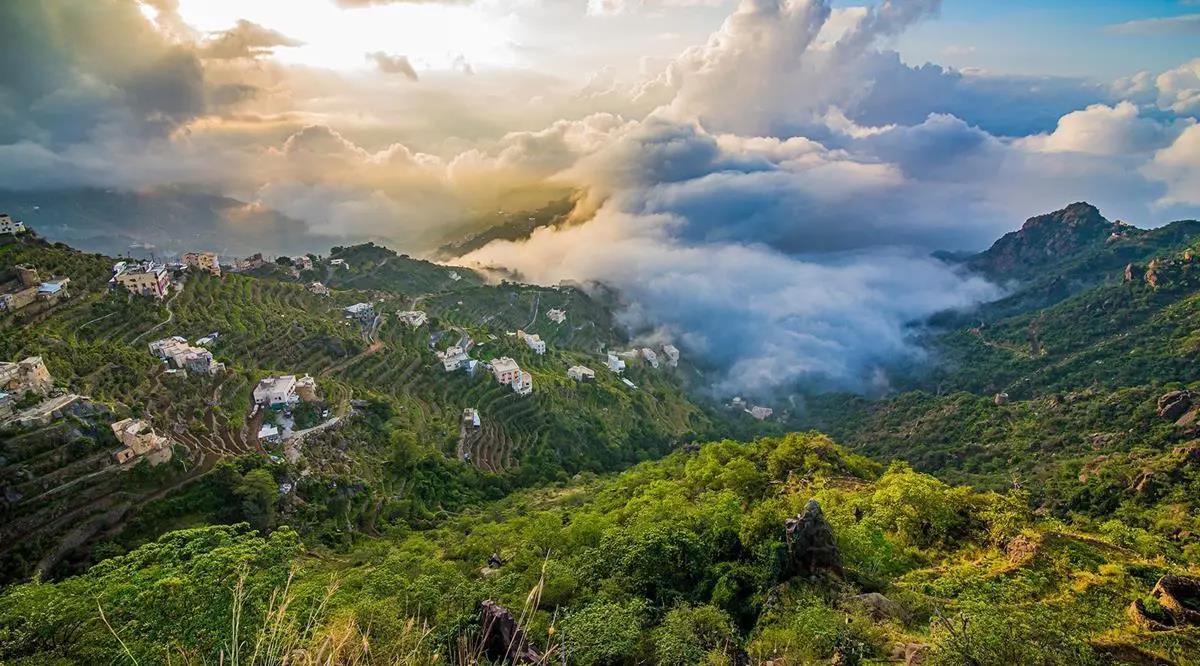
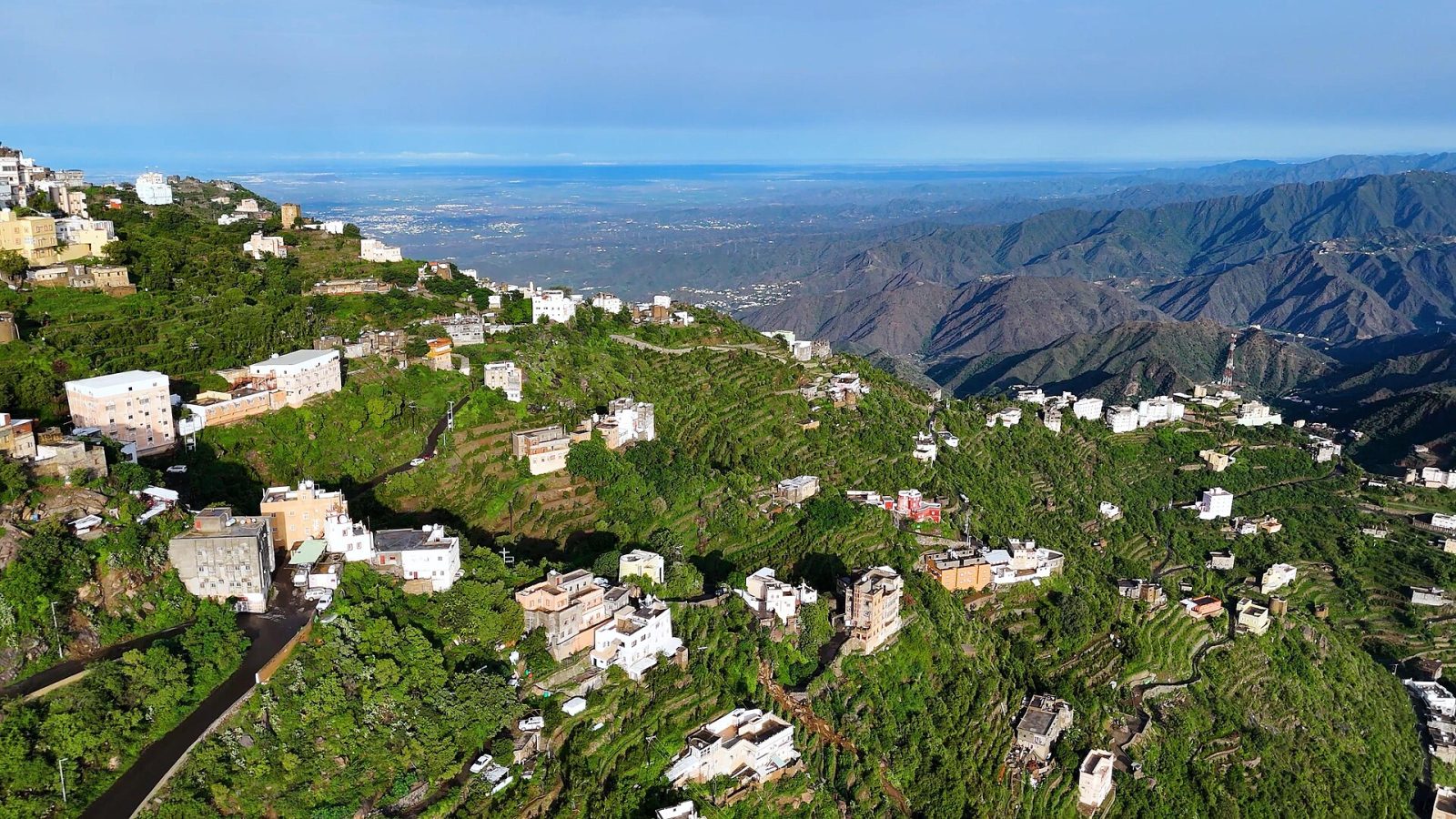
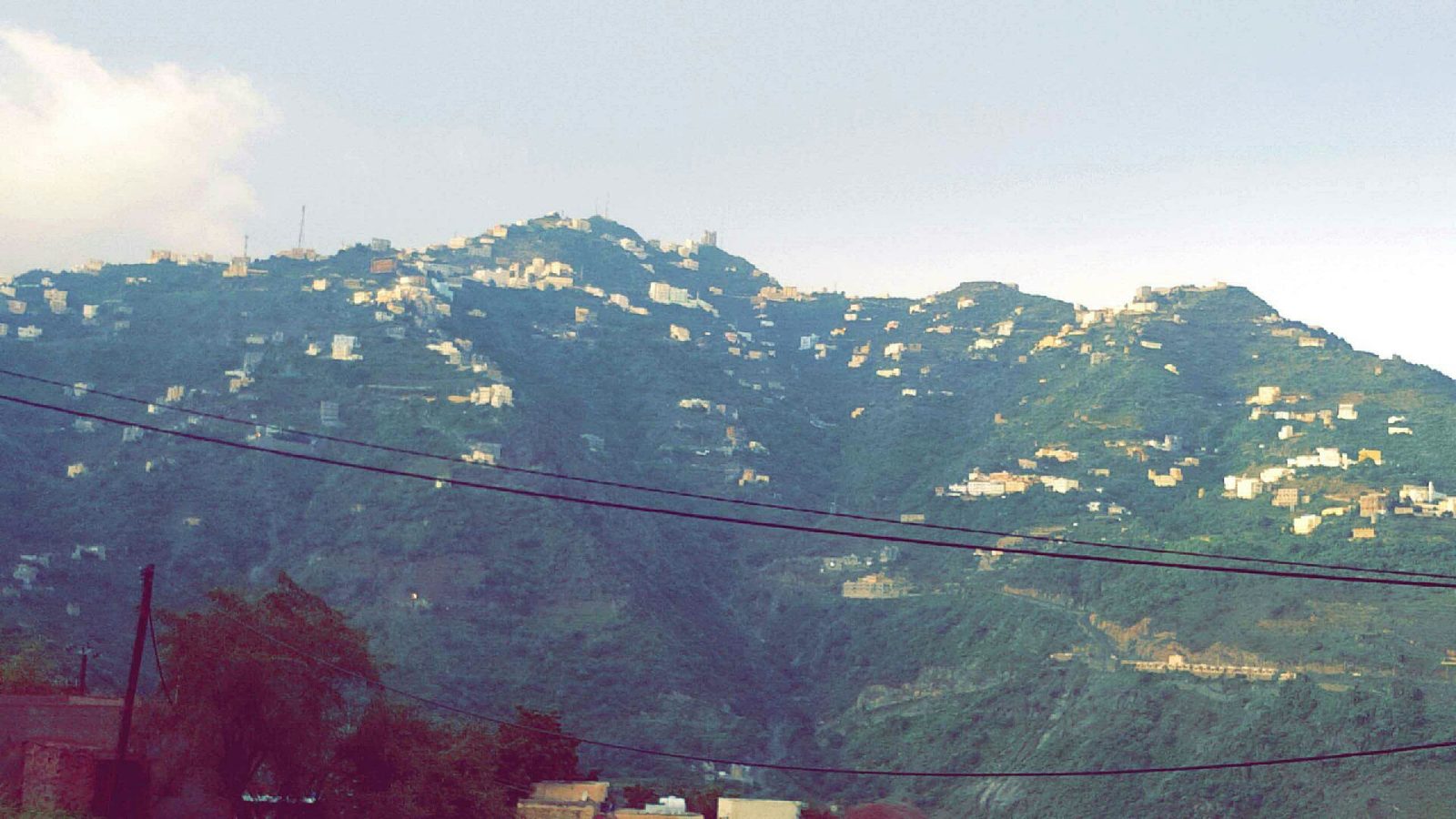
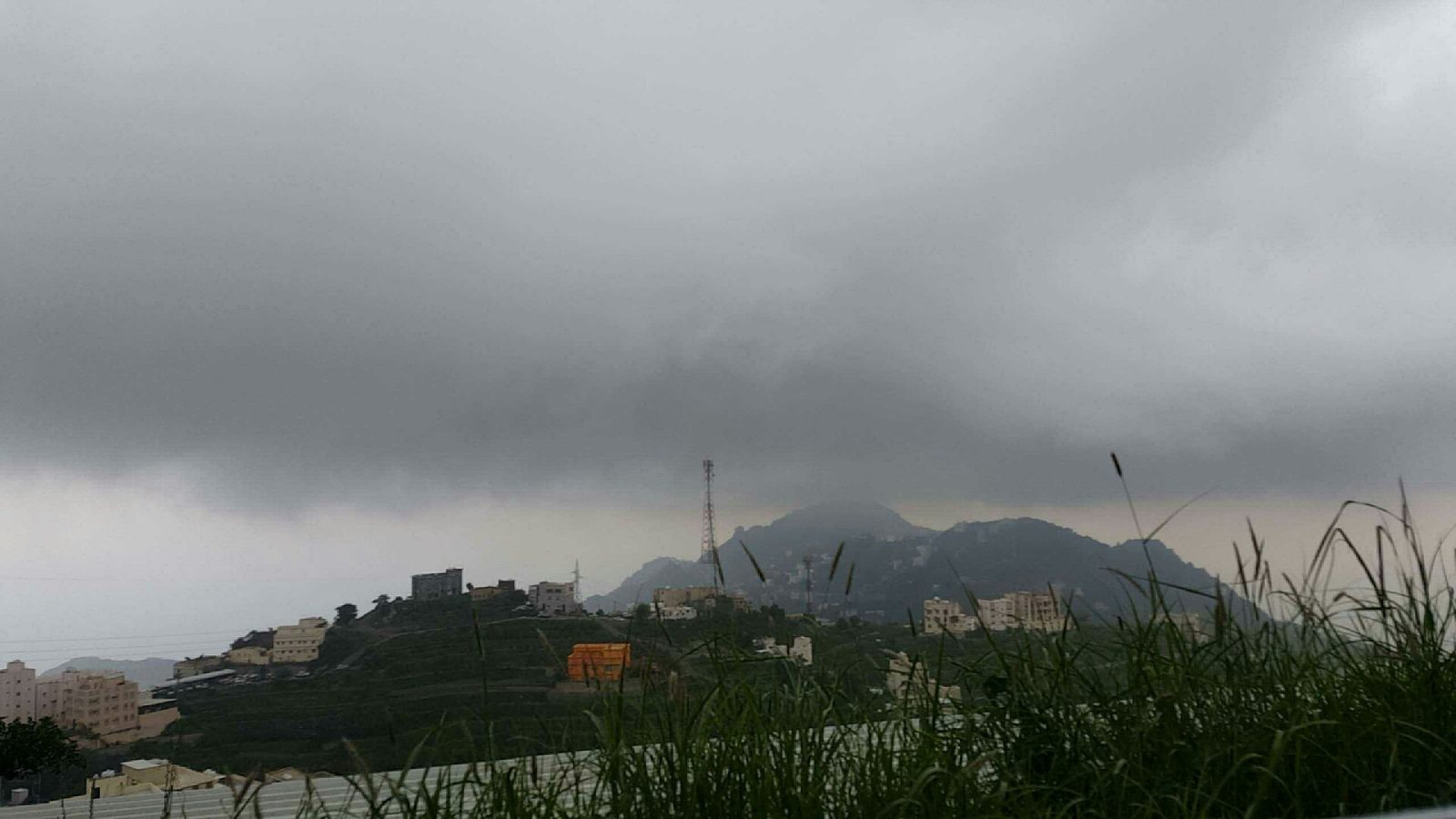
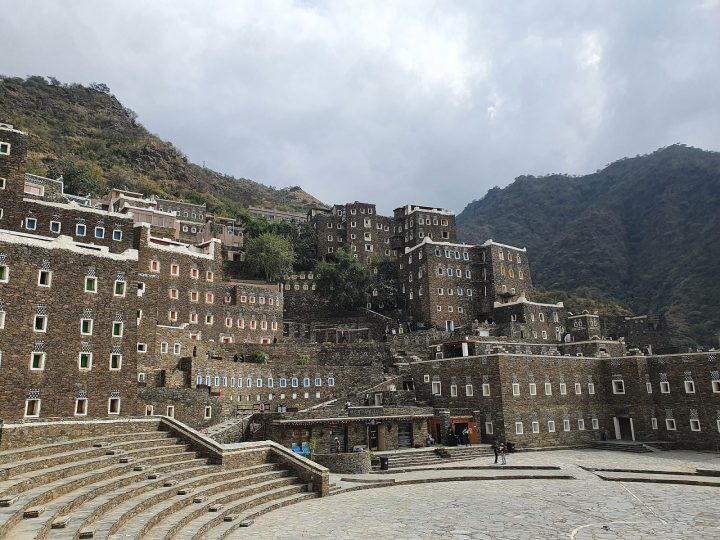
Fayfa is a cone-shaped massif in the Jazan region, rising to about 1,800 metres close to the Yemeni border. Its slopes are terraced from base to summit, with villages, coffee bushes and fruit trees built into the steps, and houses standing on the ridgelines. Clouds often wrap the mountain in the afternoon, and the air is cool and damp compared with the coast below. Coffee has been grown here for centuries and local honey is prized across the kingdom. The road to the top is steep with many bends, and the views over the terraces are the reason to make the climb.
02
STOP 2 OF 6
Farasan Islands
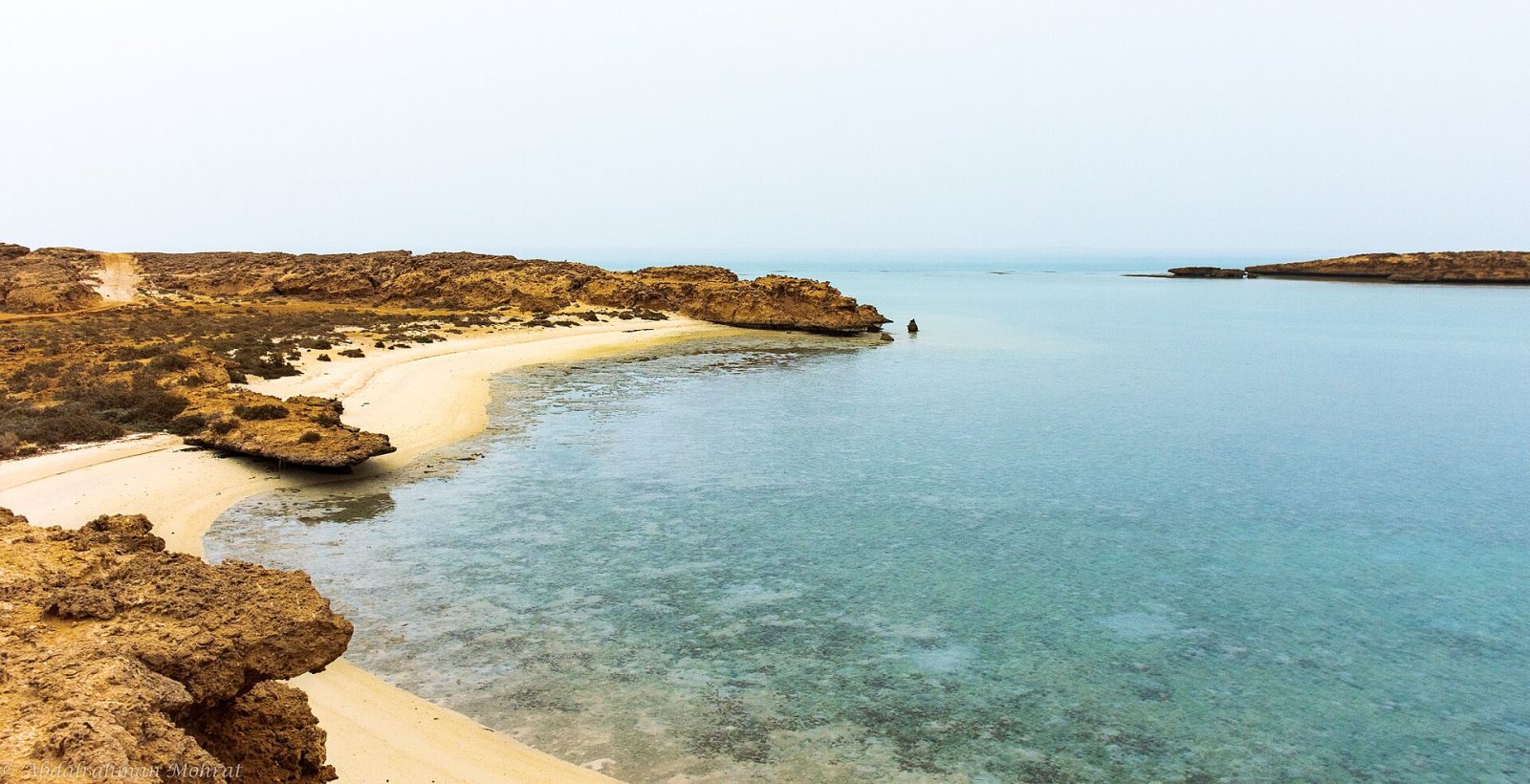
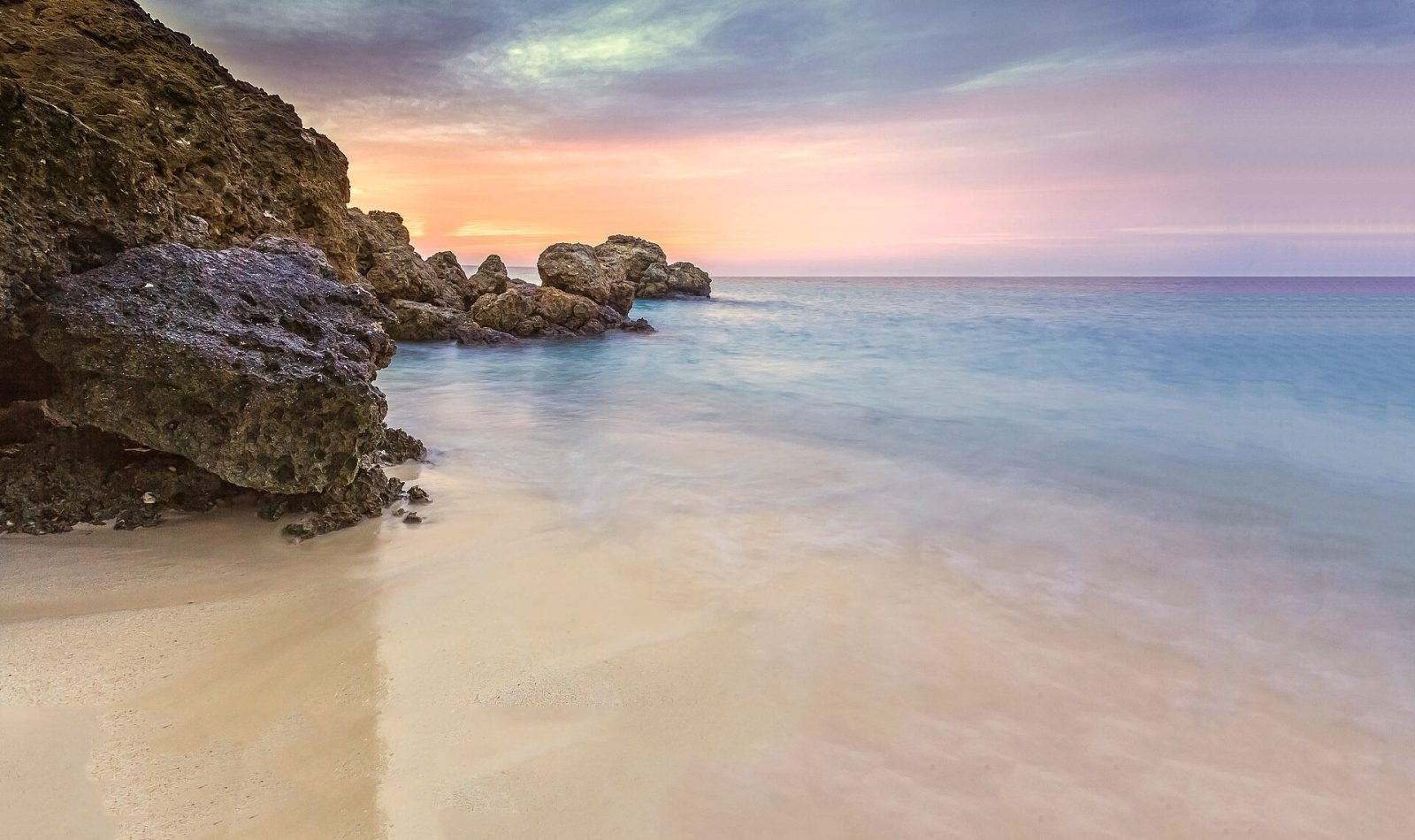
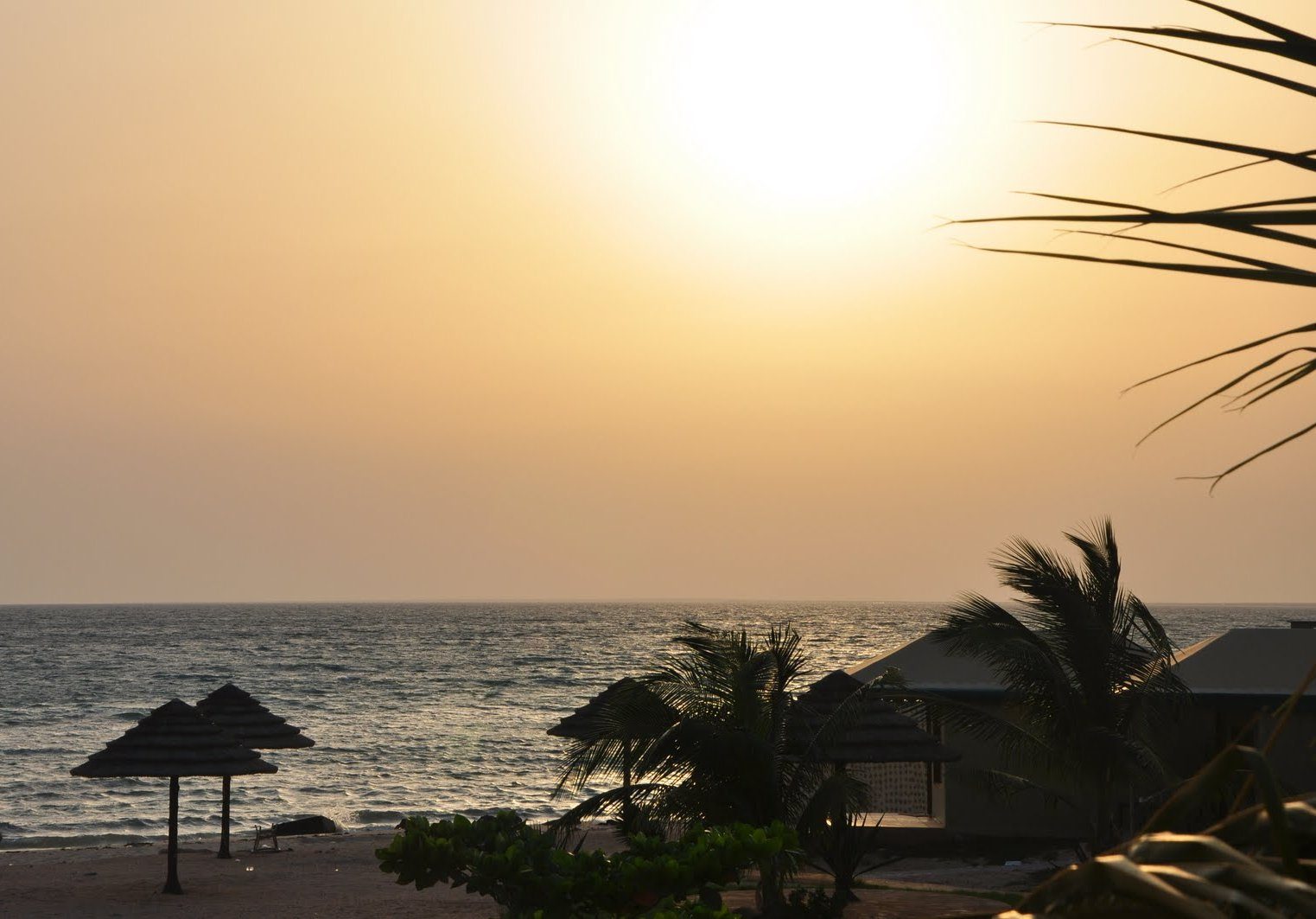
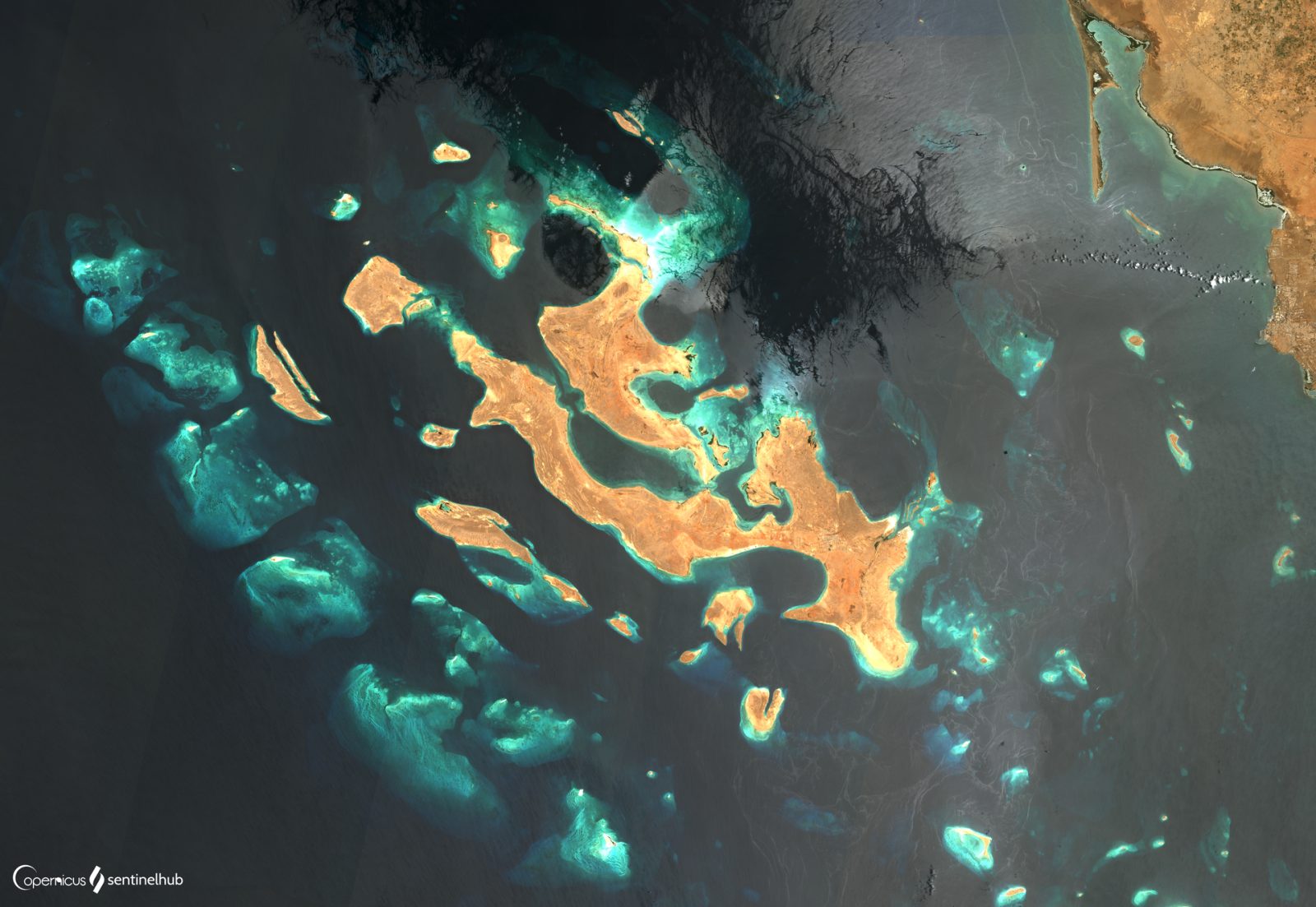
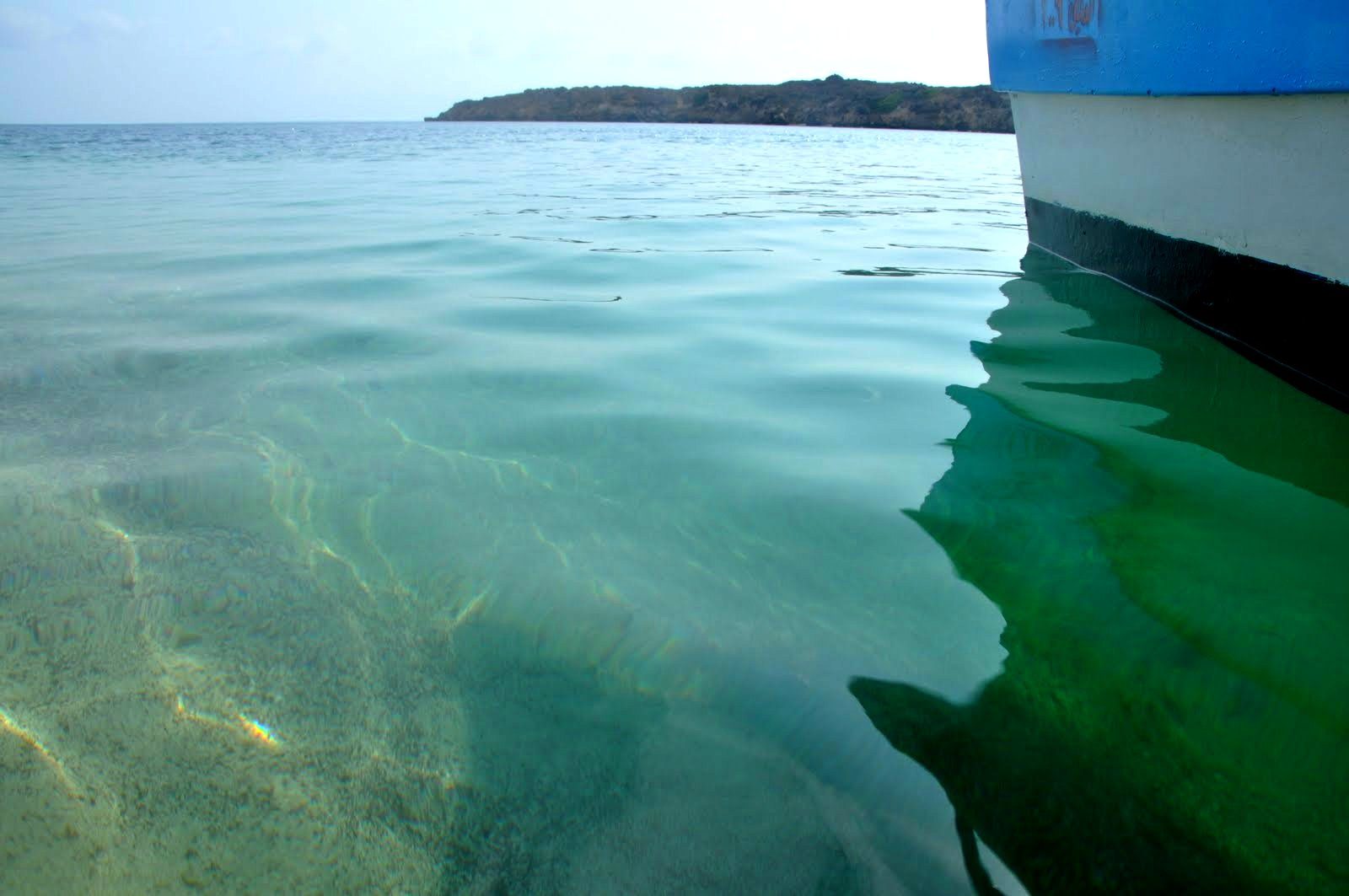
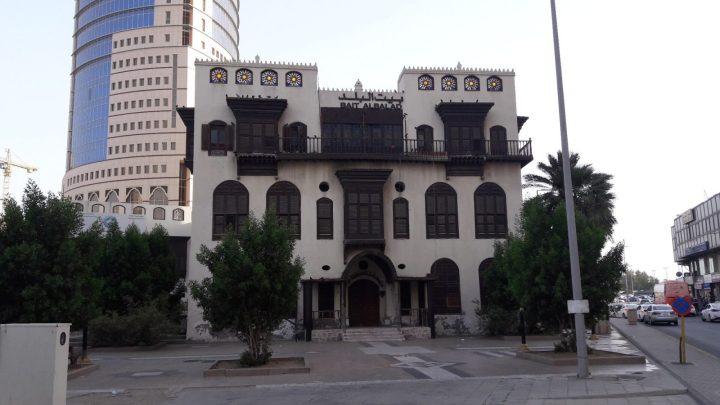
The Farasan islands lie about 40 km off Jazan in the Red Sea, a low coral archipelago of white beaches, mangroves and shallow turquoise water. They are a protected area, home to Arabian gazelles, nesting seabirds and one of the last populations of the sooty falcon, and the reefs around them are among the richest in the Red Sea. Each spring the islands host the harid festival, when the whole community goes out to catch parrotfish in a tradition centuries old. Ottoman-era buildings and the old merchant house of Al Rifai in Farasan town recall the days of the pearl trade. A car and passenger ferry runs daily from Jazan and takes about an hour.
03
STOP 3 OF 6
Al Qassar Village
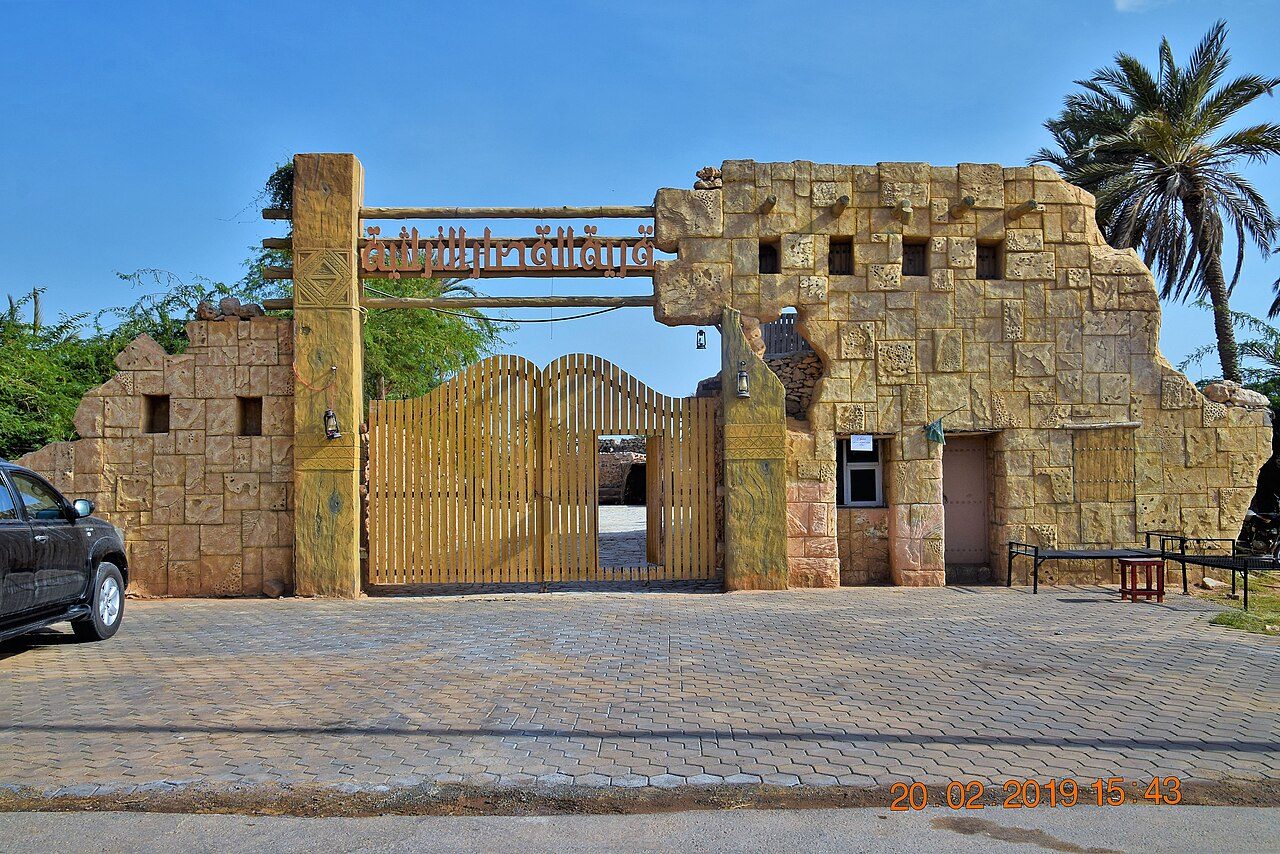
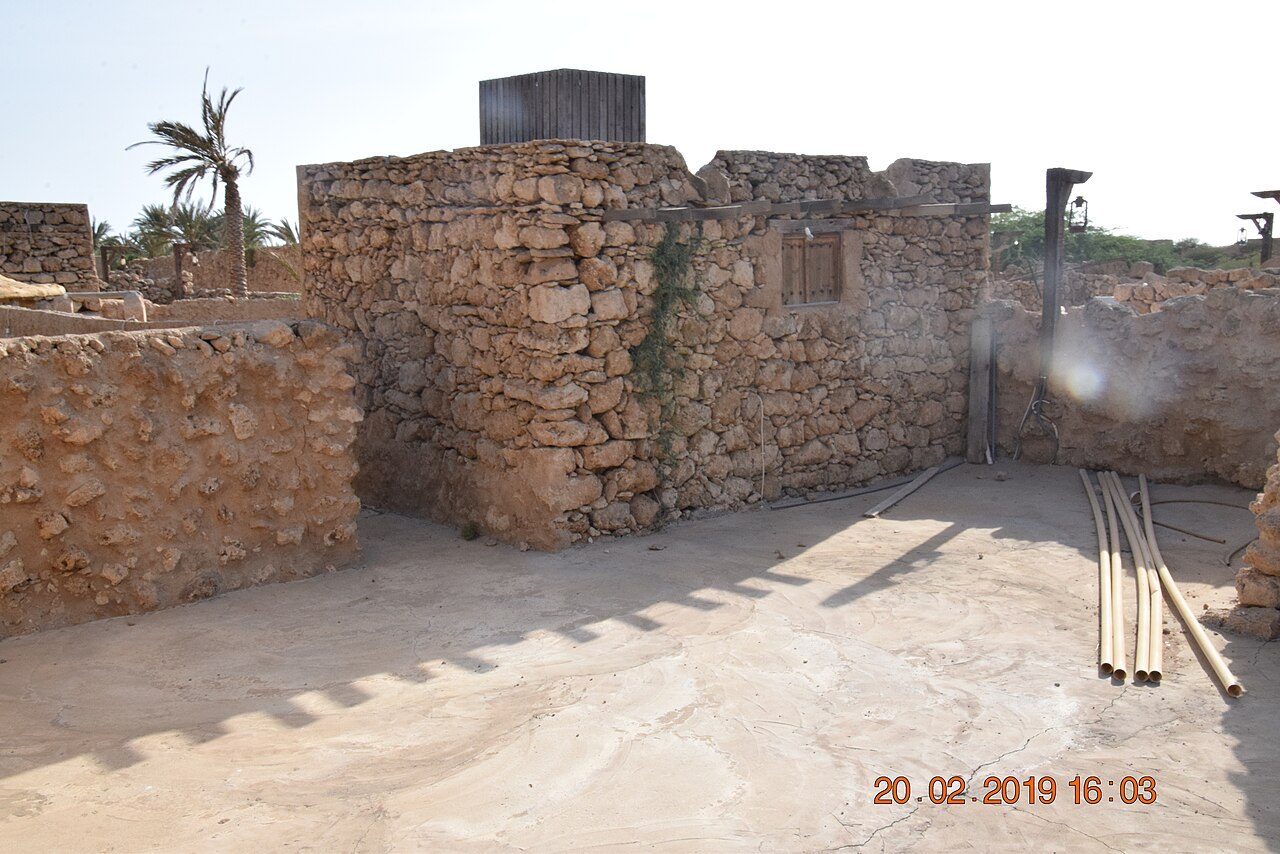
Al Qassar is an old village on the main Farasan island, built of stone and palm leaf in a large date-palm oasis. Islanders used to move here in the hot season for its sweet well water and shade. The houses, now restored, stand along narrow lanes, and the village is the oldest settlement on the islands.
04
STOP 4 OF 6
Al-Ukhdood Archaeological Site
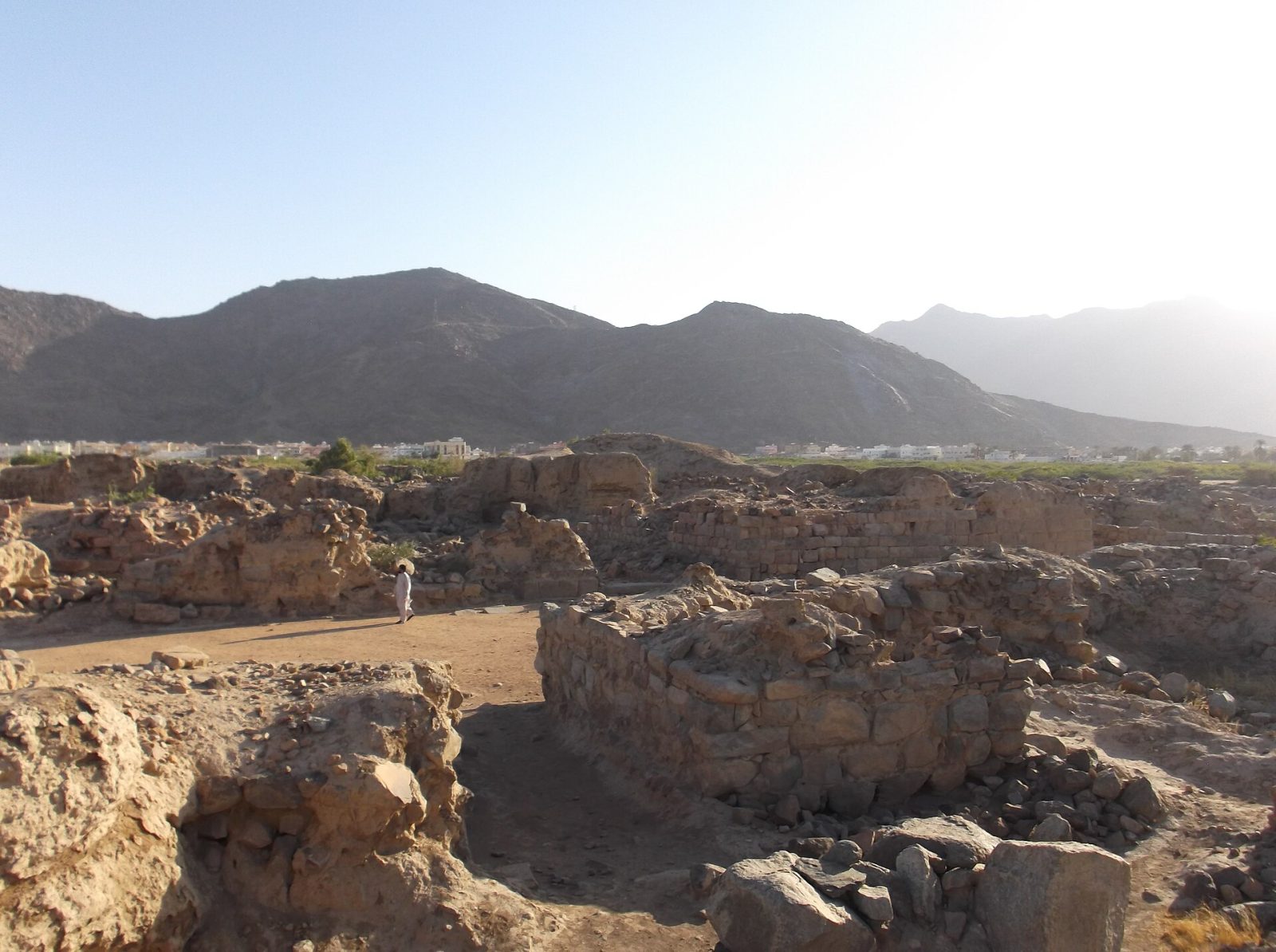
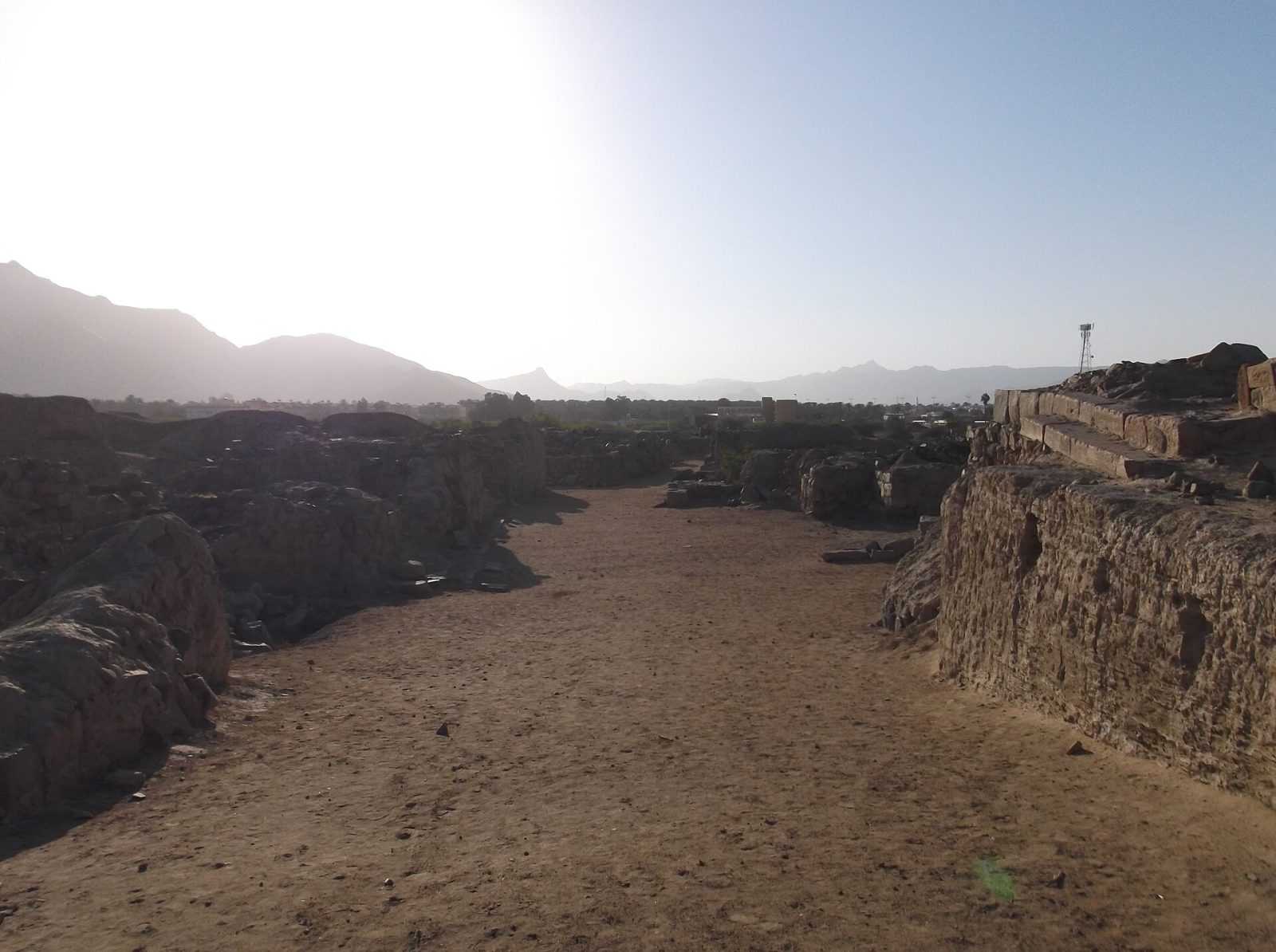
Al-Ukhdood, on the edge of Najran, is the remains of a walled city that was a stop on the incense route carrying frankincense north from Yemen. Stone foundations, wells and blocks carved with South Arabian inscriptions and animal figures still stand on the site. The name means the trench, and the place is linked to the story of the People of the Ditch mentioned in the Quran, when Christians of Najran were persecuted in the 6th century. Excavations have uncovered pottery, coins and glass showing trade links across Arabia and beyond. A small museum beside the site displays the finds, and mornings are best before the heat.
05
STOP 5 OF 6
Najran Emara Palace
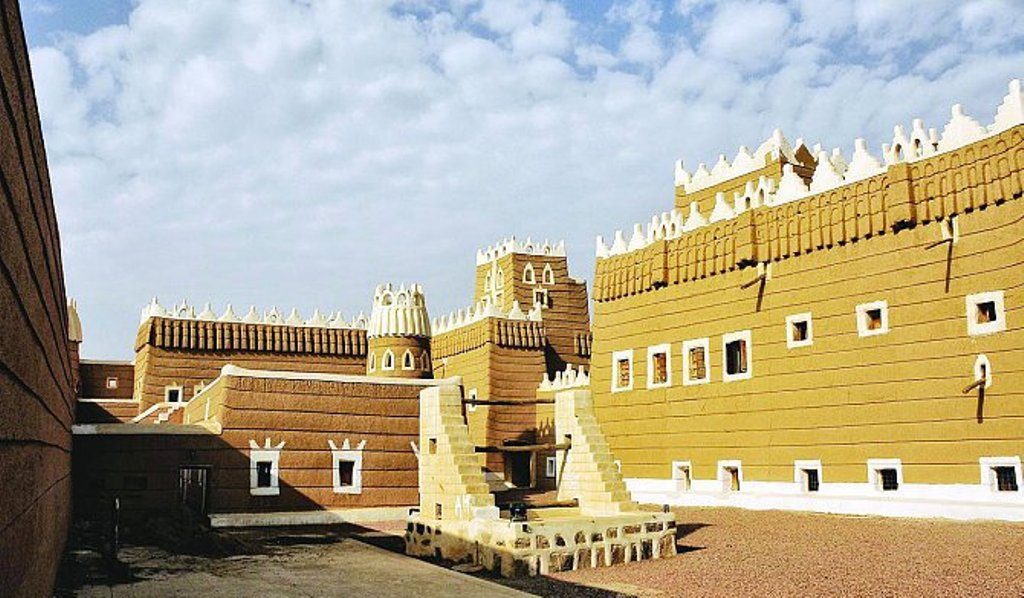
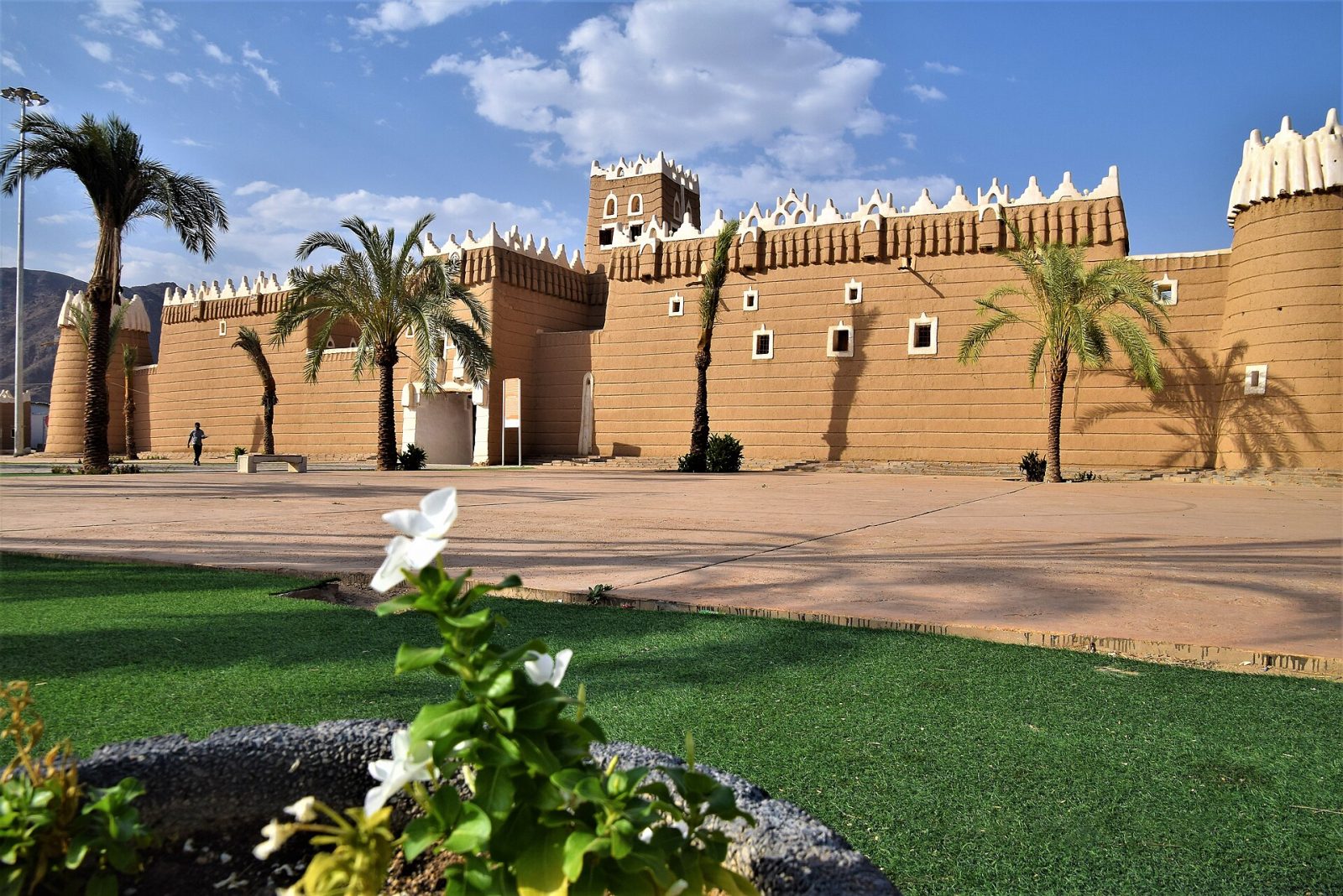
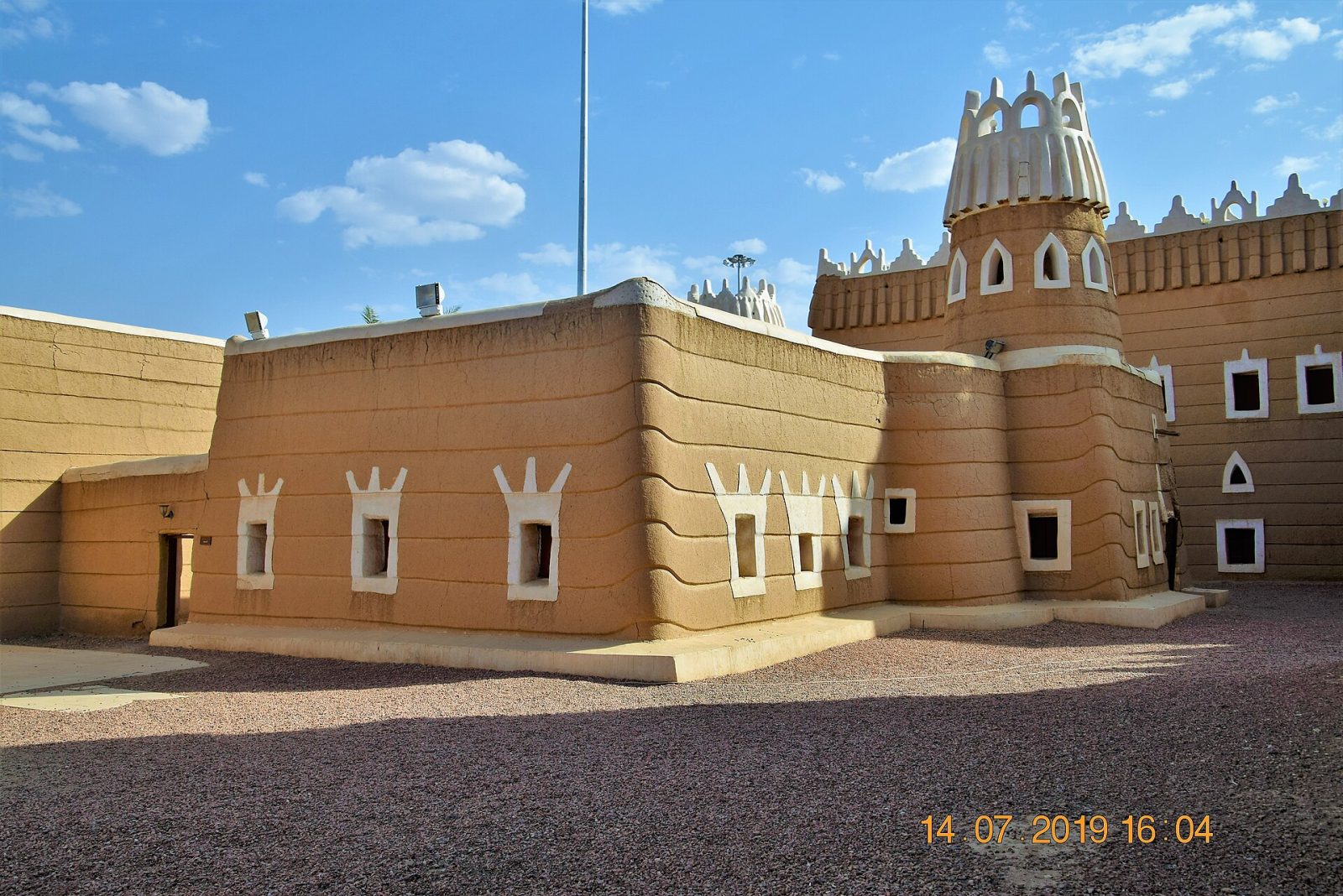
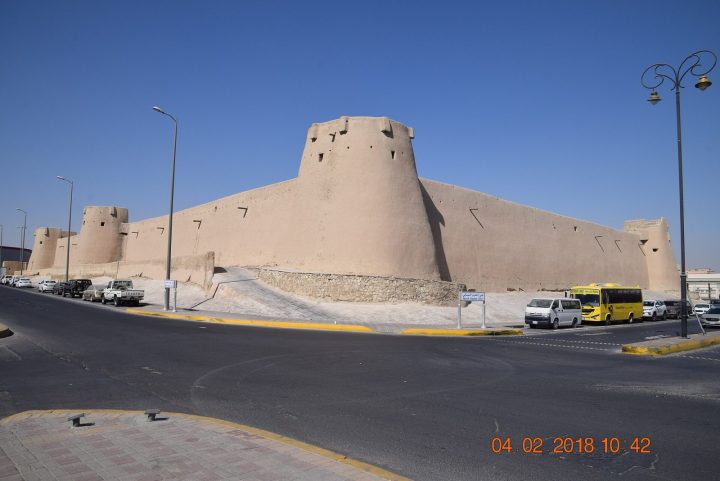
Qasr Al-Imara, the Emirate Palace in Najran, was built in 1944 as the seat of the regional governor and is one of the finest examples of Najrani mud-brick architecture. It has around sixty rooms around courtyards, with towers at the corners, whitewashed window frames and the thick clay walls that keep the interior cool. The complex included offices, living quarters, a mosque and a well, effectively a small self-contained town. It stayed in use as the administrative centre until the 1970s and is now a museum. Najran's valley of palm groves and the nearby Al-Ukhdood ruins make a good half-day together.
06
STOP 6 OF 6 · LAST STOP
Bir Hima
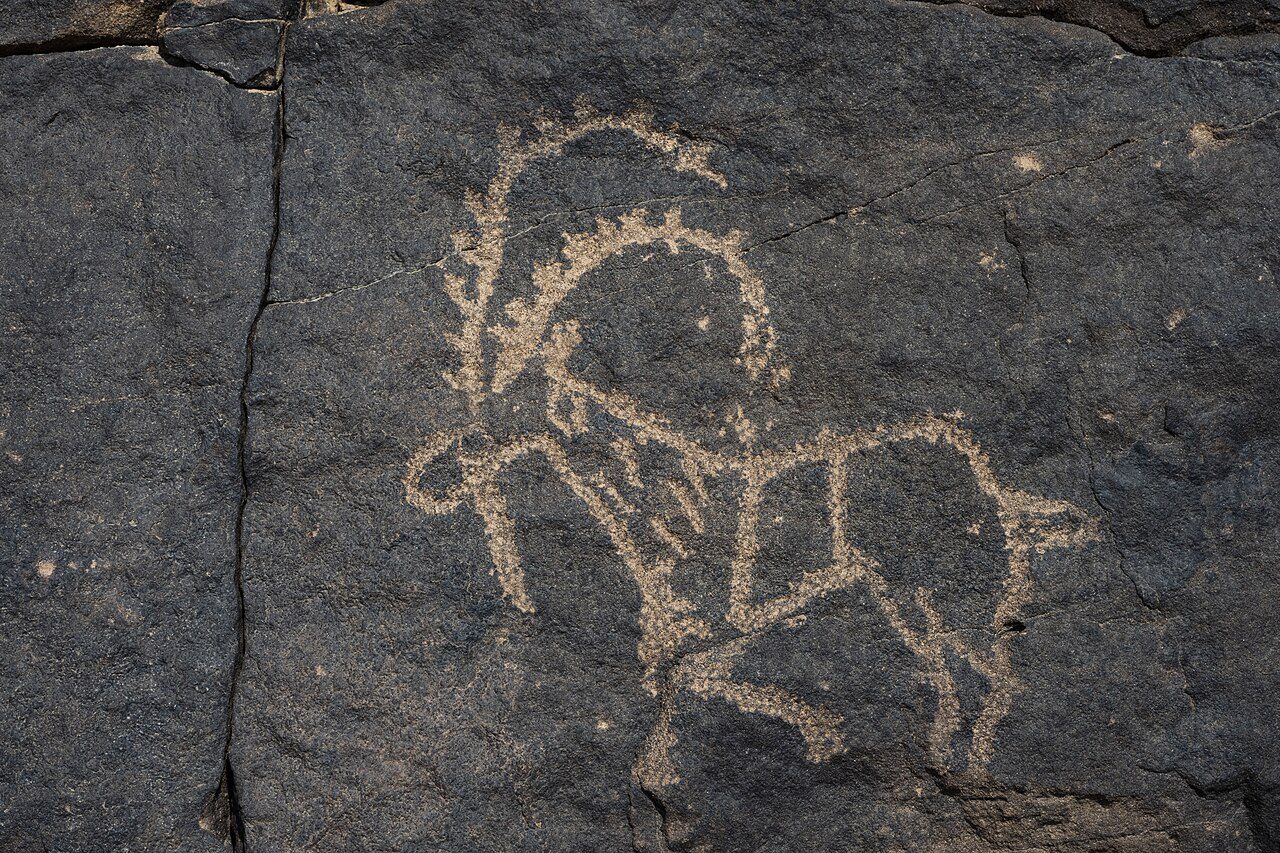
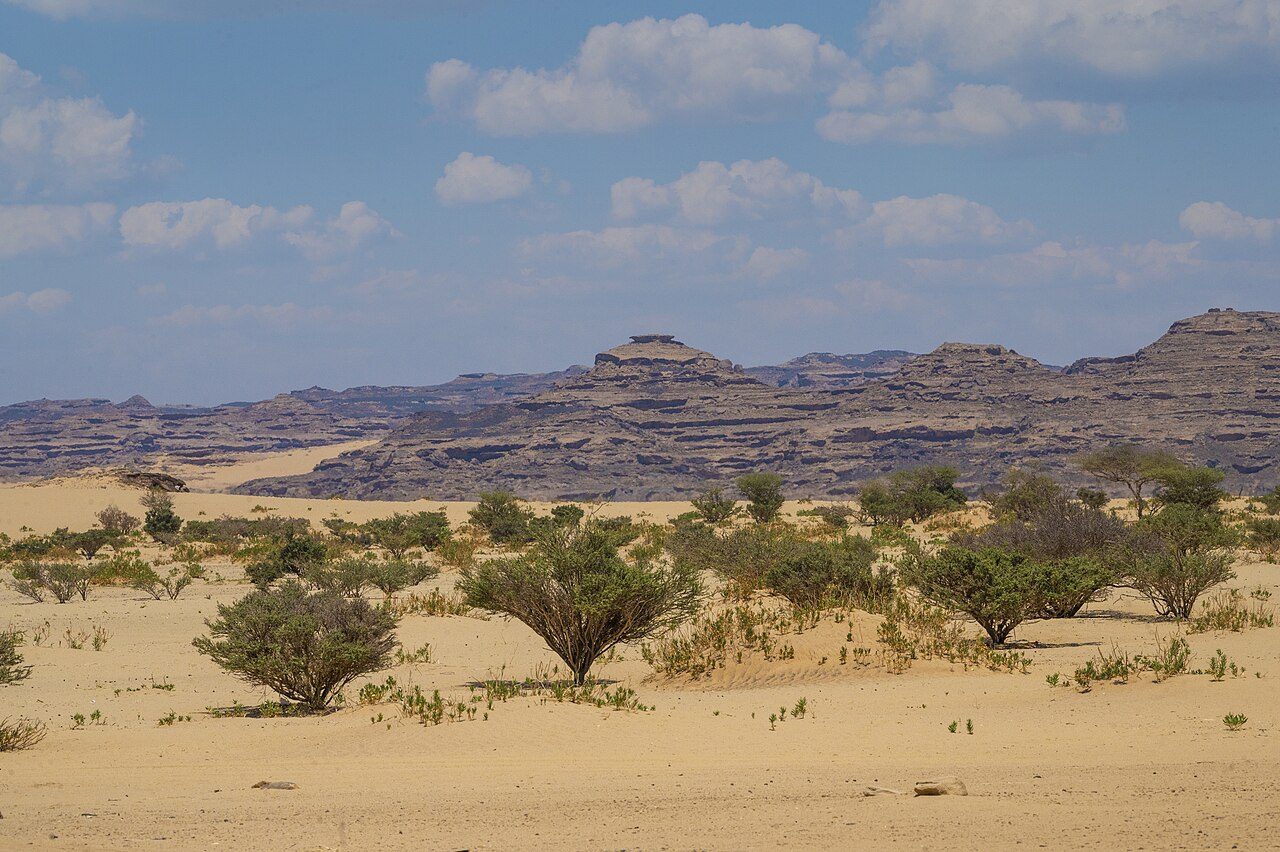
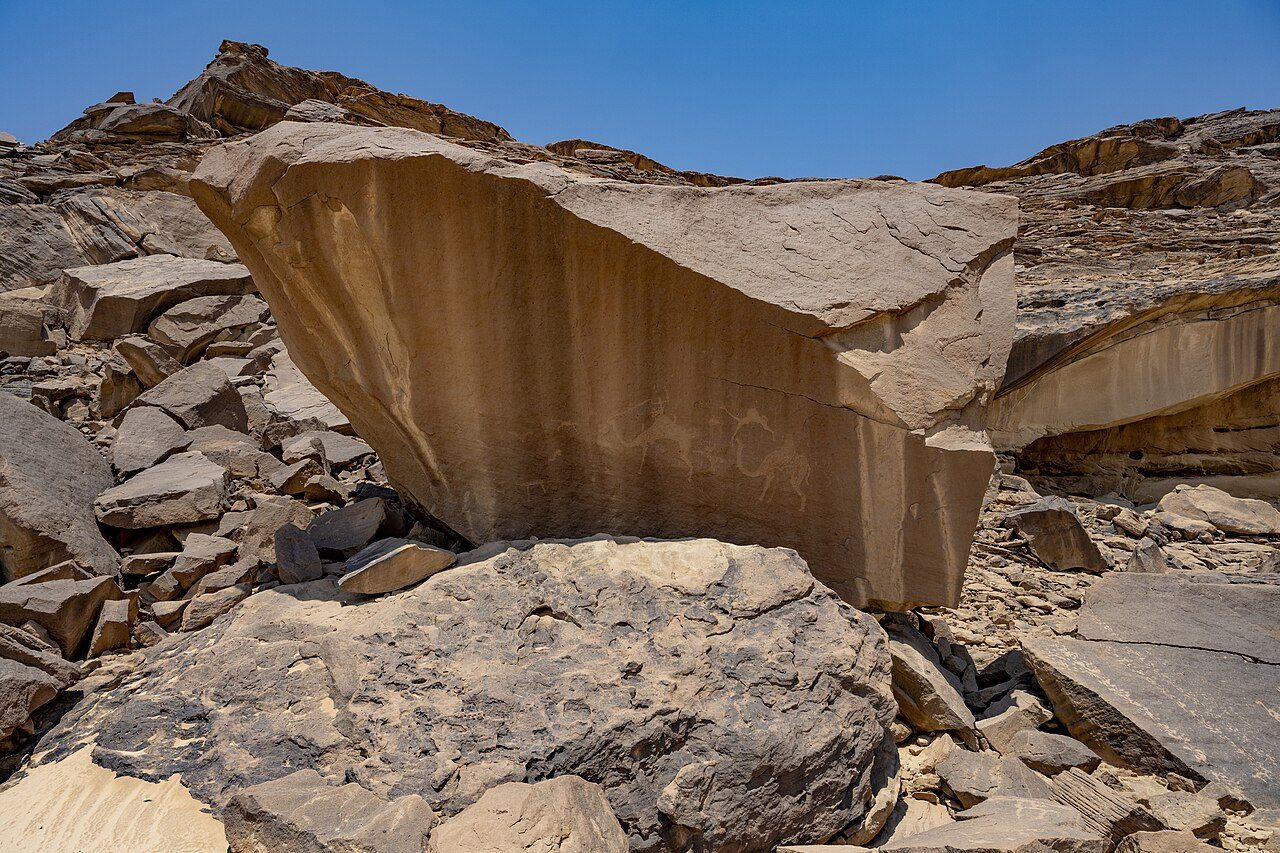
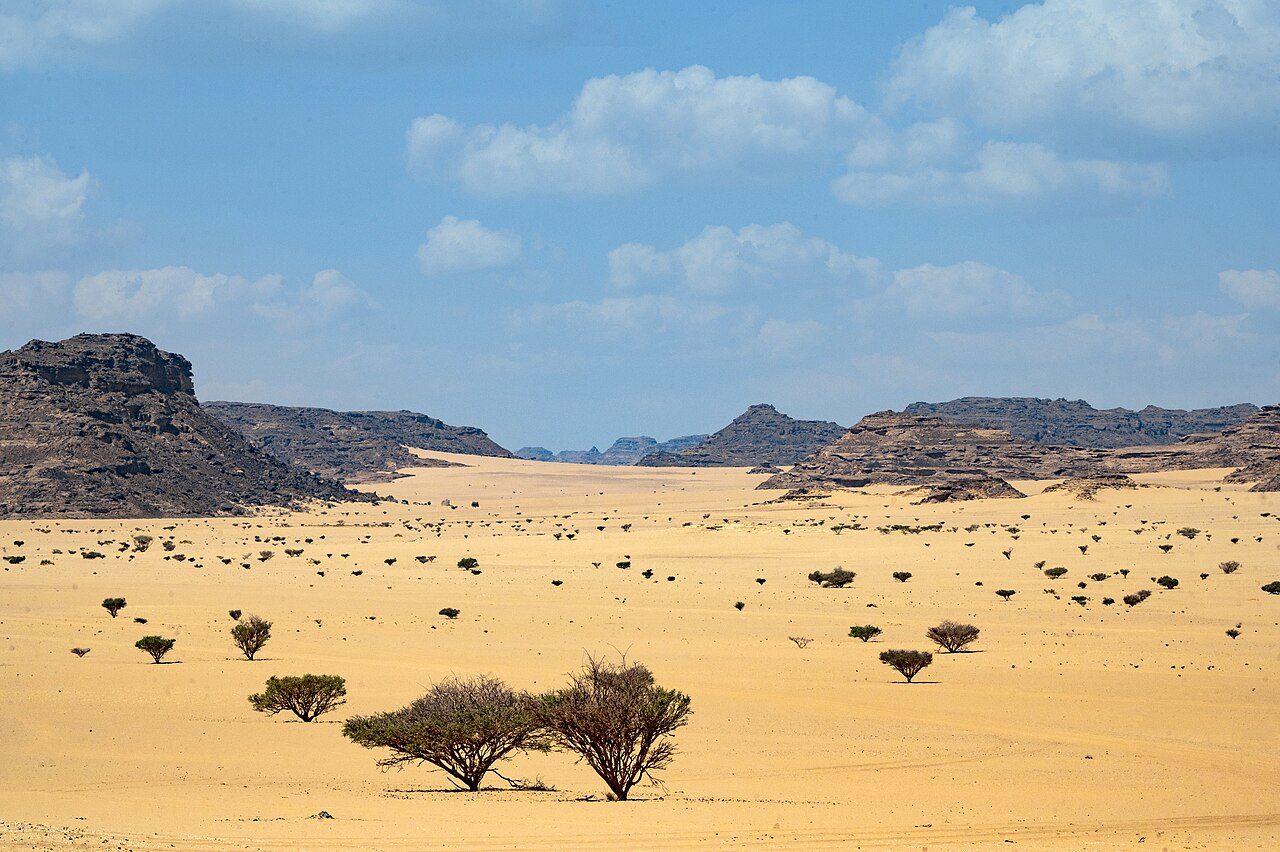
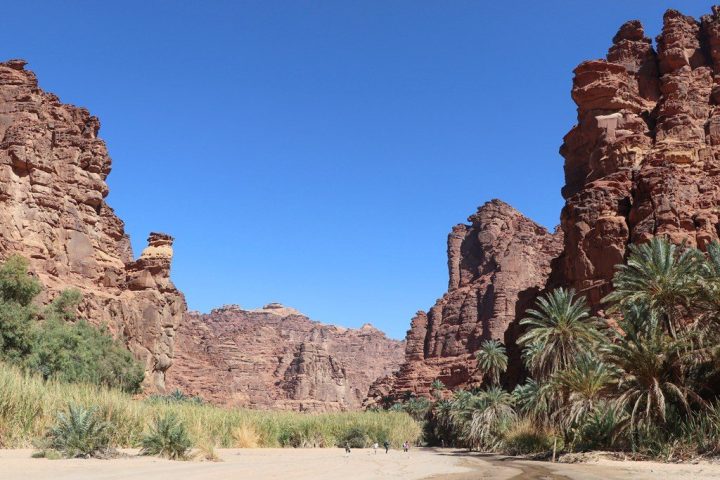
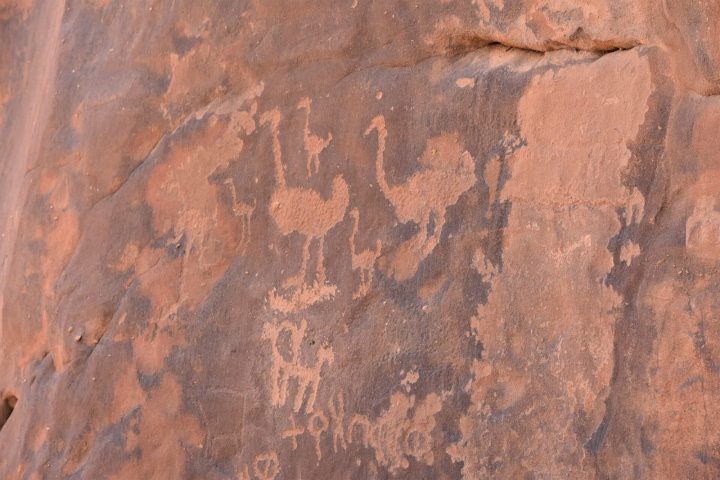
Bir Hima, in the mountains north of Najran, is one of the richest rock art areas in Arabia. Around its ancient wells, on the old caravan route from Yemen, cliffs are covered with thousands of carvings of hunters, camels, ostriches and battles, along with inscriptions in several scripts. It became a UNESCO World Heritage Site in 2021.
Seasons from 20 years of NASA POWER climate data.
 WaTrips