AlUla Old Town, Maraya and Elephant Rock, Hegra's Nabataean tombs, Jabal Ikmah and Dadan, then Khaybar.
AlUla is one of the most beautiful landscapes in Arabia. Day one walks the mud-brick AlUla Old Town, sees the mirrored Maraya concert hall and watches sunset at Elephant Rock. Day two is Hegra, Saudi Arabia's first UNESCO World Heritage Site, with over a hundred Nabataean tombs carved into sandstone, plus the inscriptions of Jabal Ikmah and the ancient city of Dadan. Day three continues to the oasis of Khaybar. Book Hegra tickets through Experience AlUla; October to March is the season.
01
STOP 1 OF 7
AlUla Old Town
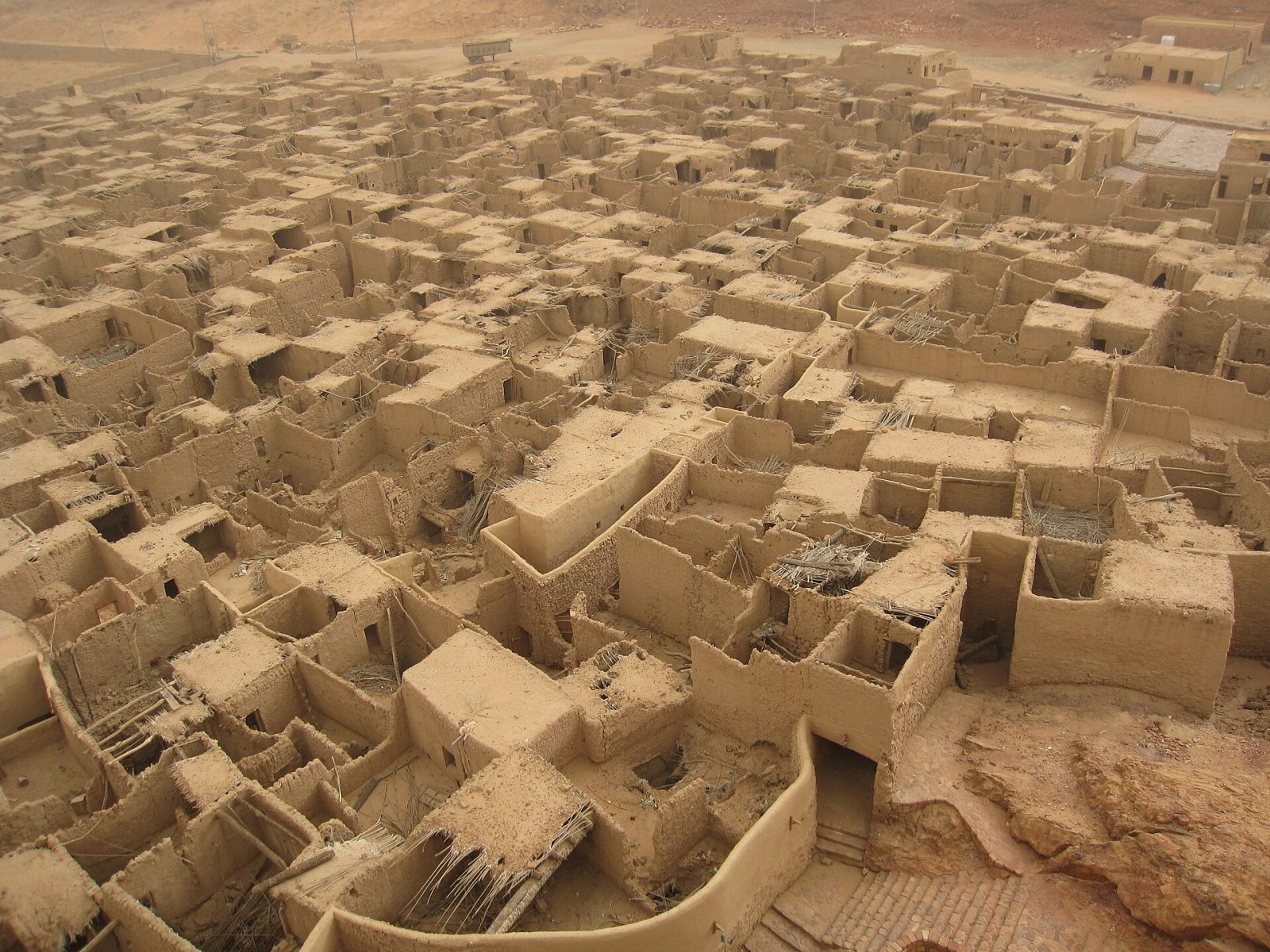
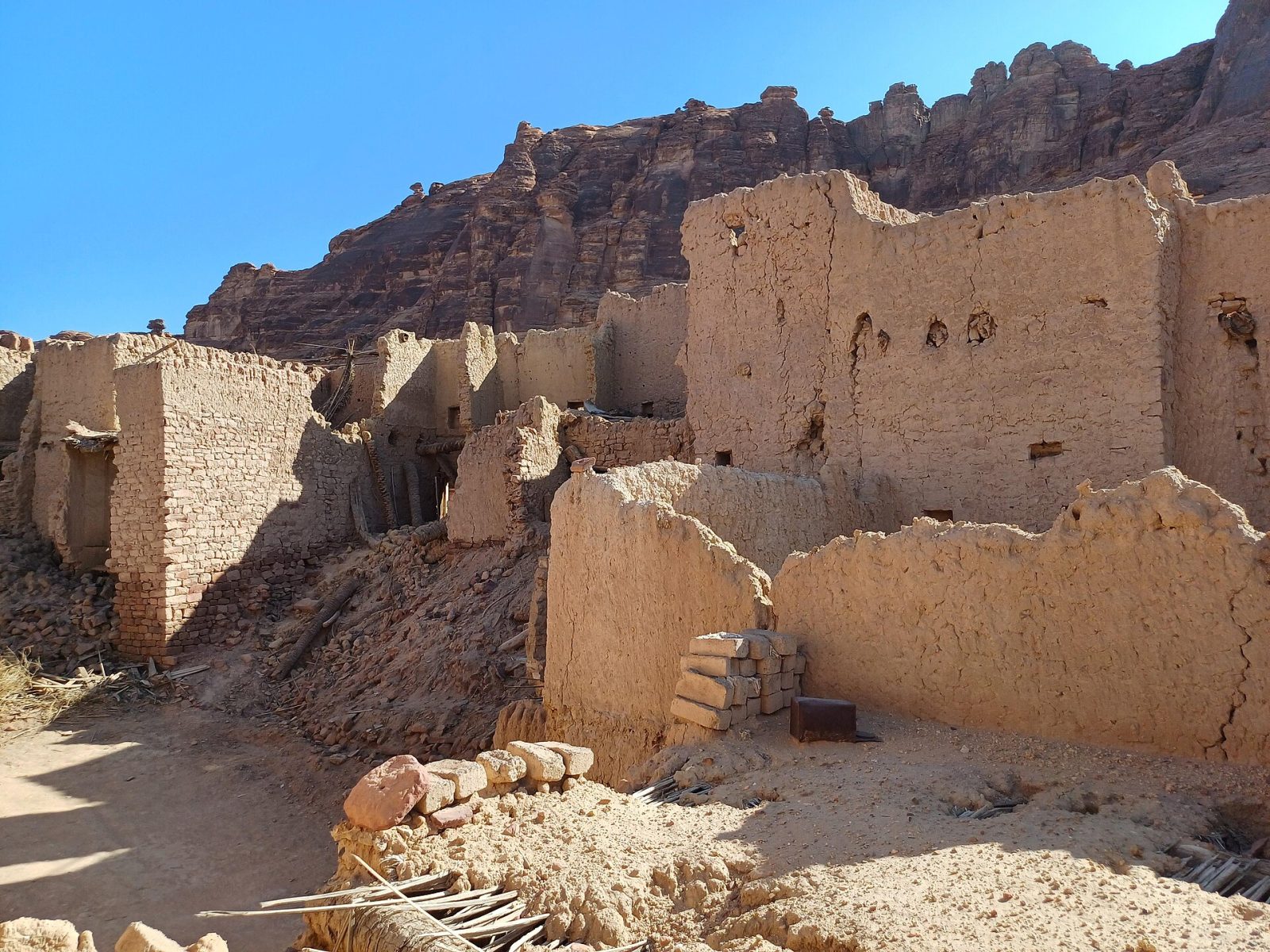
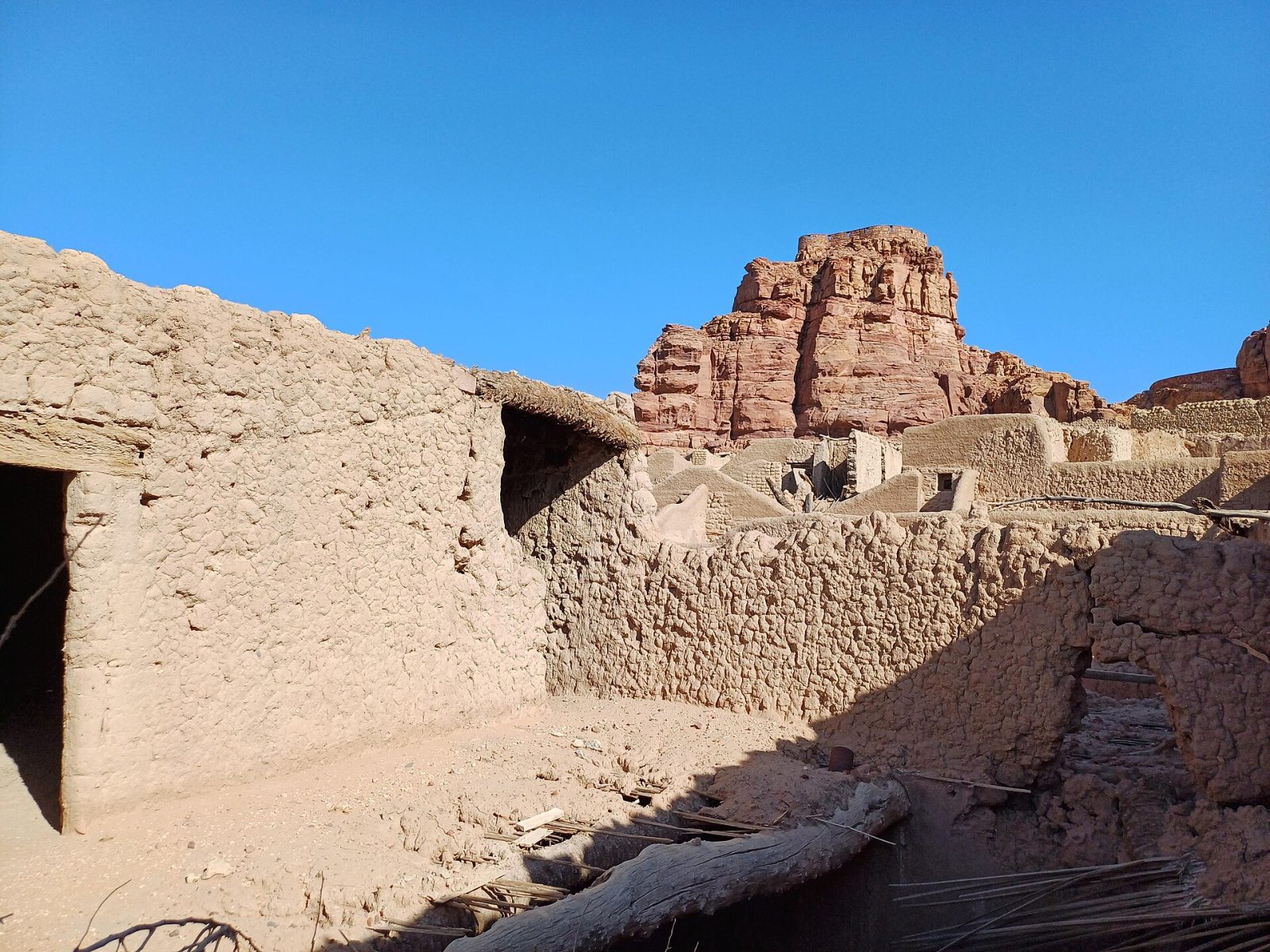
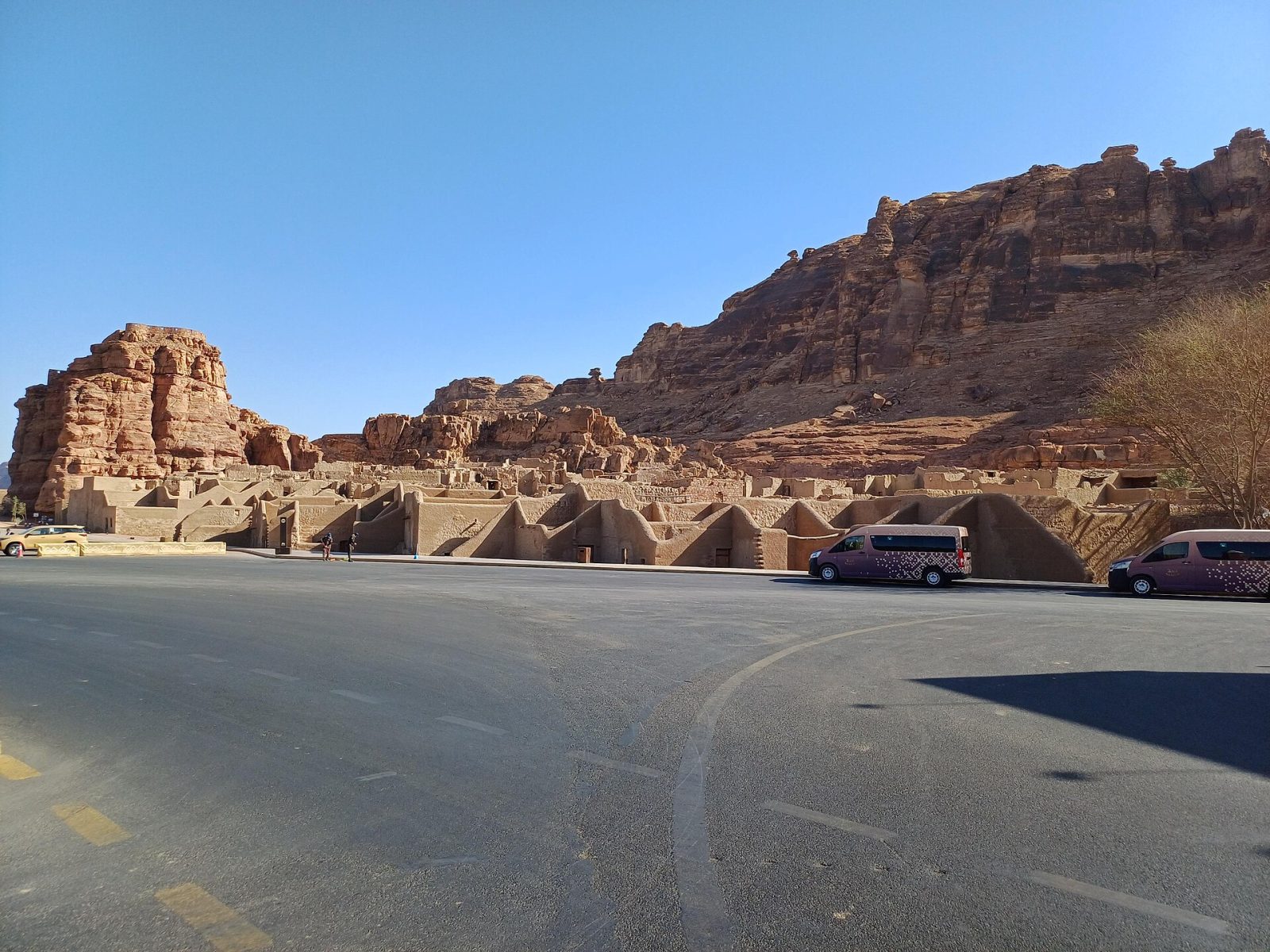
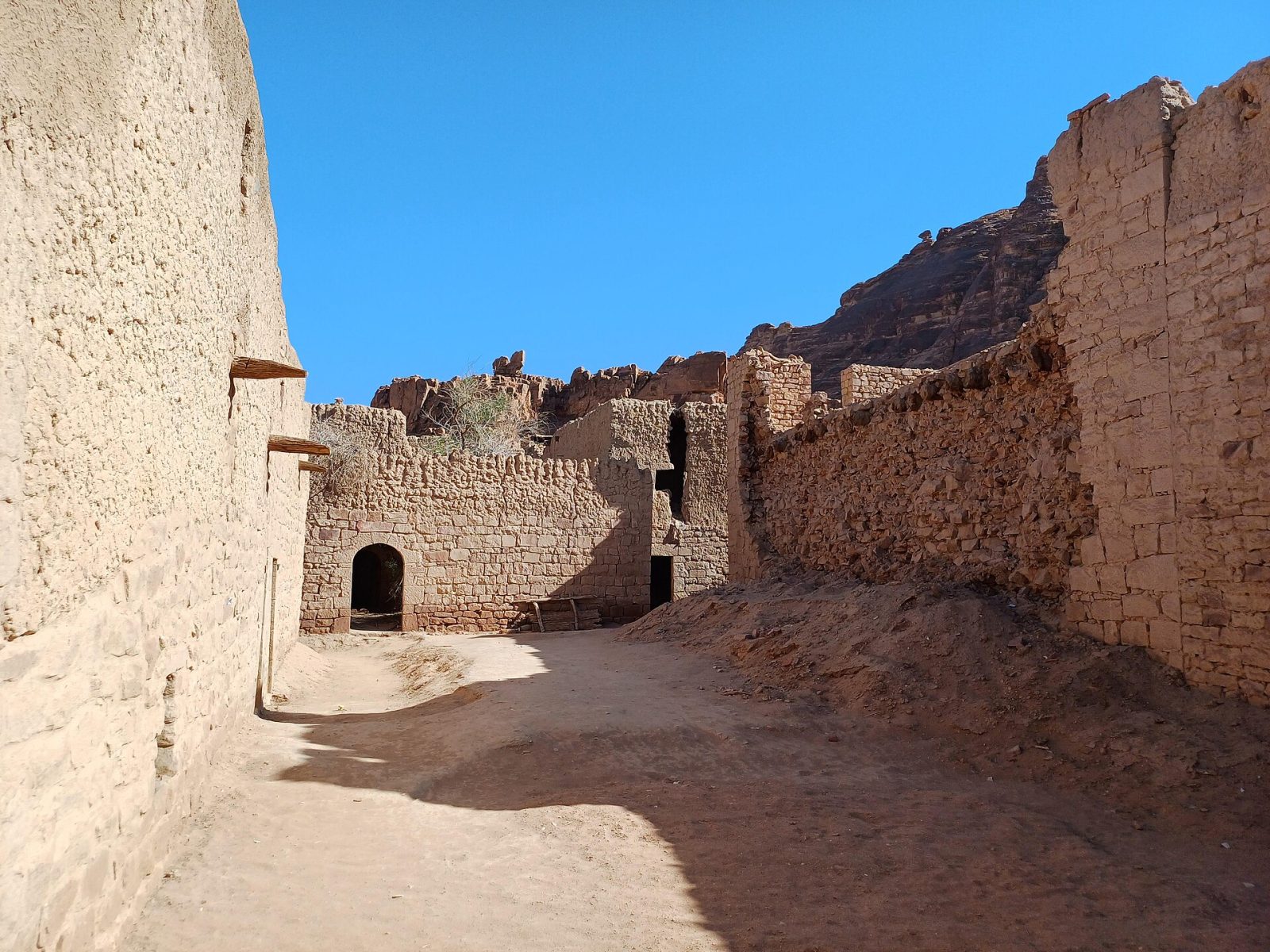
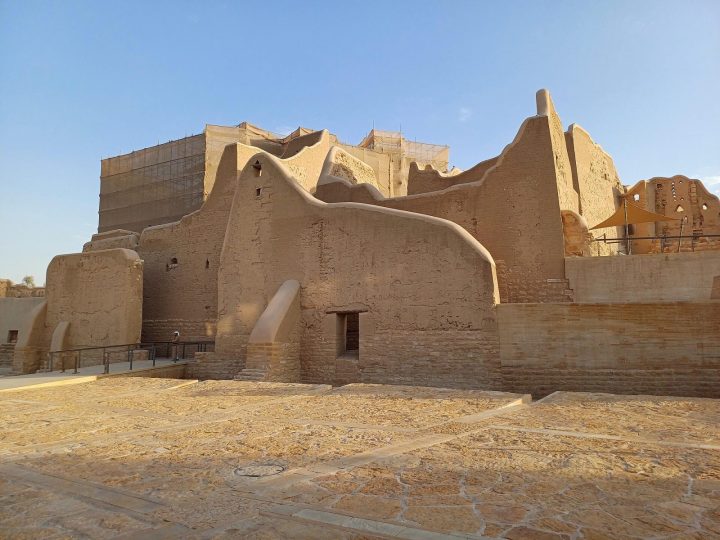
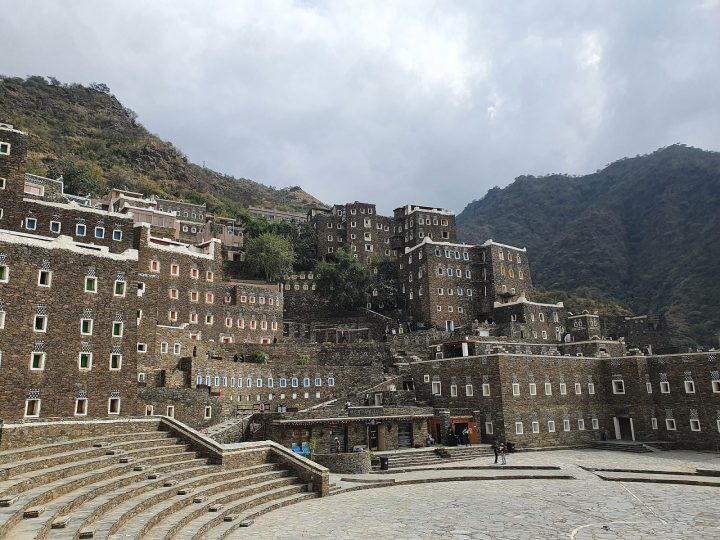
AlUla Old Town is a labyrinth of about 900 mud-brick houses built close together below a hilltop castle, occupied from roughly the 12th century until families moved to the modern town in the 1980s. The walls were joined so that the outer ring formed a defence, with a handful of gates locked at night. The settlement sits in a green oasis of date palms fed by springs, on the incense route that carried frankincense north from Yemen. Part of the town has been restored, with a walking trail, craft shops and cafes along the main lane, and the climb to AlUla Castle gives a view over the whole valley. Evening visits are the most comfortable.
02
STOP 2 OF 7
Maraya, AlUla
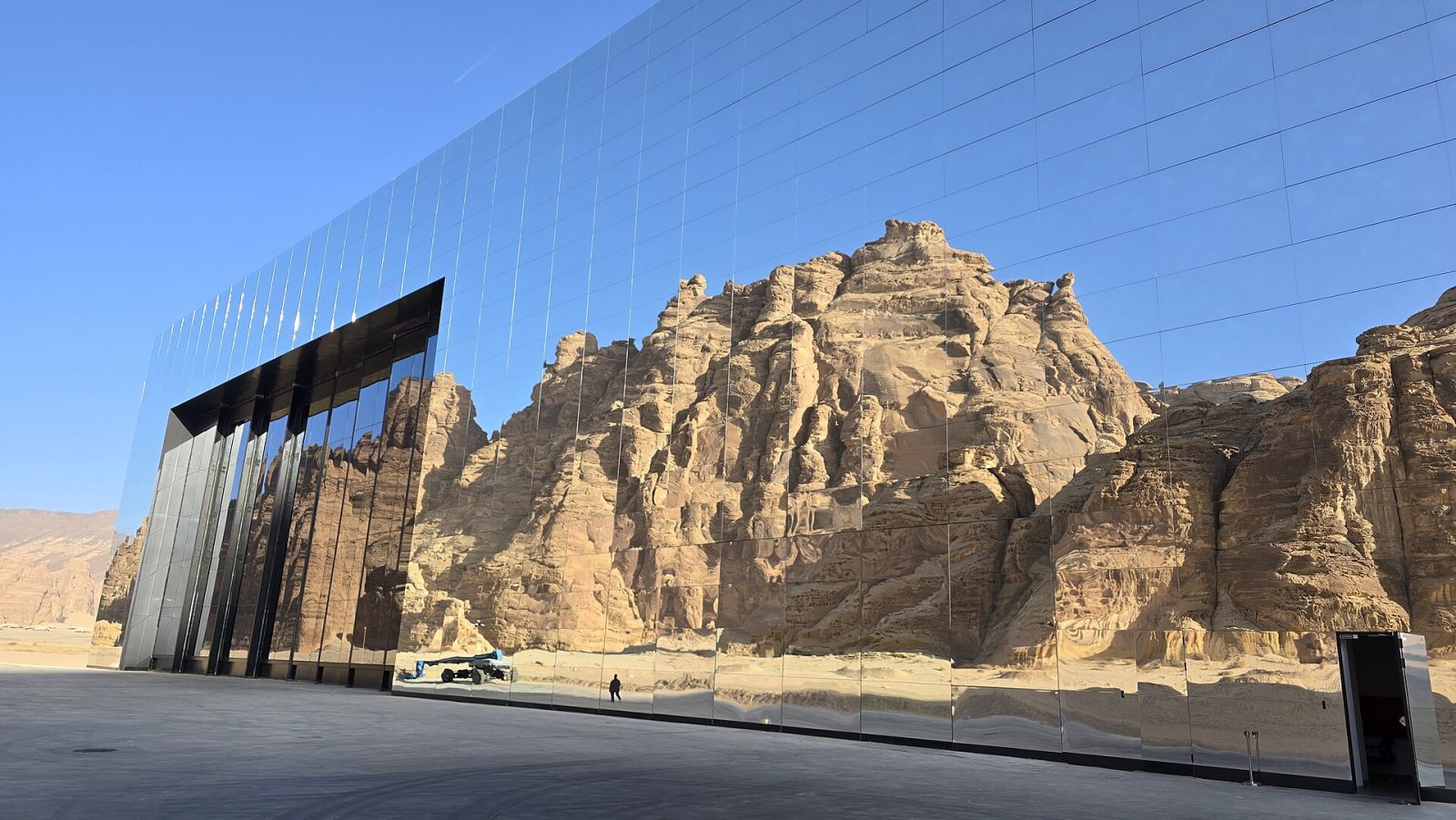
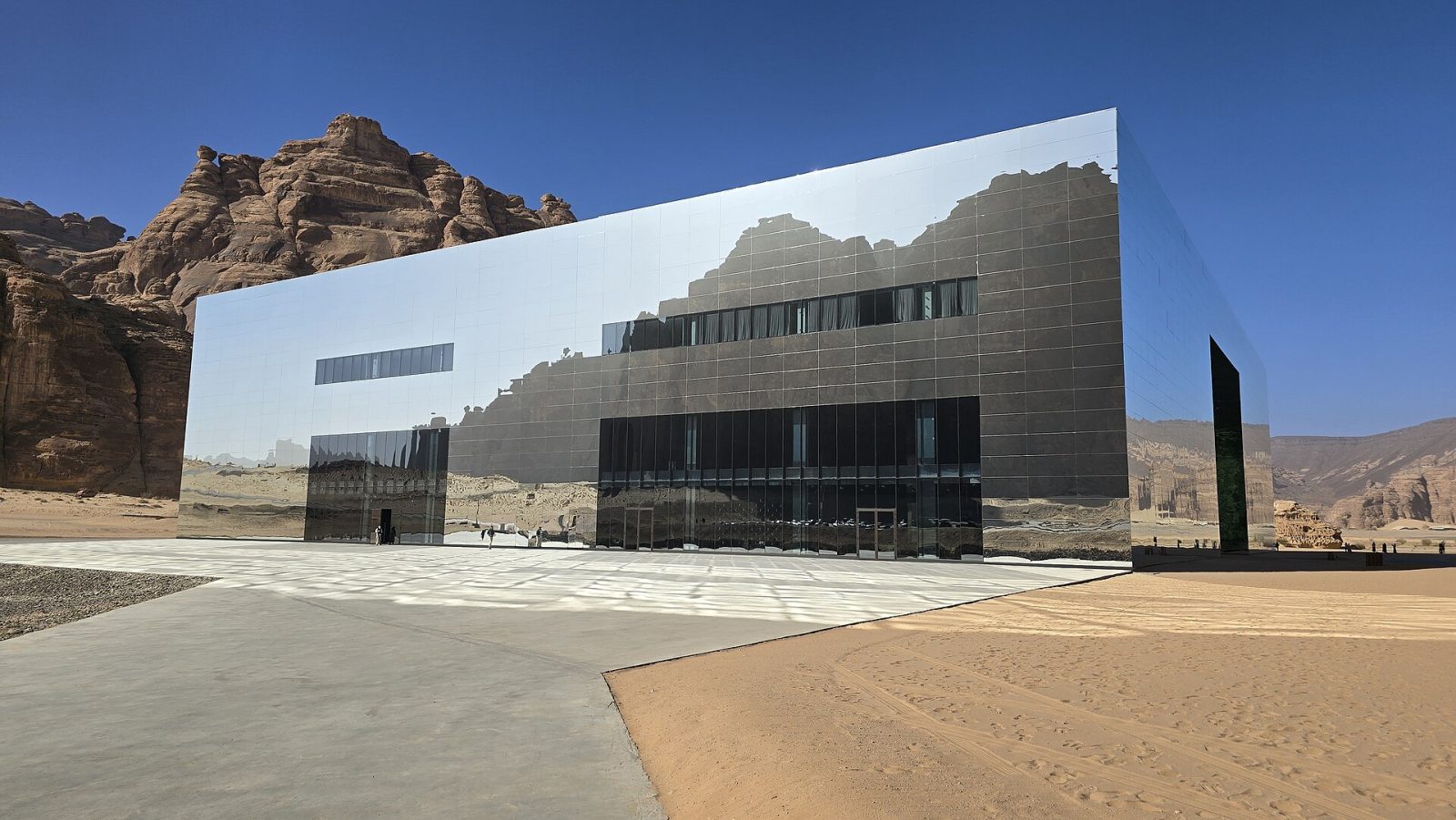
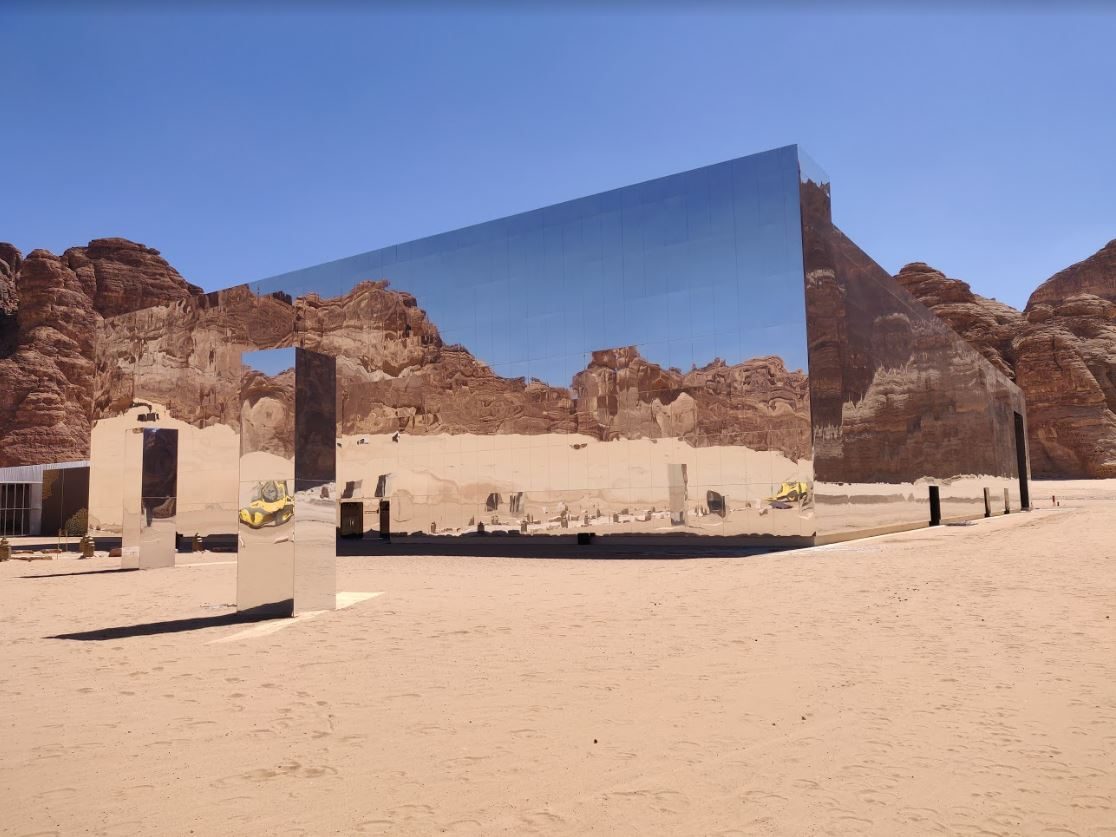
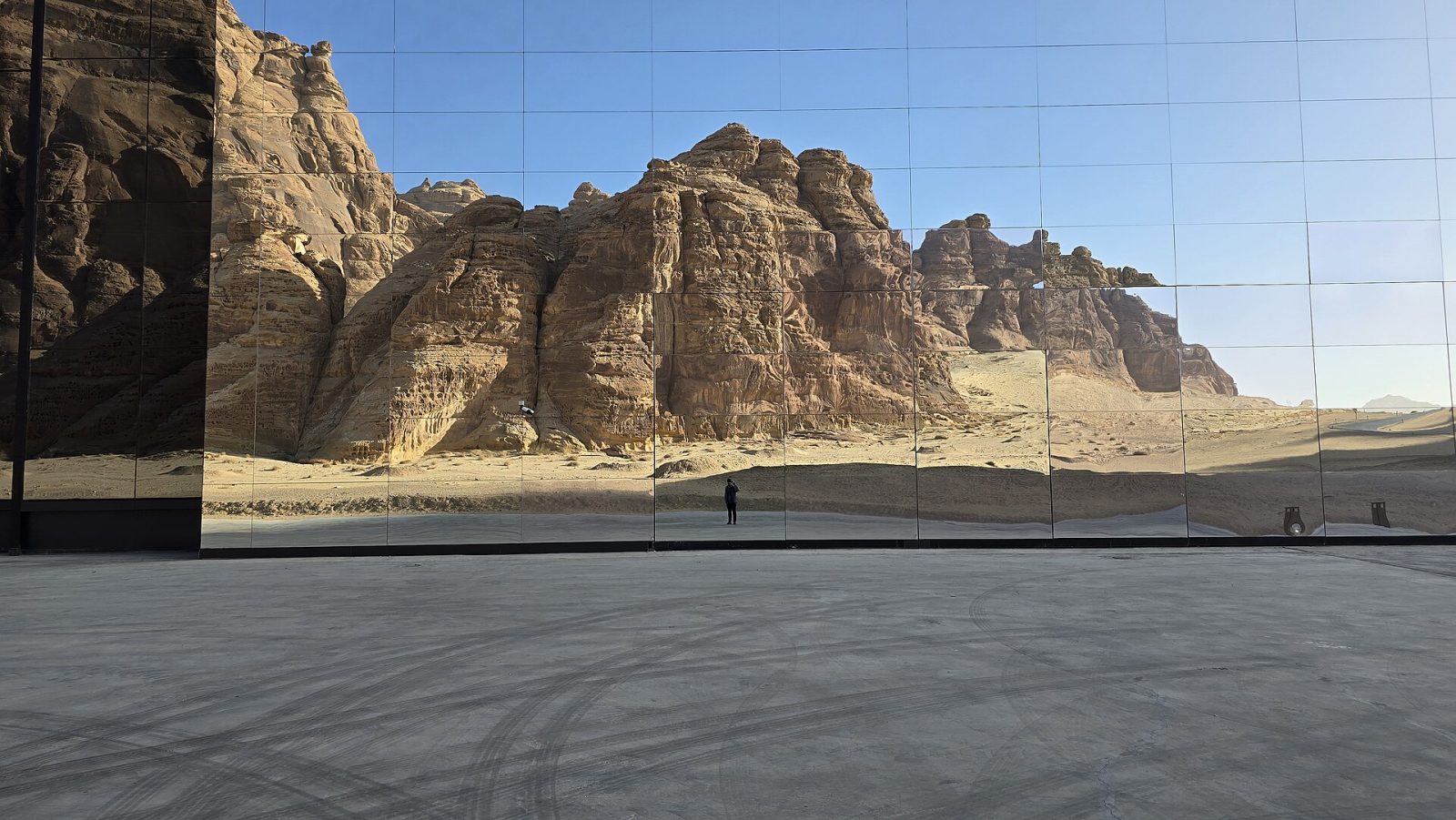
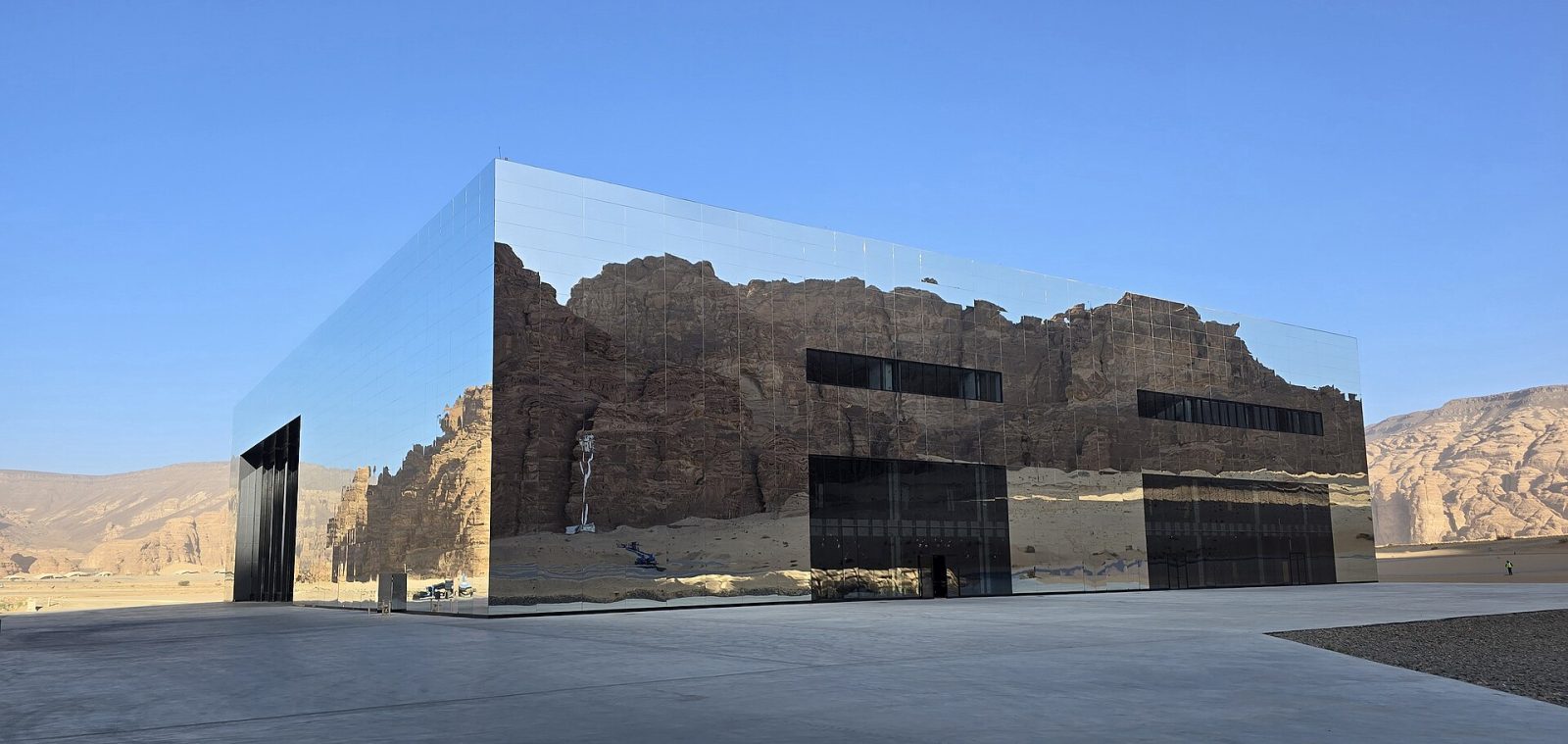
Maraya, which means mirror in Arabic, is a concert hall in the Ashar valley near AlUla covered entirely in mirrored glass, so that the building reflects the sandstone cliffs and disappears into the desert around it. Completed in 2019, it holds the Guinness record for the largest mirrored building in the world. Inside is a 500-seat hall used for concerts, film screenings and conferences, along with a restaurant and a rooftop terrace. It has become the image of the new AlUla, where culture events are staged against ancient landscape. Access is usually as part of an event ticket or a guided AlUla tour.
03
STOP 3 OF 7
Elephant Rock, AlUla
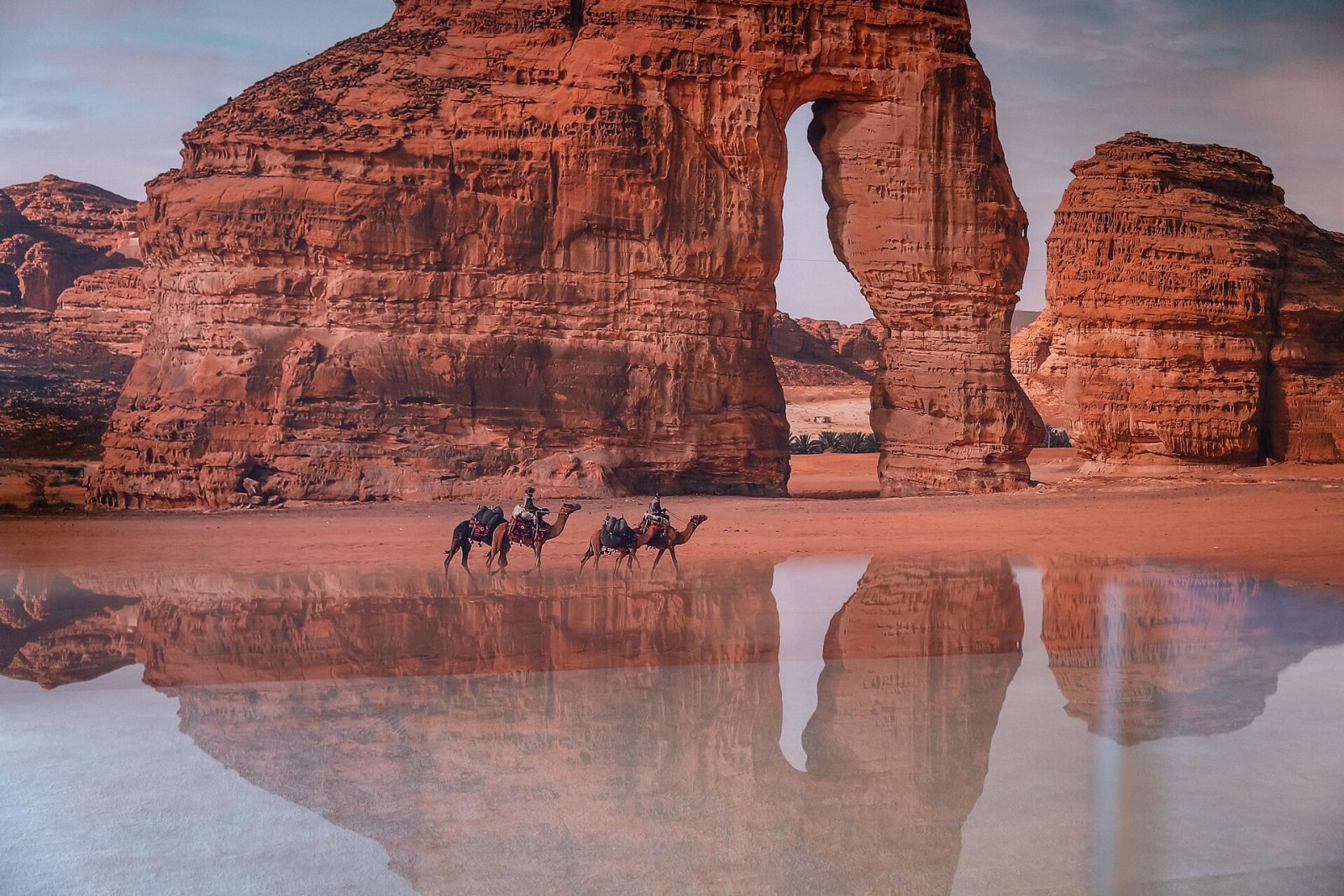
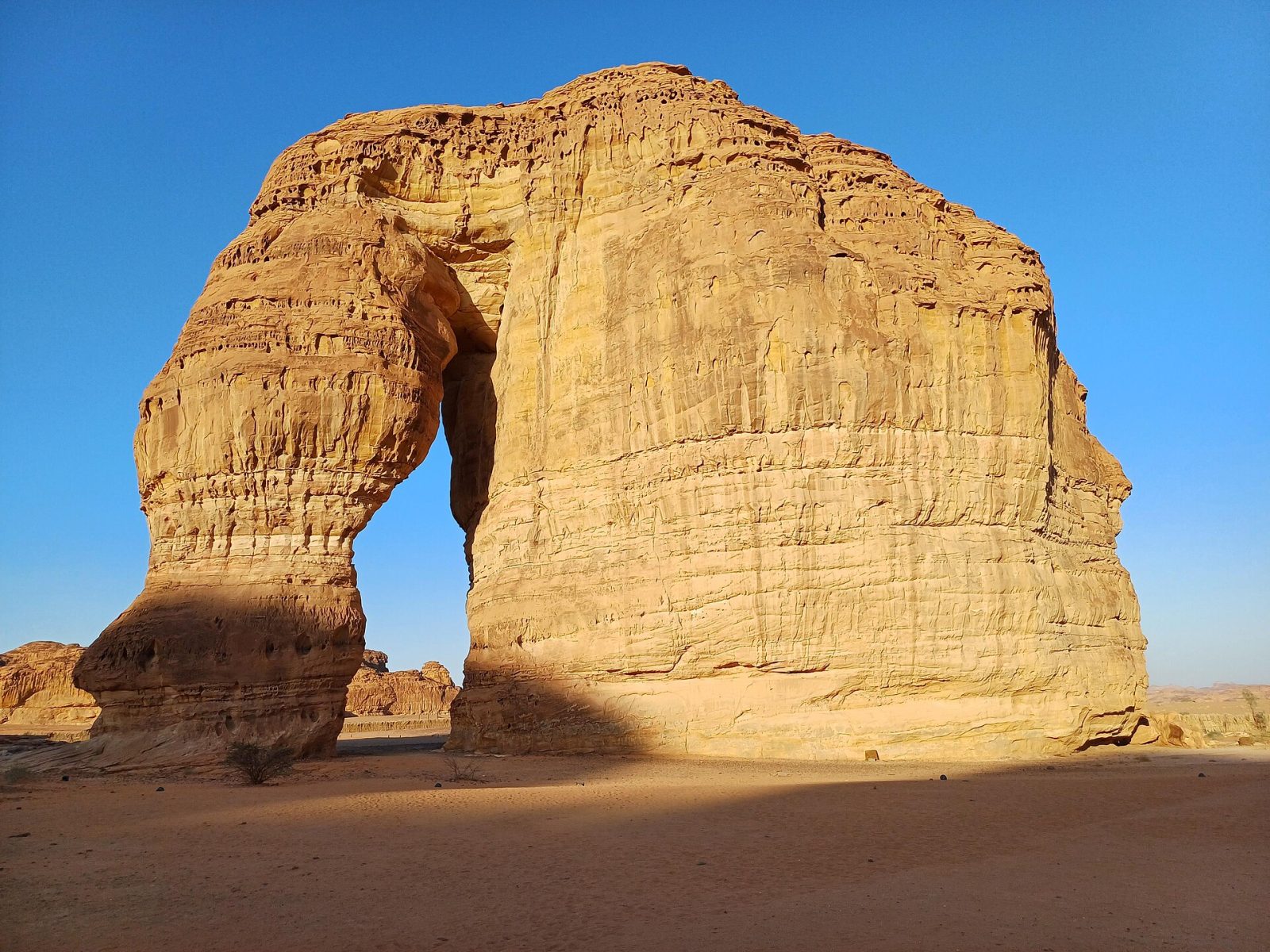
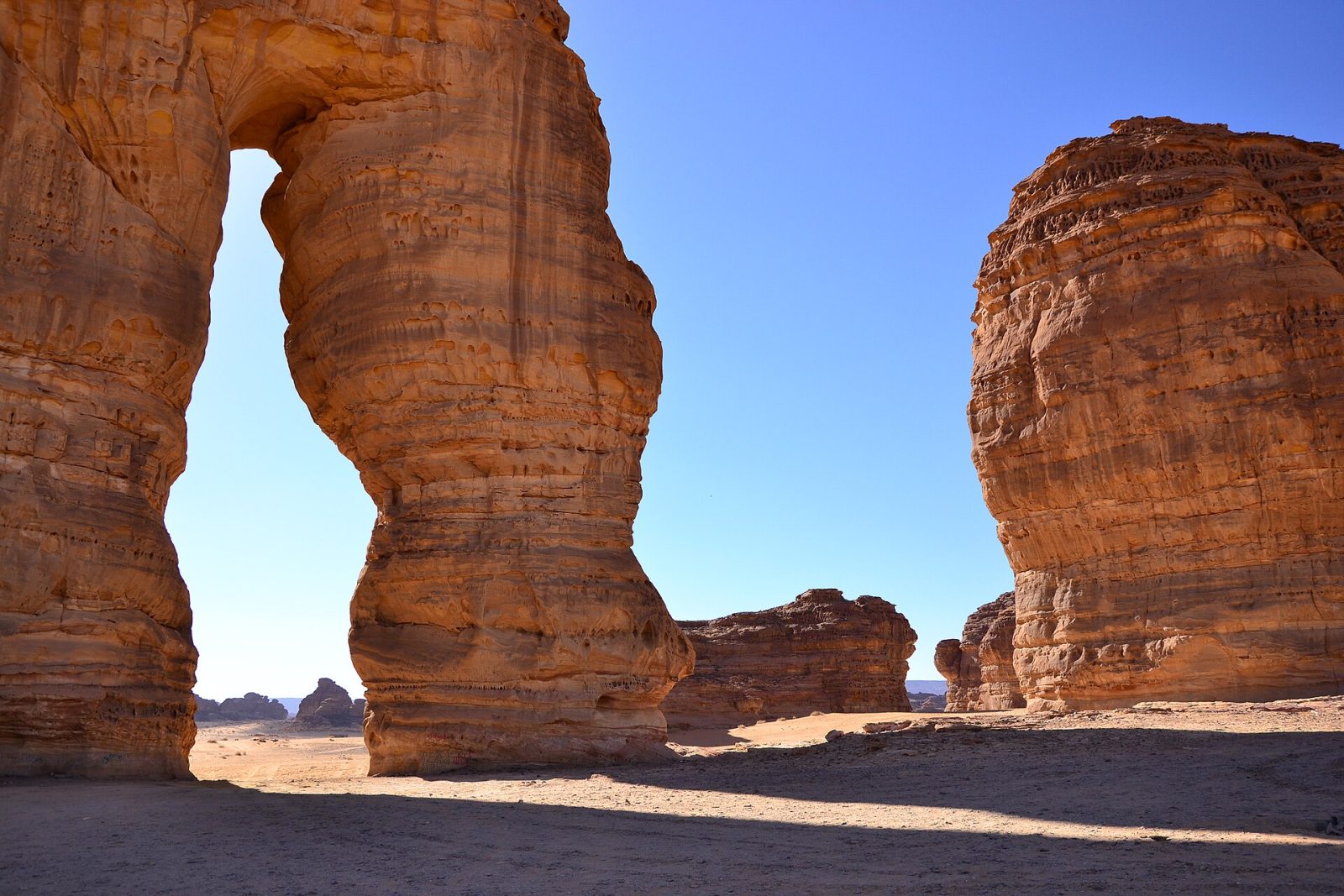
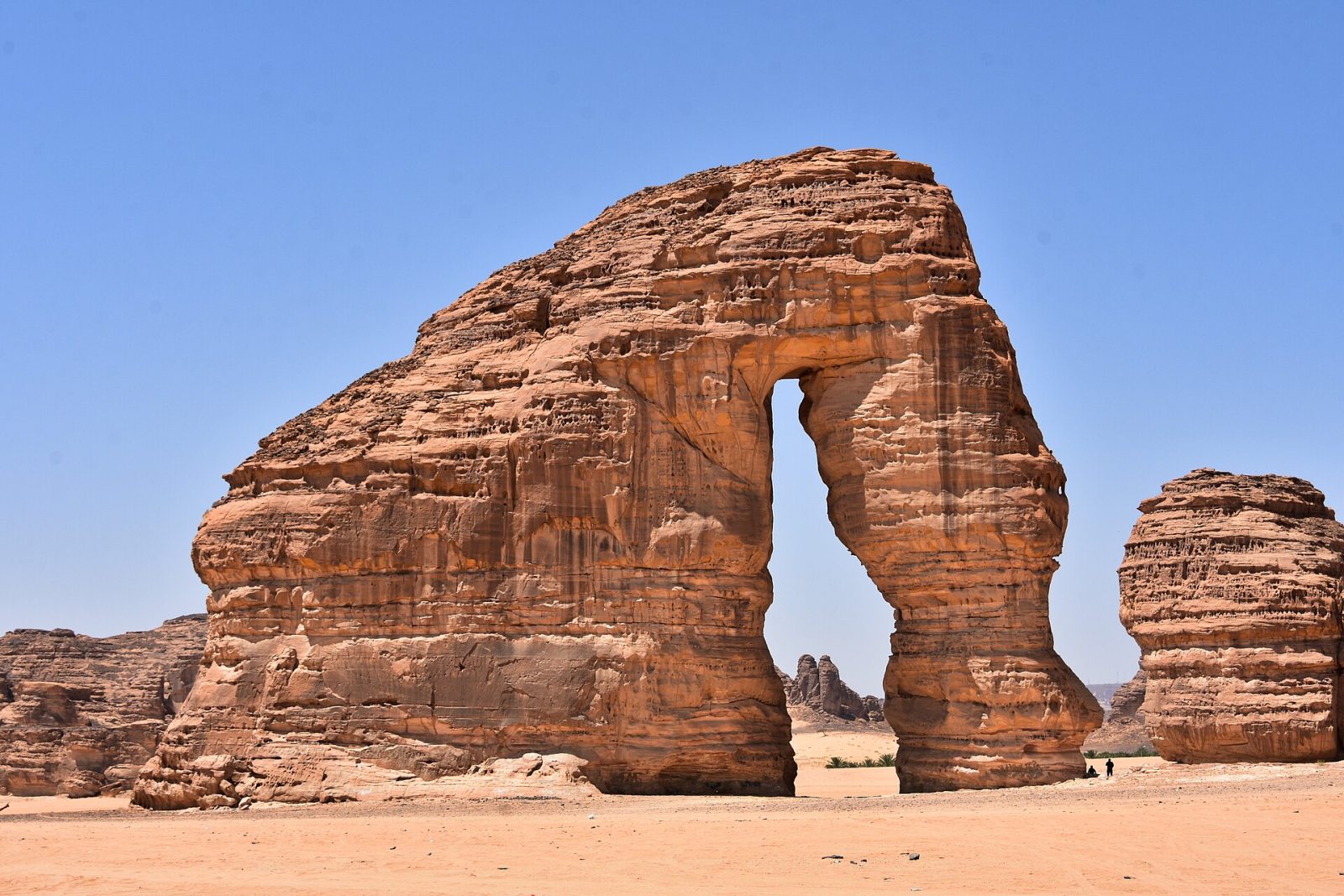
Jabal AlFil, or Elephant Rock, is a sandstone outcrop about 11 km from AlUla town that wind and water have carved into the shape of an elephant with its trunk touching the ground. It stands some 52 metres high and is one of the most photographed natural landmarks in Saudi Arabia. The site has been laid out for visitors with sunken seating areas in the sand, lighting after dark and food and drink stalls. The rock is at its best in the late afternoon, when the sandstone turns deep orange, and then again at night under the lights. Entry is free and it is an easy stop on the AlUla circuit.
04
STOP 4 OF 7
Hegra (Mada'in Salih)
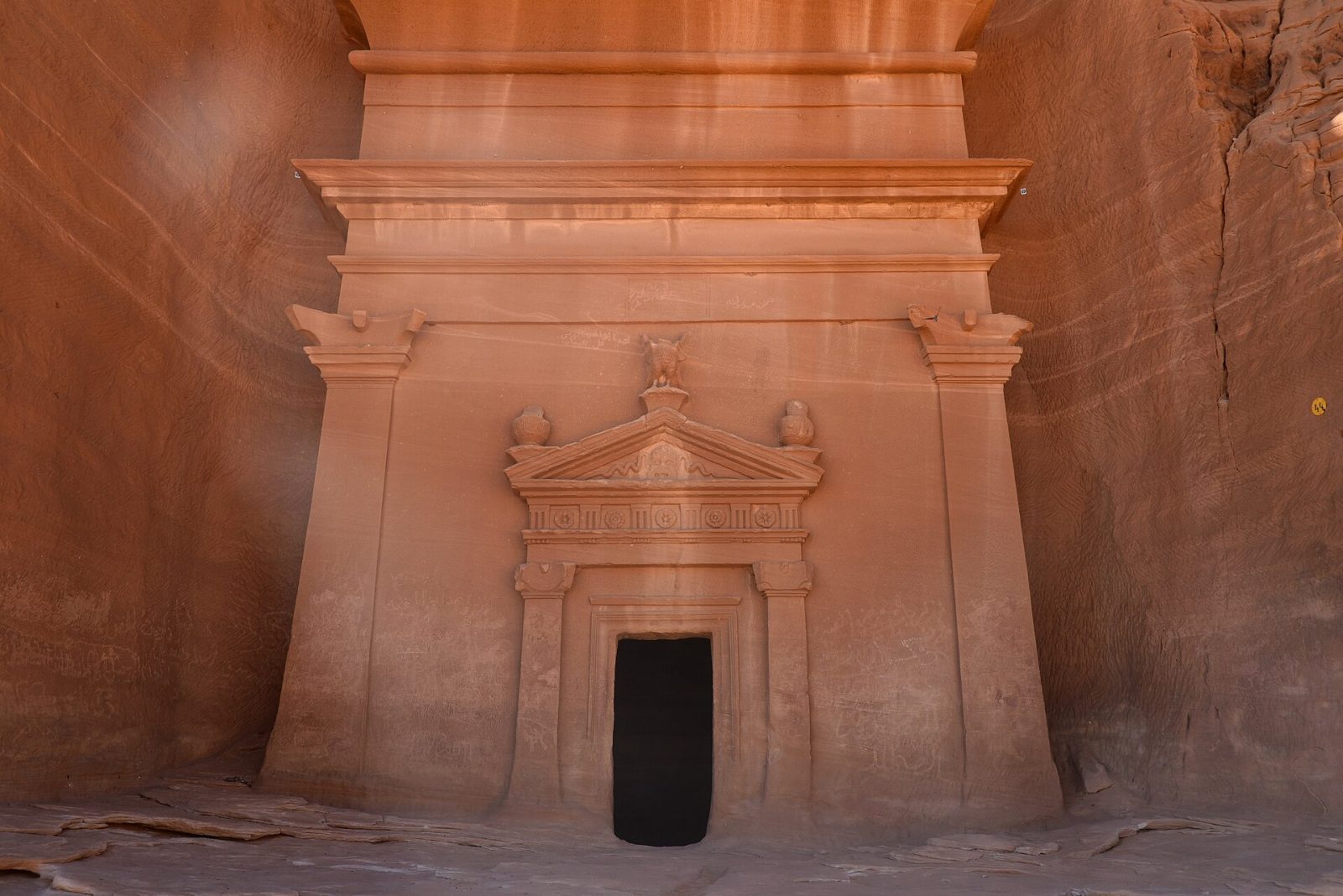
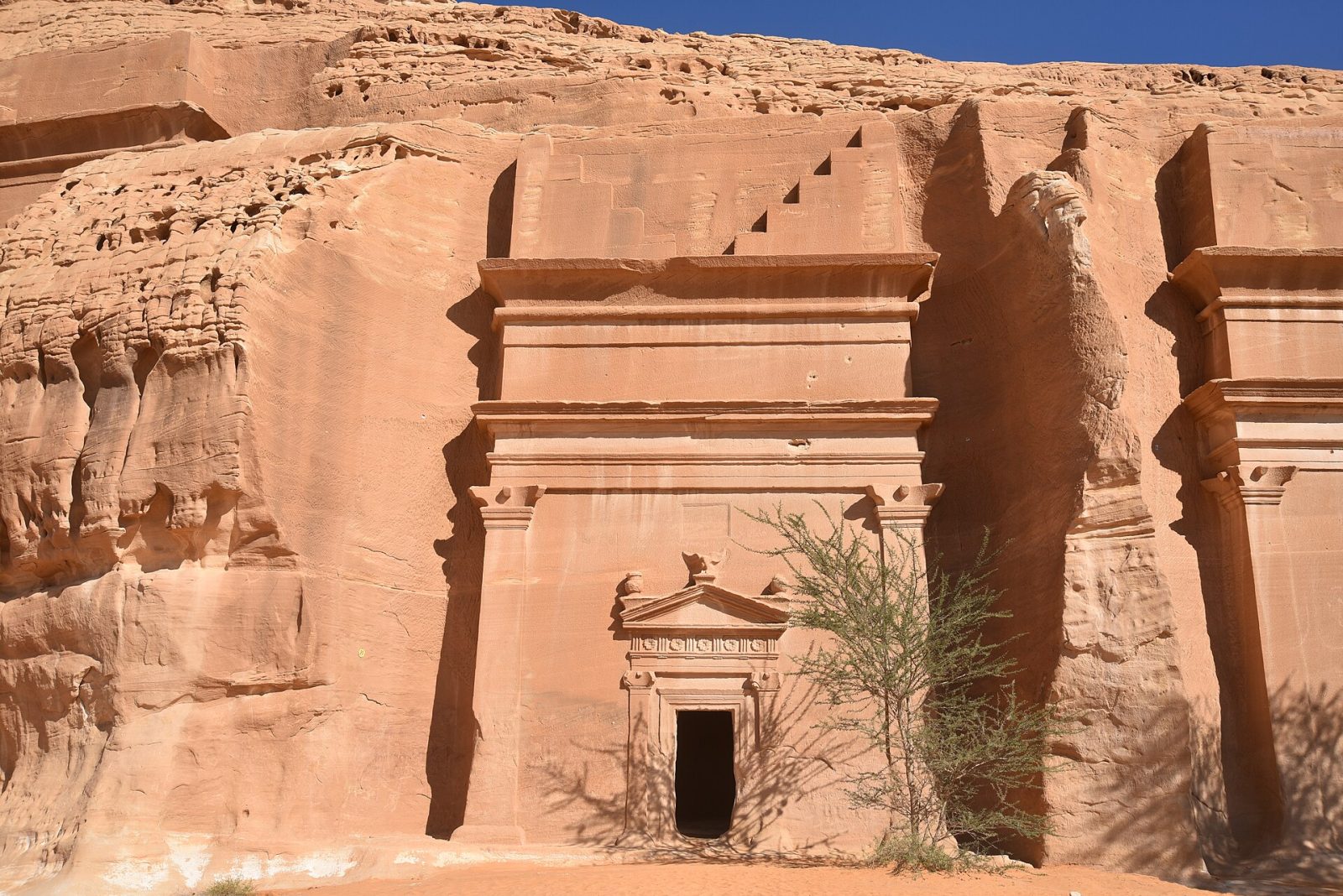
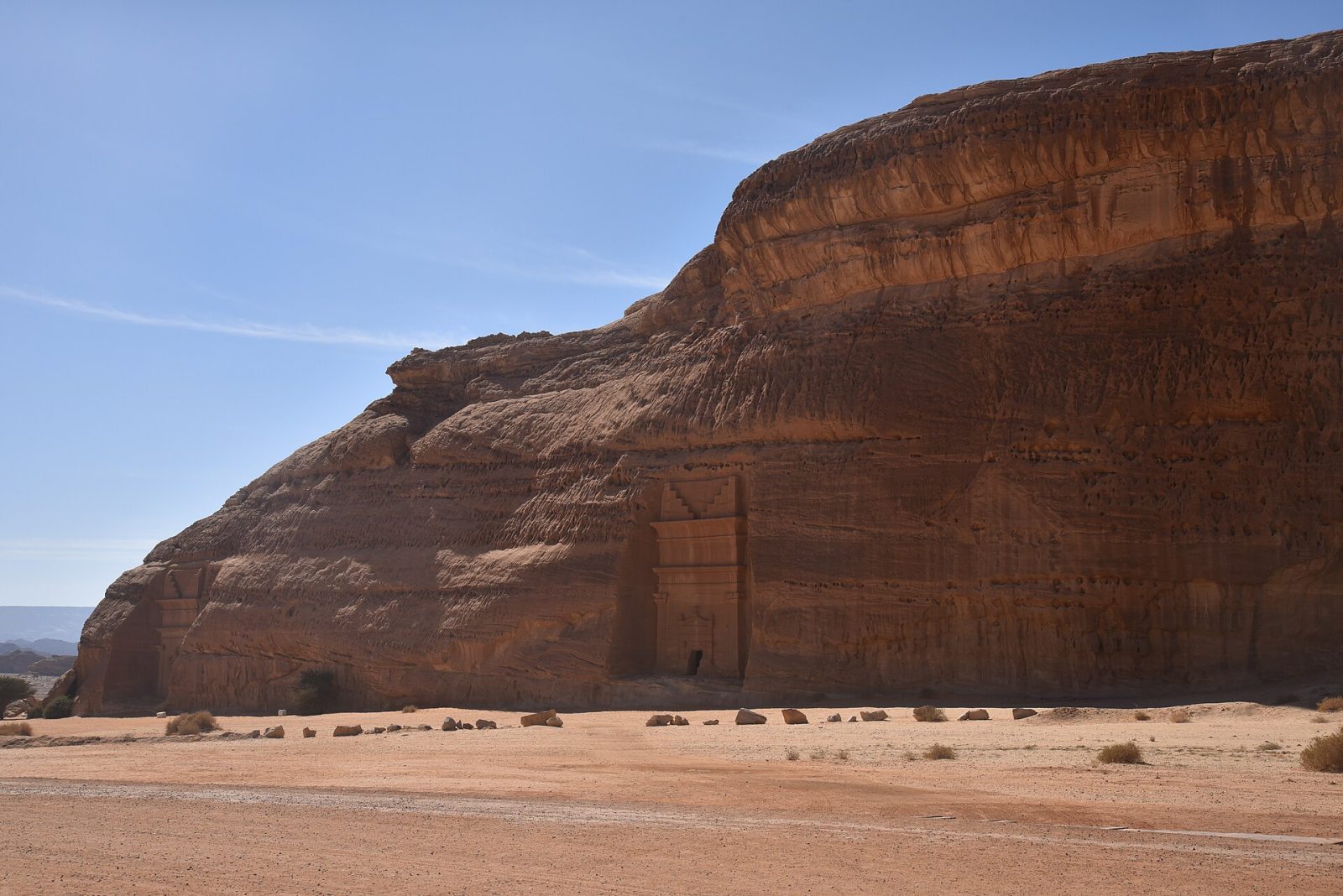
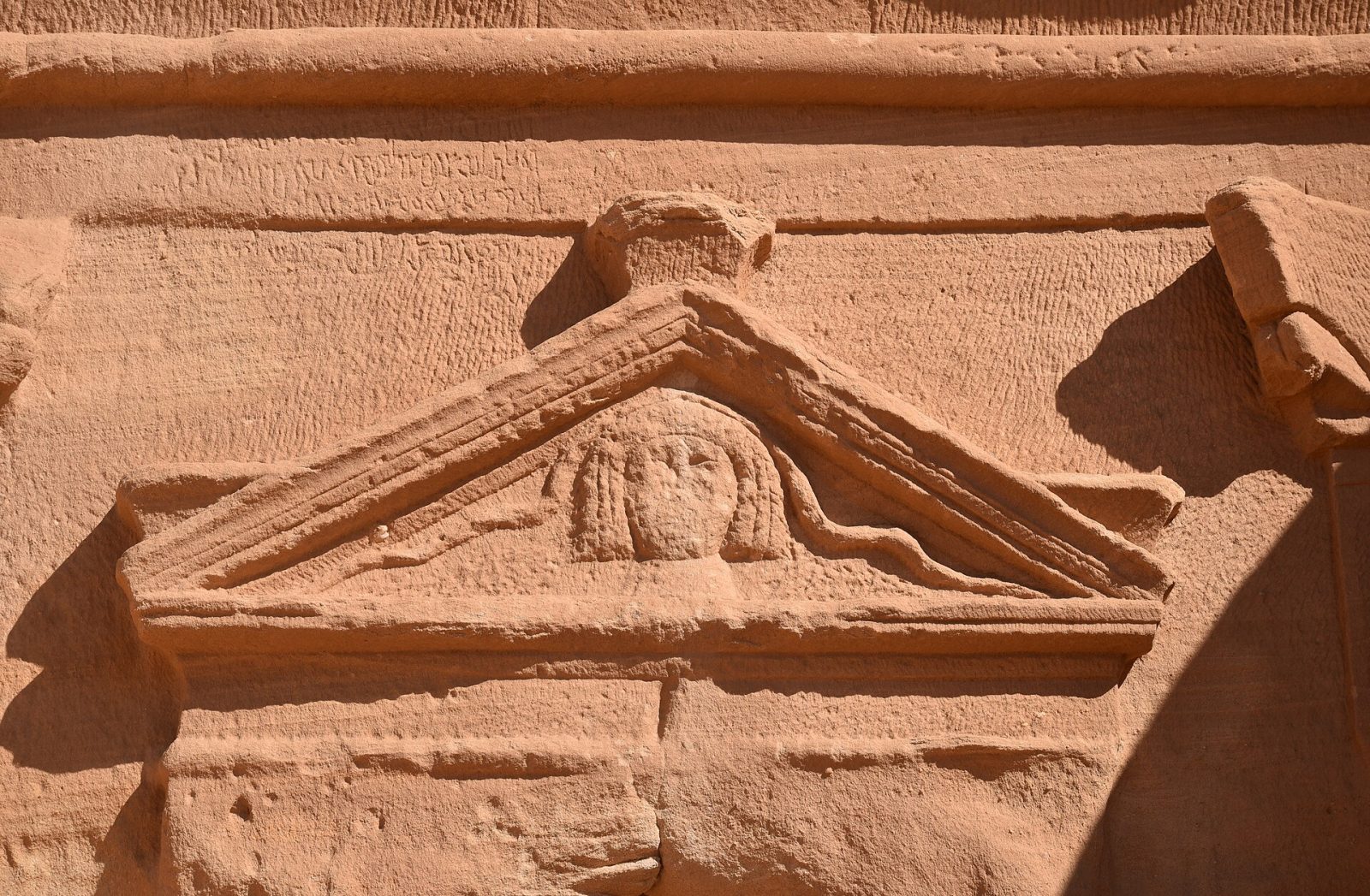
Hegra, near AlUla, was the southern capital of the Nabataeans, the same traders who built Petra, and it became Saudi Arabia's first UNESCO World Heritage Site in 2008. More than a hundred monumental tombs are cut into sandstone outcrops across the desert, their facades carved with eagles, urns and inscriptions that name the families who owned them. The largest and most photographed is Qasr al-Farid, a single tomb standing alone and never finished. The site later served Rome as its southeastern frontier post. Visits are by guided tour booked through the AlUla authority, usually by bus with stops at the main tomb clusters.
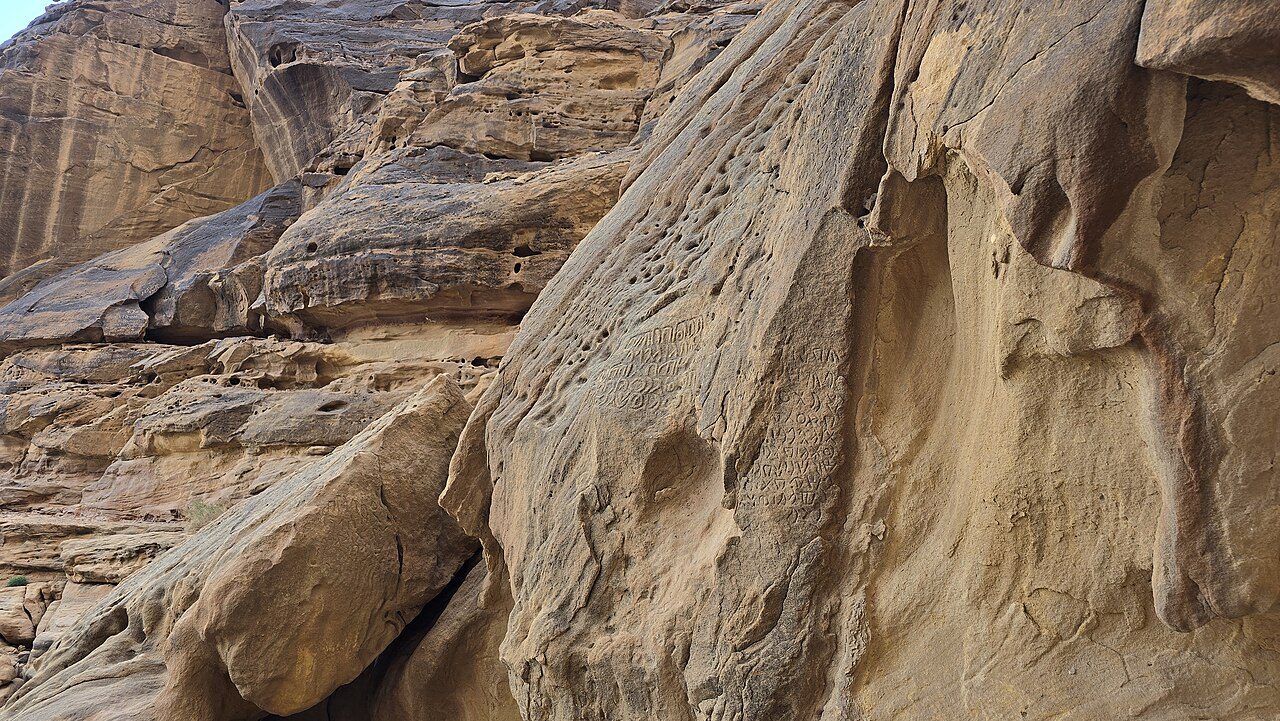
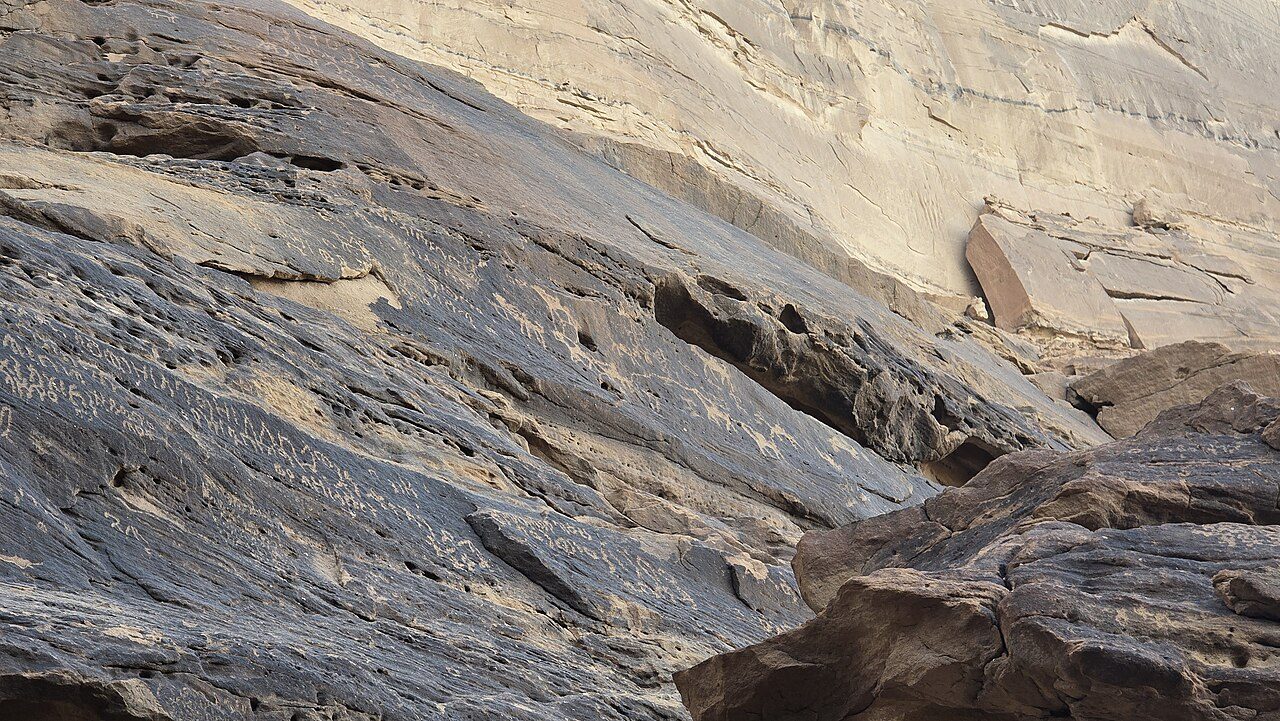
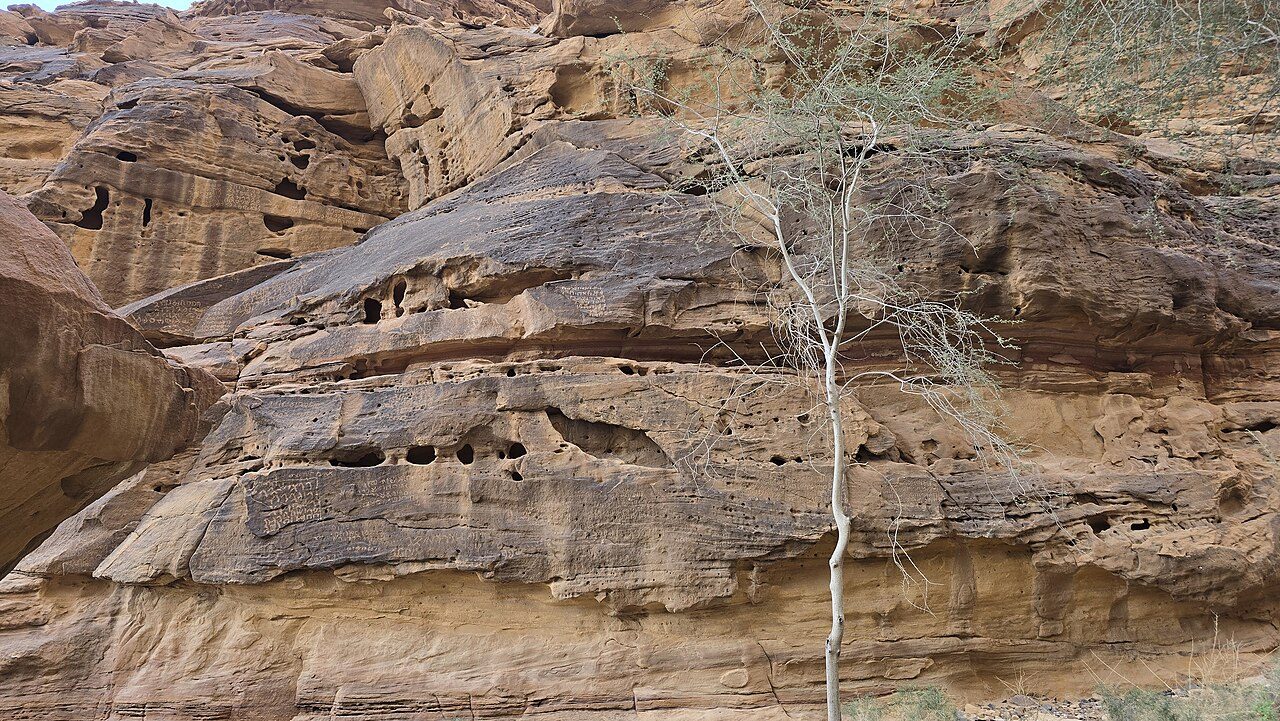
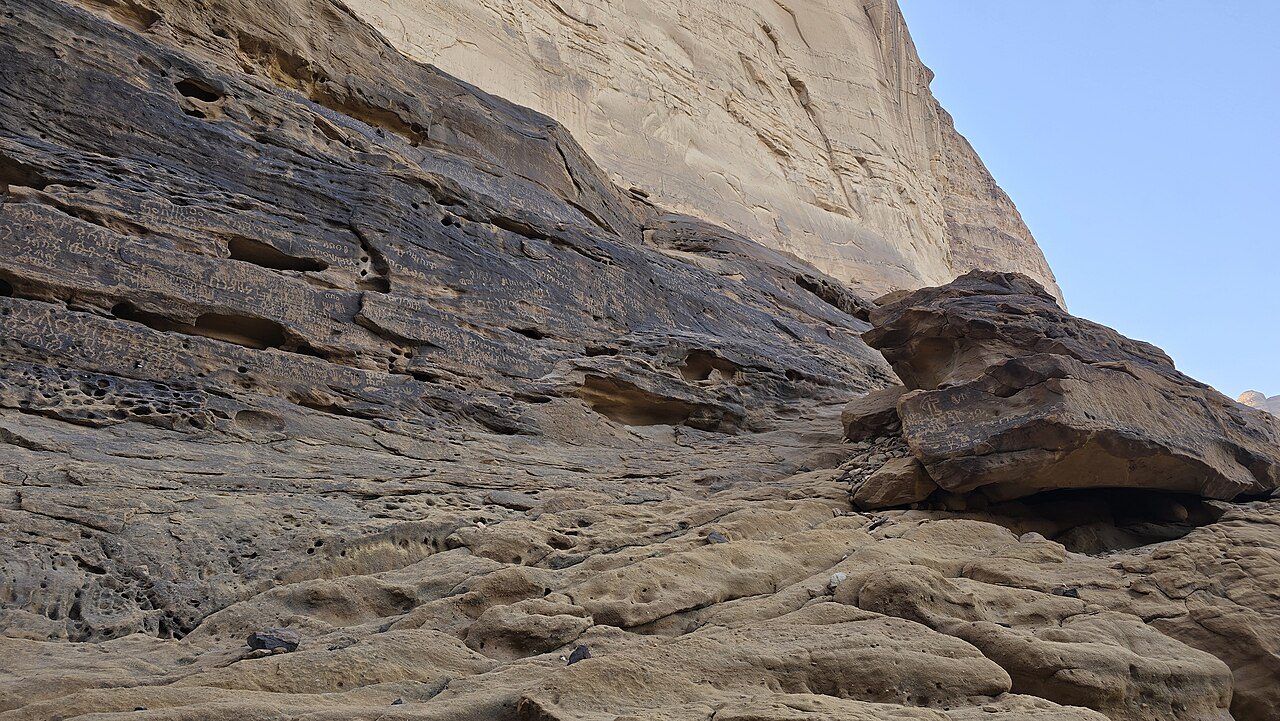
Jabal Ikmah is a narrow sandstone gorge north of AlUla, often called an open-air library. Its rock faces carry hundreds of inscriptions and carvings, mainly in Dadanitic script from the first millennium BCE, recording offerings, rituals and names. It was added to UNESCO's Memory of the World register in 2023. Visits are by guided tour from AlUla.
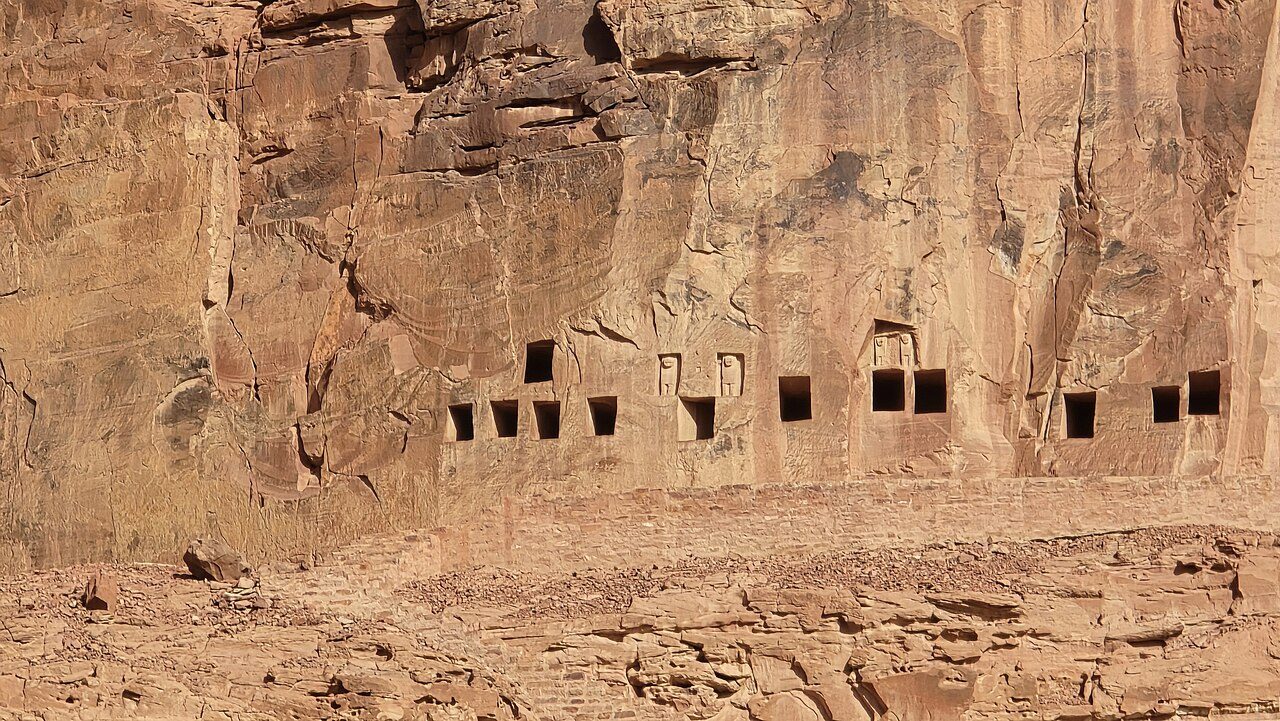
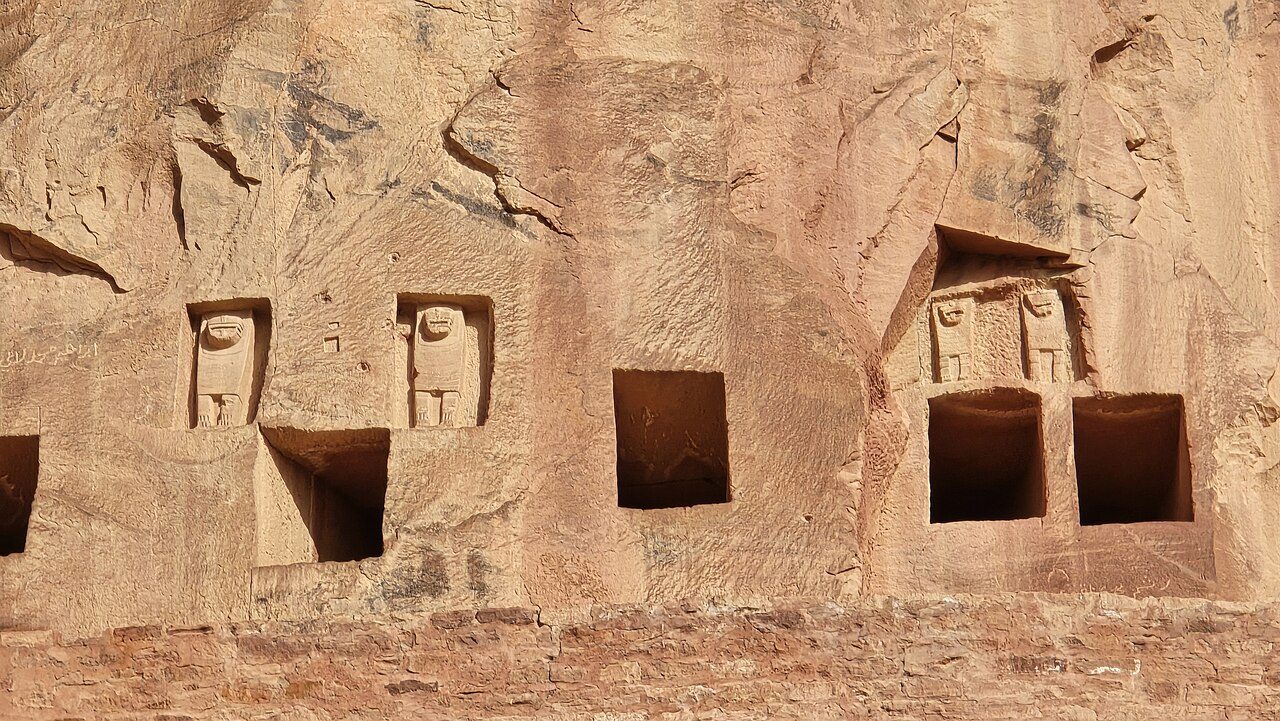
Dadan was the capital of the Dadanite and Lihyanite kingdoms, which controlled the incense trade through the AlUla valley in the first millennium BCE. Archaeologists are still excavating the stone-built city. Its best-known sight is a row of tombs cut high into the red cliff, two of them guarded by carved lions. Visits are by guided tour.
07
STOP 7 OF 7 · LAST STOP
Khaybar
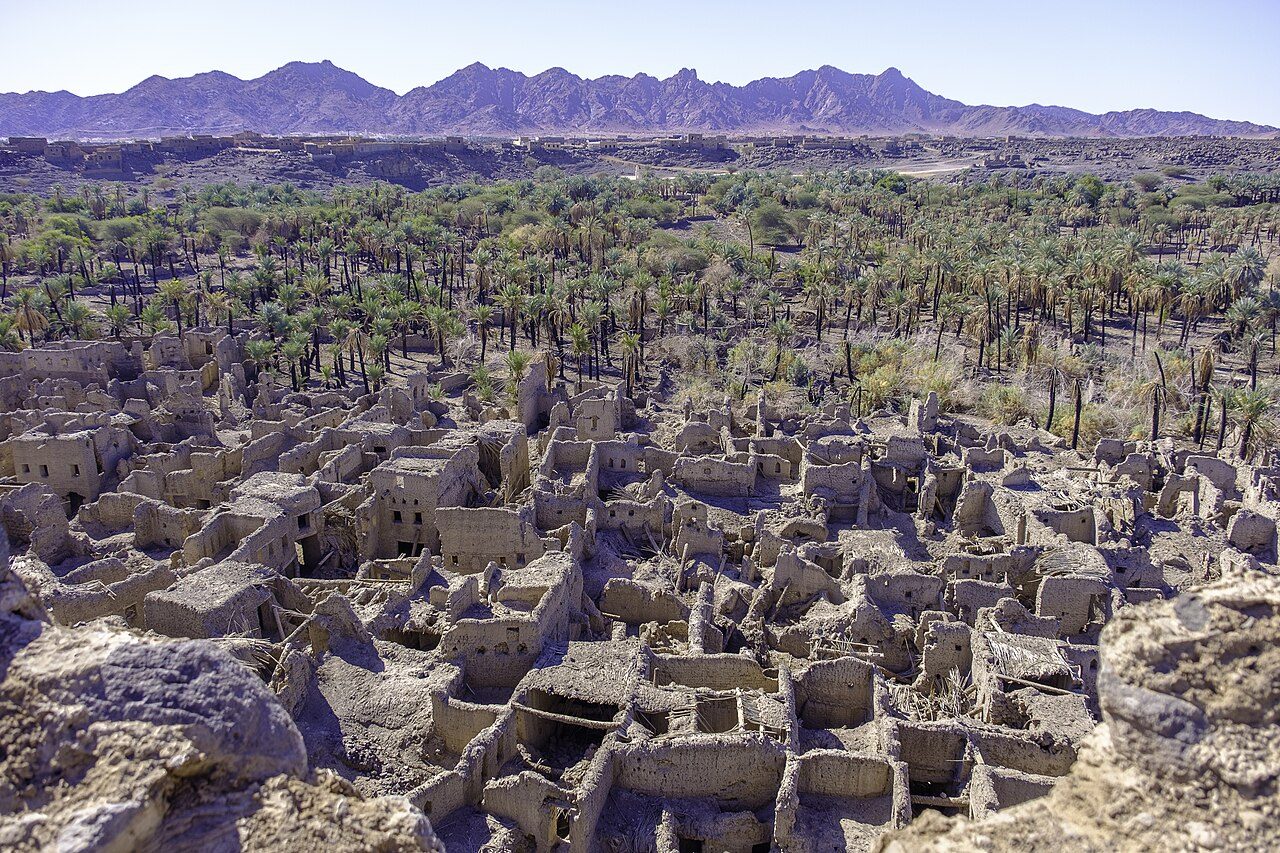
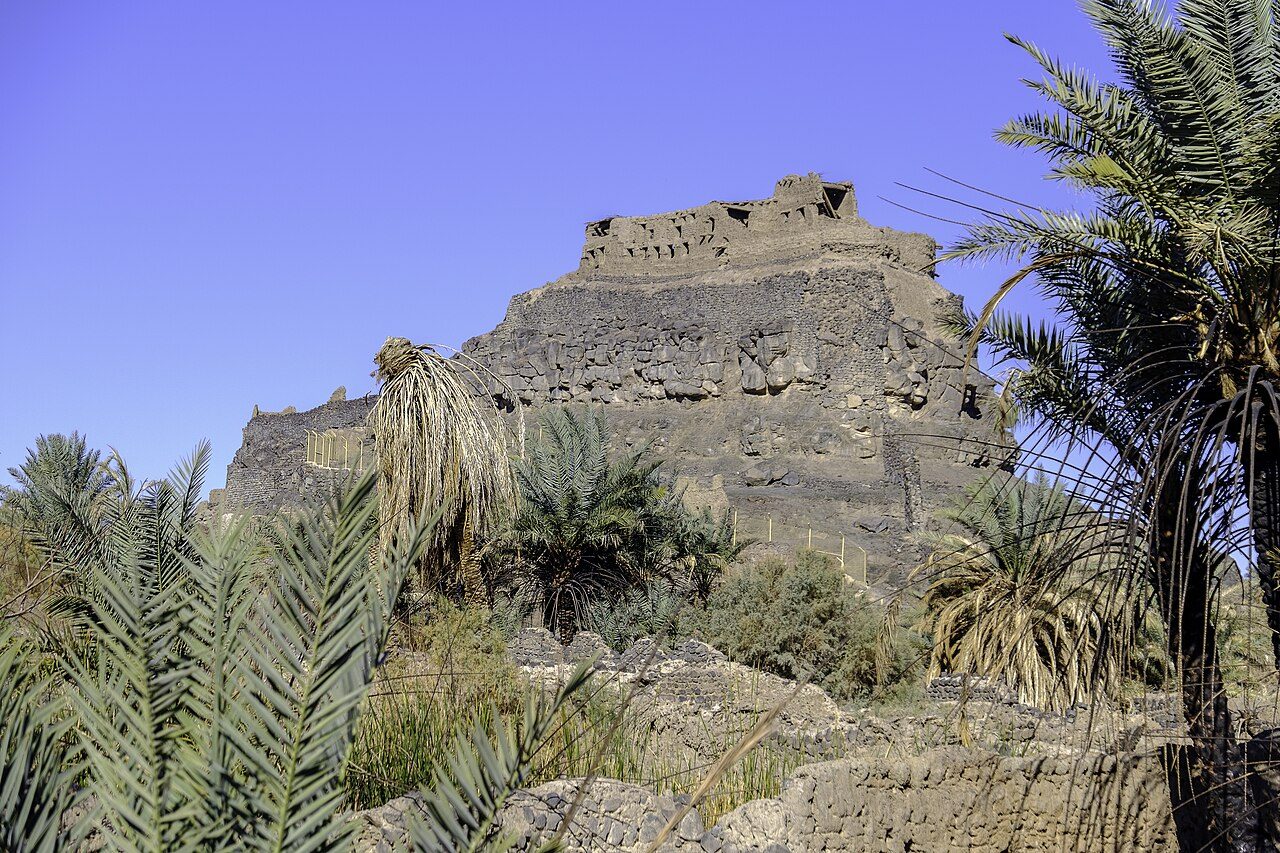
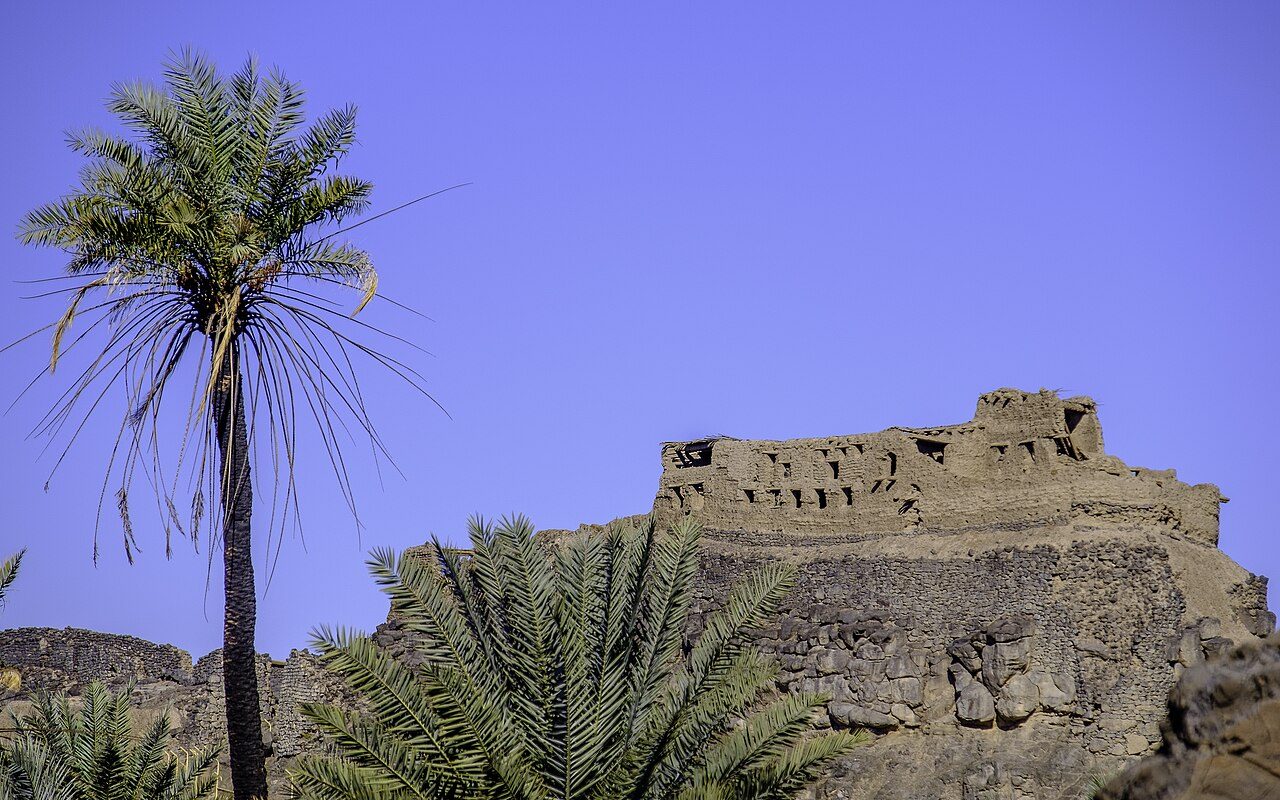
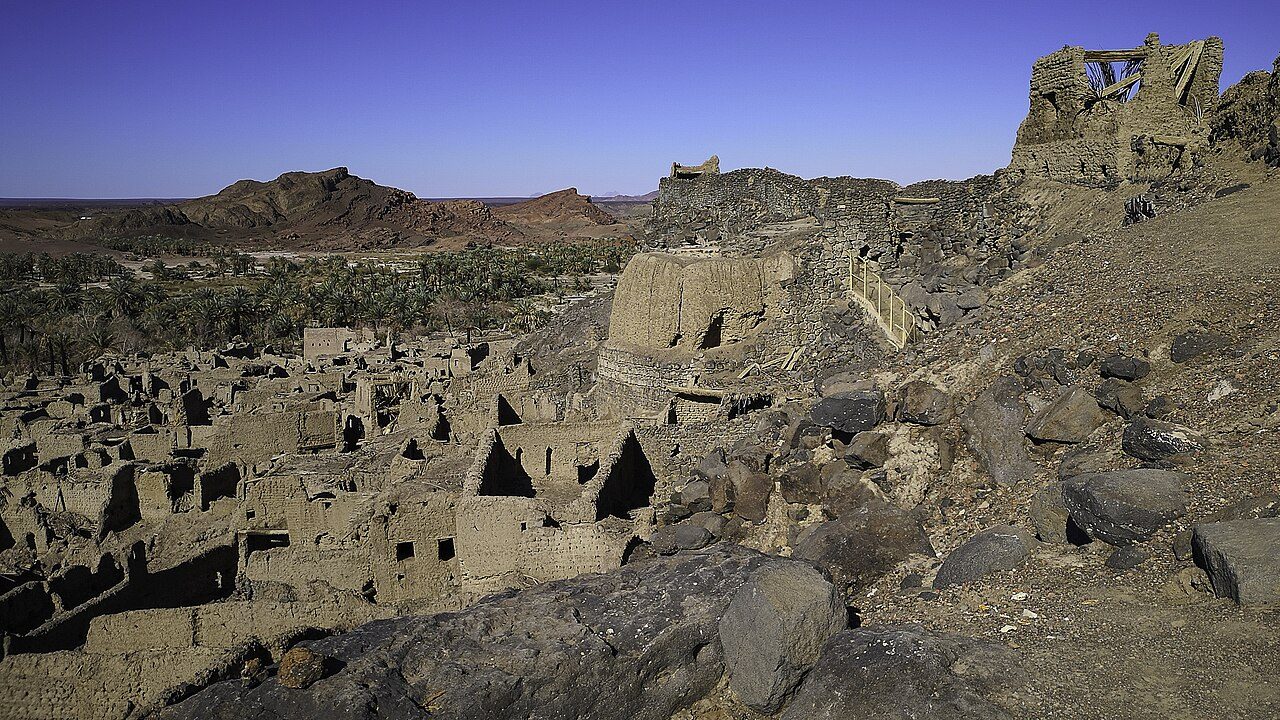
Khaybar is an oasis about 150 km north of Madinah, set among black lava fields. Its old town of mud-brick houses stands among palm groves below the ruined Qamus fort on a rock. The oasis is known in Islamic history for the battle of 628. The surrounding lava field has ancient stone structures and volcanic craters.
Seasons from 20 years of NASA POWER climate data.
 WaTrips