Masmak Fortress, Deera, Murabba Palace and the National Museum, At-Turaif in Diriyah, Wadi Hanifa, the Kingdom Centre, then the Edge of the World.
Saudi Arabia's capital tells the story of the kingdom. Day one visits Masmak Fortress, Deera Square, the Imam Turki bin Abdullah Mosque, Murabba Palace and the excellent National Museum. Day two goes to At-Turaif in Diriyah, the mud-brick birthplace of the first Saudi state and a UNESCO World Heritage Site, walks Wadi Hanifa, and ends with the city view from the Kingdom Centre Sky Bridge and KAFD. Day three drives out to the Edge of the World, where the Tuwaiq cliffs drop away to the desert; a 4x4 helps. October to April is best.
01
STOP 1 OF 11
Masmak Fortress
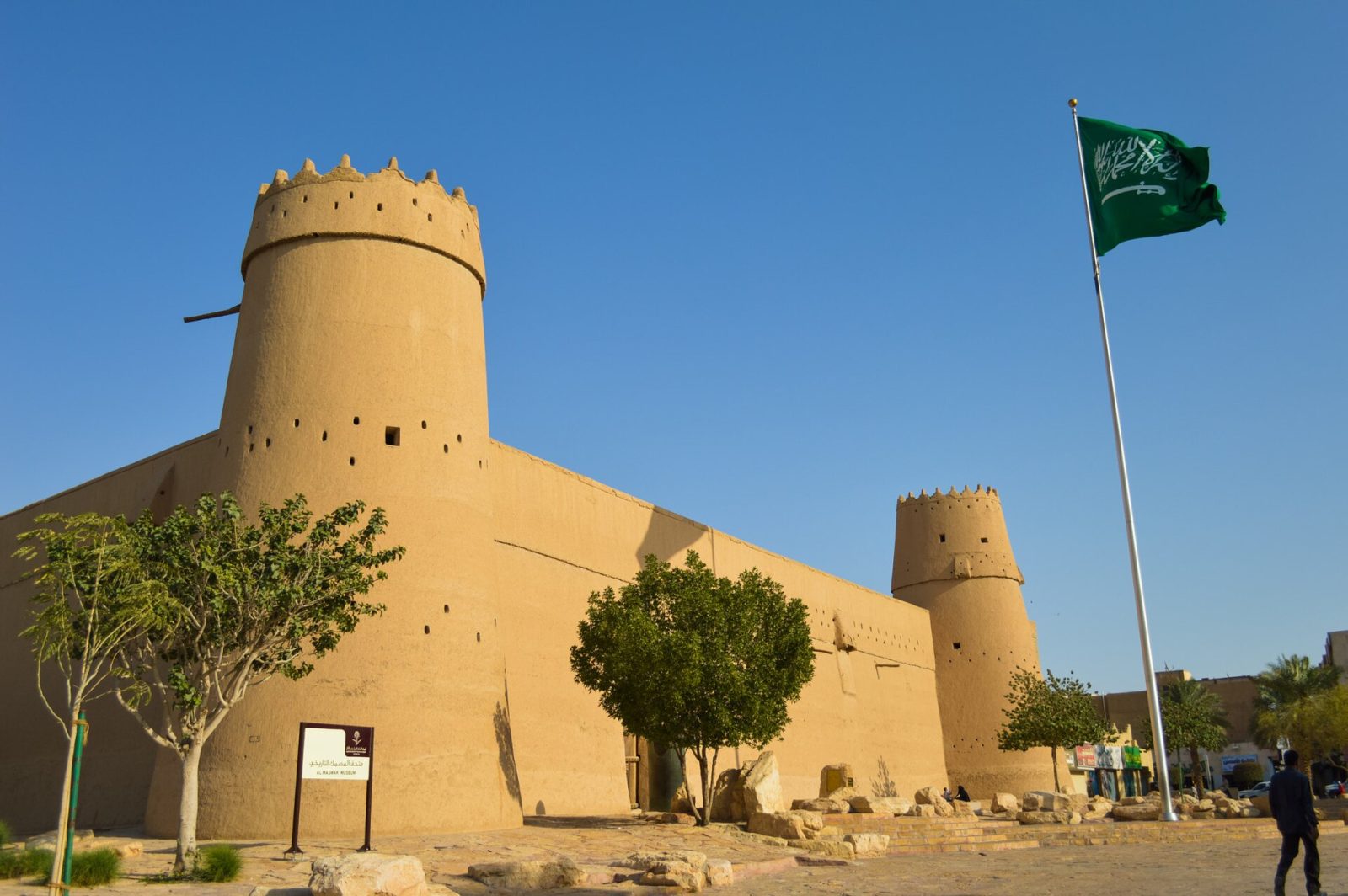
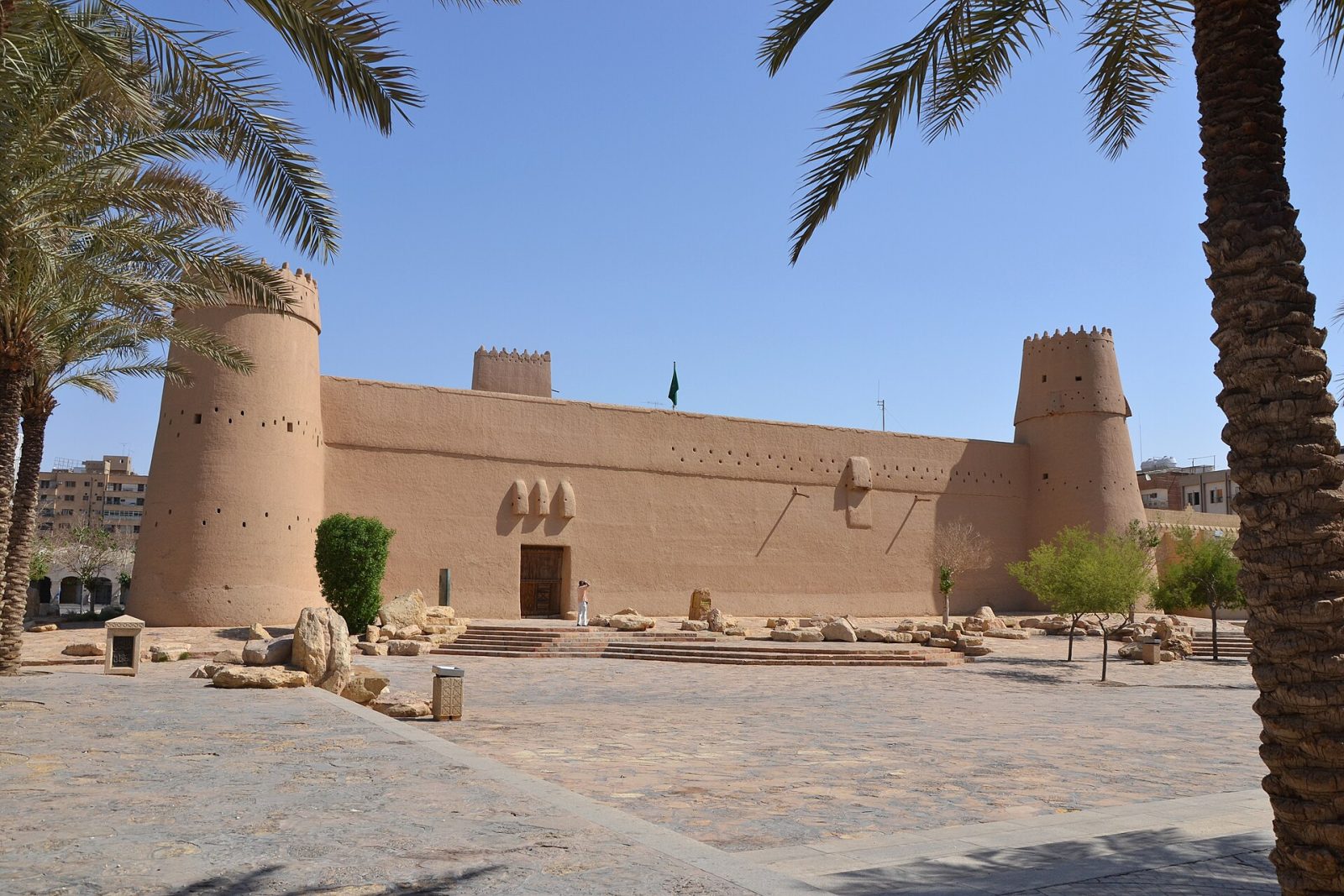
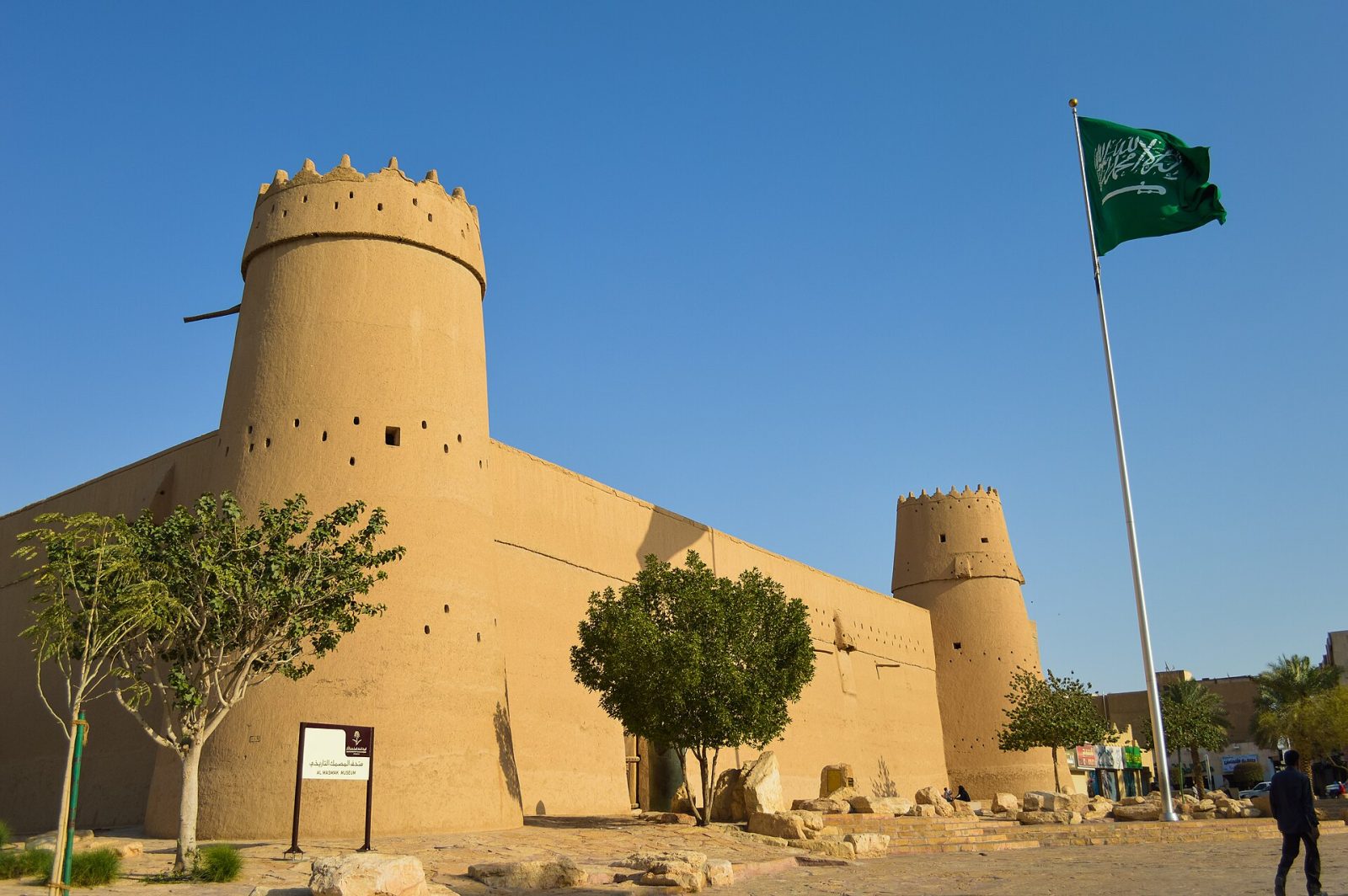
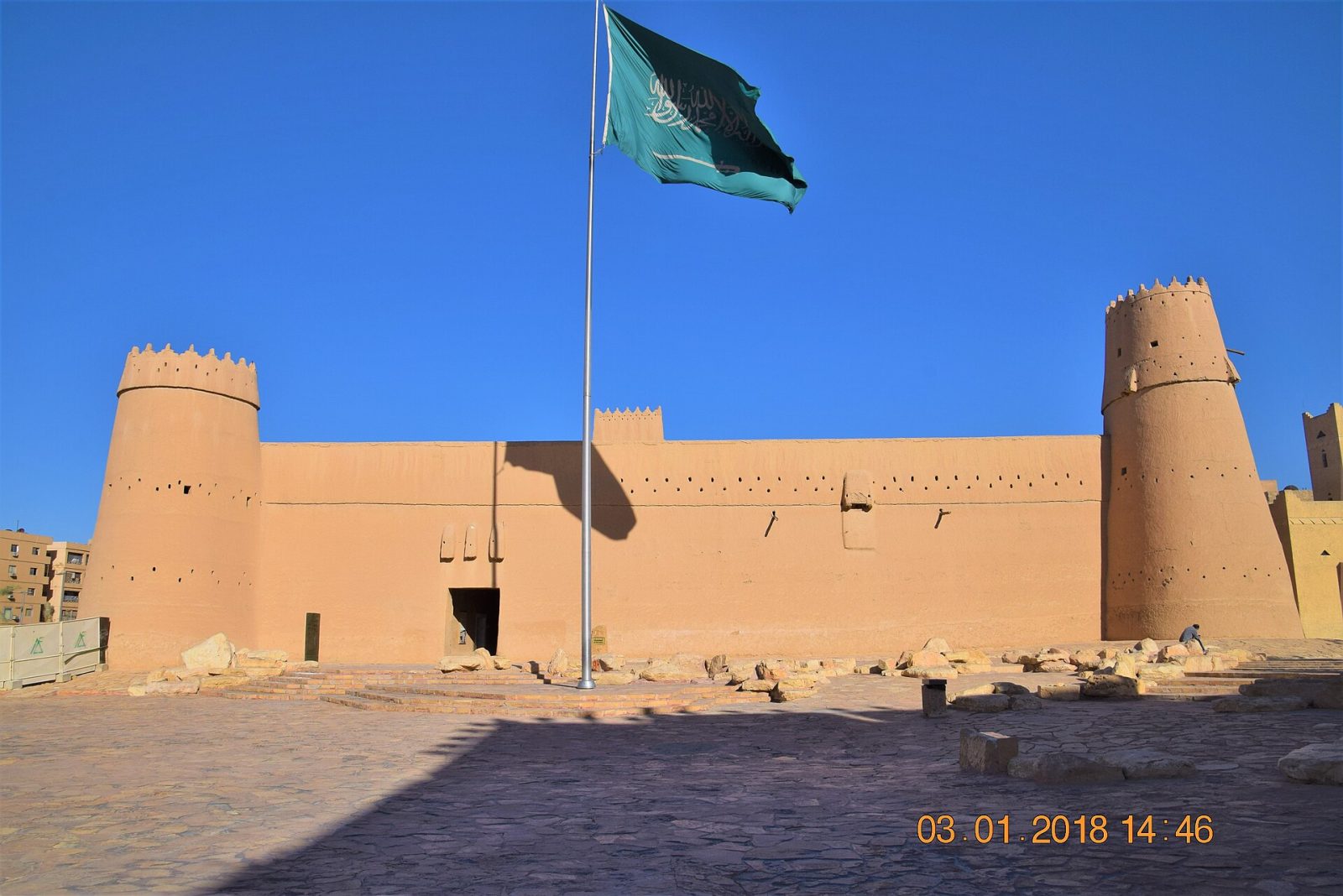
Masmak is the clay and mud-brick fort at the heart of old Riyadh, built around 1865 with four watchtowers and thick walls. In January 1902 the young Abdulaziz Ibn Saud and a small band of men scaled the wall and took the fort, the event that began the recapture of Riyadh and led to the founding of modern Saudi Arabia. A spearhead is still lodged in the main door from that raid. The fort is now a museum, with old photographs, maps, weapons and models of the city as it was. It sits beside the Dira souq in the old quarter and entry is free.
02
STOP 2 OF 11
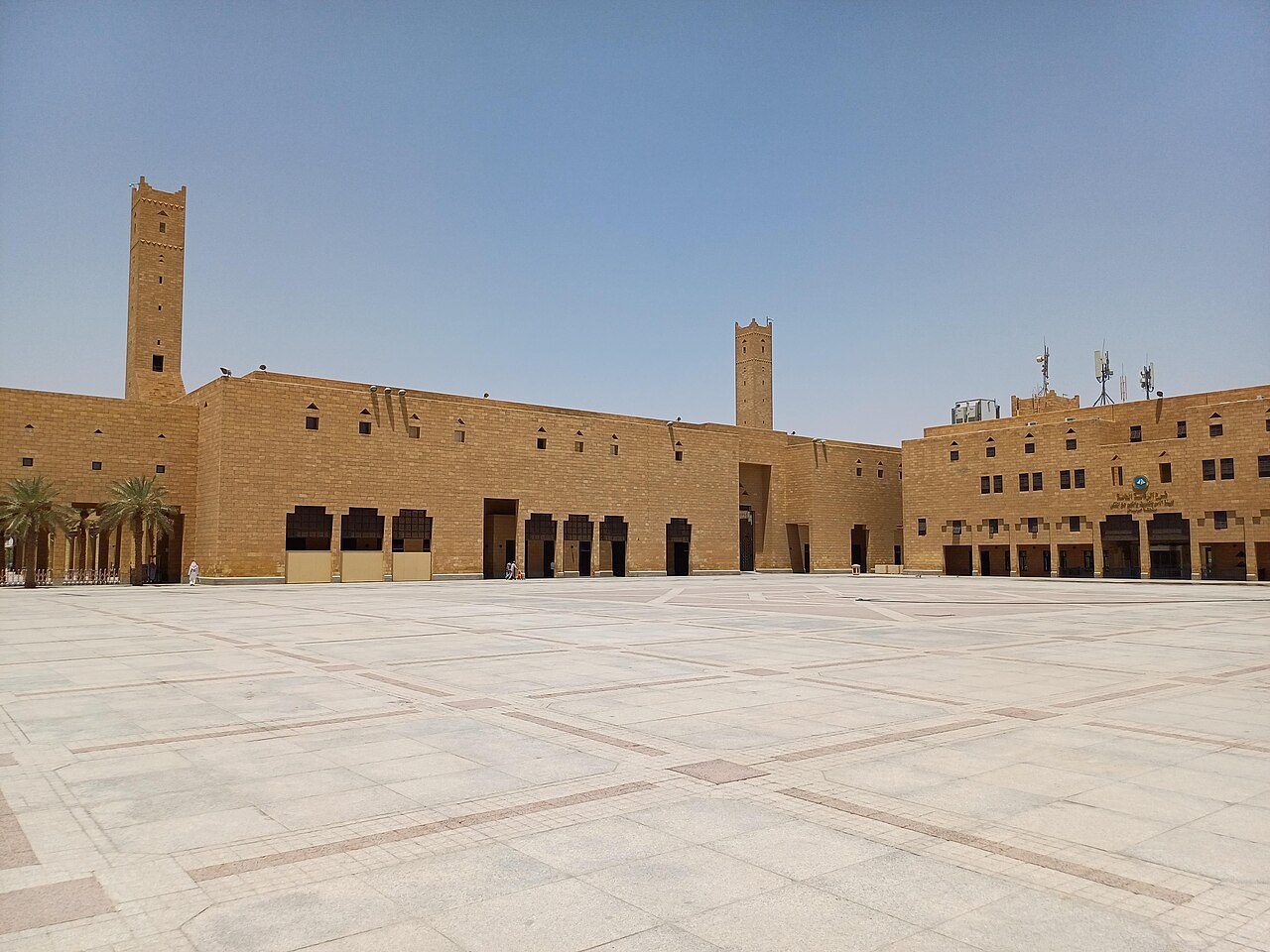
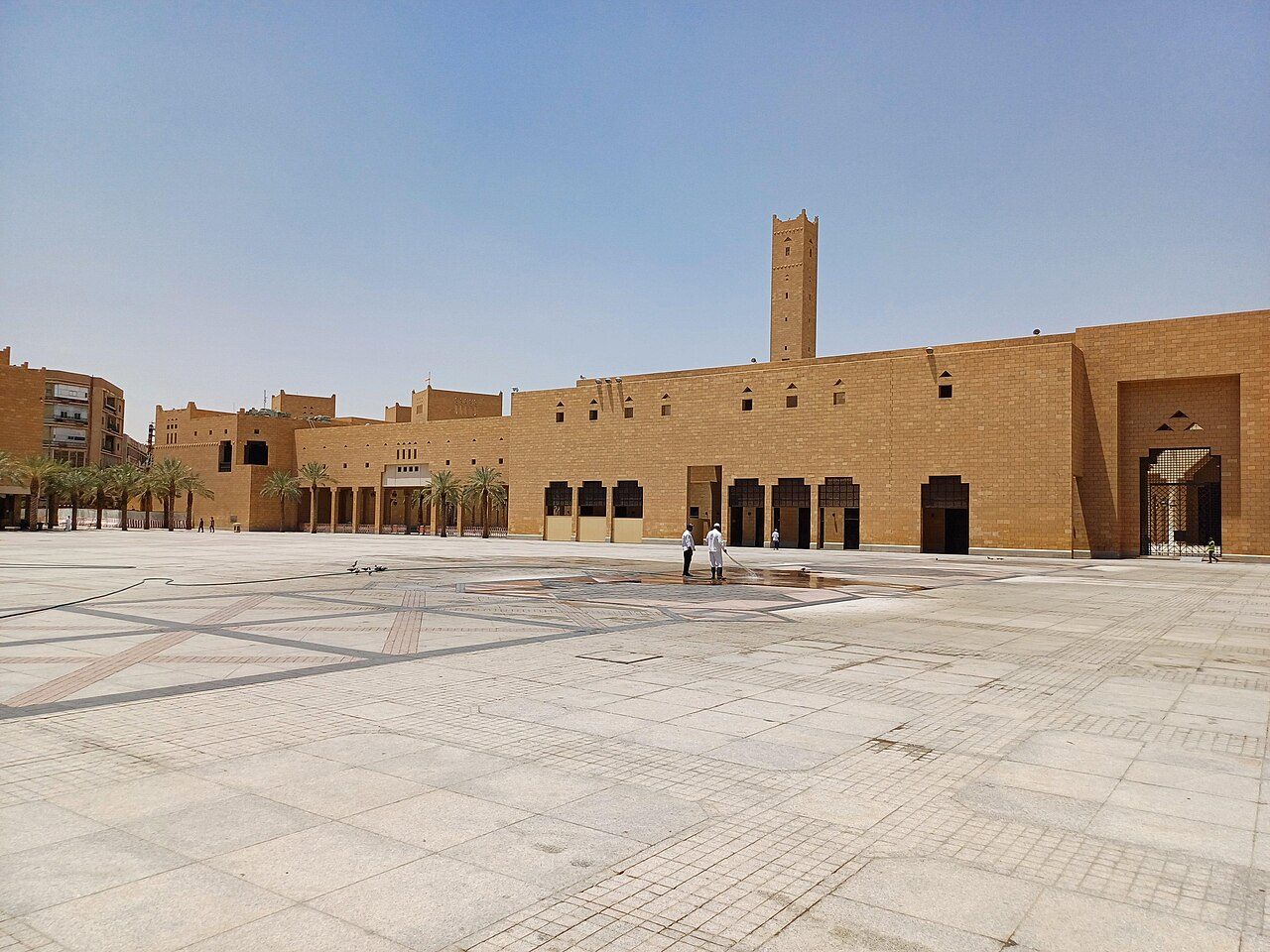
Deera Square
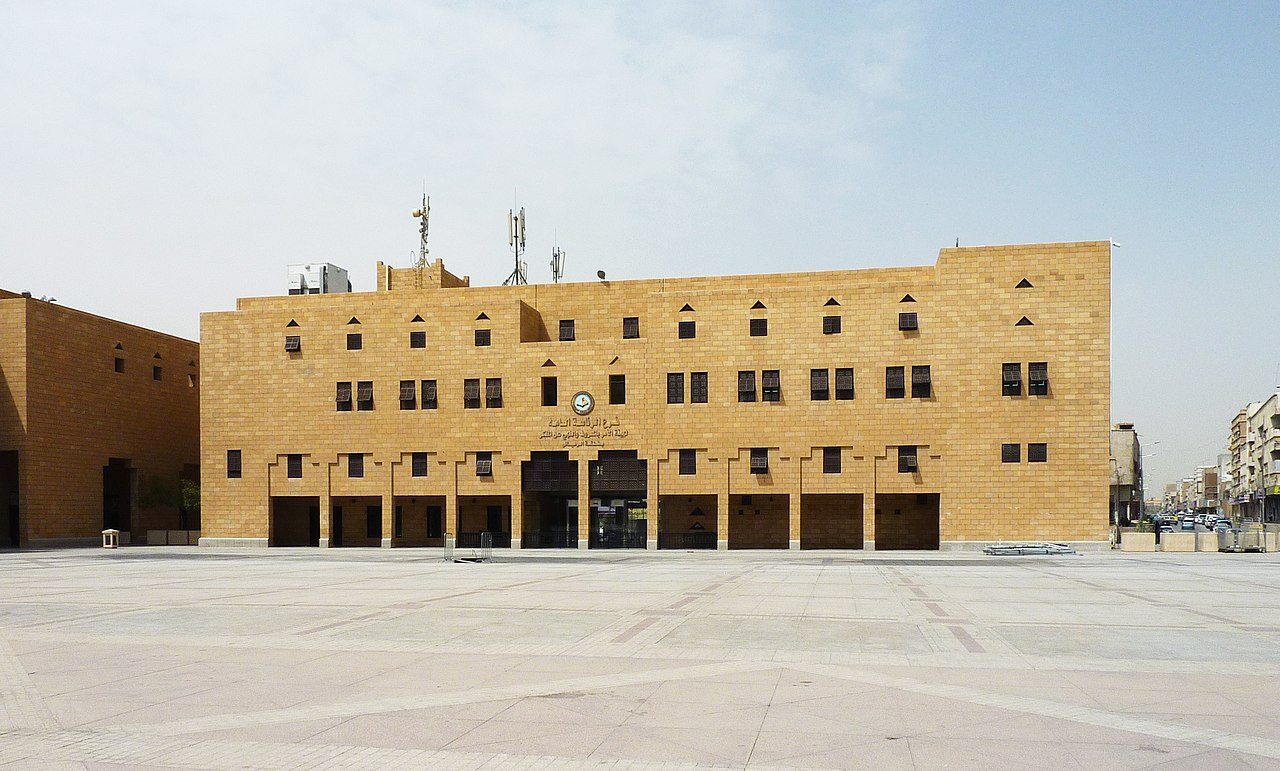
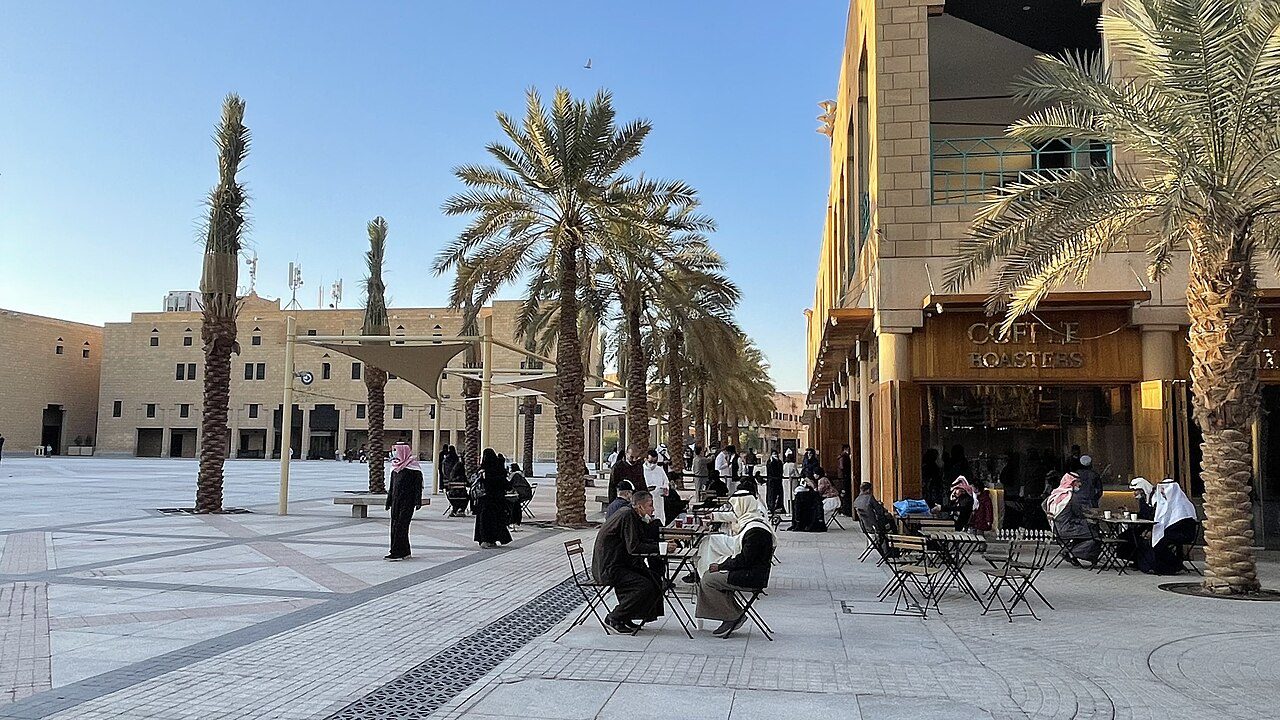
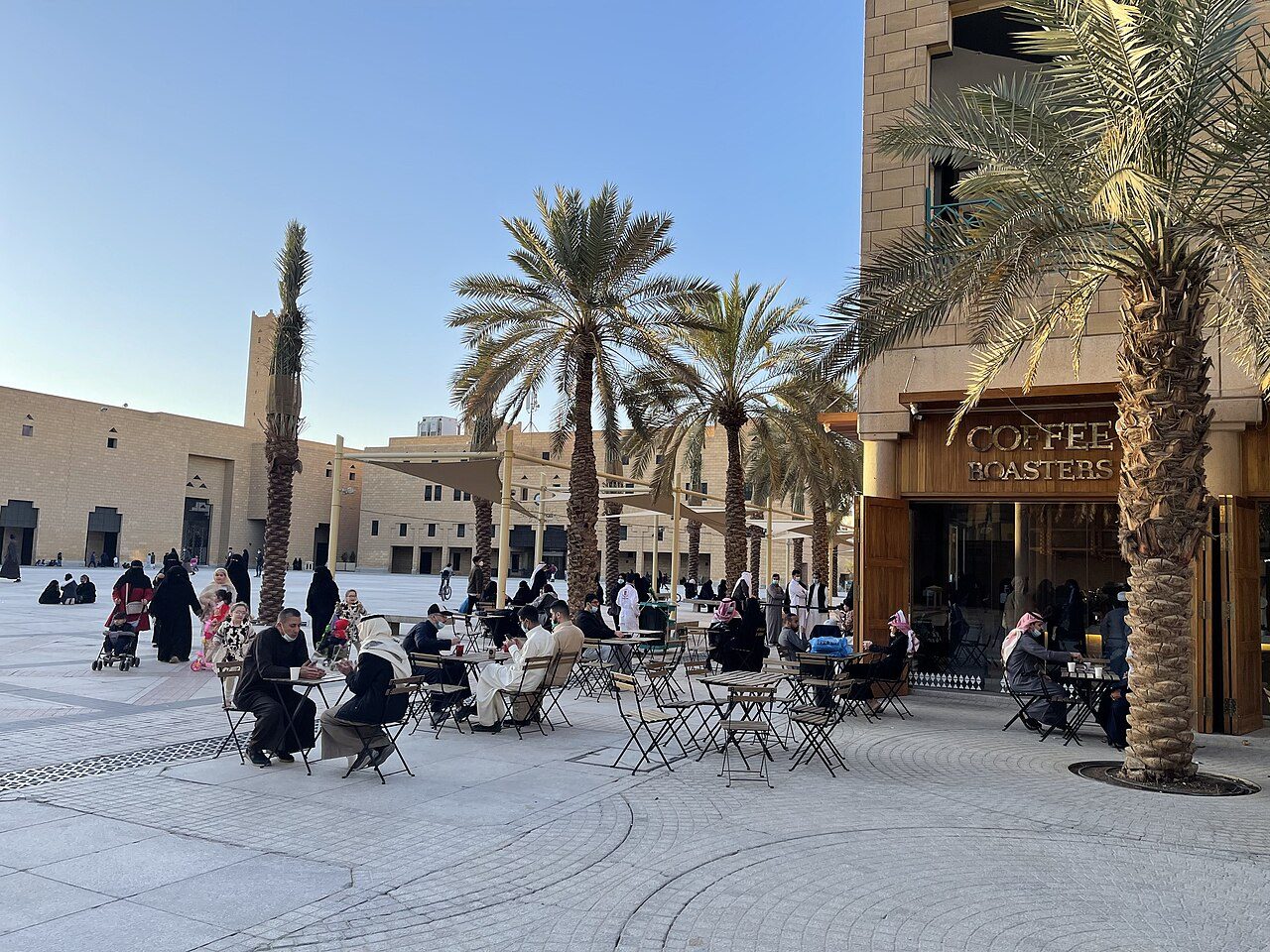
Deera Square, also called Justice Square or Al Safat, is a large open plaza in the old centre of Riyadh, between the Grand Mosque and the Justice Palace. It is known as the place where public executions were carried out. Around it are the old souks of Al Zal and Al Thumairi, and Masmak Fortress is a few minutes' walk away.
03
STOP 3 OF 11
Imam Turki bin Abdullah Mosque
The Imam Turki bin Abdullah Mosque is the grand mosque of Riyadh, standing beside the Justice Palace in the old centre of the city. The present building, completed in 1992, was designed by Rasem Badran in a modern version of traditional Najdi style, with plain sand-coloured walls and two square minarets. It holds around 17,000 worshippers.
04
STOP 4 OF 11
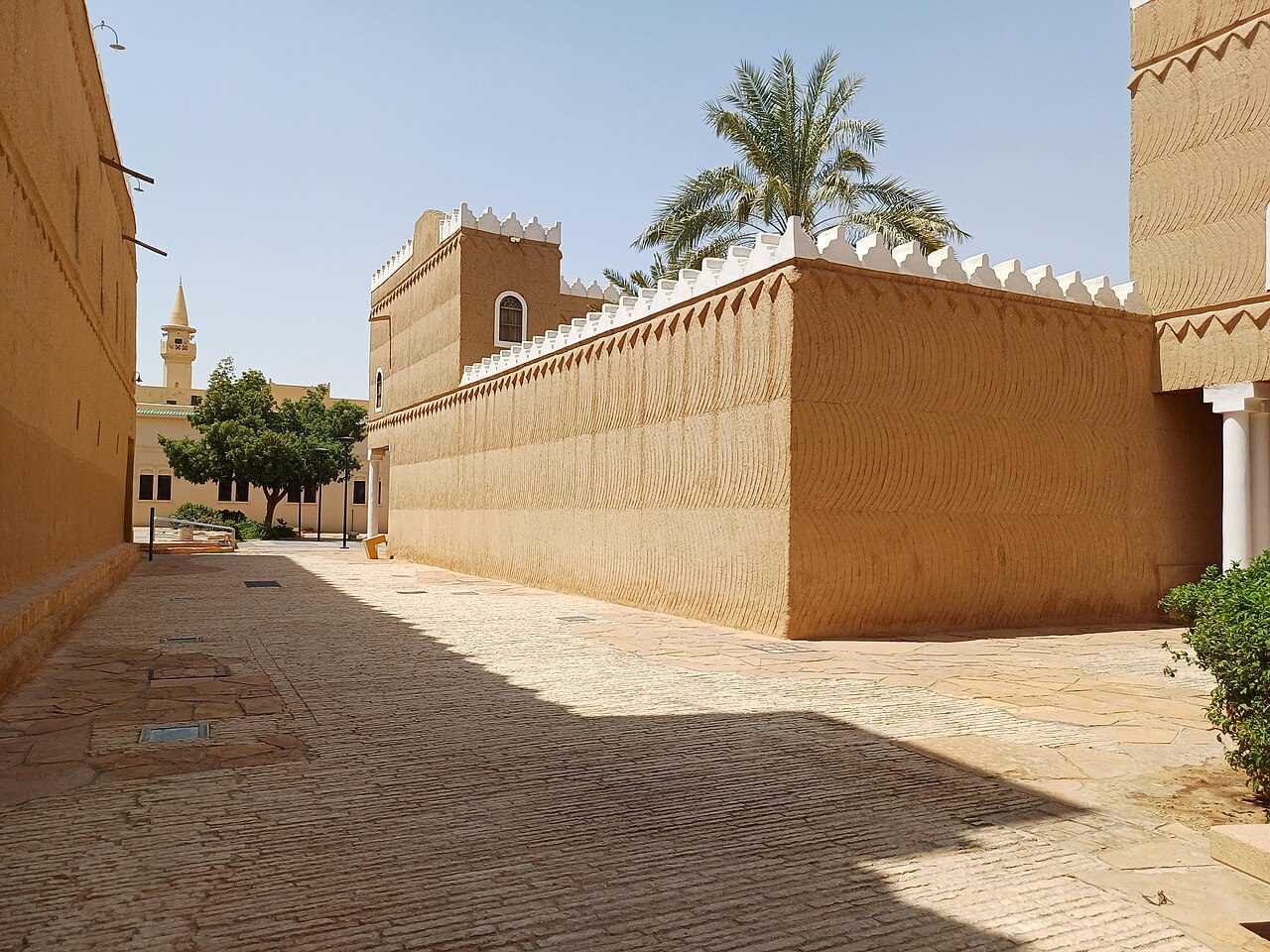
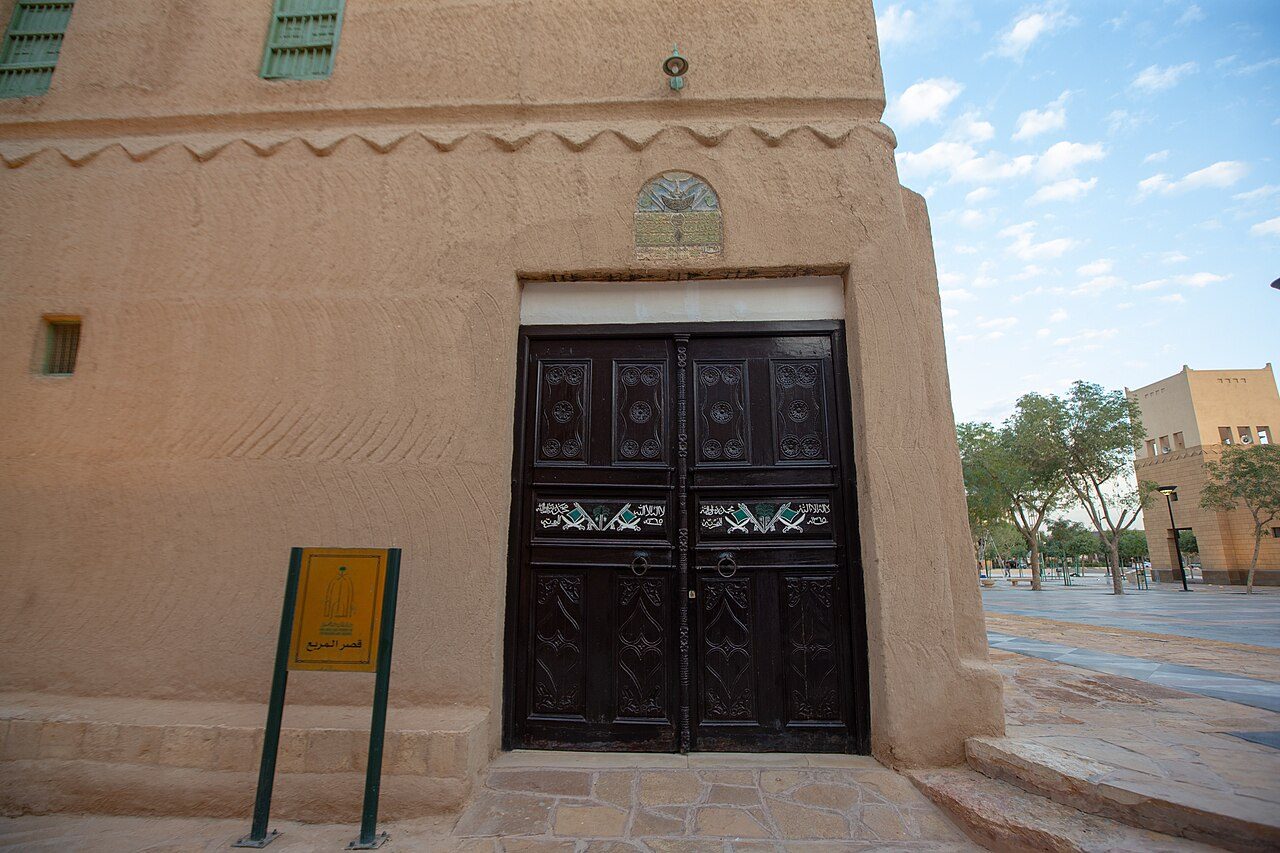
Murabba Palace
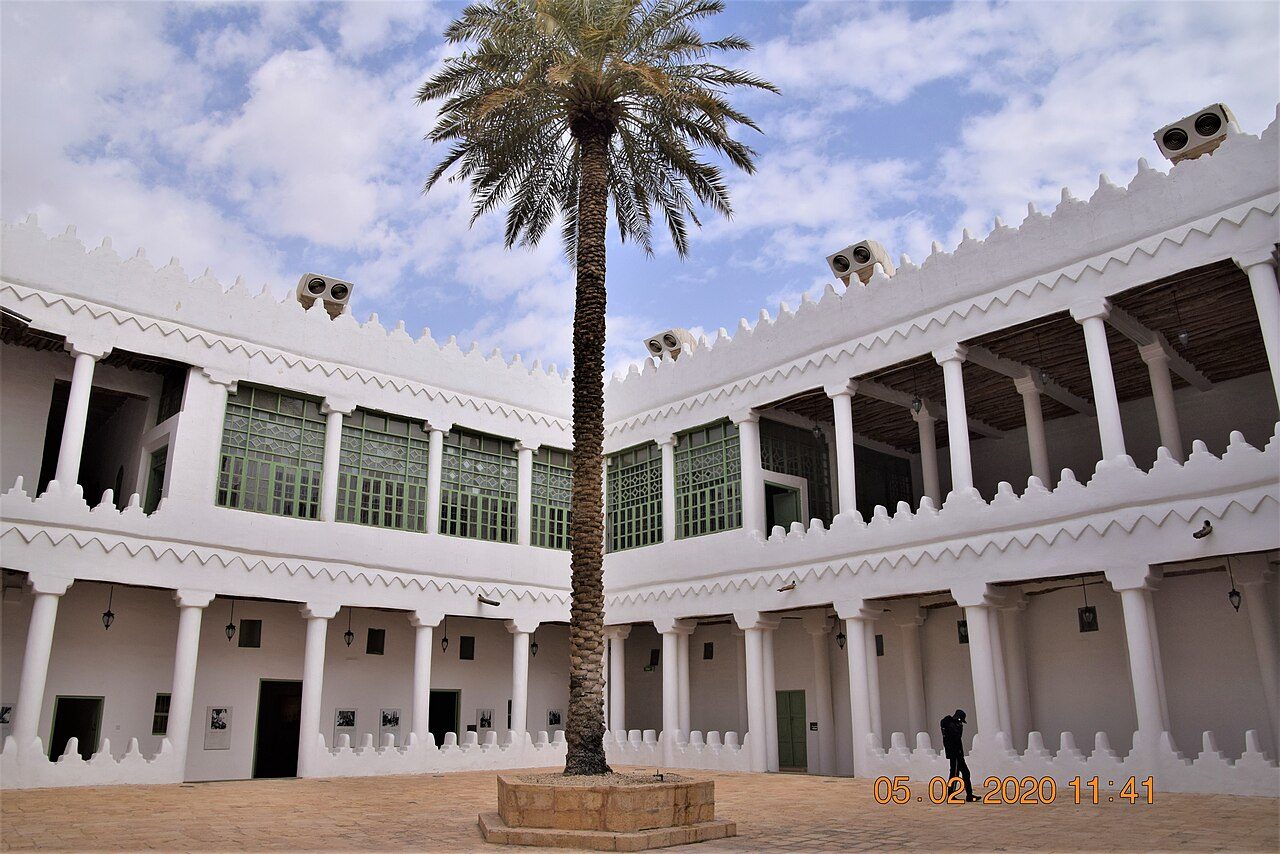
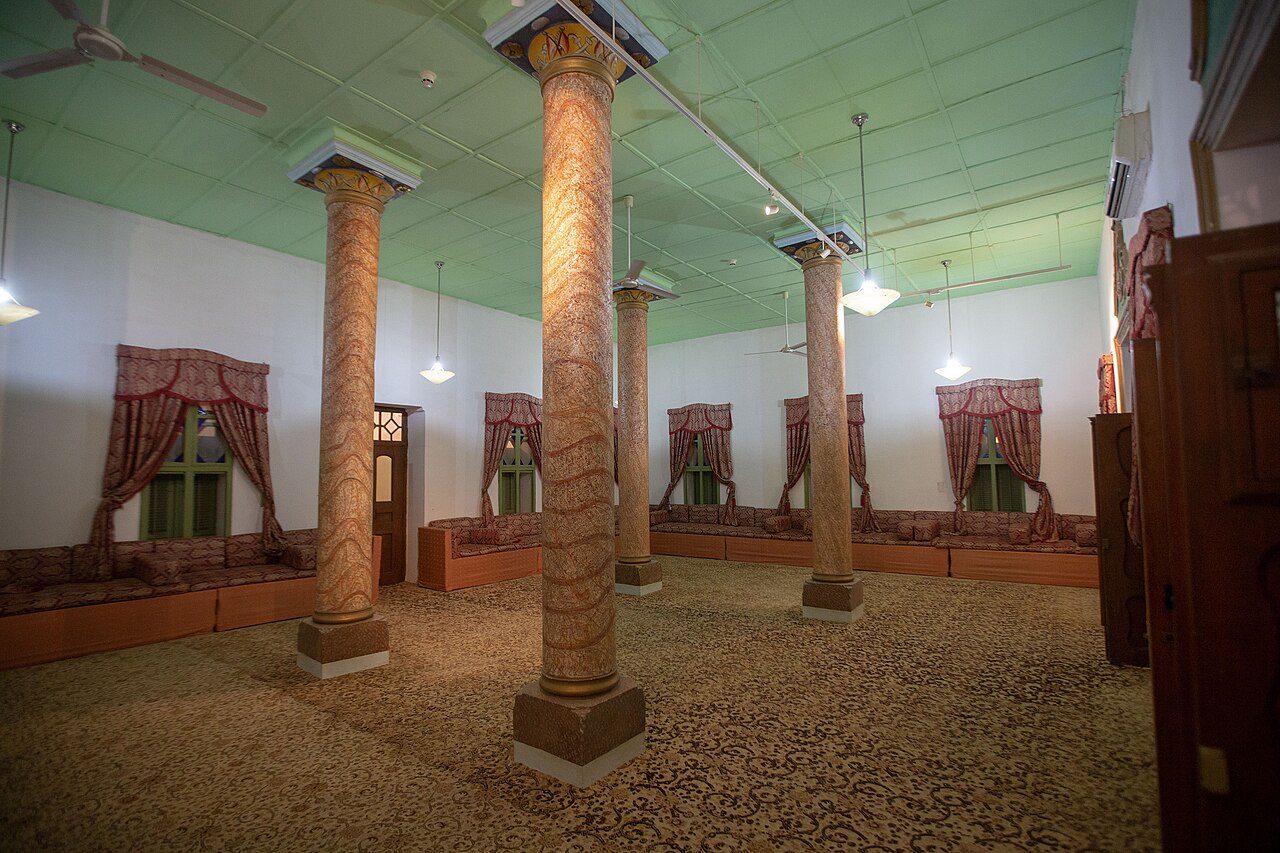
Murabba Palace was built by King Abdulaziz in 1937 outside the walls of old Riyadh, as the royal family outgrew the old town. The two-storey building of mud brick, palm trunk and tamarisk wood is arranged around a courtyard. It is now part of the King Abdulaziz Historical Centre, beside the National Museum, and displays royal memorabilia.
05
STOP 5 OF 11
National Museum of Saudi Arabia
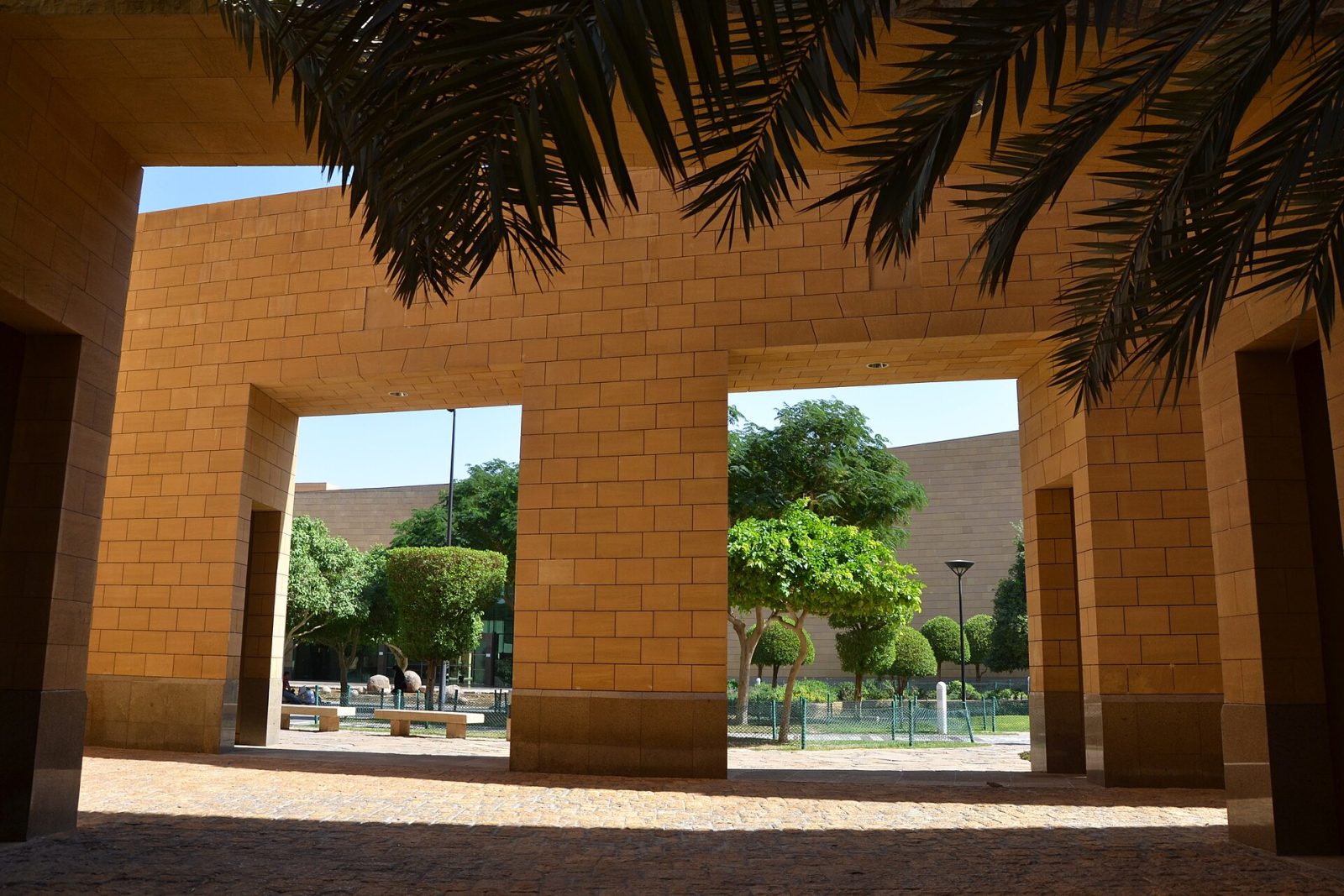
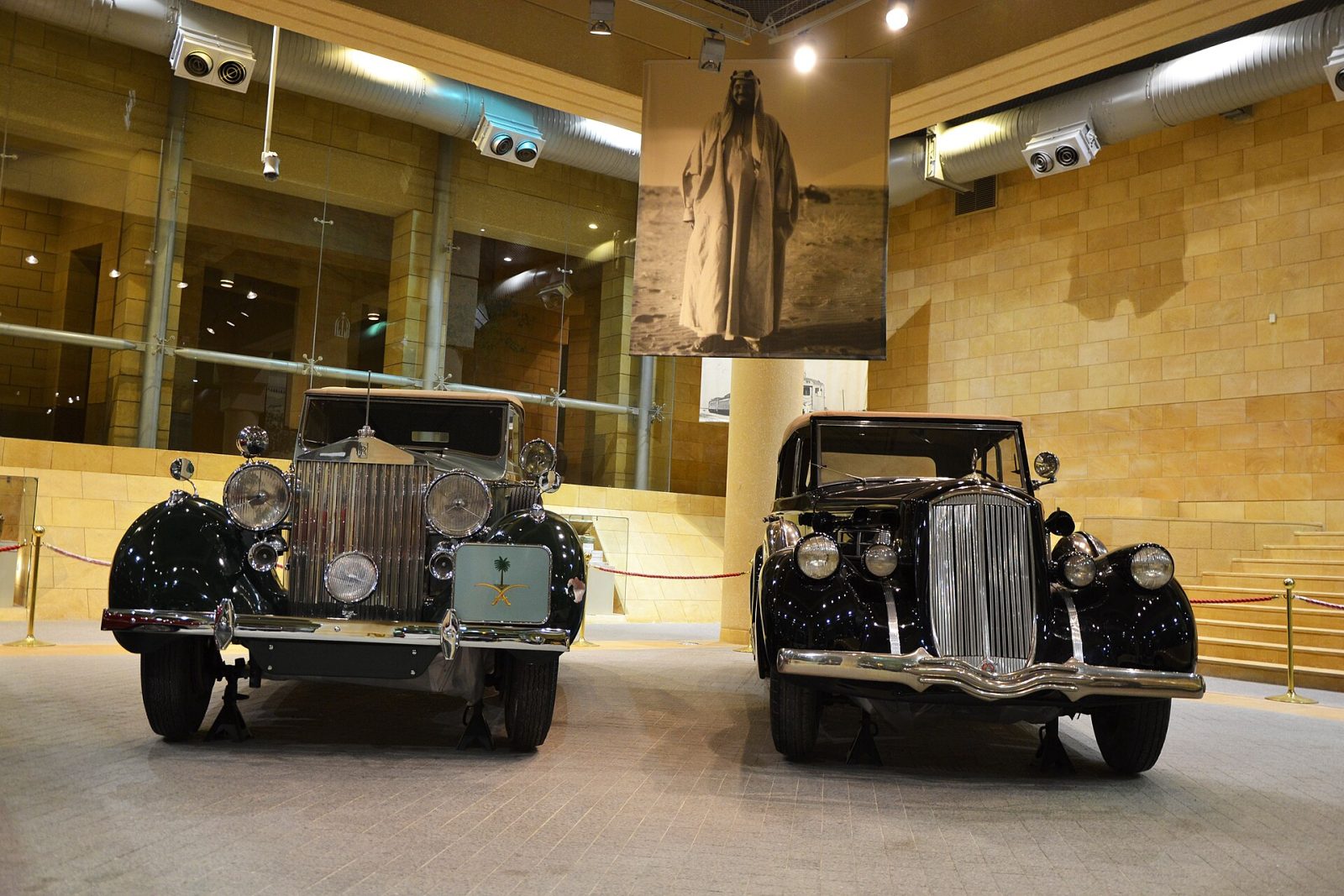
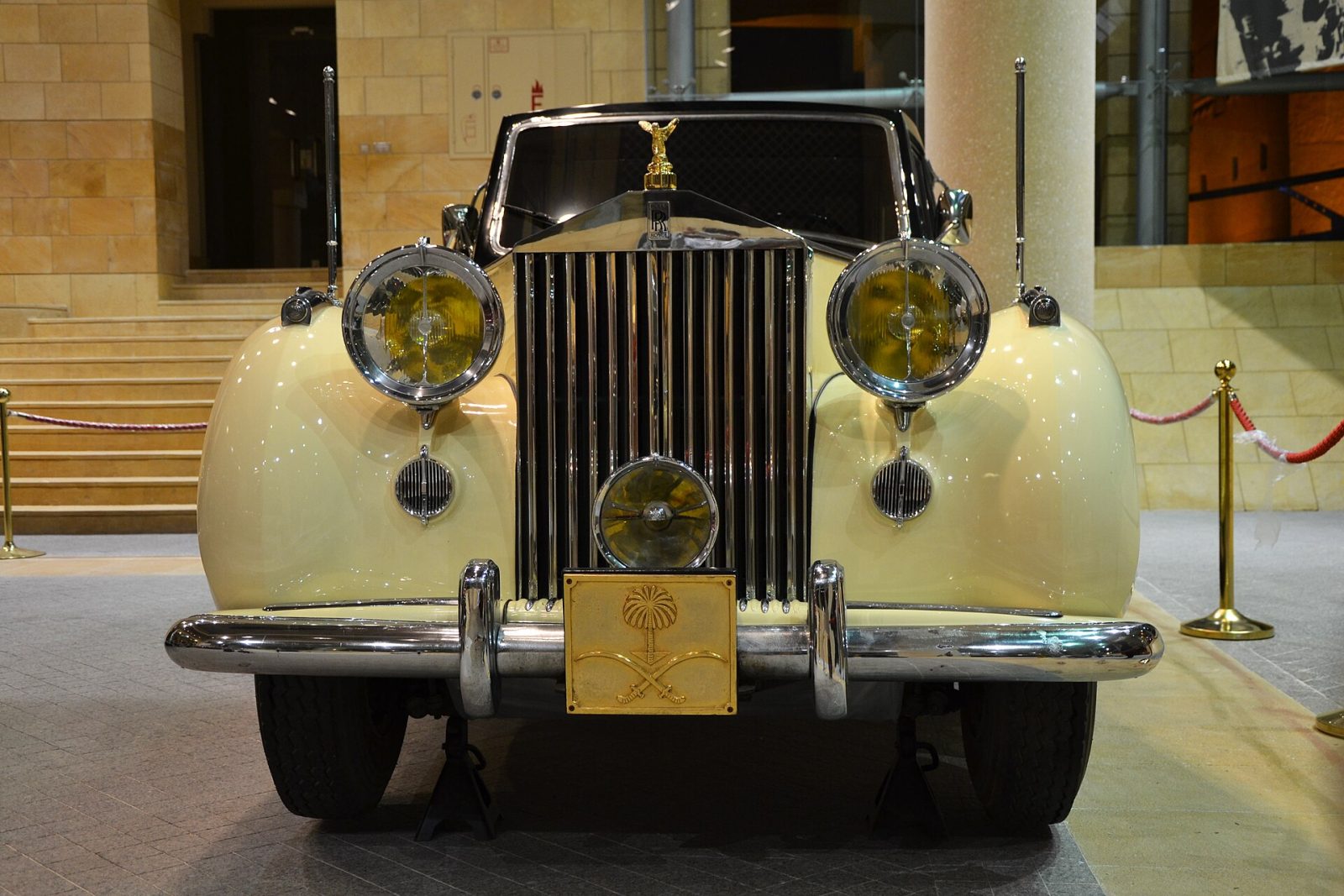
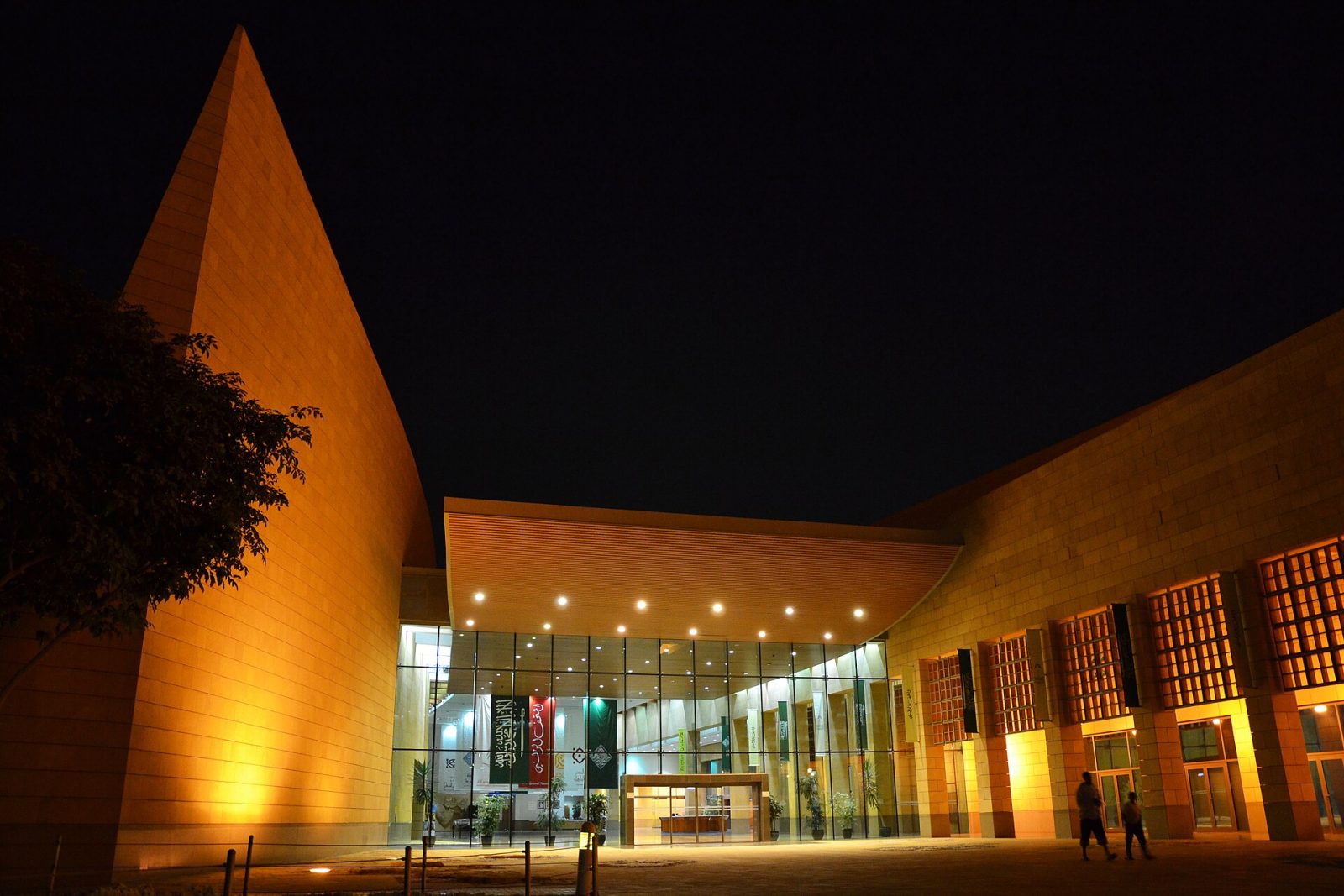
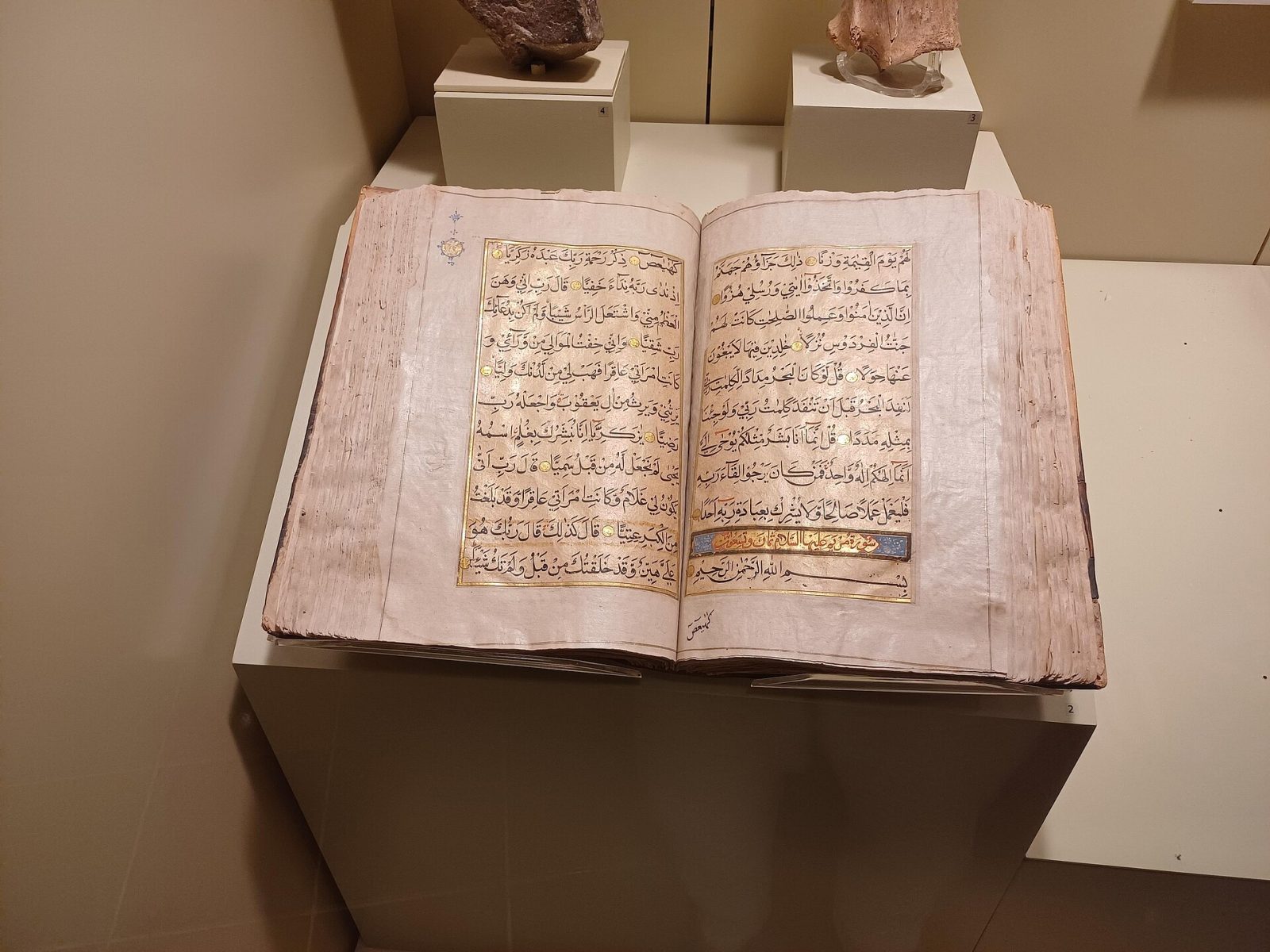
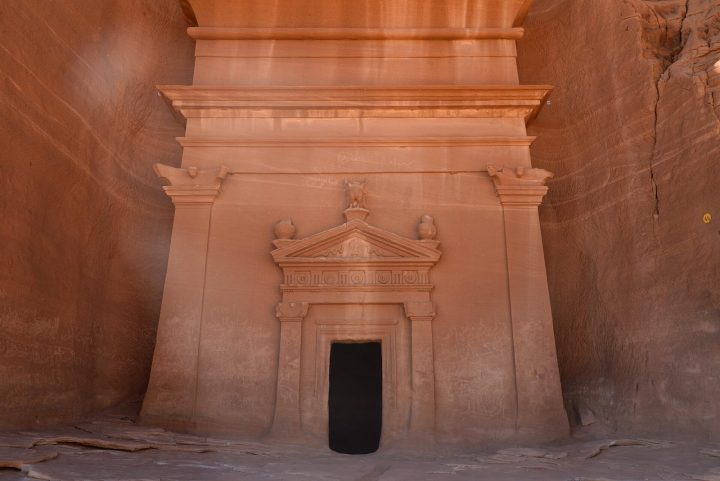
The National Museum in Riyadh, opened in 1999 for the kingdom's centenary, is the best single introduction to Saudi history. Eight halls take you from the formation of the Arabian peninsula and its prehistoric rock art through the pre-Islamic kingdoms, the life of the Prophet, the Islamic empires and the two Saudi states to the modern kingdom. Displays include meteorites, ancient inscriptions, a full-size reconstruction of a Nabataean tomb facade and a model of the old Hejaz railway. It stands in King Abdulaziz Historical Centre, next to the Murabba Palace and a large public park. Allow two to three hours, and note it closes on some mornings for school groups.
06
STOP 6 OF 11
At-Turaif, Diriyah
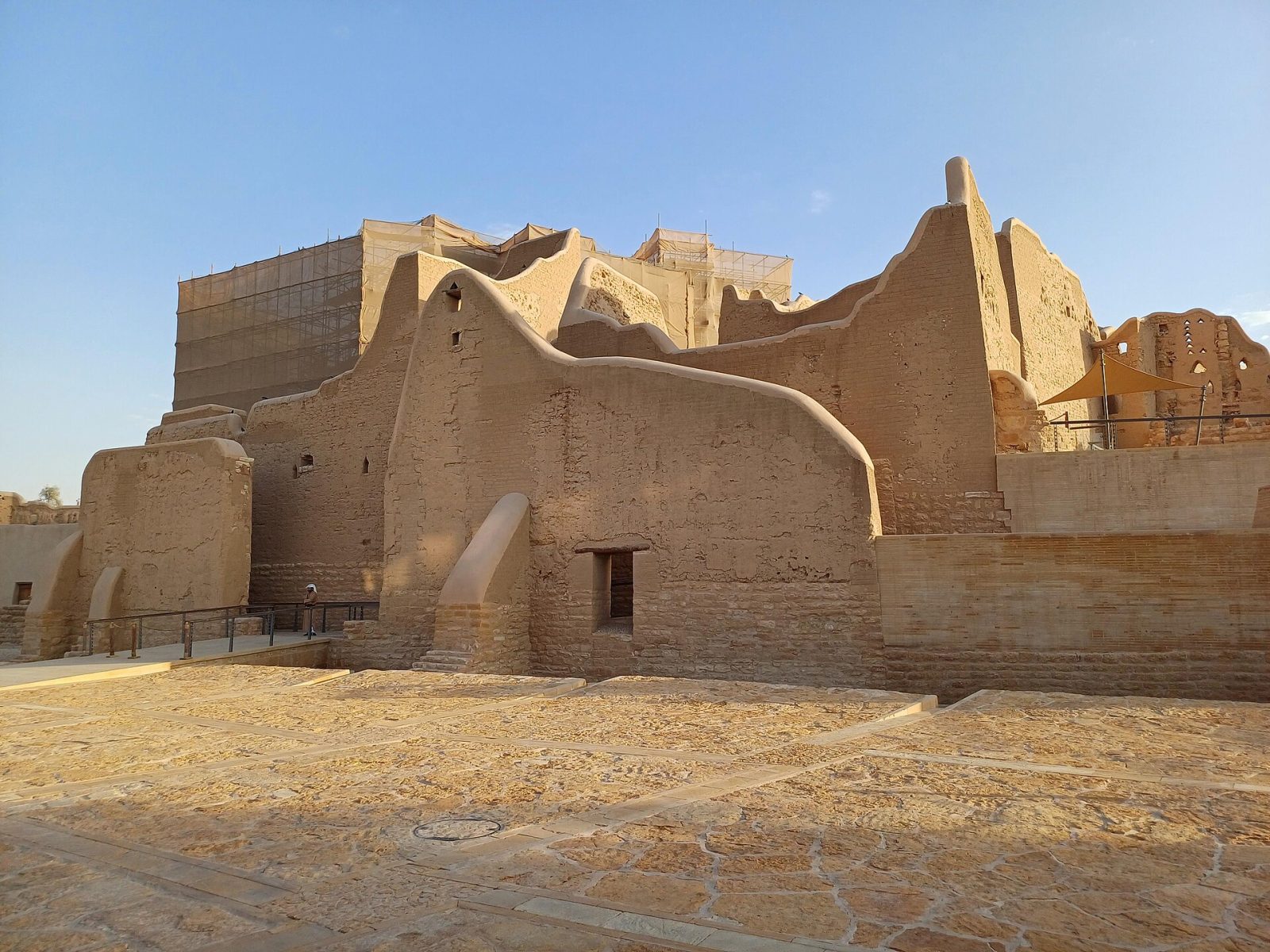
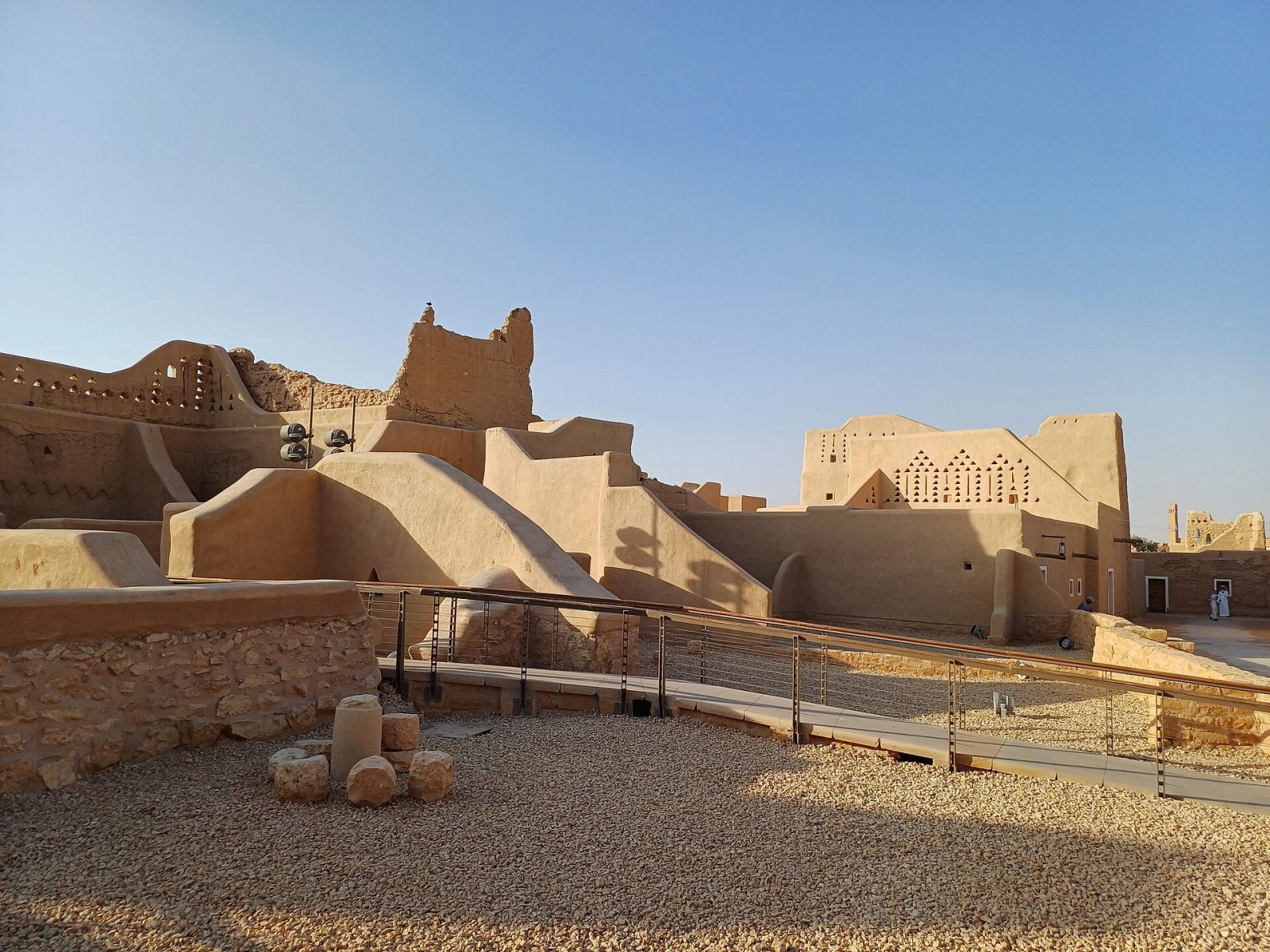
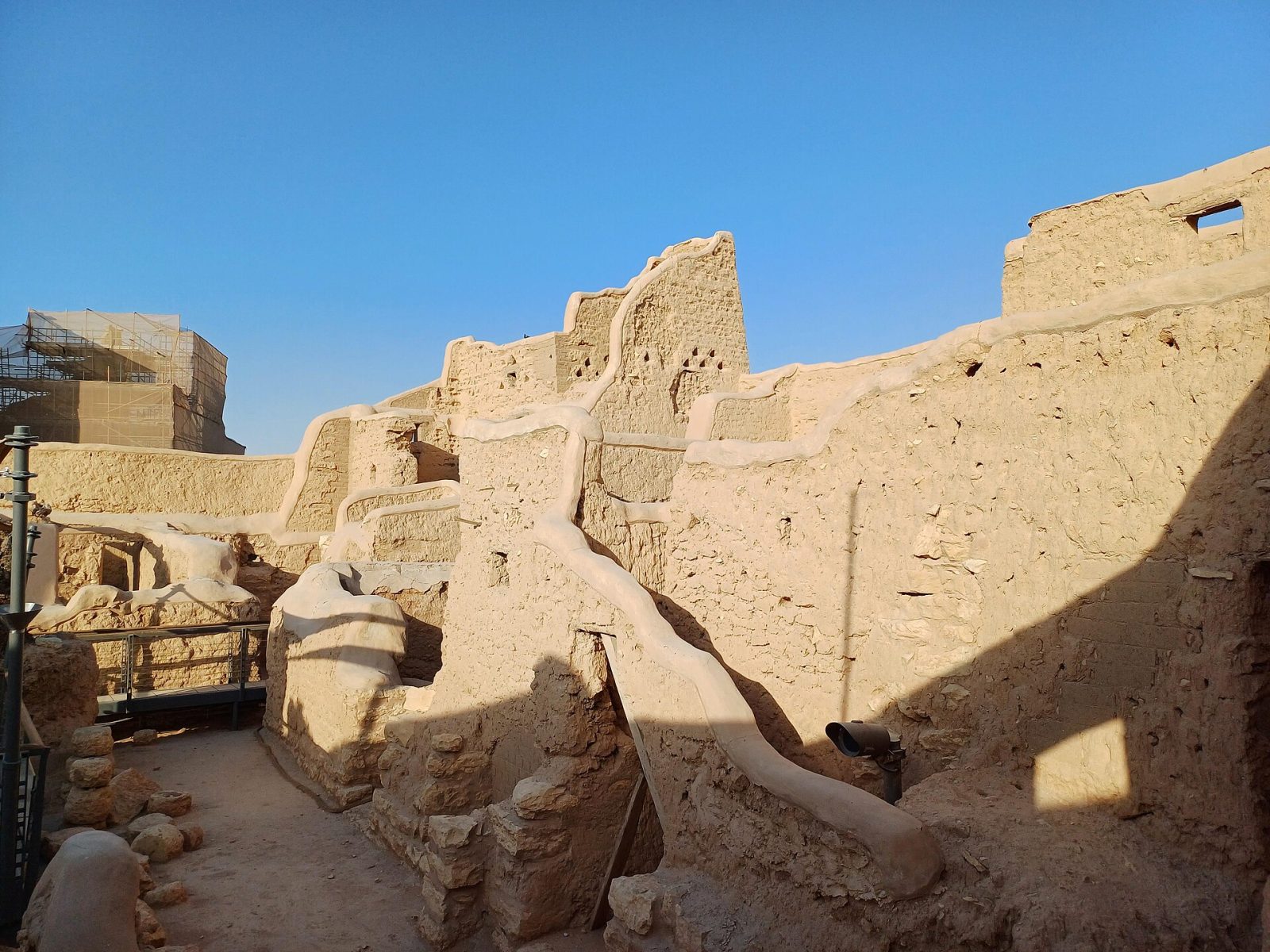
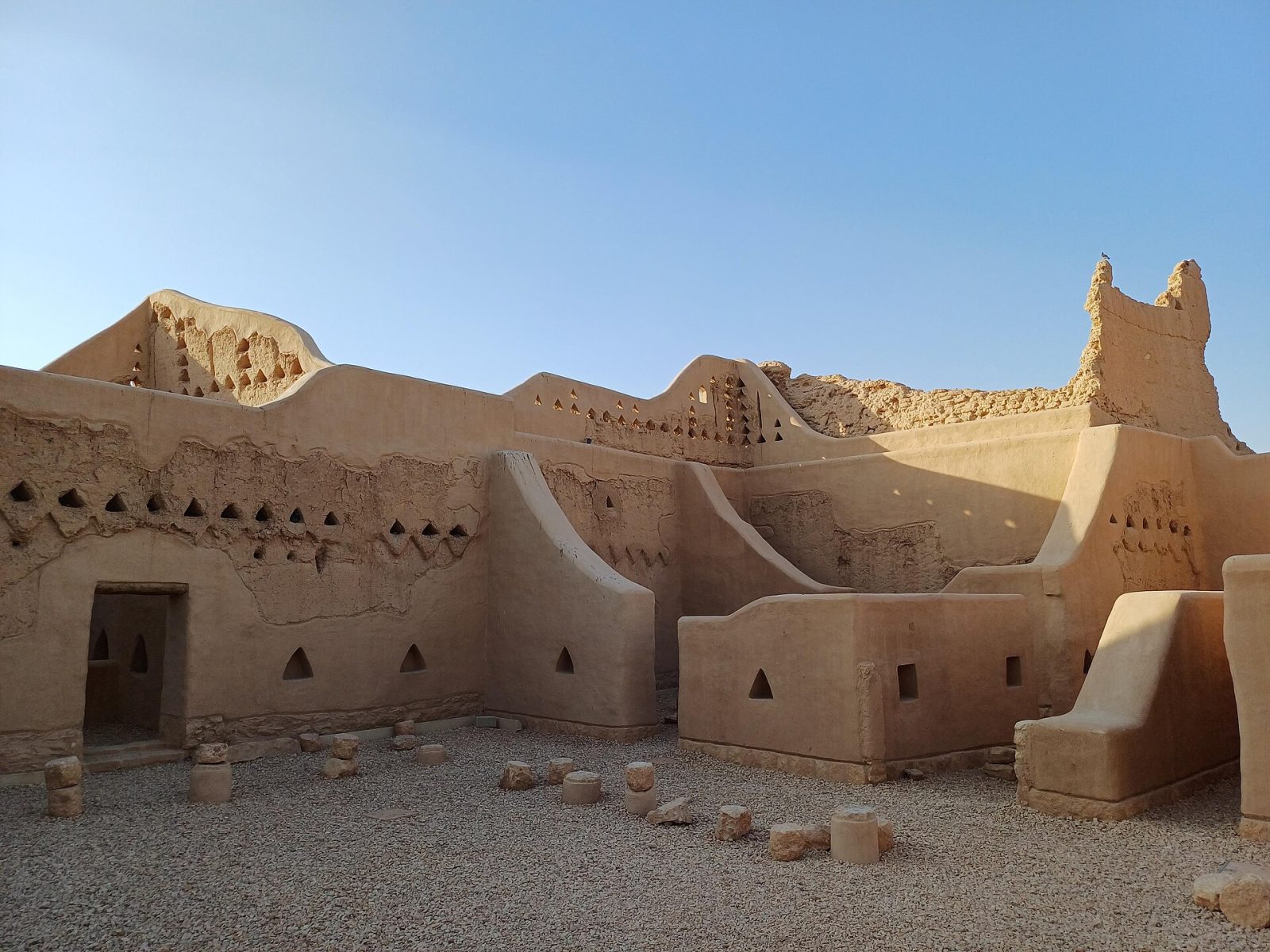
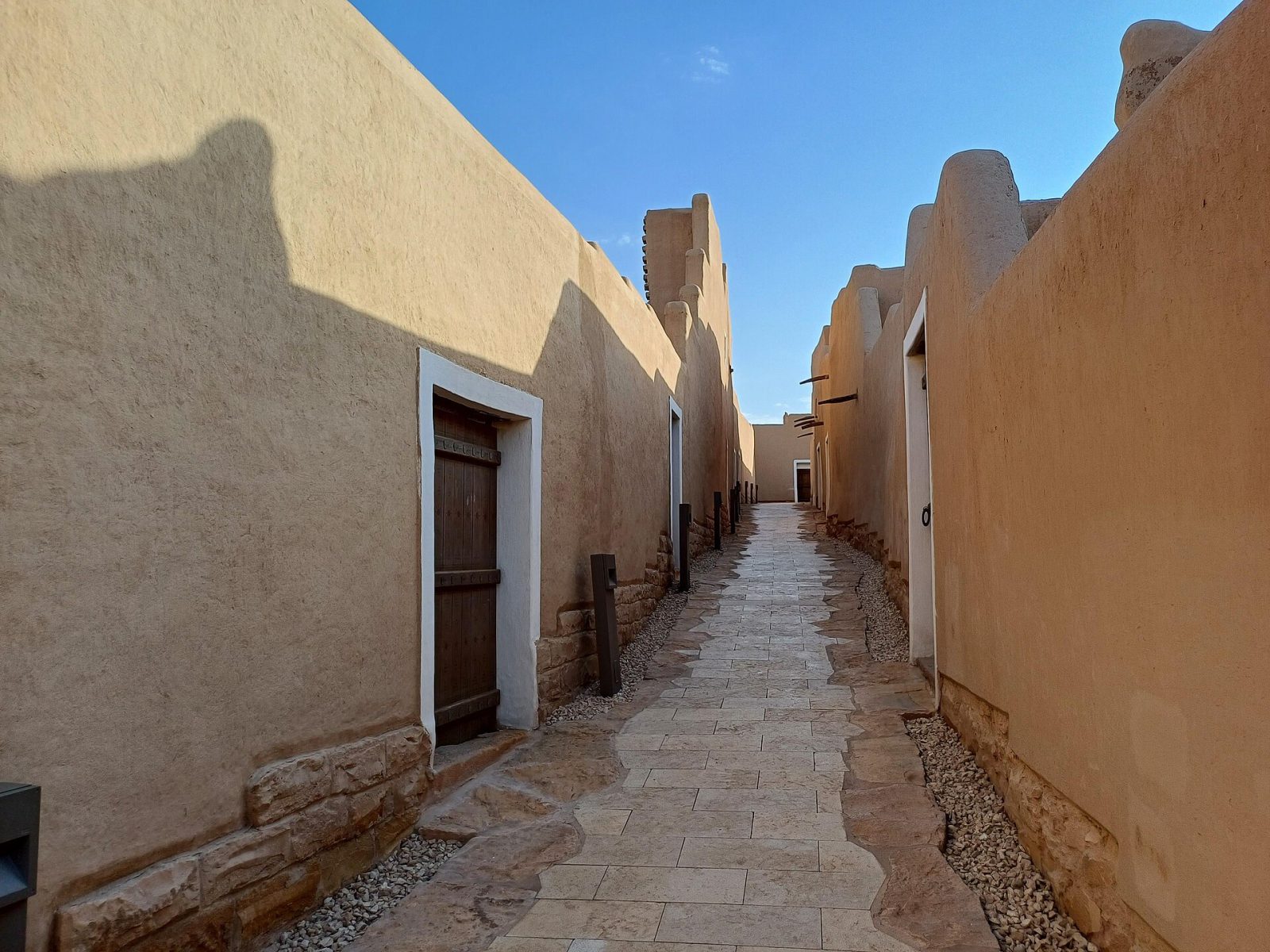
At-Turaif, on the edge of Riyadh, is the mud-brick city where Saudi Arabia began. It was the capital of the first Saudi state from 1744, when Muhammad bin Saud and the scholar Muhammad ibn Abd al-Wahhab made their alliance here, until Ottoman-Egyptian forces destroyed it in 1818. Built in the Najdi style, its palaces, mosques and walls rise in tiers above the Wadi Hanifah palm groves, and the whole district is now a UNESCO World Heritage Site. After years of restoration it has reopened with museums, walkways and lighting that show the old walls at their best. Evenings are cooler and the site is most atmospheric then.
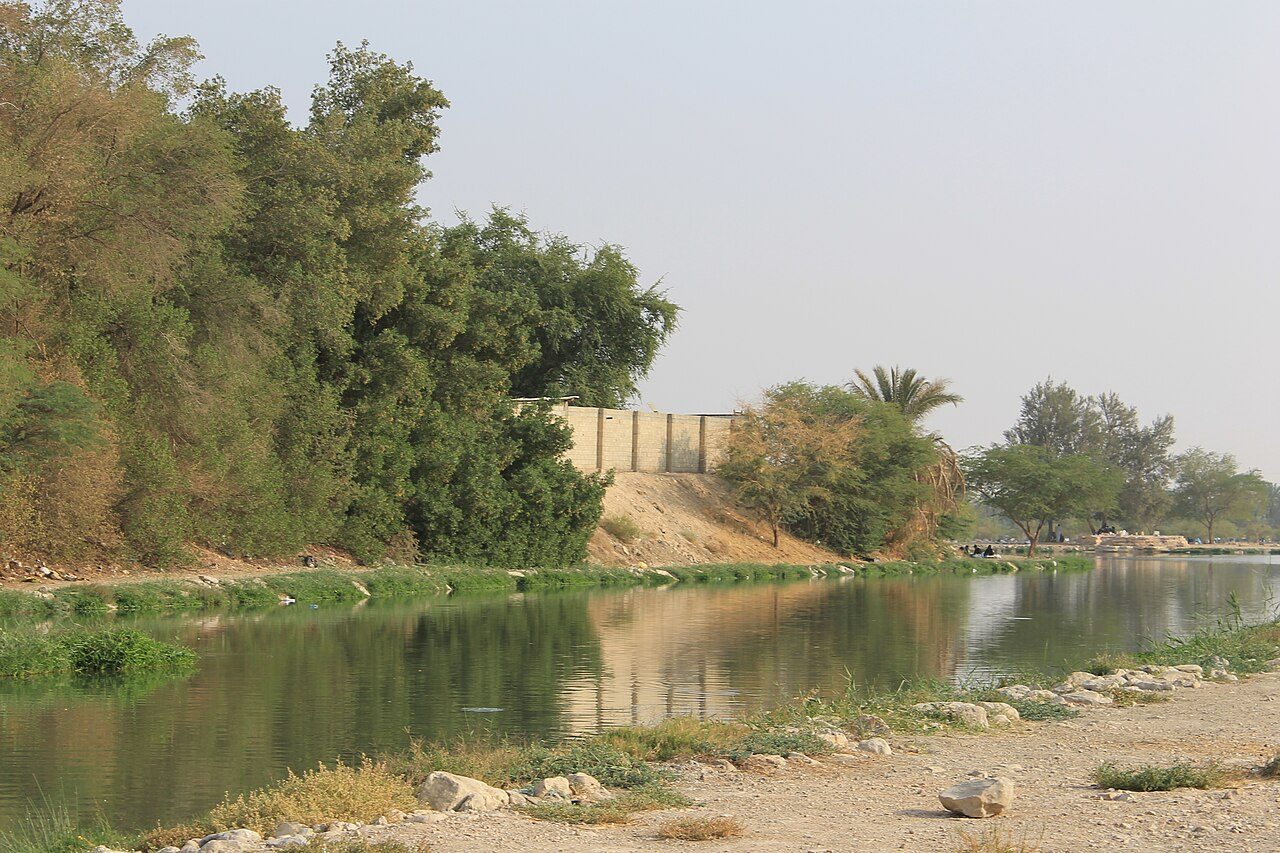
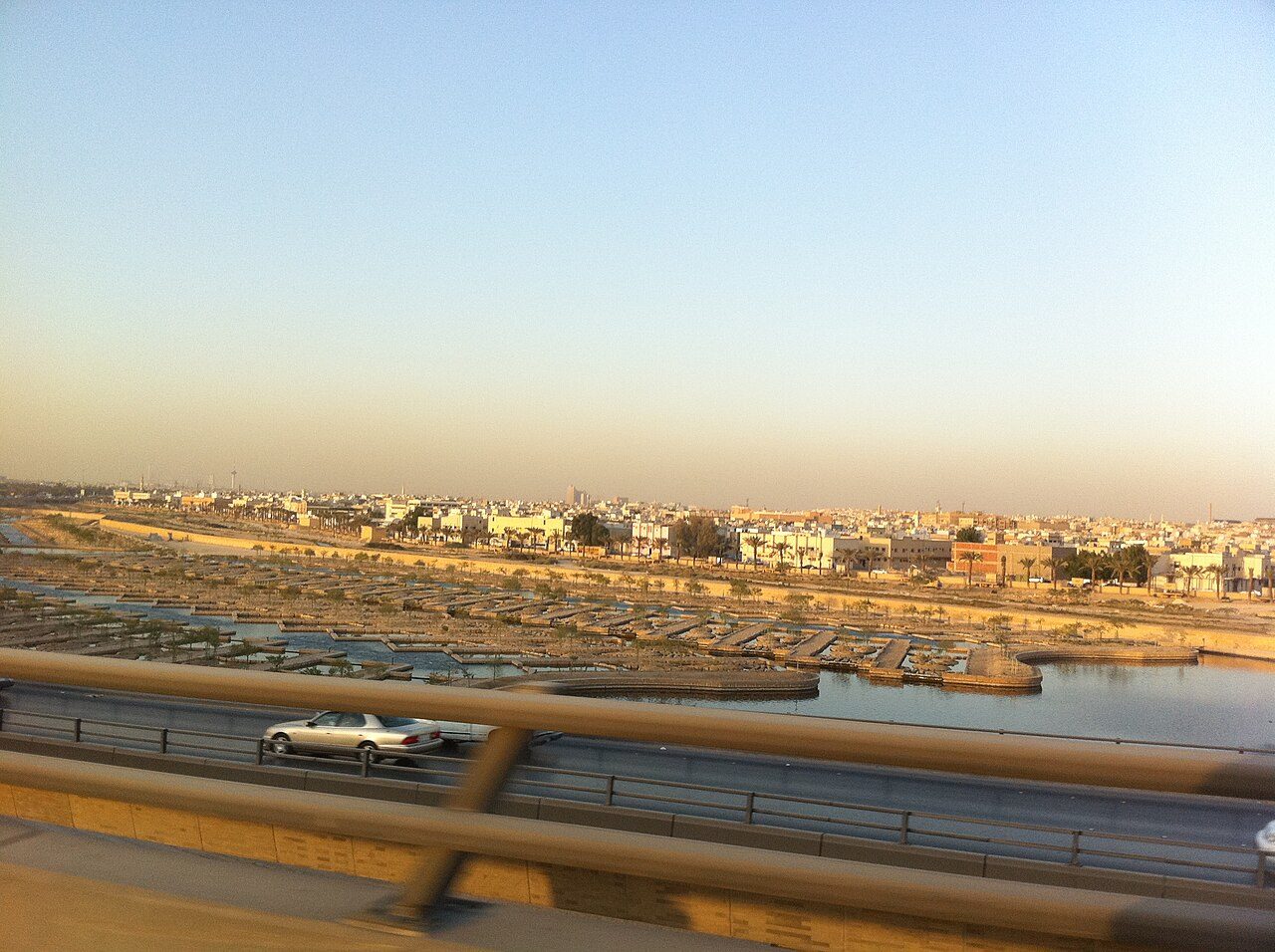
Wadi Hanifa is a valley that runs for about 120 km through Riyadh from north-west to south-east. Long neglected and polluted, it was restored from the early 2000s into a chain of parks, lakes and walking trails planted with native trees. Families picnic along its banks at weekends. The project won the Aga Khan Award for Architecture in 2010.
08
STOP 8 OF 11
Kingdom Centre Tower
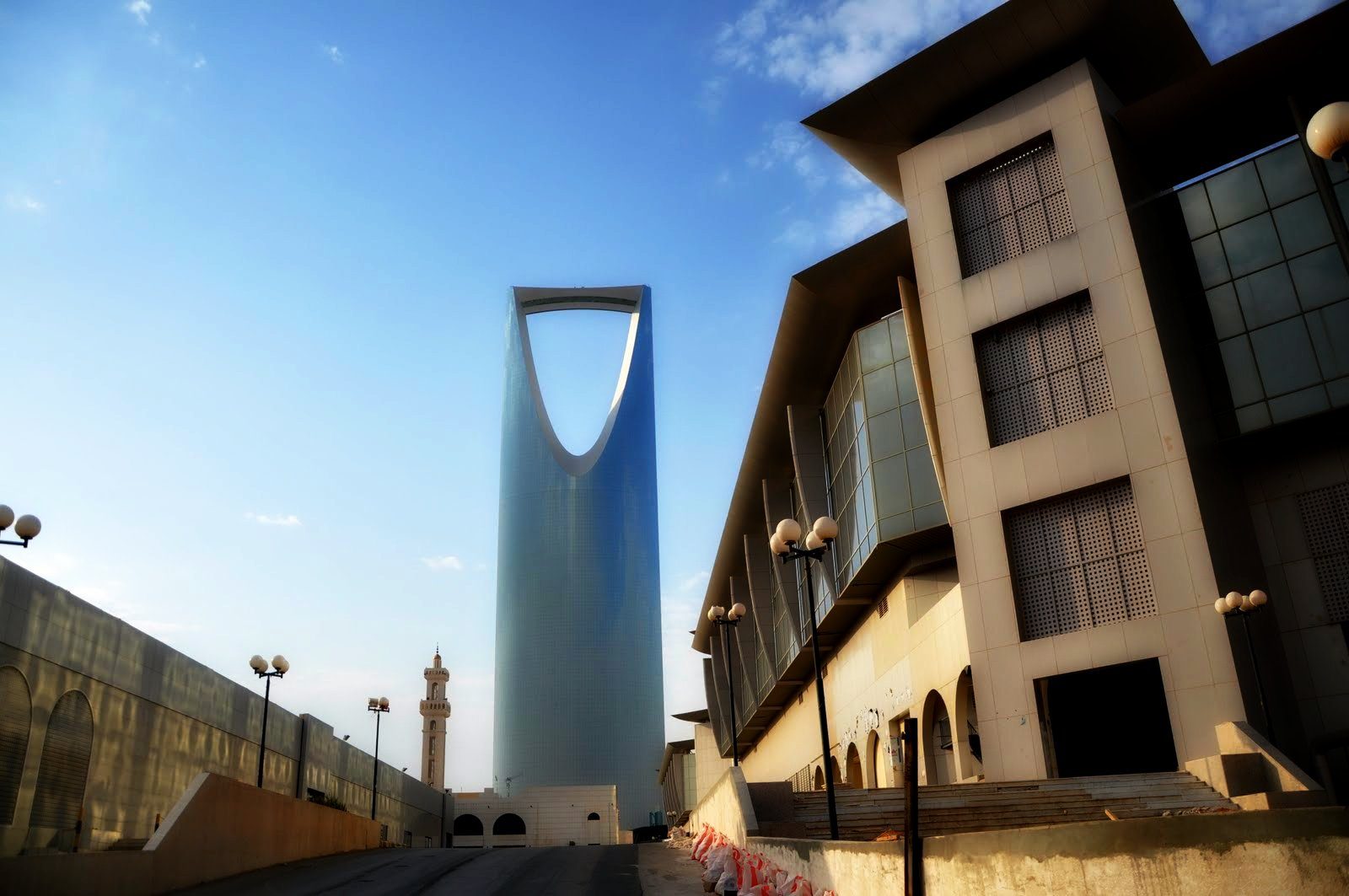
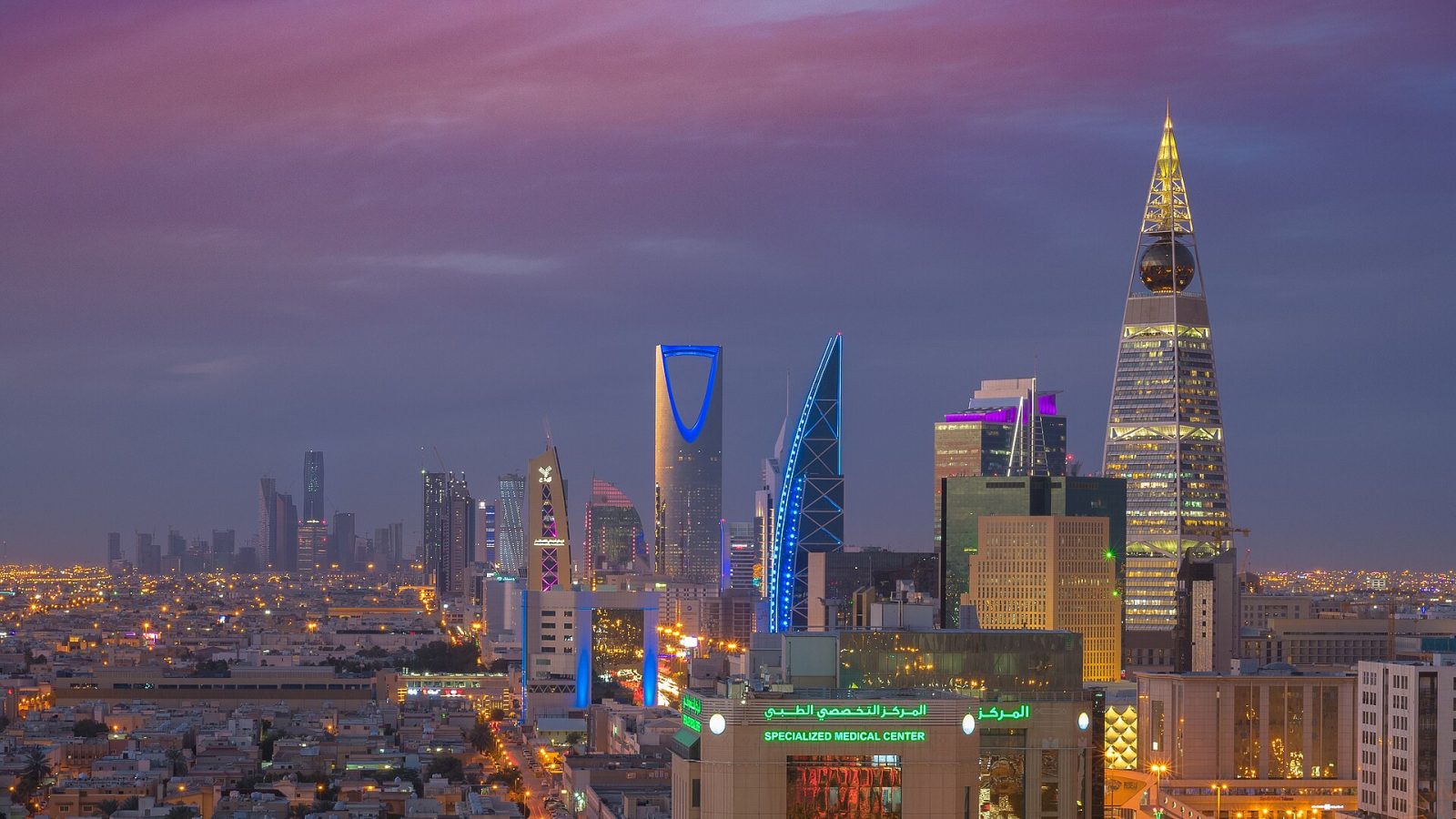
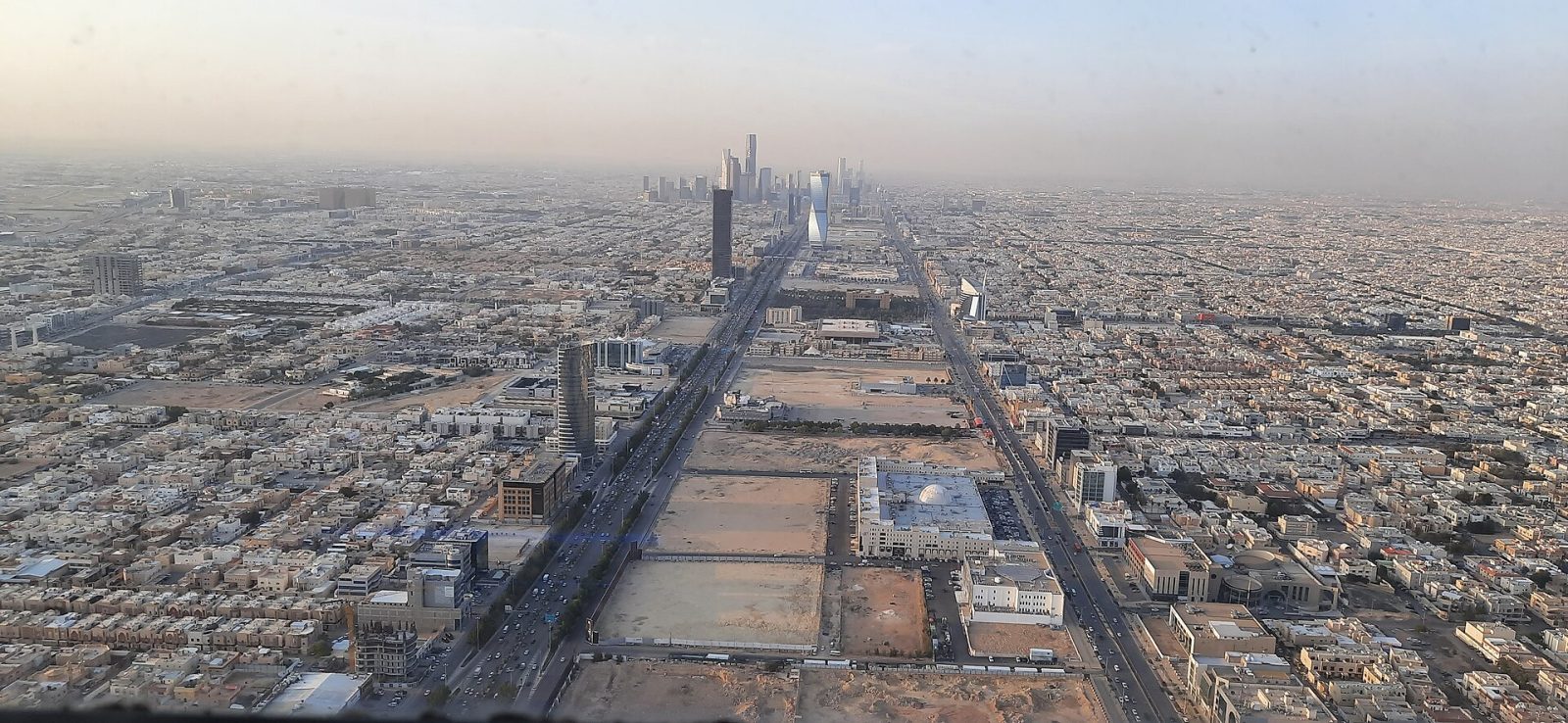
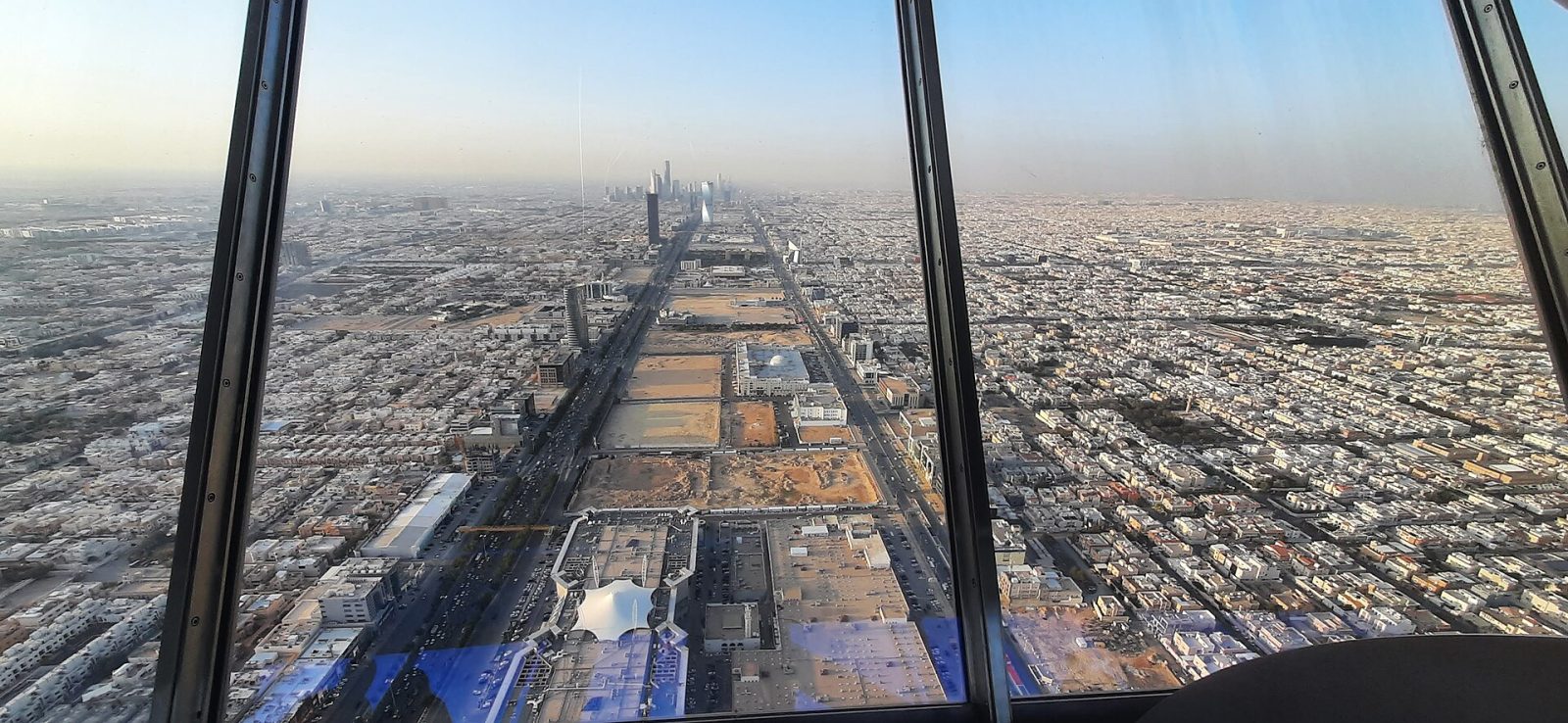
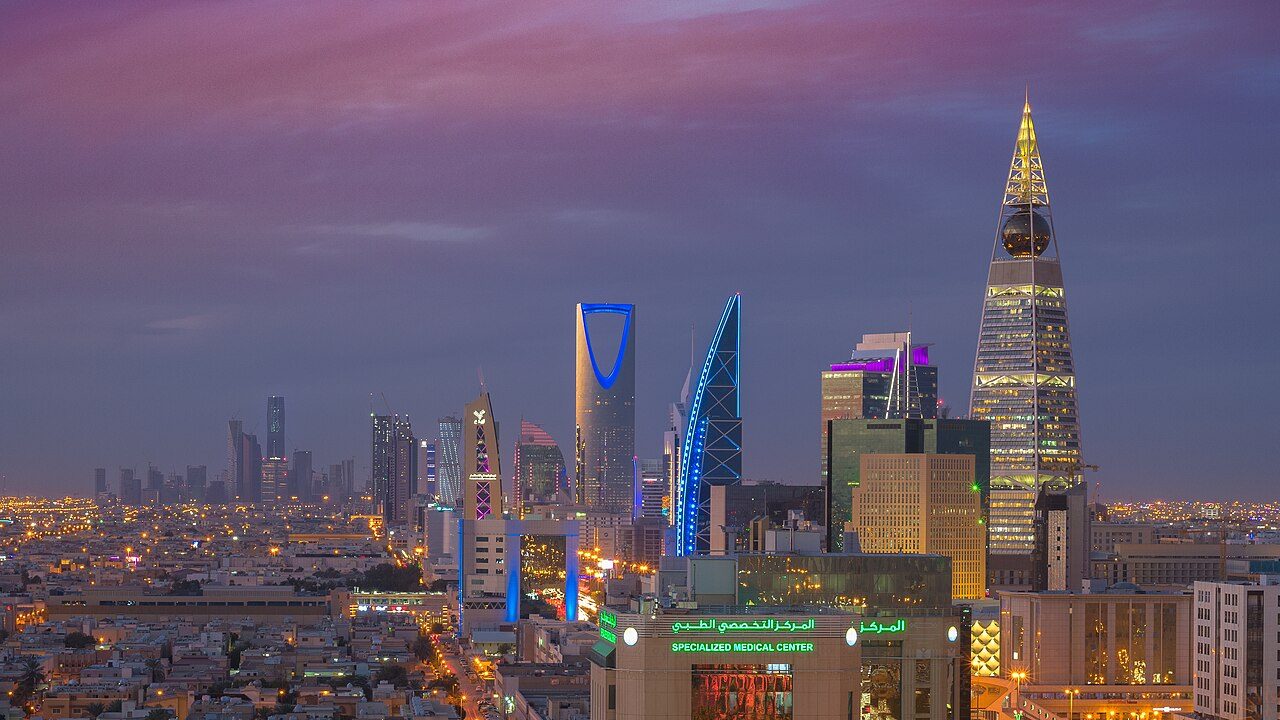
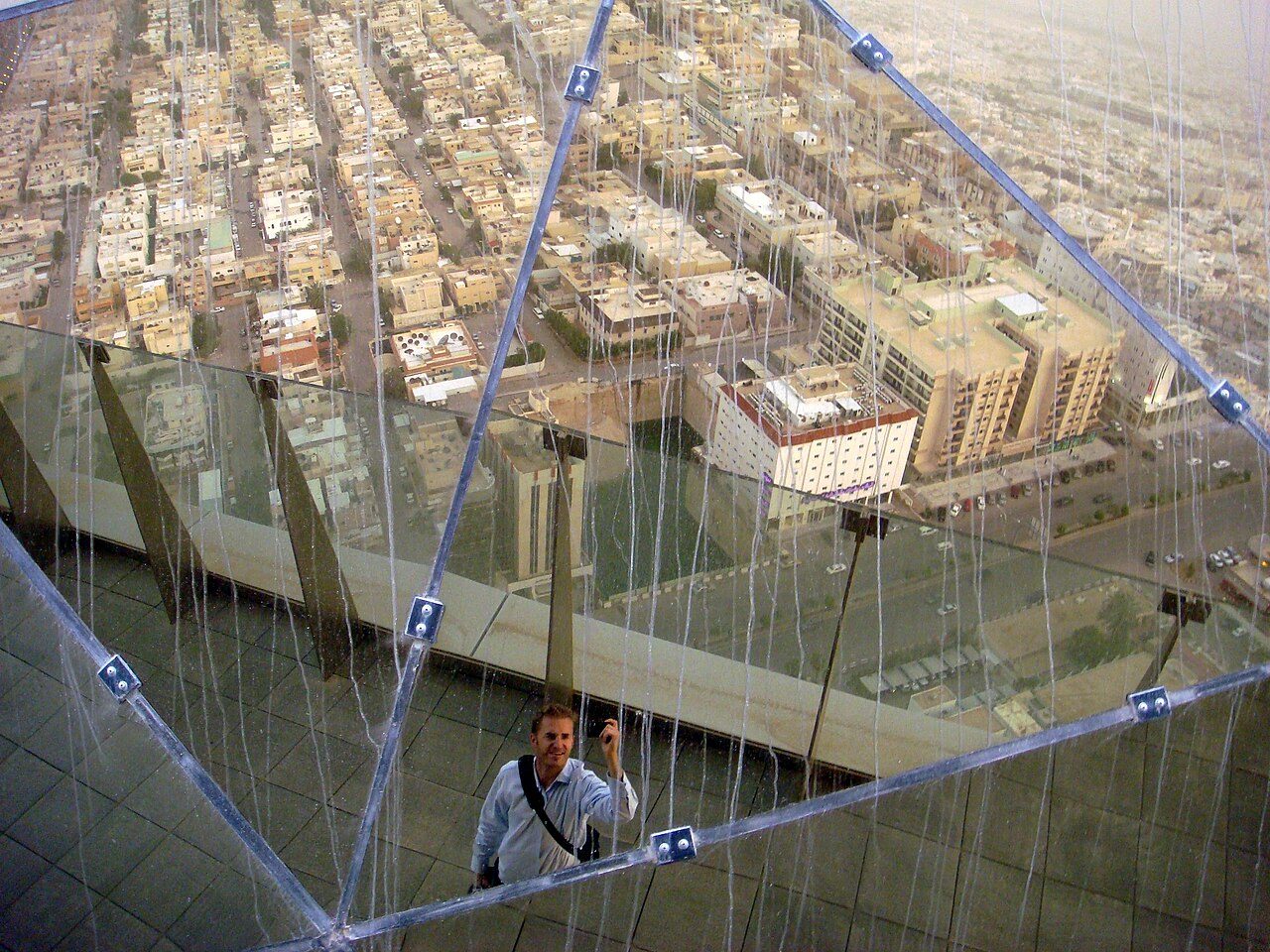
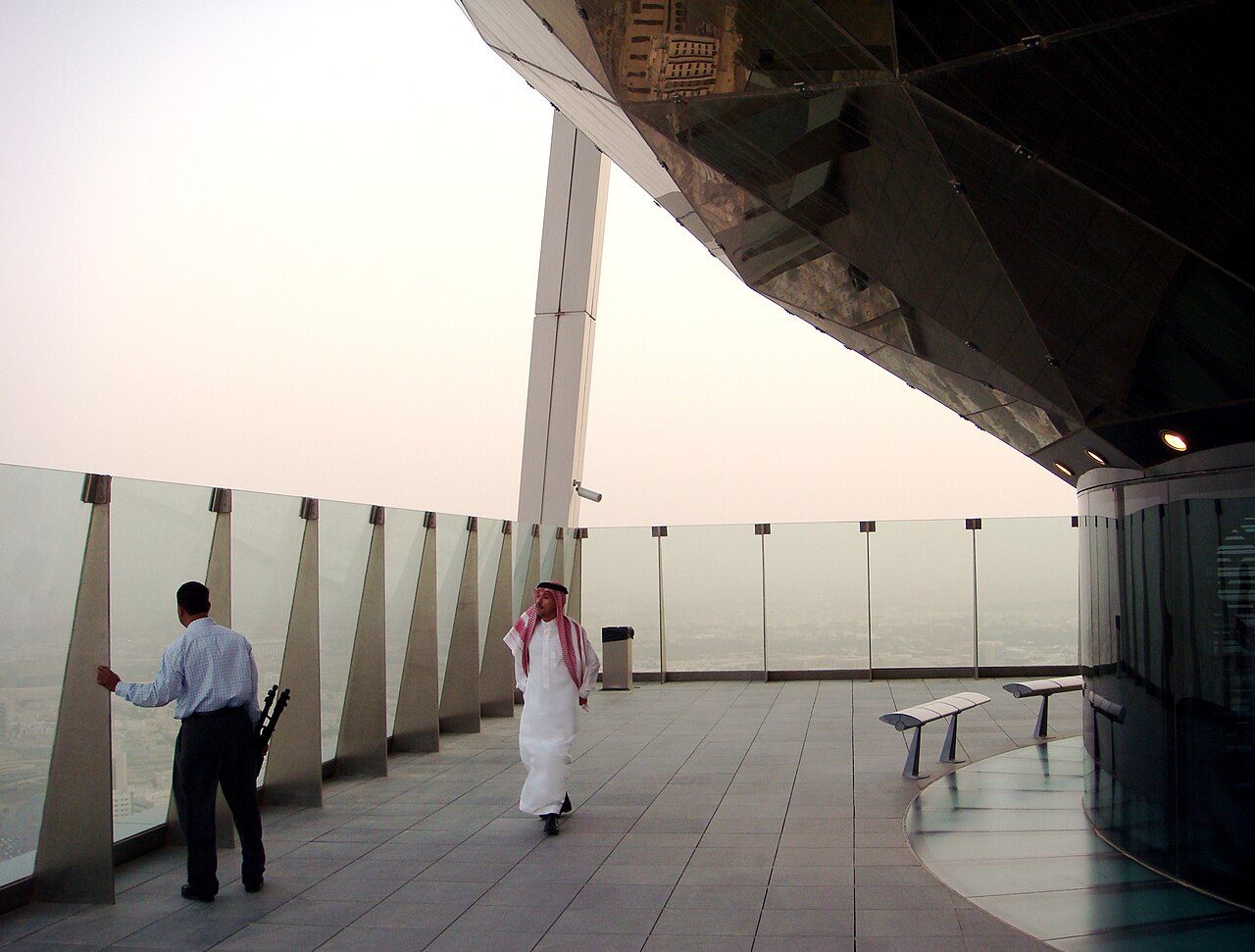
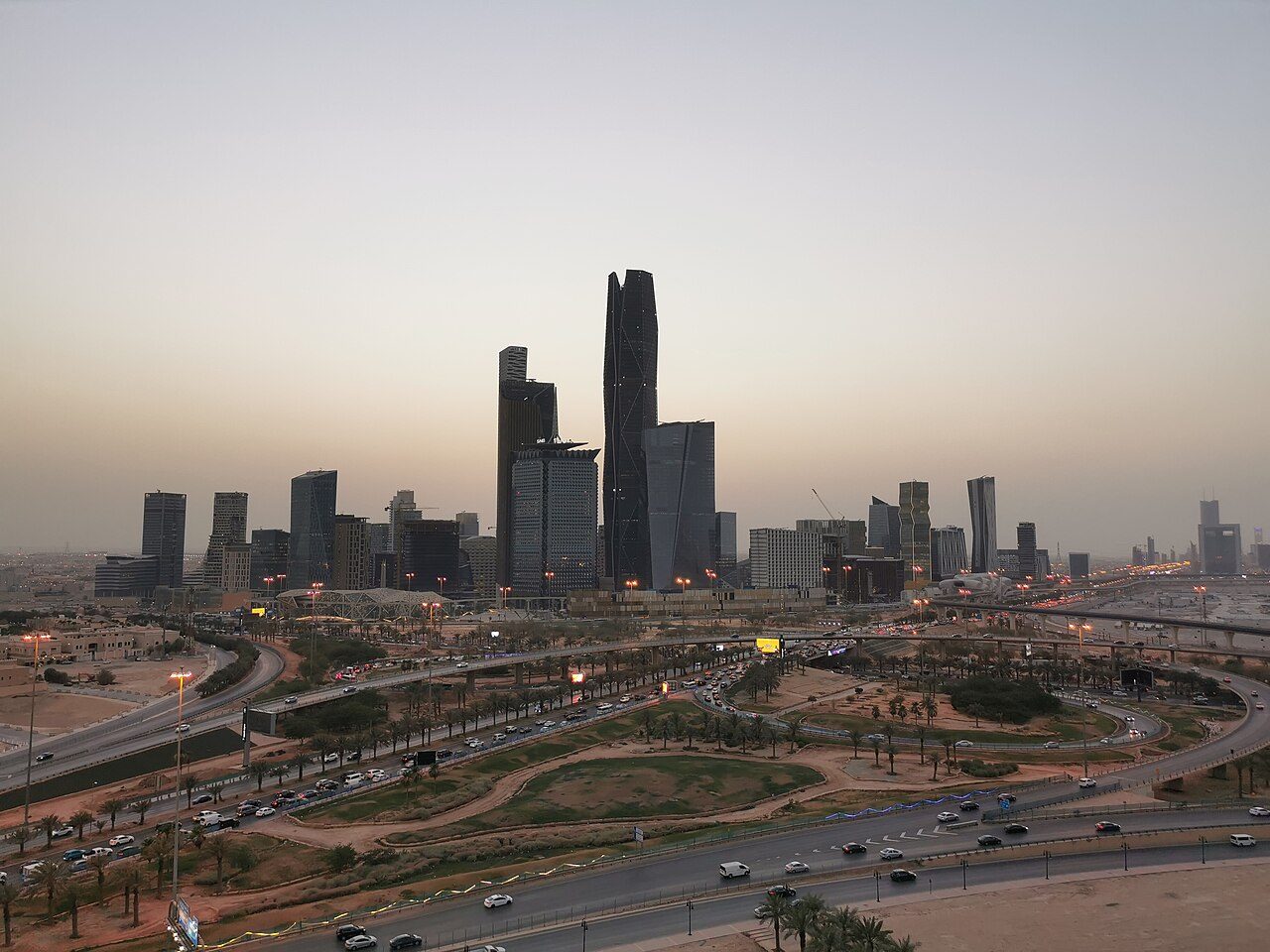
Kingdom Centre is the tower that gave Riyadh its skyline, a 302-metre building finished in 2002 with a great inverted arch at the top. A steel sky bridge 300 metres up spans that opening, and the walk across it gives the best view of the city, especially after dark when Riyadh spreads out in lights below. The lower floors hold a luxury mall, offices and a hotel, and one shopping level is reserved for women. The tower was built for Prince Alwaleed bin Talal and has won awards for its design. Tickets for the sky bridge are sold at the mall, and sunset is the busiest slot.
09
STOP 9 OF 11
Al Faisaliah Tower
Al Faisaliah Tower, completed in 2000, was the first skyscraper in Saudi Arabia. The 267-metre tower in the Olaya district of Riyadh tapers to a point above a giant golden glass ball that holds a restaurant. Below the ball is a viewing deck open to visitors, with a wide view over the city. A shopping mall and hotels sit at its base.
10
STOP 10 OF 11
King Abdullah Financial District
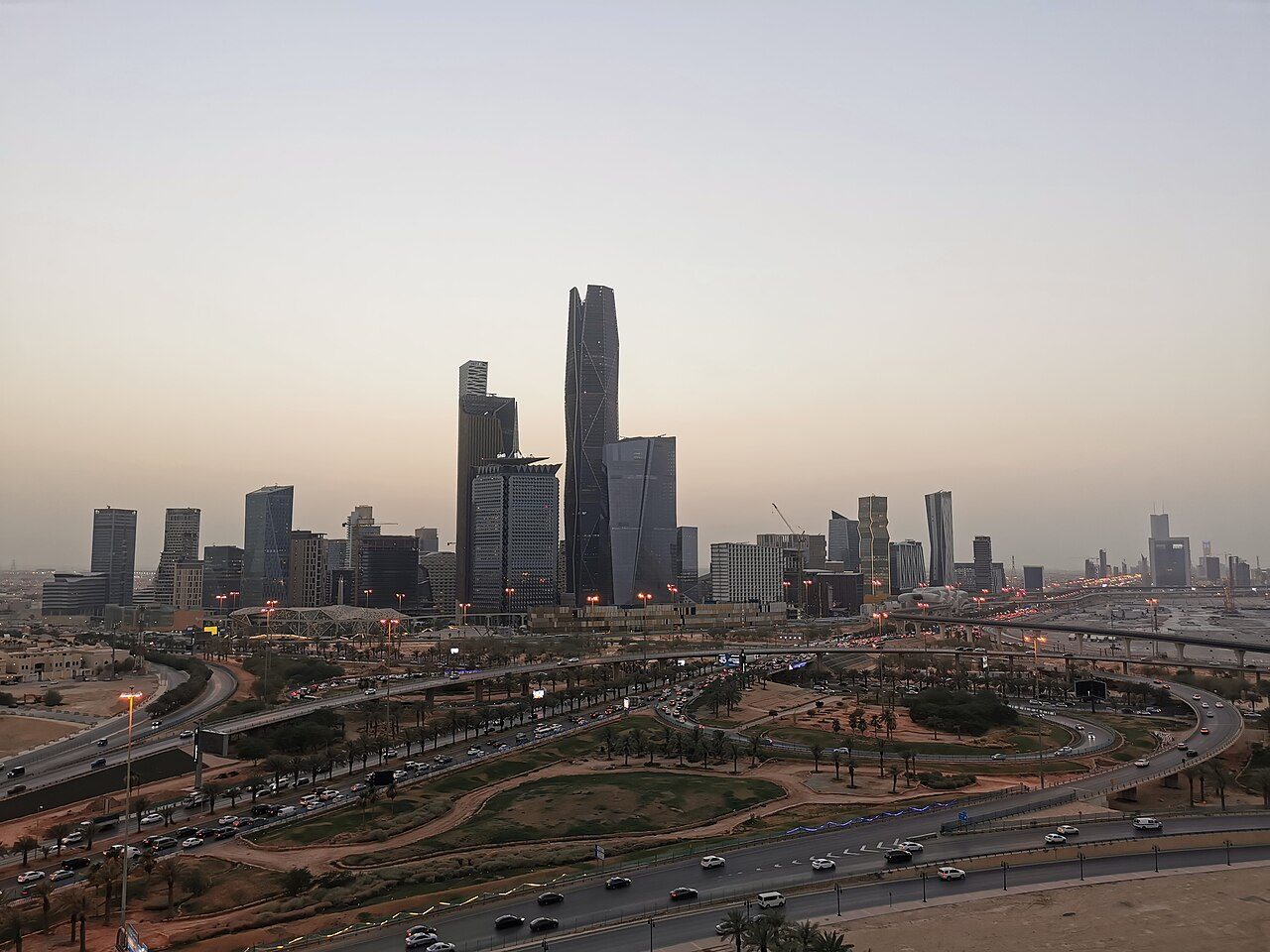
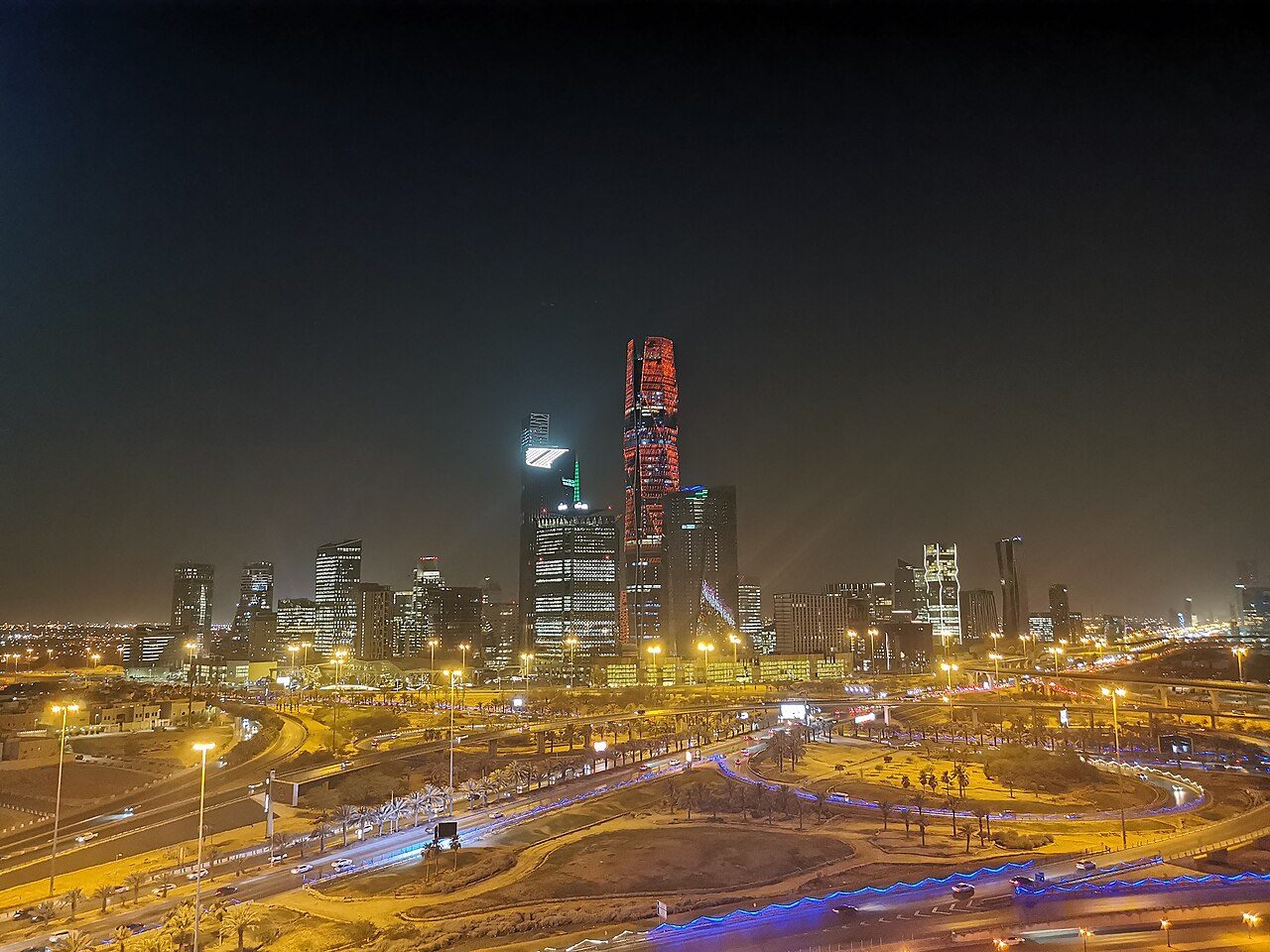
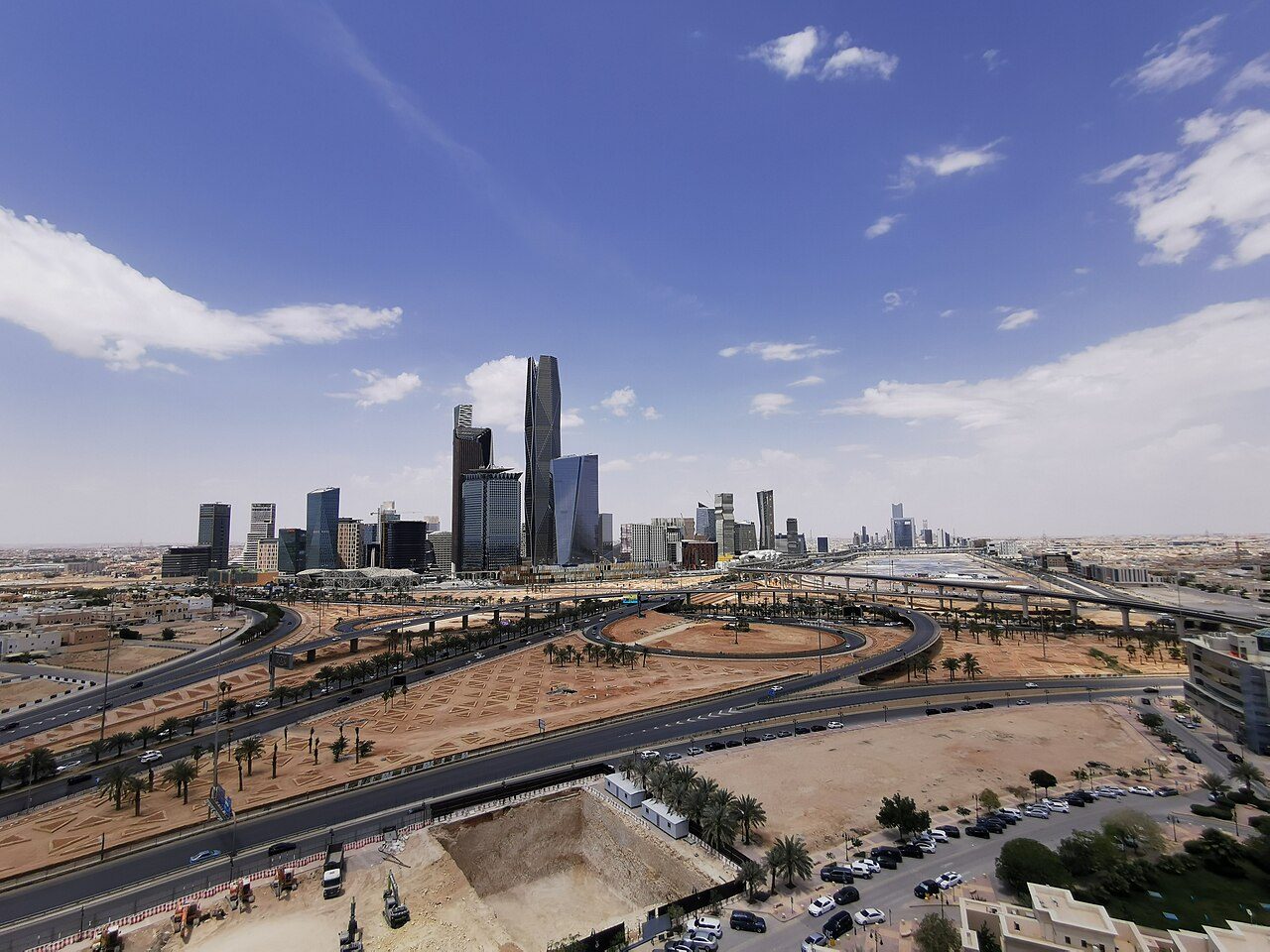
The King Abdullah Financial District is a cluster of more than ninety towers in northern Riyadh, planned as the business centre of the capital. Its angular glass buildings are linked by shaded walkways and climate-controlled skywalks. The district has a metro station designed by Zaha Hadid Architects, a conference centre, restaurants and public squares.
11
STOP 11 OF 11 · LAST STOP
Edge of the World
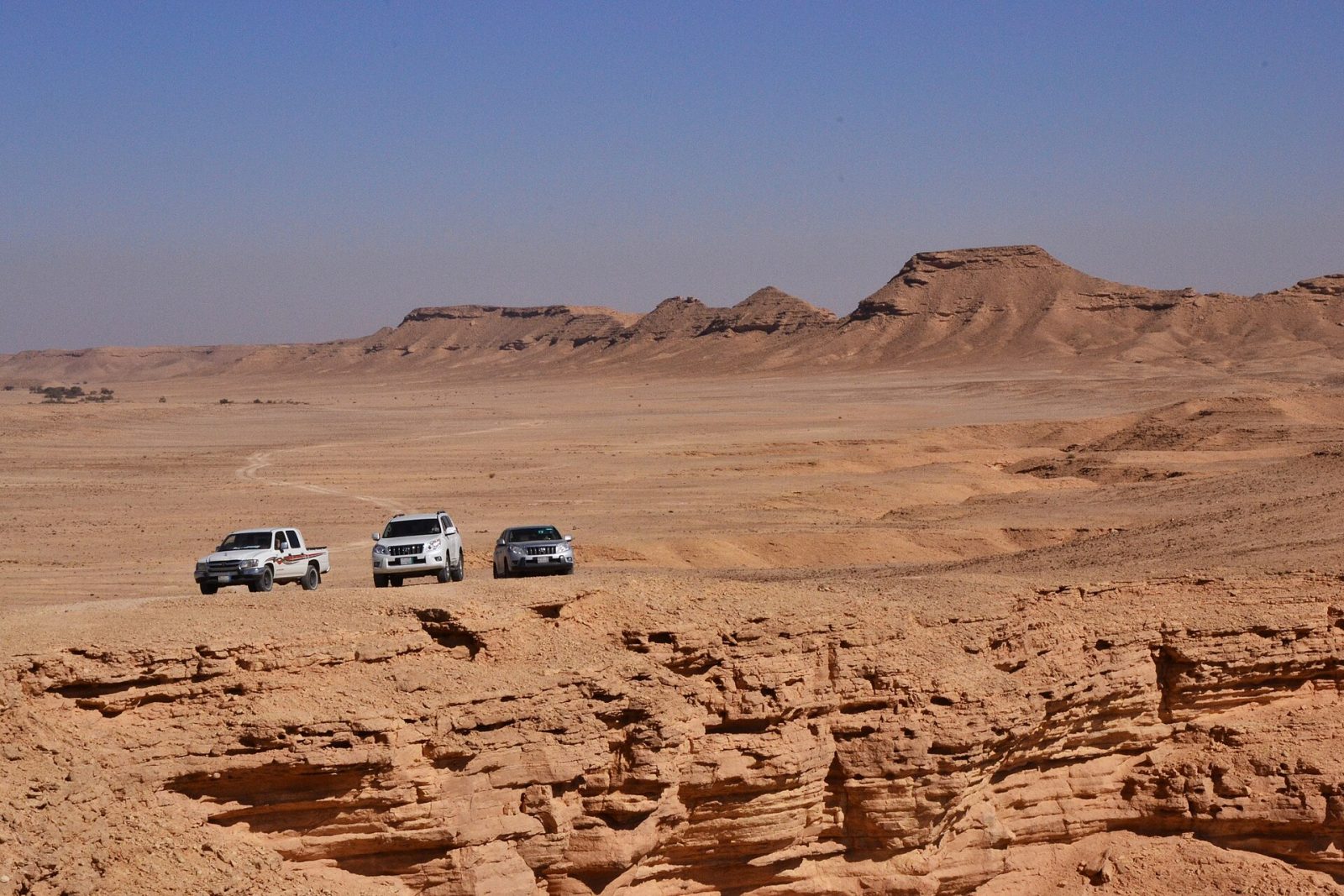
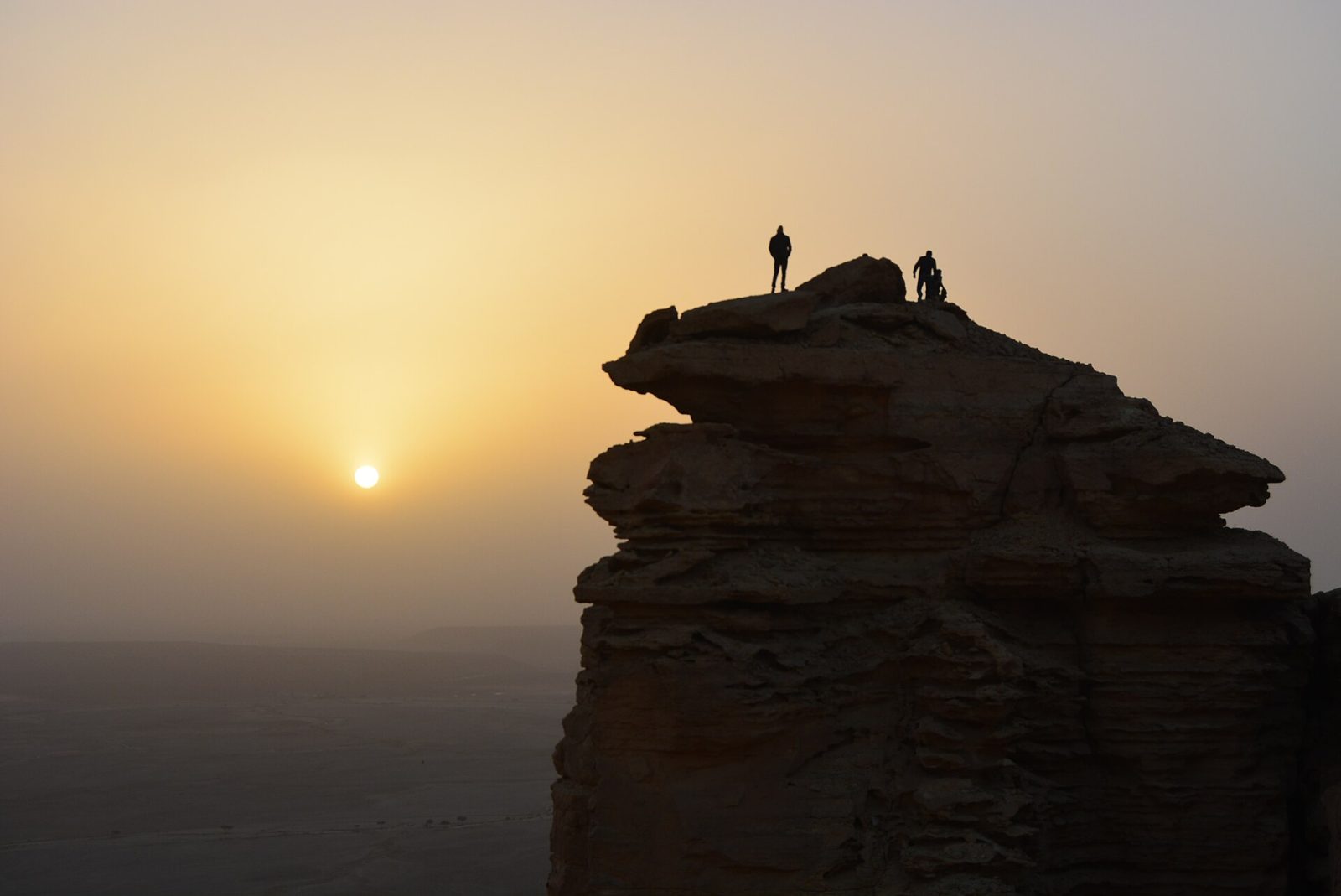
About 90 km northwest of Riyadh the Tuwaiq escarpment breaks off in a sheer cliff, and from the top the desert floor stretches to the horizon with nothing in between, which is how the place got its name. The rock here is ancient seabed, and fossils of shells and coral can be found in the layers, a reminder that this desert was once under water. Old caravan routes passed along the valley below on their way to the Gulf. Getting there needs a four-wheel drive over rough desert track, and most visitors go with a tour or a local guide. Go for sunset, carry water, and stay back from the unfenced edge.
Seasons from 20 years of NASA POWER climate data.
 WaTrips