A'arif Fort and Qishlah Palace, the rock art of Jubbah, then Za'abal and Marid castles, the Omar Mosque and the Rajajil columns.
The north of Saudi Arabia is full of ancient history. Day one visits A'arif Fort and the Qishlah Palace in Ha'il. Day two goes to Jubbah, where thousands of years of rock art make up a UNESCO World Heritage Site. Day three drives to Al-Jawf for Za'abal and Marid castles, the old Omar ibn al-Khattab Mosque and the mysterious standing stones of Rajajil. October to April is best.
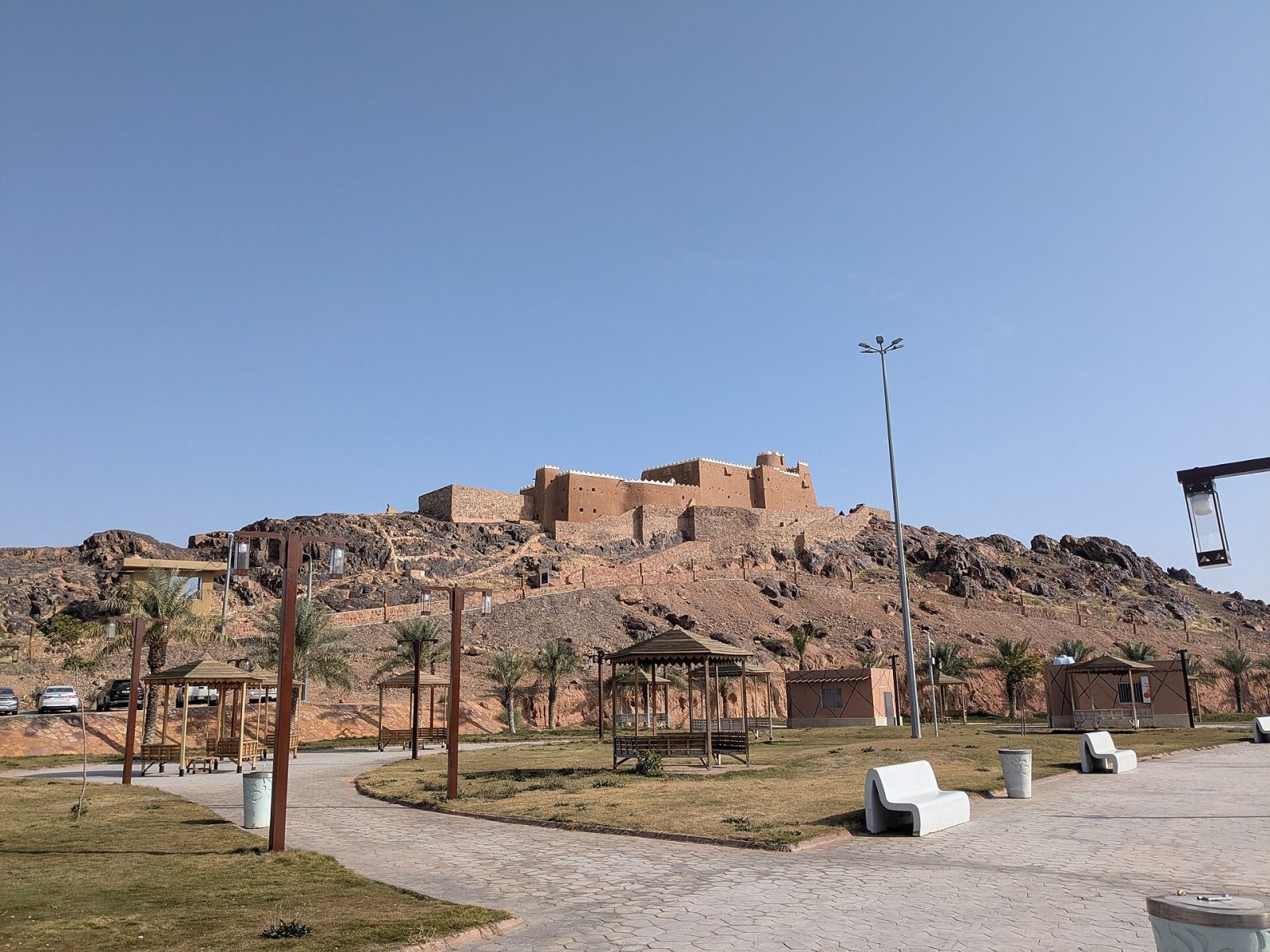
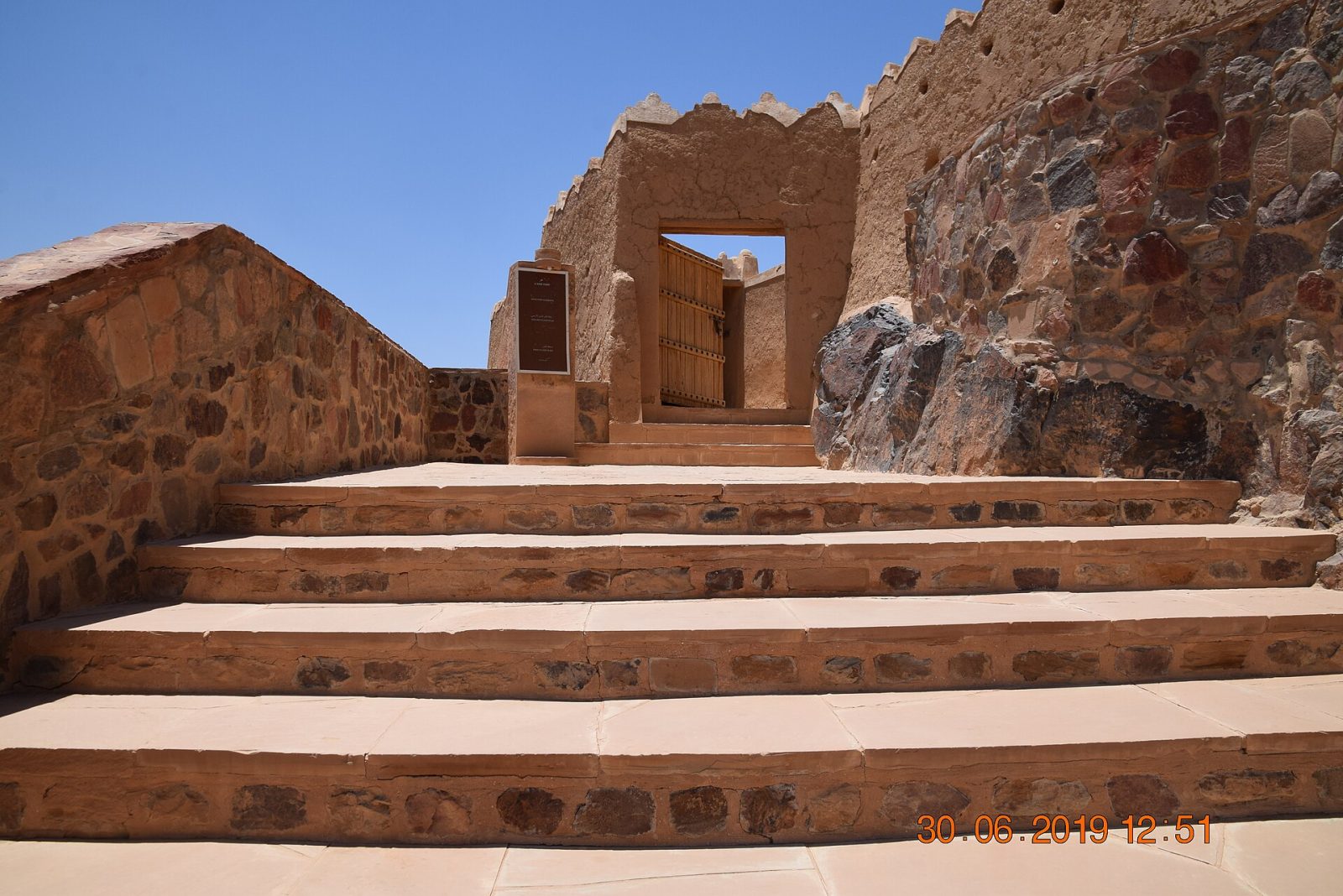
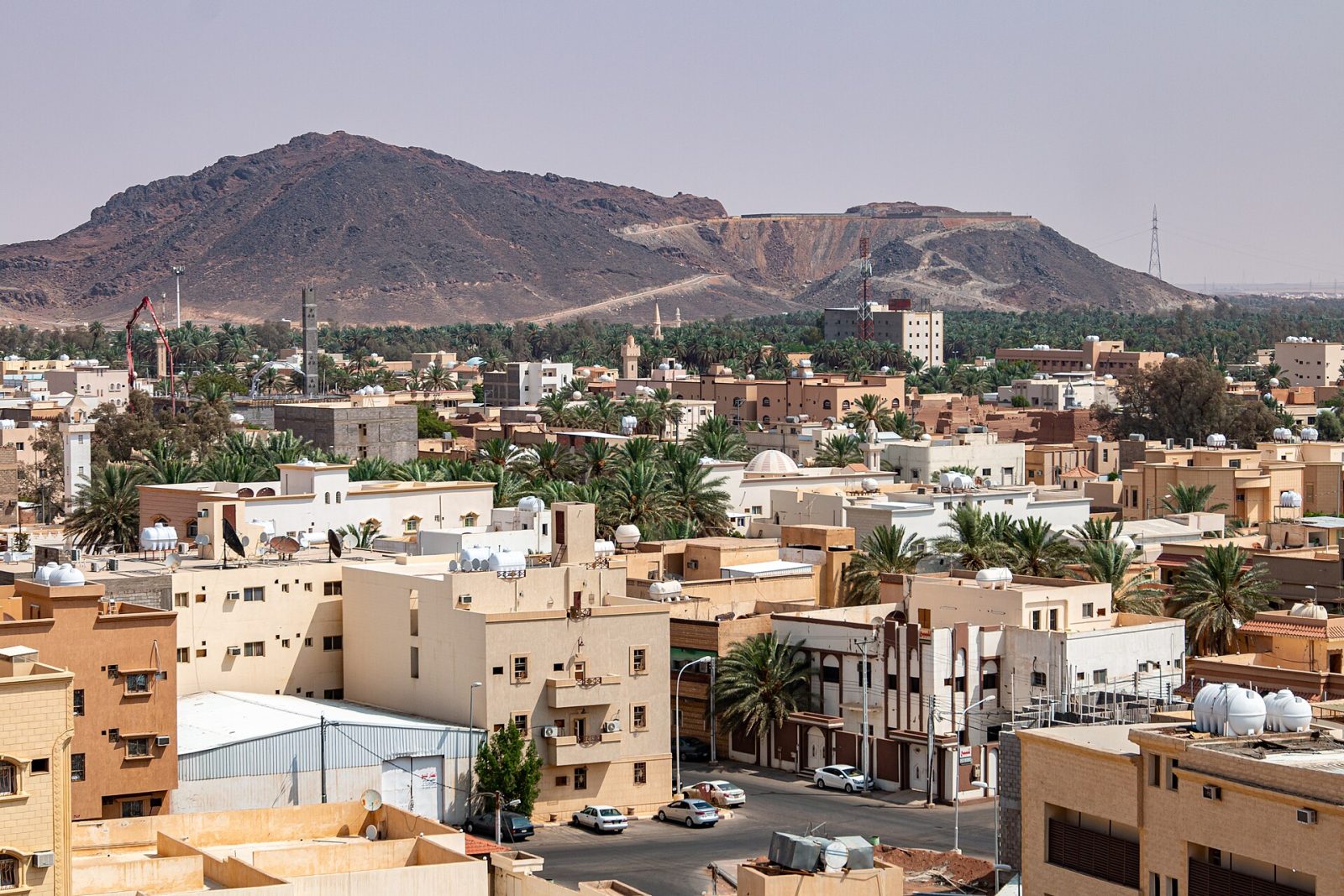
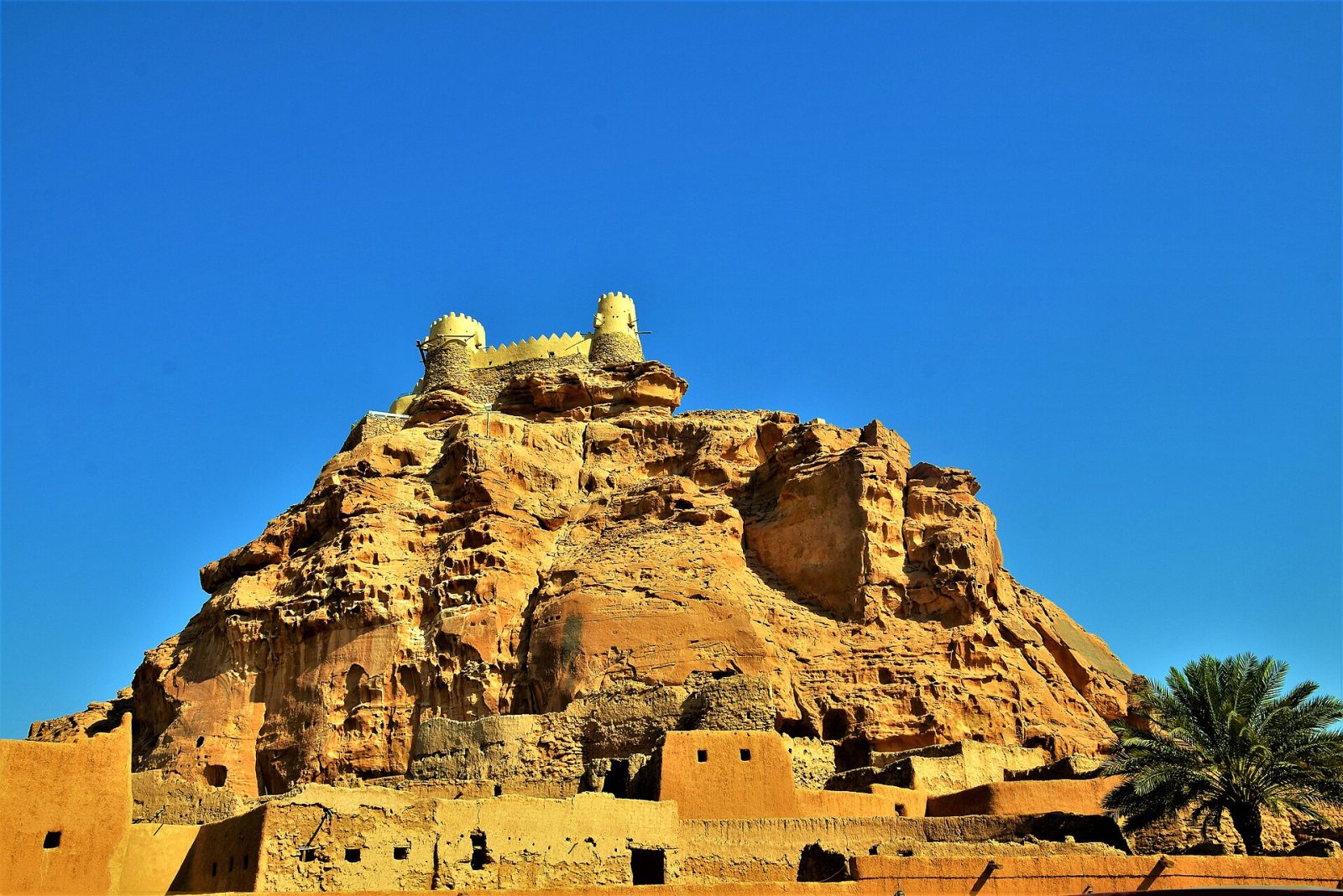
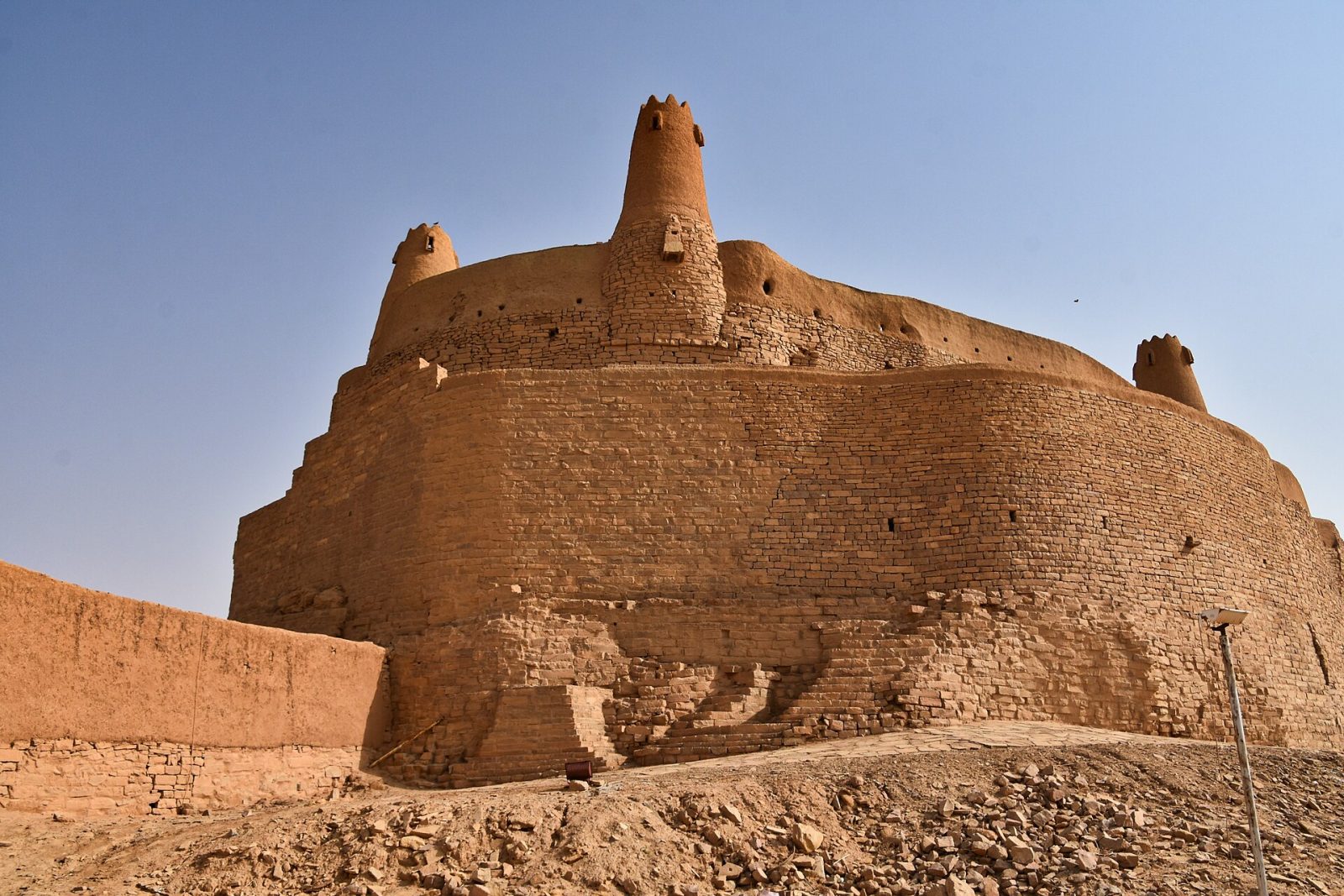
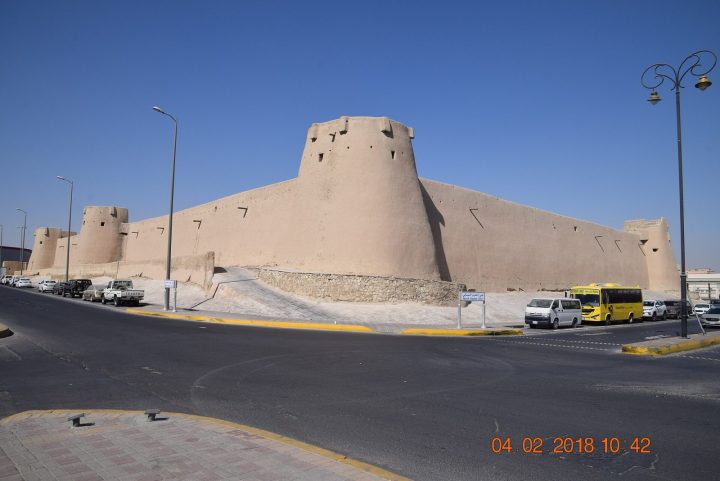
A'arif Fort sits on a rocky hill above Ha'il and has watched over the town for some two hundred years. It was part of the defences of the Rashidi rulers, who governed much of northern Arabia from Ha'il in the 19th century before the Al Saud took the city in 1921. The fort has a mosque, watchtowers, storage rooms and a large courtyard, and a cannon was once fired from here to mark sunset in Ramadan. The climb up the steps is short and the reward is a view across the whole oasis city to the Aja mountains. It is floodlit at night and free to enter.
02
STOP 2 OF 7
Qishlah Palace
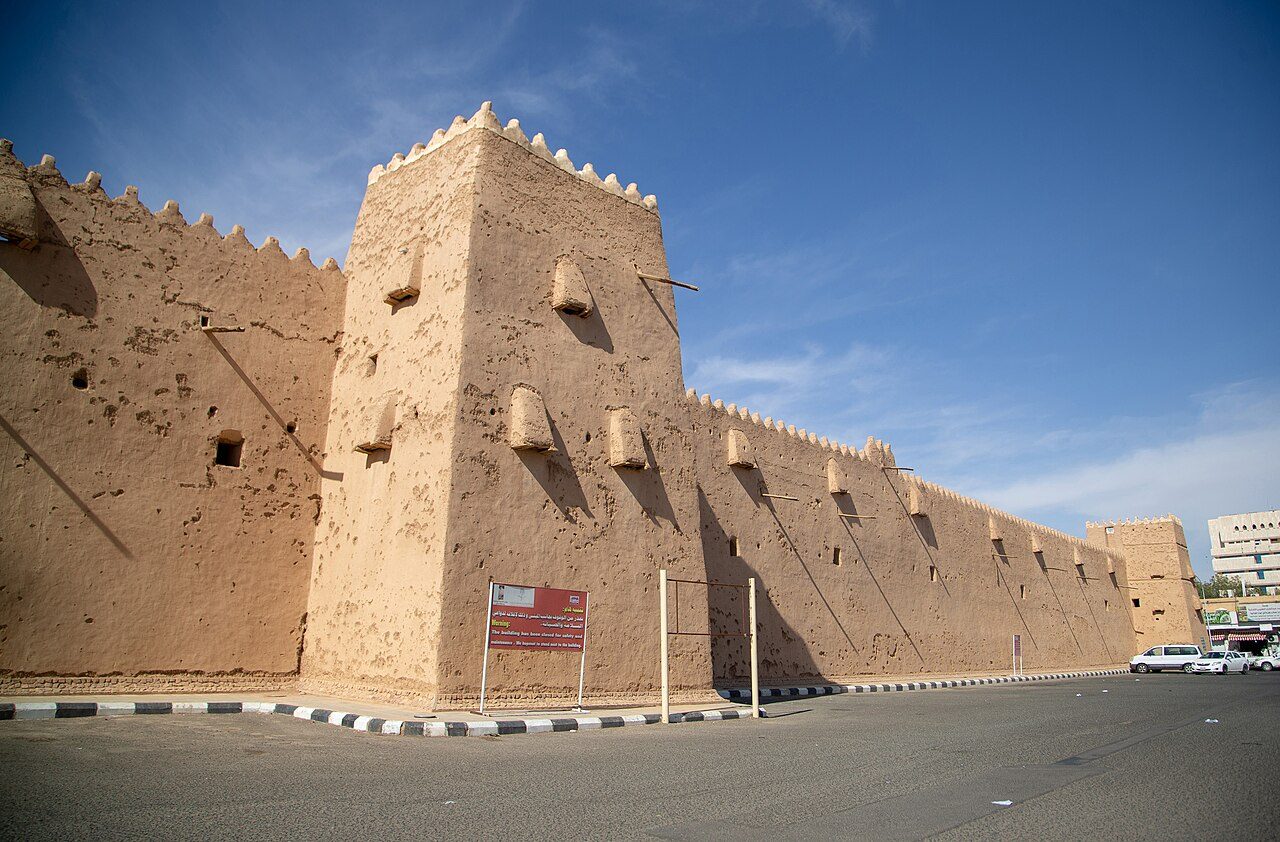
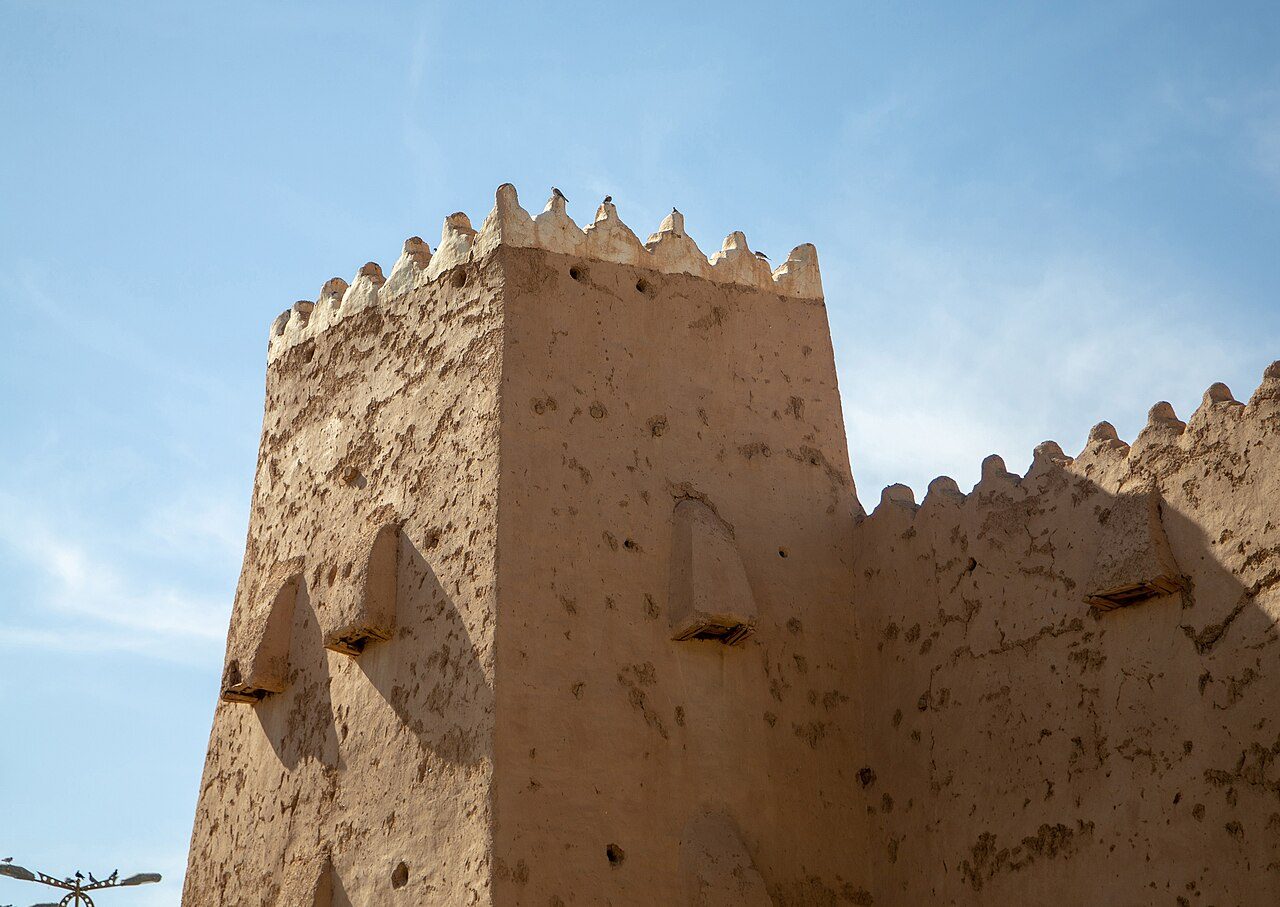
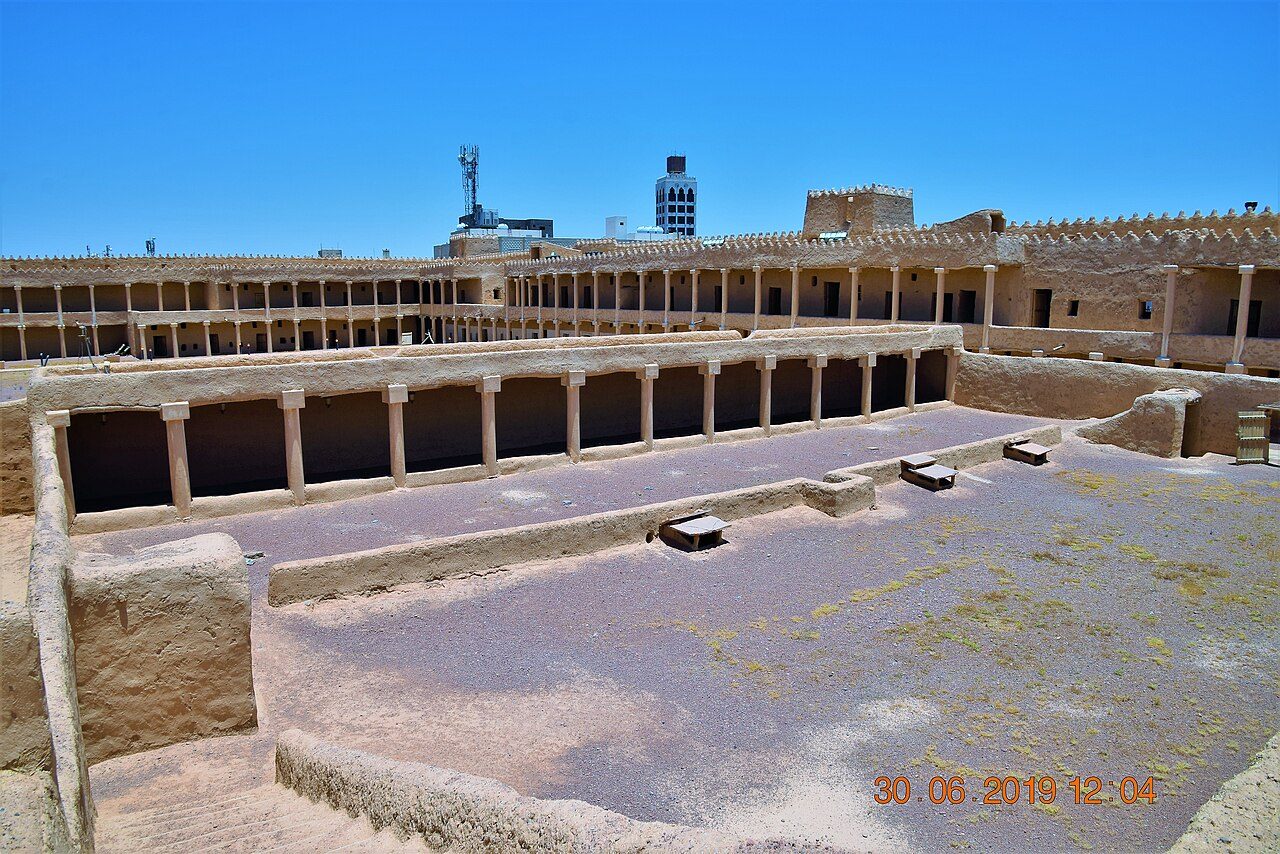
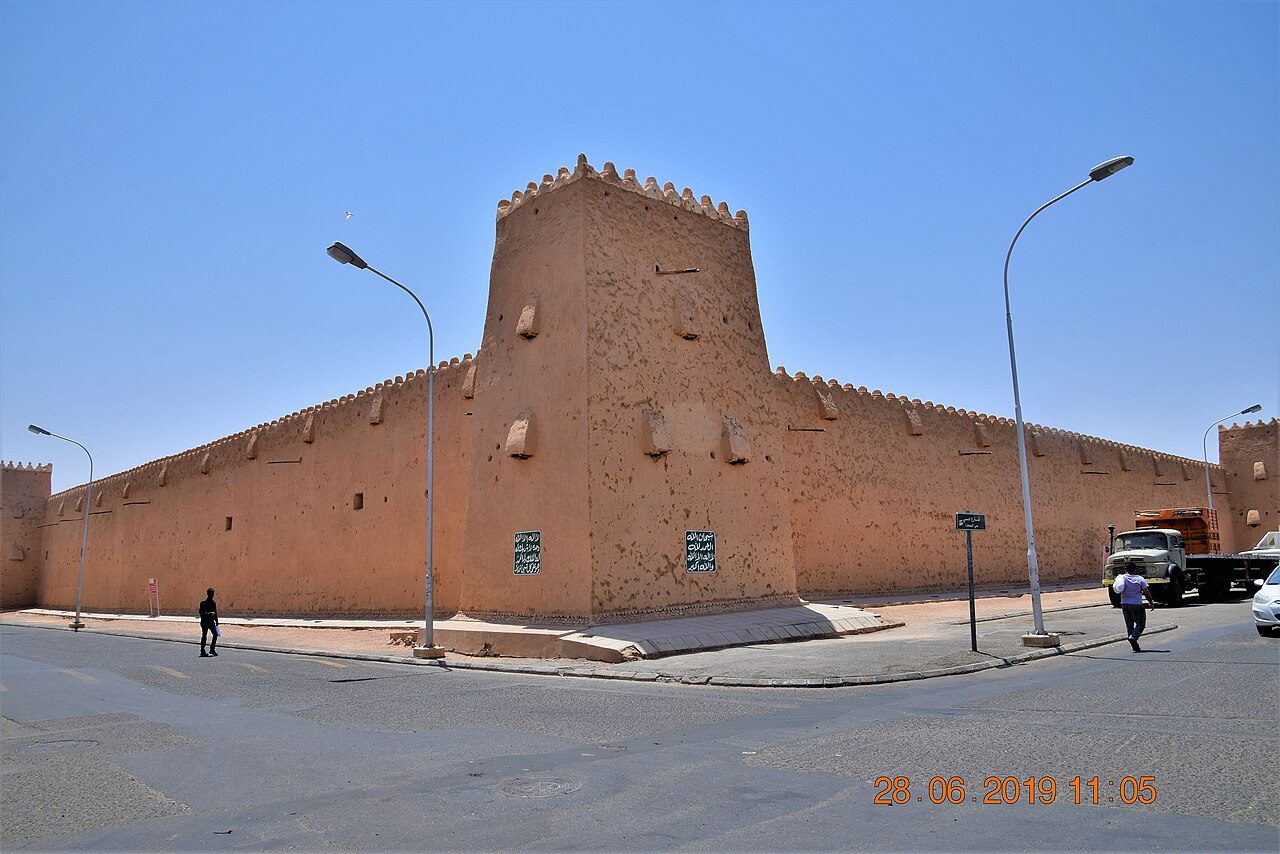
Qishlah Palace stands in the centre of Ha'il. It was built in the 1940s as a barracks for the army under Prince Abdulaziz bin Musaad, governor of the region. The two-storey mud-brick building is about 140 metres long, with eight watchtowers and a huge courtyard lined with arcades. It has been restored as a heritage site.
03
STOP 3 OF 7
Jubbah Rock Art
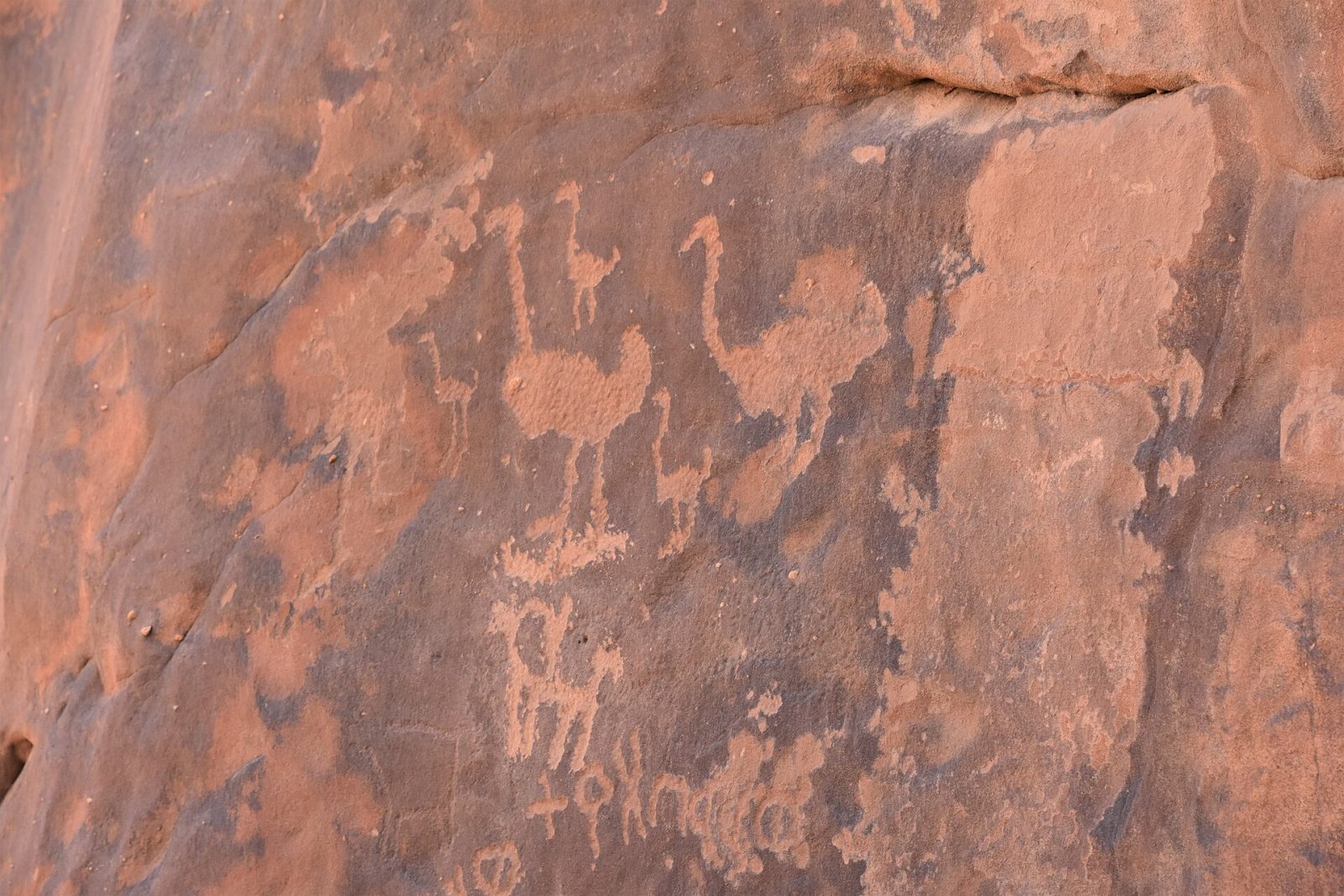
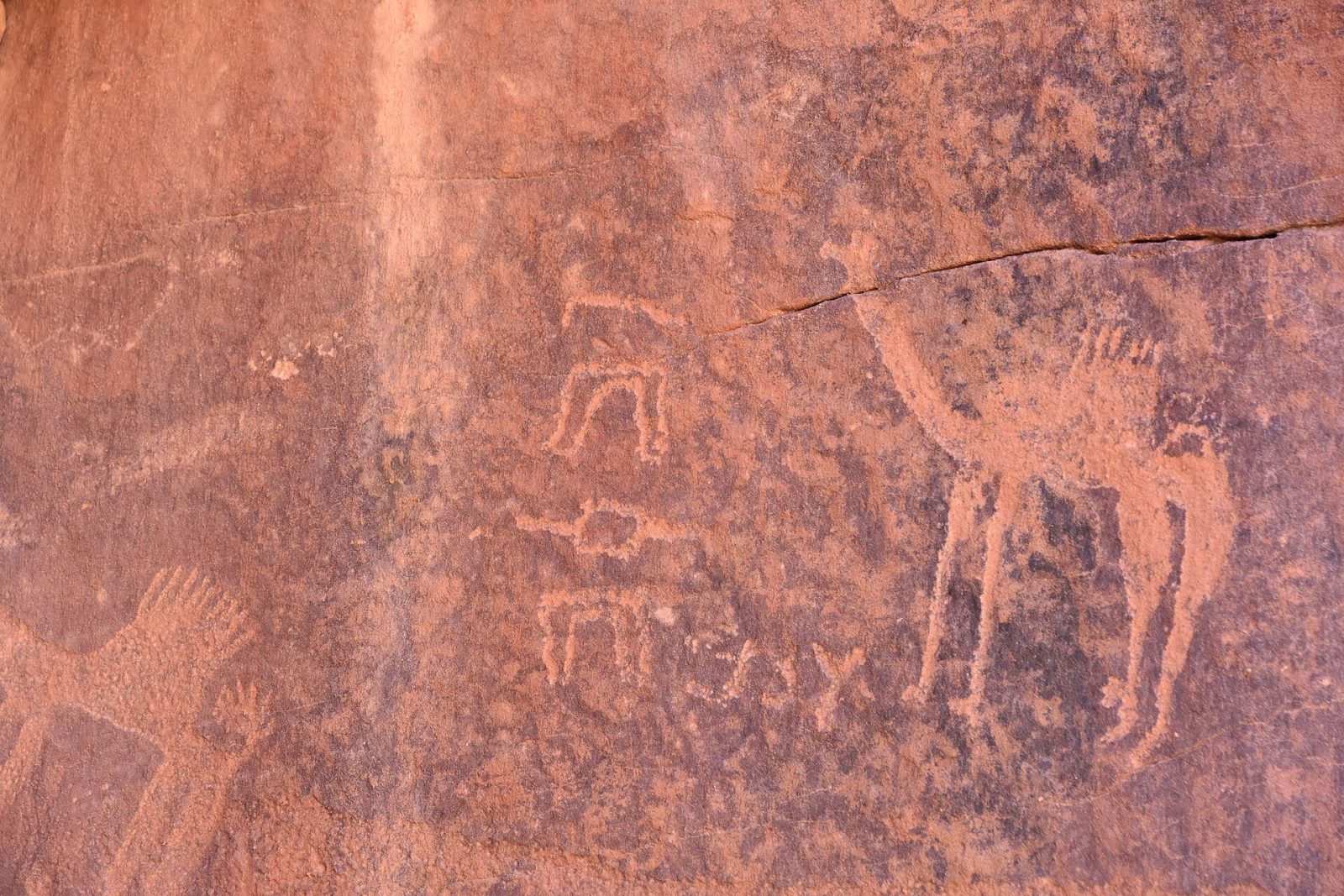
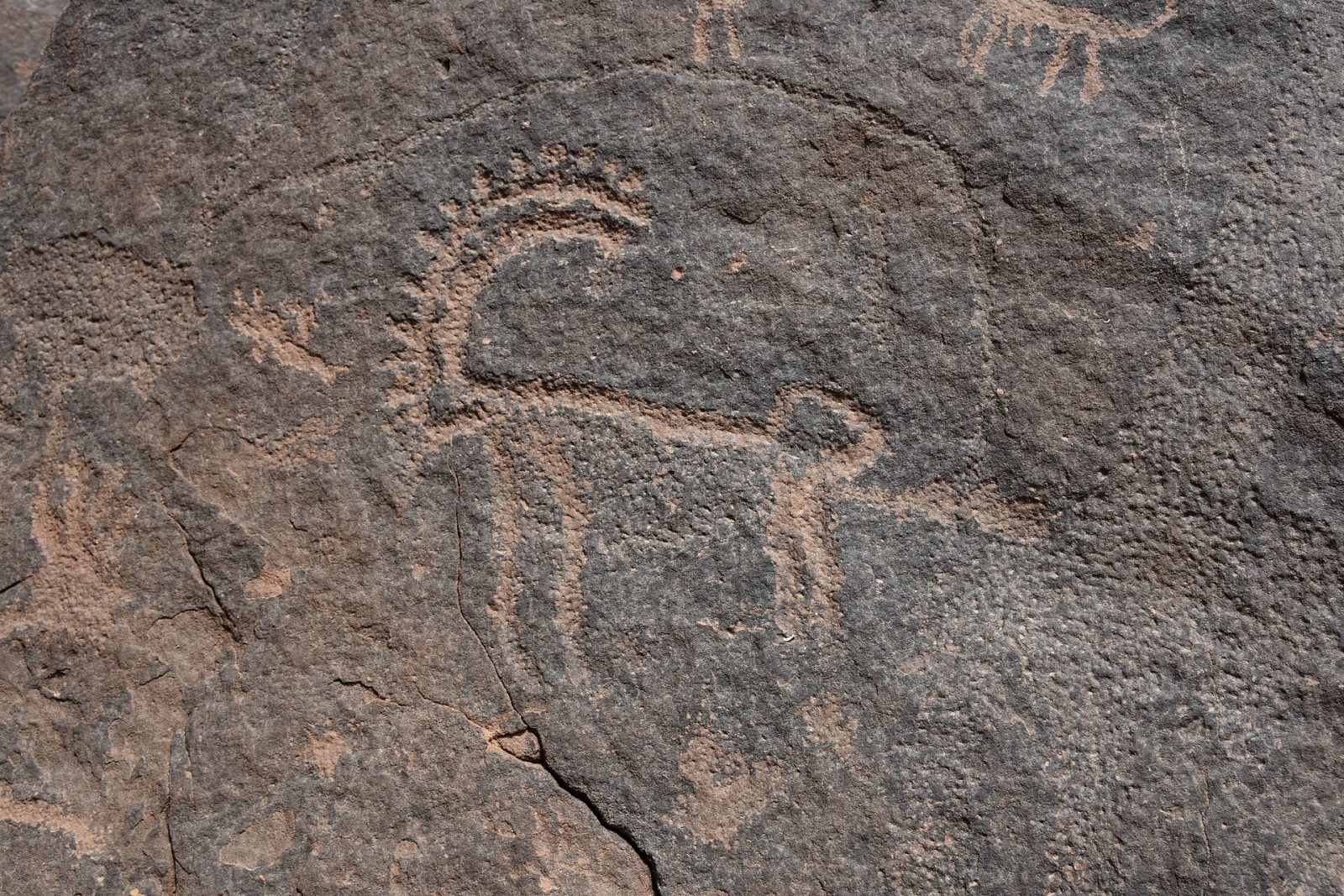
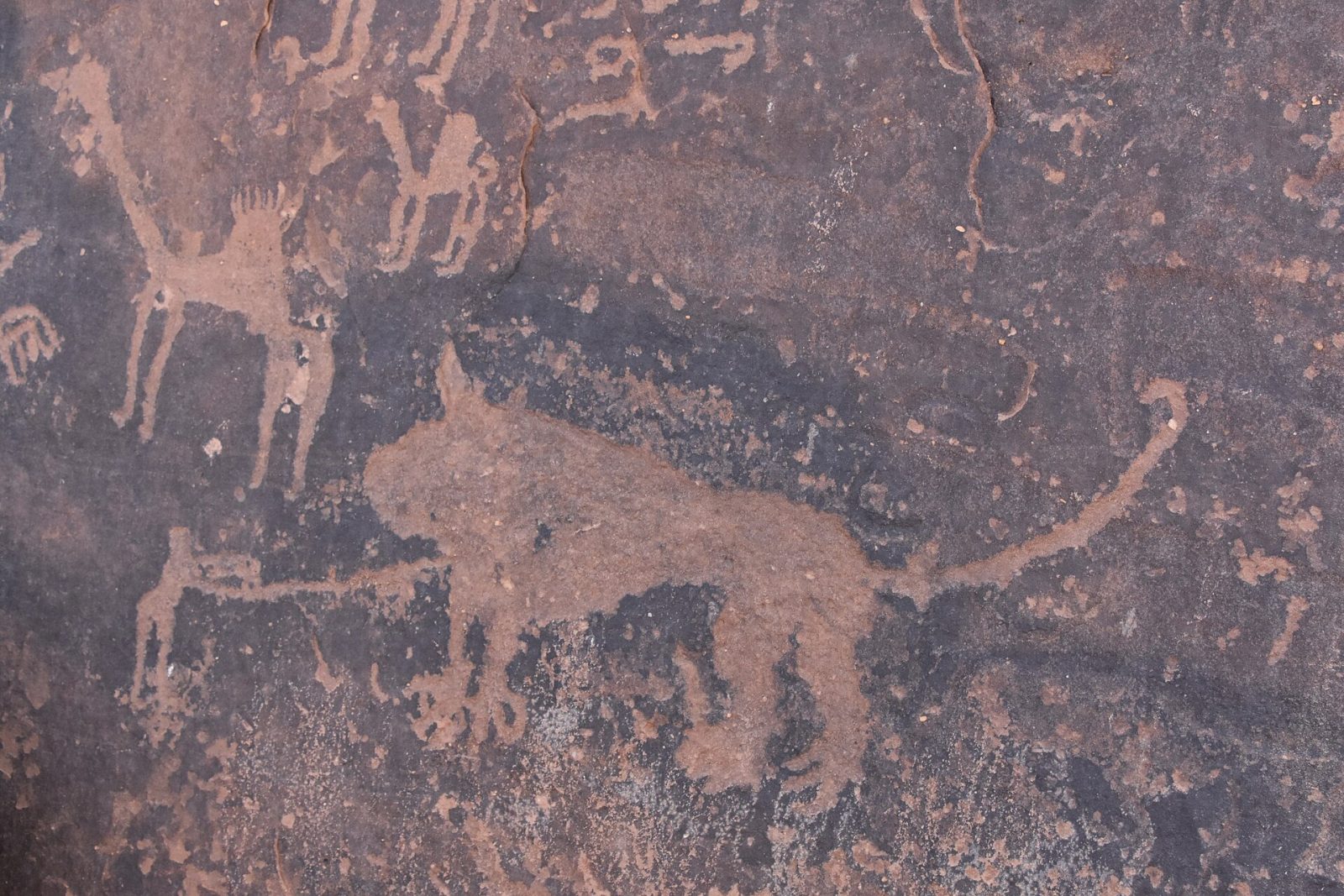
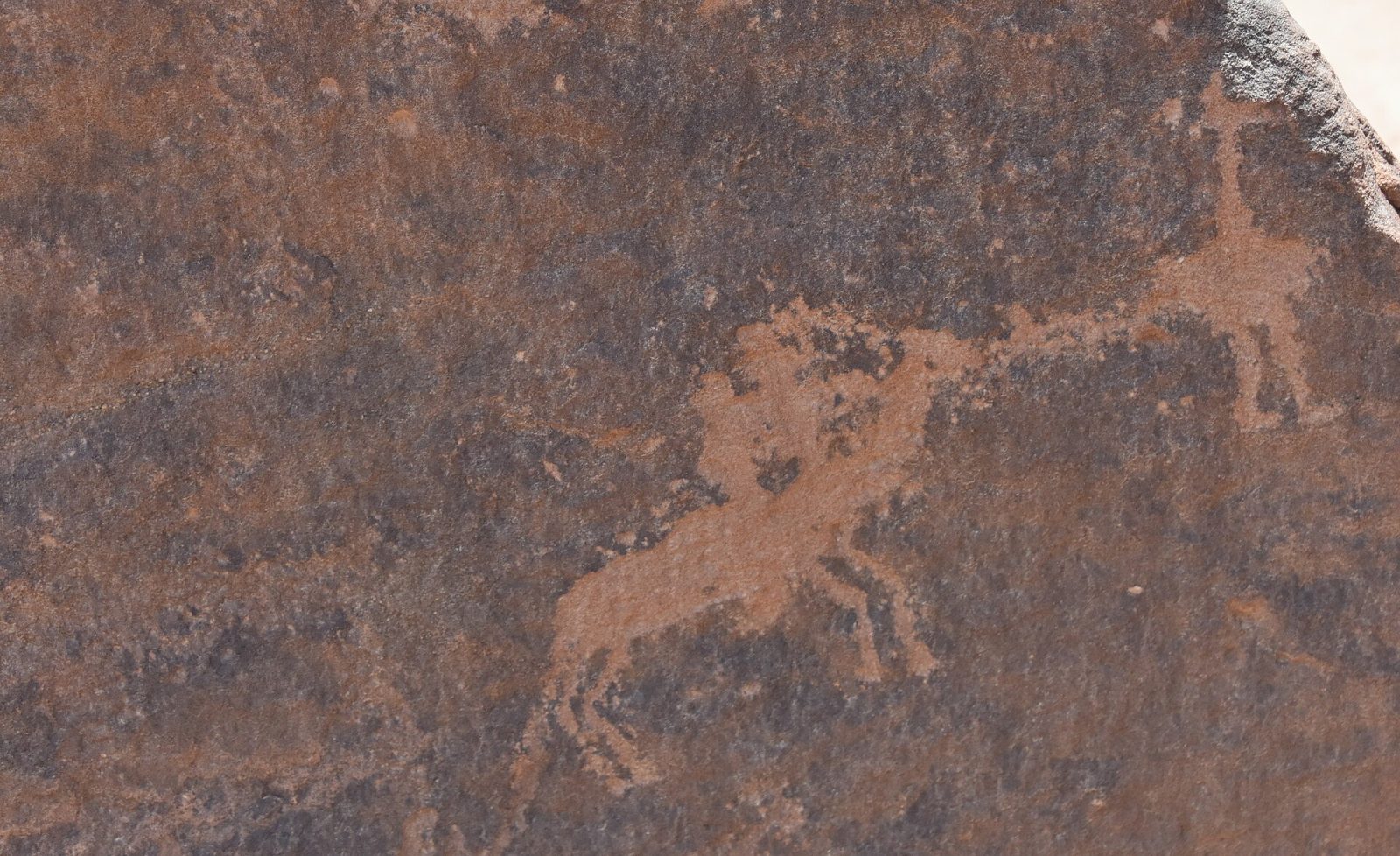
At Jubbah, about 90 km northwest of Ha'il, sandstone outcrops rise from the Nefud desert covered with thousands of carvings made over the last ten thousand years. They show human figures, ibex, ostriches, cattle and camels, together with early Arabian inscriptions, and they record a time when a lake stood here and the desert was grassland. Together with the site at Shuwaymis, Jubbah was inscribed as a UNESCO World Heritage Site in 2015. Walkways lead around the main rocks, and the carvings are clearest in the low light of morning or late afternoon. Ha'il city, with its forts and museum, is the usual base.
04
STOP 4 OF 7
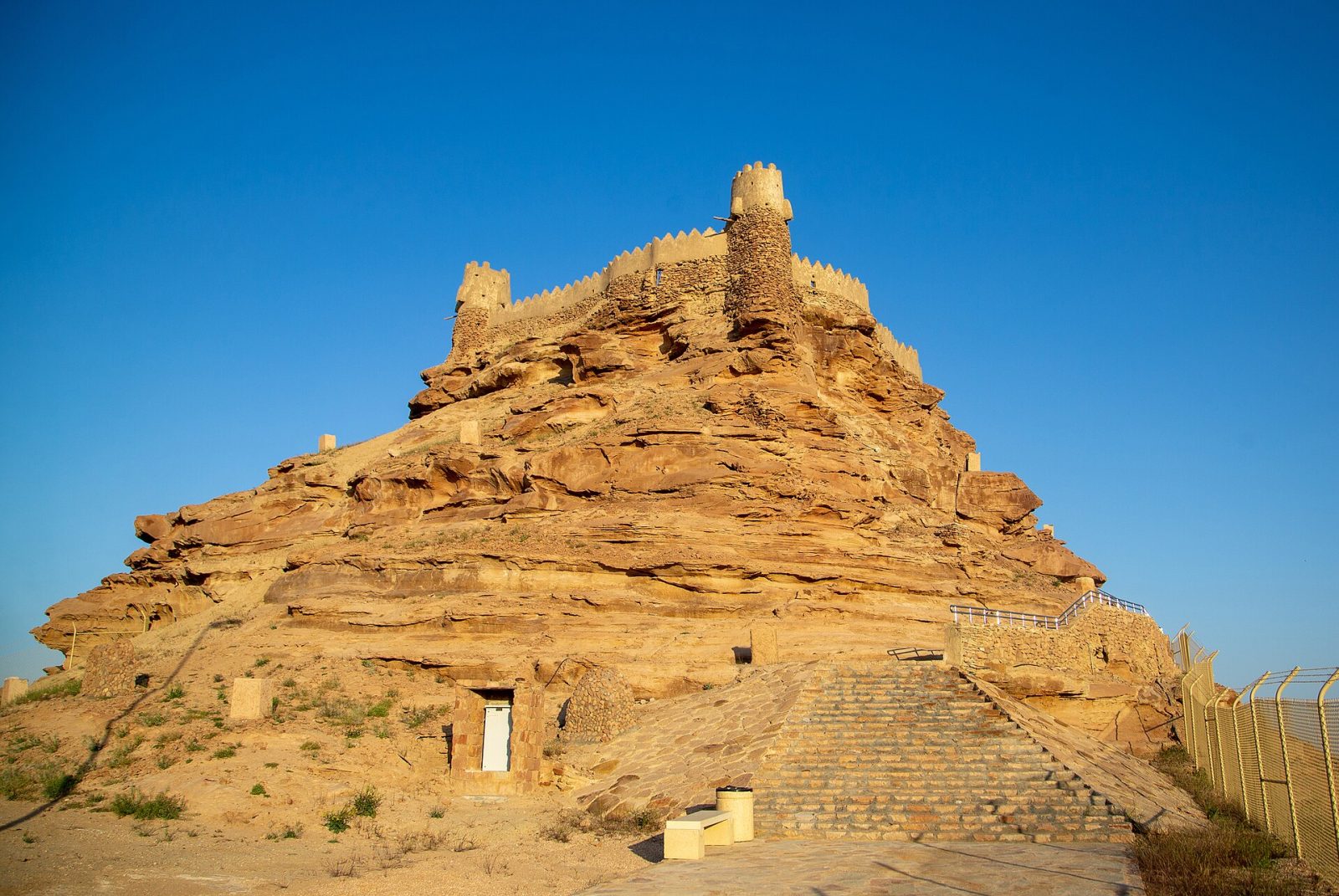
Za'abal Castle
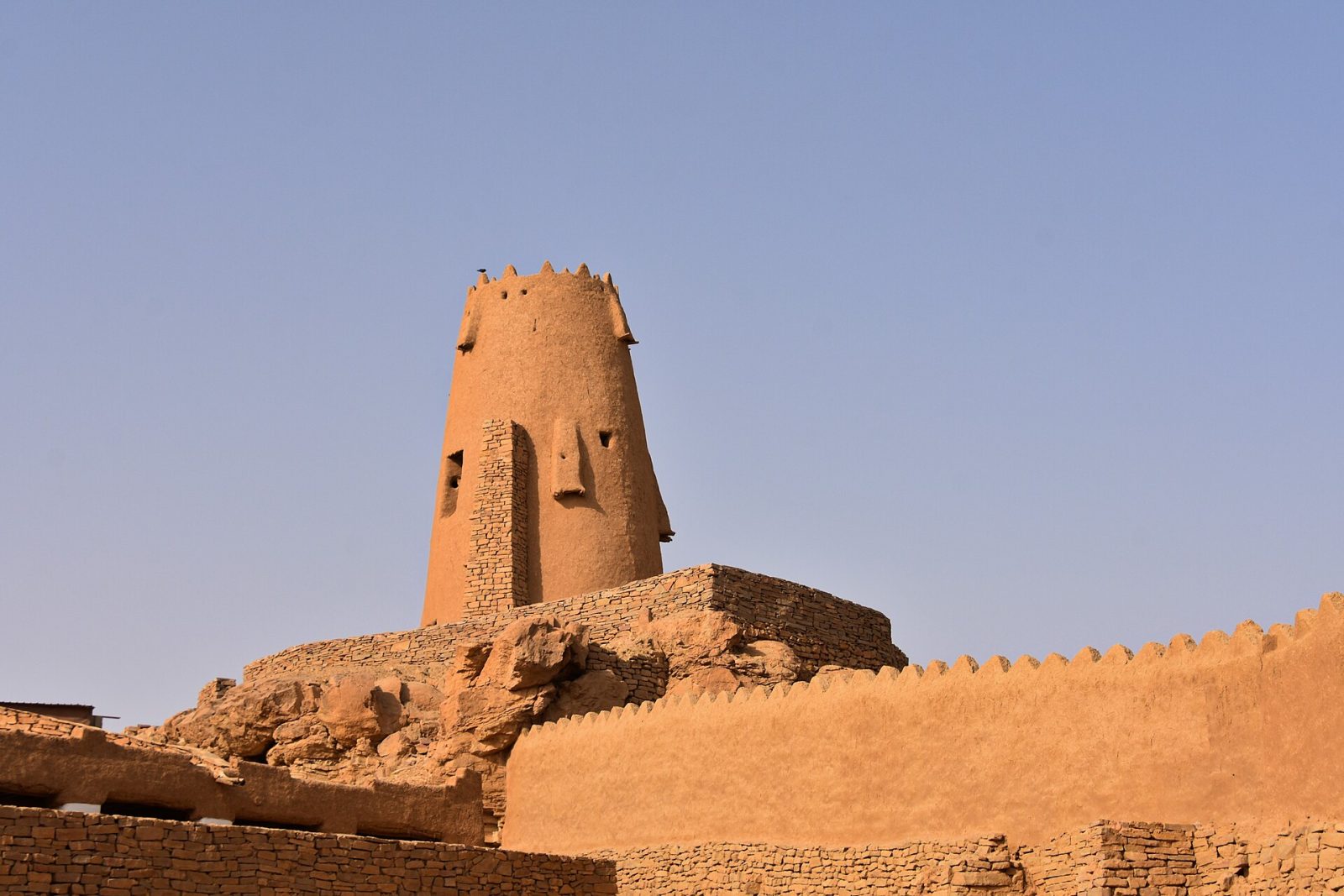
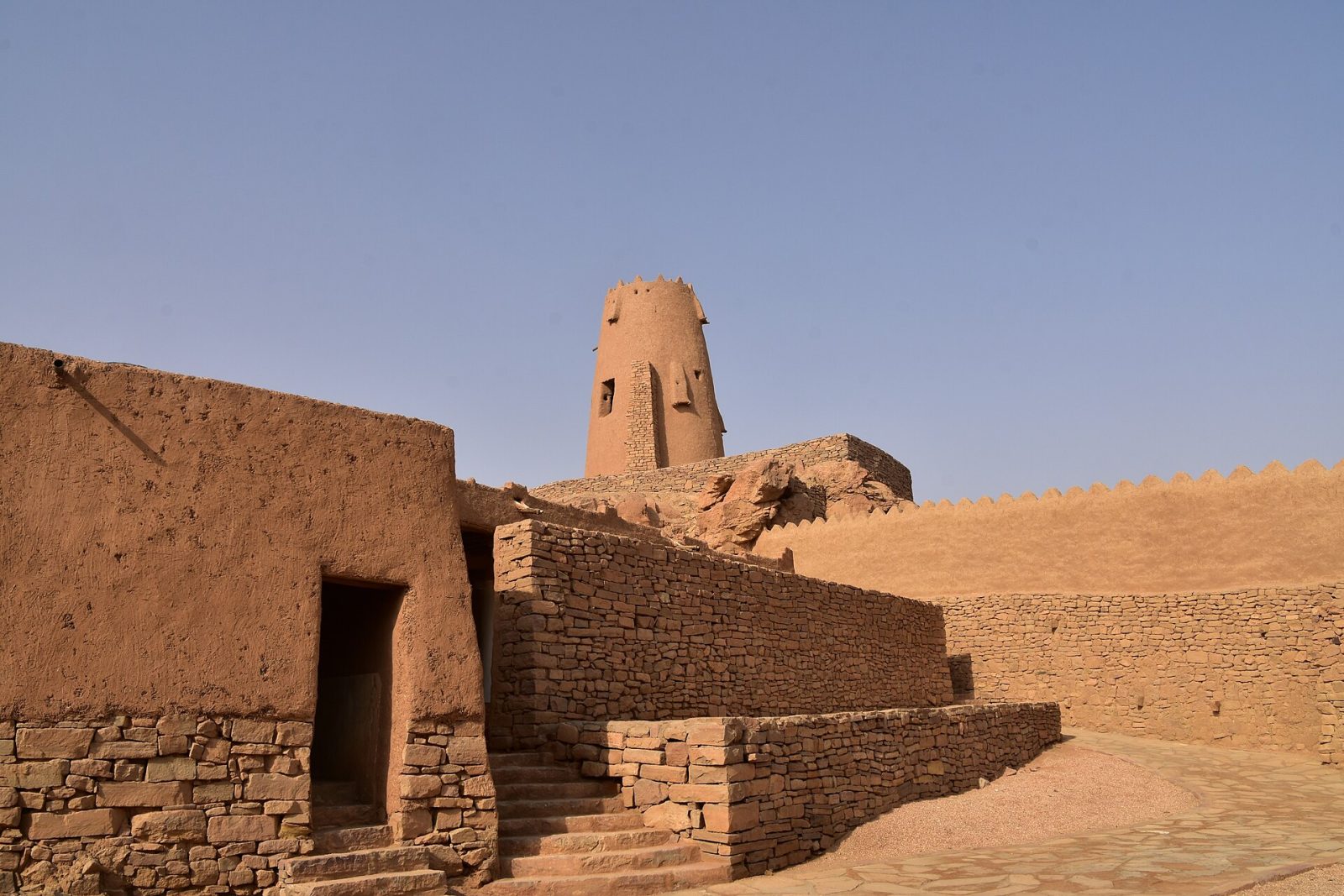
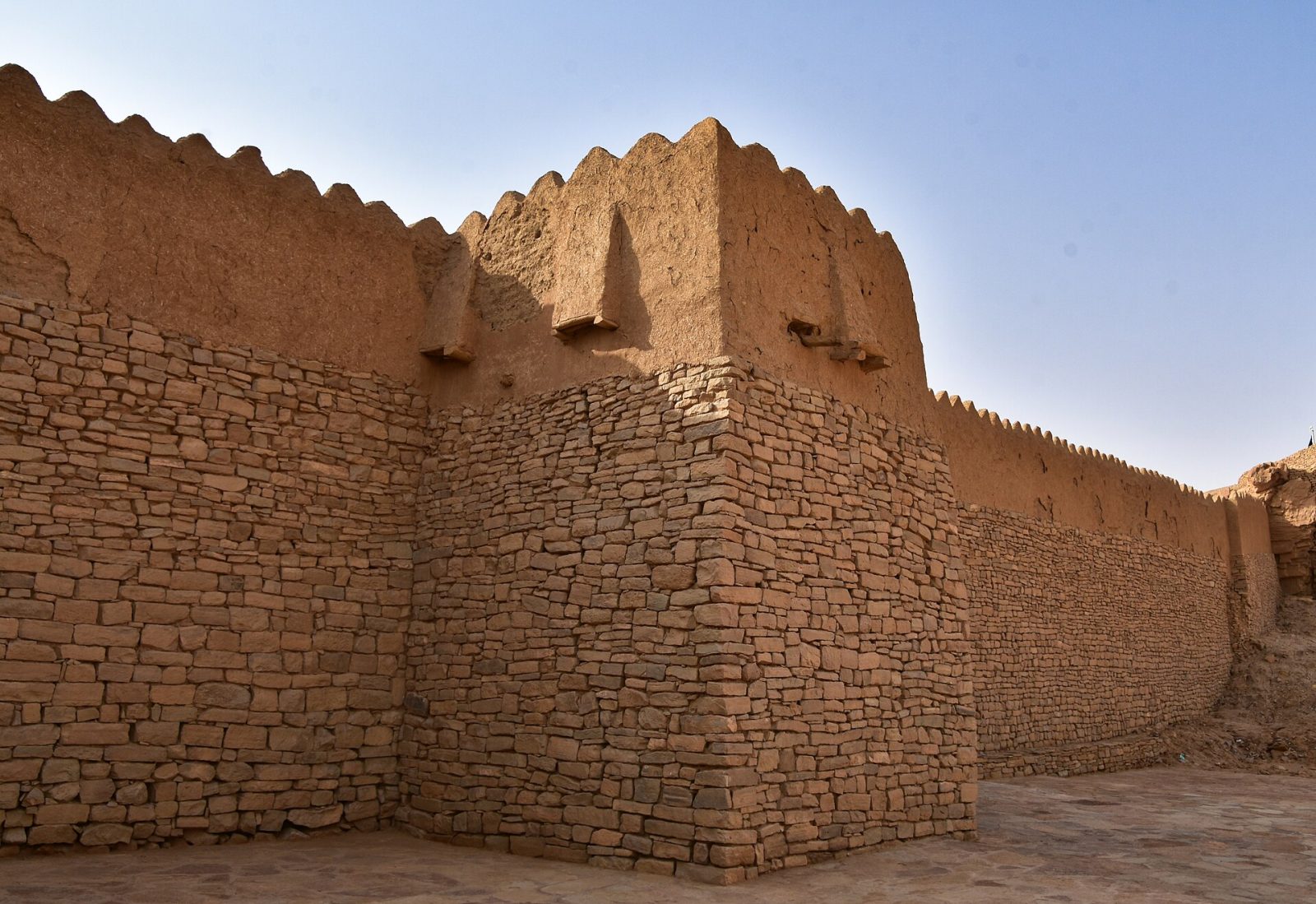
Za'abal Castle stands on a hill of rock above Sakaka in Al-Jawf, built of stone and mud with four towers and walls that follow the shape of the outcrop. Parts of the structure are thought to be very old, with later rebuilding in the 19th century, and it was used to watch the desert approaches to the oasis. Beside it are rock-cut wells and the Za'abal pond that once supplied the town. Nearby stand the Al-Rajajil standing stones, a prehistoric site sometimes called the Stonehenge of Saudi Arabia. The castle is floodlit in the evening and gives a wide view over Sakaka.
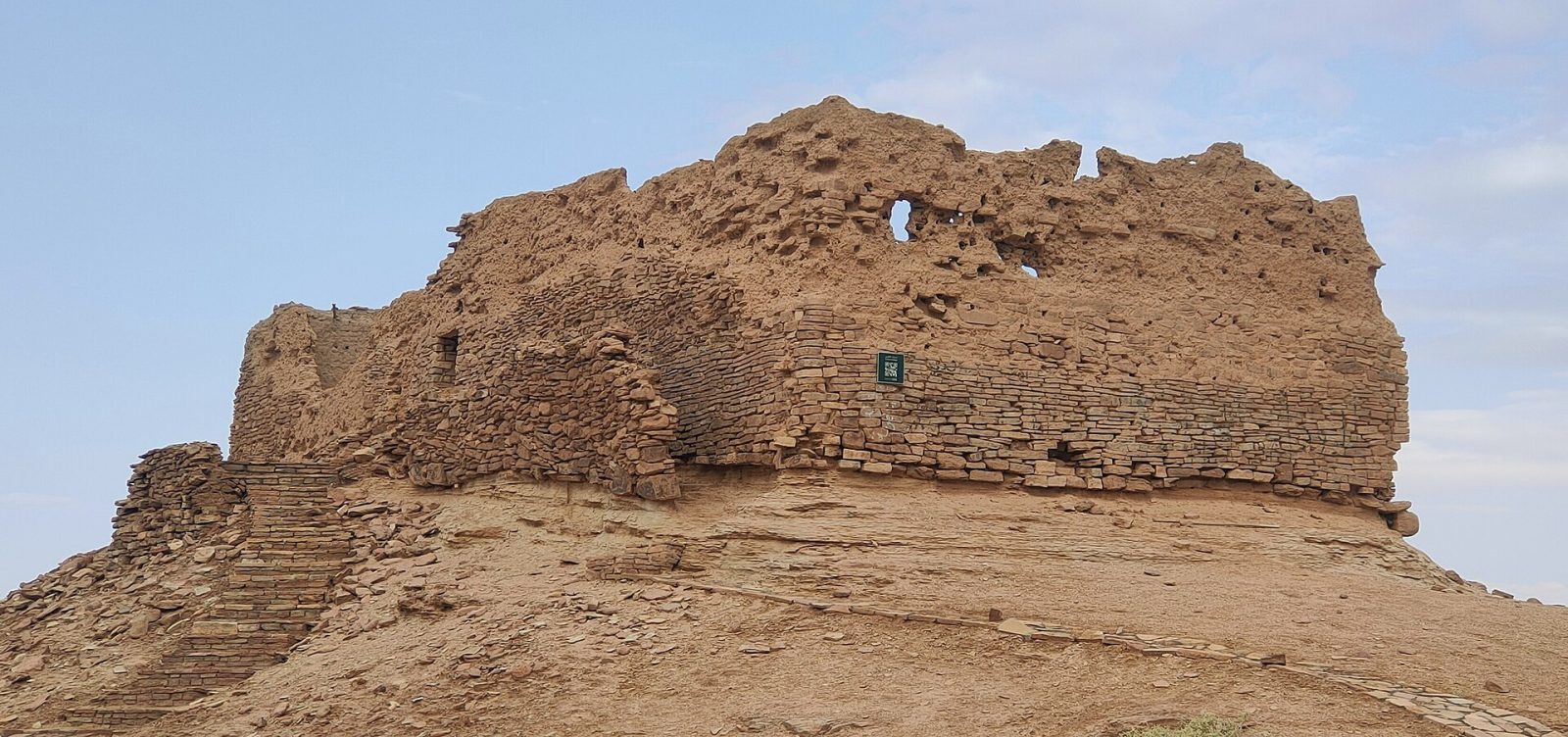
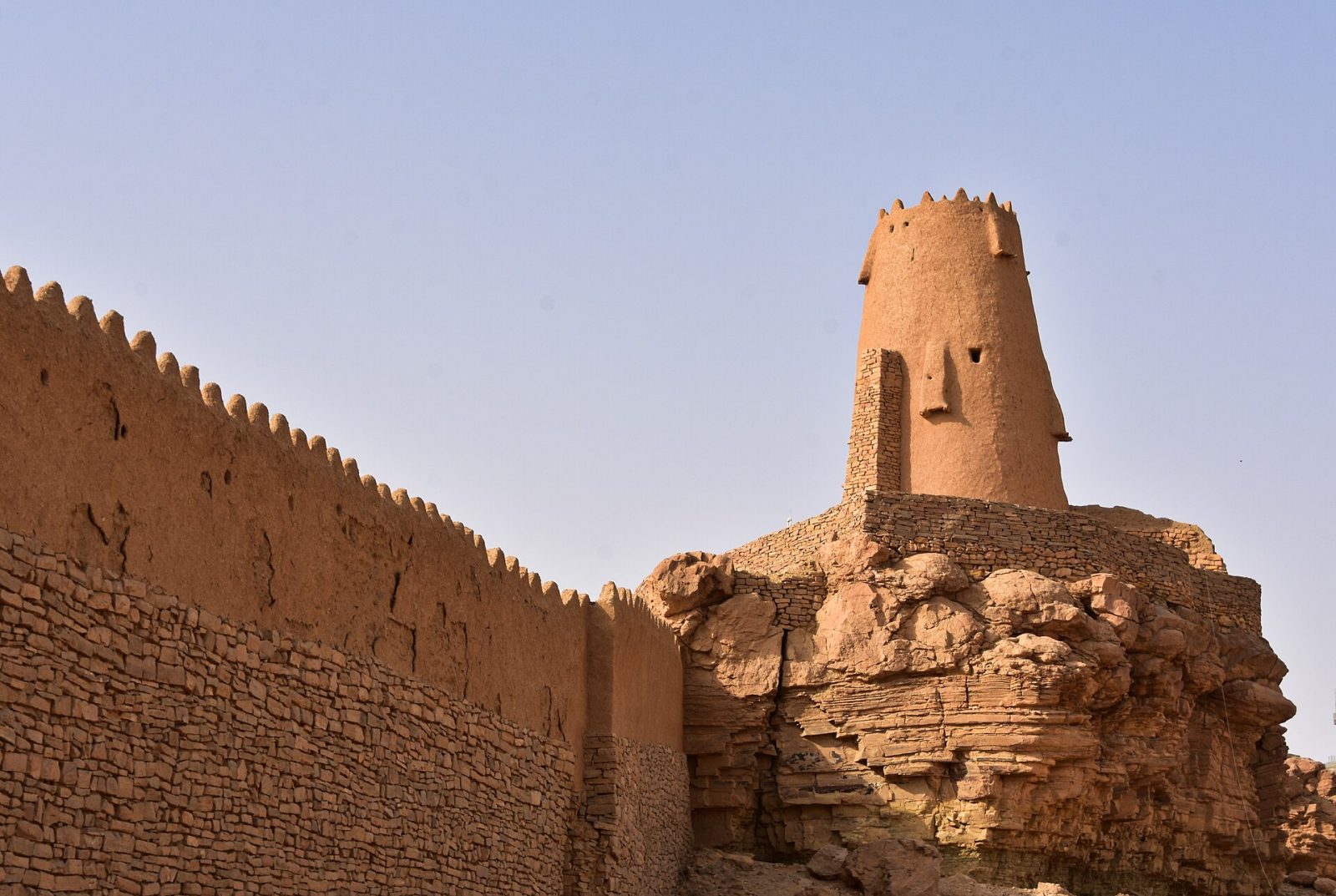
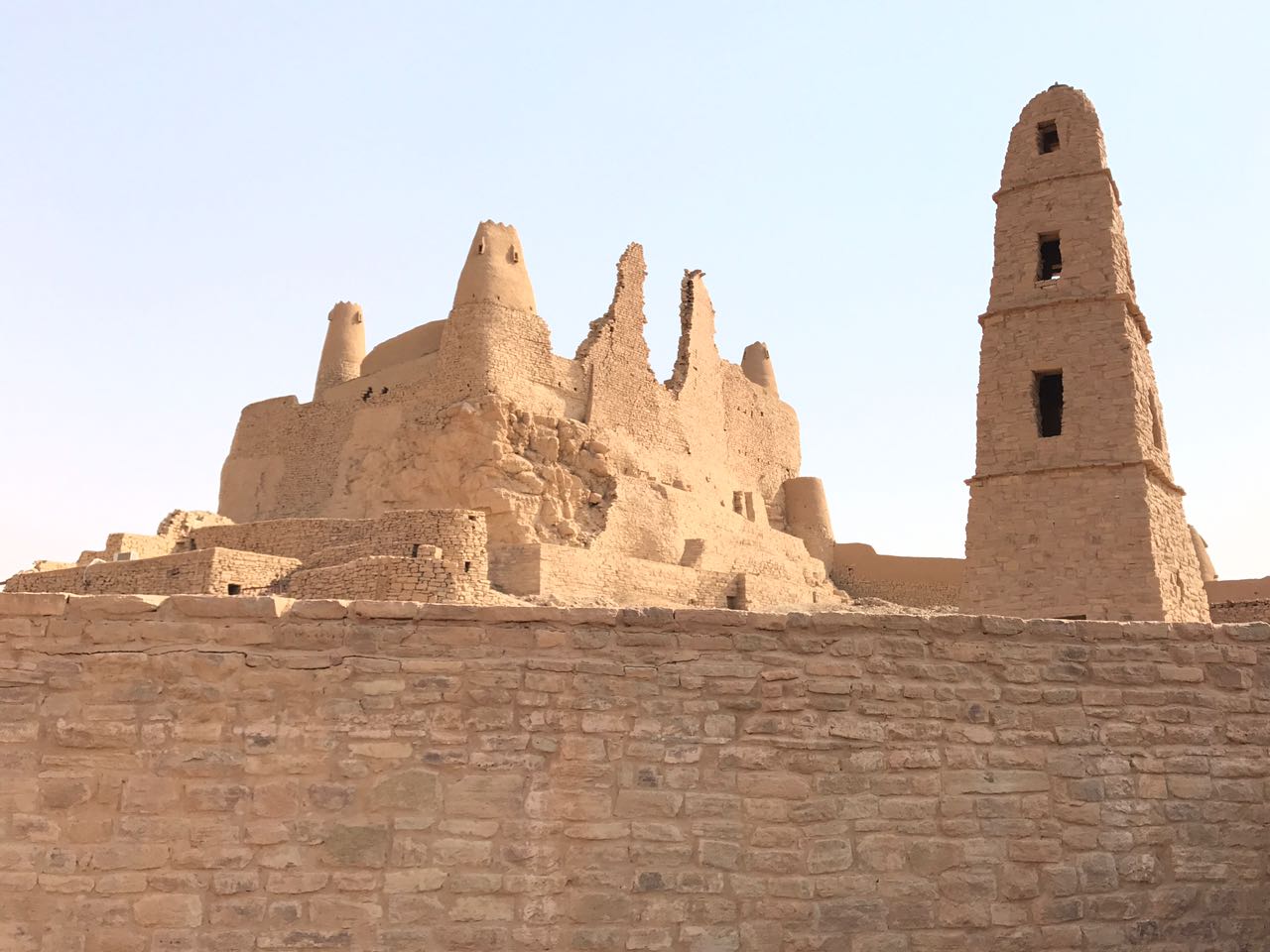
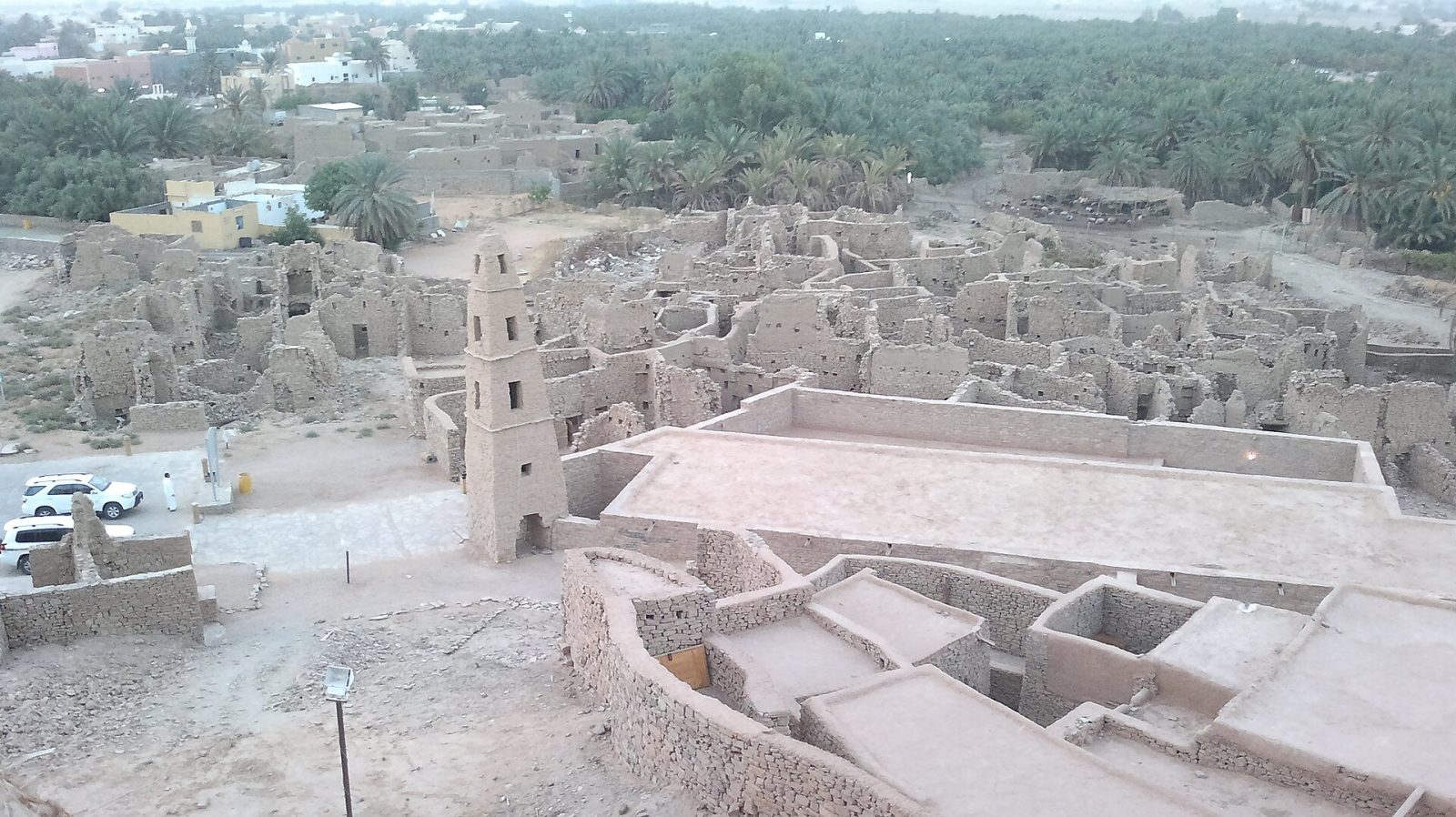
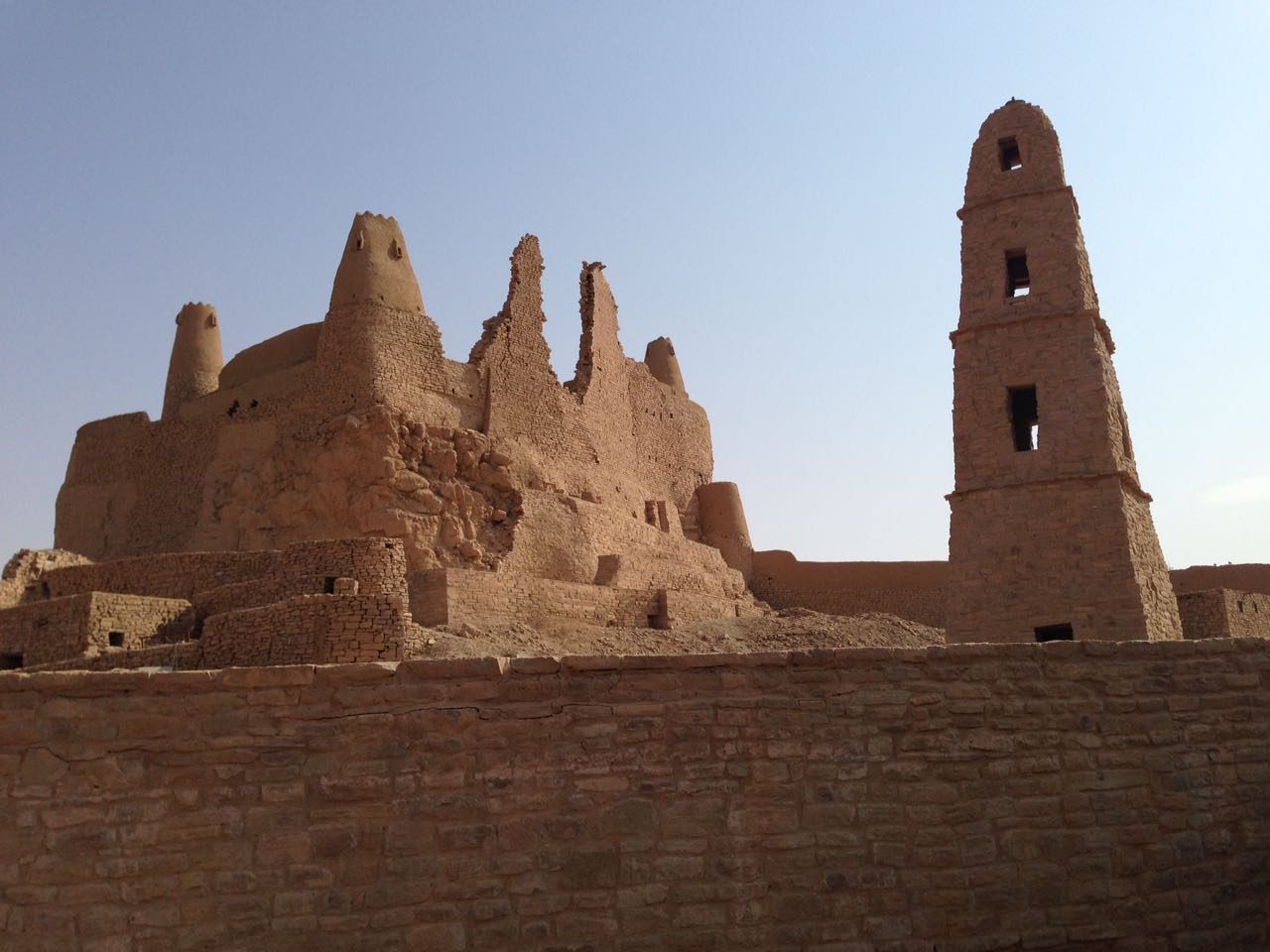
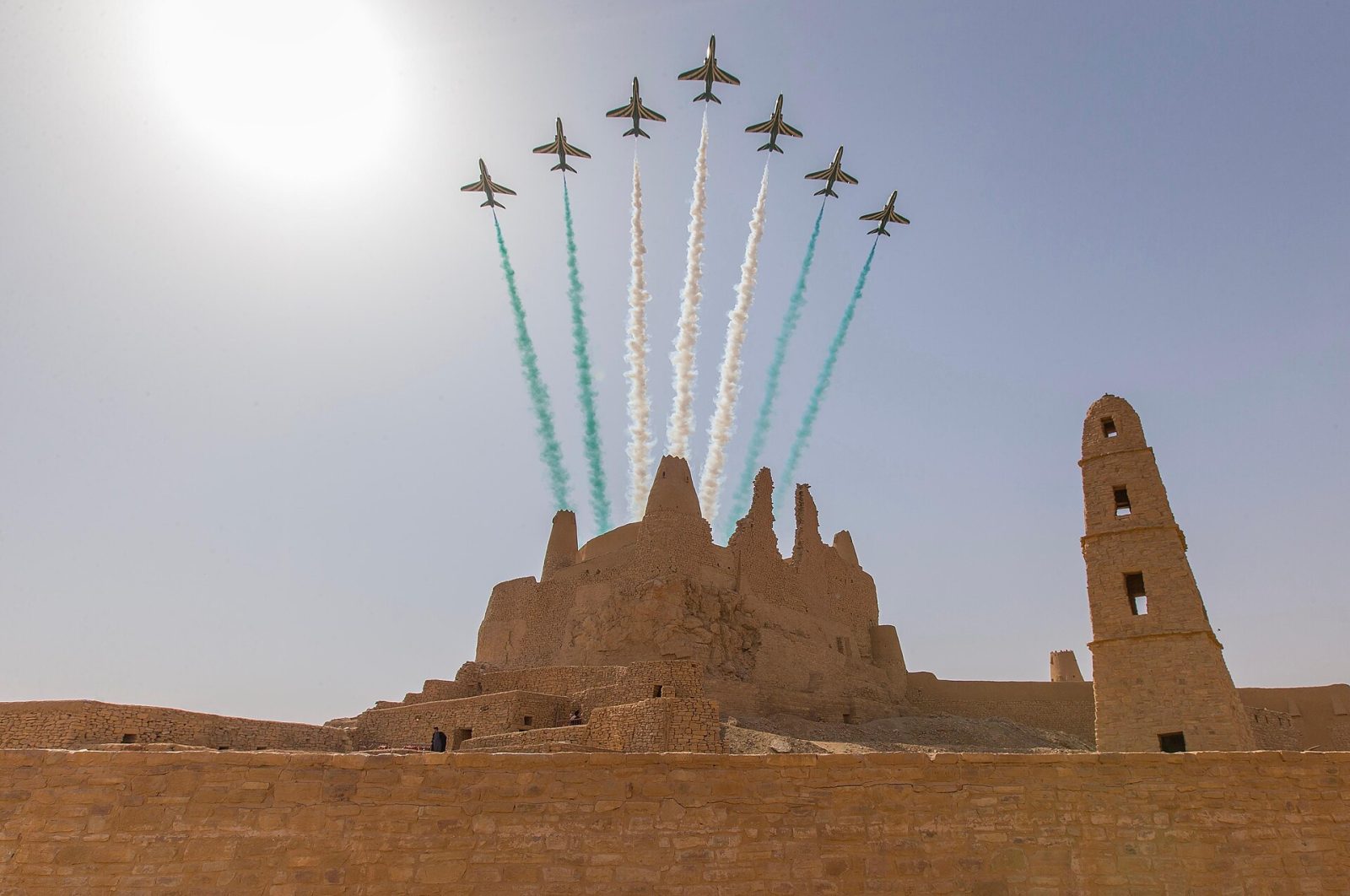
Marid Castle rises over the old town of Dumat al-Jandal in Al-Jawf, a fortress of stone and mud whose lower courses may go back to Roman times. Arab historians record that Queen Zenobia of Palmyra tried and failed to take it in the 3rd century, and the name Marid is said to come from that resistance. Its round towers and thick walls overlook the palm groves and the ruins of the old quarter below, including the Omar ibn al-Khattab mosque with its unusual tapering minaret. The castle was rebuilt in the 19th century and is now a protected heritage site with a small museum. Entry is free and the view over the oasis is the highlight.
06
STOP 6 OF 7
Omar ibn al-Khattab Mosque
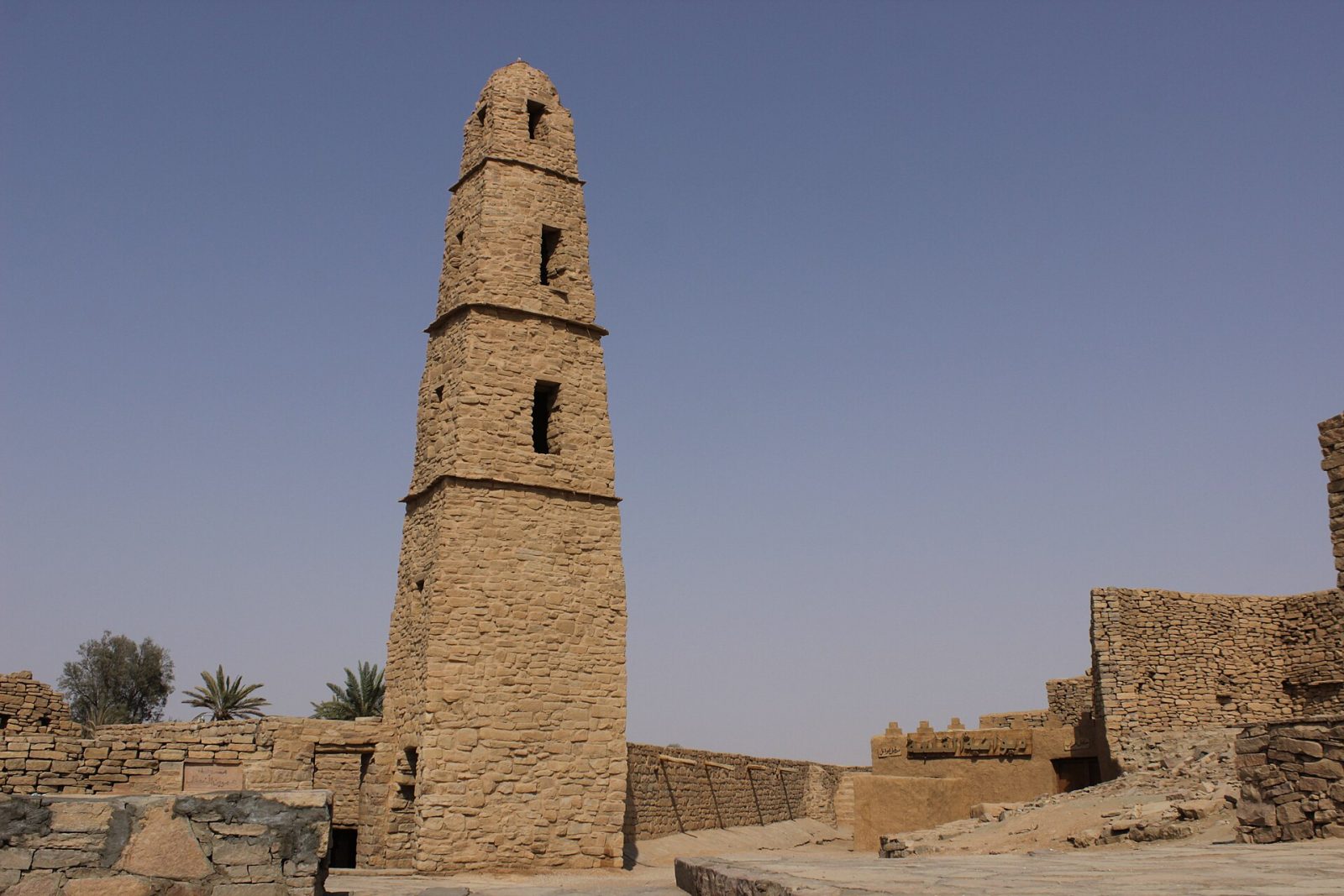
The mosque of Omar ibn al-Khattab in Dumat al-Jandal is one of the oldest mosques in Saudi Arabia, traditionally said to have been founded by the second caliph Umar on his way to Jerusalem in the 7th century. Its most striking feature is the tapering stone minaret, about 12 metres tall and square at the base, unlike anything else in the kingdom. The prayer hall is built of local stone with palm-trunk roofing and small openings that keep it cool. It stands in the old quarter of Dumat al-Jandal below Marid Castle, among mud-brick ruins and palm gardens. The site has been restored and is open to visitors.
07
STOP 7 OF 7 · LAST STOP
Rajajil Columns
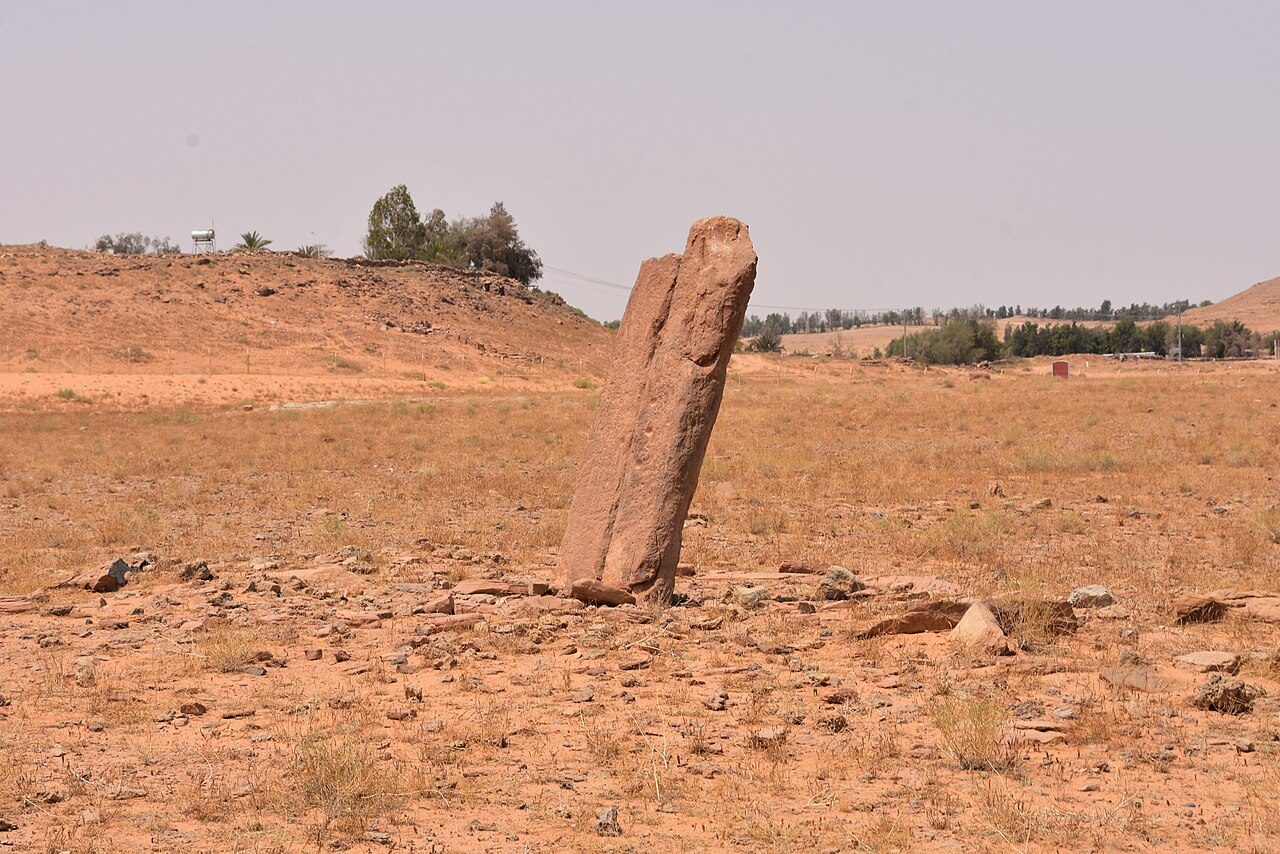
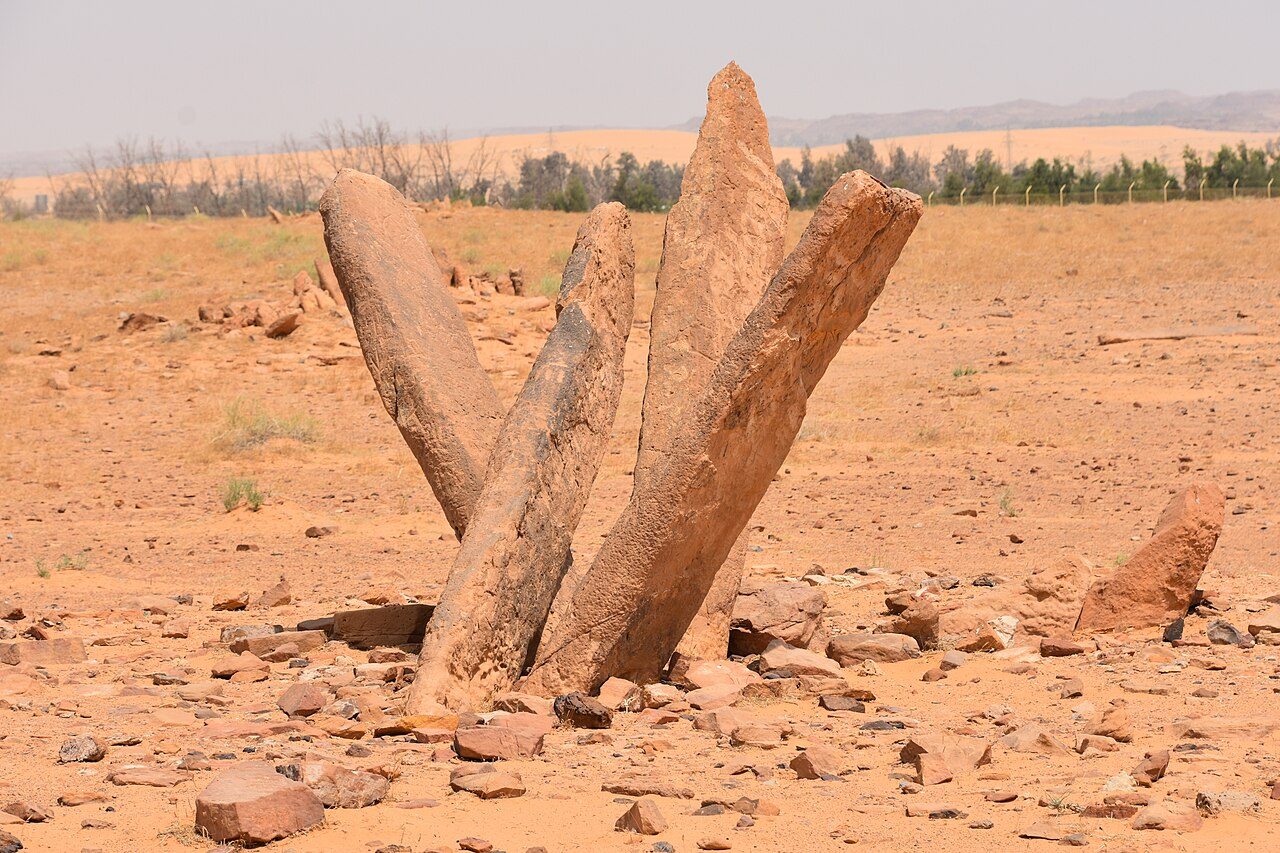
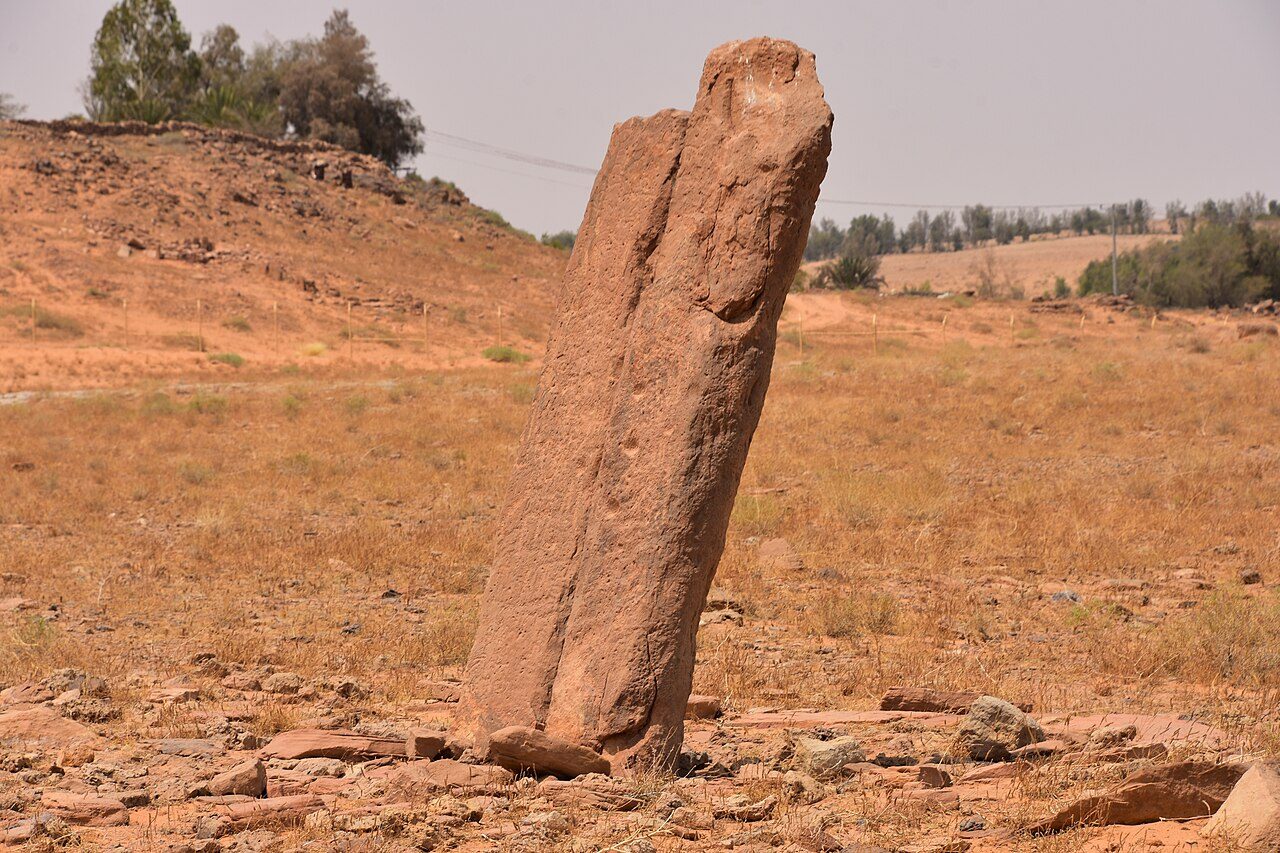
The Rajajil Columns stand on a low rise in the desert near Sakakah in Al-Jawf. About fifty groups of sandstone pillars, some over three metres high, lean at odd angles. They are thought to be around 6,000 years old, and their purpose, whether burial, ritual or astronomical, is unknown. They are sometimes called the Stonehenge of Arabia.
Seasons from 20 years of NASA POWER climate data.
 WaTrips