Umrah at Masjid al-Haram, the Cave of Hira, Jabal Thawr, Mina, Arafat and the Jamarat, Masjid Aisha, and Taif.
This plan is for Muslims performing Umrah; Makkah is open to Muslims only. Day one is Umrah at Masjid al-Haram, the holiest site in Islam; get your Umrah permit through the Nusuk app. Day two is the ziyarat of the holy sites: Jabal al-Nour and the Cave of Hira, where the first revelation came, Jabal Thawr, Mina, Mount Arafat and the Jamarat. Day three visits Masjid Aisha, the miqat for a further Umrah, then drives up to Taif for the Abdullah ibn Abbas Mosque and the cool Al Hada and Al Shafa mountains. Avoid the peak Hajj season unless you are performing Hajj.
01
STOP 1 OF 11
Masjid al-Haram
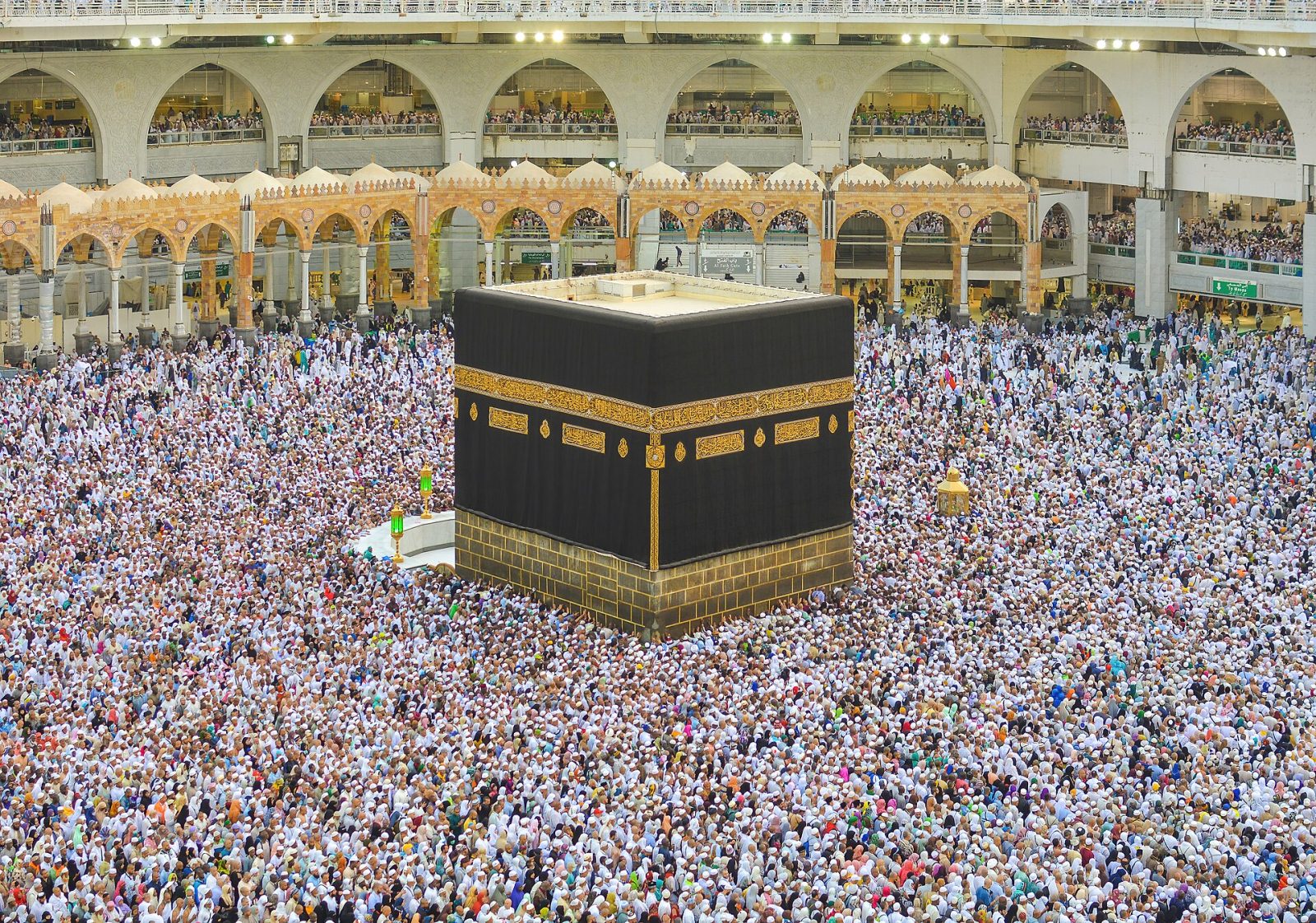
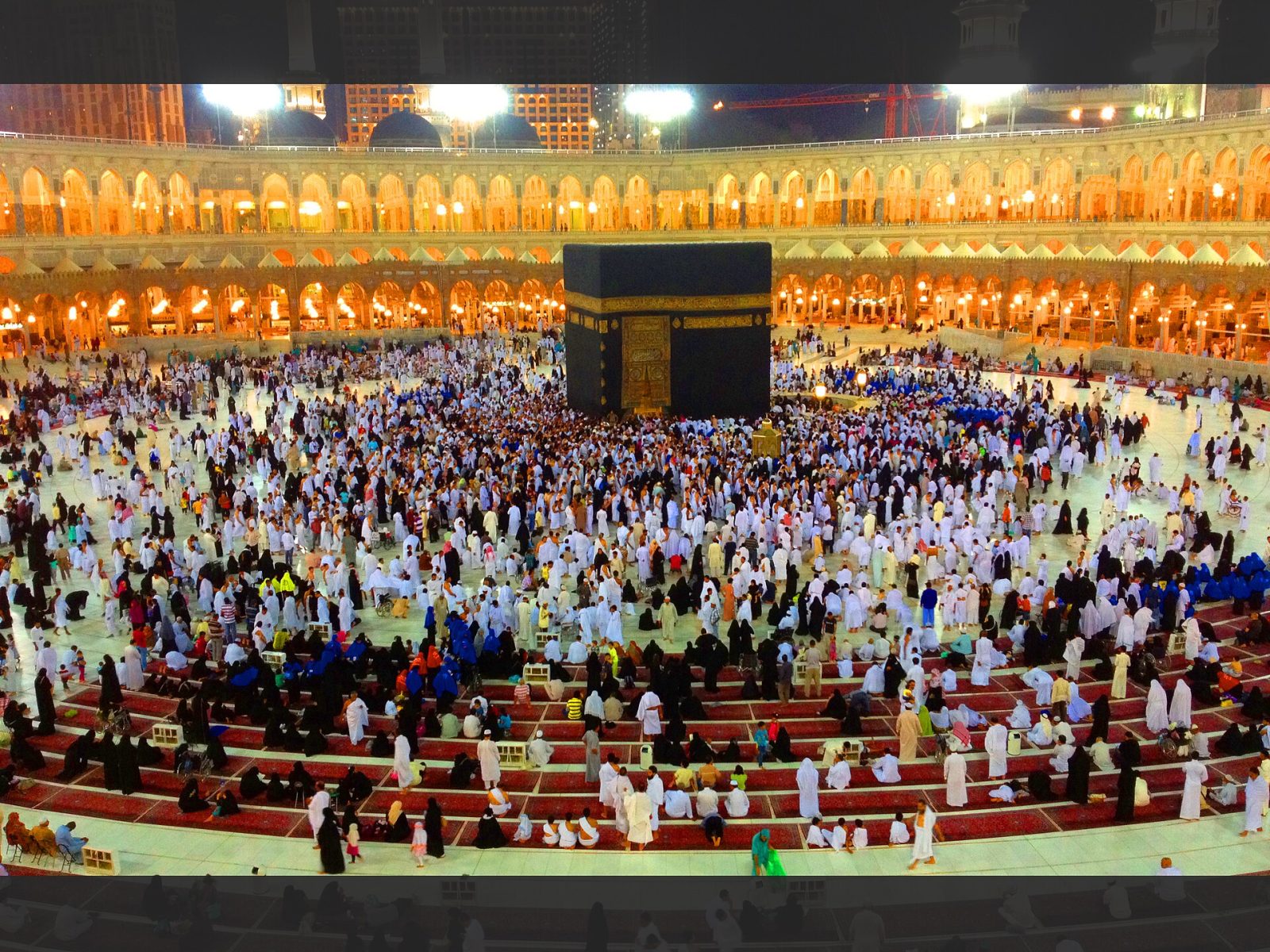
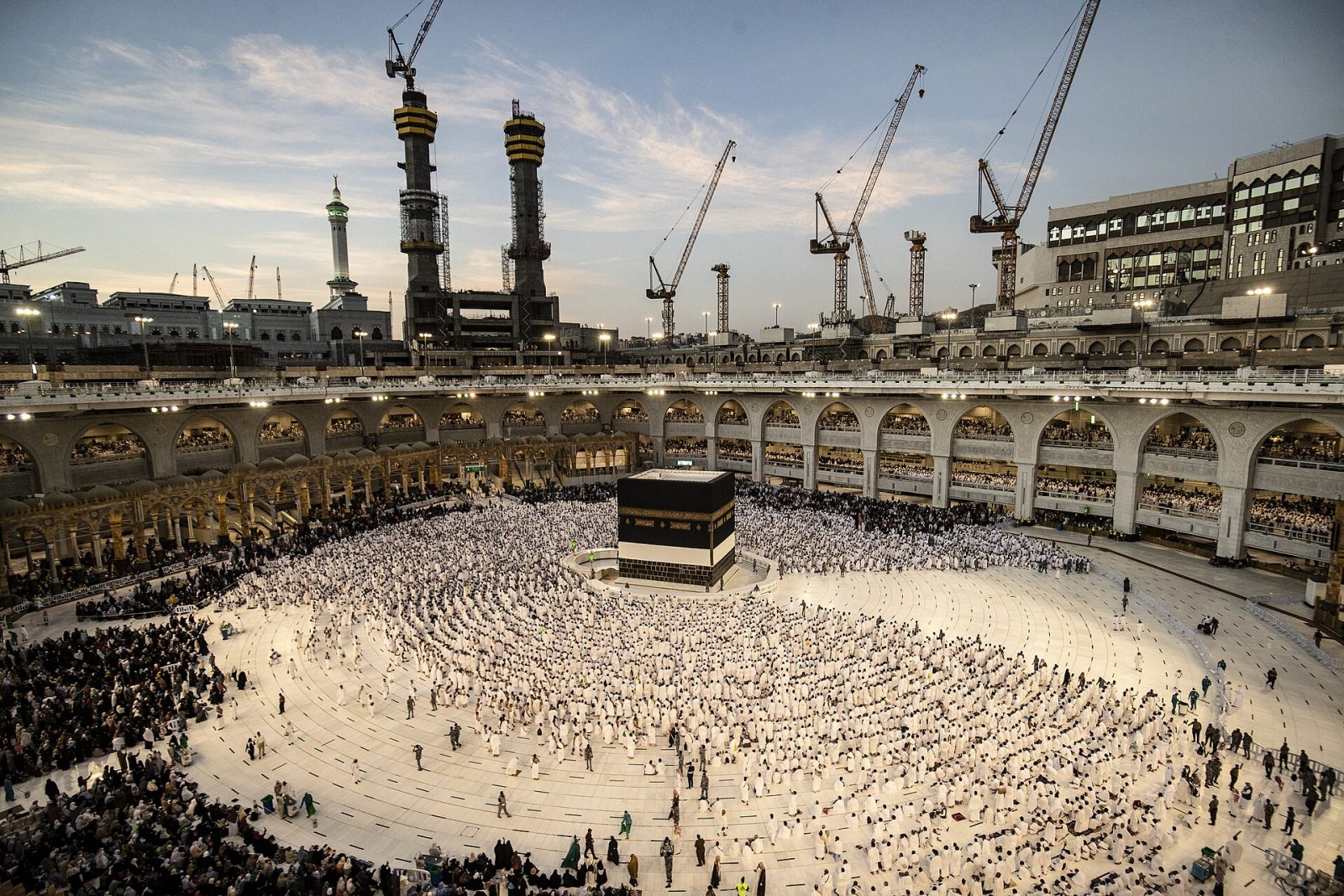
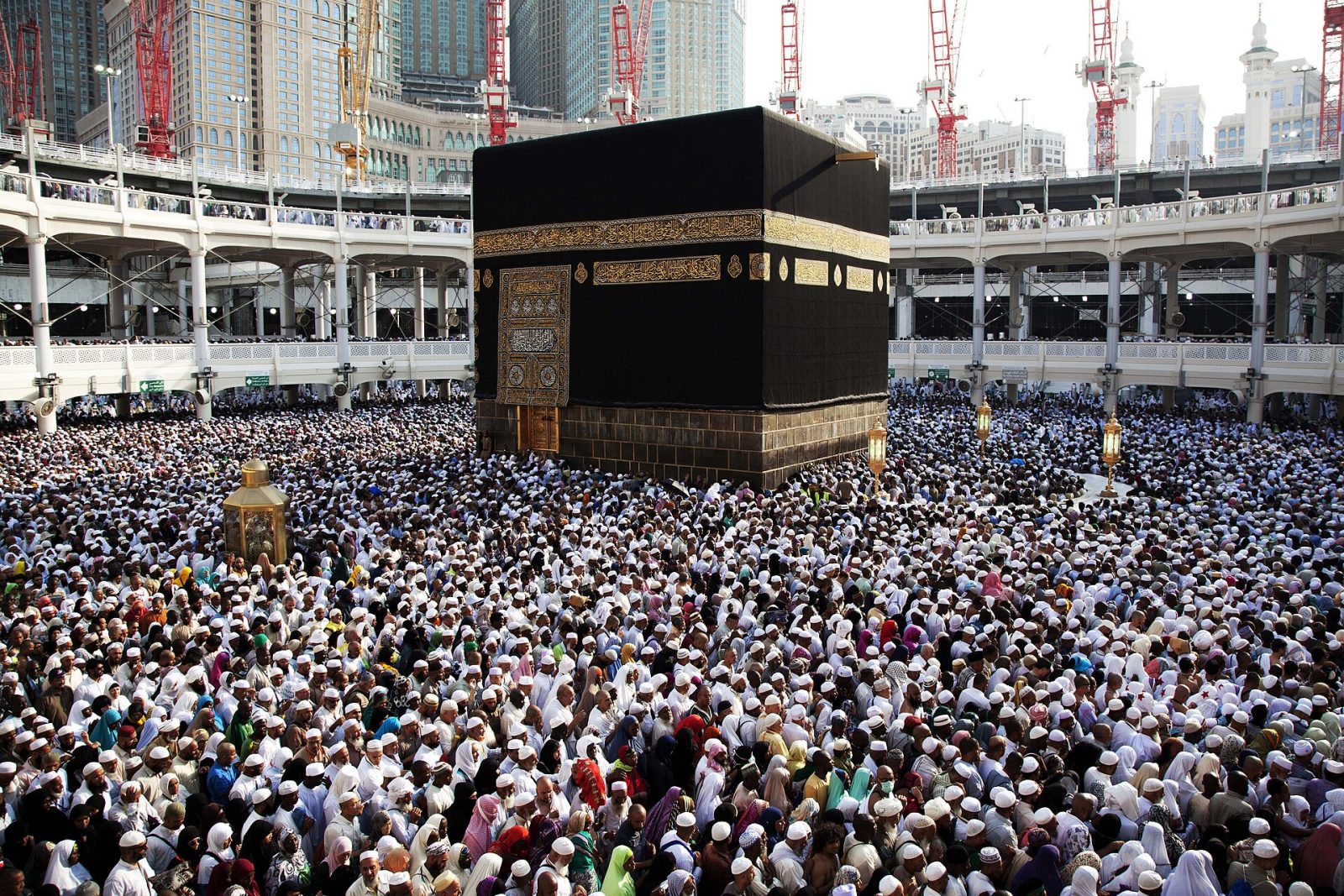
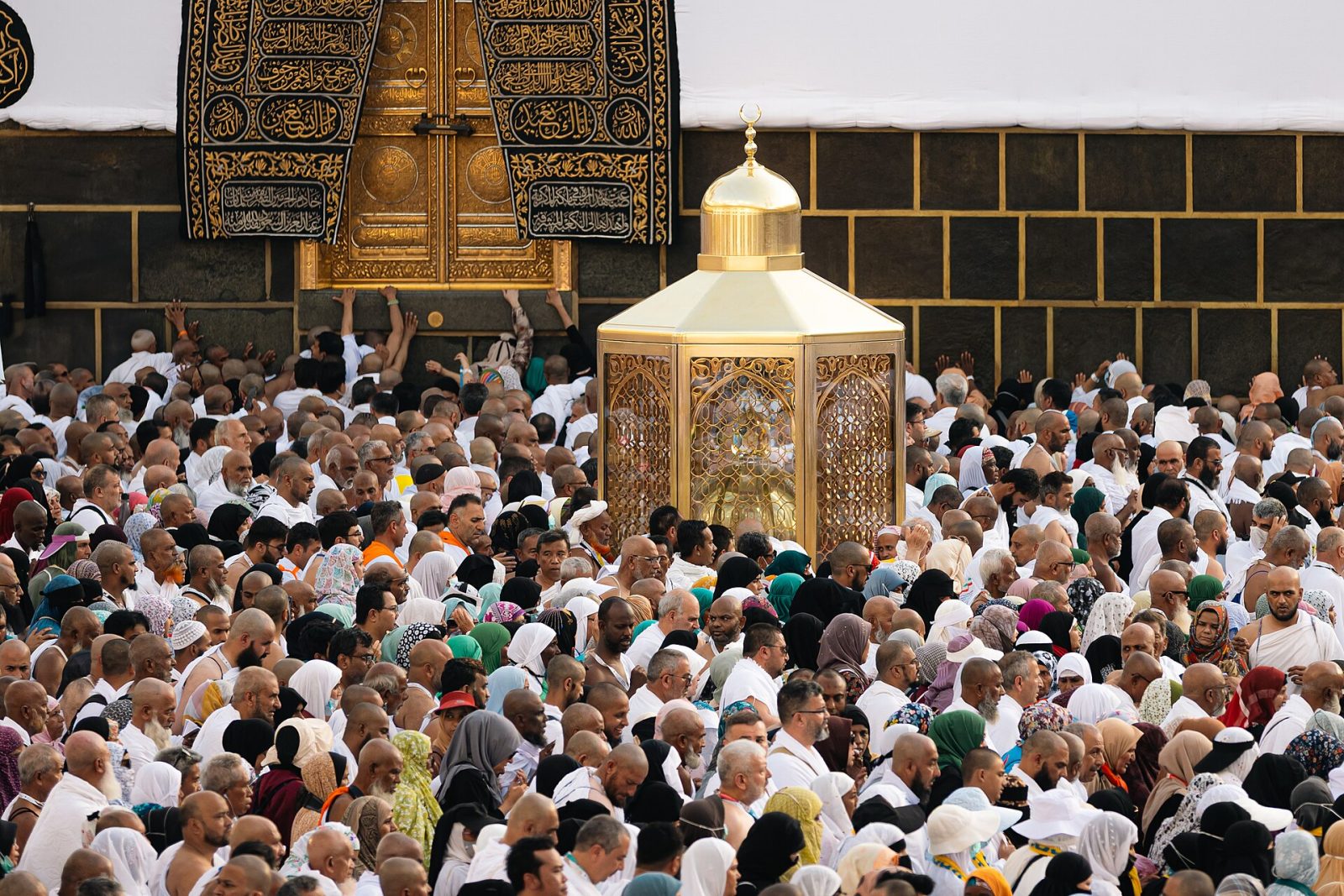
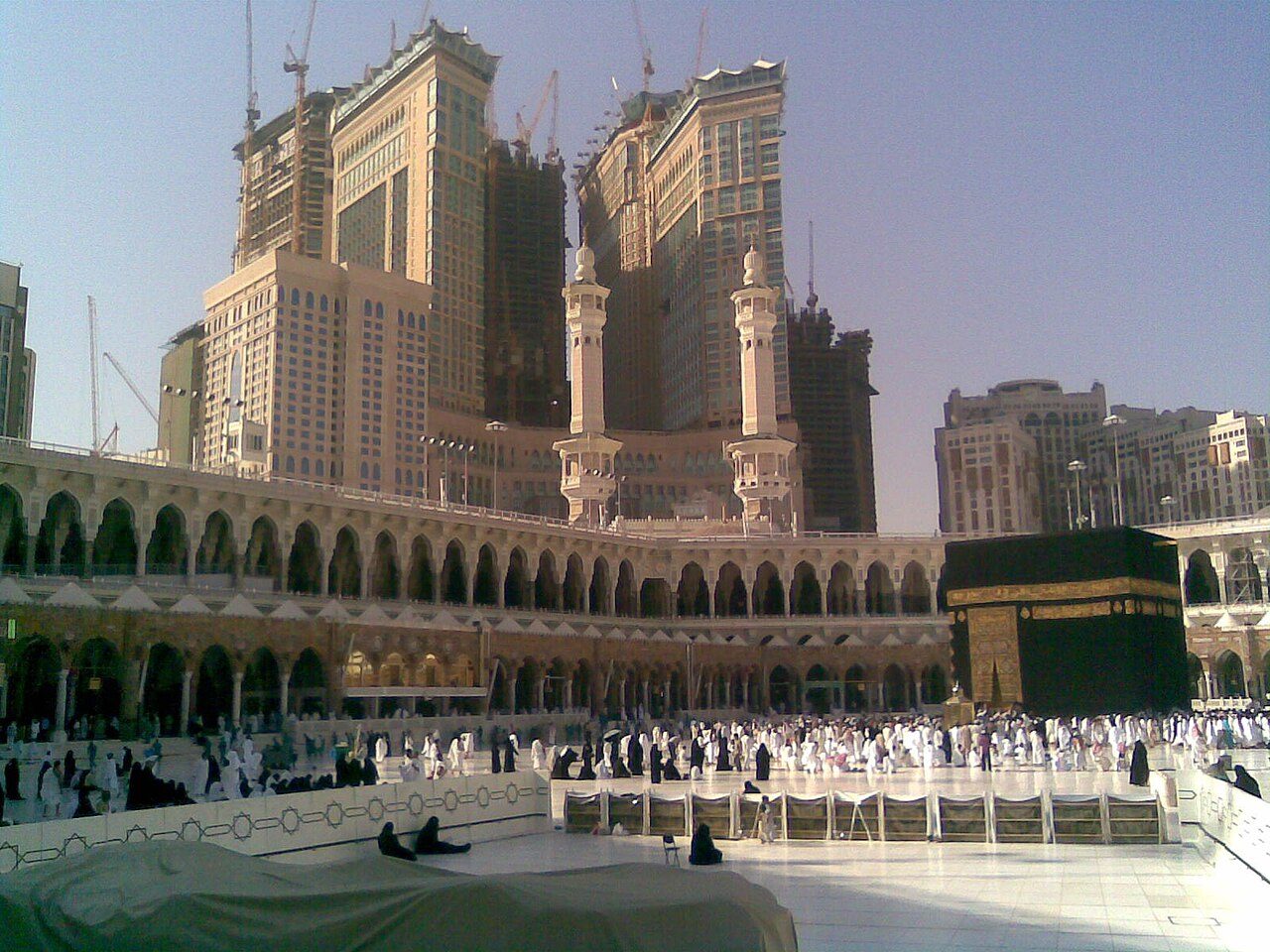
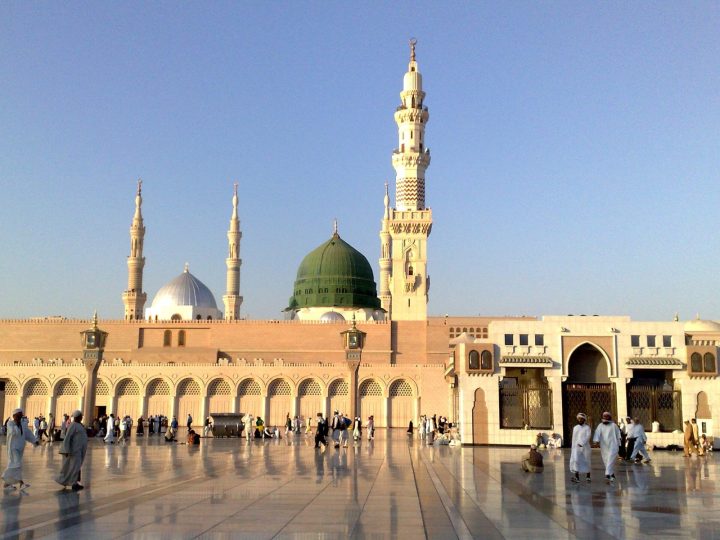
Al-Masjid al-Haram in Makkah is the holiest mosque in Islam, built around the Kaaba, the cube-shaped house that Muslims everywhere face in prayer. Pilgrims perform tawaf, circling the Kaaba seven times, and walk between the hills of Safa and Marwah, now enclosed within the mosque. The building has been enlarged many times and today can hold more than a million worshippers, with vast marble courtyards, multi-level walkways and the Zamzam well beneath. Hajj falls in Dhul Hijjah each year, while Umrah can be performed at any time. Only Muslims may enter Makkah, and visits are managed through the official permit and visa systems.
02
STOP 2 OF 11
Abraj Al Bait Clock Tower
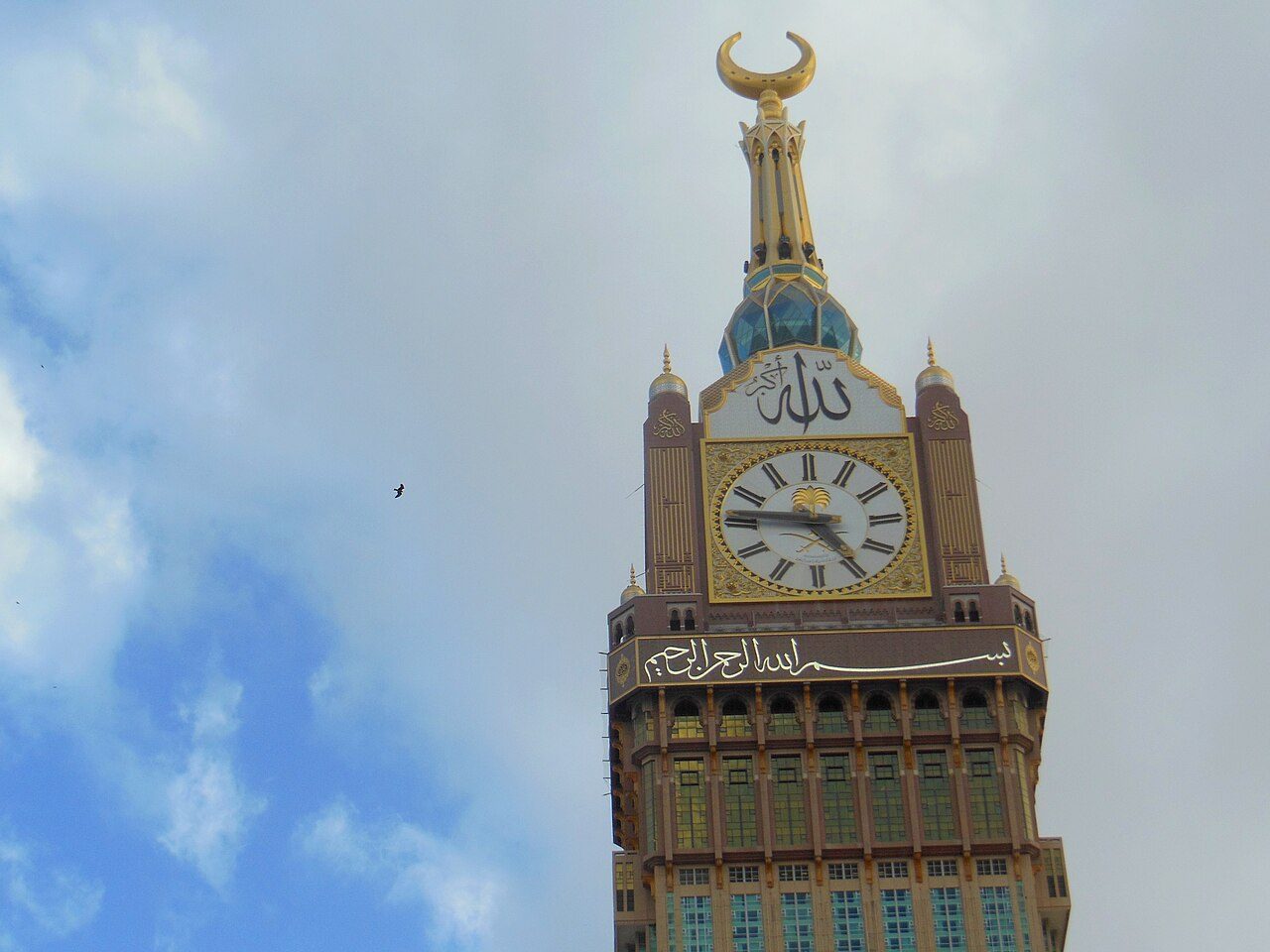
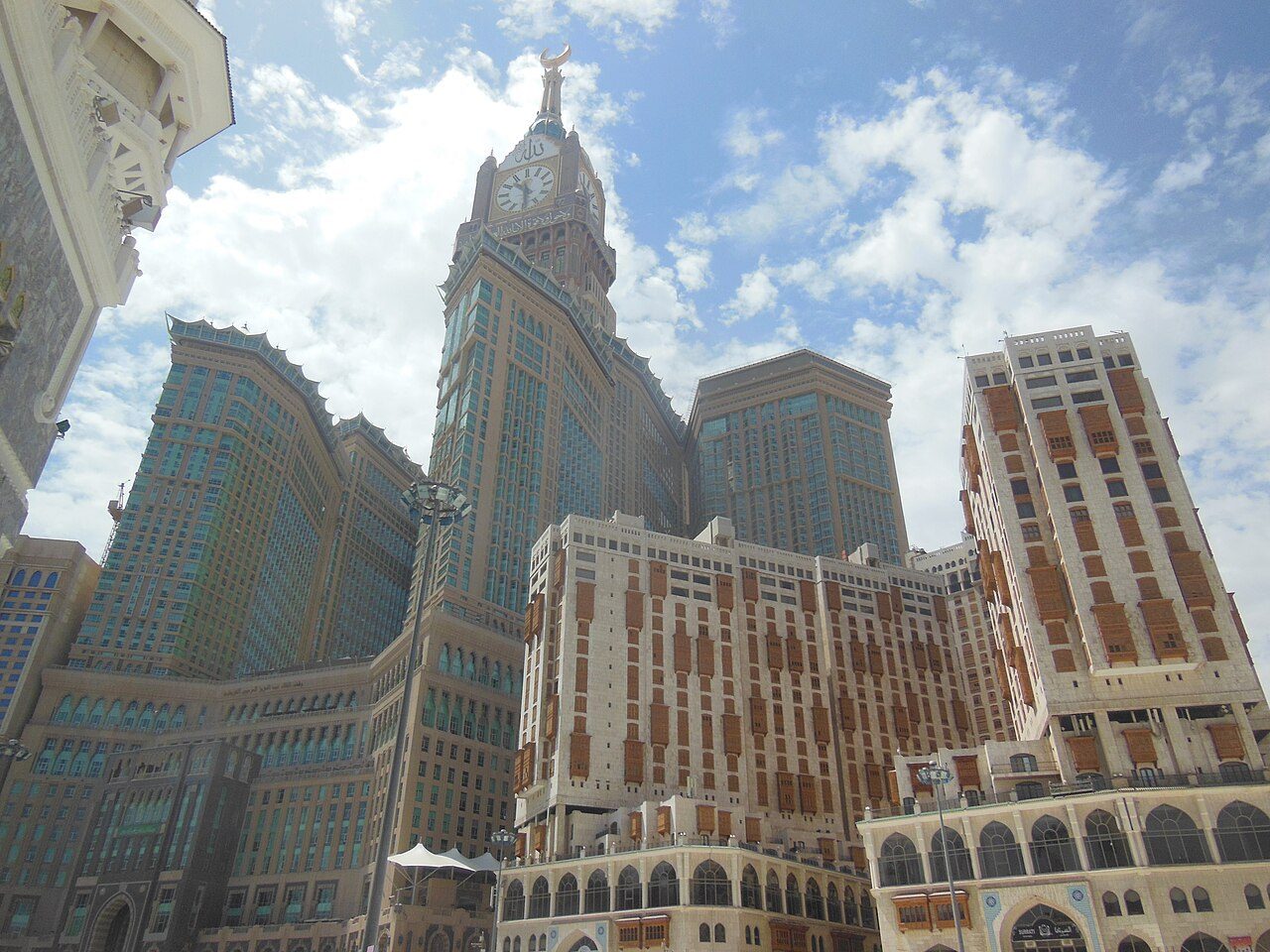
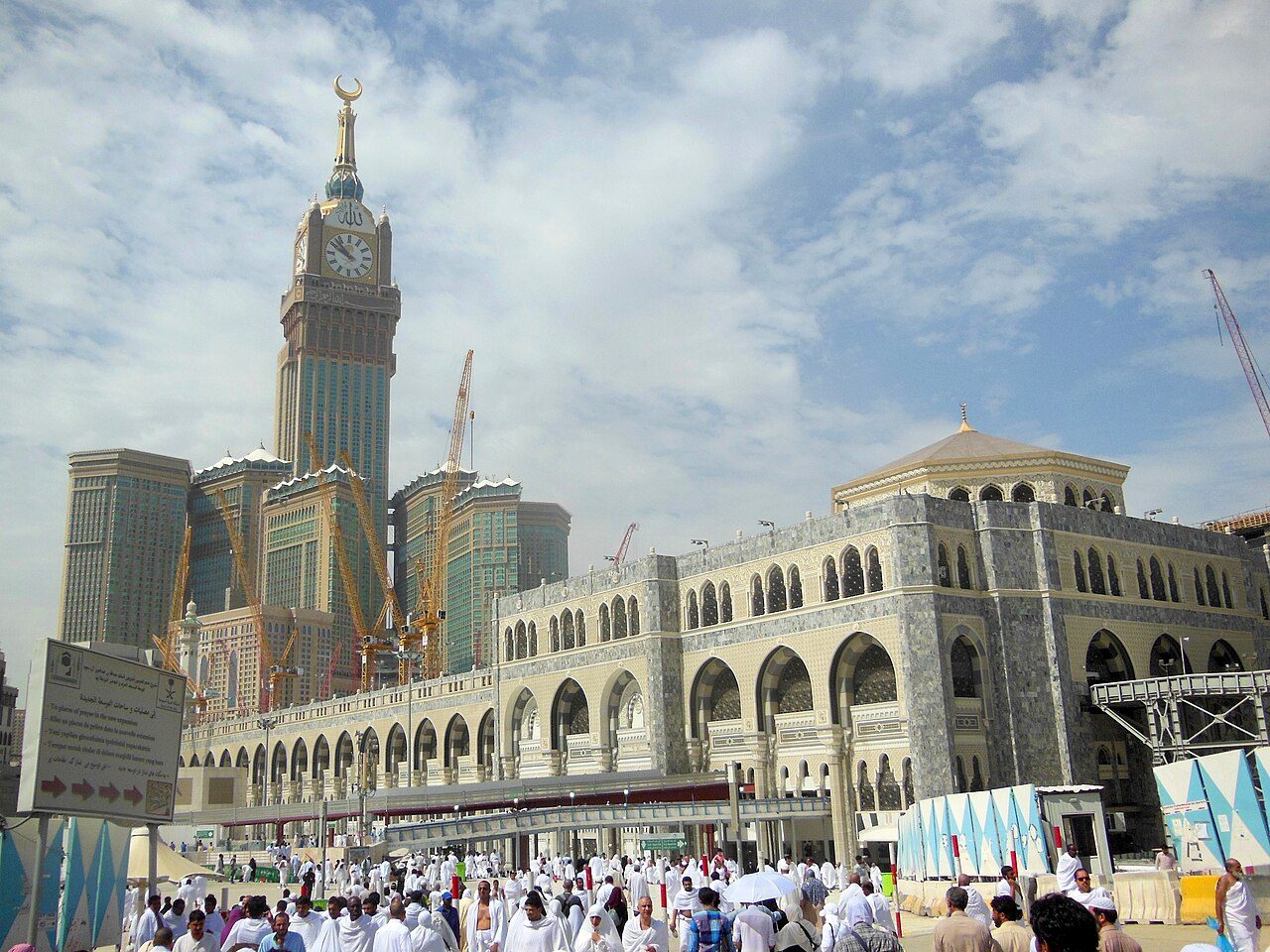
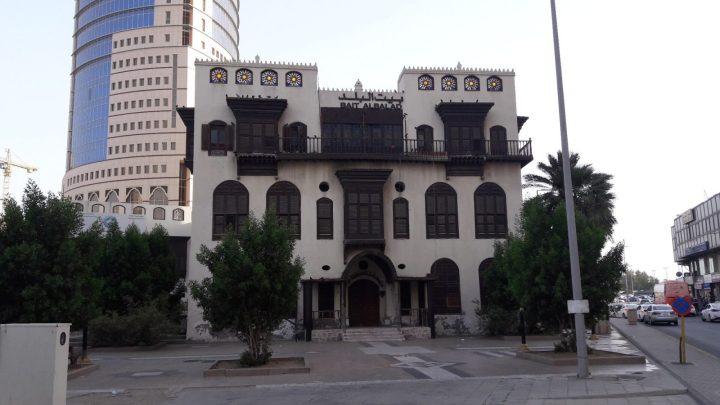
The Abraj Al Bait is a group of seven towers facing the Masjid al-Haram in Makkah, built to house pilgrims. Its central clock tower, completed in 2012, is about 601 metres high, among the tallest buildings in the world, with four clock faces 43 metres across that can be read from kilometres away. A museum occupies the upper floors.
03
STOP 3 OF 11
Jabal al-Nour (Cave of Hira)
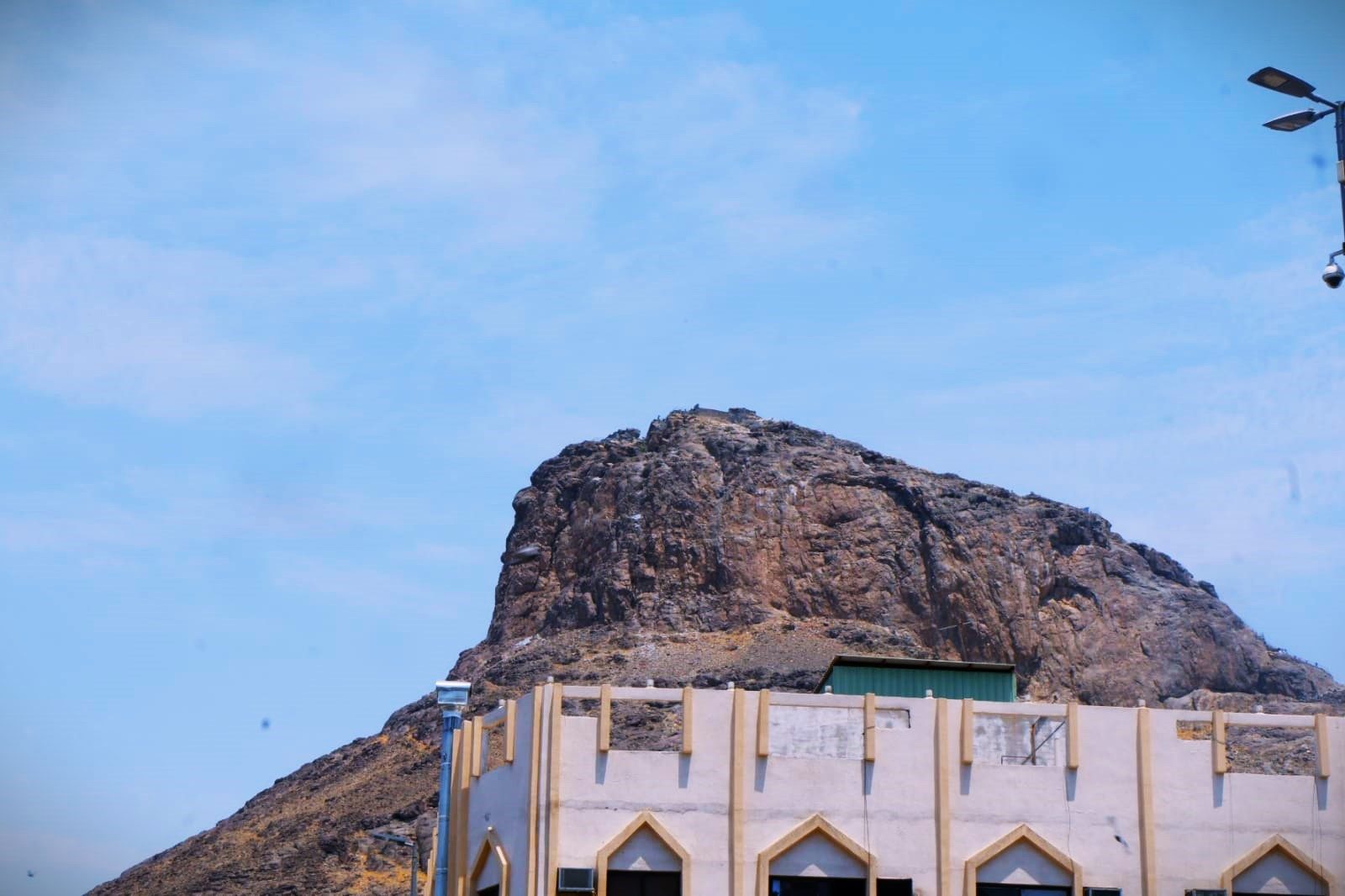
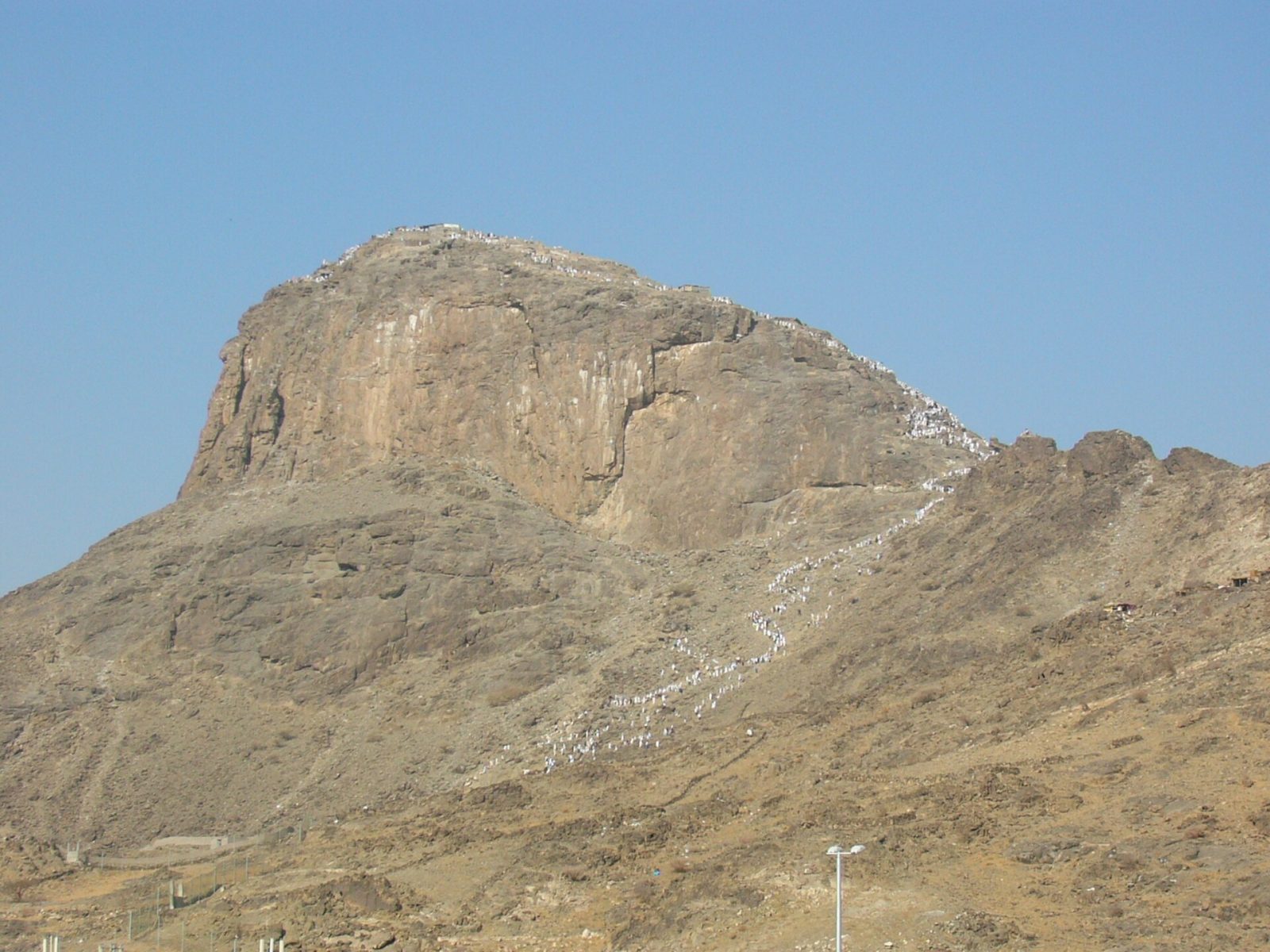
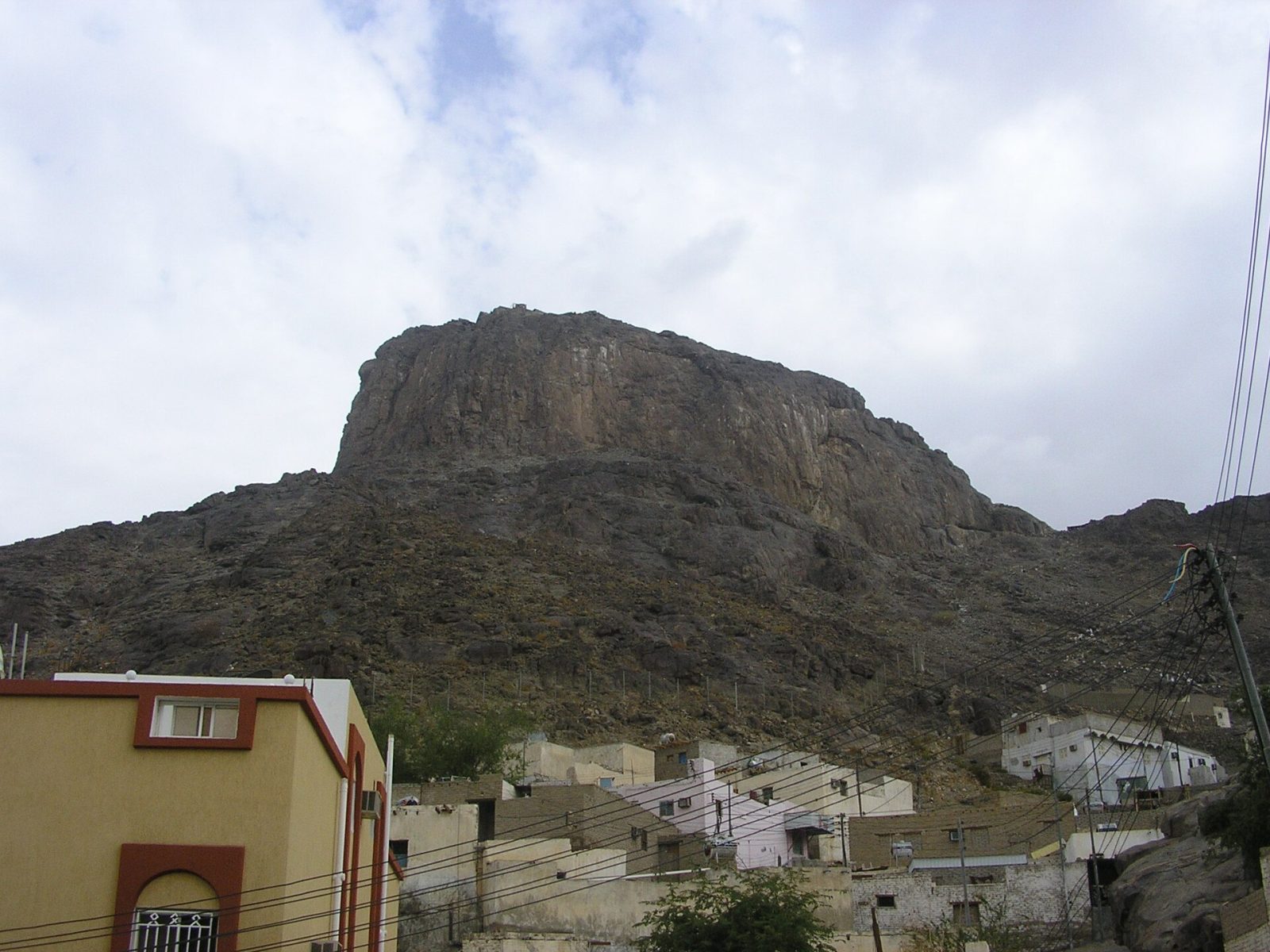
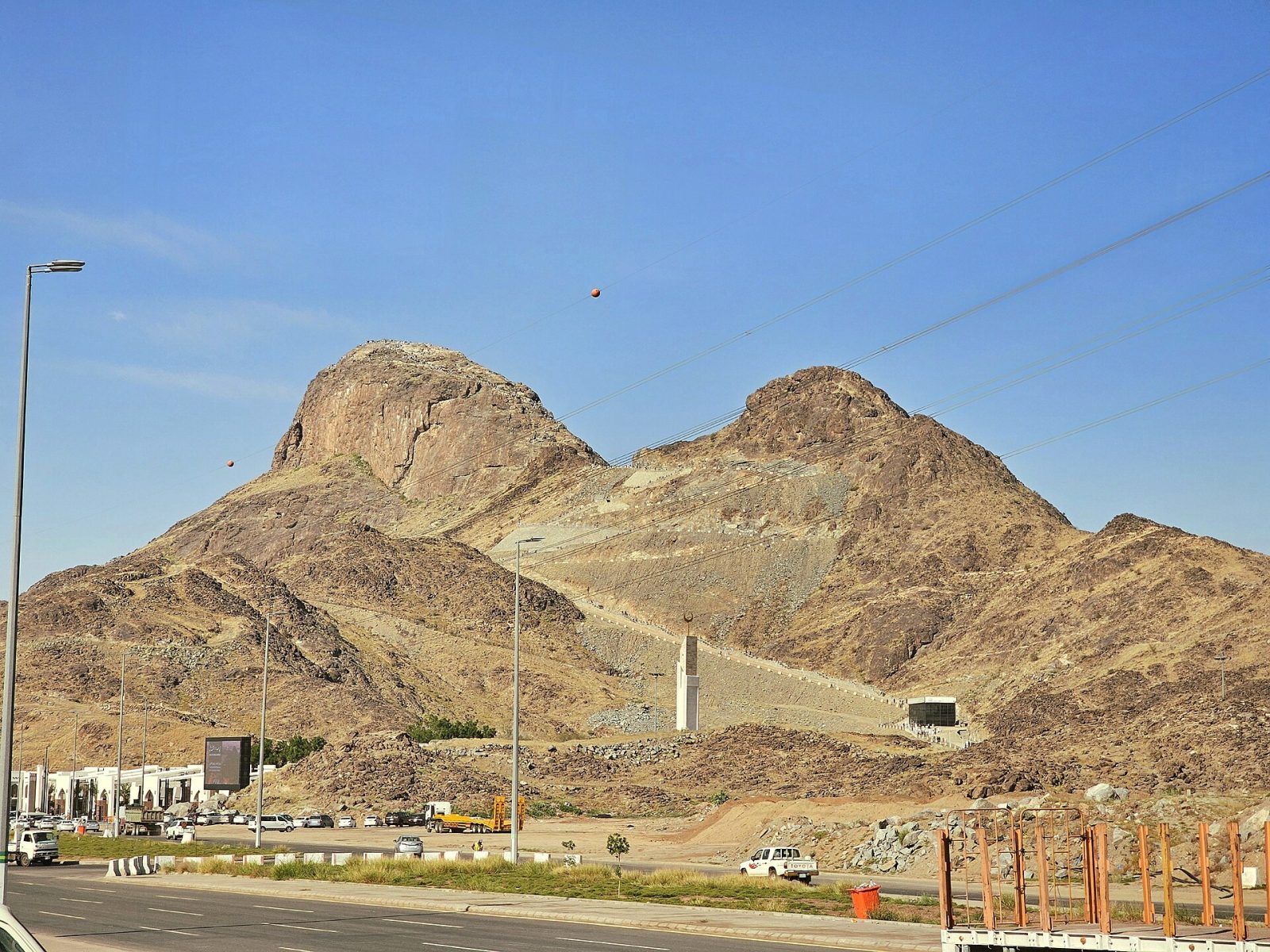
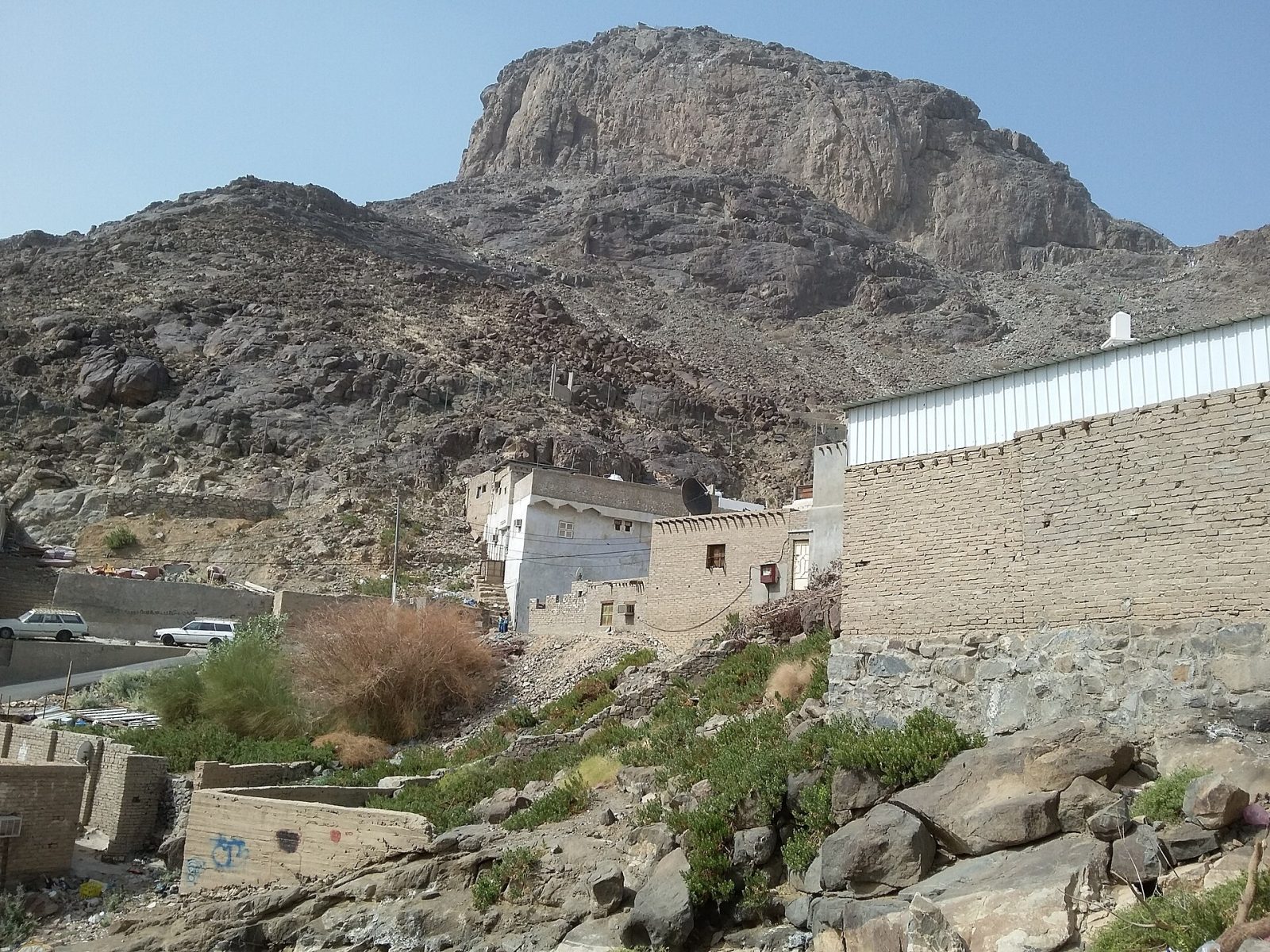
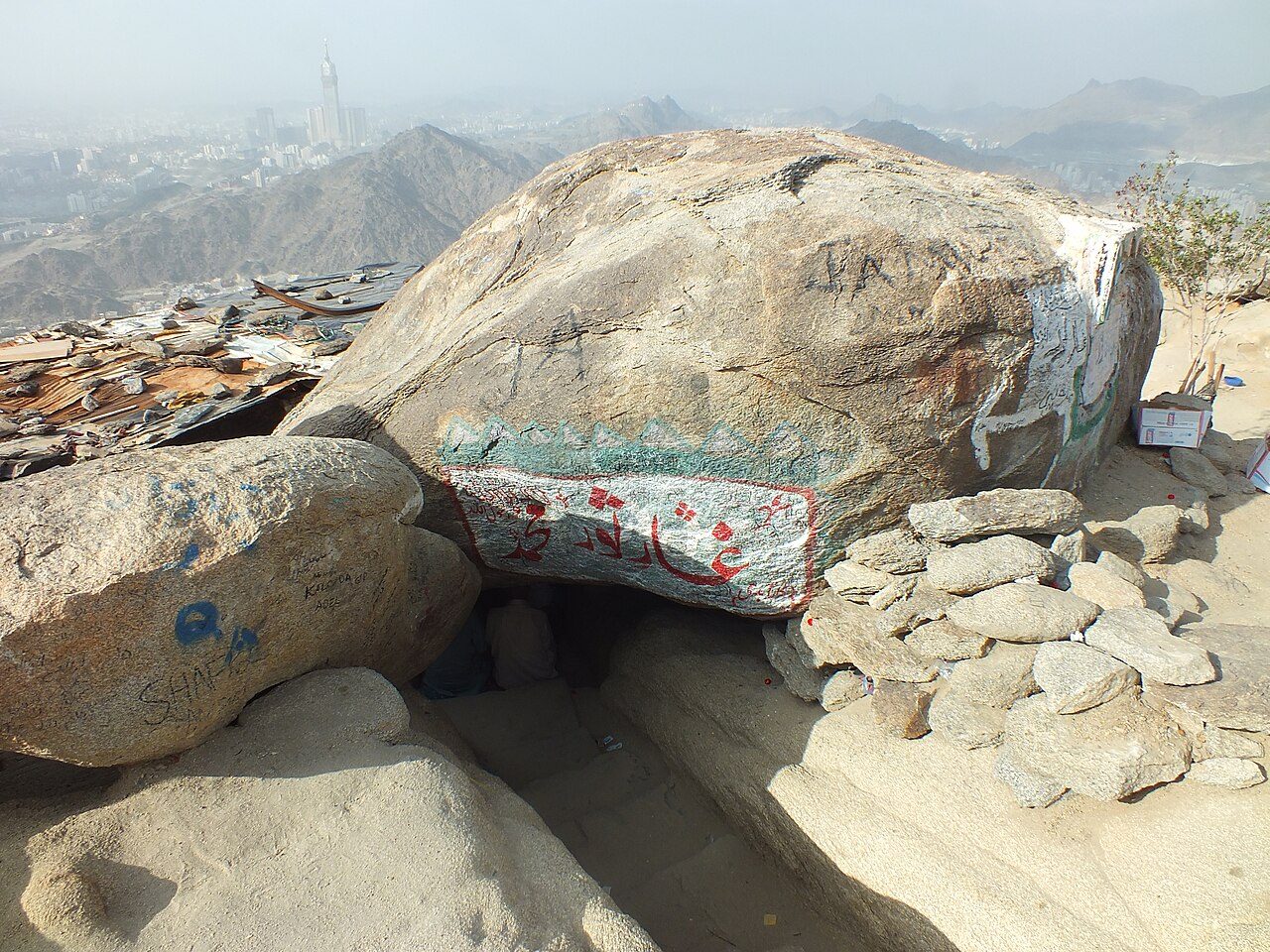
Jabal al-Nour, the mountain of light, rises about 640 metres northeast of Makkah and holds the small cave of Hira near its summit. It was here, according to Islamic tradition, that the Prophet Muhammad was meditating when he received the first revelation of the Quran from the angel Gabriel. The cave is only a few metres deep and faces towards the Kaaba, and the climb up the rocky path takes an hour or more in the heat. Many pilgrims make the ascent before dawn to avoid the sun. The mountain is not part of the formal Hajj rites, but it is one of the most visited historic sites around Makkah.
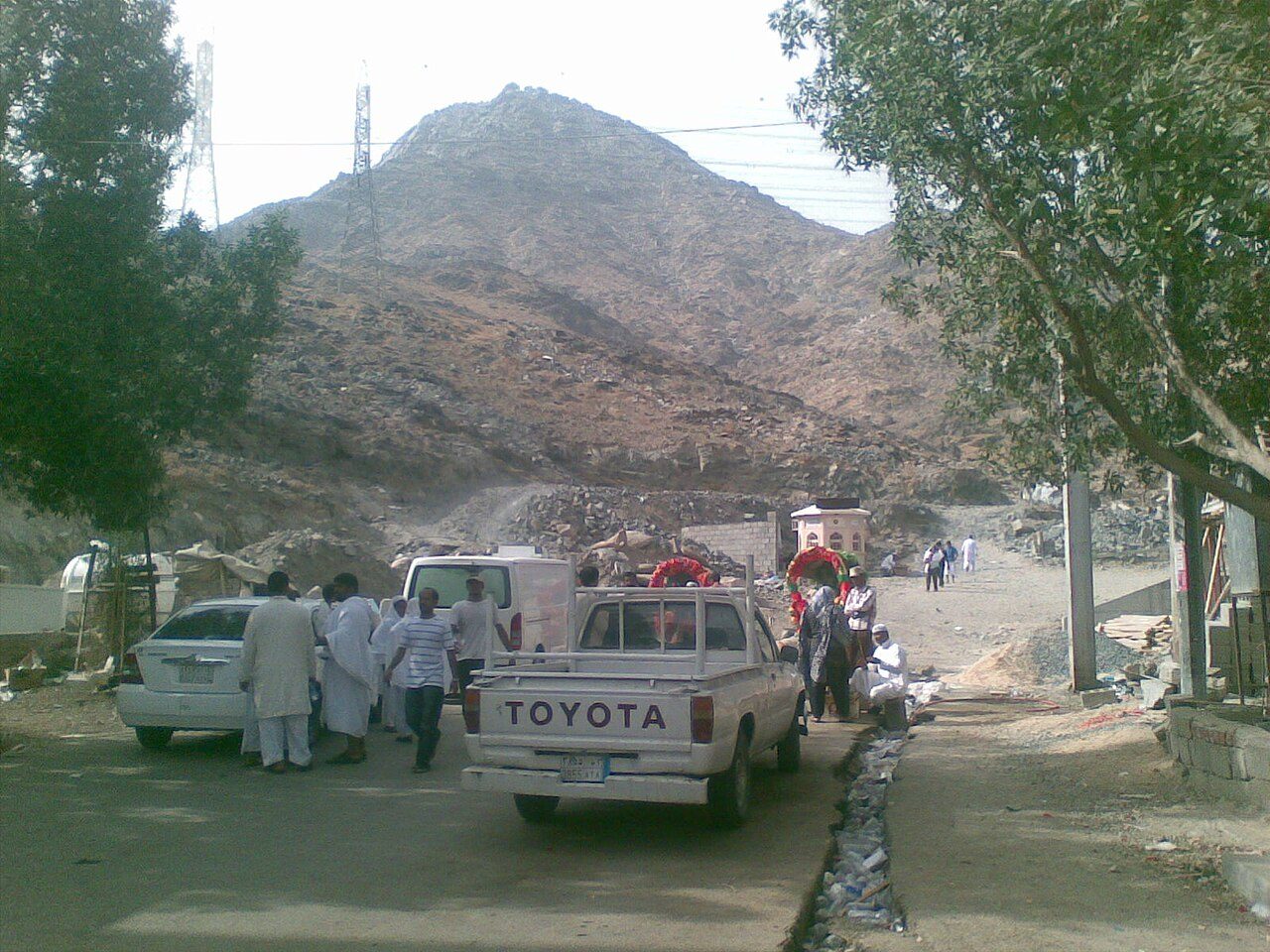
Jabal Thawr is a mountain about 5 km south of the centre of Makkah. Near its summit is the small cave where the Prophet Muhammad and Abu Bakr hid for three nights from the Quraysh during the migration to Madinah. Many visitors make the steep climb of around an hour and a half, though it is not part of the pilgrimage rites.
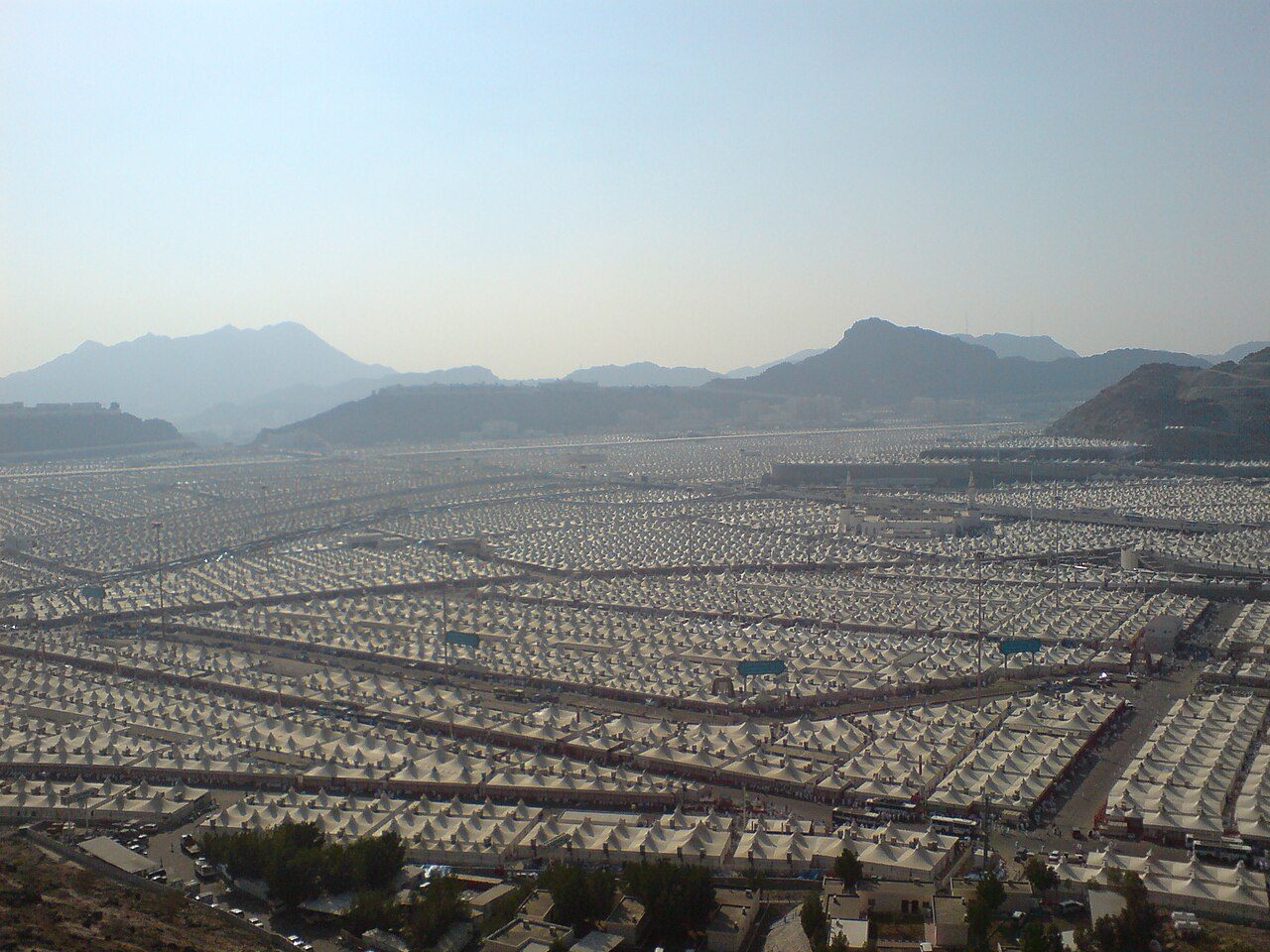
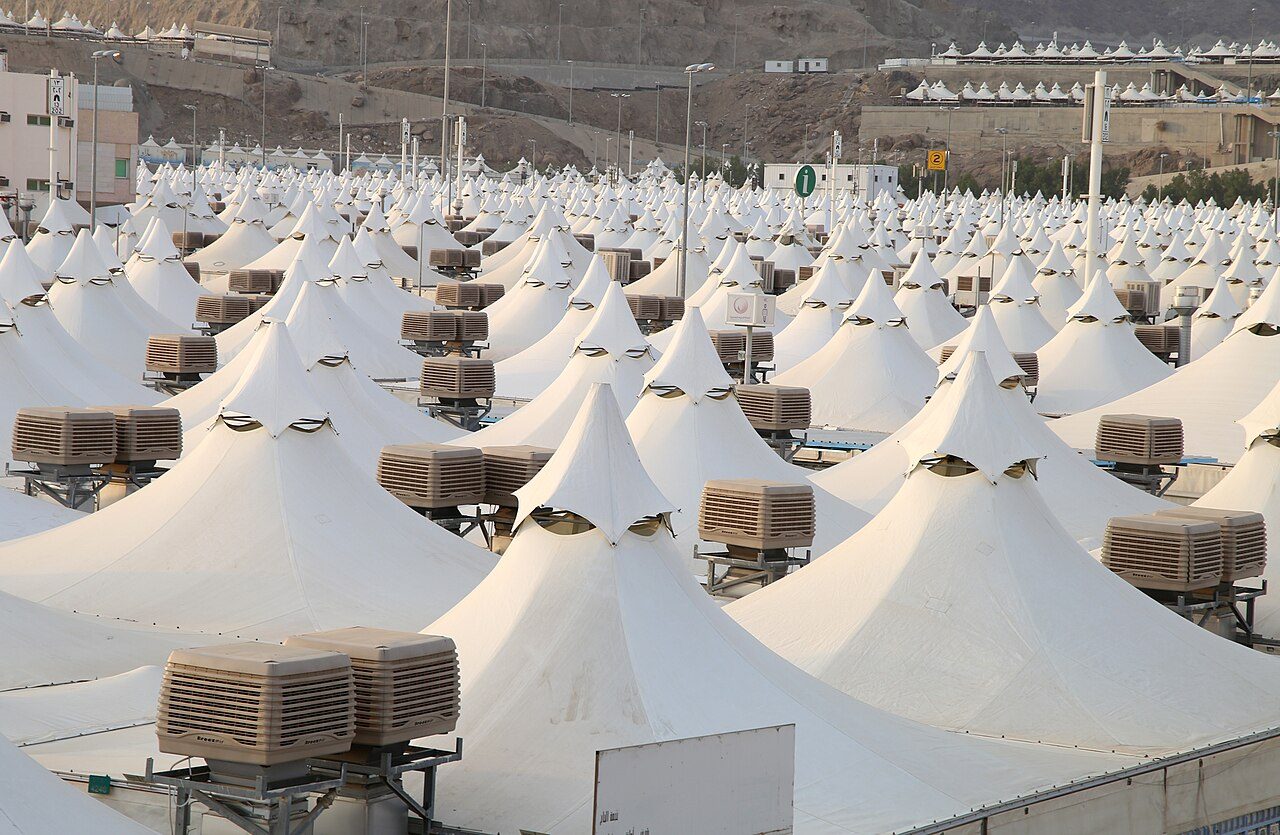
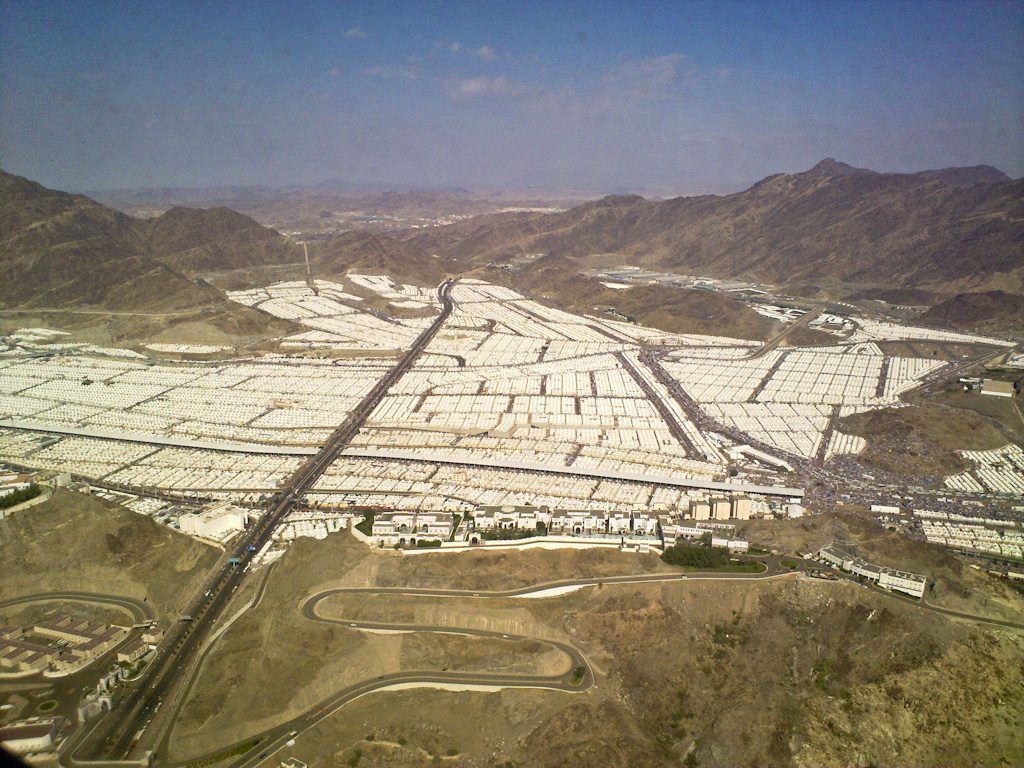
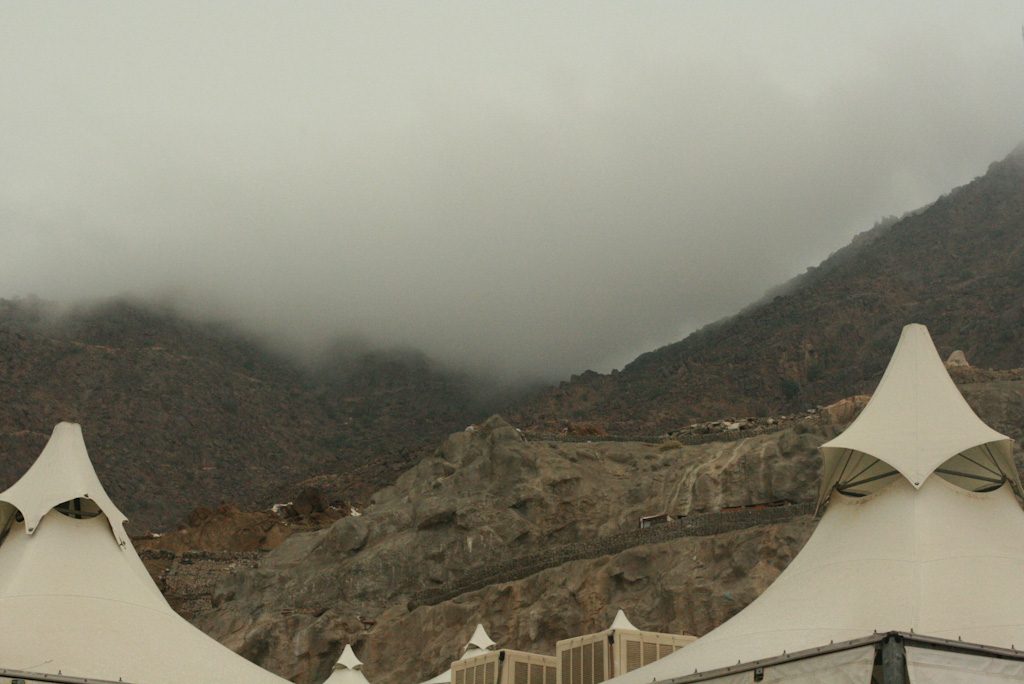
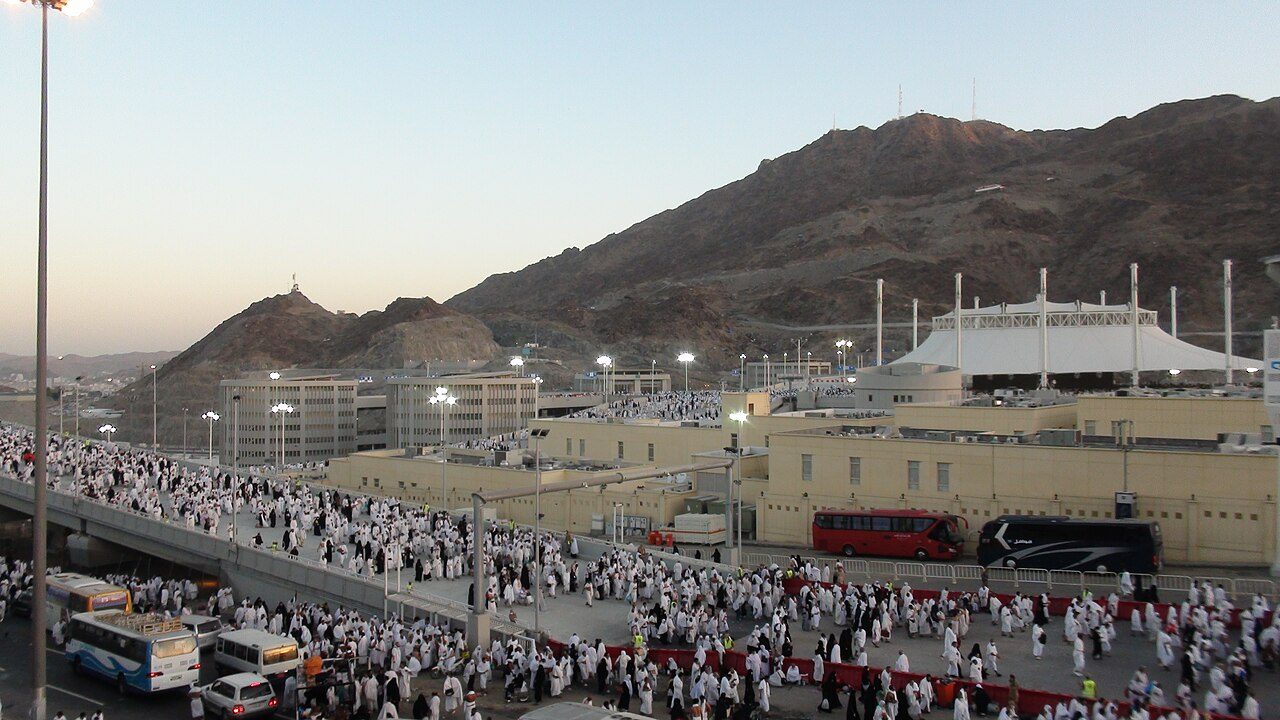
Mina is a valley about 8 km east of Makkah where pilgrims stay during the days of the Hajj. More than 100,000 white fireproof tents cover the valley floor, giving it the name City of Tents. The stoning ritual at the Jamarat takes place here. Outside the Hajj season the tent city stands empty.
06
STOP 6 OF 11
Mount Arafat
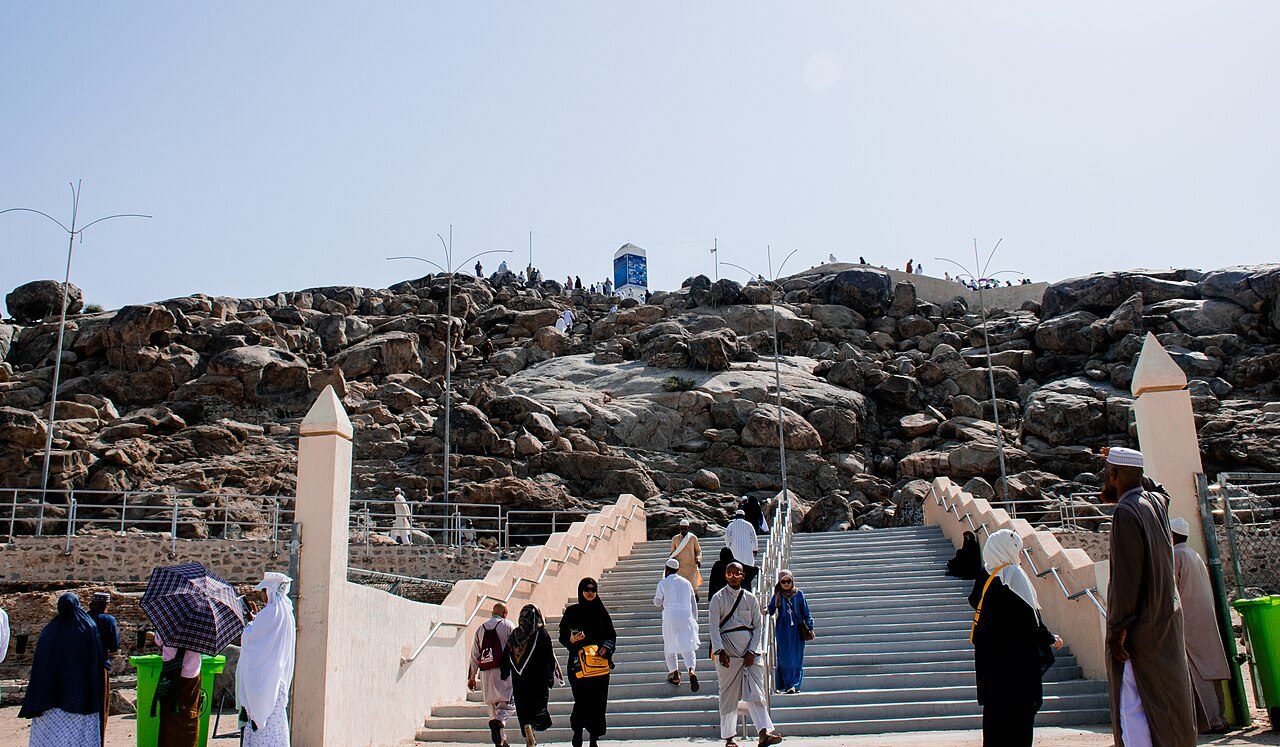
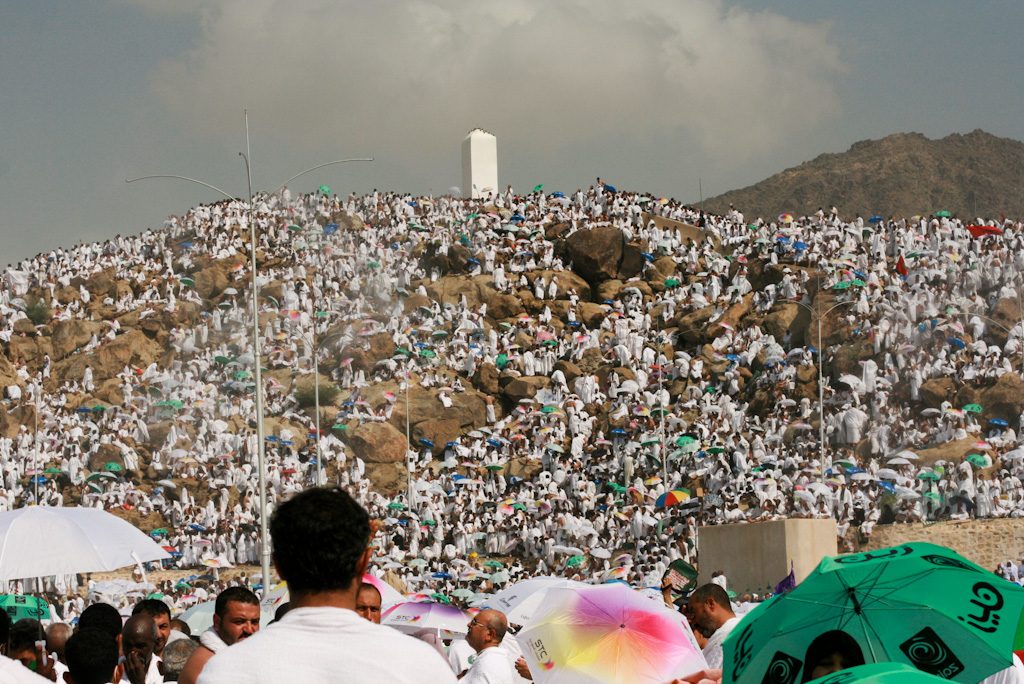
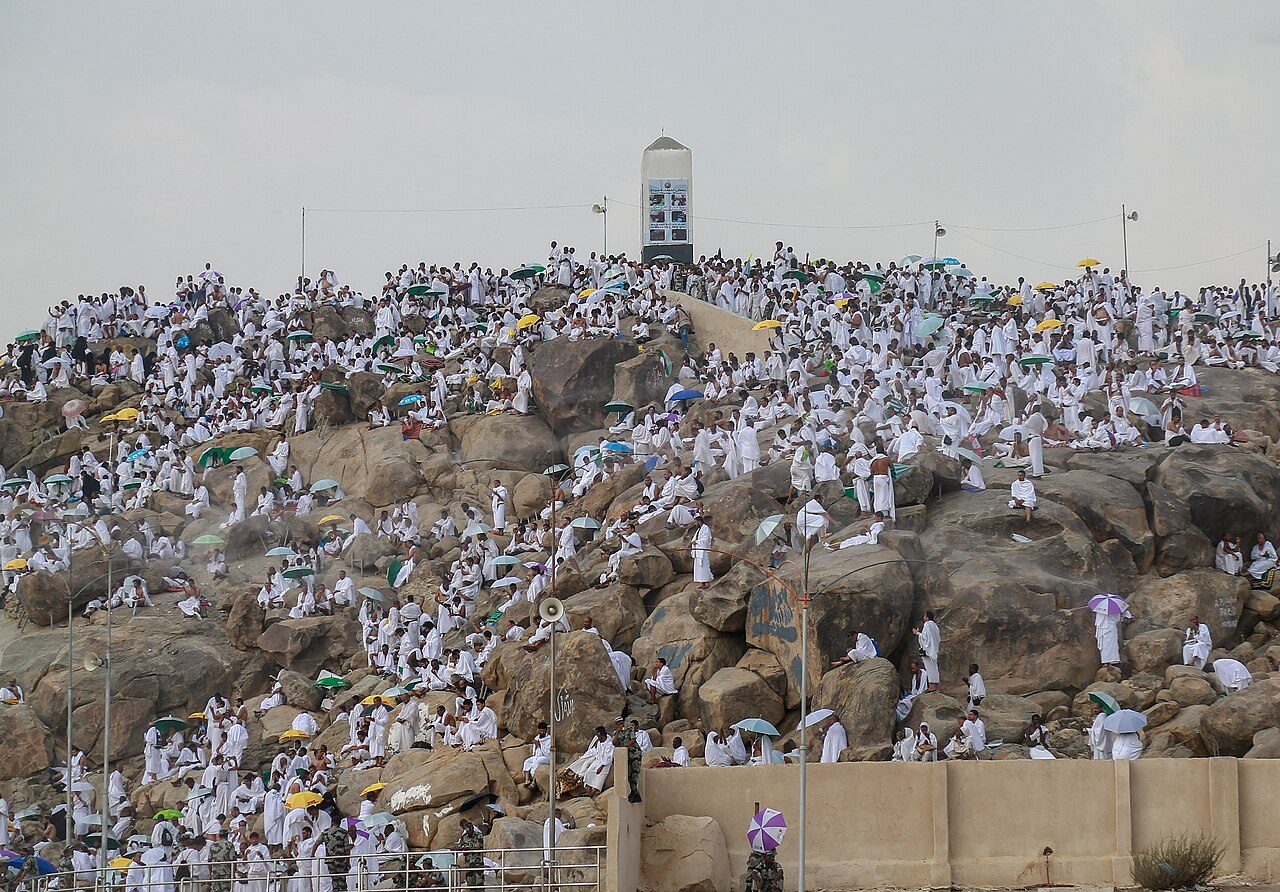
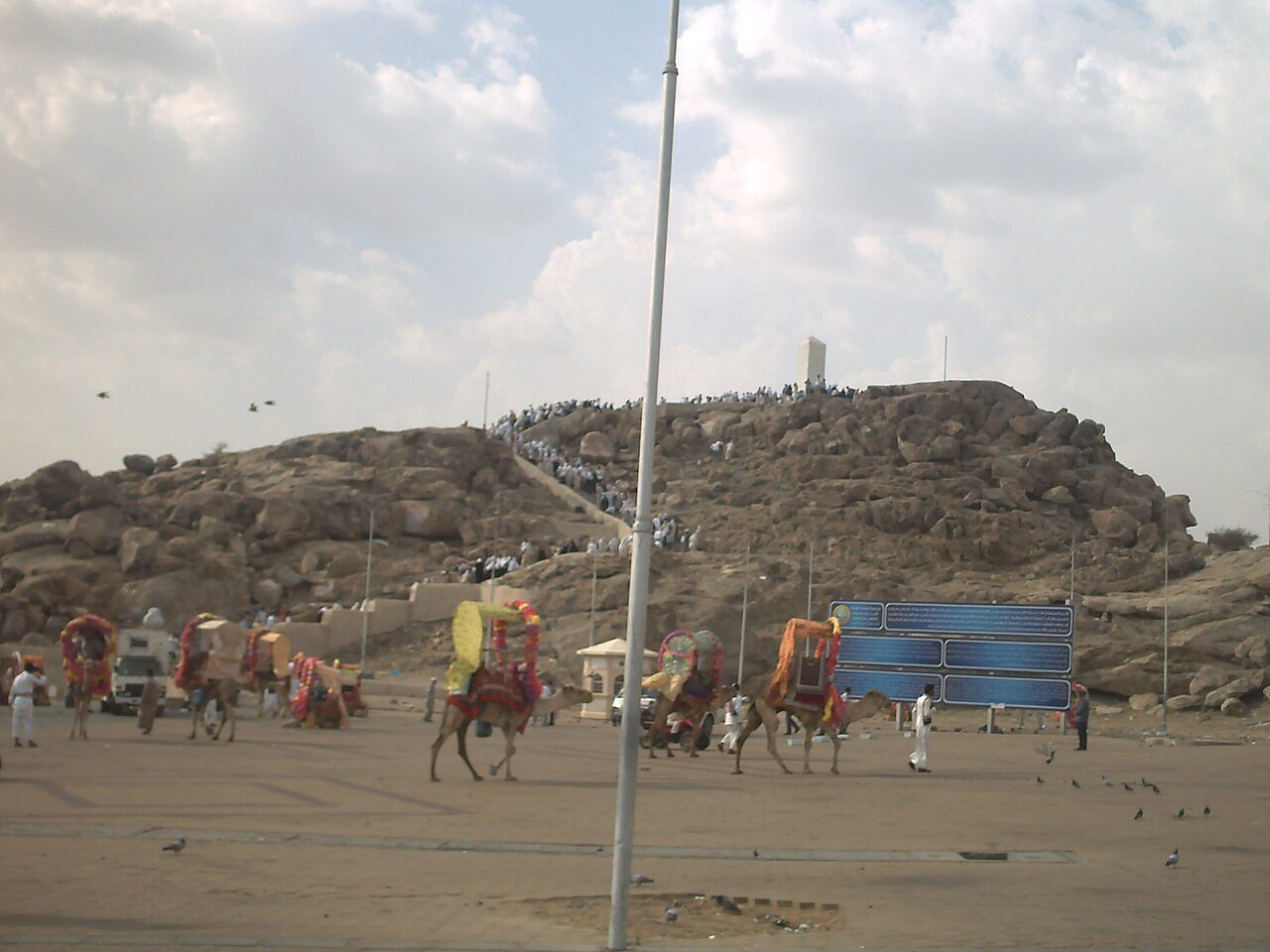
Mount Arafat, or Jabal al-Rahmah, the Mount of Mercy, is a granite hill on the plain of Arafat about 20 km south-east of Makkah. Standing at Arafat on the 9th of Dhu al-Hijjah is the central rite of the Hajj. Tradition holds that the Prophet Muhammad gave his Farewell Sermon here. A white pillar marks the top.
07
STOP 7 OF 11
Jamarat Bridge
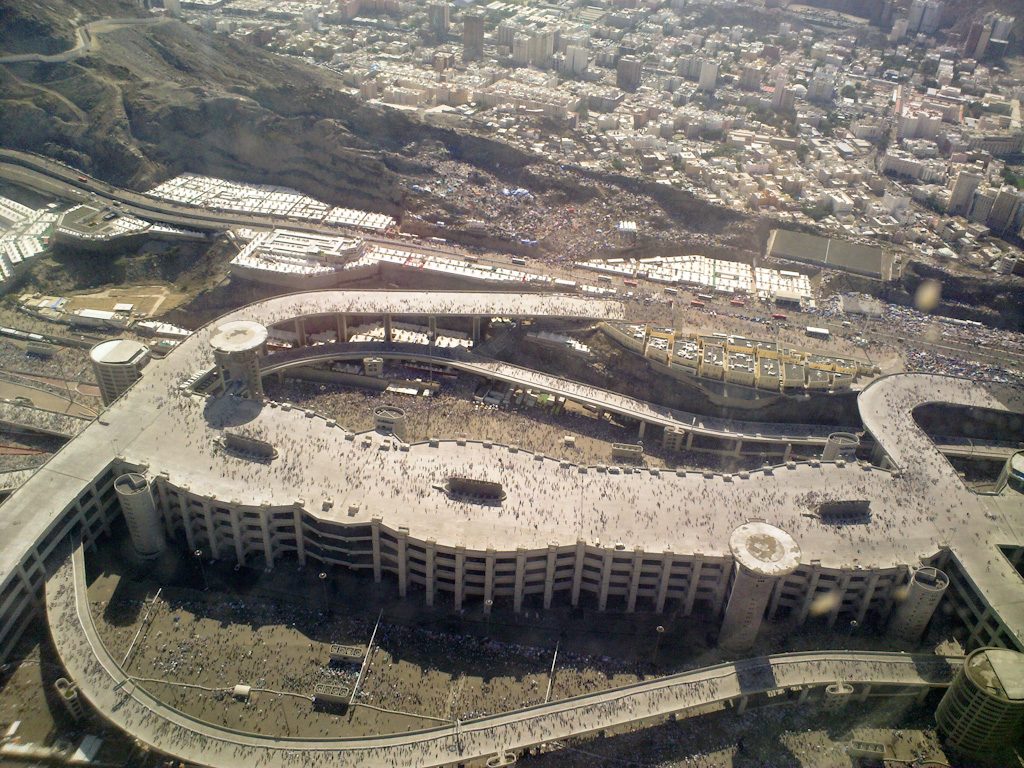
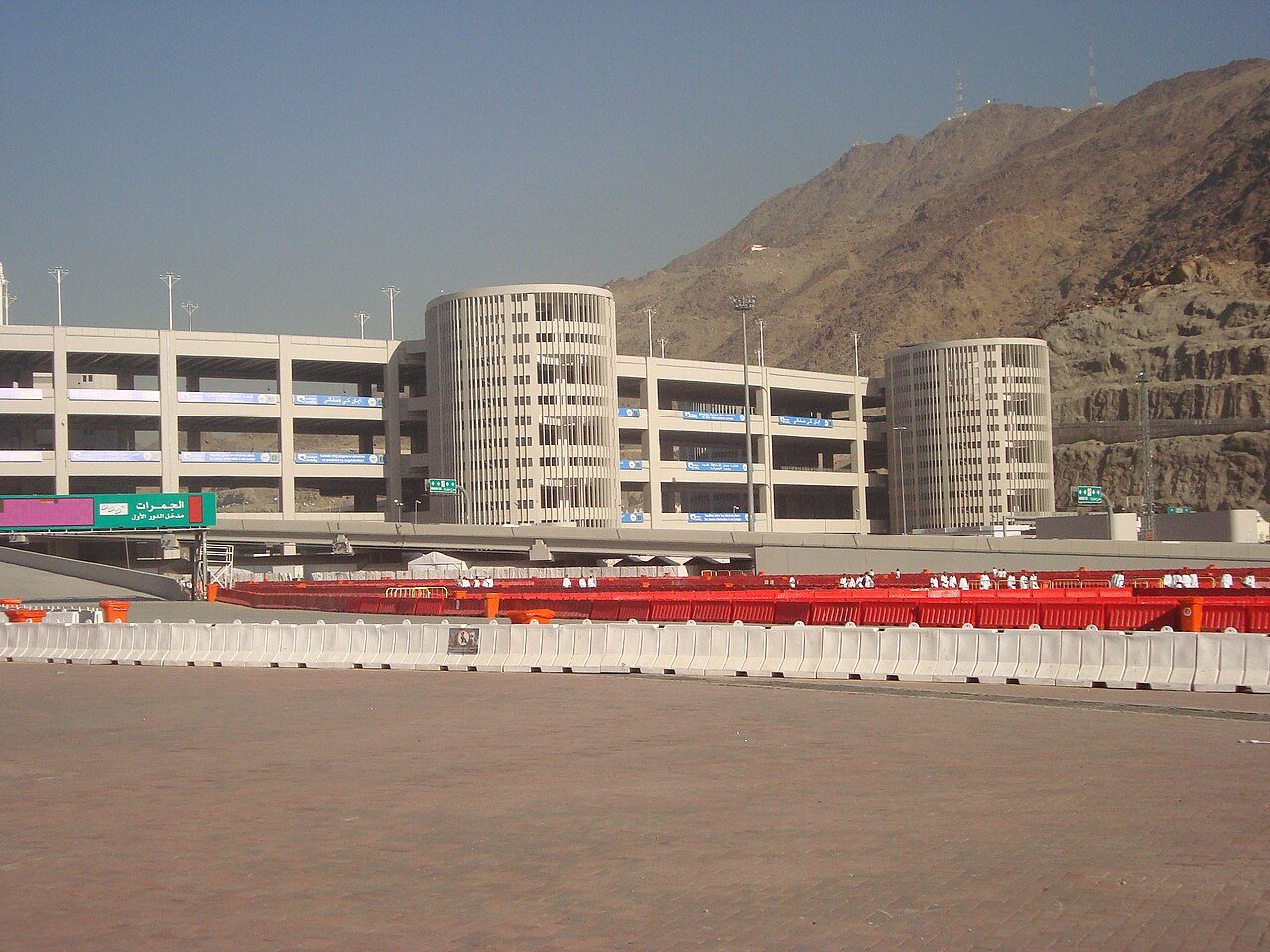
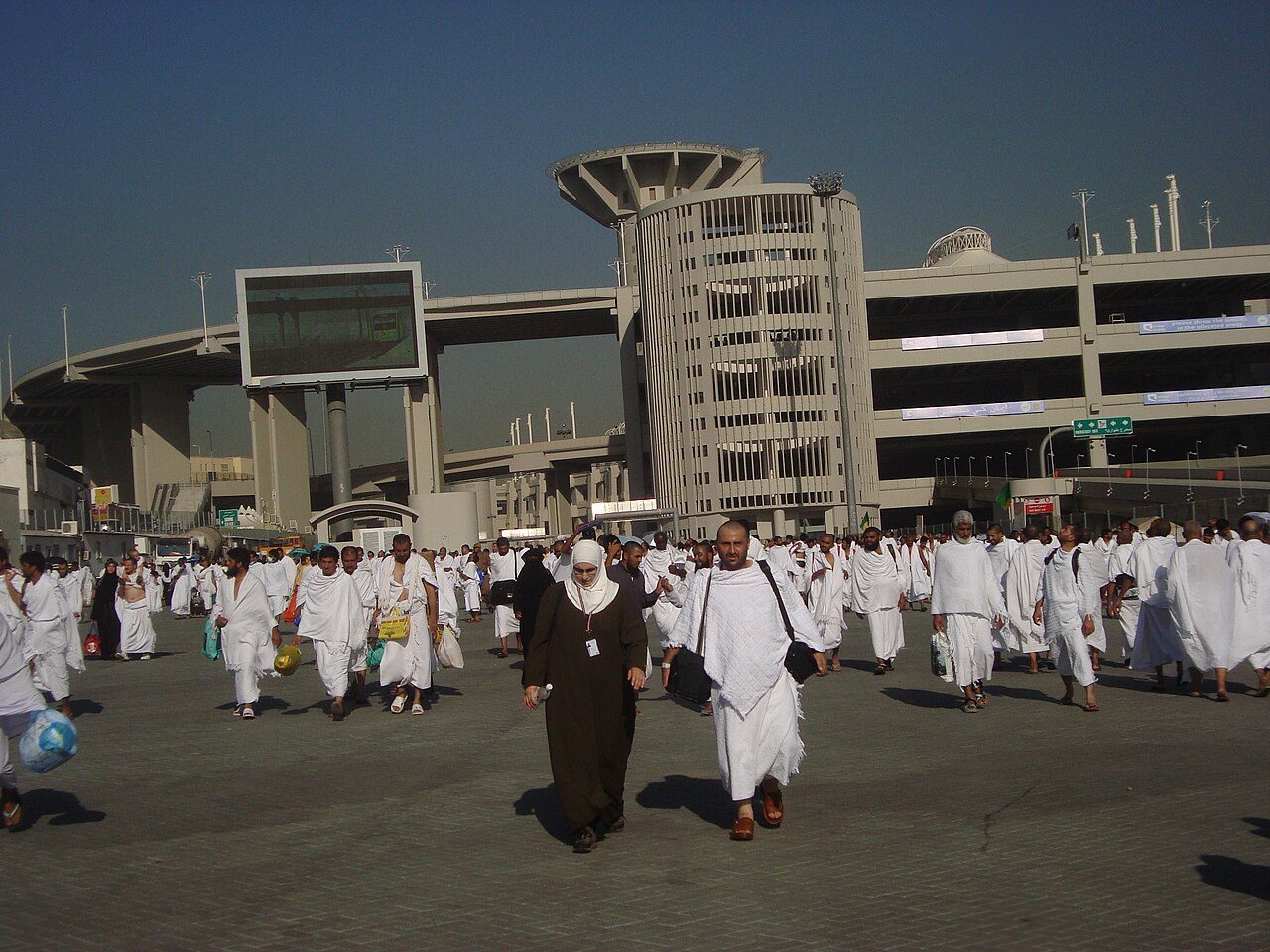
The Jamarat Bridge in Mina is where Hajj pilgrims throw pebbles at three walls that represent the devil. The present structure, completed in 2009, has several levels with many entrances and exits so that hundreds of thousands of people an hour can pass safely. The walls replaced the earlier slender pillars.
08
STOP 8 OF 11
Masjid Aisha
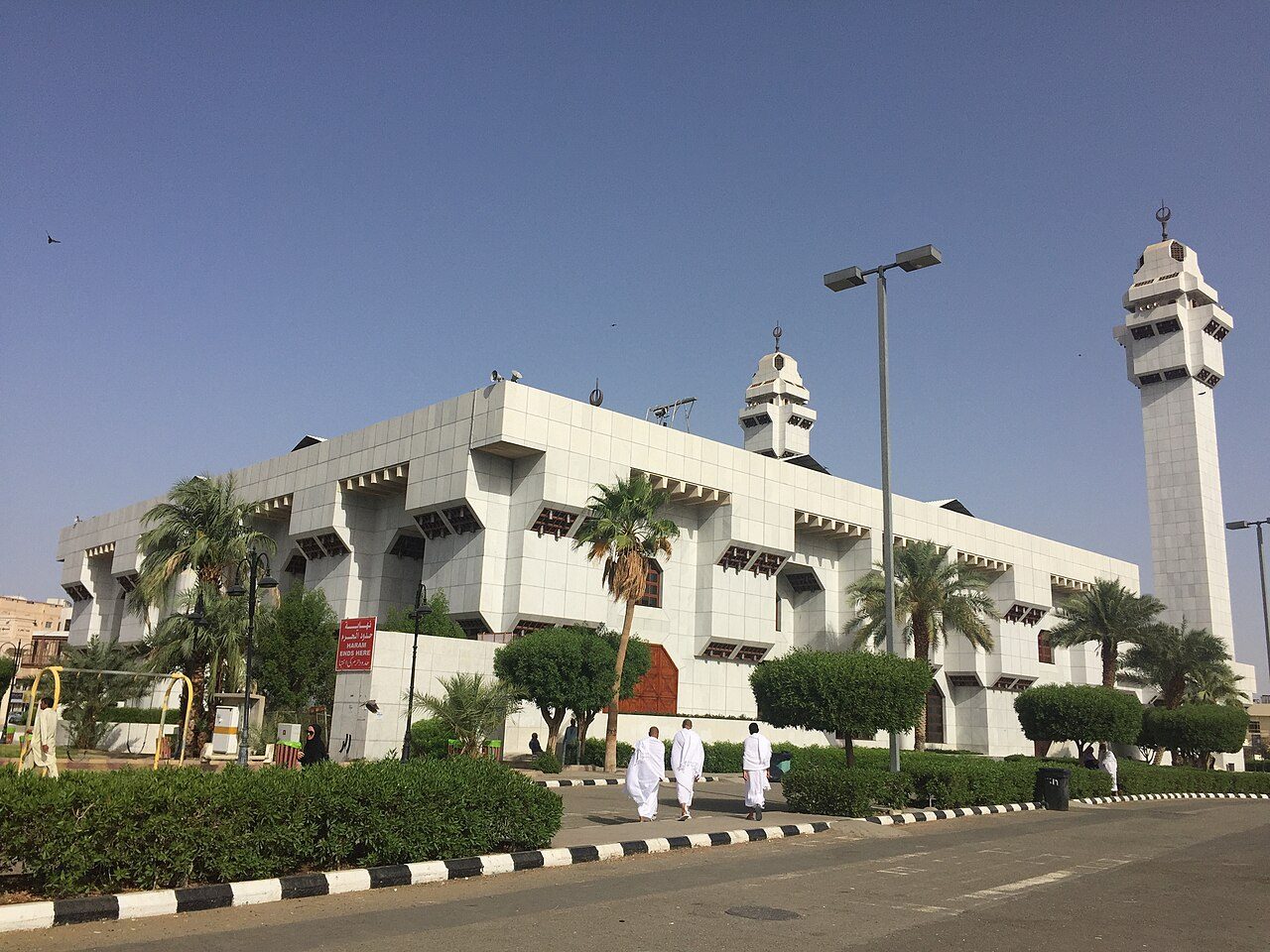
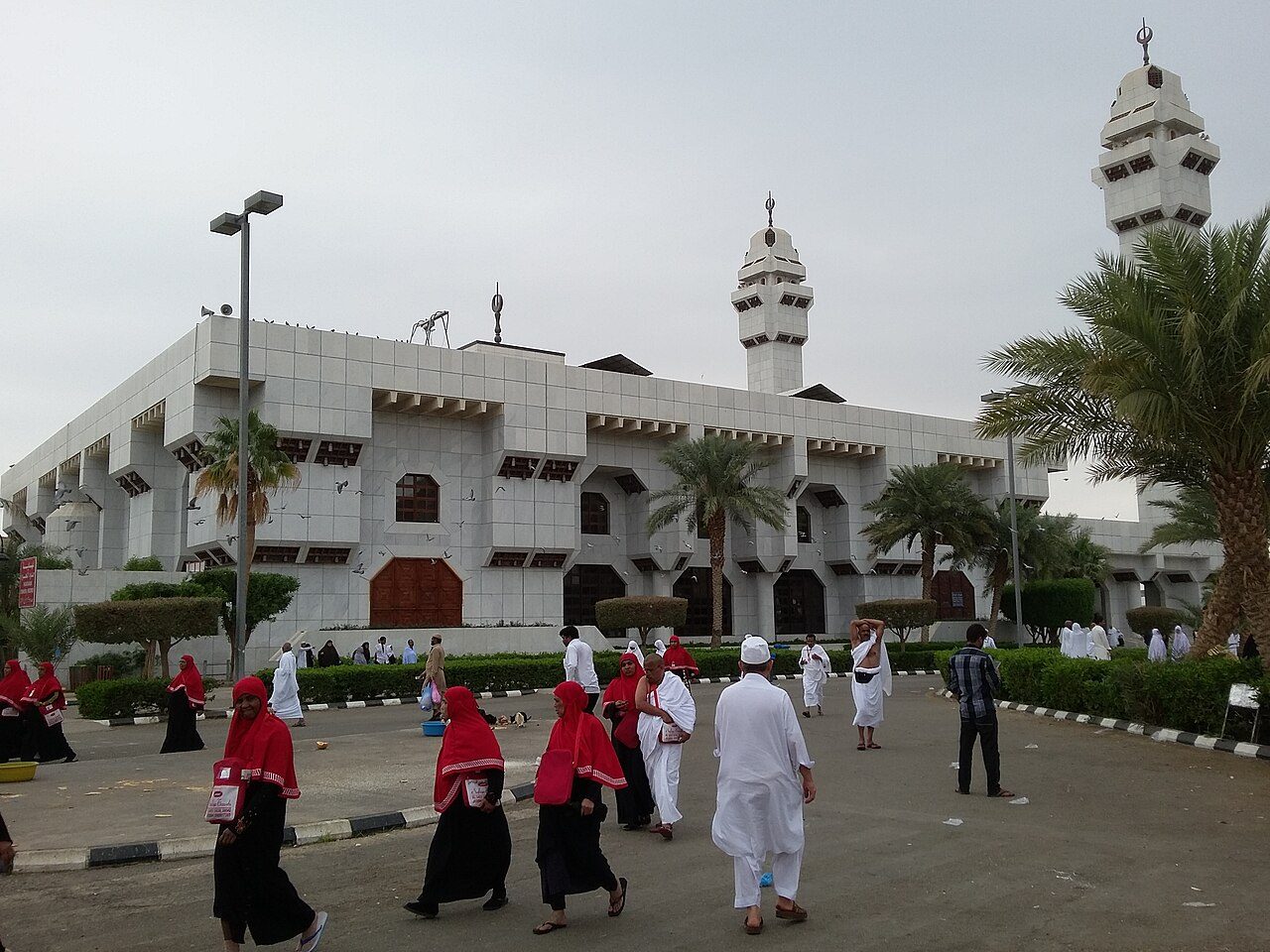
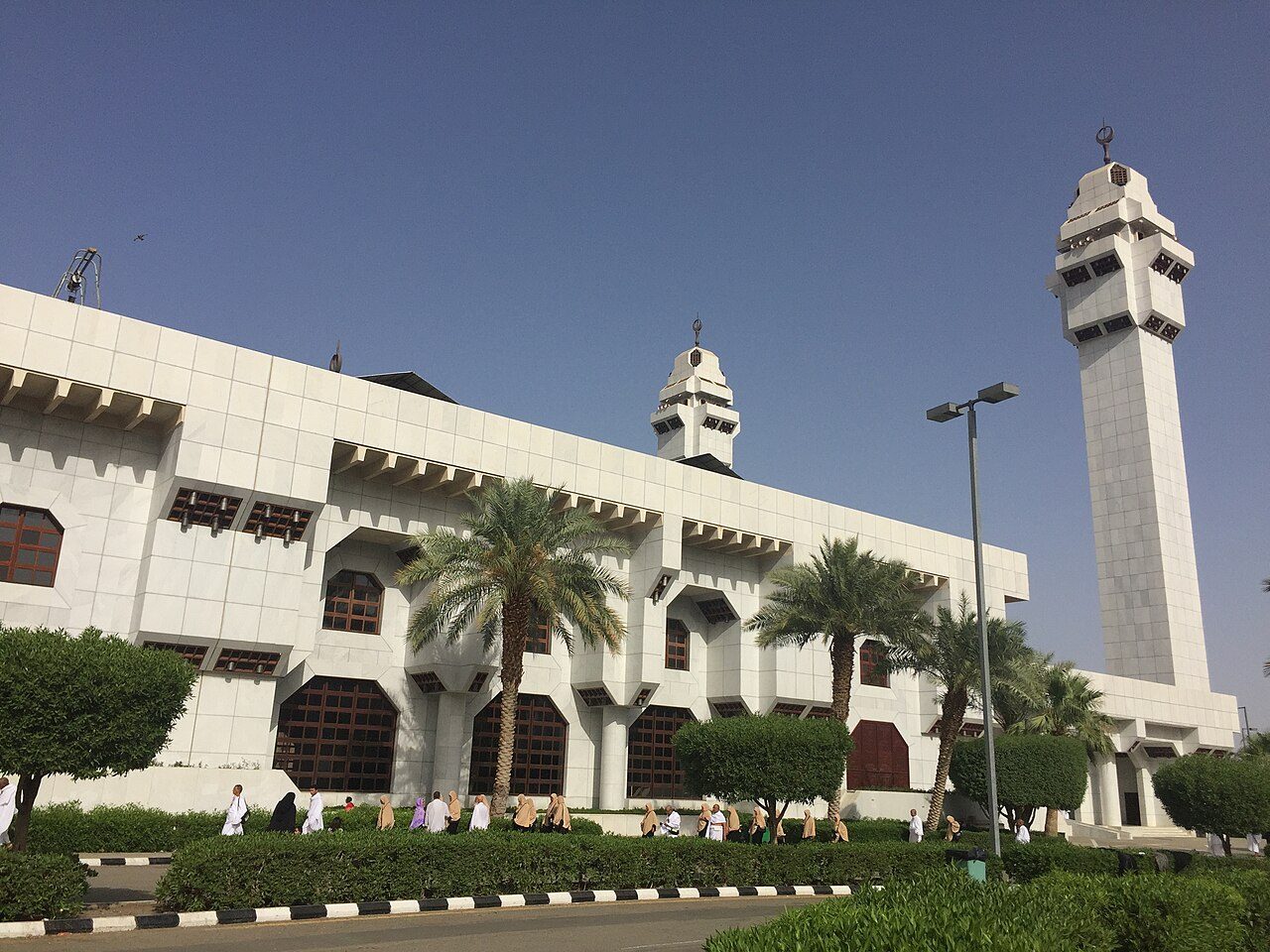
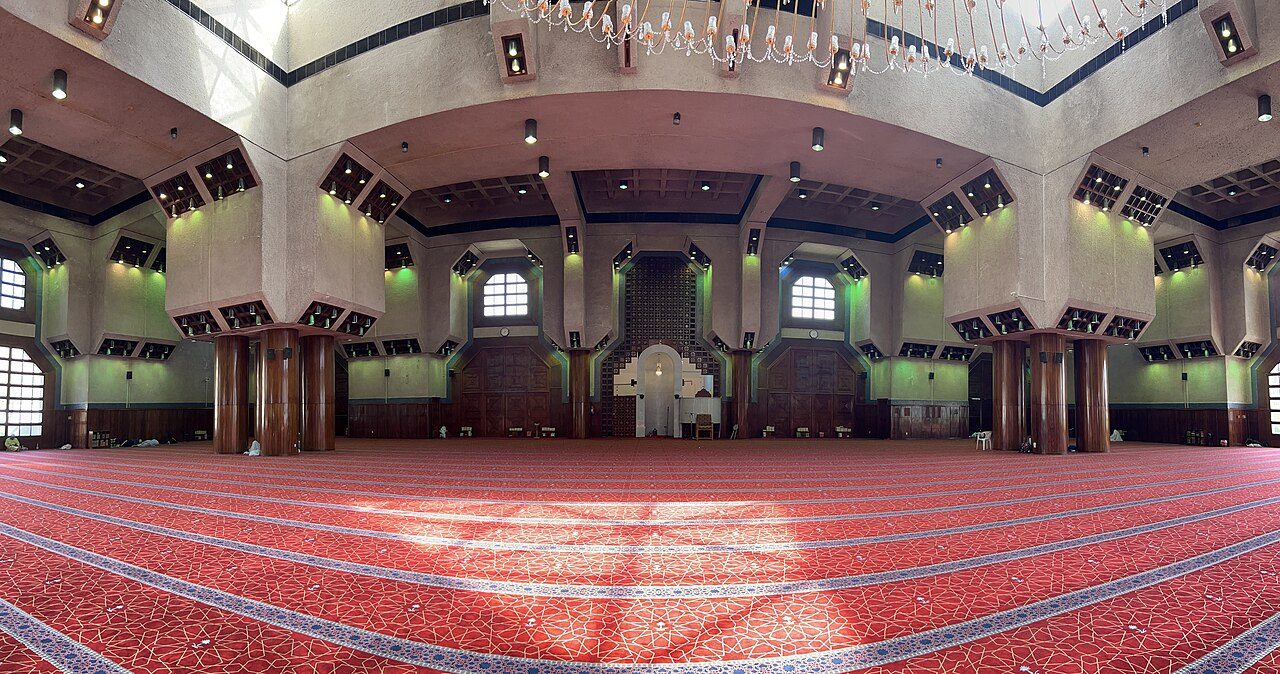
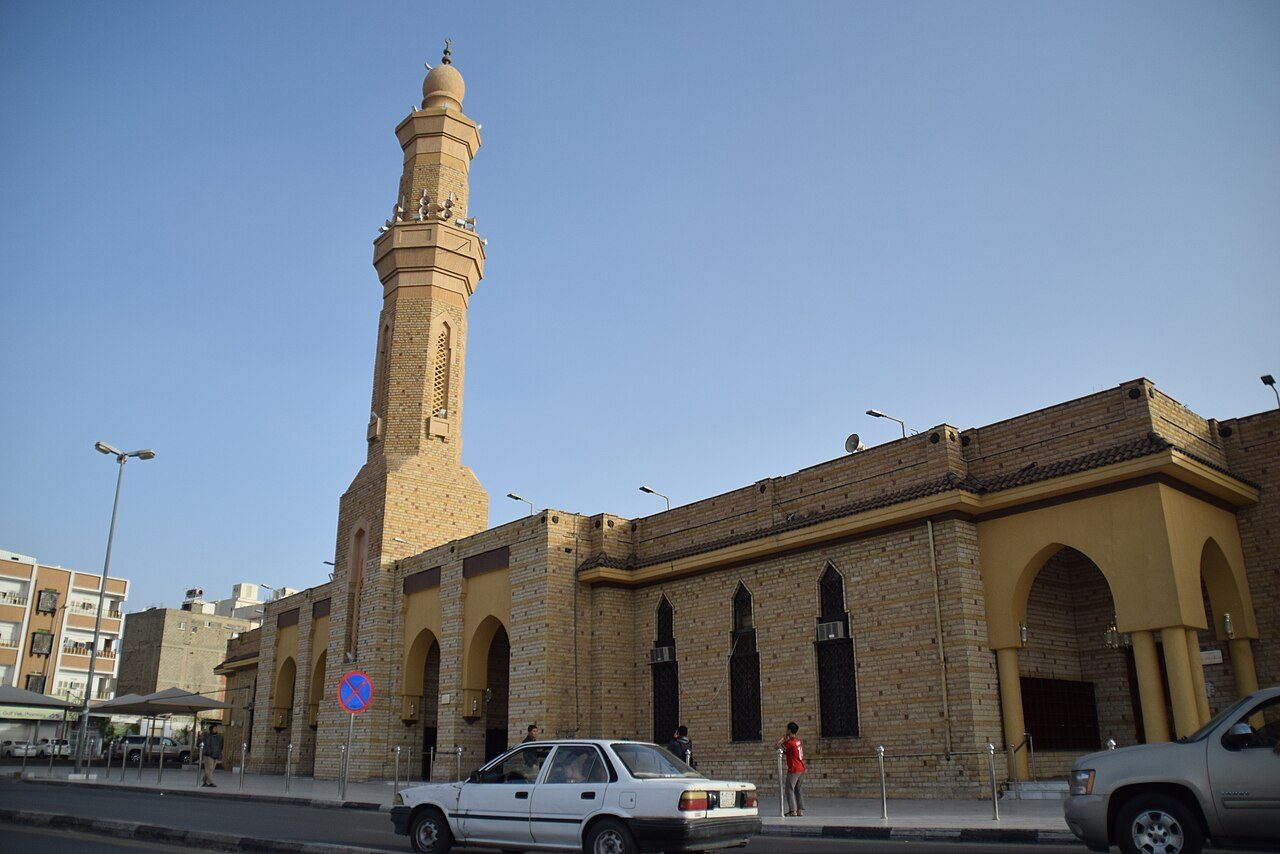
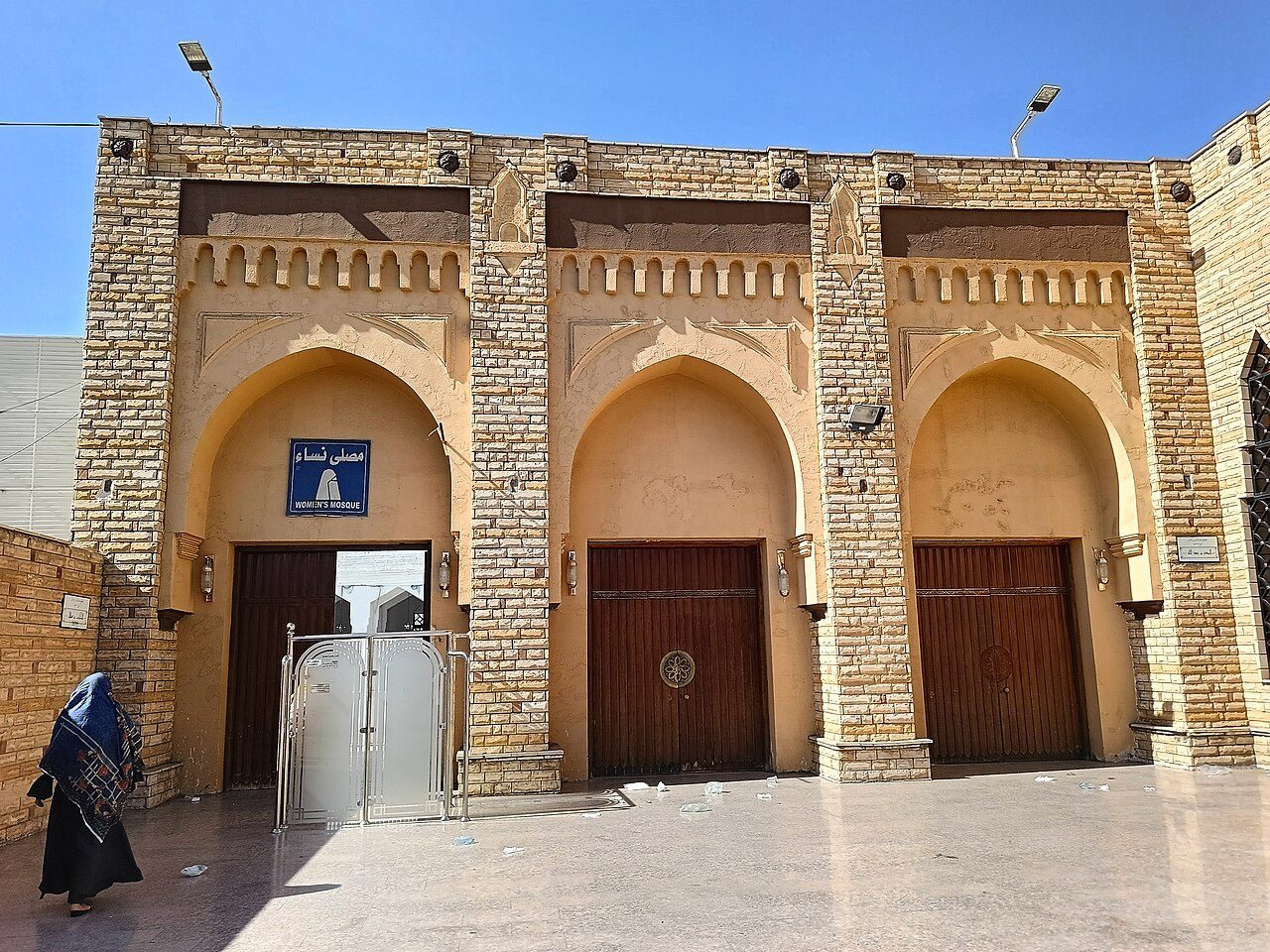
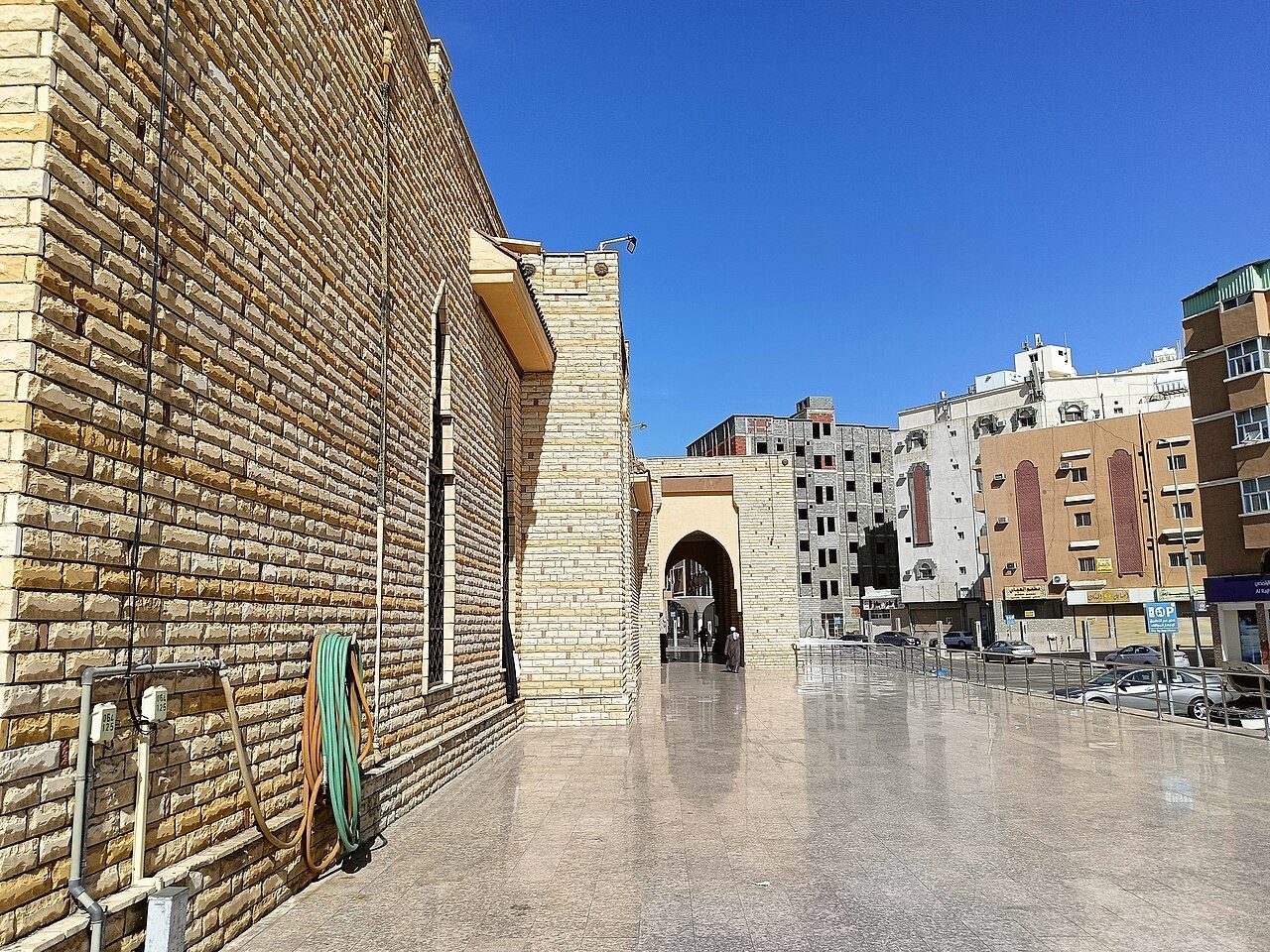
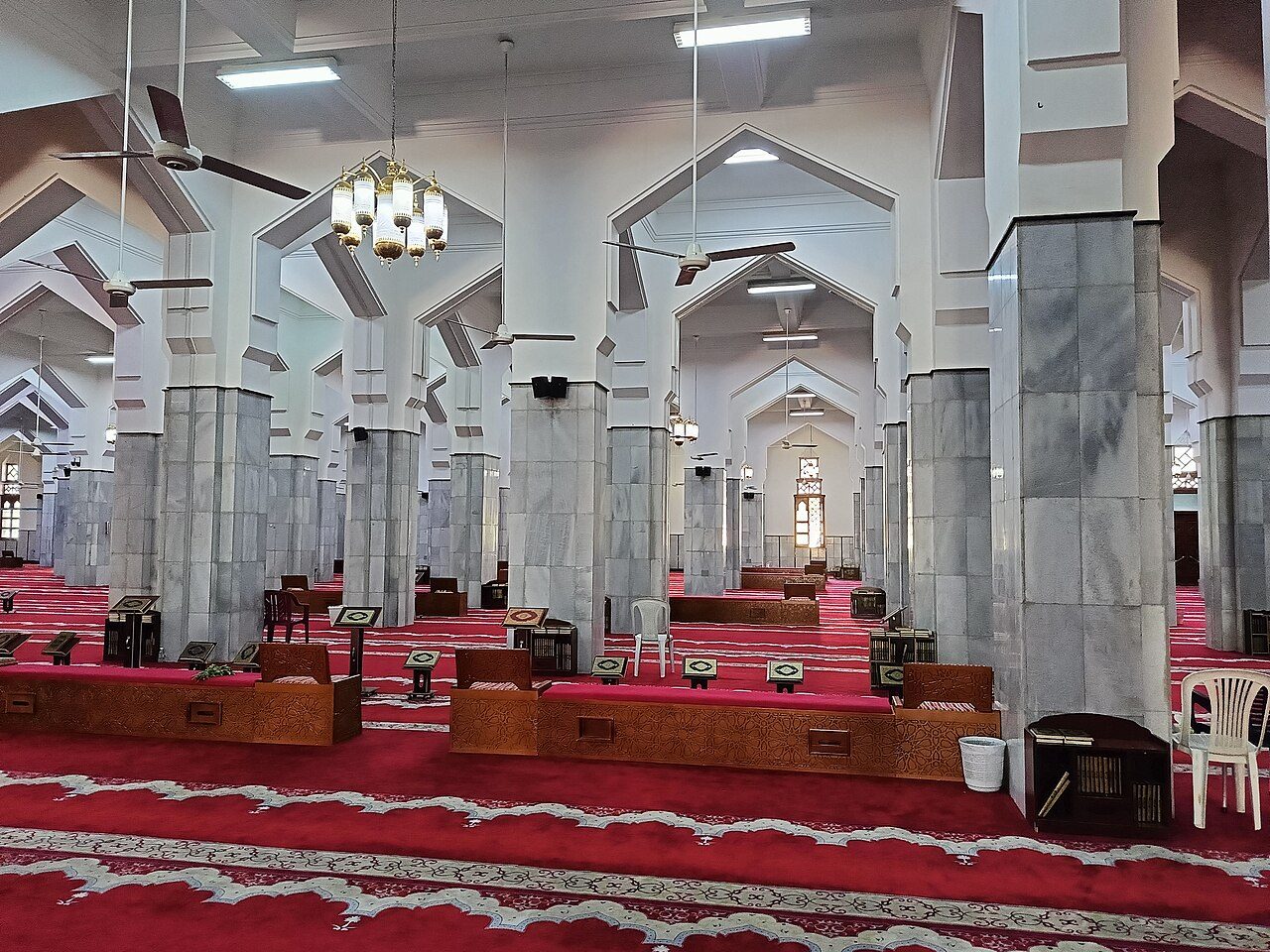
Masjid Aisha, also called Masjid at-Taneem, stands about 7.5 km north of the Masjid al-Haram, just outside the boundary of the sacred area of Makkah. It is the nearest place where people already in Makkah can enter the state of ihram to perform Umrah. It is named after Aisha, who did so here. The mosque is open at all hours.
09
STOP 9 OF 11
Abdullah ibn Abbas Mosque
The Abdullah ibn Abbas Mosque stands in the centre of Taif beside the tomb of Abdullah ibn Abbas, a cousin of the Prophet Muhammad and one of the great early scholars of the Quran, who died here in 687. The mosque has been rebuilt and enlarged many times. A library attached to it keeps old manuscripts.
10
STOP 10 OF 11
Al Hada Mountain, Taif
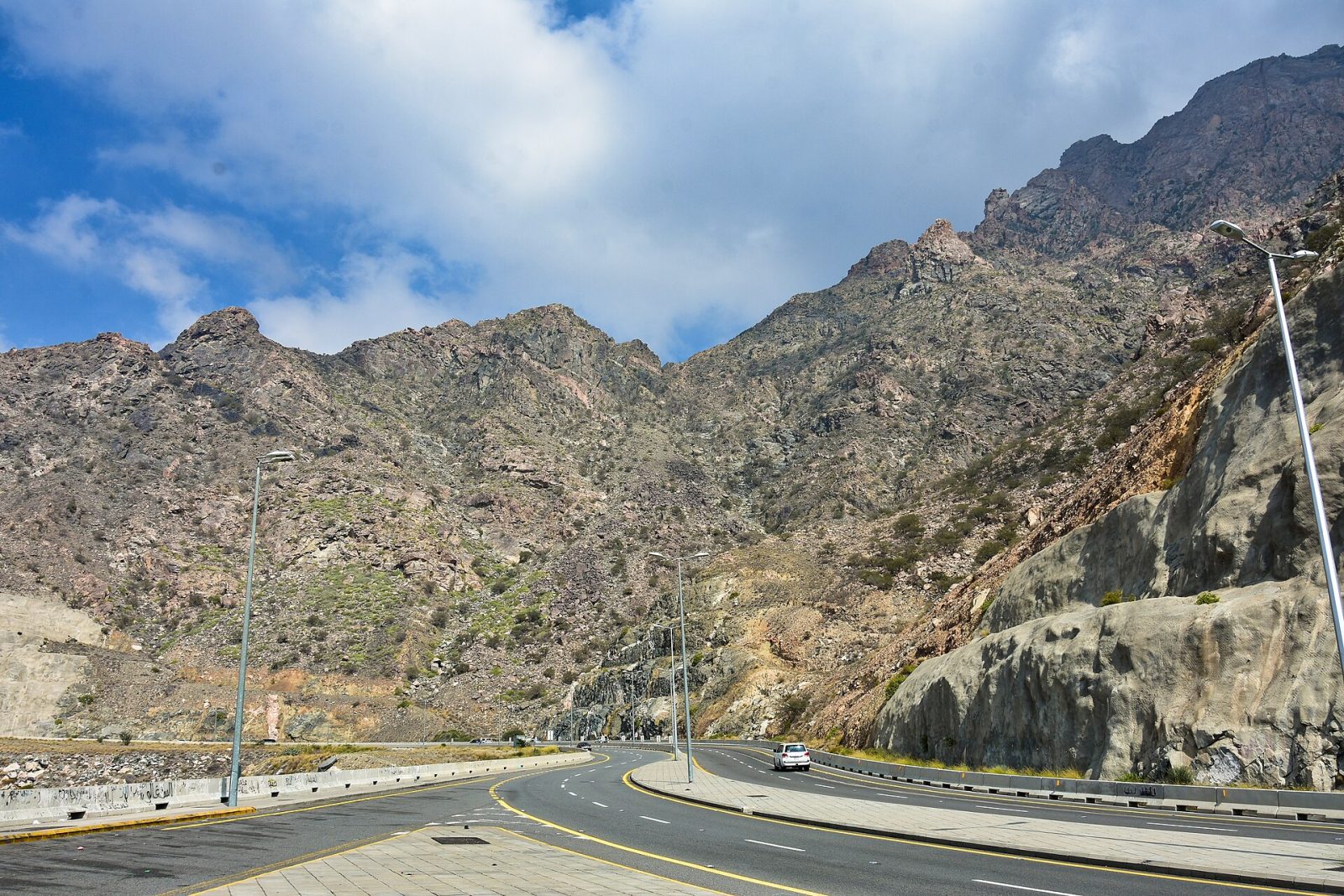
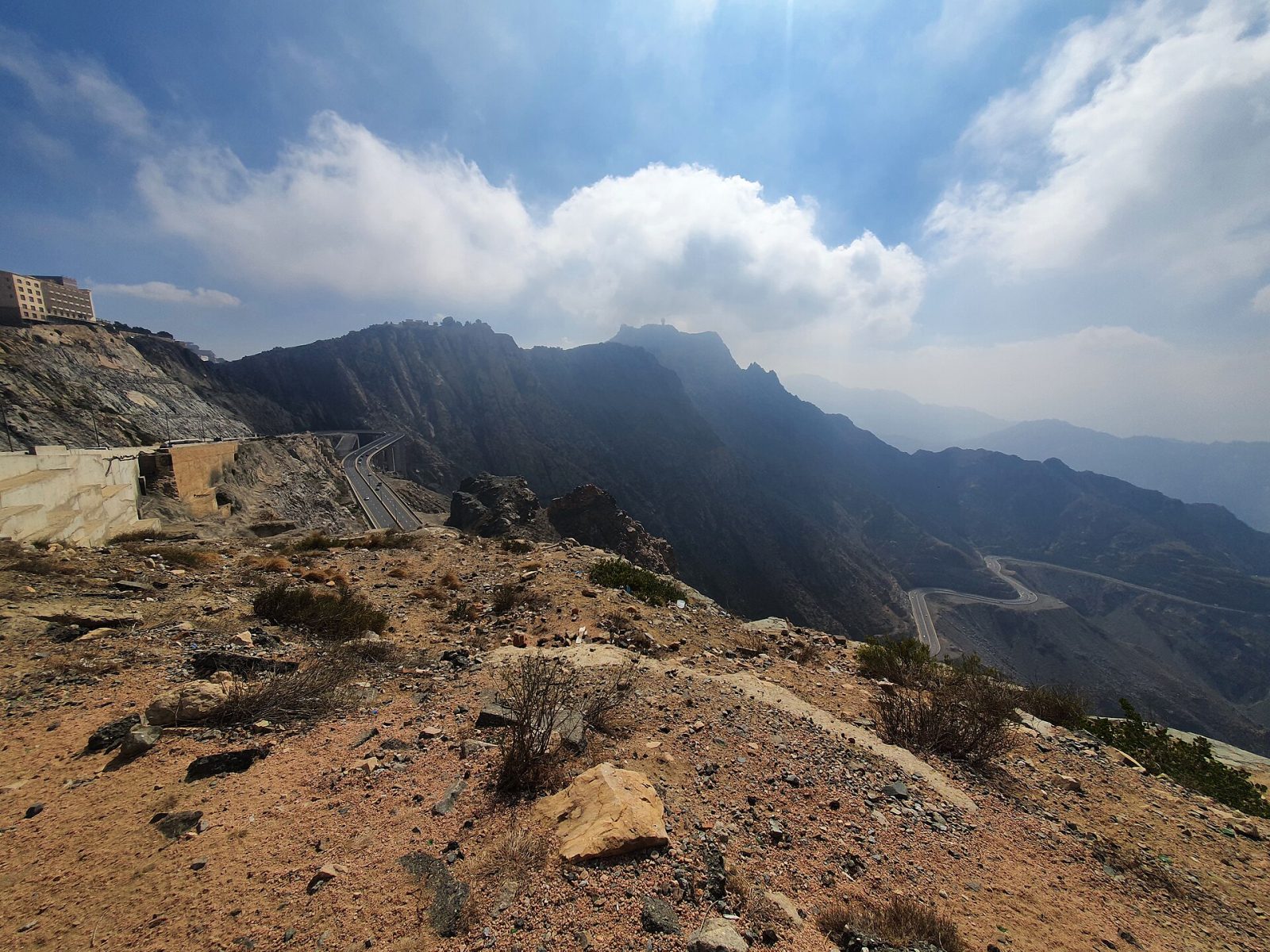
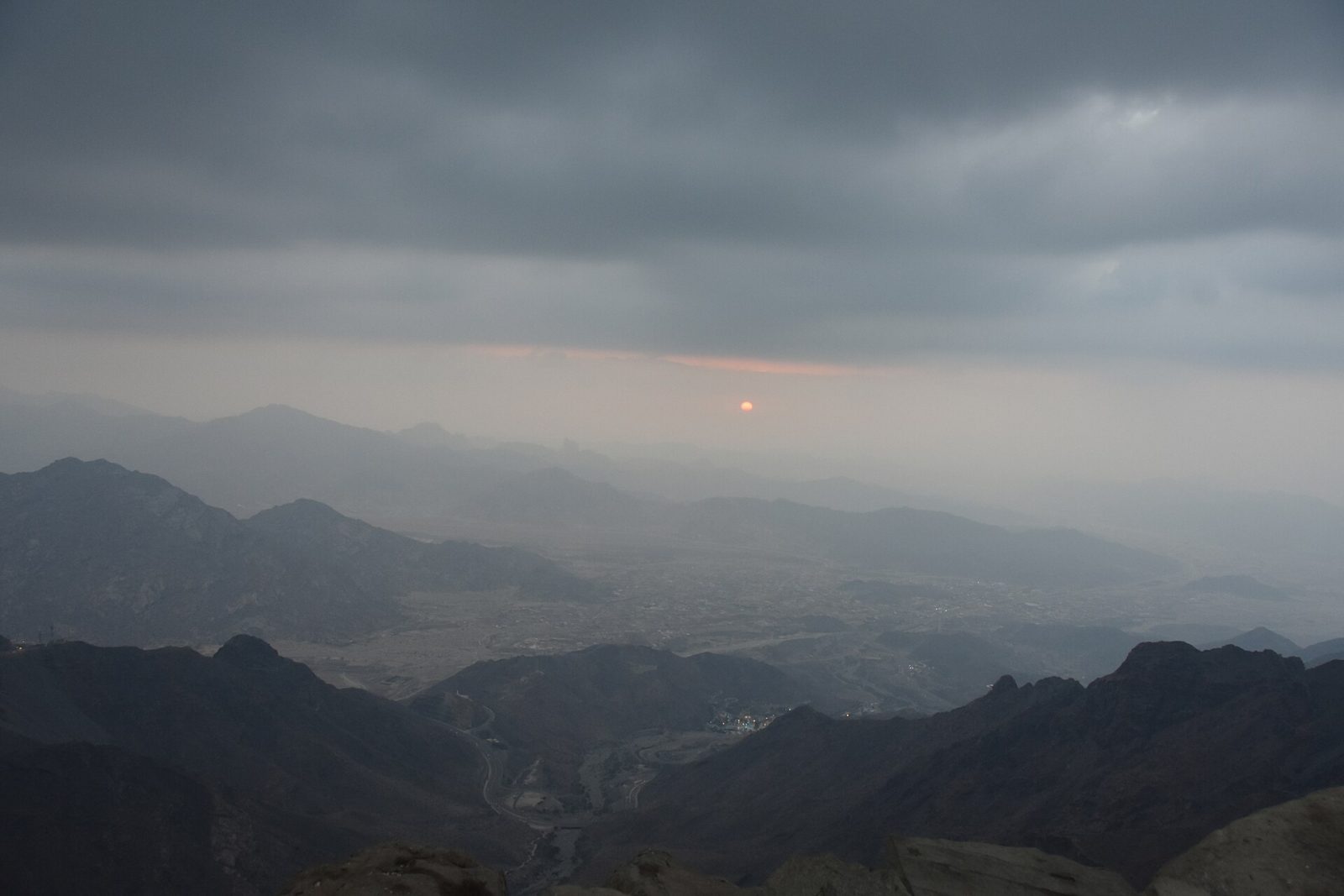
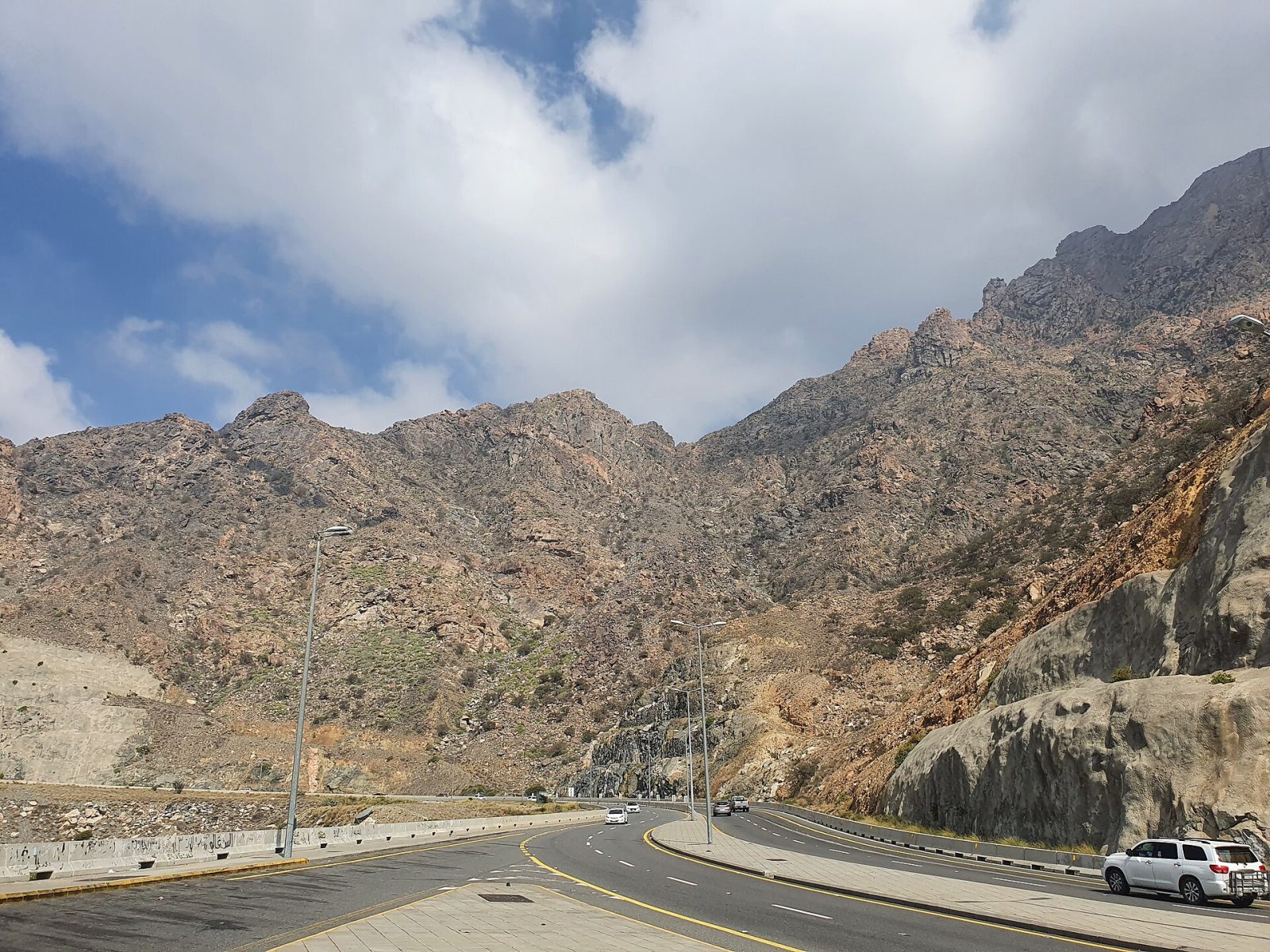
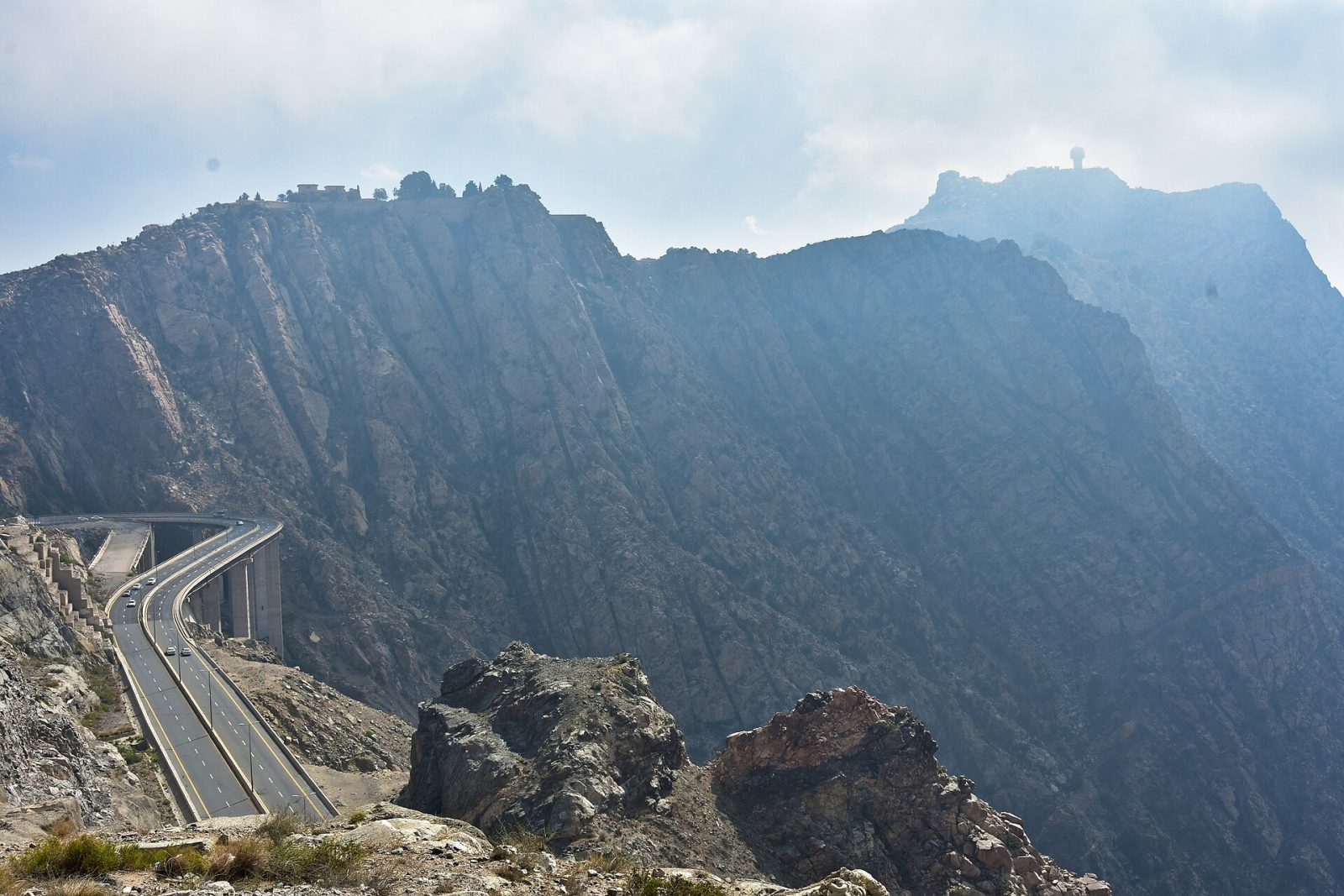
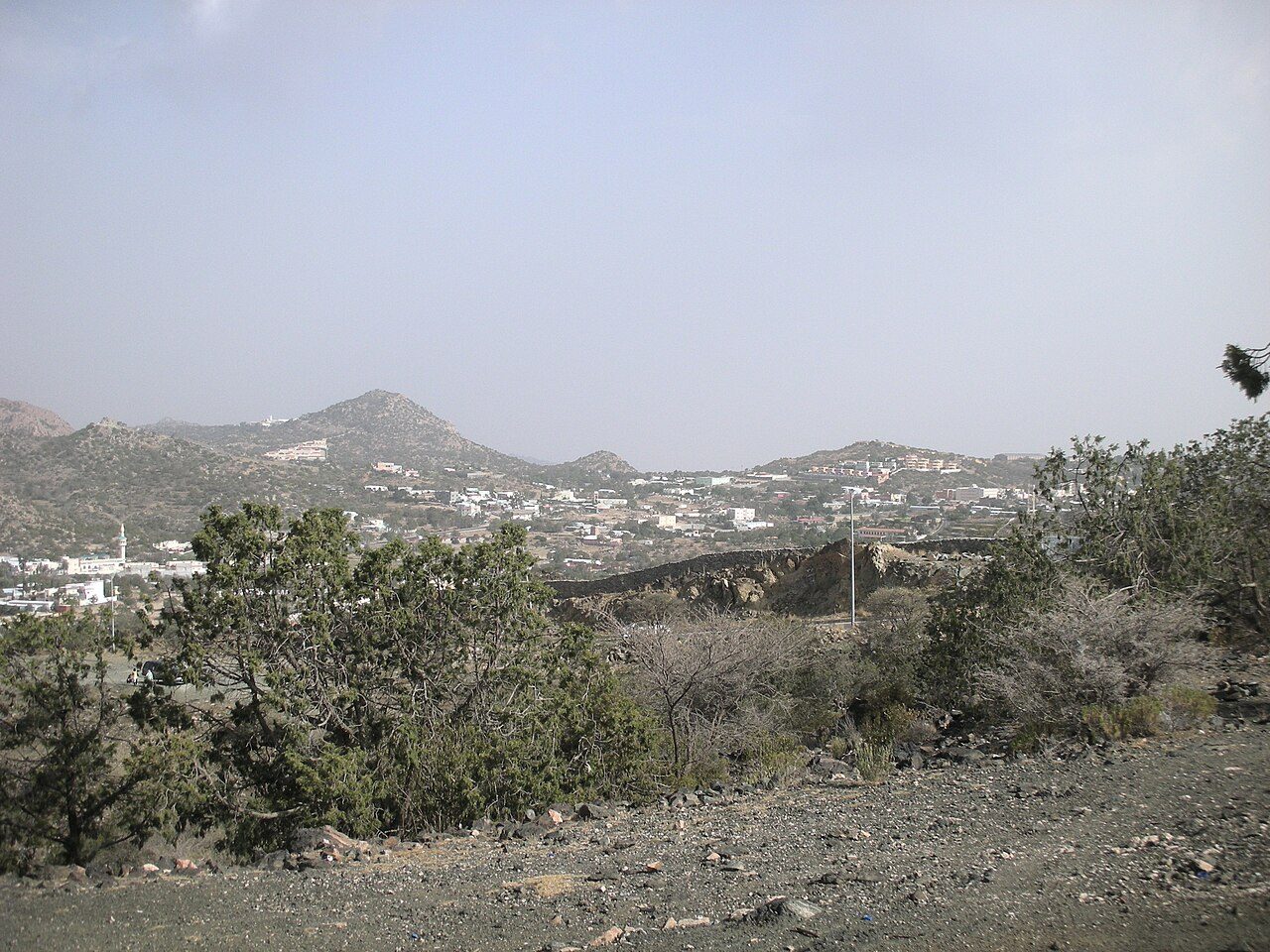
Al Hada is the mountain shoulder above Taif, reached by a famous road of sharp switchbacks that climbs some 2,000 metres from the Tihamah plain in about 20 km. Taif itself is known as the summer capital, cooler than the coast and famous for its damask roses, which are distilled into rose oil each spring. From the top of Al Hada the view drops away over the escarpment, and a cable car runs down to the Al Kar resort in the valley. Families come up at weekends for the parks, viewpoints and cooler air. The road is spectacular but demands careful driving, especially in fog.
11
STOP 11 OF 11 · LAST STOP
Al Shafa
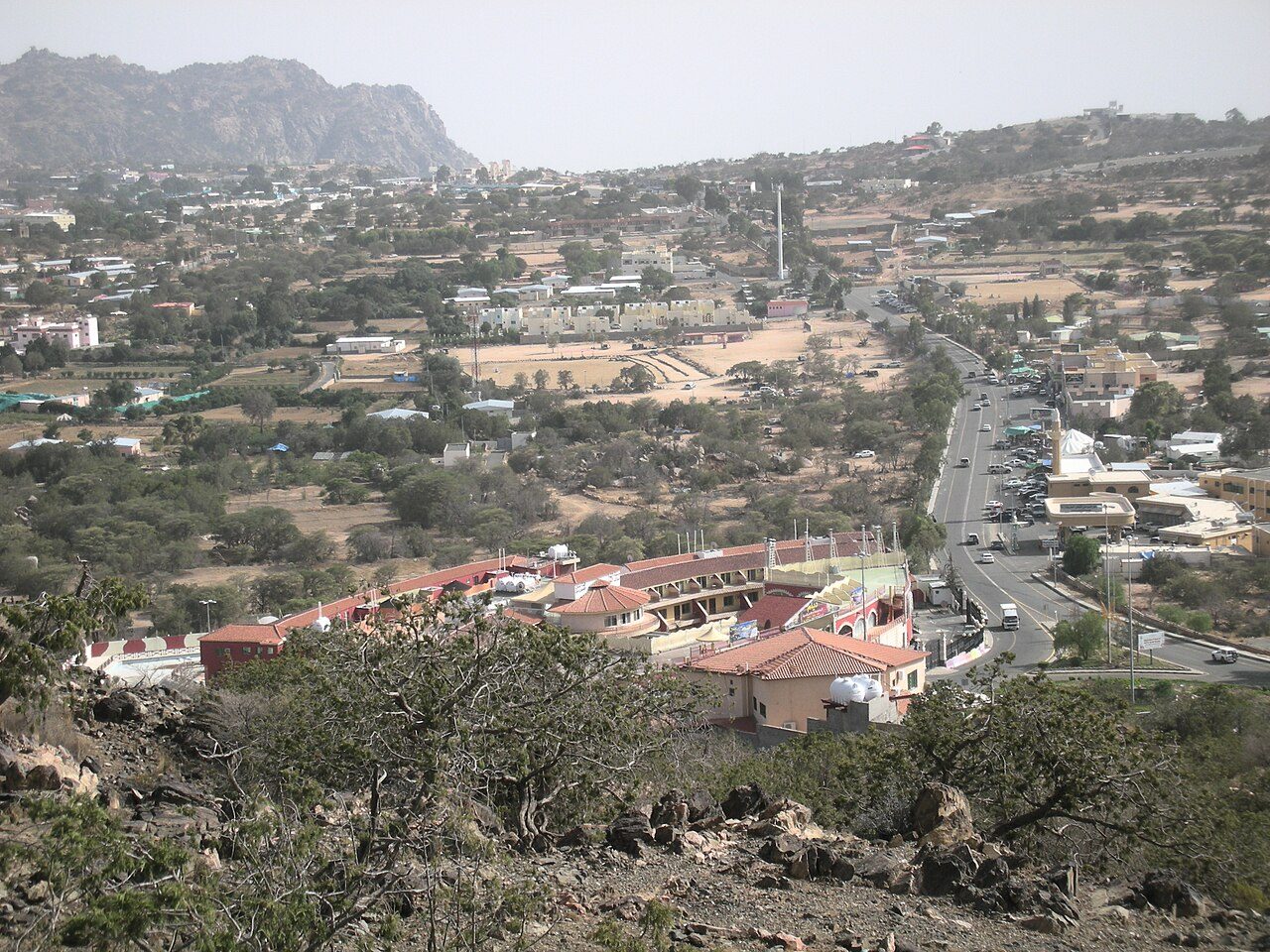
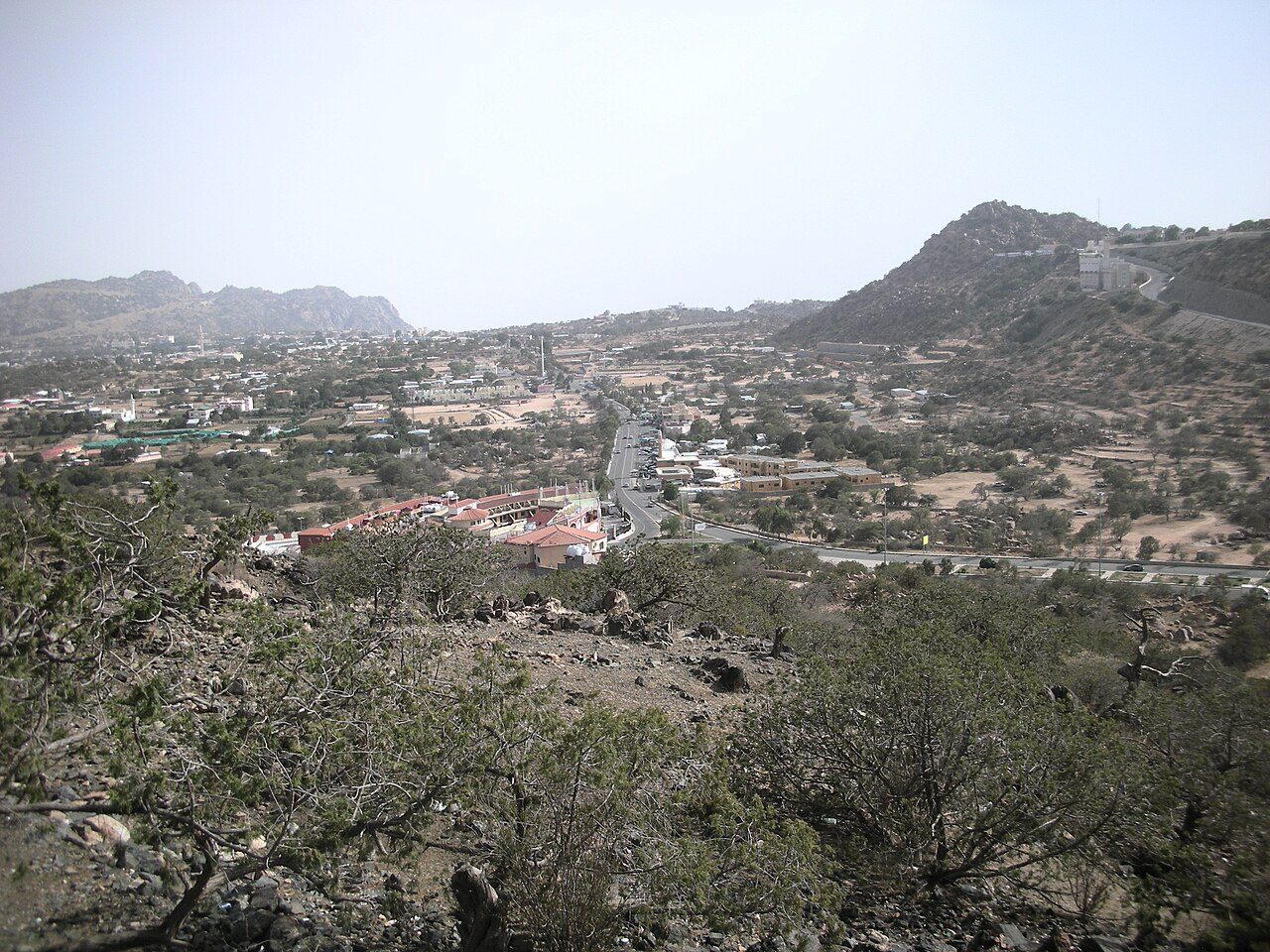
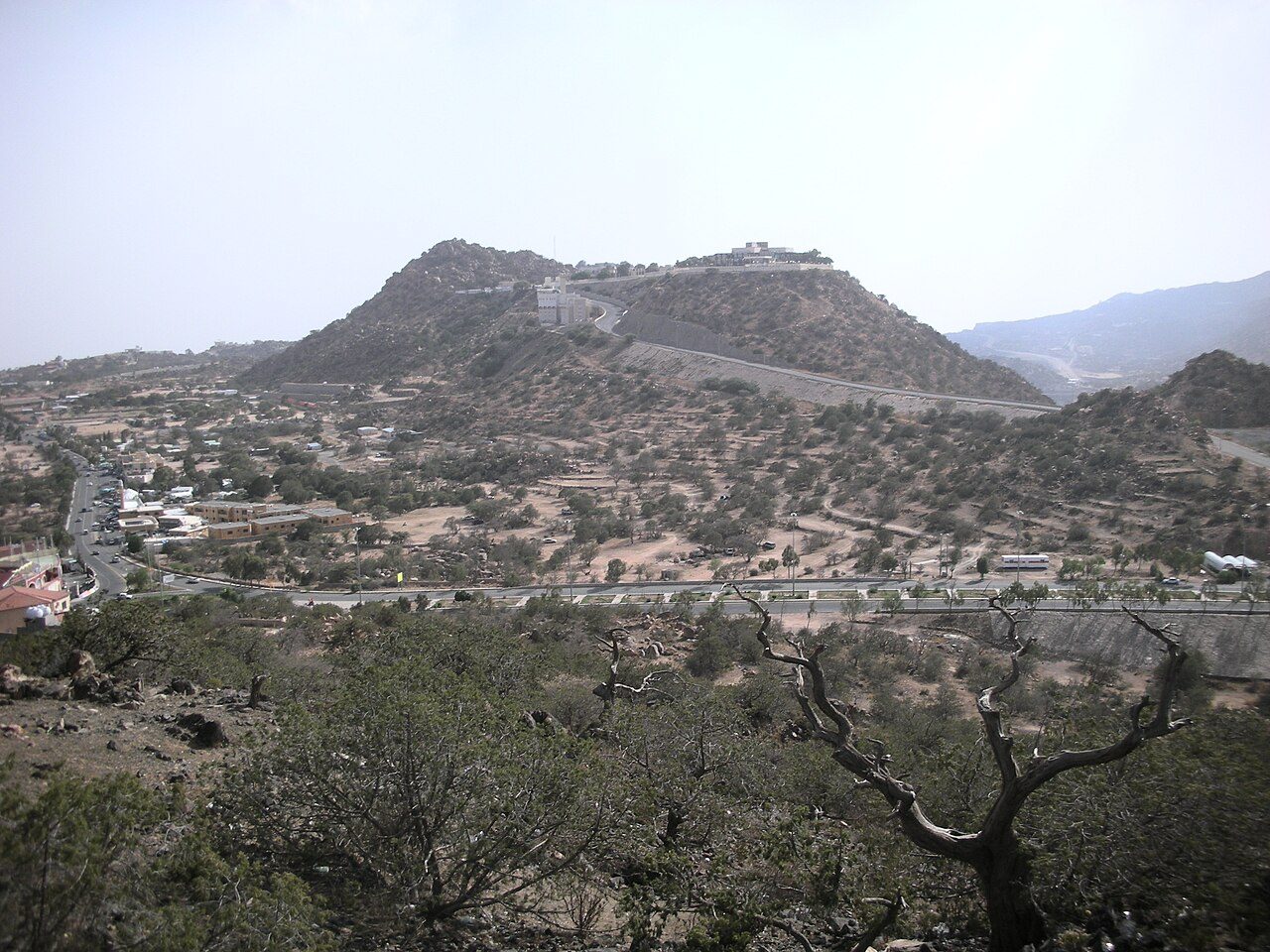
Al Shafa is a mountain area about 25 km south of Taif, rising above 2,200 metres in the Sarawat range. Its cool air, juniper trees, terraced farms and fruit orchards make it a favourite summer retreat. Roadside stalls sell local honey, figs and pomegranates, and the hairpin roads have viewpoints over the valleys. Baboons are common along the road.
Seasons from 20 years of NASA POWER climate data.
 WaTrips