Al Muftaha and Al Soudah, Rijal Almaa and Habala, Al Namas, then Dhi Ain in Al-Bahah.
Saudi Arabia's southwest is green, mountainous and cool. Day one visits Abha's Al Muftaha art village and the cloud forest of Al Soudah, the kingdom's highest area. Day two descends to Rijal Almaa, a village of painted stone towers, and takes the cable car down to Habala, the hanging village. Day three drives through Al Namas to Dhi Ain, the white marble village on its rock in Al-Bahah. Summer is the high season here, when the mountains are much cooler than the rest of the country.
01
STOP 1 OF 6
Al Muftaha Village
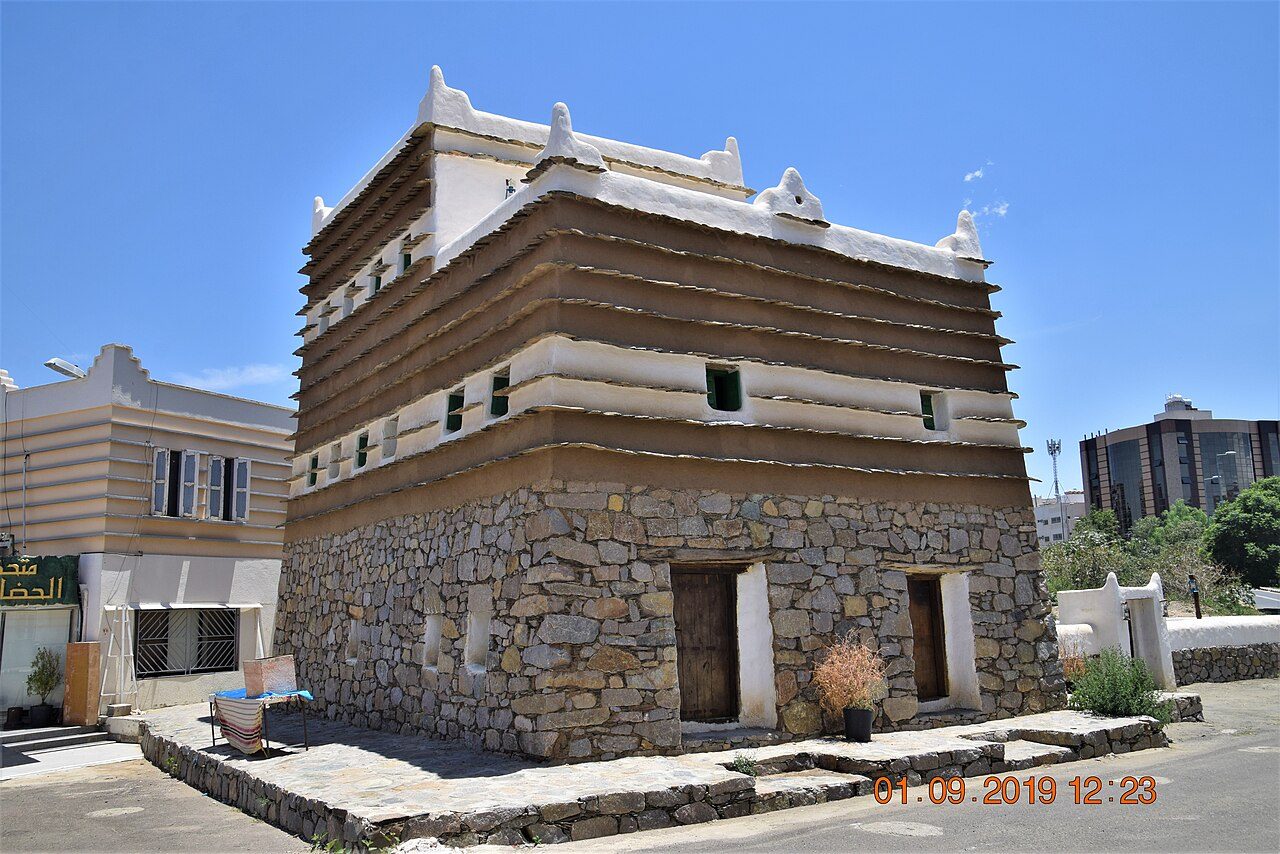
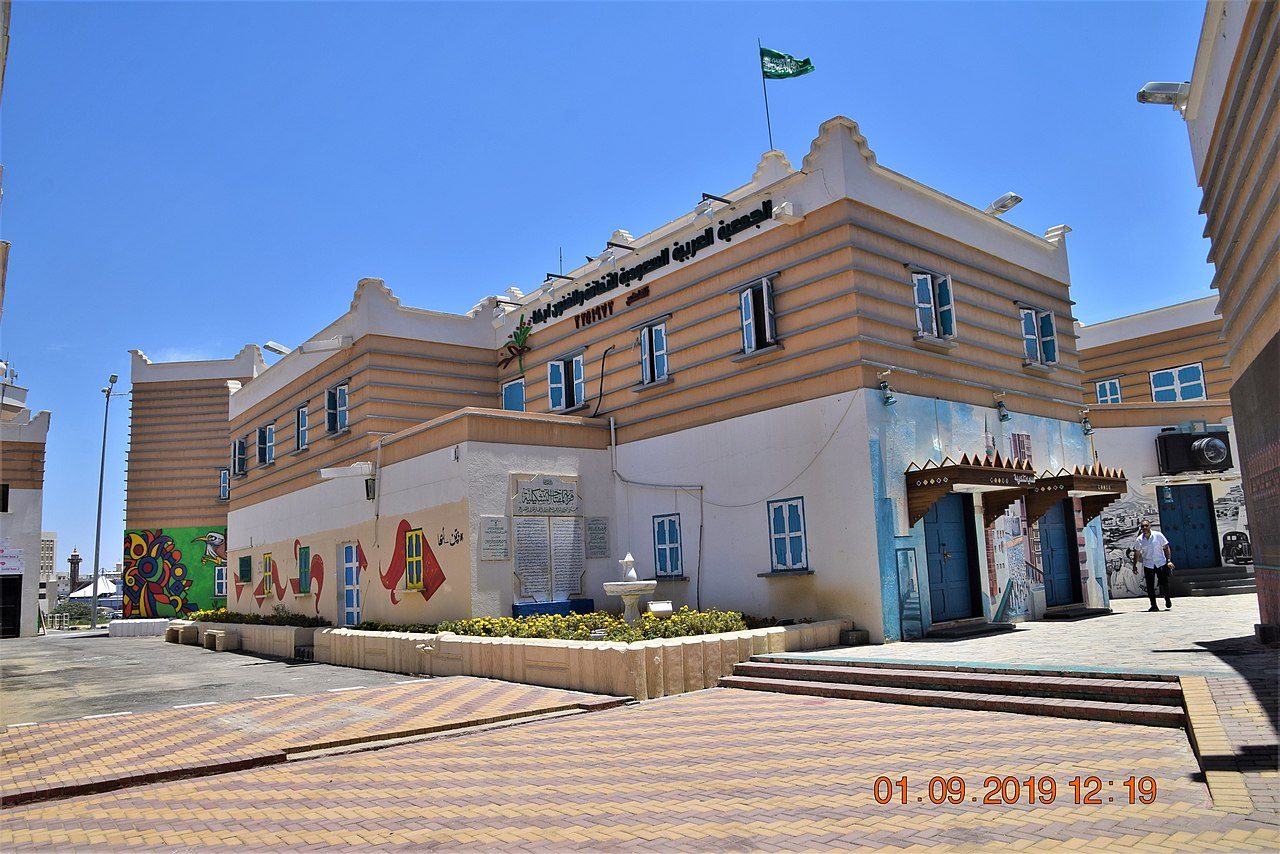
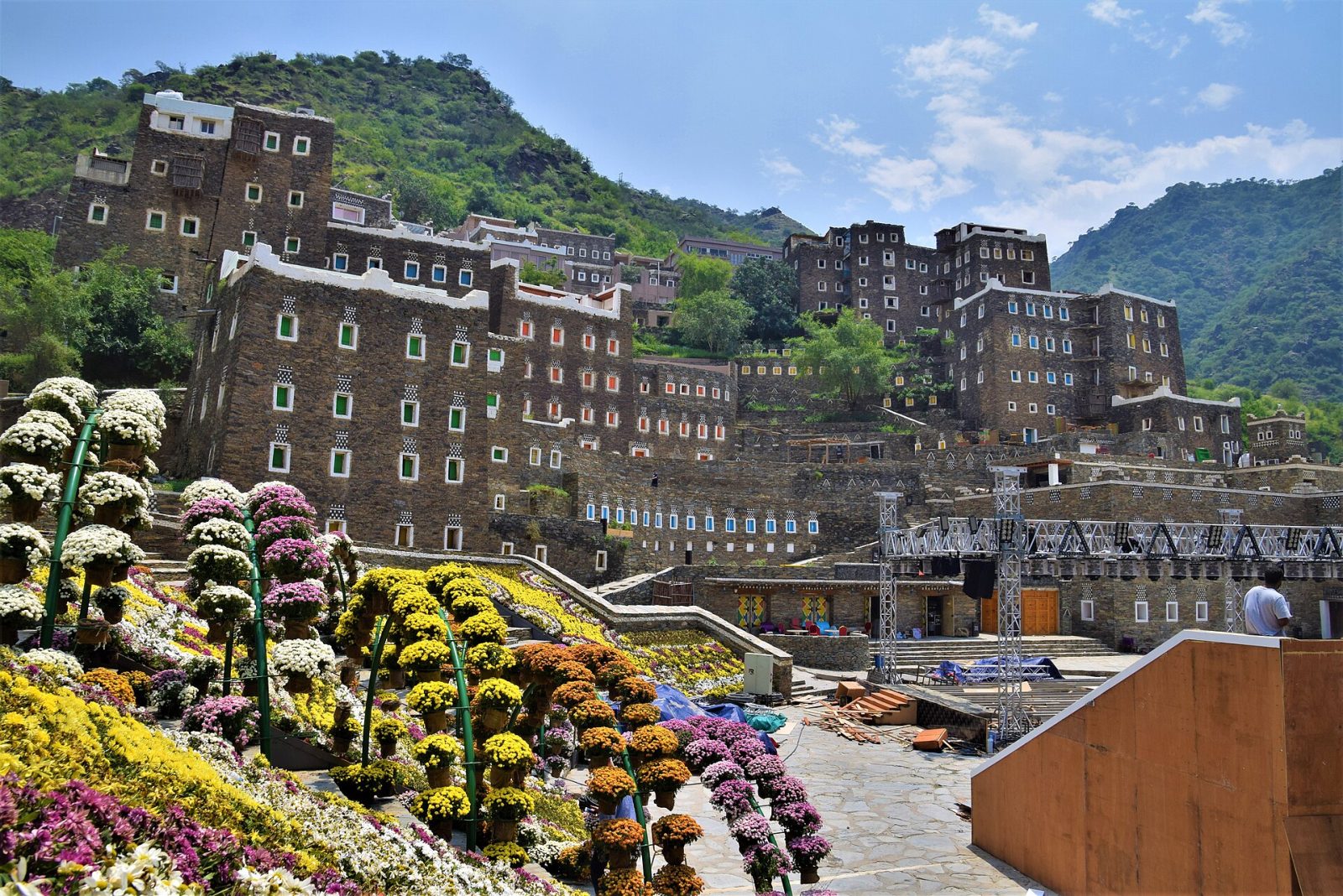
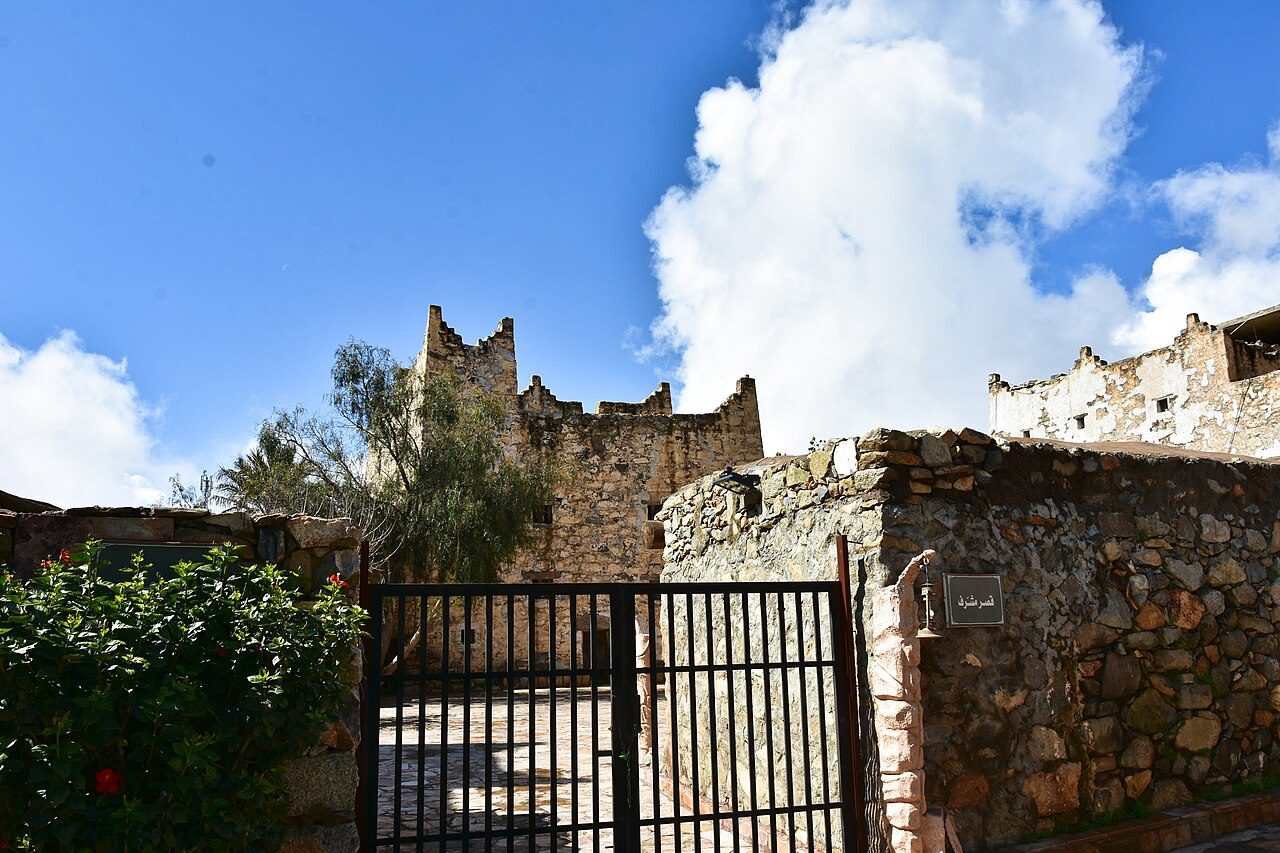
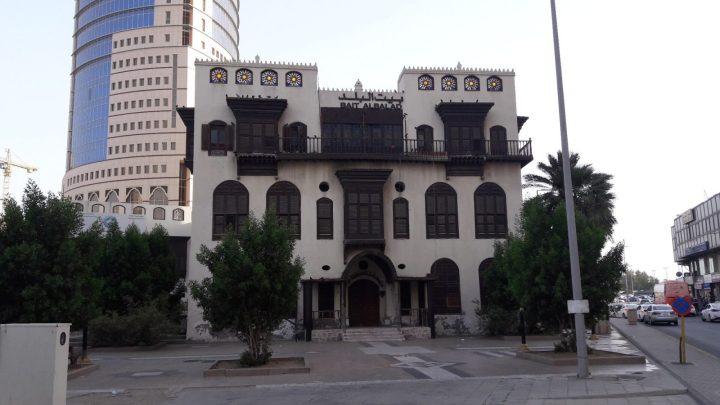
Al Muftaha Village is an arts quarter in the centre of Abha, built on the site of an old village and using the traditional Asiri style of stone and mud walls with painted bands. It holds artists' studios, galleries, a mosque with fine calligraphy and a theatre used for concerts during the Abha summer festival.
02
STOP 2 OF 6
Al Soudah, Abha
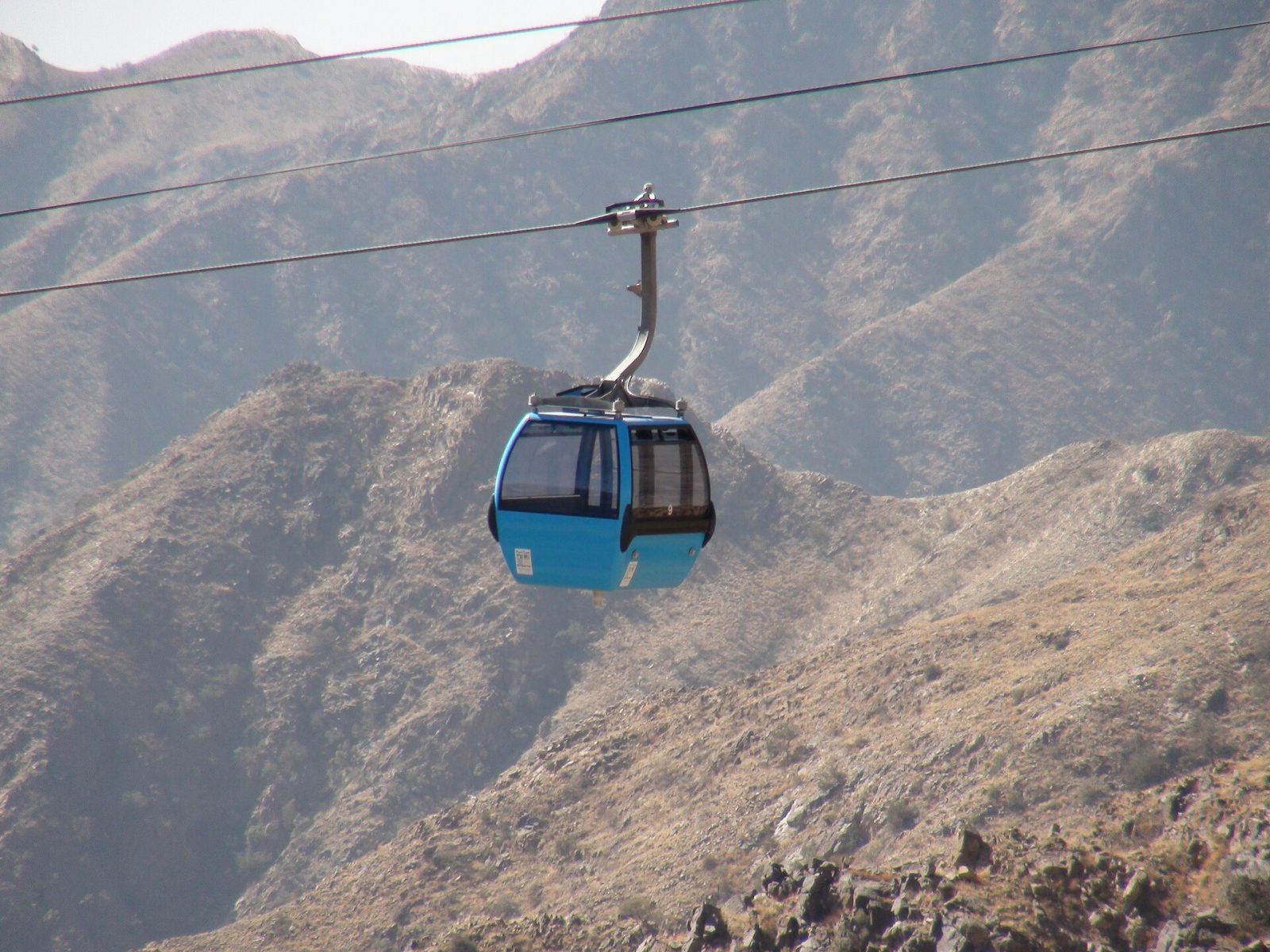
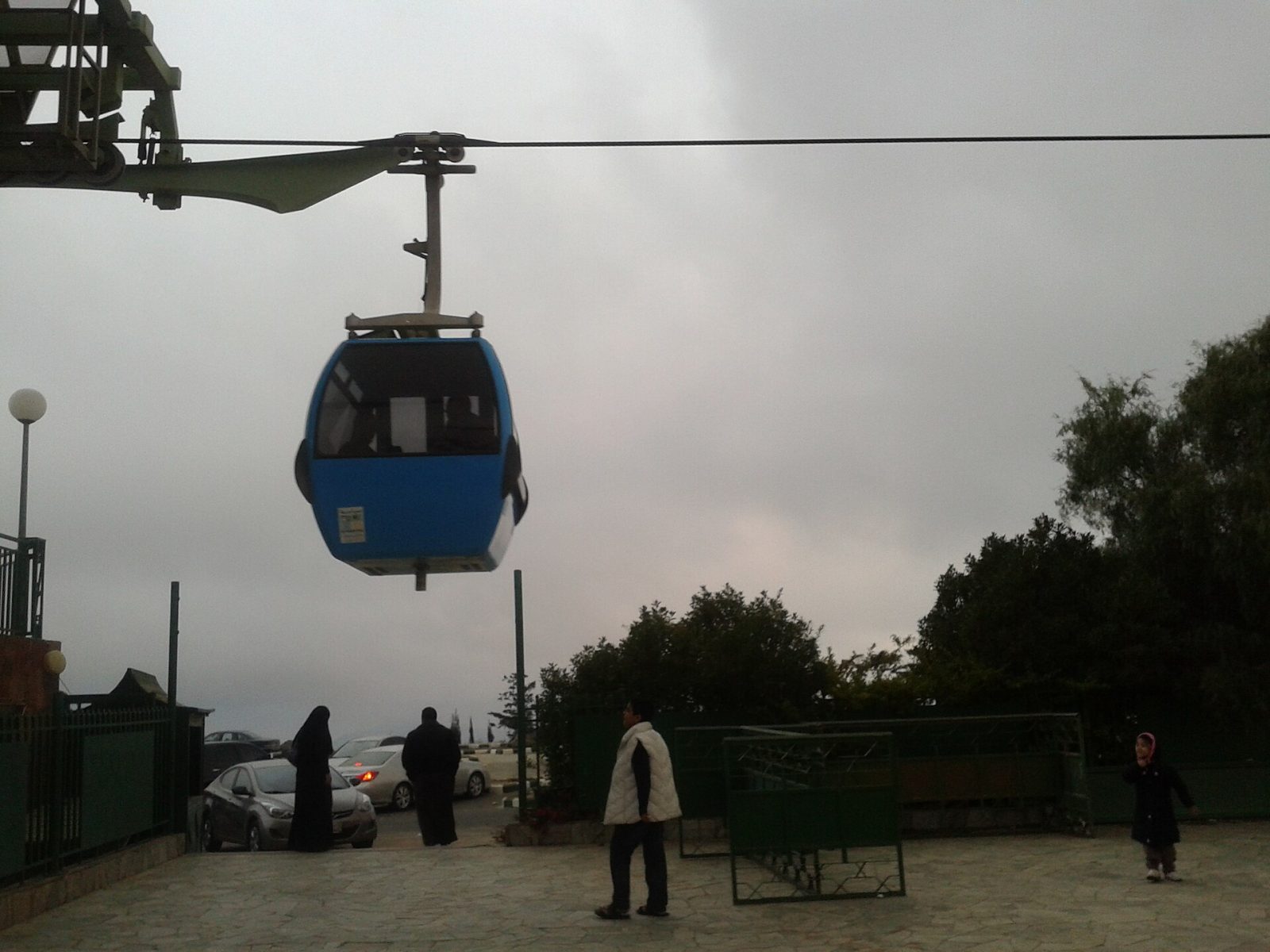
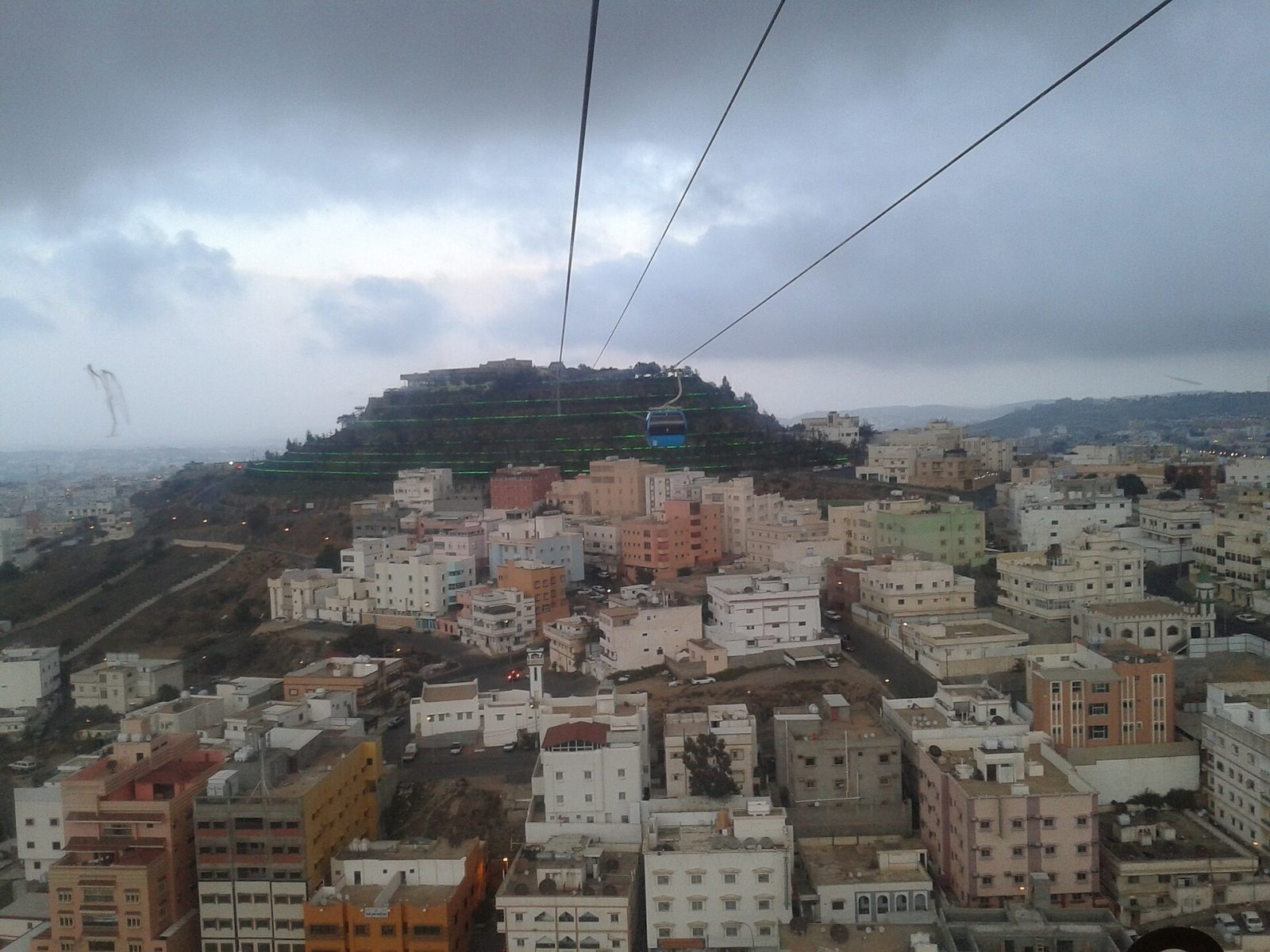
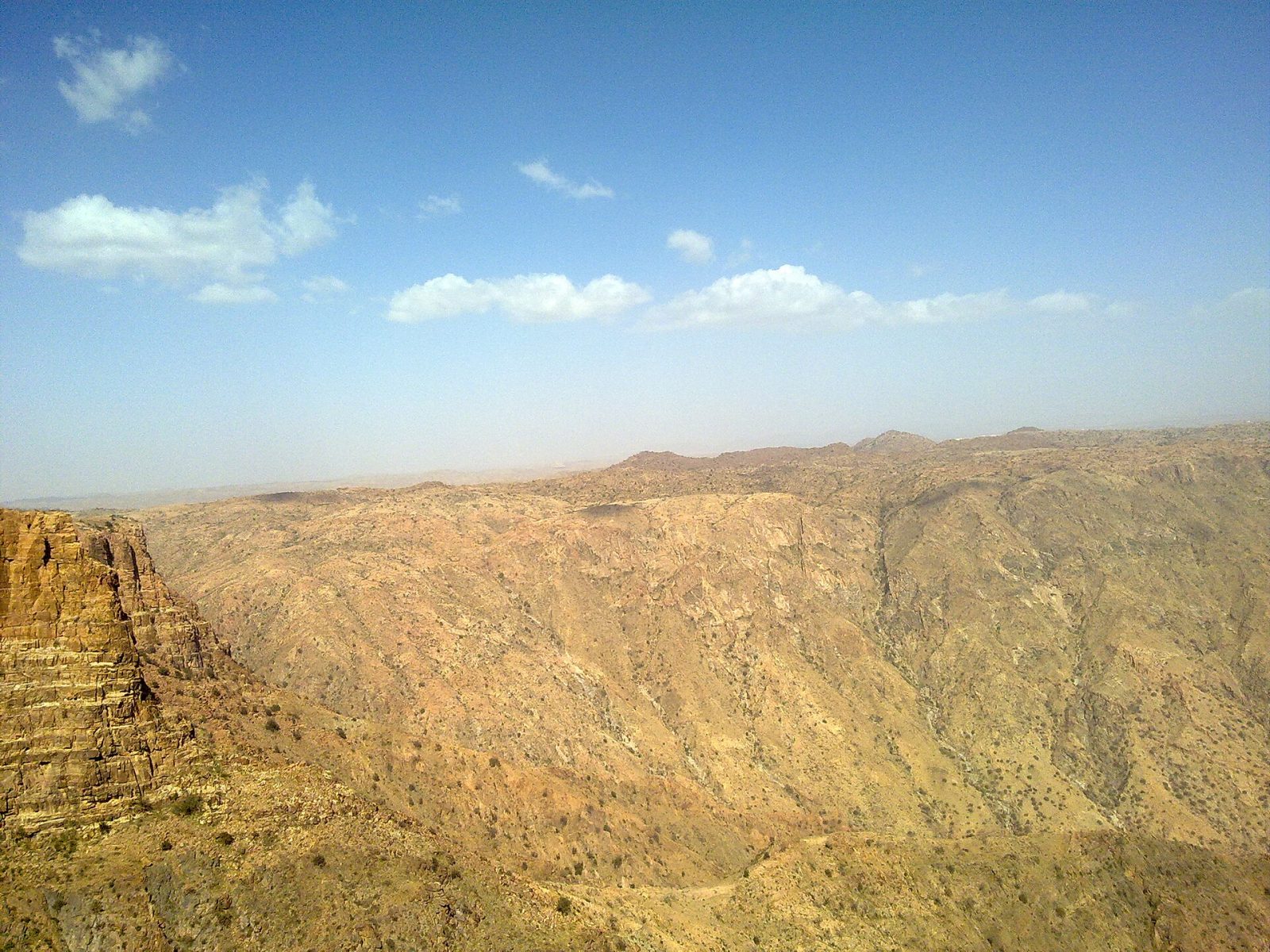
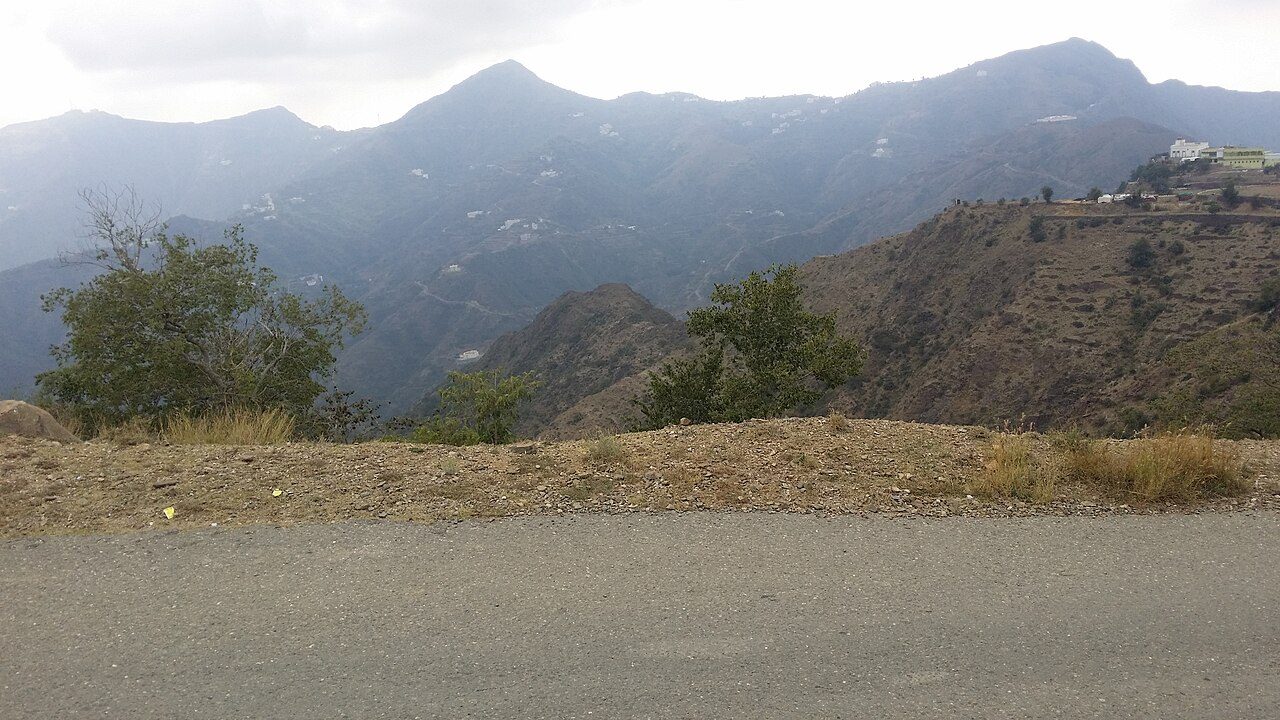
Al Soudah, about 25 km from Abha, is the highest place in Saudi Arabia, rising to roughly 3,000 metres in the Asir mountains. Juniper forests cover the slopes, clouds drift below the ridge for much of the summer, and the temperature stays cool when the rest of the country is baking. A cable car runs from the summit down to the village of Rijal Almaa far below, one of the longest in the Middle East. Asir National Park protects the area, with walking trails, picnic areas and baboons along the roadside. Summer is the main season, when Saudi families come up to escape the heat.
03
STOP 3 OF 6
Rijal Almaa Heritage Village
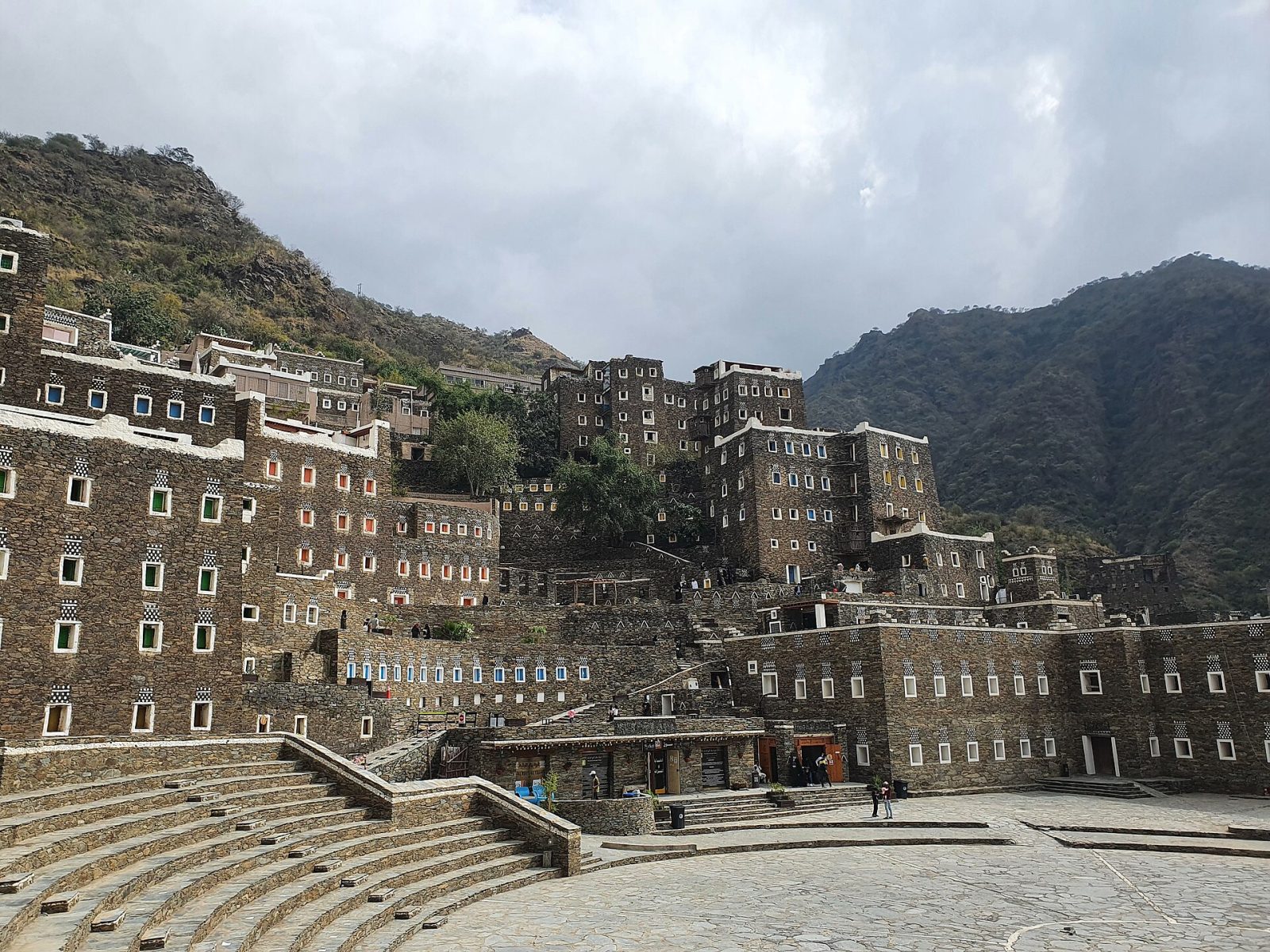
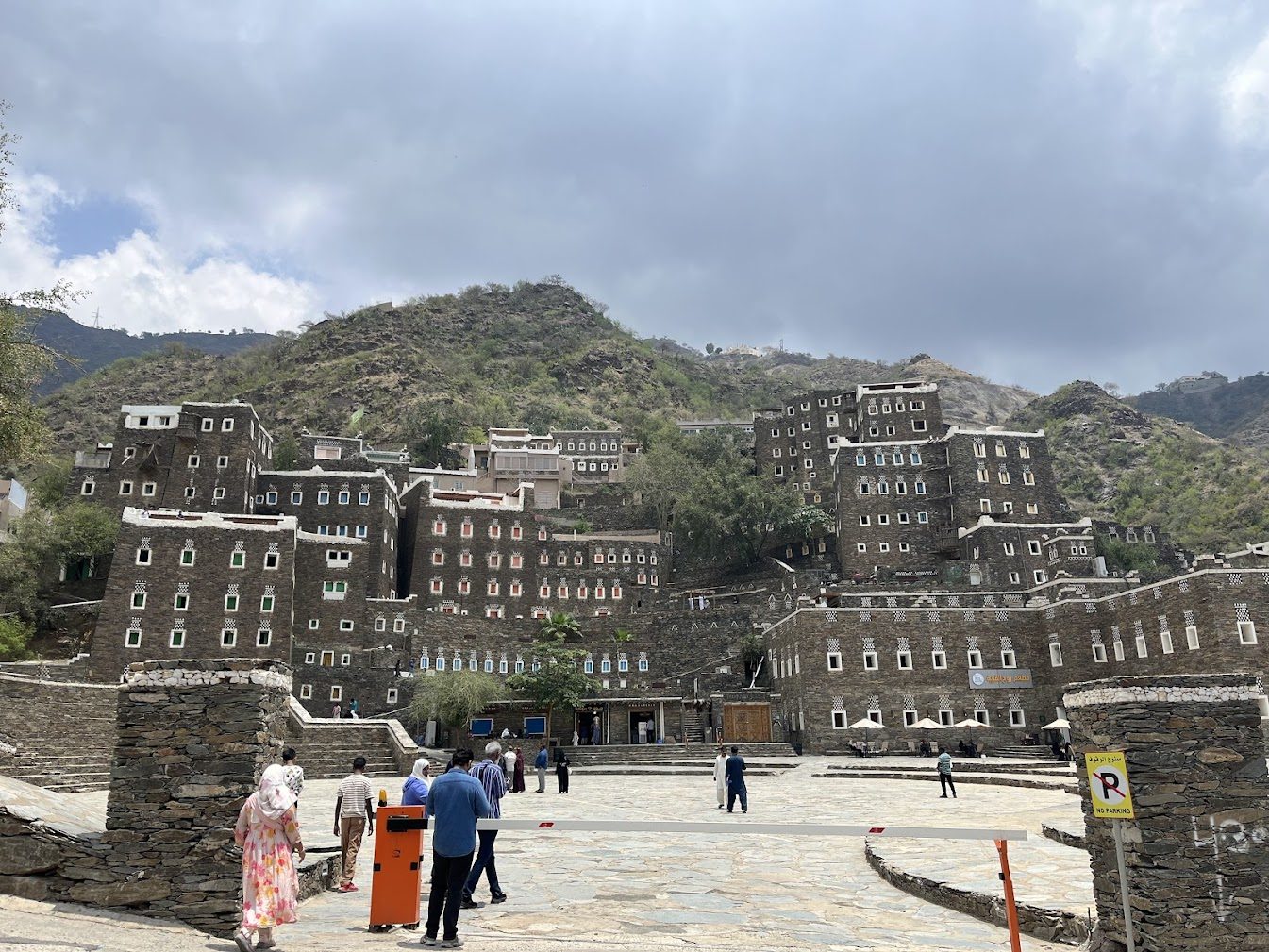
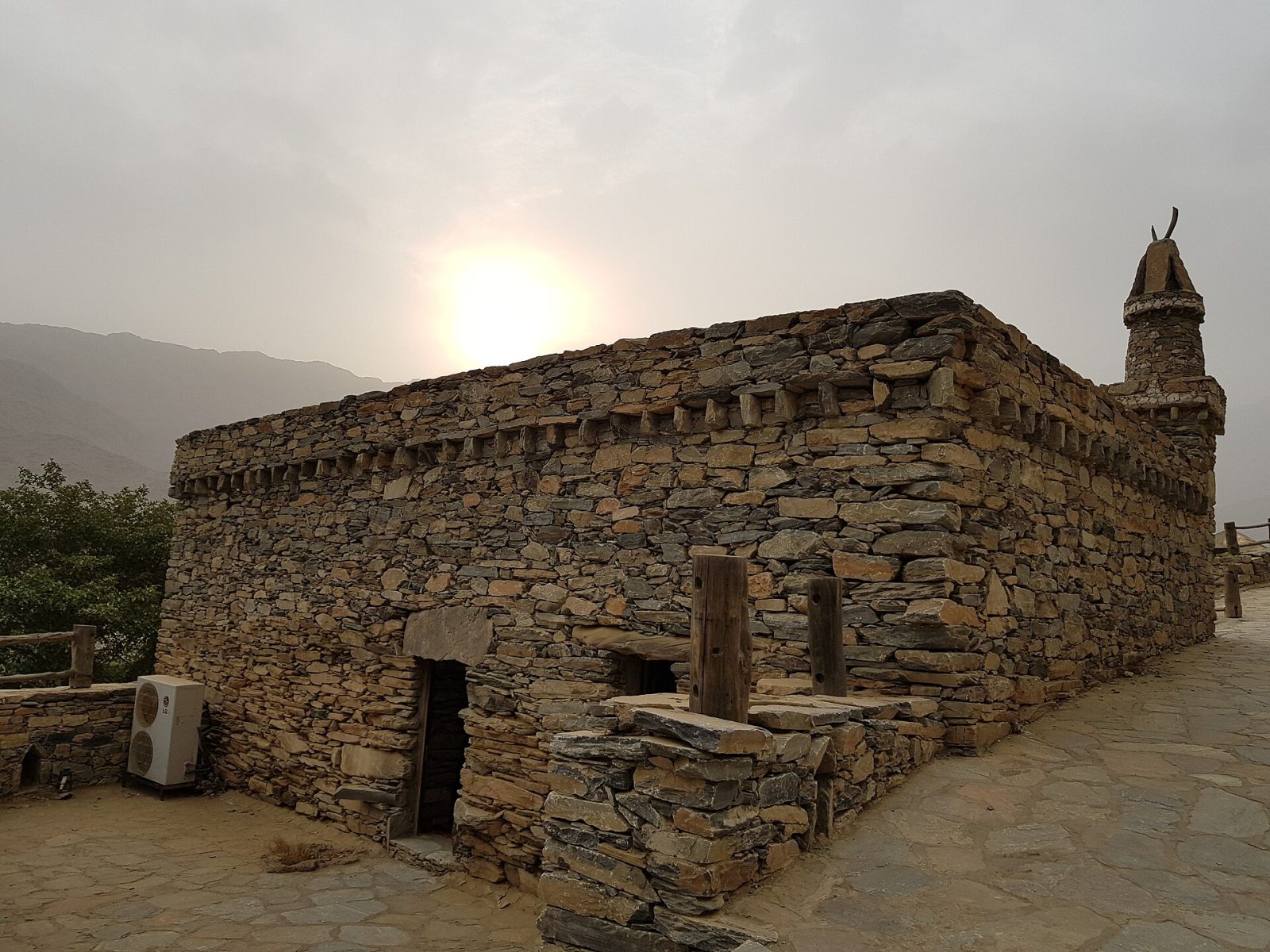
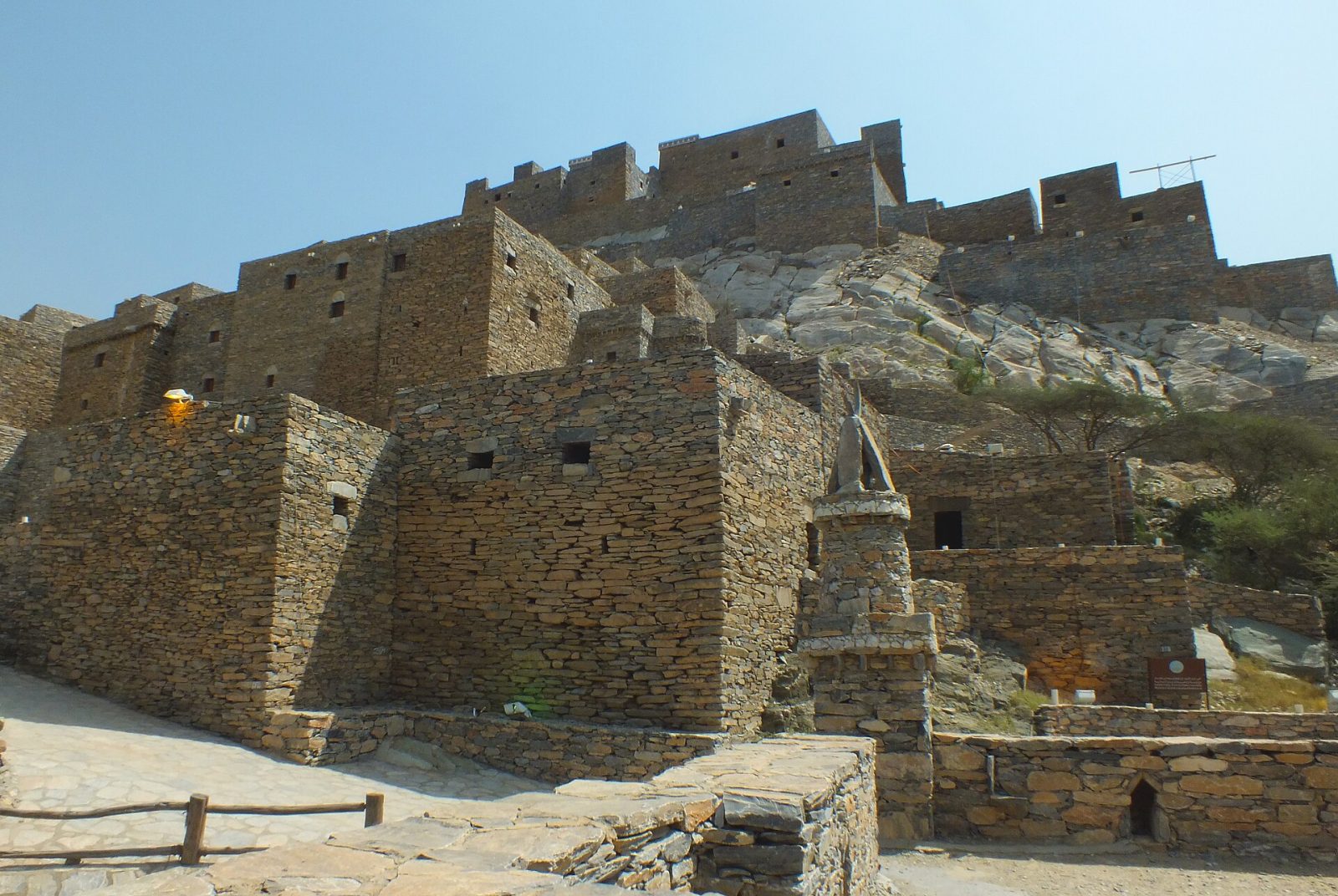
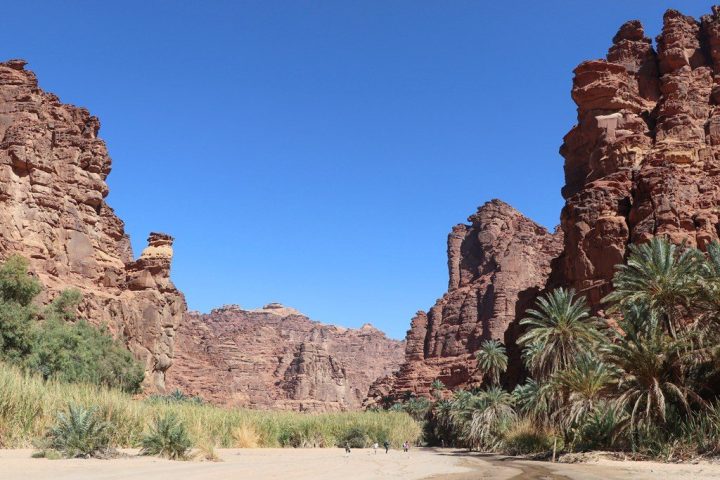
Rijal Almaa sits in a valley of the Asir mountains, about 45 km west of Abha, and is one of the most striking villages in Arabia. Around sixty tall houses of stone and clay rise several storeys high, their walls set with rows of white quartz that shine in the sun. The village stood on the caravan road between Yemen and the Hejaz, and its wealth came from that trade. Inside one of the towers is a museum of local dress, weapons and tools, and the walls of the rooms are painted in the bright geometric style of Asir known as al-qatt, which UNESCO has recognised. It won a prize as one of the best tourism villages in the world and is an easy day trip from Abha.
04
STOP 4 OF 6
Habala Village
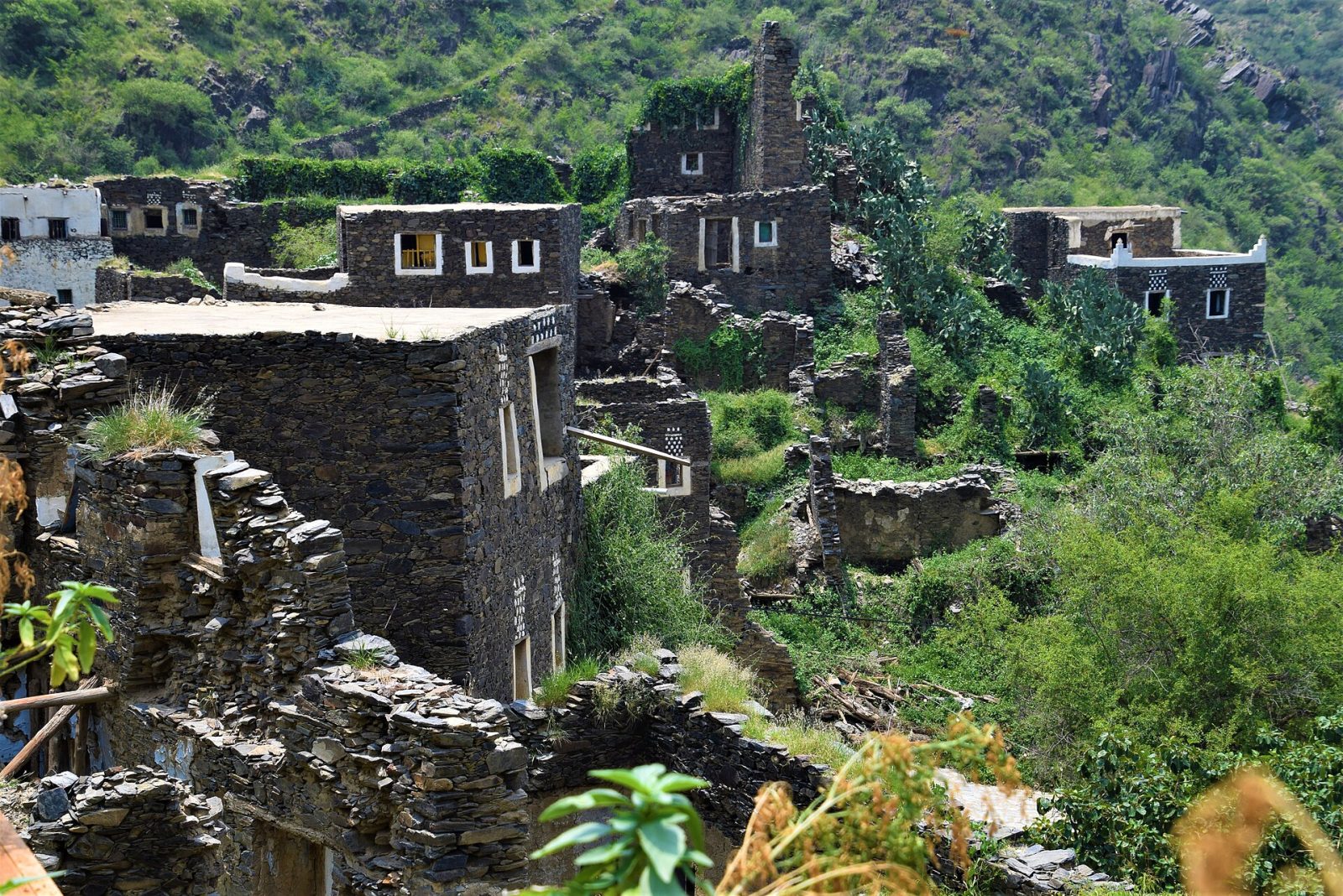
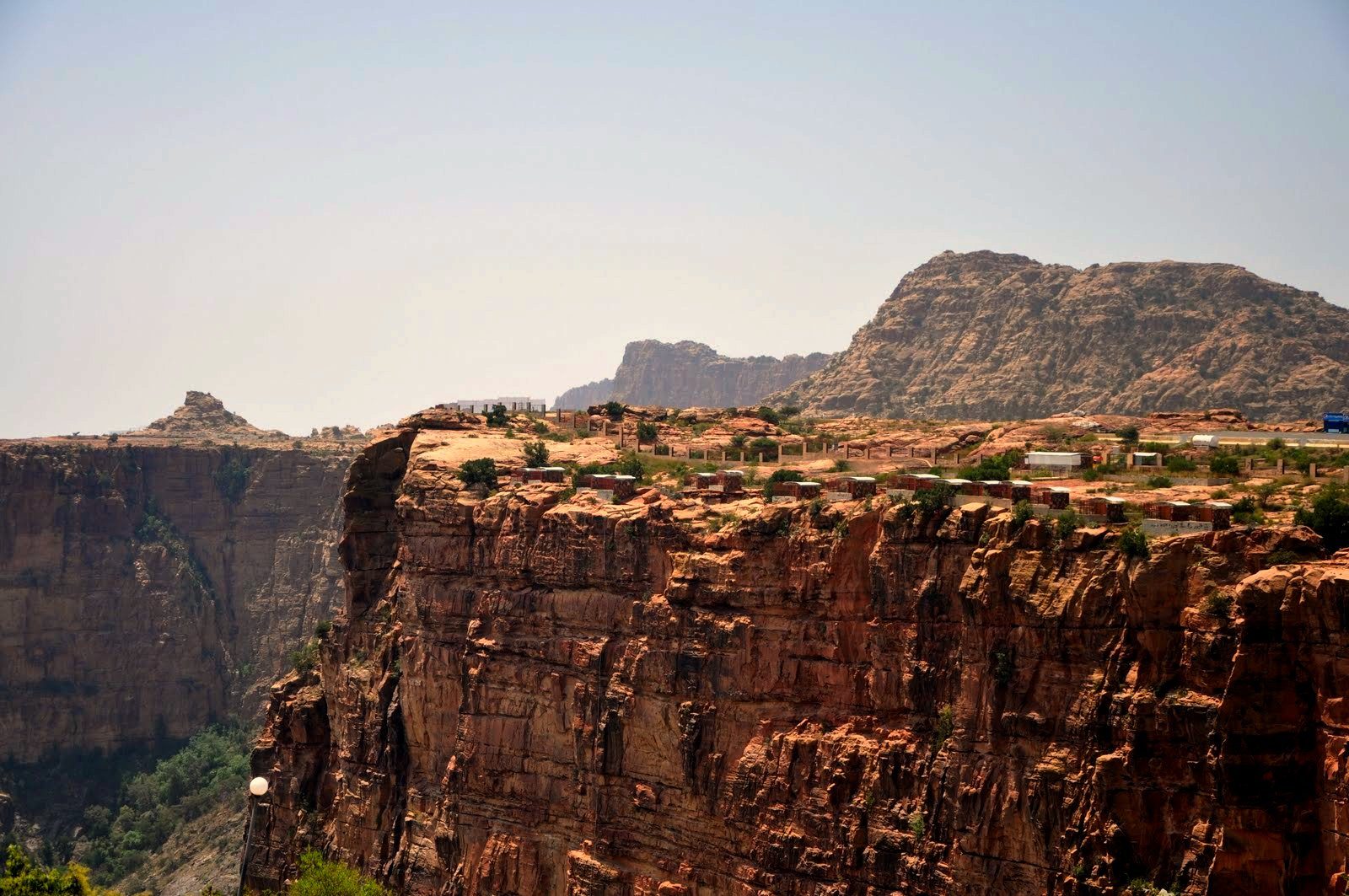
Habala clings to a cliff ledge in the Asir mountains south of Abha, and its name comes from the ropes, habl, that were the only way in and out for generations. The people who lived there, known as the flower men for the wreaths of herbs and blossoms they wear in their hair, descended by rope to their village below the rim. The community was resettled in the 1990s and the old stone houses were left standing on the ledge. A cable car now carries visitors down to see the site and the view along the escarpment. The air is cool and the cliffs are often wrapped in mist, especially in summer.
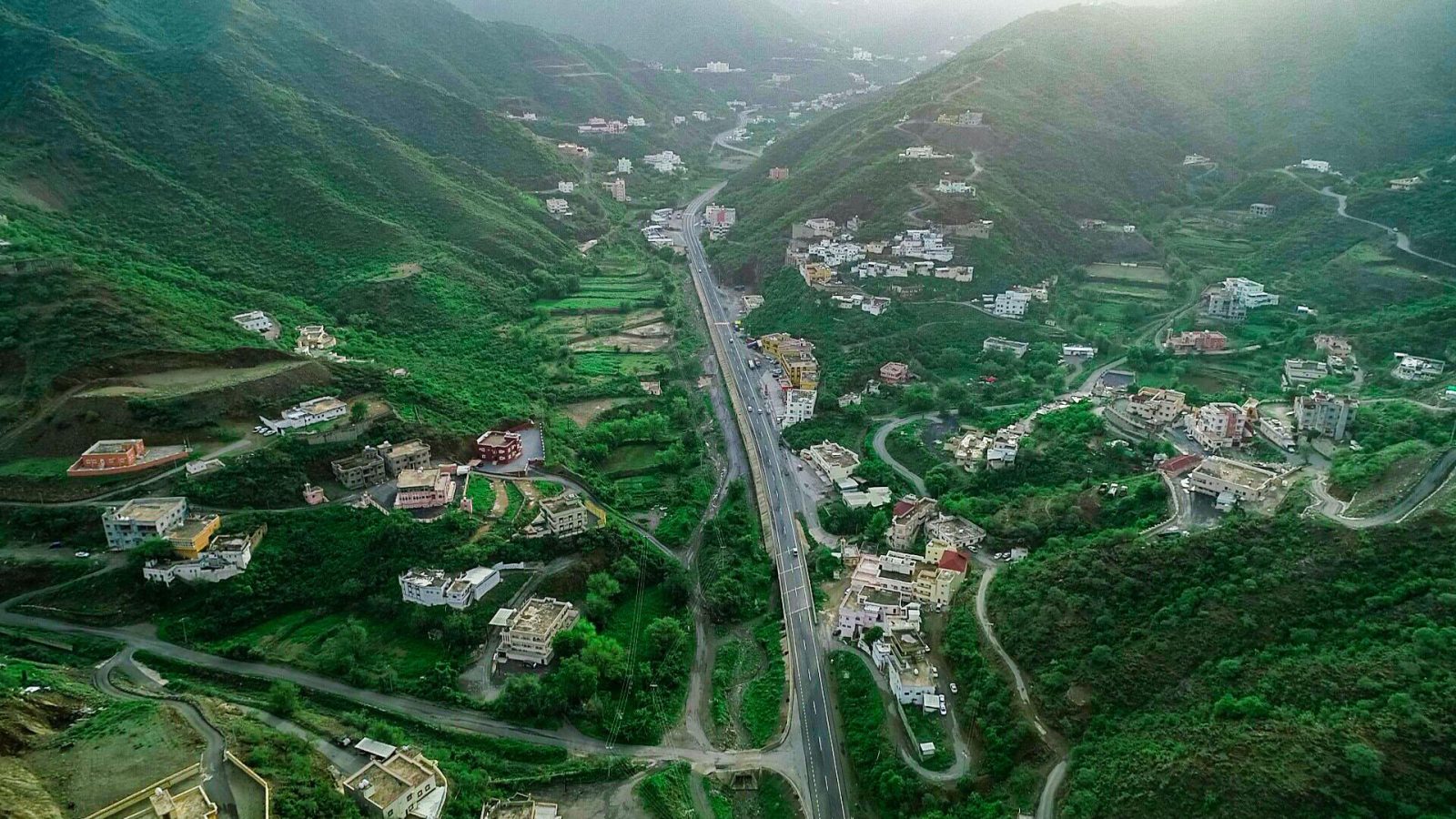
Al Namas is a mountain town on the Sarawat ridge about 150 km north of Abha, at around 2,400 metres. It is known for cool, misty summers, juniper forests and views over the escarpment toward the Tihama plain. Old stone tower houses and small forts stand in the villages around it, and there is a local heritage museum.
06
STOP 6 OF 6 · LAST STOP
Dhi Ain Heritage Village
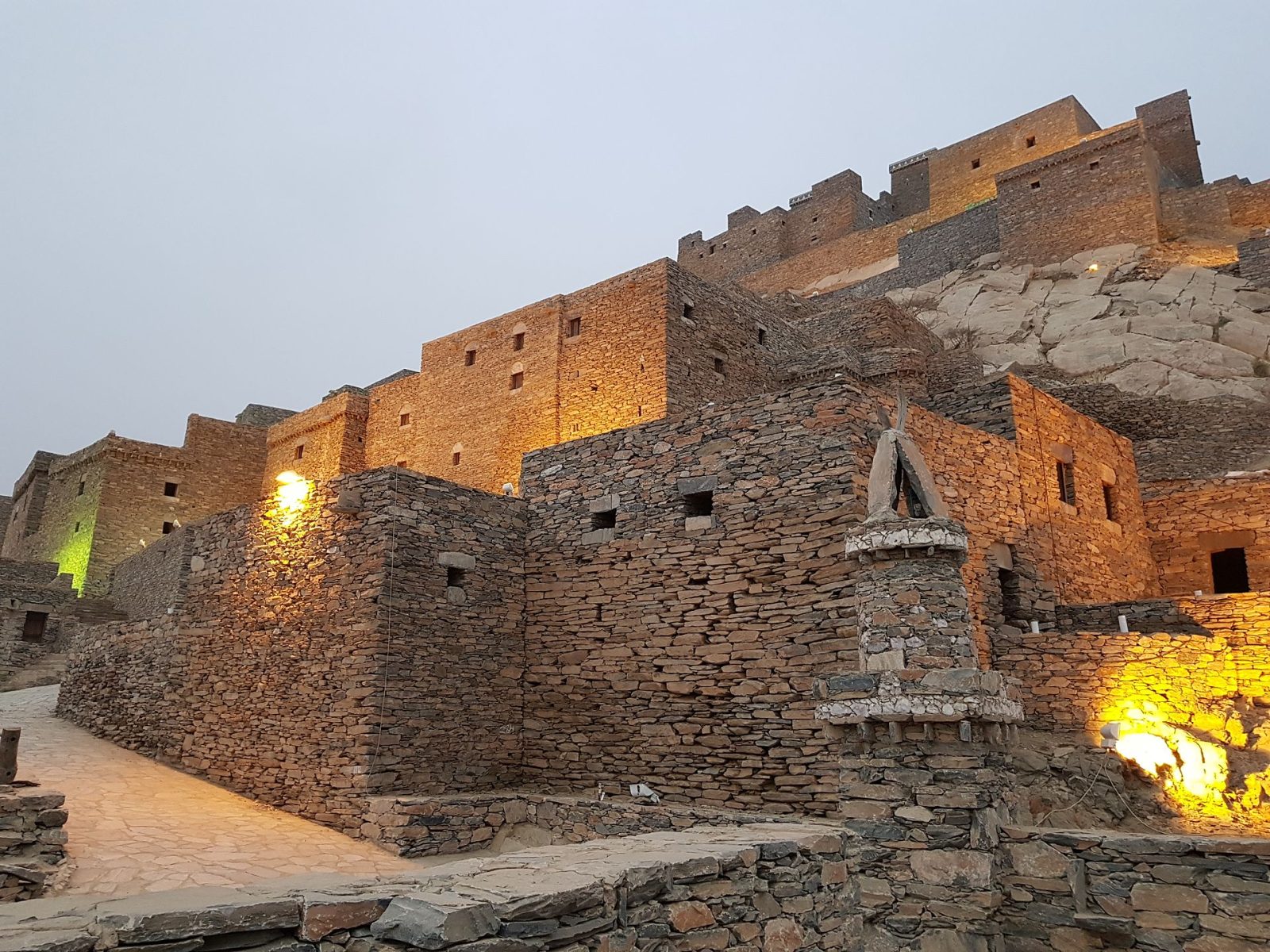
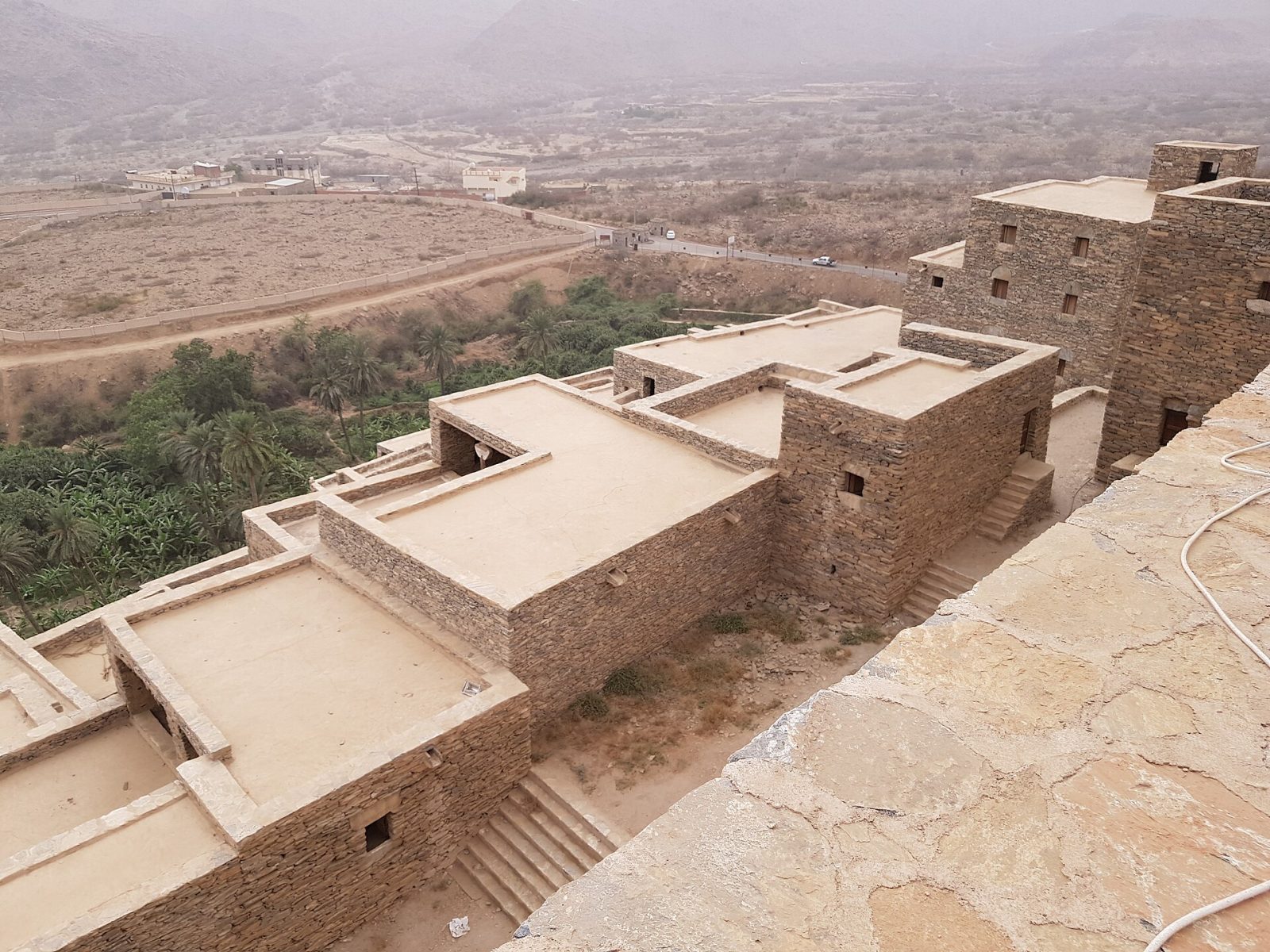
Dhi Ain, often written Thee Ain, is a village of white stone houses built on a marble hill in the Al-Bahah region, surrounded by banana plantations fed by a spring that has never dried up. The name means possessor of the spring, and that water is why people settled on the rock some four hundred years ago. About sixty houses of stone and mud stand close together, several storeys high, with the mountains of the Sarawat range rising behind. The village was abandoned in the 1980s when families moved to modern housing, and it is now a protected heritage site being restored. The drive from Al-Bahah through the Al-Mikhwah escarpment is part of the experience.
Seasons from 20 years of NASA POWER climate data.
 WaTrips