Ithra, the Khobar and Dammam corniches and the King Fahd Causeway, Tarout Castle, then Al-Ahsa's oasis, Al-Qarah caves, Jawatha Mosque and Al Uqair.
The Eastern Province faces the Gulf and holds one of the world's great oases. Day one visits Ithra, the striking cultural centre in Dhahran, the Khobar Water Tower and corniche, Dammam's waterfront and the causeway to Bahrain. Day two sees Tarout Castle on its island. Day three is Al-Ahsa, the largest palm oasis in the world and a UNESCO World Heritage Site, with the cool caves of Al-Qarah Mountain, the old Jawatha Mosque and the historic port of Al Uqair. November to March is best.
01
STOP 1 OF 10
Ithra (King Abdulaziz Center for World Culture)
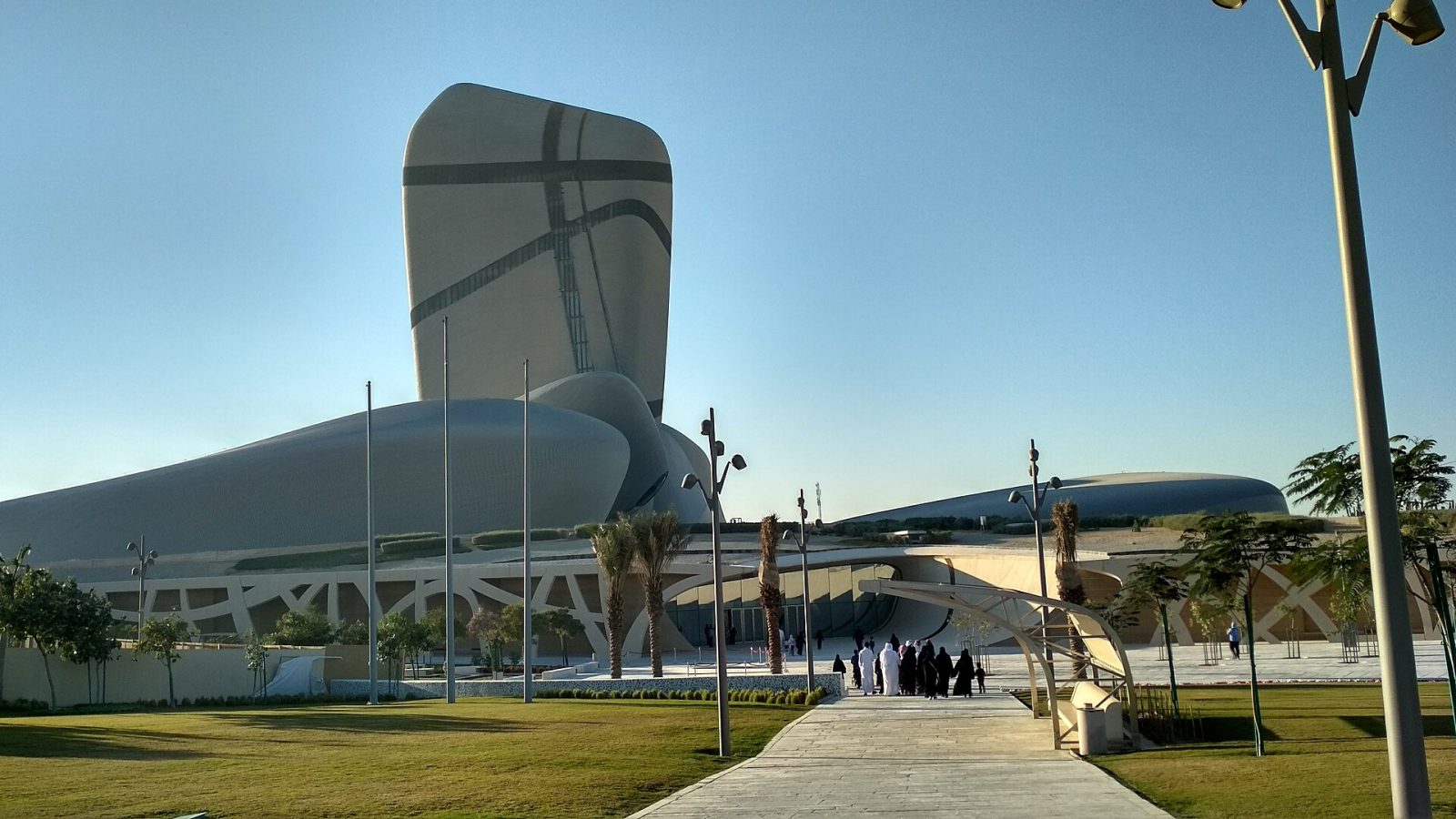
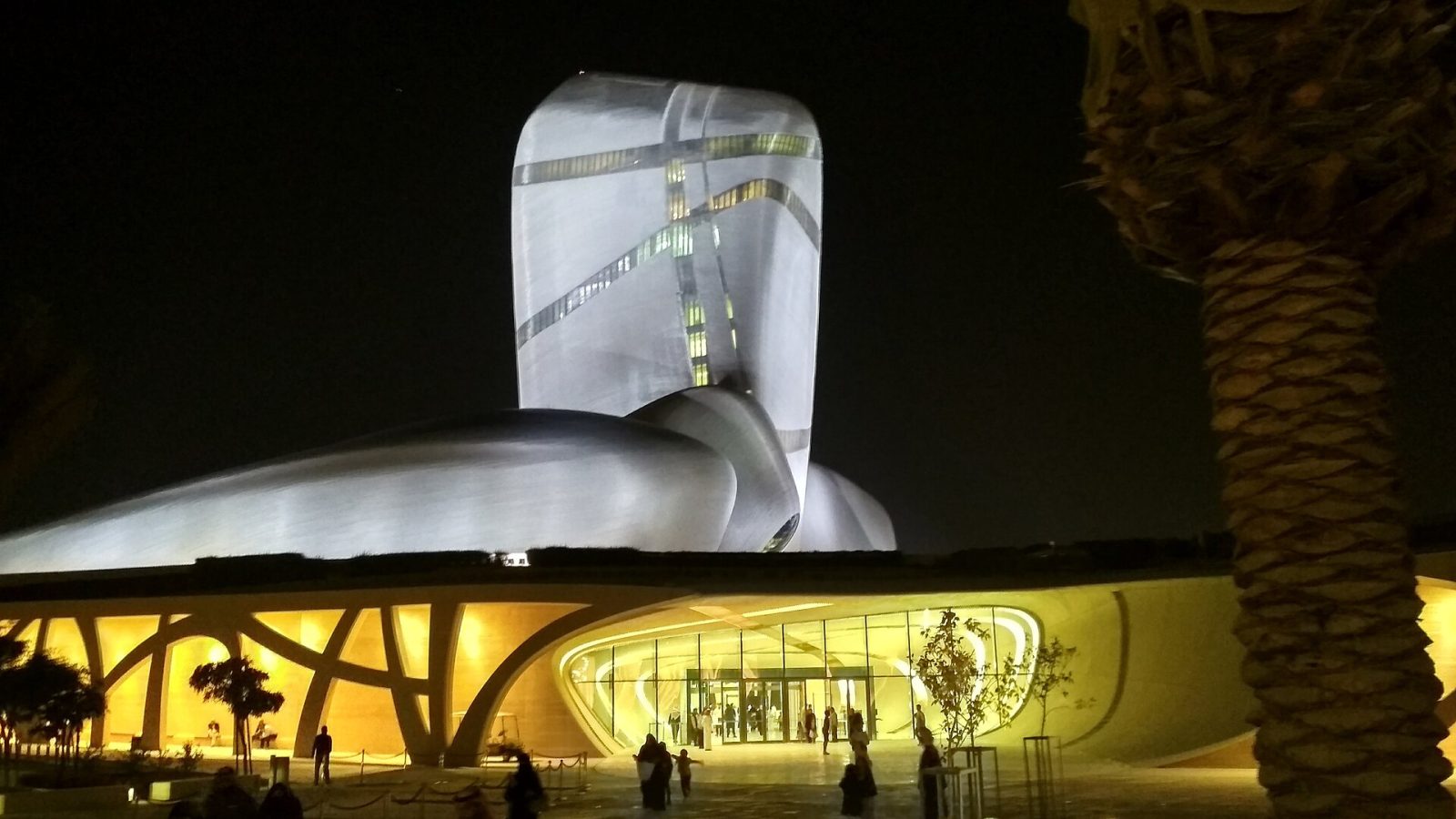
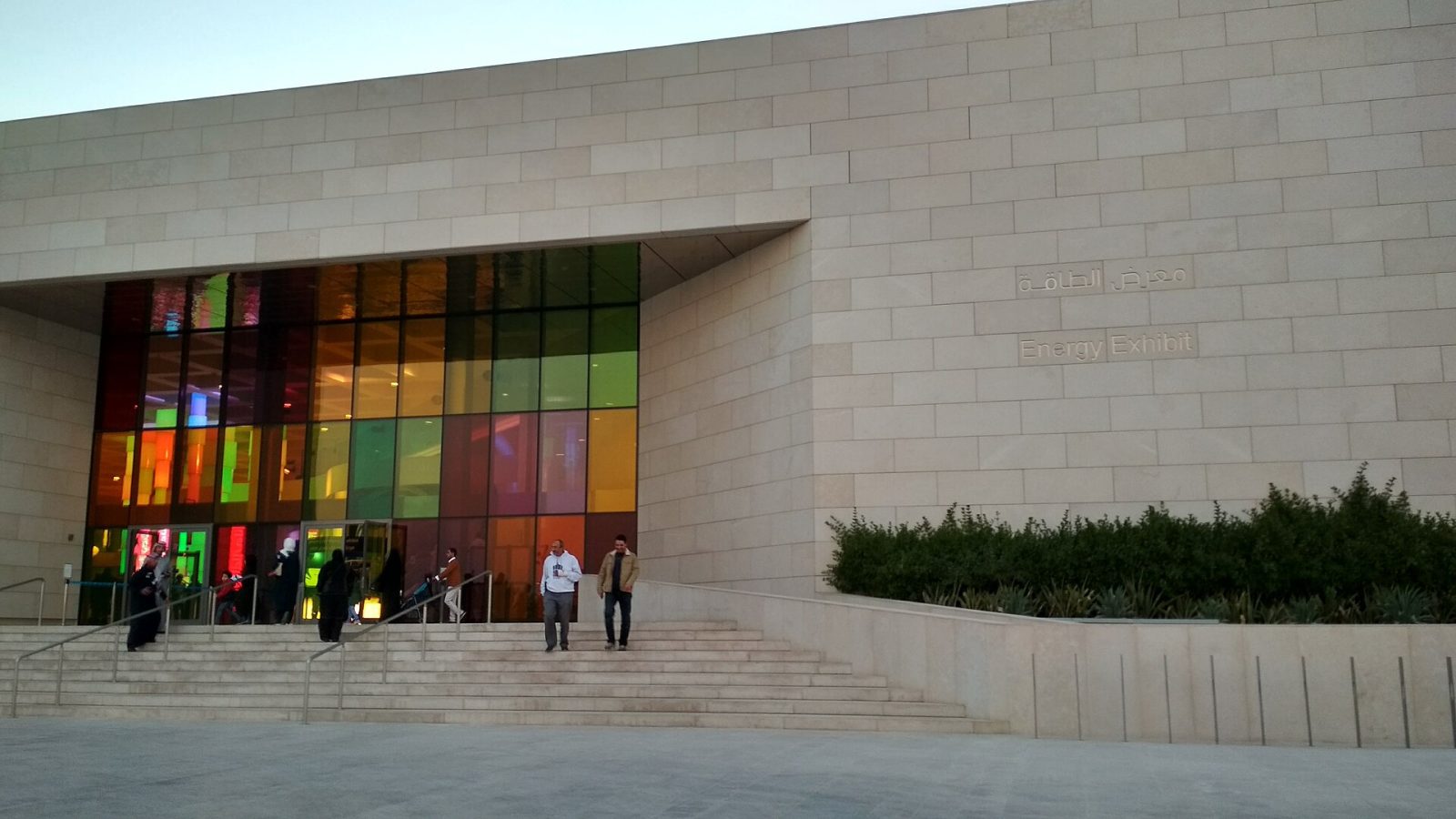
Ithra, in Dhahran, is a cultural centre built by Saudi Aramco and opened in 2018, on the spot where the country's first commercial oil well, Well No. 7, struck oil in 1938. The building by the Norwegian studio Snohetta is a cluster of polished steel boulders, and inside are a library, a museum of Saudi and Islamic art, a children's museum, an energy exhibit, a cinema and a theatre. The name means enrichment in Arabic, and the centre runs festivals, talks and workshops through the year. A viewing point at the top of the tower looks over the Eastern Province. It is closed on some days for private events, so check the schedule before going.
02
STOP 2 OF 10
Khobar Water Tower
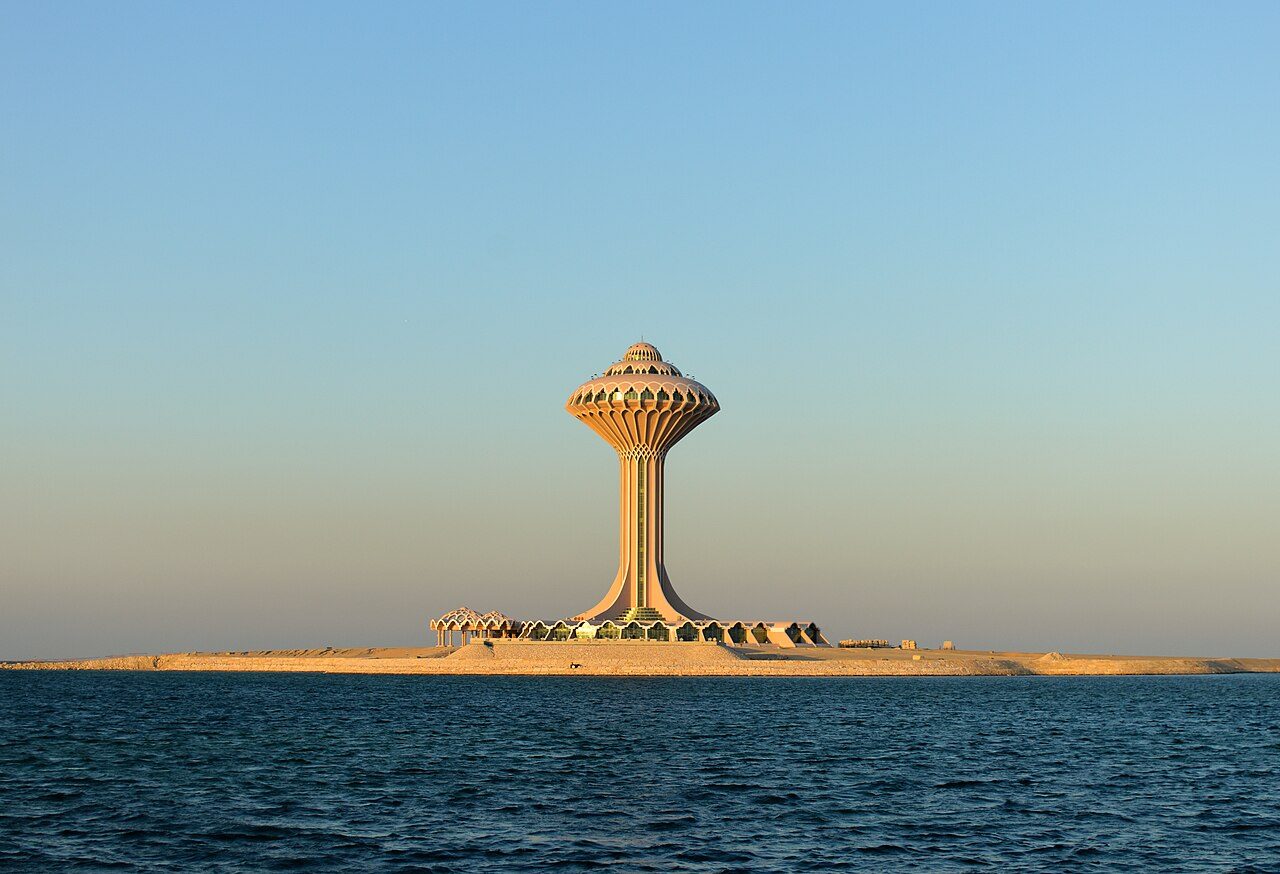
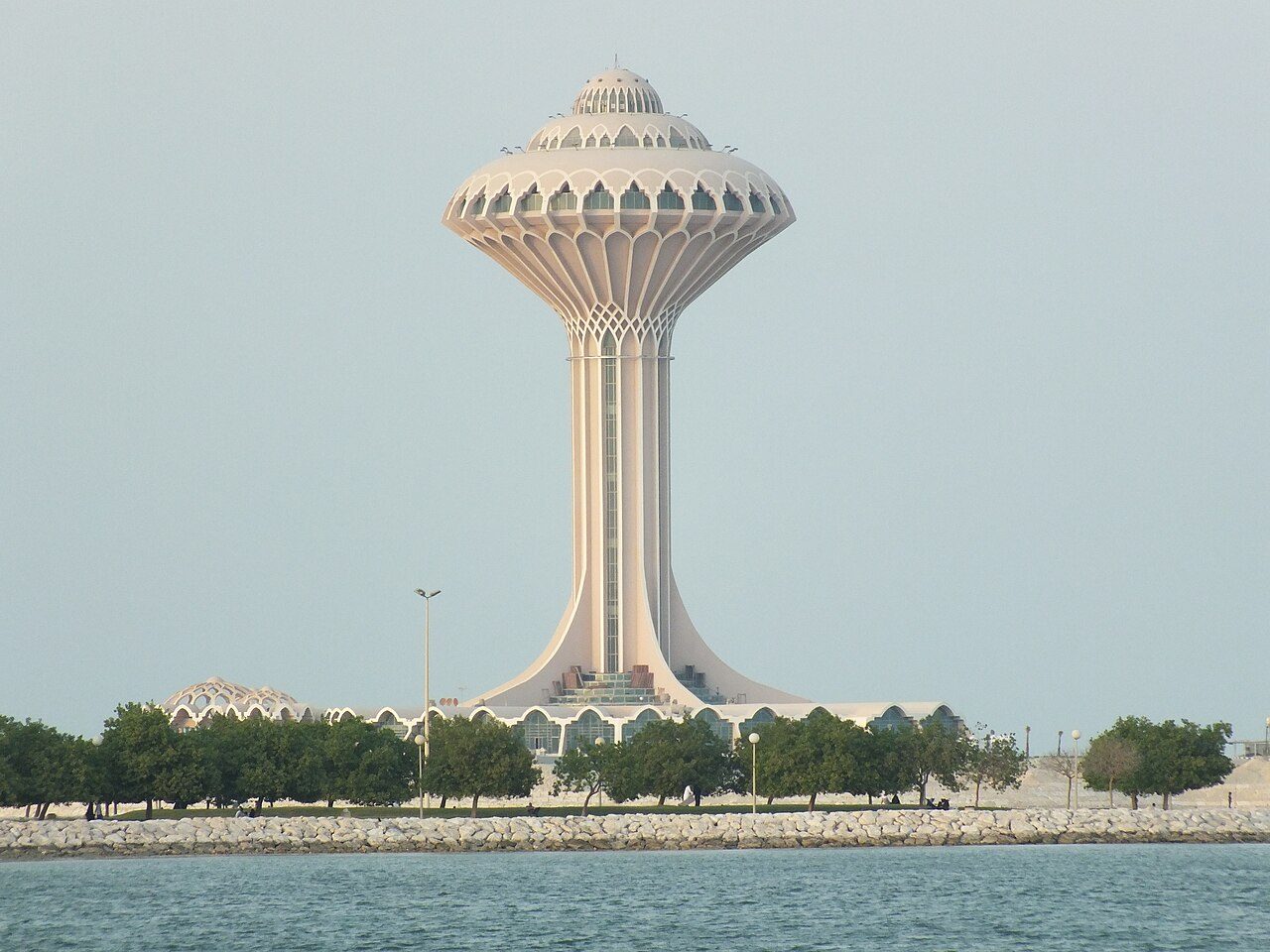
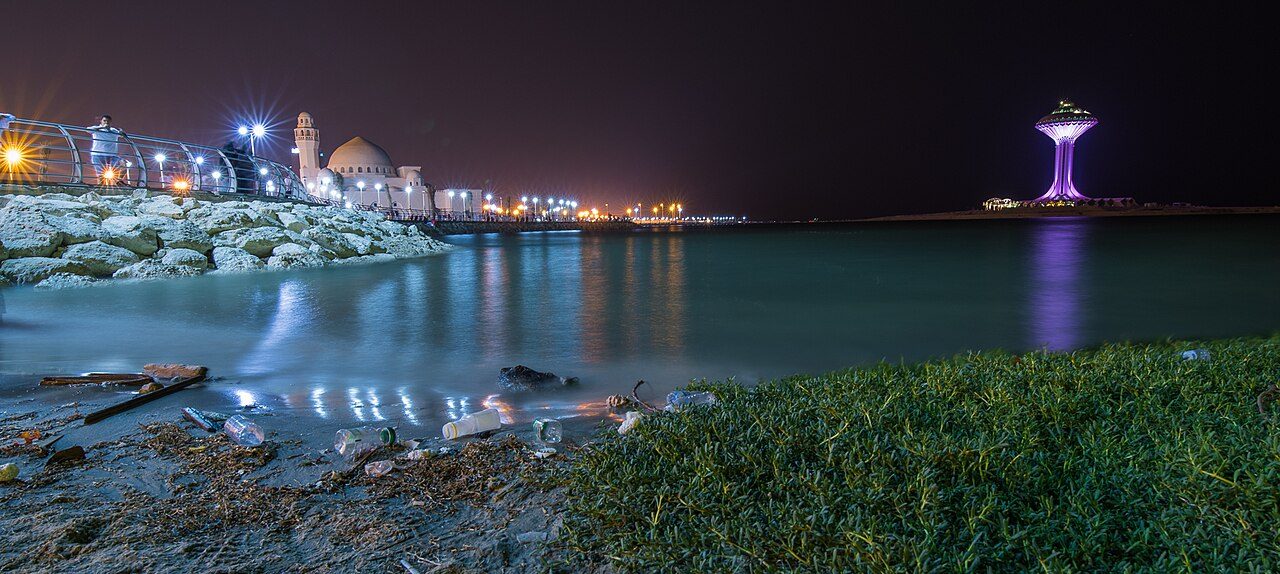
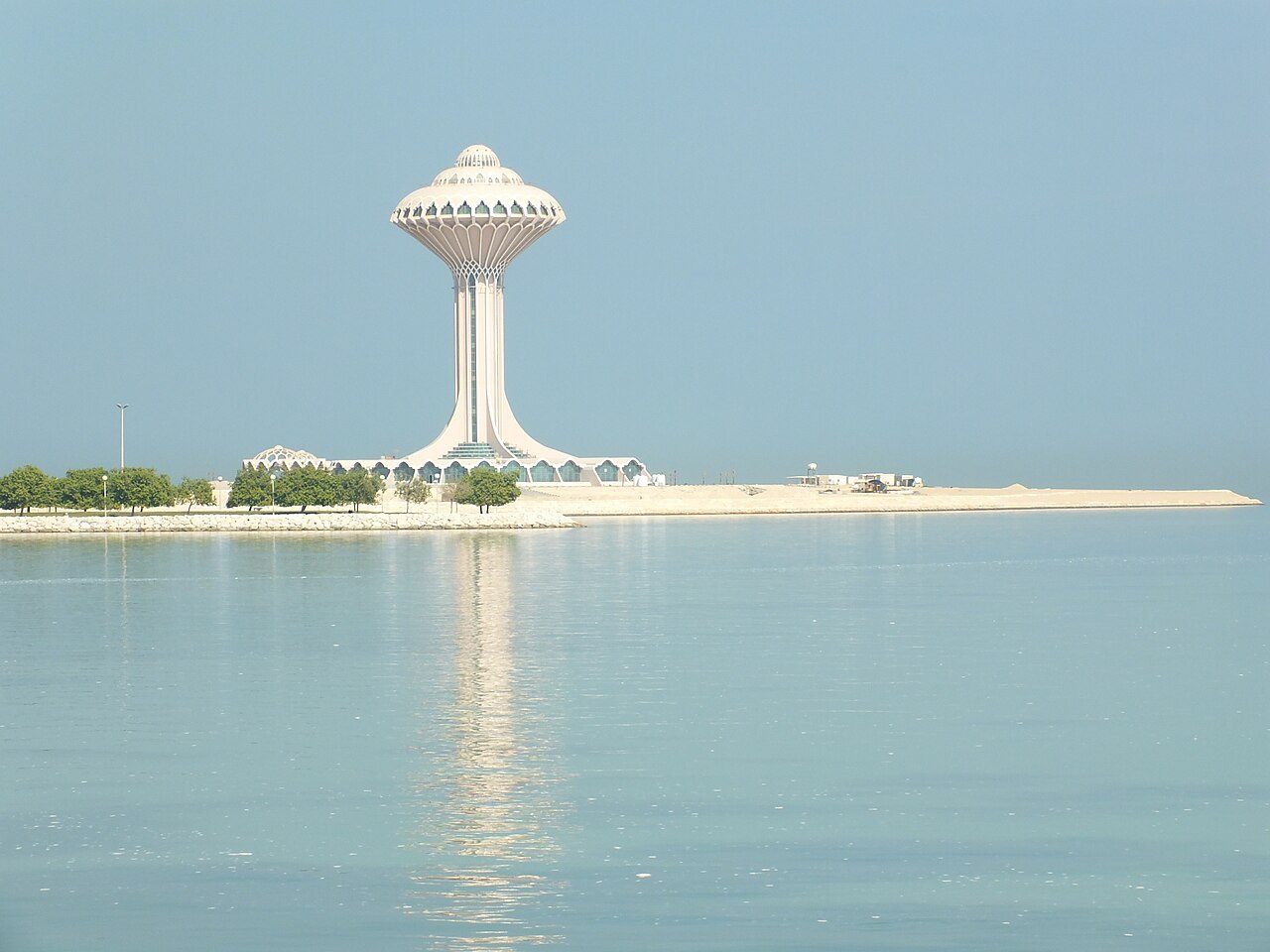
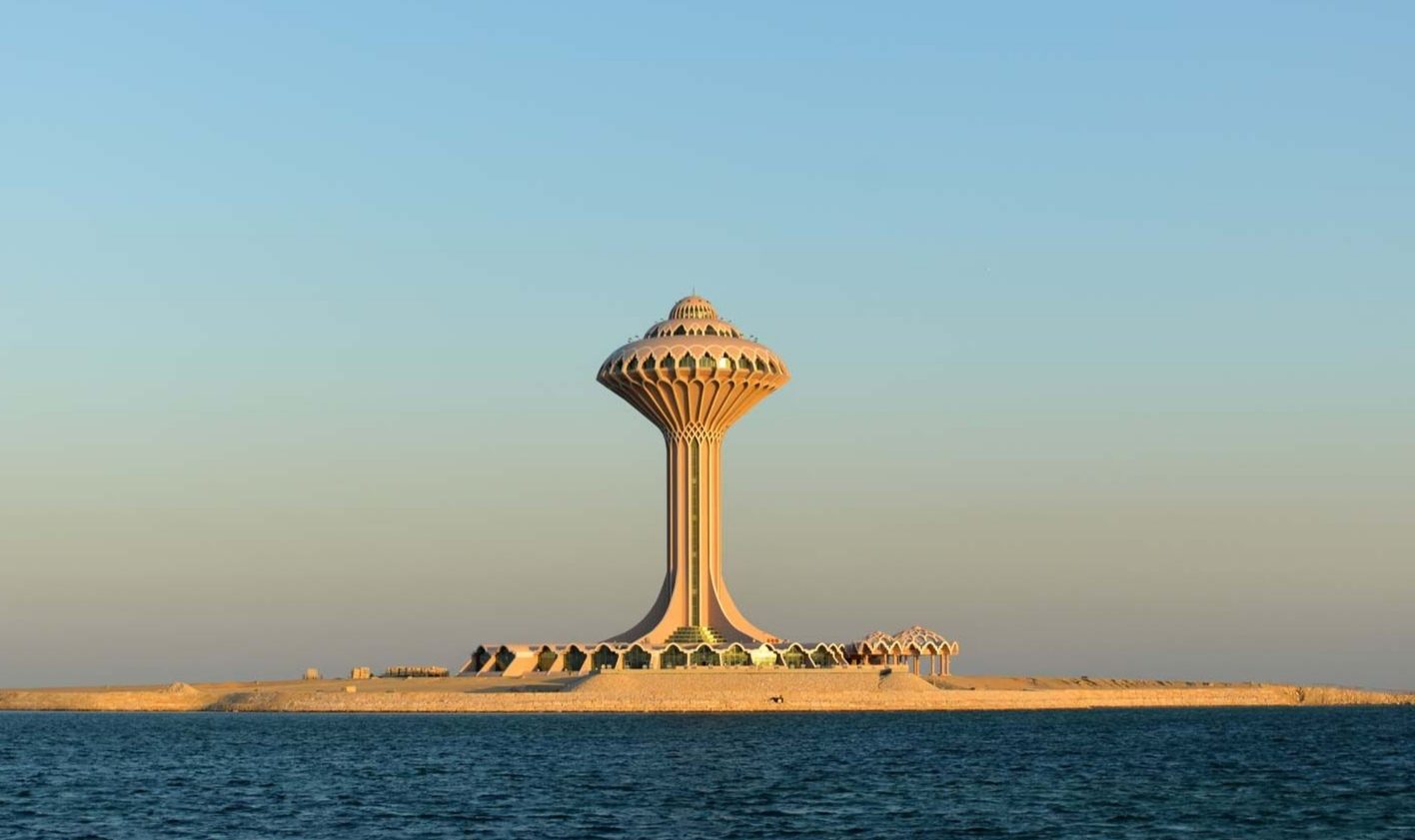
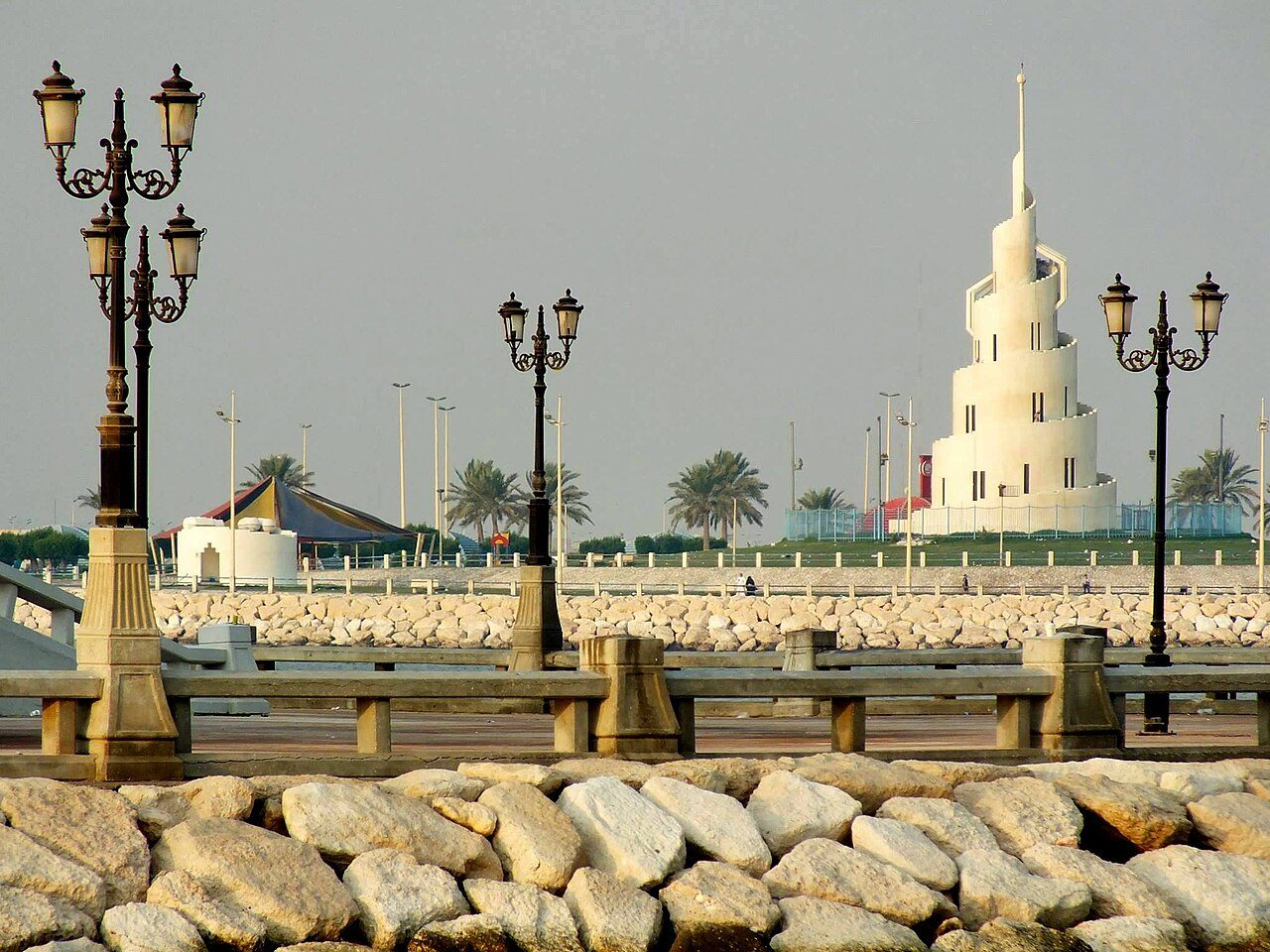
The Khobar Water Tower stands on an artificial island joined to the Khobar Corniche by a causeway. About 90 metres tall, the mushroom-shaped tower has been a landmark of the city since the 1980s. A park surrounds it, with paths, play areas and wide views across the Gulf. It is lit in changing colours at night.
03
STOP 3 OF 10
Al Khobar Corniche
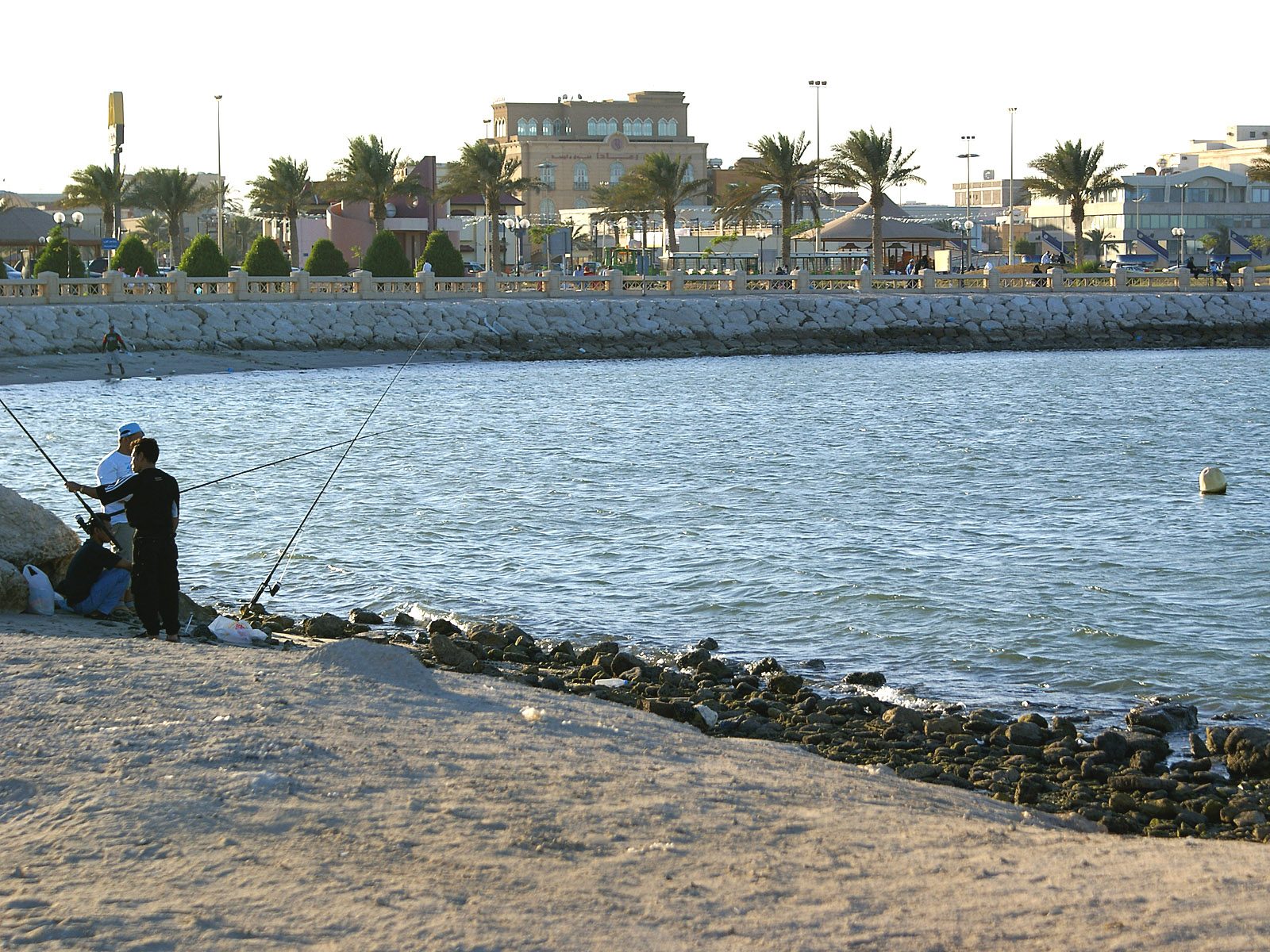
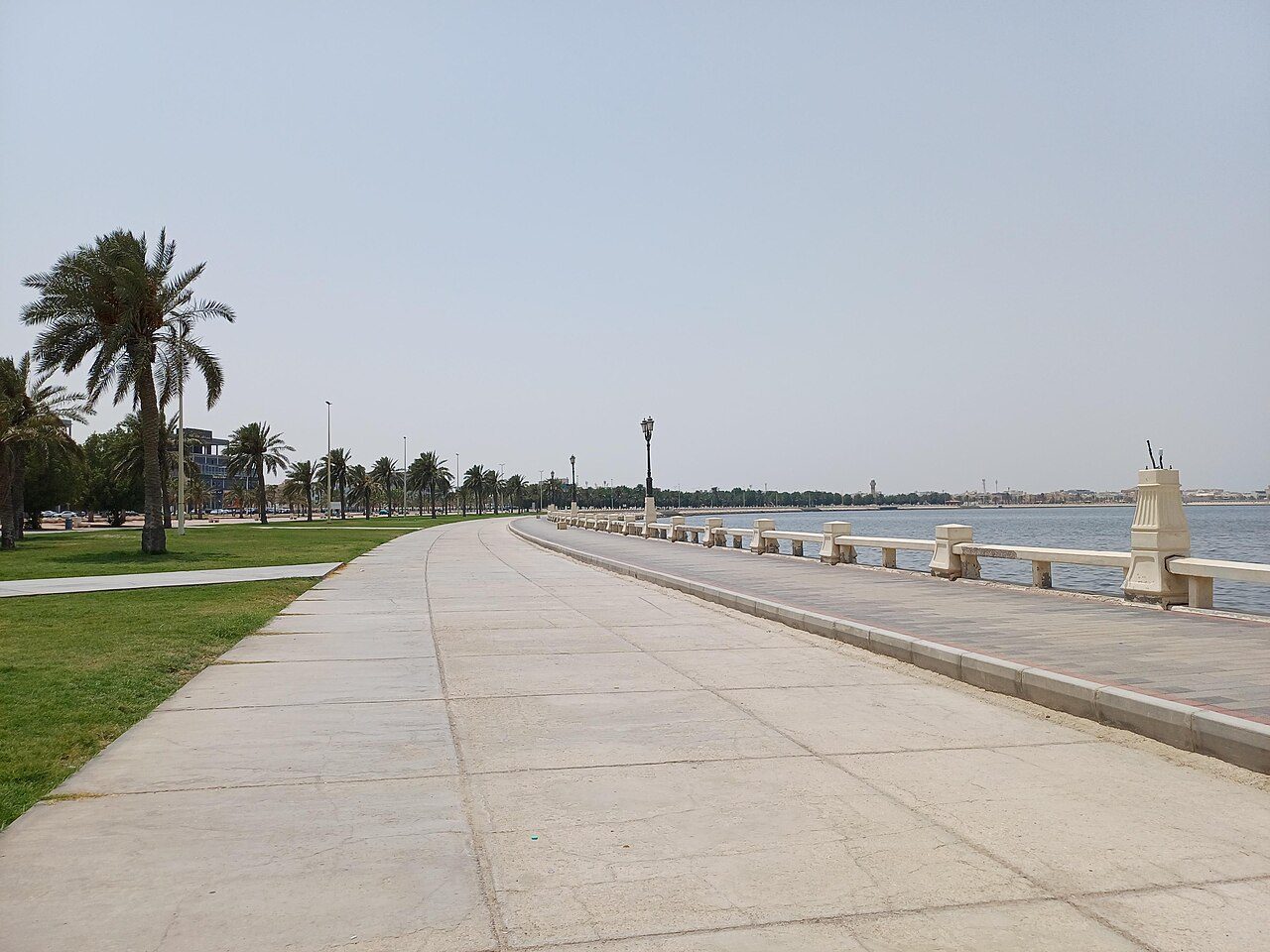
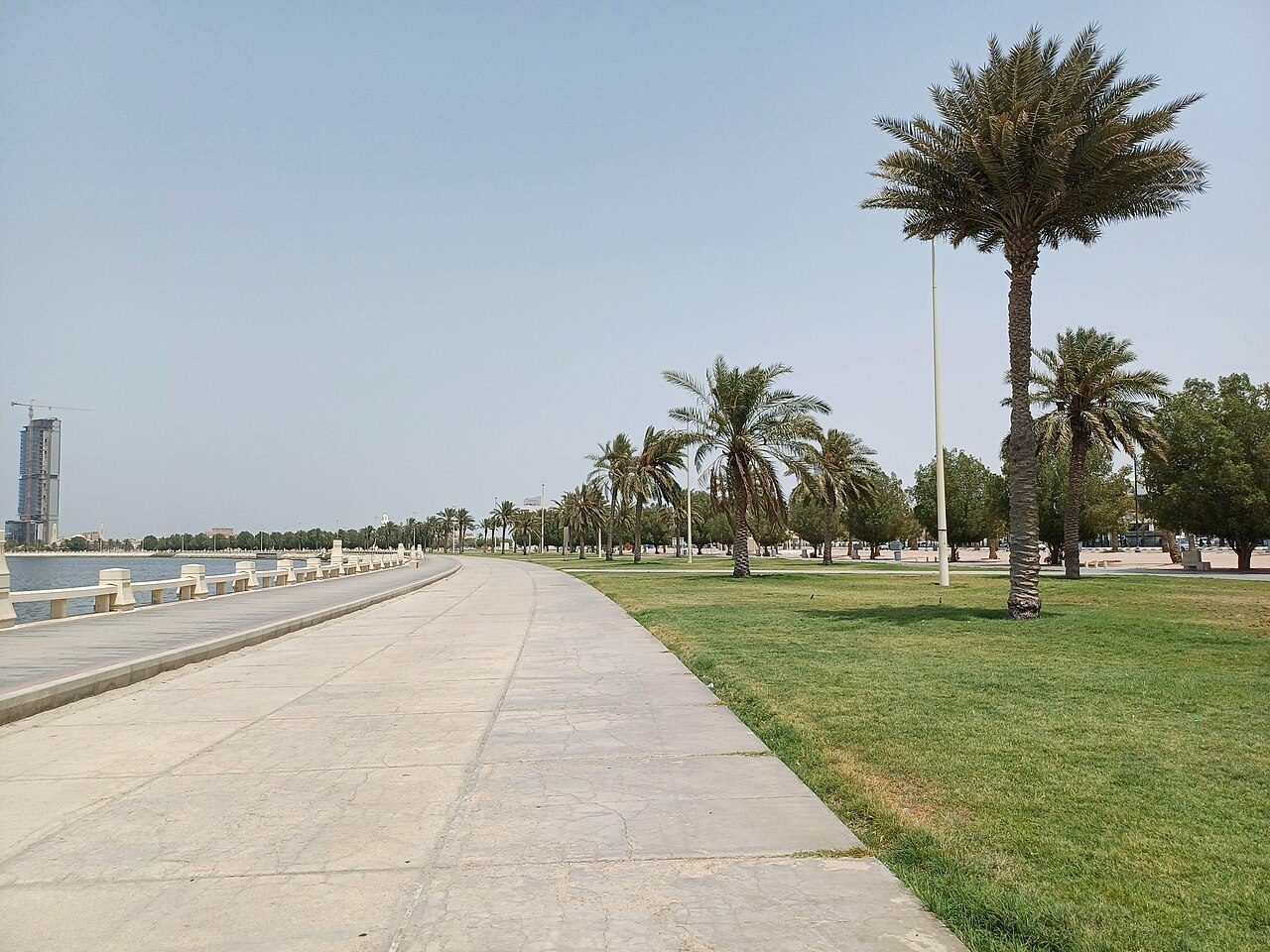
Al Khobar grew from a small fishing village into a Gulf city after oil was found in the Eastern Province, and its Corniche is where the city still meets the sea. The waterfront runs for kilometres past lawns, playgrounds, fountains and cafes, with the Khobar Water Tower standing over it as the city's landmark. Families walk here in the evening, fishermen line the breakwater, and the causeway to Bahrain begins nearby. Half Moon Bay to the south adds beaches and watersports. Winter and spring evenings are the best time, as summer days are extremely hot and humid.
04
STOP 4 OF 10
Dammam Corniche
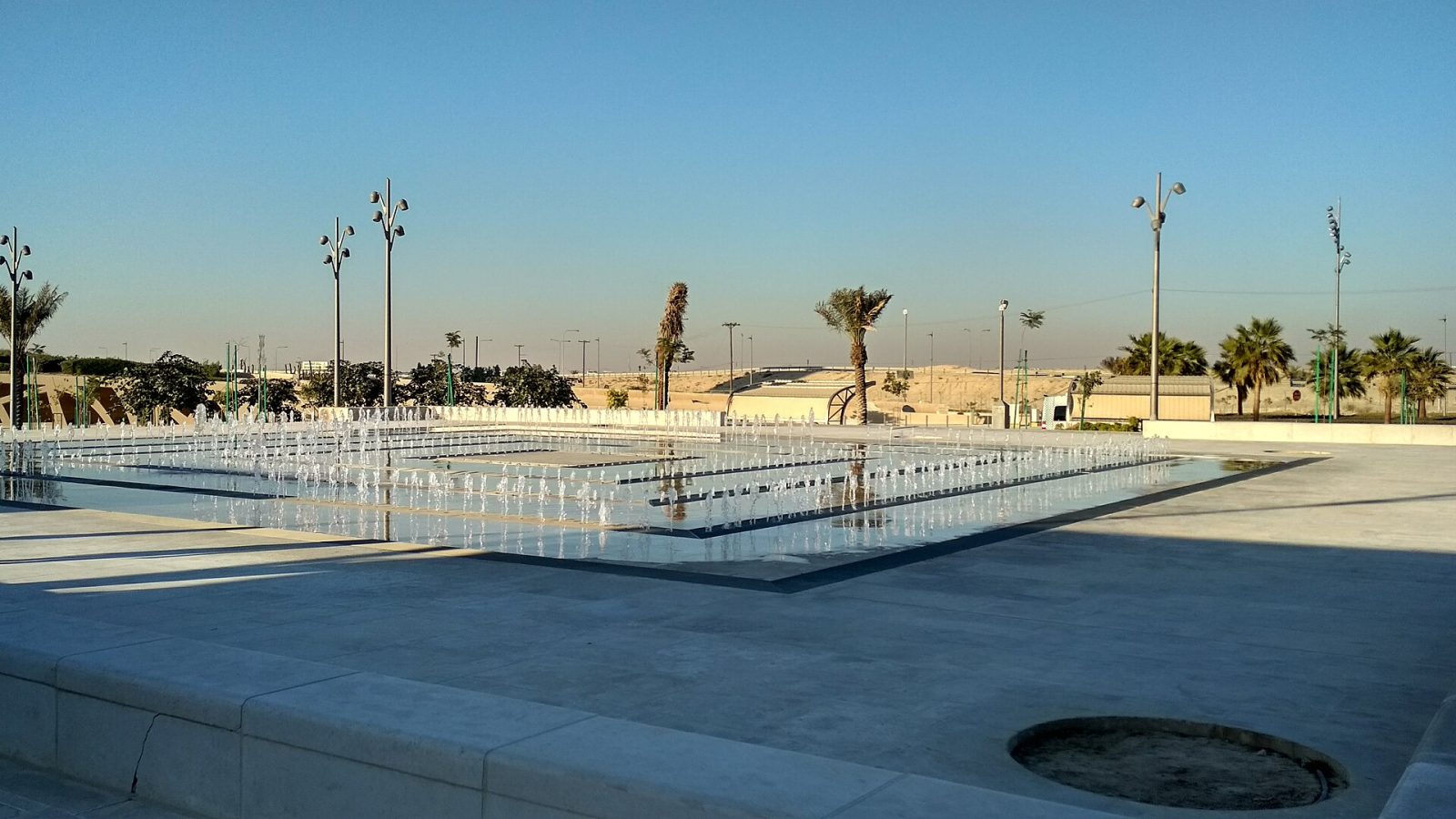
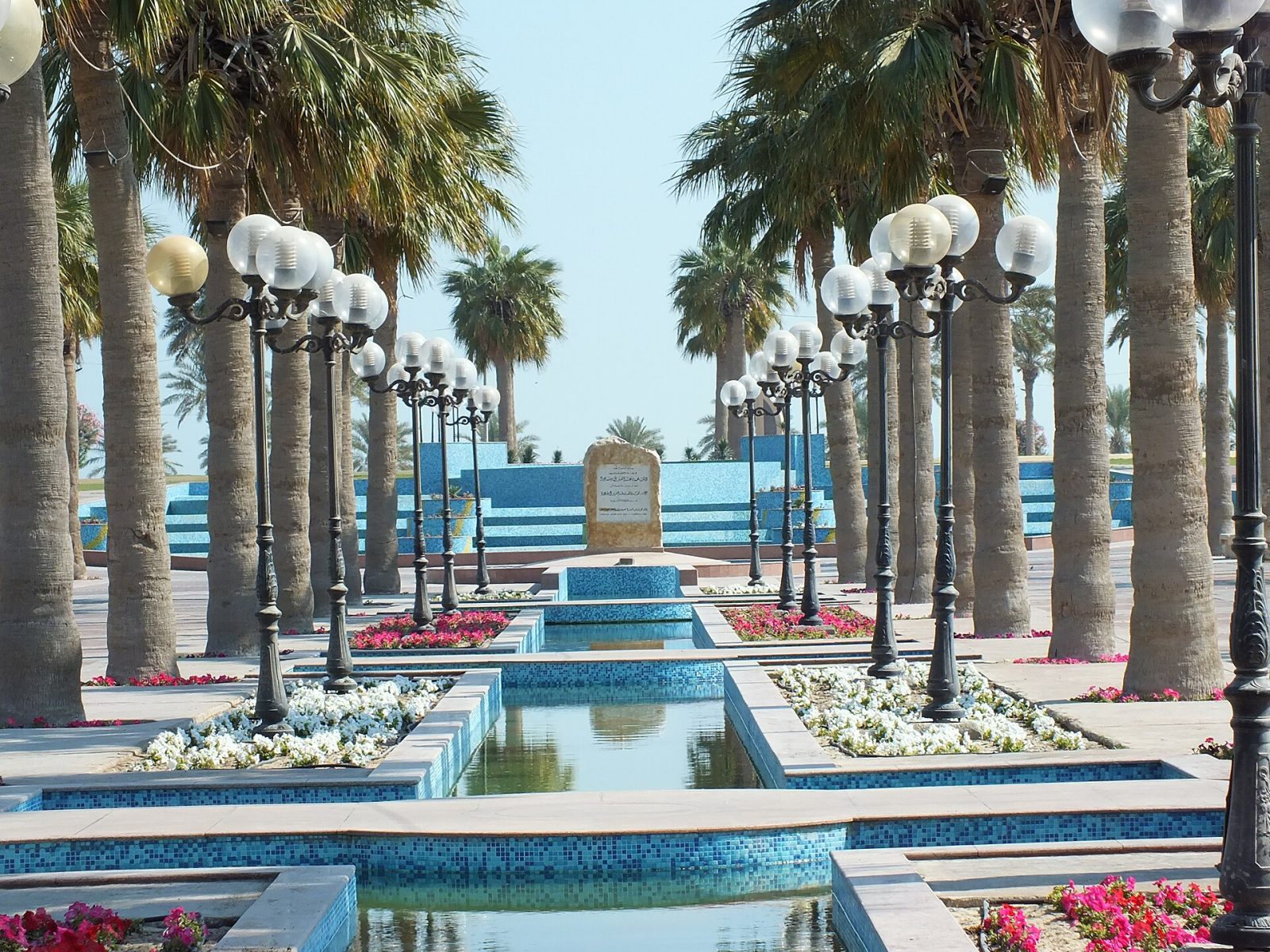
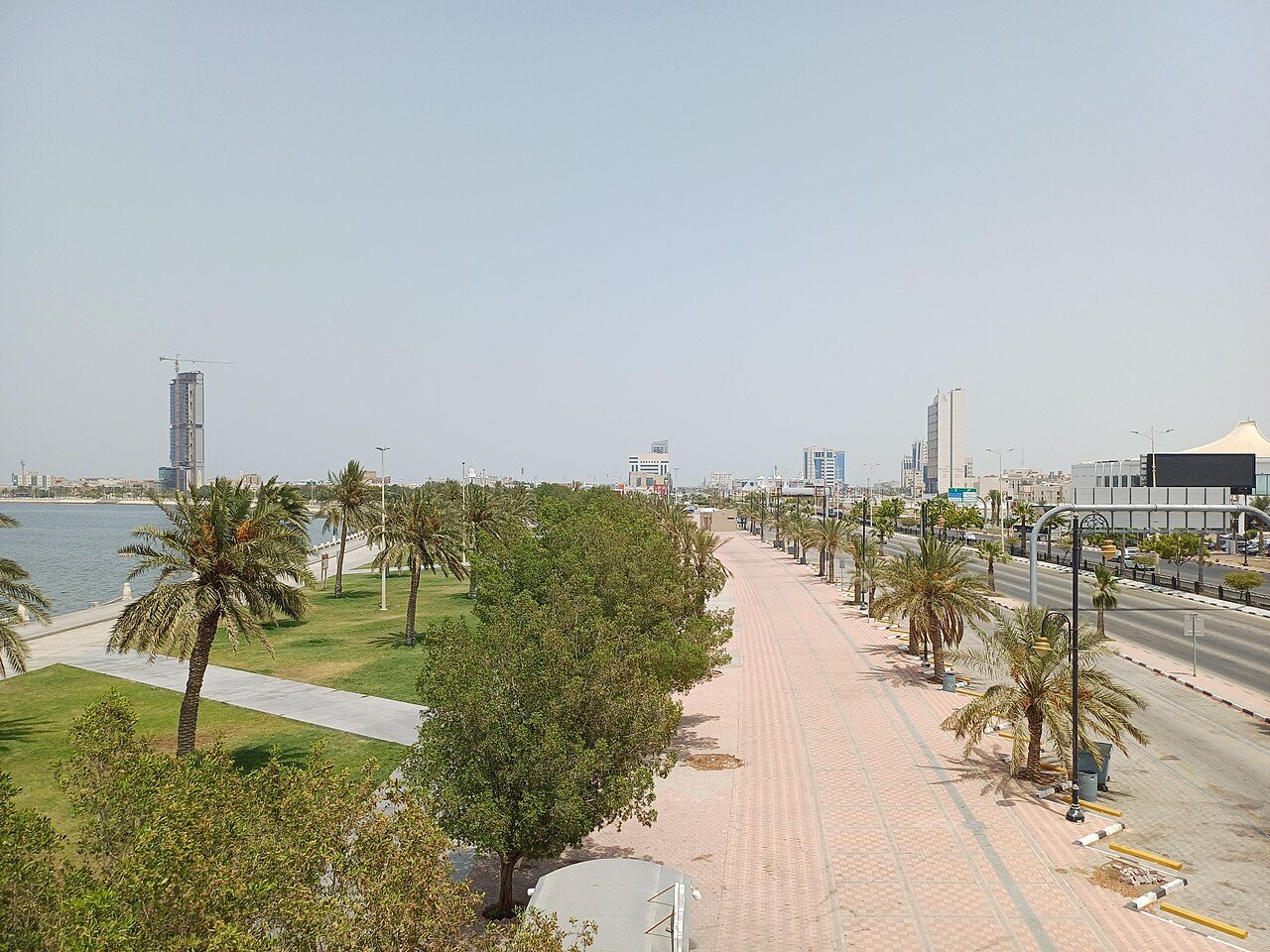
The Dammam Corniche runs for several kilometres along the Gulf shore of Dammam. It has lawns, palm-lined paths, play areas, fishing spots and cafes, and families gather here in the evening. Along it are the artificial Marjan Island, linked by a causeway, and a number of sculptures and fountains.
05
STOP 5 OF 10
King Fahd Causeway
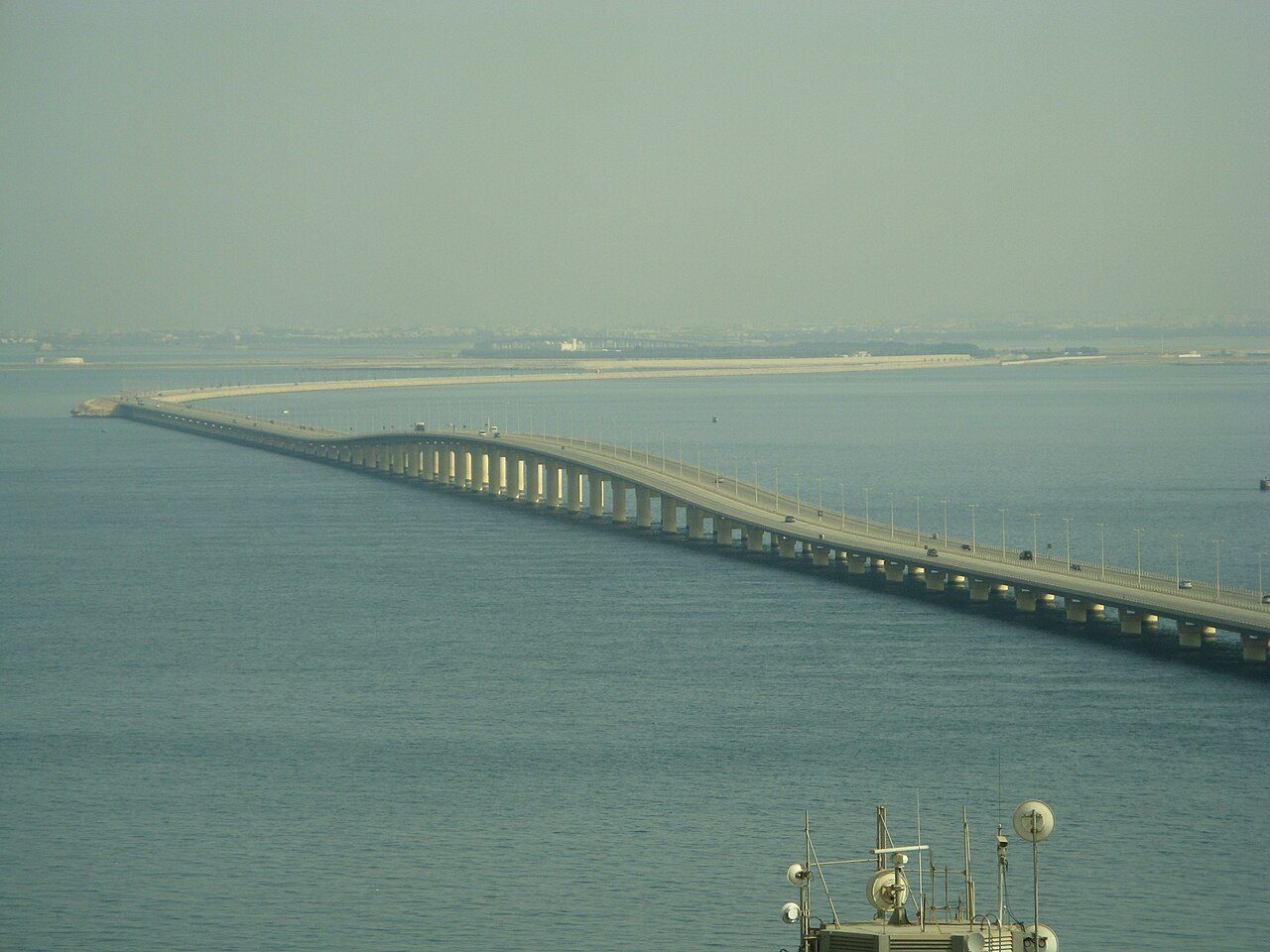
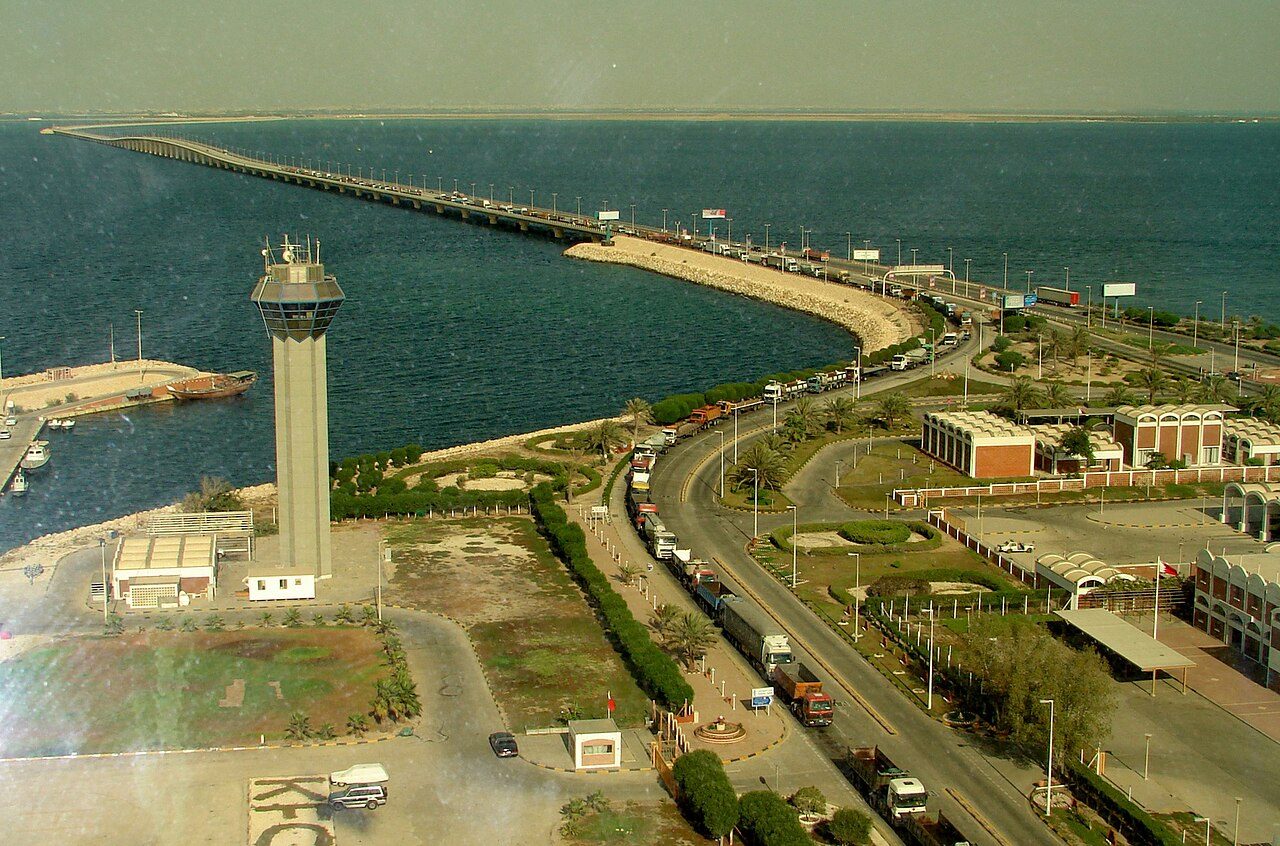
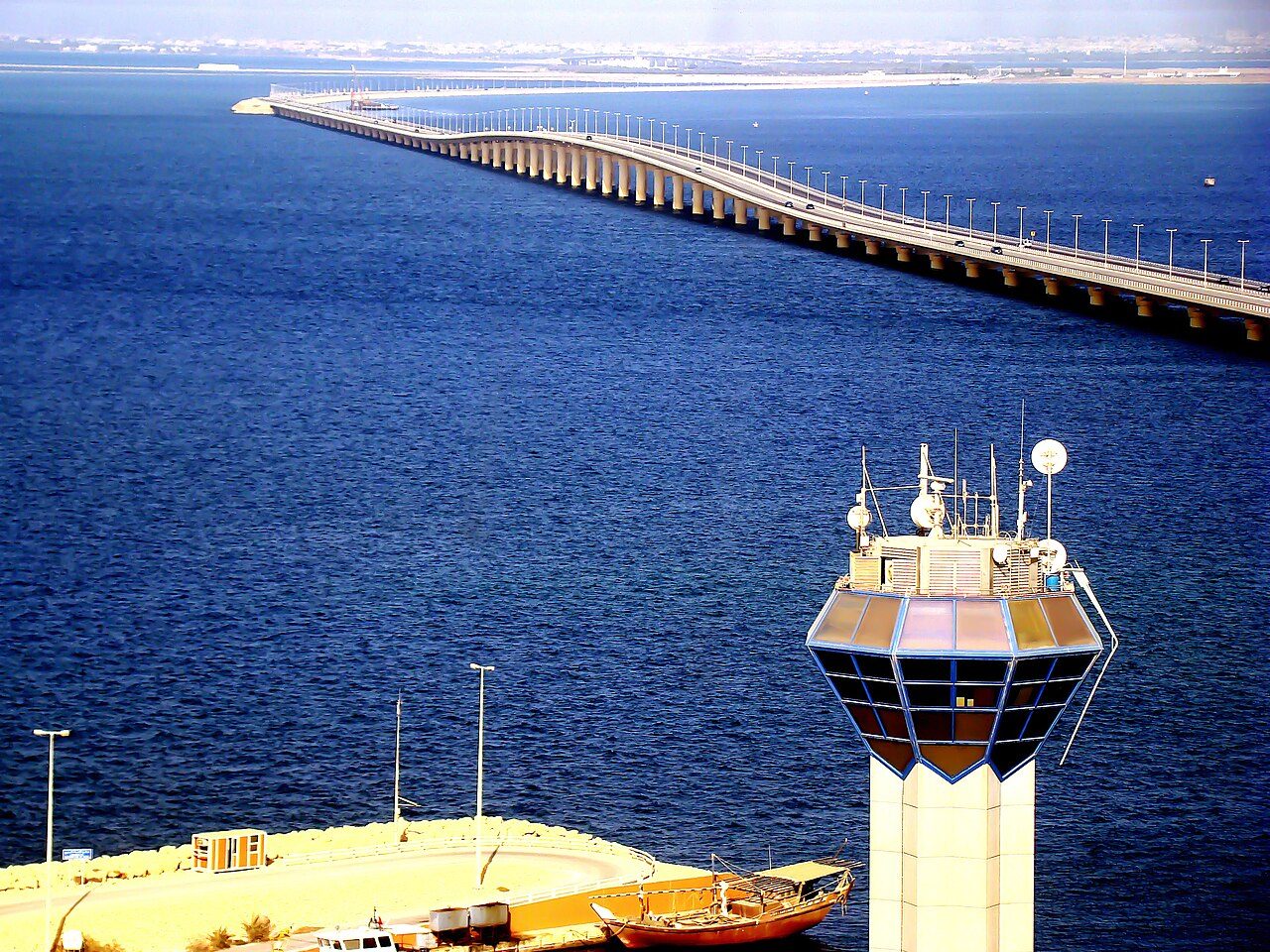
The King Fahd Causeway is a 25 km chain of bridges and embankments across the Gulf between Khobar in Saudi Arabia and Bahrain, opened in 1986. Midway is an artificial island with the border posts, mosques and two towers with restaurants that look over the sea. It is one of the busiest border crossings in the region.
06
STOP 6 OF 10
Tarout Castle
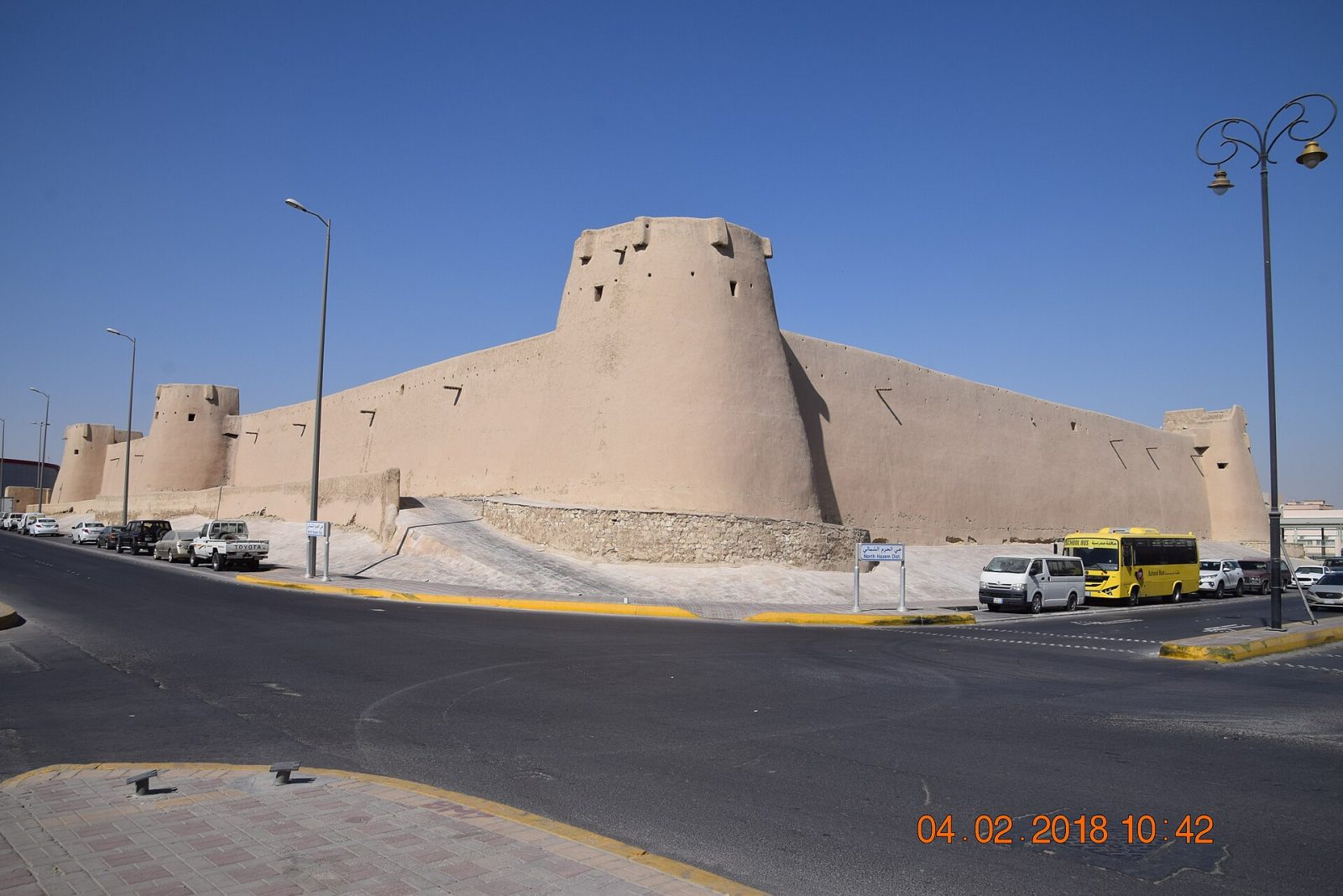
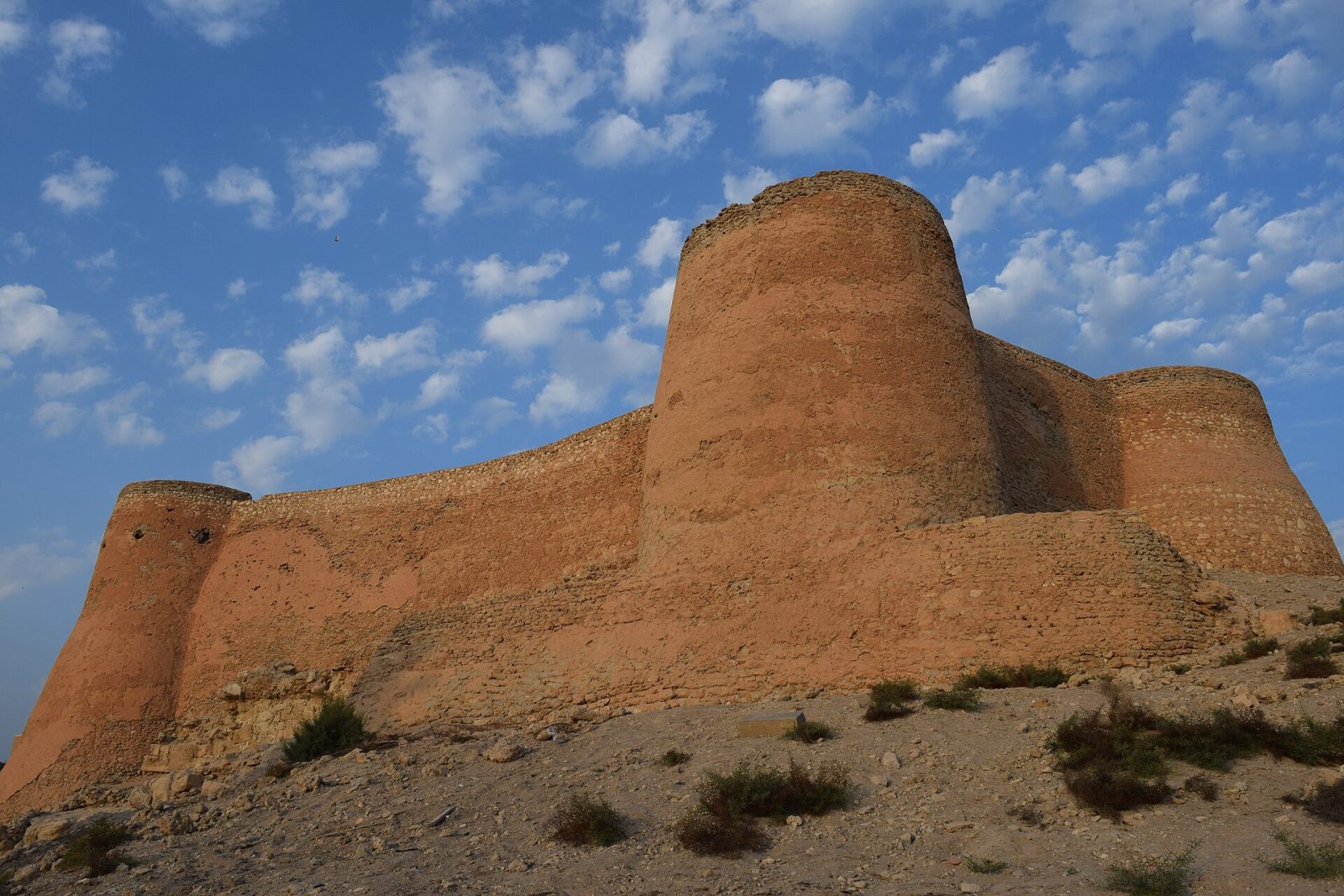
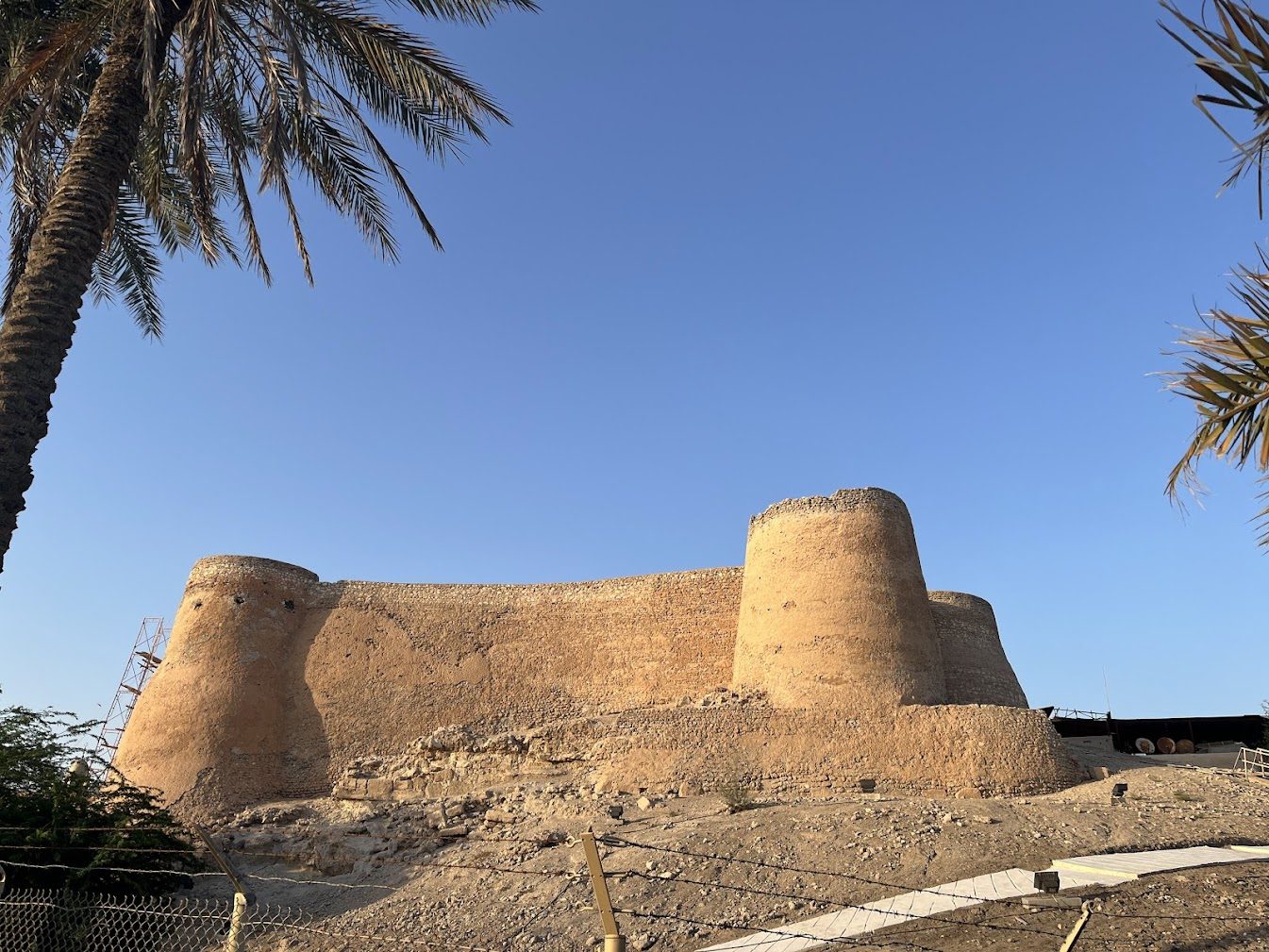
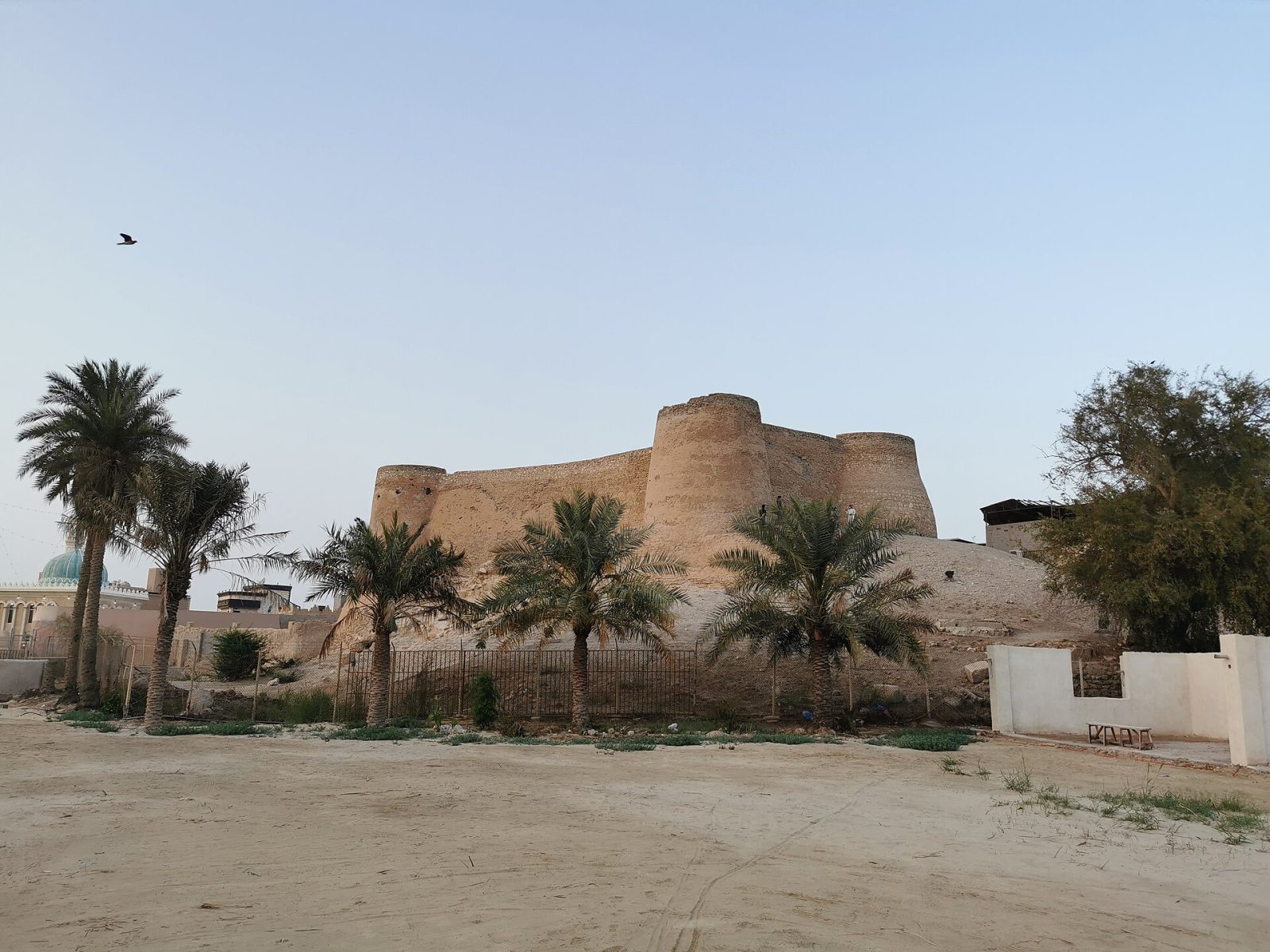
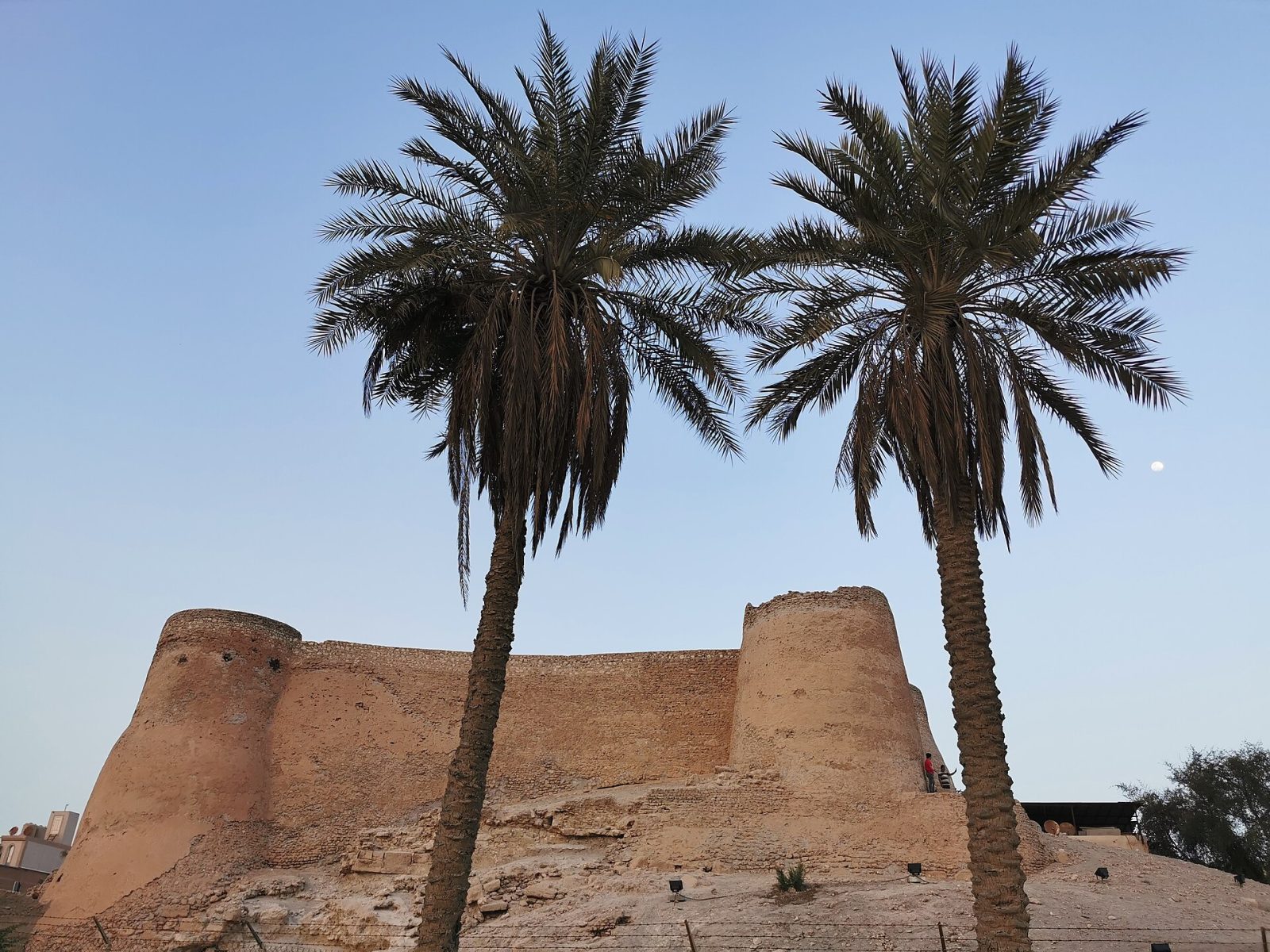
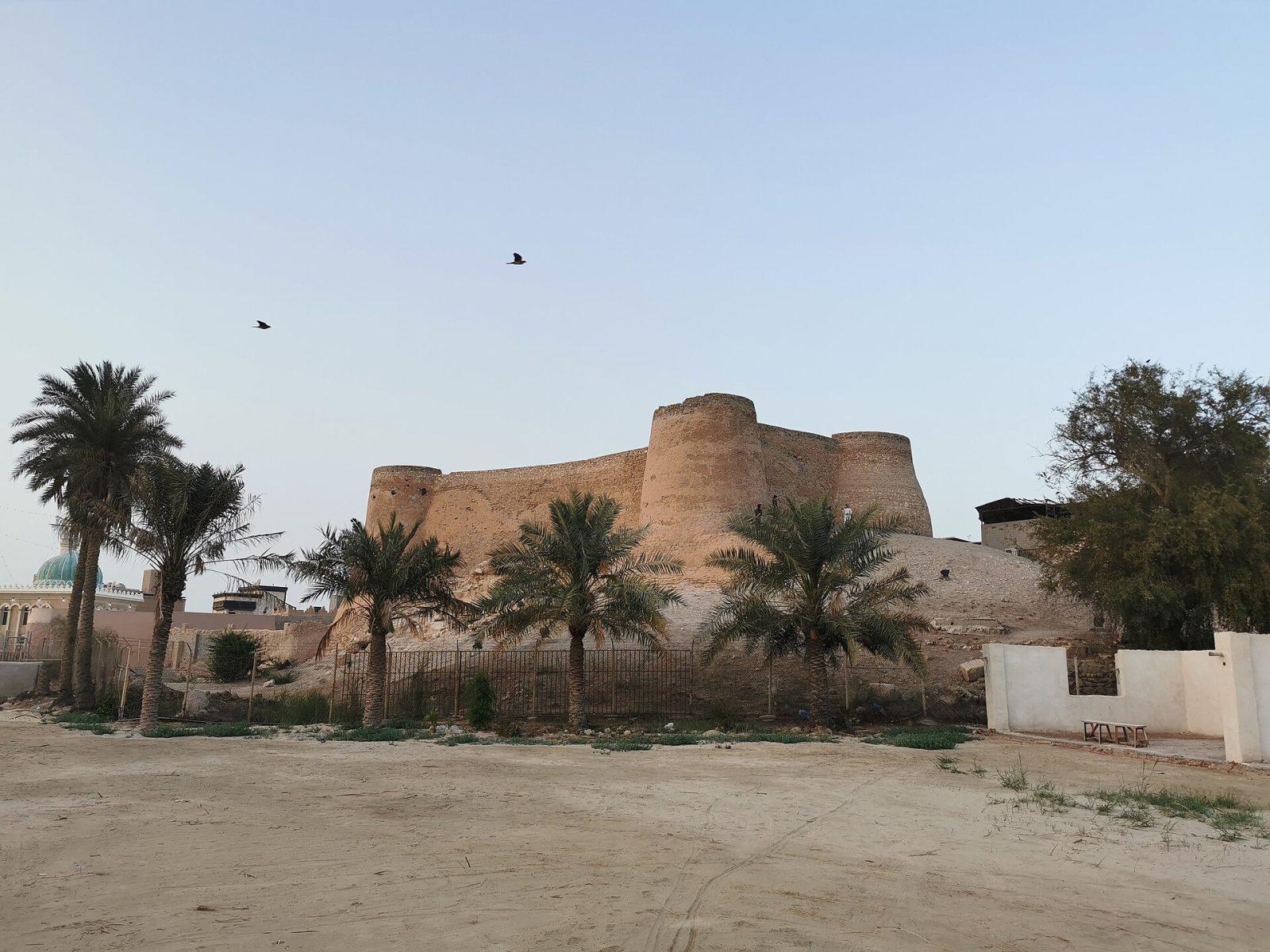
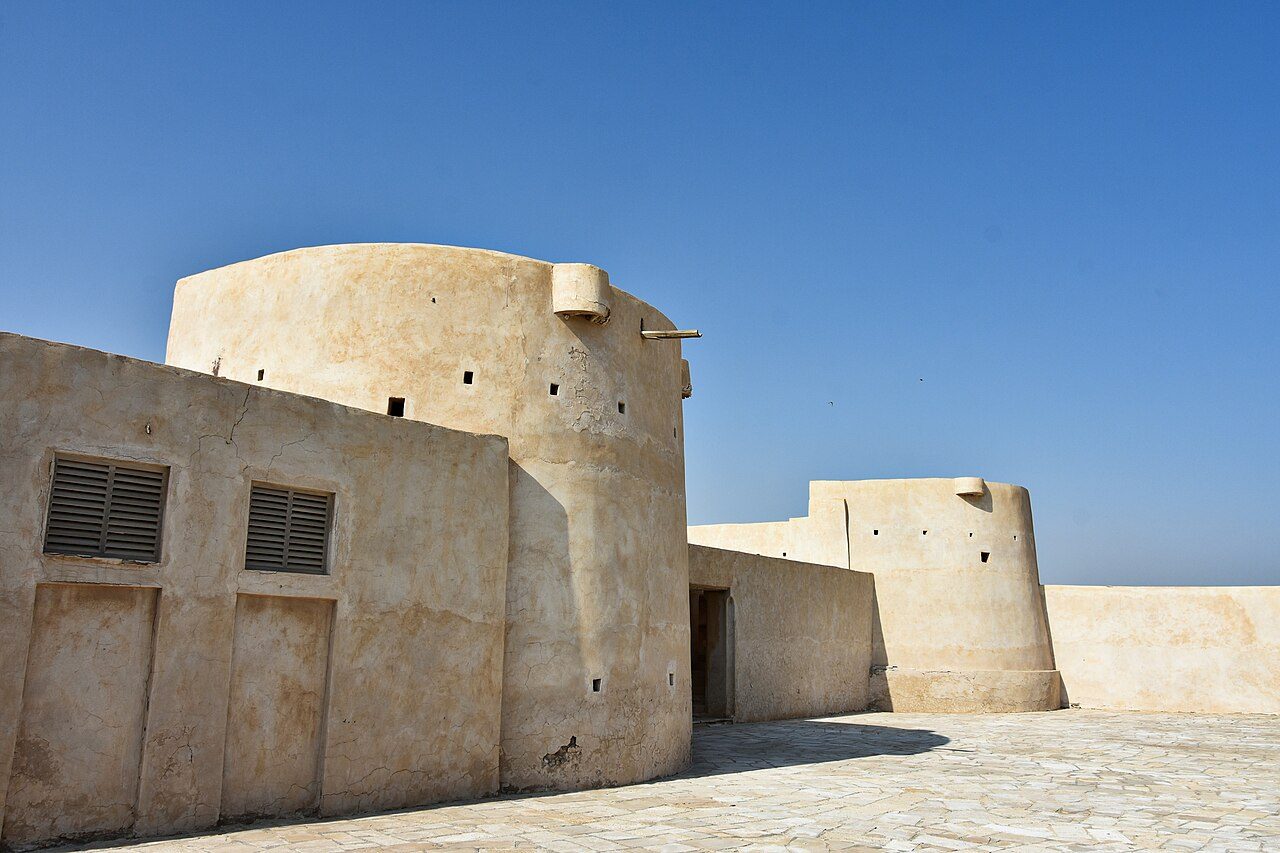
Tarout Castle stands on a mound in the middle of Tarout island near Qatif, on one of the oldest continuously inhabited sites in the Gulf. People have lived here for more than five thousand years, and the hill below the castle has yielded finds from the Dilmun civilisation that traded between Mesopotamia and the Indus. The present fort, with its four round towers, is usually dated to the early 16th century and is linked to the Portuguese period on the Gulf coast. Freshwater springs beside the castle, once famous across the region, are why the settlement grew here. The old quarter around it, with its mud-brick houses and palm gardens, is worth the walk.
07
STOP 7 OF 10
Al-Ahsa Oasis
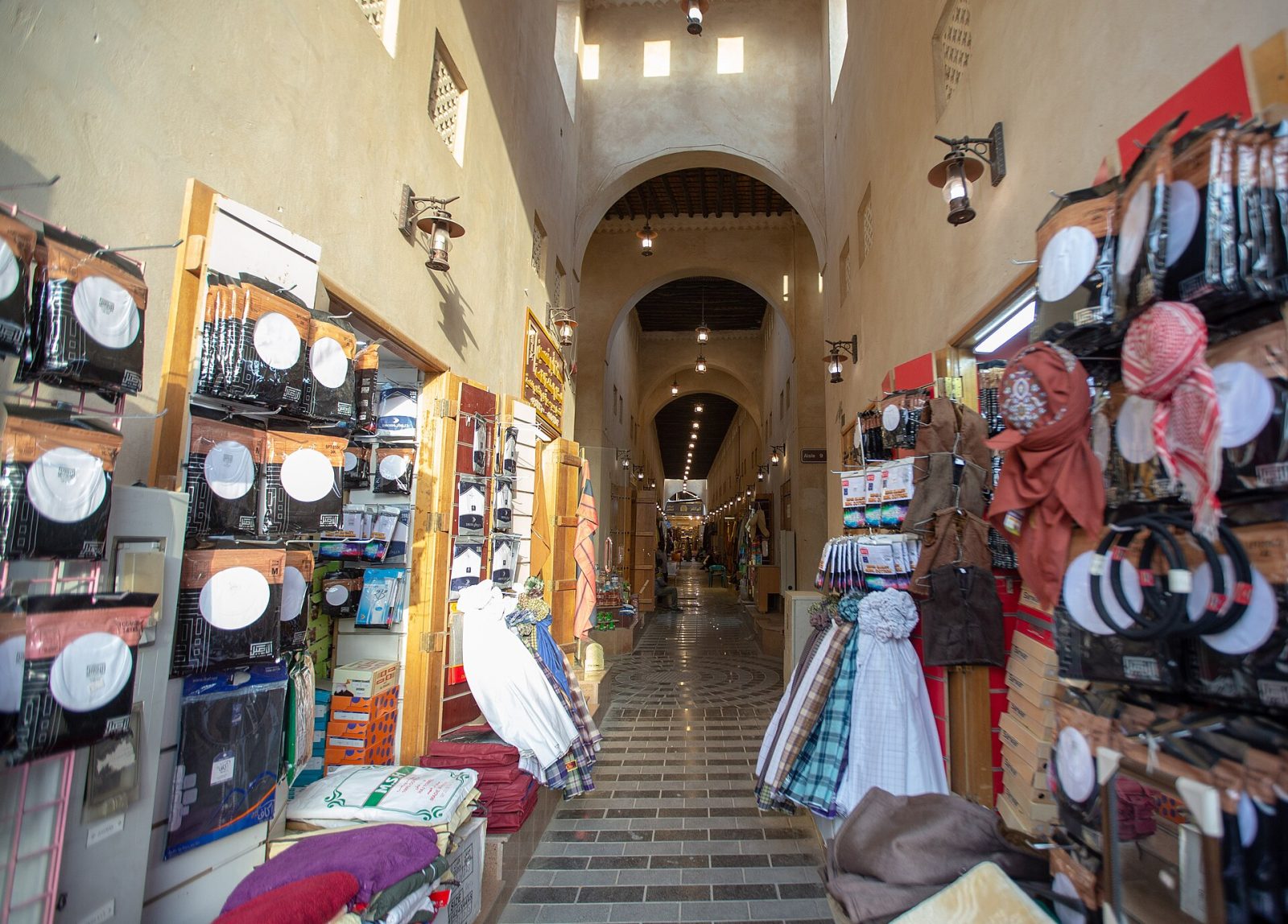
Al-Ahsa in the Eastern Province is the largest oasis in the world, with more than two million date palms watered by natural springs rising out of the desert. People have lived and farmed here for thousands of years, and the oasis has been a caravan stop, a regional capital and a centre of crafts and trade; it was inscribed as a UNESCO World Heritage Site in 2018. Its sights include the historic Qaisariah souq in Hofuf, the Ibrahim Palace with its Ottoman-era mosque, old irrigation channels and the springs themselves. Local dates, especially the Khalas variety, are famous across the Gulf. Winter is the best season, and a guide helps in finding the older corners.
08
STOP 8 OF 10
Al-Qarah Mountain
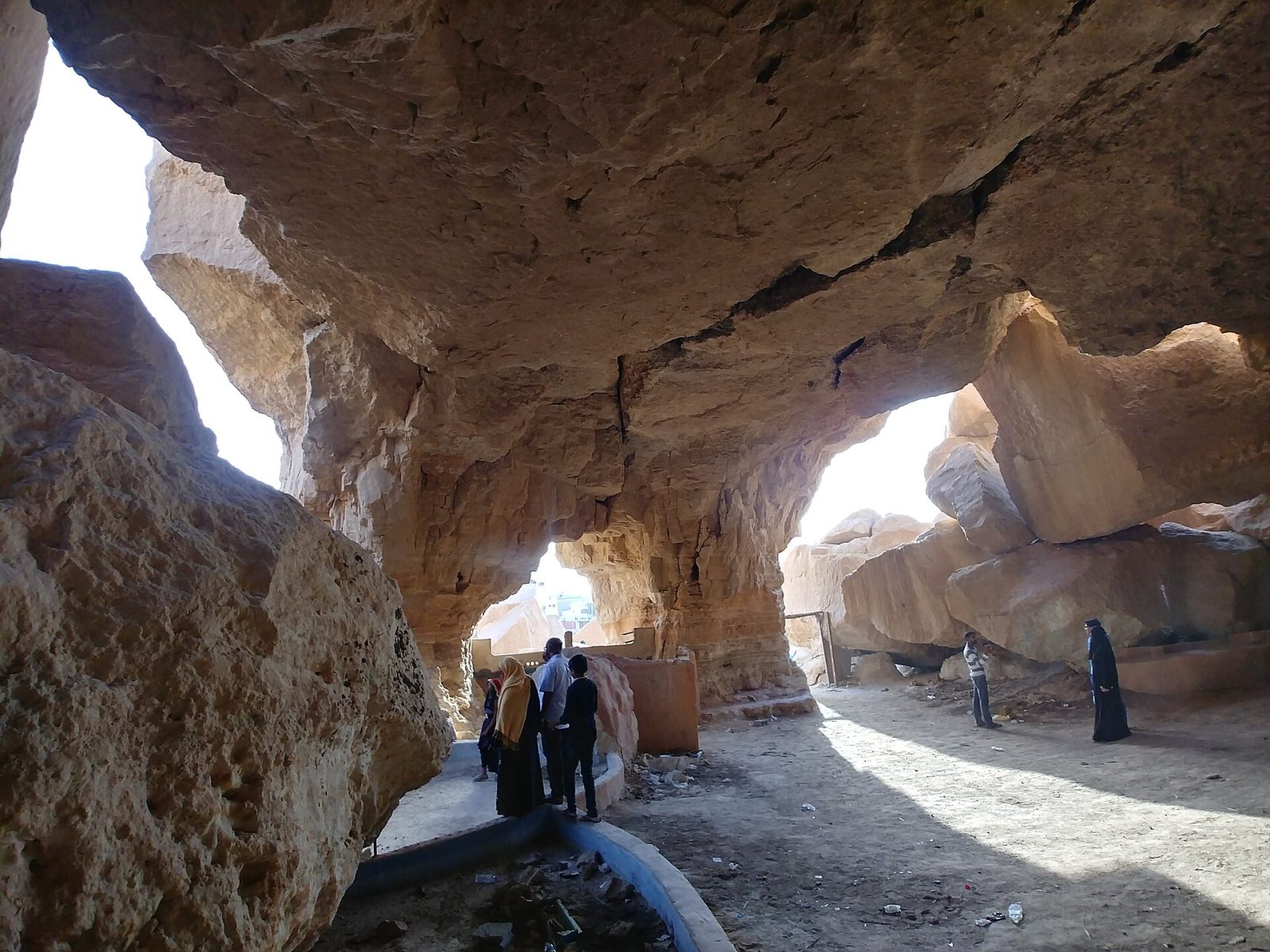
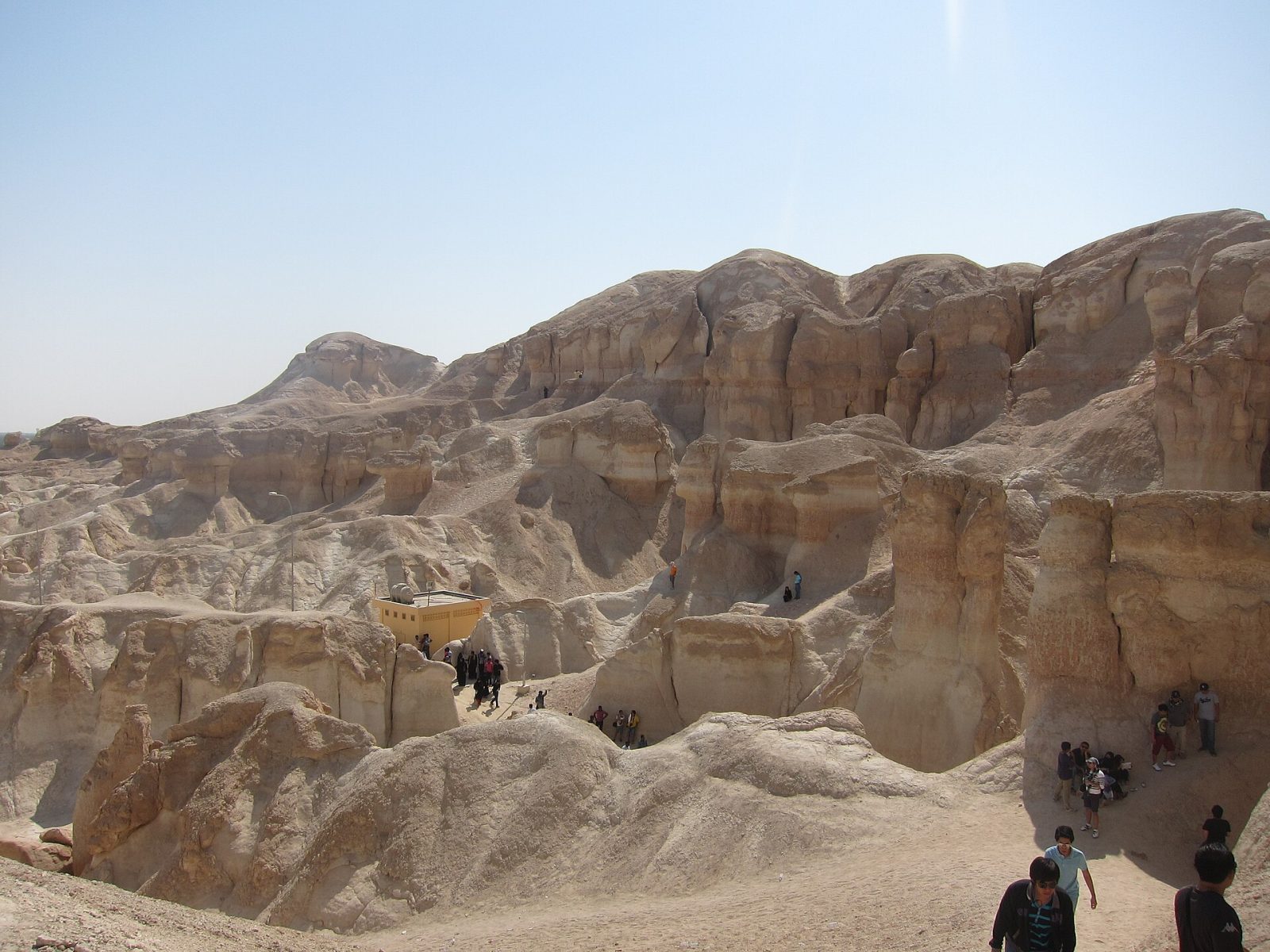
Jabal Al-Qarah rises out of the Al-Ahsa oasis as a low tableland of soft limestone riddled with narrow canyons and caves. The passages stay naturally cool in summer and warm in winter, which is why local people have used them as shelter and storage for generations, and the walls have been shaped by wind and rare rain into smooth folds. A visitor centre, Land of Civilizations, explains the geology and the history of the oasis and leads walks through the main canyon. Potters still work in the nearby village using clay from the mountain. It is part of the Al-Ahsa World Heritage listing and best visited early in the day.
09
STOP 9 OF 10
Jawatha Mosque
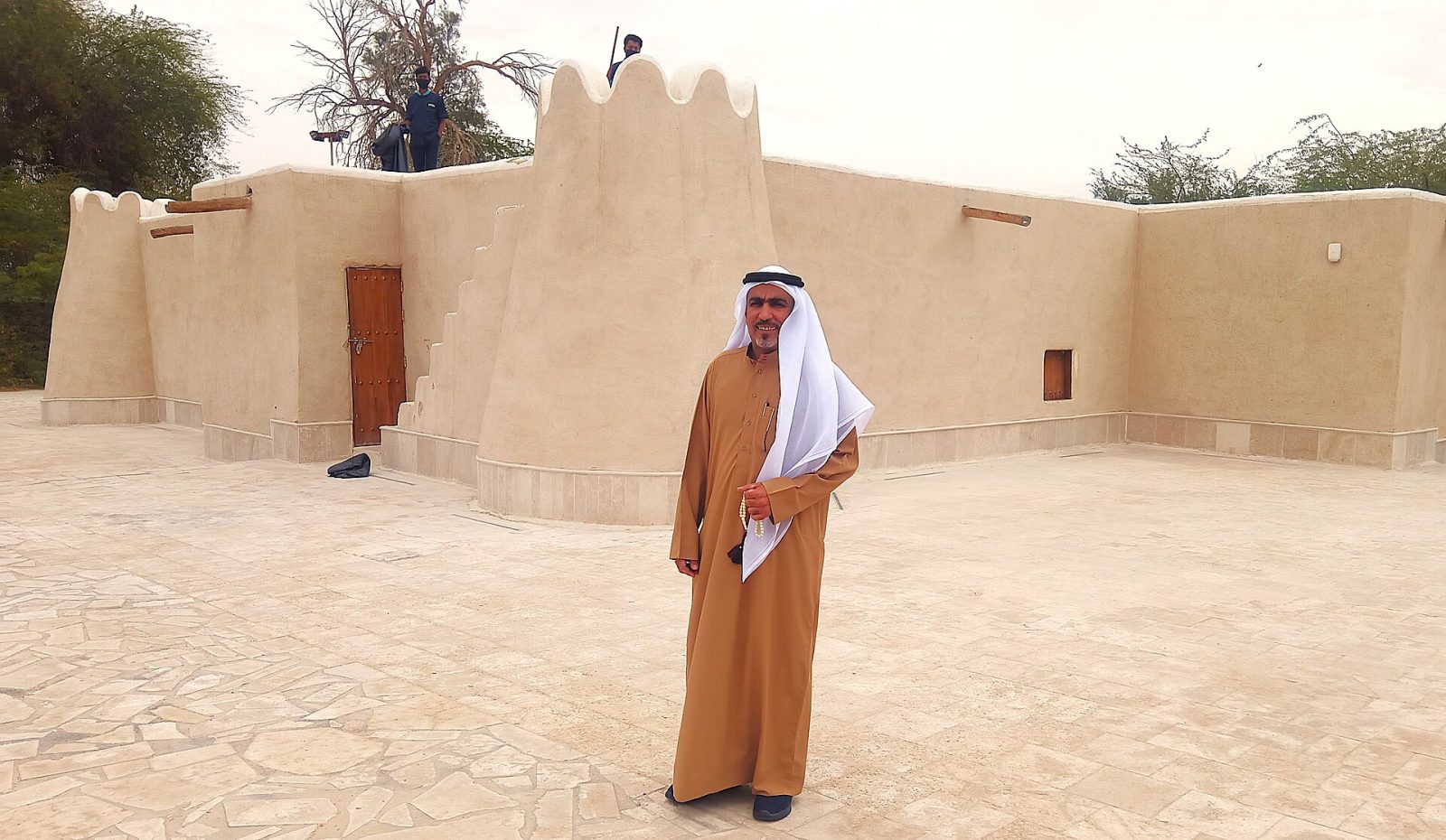
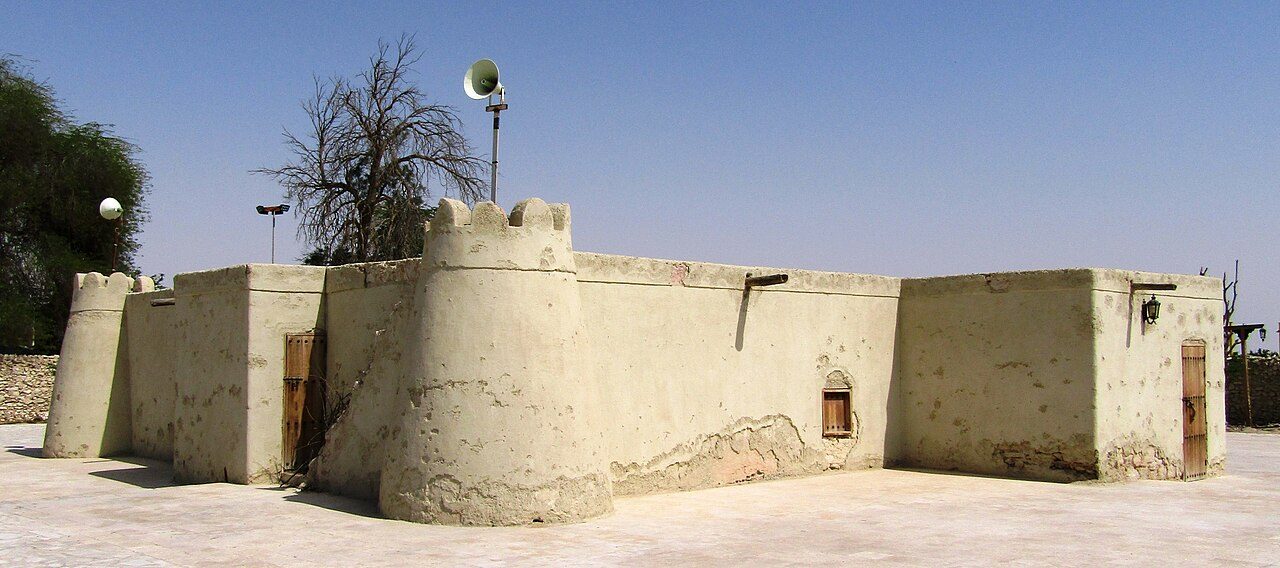
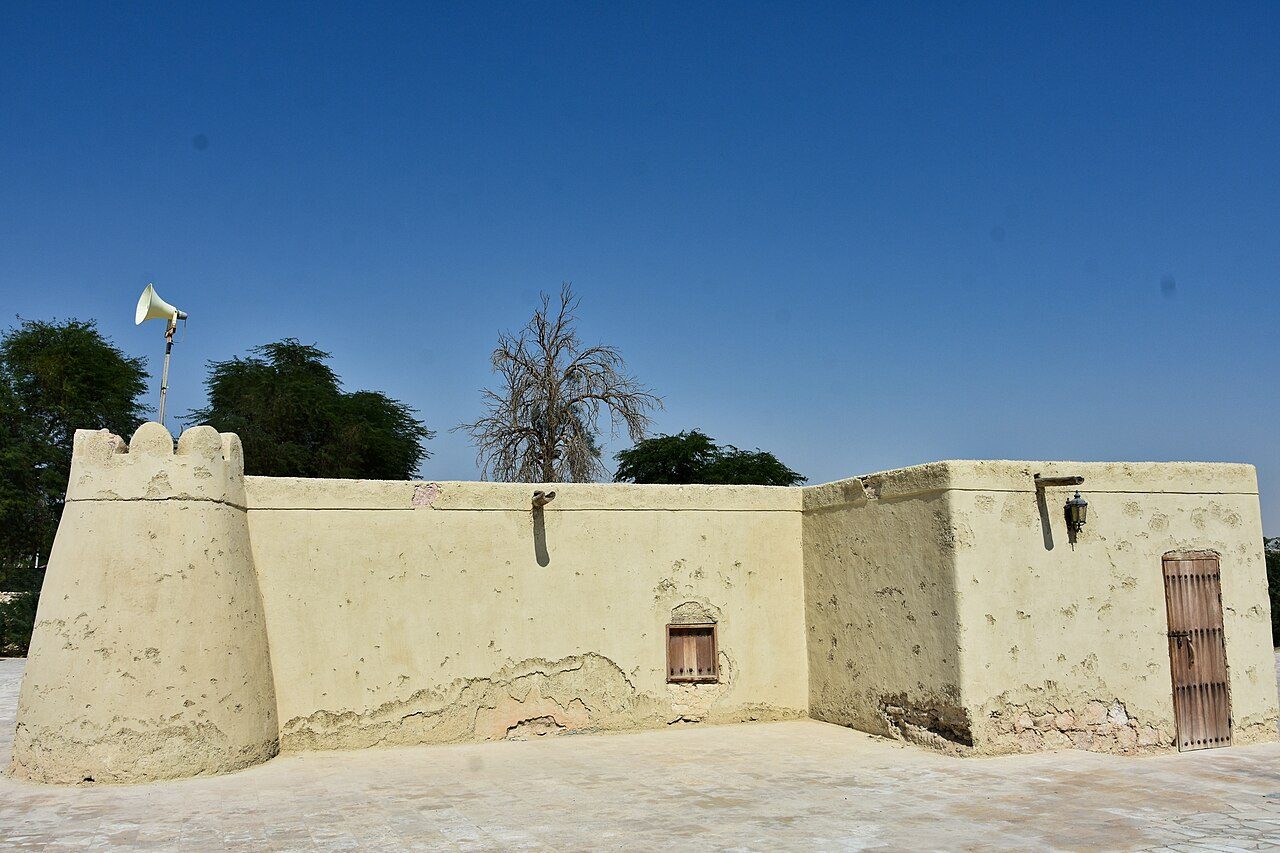
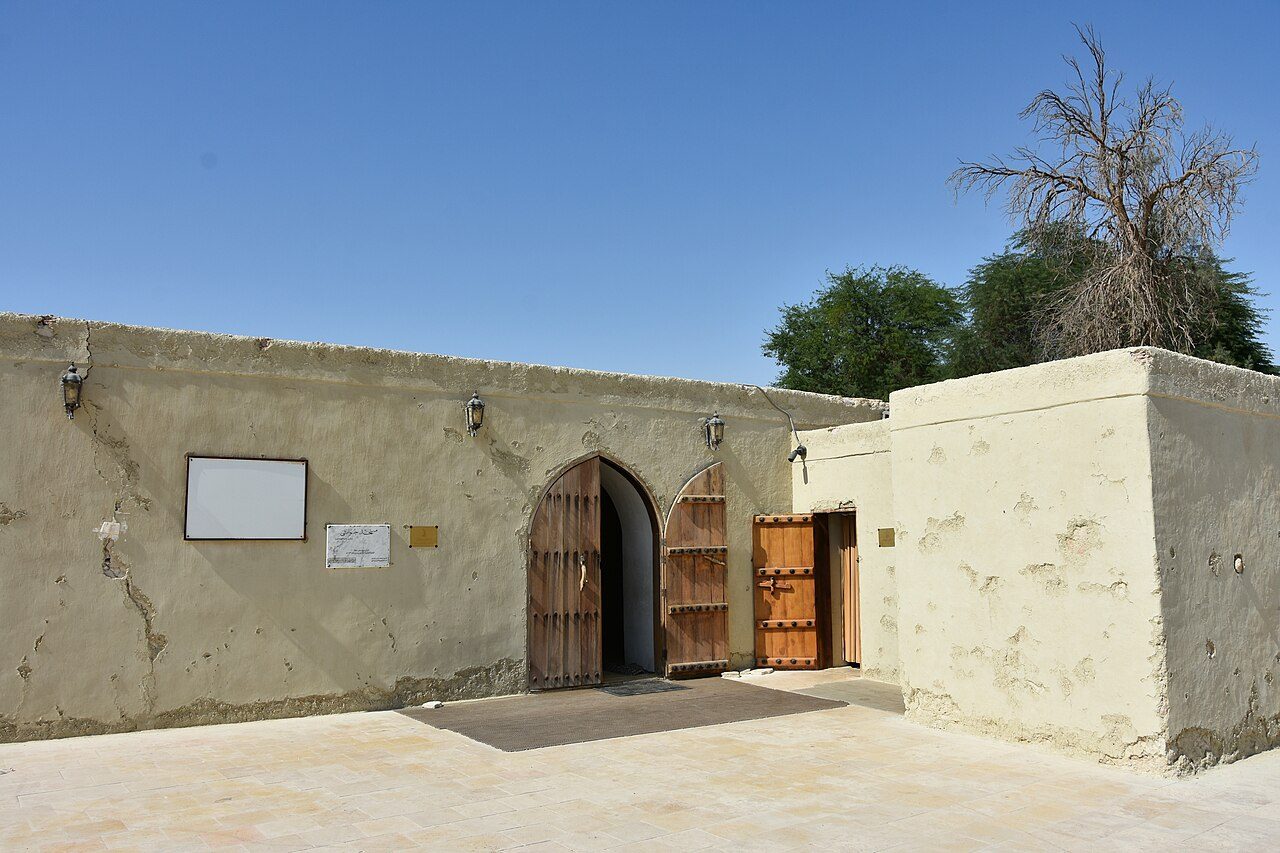
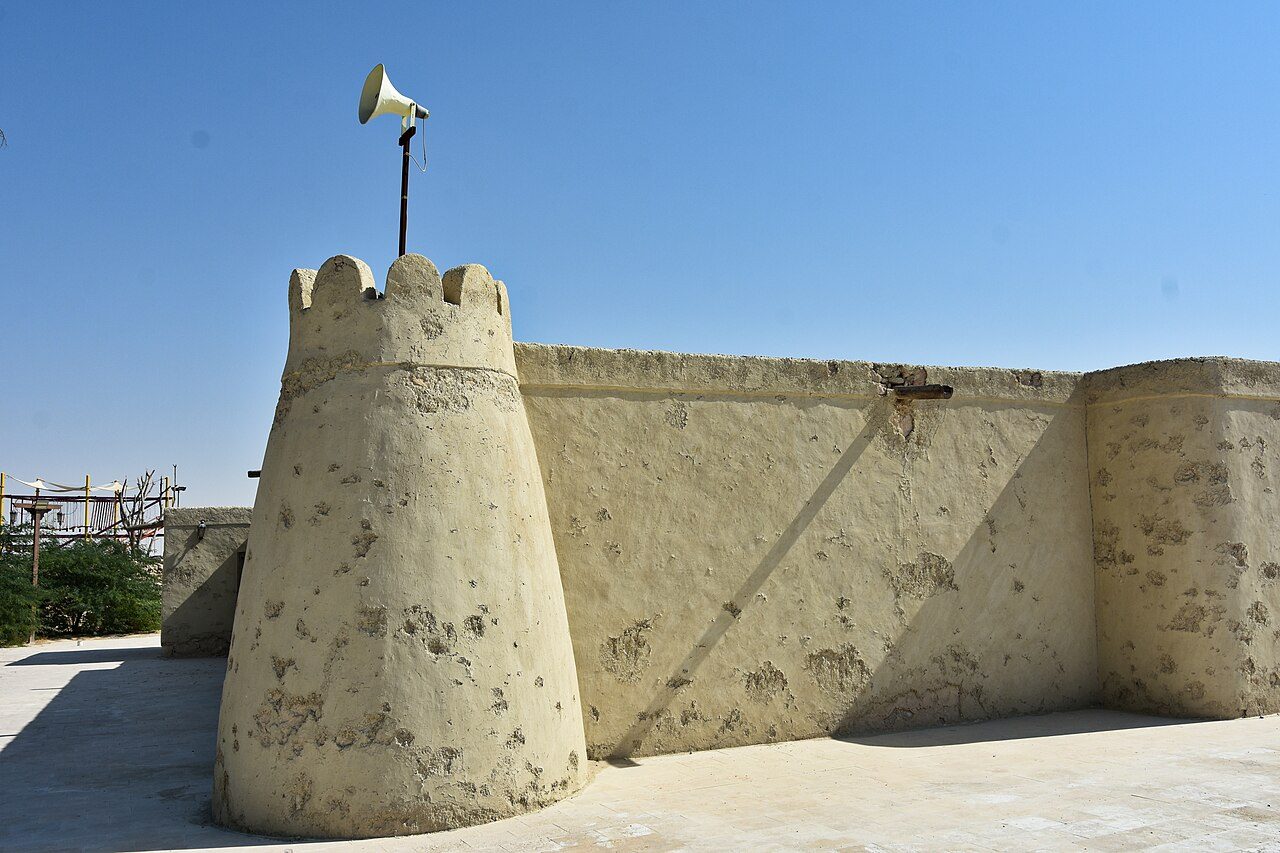
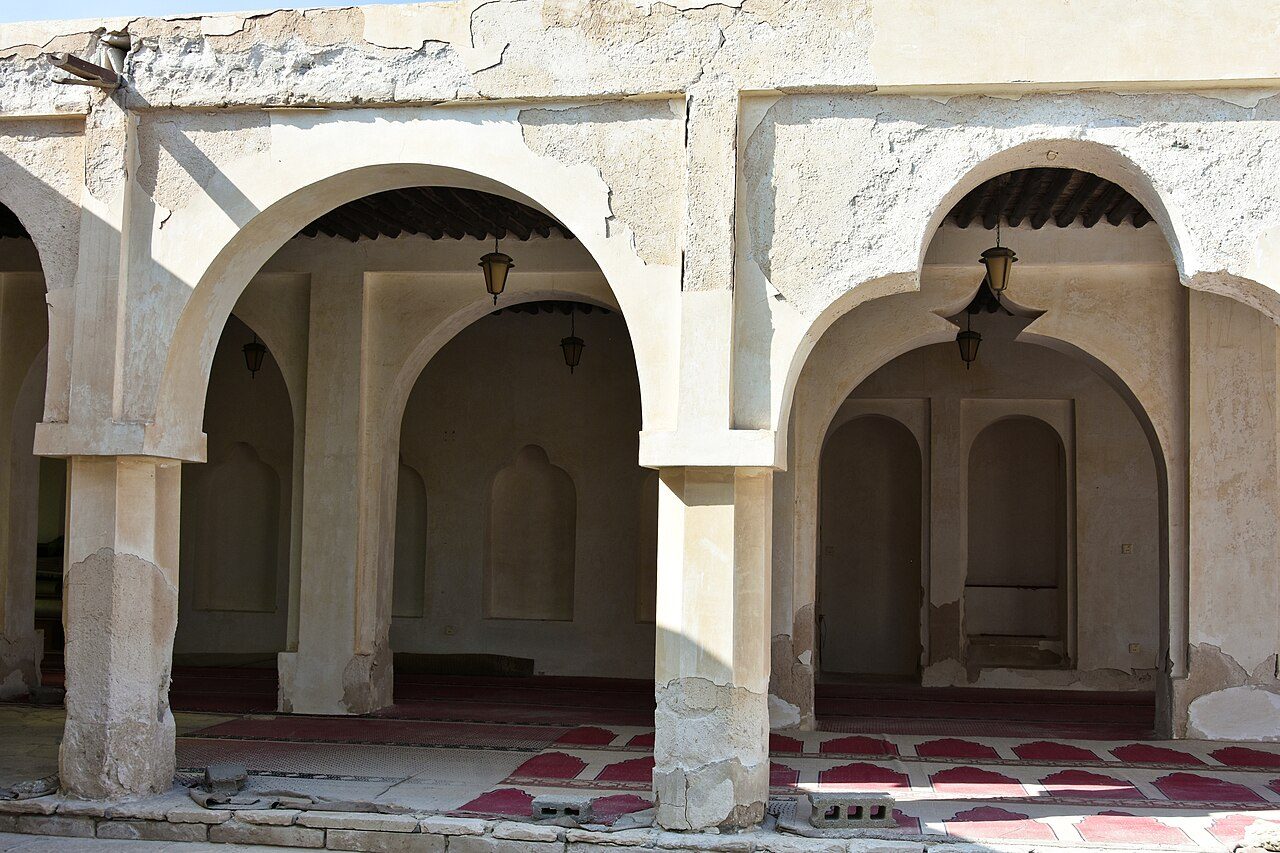
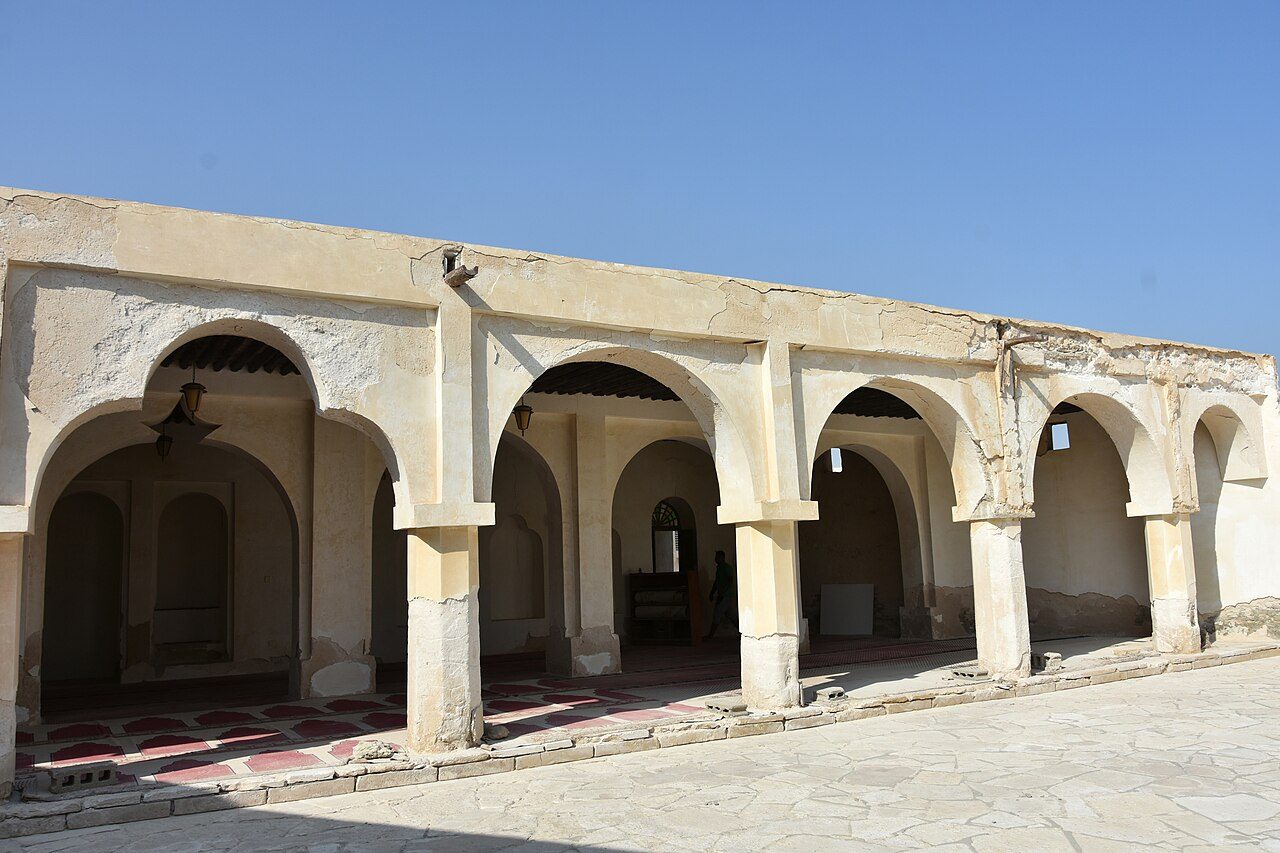
Jawatha Mosque, north-east of Hofuf in the Al-Ahsa oasis, is traditionally said to have been built around 628 by the Bani Abd al-Qays tribe, and to be where the second Friday congregational prayer in Islam was held after Madinah. The small mud-brick building with corner towers has been restored and stands in a public park.
10
STOP 10 OF 10 · LAST STOP
Al Uqair
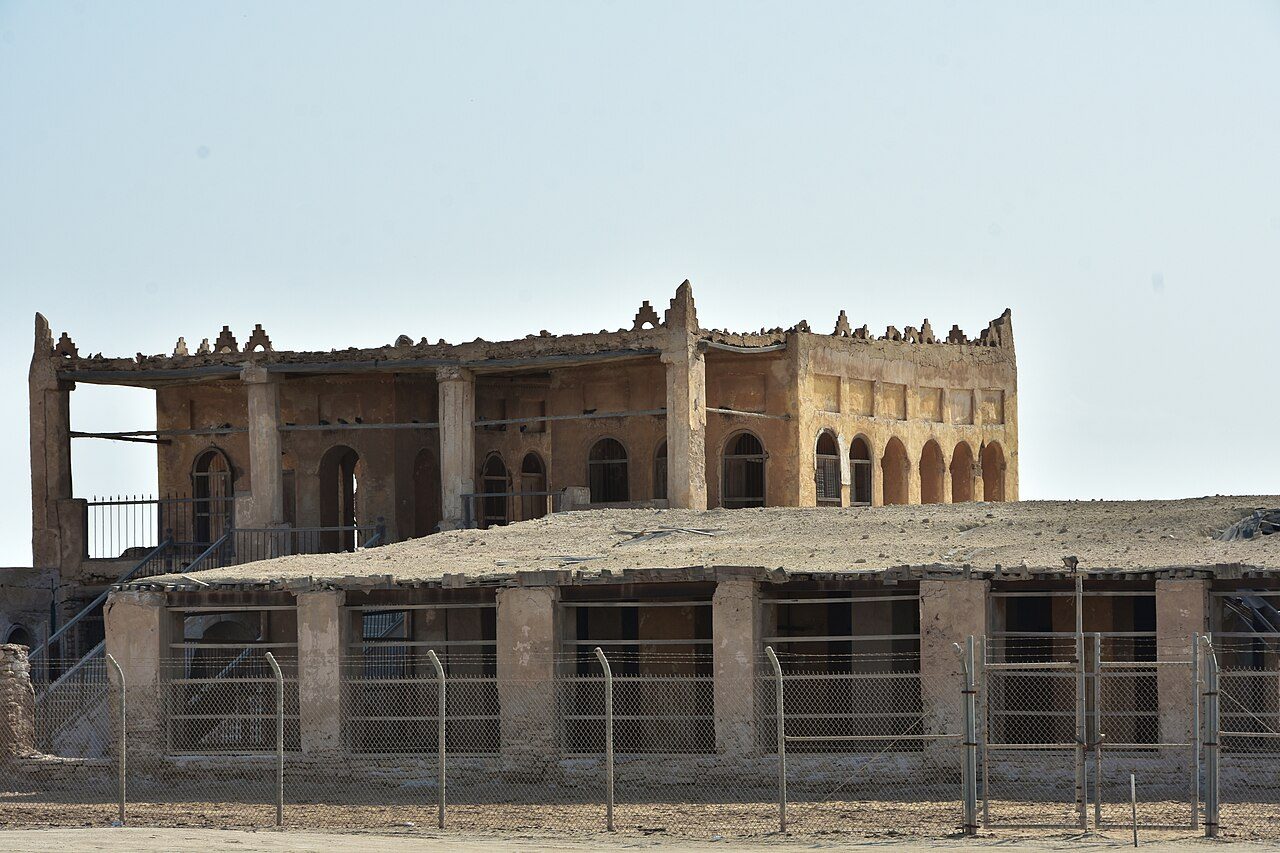
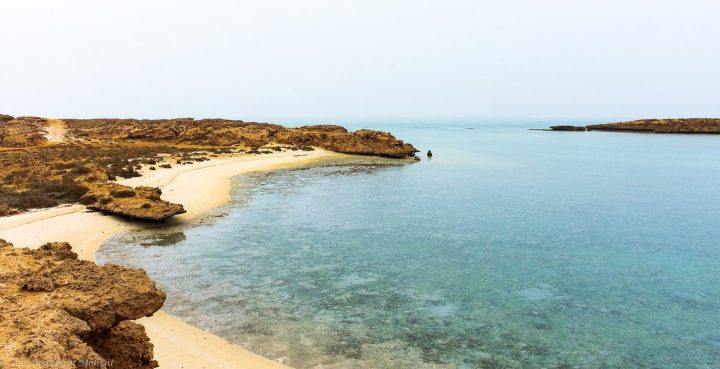
Al Uqair is an old port on the Gulf coast about 70 km from Hofuf, once the main sea gate to the Al-Ahsa oasis and central Arabia. Its customs house, fort, mosque and khan date from the Ottoman and early Saudi periods. In 1922 the Uqair Protocol, which drew borders with Iraq and Kuwait, was agreed here. A long sandy beach lies beside it.
Seasons from 20 years of NASA POWER climate data.
 WaTrips