Boston's Freedom Trail, Harvard and Fenway, New York, the Statue of Liberty, Philadelphia's Independence Hall, Baltimore's harbour, Washington and Mount Vernon.
The East Coast is where America began, and its cities are linked by fast trains. Walk Boston's Freedom Trail, visit Harvard and Fenway Park, then see New York's highlights and the Statue of Liberty. In Philadelphia, see Independence Hall and the Liberty Bell and run up the 'Rocky steps', then stroll Baltimore's Inner Harbor. Finish in Washington with its monuments and the Capitol, and visit George Washington's home at Mount Vernon. Spring and autumn are ideal.
01
STOP 1 OF 18
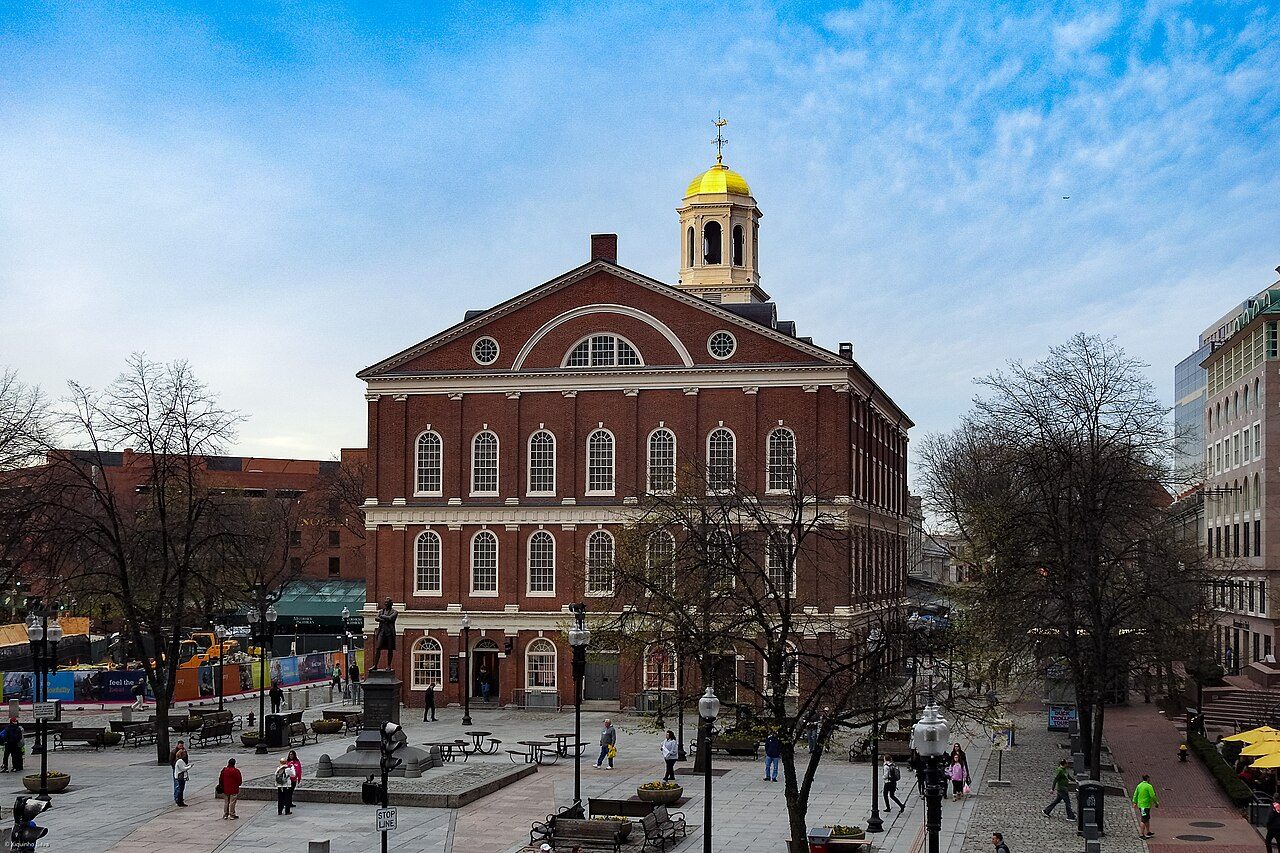
Freedom Trail
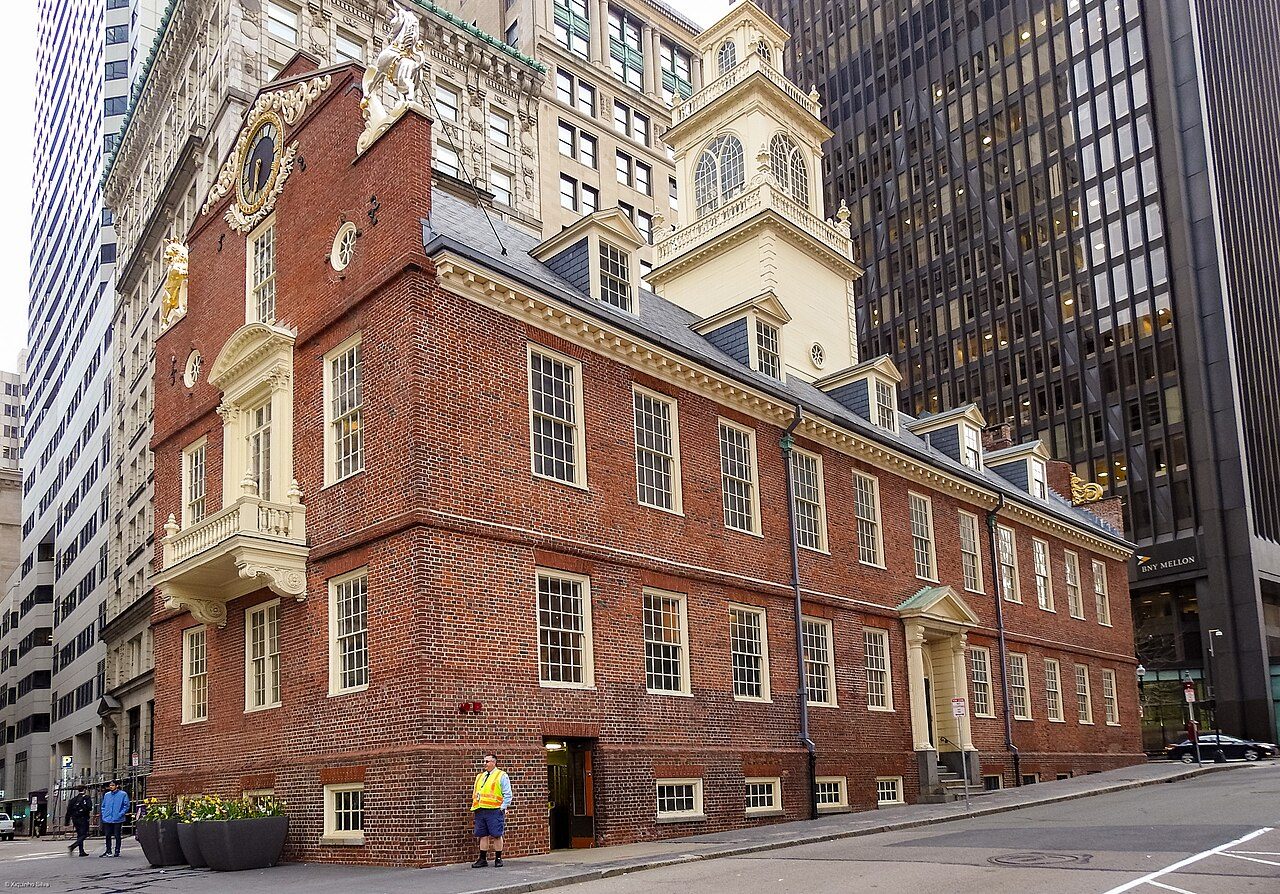
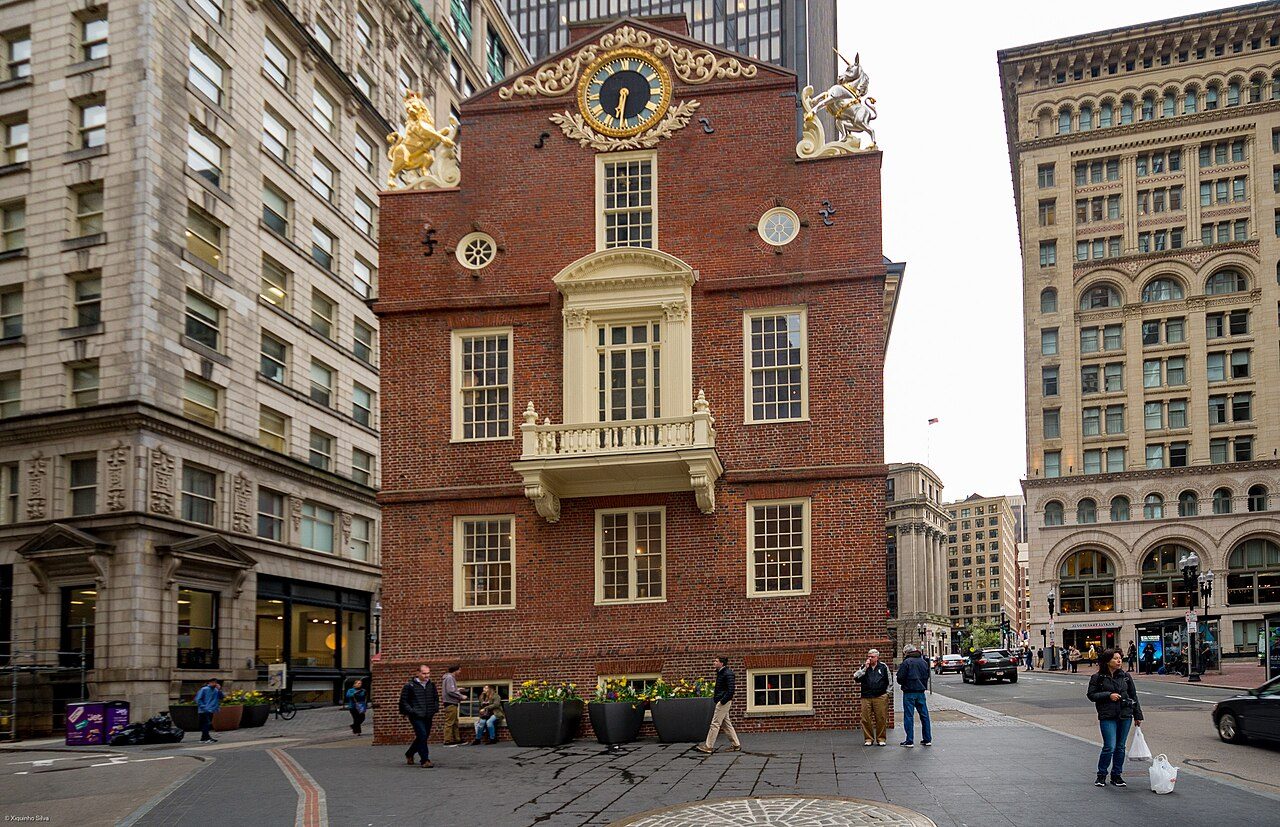
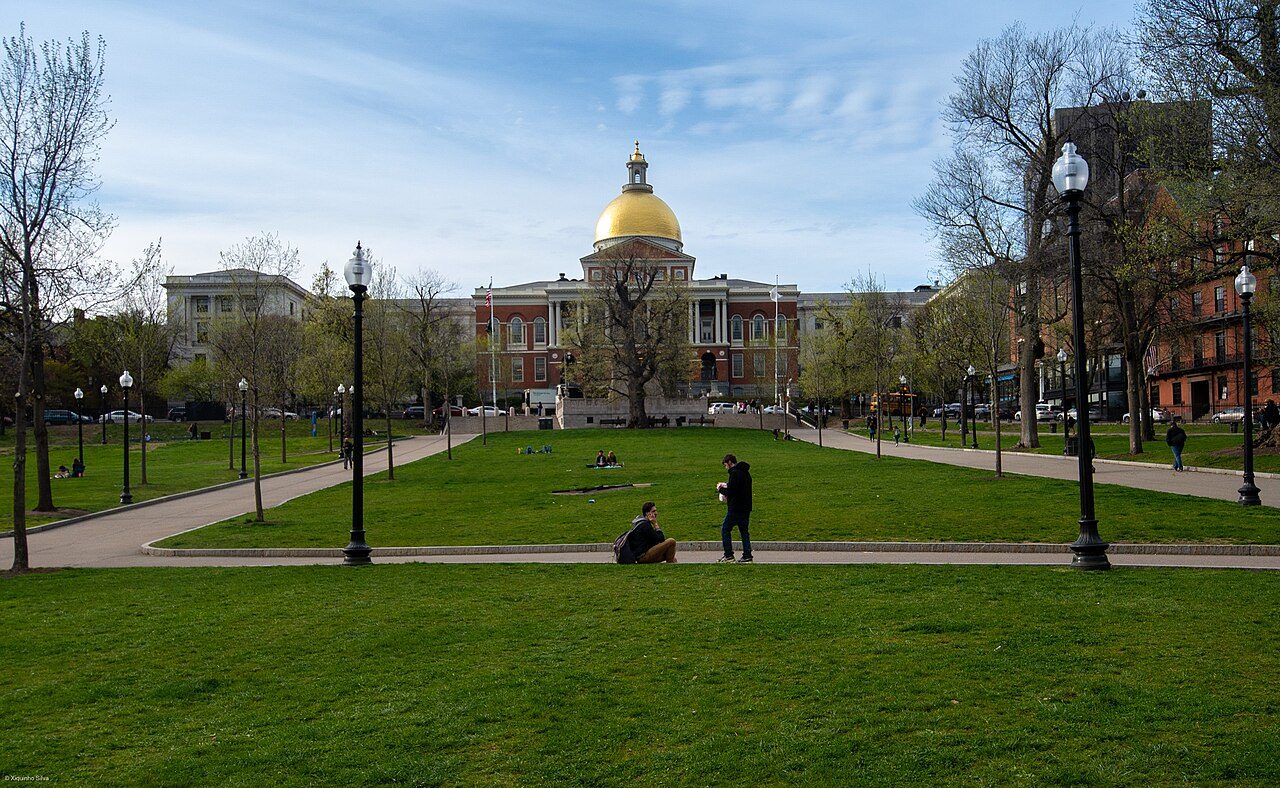
The Freedom Trail is a 4 km red-brick path through Boston that connects 16 historic sites related to the American Revolution. Stops include Boston Common, the Massachusetts State House, Paul Revere's House, Faneuil Hall, the Old North Church and USS Constitution. It is one of the best ways to explore the city's history.
02
STOP 2 OF 18
Boston Public Garden
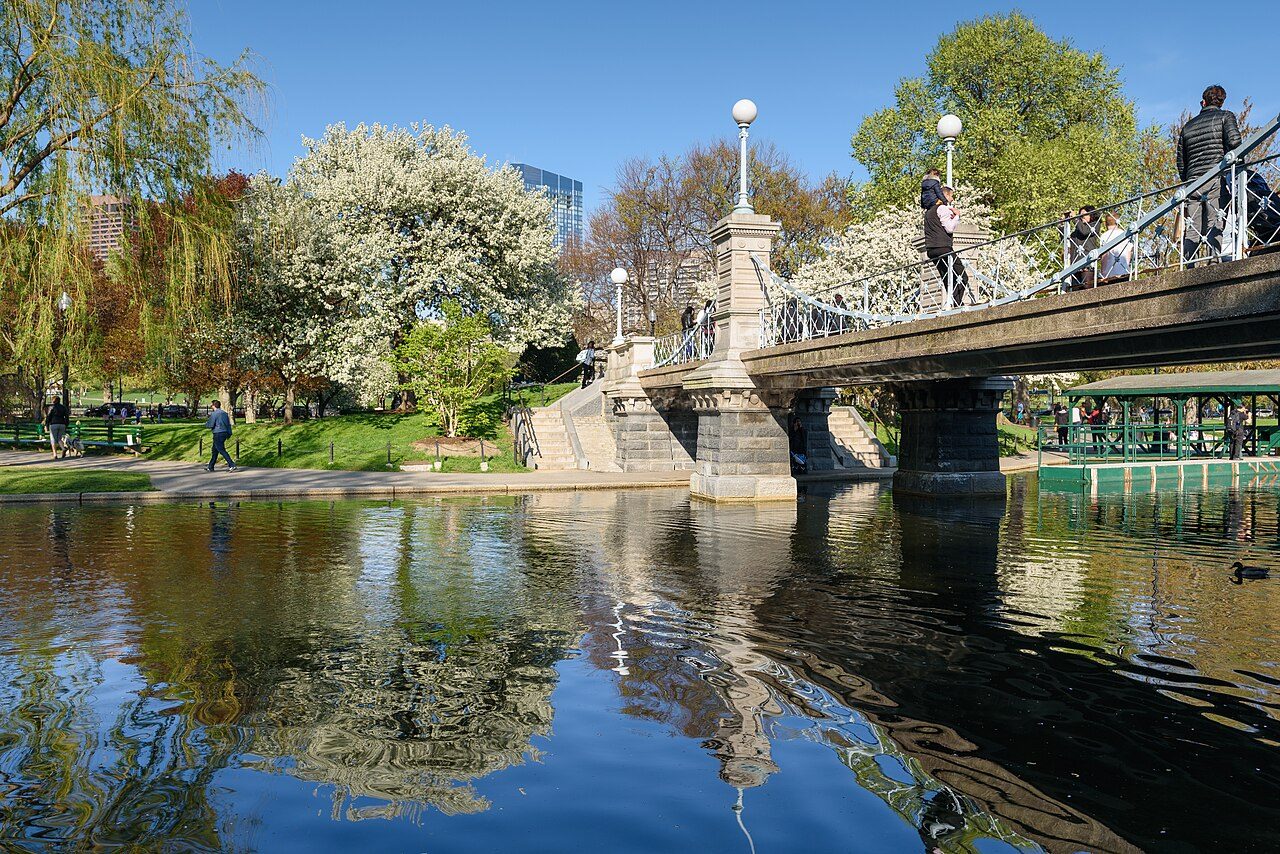
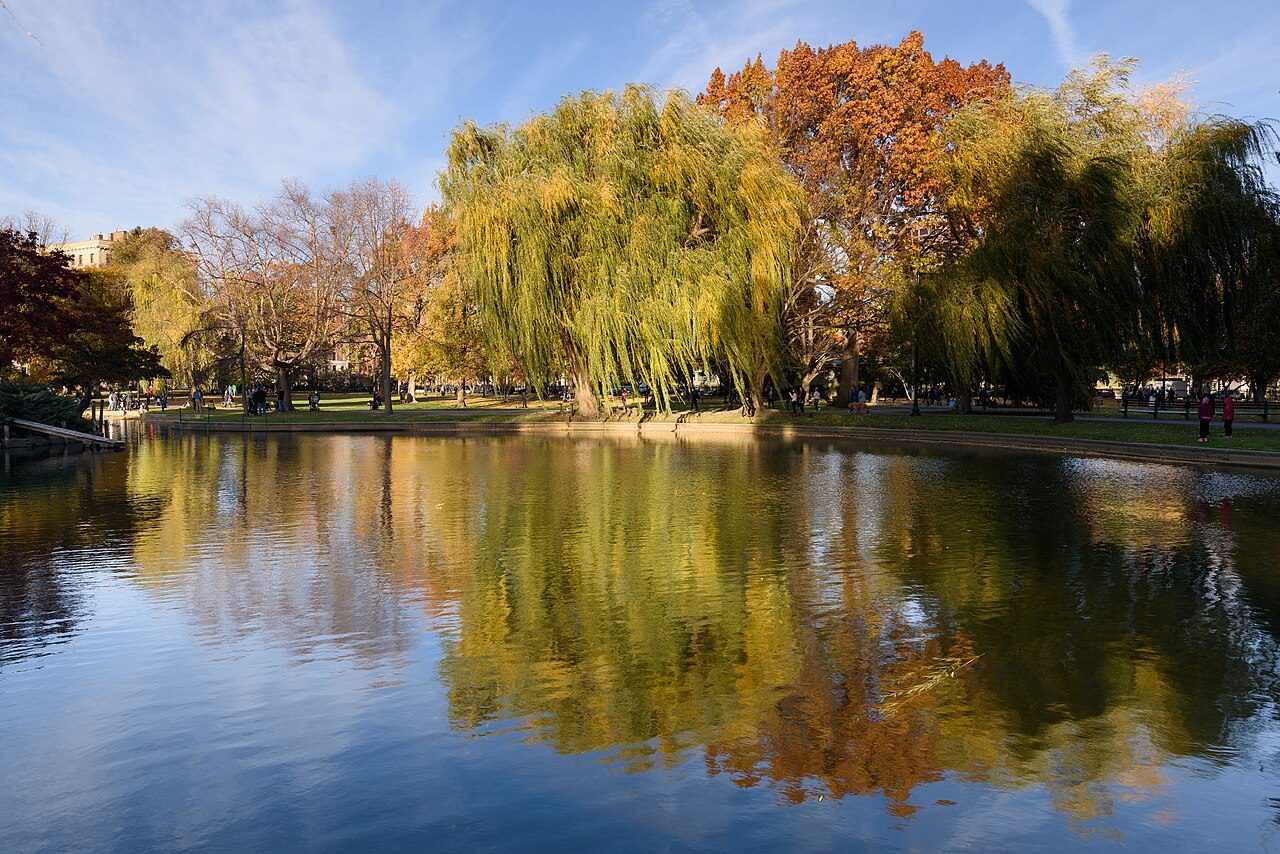
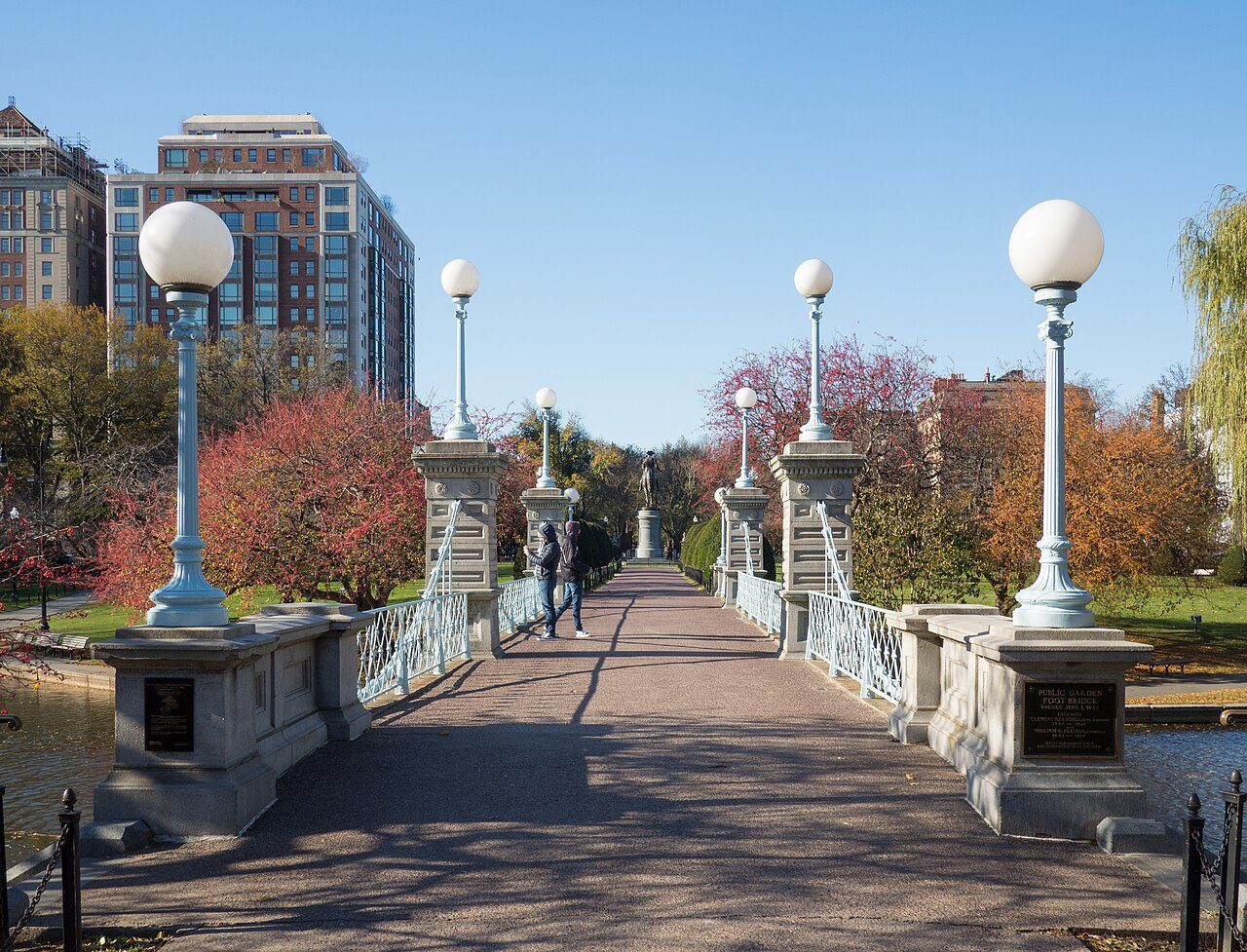
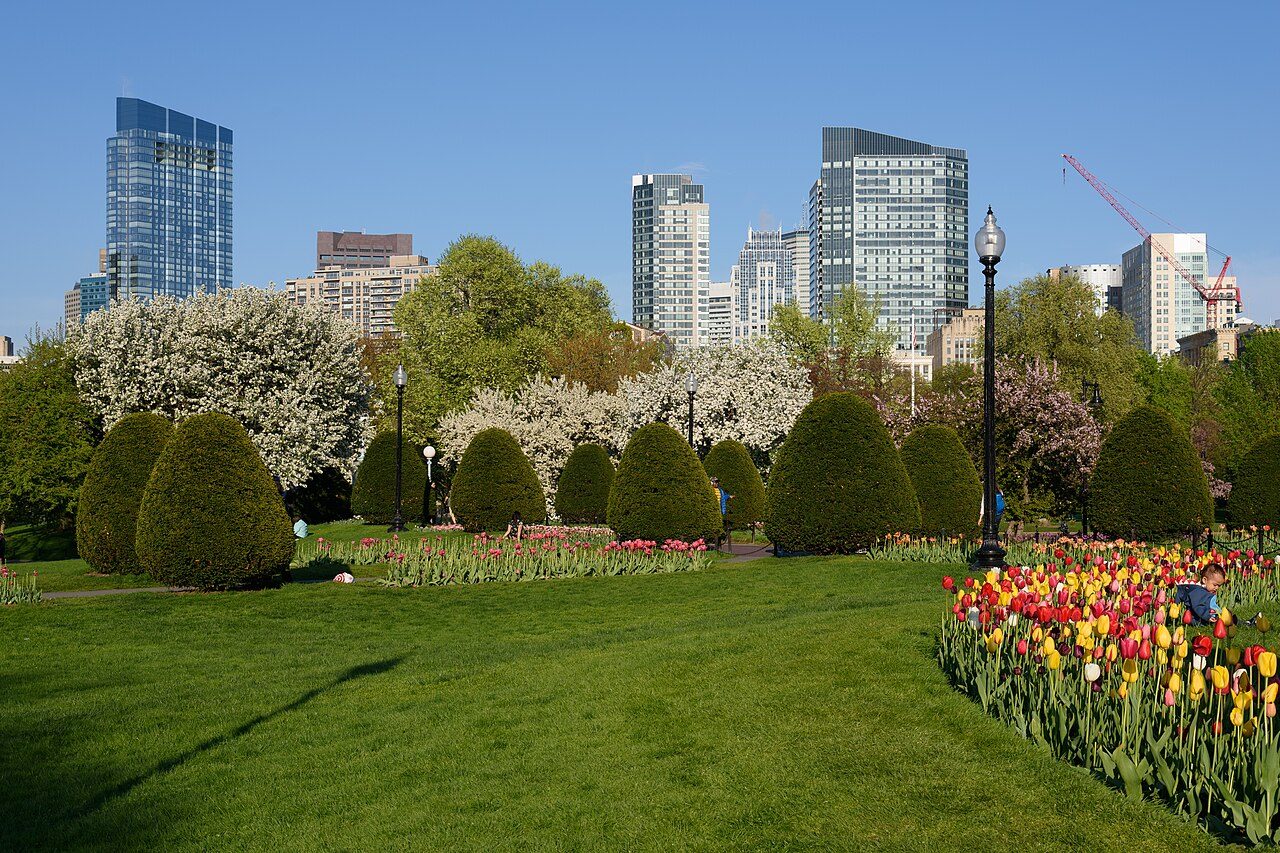
The Boston Public Garden, established in 1837, was the first public botanical garden in the United States. It features a lagoon with the famous Swan Boats, a suspension bridge, flower beds and sculptures, including the Make Way for Ducklings statues. It adjoins Boston Common, the nation's oldest public park.
03
STOP 3 OF 18
Harvard University
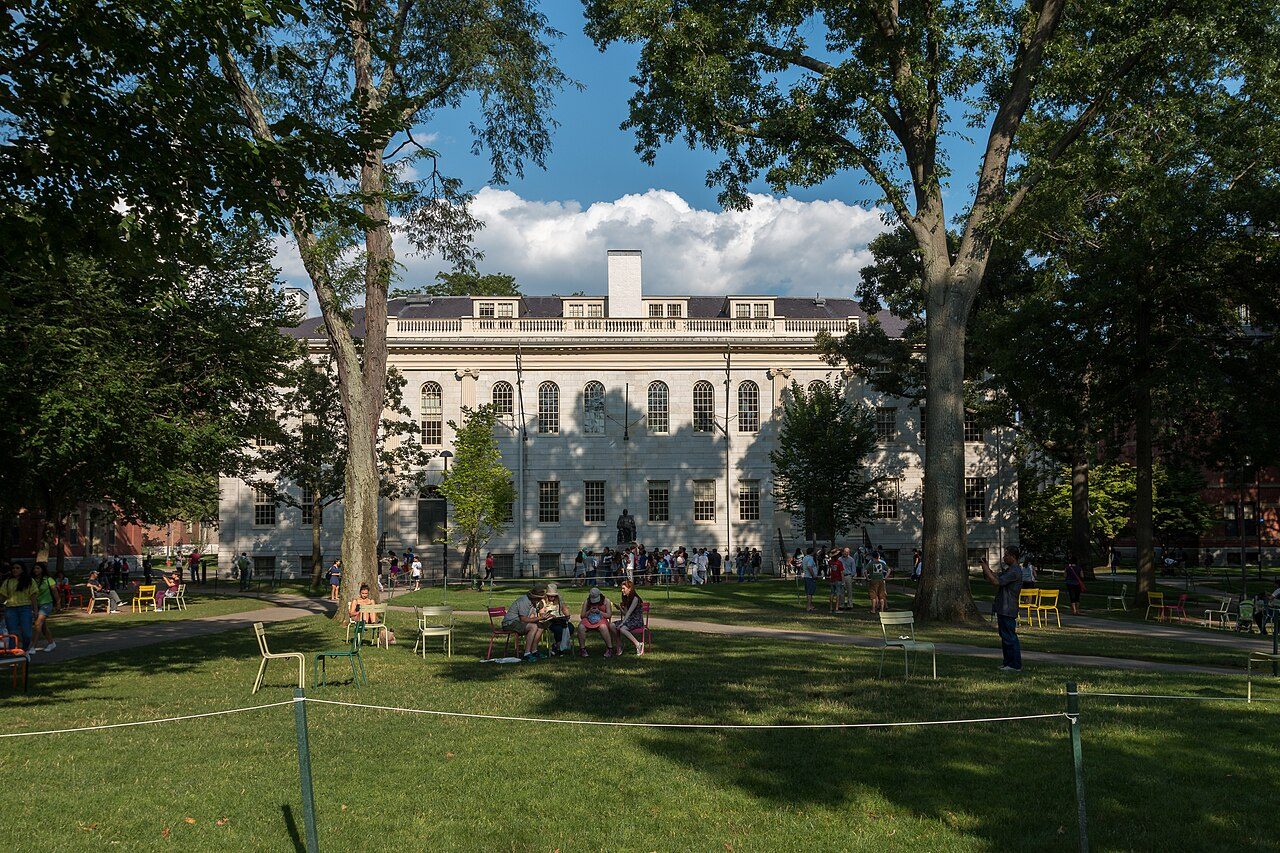
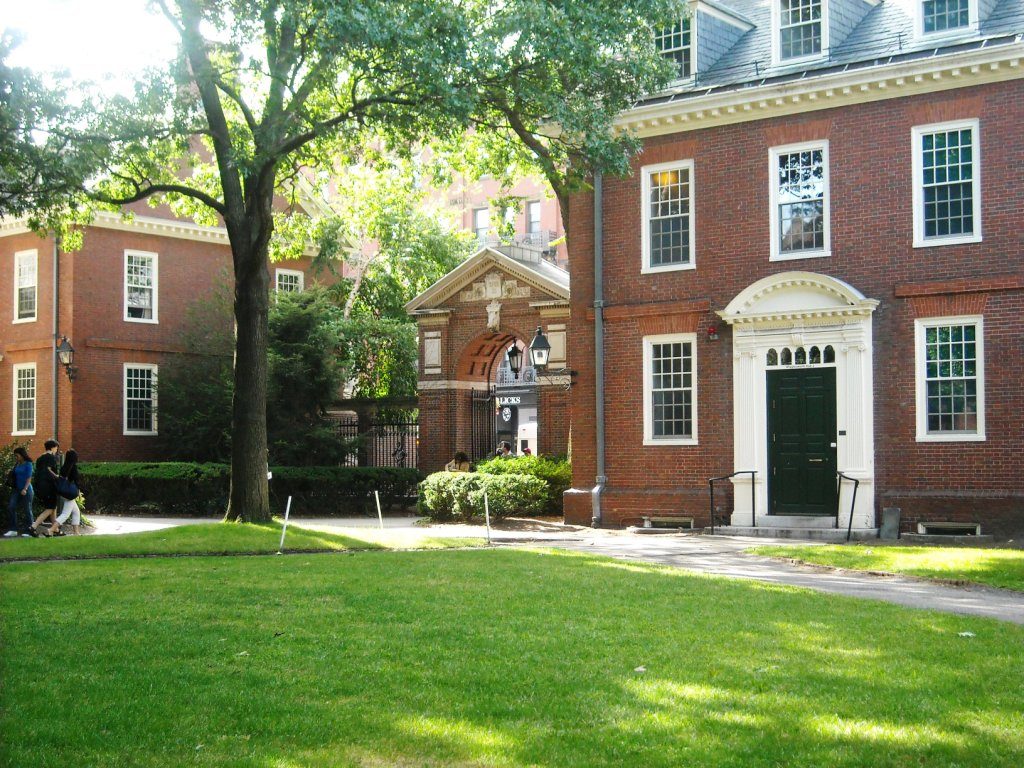
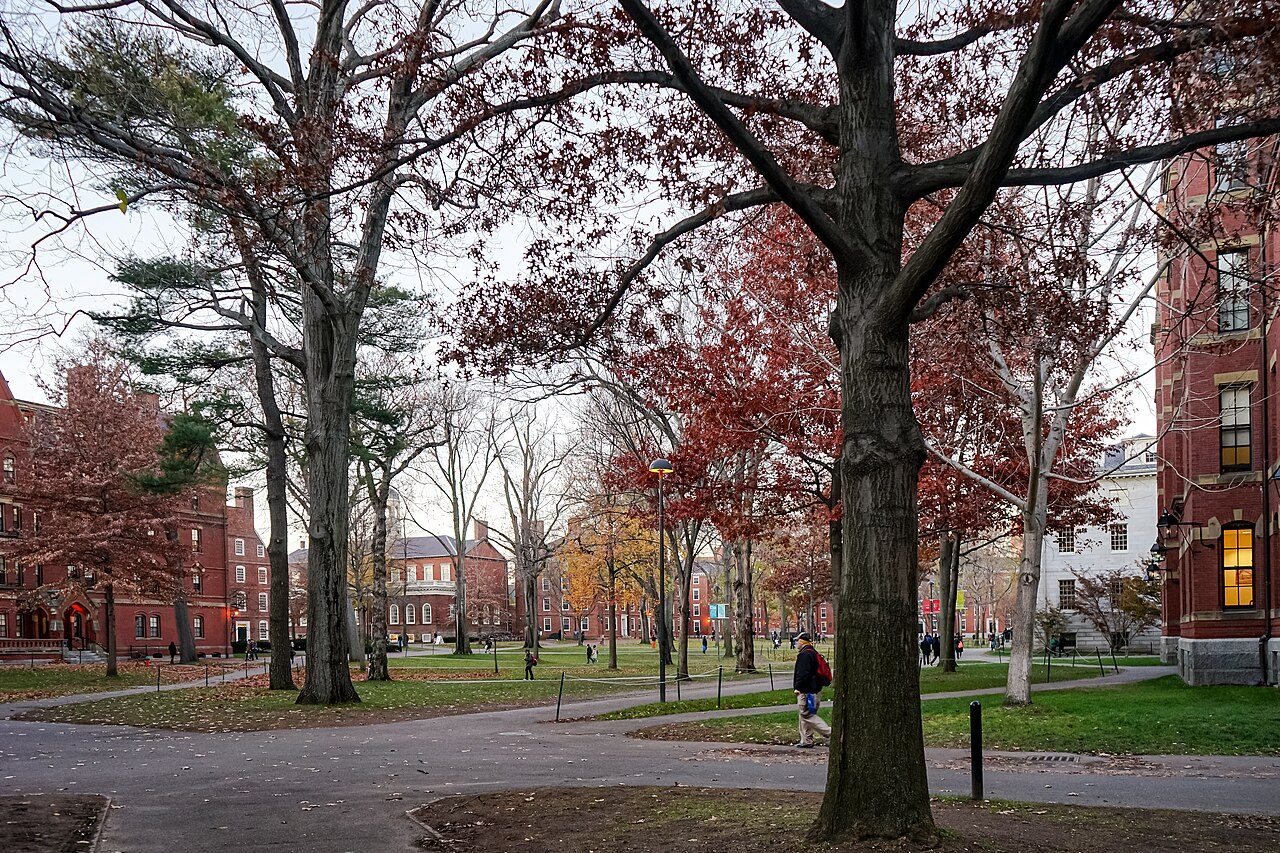
Harvard University in Cambridge, Massachusetts, was founded in 1636 and is the oldest institution of higher learning in the United States. Its historic Harvard Yard has red-brick buildings and the John Harvard statue. The university has many museums open to visitors, including the Harvard Art Museums.
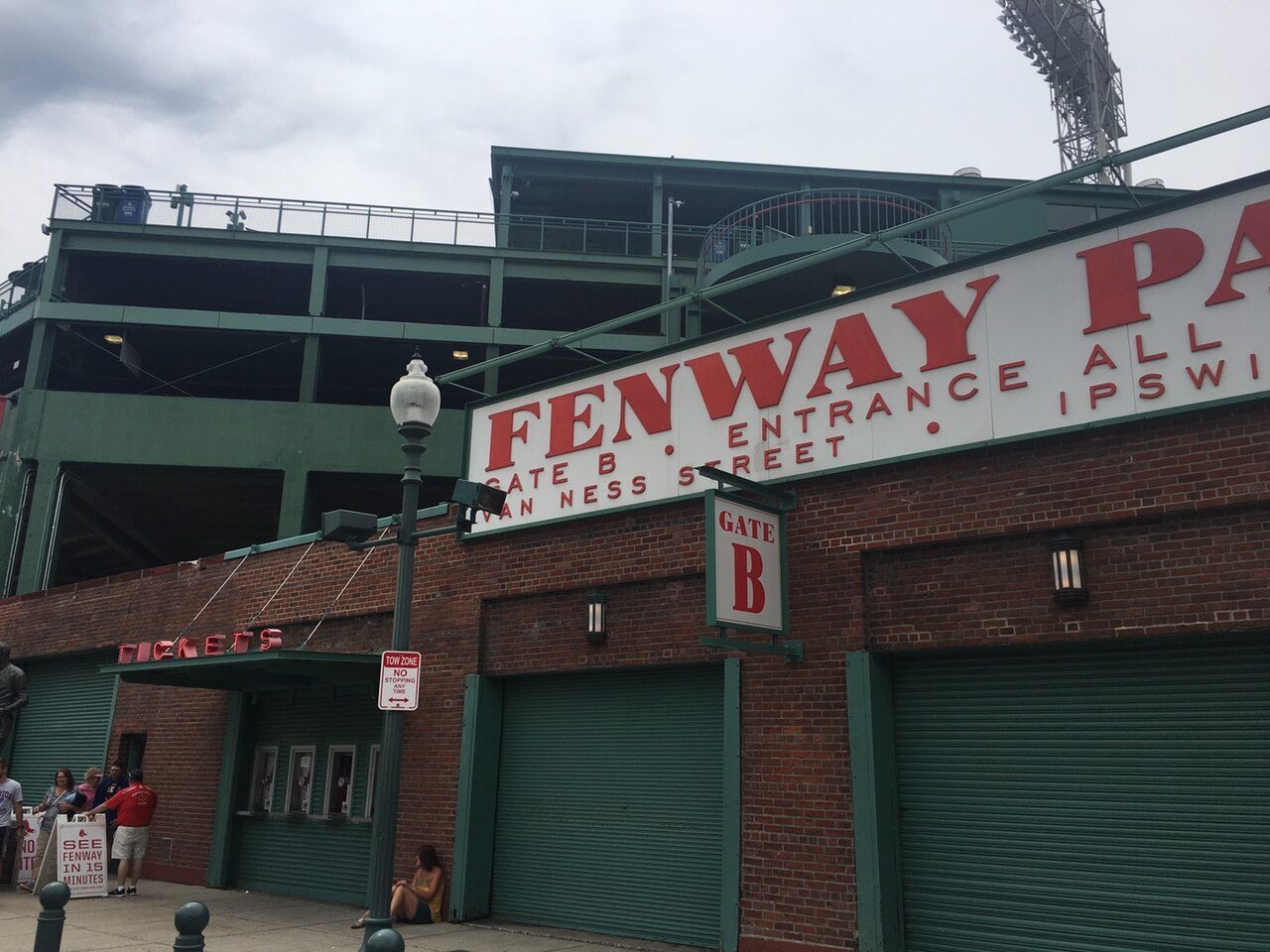
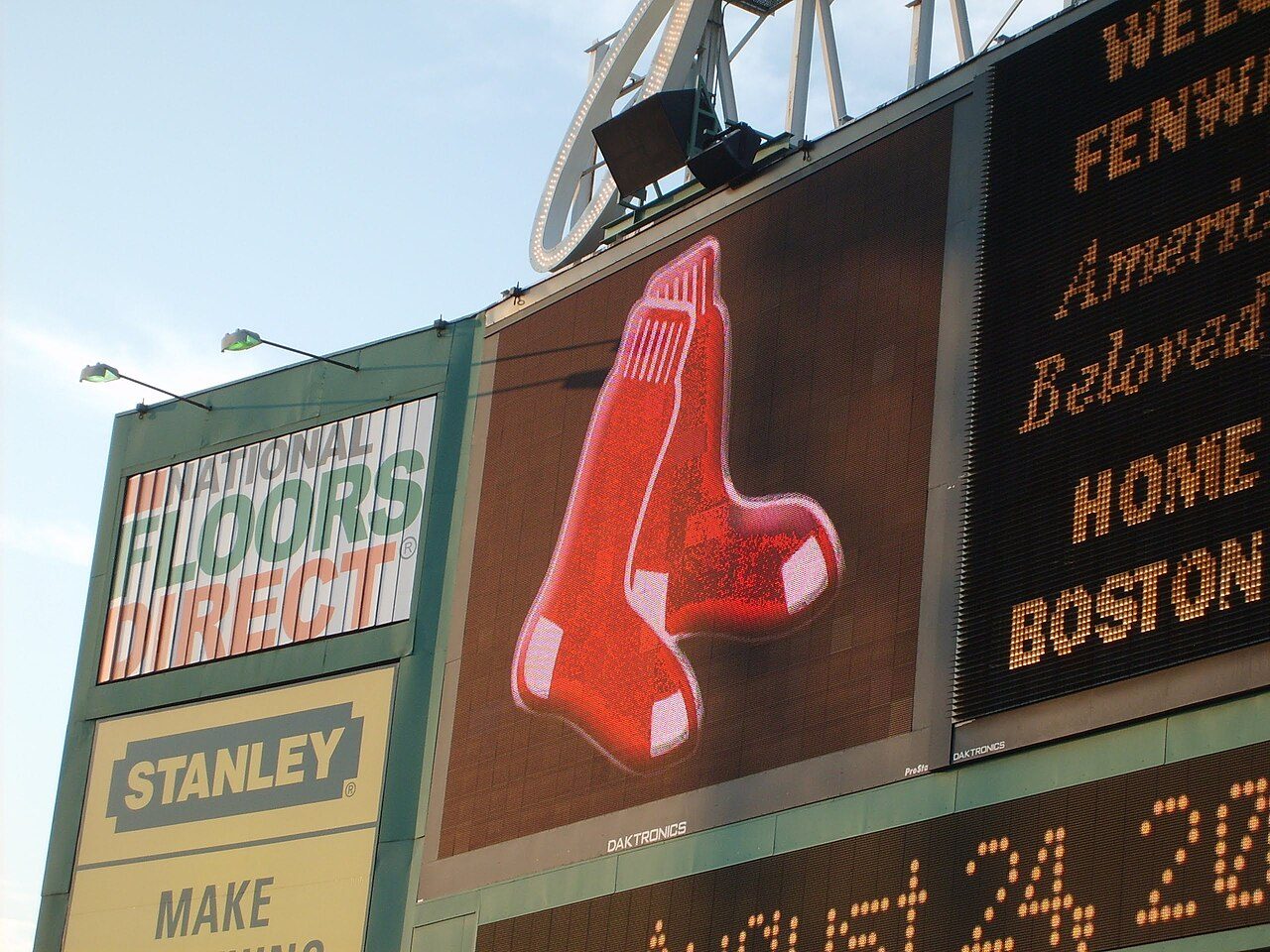
Fenway Park, home of the Boston Red Sox since 1912, is the oldest ballpark in Major League Baseball. It is famous for the Green Monster, an 11-metre left-field wall, and its classic manual scoreboard. Guided tours take visitors around the park and onto the Monster seats.
05
STOP 5 OF 18
Central Park
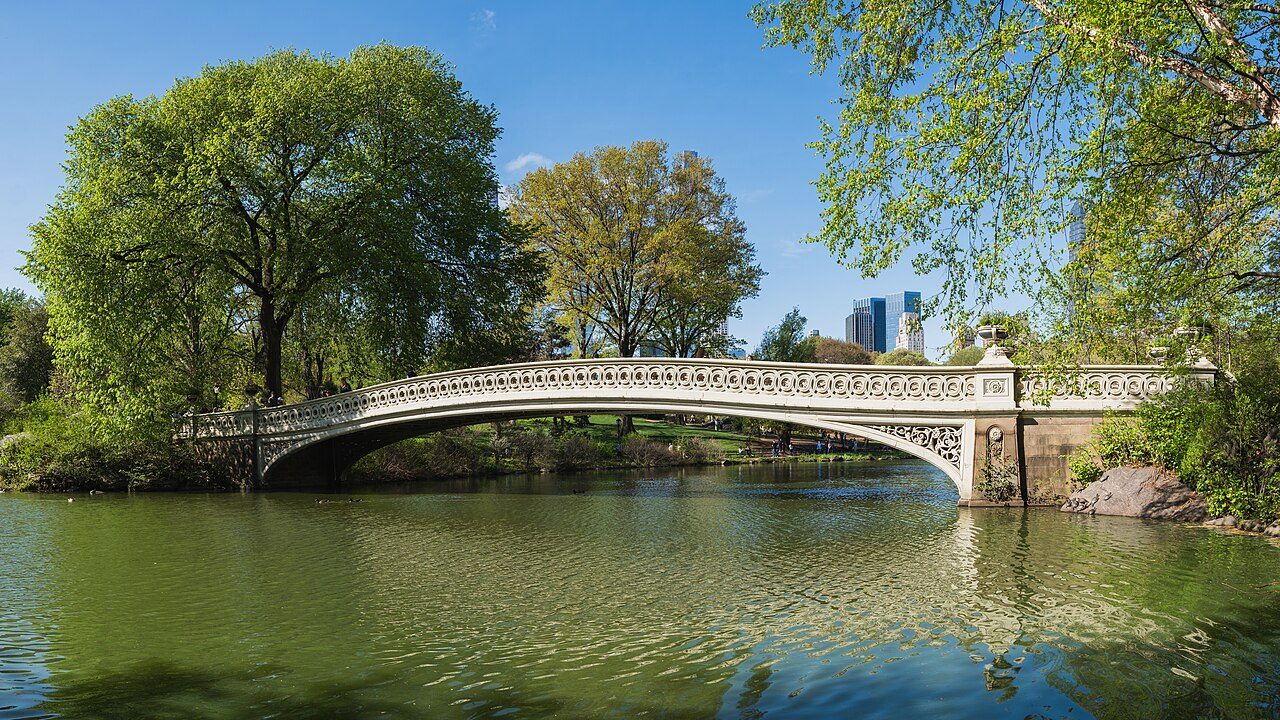
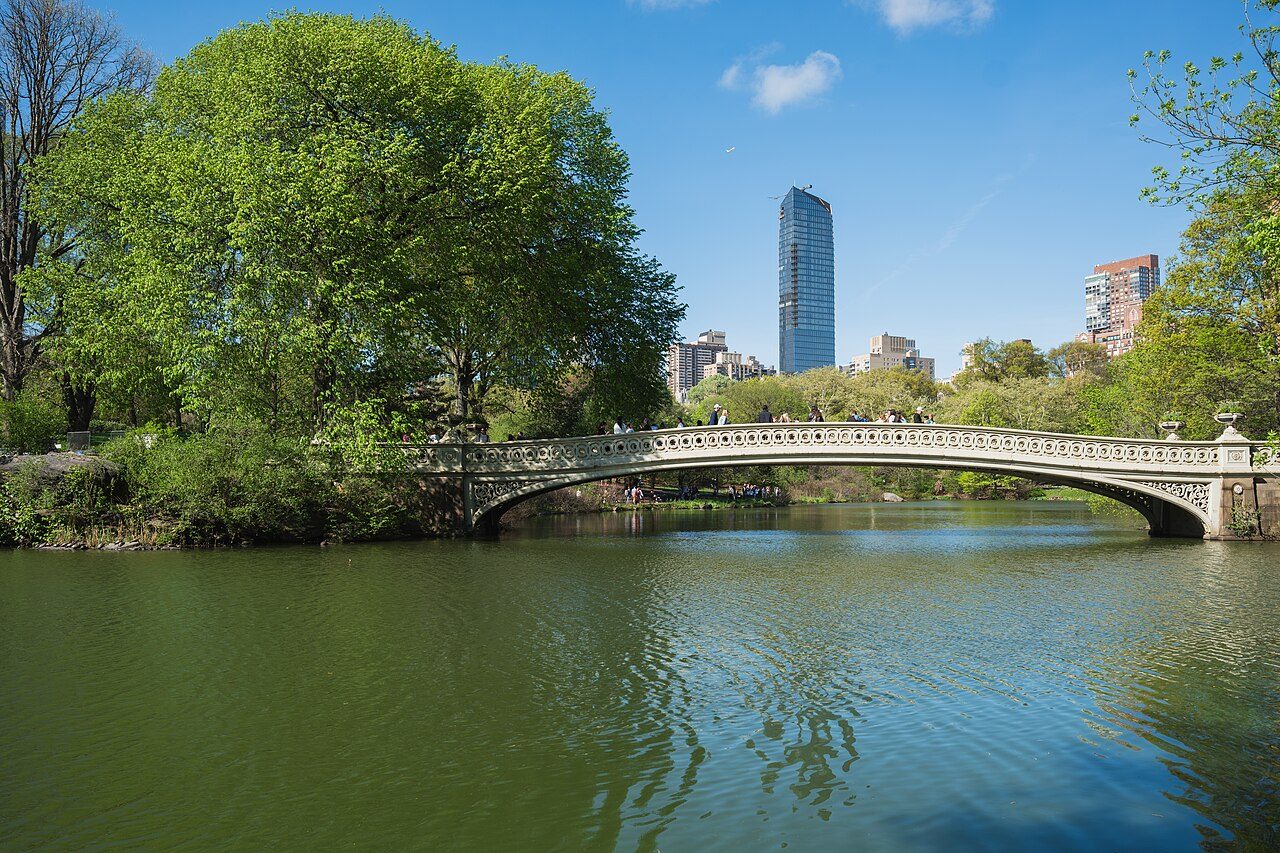
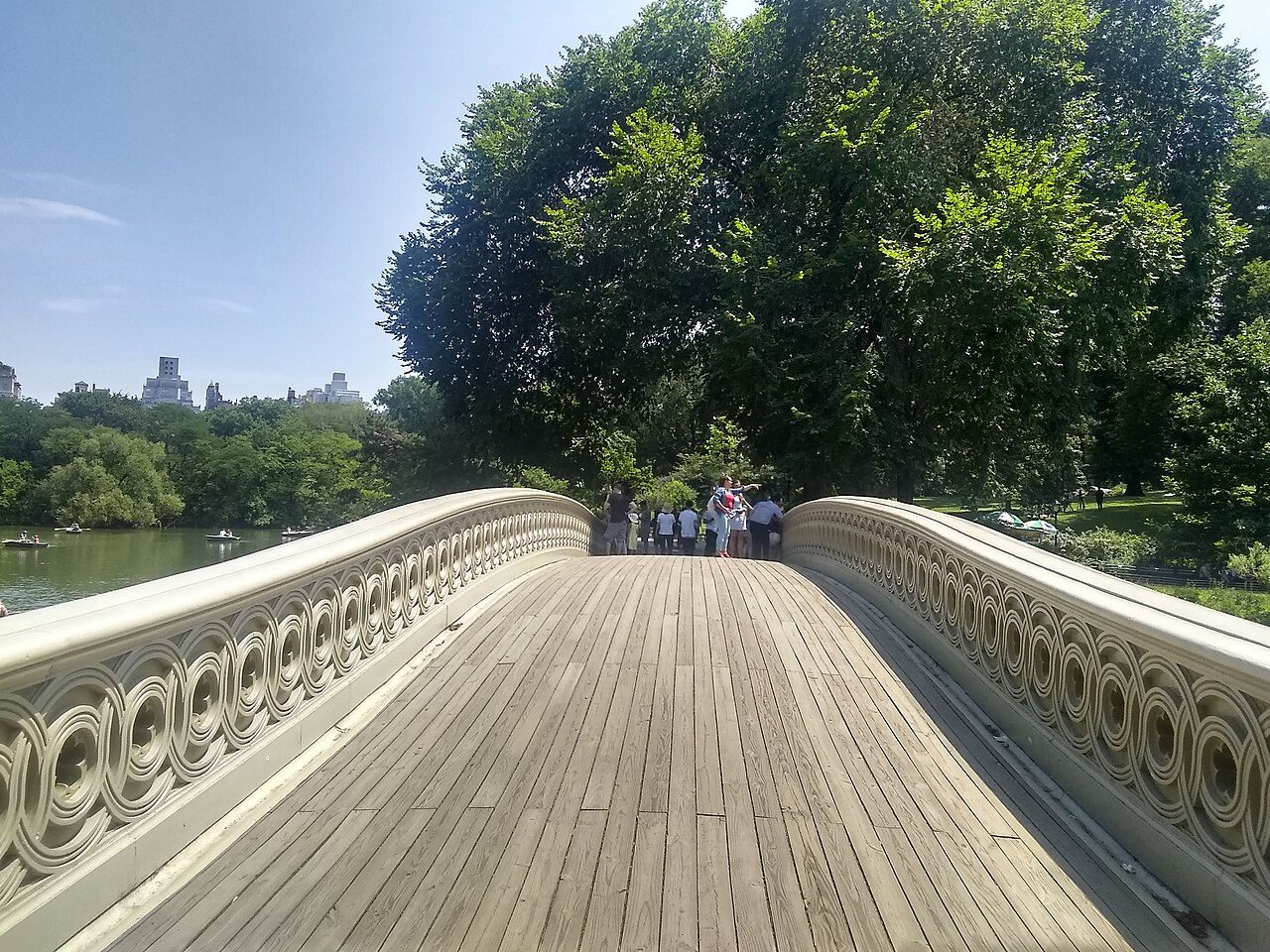
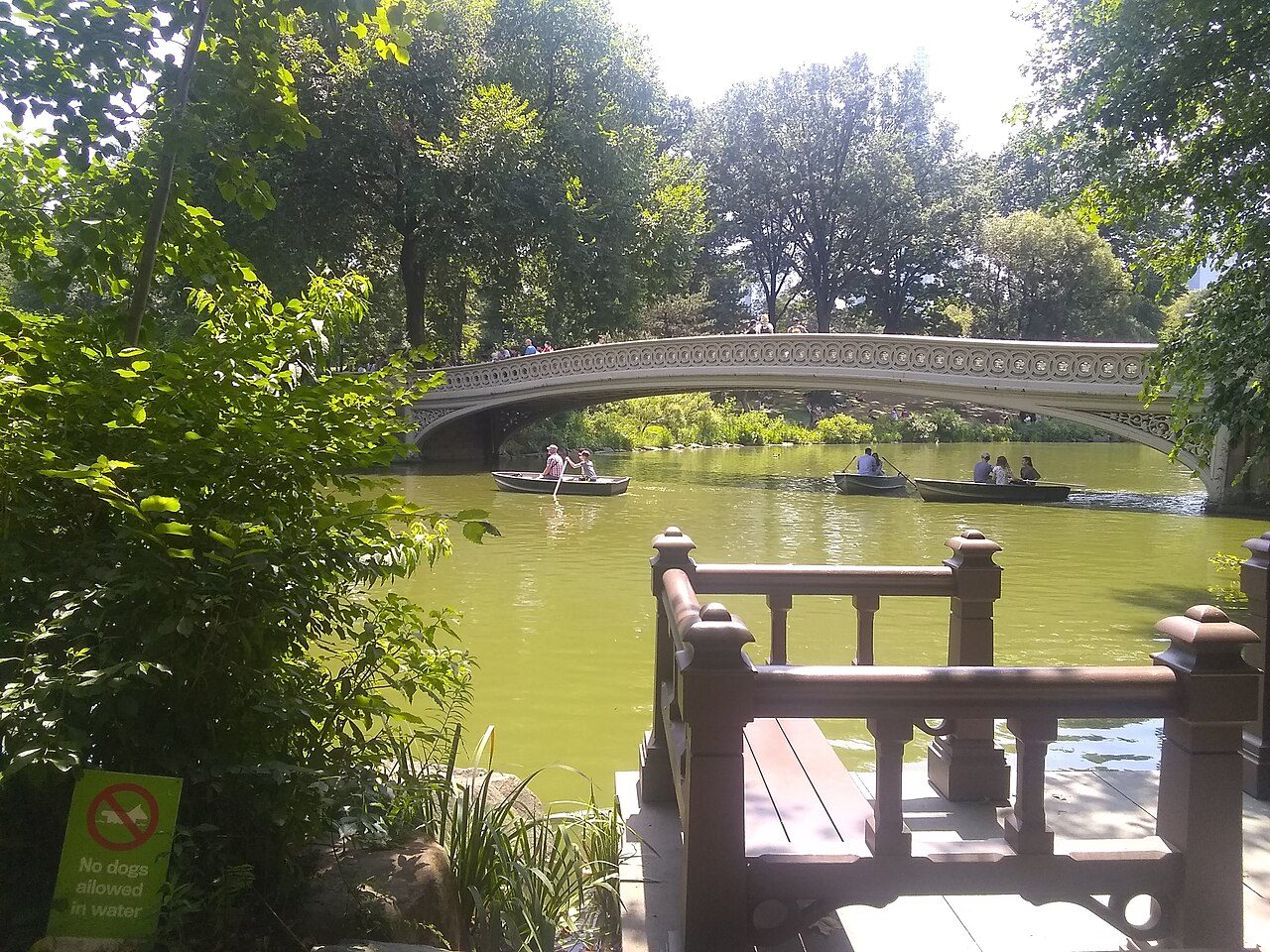
Central Park covers 341 hectares in the middle of Manhattan and is the most visited urban park in the United States. Designed by Frederick Law Olmsted and Calvert Vaux in the 1850s, it features Bethesda Terrace, Bow Bridge, the Reservoir, Strawberry Fields and Sheep Meadow. It offers boating, cycling, concerts and ice skating in winter.
06
STOP 6 OF 18
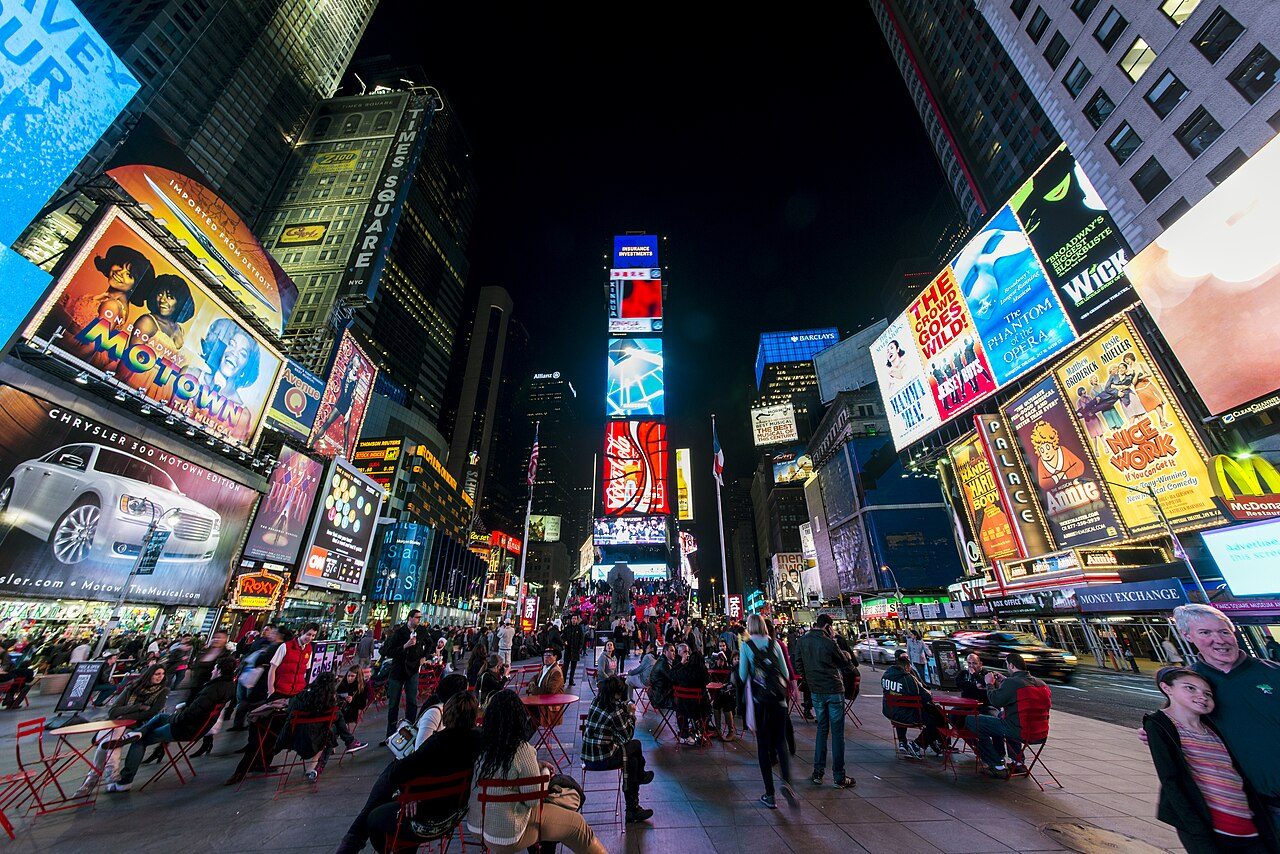
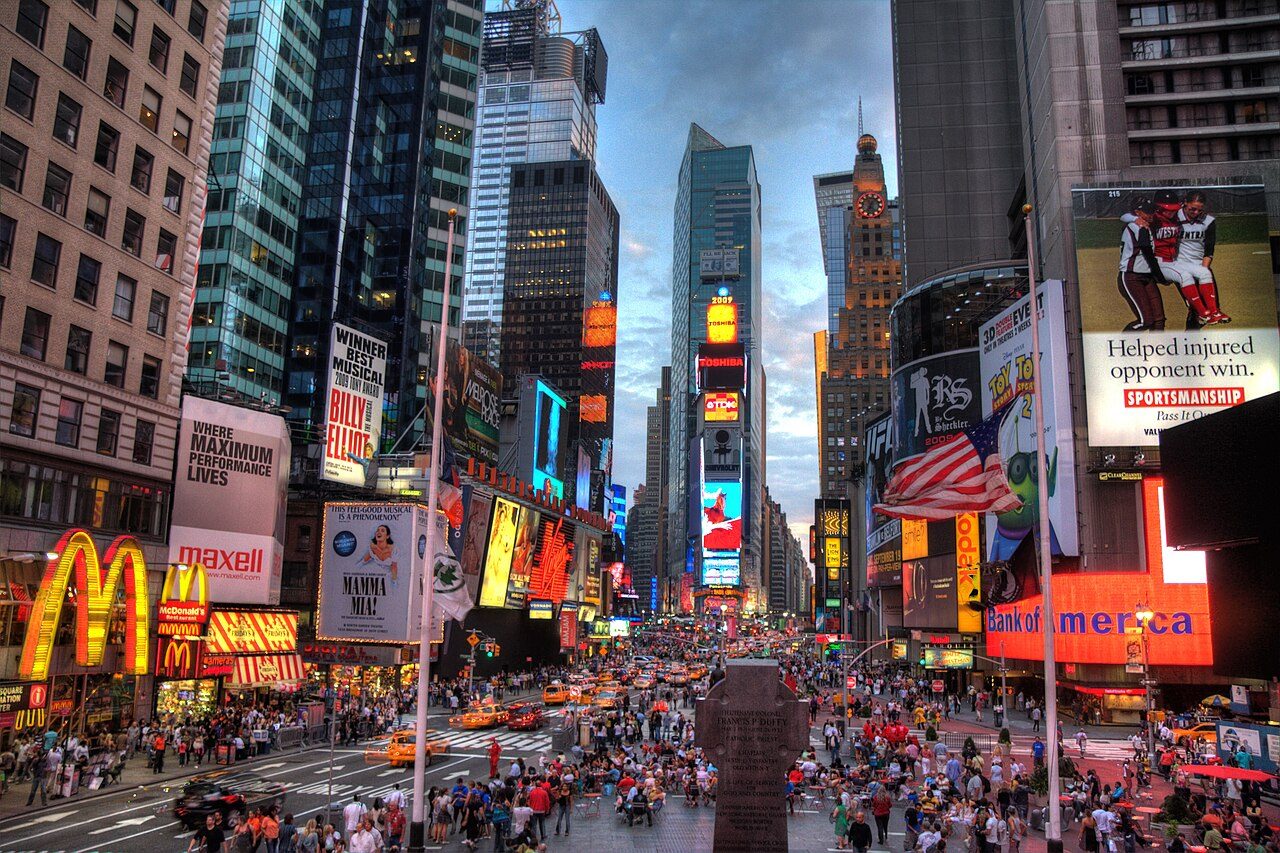
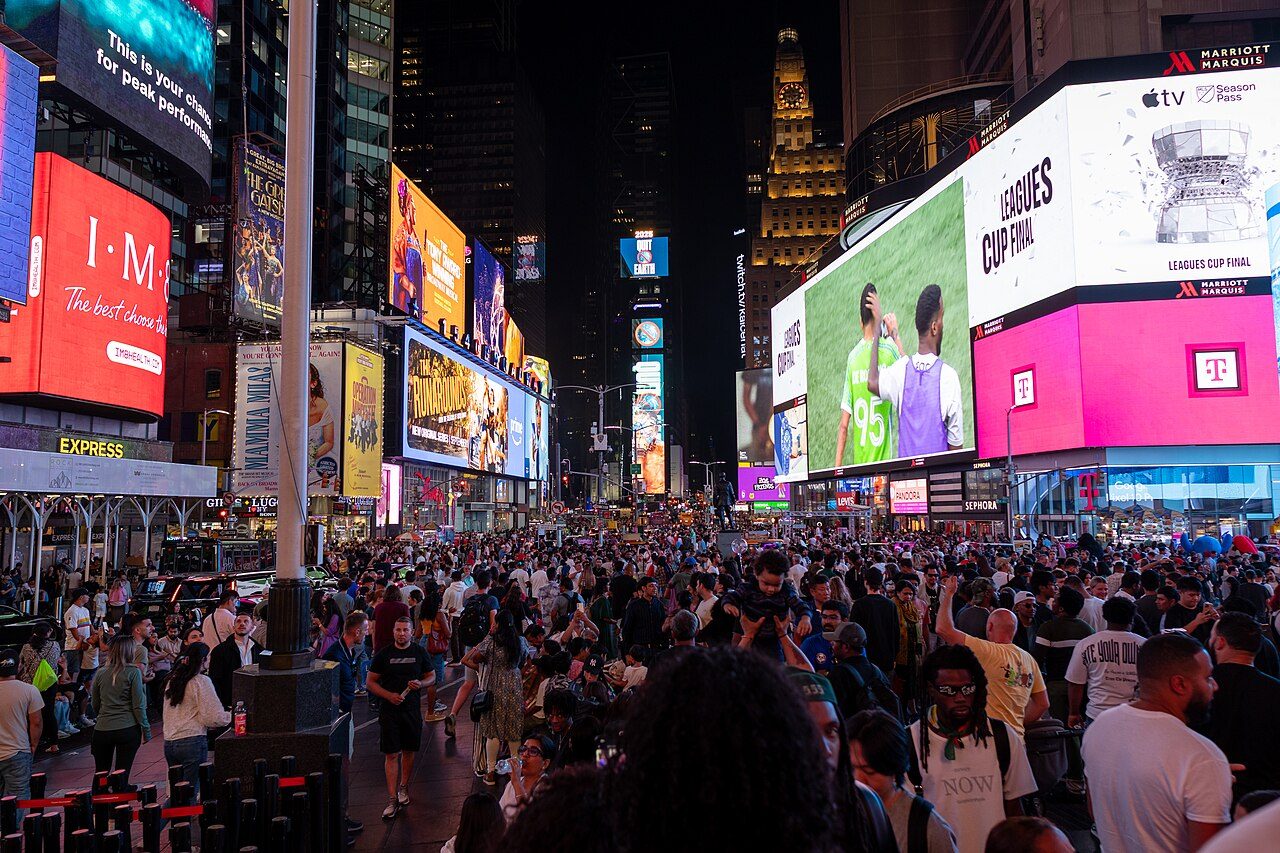
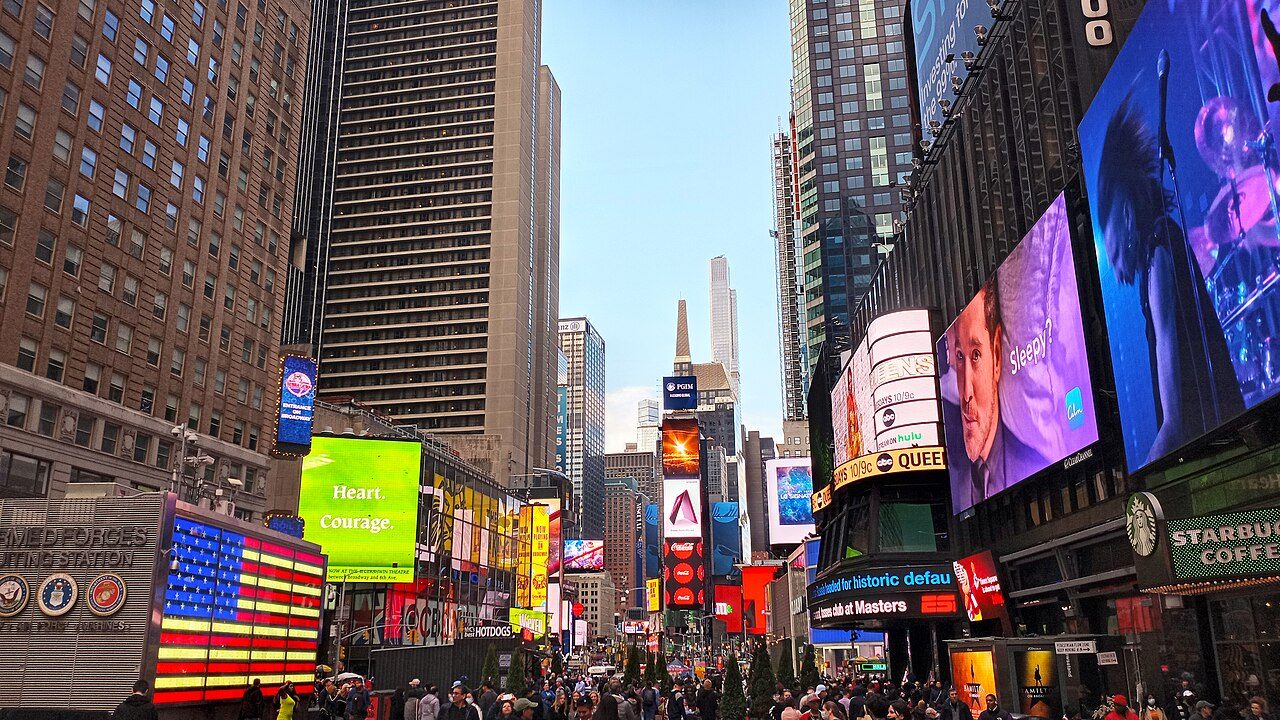
Times Square
Times Square, at the junction of Broadway and Seventh Avenue, is famous for its giant illuminated billboards and around-the-clock energy. It is the heart of the Broadway Theater District, and its New Year's Eve ball drop draws huge crowds. Pedestrian plazas let visitors take in the lights, street performers and flagship stores.
07
STOP 7 OF 18
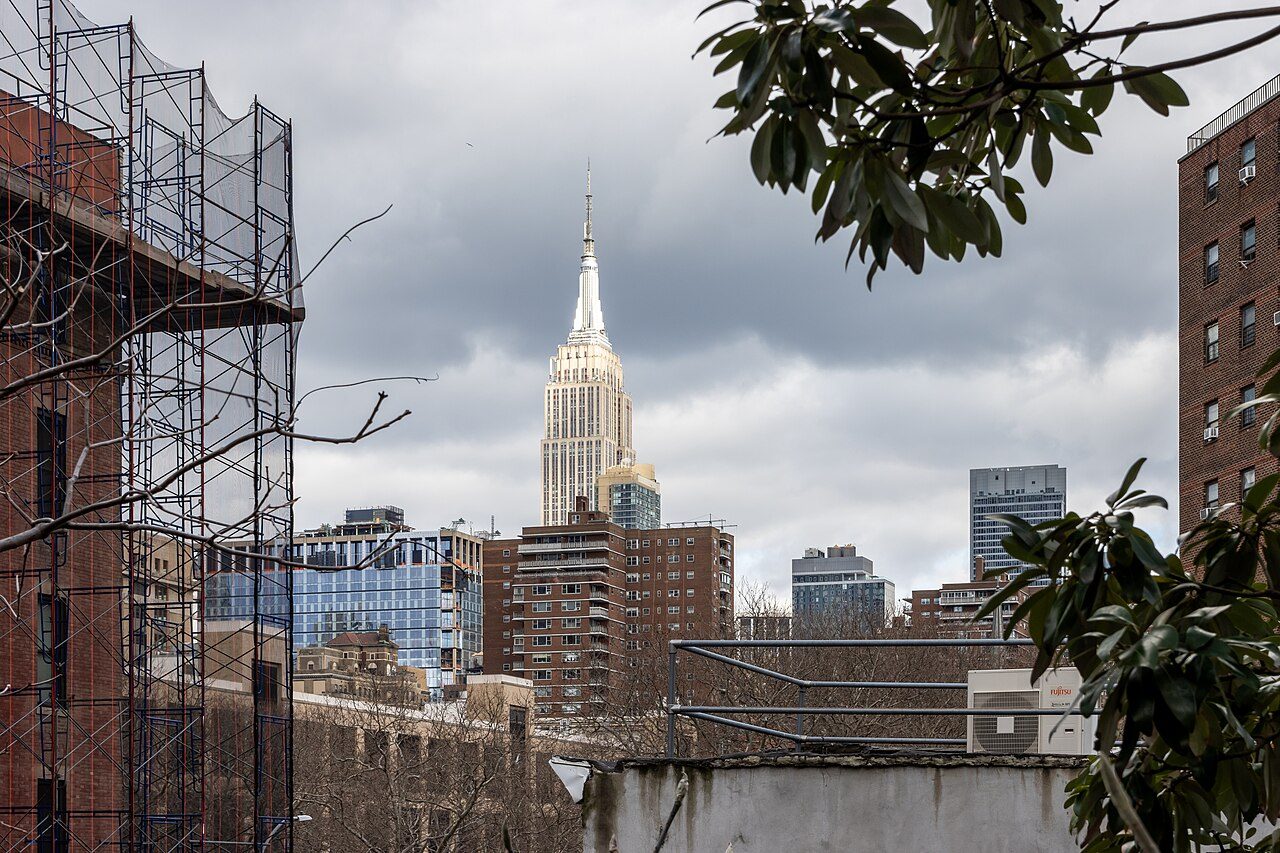
Empire State Building
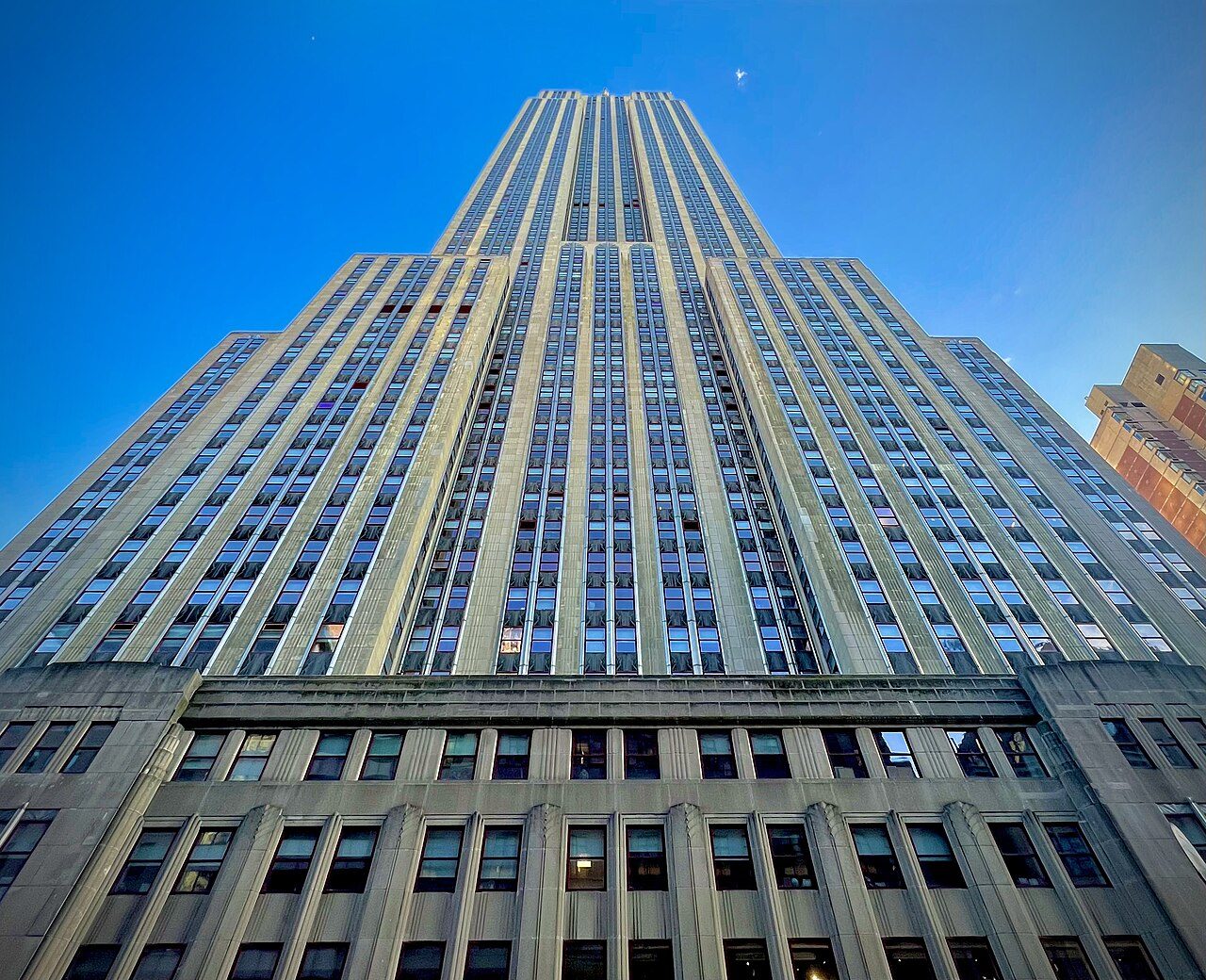
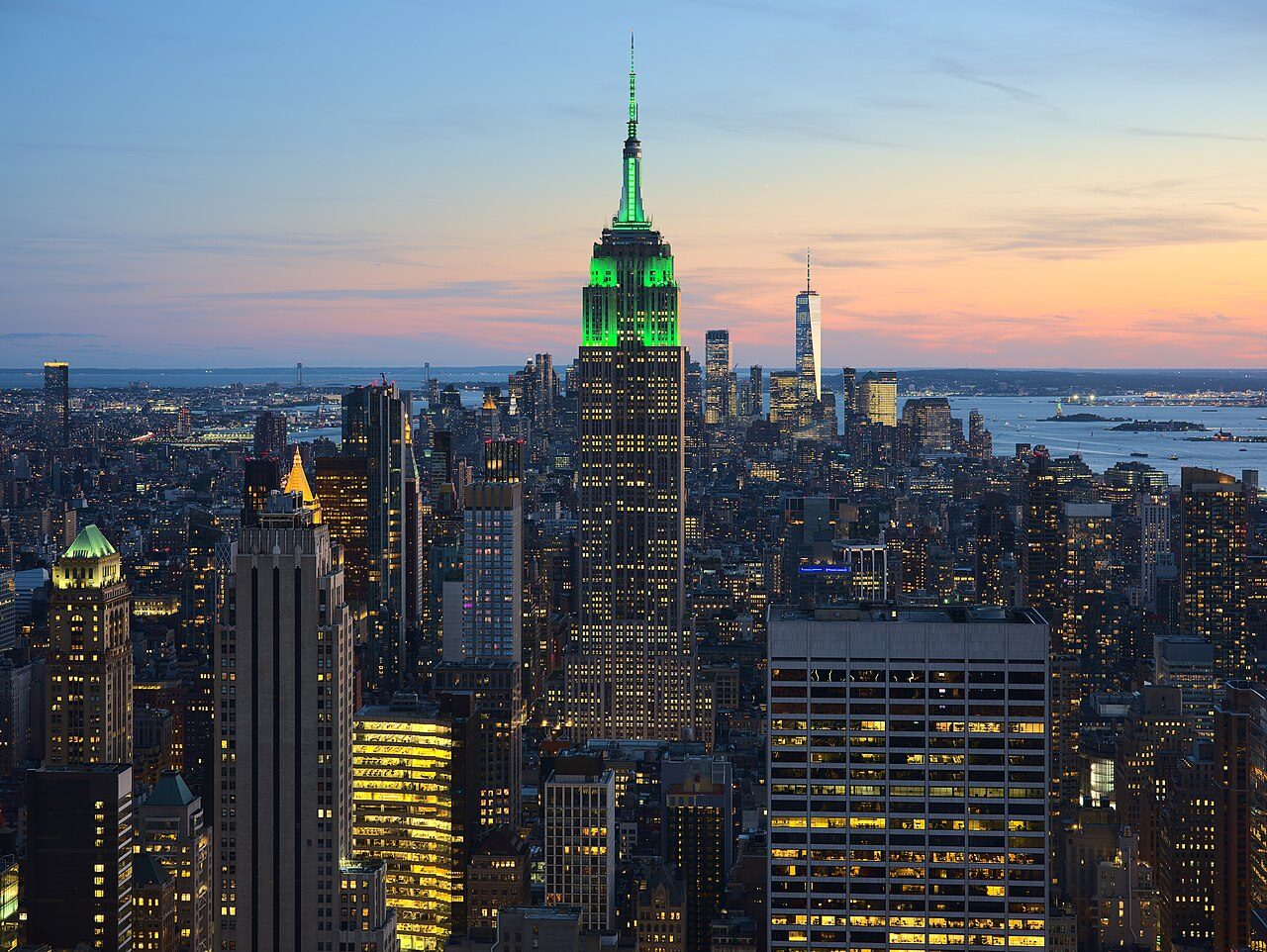
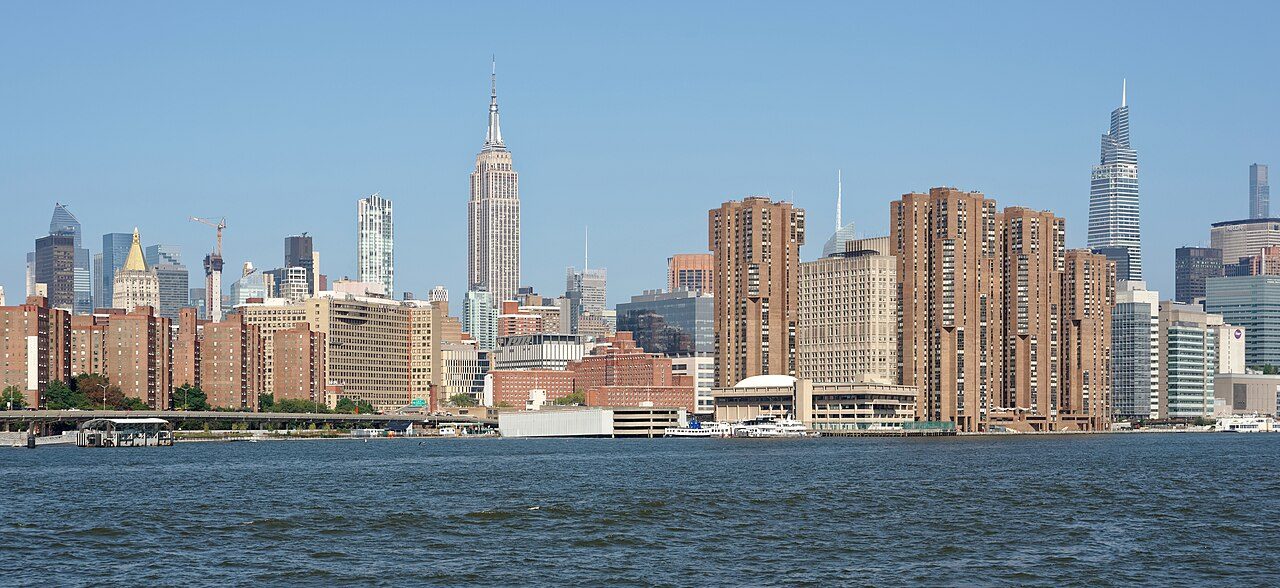
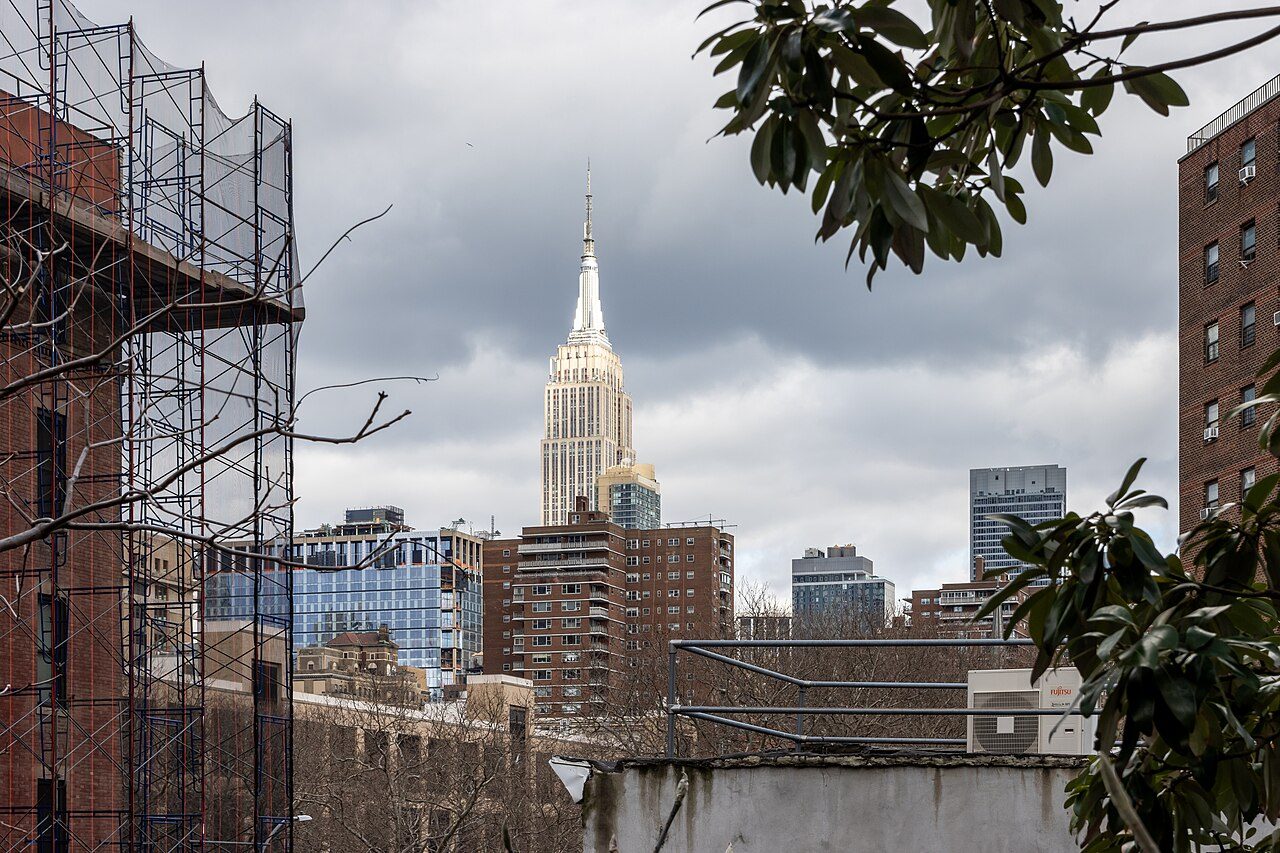
The Empire State Building is a 102-storey Art Deco skyscraper completed in 1931 in just over a year. It was the world's tallest building for nearly 40 years. Its observation decks on the 86th and 102nd floors offer sweeping views across Manhattan, and its tower lights change colour for holidays and events.
08
STOP 8 OF 18
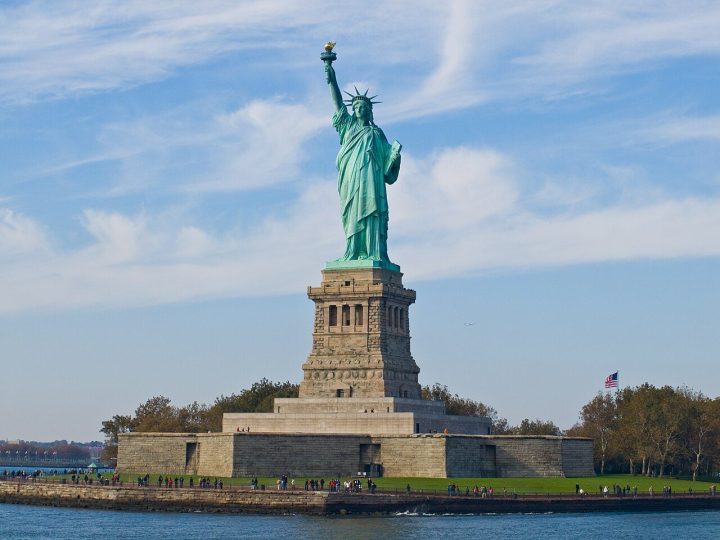
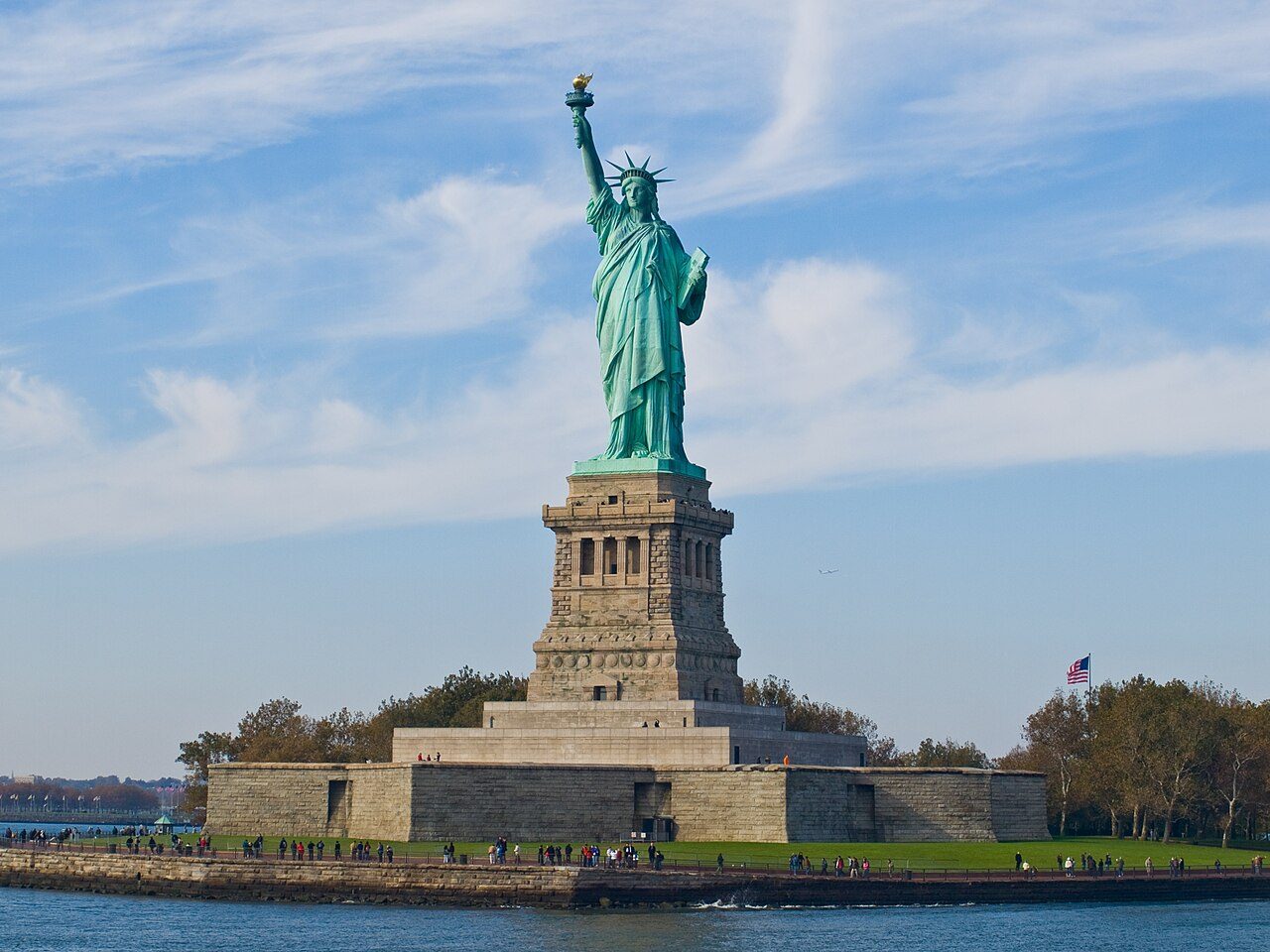
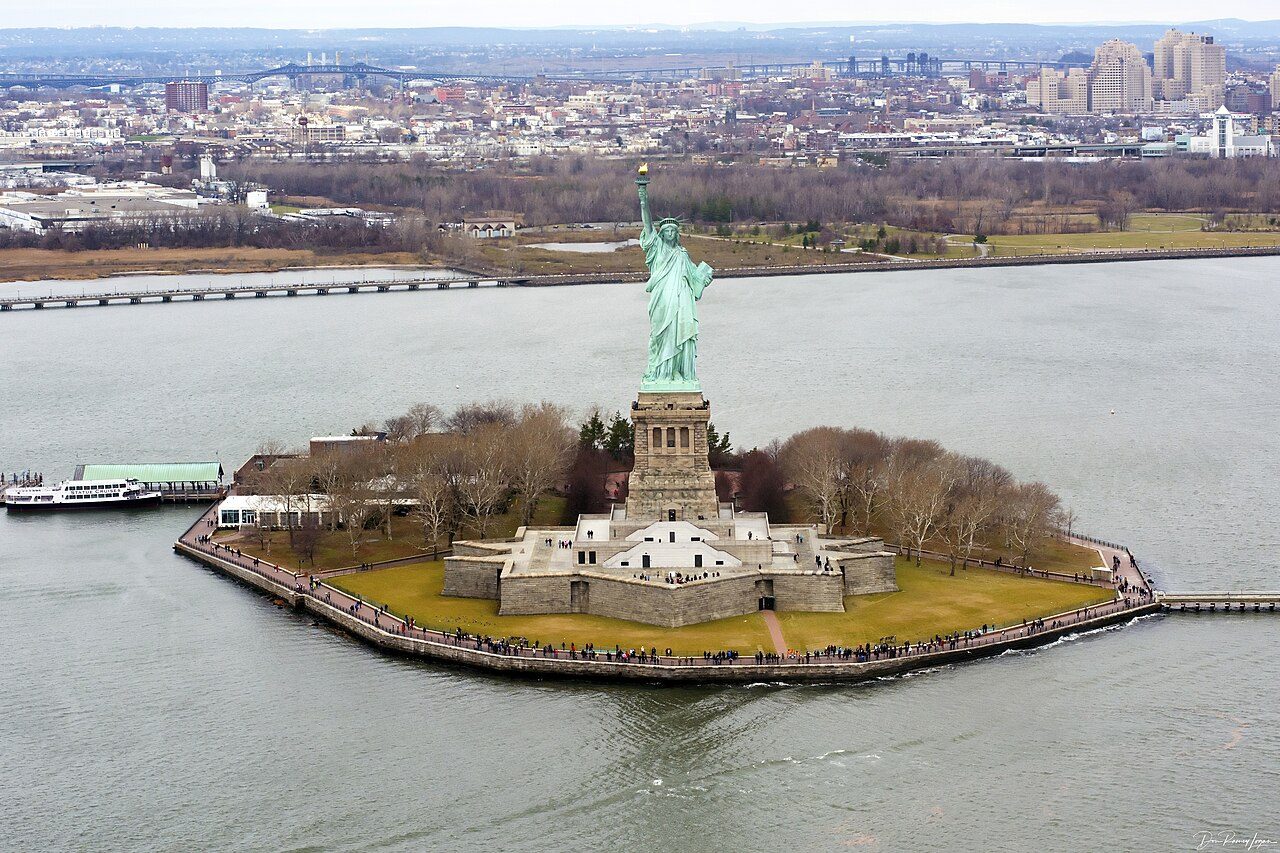
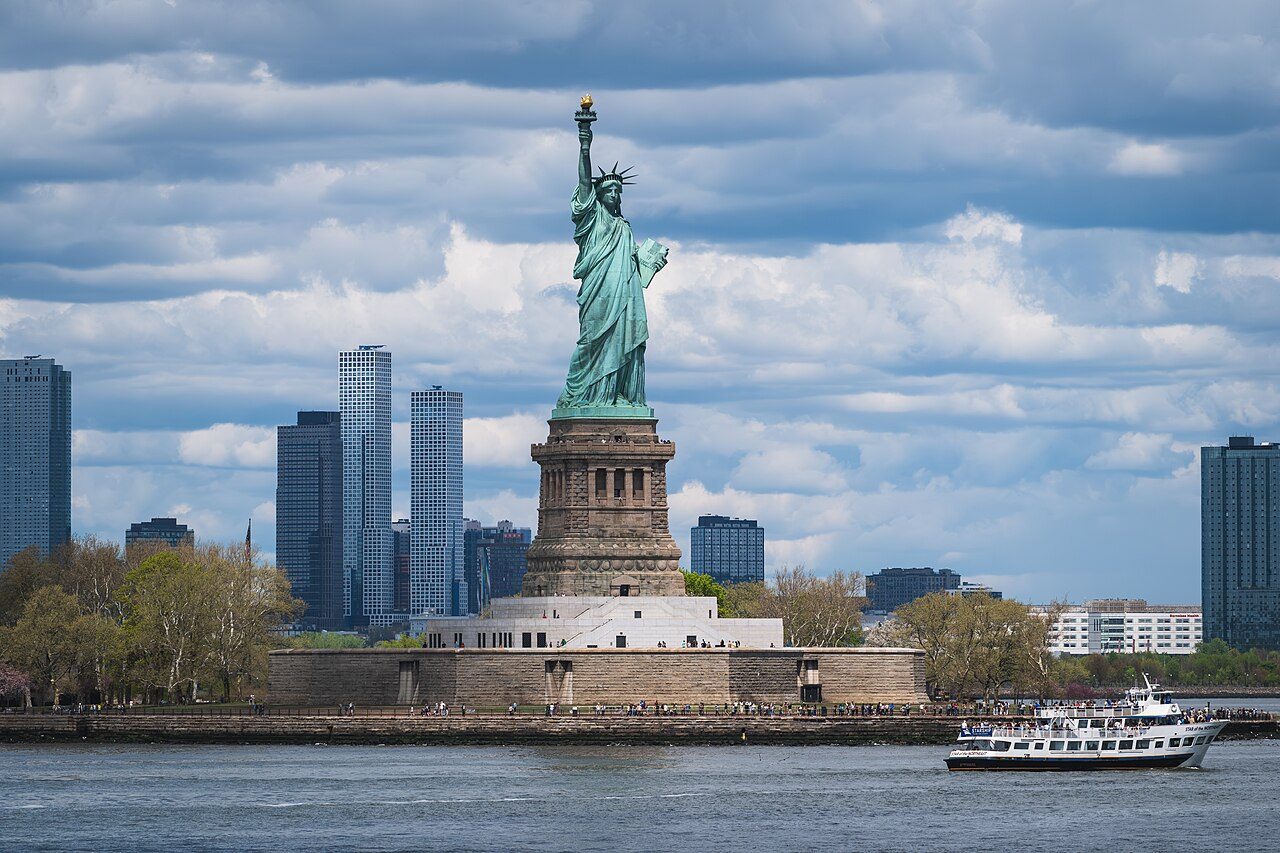
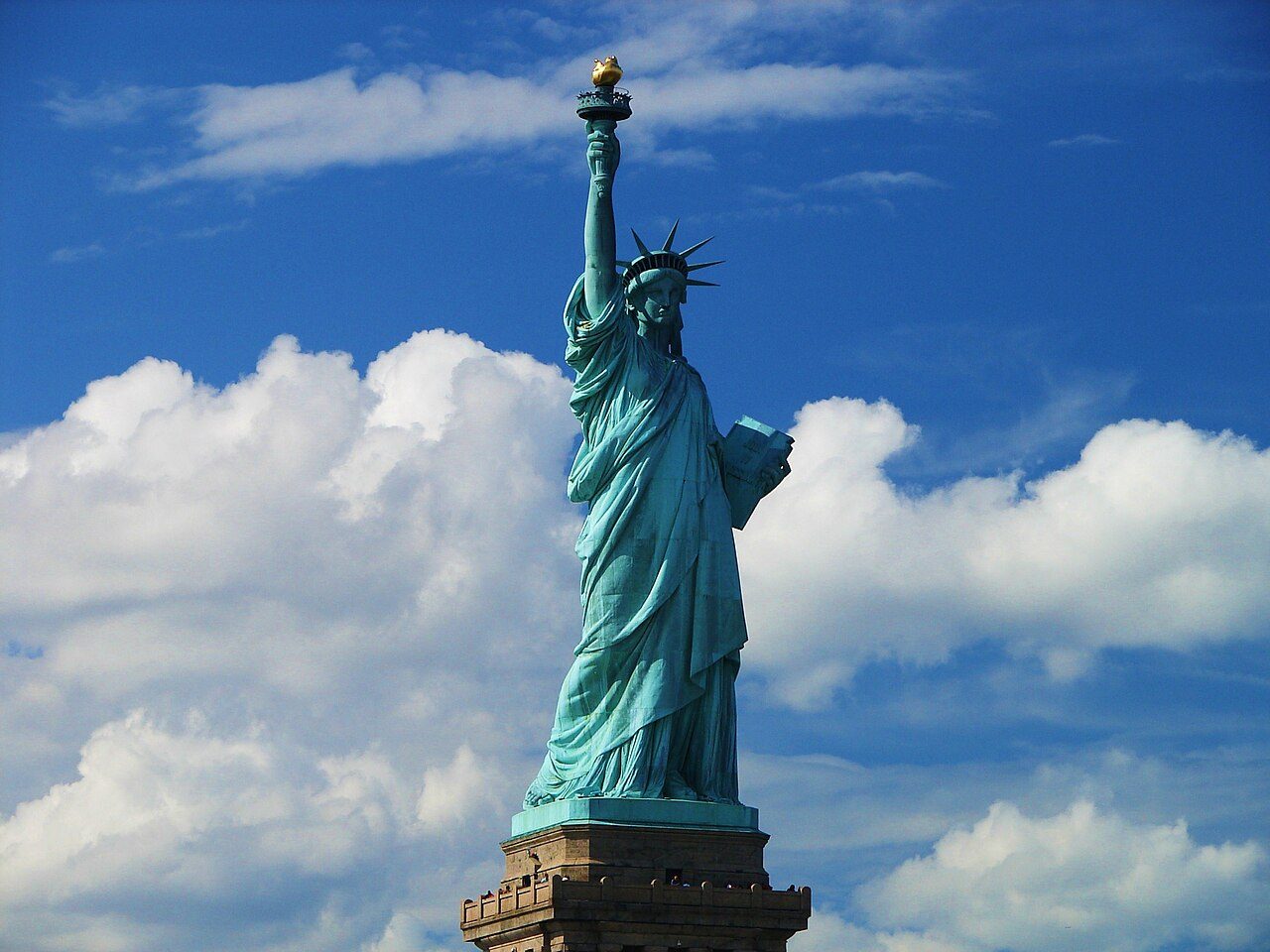
Statue of Liberty
The Statue of Liberty, a gift from the people of France, was dedicated in 1886 on Liberty Island in New York Harbor. Designed by Frédéric Auguste Bartholdi with an internal framework by Gustave Eiffel, the copper statue stands 93 metres from ground to torch. It became a symbol of freedom for immigrants arriving by sea and is a UNESCO World Heritage Site.
09
STOP 9 OF 18
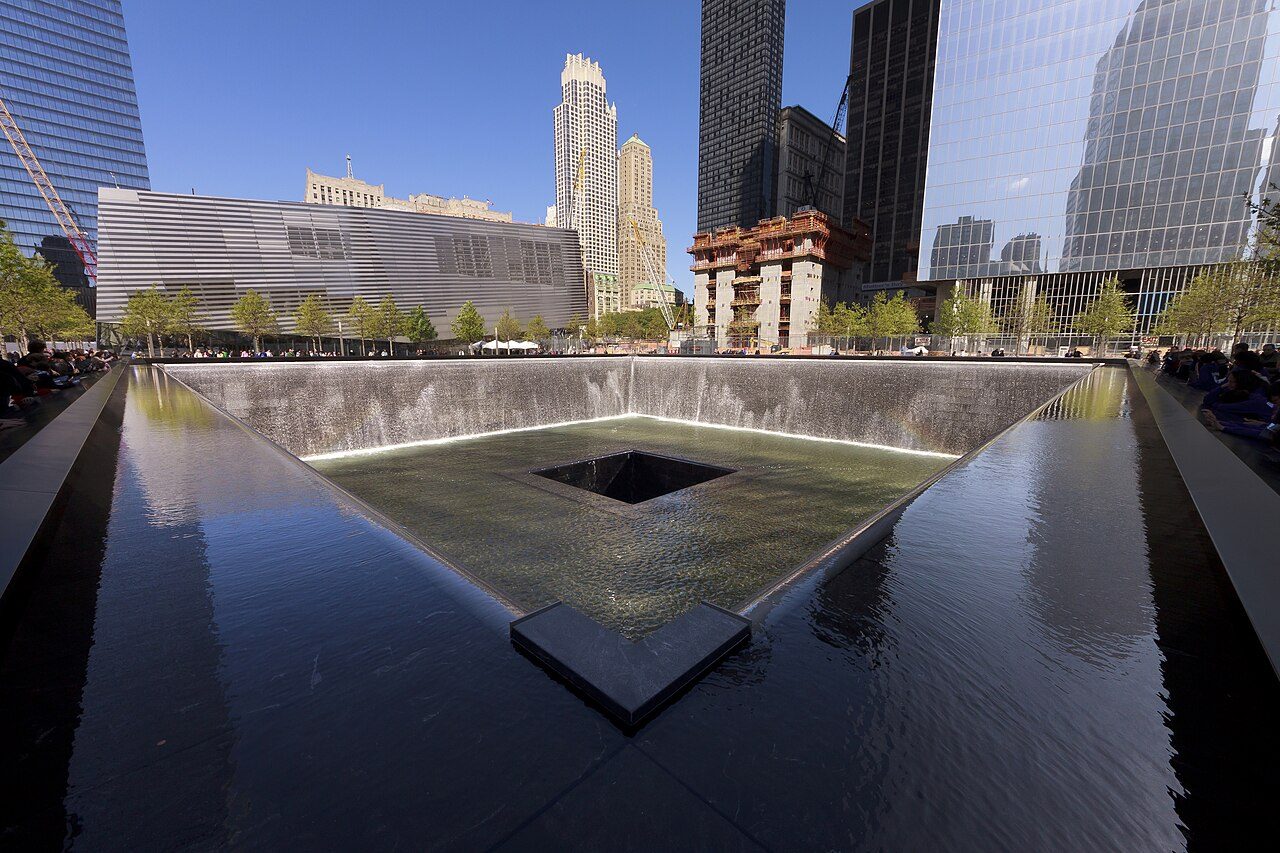
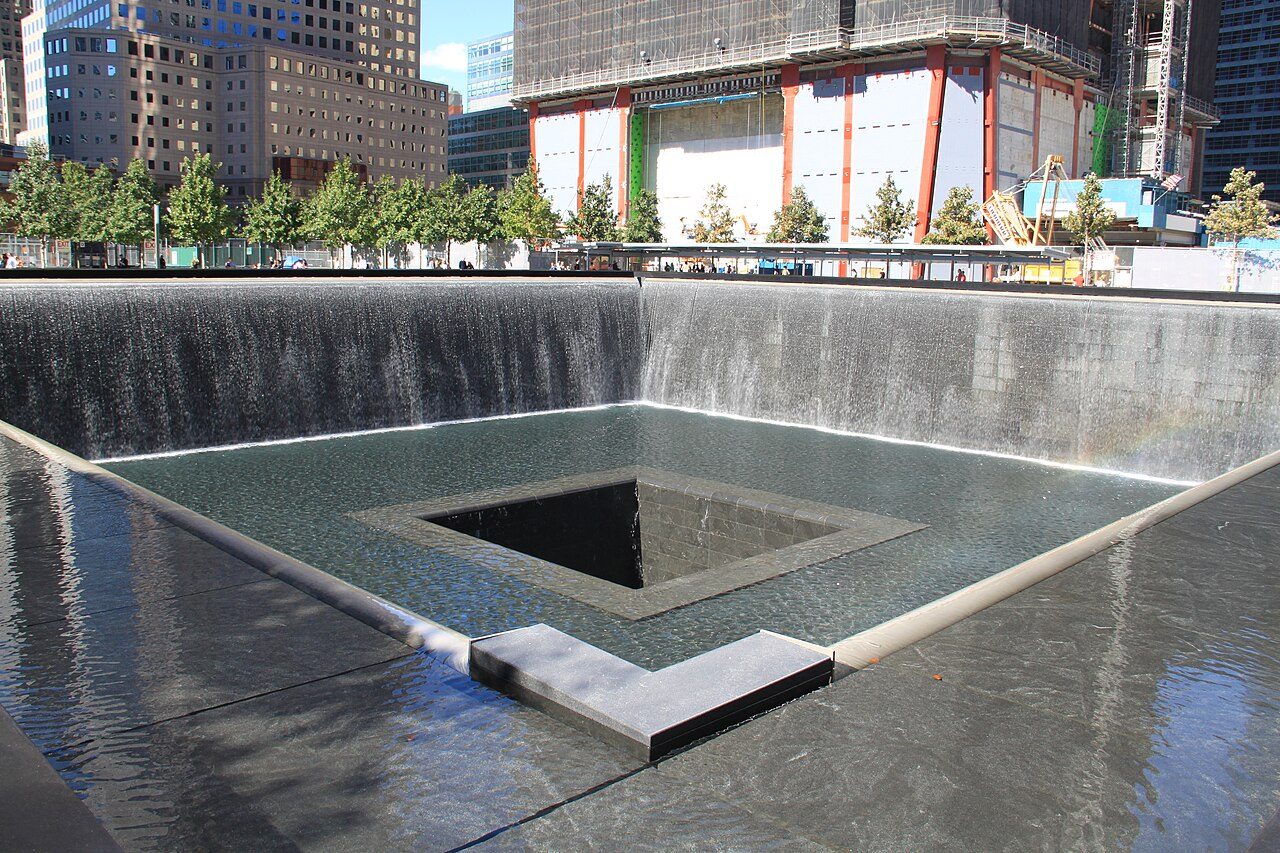
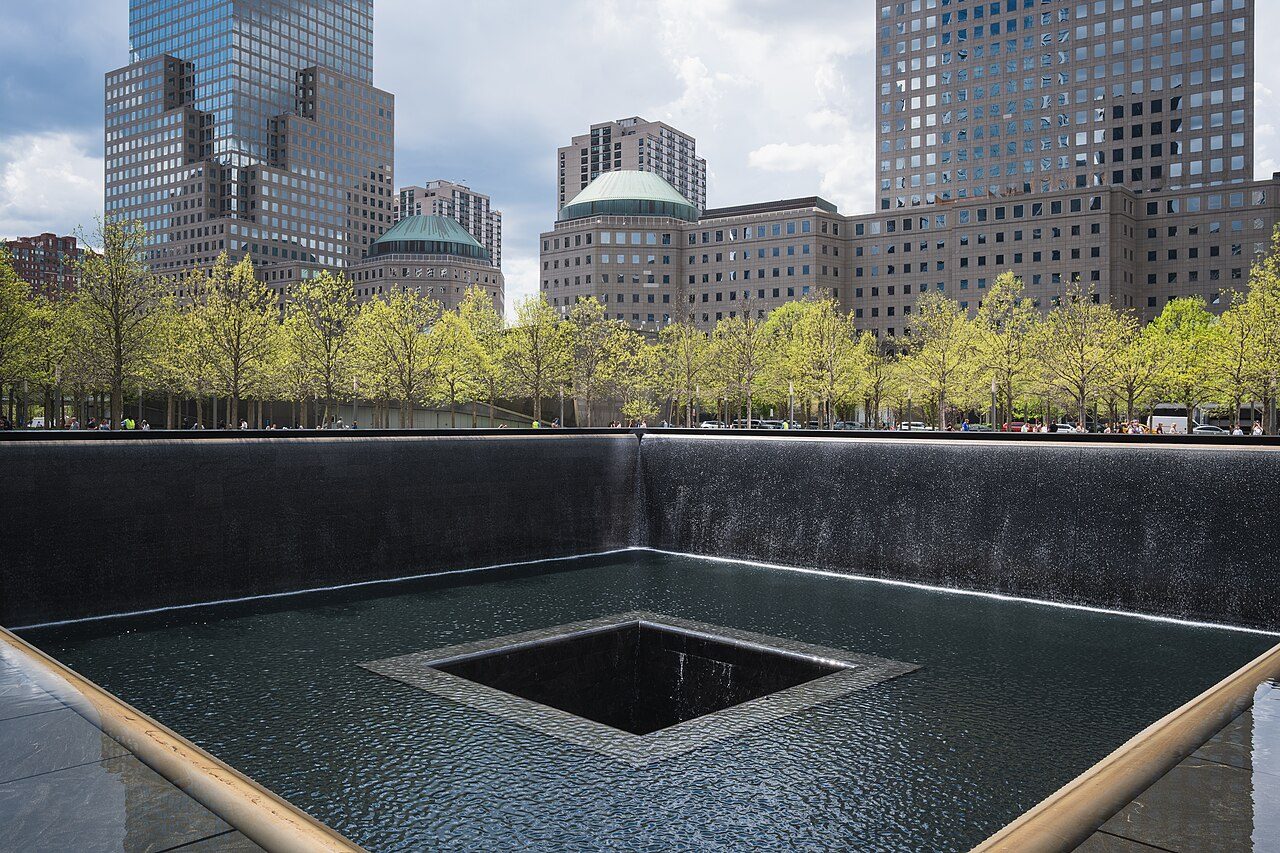
National September 11 Memorial
The National September 11 Memorial honours the nearly 3,000 people killed in the attacks of 2001 and 1993. Two huge reflecting pools sit in the footprints of the original Twin Towers, with the victims' names inscribed in bronze around them. The adjoining museum tells the story of the day through artefacts and personal accounts.
10
STOP 10 OF 18
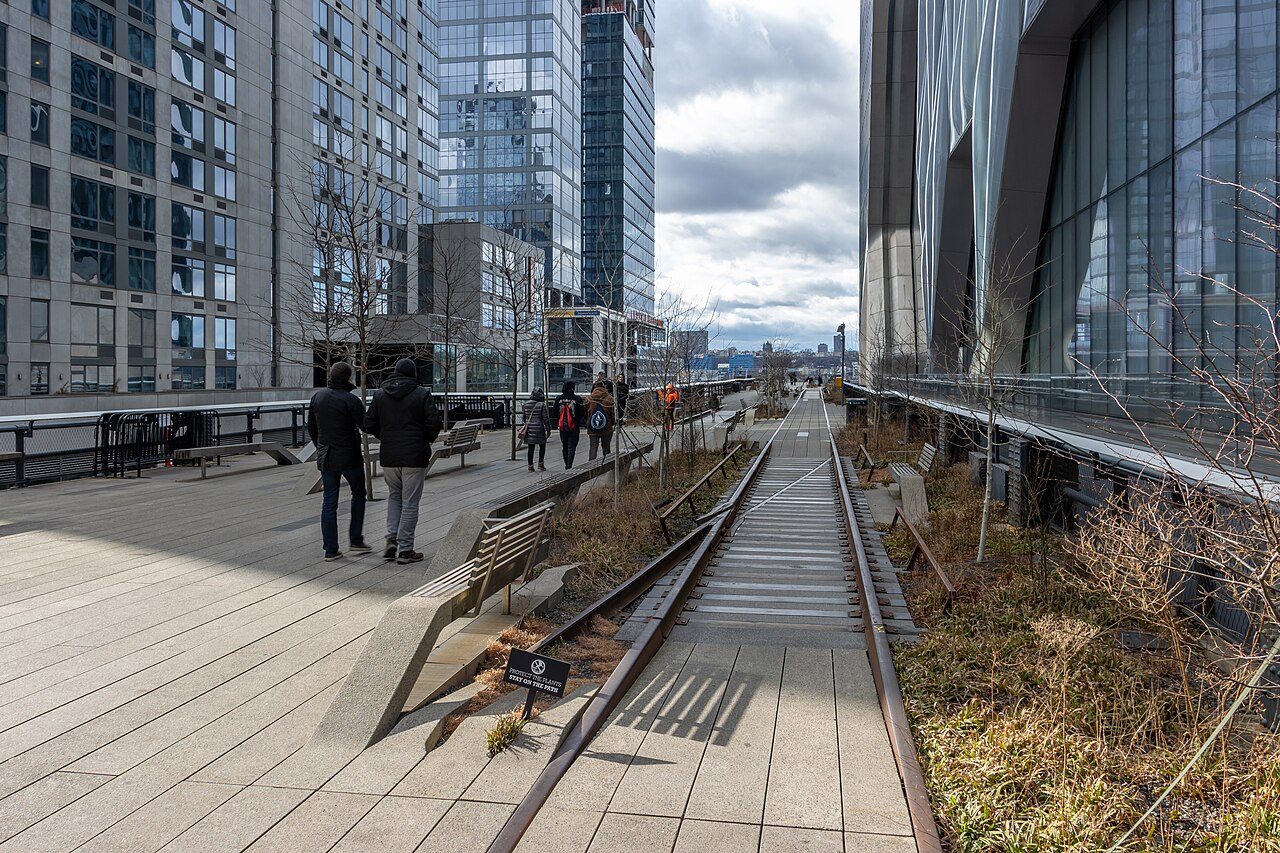
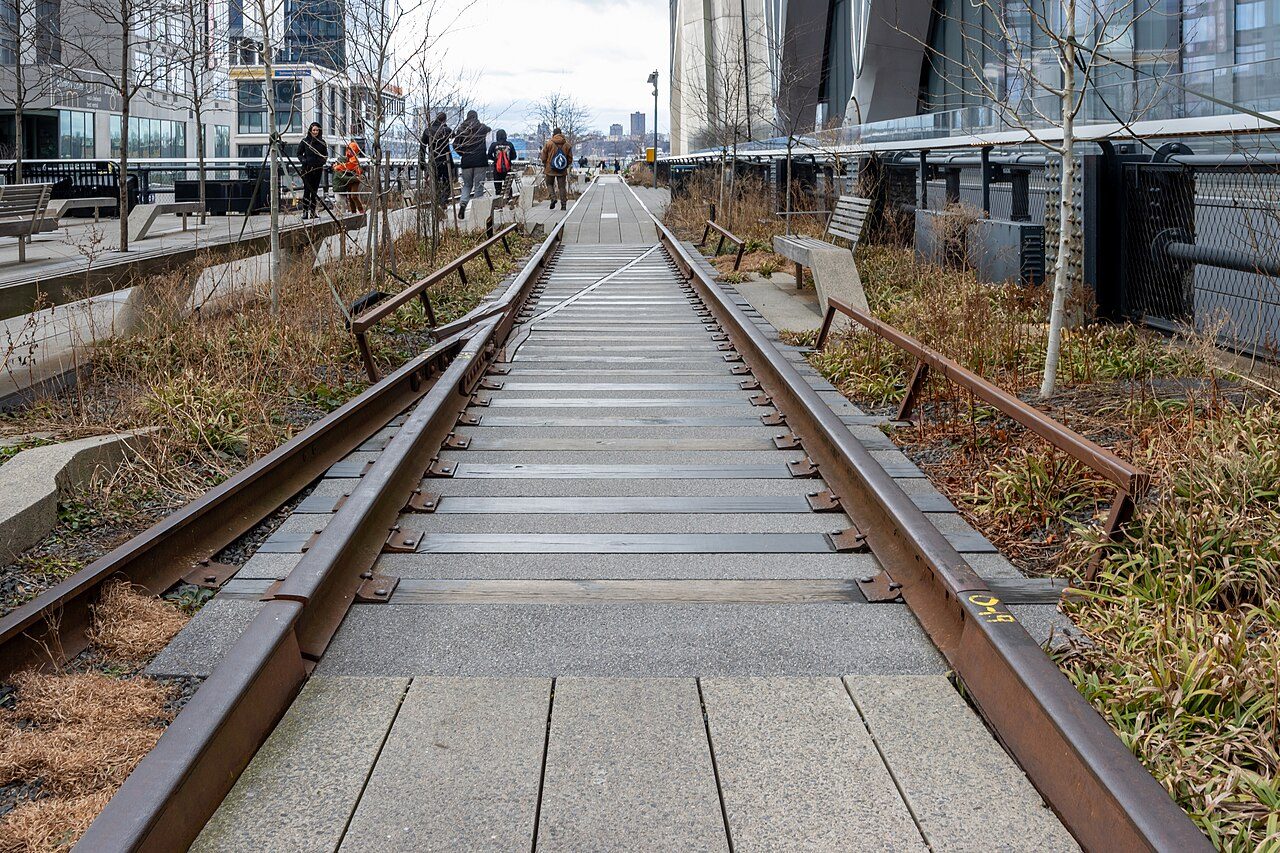
The High Line
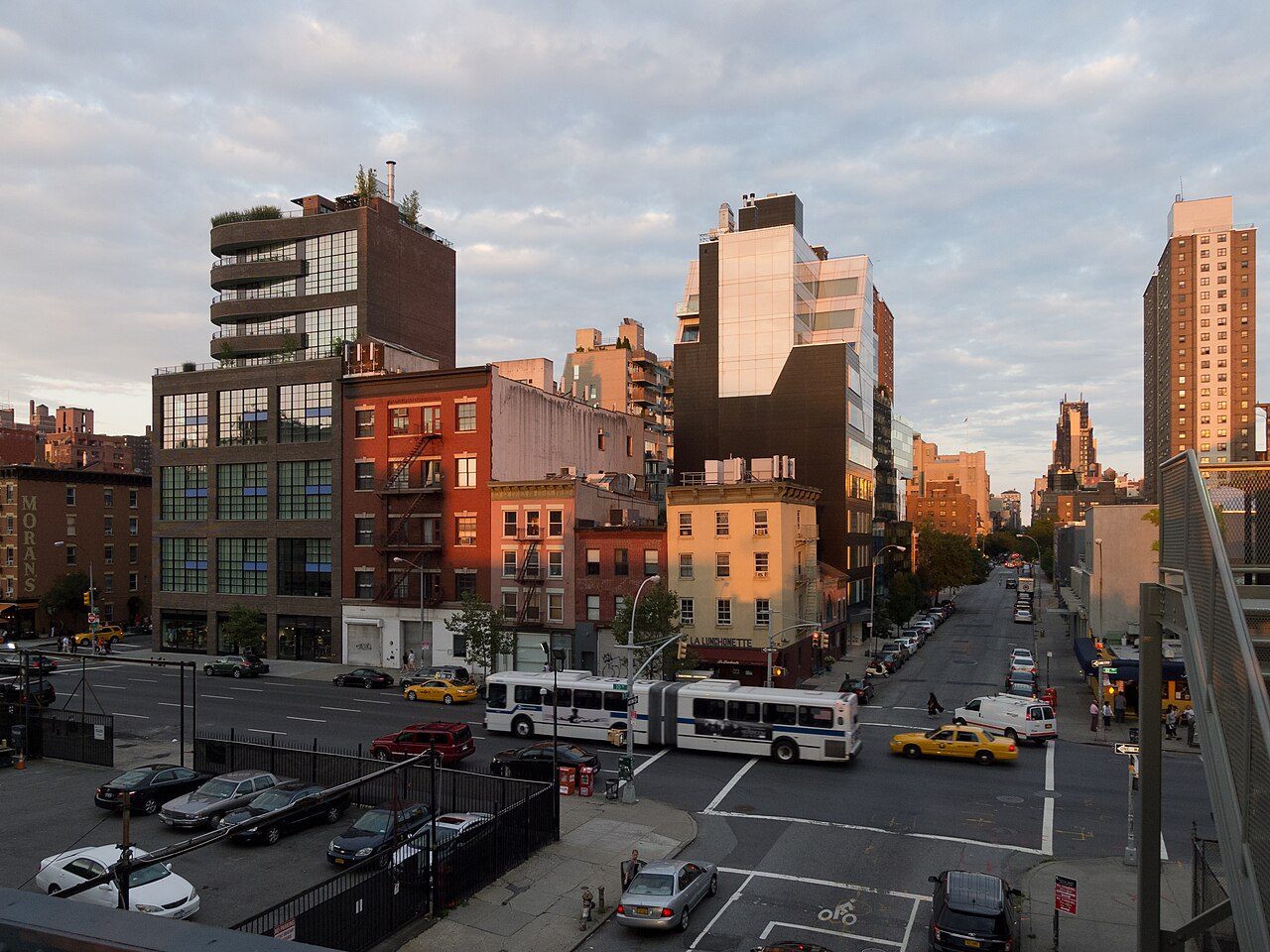
The High Line is a 2.3 km elevated park built on a disused freight rail line on Manhattan's West Side. Opened in stages from 2009, it features gardens, art installations and city views, running from the Meatpacking District to Hudson Yards. It inspired similar urban rail-to-park projects around the world.
11
STOP 11 OF 18
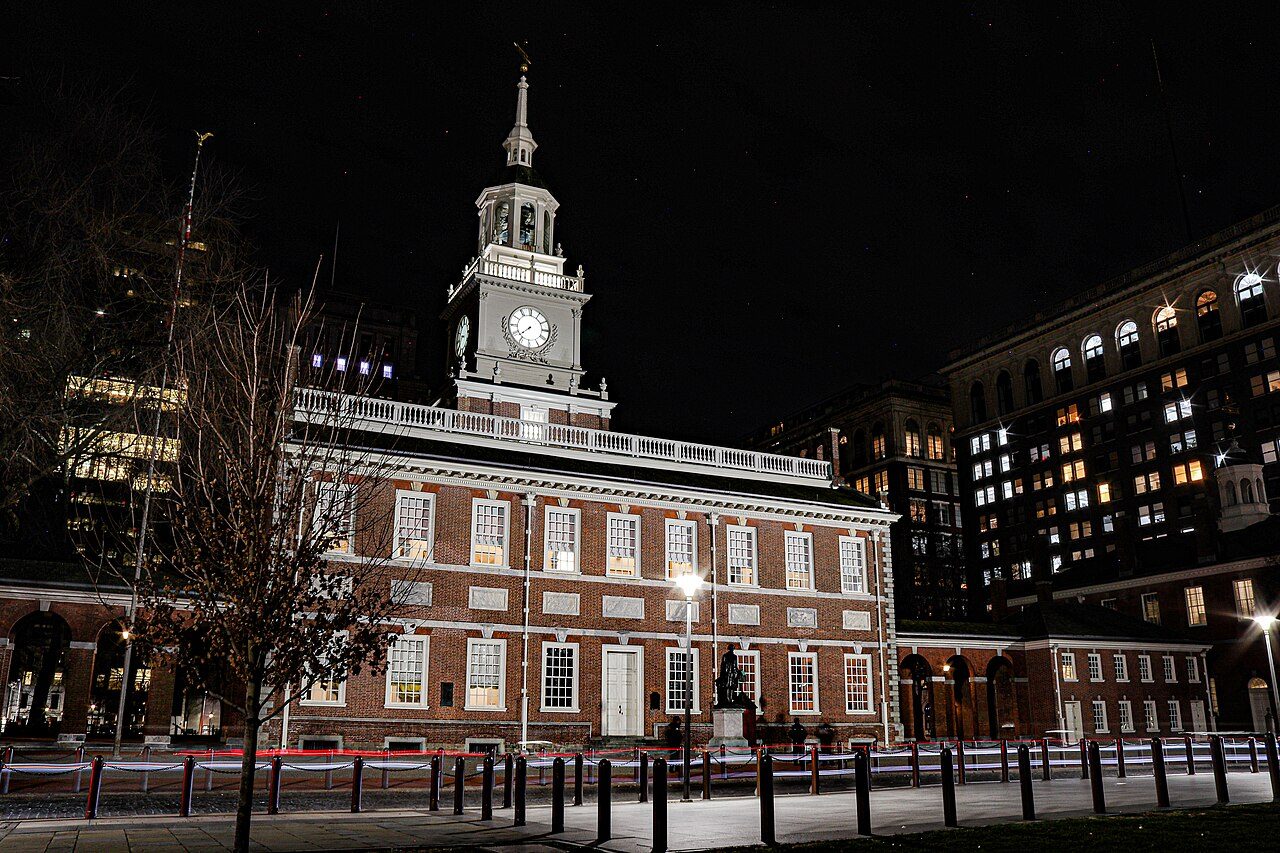
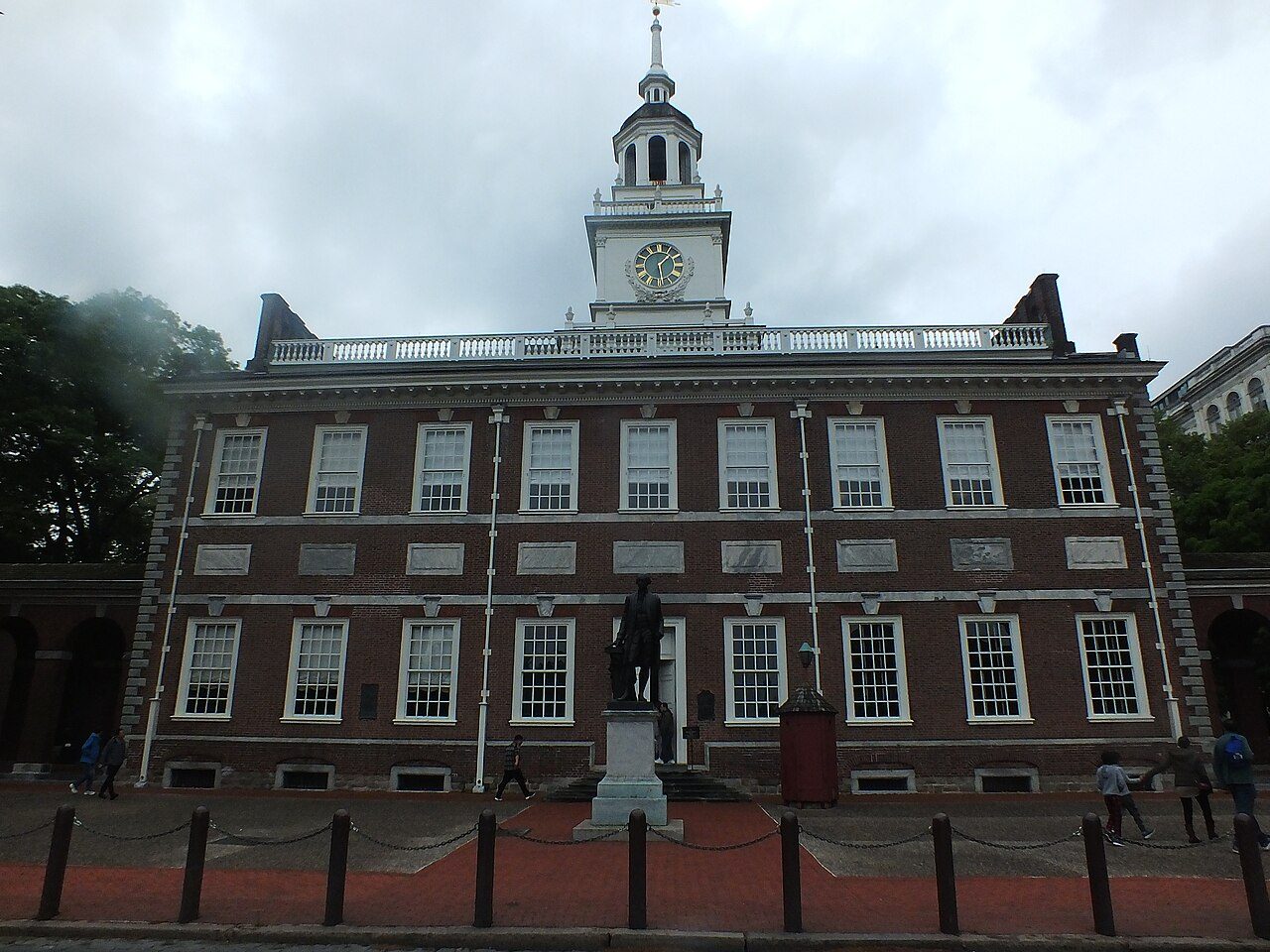
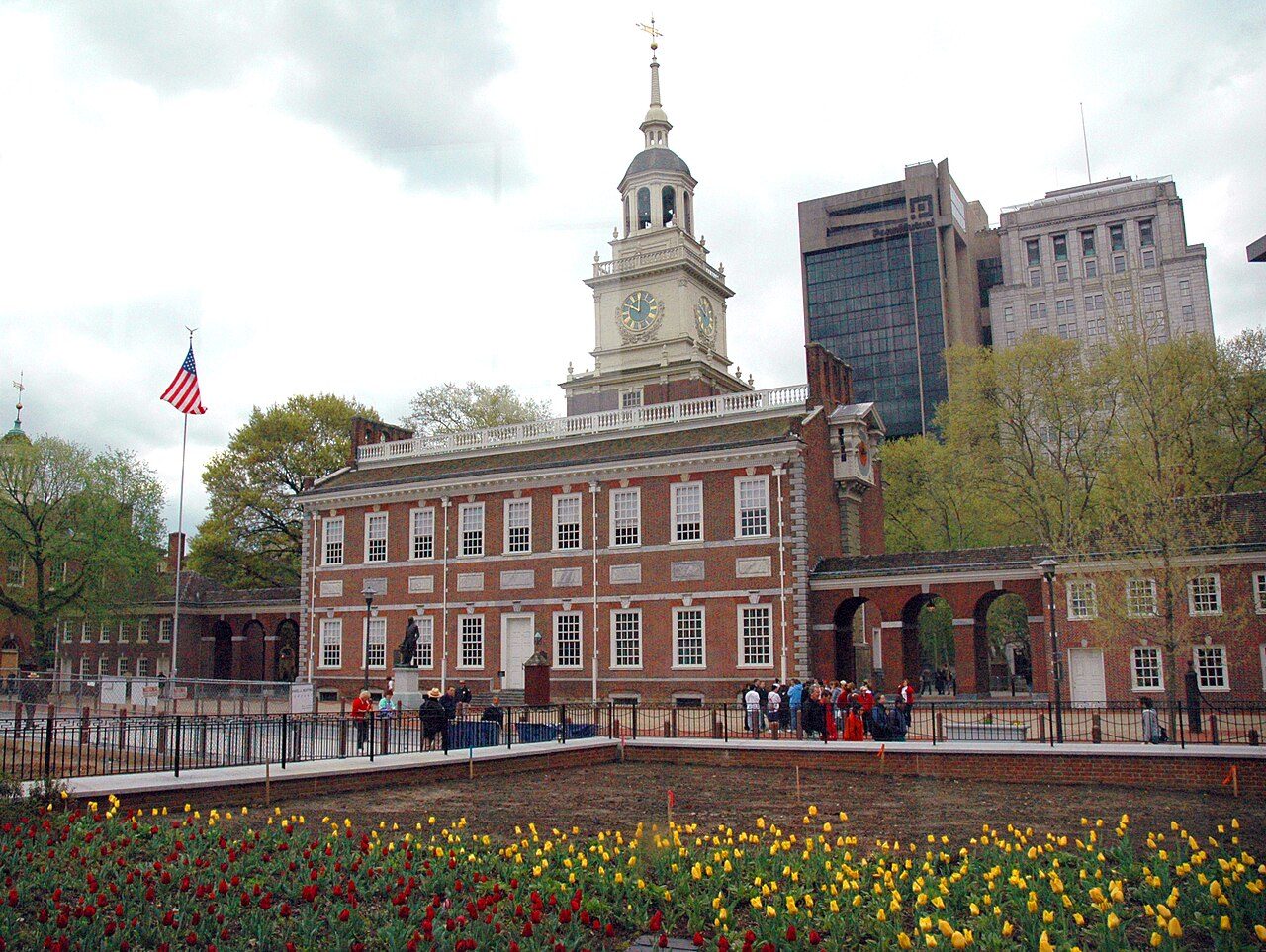
Independence Hall
Independence Hall in Philadelphia is where the Declaration of Independence was signed in 1776 and the US Constitution was drafted in 1787. The red-brick building is a UNESCO World Heritage Site. Across the street, the Liberty Bell with its famous crack is displayed in its own pavilion.
12
STOP 12 OF 18
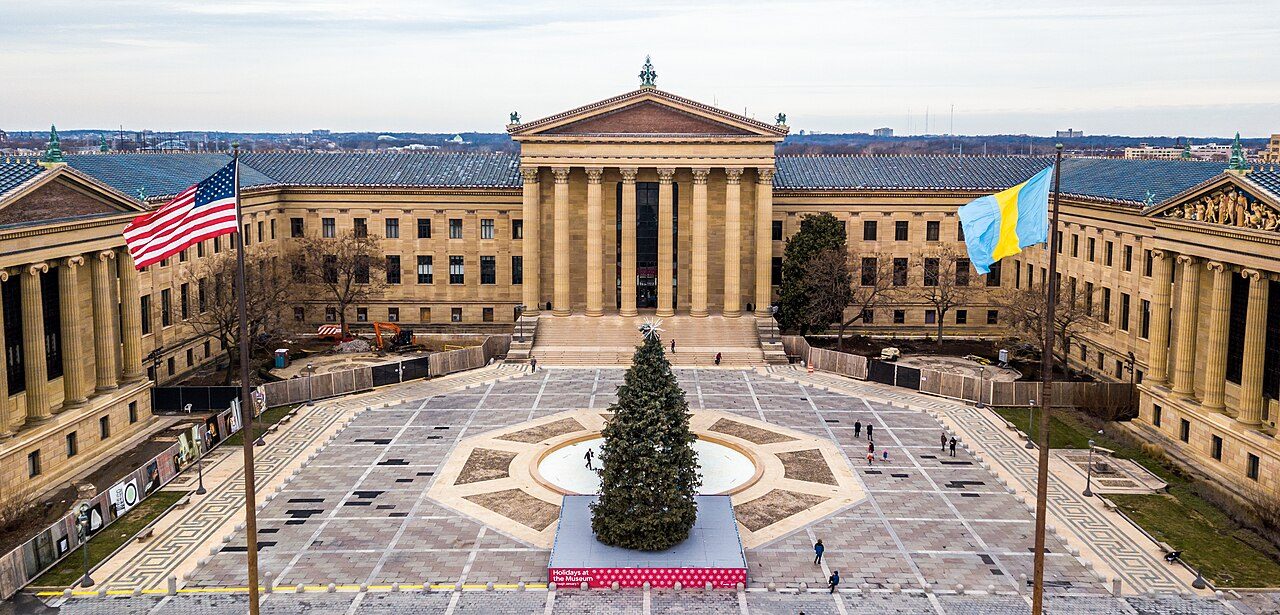
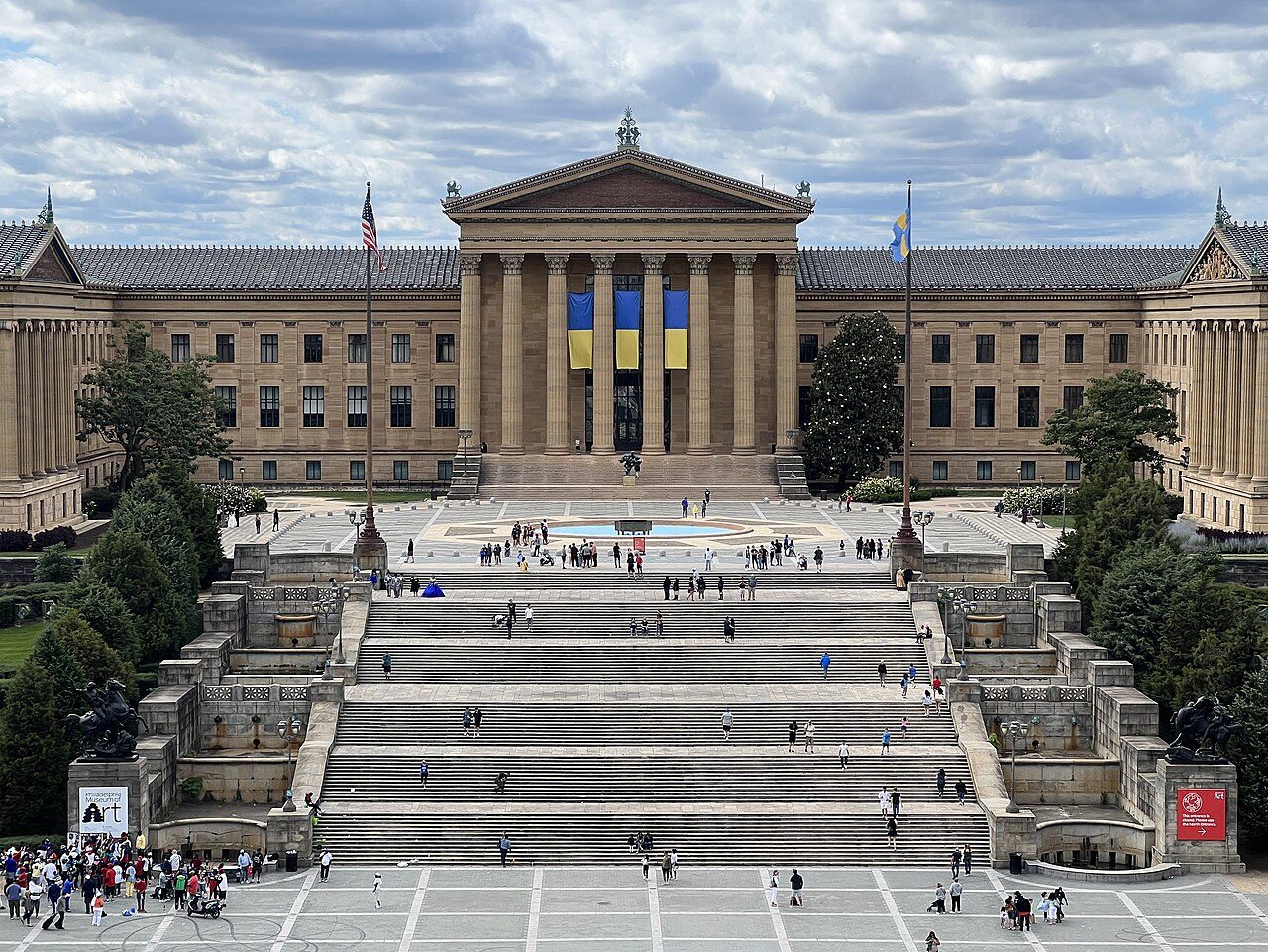
Philadelphia Museum of Art
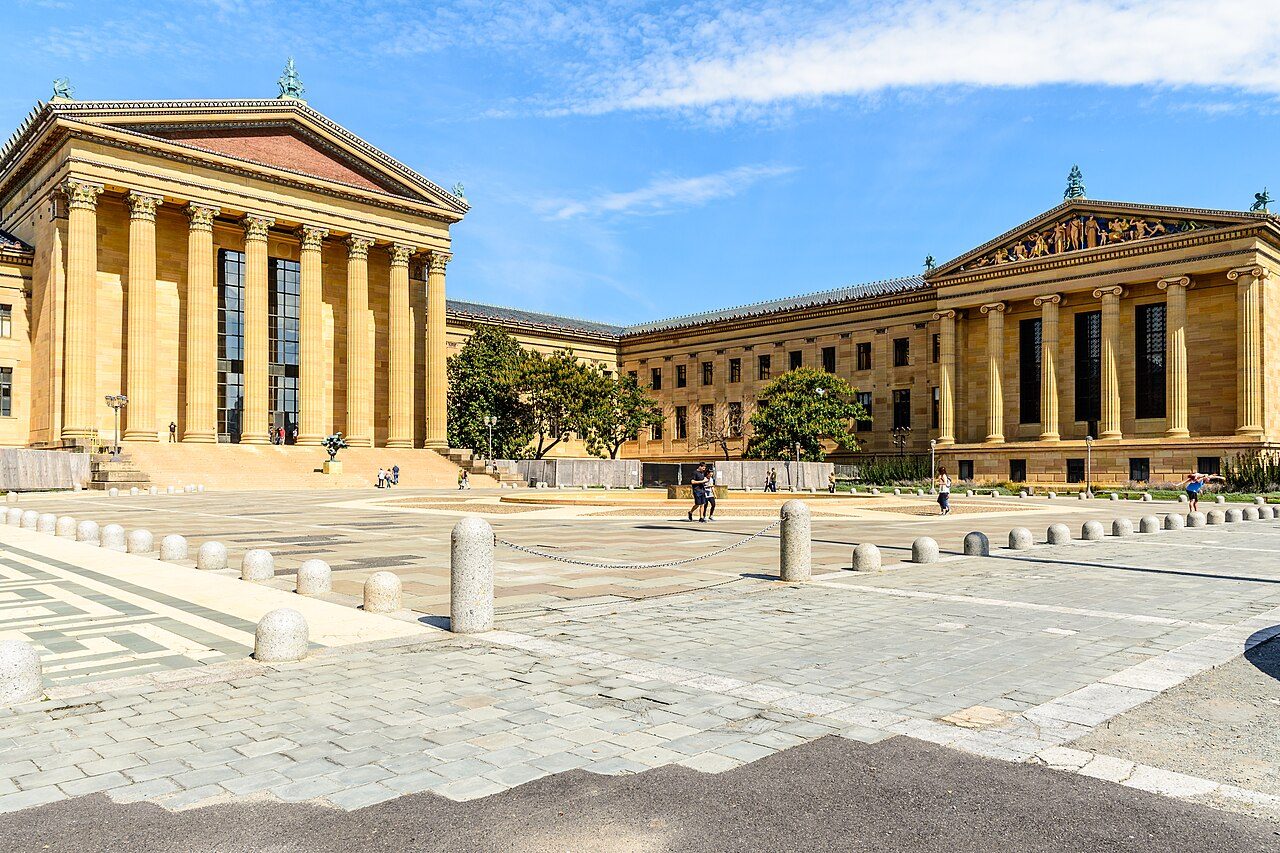
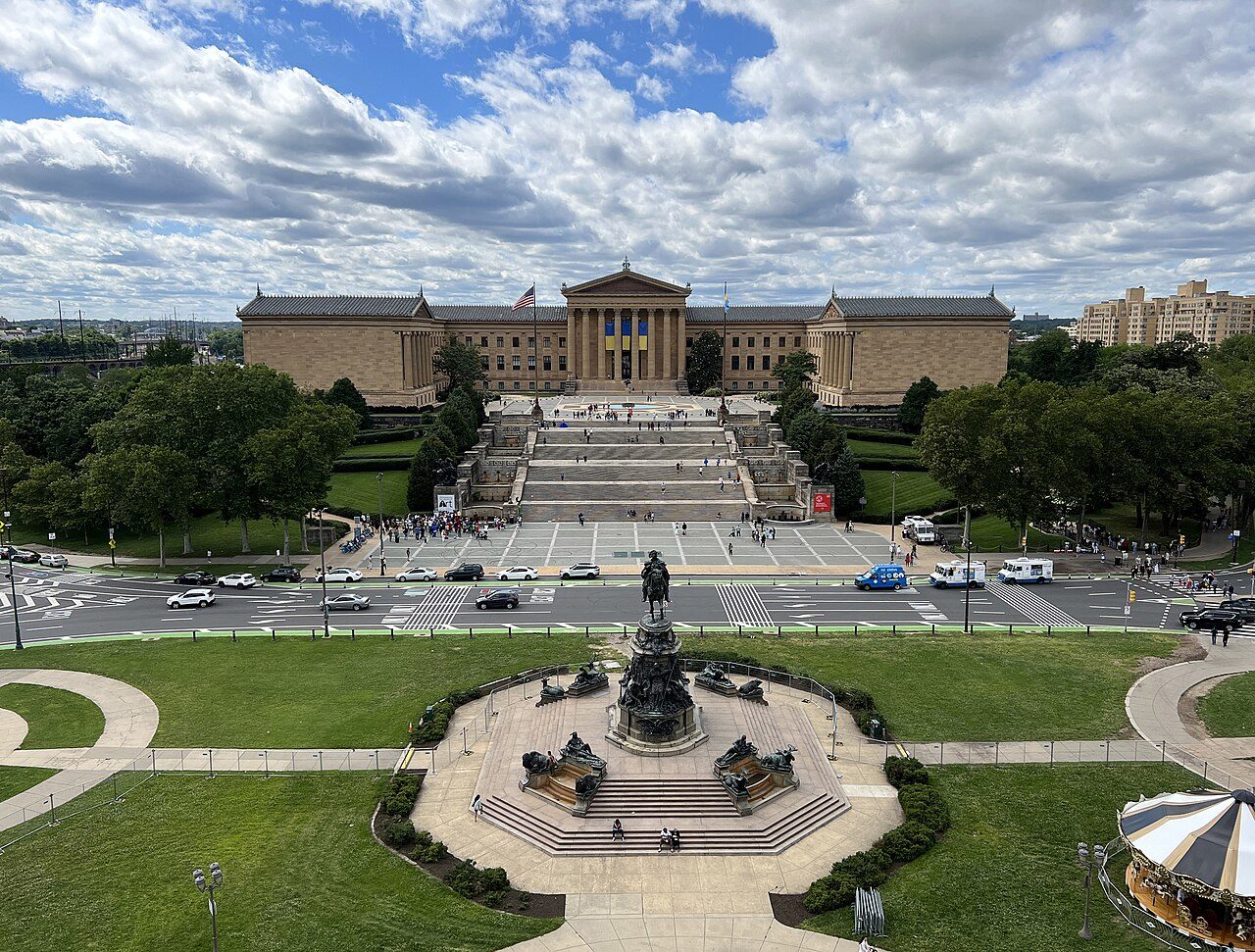
The Philadelphia Museum of Art is one of the largest art museums in the United States, with over 240,000 objects. Its grand steps became famous from the film Rocky, and a bronze Rocky statue stands nearby. The collection ranges from Renaissance masterpieces to works by Van Gogh and Duchamp.
13
STOP 13 OF 18
Baltimore Inner Harbor
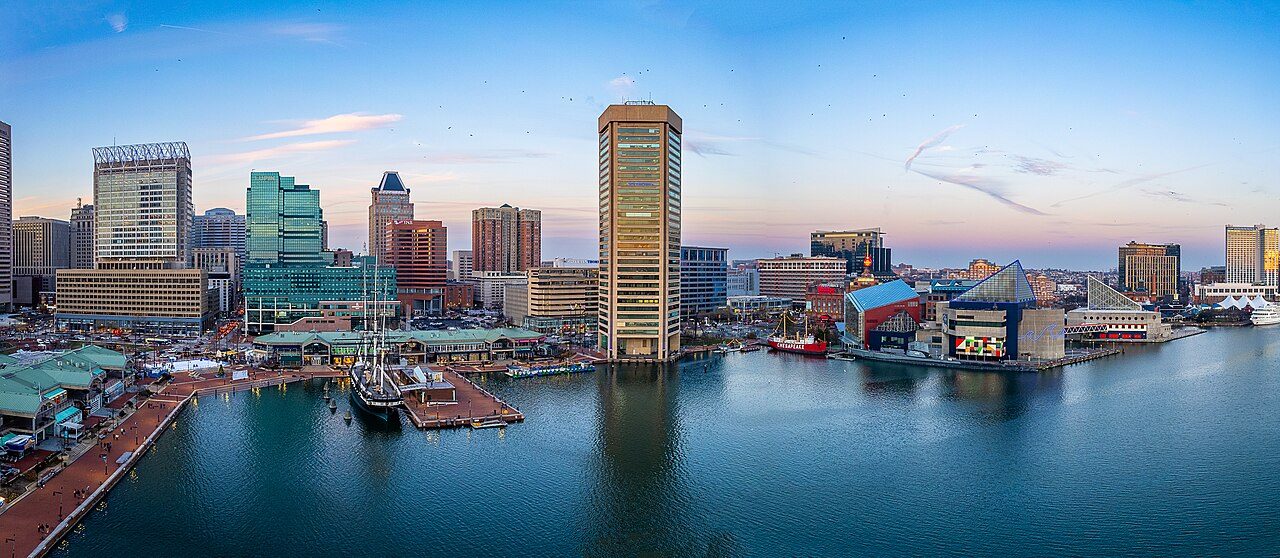
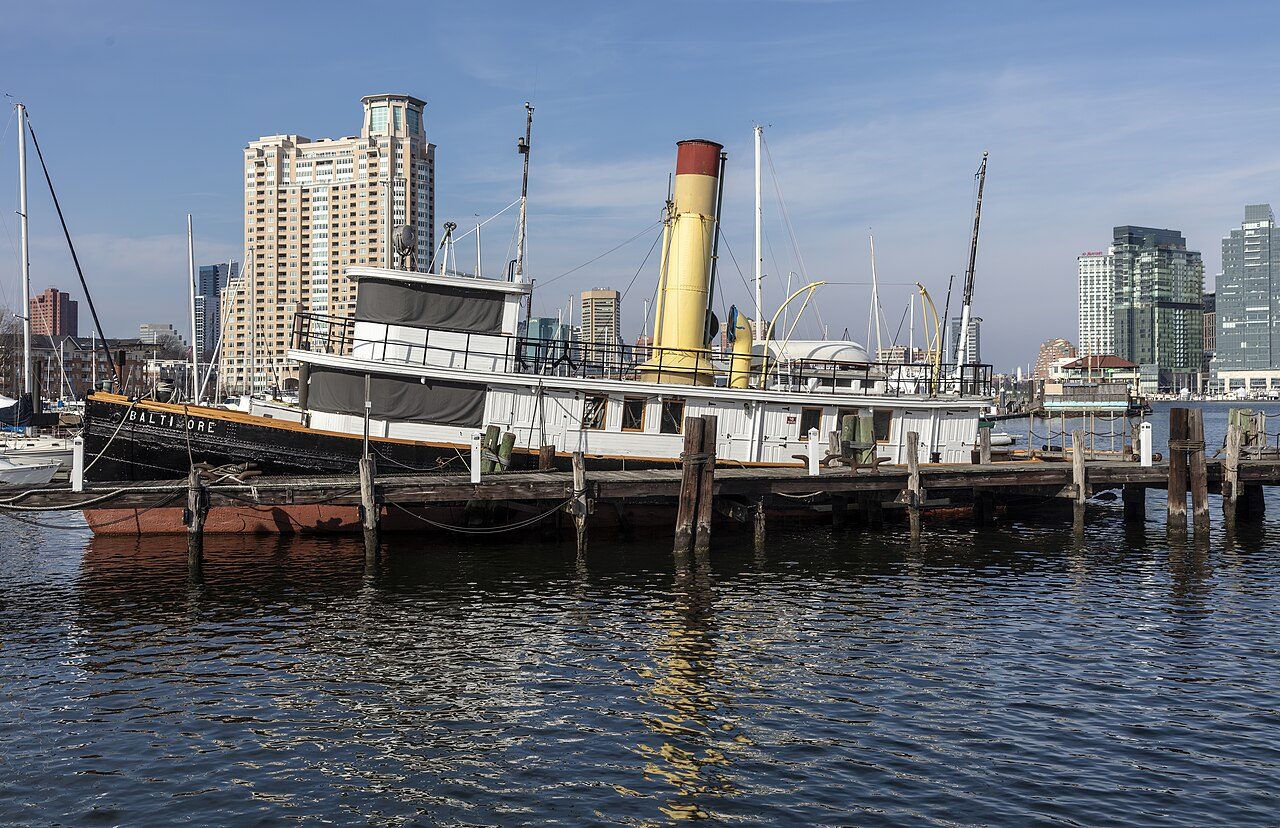
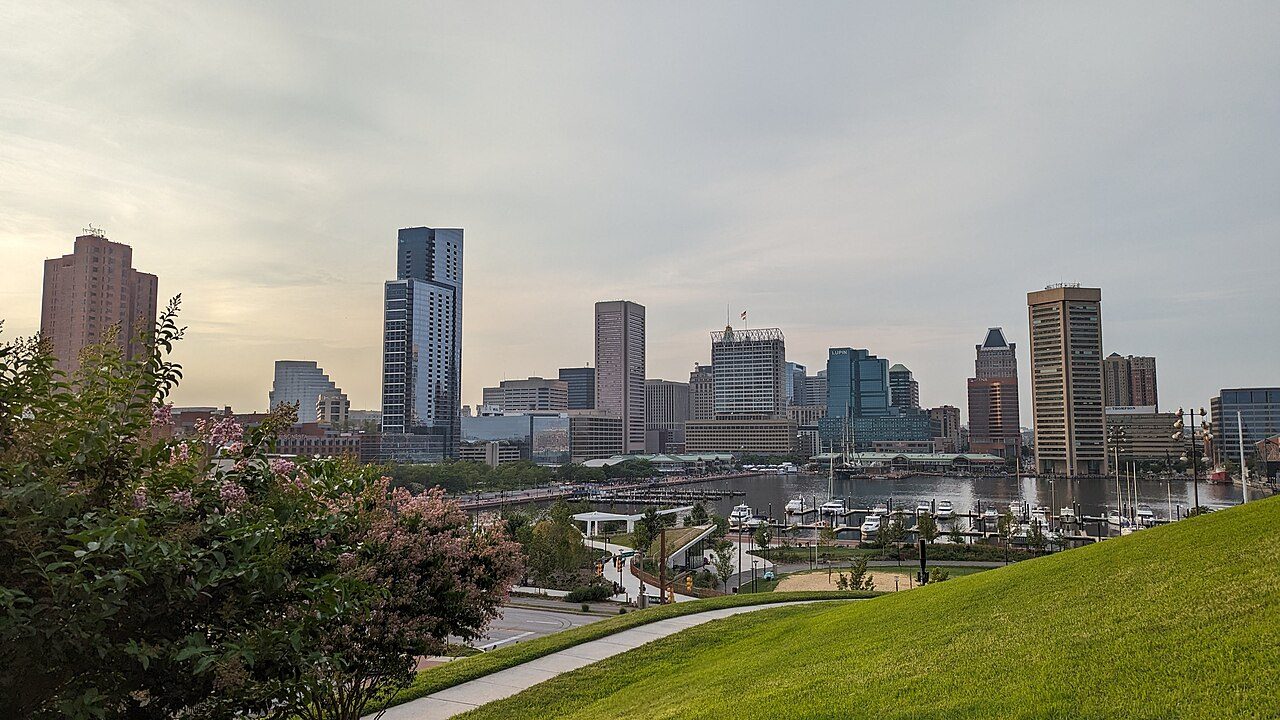
The Inner Harbor is Baltimore's historic seaport turned waterfront attraction. It features the National Aquarium, historic ships such as the USS Constellation, the Maryland Science Center and promenades lined with restaurants. Federal Hill Park offers a great view over the harbour.
14
STOP 14 OF 18
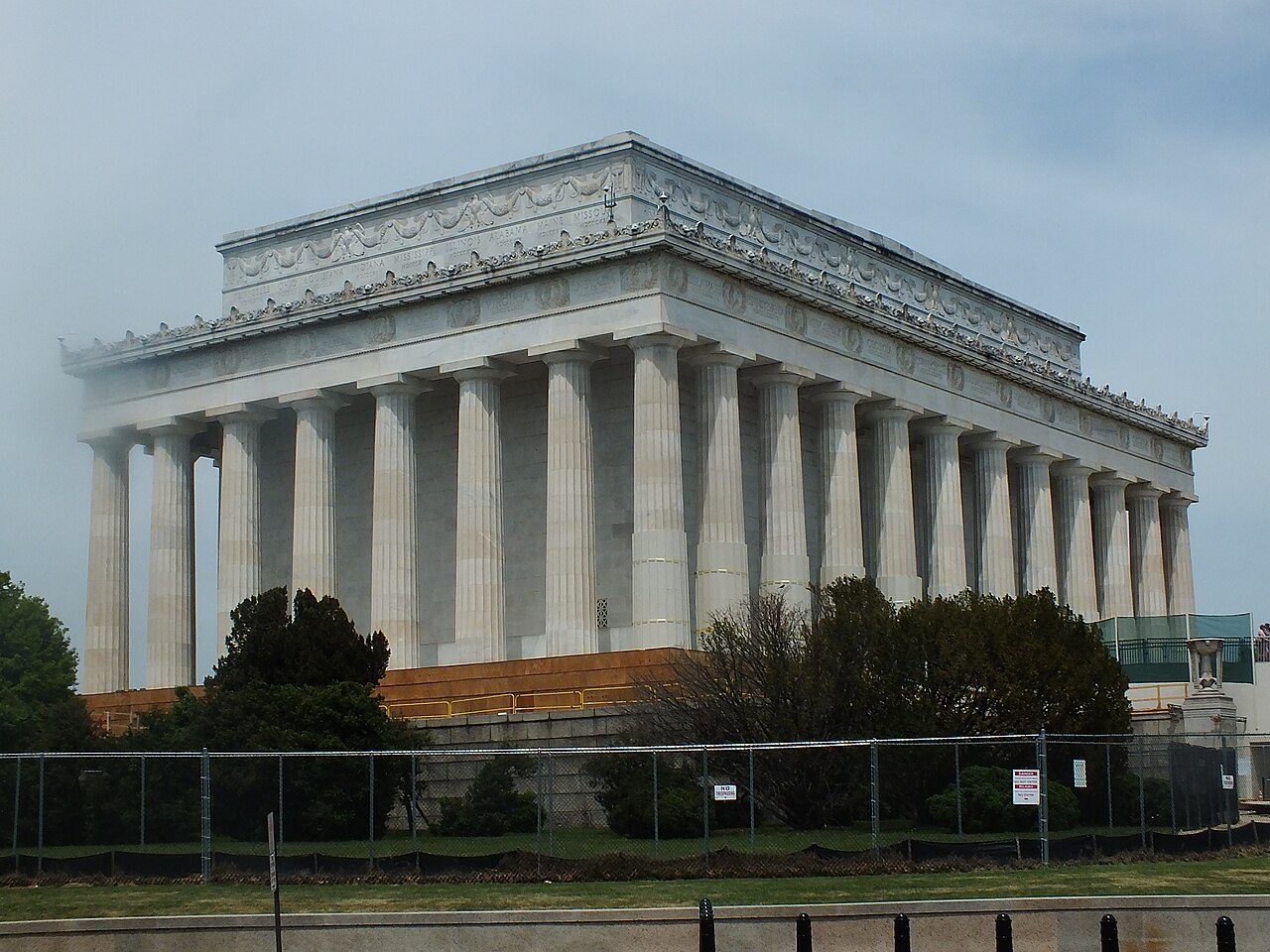
Lincoln Memorial
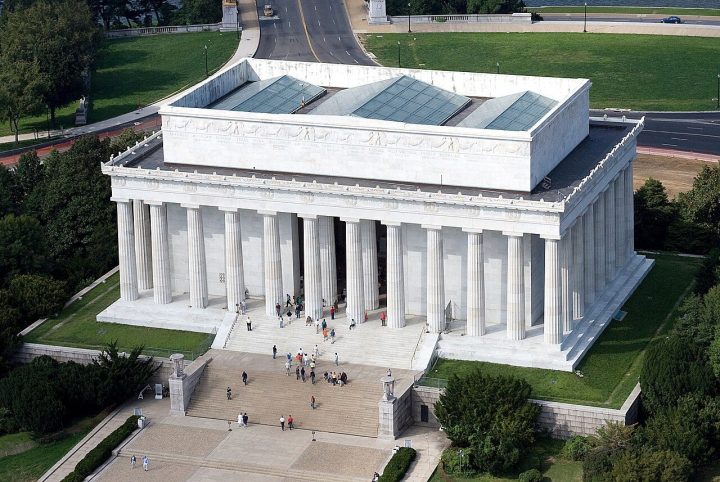
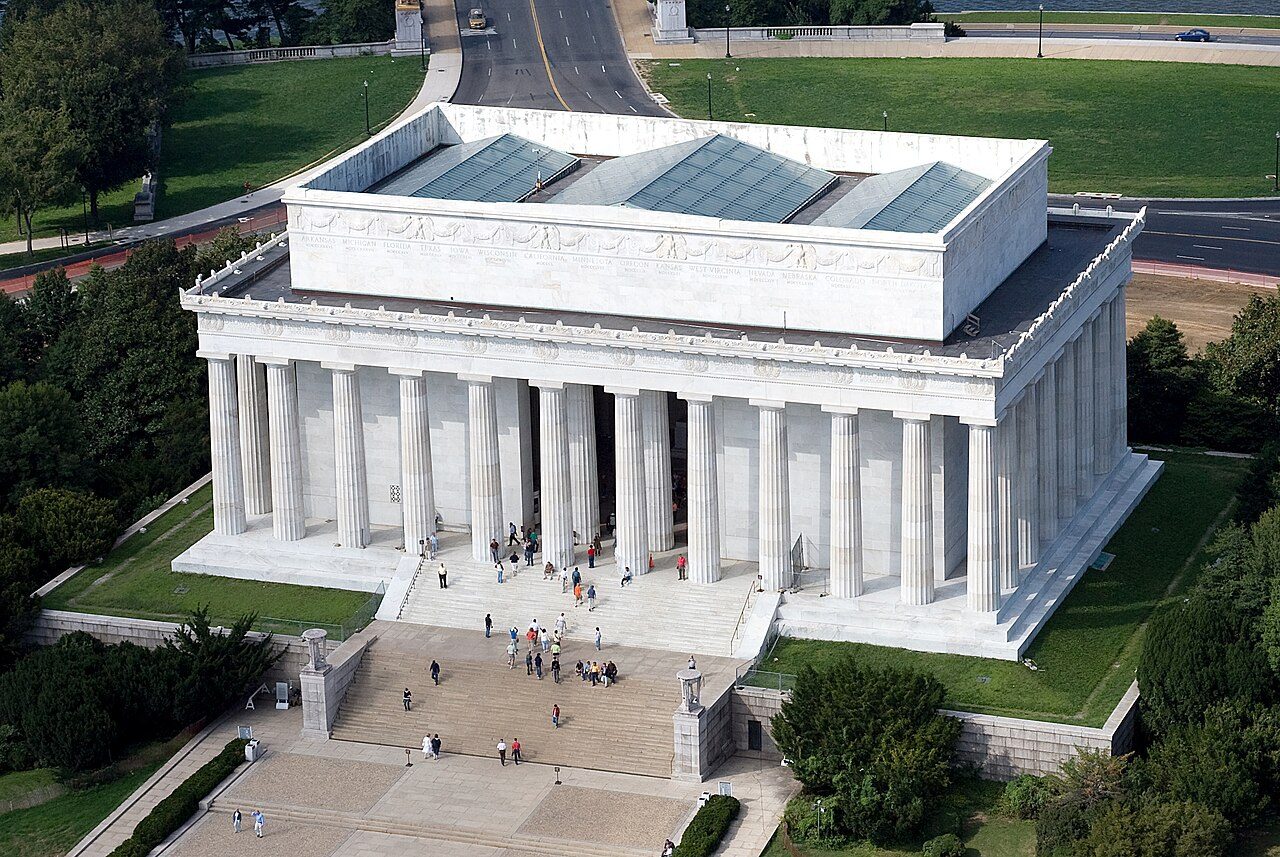
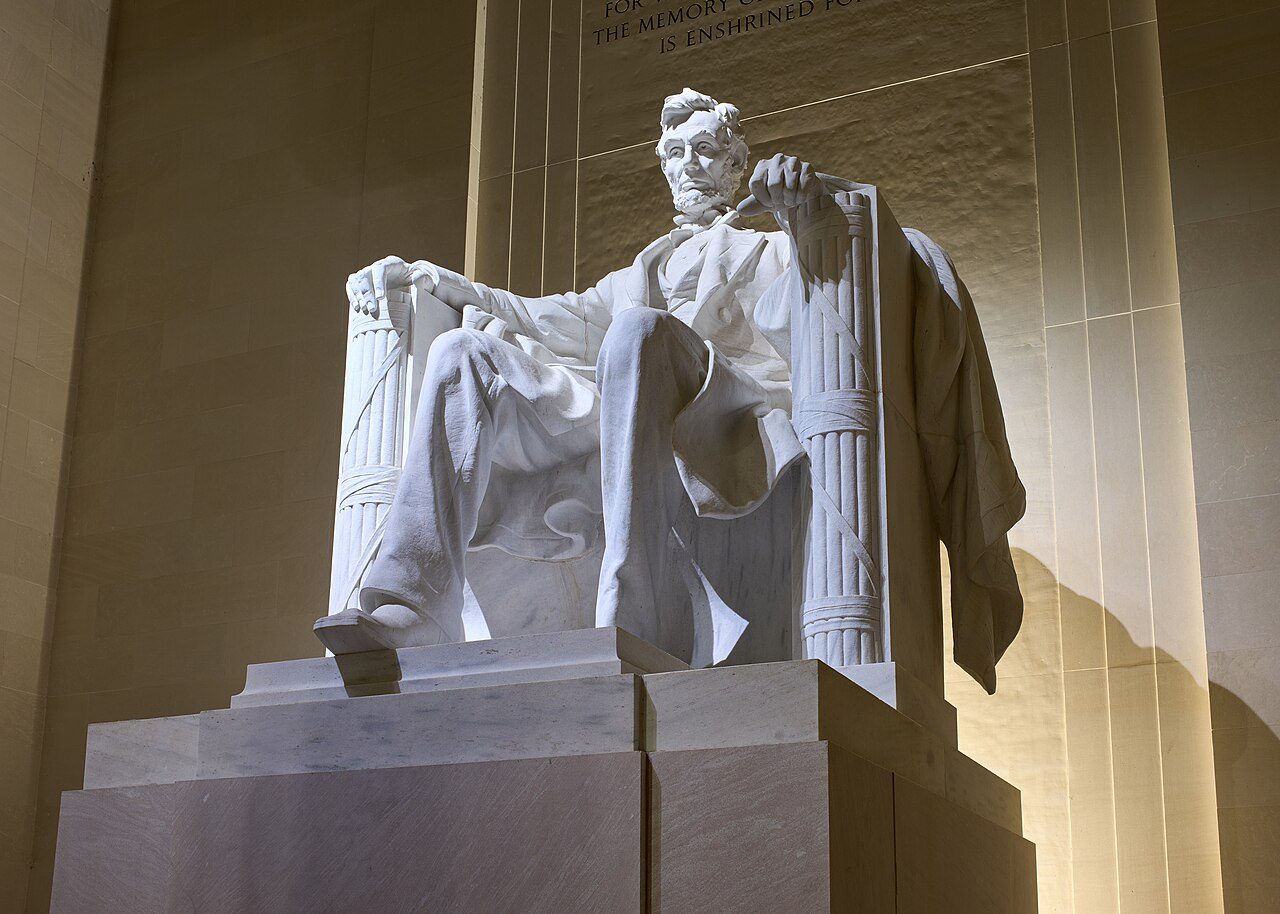
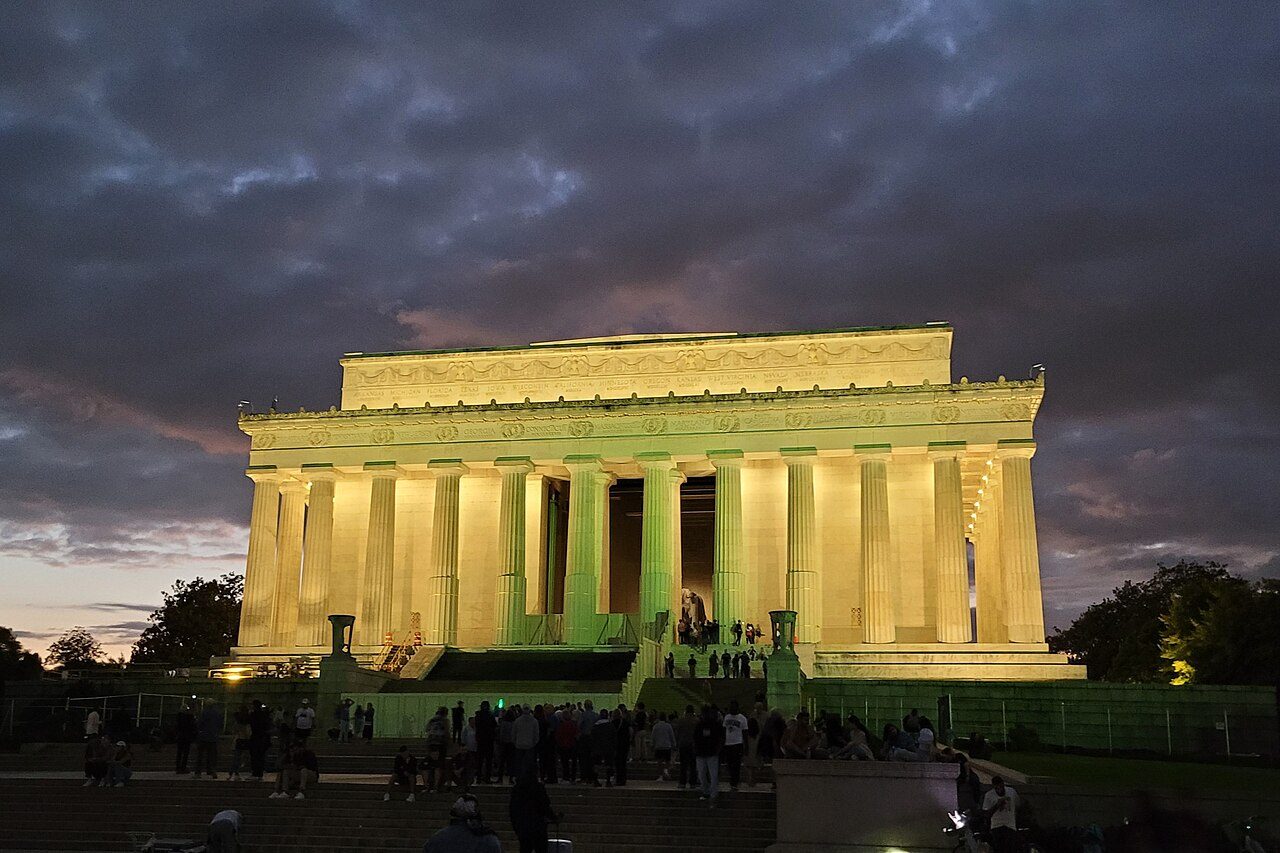
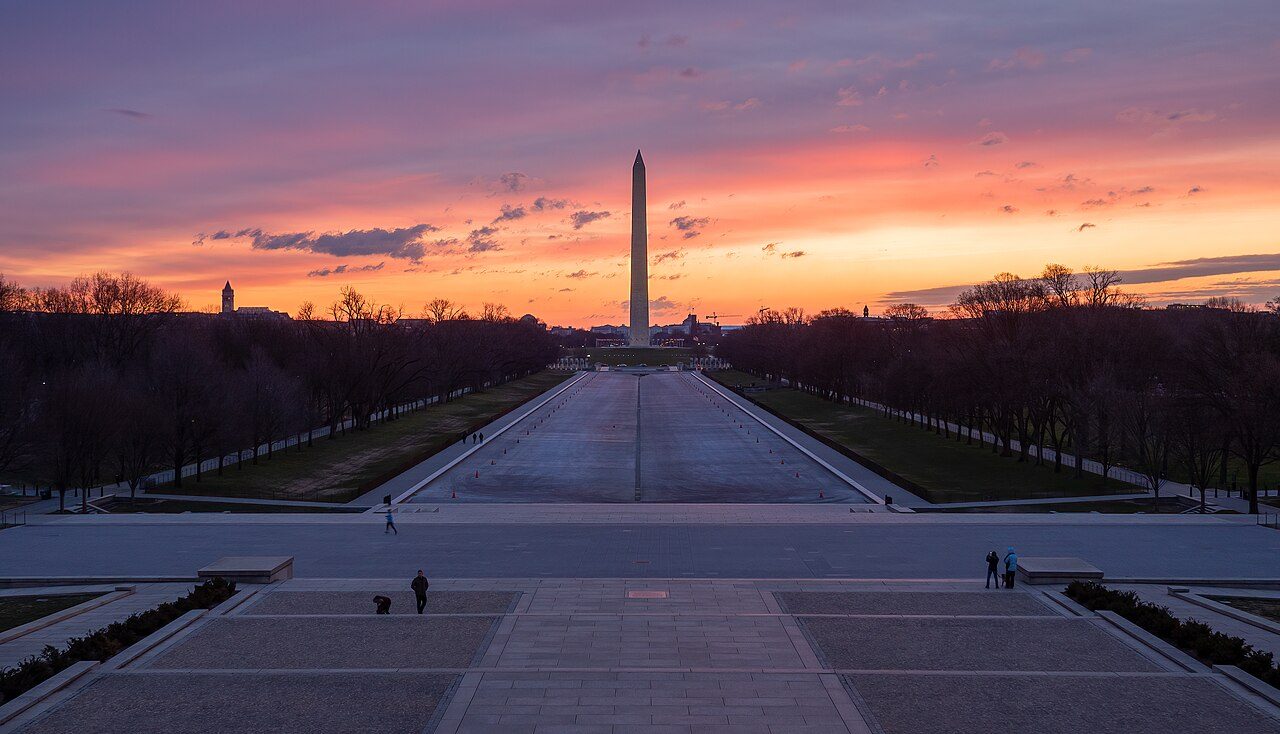
The Lincoln Memorial, dedicated in 1922, honours Abraham Lincoln, the 16th President of the United States. Designed like a Greek Doric temple, it houses a 5.8-metre seated statue of Lincoln by Daniel Chester French. Martin Luther King Jr. delivered his "I Have a Dream" speech on its steps in 1963. It overlooks the Reflecting Pool.
15
STOP 15 OF 18
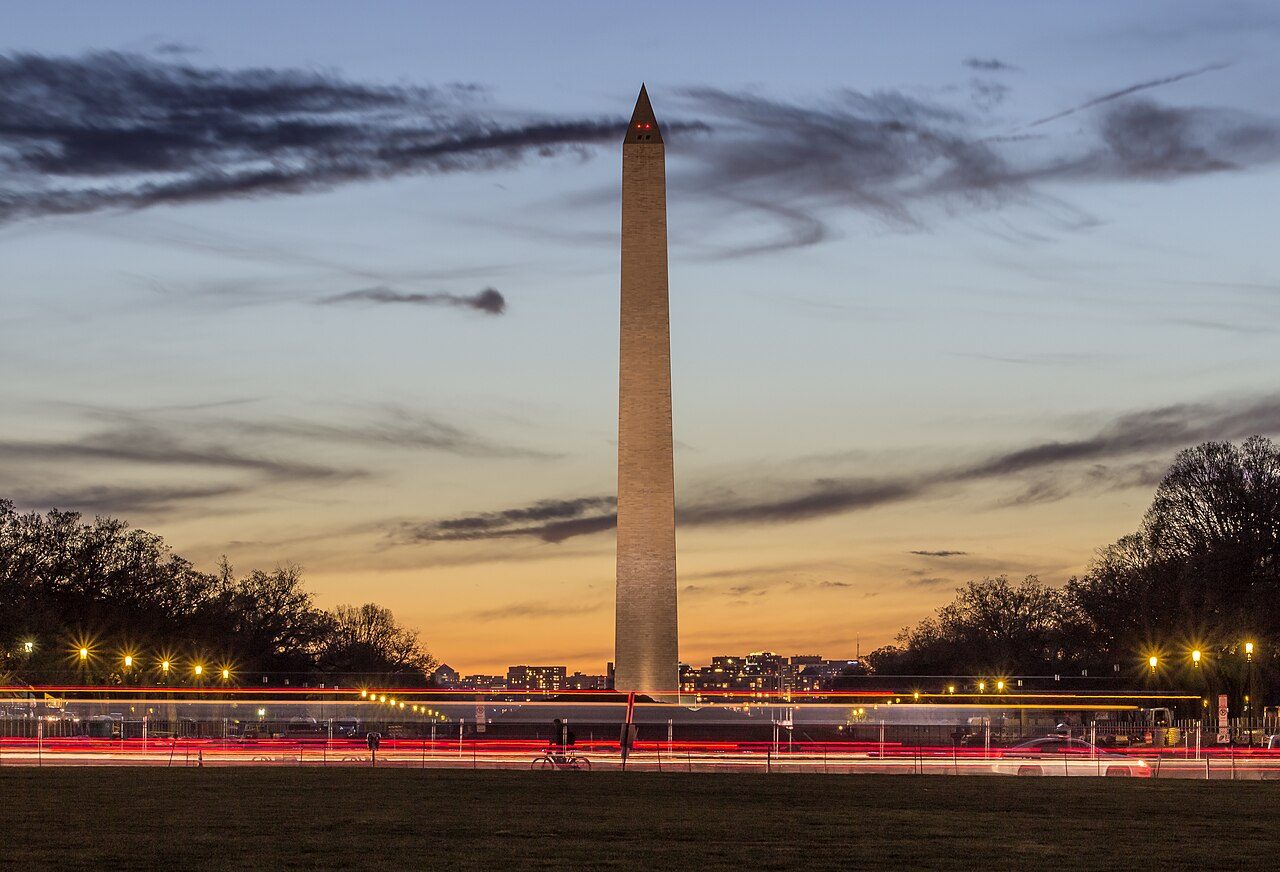
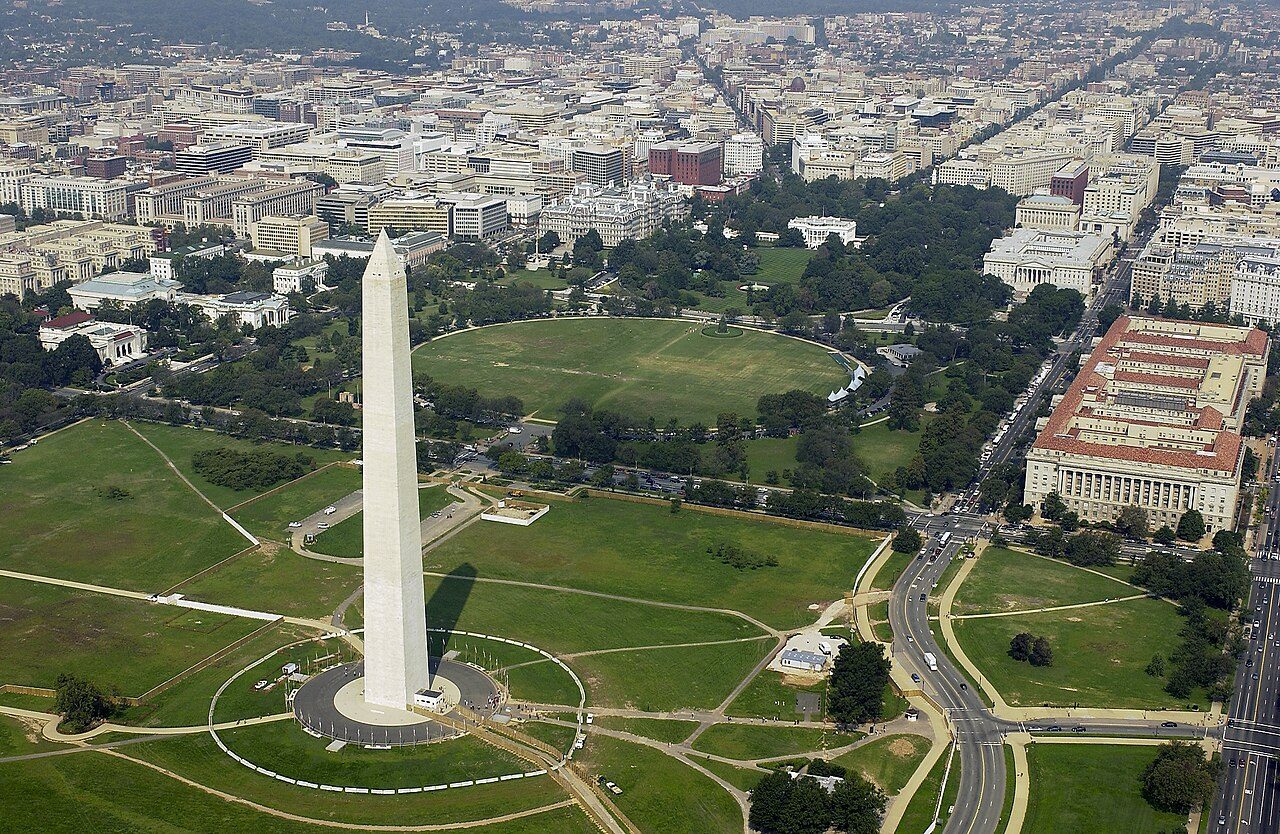
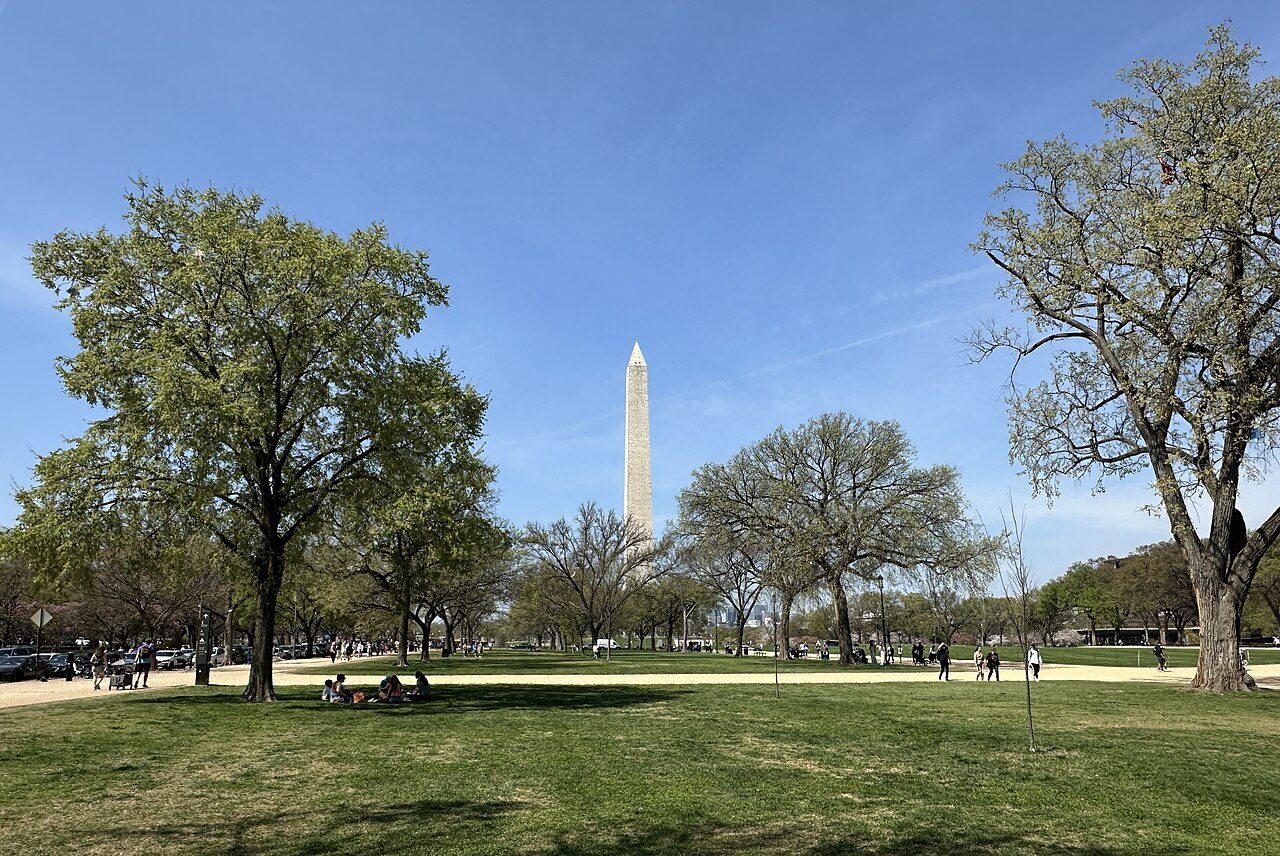
Washington Monument
The Washington Monument is a 169-metre marble obelisk honouring George Washington, completed in 1884. It was the world's tallest structure until the Eiffel Tower surpassed it. A visible change in stone colour about a third of the way up marks a pause in construction. An elevator takes visitors to an observation level at the top.
16
STOP 16 OF 18
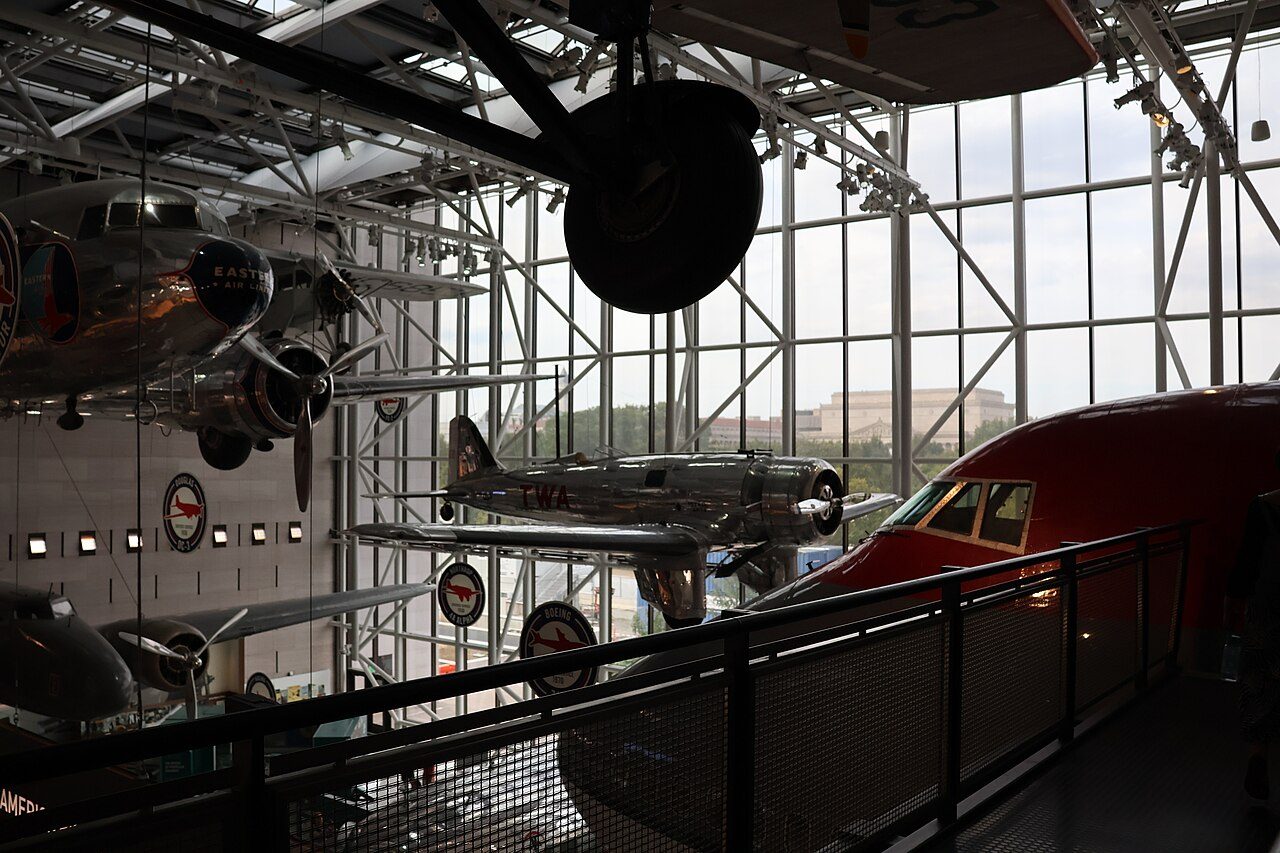
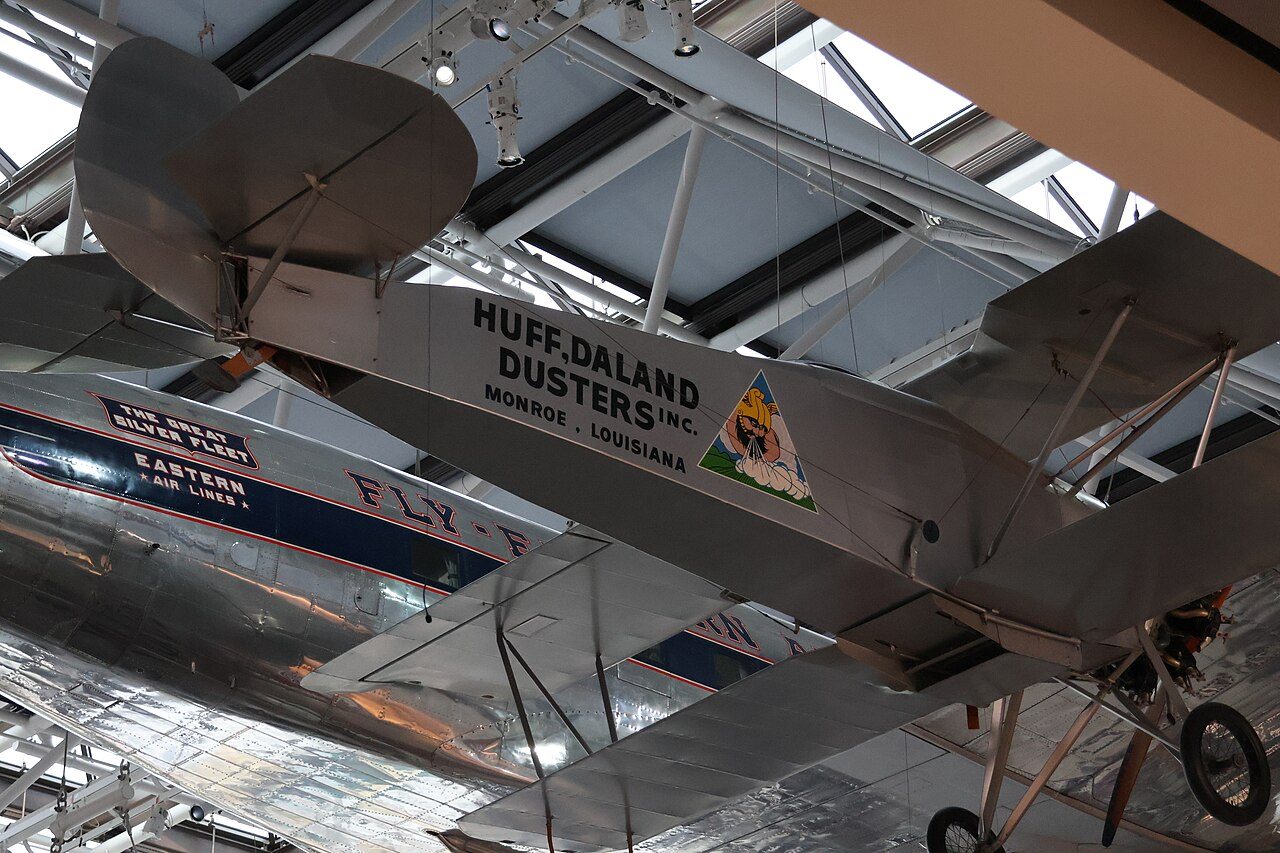
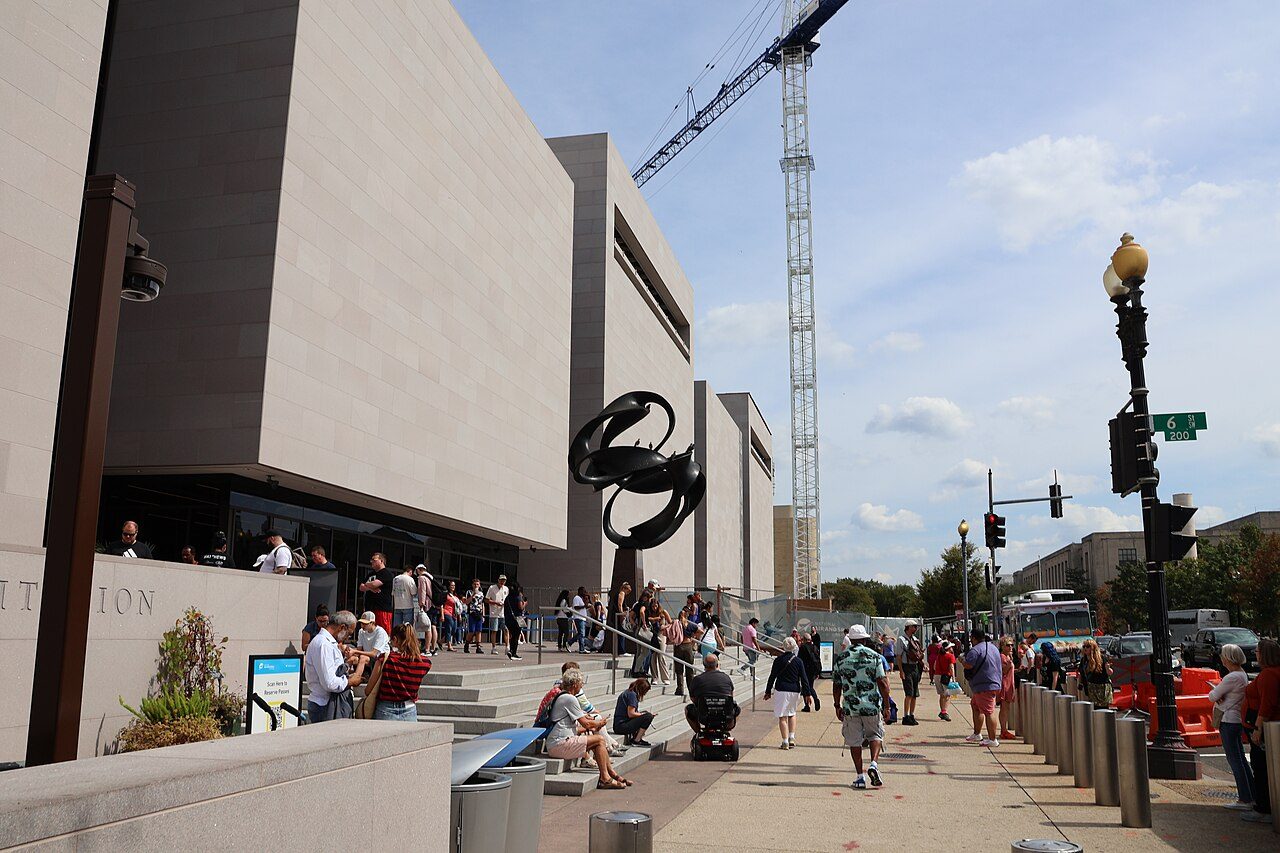
National Air and Space Museum
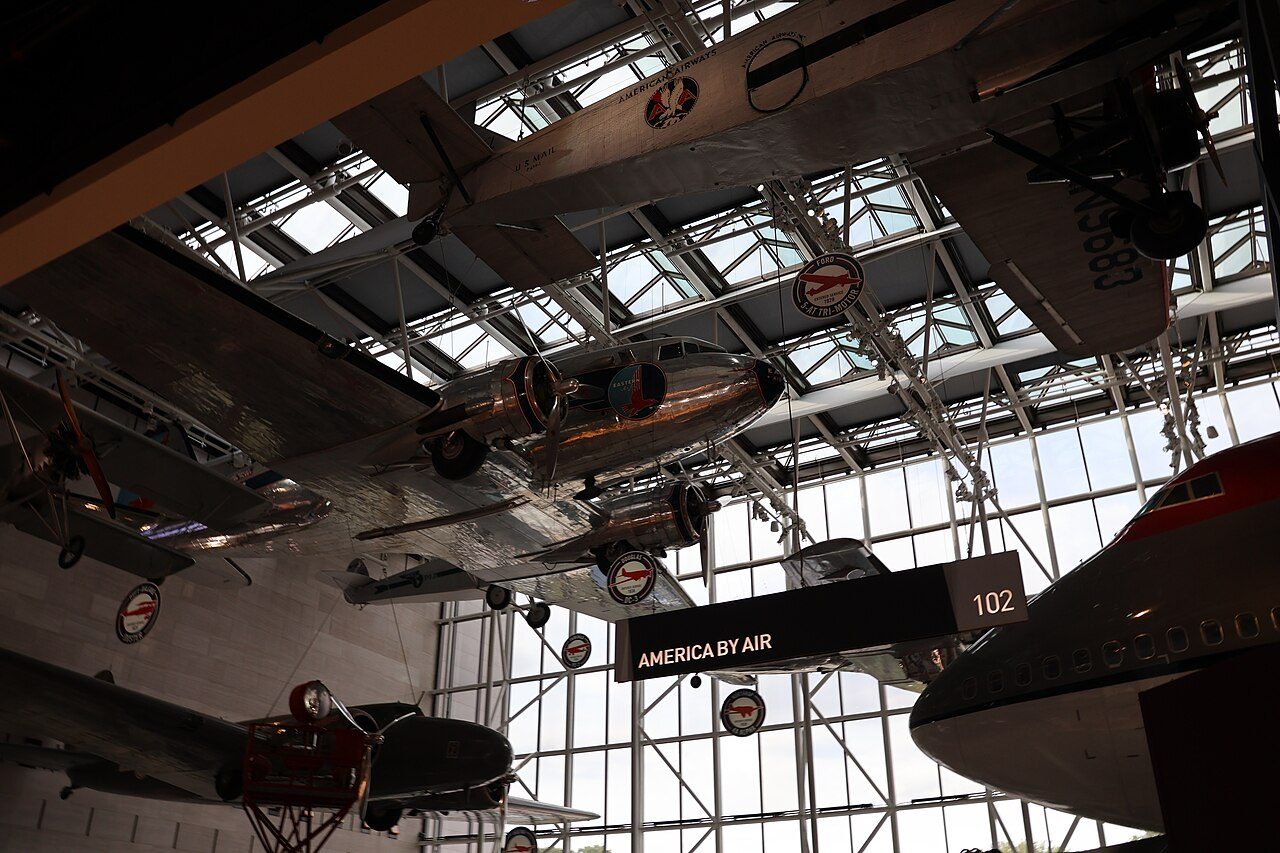
The National Air and Space Museum on the National Mall holds the world's largest collection of historic aircraft and spacecraft. Exhibits include the Wright Flyer, Charles Lindbergh's Spirit of St. Louis and the Apollo 11 command module. Like all Smithsonian museums, it is free to visit.
17
STOP 17 OF 18
United States Capitol
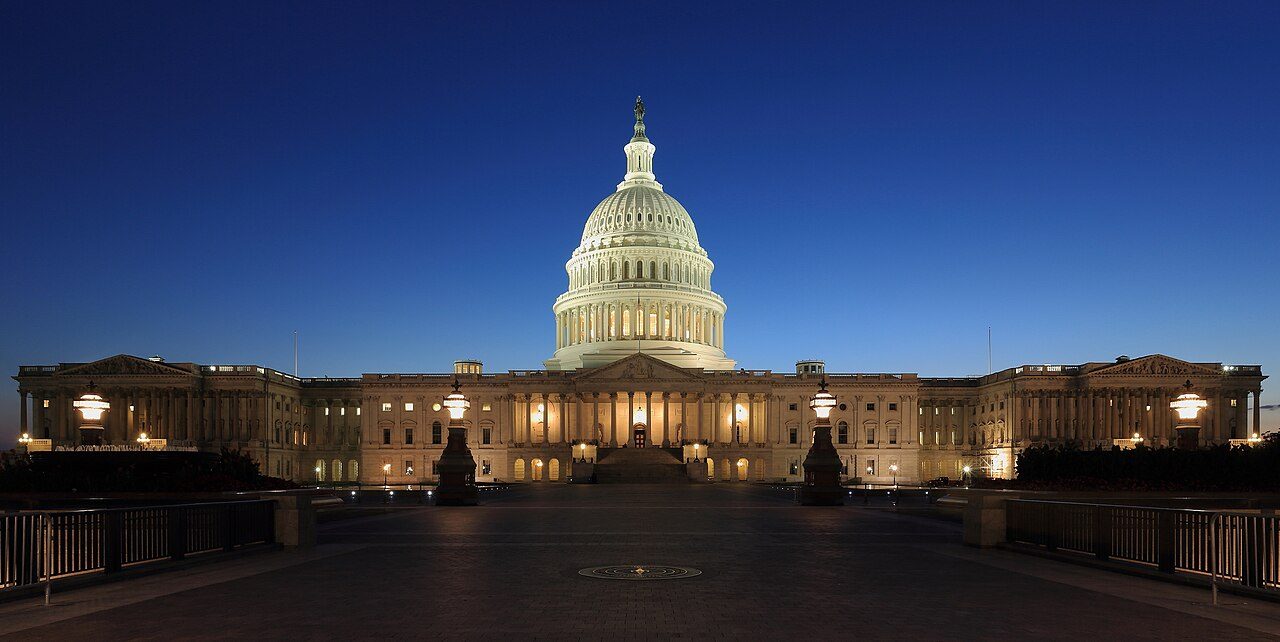
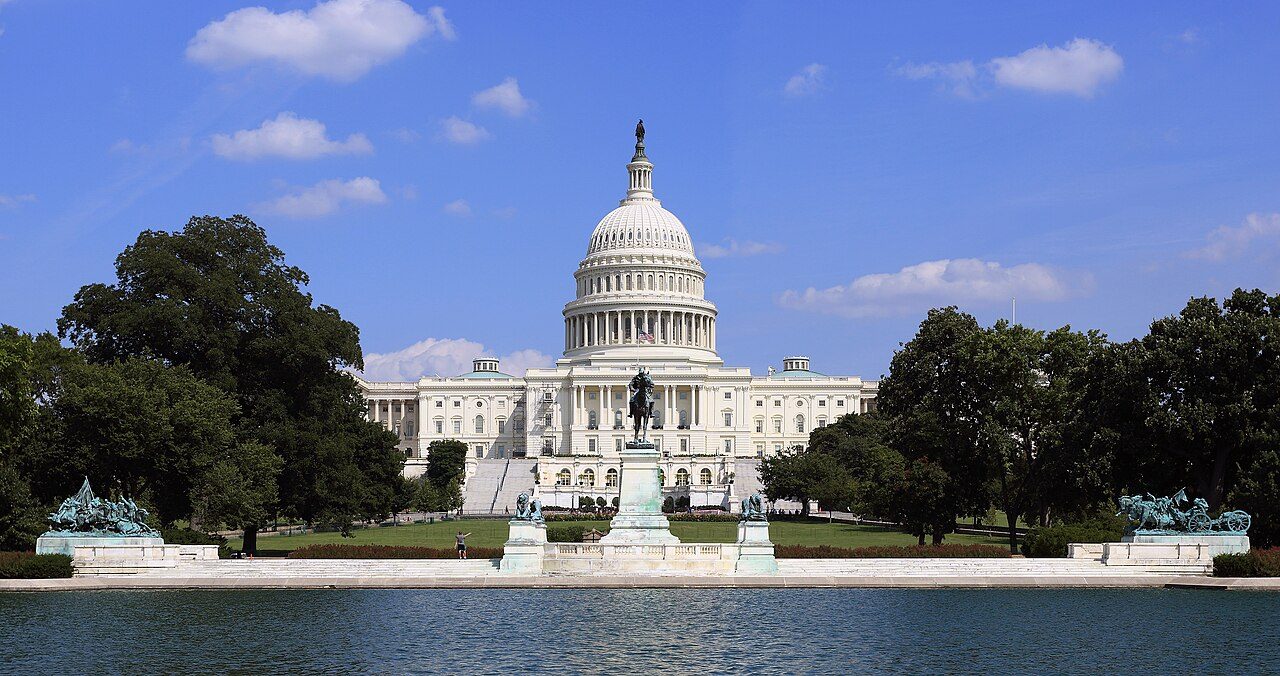
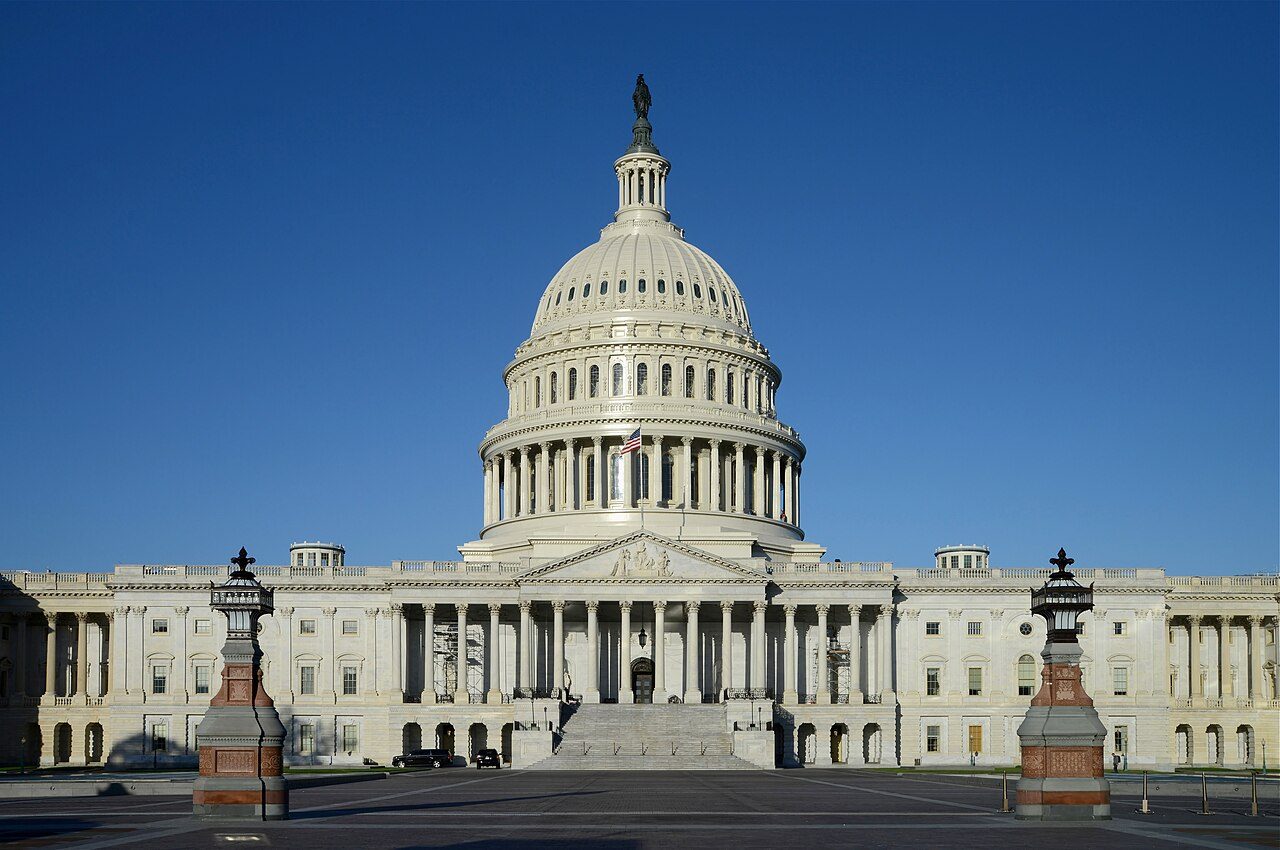
The United States Capitol is the seat of Congress and an icon of American democracy, standing on Capitol Hill in Washington, D.C. Construction began in 1793, and its famous cast-iron dome was completed in 1866. Visitors can tour the Rotunda, National Statuary Hall and the Crypt from the Capitol Visitor Center.
18
STOP 18 OF 18 · LAST STOP
Mount Vernon
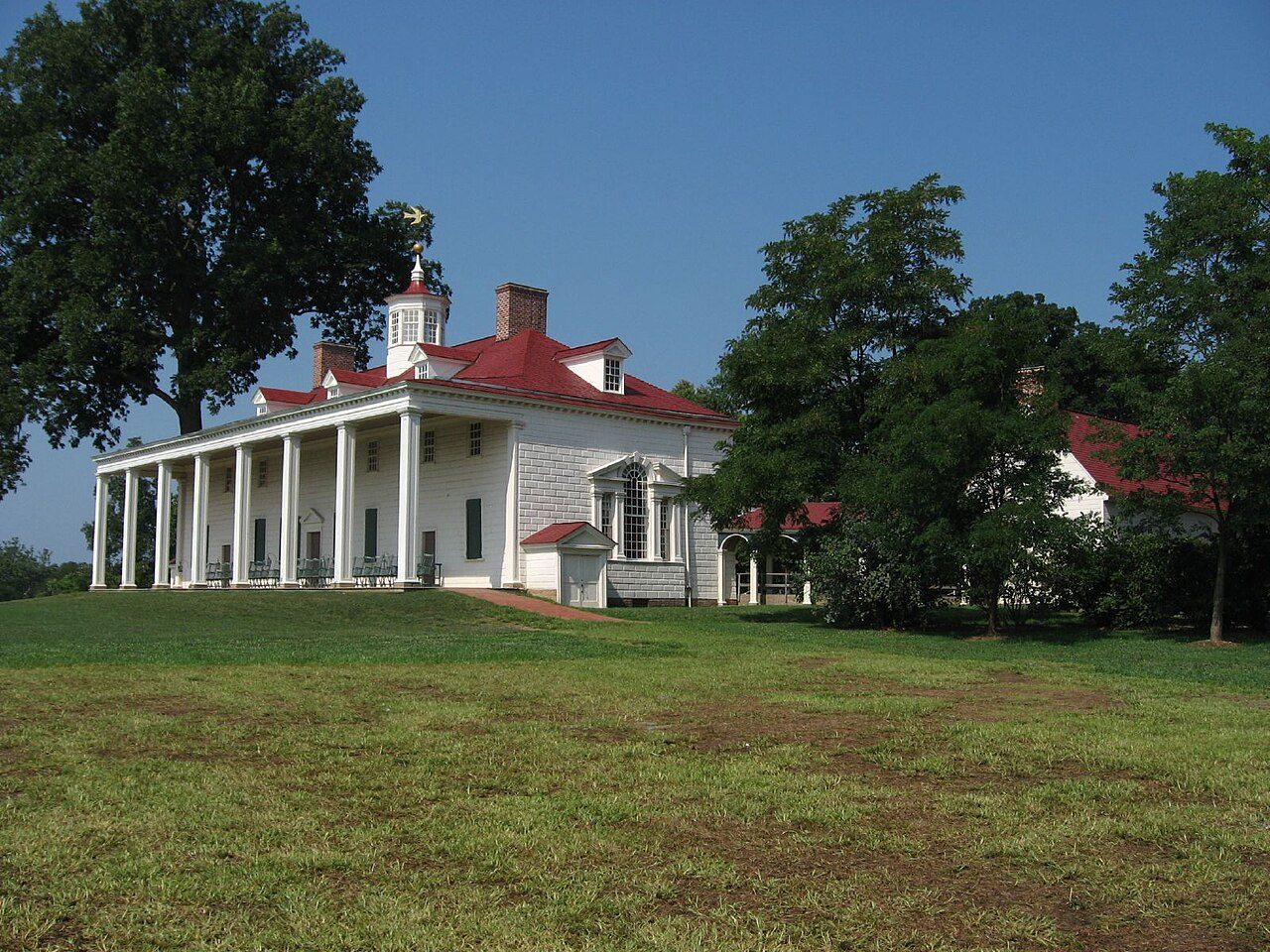
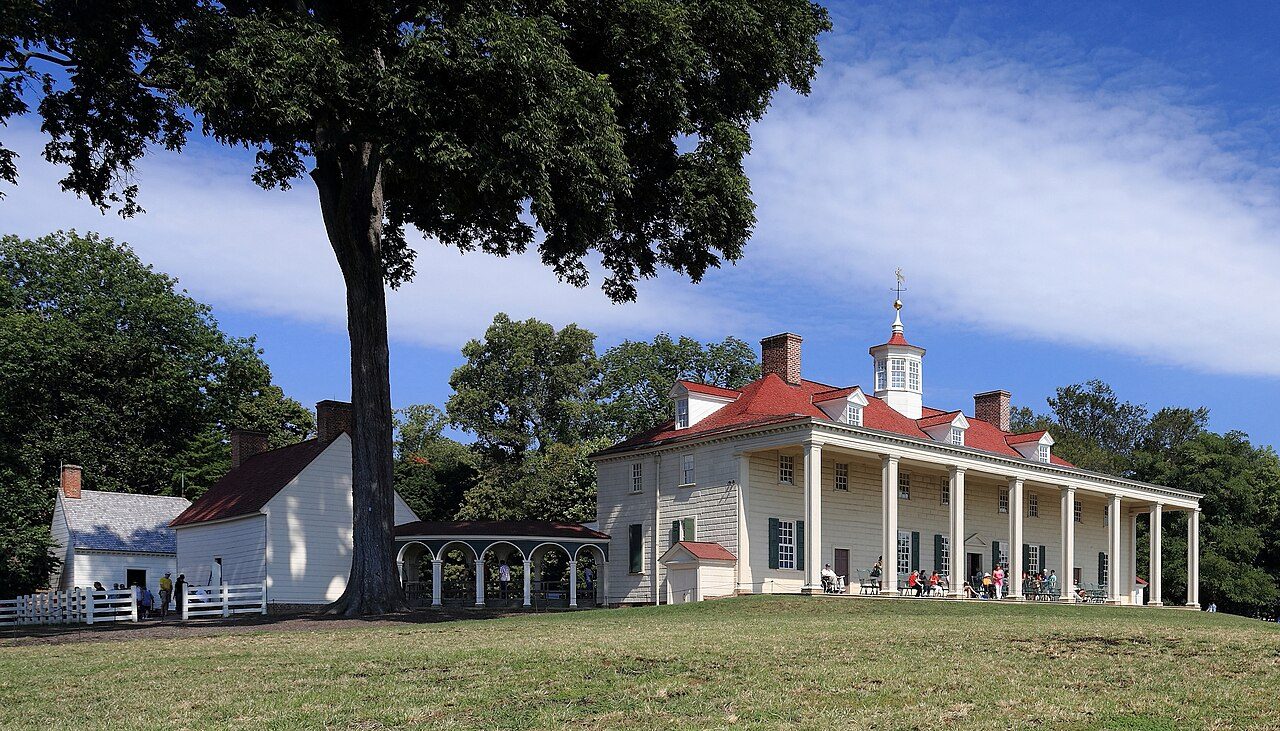
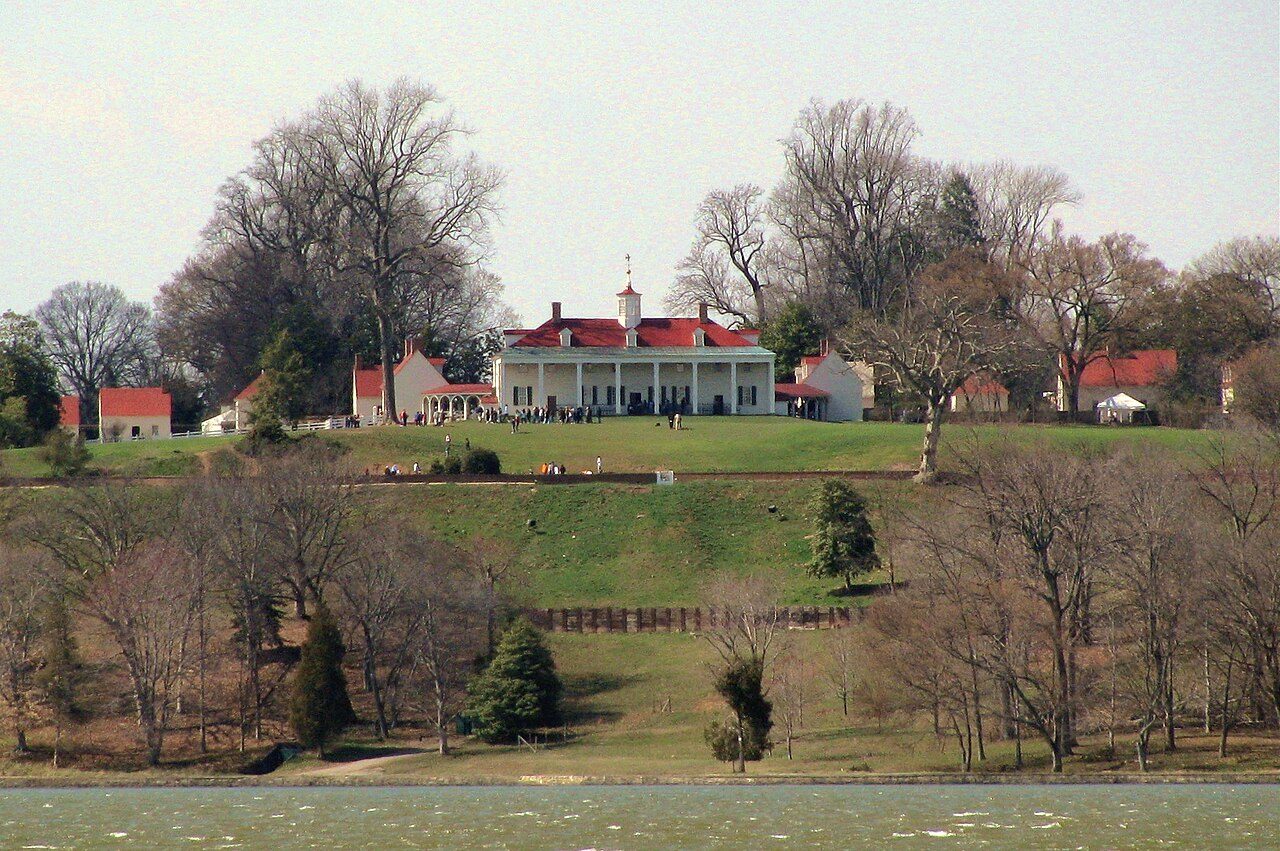
Mount Vernon was the home of George Washington, the first US president, overlooking the Potomac River in Virginia. Visitors tour the mansion, gardens, farm and outbuildings, and see the tomb of George and Martha Washington. It is one of America's most visited historic estates.
Seasons from 20 years of NASA POWER climate data.
 WaTrips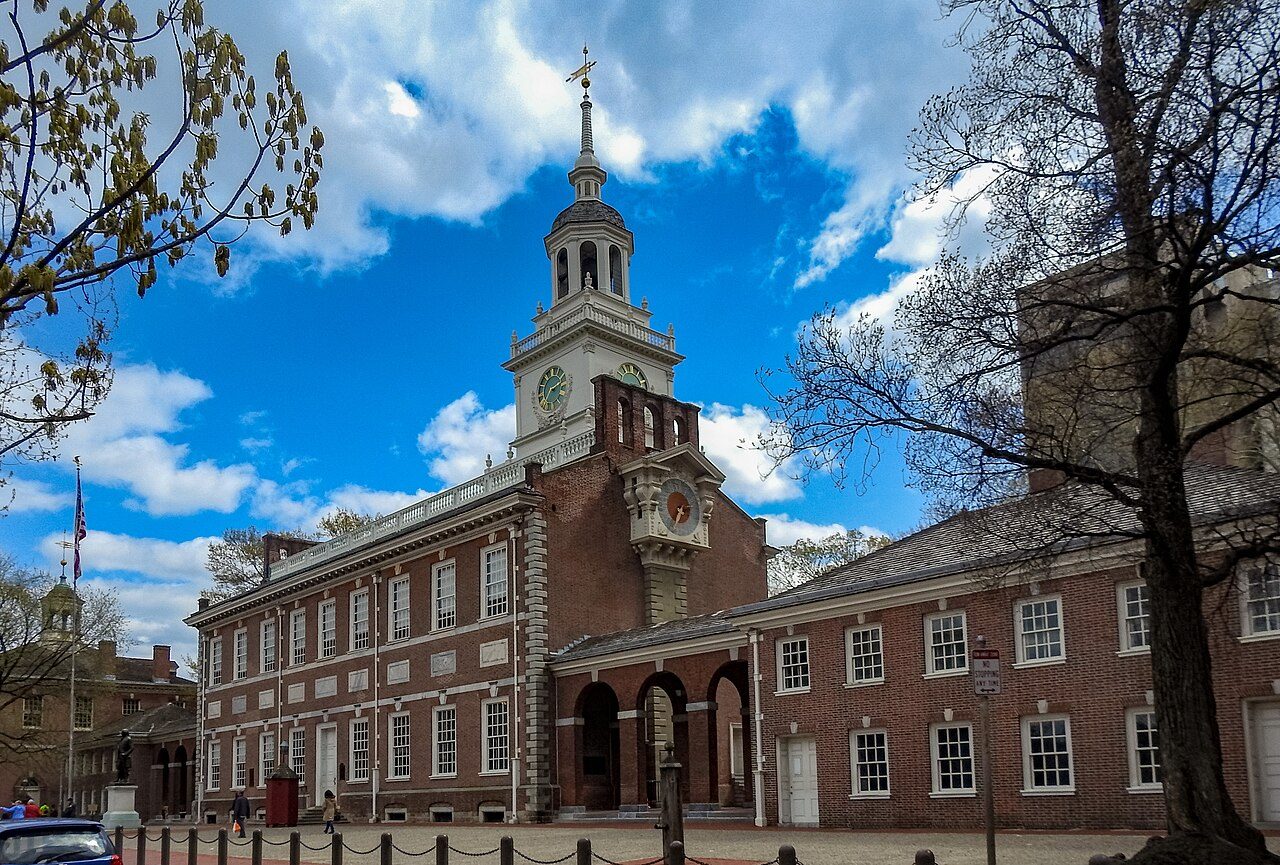







 BikesBooking
 Localrent
 Airalo
 Tiqets