Wild Sri Lanka in 5 Days: Leopards, Elephants and Rainforest
5 DAYS8 placesby WaTrips
Wilpattu, Minneriya and Kaudulla, Sinharaja rainforest, Udawalawe, then Yala and Bundala.
Sri Lanka has some of Asia's best wildlife in a small space. Day one is Wilpattu, the largest national park, with leopards and natural lakes. Day two watches elephant gatherings at Minneriya and Kaudulla. Day three walks the Sinharaja rainforest, a UNESCO World Heritage Site full of endemic birds. Day four is Udawalawe and its many elephants, with feeding time at the Elephant Transit Home. Day five ends at Yala, famous for leopards, and the bird lagoons of Bundala. Book jeeps through licensed operators and go early in the morning.
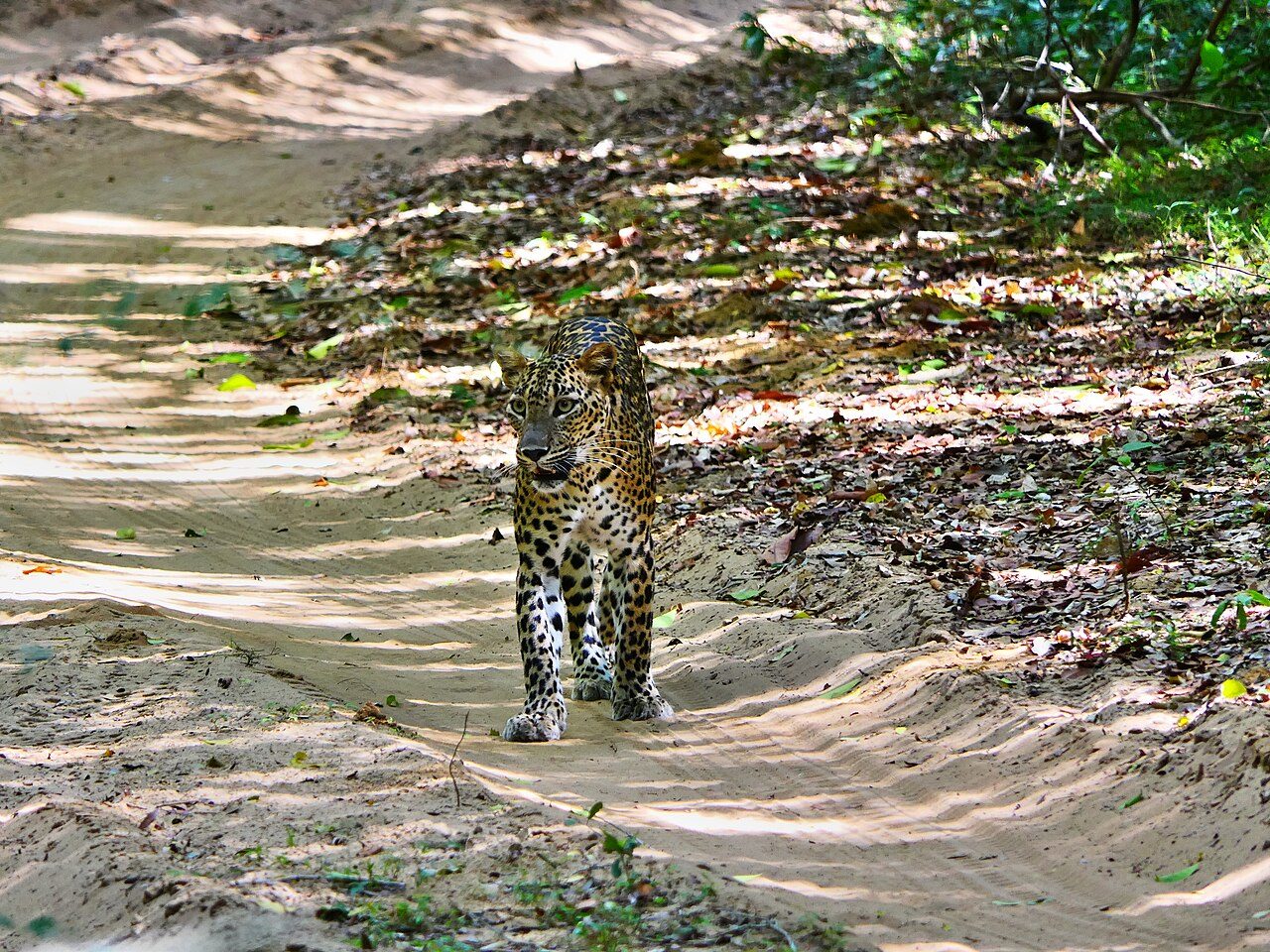
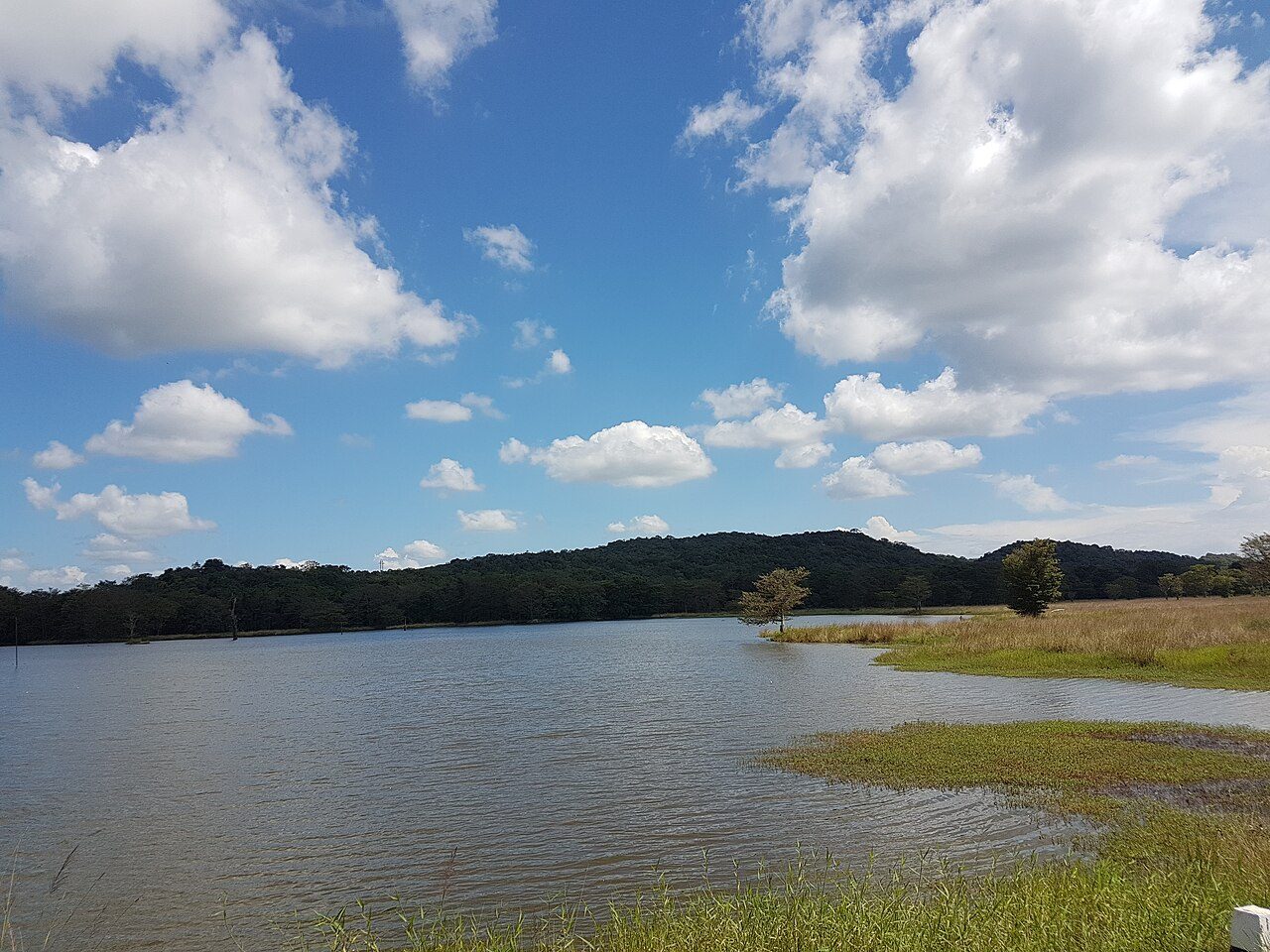
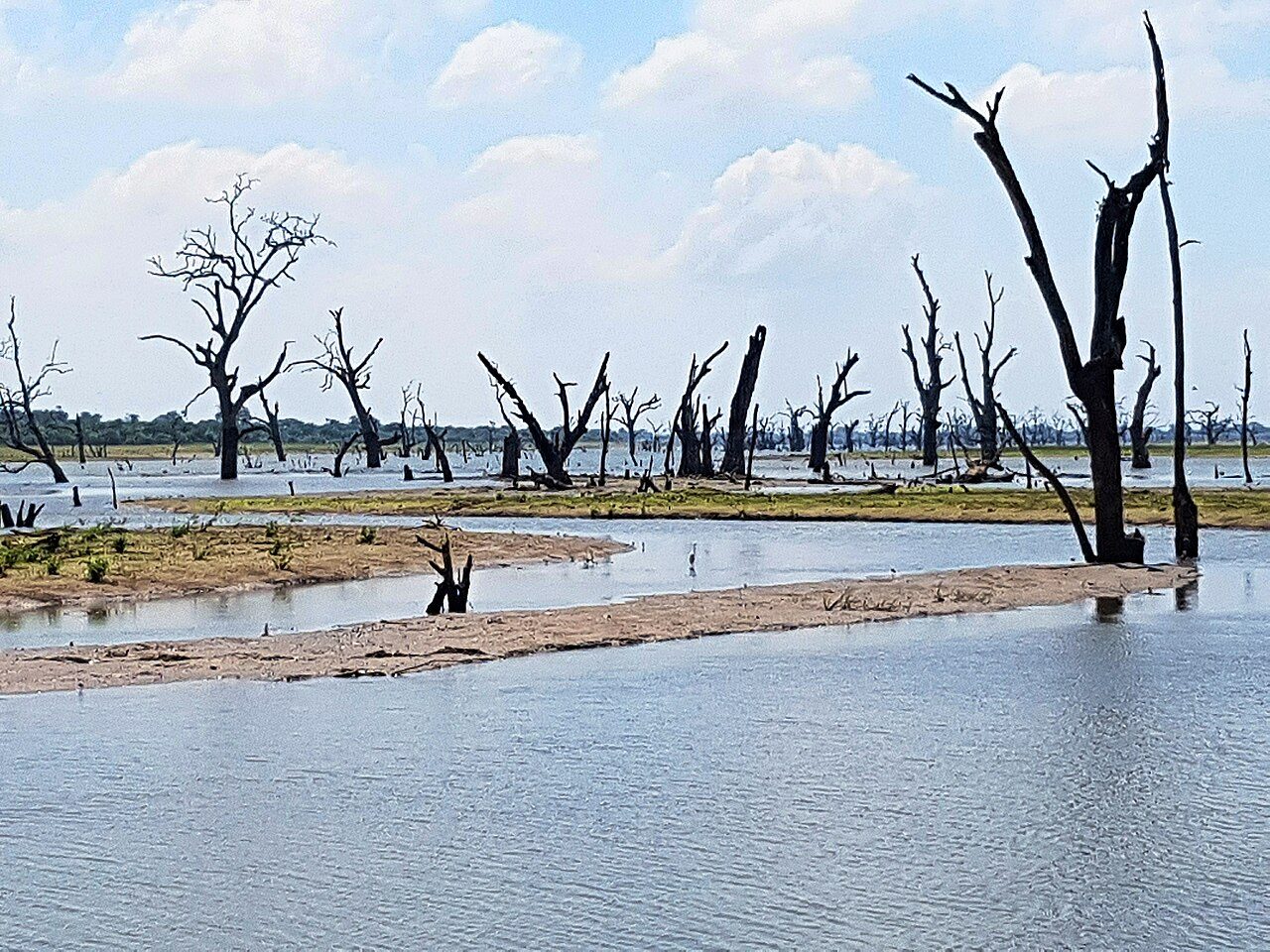
Wilpattu National Park, on the north-west coast, is the largest national park in Sri Lanka. It is named after its villus, natural rain-fed lakes scattered through dense dry forest. The park is known for leopards and sloth bears, along with elephants, deer and crocodiles. It is far quieter than Yala. Jeep safaris enter at Hunuwilagama.
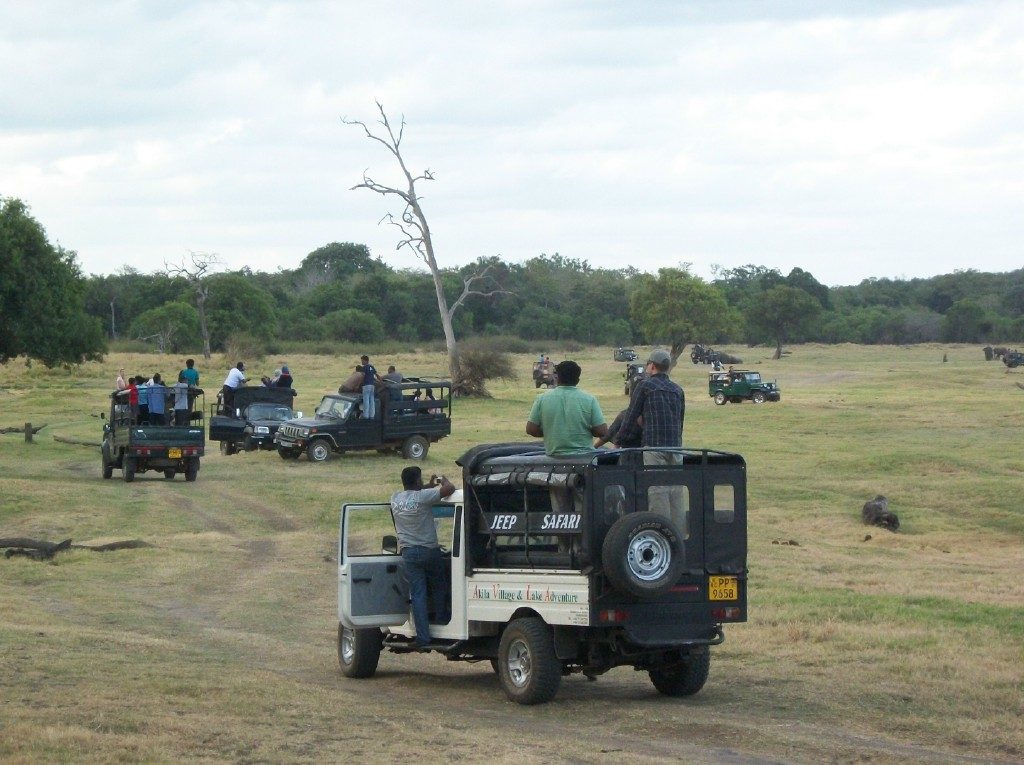
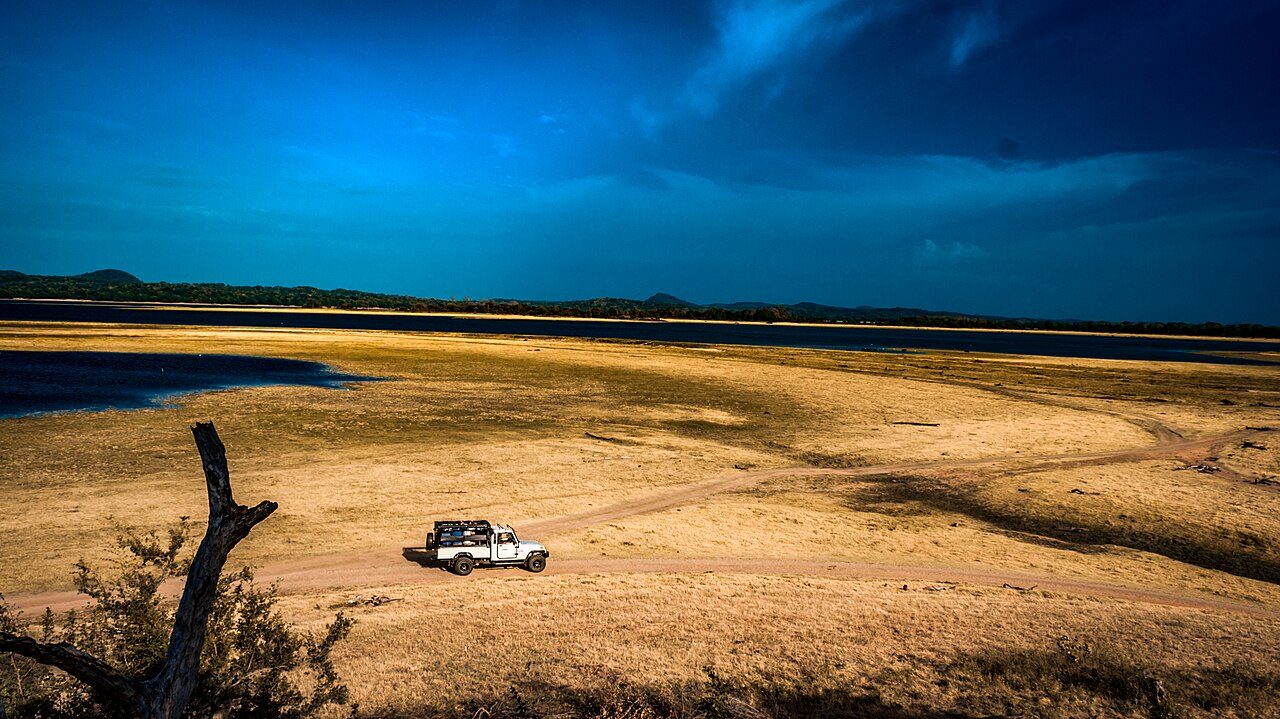
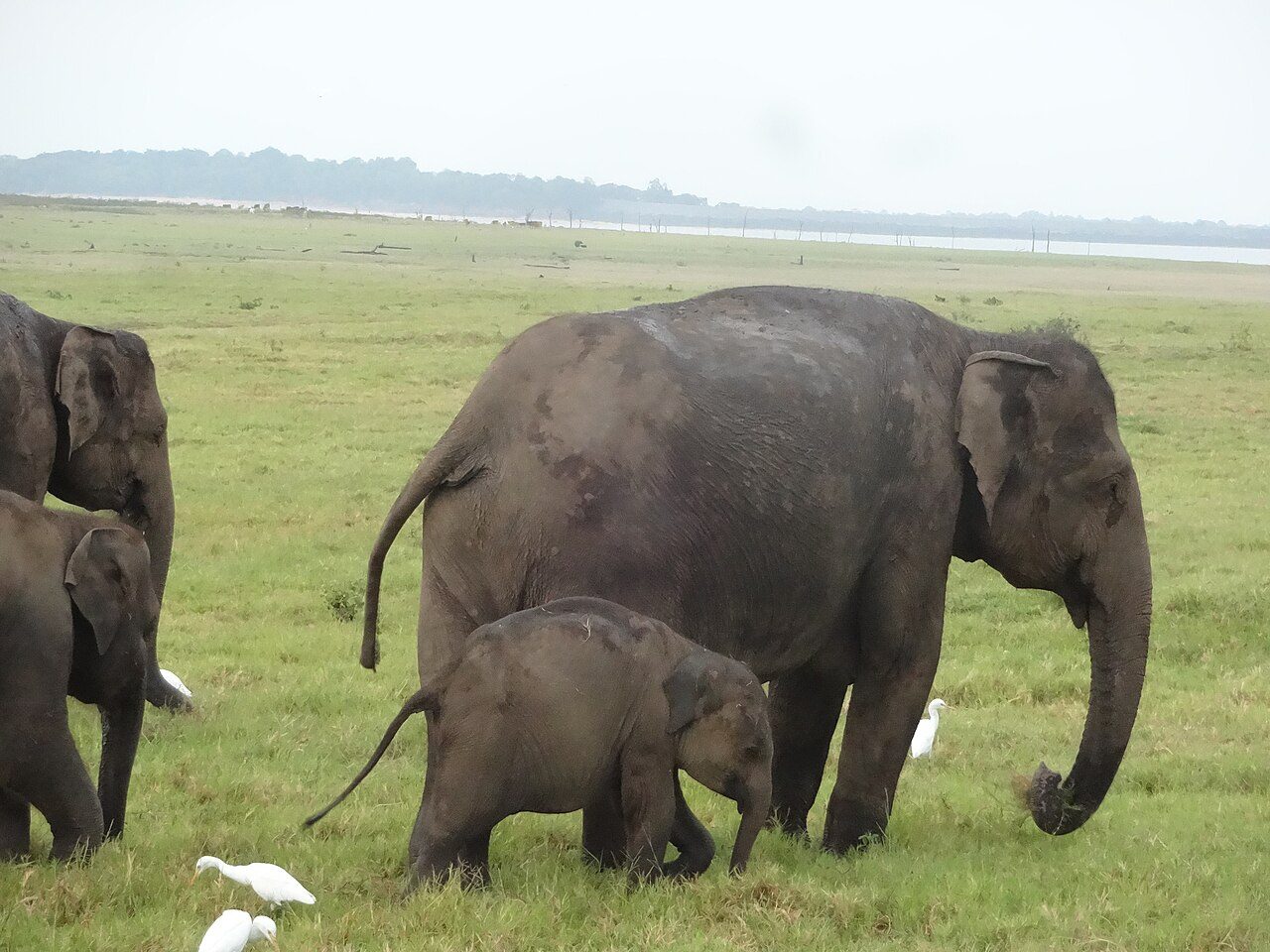
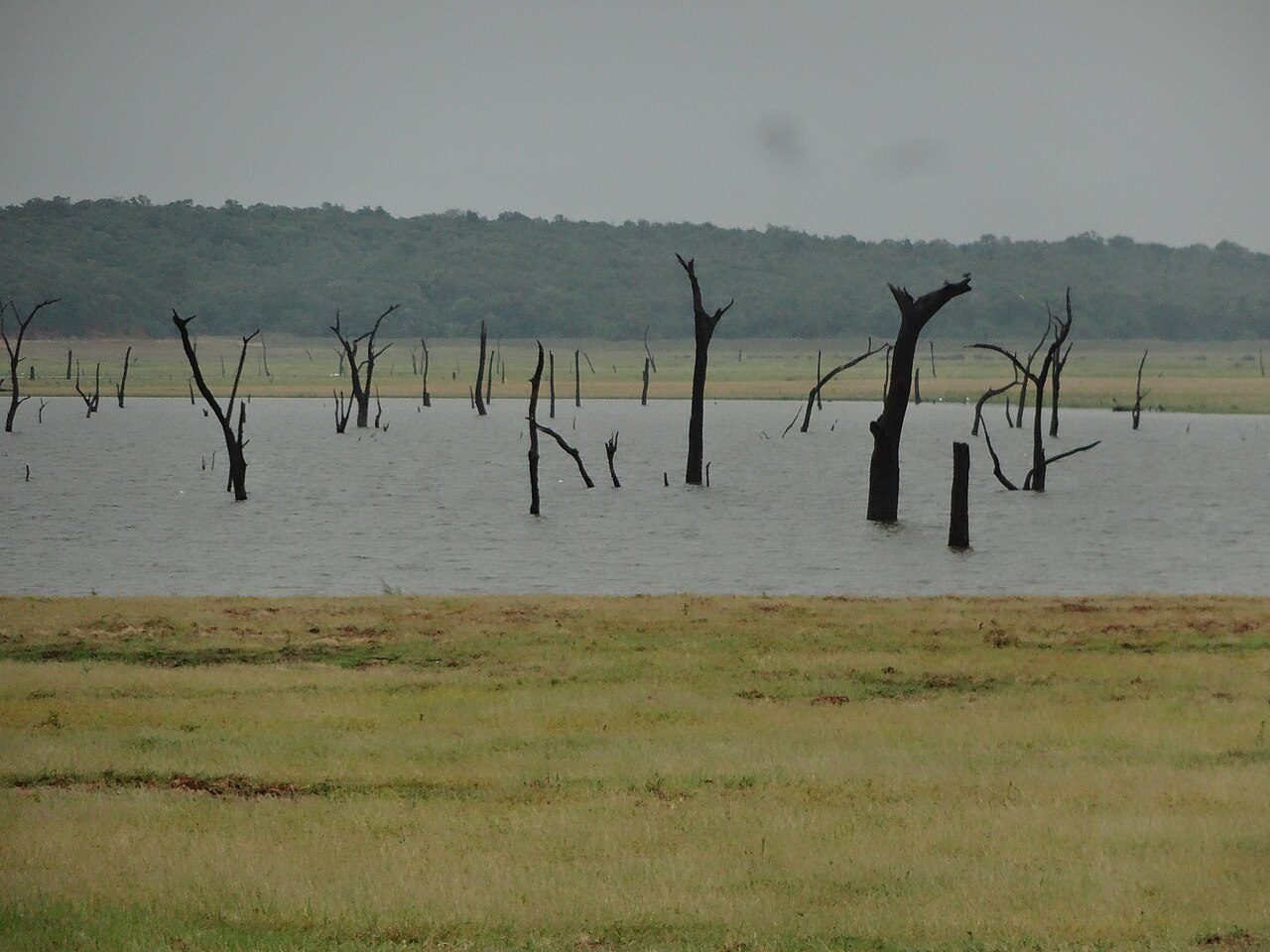
Minneriya National Park surrounds an ancient reservoir built by King Mahasena in the 3rd century. In the dry season, roughly July to October, the water shrinks and fresh grass grows on the lake bed, drawing hundreds of wild elephants in what is called the Gathering. Jeep safaris start near Habarana, usually in the afternoon.
Kaudulla National Park, north of Minneriya, is centred on another ancient reservoir and forms part of the same elephant corridor. Herds move between the two parks as water levels change, and are often here from about August to December. The open lake bed makes elephants easy to see. Deer, monkeys and many water birds are also found.
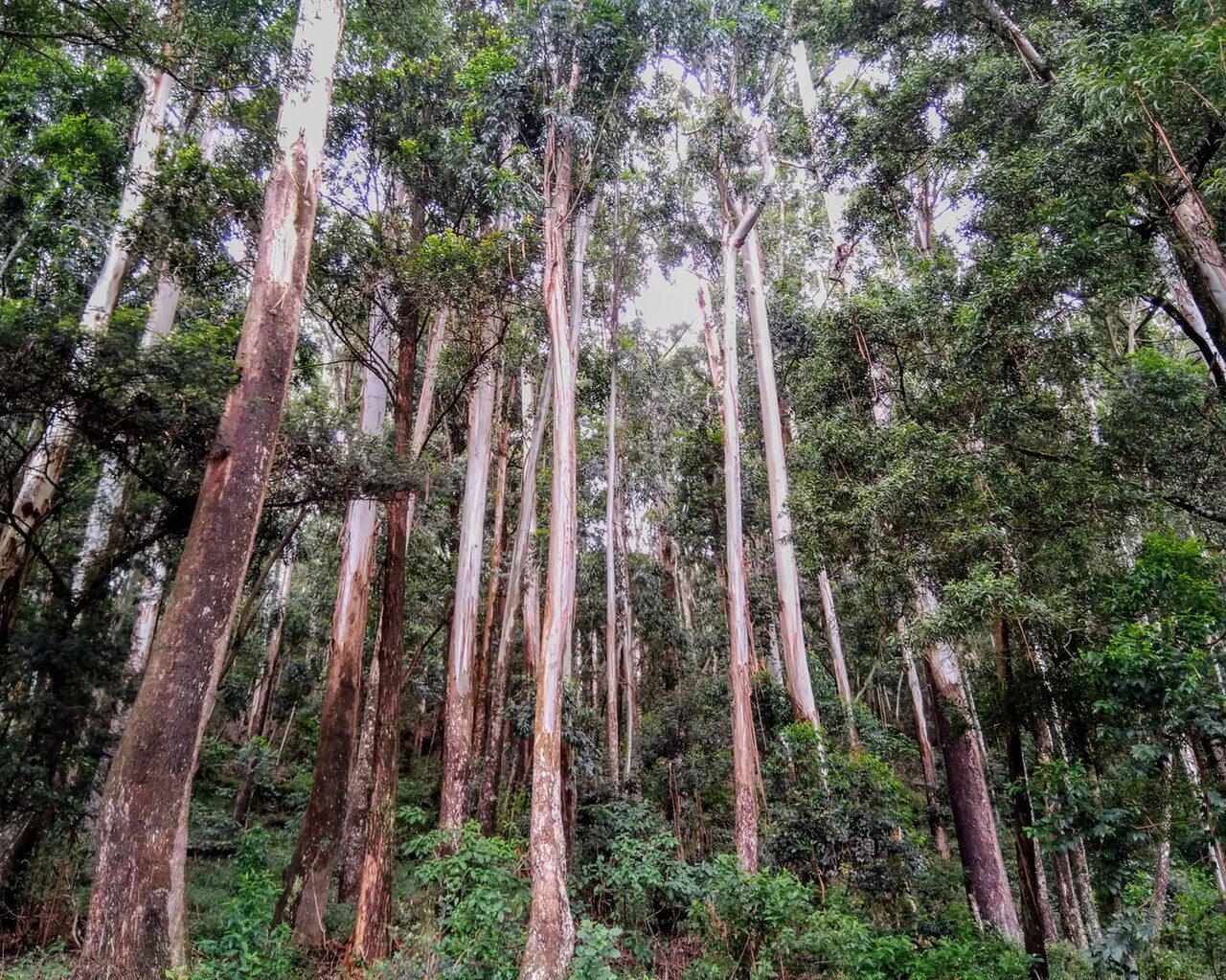
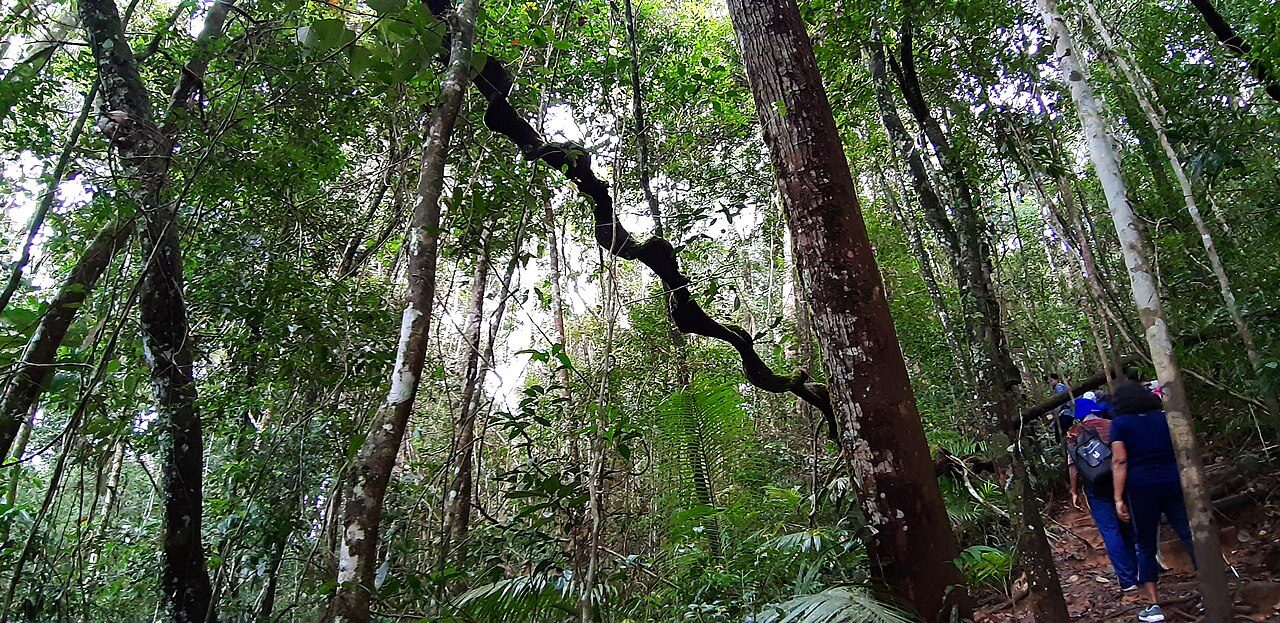
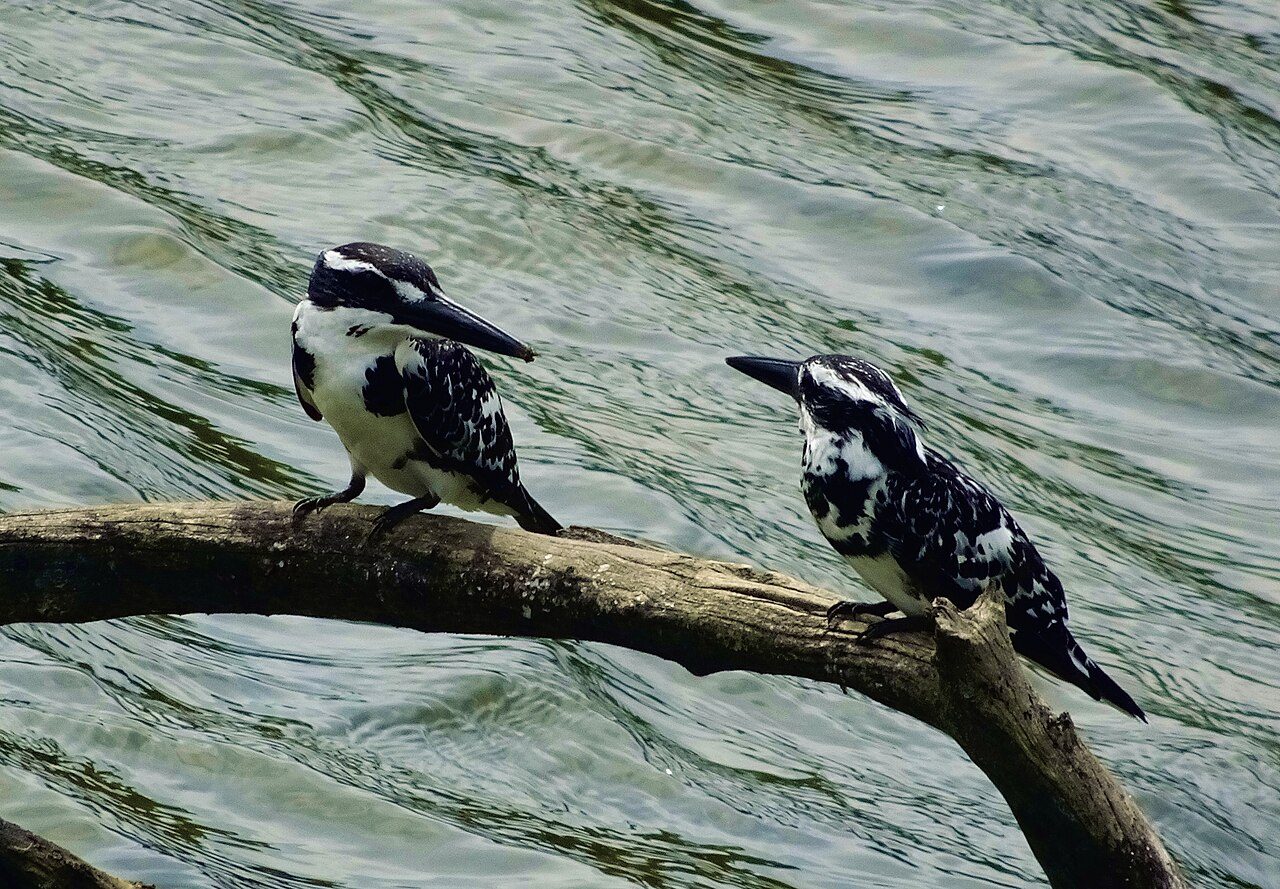
Sinharaja Forest Reserve is the last large area of primary lowland rainforest in Sri Lanka and a UNESCO World Heritage Site. More than half of its trees are found only on the island, and it is known for mixed feeding flocks of endemic birds. Entry is on foot with a guide, most often from Kudawa. Expect leeches and rain.
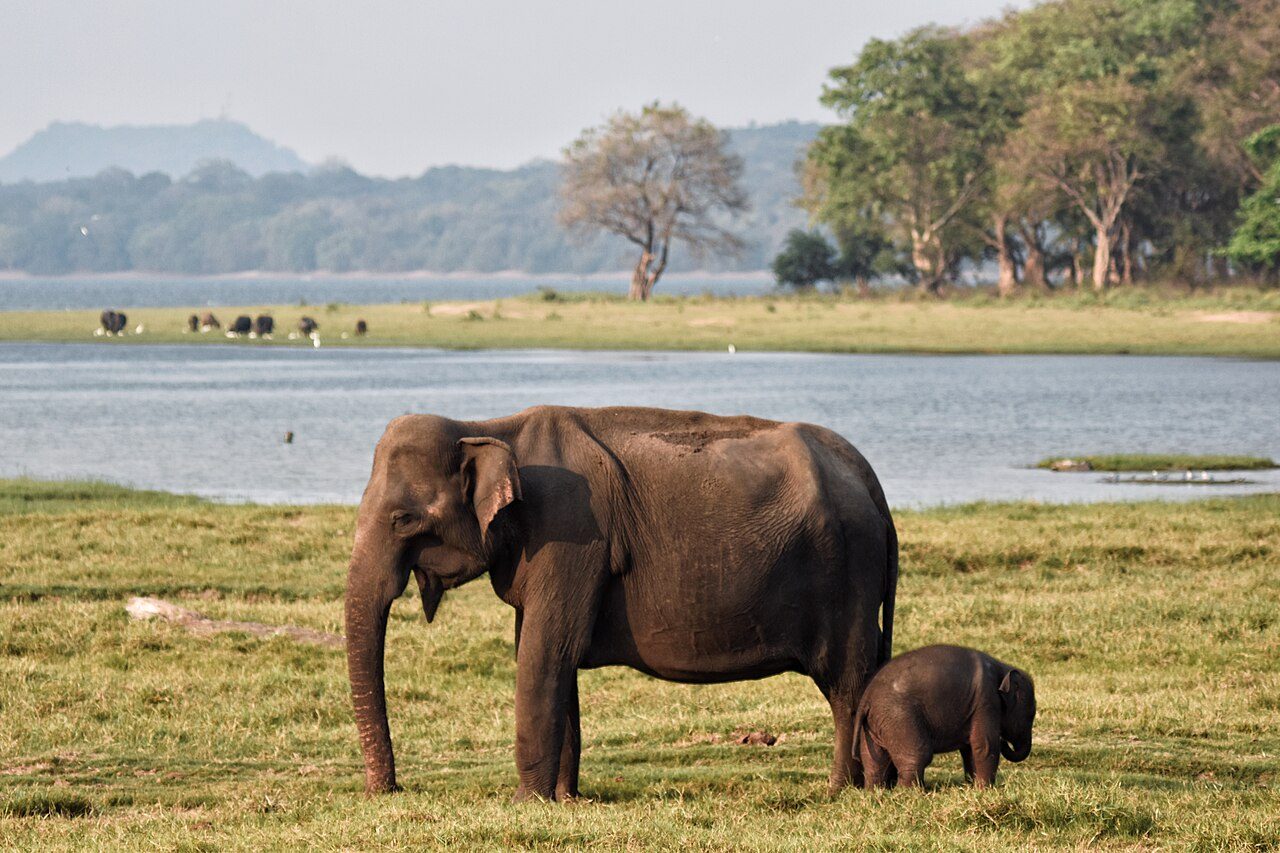
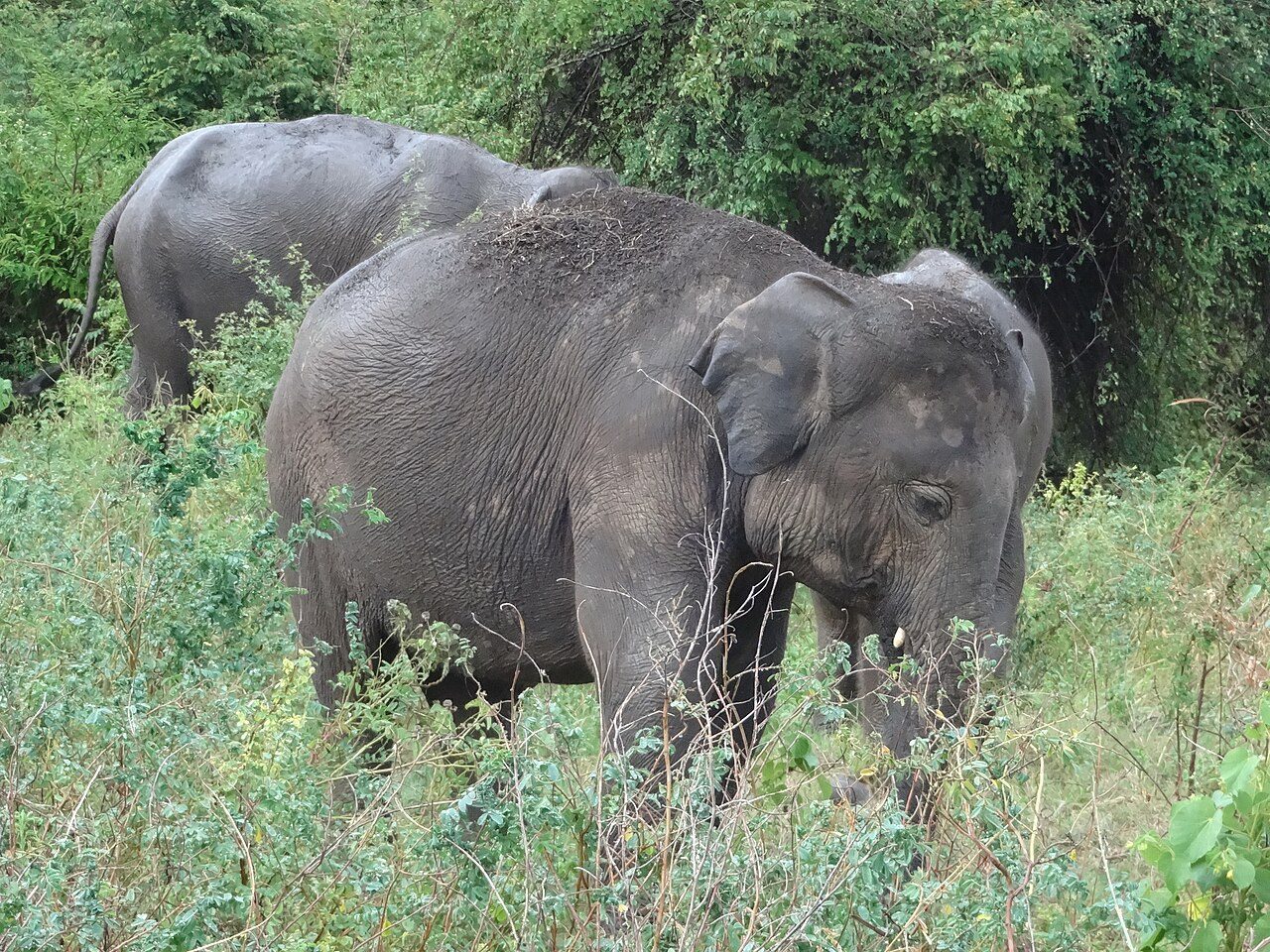
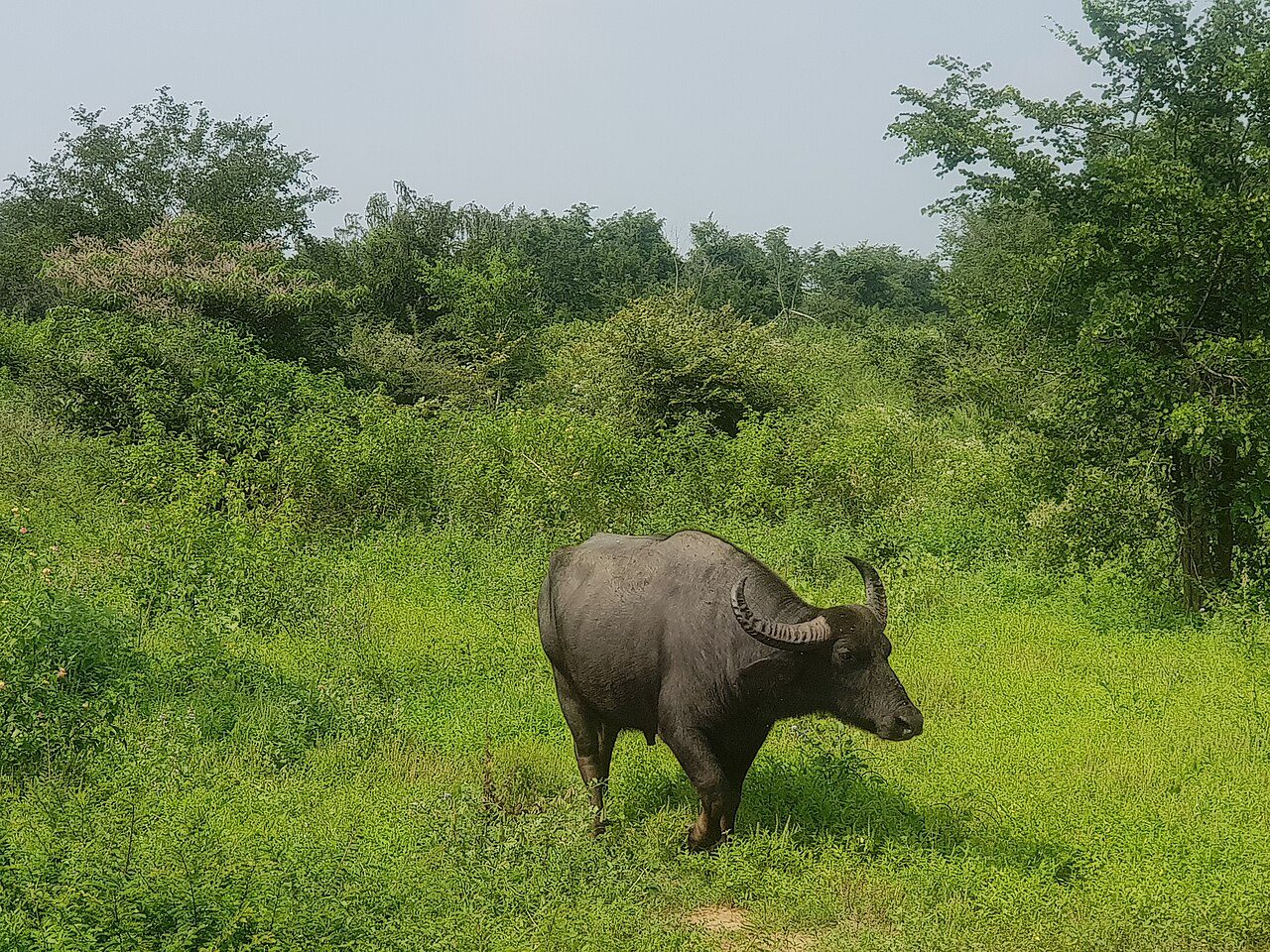
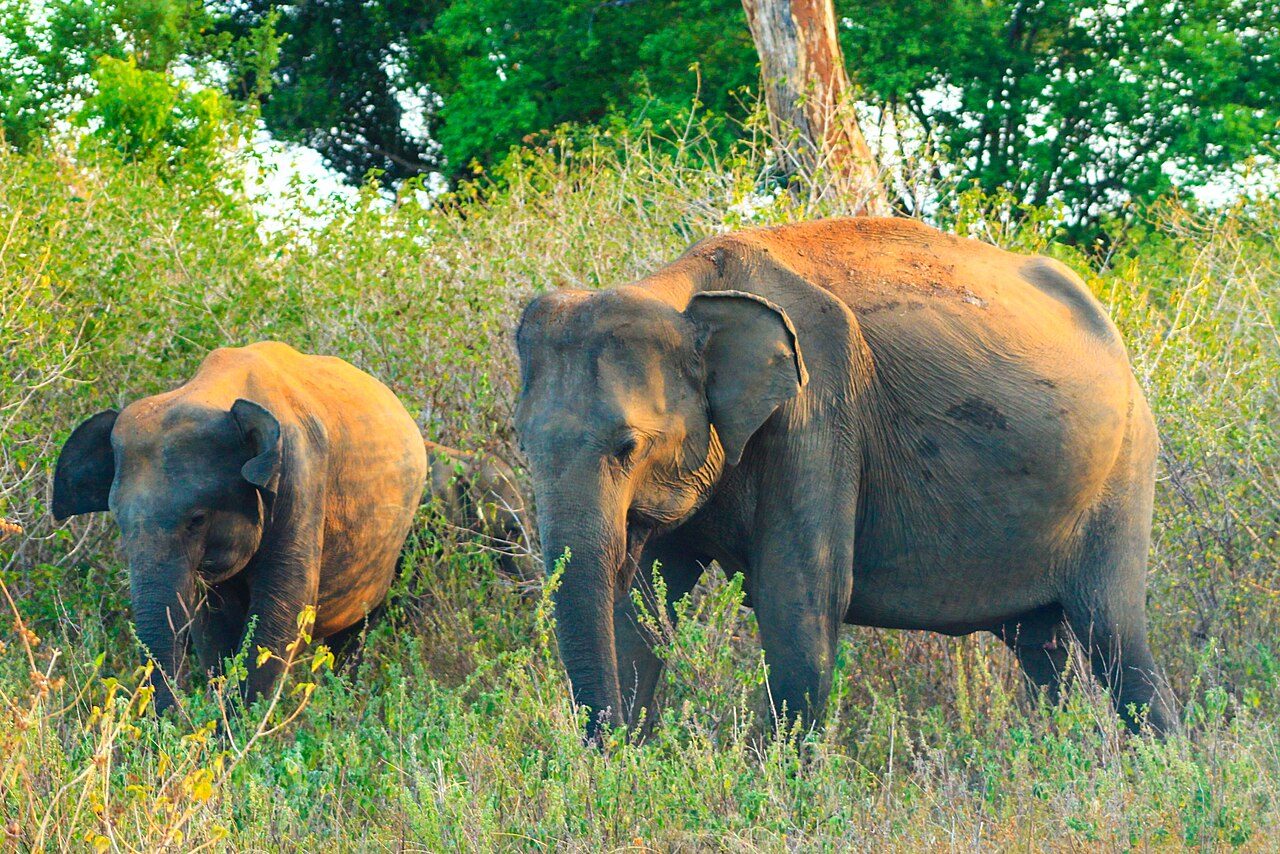
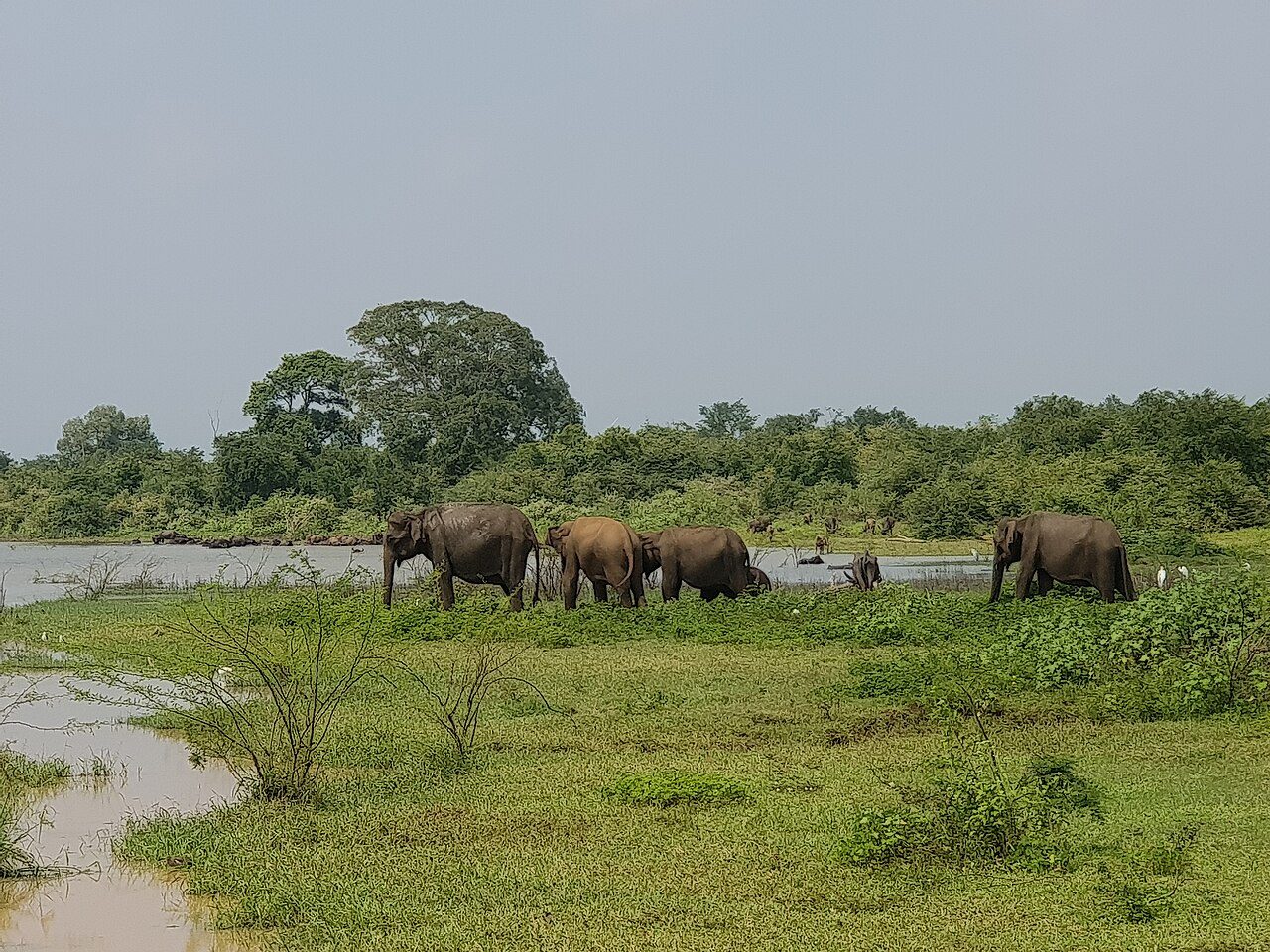
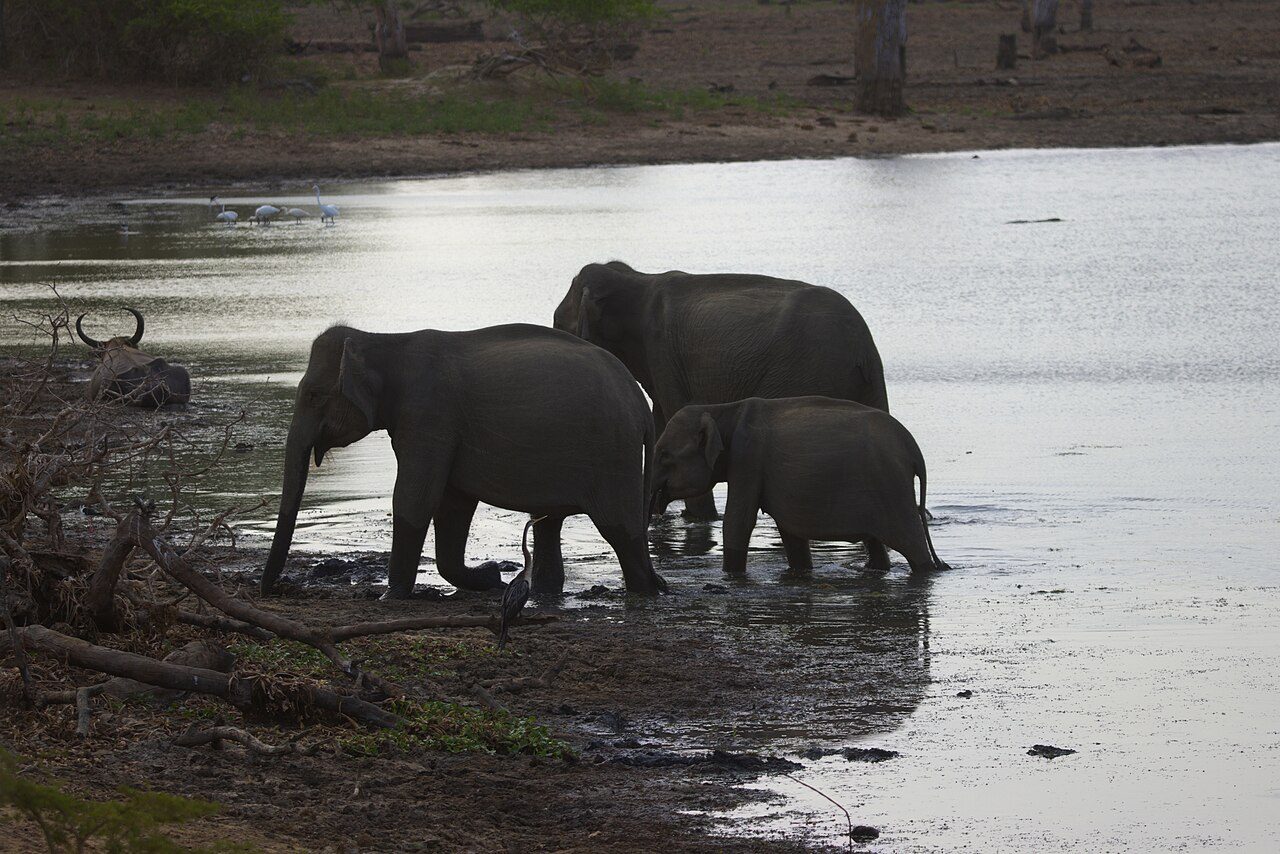
Udawalawe National Park surrounds the Udawalawe reservoir on the boundary of Sabaragamuwa and Uva provinces. Its open grassland and scrub make it one of the best places in Asia to see wild elephants, with herds visible all year. Buffalo, deer, crocodiles and many birds of prey are also found. Jeep safaris start at the gate on the Thanamalwila road.
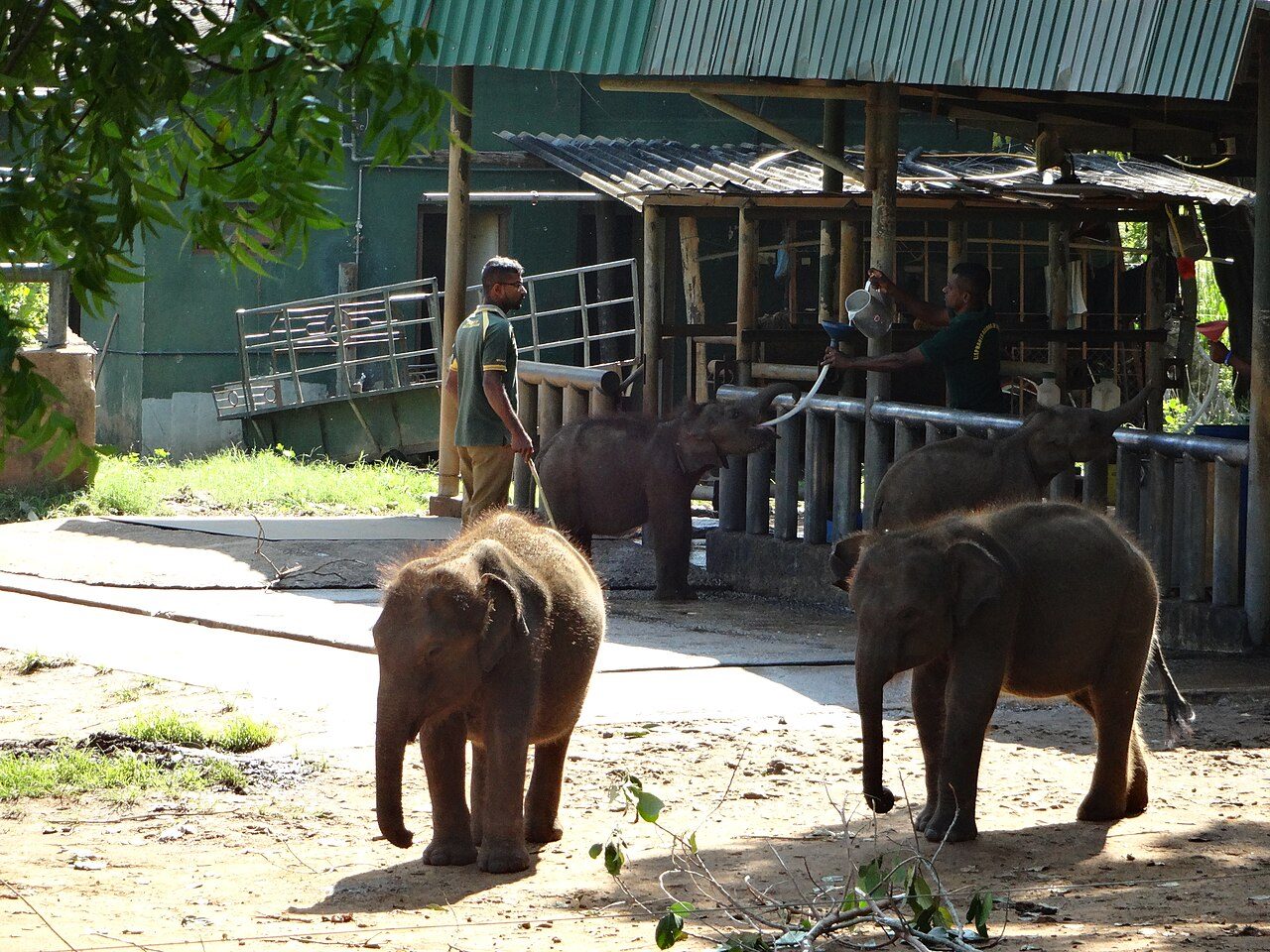
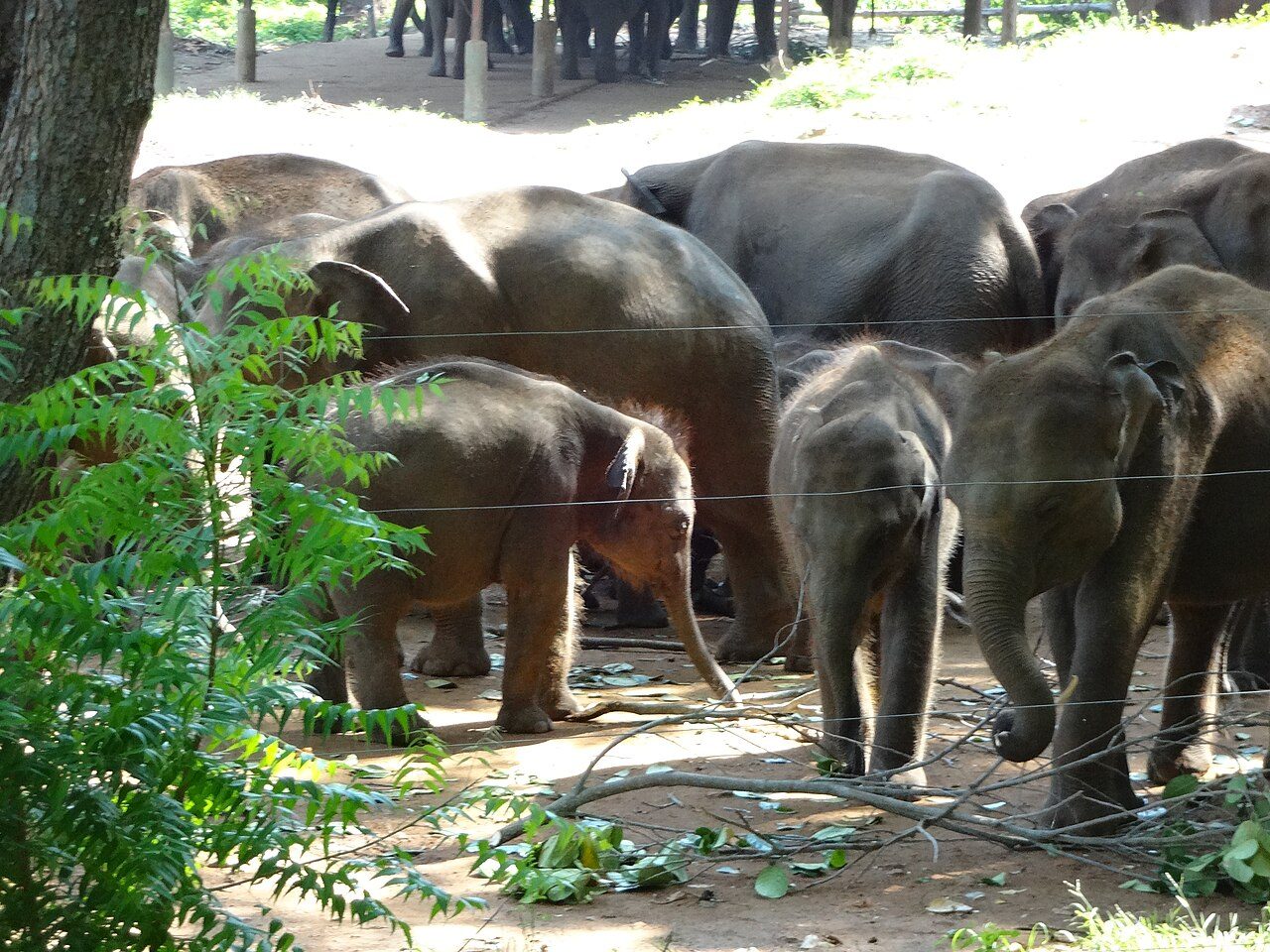
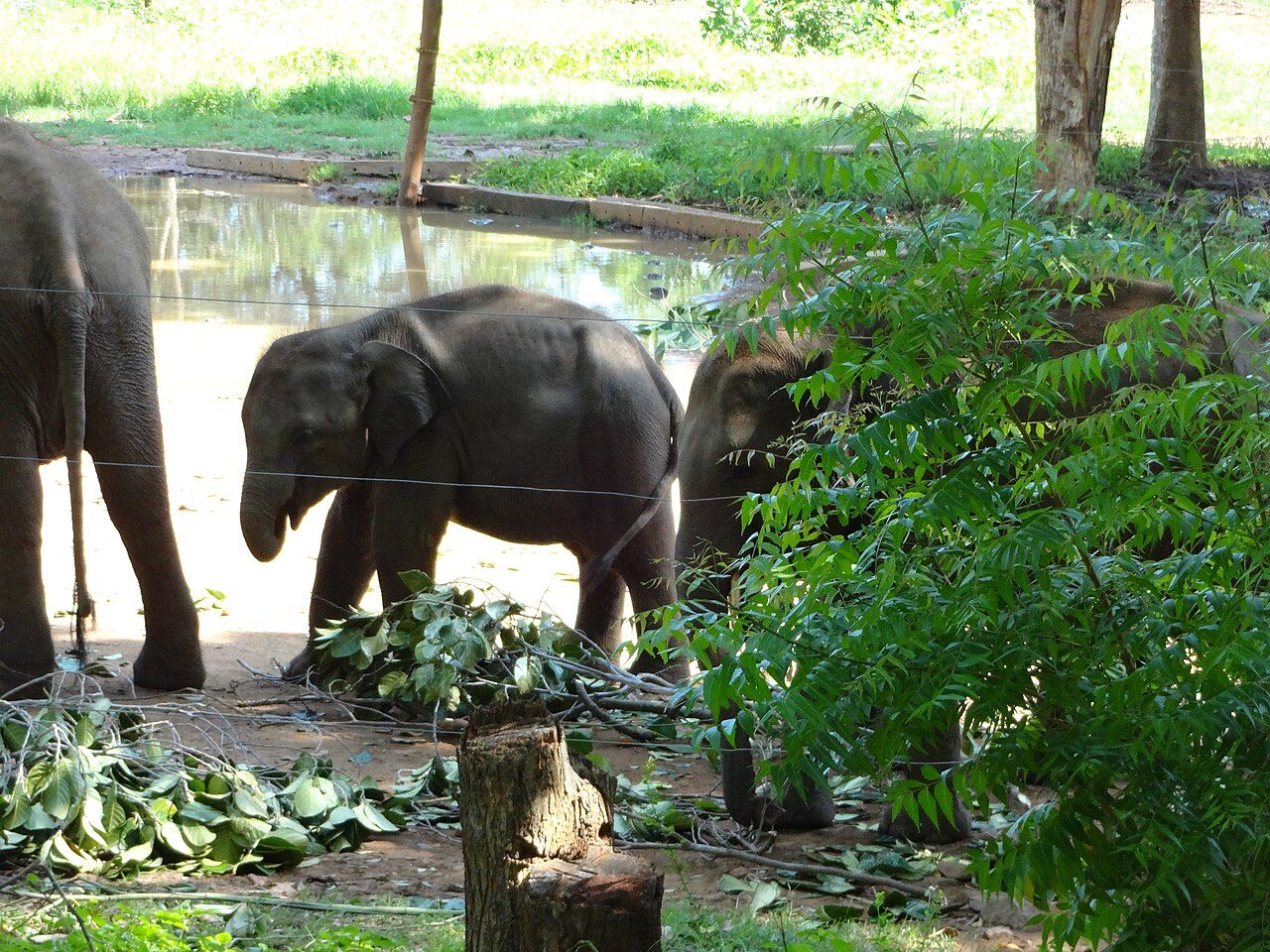
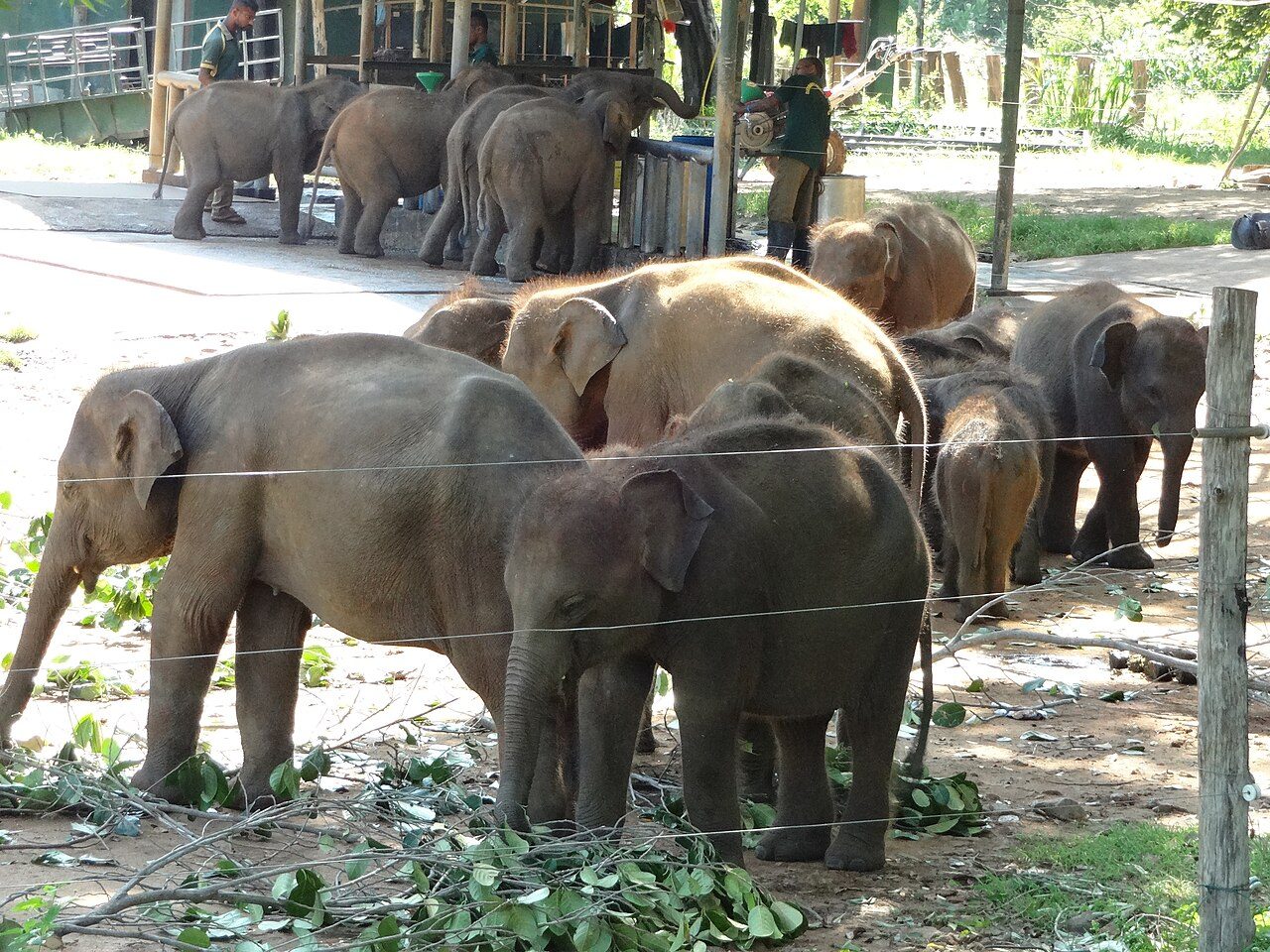
The Elephant Transit Home at Udawalawe, set up in 1995 by the Department of Wildlife Conservation, cares for orphaned elephant calves until they can be released into the wild. Human contact is kept low. Visitors watch from a platform as the calves come in for milk at fixed feeding times several times a day.
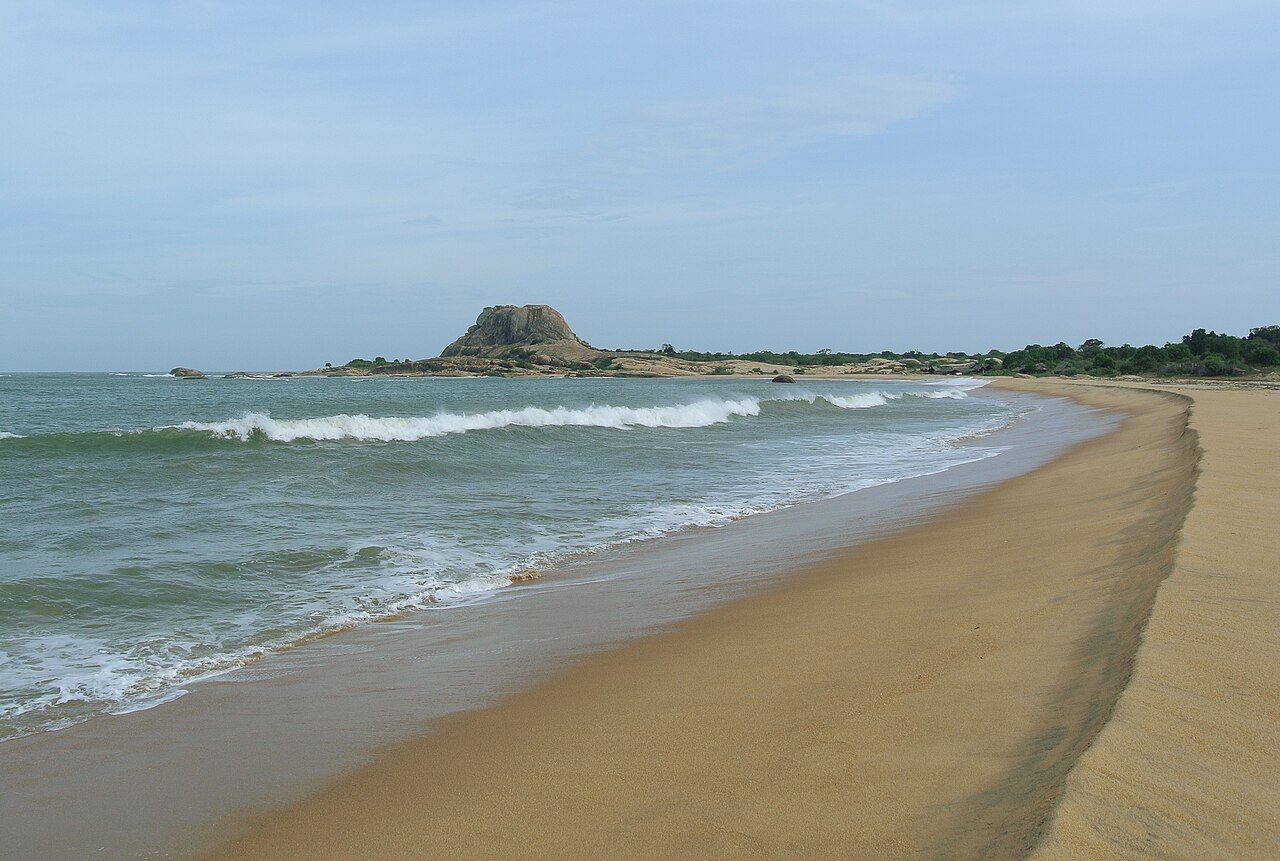
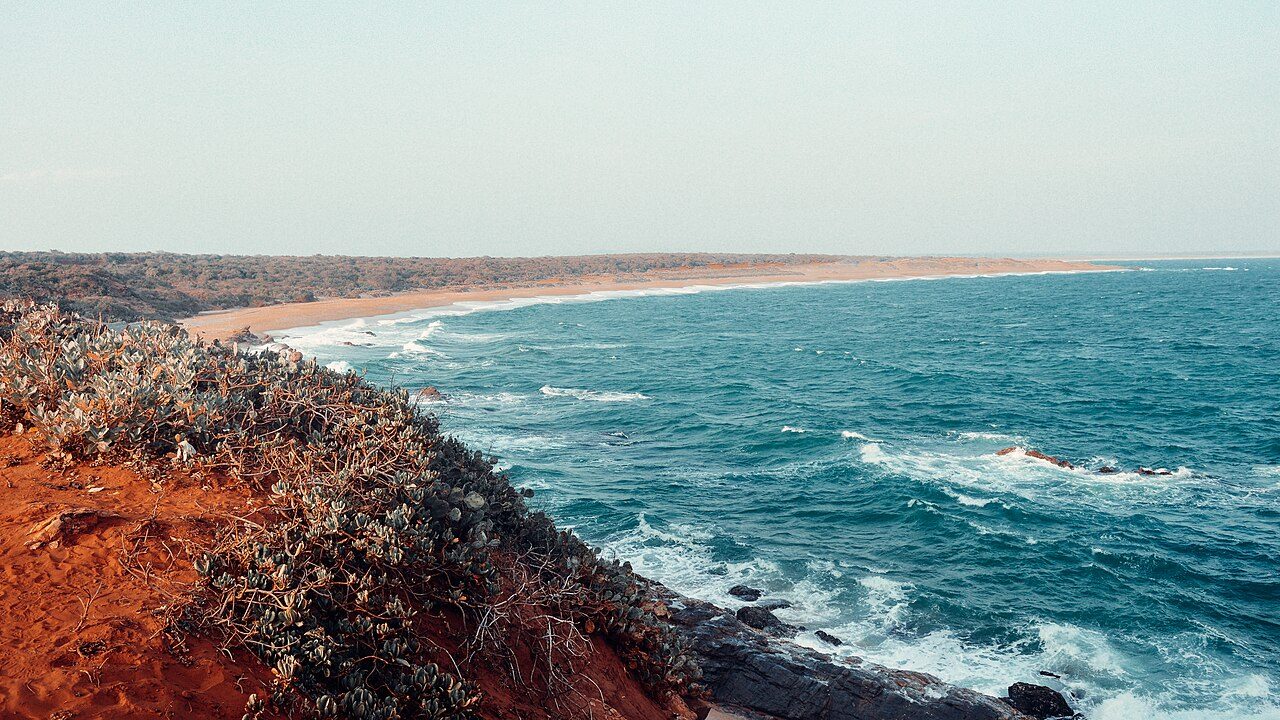
Yala National Park, in the dry south-east, is the most visited national park in Sri Lanka and has one of the highest densities of leopards in the world. Its scrub forest, lagoons, rock outcrops and beaches also hold elephants, sloth bears, crocodiles and over 200 bird species. Jeep safaris enter from Palatupana; the park usually closes for some weeks around September.
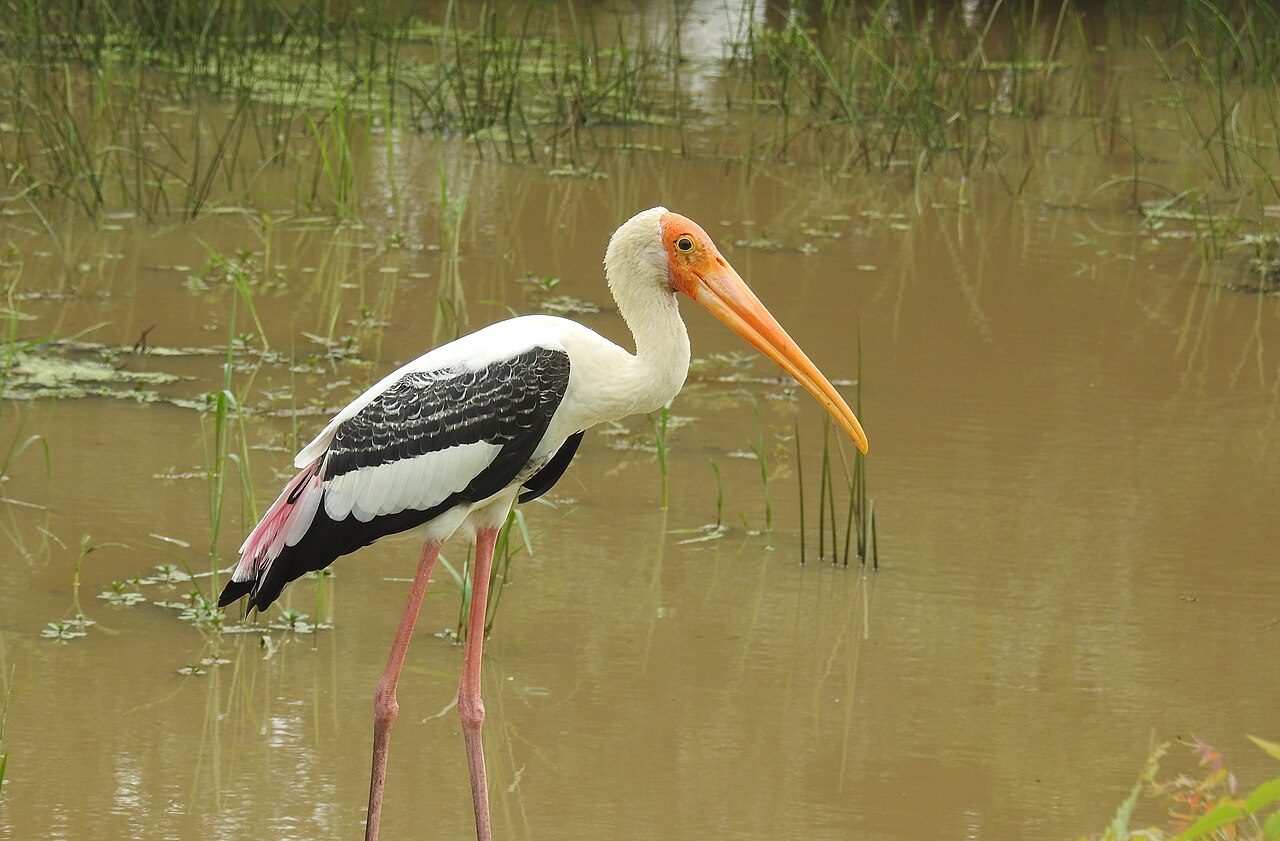
Bundala National Park lies on the south coast between Hambantota and Tissamaharama. Its shallow lagoons, salt pans, dunes and scrub are a wintering ground for migratory water birds, including greater flamingos in some years. It was the first Ramsar wetland in Sri Lanka. Elephants, crocodiles and nesting sea turtles are also found here.
 WaTrips