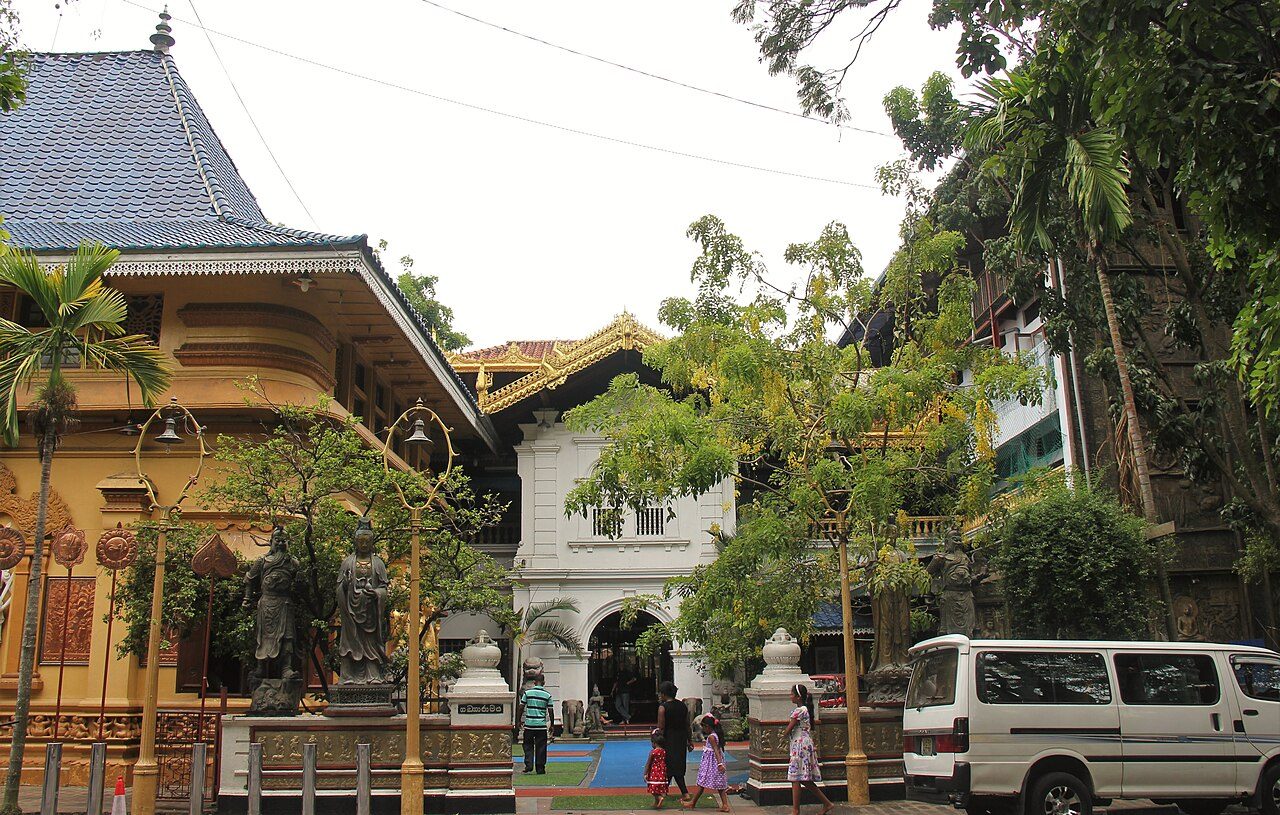
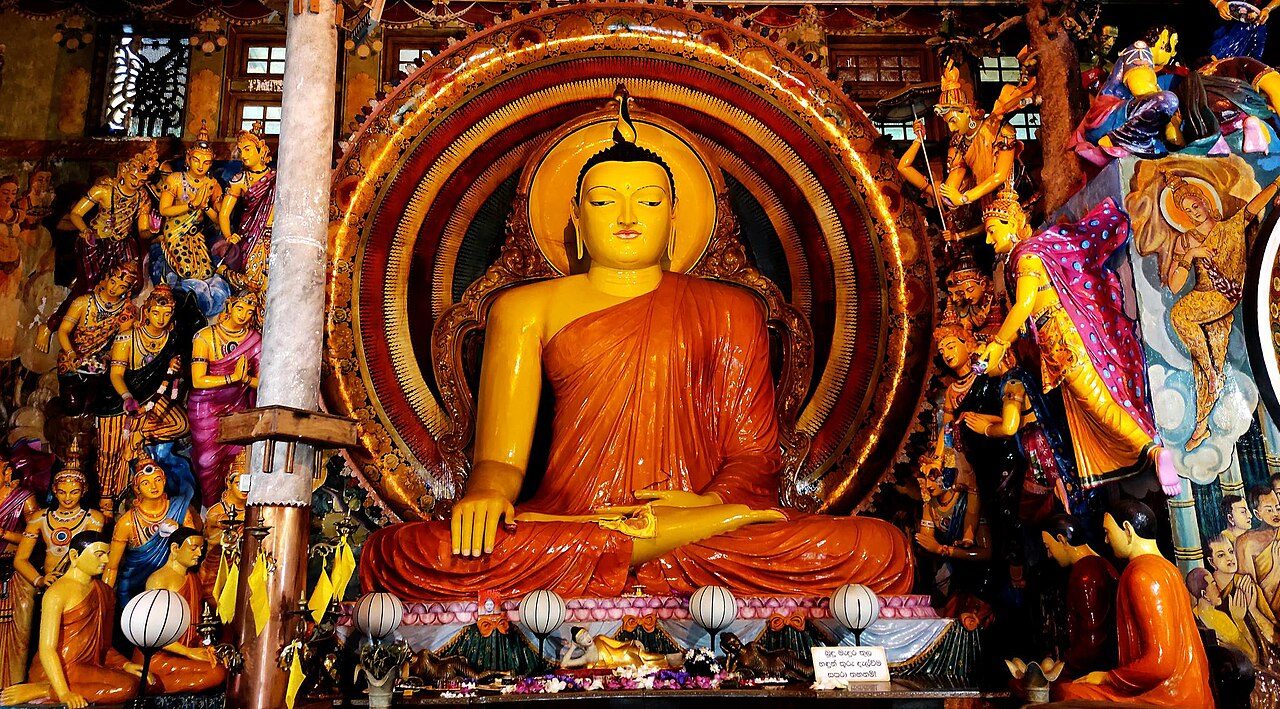
Gangaramaya and Seema Malaka, the museum and Independence Hall, the old Fort district, Galle Face Green, Mount Lavinia, Kelaniya and Kalutara.
Colombo is a lively port city worth more than a stopover. Day one visits Gangaramaya Temple, the floating Seema Malaka, Viharamahadevi Park, the National Museum and Independence Memorial Hall. Day two explores the old Fort and Pettah districts, with the Dutch Hospital, the striped Jami Ul-Alfar Mosque and Wolvendaal Church, then sunset on Galle Face Green and dinner at Mount Lavinia. Day three visits the Kelaniya temple north of the city and Kalutara's white stupa and Richmond Castle to the south.
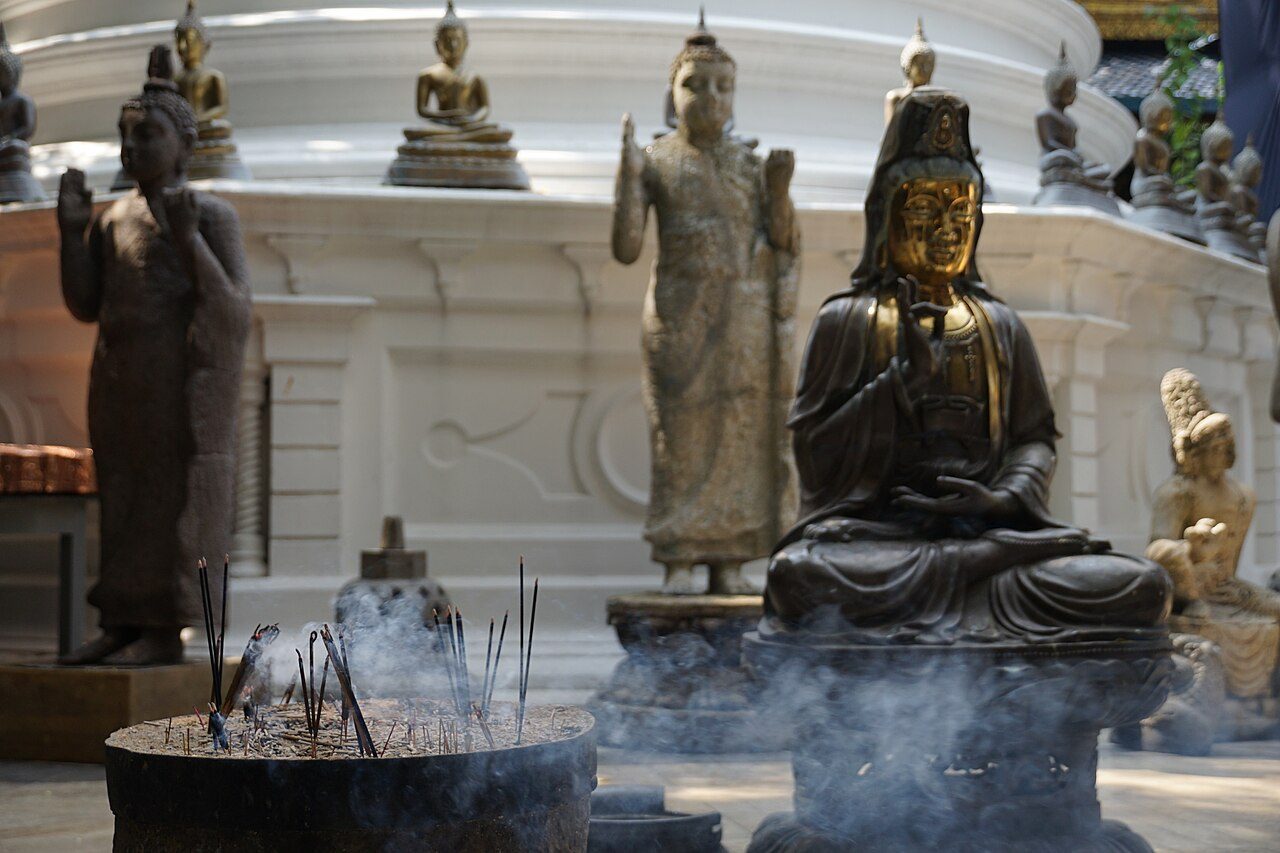
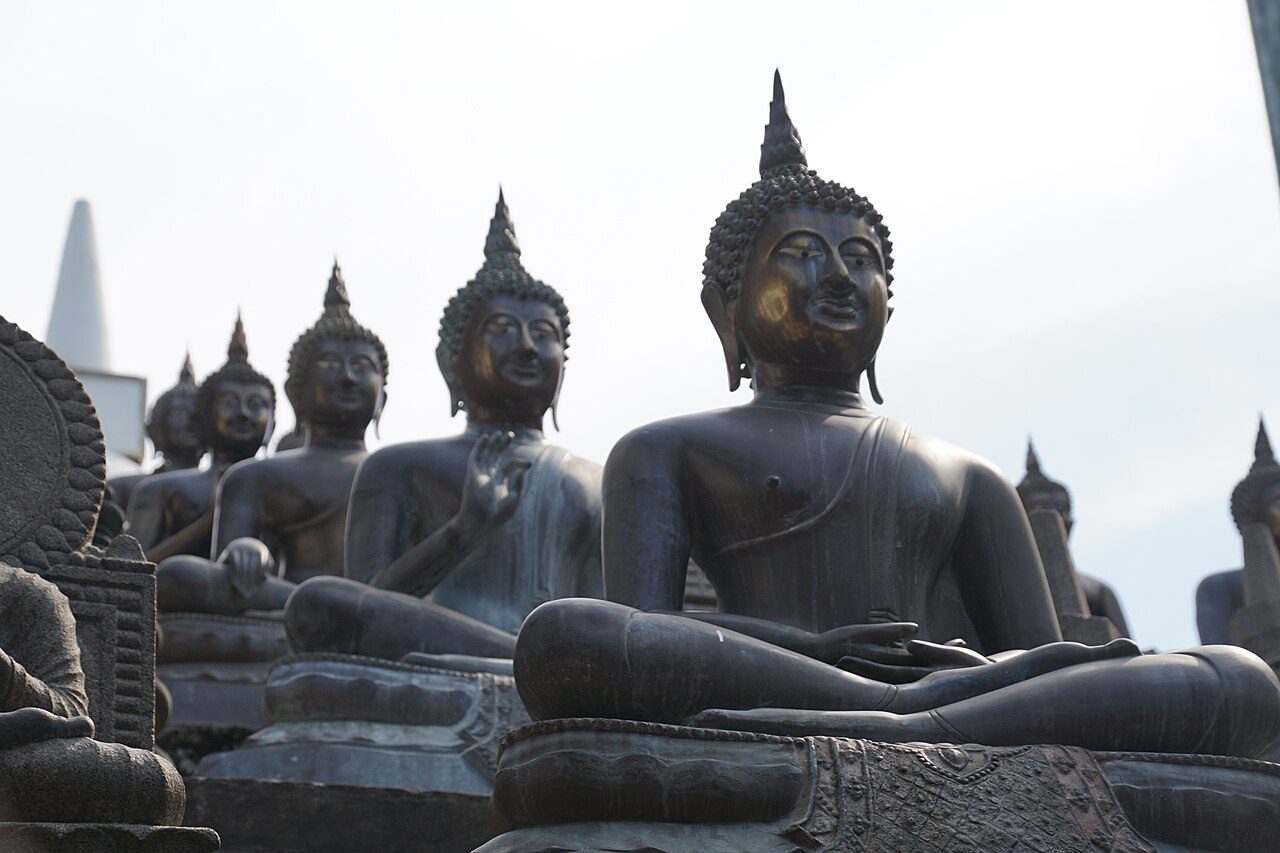
Gangaramaya Temple, beside Beira Lake in central Colombo, was founded in the late 19th century by the scholar-monk Hikkaduwe Sri Sumangala. Its buildings mix Sri Lankan, Thai, Indian and Chinese styles, and a crowded museum holds gifts from devotees, from Buddha images to vintage cars. The temple organises the Navam Perahera procession each February.
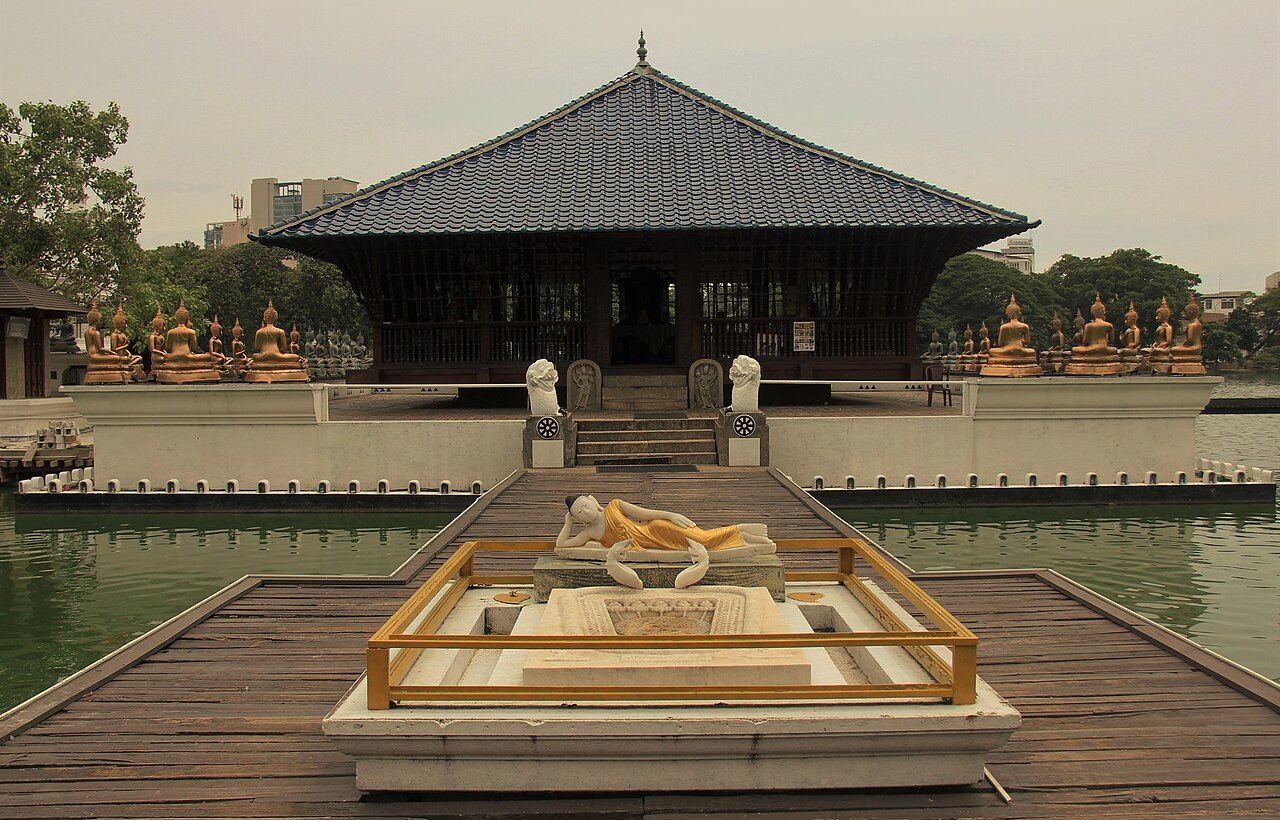
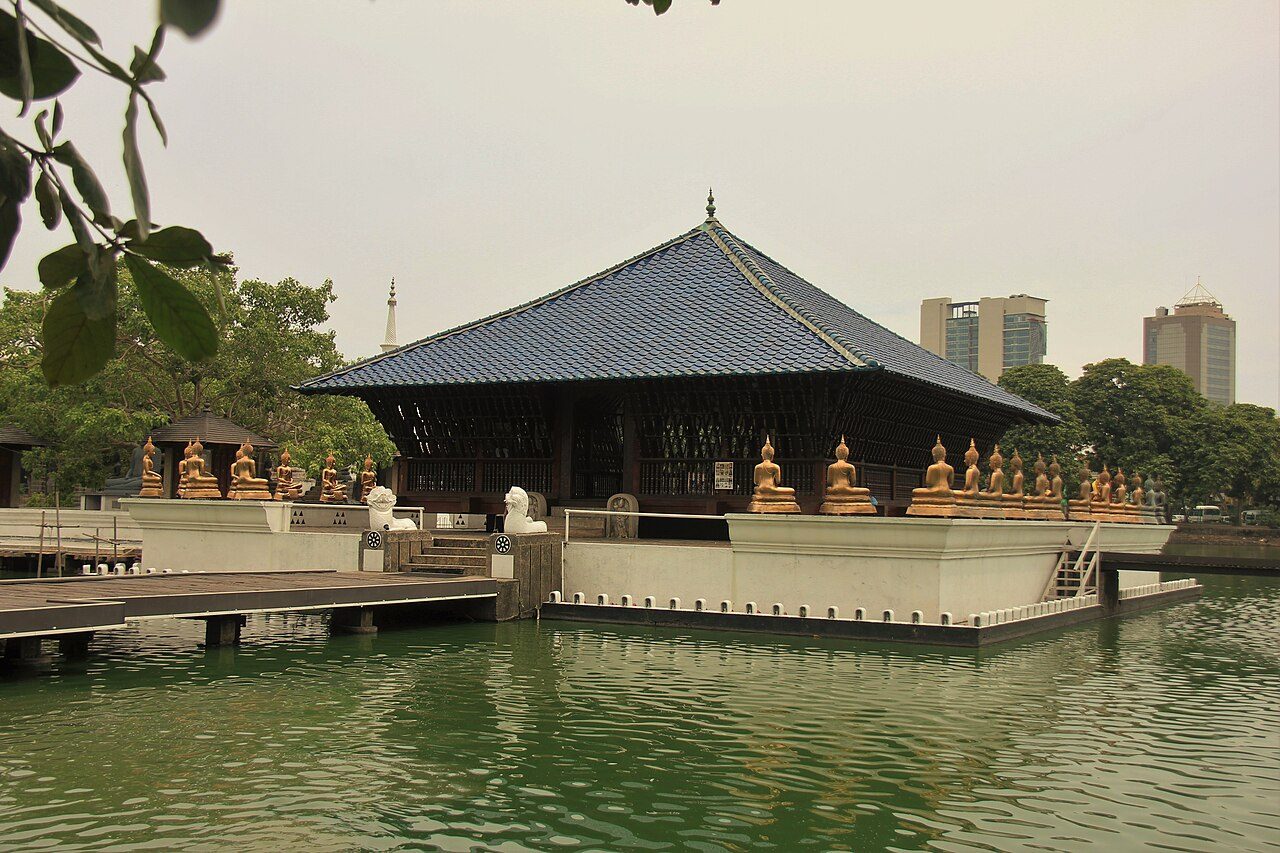
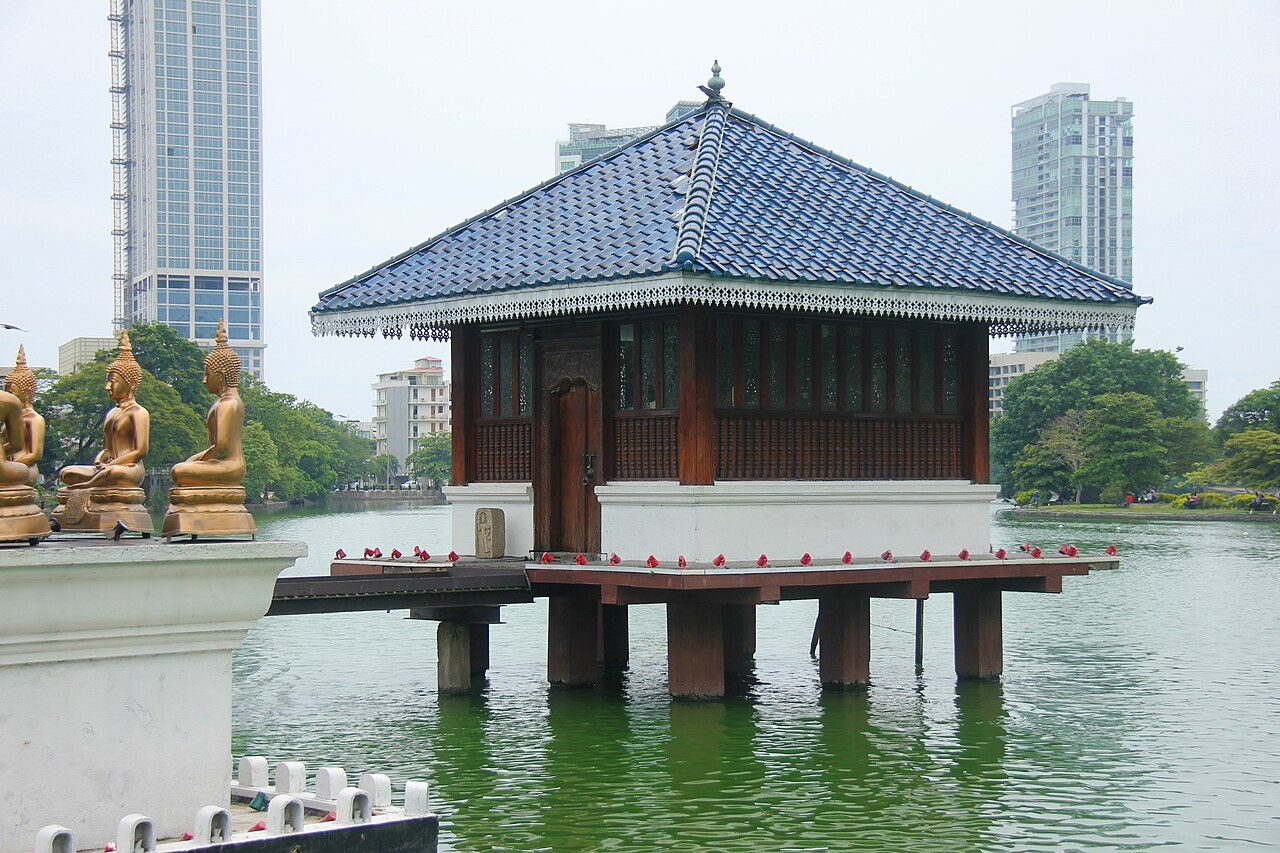
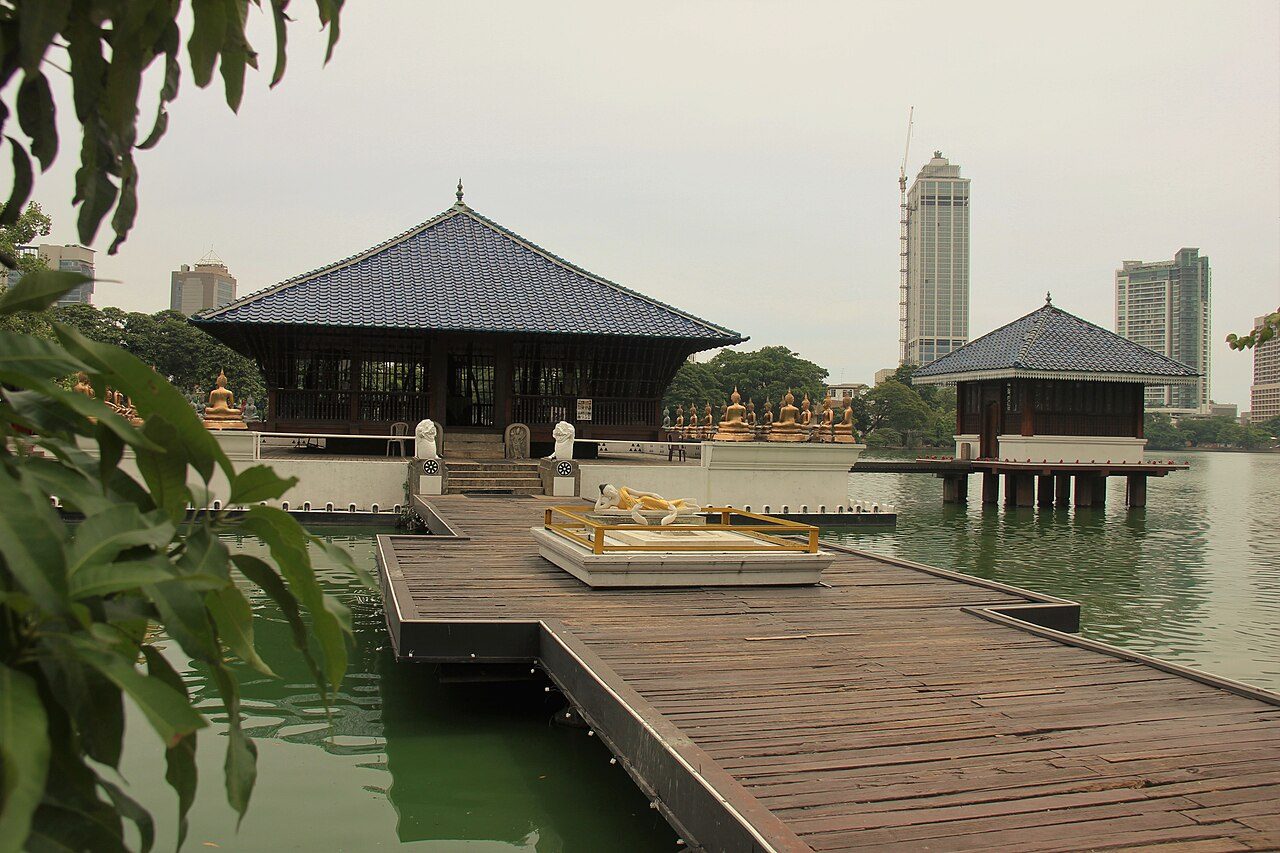
Seema Malaka is a small Buddhist temple on platforms in Beira Lake, Colombo, linked to the shore by a wooden walkway. Part of Gangaramaya Temple, it is used mainly for meditation and for ordaining monks. The present structure, built in the late 1970s after the earlier one sank, was designed by the Sri Lankan architect Geoffrey Bawa.
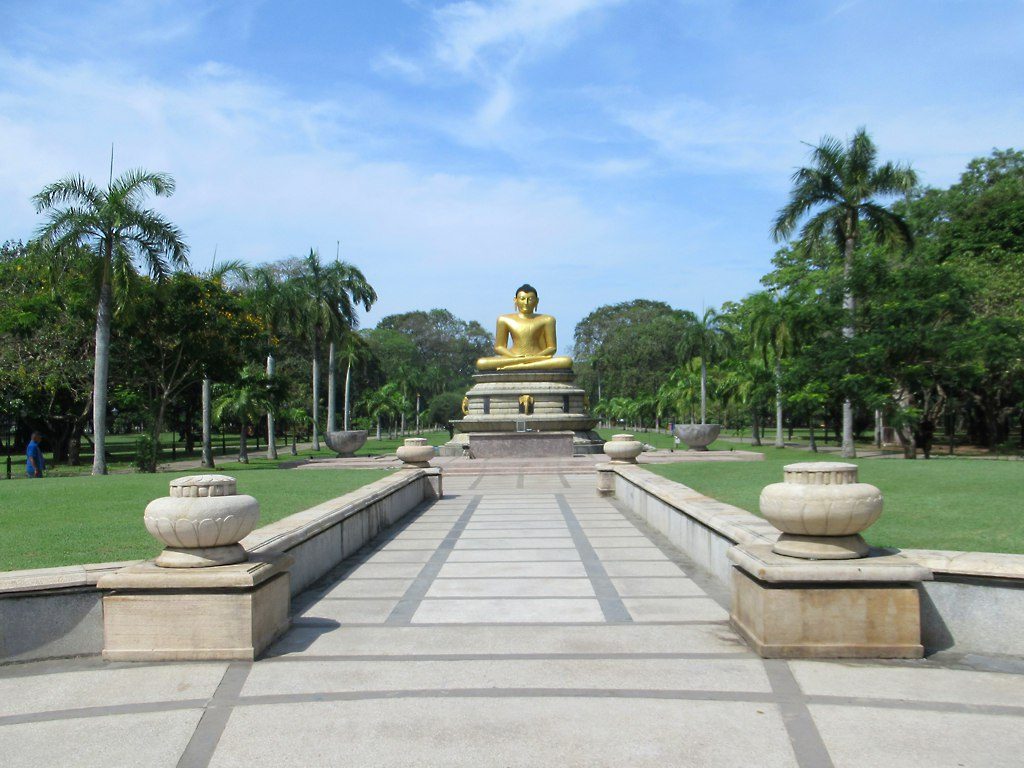
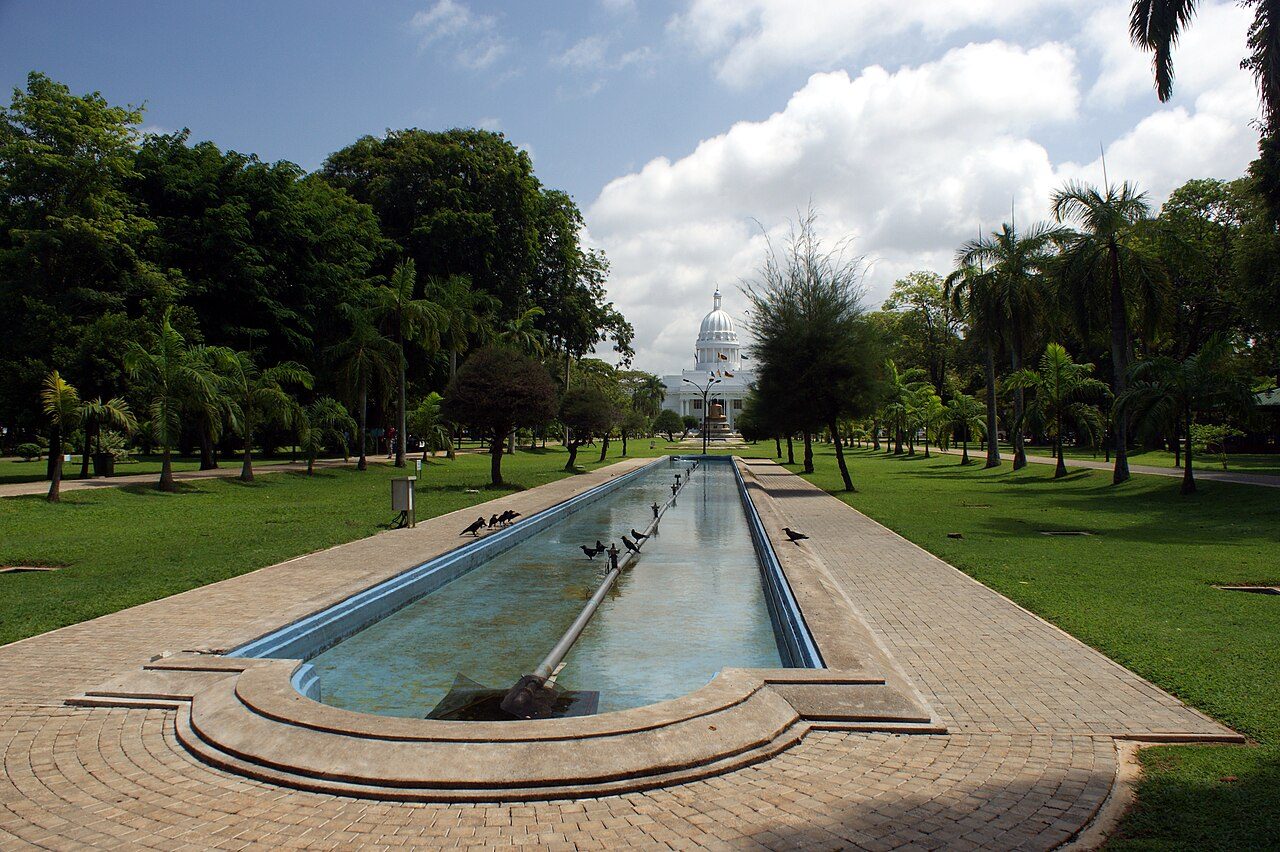
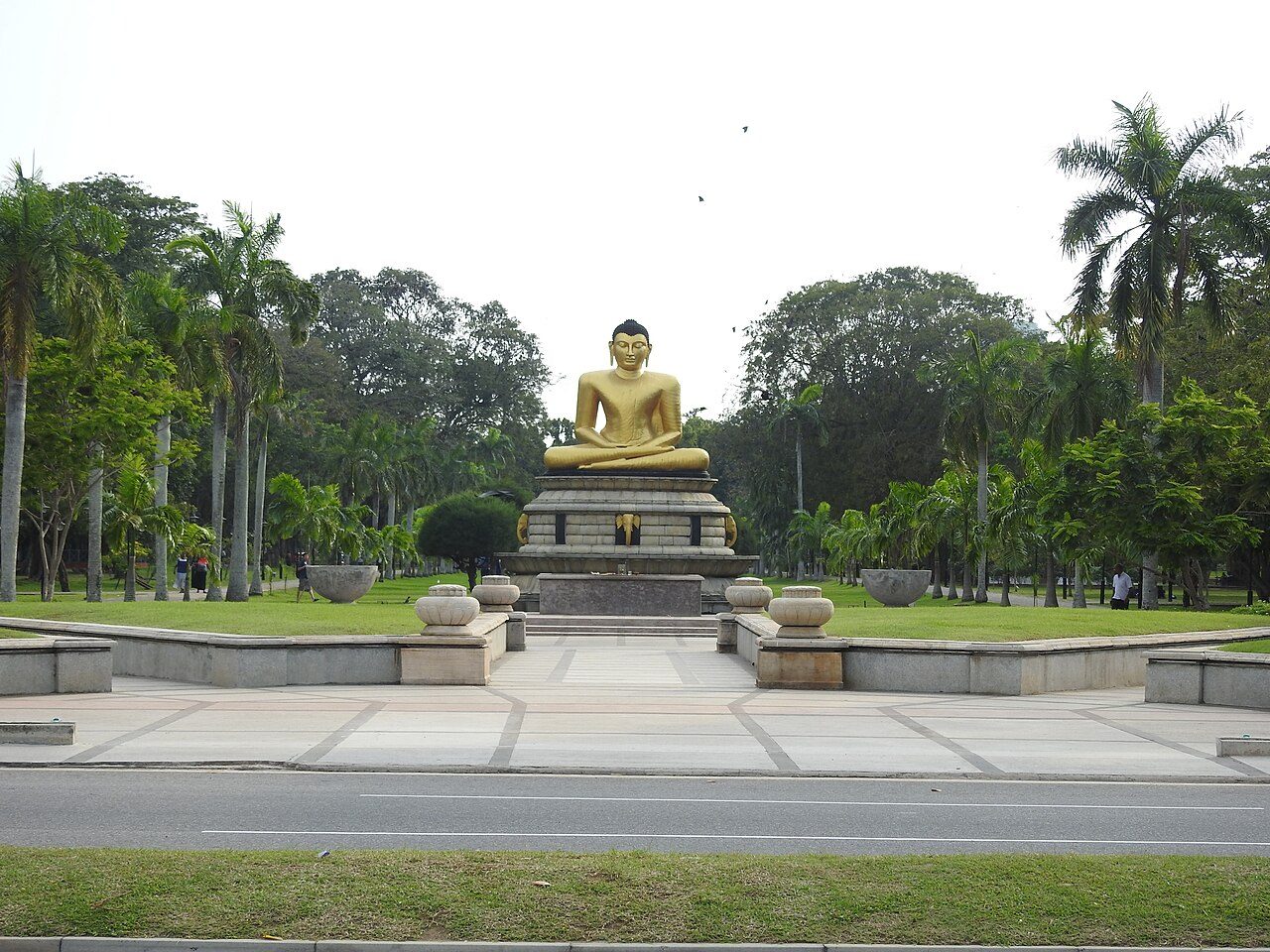
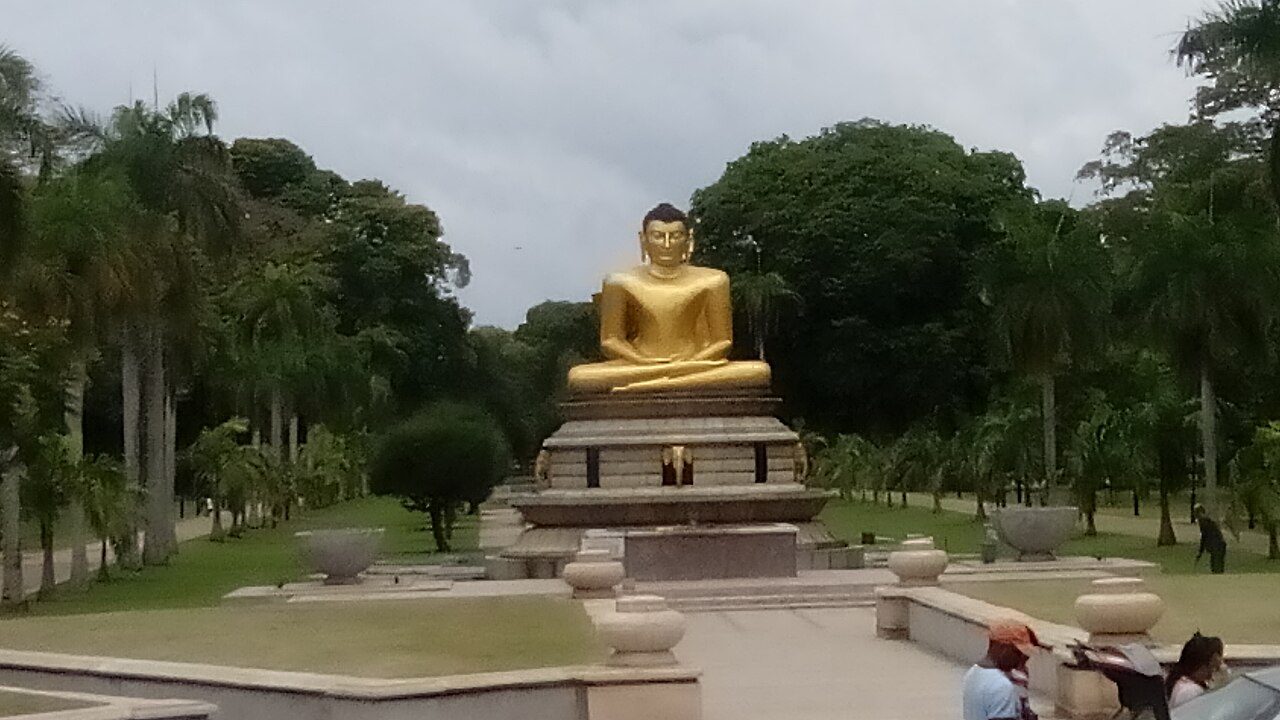
Viharamahadevi Park is the largest and oldest public park in Colombo, lying in front of the white-domed Town Hall. Laid out in the colonial period as Victoria Park, it was later renamed after the mother of King Dutugemunu. Big shade trees, a golden seated Buddha, fountains and a children's play area make it a calm break in the middle of the city.
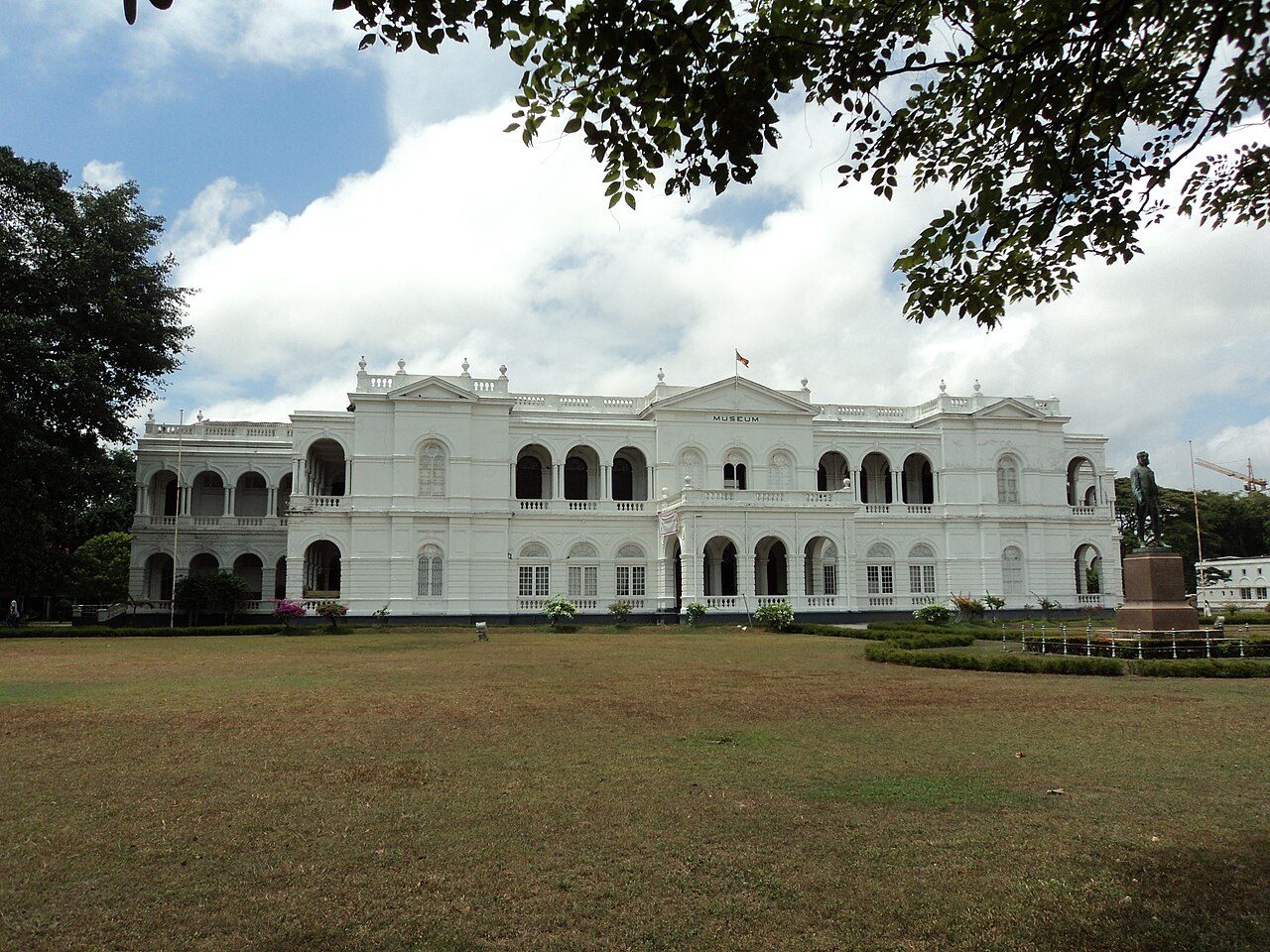
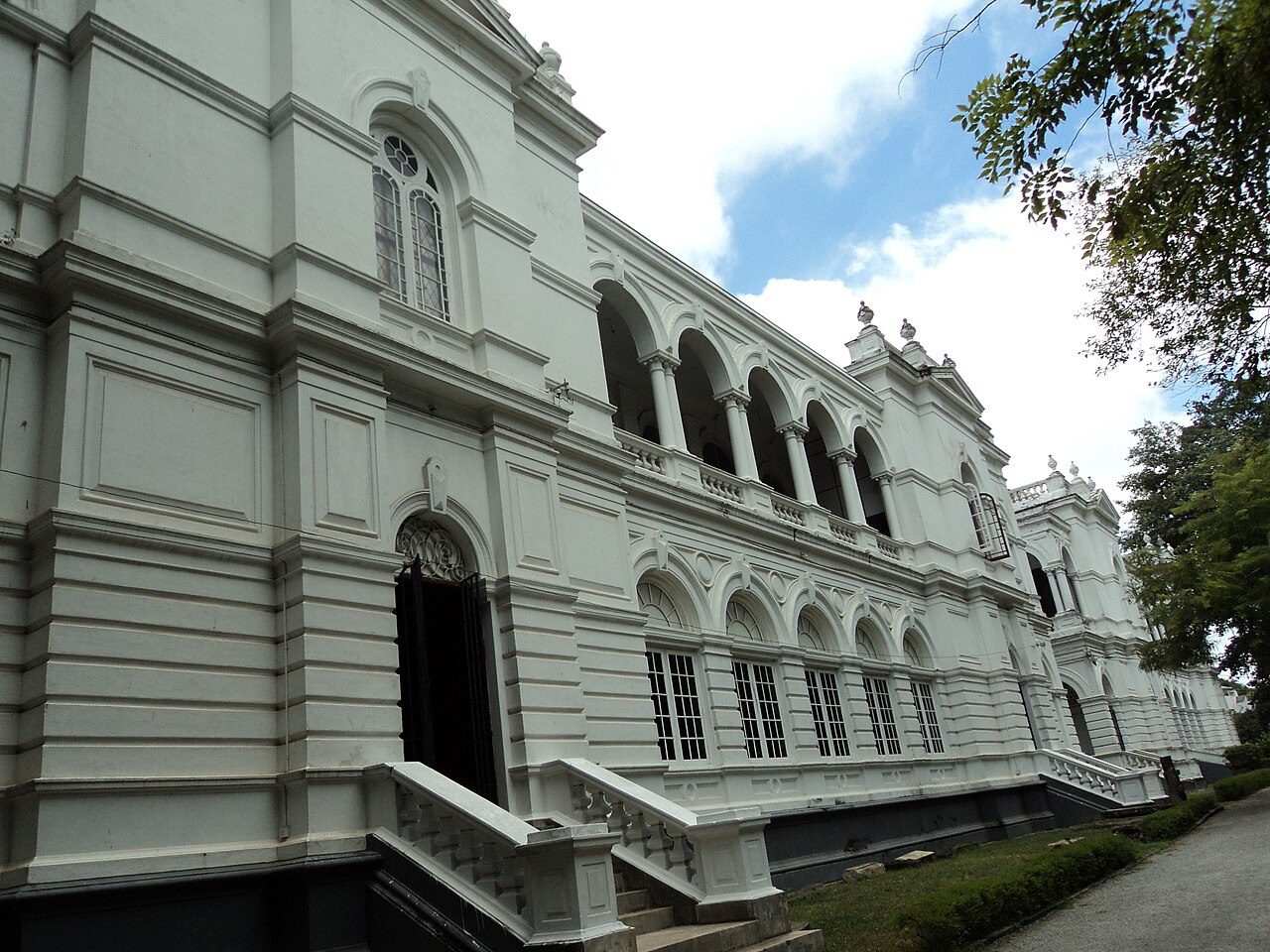
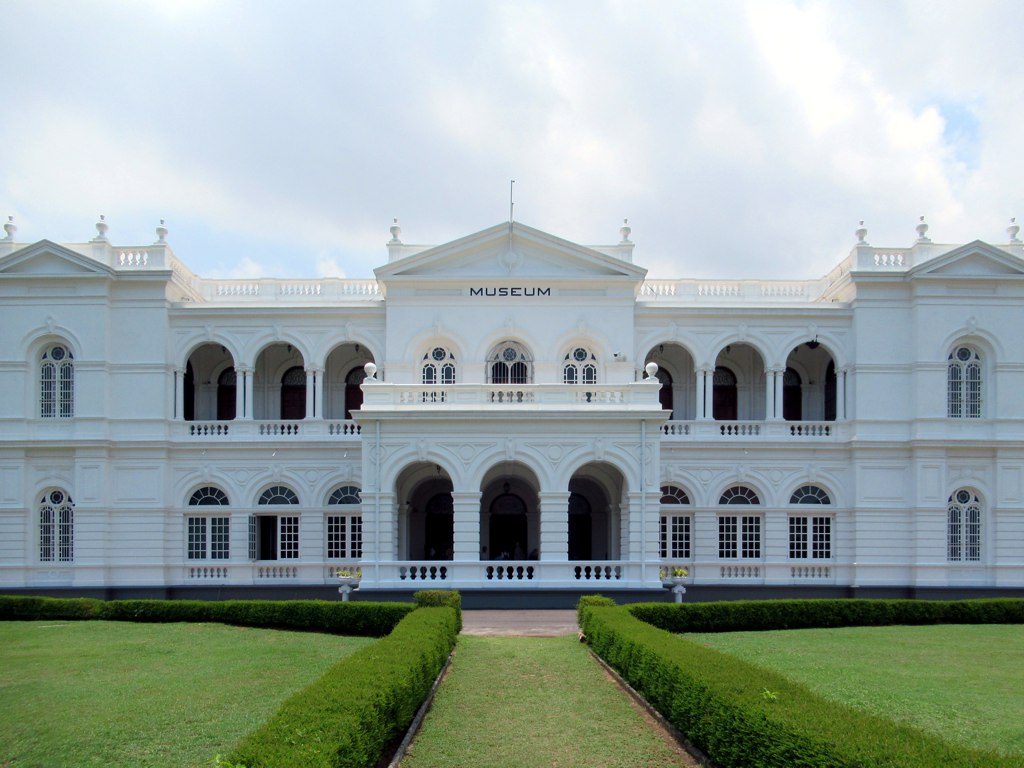
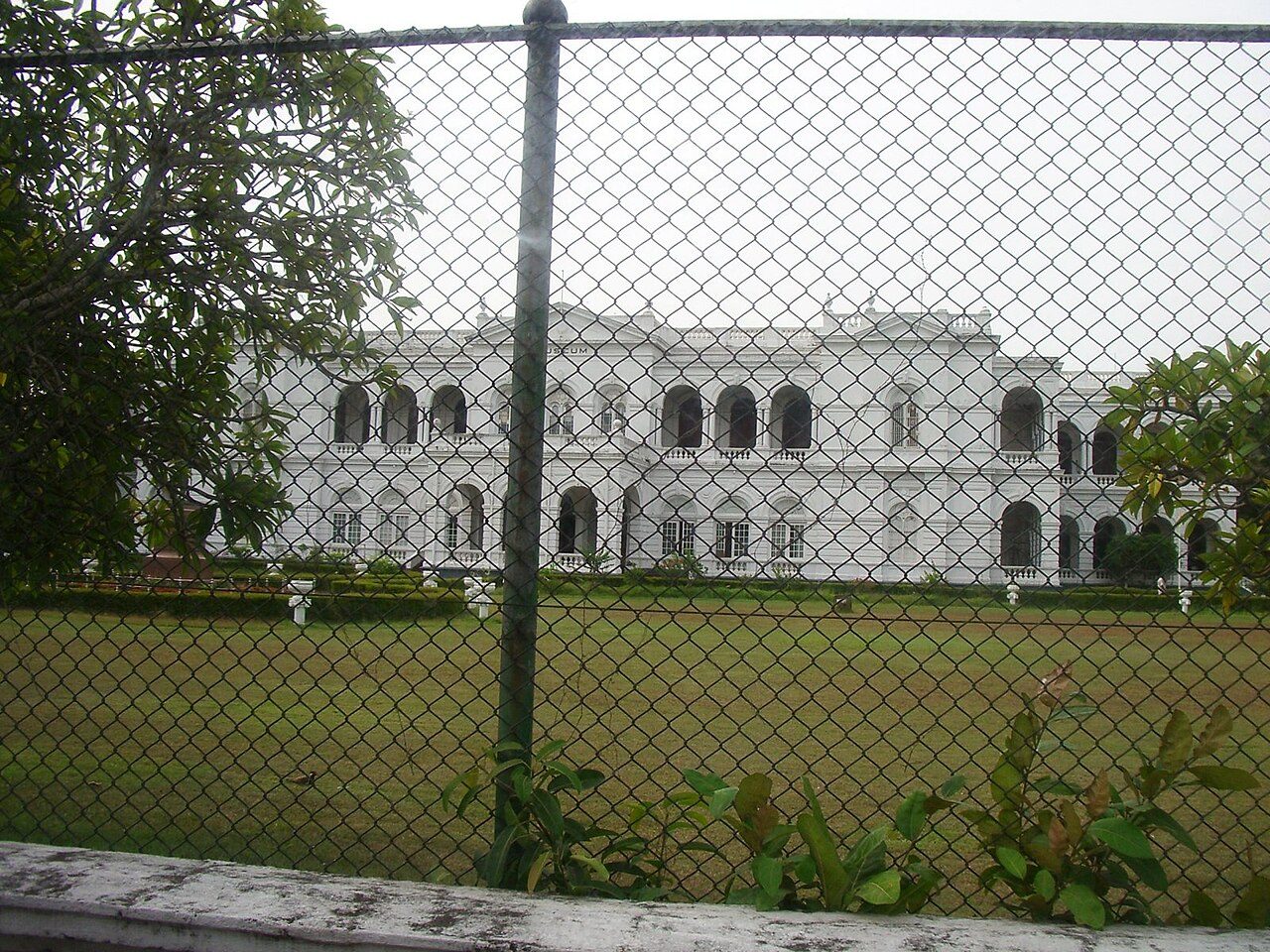
The Colombo National Museum, opened in 1877 under Governor Sir William Gregory, is the largest museum in Sri Lanka. Its white Italianate building holds the throne and crown of the last kings of Kandy, ancient stone and bronze sculpture, coins, masks and palm-leaf manuscripts. The galleries follow the island's history from prehistory to the colonial period.
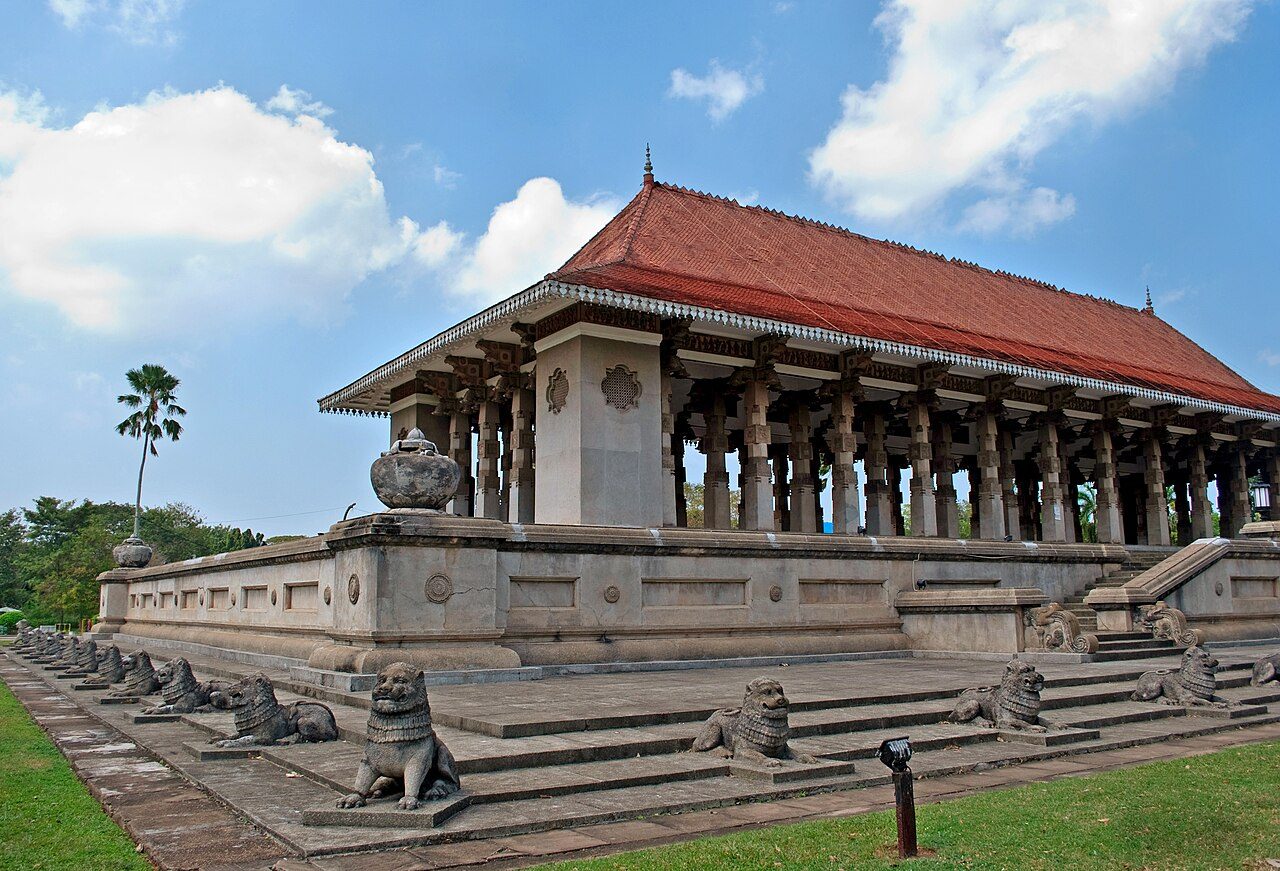
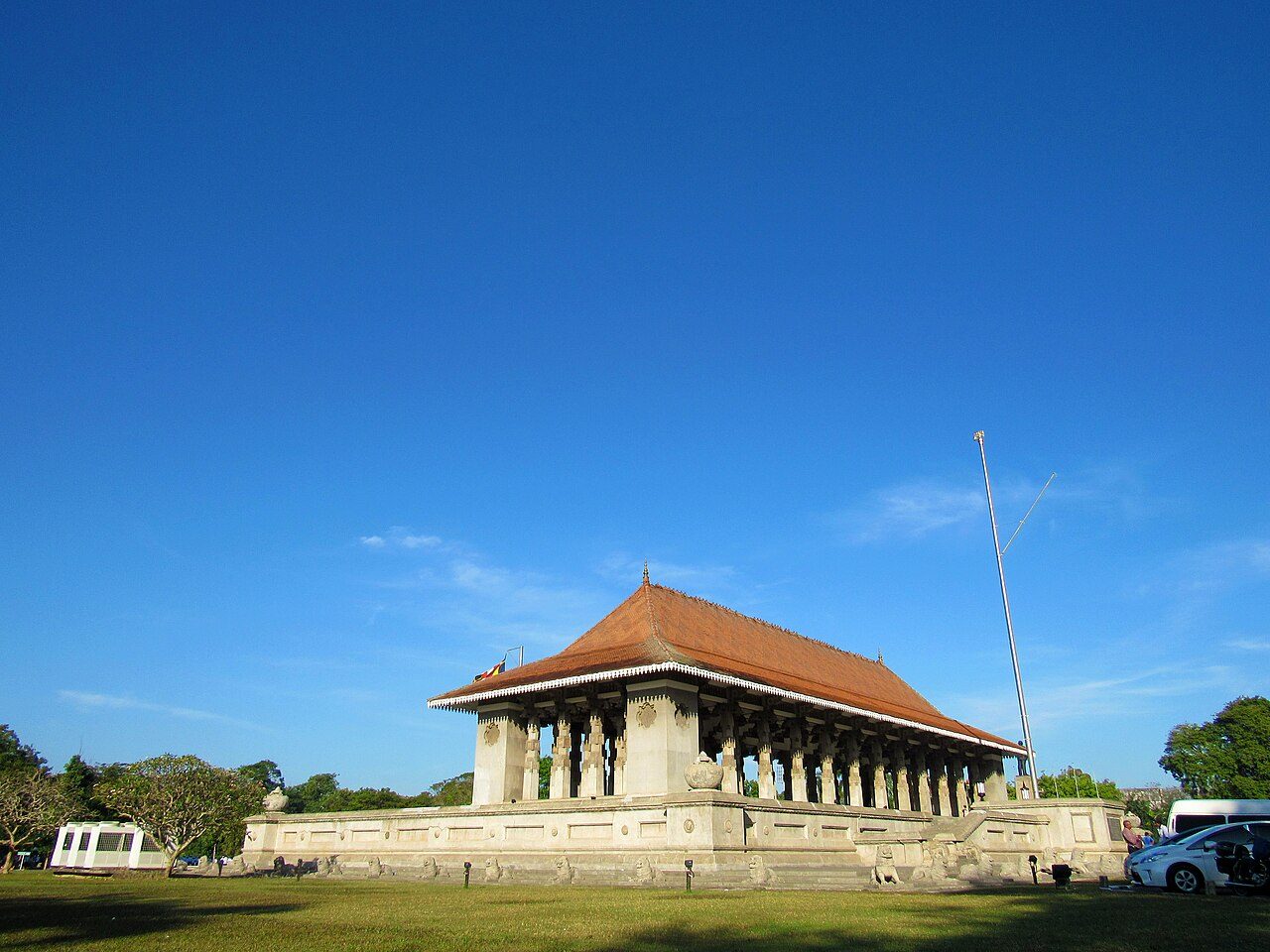
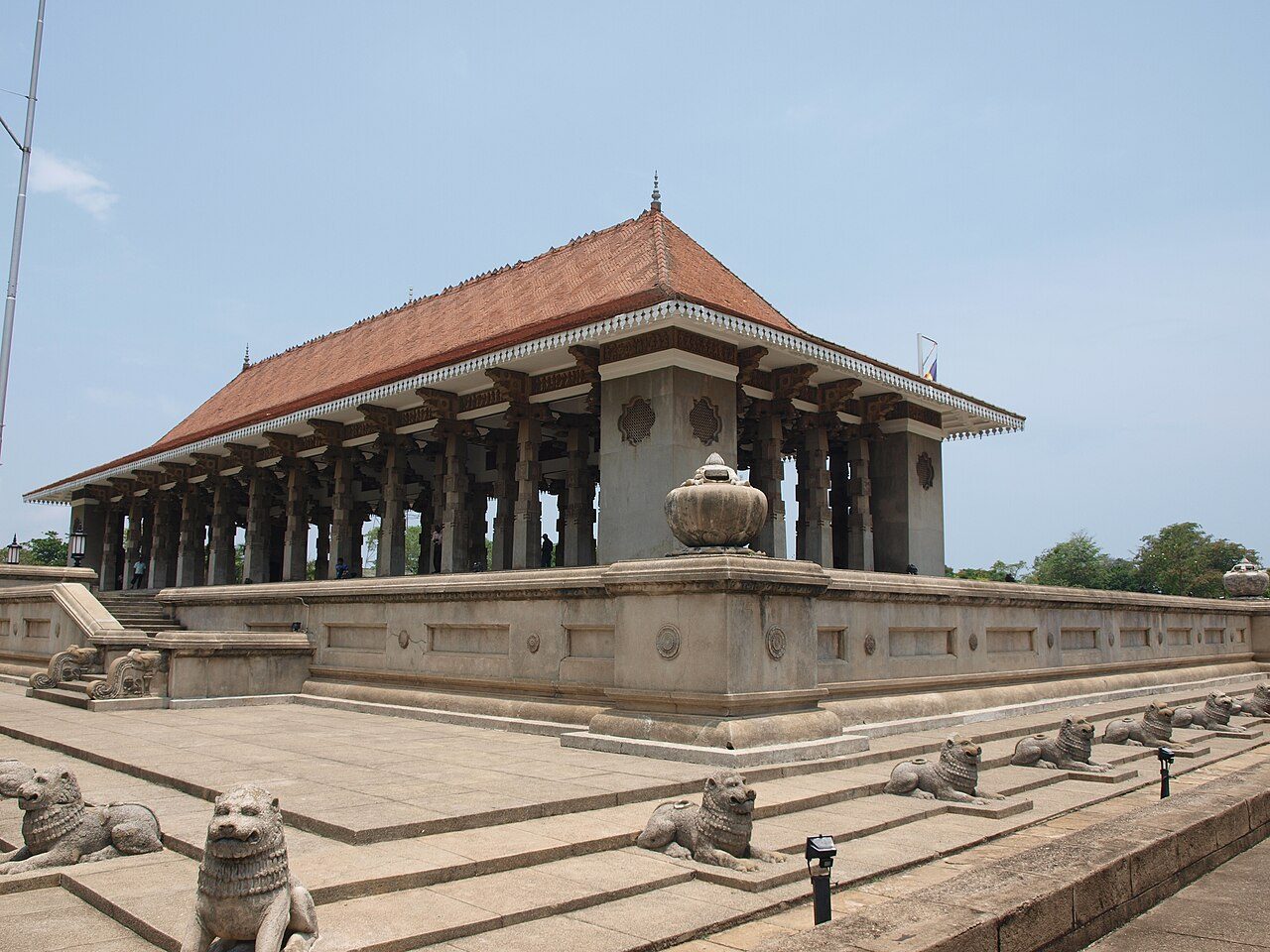
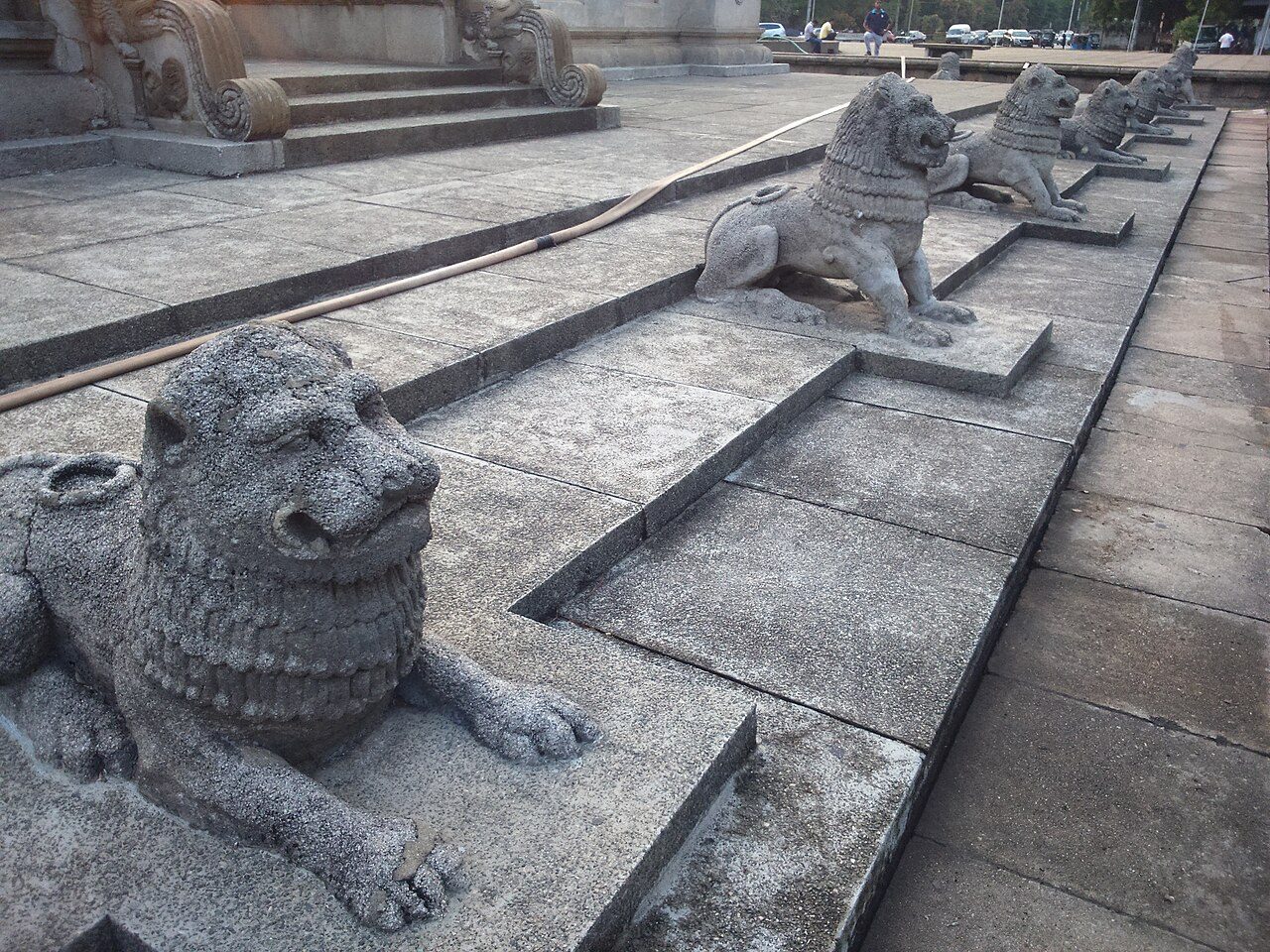
Independence Memorial Hall stands in Independence Square in the Cinnamon Gardens area of Colombo. It commemorates the independence of Ceylon from British rule on 4 February 1948. The open pillared hall is modelled on the royal audience hall of Kandy, and a statue of D. S. Senanayake, the first prime minister, stands at its head with stone lions around it.
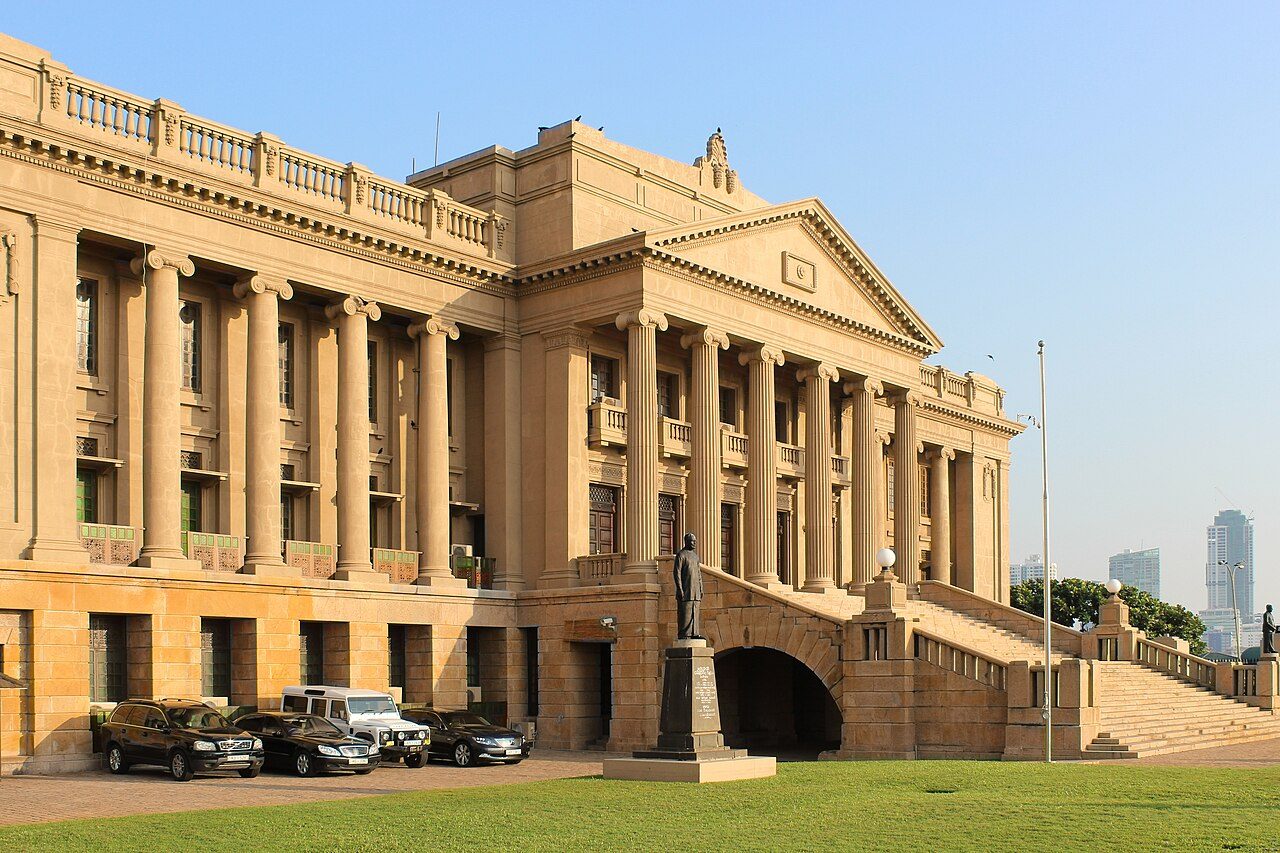
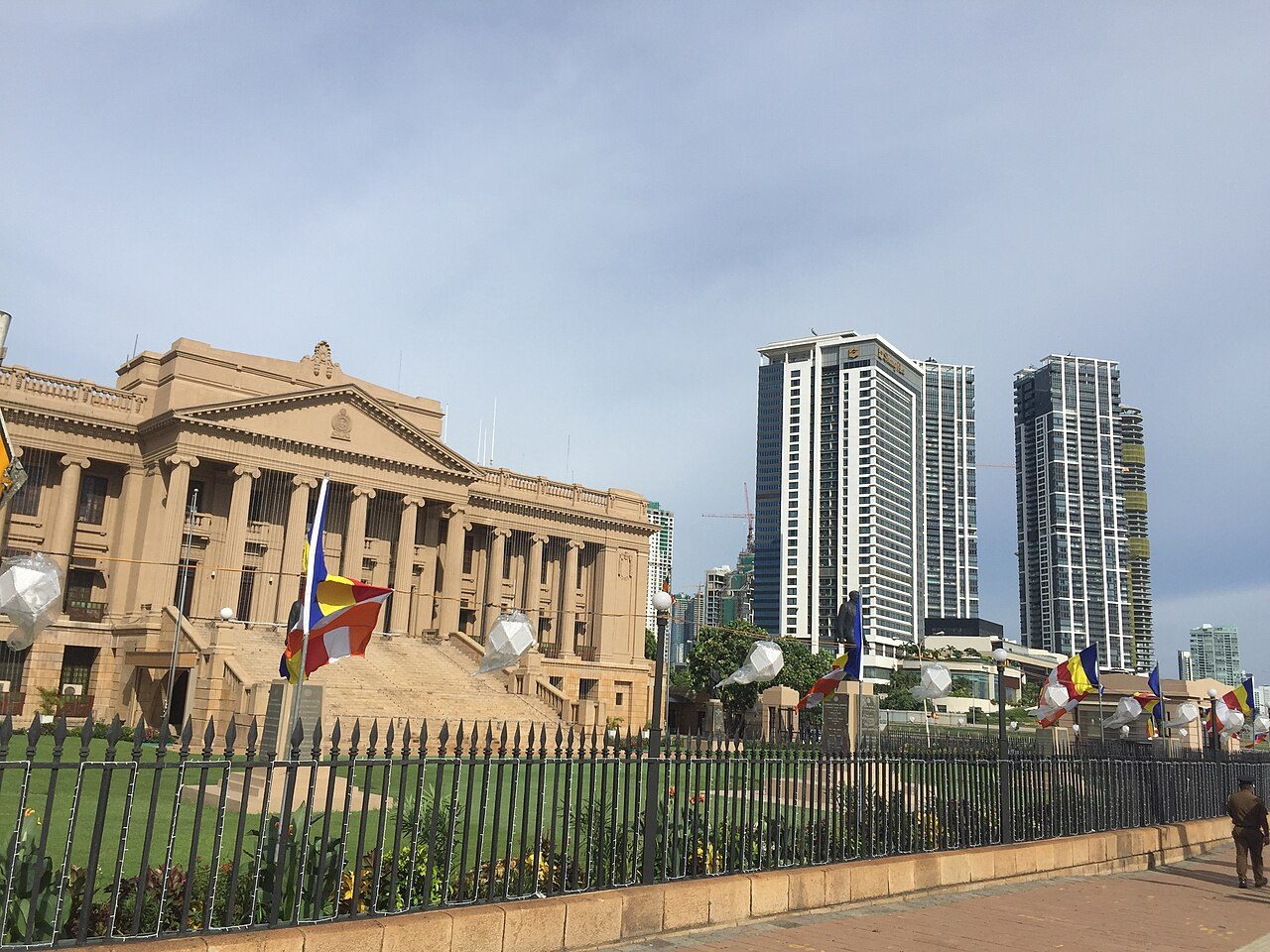
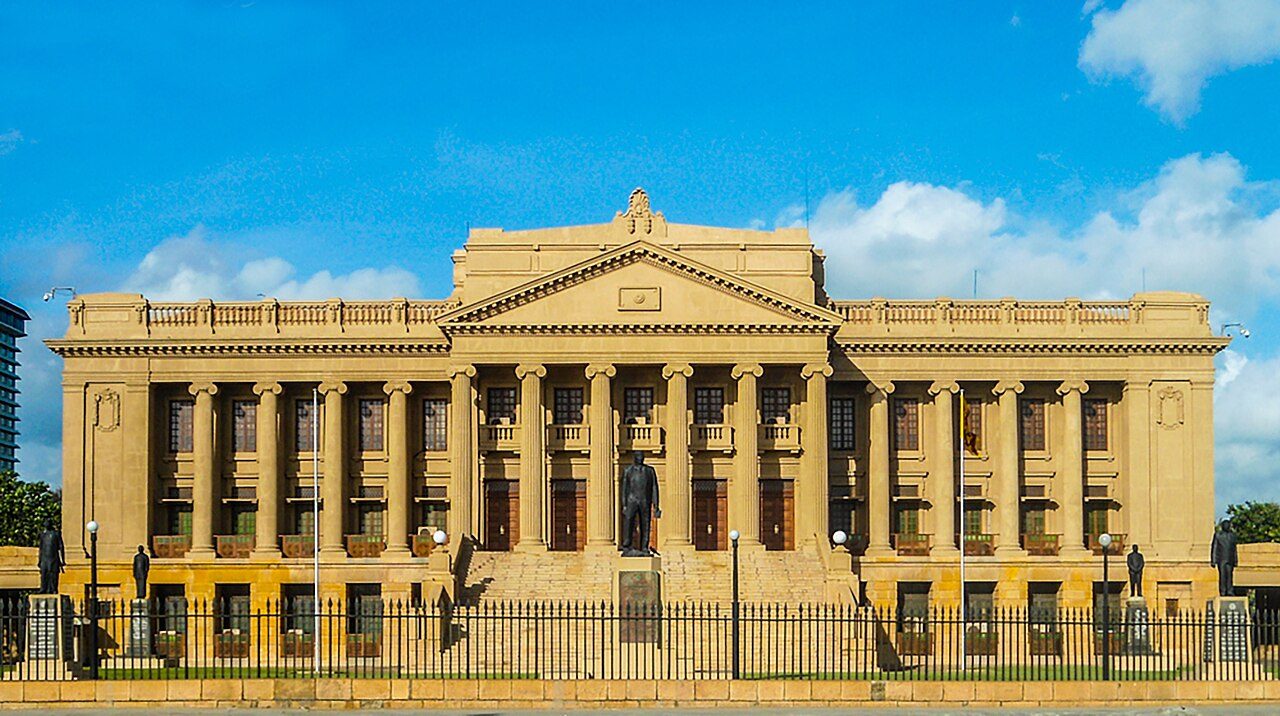
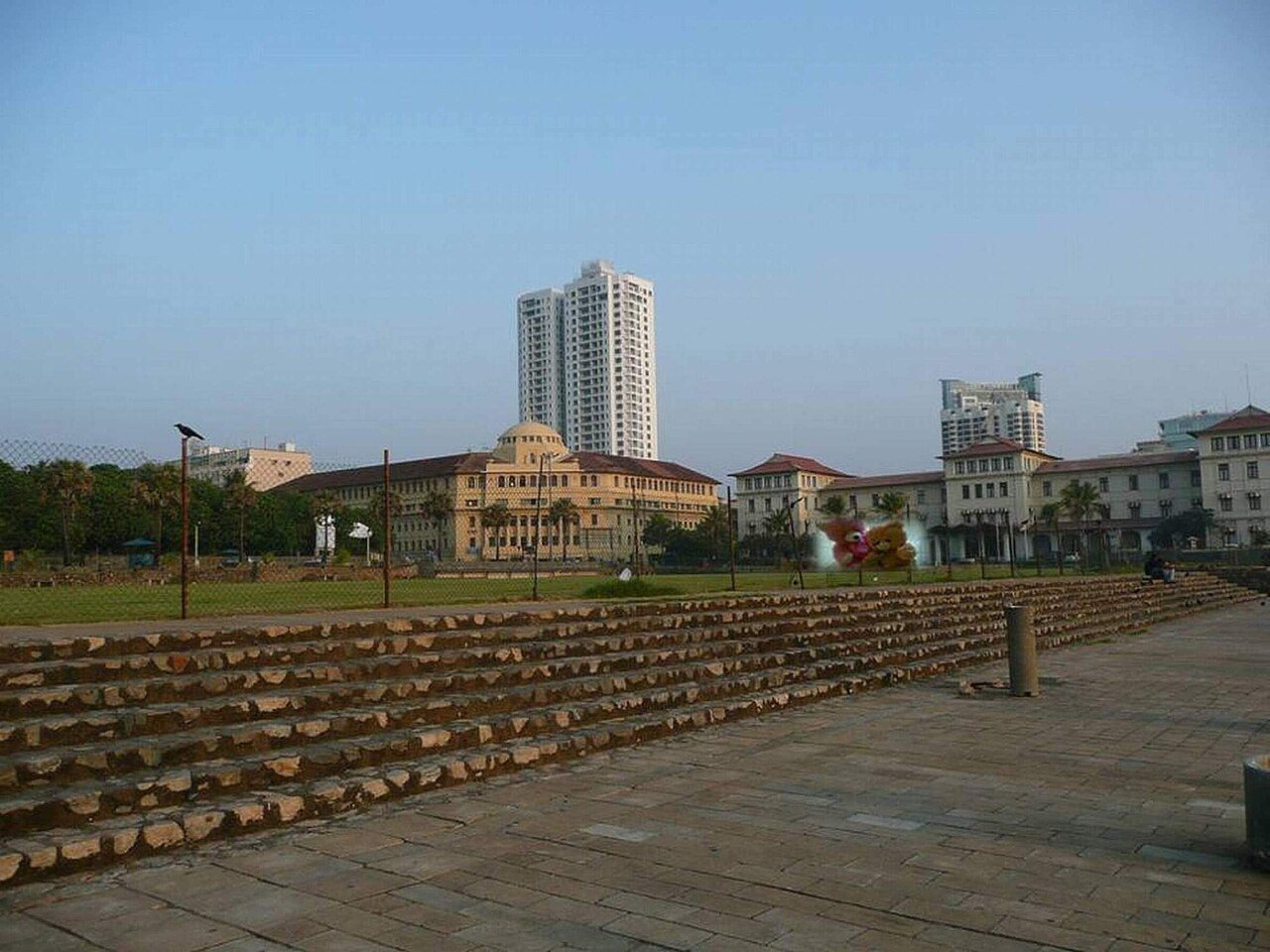
The Old Parliament Building faces the sea at the northern end of Galle Face in Colombo Fort. Built in neo-Baroque style with a row of Ionic columns and opened in 1930, it housed the island's legislature until Parliament moved to Sri Jayawardenepura Kotte in 1983. It now serves as the Presidential Secretariat and is viewed from outside.
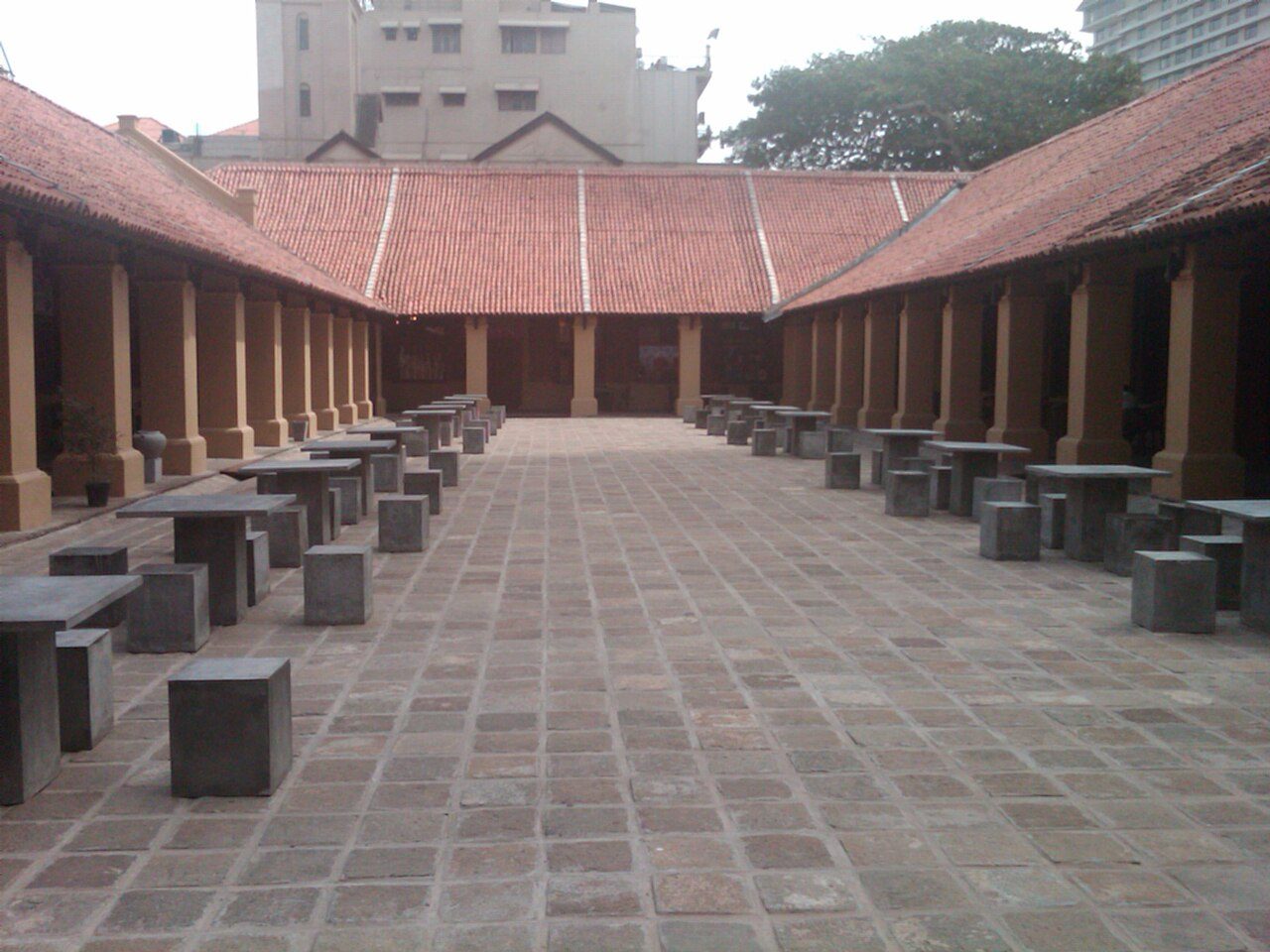
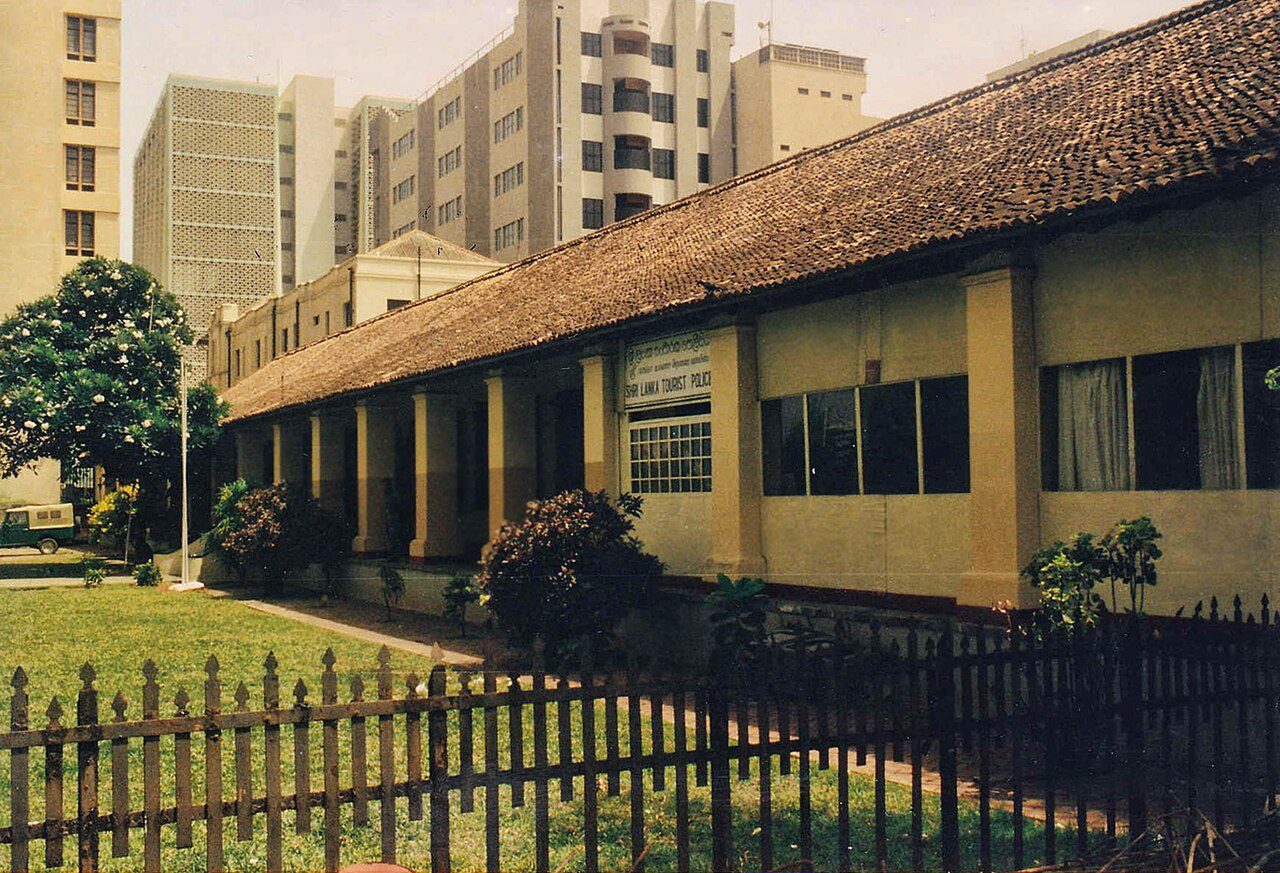
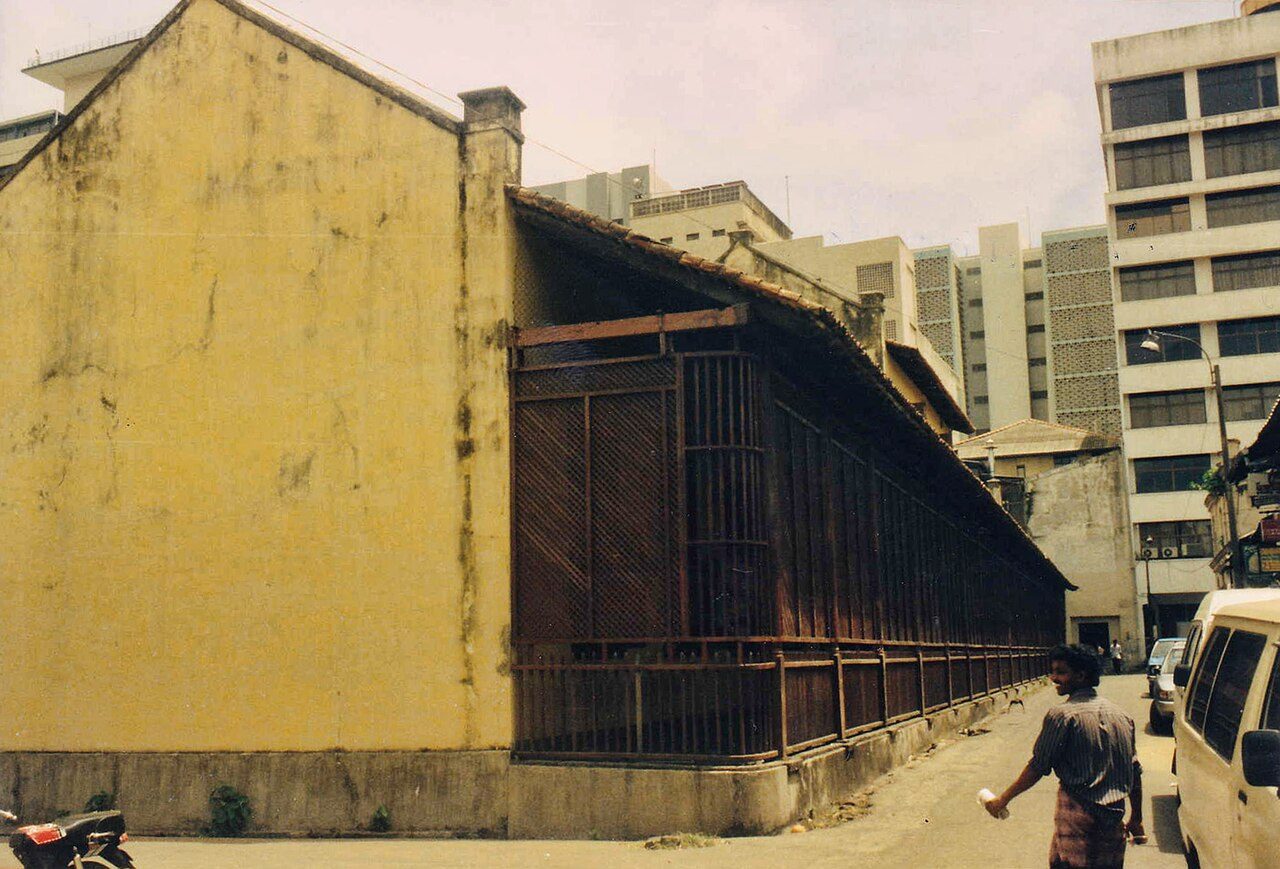
The Old Colombo Dutch Hospital in Colombo Fort is considered one of the oldest buildings in the area, dating to the Dutch period in the 17th century. It was built to treat officers and staff of the Dutch East India Company. Its long, low wings with thick walls and deep verandas surround two courtyards, now restored as a precinct of shops and restaurants.
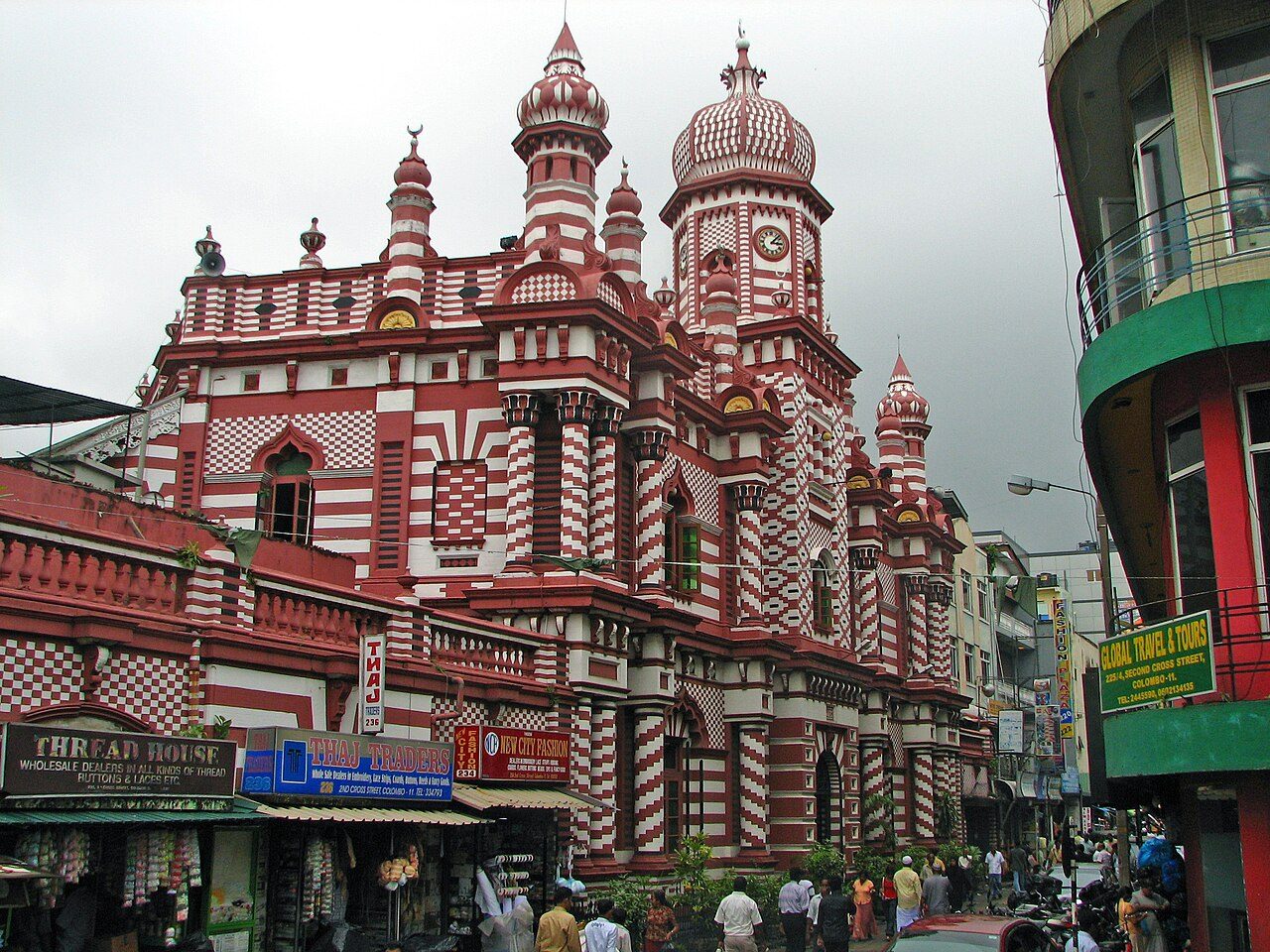
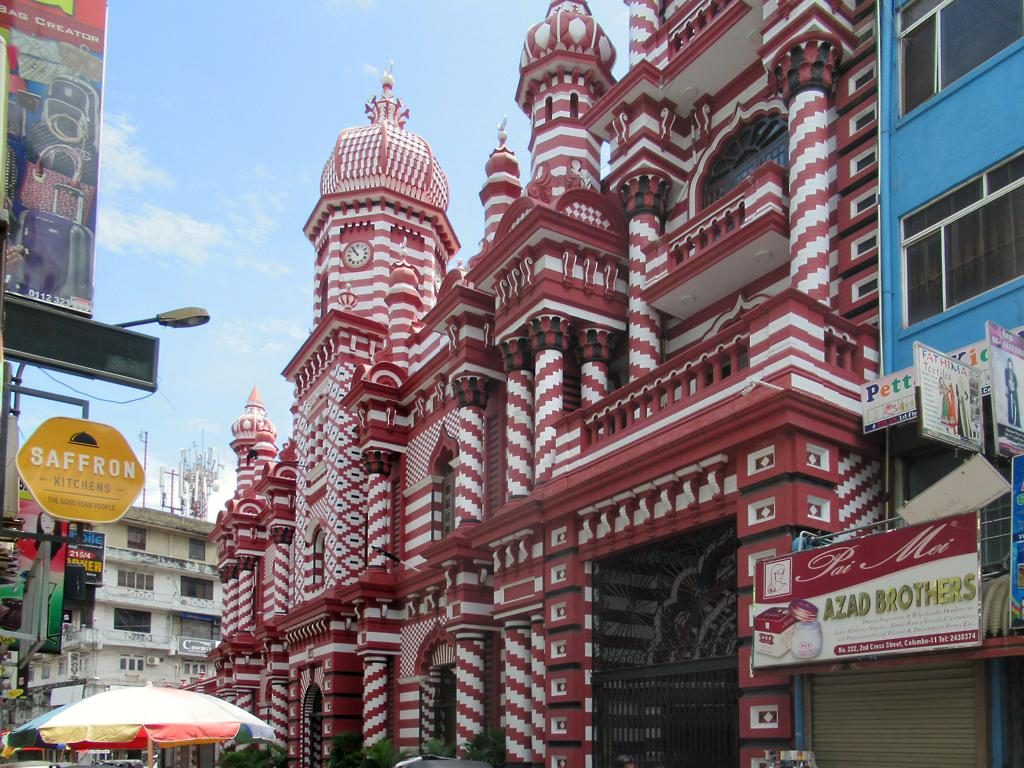
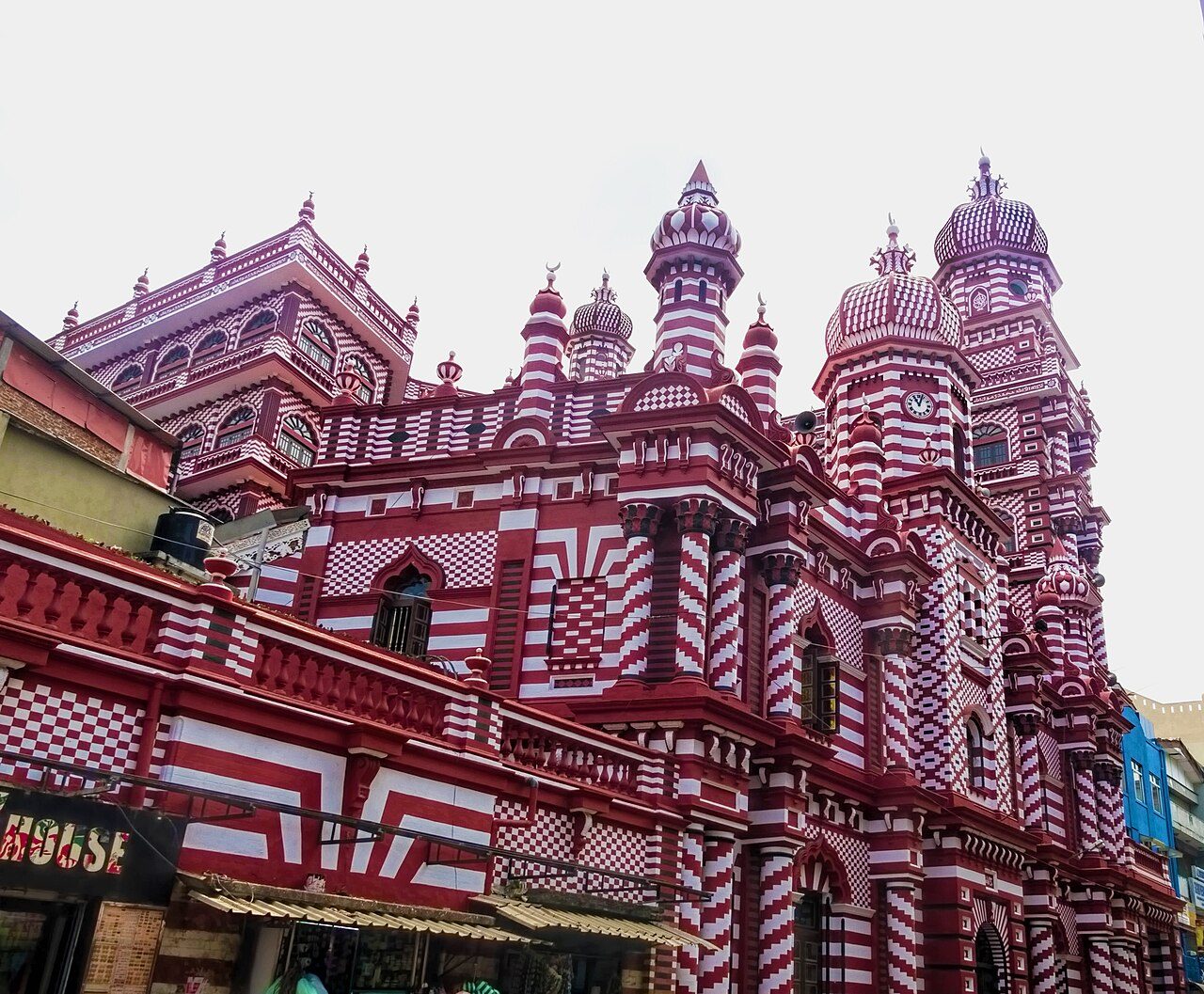
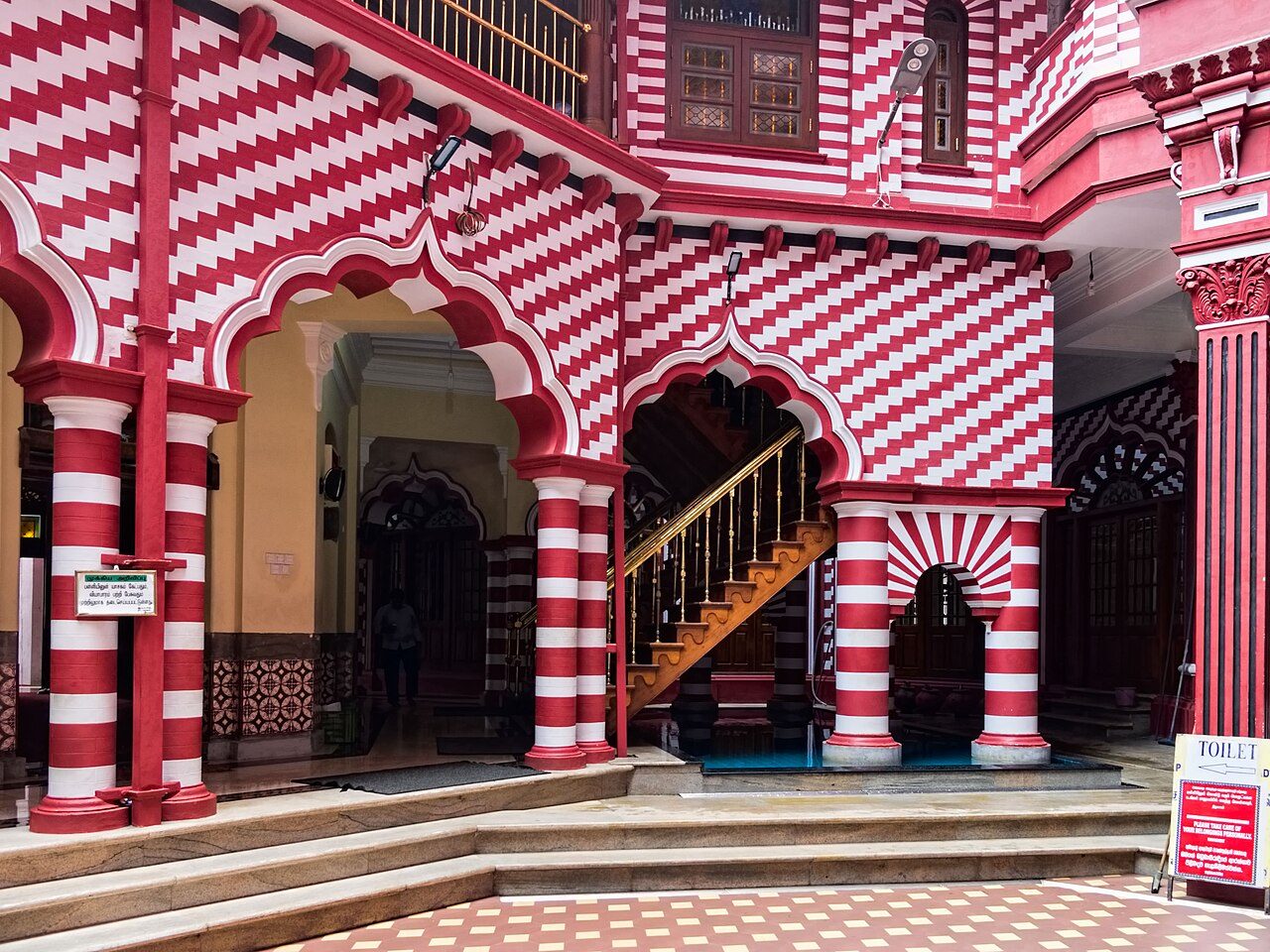
Jami Ul-Alfar Mosque, known as the Red Mosque, stands in the crowded Pettah market district of Colombo. Completed in 1909, it was designed by Habibu Labbe Saibu Labbe and built by the local Indian Muslim community. Its red and white candy-striped brickwork, onion and pomegranate-shaped domes and clock tower make it one of the most photographed buildings in the city.
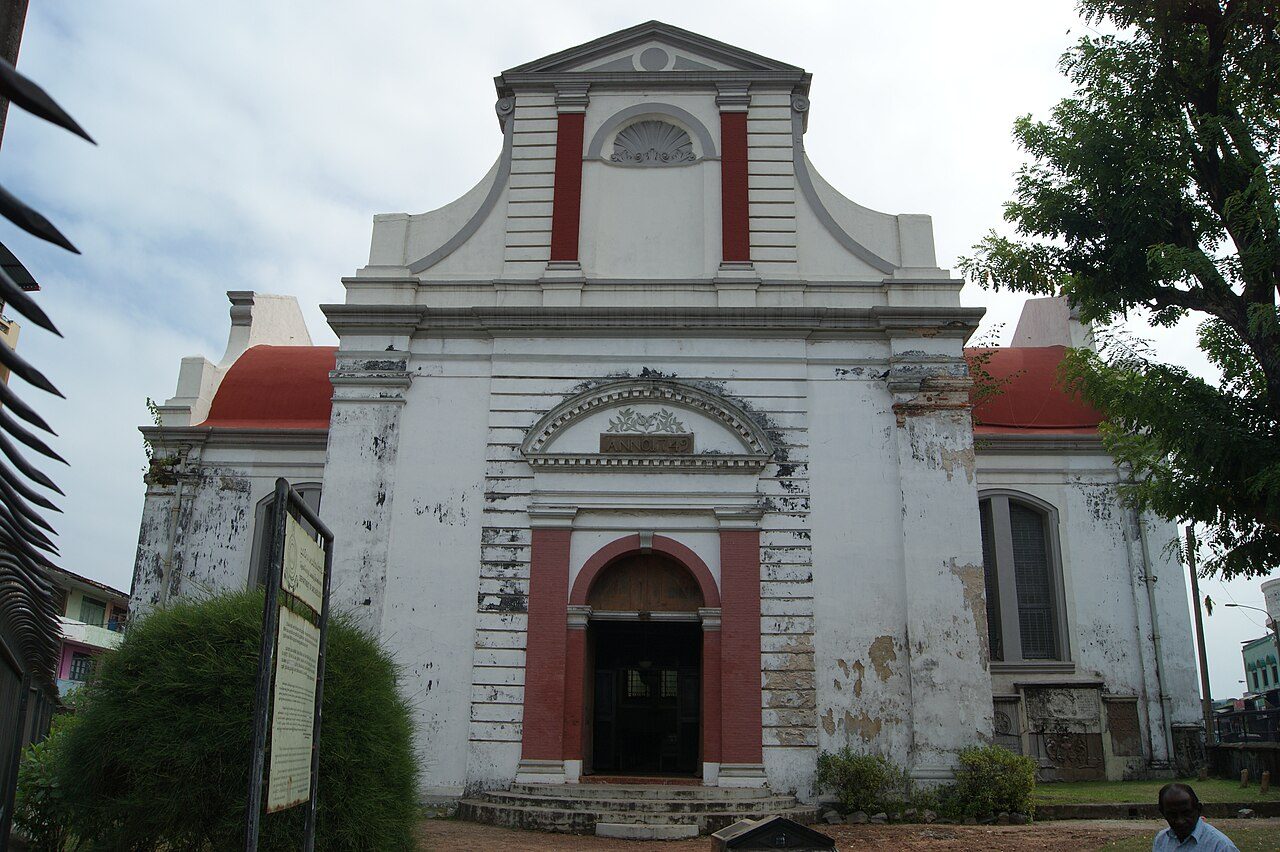
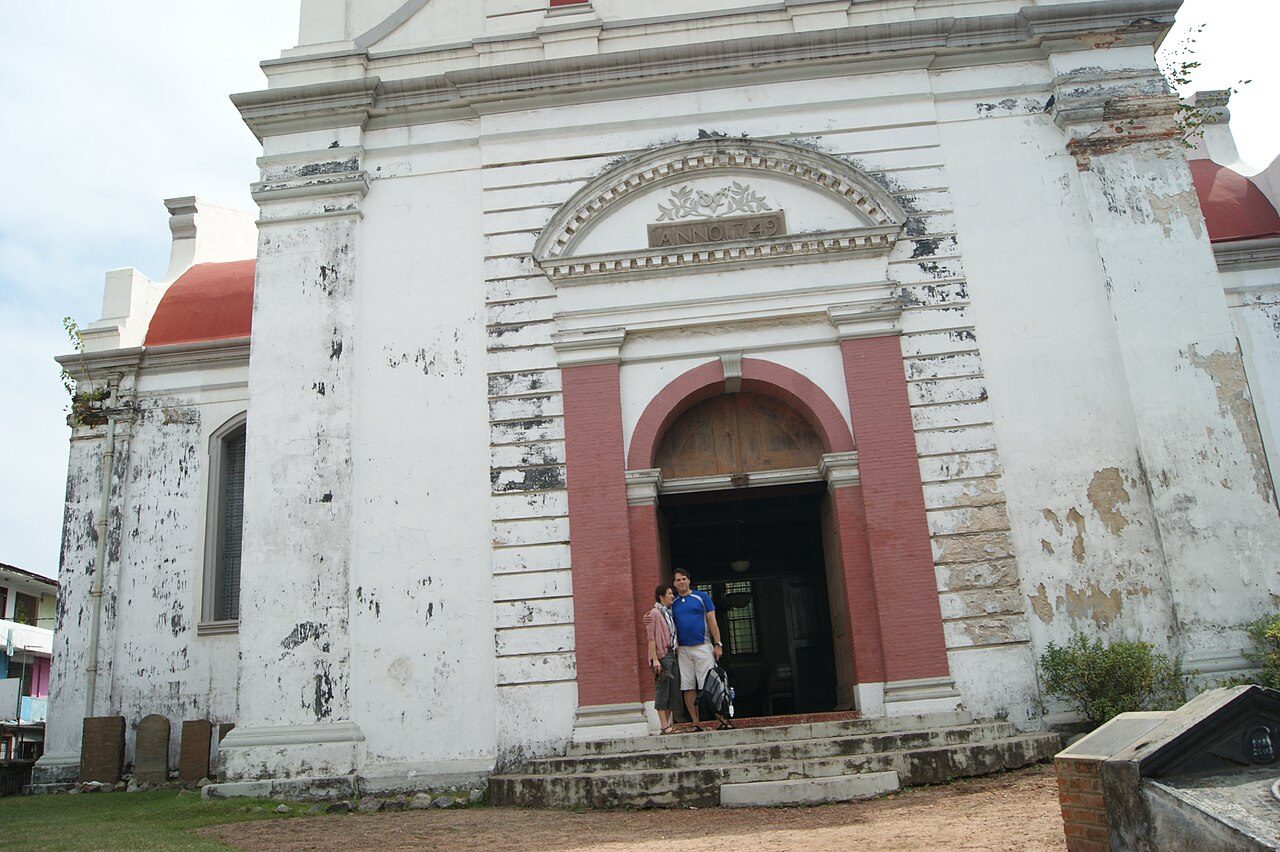
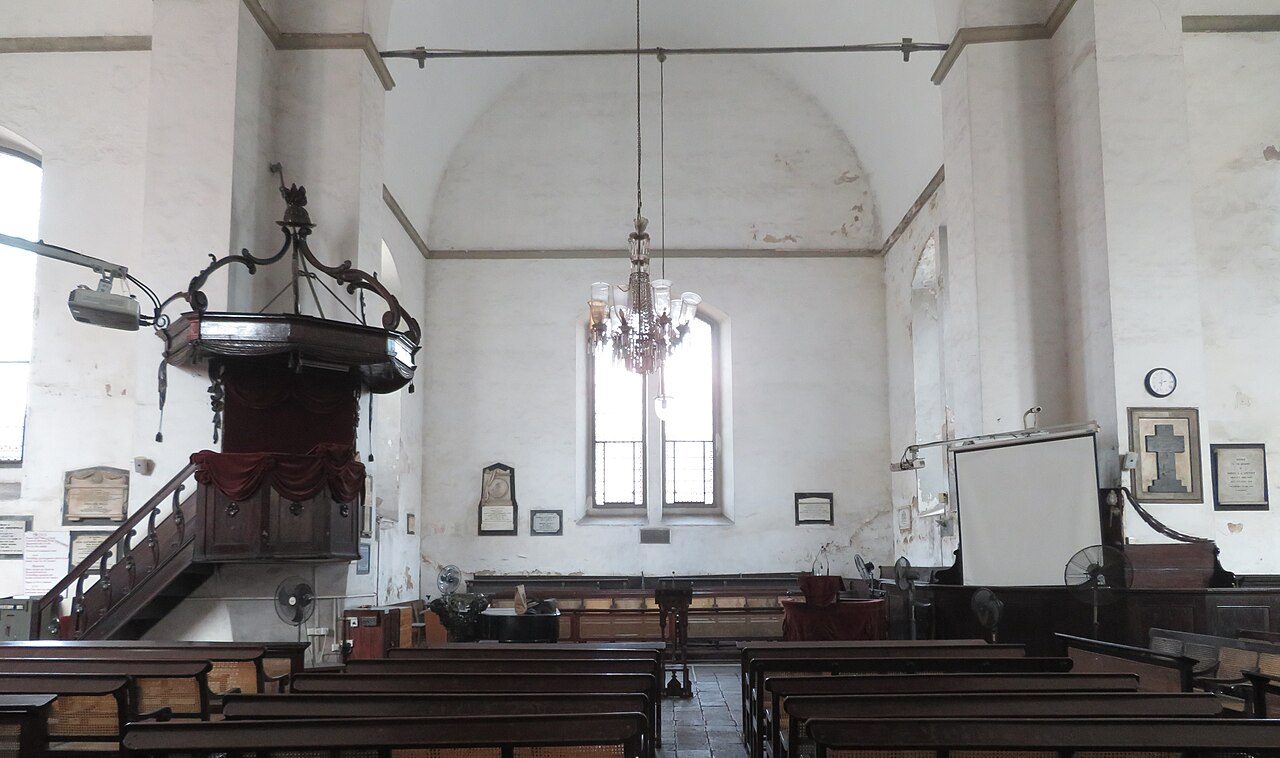
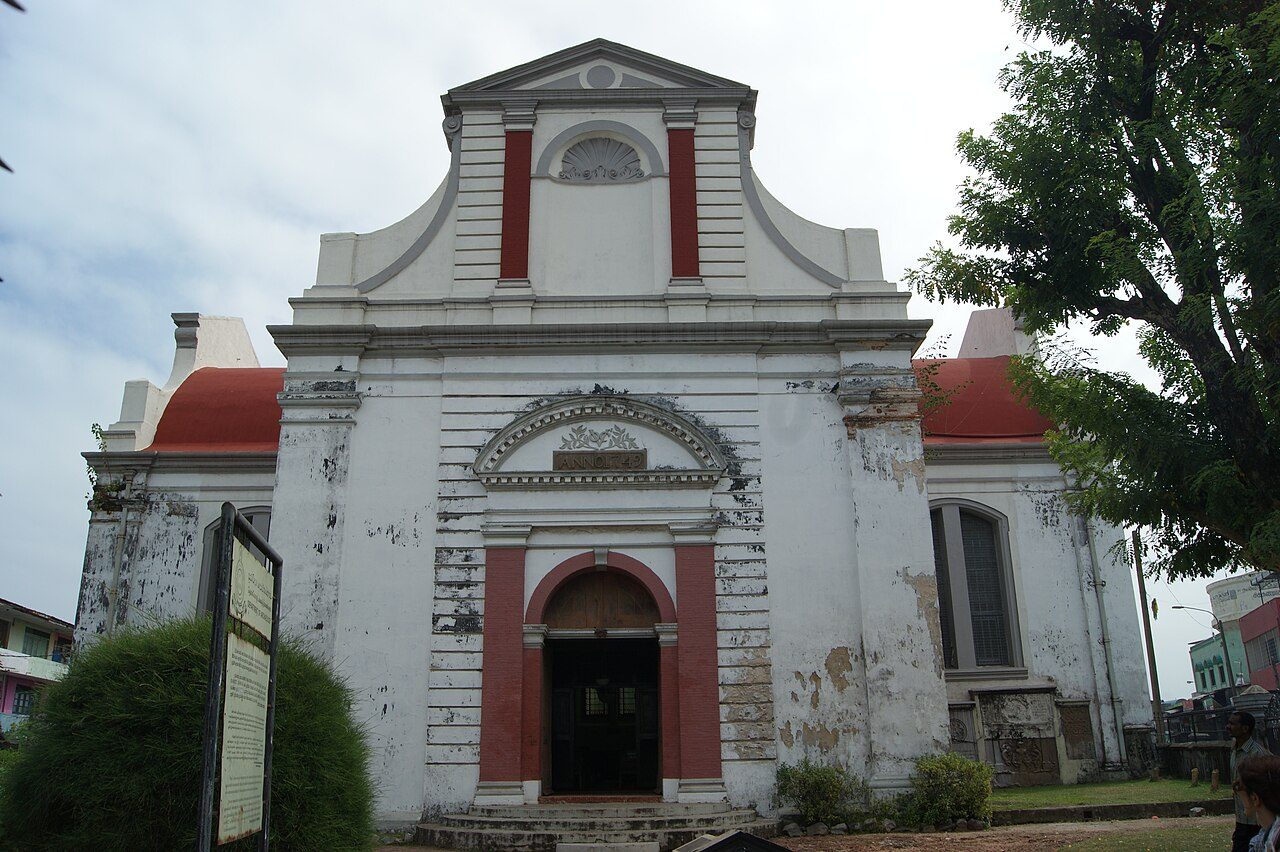
Wolvendaal Church in Colombo is one of the oldest Protestant churches still in use in Sri Lanka. The Dutch began building it in 1749 and completed it in 1757, on a hill then outside the city. Built in the shape of a Greek cross with thick walls, it keeps old Dutch furniture, a carved pulpit and floor tombstones of Dutch governors moved here from the fort.
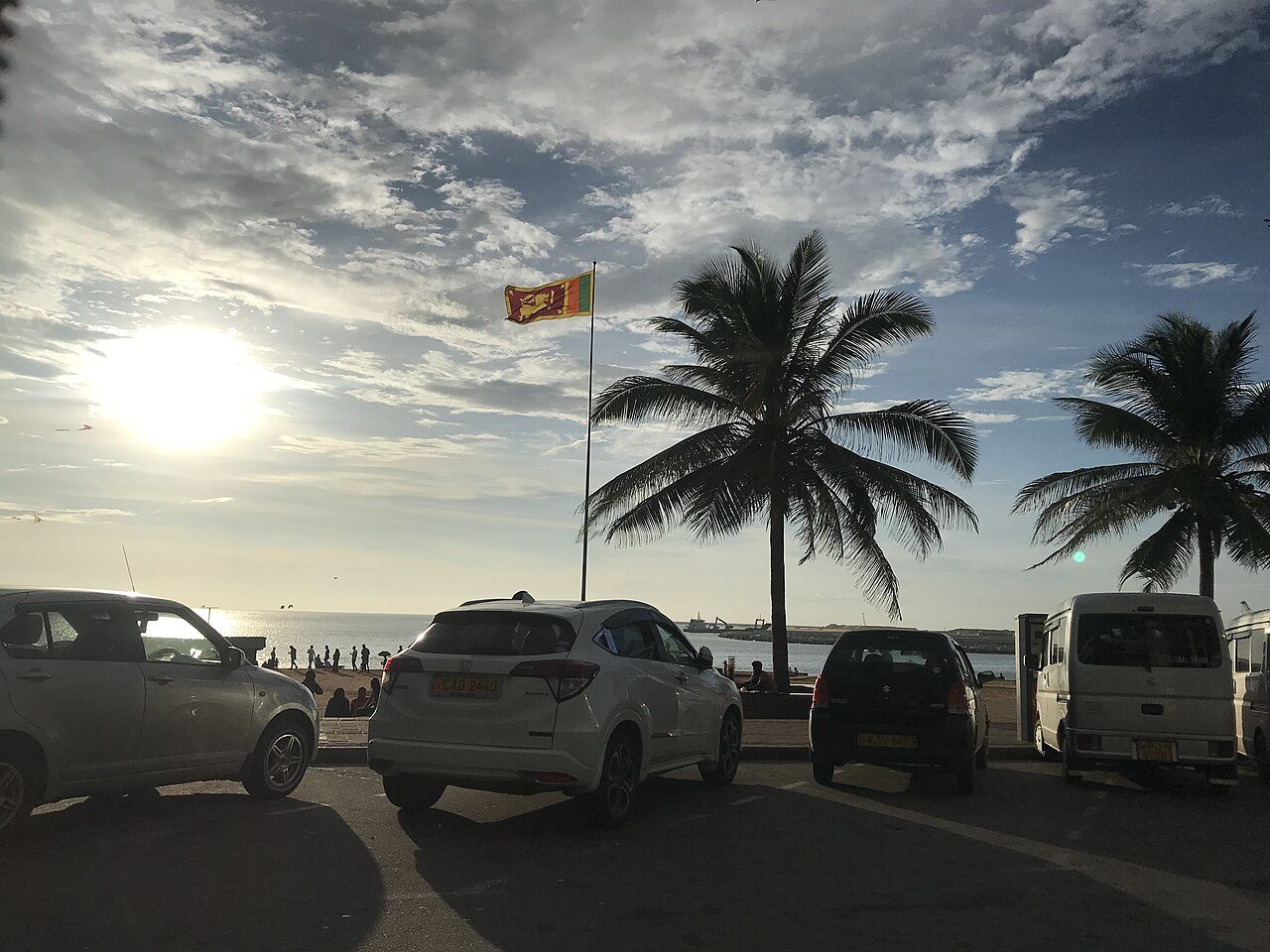
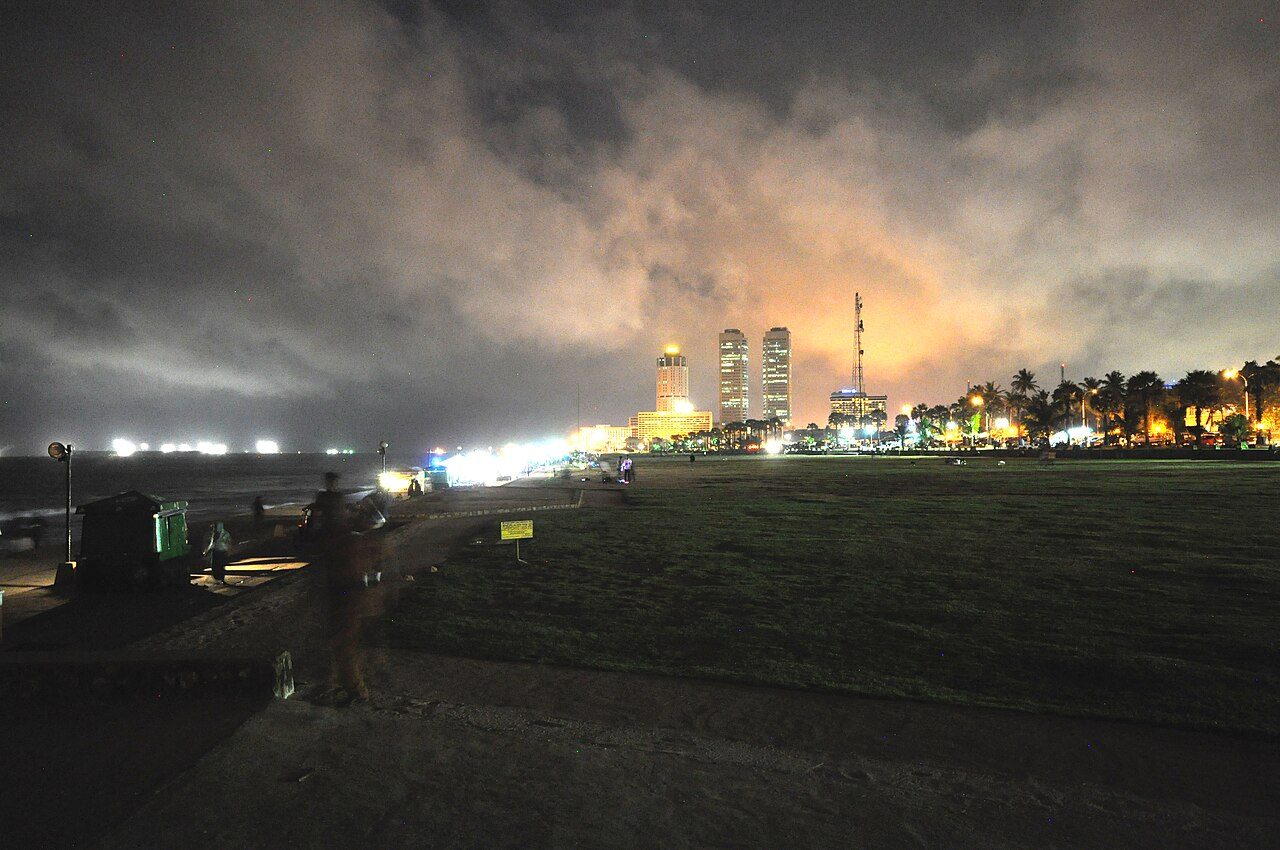
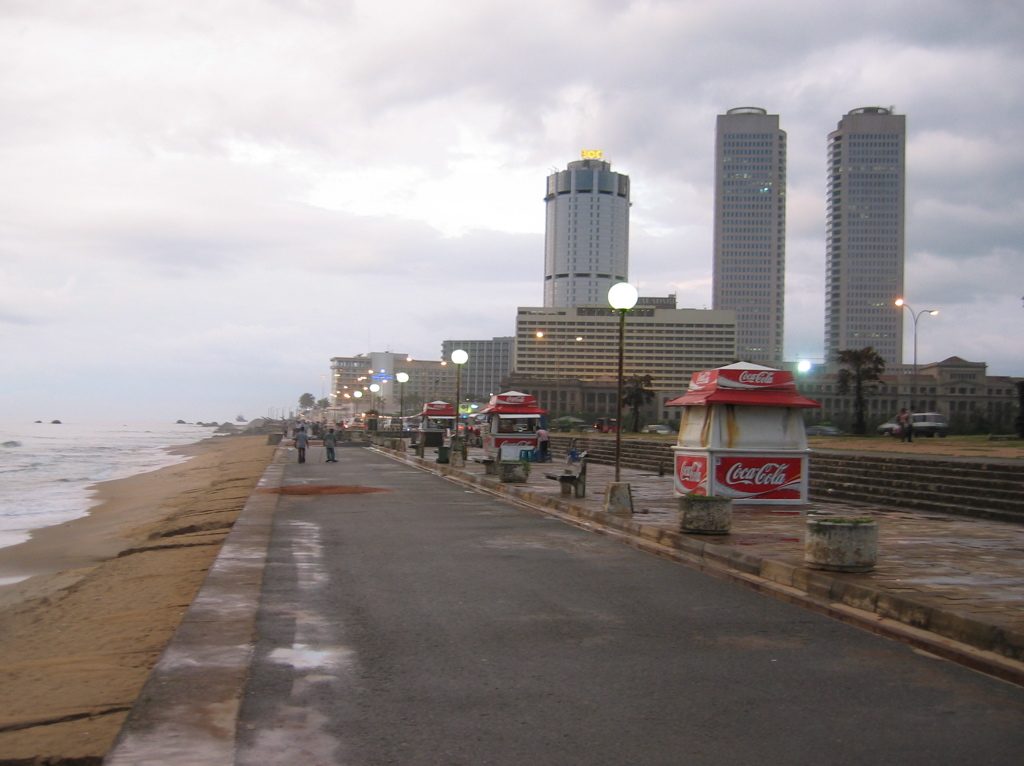
Galle Face Green is a long seafront lawn in the heart of Colombo, laid out in 1859 under the British governor Sir Henry Ward. Once used for horse racing and golf, it is now the city's favourite evening promenade, with kite flyers, families and food carts selling isso wade and other snacks. Sunset over the Indian Ocean is the main attraction.
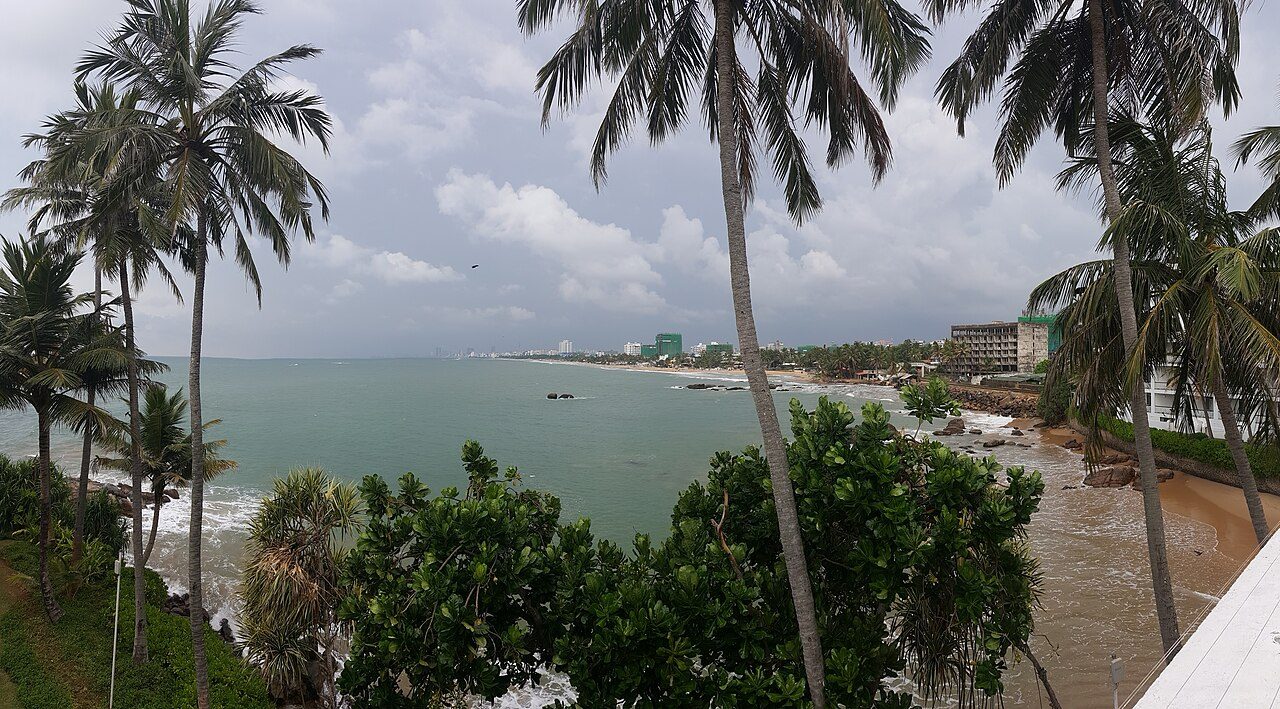
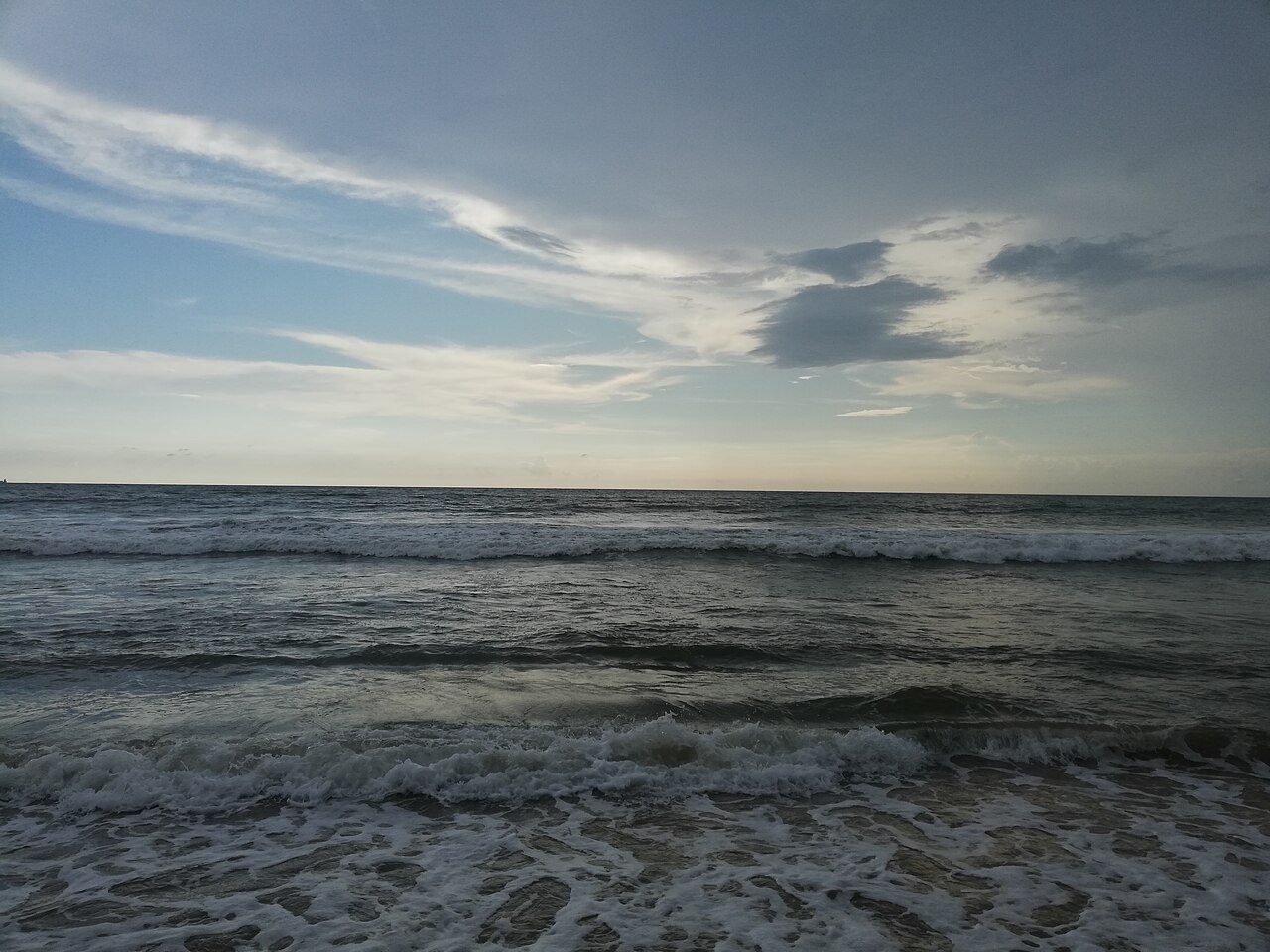
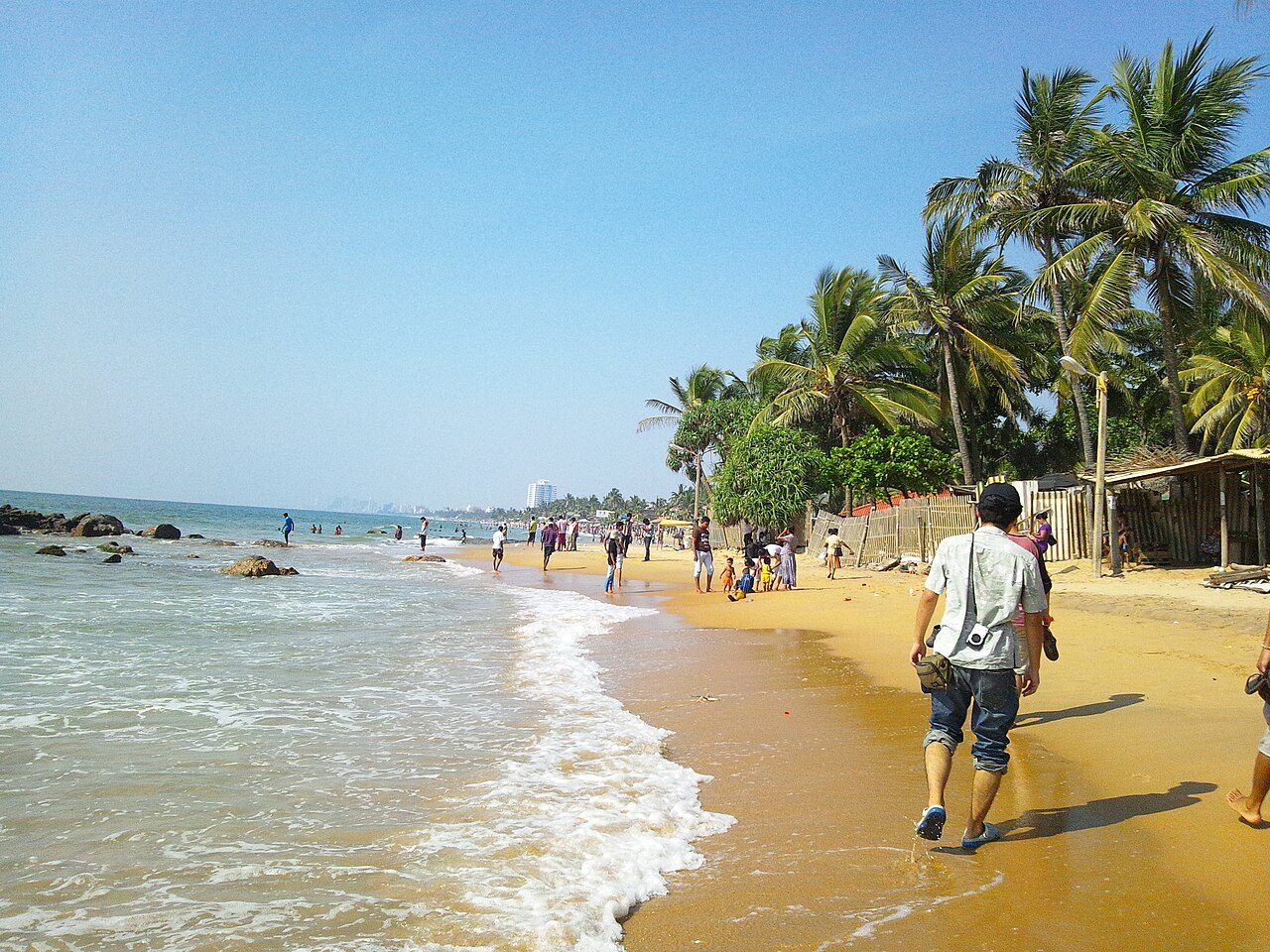
Mount Lavinia Beach lies about 12 km south of central Colombo and is the nearest popular sea beach to the city. The golden sand curves below the Mount Lavinia Hotel, which began as the residence of a British governor in the early 19th century. Seafood restaurants line the shore, and the railway line runs right along the coast behind it.
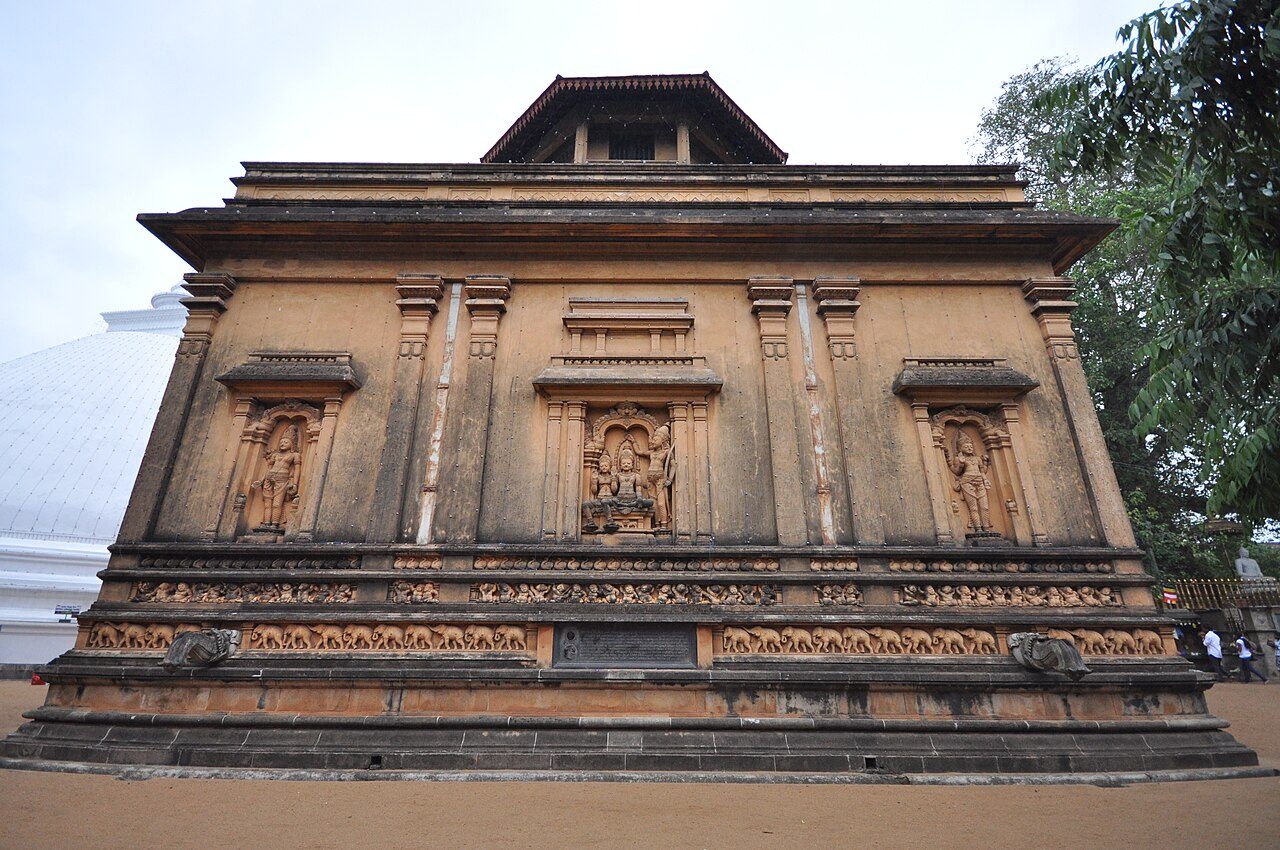
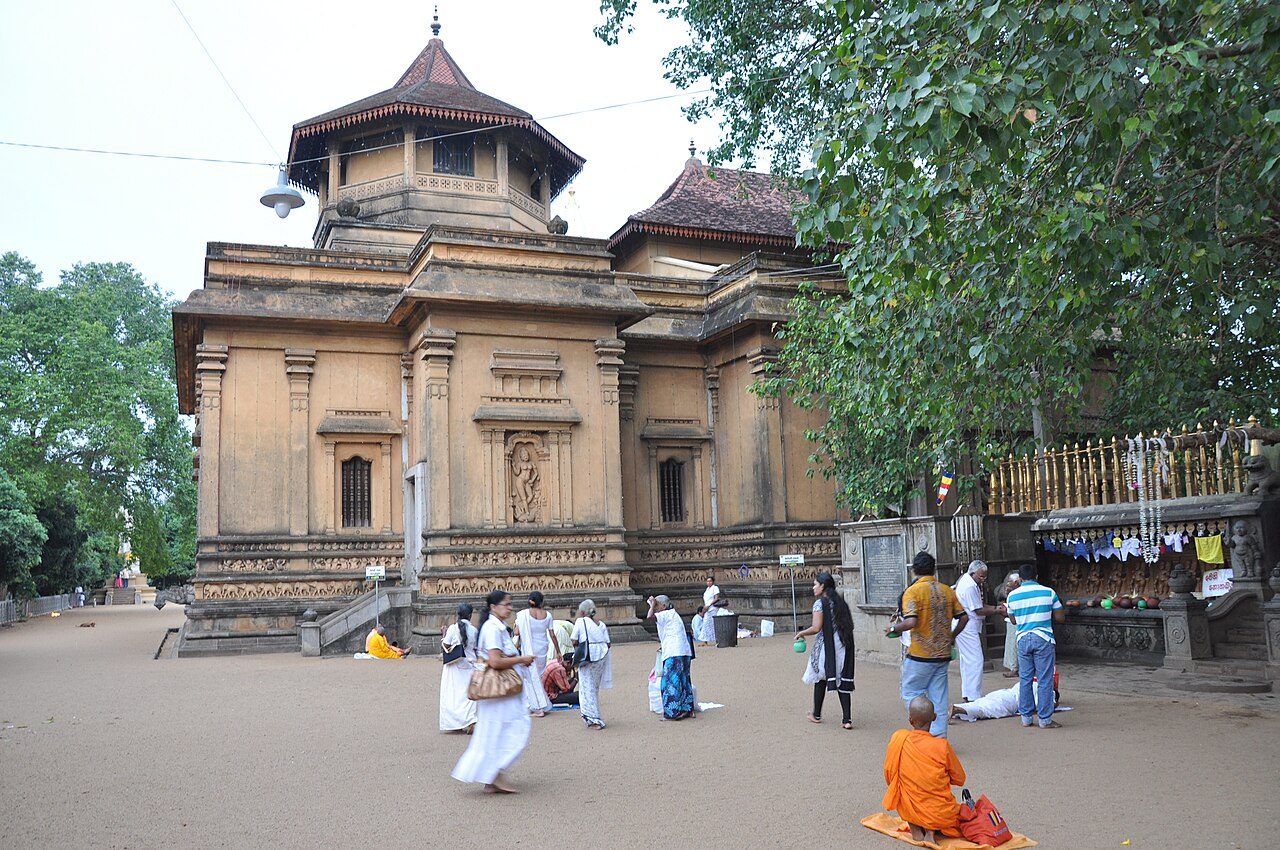
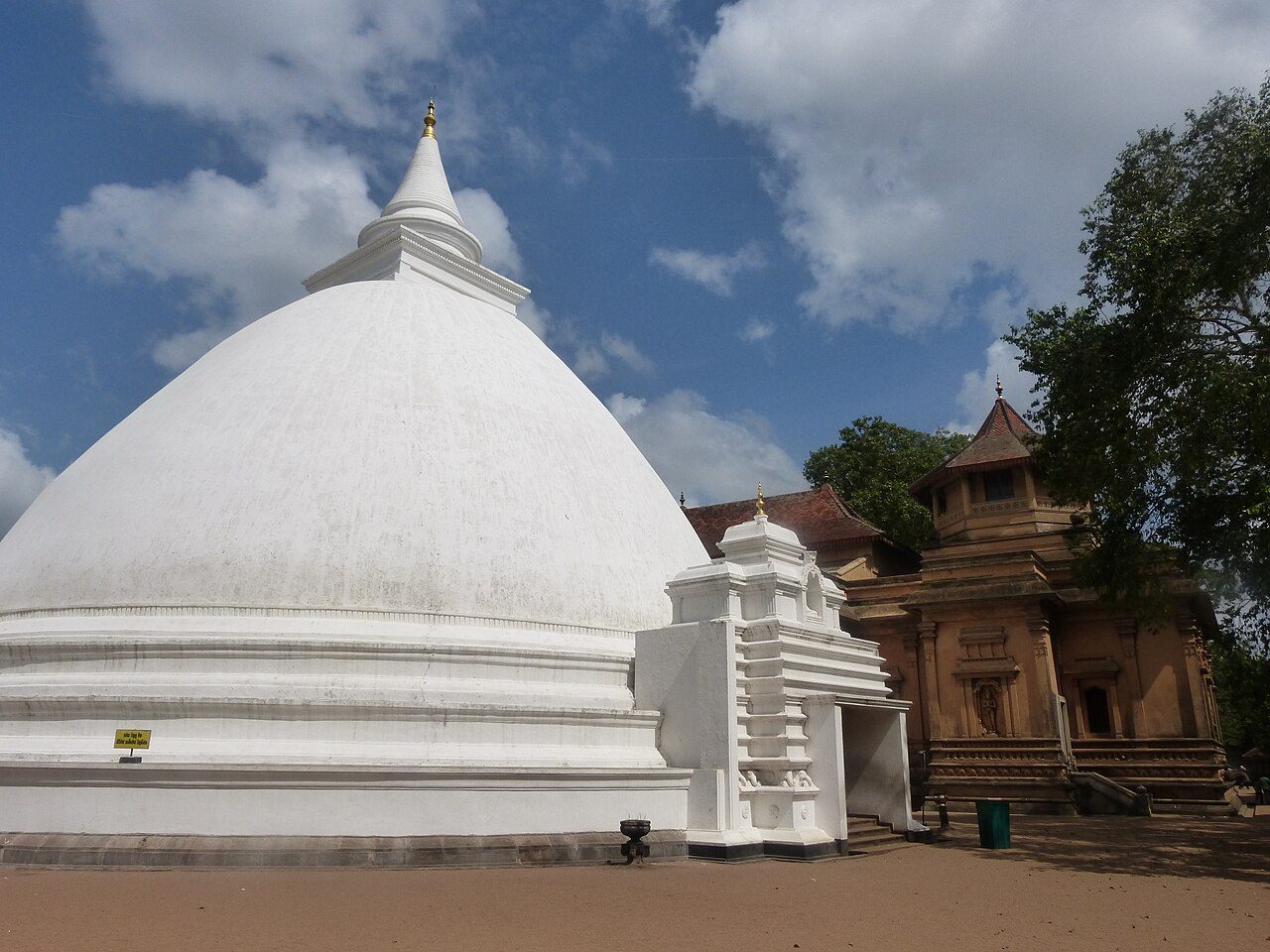
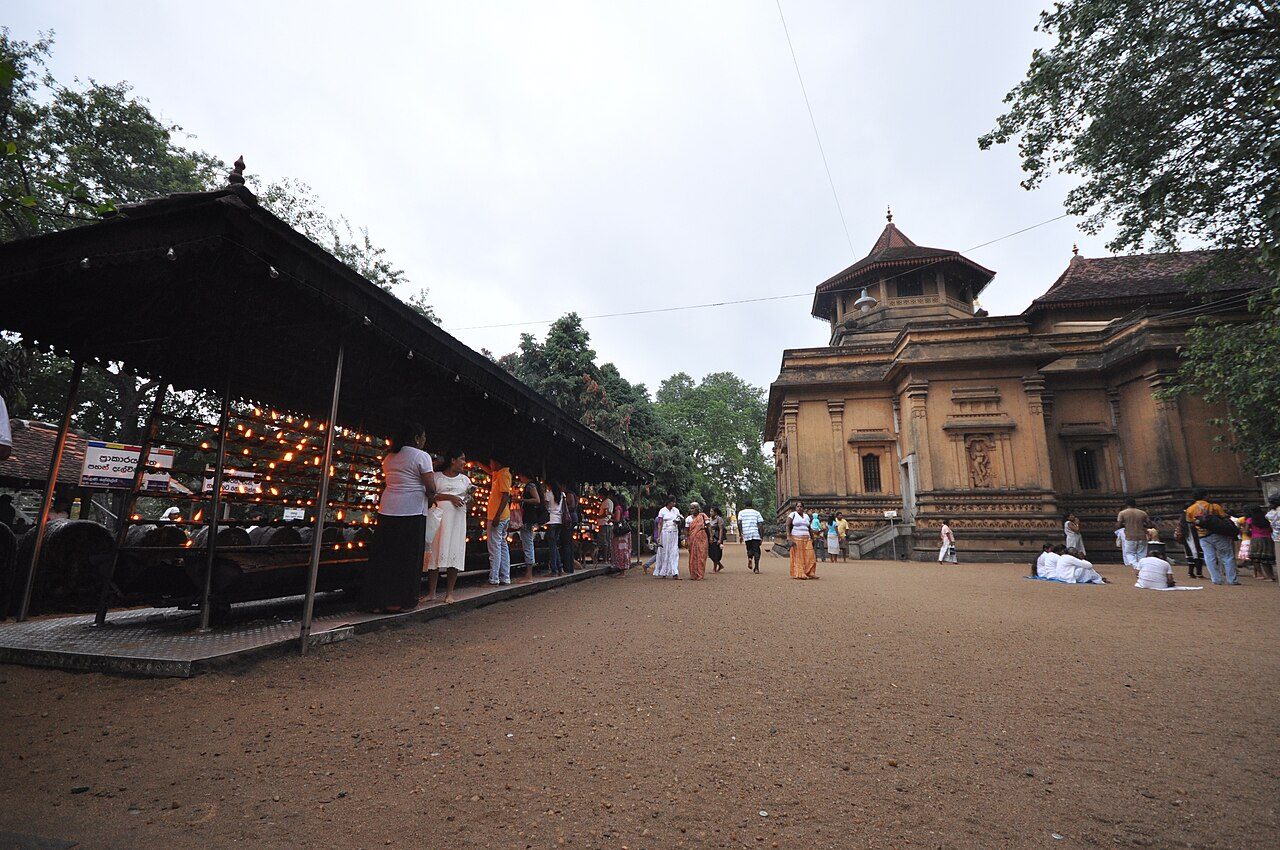
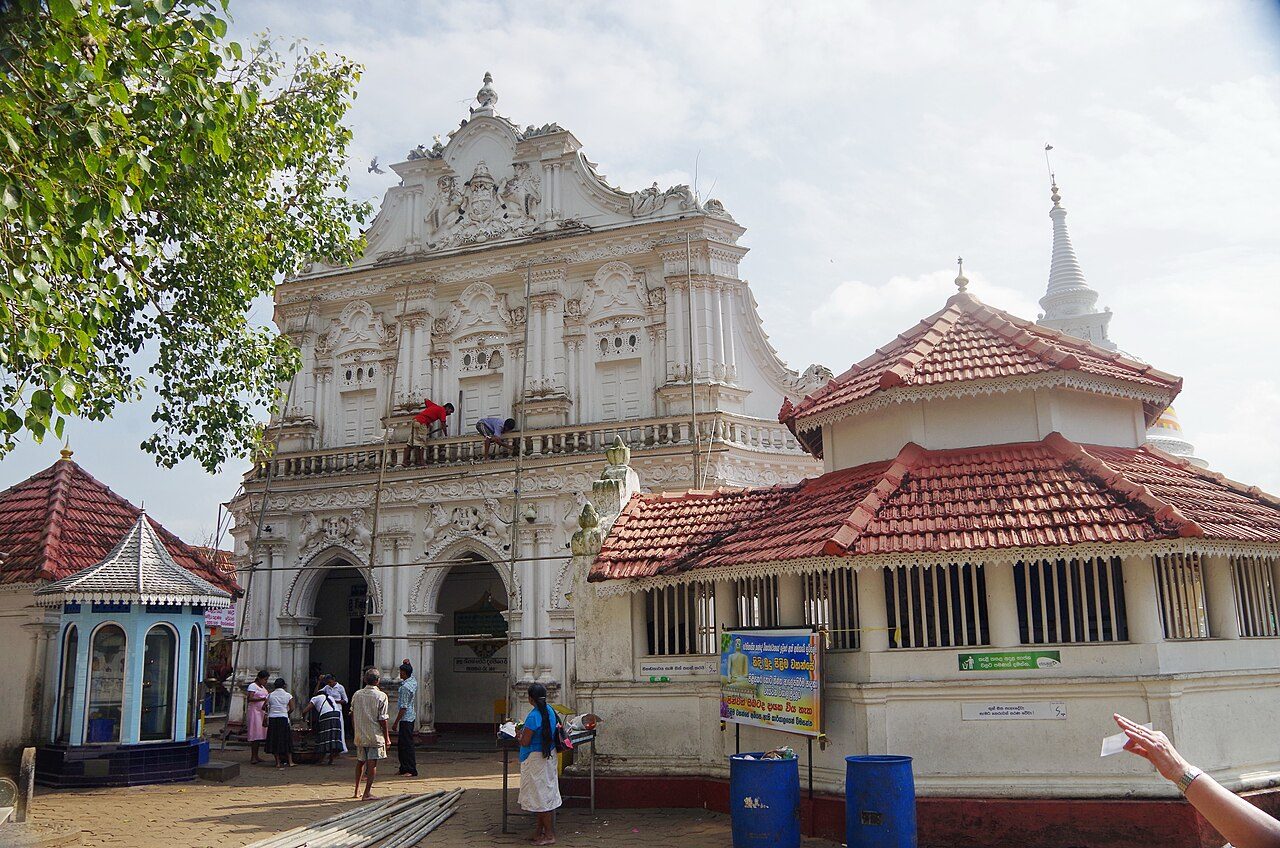
Kelaniya Raja Maha Vihara stands beside the Kelani River about 10 km from Colombo. Buddhists believe the Buddha visited this spot on his third visit to the island. The old temple was destroyed in the Portuguese period and rebuilt later; its image house is famous for 20th-century murals by Solias Mendis. The Duruthu Perahera is held here each January.
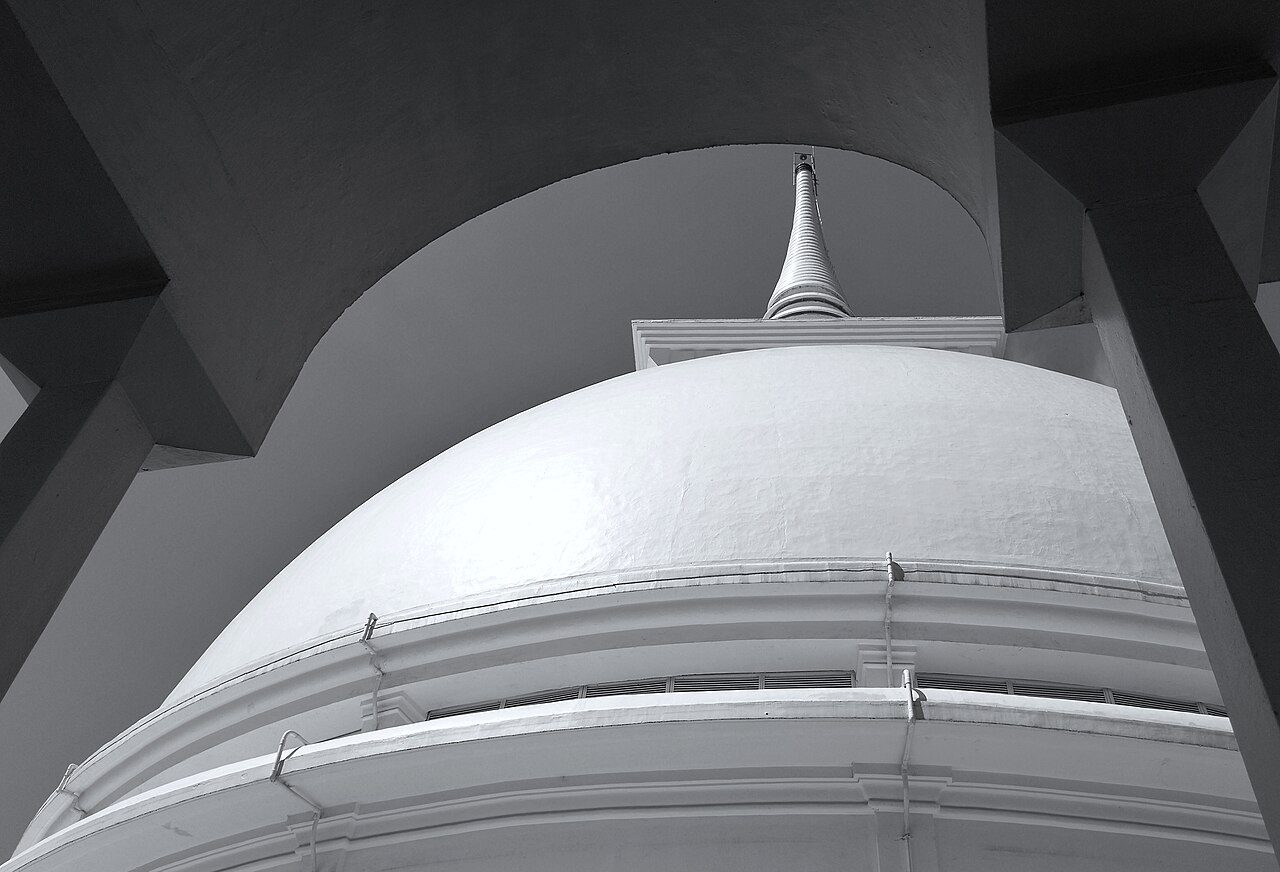
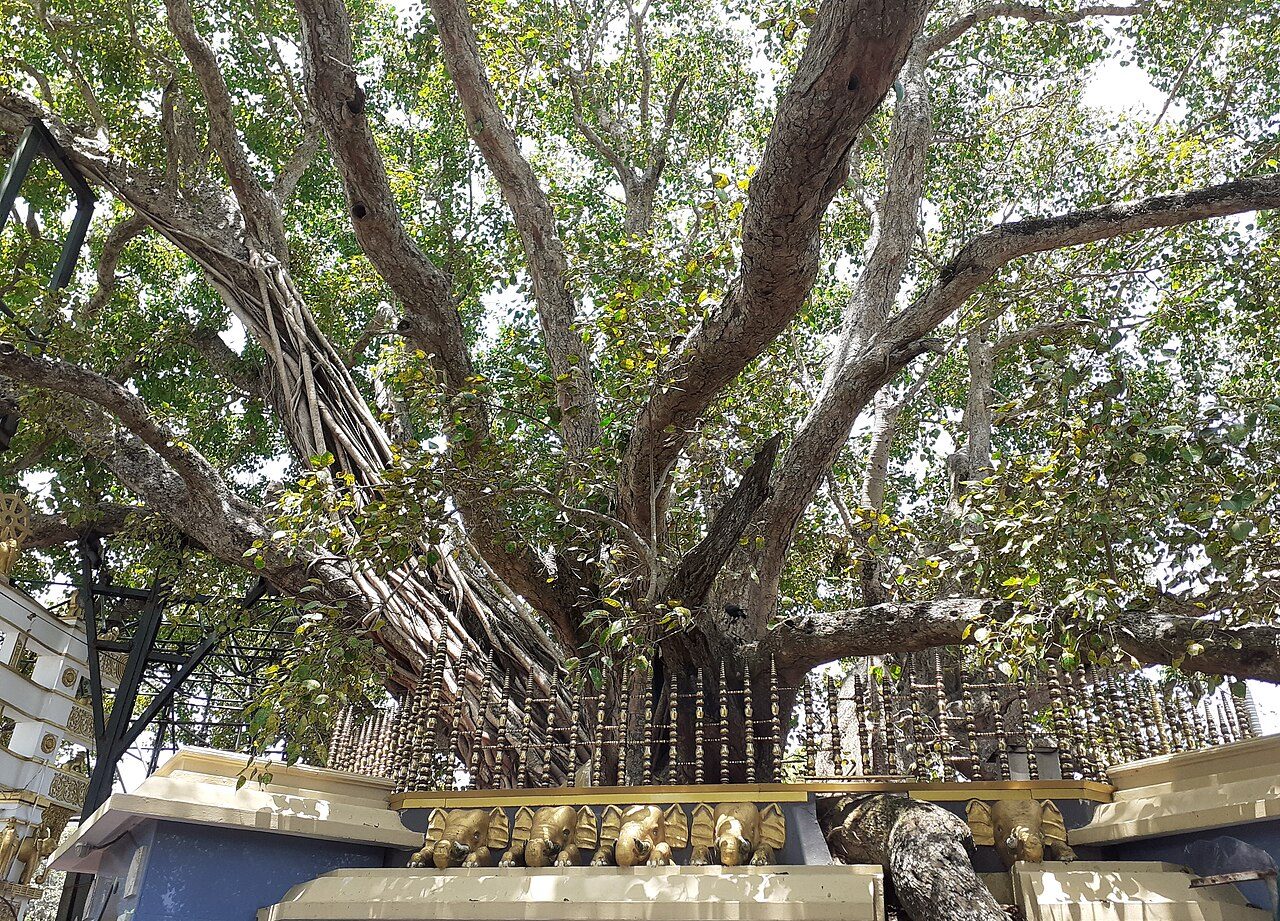
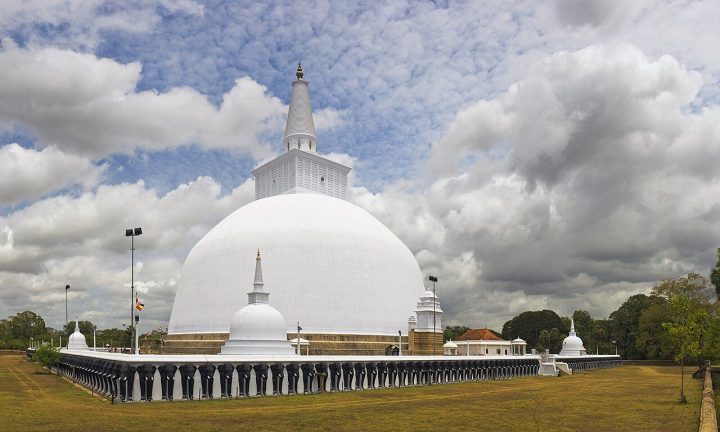
Kalutara Bodhiya is a major Buddhist shrine on the south bank of the Kalu Ganga, right beside the main coast road. It is centred on a sacred bo tree believed to be one of the saplings of the Sri Maha Bodhi of Anuradhapura. Across the road stands the Kalutara Chaitya, a large white stupa that is hollow inside, with murals on its inner walls.
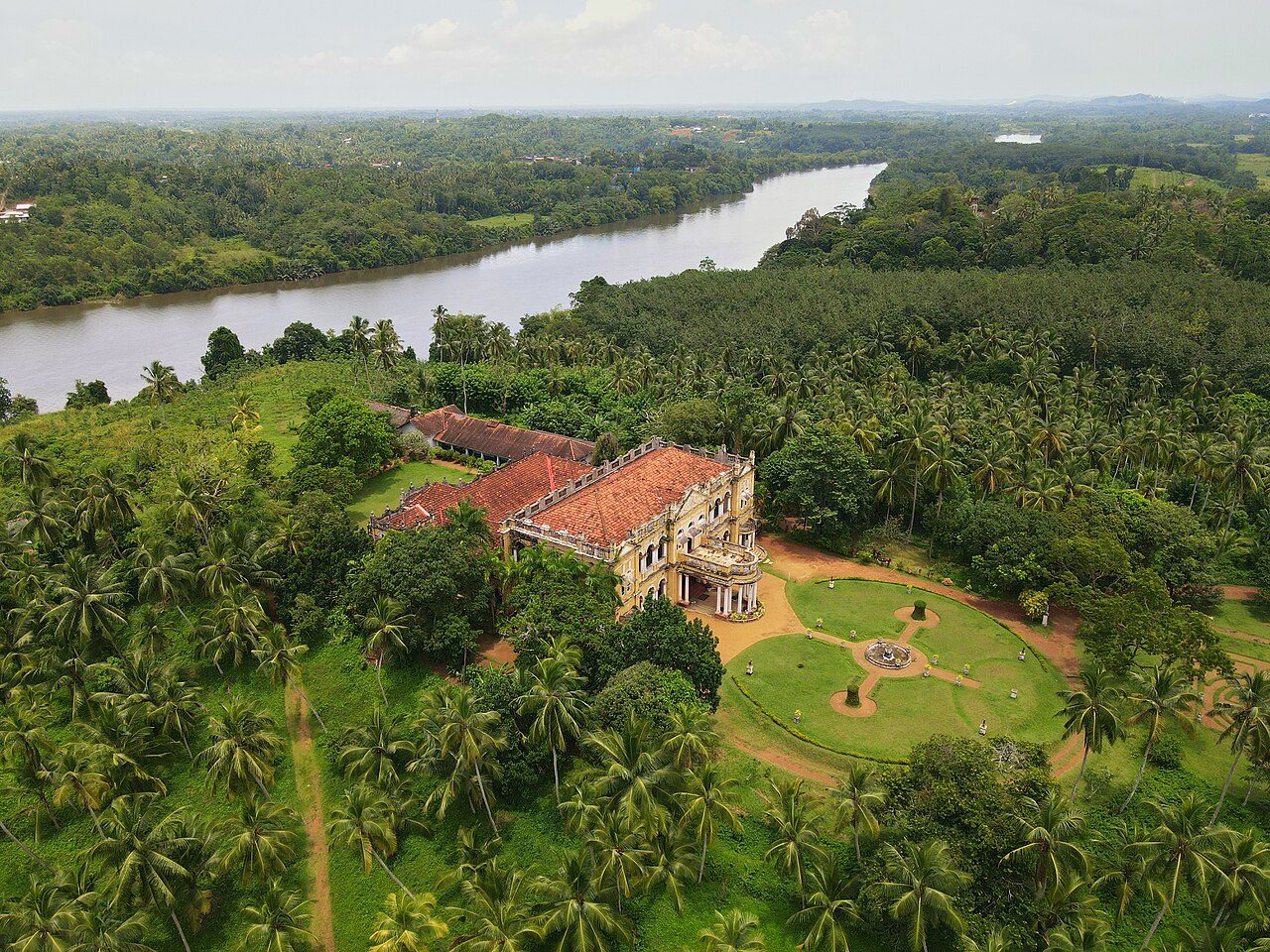
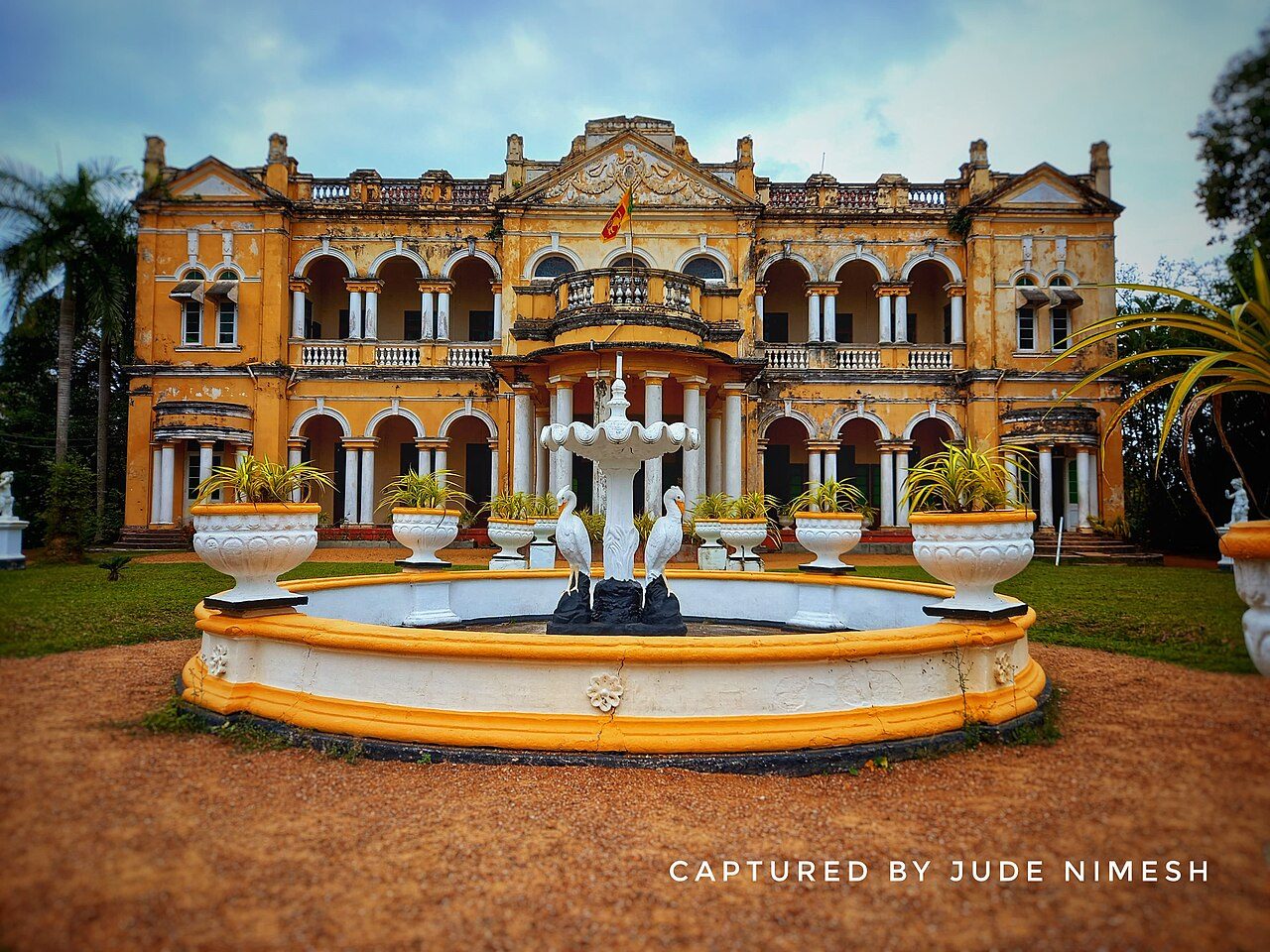
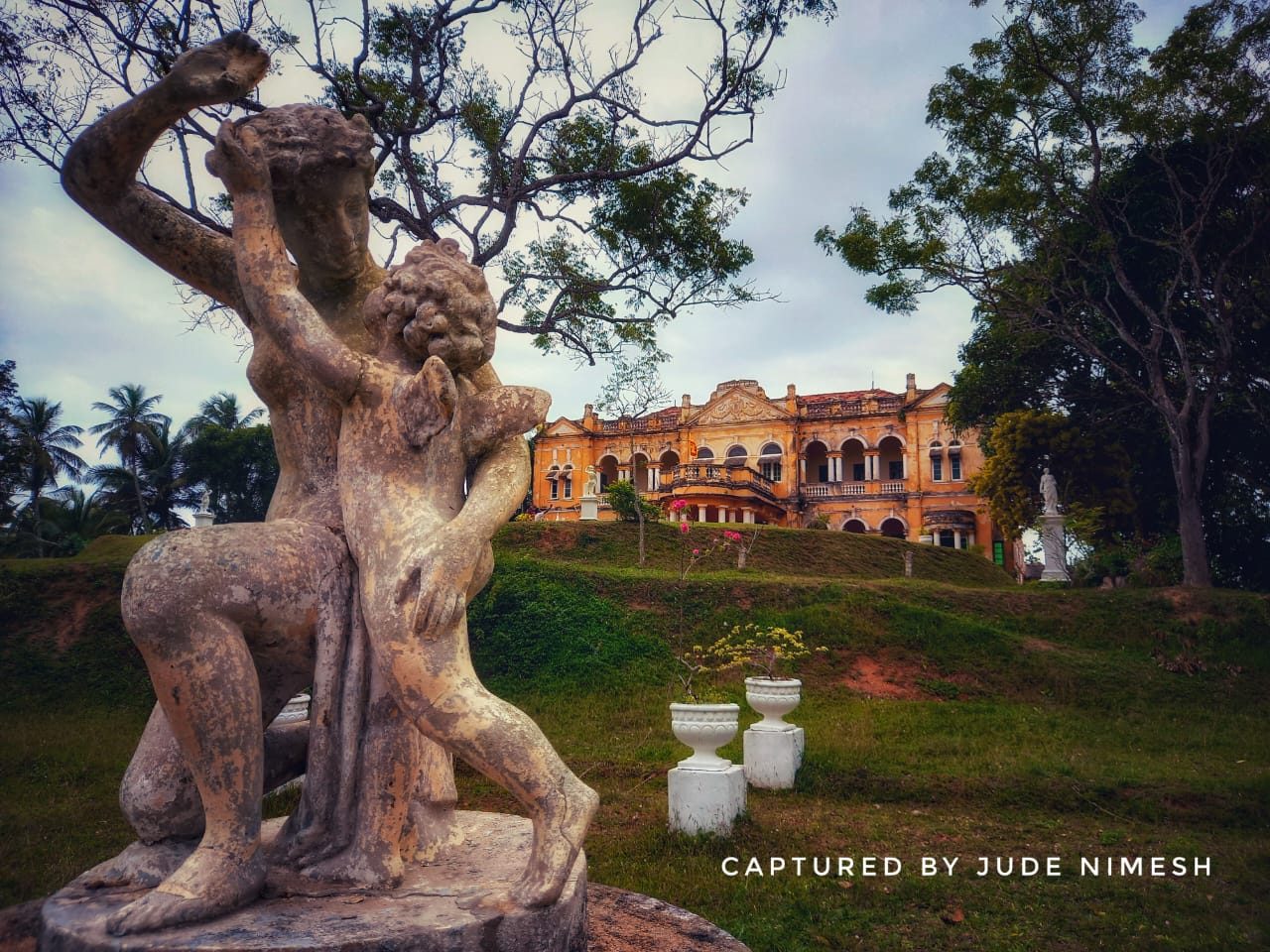
Richmond Castle is a two-storey mansion on a hill beside the Kalu Ganga near Kalutara, built between 1900 and 1910 for the wealthy local landowner Don Arthur de Silva Wijesinghe Siriwardena. Its design blends British and Indian styles, with imported teak, tiles and stained glass. It now belongs to the Public Trustee and is open to visitors.
Kande Vihara stands on a hill near Aluthgama, a short distance inland from Bentota and Beruwala. The temple was founded in 1734, and its old image house and stupa hold Kandyan-period paintings. It is best known for its seated Buddha statue in the bhumisparsha pose, about 48 metres high, which was completed in 2007.
Best weather: Jan – MarHeavy rain: Oct – Nov
Seasons from 20 years of NASA POWER climate data.
Was this trip blog helpful?
0
0
Ready to follow this route?
Copy all 15 stops into your trip plans in the app.
 WaTrips