Sri Lanka's East Coast in 5 Days: Trincomalee, Pasikudah and Arugam Bay
5 DAYS15 placesby WaTrips
Koneswaram, Fort Frederick and Kanniya, Nilaveli and Pigeon Island, Pasikudah and Batticaloa, Arugam Bay, and Kumana.
When the southwest monsoon hits the west coast, the east comes into its own, from about April to September. Day one is Trincomalee: Koneswaram Temple on Swami Rock, Fort Frederick and the Kanniya hot springs. Day two swims at Nilaveli and snorkels at Pigeon Island. Day three visits the calm bay of Pasikudah and Batticaloa's Dutch fort and lagoon. Day four reaches Arugam Bay, one of Asia's best surf spots, and day five explores the birdlife of Kumana National Park and the forest monastery at Kudumbigala.
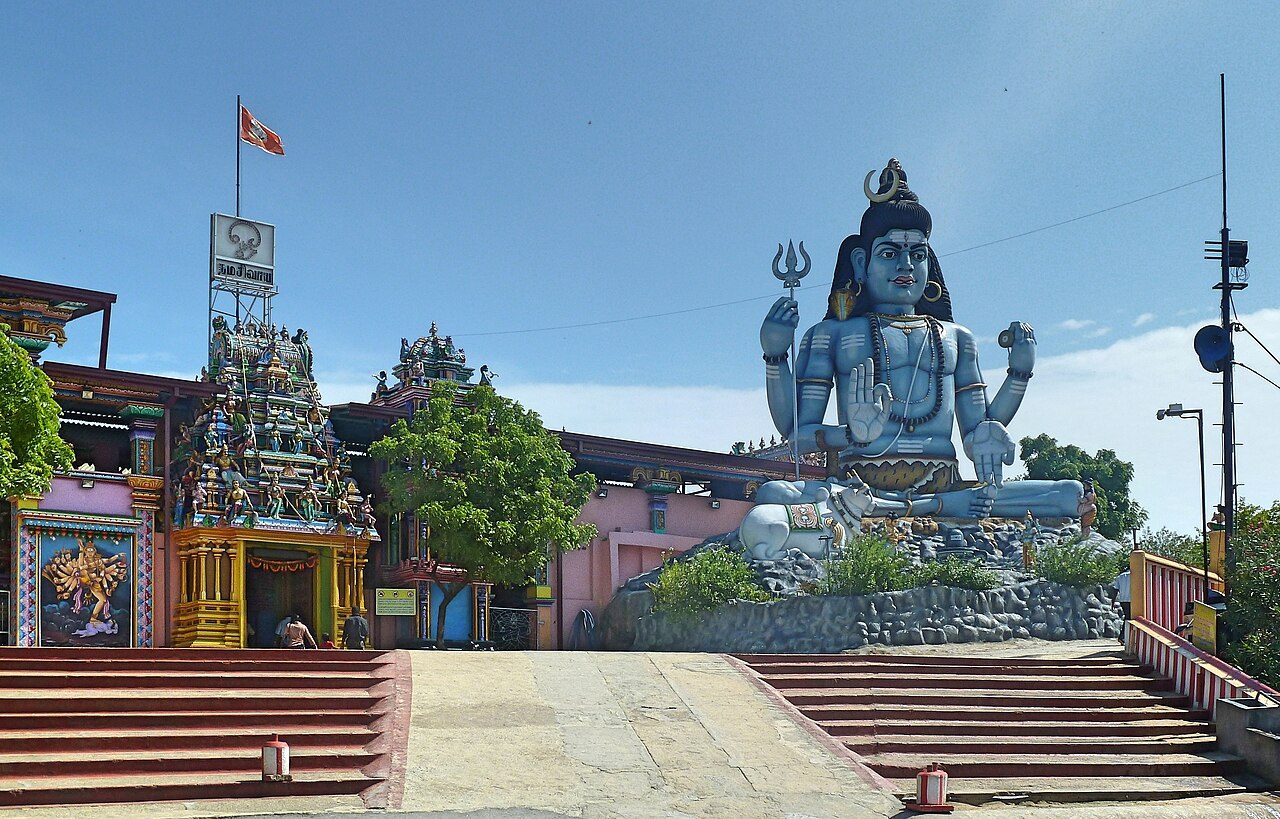
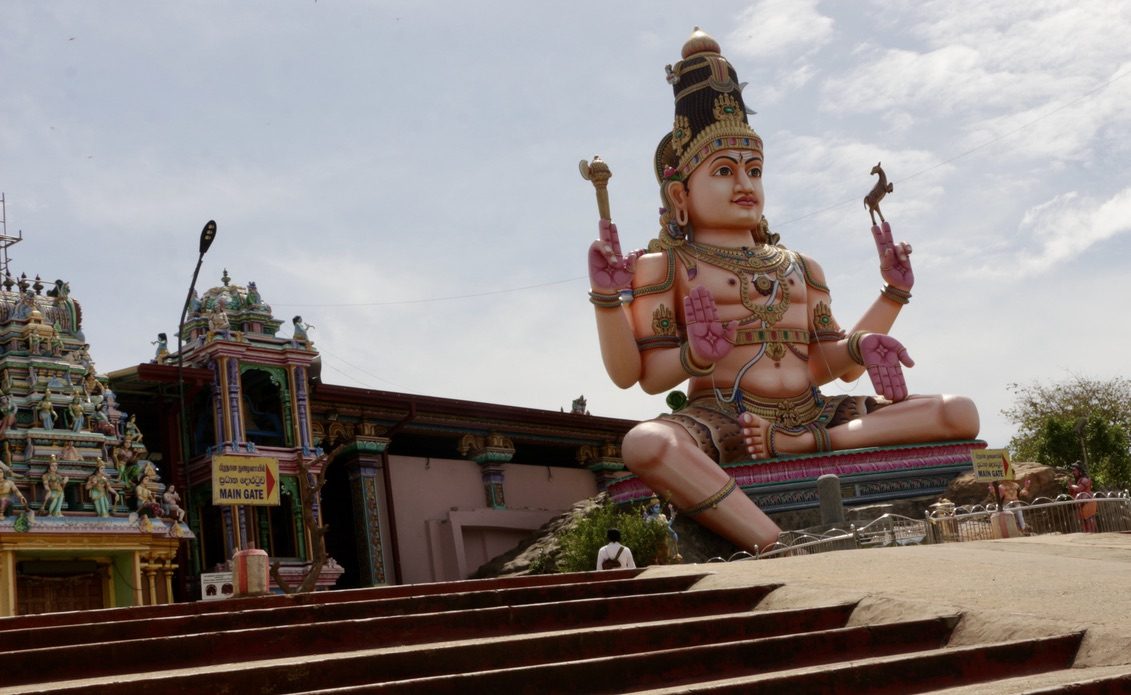
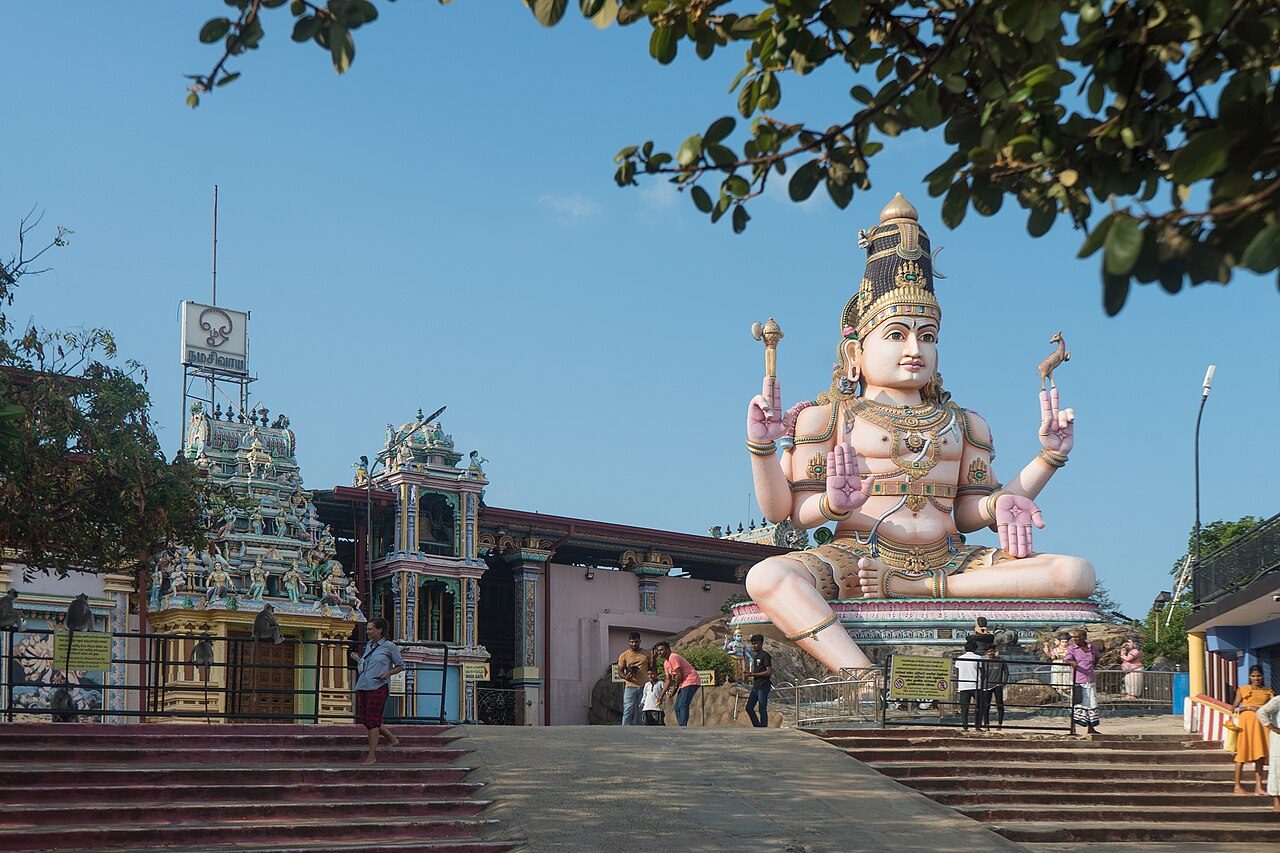
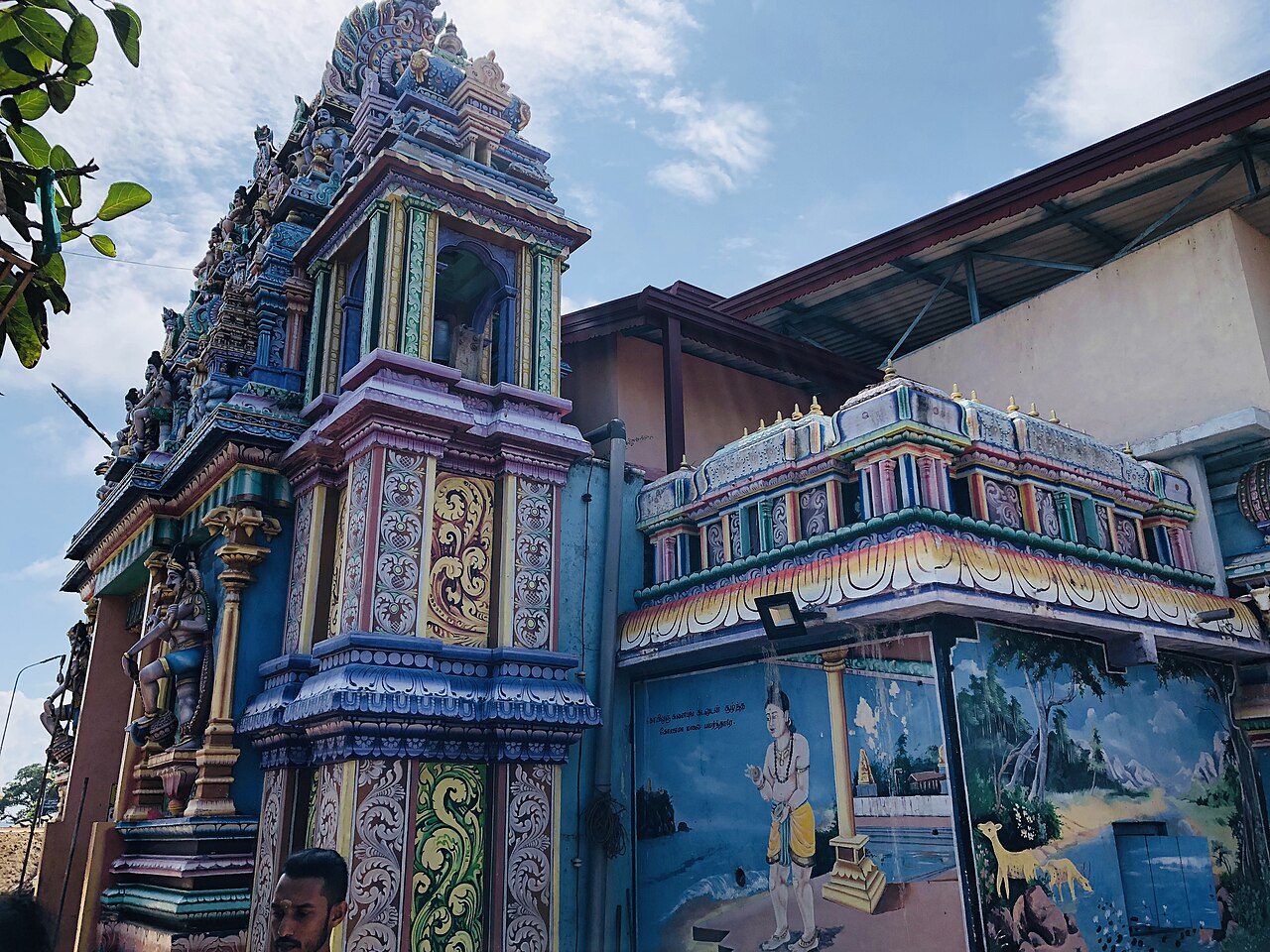
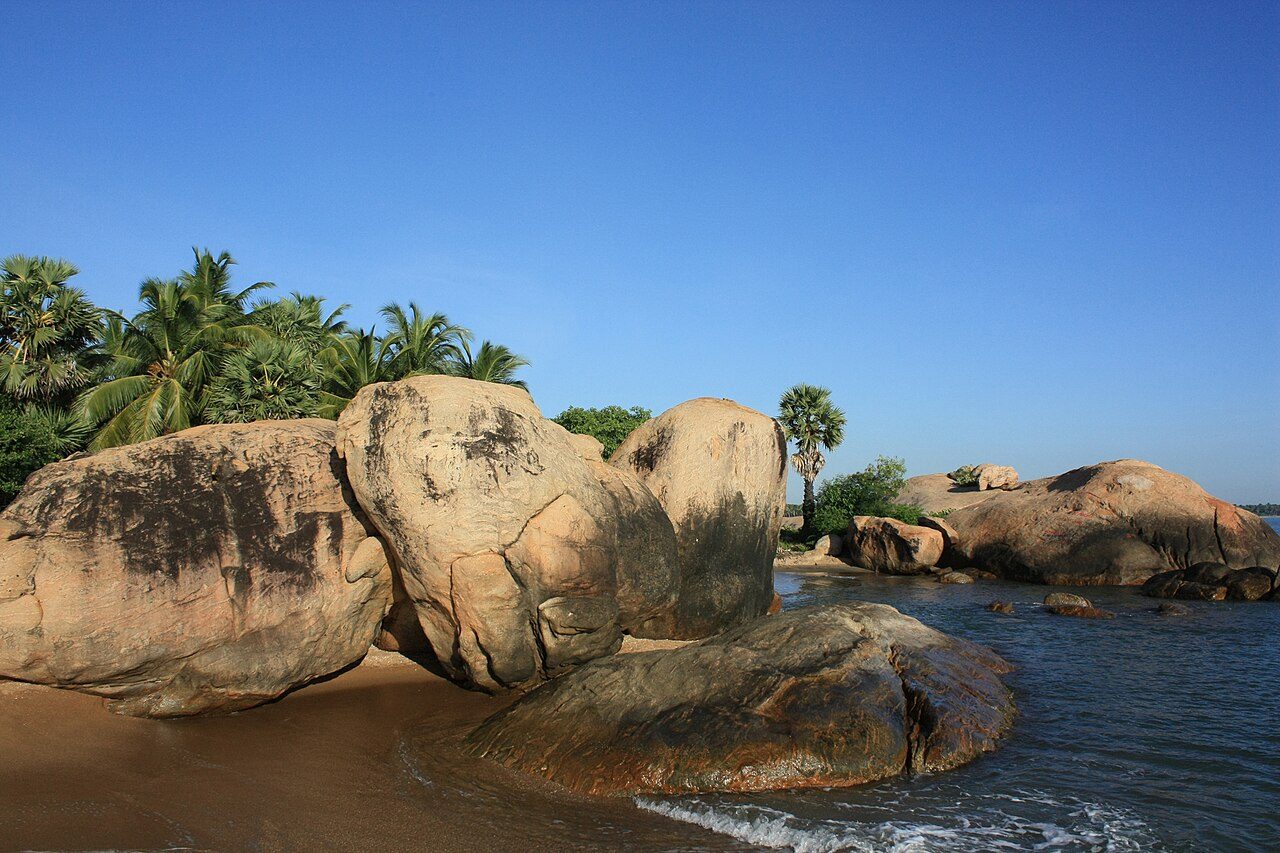
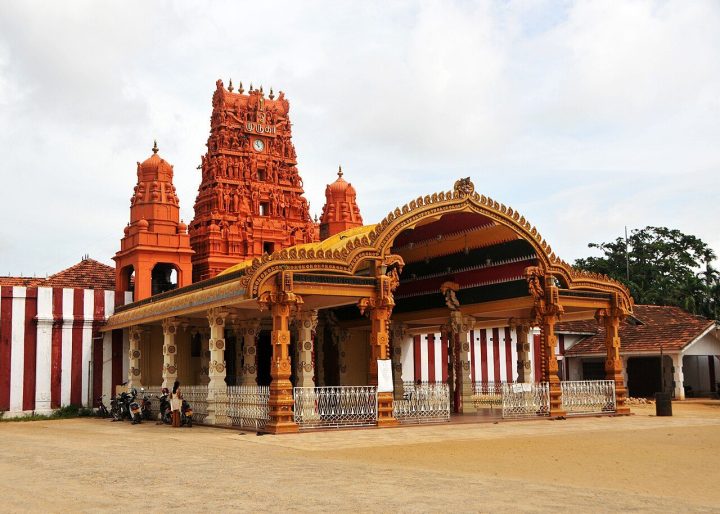
Koneswaram Temple stands on Swami Rock, a cliff inside Fort Frederick at Trincomalee, high above the sea. It is one of the five ancient Ishwaram temples of Shiva in Sri Lanka. The Portuguese destroyed the original temple of a thousand pillars in 1622 and pushed it into the sea; the present temple was built in the 20th century. A tall Shiva statue stands outside.
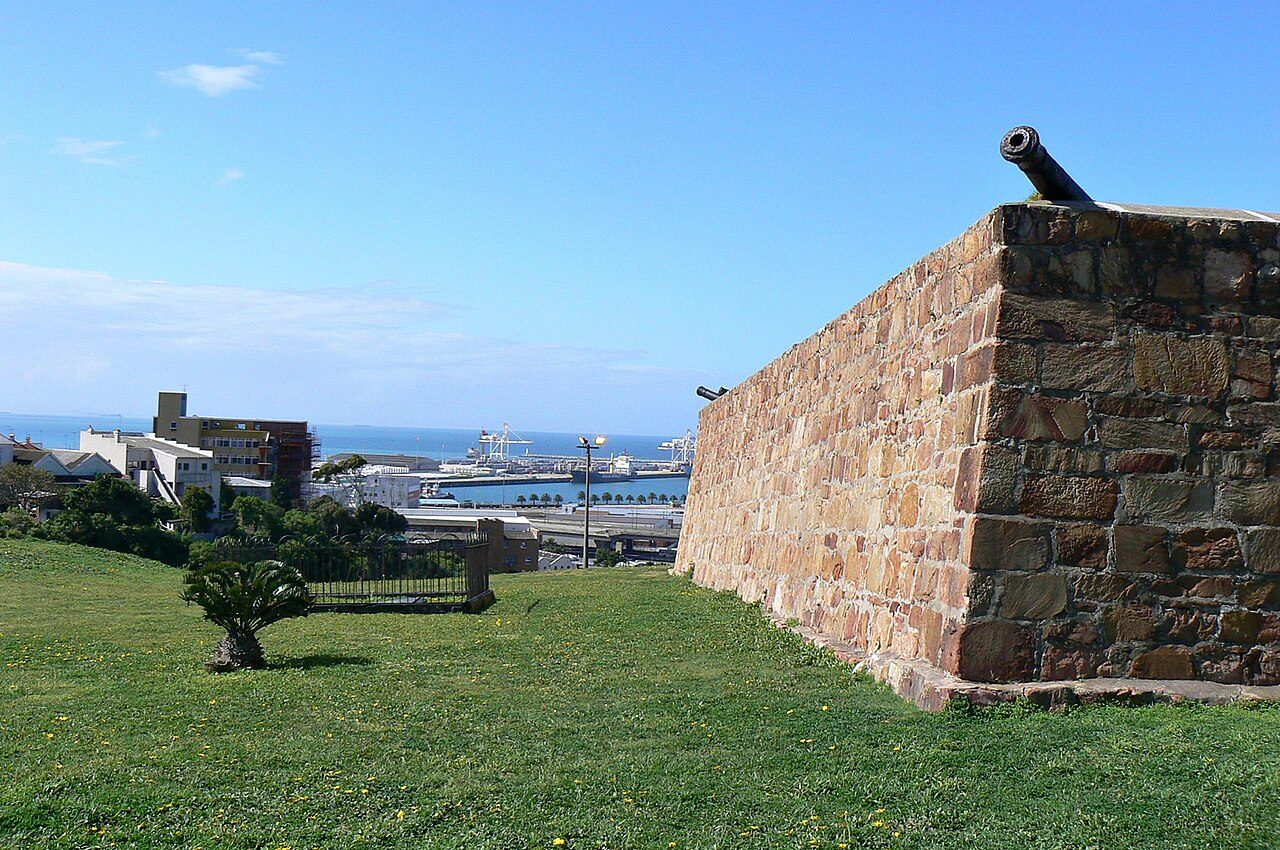
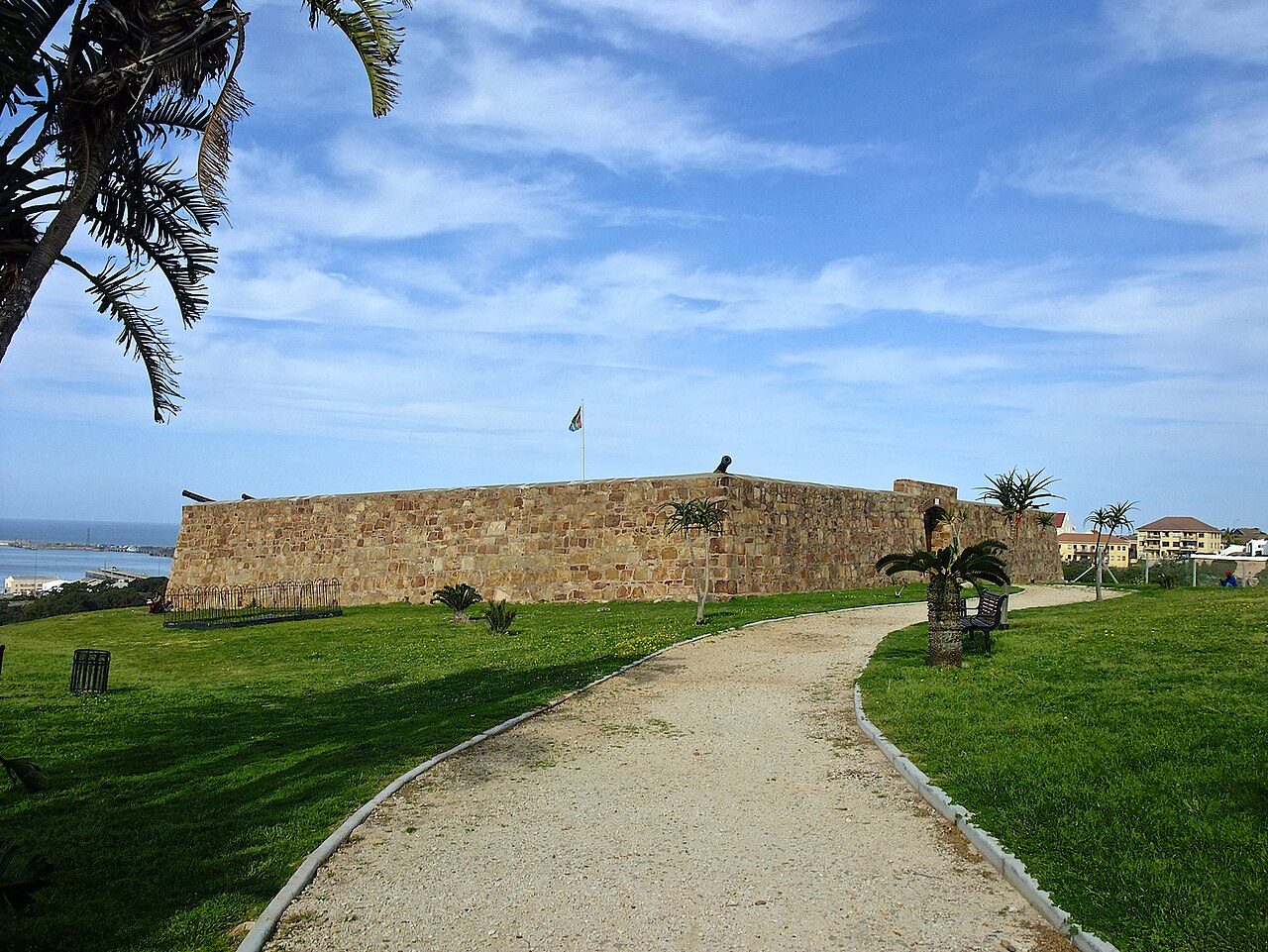
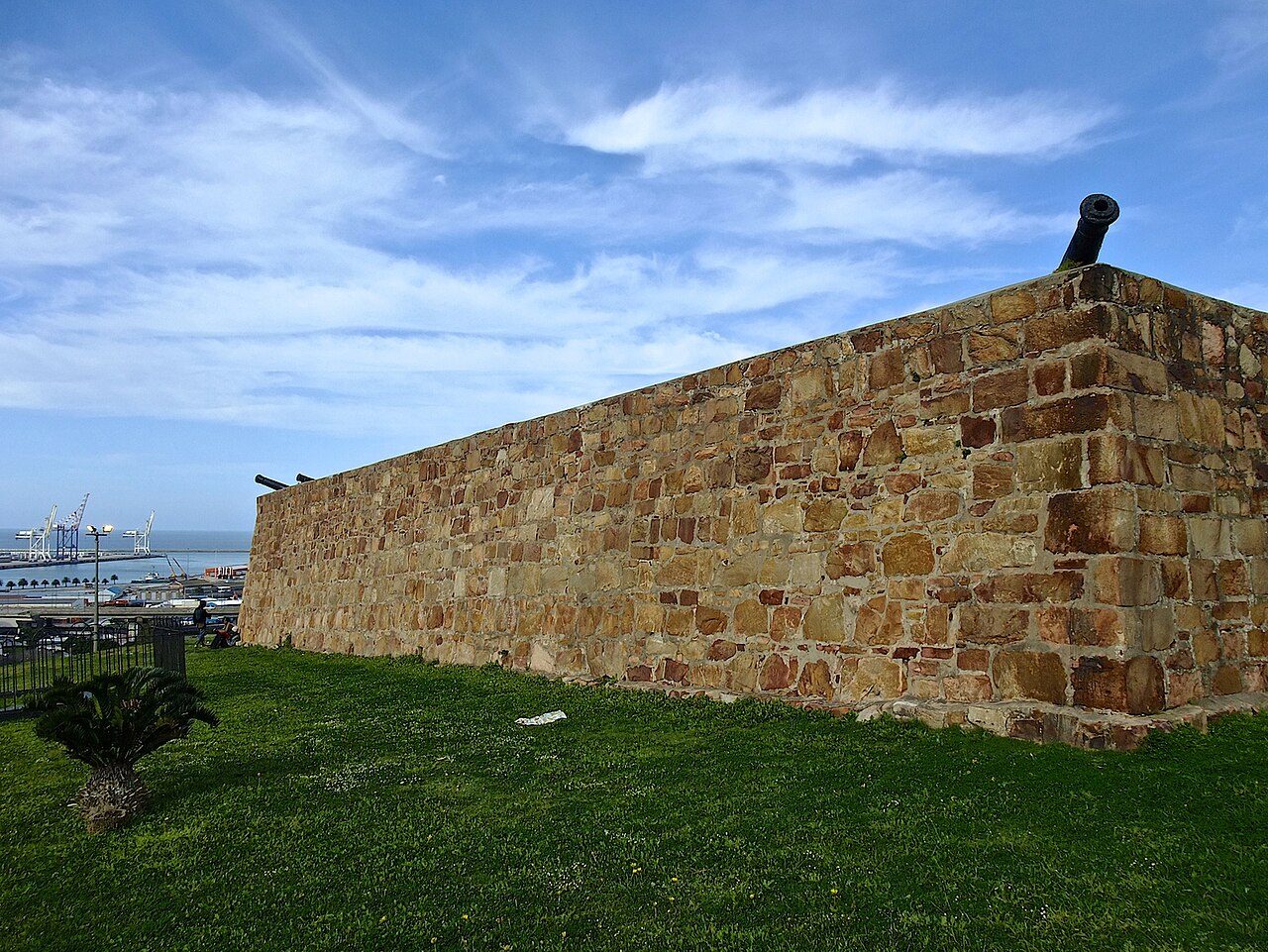
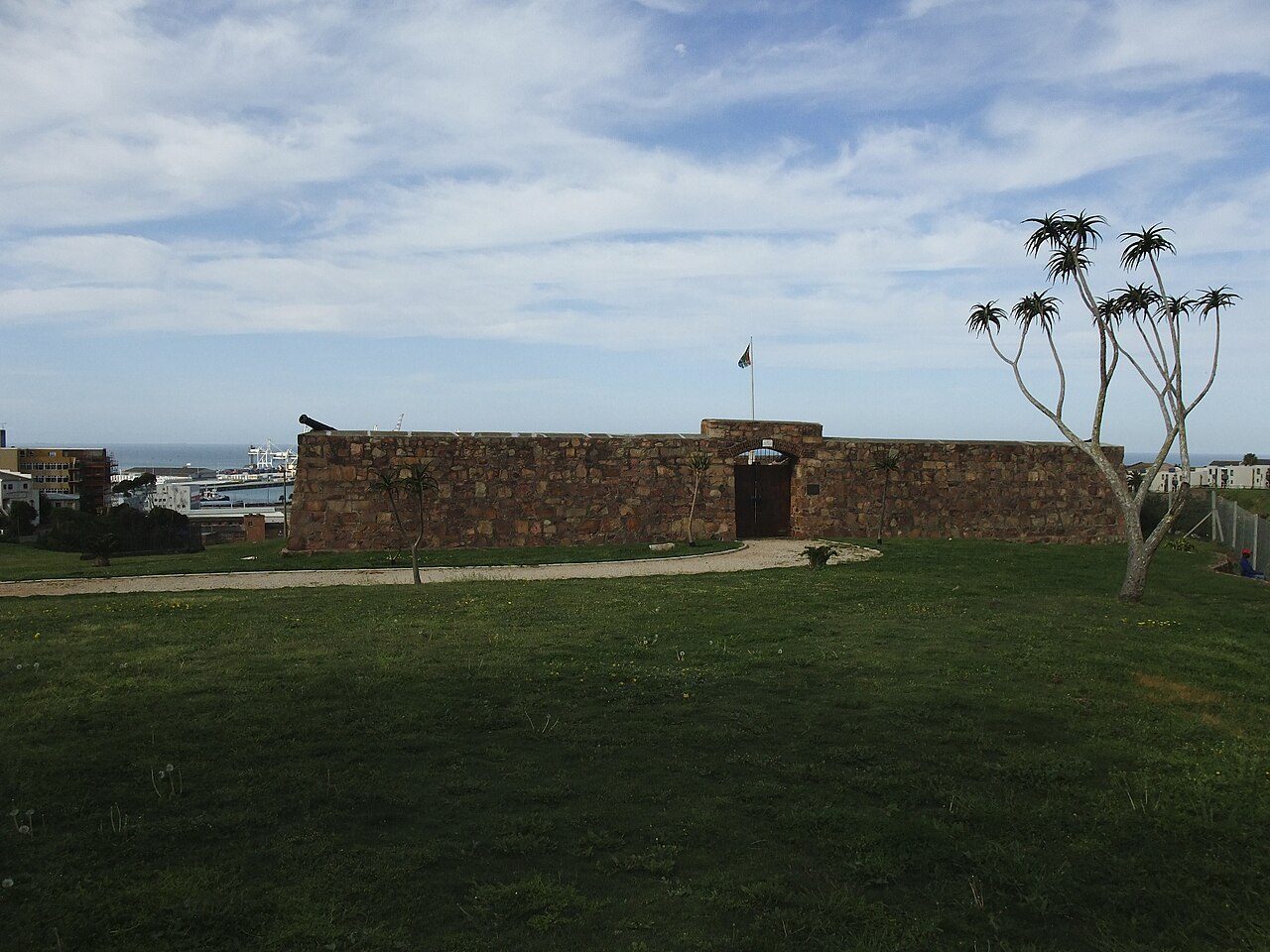
Fort Frederick guards the neck of the rocky peninsula at Trincomalee. The Portuguese built the first fort here in 1624 with stone from the temple they had destroyed; the Dutch rebuilt it, and the British named it after the Duke of York. It is still a military base, but the road through it to Koneswaram Temple is open, and spotted deer wander the grounds.
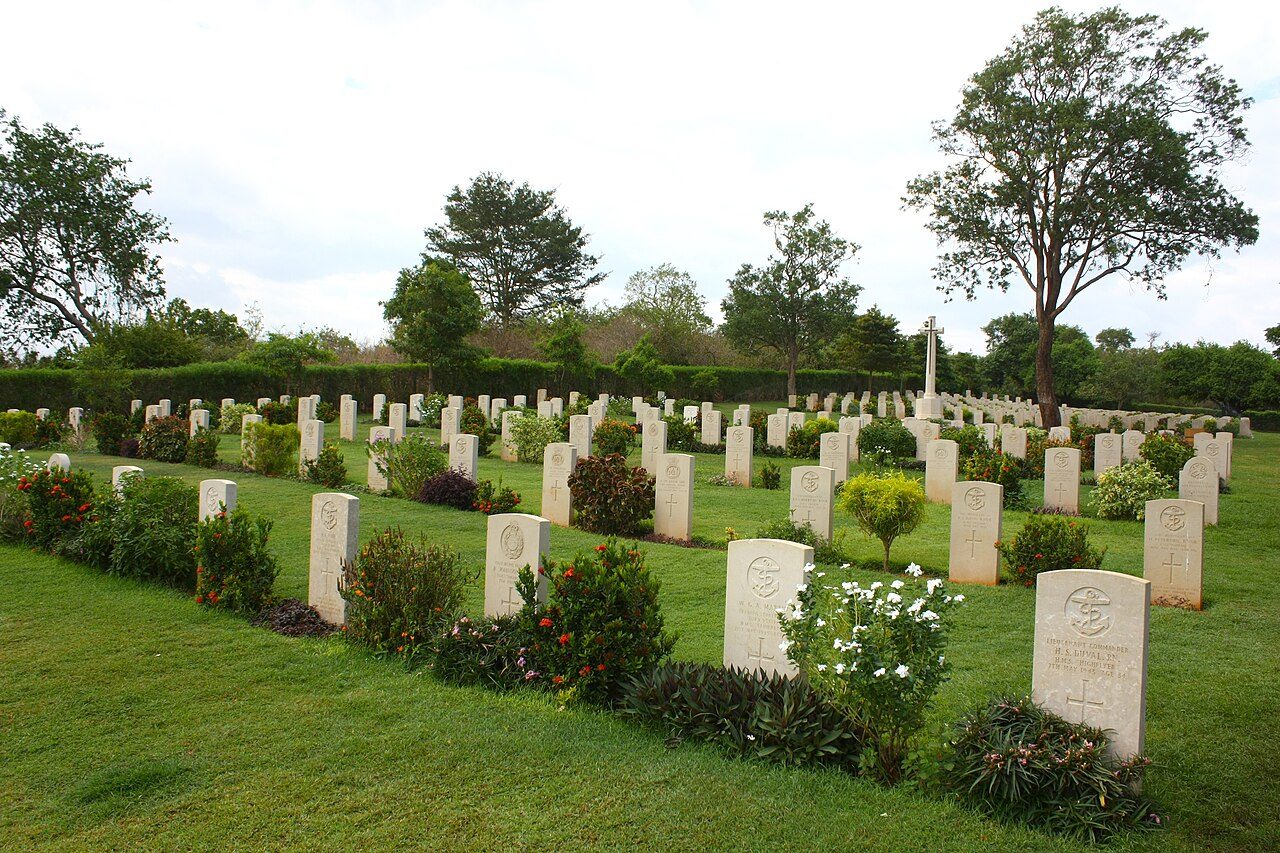
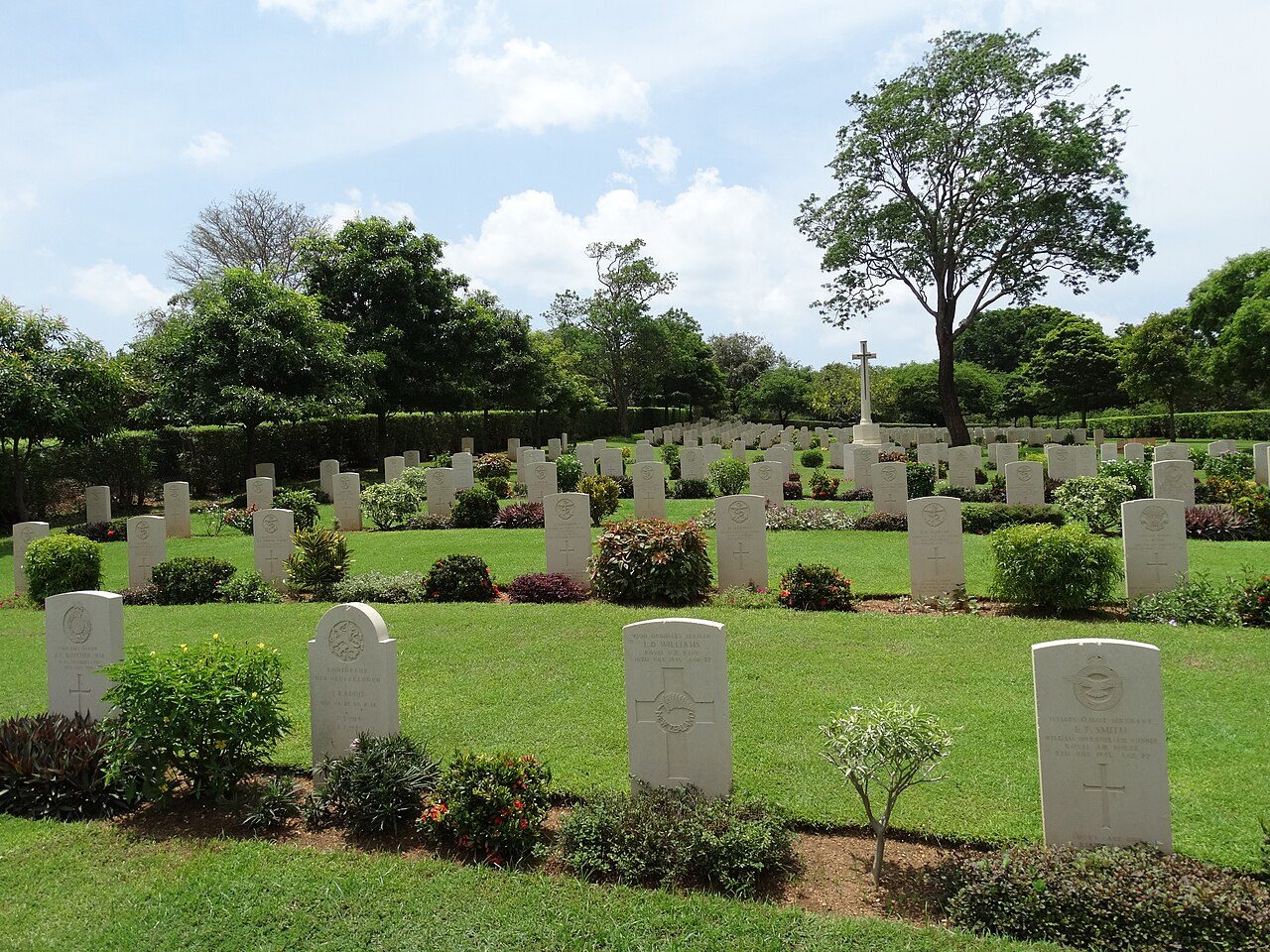
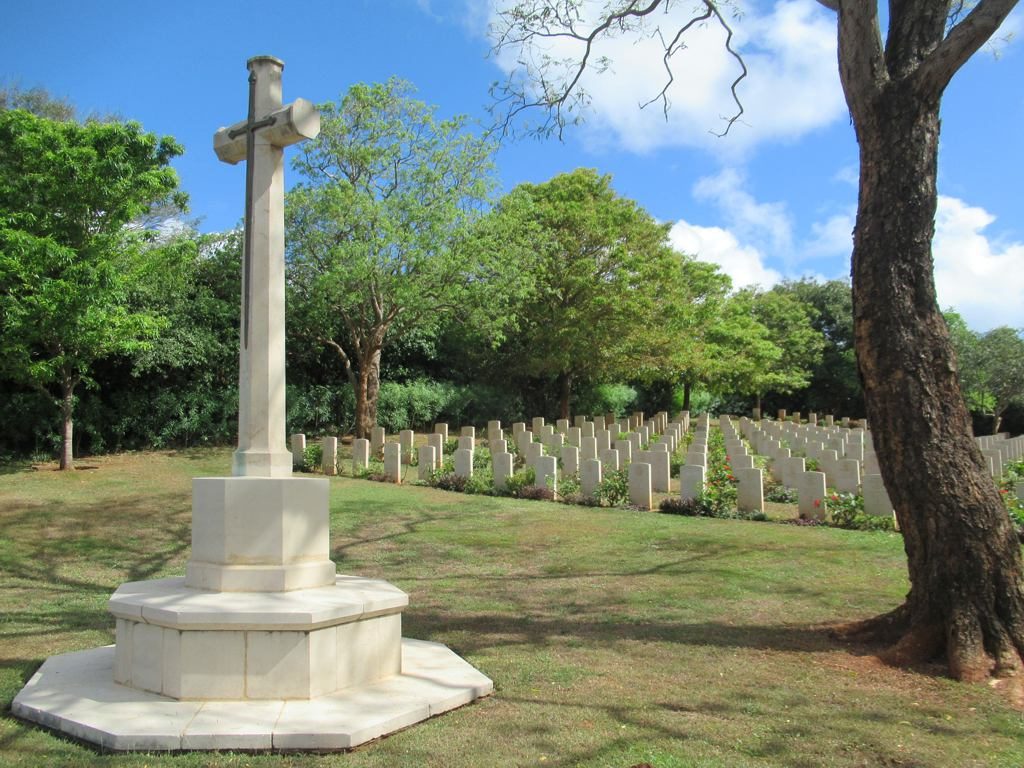
Trincomalee War Cemetery lies beside the Nilaveli road about 6 km north of the town. It holds the graves of several hundred Commonwealth servicemen who died in the Second World War, when Trincomalee was a major naval base, including victims of the Japanese air raid of April 1942. It is maintained to the standards of the Commonwealth War Graves Commission.
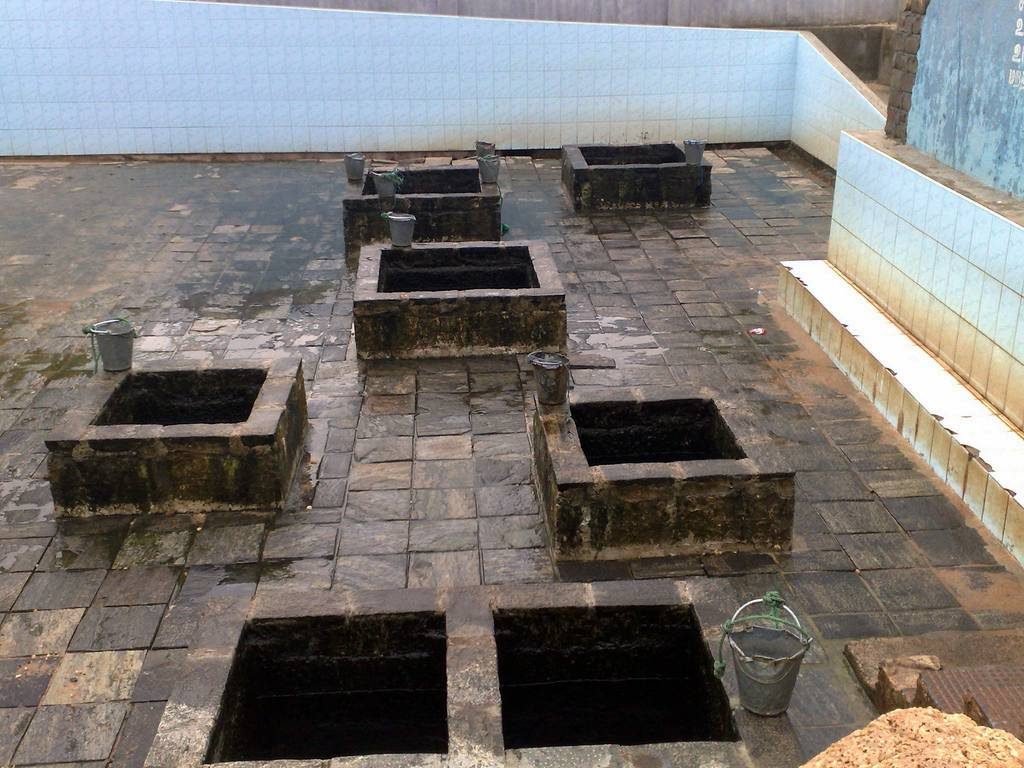
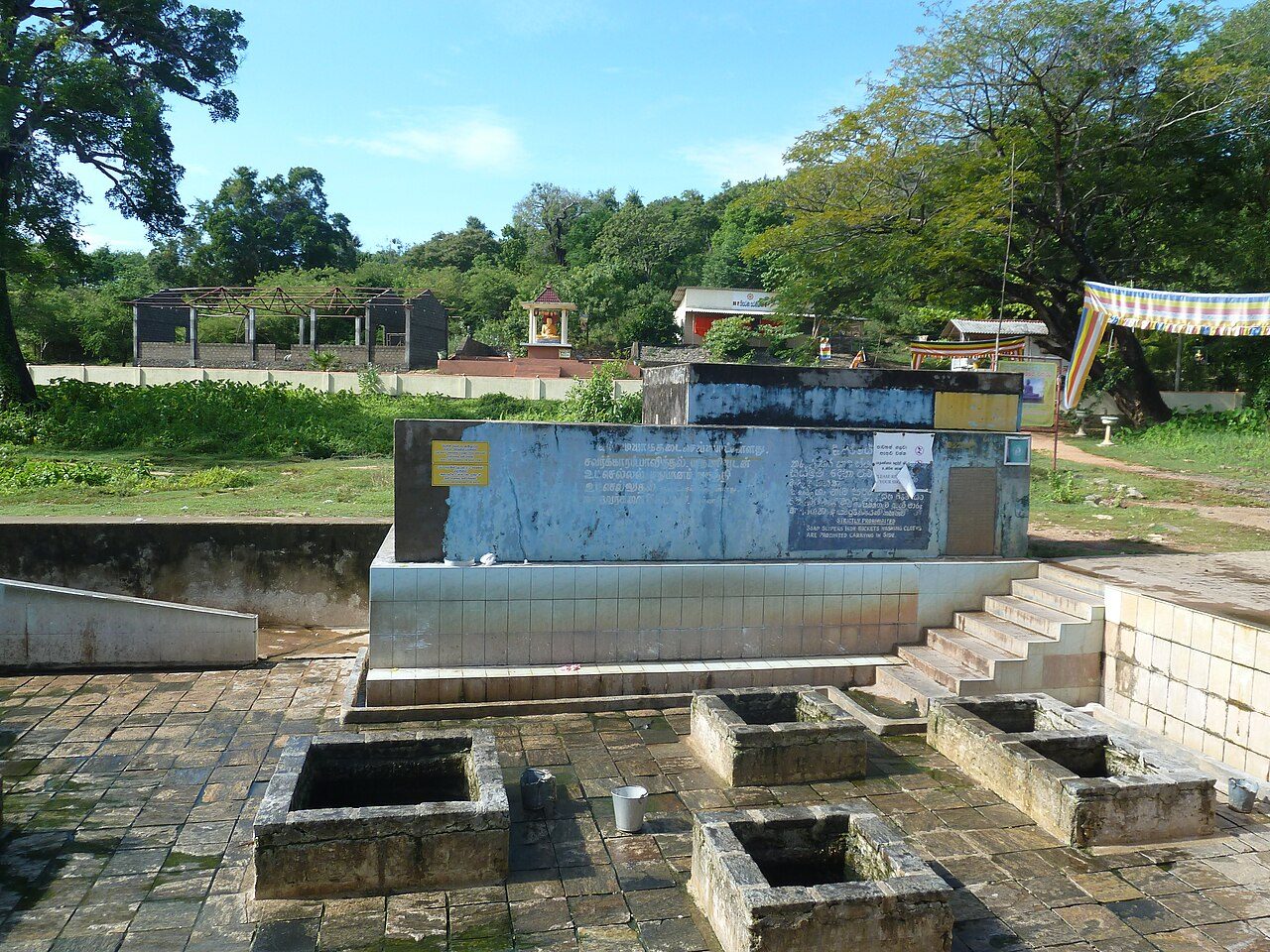
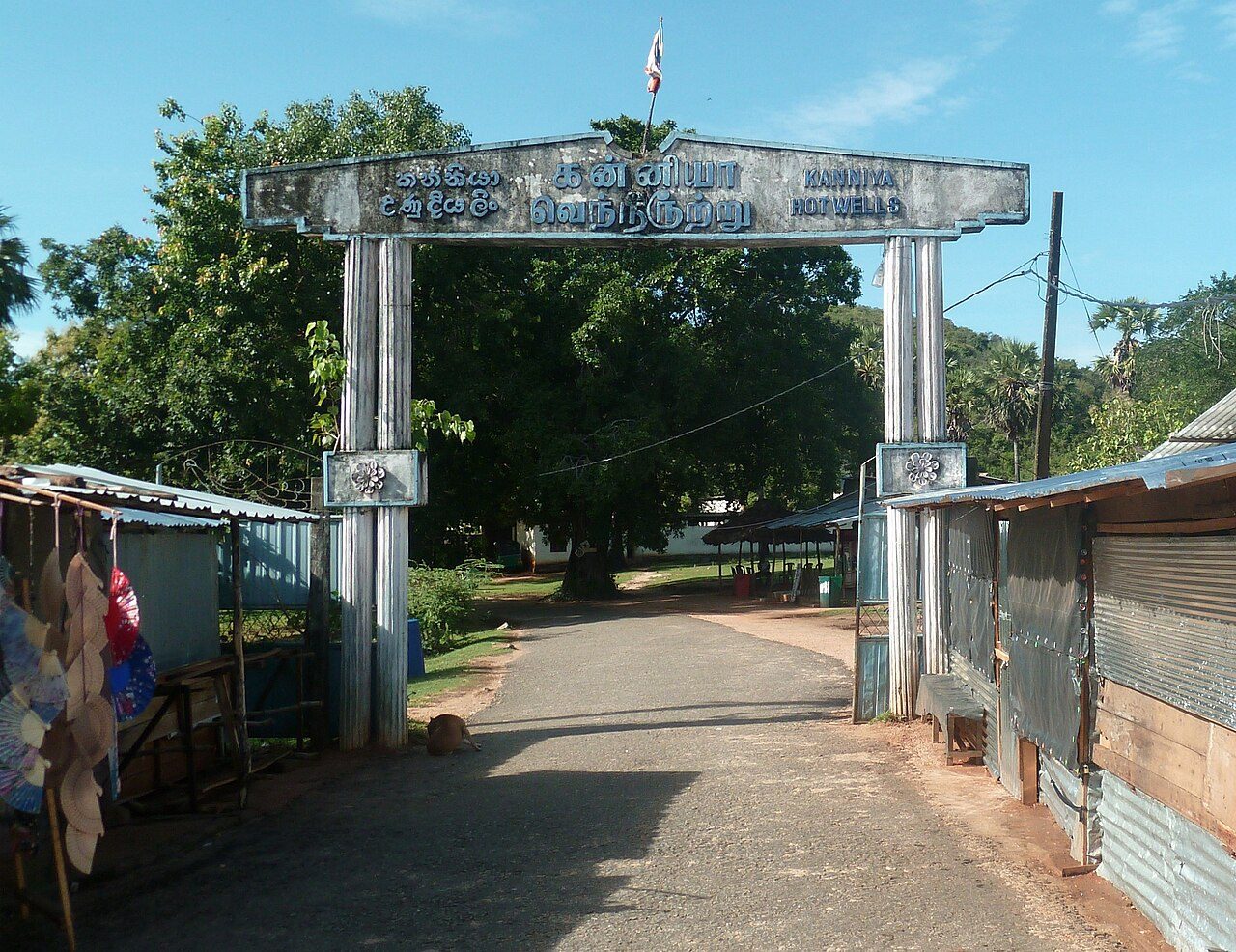
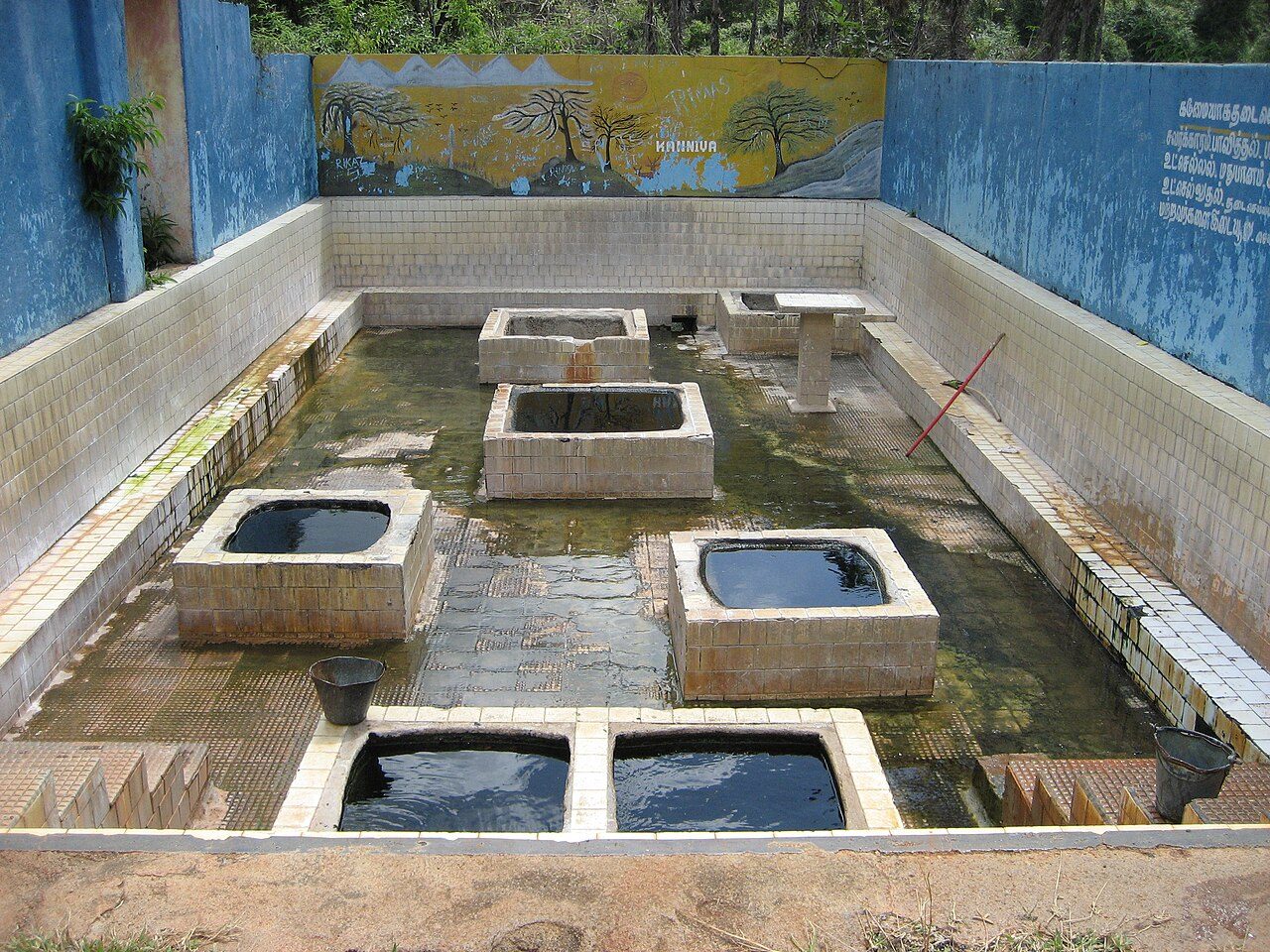
The Kanniya Hot Springs lie about 8 km from Trincomalee. Seven square wells, each with water at a slightly different temperature, are enclosed in a walled compound. Visitors draw water with buckets and pour it over themselves. Hindu tradition links the wells to Ravana of the Ramayana, and ruins of a Buddhist monastery have also been found here.
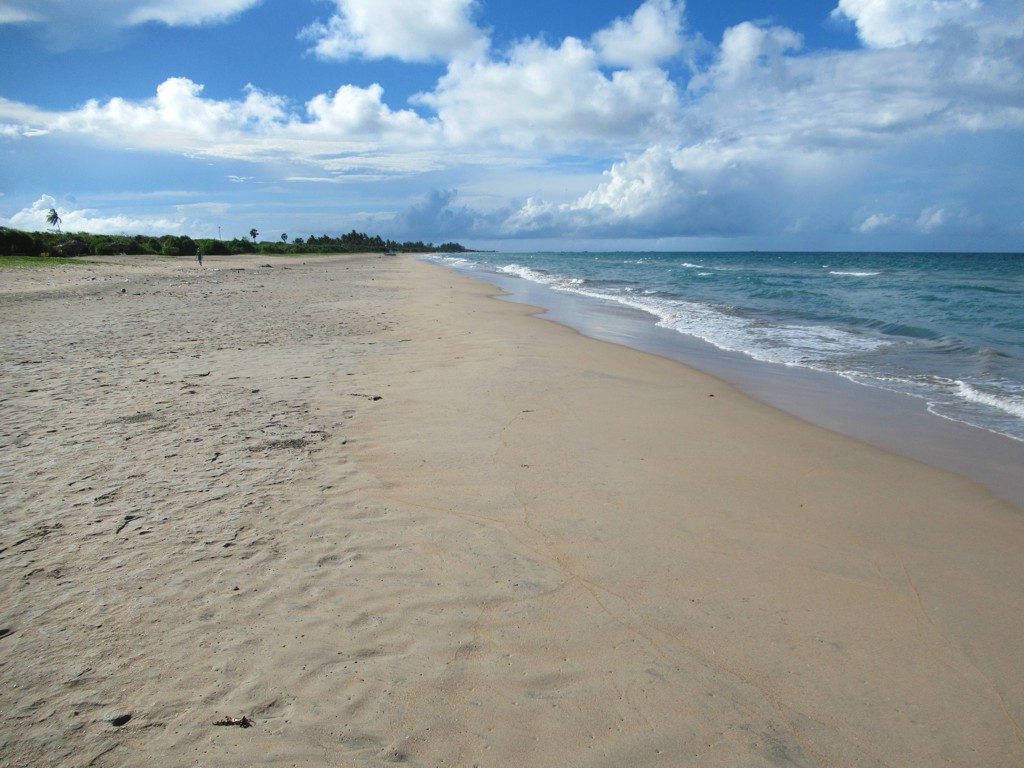
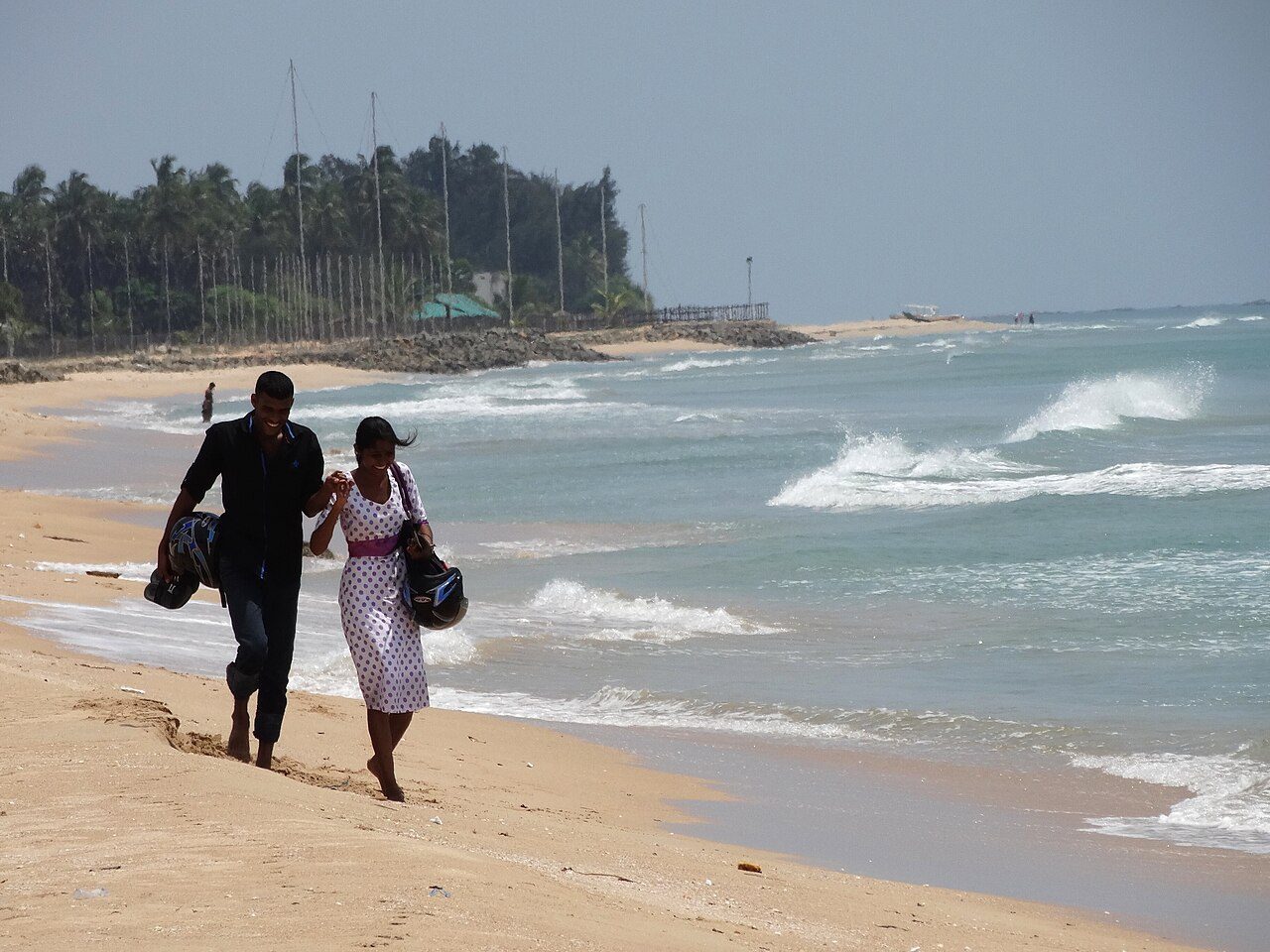
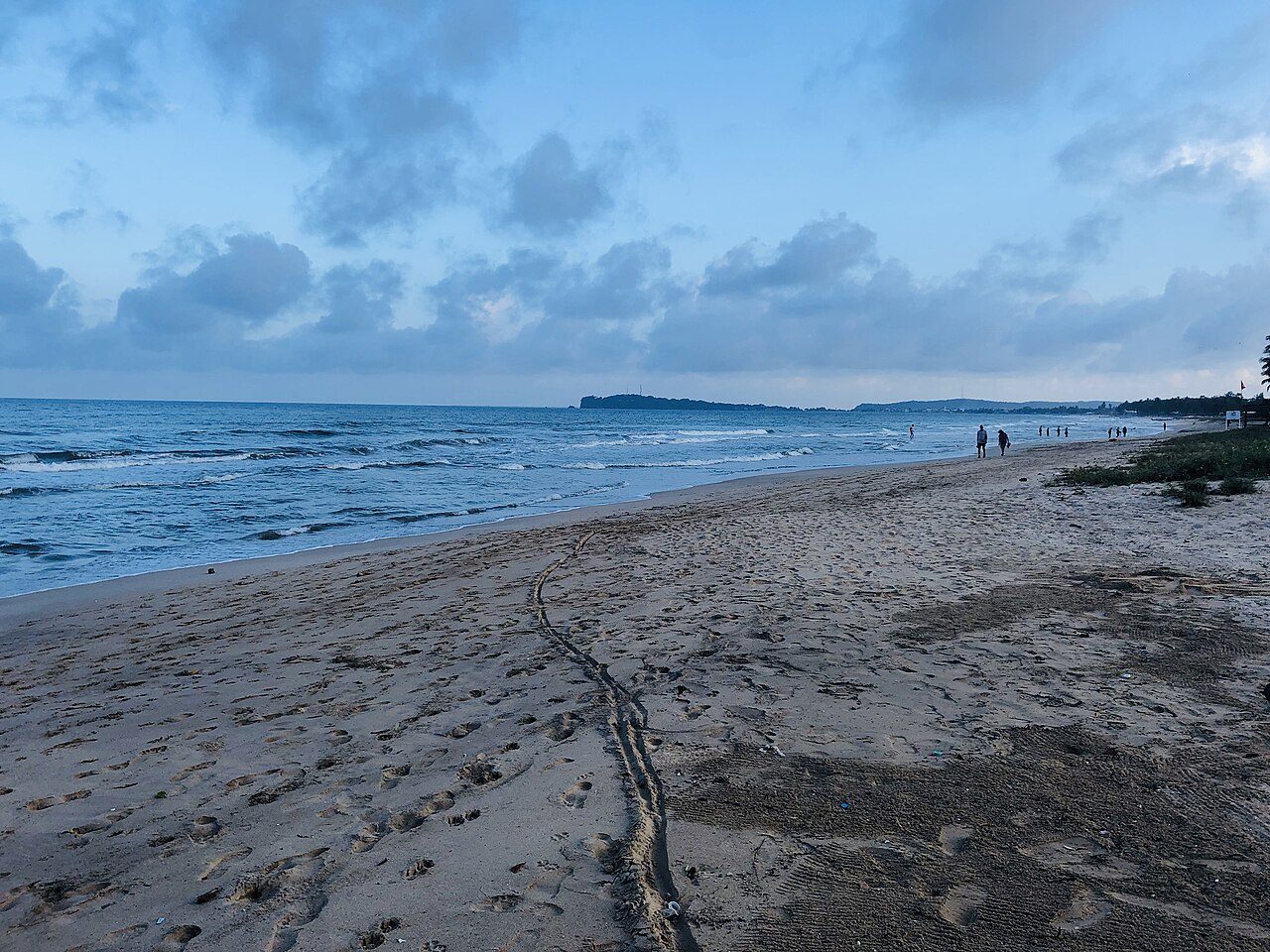
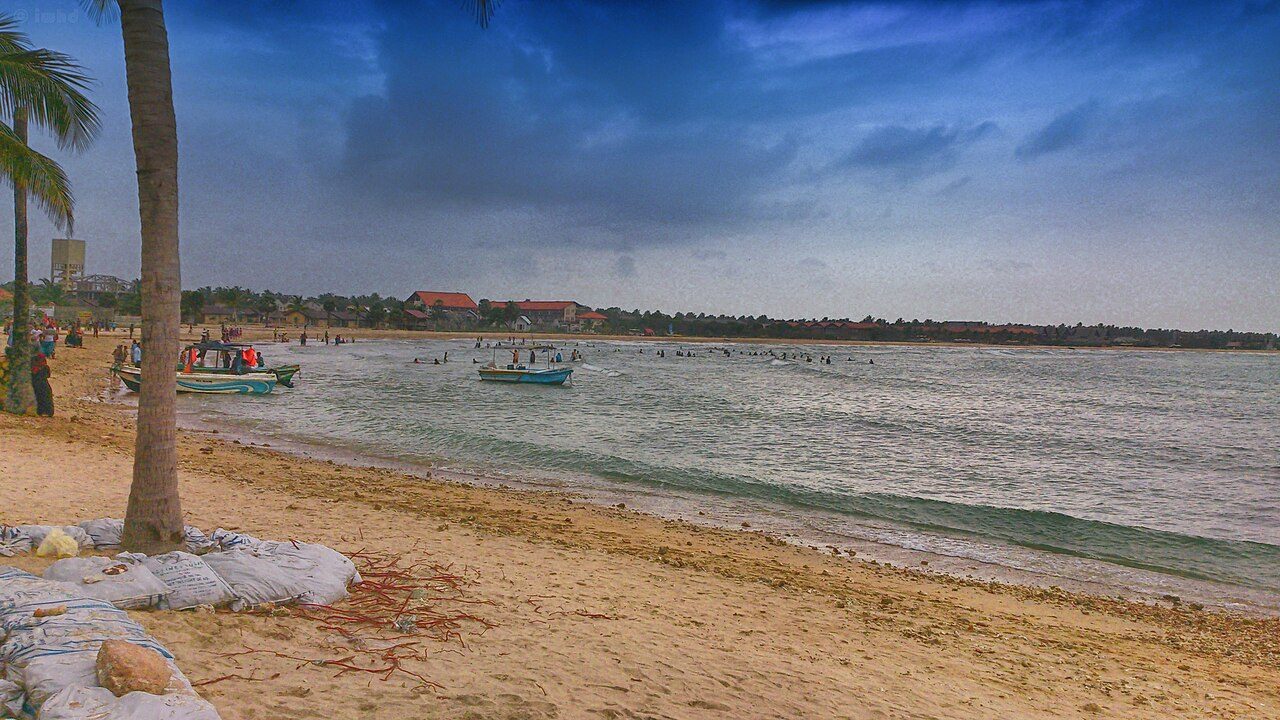
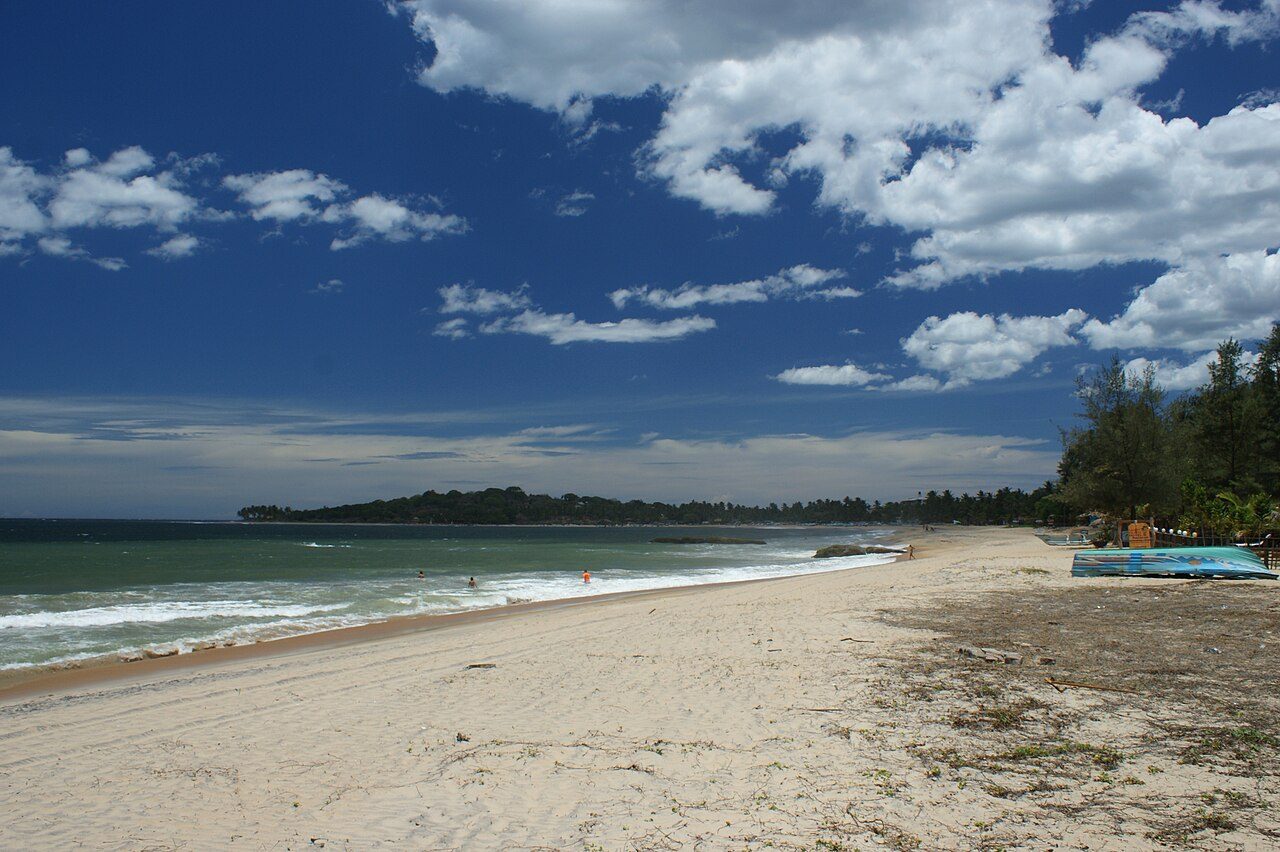
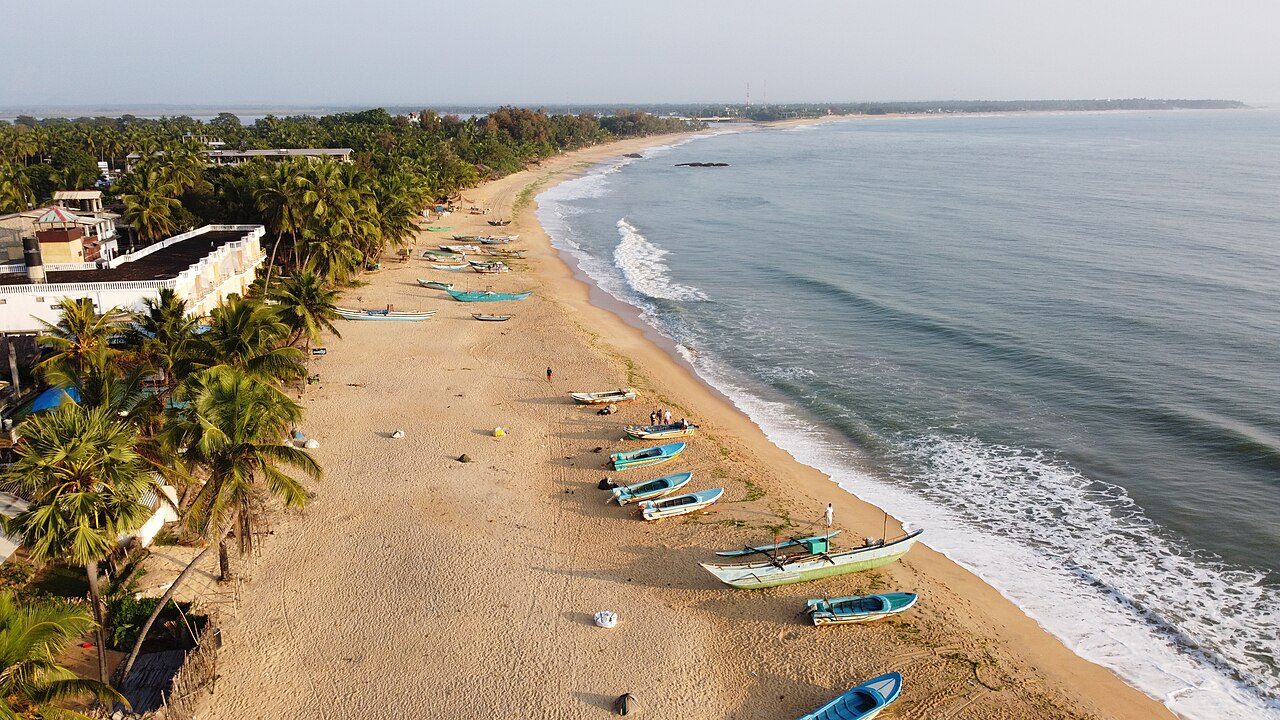
Nilaveli Beach lies about 15 km north of Trincomalee and is one of the finest beaches on the east coast, with a long stretch of white sand and calm, clear water from about April to September. Fishing boats are drawn up along the shore, and boats leave from here for Pigeon Island just offshore. It remains quieter than the beaches of the south.
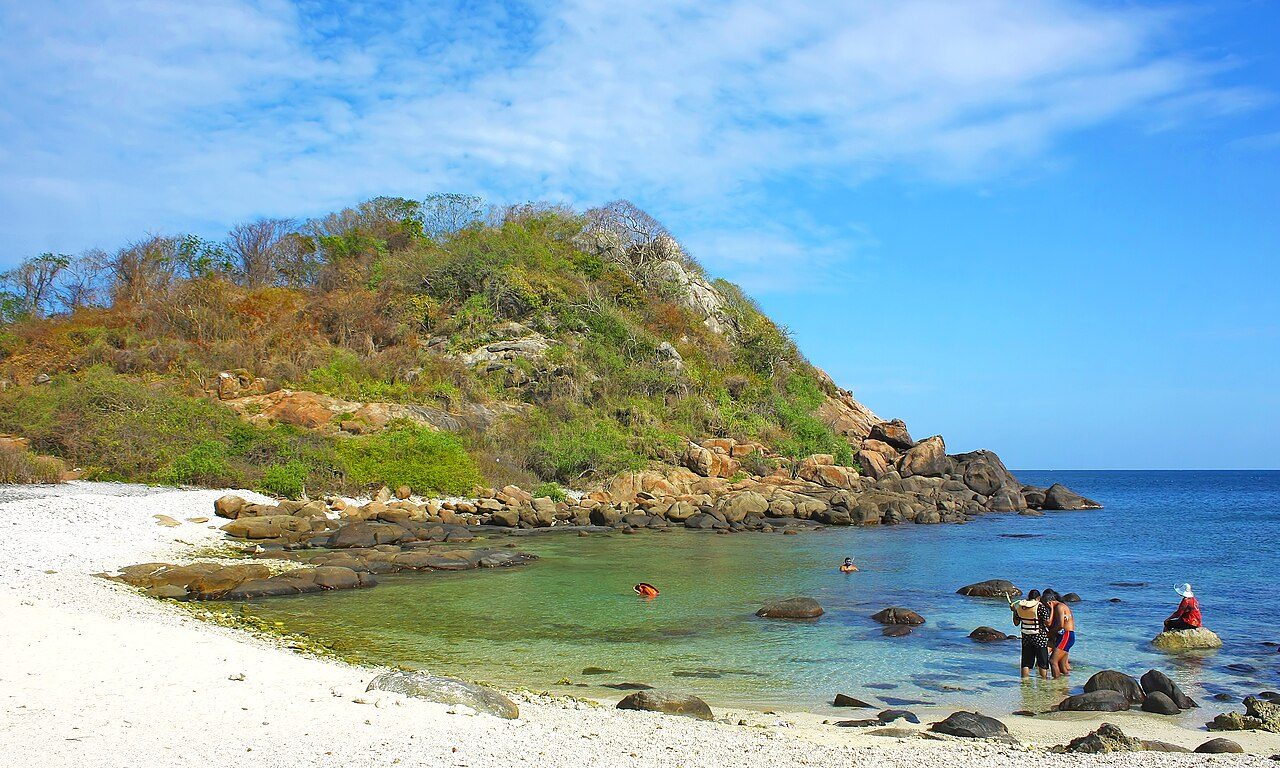
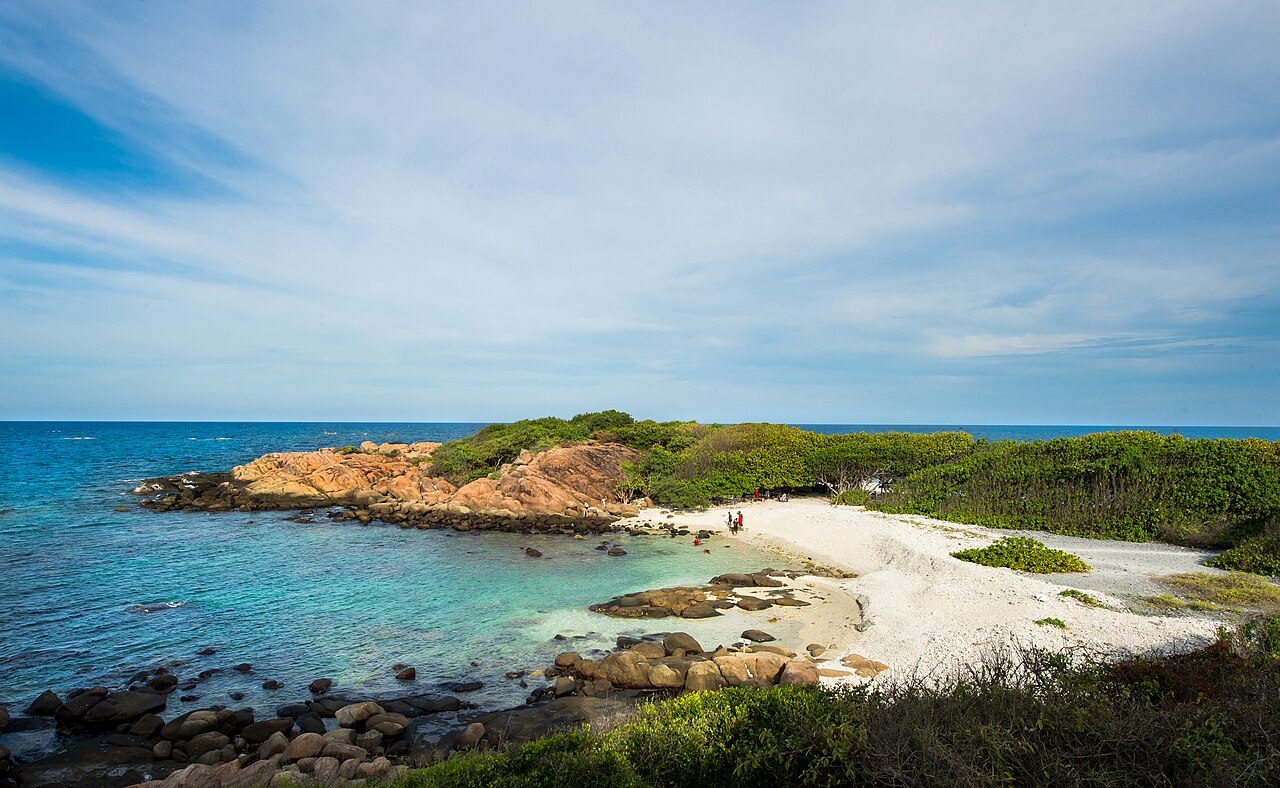
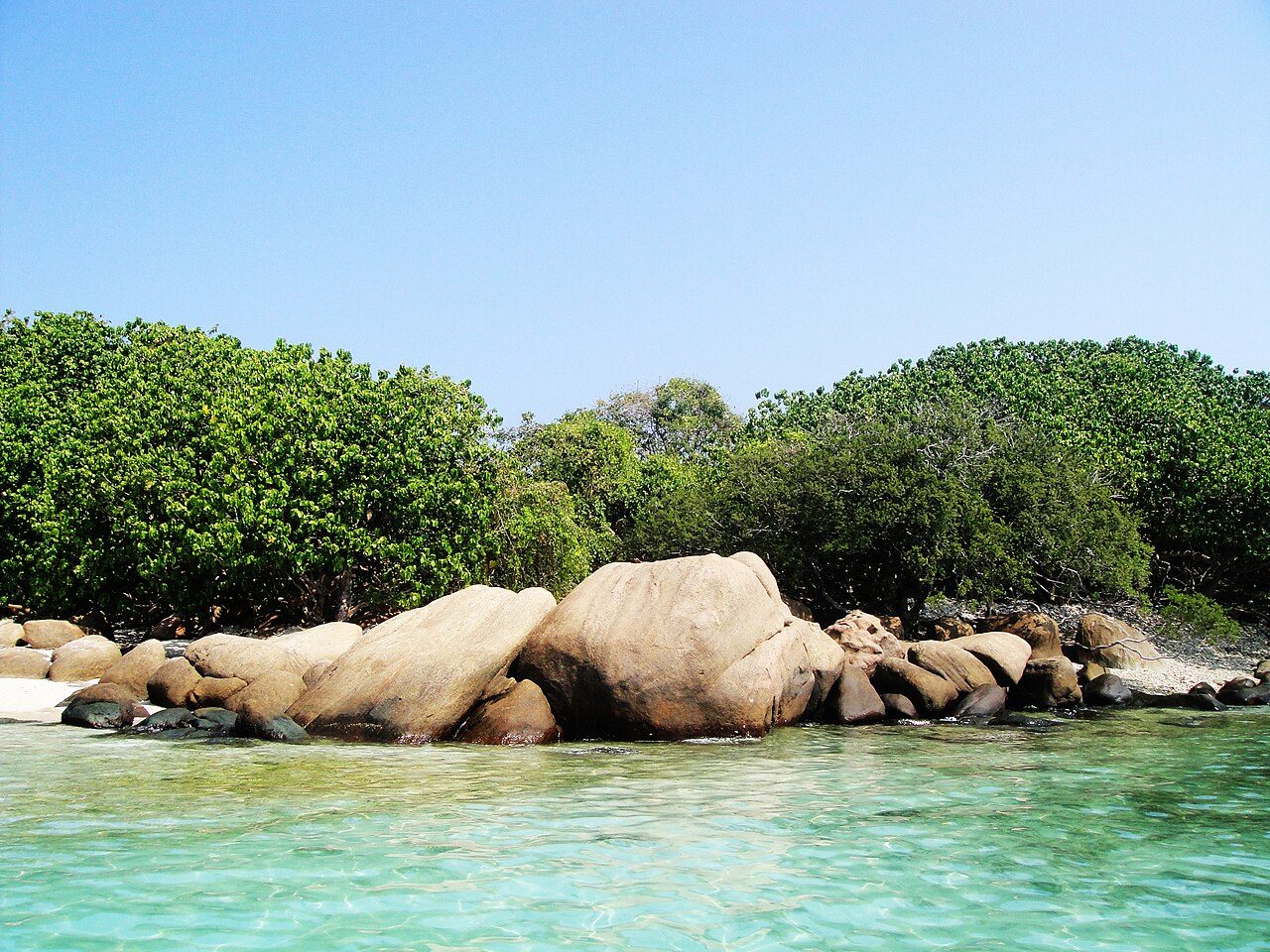
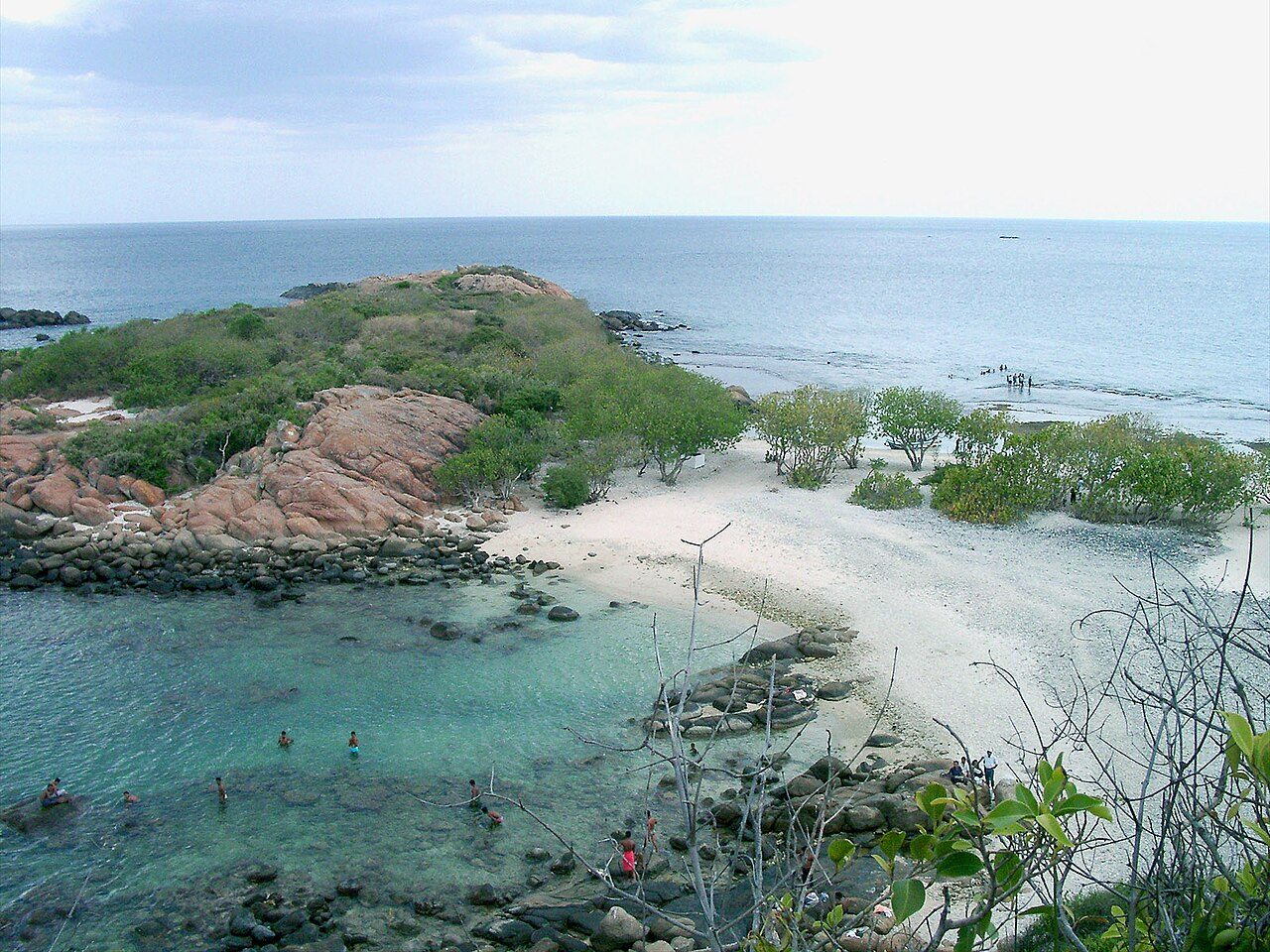
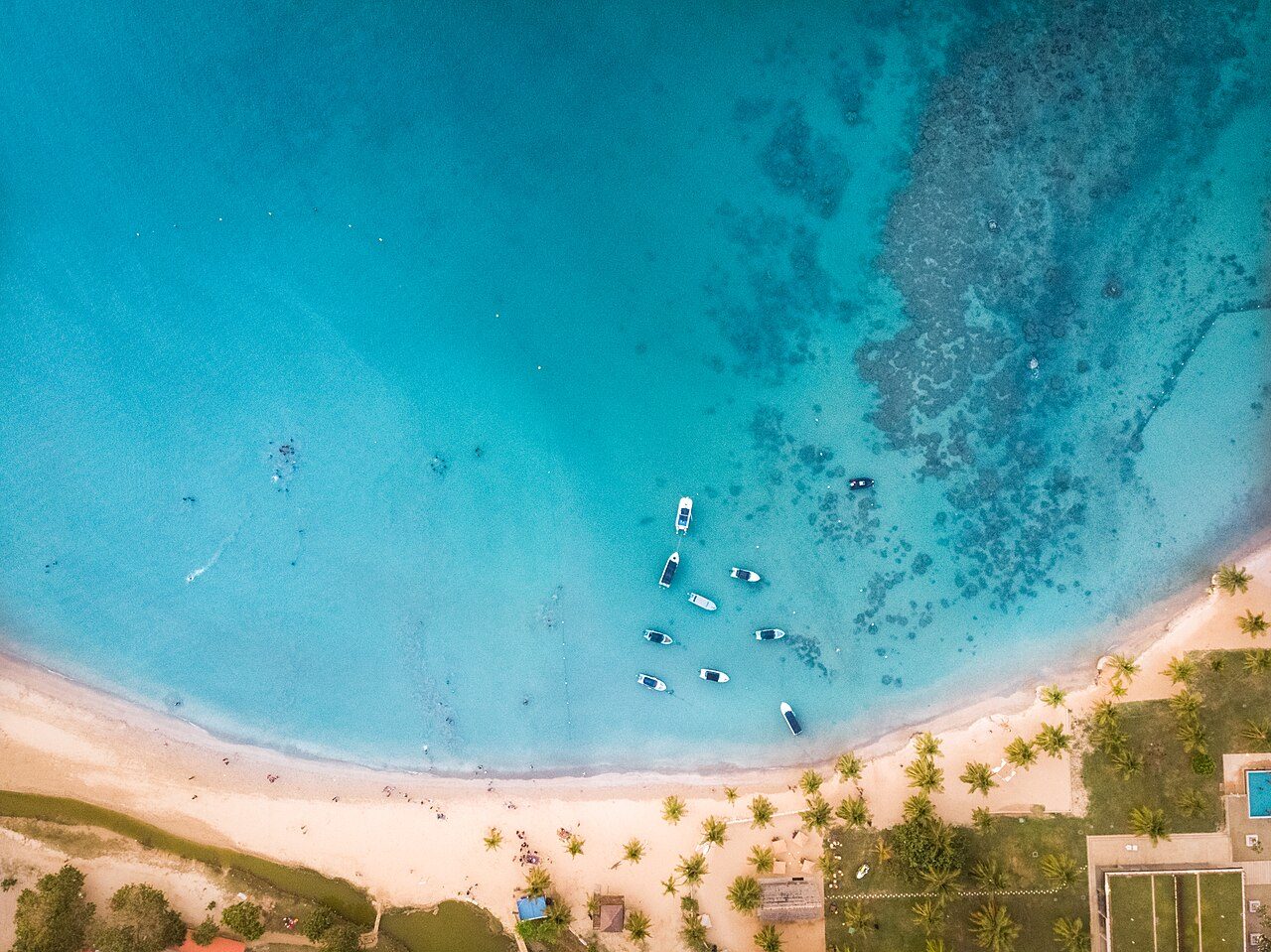
Pigeon Island National Park consists of two small islands about a kilometre off Nilaveli. It is one of the two marine national parks in Sri Lanka and has some of the best remaining coral reefs on the island. Snorkellers see reef fish, turtles and often blacktip reef sharks in the shallows. It is named after the rock pigeons that nest there.
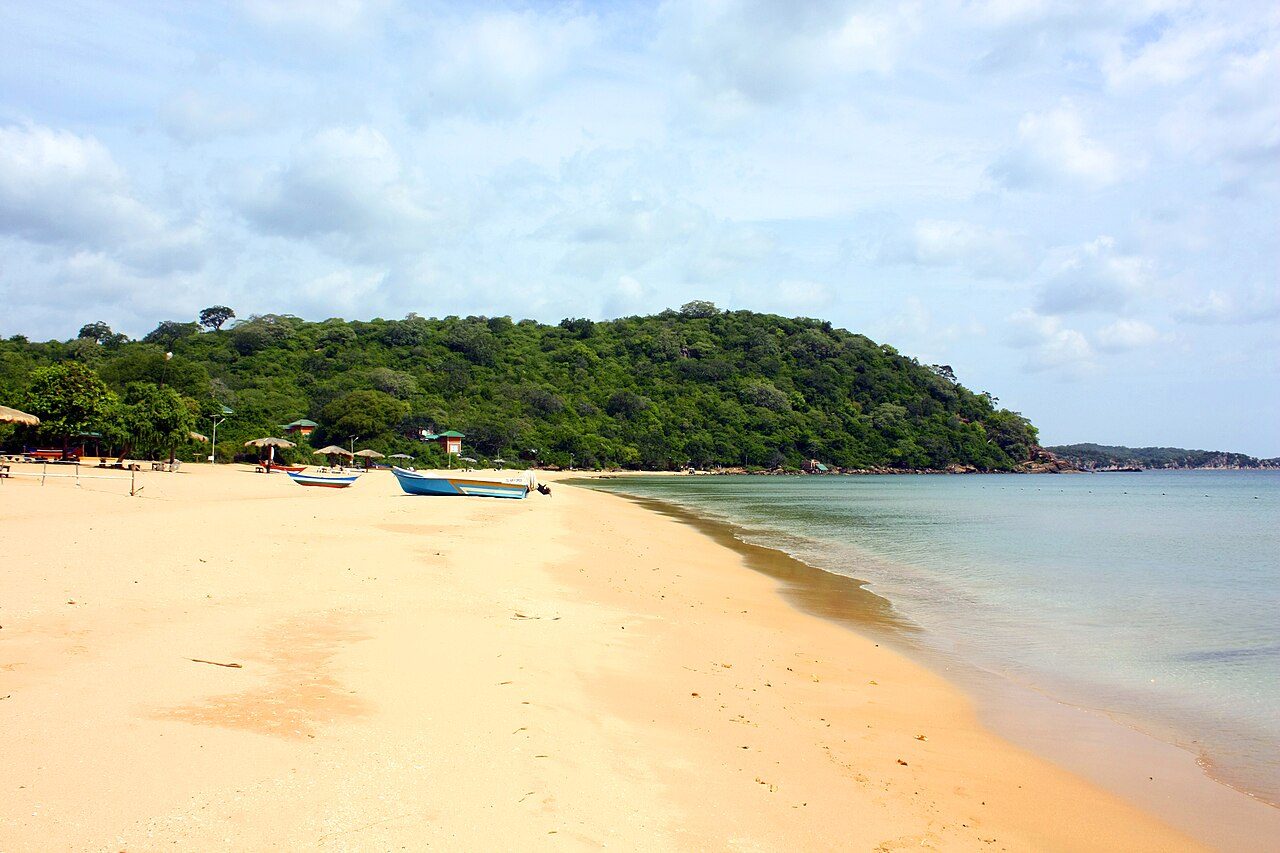
Marble Beach lies on the southern side of Trincomalee's great natural harbour, near Kinniya. The name comes from the way the calm, clear water shines like marble in the sun. Part of the bay is managed by the Sri Lanka Air Force, with a resort and a public stretch of beach. The sea is usually at its calmest from about April to September.
Pasikudah Beach lies about 35 km north of Batticaloa on the east coast. Its bay is known for a very wide stretch of shallow, calm water: you can walk out a long way with the sea only waist deep. That makes it popular with families. Resort hotels line the bay, and the sea is calmest from about April to September.
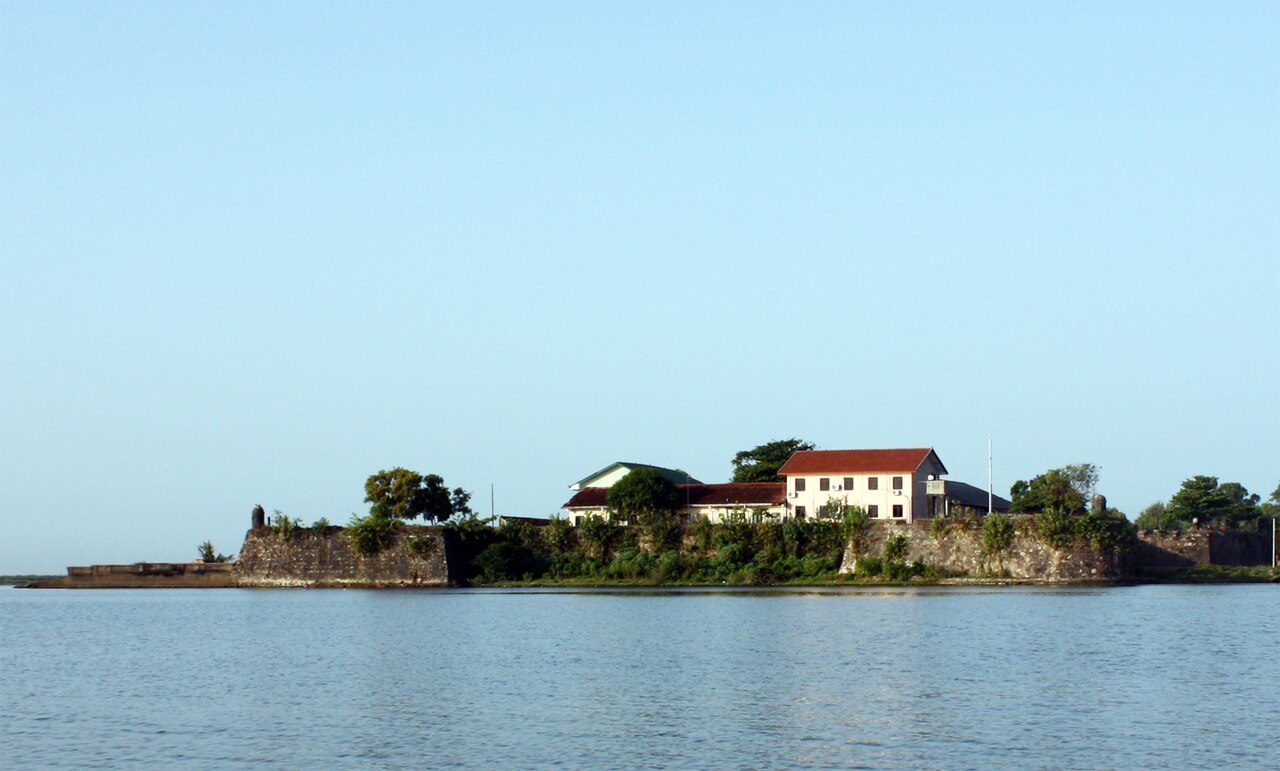
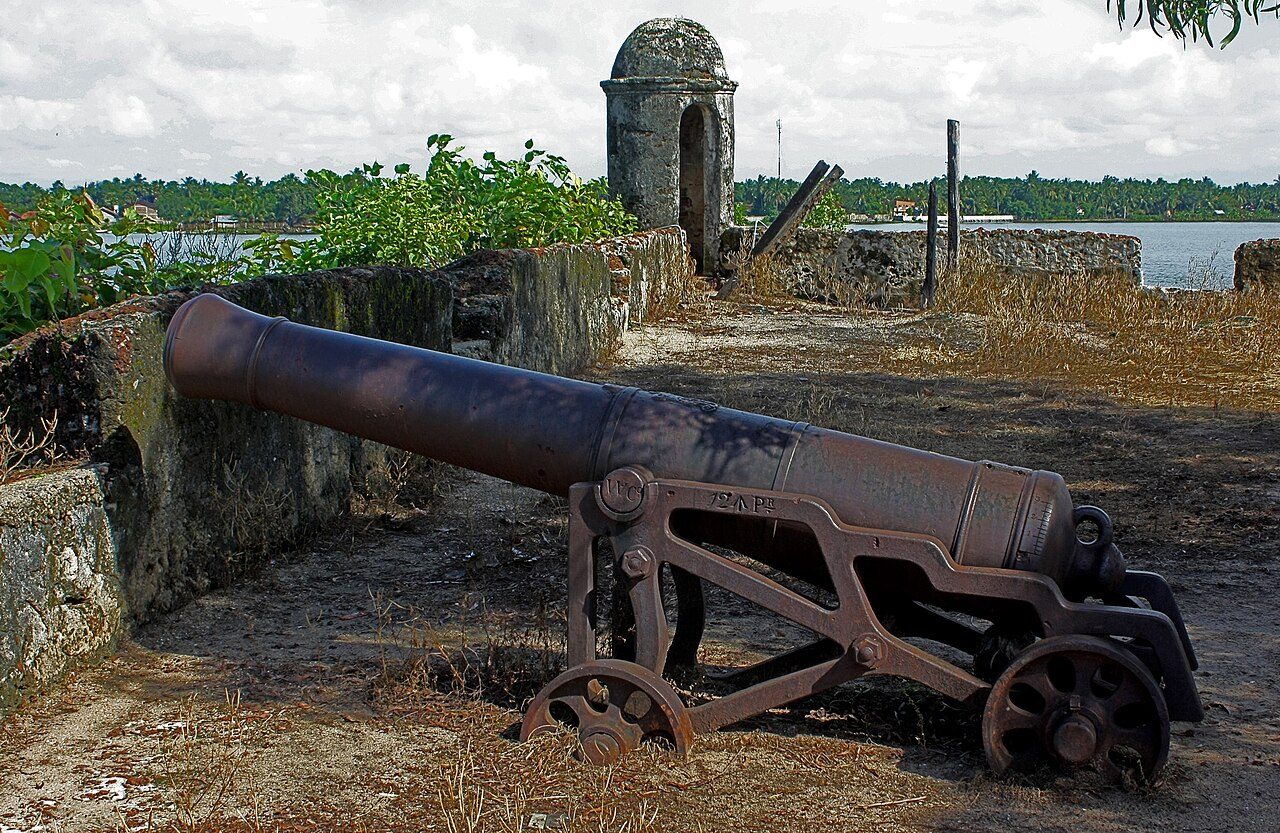
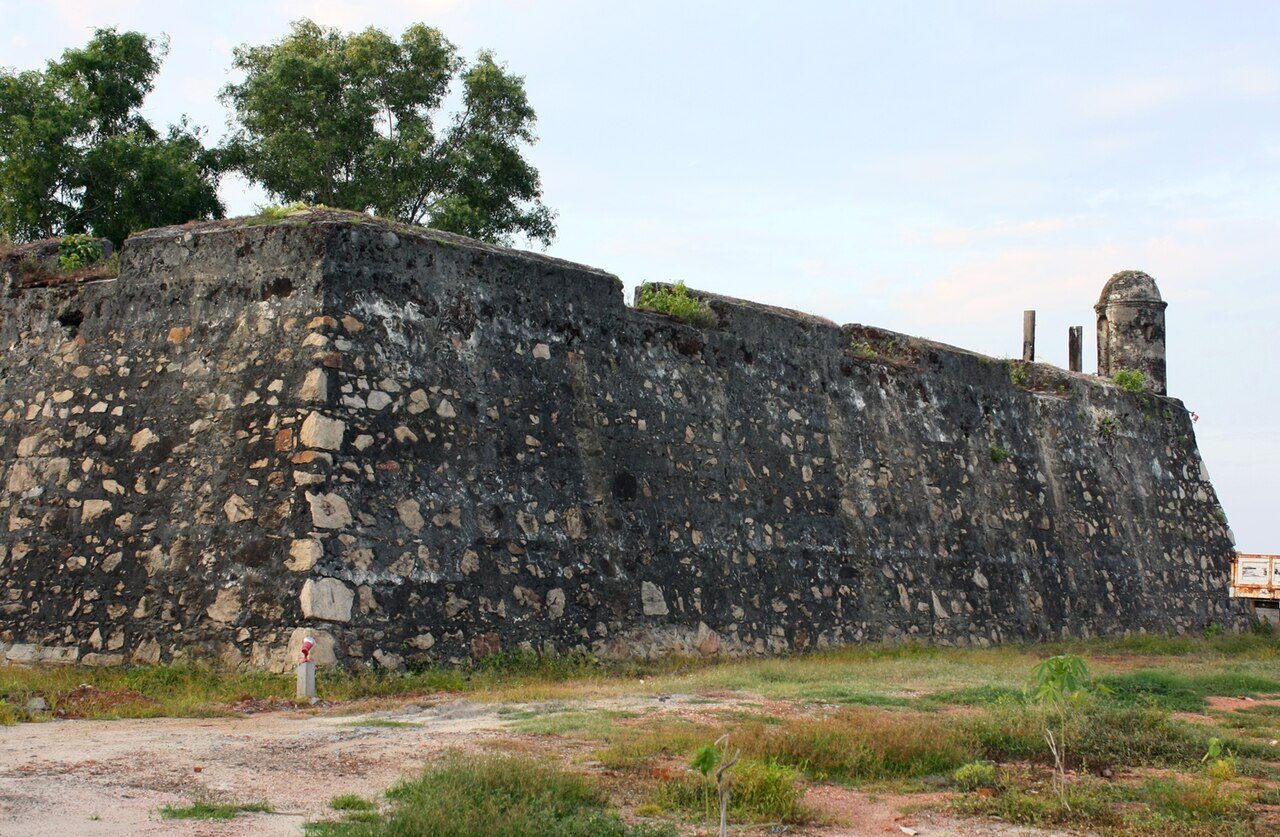
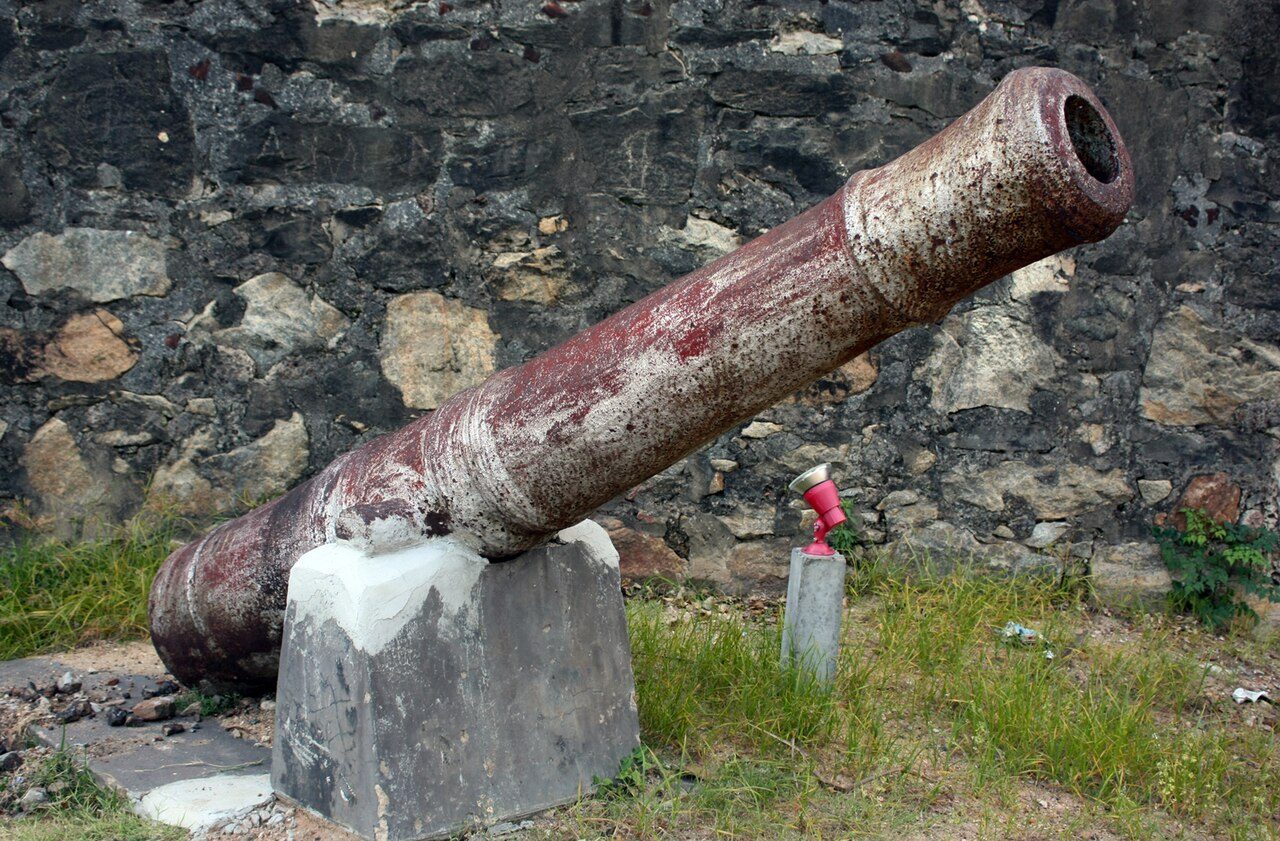
Batticaloa Fort stands on an island in the Batticaloa lagoon. The Portuguese built it in 1628, and the Dutch captured it in 1638, their first foothold on the island, and later rebuilt it. Four bastions and thick walls protected by the lagoon and a moat survive. Government offices occupy the interior, and old cannons still point over the water.
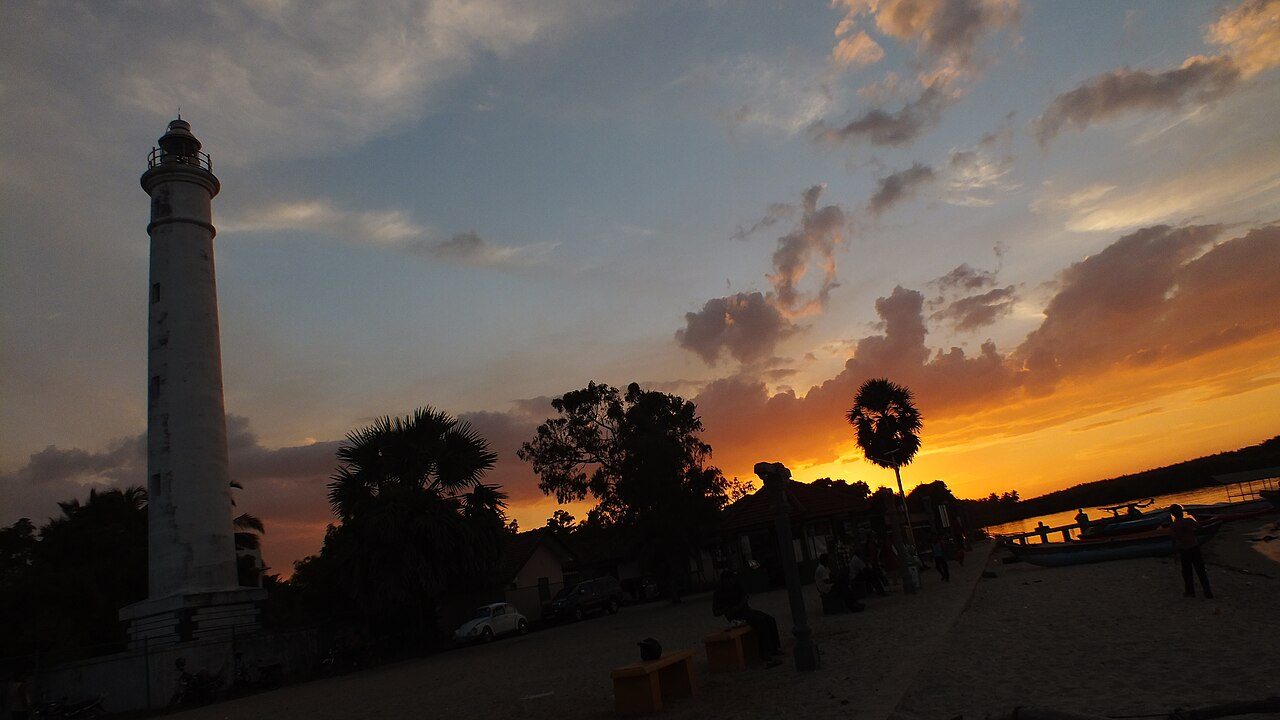
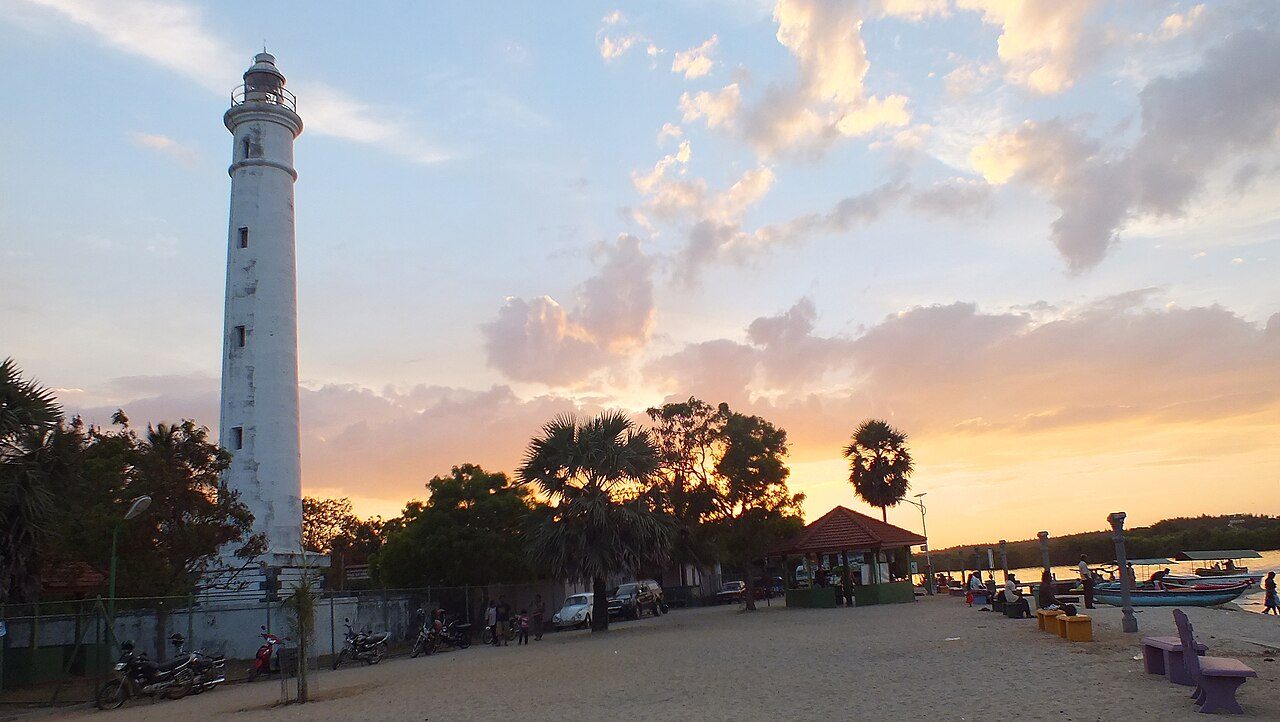
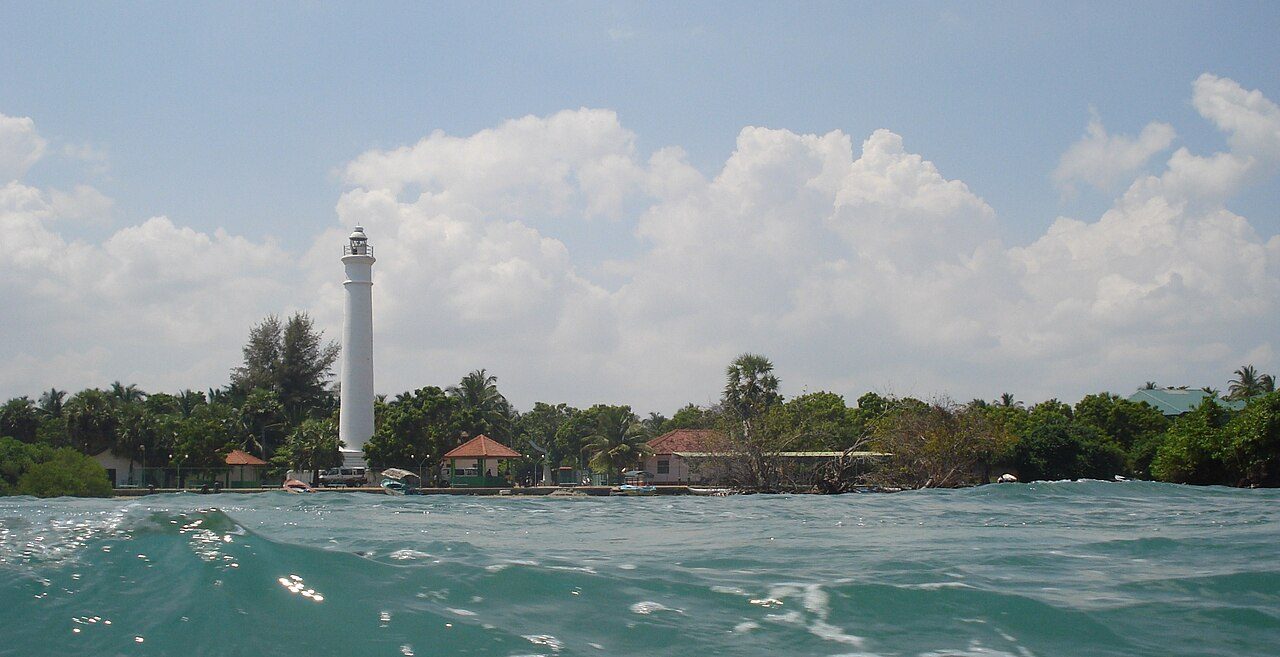
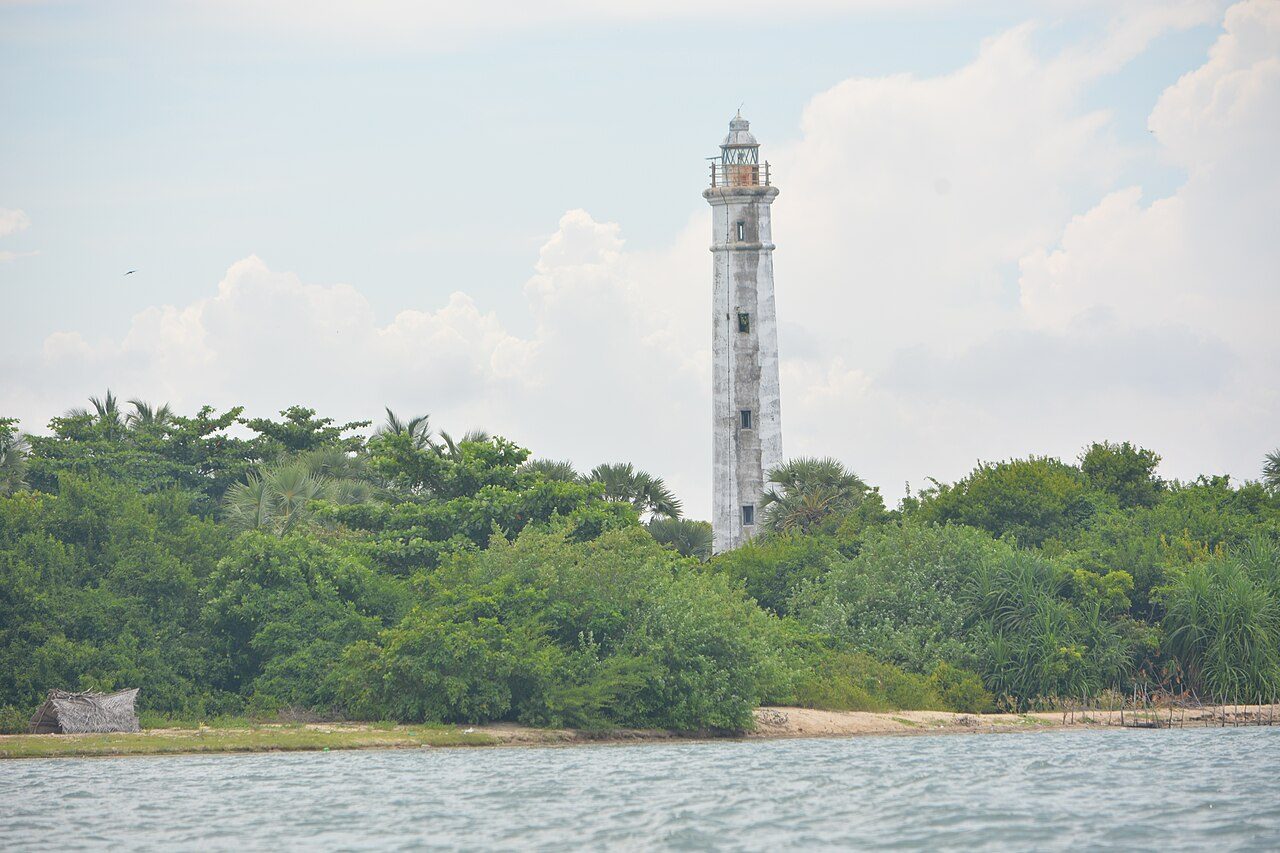
Batticaloa Lighthouse stands at Palameenmadu, where the Batticaloa lagoon meets the sea, about 5 km from the town. Built in 1913, the white tower is about 28 metres high. A small park surrounds it, and boat rides are offered into the mangroves of the lagoon. Visitors come in the evening for the breeze and the sunset.
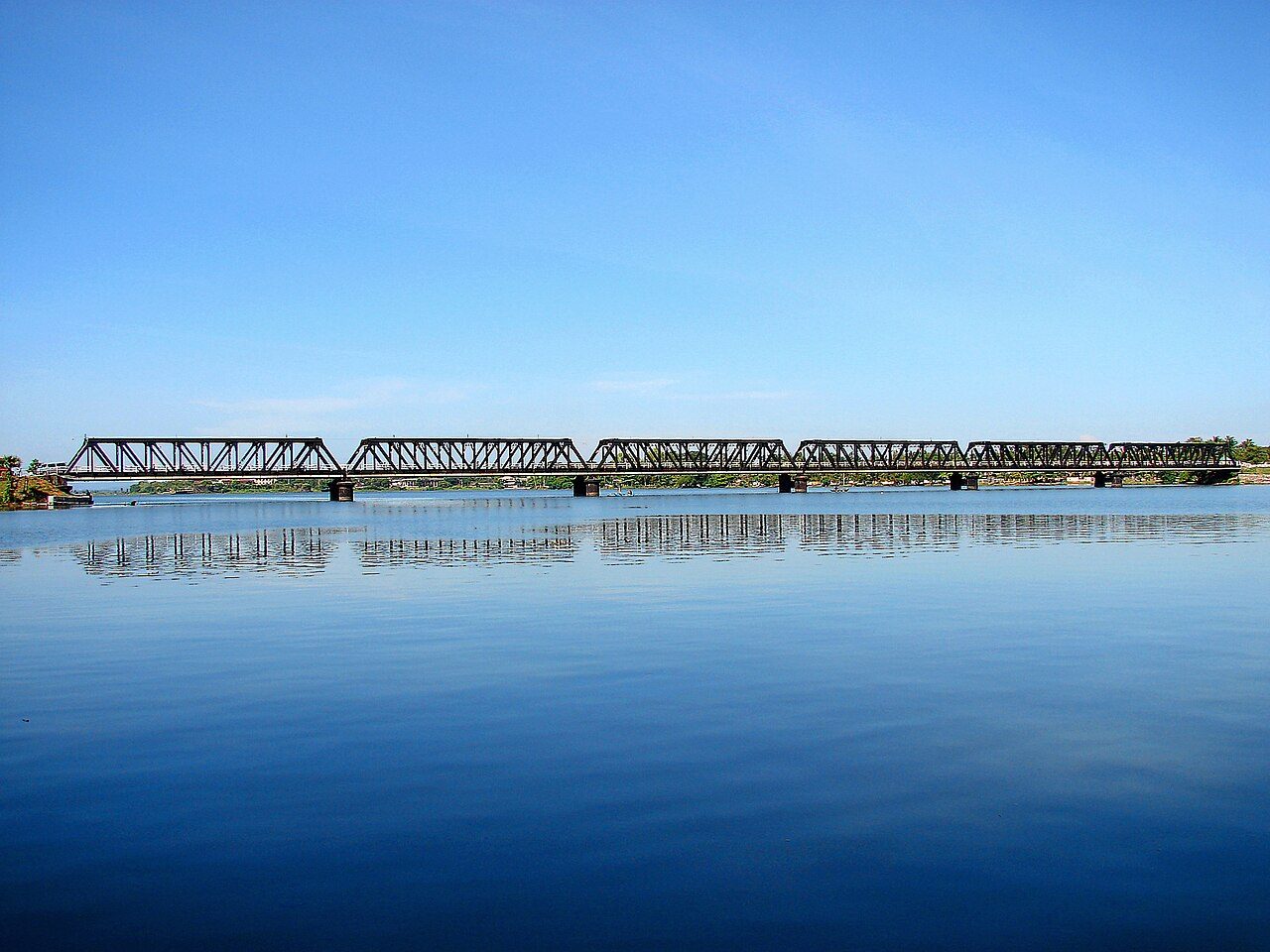
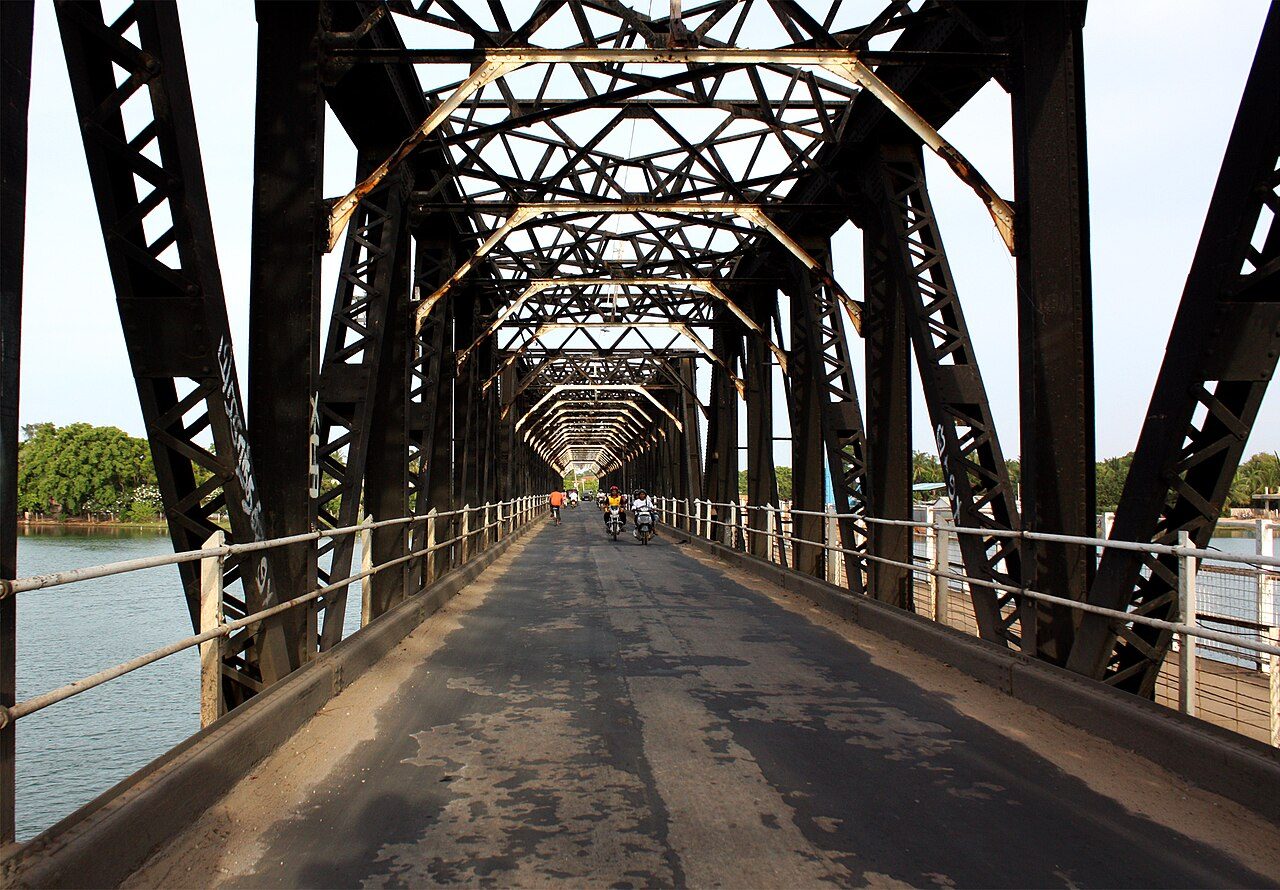
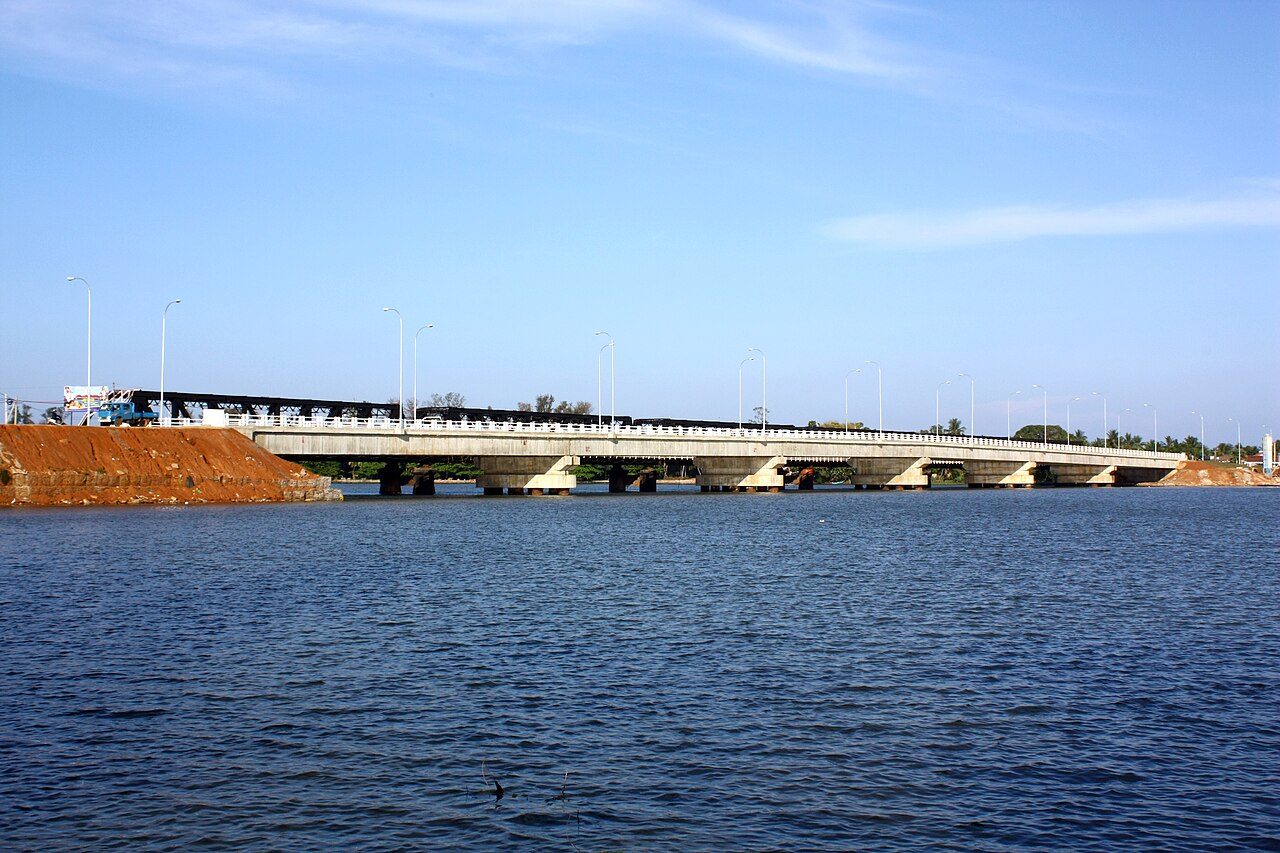
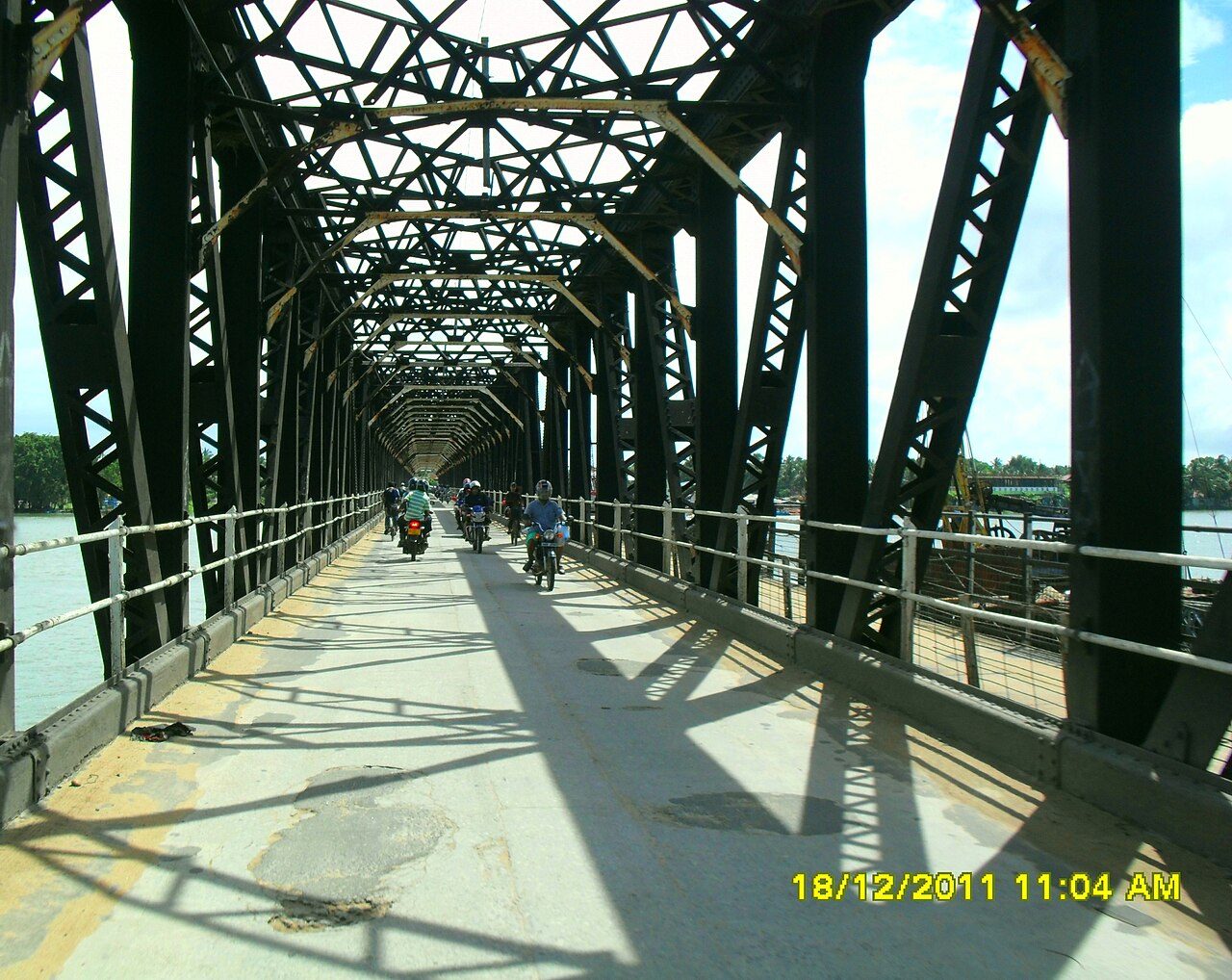
Kallady Bridge, officially the Lady Manning Bridge, crosses the Batticaloa lagoon just south of the town centre. The steel truss bridge was built in the 1920s in the British period and is now kept for walkers and cyclists, with a newer road bridge beside it. Local legend says singing fish can be heard in the lagoon here on full moon nights.
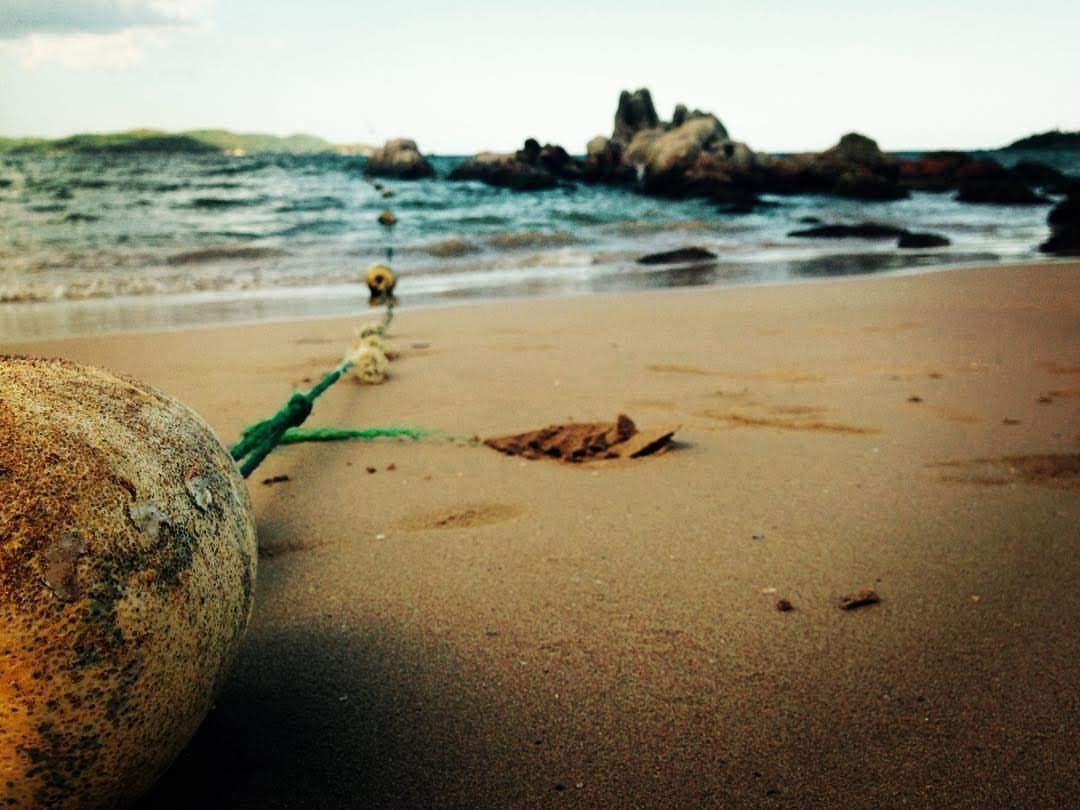
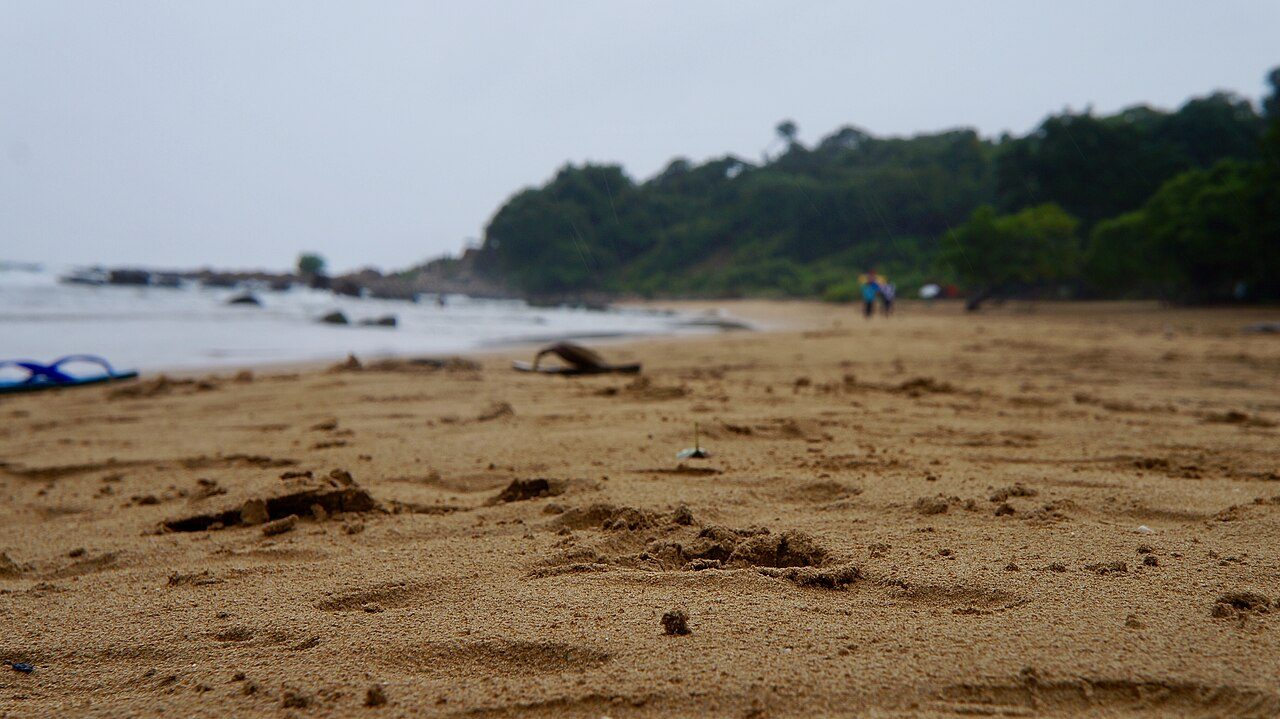
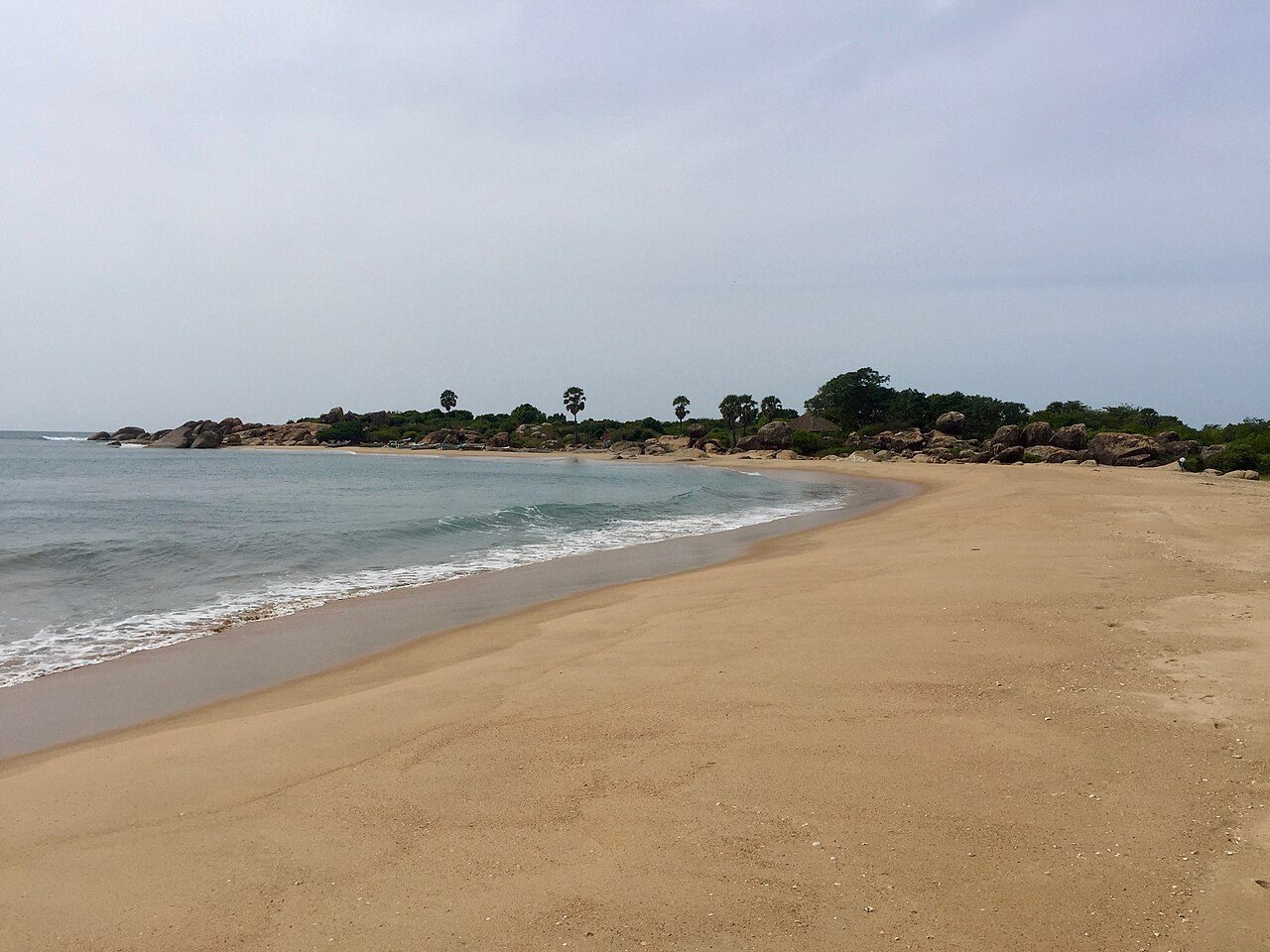
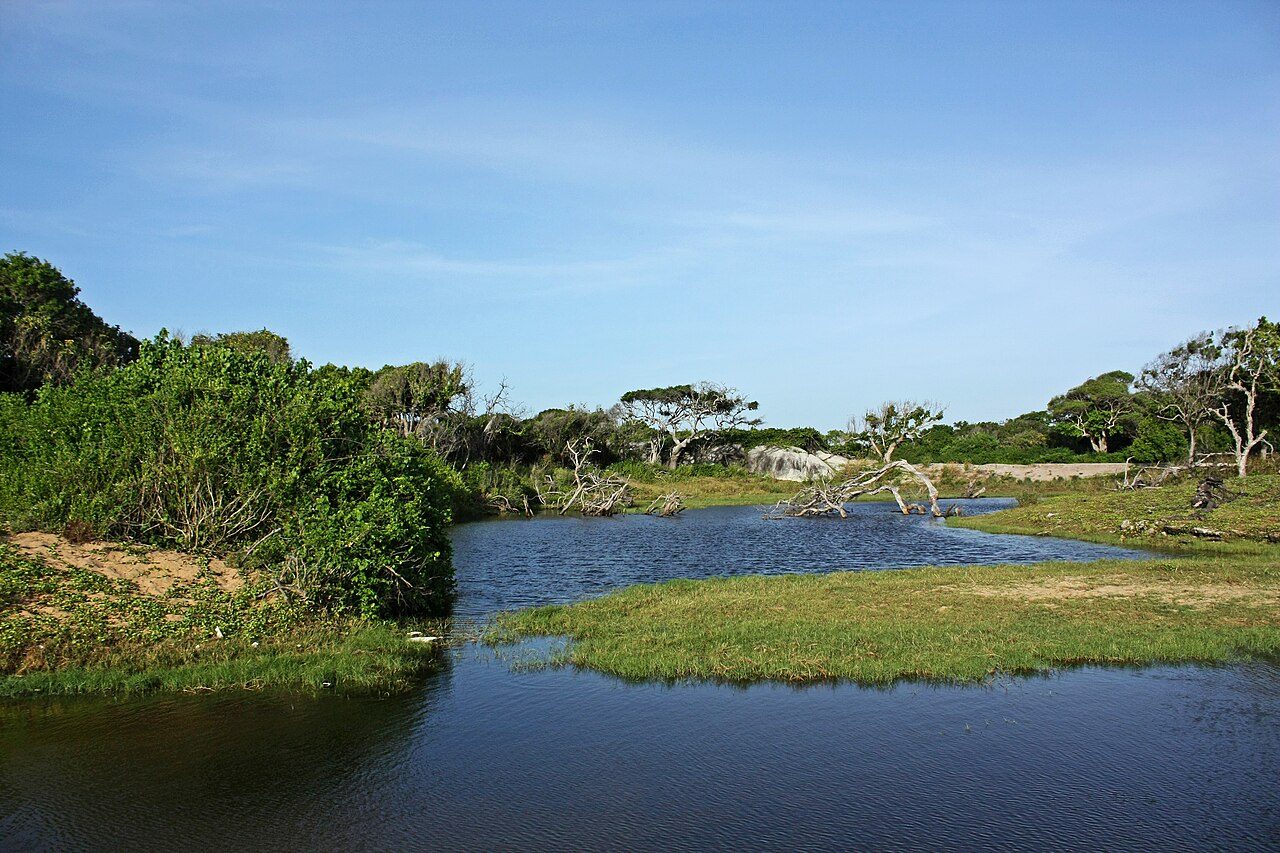
Arugam Bay, on the south-east coast near Pottuvil, is the best-known surfing destination in Sri Lanka. Its long right-hand point break works from about April to October, with other breaks such as Whiskey Point and Peanut Farm nearby. The crescent of sand is shared by fishermen, guesthouses and cafes. Lagoon safaris and Kumana National Park are close by.
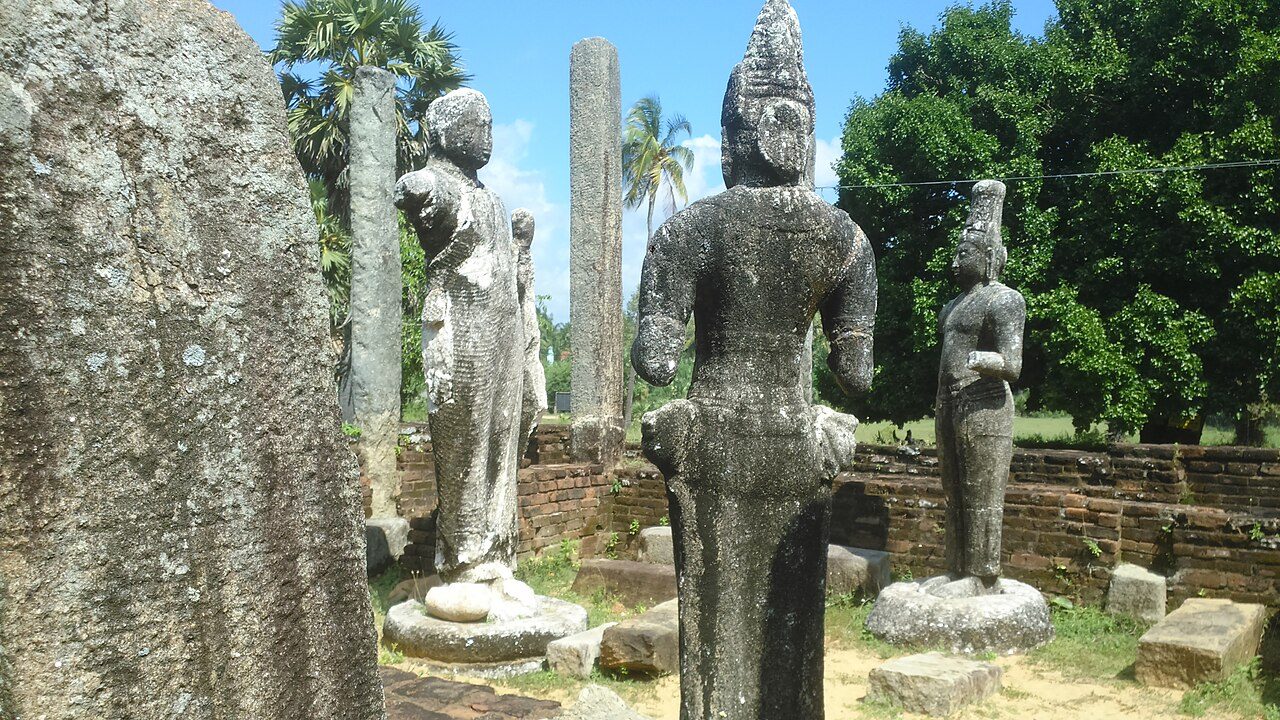
Muhudu Maha Vihara stands among sand dunes beside the sea at Pottuvil, near Arugam Bay. The temple is said to be over 2,000 years old, and some traditions name it as the place where Princess Viharamahadevi came ashore. Among the ruins are a standing Buddha and two figures thought to be bodhisattvas or kings, with remains of an image house.
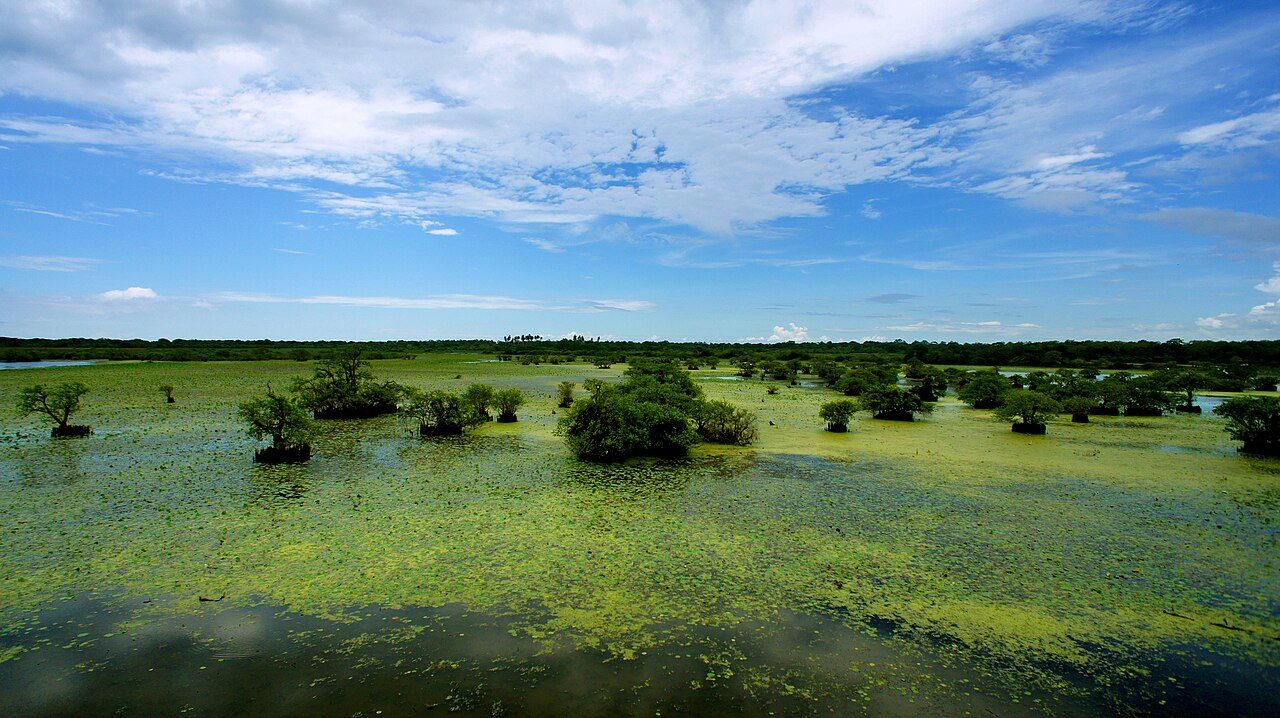
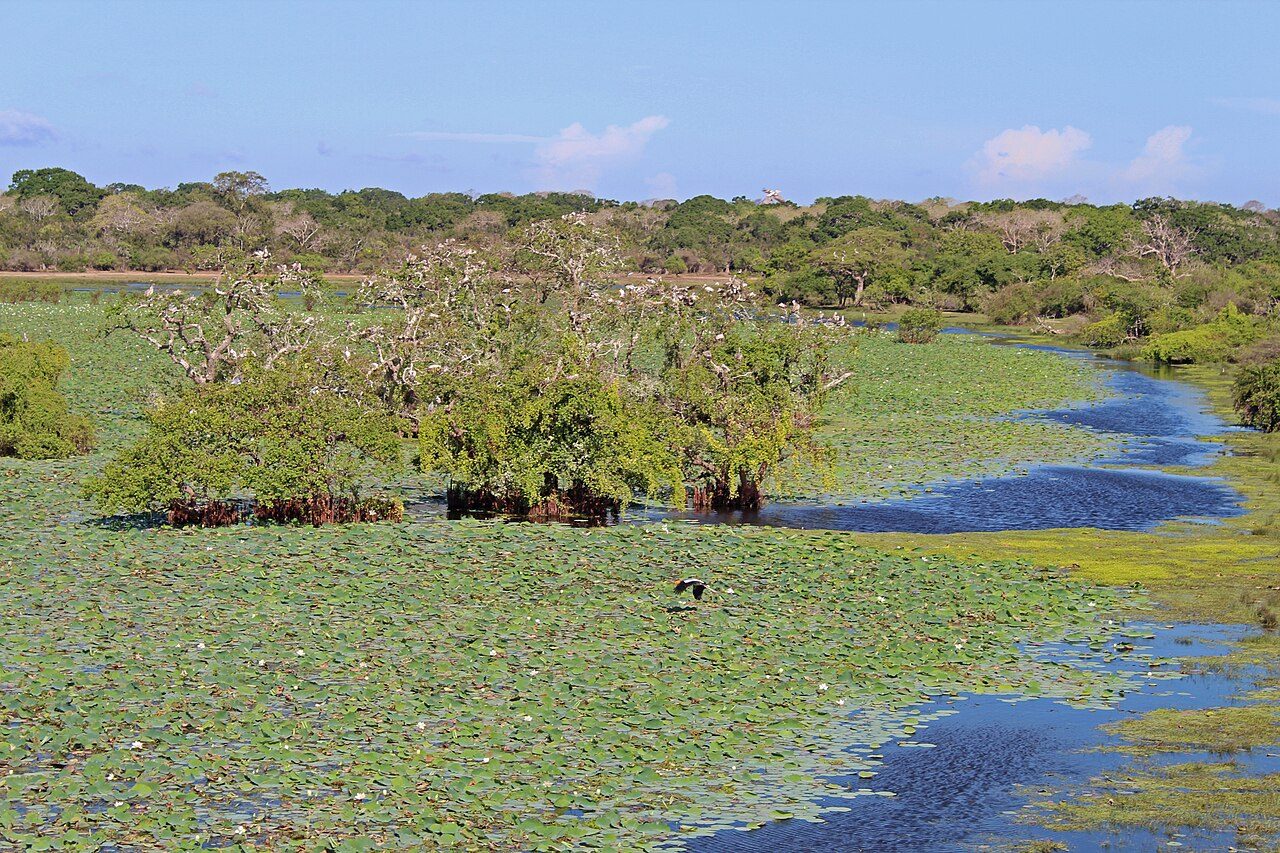
Kumana National Park lies on the south-east coast, bordering Yala. It is known for the Kumana villu, a mangrove swamp where large numbers of water birds such as painted storks, spoonbills and pelicans nest, mainly from about April to July. Elephants, leopards and crocodiles also live here. Access is by jeep from Panama and the Okanda gate.
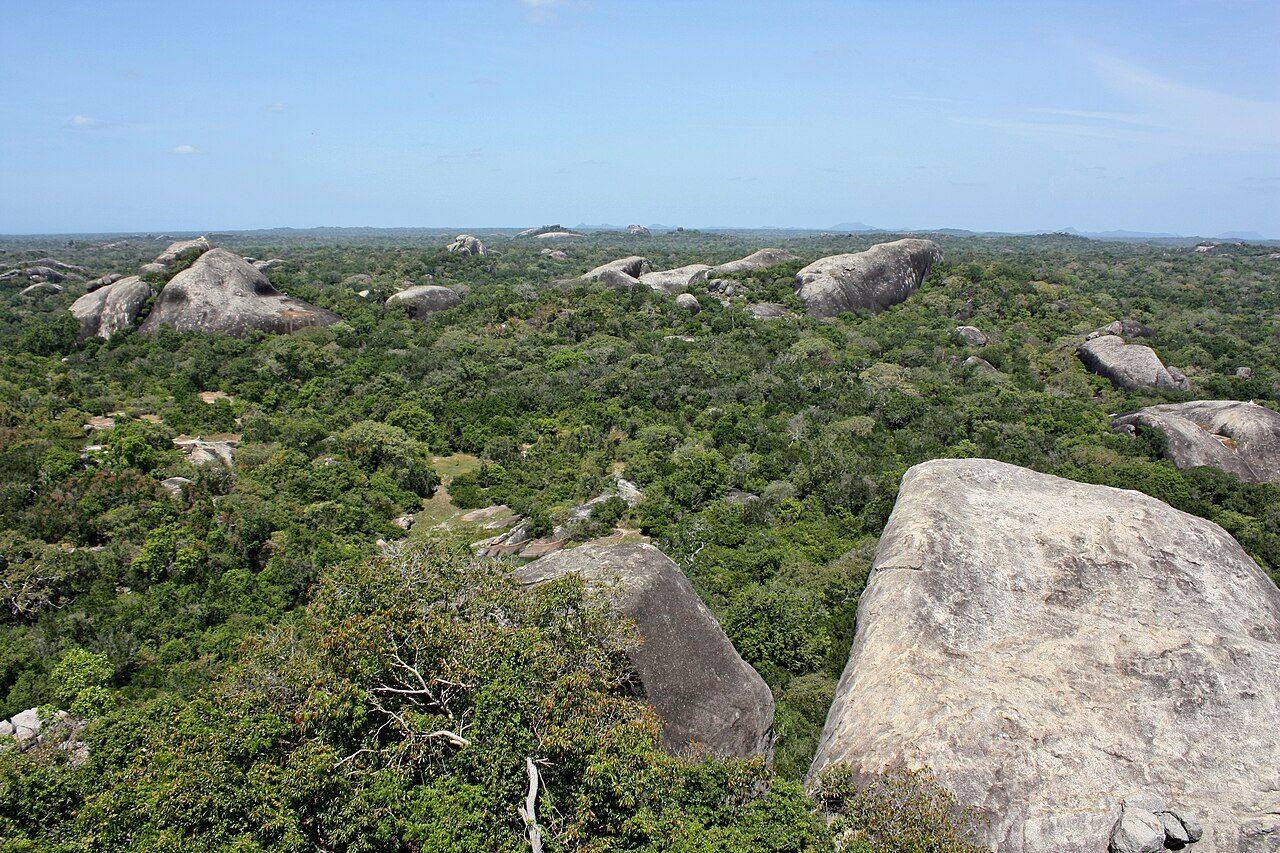
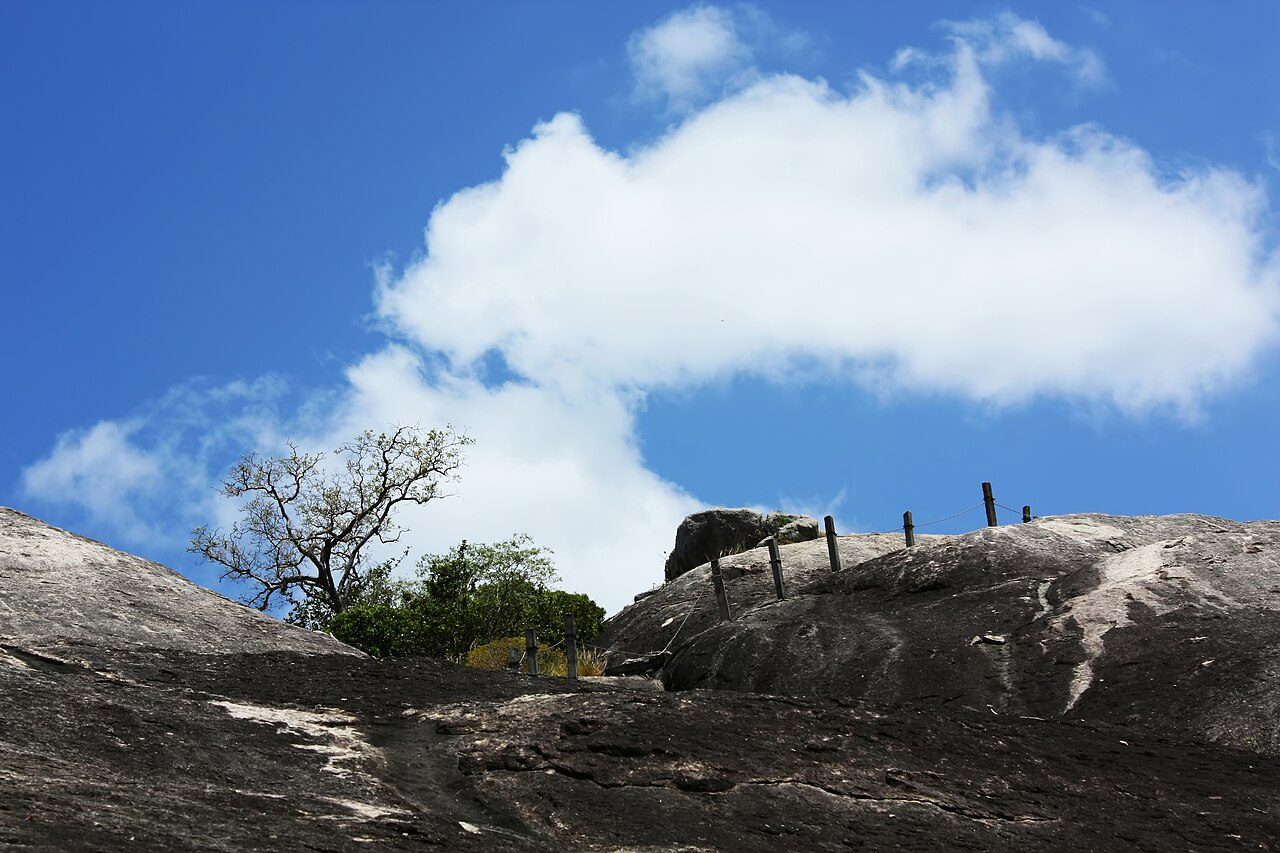
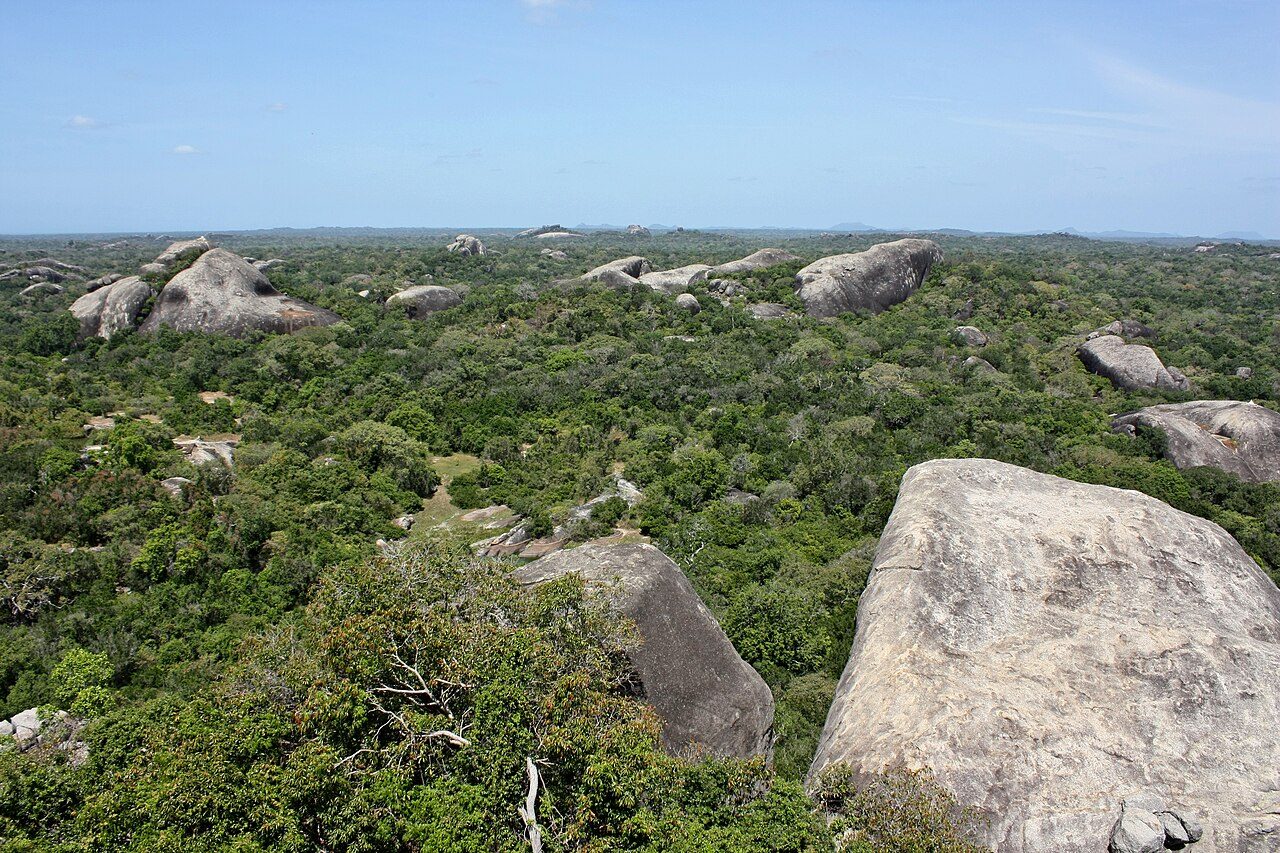
Kudumbigala Monastery is a forest hermitage on the way from Panama to Kumana National Park. It was founded in the 2nd century BCE as a retreat for meditating monks, and more than 200 rock caves with drip ledges are scattered through the jungle. A climb leads to a rock summit with a small cylindrical stupa and views over forest, lagoon and sea.
Best weather: Jan – MarHeavy rain: Nov
Seasons from 20 years of NASA POWER climate data.
Was this trip blog helpful?
0
0
Ready to follow this route?
Copy all 15 stops into your trip plans in the app.
 WaTrips