Sri Lanka's South Coast in 5 Days: Bentota, Galle, Mirissa and Yala
5 DAYS24 placesby WaTrips
Bentota and the Madu River, Hikkaduwa and Galle Fort, Unawatuna and Mirissa, Matara and Tangalle, then Yala and Tissamaharama.
The south coast mixes beaches, colonial history and wildlife. Day one is Bentota, a boat on the Madu River, the Kosgoda turtle hatchery and Geoffrey Bawa's garden at Lunuganga. Day two visits the mask museum at Ambalangoda, Hikkaduwa and the walls of Galle Fort, a UNESCO World Heritage Site. Day three relaxes at Unawatuna and Mirissa, with a whale-watching trip if the season is right. Day four sees Matara's Star Fort, the giant Buddha at Wewurukannala and the Hummanaya blowhole, and day five ends with a safari in Yala. December to April is the best time on this coast.
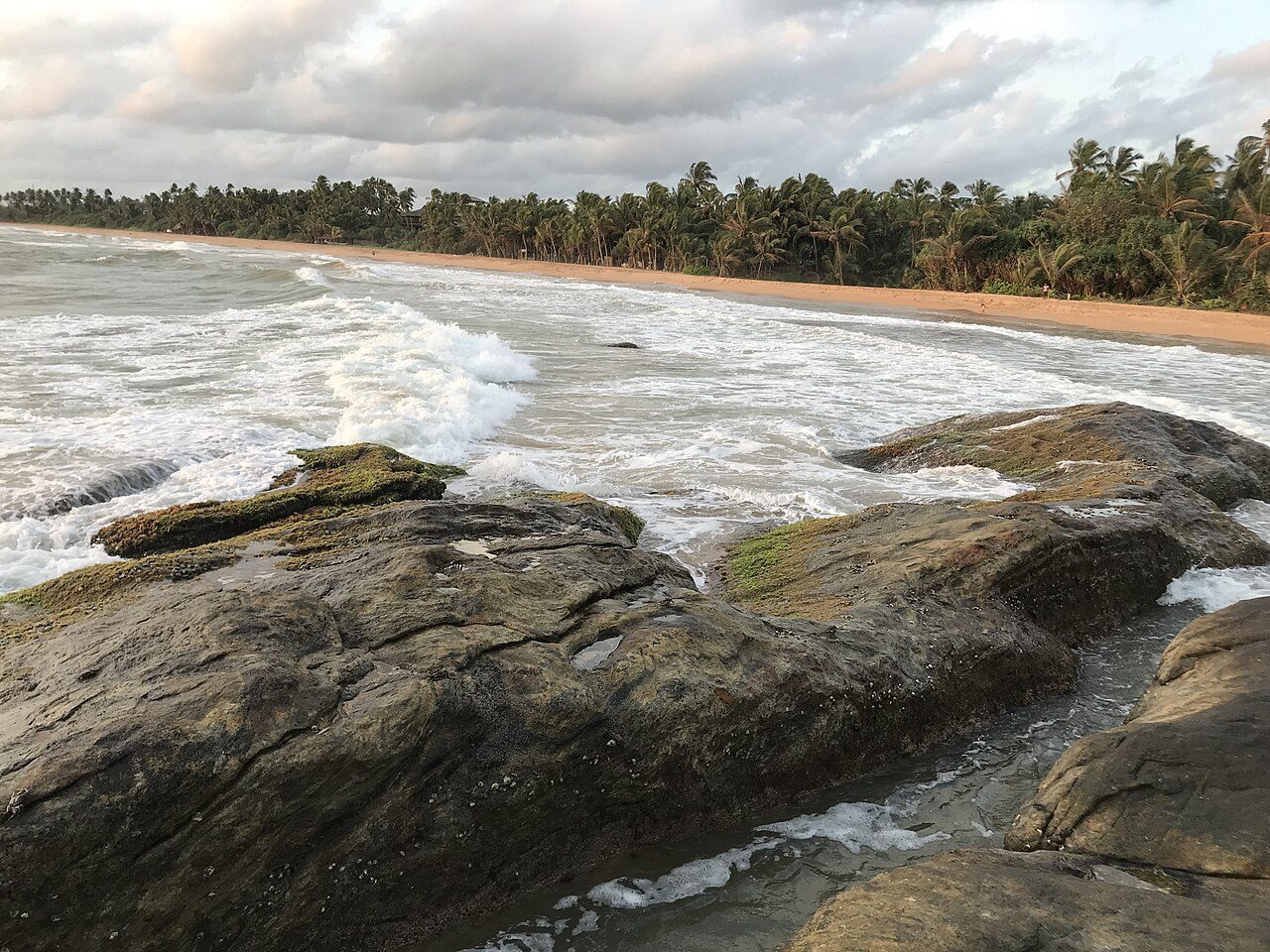
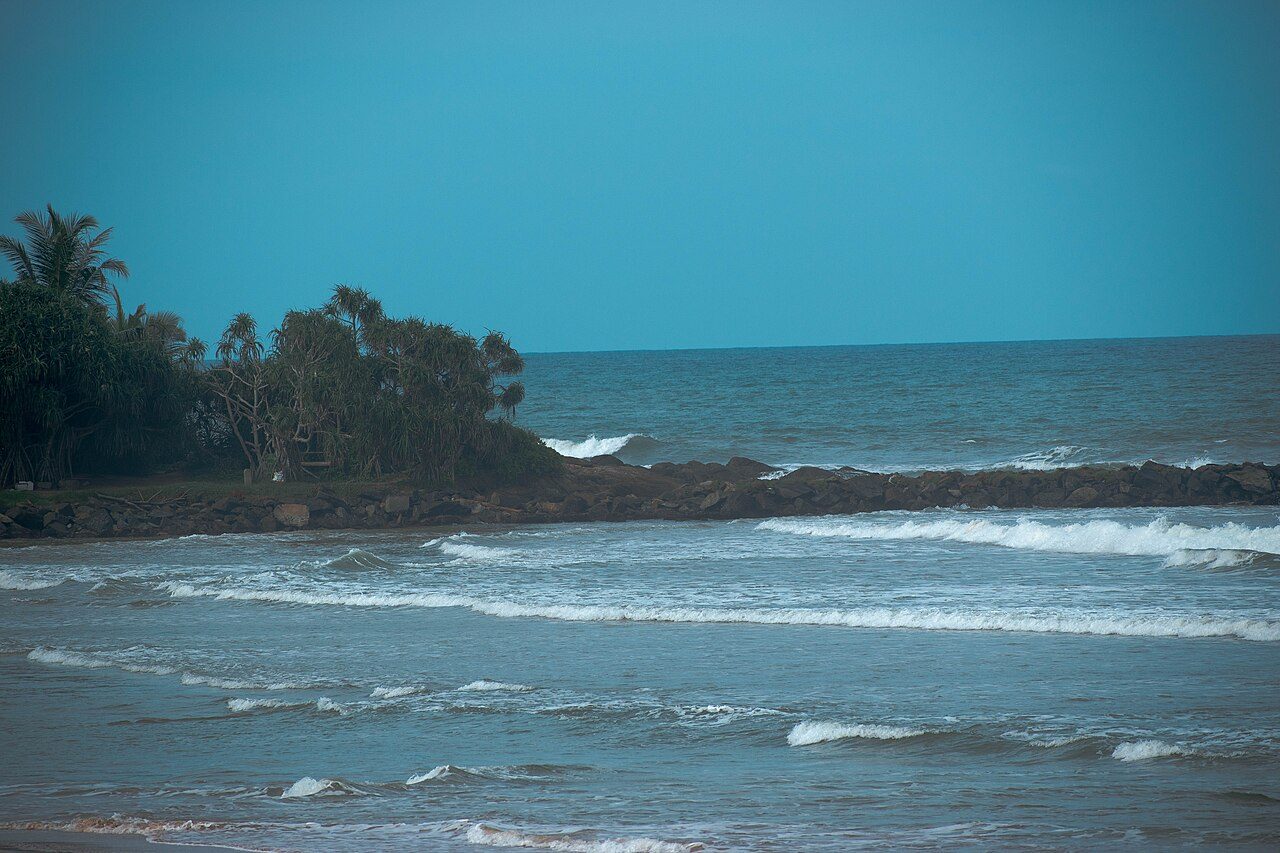
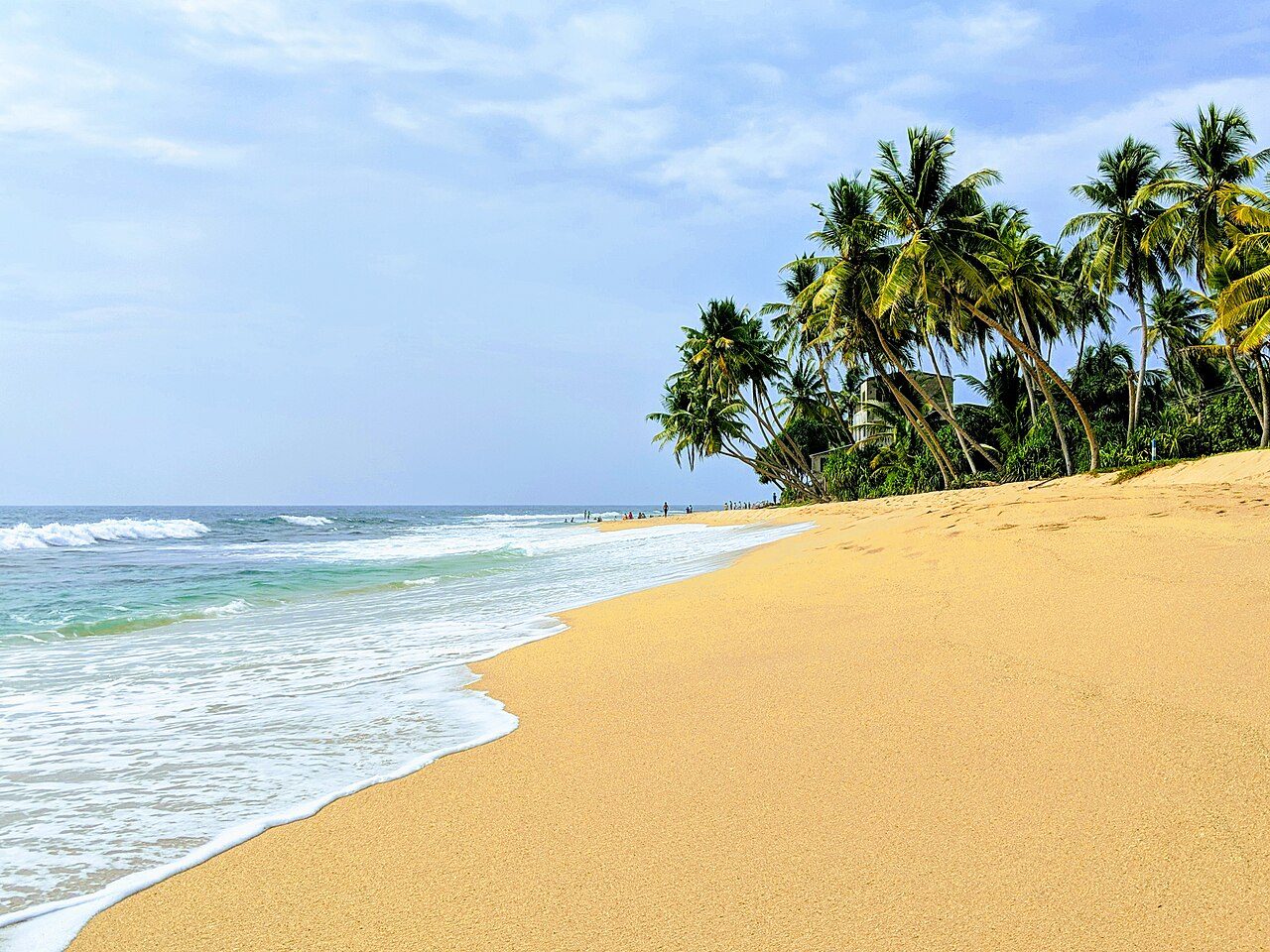
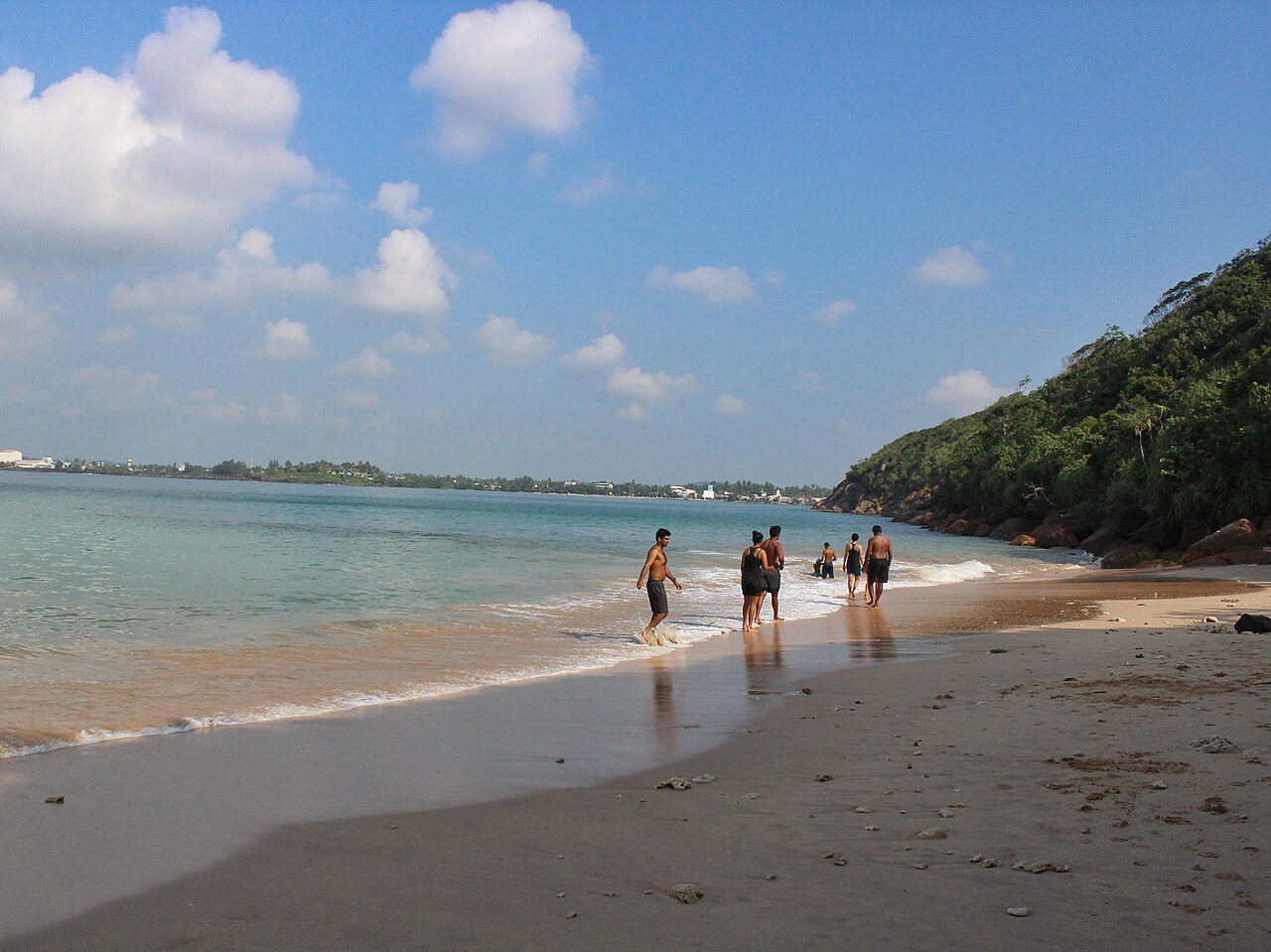
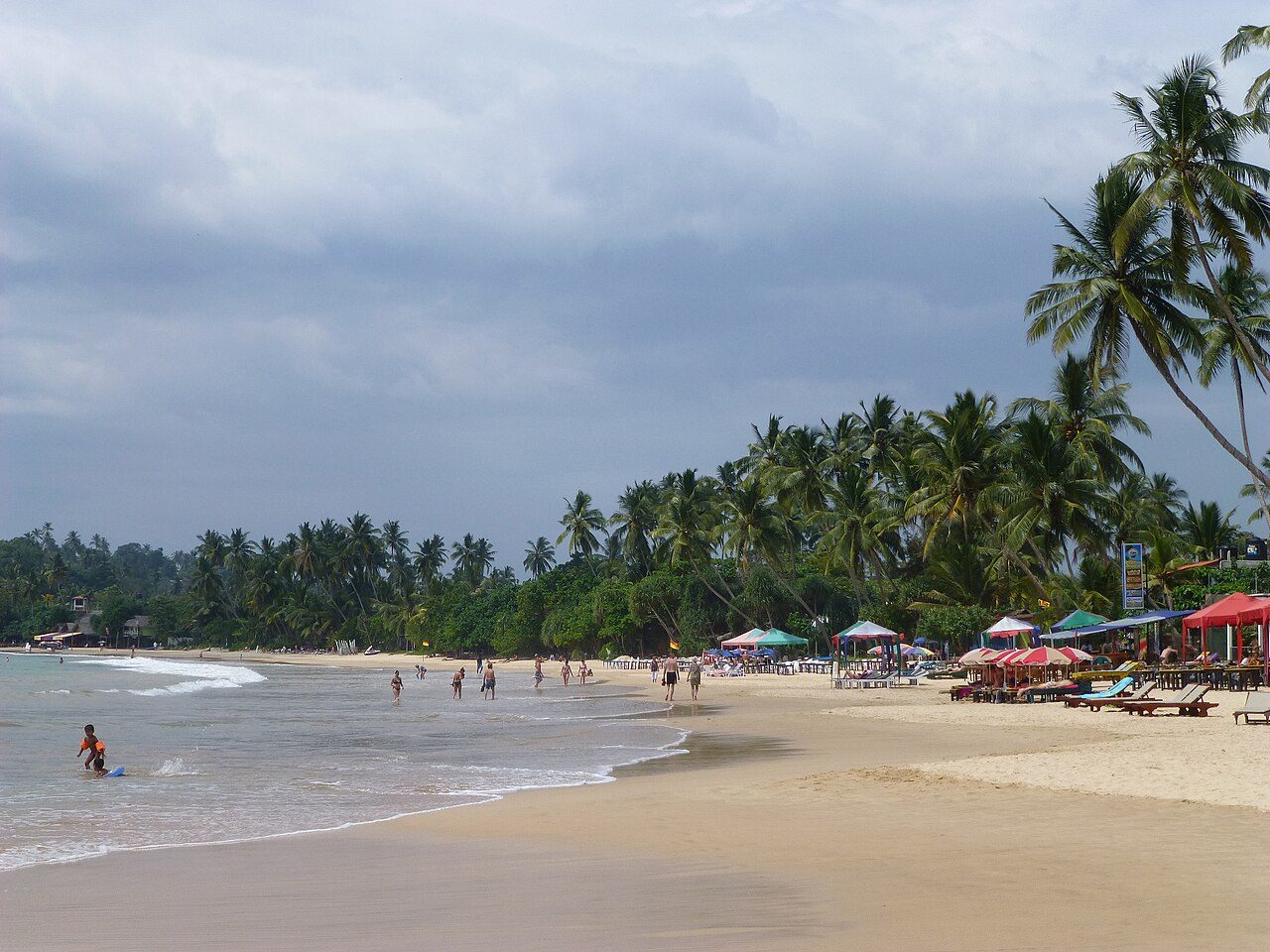
Bentota Beach lies where the Bentota River meets the sea, about 65 km south of Colombo. The long, wide stretch of golden sand is backed by palm trees and some of the island's best-known resort hotels. The calm river lagoon behind is used for water-skiing, jet skis and boat safaris through mangroves. Swimming is best from November to April.
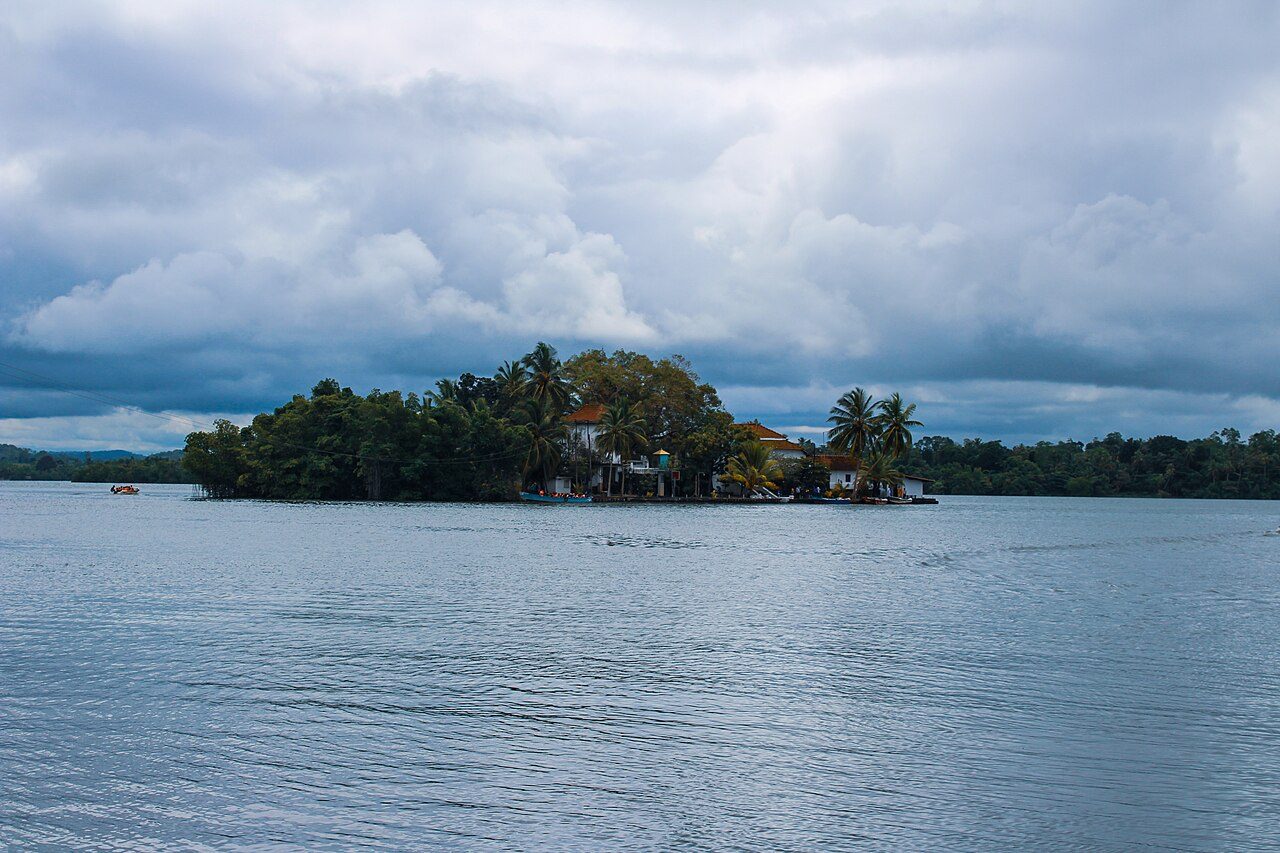
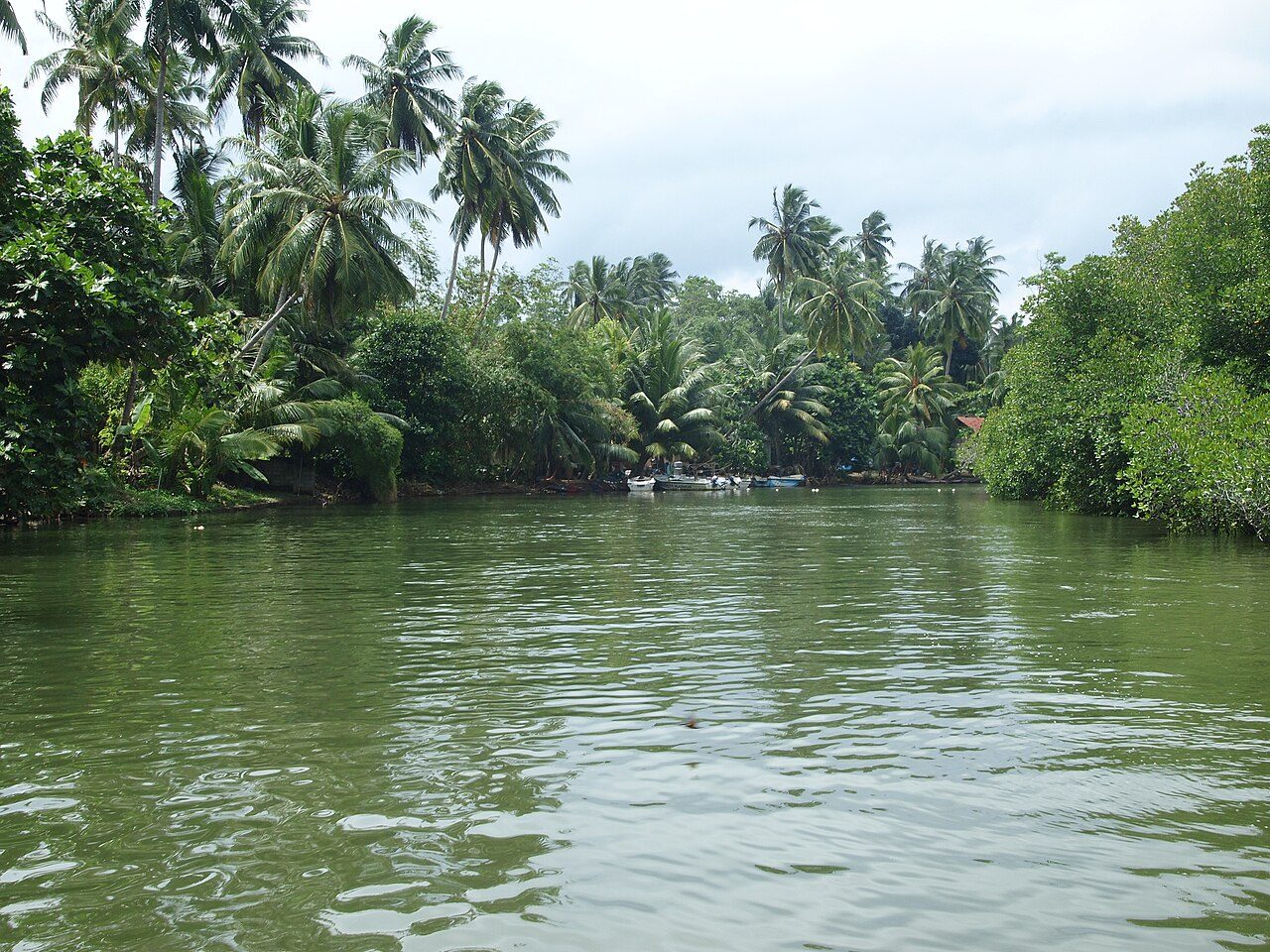
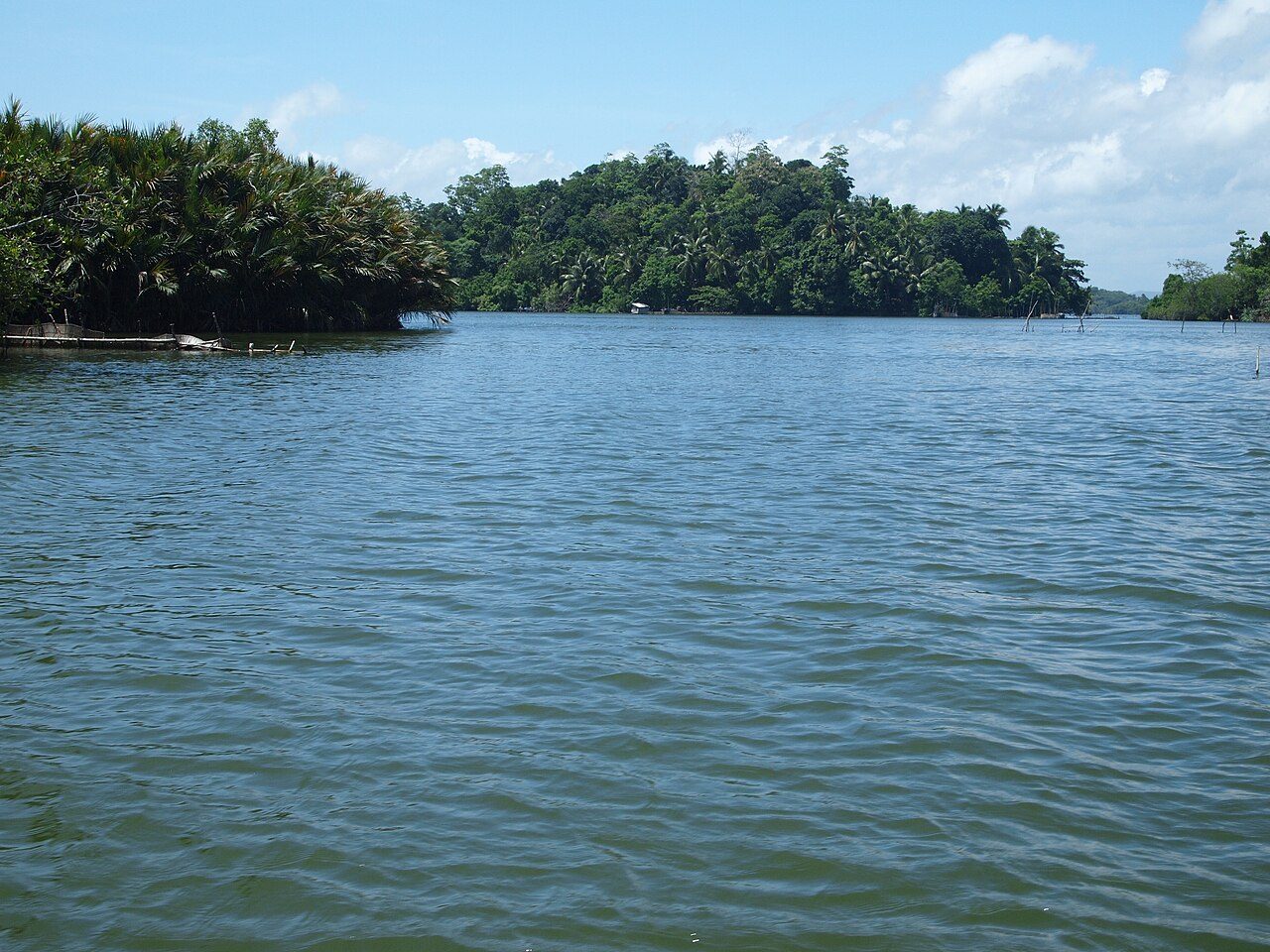
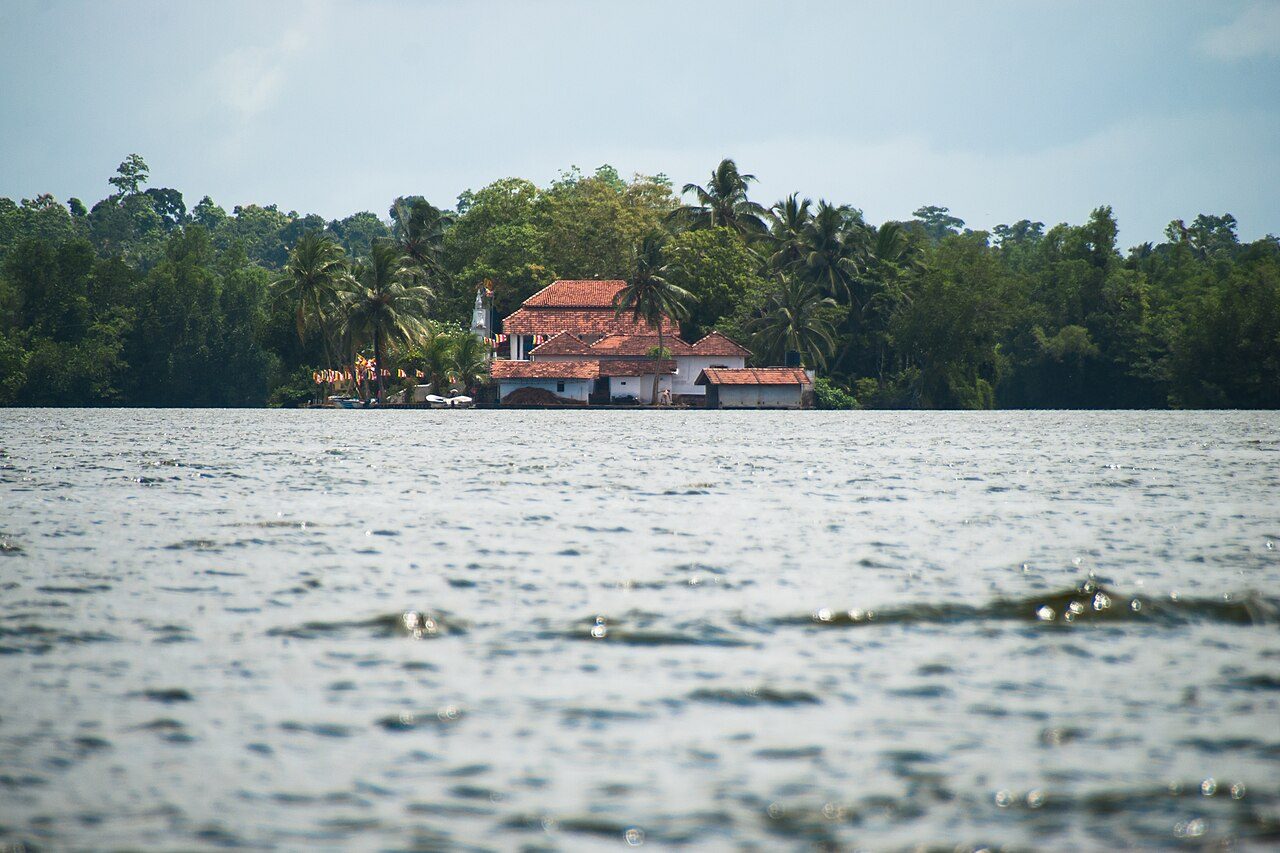
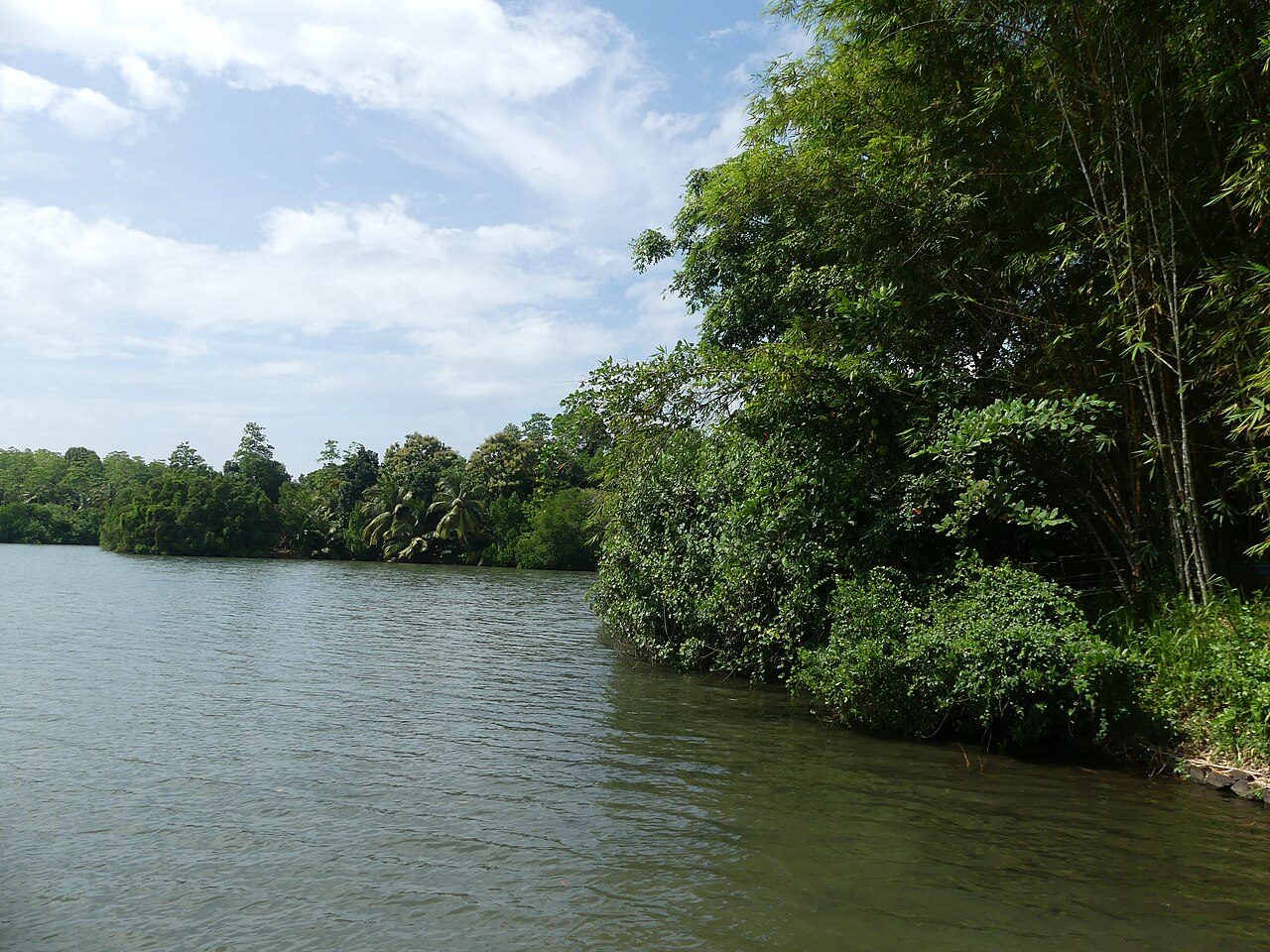
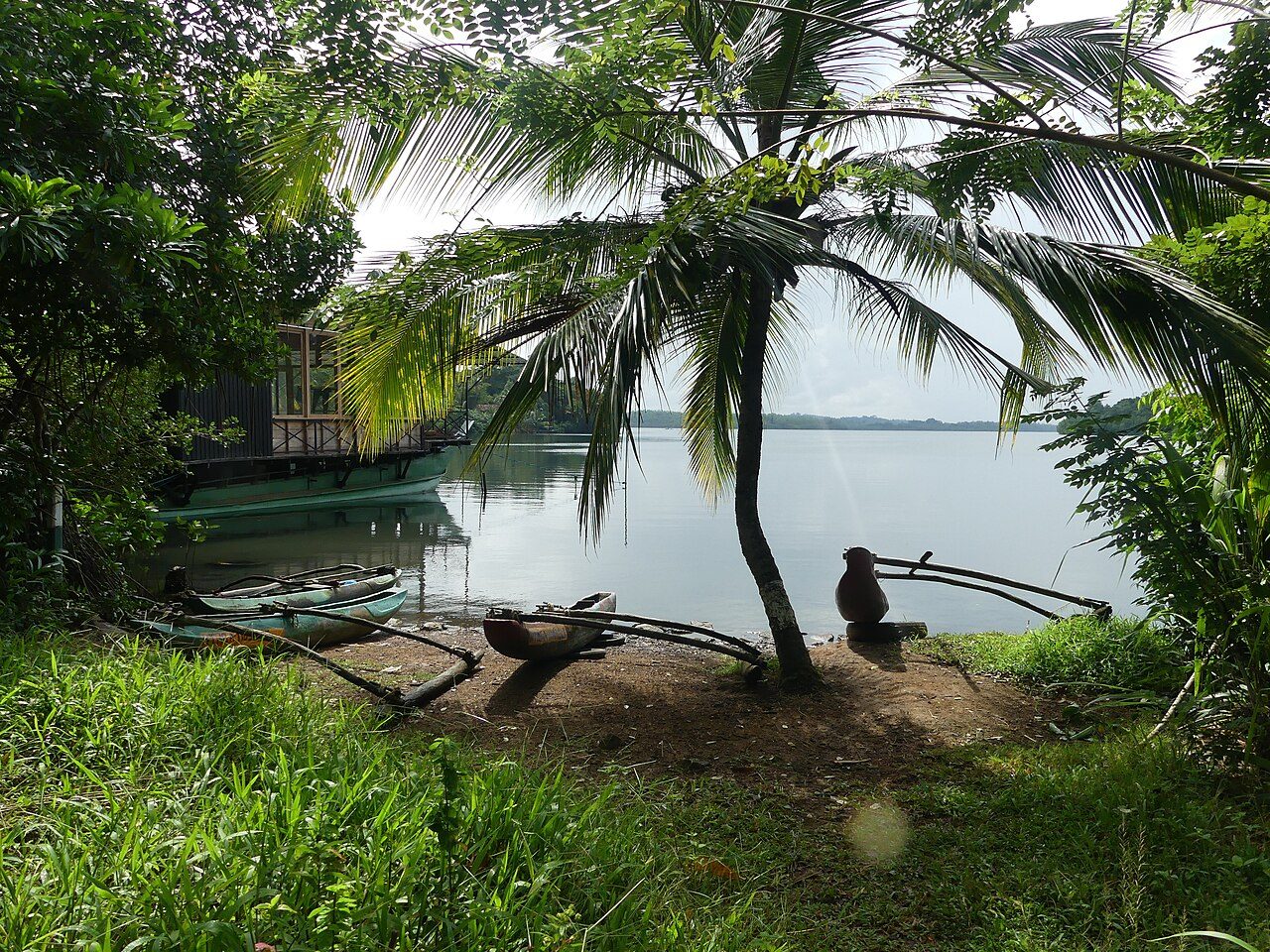
The Madu River at Balapitiya opens into a wide estuary dotted with dozens of small islands and fringed with mangroves; it is a protected Ramsar wetland. Boat safaris pass through mangrove tunnels and stop at an island where cinnamon is peeled and at Kothduwa, an island temple. Water monitors, kingfishers and cormorants are commonly seen.
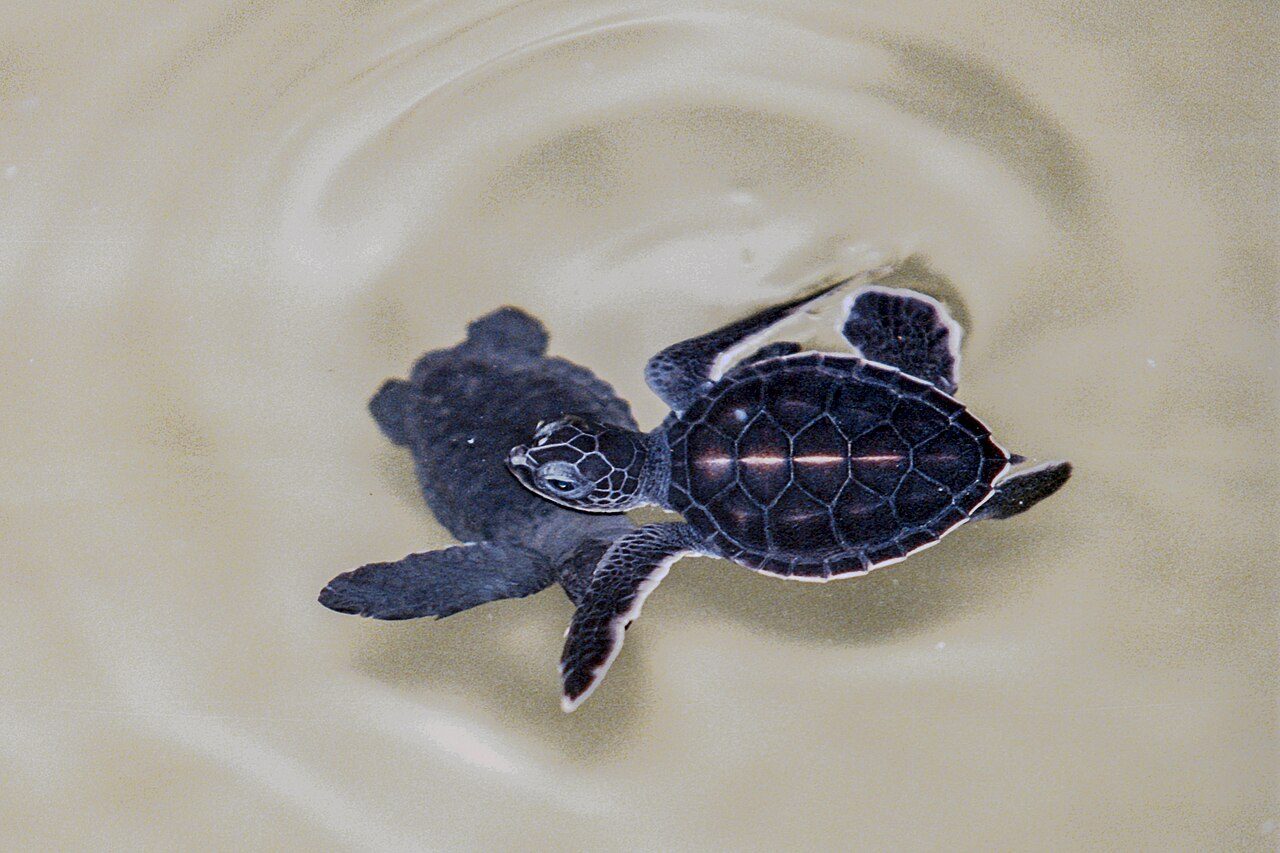
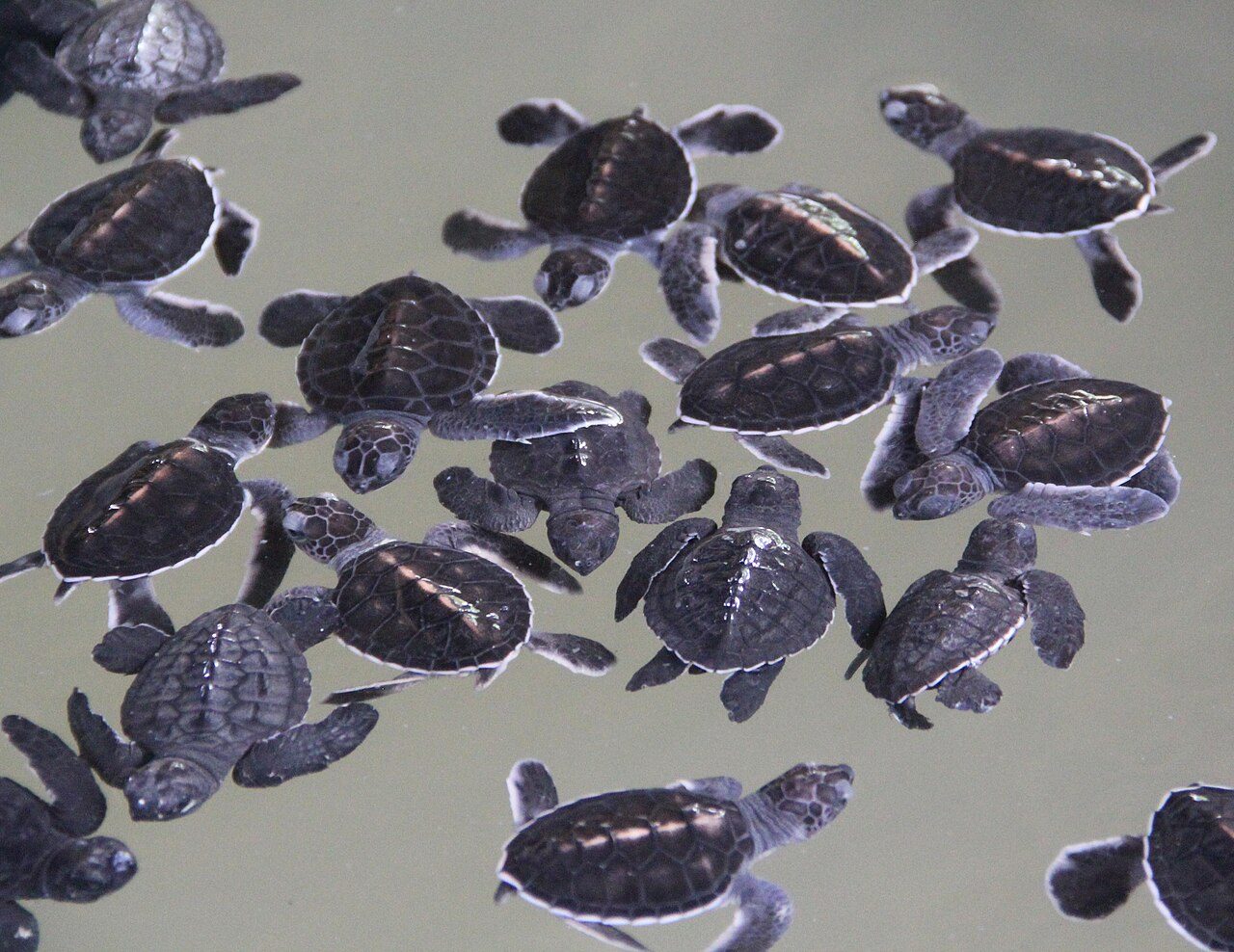
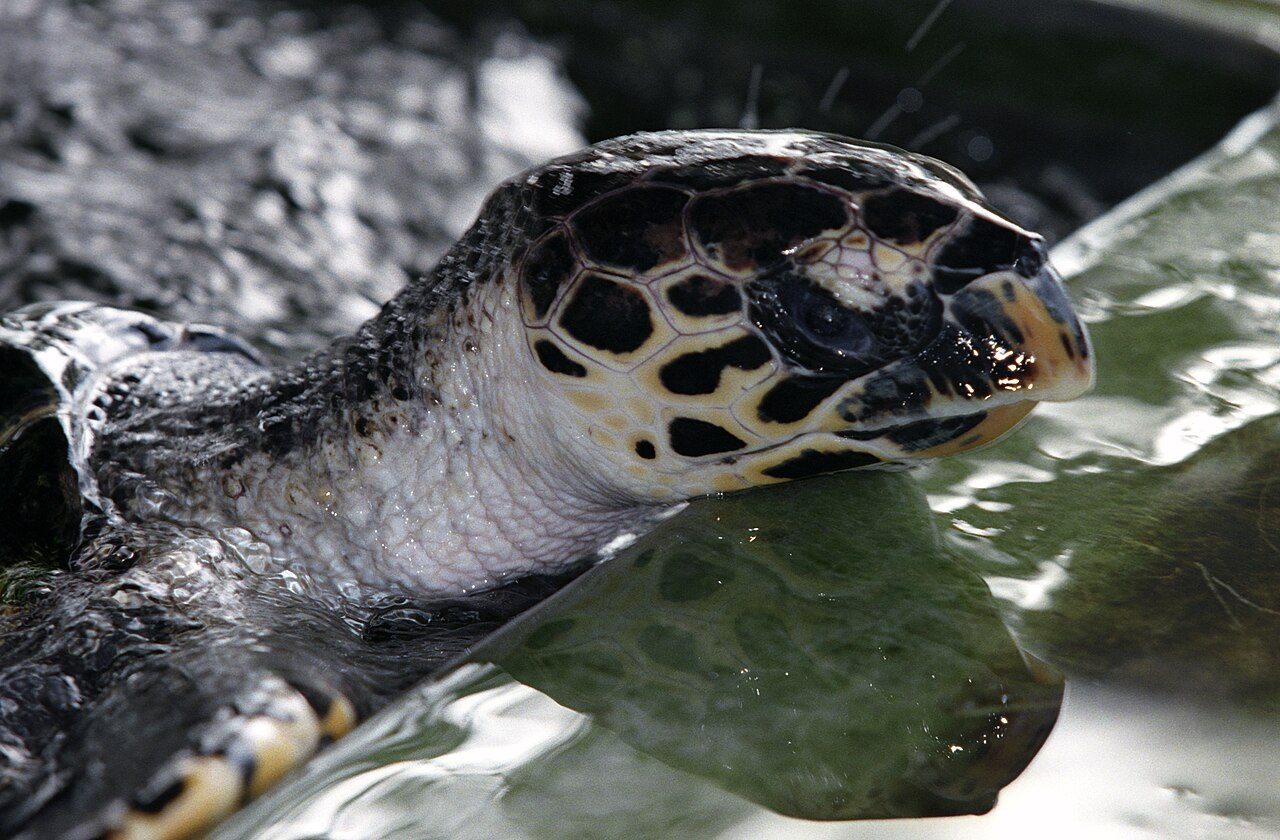
Kosgoda, on the south-west coast, is one of the main sea turtle nesting beaches in Sri Lanka, visited by five species. Hatcheries here buy eggs from collectors, rebury them in protected sand and release the hatchlings into the sea. Visitors can see tanks with baby turtles and injured adults. A conservation project has run here since the 1980s.
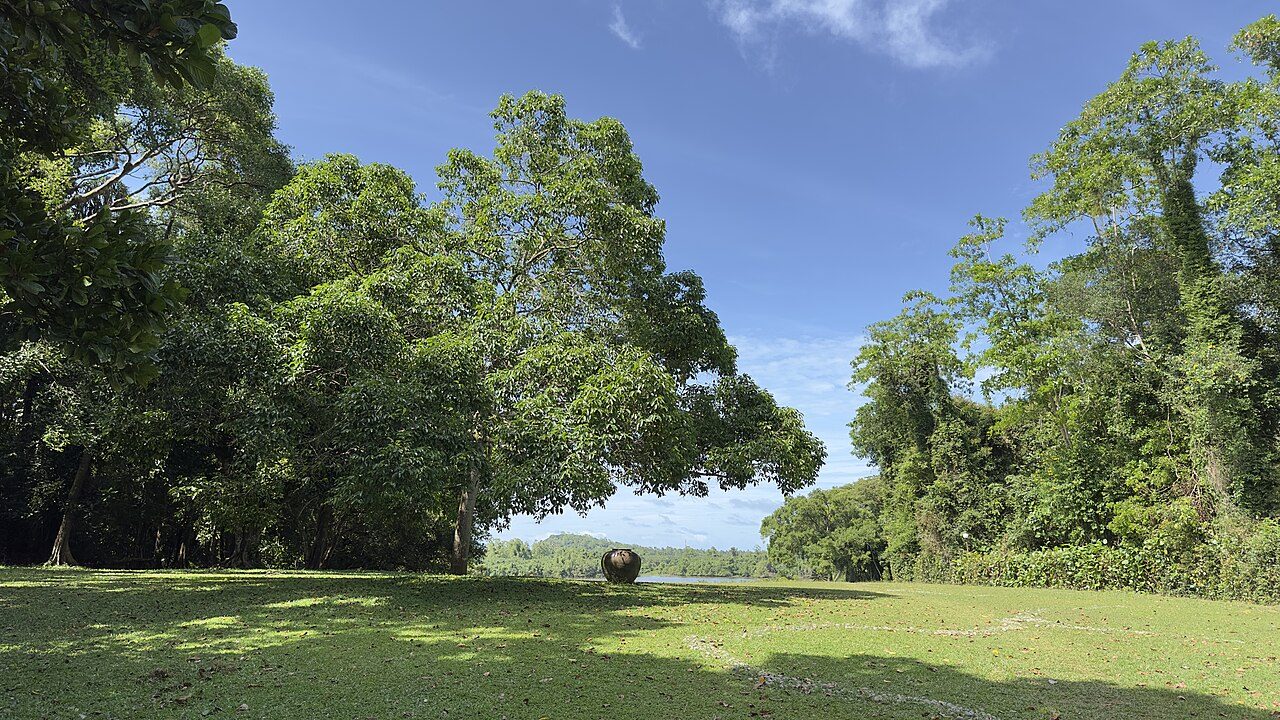
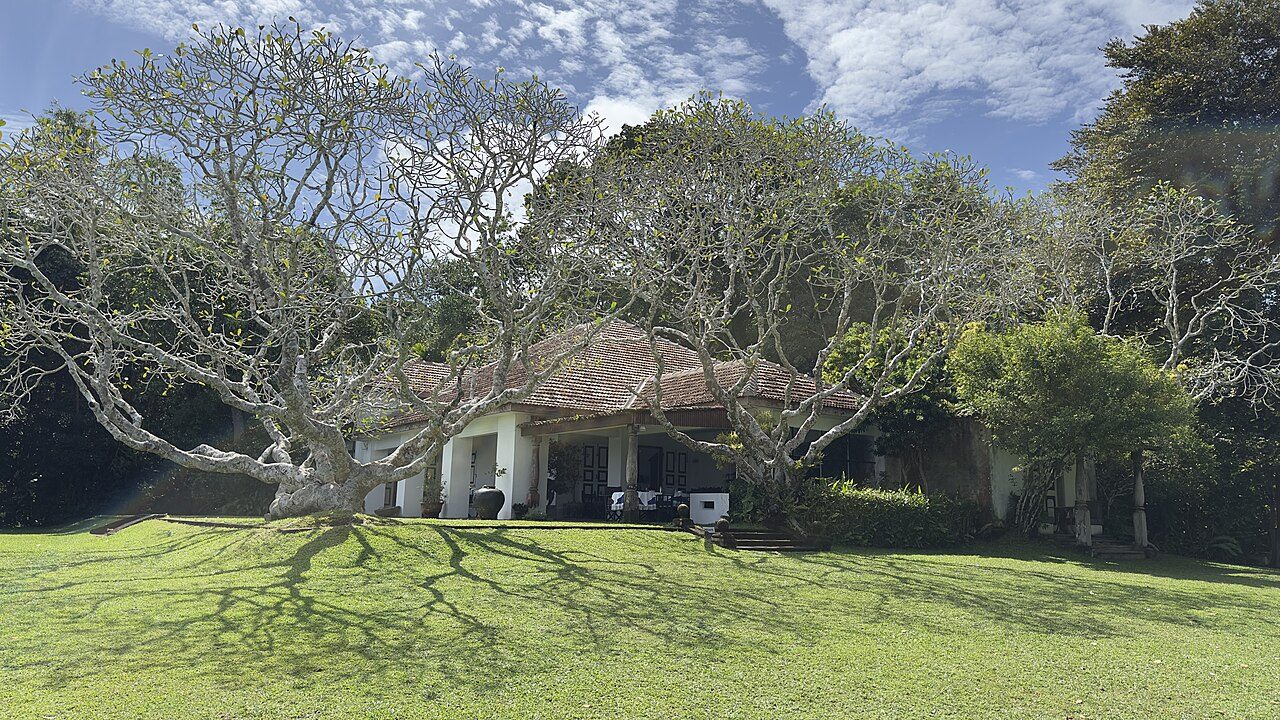
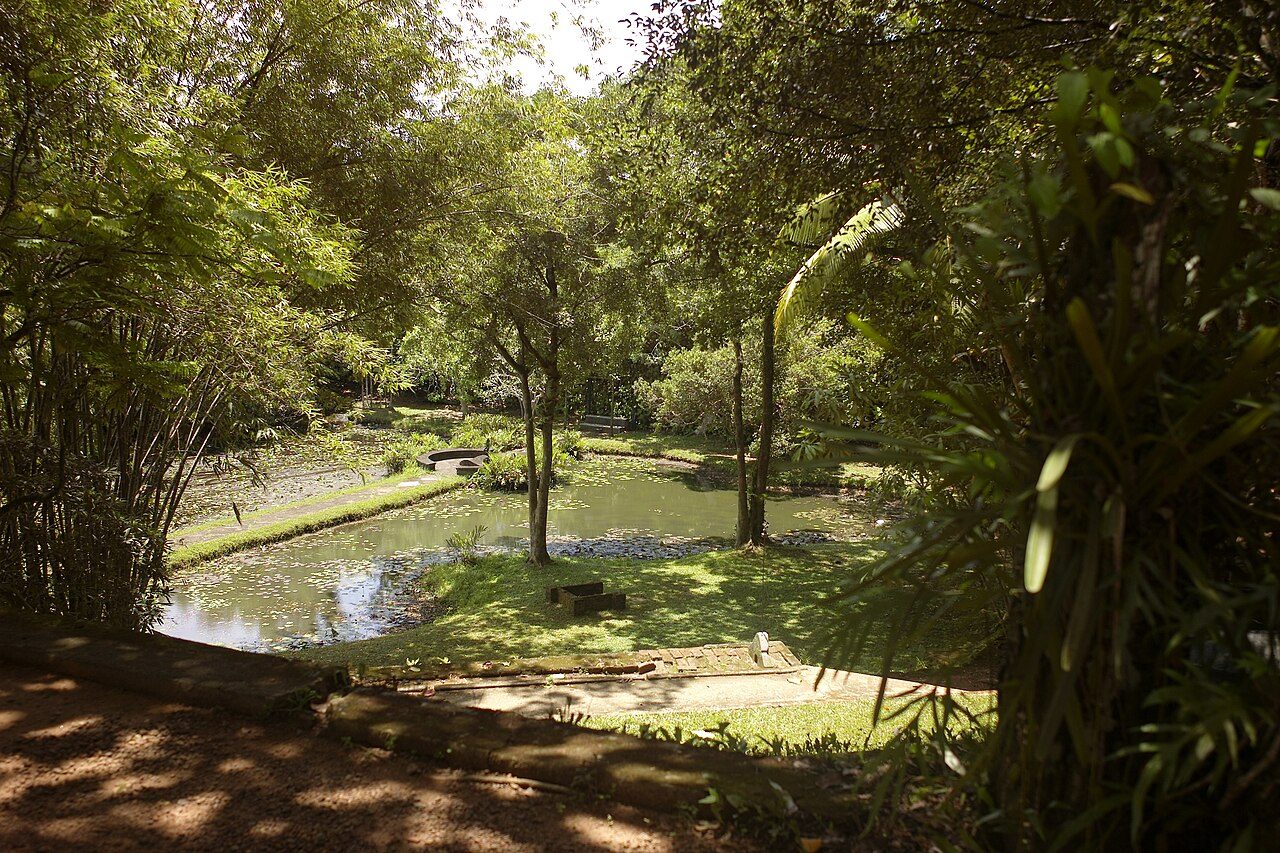
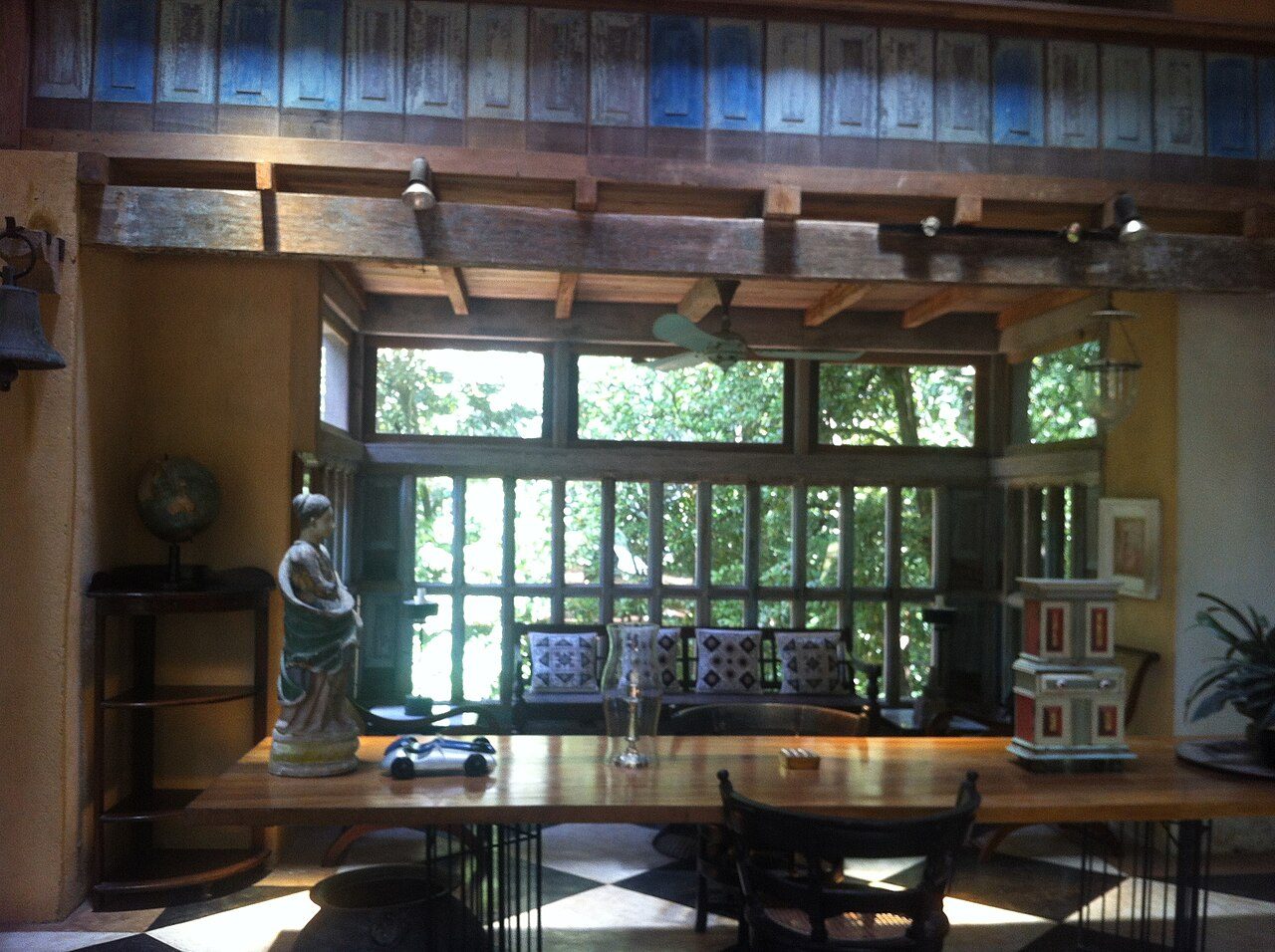
Lunuganga was the country home of Geoffrey Bawa, Sri Lanka's most celebrated architect, on the shore of Dedduwa Lake near Bentota. He bought the old rubber estate in 1948 and spent some fifty years shaping it into a garden of terraces, vistas, pavilions and sculpture. Guided tours are offered by the trust that manages it, and it also takes overnight guests.
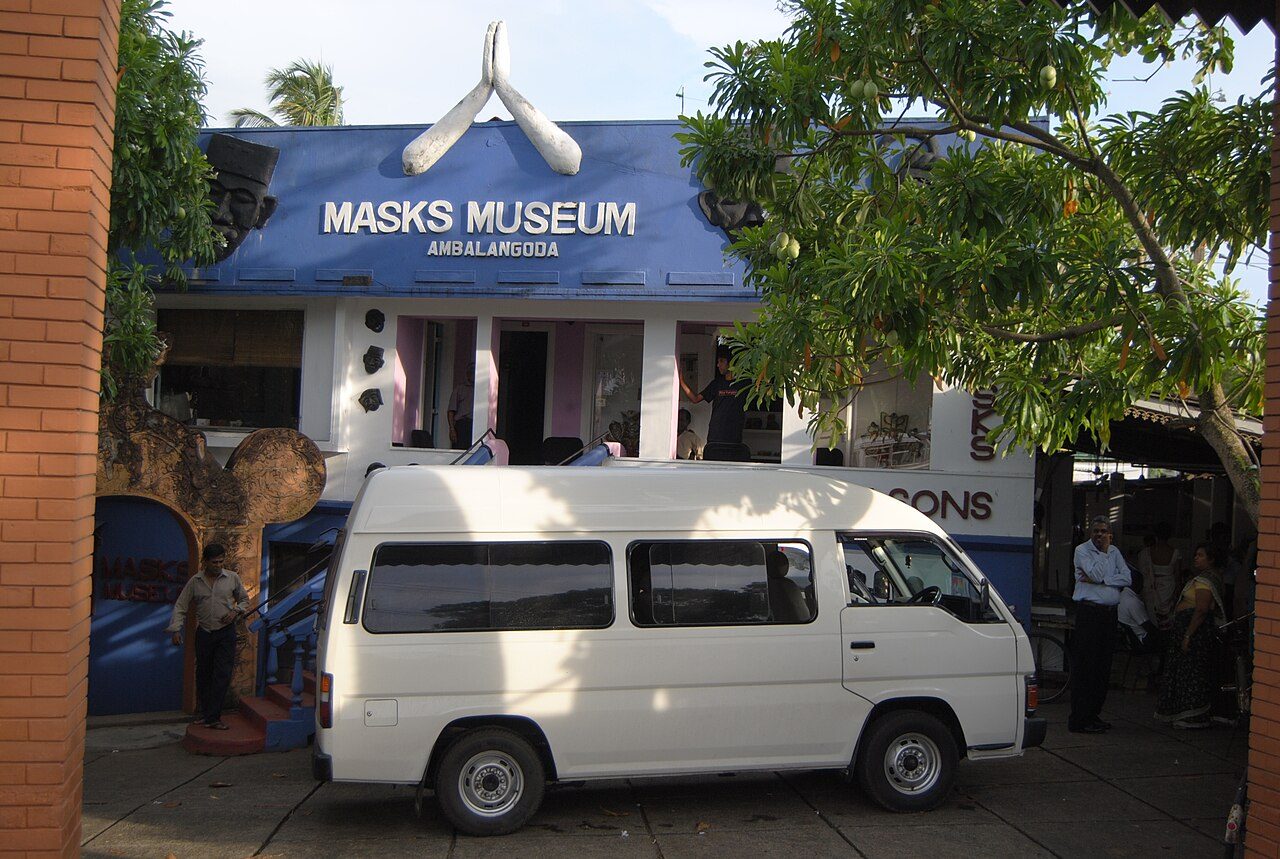
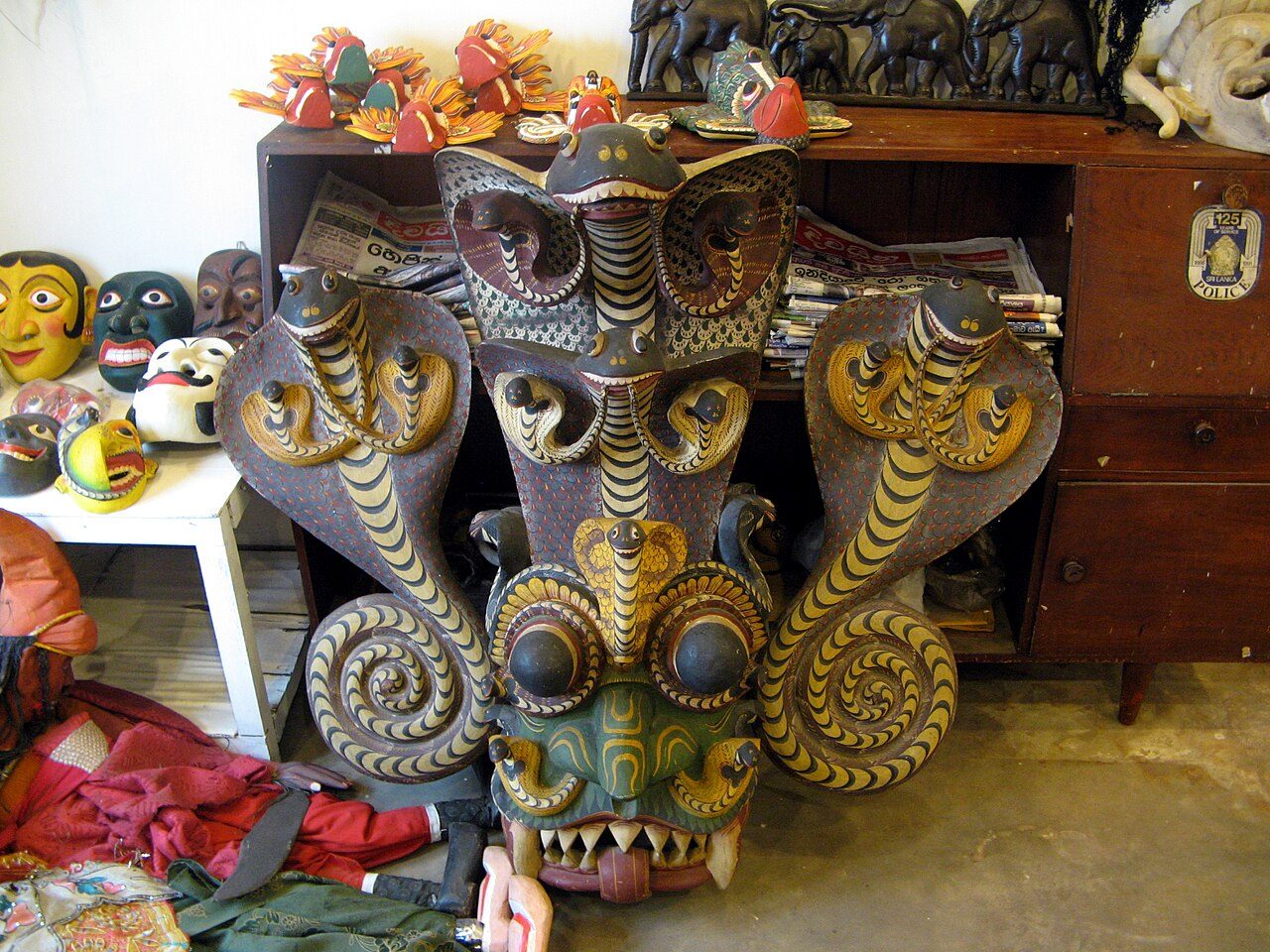
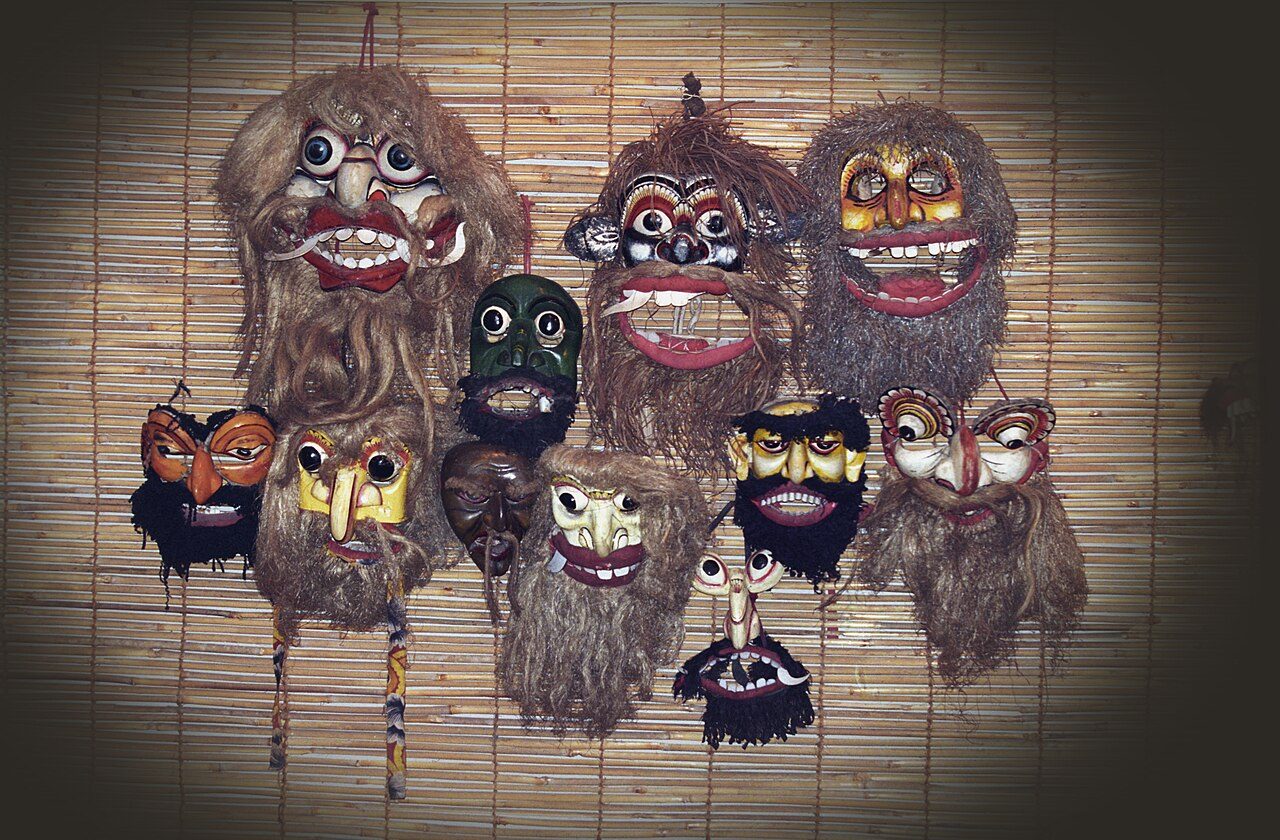
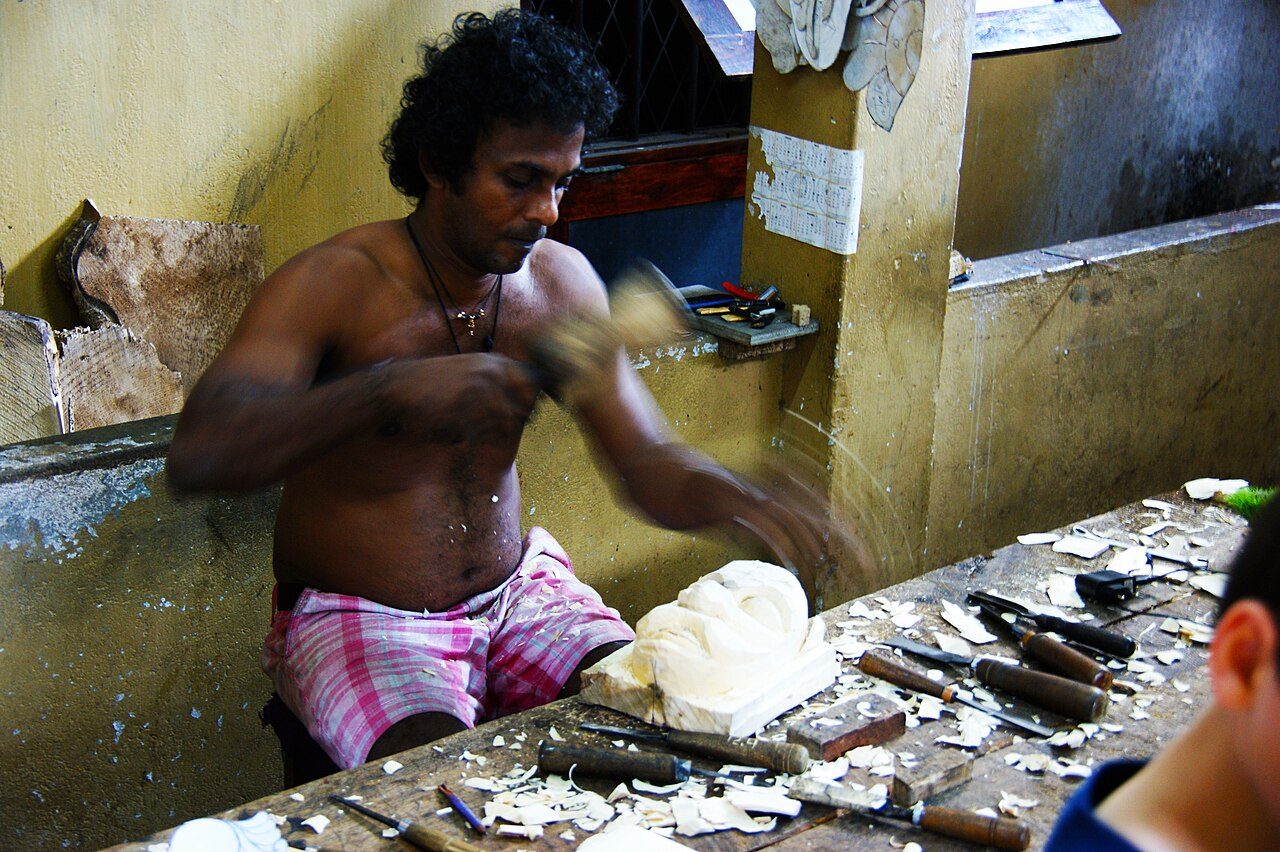
The Ariyapala Mask Museum in Ambalangoda is run by a family that has carved masks for generations. Ambalangoda is the centre of this craft, used in kolam folk plays and in sanni healing rituals with their eighteen demon masks. The small museum explains the traditions, and in the workshop behind it visitors can watch carvers at work.
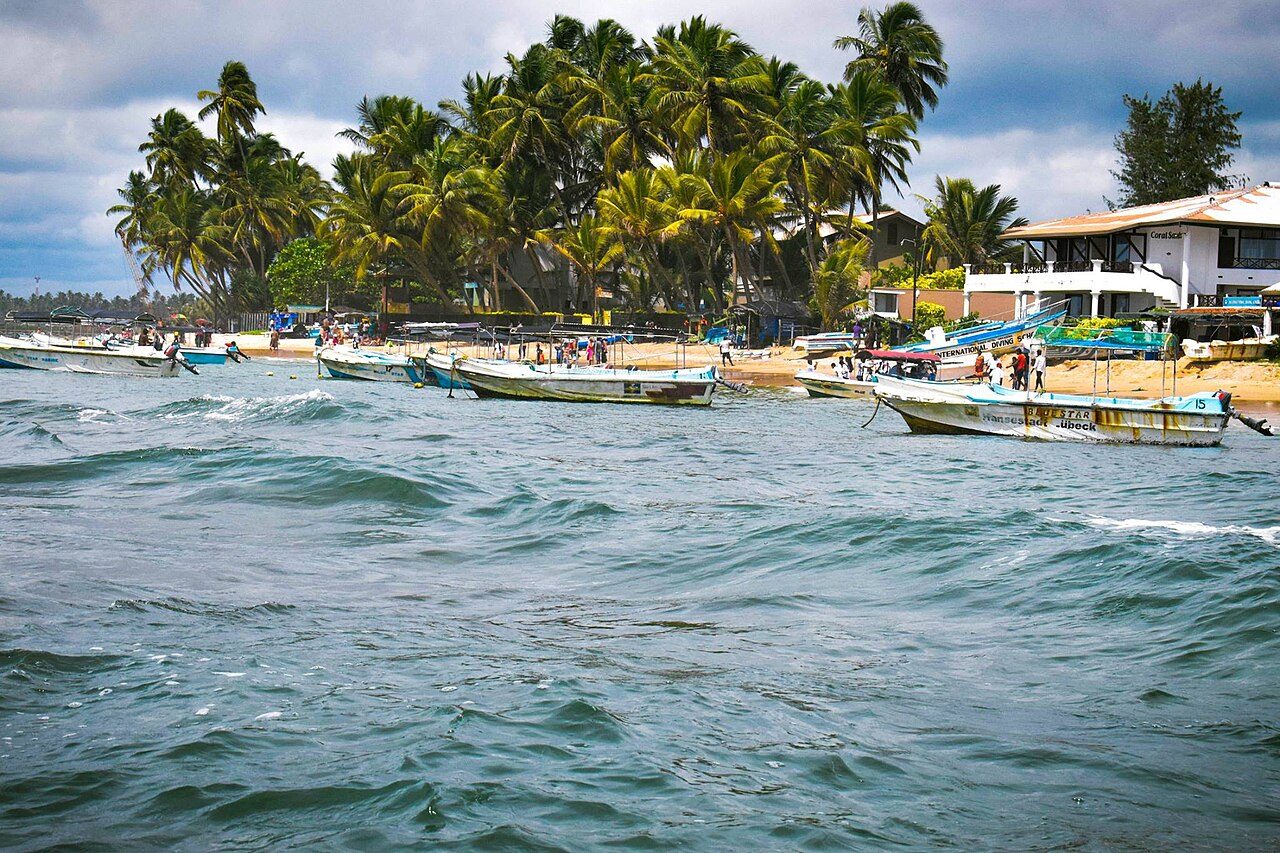
Hikkaduwa Beach on the south-west coast was one of the first beach resorts in Sri Lanka. A shallow coral reef lies just offshore, protected as a marine national park, where snorkellers and glass-bottom boats see reef fish and sea turtles. The southern stretch at Narigama is known for surfing from November to April.
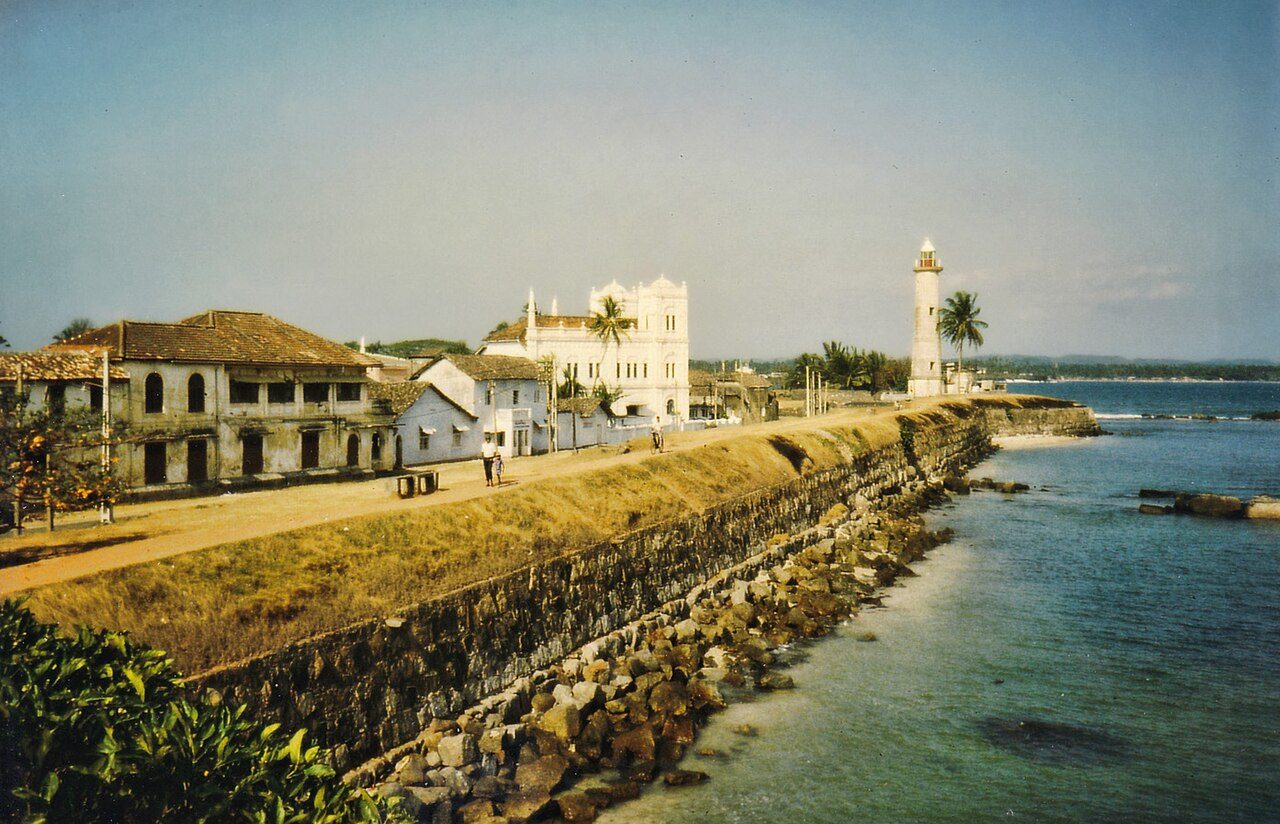
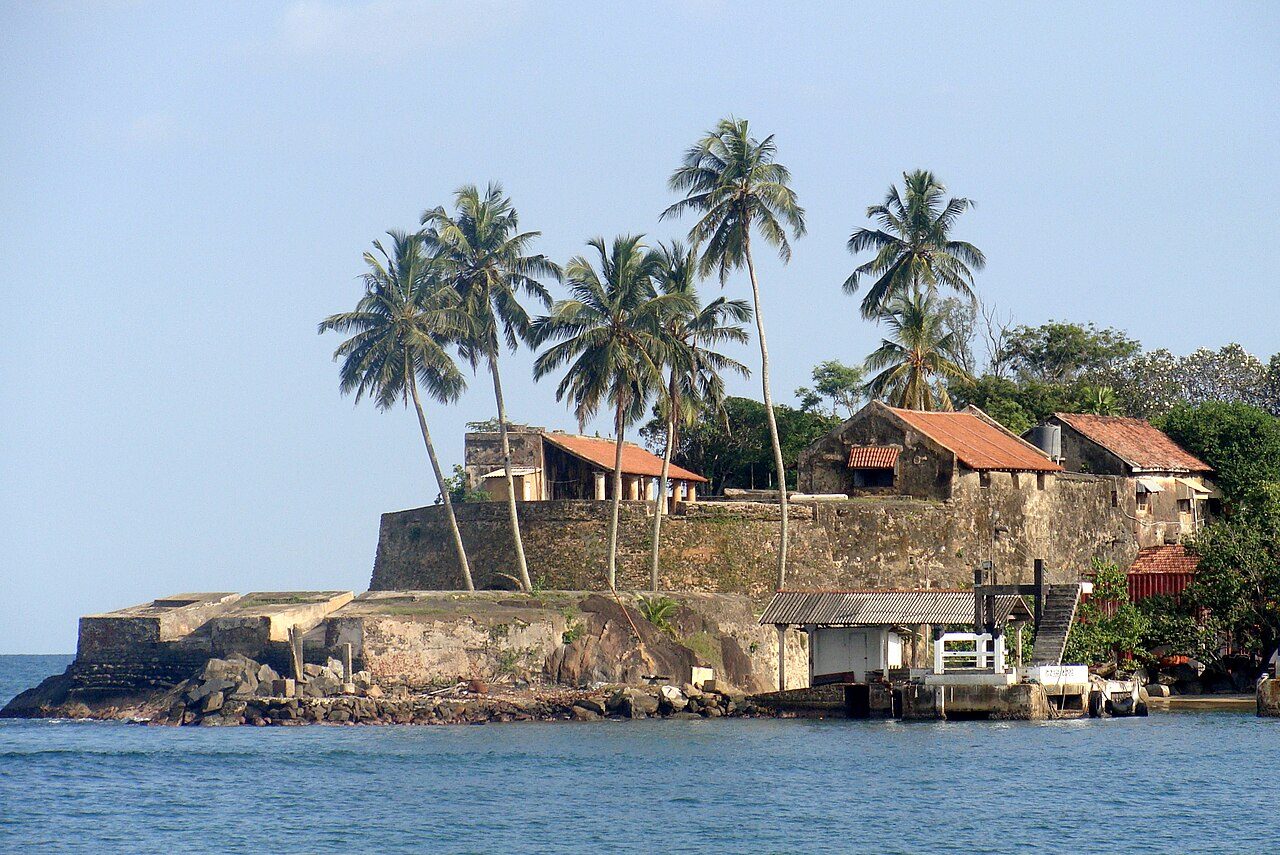
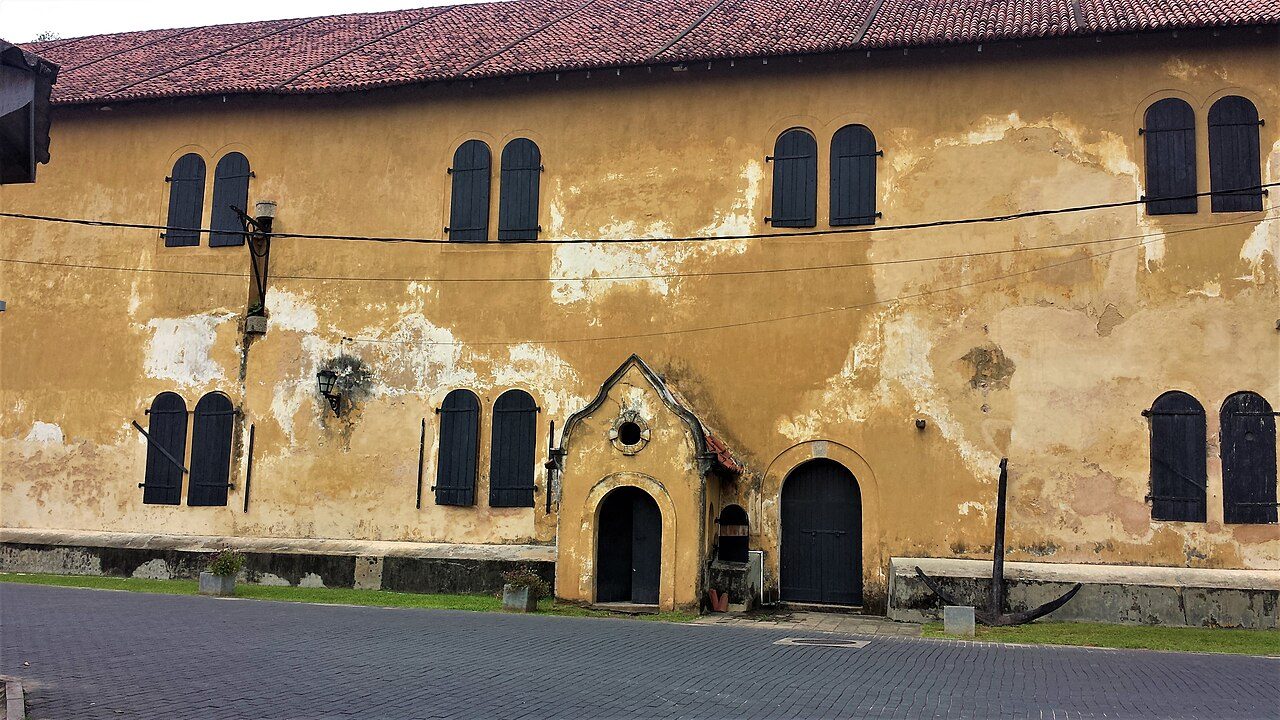
Galle Fort occupies a rocky headland on the south-west coast. The Portuguese first fortified it in 1588, and the Dutch rebuilt it from 1649 with massive ramparts and bastions that survive almost intact. Inside is a living town of narrow streets, churches, mosques, old warehouses and villas. It is a UNESCO World Heritage Site, and the rampart walk at sunset is a daily ritual.
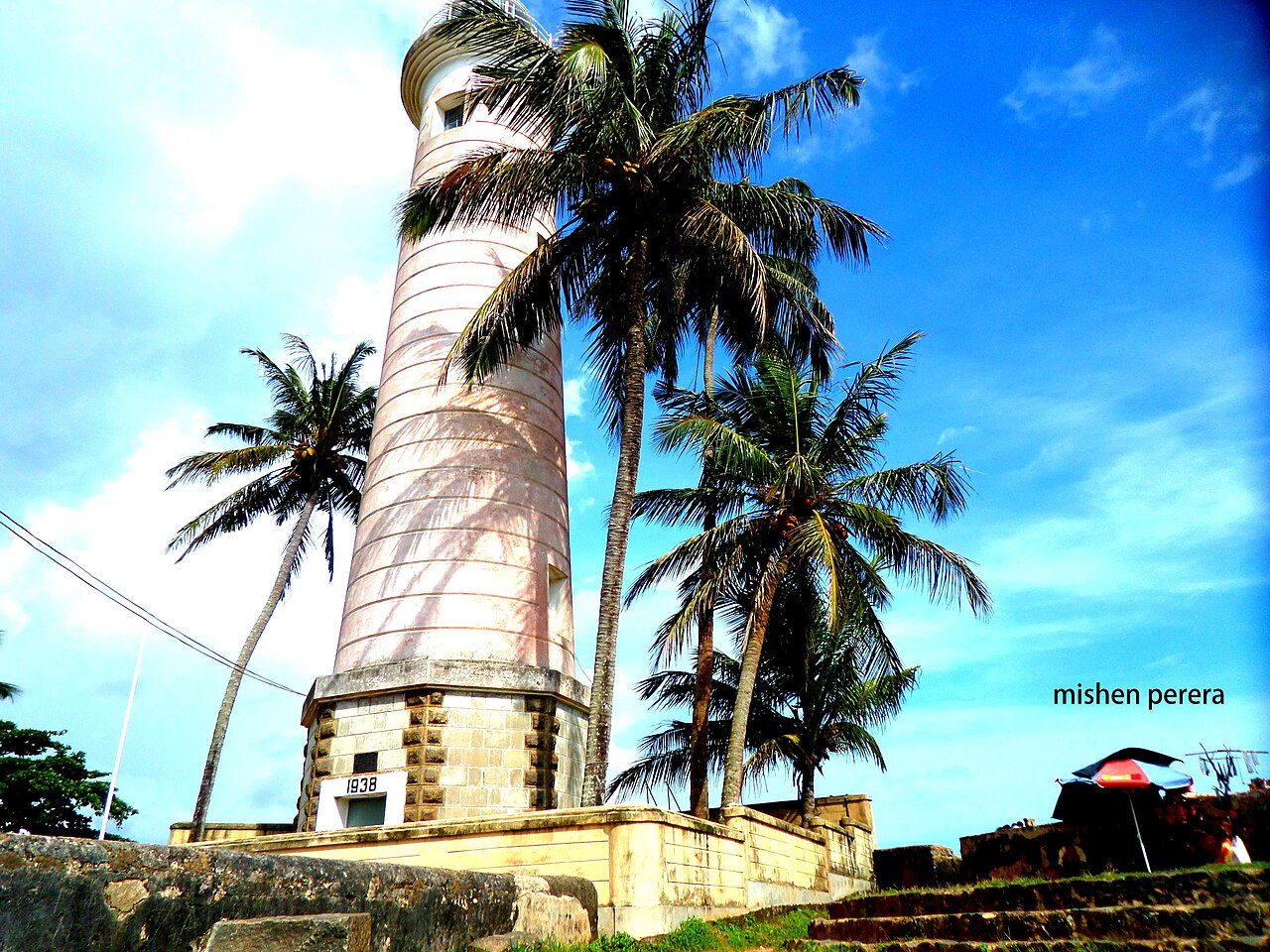
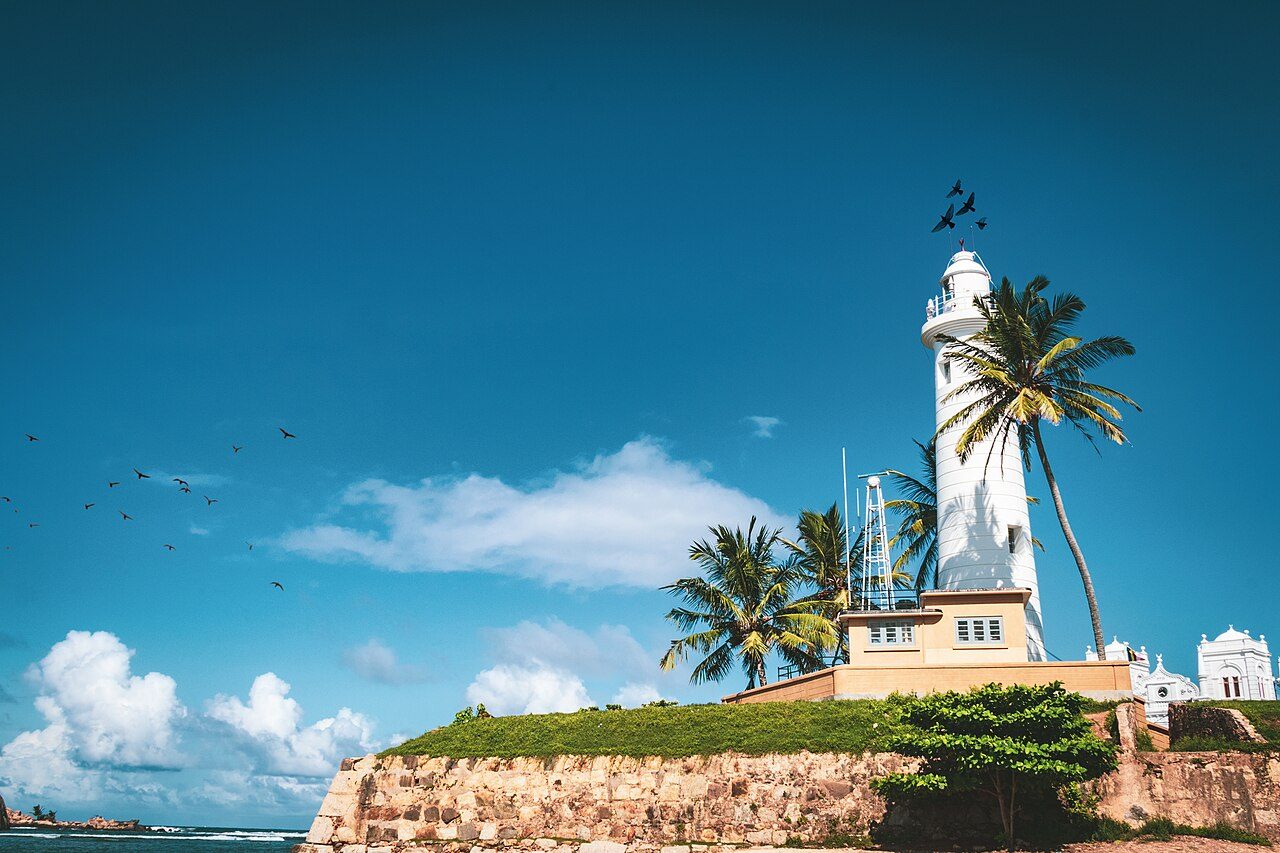
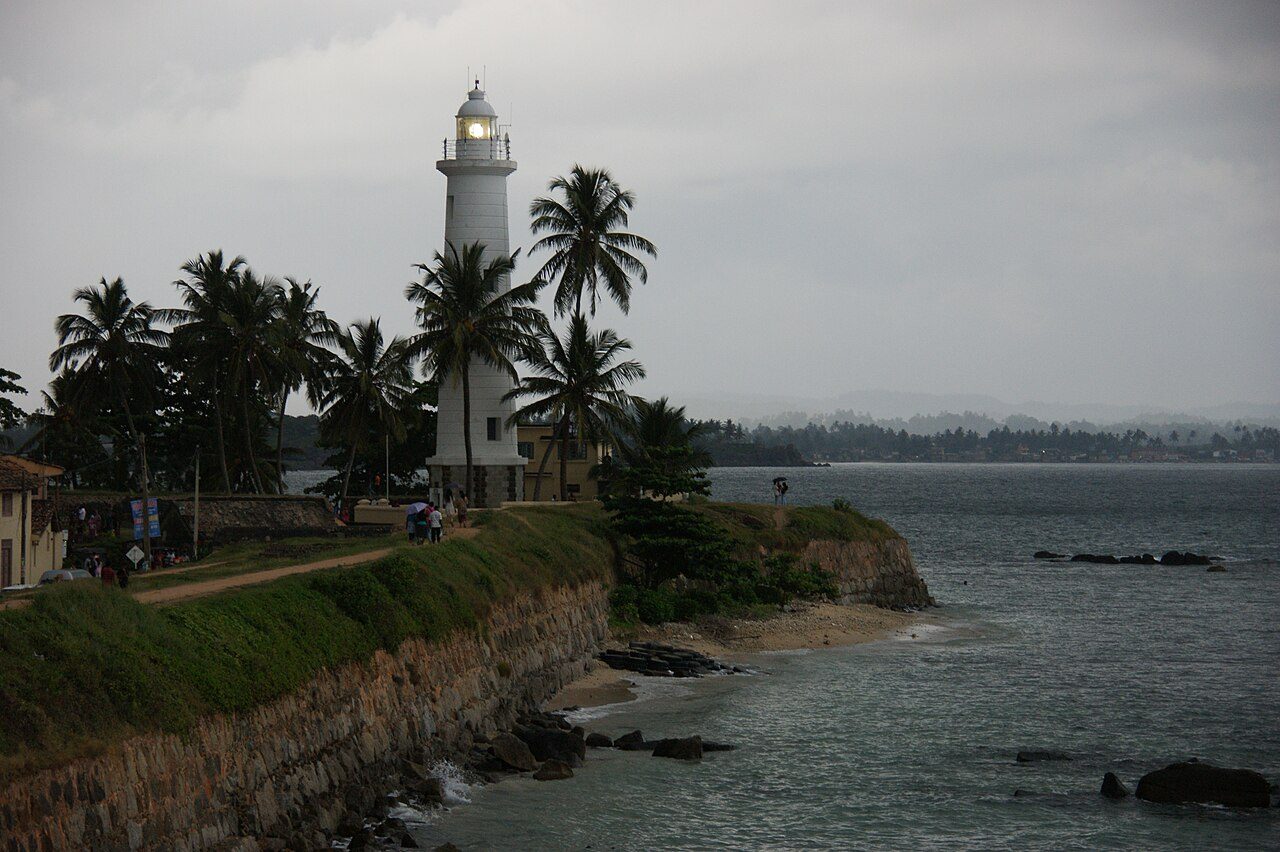
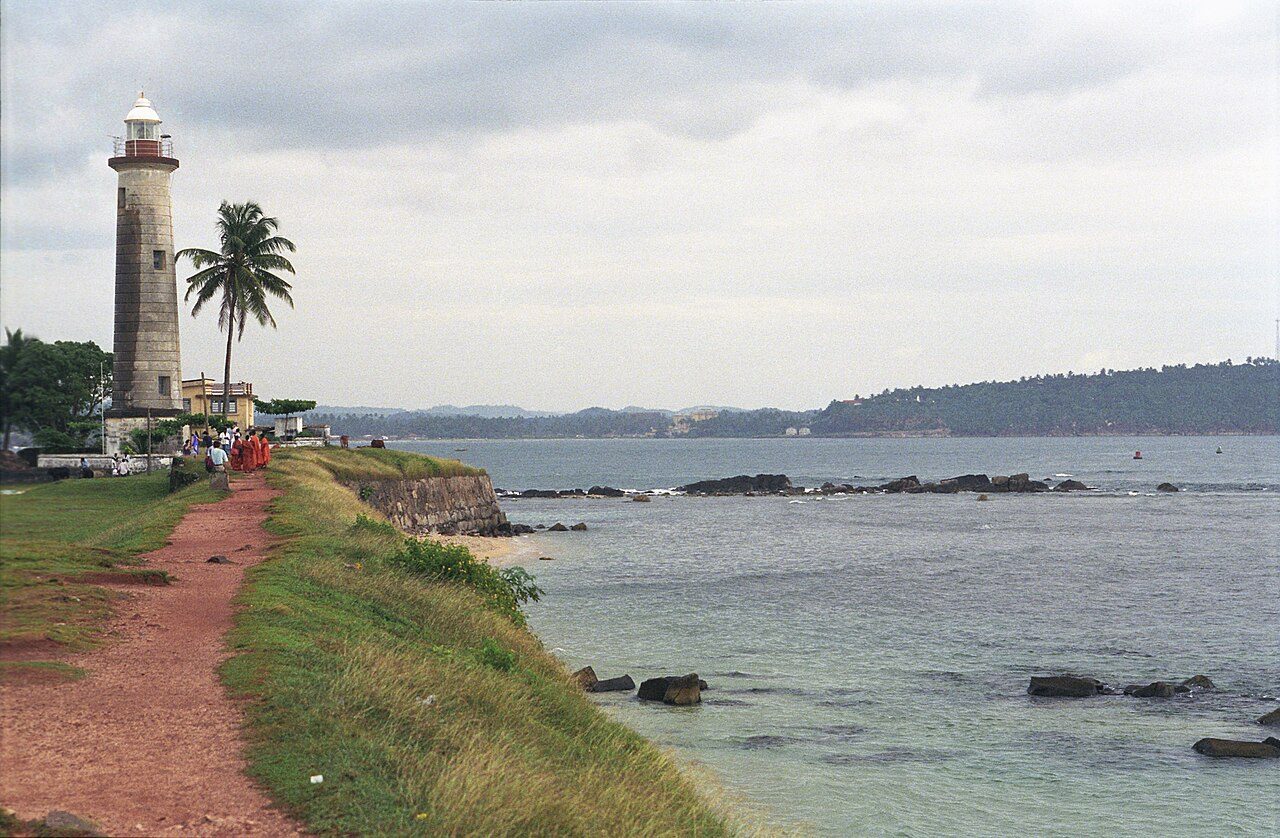
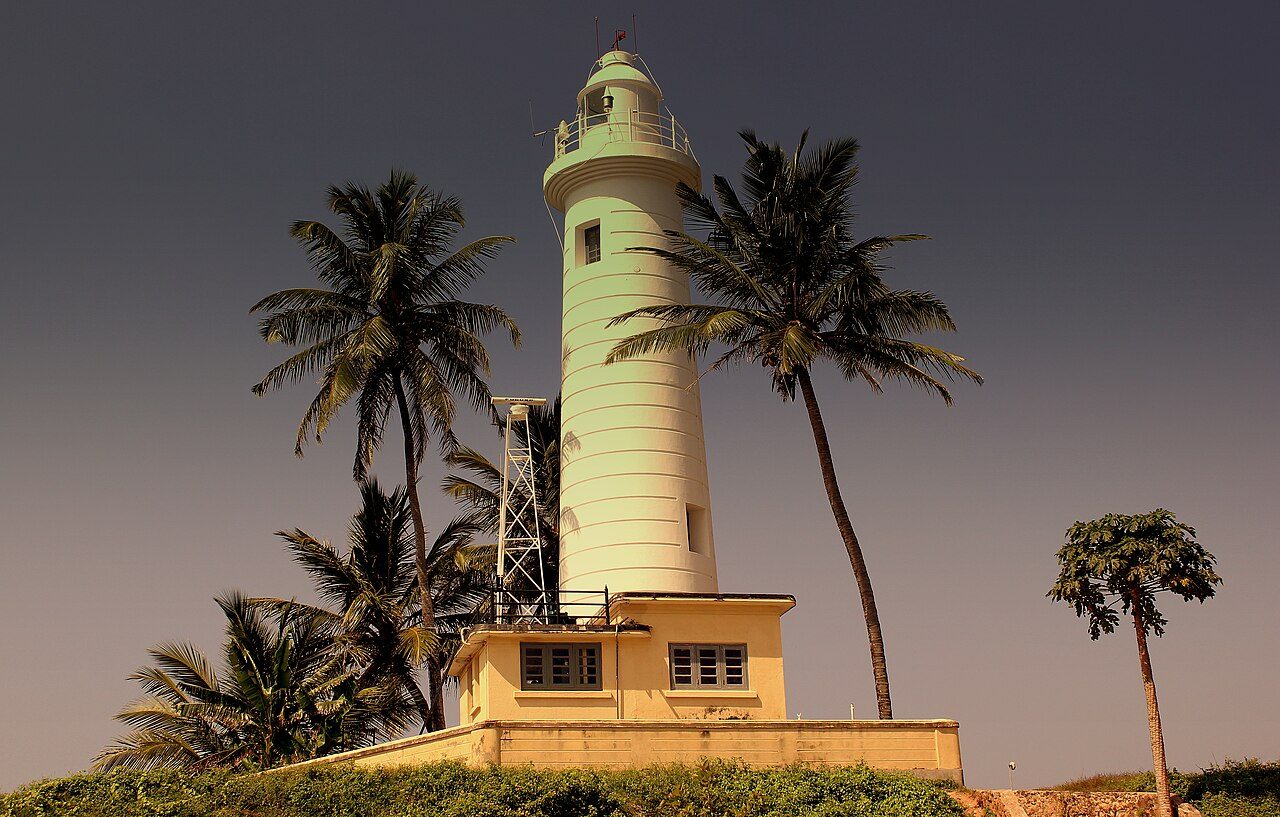
Galle Lighthouse stands on the Point Utrecht bastion at the south-eastern corner of Galle Fort. Sri Lanka's first lighthouse was built in Galle in 1848; after it burned down, the present white tower, about 26 metres high, was built in 1939. It is still in use and cannot be climbed, but the small beach and ramparts beside it are favourite photo spots.
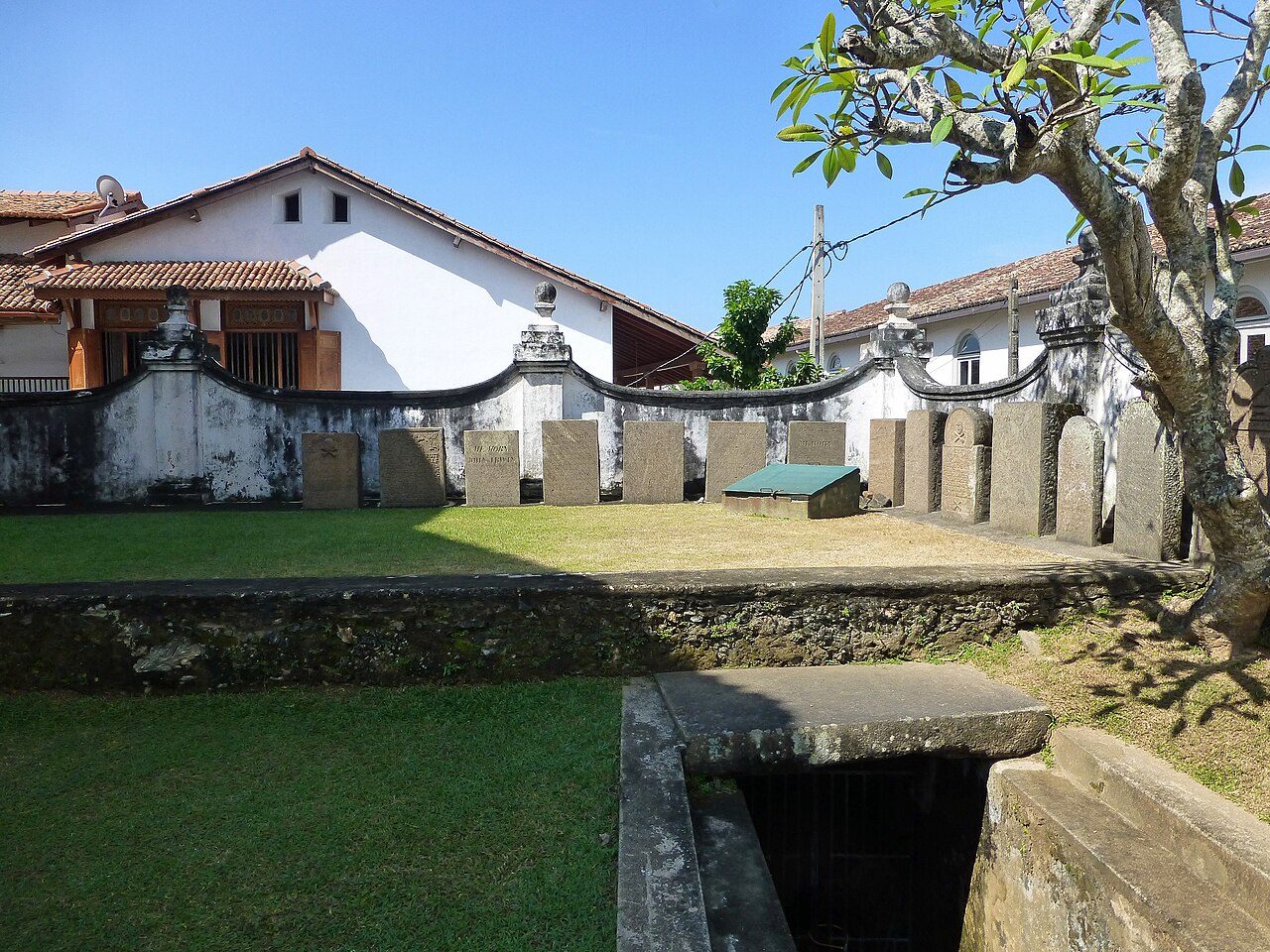
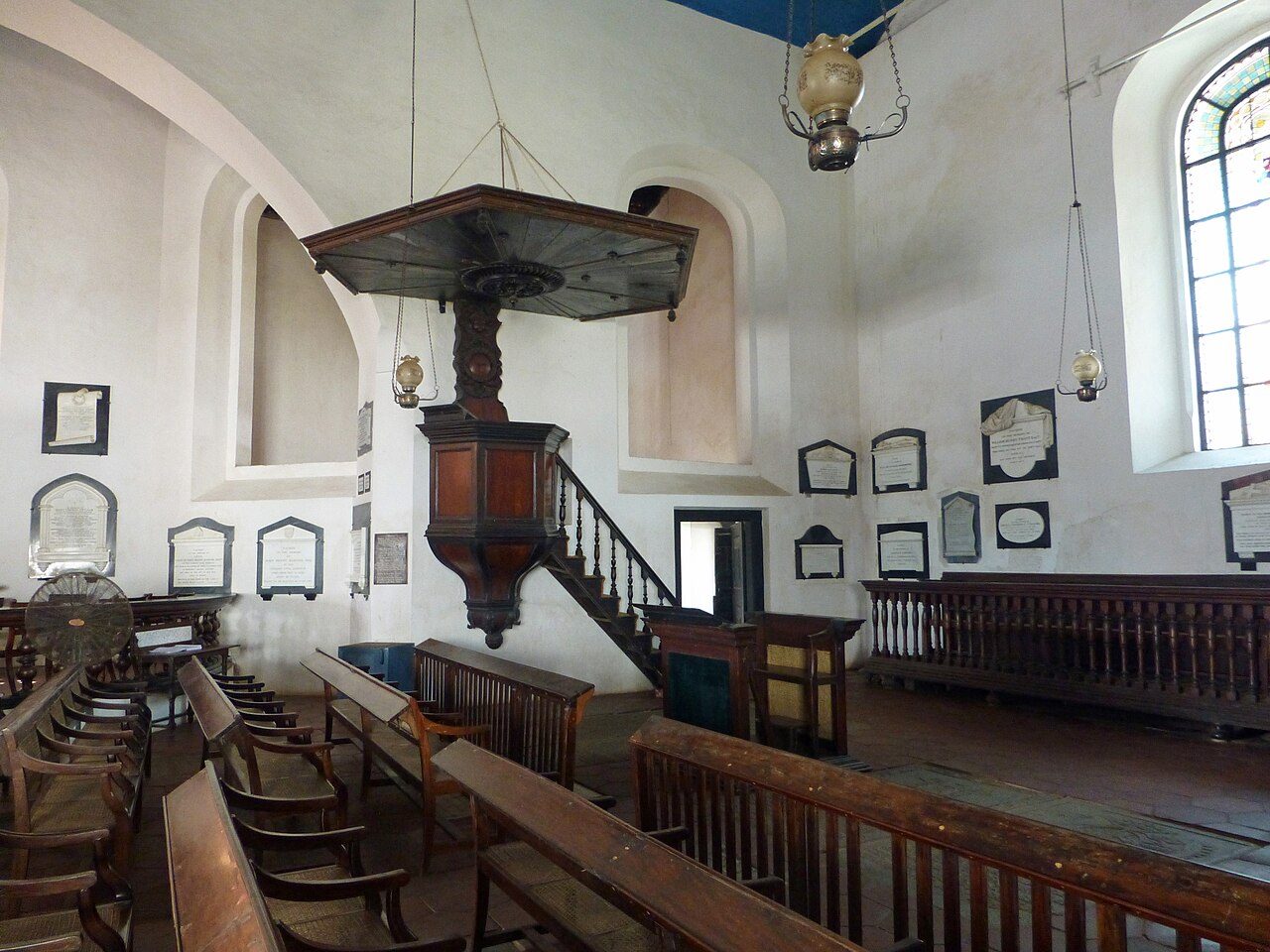
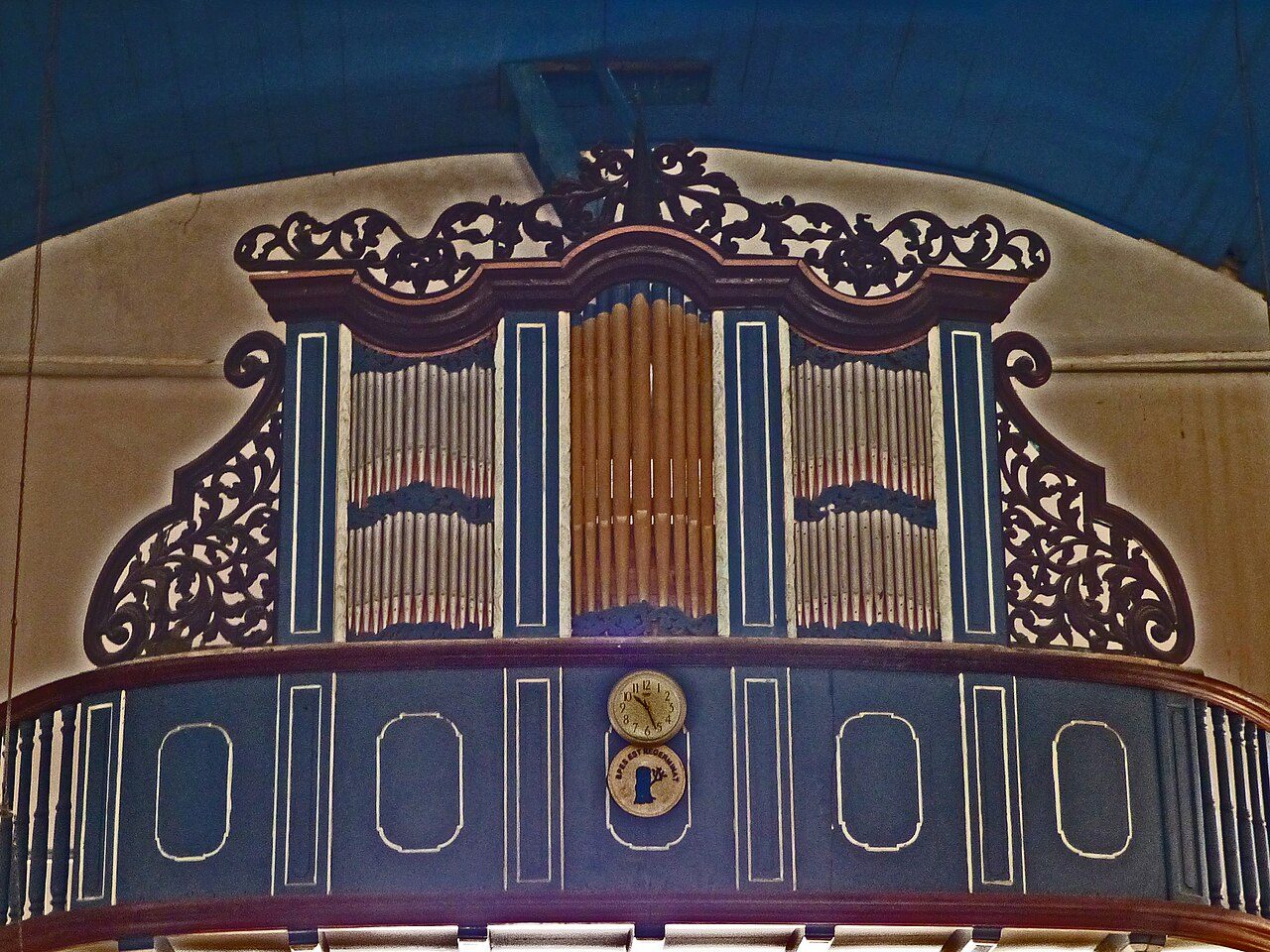
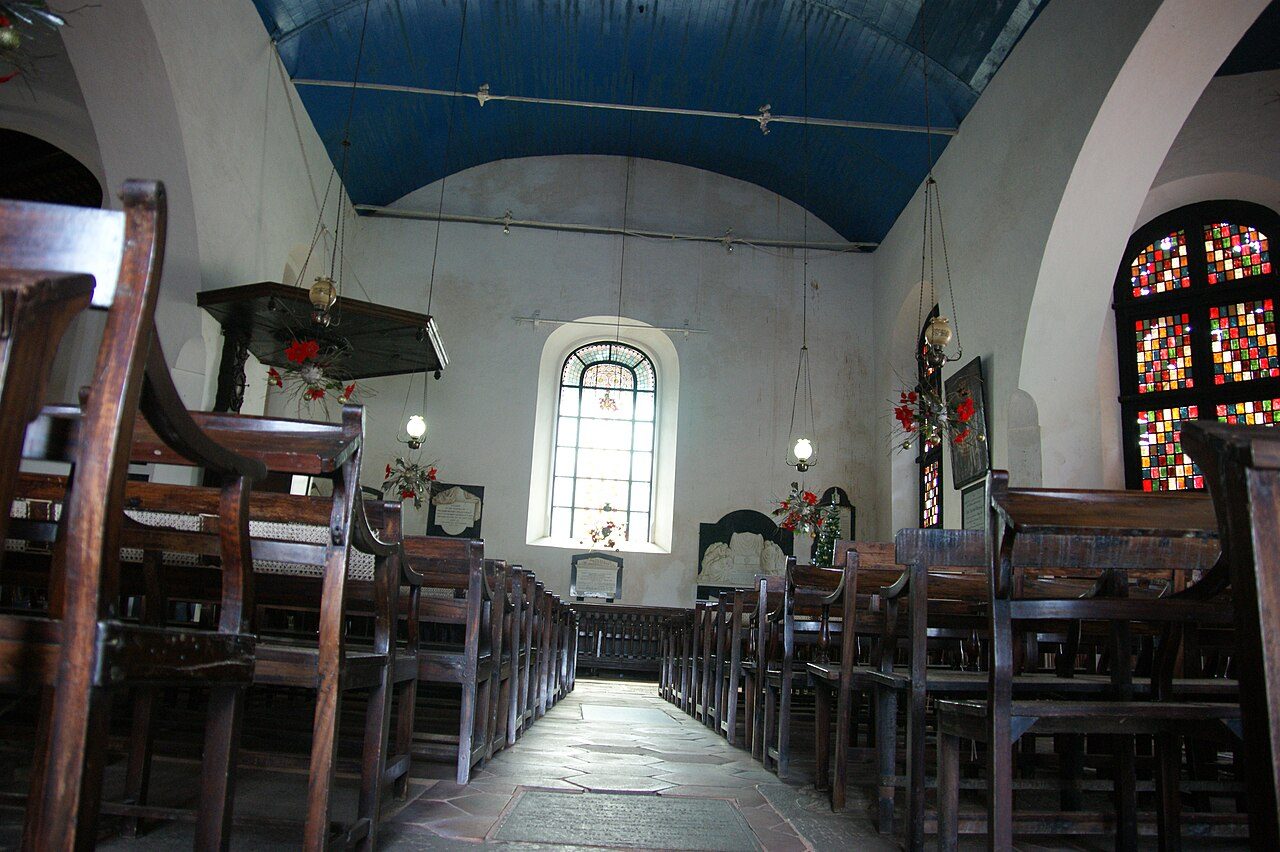
The Dutch Reformed Church, or Groote Kerk, stands near the entrance of Galle Fort on the highest point within the walls. The present building was completed in 1755, paid for by the Dutch commander of Galle as thanks for the birth of a daughter. It has no pillars inside, and the floor is paved with carved gravestones from old Dutch cemeteries.
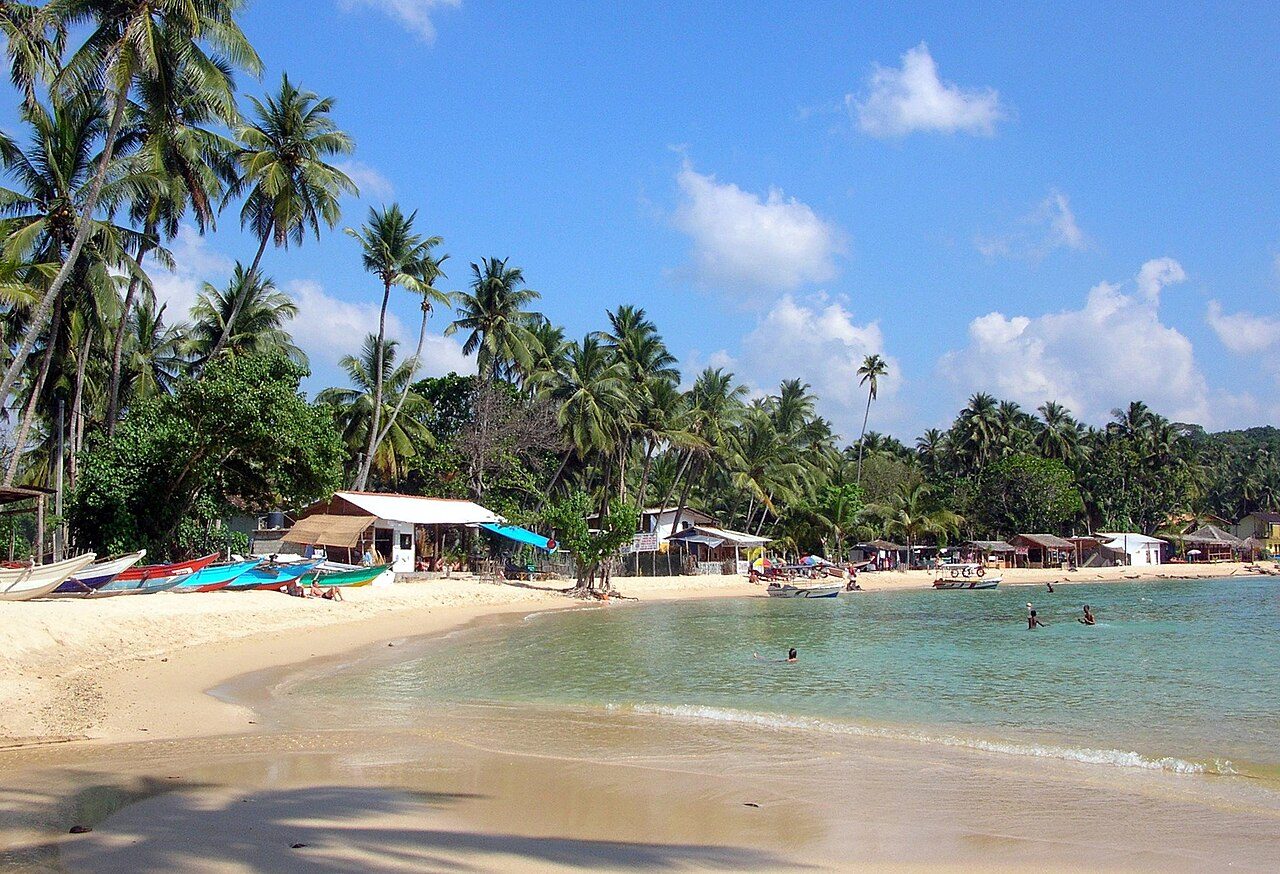
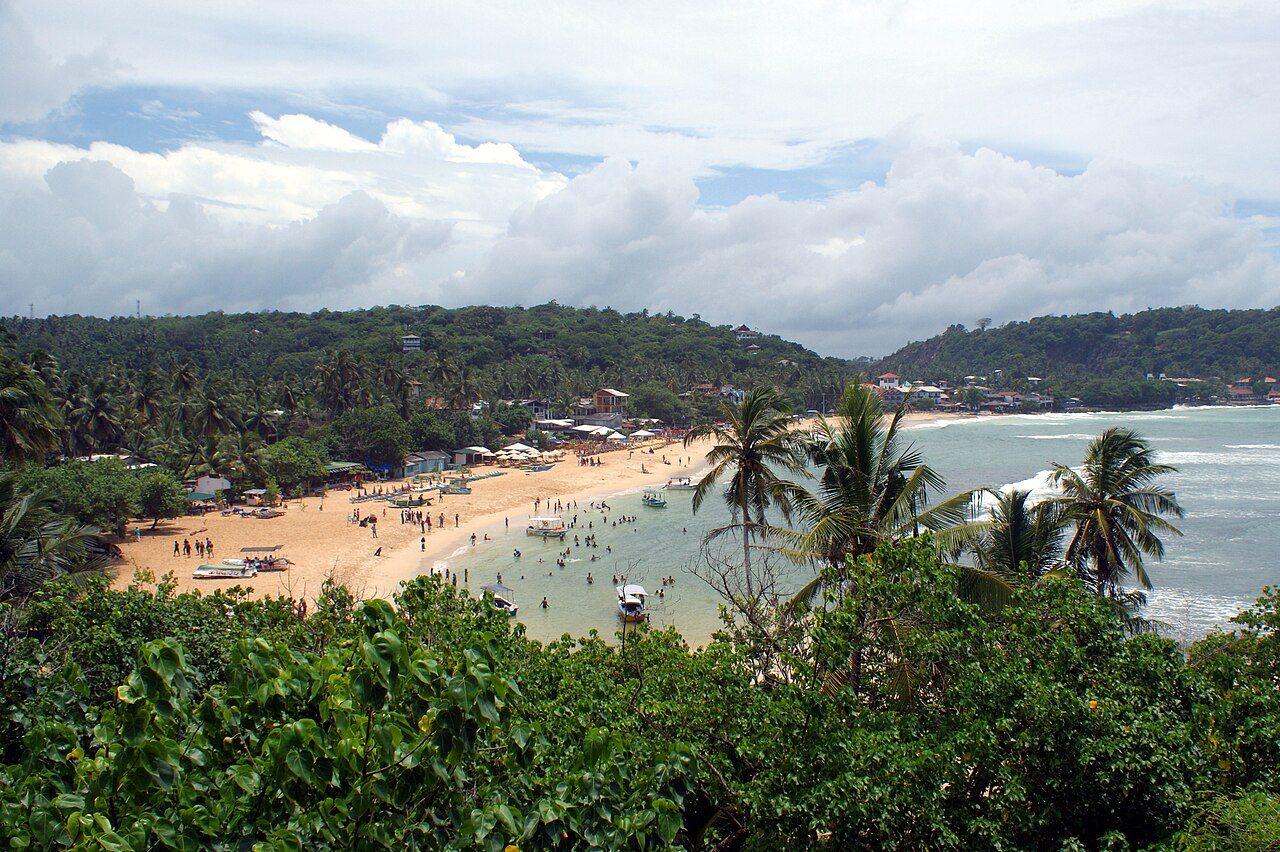
Unawatuna Beach is a sheltered, crescent-shaped bay about 5 km south-east of Galle. A reef protects the water, making it one of the safer swimming beaches on the south coast. Guesthouses, cafes and dive shops line the sand, and a small white dagoba stands on the rocks at the western end of the bay.
Koggala Lake is a large lagoon just inland from the coast, about 15 km east of Galle. Boat trips wind between mangroves and small islands, stopping at a cinnamon grower's island, a Buddhist temple and a spice garden. Many water birds live here. The writer Martin Wickramasinghe was born in Koggala, and his home is now a folk museum.
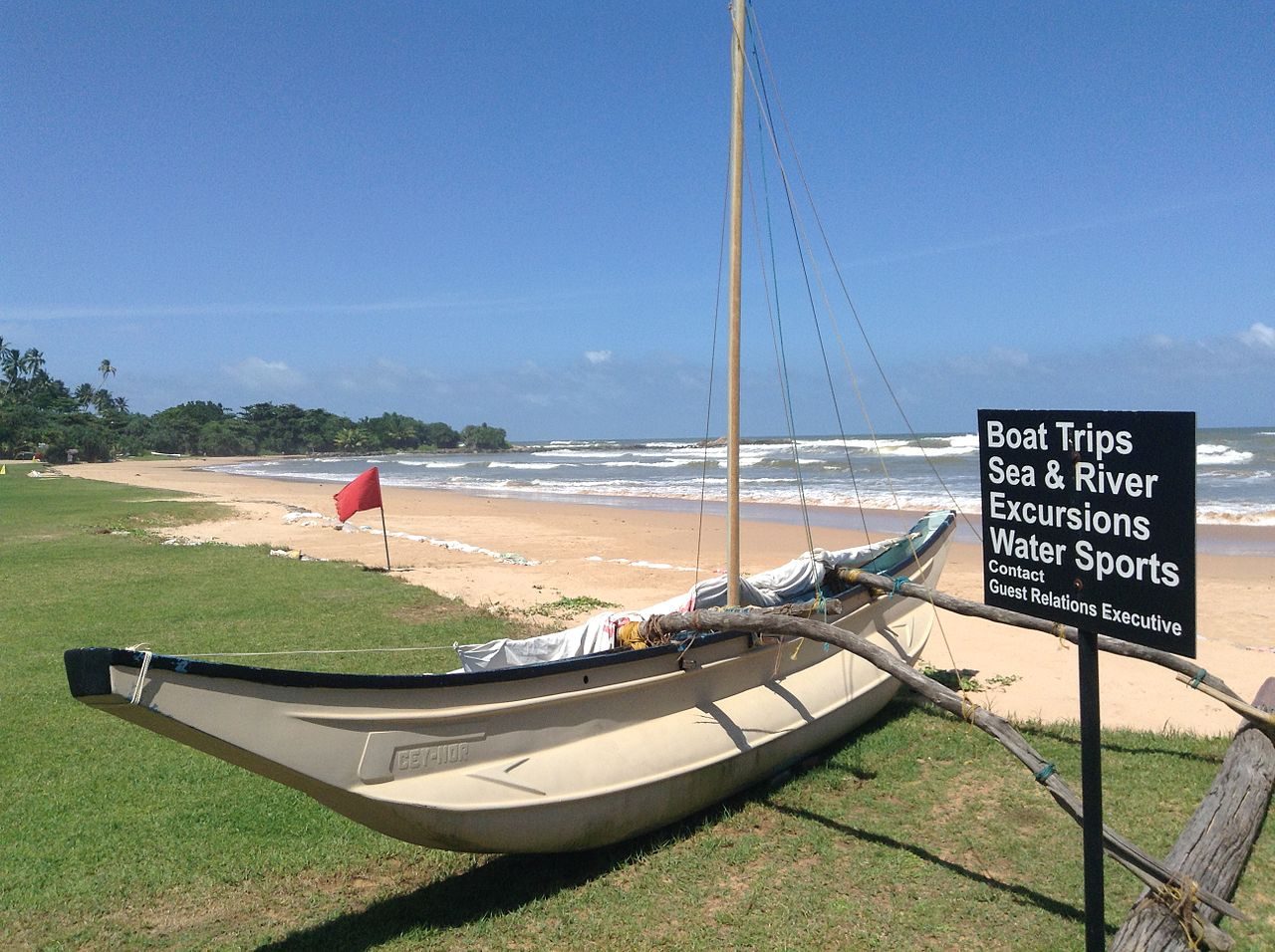
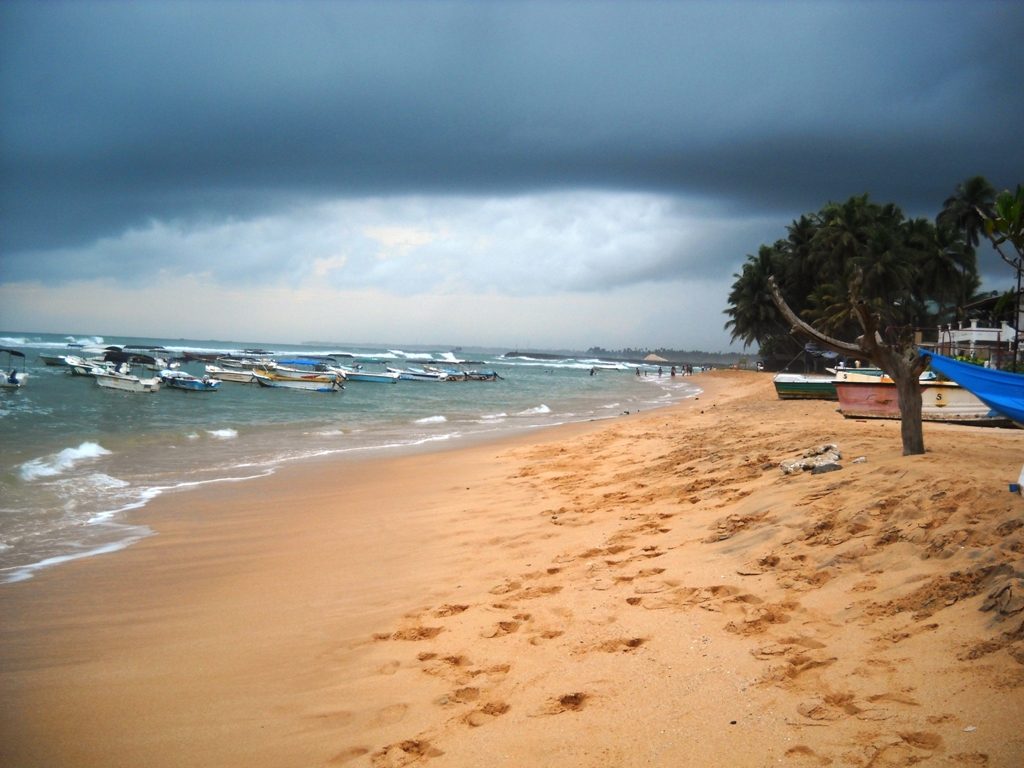
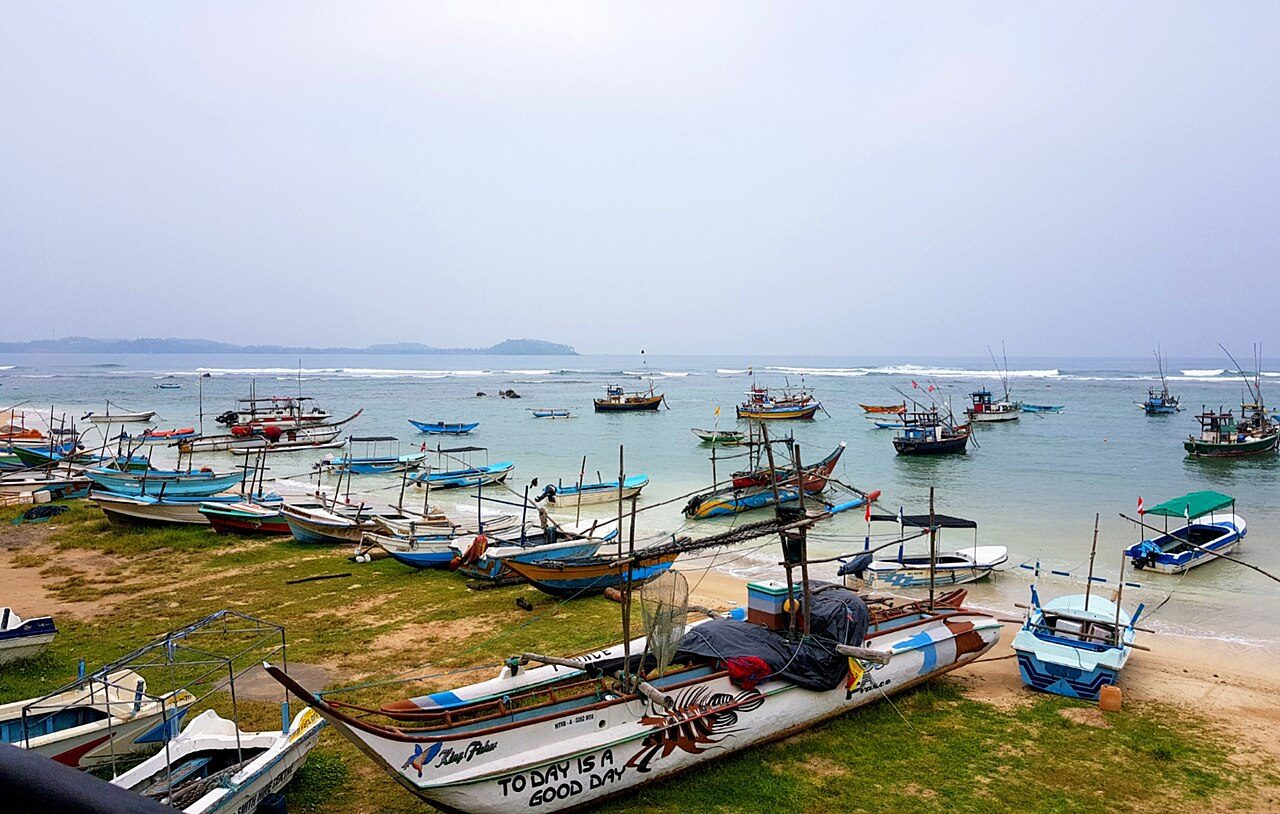
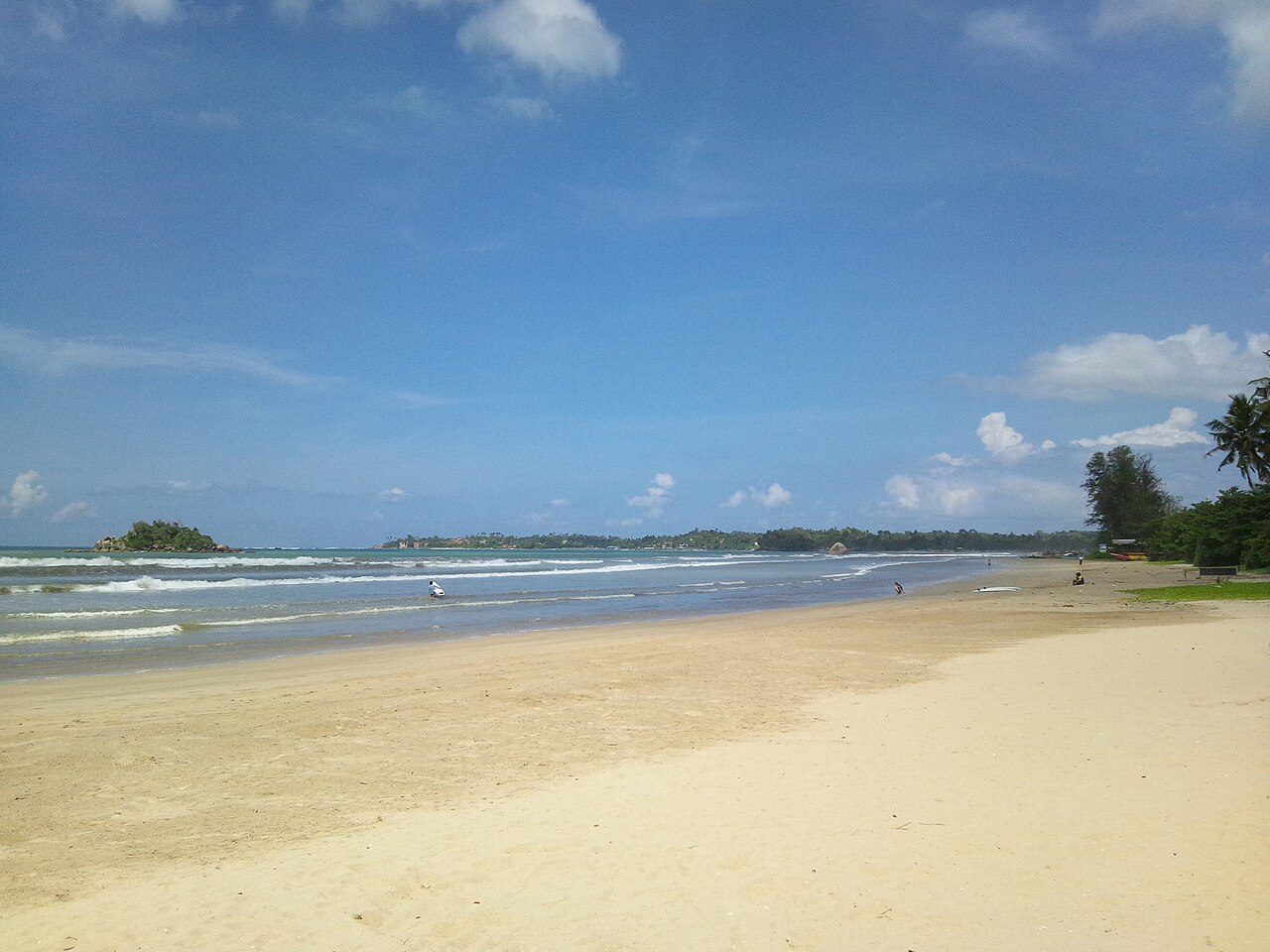
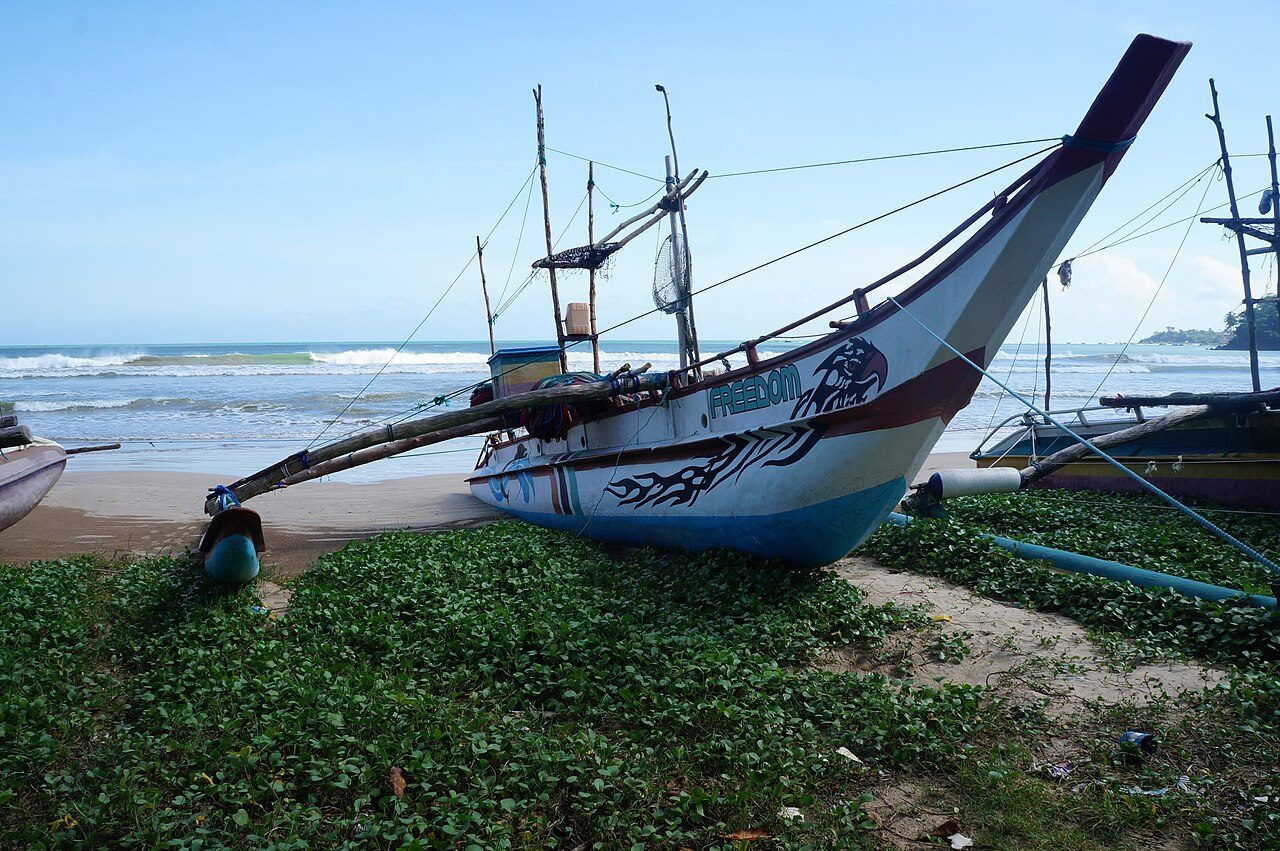
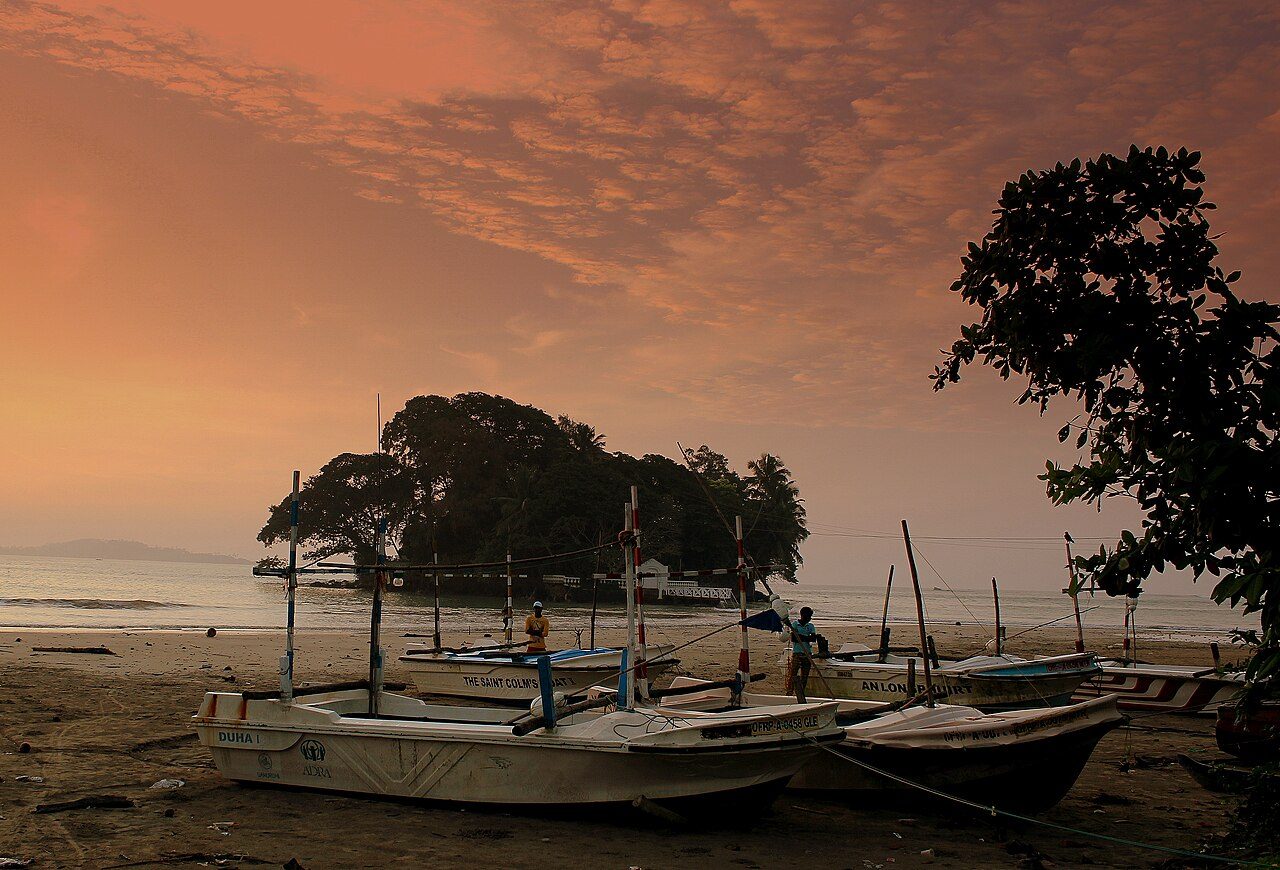
Weligama Bay is a wide, sandy bay on the south coast, about 30 km east of Galle. Its long beach has gentle, steady waves and a soft sandy bottom, making it one of the best places in Sri Lanka to learn to surf. Colourful fishing boats are pulled up on the sand, and stilt fishermen can sometimes be seen nearby.
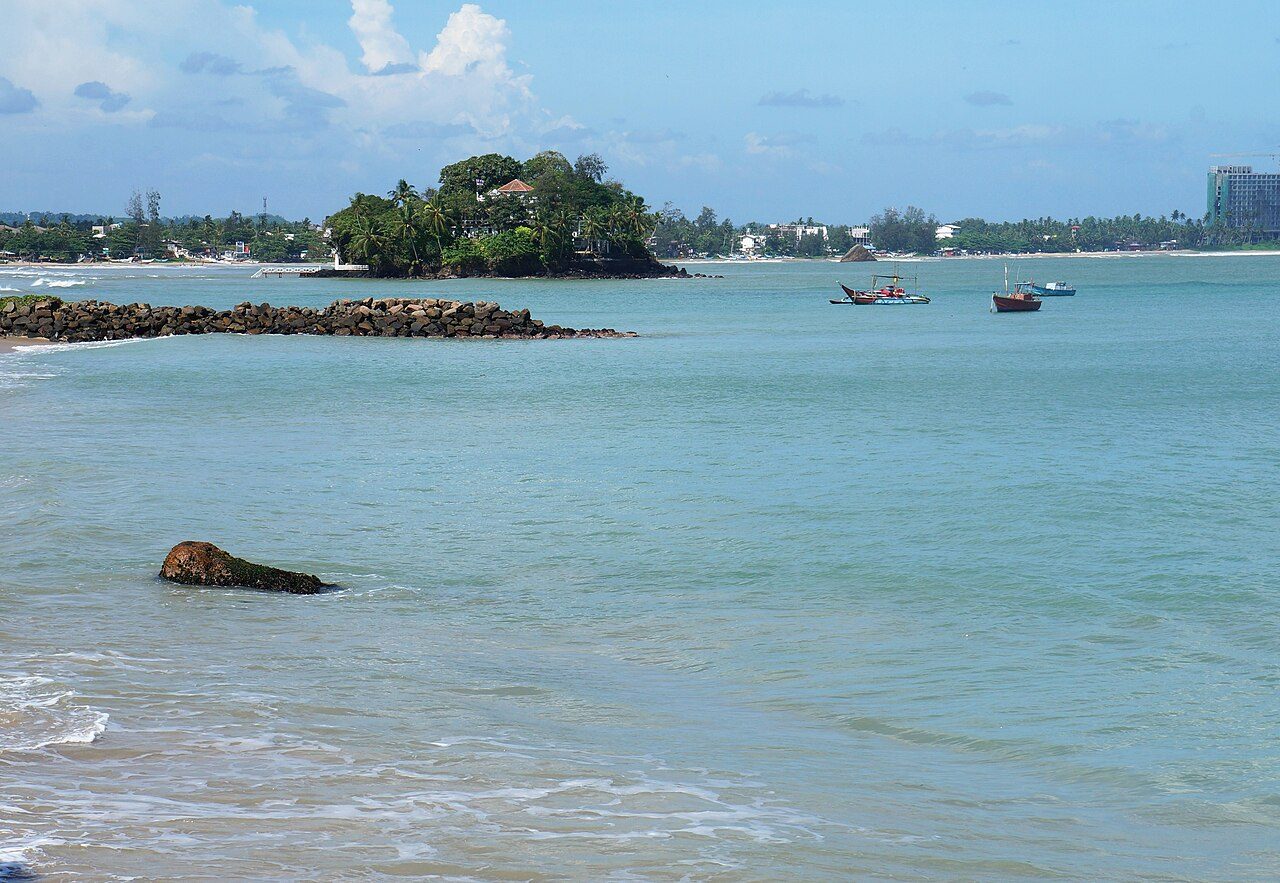
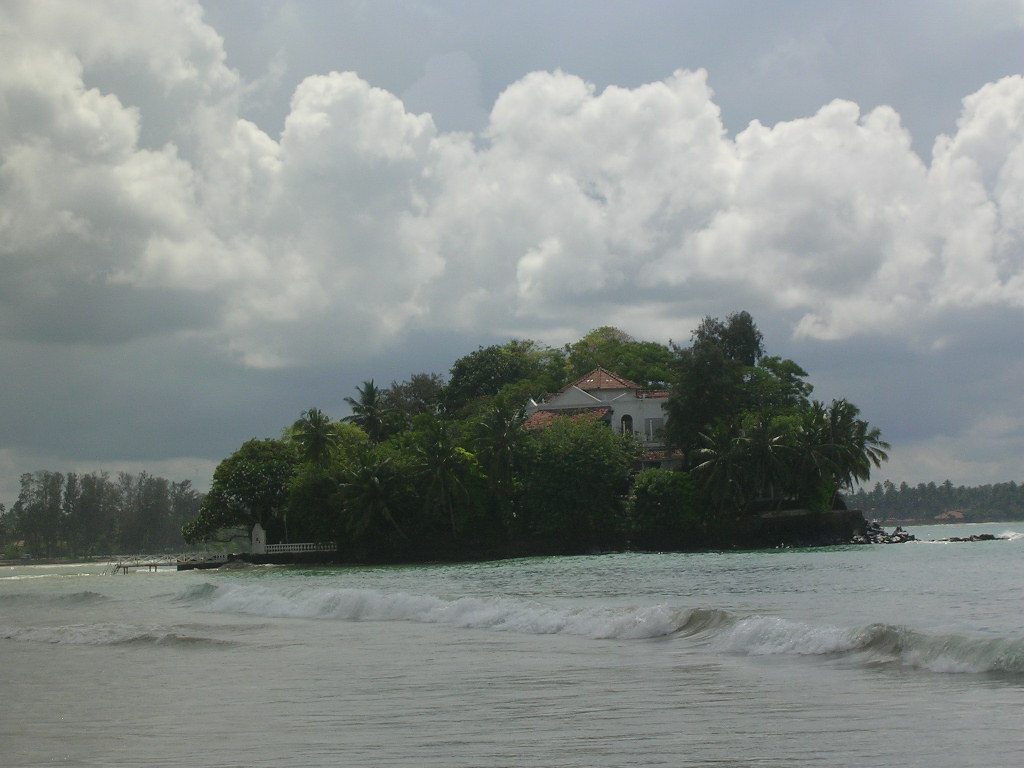
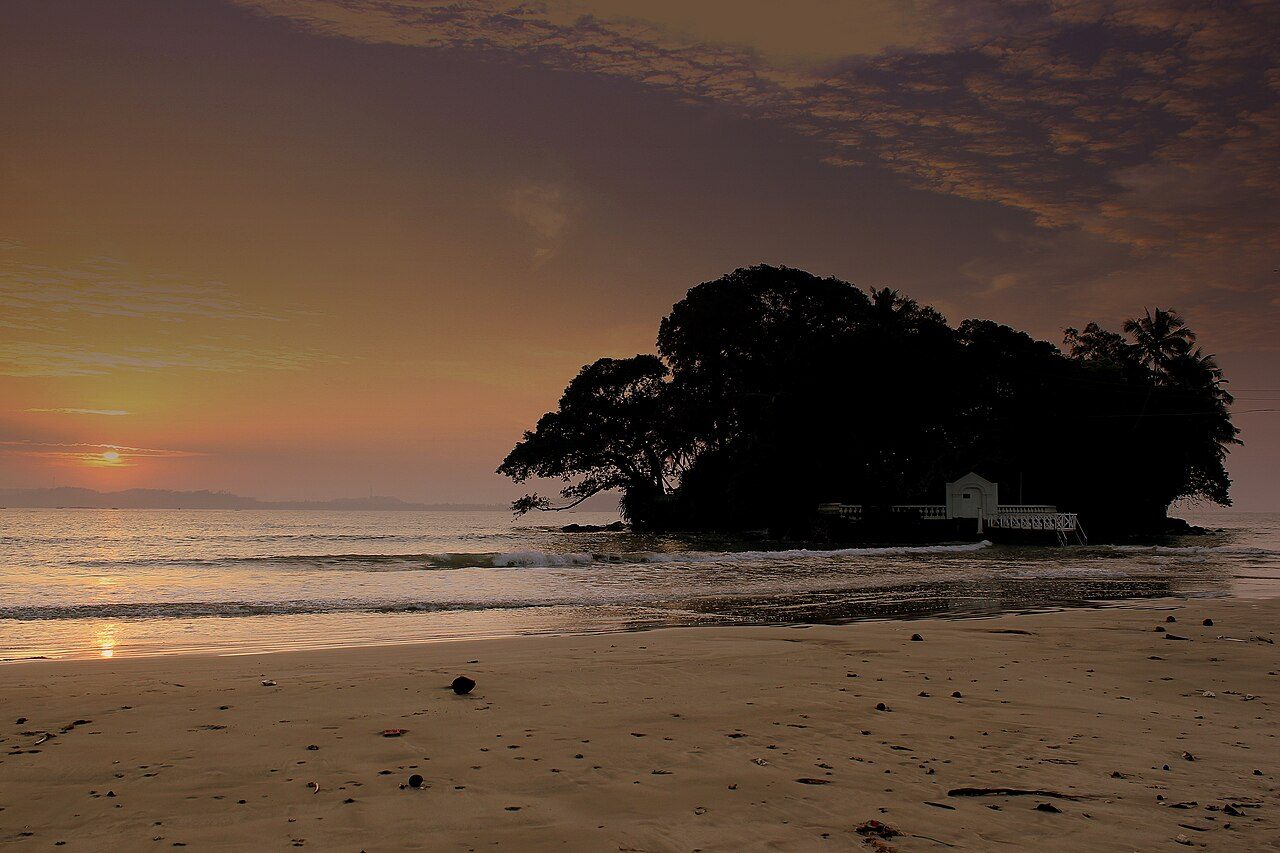
Taprobane Island is a tiny rocky islet in Weligama Bay, just a wade from the beach at low tide. In the 1920s the self-styled Count de Mauny-Talvande built an octagonal villa and a garden covering the whole island. It was later owned by the American writer Paul Bowles. It is now a private villa, and most visitors view it from the shore.
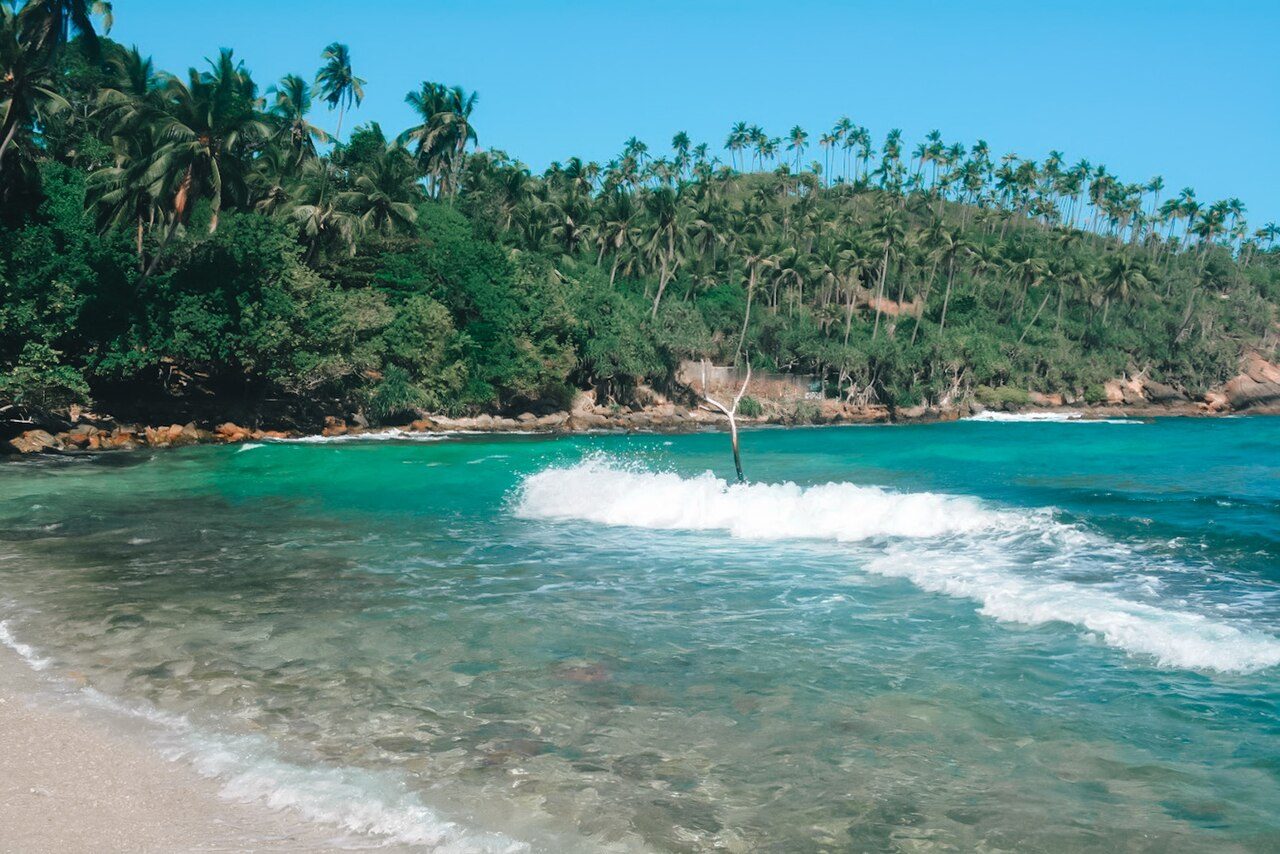
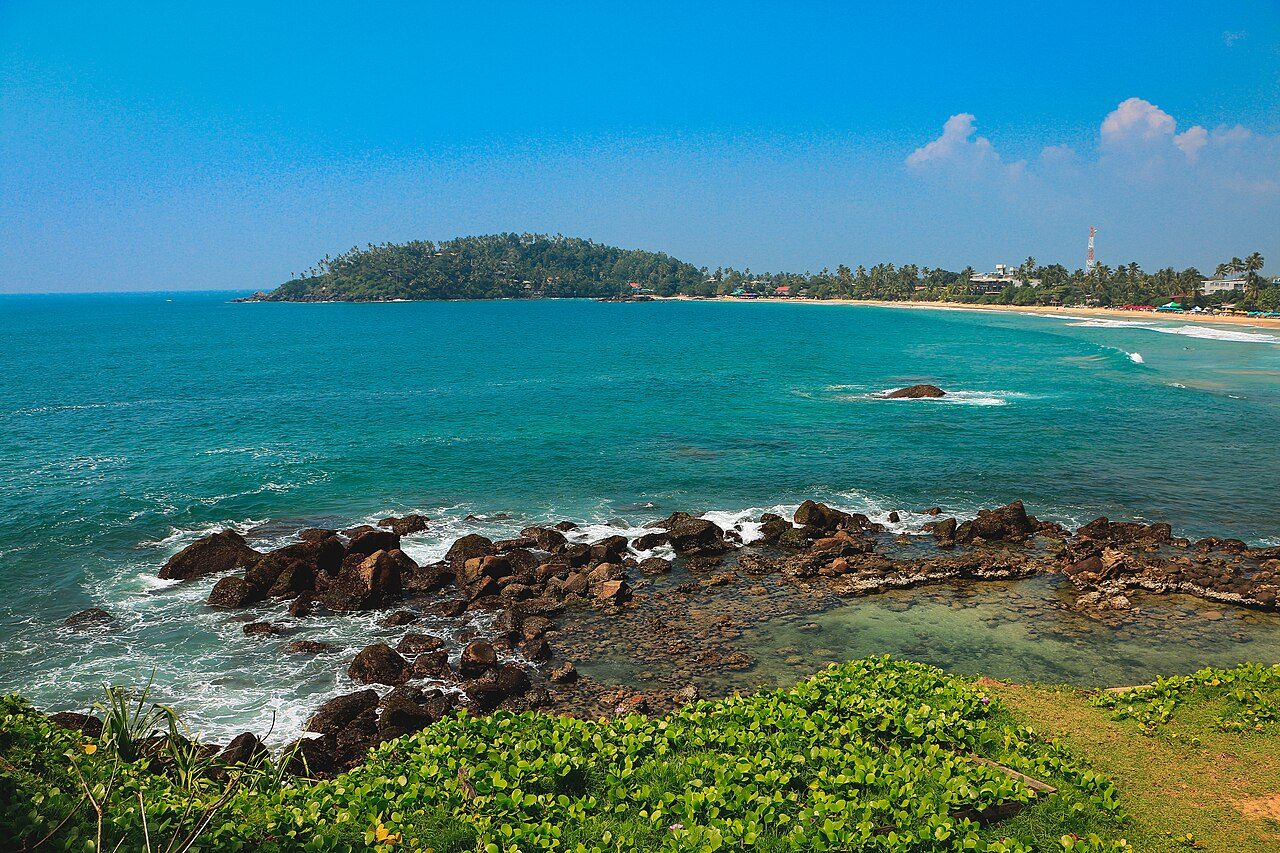
Mirissa Beach is a curved bay of soft sand on the south coast, between Weligama and Matara. It is the main base in Sri Lanka for whale watching, with boats leaving the nearby harbour from about November to April in search of blue whales and dolphins. The western end has small waves suited to beginner surfers, and Parrot Rock gives a view over the bay.
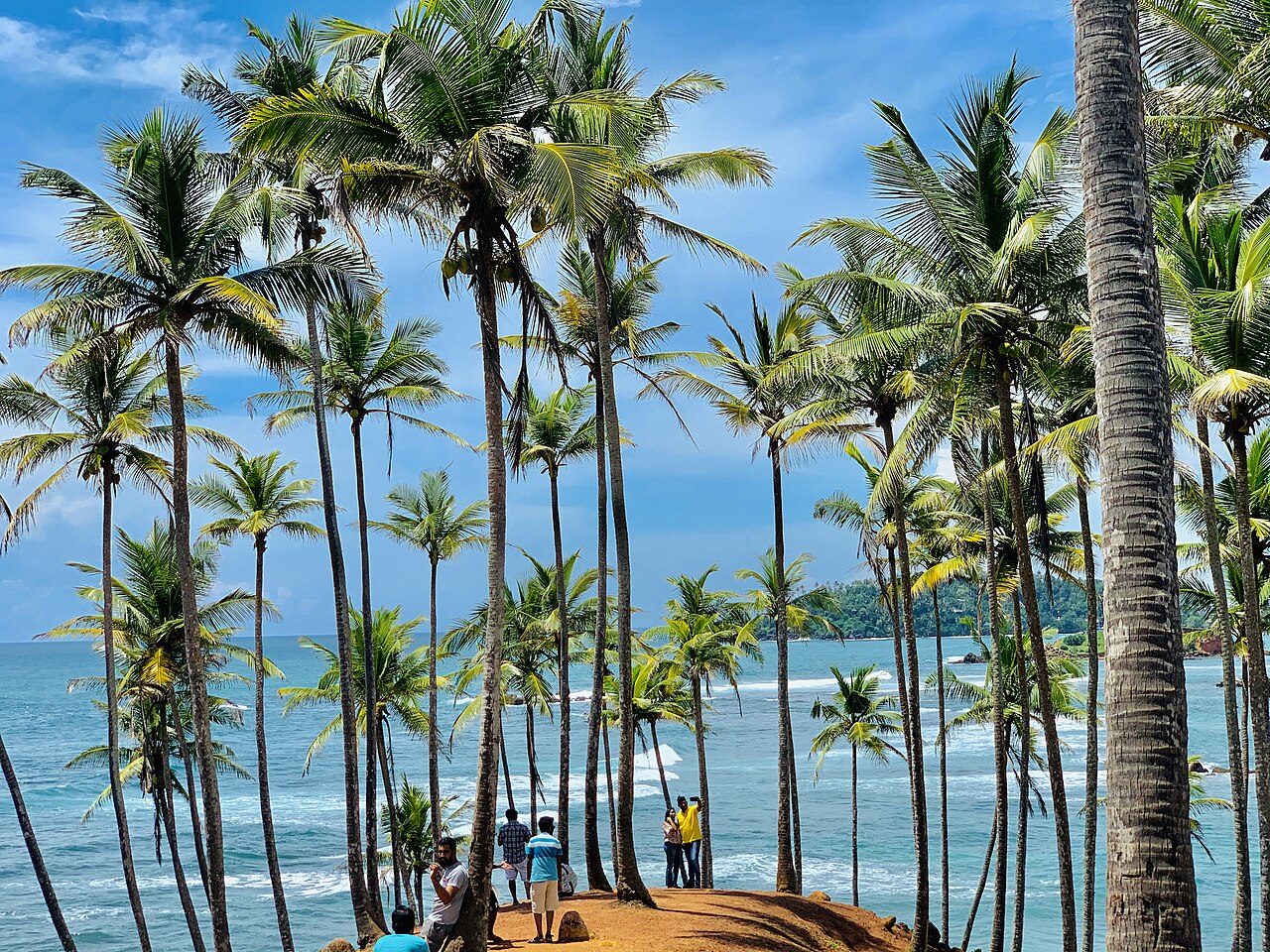
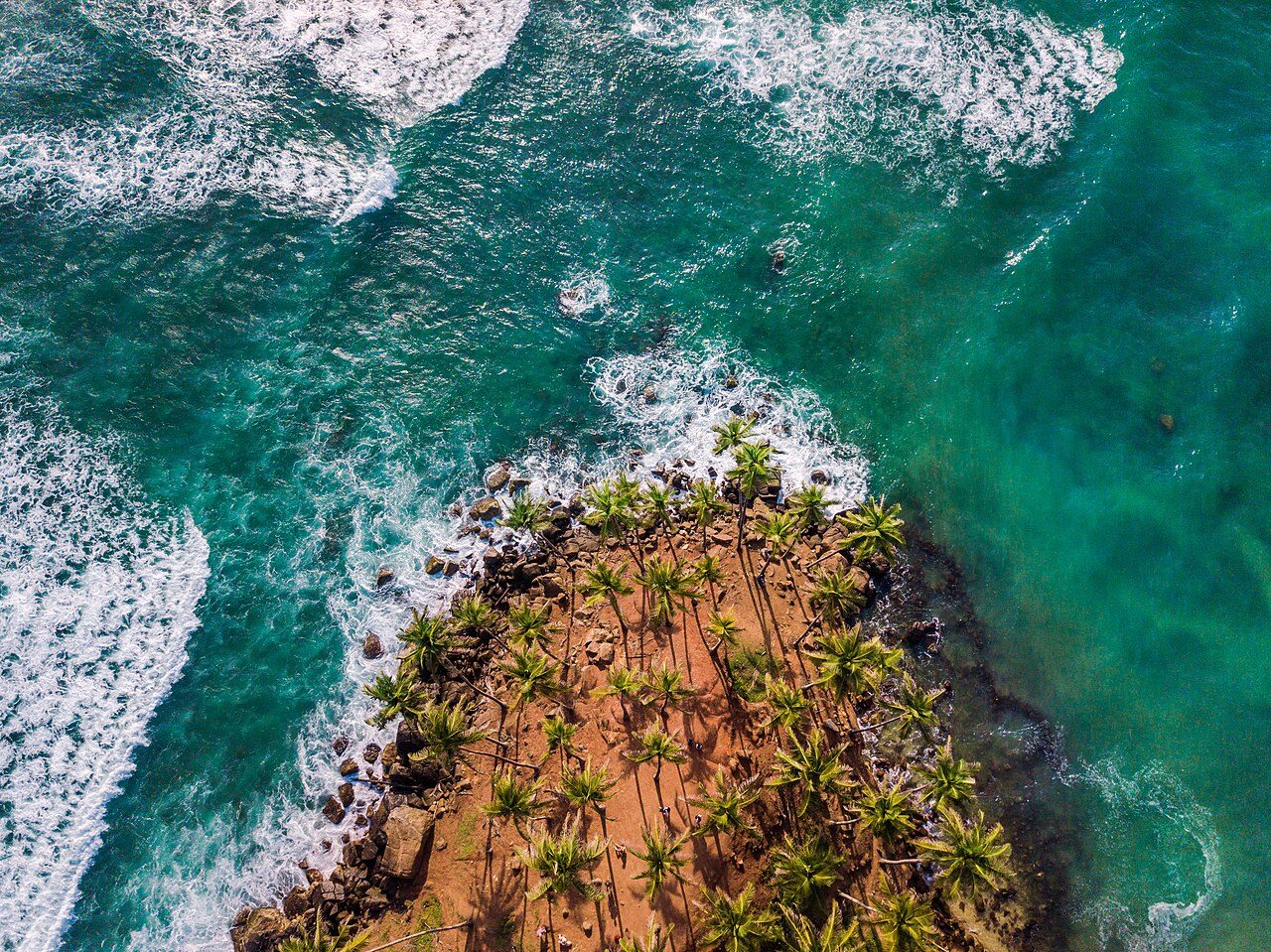
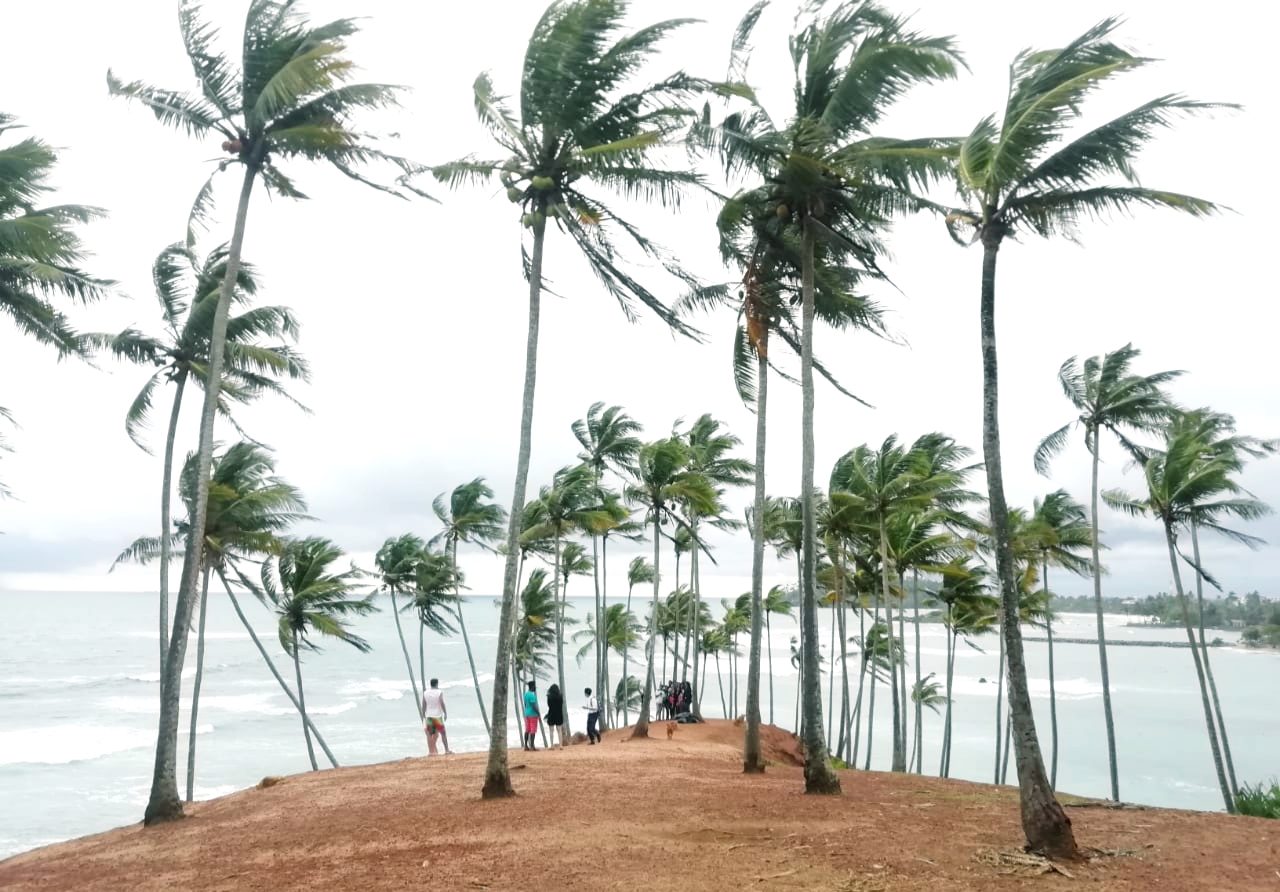
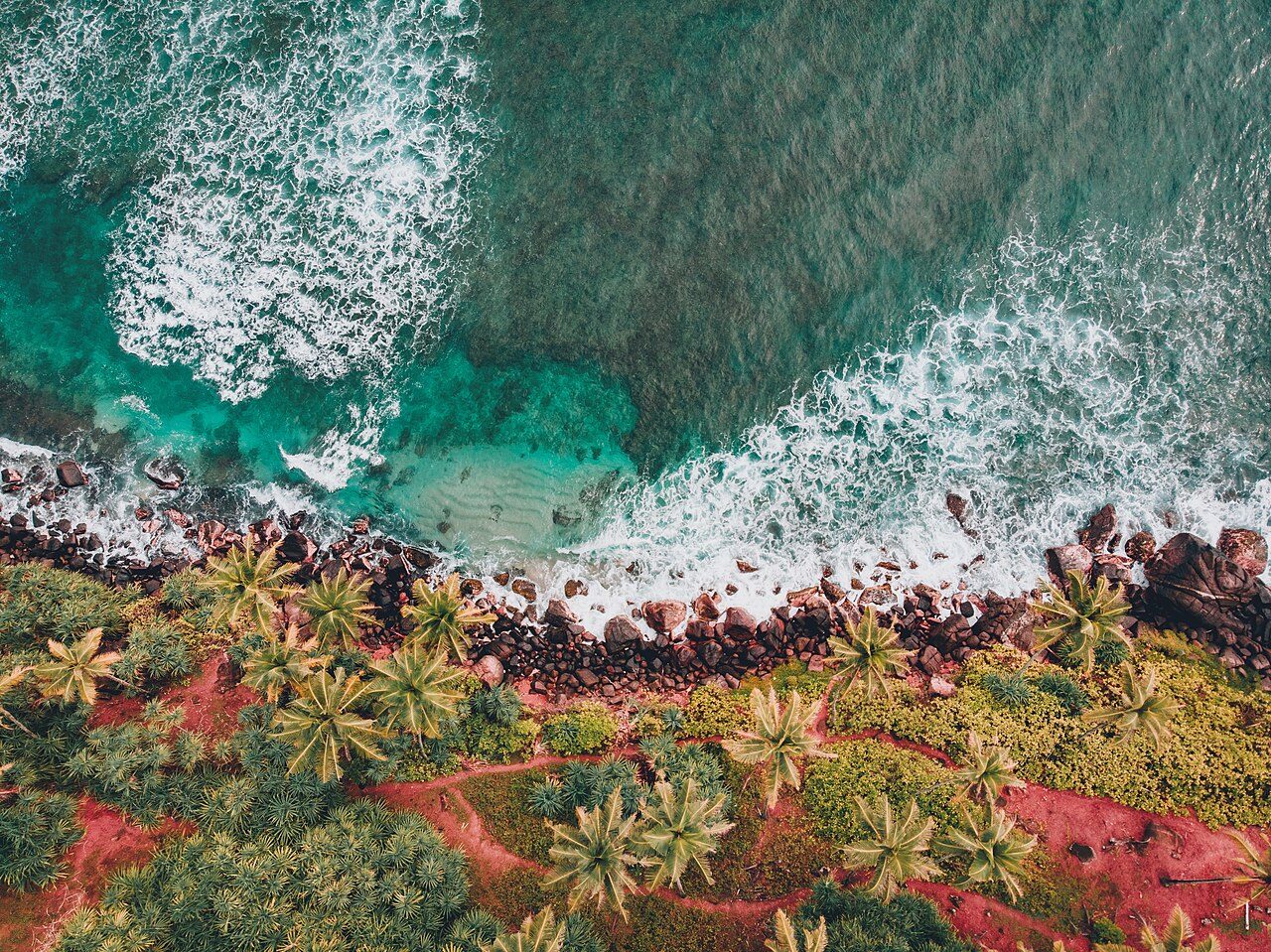
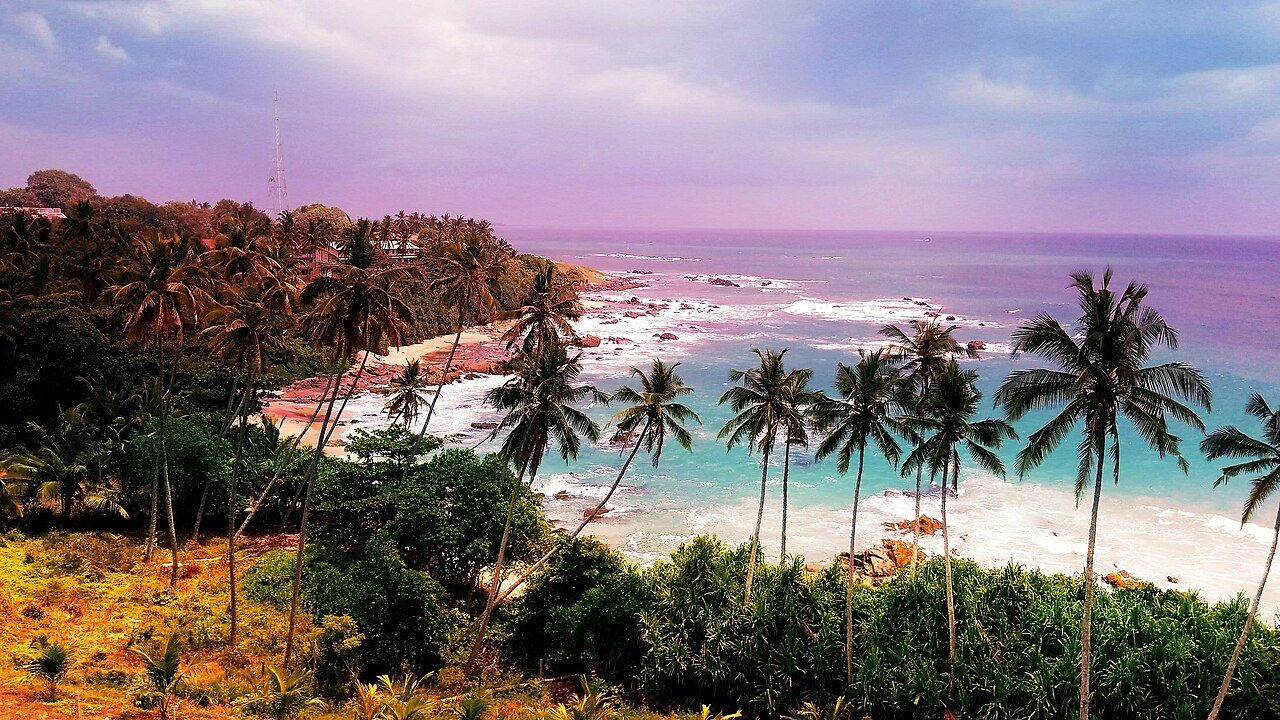
Coconut Tree Hill is a small red-earth headland at the eastern end of Mirissa, covered with a grove of tall coconut palms above the sea. It is private coconut land that has become one of the most photographed spots on the south coast. A short walk from the main road or along the beach leads up to it; sunrise and sunset are the best times.
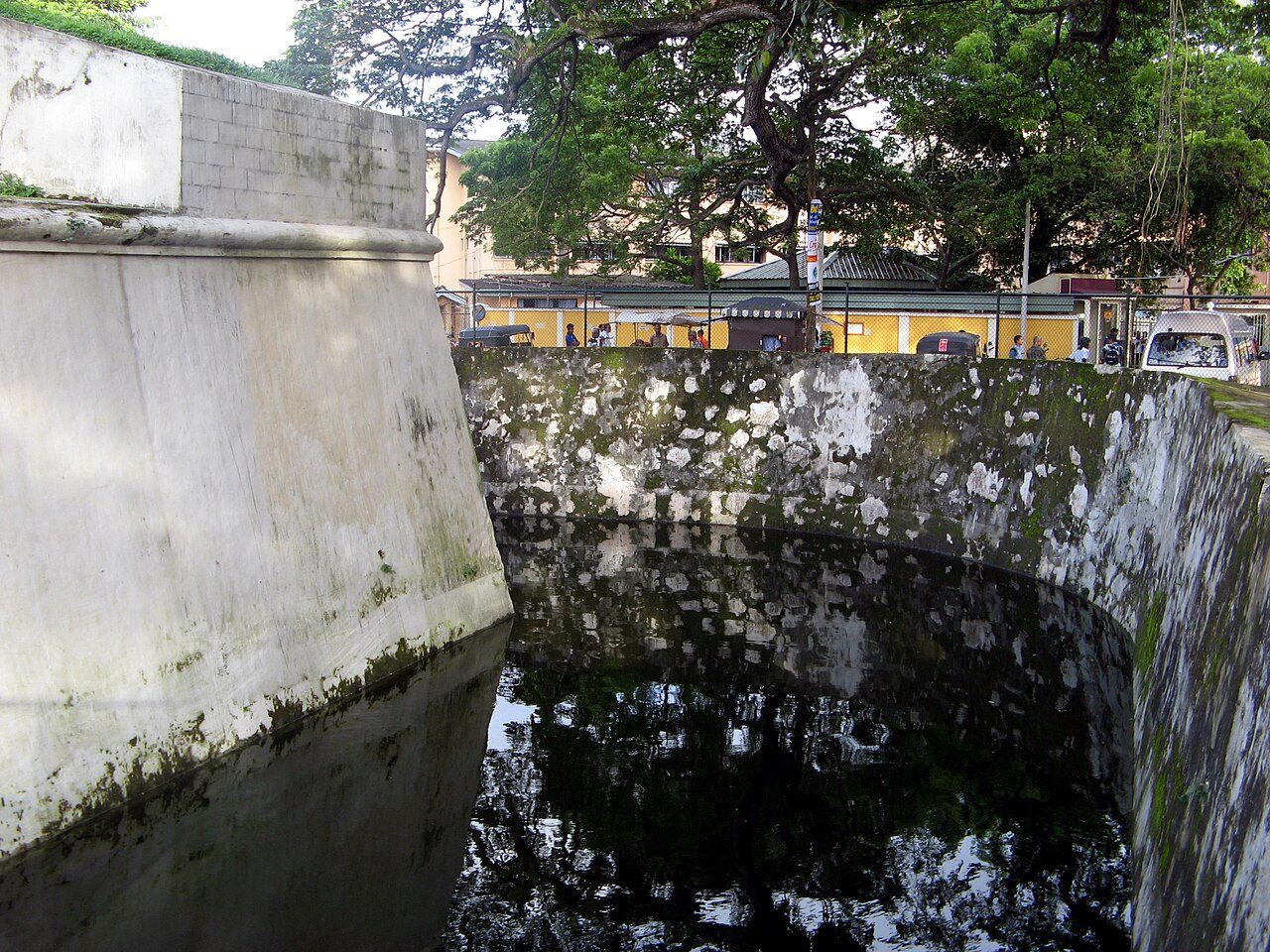
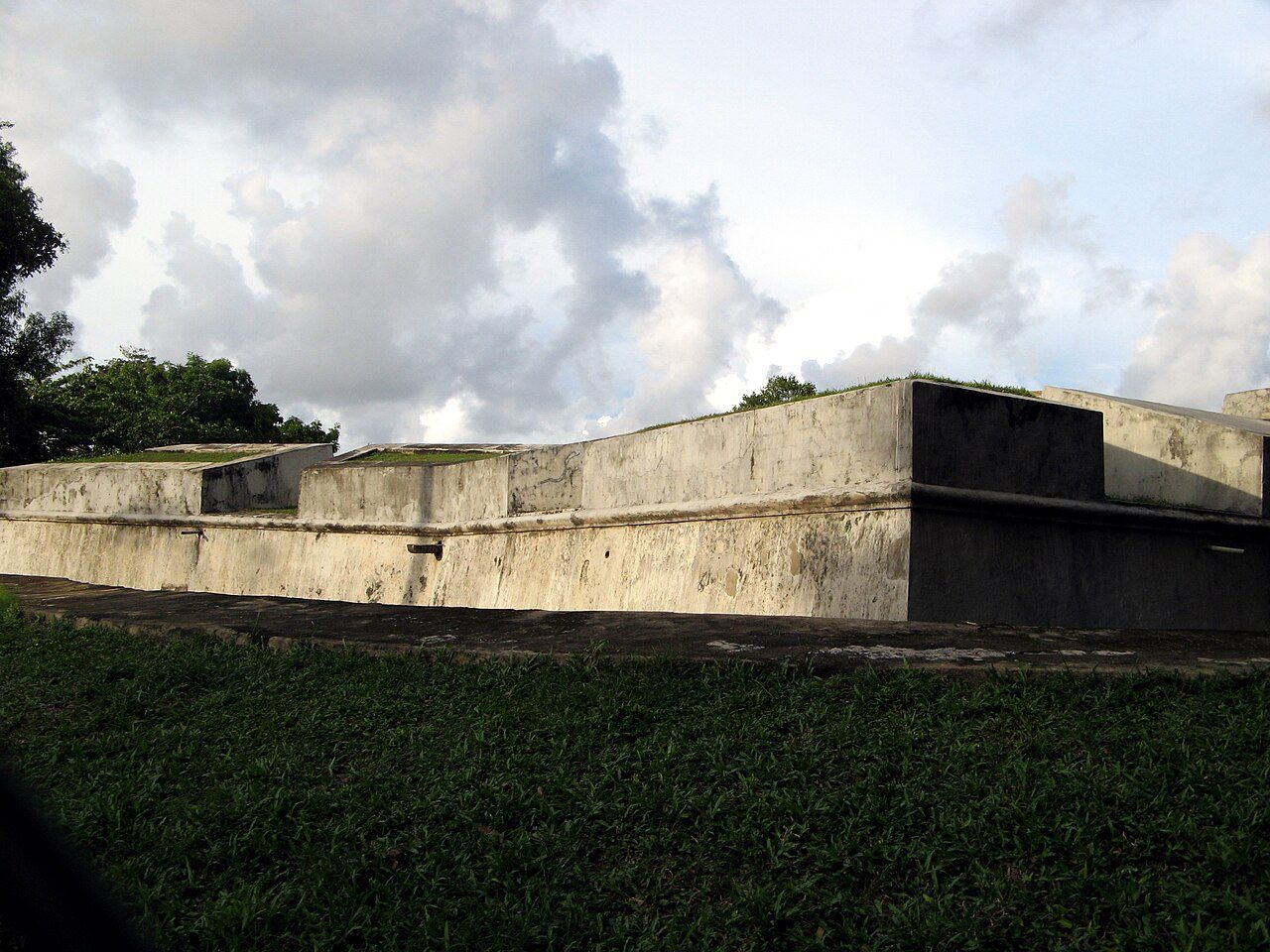
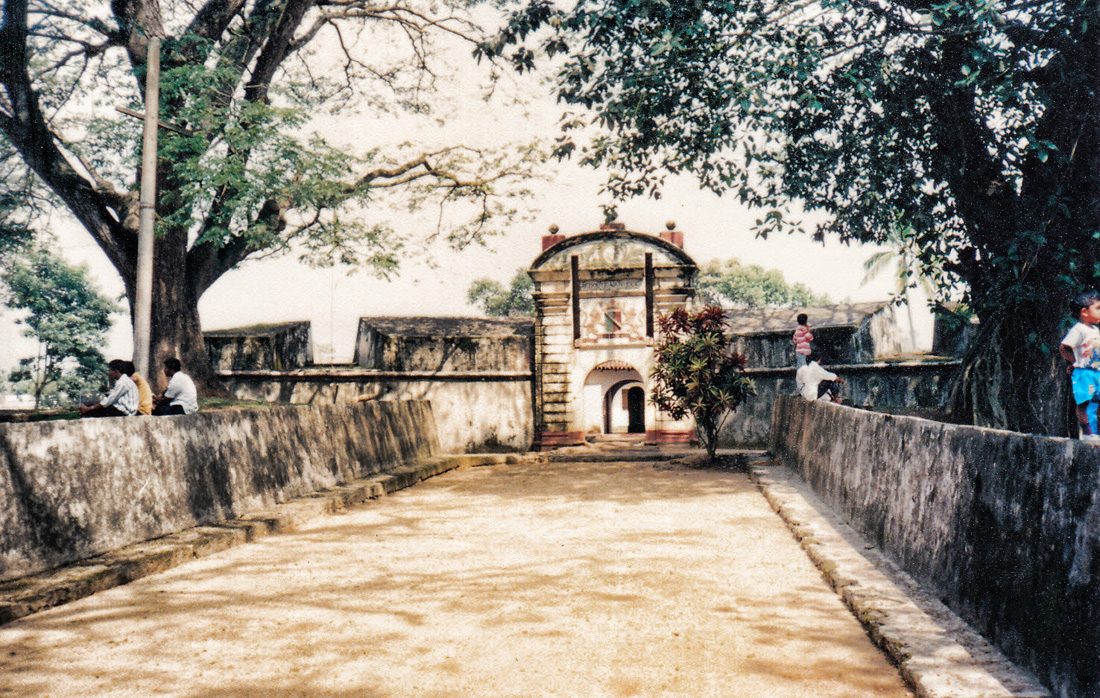
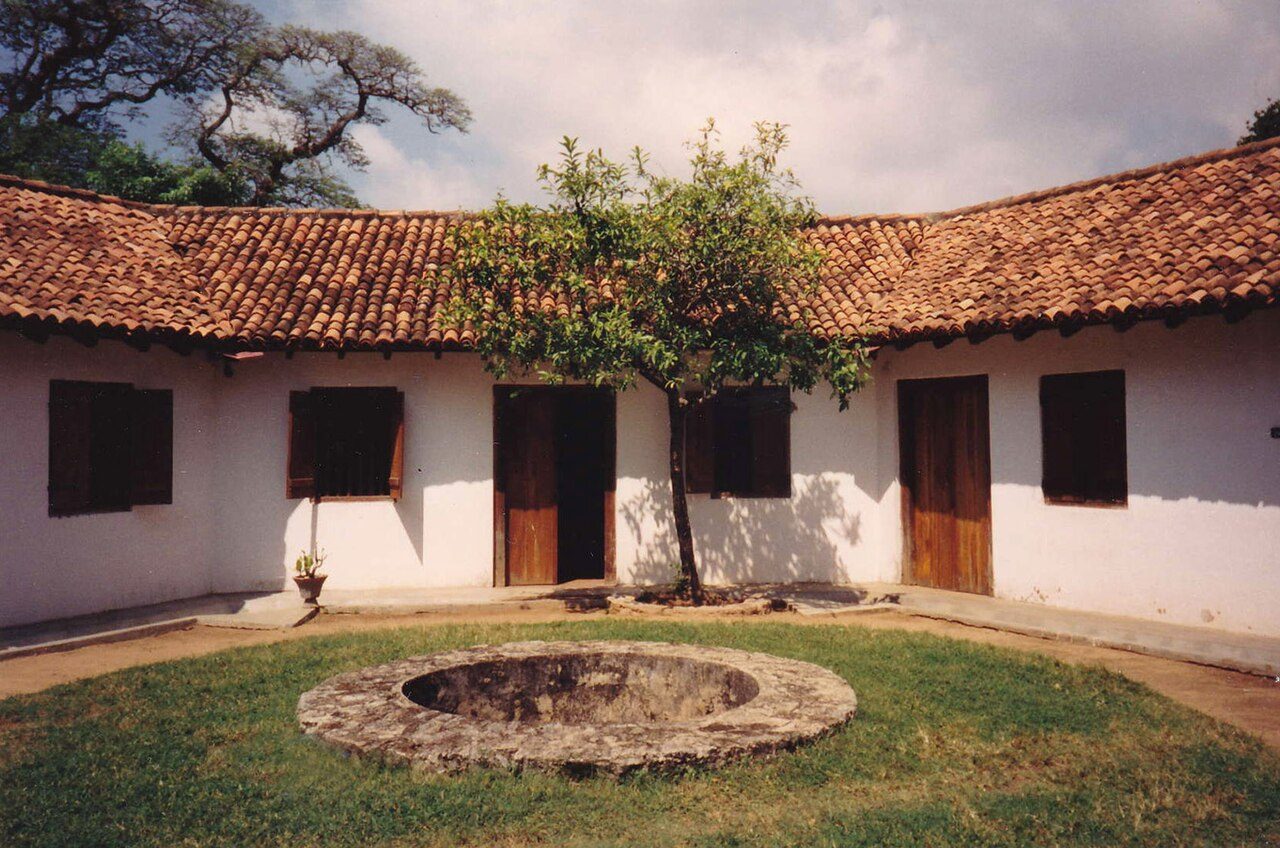
The Star Fort in Matara is a small six-pointed fort built by the Dutch in 1765, after a local uprising showed that the main fort could not protect the town from the landward side. A moat surrounds it, and the gateway carries the arms of the Dutch East India Company and the name of Governor van Eck. Inside is a small museum.
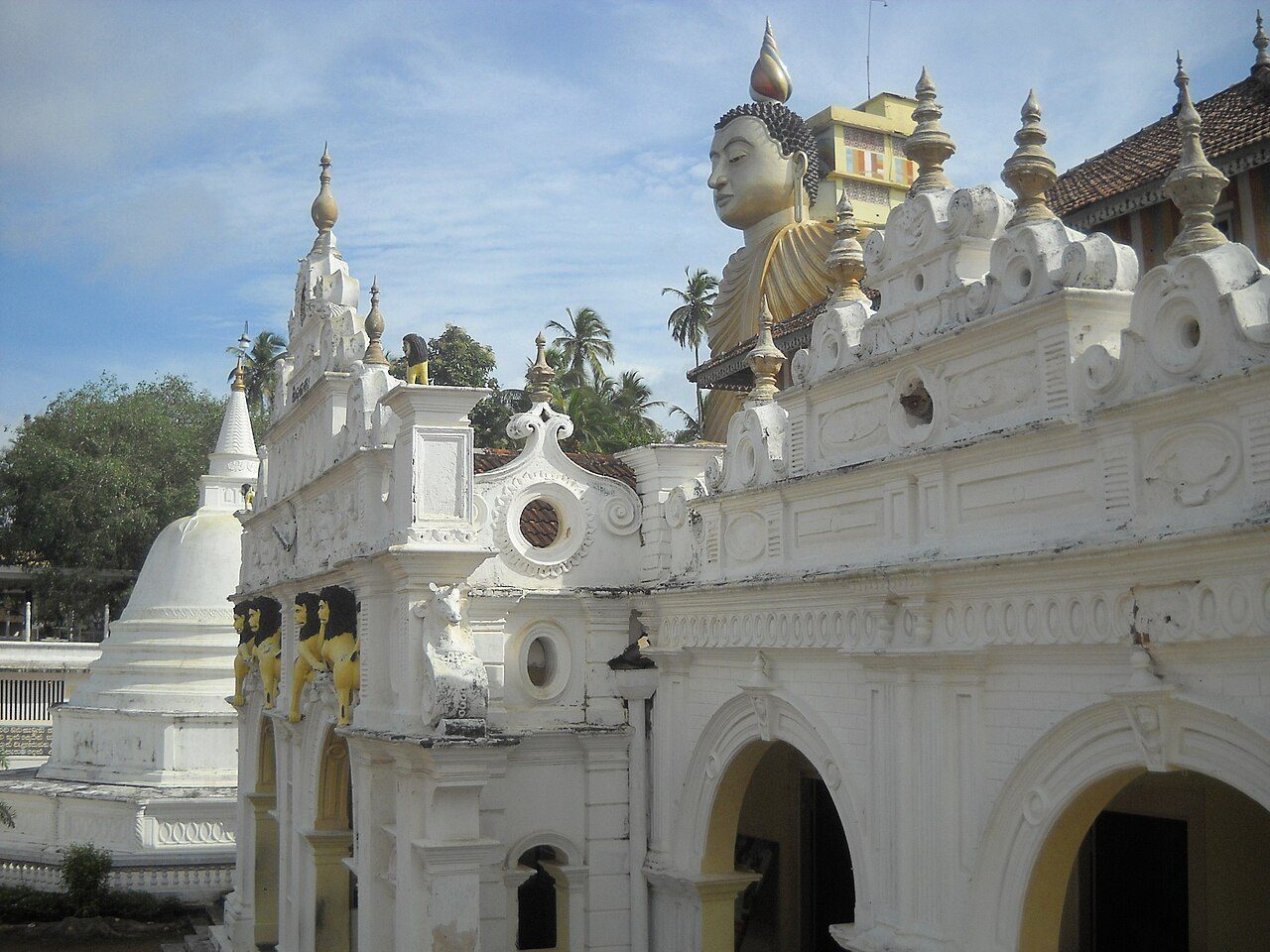
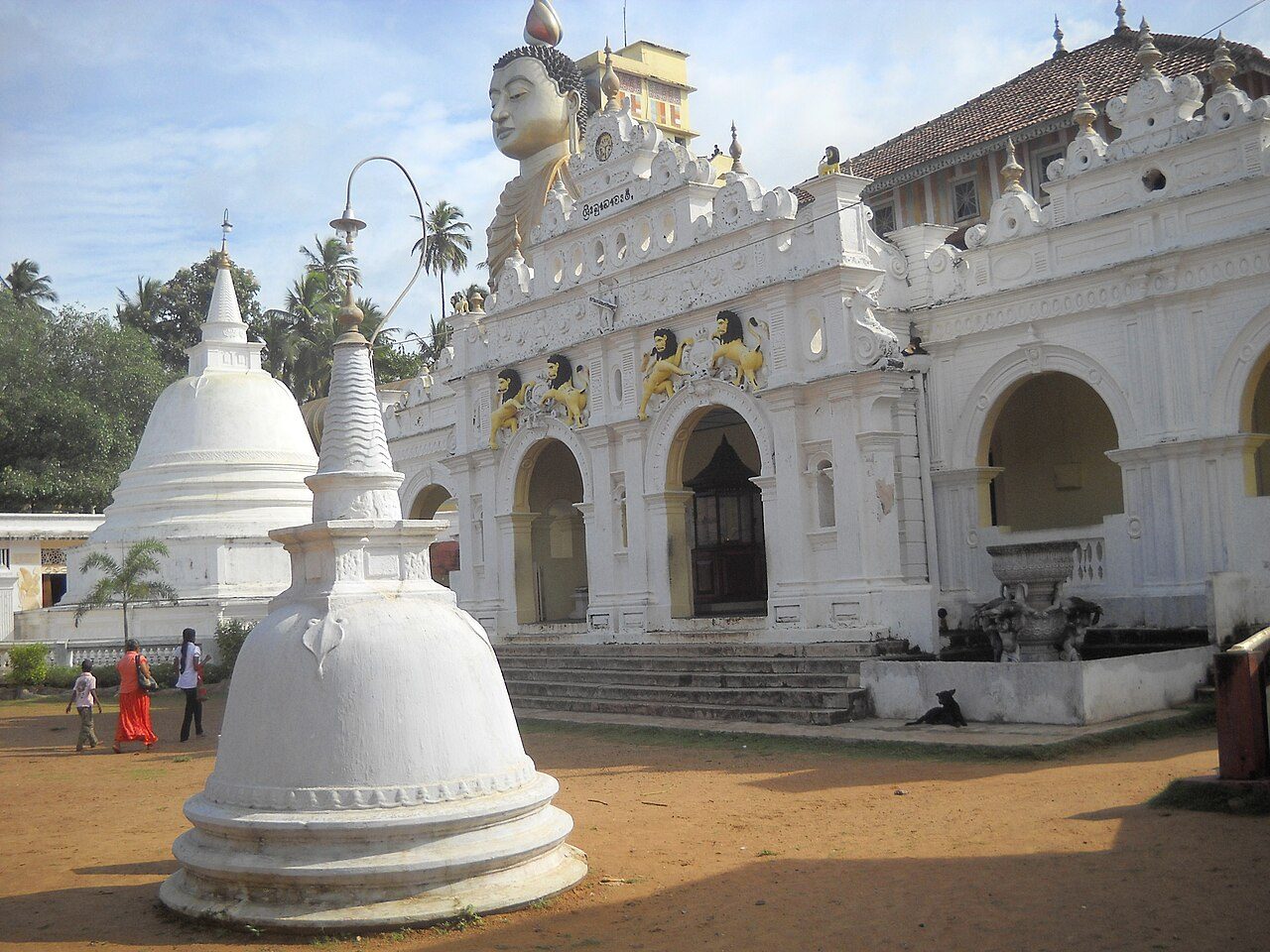
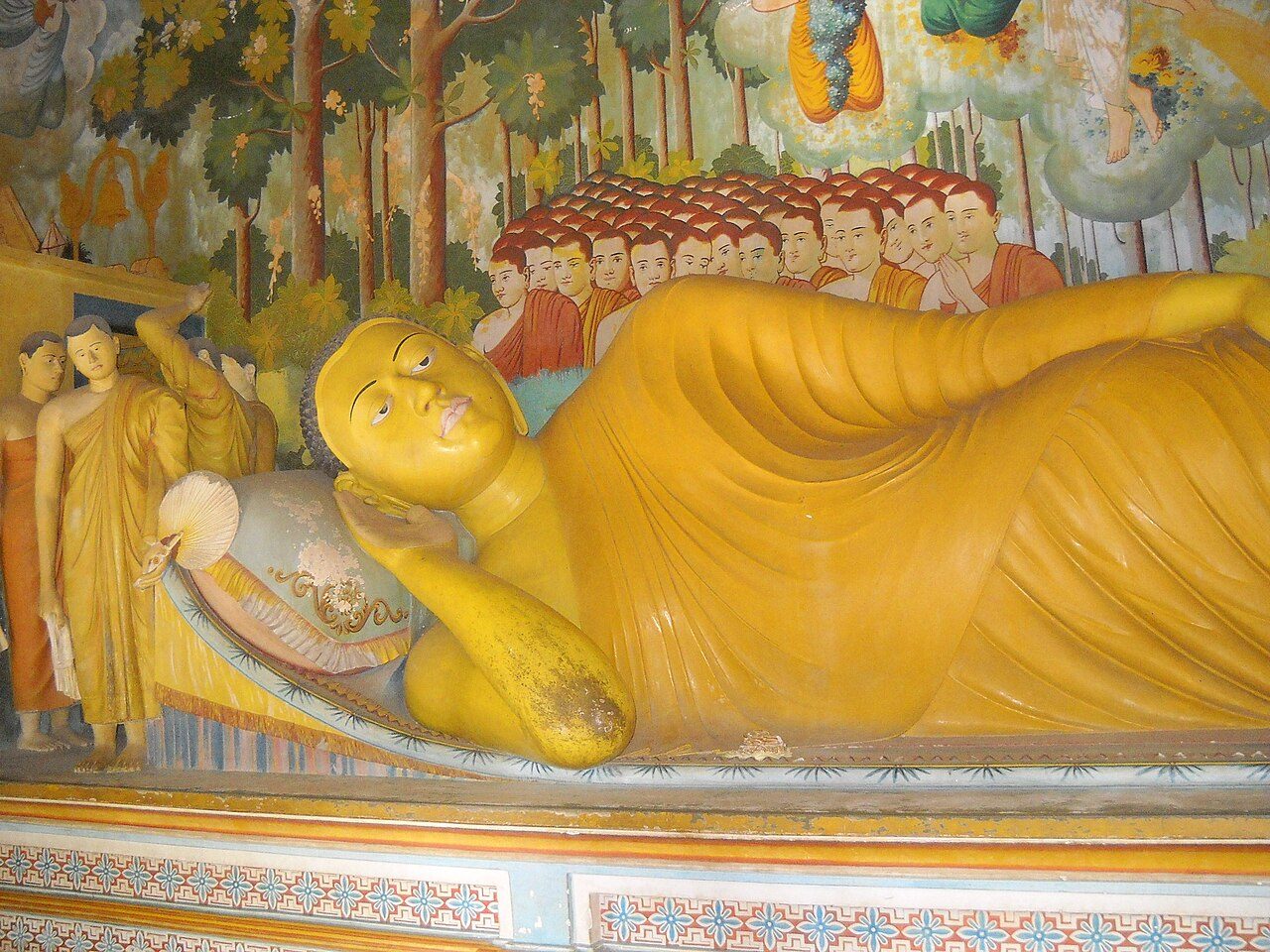
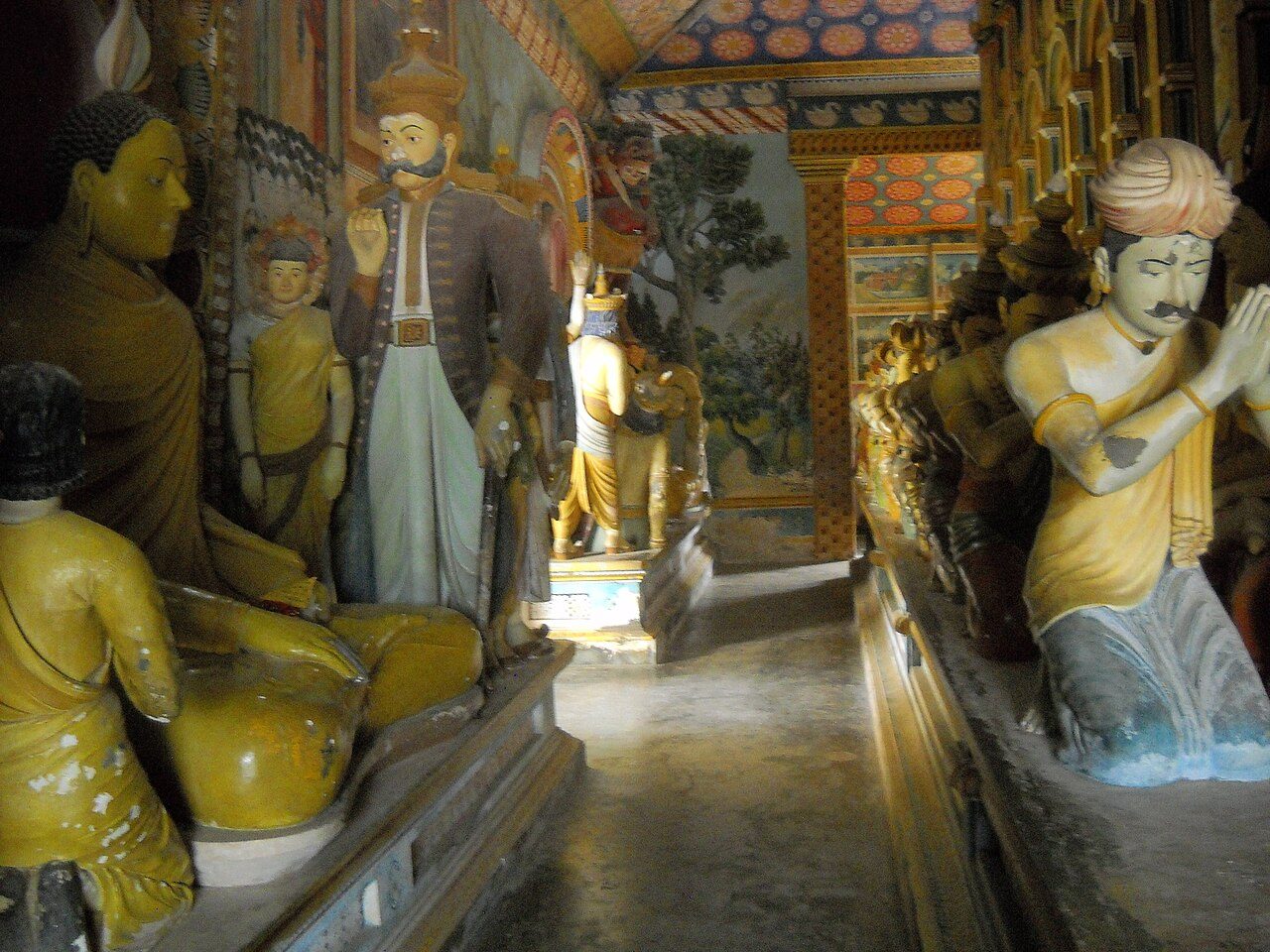
Wewurukannala Vihara, near Dikwella, is known for its seated Buddha statue about 50 metres high, built in the late 1960s. A building behind the statue lets visitors climb to the level of its head. The older image house dates from the Kandyan period, and a tunnel-like hall displays vivid life-size models of the punishments of hell.
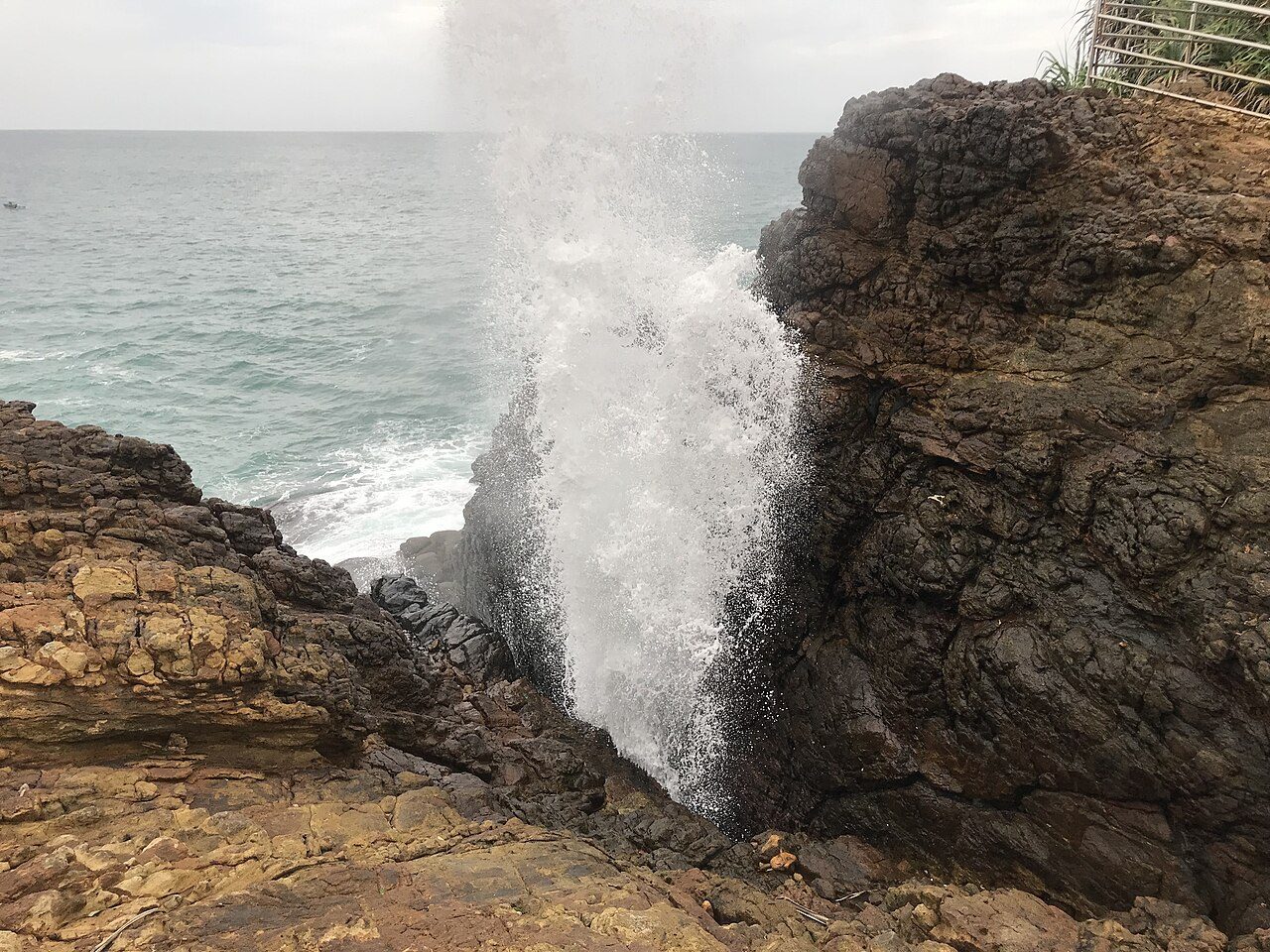
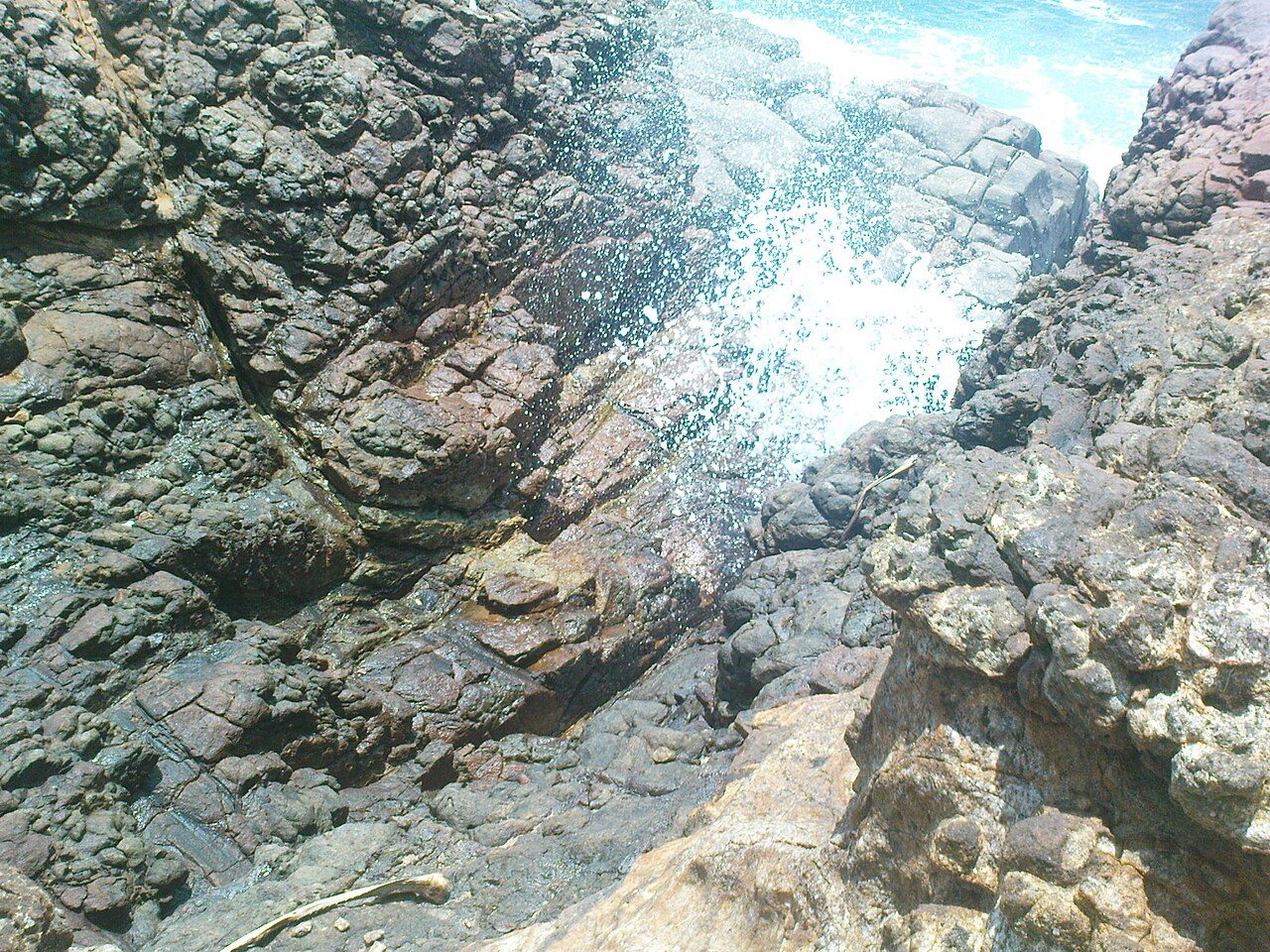
Hummanaya, near Kudawella between Dikwella and Tangalle, is the only blowhole in Sri Lanka and one of the largest in the world. Sea water is forced through a crack in the cliff and shoots up with a deep hum, at times 25 metres or more. It is most powerful during the south-west monsoon from about May to September. A stepped path leads up from the fishing village.
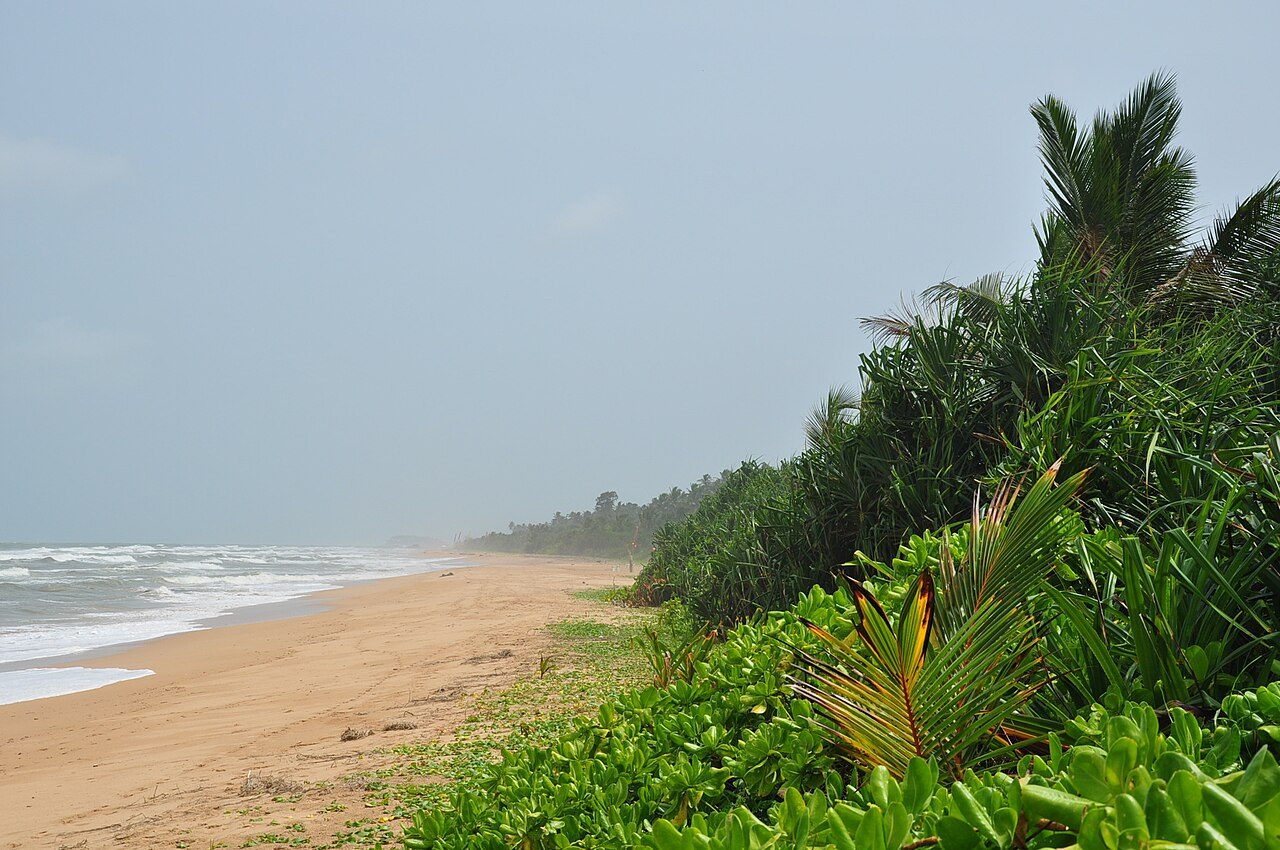
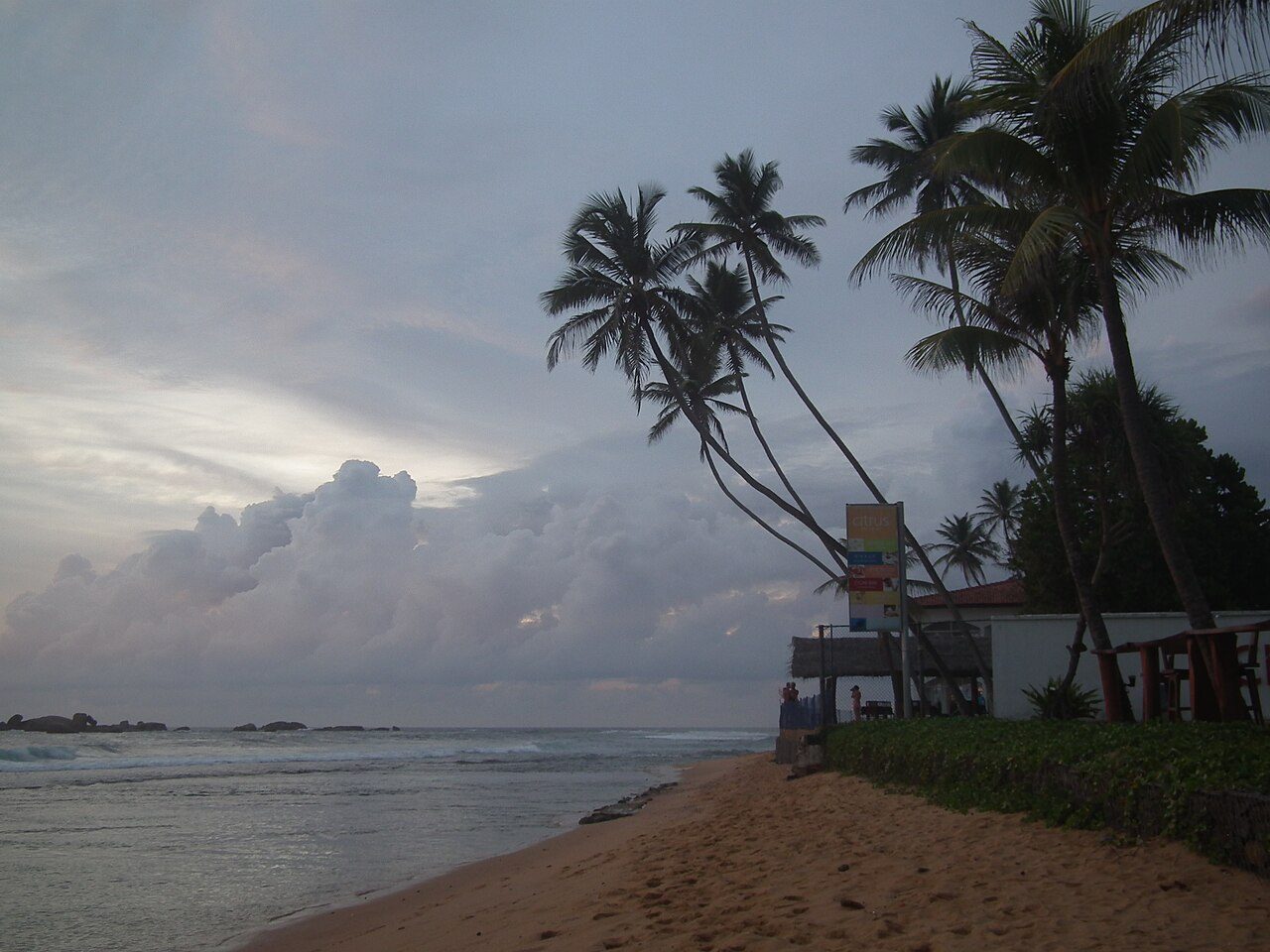
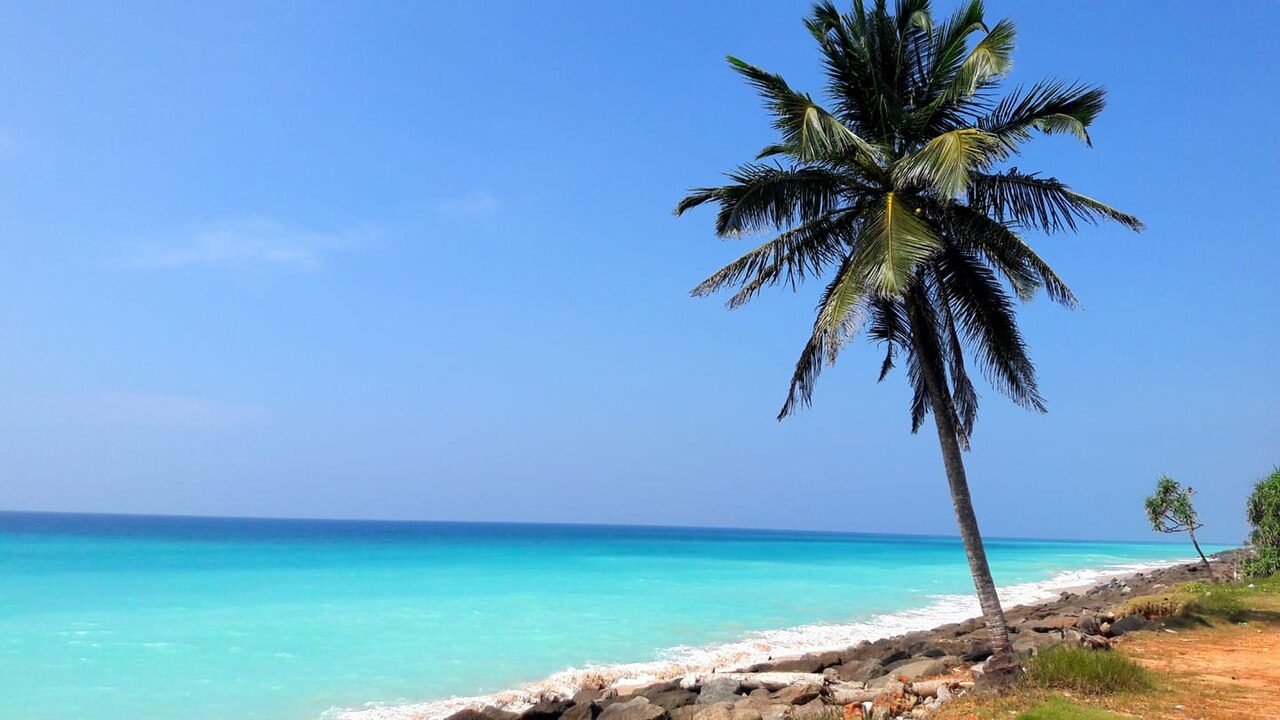
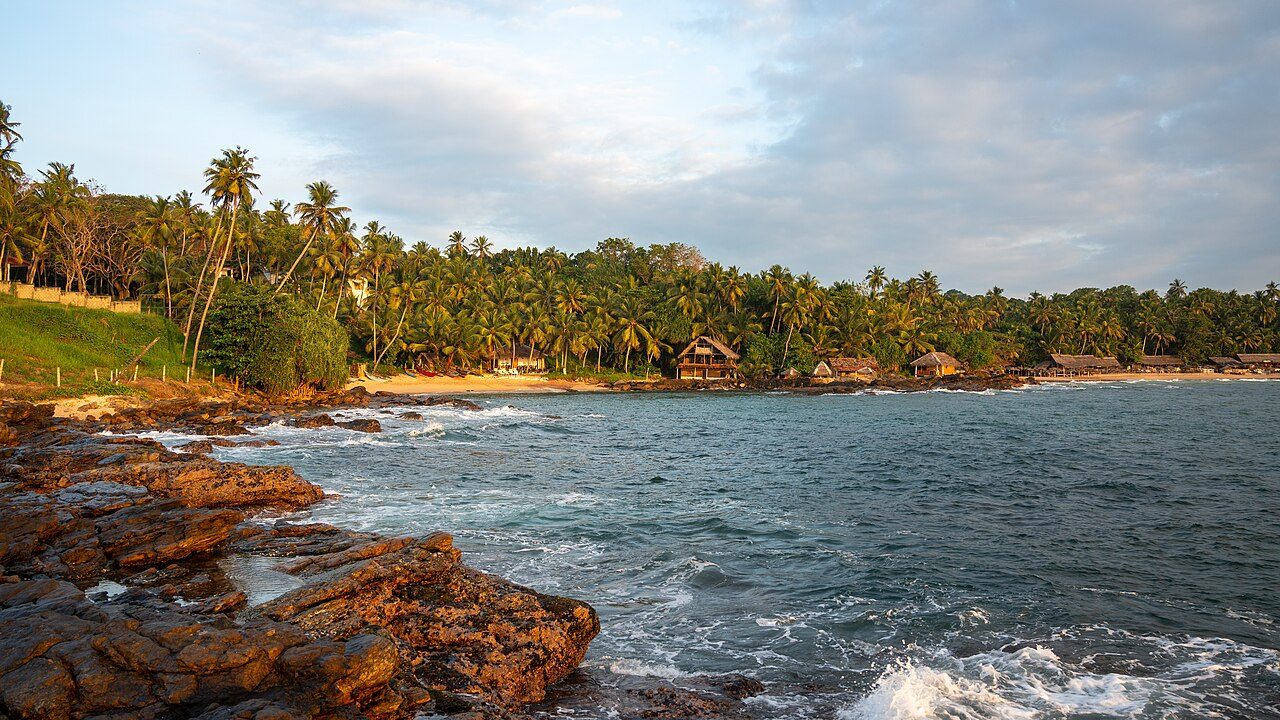
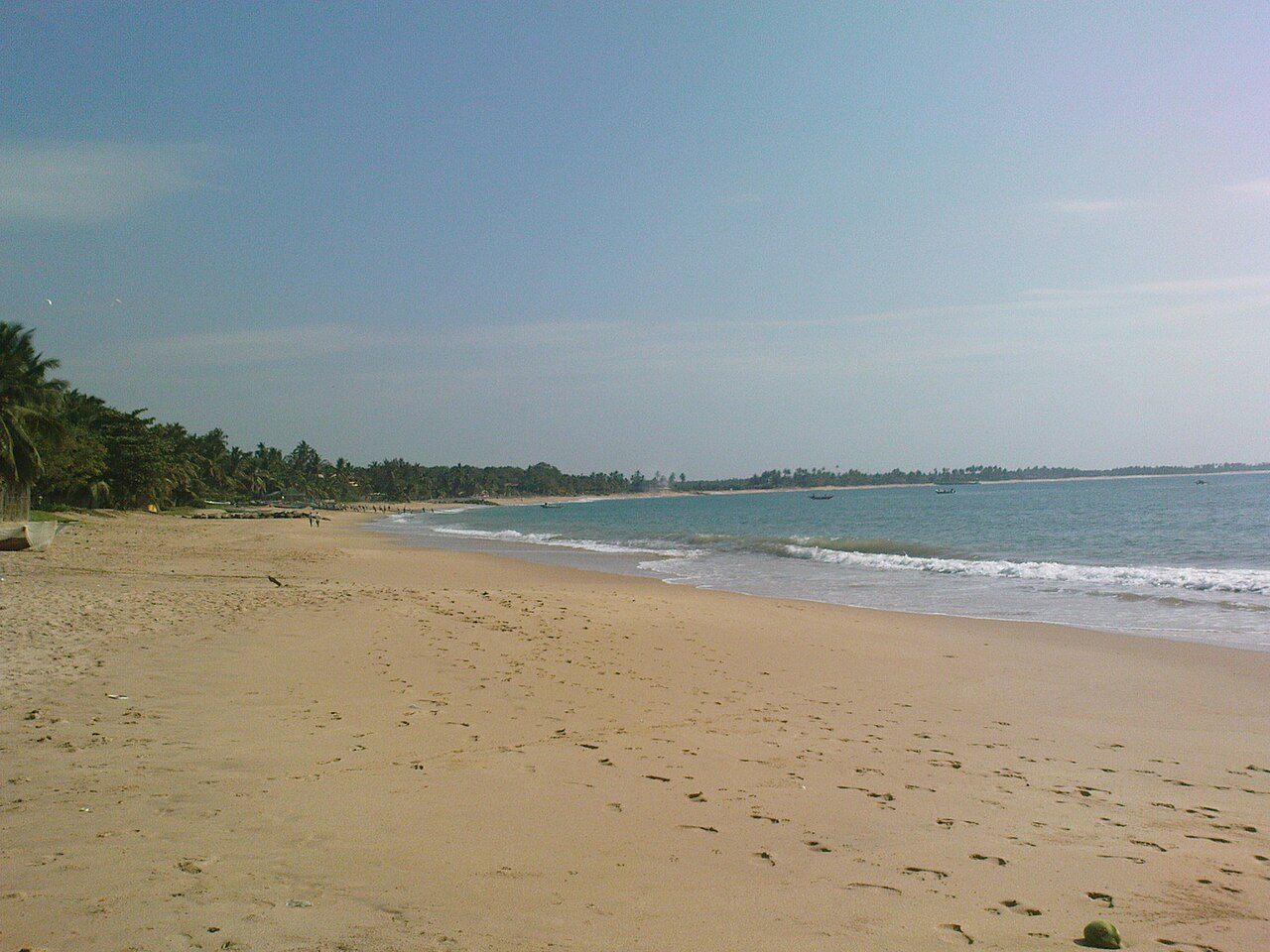
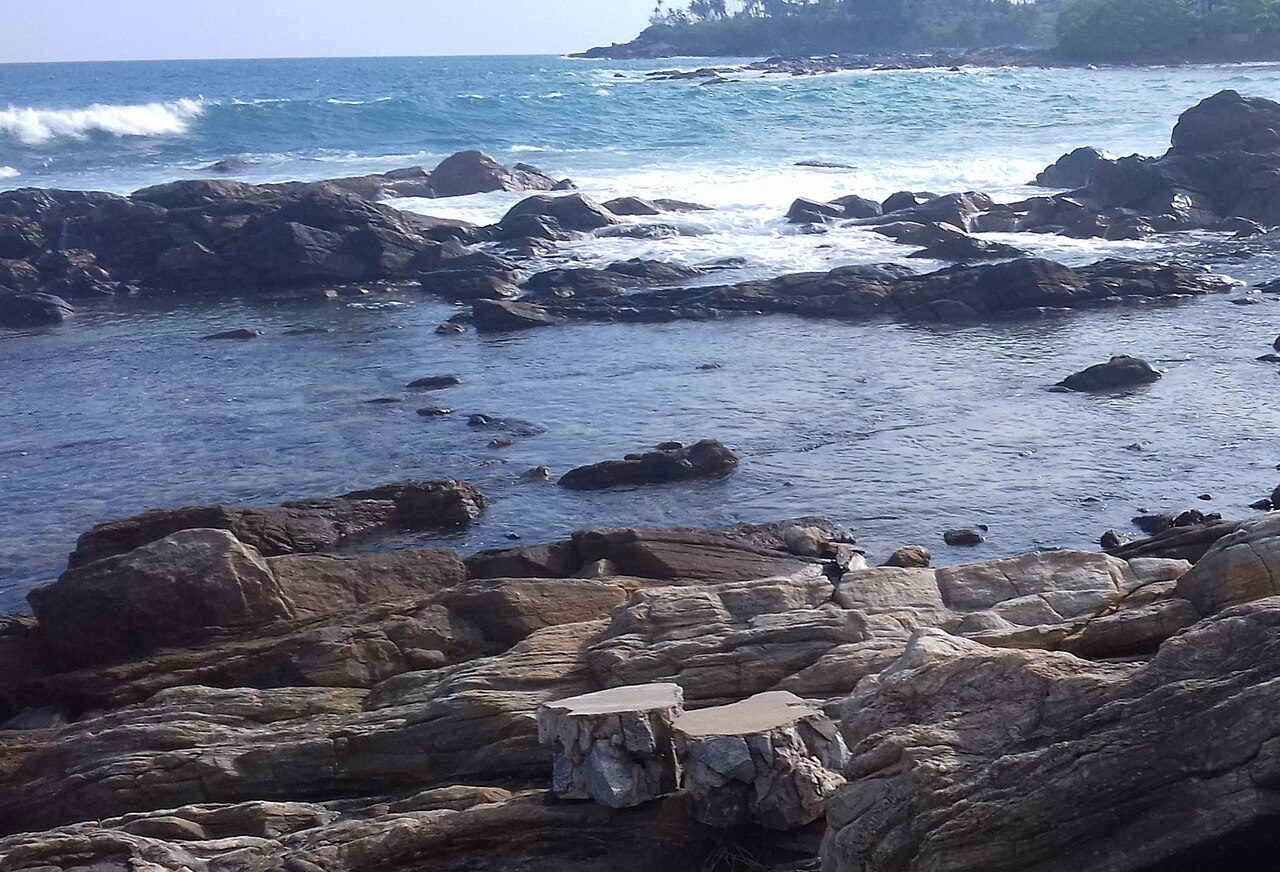
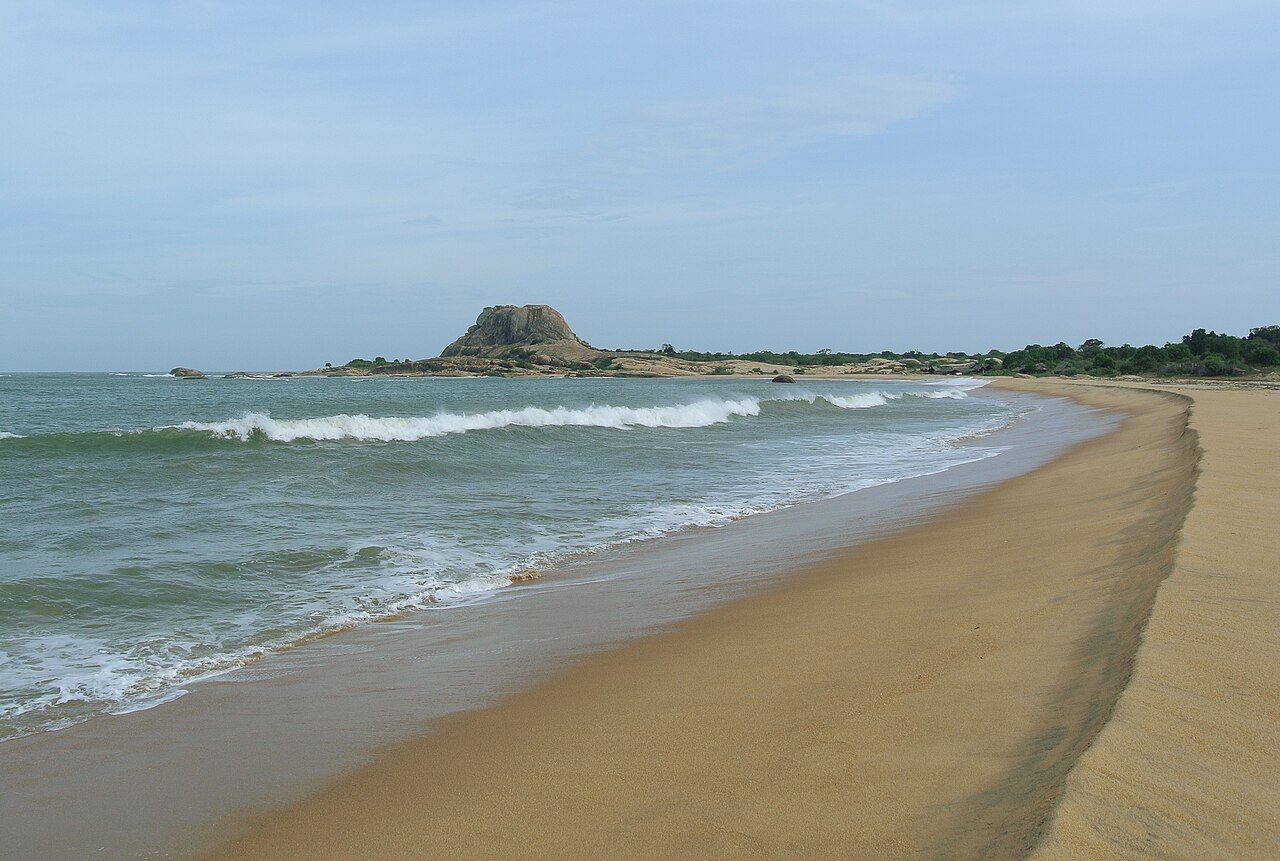
Tangalle, on the far south coast, is known for a string of long, quiet beaches and coves on either side of its fishing harbour. Stretches such as Medaketiya and Marakolliya are wide and often nearly empty. The sea can be rough with strong currents, so swim only where it is known to be safe. Sea turtles nest at Rekawa nearby.
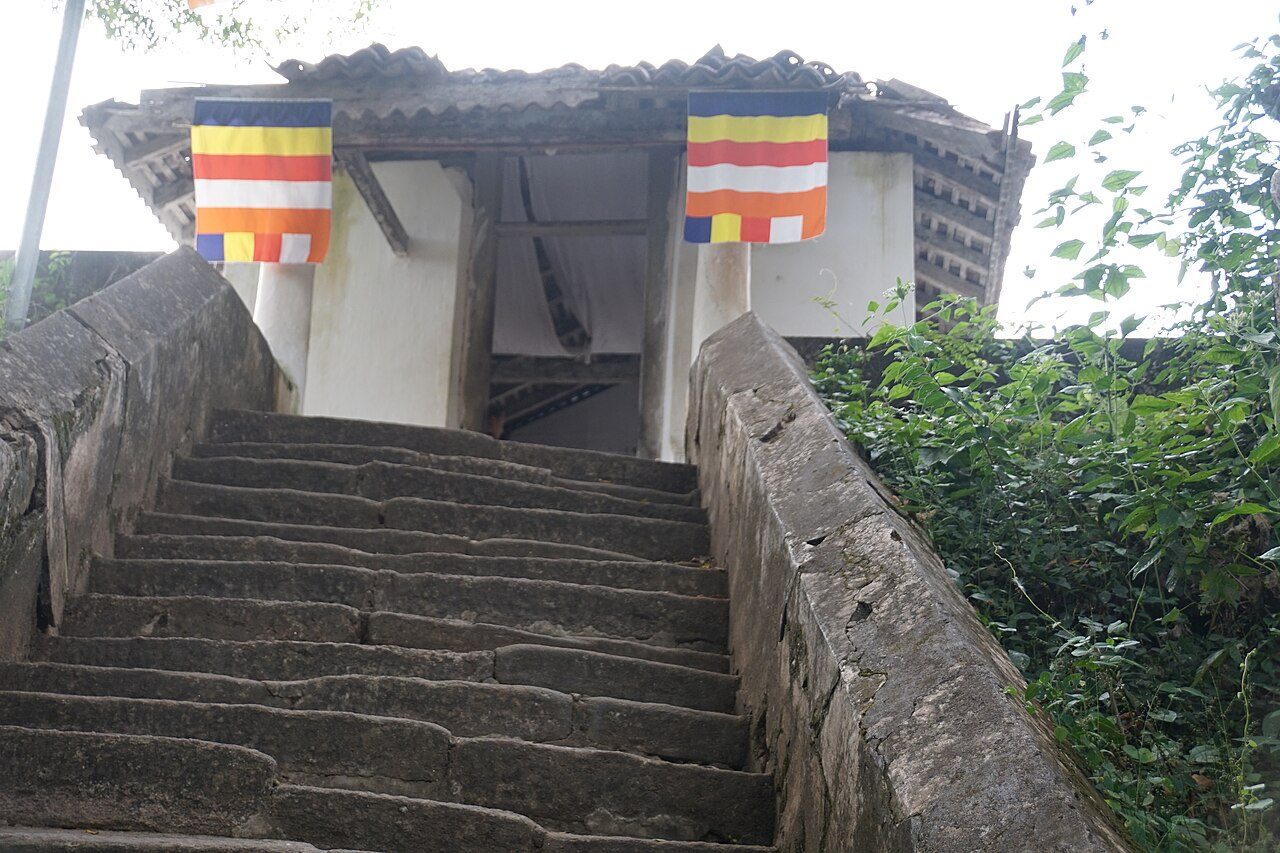
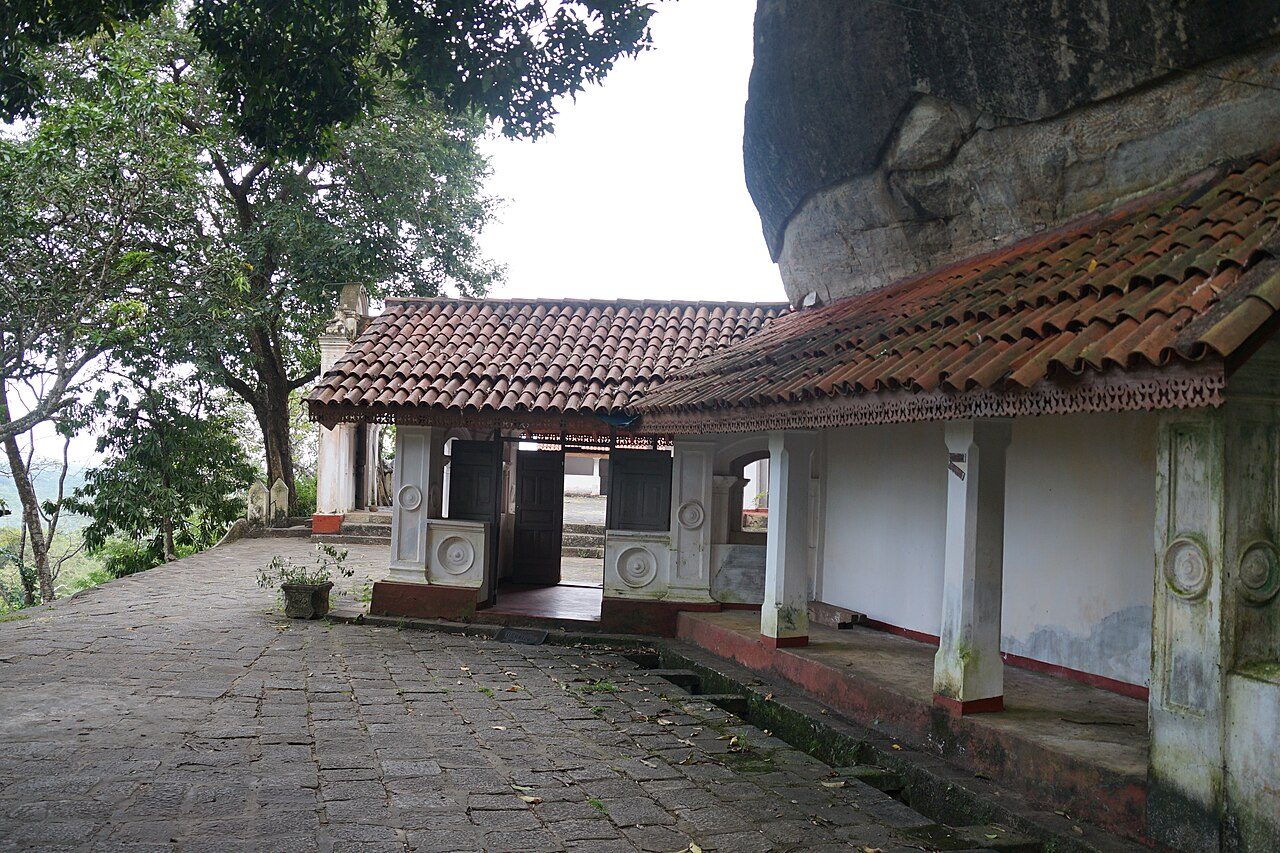
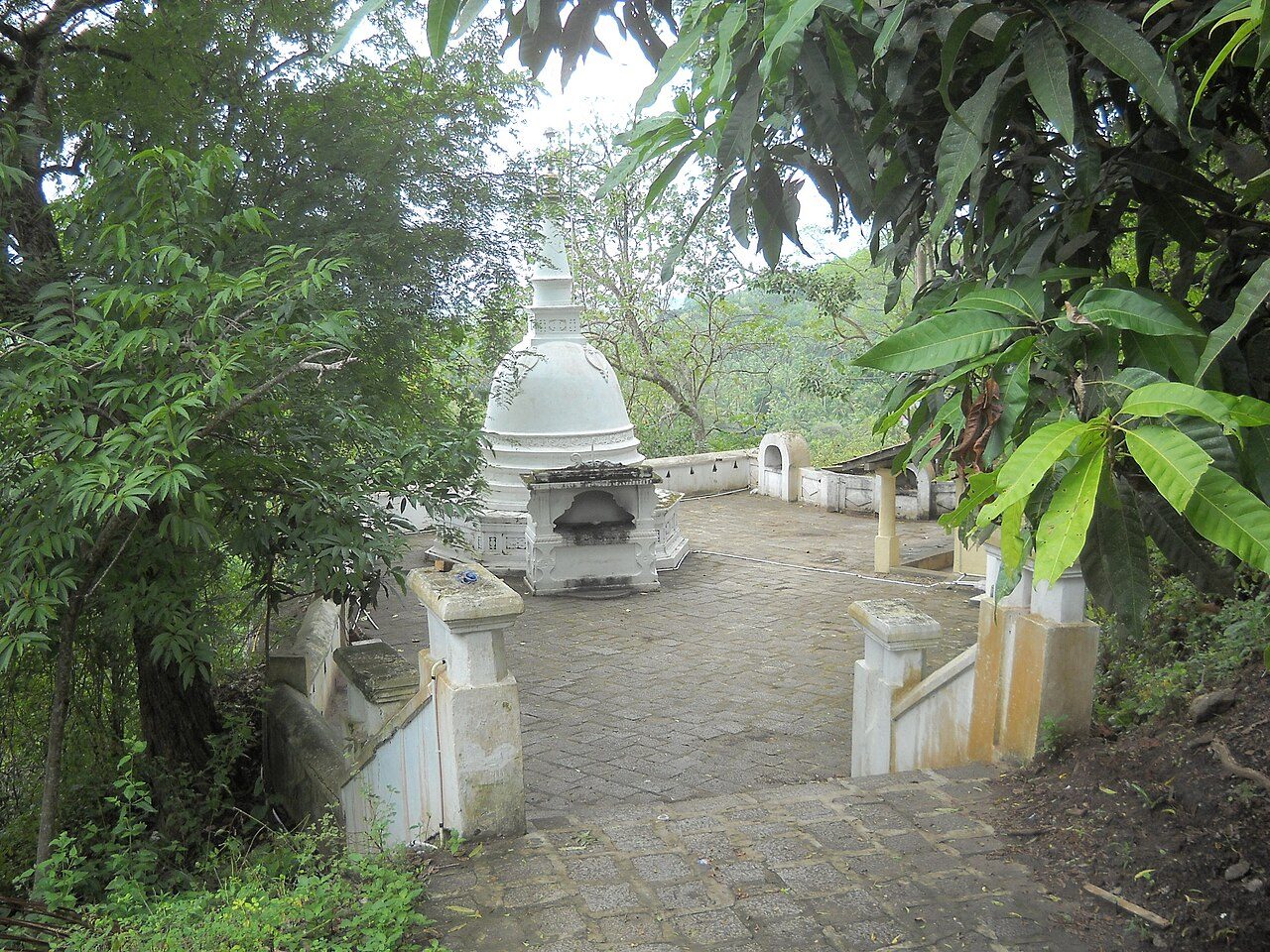
Mulkirigala Rock Temple is built on and around a rock about 200 metres high, inland from Tangalle. Some 500 steps climb through several terraces of cave shrines with reclining Buddhas and Kandyan-period murals, to a stupa on the summit. Manuscripts found here in the 19th century helped scholars translate the Mahavamsa chronicle.
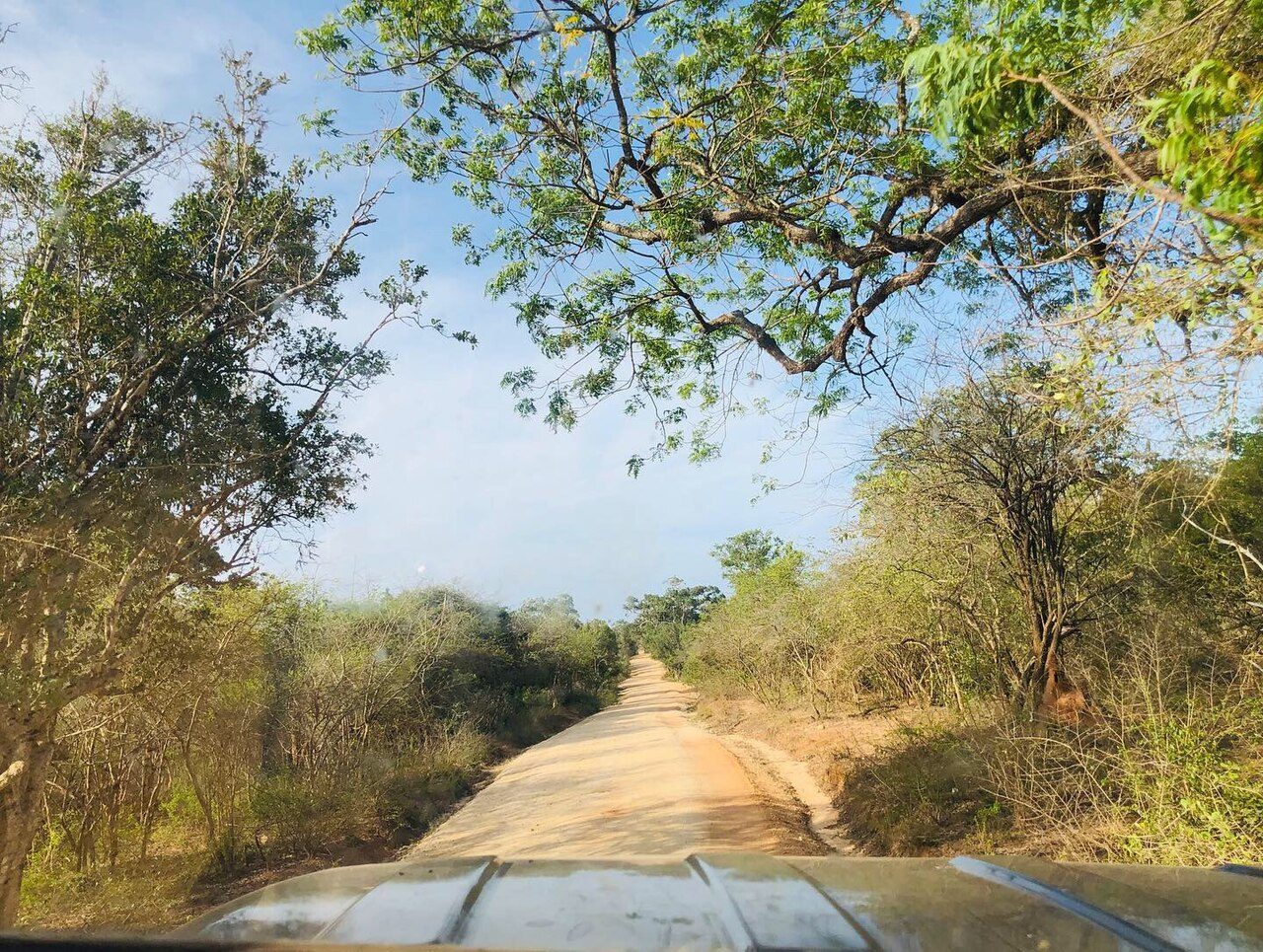
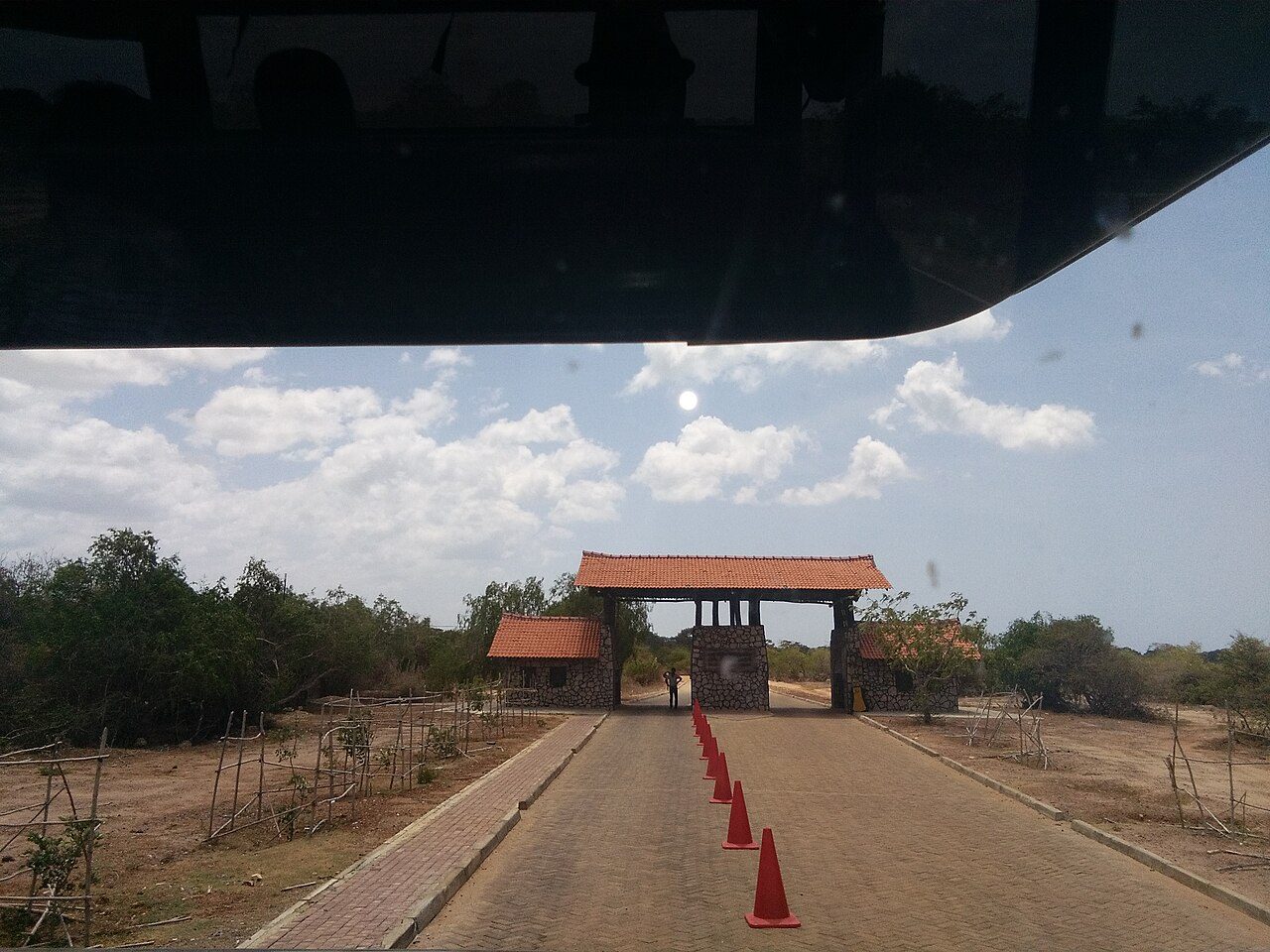
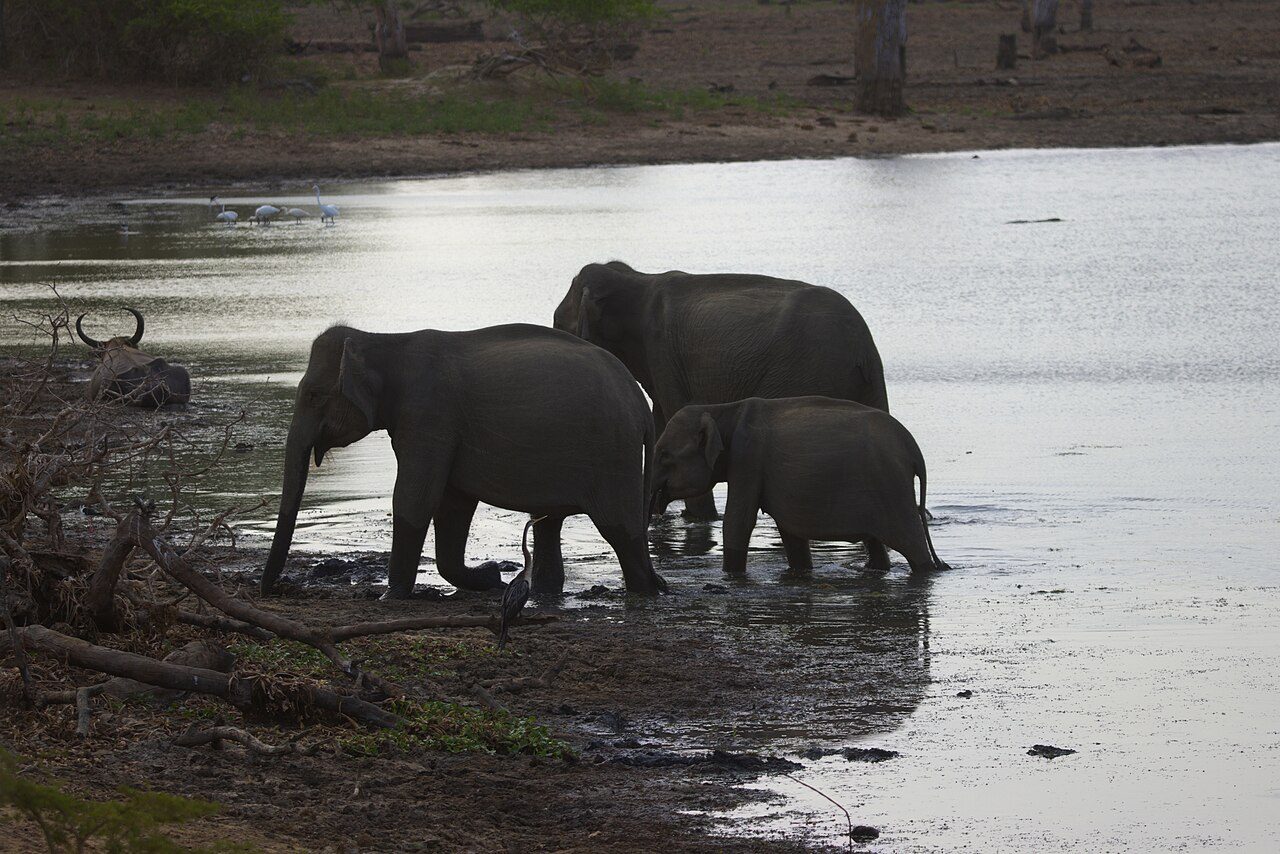
Yala National Park, in the dry south-east, is the most visited national park in Sri Lanka and has one of the highest densities of leopards in the world. Its scrub forest, lagoons, rock outcrops and beaches also hold elephants, sloth bears, crocodiles and over 200 bird species. Jeep safaris enter from Palatupana; the park usually closes for some weeks around September.
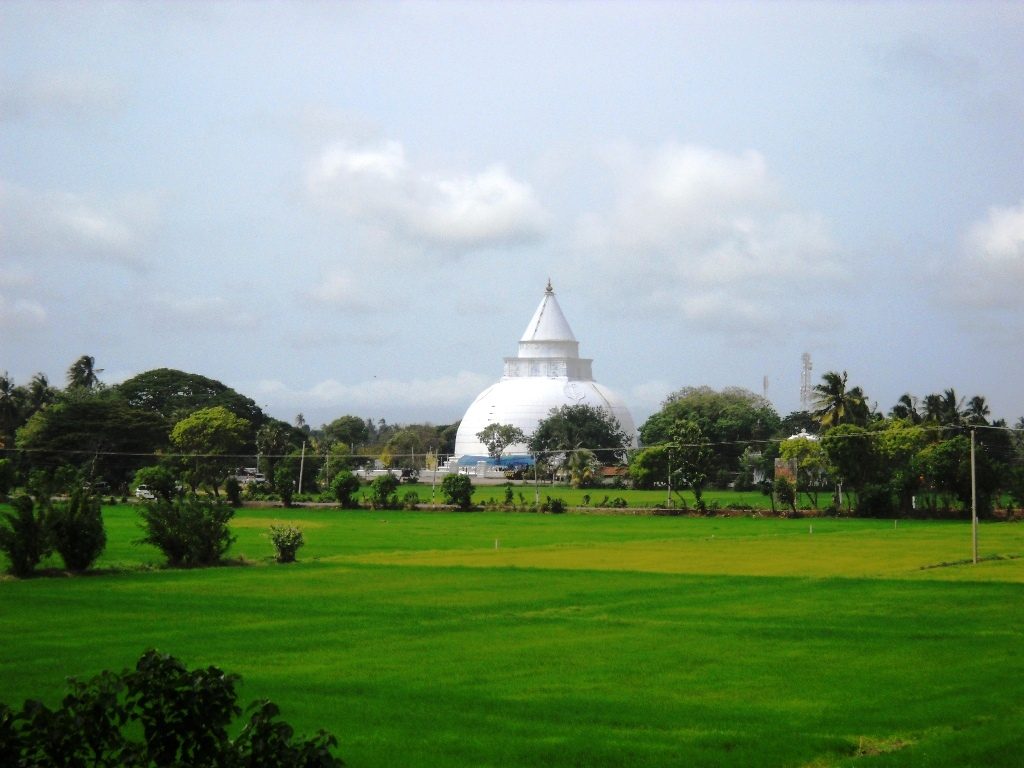
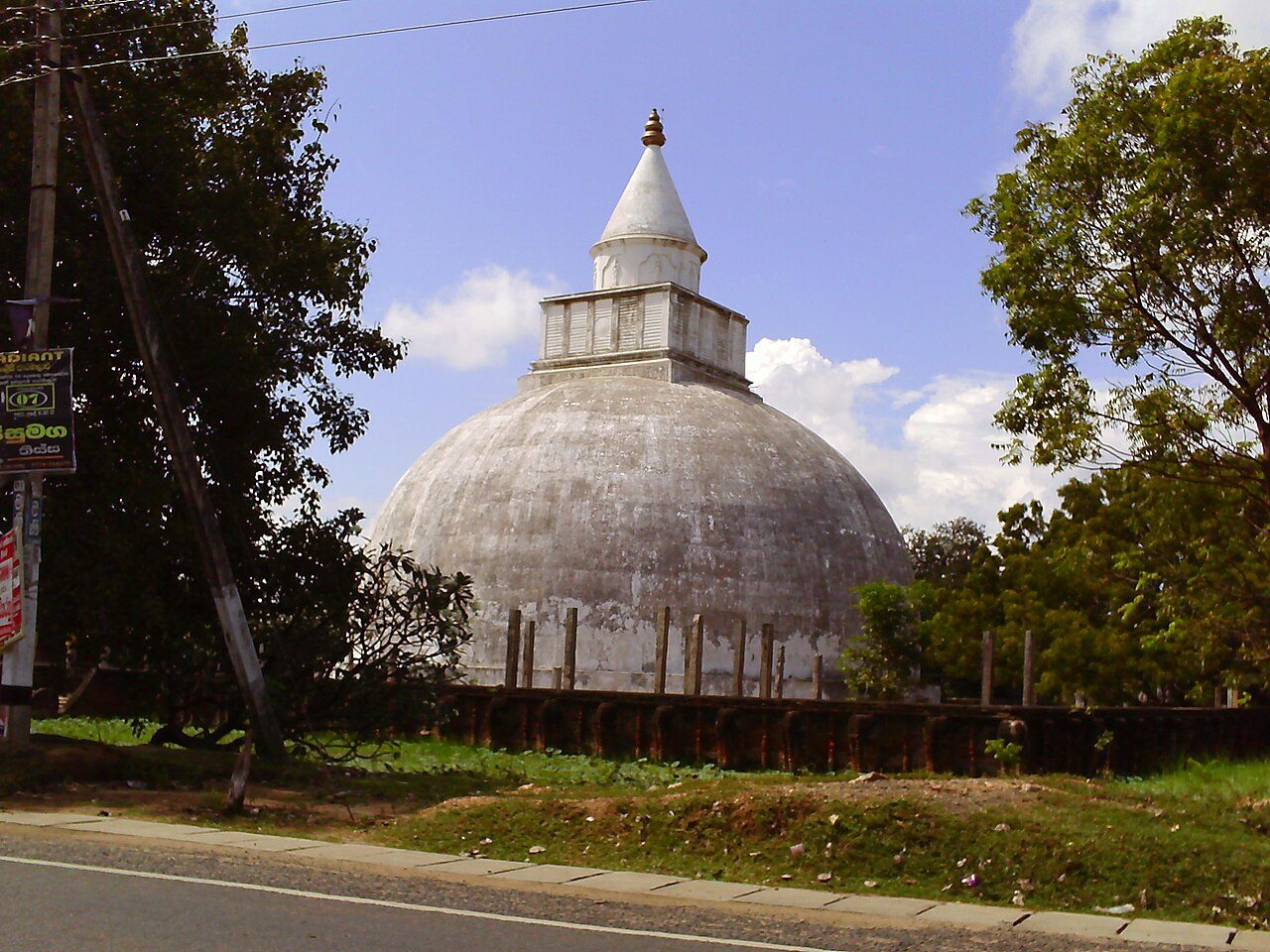
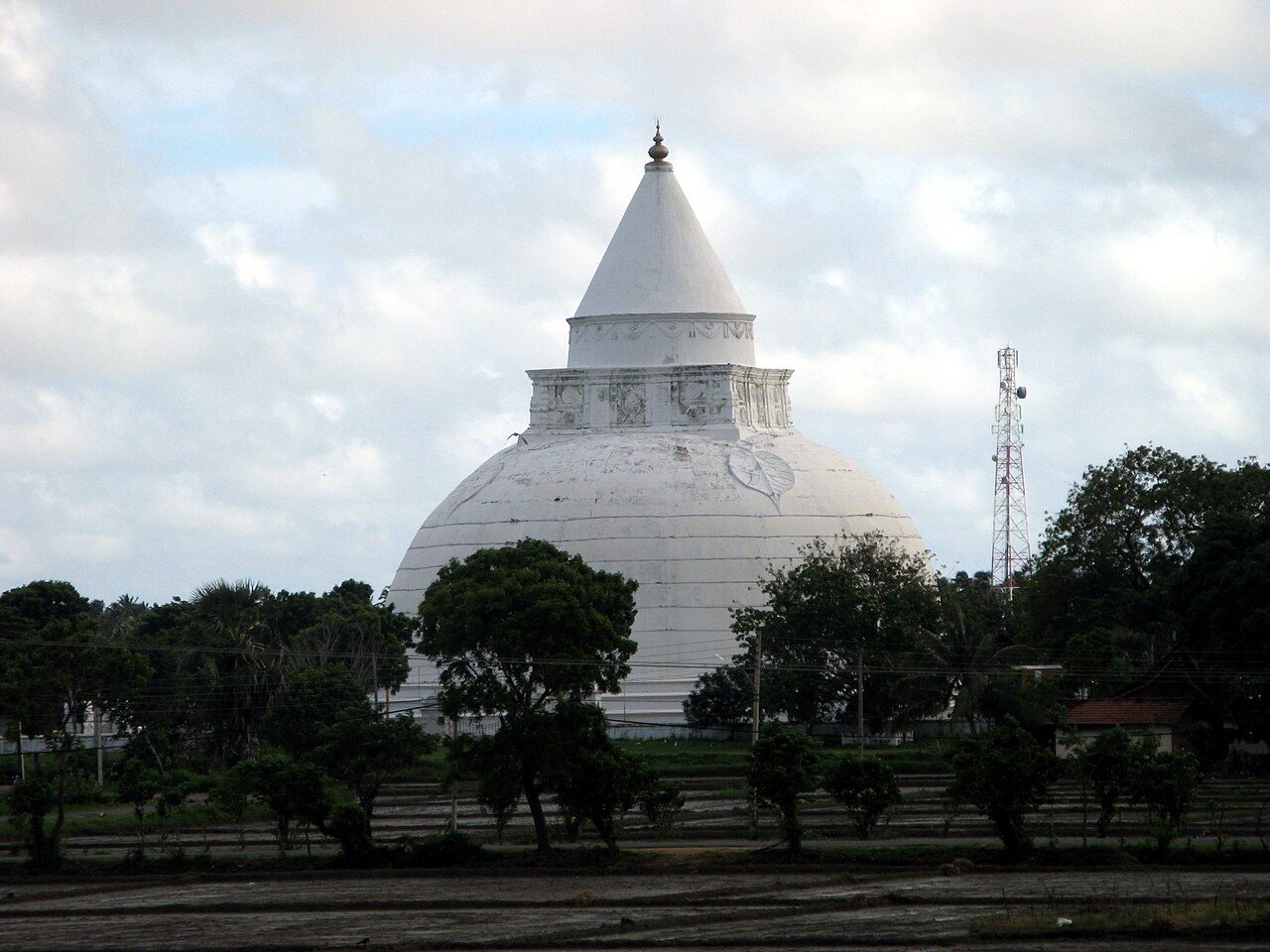
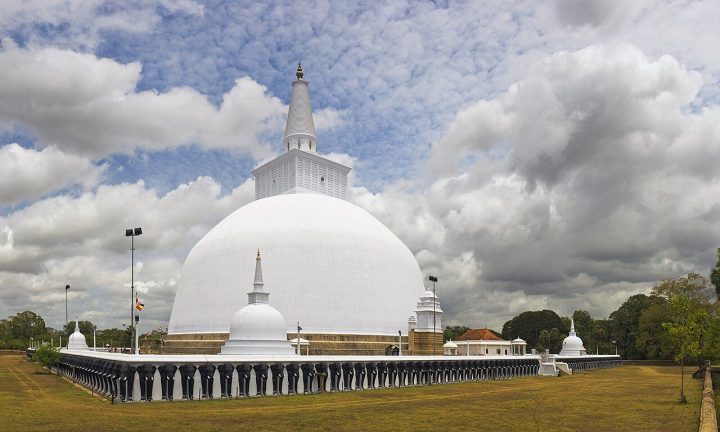
Tissamaharama Raja Maha Vihara is one of the great stupas of southern Sri Lanka, built in the 2nd century BCE by King Kavan Tissa of the Ruhuna kingdom. The restored white dome, about 47 metres high, rises above the paddy fields beside the Tissa Wewa. It is one of the sixteen most sacred Buddhist places on the island.
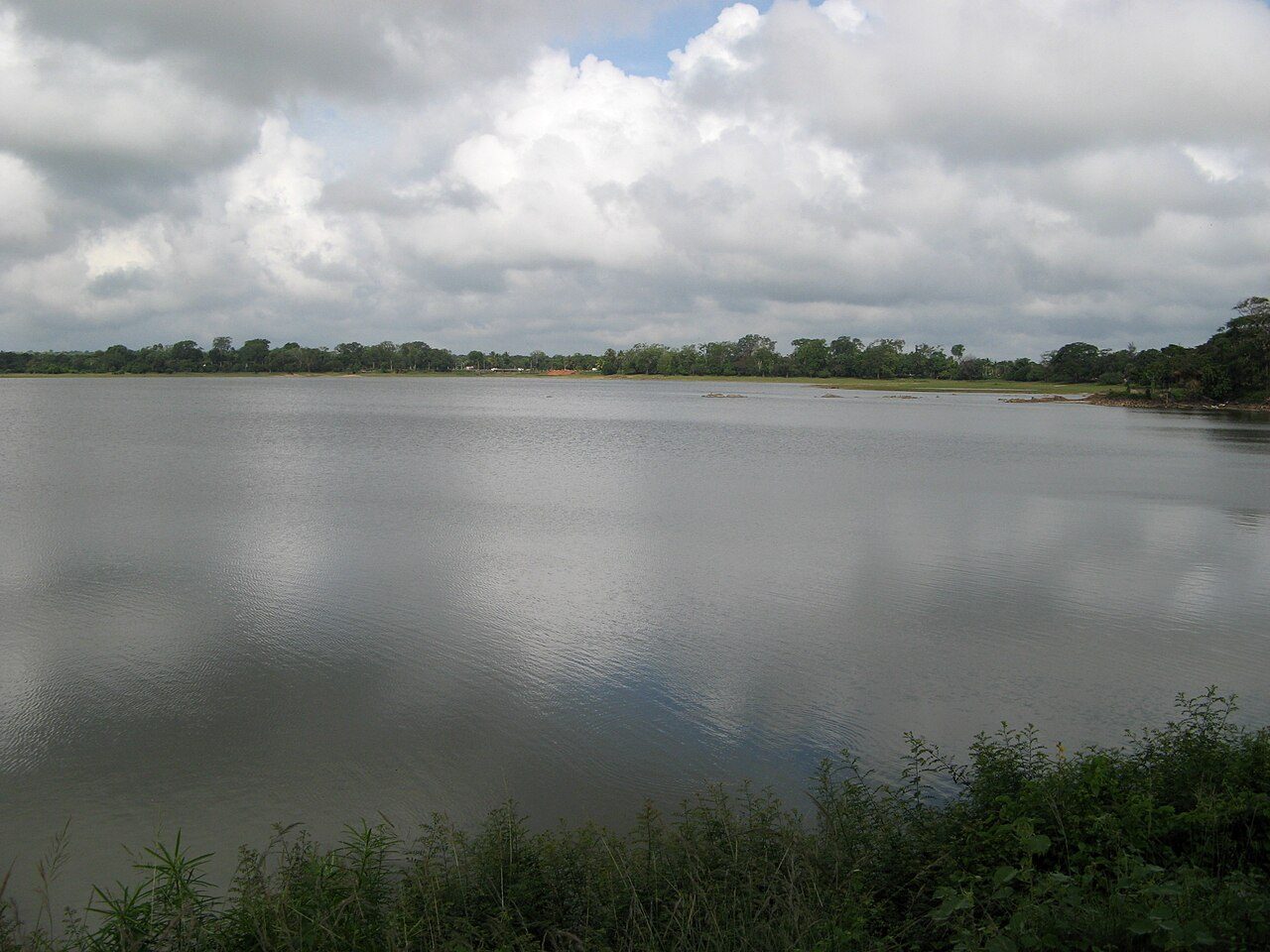
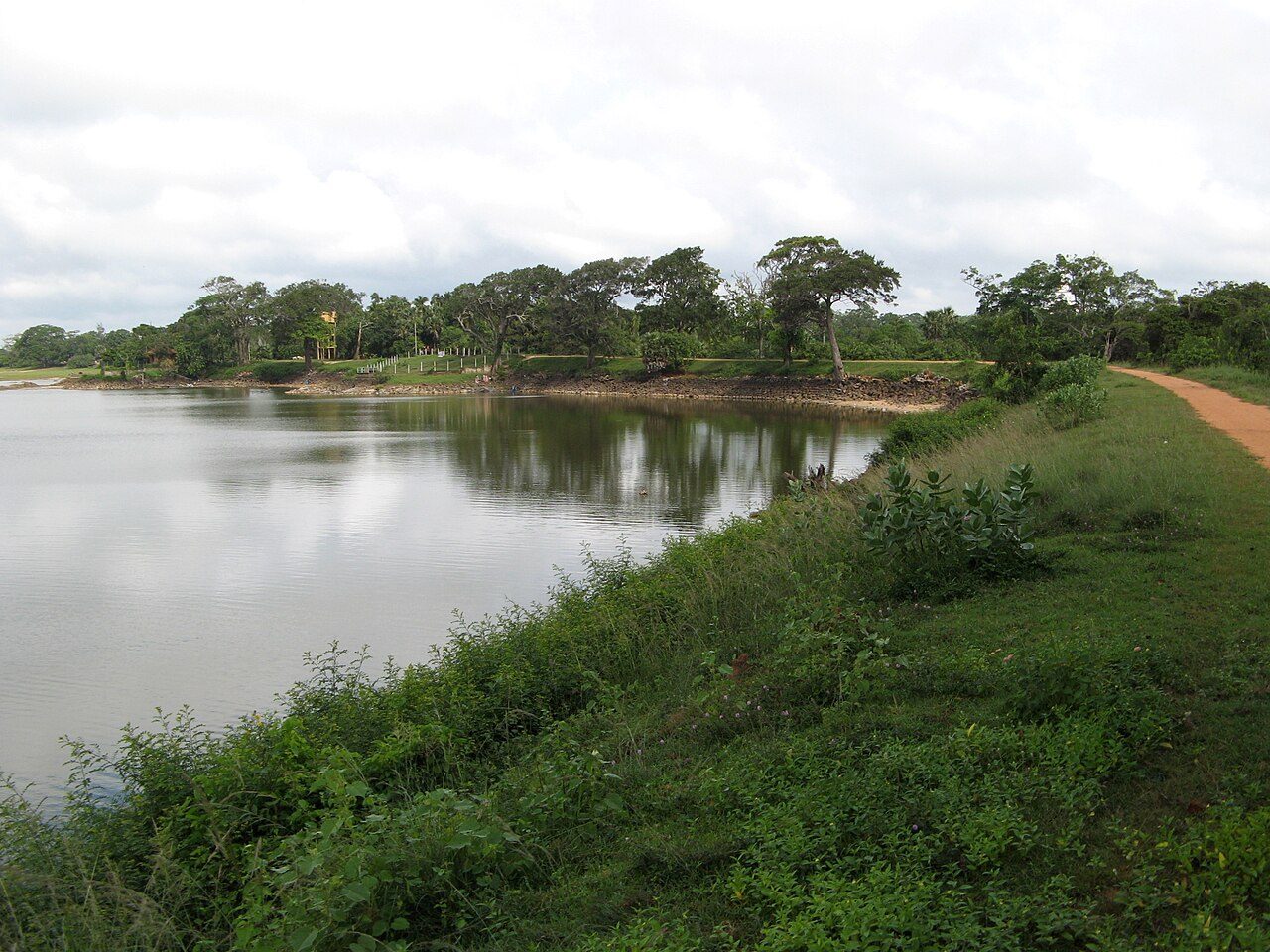
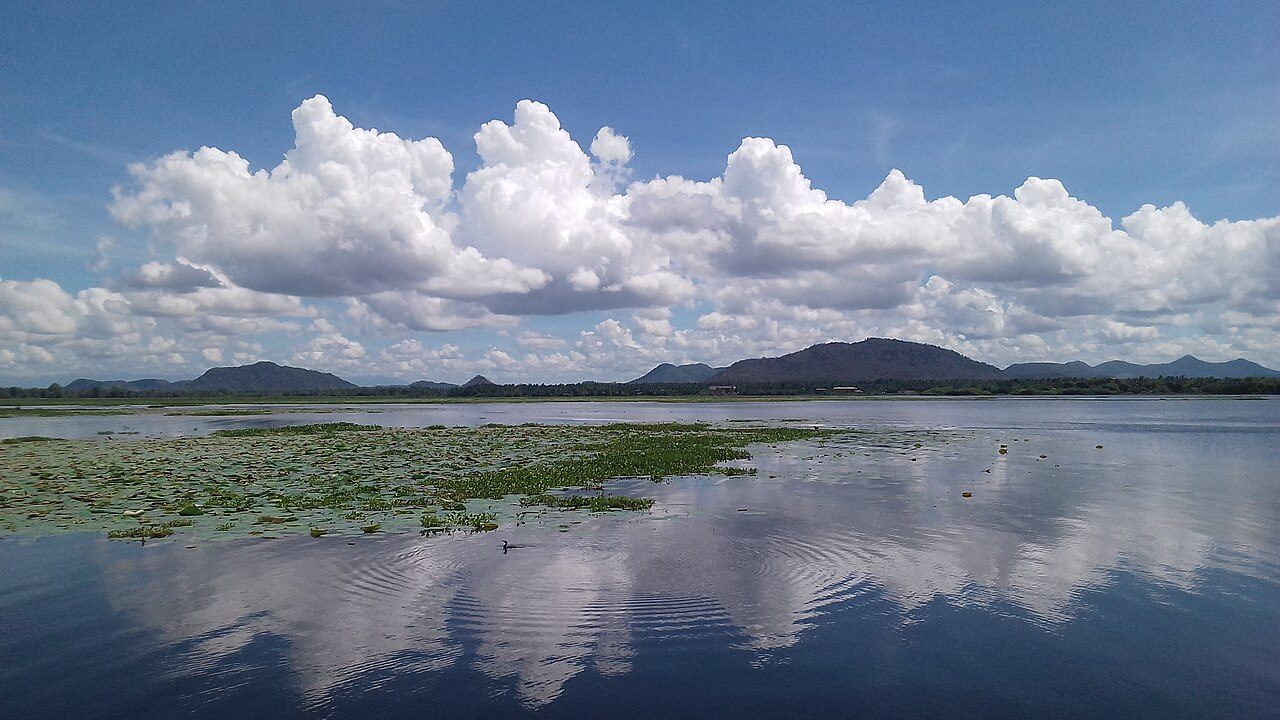
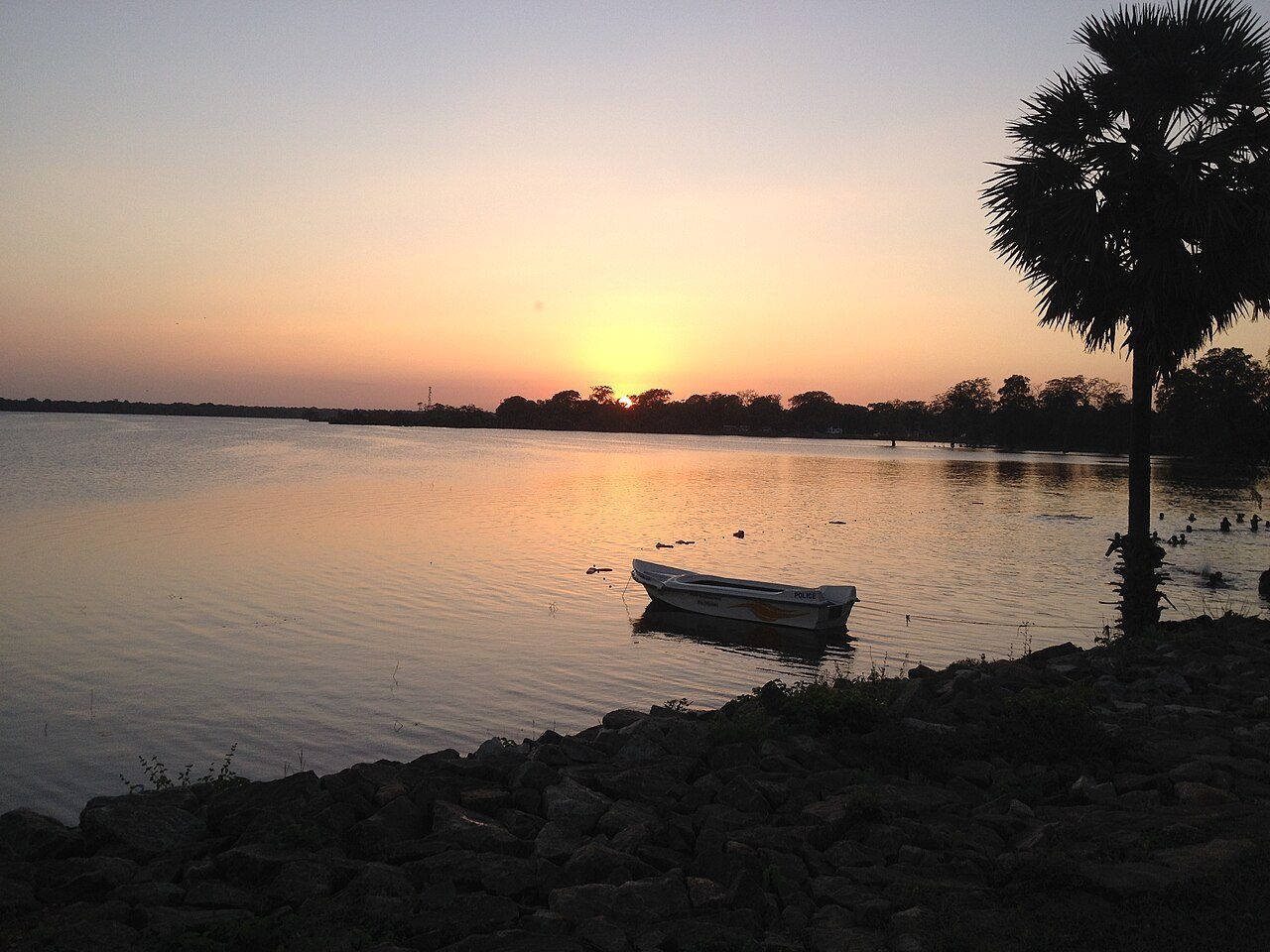
Tissa Wewa is an ancient reservoir at Tissamaharama, believed to have been built in the 3rd century BCE to irrigate the capital of the Ruhuna kingdom. The road along its embankment is shaded by huge old rain trees. Flocks of cormorants, pelicans and egrets roost here in the evening, and boats take visitors out at sunset.
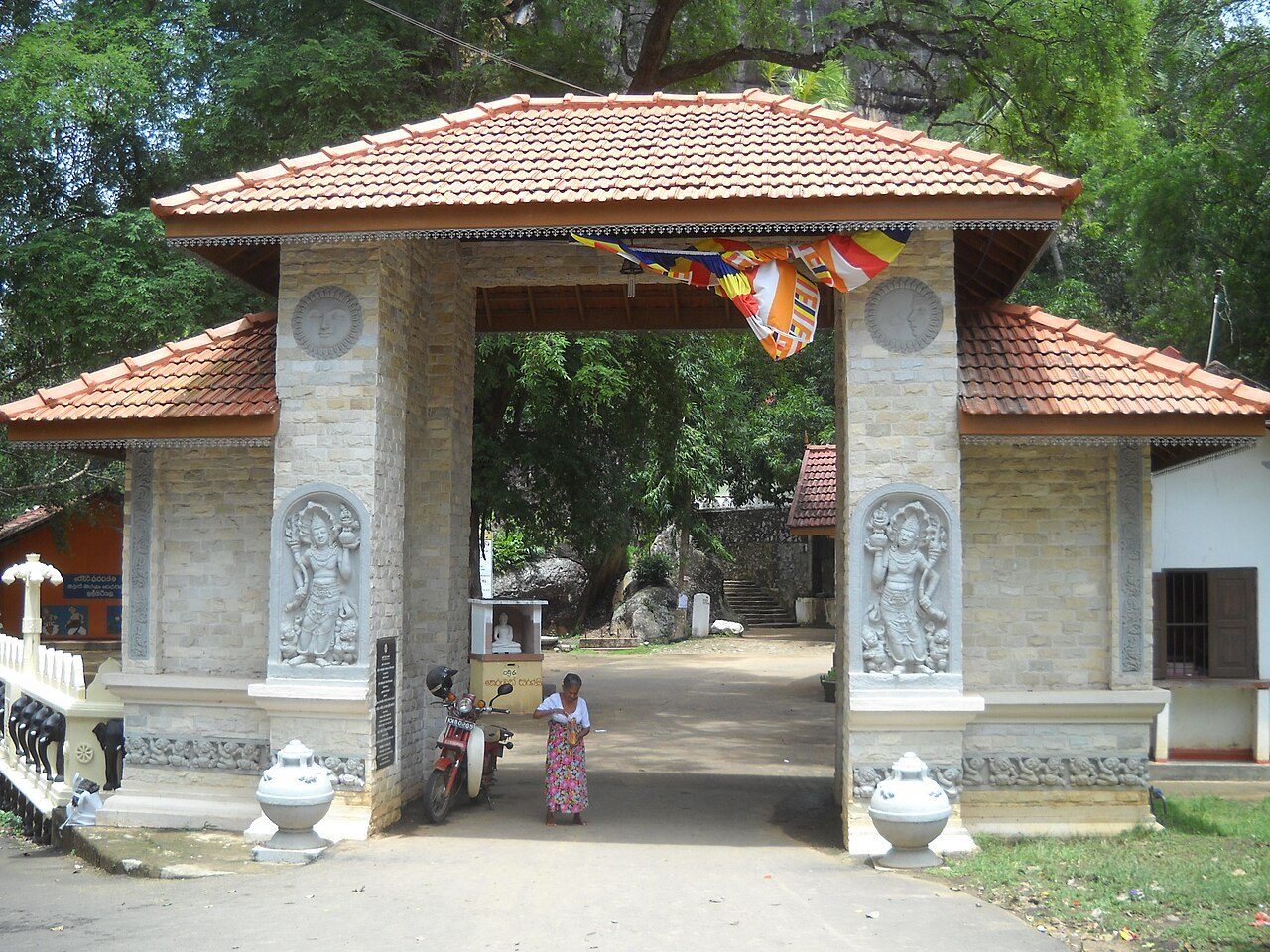
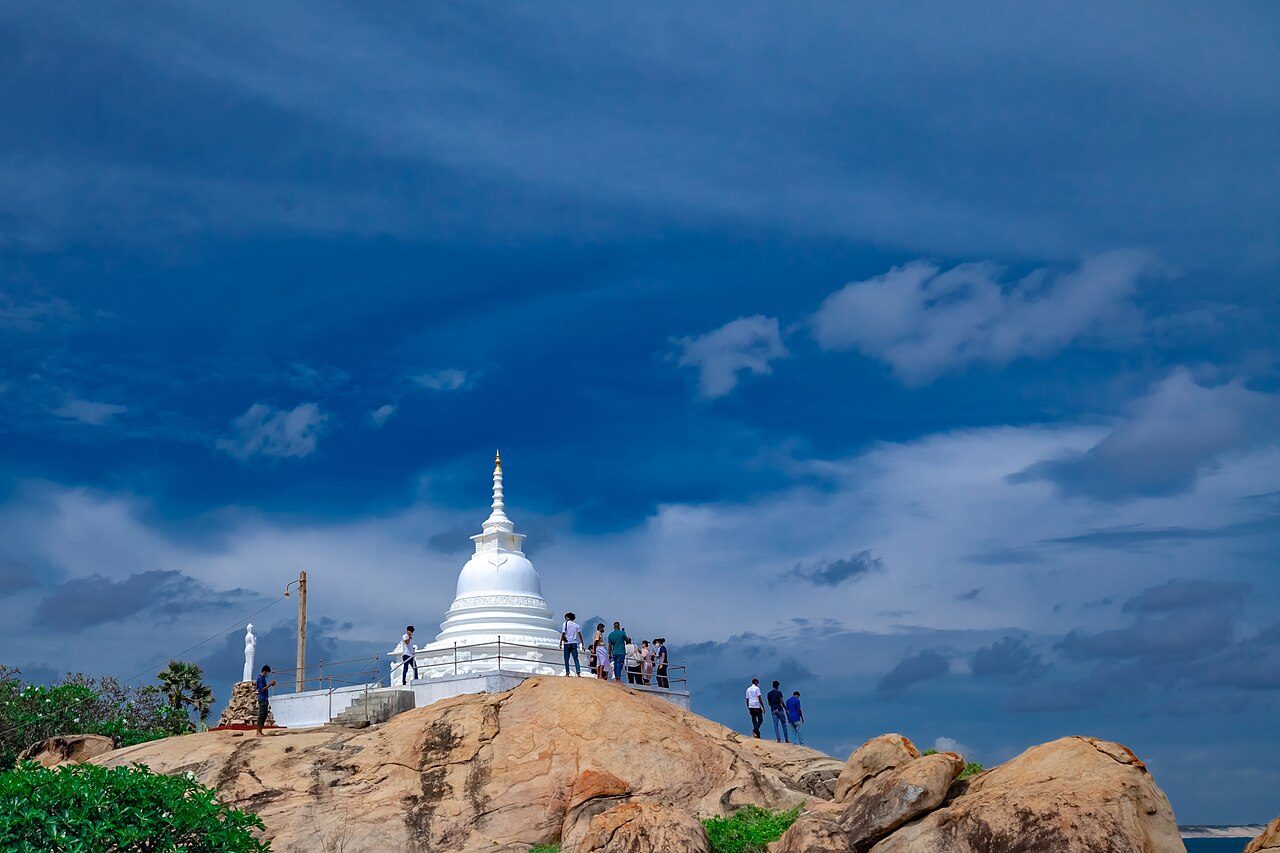
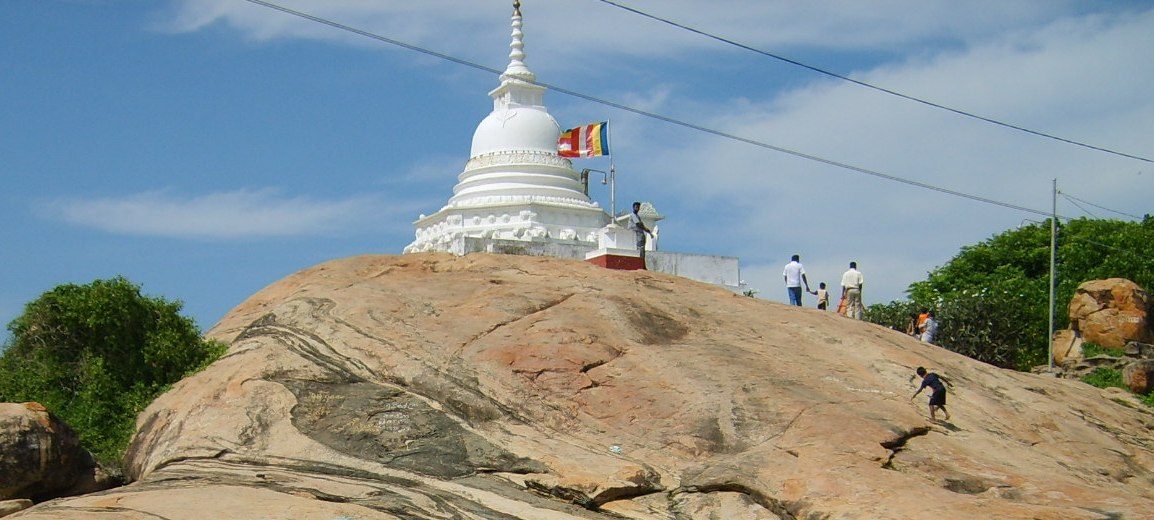
Kirinda Temple stands on a huge rock above the sea at the fishing village of Kirinda, about 10 km south of Tissamaharama. Legend says Princess Viharamahadevi, set adrift as an offering to calm the sea, came ashore here and married King Kavan Tissa. The white stupa and Buddha statue look over the coast towards Yala.
Best weather: Feb – MarHeavy rain: Oct – Dec
Seasons from 20 years of NASA POWER climate data.
Was this trip blog helpful?
0
0
Ready to follow this route?
Copy all 24 stops into your trip plans in the app.
 WaTrips