Sri Lanka's Faith Trail in 6 Days: Temples, Kovils, Mosques and Churches
6 DAYS17 placesby WaTrips
Gangaramaya, Jami Ul-Alfar and Wolvendaal, Kelaniya, Negombo and Munneswaram, the Bodhi tree, Dambulla, the Temple of the Tooth, Adam's Peak and Kataragama.
Sri Lanka's four great faiths often share the same sacred places. Day one in Colombo visits Gangaramaya Temple, the Jami Ul-Alfar Mosque and Wolvendaal Church. Day two goes to Kelaniya, St. Mary's Church in Negombo and the Munneswaram kovil. Day three is Anuradhapura's sacred Bodhi tree and Mihintale. Day four visits Dambulla's cave temples, the Muthumariamman kovil in Matale and Kandy's Temple of the Tooth. Day five climbs Adam's Peak, holy to Buddhists, Hindus, Muslims and Christians alike, and day six ends at Kataragama, a shrine shared by several faiths. Dress modestly, and remove shoes and hats at temples.
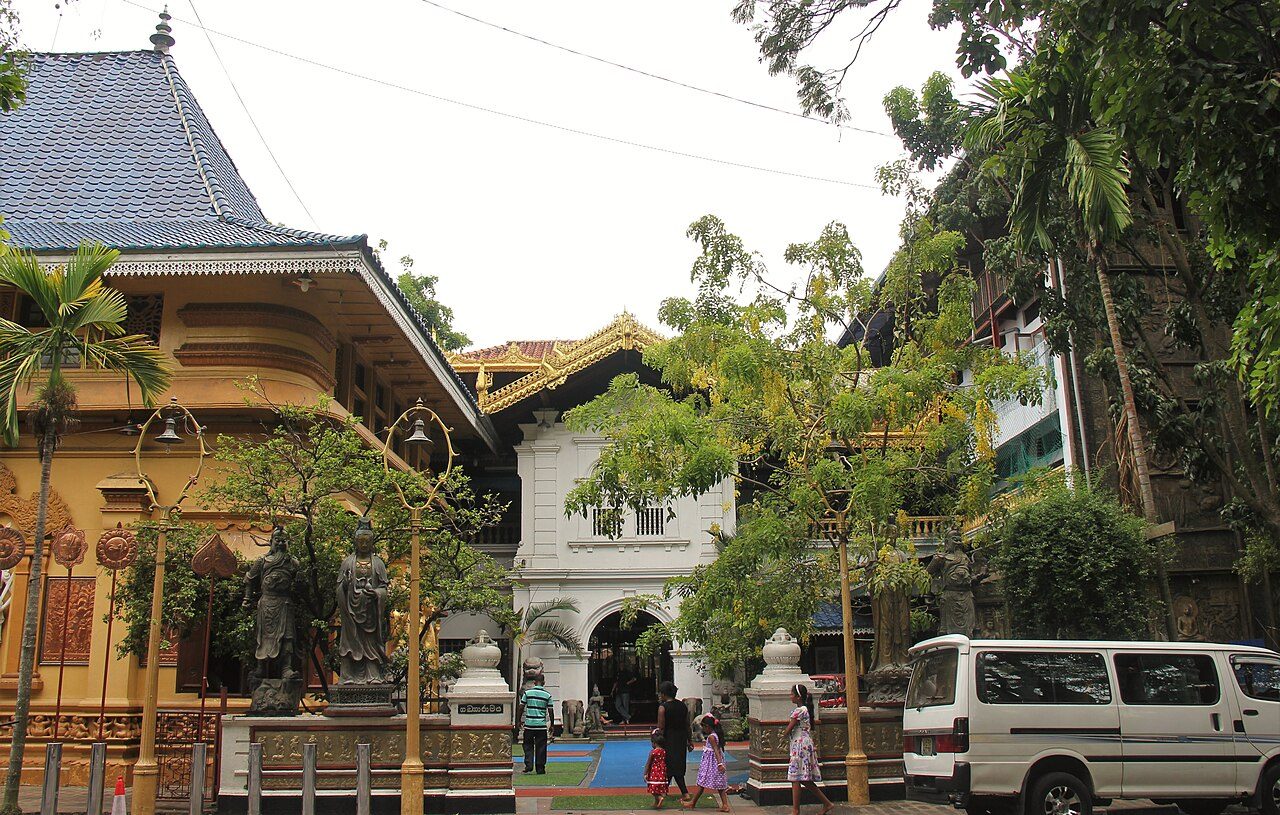
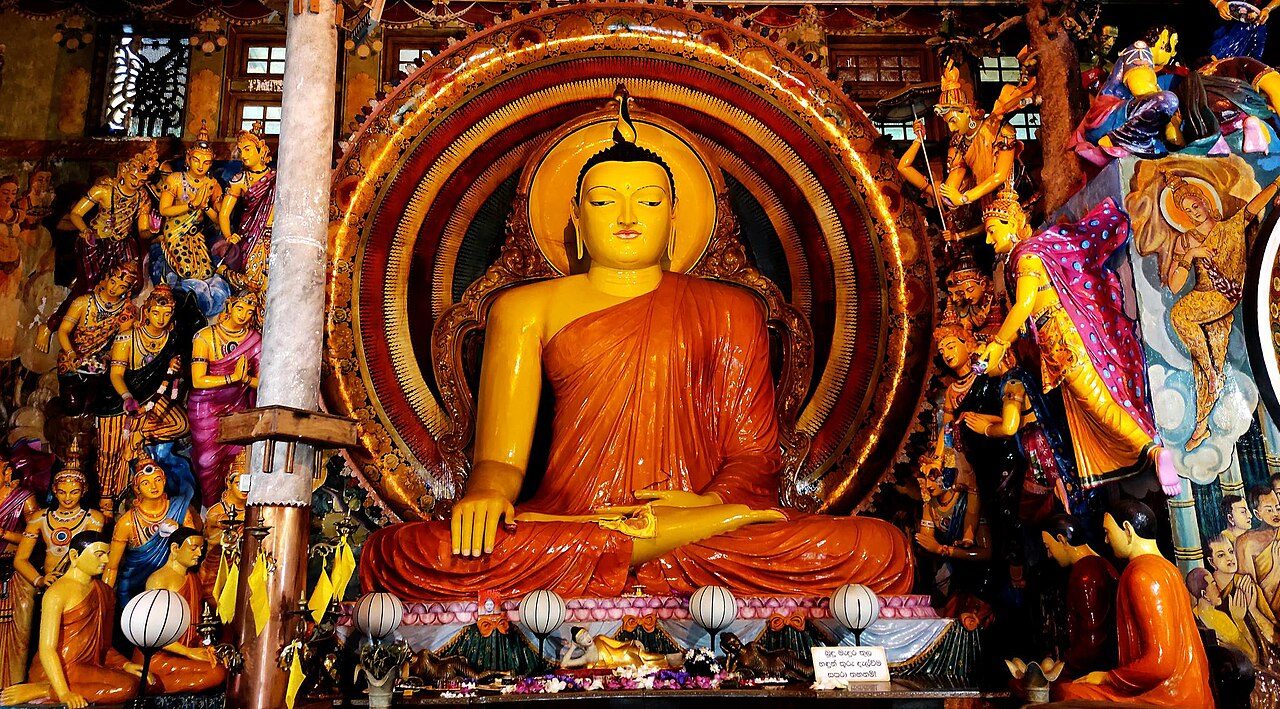
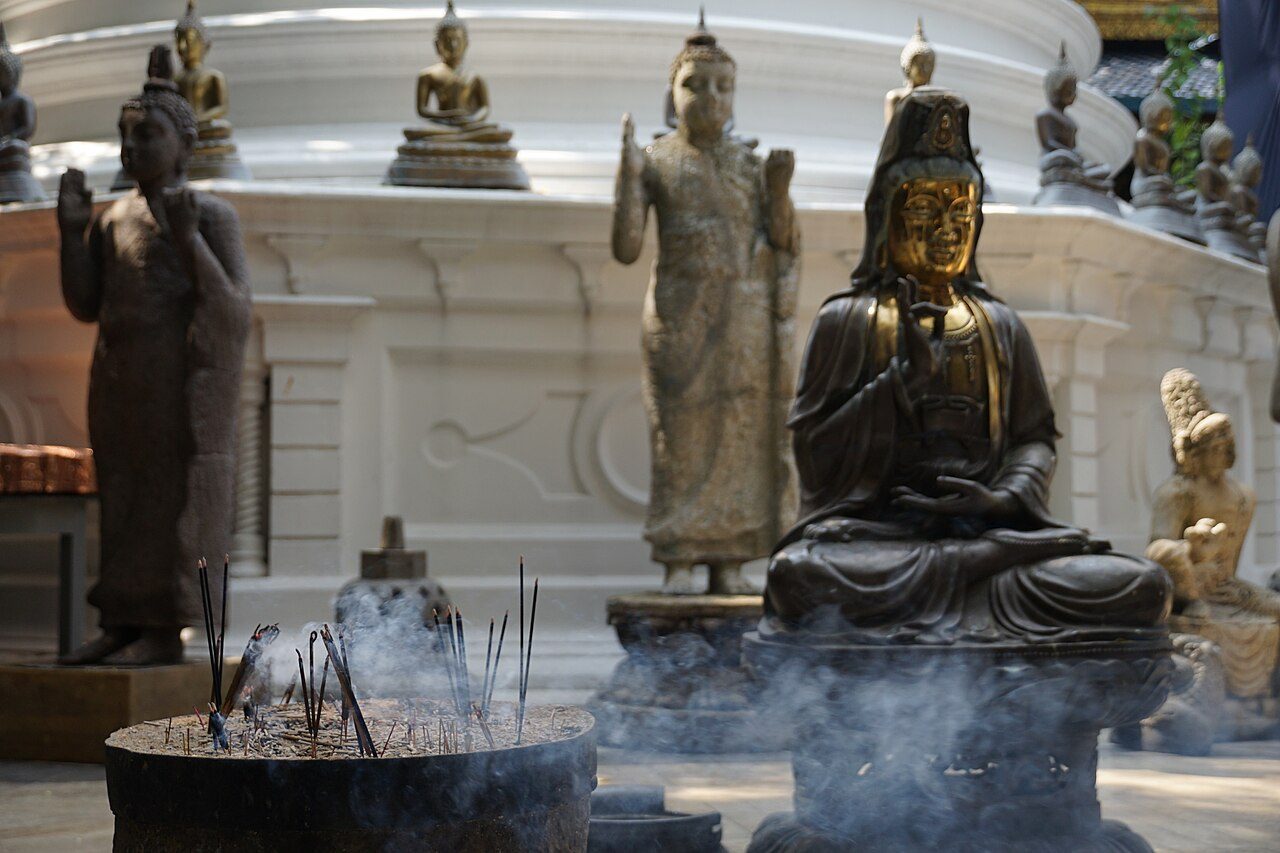
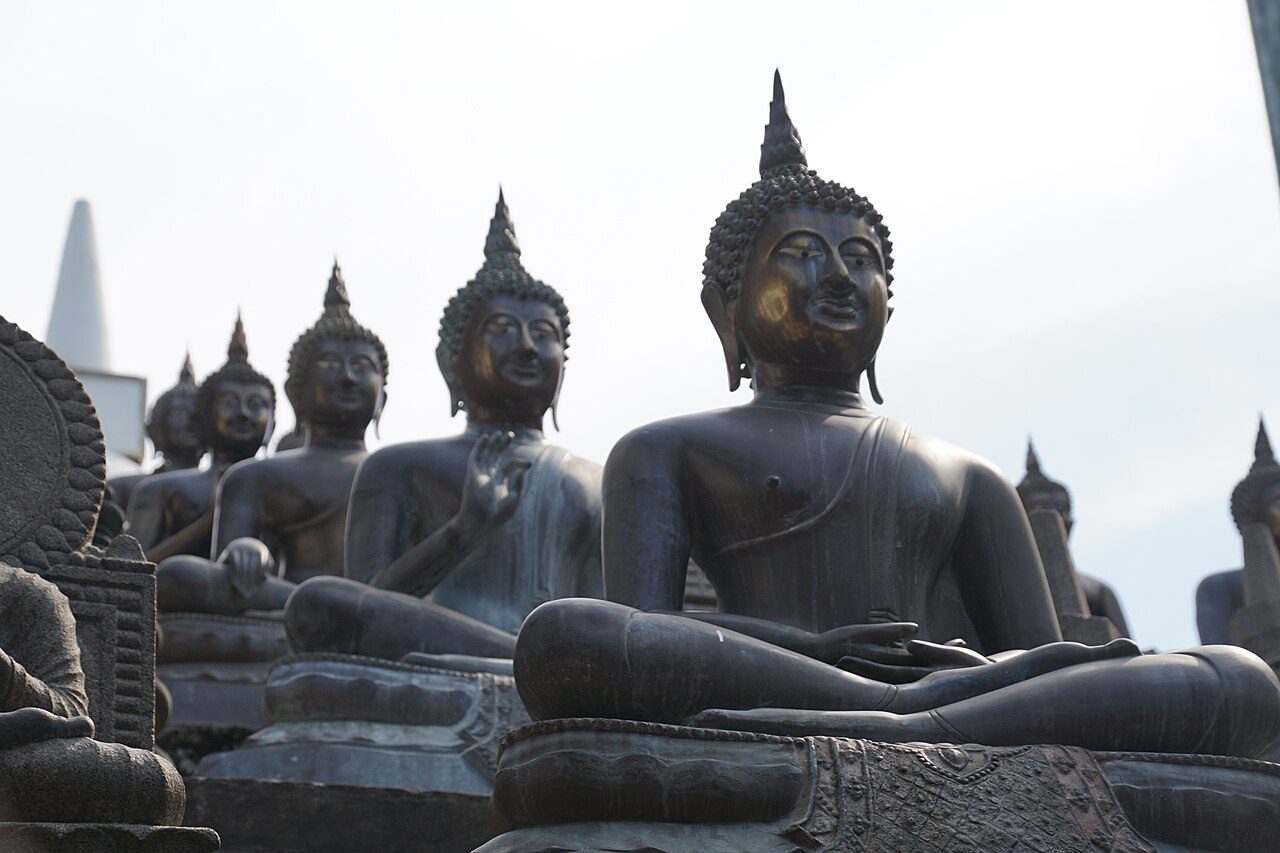
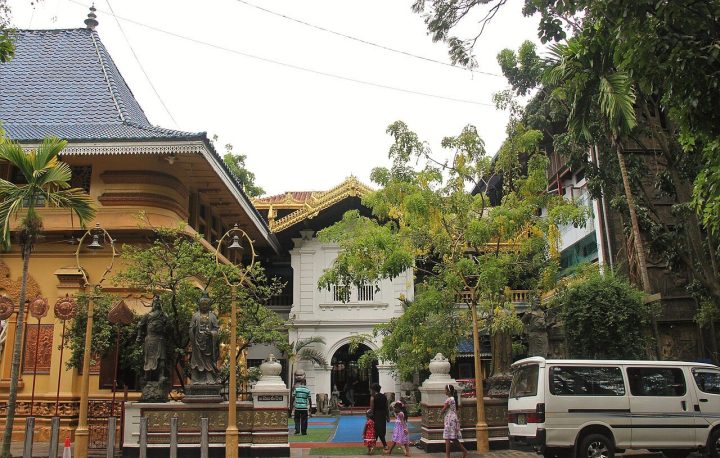
Gangaramaya Temple, beside Beira Lake in central Colombo, was founded in the late 19th century by the scholar-monk Hikkaduwe Sri Sumangala. Its buildings mix Sri Lankan, Thai, Indian and Chinese styles, and a crowded museum holds gifts from devotees, from Buddha images to vintage cars. The temple organises the Navam Perahera procession each February.
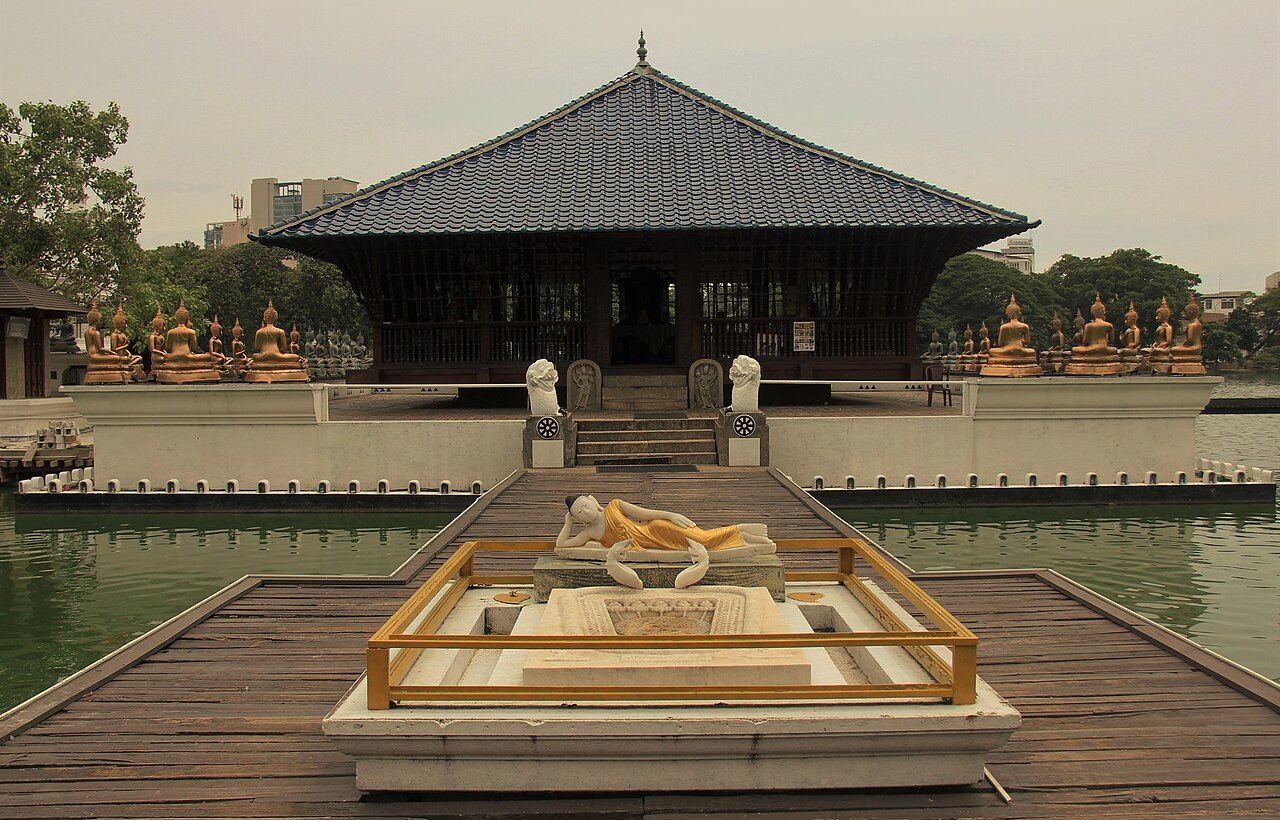
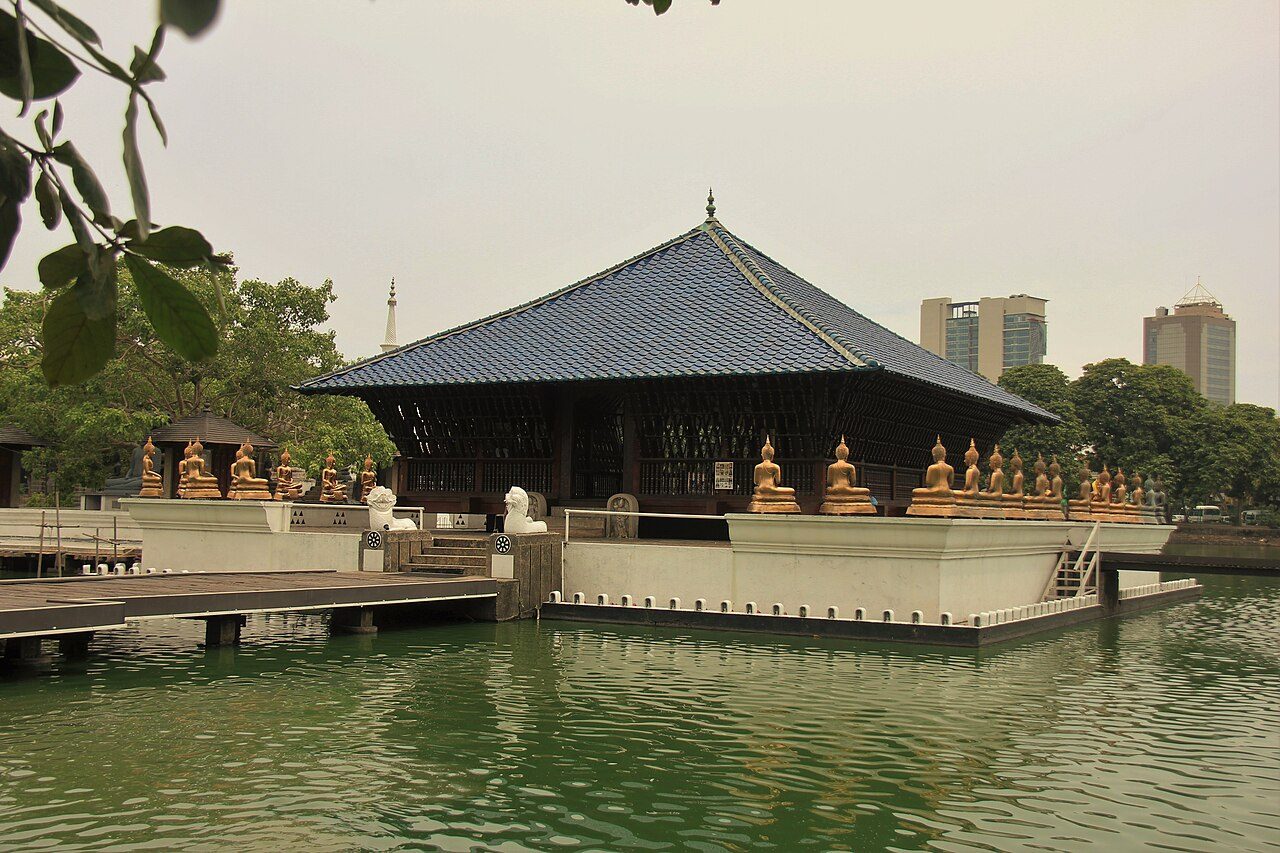
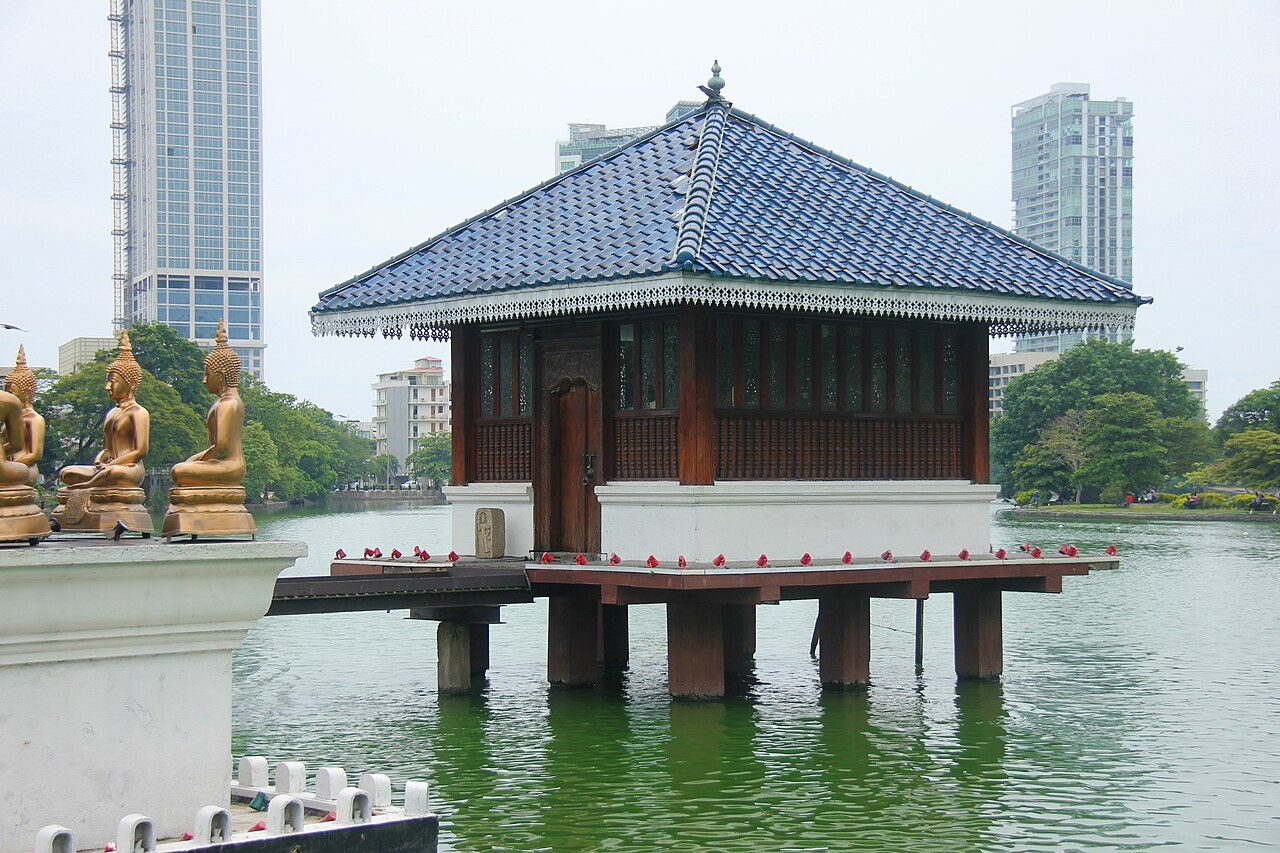
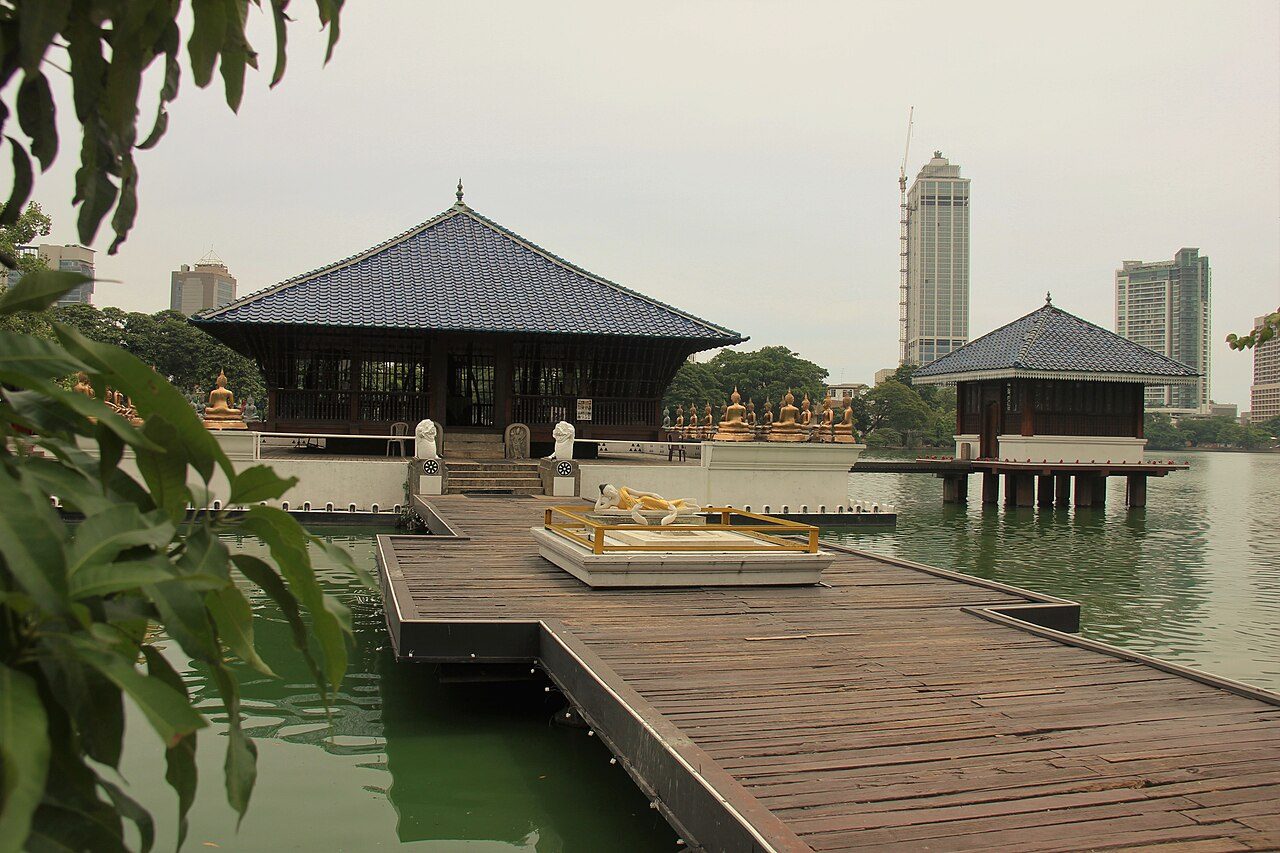
Seema Malaka is a small Buddhist temple on platforms in Beira Lake, Colombo, linked to the shore by a wooden walkway. Part of Gangaramaya Temple, it is used mainly for meditation and for ordaining monks. The present structure, built in the late 1970s after the earlier one sank, was designed by the Sri Lankan architect Geoffrey Bawa.
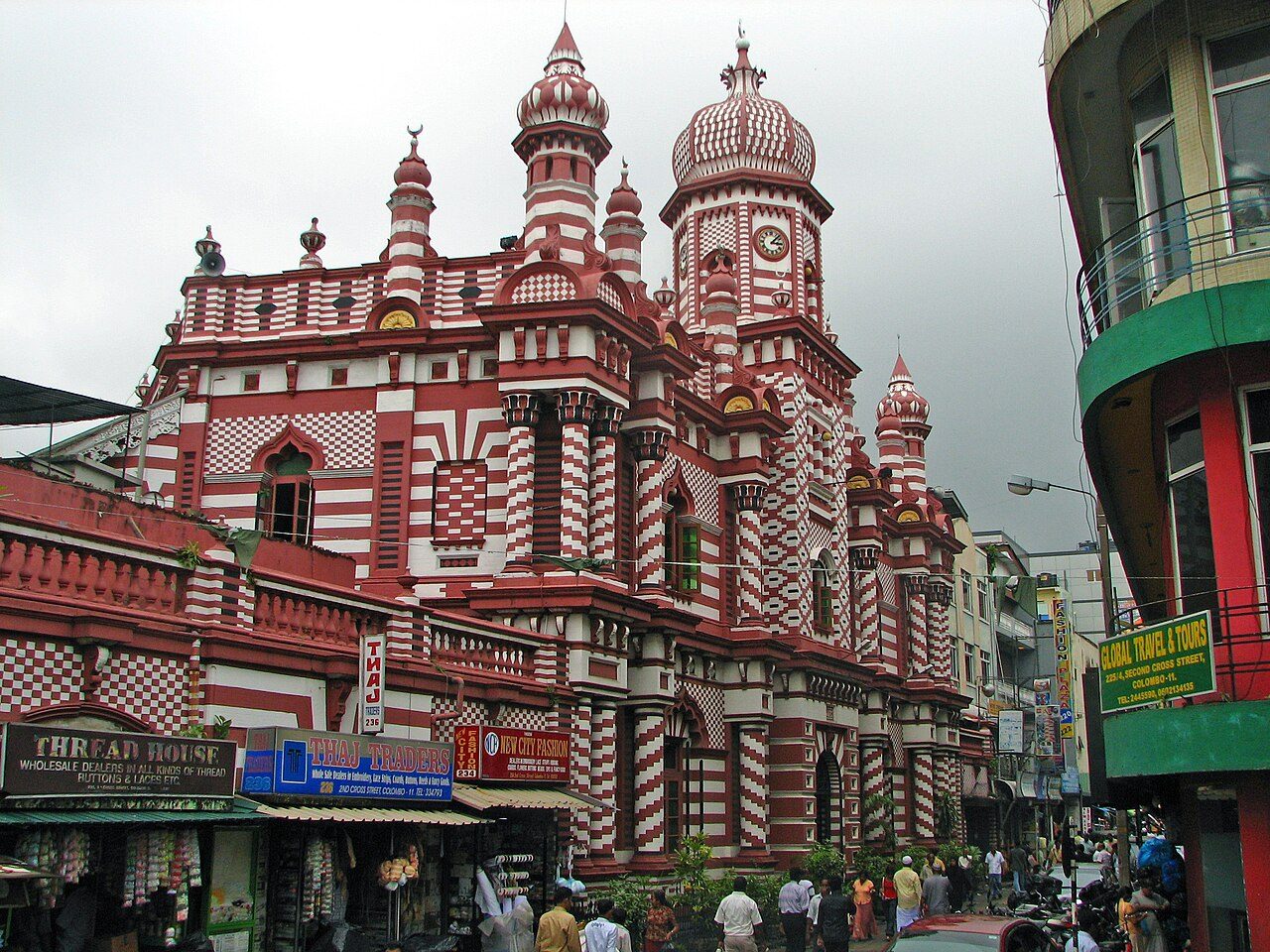
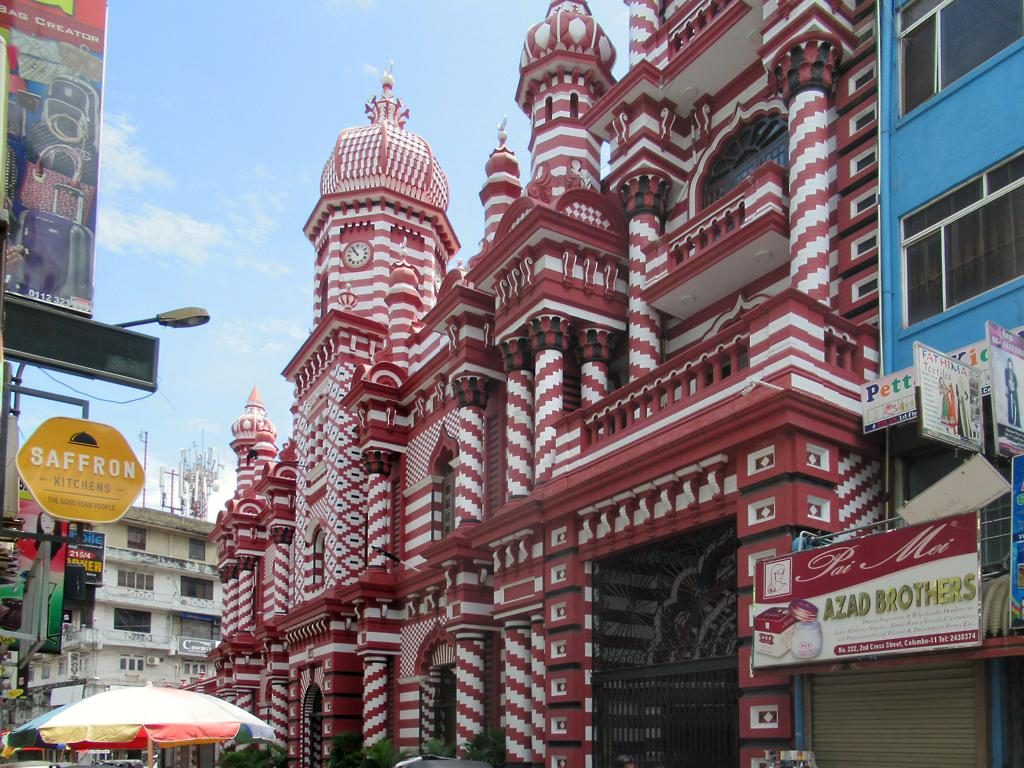
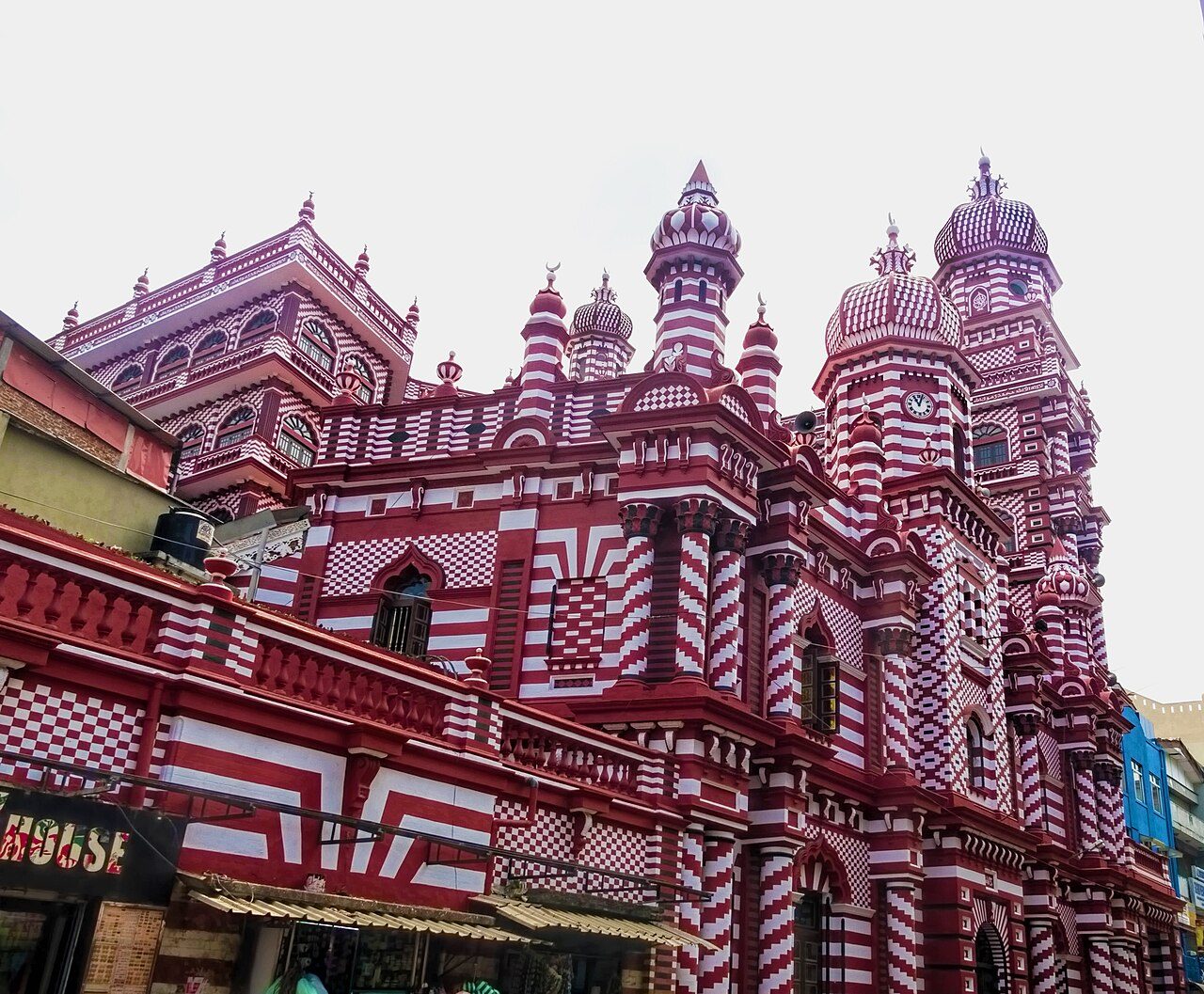
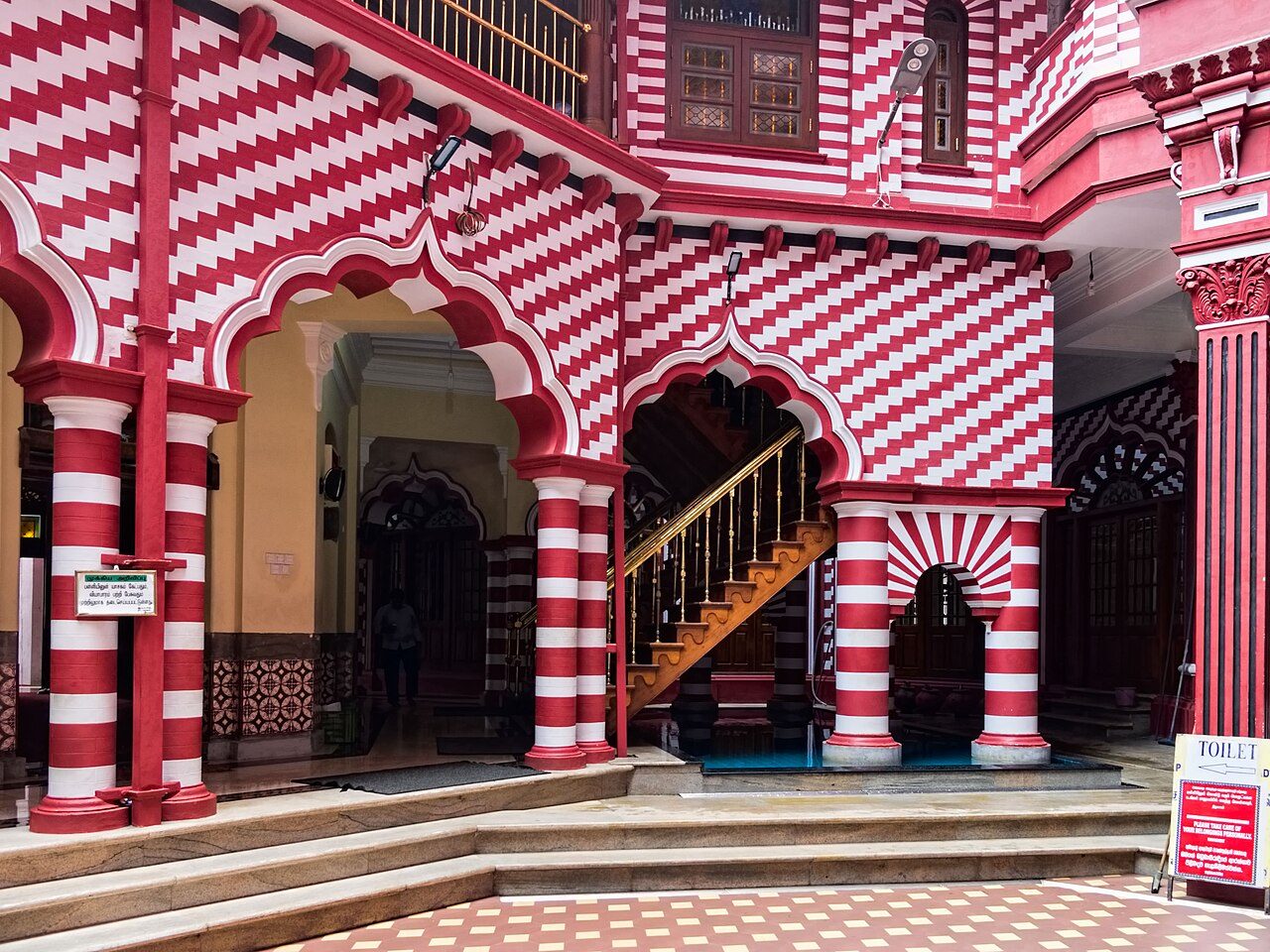
Jami Ul-Alfar Mosque, known as the Red Mosque, stands in the crowded Pettah market district of Colombo. Completed in 1909, it was designed by Habibu Labbe Saibu Labbe and built by the local Indian Muslim community. Its red and white candy-striped brickwork, onion and pomegranate-shaped domes and clock tower make it one of the most photographed buildings in the city.
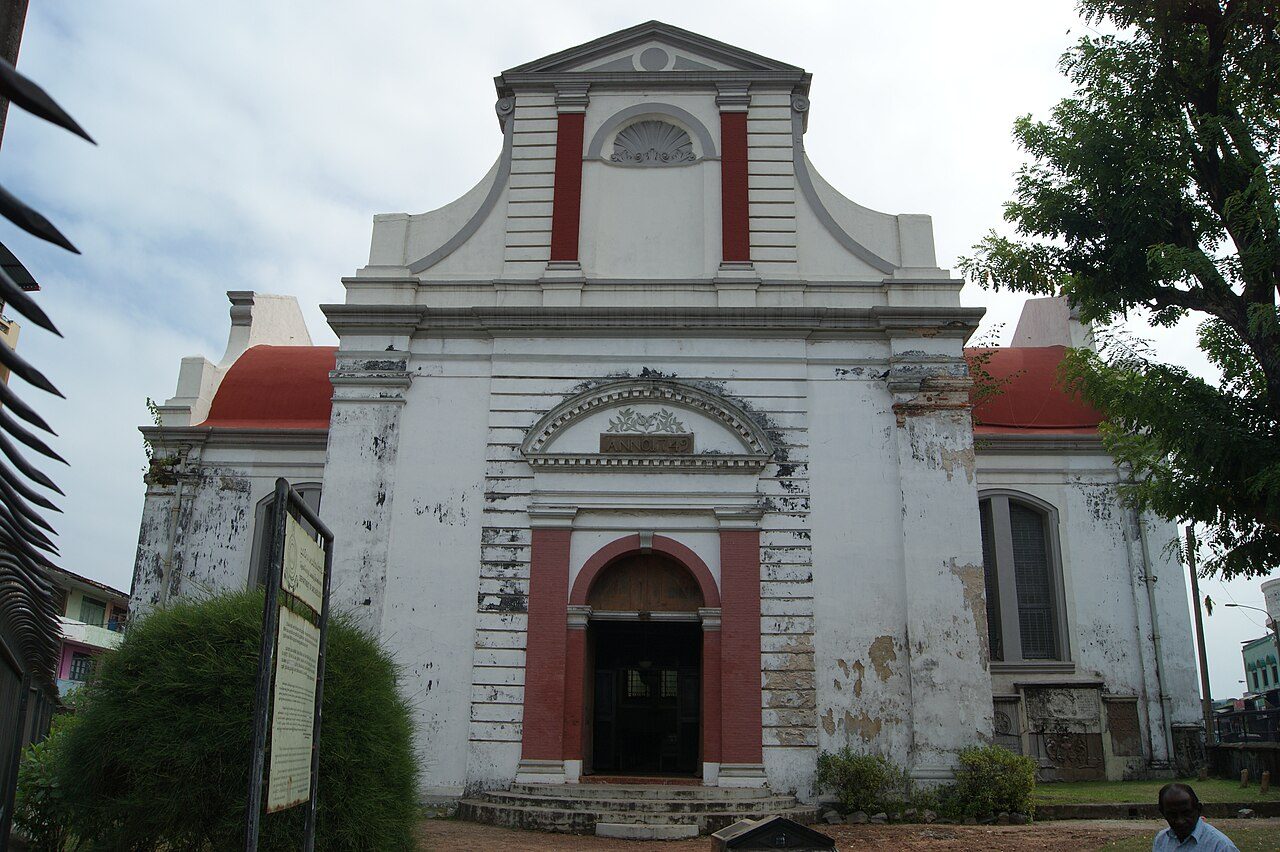
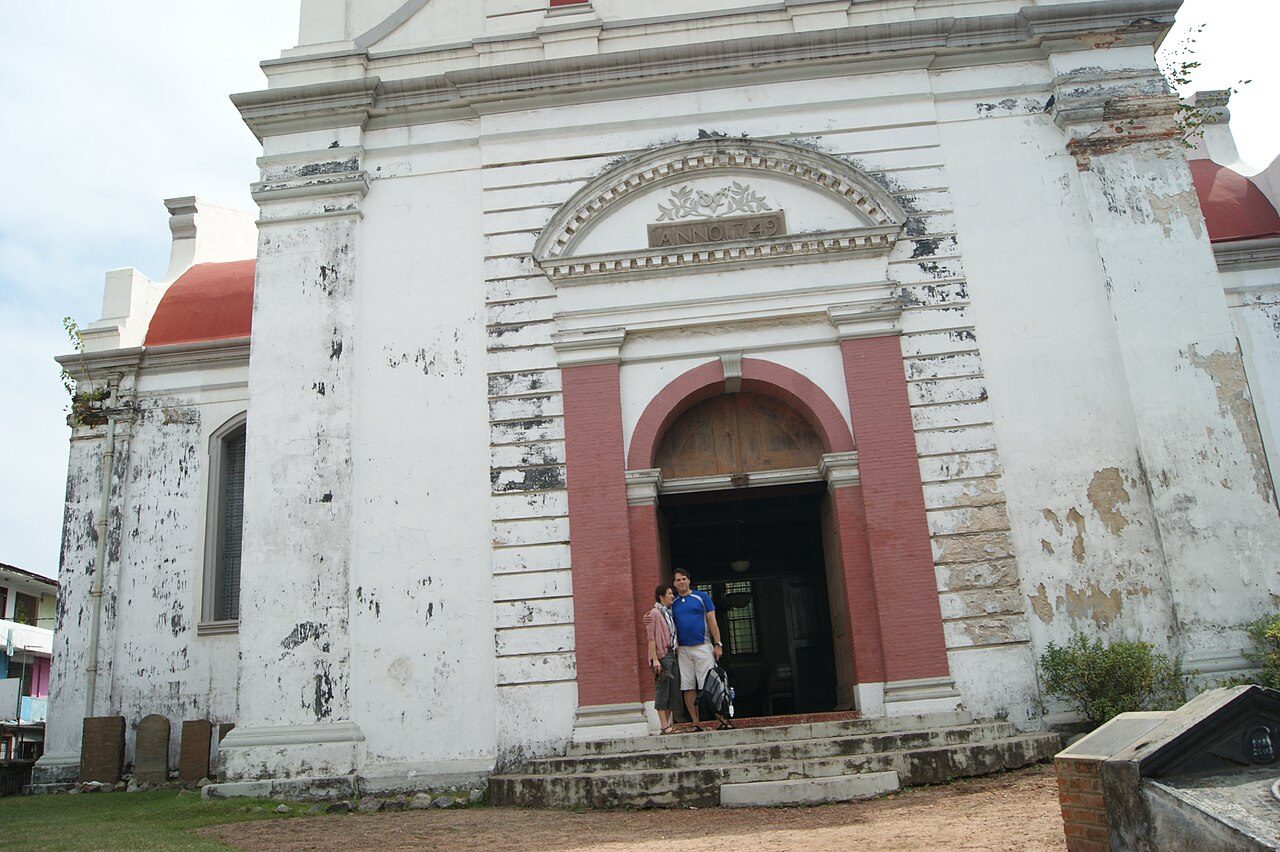
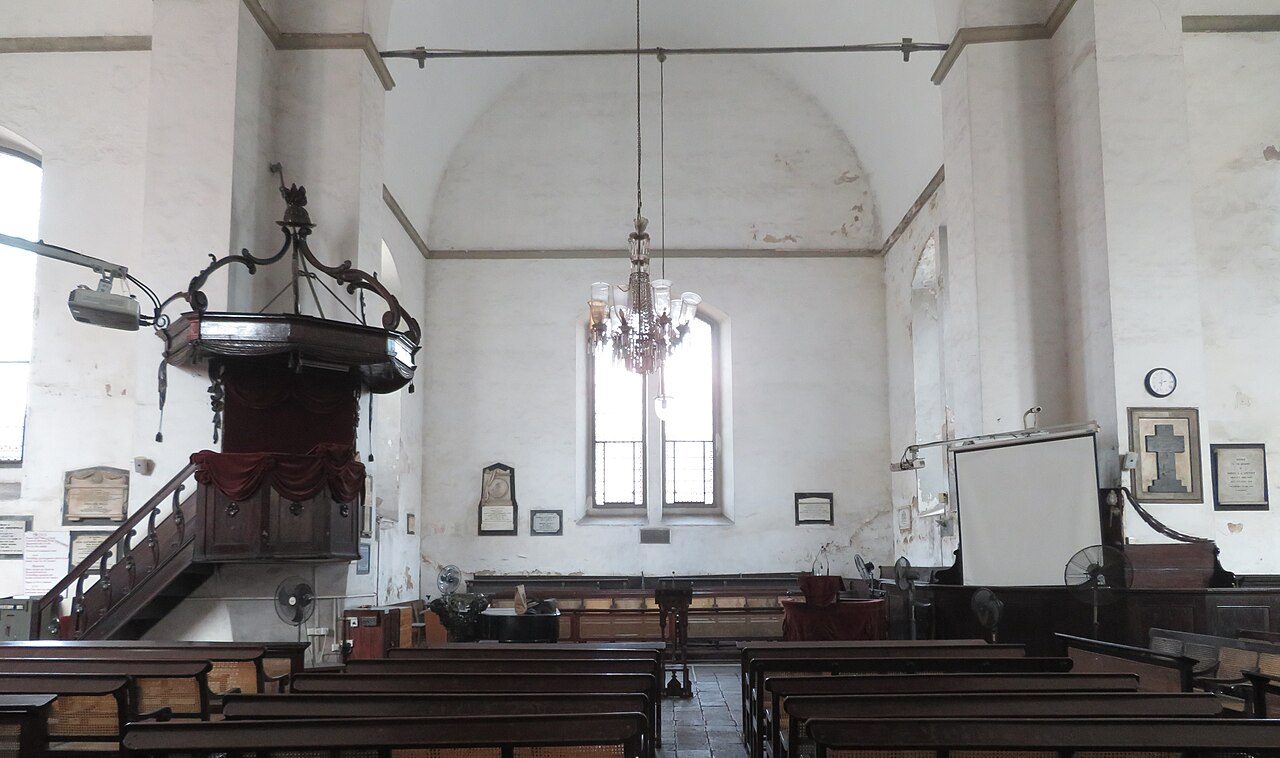
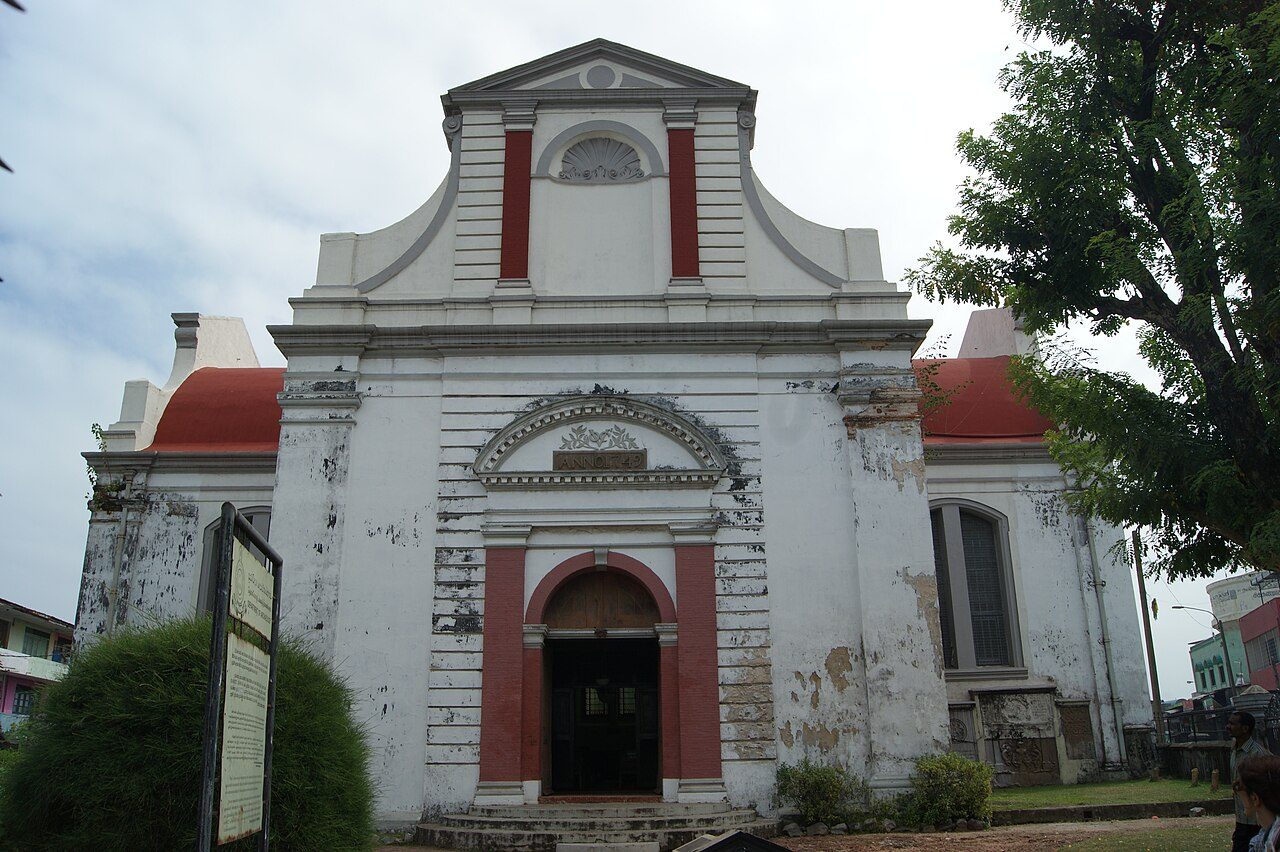
Wolvendaal Church in Colombo is one of the oldest Protestant churches still in use in Sri Lanka. The Dutch began building it in 1749 and completed it in 1757, on a hill then outside the city. Built in the shape of a Greek cross with thick walls, it keeps old Dutch furniture, a carved pulpit and floor tombstones of Dutch governors moved here from the fort.
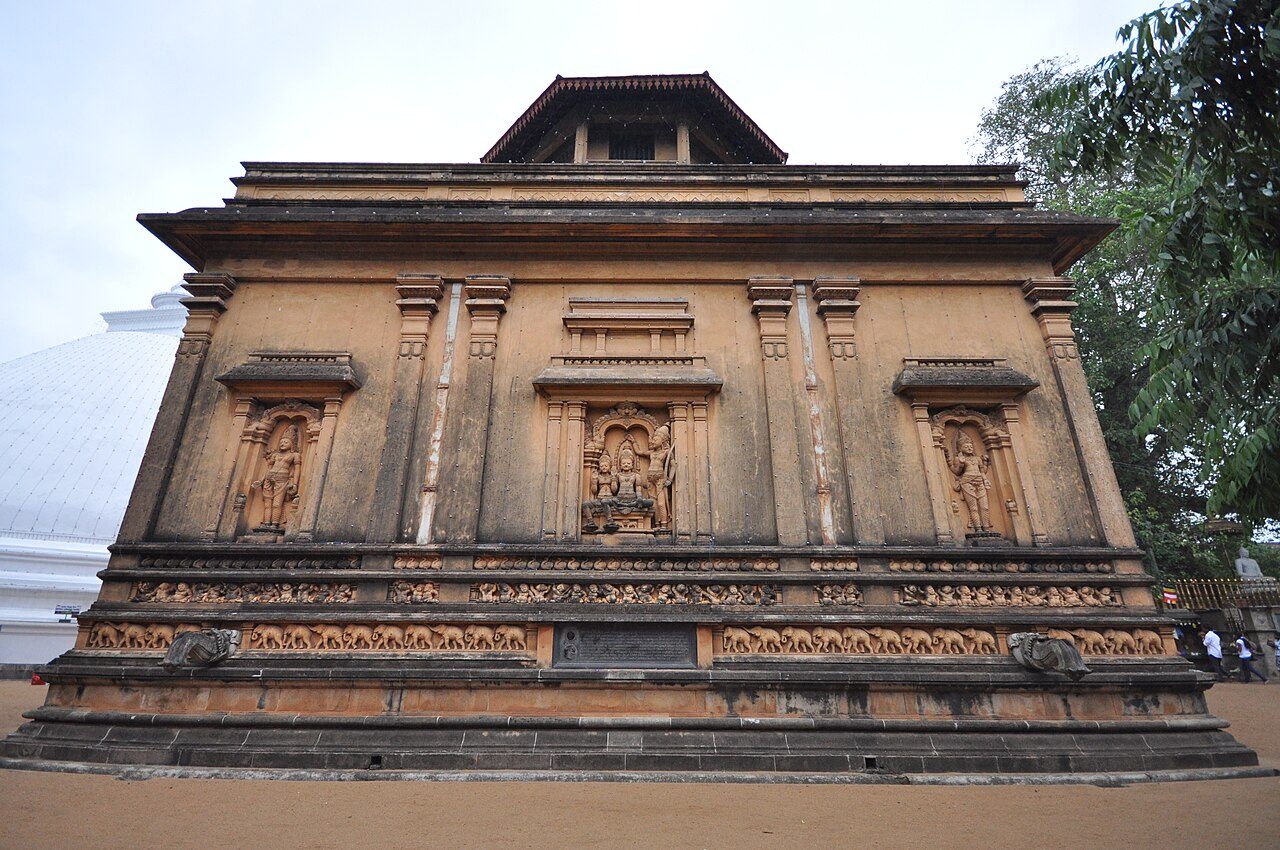
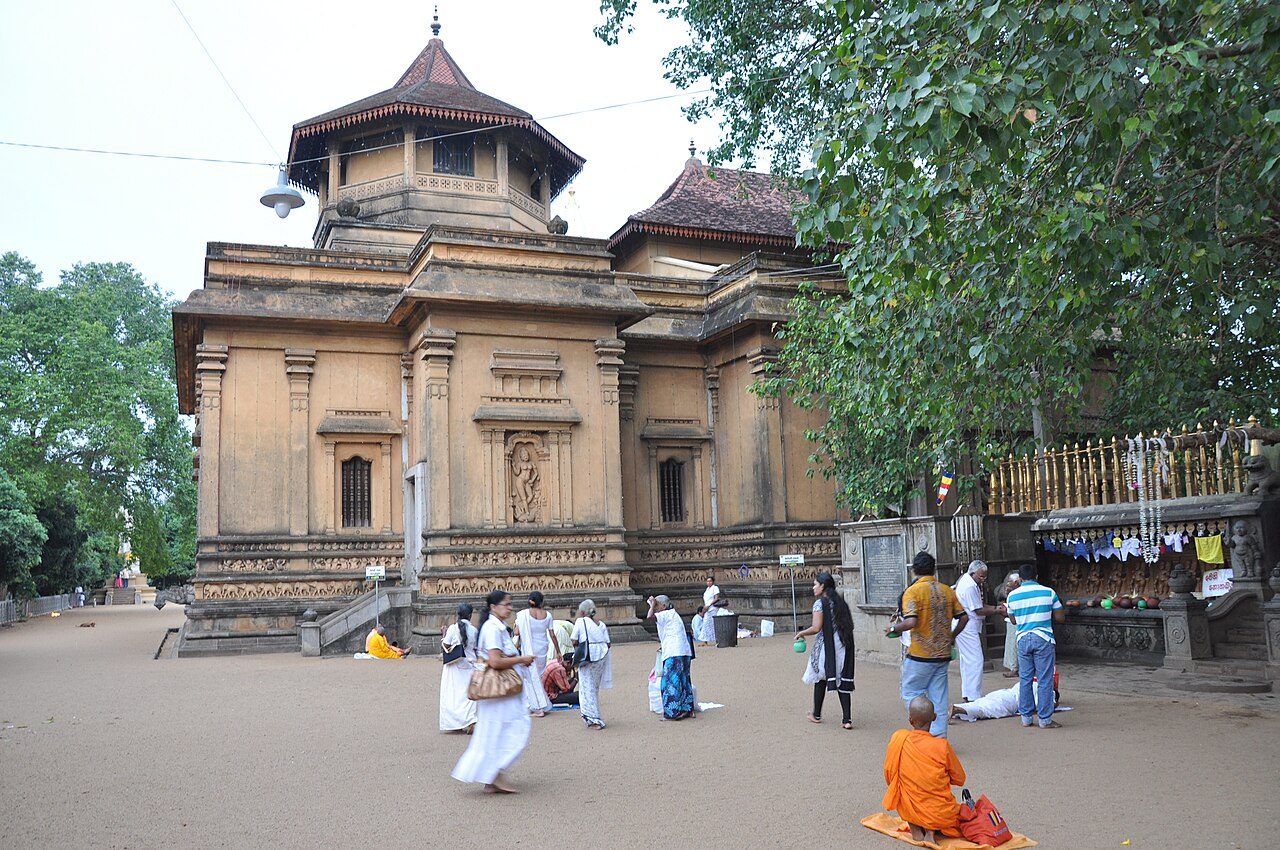
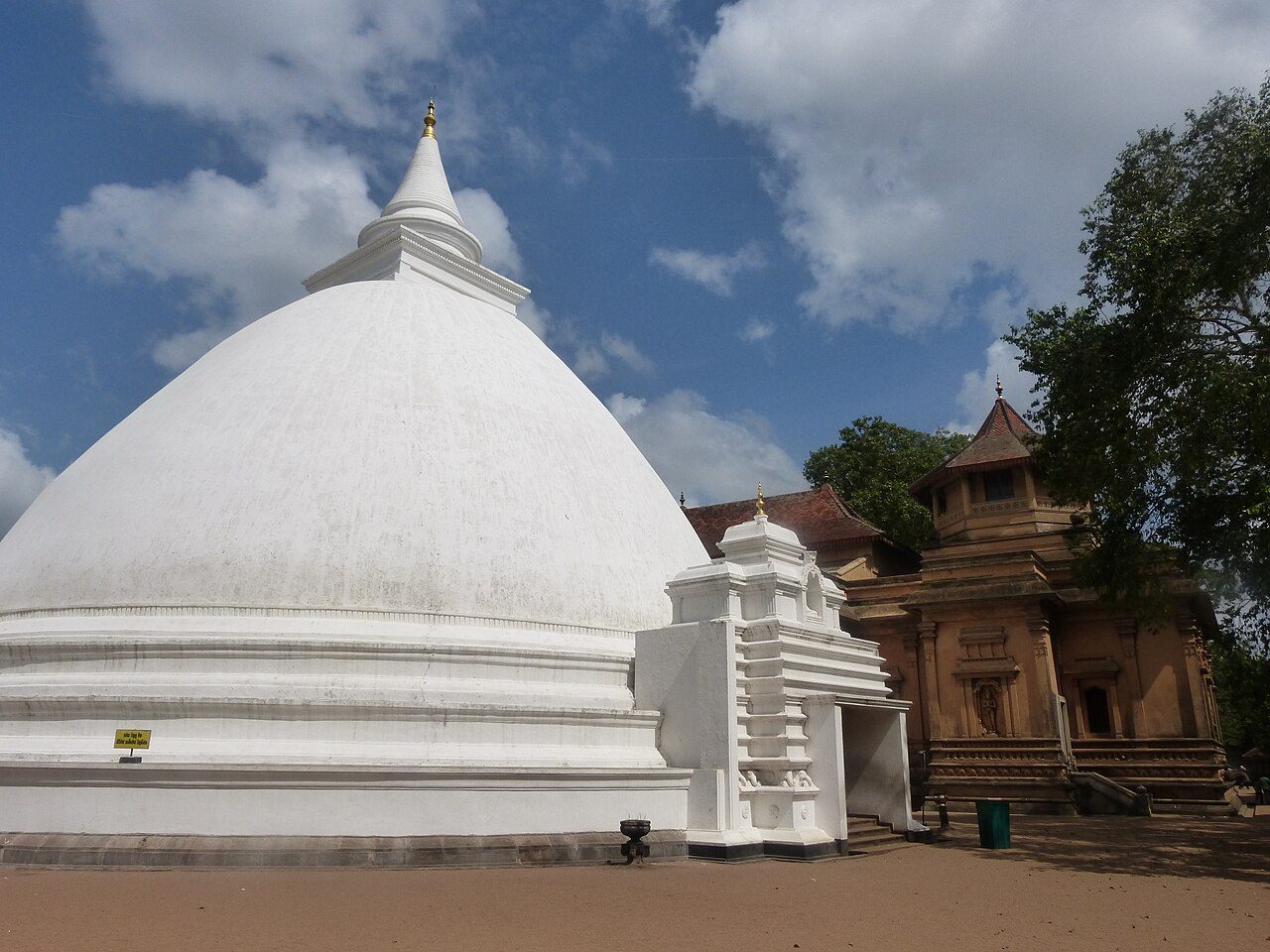
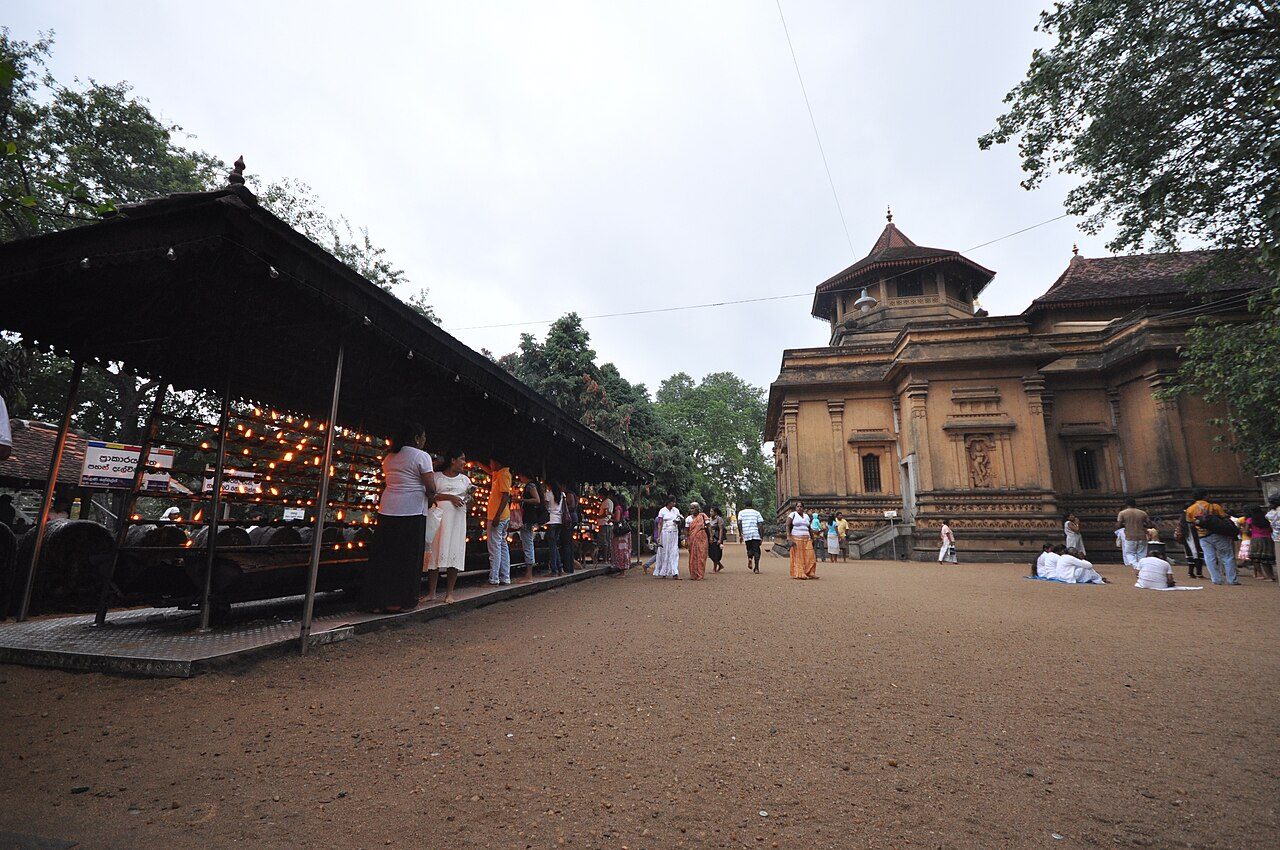
Kelaniya Raja Maha Vihara stands beside the Kelani River about 10 km from Colombo. Buddhists believe the Buddha visited this spot on his third visit to the island. The old temple was destroyed in the Portuguese period and rebuilt later; its image house is famous for 20th-century murals by Solias Mendis. The Duruthu Perahera is held here each January.
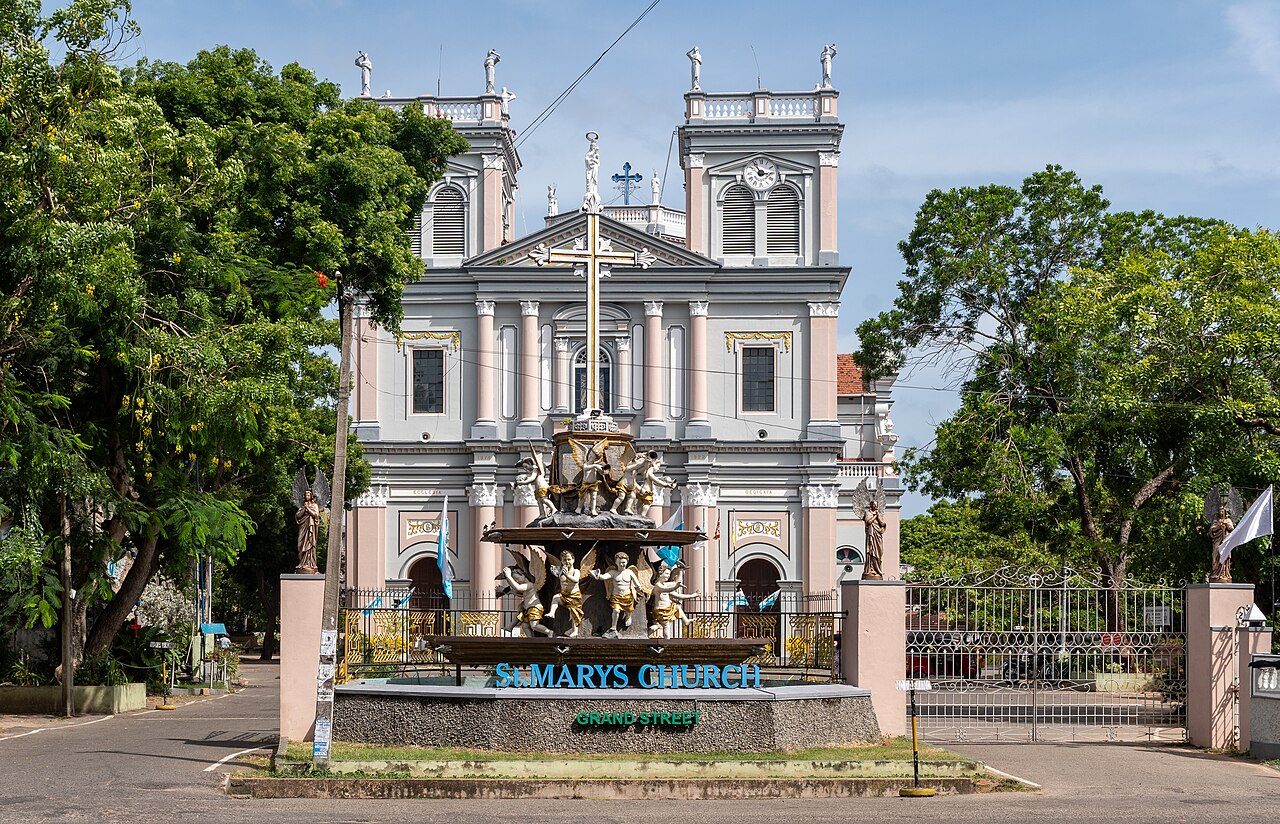
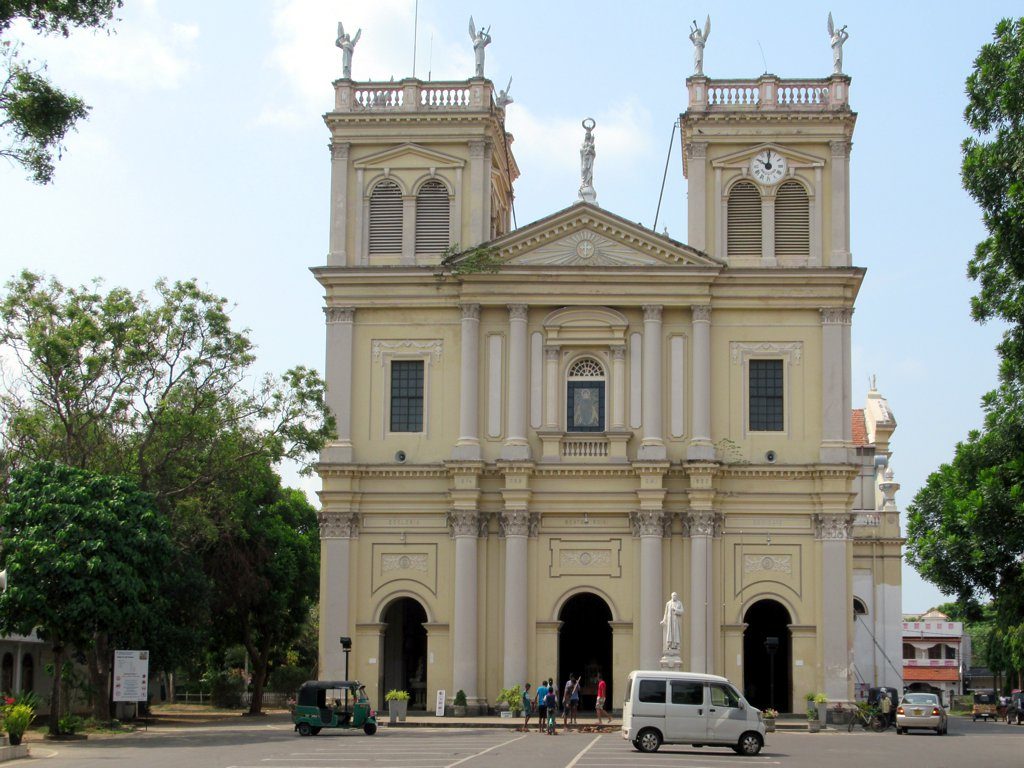
St. Mary's Church is one of the largest churches in Negombo, a town with so many Catholic churches that it is nicknamed Little Rome. Building started in 1874 and took several decades to finish. The neoclassical front has tall columns, and the ceiling inside is covered with paintings of the life of Christ by a local artist.
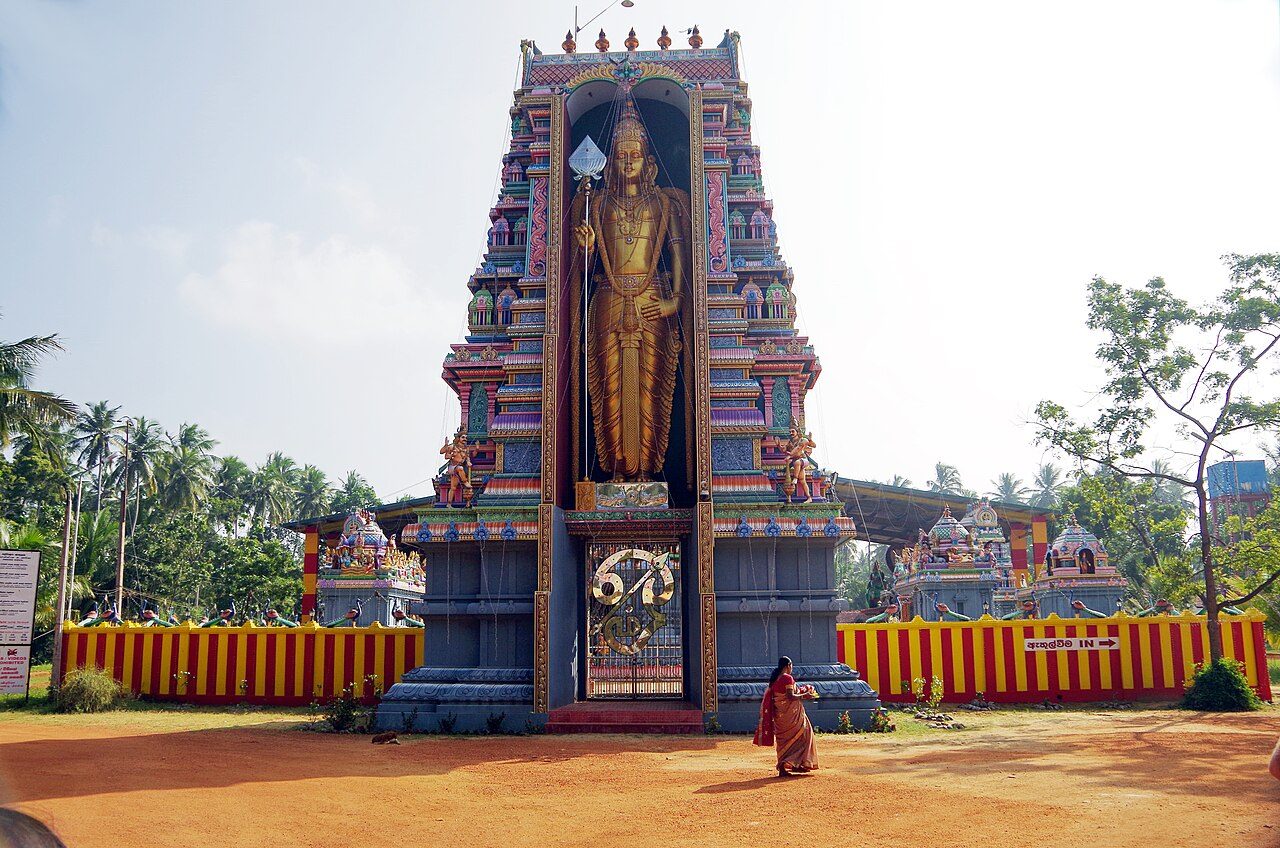
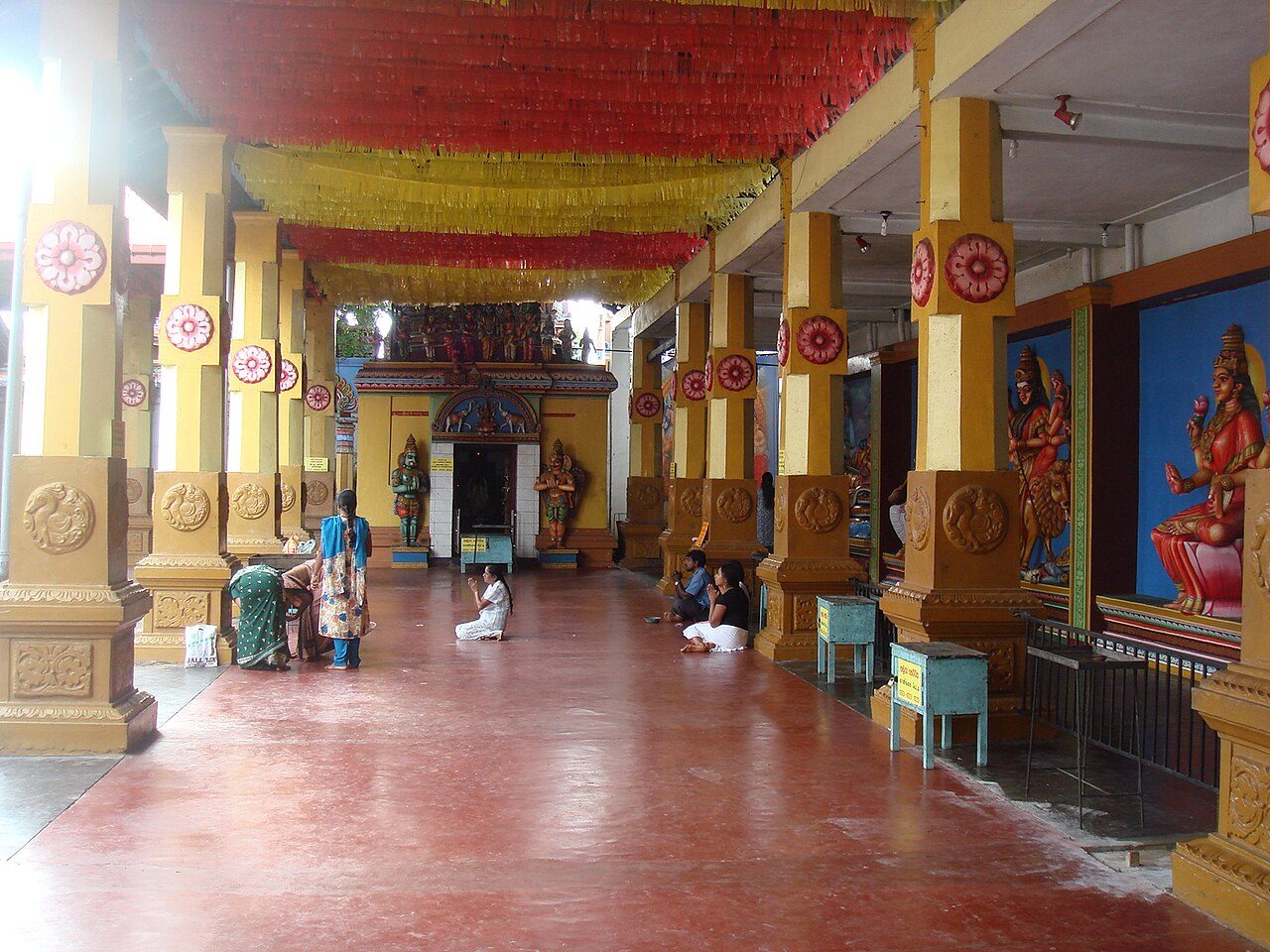
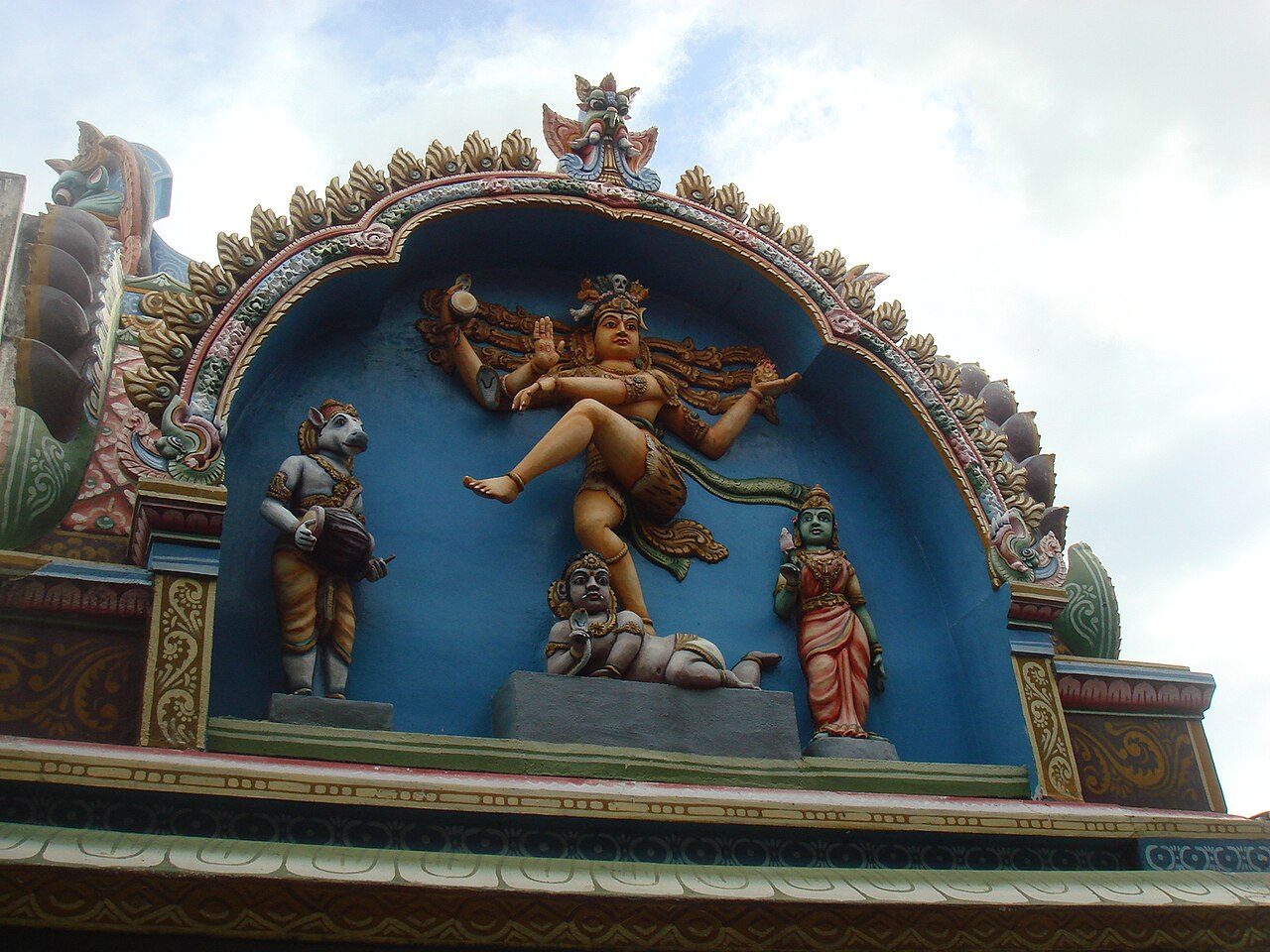
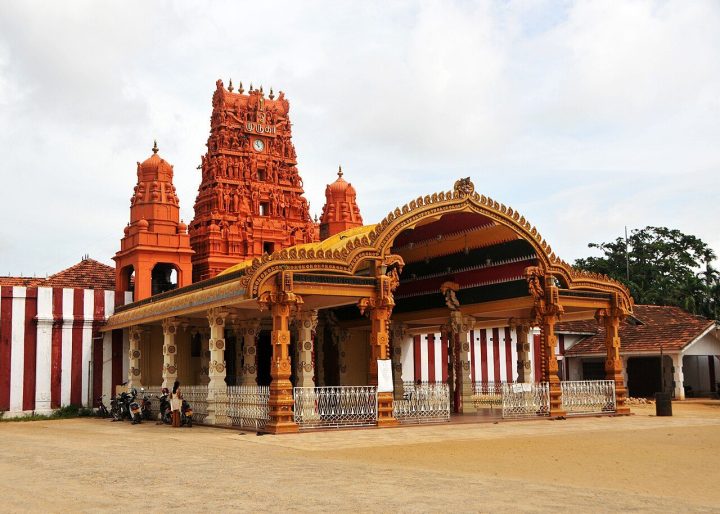
Munneswaram Temple, near Chilaw, is one of the five ancient Ishwaram temples of Shiva in Sri Lanka. Legend says Rama prayed here after his war with Ravana. The complex has several shrines, including one to the goddess Kali, and draws Hindu and Buddhist pilgrims alike. The main festival runs for about four weeks in August and September.
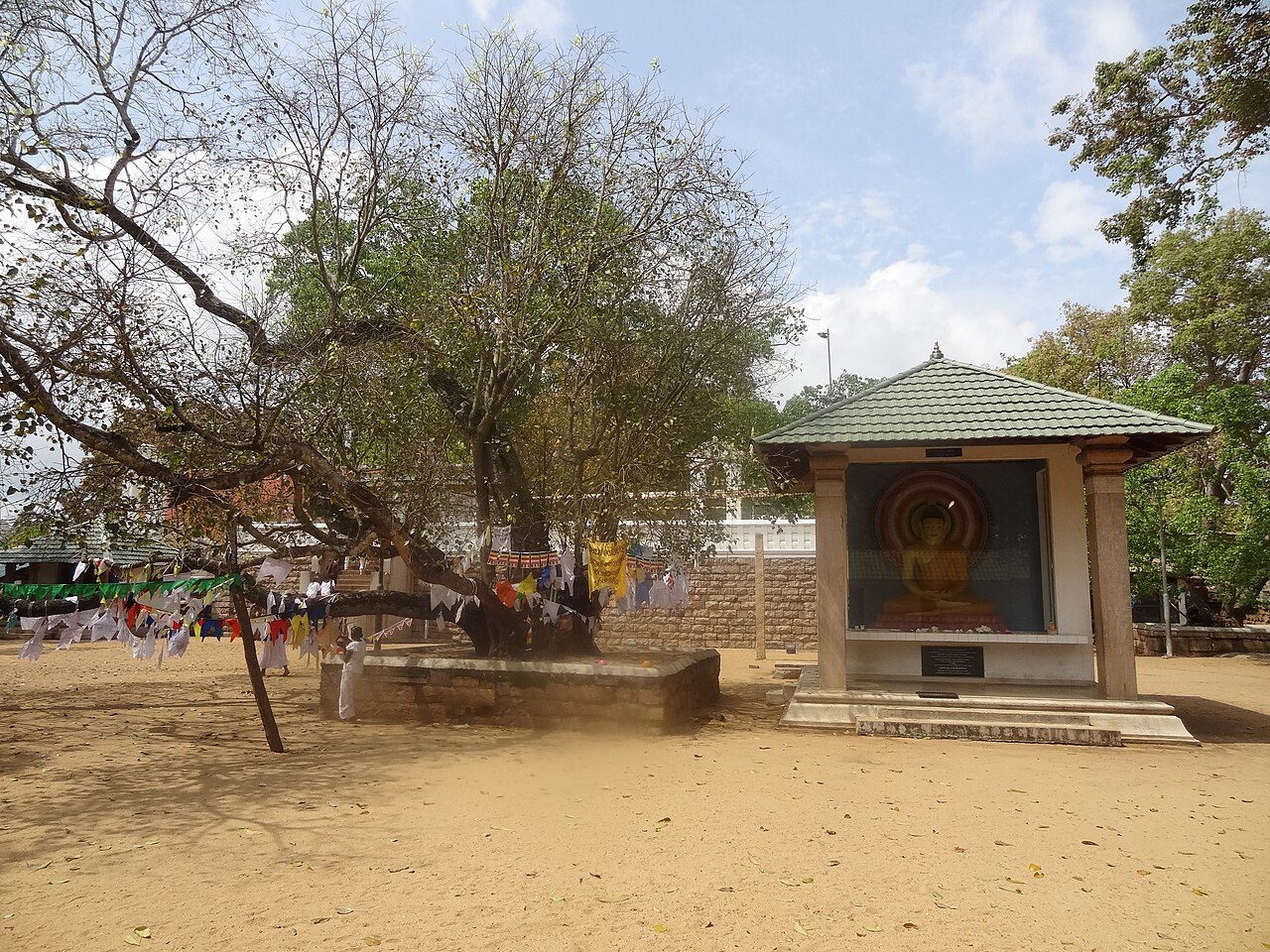
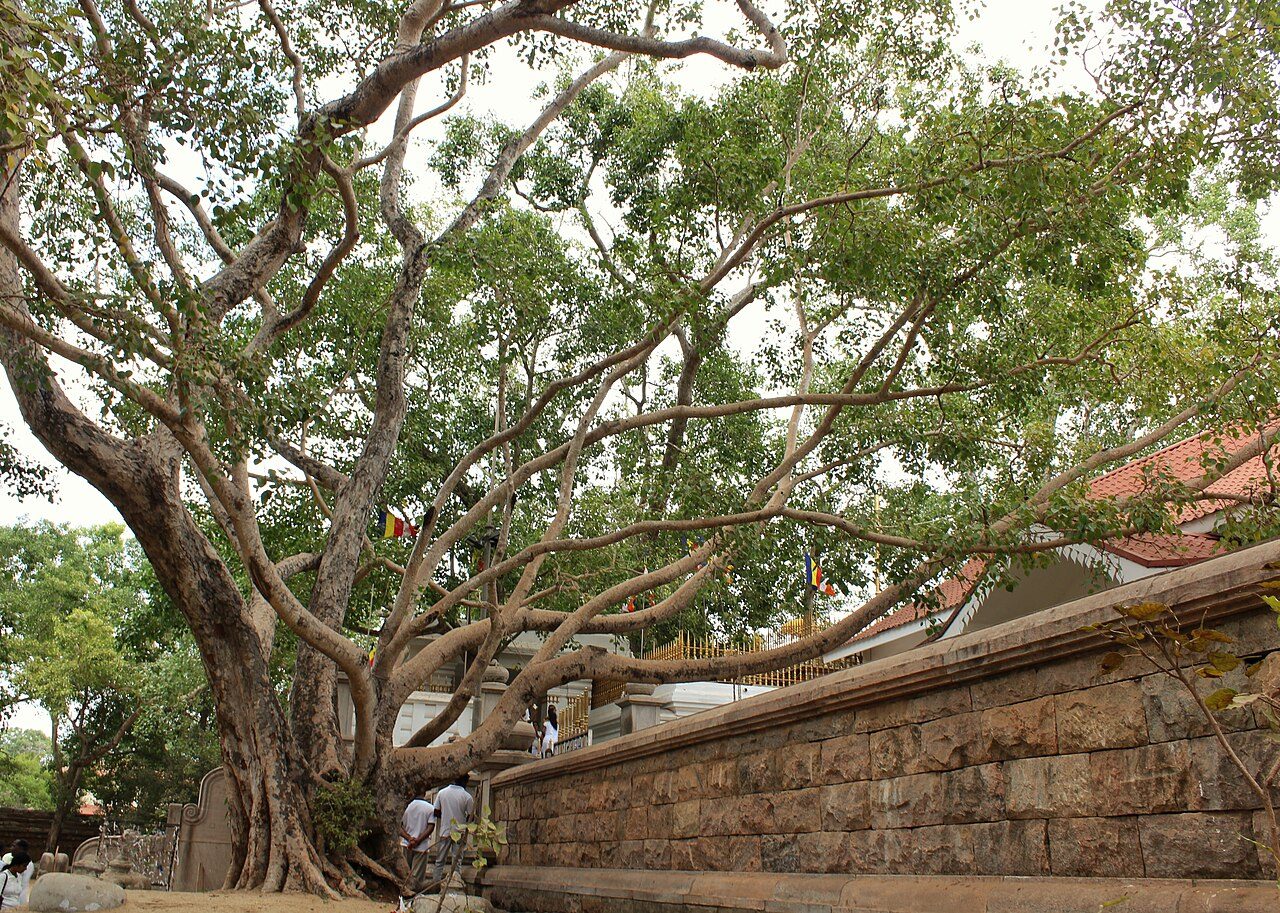
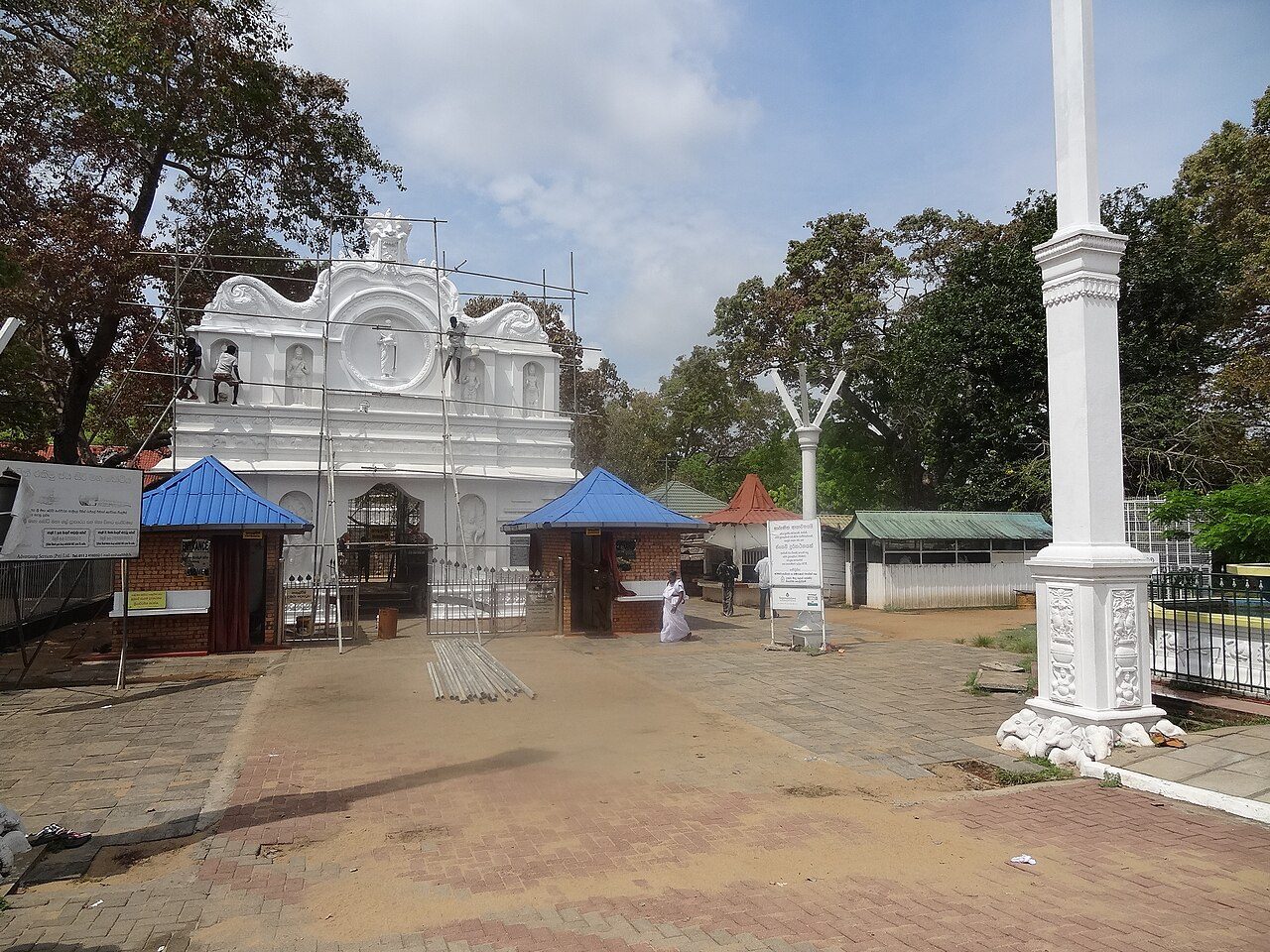
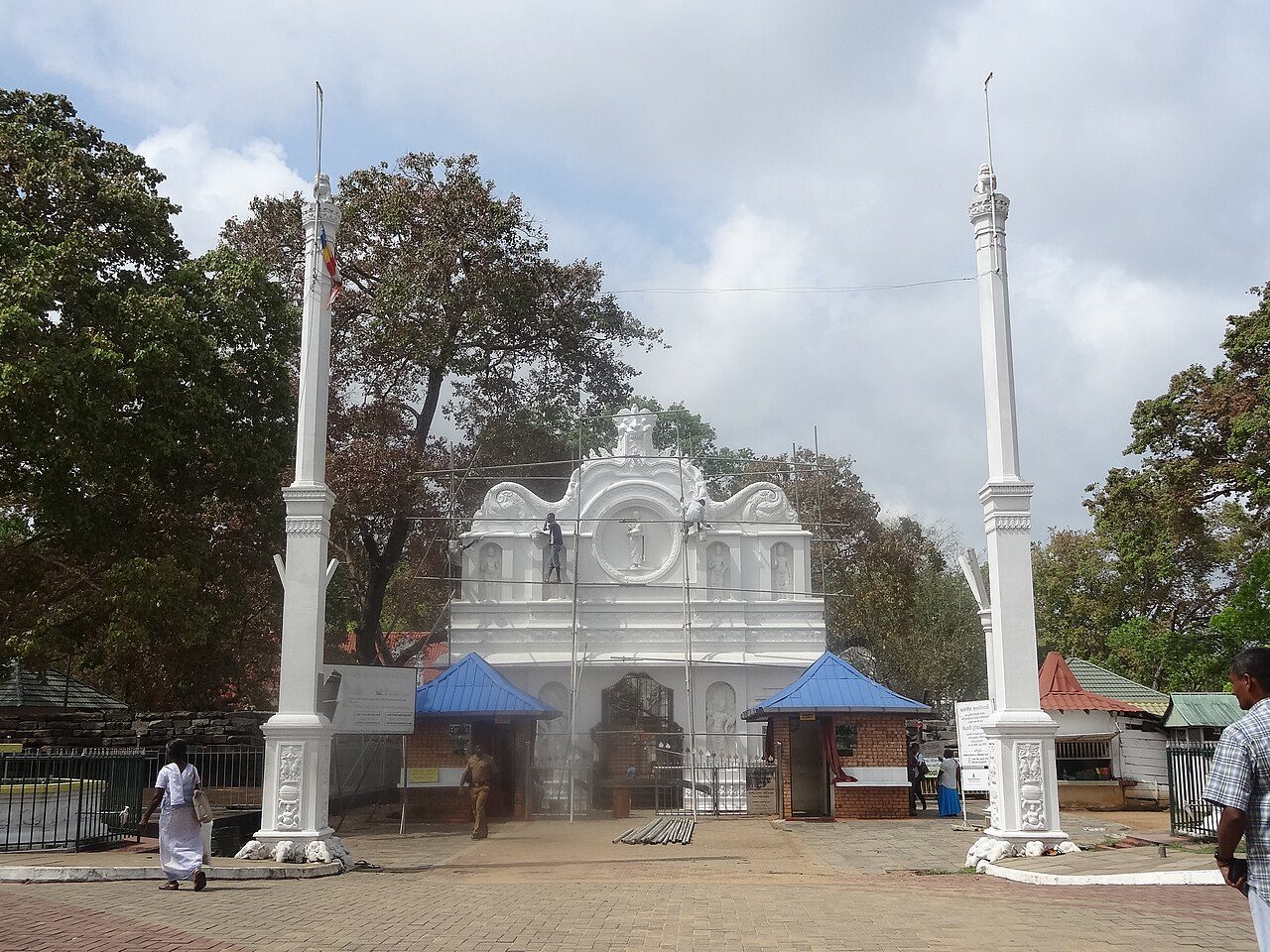
Jaya Sri Maha Bodhi in Anuradhapura is a sacred fig tree grown from a cutting of the tree at Bodh Gaya under which the Buddha attained enlightenment. It was brought here in the 3rd century BCE by Sanghamitta, daughter of Emperor Ashoka, and is said to be the oldest living tree planted by humans with a known planting date. Pilgrims in white offer flowers on its terraces.
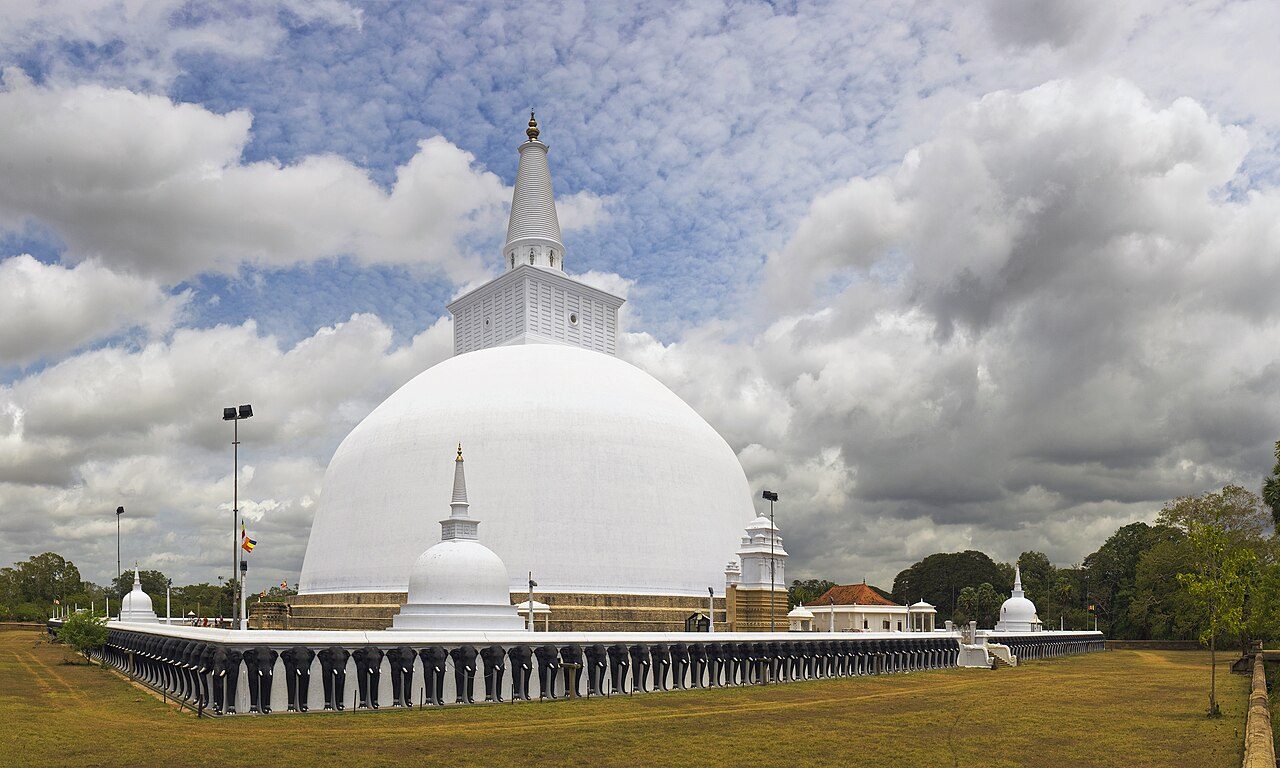
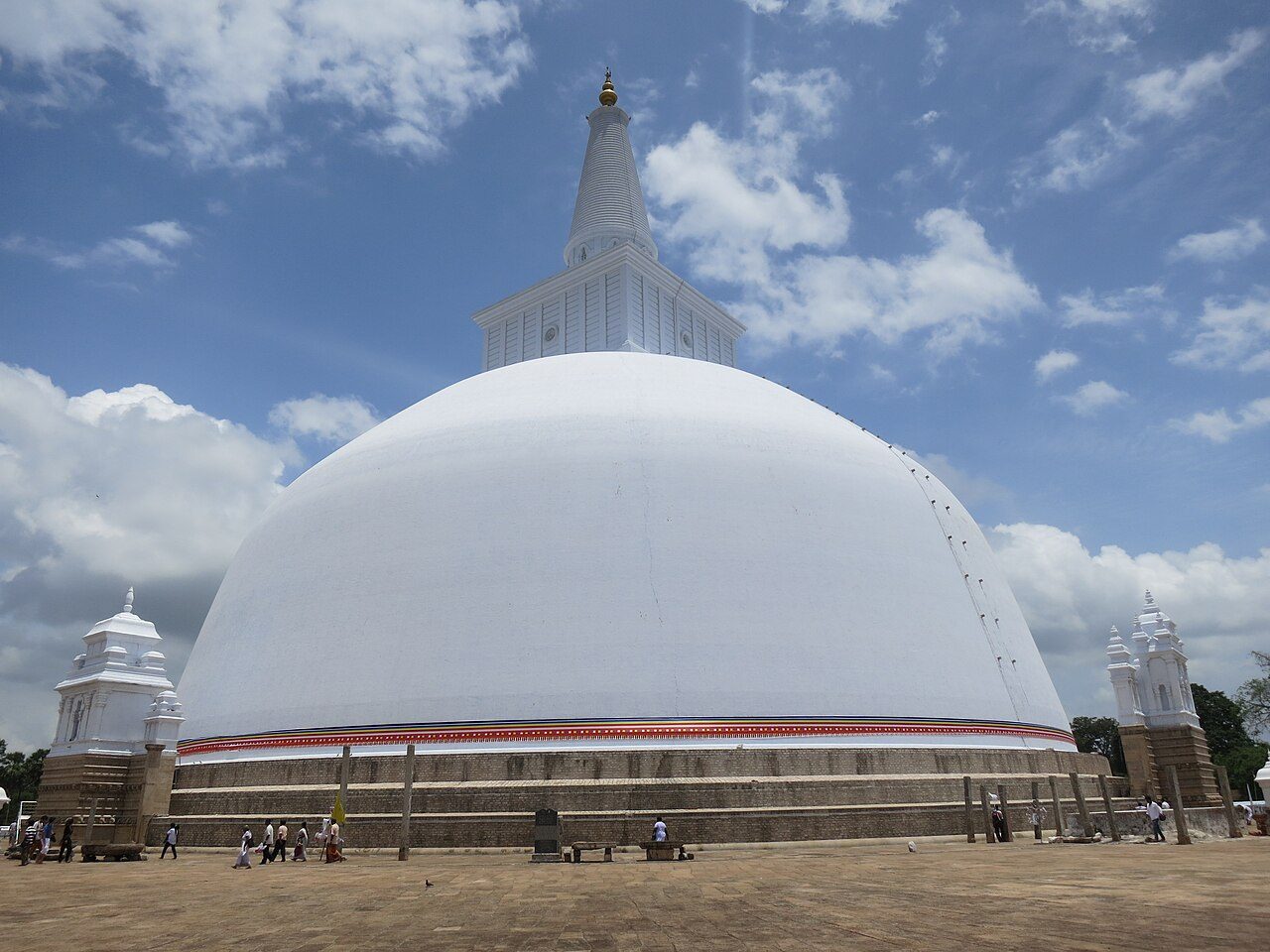
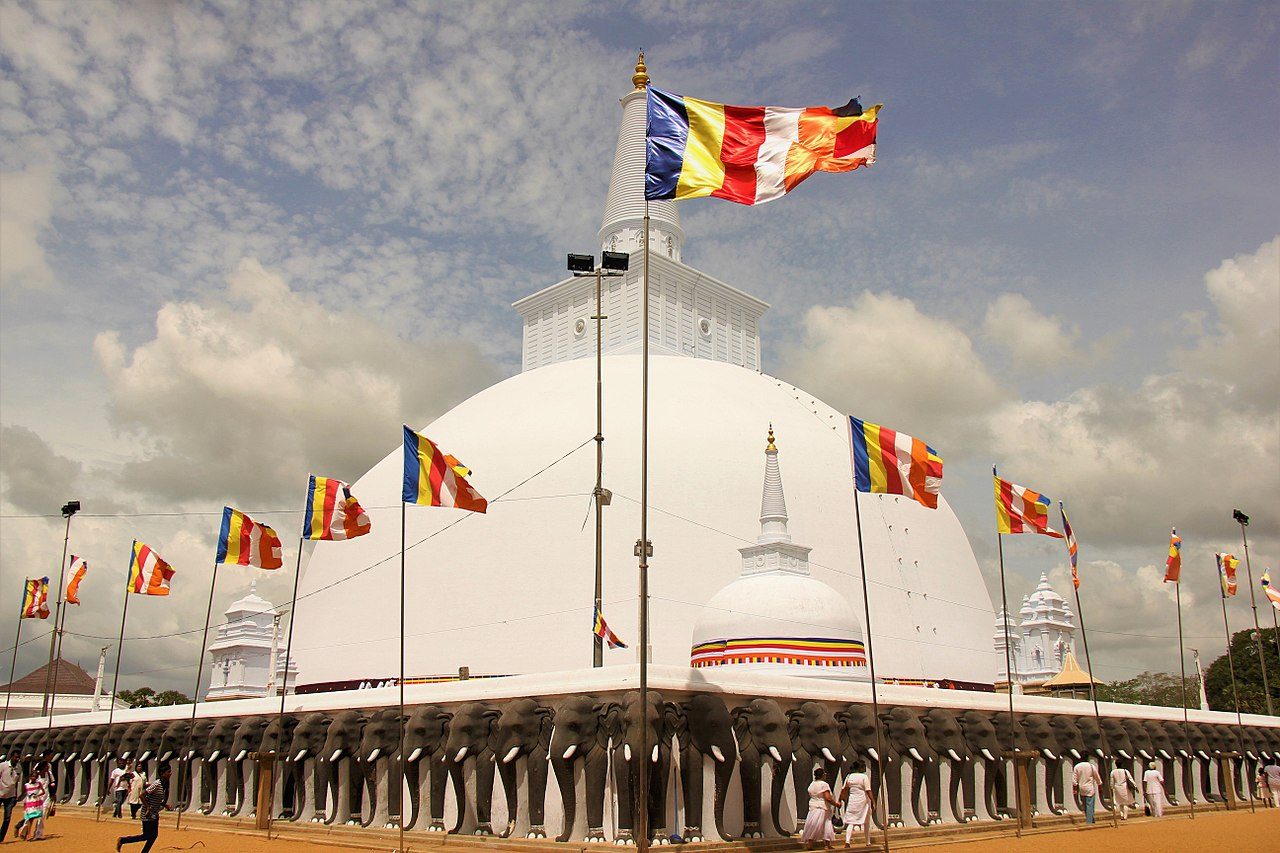
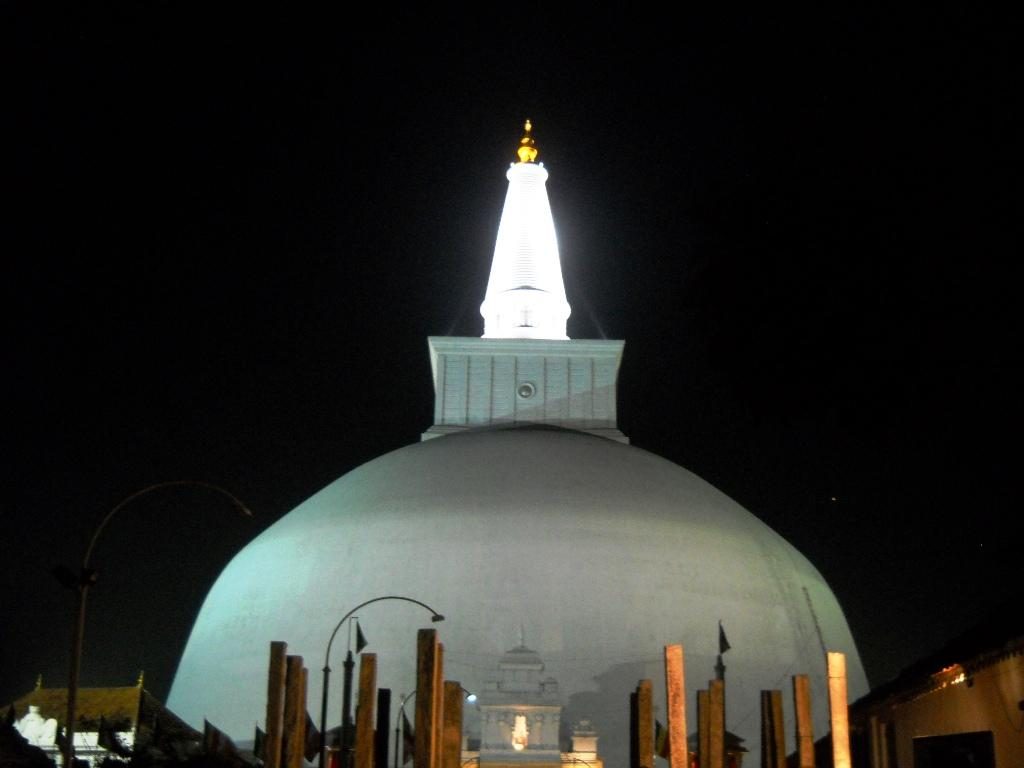
Ruwanwelisaya is the great white stupa of Anuradhapura, built by King Dutugemunu in the 2nd century BCE after his victory over the Chola king Elara. It stands about 103 metres high after restoration and is ringed by a wall of sculpted elephants. It is one of the most venerated Buddhist monuments in the world.
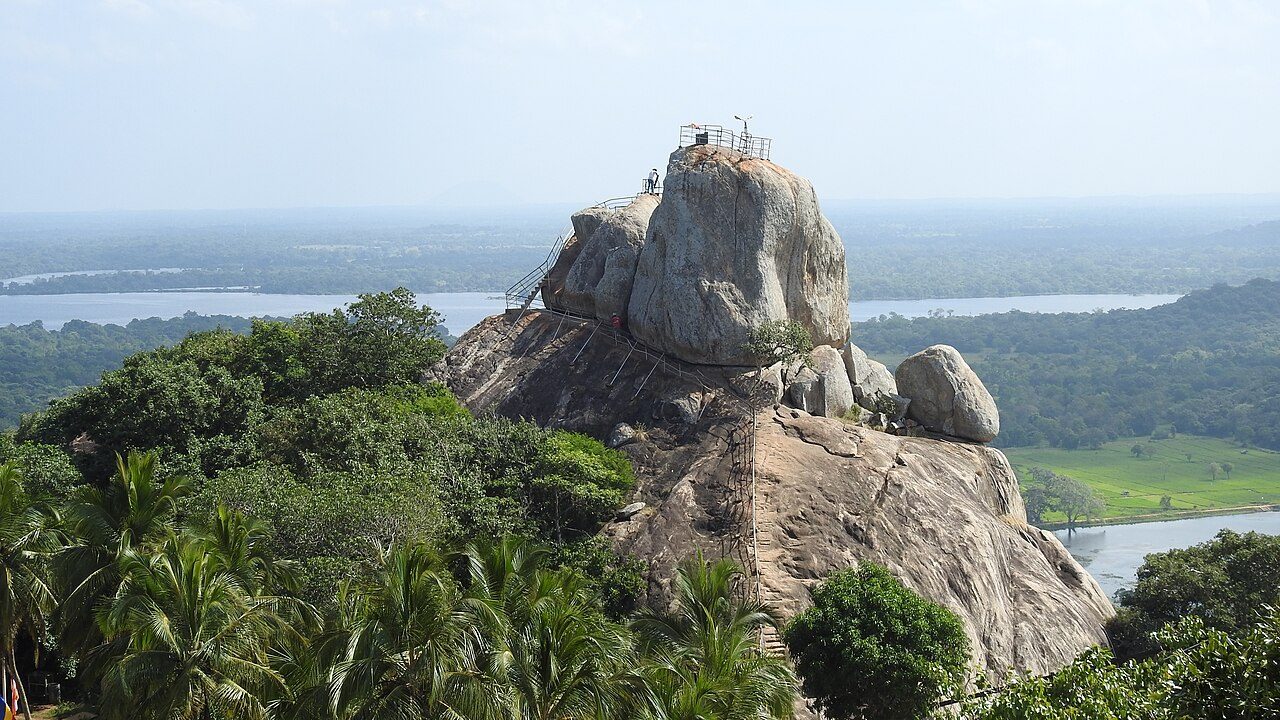
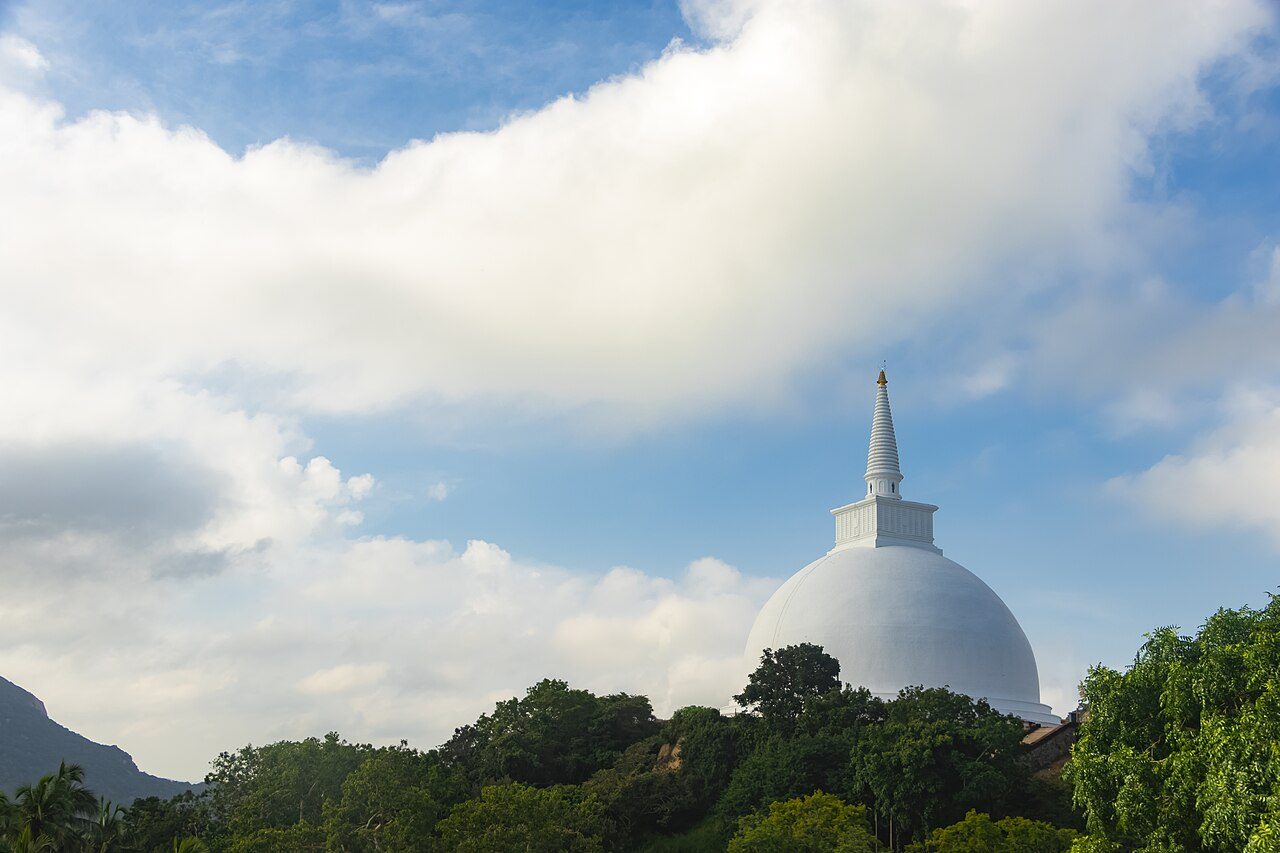
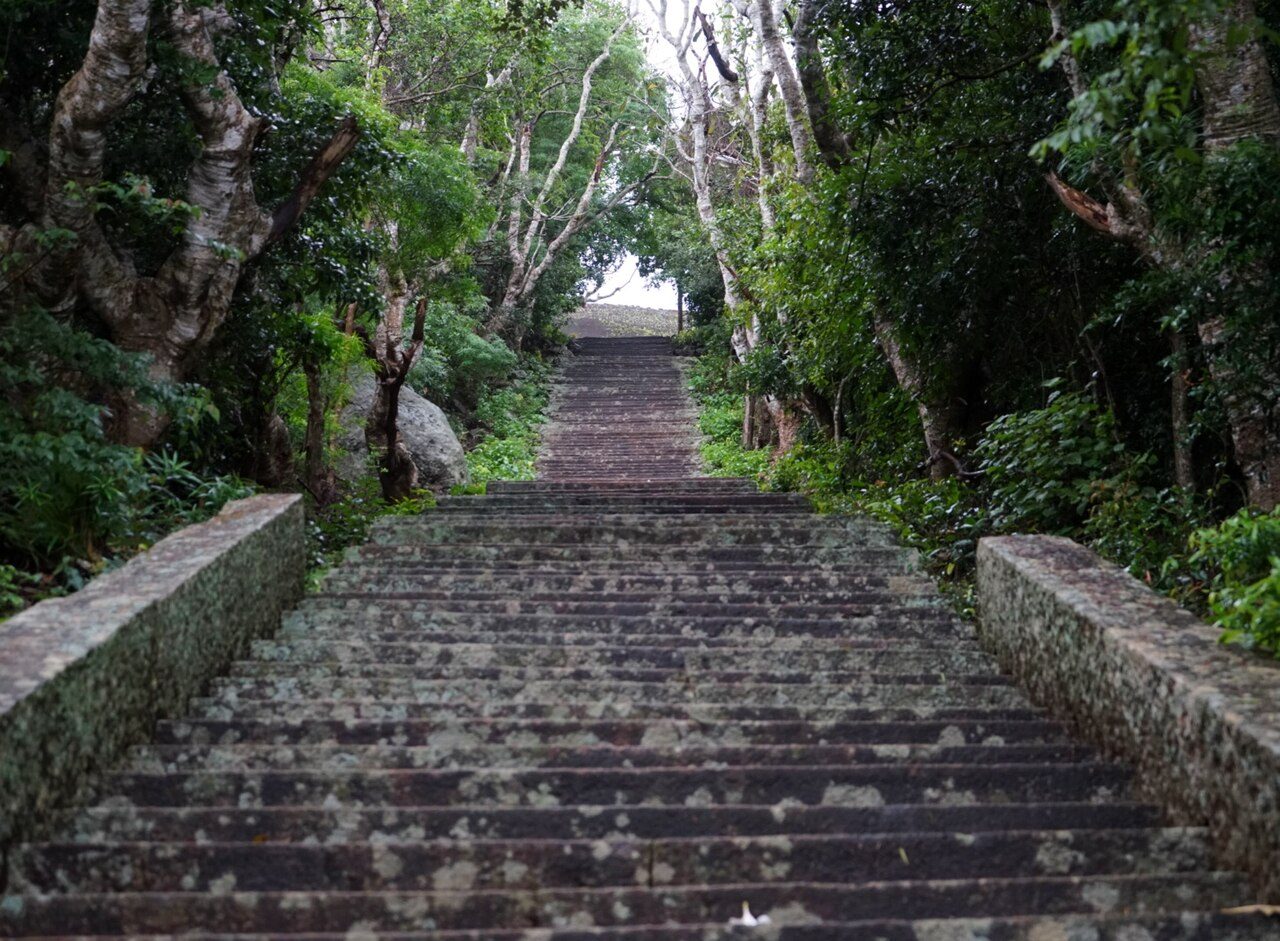
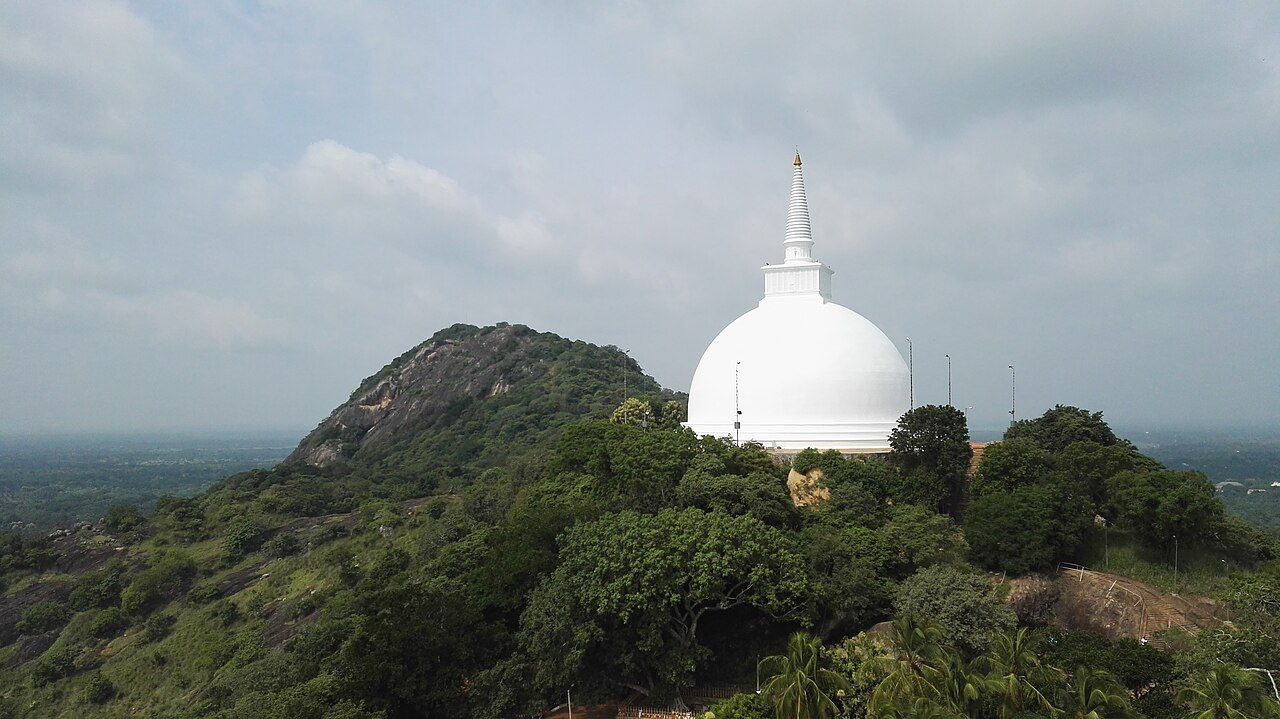
Mihintale, a rocky hill about 13 km east of Anuradhapura, is regarded as the cradle of Buddhism in Sri Lanka. Here in 247 BCE the monk Mahinda, son of Emperor Ashoka, met King Devanampiya Tissa and preached to him. A stairway of 1,840 granite steps climbs to the Ambasthala stupa, Mahinda's cave and the meditation rock. The Poson full moon in June draws huge crowds.
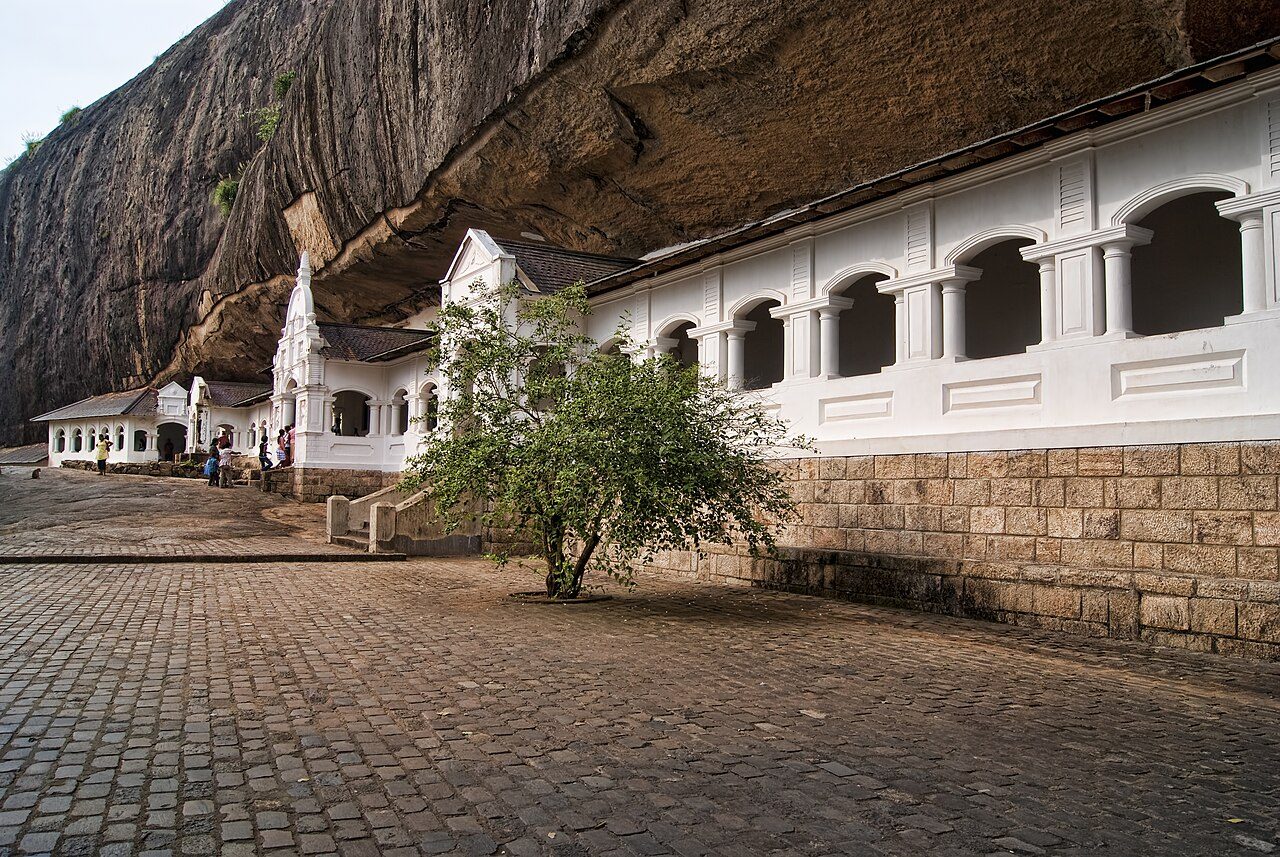
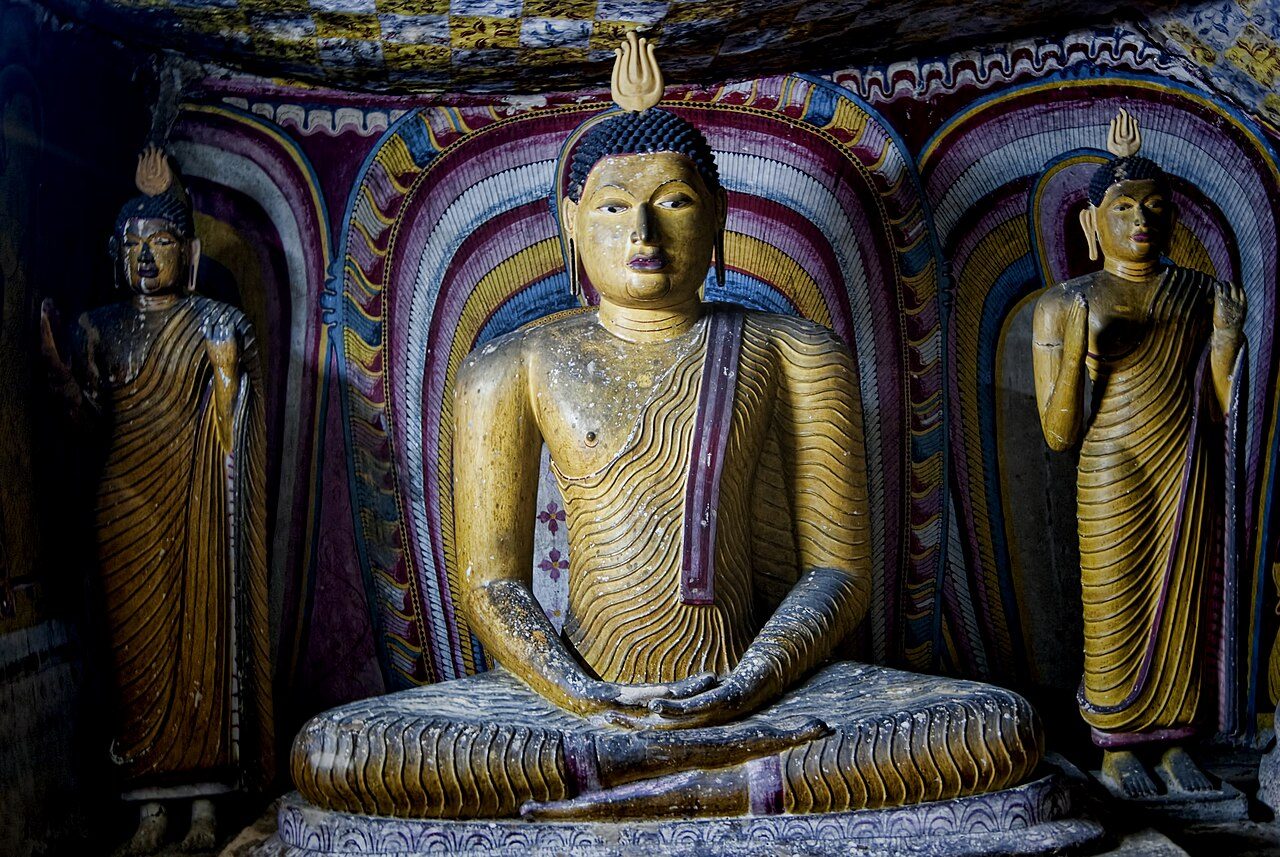
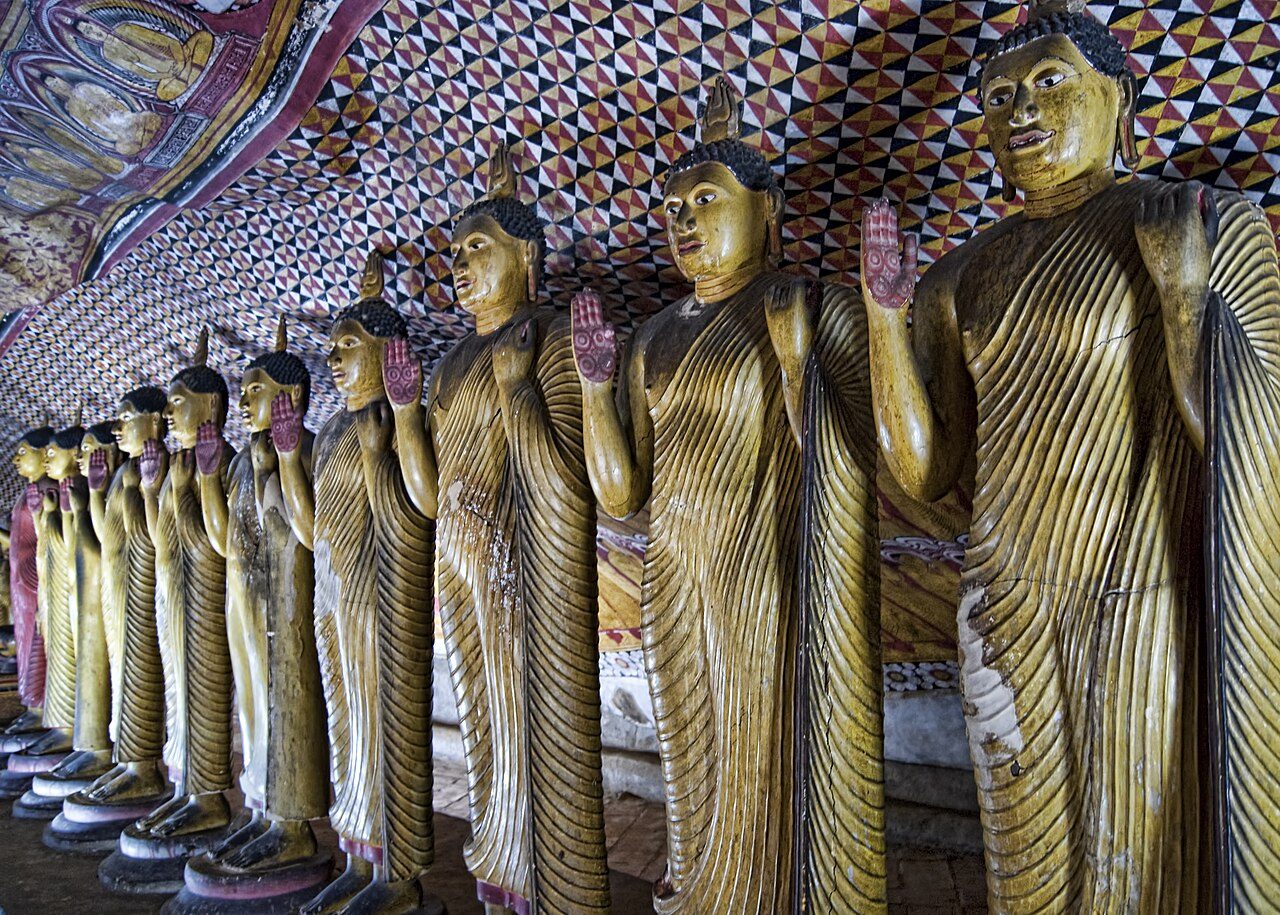
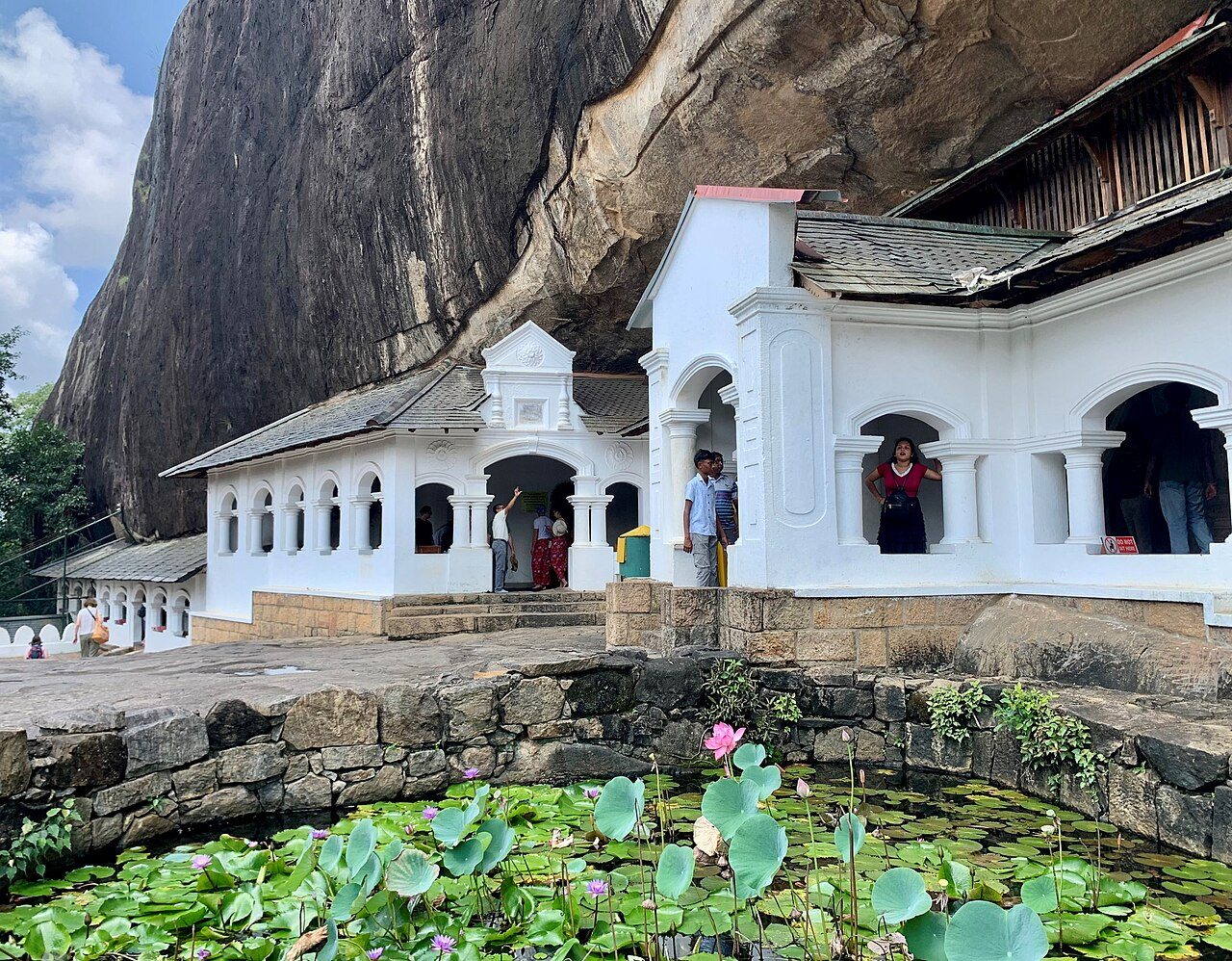
The Dambulla Cave Temple, also called the Golden Temple of Dambulla, is the largest and best-preserved cave temple complex in Sri Lanka. Five caves beneath a huge overhanging rock hold more than 150 Buddha statues, and painted murals cover the ceilings. The site has been a place of worship since the 1st century BCE and is a UNESCO World Heritage Site.
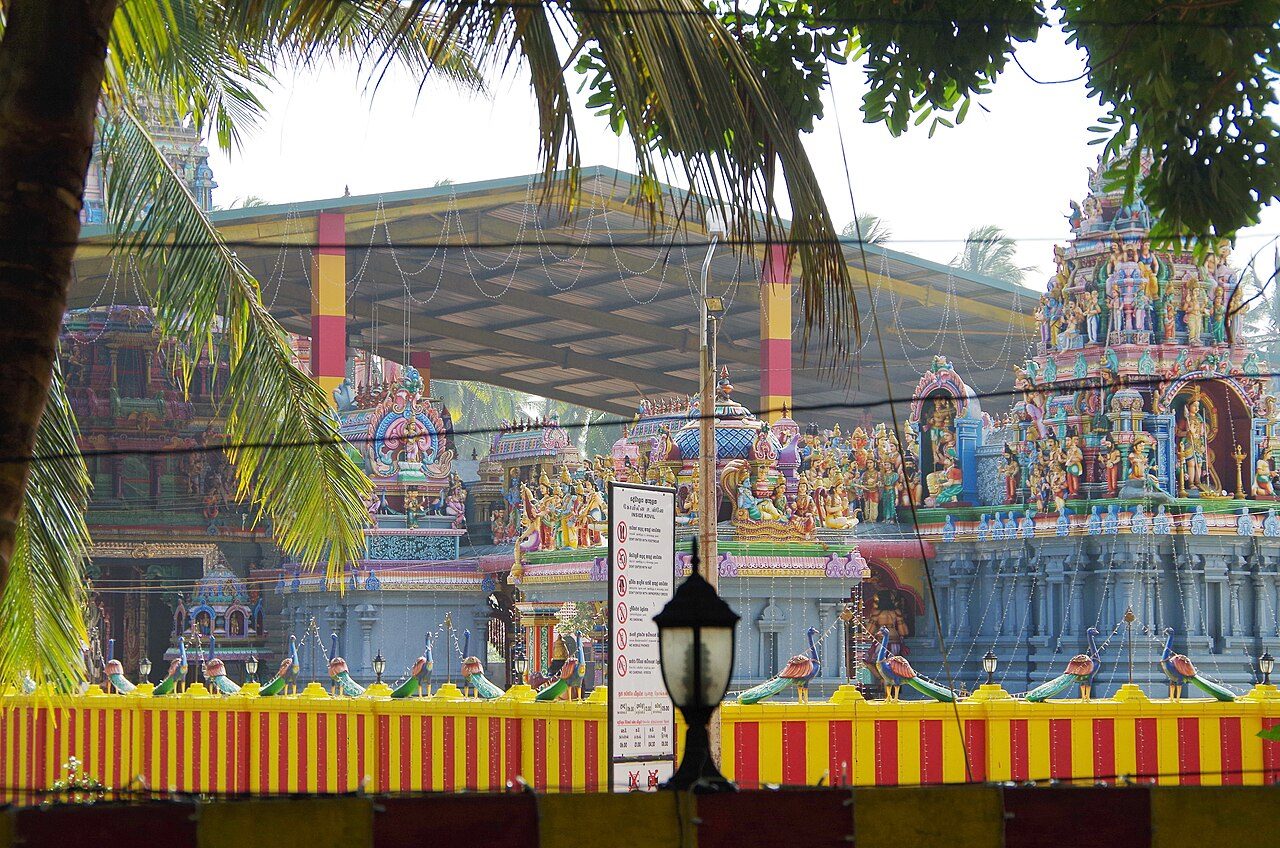
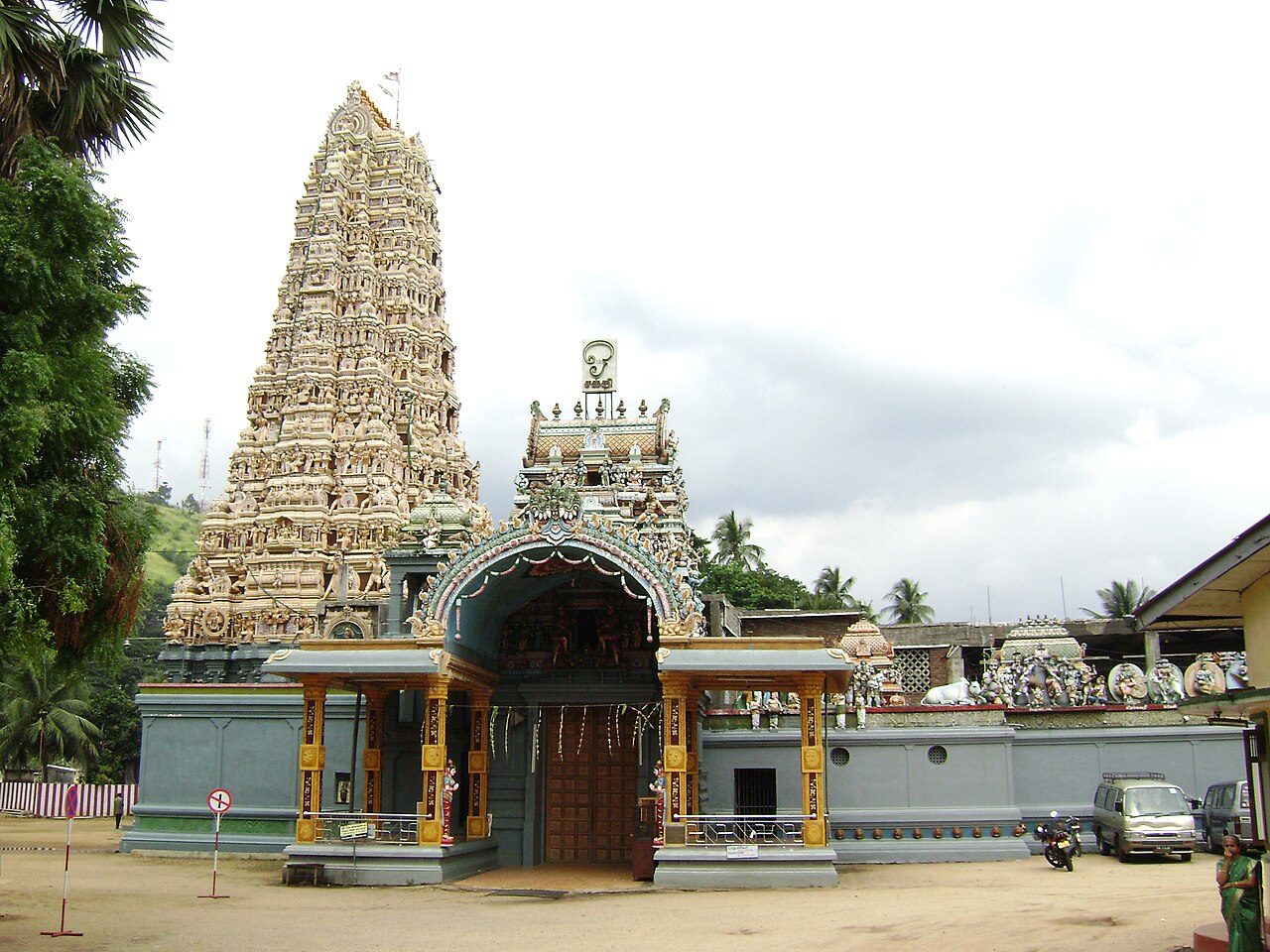
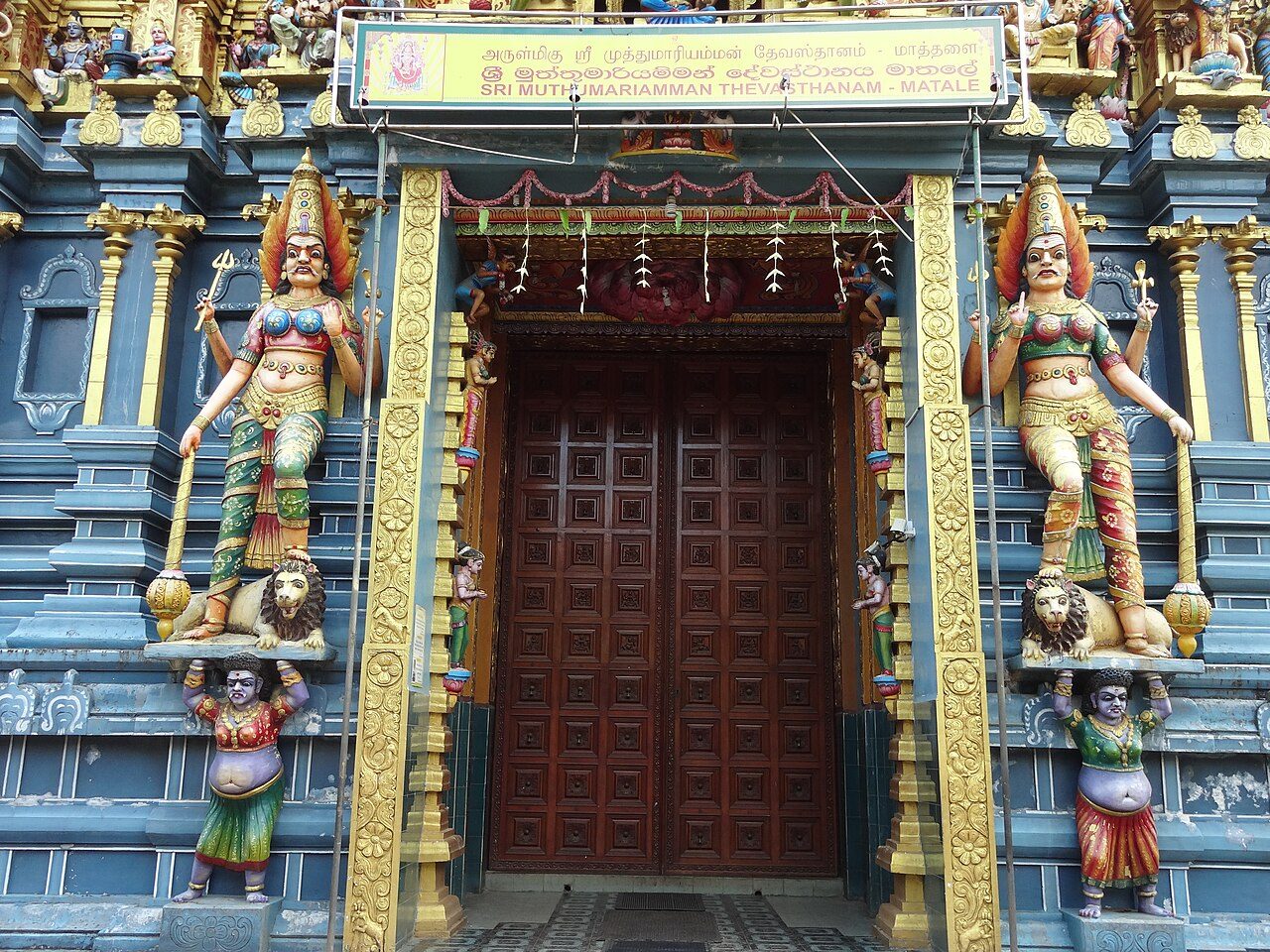
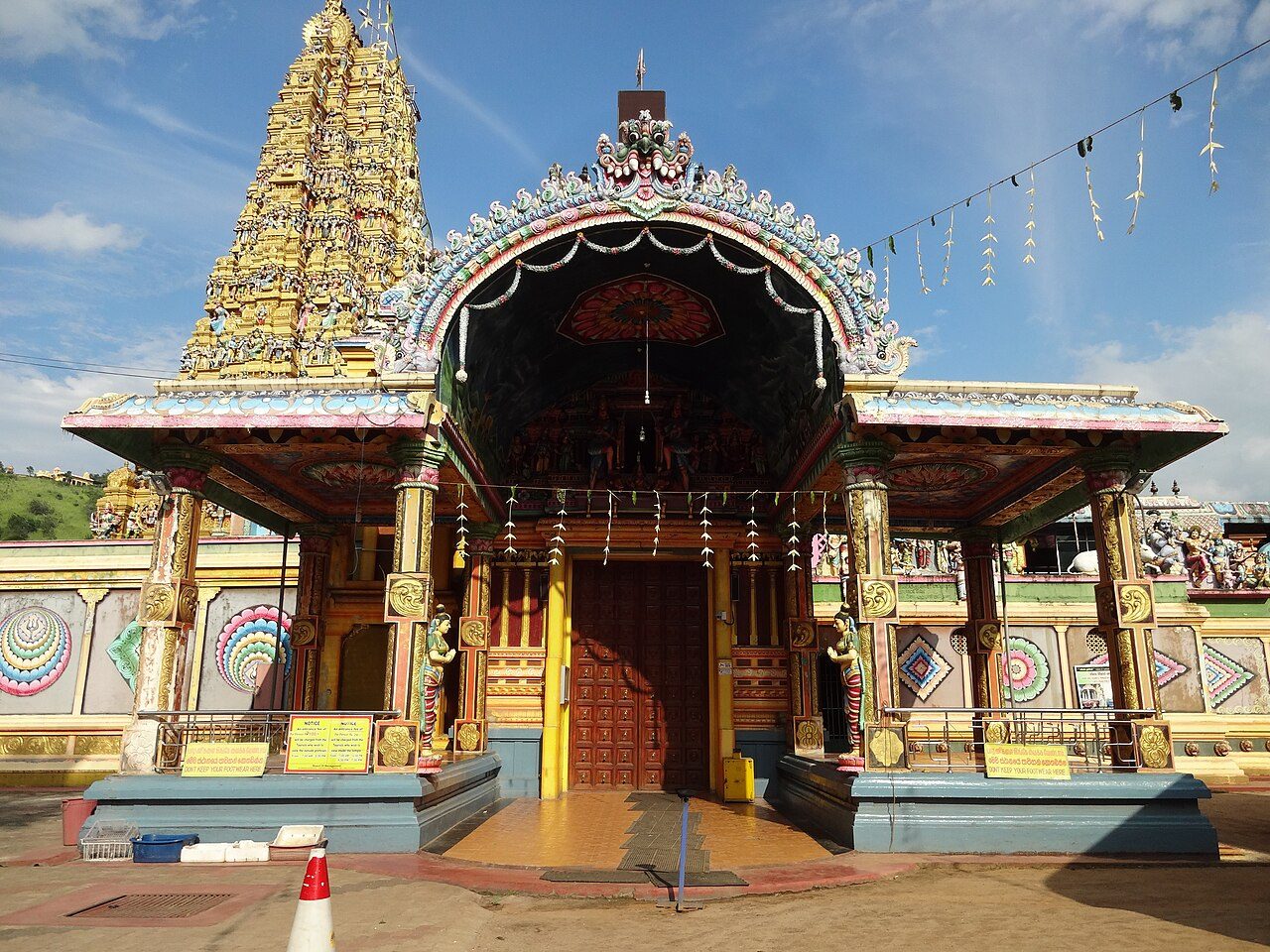
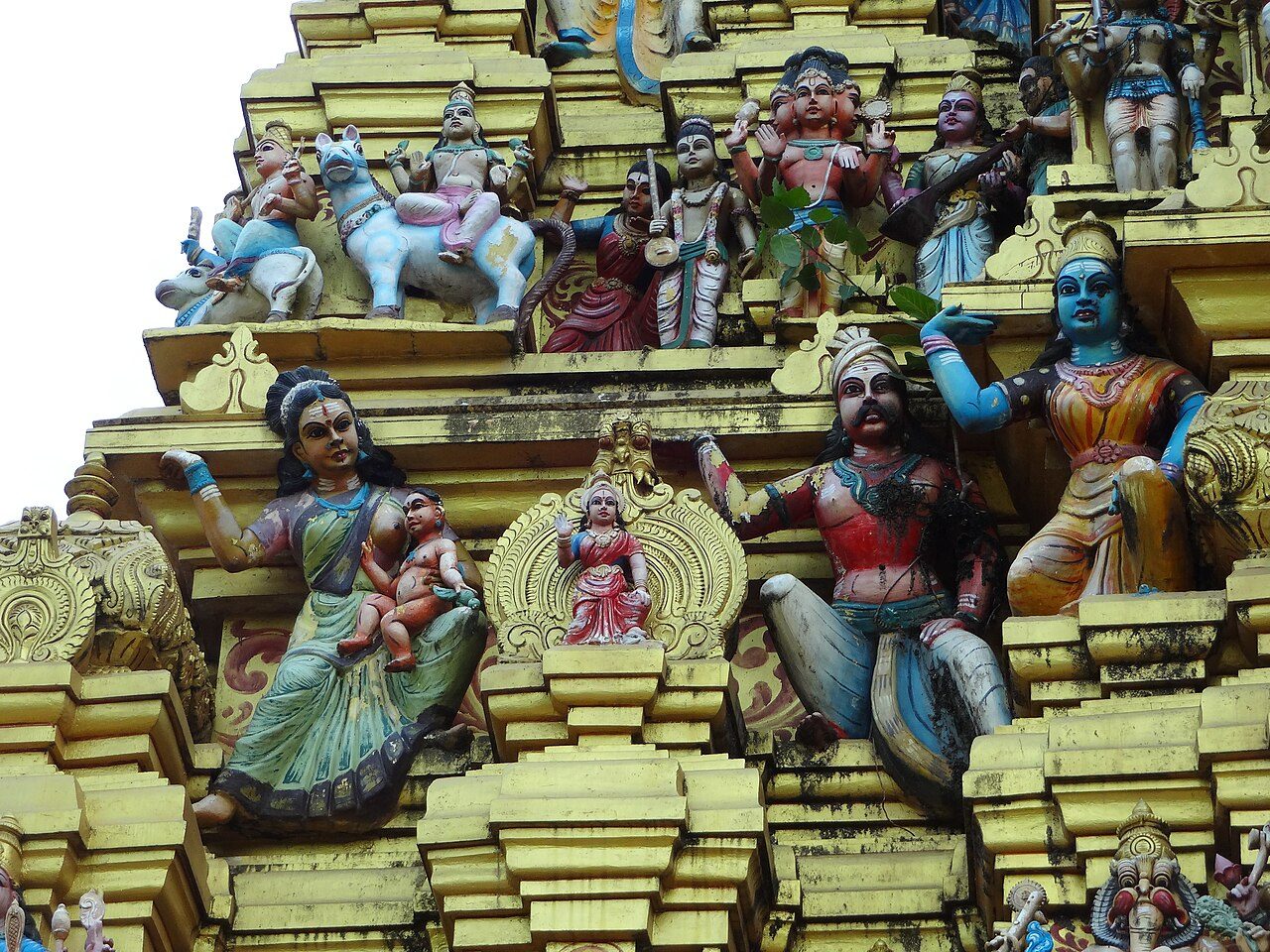
Sri Muthumariamman Temple in Matale is dedicated to Mariamman, the goddess of rain and fertility. It grew from a small shrine set up in the 19th century by Tamil communities from South India. Its tall gopuram, about 33 metres high and crowded with painted figures, is one of the largest in Sri Lanka. A chariot festival is held around February or March.
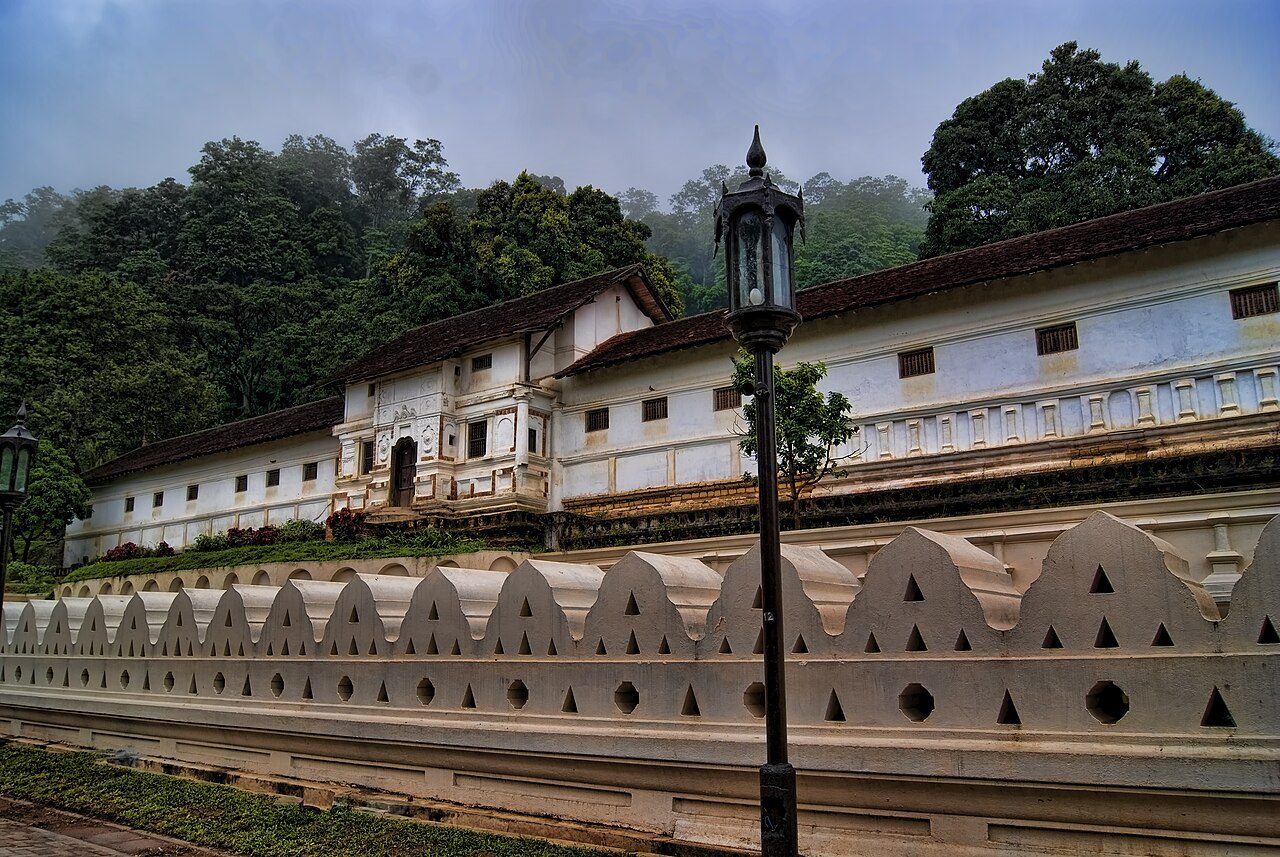
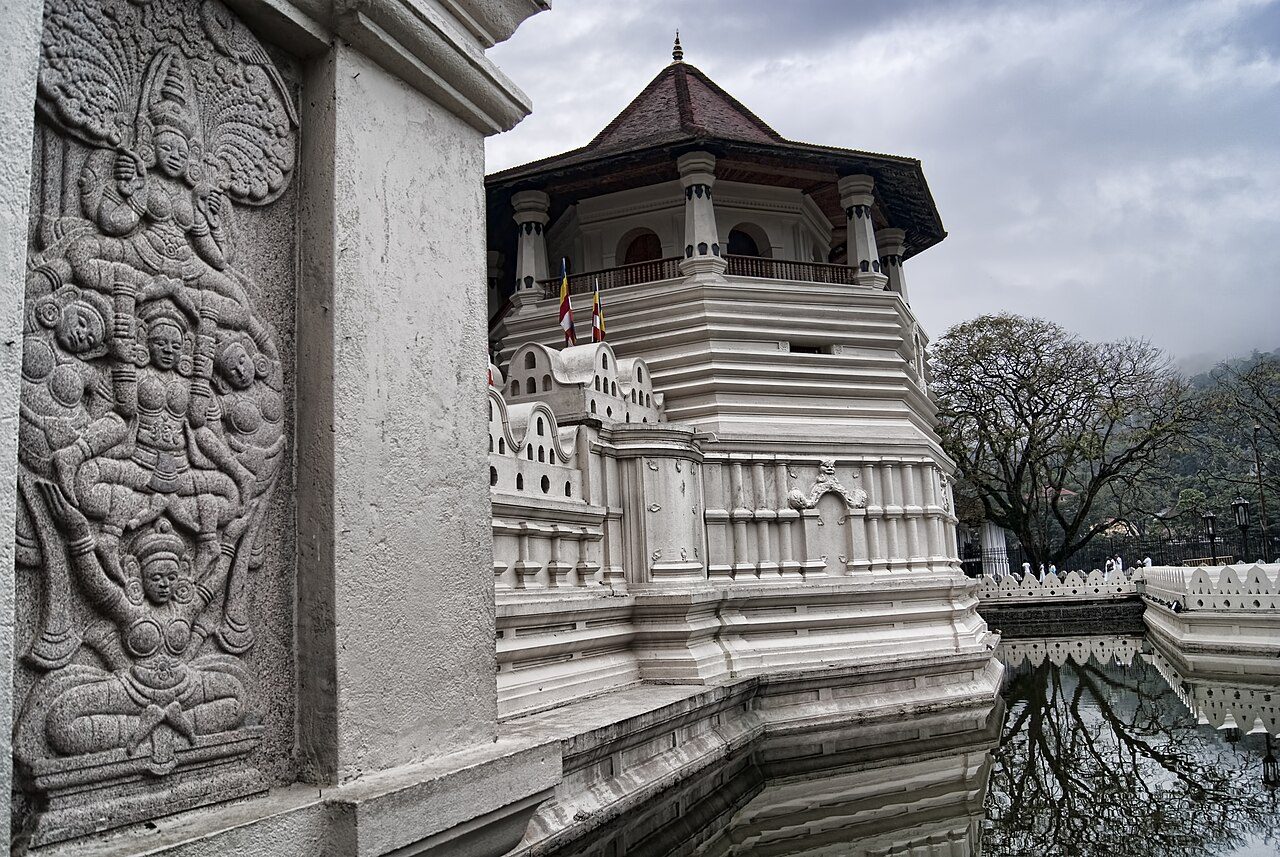
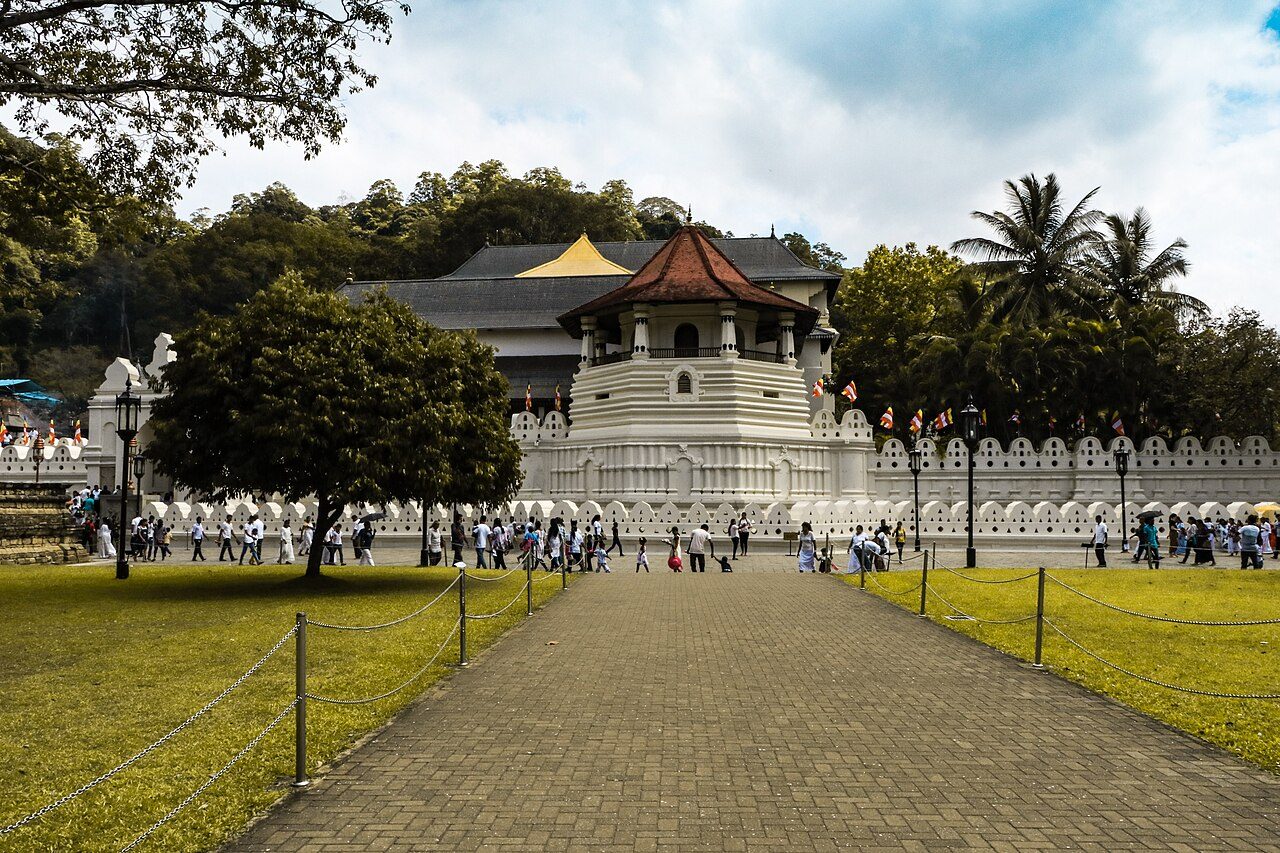
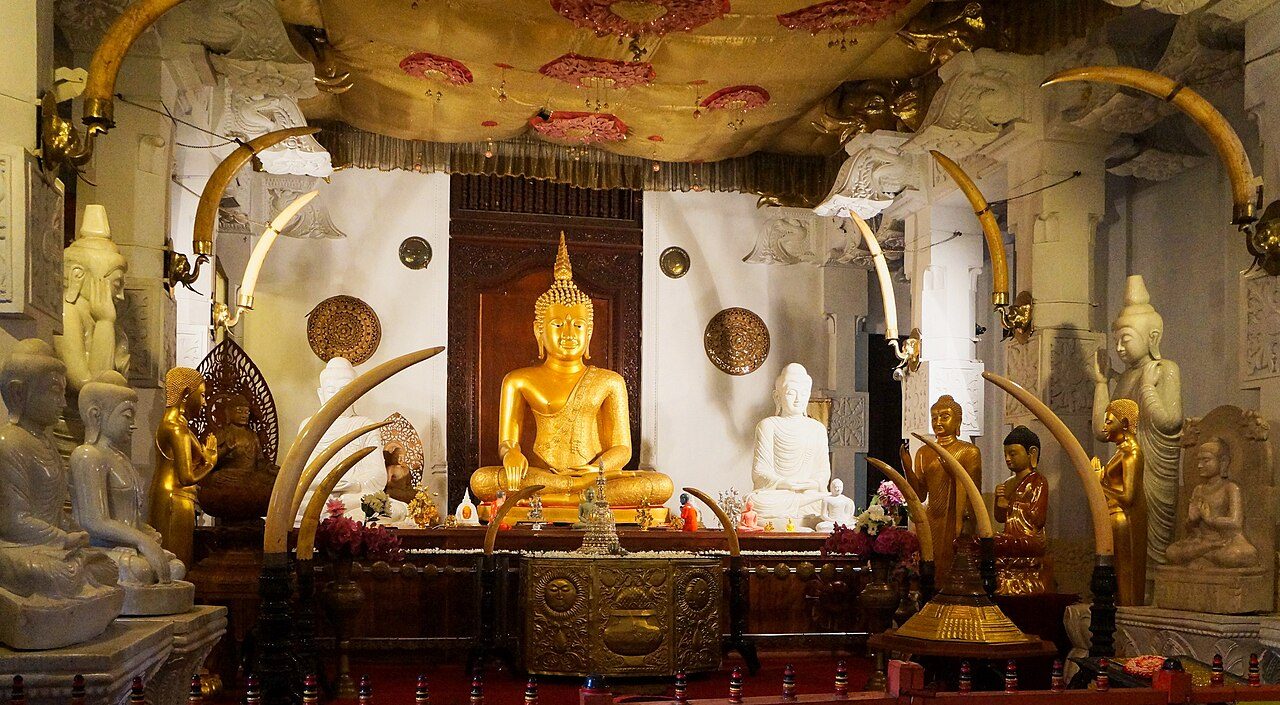
The Temple of the Sacred Tooth Relic, Sri Dalada Maligawa, stands in the old royal palace complex beside Kandy Lake. It houses a tooth relic of the Buddha, brought to the island in the 4th century and long regarded as the symbol of the right to rule. Drummers play at the daily offerings. The Esala Perahera in July or August honours the relic.
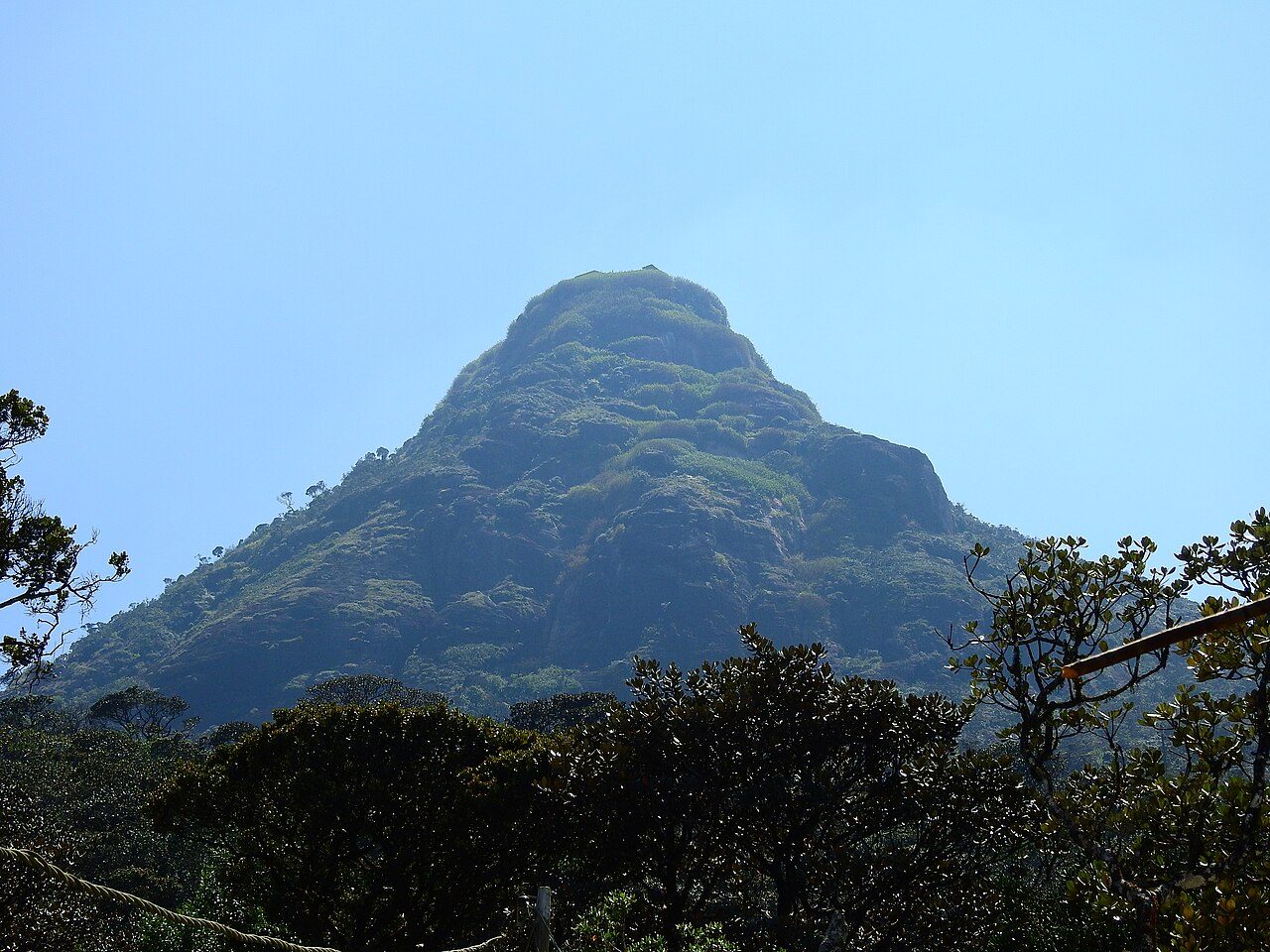
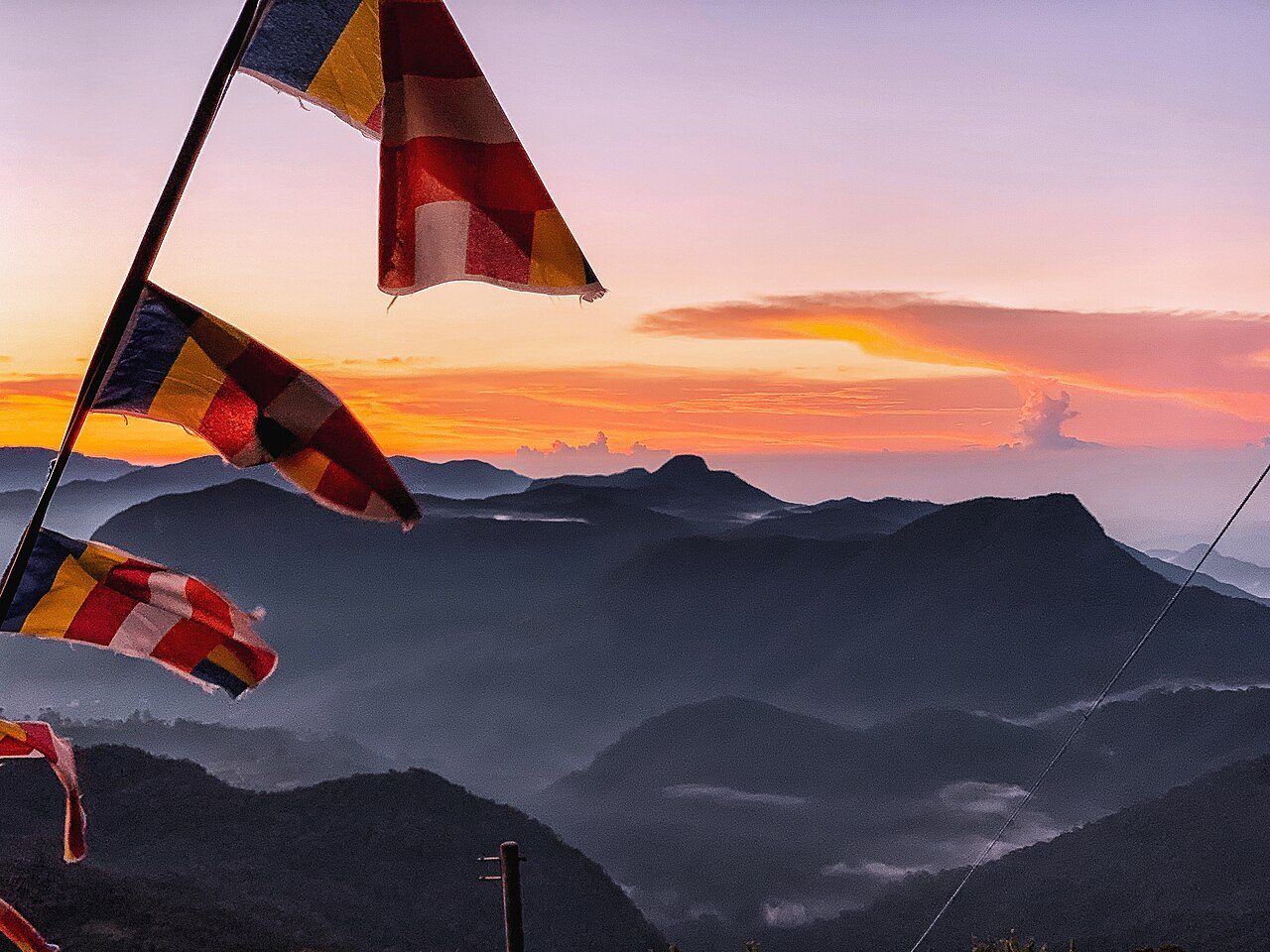
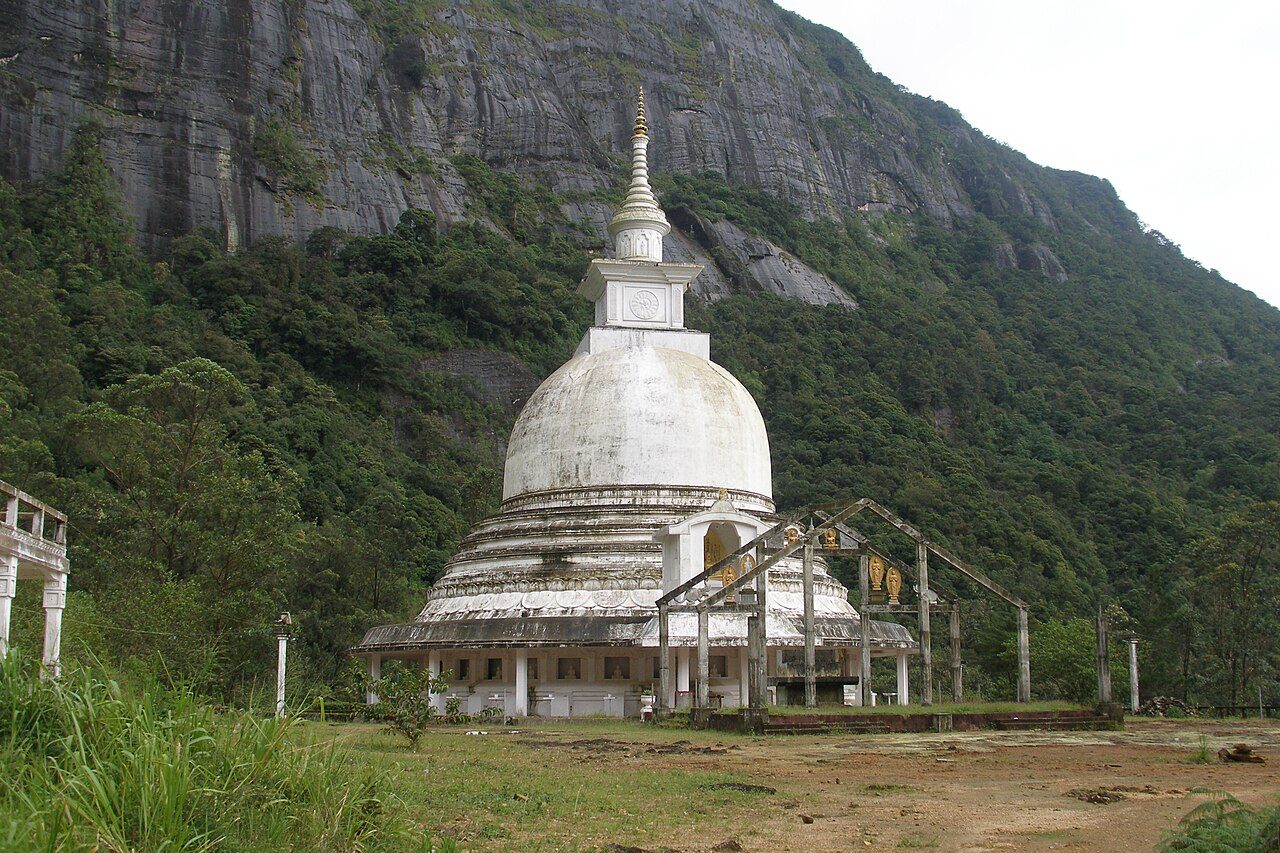
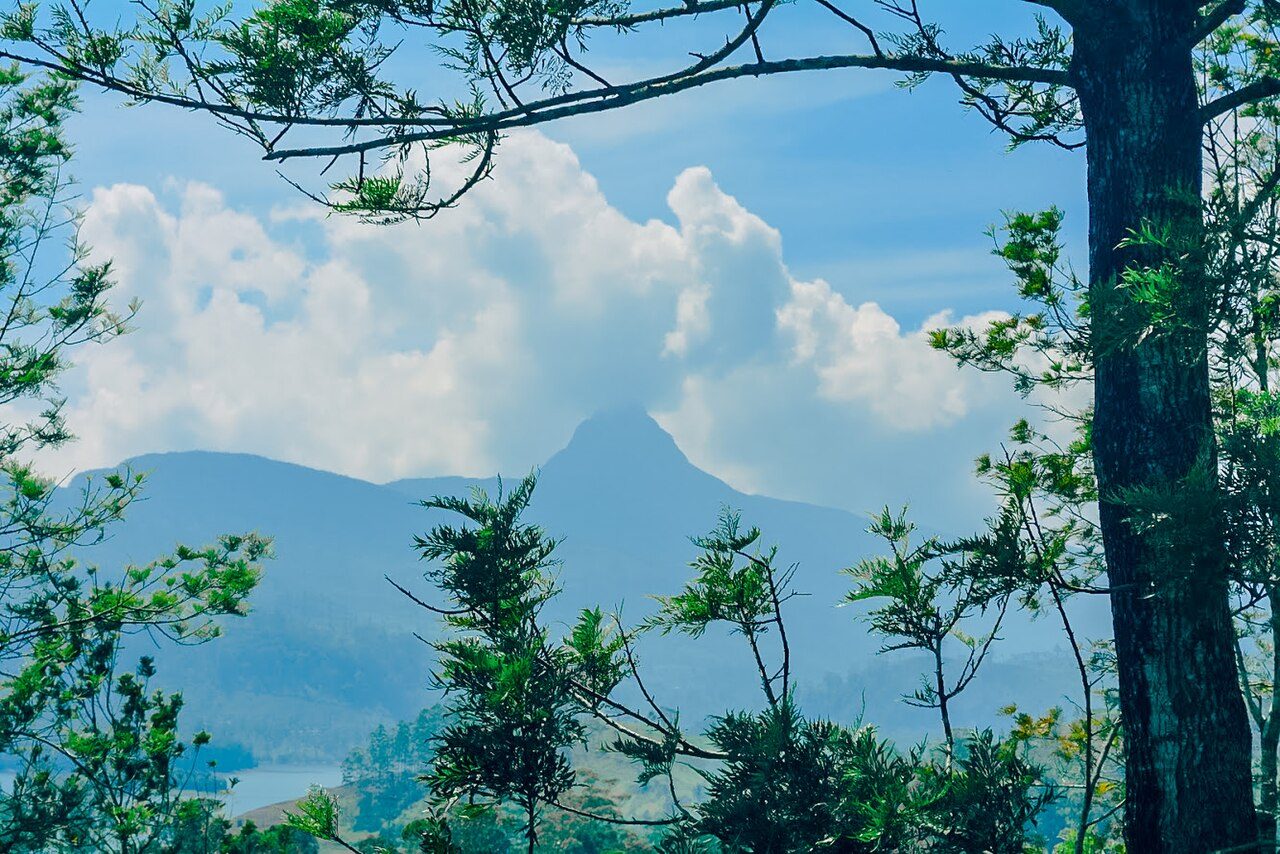
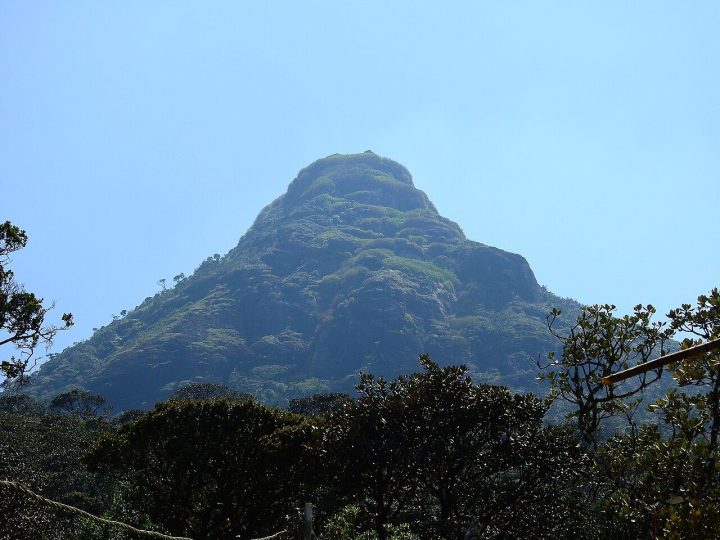
Adam's Peak, or Sri Pada, is a 2,243-metre mountain with a footprint-shaped mark in the rock at its summit. Buddhists hold it to be the footprint of the Buddha, Hindus of Shiva, and Muslims and Christians of Adam. Pilgrims climb thousands of steps by night to see the sunrise and the mountain's triangular shadow. The season runs from December to May.
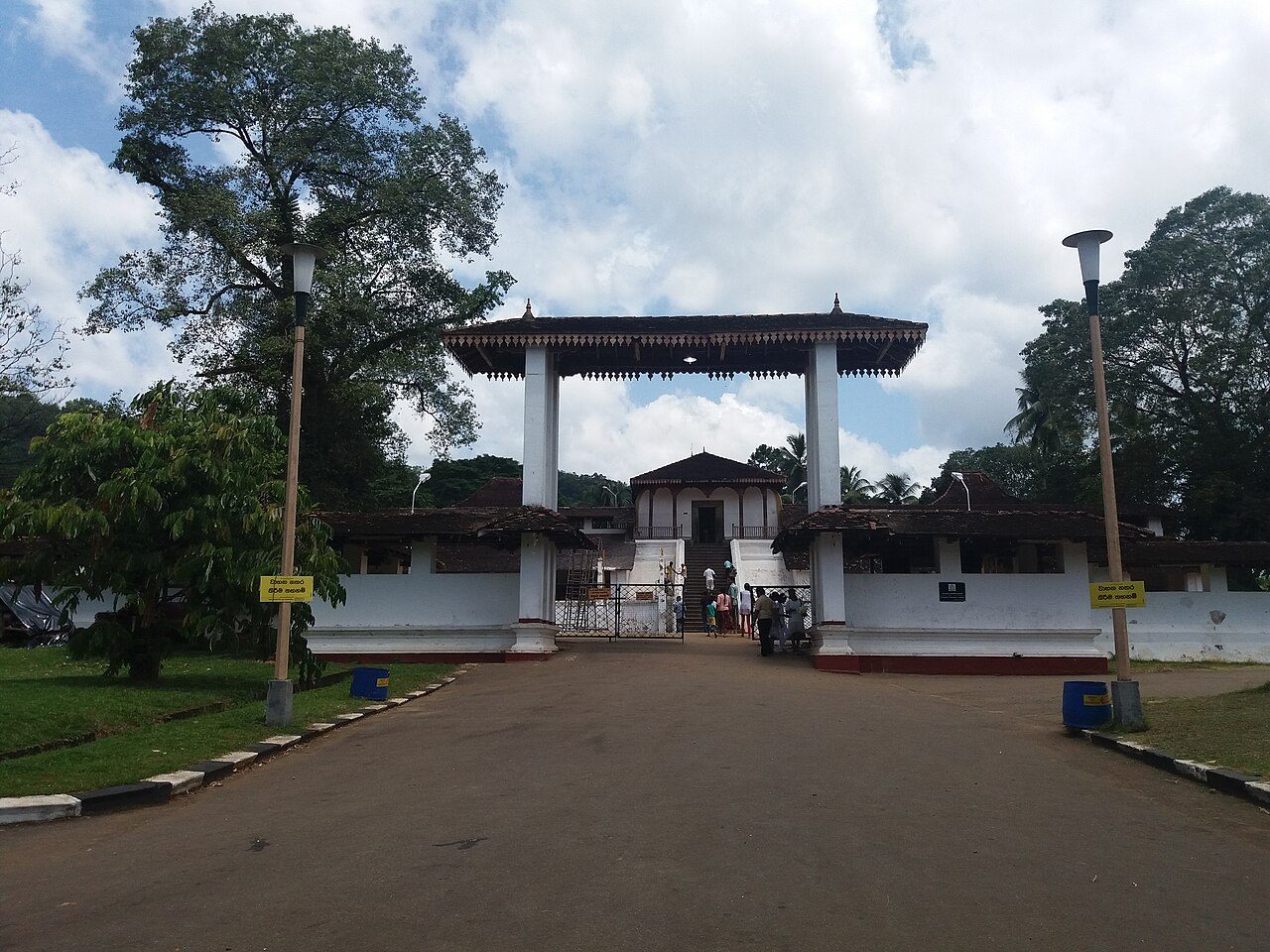
Maha Saman Devalaya, about 3 km from Ratnapura, is dedicated to Saman, the guardian deity of Adam's Peak. A shrine was founded here in the 13th century under King Parakramabahu II; the Portuguese destroyed it and built a church, and the temple was rebuilt in the Kandyan period. Its Esala perahera in July or August is among the oldest on the island.
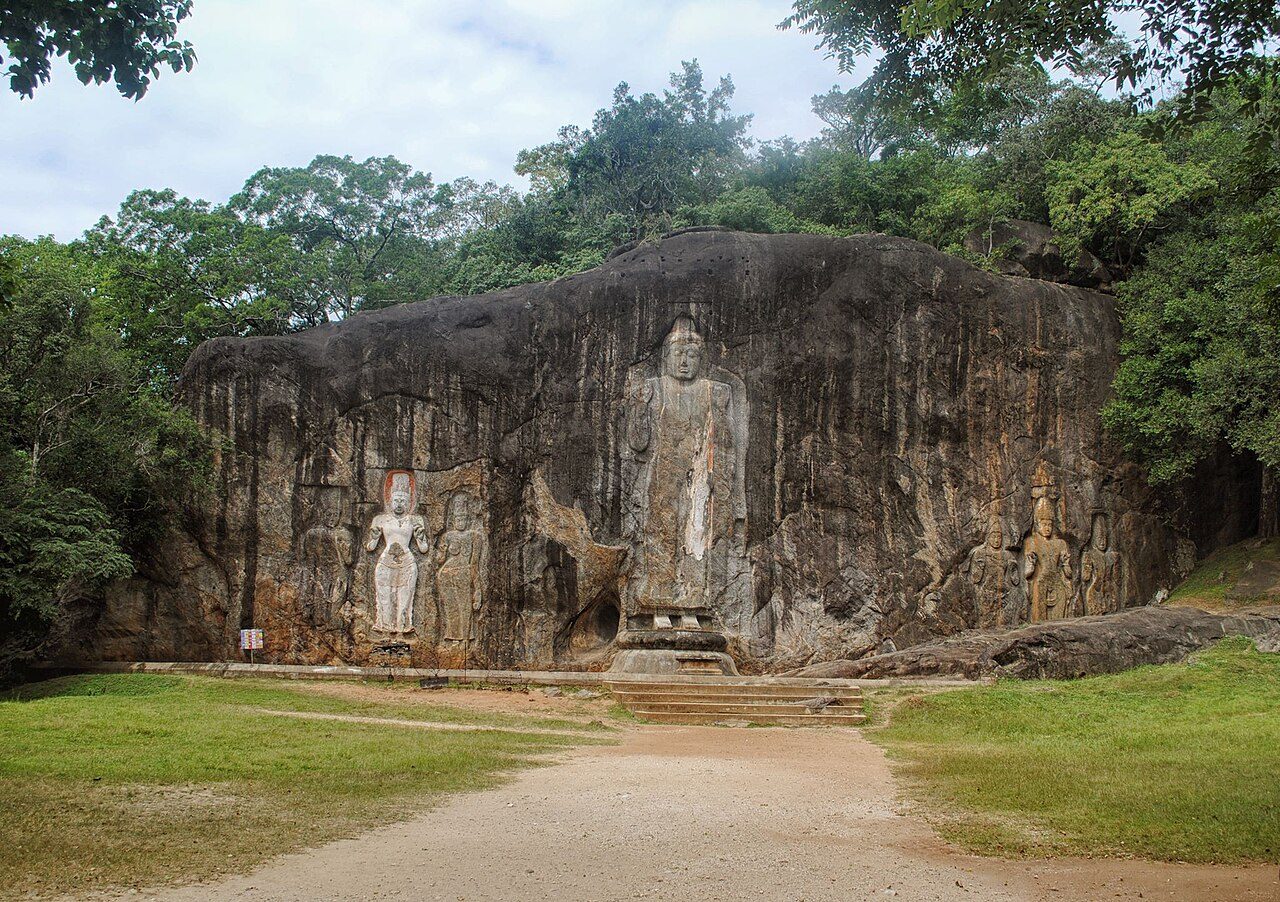
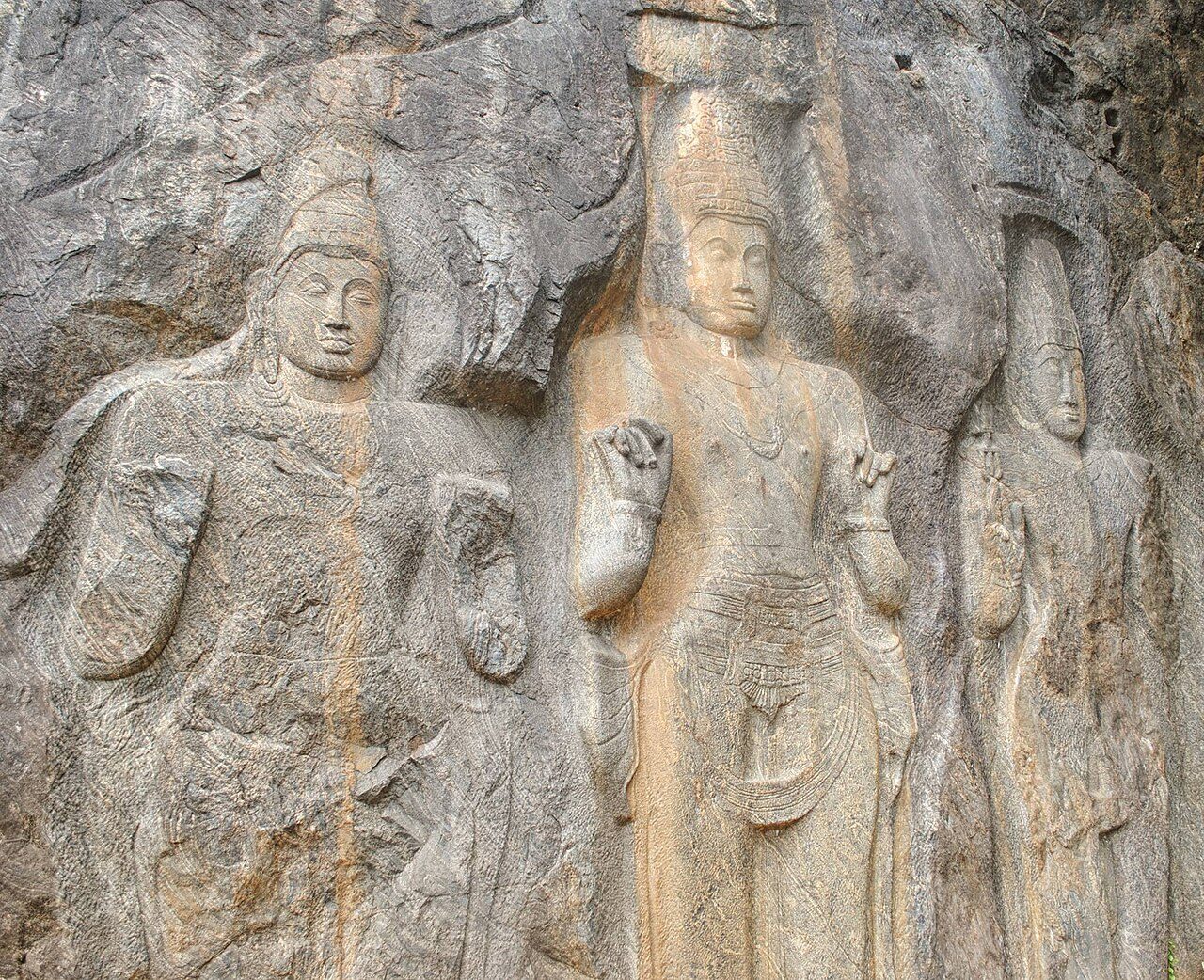
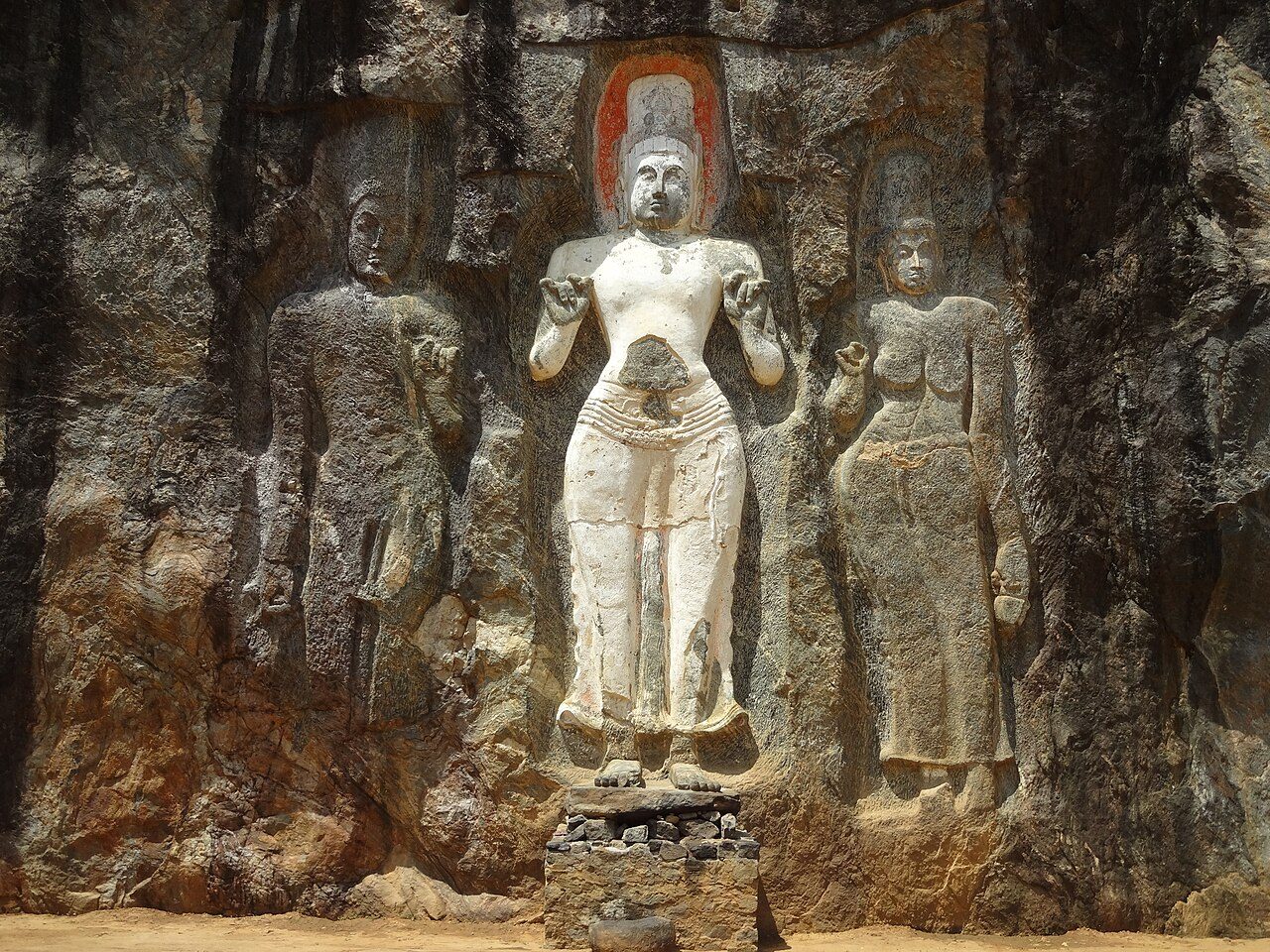
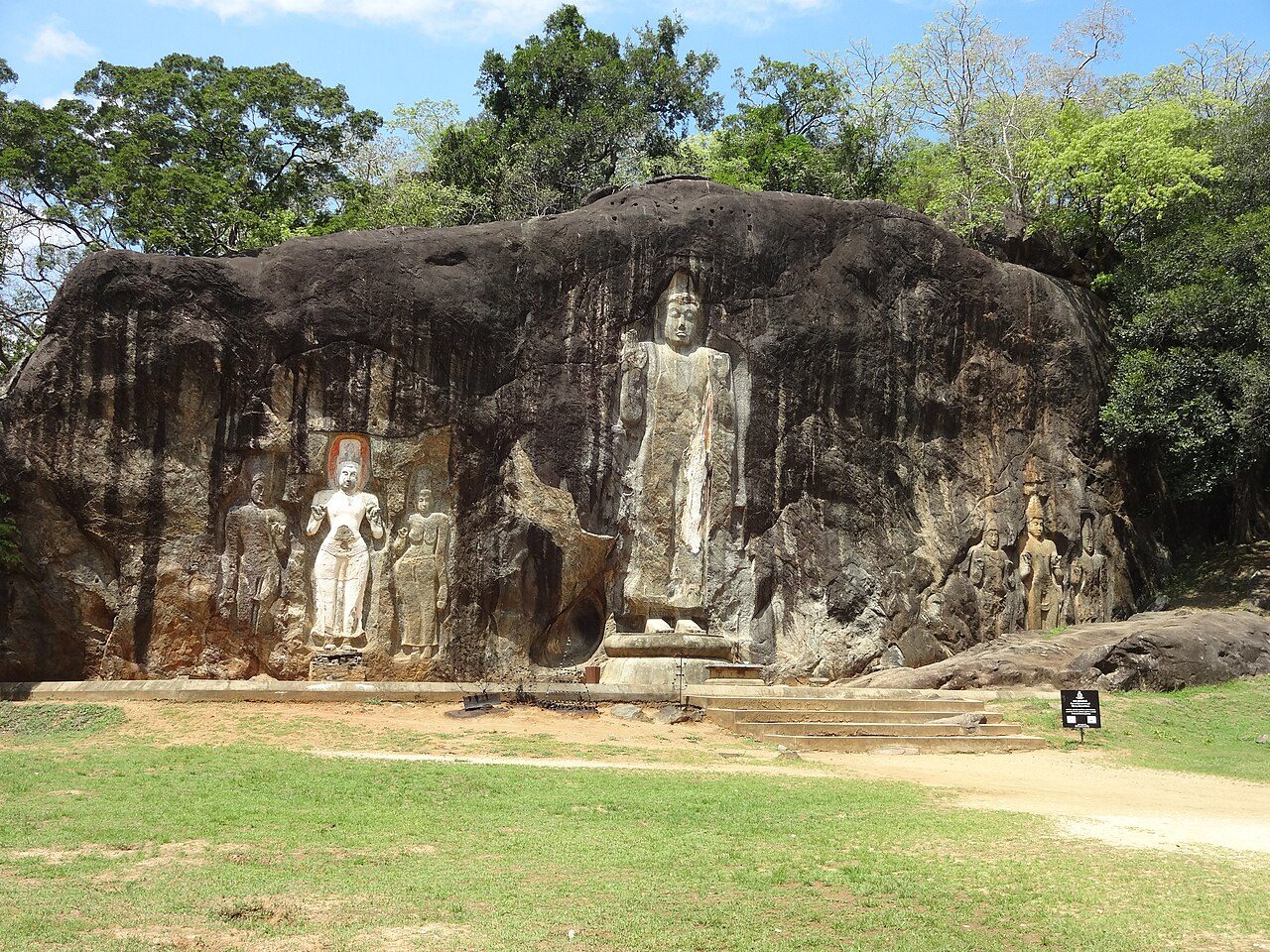
Buduruwagala, a few kilometres south of Wellawaya, has seven figures carved into a rock face, thought to date from about the 9th or 10th century. The central standing Buddha is about 15 metres tall, the tallest on the island. The flanking groups include Avalokiteshvara and Tara, showing that Mahayana Buddhism was practised here.
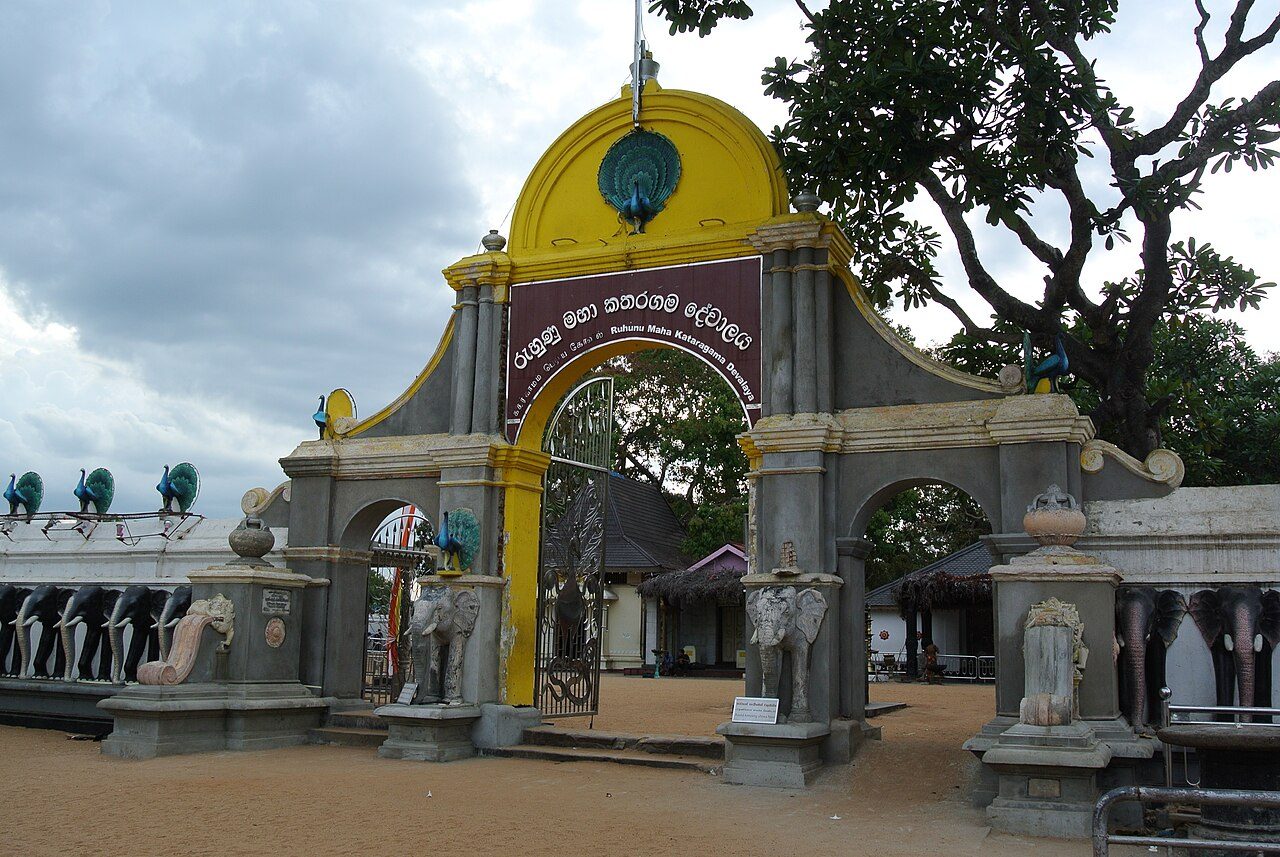
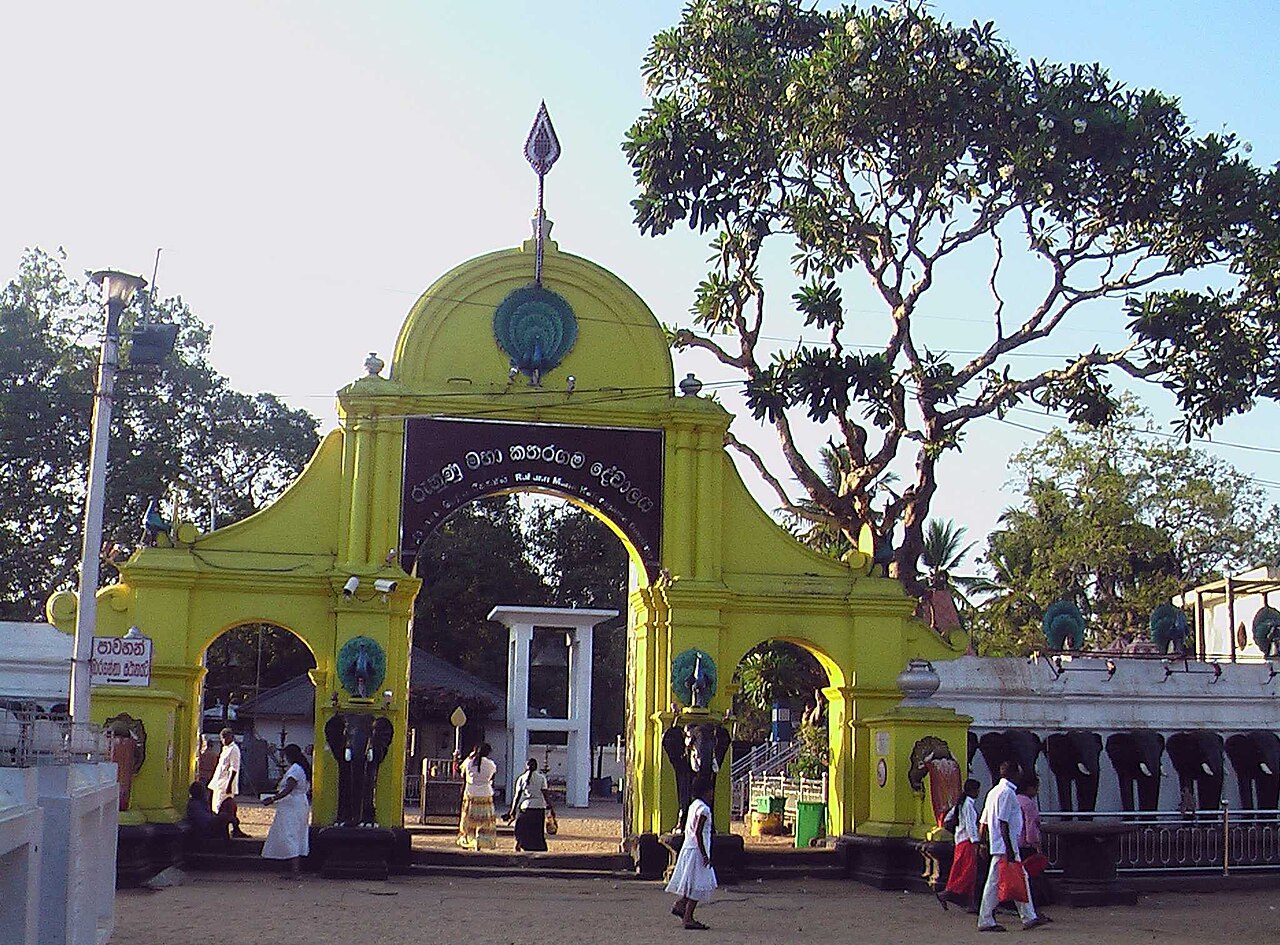
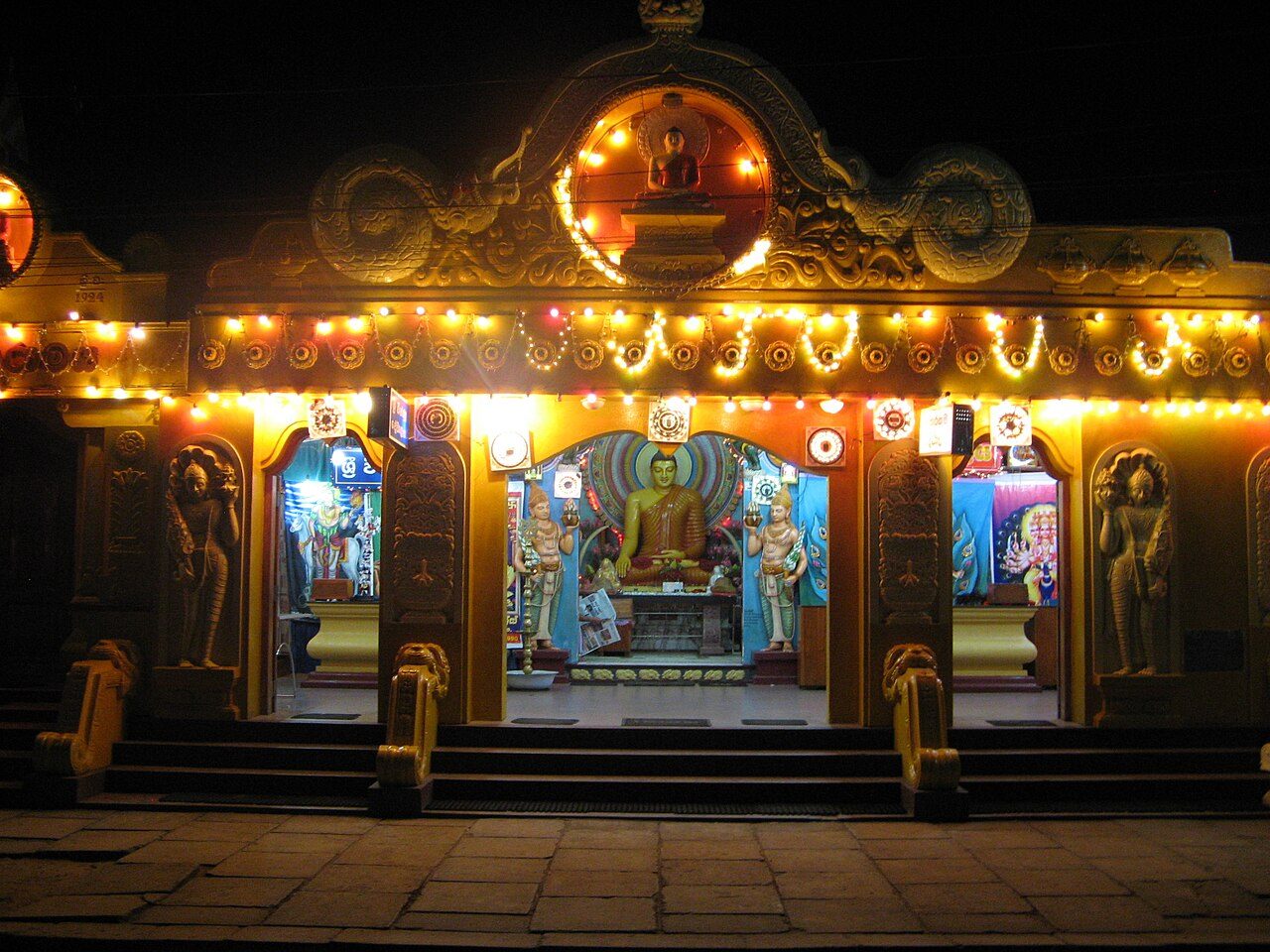
Kataragama is a pilgrimage town sacred to Buddhists, Hindus, Muslims and the indigenous Vedda people. The main shrine, the Maha Devale, honours the god Kataragama, identified with Skanda or Murugan. Nearby are the Kiri Vehera stupa and a mosque. Evening puja draws crowds carrying fruit offerings, and the Esala festival in July or August includes fire walking.
Best weather: Feb – MarHeavy rain: Oct – Nov
Seasons from 20 years of NASA POWER climate data.
Was this trip blog helpful?
0
0
Ready to follow this route?
Copy all 17 stops into your trip plans in the app.
 WaTrips