Elephant Pass, Nallur Temple, Jaffna Fort and Library, Nainativu, Keerimalai and Casuarina Beach, Delft Island, then Mannar's baobab and Madhu.
Sri Lanka's Tamil north has its own culture, food and faith. Day one crosses Elephant Pass to Jaffna for the golden Nallur Kandaswamy Temple, the Dutch fort and the rebuilt Public Library. Day two takes the ferry to Nainativu, an island sacred to both Hindus and Buddhists. Day three visits the Keerimalai springs, Naguleswaram Temple and Casuarina Beach. Day four is a boat to remote Delft Island and its wild ponies. Day five ends in Mannar at a giant baobab tree and the Shrine of Our Lady of Madhu. Try Jaffna crab curry. The north is best from January to September.
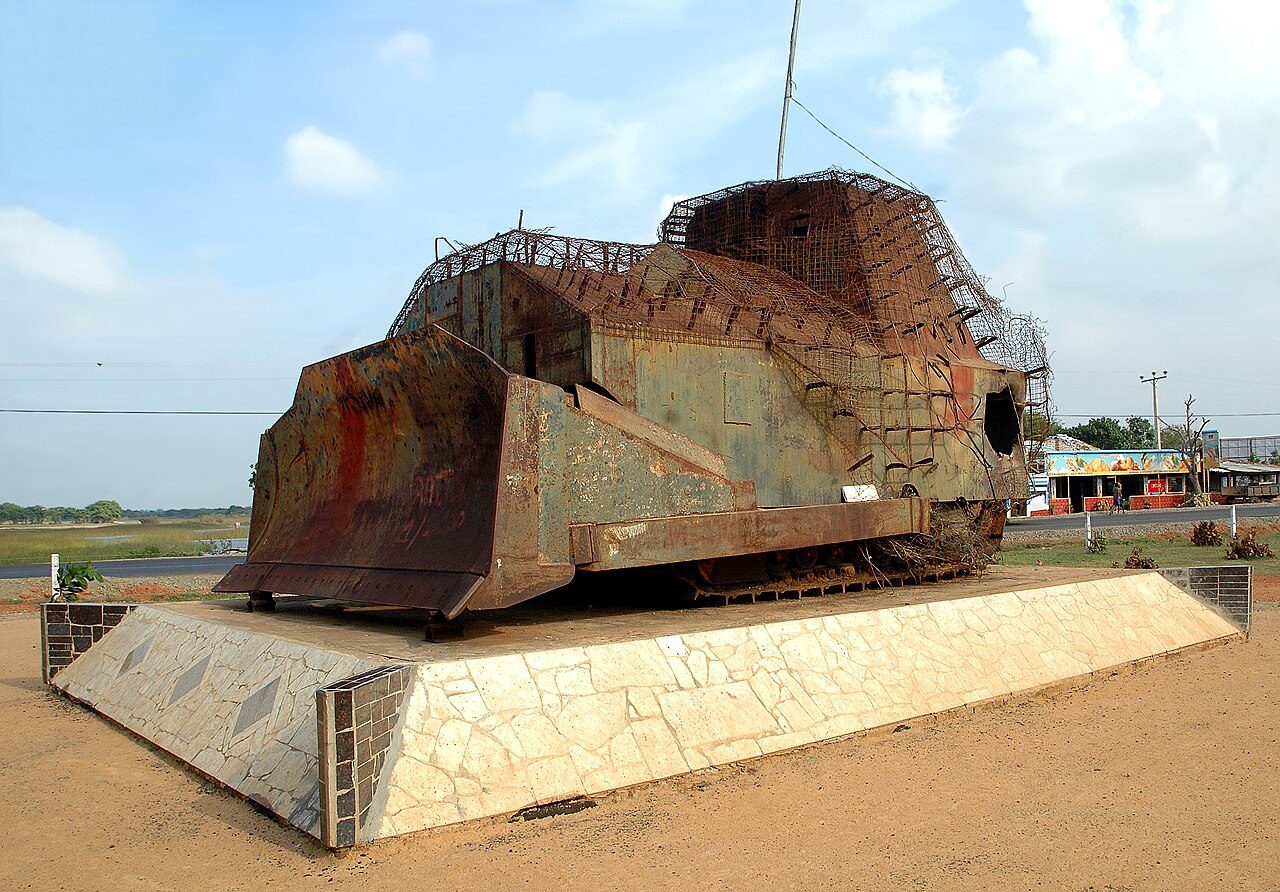
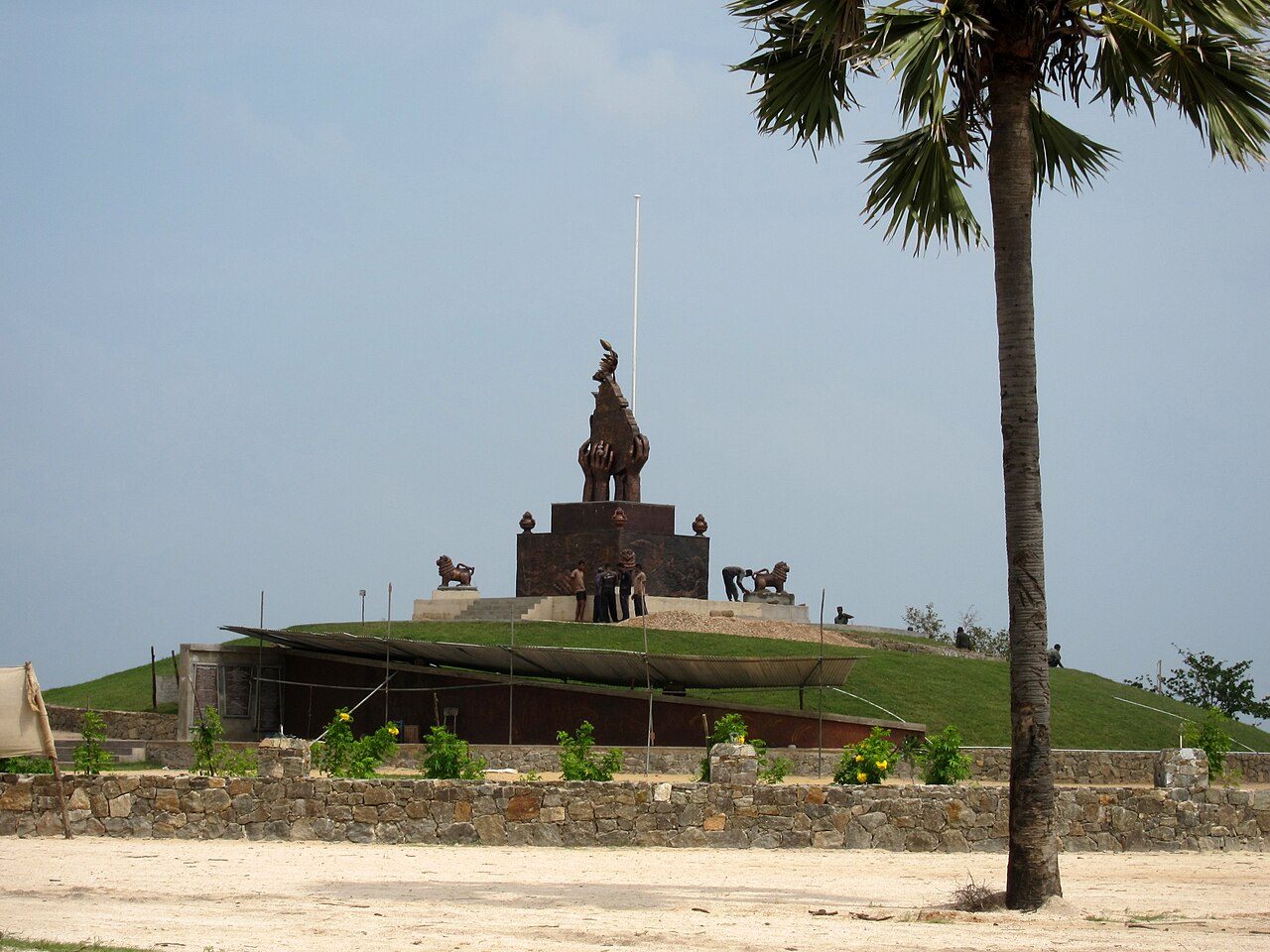
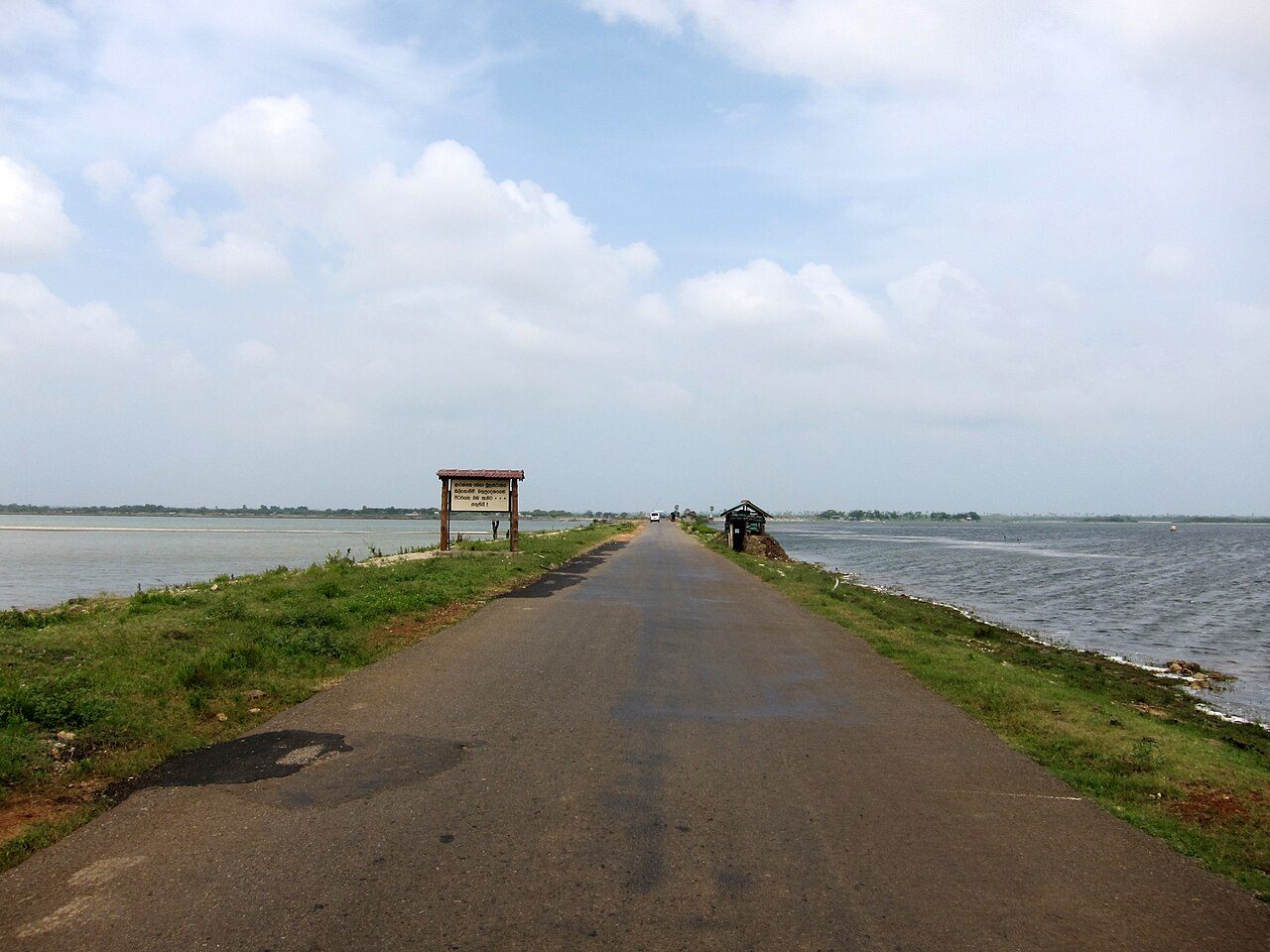
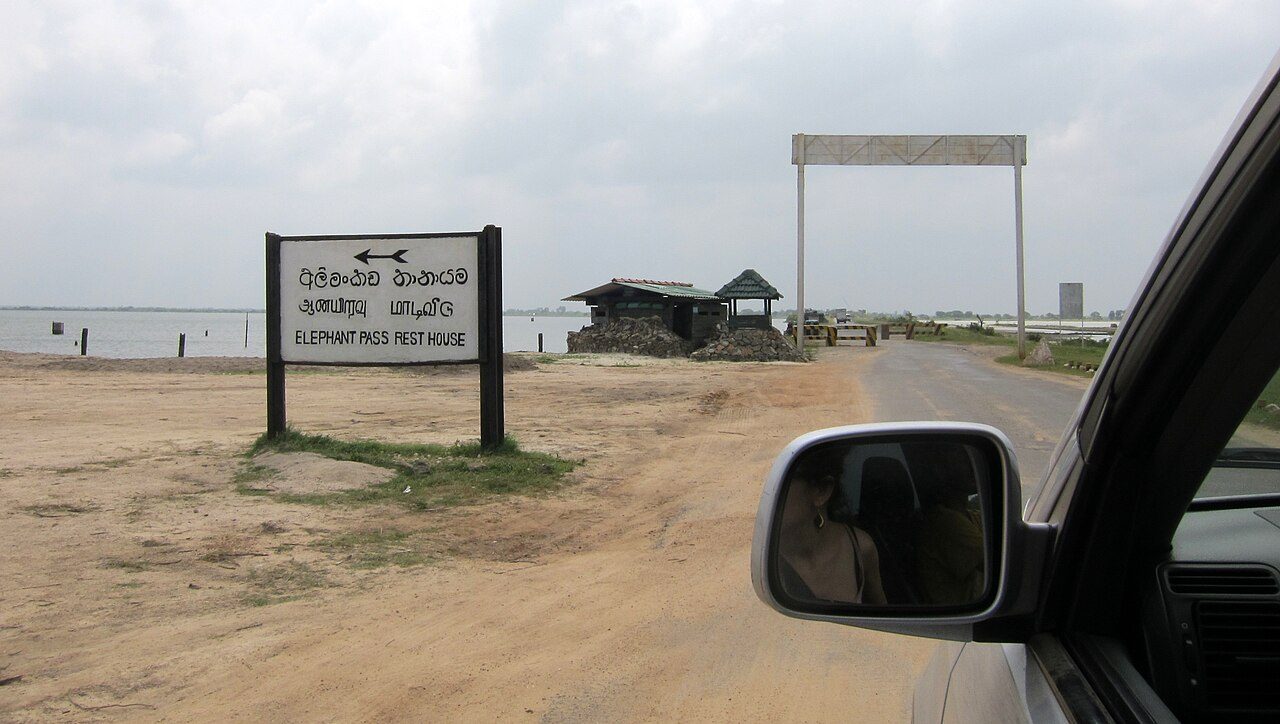
Elephant Pass is a narrow causeway across a shallow lagoon linking the Jaffna peninsula with the rest of Sri Lanka. Its strategic position made it the site of major battles during the civil war. A war memorial with a tall monument stands beside the highway, along with a destroyed armoured bulldozer kept as a memorial. Salt pans stretch across the lagoon.
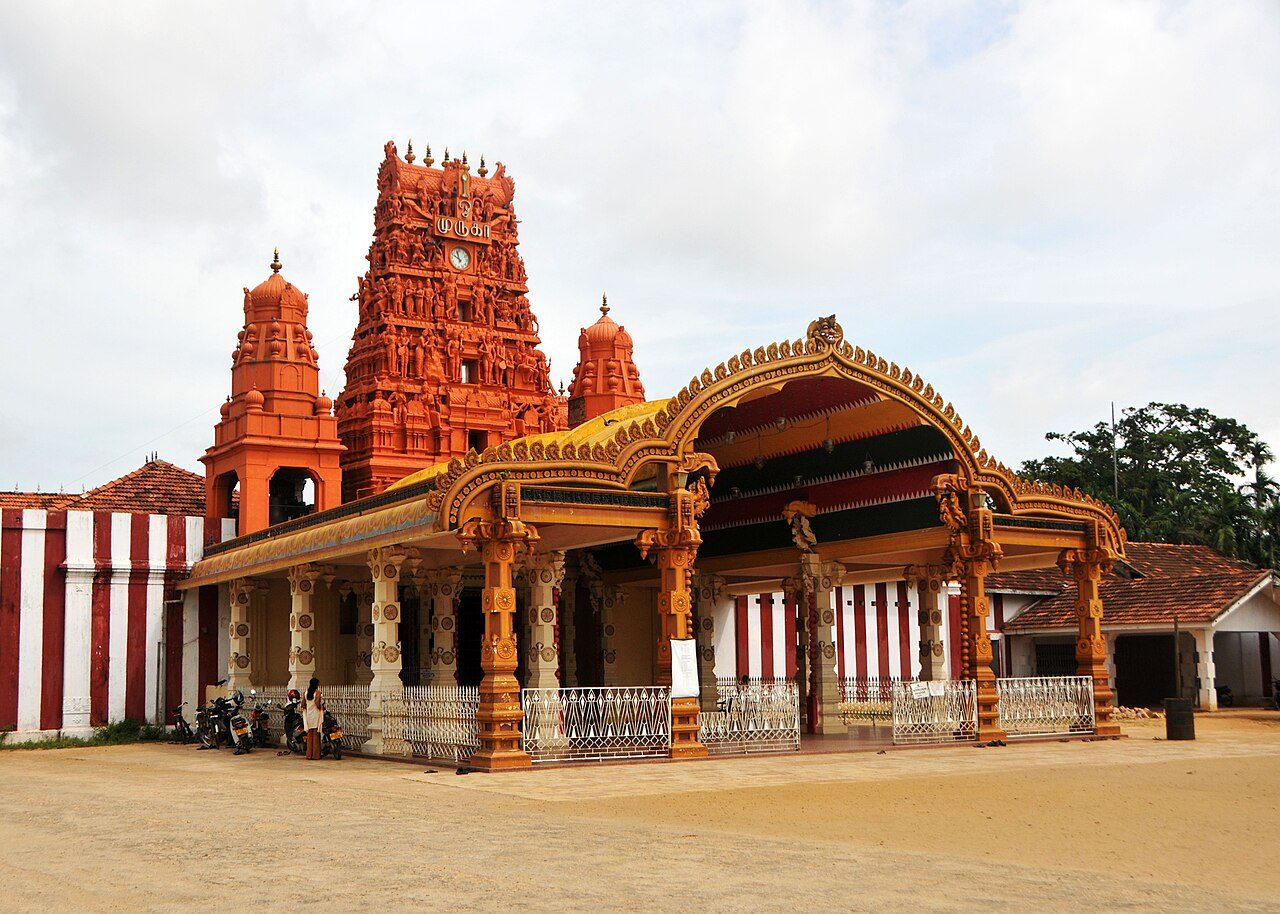
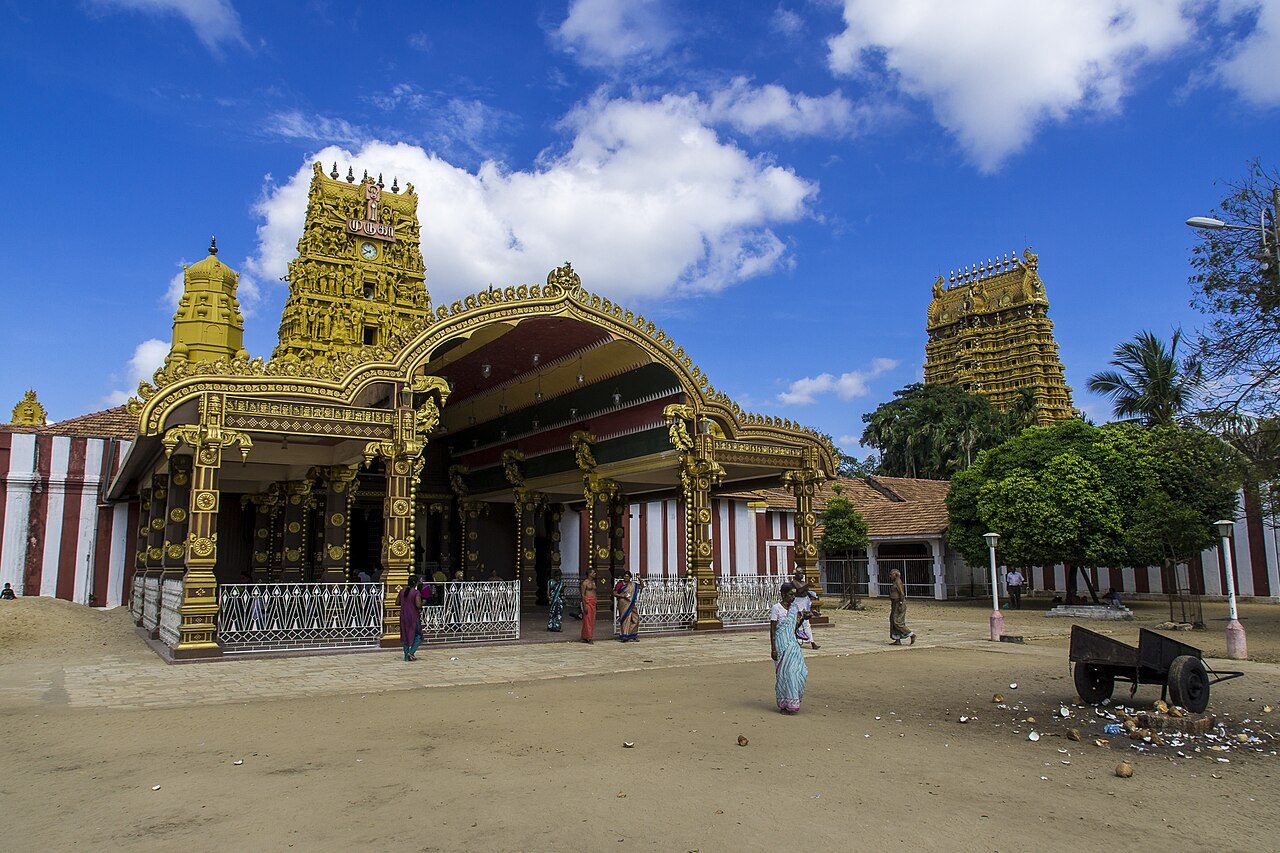
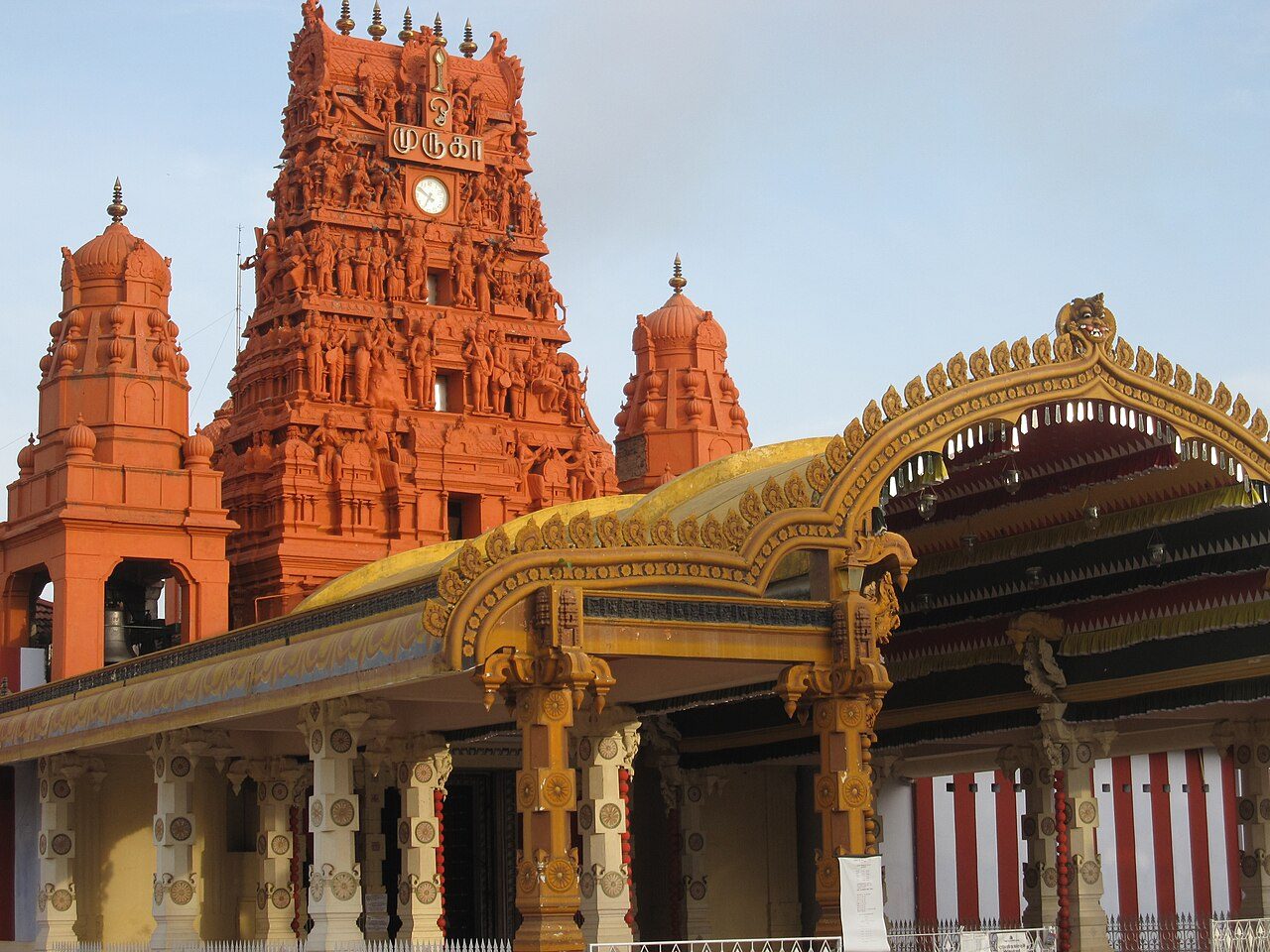
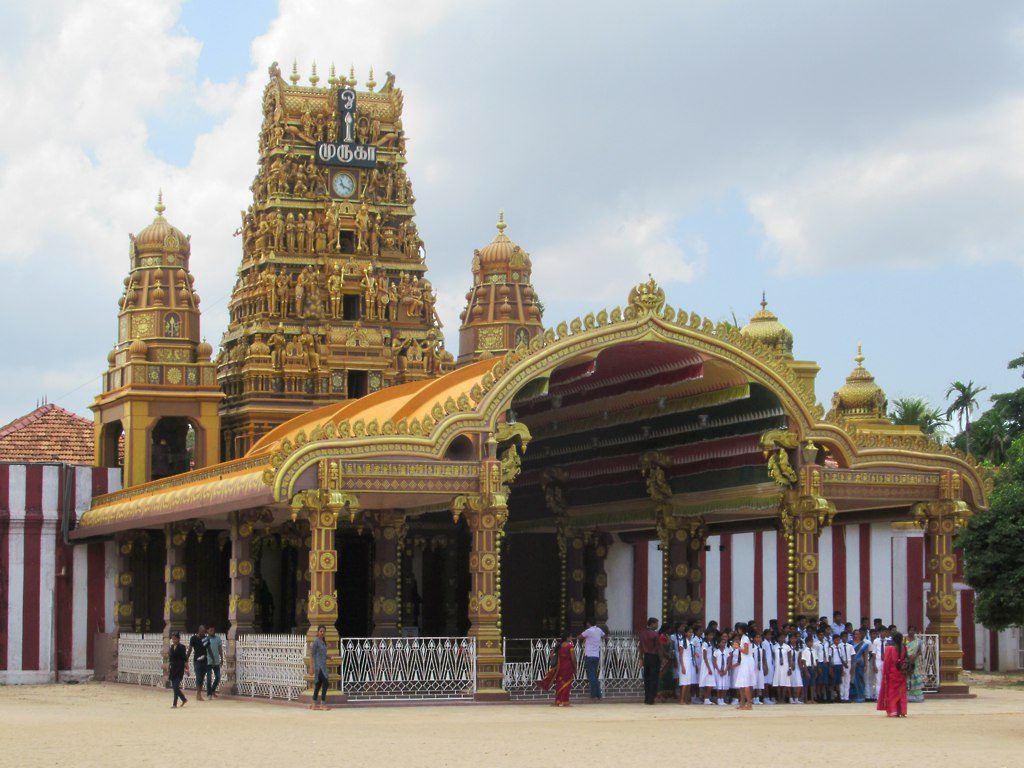
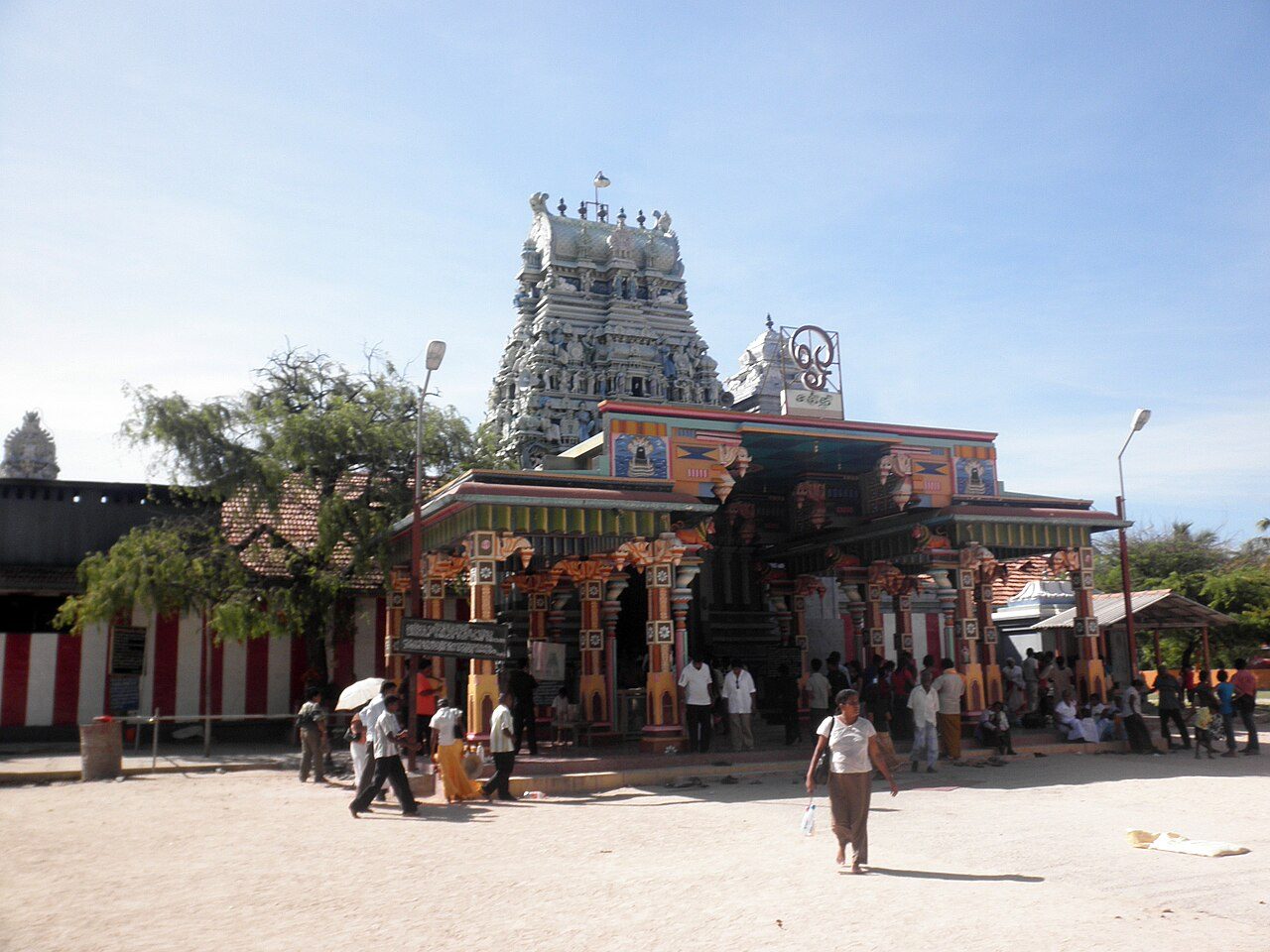
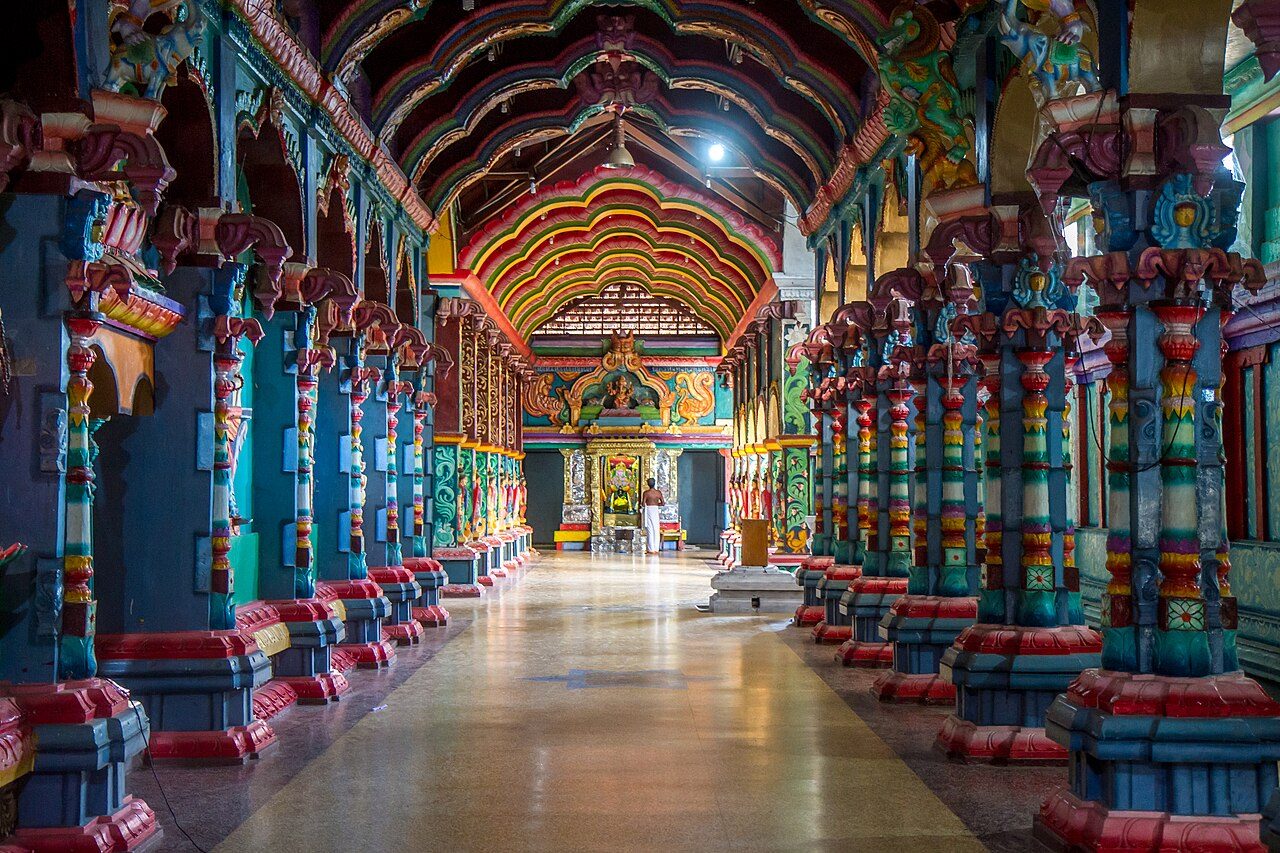
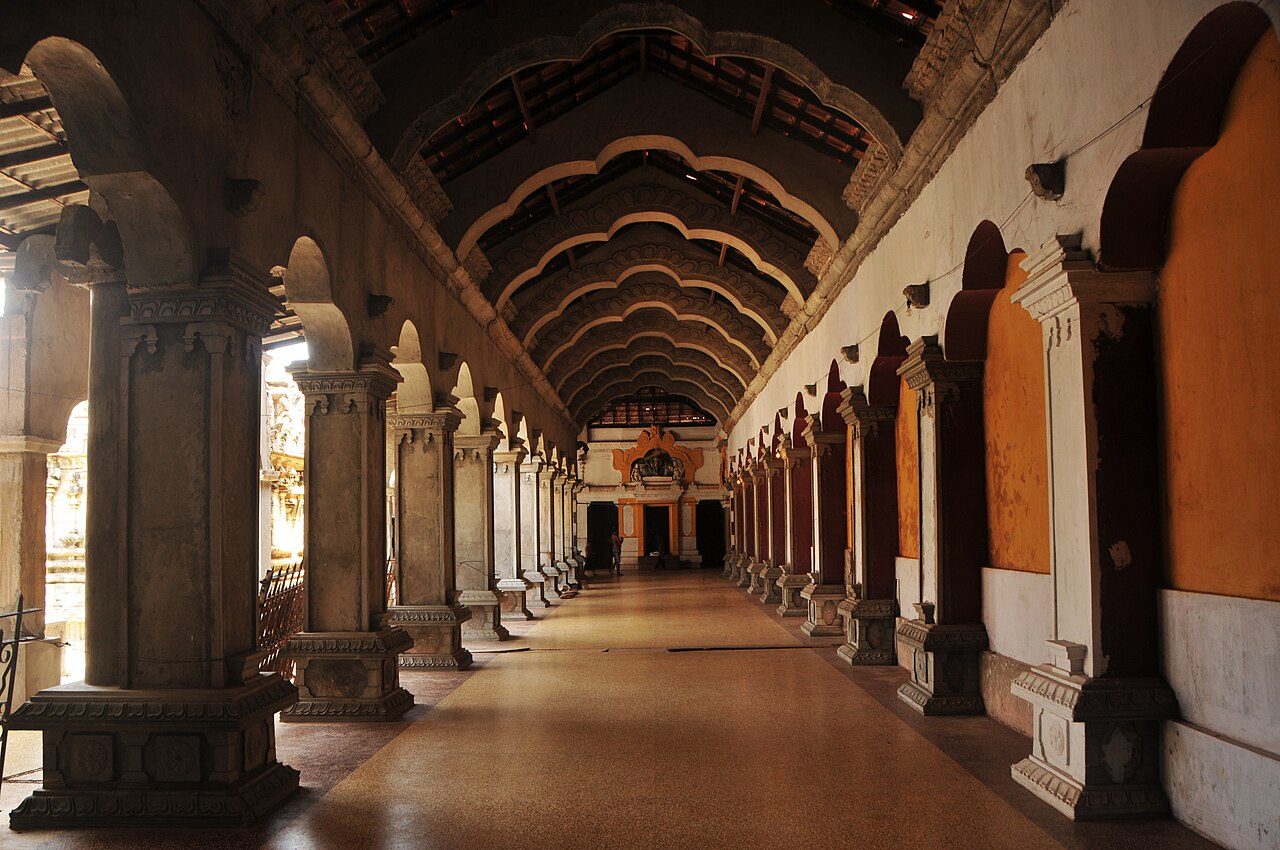
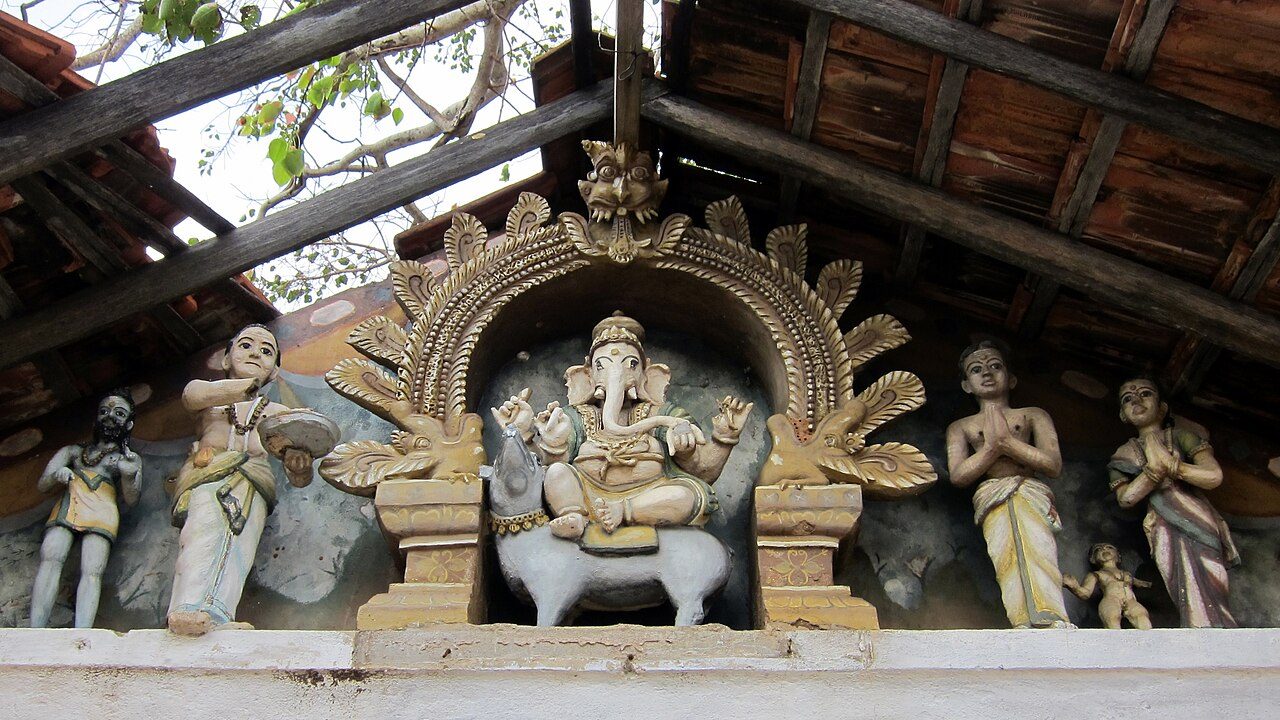
Nallur Kandaswamy Temple is the most important Hindu temple in Jaffna, dedicated to Murugan. The original temple dates back to the 15th century; the present one was begun in 1734 after earlier shrines were destroyed. Its golden-ochre gopuram and red and white striped walls are city landmarks. Men must remove their shirts to enter. The annual festival lasts 25 days.
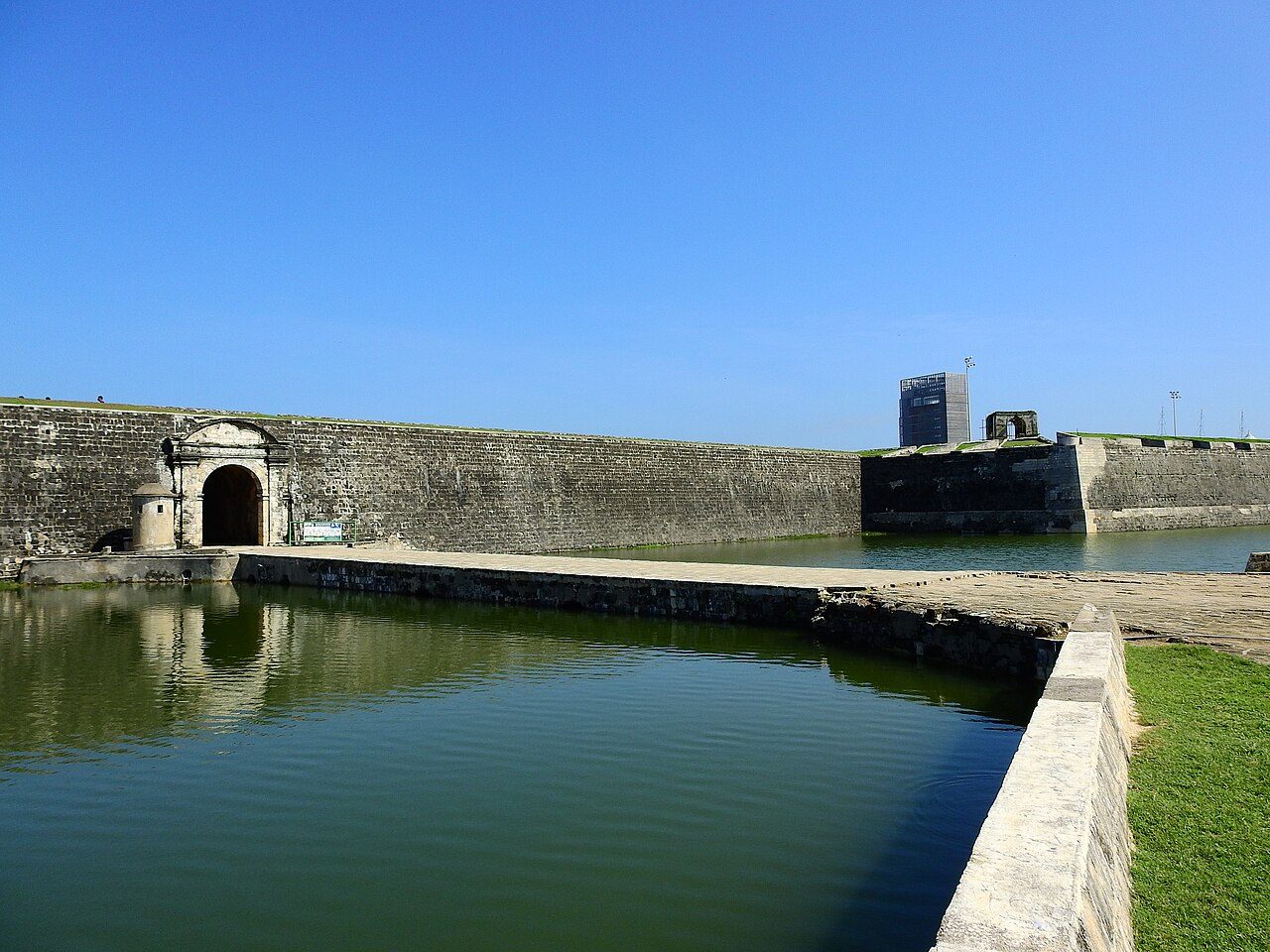
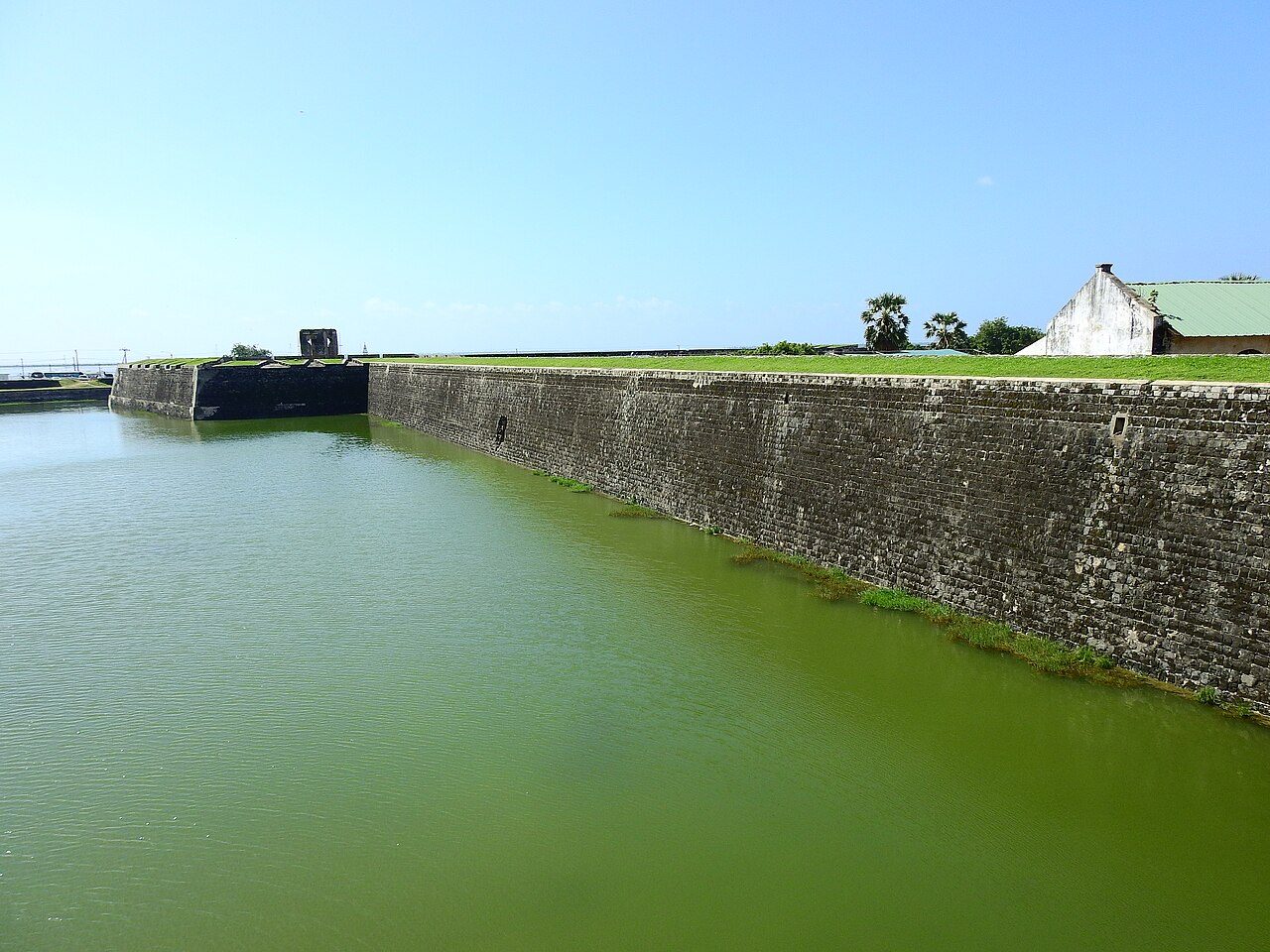
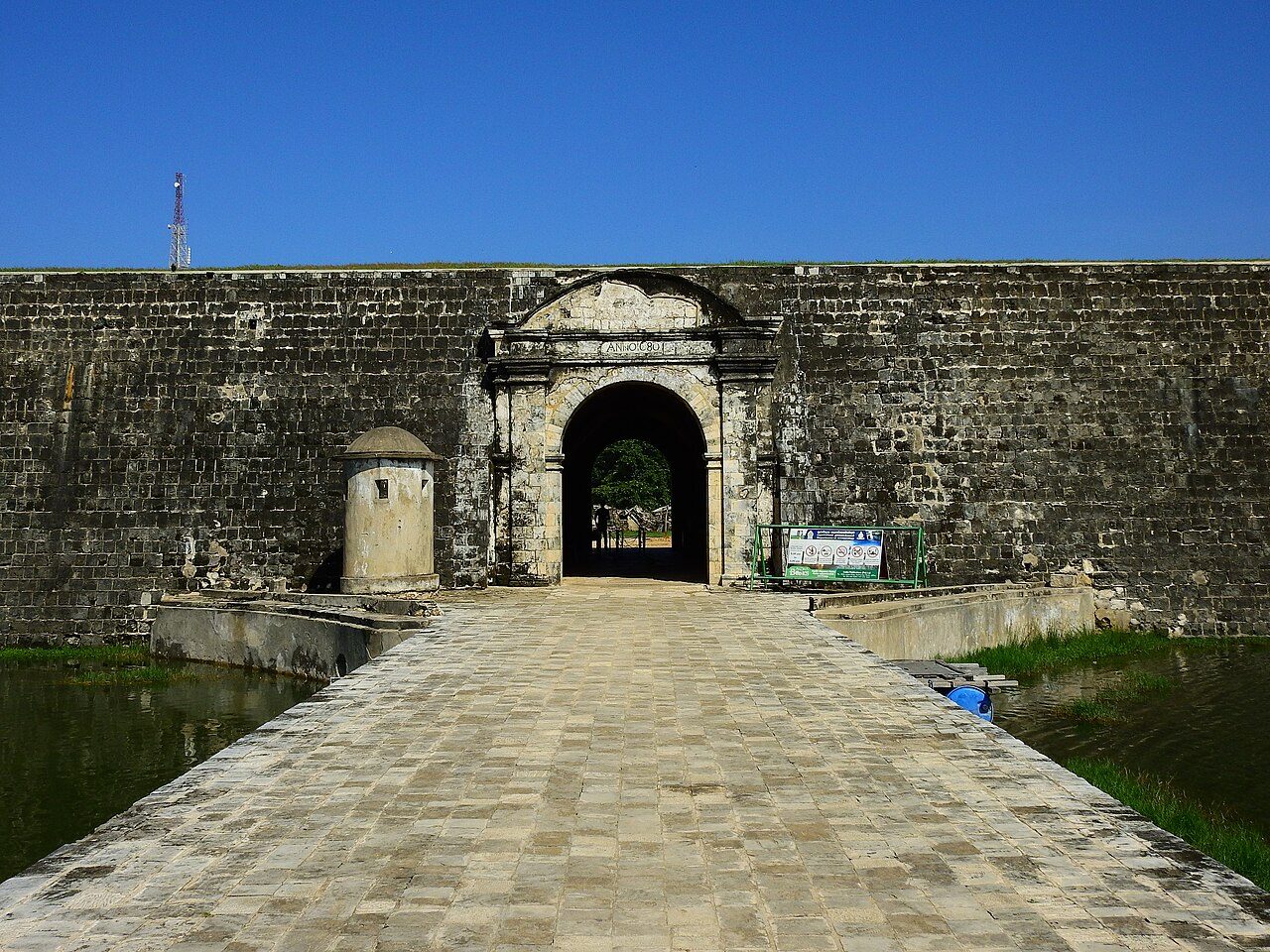
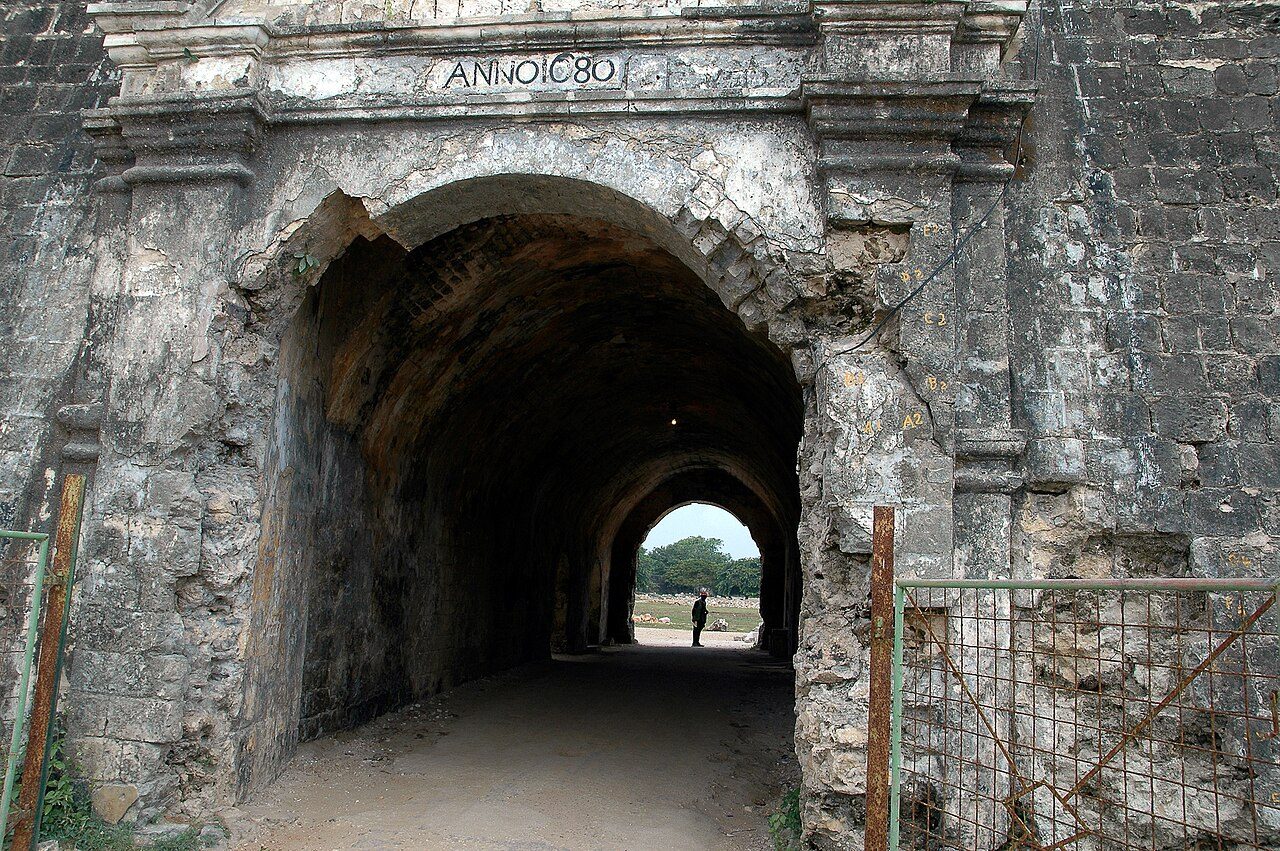
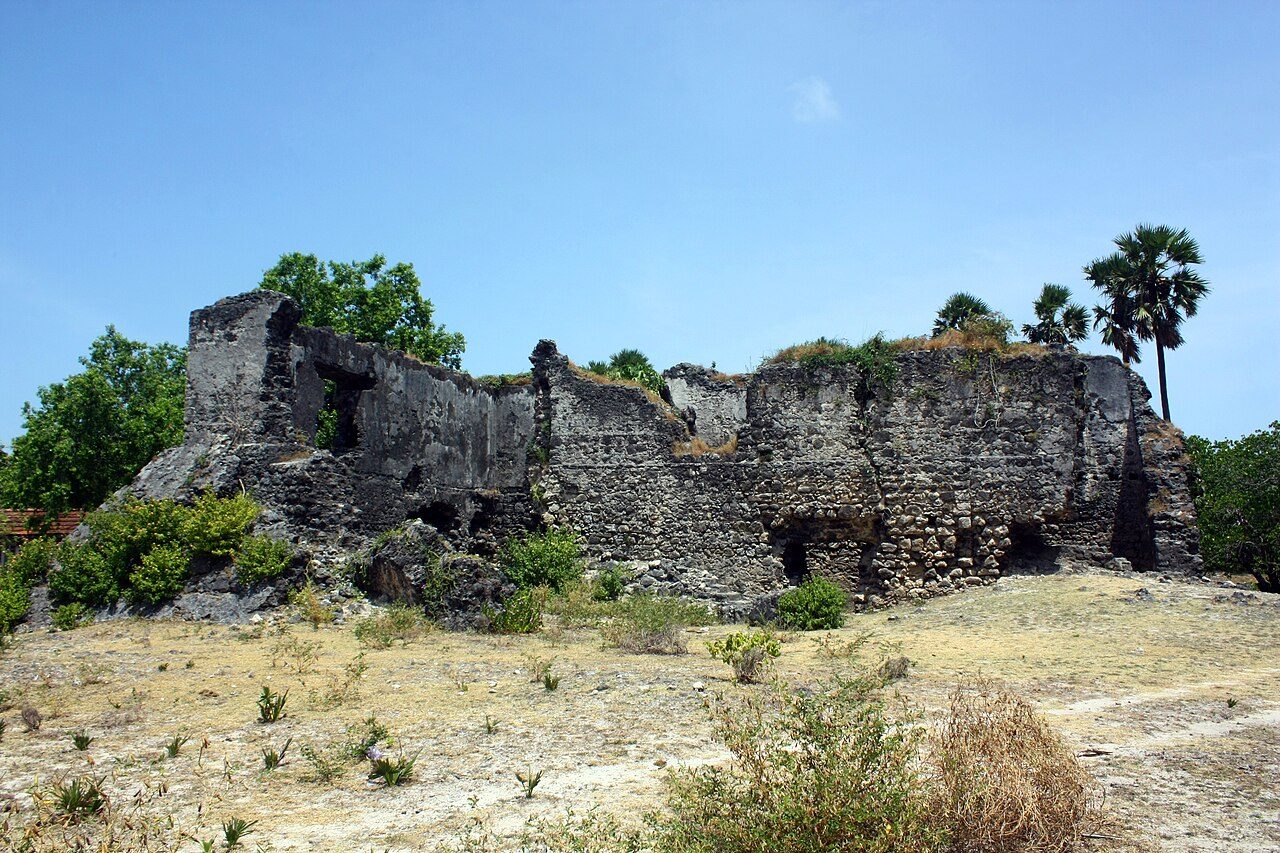
Jaffna Fort was first built by the Portuguese in 1618 and rebuilt by the Dutch from 1680 as a five-sided fortress with bastions and a wide moat, one of the best examples of Dutch military design in Asia. It was badly damaged during the civil war and has been under restoration. Visitors can walk the ramparts above the lagoon.
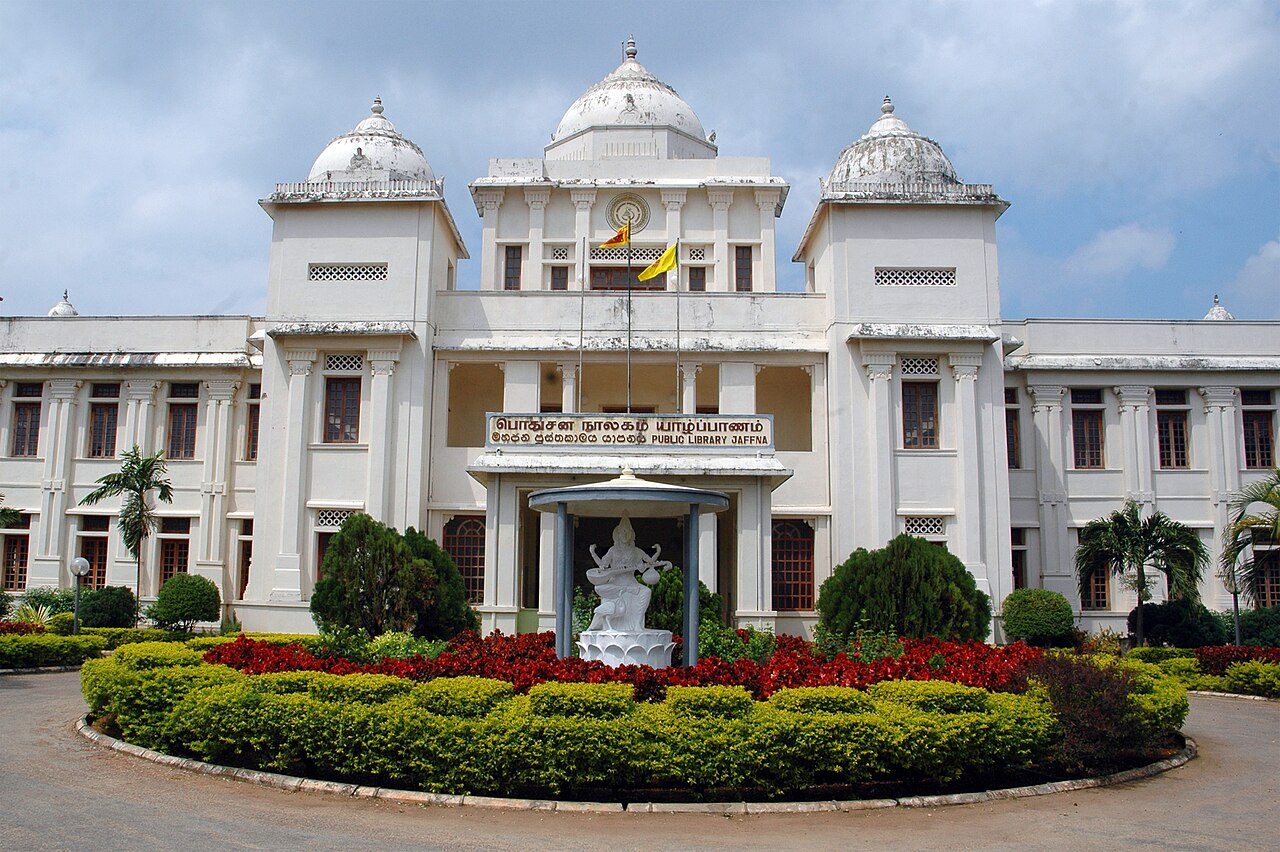
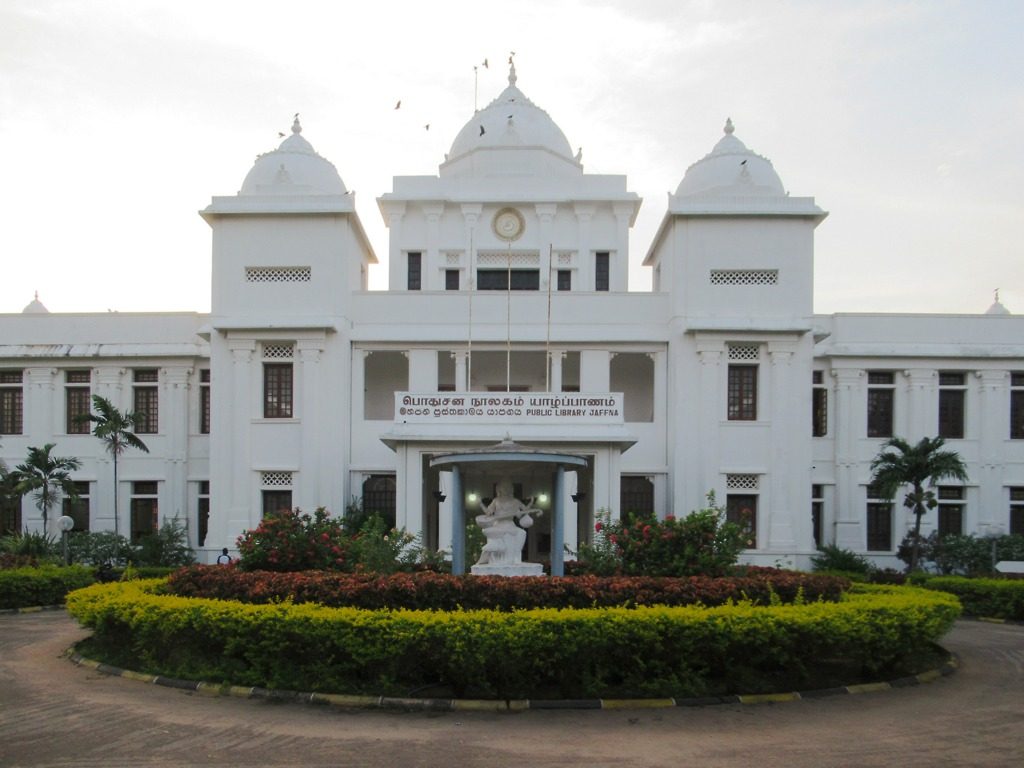
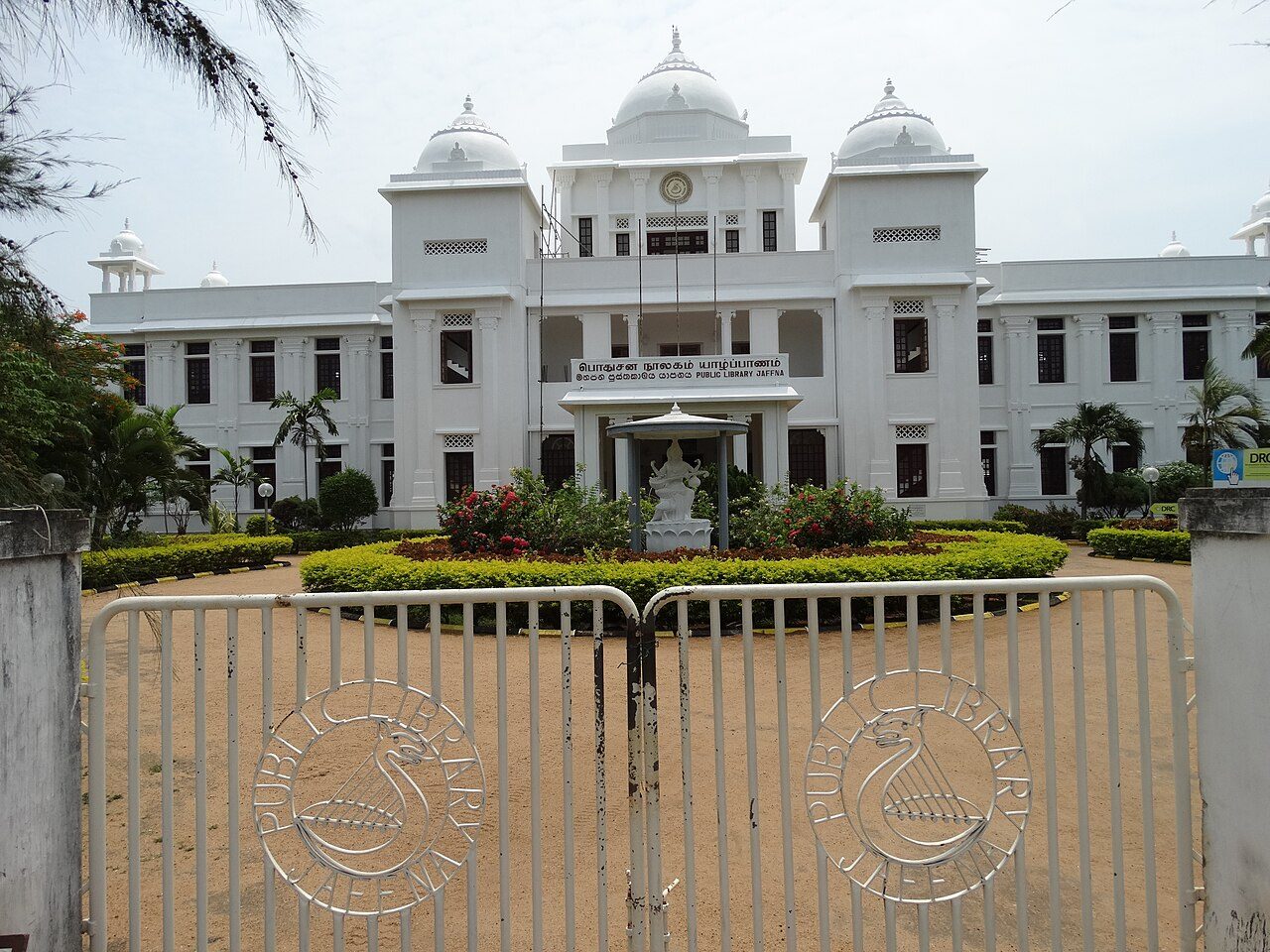
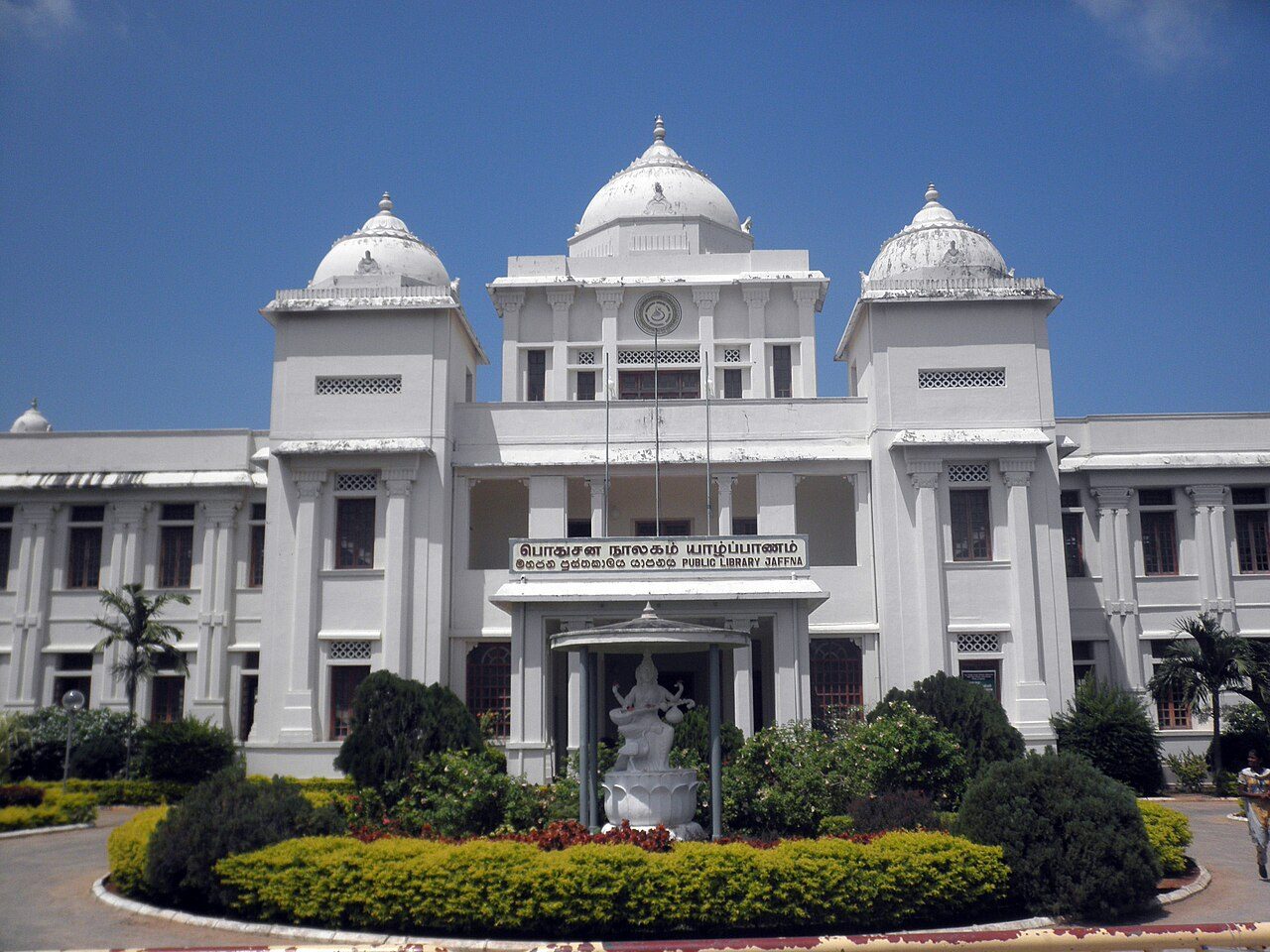
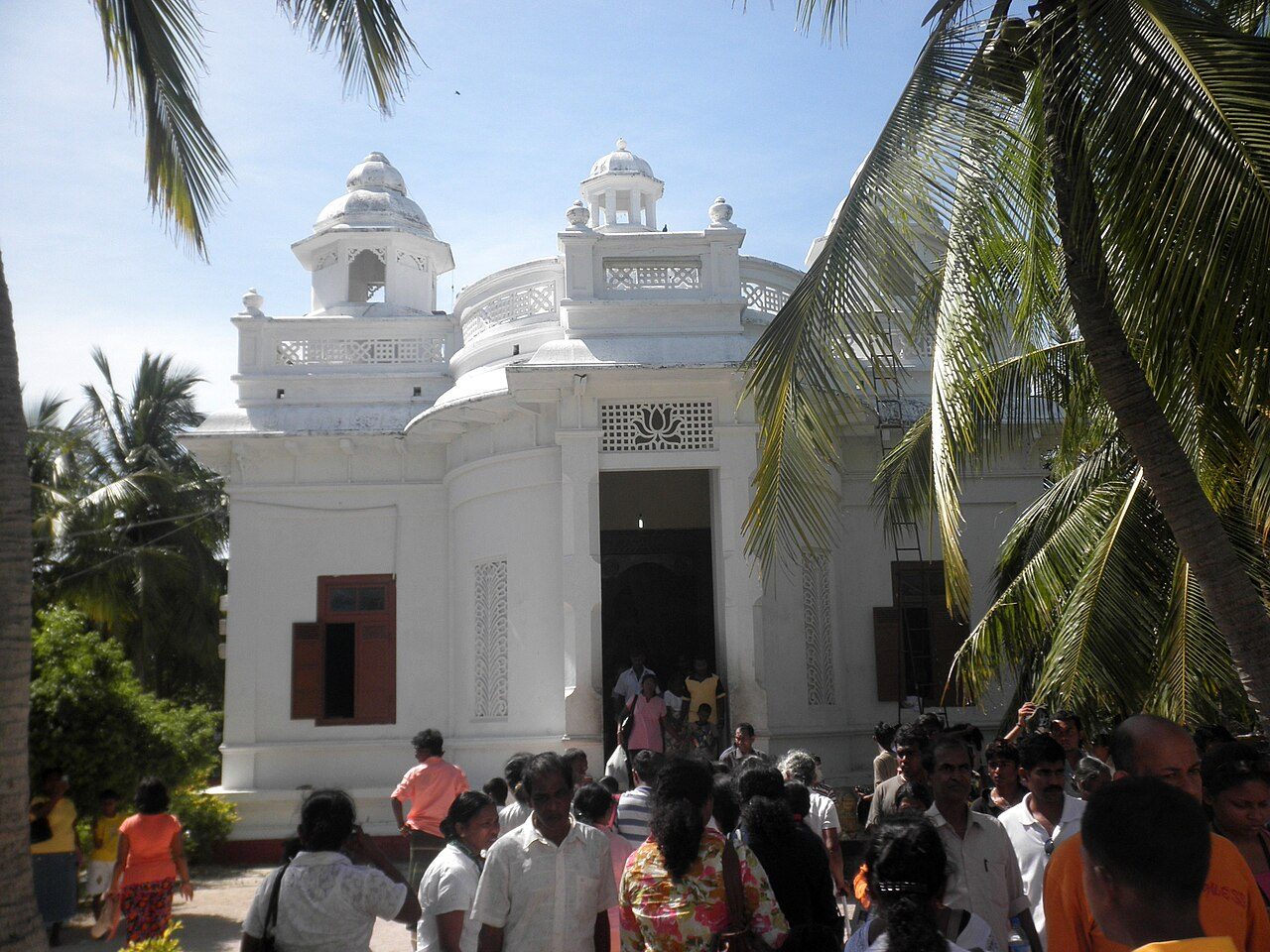
The Jaffna Public Library first opened in 1933 and grew into one of the finest libraries in South Asia. It was burned in 1981, with the loss of about 97,000 books and irreplaceable manuscripts, an event deeply felt by Tamils. The white building with domes was rebuilt and reopened in the early 2000s. Visitors are admitted at set hours.
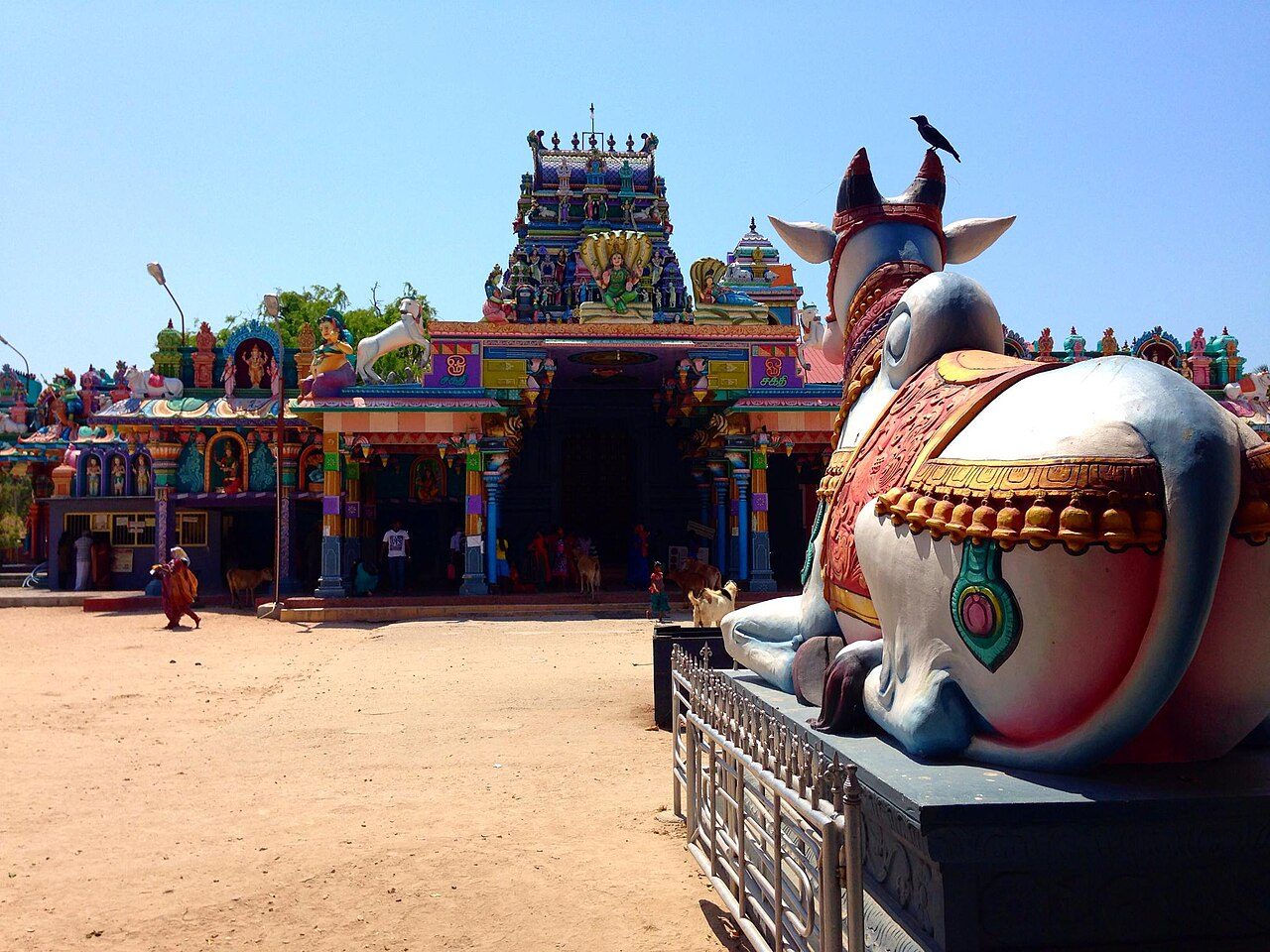
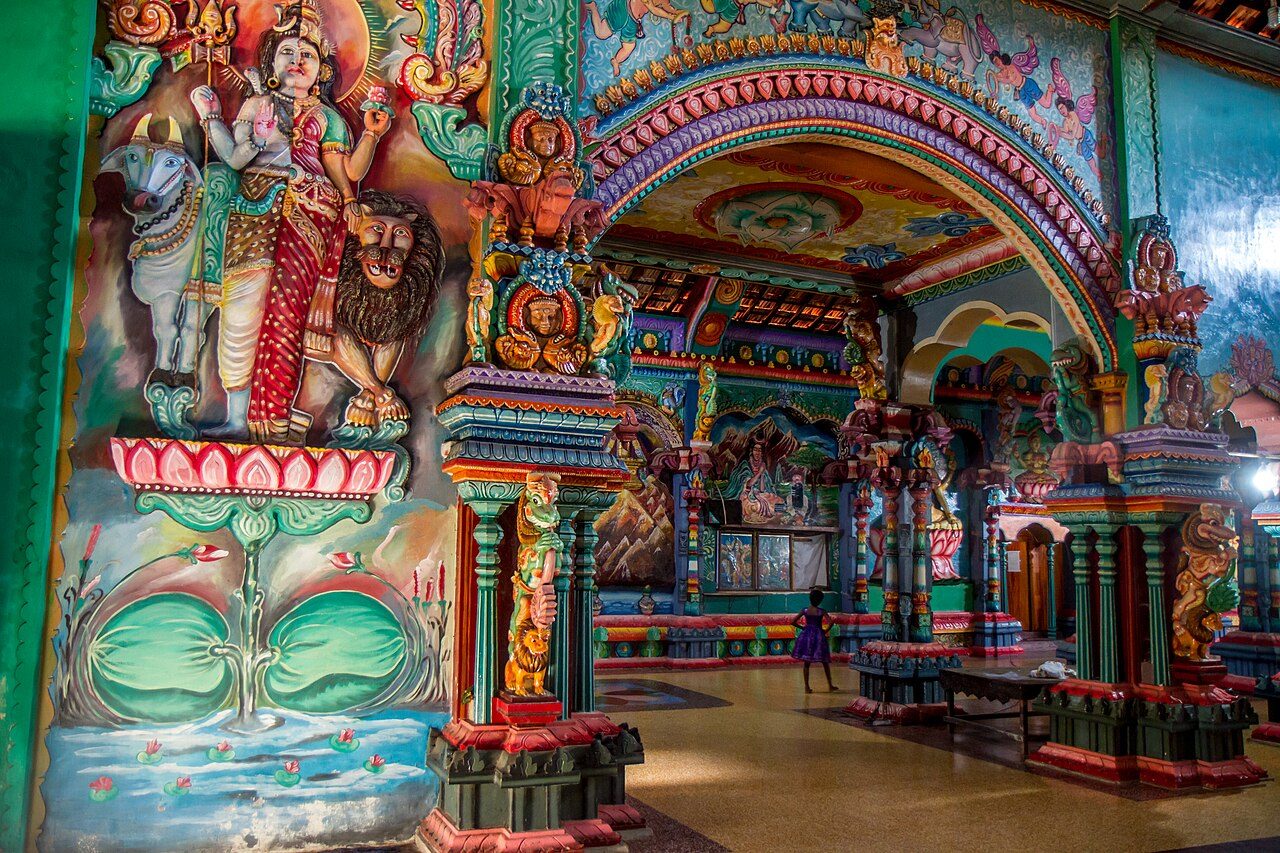
Nagapooshani Amman Temple stands on the small island of Nainativu, reached by ferry from Kurikadduwan jetty beyond Jaffna. Dedicated to the goddess Parvati as Nagapooshani and regarded as a Shakti Peetha, it has tall, brightly painted gopurams. The present buildings date from the 18th century onward. A major festival is held in June or July.
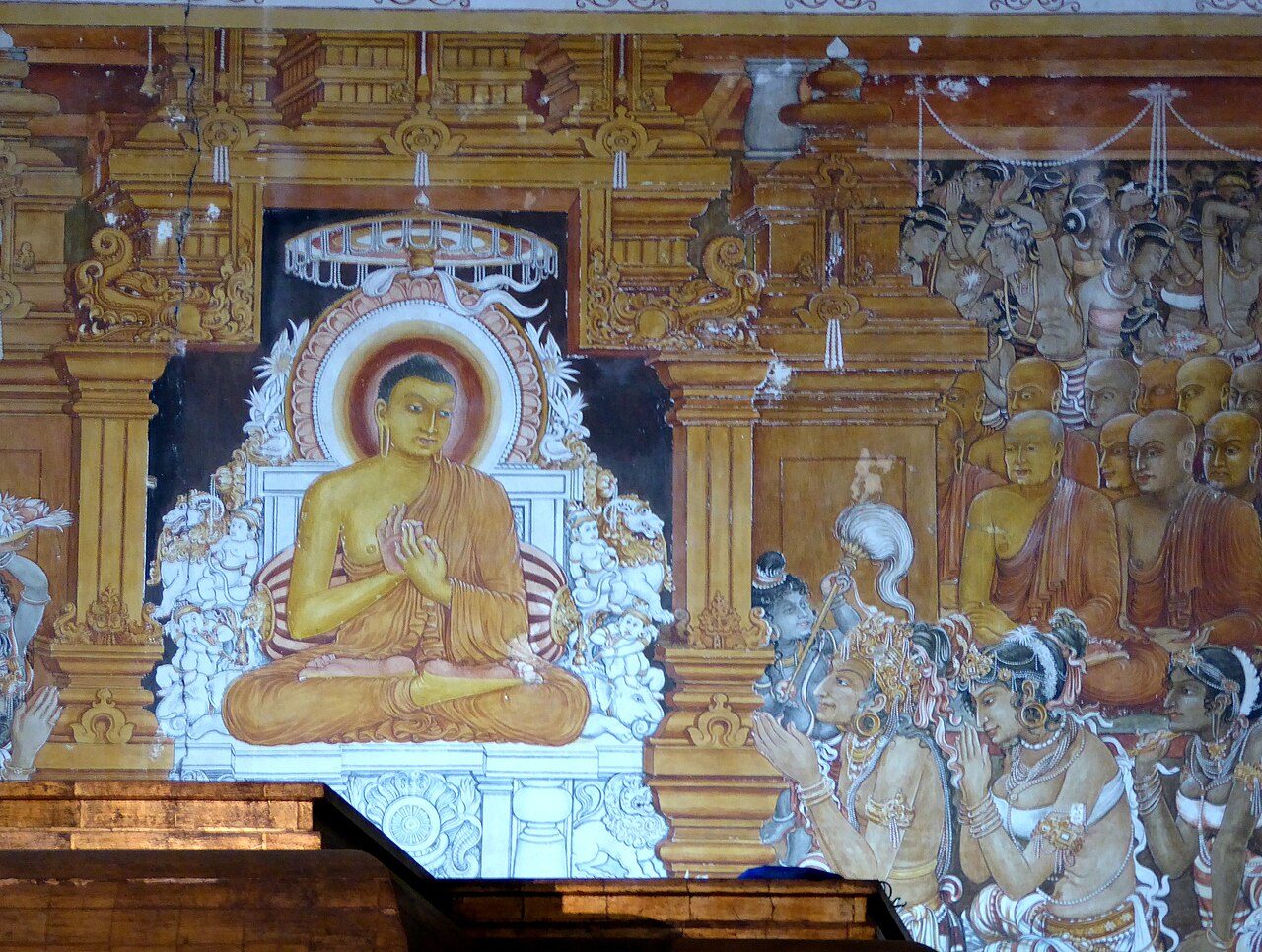
Nagadeepa Purana Vihara stands on the small island of Nainativu off the Jaffna peninsula, reached by ferry from Kurikadduwan. It is one of the sixteen most sacred Buddhist sites in Sri Lanka, marking the Buddha's second visit to the island, when he is said to have settled a dispute between two Naga kings over a gem-studded throne. A silver-painted stupa stands near the jetty.
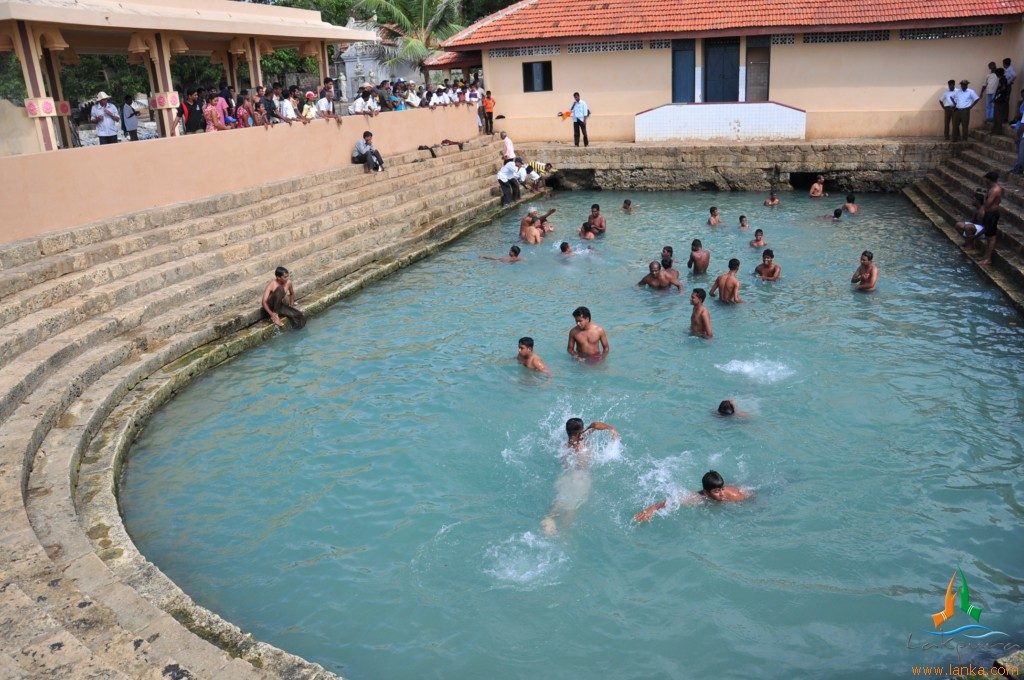
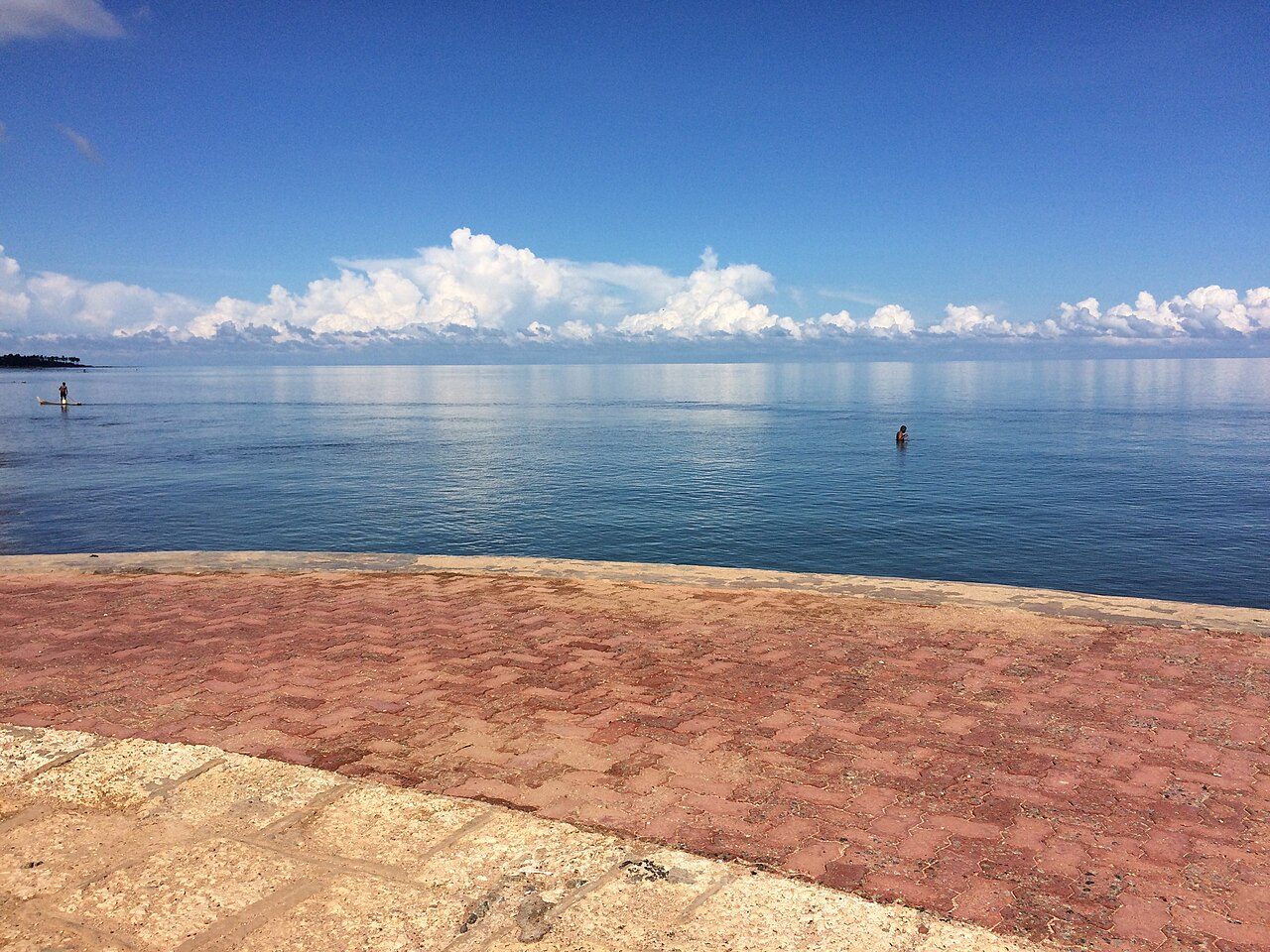
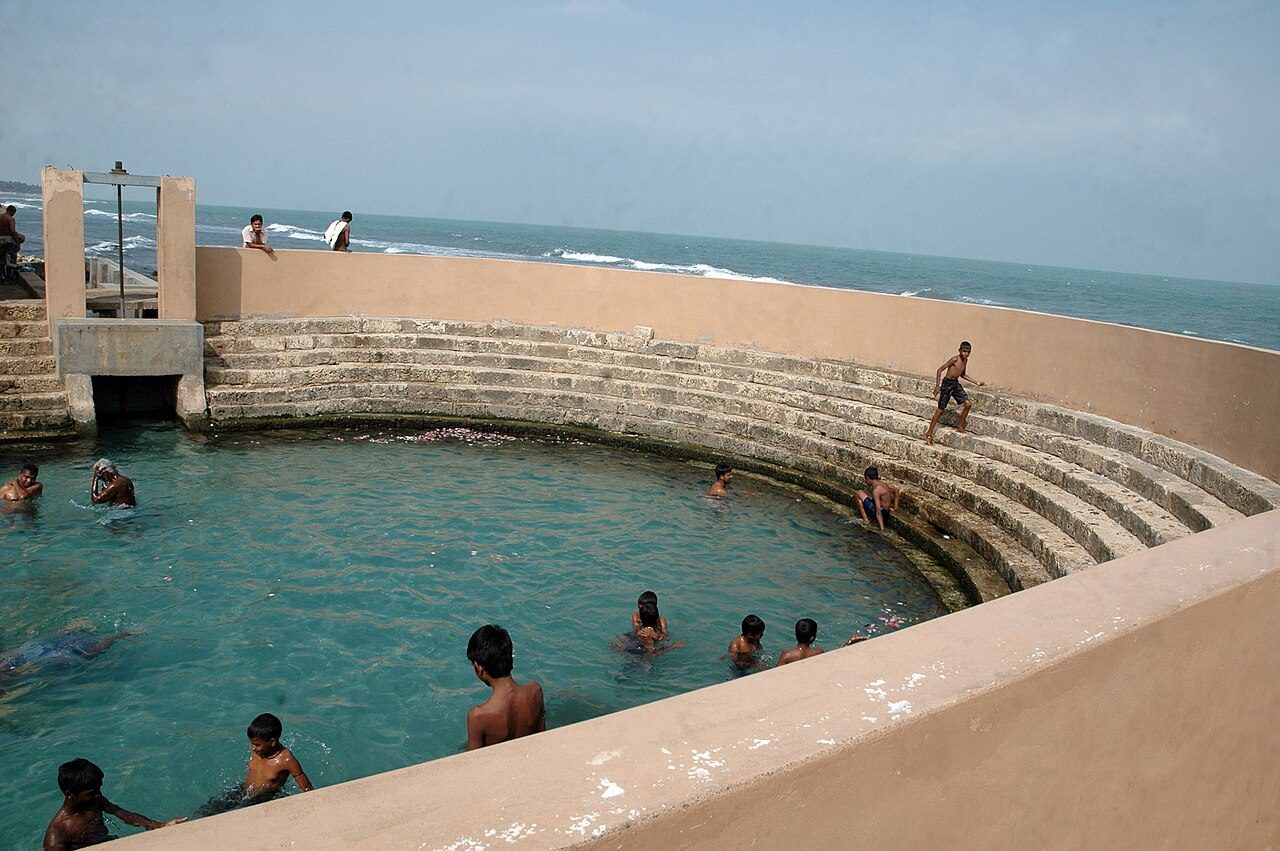
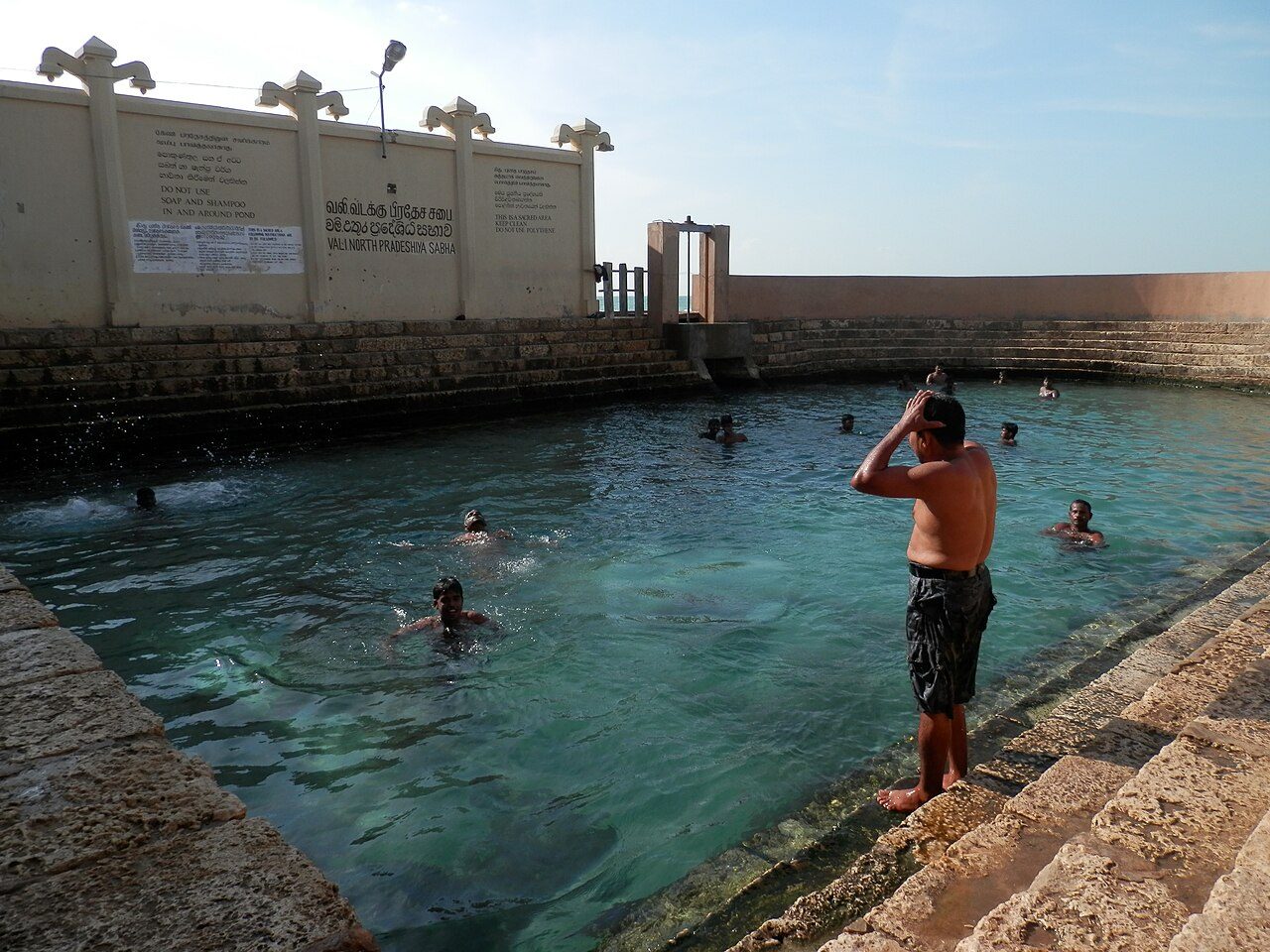
Keerimalai Springs is a freshwater spring beside the sea on the north coast of the Jaffna peninsula. The water collects in a walled bathing tank just metres from the ocean, and is believed to have healing powers. The name means mongoose hill, from a legend of a sage cured here of a mongoose-like face. There are separate tanks for men and women.
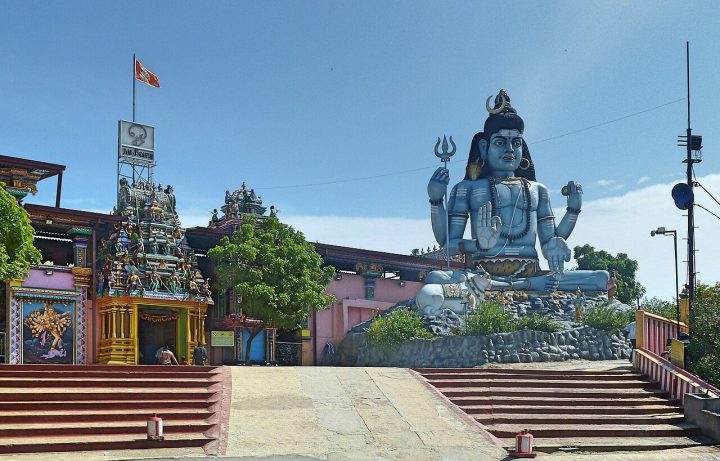
Naguleswaram Temple at Keerimalai is one of the five ancient Ishwaram temples of Shiva around the coast of Sri Lanka and the northernmost of them. It was destroyed by the Portuguese in the 17th century, rebuilt in the 19th century, and heavily damaged again during the civil war. It has been restored and reconsecrated in recent years.
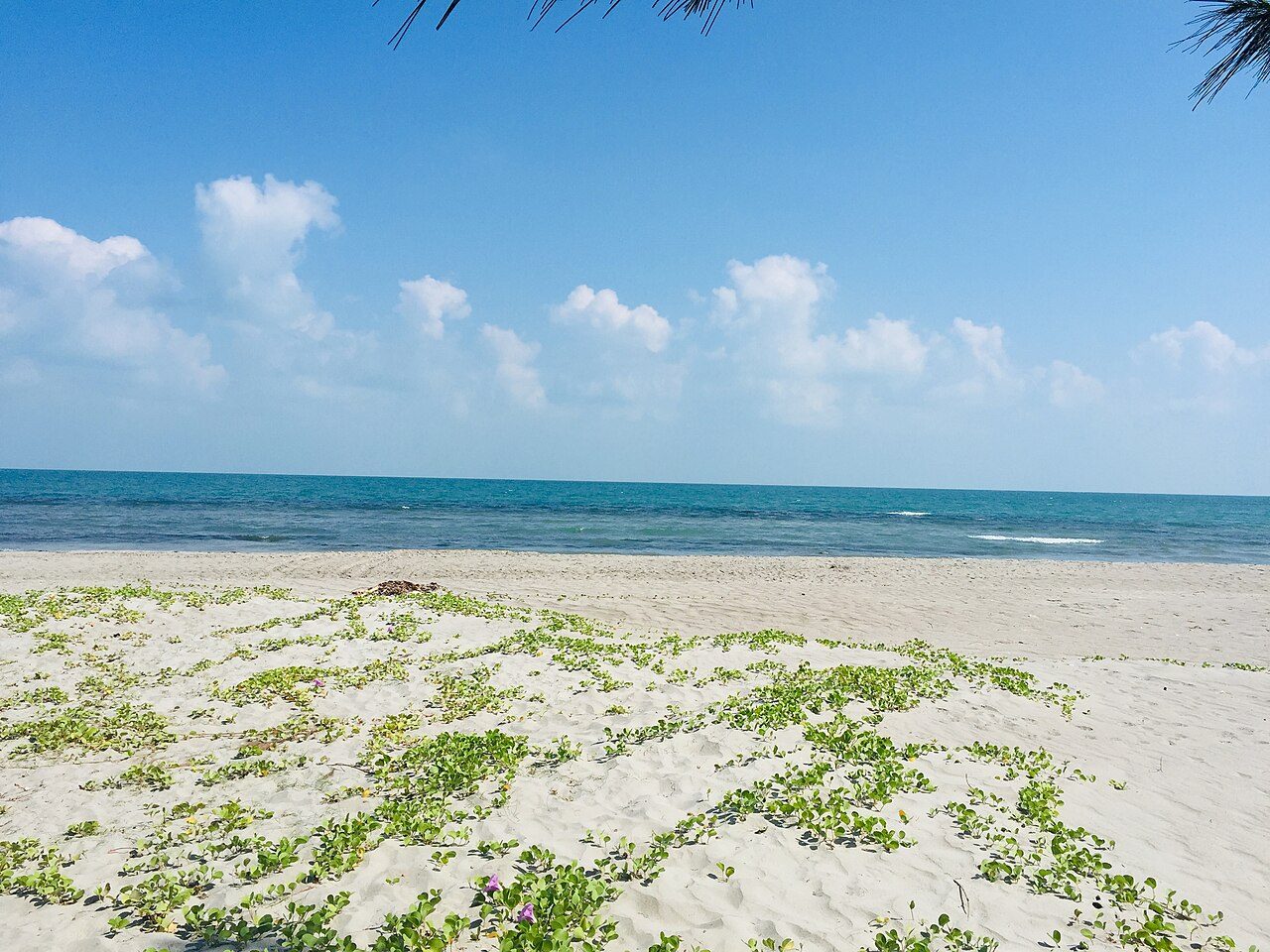
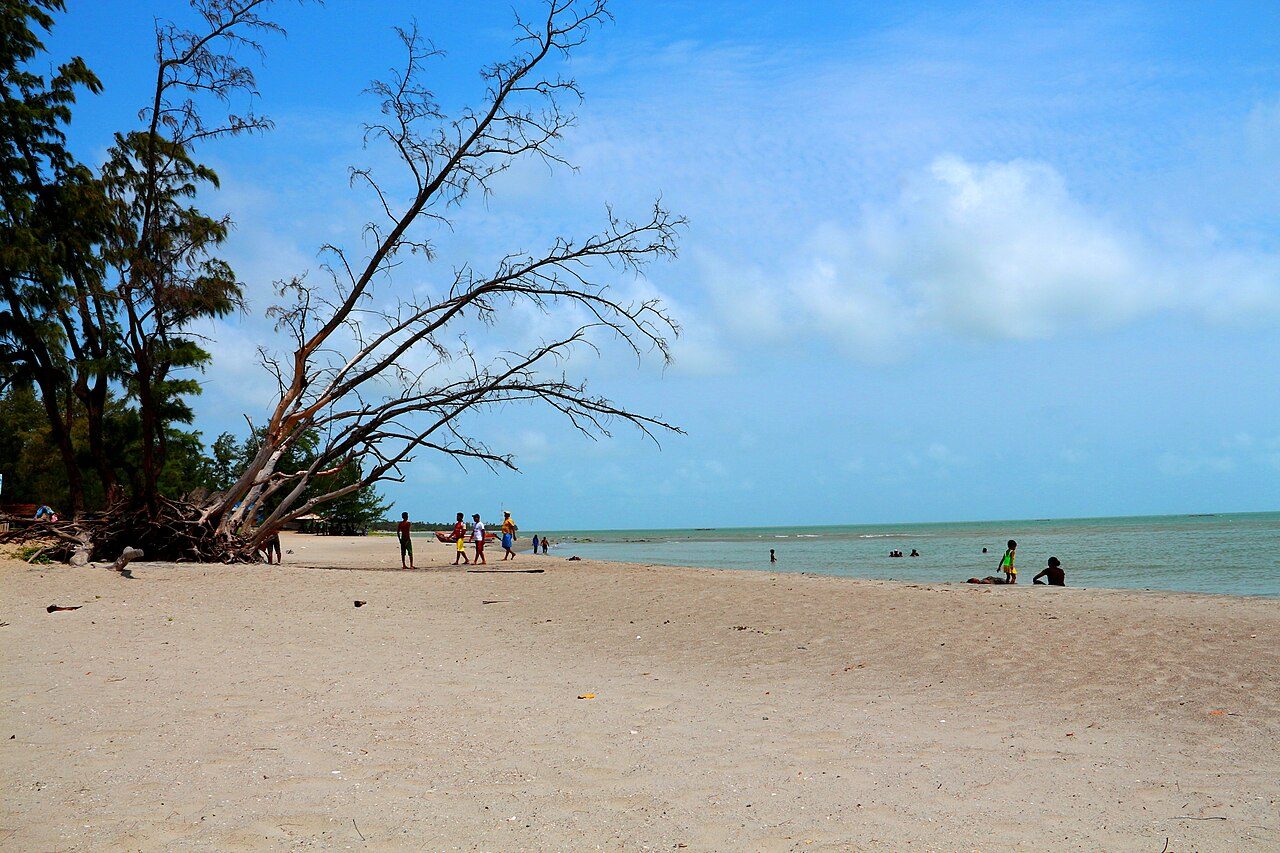
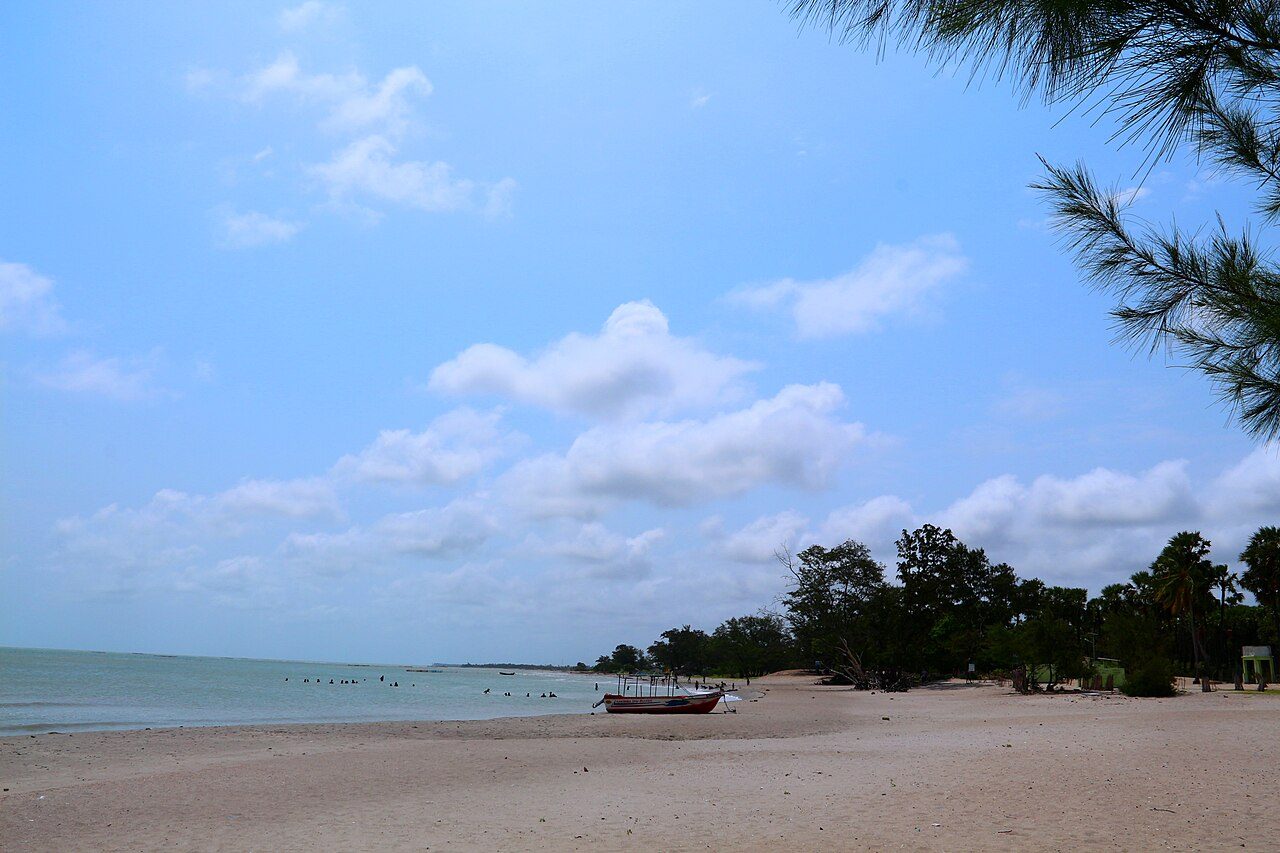
Casuarina Beach lies on Karainagar island, about 20 km from Jaffna, and is reached by a causeway. It is named after the casuarina trees that line the white sand. The sea is shallow and calm for a long way out, making it the most popular swimming beach in the Jaffna peninsula. Small stalls sell snacks and palmyra products.
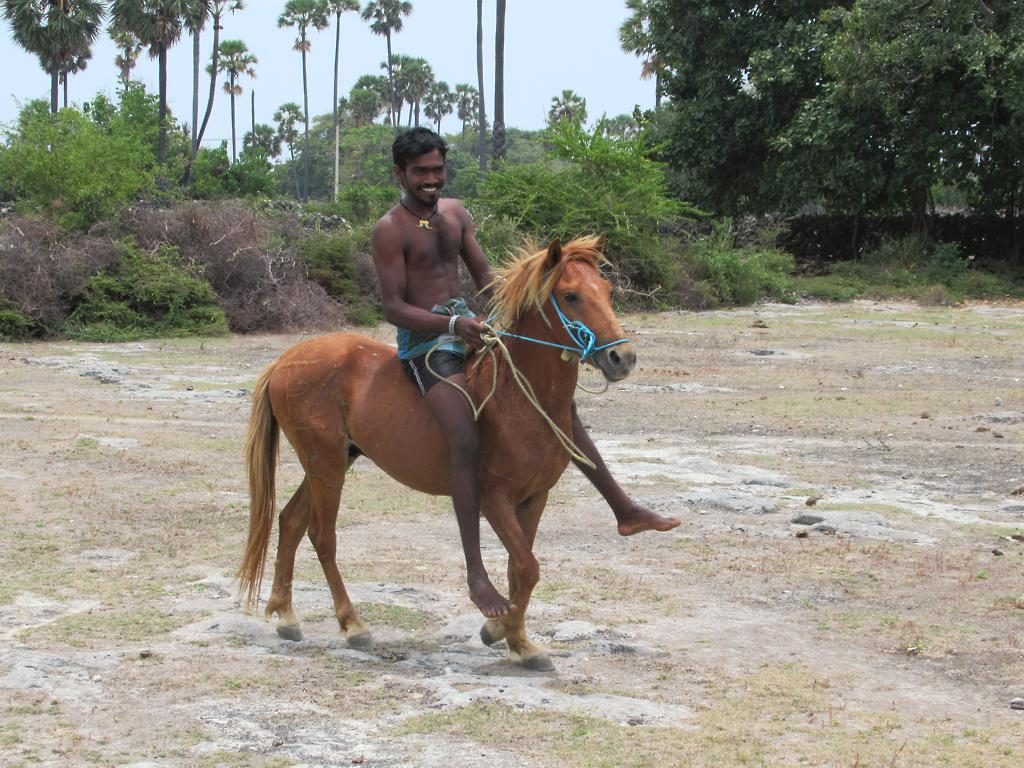
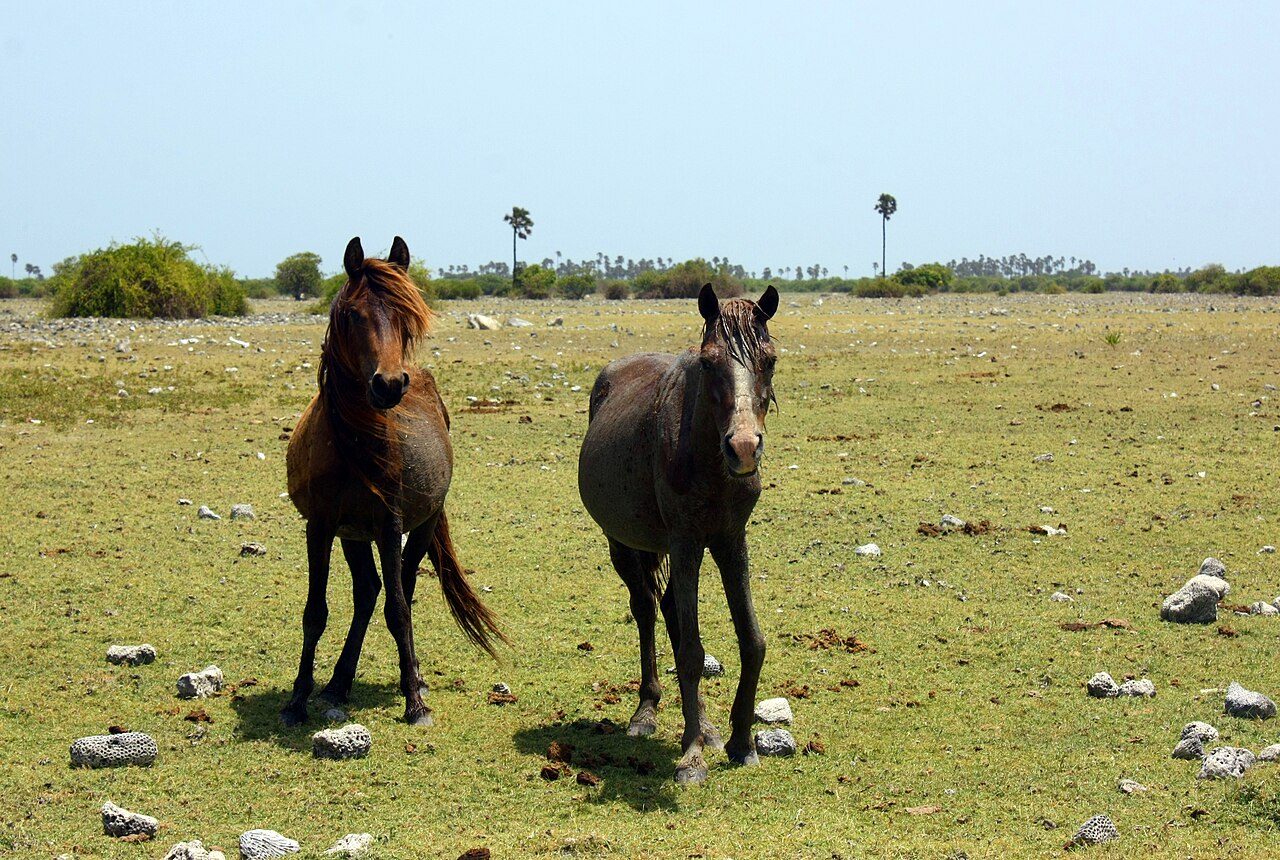
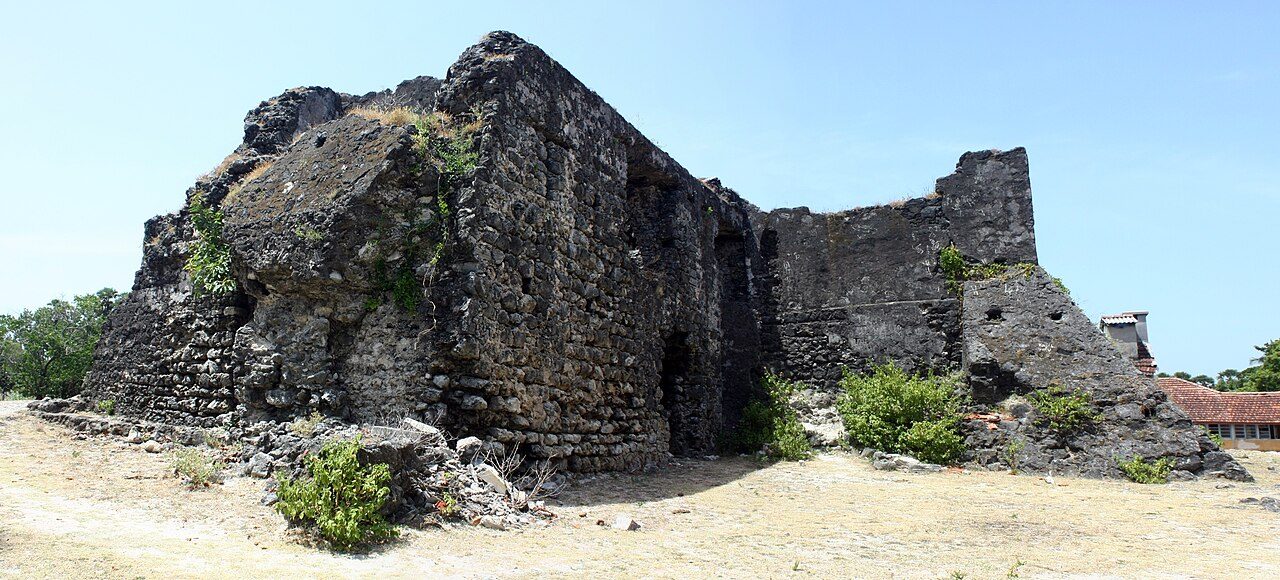
Delft Island, or Neduntheevu, is a flat, windswept island about an hour by ferry from Kurikadduwan jetty near Jaffna. Coral-stone walls divide its fields, and wild ponies descended from horses brought by the Portuguese and Dutch roam the plains. Sights include a ruined Dutch fort, a giant baobab tree, old stables and a pigeon tower.
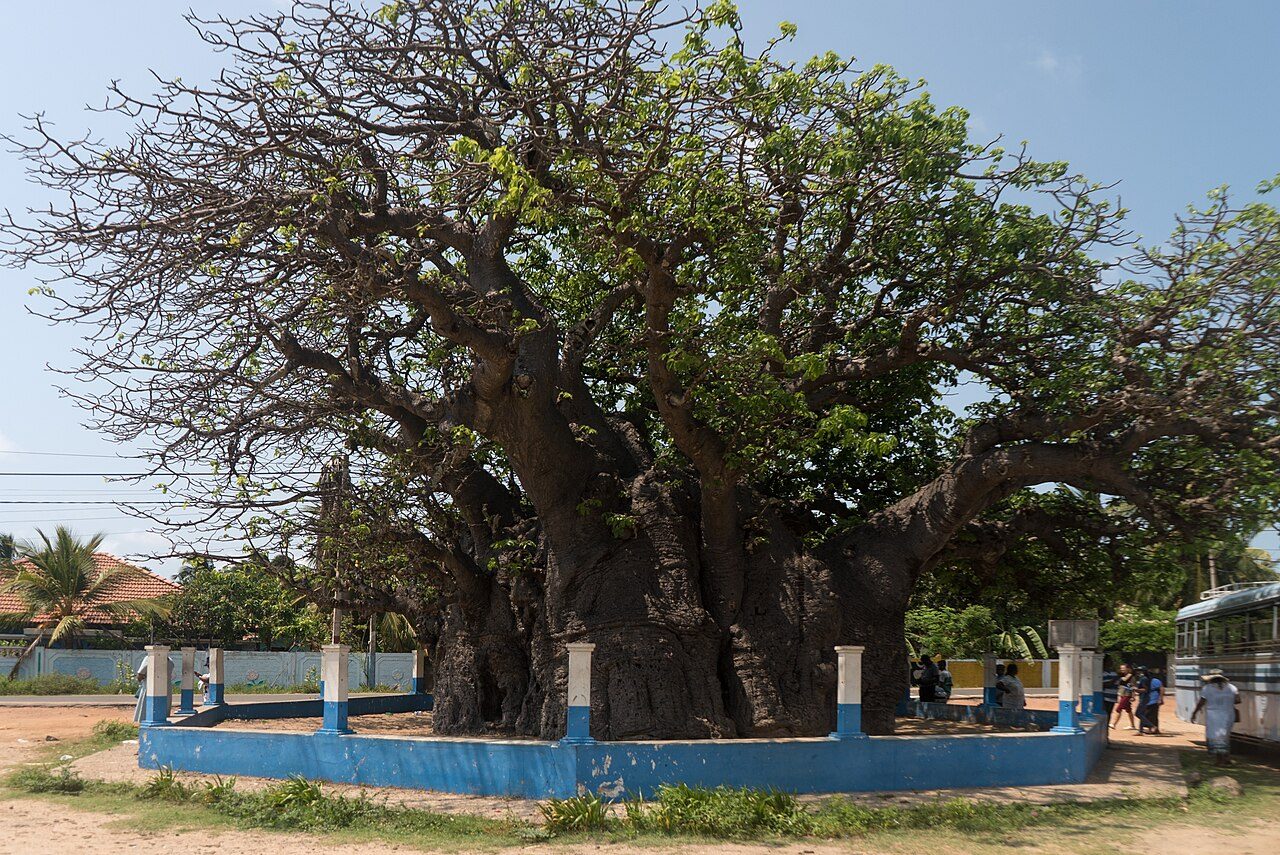
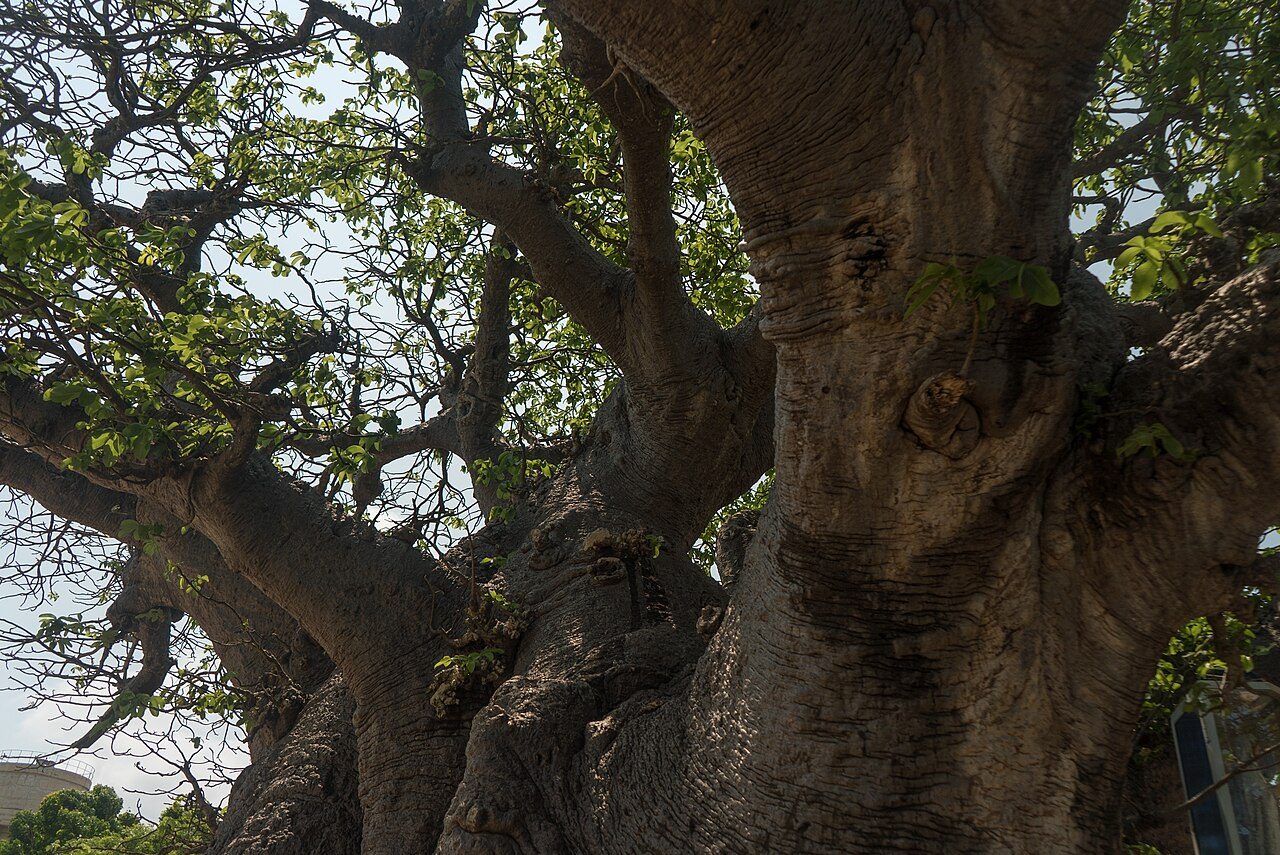
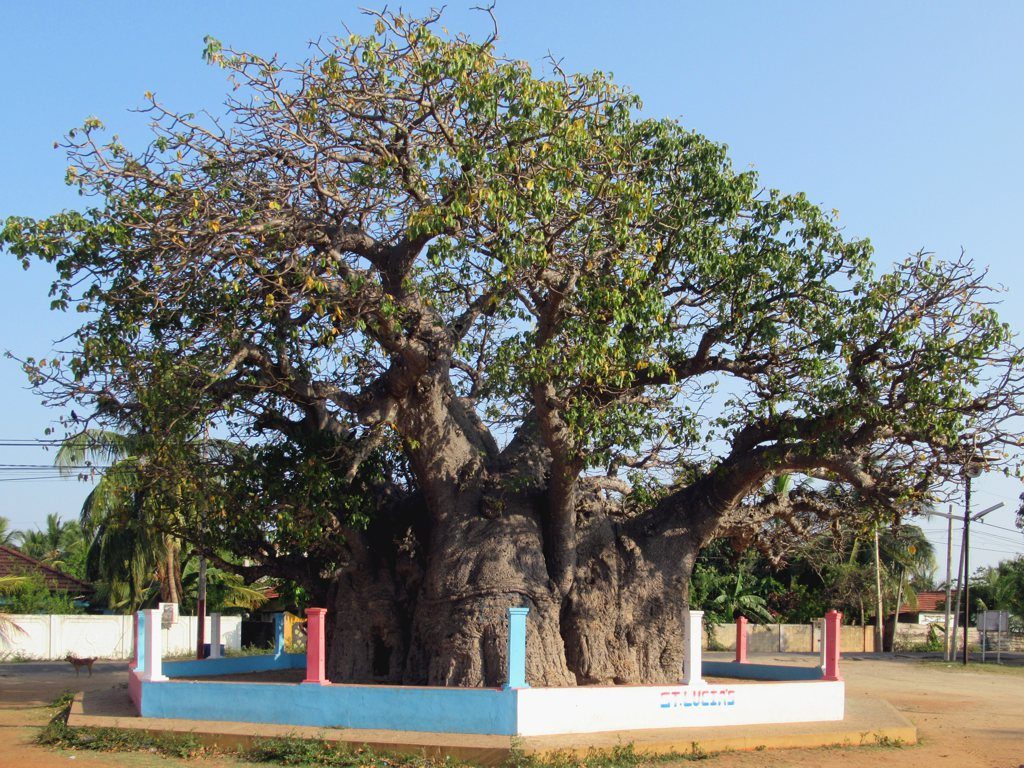
The Baobab Tree at Pallimunai in Mannar is believed to have been planted by Arab traders around 1477. Its trunk is about 19 metres around, far wider than the tree is tall. Baobabs are native to Africa, and those in Mannar are among the few in Sri Lanka. Locals call it the elephant tree for its grey, wrinkled bark.
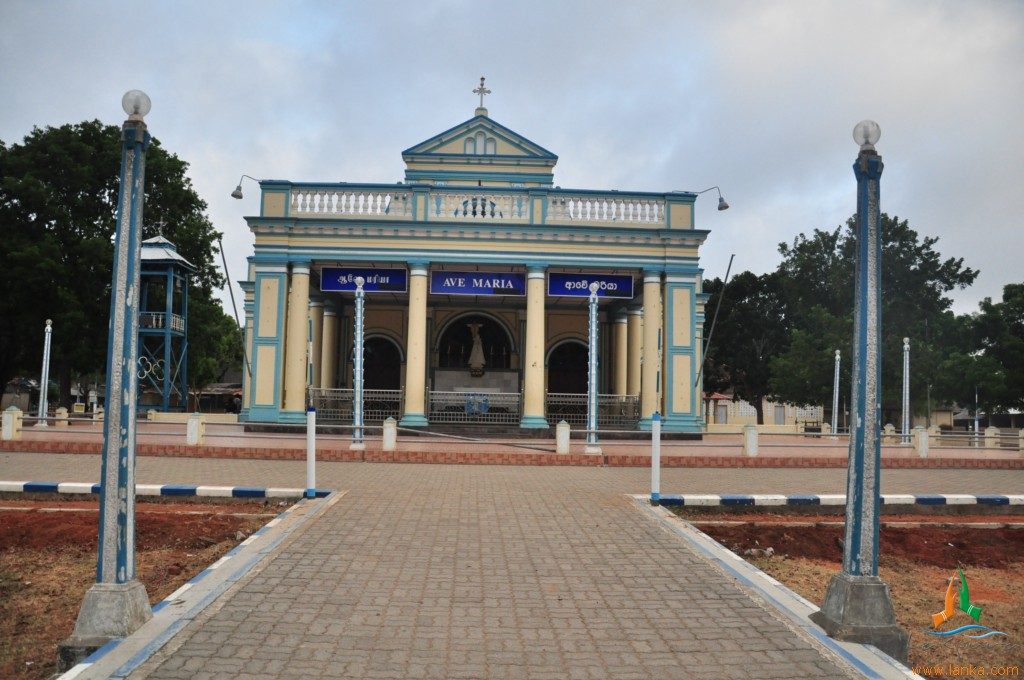
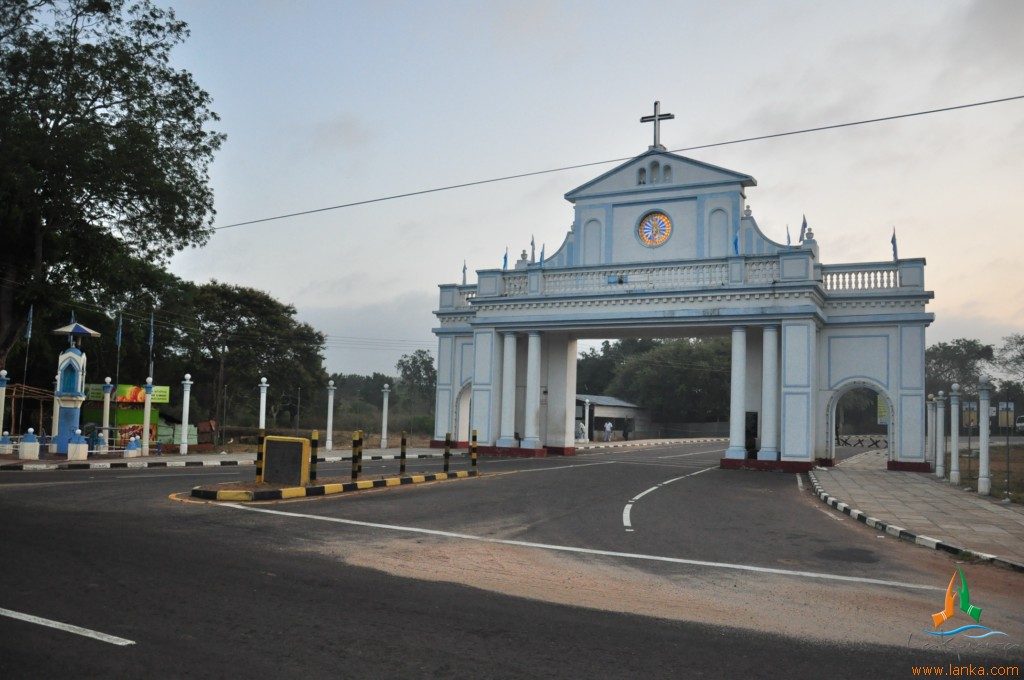
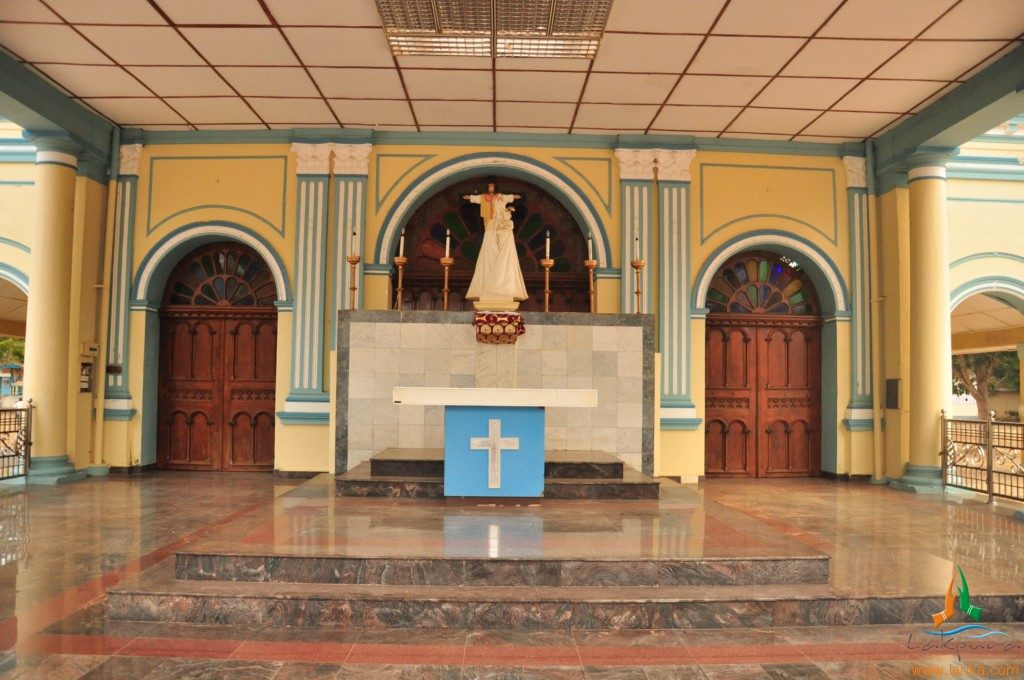
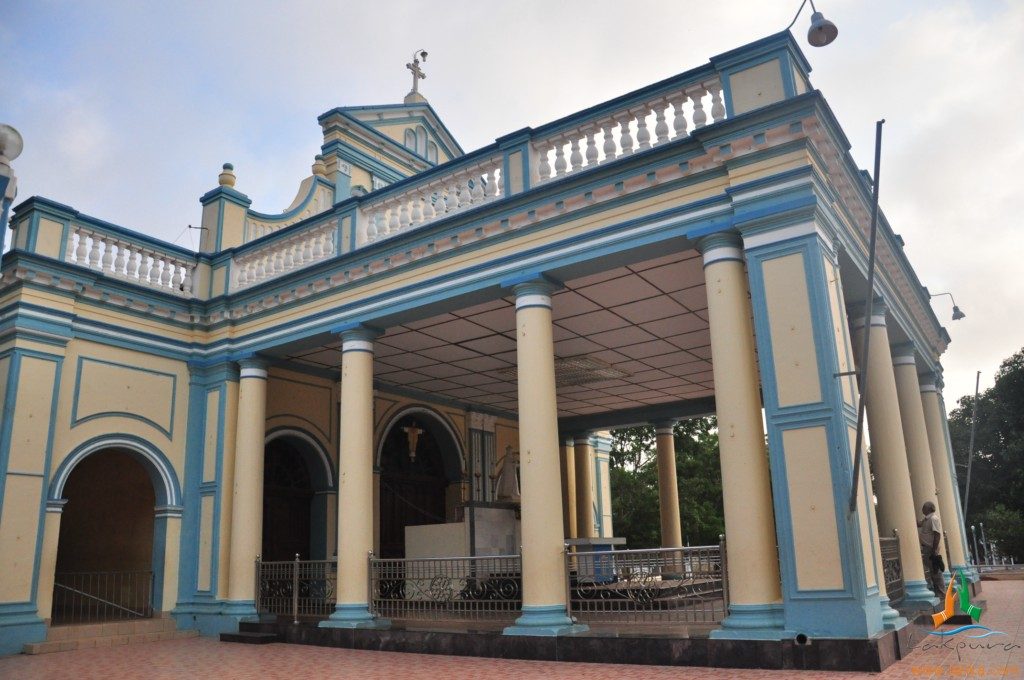
The Shrine of Our Lady of Madhu, in the forest of Mannar district, is the most important Catholic pilgrimage site in Sri Lanka, with a history of over 400 years. Catholics fleeing persecution in the Dutch period brought the statue of Mary here. The August feast draws hundreds of thousands of Sinhalese and Tamil pilgrims, who camp in the jungle around the church.
Best weather: Jan – MarHeavy rain: Nov
Seasons from 20 years of NASA POWER climate data.
Was this trip blog helpful?
0
0
Ready to follow this route?
Copy all 12 stops into your trip plans in the app.
 WaTrips