St. Mark's, the Doge's Palace and the Grand Canal, Murano and Burano, Verona, the Tre Cime, Lake Braies, Seceda and Lake Garda.
Northeast Italy pairs a city on water with some of Europe's most beautiful mountains. Spend two days in Venice: St. Mark's Basilica, the Doge's Palace, a gondola on the Grand Canal, then the glassmakers of Murano and the colourful houses of Burano. Visit Verona's Roman arena and Juliet's balcony. Drive into the Dolomites for the Tre Cime di Lavaredo loop walk, sunrise at Lake Braies and the jagged ridge of Seceda, and finish on Lake Garda. June to September is best for the mountains.
01
STOP 1 OF 14
St. Mark's Basilica
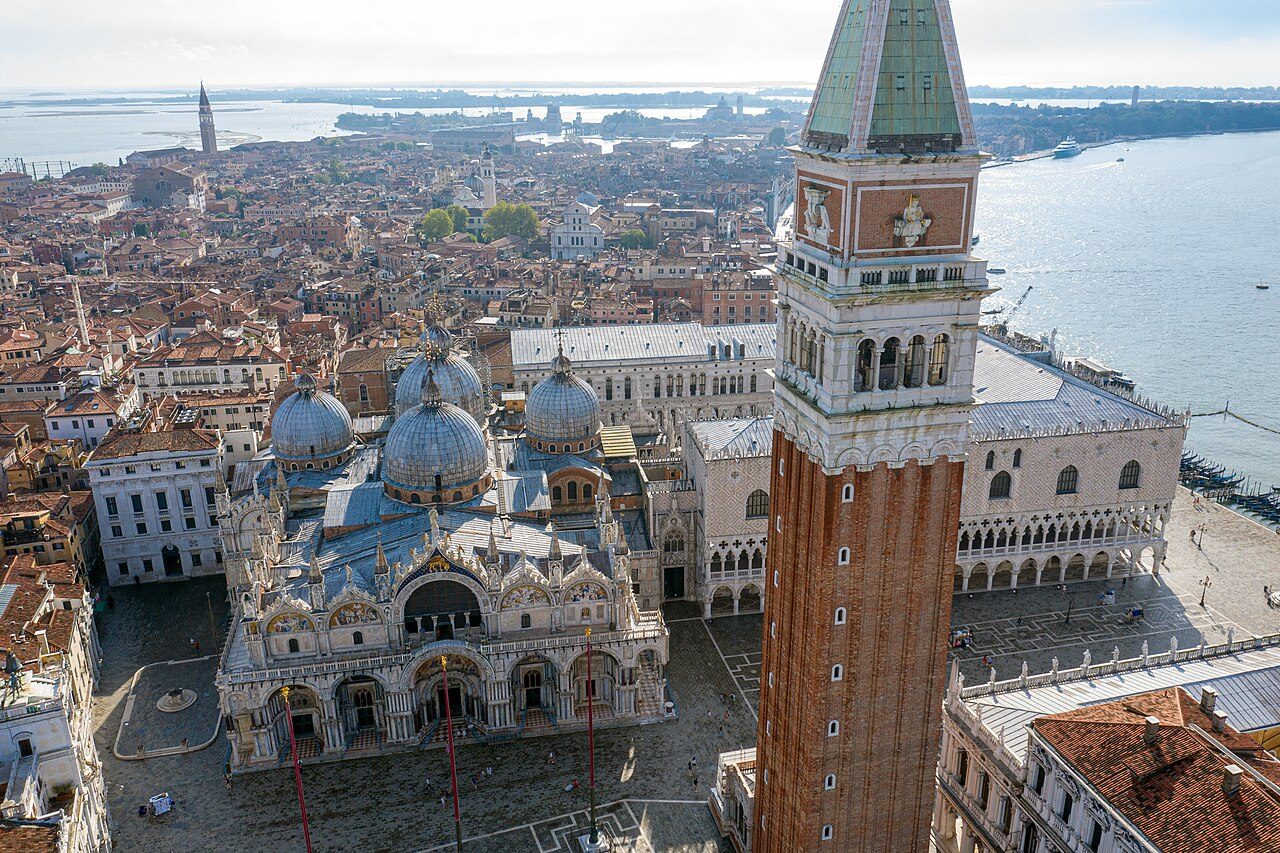
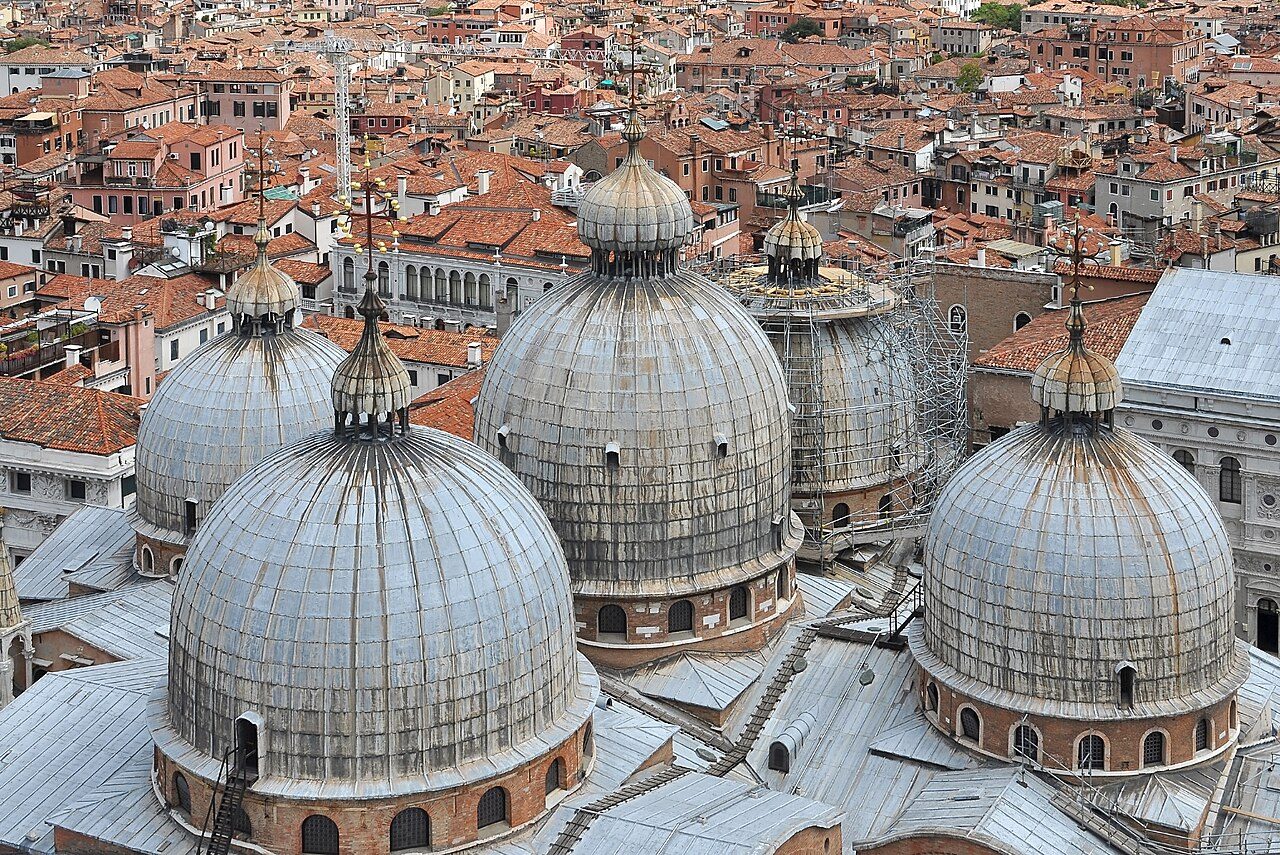
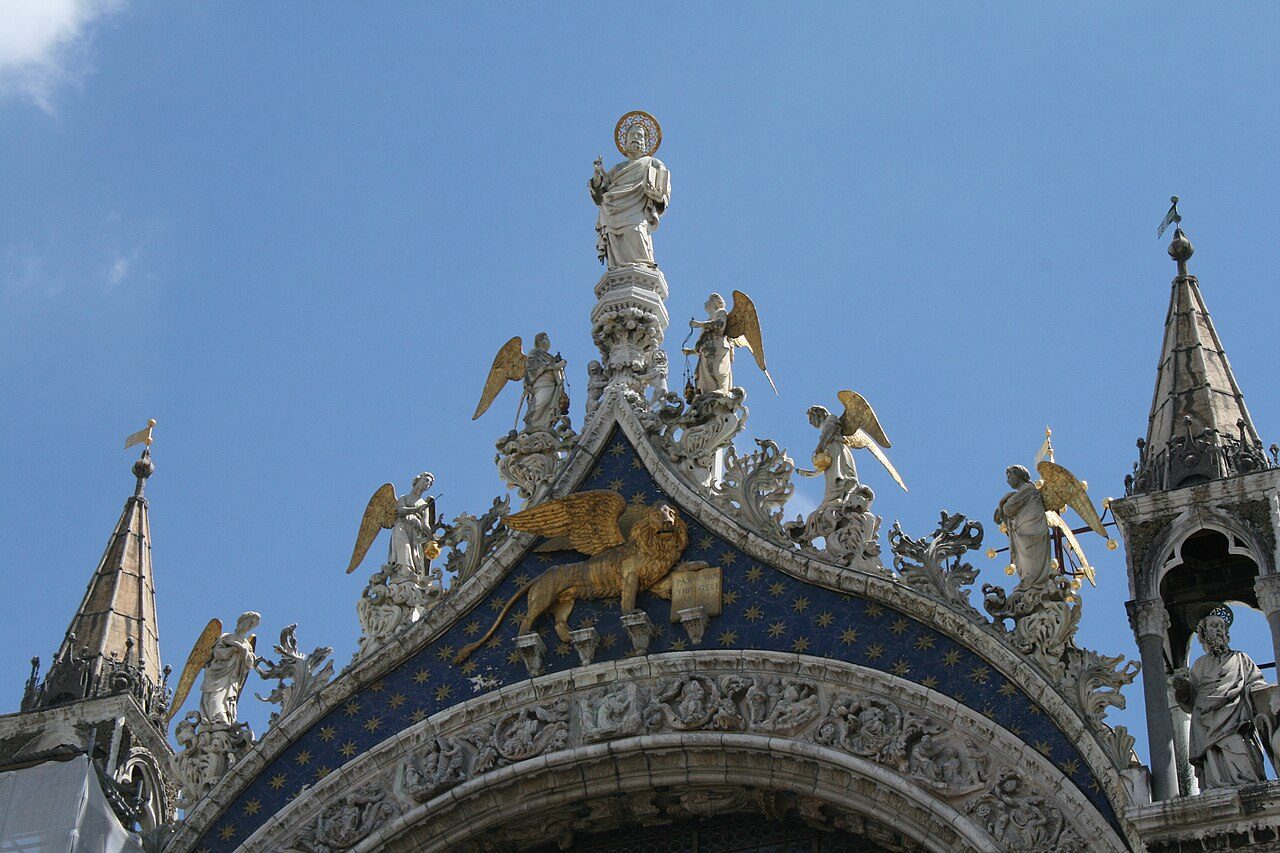
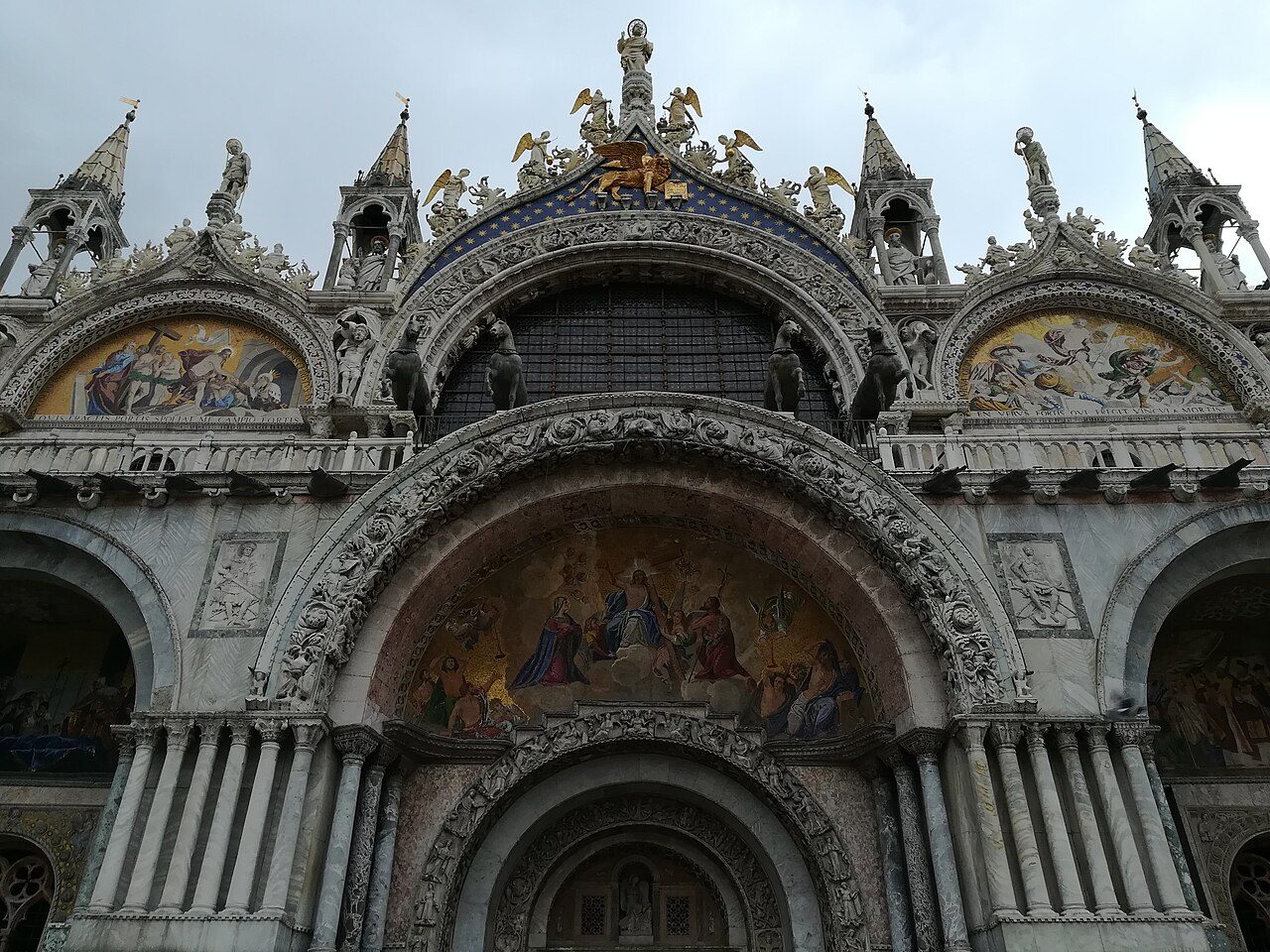
St. Mark's Basilica is the cathedral of Venice, rebuilt in its present form in the 11th century to hold the relics of Saint Mark. Its domes and arches mix Byzantine and Western styles, and its interior is covered with gold mosaics. Four bronze horses look out over Piazza San Marco from the facade. The square, with its bell tower, is the heart of the city.
02
STOP 2 OF 14
Doge's Palace
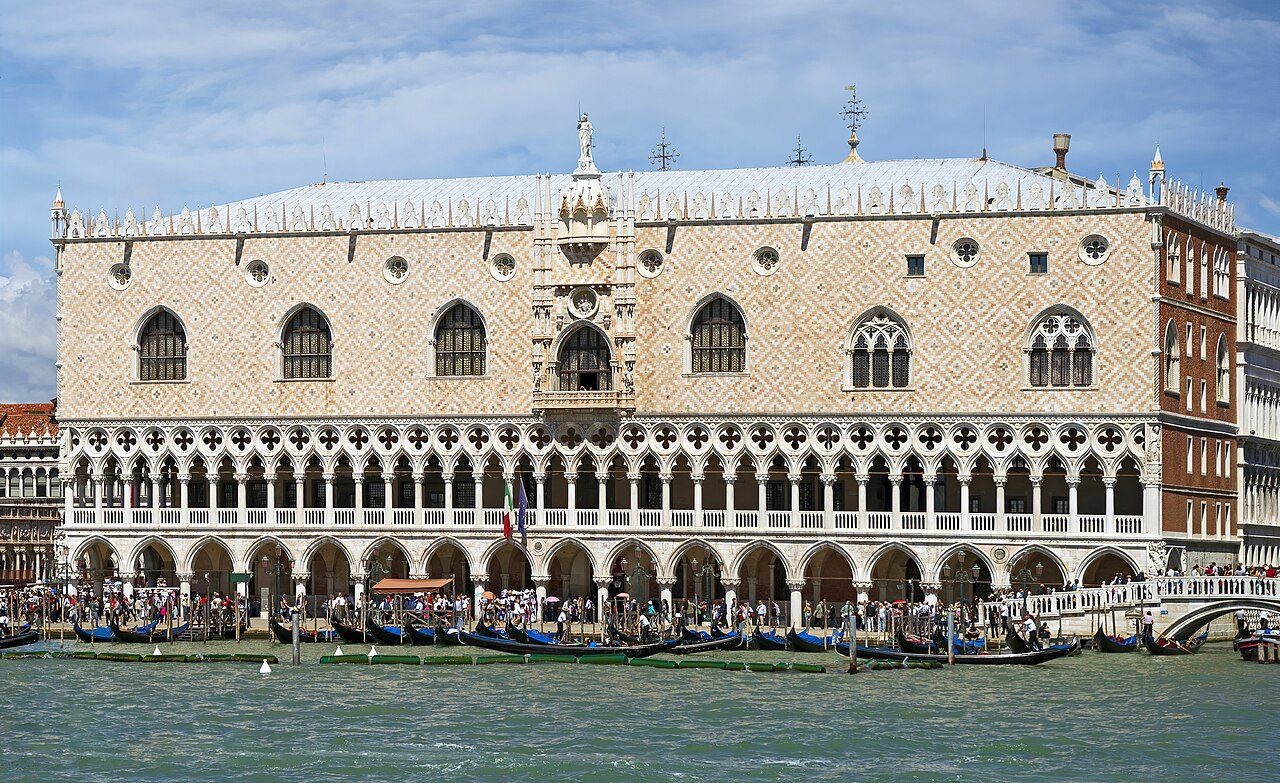
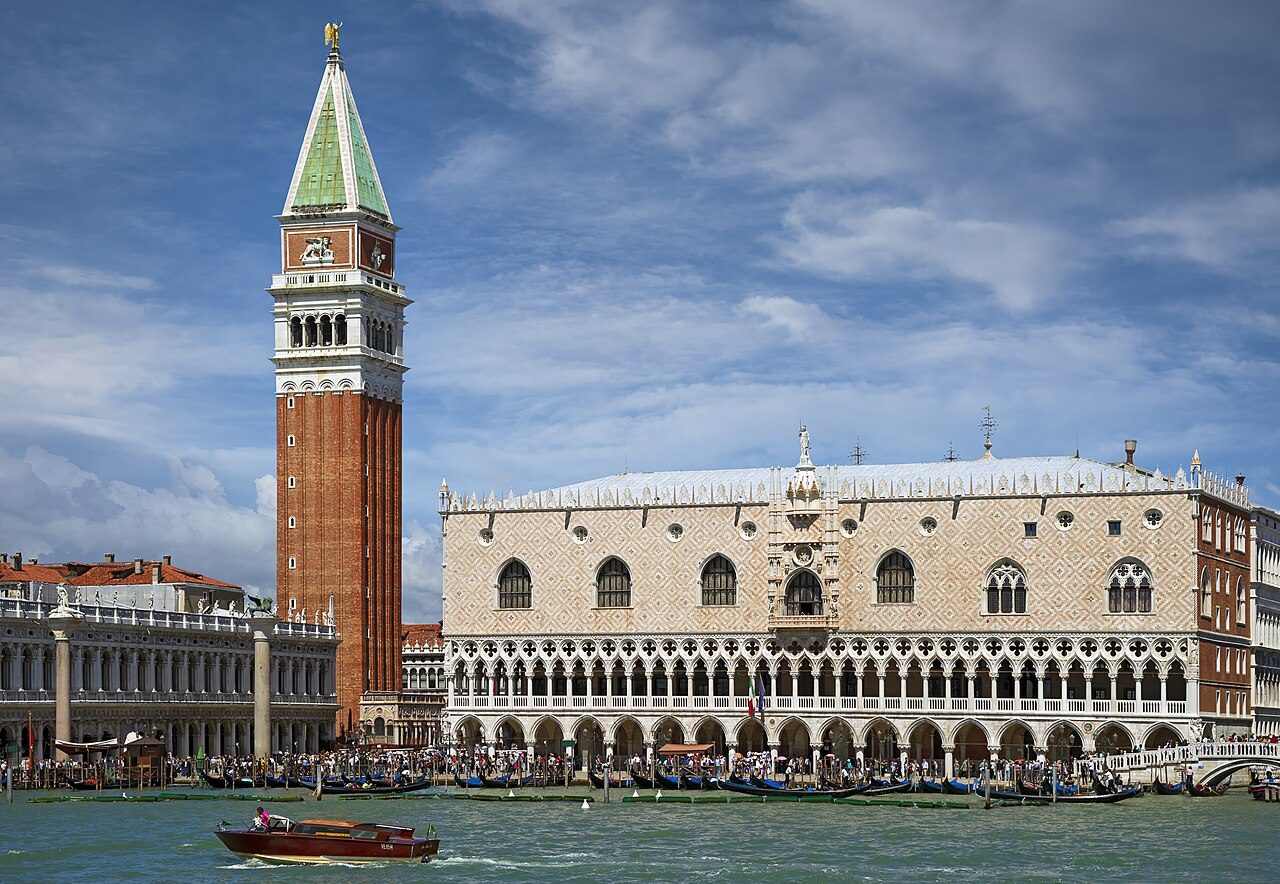
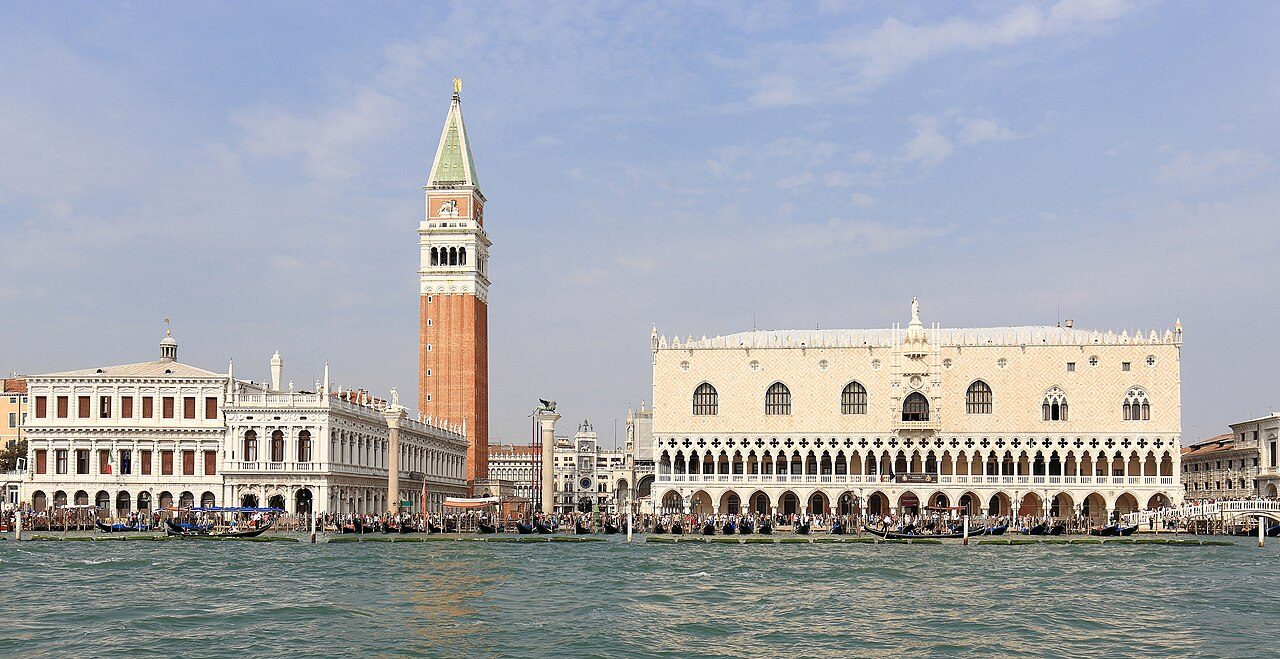
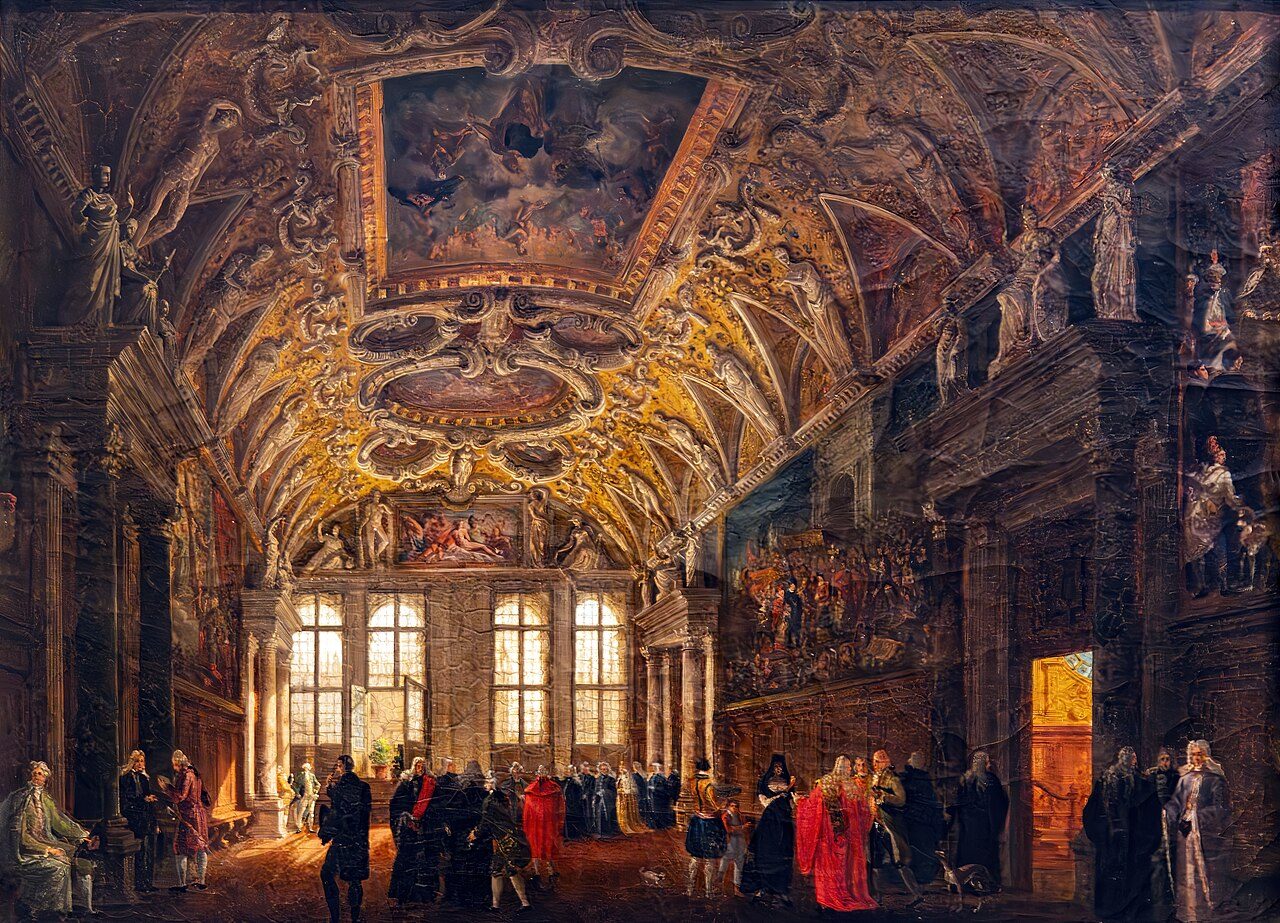
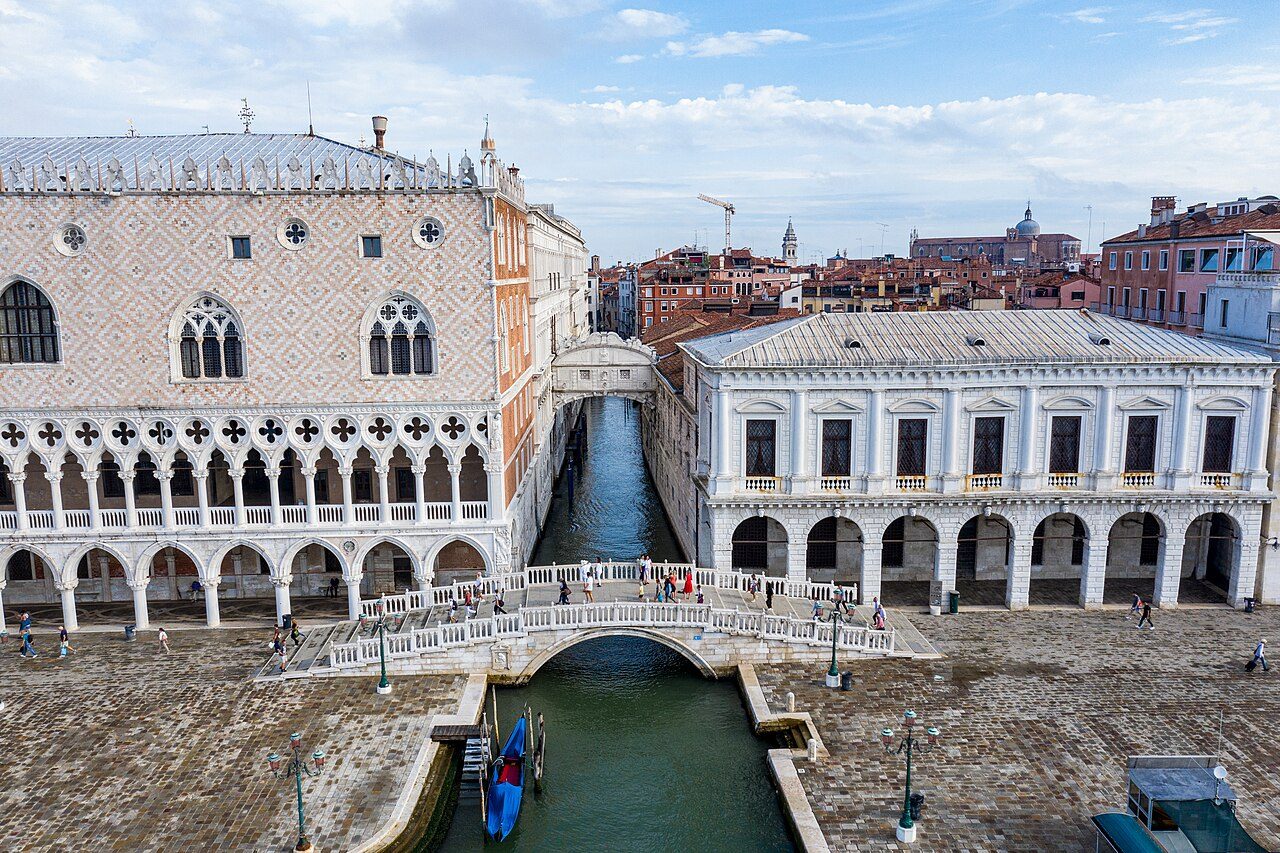
The Doge's Palace was the seat of the Doge, the ruler of the Venetian Republic, and its government. Its pink and white Gothic facade faces the lagoon and Piazza San Marco. Inside are grand council halls with paintings by Tintoretto and Veronese. The Bridge of Sighs links the palace to the old prisons, where Casanova was once held.
03
STOP 3 OF 14
Bridge of Sighs
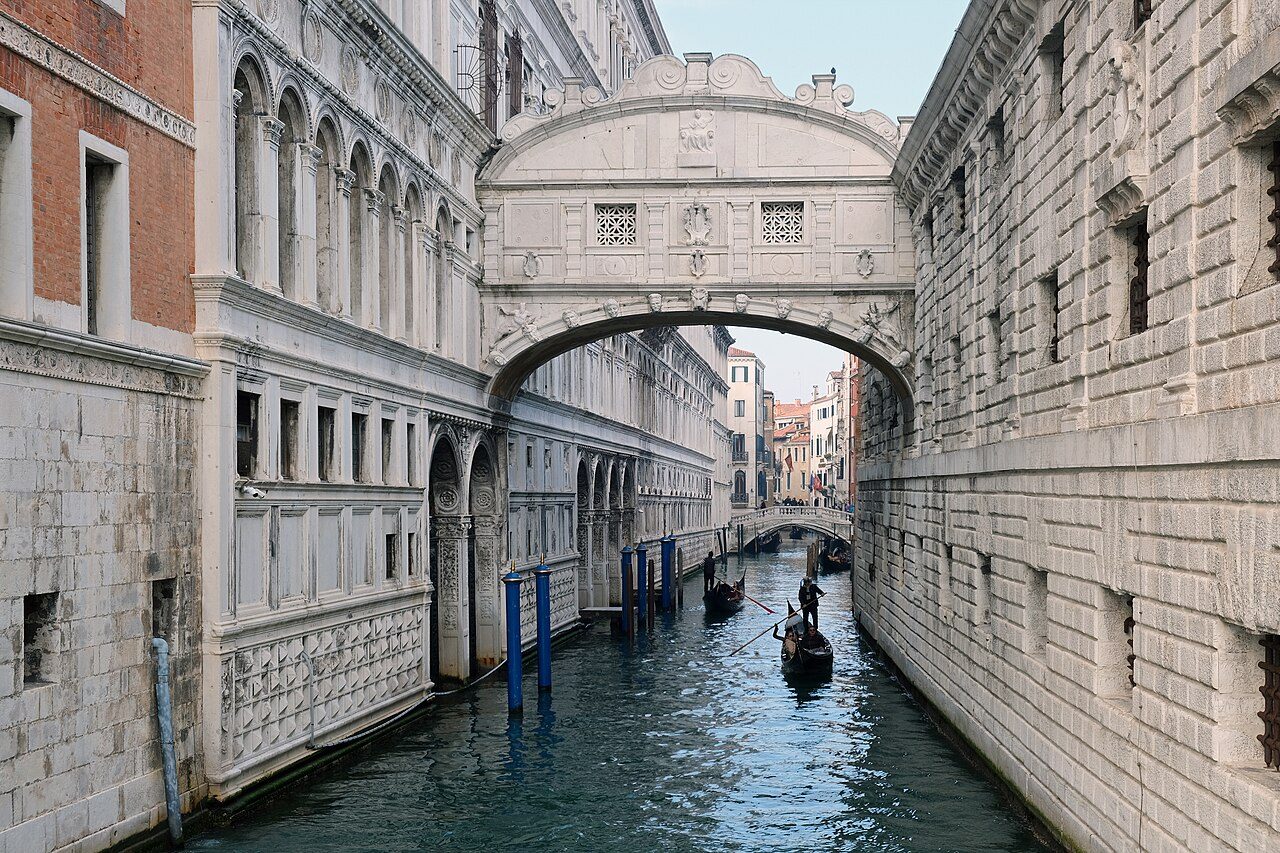
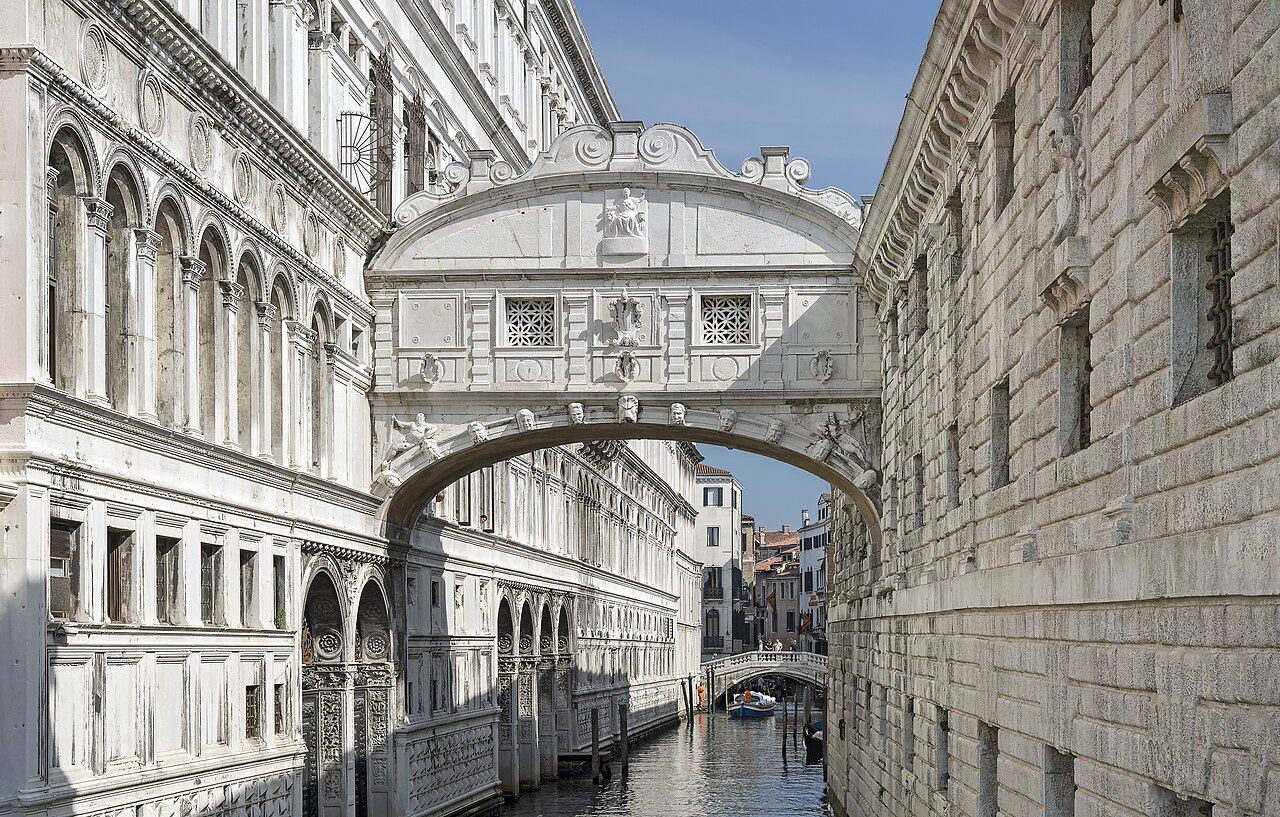
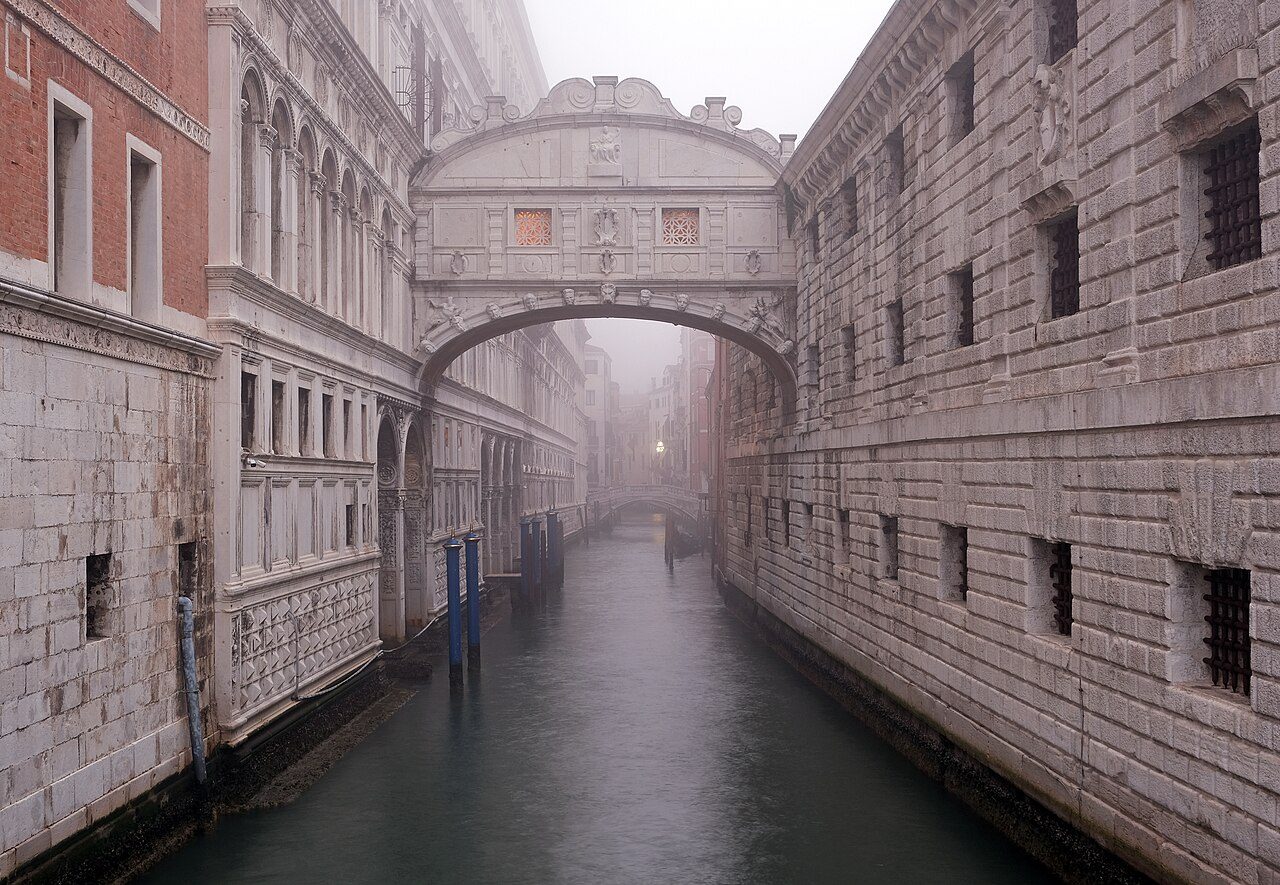
The Bridge of Sighs is an enclosed white limestone bridge in Venice, built in 1600. It links the Doge's Palace with the prisons across the Rio di Palazzo. Its name comes from the idea that prisoners sighed at their last view of Venice through its small stone windows. It is best seen from the Ponte della Paglia nearby.
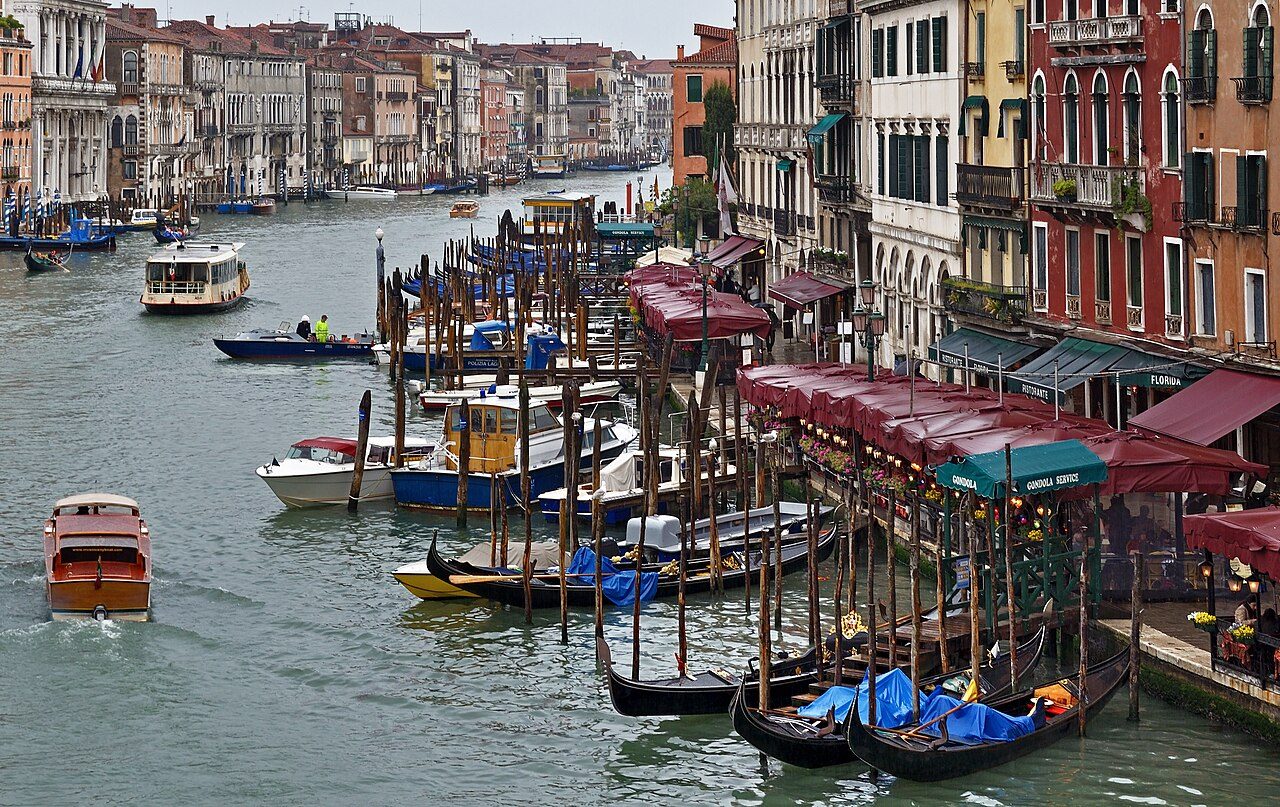
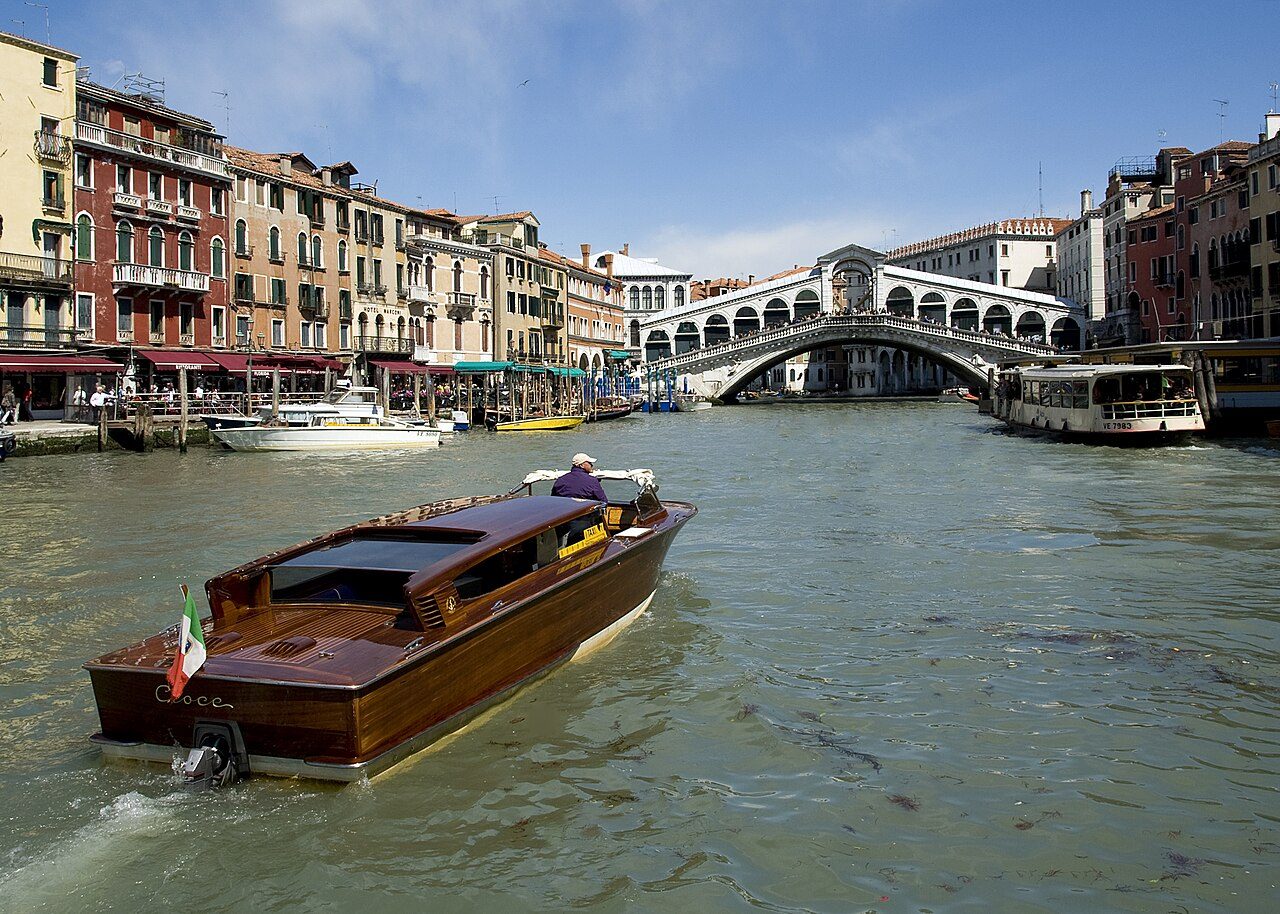
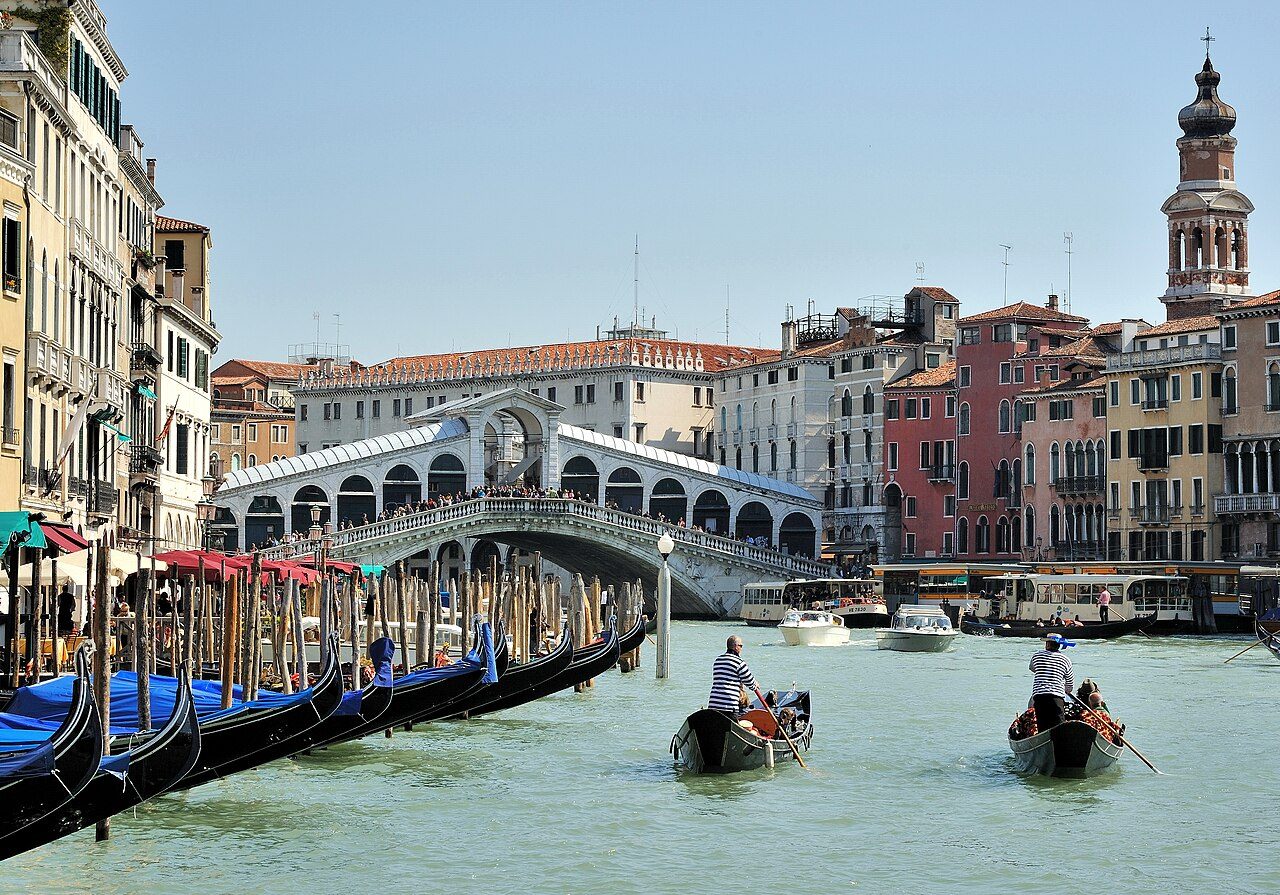
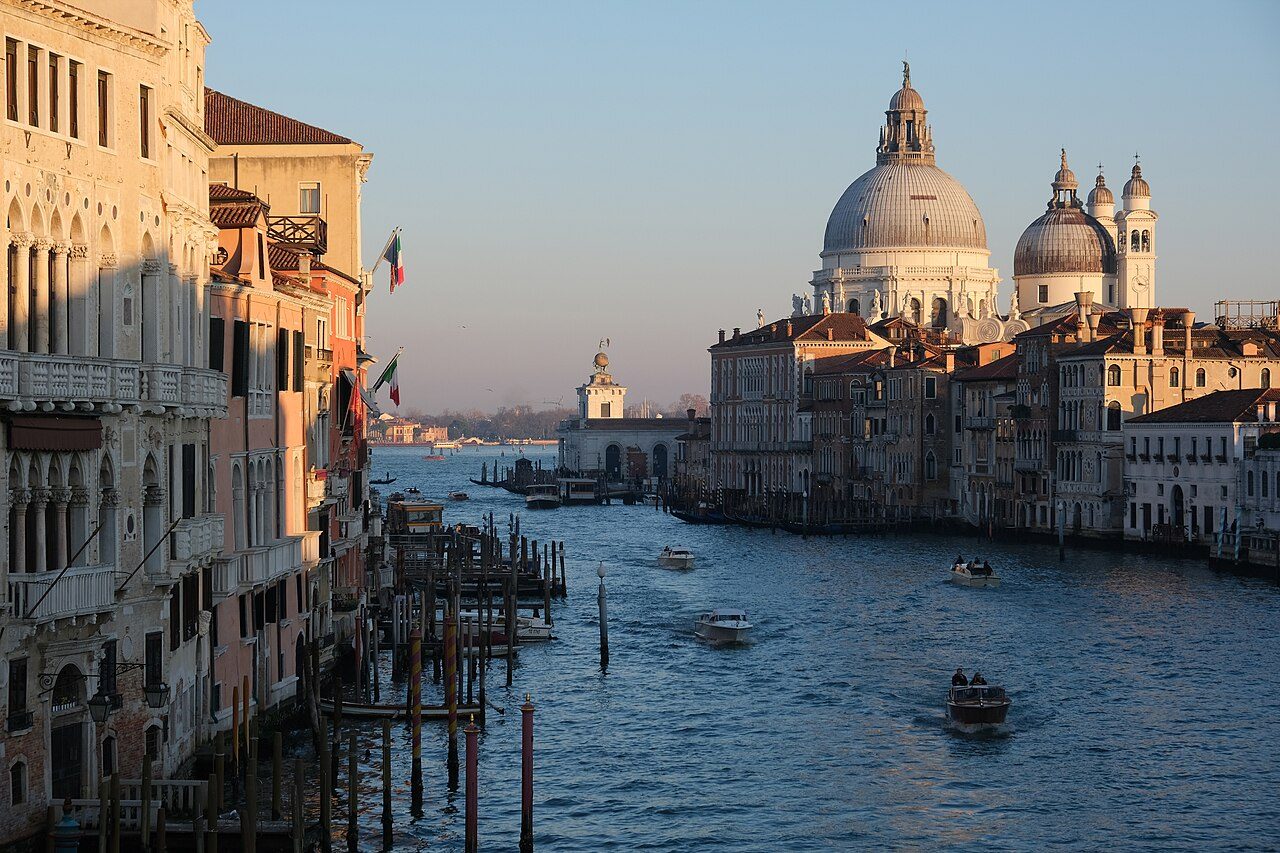
The Grand Canal is the main waterway of Venice, curving about four kilometres through the city in a reversed S shape. It is lined with over 170 palaces built from the 13th to the 18th centuries. Vaporetto water buses, gondolas and boats carry people and goods along it. Four bridges cross it, including the Rialto Bridge.
05
STOP 5 OF 14
Rialto Bridge
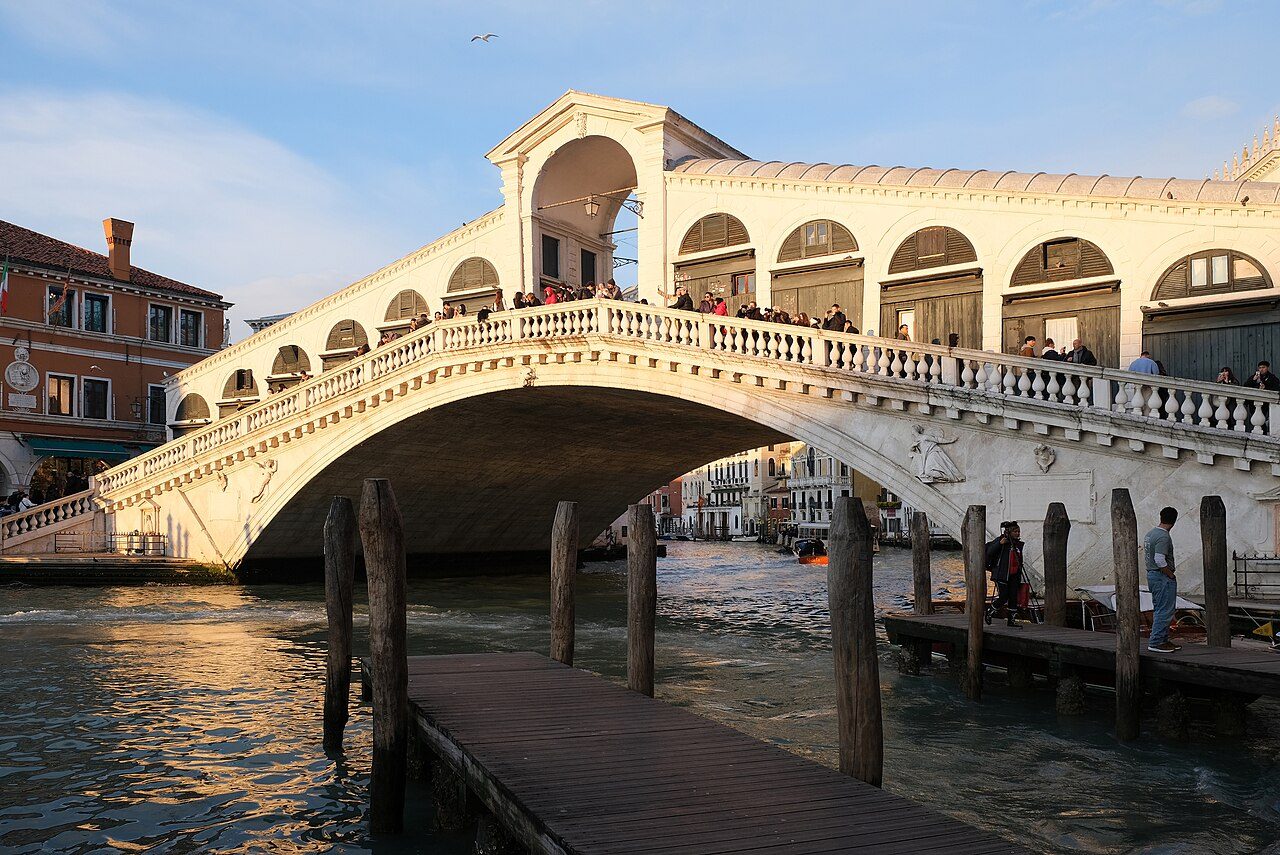
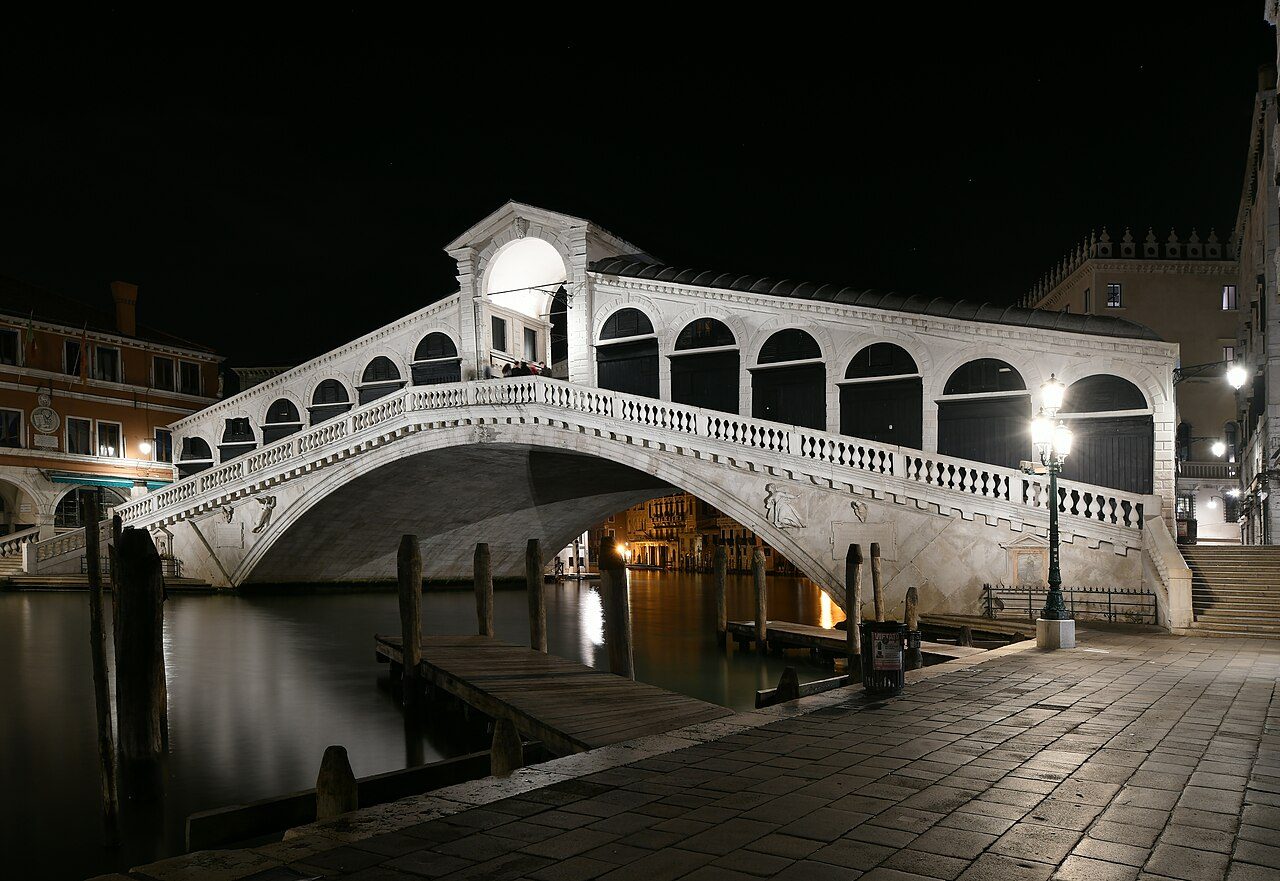
The Rialto Bridge is the oldest bridge across the Grand Canal in Venice. The present stone bridge, designed by Antonio da Ponte, was completed in 1591, replacing earlier wooden bridges. Its single arch carries two rows of shops. It stands beside the Rialto market, the commercial heart of Venice for centuries.
06
STOP 6 OF 14
Santa Maria della Salute
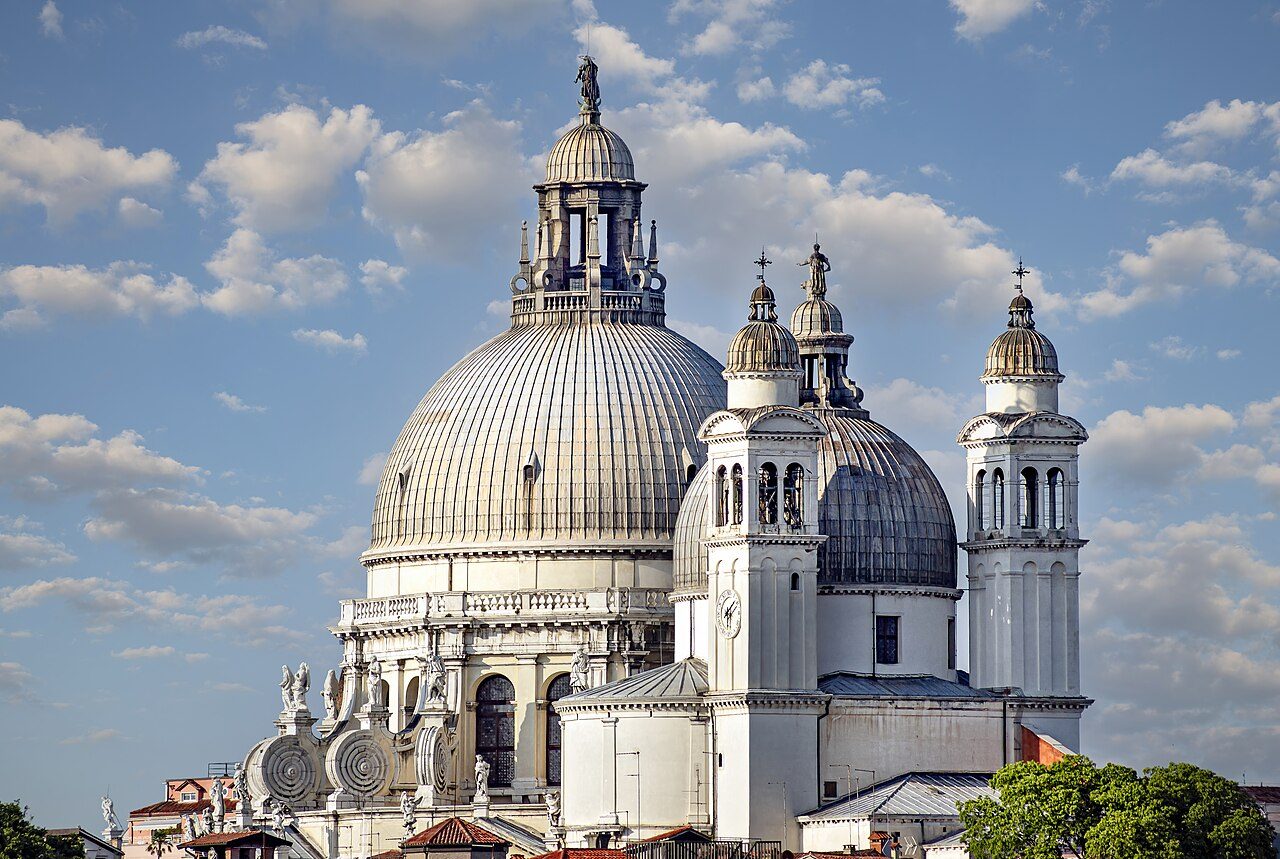
Santa Maria della Salute is a Baroque church at the entrance of the Grand Canal in Venice. It was built from 1631 to thank the Virgin Mary for ending a plague that killed about a third of the city's people. Its great white dome is a landmark of the Venetian skyline. Each November a temporary bridge of boats leads to it for a festival.
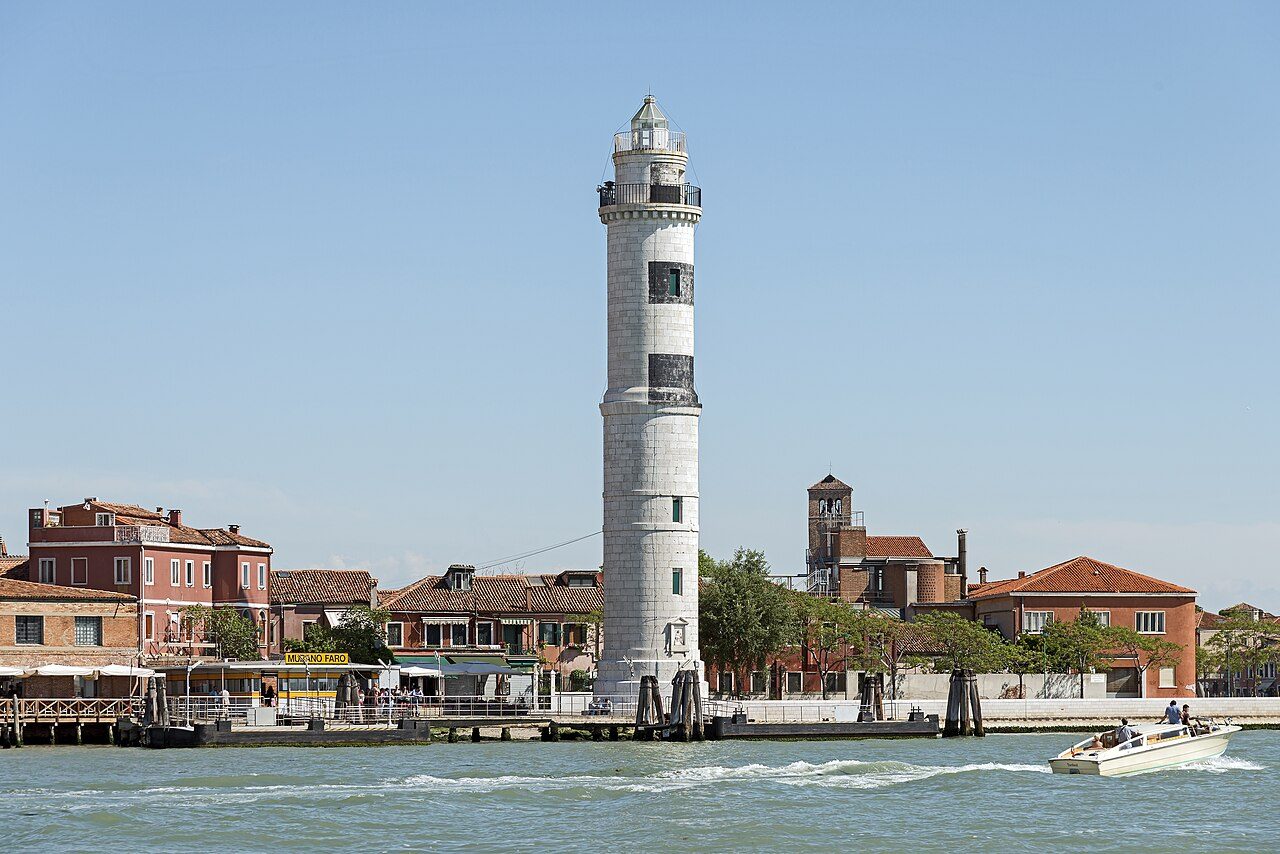
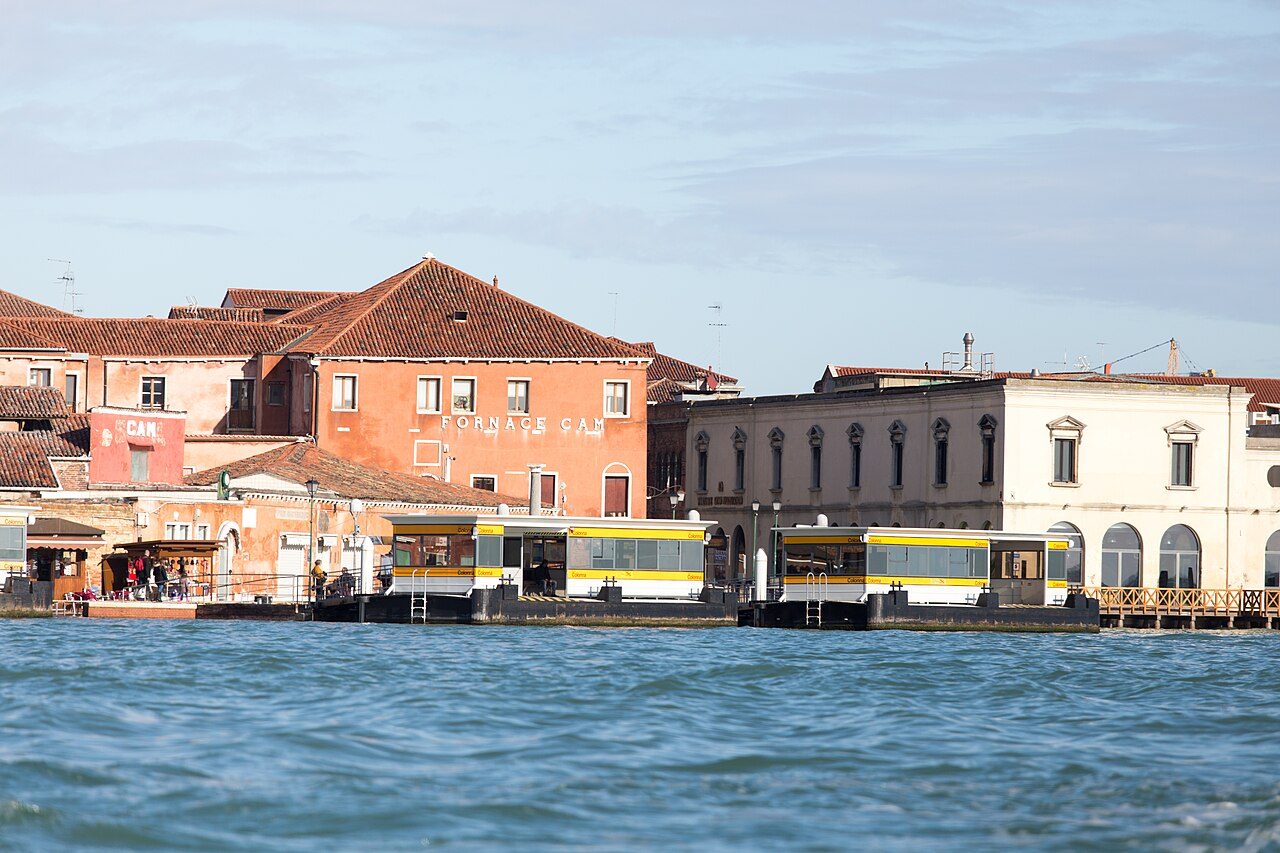
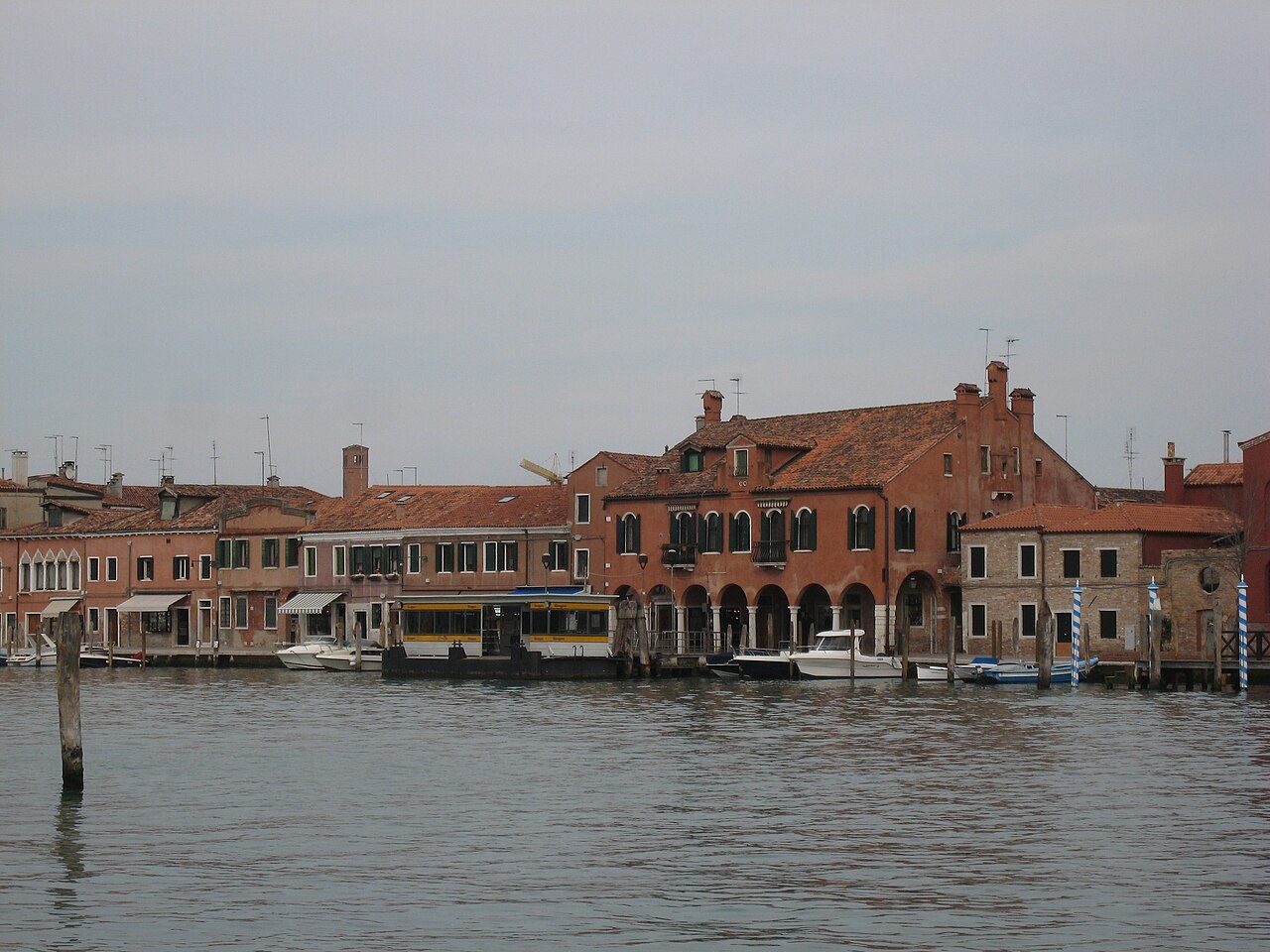
Murano is a group of islands in the Venetian lagoon famous for glassmaking. In 1291 Venice moved its glass furnaces here to reduce the risk of fire in the city. Visitors can watch glassblowers at work in the furnaces and visit the Glass Museum. Its canals are lined with shops selling glass, and the church of Santi Maria e Donato has fine mosaics.
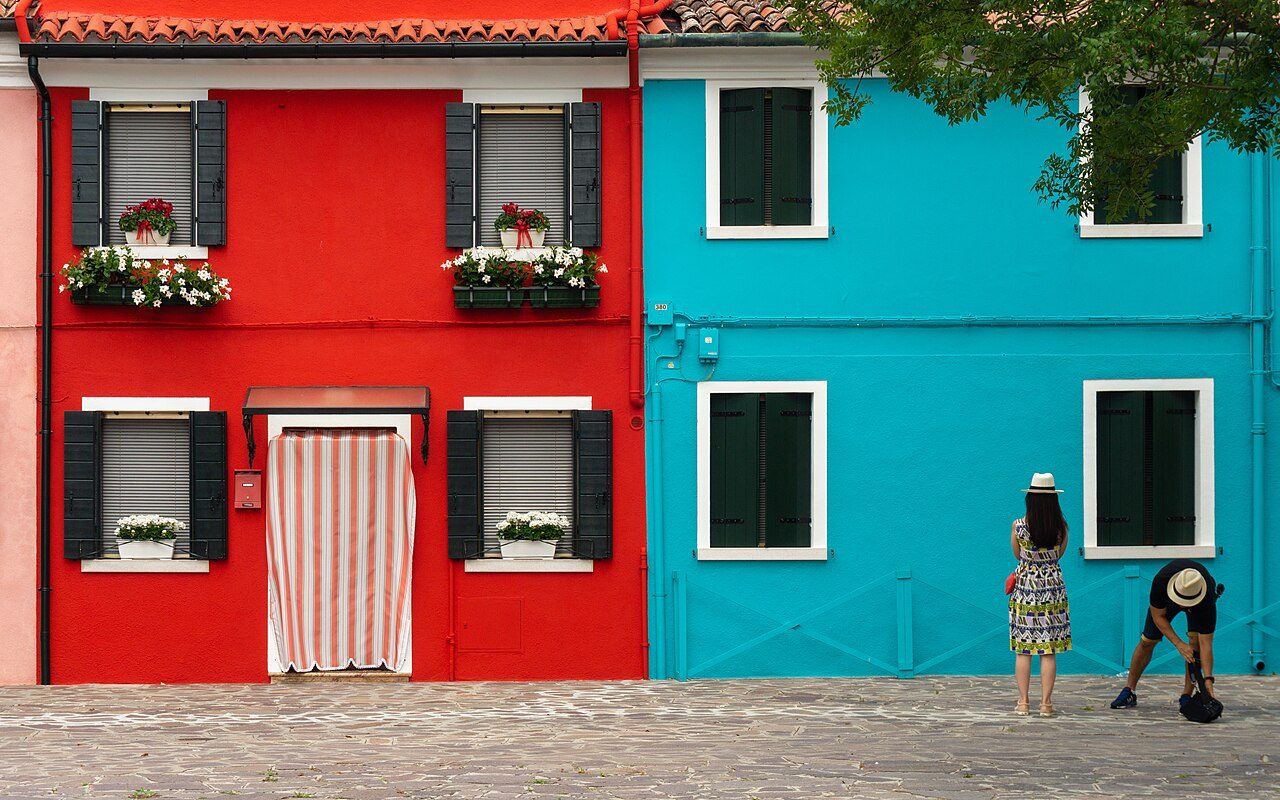
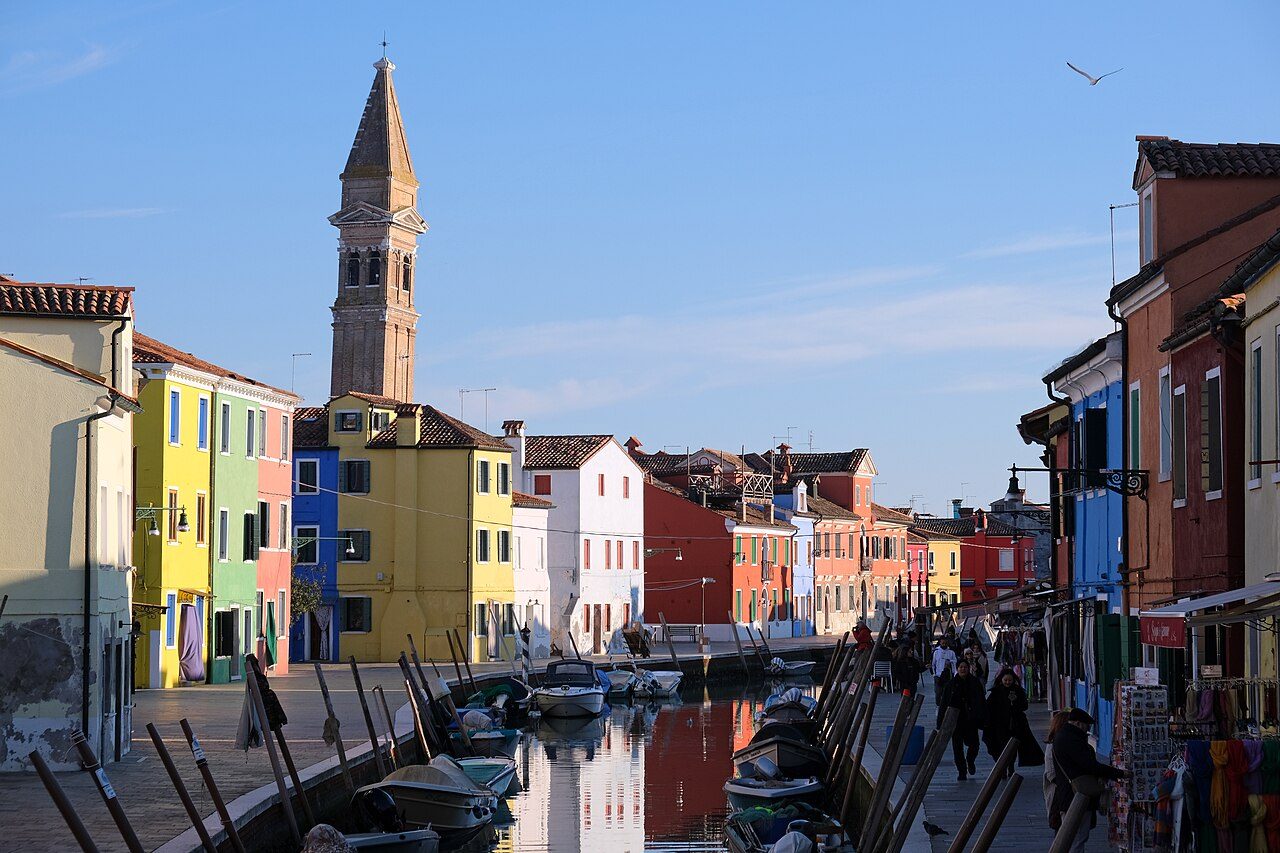
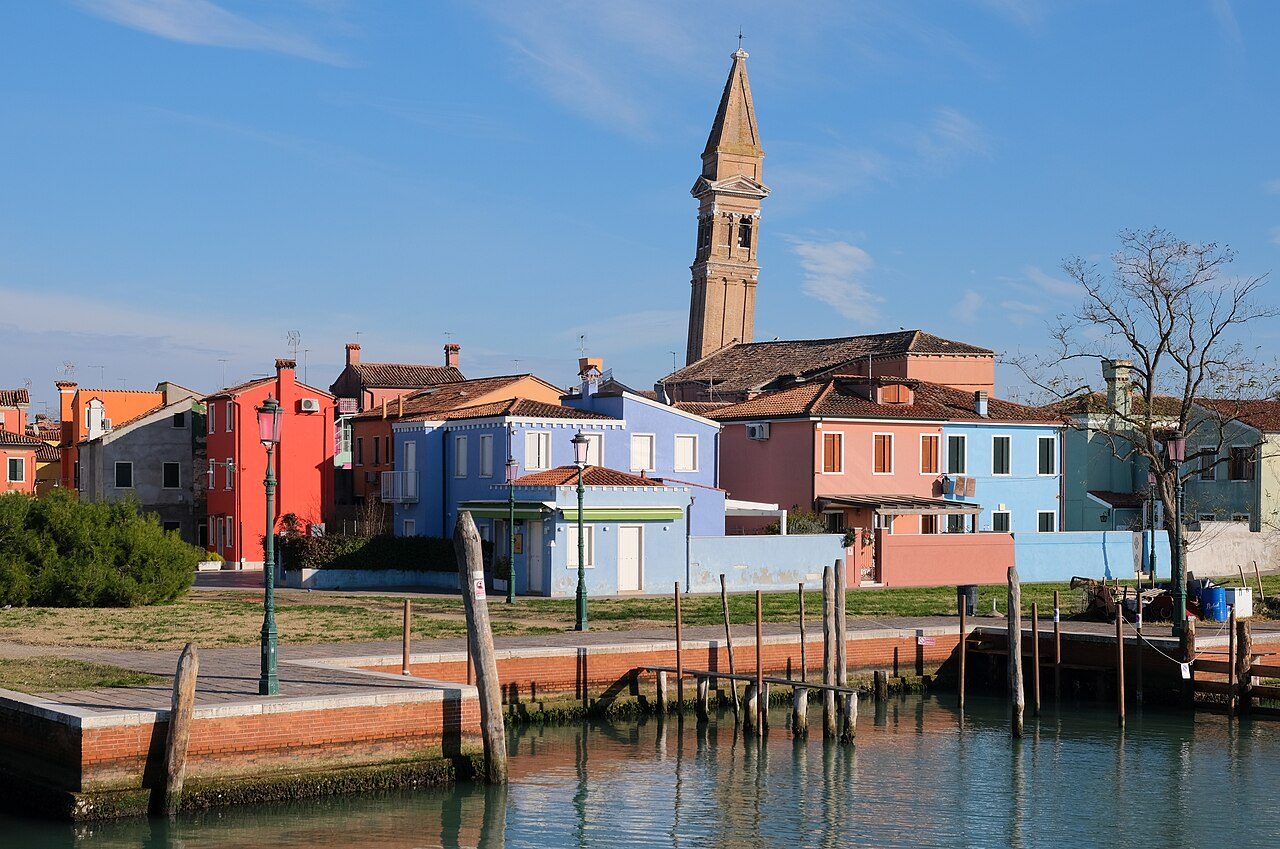
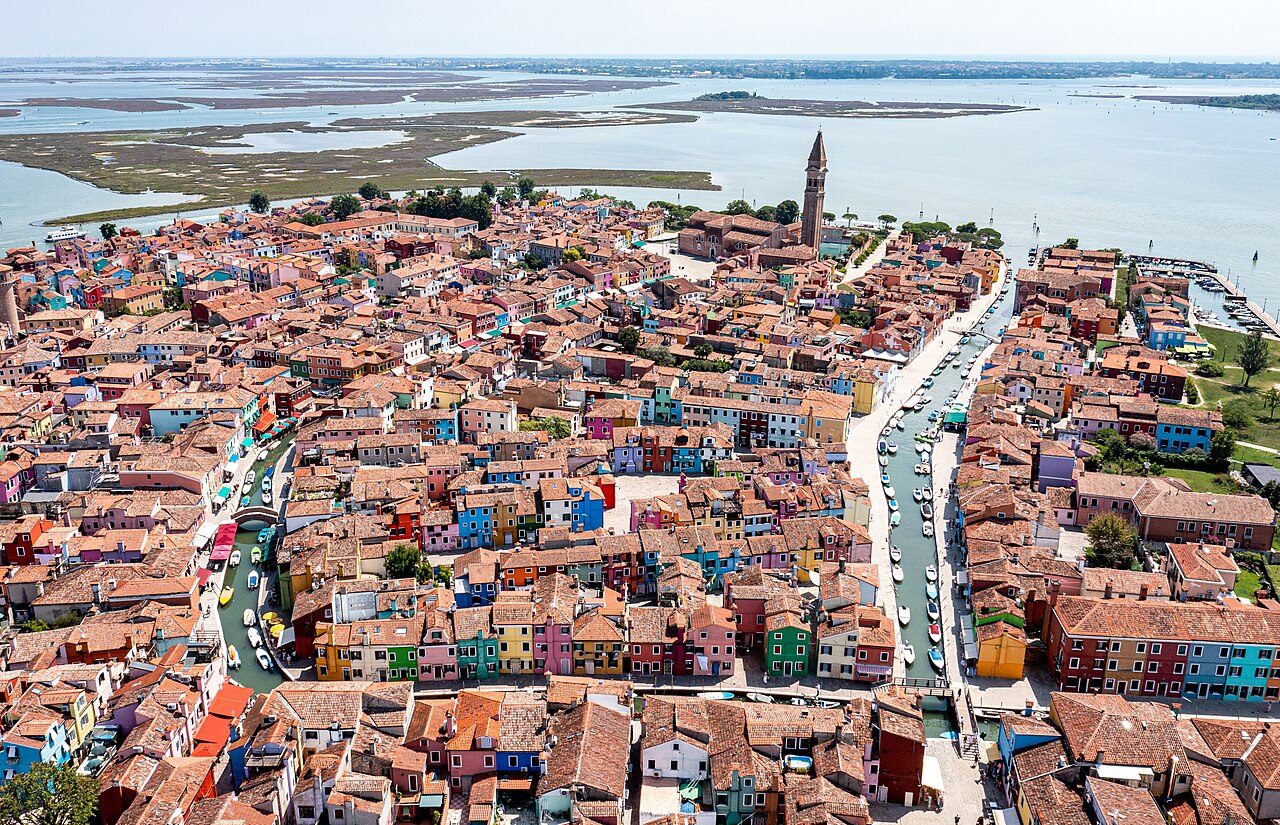
Burano is an island in the Venetian lagoon famous for its brightly painted houses in every colour, lining small canals. According to tradition, fishermen painted them so they could see their homes from the sea. Burano is also known for its handmade lace. The bell tower of San Martino leans noticeably. Ferries reach it from Venice in about 45 minutes.
09
STOP 9 OF 14
Verona Arena
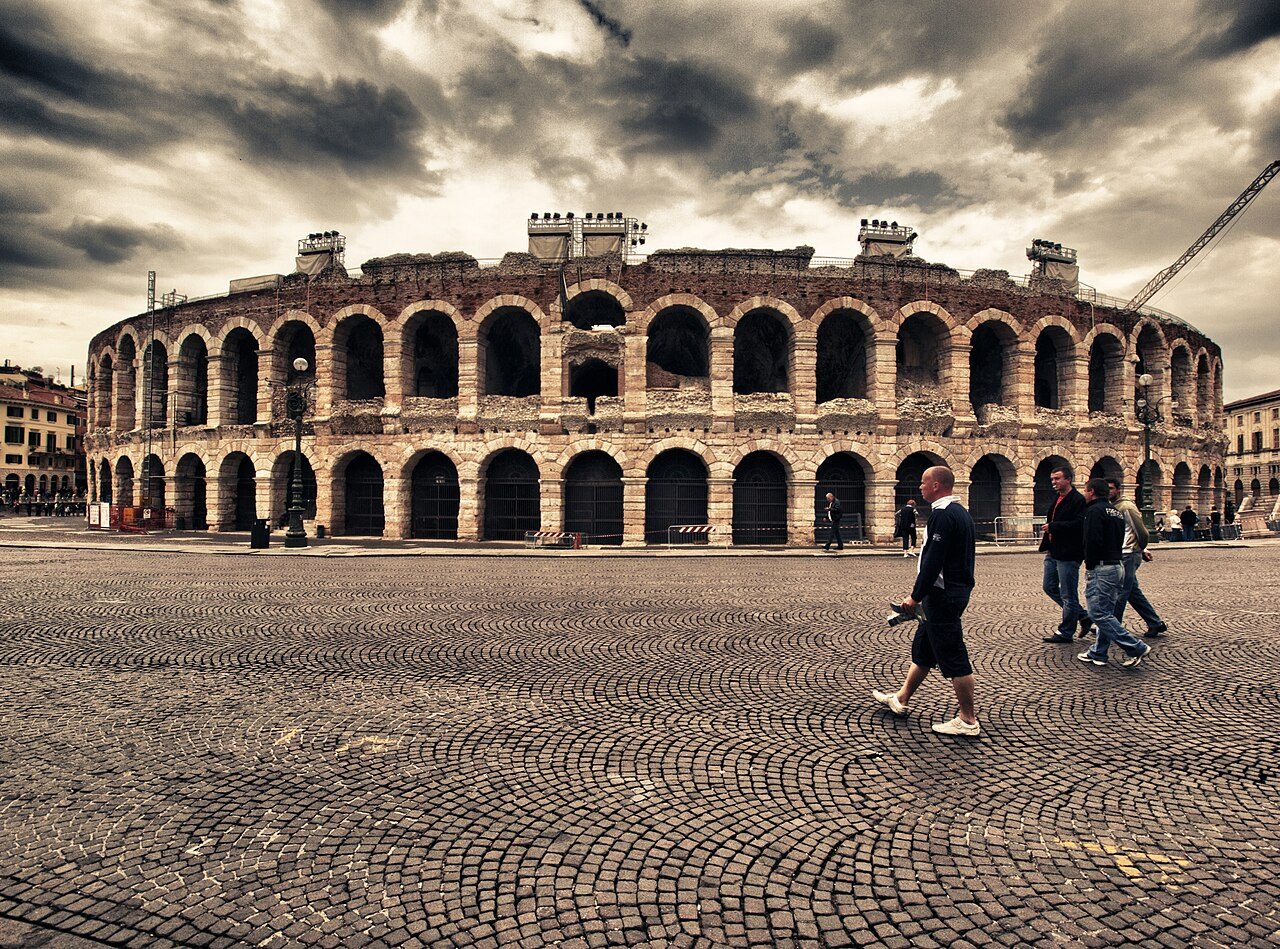
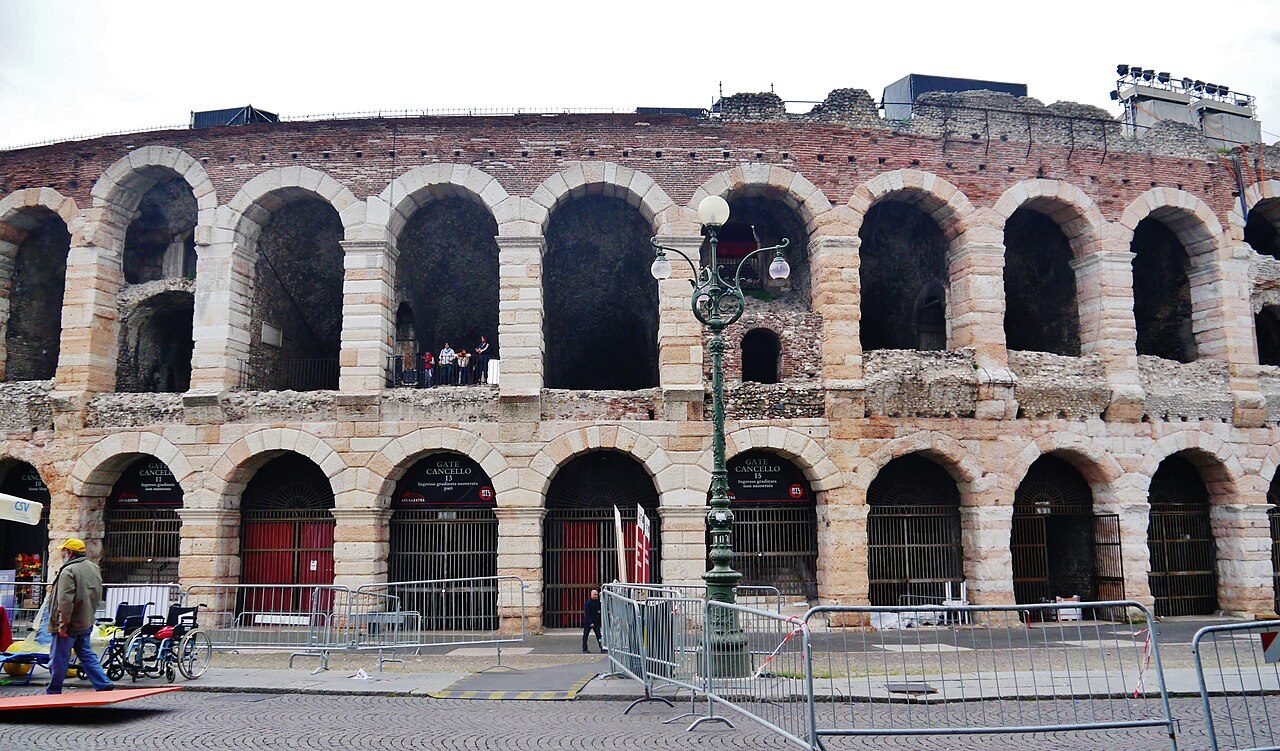
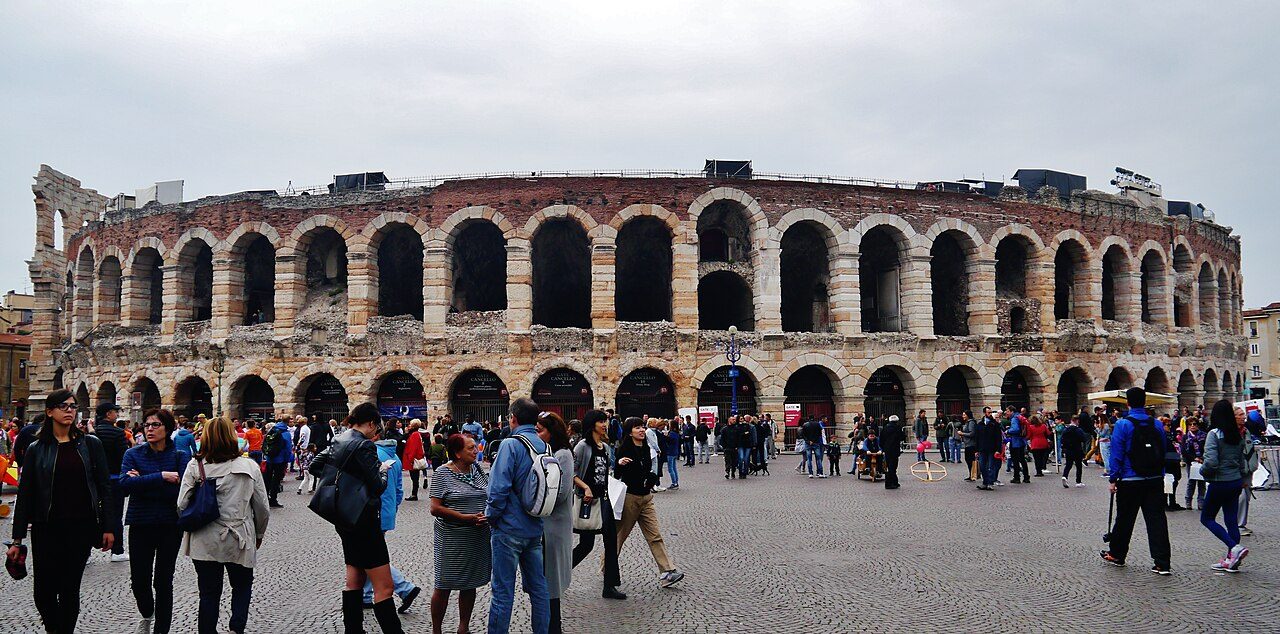
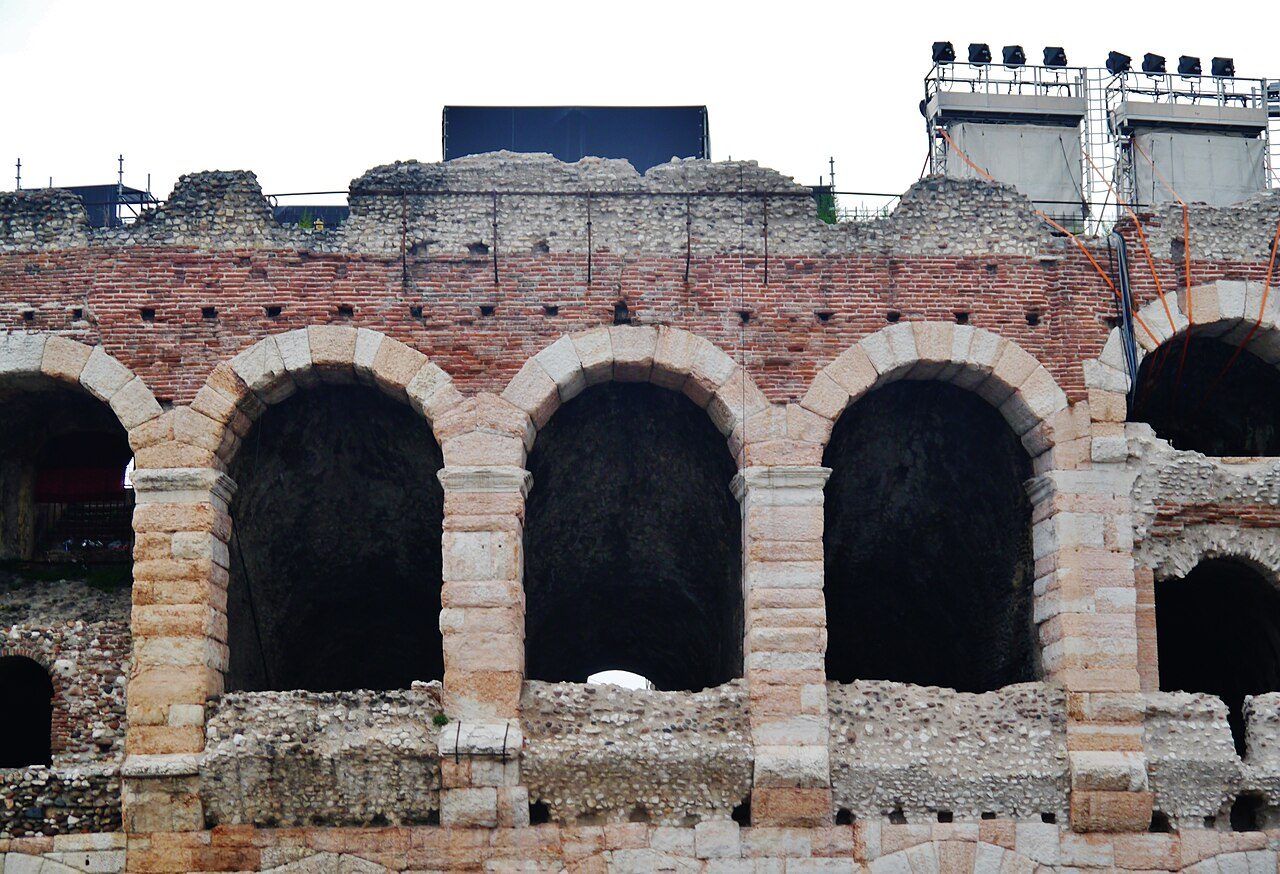
The Verona Arena is a Roman amphitheatre completed around 30 AD. It is one of the best preserved in the world and could hold about 30,000 spectators. Since 1913 it has hosted a famous summer opera festival under the stars, with huge stage sets. It stands in Piazza Bra, the main square of Verona.
10
STOP 10 OF 14
Juliet's House
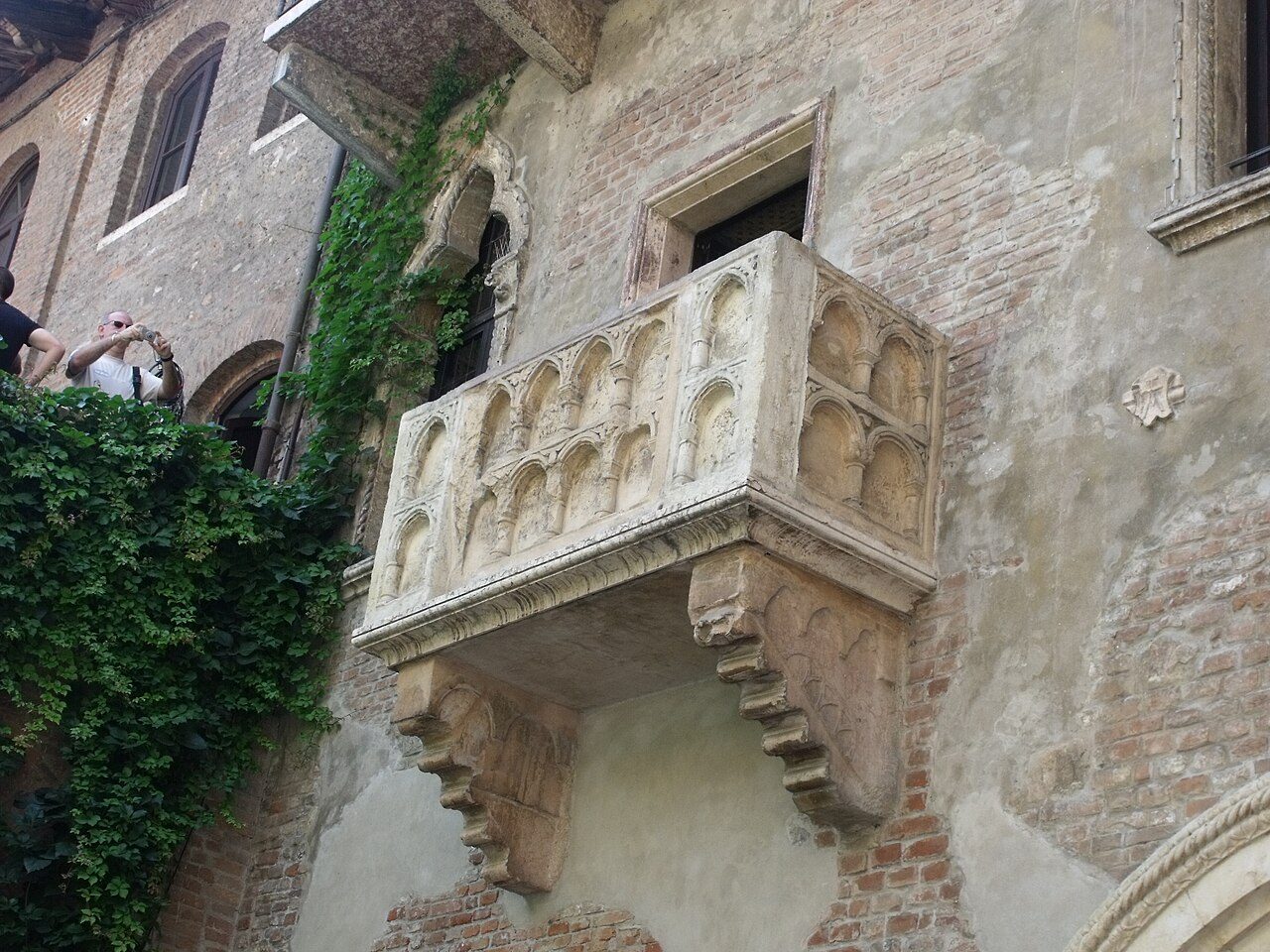
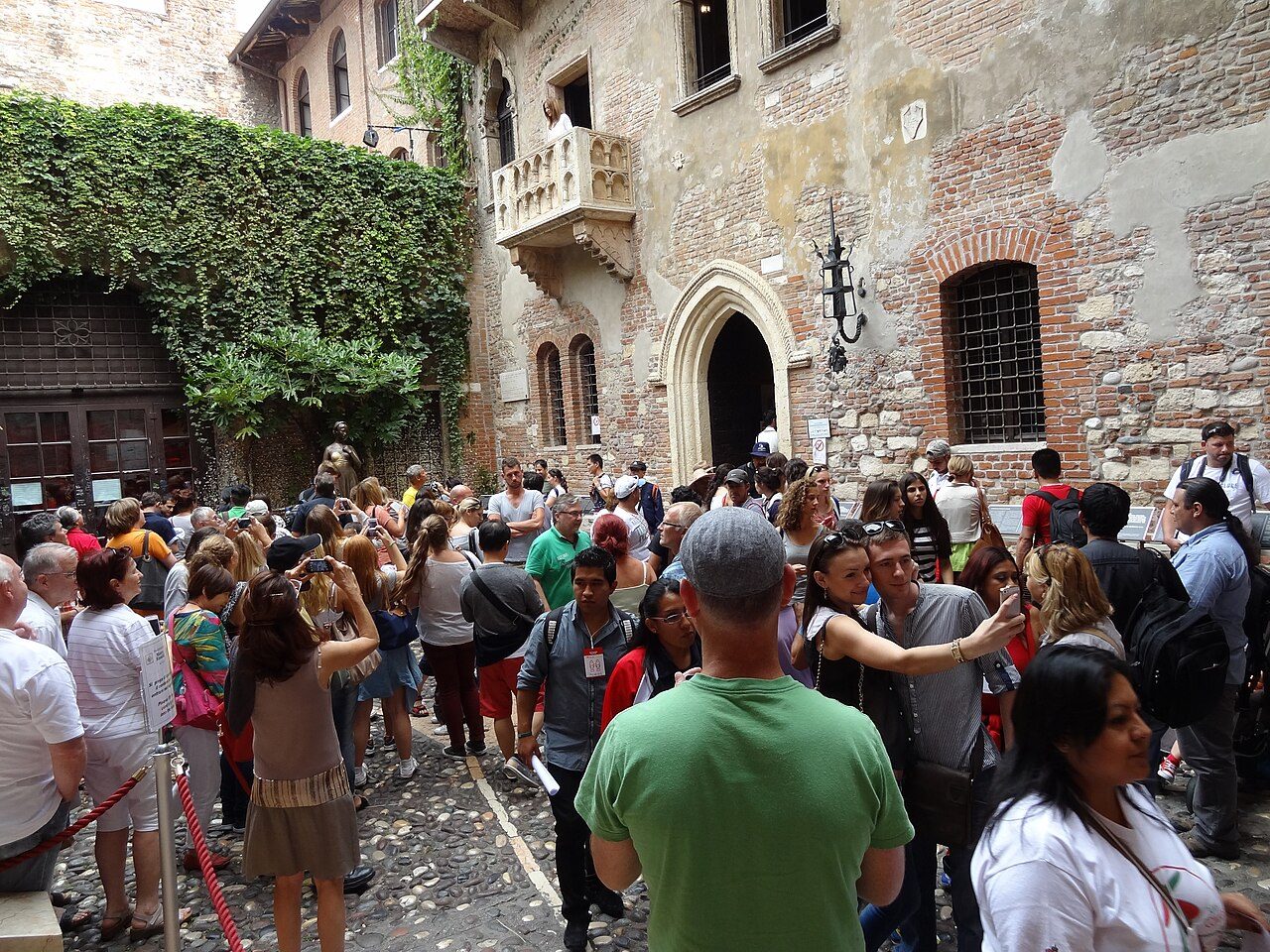
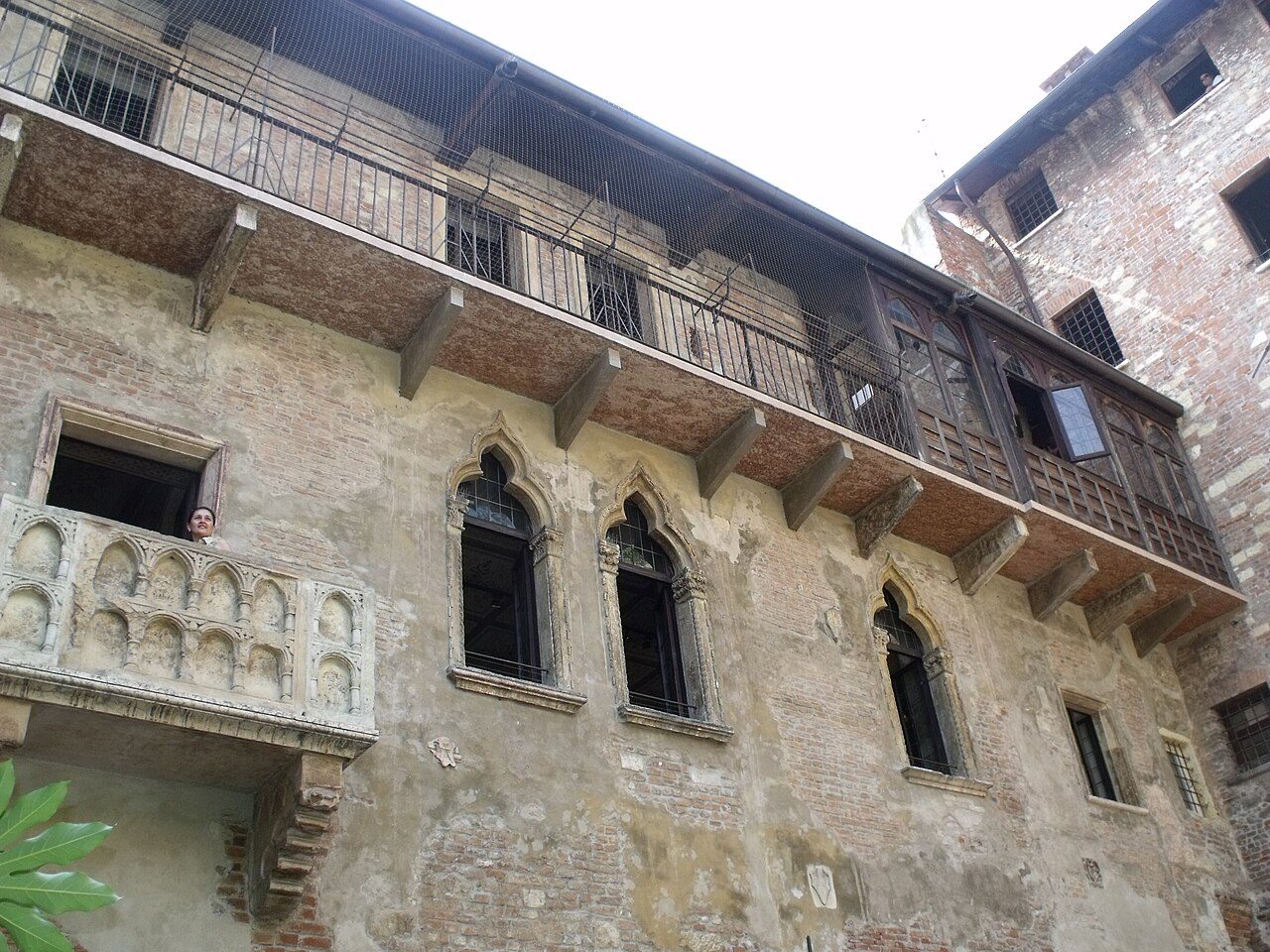
Juliet's House in Verona is a 13th-century house linked with the story of Romeo and Juliet. Its courtyard has a balcony, added in the 20th century, and a bronze statue of Juliet. Visitors leave notes and love letters on the walls. The house holds a small museum with costumes from films of the story.
11
STOP 11 OF 14
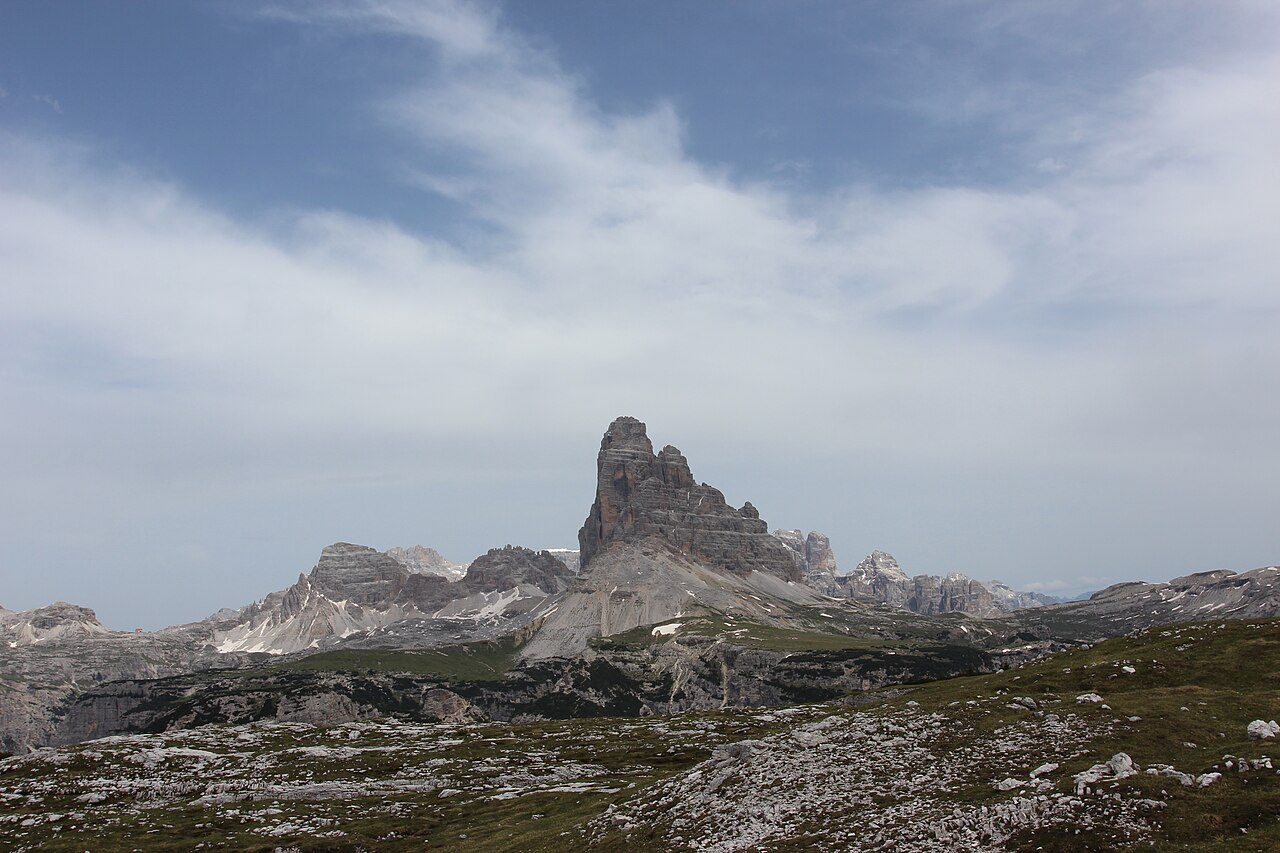
Tre Cime di Lavaredo
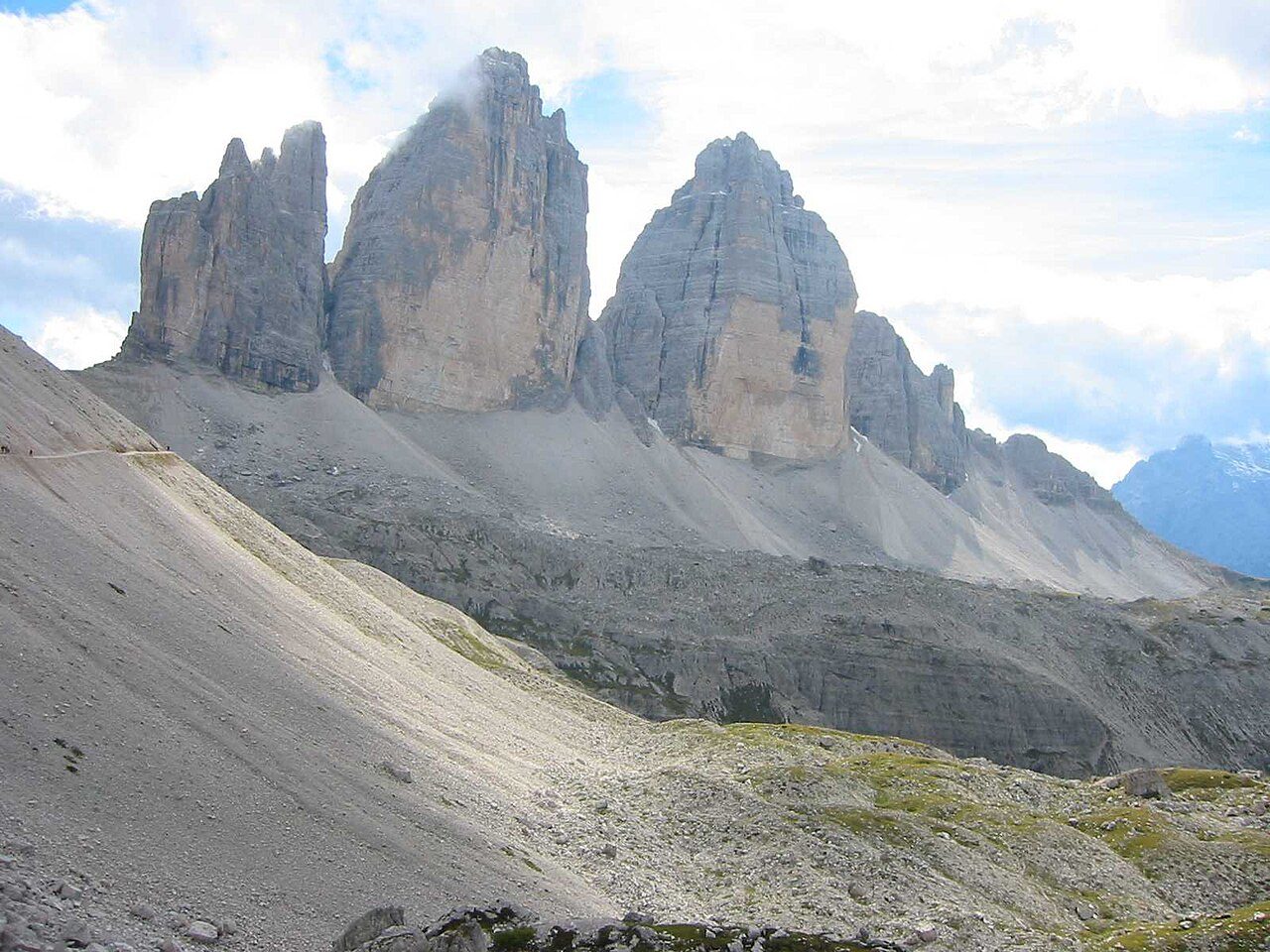
The Tre Cime di Lavaredo are three huge rock towers in the Dolomites, rising to about 2,999 metres. They are one of the best known mountain sights in the Alps. A popular walking loop of about ten kilometres circles them, passing mountain huts with views of the north faces. The Dolomites are a UNESCO World Heritage Site.
12
STOP 12 OF 14
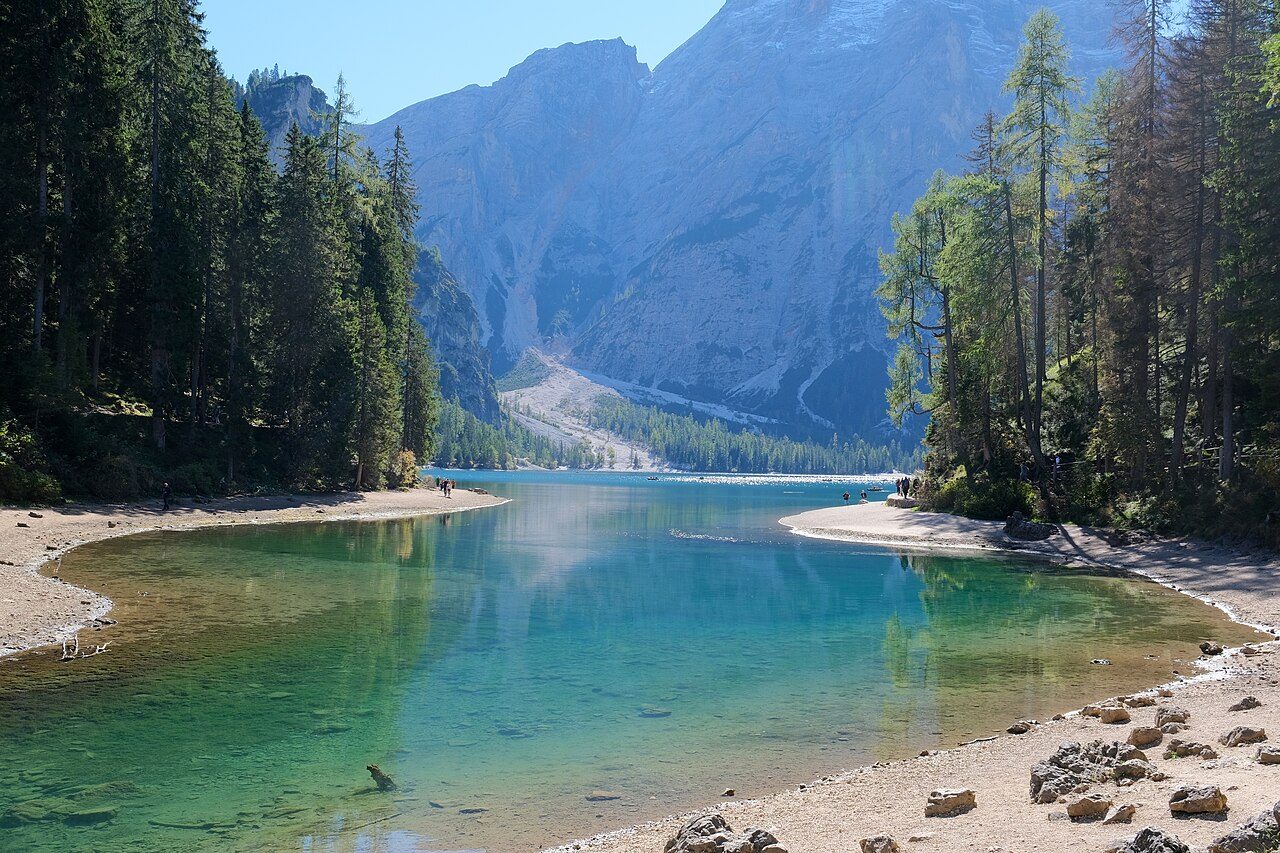
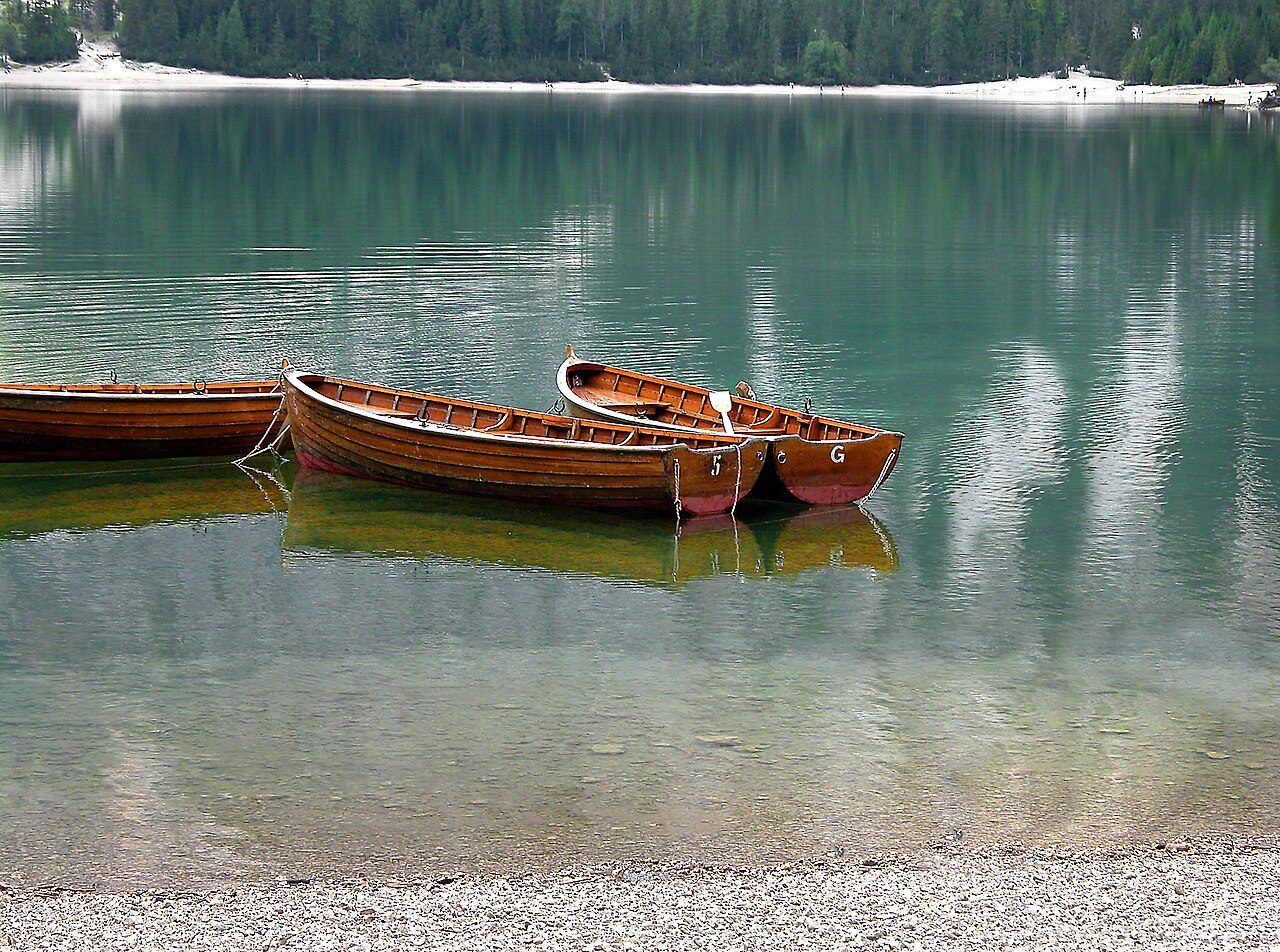
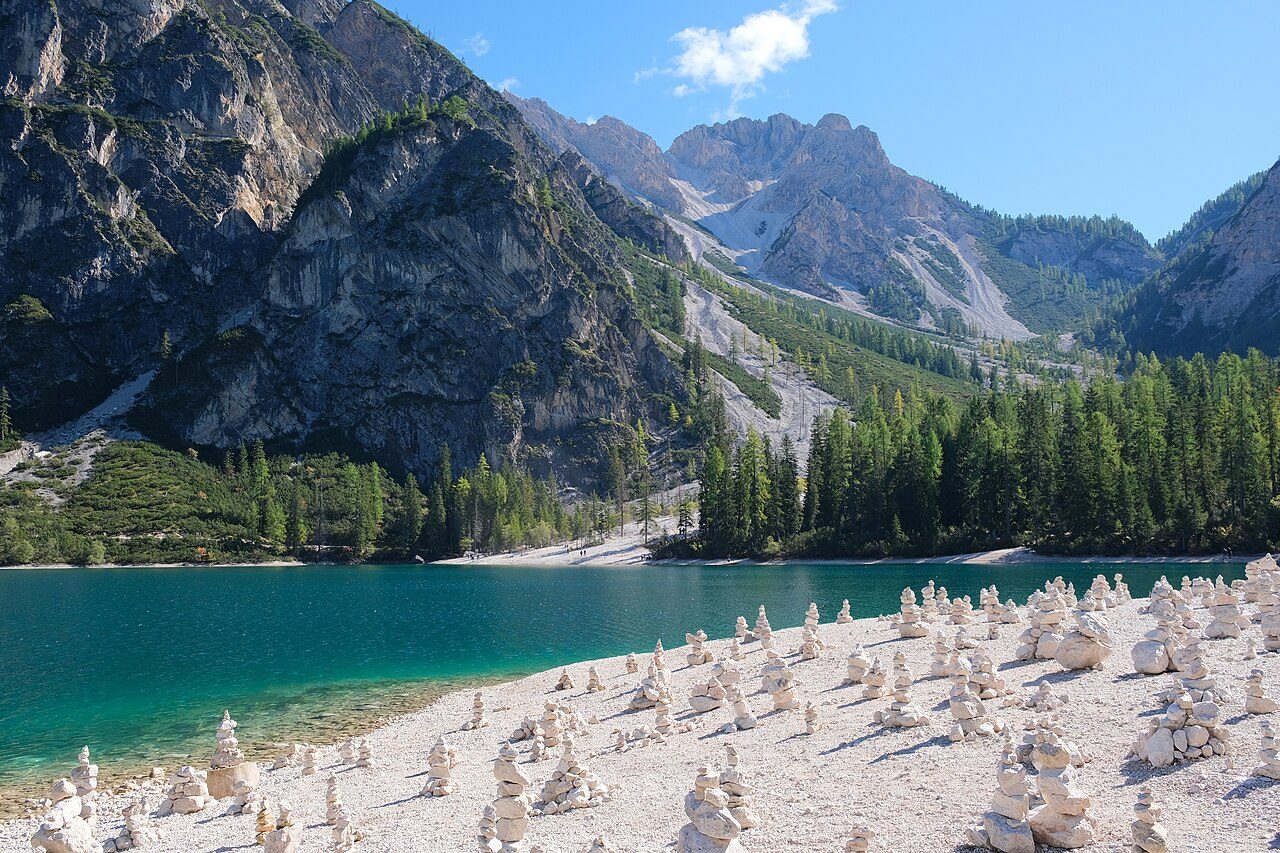
Lake Braies
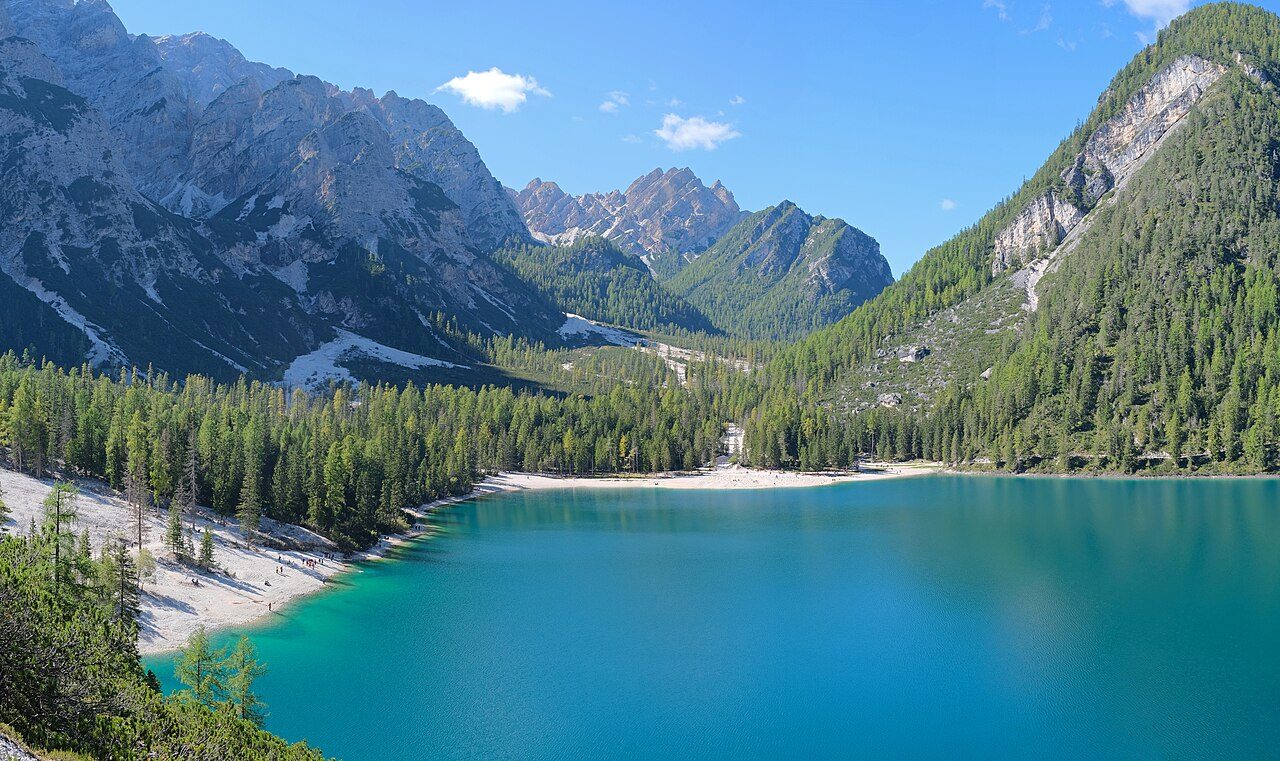
Lake Braies, Lago di Braies, is a mountain lake in the Dolomites of South Tyrol, at about 1,496 metres. Its clear green water reflects the rocky peak of the Seekofel. Wooden rowing boats can be hired from the old boathouse, and a path circles the lake. It is one of the most photographed lakes in the Alps and is busy in summer.
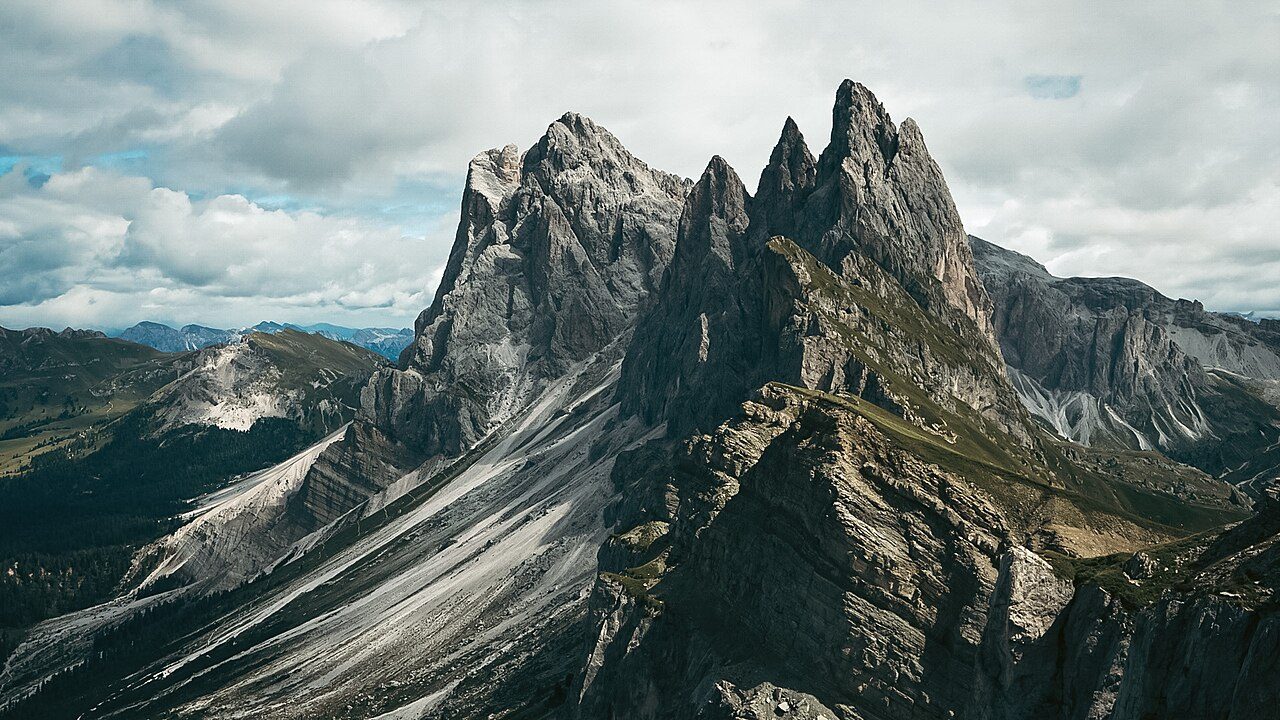
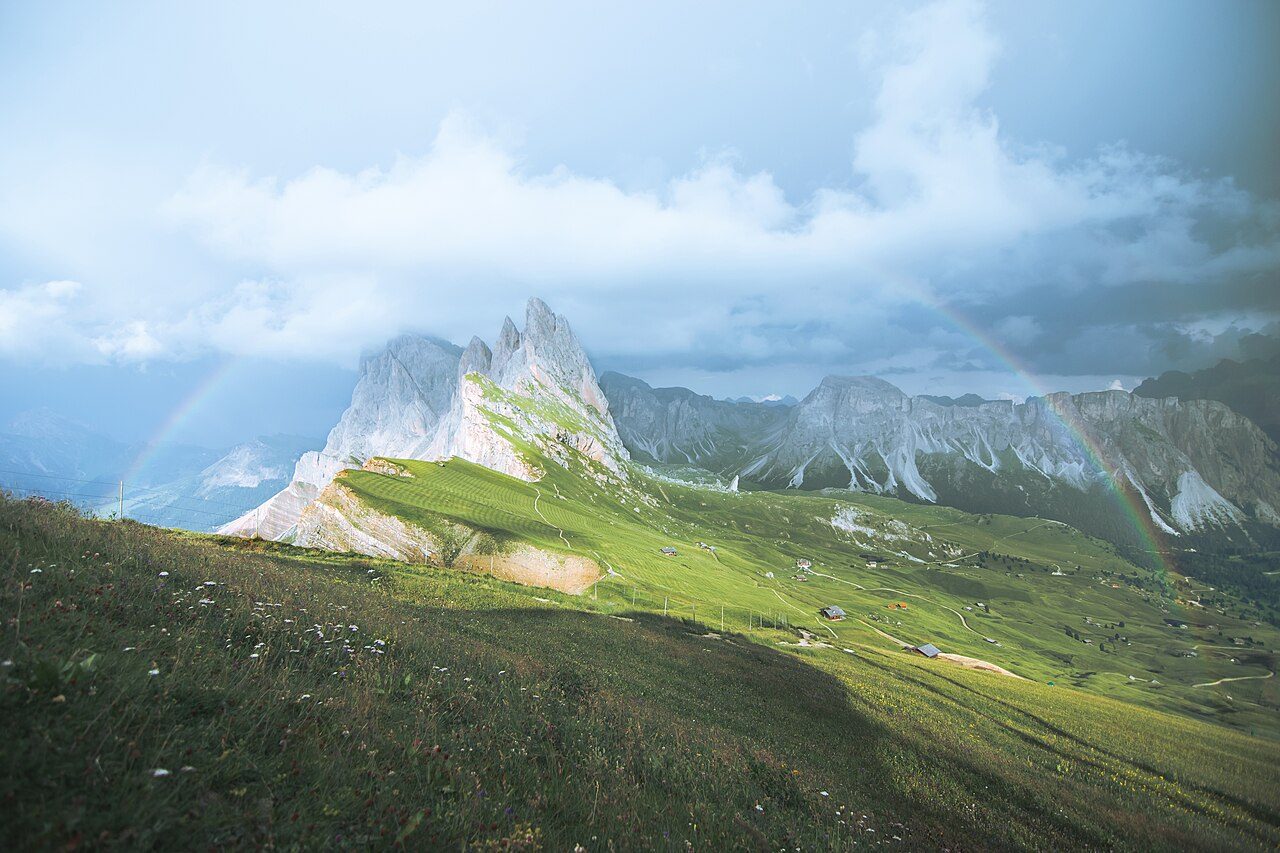
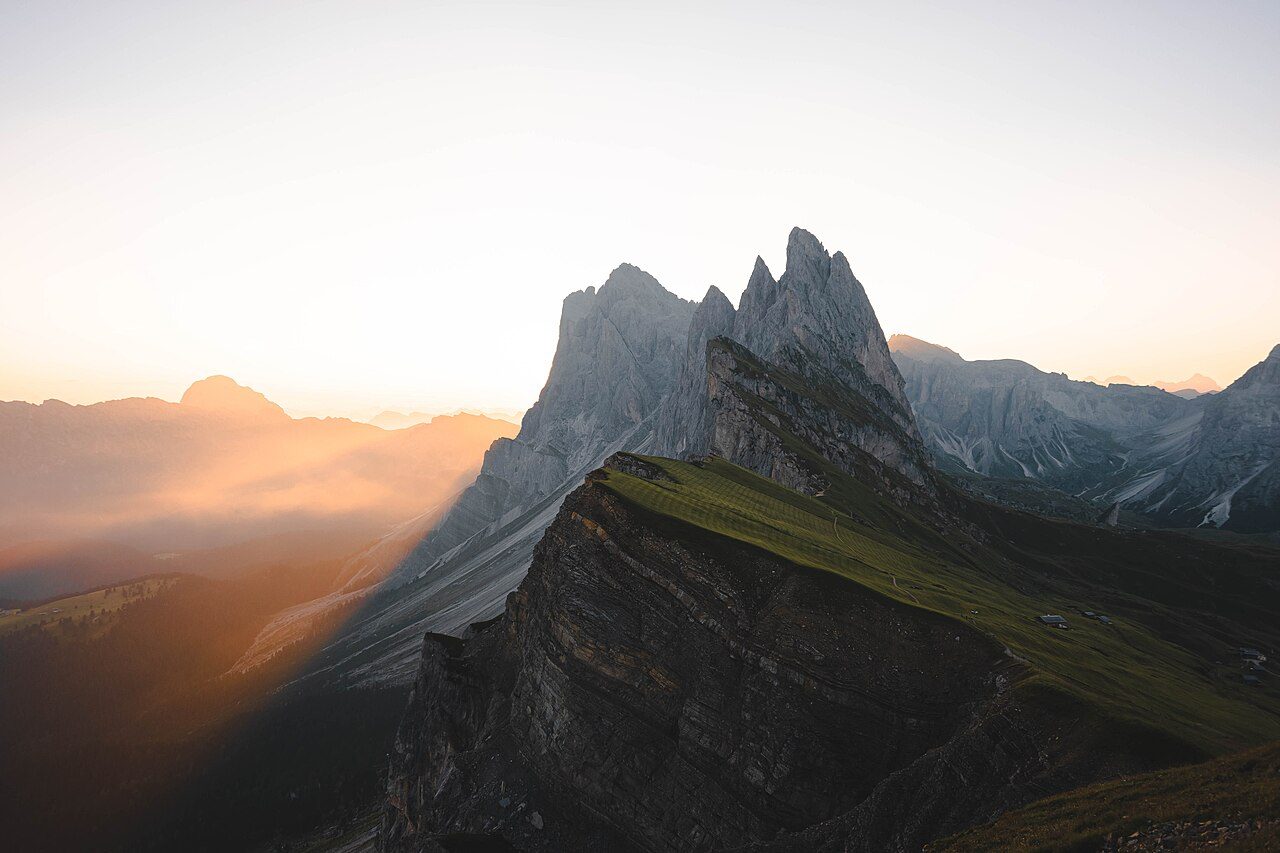
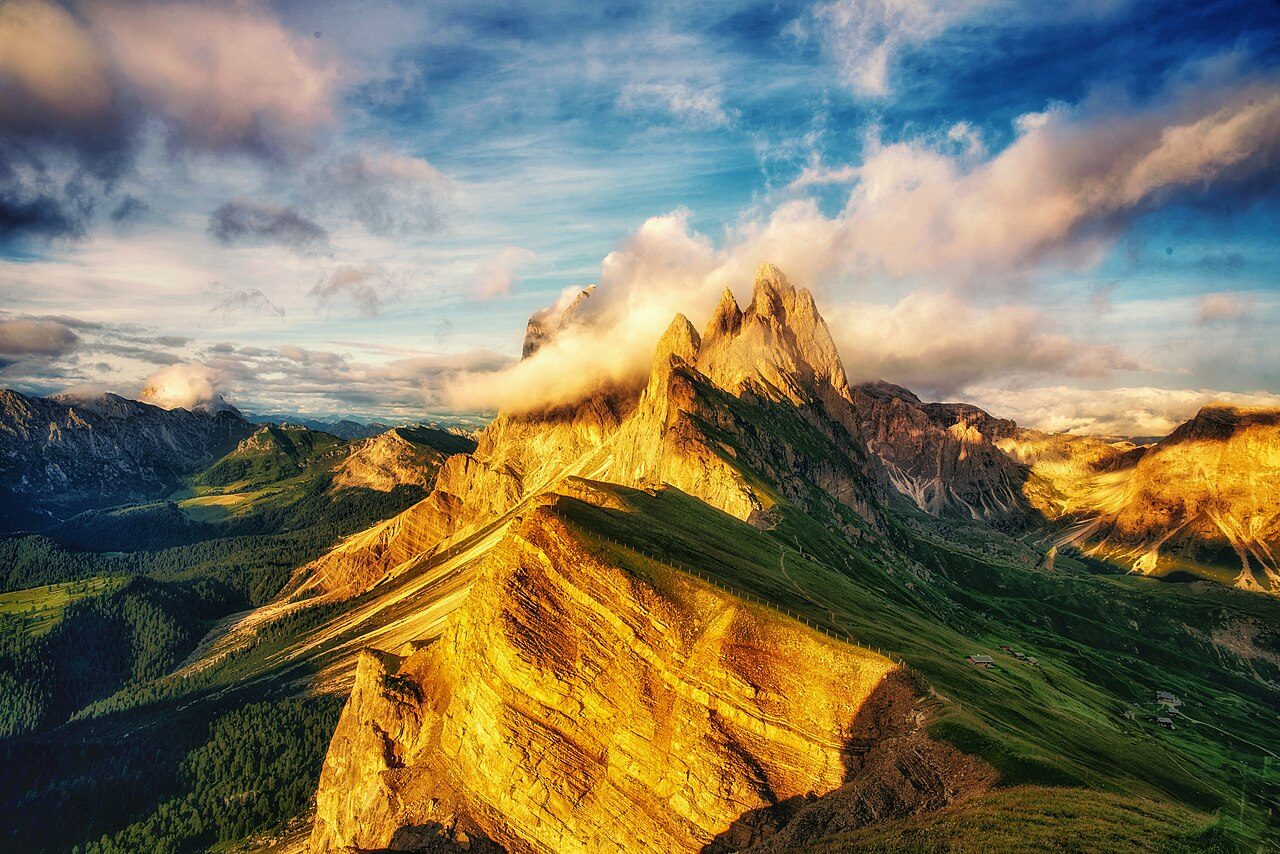
Seceda is a mountain in the Dolomites above Ortisei in Val Gardena, rising to about 2,519 metres. A cable car climbs from Ortisei. At the top, the Odle peaks form a dramatic ridge of jagged rock spires rising from green meadows on one side and dropping sharply on the other. It is a popular place for walking and photography.
14
STOP 14 OF 14 · LAST STOP
Lake Garda
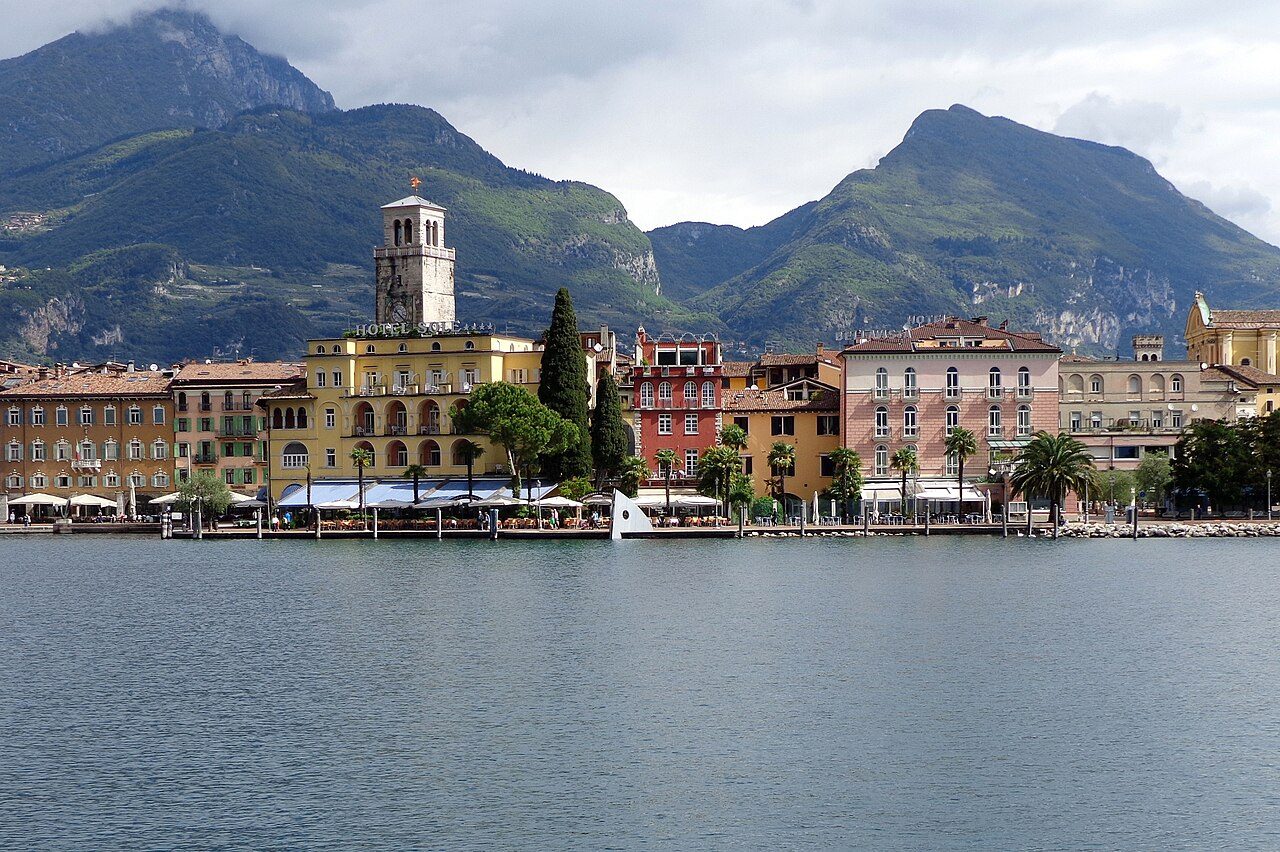
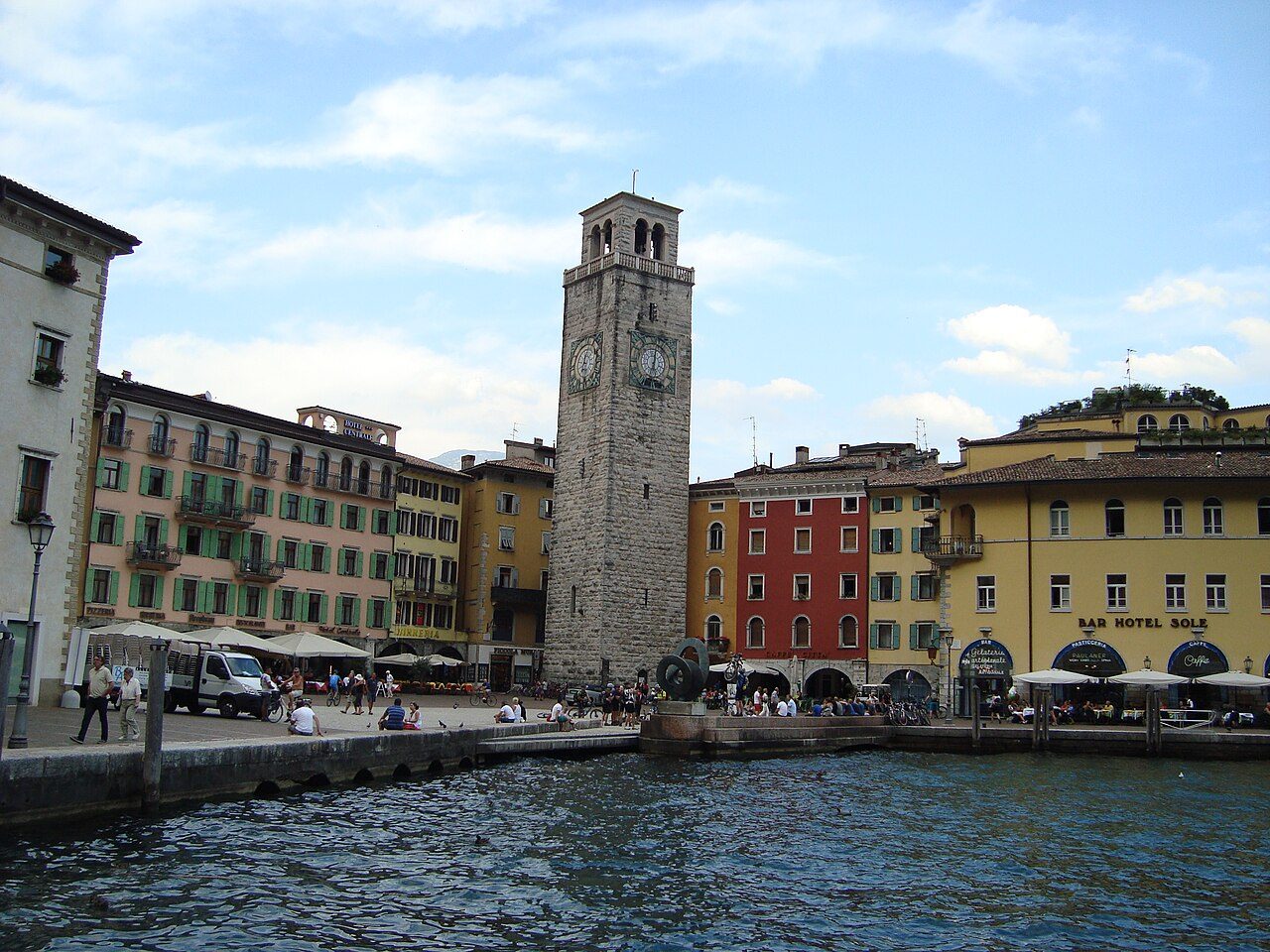
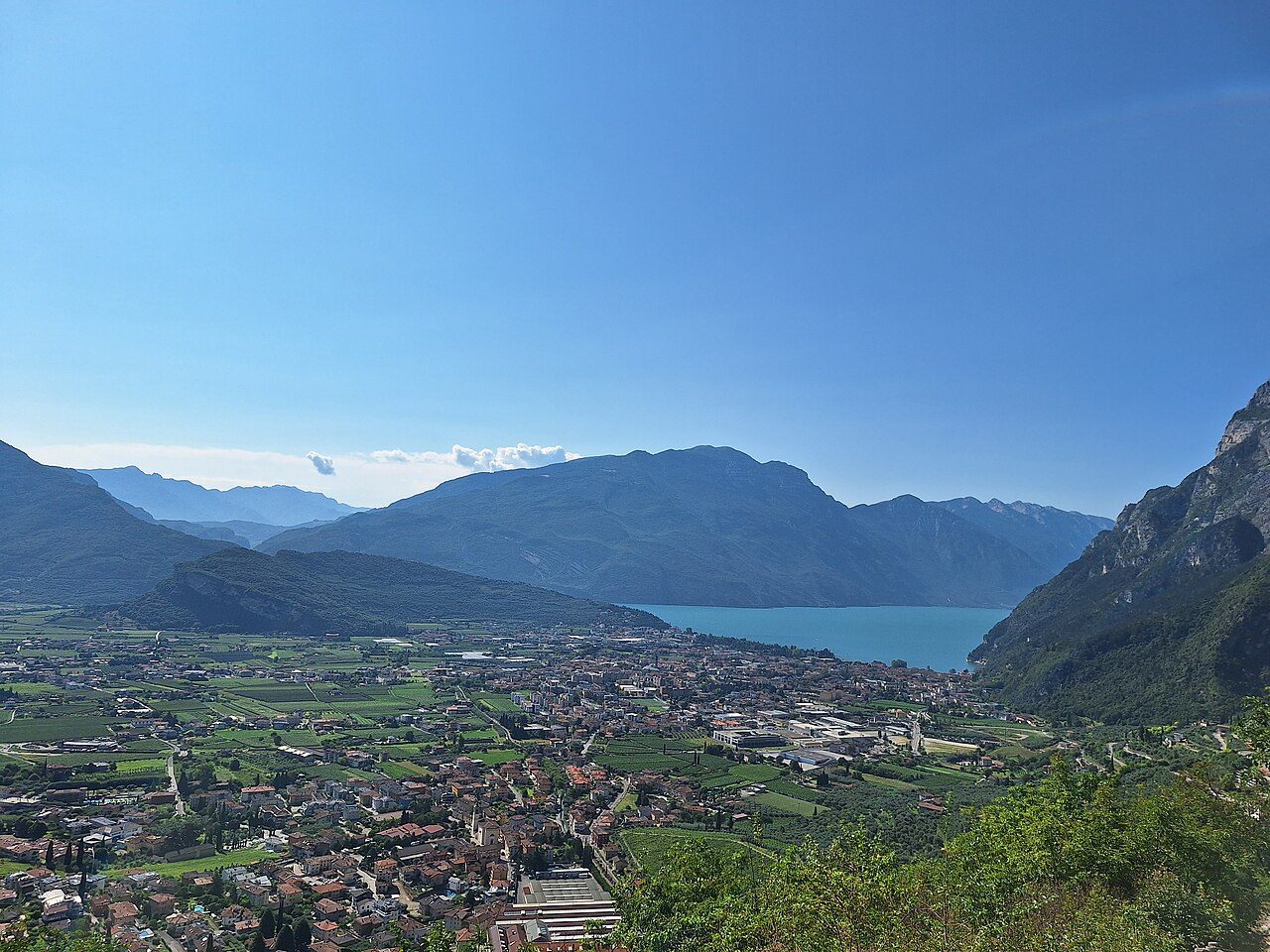
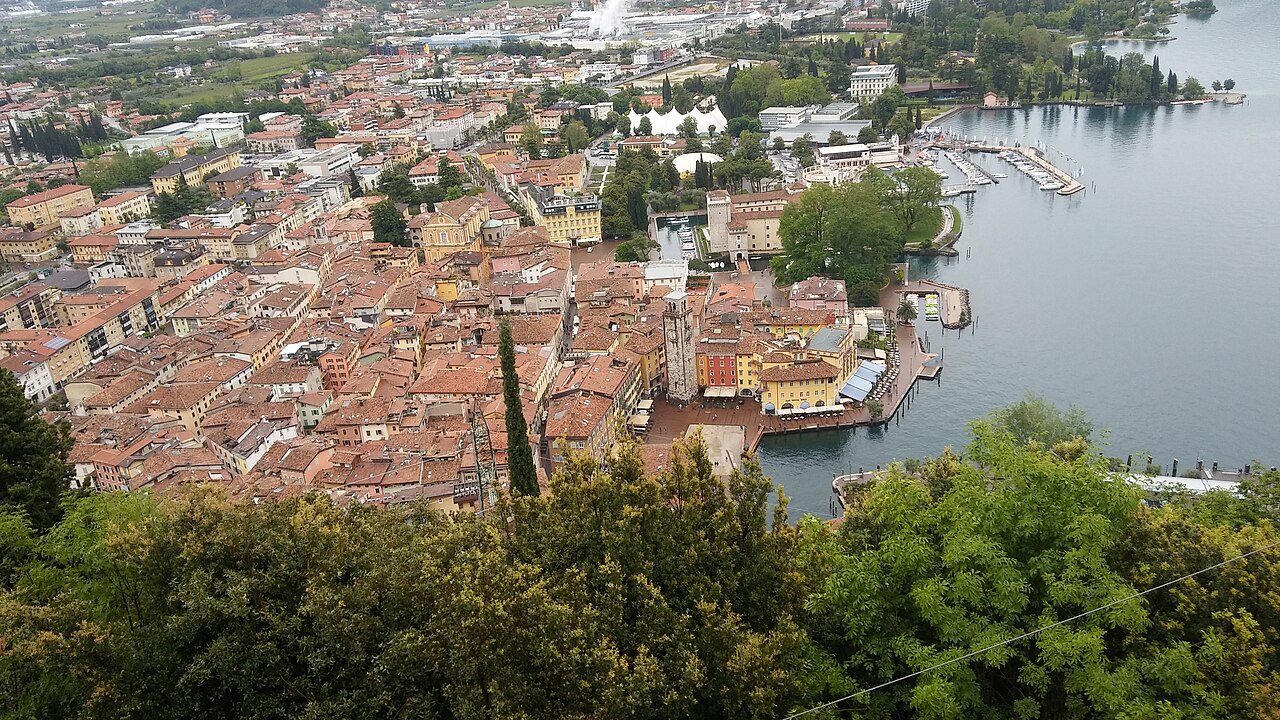
Lake Garda is the largest lake in Italy, about 52 kilometres long. Its northern end, at Riva del Garda, is narrow and surrounded by mountains, while the south is wider with olive groves and lemon gardens. Towns such as Sirmione, Malcesine and Limone line its shores. Steady winds make the north popular for windsurfing and sailing.
Seasons from 20 years of NASA POWER climate data.
 WaTrips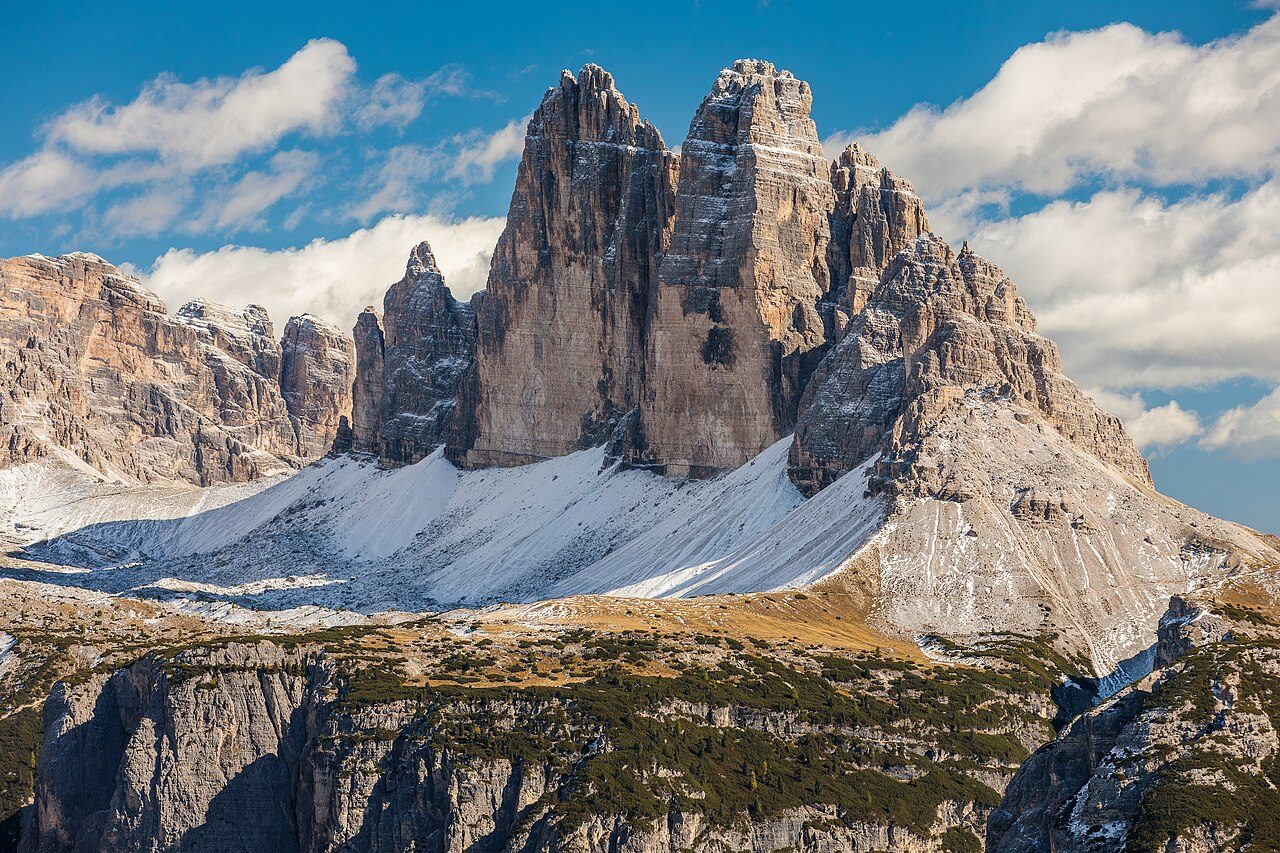


 BikesBooking
 Localrent
 Airalo
 Tiqets