The Colosseum and Palatine, the Vatican and St. Peter's, the Pantheon, Navona, Trevi and the Spanish Steps, the Borghese Gallery, the great basilicas, Caracalla and the Appian Way.
Rome is a city to walk. Start with the Colosseum, the Palatine Hill and the Roman Forum. Give a day to the Vatican Museums and Sistine Chapel, St. Peter's Basilica and Castel Sant'Angelo. Wander from the Pantheon to Piazza Navona, throw a coin in the Trevi Fountain, climb the Spanish Steps and see Bernini's sculptures at the Borghese Gallery (book ahead), with dinner in Trastevere. Finish with Santa Maria Maggiore, St. John Lateran, the Baths of Caracalla and a walk on the ancient Appian Way. Book Vatican and Colosseum tickets online.
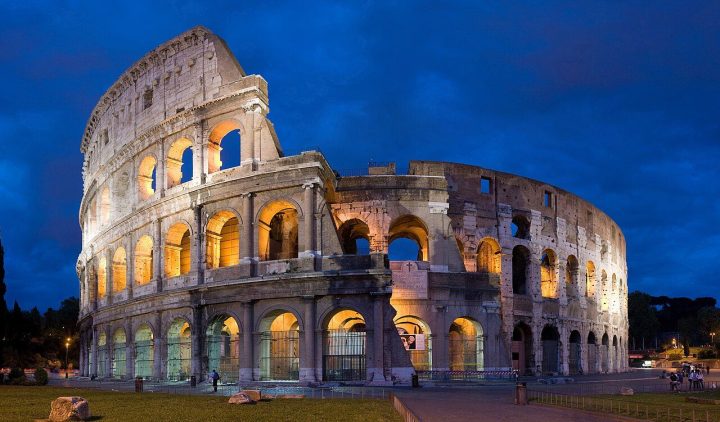
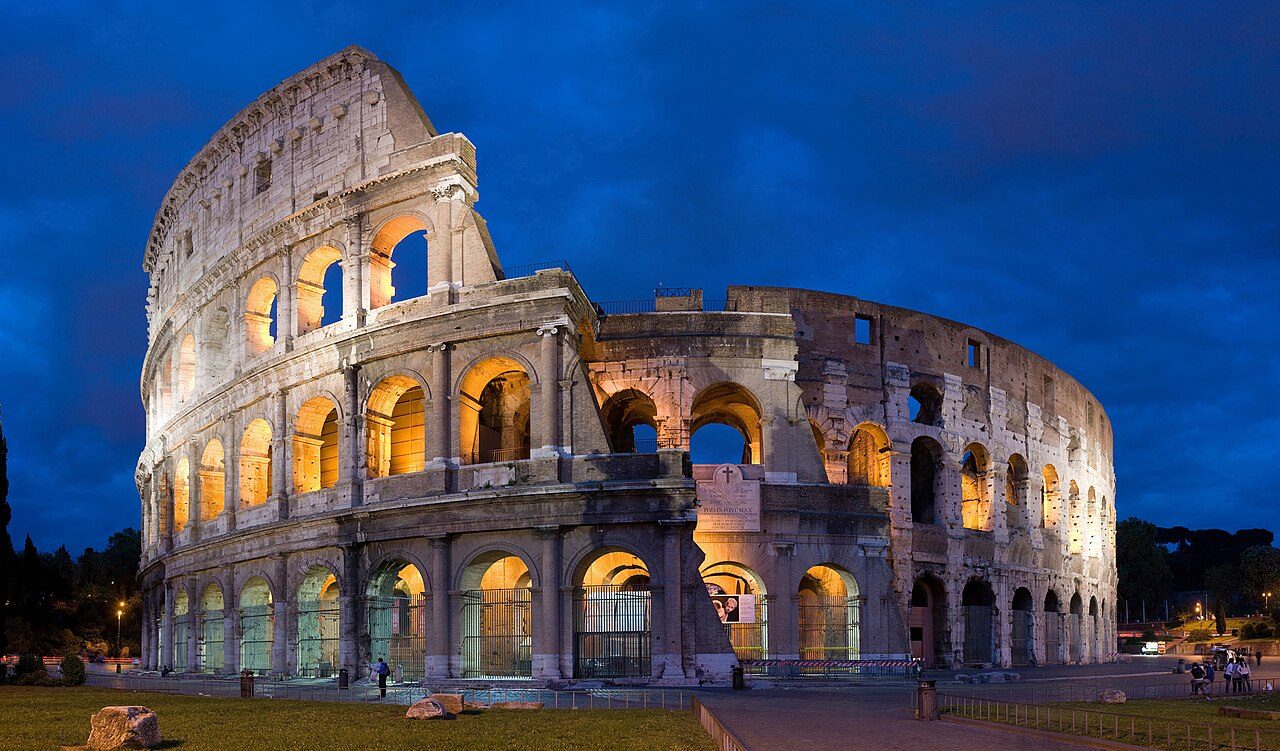
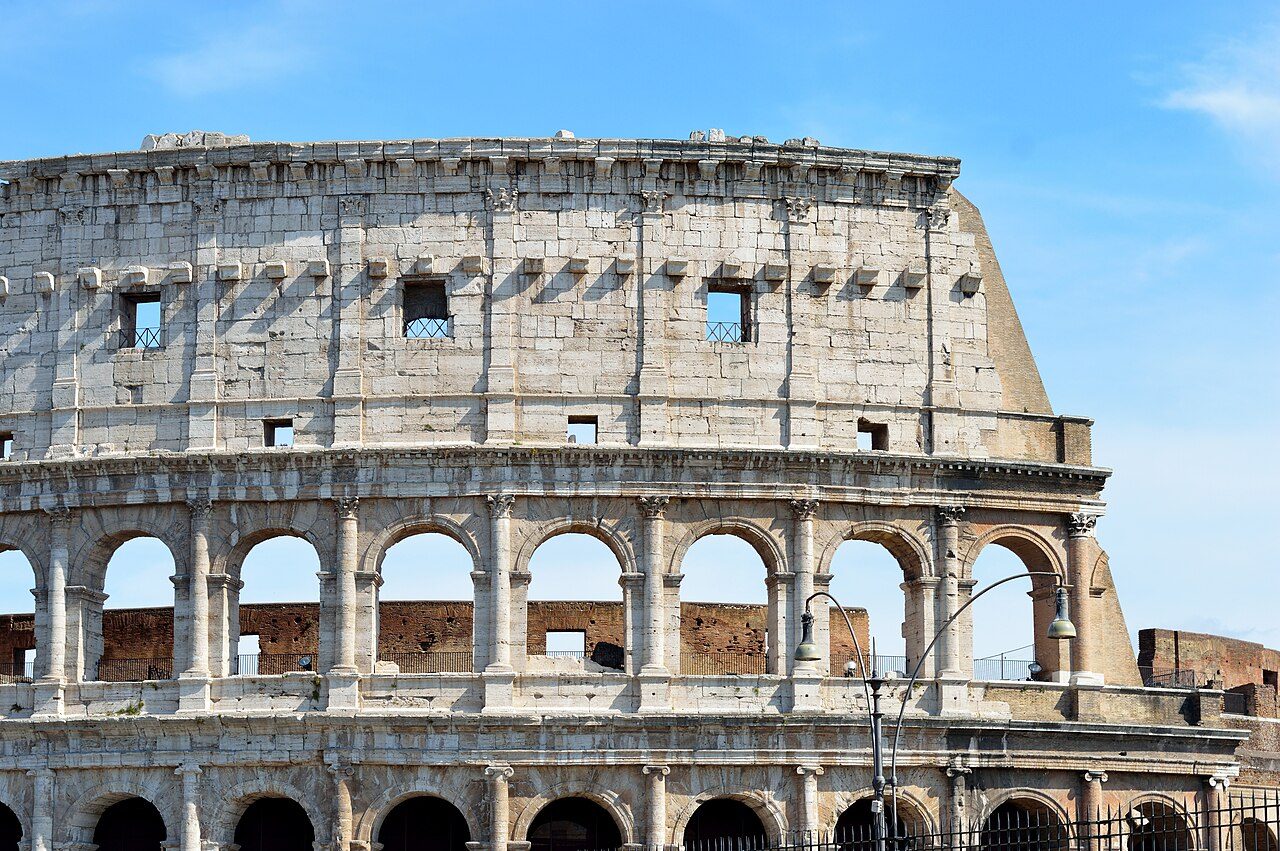
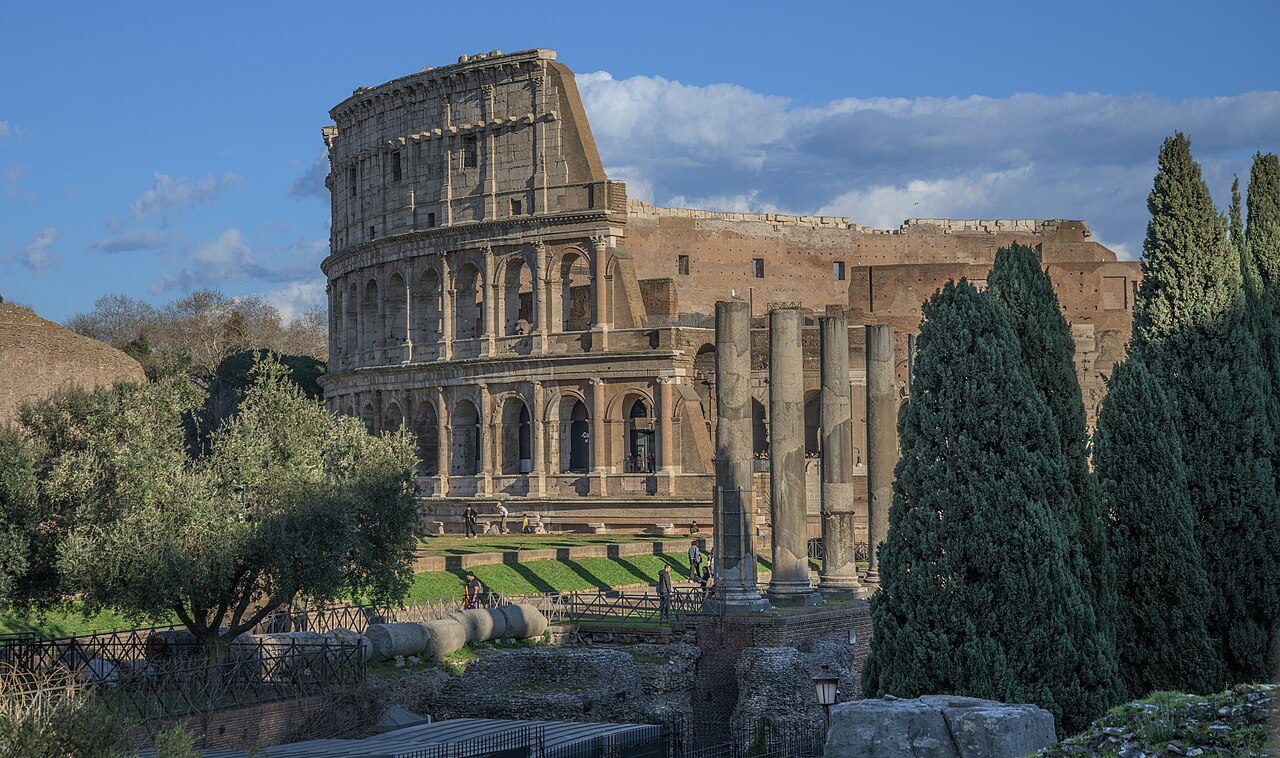
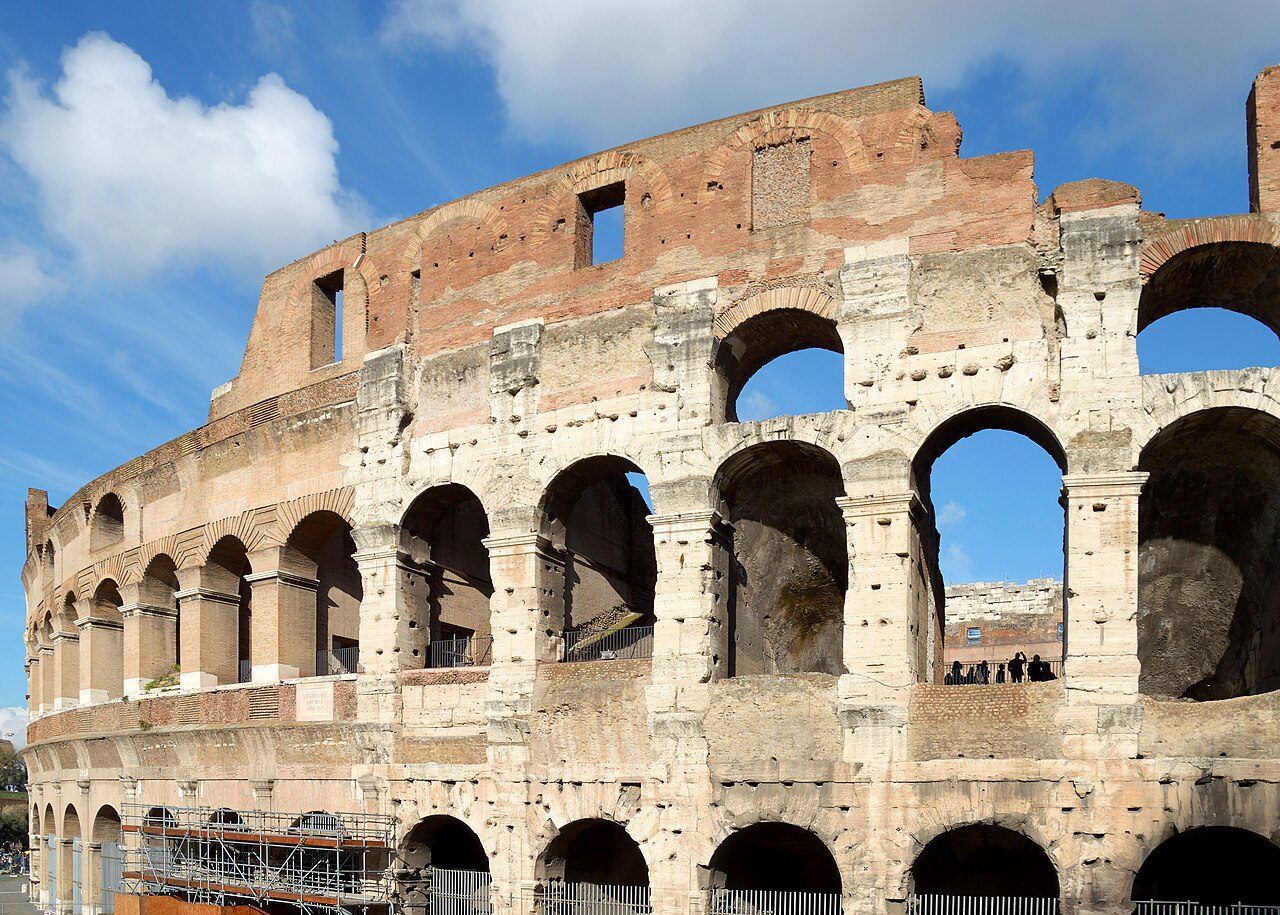
The Colosseum is the largest amphitheatre ever built, completed in 80 AD under the emperors Vespasian and Titus. It could hold around 50,000 spectators, who watched gladiator fights, animal hunts and public shows. Its oval walls of travertine stone rise about 48 metres. Earthquakes and stone robbers damaged it, but it remains the symbol of Rome and part of a UNESCO World Heritage Site.
02
STOP 2 OF 16
Palatine Hill
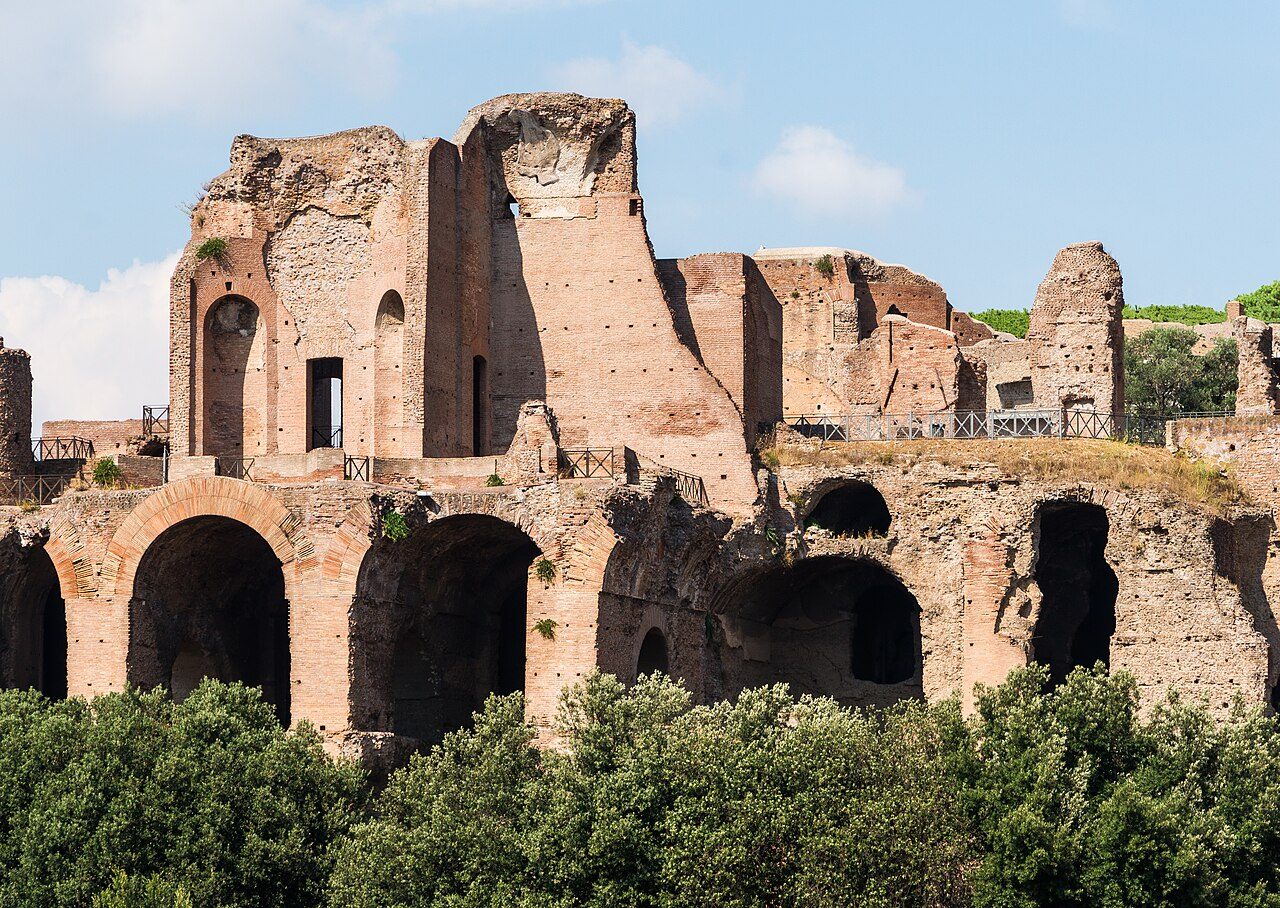
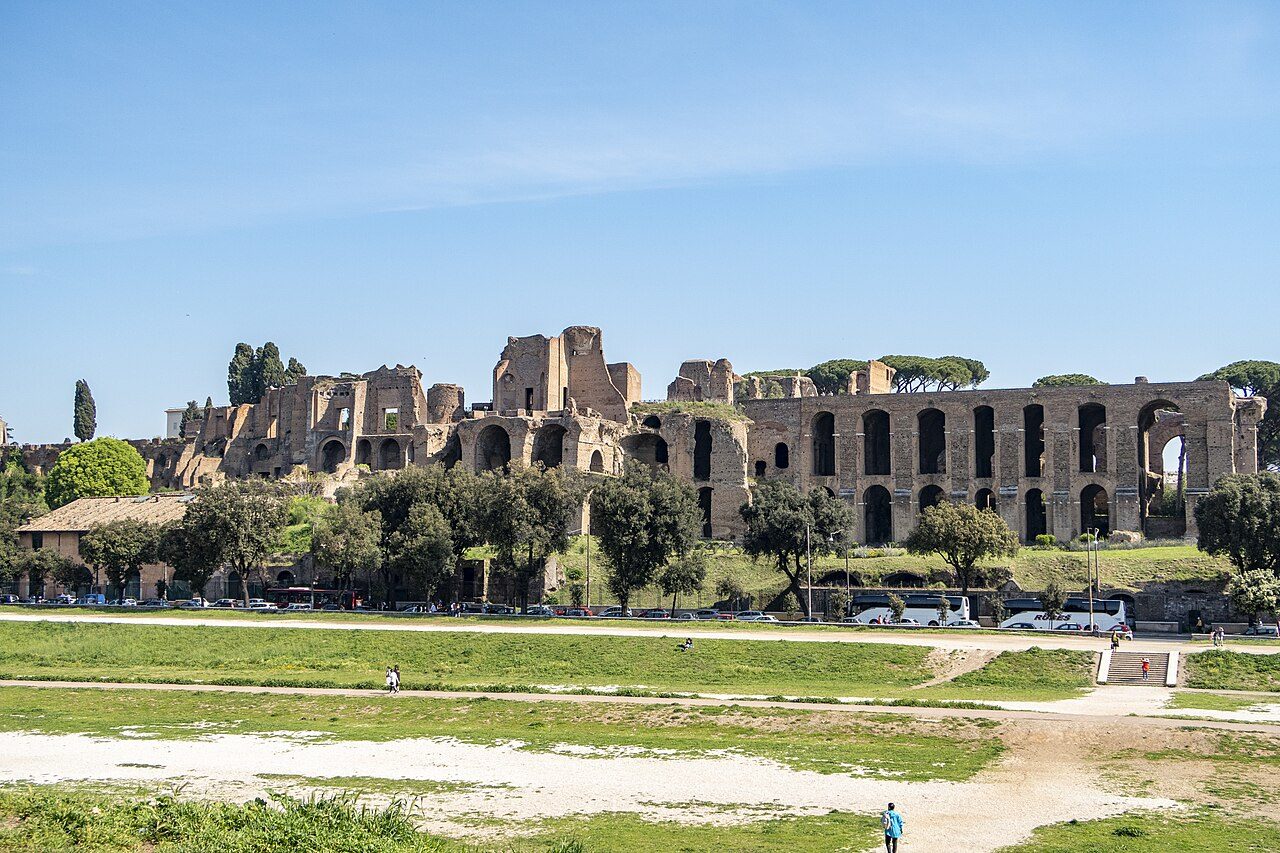
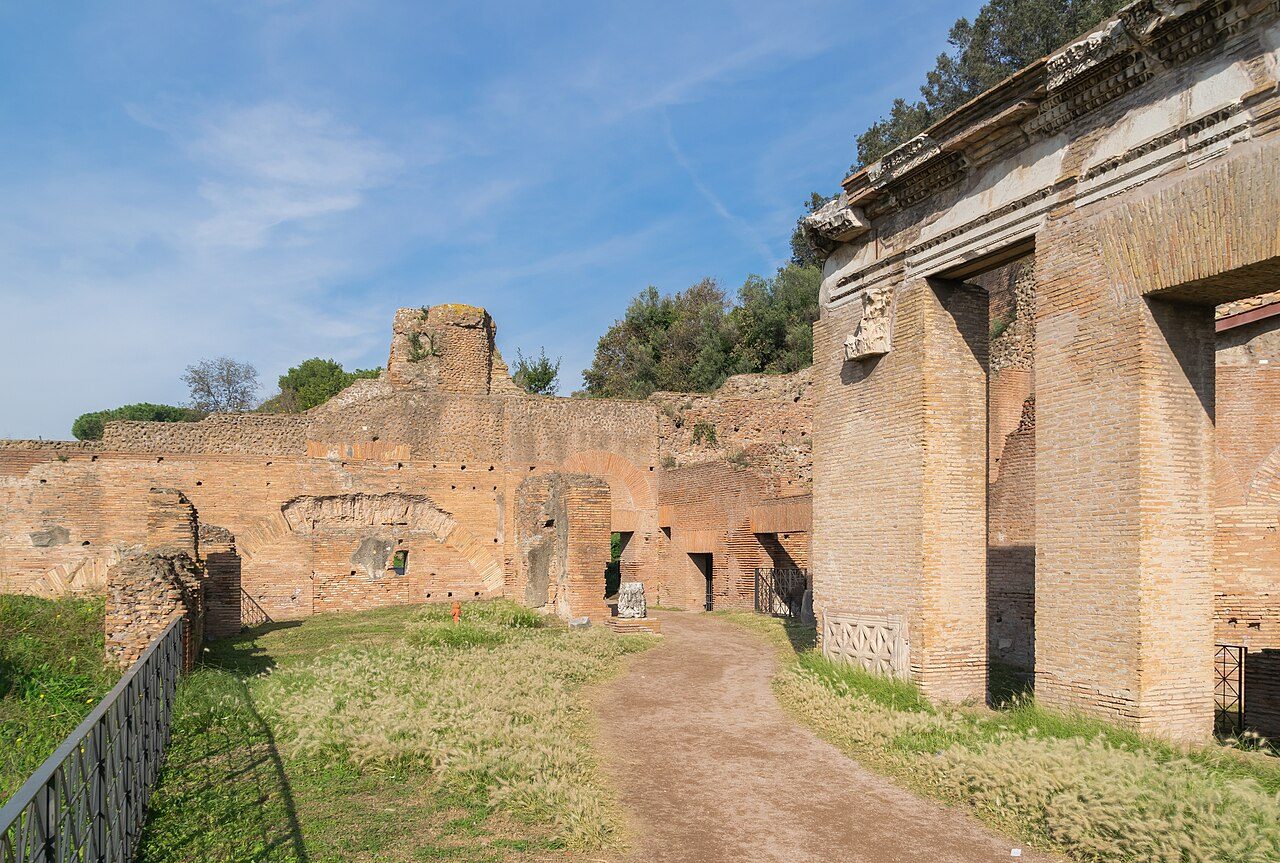
The Palatine Hill is the most central of the seven hills of Rome, rising above the Roman Forum and the Circus Maximus. According to legend, Romulus founded the city here. Emperors built their palaces on it, and the word palace comes from its name. Visitors walk among the ruins of the imperial residences, gardens and the stadium of Domitian.
03
STOP 3 OF 16
Altare della Patria
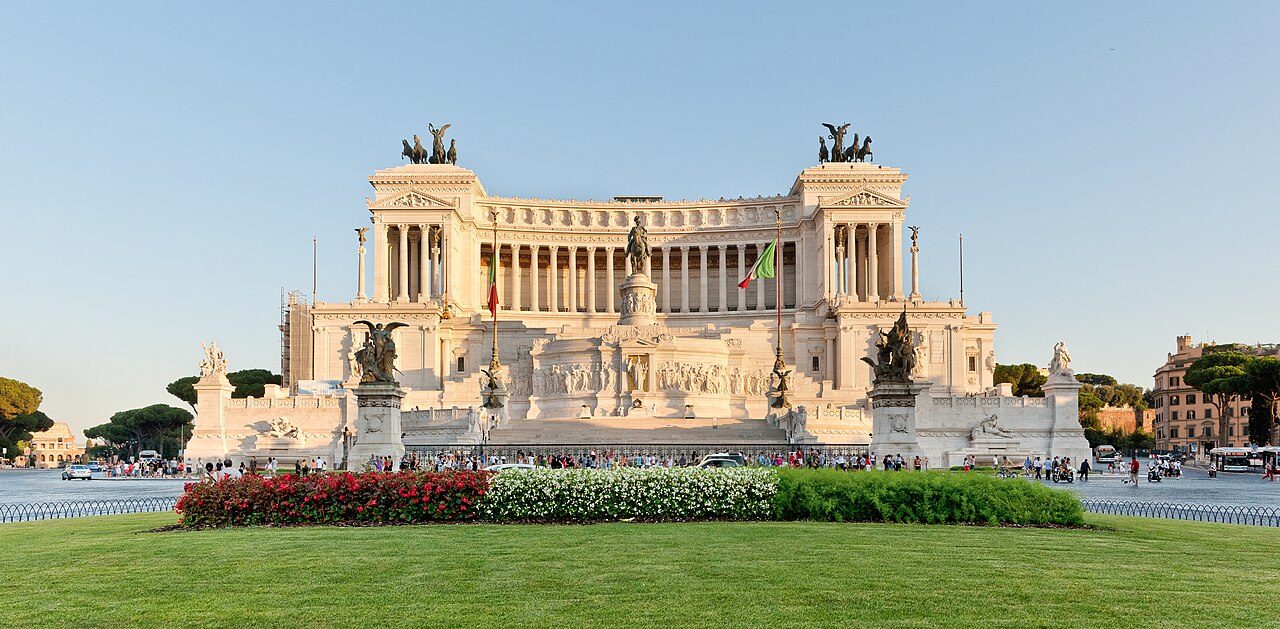
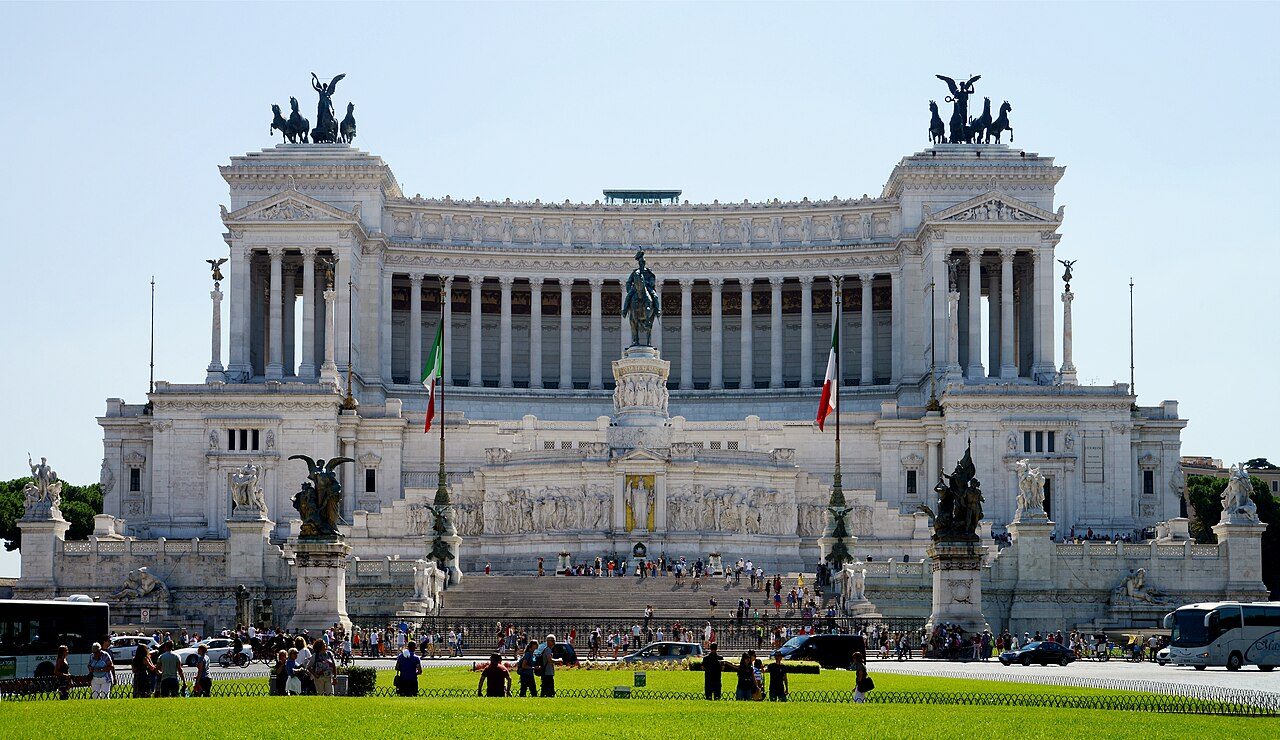
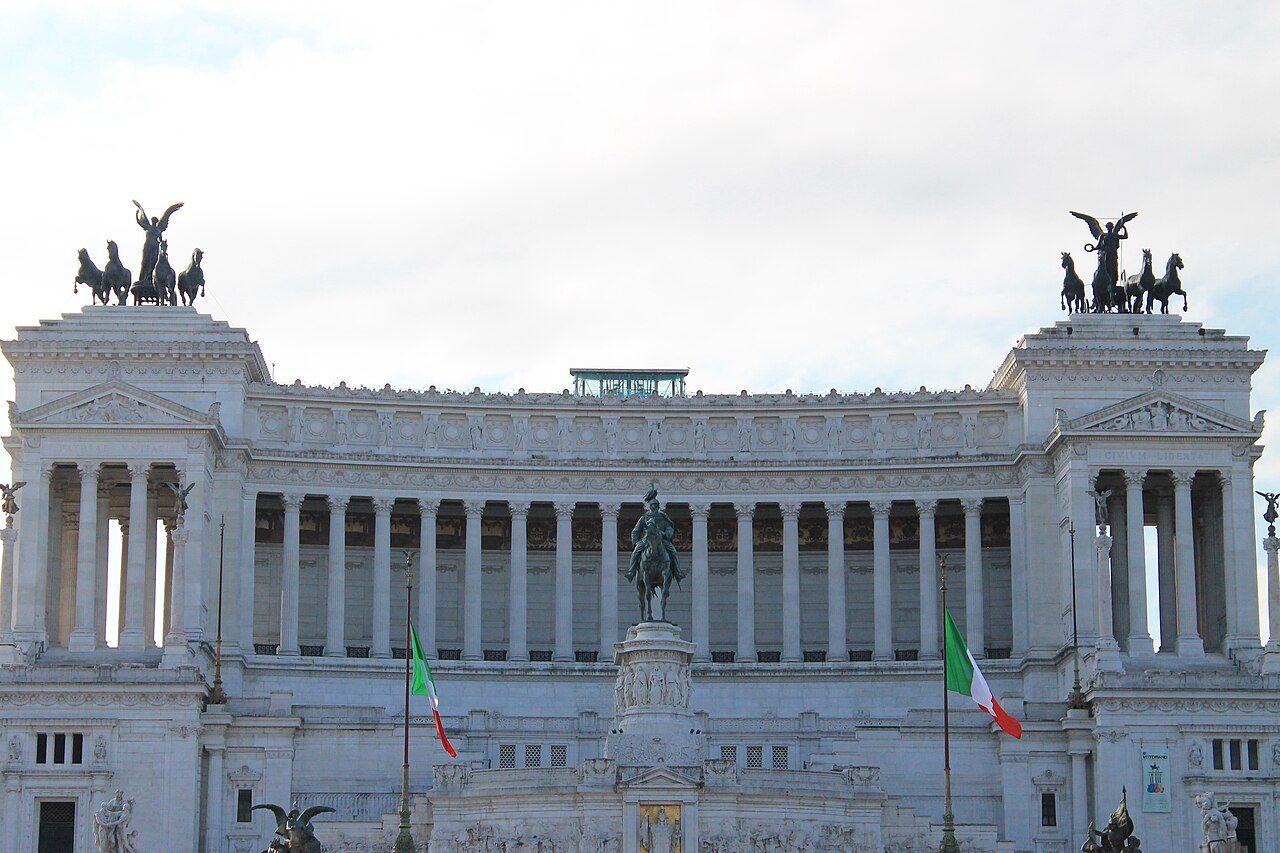
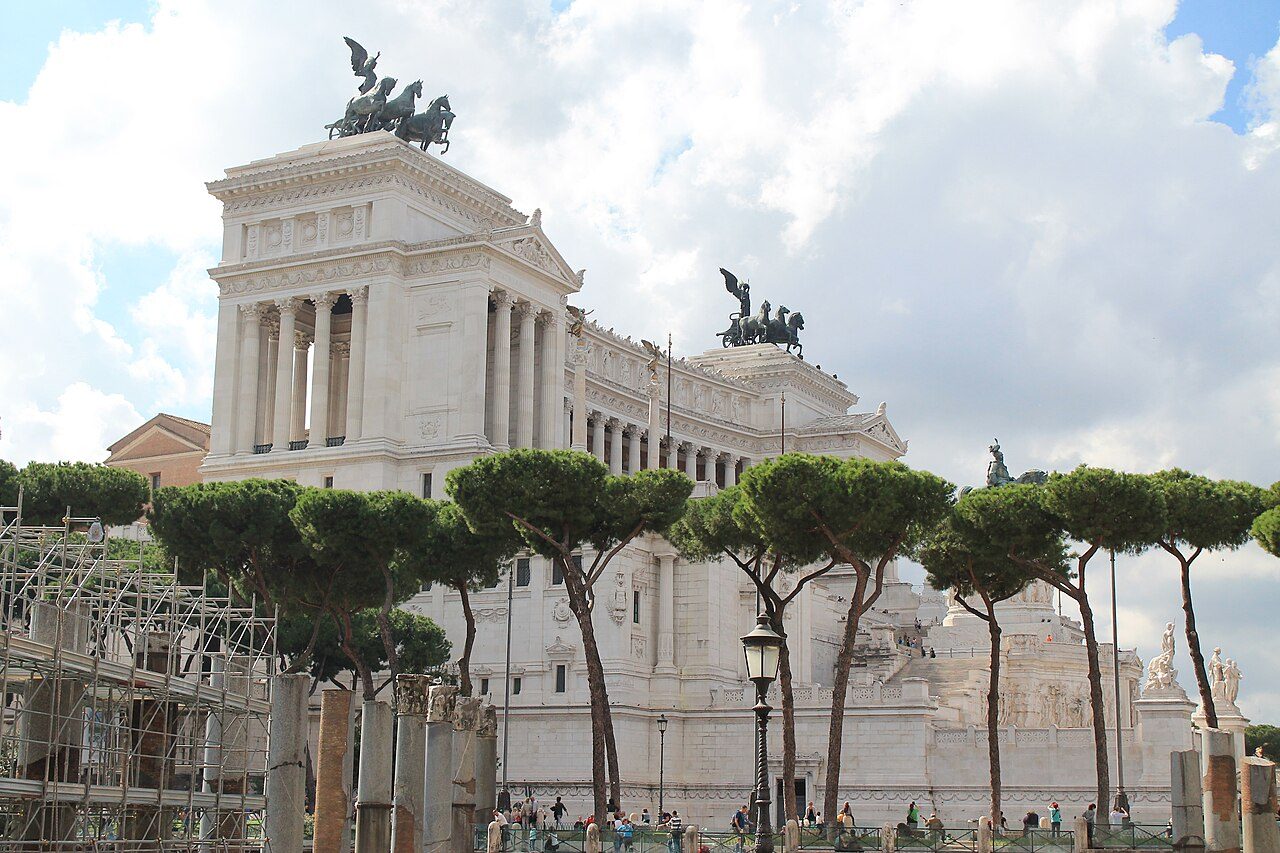
The Altare della Patria, also called the Vittoriano, is a huge white marble monument in Piazza Venezia, Rome. It was built between 1885 and 1935 in honour of Victor Emmanuel II, the first king of united Italy. It holds the Tomb of the Unknown Soldier and a museum of Italian unification. A lift to the roof terrace gives views over the city.
04
STOP 4 OF 16
Vatican Museums
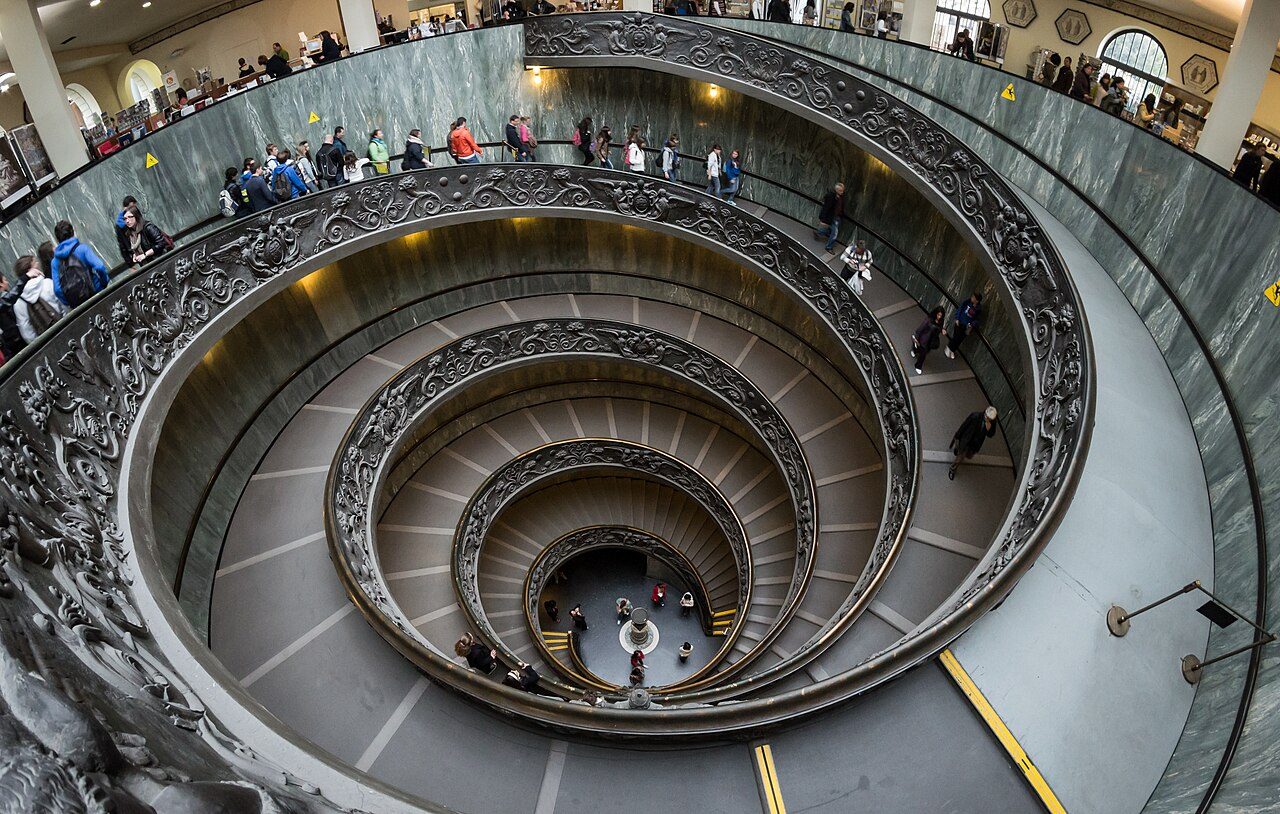
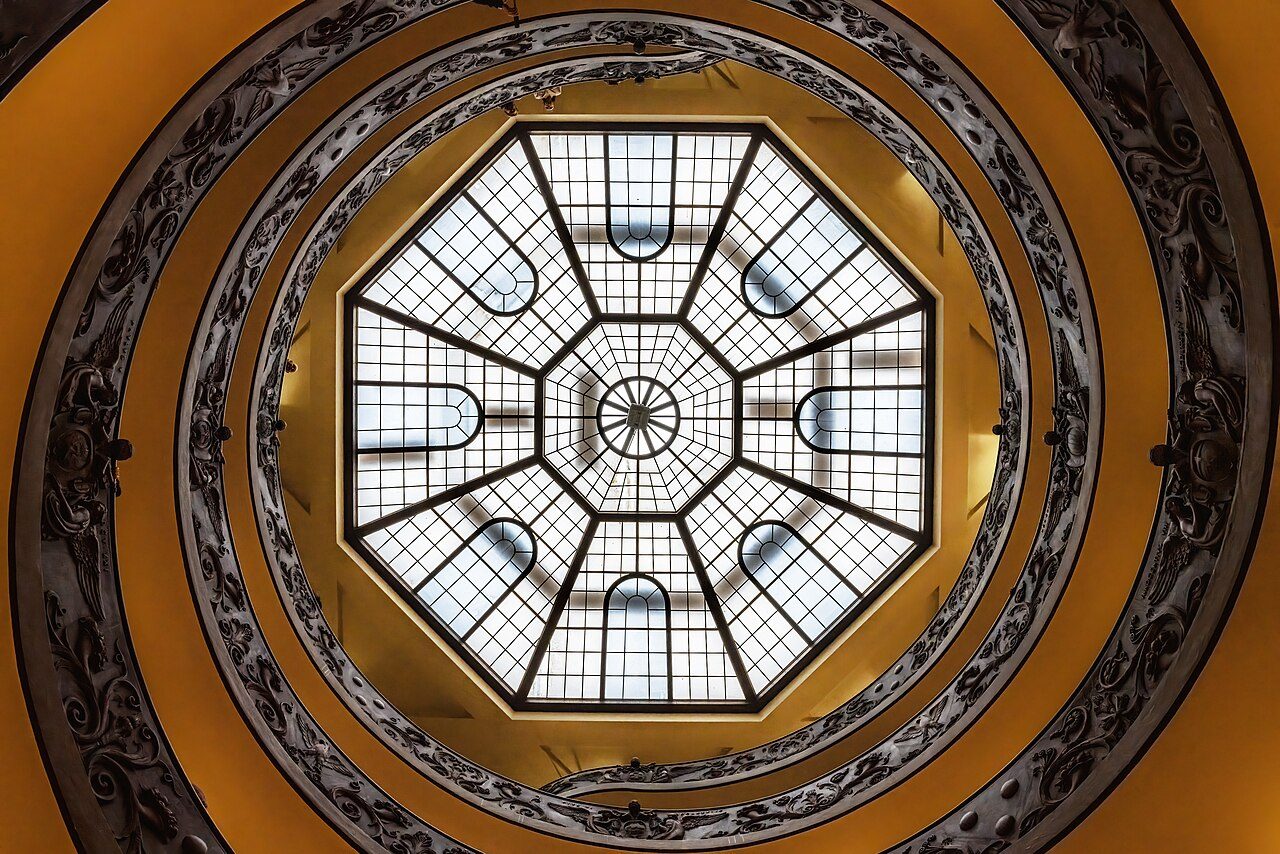
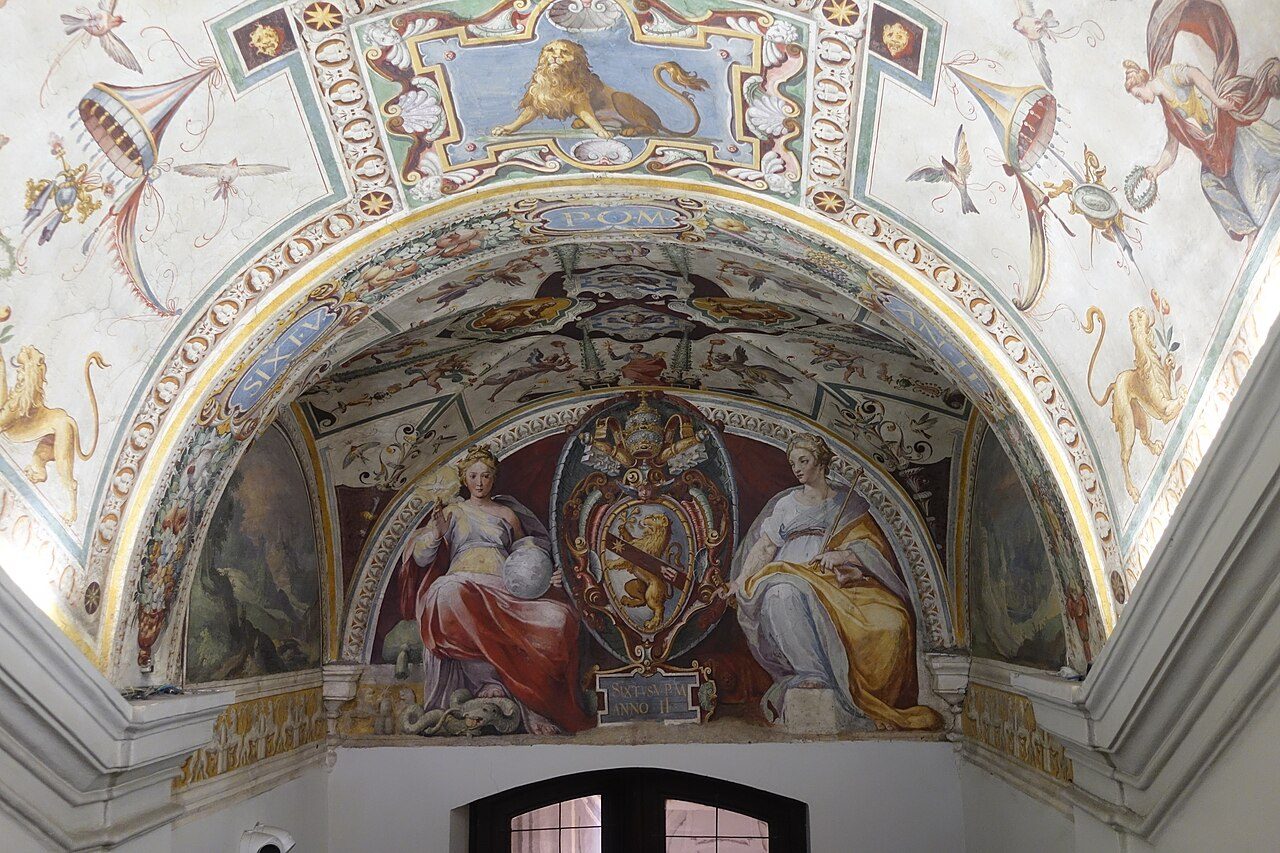
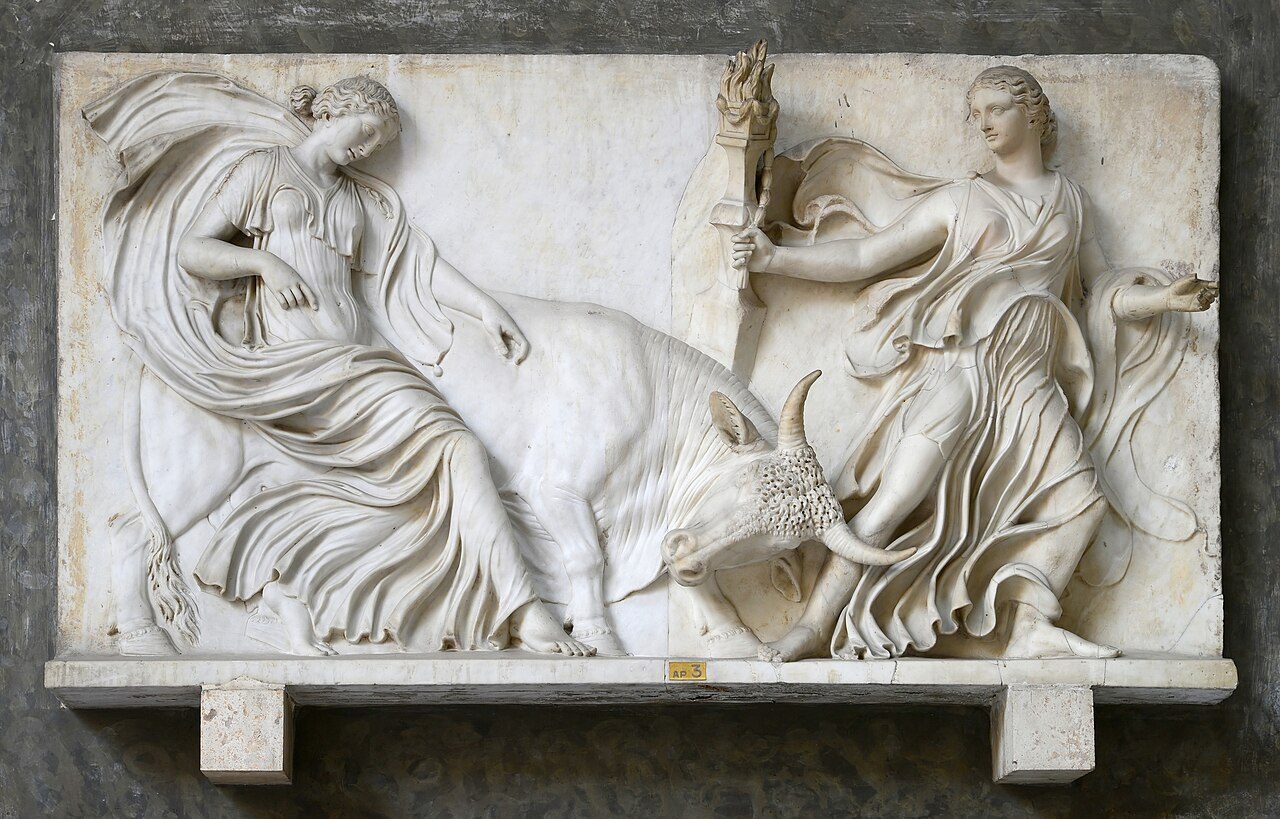
The Vatican Museums hold one of the greatest art collections in the world, gathered by the popes over centuries. Highlights include the Raphael Rooms, the Gallery of Maps and classical sculptures such as the Laocoön. The visit ends in the Sistine Chapel, where Michelangelo painted the ceiling and The Last Judgement. A famous double spiral staircase leads out.
05
STOP 5 OF 16
St. Peter's Basilica
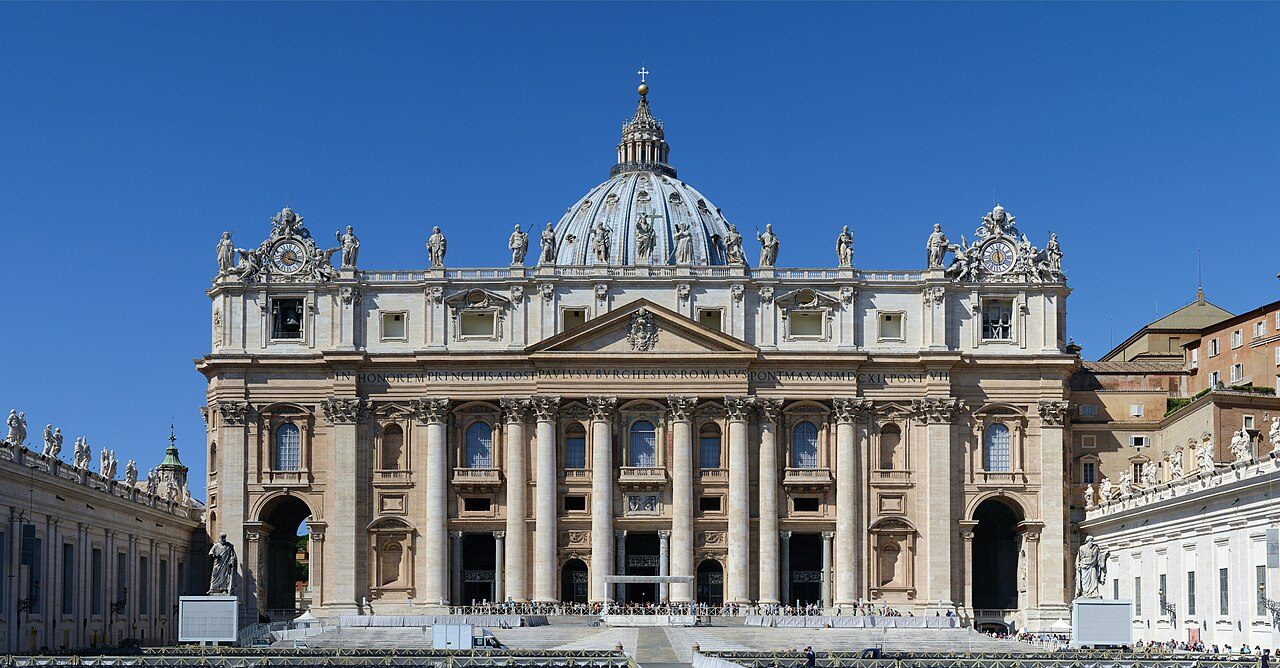
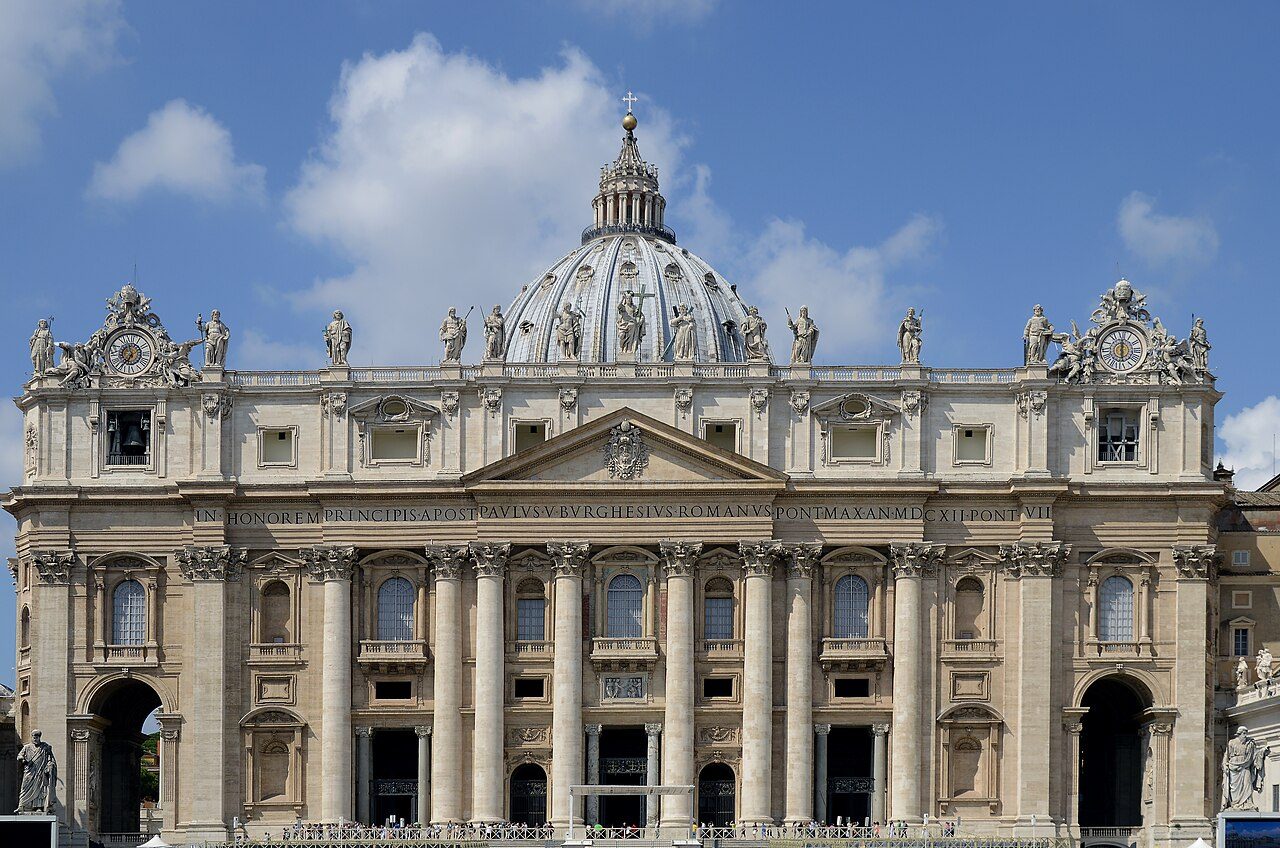
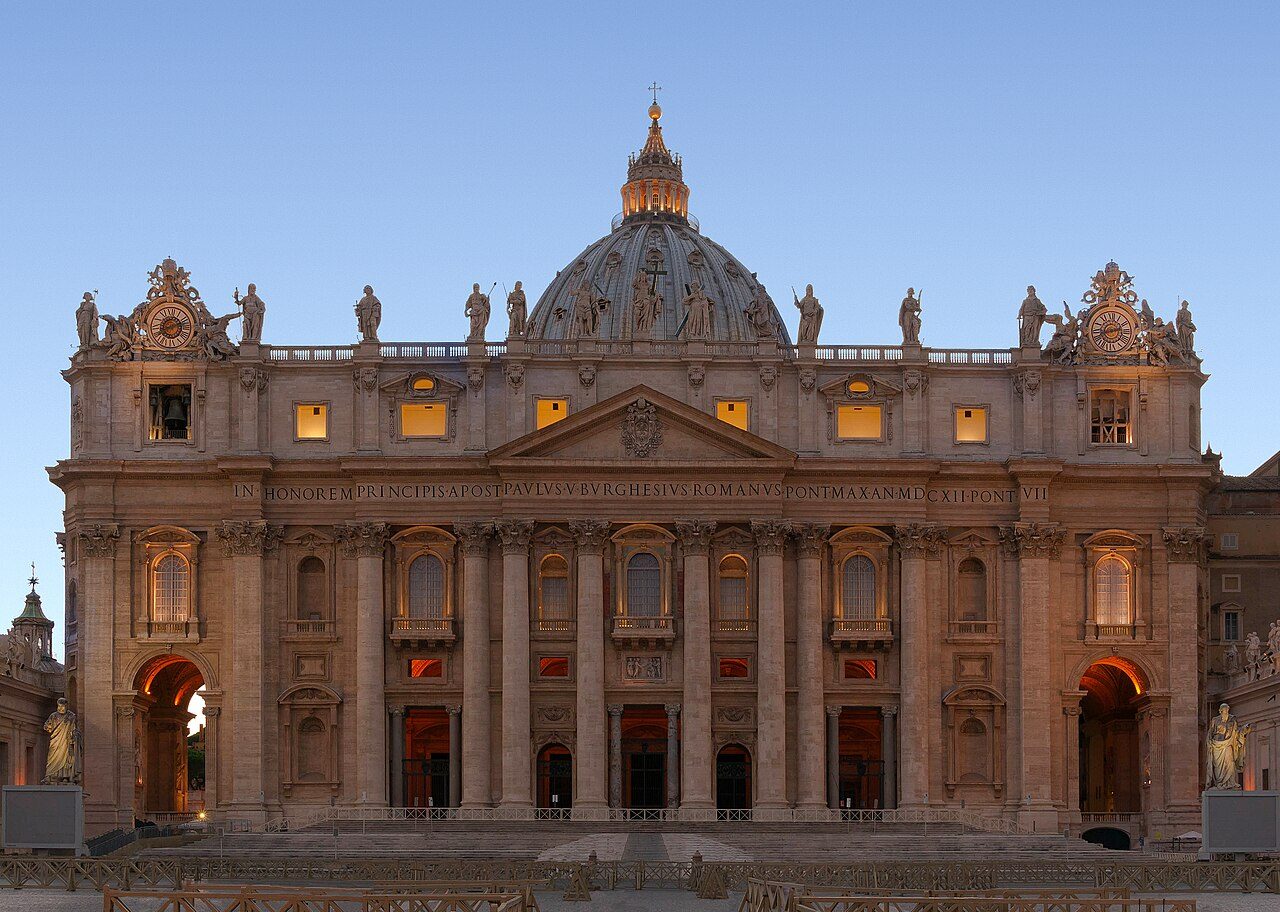
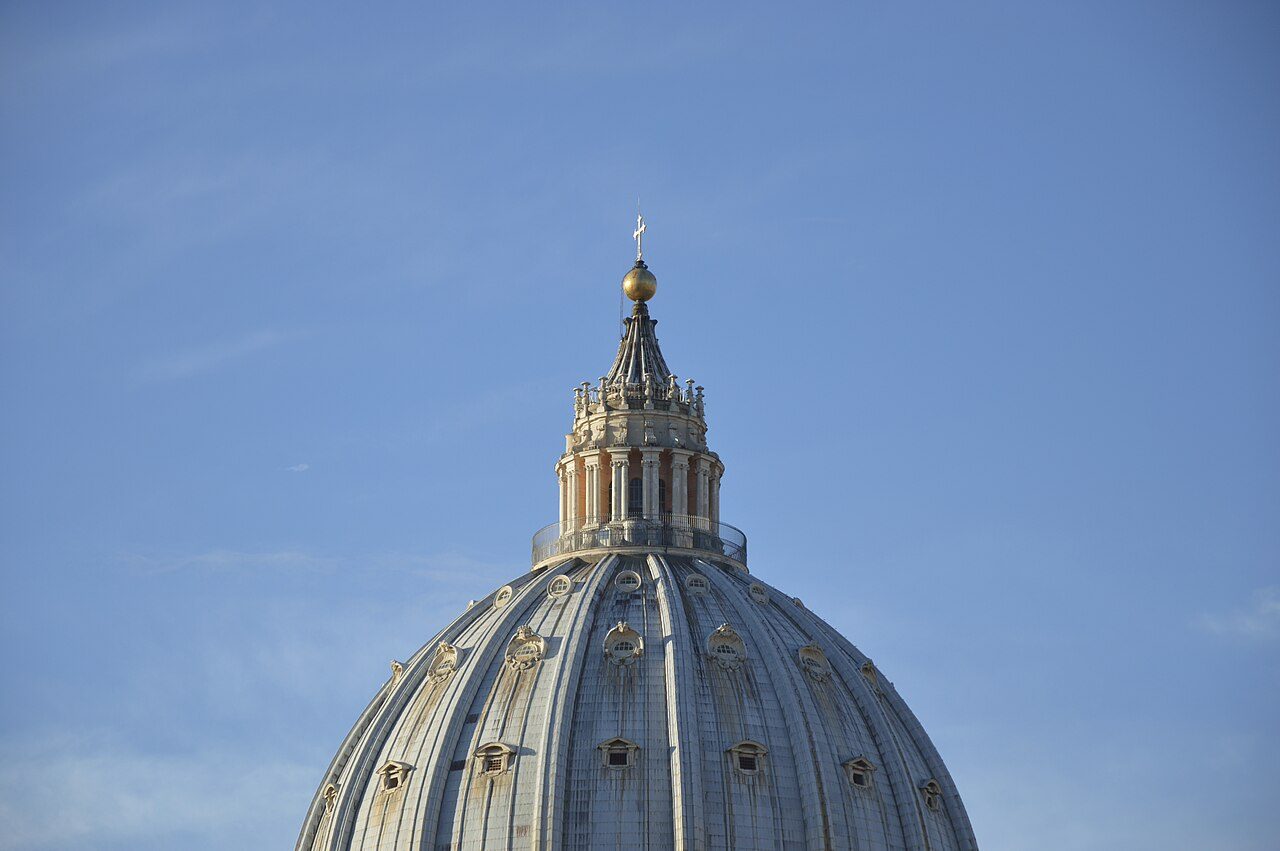
St. Peter's Basilica in Vatican City is one of the largest churches in the world and the centre of the Catholic Church. It was built between 1506 and 1626 over the tomb of Saint Peter. Michelangelo designed its great dome. Inside are Michelangelo's Pietà and Bernini's bronze baldachin. Bernini's colonnade embraces St. Peter's Square in front.
06
STOP 6 OF 16
Castel Sant'Angelo
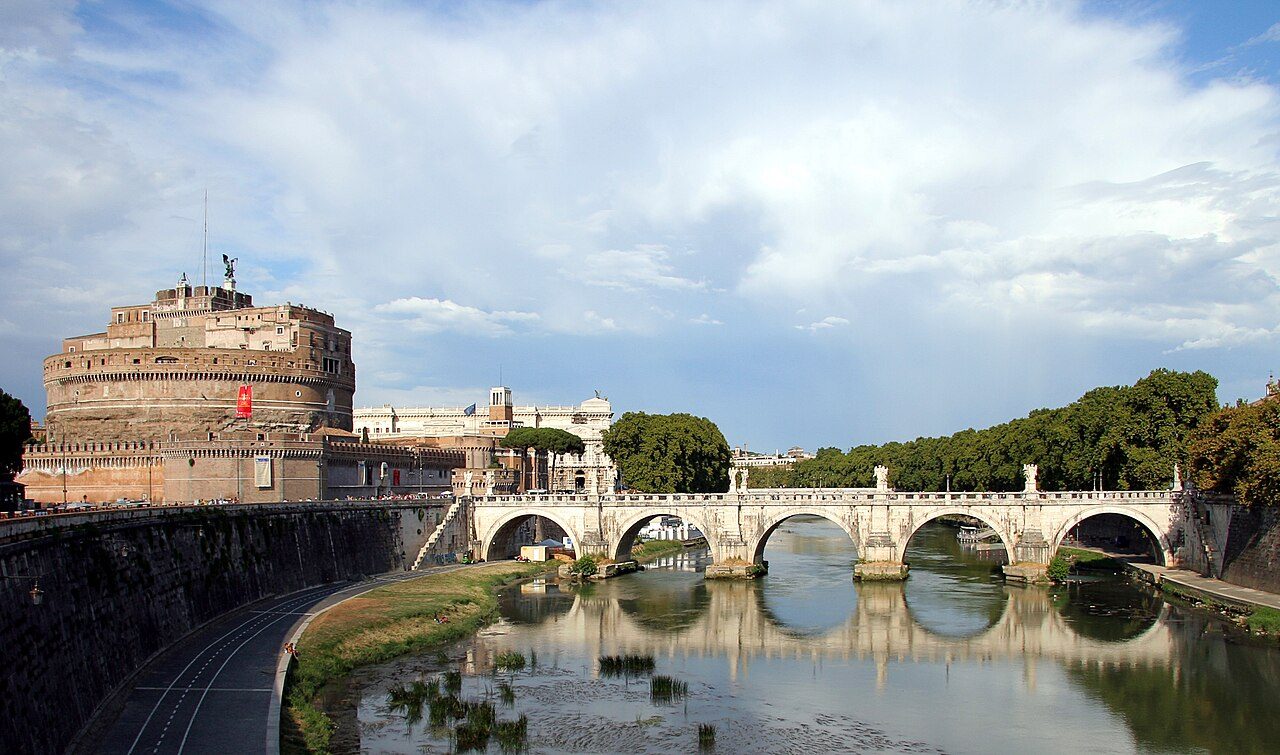
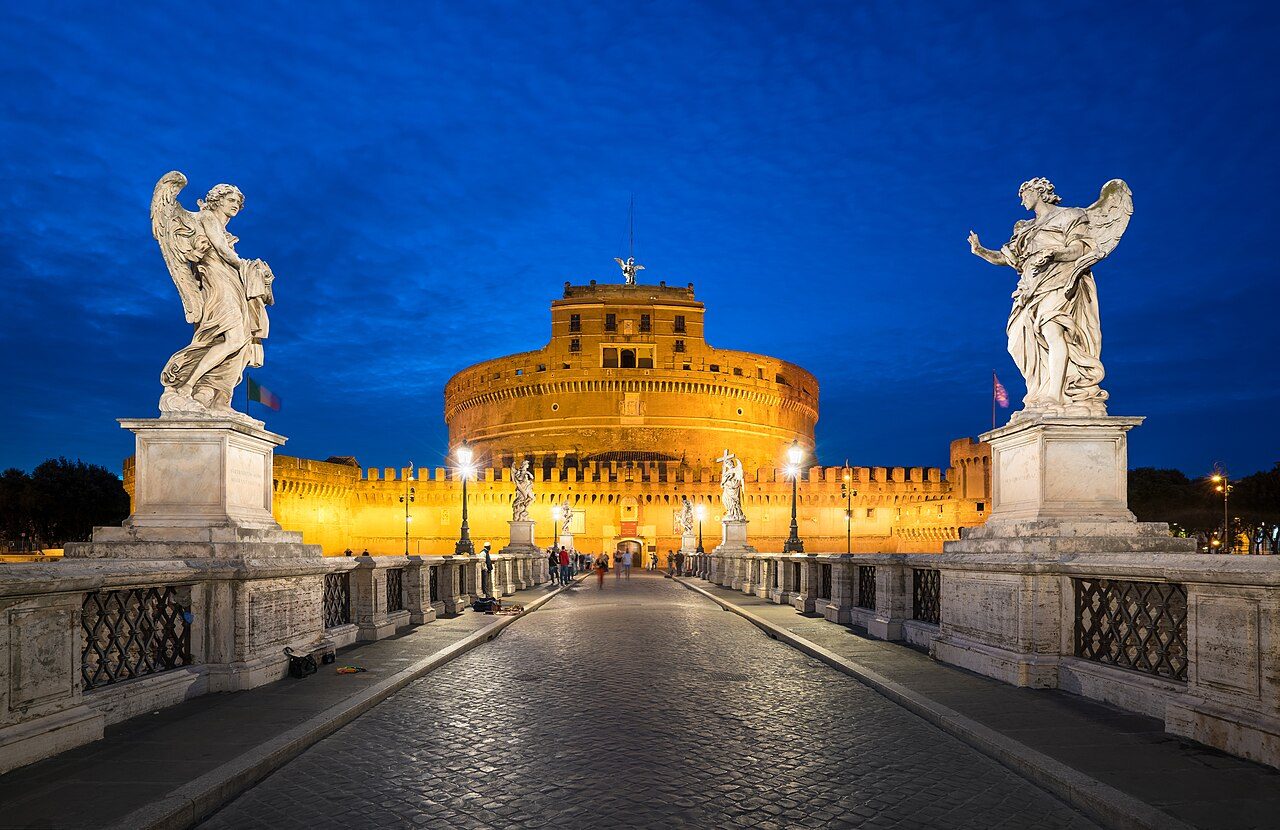
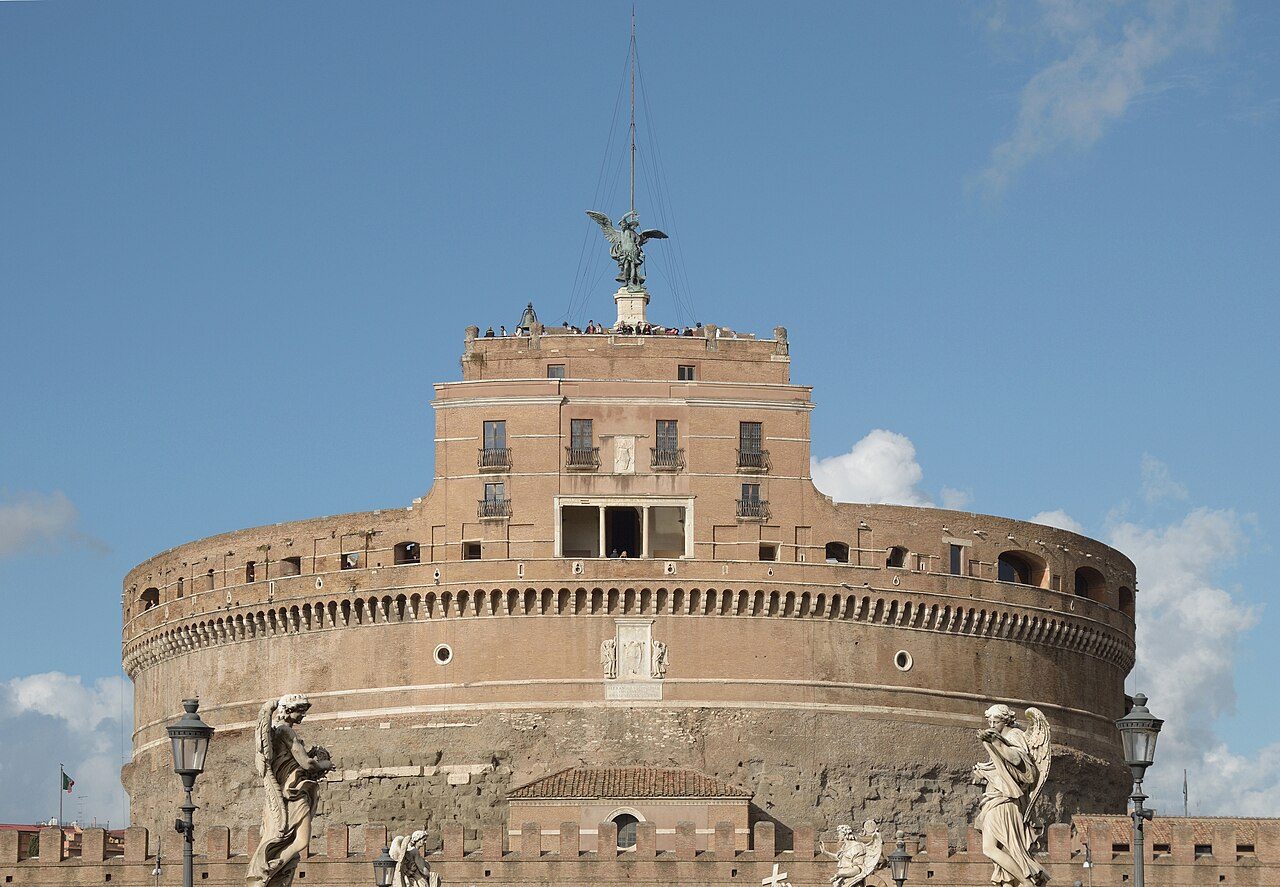
Castel Sant'Angelo was built as a mausoleum for Emperor Hadrian around 135 AD on the bank of the Tiber. Later it became a fortress and a refuge for the popes, linked to the Vatican by a fortified corridor. It is named after a statue of the Archangel Michael on its top. The Ponte Sant'Angelo in front is lined with Bernini's angel statues.
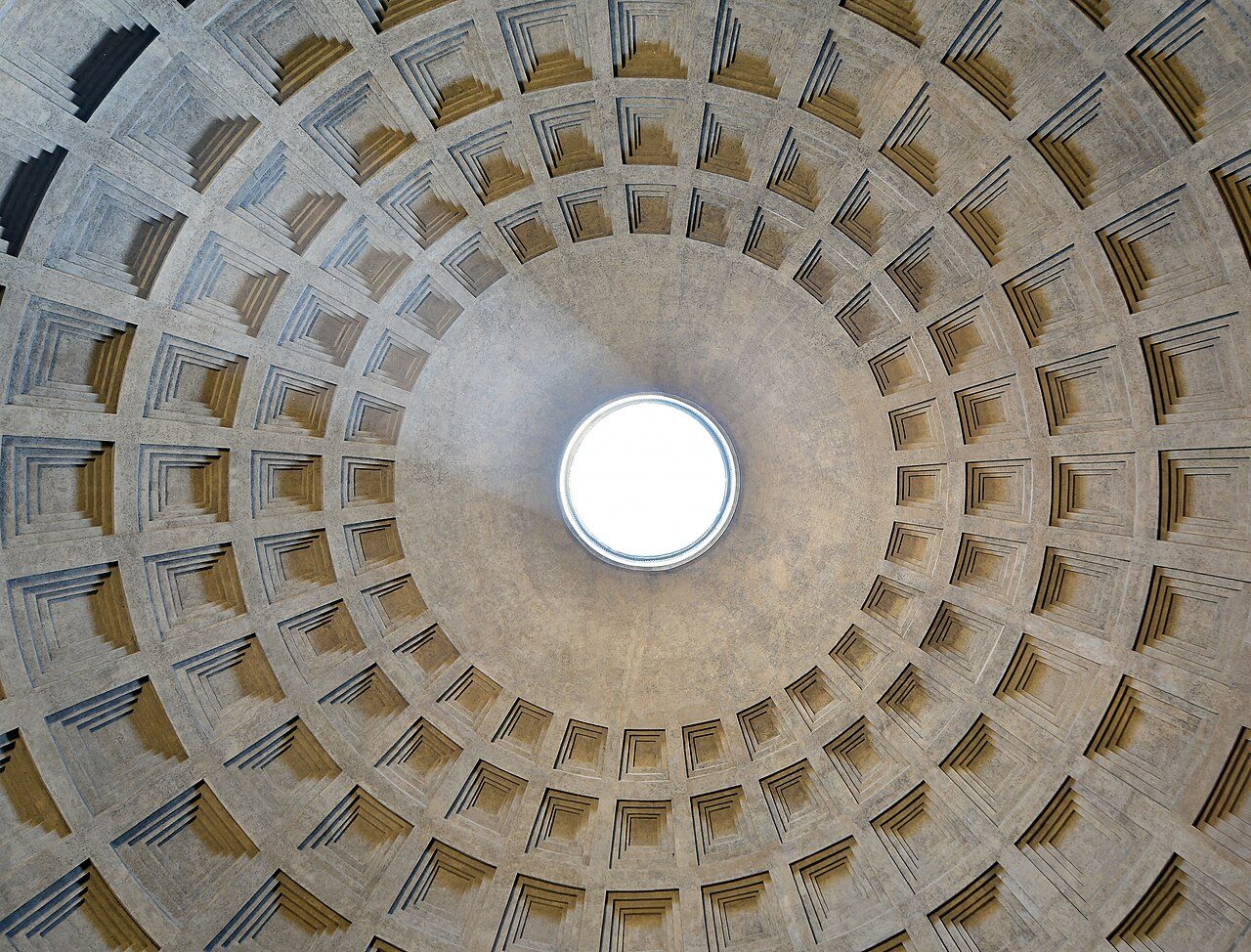
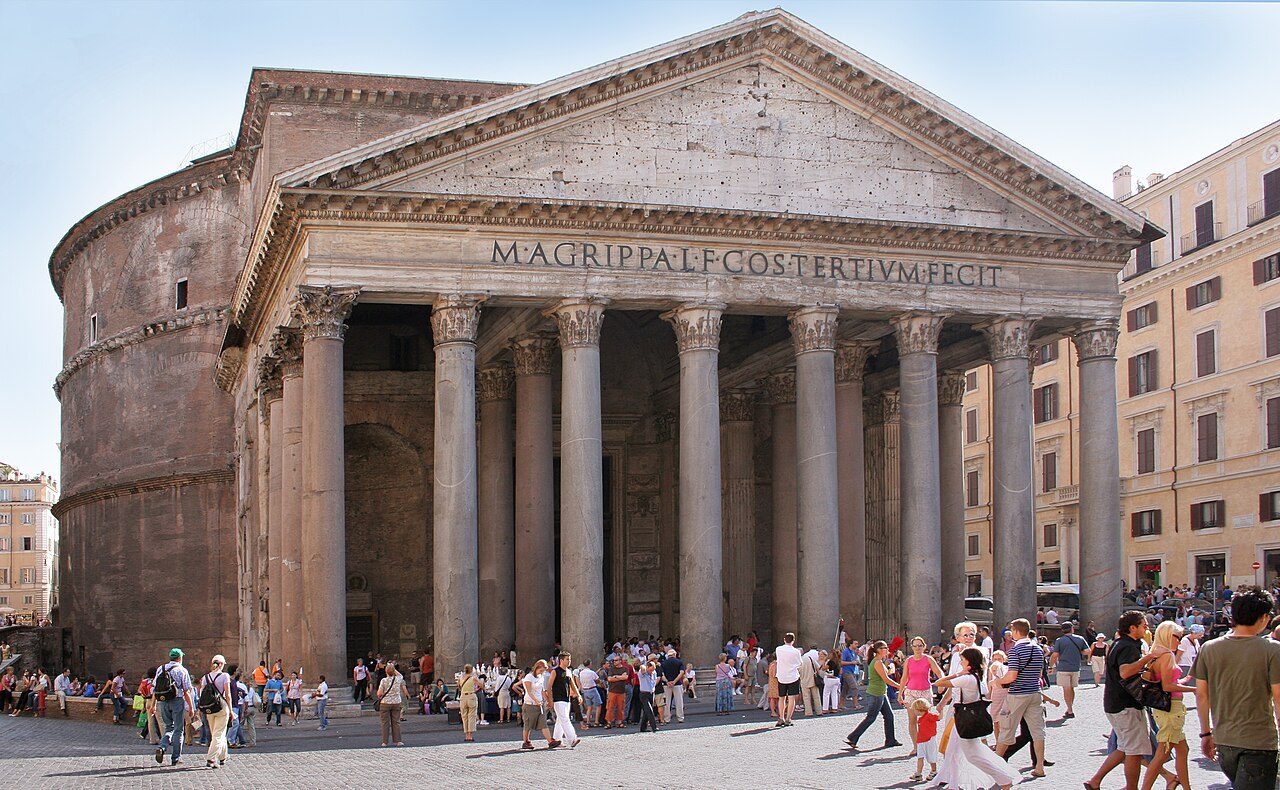
The Pantheon in Rome was built as a temple to all the gods under Emperor Hadrian around 125 AD. Its great dome, about 43 metres across, is still the largest unreinforced concrete dome in the world, with an open oculus at the top. It became a church in 609, which helped it survive. The painter Raphael and two kings of Italy are buried inside.
08
STOP 8 OF 16
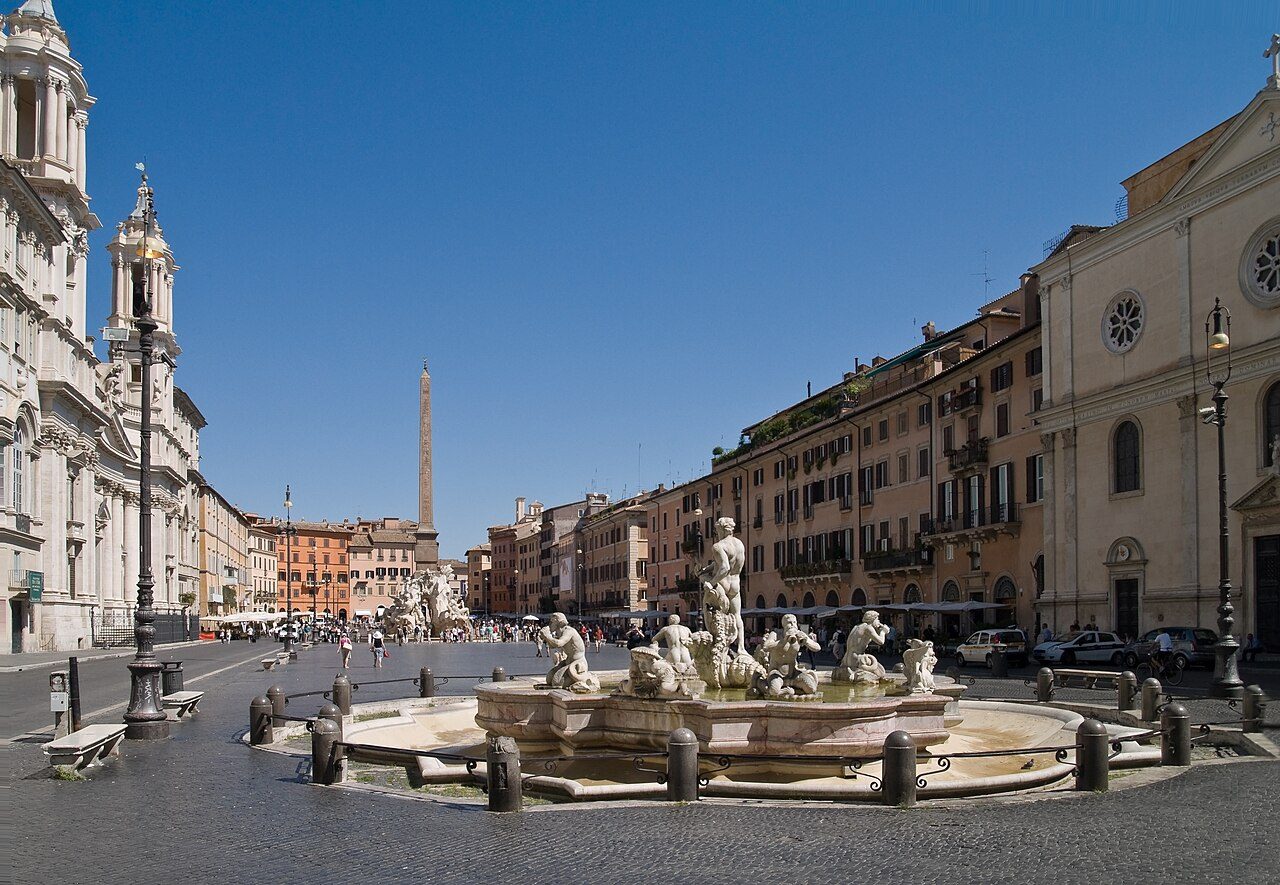
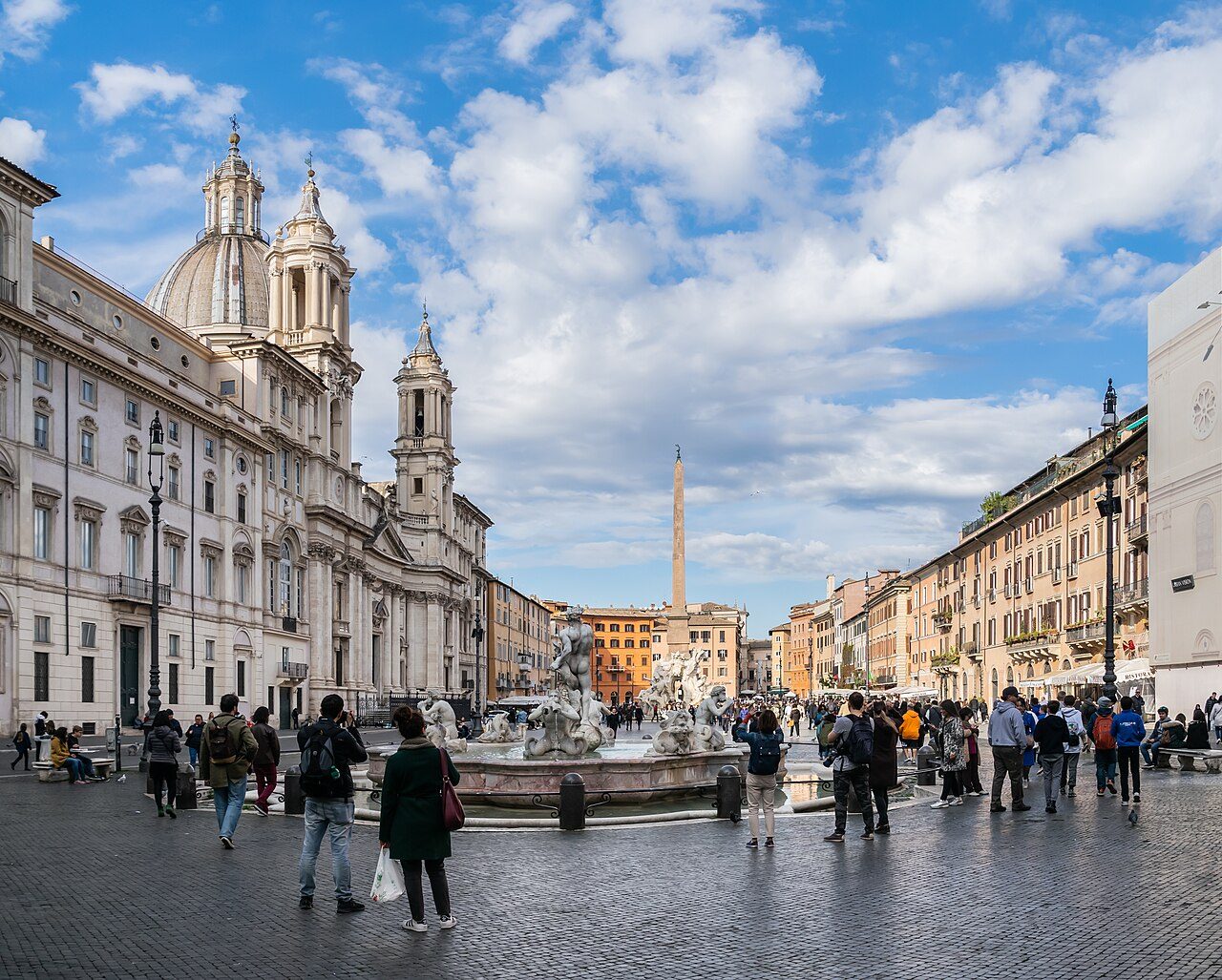
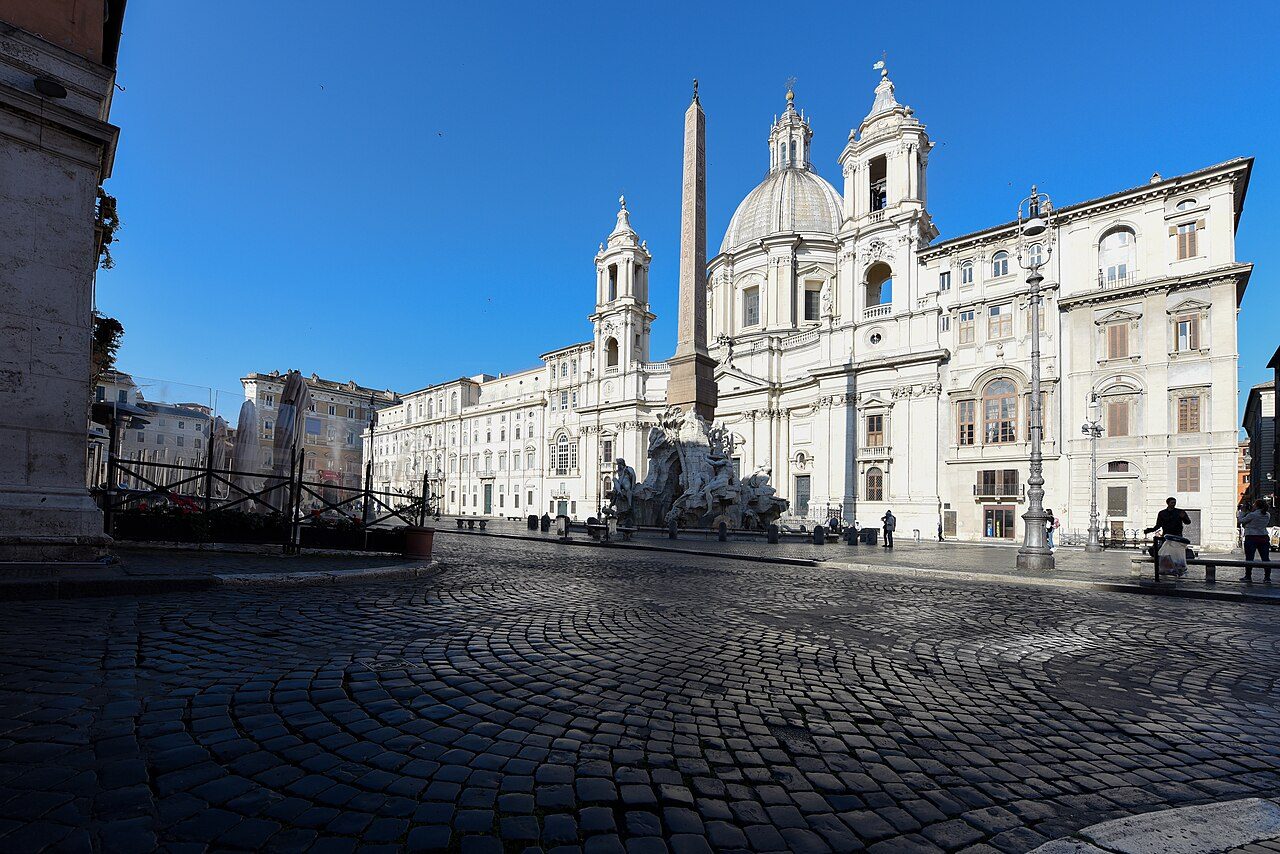
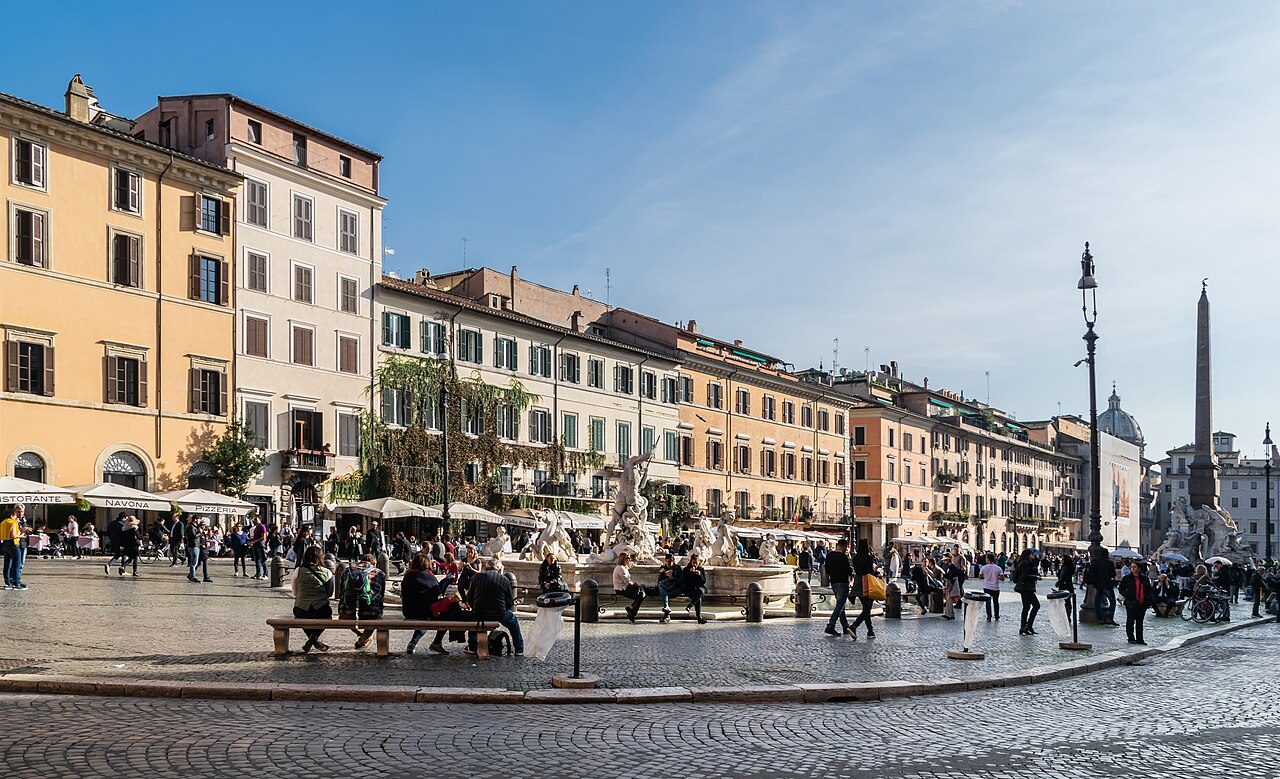
Piazza Navona
Piazza Navona is a long oval square in Rome, built on the site of the ancient Stadium of Domitian, which gives it its shape. It is a showcase of Baroque Rome, with three fountains, including Bernini's Fountain of the Four Rivers, and the church of Sant'Agnese in Agone by Borromini. Cafes, street artists and a Christmas market fill the square.
09
STOP 9 OF 16
Trevi Fountain
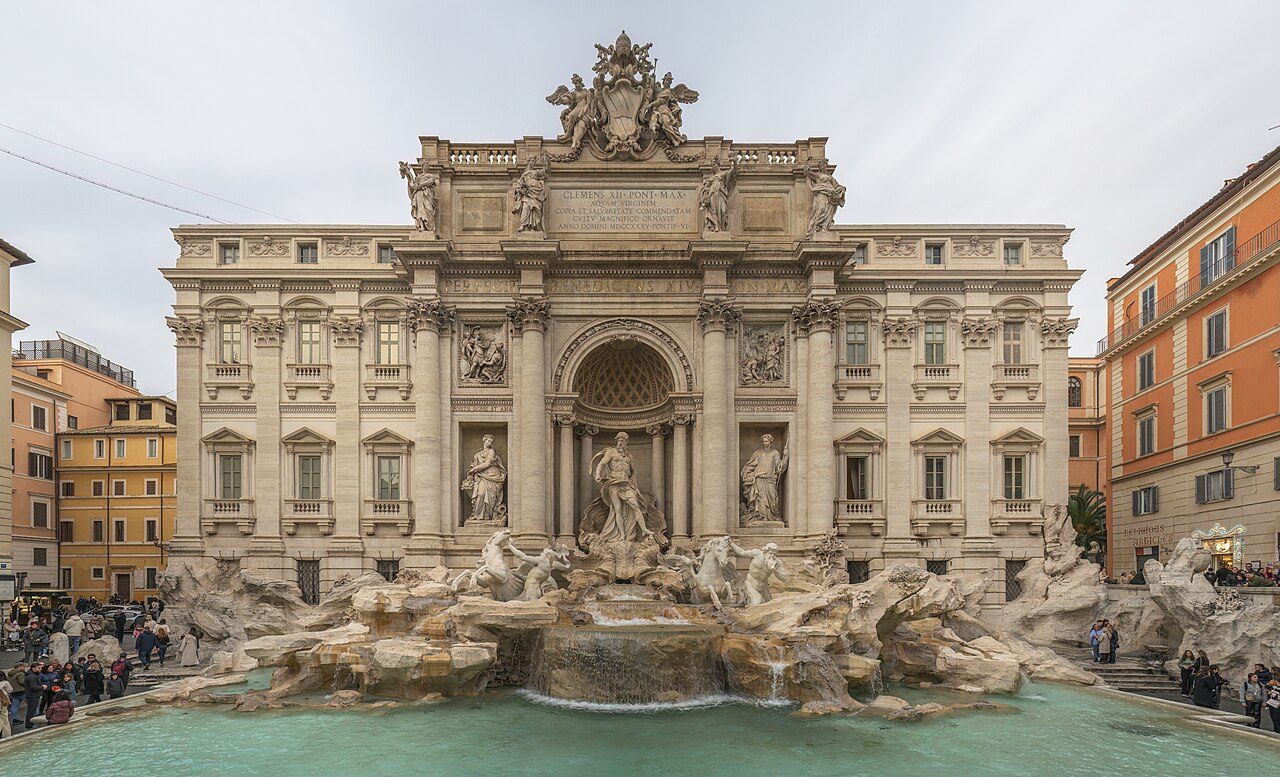
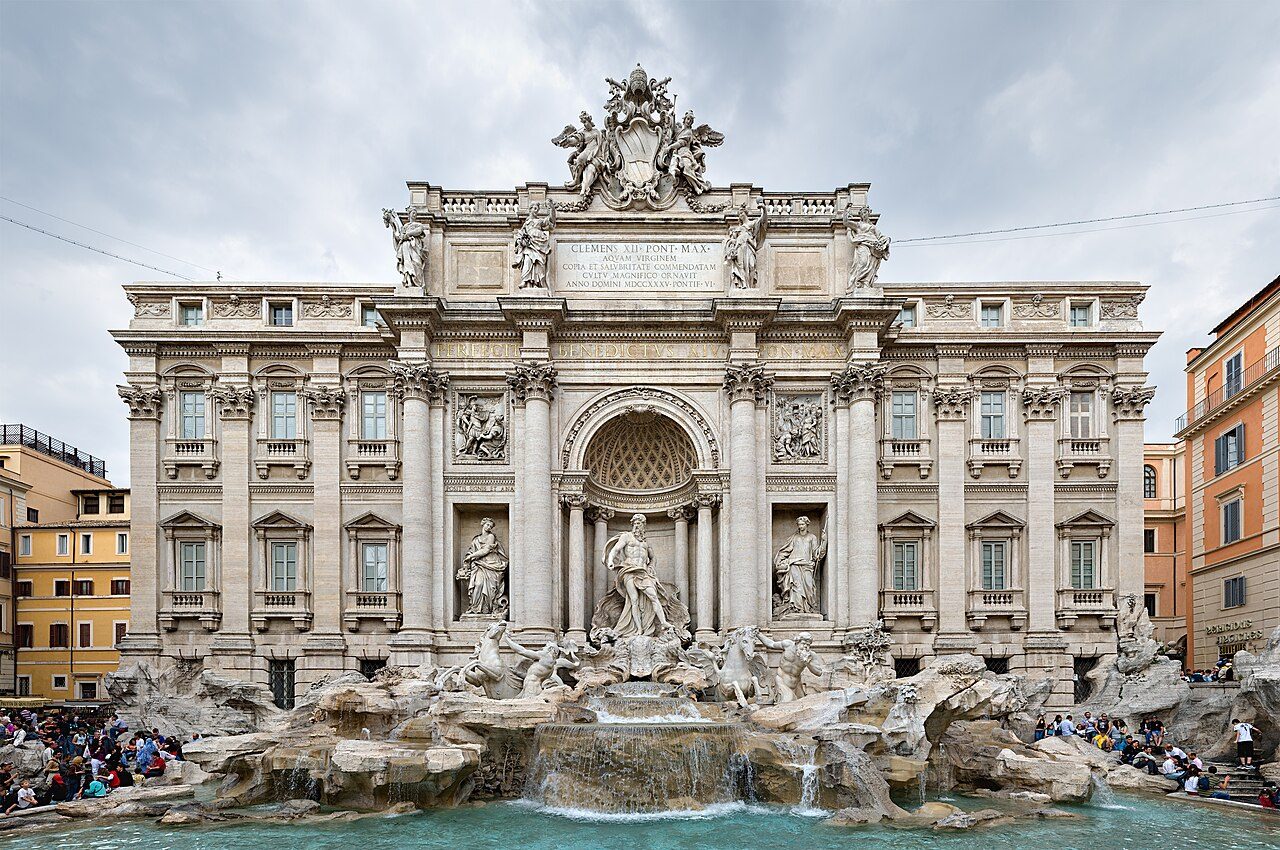
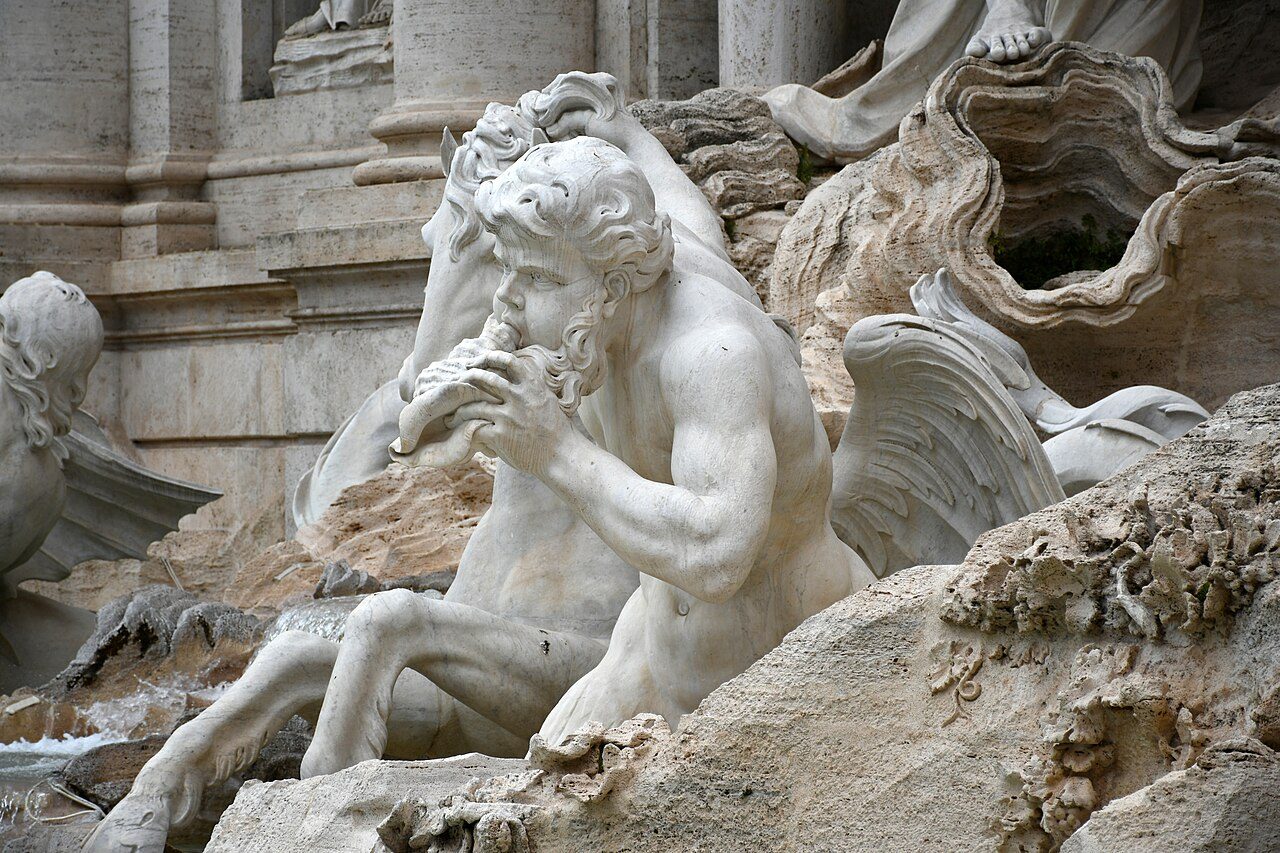
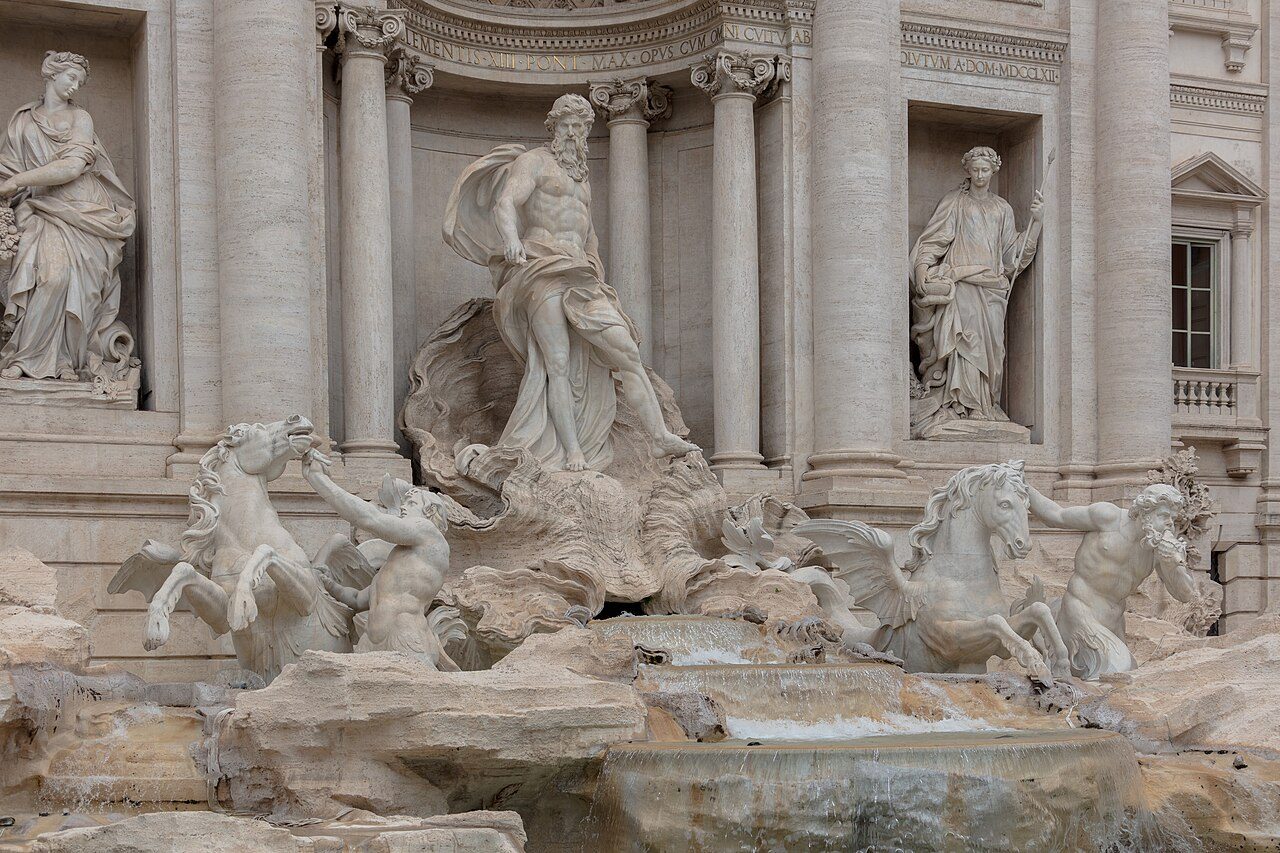
The Trevi Fountain is the largest Baroque fountain in Rome, completed in 1762 to a design by Nicola Salvi. Water from an ancient aqueduct flows over carved rocks below a statue of Oceanus in a chariot pulled by sea horses. Tradition says that throwing a coin over your shoulder into the fountain ensures a return to Rome. It featured in the film La Dolce Vita.
10
STOP 10 OF 16
Spanish Steps
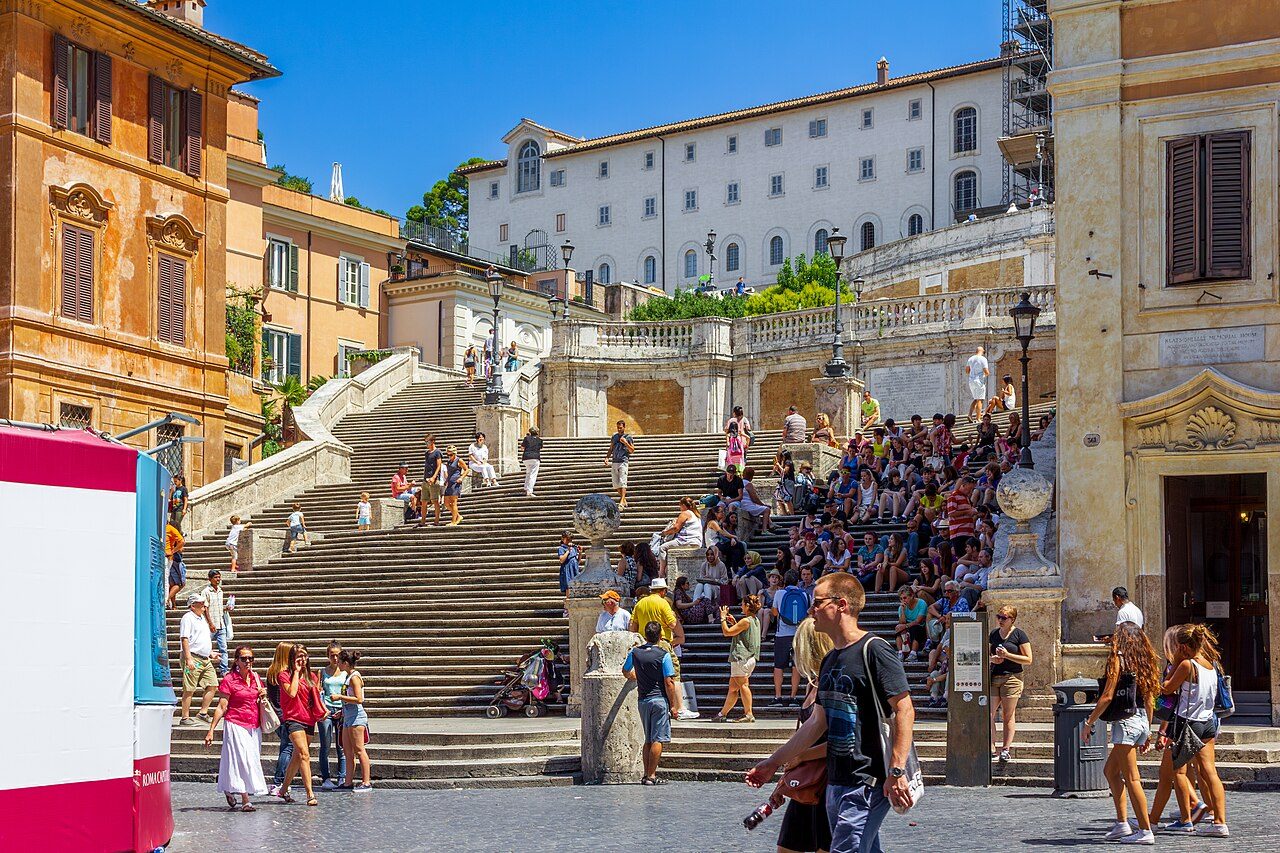
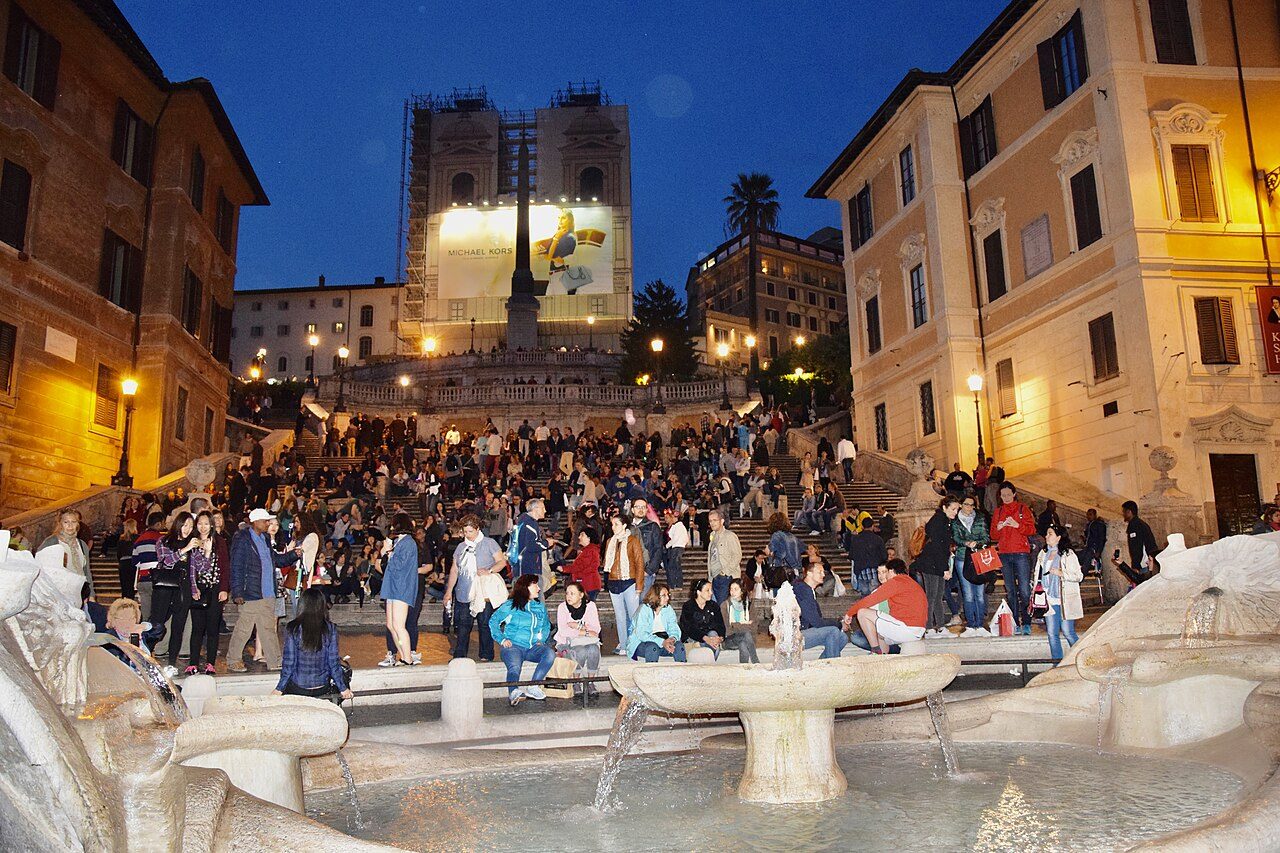
The Spanish Steps are a monumental stairway of 135 steps in Rome, built in the 1720s. They climb from Piazza di Spagna, named after the Spanish embassy, to the church of Trinità dei Monti at the top. At the foot is the Barcaccia fountain, shaped like a sinking boat. The poet John Keats died in a house beside the steps in 1821.
11
STOP 11 OF 16
Borghese Gallery
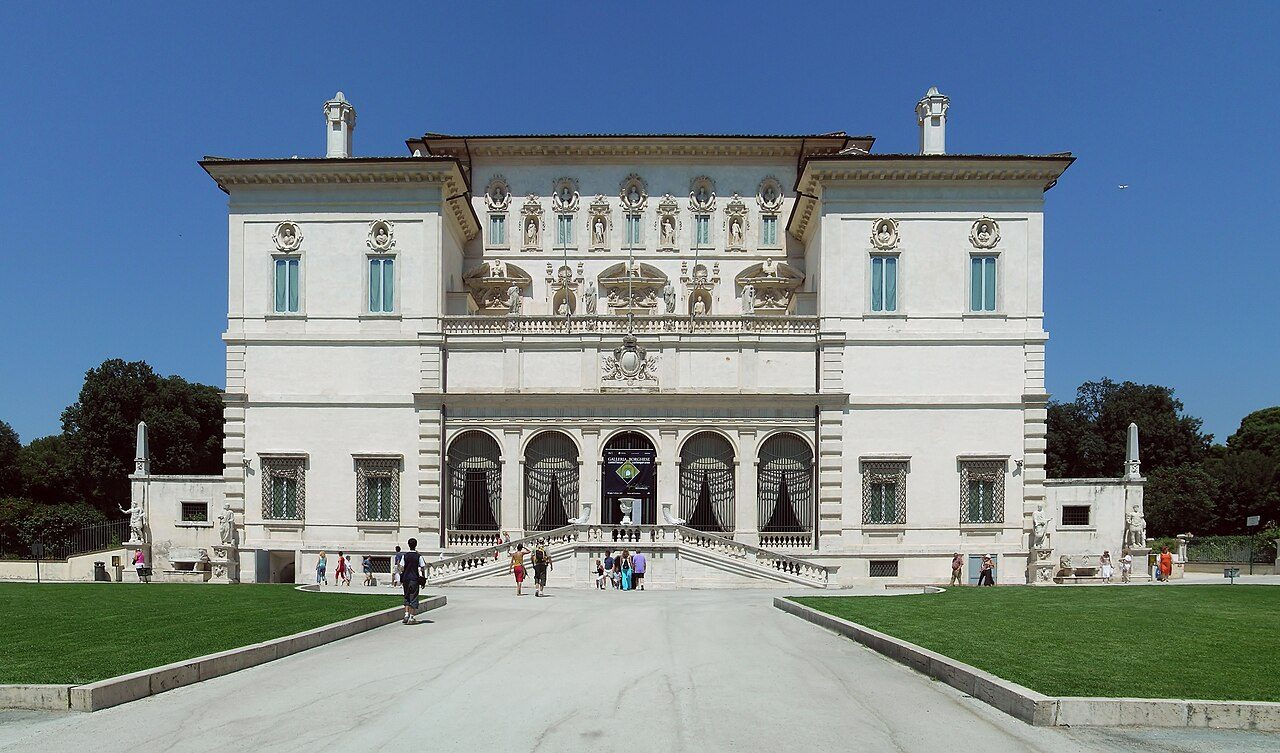
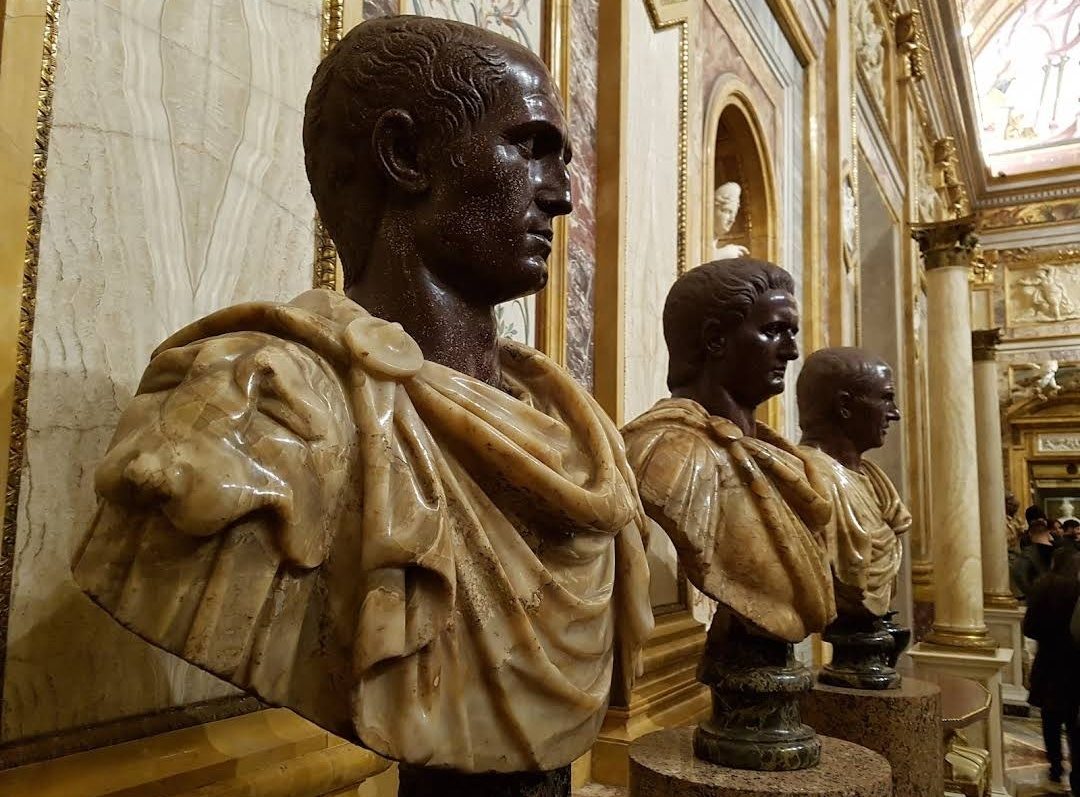
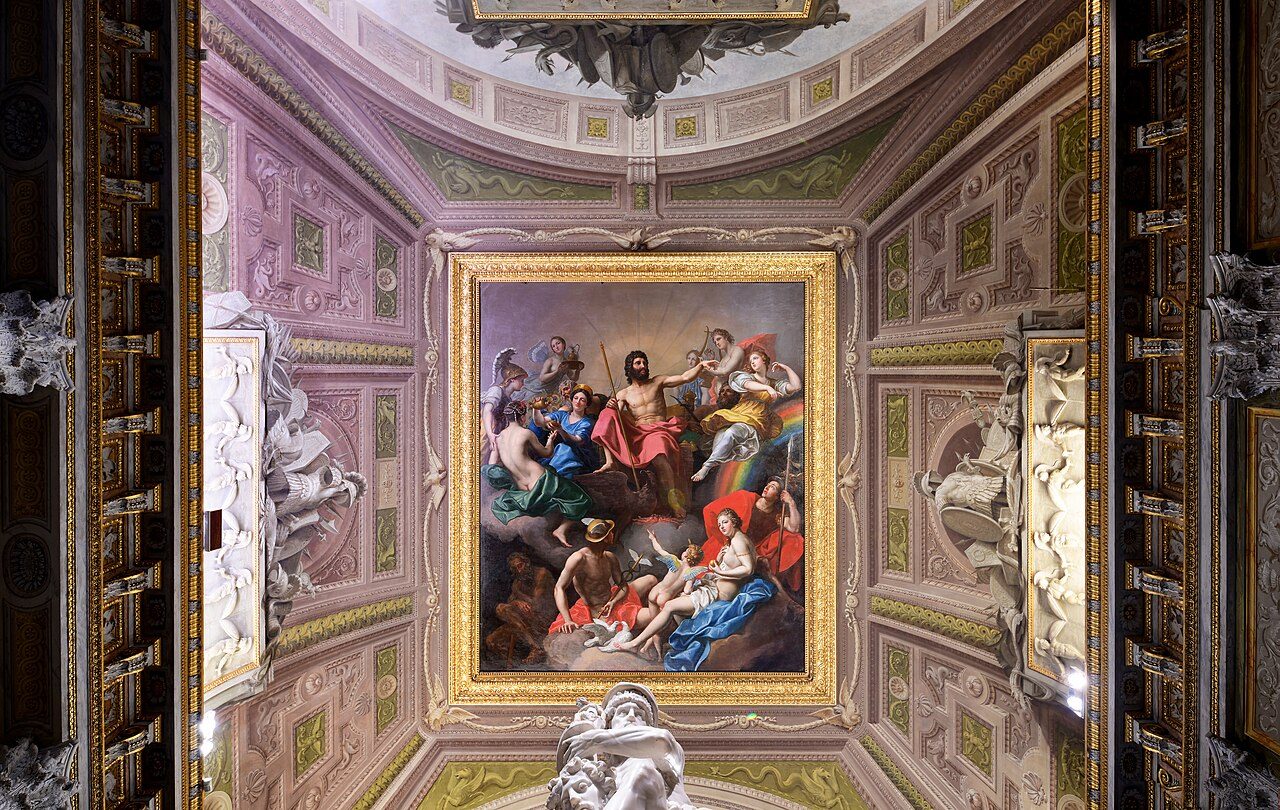
The Borghese Gallery is an art museum in the Villa Borghese, built in the early 17th century for Cardinal Scipione Borghese. It holds masterpieces by Bernini, such as Apollo and Daphne and The Rape of Proserpina, as well as paintings by Caravaggio, Raphael and Titian. The surrounding Villa Borghese park is one of the largest in Rome.
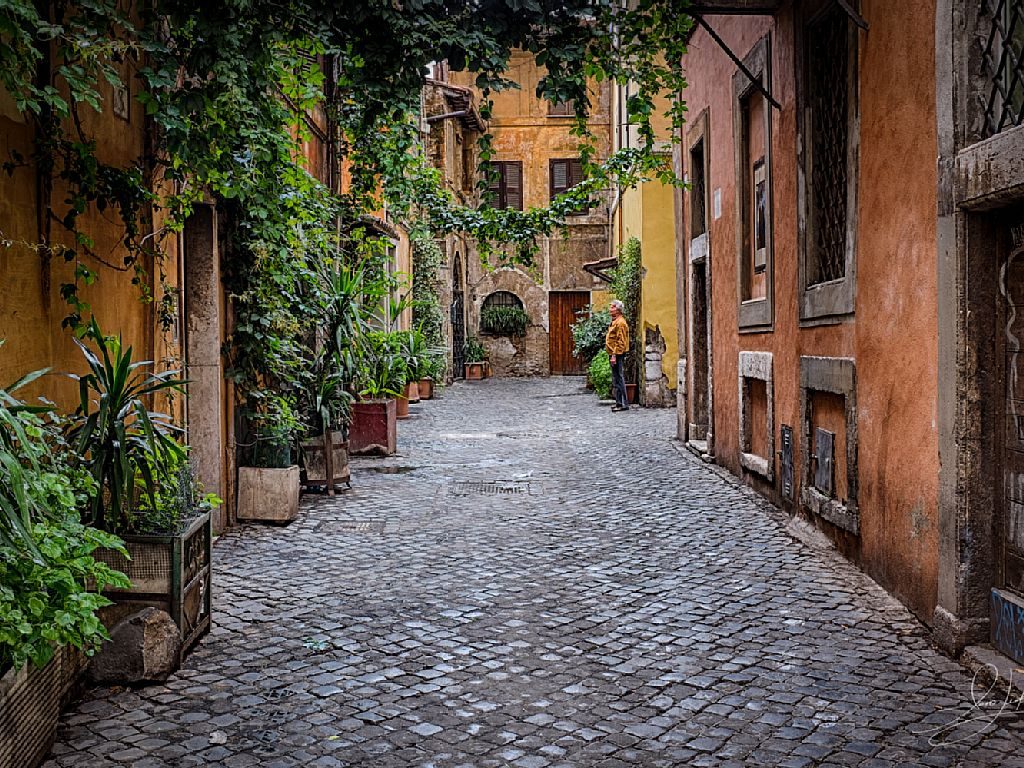
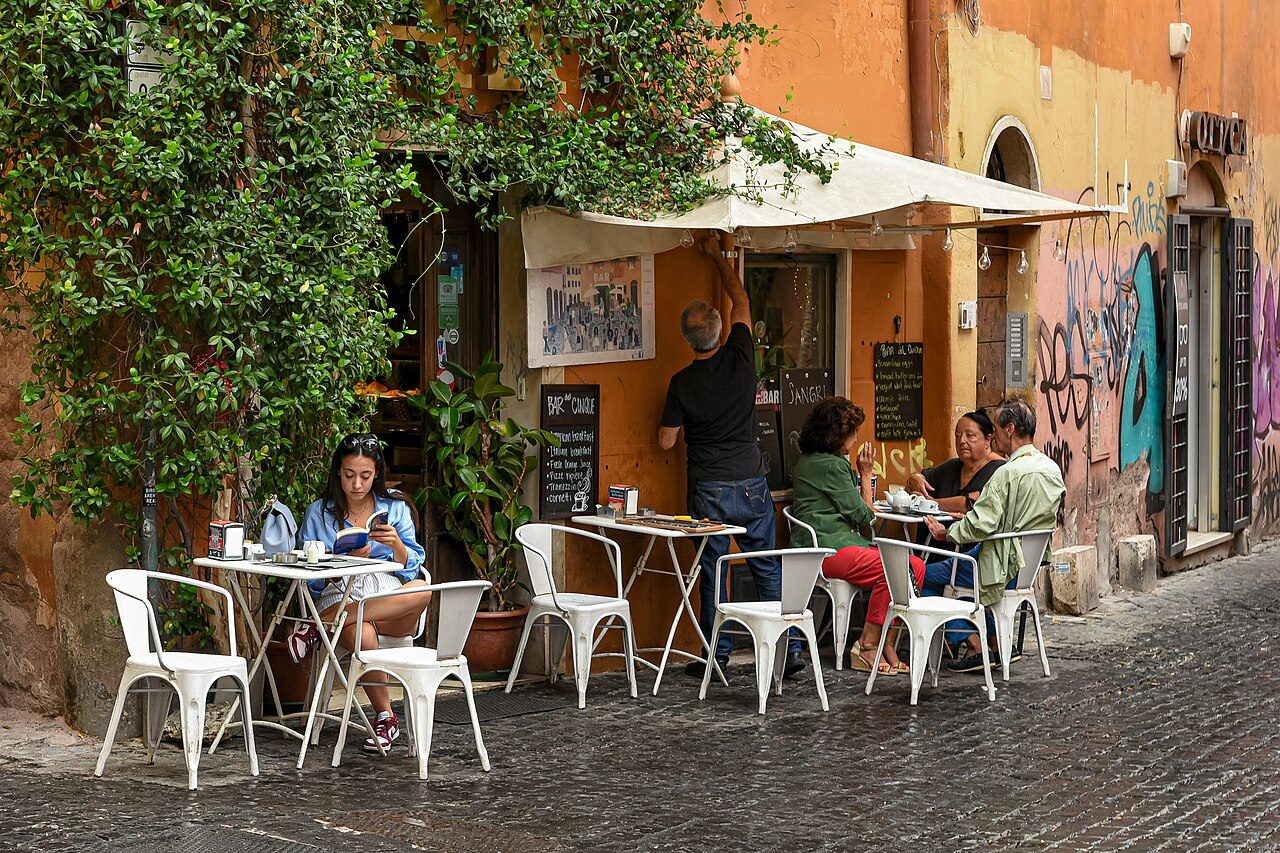
Trastevere is a neighbourhood on the west bank of the Tiber in Rome. Its name means across the Tiber. Narrow cobbled lanes lined with ivy-covered houses lead to small piazzas, trattorias and bars. The Basilica of Santa Maria in Trastevere, one of Rome's oldest churches, has fine golden mosaics. The area is lively in the evening.
13
STOP 13 OF 16
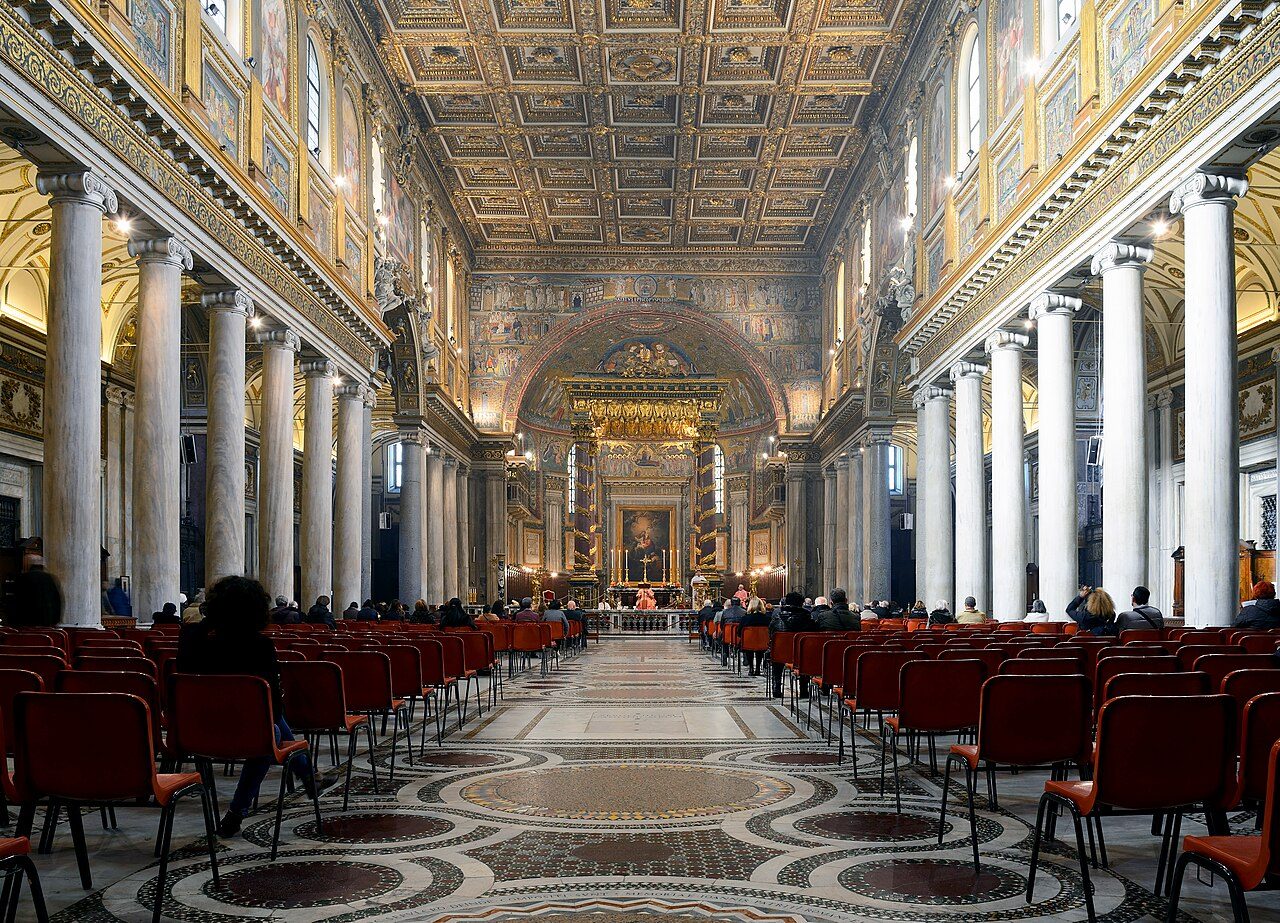
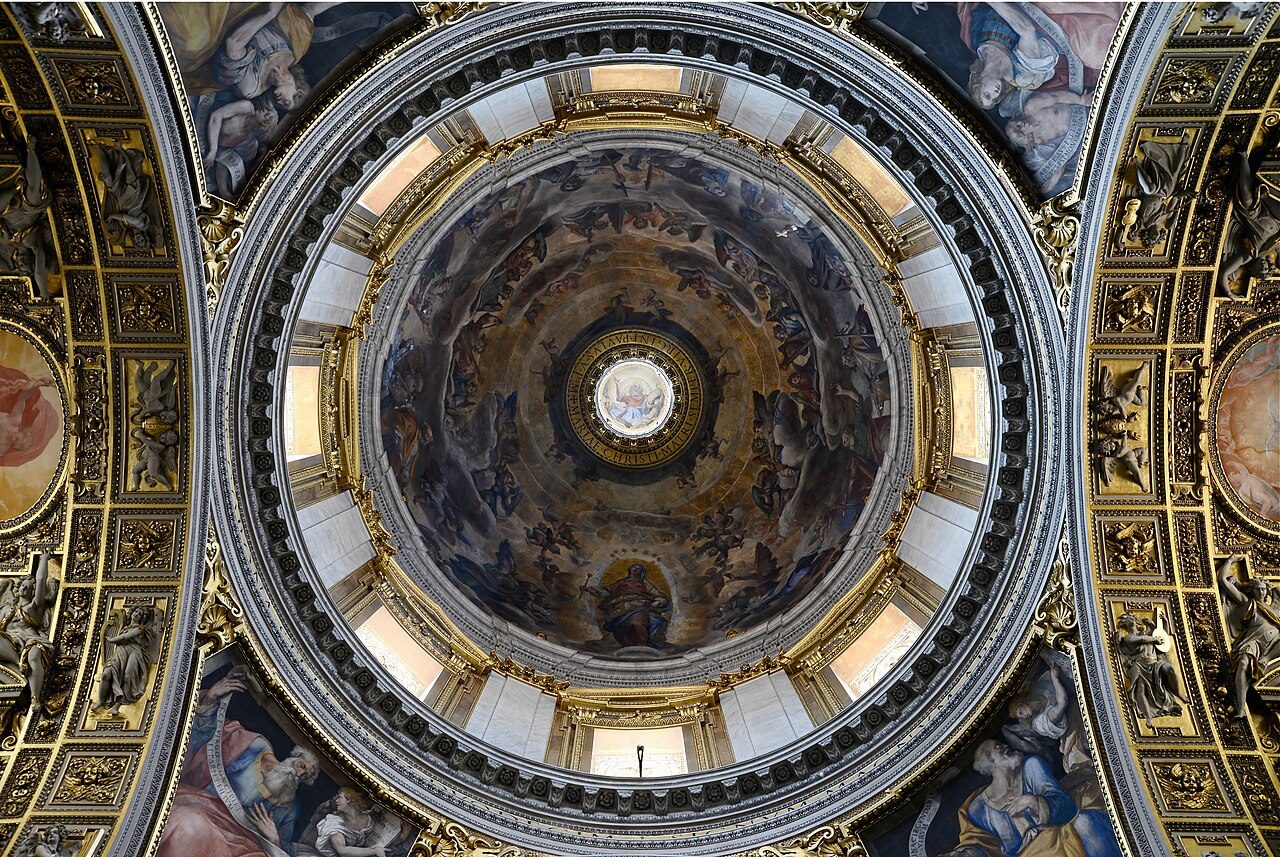
Basilica of Santa Maria Maggiore
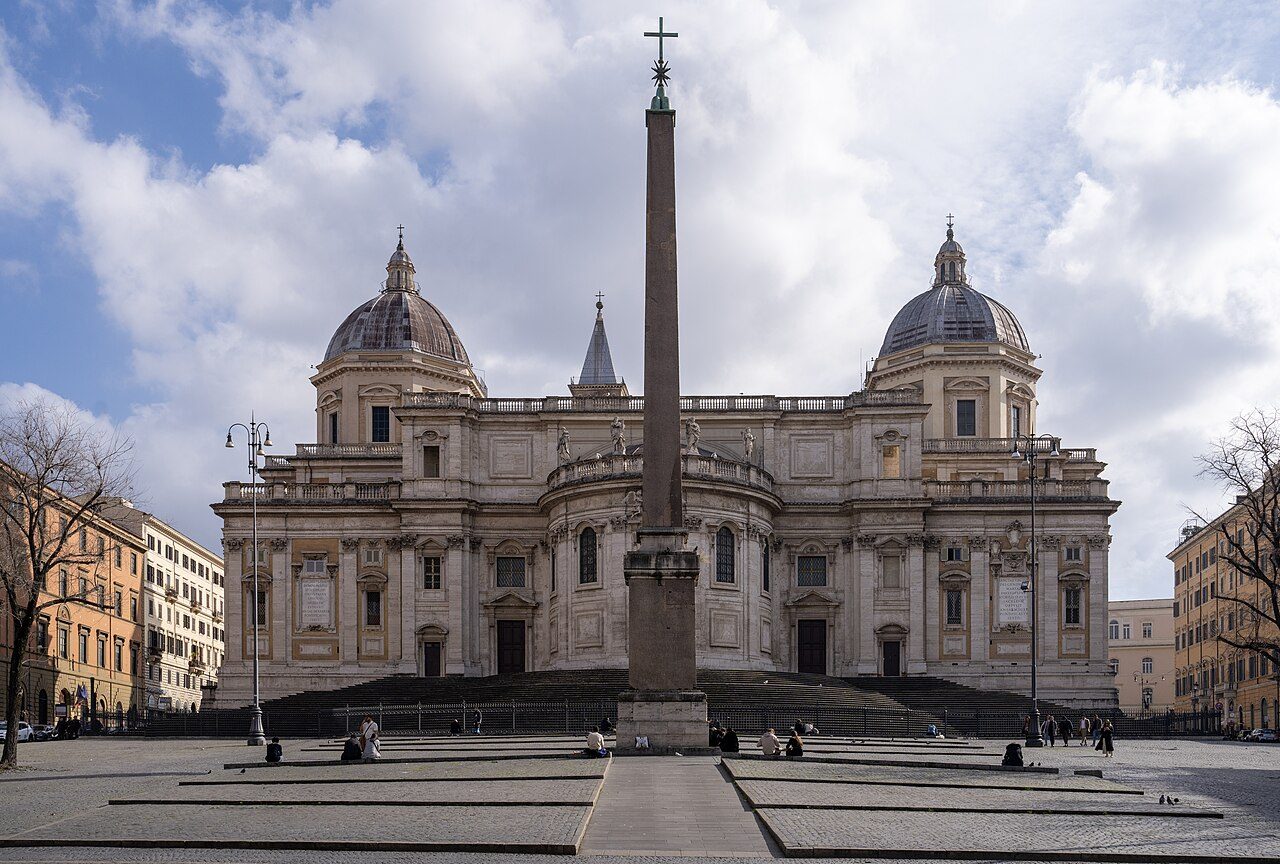
The Basilica of Santa Maria Maggiore is one of the four major papal basilicas of Rome. Founded in the 5th century, it keeps much of its original structure and is famous for its early Christian mosaics. Its bell tower is the tallest in Rome. Pope Francis was buried here in 2025. Each August a shower of white petals recalls a legend of snow.
14
STOP 14 OF 16
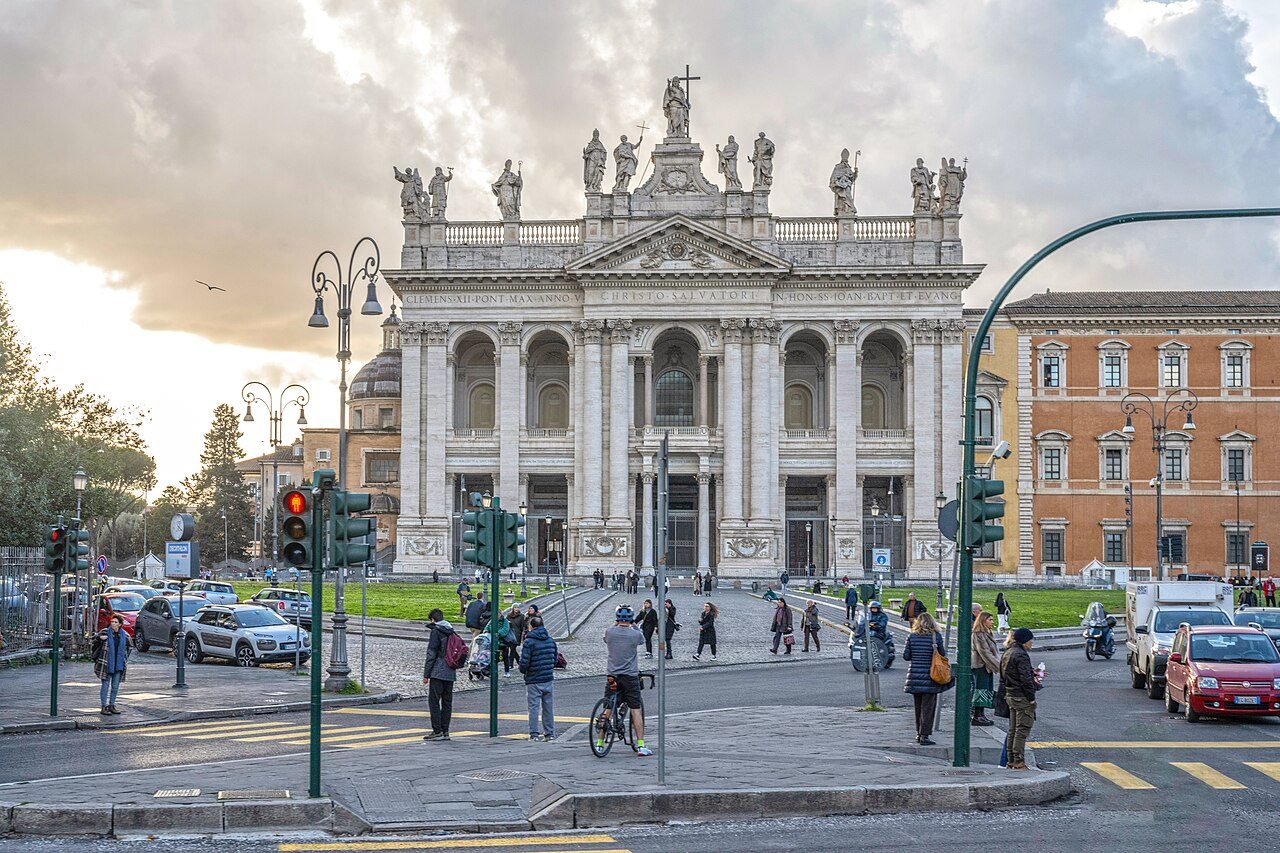
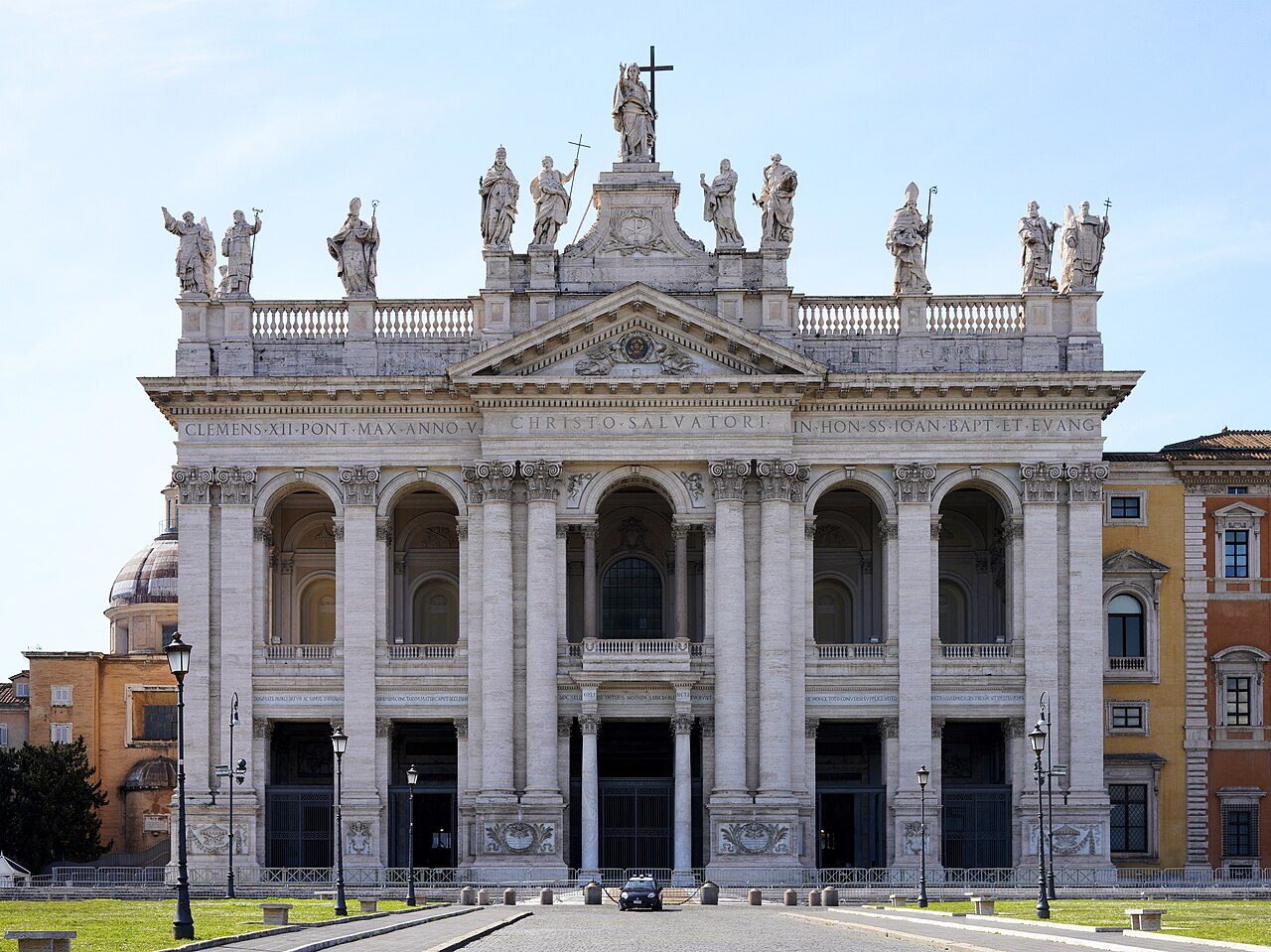
Archbasilica of St. John Lateran
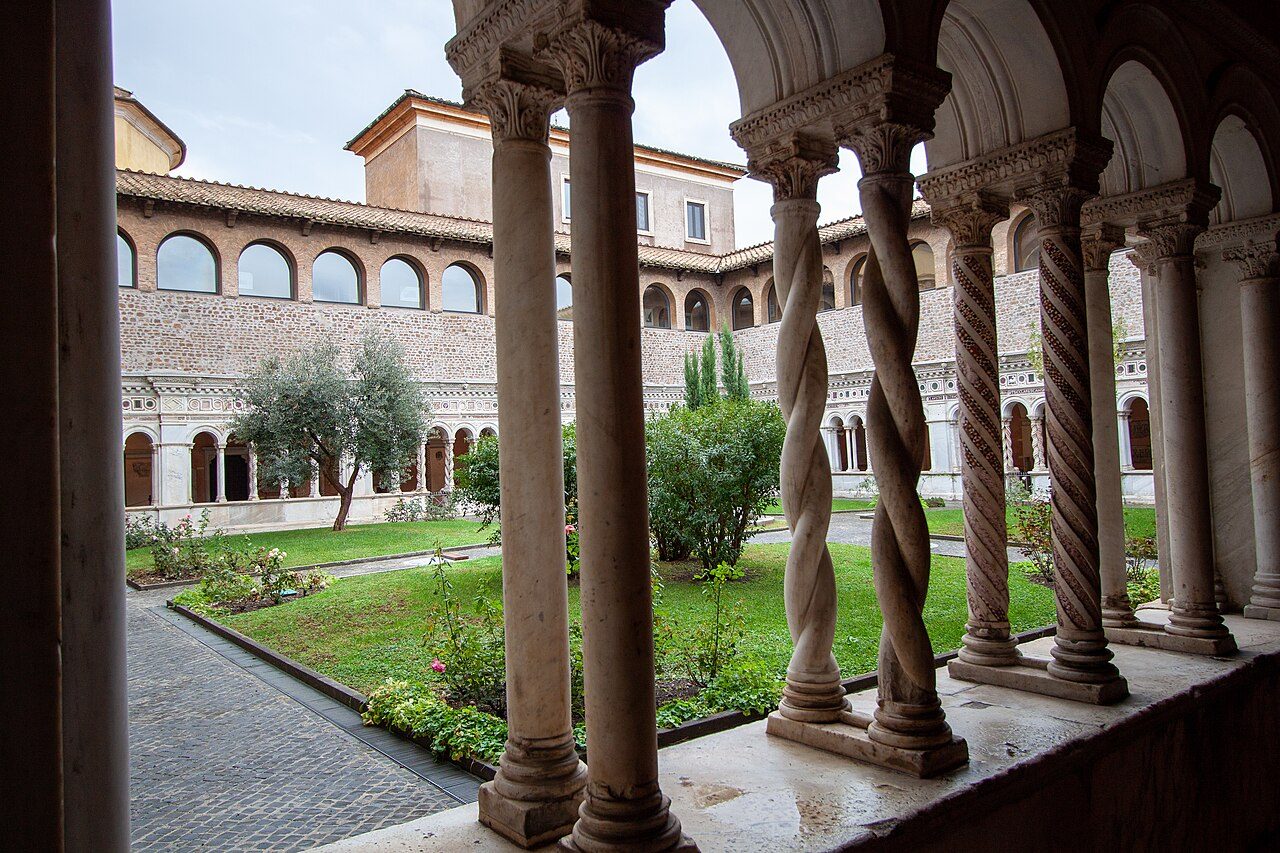
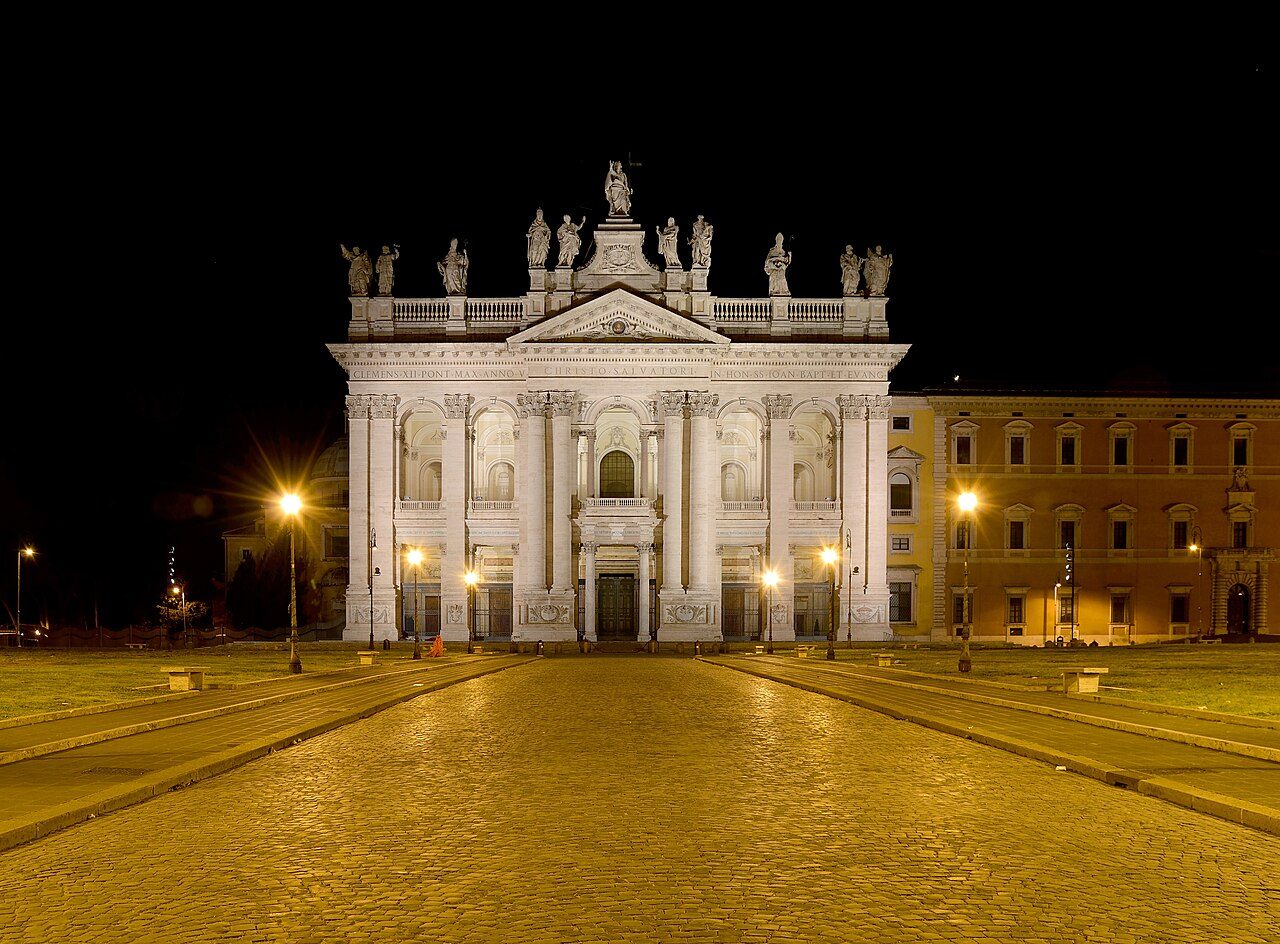
The Archbasilica of St. John Lateran is the cathedral of Rome and the oldest of the four major basilicas, founded in the 4th century by Emperor Constantine. It is the seat of the Pope as Bishop of Rome. Its grand facade is crowned by huge statues of Christ and the saints. The Holy Stairs, which pilgrims climb on their knees, stand nearby.
15
STOP 15 OF 16
Baths of Caracalla
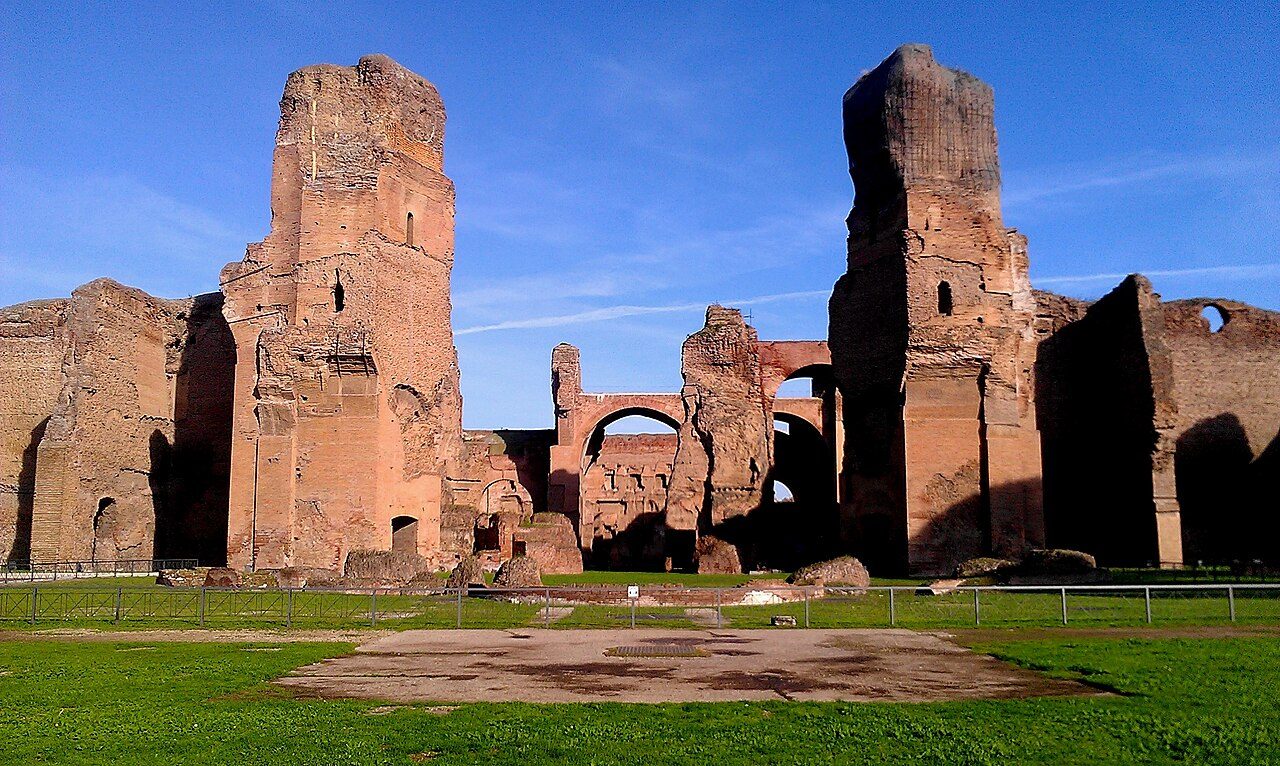
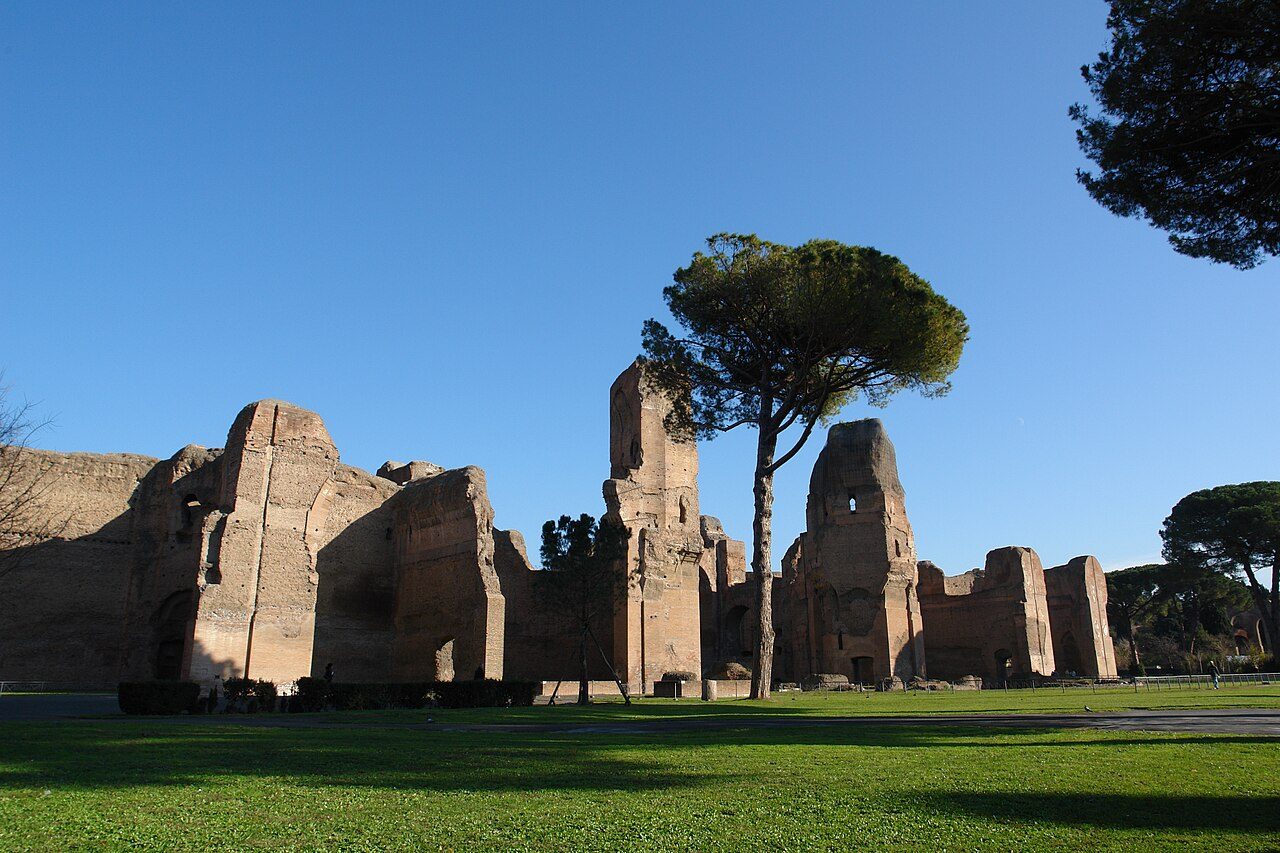
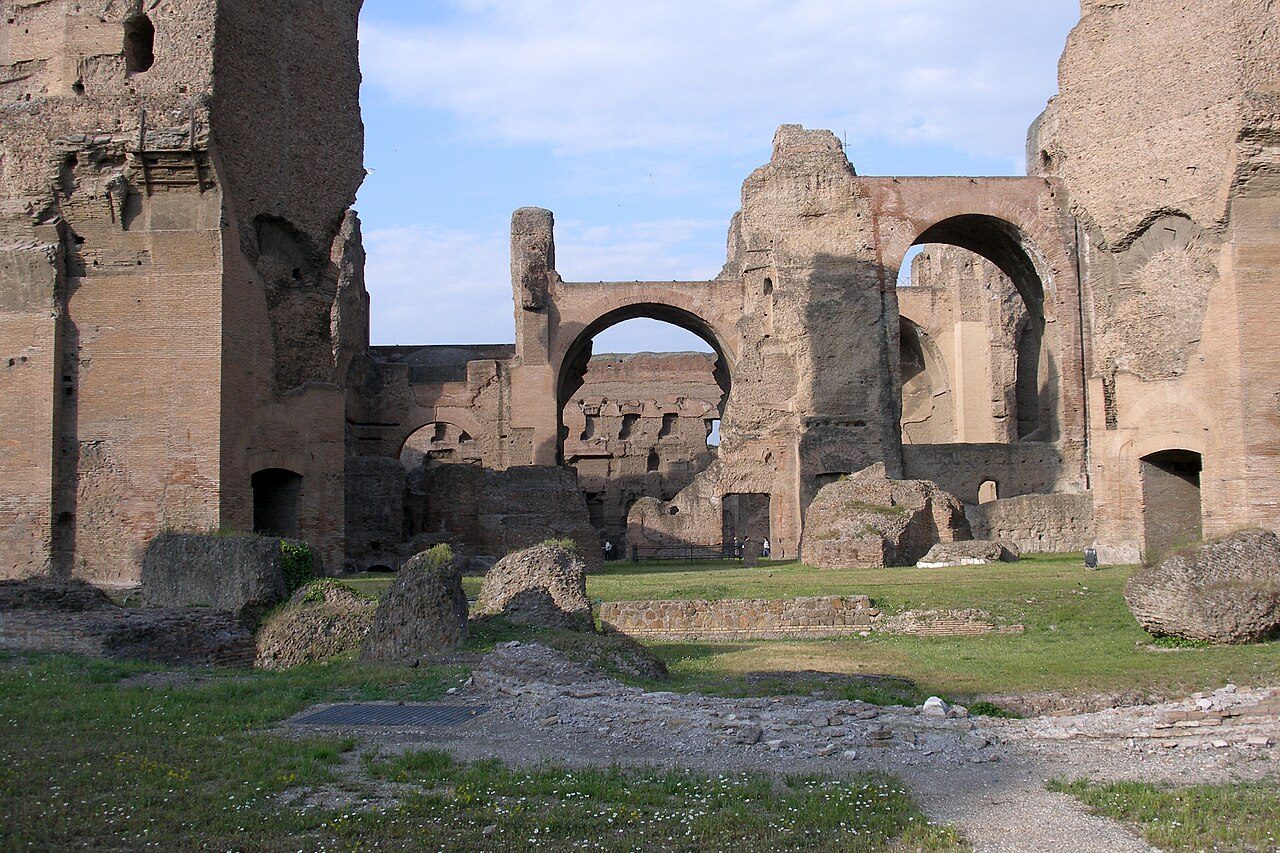
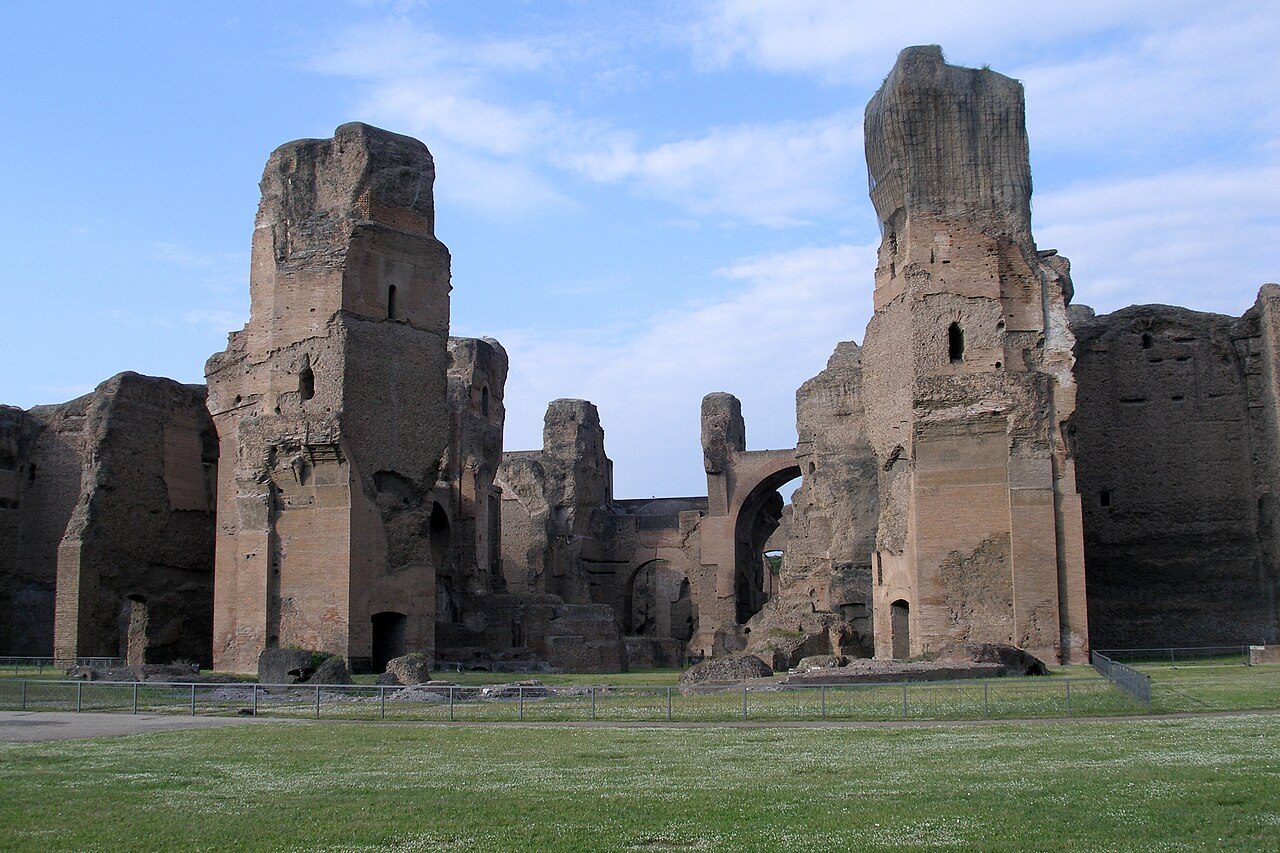
The Baths of Caracalla were built in Rome between 212 and 216 AD under Emperor Caracalla. They could hold about 1,600 bathers at a time and included hot and cold pools, gyms, libraries and gardens. The massive brick walls still rise high, and parts of the mosaic floors survive. In summer the ruins host the open-air opera season.
16
STOP 16 OF 16 · LAST STOP
Appian Way
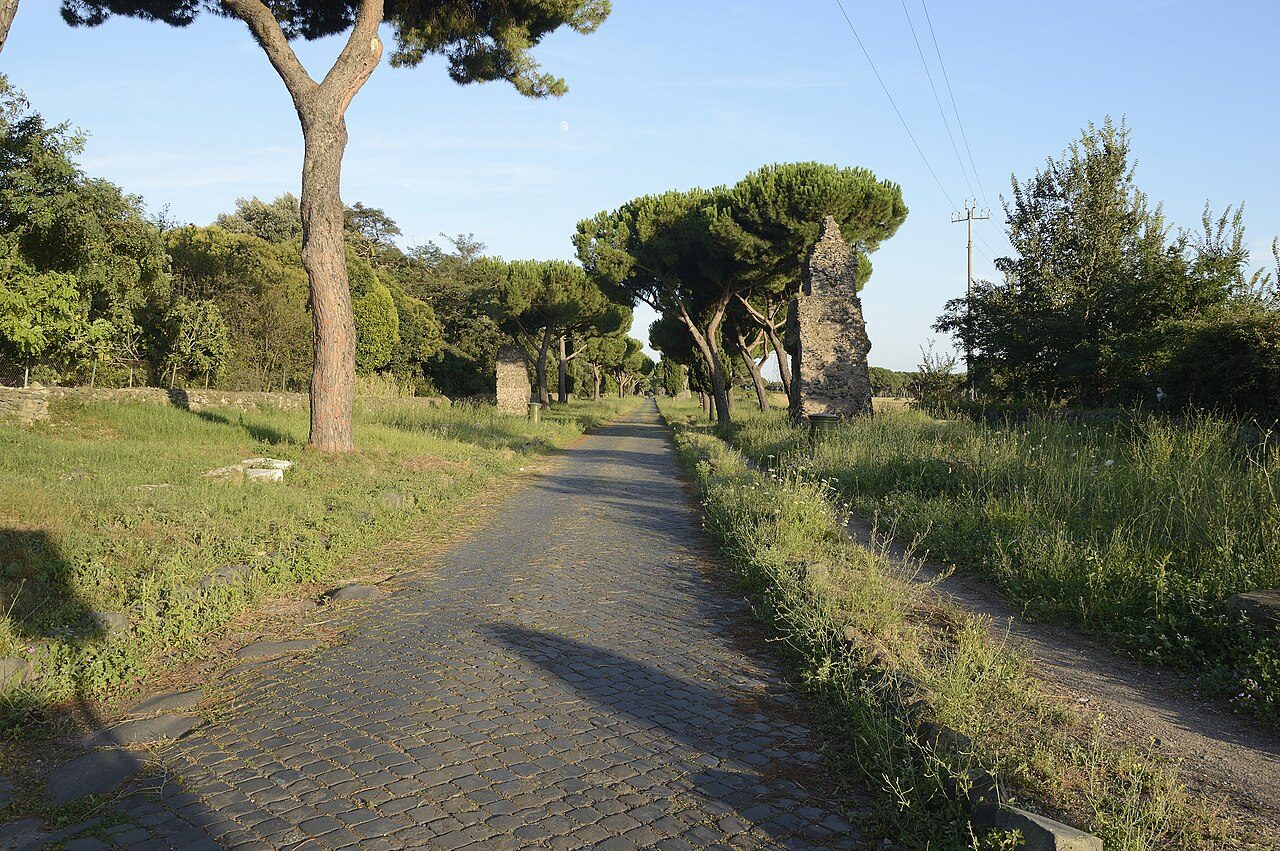
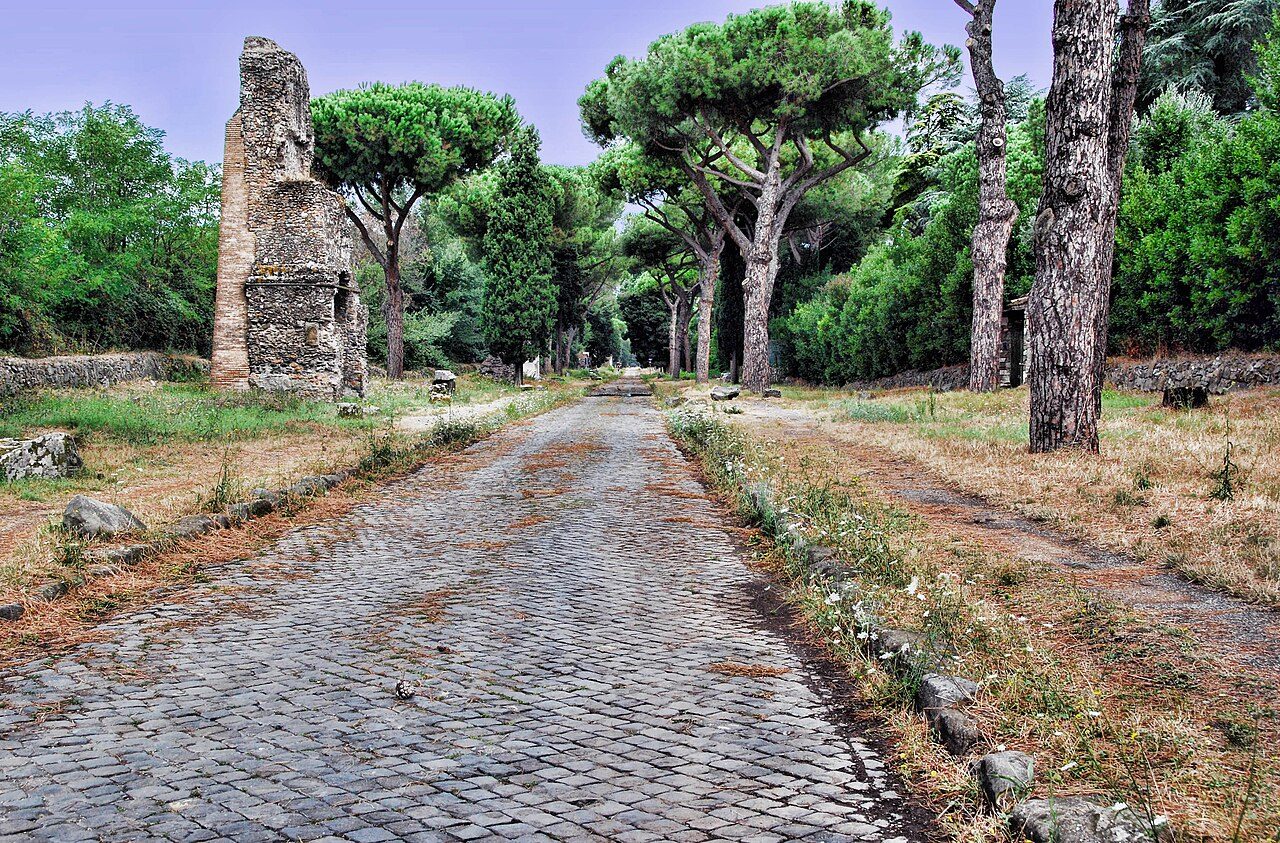
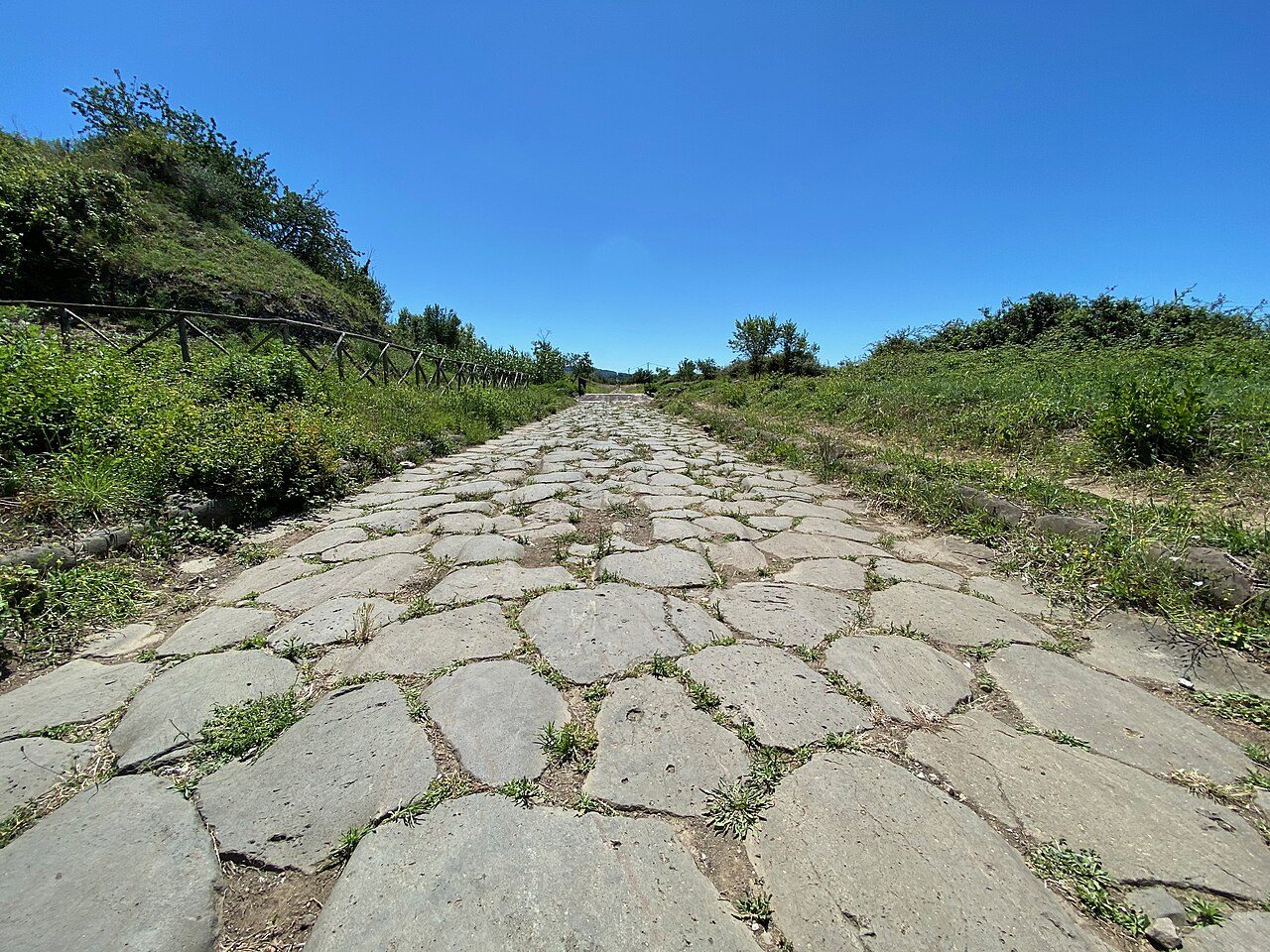
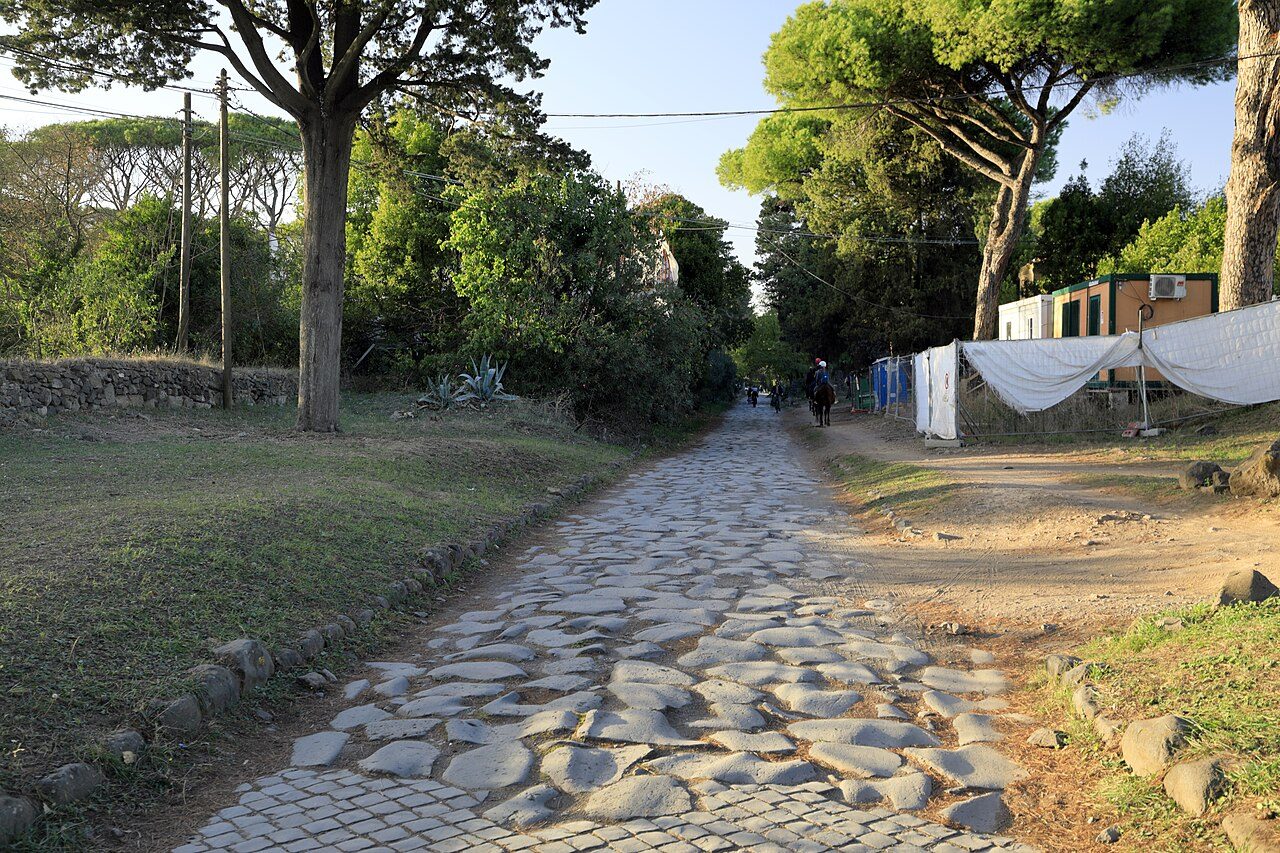
The Appian Way, Via Appia Antica, was one of the most important roads of ancient Rome, begun in 312 BC. It ran from Rome to Brindisi in the south. Its first stretch outside Rome is now a park, where original paving stones are lined with tombs, pine trees and catacombs. It is popular for walking and cycling on Sundays.
Seasons from 20 years of NASA POWER climate data.
 WaTrips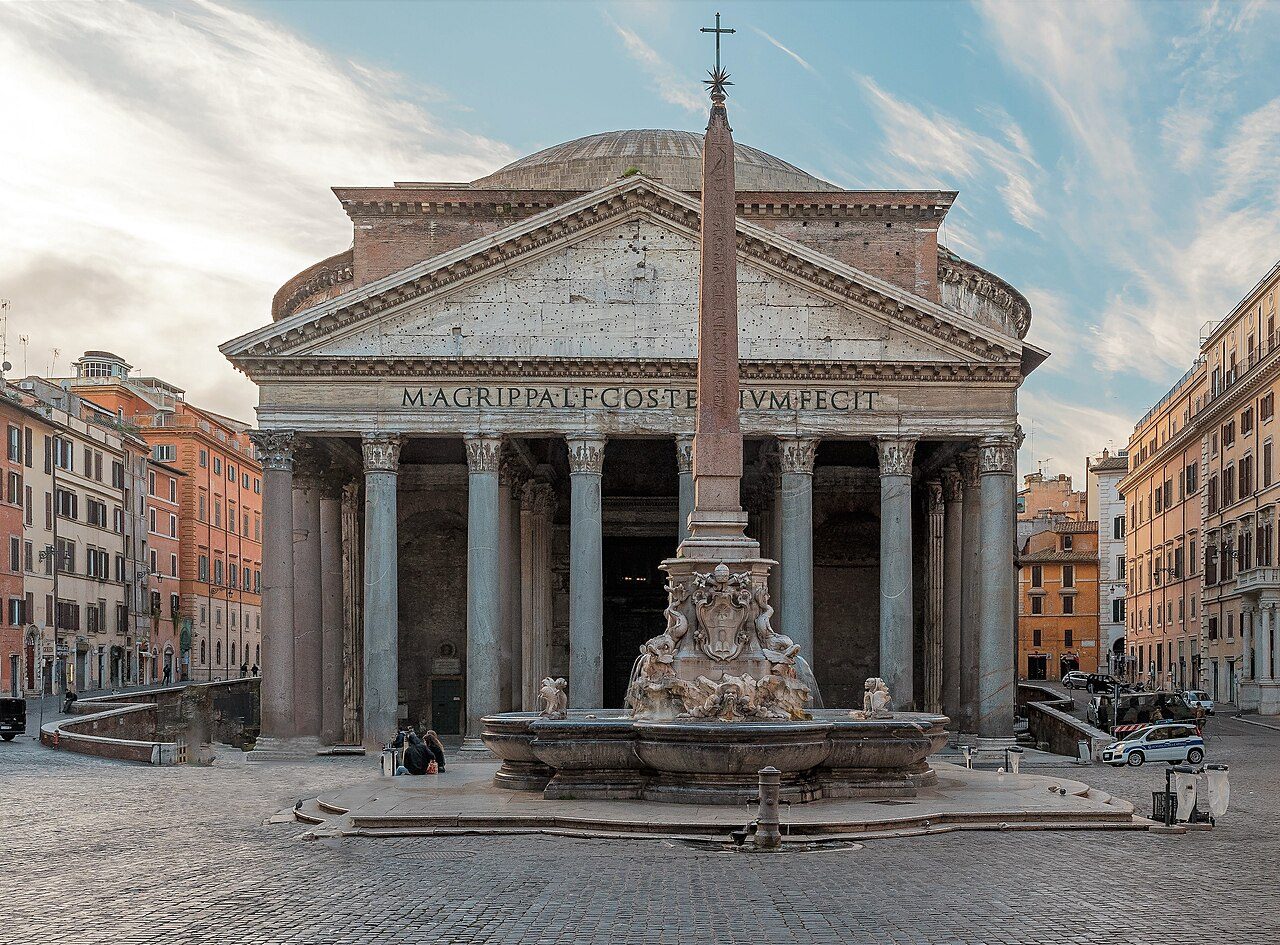







 BikesBooking
 Localrent
 Airalo
 Tiqets