Naples' historic centre, Pompeii and Herculaneum, Mount Vesuvius, Positano, Amalfi and Ravello, Capri and the Blue Grotto, Paestum and the Royal Palace of Caserta.
Southern Italy is noisy, delicious and beautiful. Start in Naples, birthplace of pizza, then walk the streets of Pompeii and Herculaneum, frozen by Vesuvius in AD 79, and climb the volcano itself. Drive the Amalfi Coast road to Positano's pastel houses, Amalfi's cathedral and the cliff-top gardens of Ravello. Take the boat to Capri and its Blue Grotto, and finish at the Greek temples of Paestum and the vast Royal Palace of Caserta. May, June and September are ideal.
01
STOP 1 OF 11
Naples Historic Centre
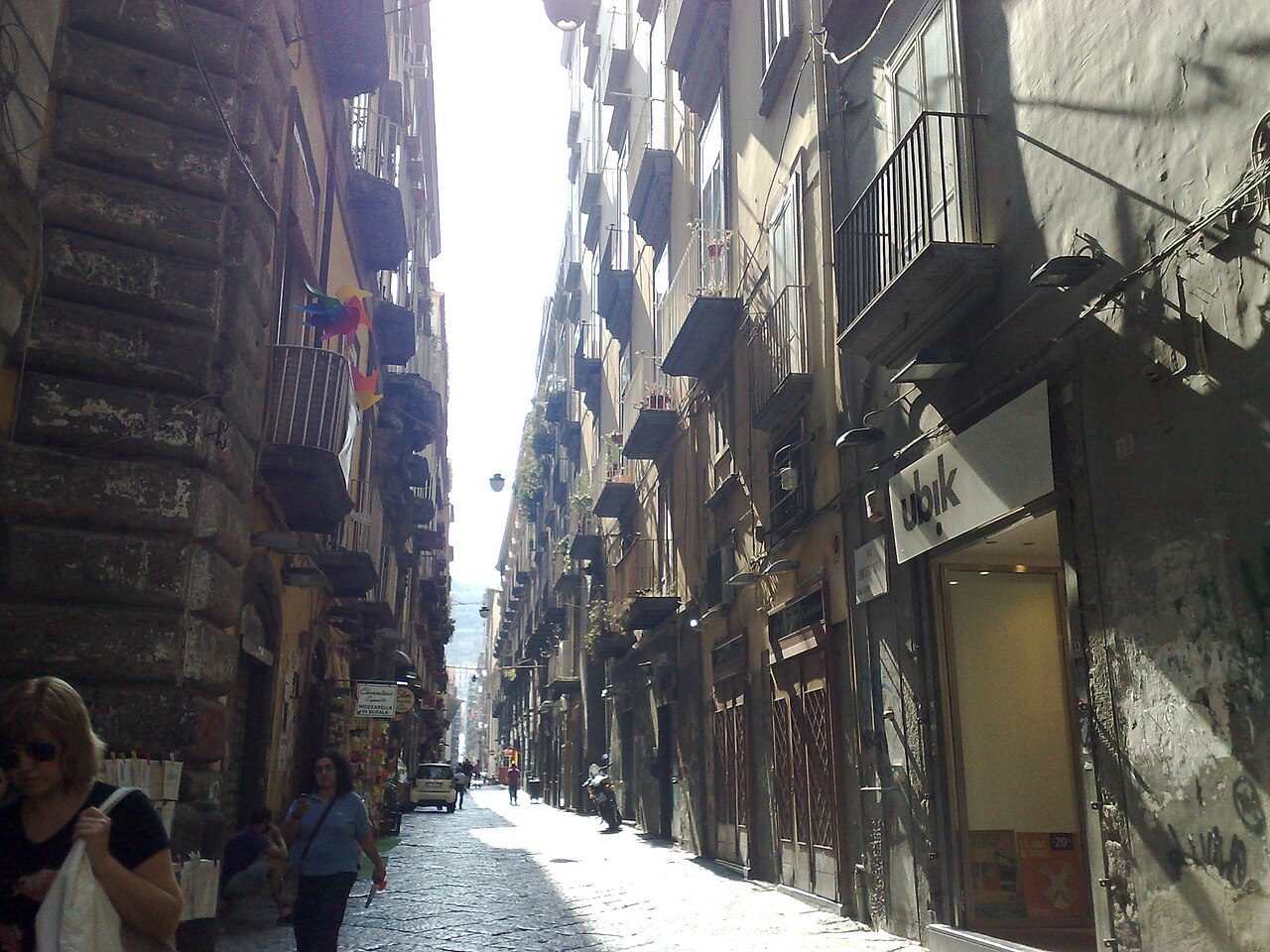
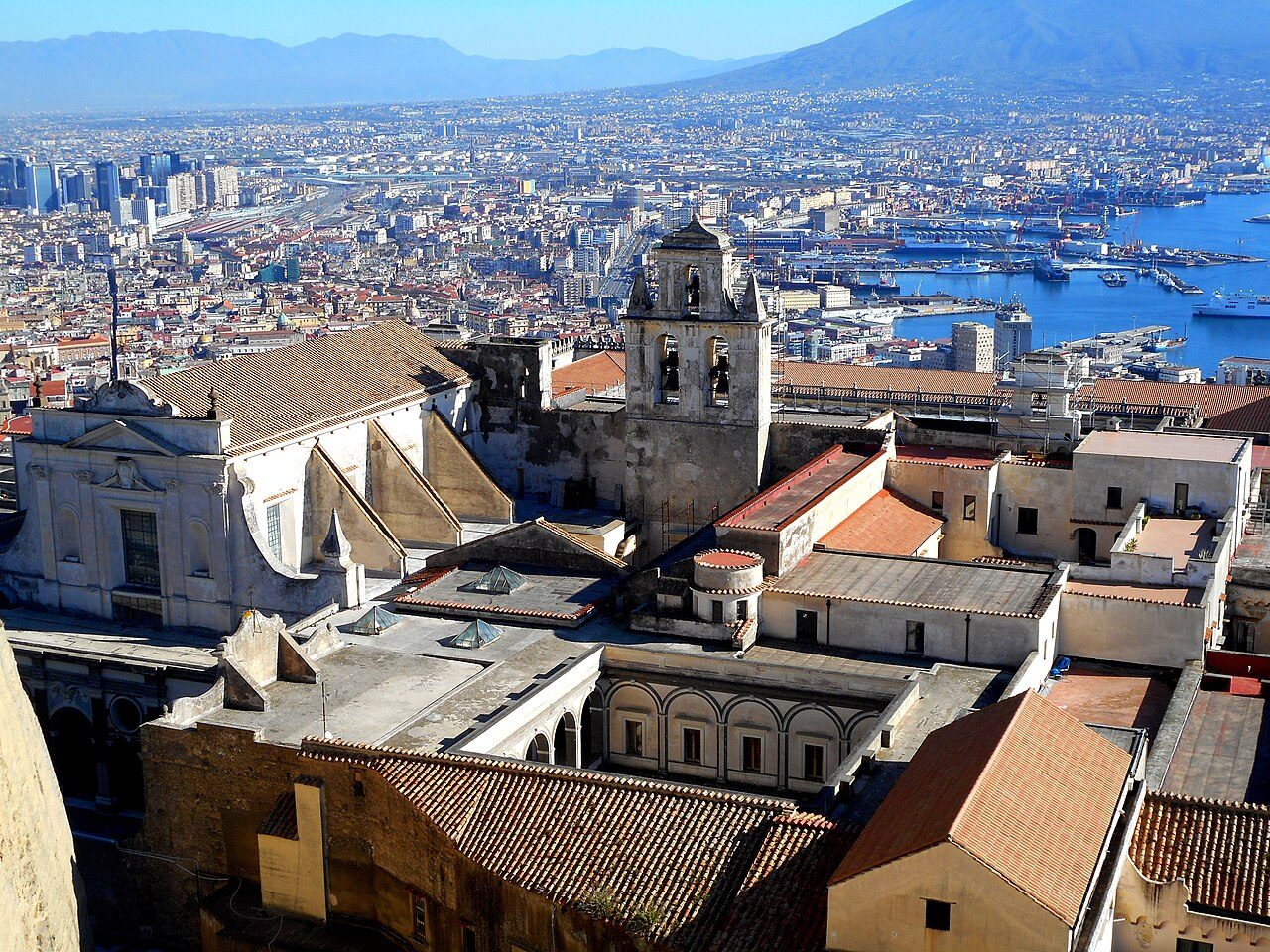
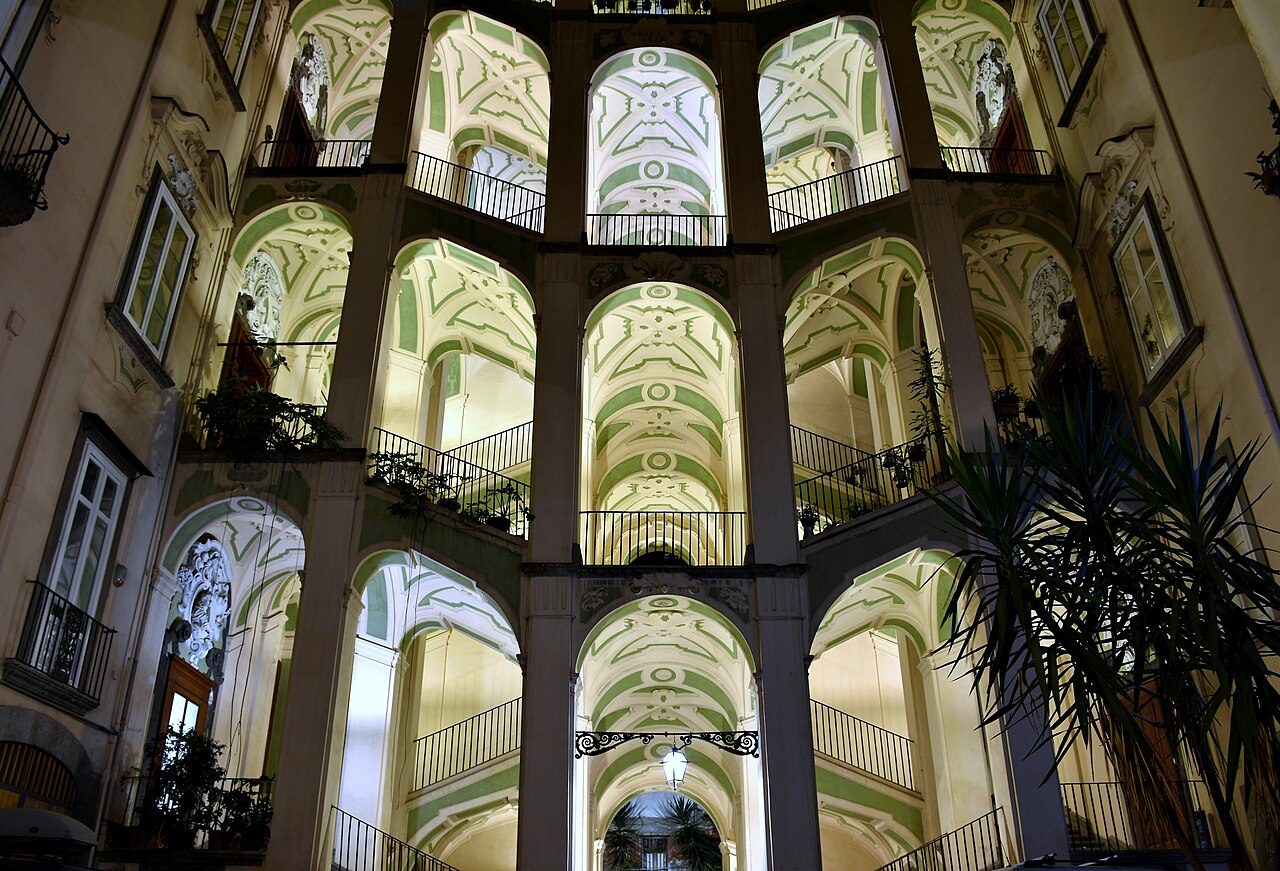
The historic centre of Naples is one of the oldest in Europe, founded by the Greeks. Its narrow streets, such as Spaccanapoli, are lined with churches, palaces and shops selling nativity figures. Underground lie ancient tunnels and catacombs. Naples is the birthplace of pizza. The centre has been a UNESCO World Heritage Site since 1995.
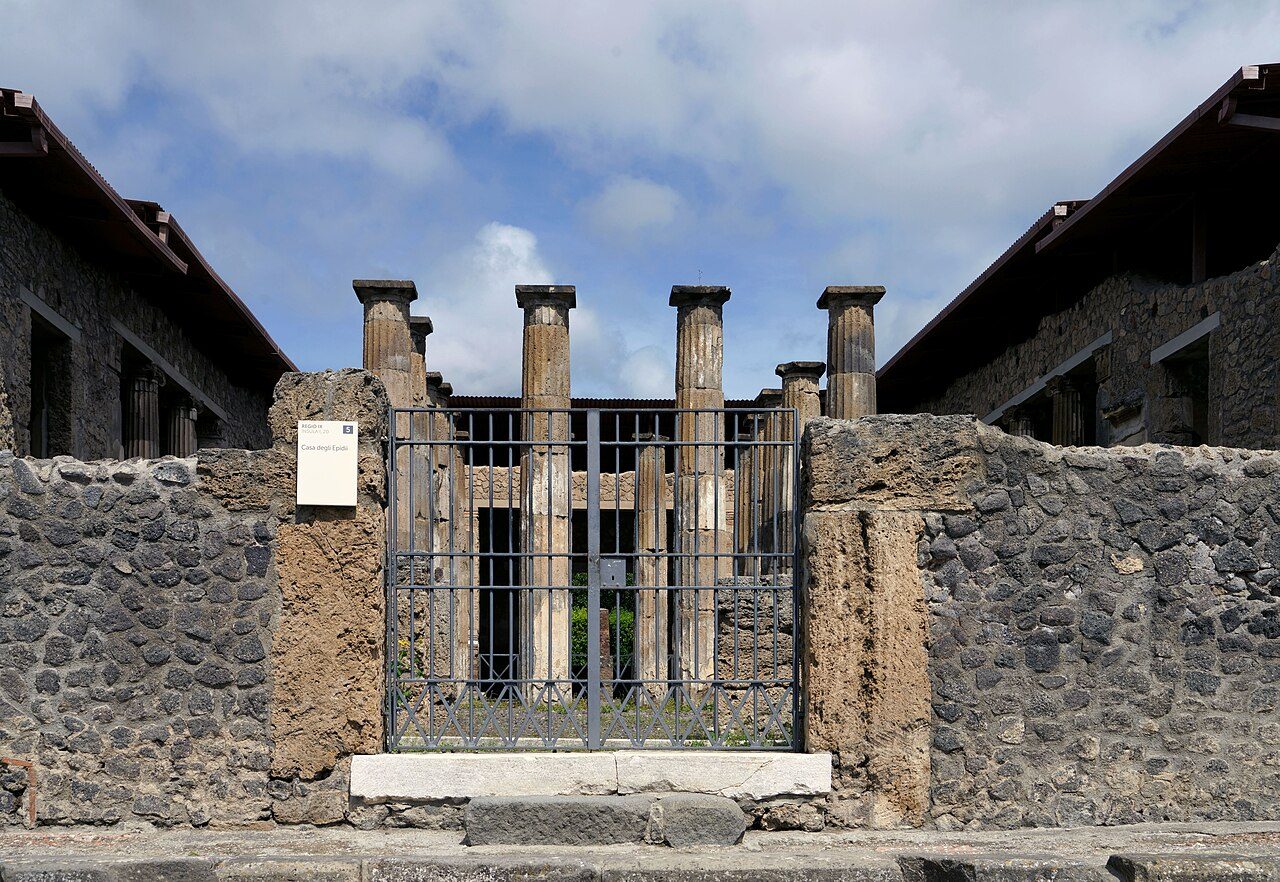
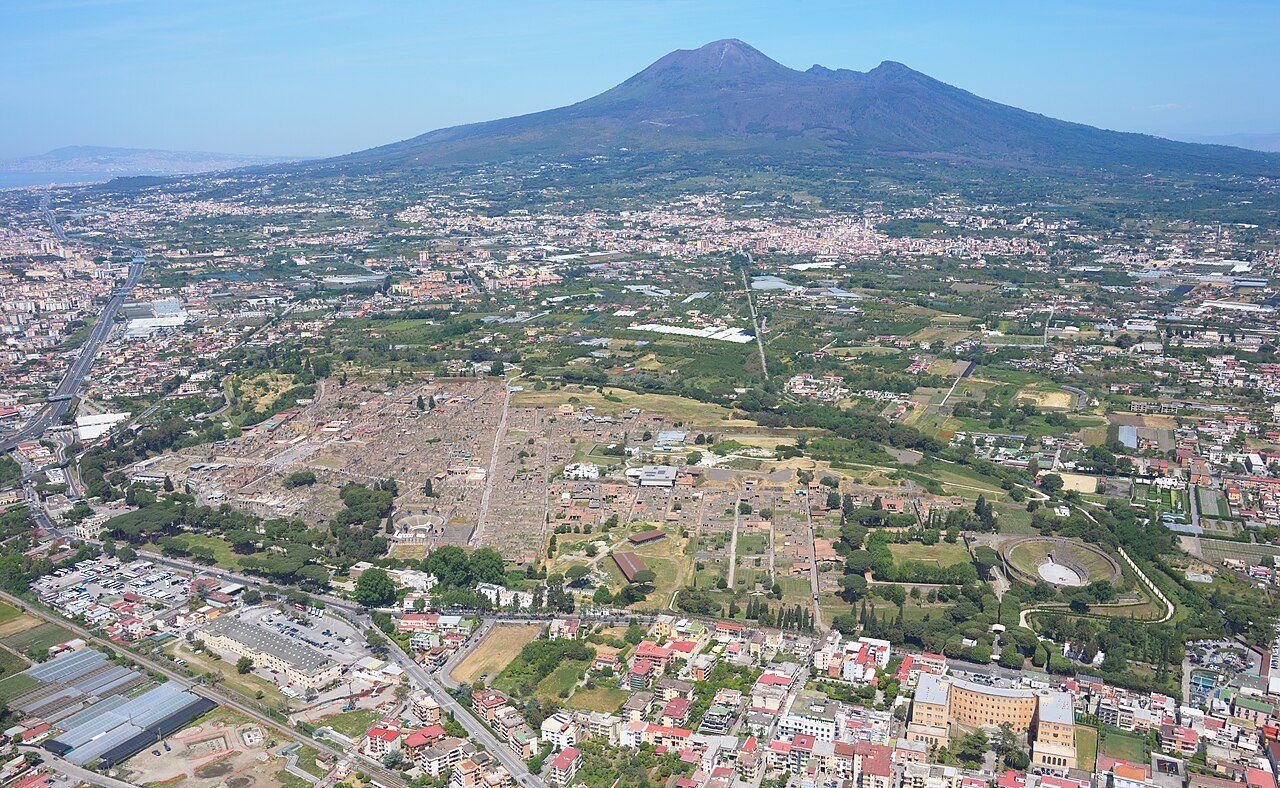
Pompeii was a Roman city buried by the eruption of Mount Vesuvius in 79 AD. Ash preserved its streets, houses, temples, shops and wall paintings almost as they were. Casts of victims show people in their final moments. Excavations began in the 18th century and continue today. It is one of the most visited archaeological sites in the world and a UNESCO World Heritage Site.
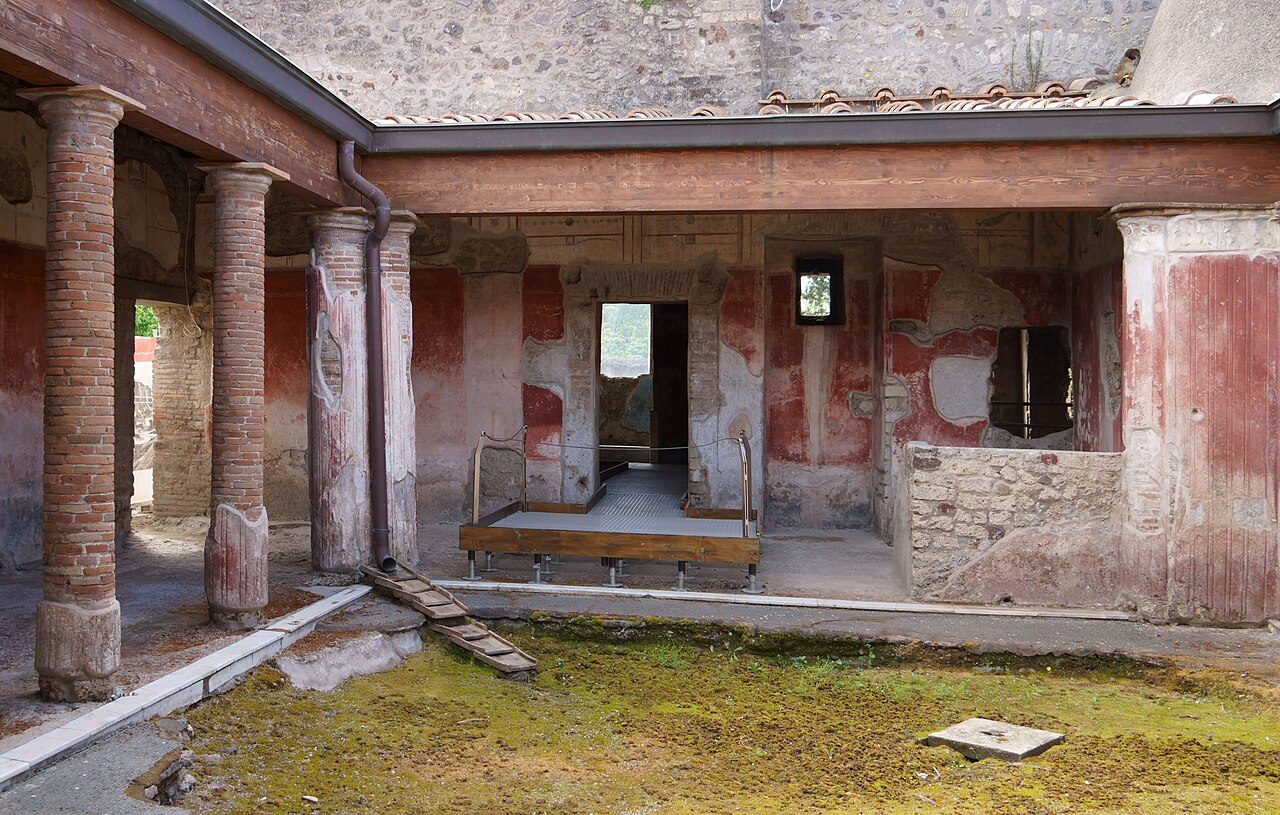
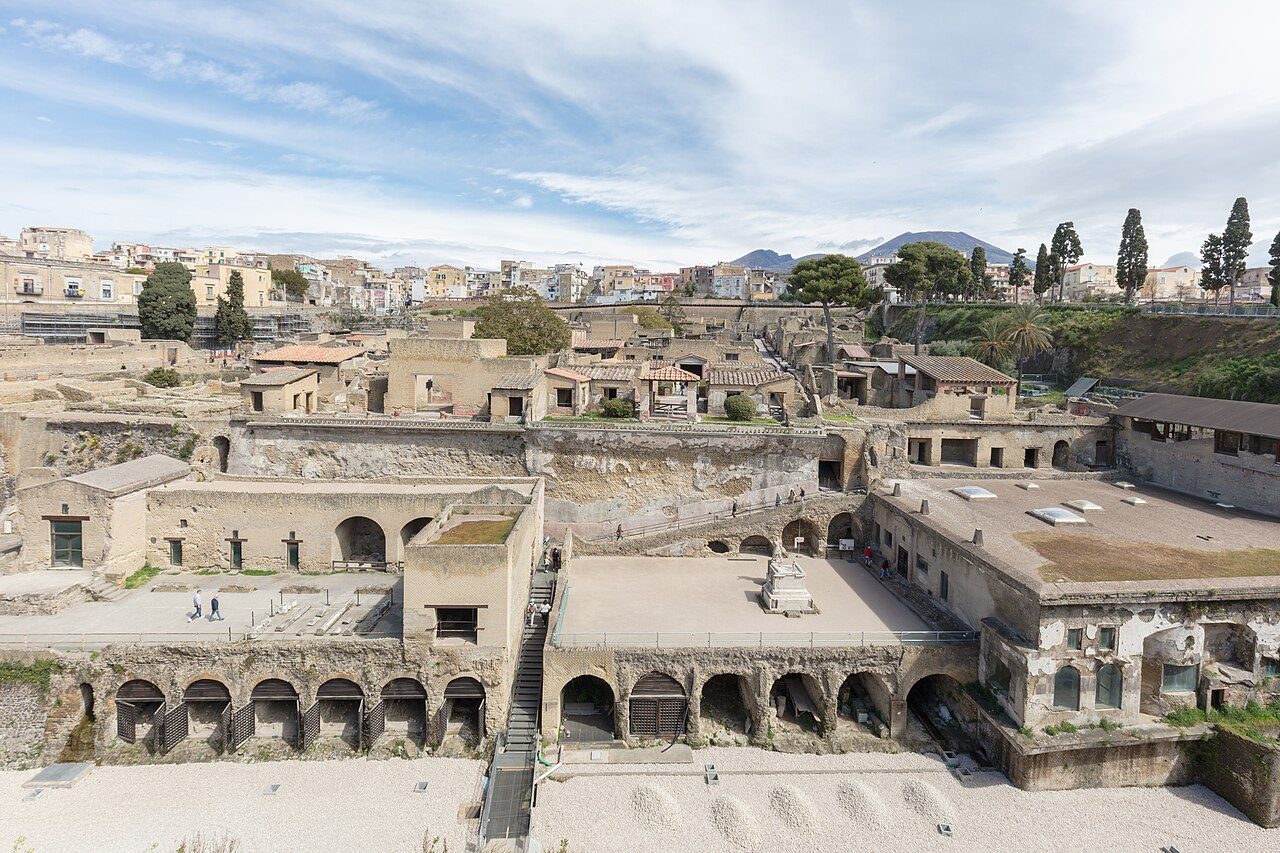
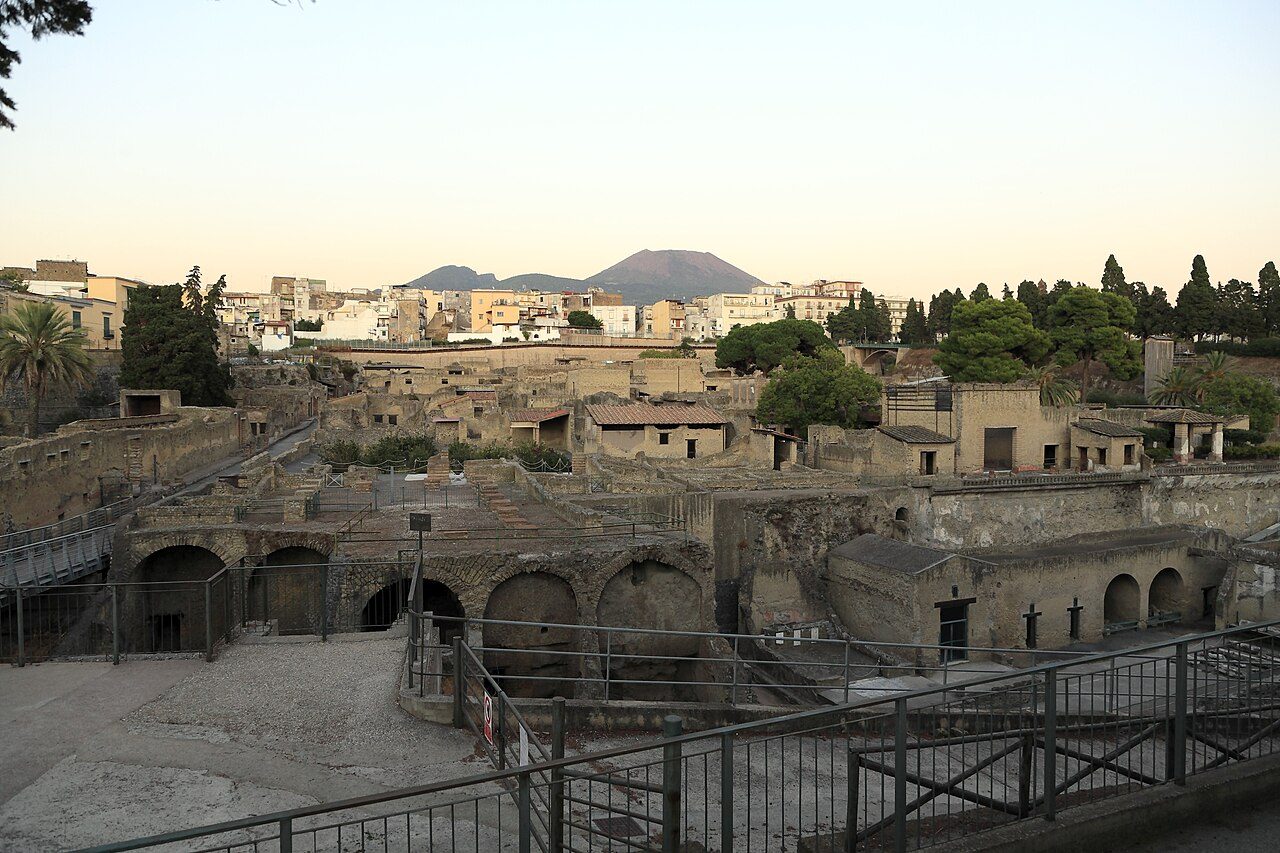
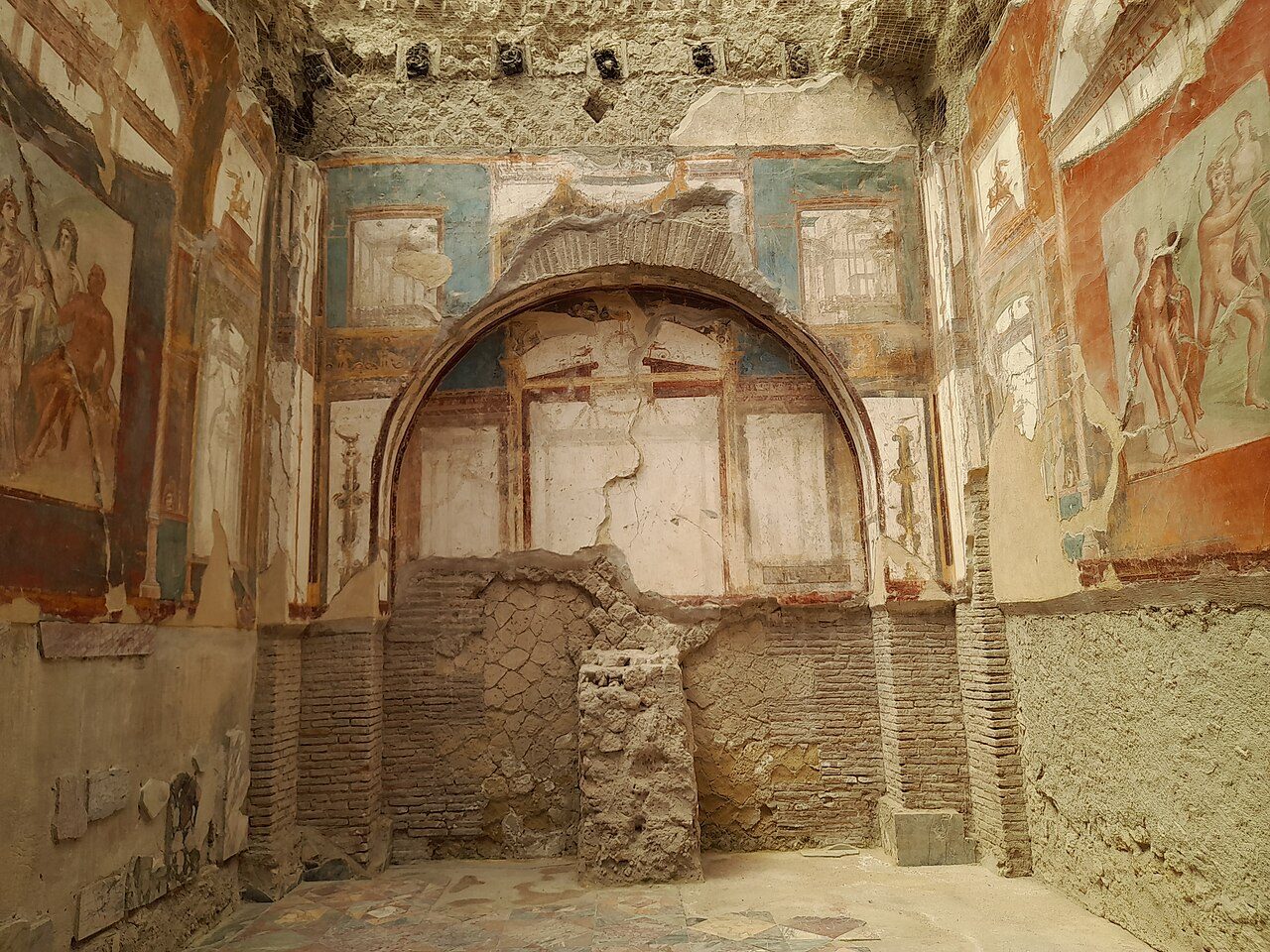
Herculaneum was a wealthy Roman town on the Bay of Naples, buried by the eruption of Vesuvius in 79 AD under deep volcanic material. This preserved wooden beams, furniture and even food. Its houses keep upper floors, mosaics and wall paintings. It is smaller and better preserved than Pompeii and is part of the same UNESCO World Heritage Site.
04
STOP 4 OF 11
Mount Vesuvius
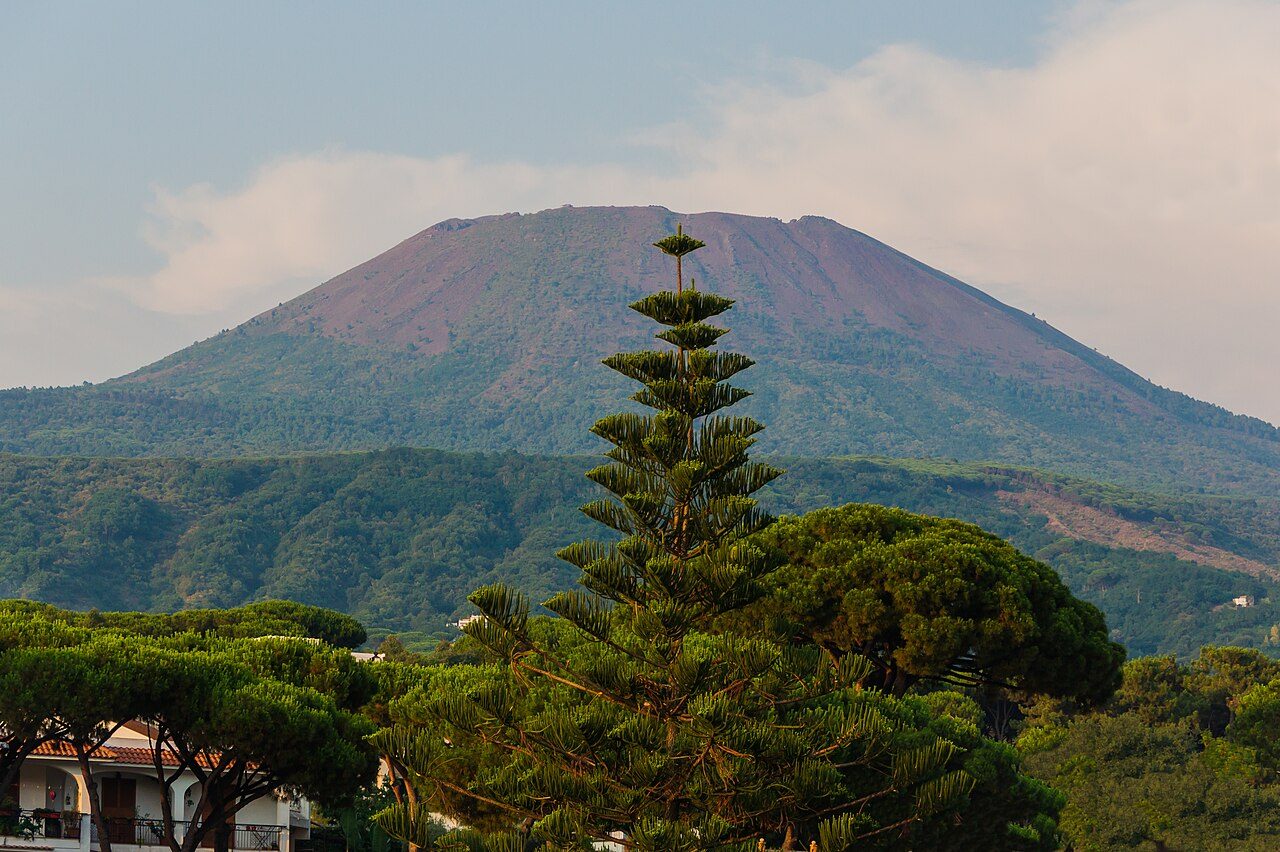
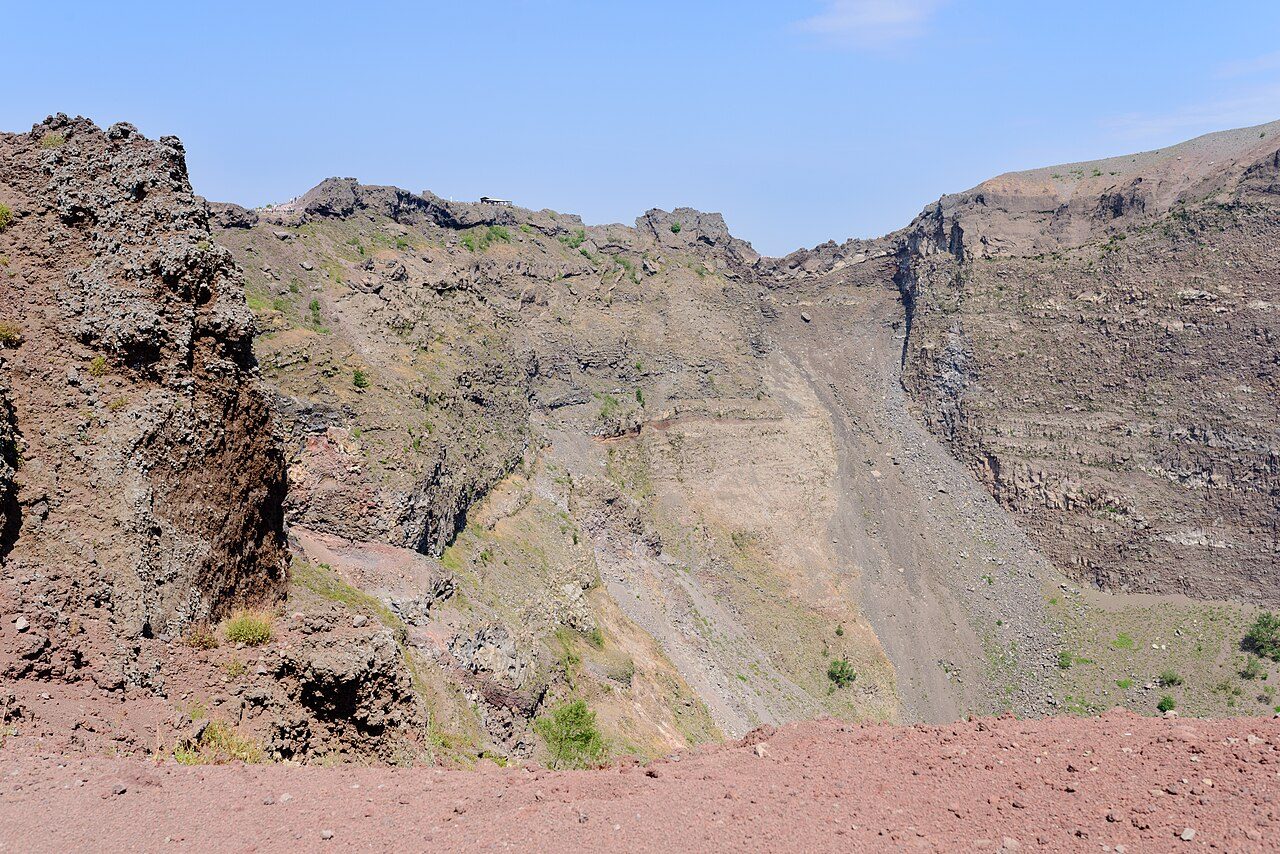
Mount Vesuvius is the volcano that destroyed Pompeii and Herculaneum in 79 AD. It rises about 1,281 metres above the Bay of Naples and last erupted in 1944. A road leads near the top, and a path climbs to the edge of the crater, about 200 metres deep. The views stretch over Naples, the bay and Capri. It is a national park.
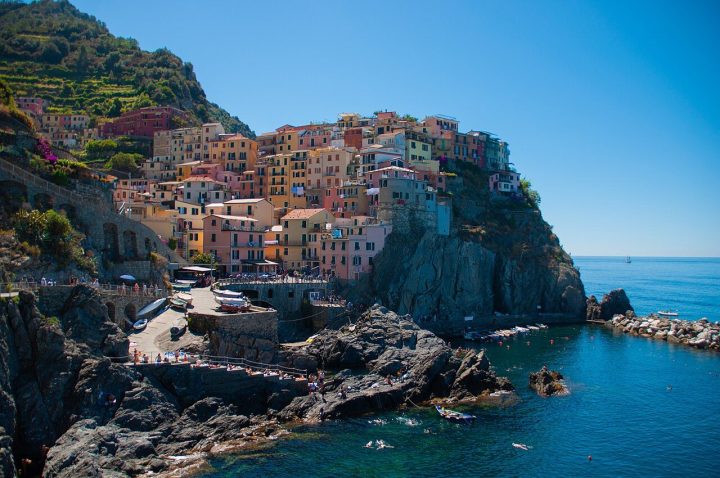
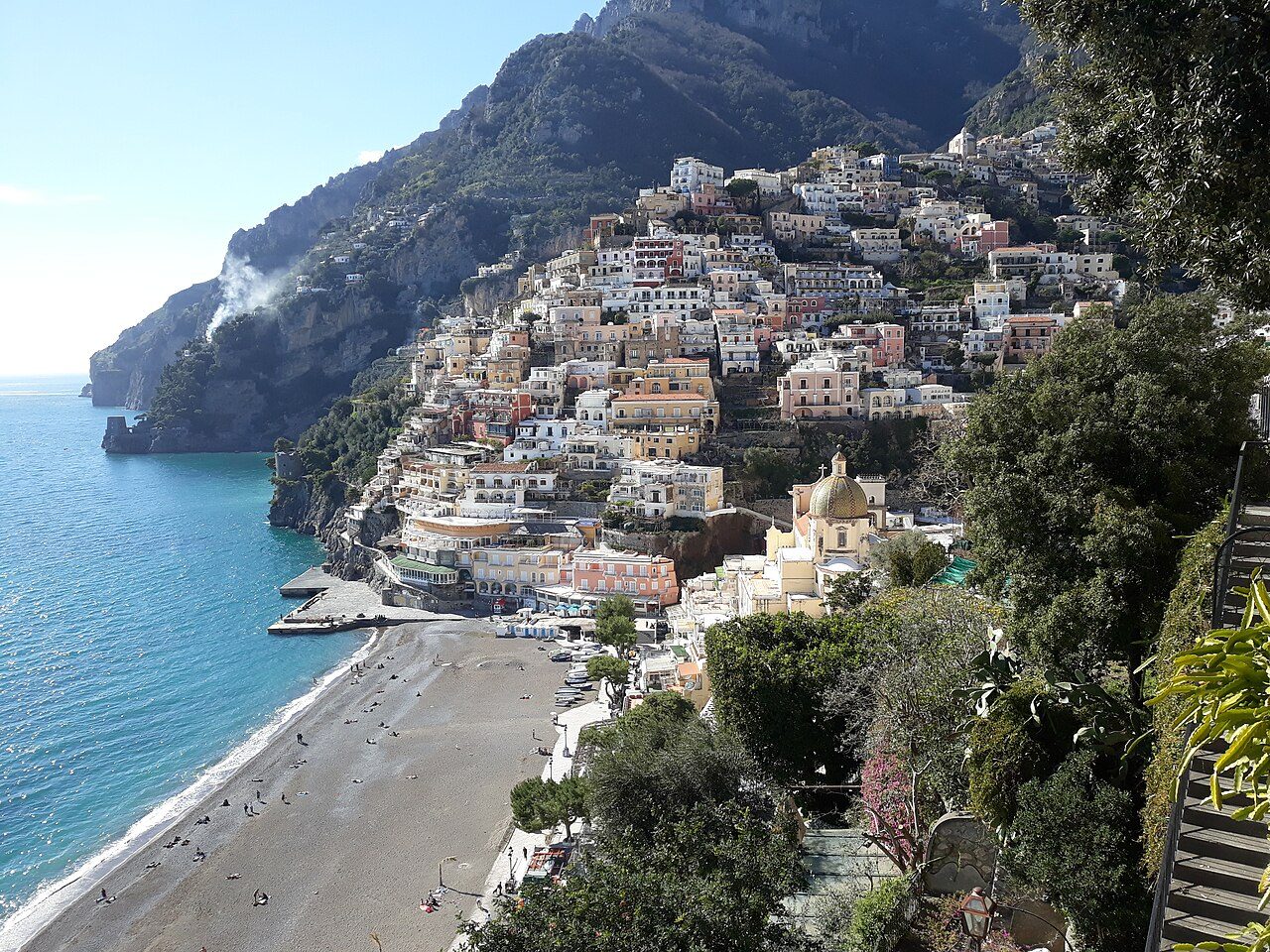
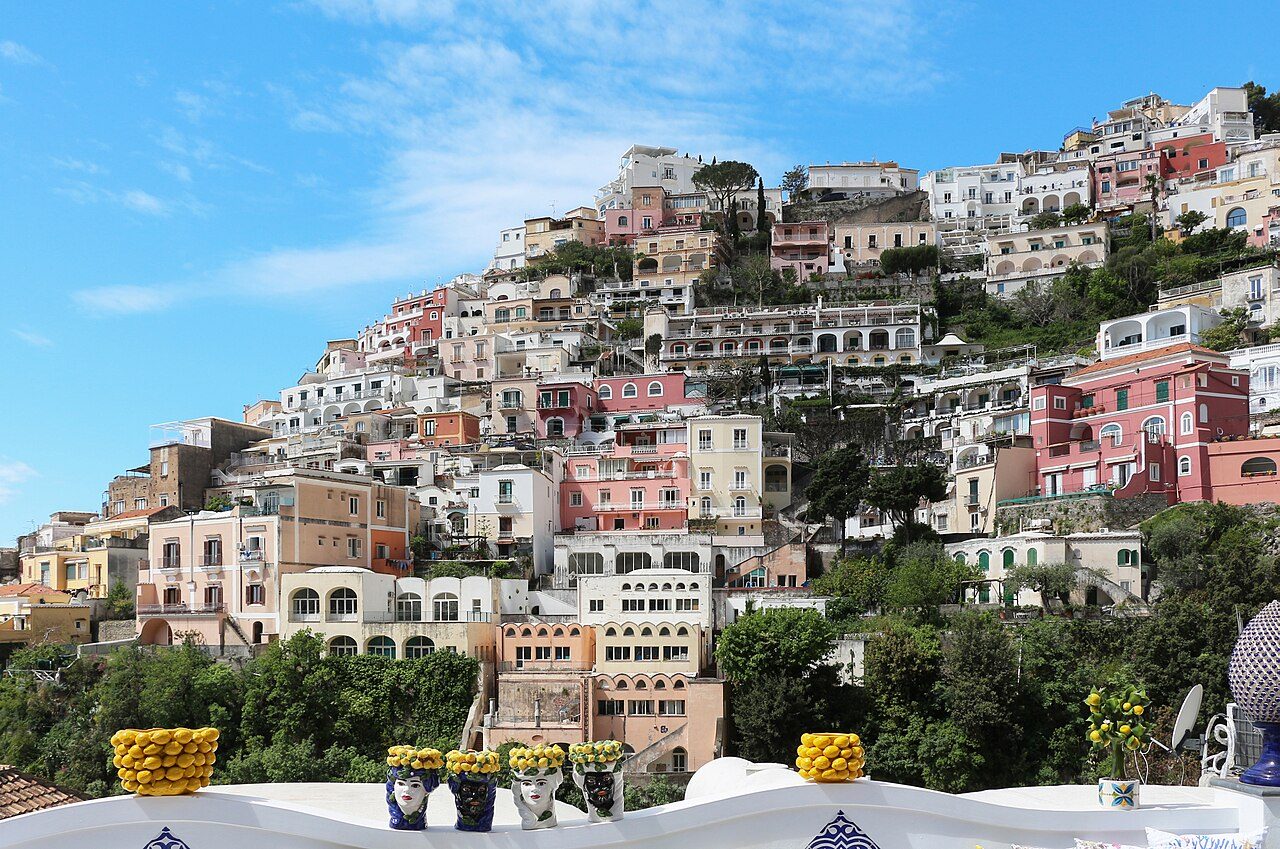
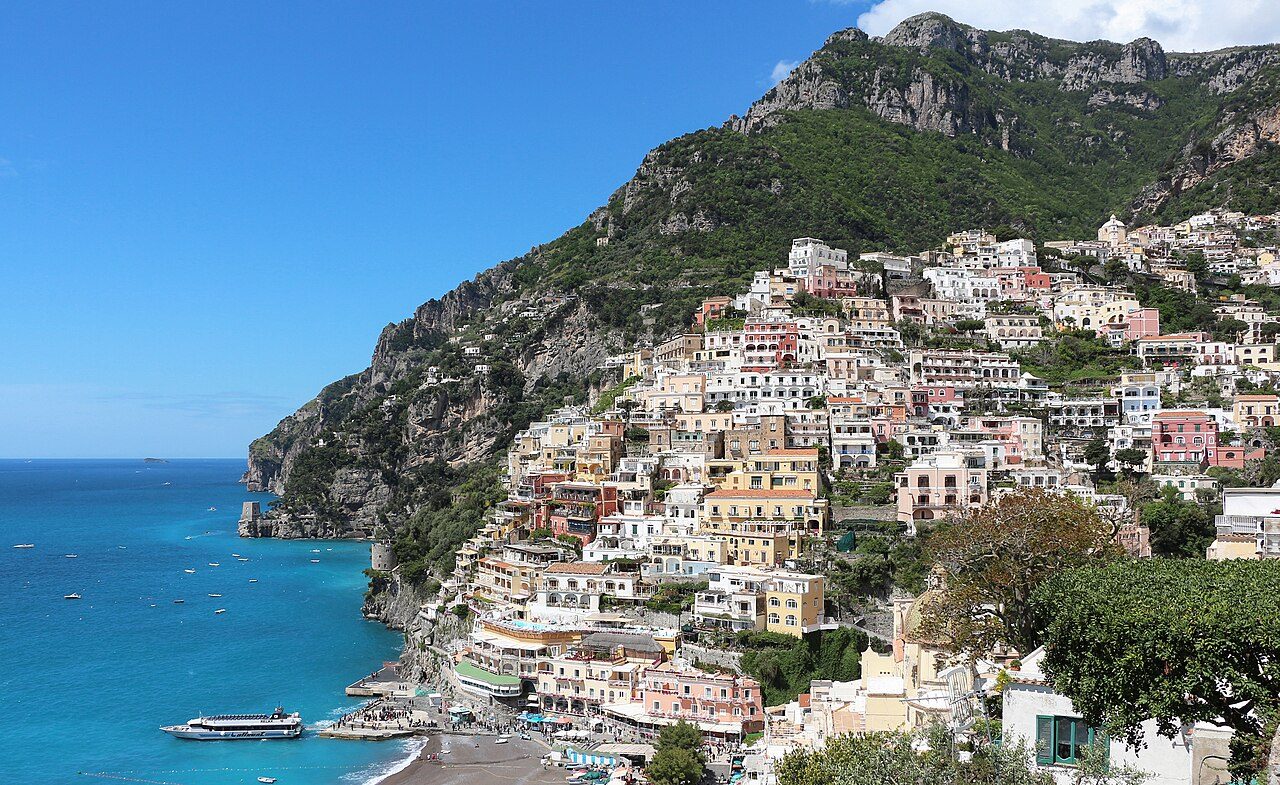
Positano is a village on the Amalfi Coast, built on a steep hillside above the sea. Its pastel-coloured houses tumble down to a beach lined with umbrellas and fishing boats. Steep stairways and lanes are lined with shops selling linen clothes and sandals. The Church of Santa Maria Assunta has a dome covered in coloured tiles.
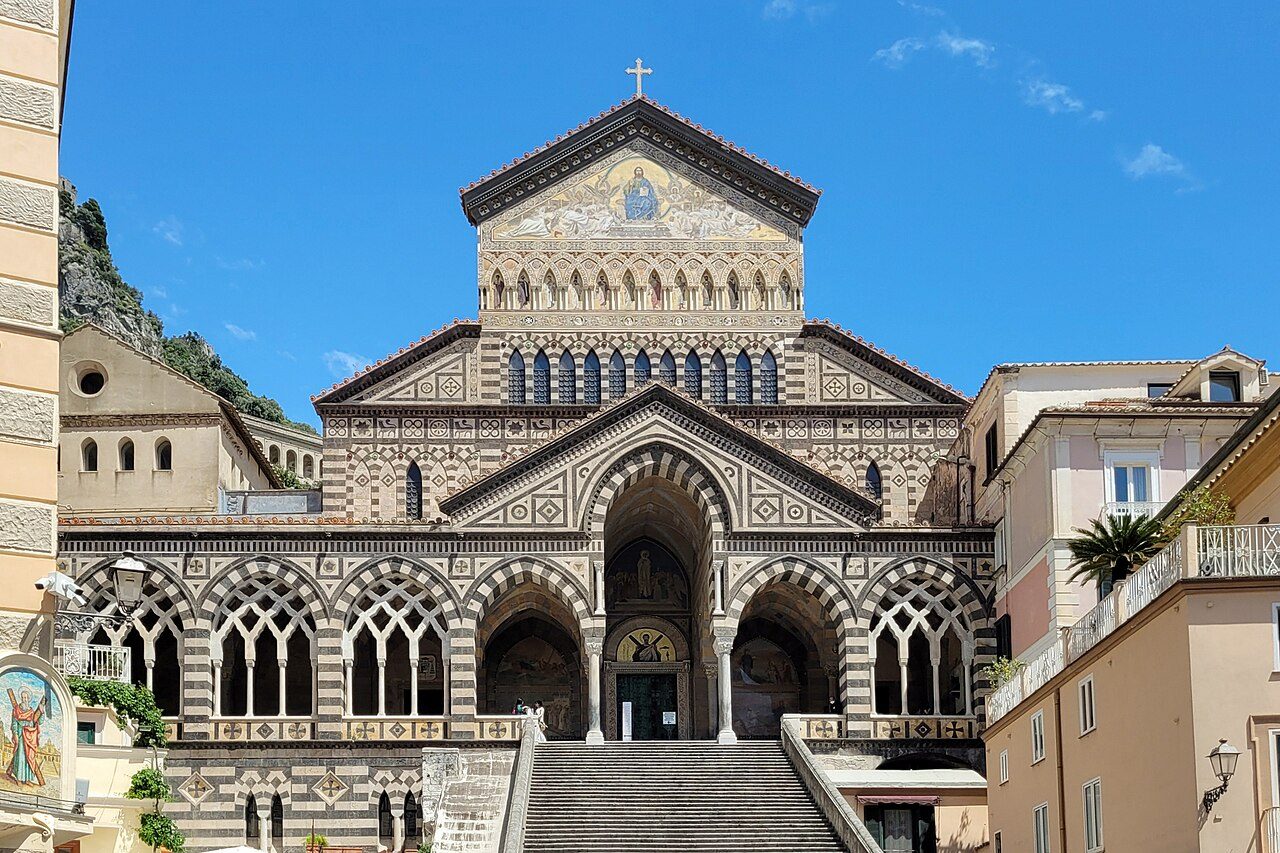
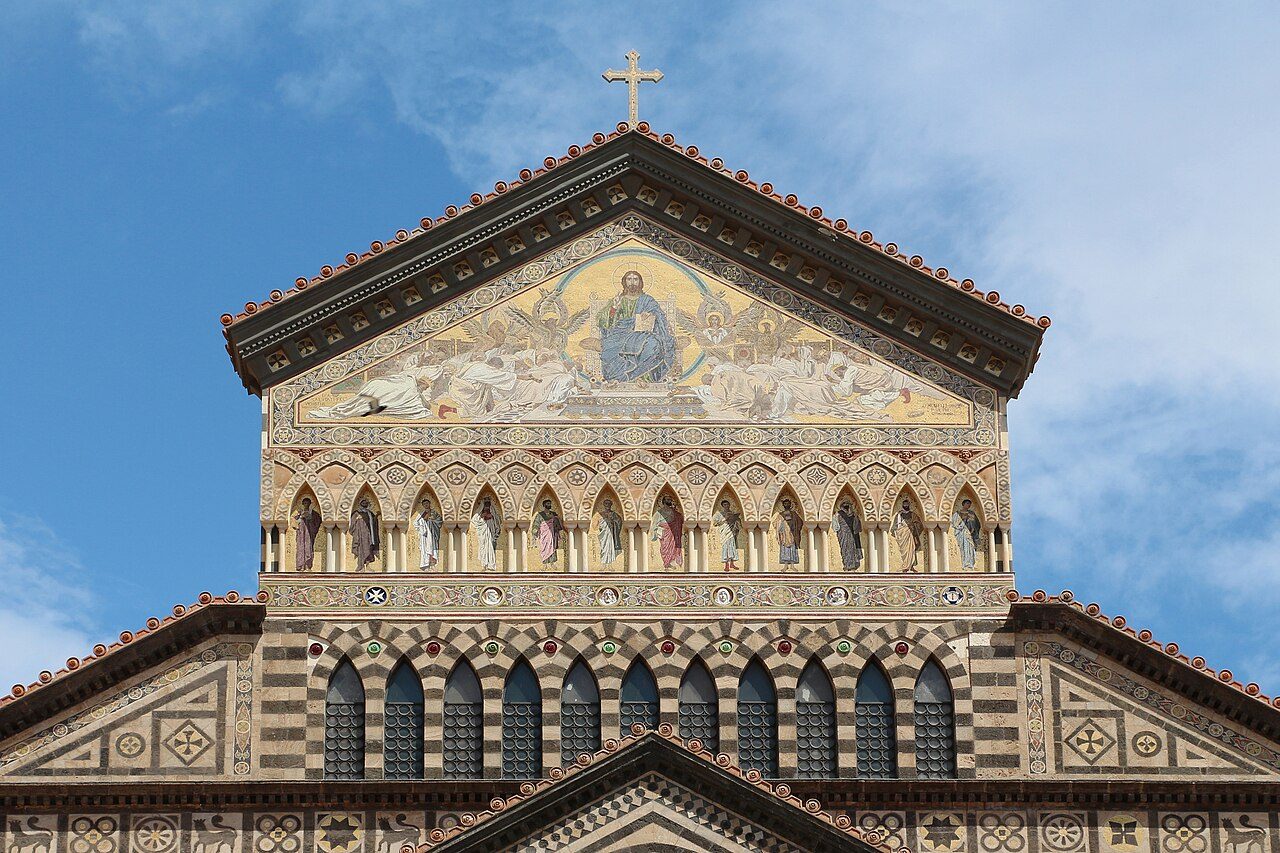
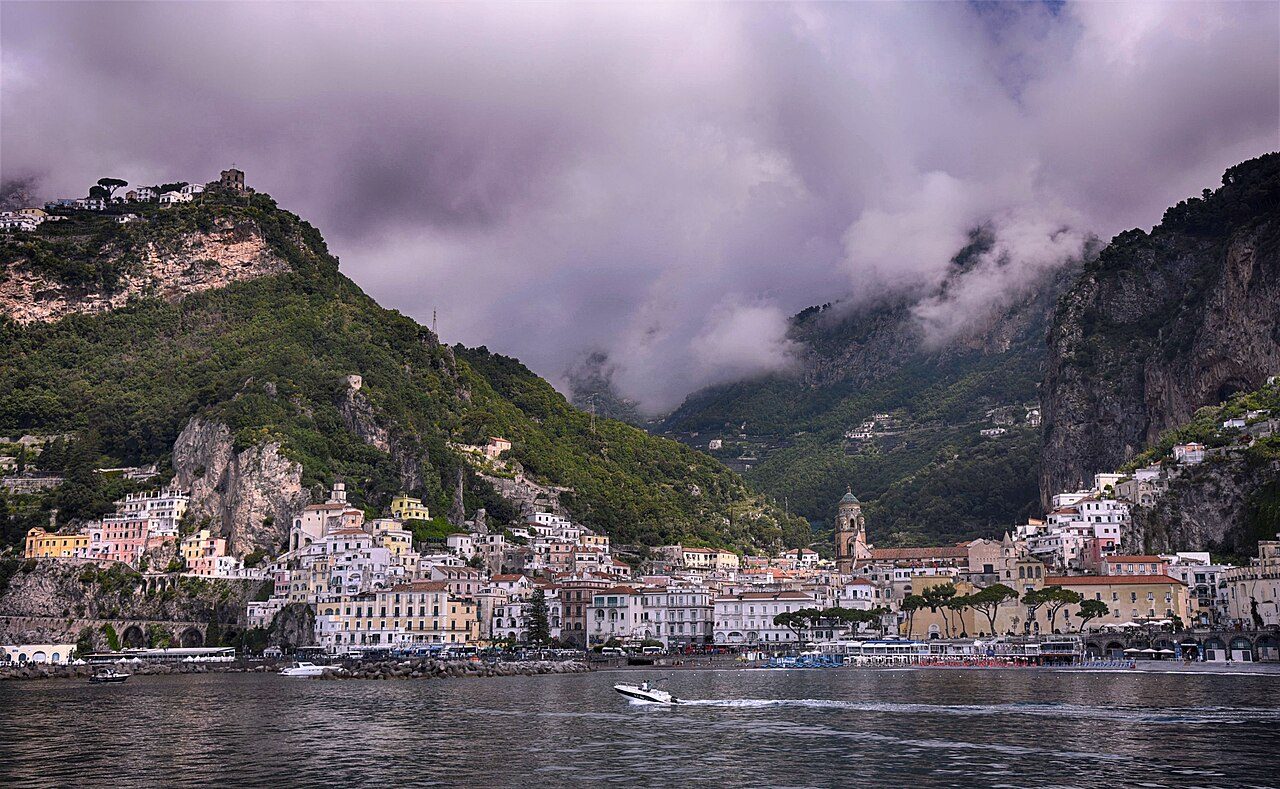
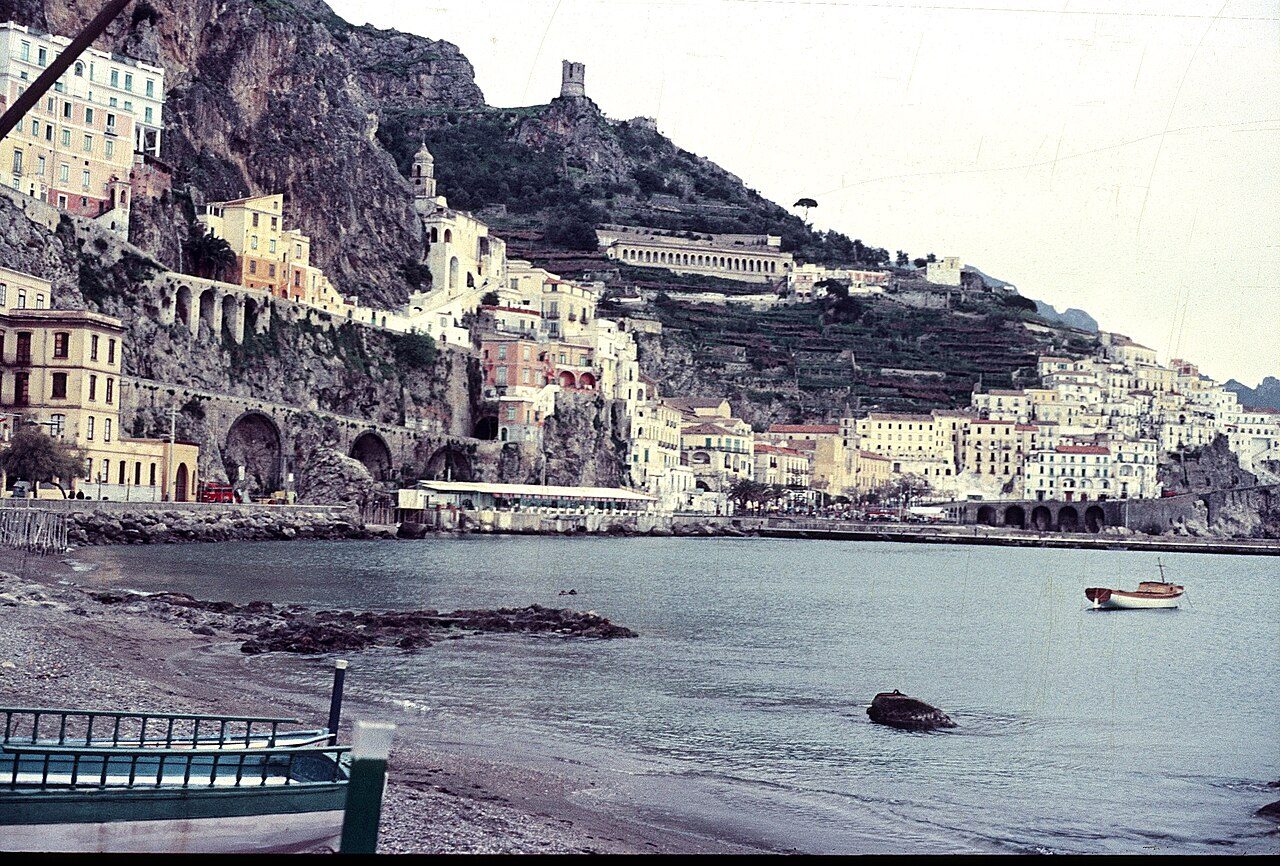
Amalfi was a powerful maritime republic in the Middle Ages and gives its name to the Amalfi Coast. Its cathedral of Saint Andrew, with a striped facade and a grand staircase, dominates the main square. The town is known for its lemons, limoncello and handmade paper. The coast is a UNESCO World Heritage Site.
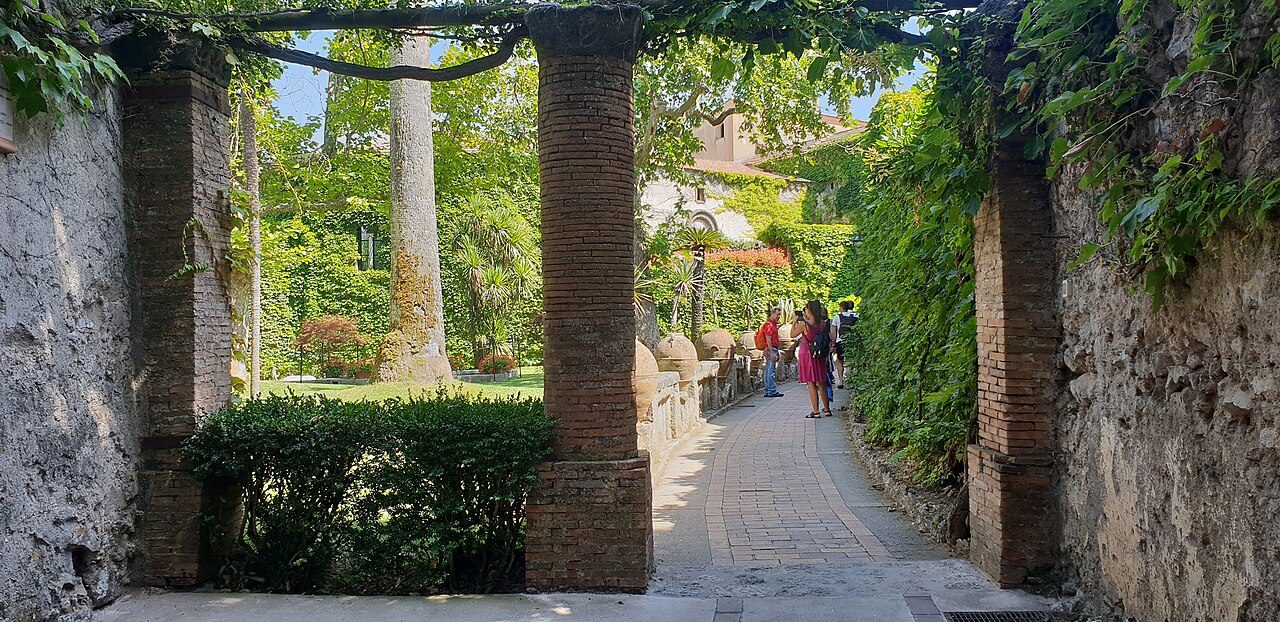
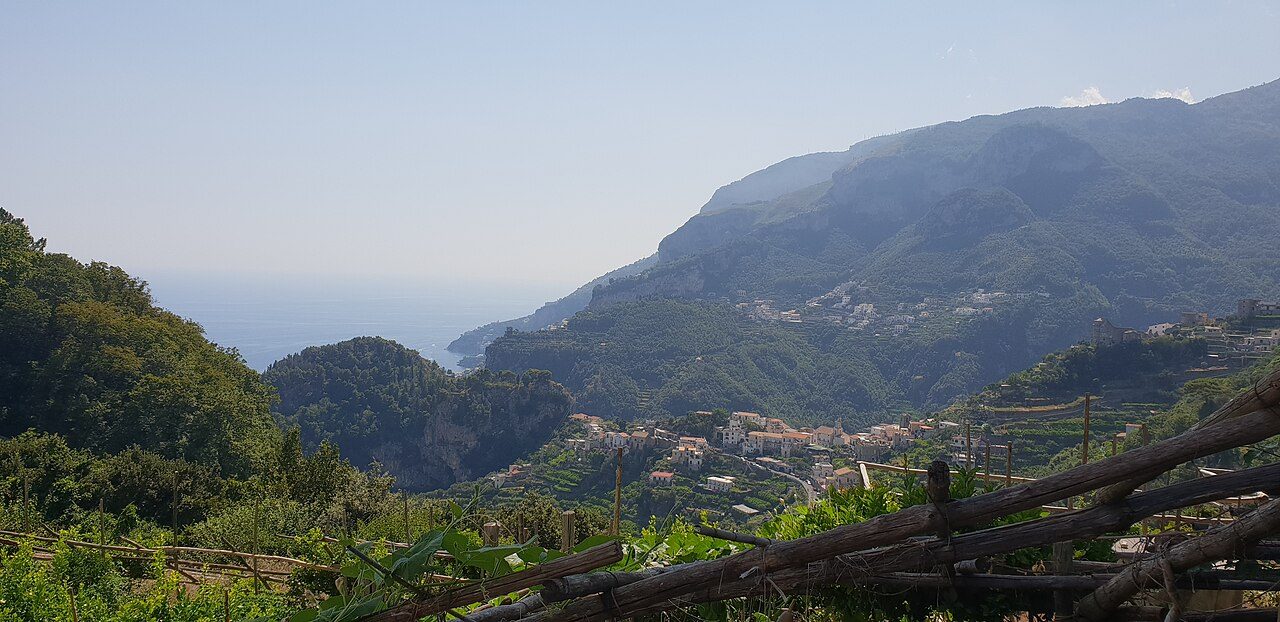
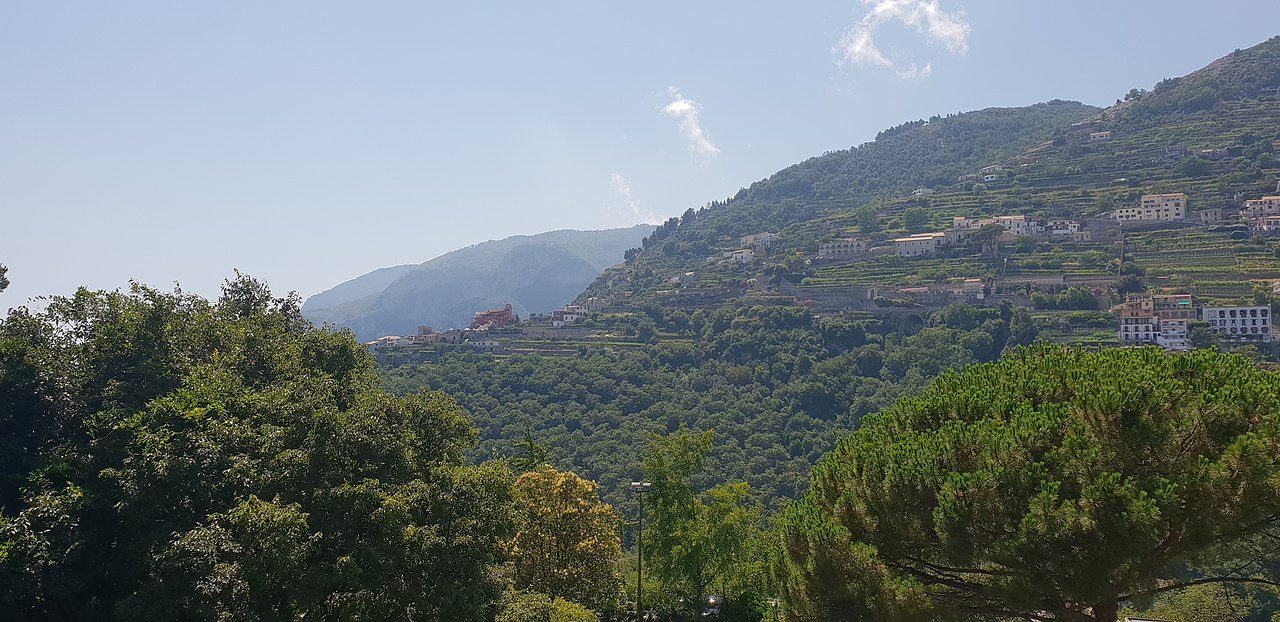
Ravello is a town high above the Amalfi Coast, about 350 metres above the sea. It is famous for its gardens and views. Villa Rufolo, with its terraced gardens, inspired the composer Wagner and hosts a summer music festival. Villa Cimbrone's Terrace of Infinity, lined with statues, looks out over the coast.
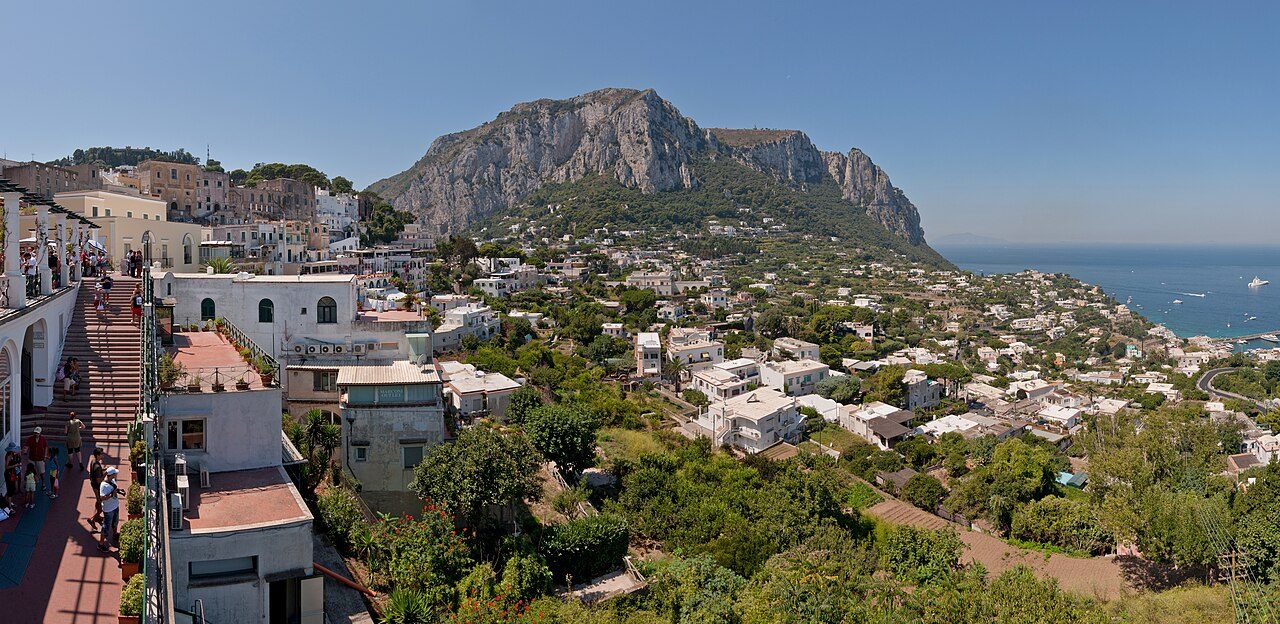
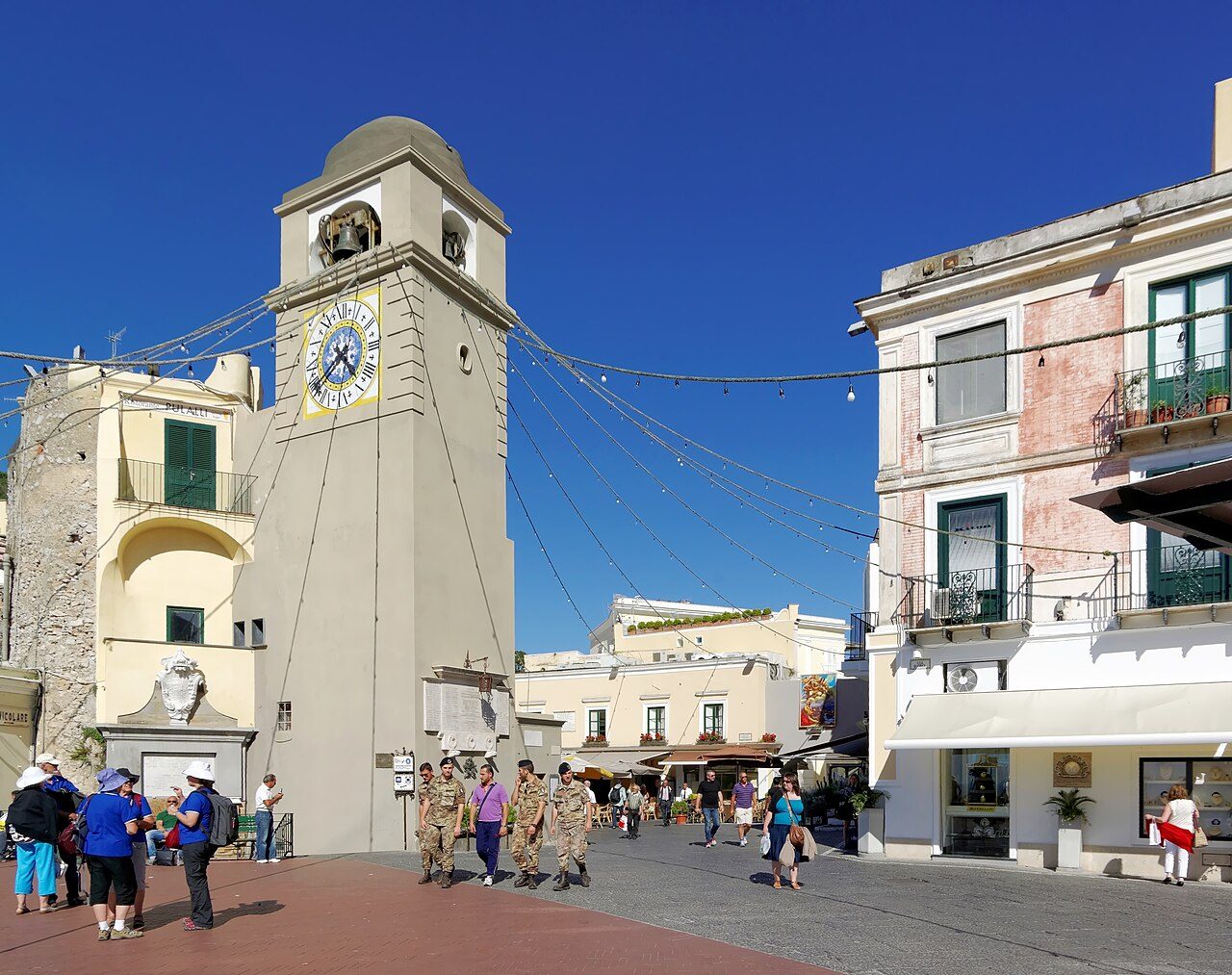
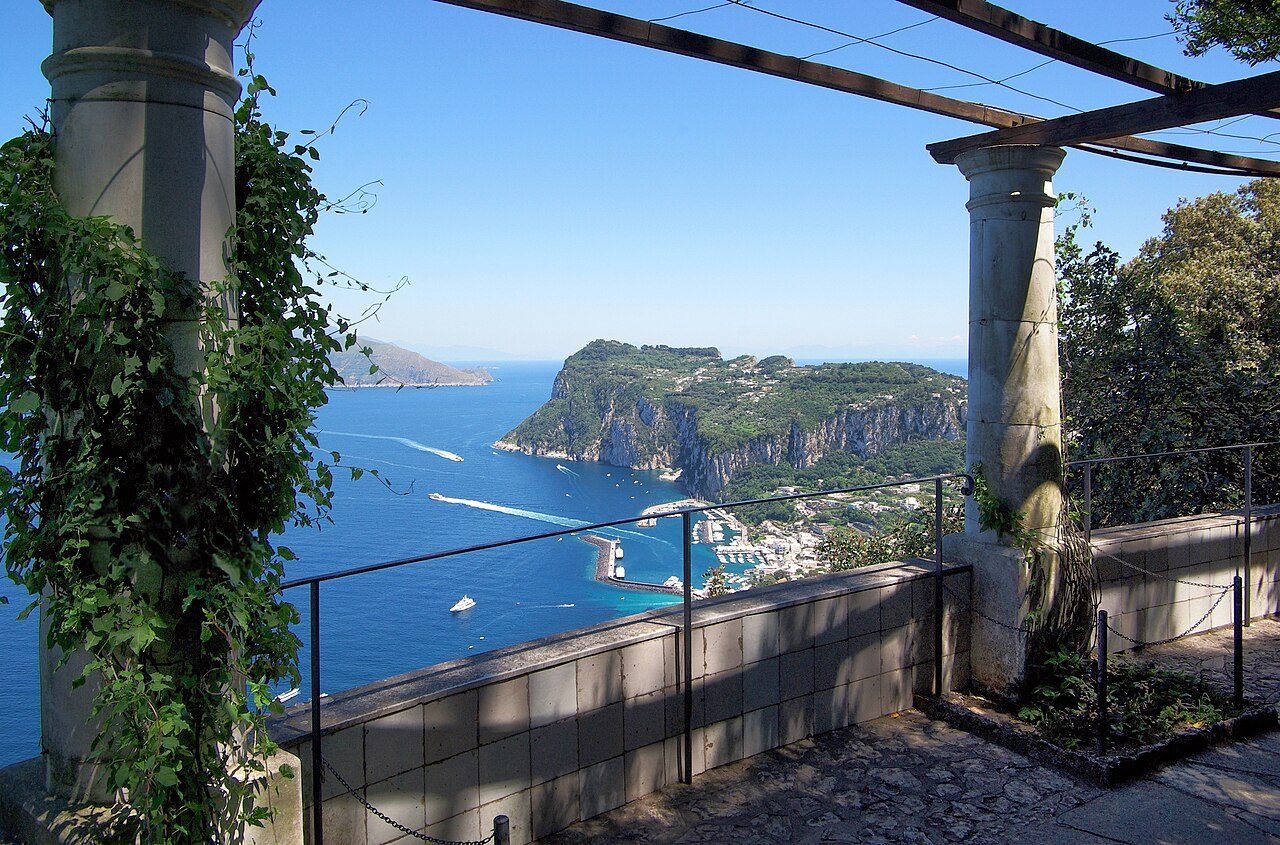
Capri is an island in the Bay of Naples, loved since Roman times; Emperor Tiberius ruled from here. Its Piazzetta is a famous meeting place. The Faraglioni, three rock stacks rising from the sea, are its symbol. Villa Jovis, the gardens of Augustus and Monte Solaro, reached by chairlift, give spectacular views.
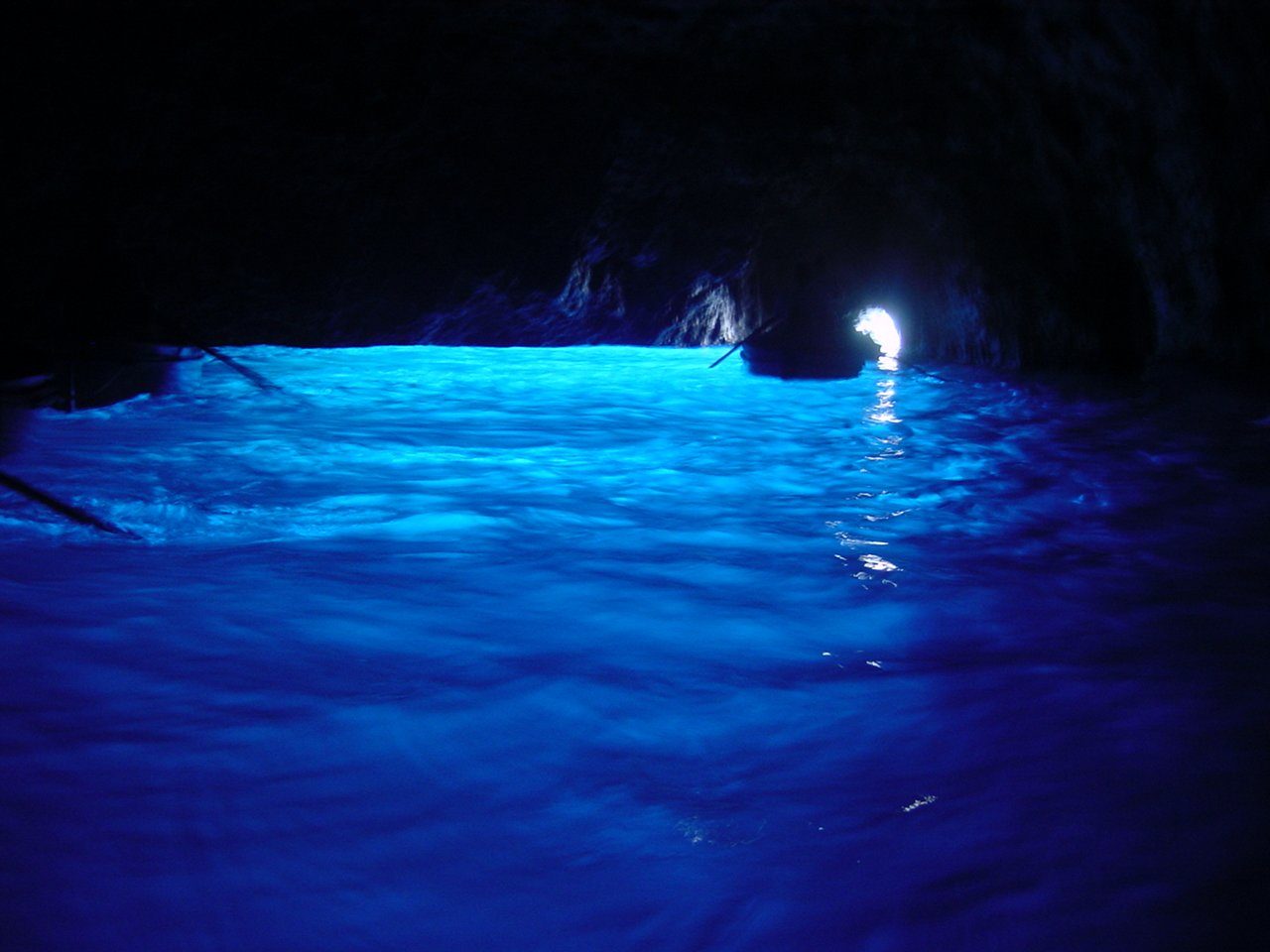
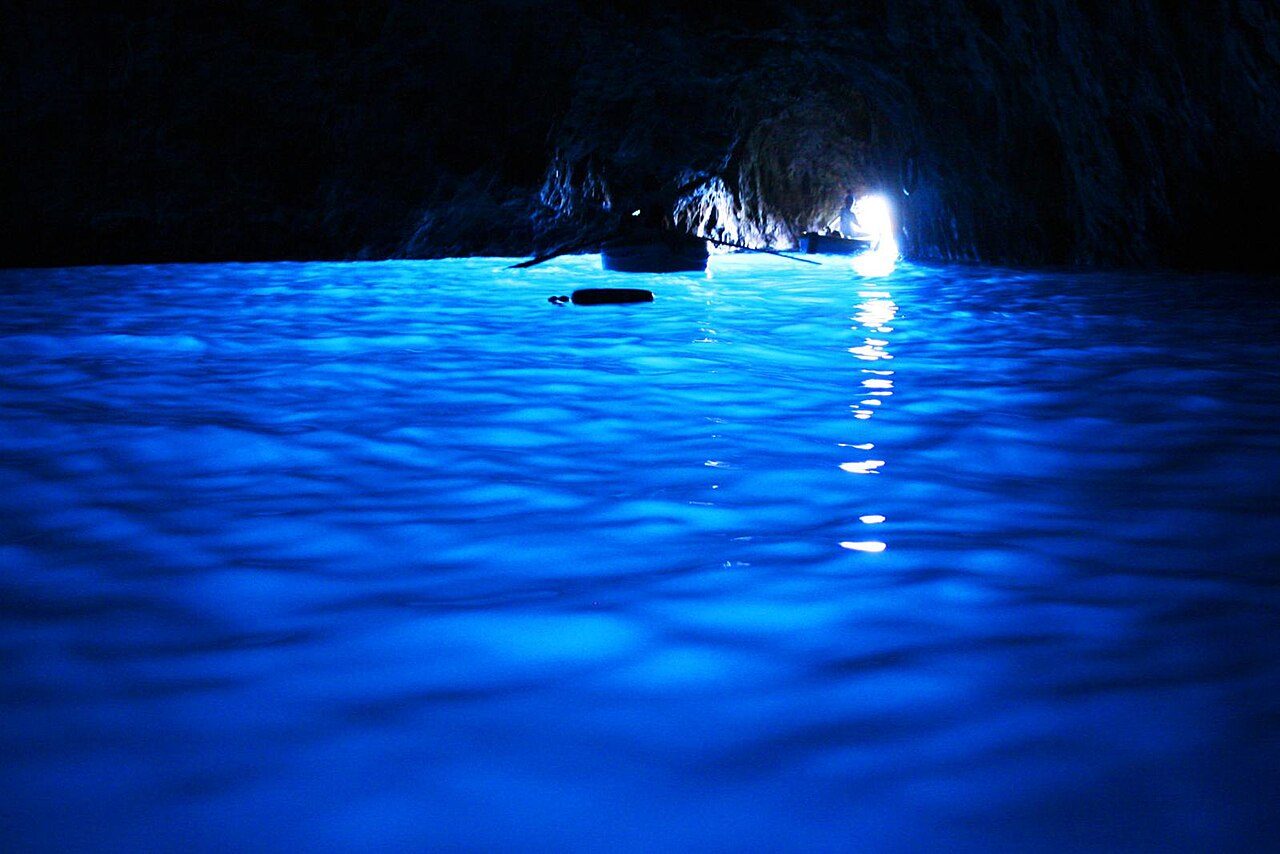
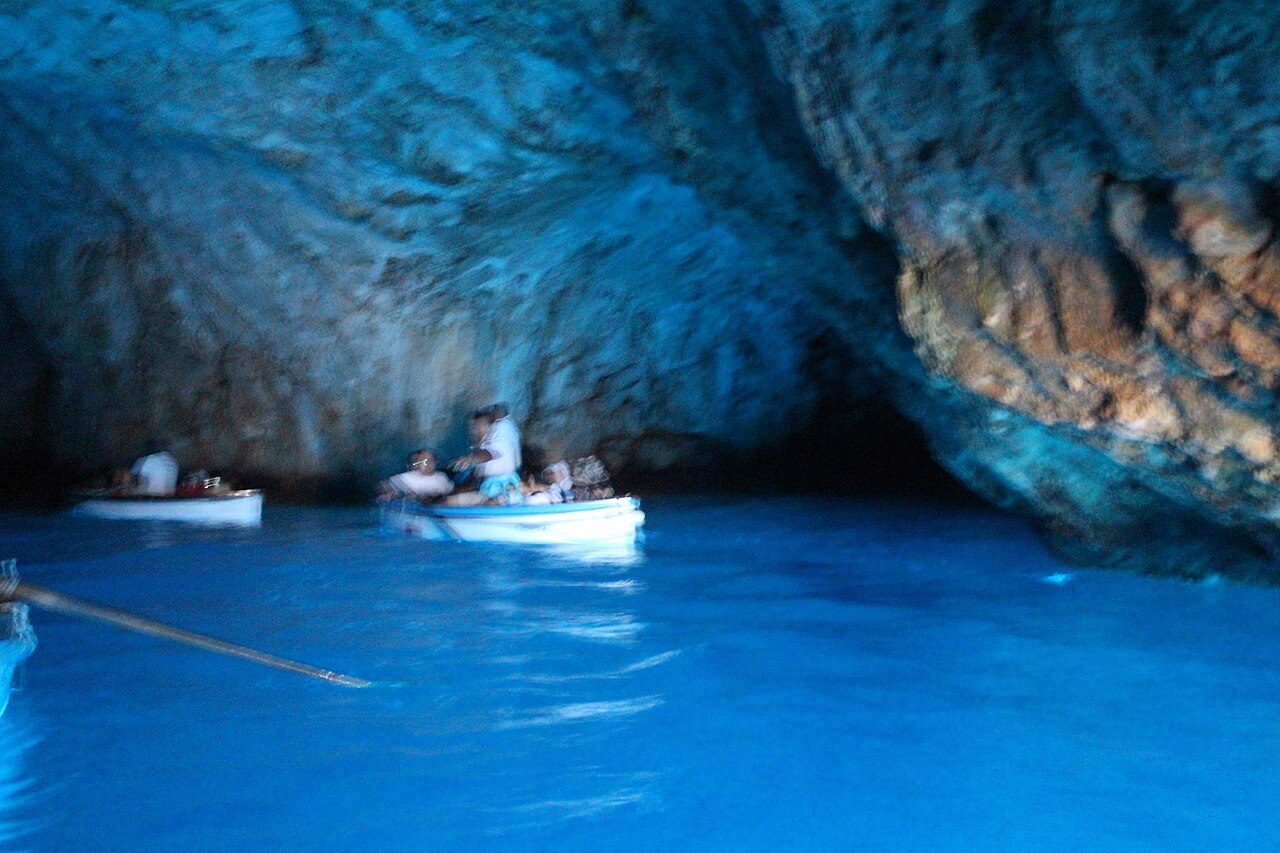
The Blue Grotto is a sea cave on the coast of Capri. Sunlight enters through an underwater opening and lights the water with an intense blue glow. Visitors lie down in small rowing boats to pass through the low entrance, about one metre high. The Romans used the cave as a nymphaeum. Visits depend on calm seas.
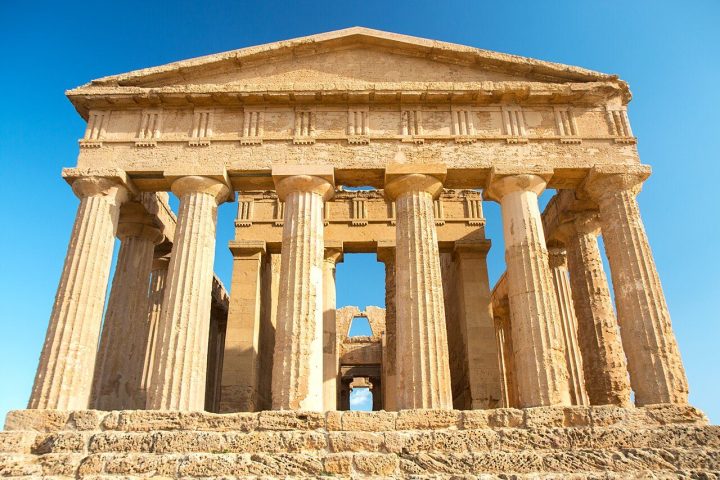
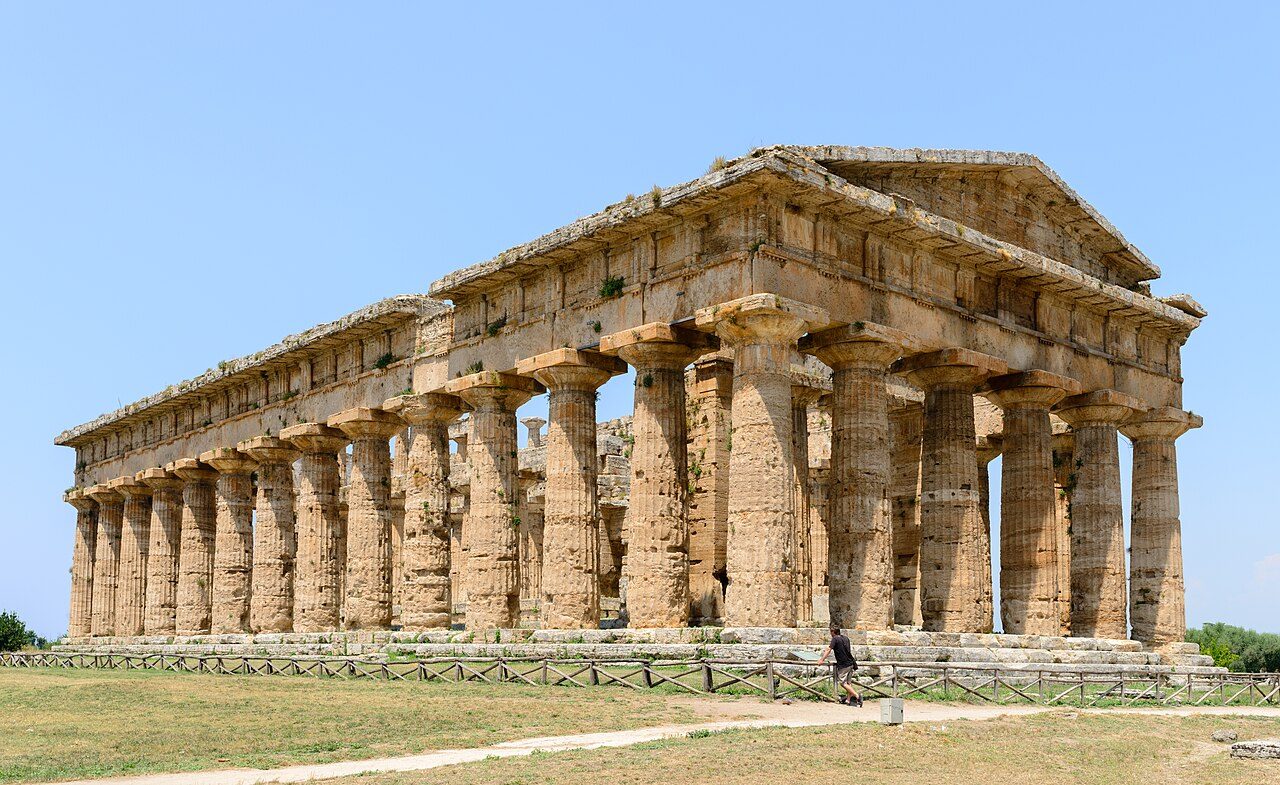
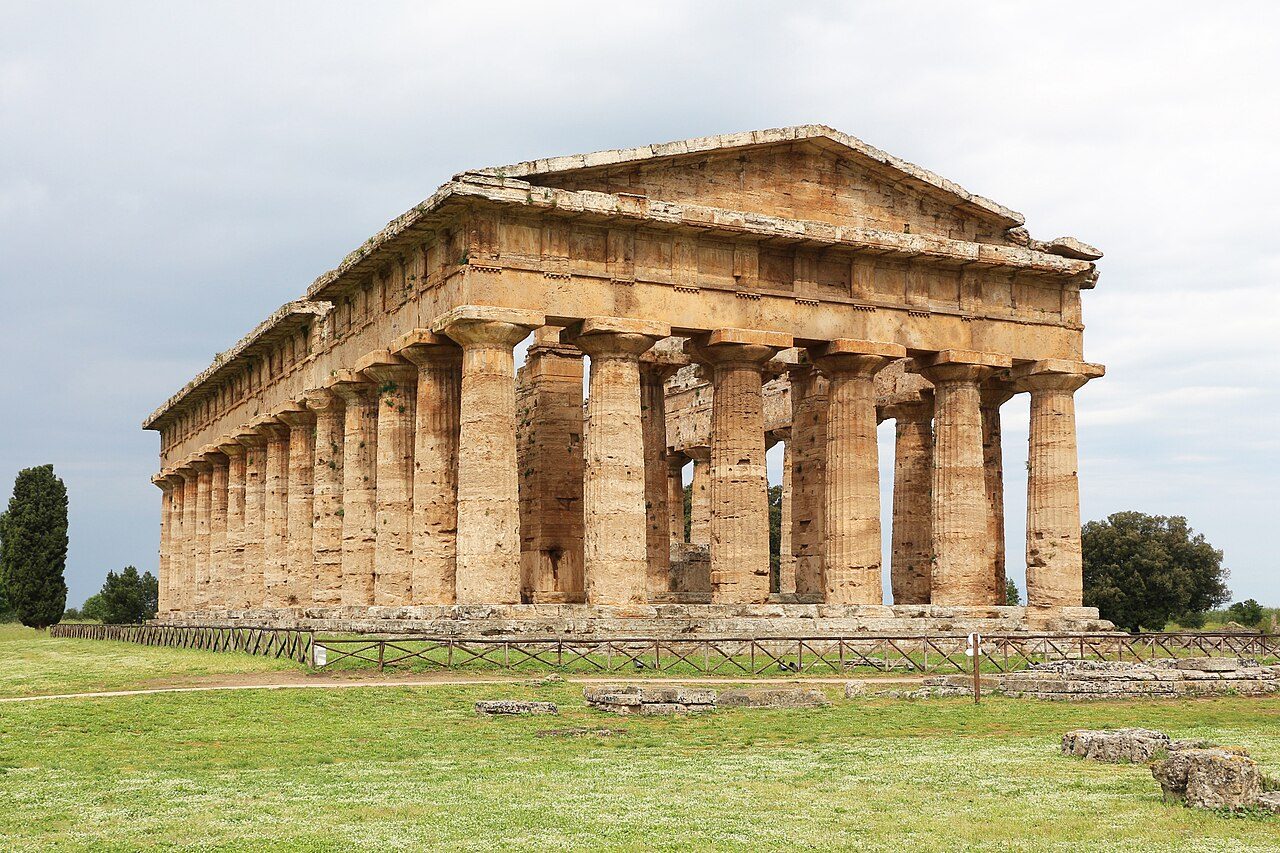
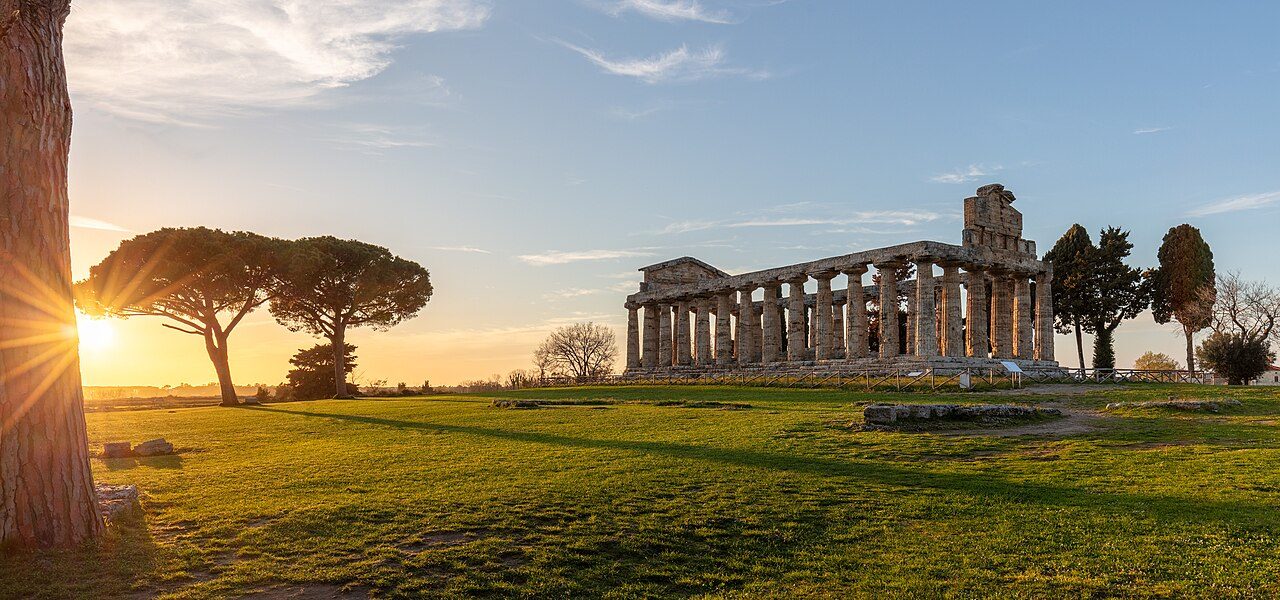
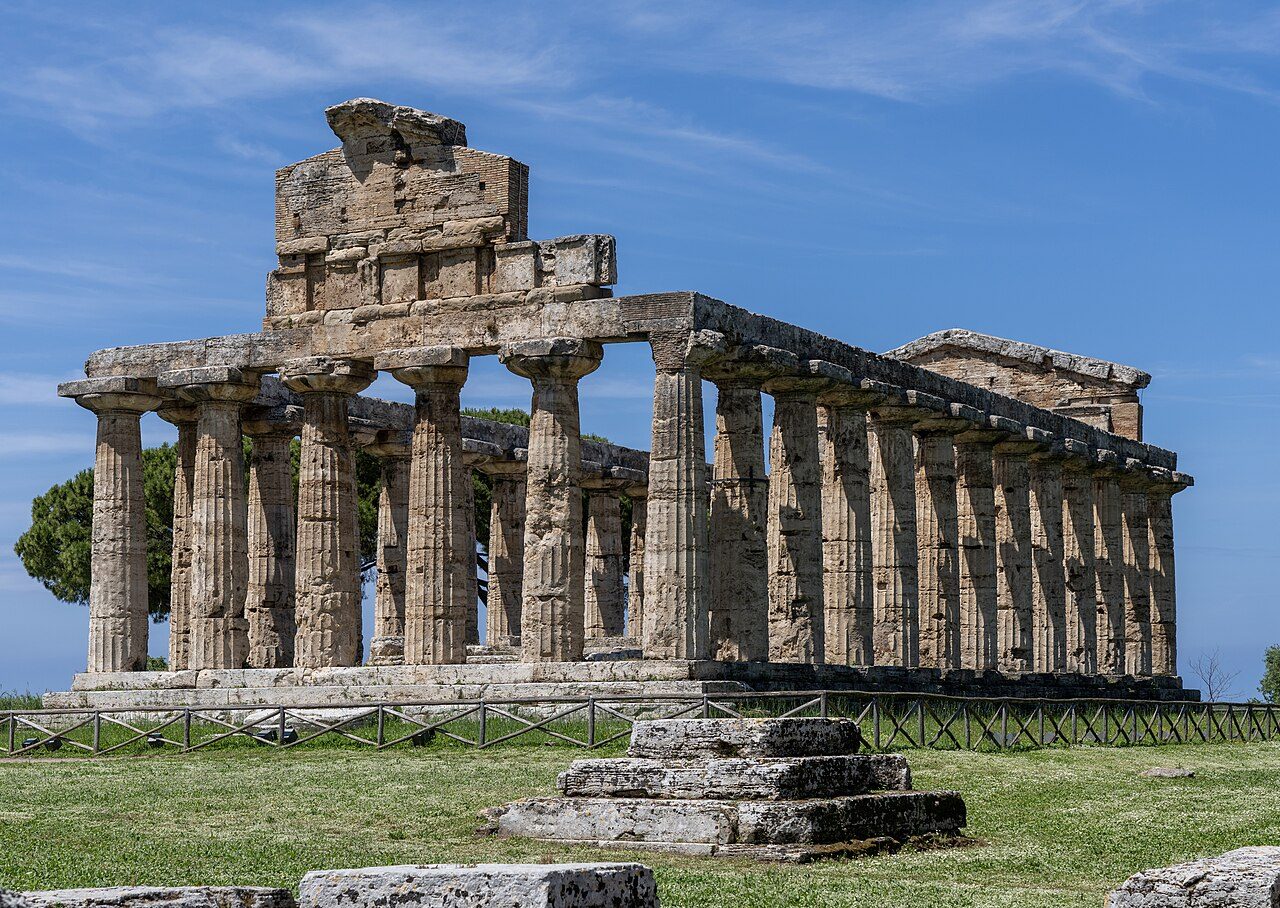
Paestum was a Greek colony on the coast south of Salerno, founded around 600 BC. It has three of the best preserved ancient Greek temples in the world, including the Temple of Neptune and the Temple of Hera. Its museum holds the painted Tomb of the Diver. It is a UNESCO World Heritage Site.
11
STOP 11 OF 11 · LAST STOP
Royal Palace of Caserta
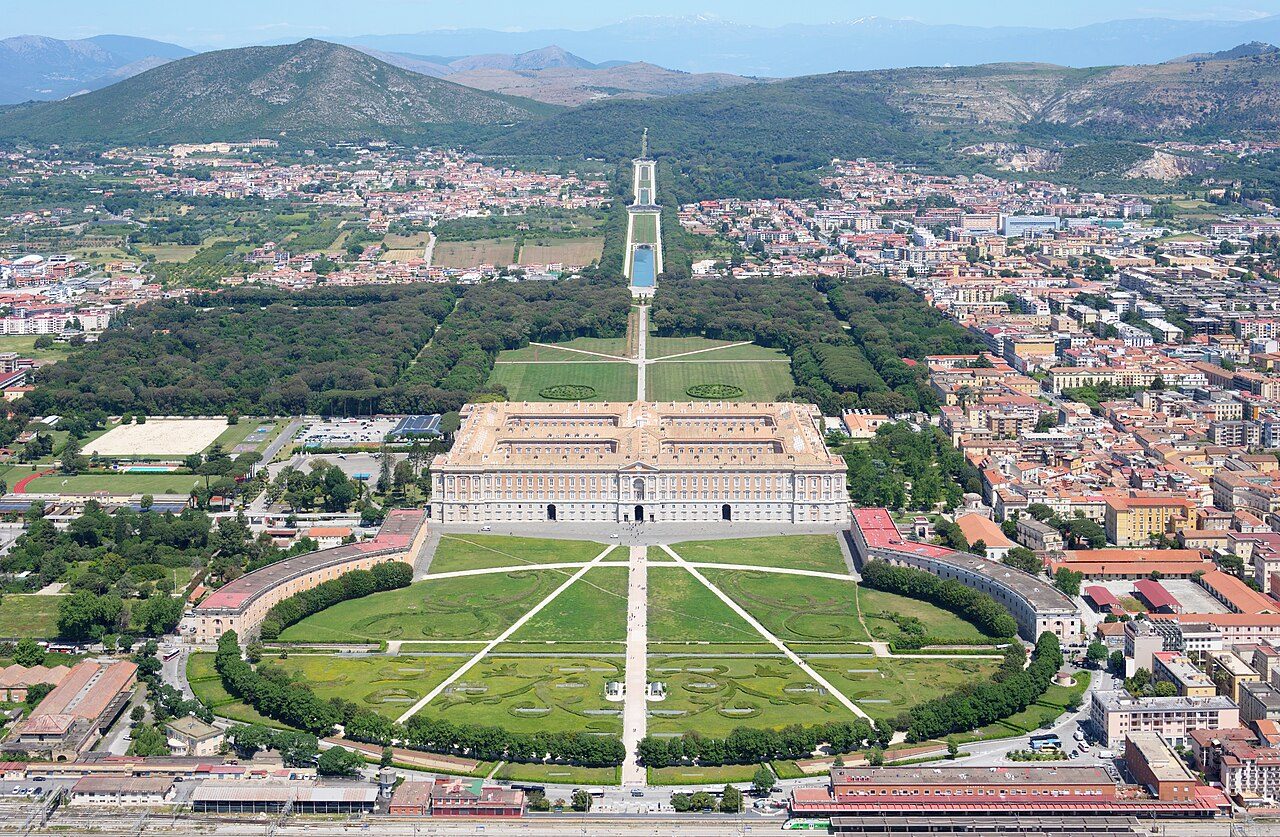
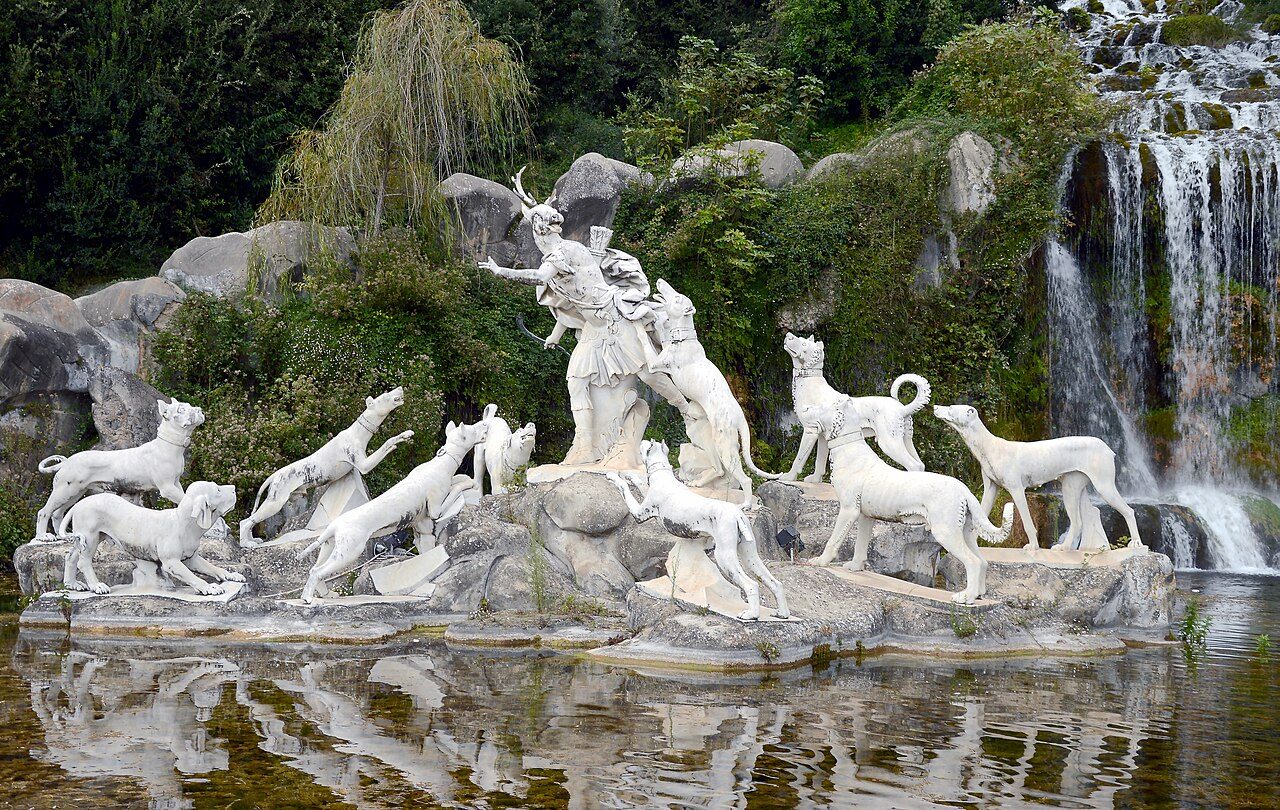
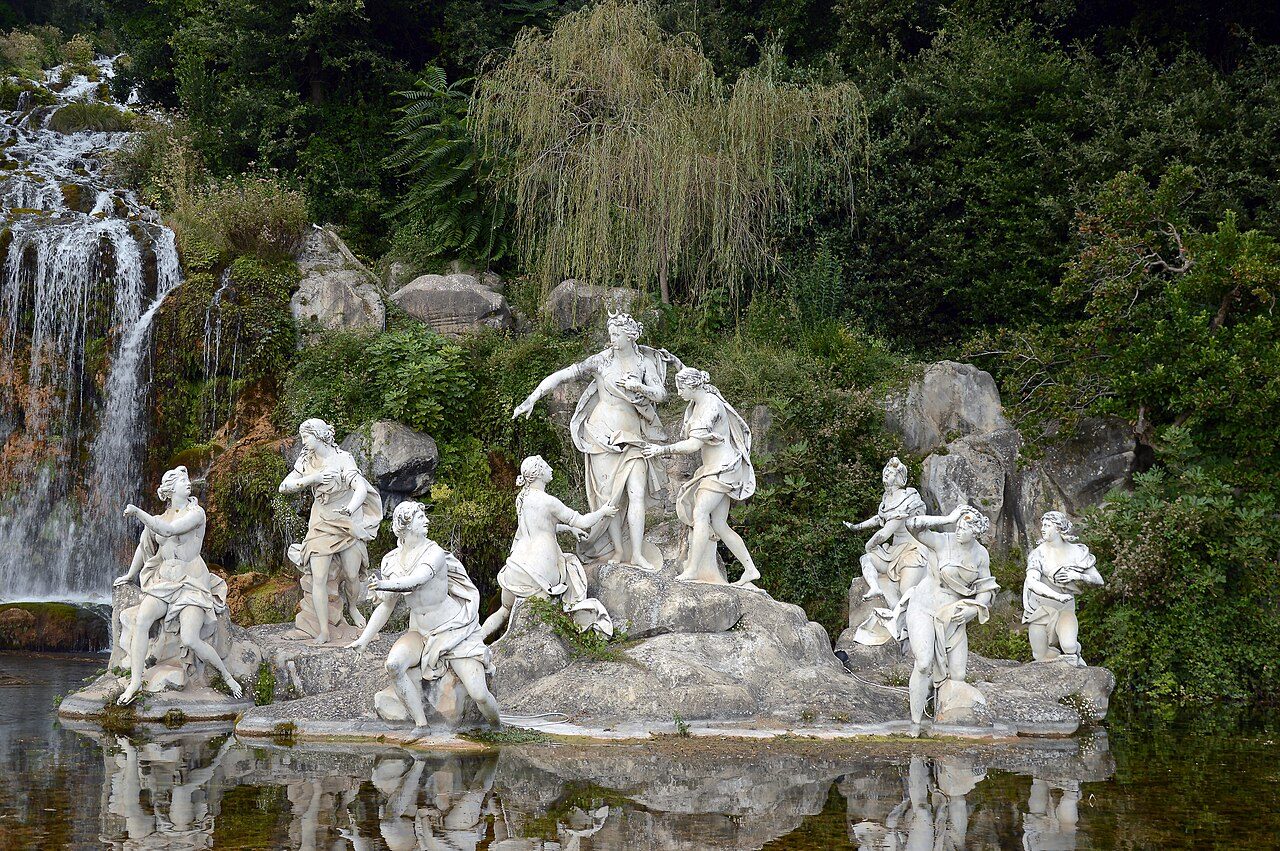
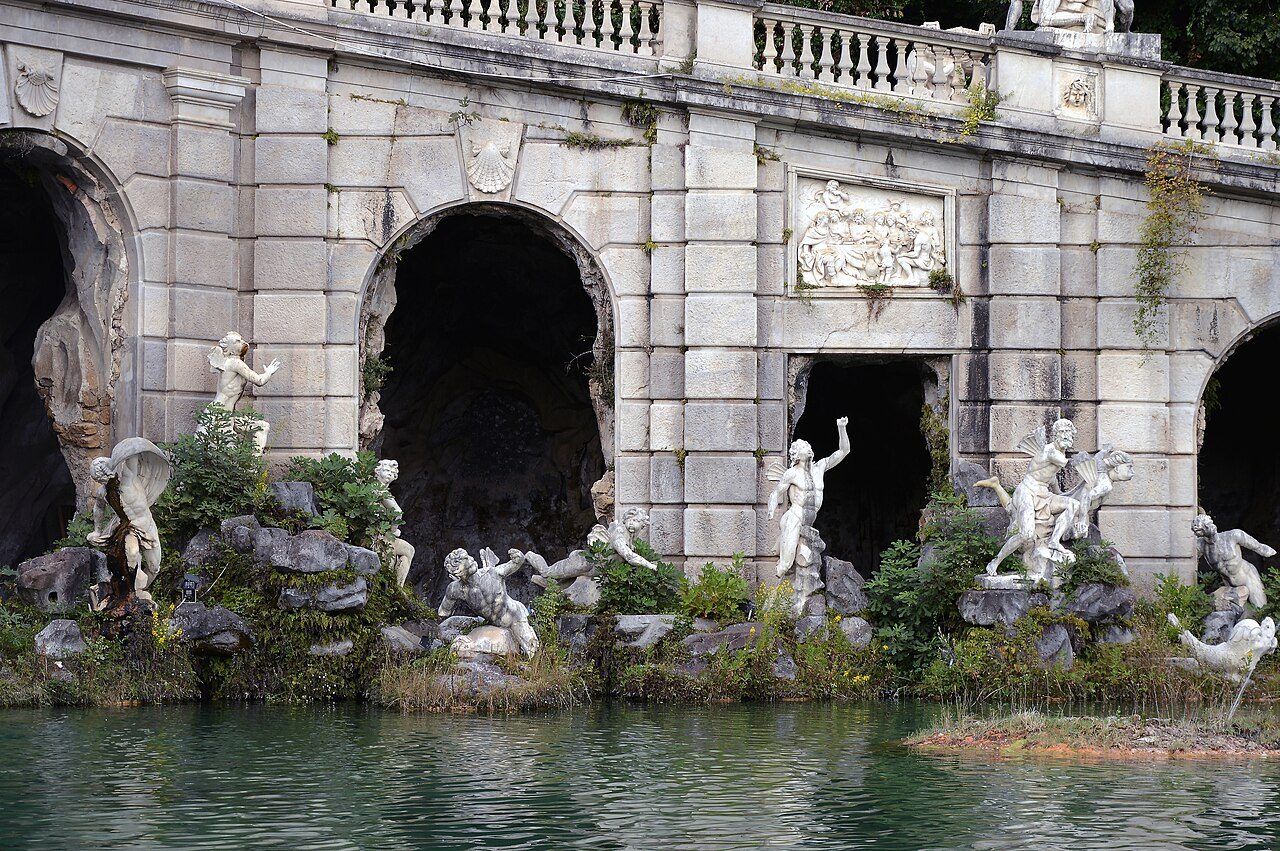
The Royal Palace of Caserta was built from 1752 for the Bourbon kings of Naples, designed by Luigi Vanvitelli. With about 1,200 rooms, it is one of the largest royal palaces in the world. Its park stretches for about three kilometres to a great waterfall, with fountains and pools along the way. It is a UNESCO World Heritage Site.
Seasons from 20 years of NASA POWER climate data.
 WaTrips




 BikesBooking
 Localrent
 Airalo
 Tiqets