Palermo and Monreale, Cefalù, Segesta, the Valley of the Temples and Scala dei Turchi, Ortigia, Mount Etna and Taormina.
Sicily has been Greek, Roman, Arab, Norman and Spanish, and it shows. Start in Palermo with its cathedral and the golden mosaics of Monreale, and the seaside town of Cefalù. See the lonely Greek temple of Segesta and the Valley of the Temples at Agrigento, then the white cliffs of the Scala dei Turchi. Explore Ortigia, the old island heart of Syracuse, hike on Mount Etna, Europe's most active volcano, and finish in Taormina with its Greek theatre above the sea. April–June and September–October are best.
01
STOP 1 OF 9
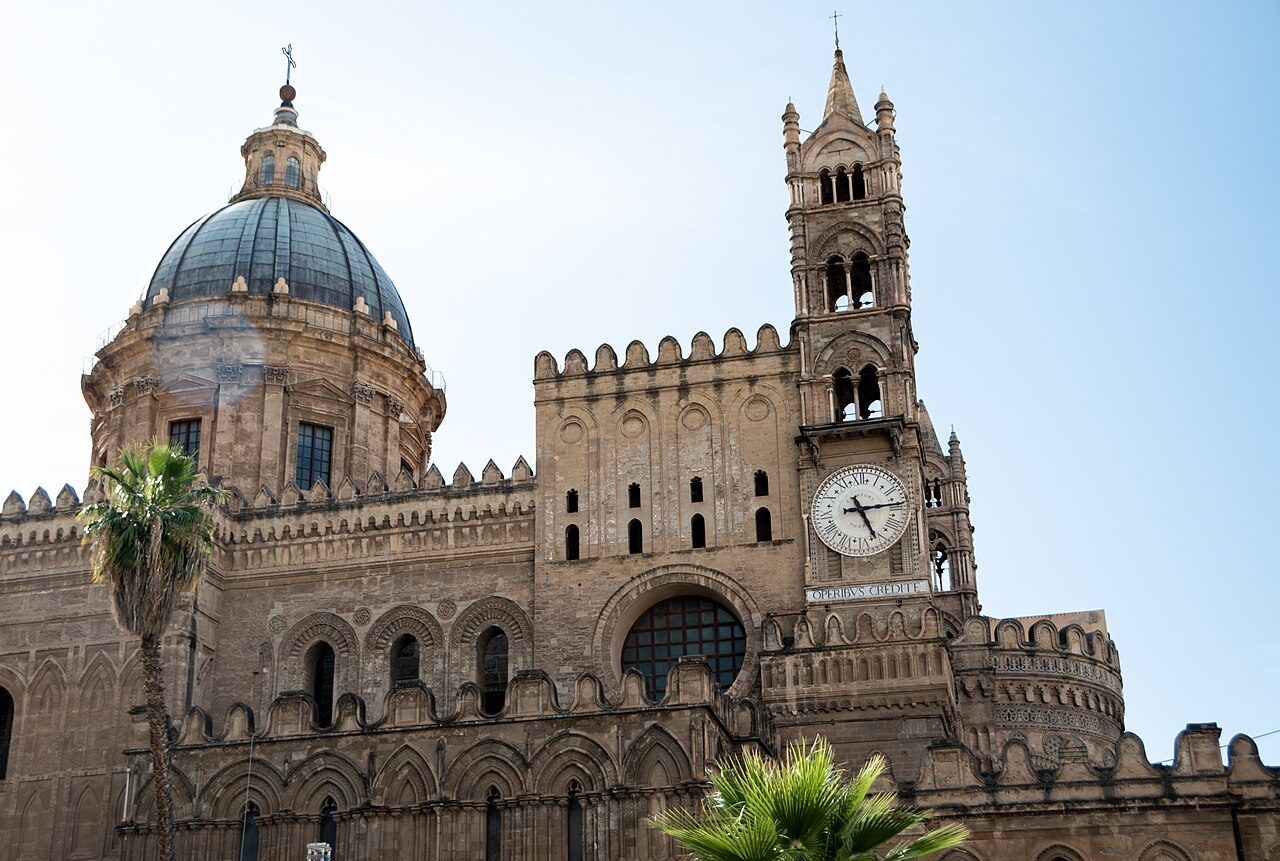
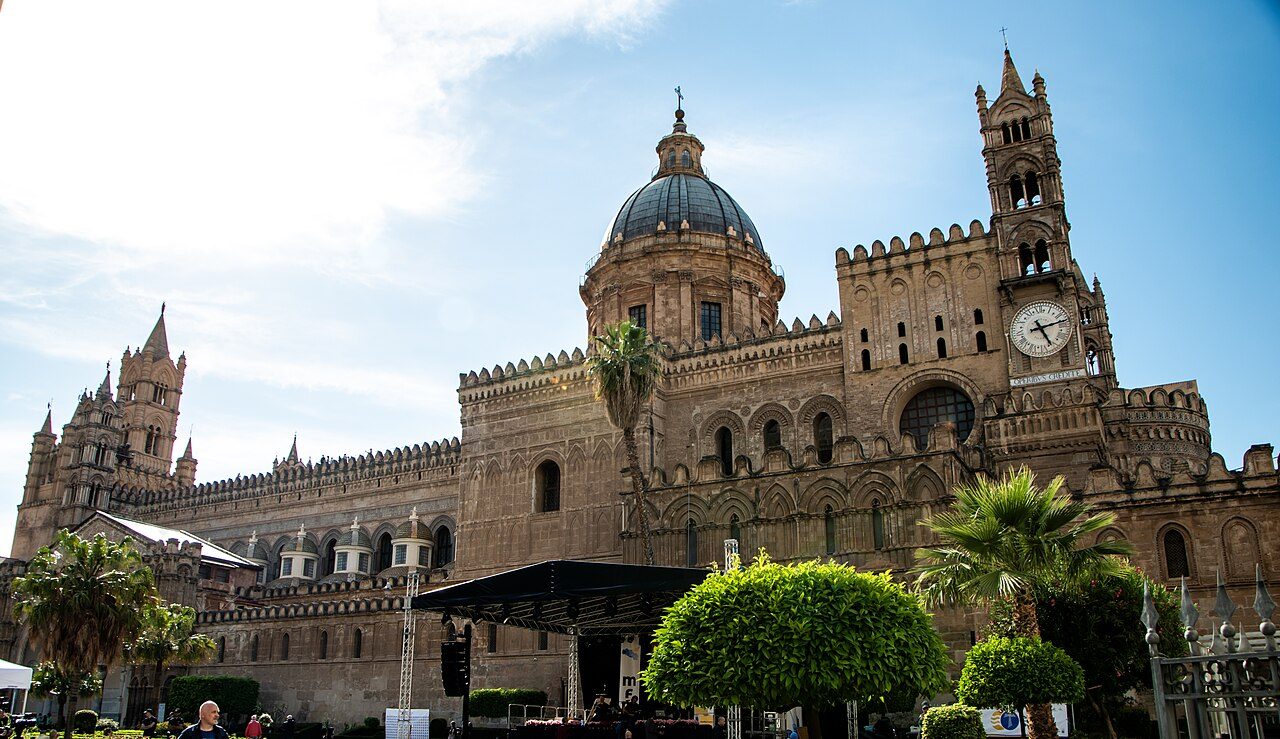
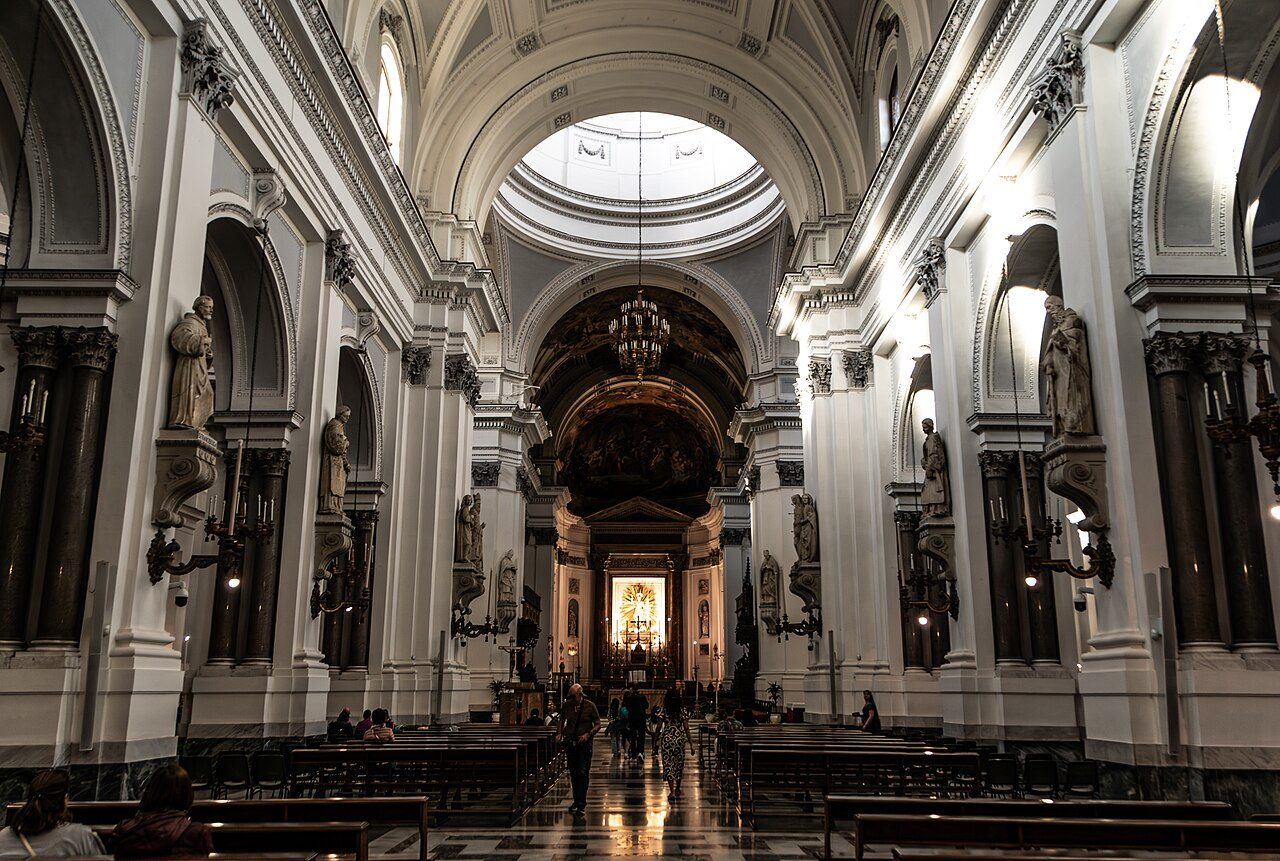
Palermo Cathedral
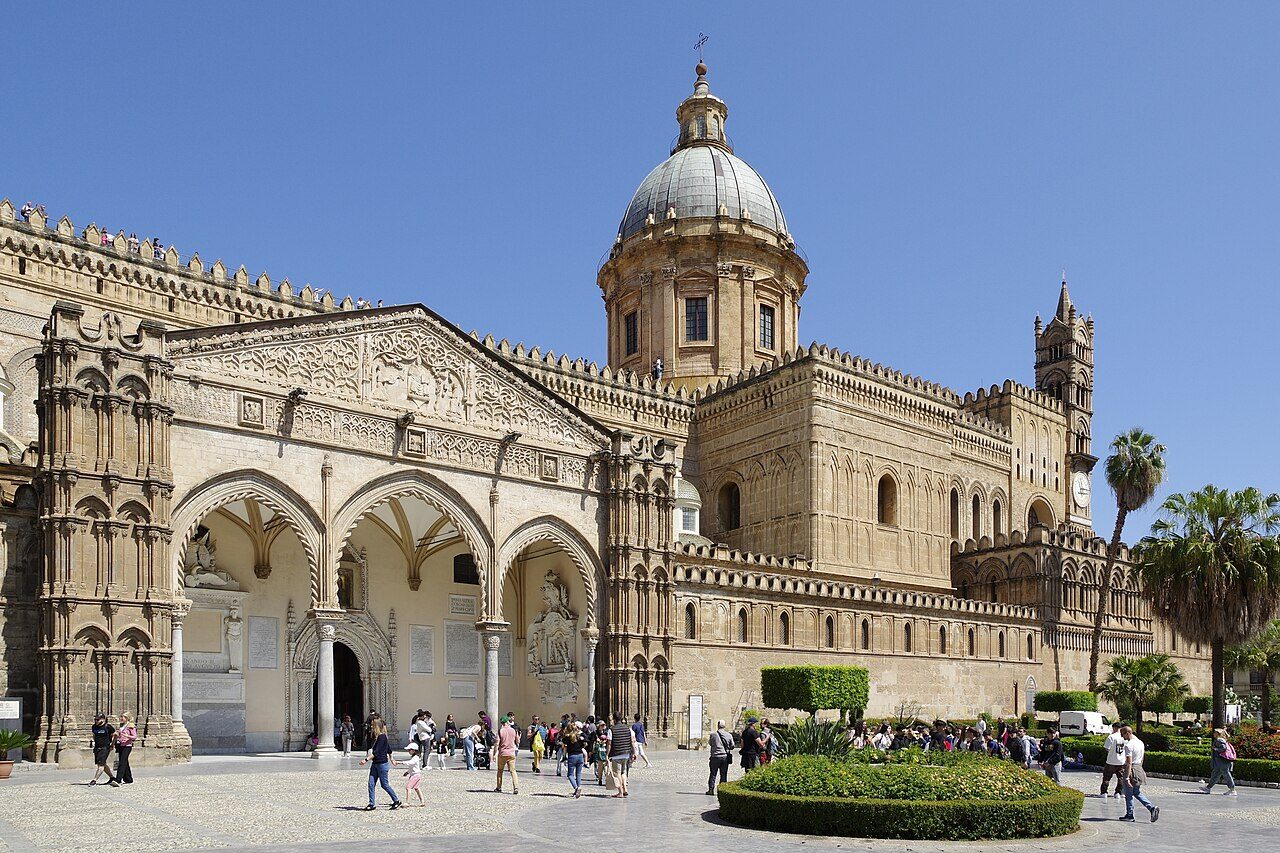
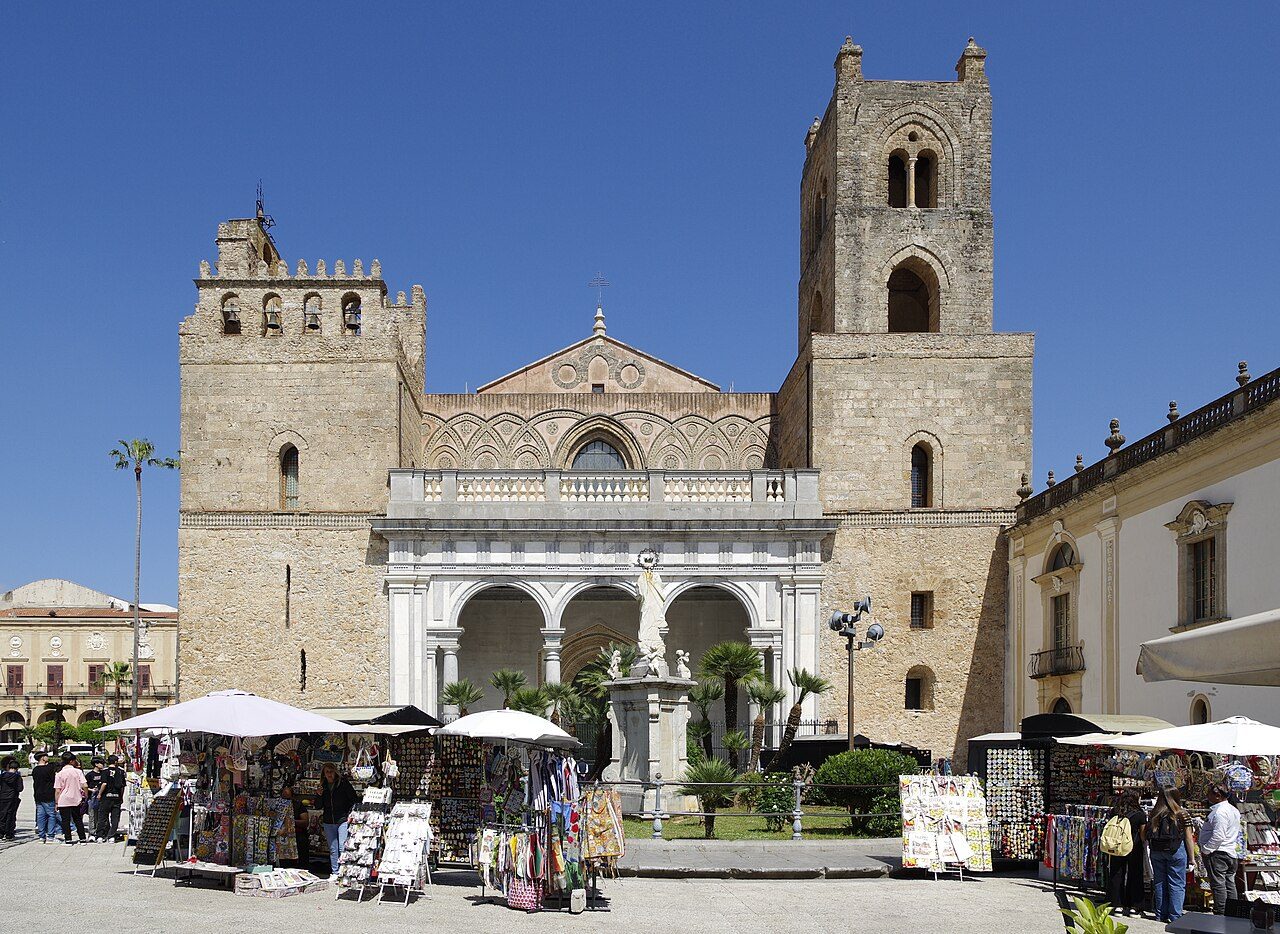
Palermo Cathedral was founded in 1185 on the site of an earlier mosque and church. Over the centuries it was changed many times, so it mixes Norman, Arab, Gothic and Baroque styles. It holds the tombs of Norman kings and Emperor Frederick II. Visitors can climb to the roof for views over Palermo. It is part of a UNESCO World Heritage Site.
02
STOP 2 OF 9
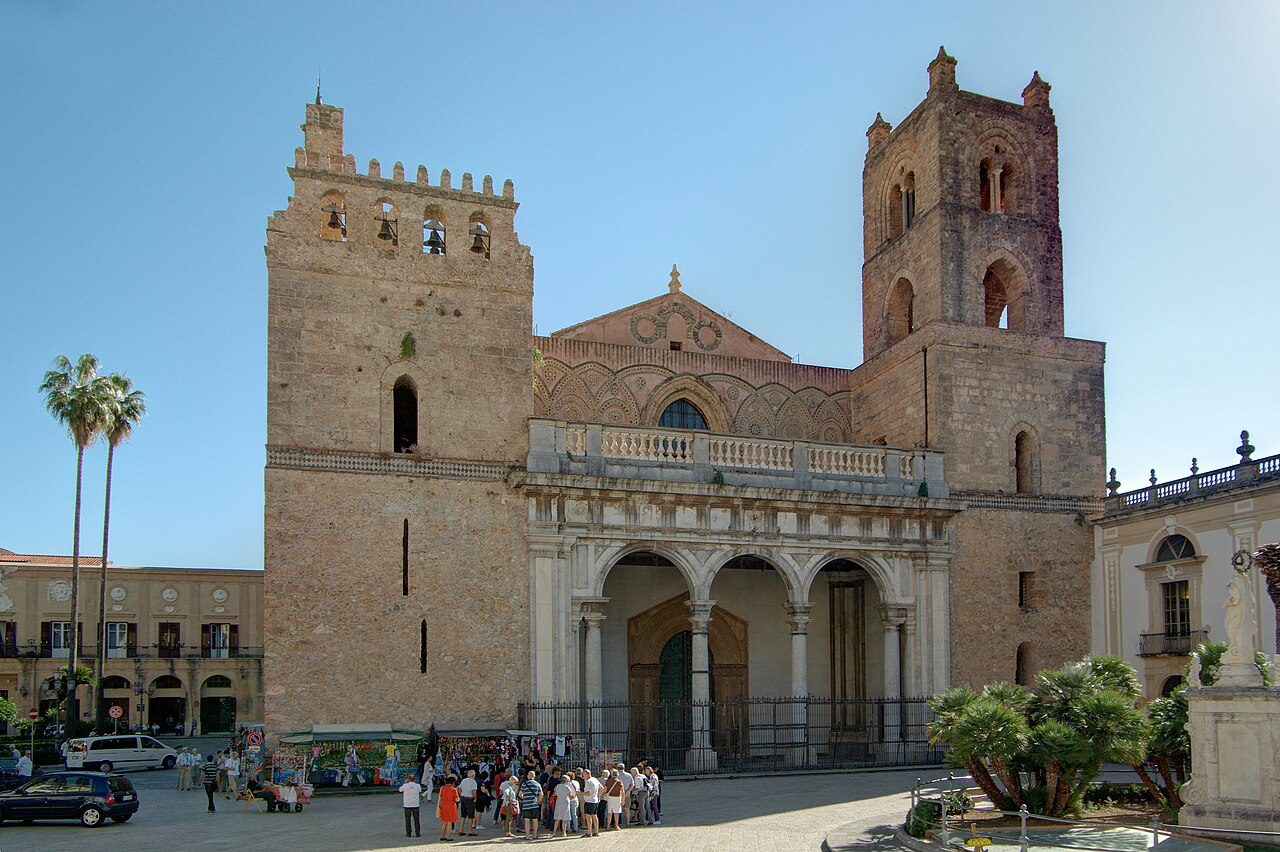
Monreale Cathedral
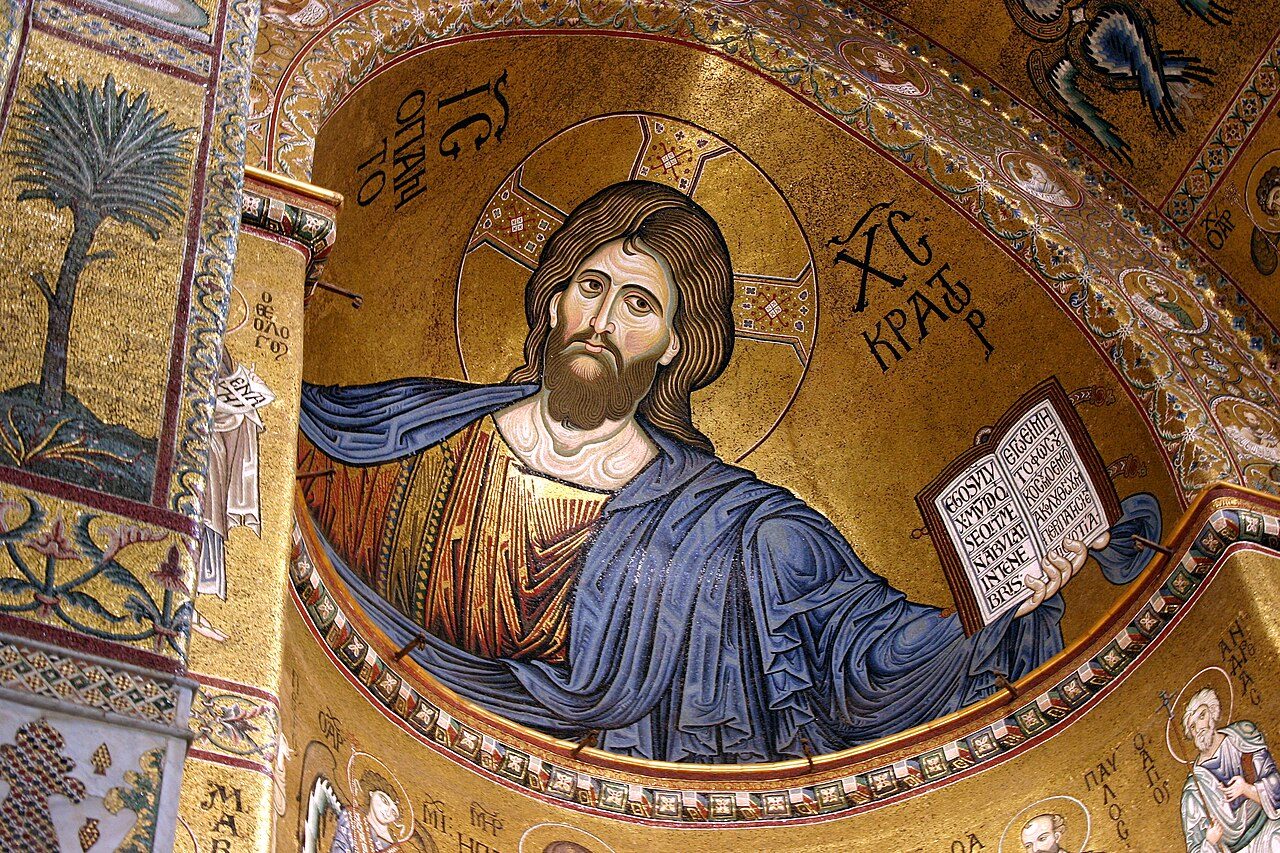
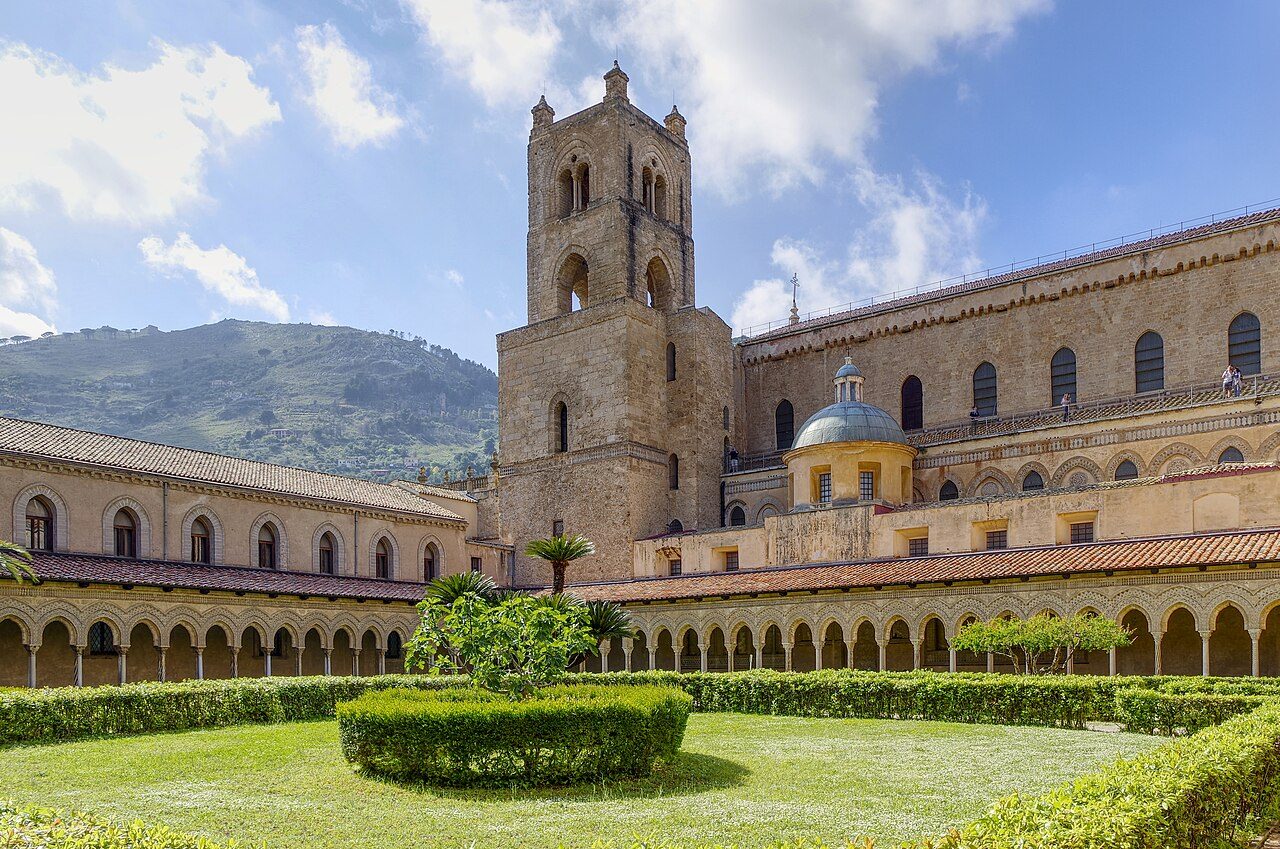
Monreale Cathedral, in the hills above Palermo, was built from 1172 by the Norman king William II. Its interior is covered with golden Byzantine mosaics telling stories from the Bible, with a huge Christ Pantocrator above the altar. The cloister has over 200 pairs of carved columns. It is part of a UNESCO World Heritage Site.
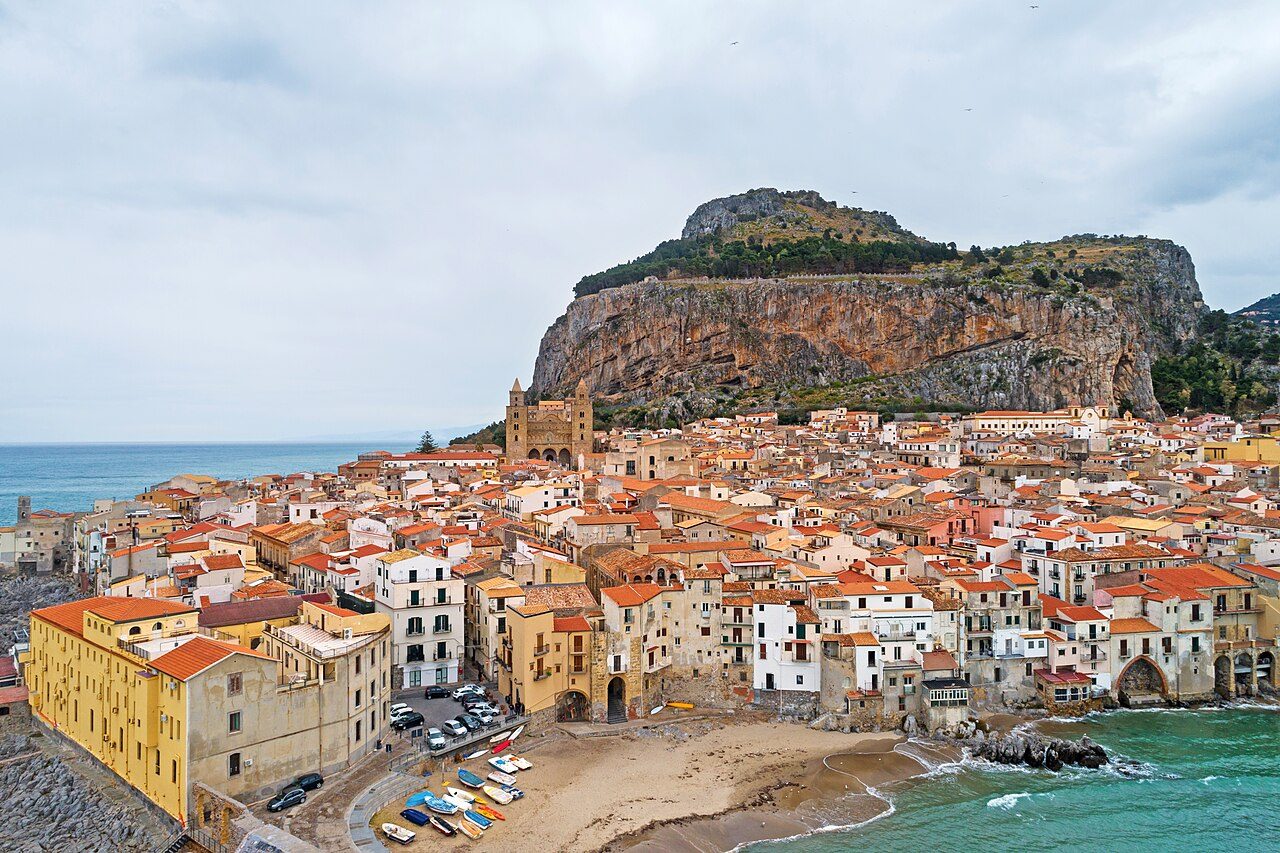
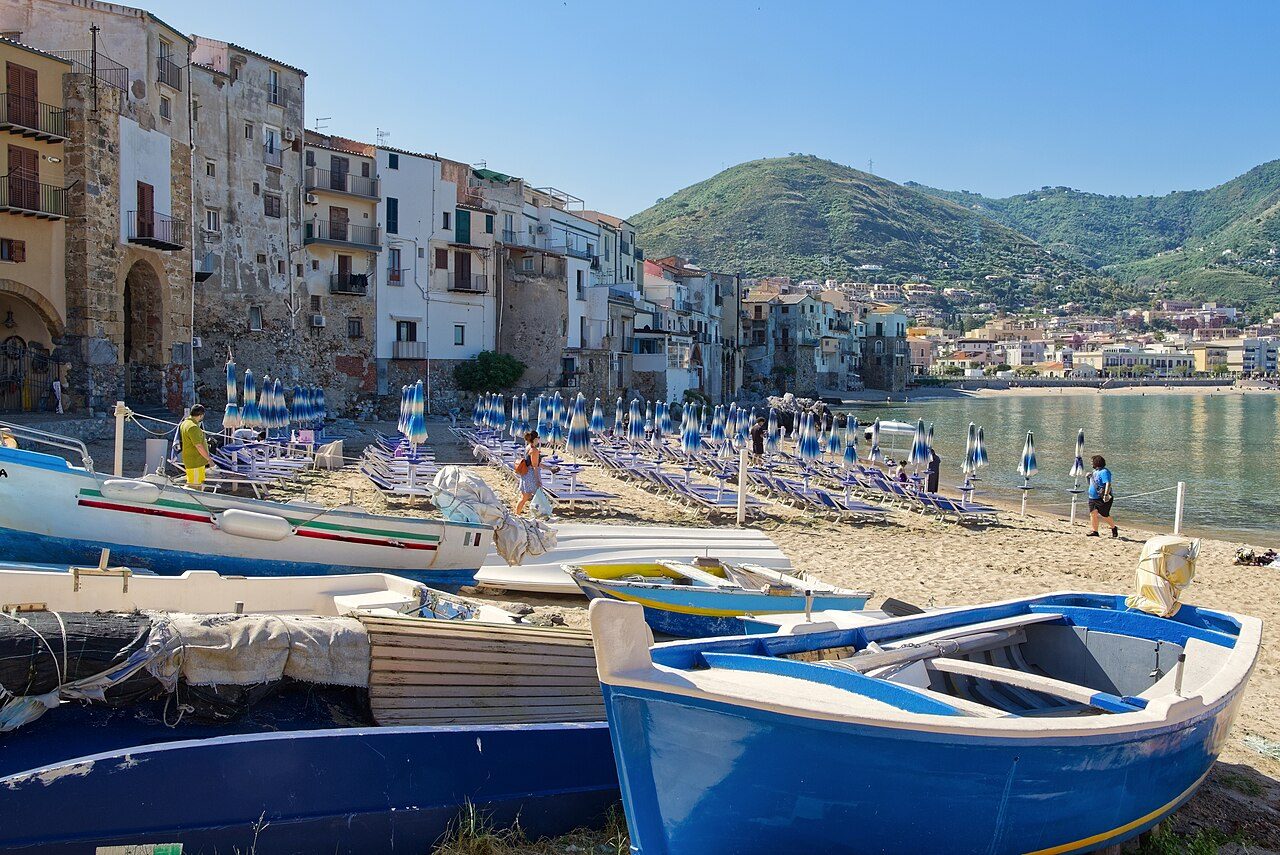
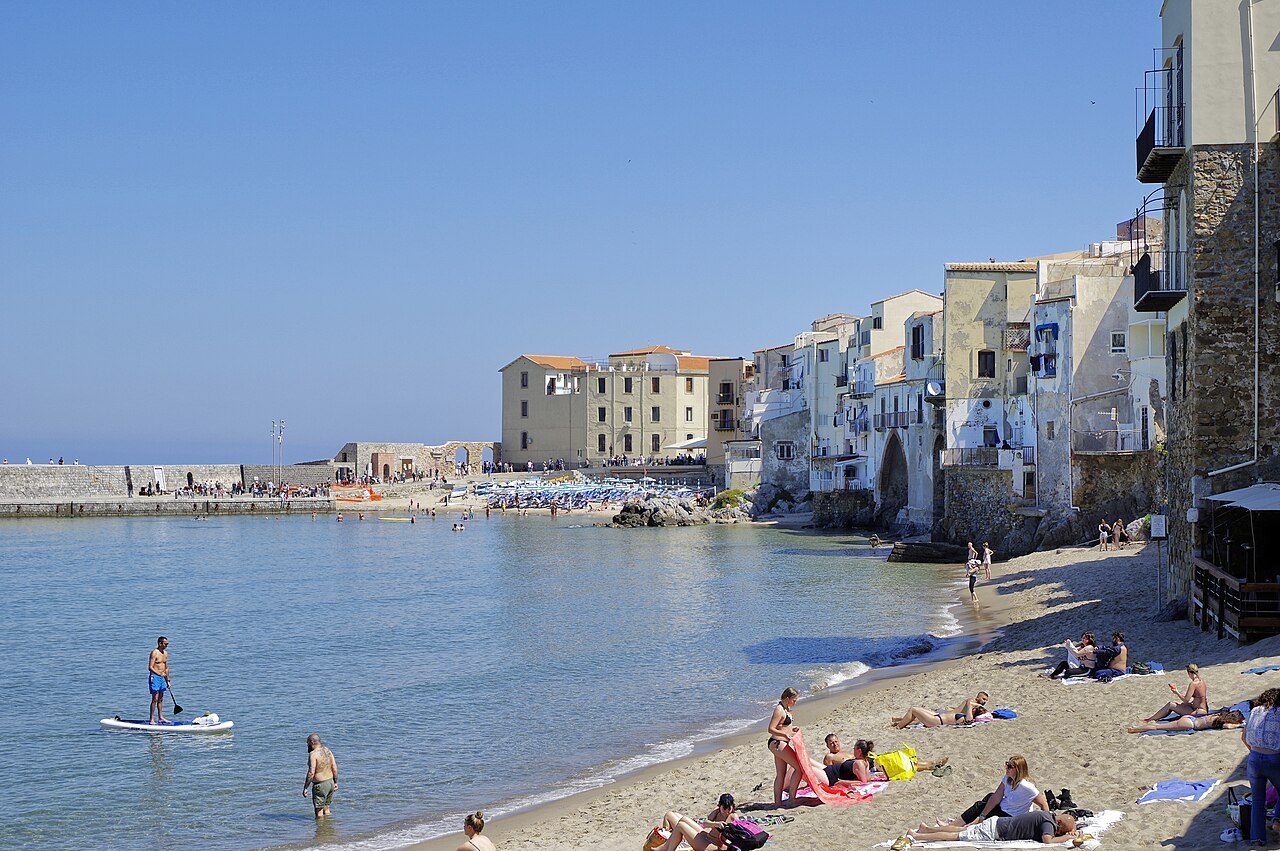
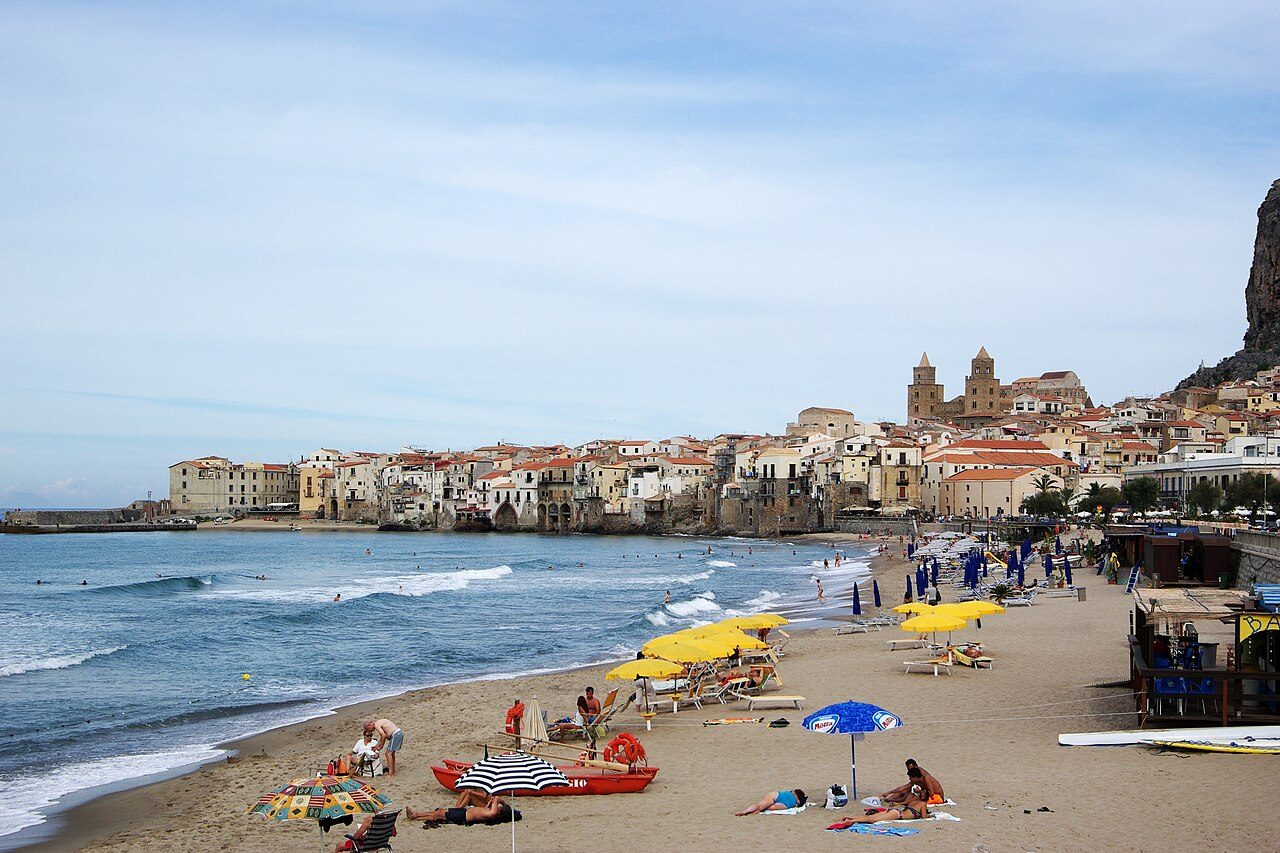
Cefalù is a fishing town on the north coast of Sicily, at the foot of a large rock. Its Norman cathedral, begun in 1131 by King Roger II, has twin towers and fine mosaics. Narrow streets lead to a sandy beach and a medieval wash house. A path climbs La Rocca for views over the town and sea.
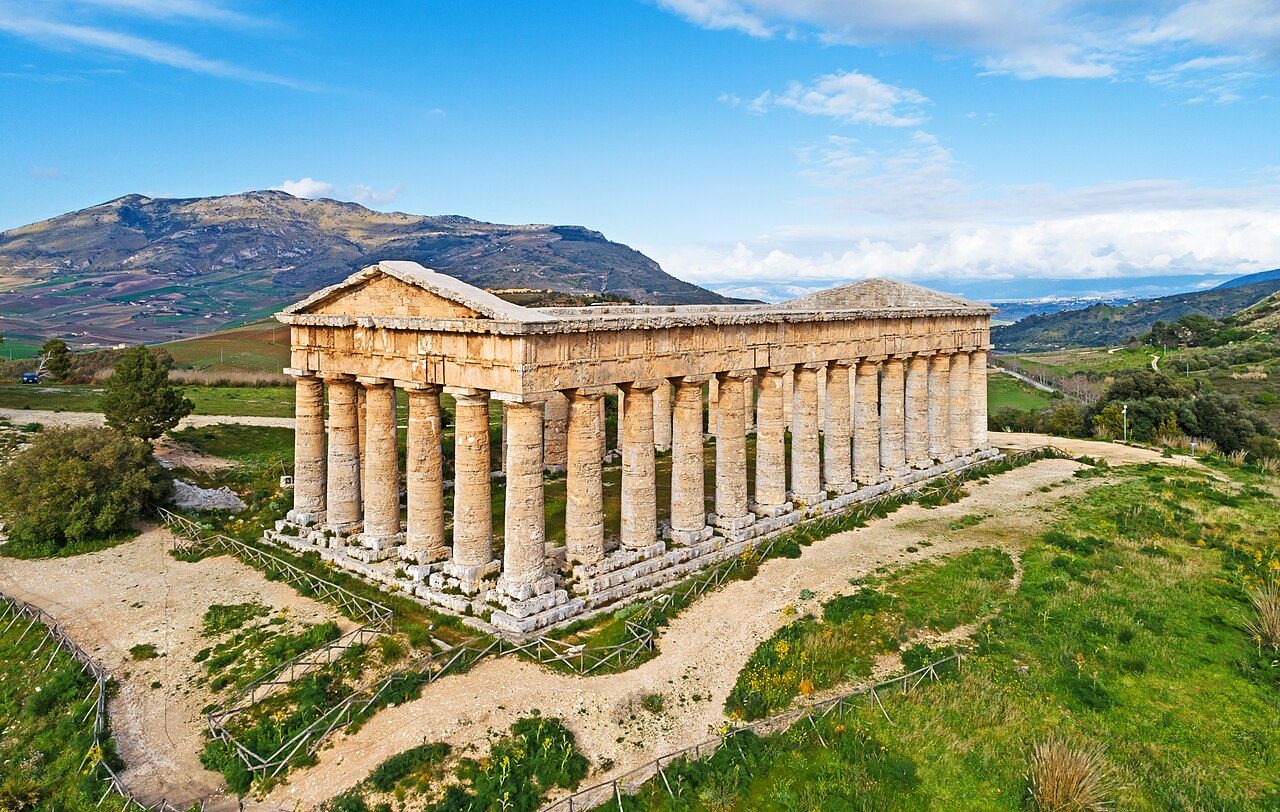
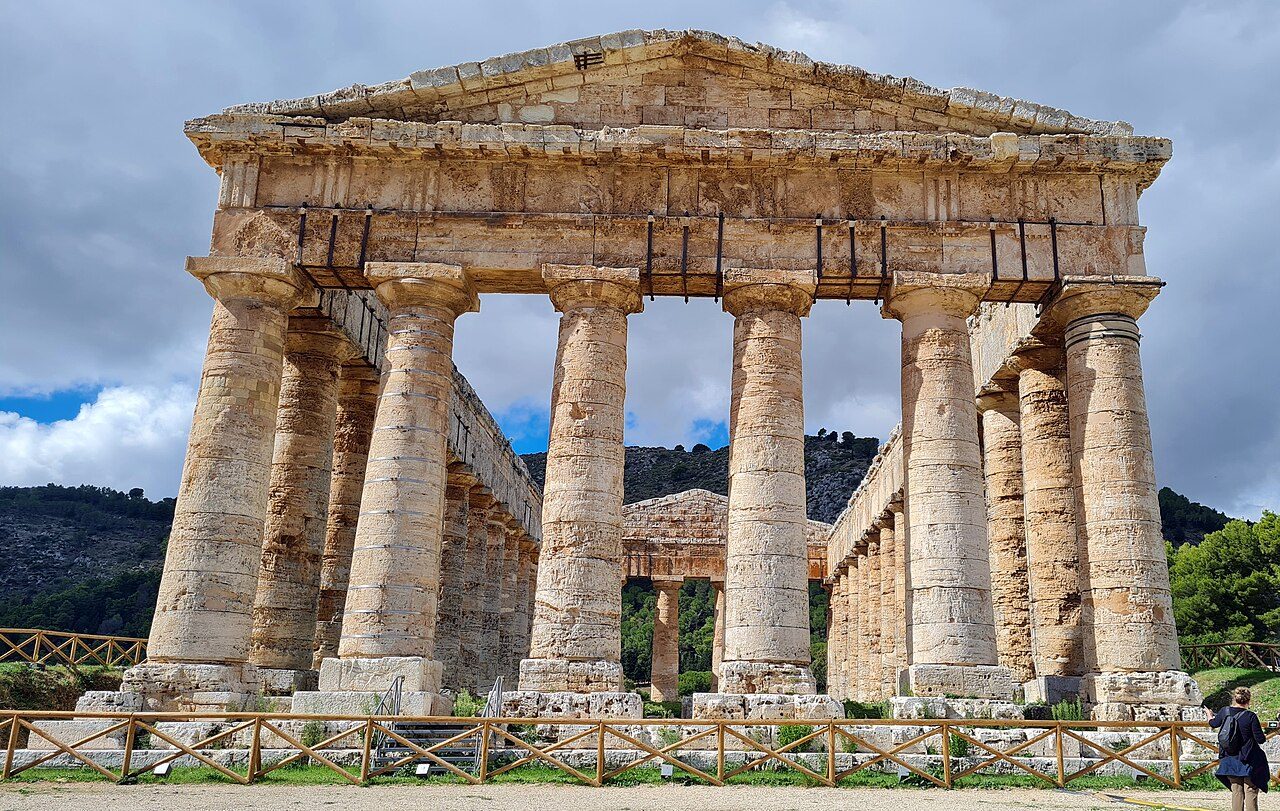
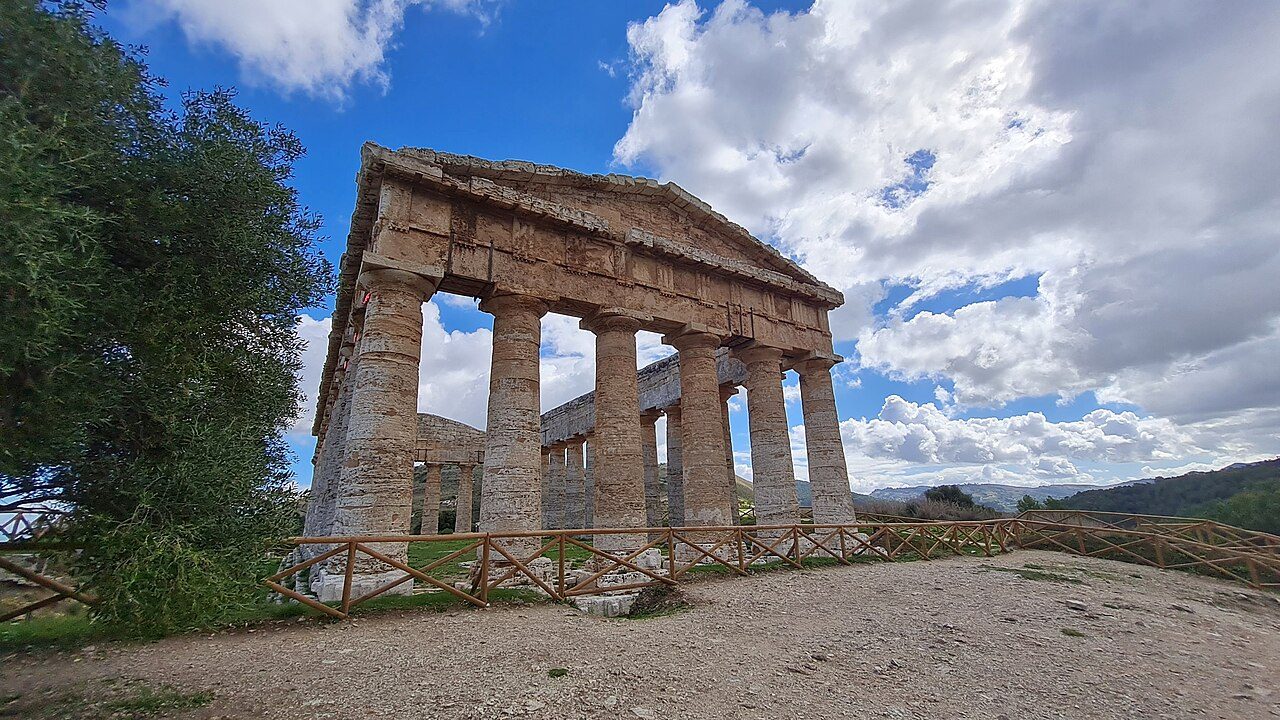
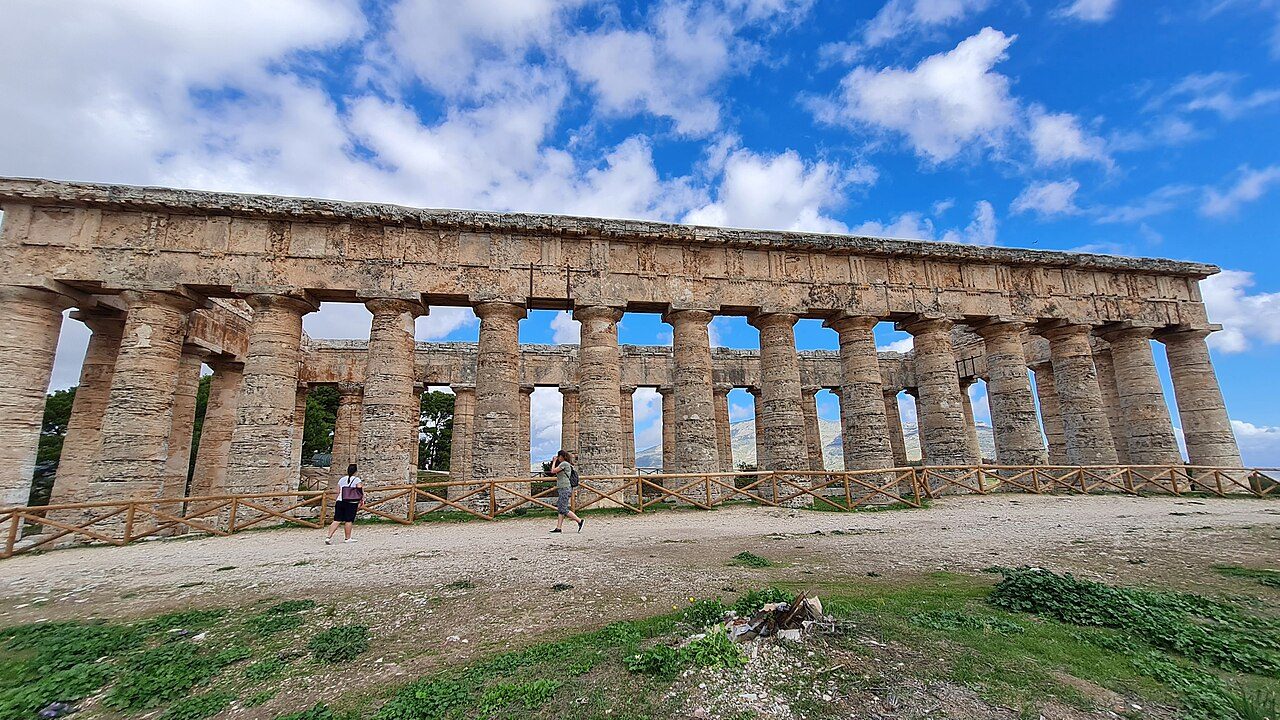
Segesta was an ancient city of the Elymian people in western Sicily. Its Doric temple, built around 420 BC, stands alone on a hill and is remarkably complete, though it was never finished. A theatre on the top of Mount Barbaro nearby gives wide views of the countryside and the sea. Concerts are held there in summer.
05
STOP 5 OF 9
Valley of the Temples
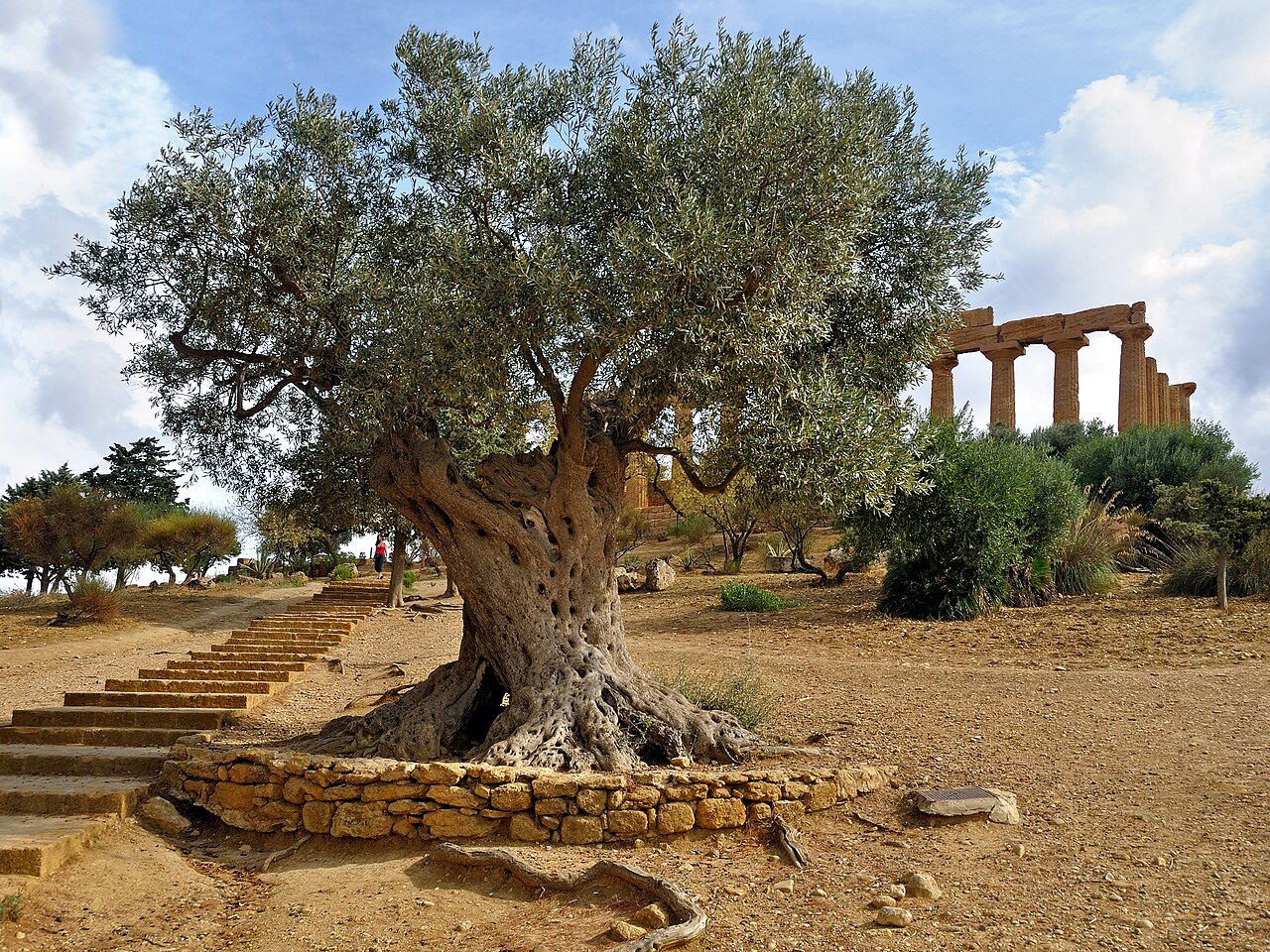
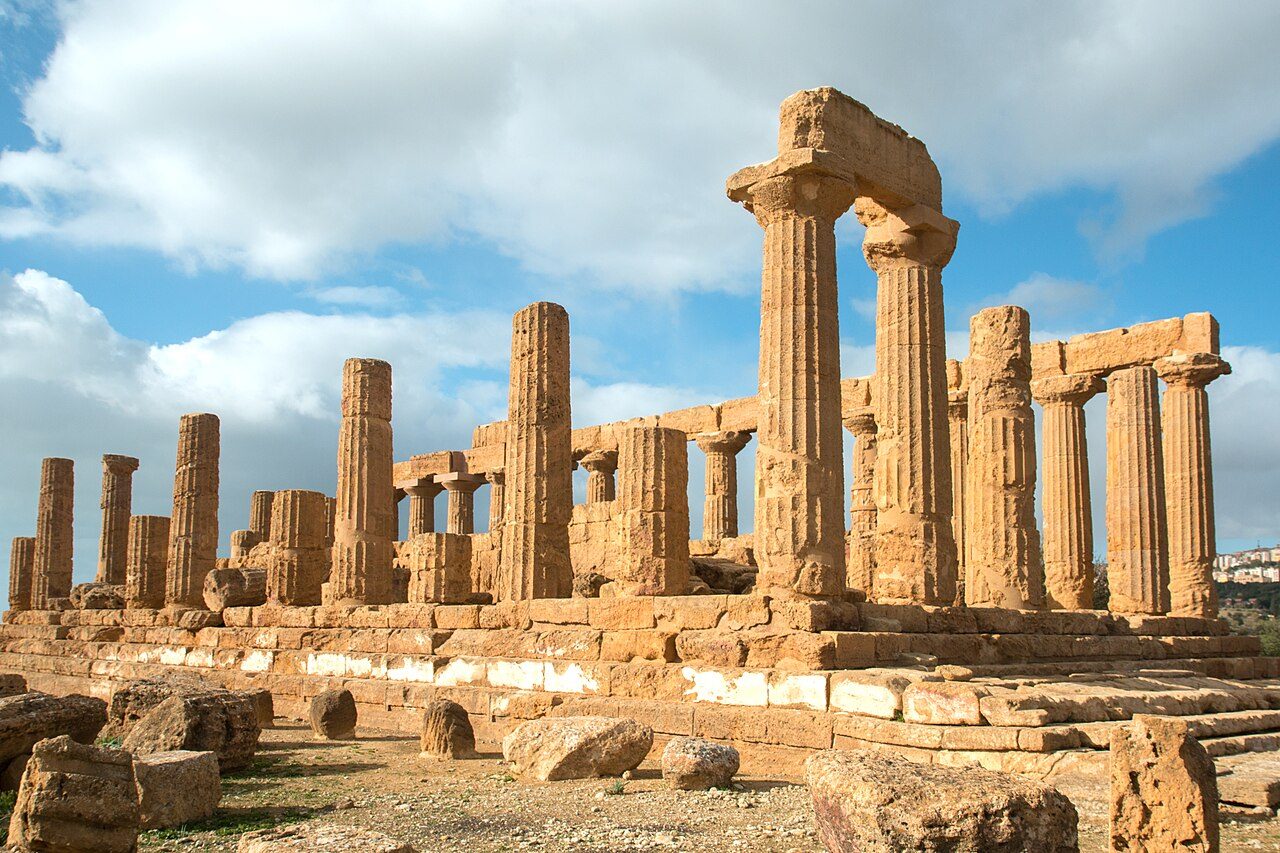
The Valley of the Temples near Agrigento in Sicily holds the remains of the ancient Greek city of Akragas. Its row of Doric temples stands on a ridge, not in a valley. The Temple of Concordia, built around 440 BC, is one of the best preserved Greek temples in the world. Almond and olive trees grow among the ruins. It is a UNESCO World Heritage Site.
06
STOP 6 OF 9
Scala dei Turchi
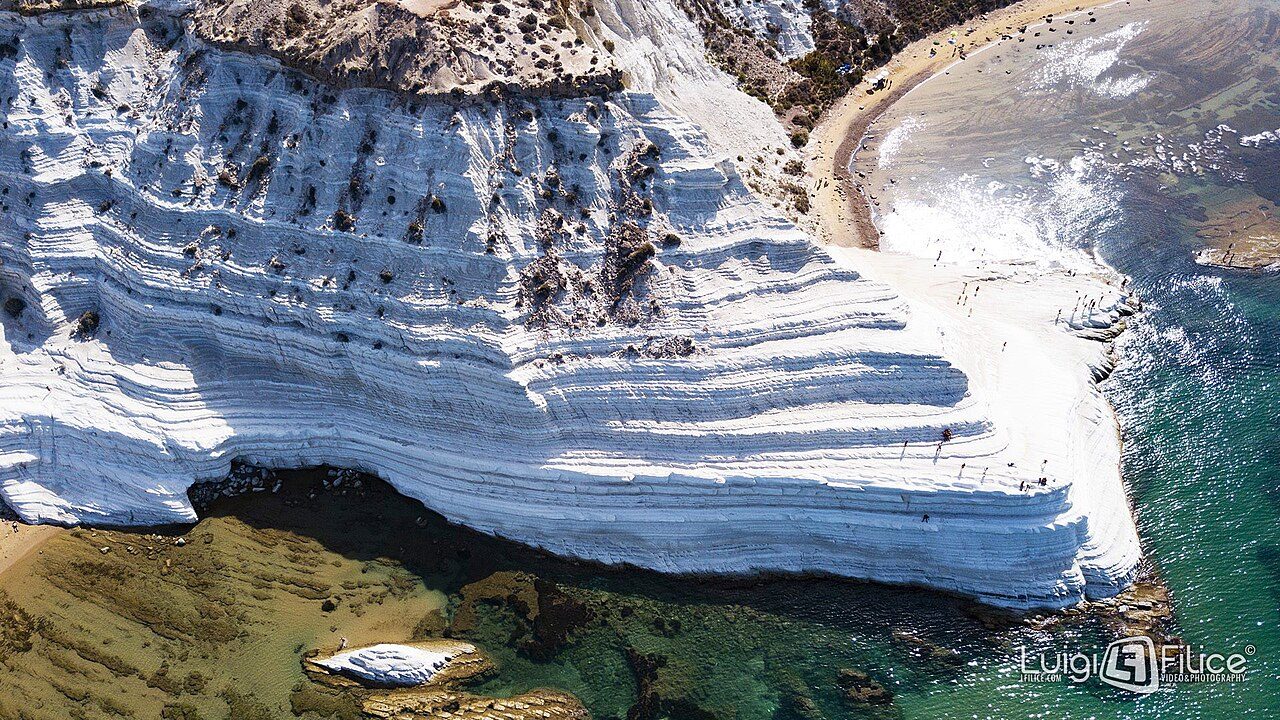
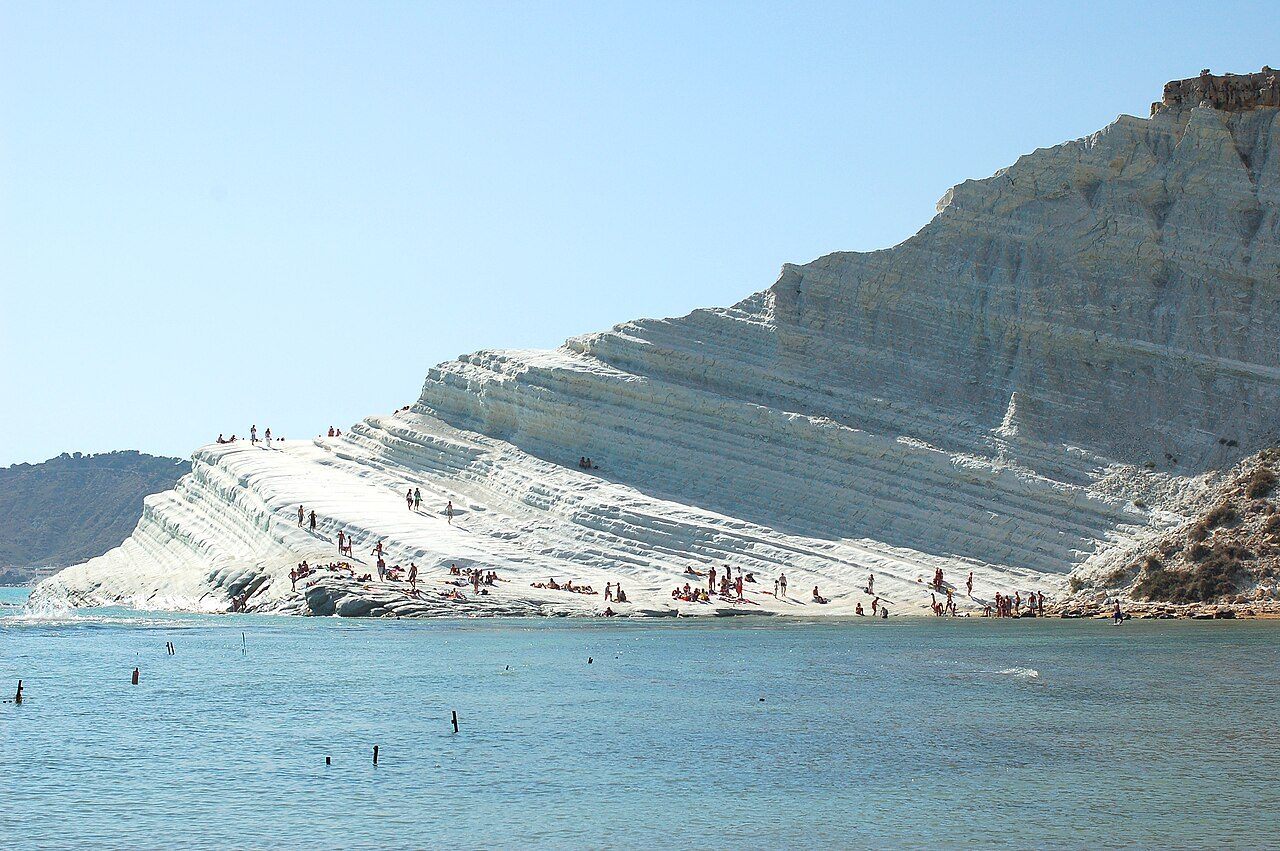
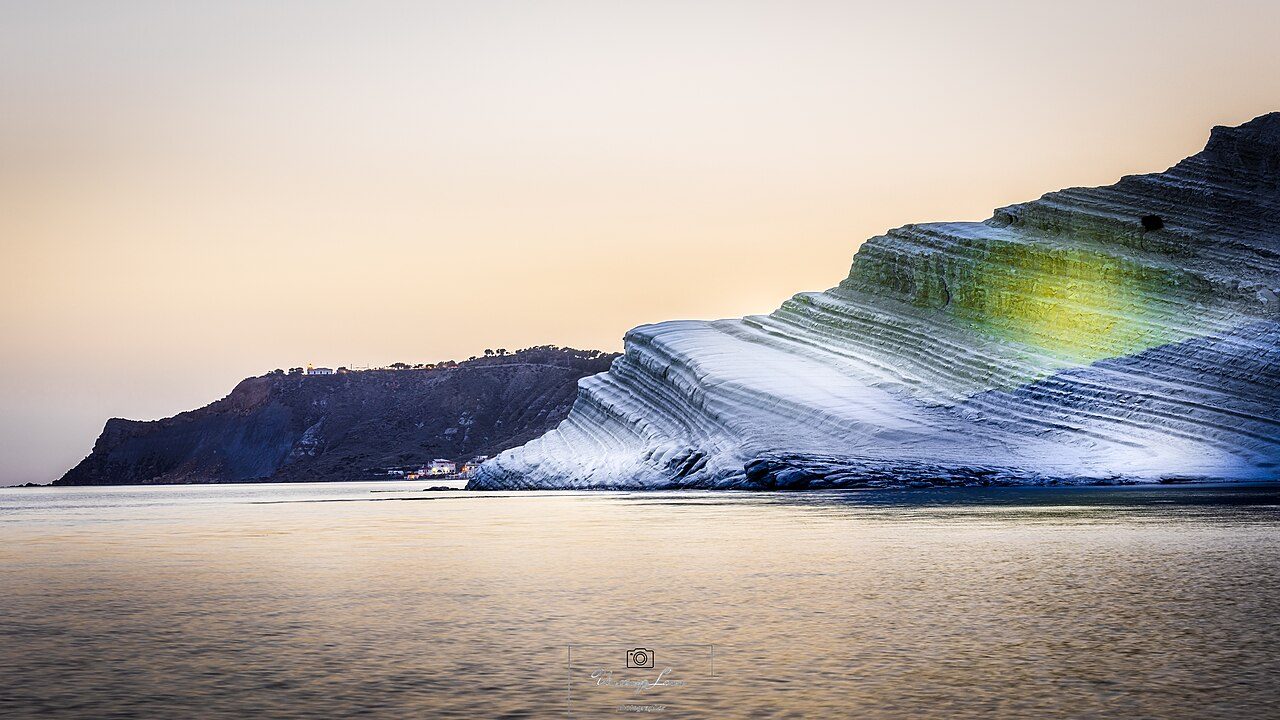
The Scala dei Turchi is a white cliff on the south coast of Sicily near Realmonte. The soft marl rock has been worn by wind and waves into stair-like steps. Its name, the Stair of the Turks, recalls pirate raids. The white rock against the blue sea is very striking. Access to the cliff is restricted to protect it, but it can be seen from nearby beaches.
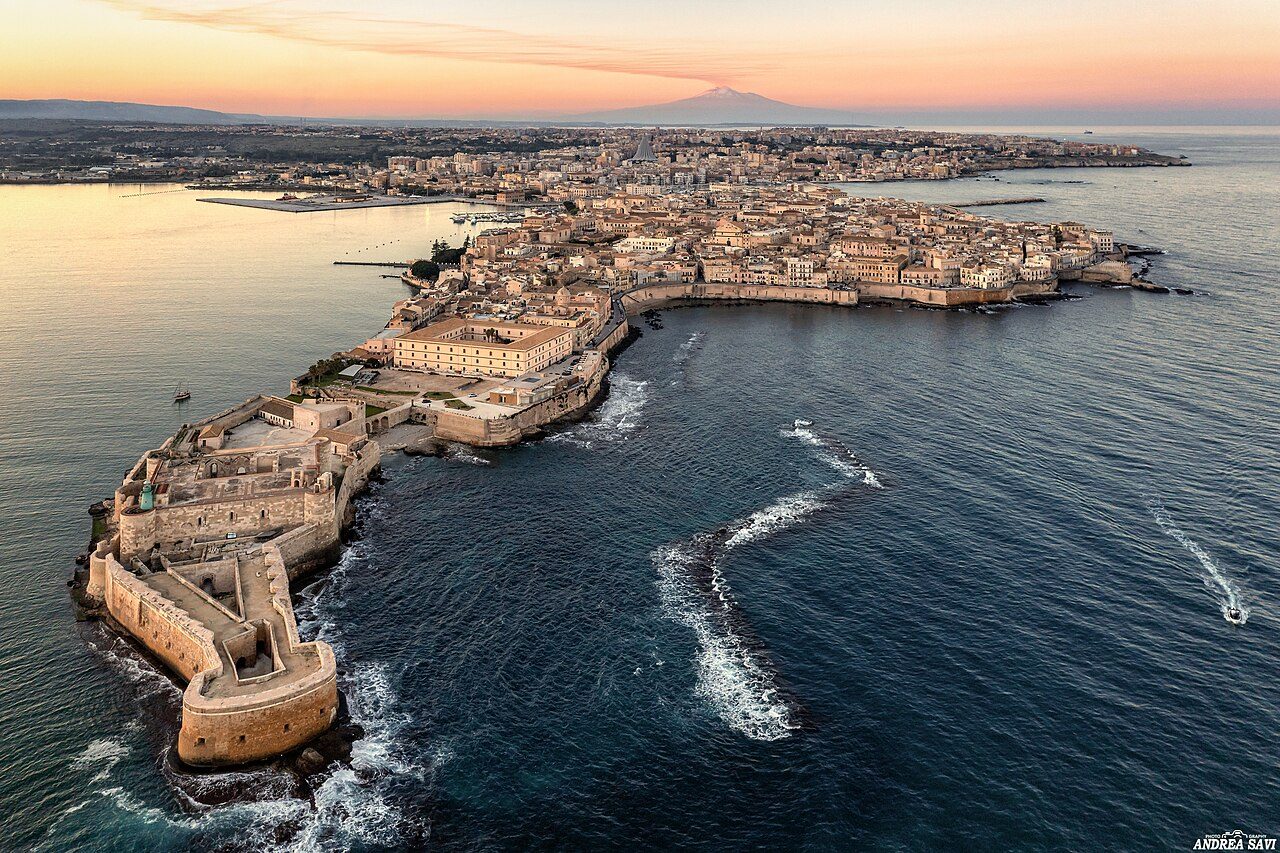
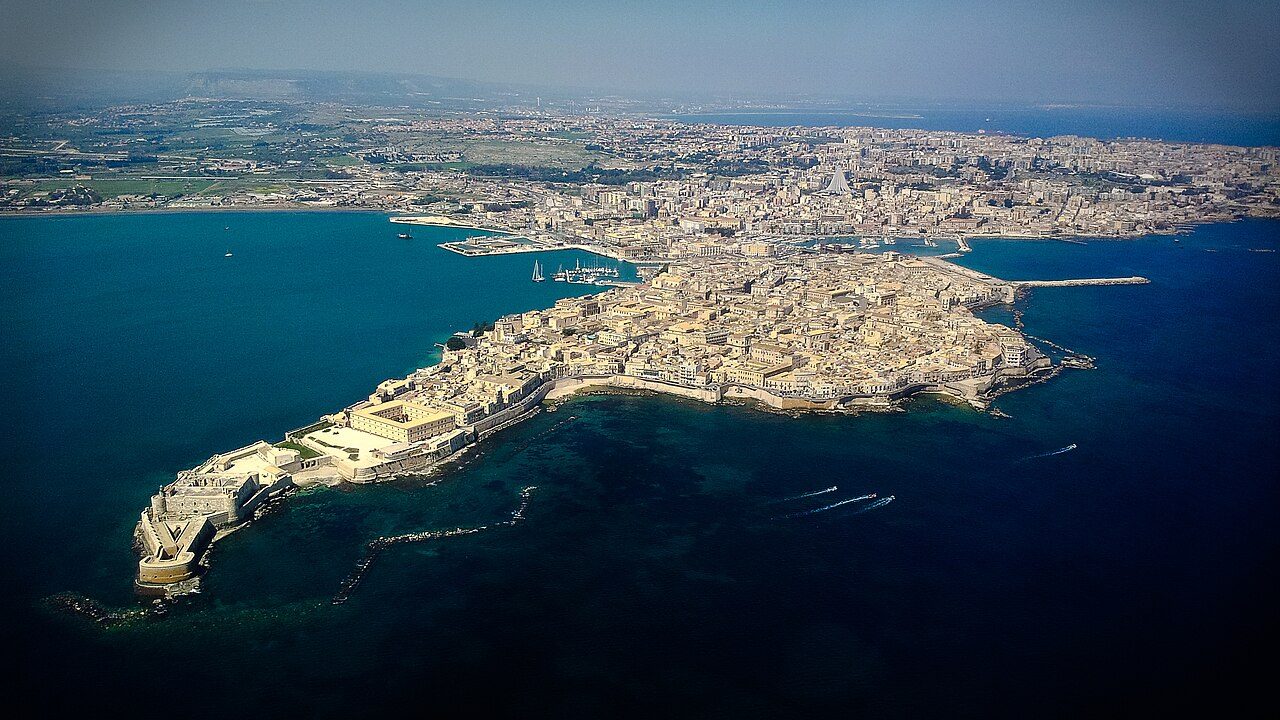
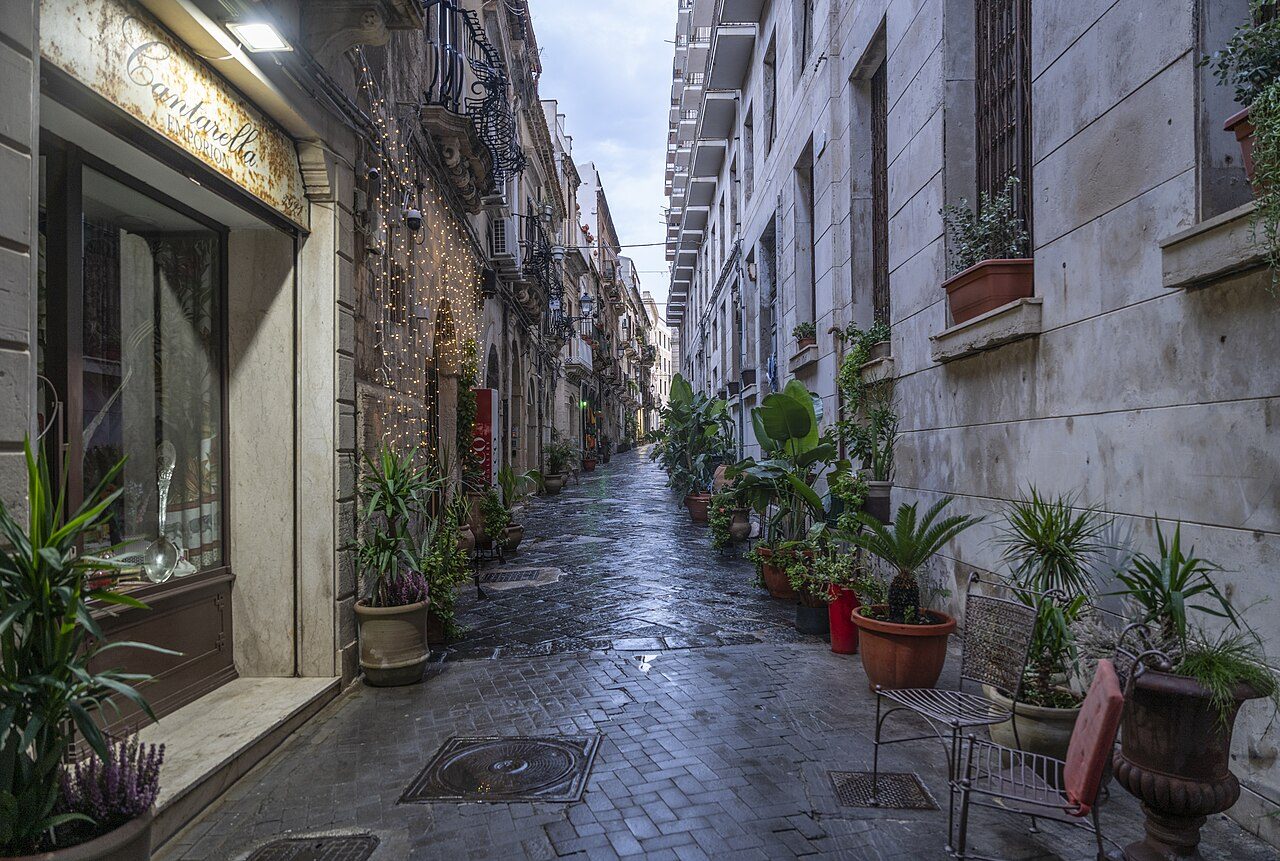
Ortigia is a small island forming the historic centre of Syracuse in Sicily, founded by Greek colonists in 734 BC. Its Cathedral was built into an ancient Greek temple of Athena, whose columns are still visible. The Fountain of Arethusa, a freshwater spring with papyrus, is linked to Greek myth. Syracuse is a UNESCO World Heritage Site.
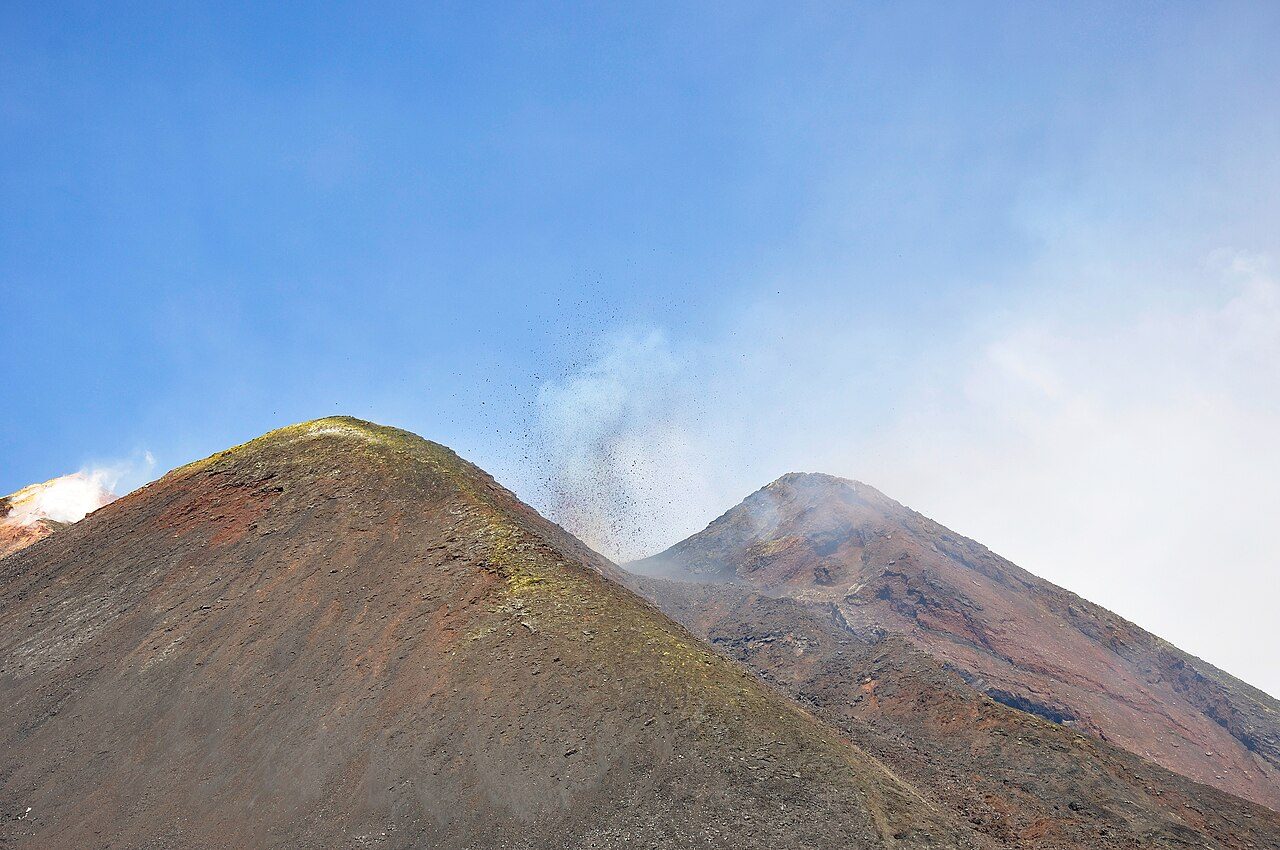
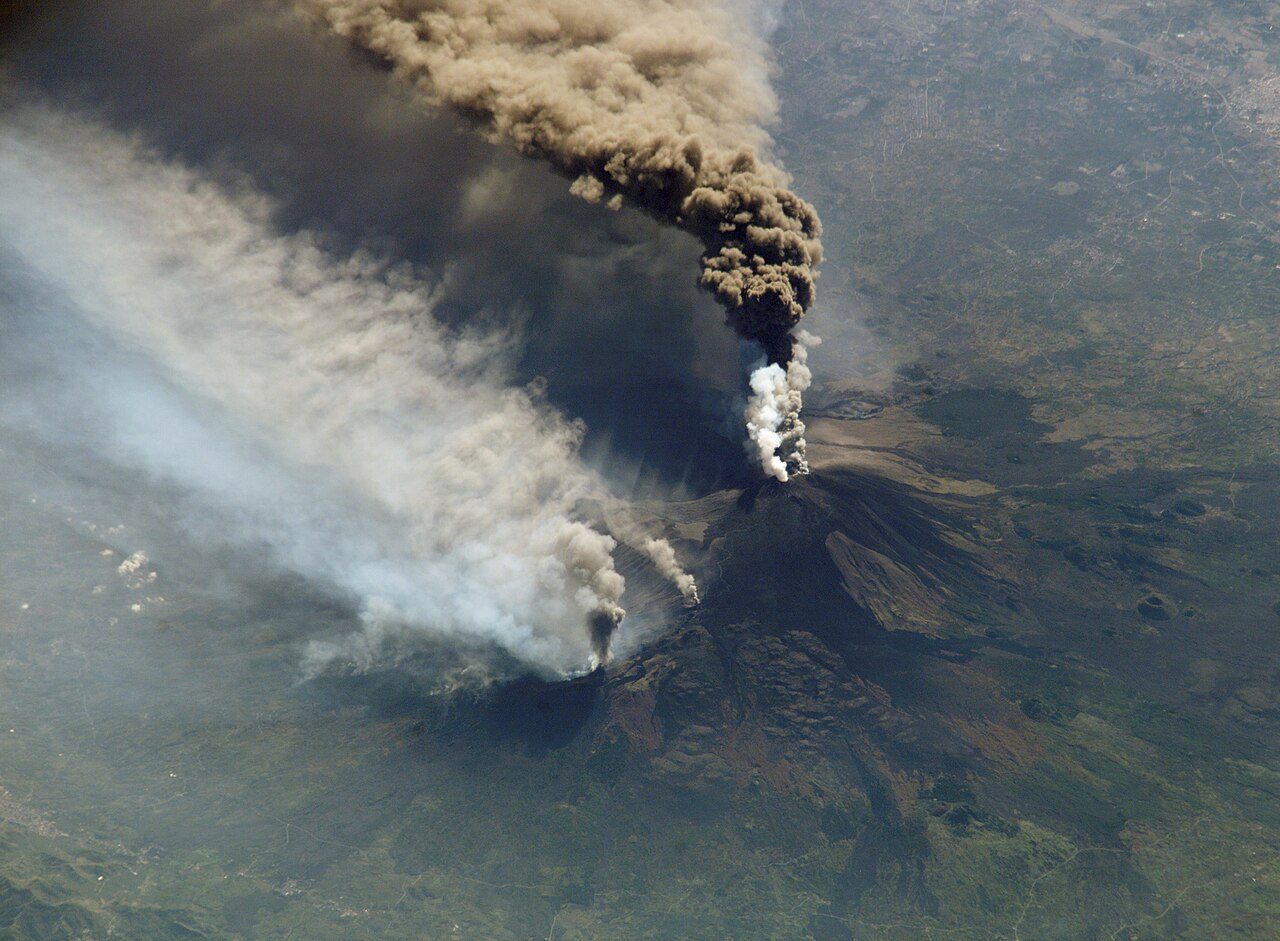
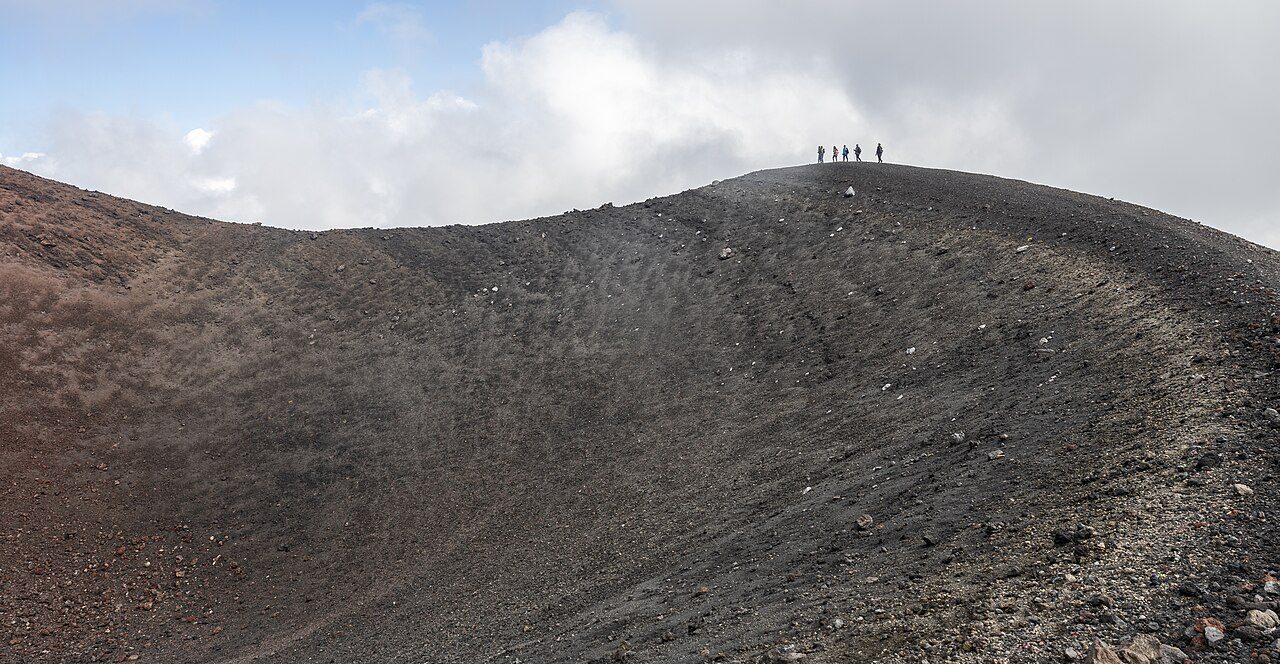
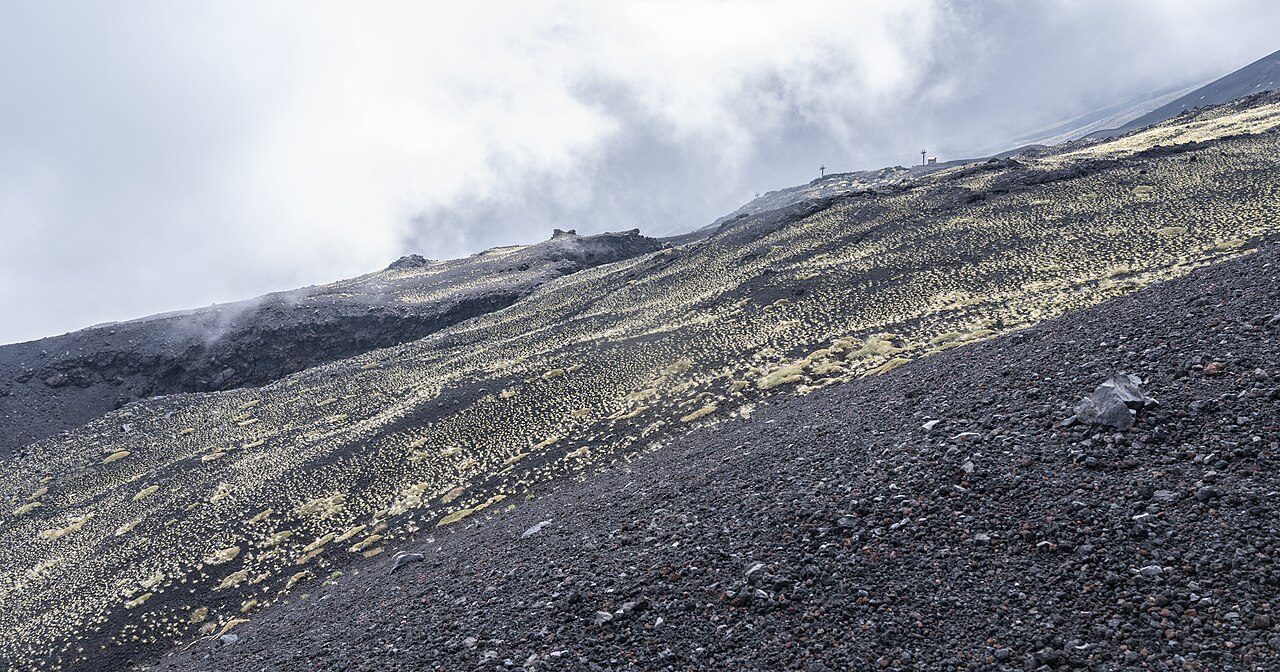
Mount Etna in eastern Sicily is the highest active volcano in Europe, about 3,350 metres high, and one of the most active in the world. Its eruptions are frequent, and lava flows have shaped the landscape. A cable car and four-wheel-drive buses climb its southern slopes from the Rifugio Sapienza. It is a UNESCO World Heritage Site.
09
STOP 9 OF 9 · LAST STOP
Taormina
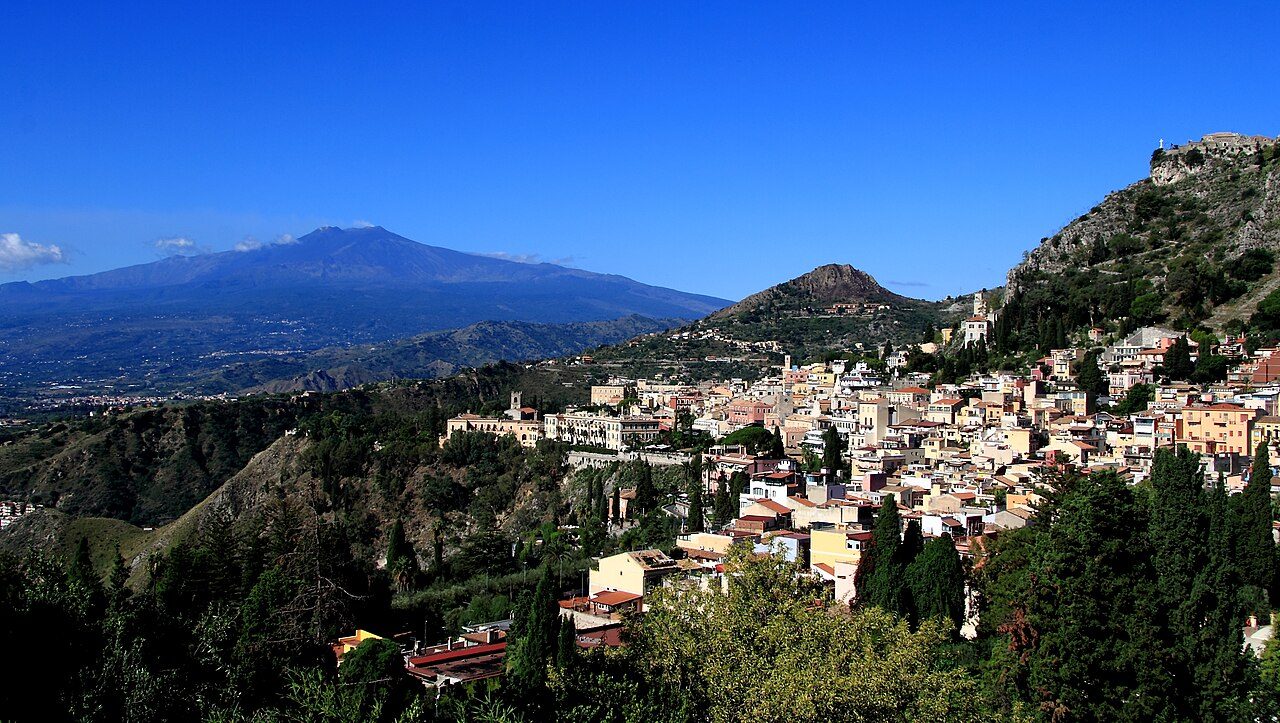
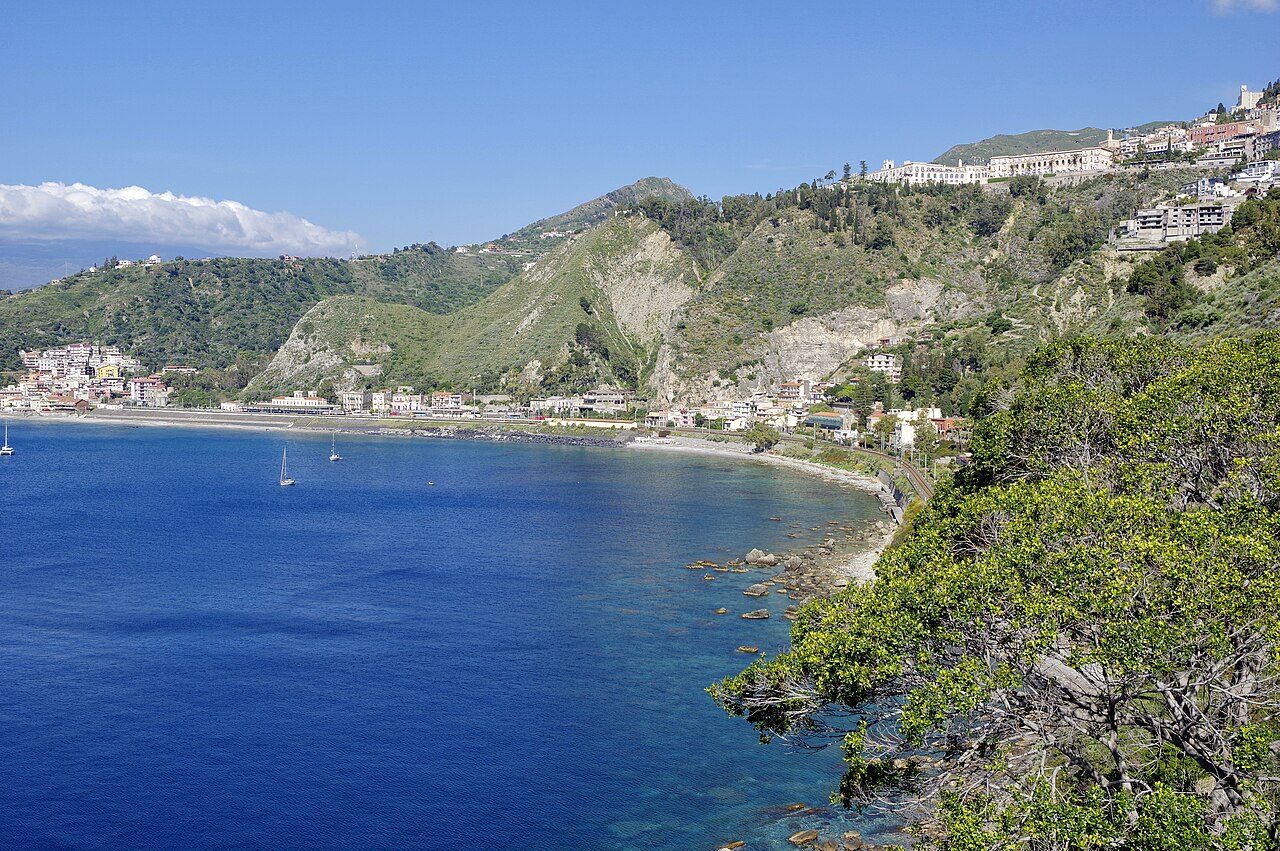
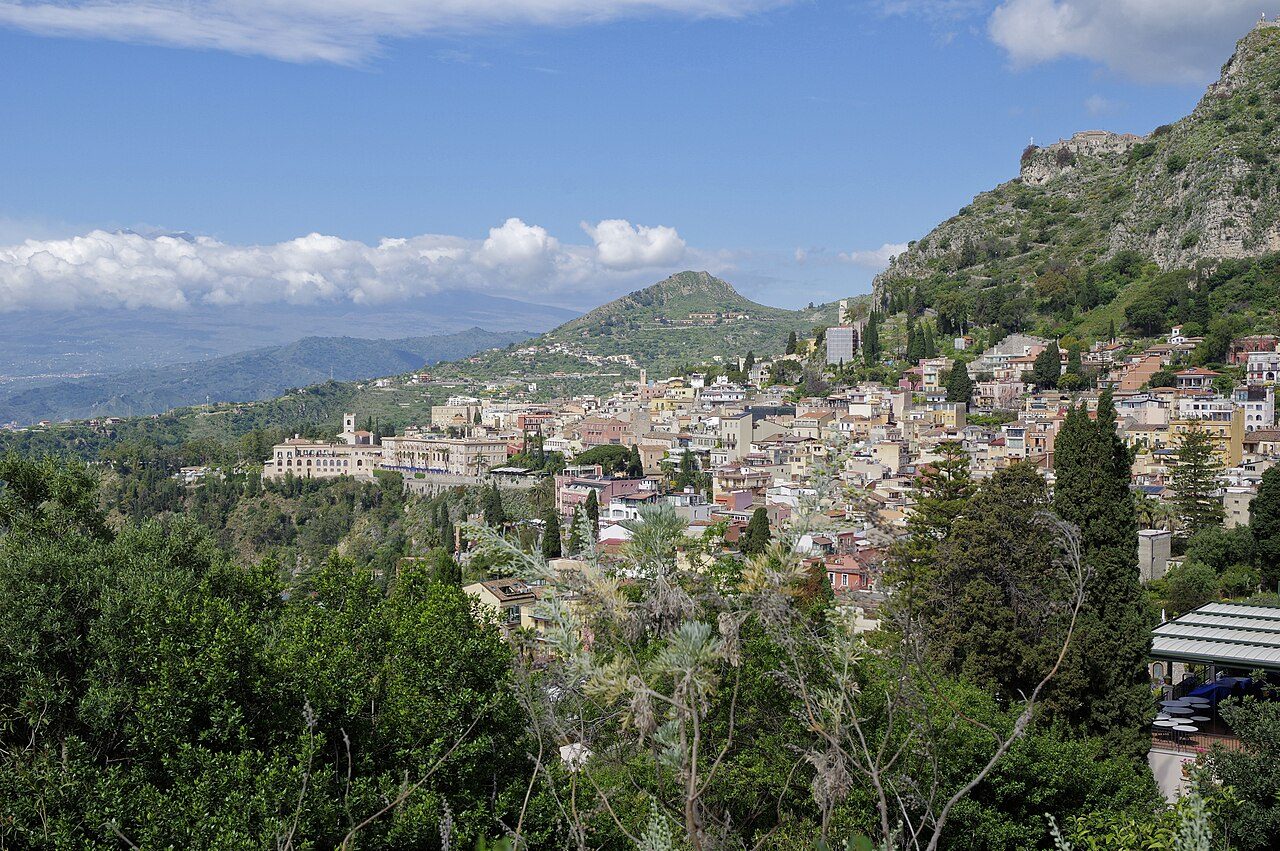
Taormina is a hilltop town on the east coast of Sicily, above the Ionian Sea. Its ancient Greek theatre, rebuilt by the Romans, has a famous view of Mount Etna and the coast. The main street, Corso Umberto, is lined with shops and palaces. Below the town lies Isola Bella, a small island linked to the beach by a sand bar.
Seasons from 20 years of NASA POWER climate data.
 WaTrips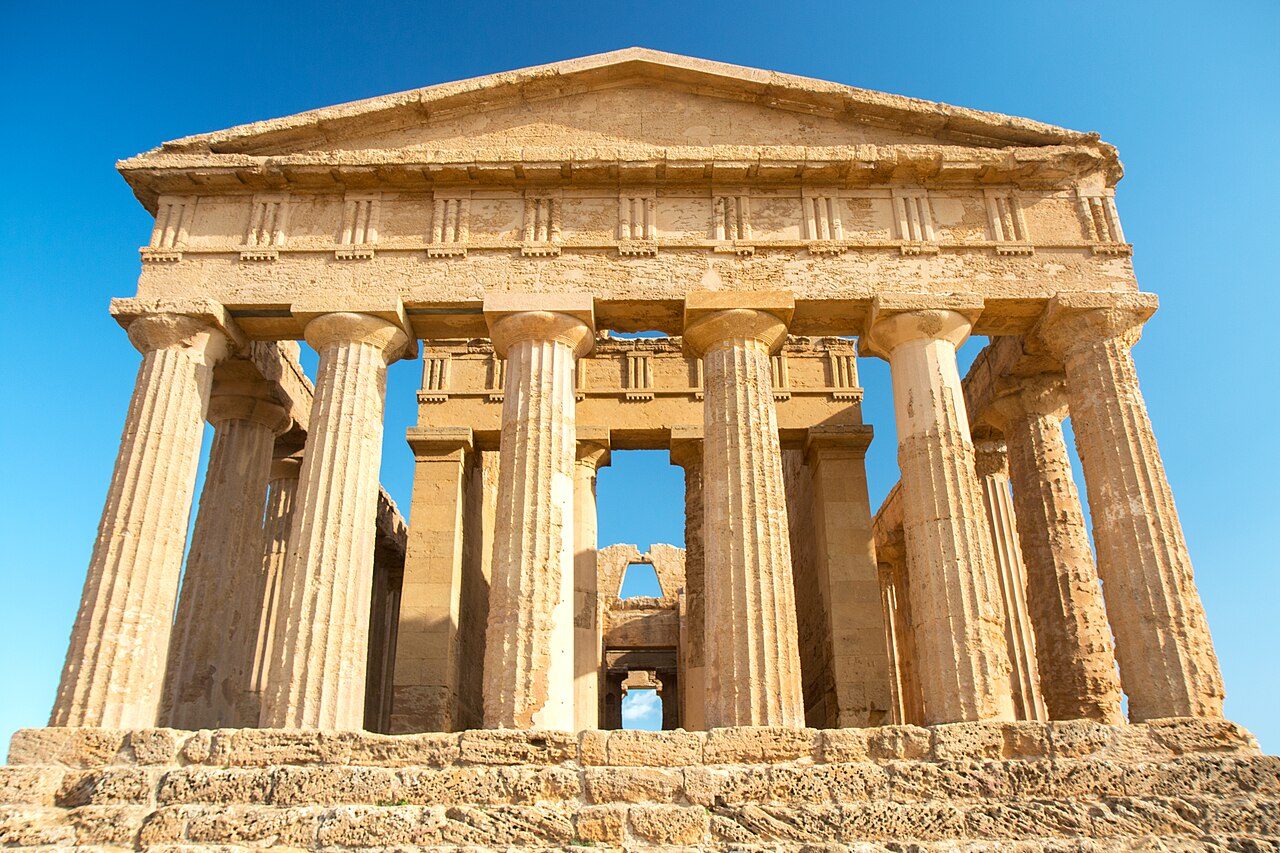



 BikesBooking
 Localrent
 Airalo
 Tiqets