The Duomo, Uffizi and Ponte Vecchio, David and the Boboli Gardens, Siena, San Gimignano, the Val d'Orcia, Pienza, Montepulciano and Cortona.
Florence is where the Renaissance began. Climb Brunelleschi's dome, walk Piazza della Signoria, see Botticelli and Leonardo in the Uffizi and cross the Ponte Vecchio. See Michelangelo's David, the tombs of Santa Croce and sunset from Piazzale Michelangelo. Then head into Tuscany: Siena's Campo and striped cathedral, the medieval towers of San Gimignano, the cypress-lined hills of the Val d'Orcia with Pienza and Montepulciano, and Cortona on its hill. Spring and autumn are lovely; summer is hot and busy.
01
STOP 1 OF 15
Florence Cathedral
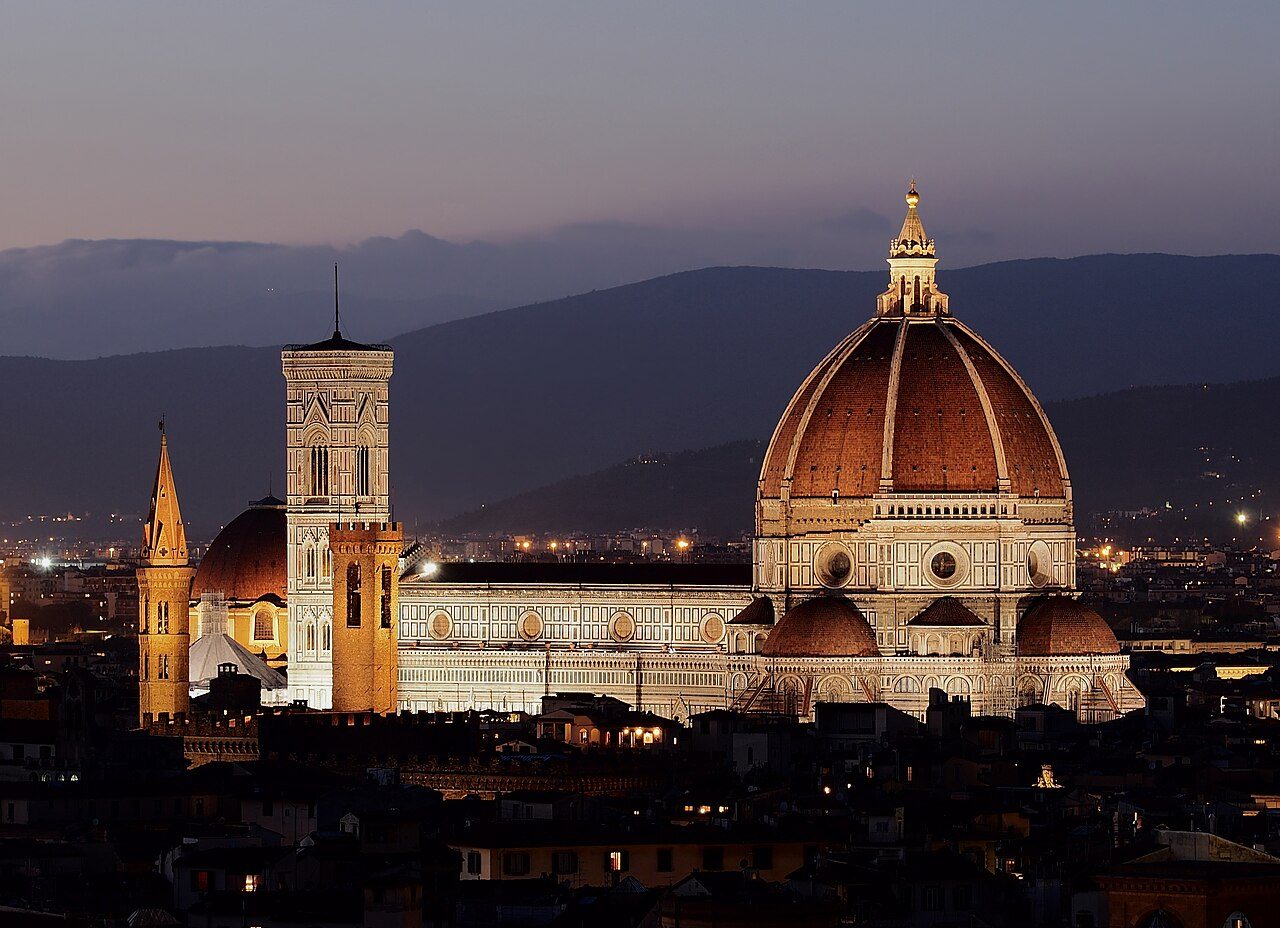
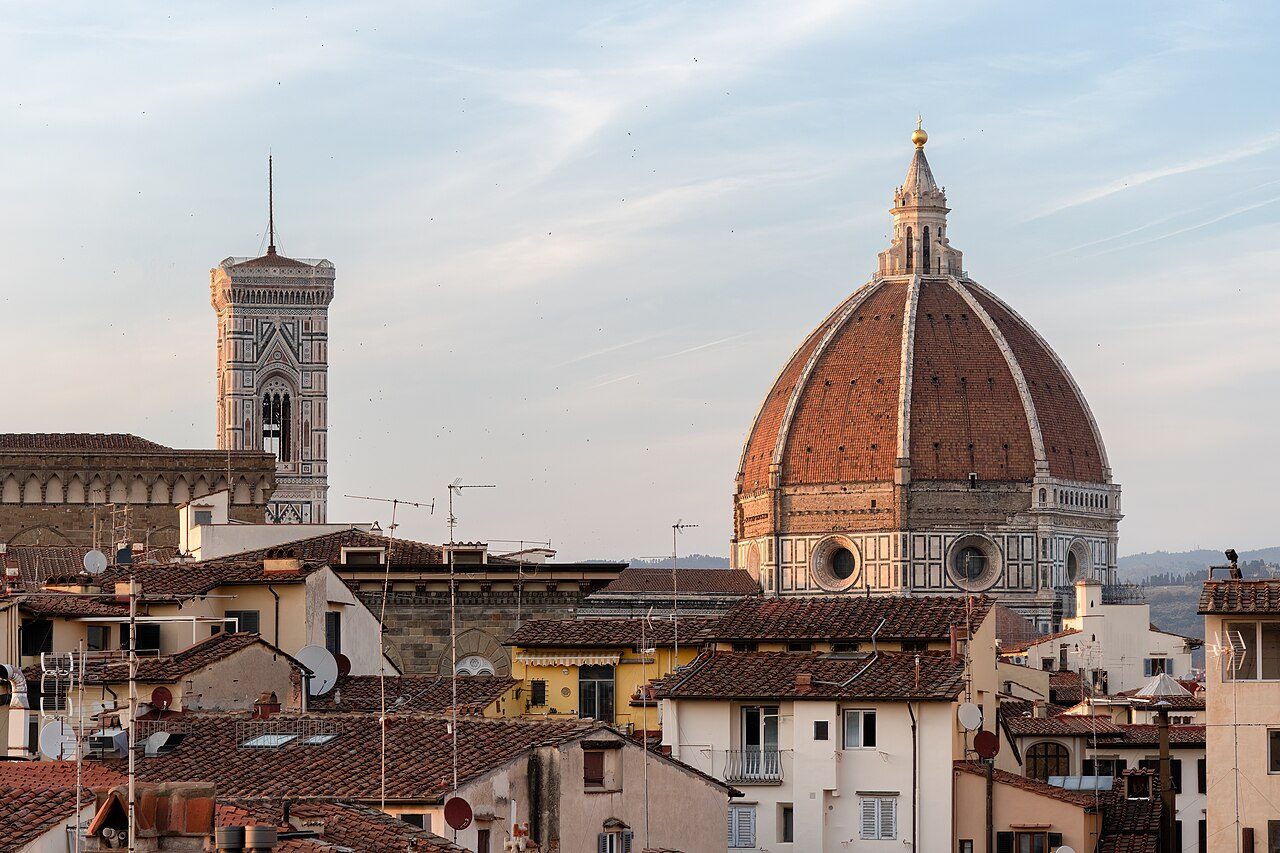
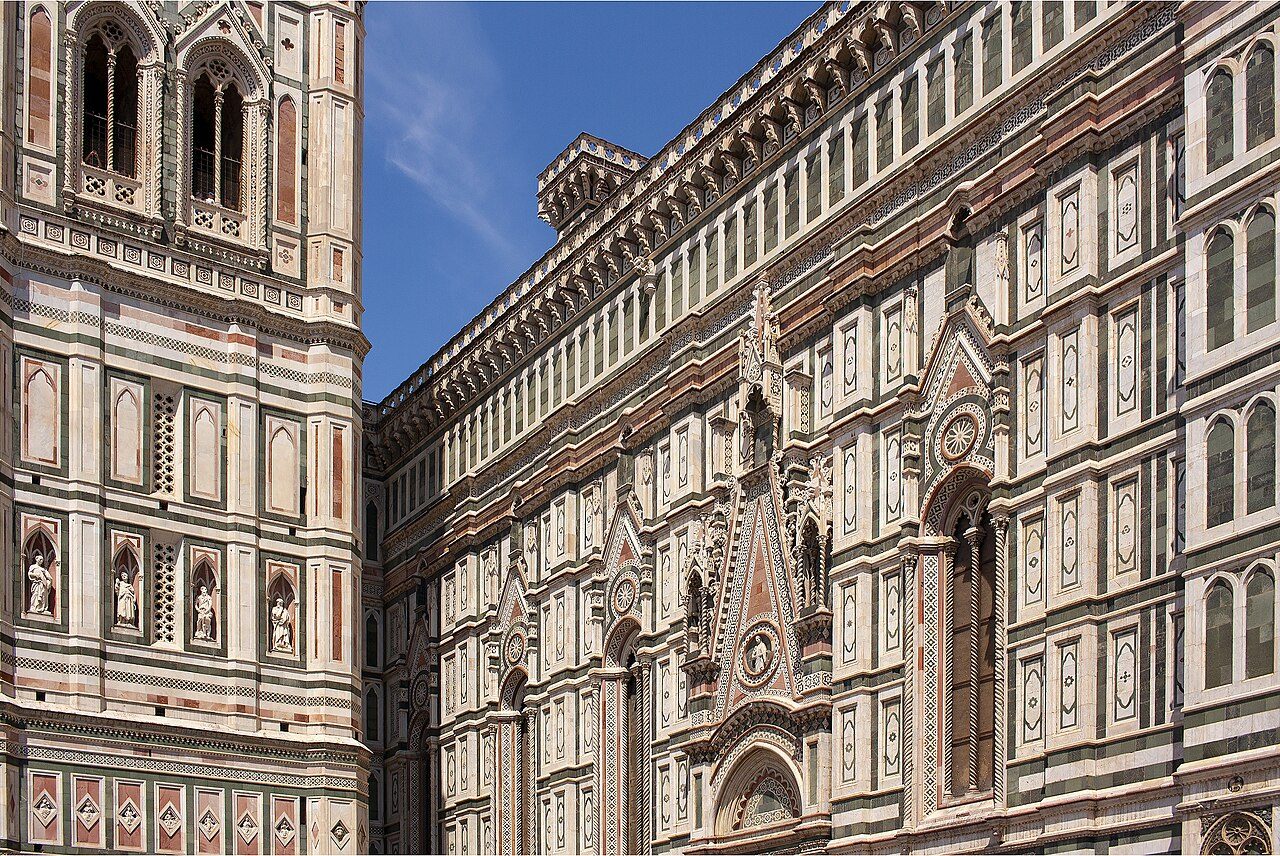
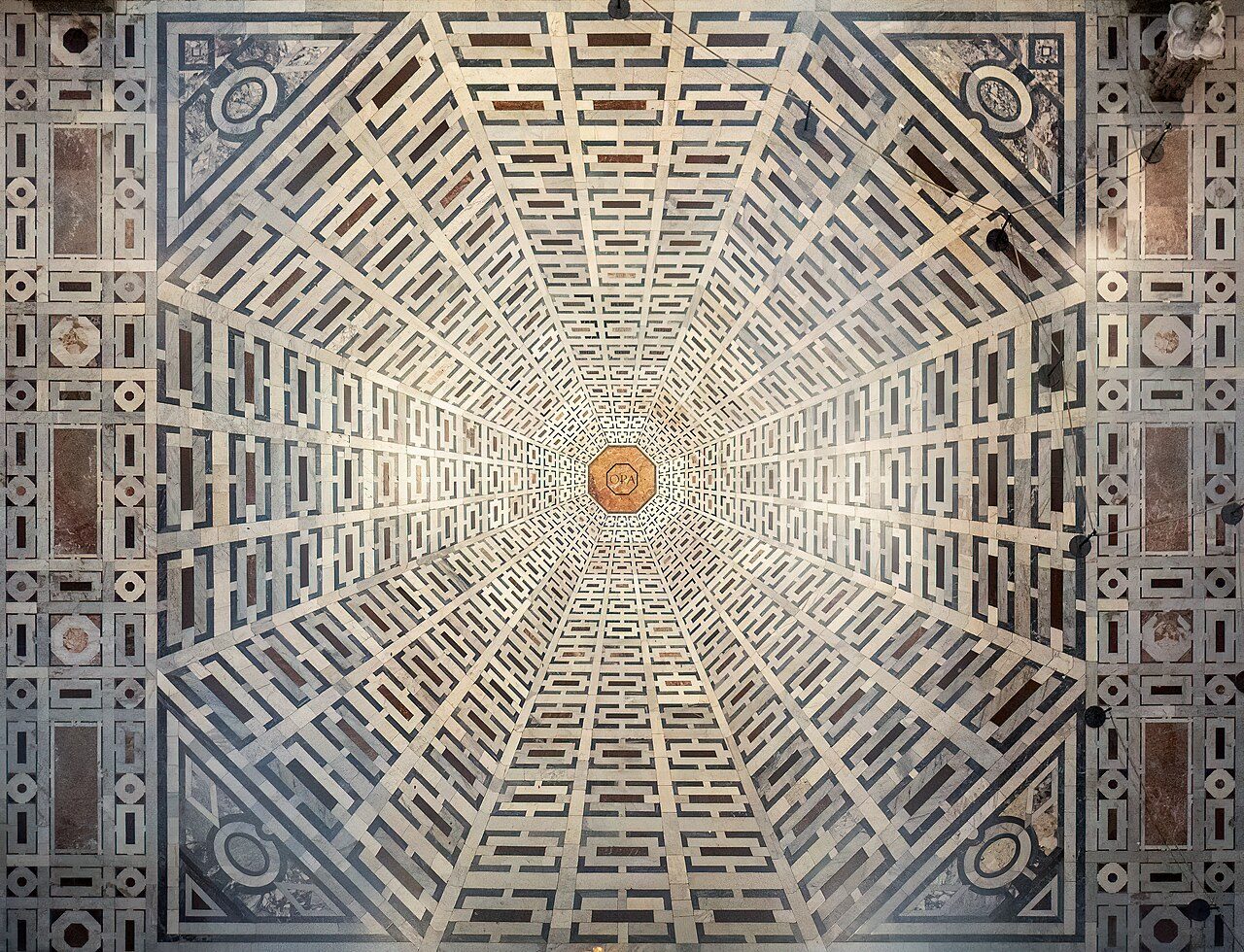
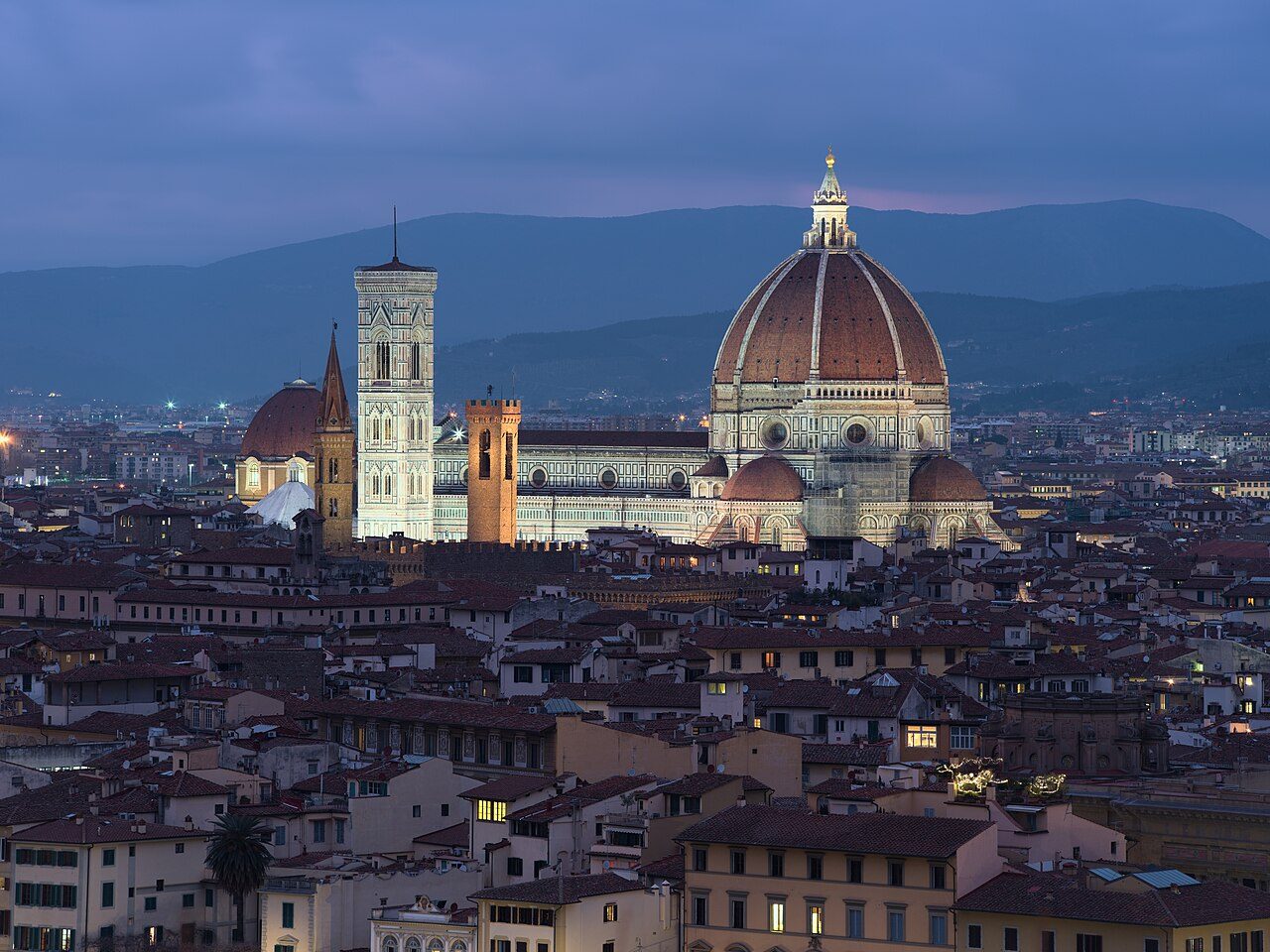
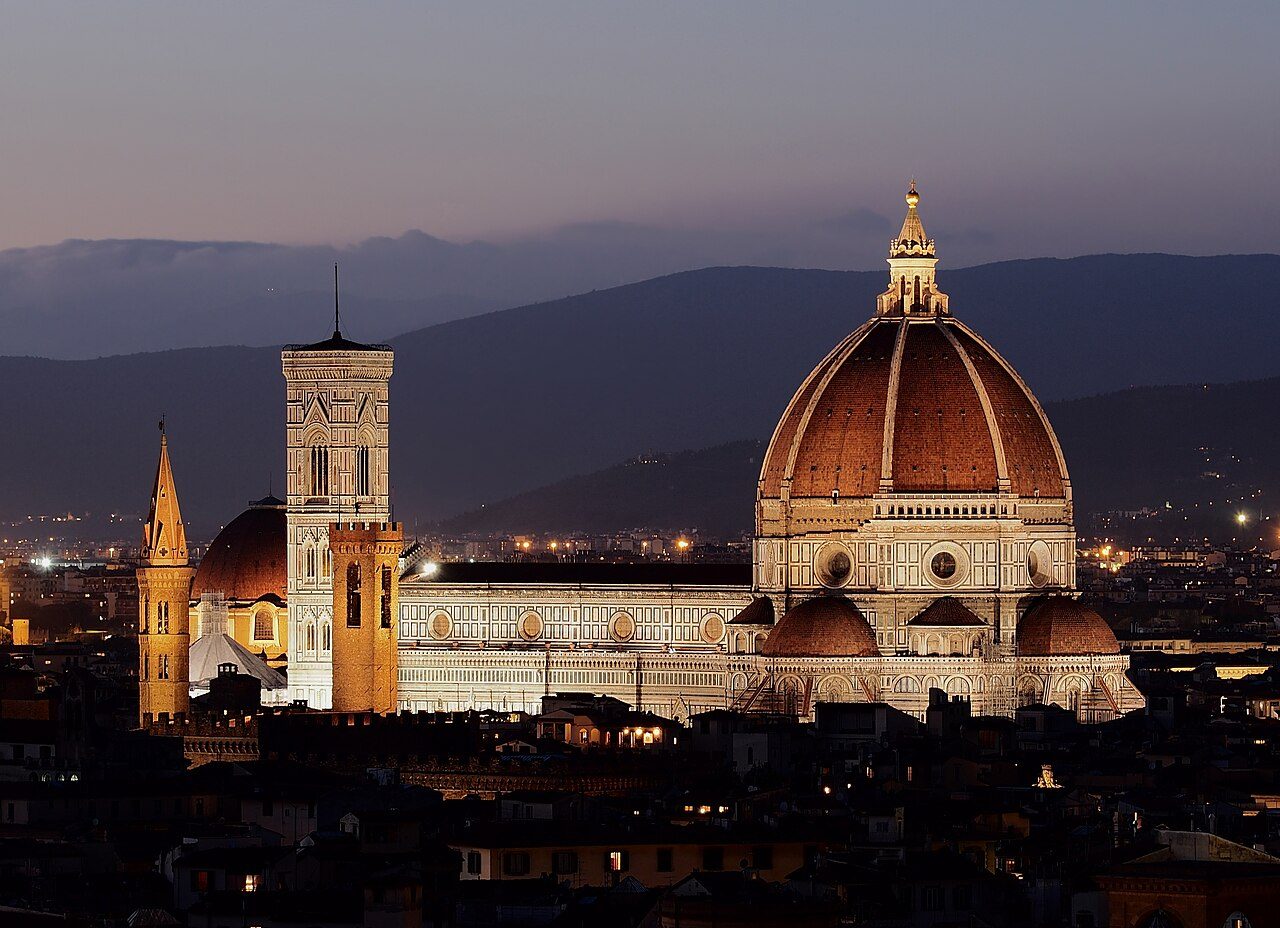
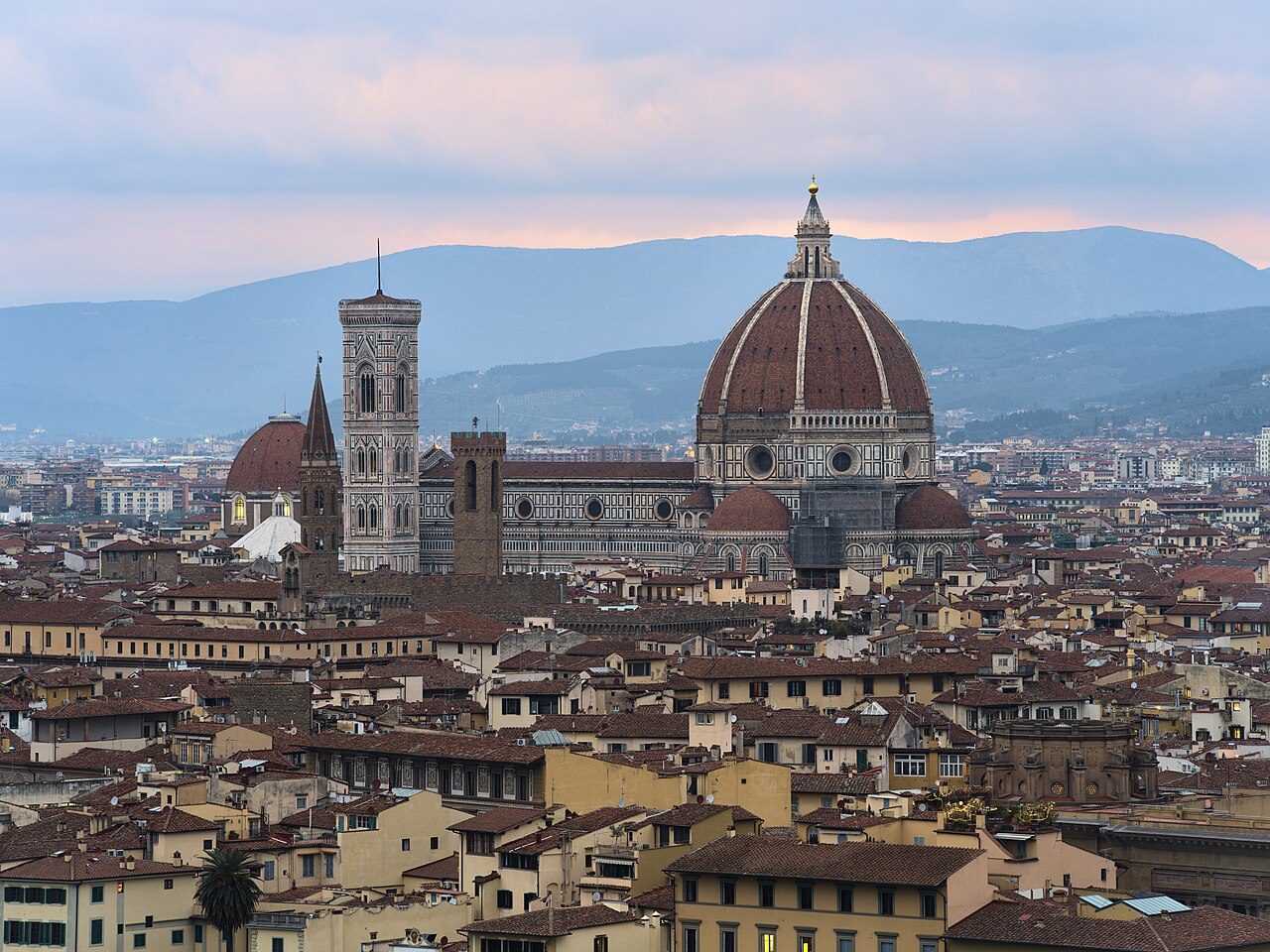
Florence Cathedral, Santa Maria del Fiore, was begun in 1296 and completed in 1436 with Brunelleschi's great dome, the largest brick dome ever built. Its facade is covered in white, green and pink marble. Visitors can climb 463 steps to the top of the dome. Giotto's bell tower and the Baptistery with its golden doors stand beside it. It is part of the UNESCO-listed historic centre.
02
STOP 2 OF 15
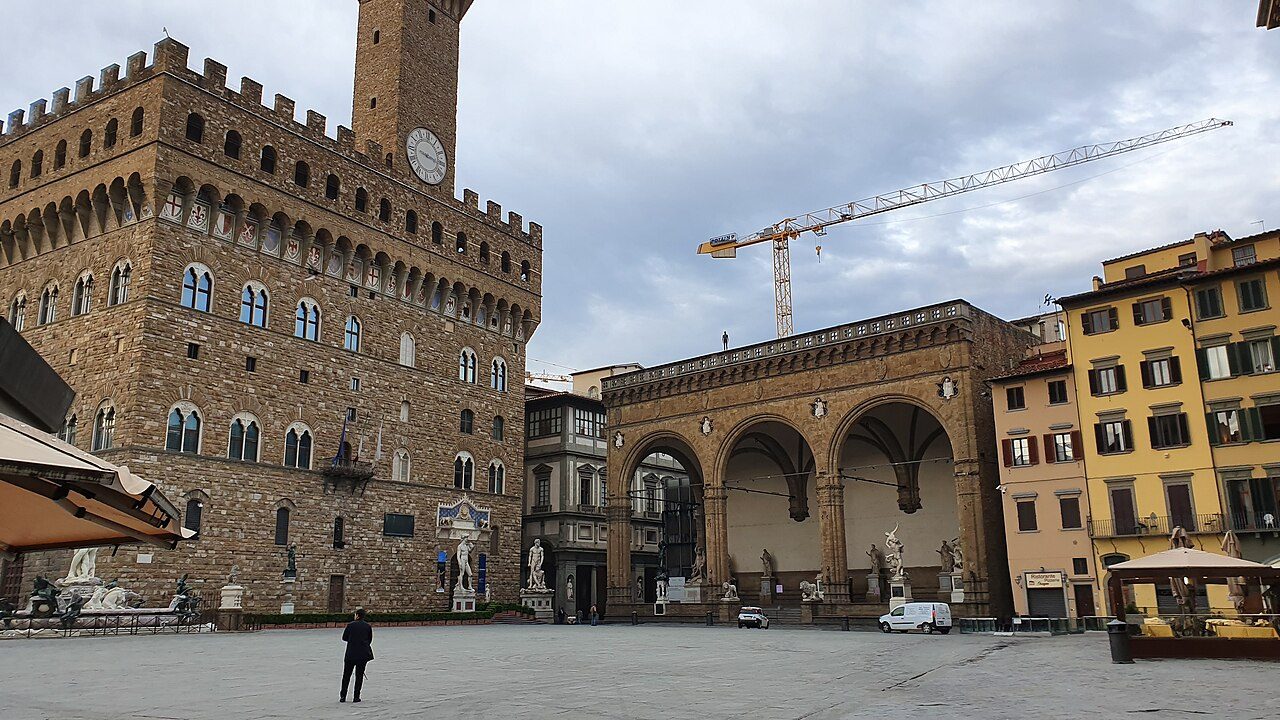
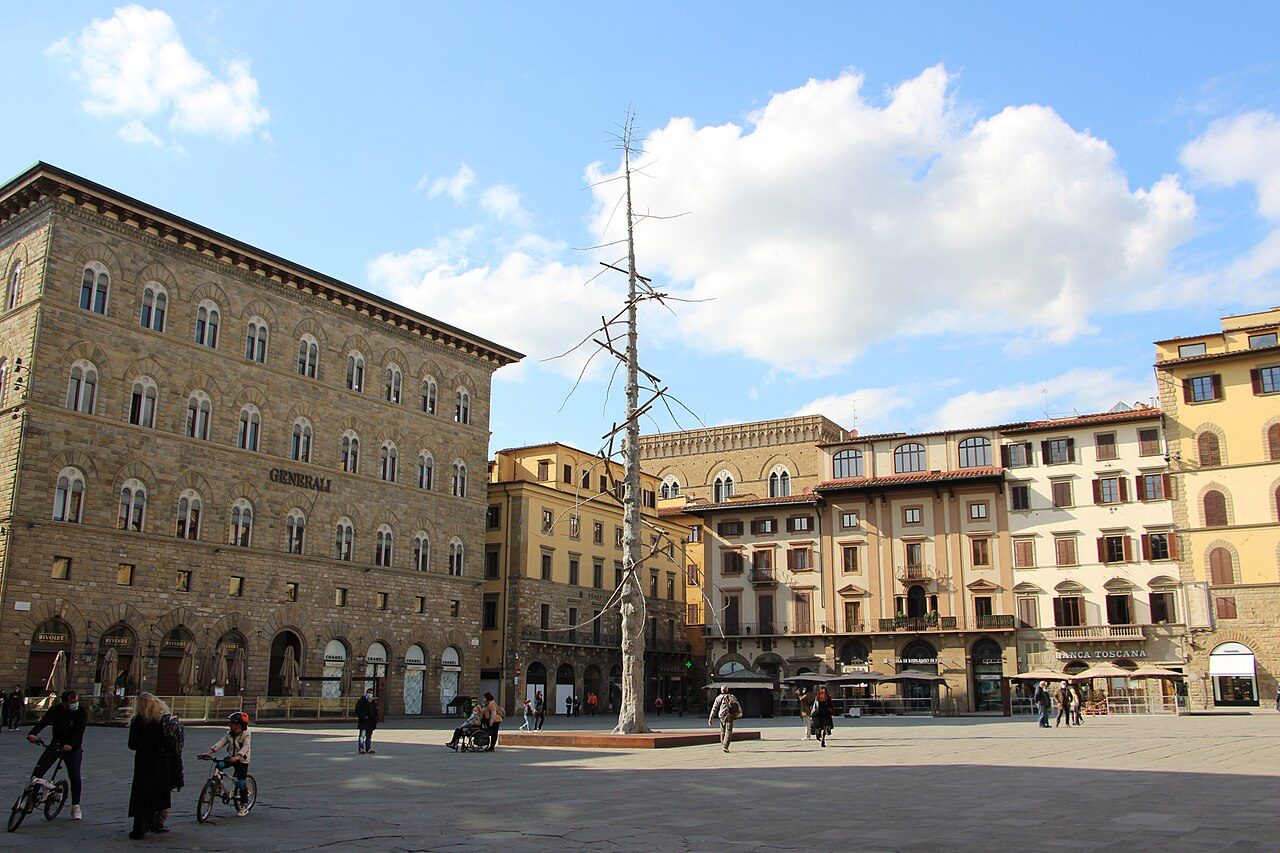
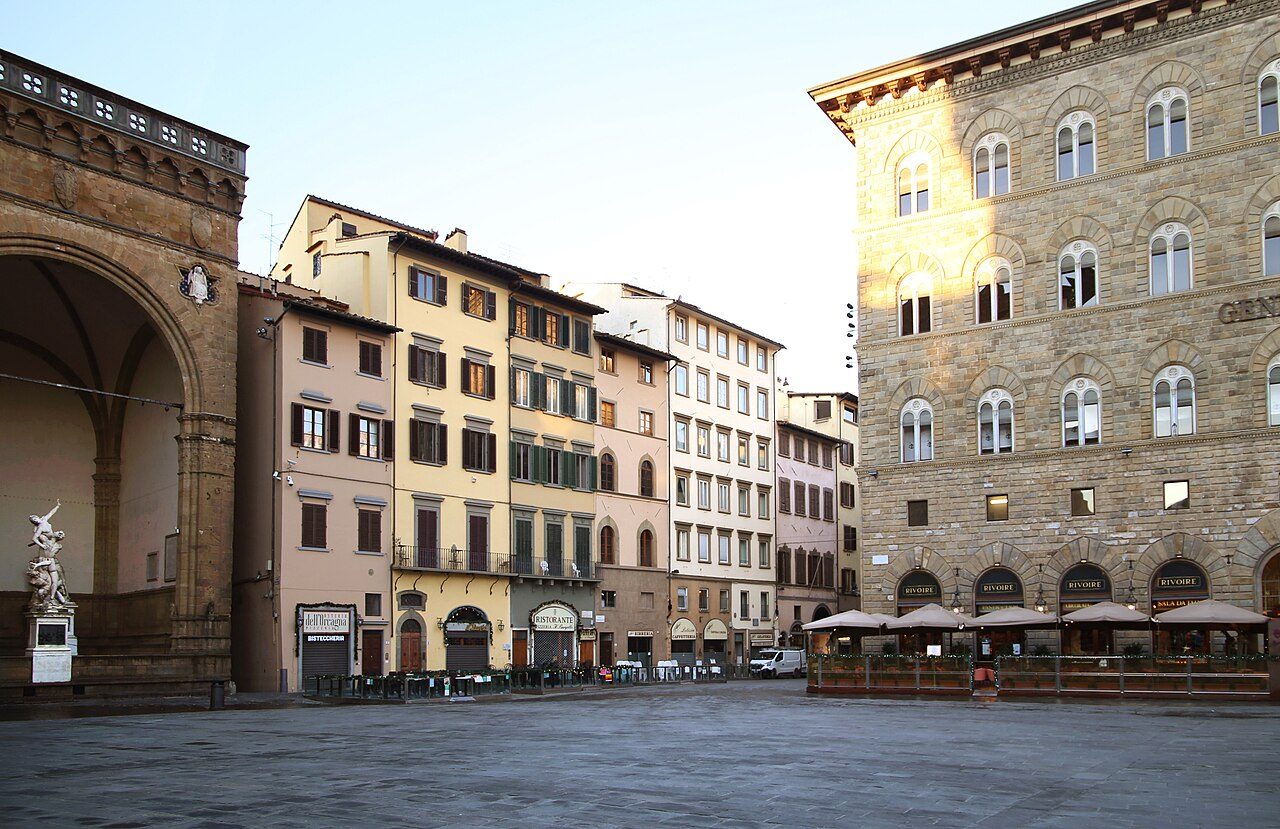
Piazza della Signoria
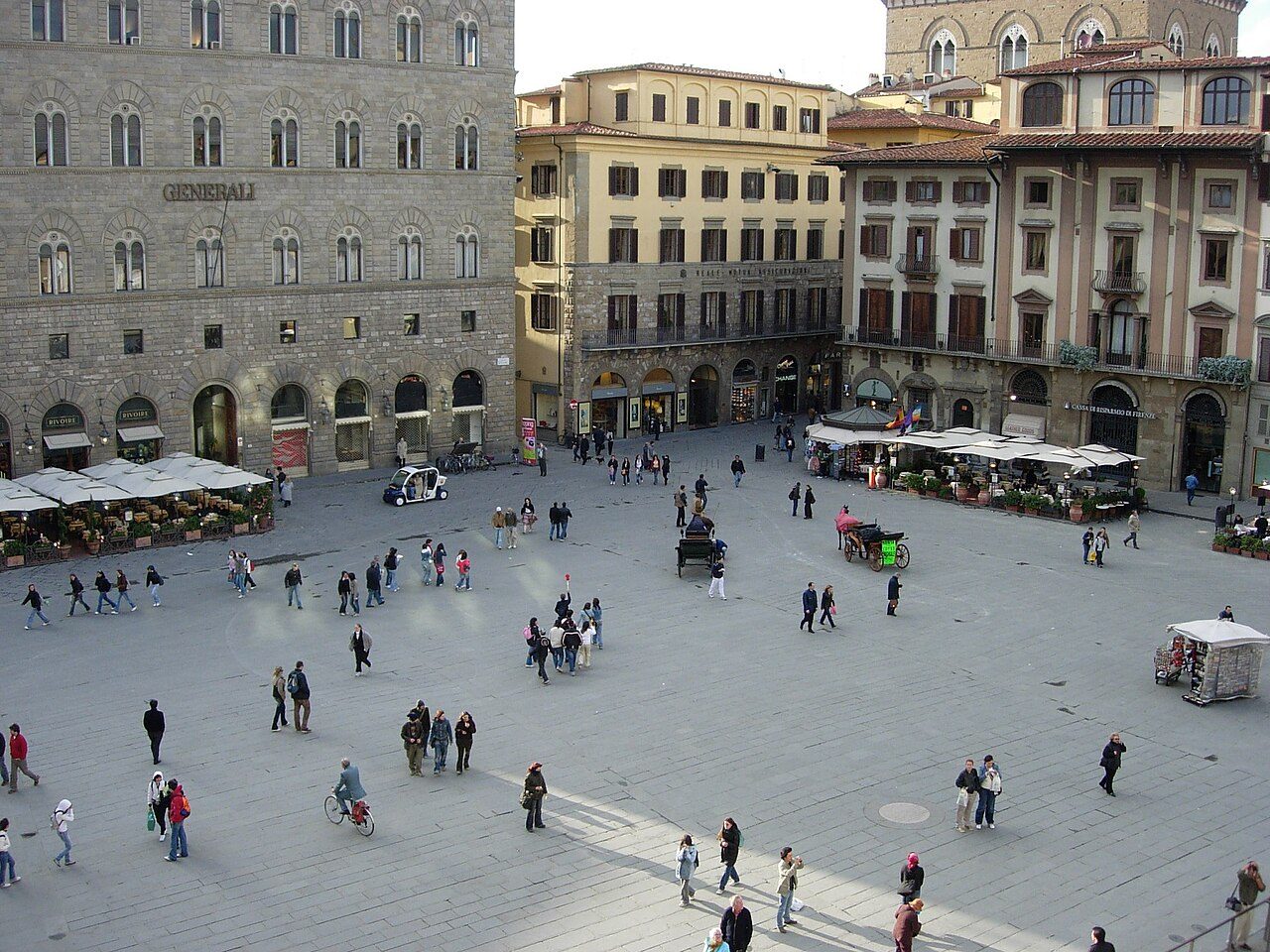
Piazza della Signoria is the main square of Florence and its political centre since the Middle Ages. It is dominated by the Palazzo Vecchio, the town hall, with its tall tower. The Loggia dei Lanzi displays statues such as Cellini's Perseus. A copy of Michelangelo's David stands at the palace entrance, beside the Fountain of Neptune.
03
STOP 3 OF 15
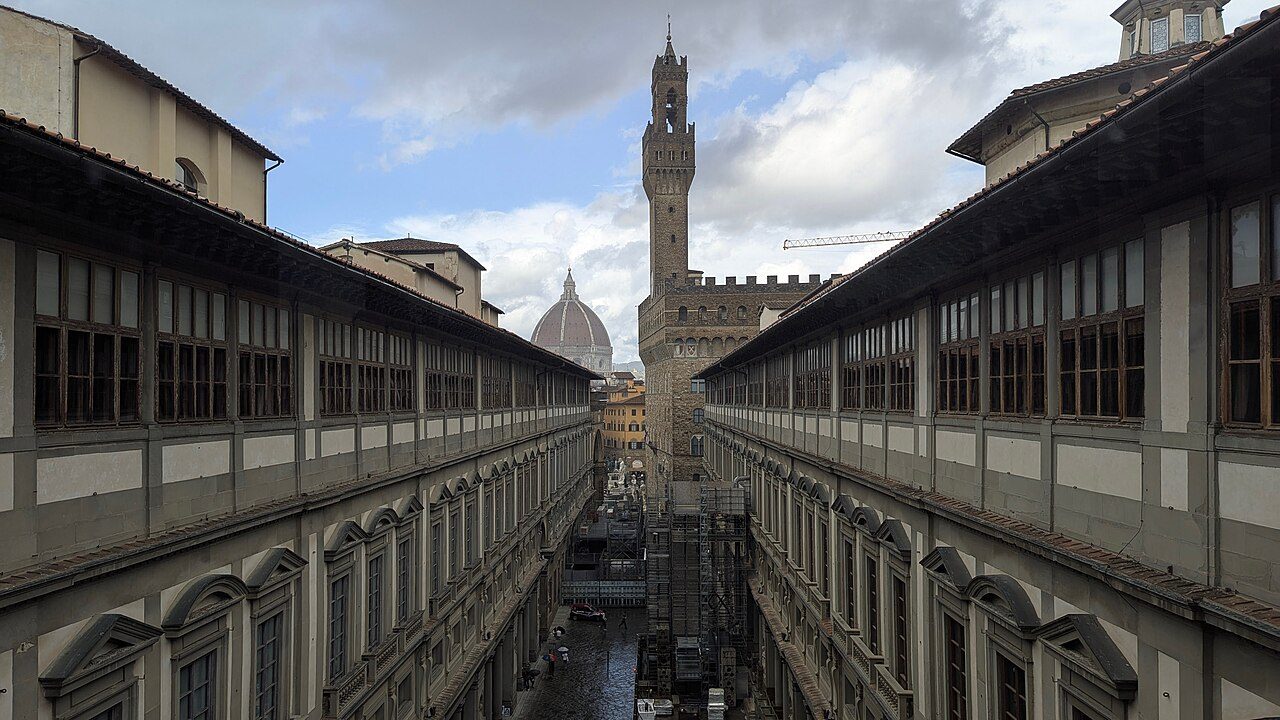
Uffizi Gallery
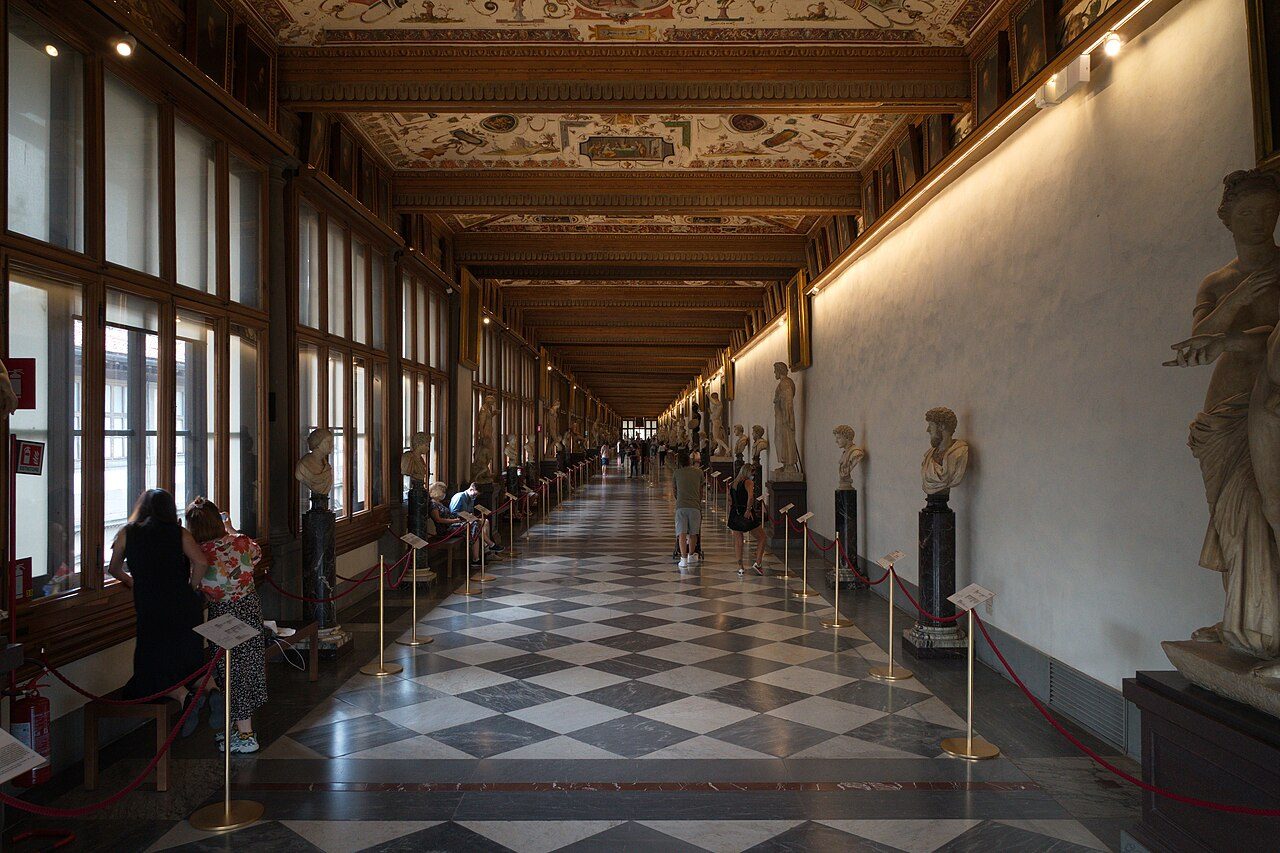
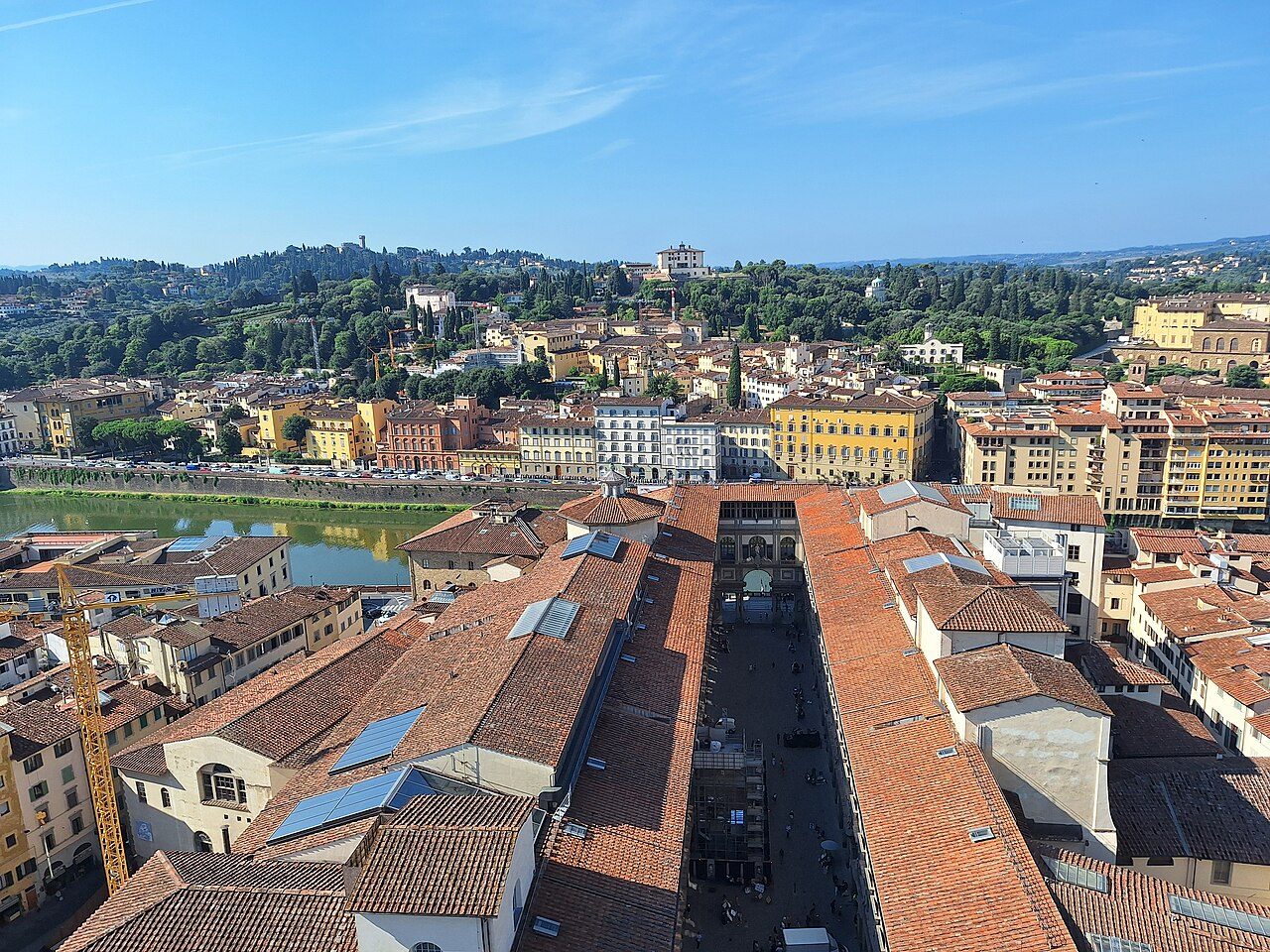
The Uffizi Gallery in Florence is one of the most famous art museums in the world. The building was designed by Giorgio Vasari in 1560 as offices for the Medici. Its collection of Renaissance art includes Botticelli's Birth of Venus and Primavera, and works by Leonardo da Vinci, Michelangelo, Raphael and Titian. Its long corridors look over the Arno.
04
STOP 4 OF 15
Ponte Vecchio
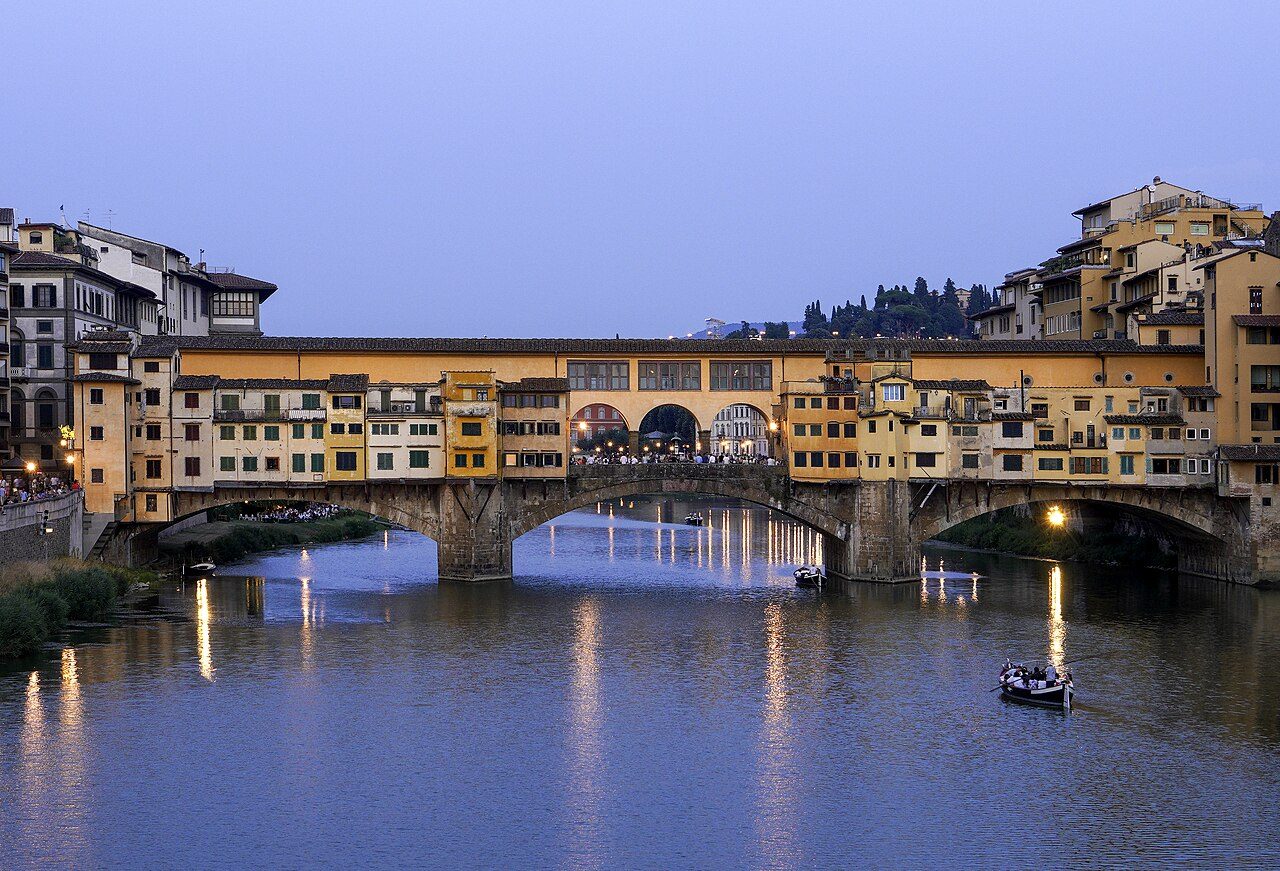
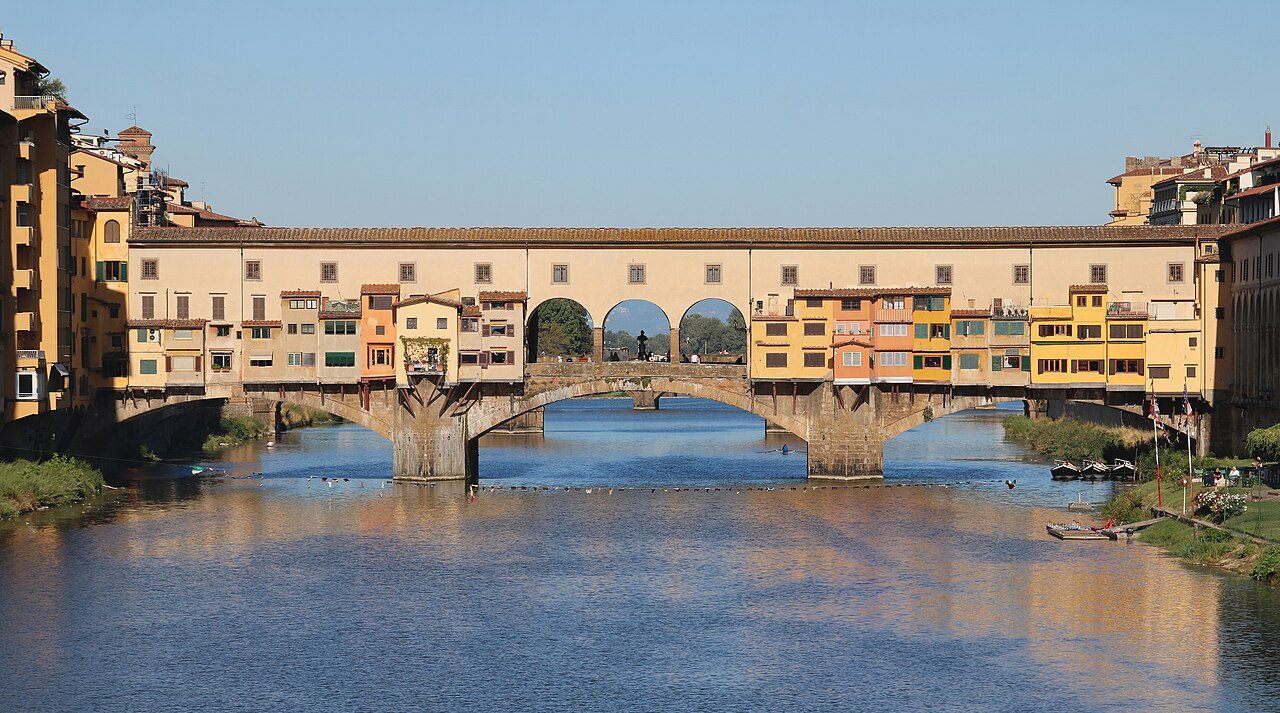
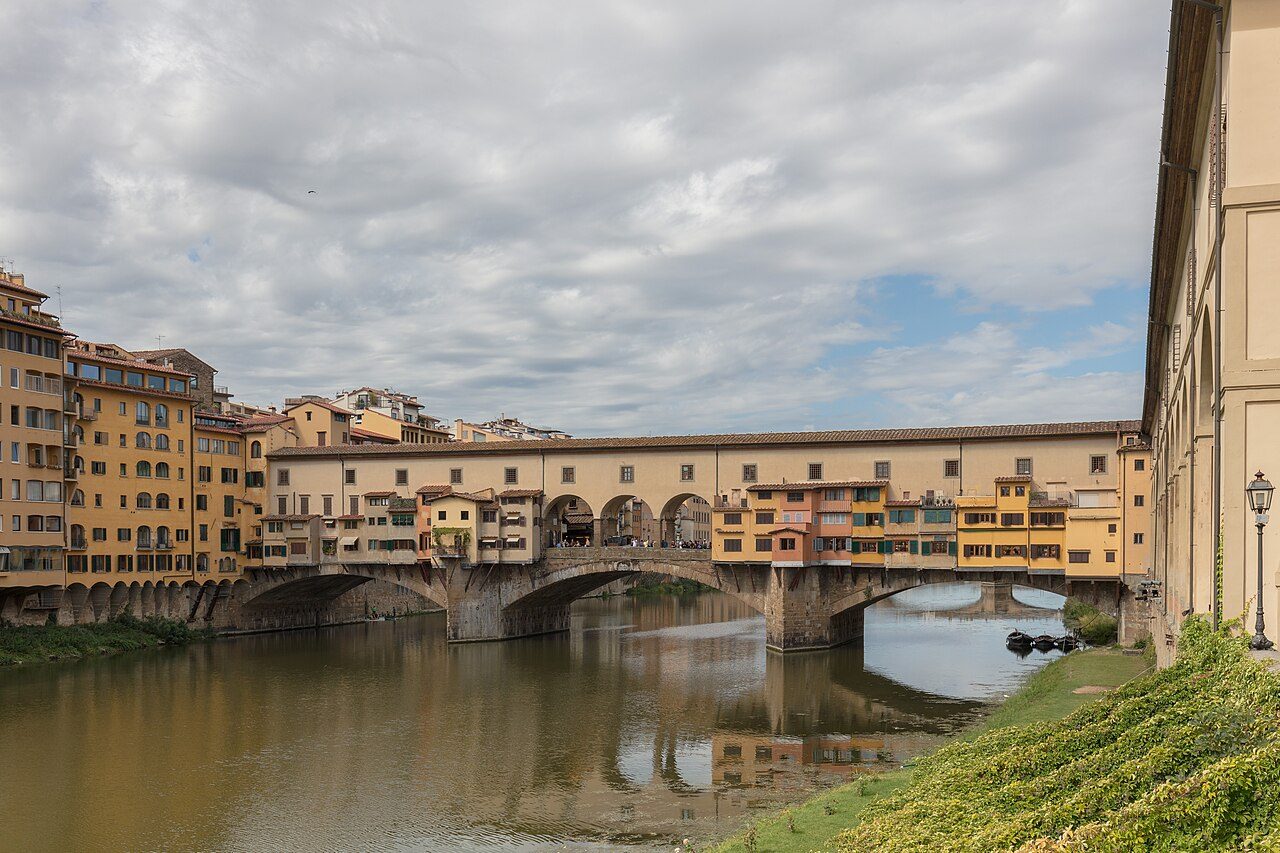
The Ponte Vecchio is a medieval stone bridge over the Arno River in Florence, rebuilt in 1345. It is famous for the shops built along it, once butchers and now jewellers and goldsmiths. Above them runs the Vasari Corridor, built for the Medici family to walk between their palaces. It was the only Florence bridge not destroyed in the Second World War.
05
STOP 5 OF 15
Galleria dell'Accademia
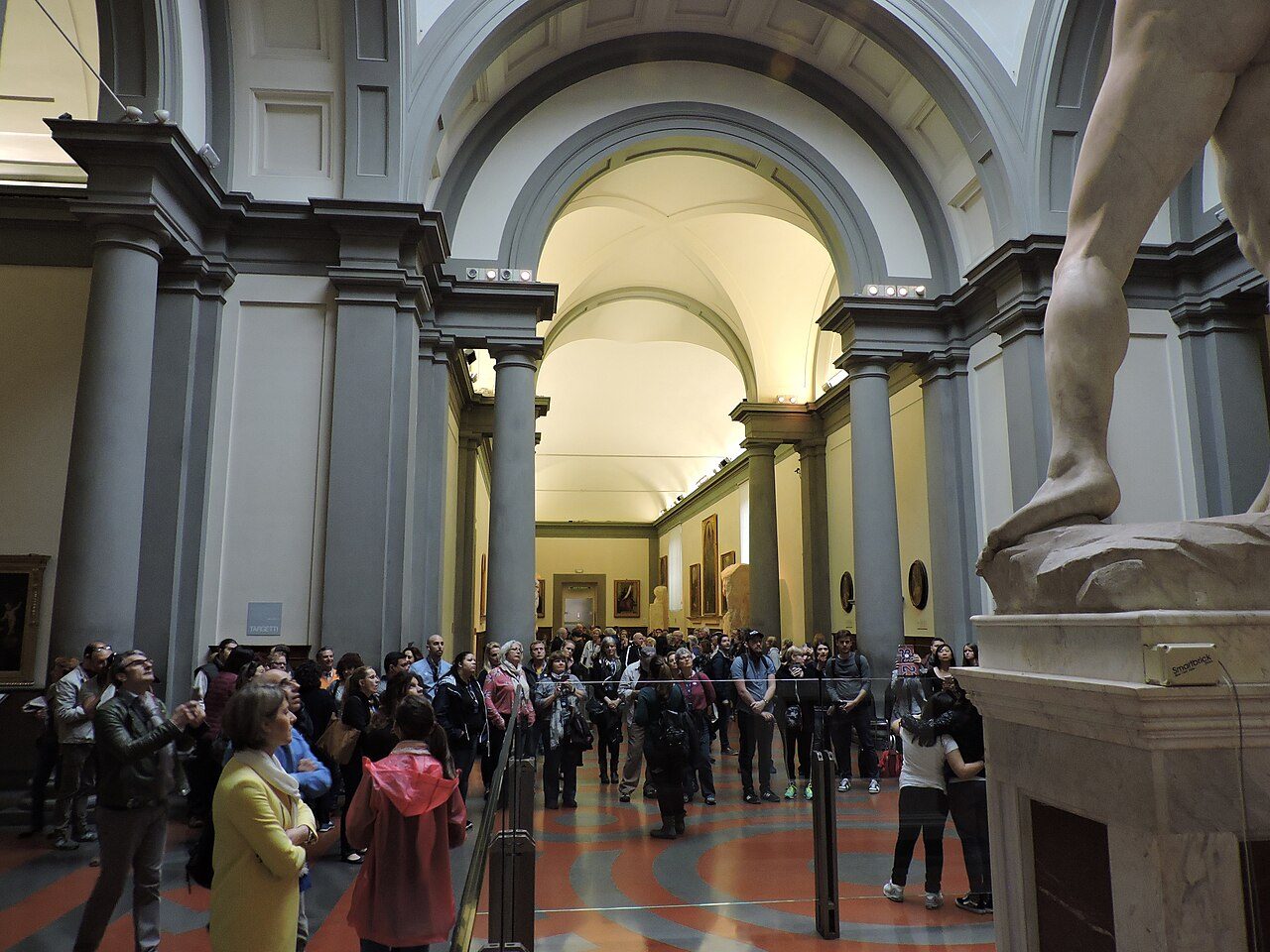
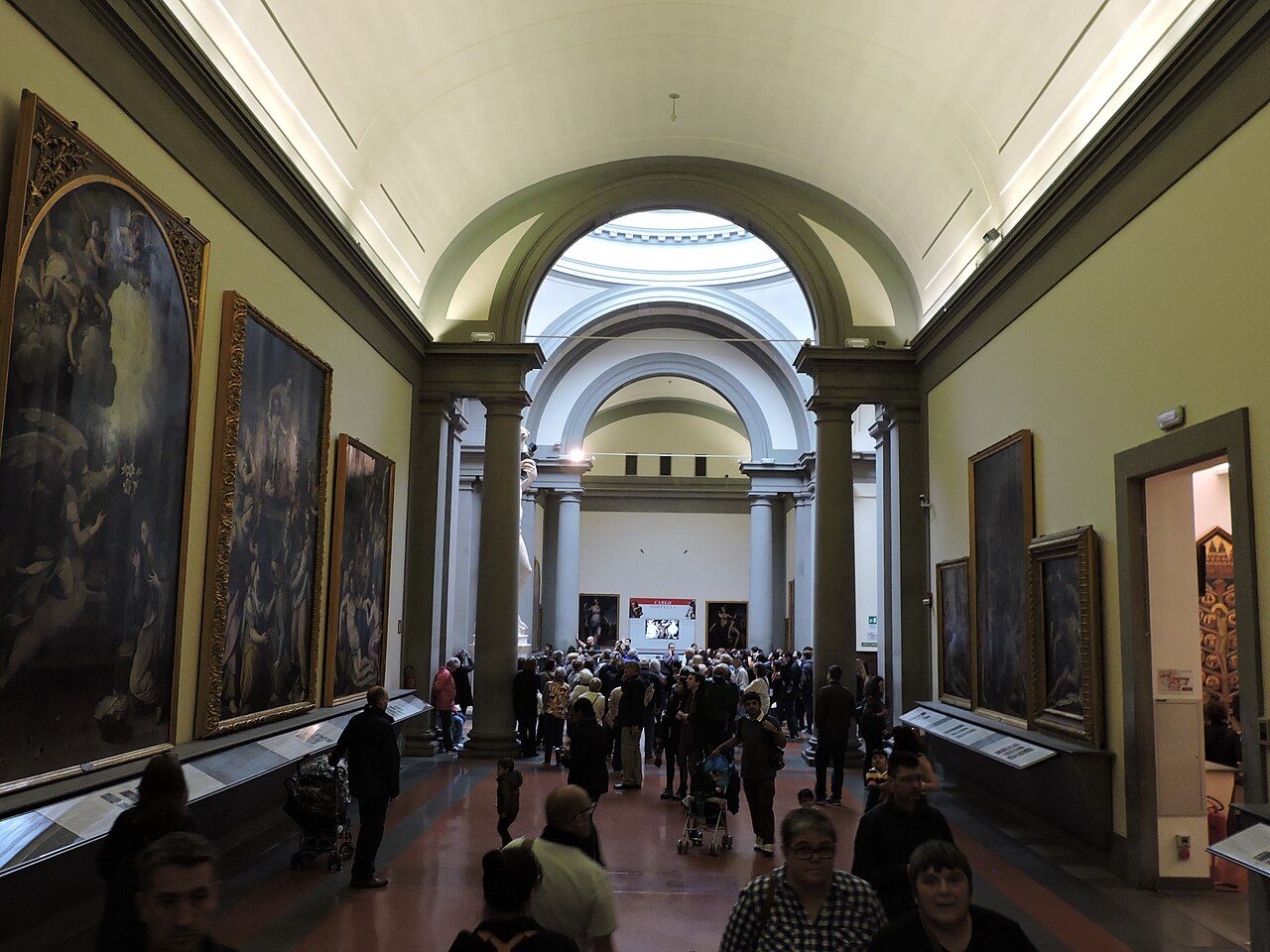
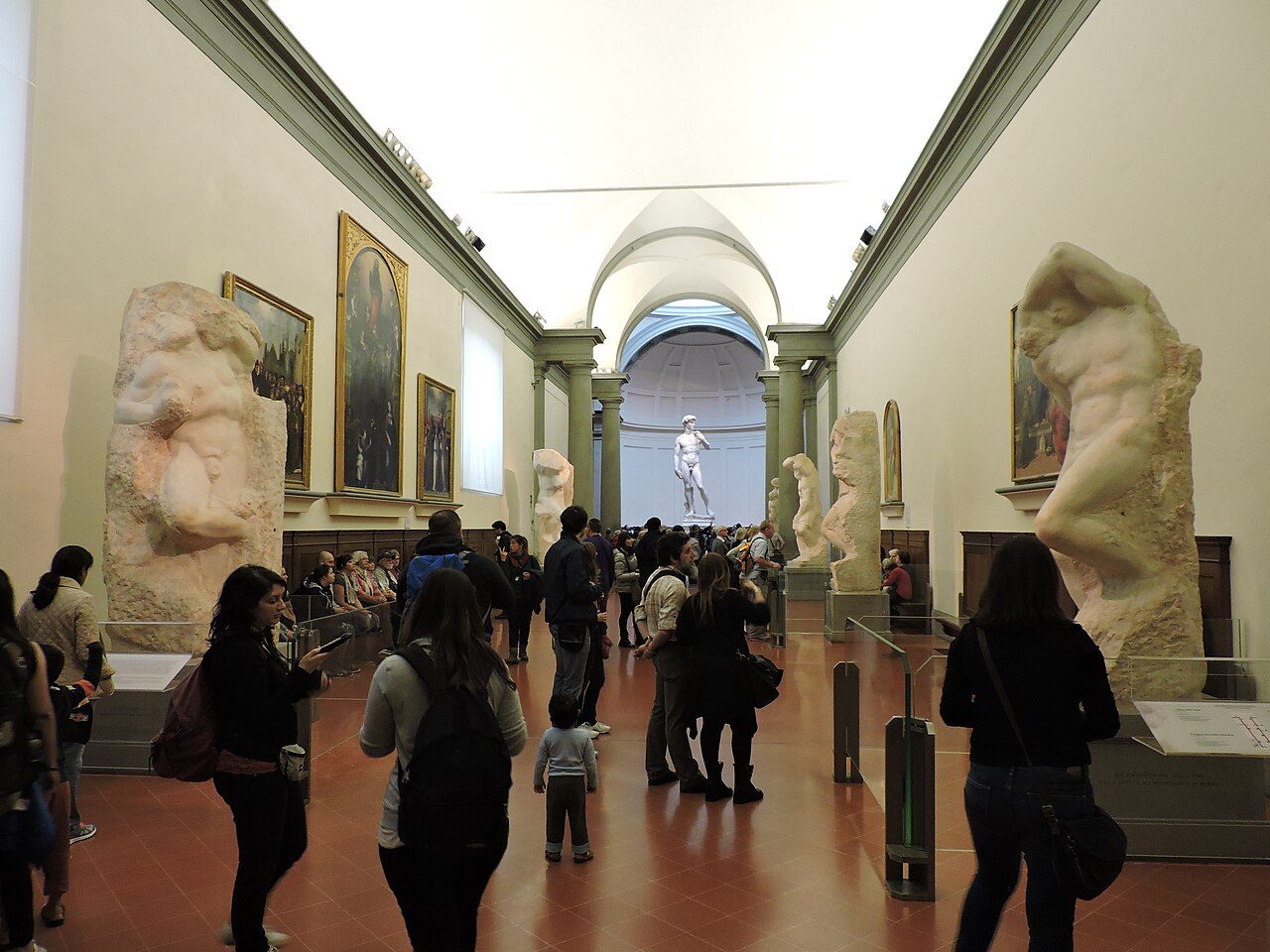
The Galleria dell'Accademia in Florence is famous as the home of Michelangelo's David, carved from a single block of marble between 1501 and 1504. The statue, over five metres tall, stands under a skylight at the end of a hall lined with Michelangelo's unfinished Prisoners. The museum also holds Renaissance paintings and musical instruments.
06
STOP 6 OF 15
Basilica of Santa Croce
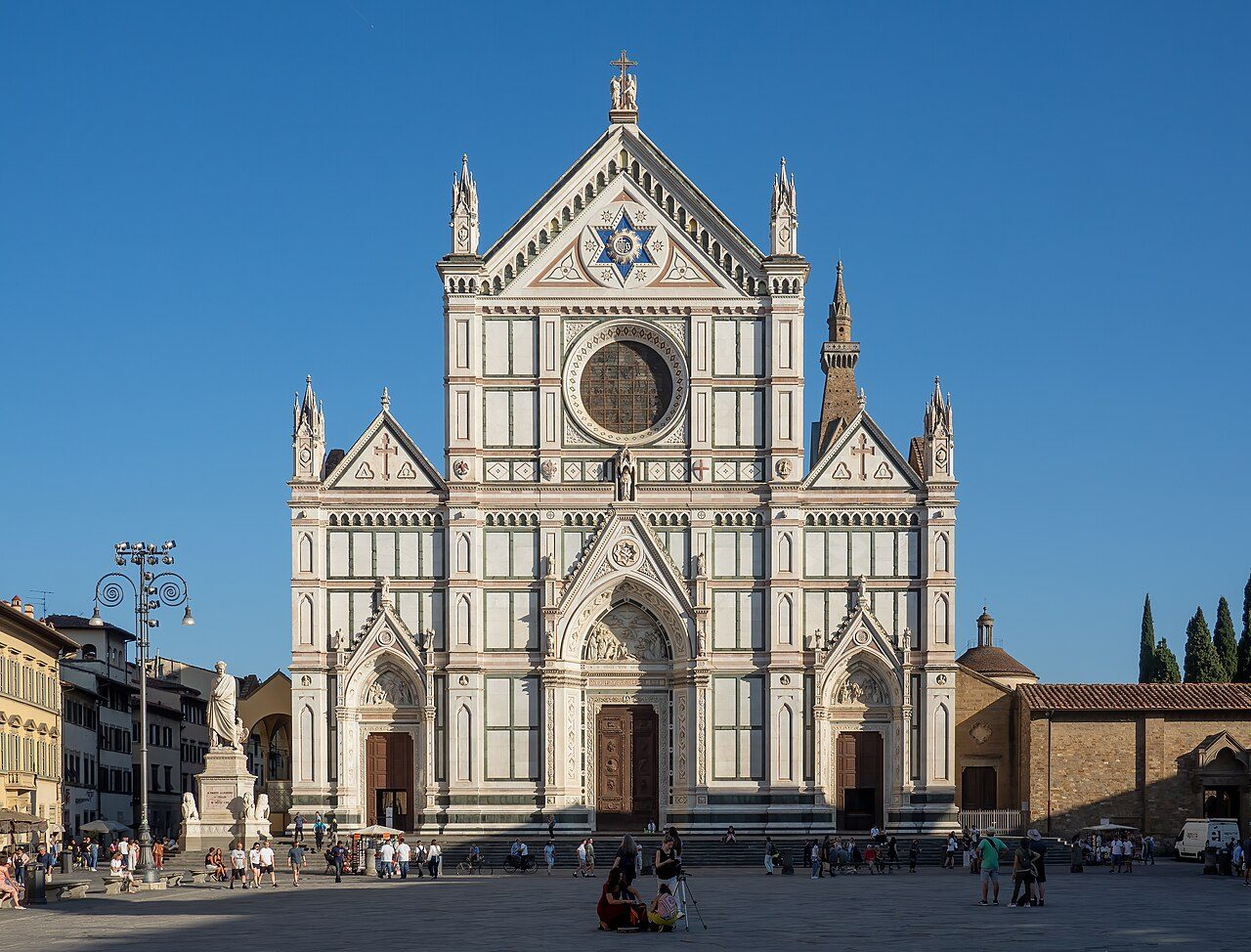
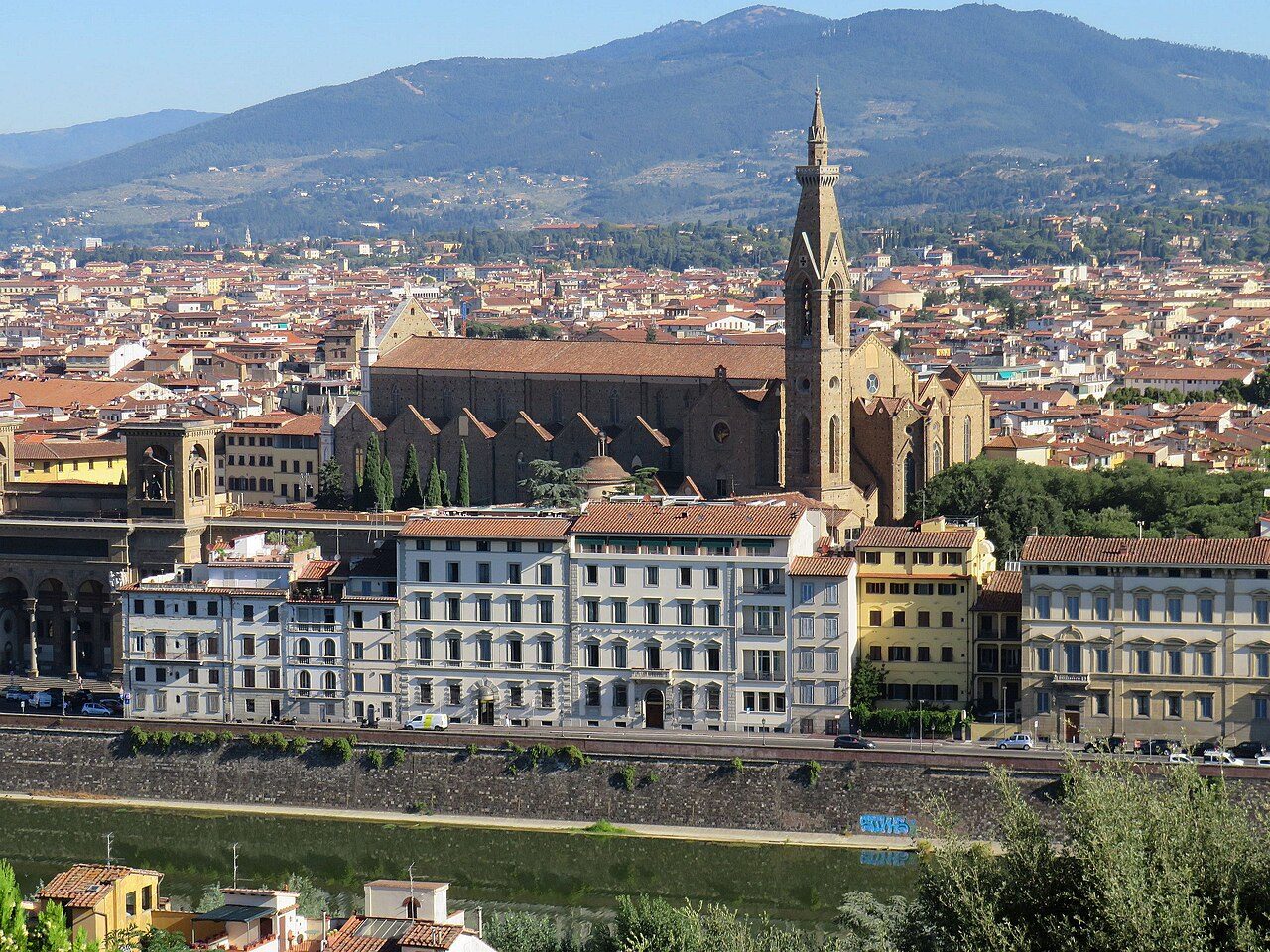
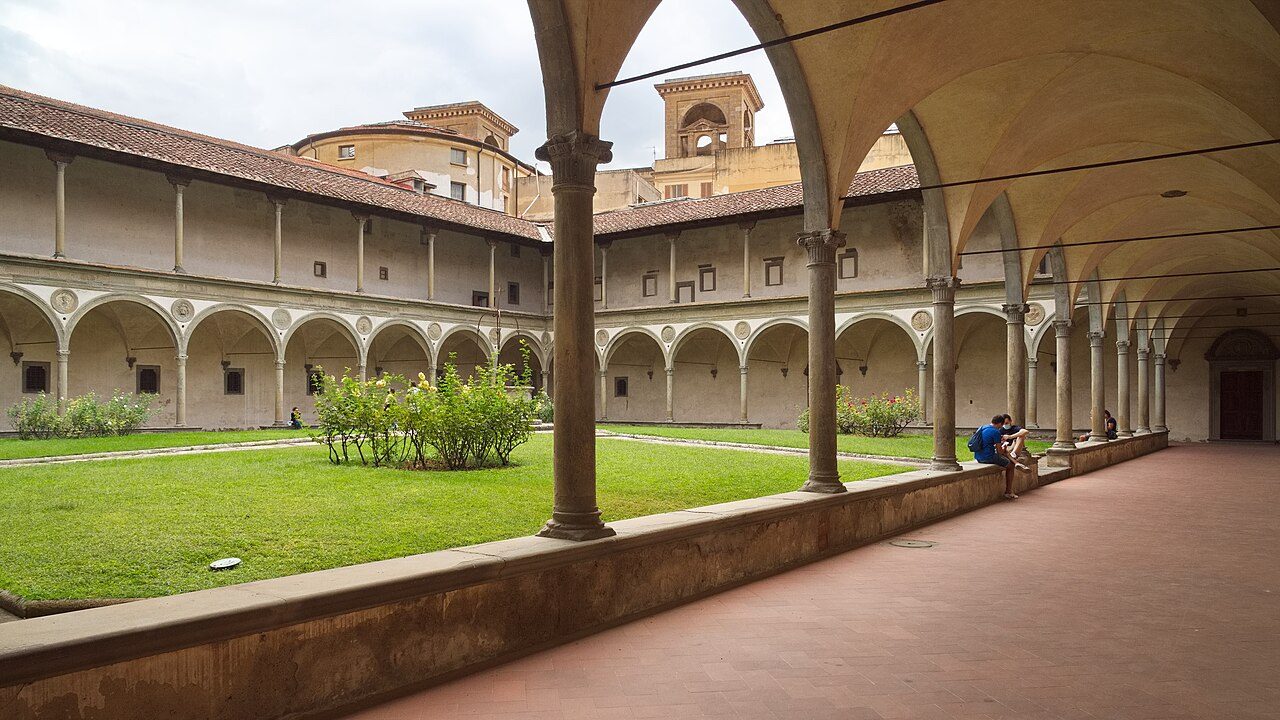
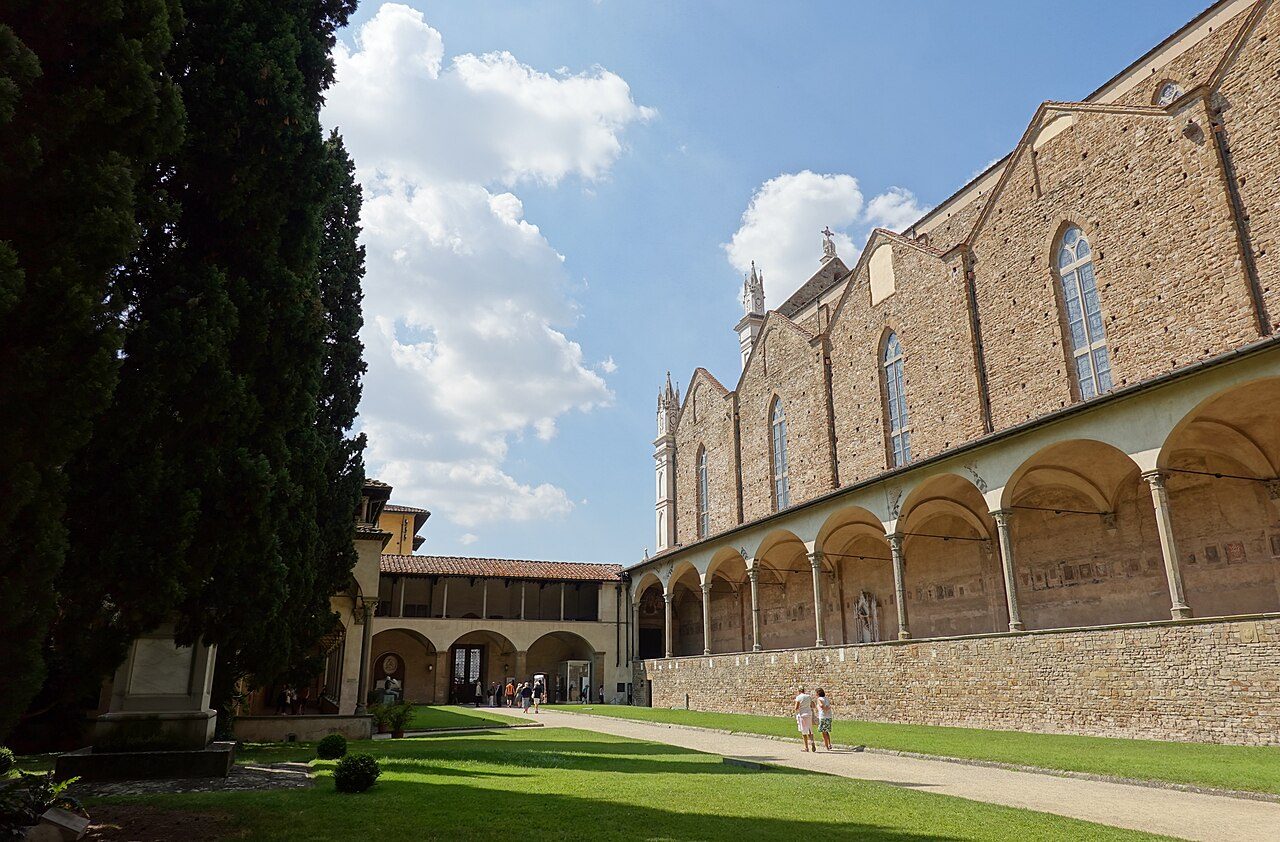
The Basilica of Santa Croce is the largest Franciscan church in the world, built from 1294 in Florence. It holds the tombs of famous Italians, including Michelangelo, Galileo, Machiavelli and Rossini, and a memorial to Dante. Its chapels are decorated with frescoes by Giotto. The church faces a large square with a statue of Dante.
07
STOP 7 OF 15
Boboli Gardens
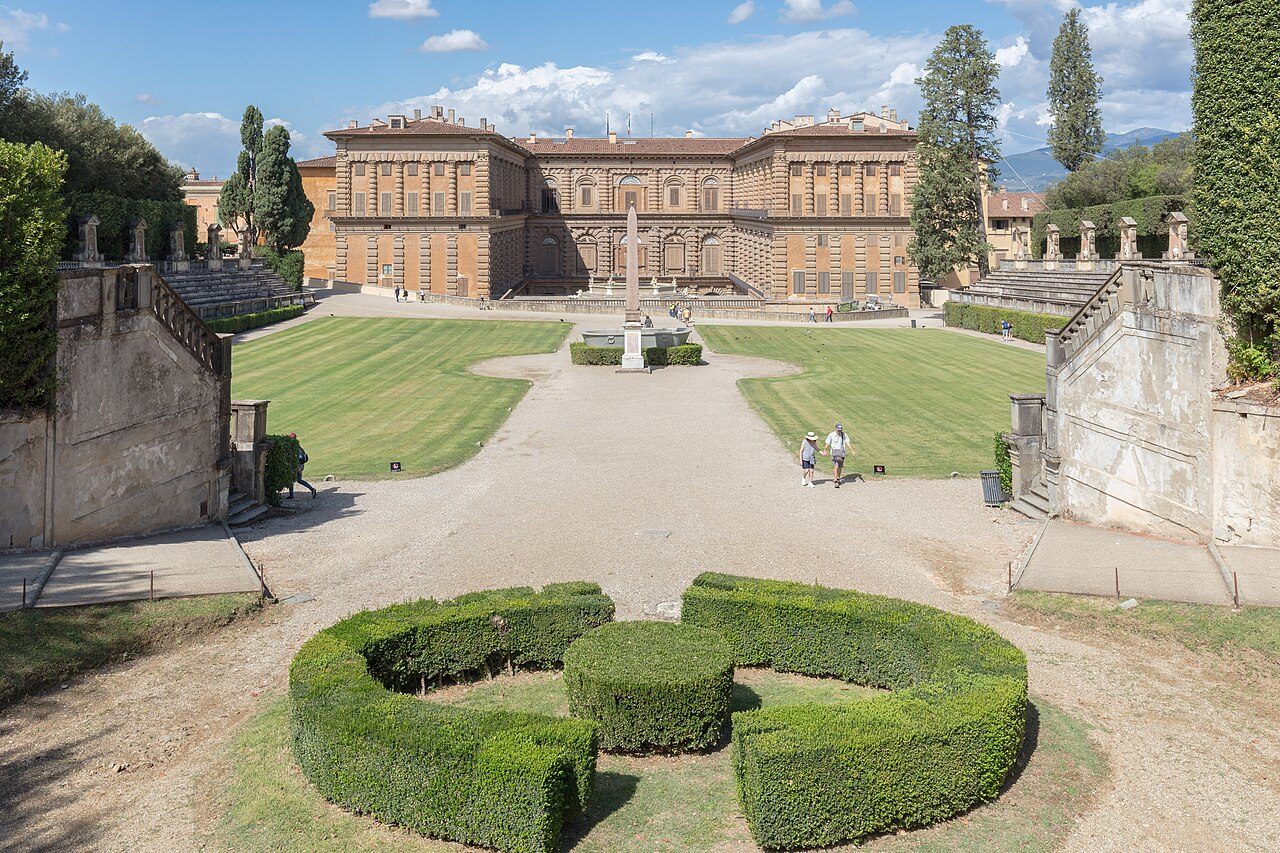
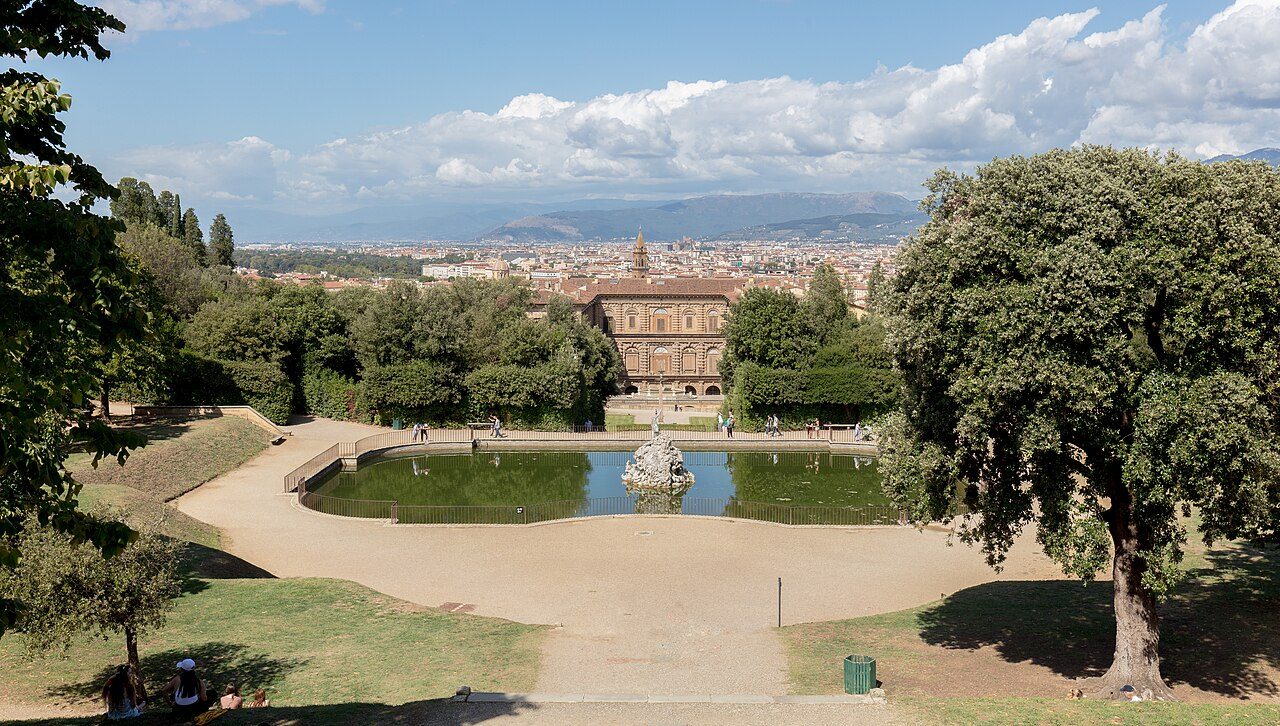
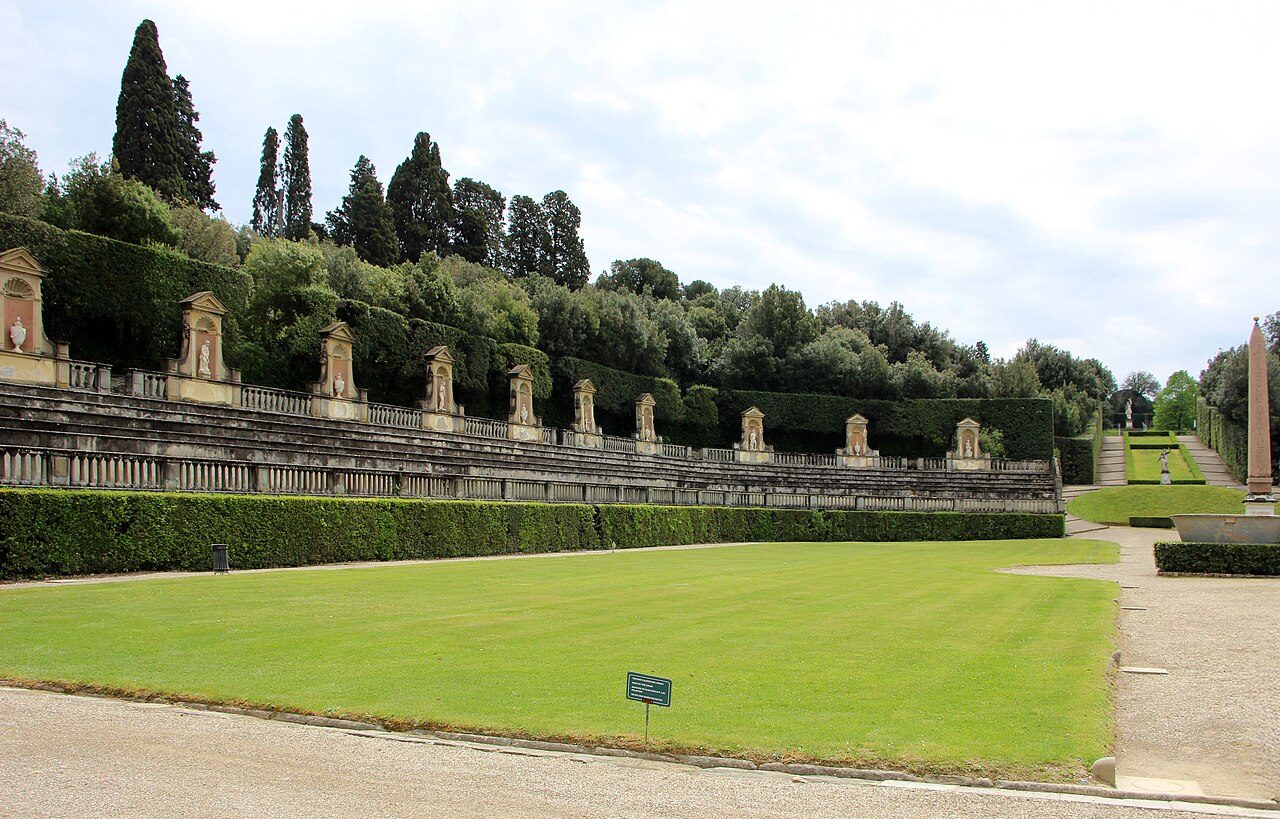
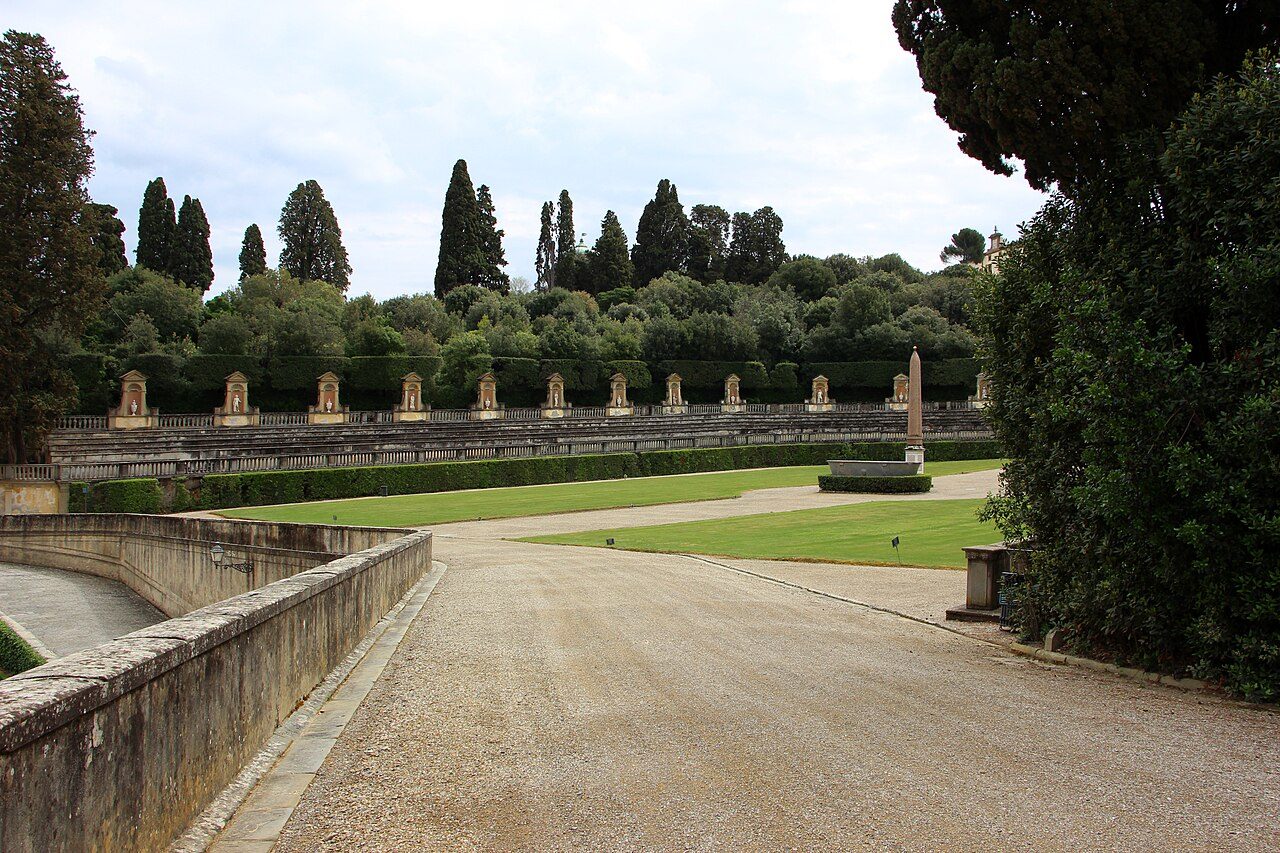
The Boboli Gardens lie behind the Palazzo Pitti in Florence. They were laid out for the Medici family from the 16th century and became a model for many European court gardens. Terraces, avenues of cypress, fountains, grottoes and statues climb the hillside. The Palazzo Pitti holds several museums, including a gallery of paintings by Raphael and Titian.
08
STOP 8 OF 15
Piazzale Michelangelo
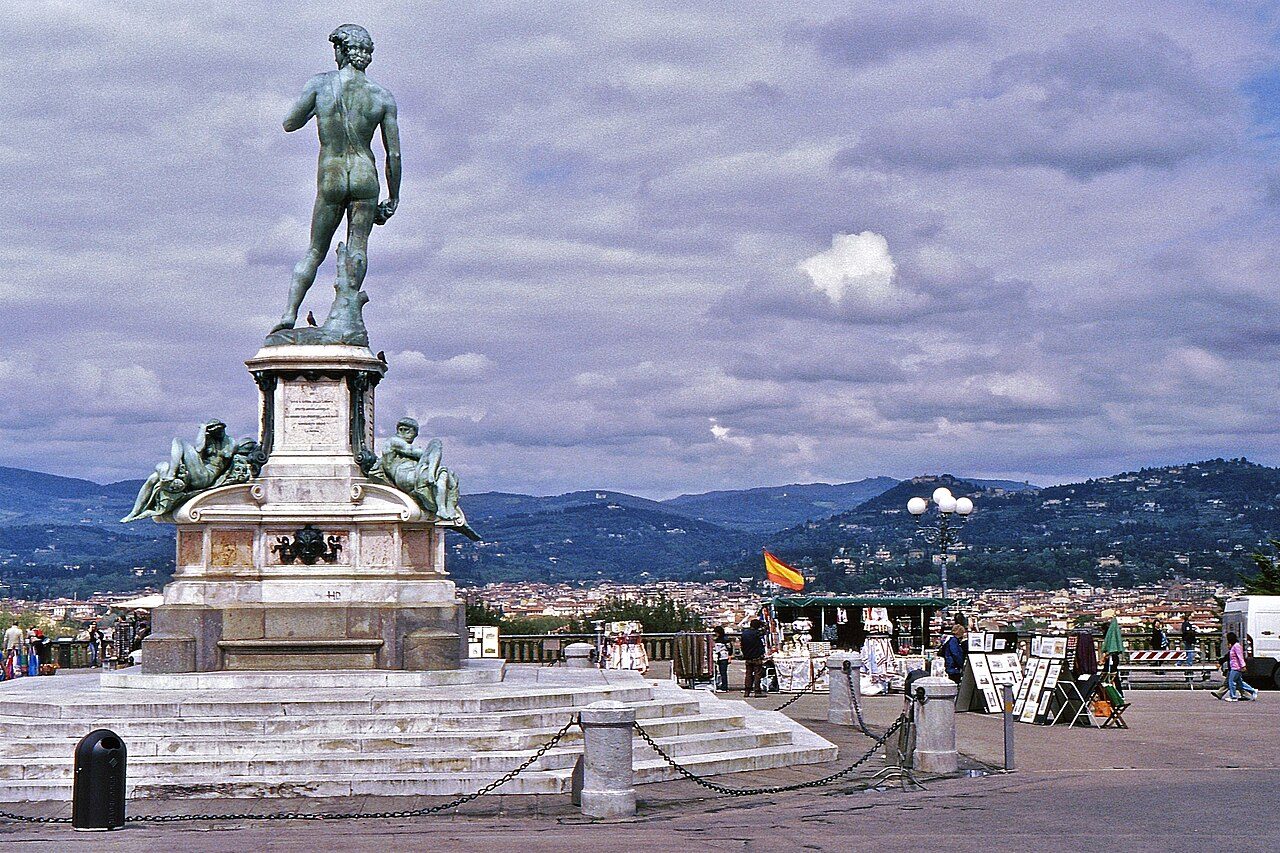
Piazzale Michelangelo is a square on a hill on the south bank of the Arno in Florence, built in 1869. It gives the most famous panoramic view of the city, with the cathedral dome, Palazzo Vecchio and the bridges over the Arno. A bronze copy of Michelangelo's David stands in the middle. It is especially popular at sunset.
09
STOP 9 OF 15
Piazza del Campo
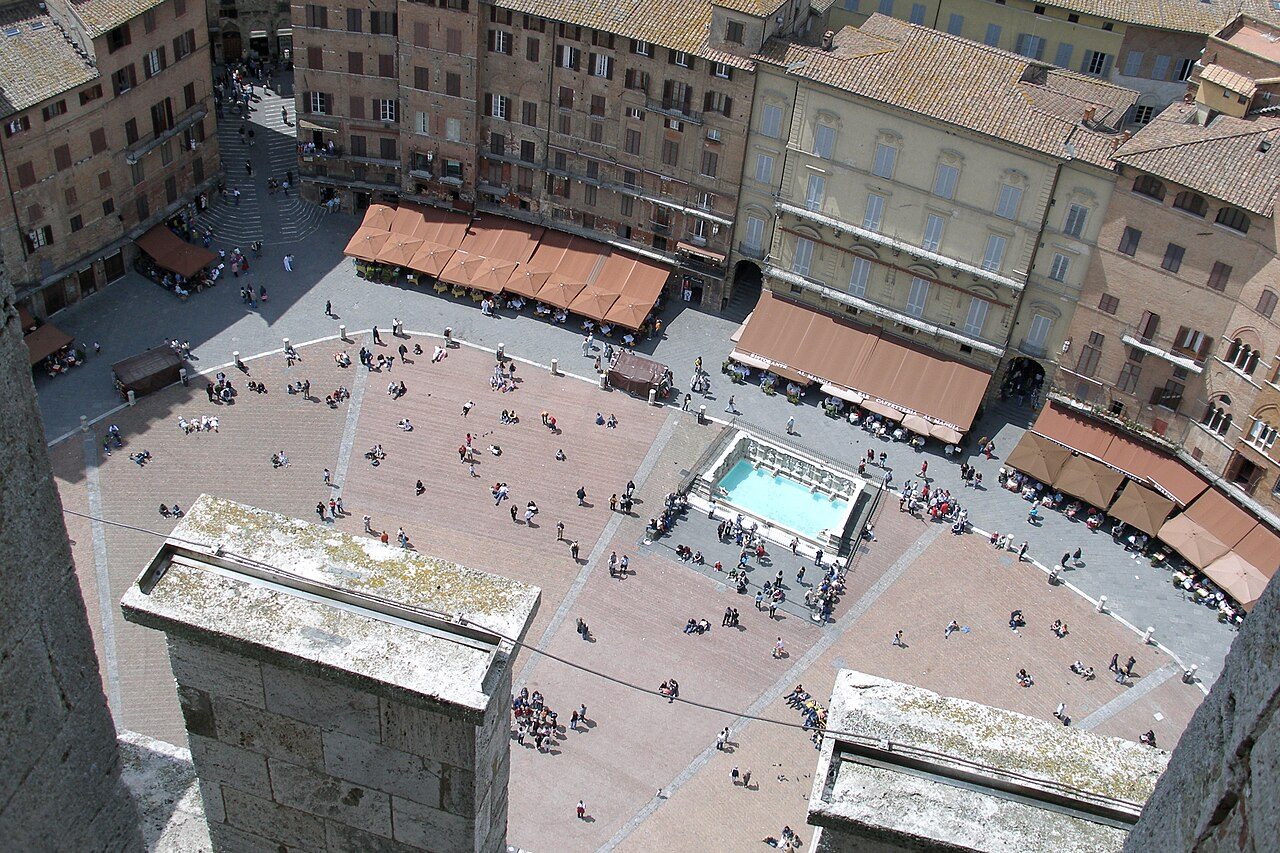
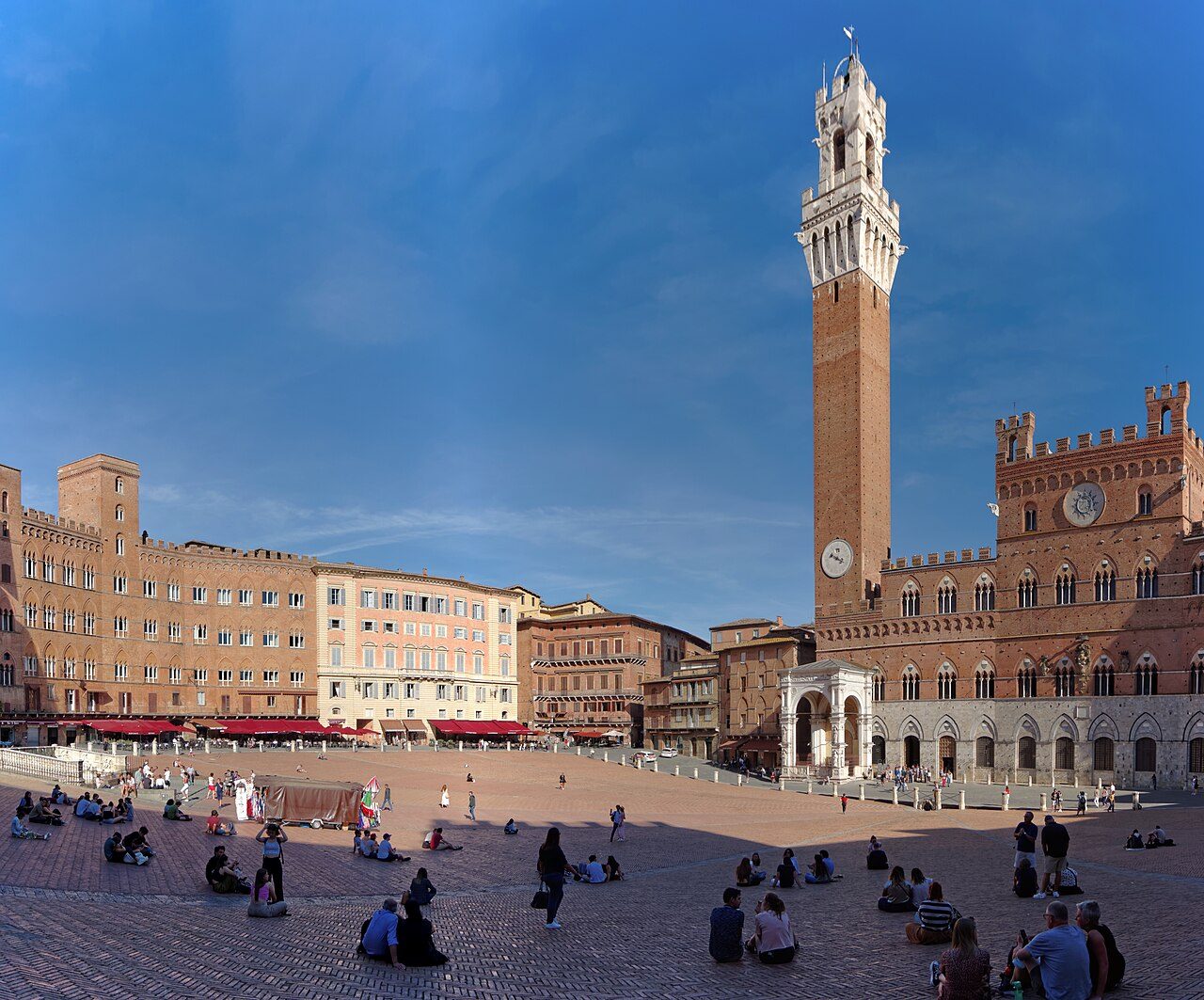
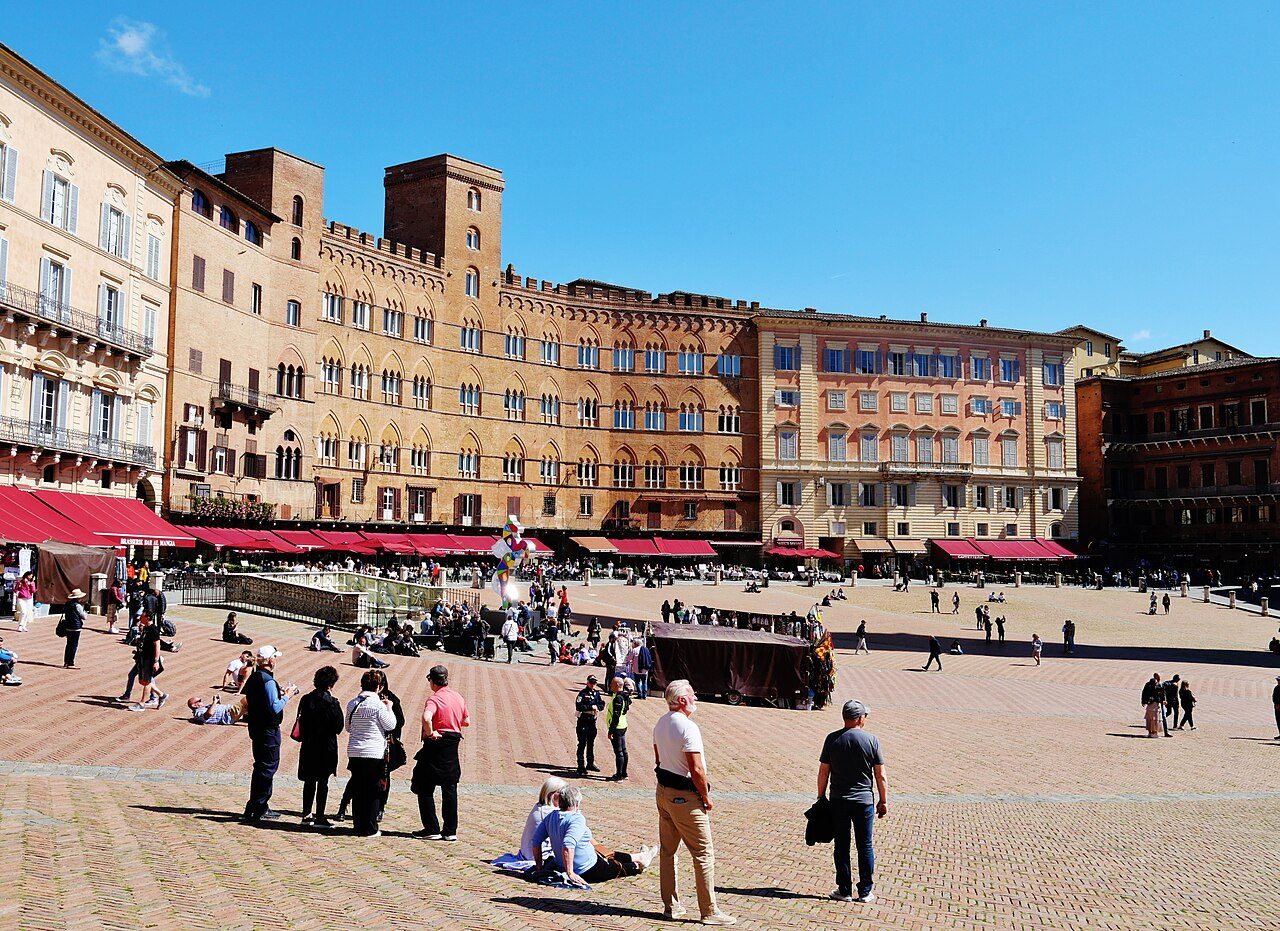
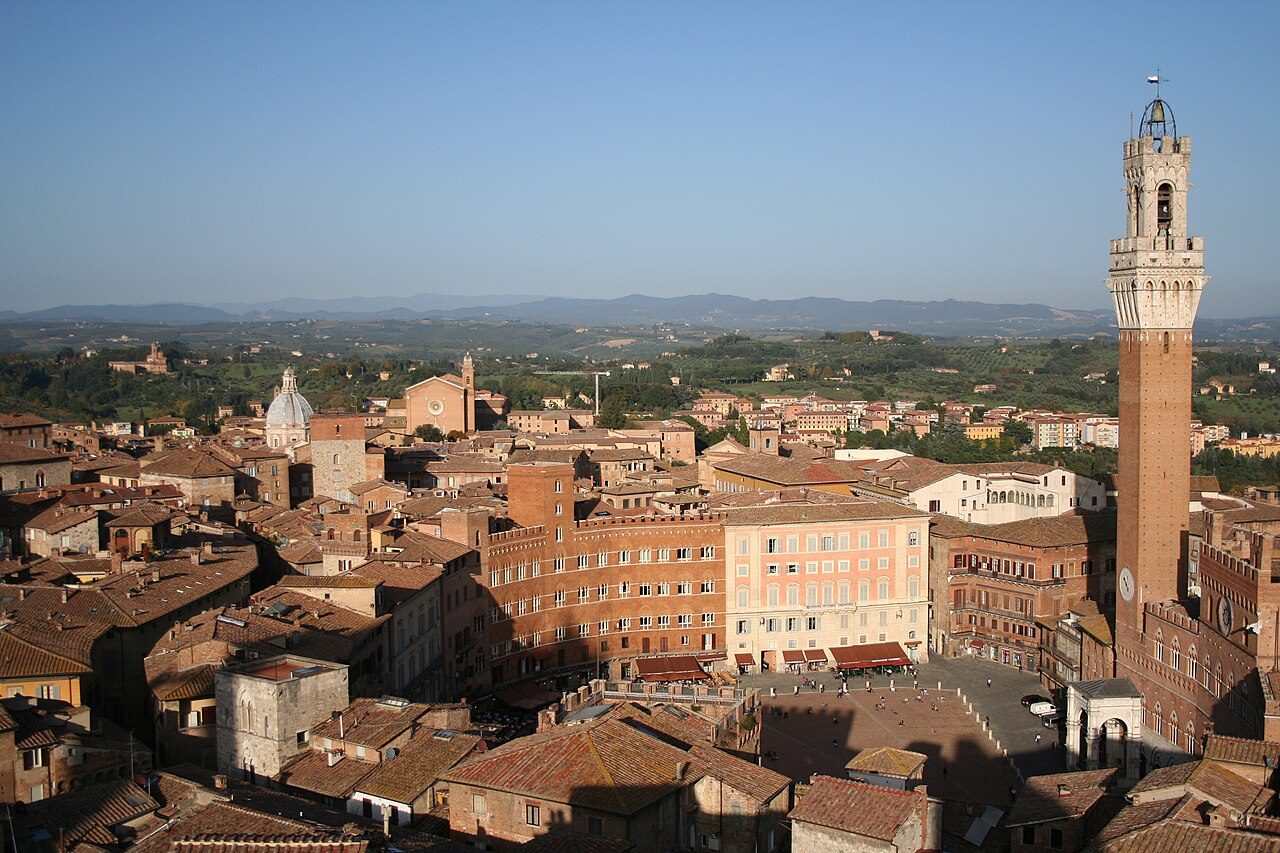
Piazza del Campo is the main square of Siena, famous for its shell shape, sloping down to the Palazzo Pubblico. The slender Torre del Mangia rises about 88 metres beside the palace and can be climbed. The square is divided into nine sections in memory of the Council of Nine. Twice a year it hosts the Palio, a wild horse race around its edge.
10
STOP 10 OF 15
Siena Cathedral
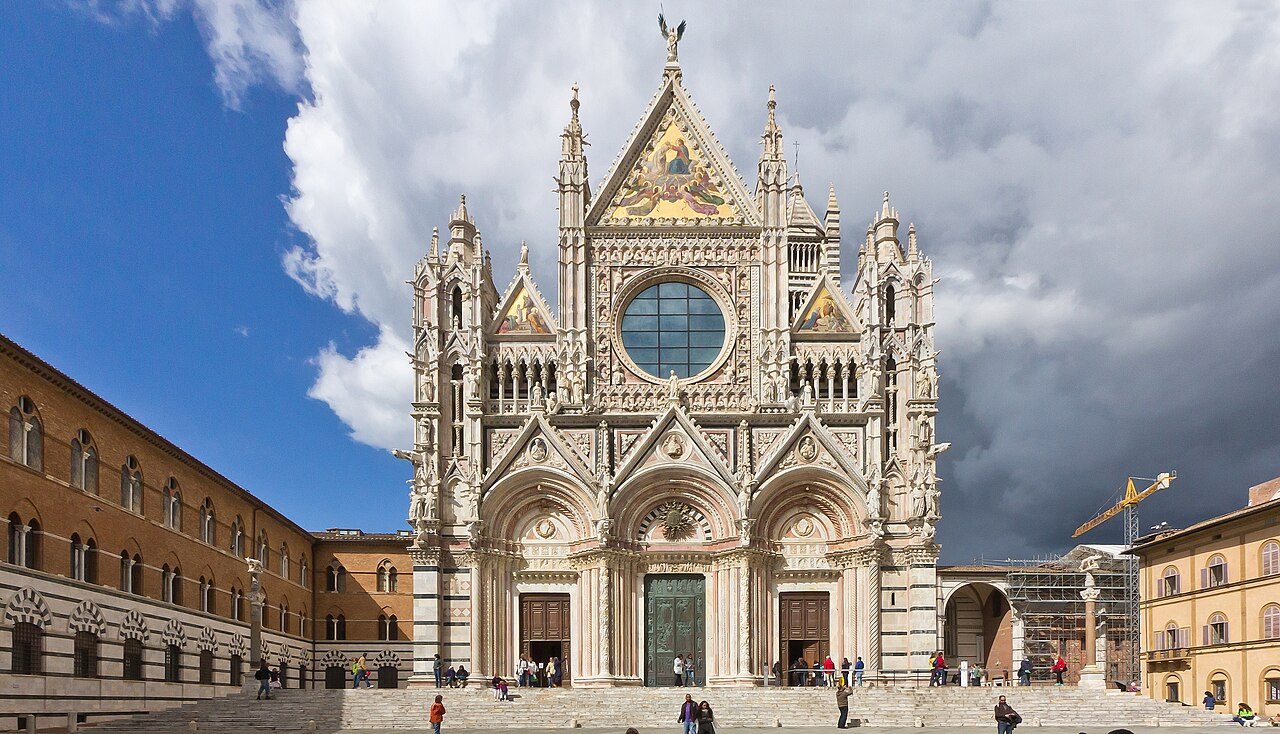
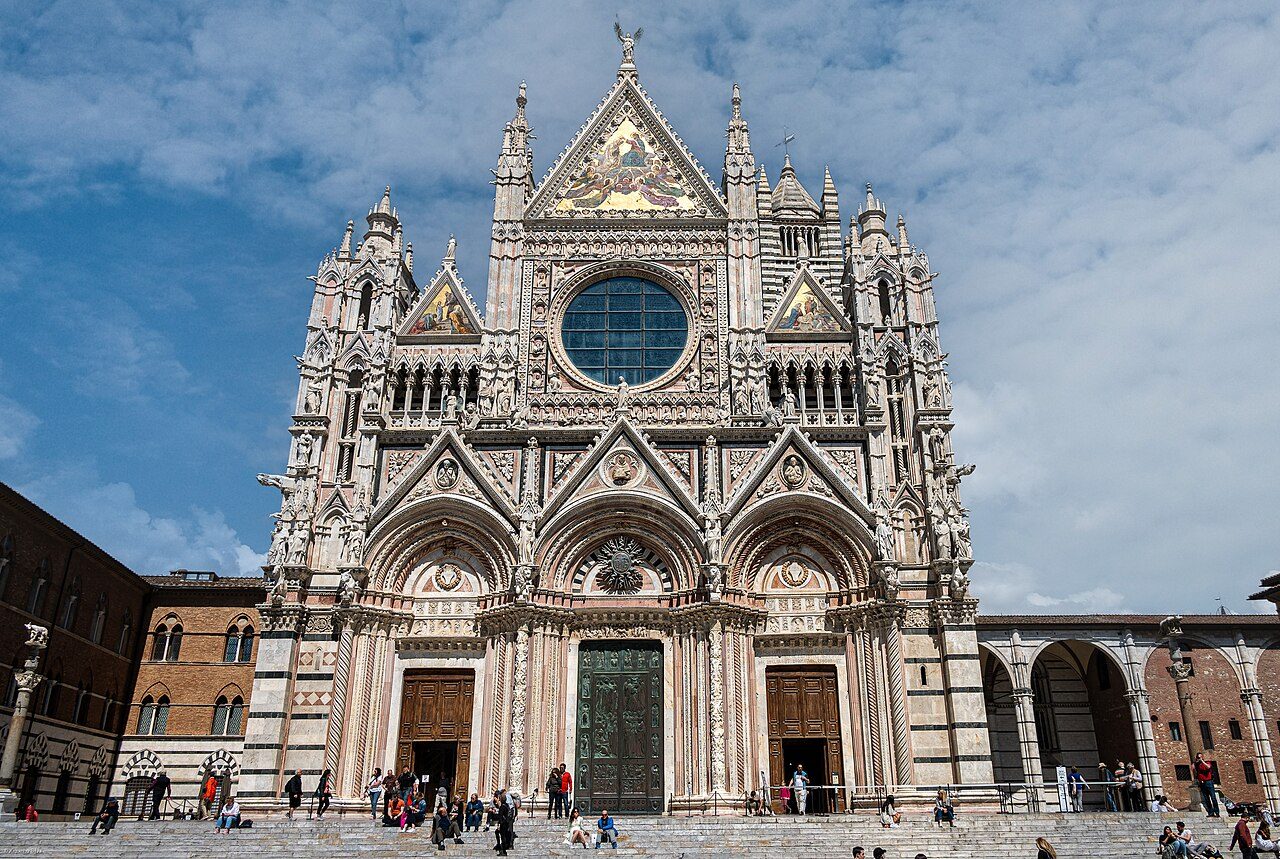
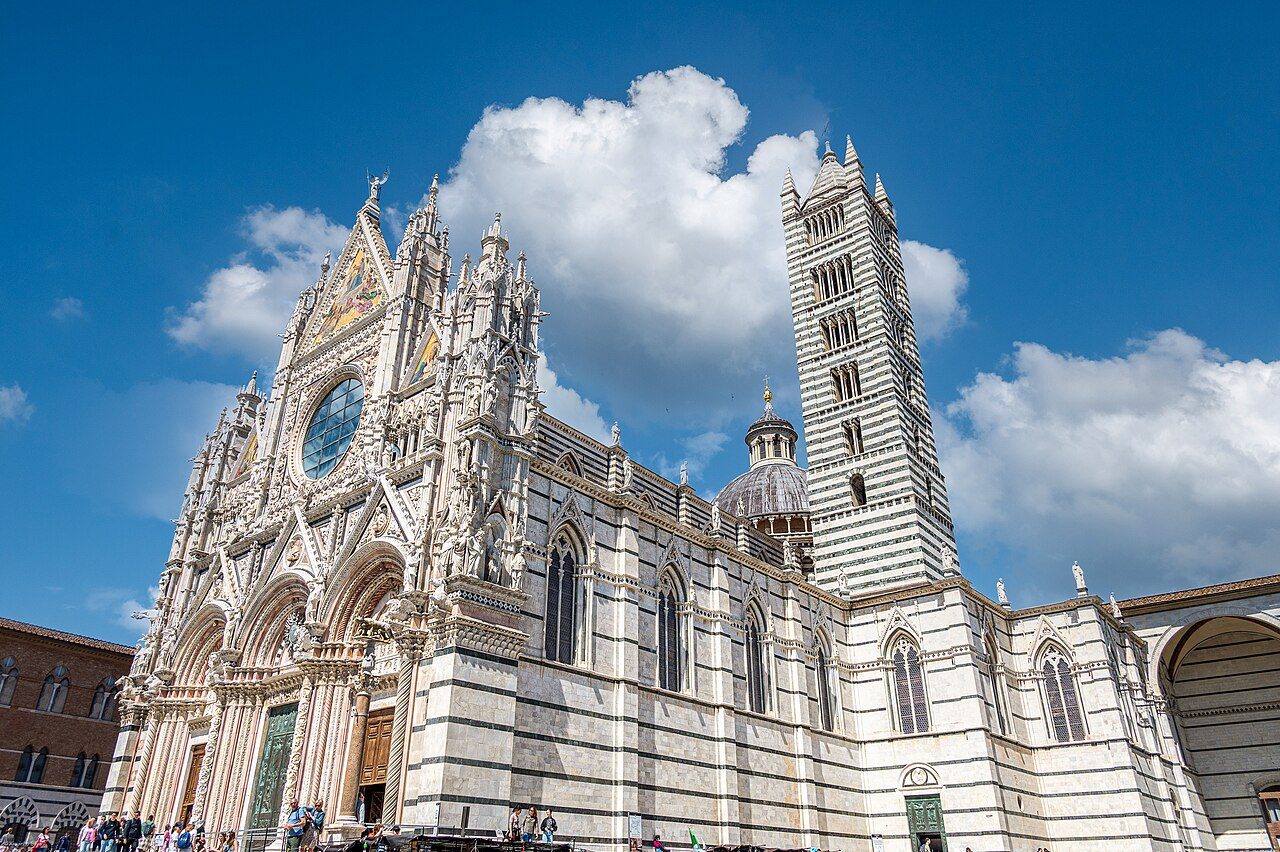
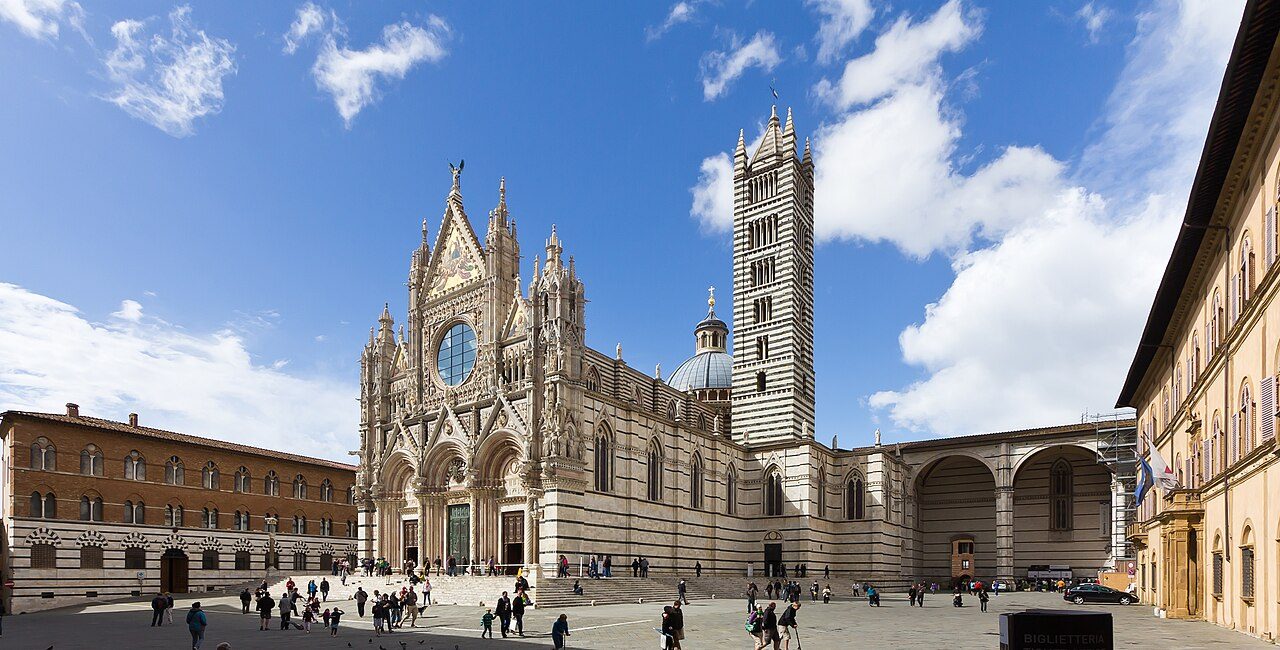
Siena Cathedral was built mainly between 1215 and 1263 and is a masterpiece of Italian Gothic. Its striped black and white marble walls and richly carved facade are striking. Inside, the floor is covered with inlaid marble scenes, uncovered only part of the year. The Piccolomini Library has brightly painted frescoes. It stands at the highest point of Siena.
11
STOP 11 OF 15
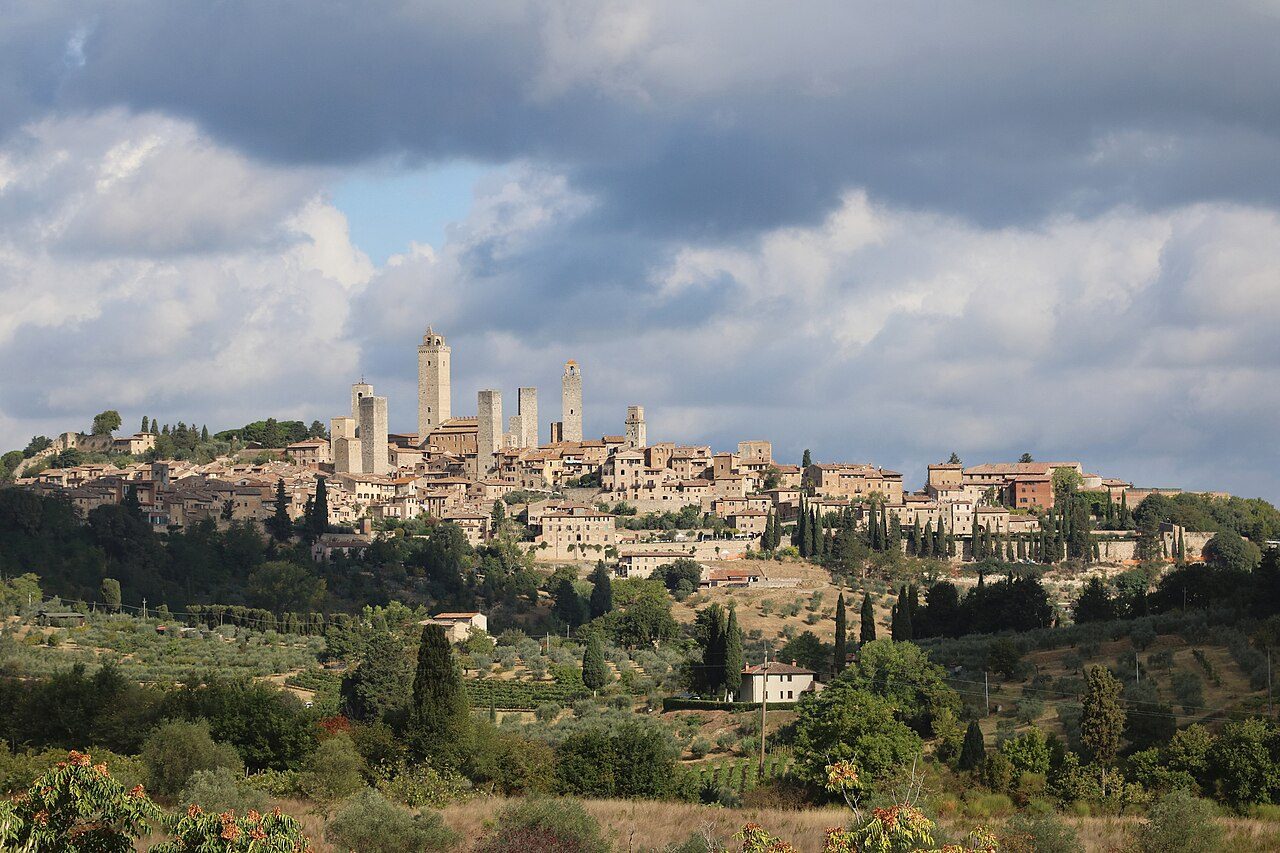
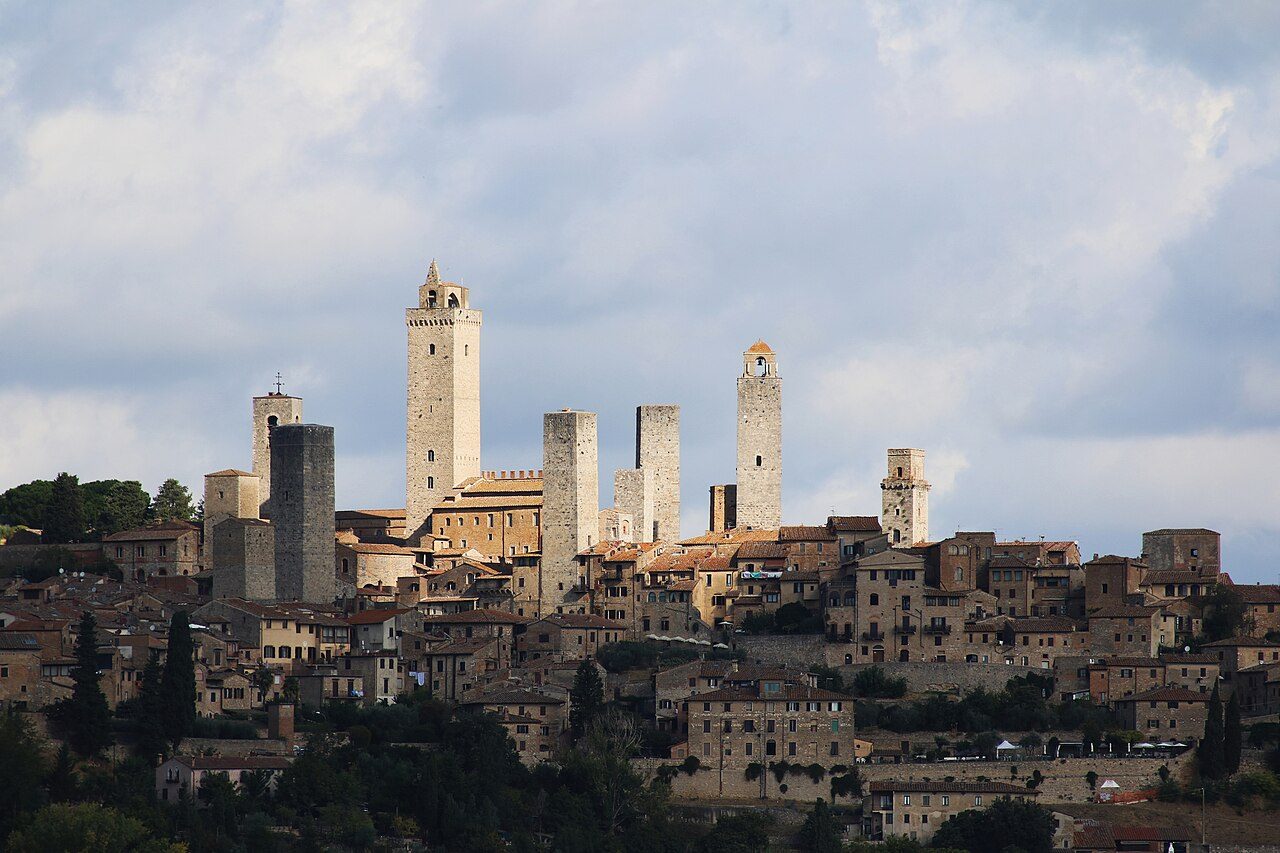
San Gimignano
San Gimignano is a hilltop town in Tuscany known as the medieval Manhattan for its stone towers. In the Middle Ages wealthy families built about 72 towers as symbols of power; 14 survive. Its walled historic centre, with piazzas, churches and frescoes, is a UNESCO World Heritage Site. It is also known for its white wine, Vernaccia.
12
STOP 12 OF 15
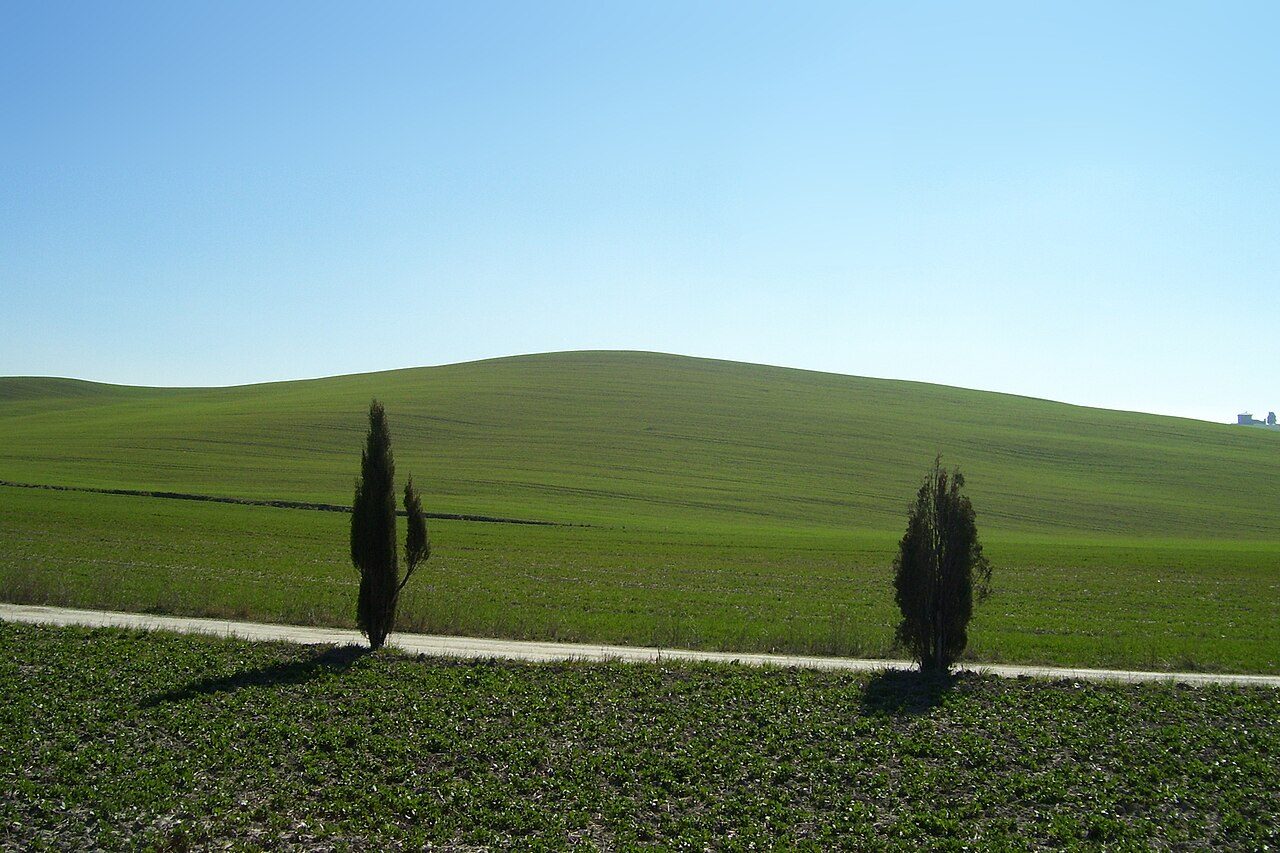
Val d'Orcia
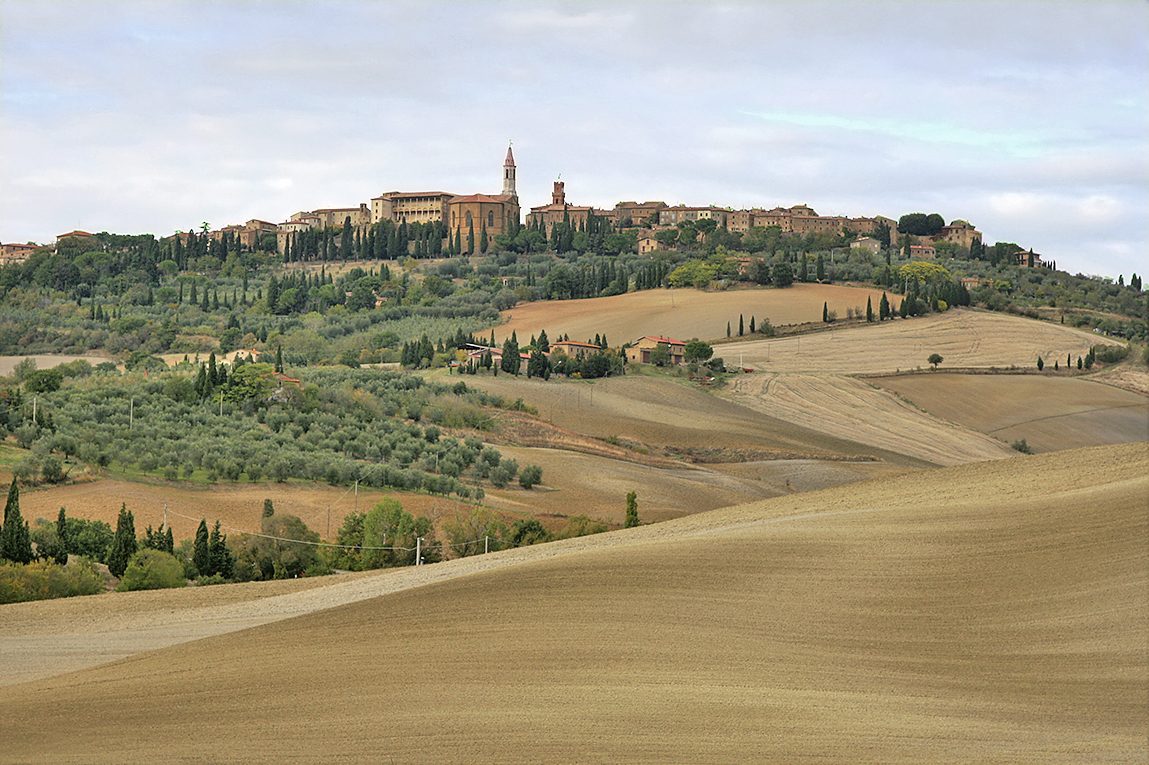
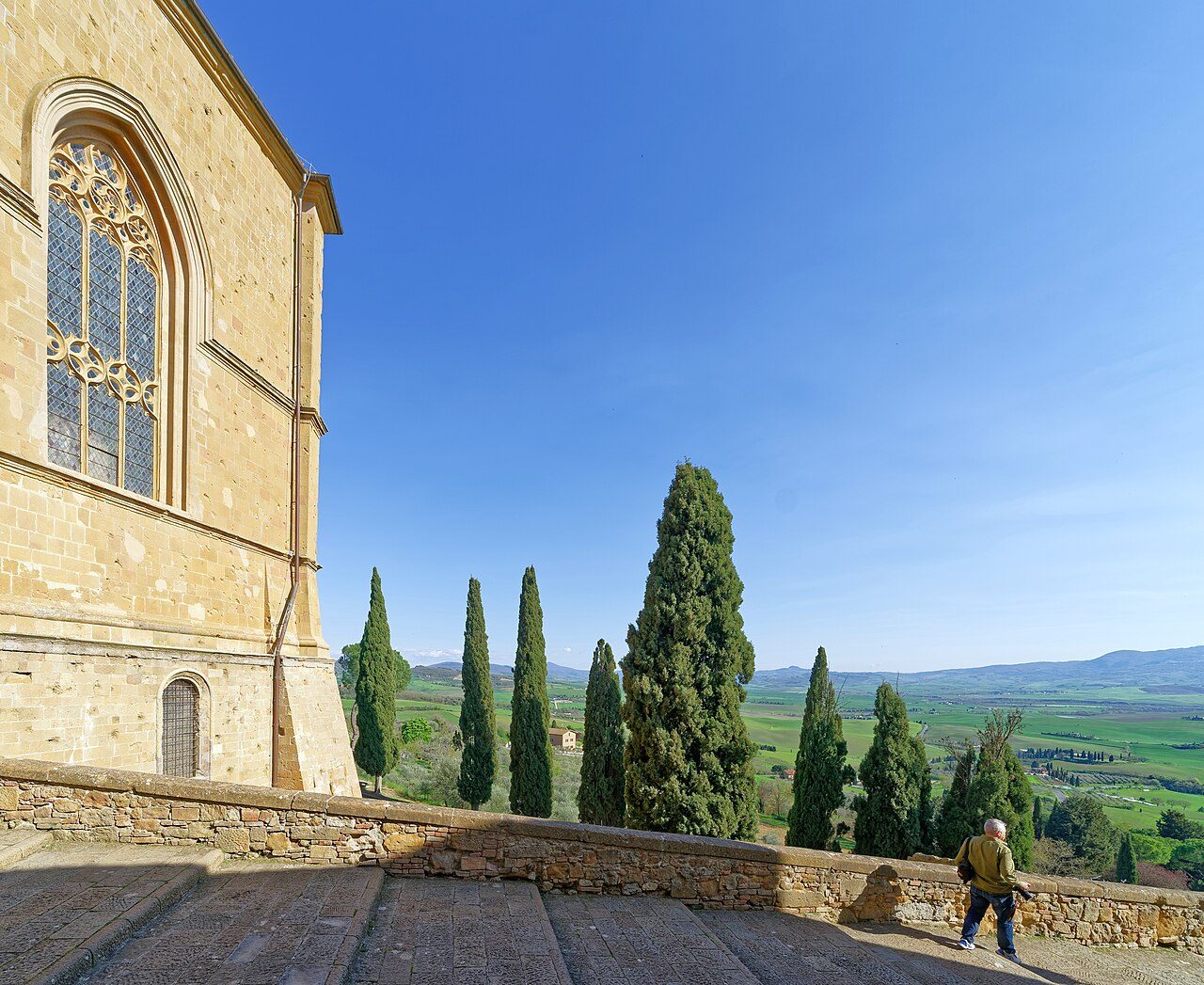
The Val d'Orcia is a valley in southern Tuscany famous for its gentle rolling hills, cypress-lined roads, farmhouses and wheat fields. Its landscape was shaped in the Renaissance and has inspired many painters. Small towns such as Pienza and San Quirico d'Orcia sit on the hills. It has been a UNESCO World Heritage Site since 2004.
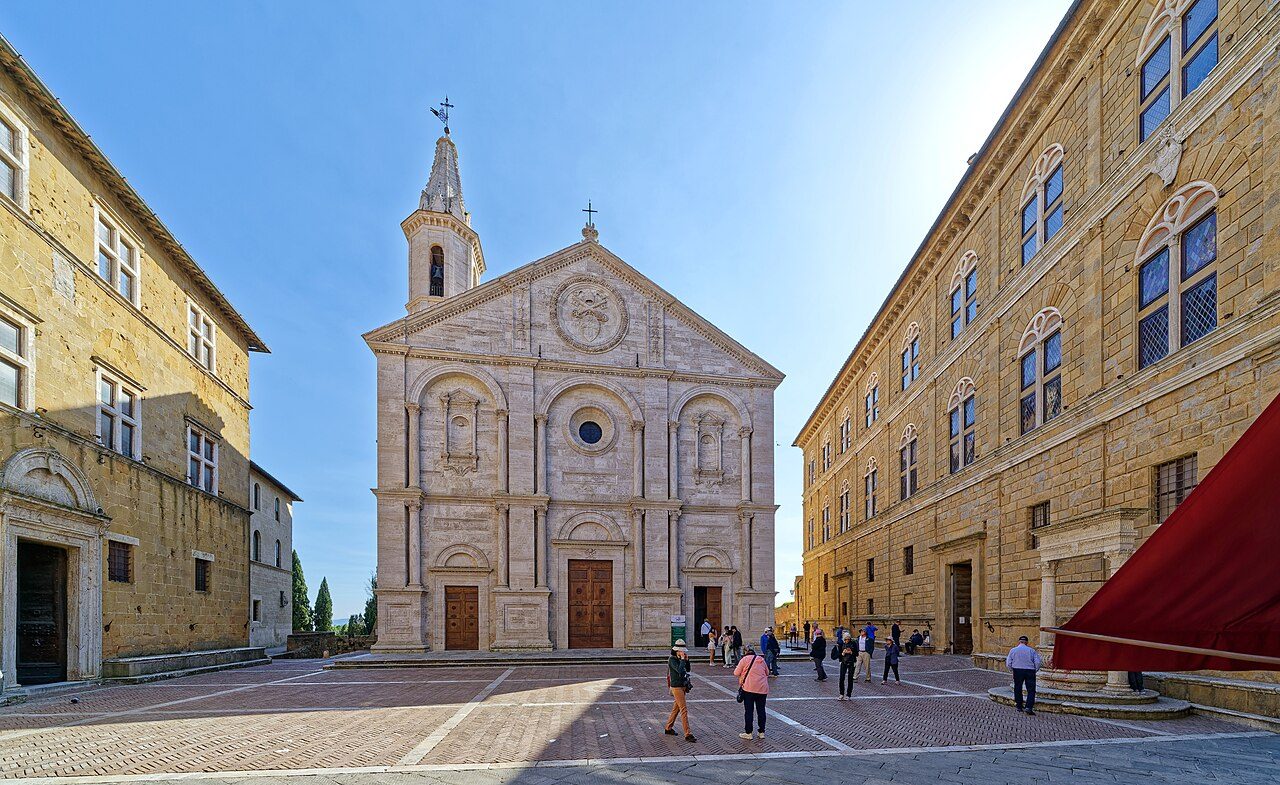
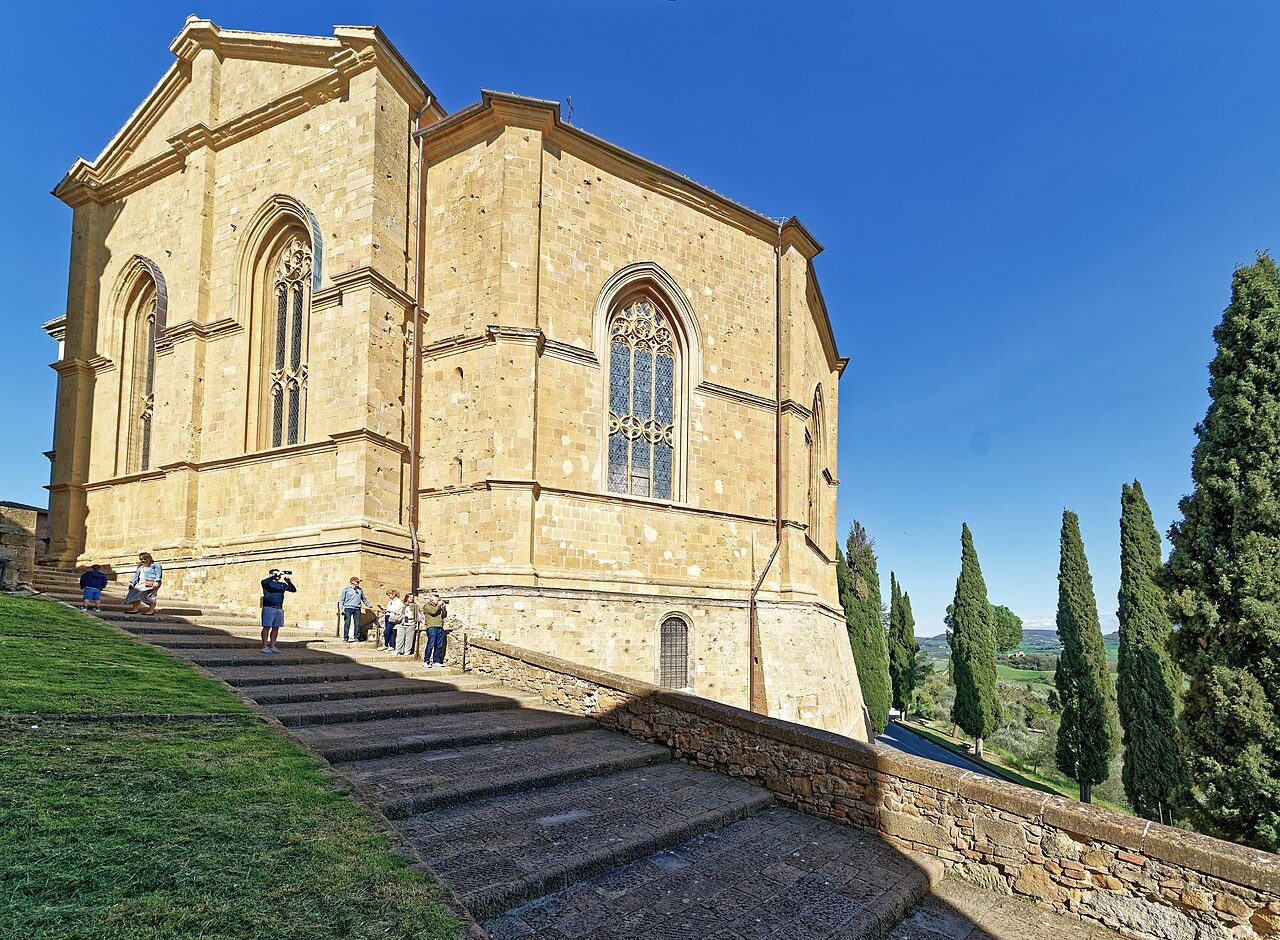
Pienza is a small town in the Val d'Orcia, rebuilt in the 1460s by Pope Pius II, who was born here, as an ideal Renaissance town. Its central square with the cathedral and palaces was designed by Bernardo Rossellino. The walls give wide views over the valley. It is famous for its pecorino sheep's cheese and is a UNESCO World Heritage Site.
14
STOP 14 OF 15
Montepulciano
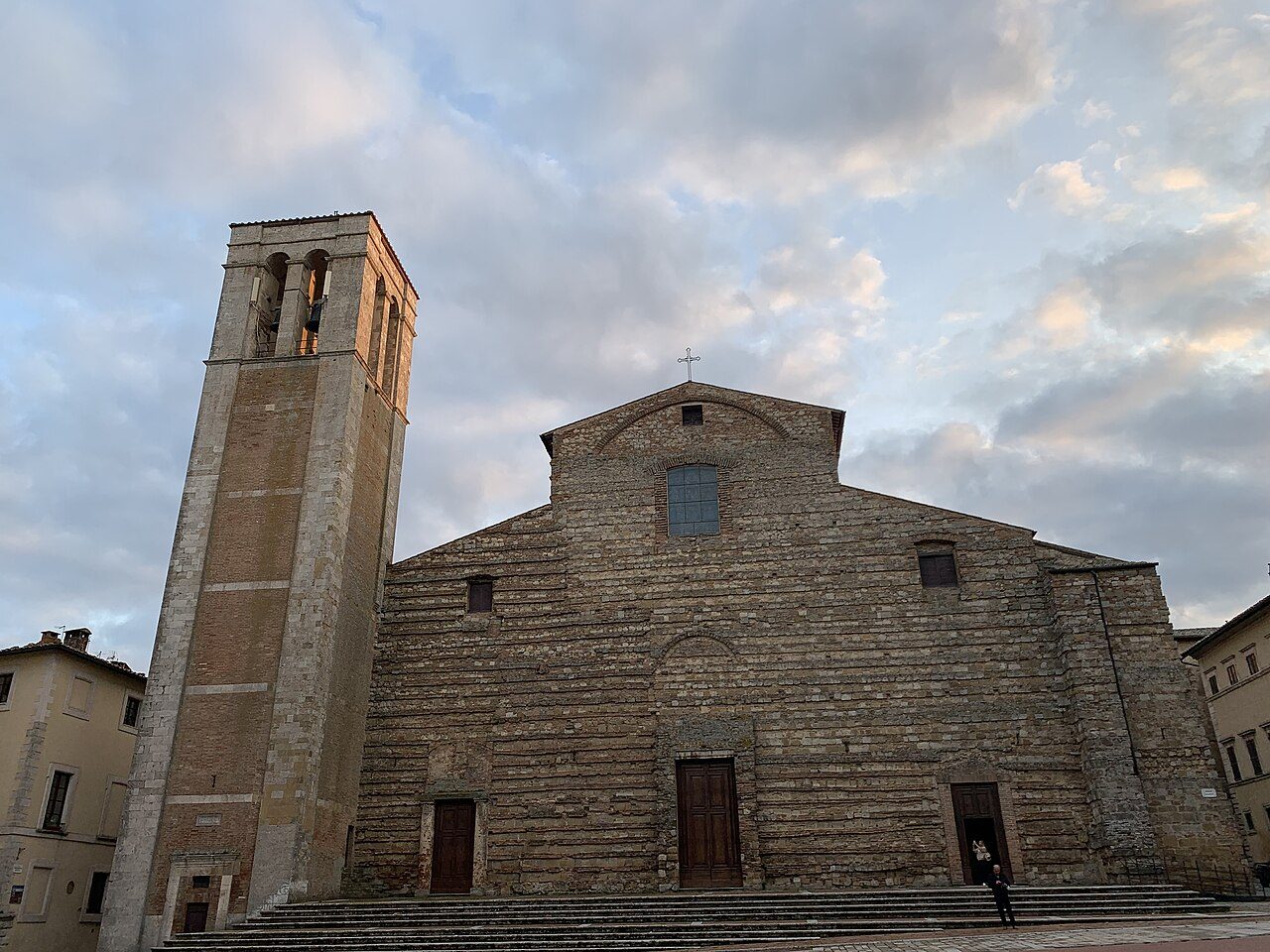
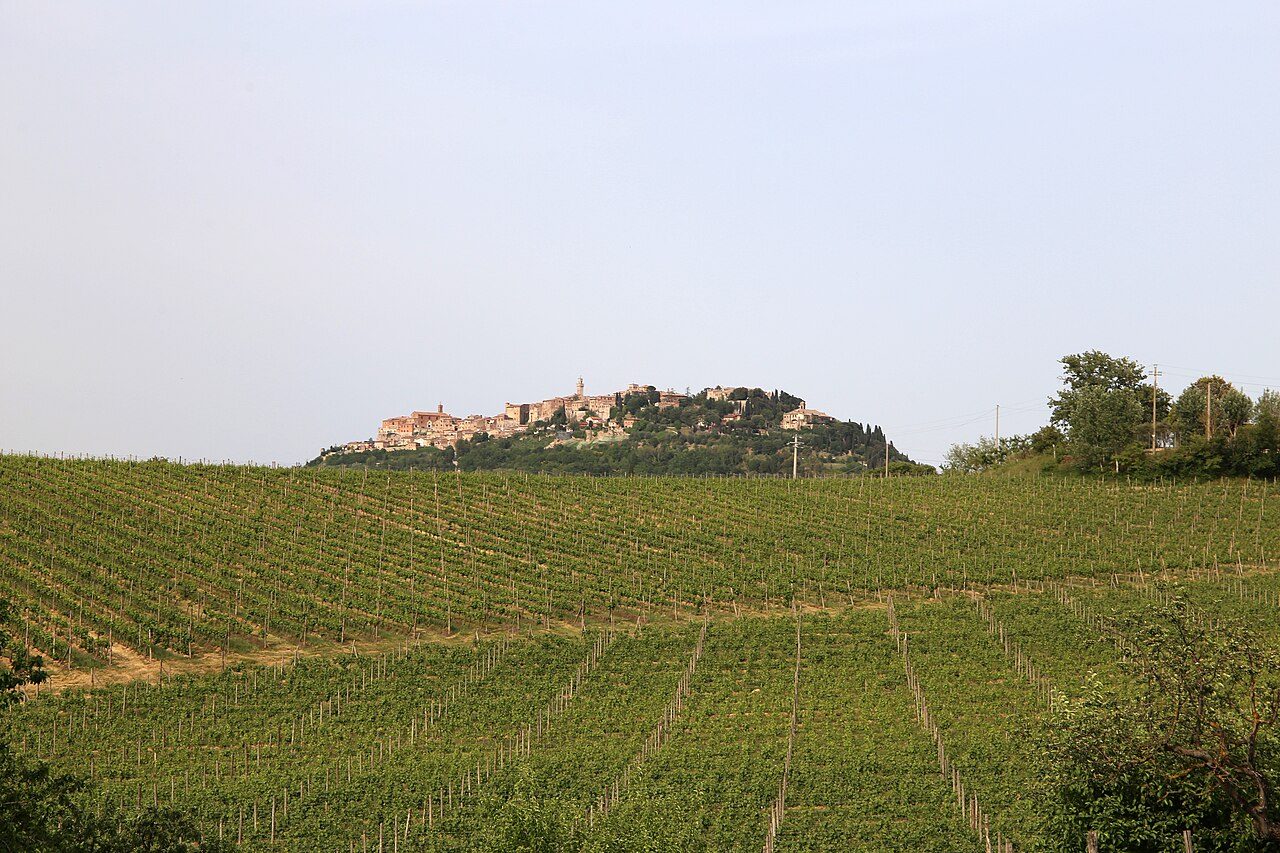
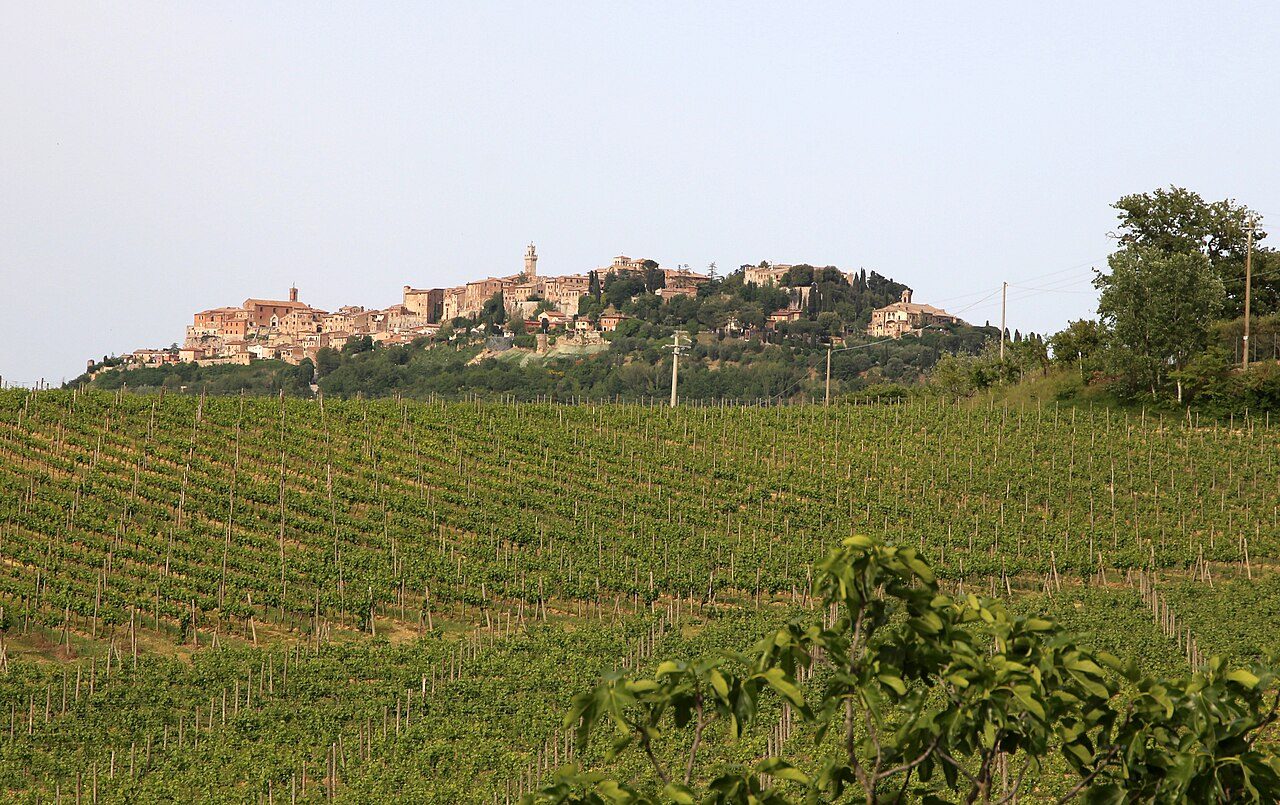
Montepulciano is a hilltop town in southern Tuscany, standing about 600 metres above the valleys. It is known for its Renaissance palaces and churches, and for its red wine, Vino Nobile di Montepulciano, aged in cellars under the town. The Piazza Grande at the top has the town hall and cathedral, with views over the Val d'Orcia.
15
STOP 15 OF 15 · LAST STOP
Cortona
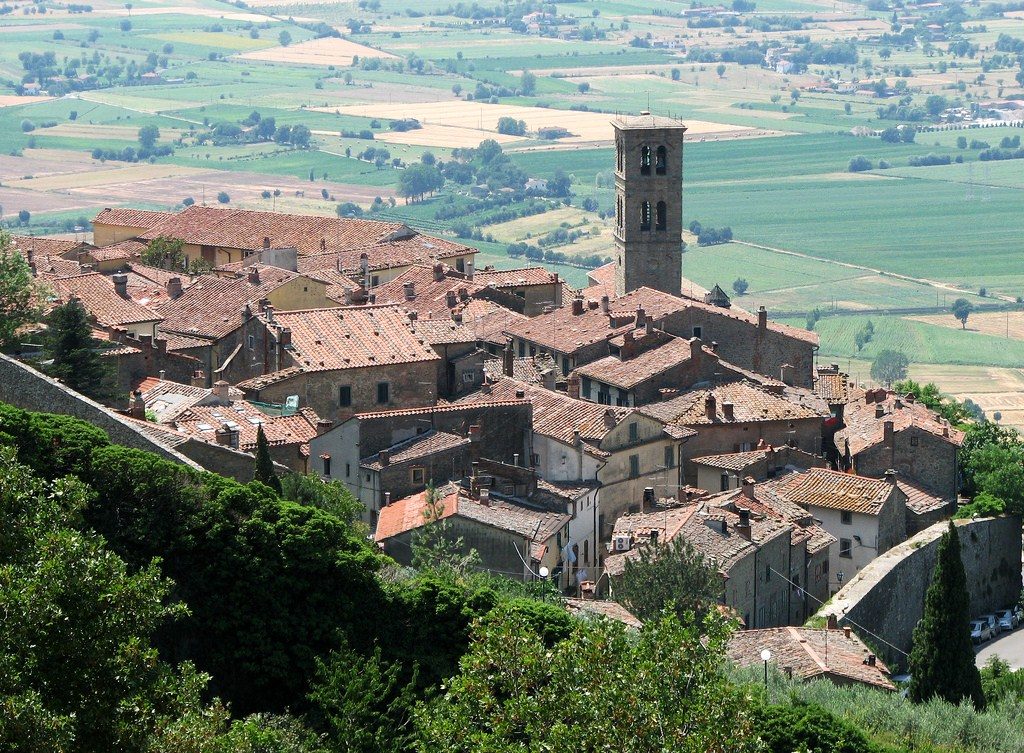
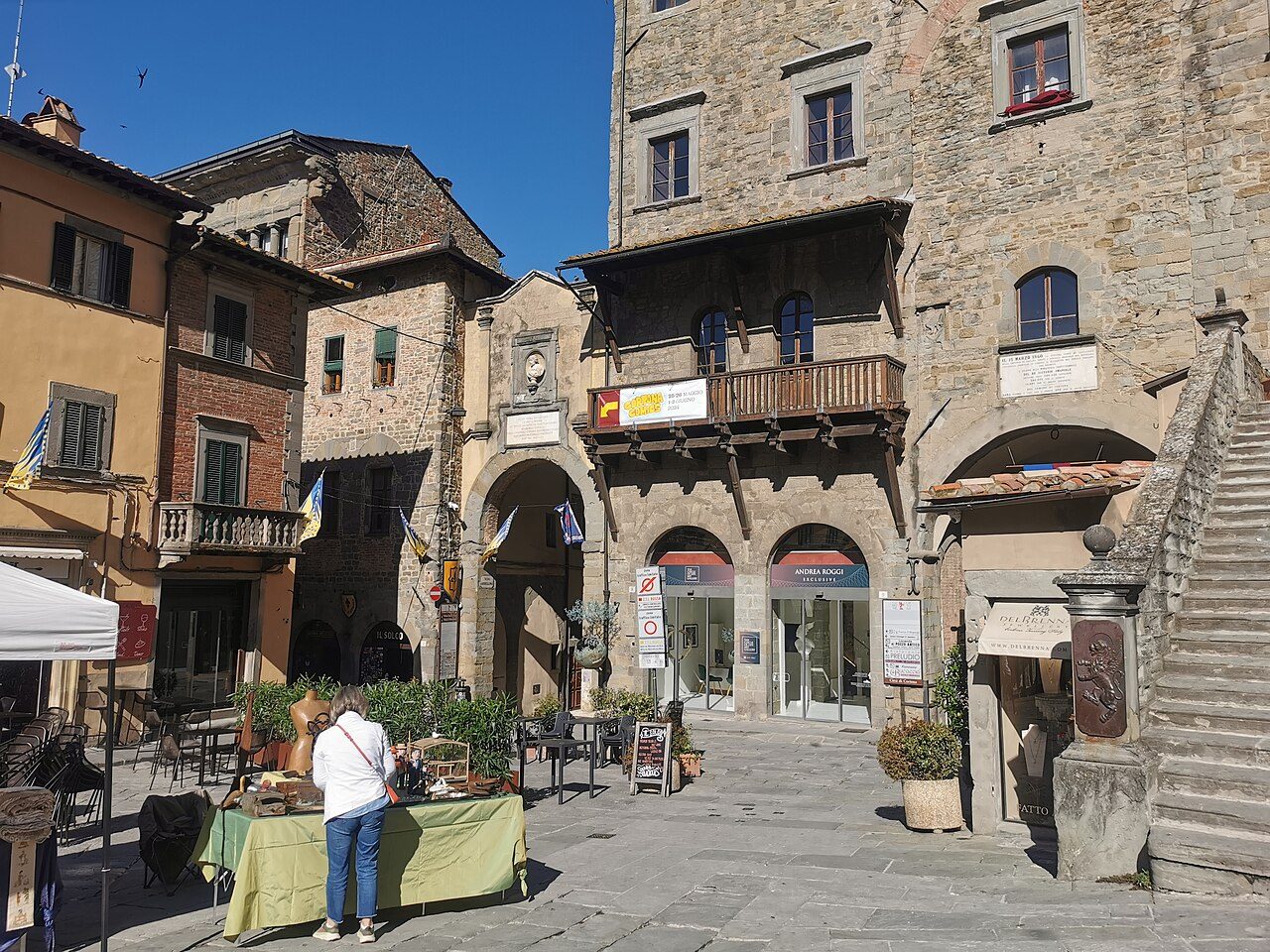
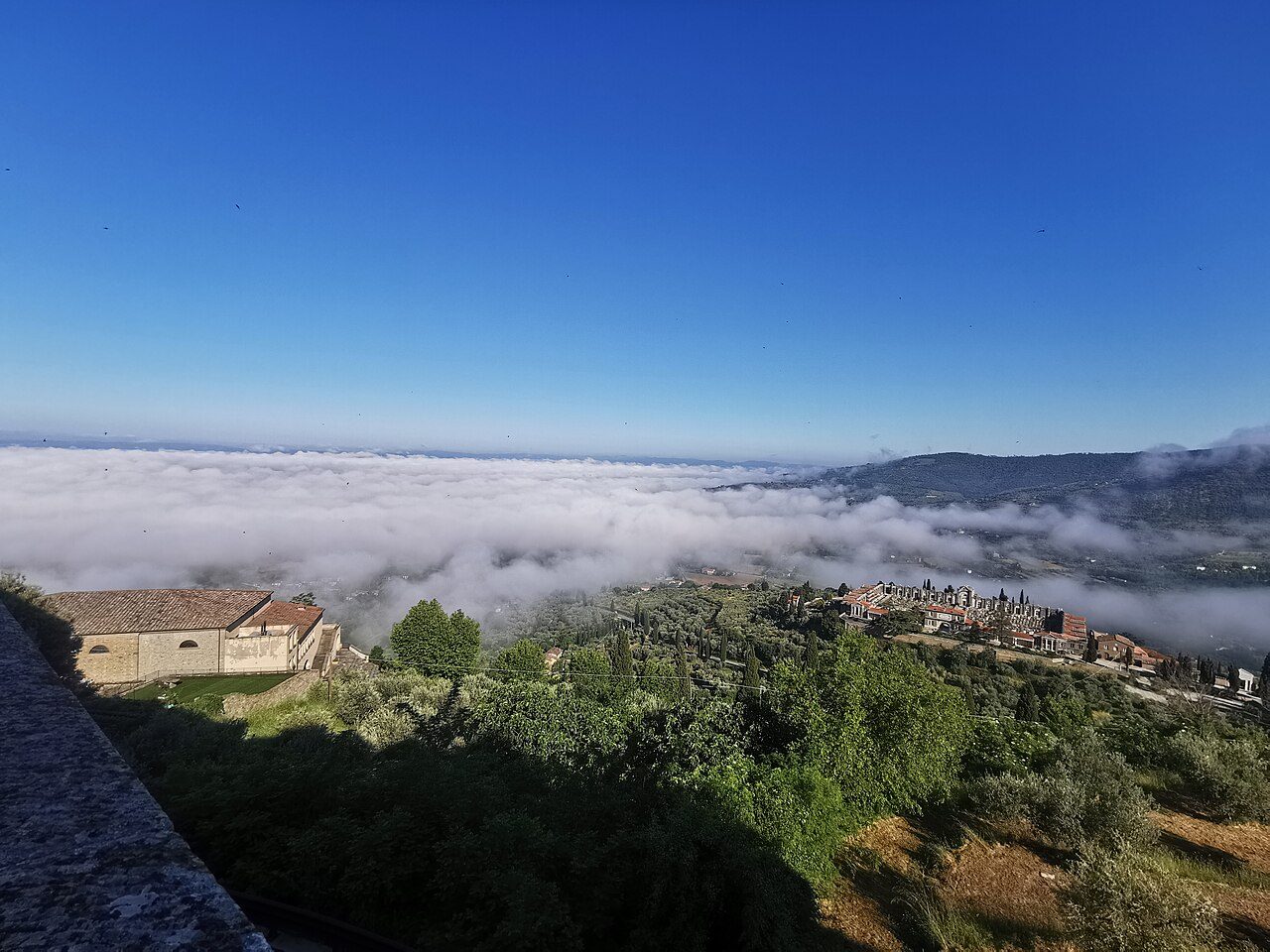
Cortona is a hilltop town in eastern Tuscany with Etruscan origins. Its steep streets climb past medieval buildings to the Fortezza del Girifalco at the top, with views over Lake Trasimeno and the Val di Chiana. It has a museum of Etruscan finds and churches with works by Fra Angelico. It became widely known through the book Under the Tuscan Sun.
Seasons from 20 years of NASA POWER climate data.
 WaTrips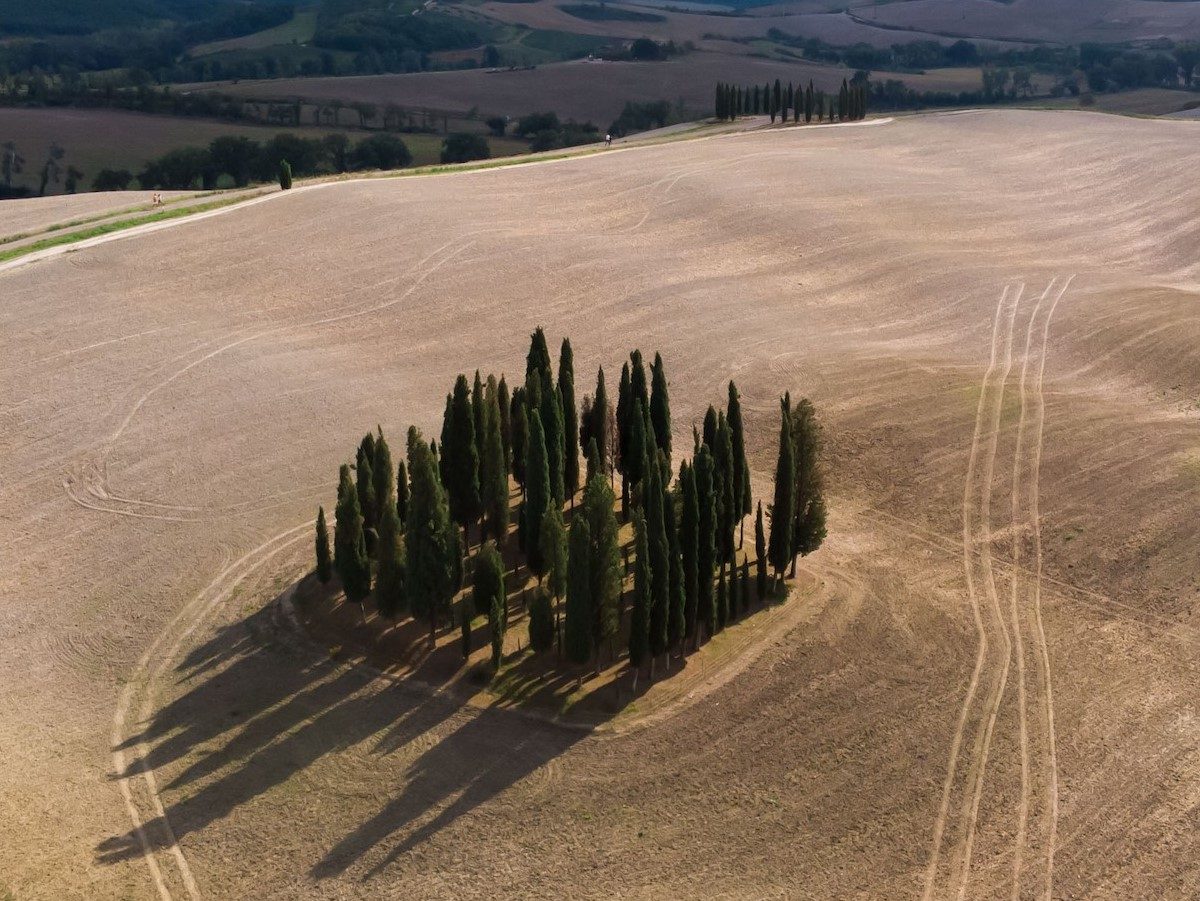





 BikesBooking
 Localrent
 Airalo
 Tiqets