Rome's ancient sites and the Vatican, Florence, Siena and San Gimignano, Pisa, Lucca and Cinque Terre, Venice, Verona, Lake Garda, Milan and Lake Como.
Italy's classic route links its great cities by fast train. Spend three days in Rome among the Colosseum, the Pantheon, the Vatican and the Sistine Chapel. Move to Florence for the Duomo, the Uffizi and Michelangelo's David, then Siena's shell-shaped Campo and the towers of San Gimignano. See the Leaning Tower, cycle Lucca's walls and walk between the Cinque Terre villages. Spend two days in Venice, stop in Verona and at Lake Garda, and finish in Milan with The Last Supper and a ferry on Lake Como. April–June and September–October are best.
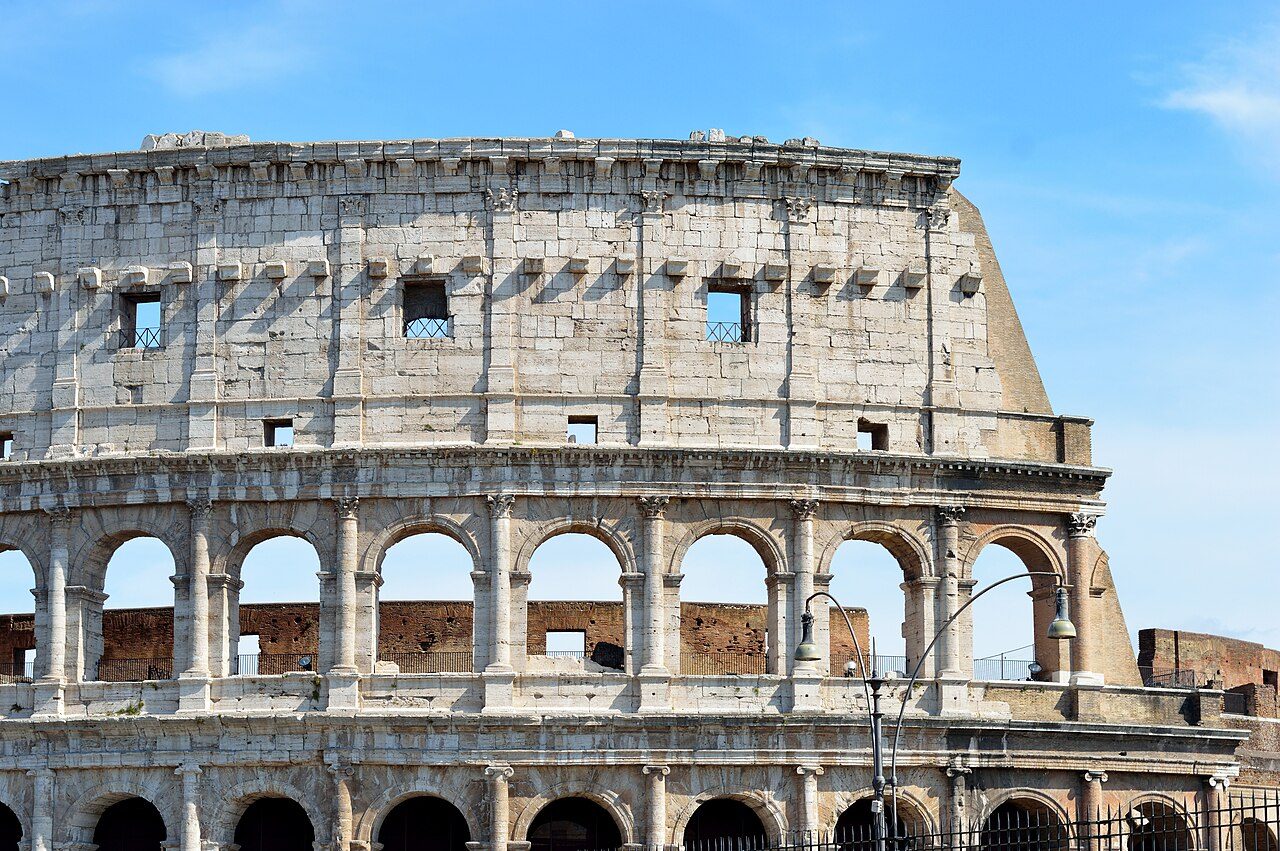
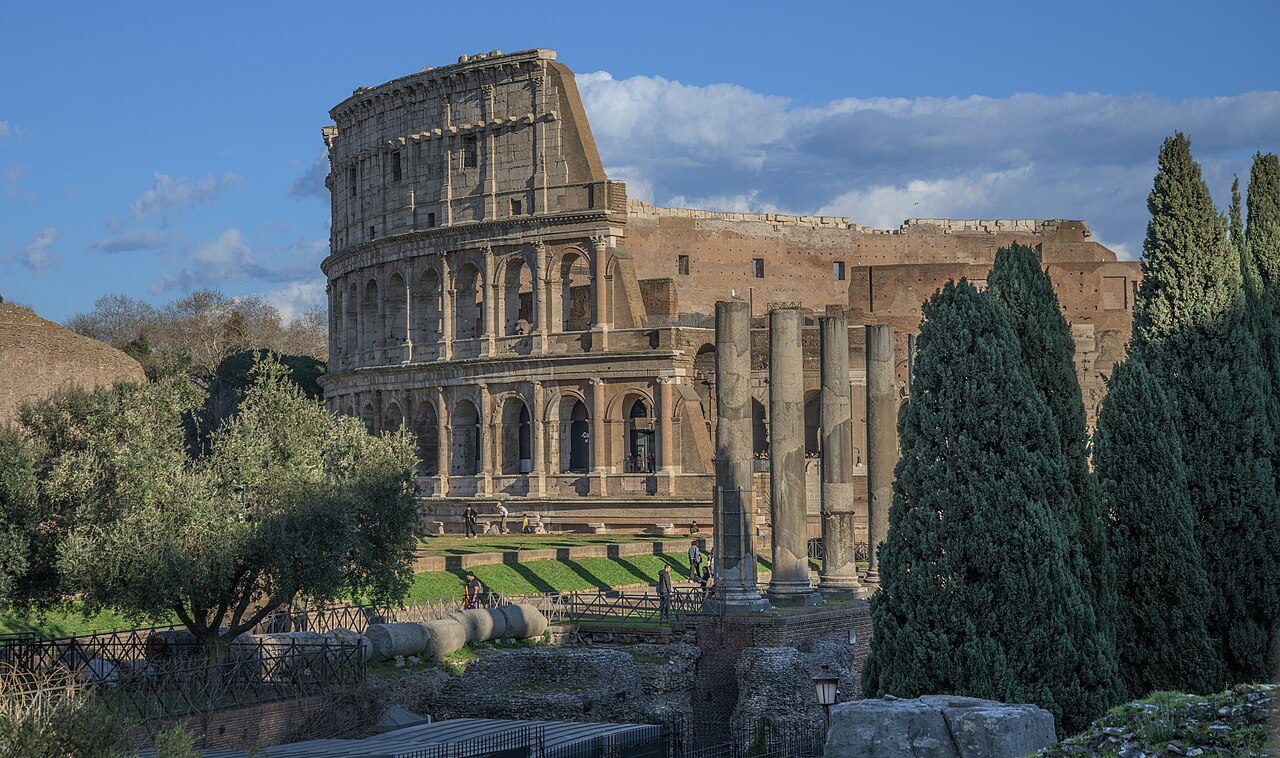
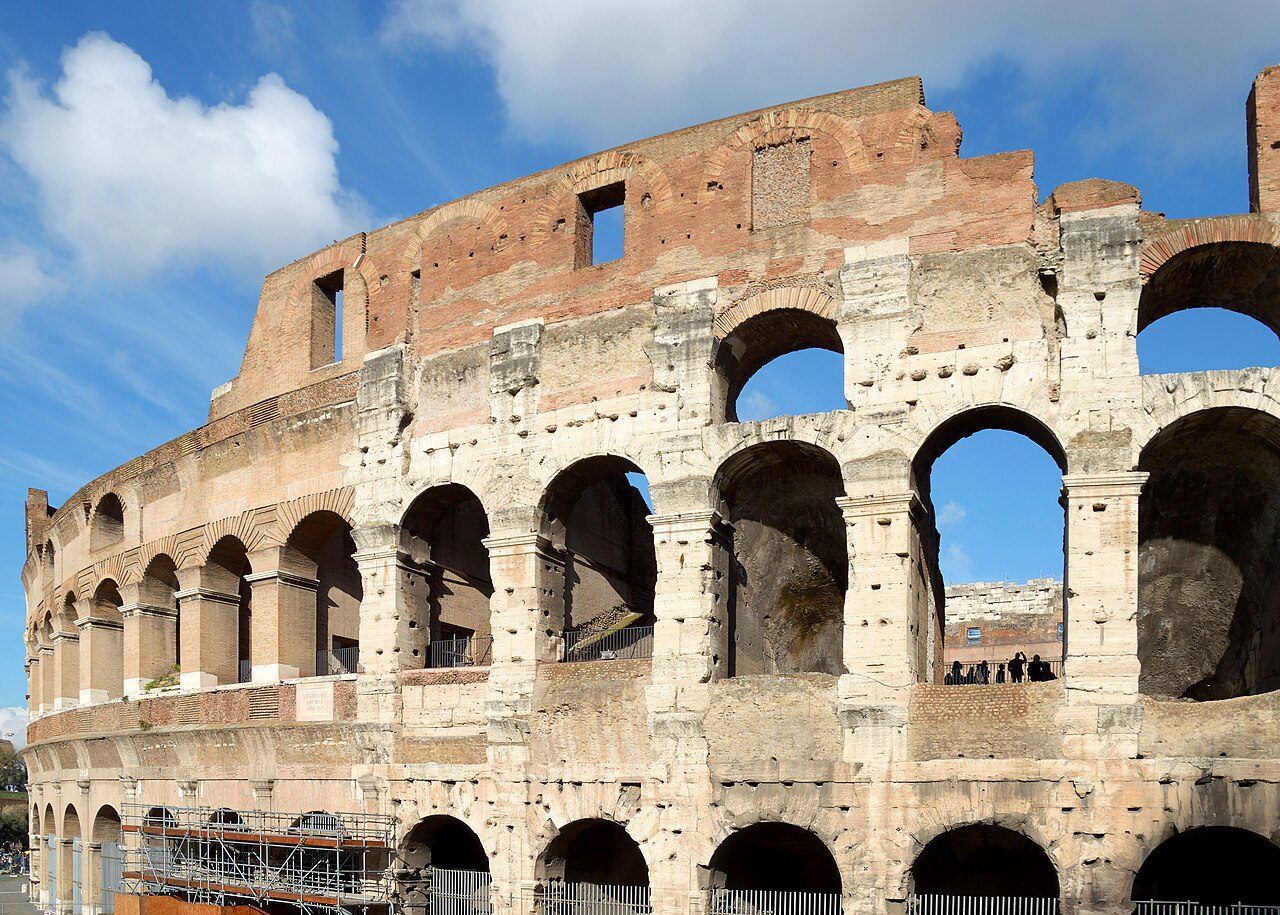
The Colosseum is the largest amphitheatre ever built, completed in 80 AD under the emperors Vespasian and Titus. It could hold around 50,000 spectators, who watched gladiator fights, animal hunts and public shows. Its oval walls of travertine stone rise about 48 metres. Earthquakes and stone robbers damaged it, but it remains the symbol of Rome and part of a UNESCO World Heritage Site.
02
STOP 2 OF 44
Palatine Hill
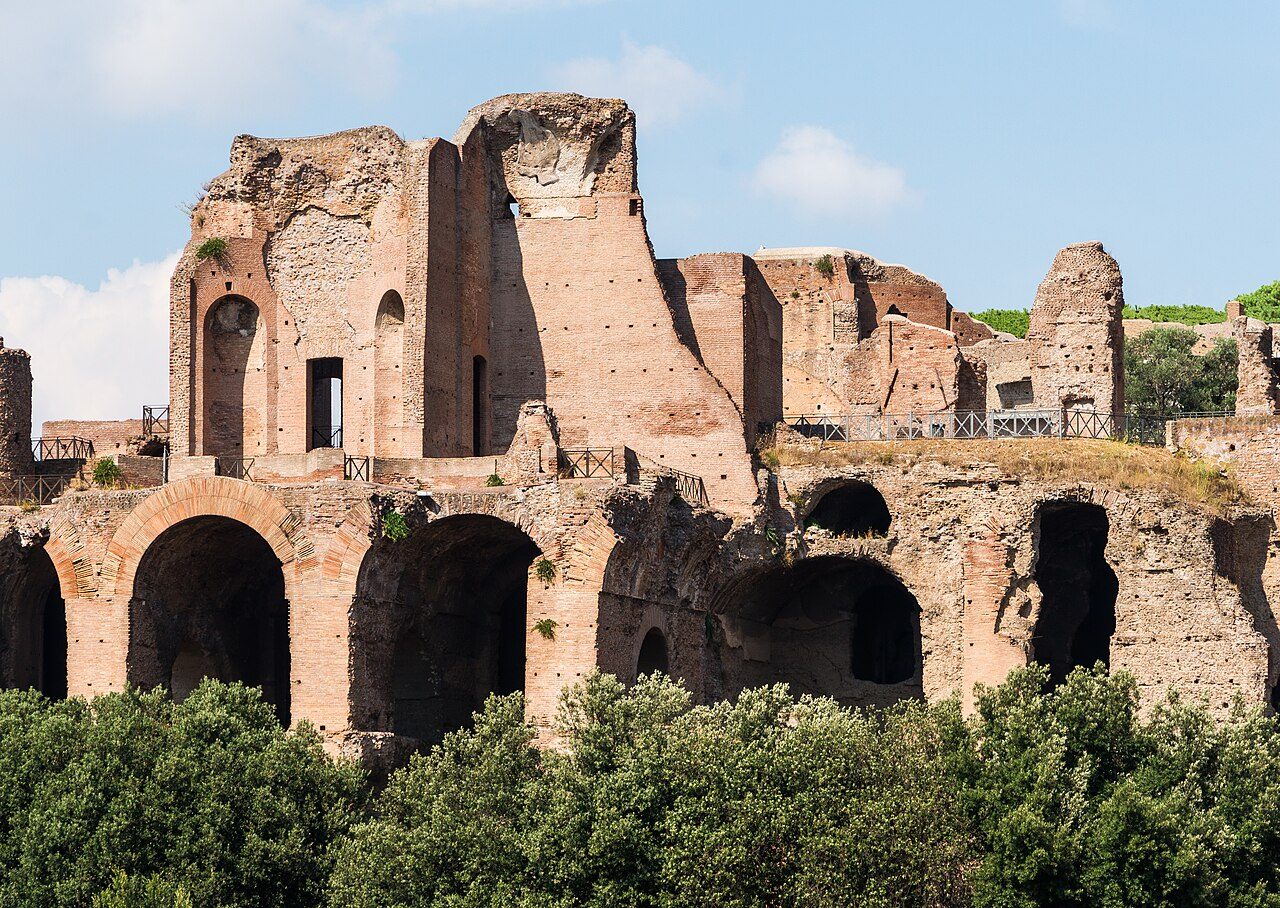
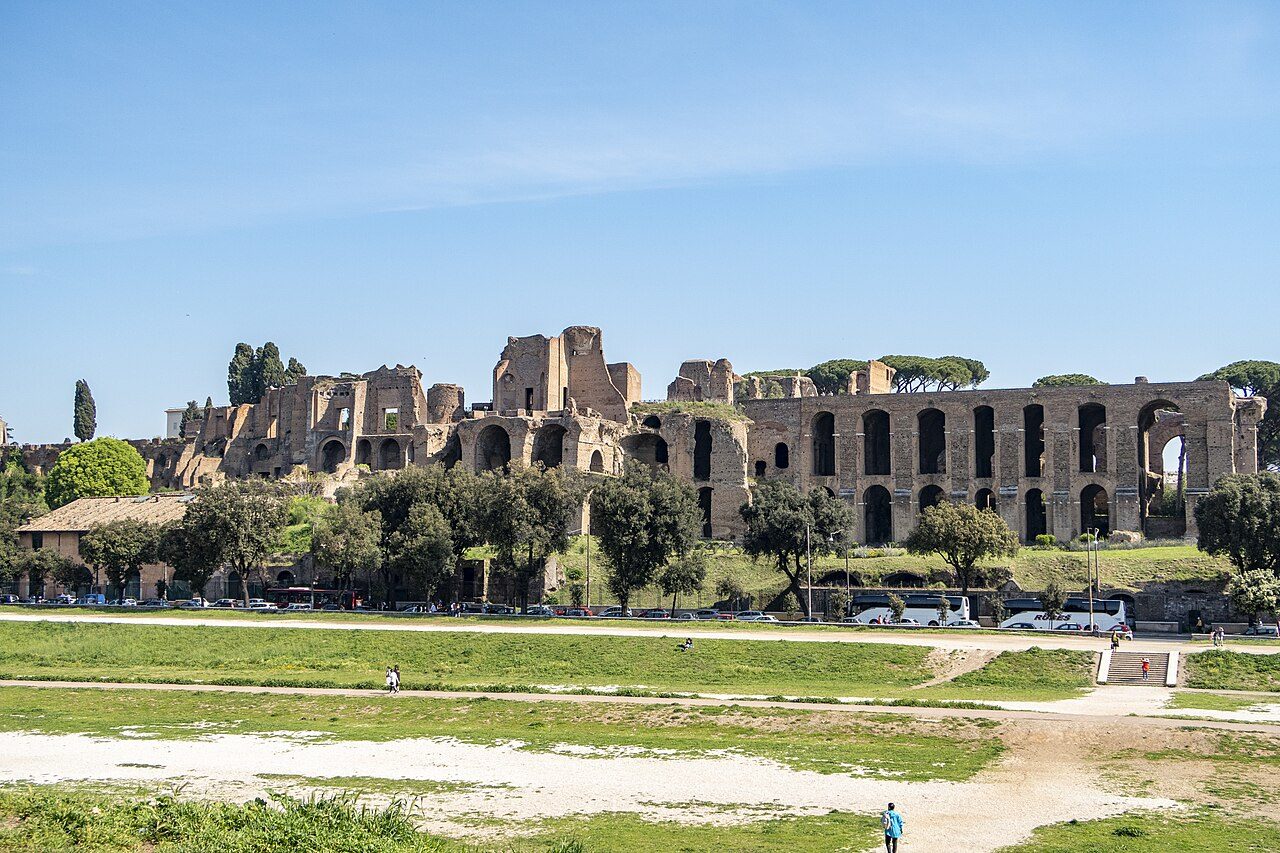
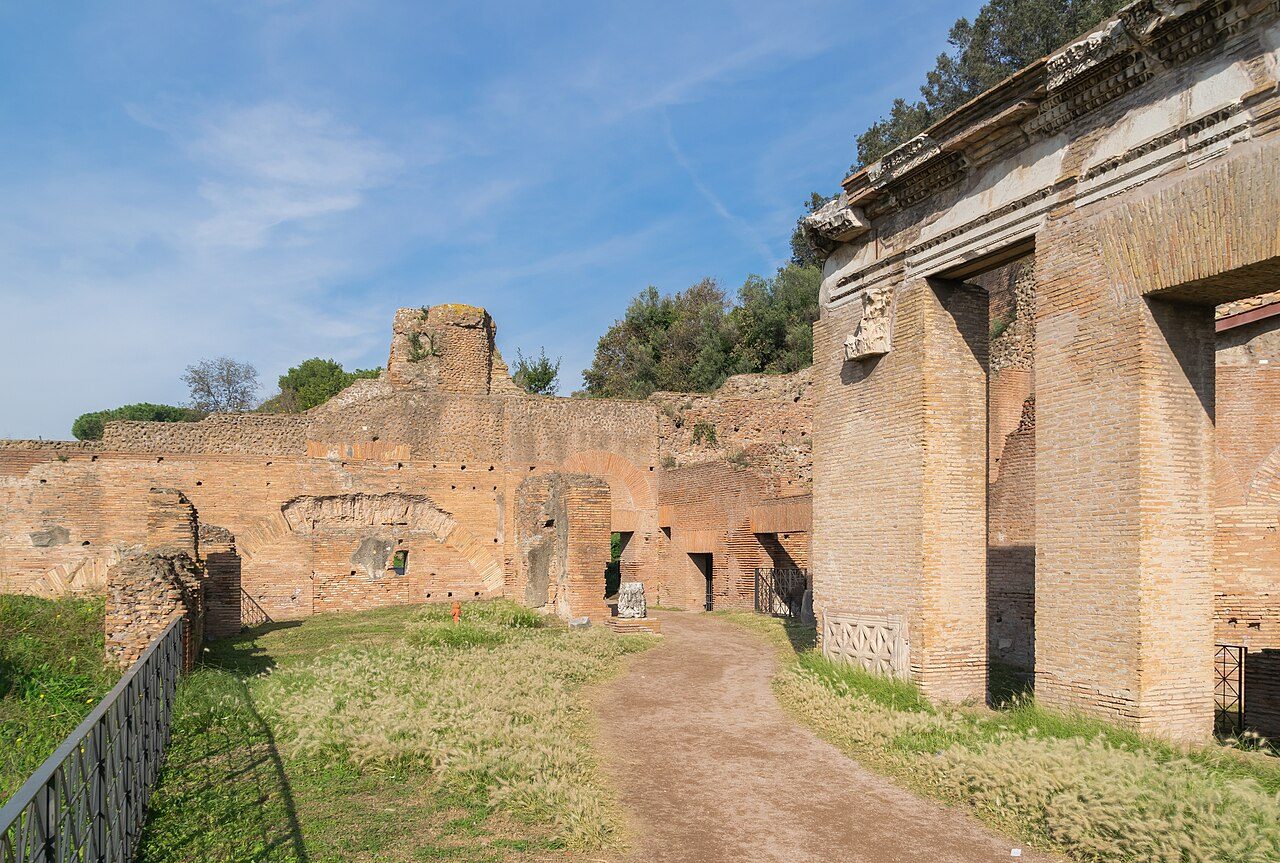
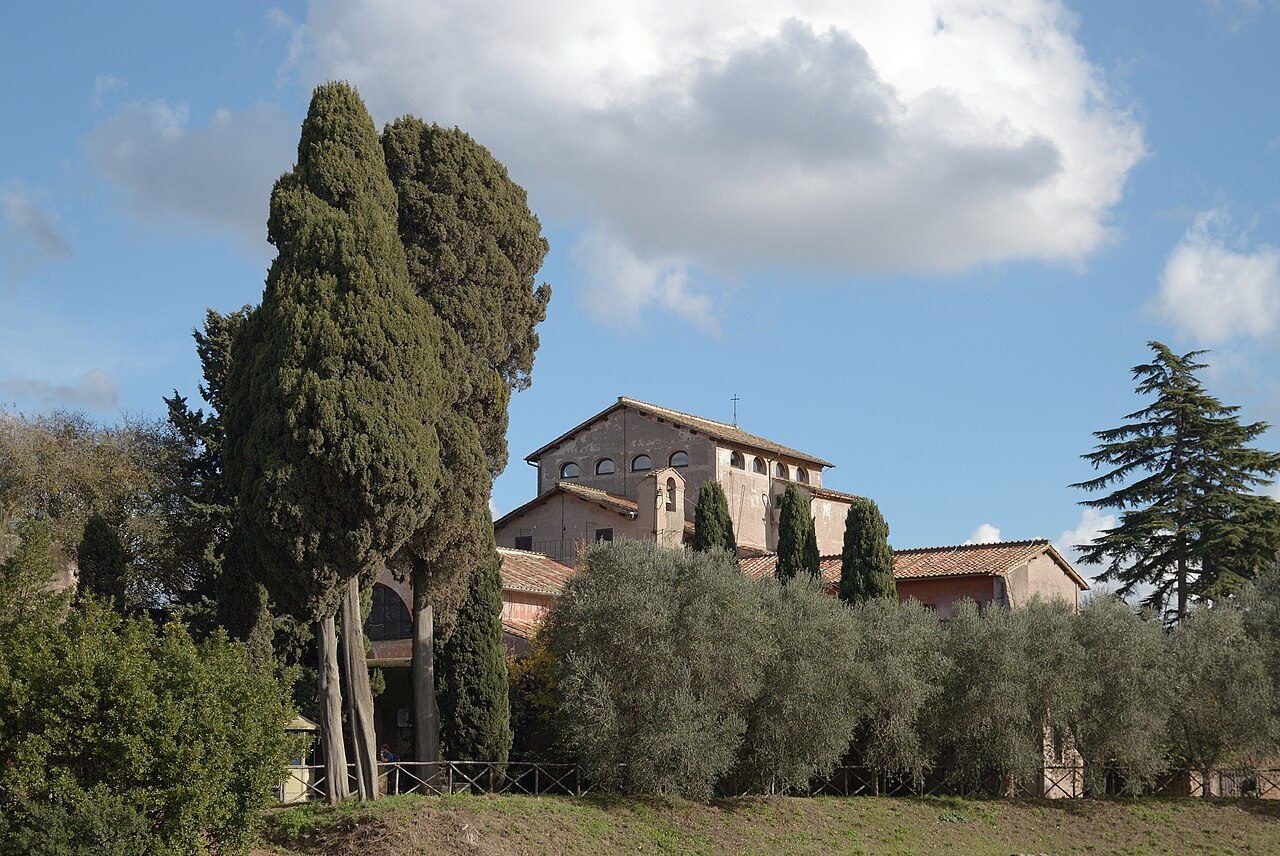
The Palatine Hill is the most central of the seven hills of Rome, rising above the Roman Forum and the Circus Maximus. According to legend, Romulus founded the city here. Emperors built their palaces on it, and the word palace comes from its name. Visitors walk among the ruins of the imperial residences, gardens and the stadium of Domitian.
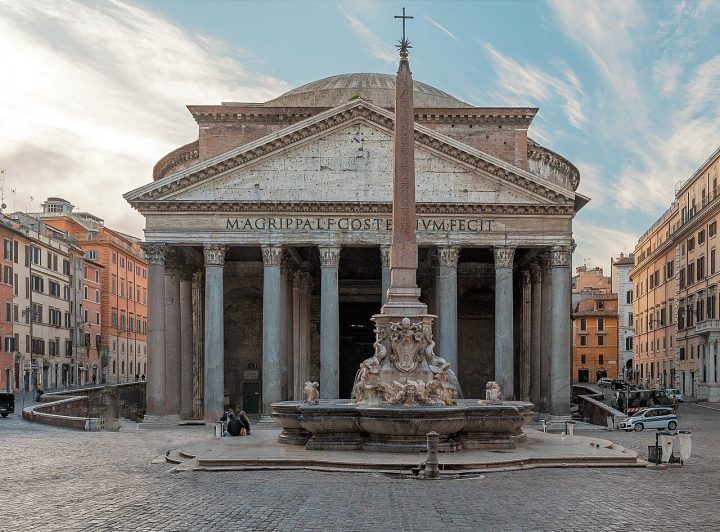
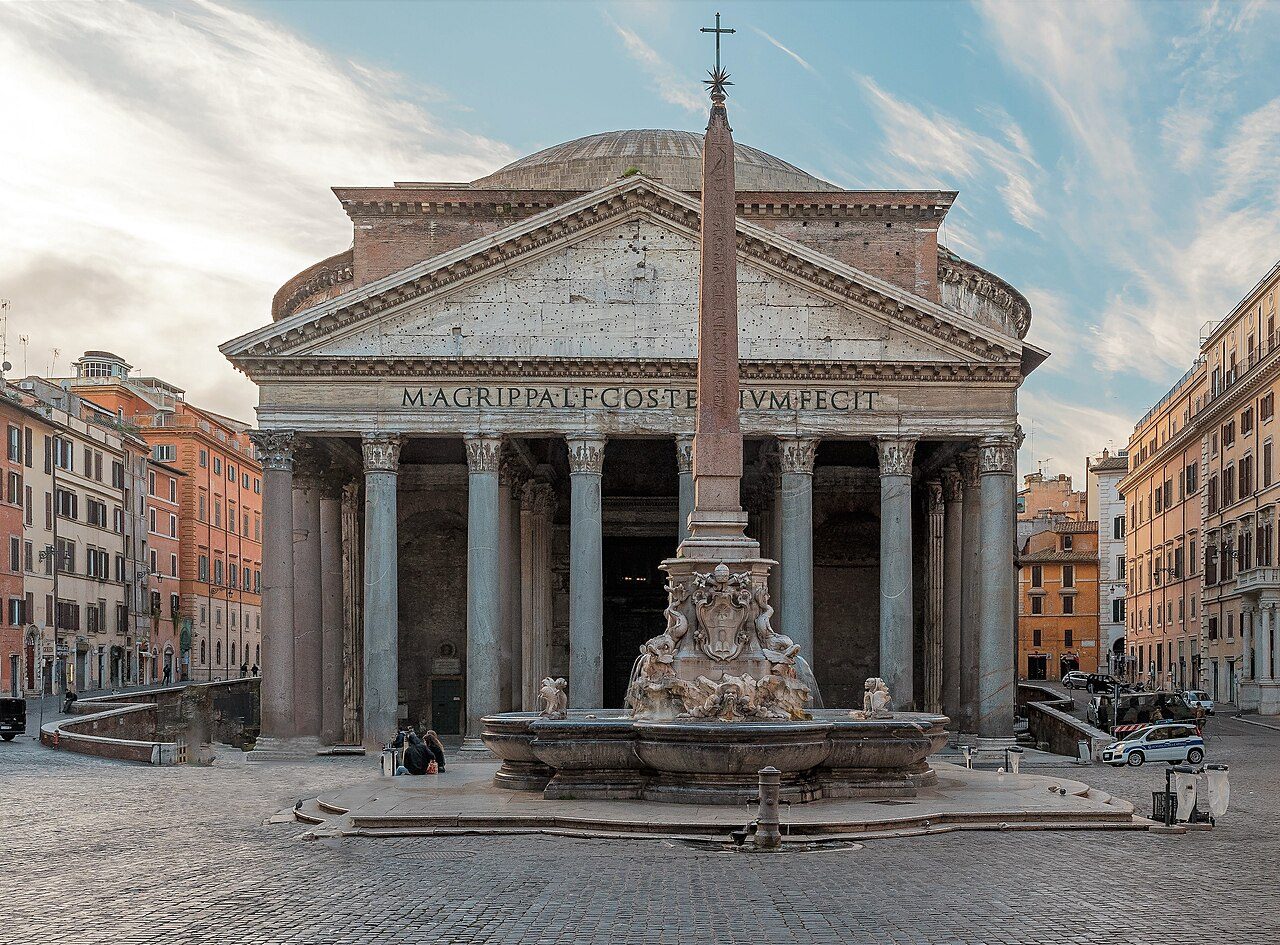
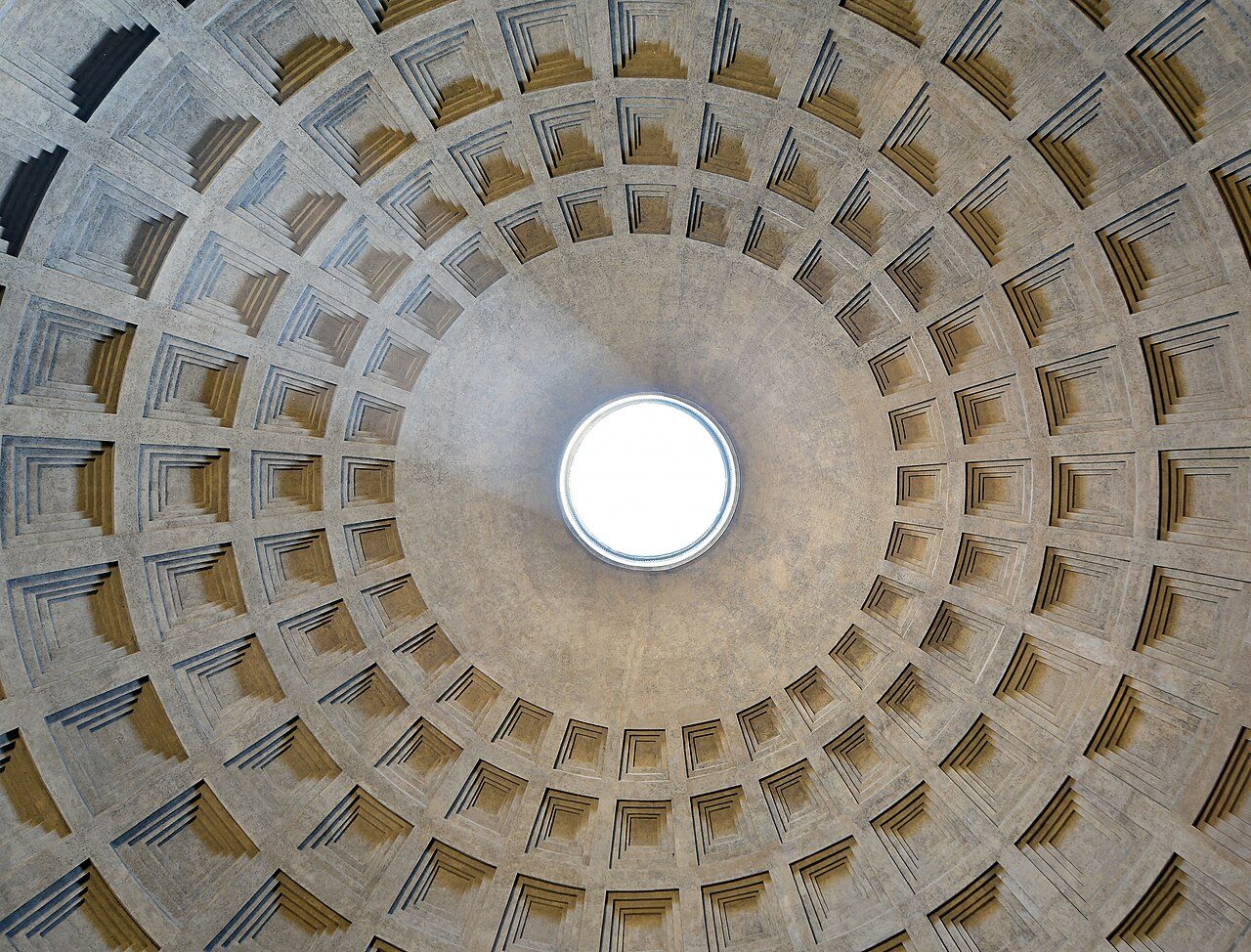
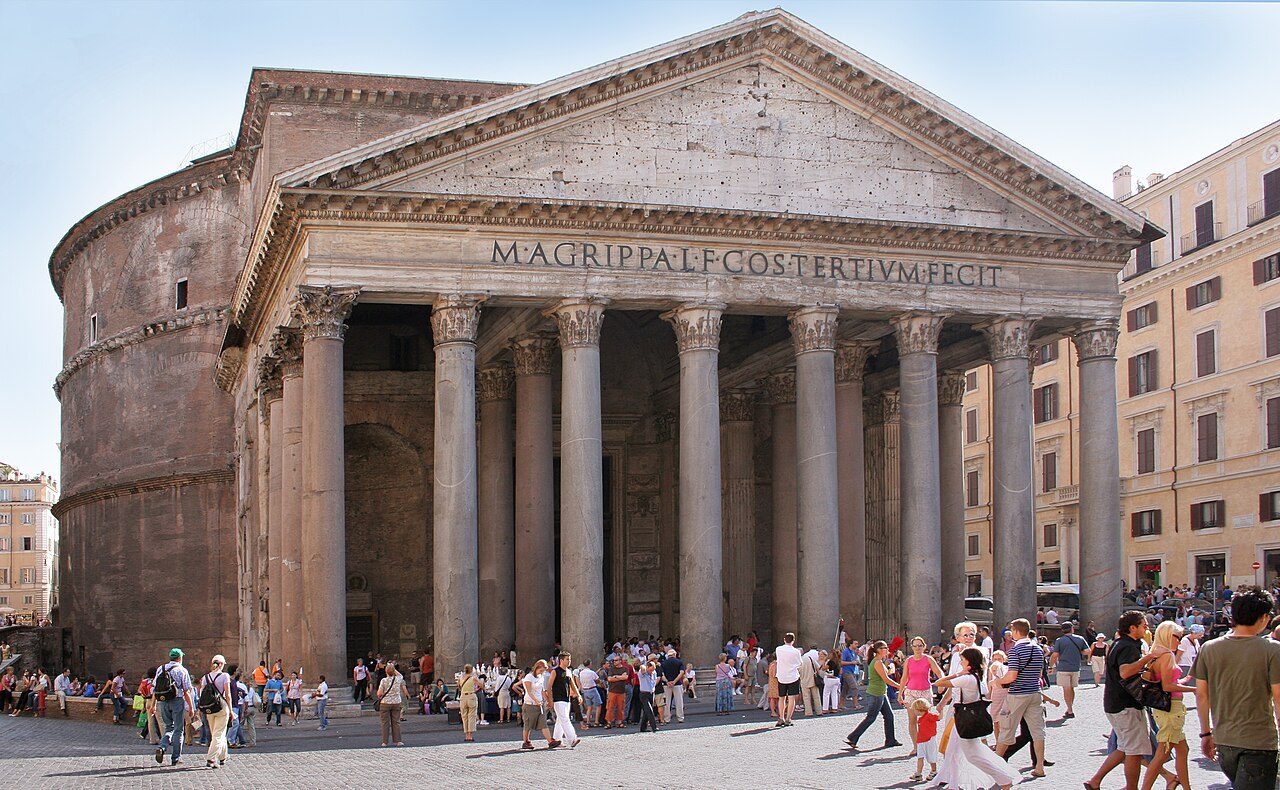
The Pantheon in Rome was built as a temple to all the gods under Emperor Hadrian around 125 AD. Its great dome, about 43 metres across, is still the largest unreinforced concrete dome in the world, with an open oculus at the top. It became a church in 609, which helped it survive. The painter Raphael and two kings of Italy are buried inside.
04
STOP 4 OF 44
Trevi Fountain
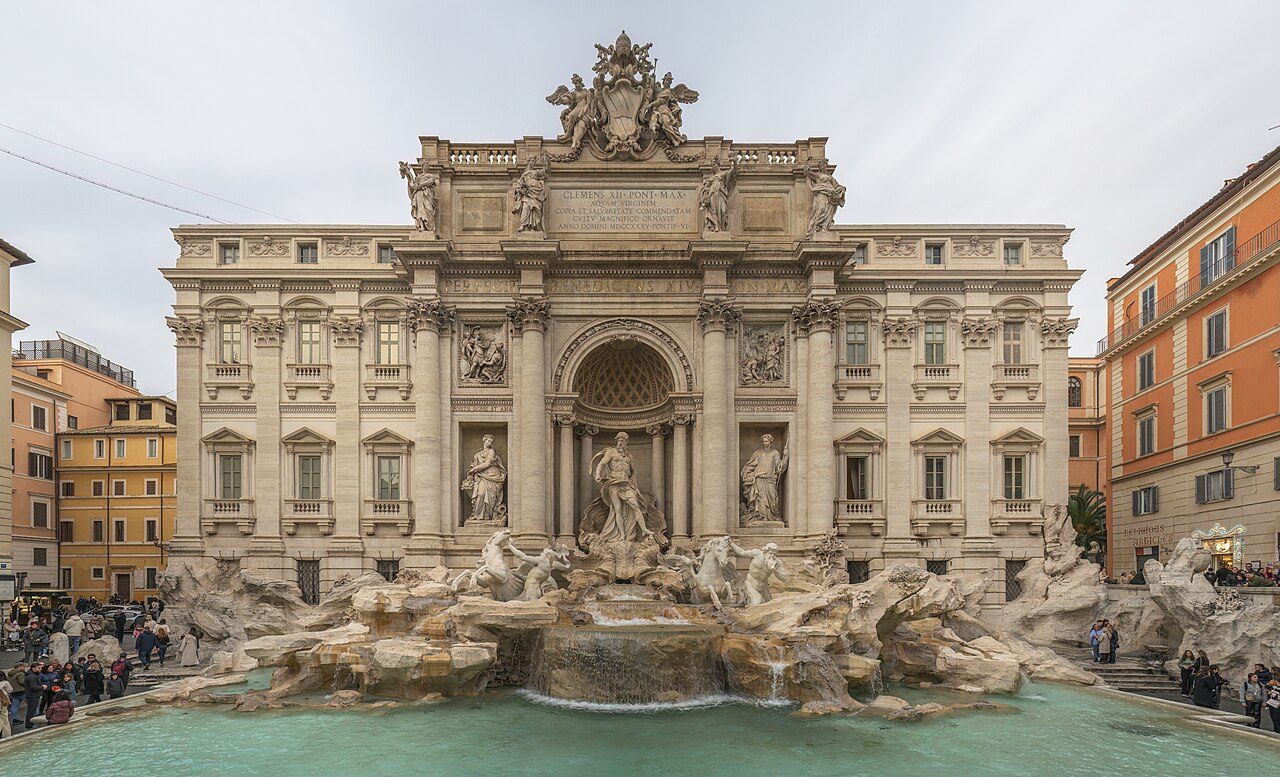
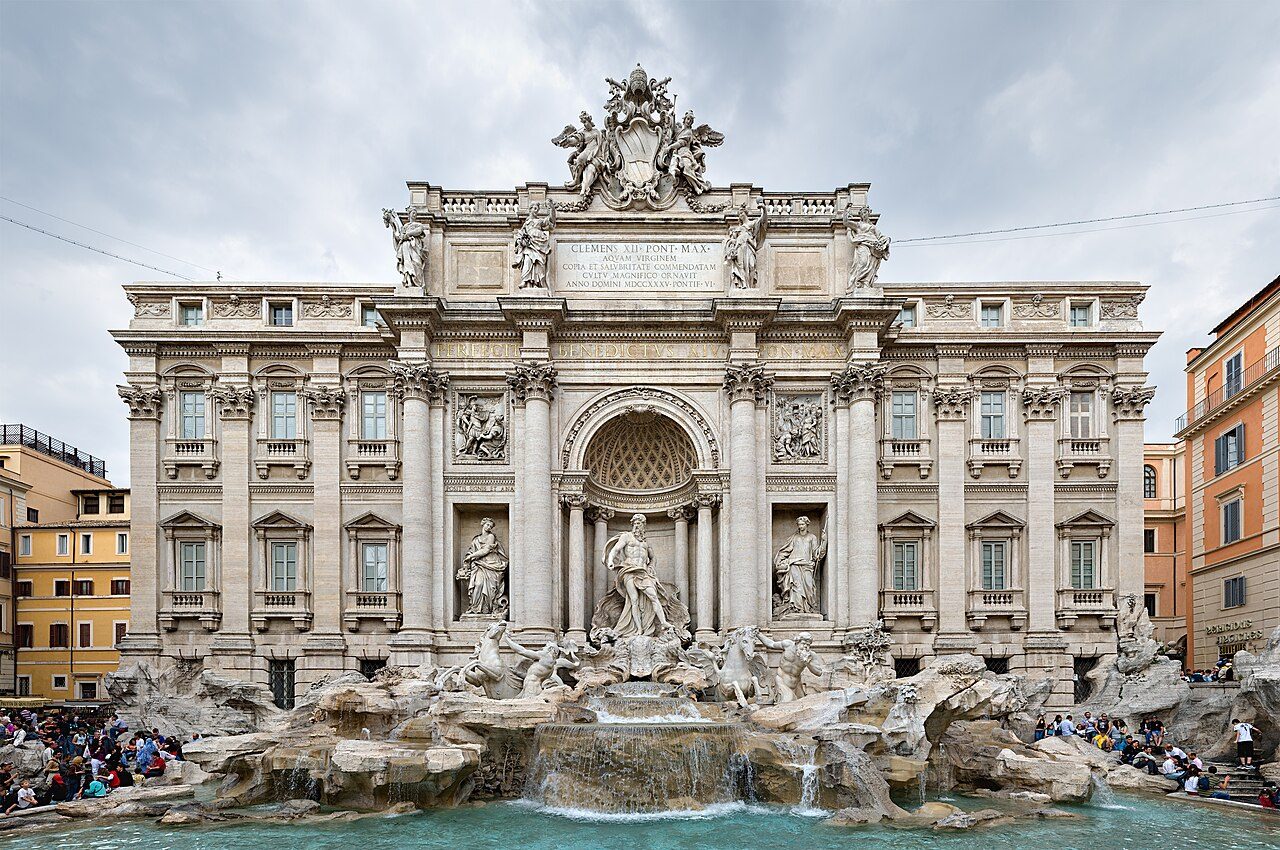
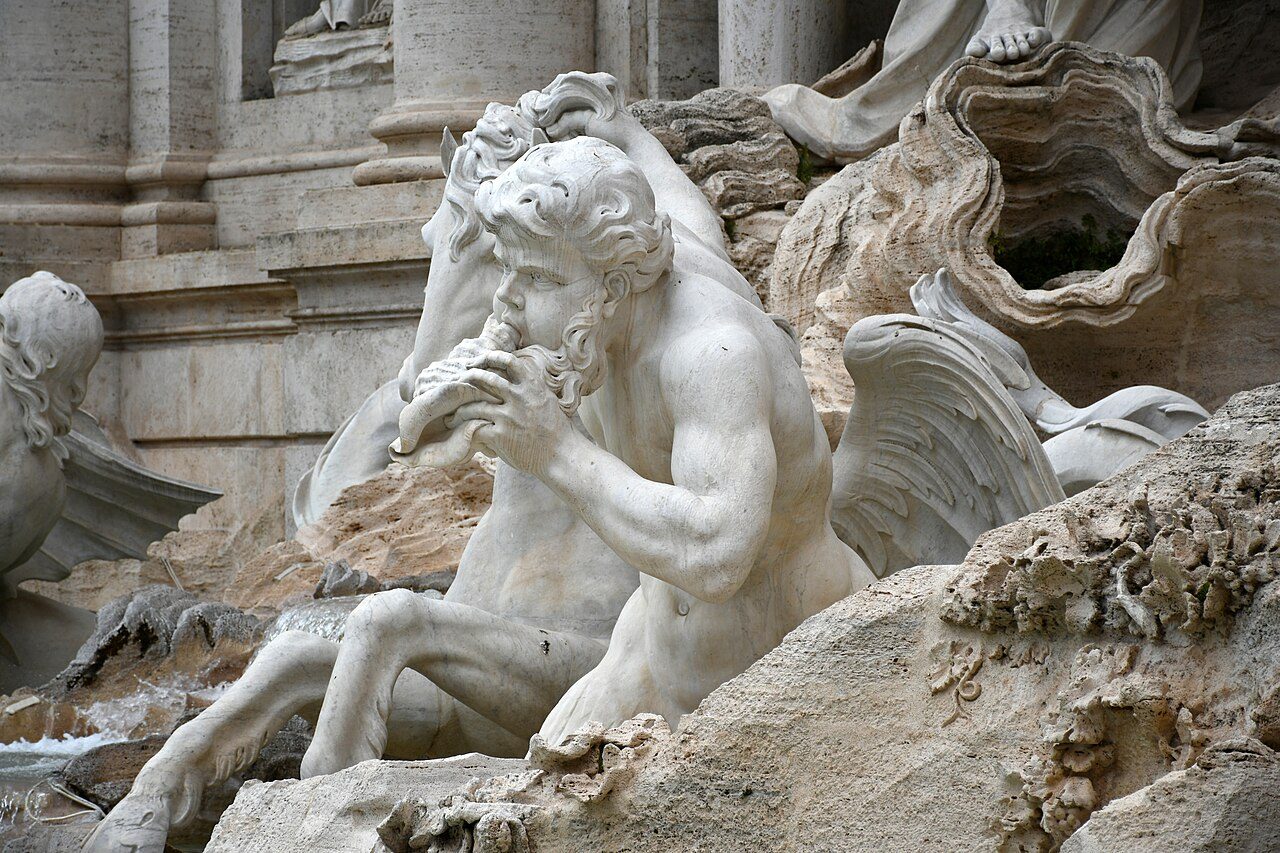
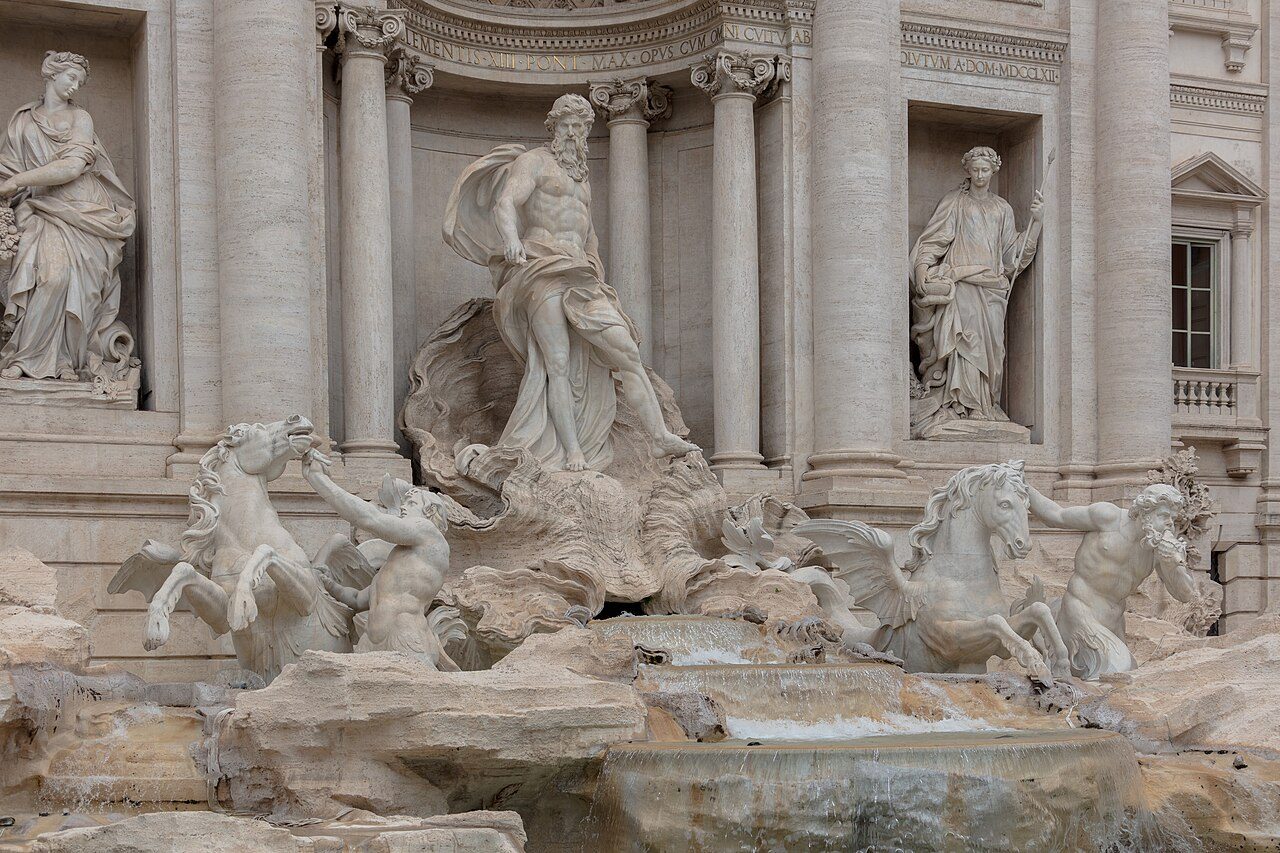
The Trevi Fountain is the largest Baroque fountain in Rome, completed in 1762 to a design by Nicola Salvi. Water from an ancient aqueduct flows over carved rocks below a statue of Oceanus in a chariot pulled by sea horses. Tradition says that throwing a coin over your shoulder into the fountain ensures a return to Rome. It featured in the film La Dolce Vita.
05
STOP 5 OF 44
Vatican Museums
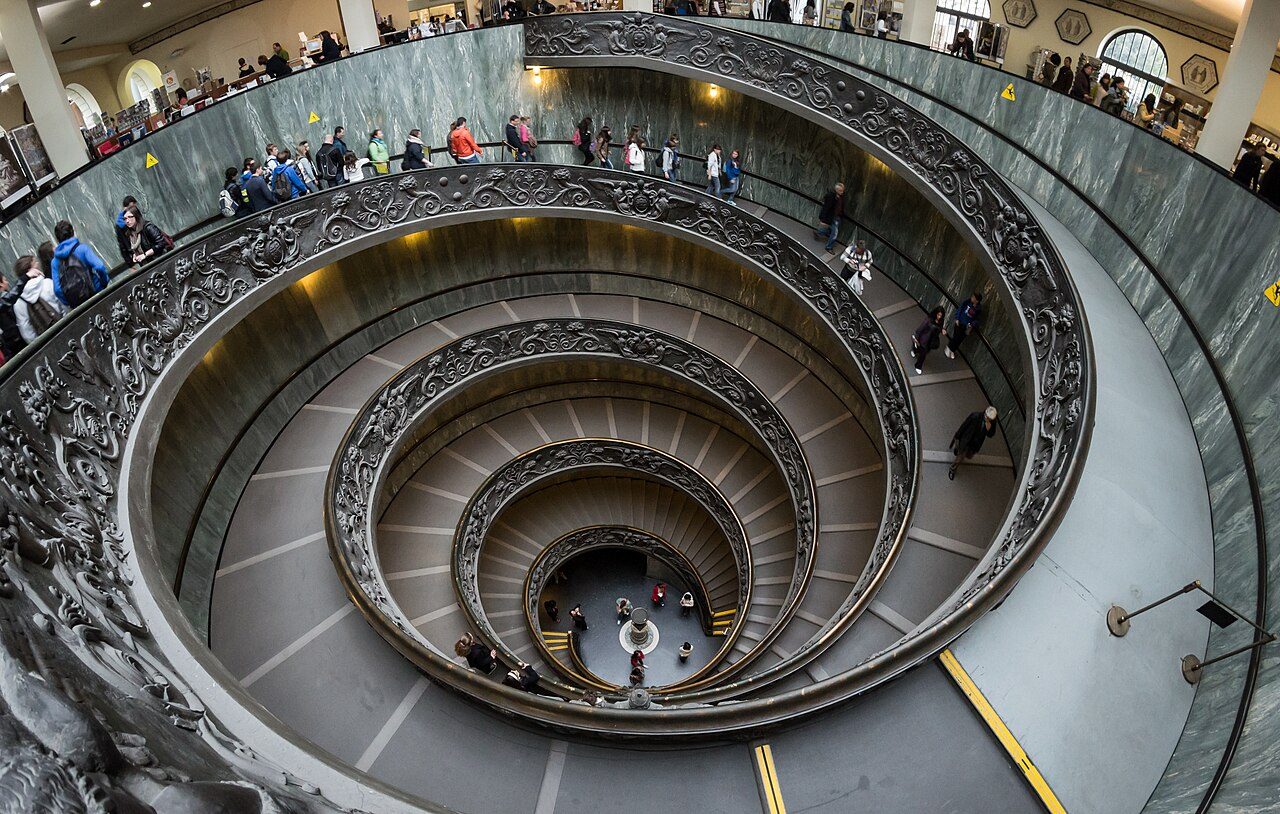
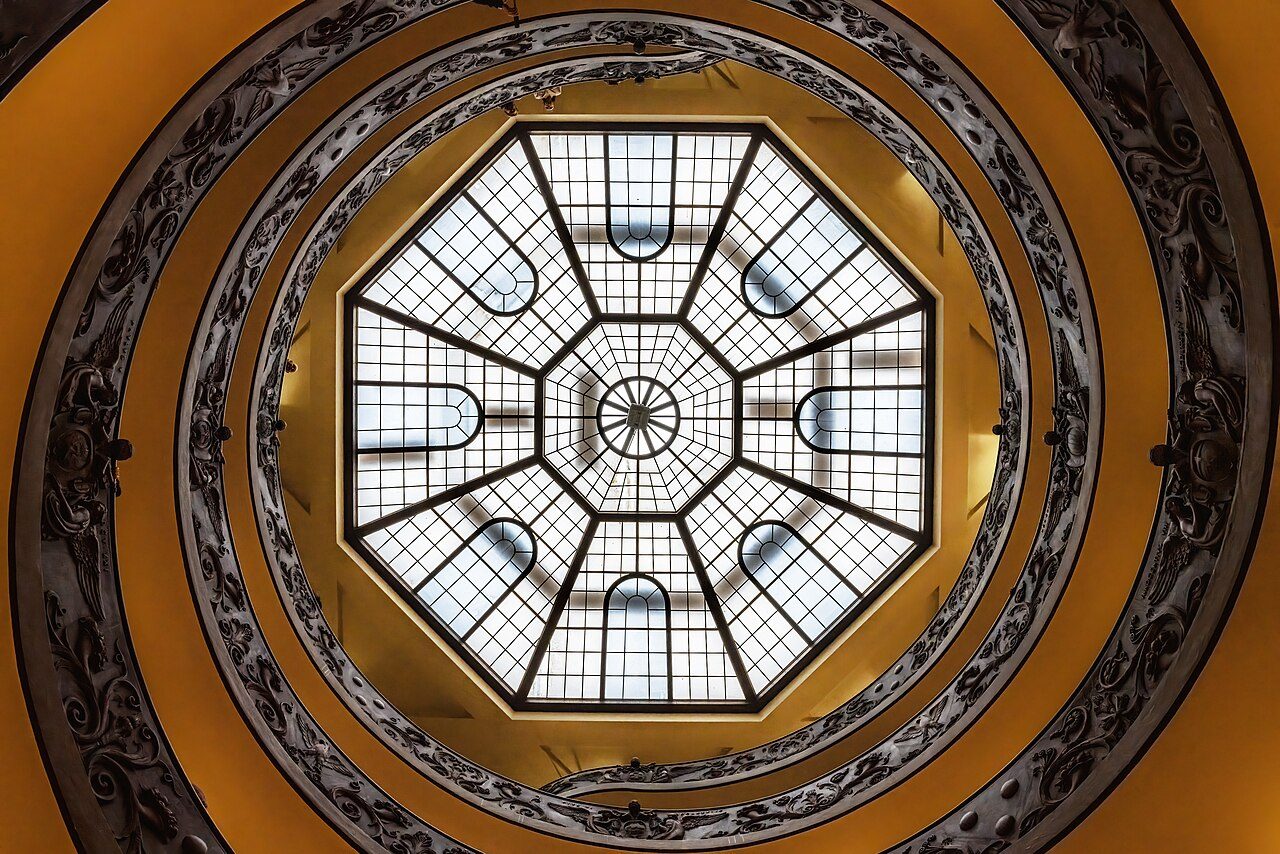
The Vatican Museums hold one of the greatest art collections in the world, gathered by the popes over centuries. Highlights include the Raphael Rooms, the Gallery of Maps and classical sculptures such as the Laocoön. The visit ends in the Sistine Chapel, where Michelangelo painted the ceiling and The Last Judgement. A famous double spiral staircase leads out.
06
STOP 6 OF 44
St. Peter's Basilica
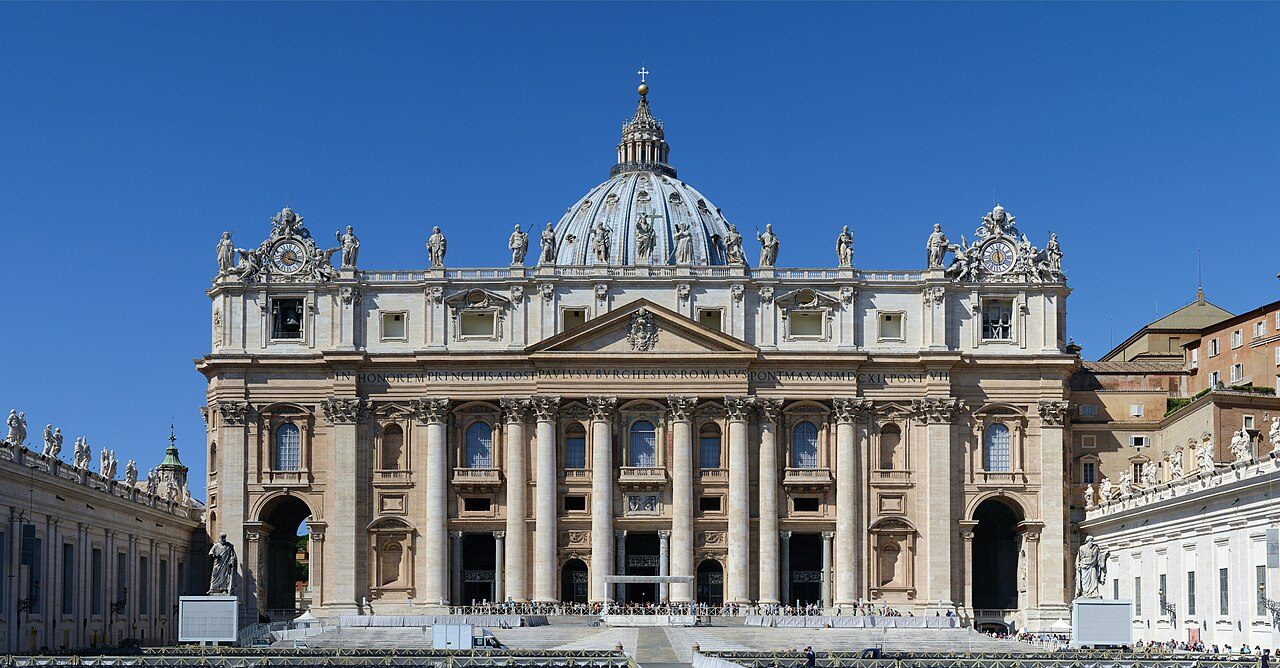
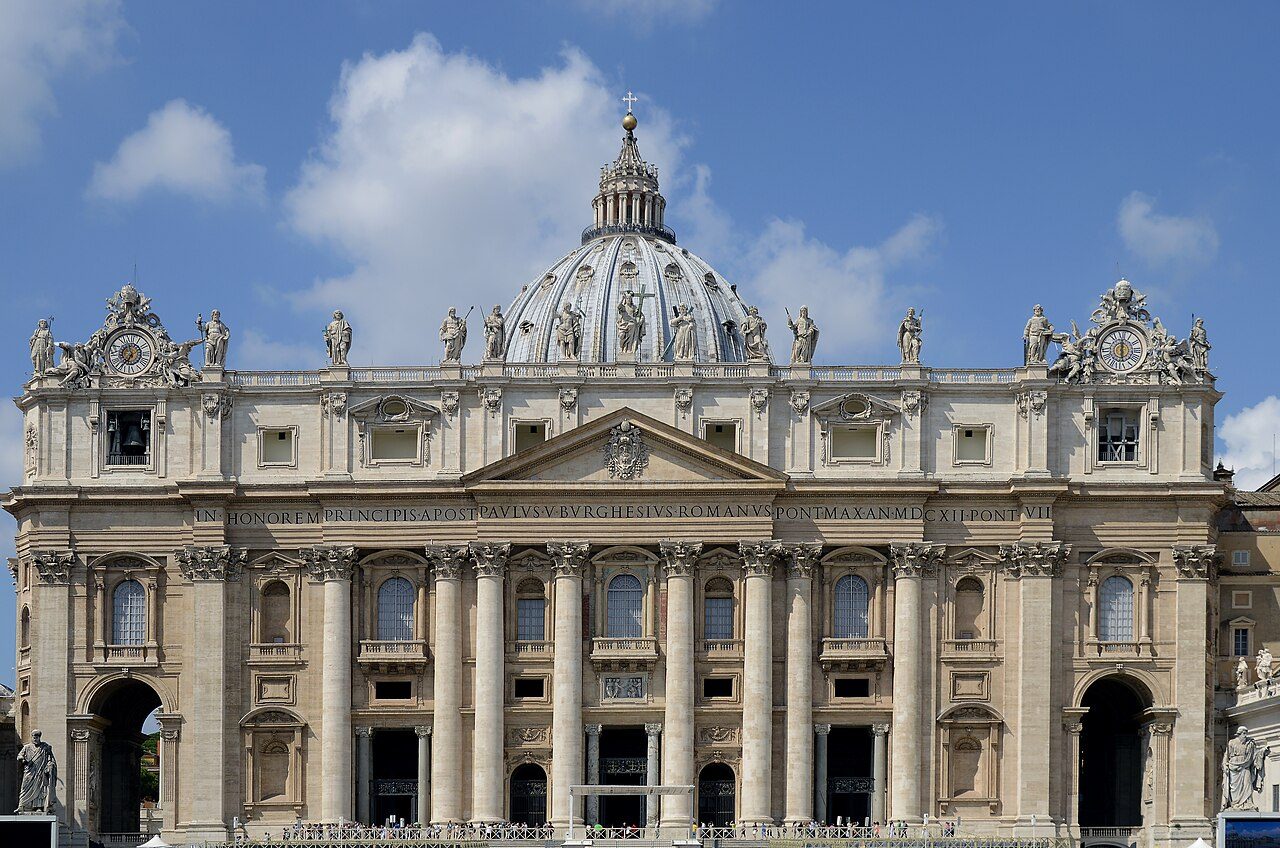
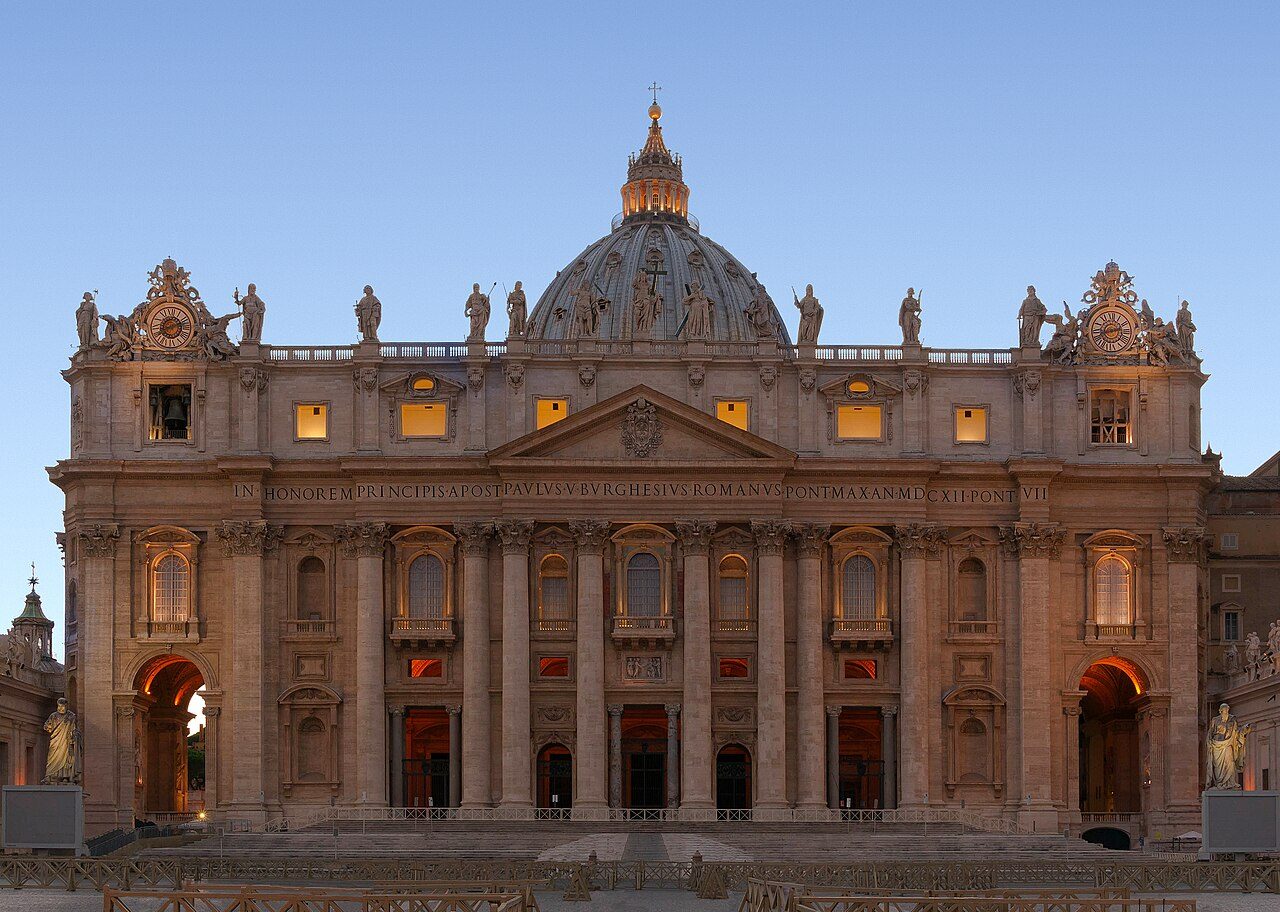
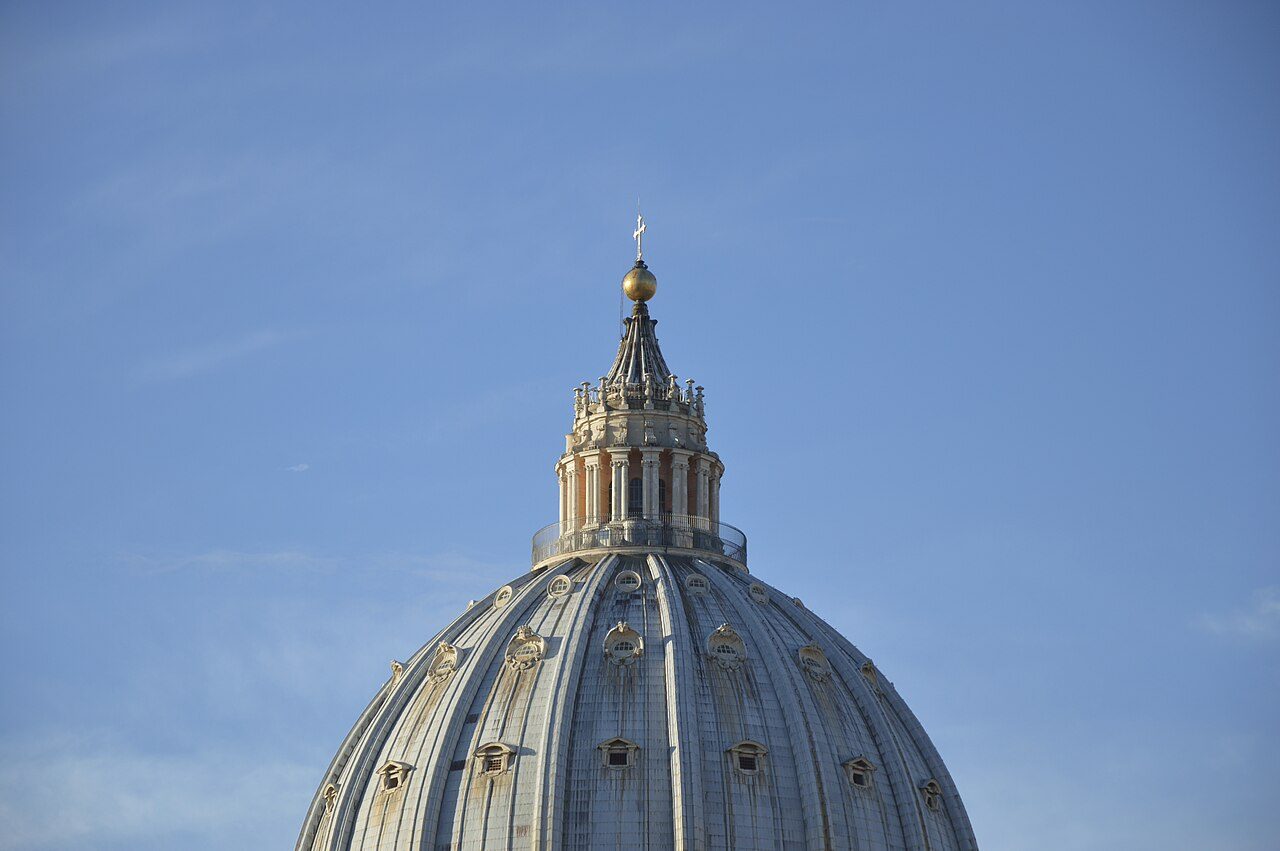
St. Peter's Basilica in Vatican City is one of the largest churches in the world and the centre of the Catholic Church. It was built between 1506 and 1626 over the tomb of Saint Peter. Michelangelo designed its great dome. Inside are Michelangelo's Pietà and Bernini's bronze baldachin. Bernini's colonnade embraces St. Peter's Square in front.
07
STOP 7 OF 44
Castel Sant'Angelo
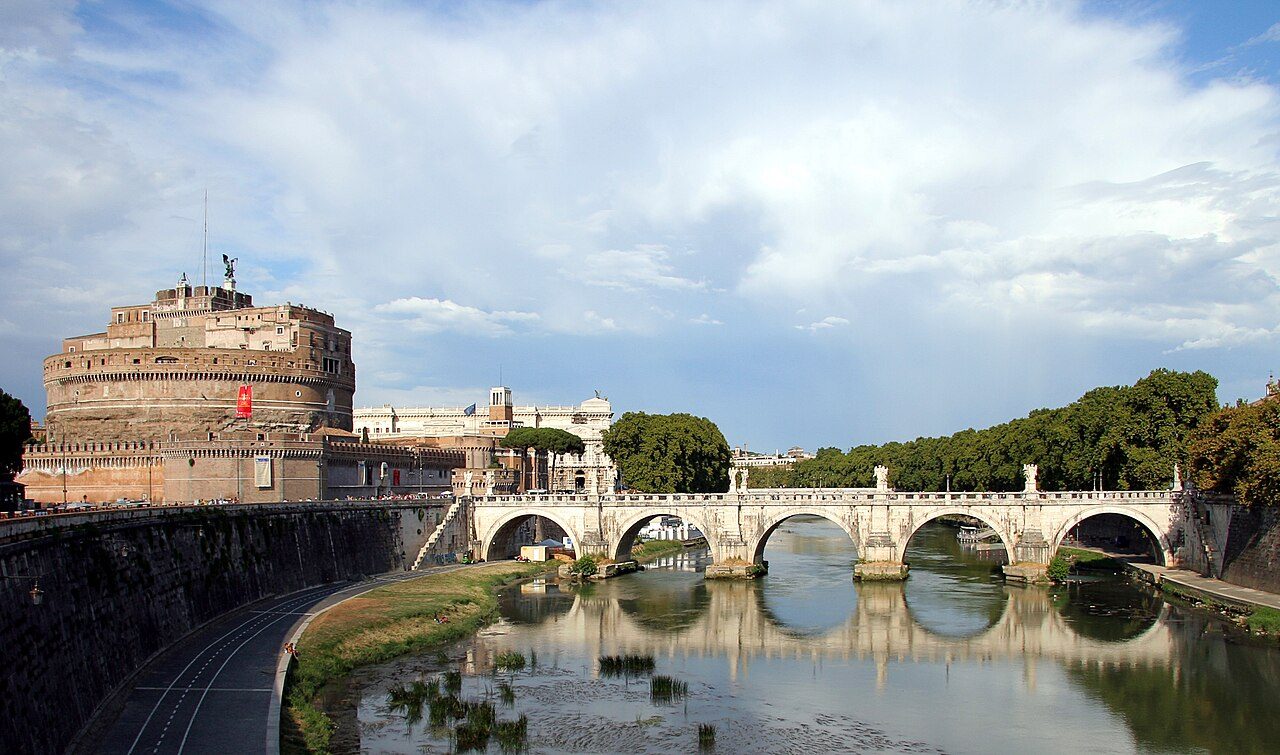
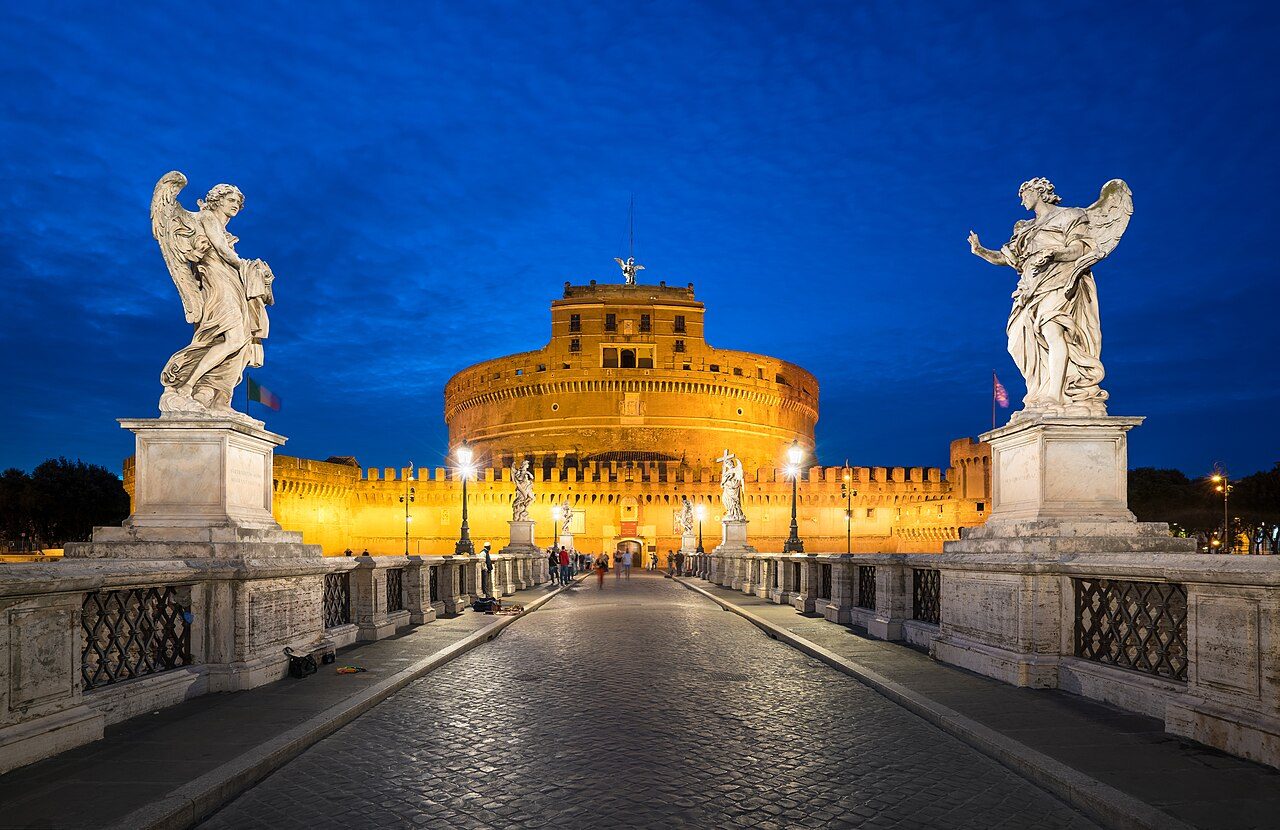
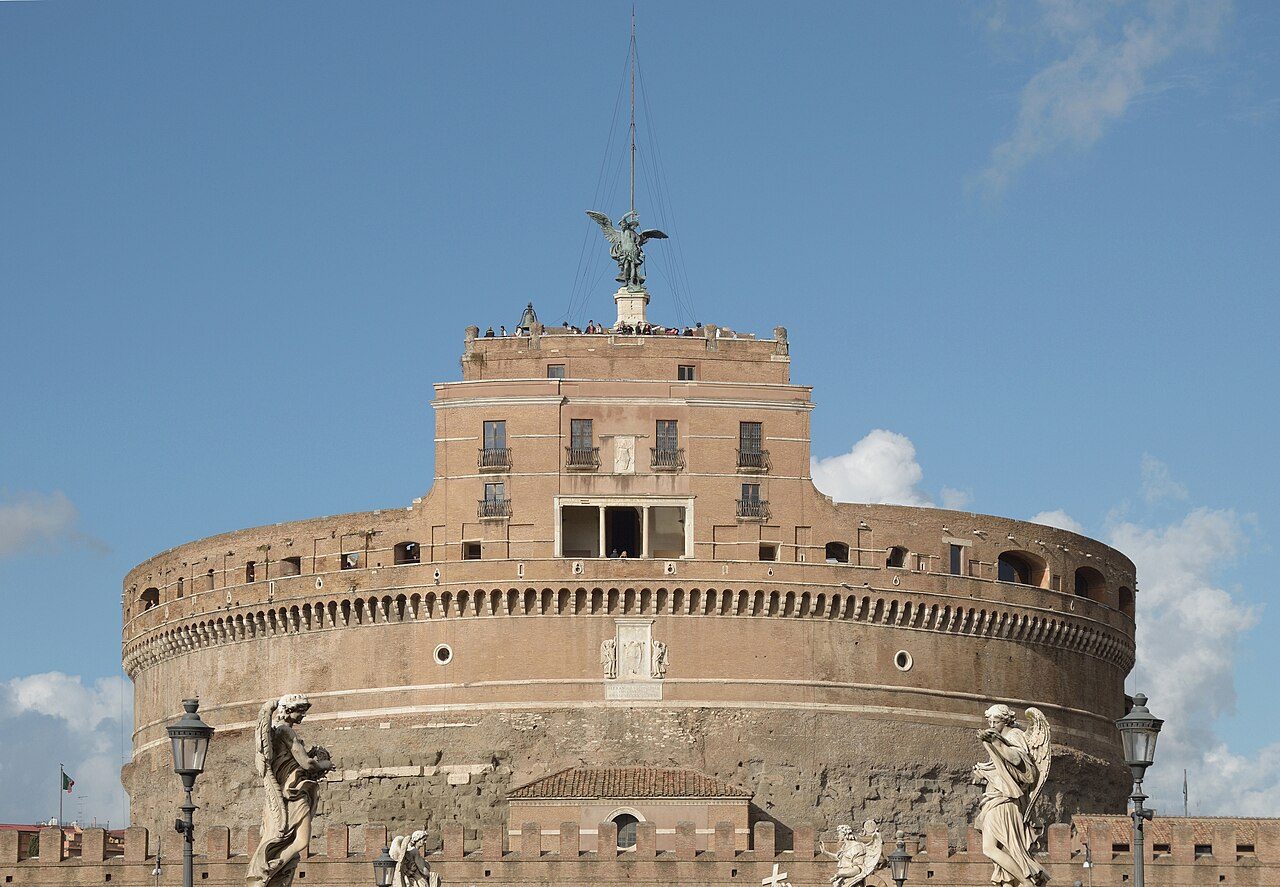
Castel Sant'Angelo was built as a mausoleum for Emperor Hadrian around 135 AD on the bank of the Tiber. Later it became a fortress and a refuge for the popes, linked to the Vatican by a fortified corridor. It is named after a statue of the Archangel Michael on its top. The Ponte Sant'Angelo in front is lined with Bernini's angel statues.
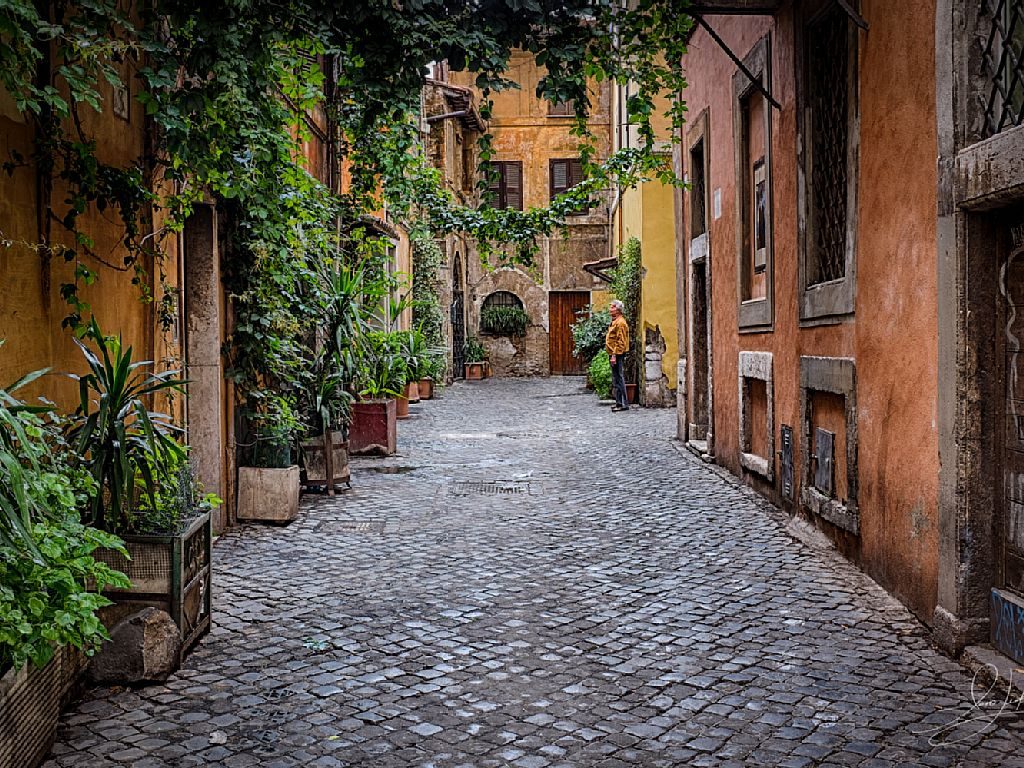
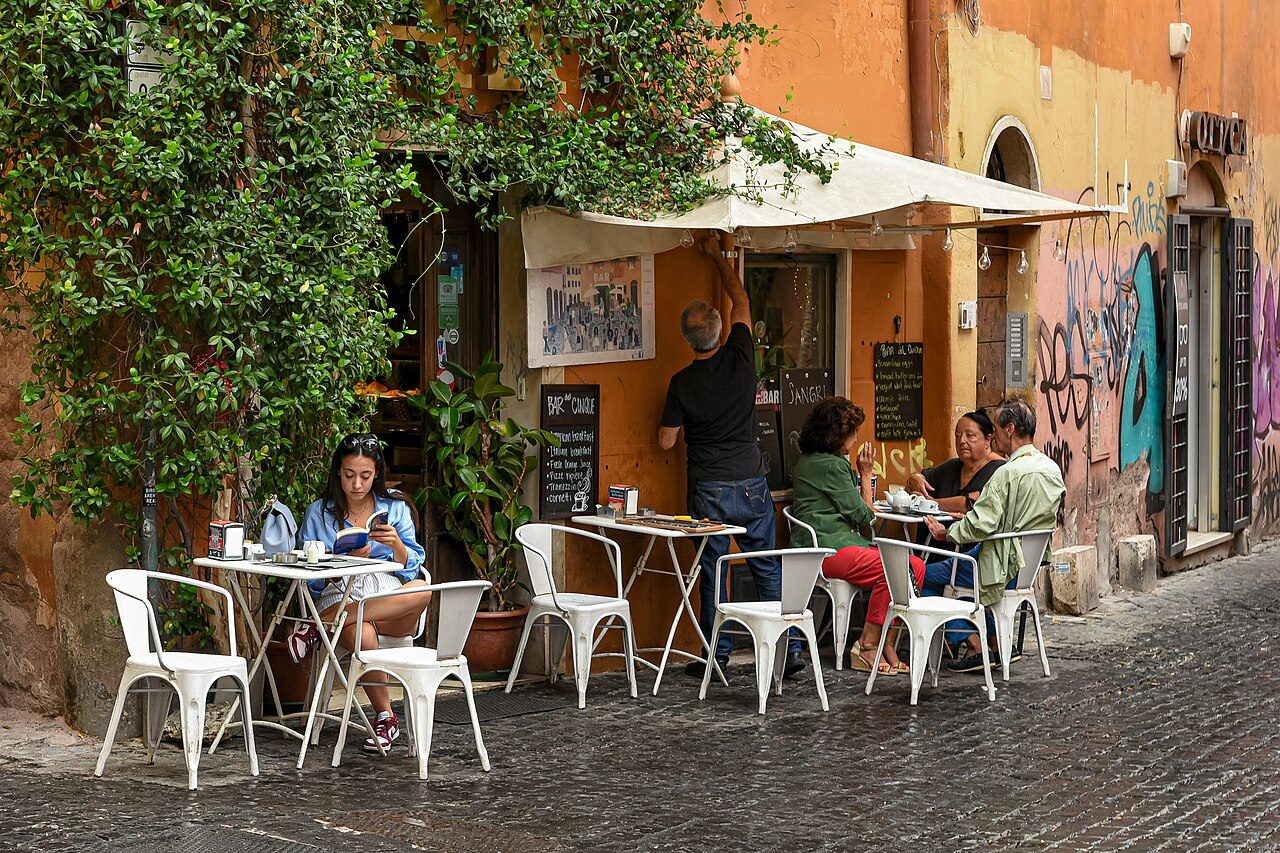
Trastevere is a neighbourhood on the west bank of the Tiber in Rome. Its name means across the Tiber. Narrow cobbled lanes lined with ivy-covered houses lead to small piazzas, trattorias and bars. The Basilica of Santa Maria in Trastevere, one of Rome's oldest churches, has fine golden mosaics. The area is lively in the evening.
09
STOP 9 OF 44
Piazza Navona
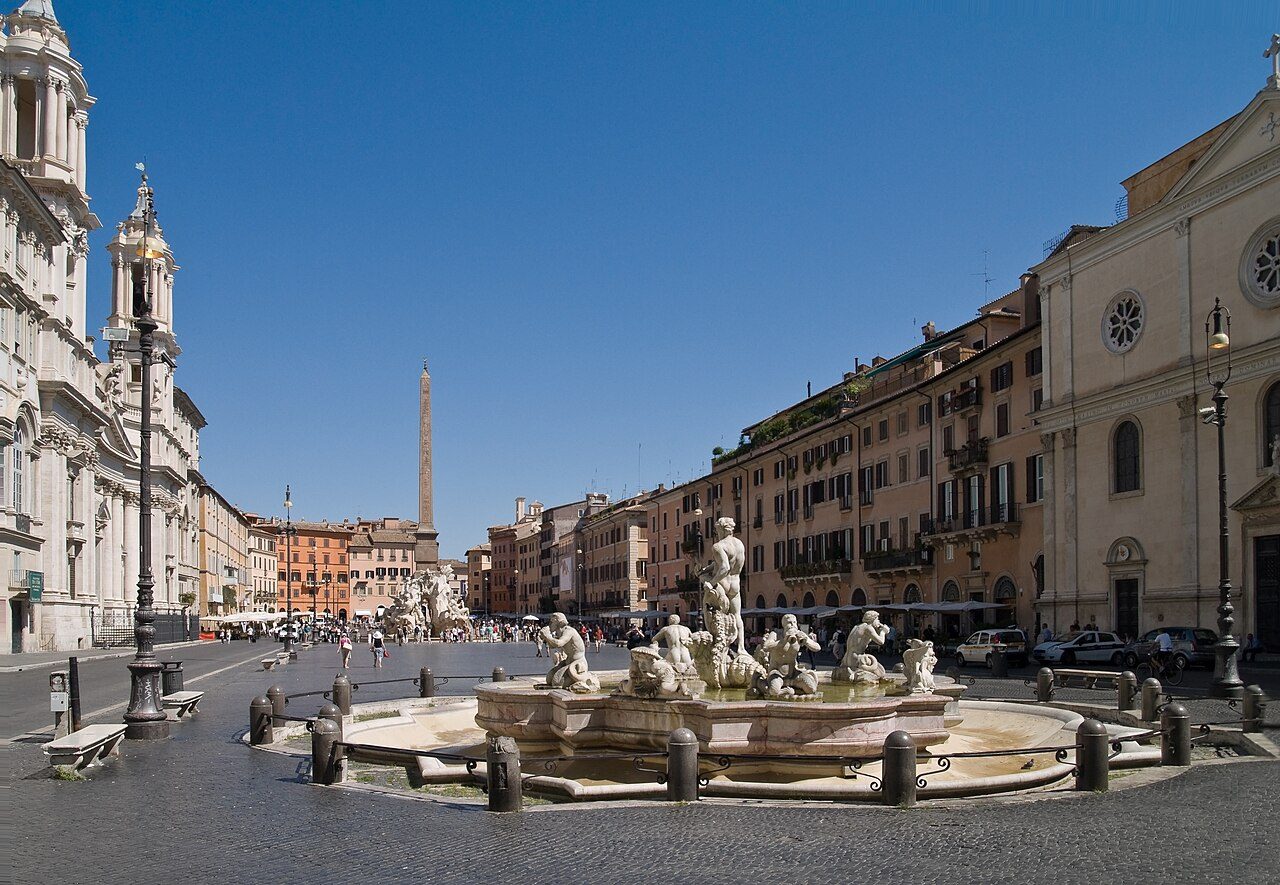
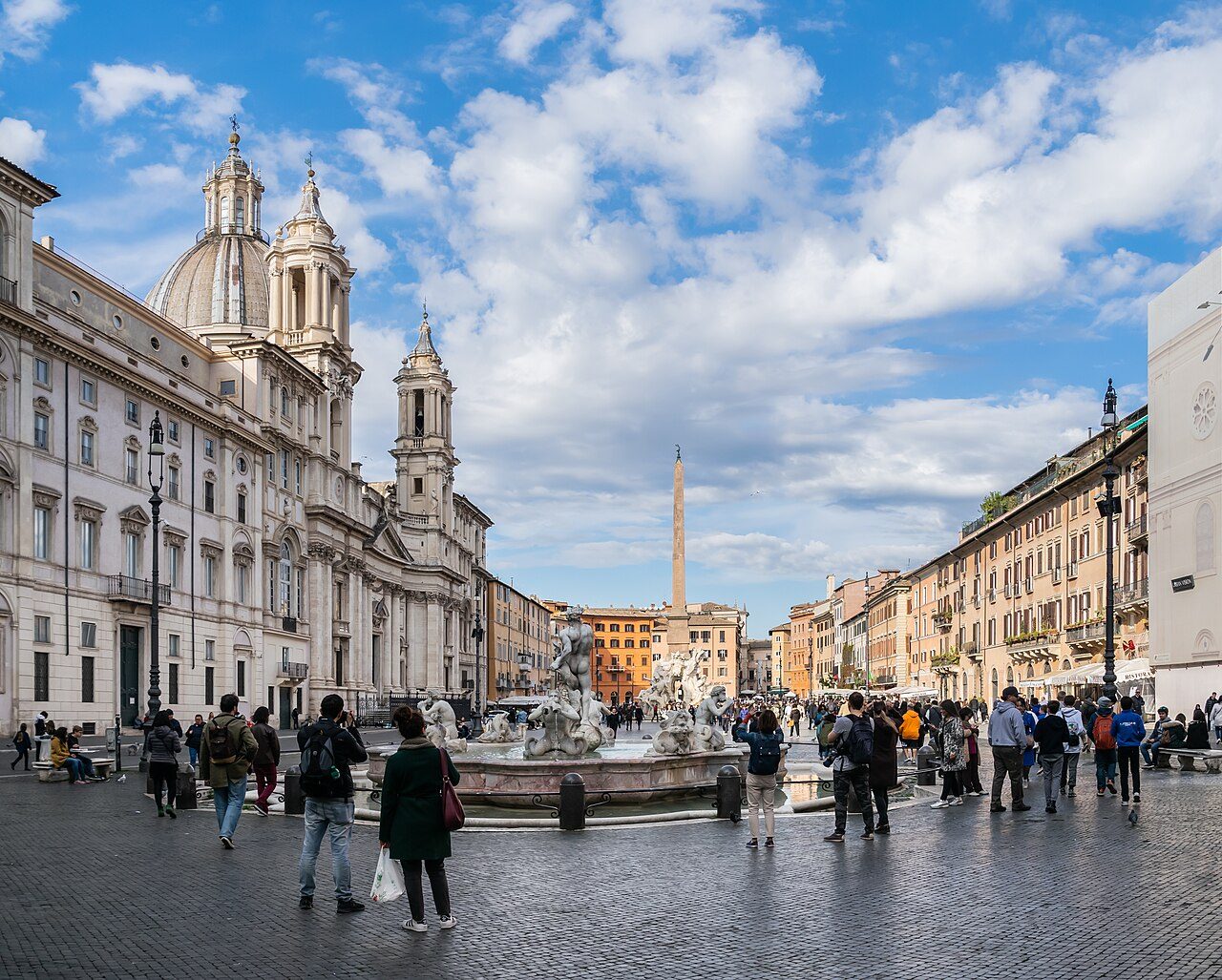
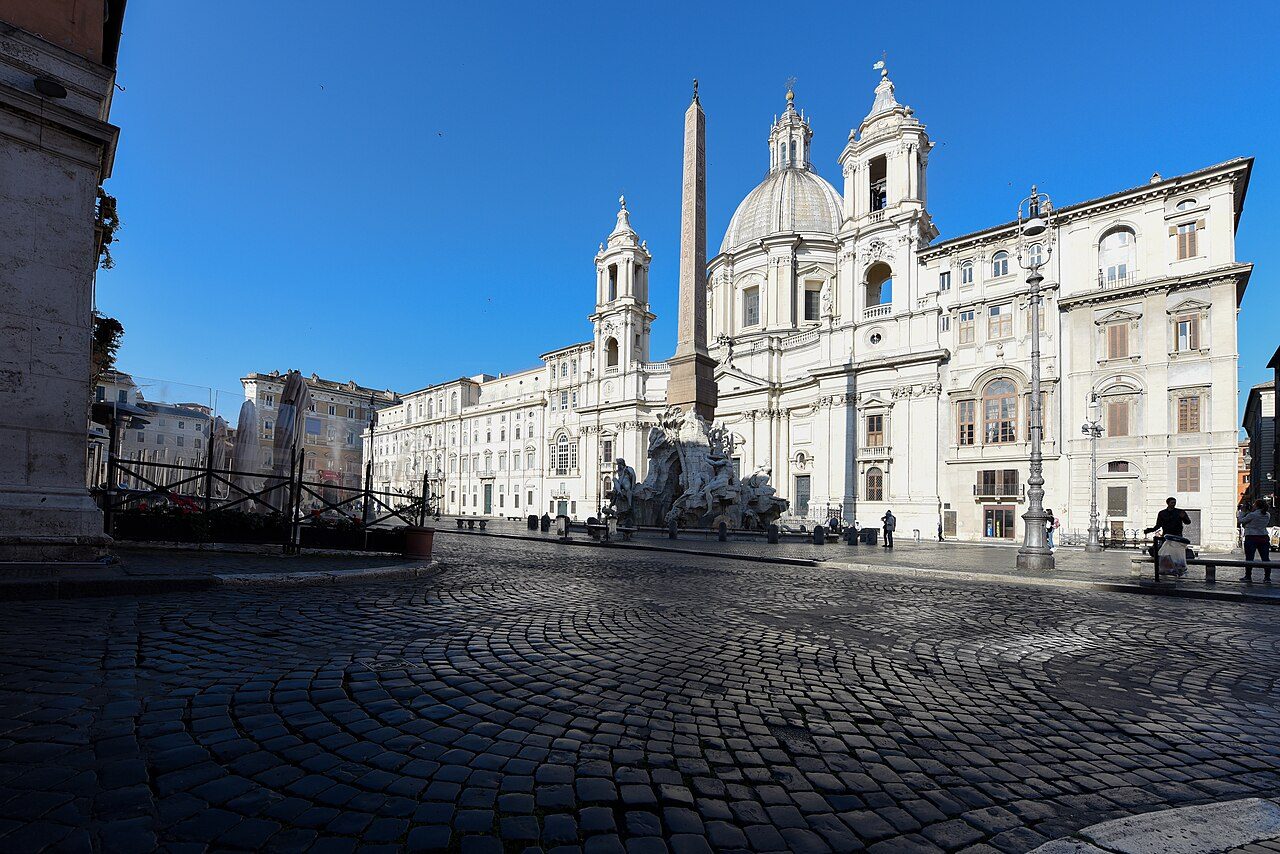
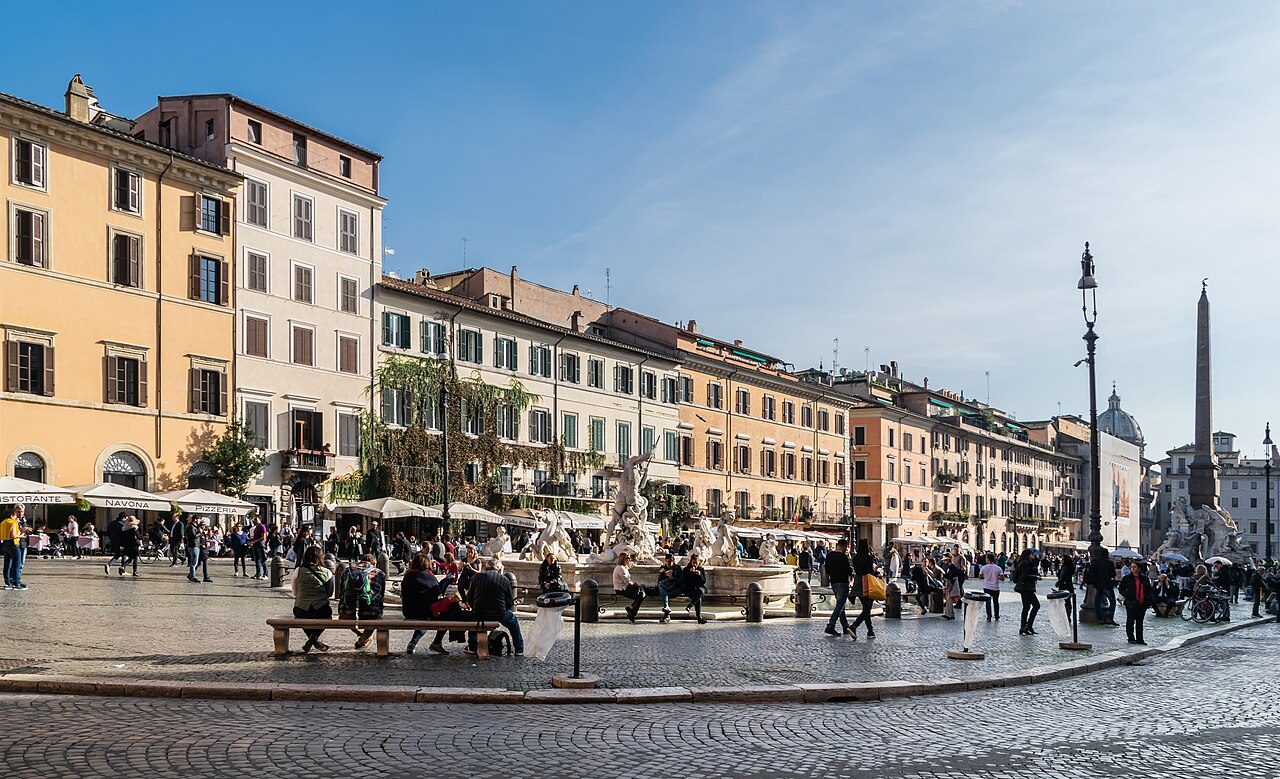
Piazza Navona is a long oval square in Rome, built on the site of the ancient Stadium of Domitian, which gives it its shape. It is a showcase of Baroque Rome, with three fountains, including Bernini's Fountain of the Four Rivers, and the church of Sant'Agnese in Agone by Borromini. Cafes, street artists and a Christmas market fill the square.
10
STOP 10 OF 44
Spanish Steps
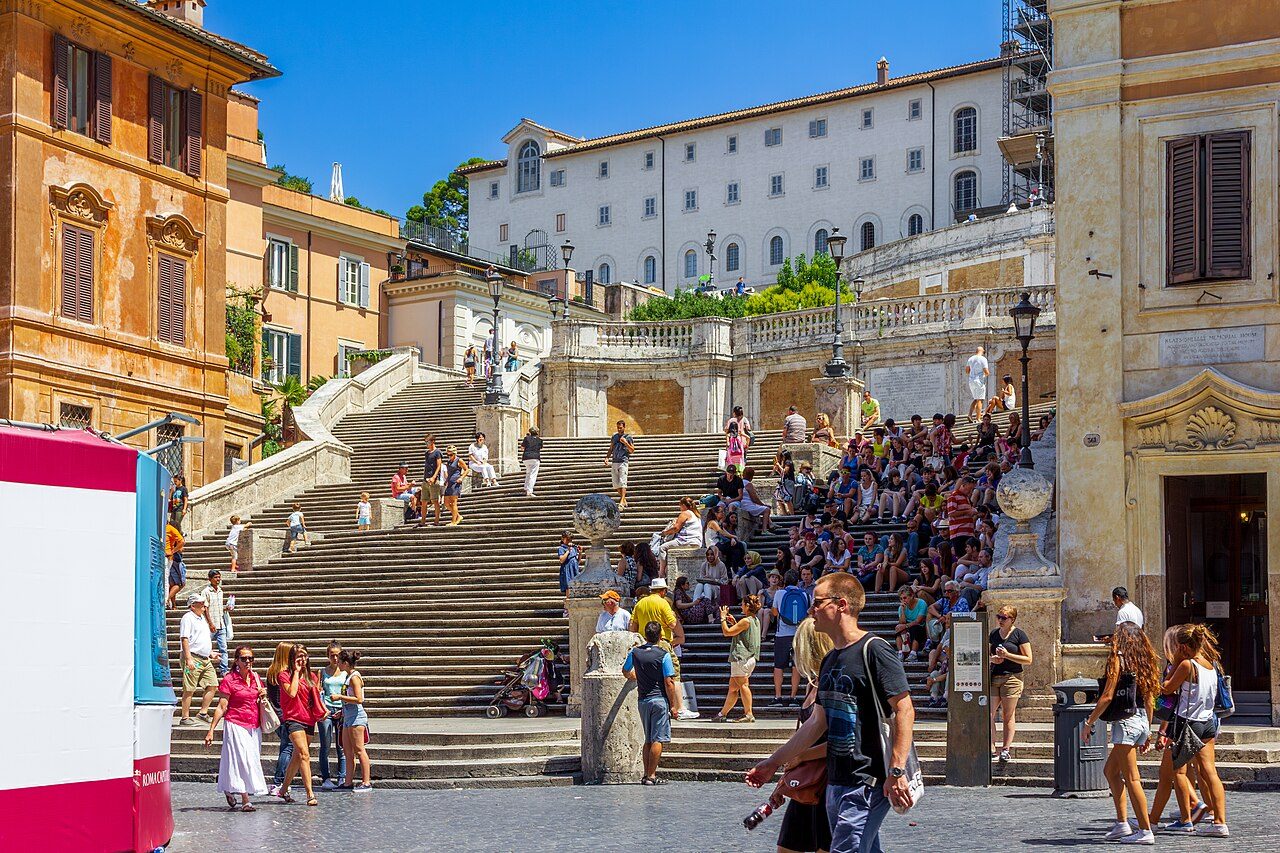
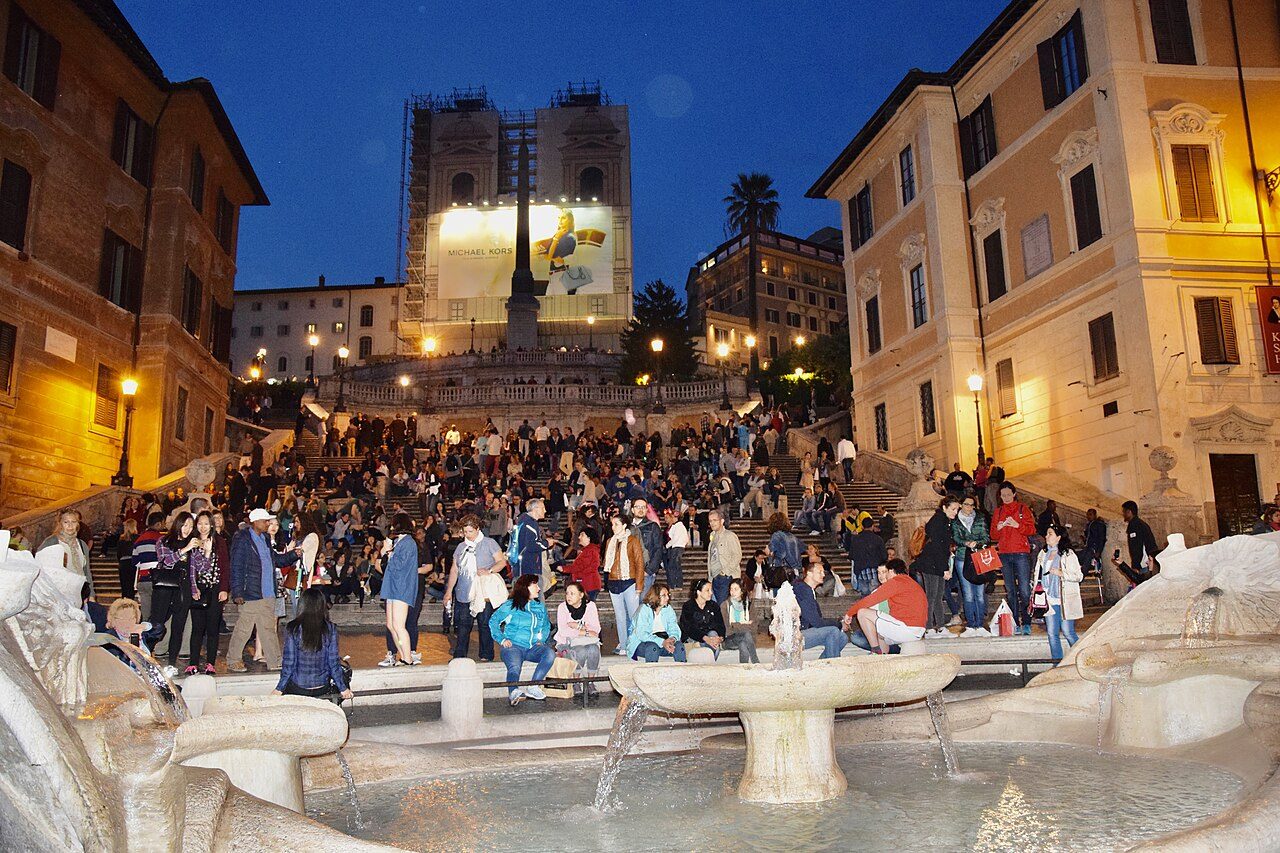
The Spanish Steps are a monumental stairway of 135 steps in Rome, built in the 1720s. They climb from Piazza di Spagna, named after the Spanish embassy, to the church of Trinità dei Monti at the top. At the foot is the Barcaccia fountain, shaped like a sinking boat. The poet John Keats died in a house beside the steps in 1821.
11
STOP 11 OF 44
Borghese Gallery
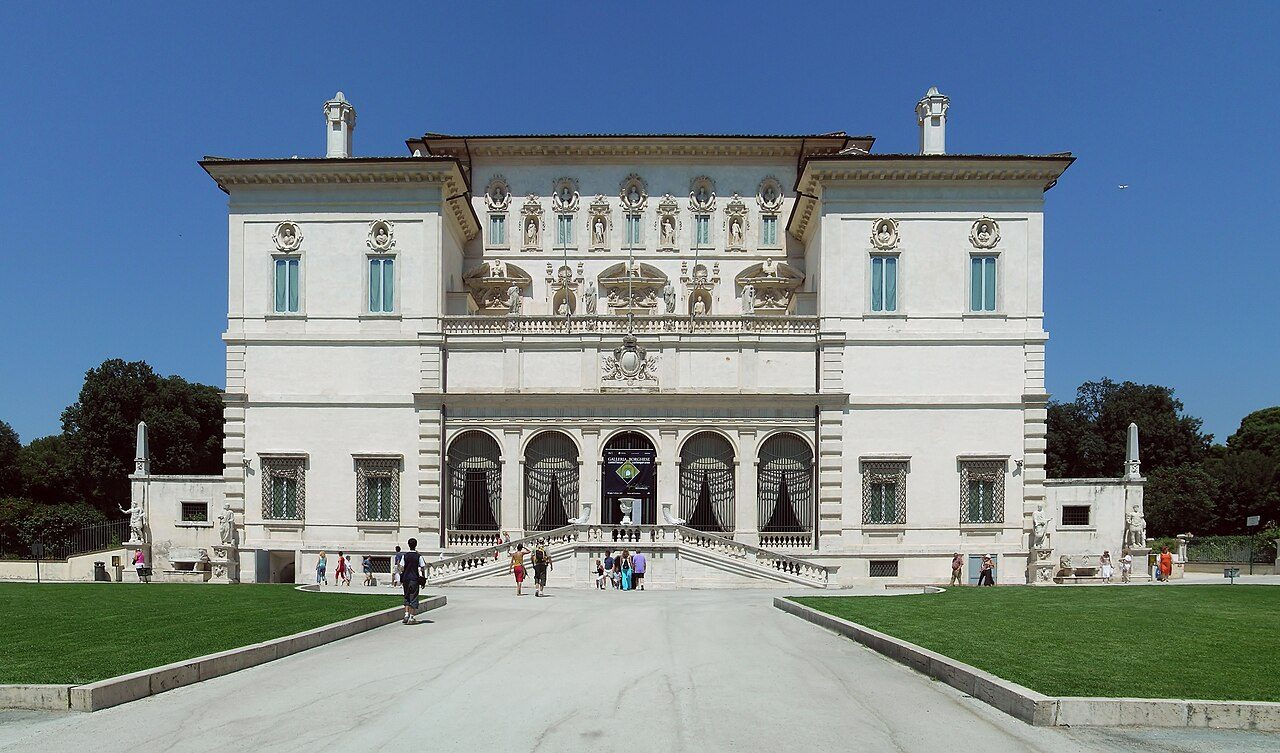
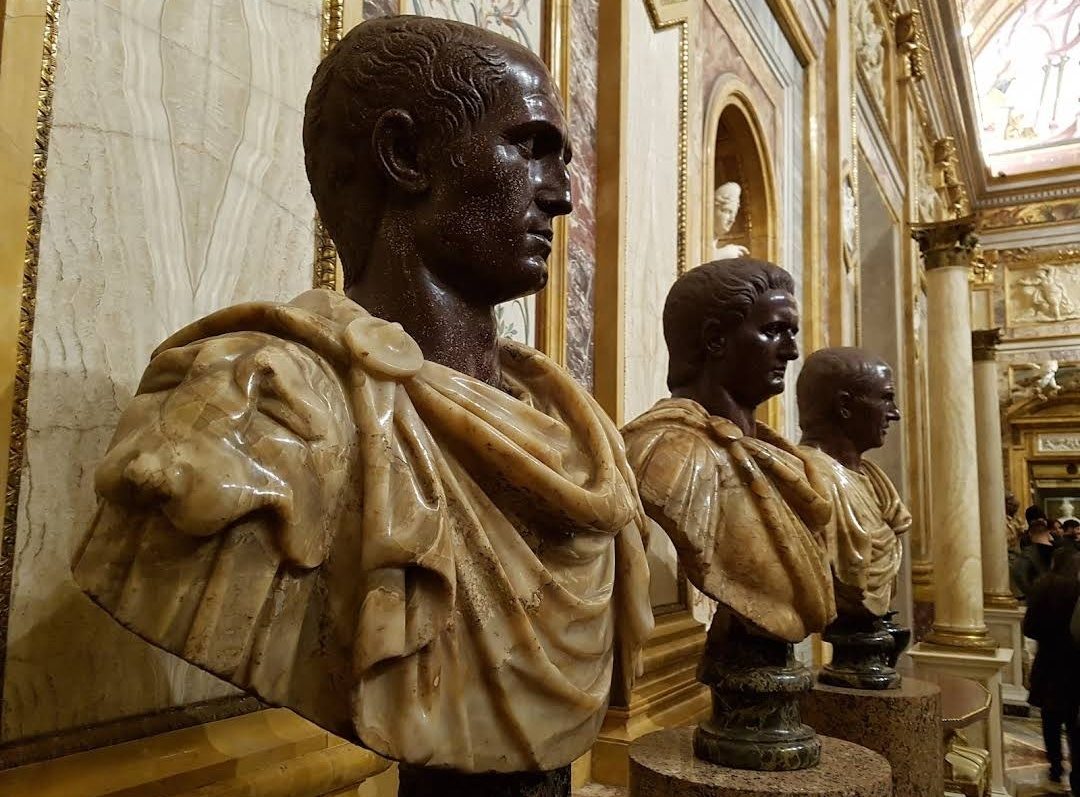
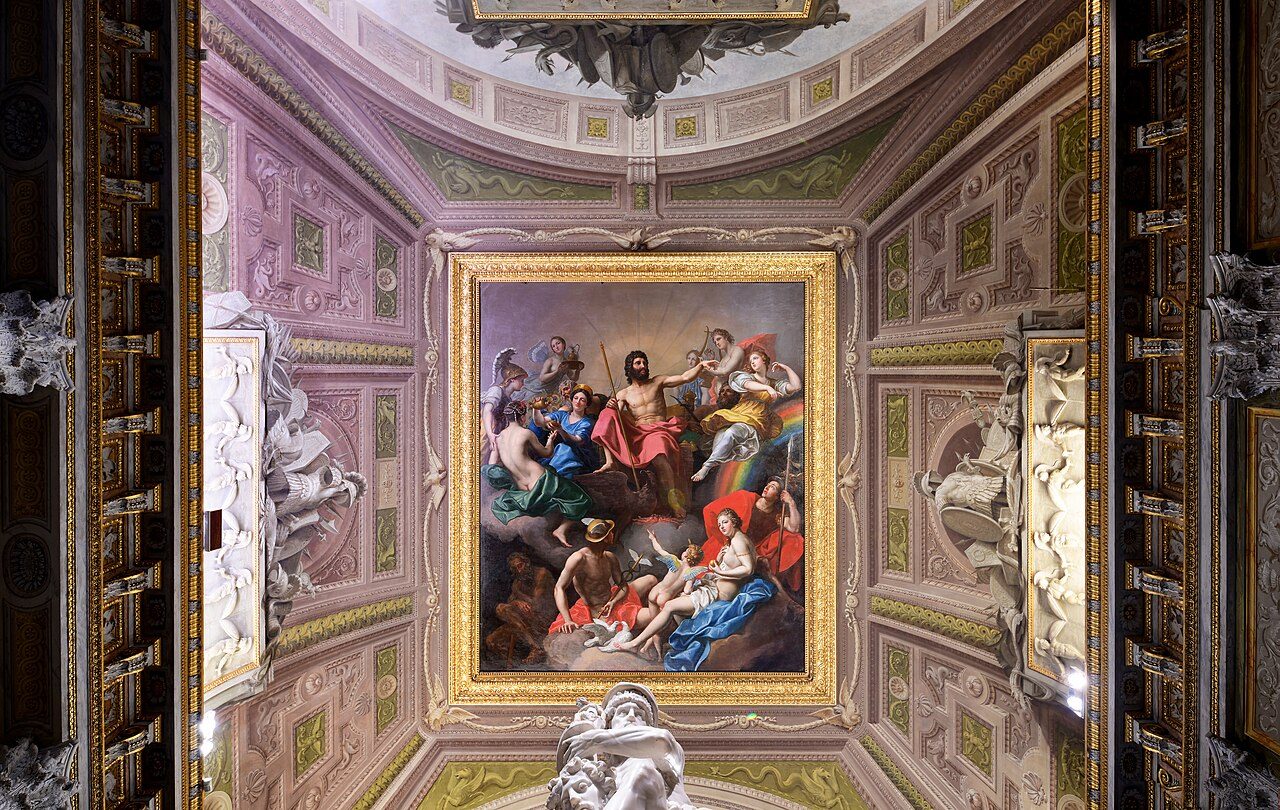
The Borghese Gallery is an art museum in the Villa Borghese, built in the early 17th century for Cardinal Scipione Borghese. It holds masterpieces by Bernini, such as Apollo and Daphne and The Rape of Proserpina, as well as paintings by Caravaggio, Raphael and Titian. The surrounding Villa Borghese park is one of the largest in Rome.
12
STOP 12 OF 44
Altare della Patria
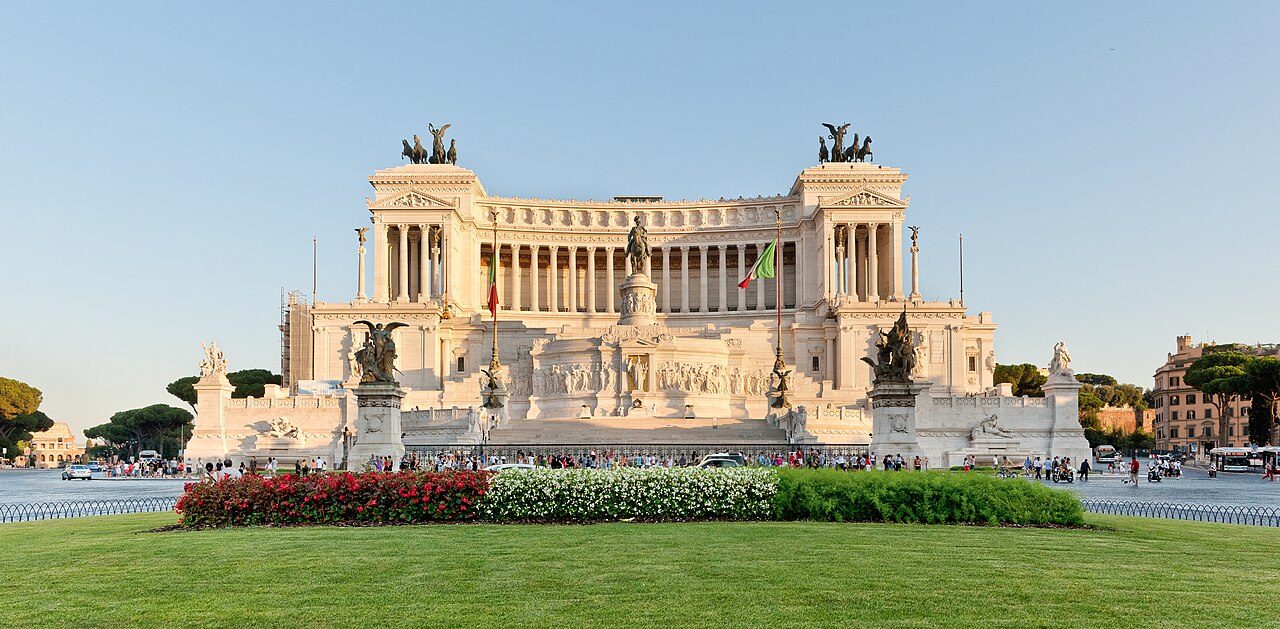
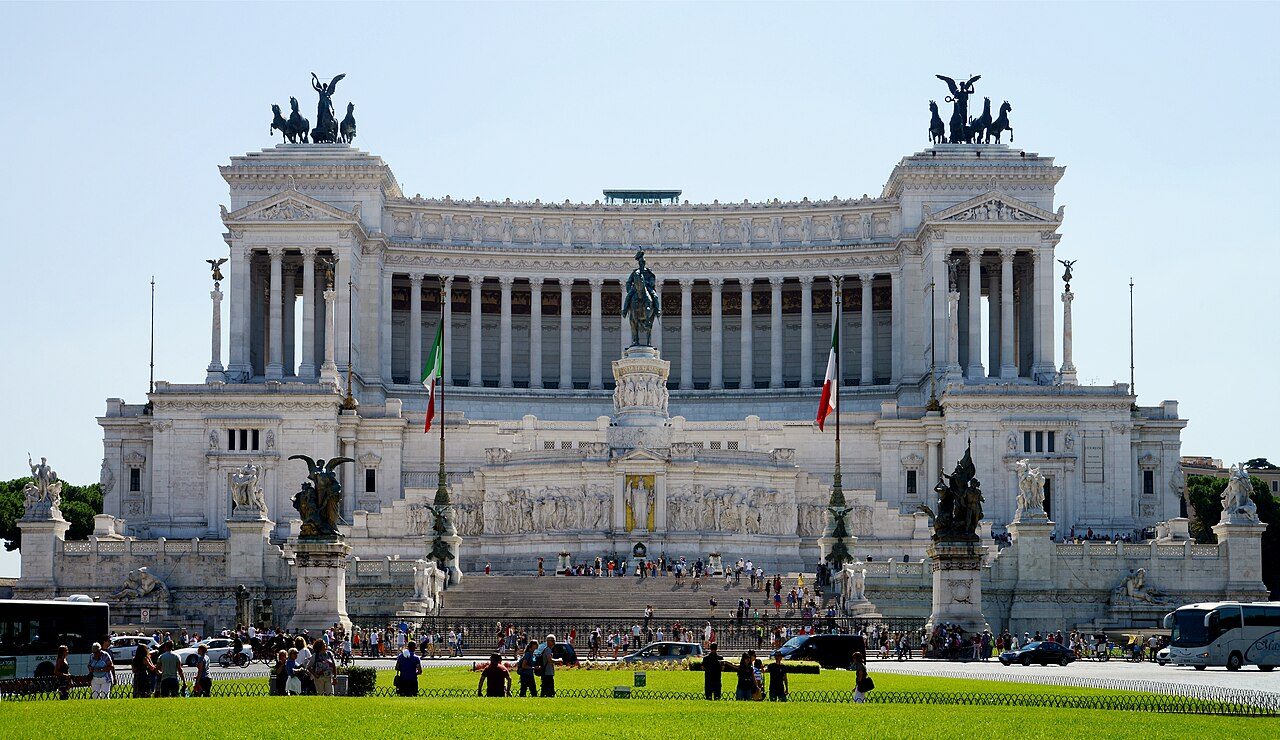
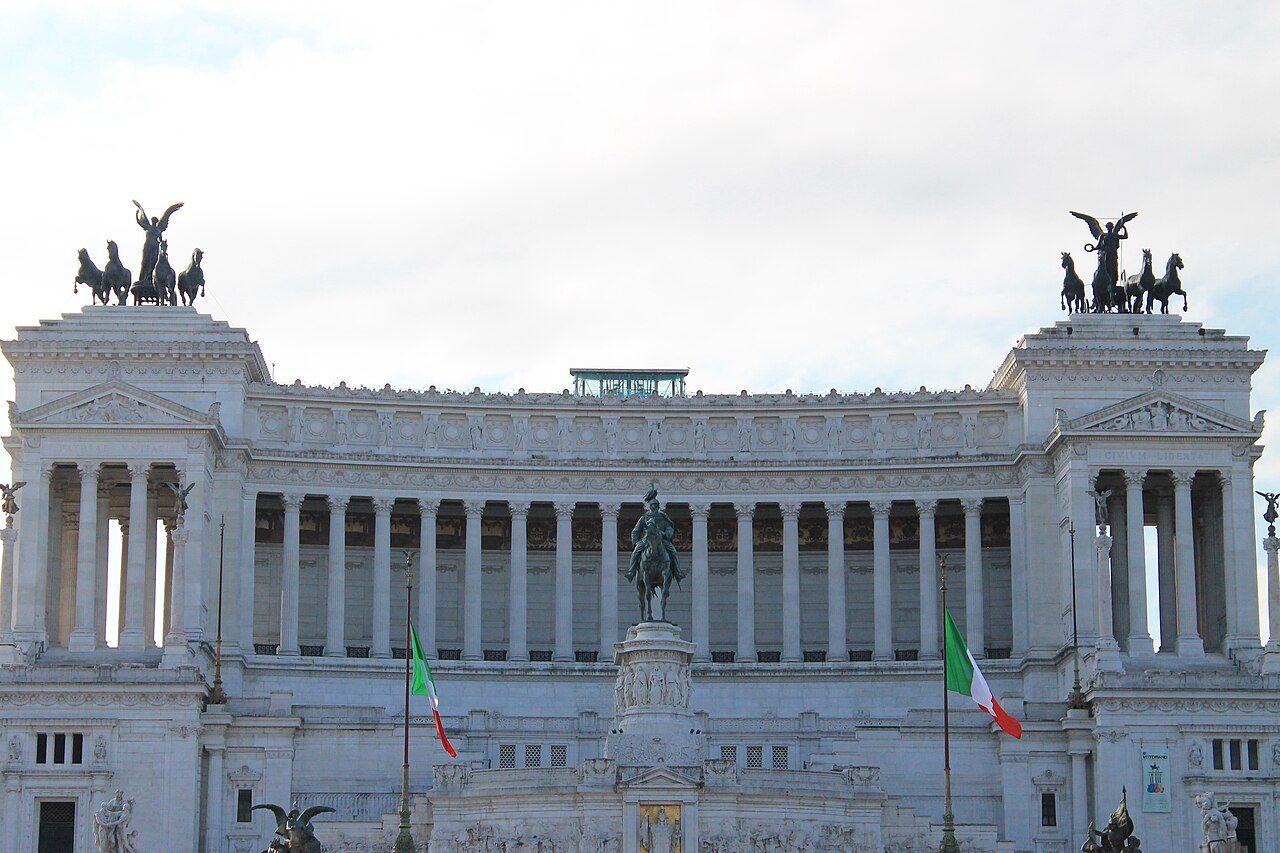
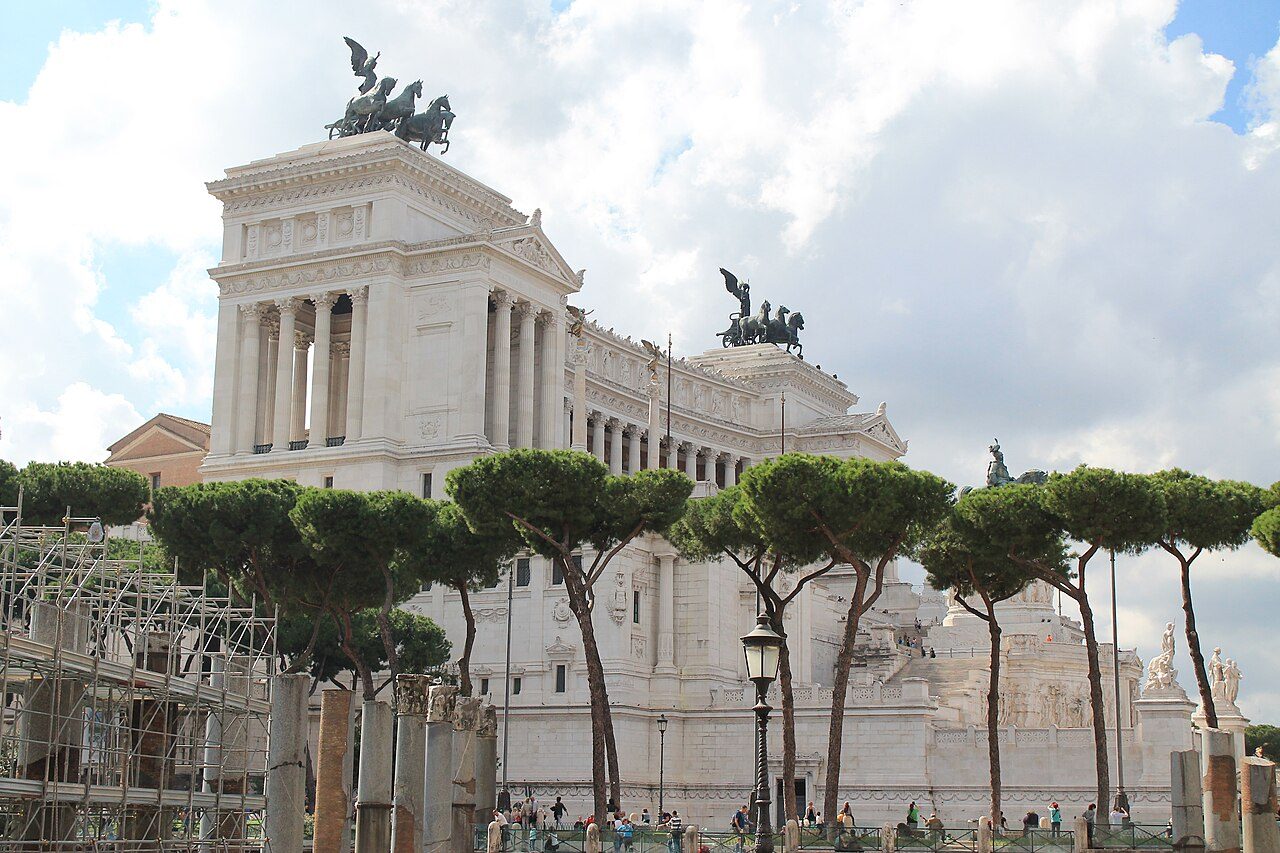
The Altare della Patria, also called the Vittoriano, is a huge white marble monument in Piazza Venezia, Rome. It was built between 1885 and 1935 in honour of Victor Emmanuel II, the first king of united Italy. It holds the Tomb of the Unknown Soldier and a museum of Italian unification. A lift to the roof terrace gives views over the city.
13
STOP 13 OF 44
Florence Cathedral
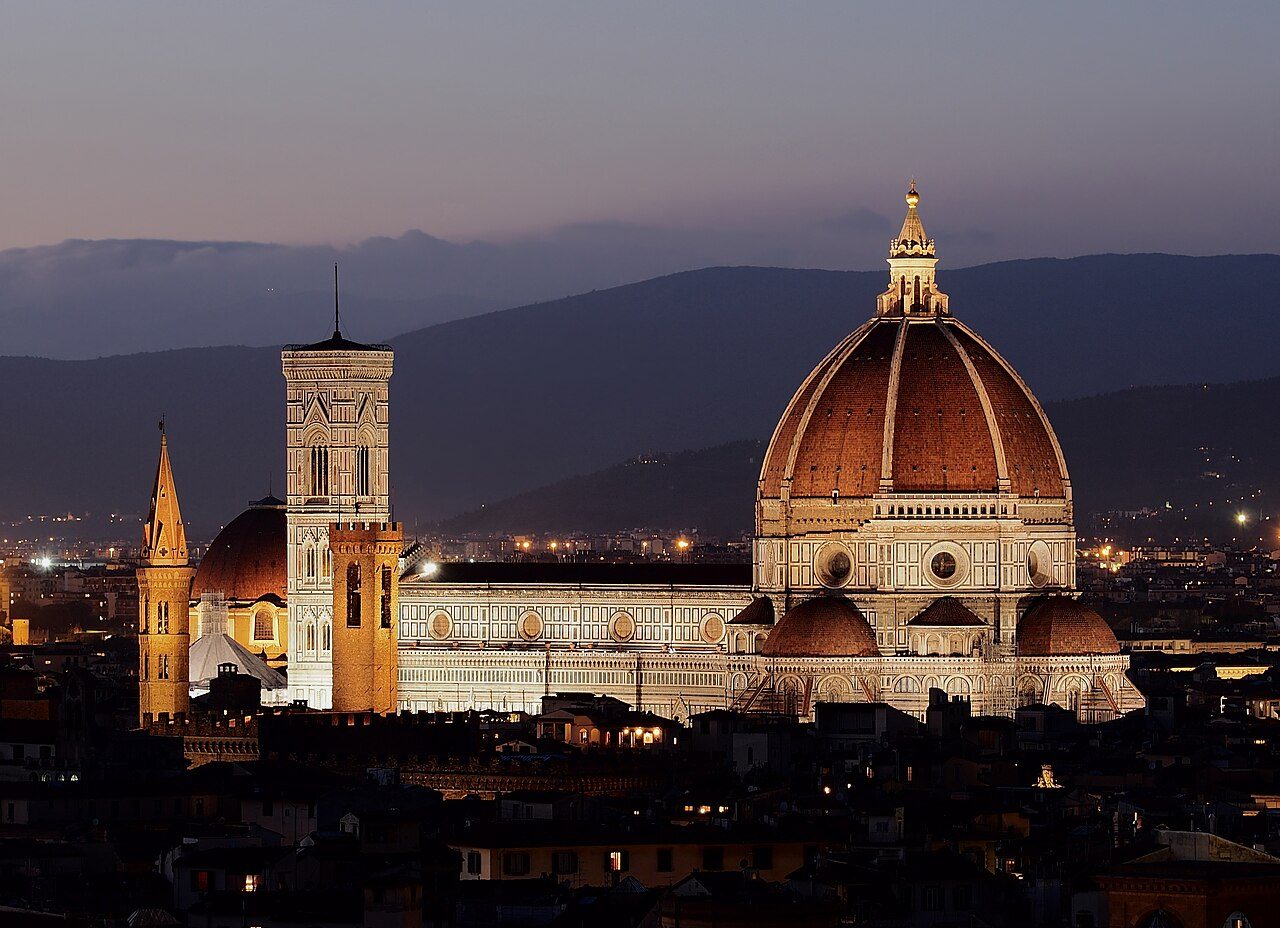
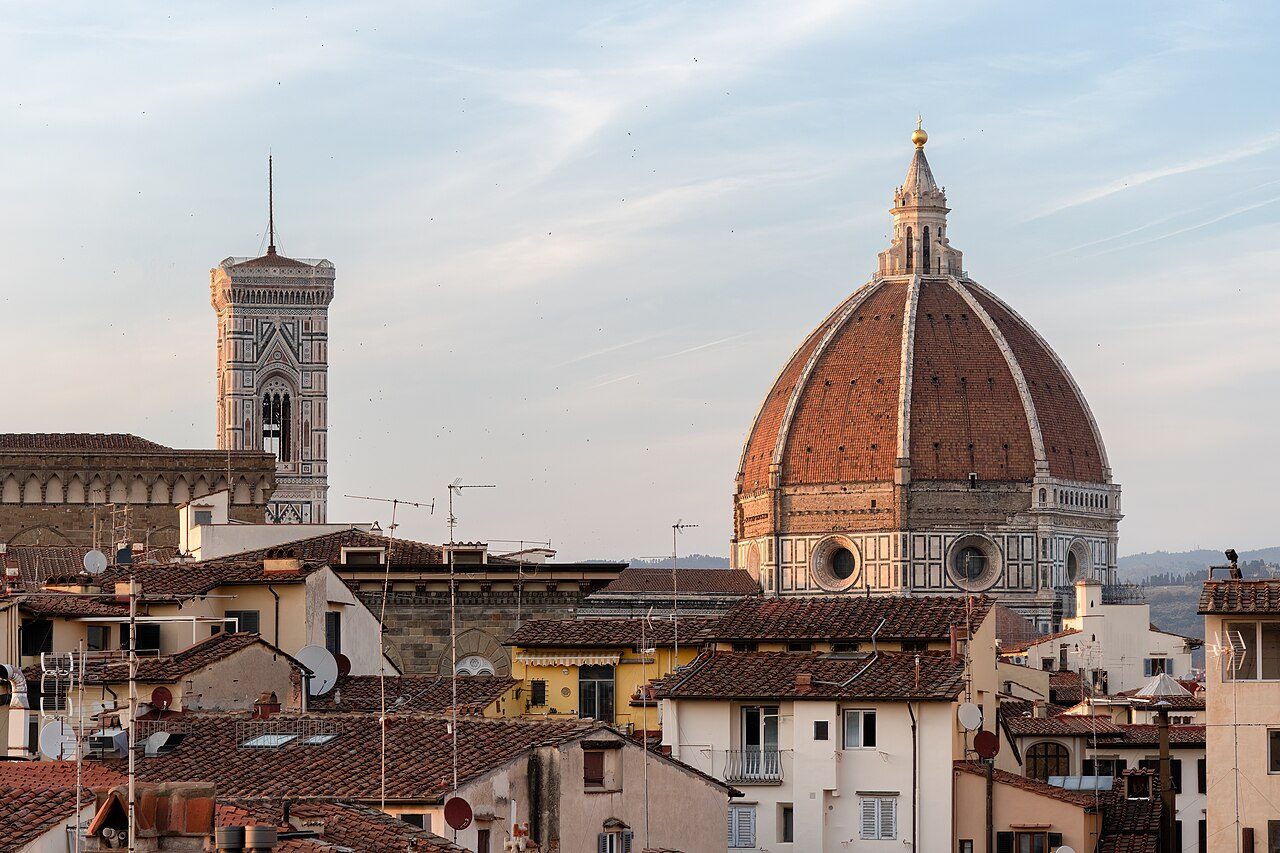
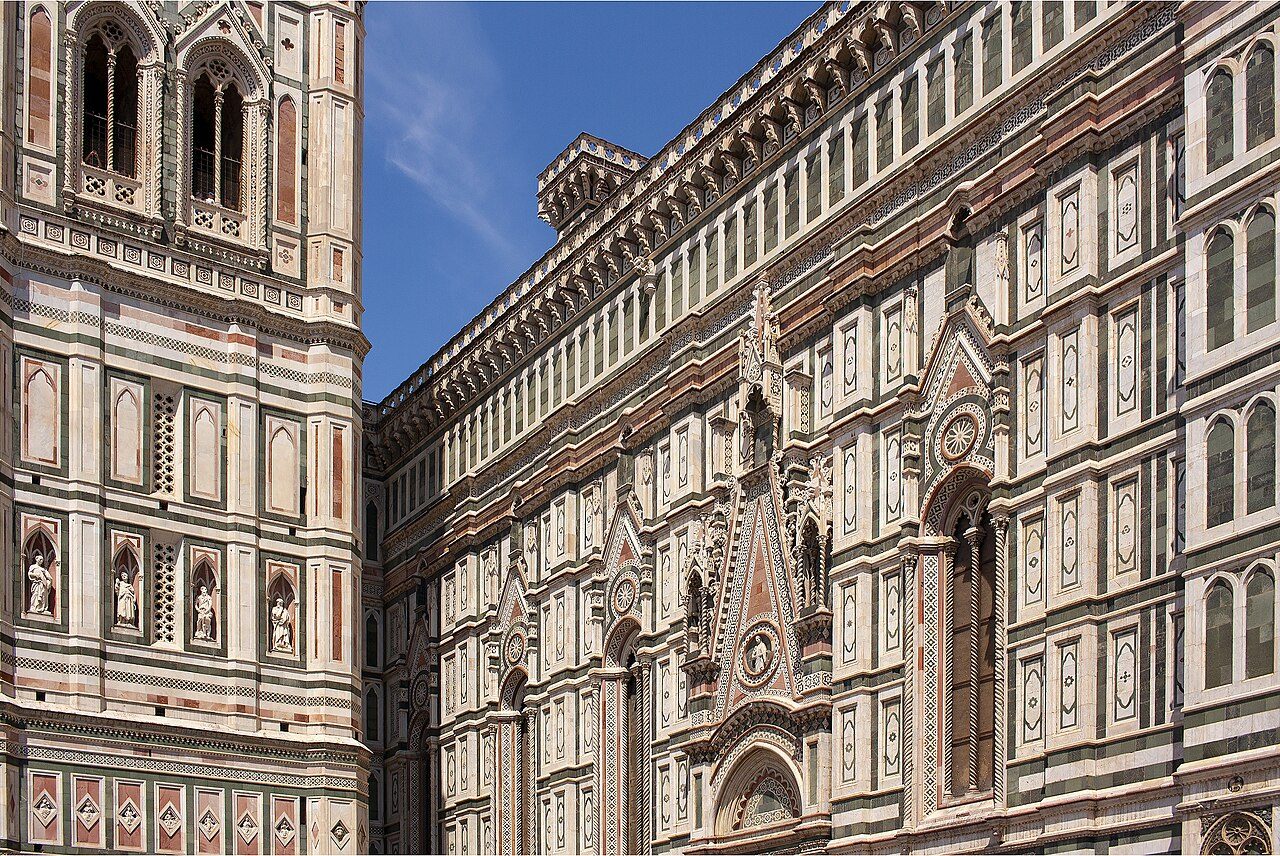
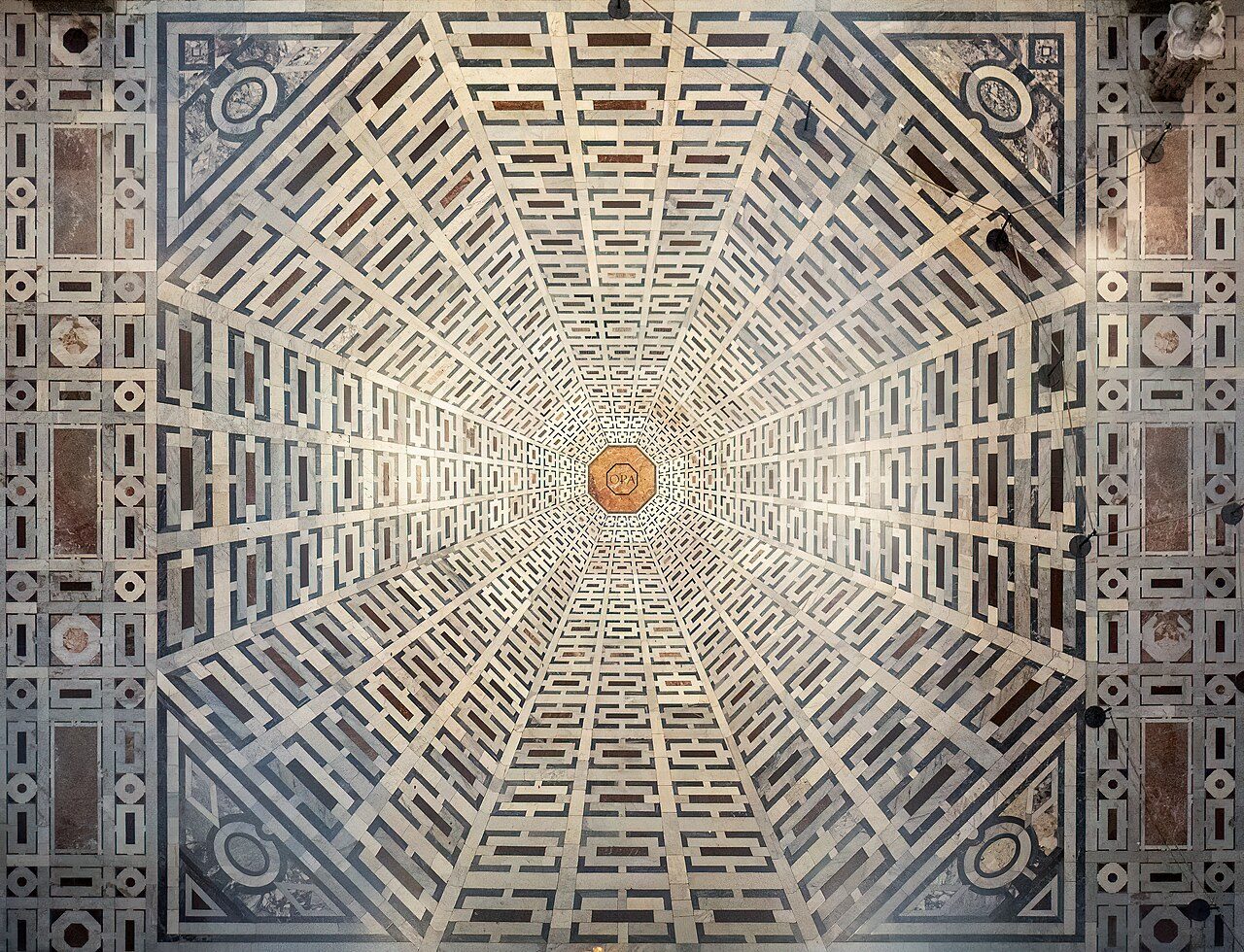
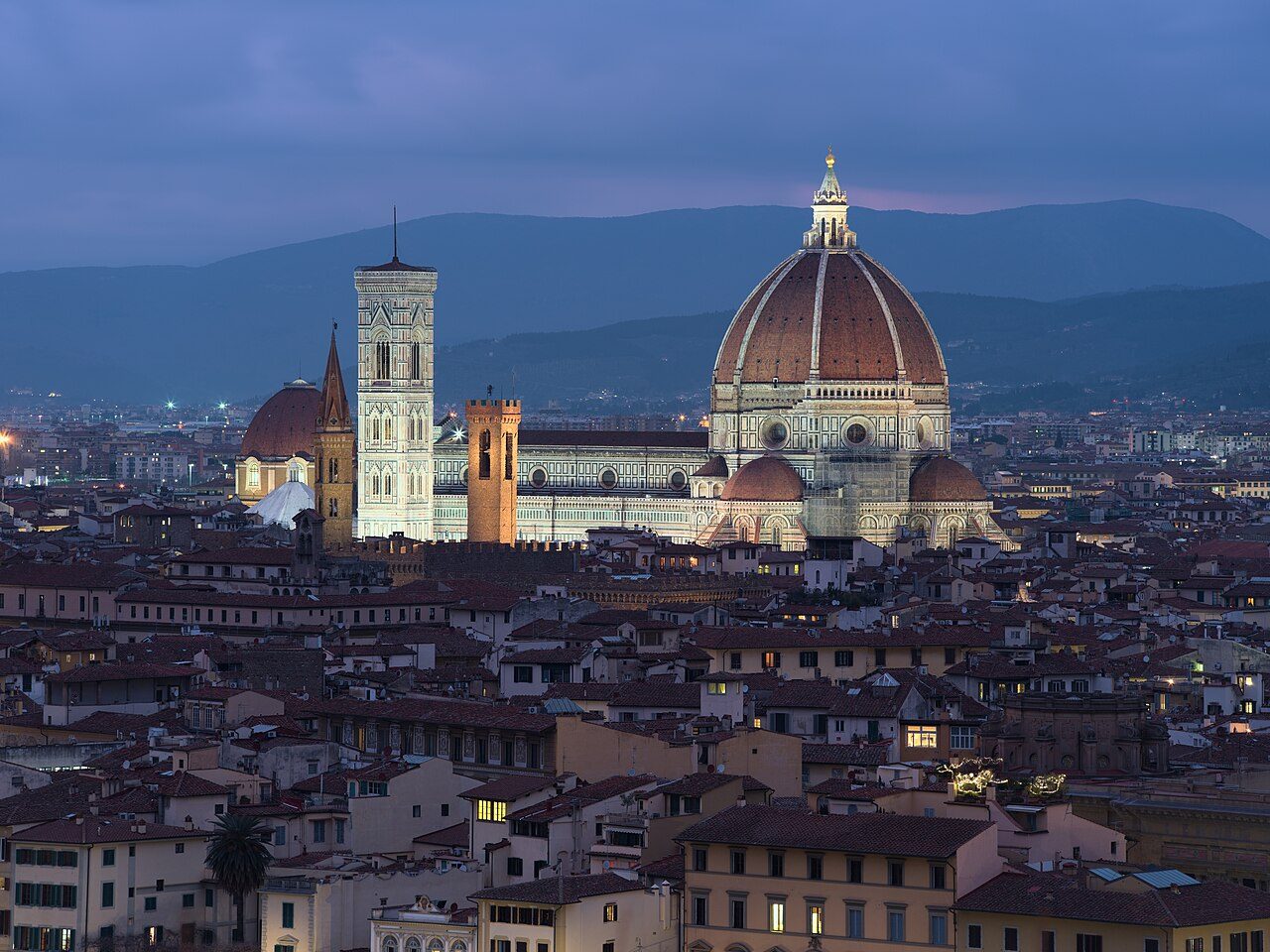
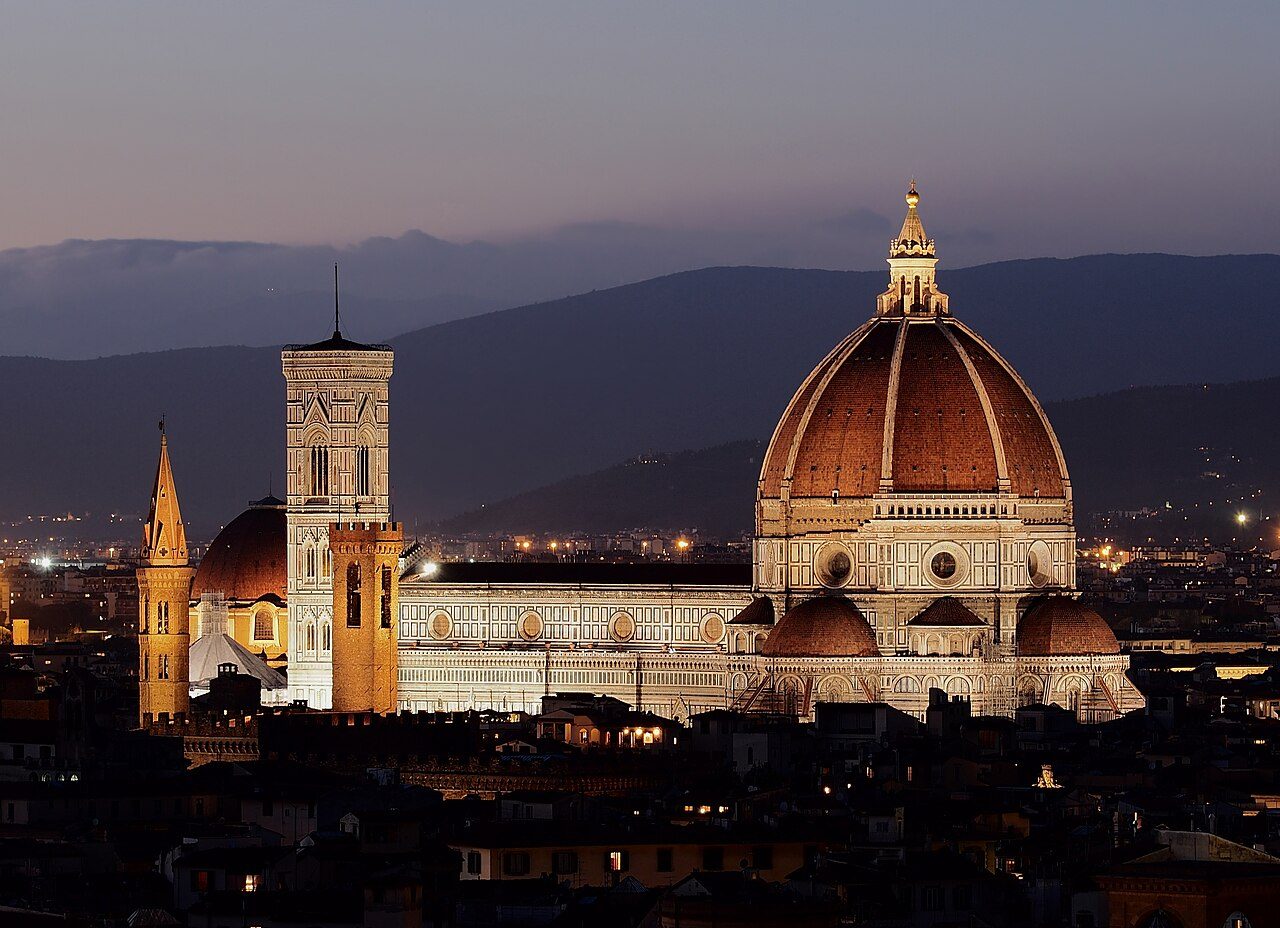
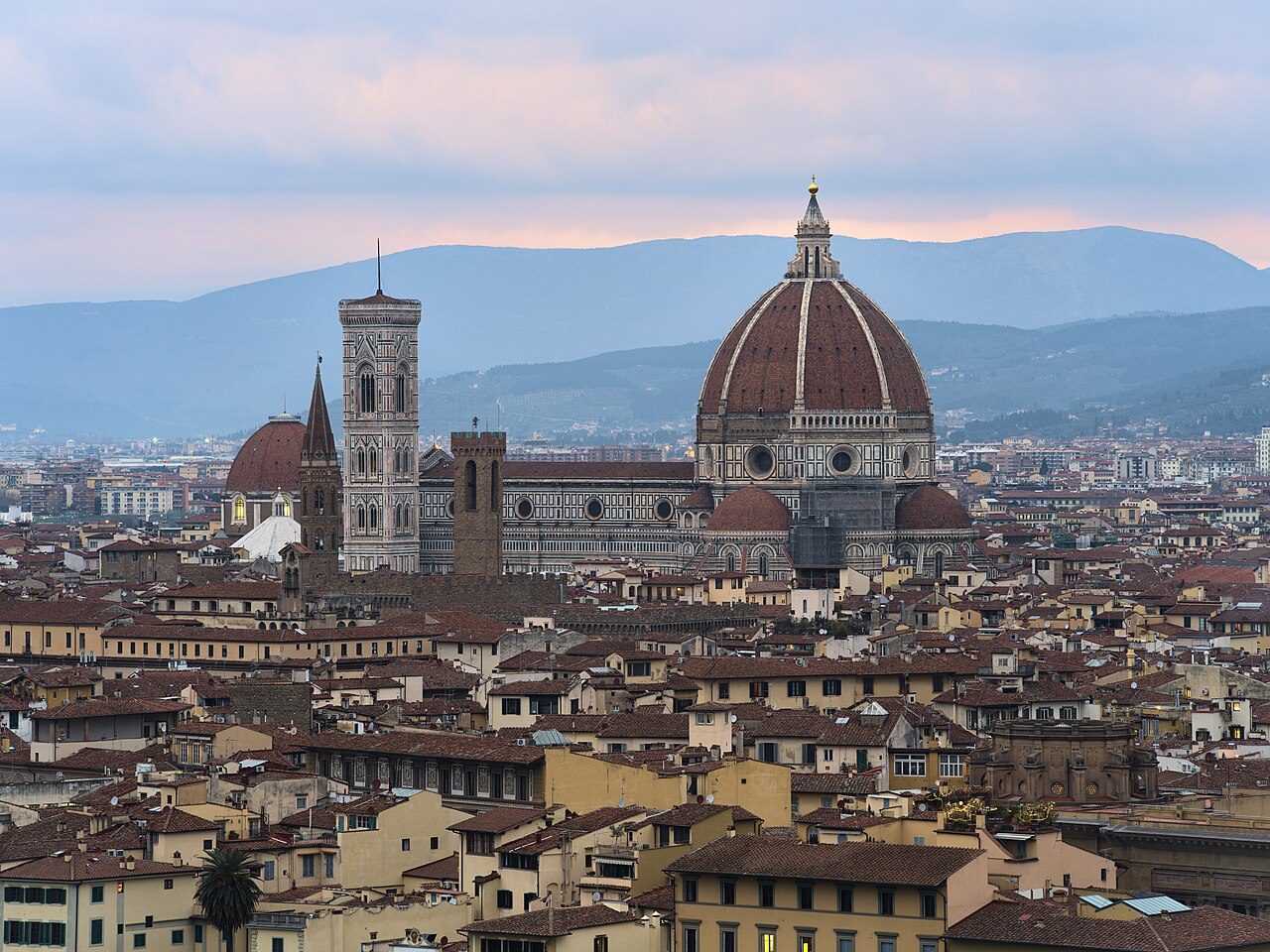
Florence Cathedral, Santa Maria del Fiore, was begun in 1296 and completed in 1436 with Brunelleschi's great dome, the largest brick dome ever built. Its facade is covered in white, green and pink marble. Visitors can climb 463 steps to the top of the dome. Giotto's bell tower and the Baptistery with its golden doors stand beside it. It is part of the UNESCO-listed historic centre.
14
STOP 14 OF 44
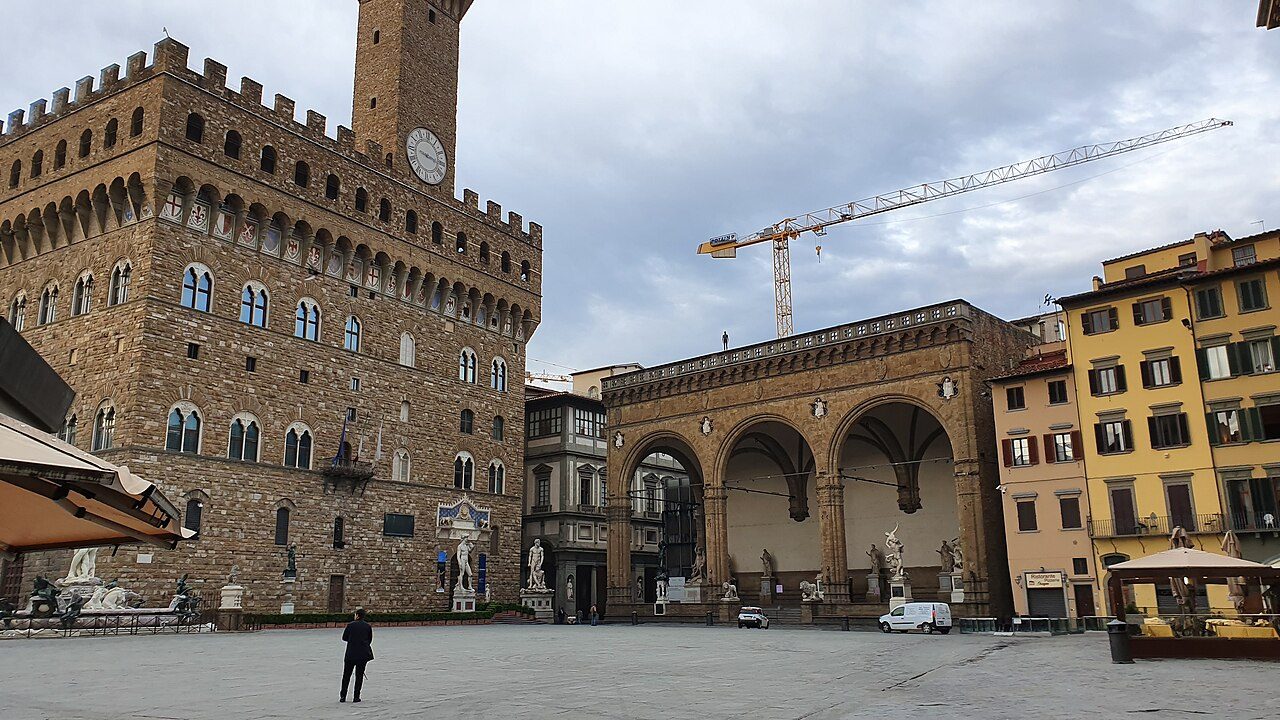
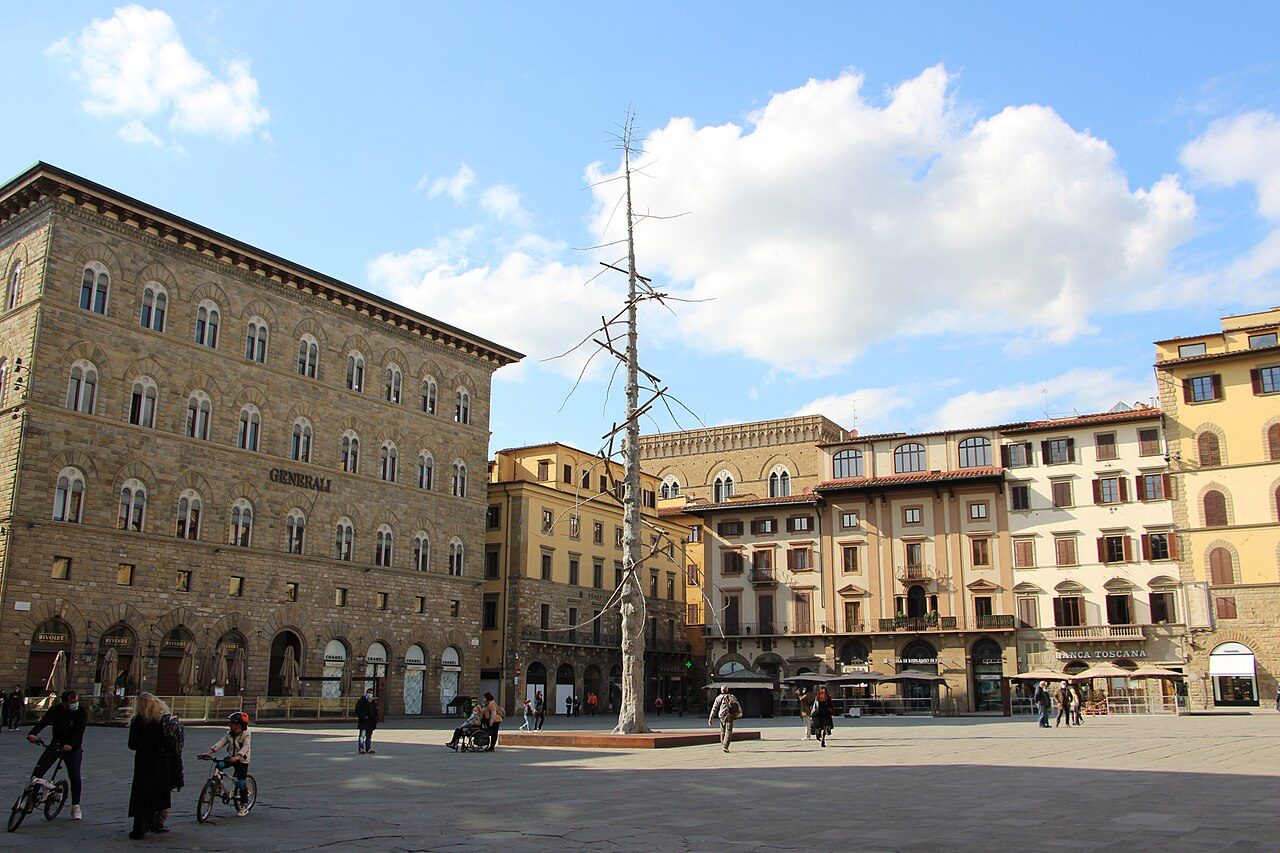
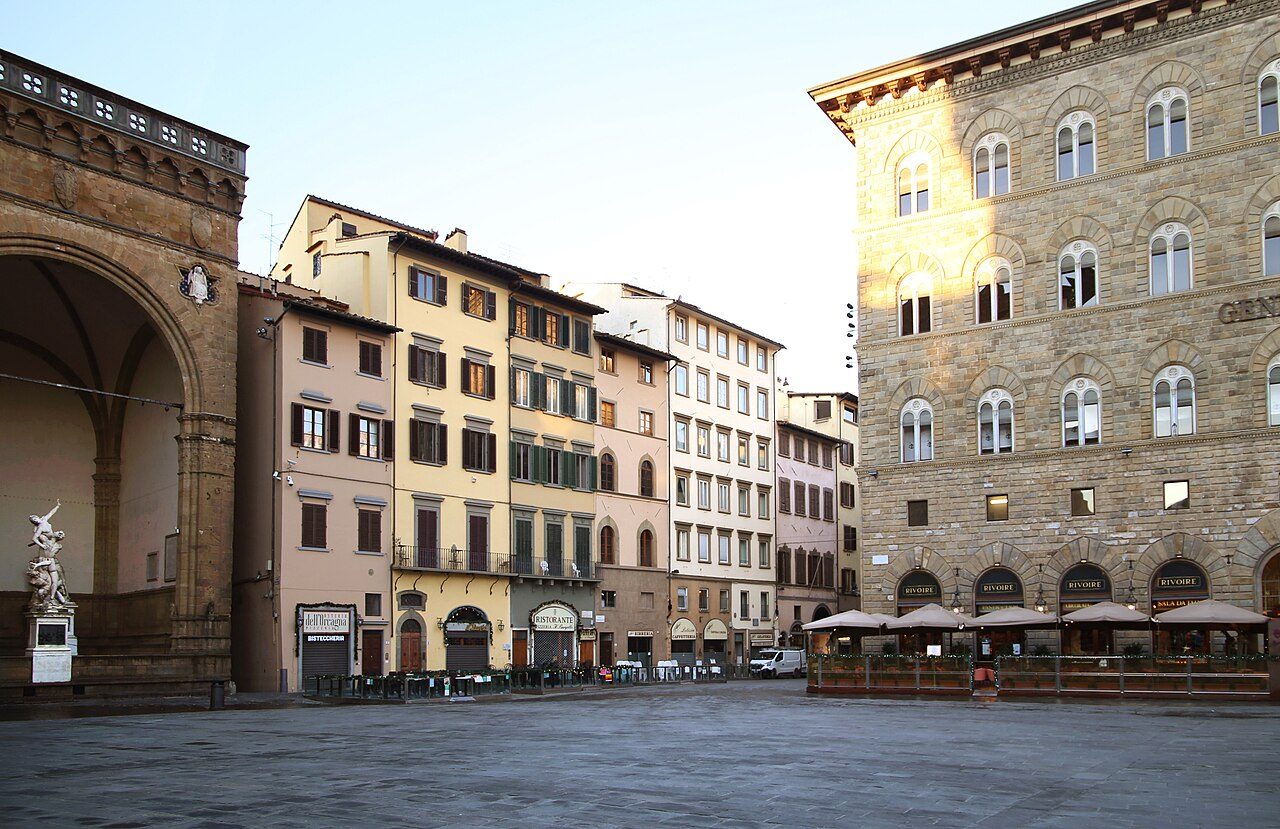
Piazza della Signoria
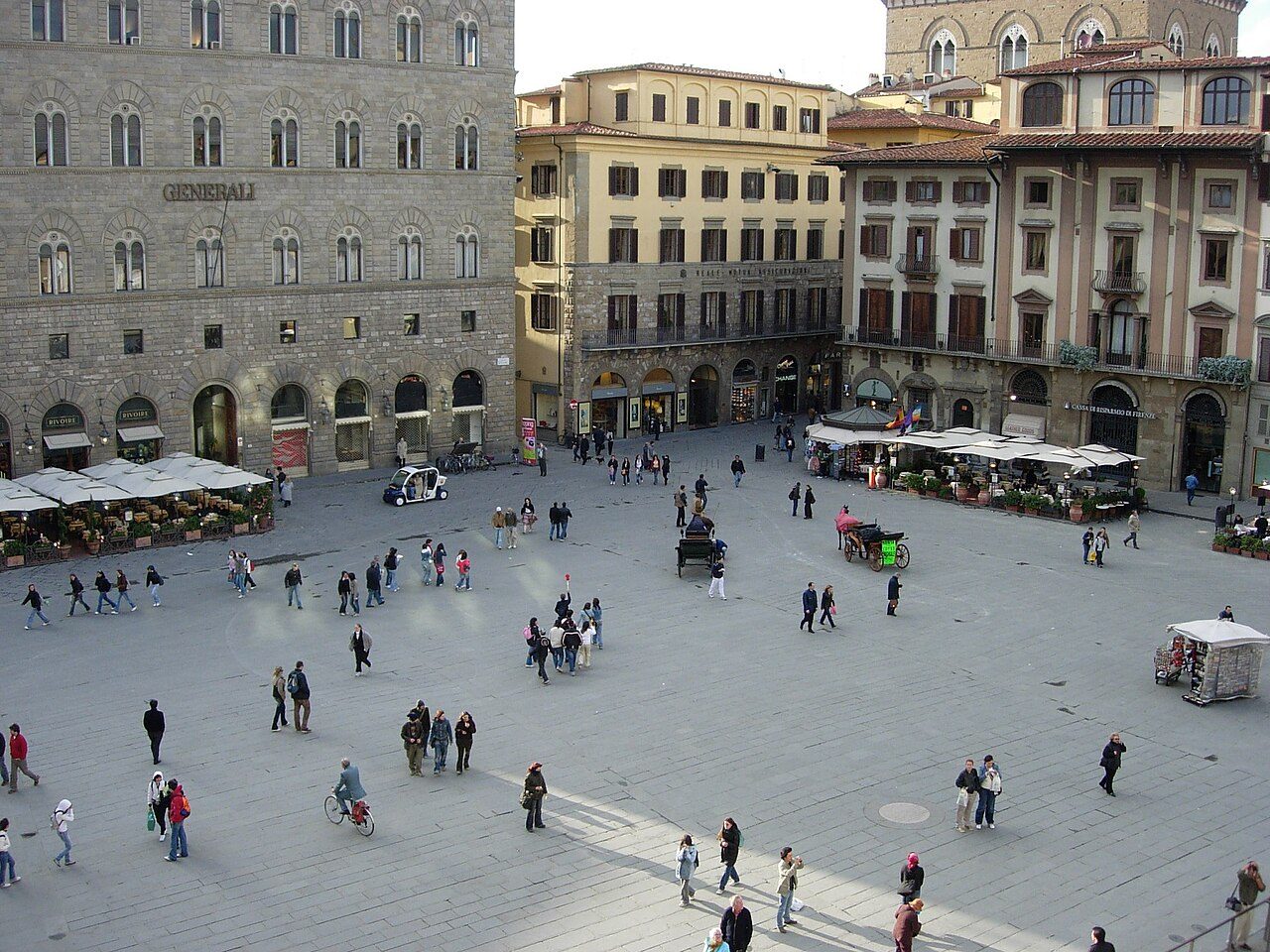
Piazza della Signoria is the main square of Florence and its political centre since the Middle Ages. It is dominated by the Palazzo Vecchio, the town hall, with its tall tower. The Loggia dei Lanzi displays statues such as Cellini's Perseus. A copy of Michelangelo's David stands at the palace entrance, beside the Fountain of Neptune.
15
STOP 15 OF 44
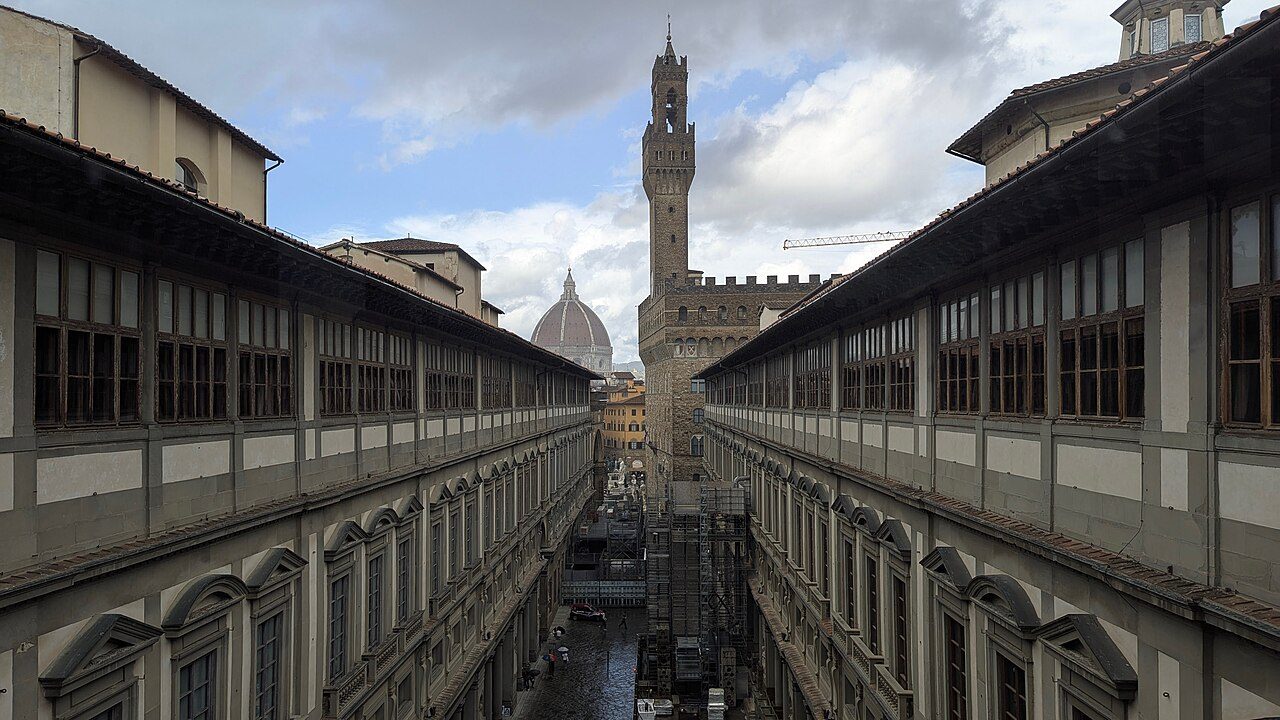
Uffizi Gallery
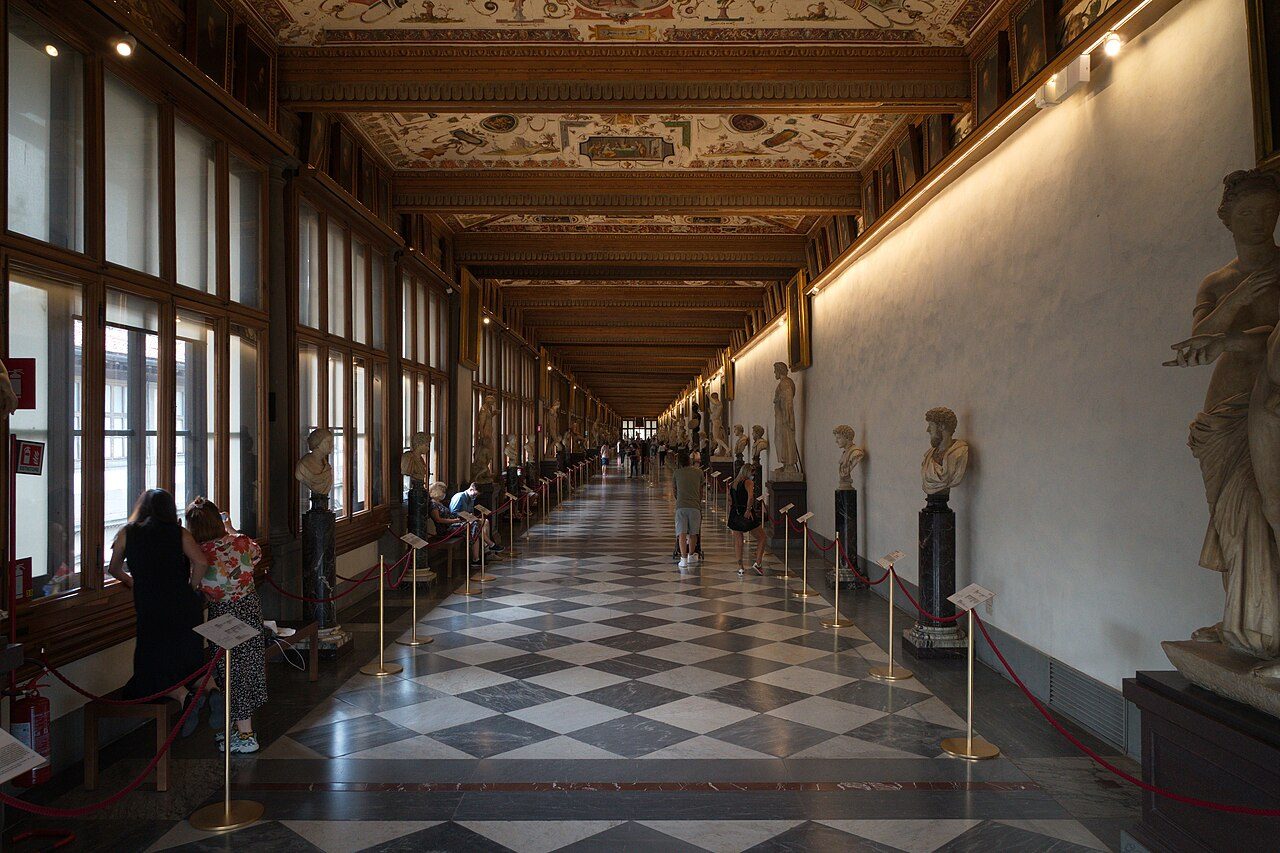
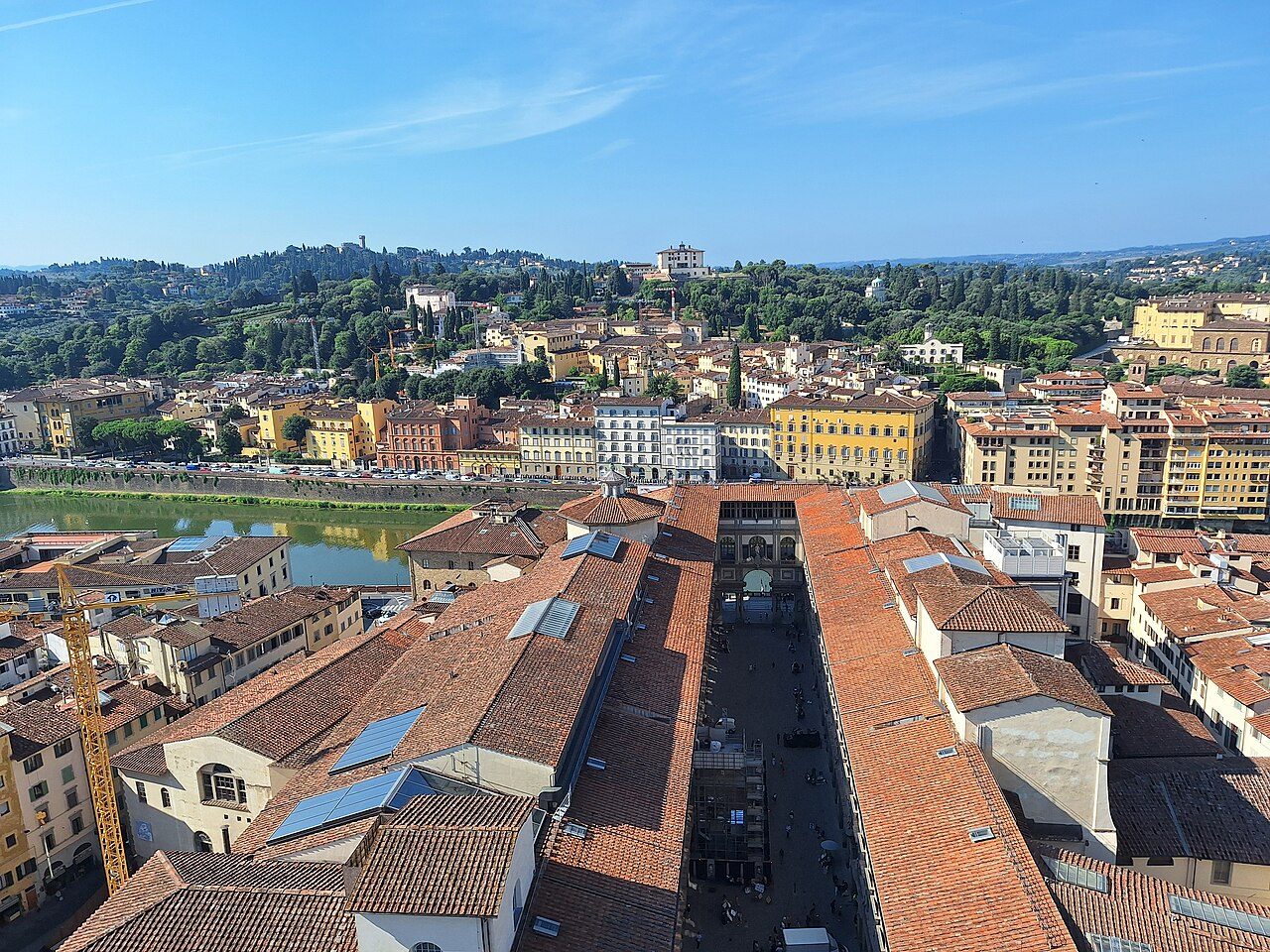
The Uffizi Gallery in Florence is one of the most famous art museums in the world. The building was designed by Giorgio Vasari in 1560 as offices for the Medici. Its collection of Renaissance art includes Botticelli's Birth of Venus and Primavera, and works by Leonardo da Vinci, Michelangelo, Raphael and Titian. Its long corridors look over the Arno.
16
STOP 16 OF 44
Ponte Vecchio
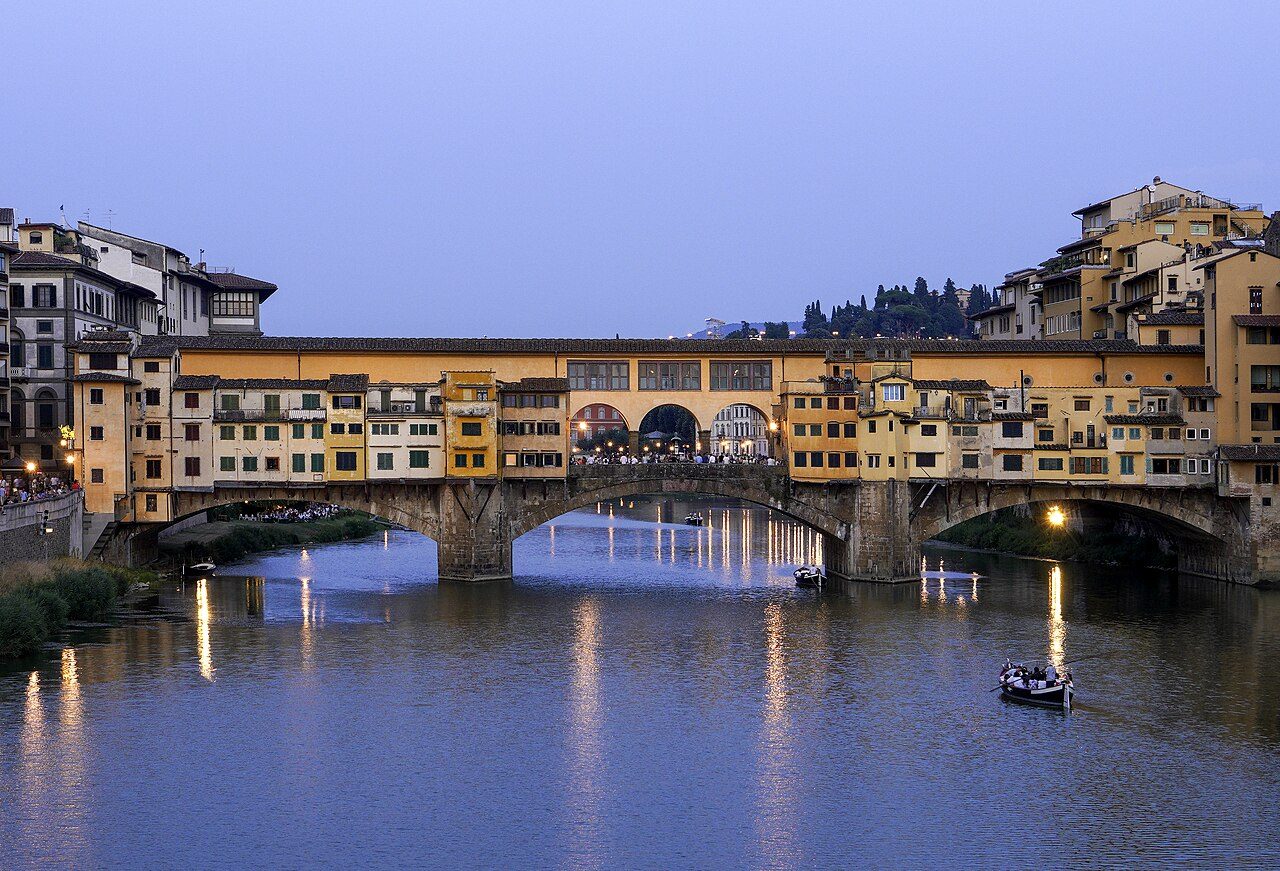
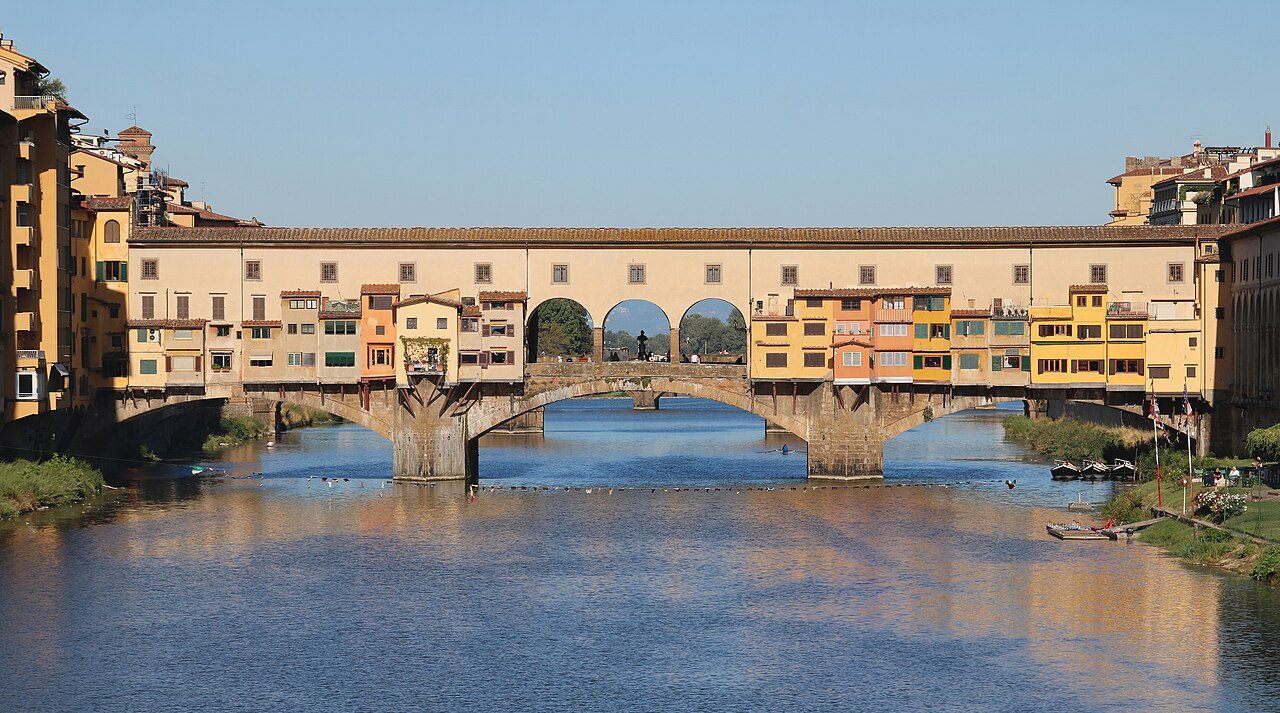
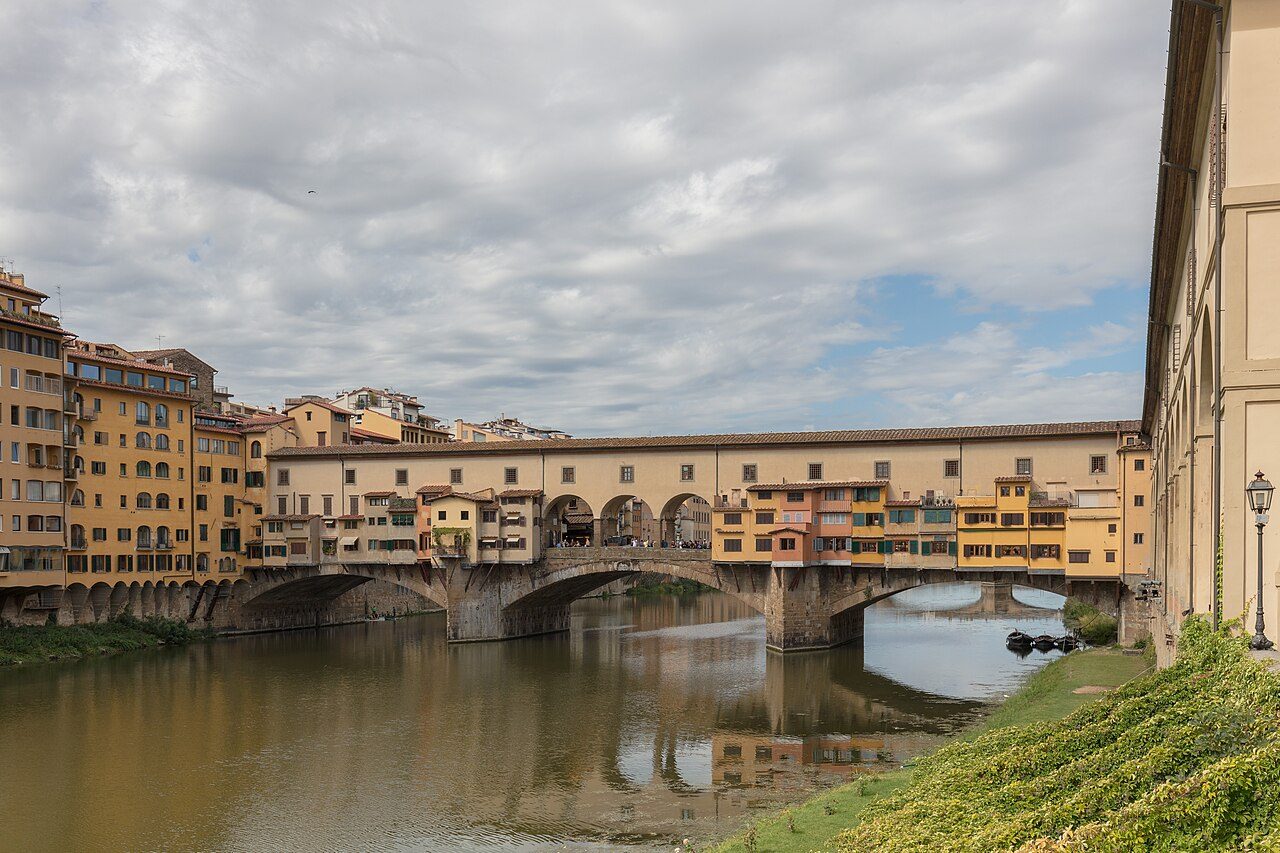
The Ponte Vecchio is a medieval stone bridge over the Arno River in Florence, rebuilt in 1345. It is famous for the shops built along it, once butchers and now jewellers and goldsmiths. Above them runs the Vasari Corridor, built for the Medici family to walk between their palaces. It was the only Florence bridge not destroyed in the Second World War.
17
STOP 17 OF 44
Galleria dell'Accademia
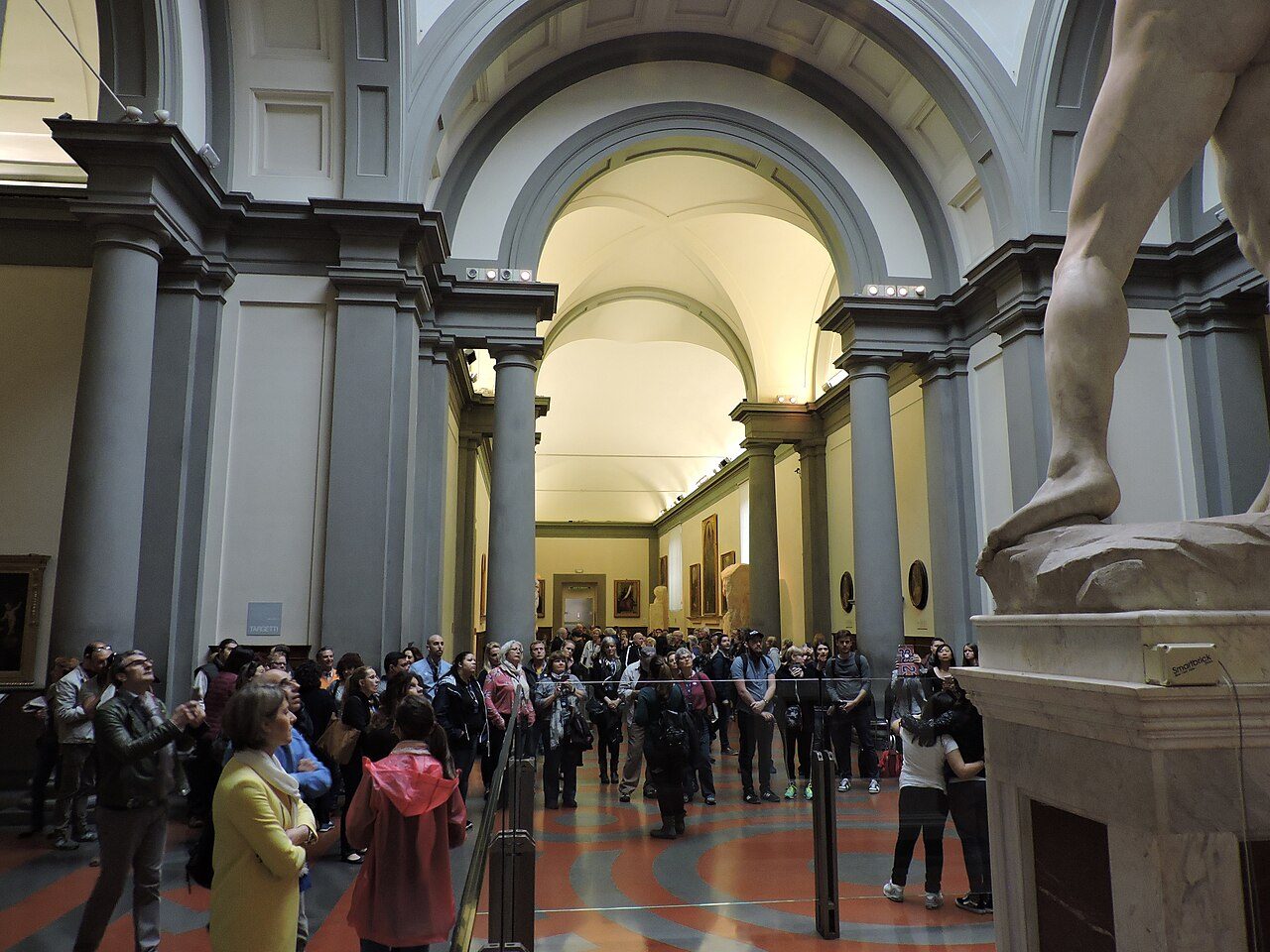
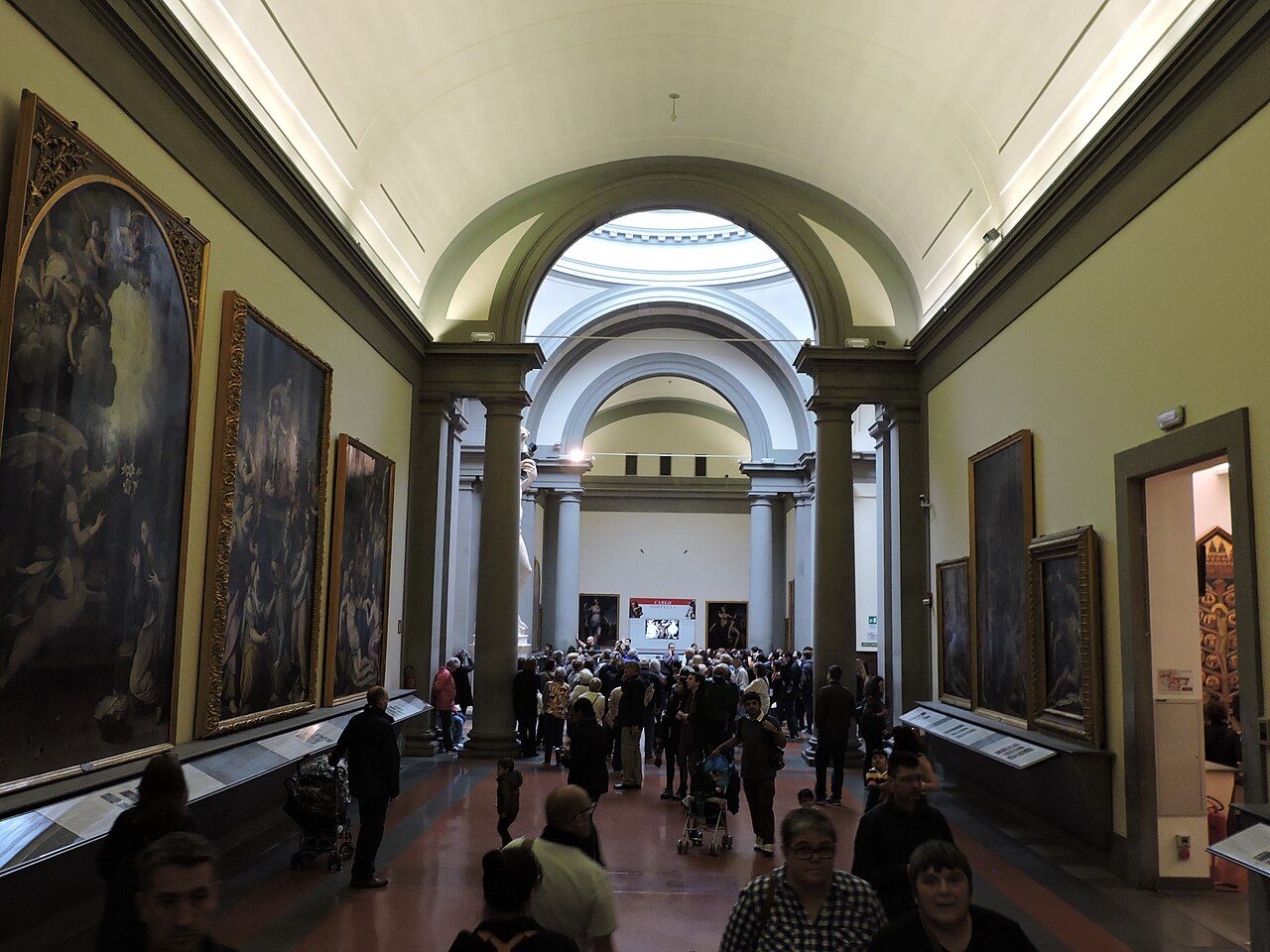
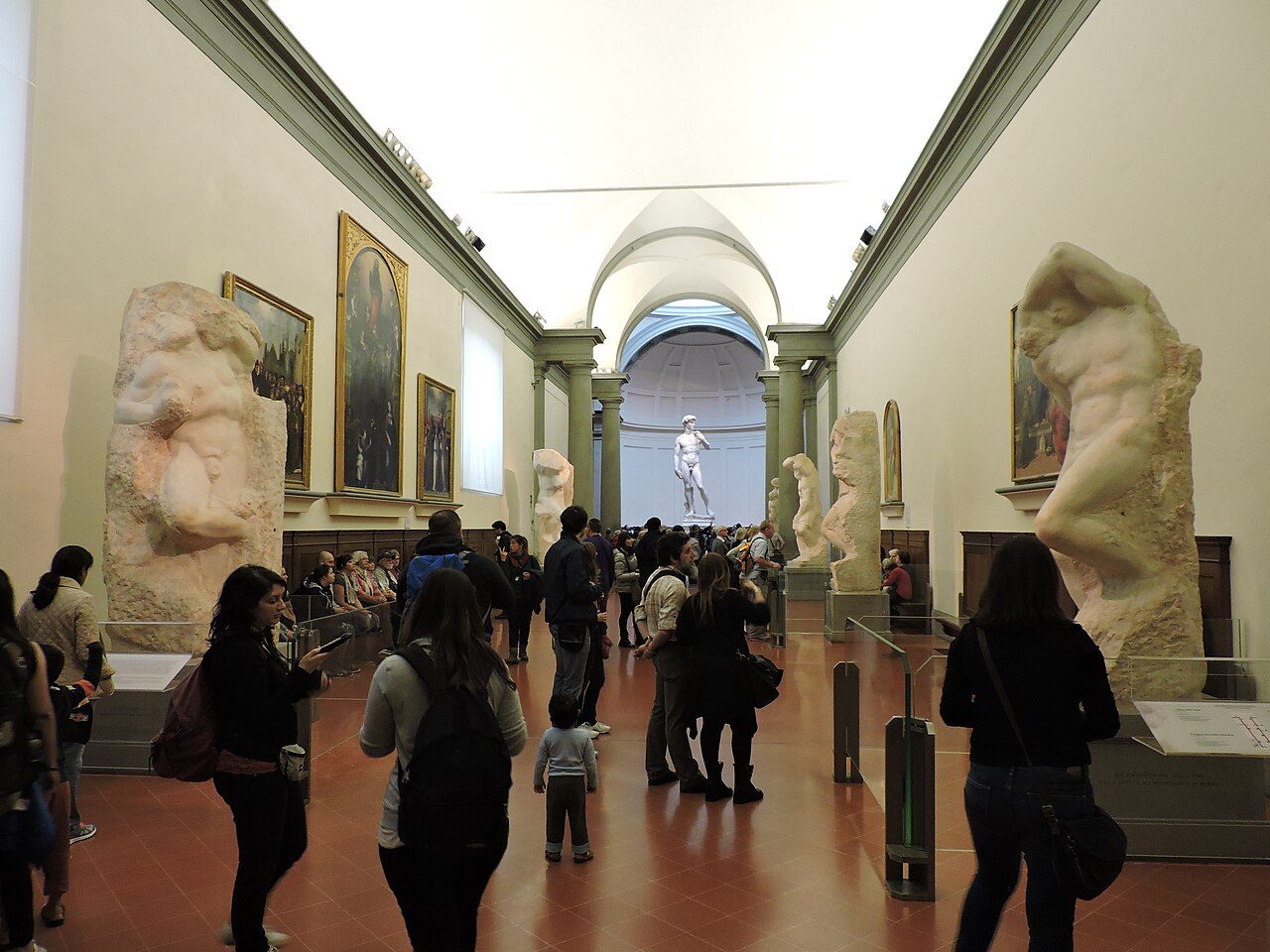
The Galleria dell'Accademia in Florence is famous as the home of Michelangelo's David, carved from a single block of marble between 1501 and 1504. The statue, over five metres tall, stands under a skylight at the end of a hall lined with Michelangelo's unfinished Prisoners. The museum also holds Renaissance paintings and musical instruments.
18
STOP 18 OF 44
Basilica of Santa Croce
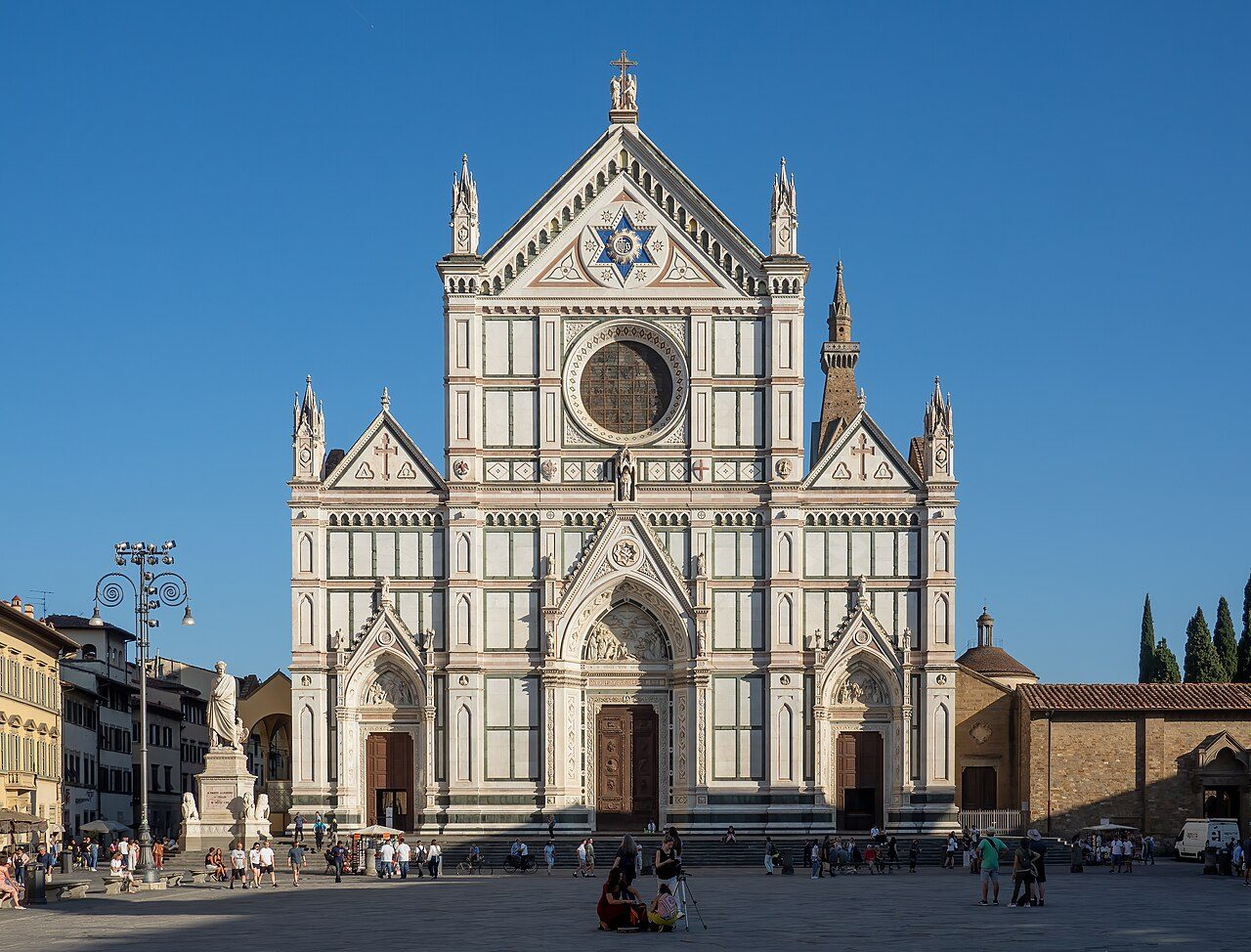
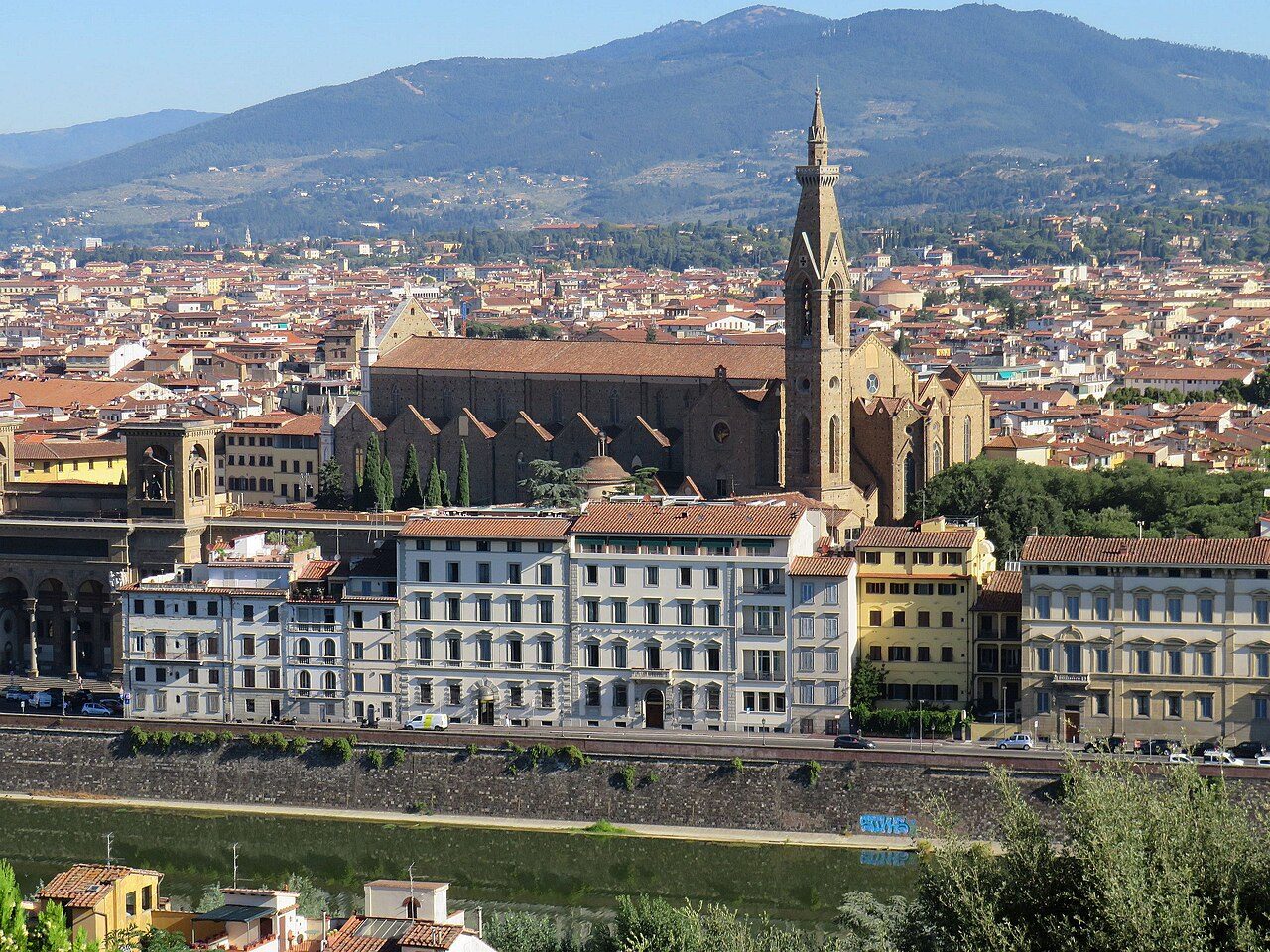
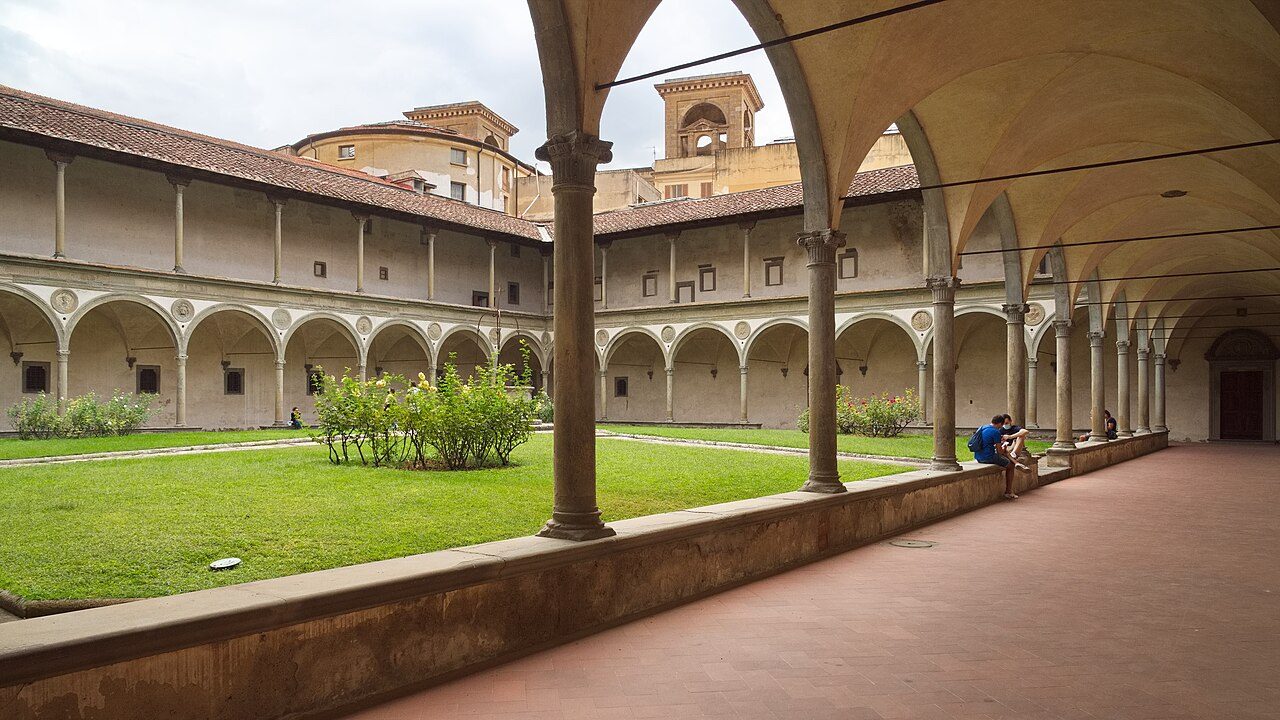
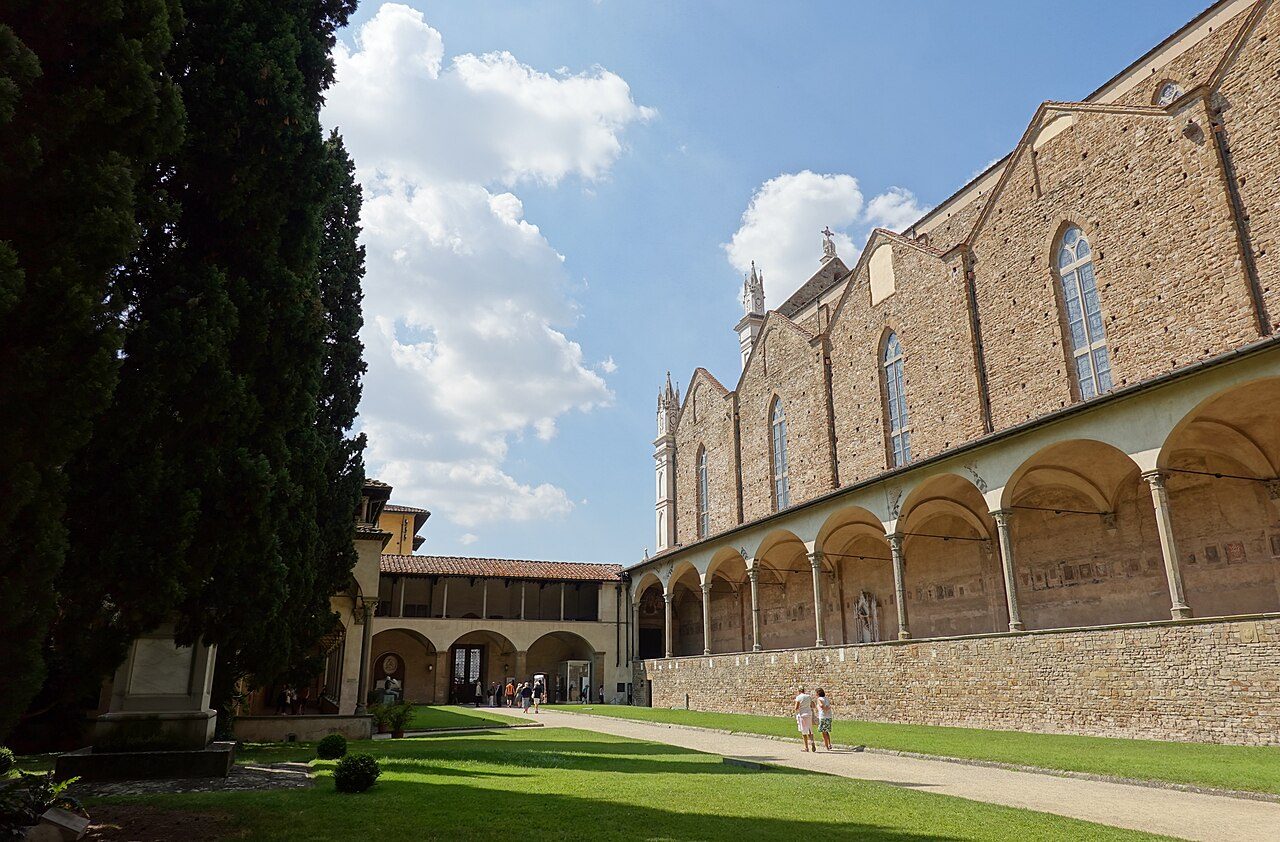
The Basilica of Santa Croce is the largest Franciscan church in the world, built from 1294 in Florence. It holds the tombs of famous Italians, including Michelangelo, Galileo, Machiavelli and Rossini, and a memorial to Dante. Its chapels are decorated with frescoes by Giotto. The church faces a large square with a statue of Dante.
19
STOP 19 OF 44
Boboli Gardens
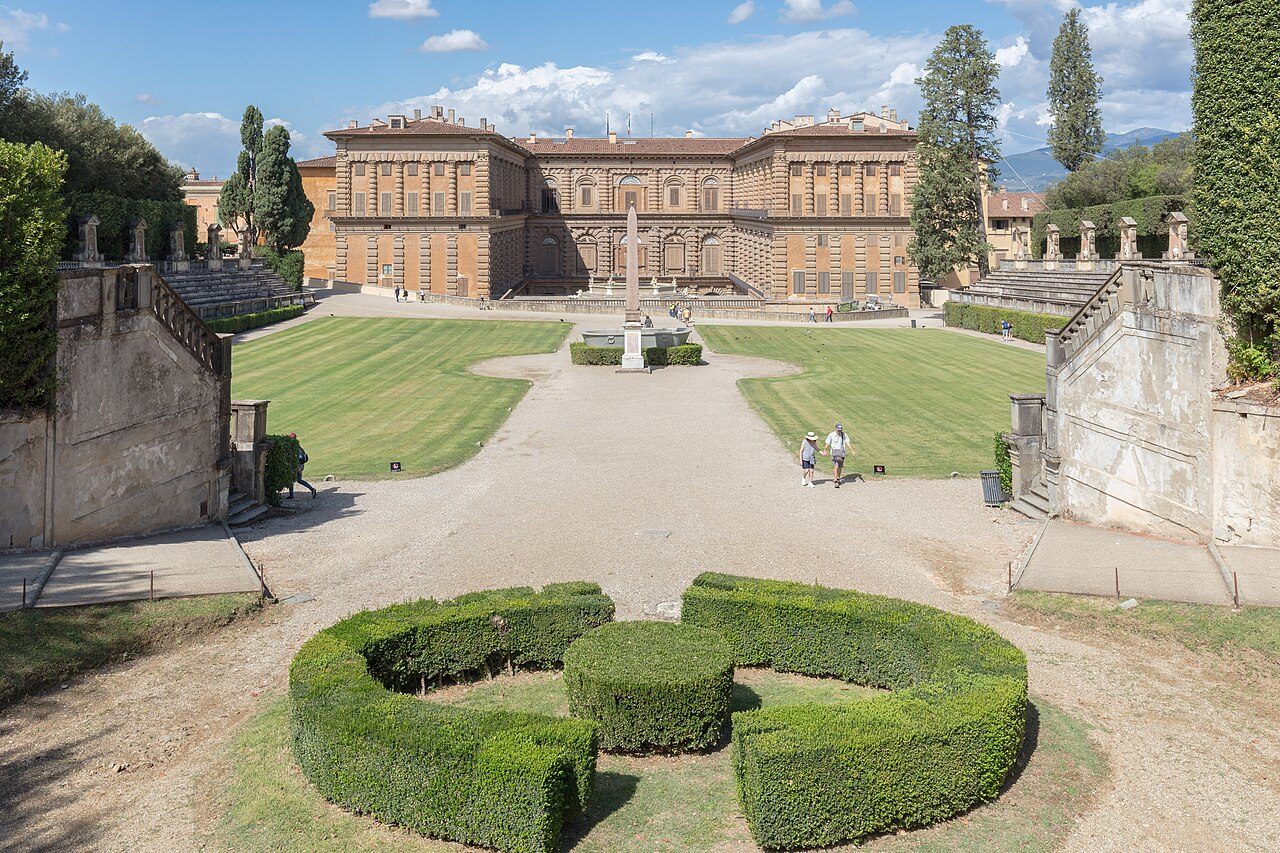
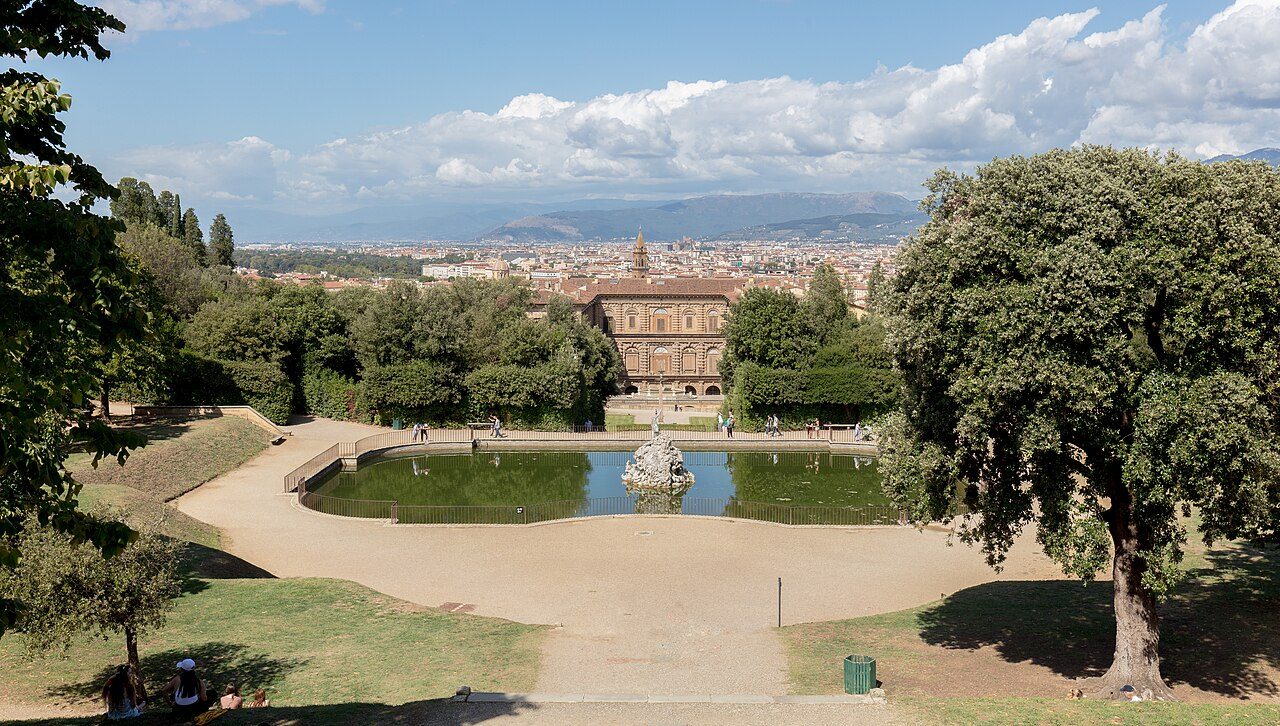
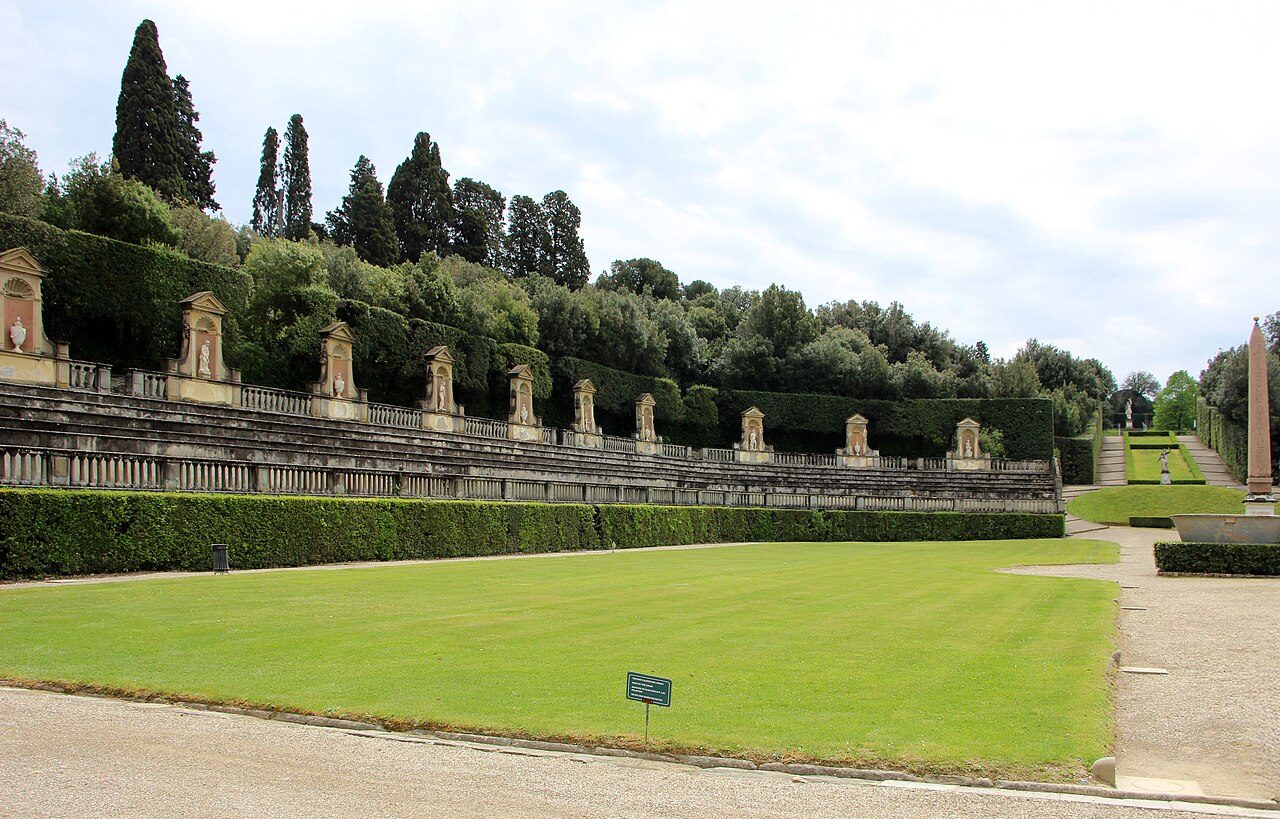
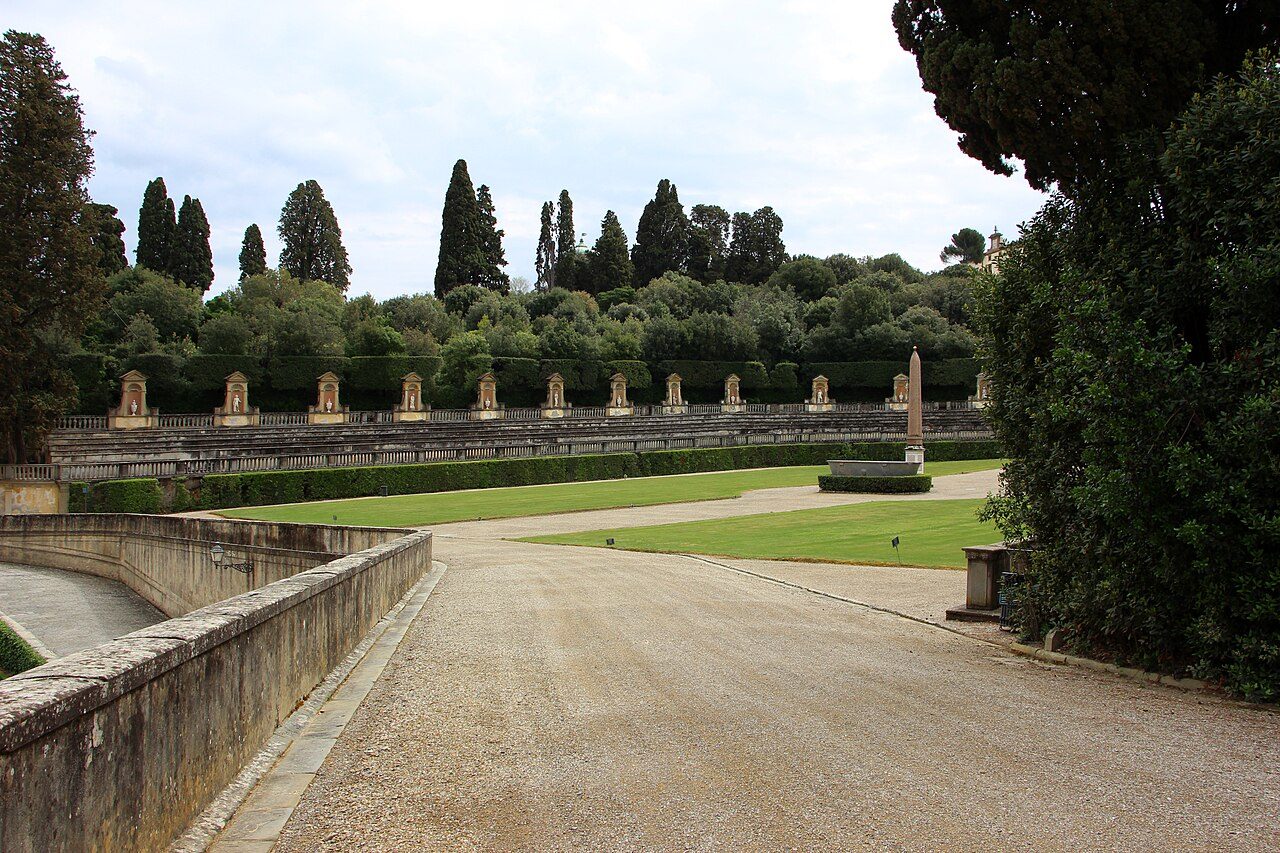
The Boboli Gardens lie behind the Palazzo Pitti in Florence. They were laid out for the Medici family from the 16th century and became a model for many European court gardens. Terraces, avenues of cypress, fountains, grottoes and statues climb the hillside. The Palazzo Pitti holds several museums, including a gallery of paintings by Raphael and Titian.
20
STOP 20 OF 44
Piazzale Michelangelo
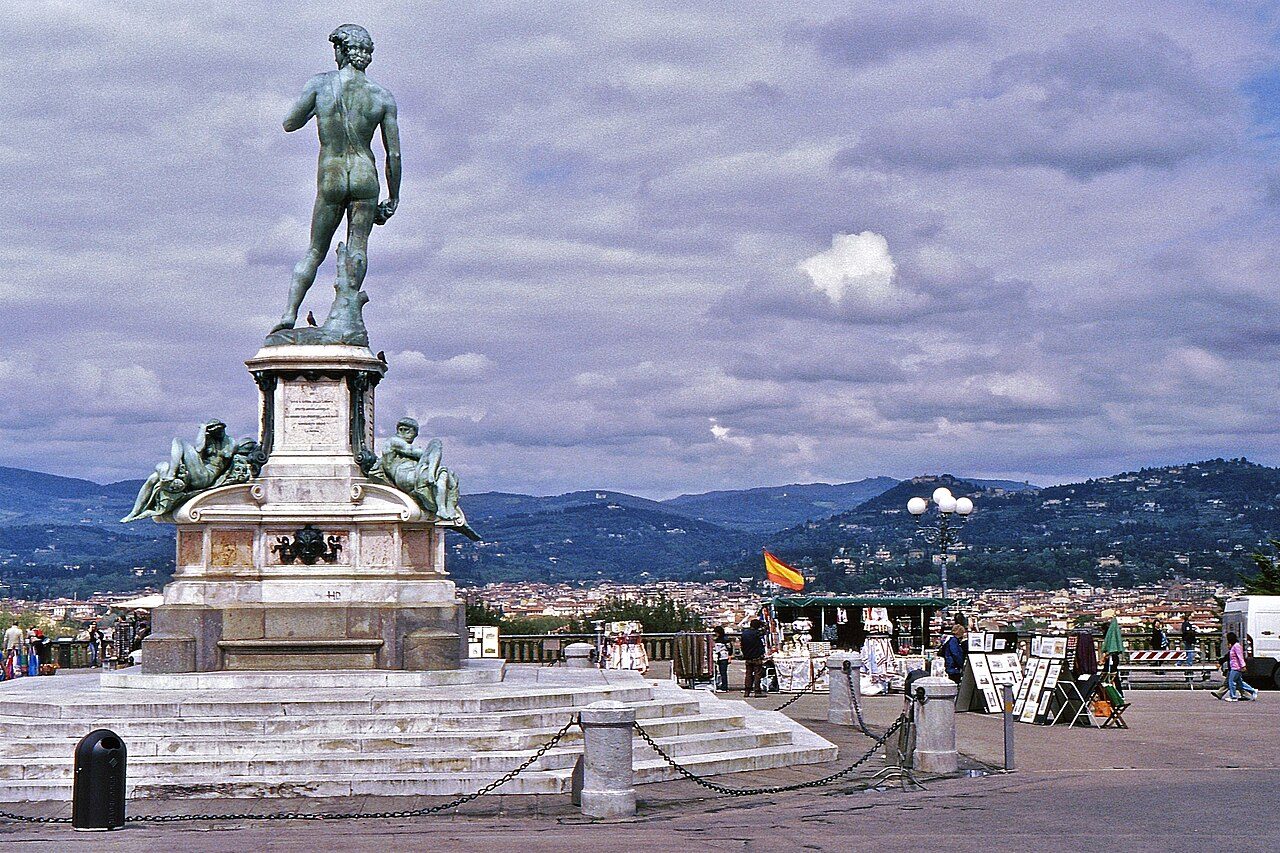
Piazzale Michelangelo is a square on a hill on the south bank of the Arno in Florence, built in 1869. It gives the most famous panoramic view of the city, with the cathedral dome, Palazzo Vecchio and the bridges over the Arno. A bronze copy of Michelangelo's David stands in the middle. It is especially popular at sunset.
21
STOP 21 OF 44
Piazza del Campo
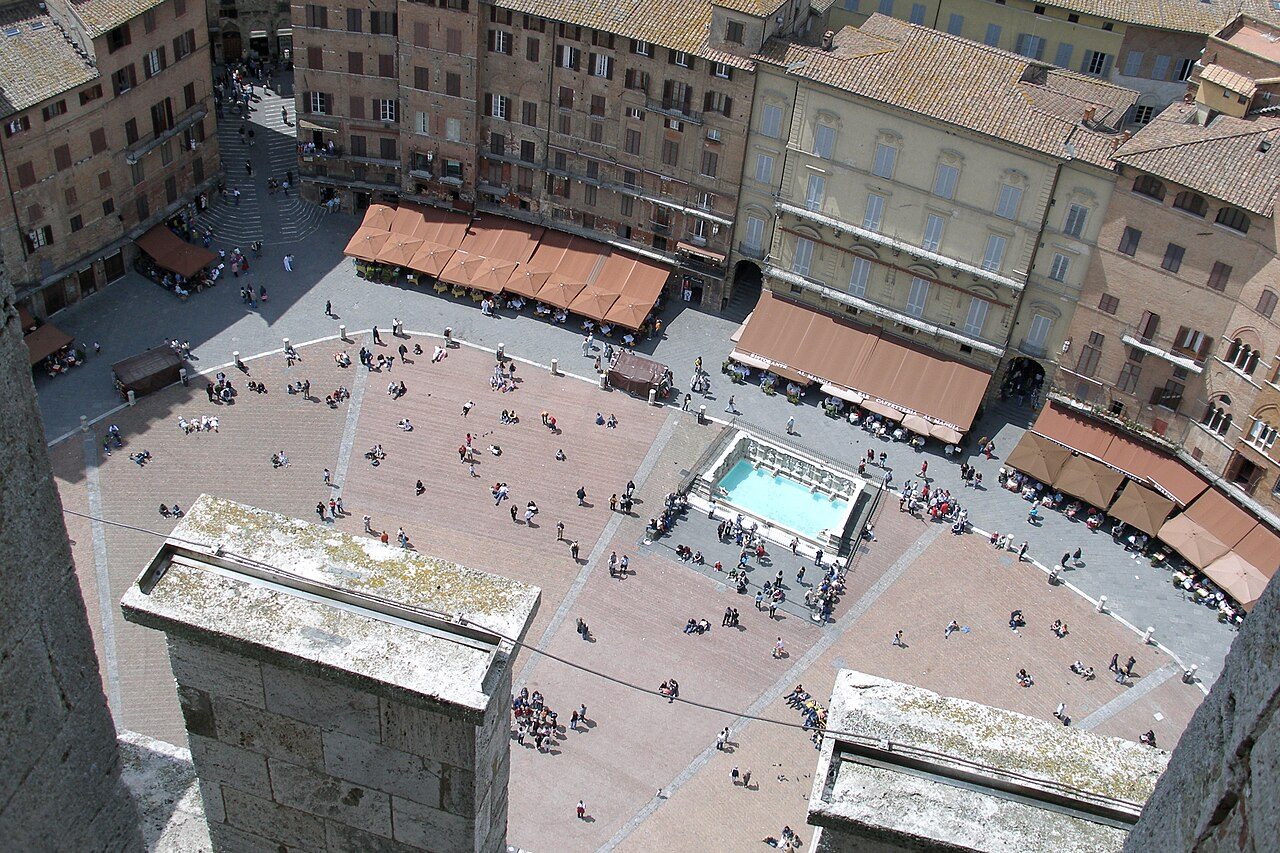
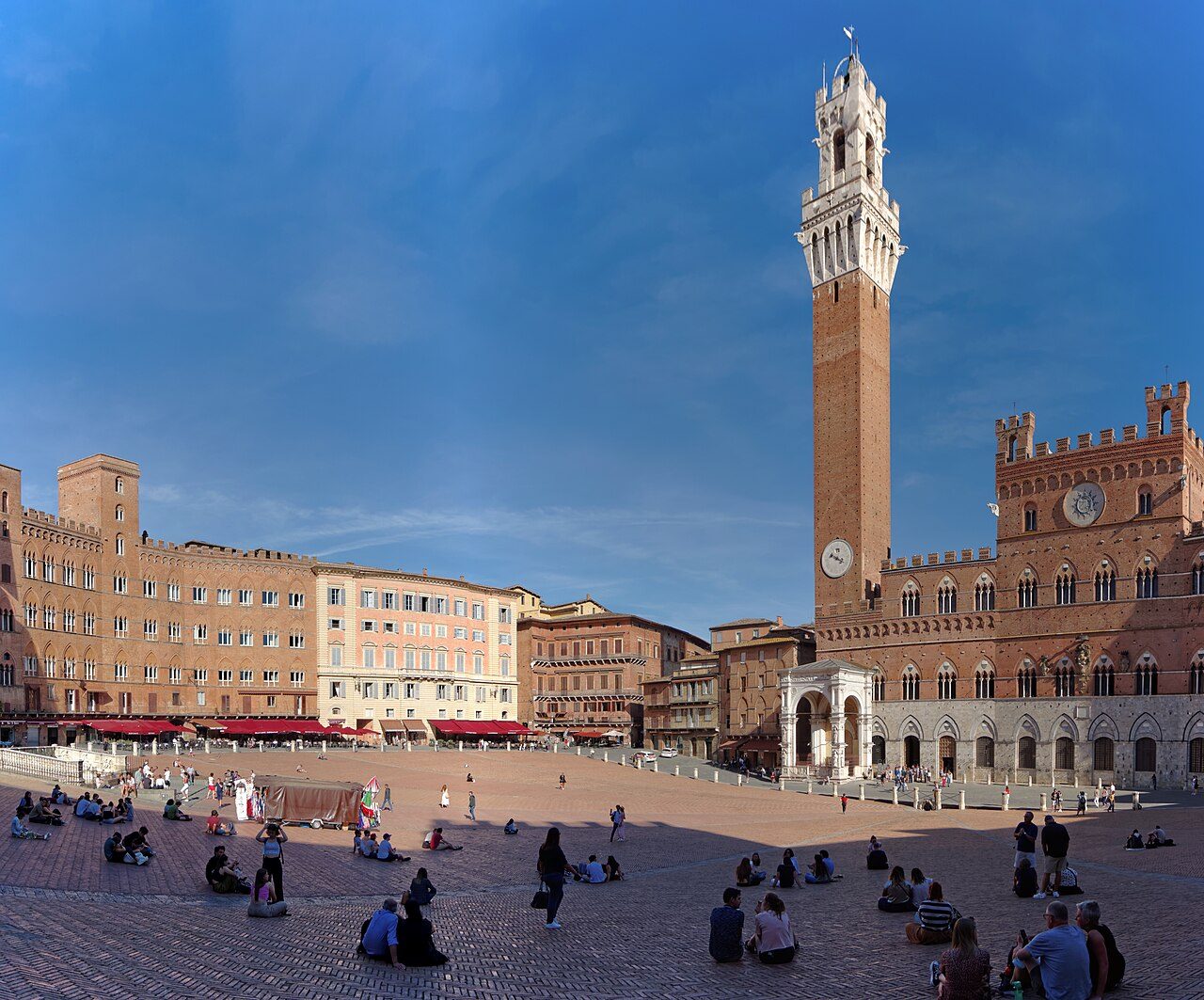
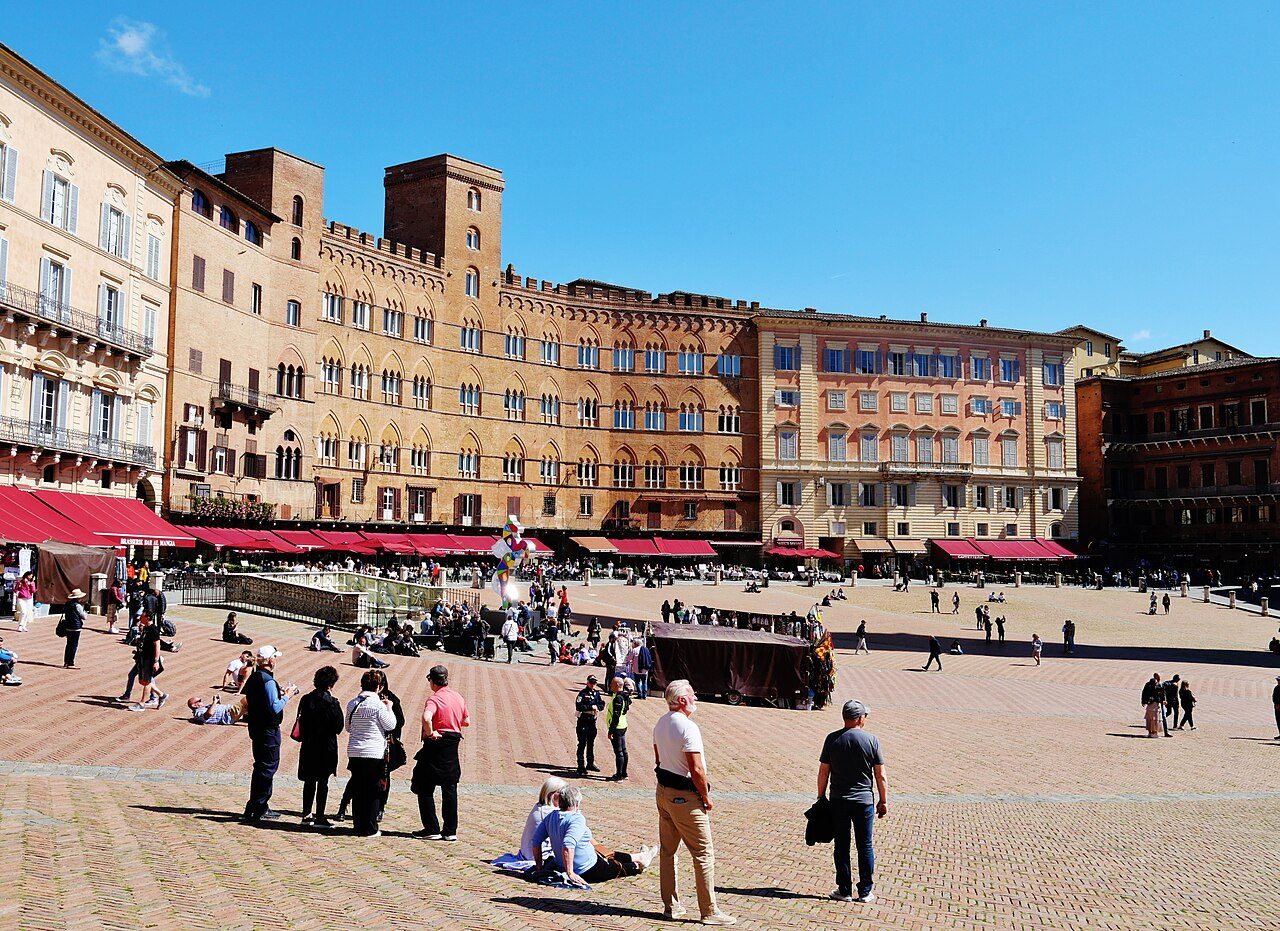
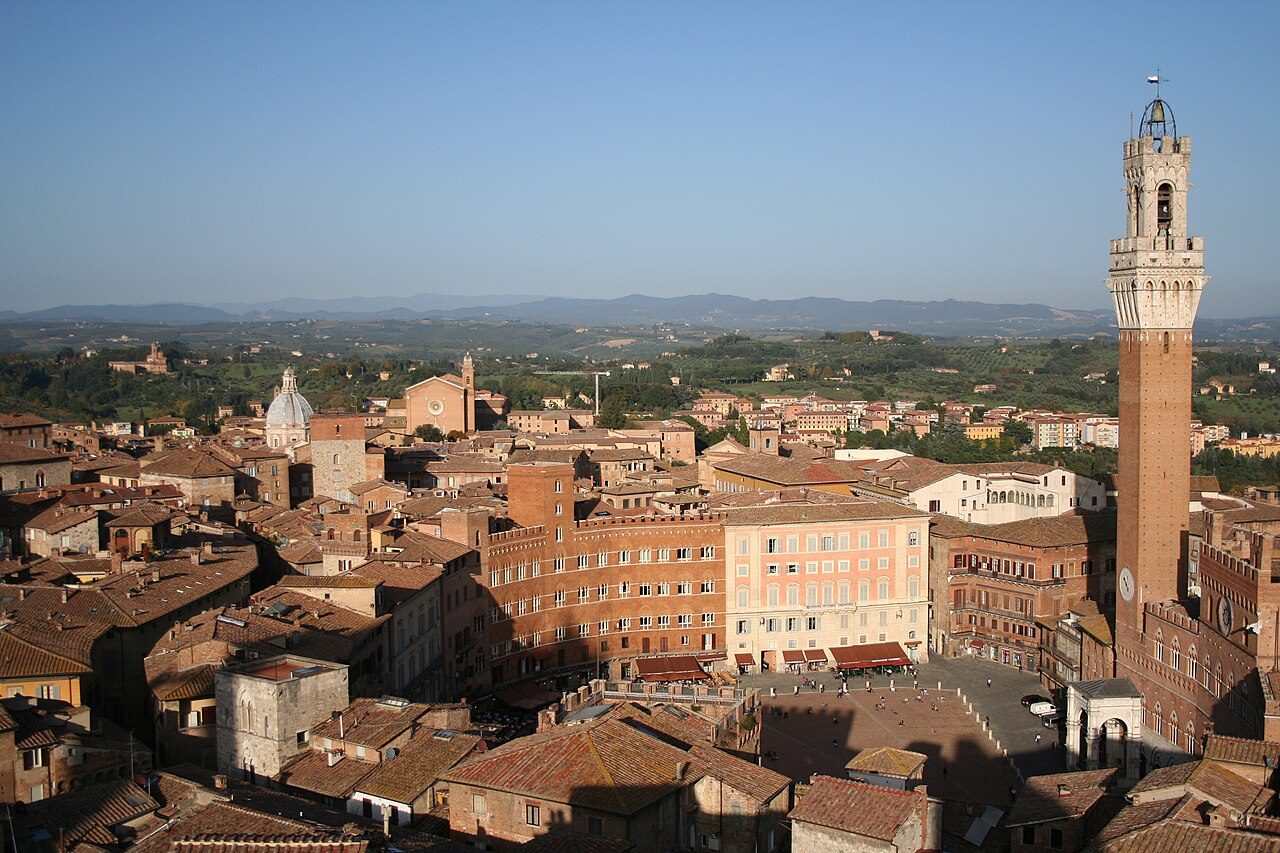
Piazza del Campo is the main square of Siena, famous for its shell shape, sloping down to the Palazzo Pubblico. The slender Torre del Mangia rises about 88 metres beside the palace and can be climbed. The square is divided into nine sections in memory of the Council of Nine. Twice a year it hosts the Palio, a wild horse race around its edge.
22
STOP 22 OF 44
Siena Cathedral
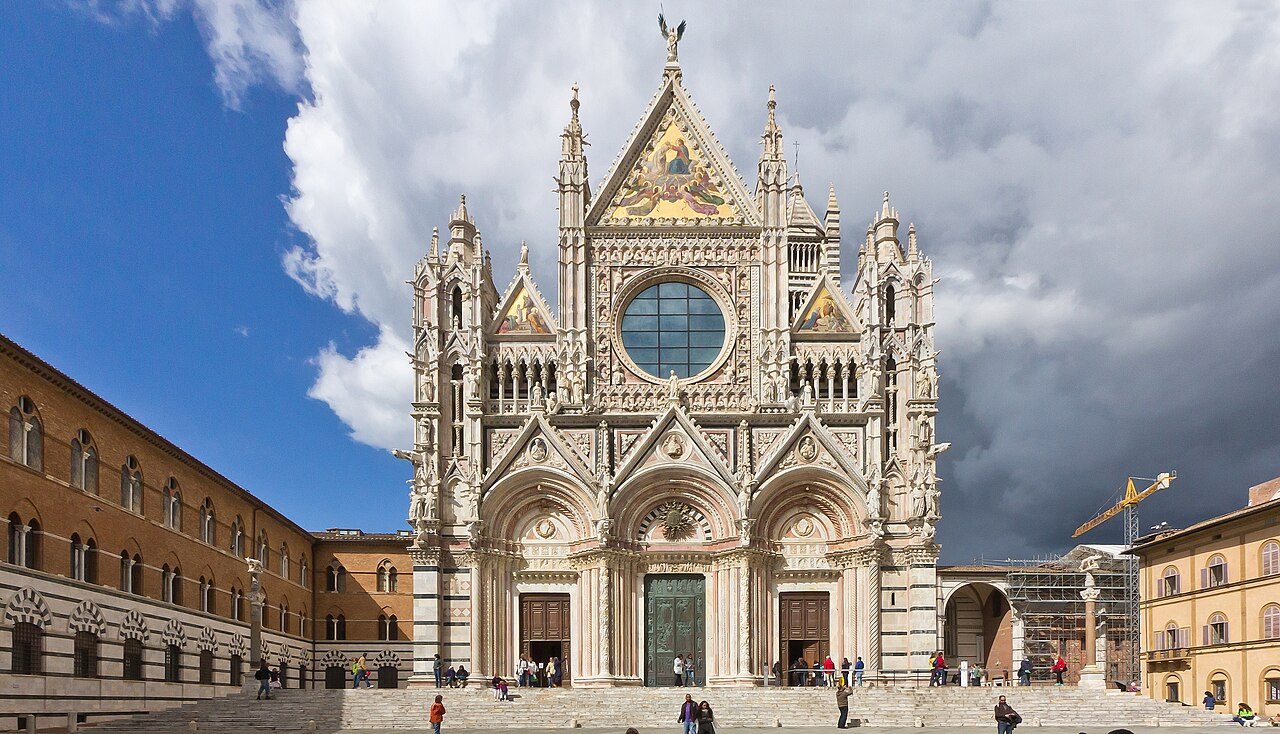
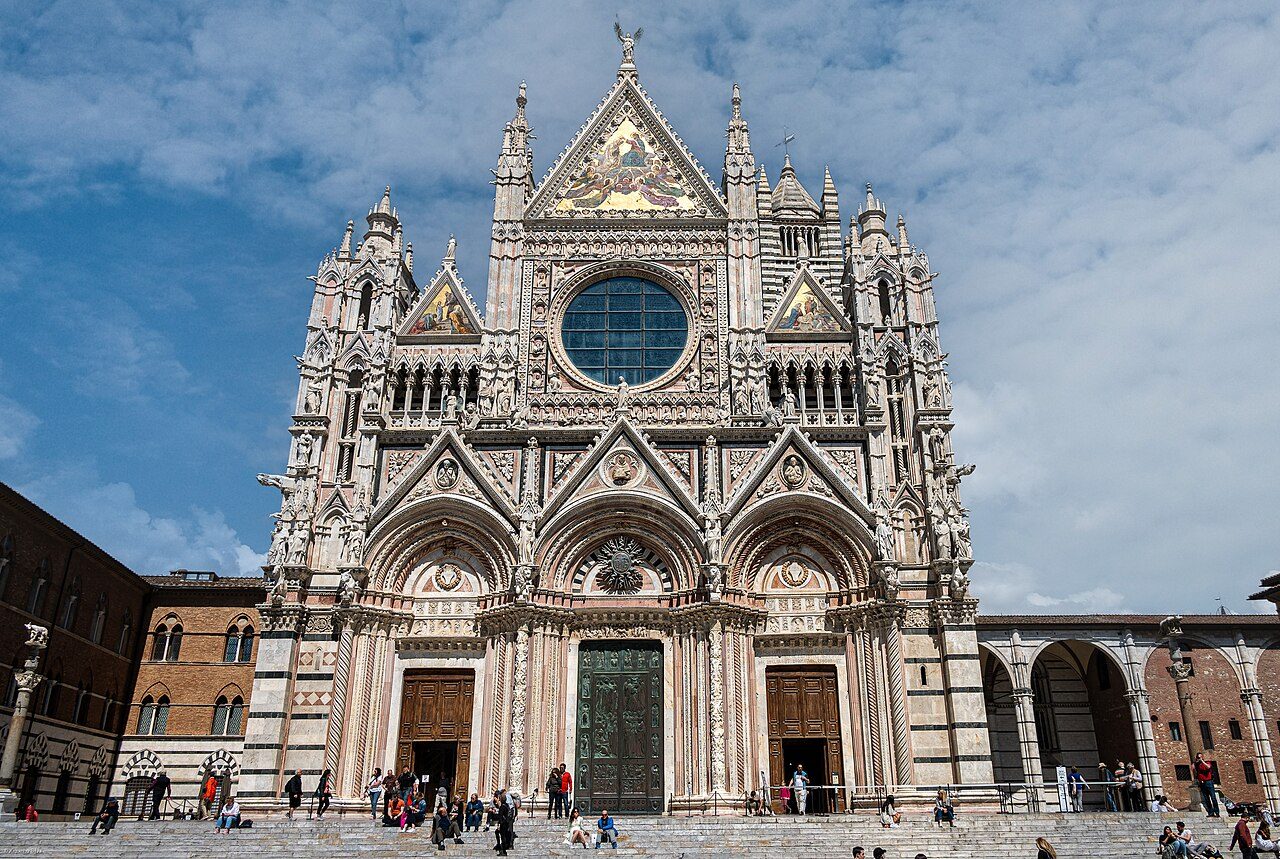
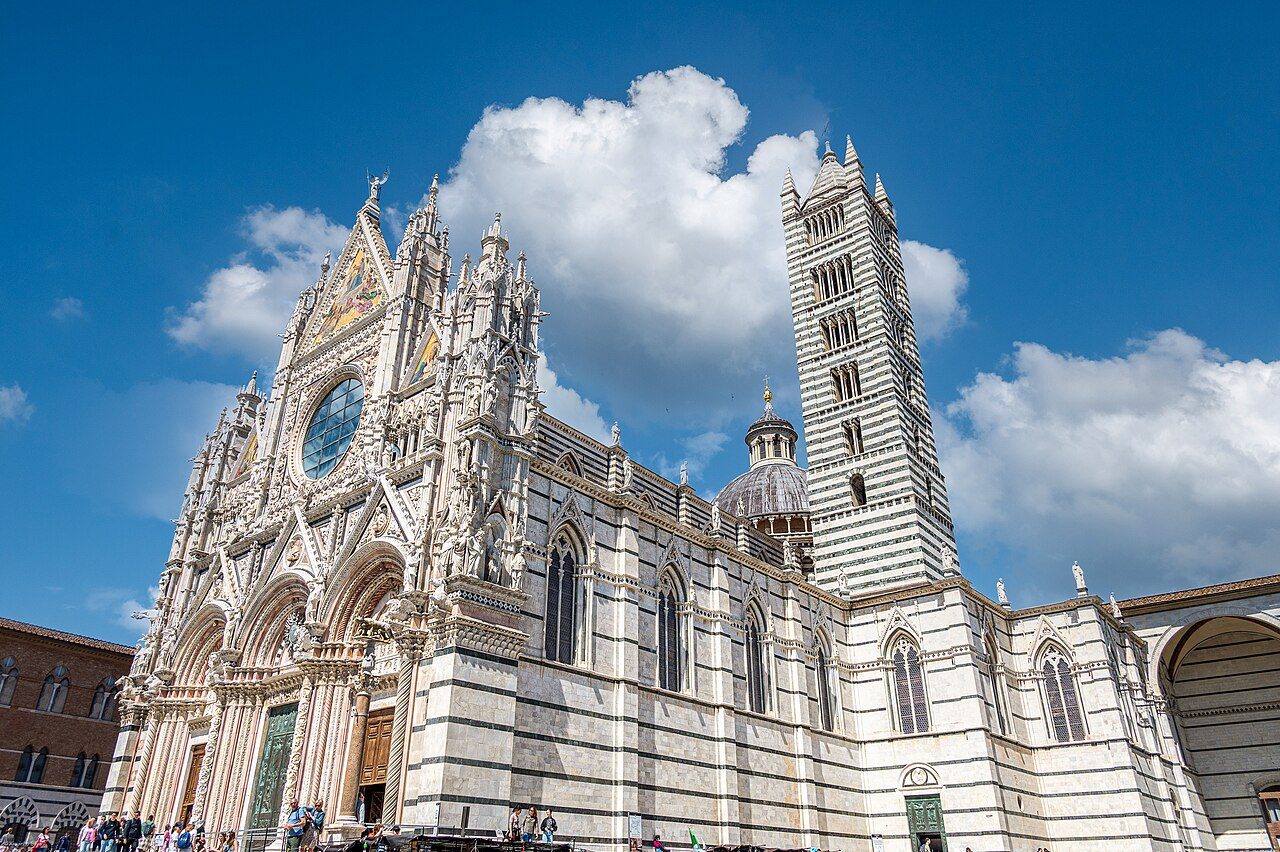
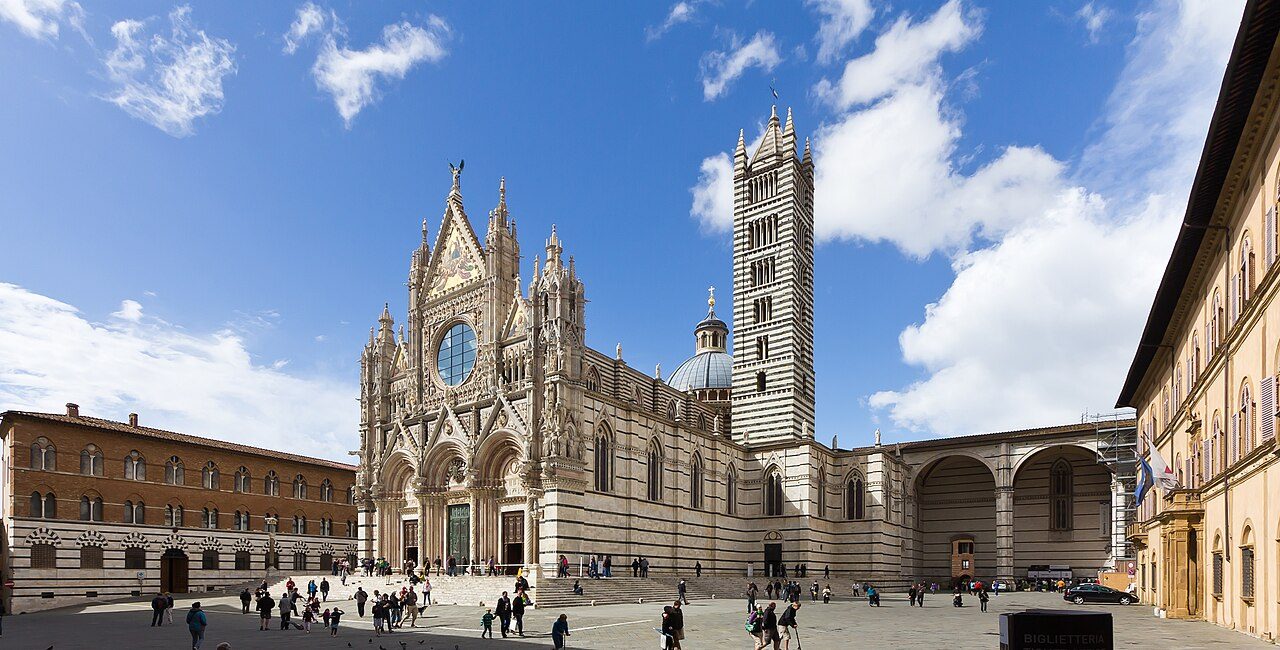
Siena Cathedral was built mainly between 1215 and 1263 and is a masterpiece of Italian Gothic. Its striped black and white marble walls and richly carved facade are striking. Inside, the floor is covered with inlaid marble scenes, uncovered only part of the year. The Piccolomini Library has brightly painted frescoes. It stands at the highest point of Siena.
23
STOP 23 OF 44
San Gimignano
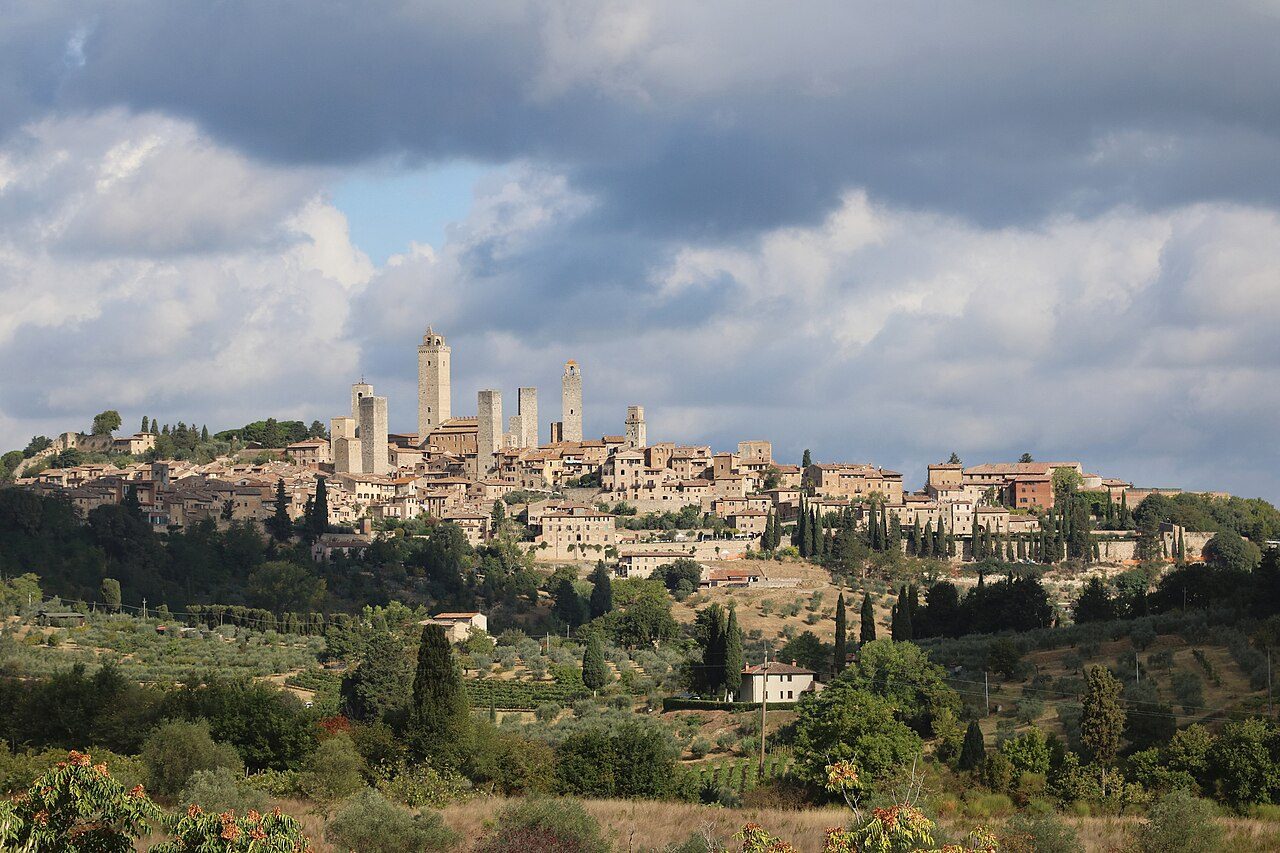
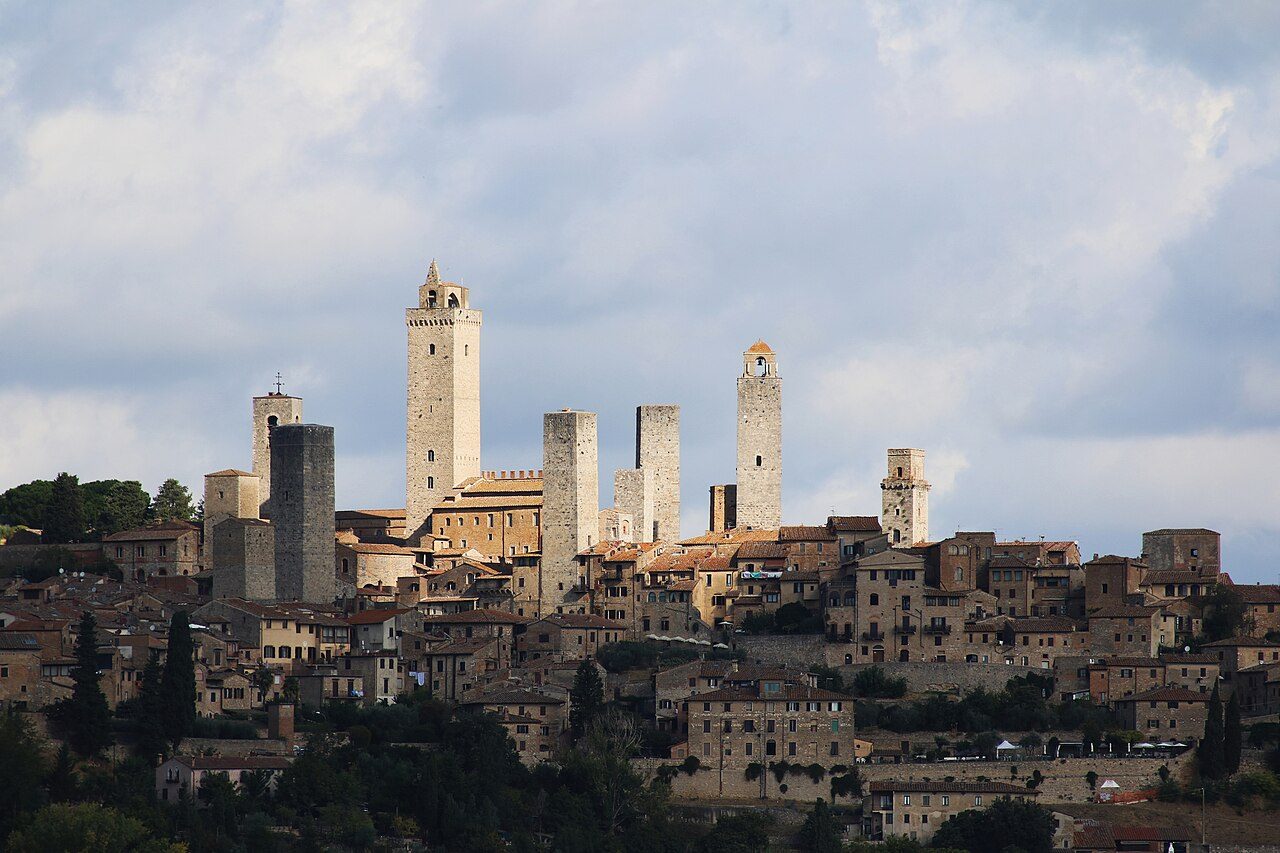
San Gimignano is a hilltop town in Tuscany known as the medieval Manhattan for its stone towers. In the Middle Ages wealthy families built about 72 towers as symbols of power; 14 survive. Its walled historic centre, with piazzas, churches and frescoes, is a UNESCO World Heritage Site. It is also known for its white wine, Vernaccia.
24
STOP 24 OF 44
Leaning Tower of Pisa
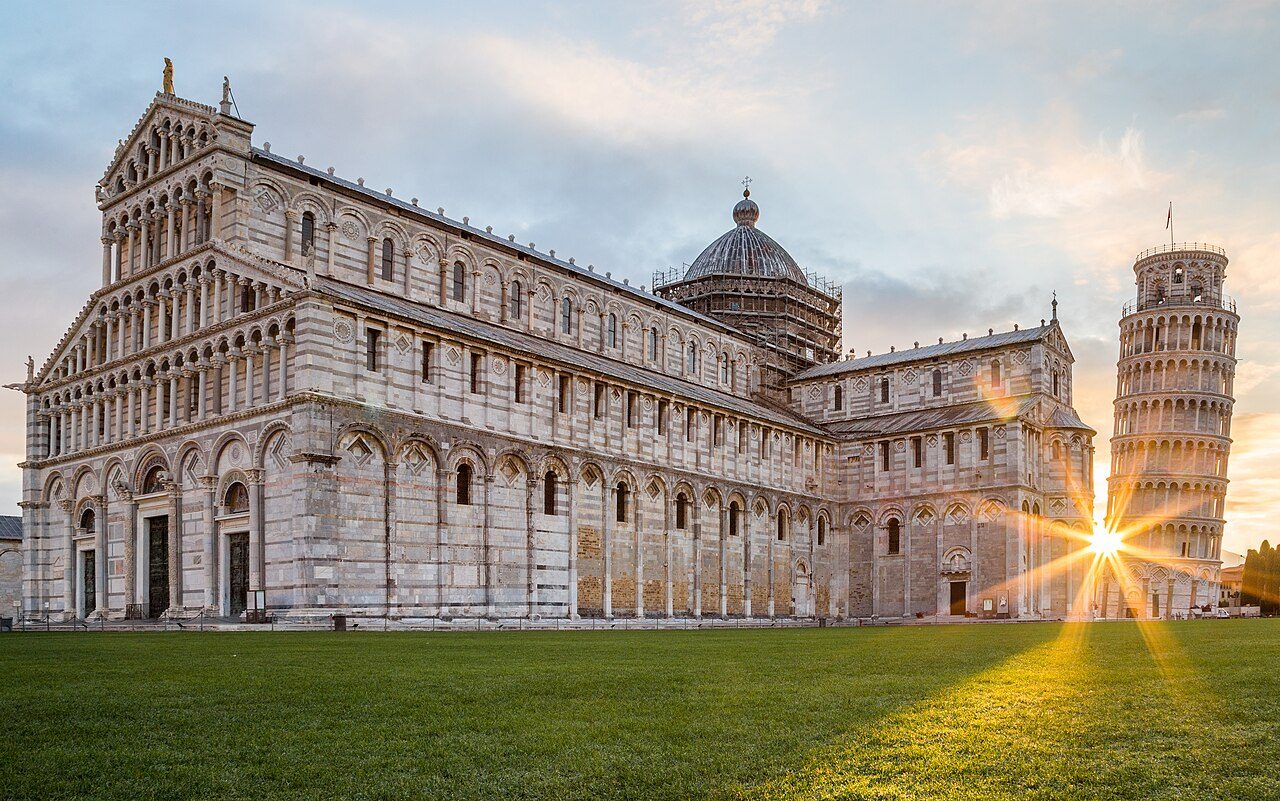
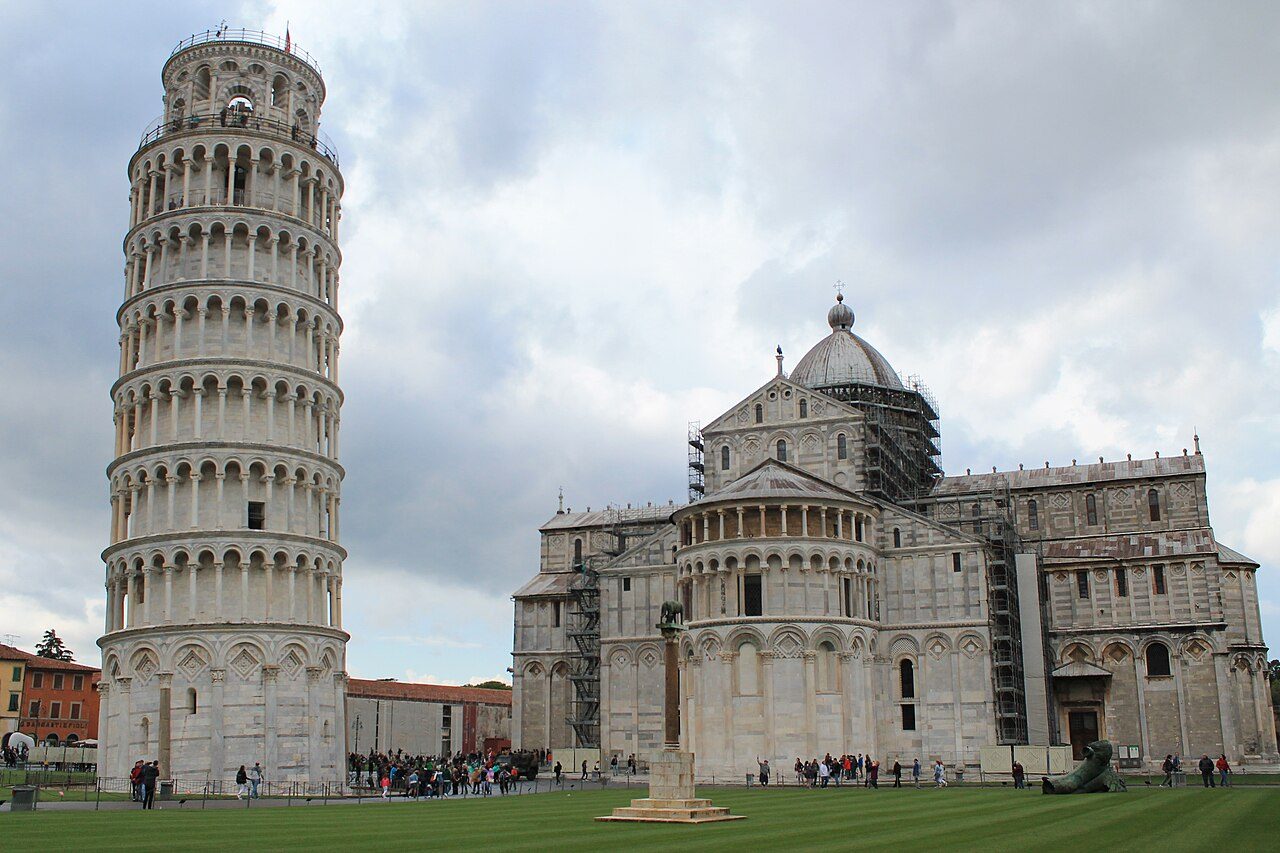
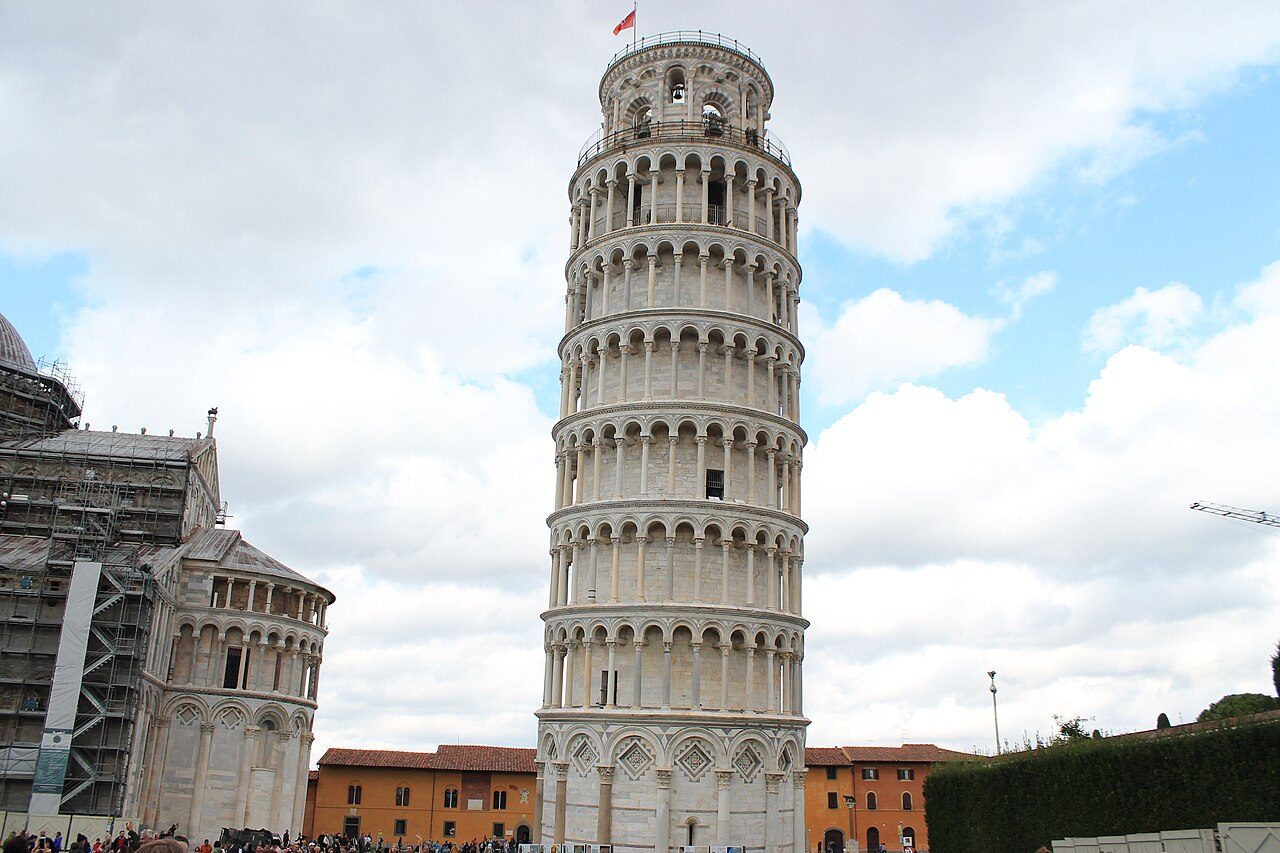
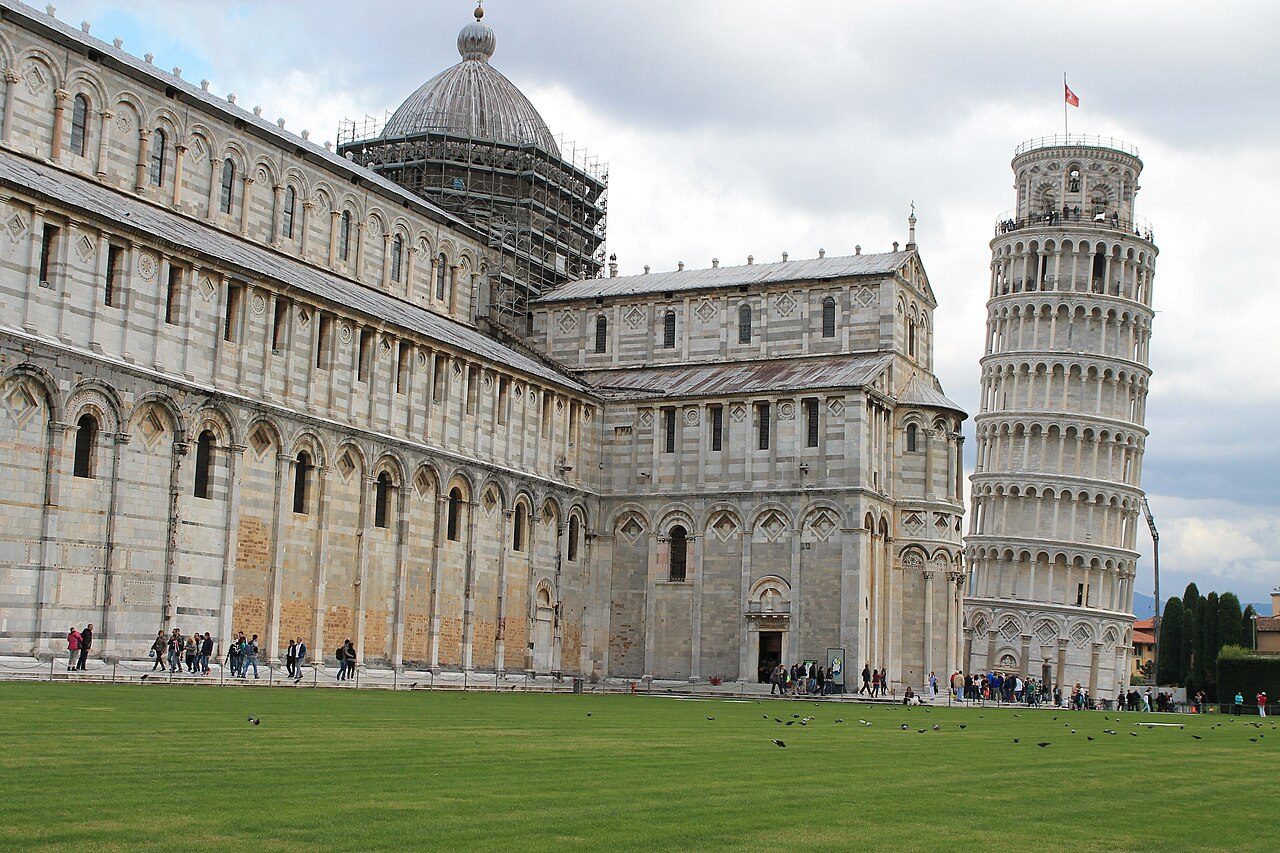
The Leaning Tower of Pisa is the bell tower of Pisa Cathedral. Building began in 1173, and the tower began to lean during construction because of soft ground. It now leans about four degrees after work to stabilise it ended in 2001. Visitors can climb its 251 steps. It stands in the Piazza dei Miracoli with the cathedral and baptistery, a UNESCO World Heritage Site.
25
STOP 25 OF 44
Lucca City Walls
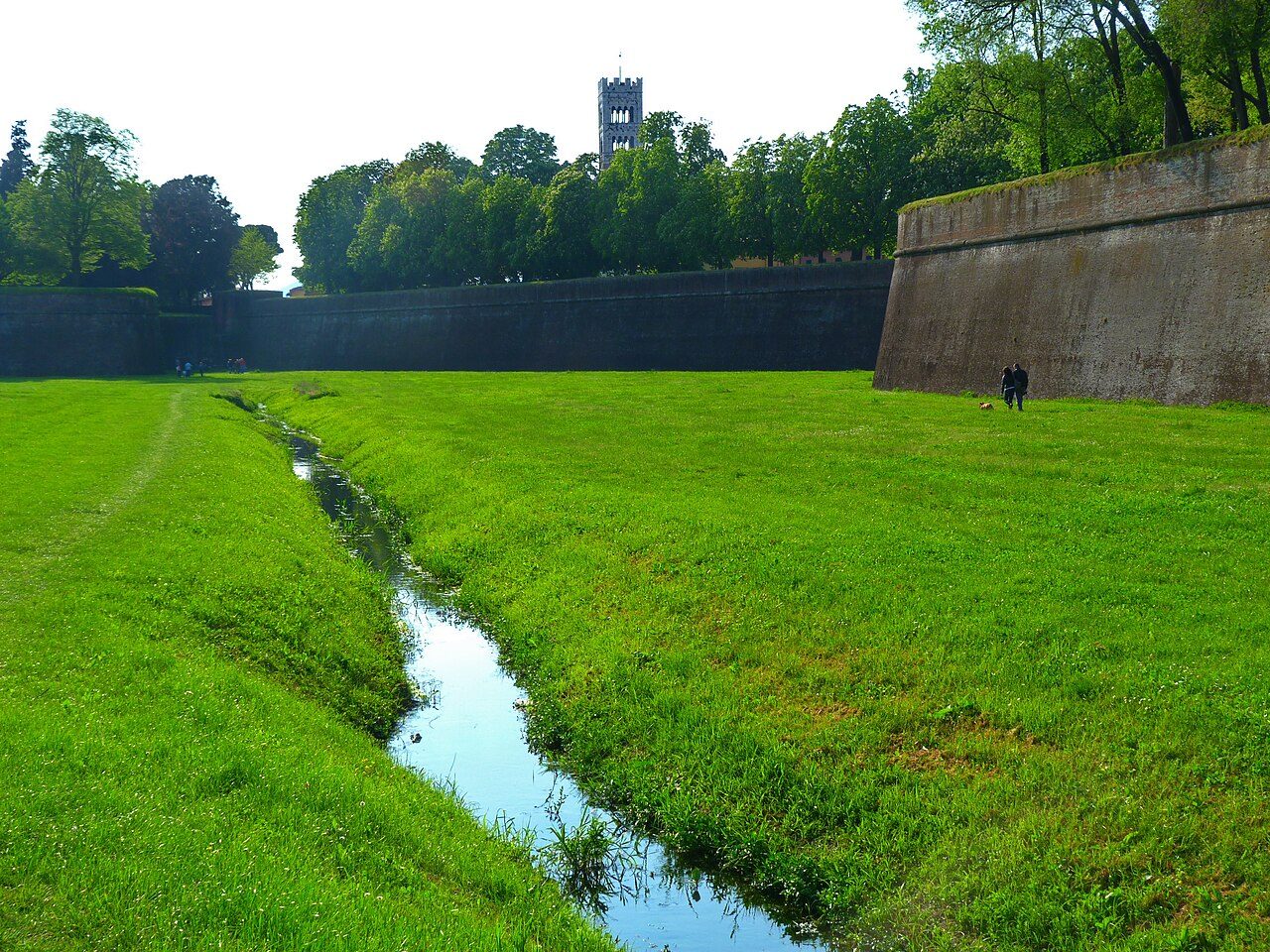
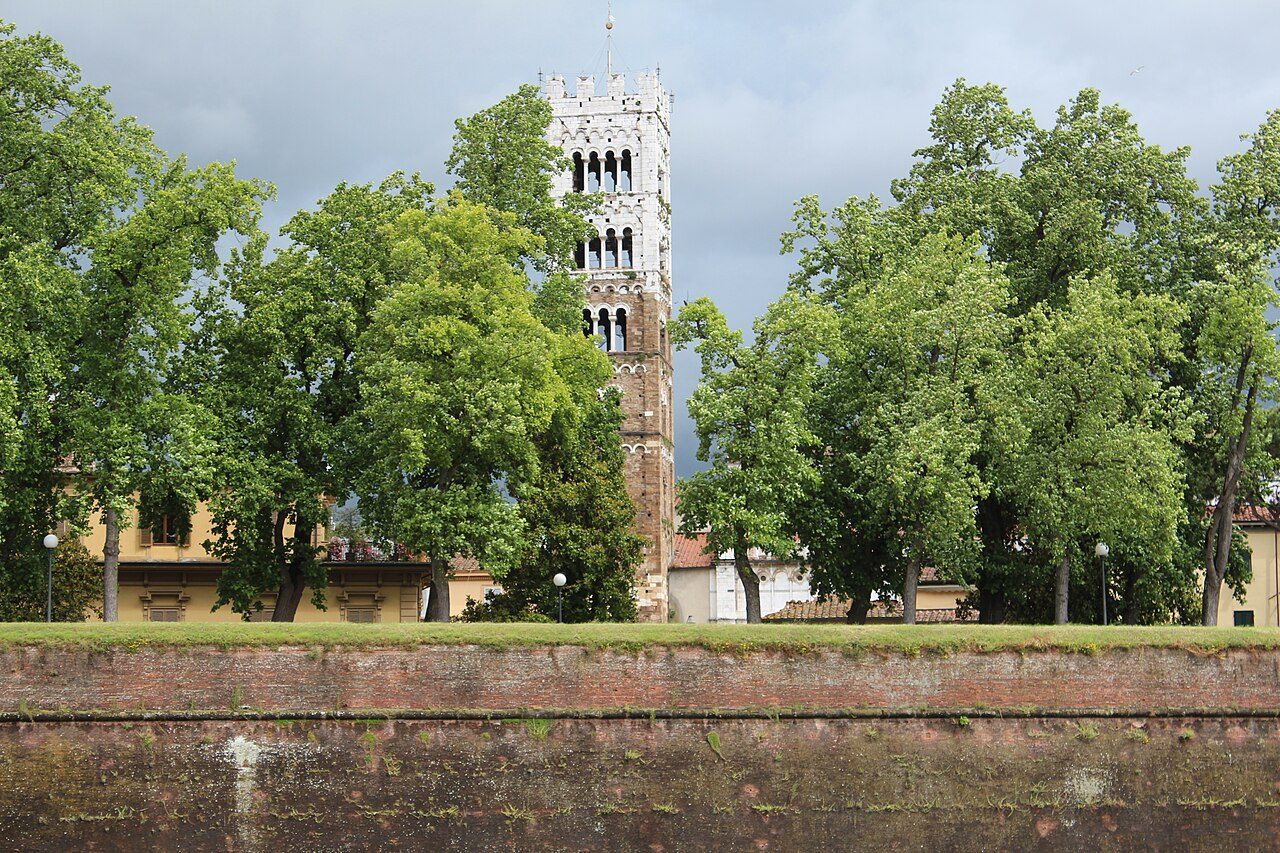
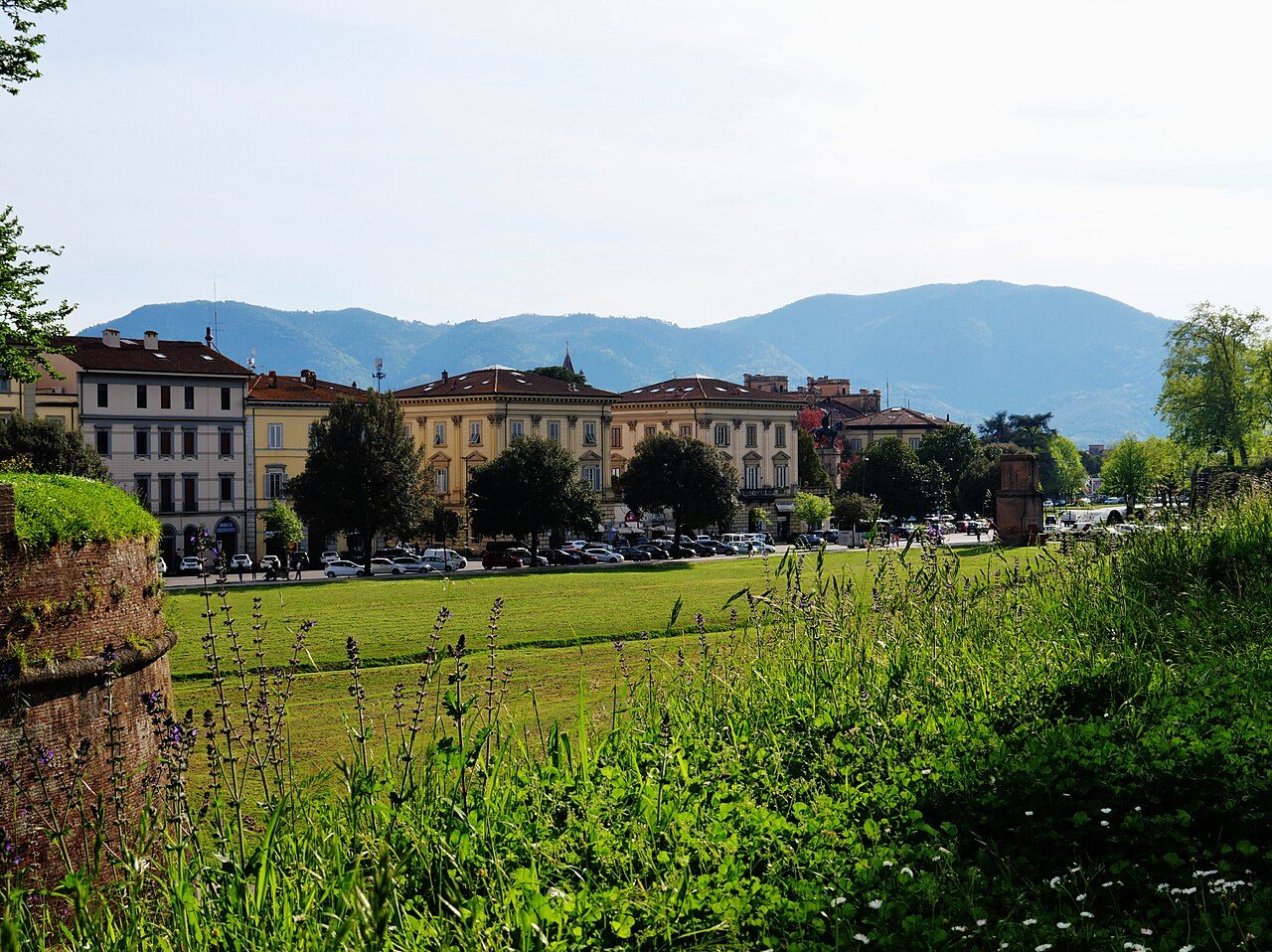
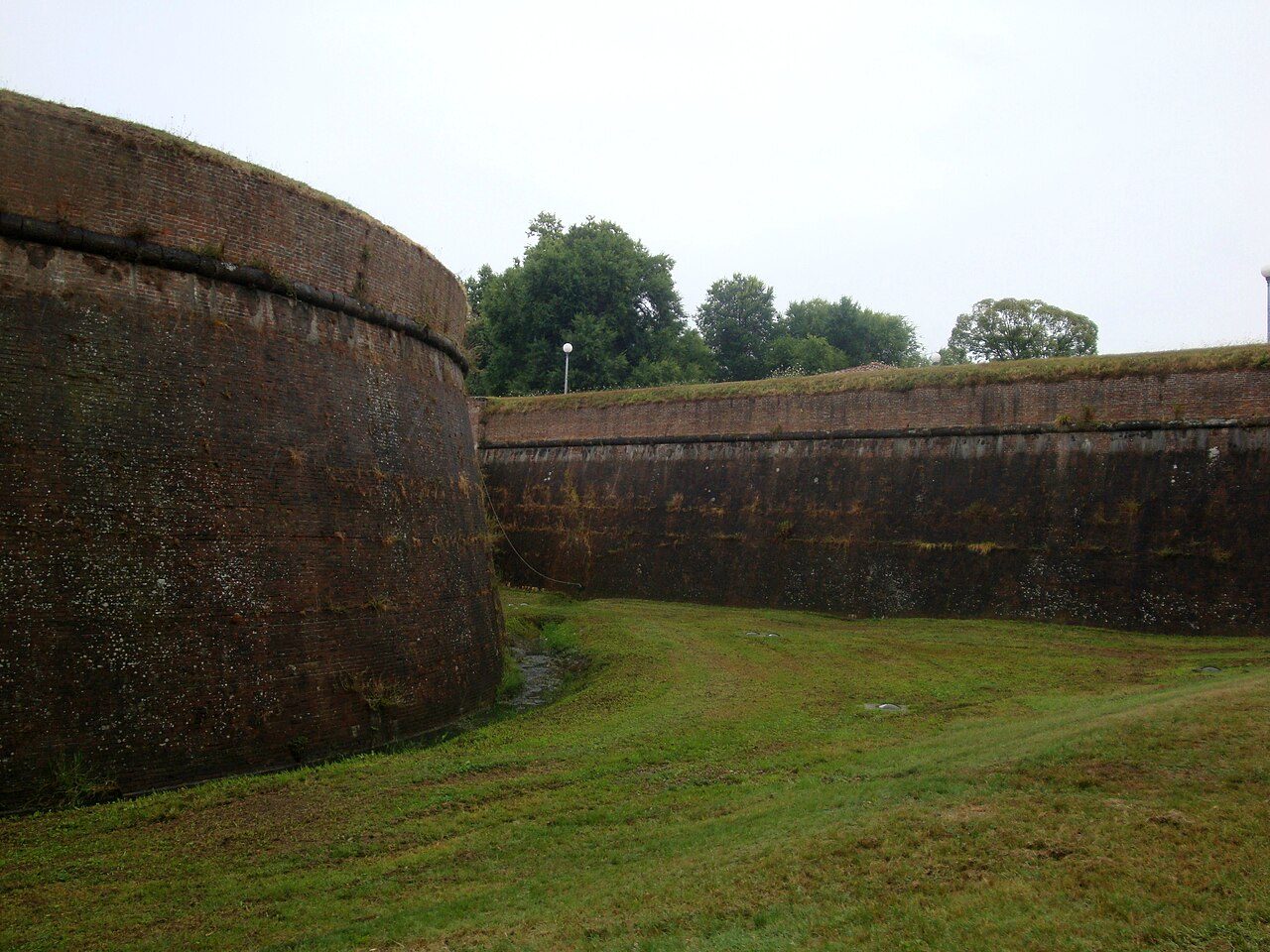
Lucca is a city in Tuscany surrounded by complete Renaissance walls, about four kilometres around. The tops of the walls are a tree-lined park where people walk and cycle. Inside, the Piazza dell'Anfiteatro keeps the oval shape of a Roman amphitheatre. The Guinigi Tower has oak trees growing on its top. The composer Puccini was born here.
26
STOP 26 OF 44
Cinque Terre
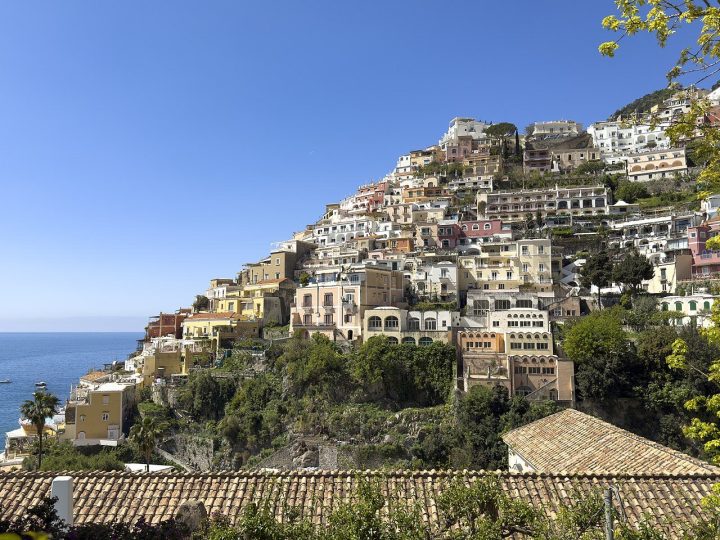
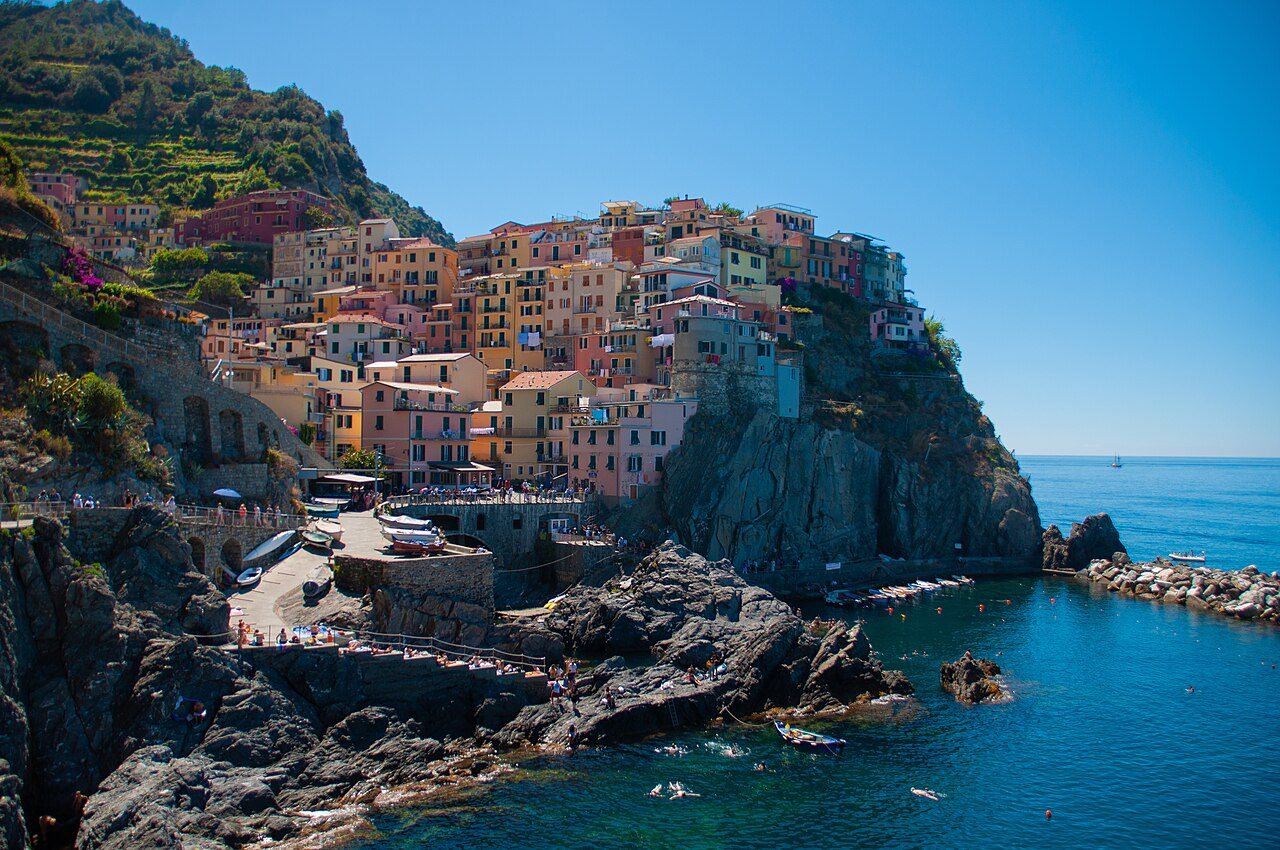
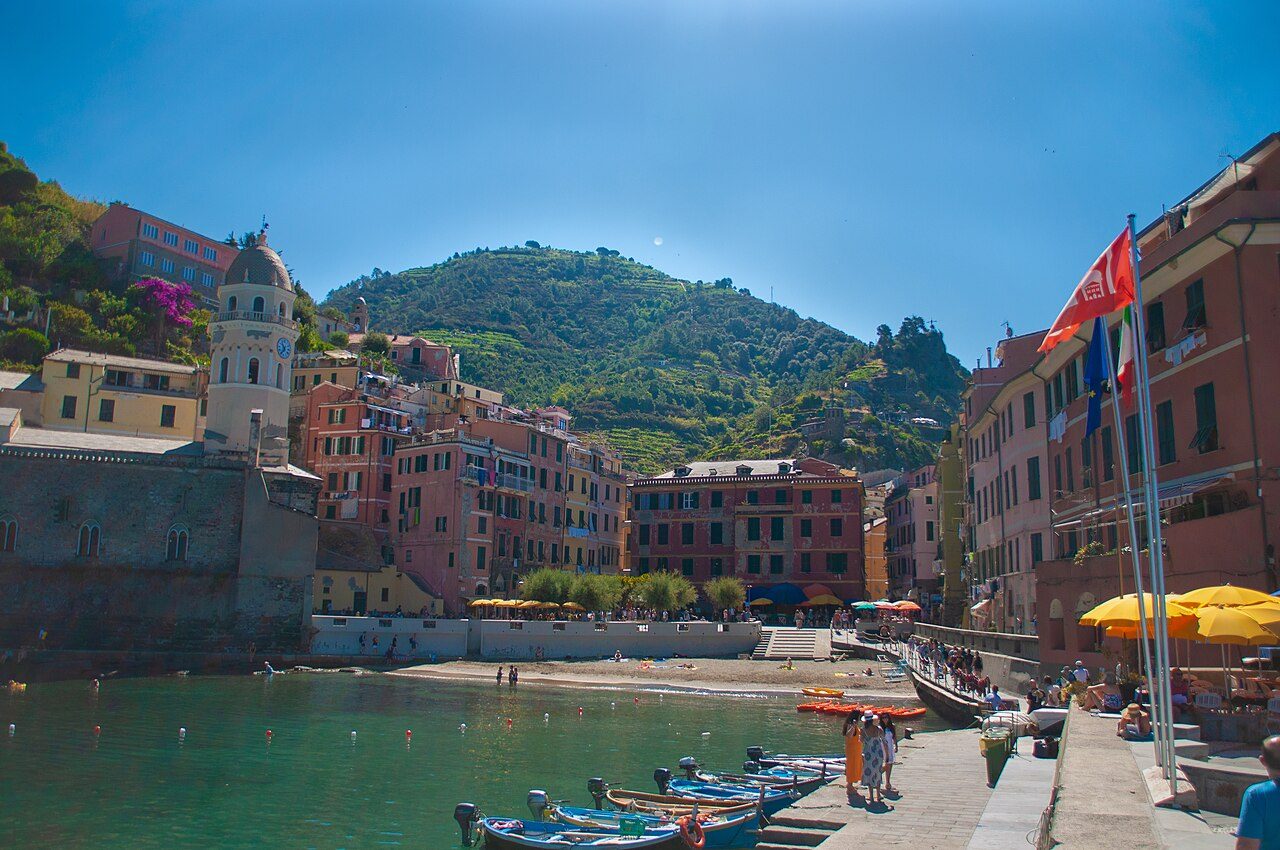
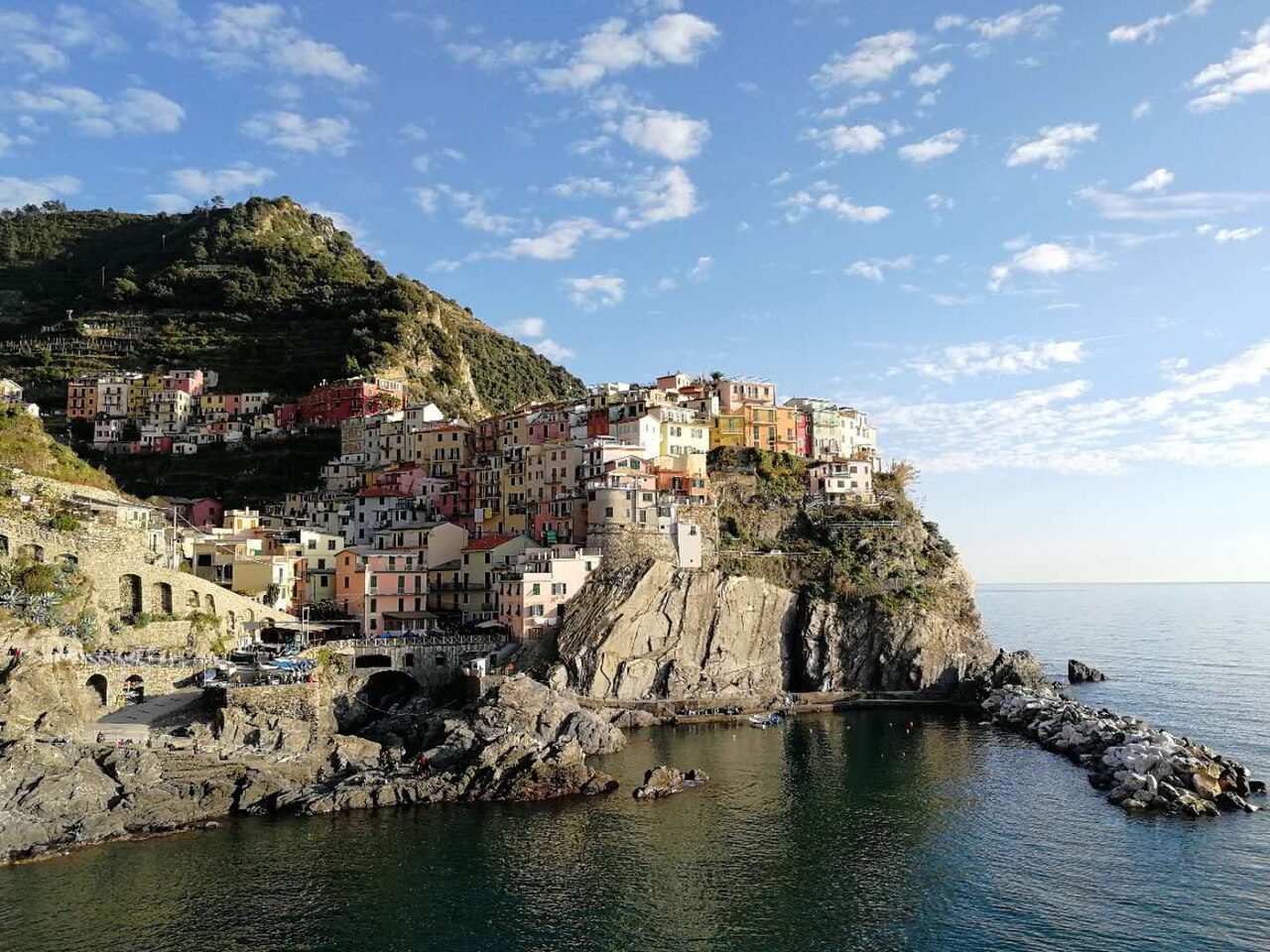
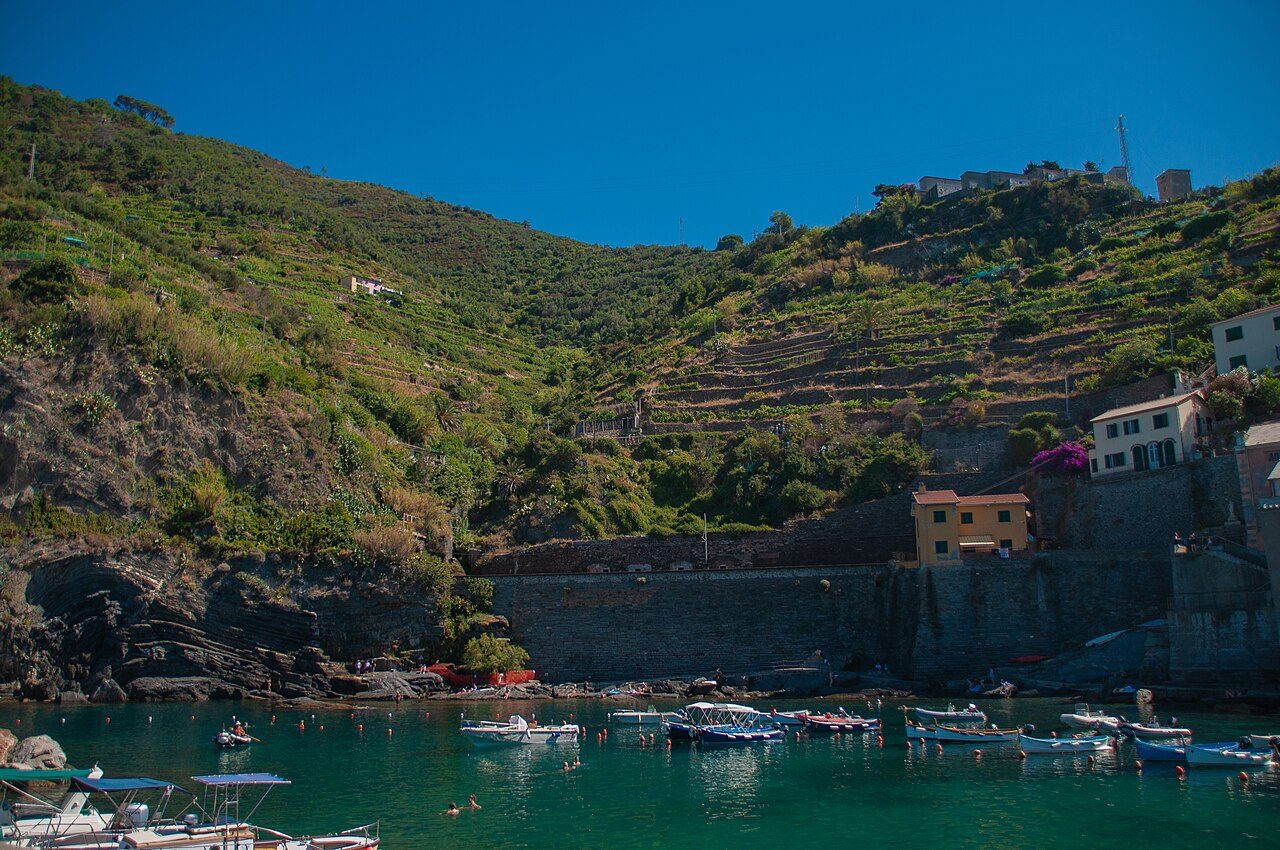
The Cinque Terre are five villages on the rugged coast of Liguria: Monterosso, Vernazza, Corniglia, Manarola and Riomaggiore. Colourful houses cling to the cliffs above small harbours, and vineyards on terraces climb the hills. Walking paths and a railway link the villages. The area is a national park and a UNESCO World Heritage Site.
27
STOP 27 OF 44
St. Mark's Basilica
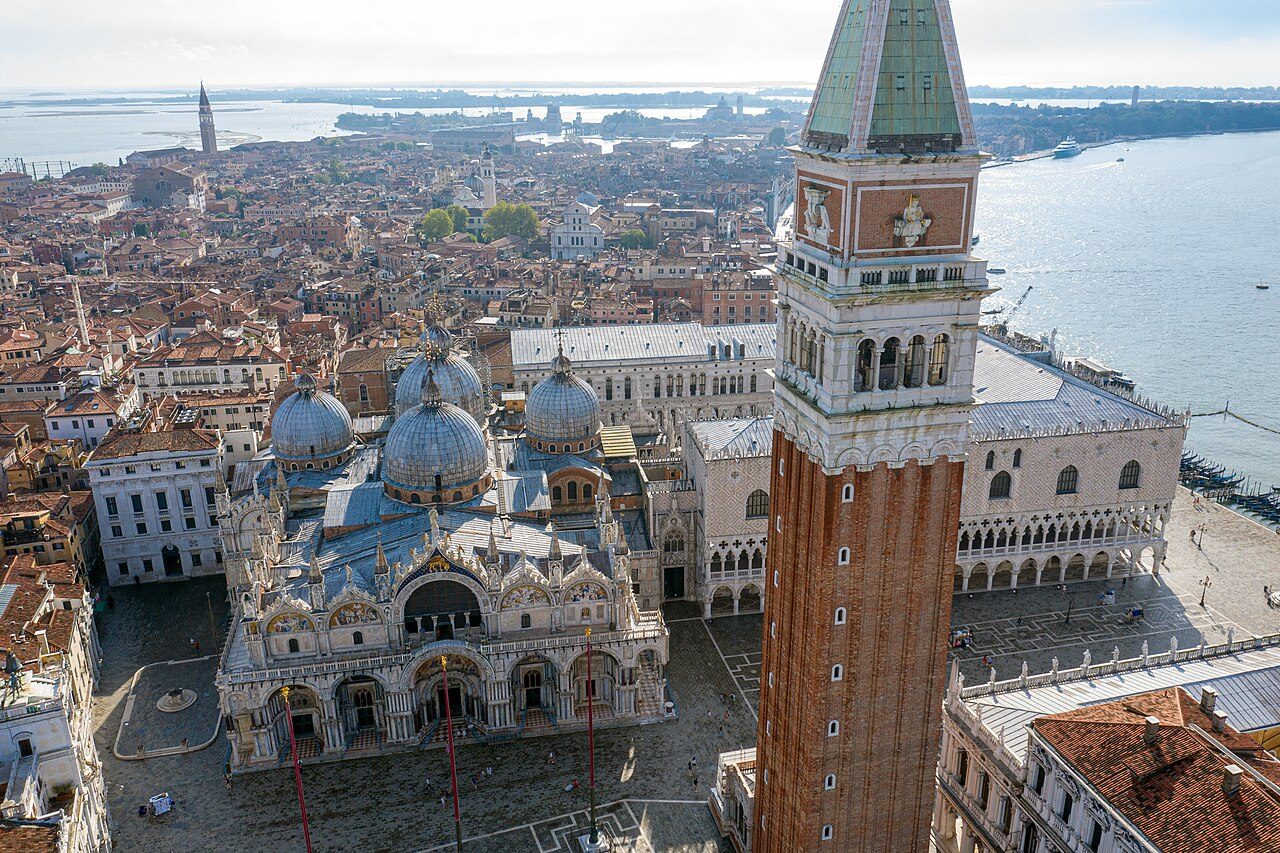
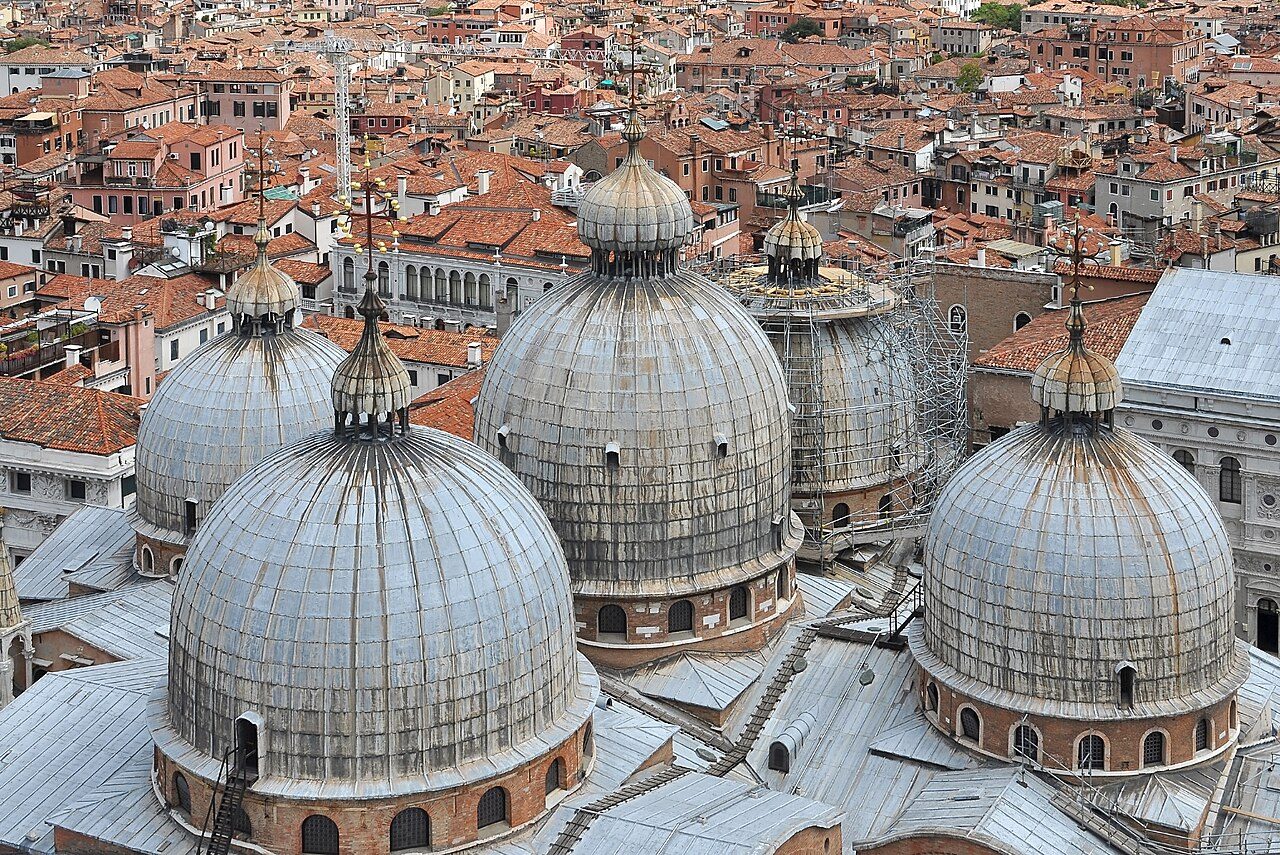
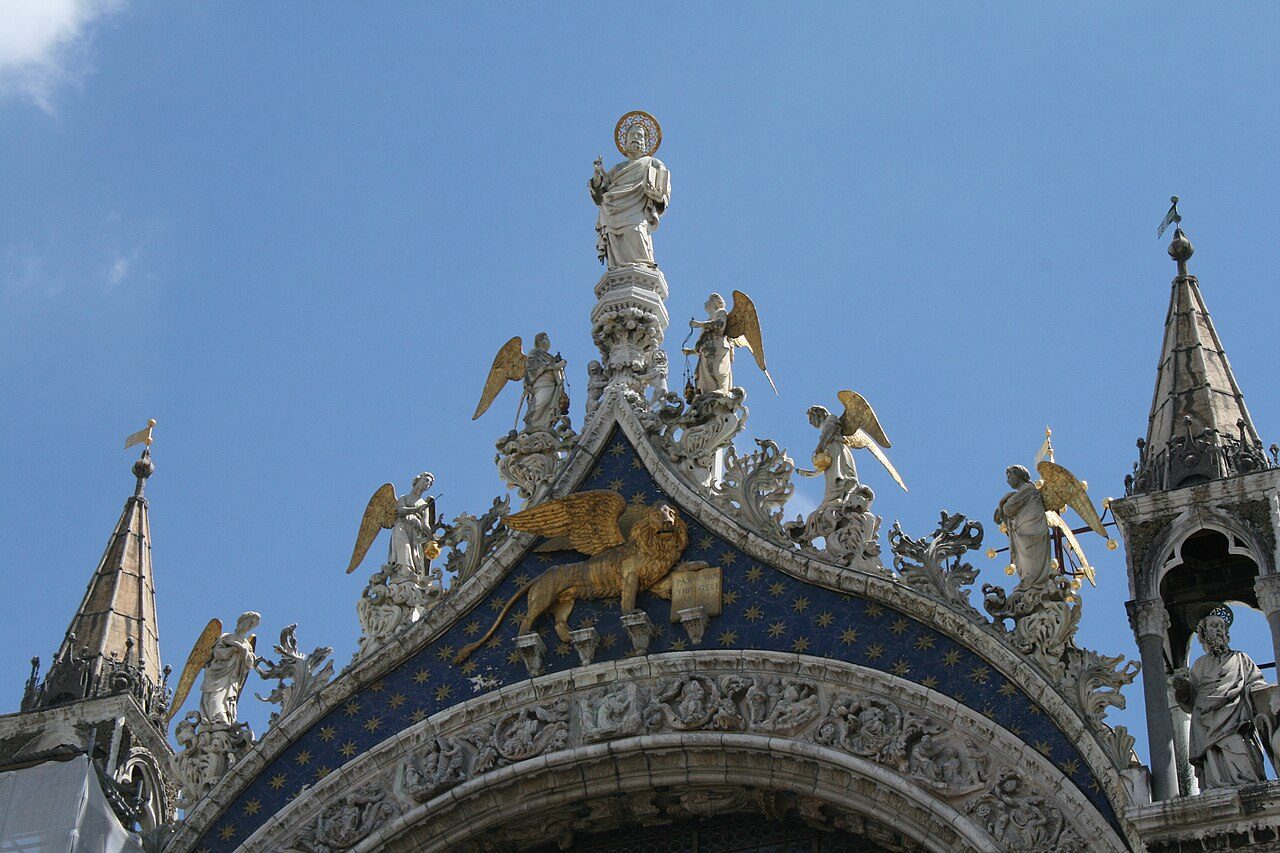
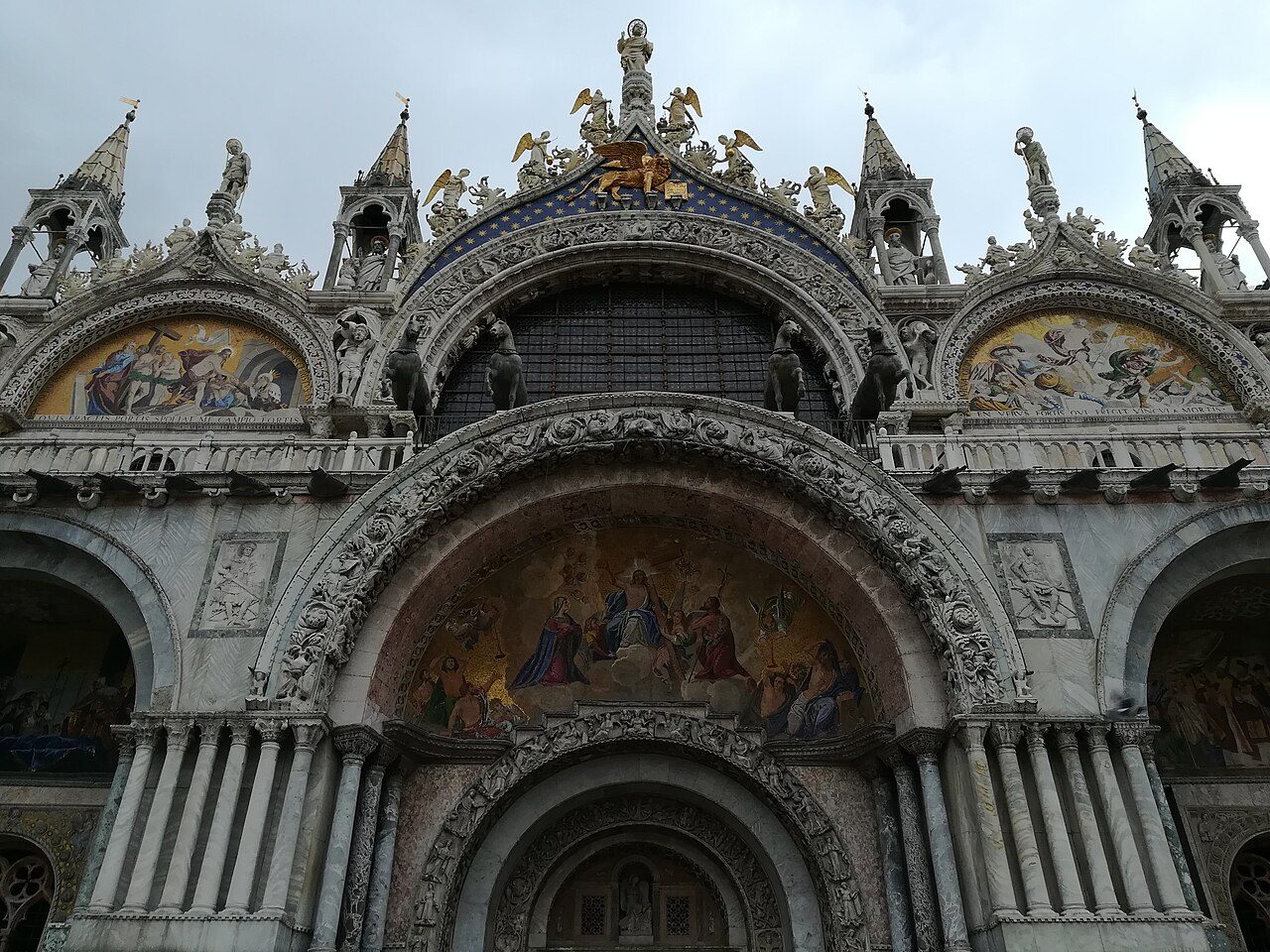
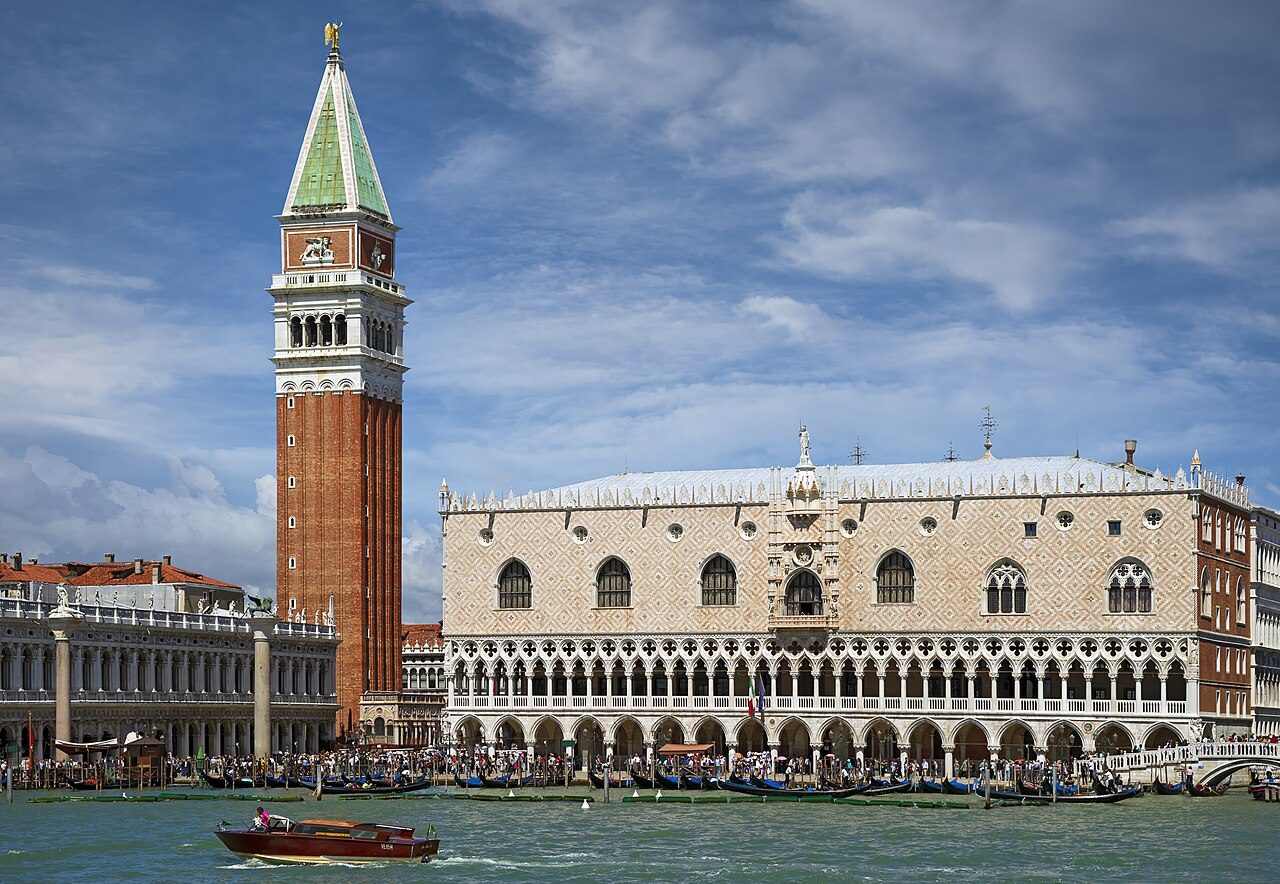
St. Mark's Basilica is the cathedral of Venice, rebuilt in its present form in the 11th century to hold the relics of Saint Mark. Its domes and arches mix Byzantine and Western styles, and its interior is covered with gold mosaics. Four bronze horses look out over Piazza San Marco from the facade. The square, with its bell tower, is the heart of the city.
28
STOP 28 OF 44
Doge's Palace
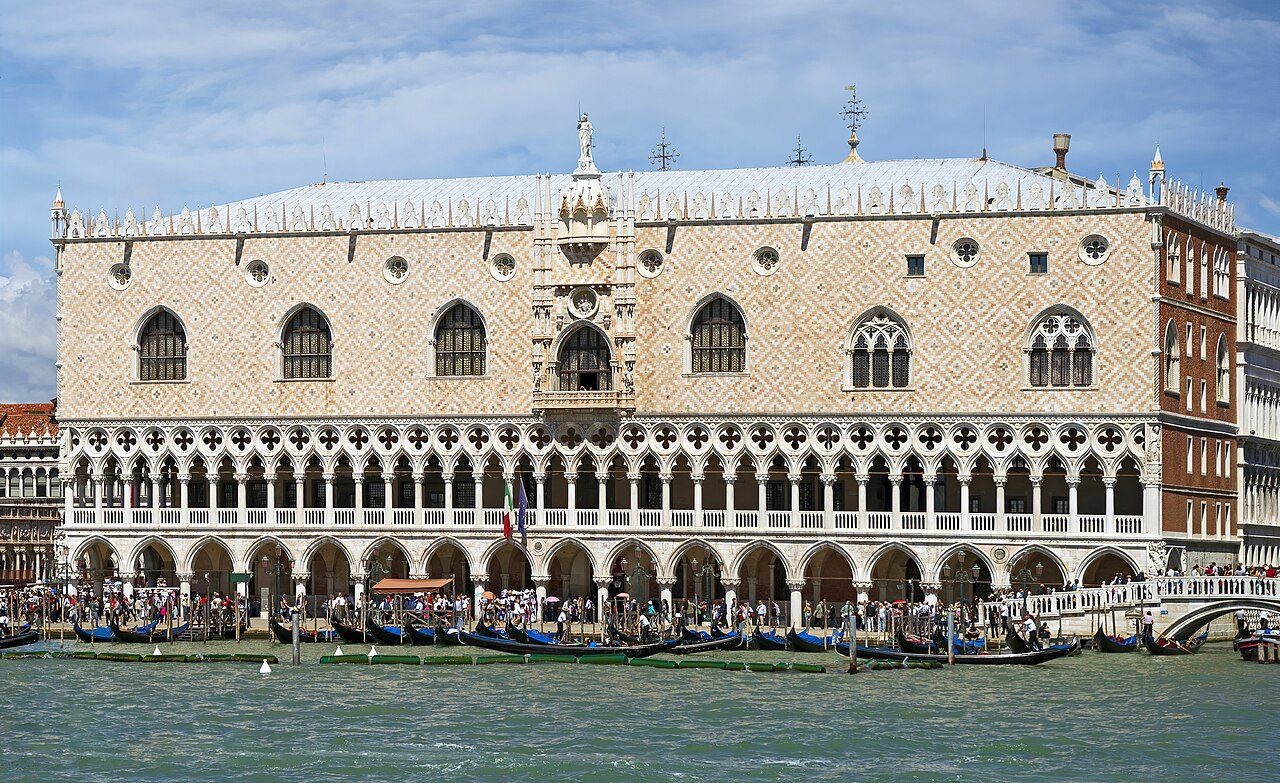
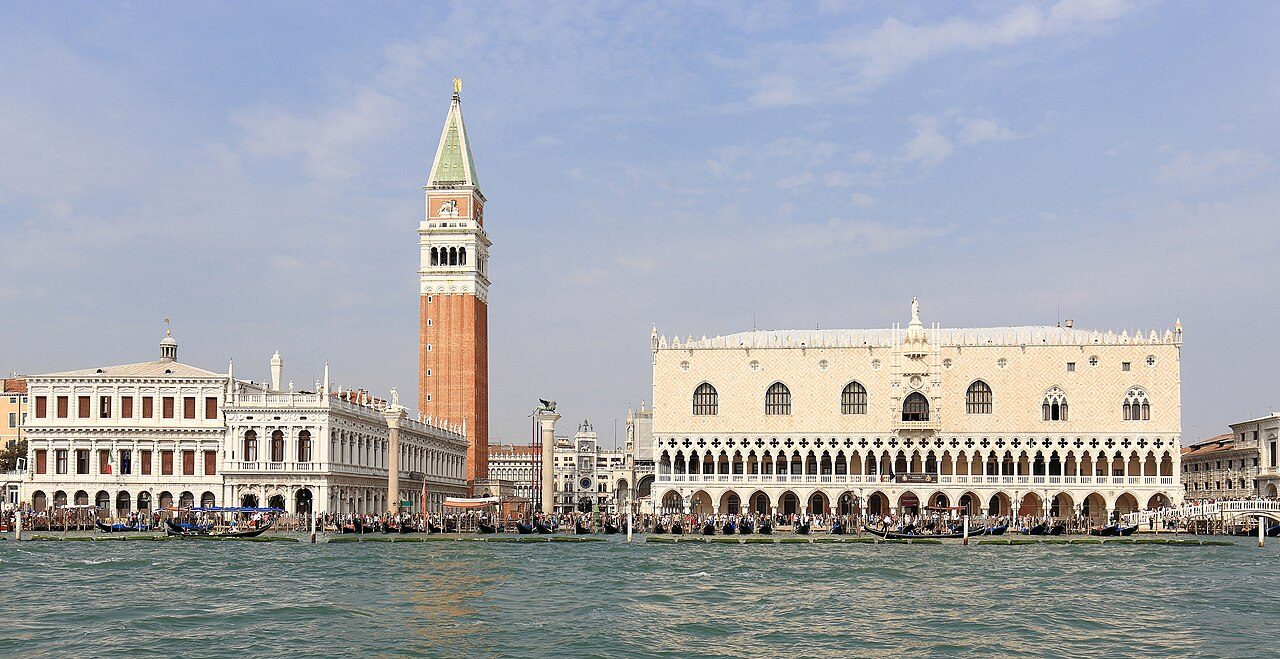
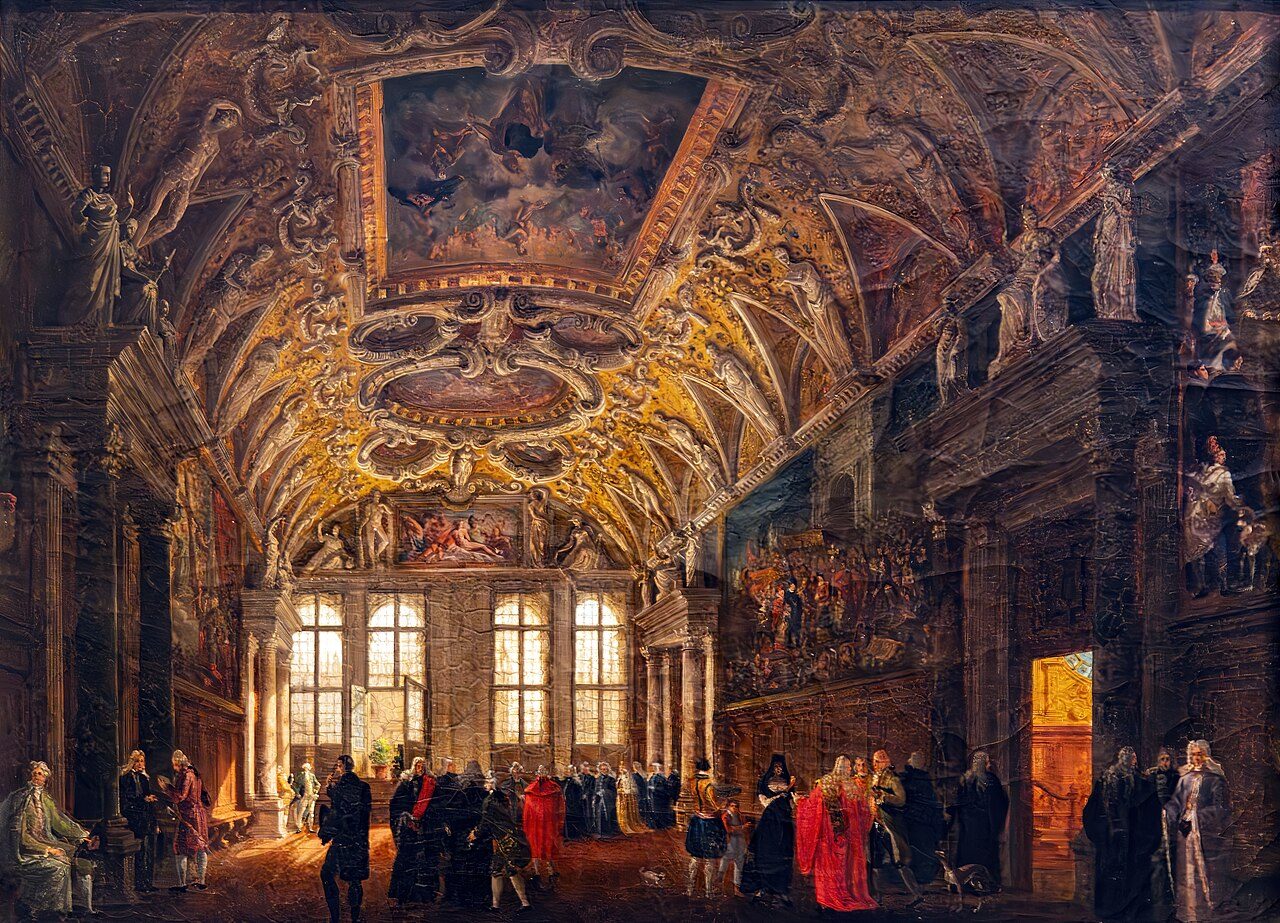
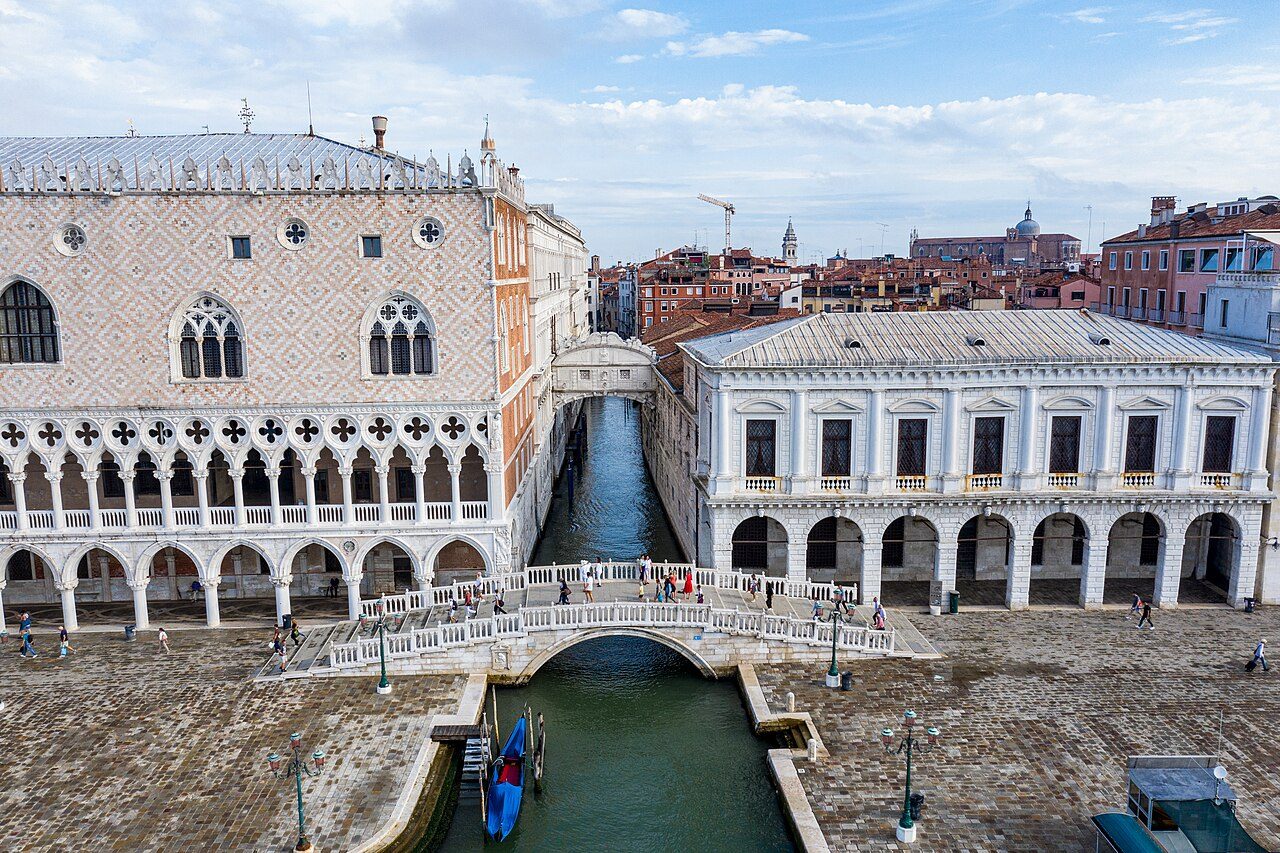
The Doge's Palace was the seat of the Doge, the ruler of the Venetian Republic, and its government. Its pink and white Gothic facade faces the lagoon and Piazza San Marco. Inside are grand council halls with paintings by Tintoretto and Veronese. The Bridge of Sighs links the palace to the old prisons, where Casanova was once held.
29
STOP 29 OF 44
Bridge of Sighs
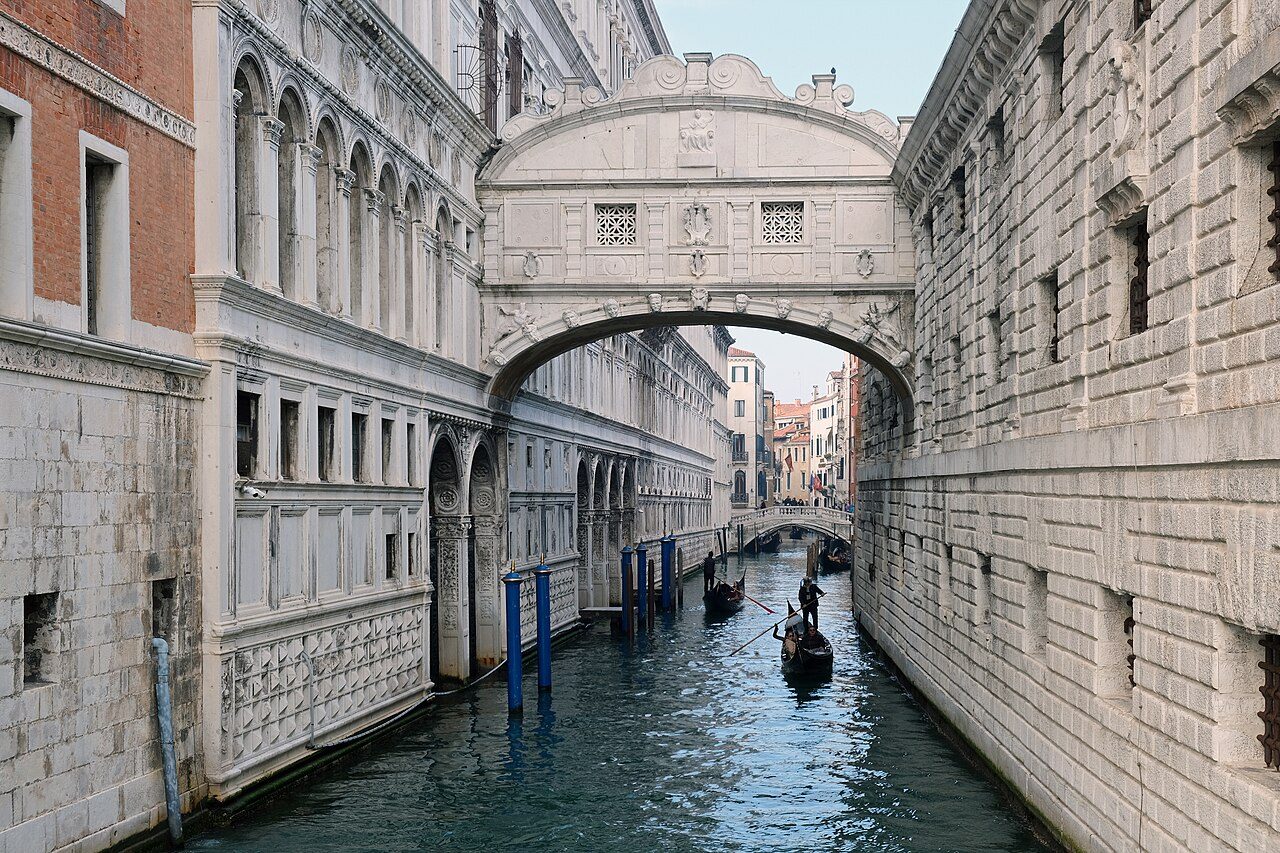
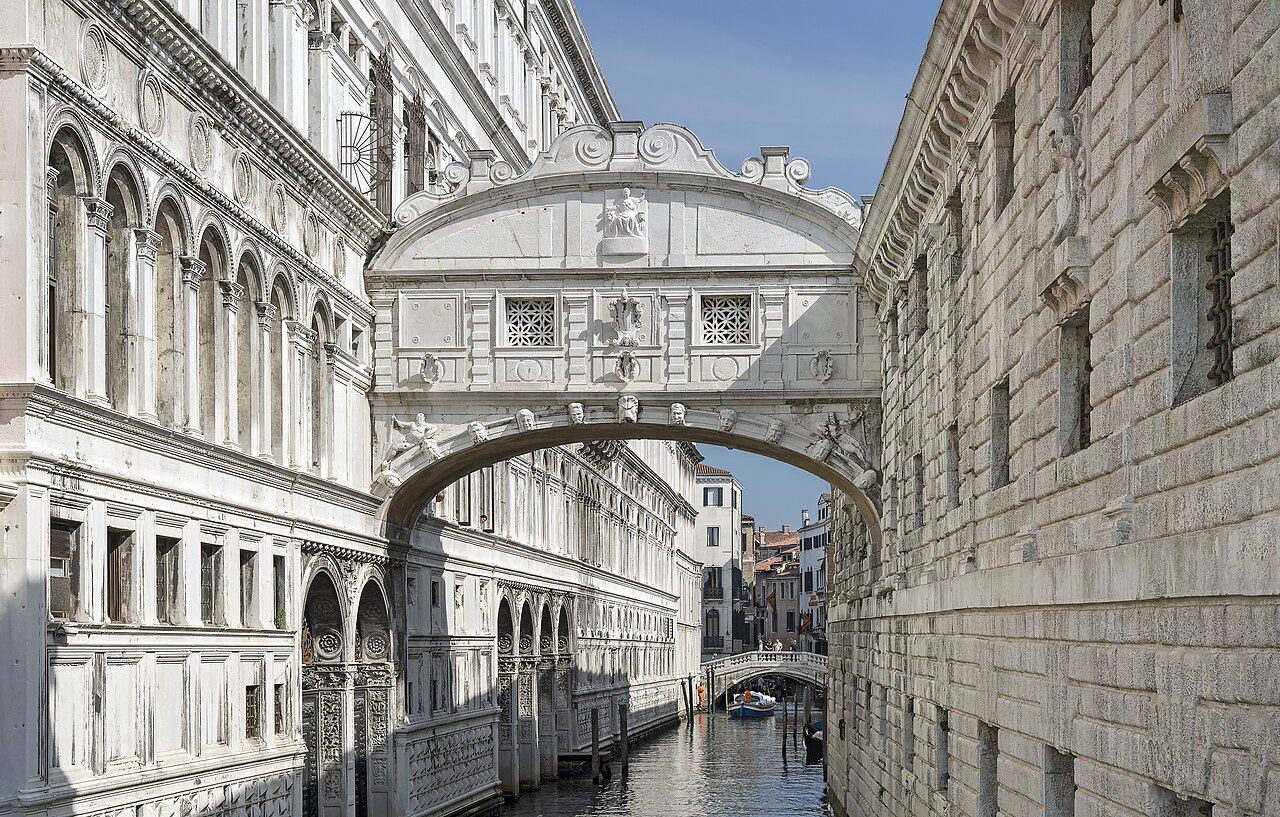
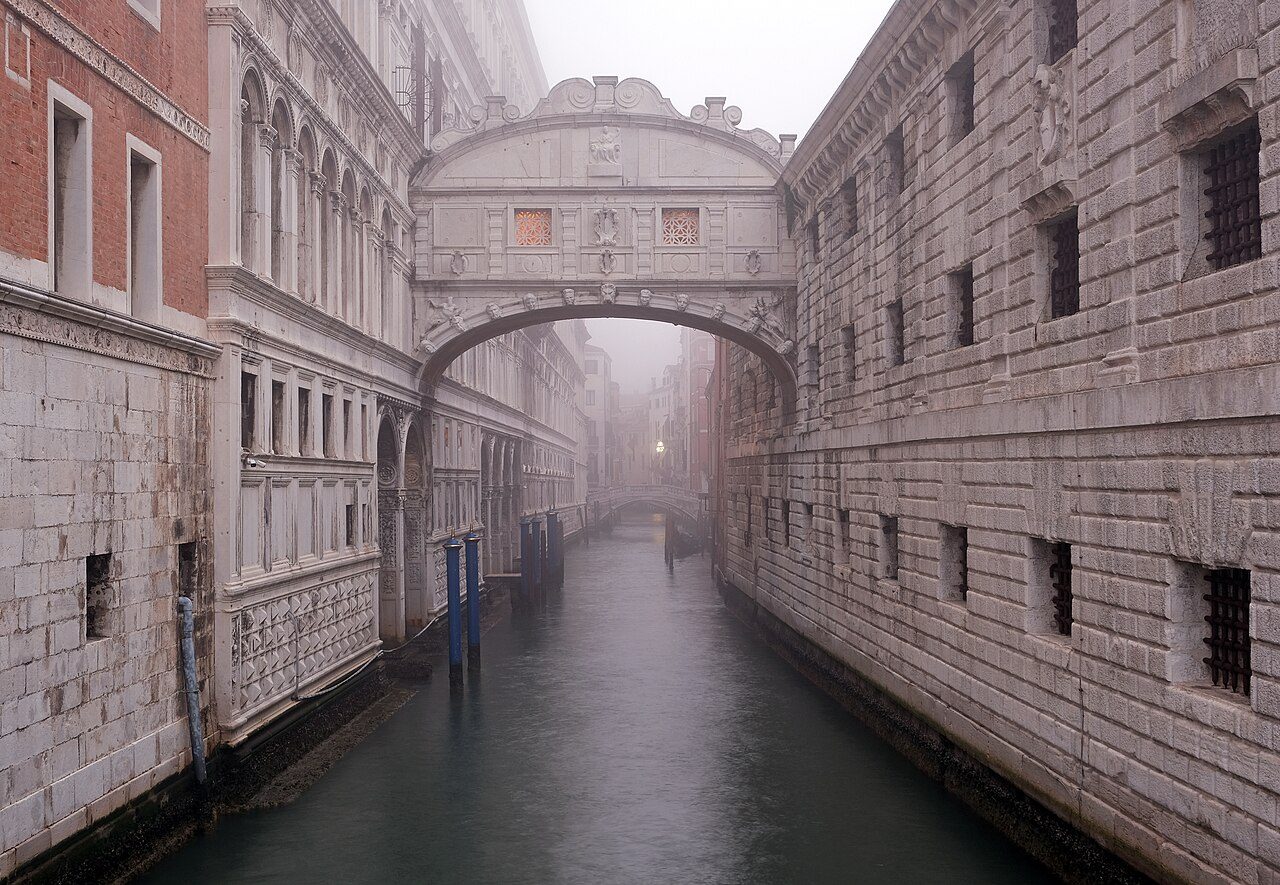
The Bridge of Sighs is an enclosed white limestone bridge in Venice, built in 1600. It links the Doge's Palace with the prisons across the Rio di Palazzo. Its name comes from the idea that prisoners sighed at their last view of Venice through its small stone windows. It is best seen from the Ponte della Paglia nearby.
30
STOP 30 OF 44
Grand Canal
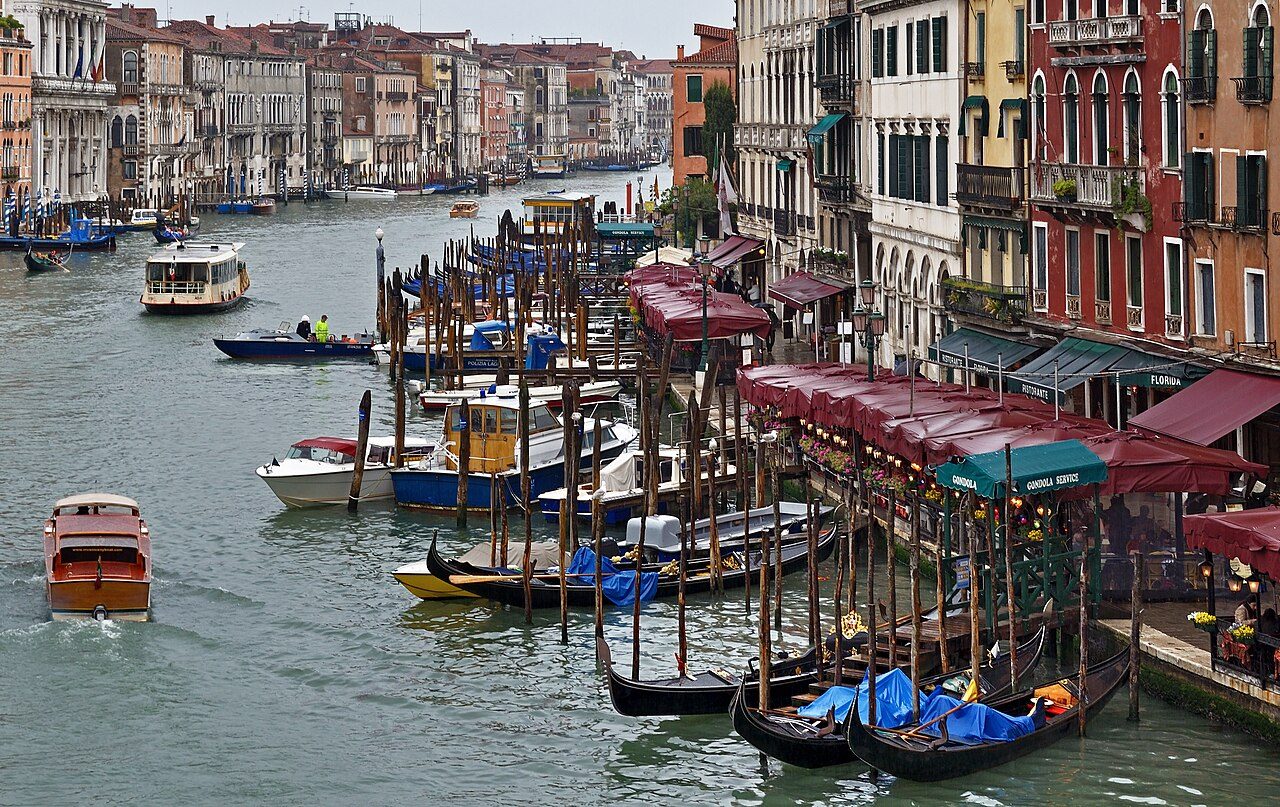
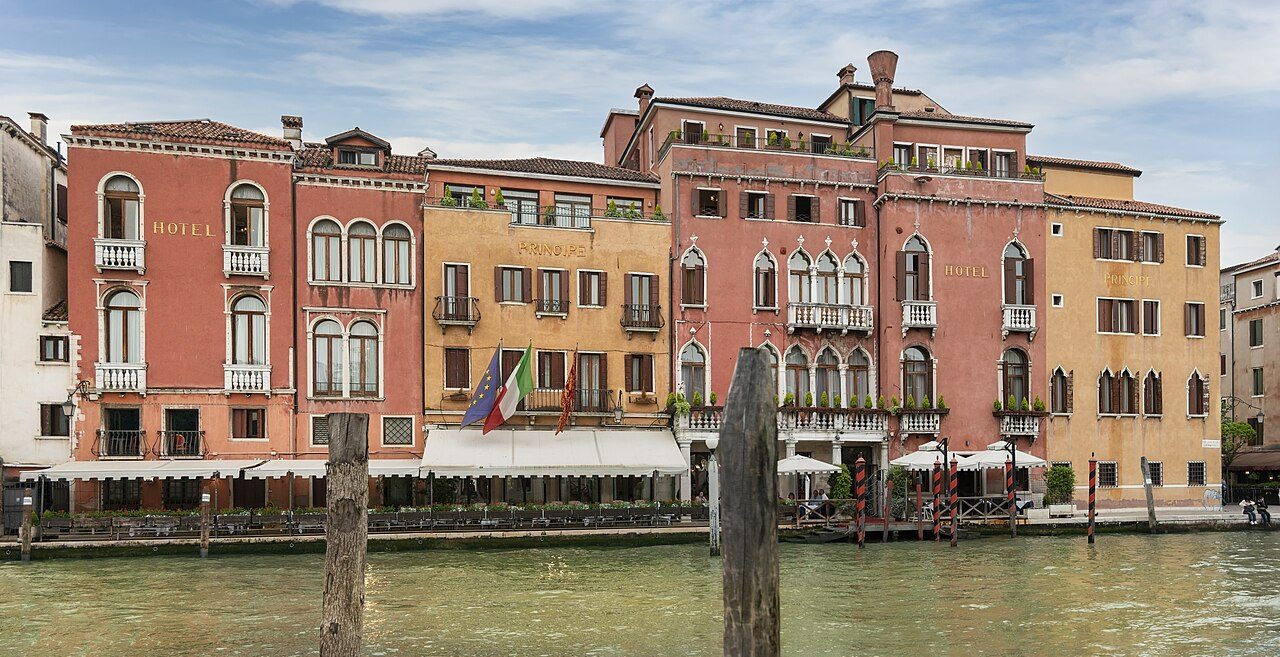
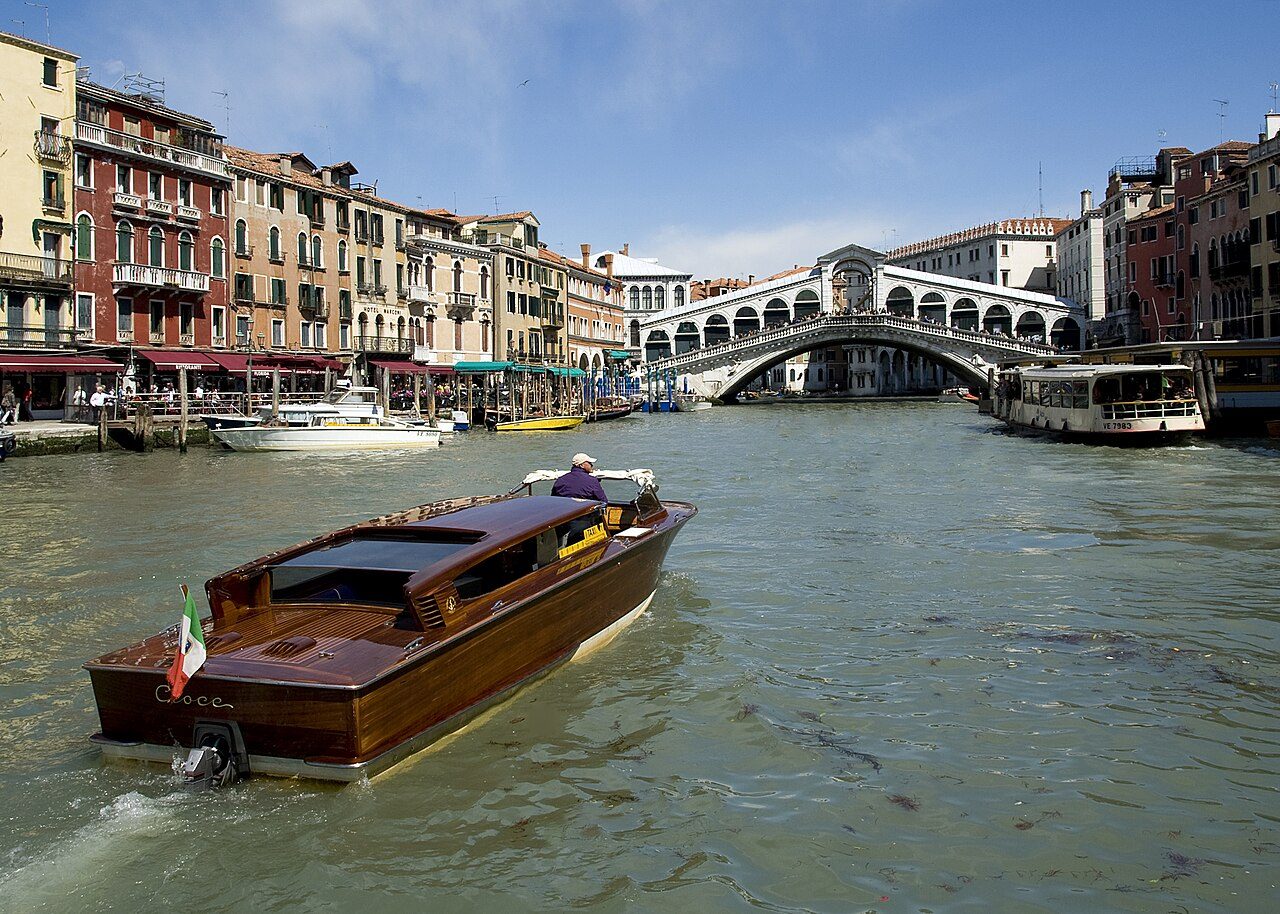
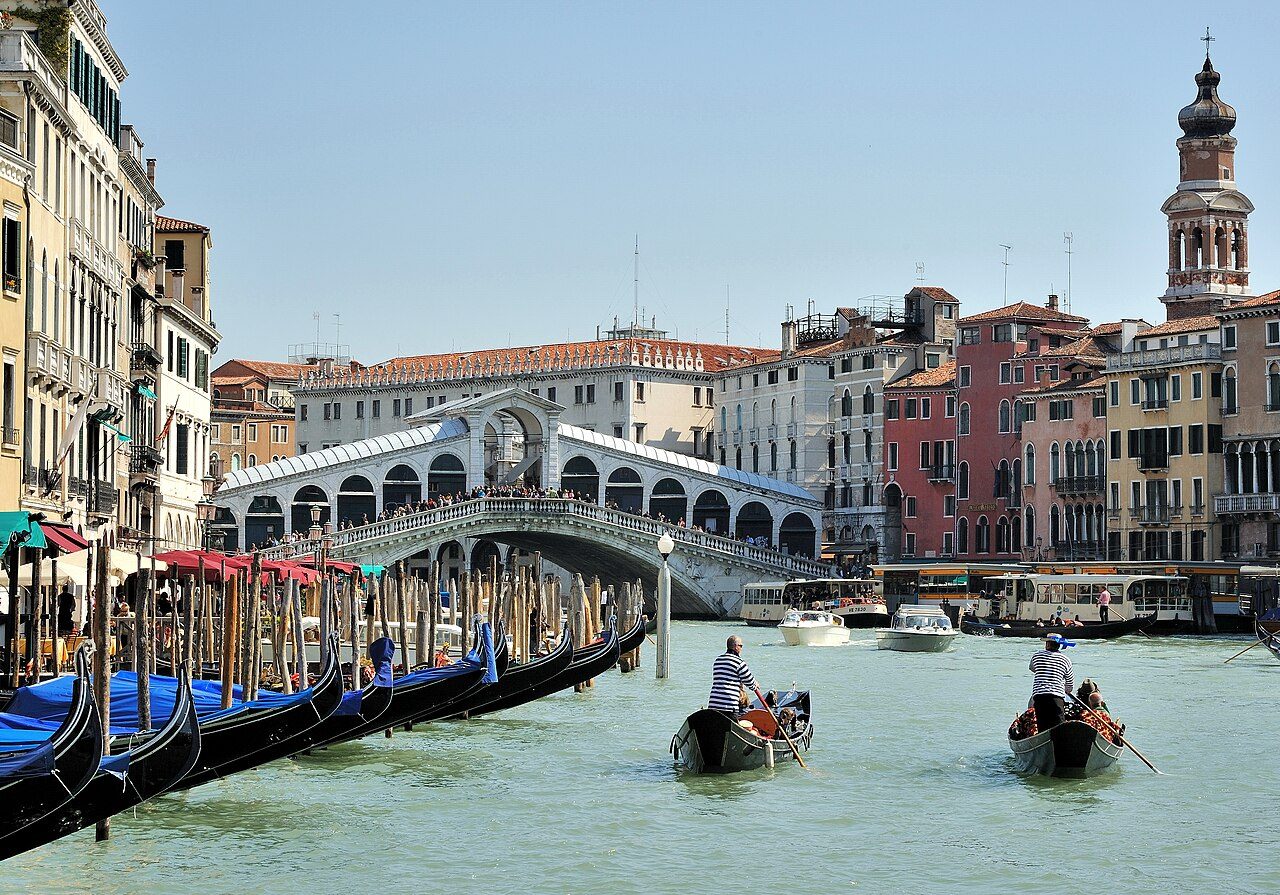
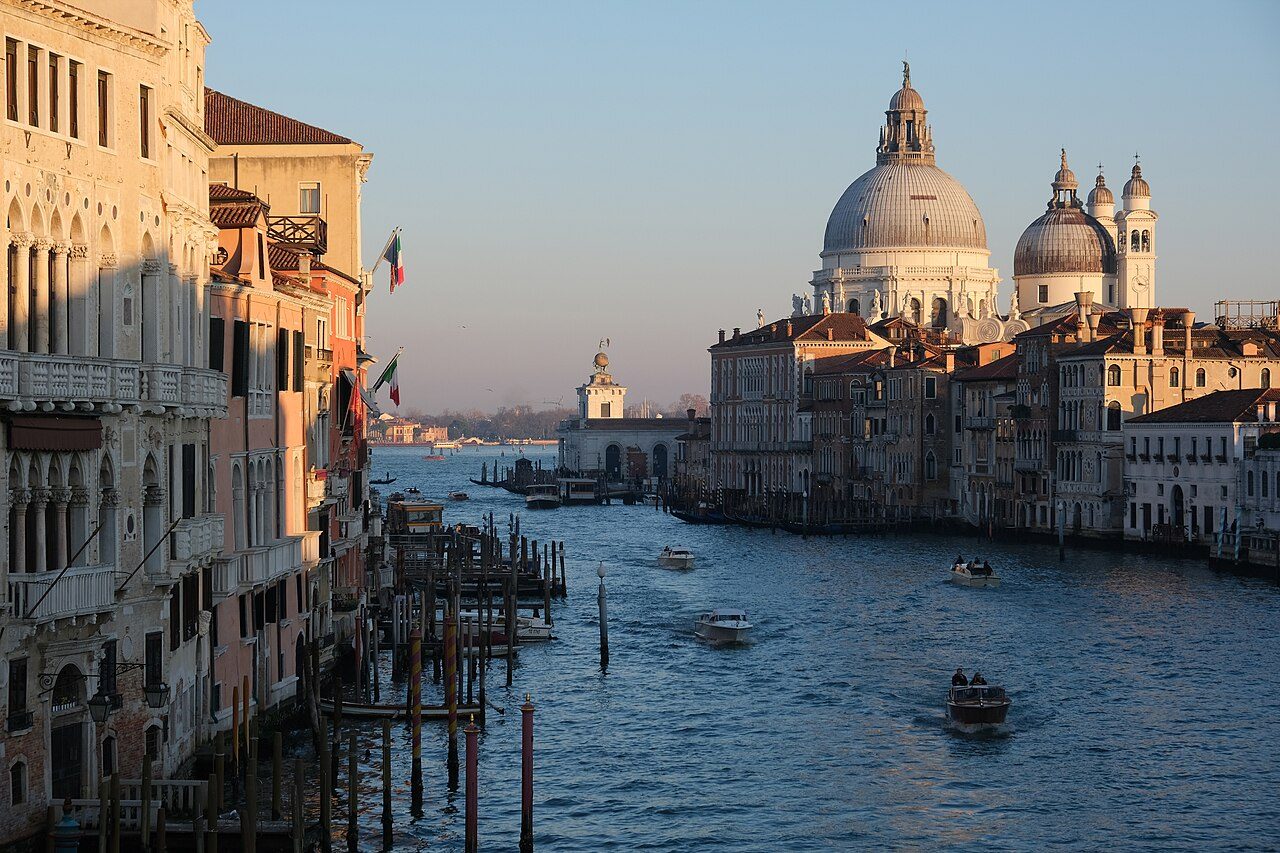
The Grand Canal is the main waterway of Venice, curving about four kilometres through the city in a reversed S shape. It is lined with over 170 palaces built from the 13th to the 18th centuries. Vaporetto water buses, gondolas and boats carry people and goods along it. Four bridges cross it, including the Rialto Bridge.
31
STOP 31 OF 44
Rialto Bridge
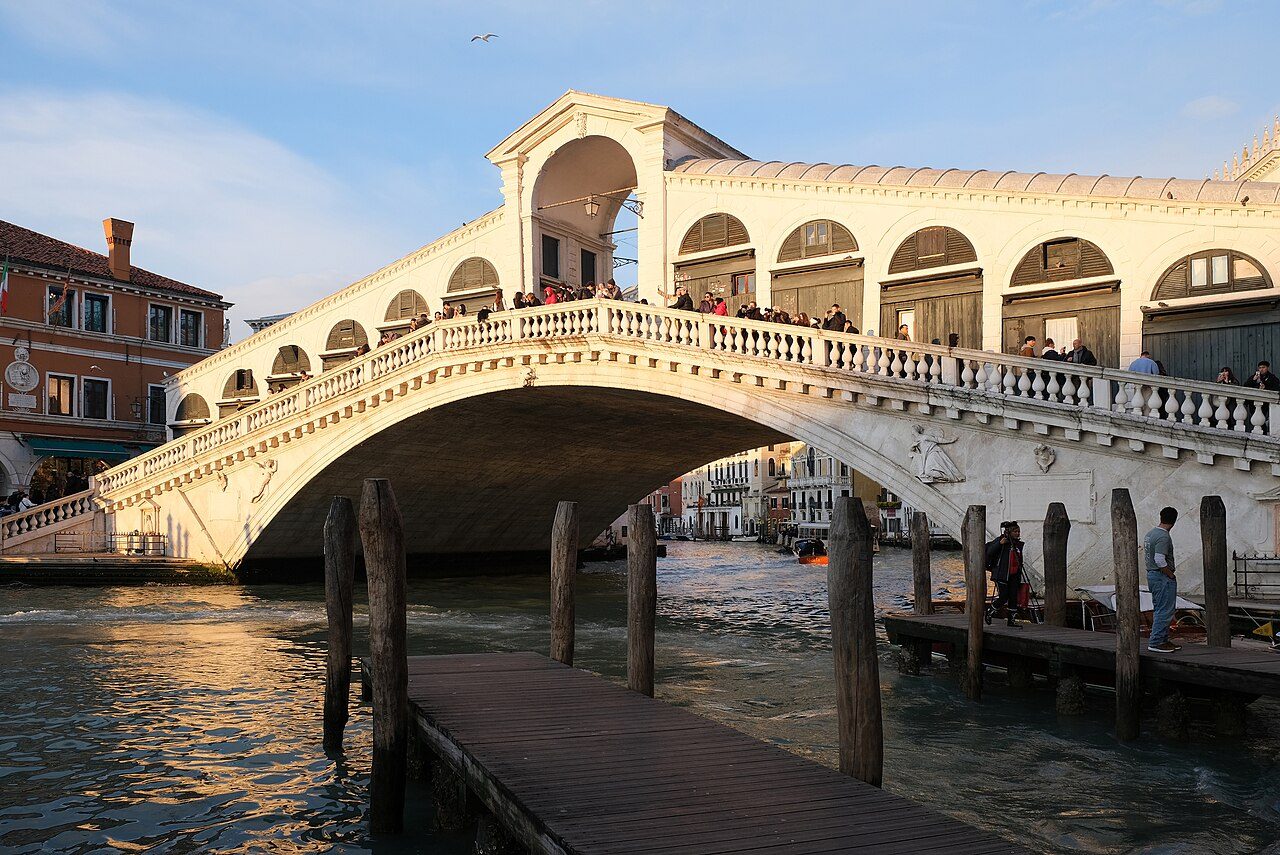
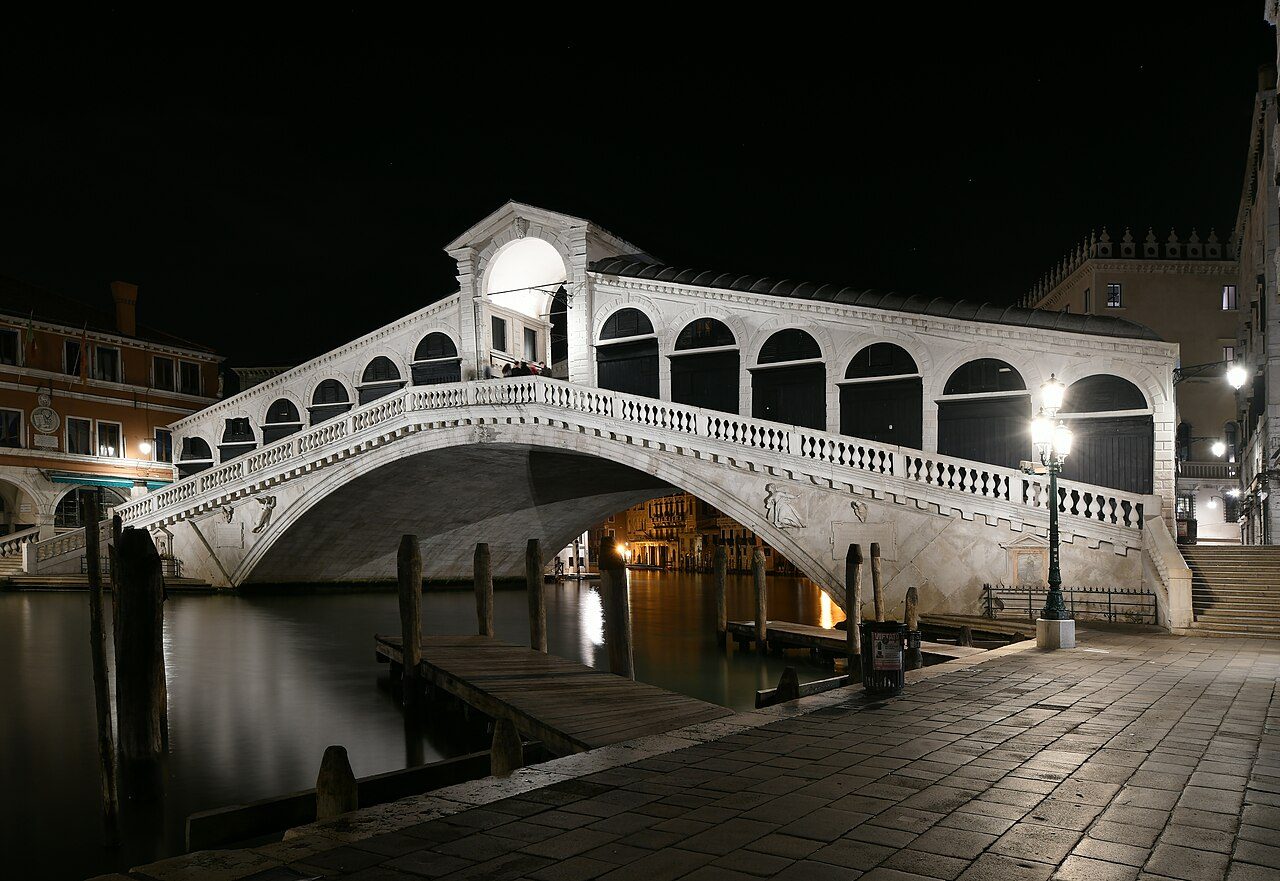
The Rialto Bridge is the oldest bridge across the Grand Canal in Venice. The present stone bridge, designed by Antonio da Ponte, was completed in 1591, replacing earlier wooden bridges. Its single arch carries two rows of shops. It stands beside the Rialto market, the commercial heart of Venice for centuries.
32
STOP 32 OF 44
Santa Maria della Salute
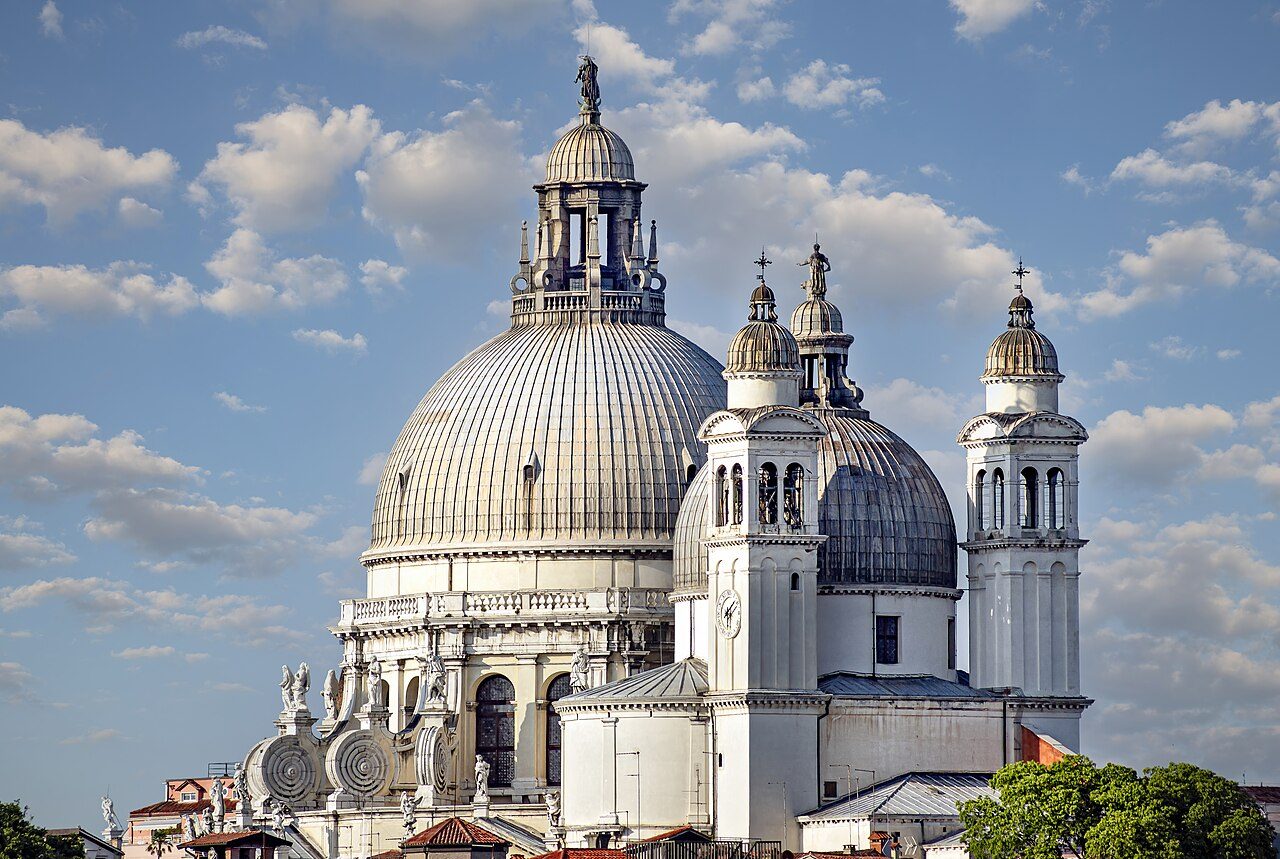
Santa Maria della Salute is a Baroque church at the entrance of the Grand Canal in Venice. It was built from 1631 to thank the Virgin Mary for ending a plague that killed about a third of the city's people. Its great white dome is a landmark of the Venetian skyline. Each November a temporary bridge of boats leads to it for a festival.
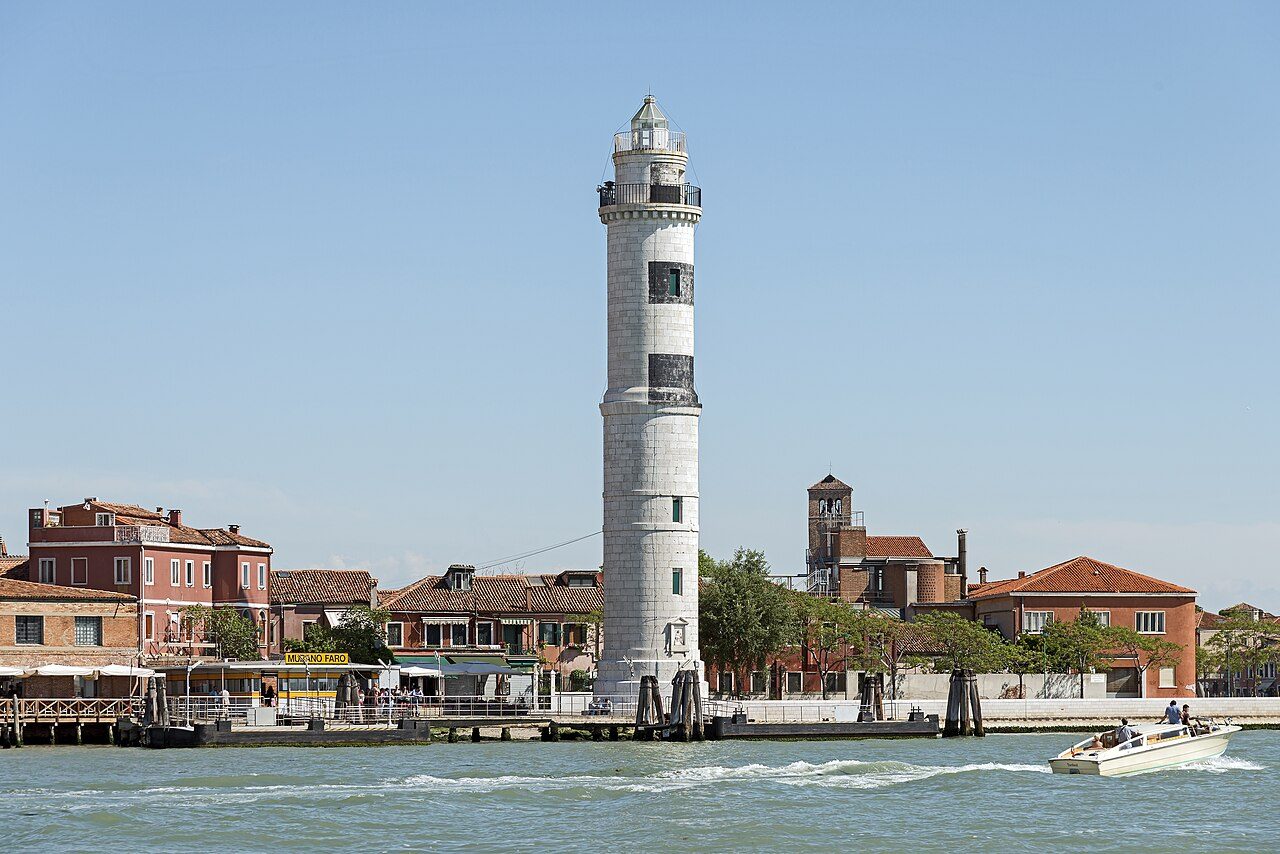
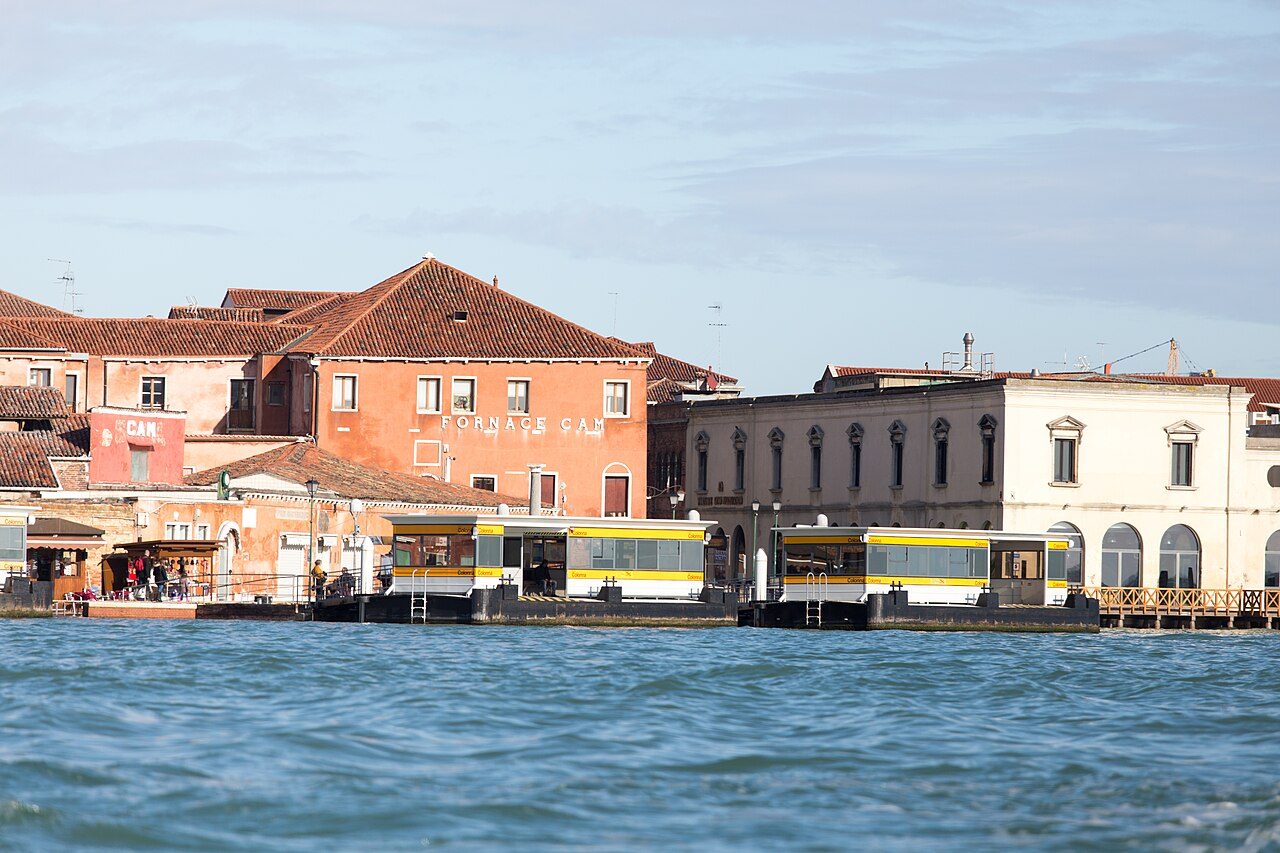
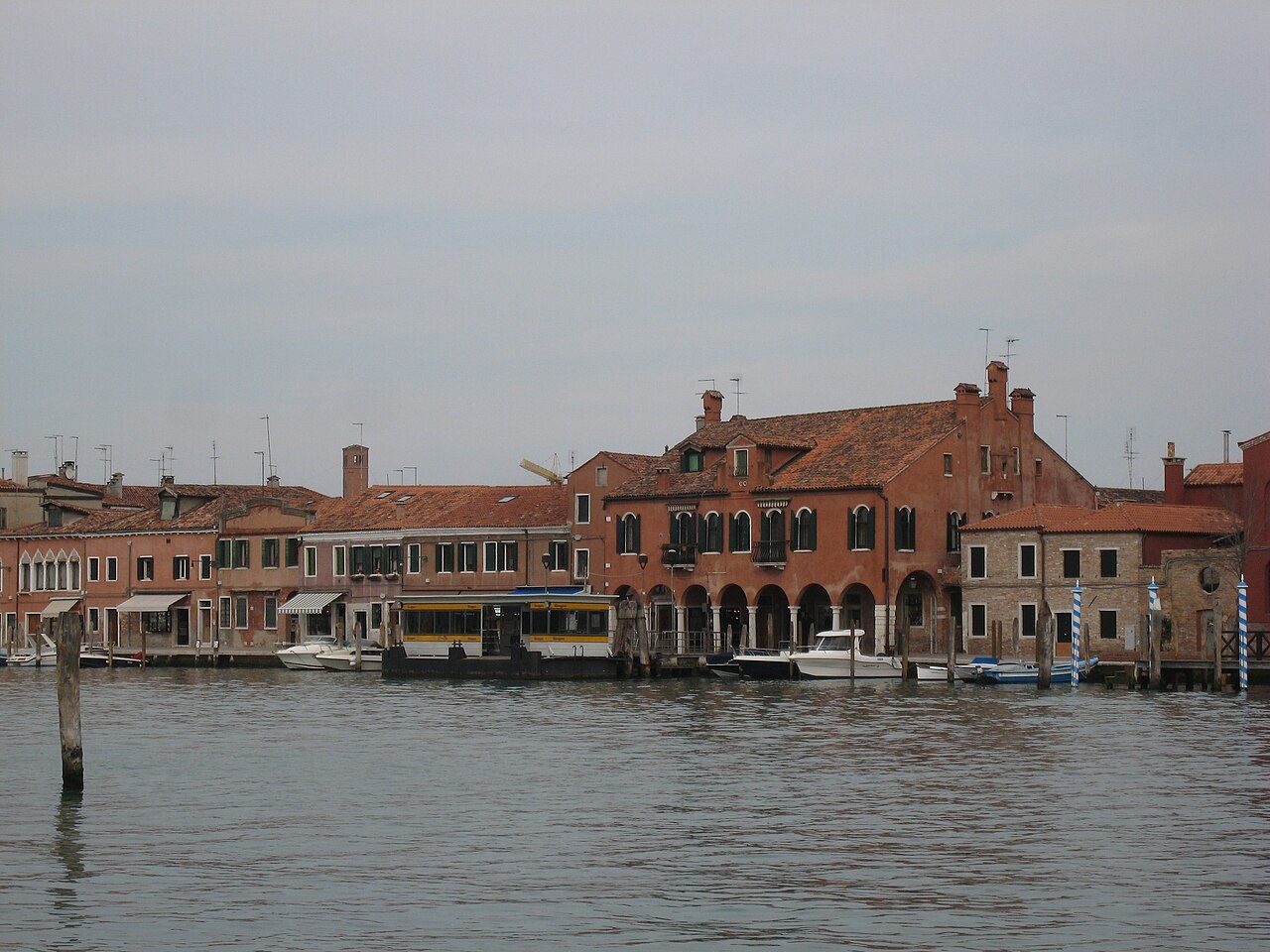
Murano is a group of islands in the Venetian lagoon famous for glassmaking. In 1291 Venice moved its glass furnaces here to reduce the risk of fire in the city. Visitors can watch glassblowers at work in the furnaces and visit the Glass Museum. Its canals are lined with shops selling glass, and the church of Santi Maria e Donato has fine mosaics.
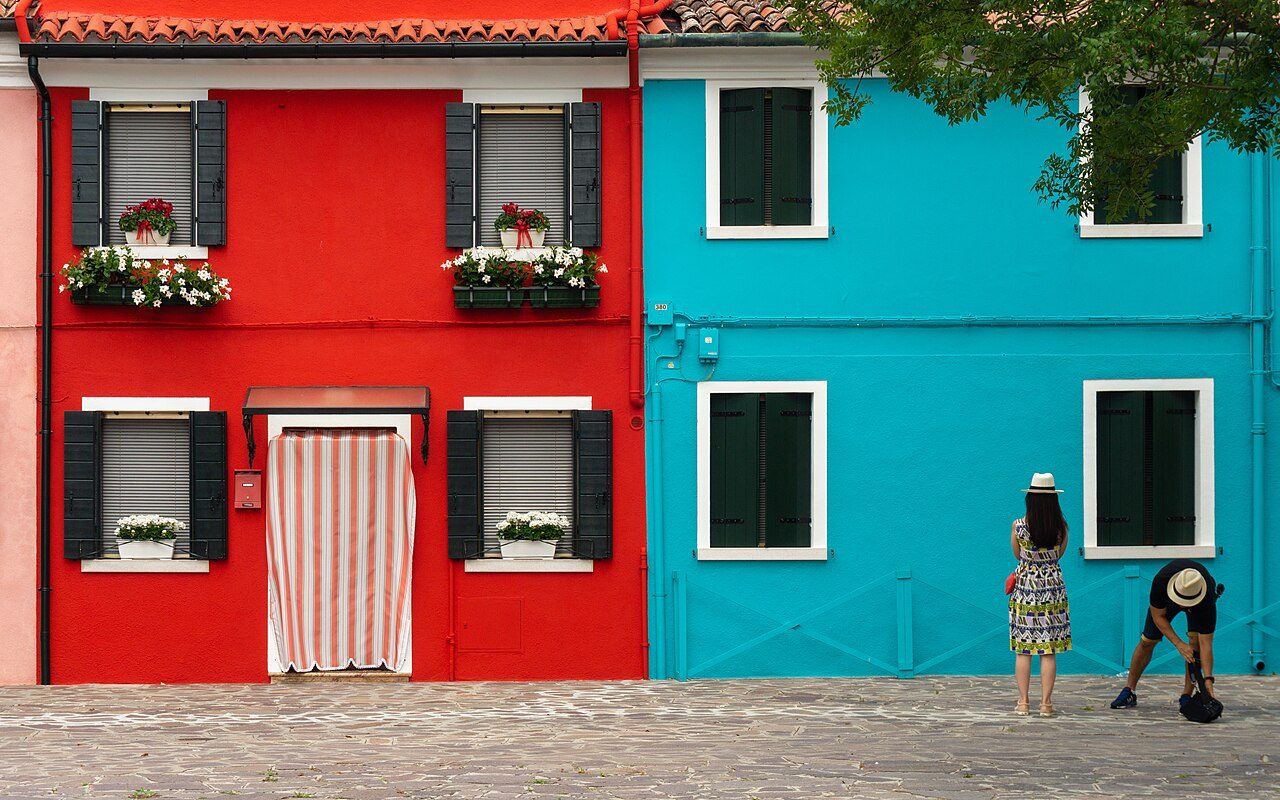
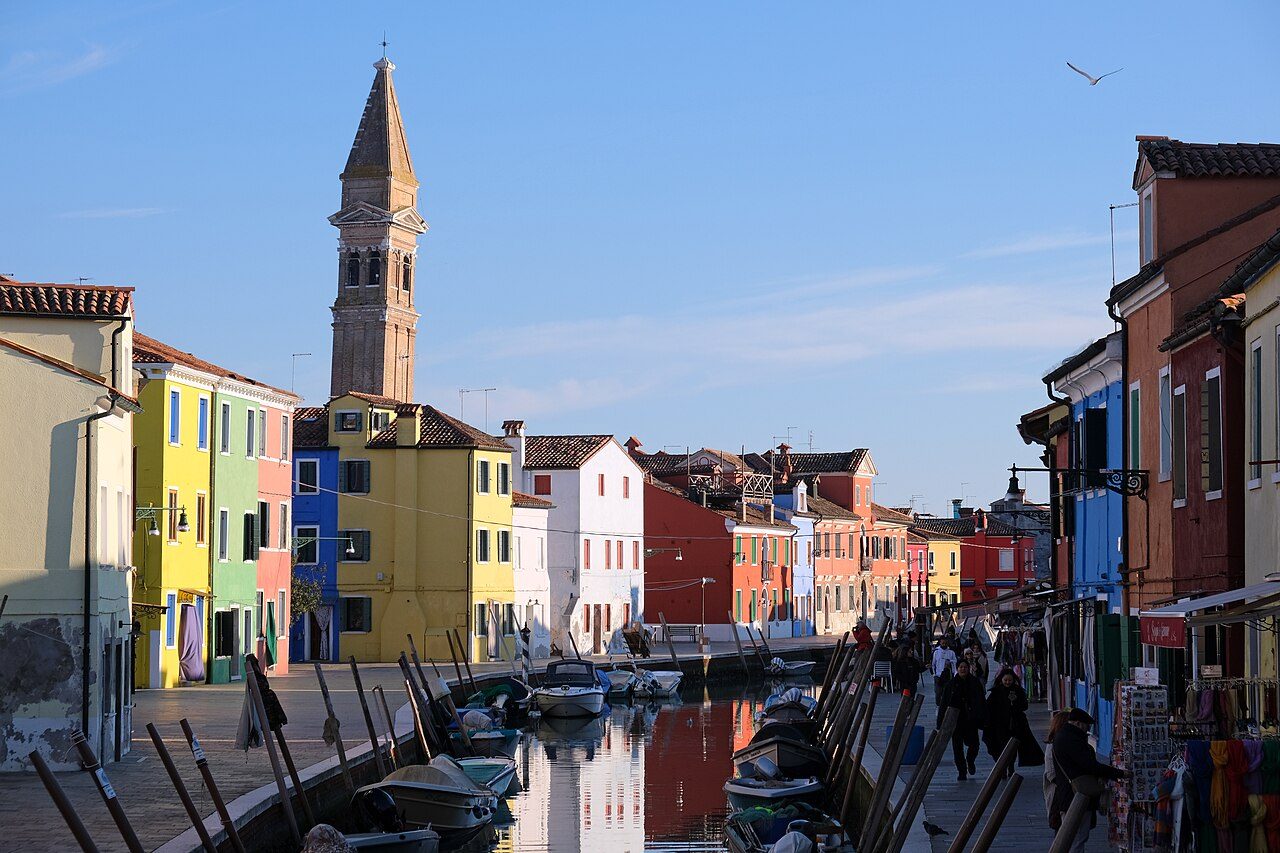
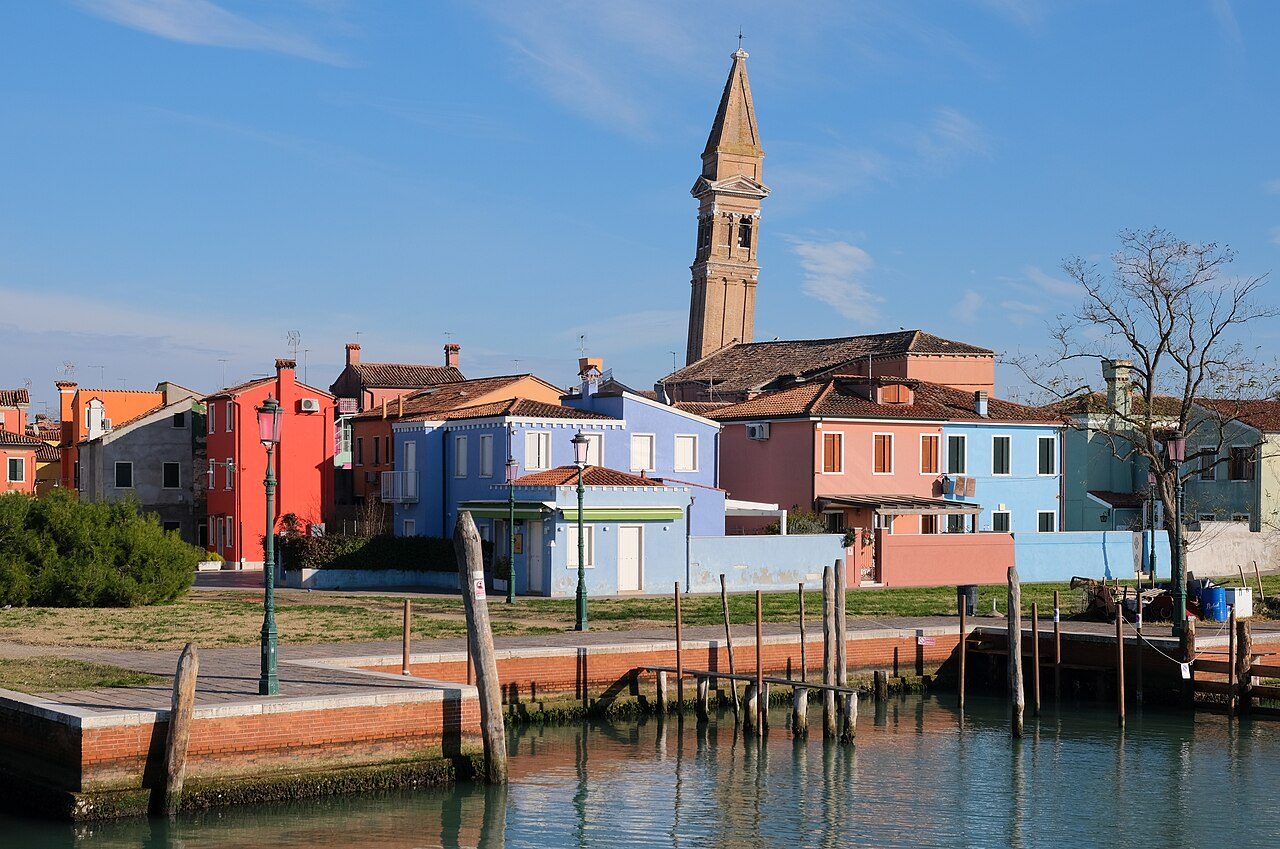
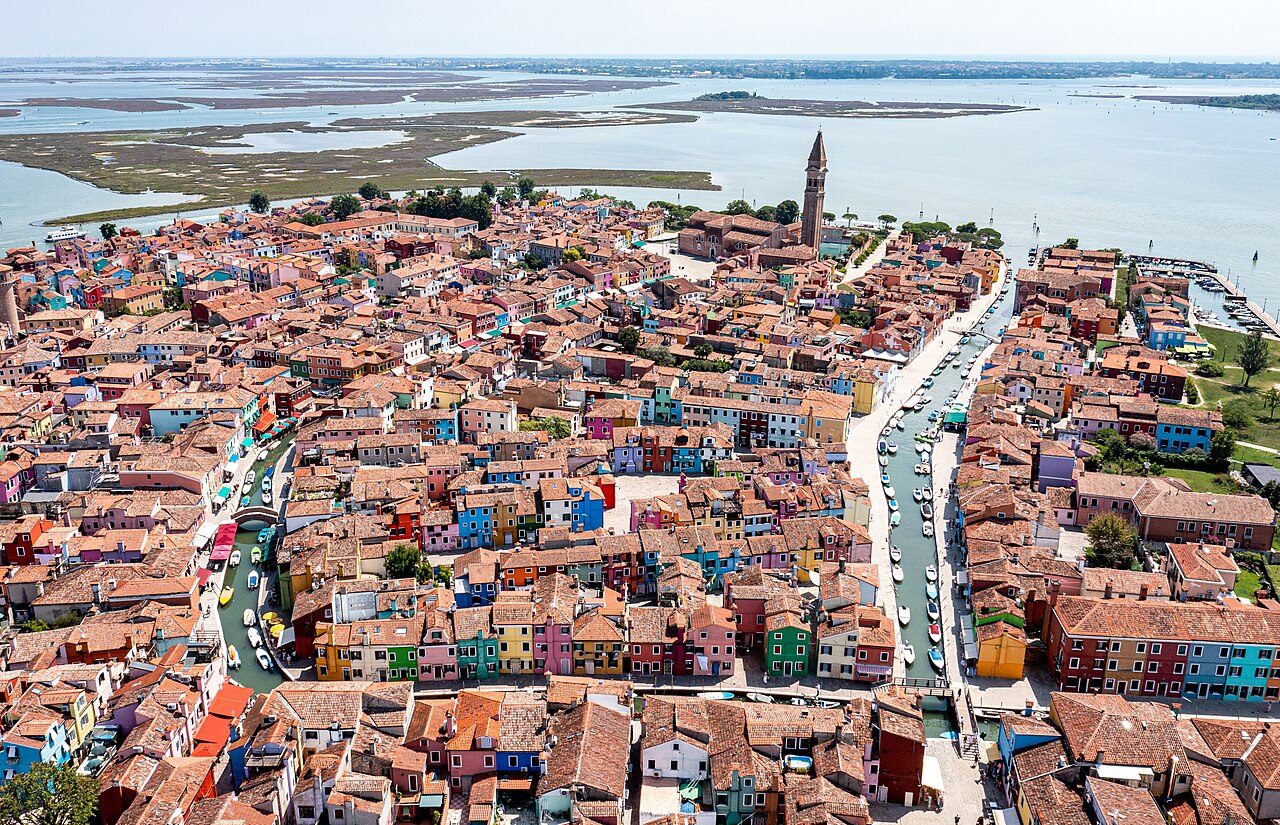
Burano is an island in the Venetian lagoon famous for its brightly painted houses in every colour, lining small canals. According to tradition, fishermen painted them so they could see their homes from the sea. Burano is also known for its handmade lace. The bell tower of San Martino leans noticeably. Ferries reach it from Venice in about 45 minutes.
35
STOP 35 OF 44
Verona Arena
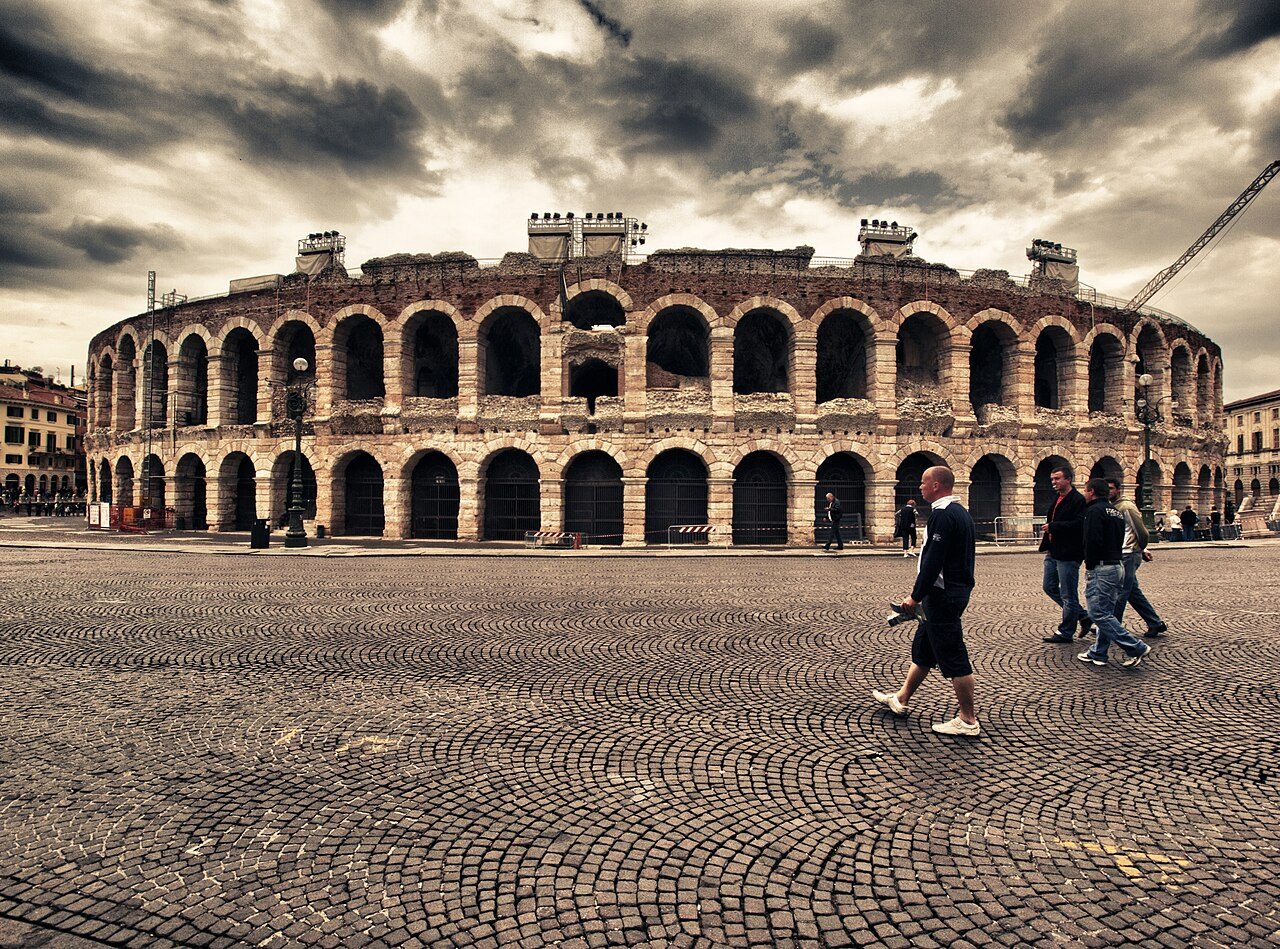
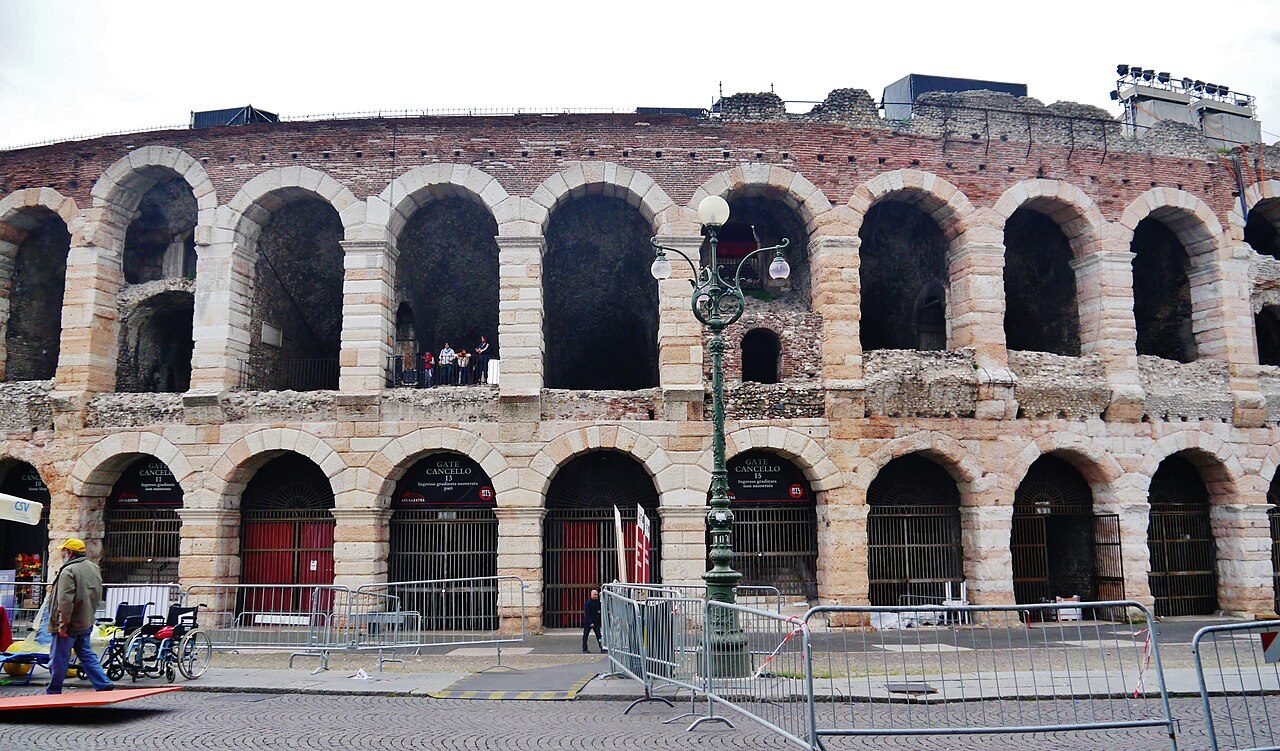
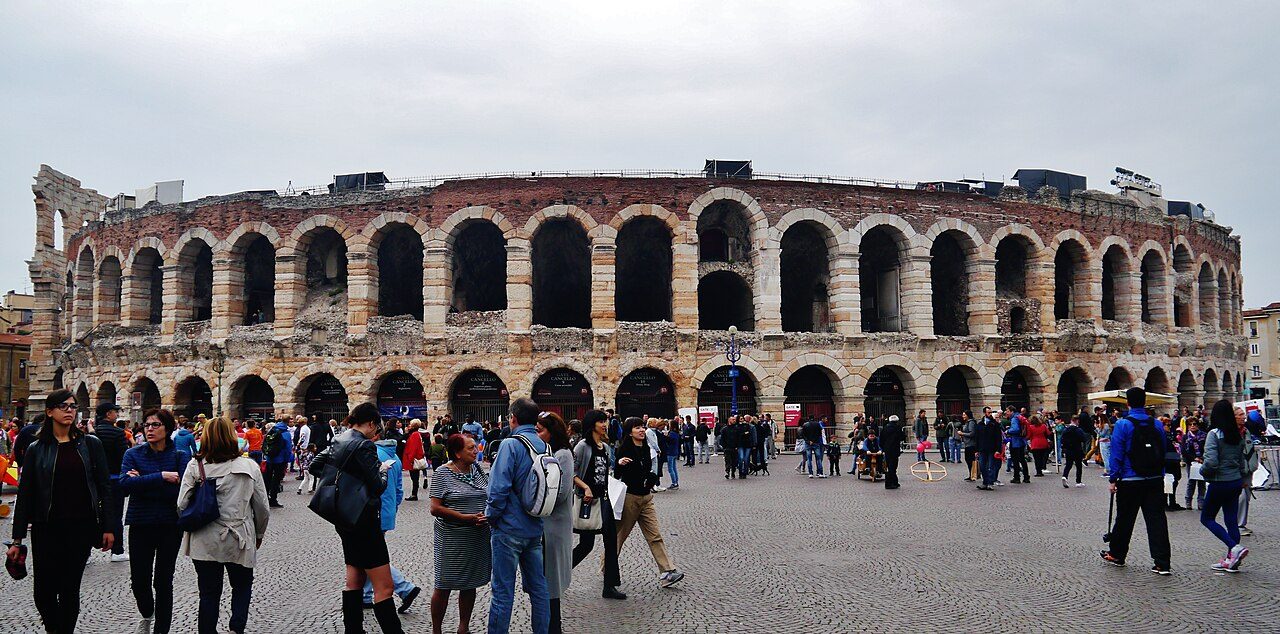
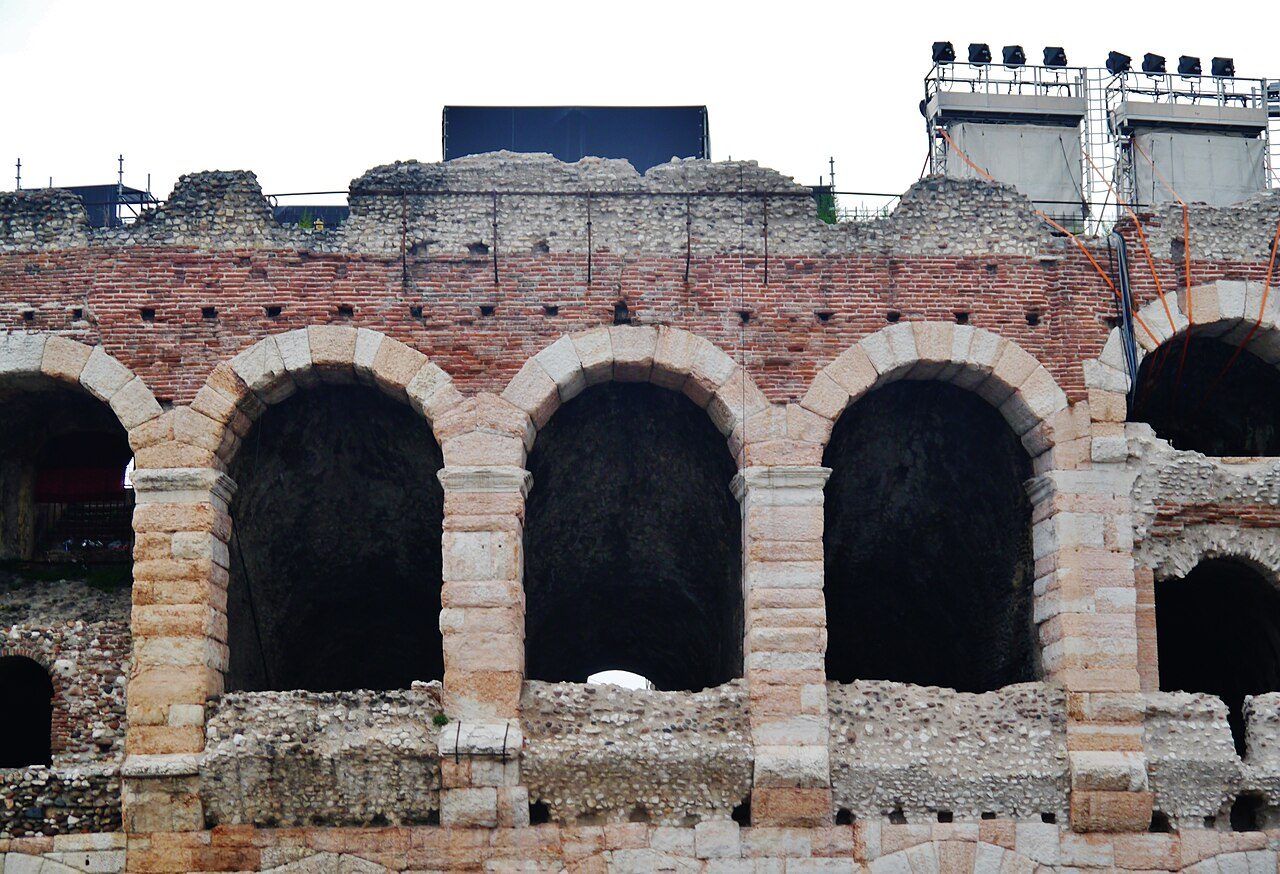
The Verona Arena is a Roman amphitheatre completed around 30 AD. It is one of the best preserved in the world and could hold about 30,000 spectators. Since 1913 it has hosted a famous summer opera festival under the stars, with huge stage sets. It stands in Piazza Bra, the main square of Verona.
36
STOP 36 OF 44
Juliet's House
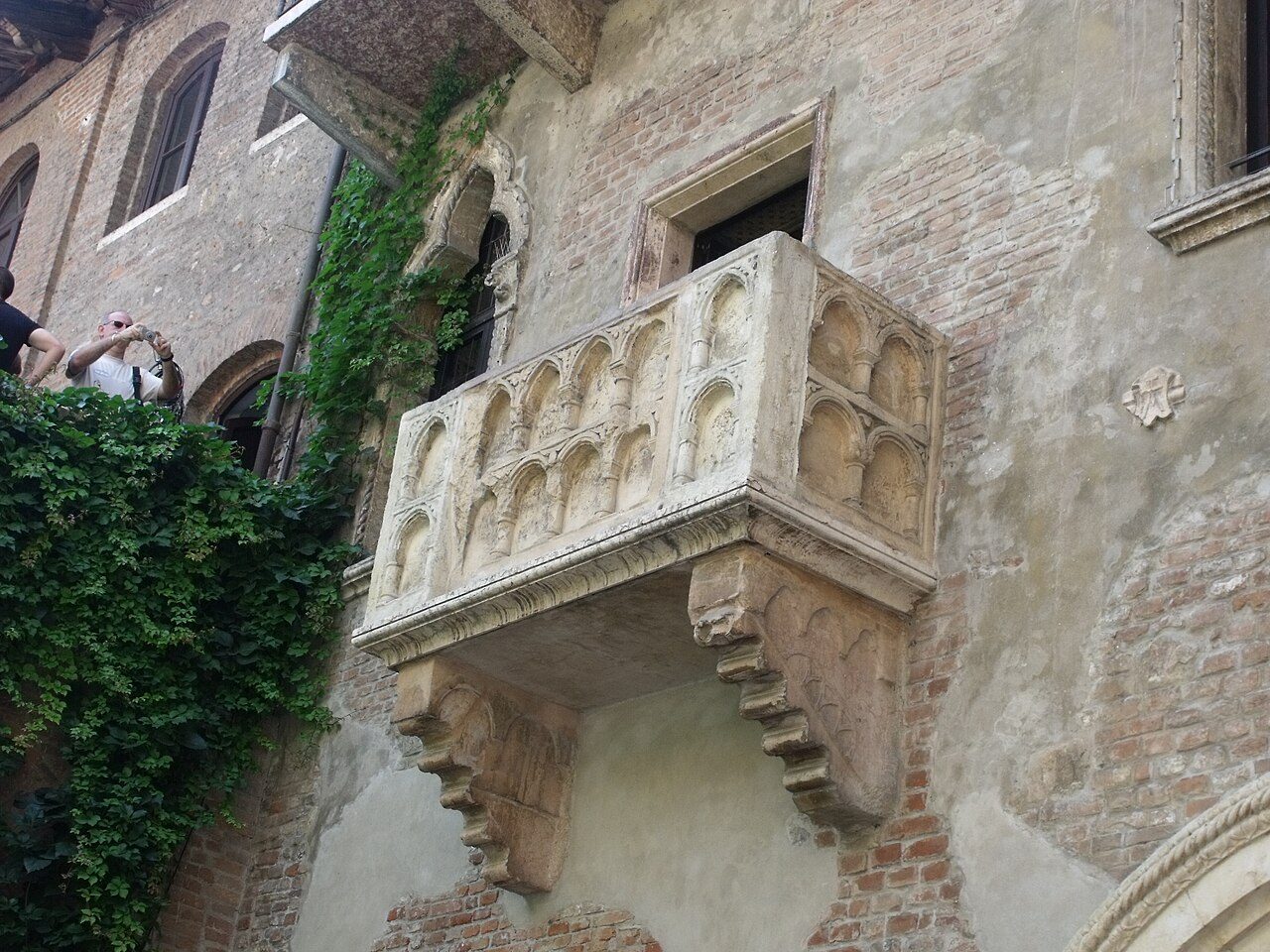
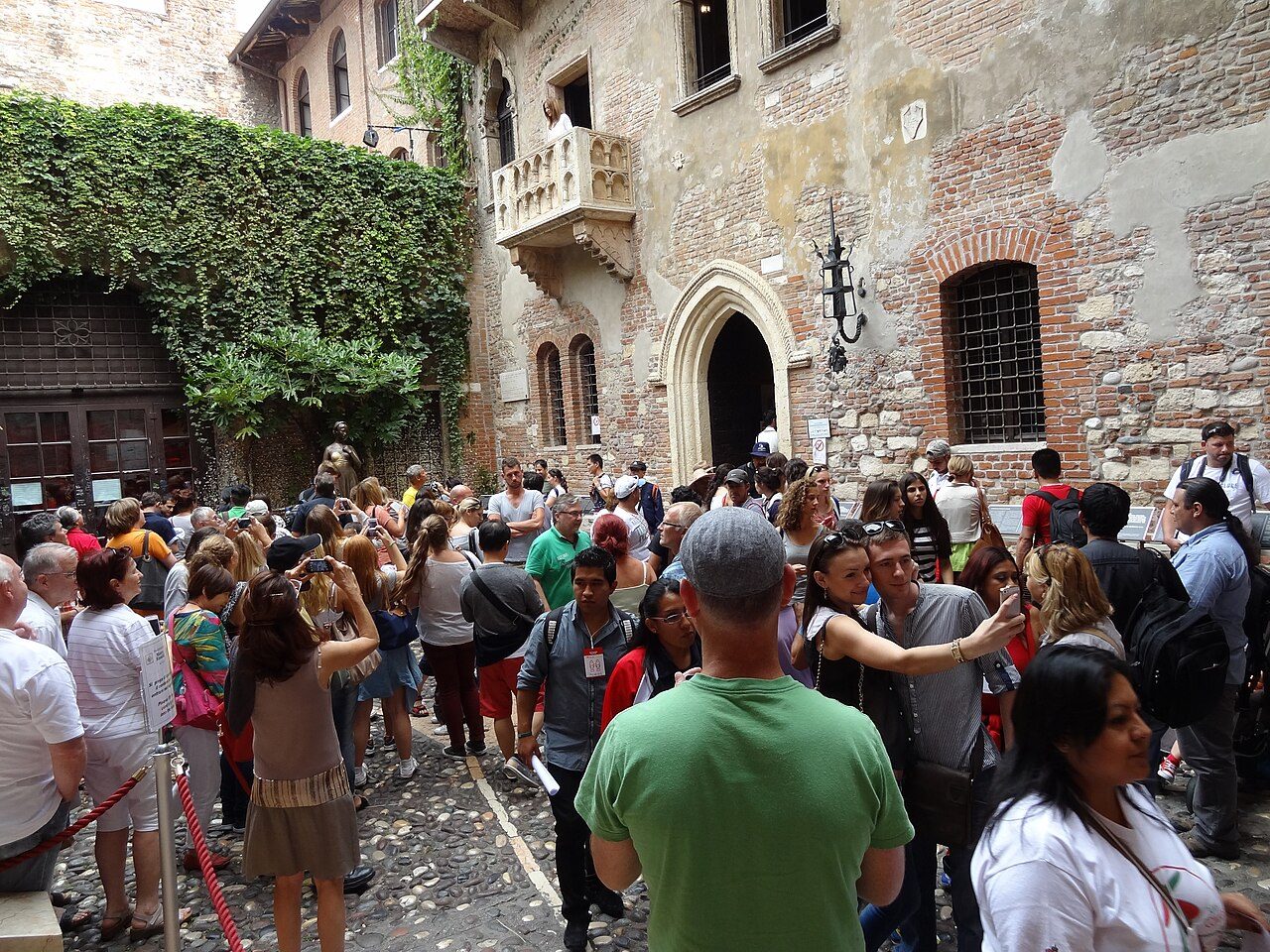
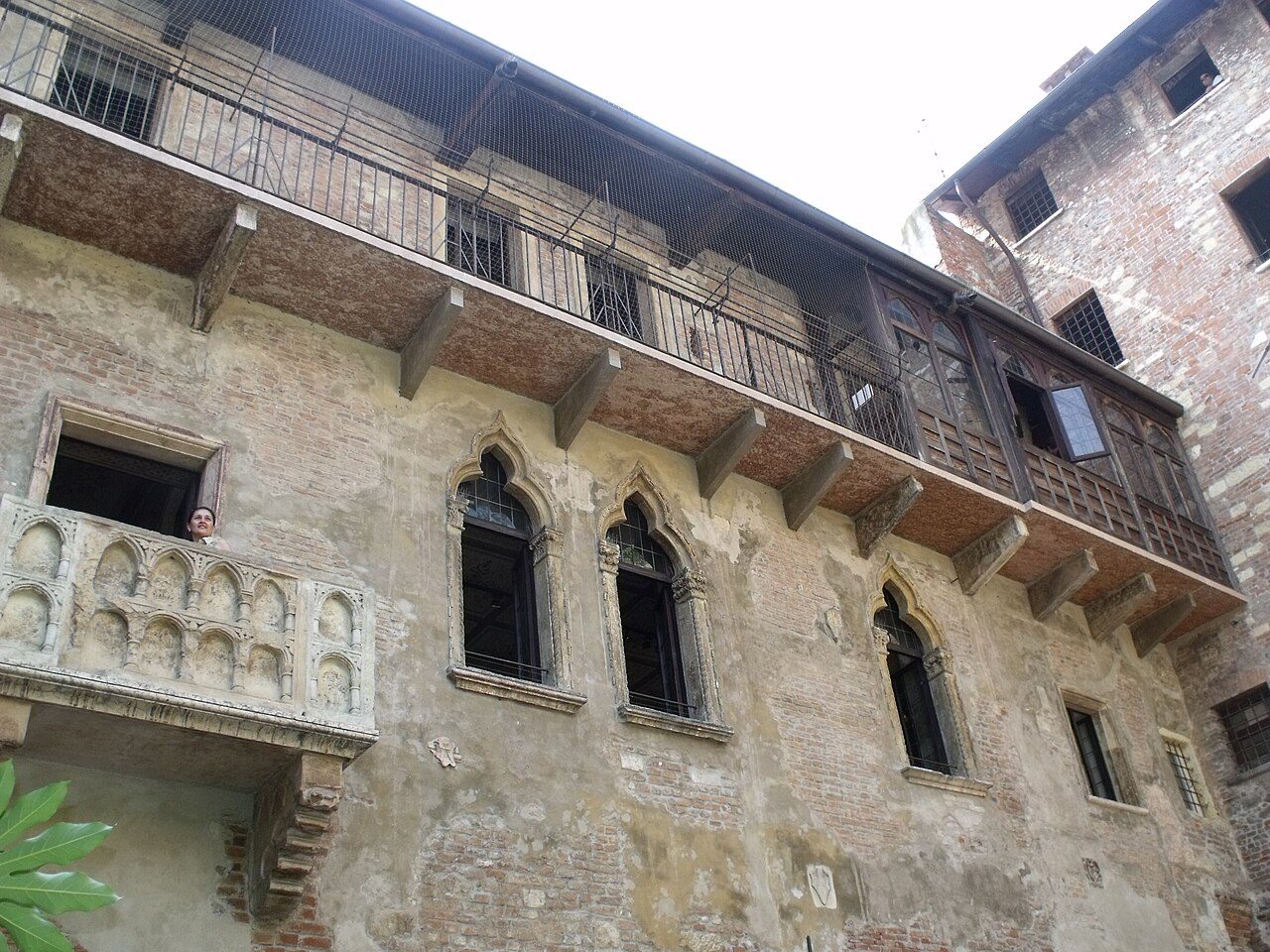
Juliet's House in Verona is a 13th-century house linked with the story of Romeo and Juliet. Its courtyard has a balcony, added in the 20th century, and a bronze statue of Juliet. Visitors leave notes and love letters on the walls. The house holds a small museum with costumes from films of the story.
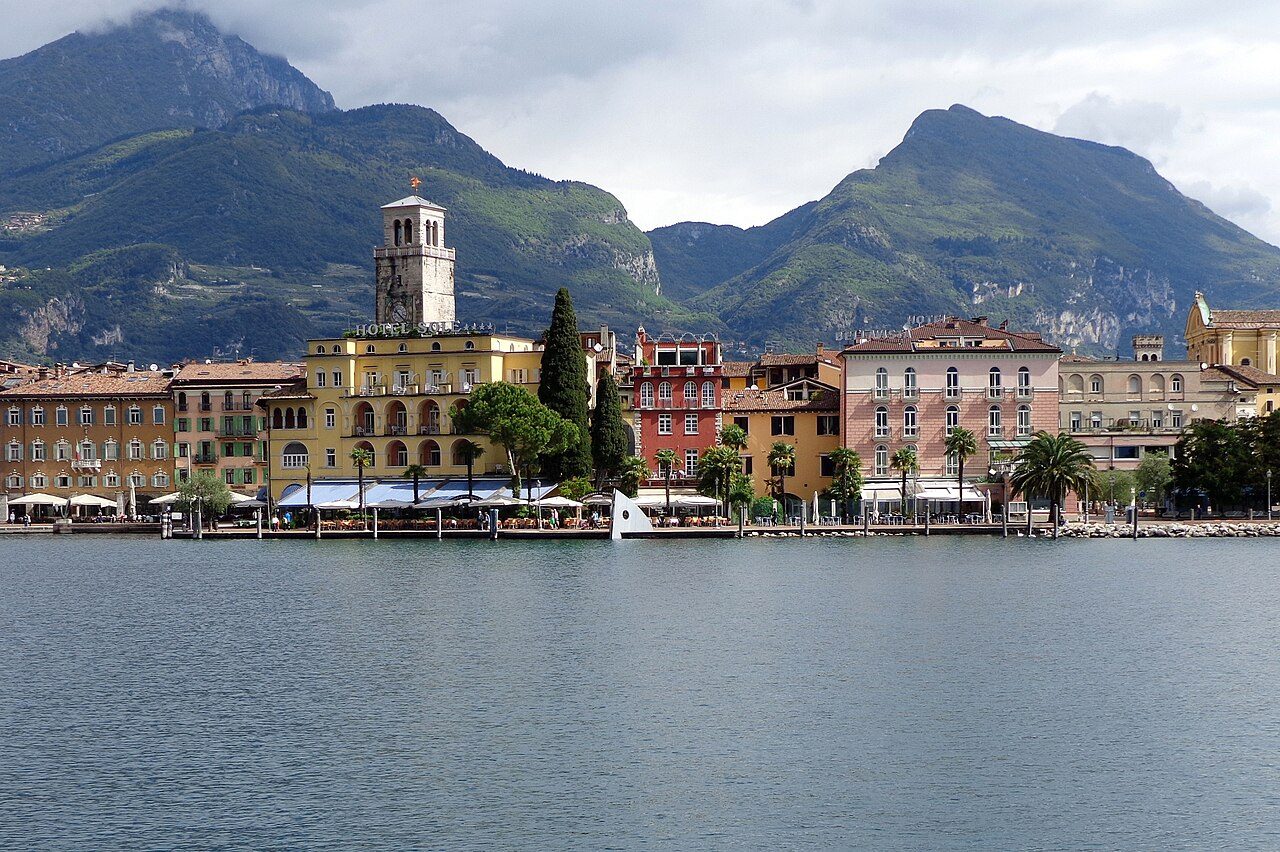
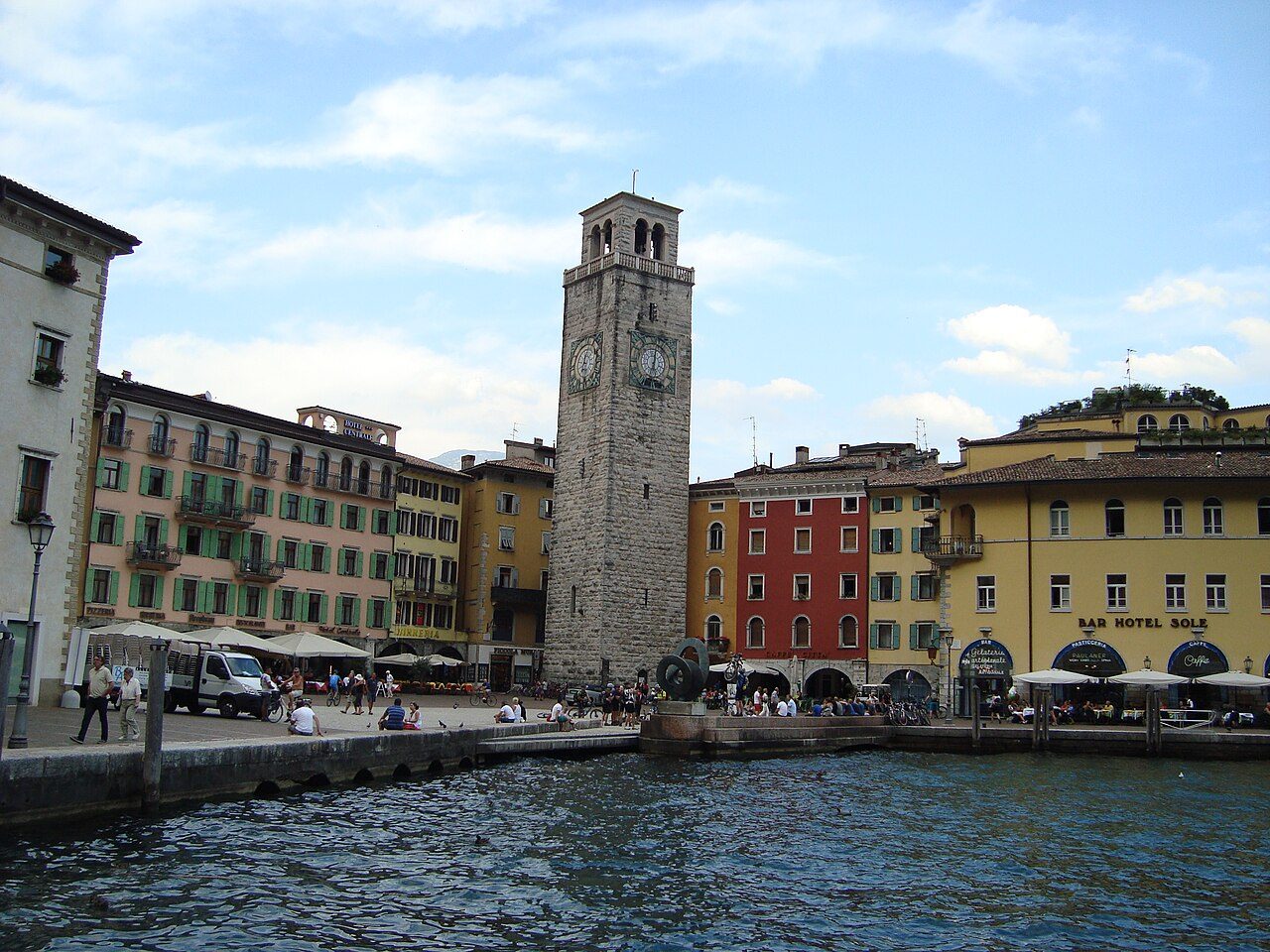
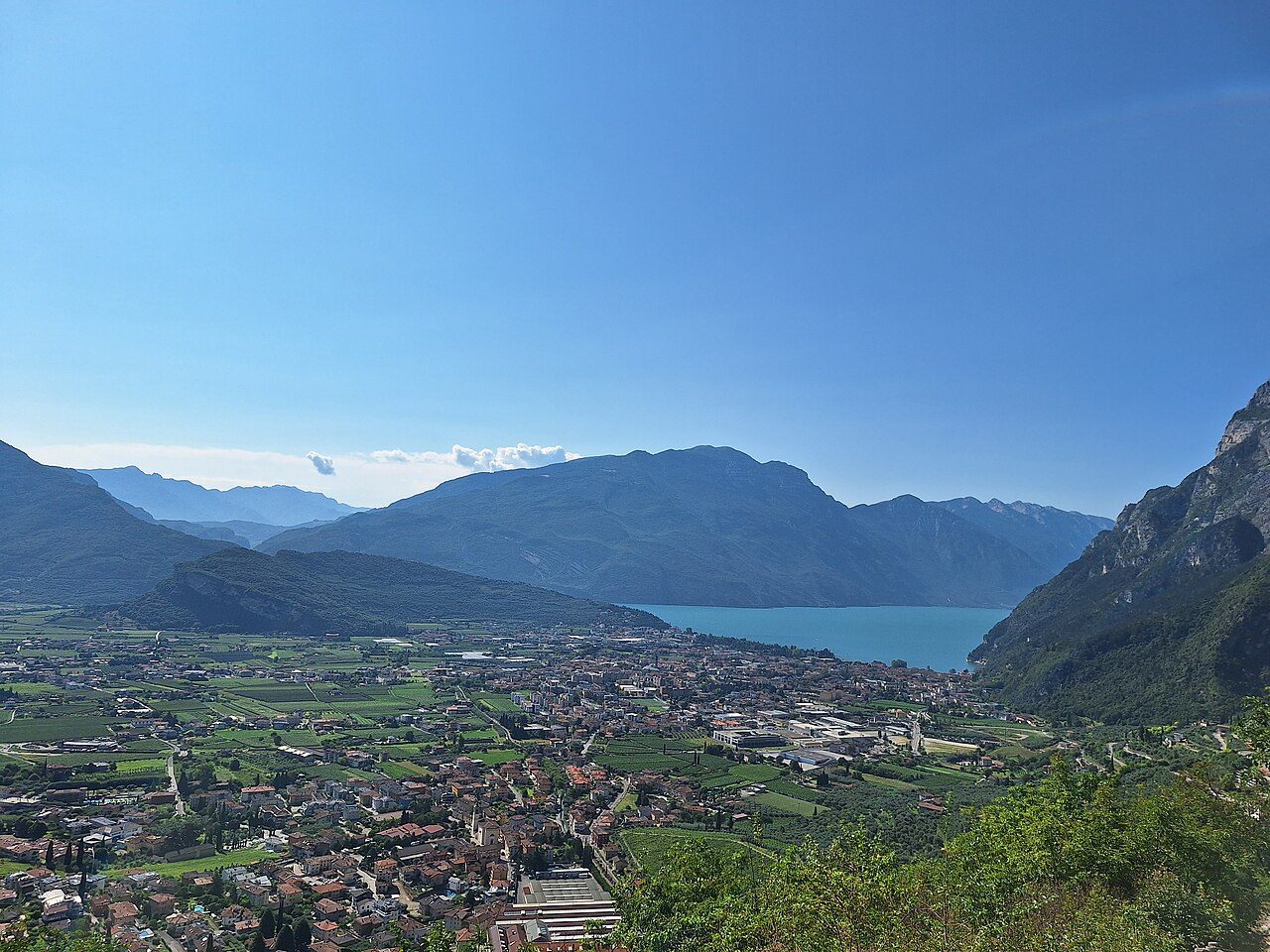
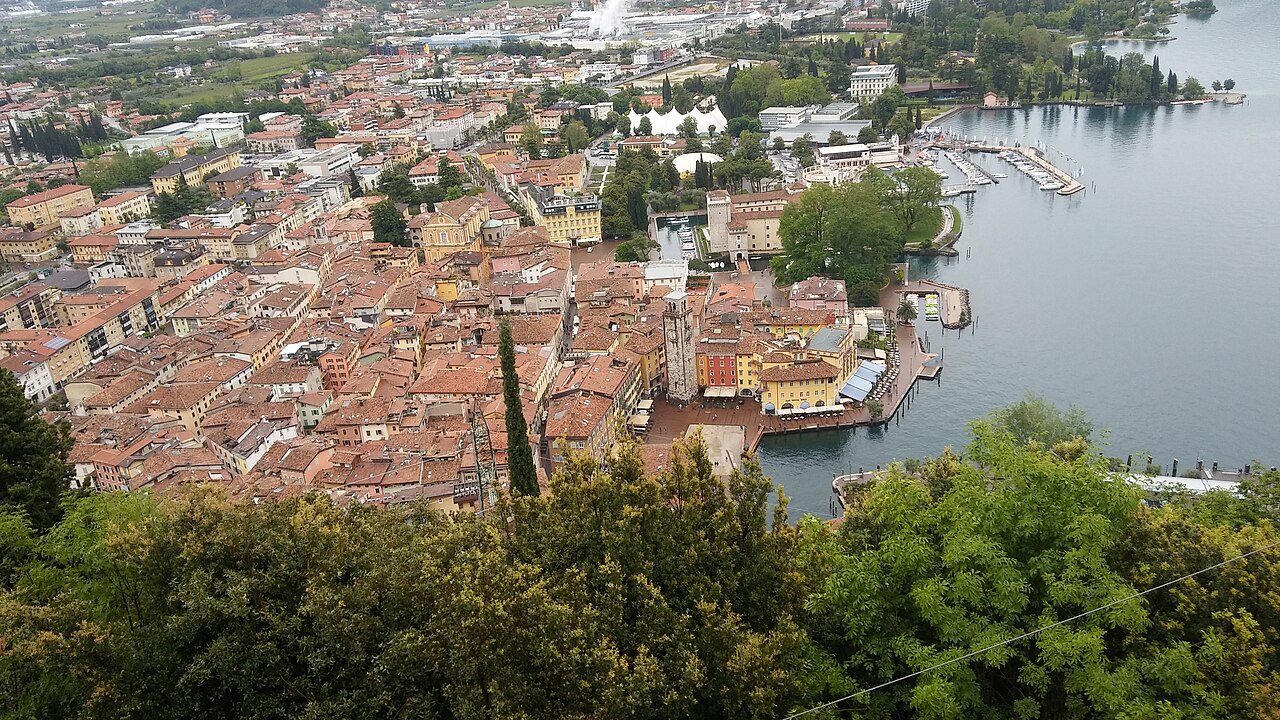
Lake Garda is the largest lake in Italy, about 52 kilometres long. Its northern end, at Riva del Garda, is narrow and surrounded by mountains, while the south is wider with olive groves and lemon gardens. Towns such as Sirmione, Malcesine and Limone line its shores. Steady winds make the north popular for windsurfing and sailing.
38
STOP 38 OF 44
Milan Cathedral
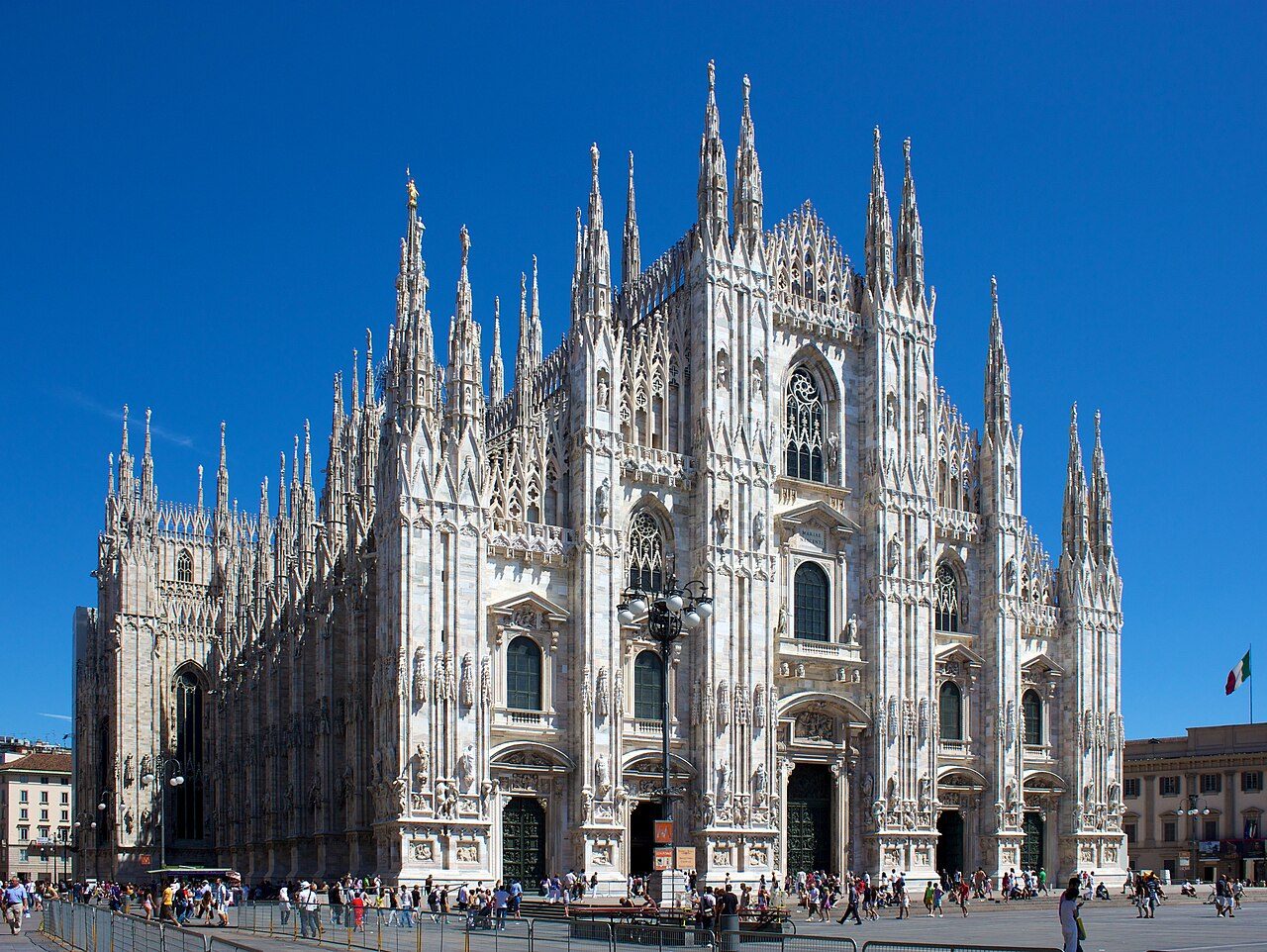
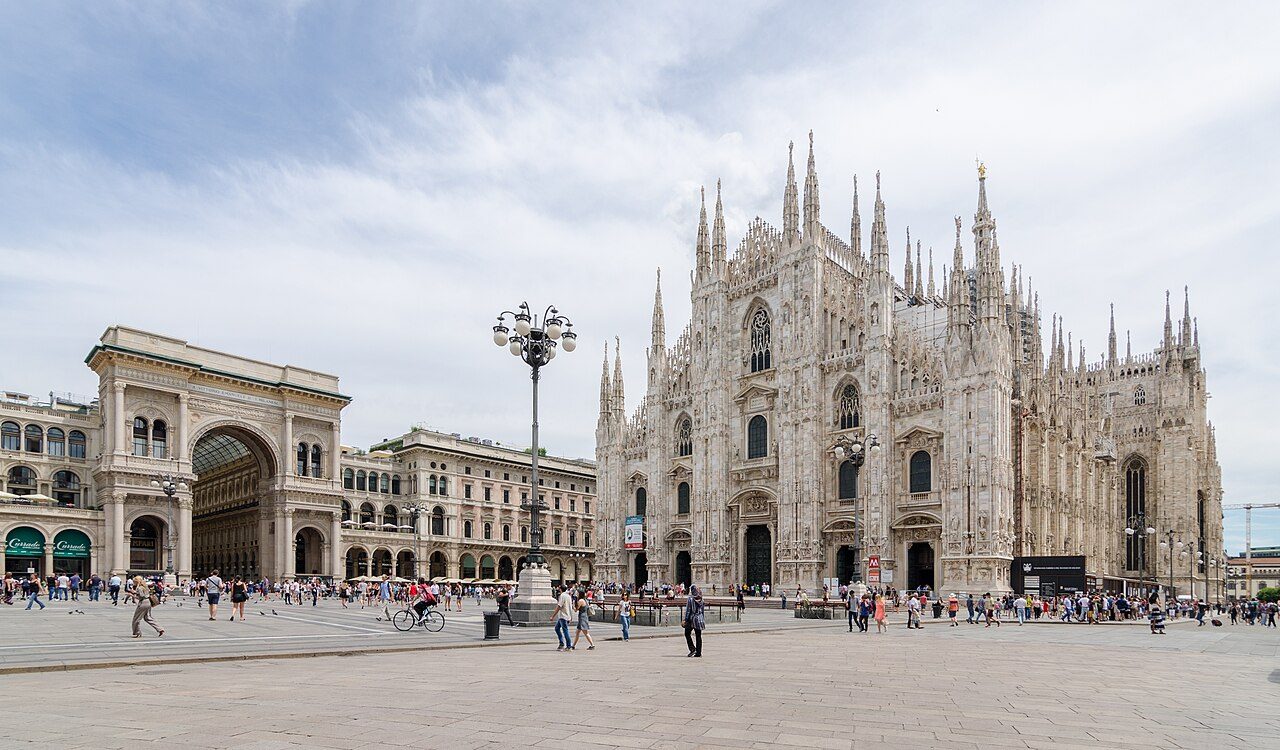
Milan Cathedral, the Duomo di Milano, is one of the largest churches in the world. Building began in 1386 and was not completed until 1965. Its Gothic facade and roof bristle with about 135 spires and thousands of statues. Visitors can walk on the roof terraces among the spires, below the golden Madonnina statue on the highest spire.
39
STOP 39 OF 44
Galleria Vittorio Emanuele II
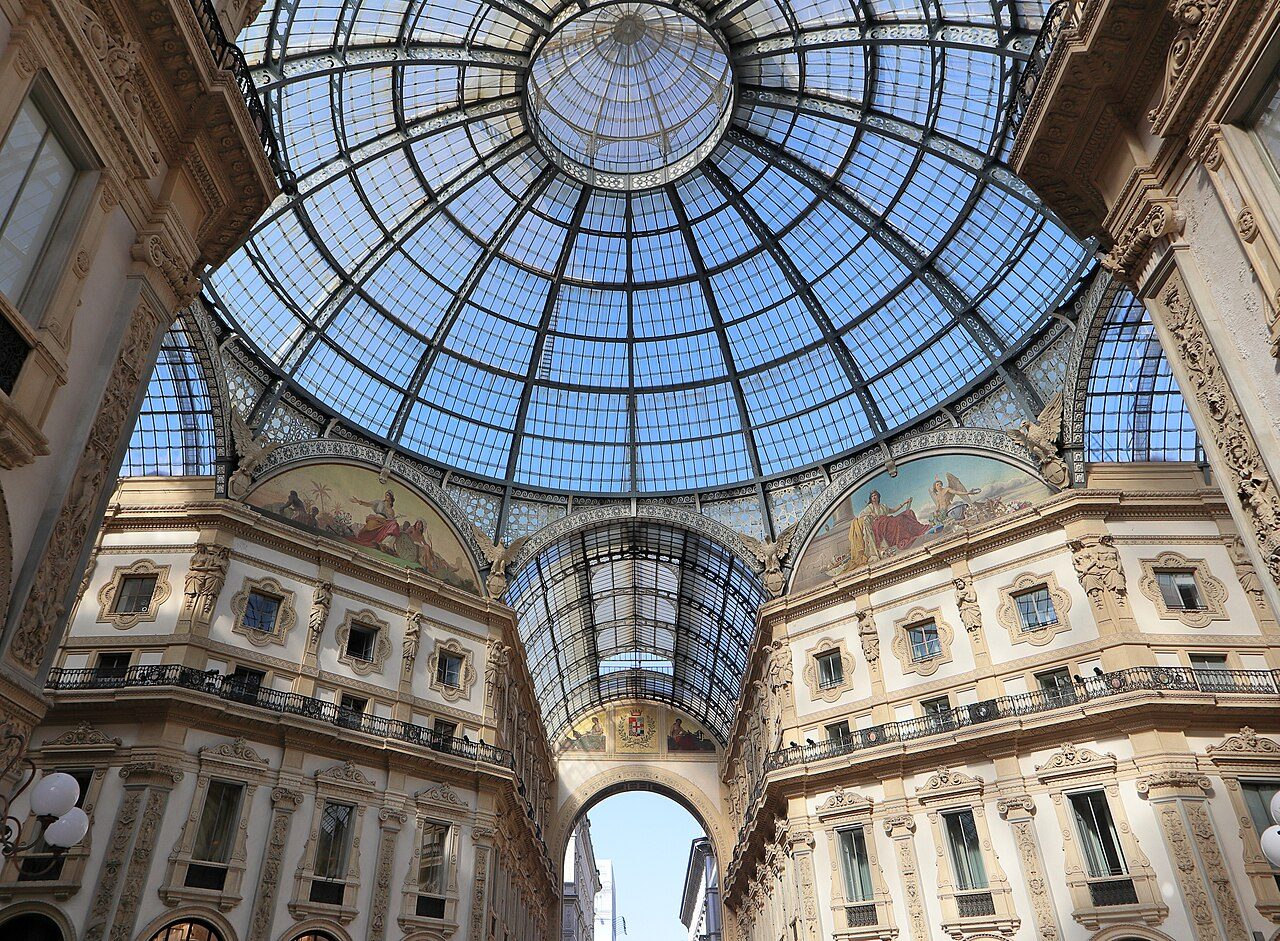
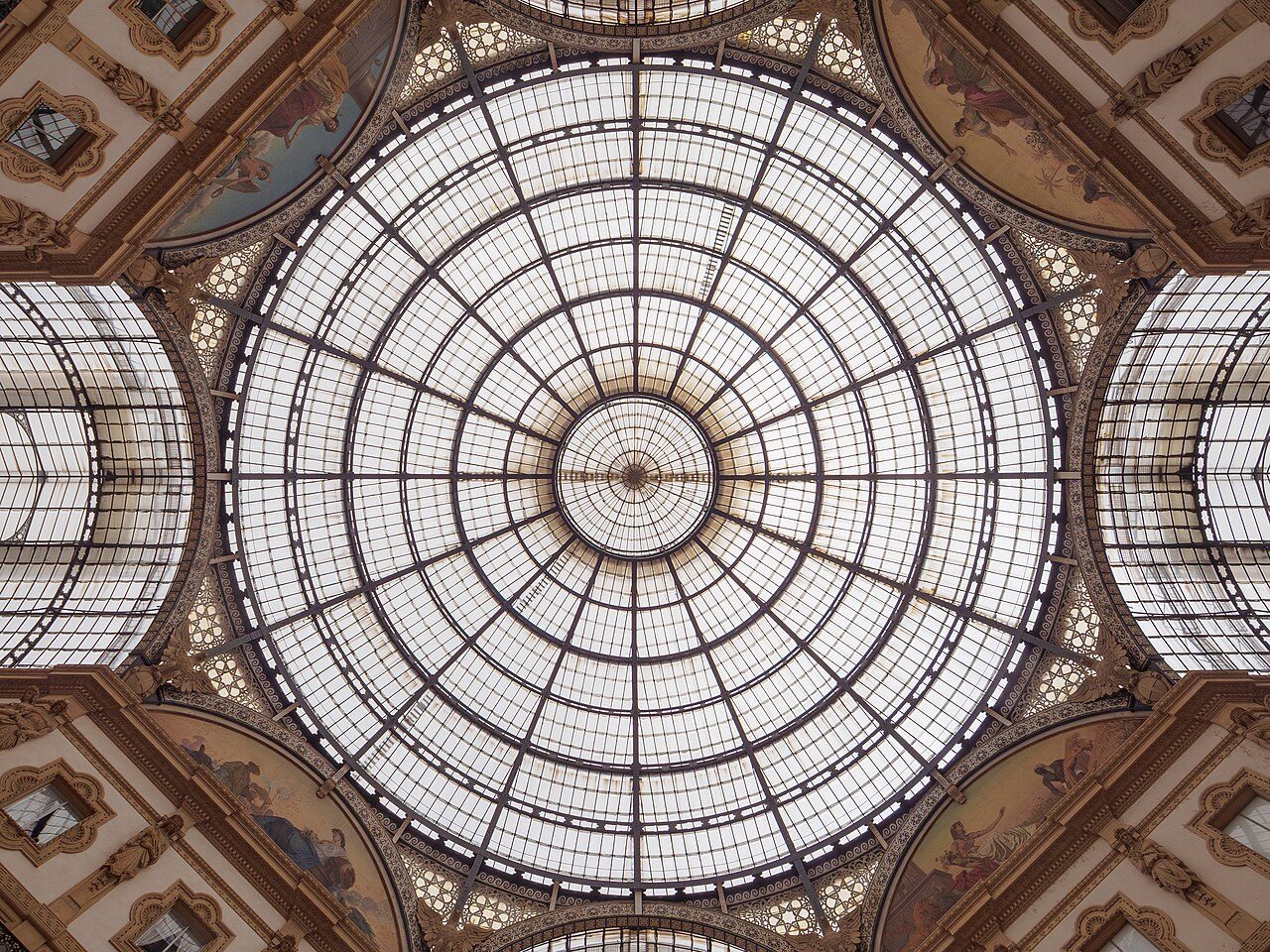
The Galleria Vittorio Emanuele II is a grand shopping arcade in Milan, built between 1865 and 1877. Its two glass-vaulted arcades meet under a large glass dome, with mosaic floors and painted decorations. It holds luxury shops, cafes and restaurants. Tradition says spinning on your heel on the mosaic bull in the floor brings good luck.
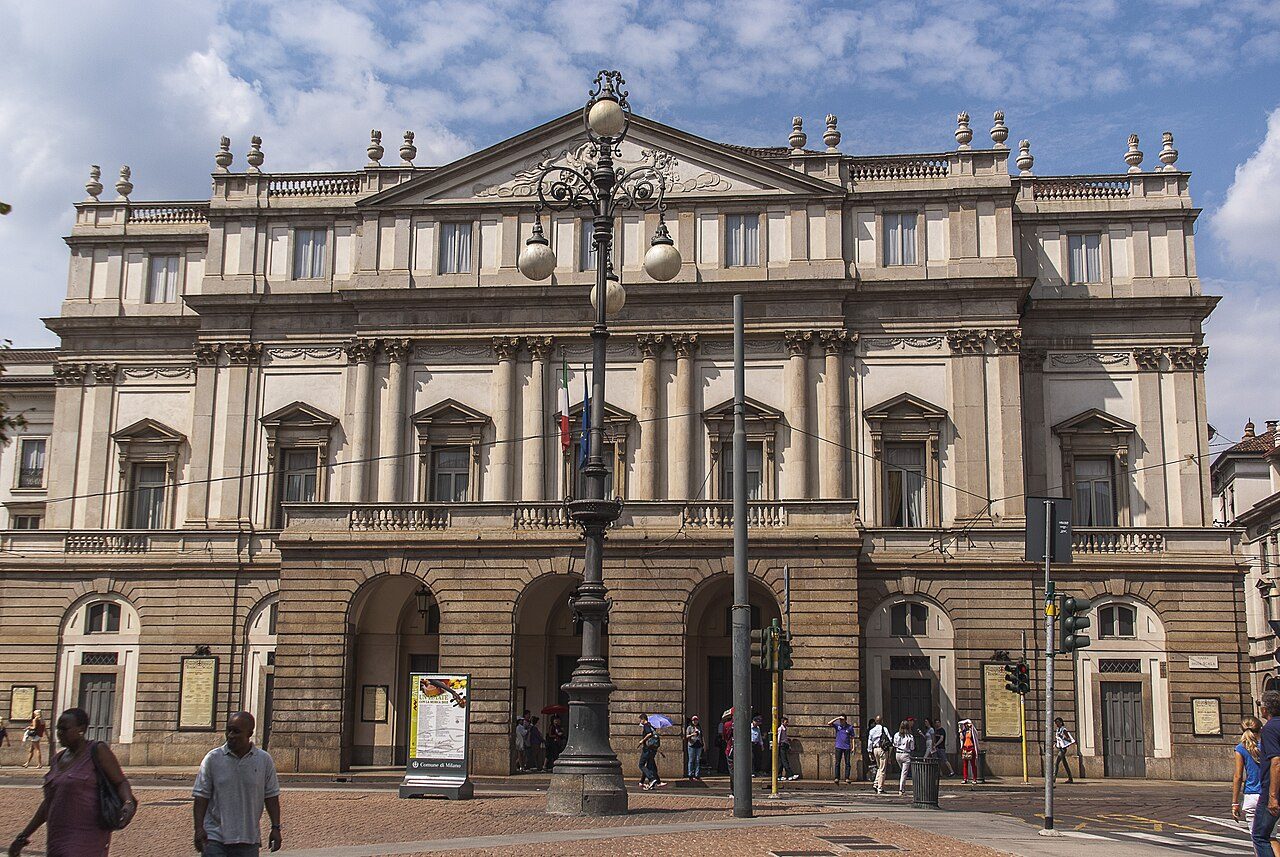
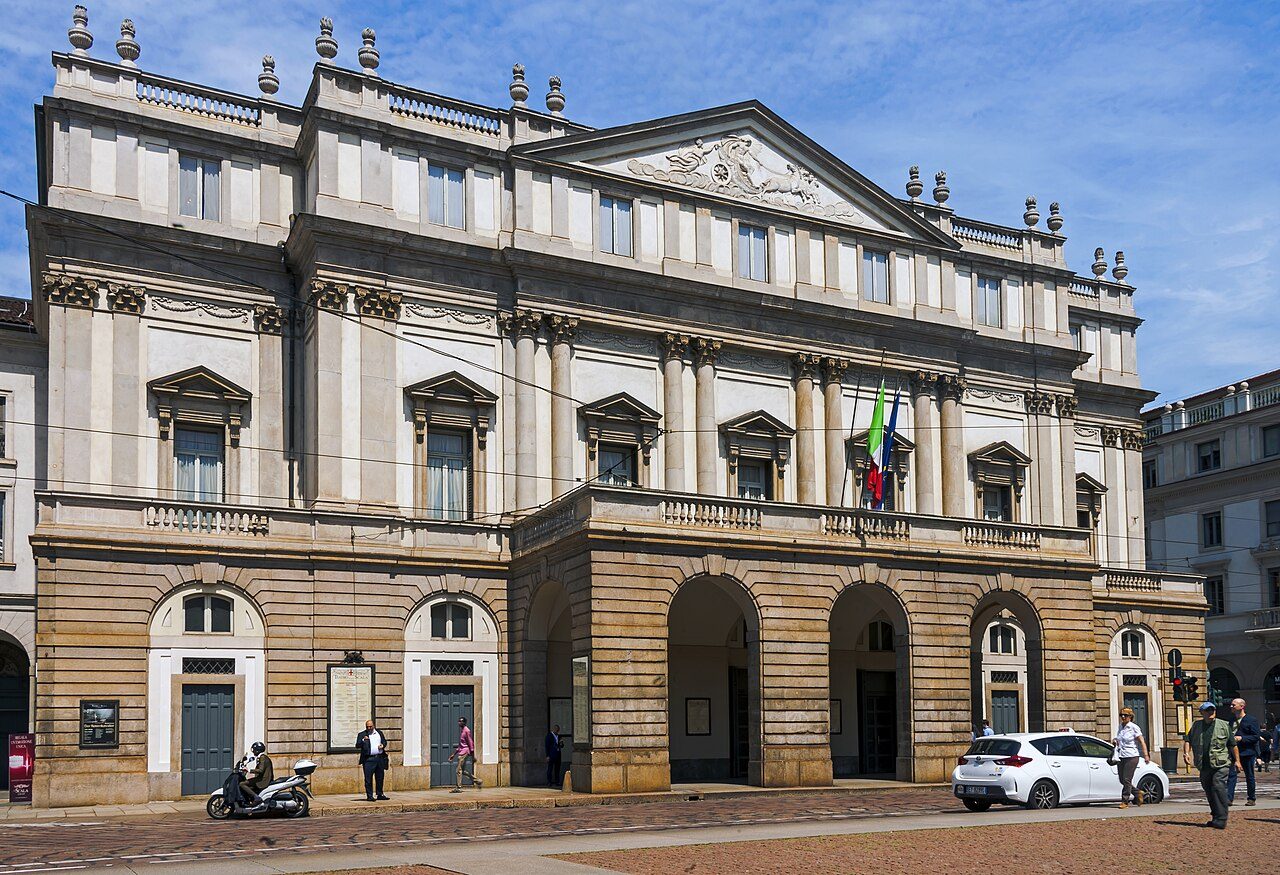
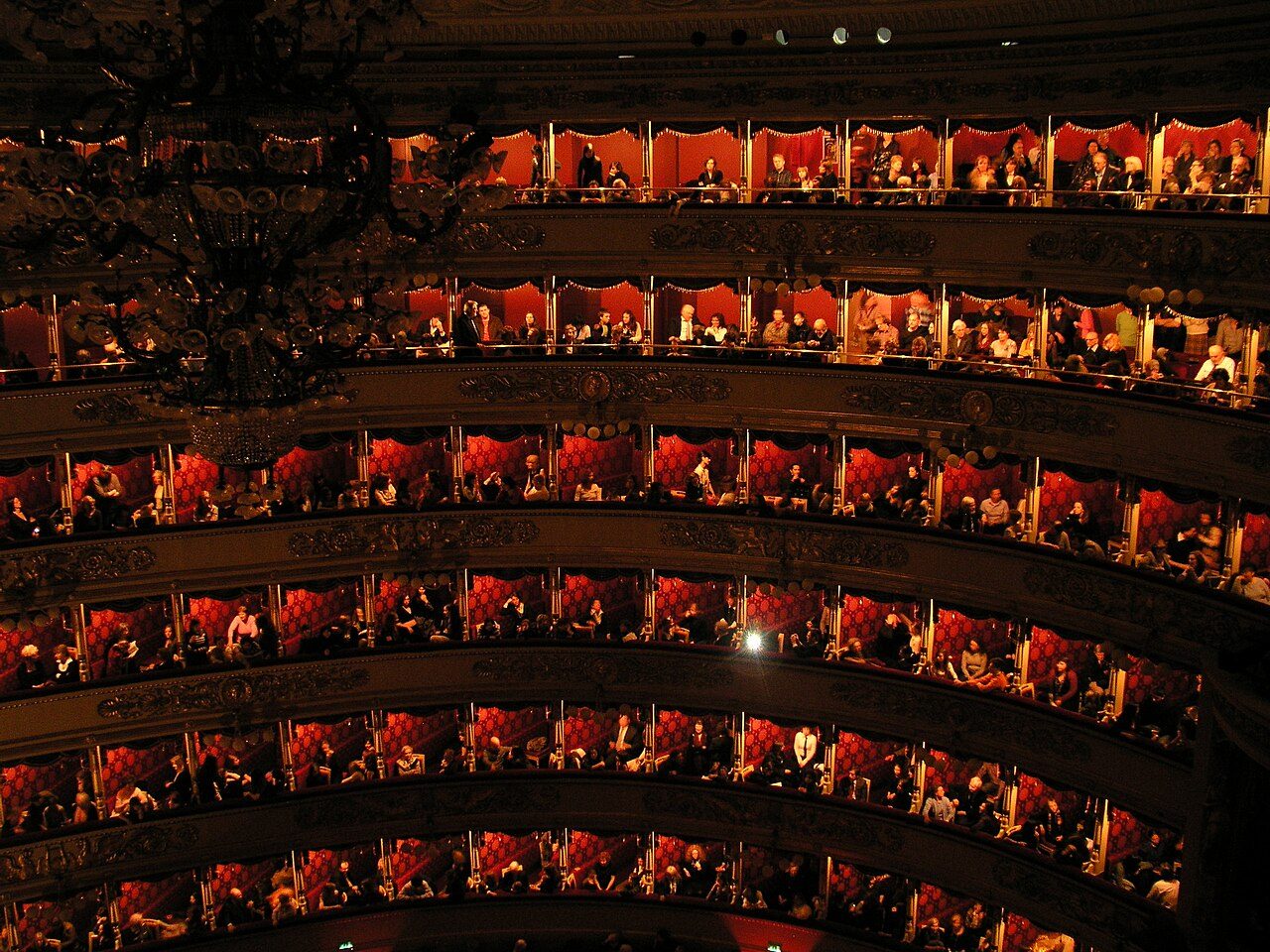
La Scala, the Teatro alla Scala, is one of the most famous opera houses in the world, opened in Milan in 1778. Many great operas by Verdi, Puccini and others had their first performances here. Its red and gold horseshoe auditorium has six tiers of boxes. The season opens each year on 7 December, the feast of Milan's patron saint.
41
STOP 41 OF 44
Sforza Castle
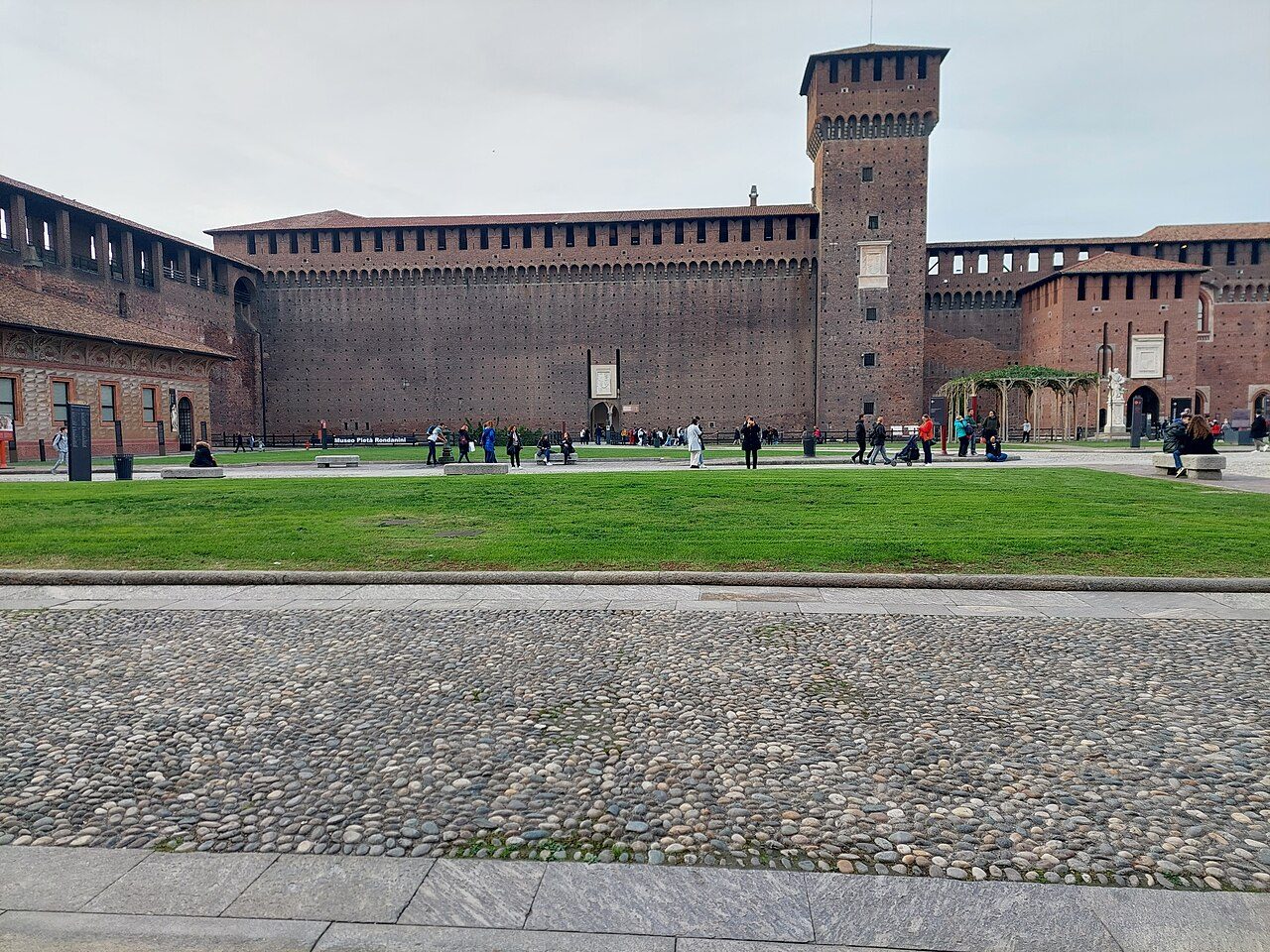
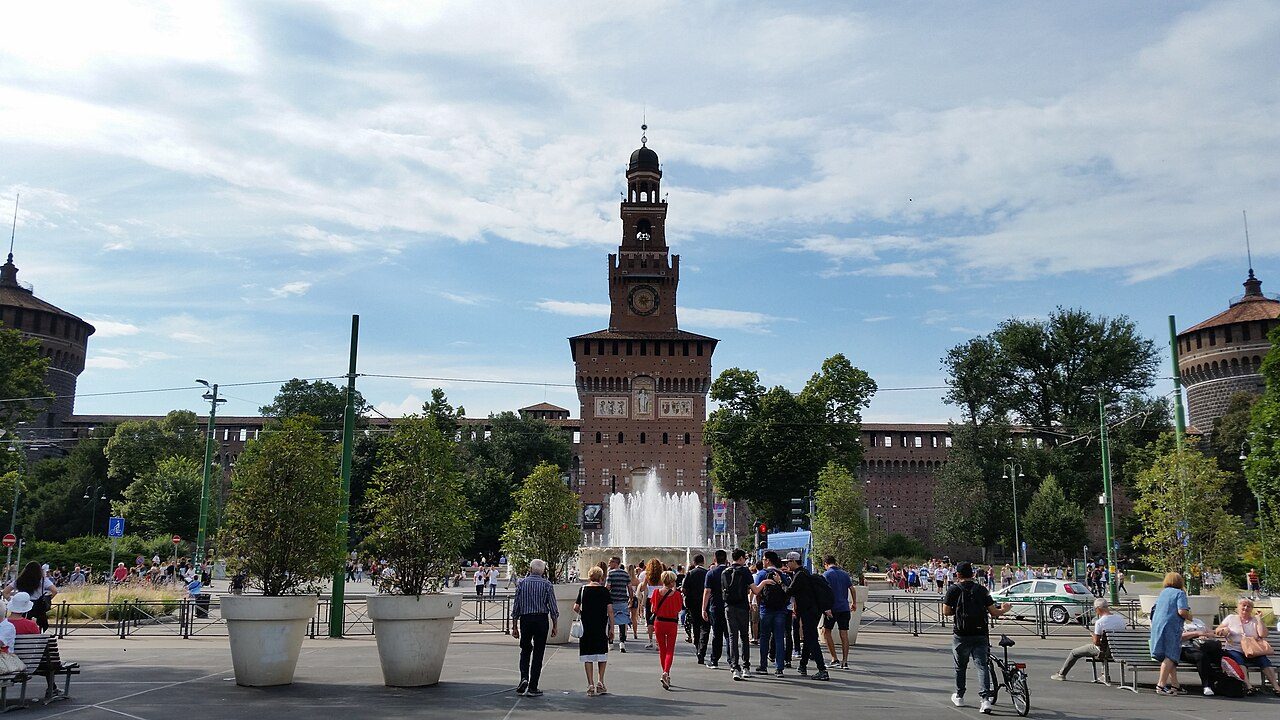
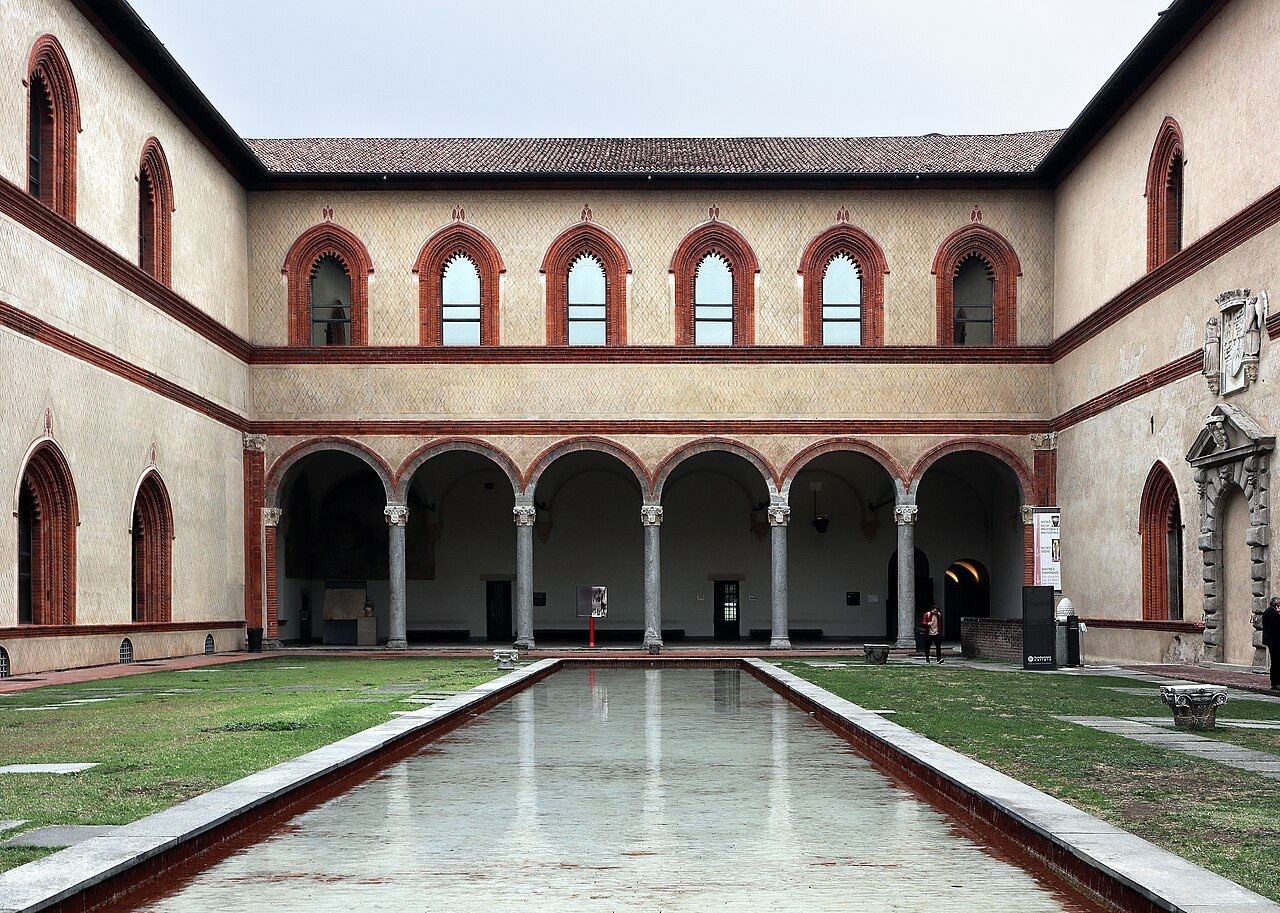
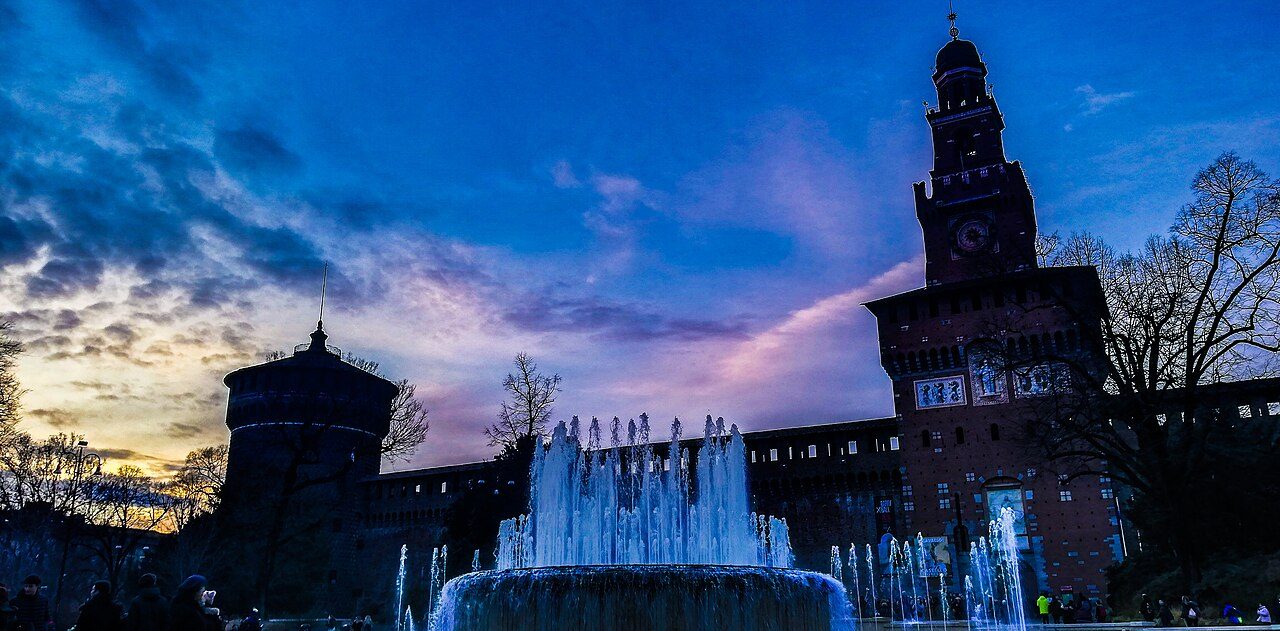
Sforza Castle in Milan was built in the 15th century by Francesco Sforza, Duke of Milan. Its red brick walls and towers surround large courtyards. Leonardo da Vinci worked here for the Sforza court. The castle holds several museums, including Michelangelo's last sculpture, the Rondanini Pietà. Sempione Park stretches behind it.
42
STOP 42 OF 44
Santa Maria delle Grazie
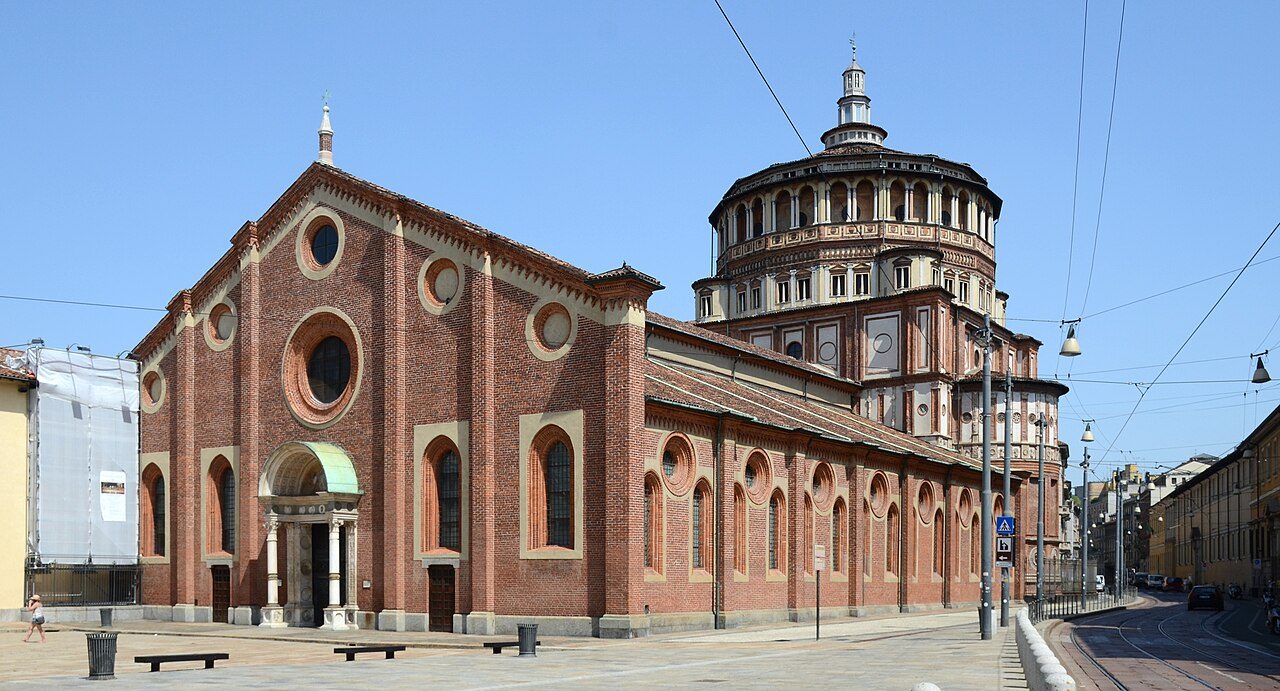
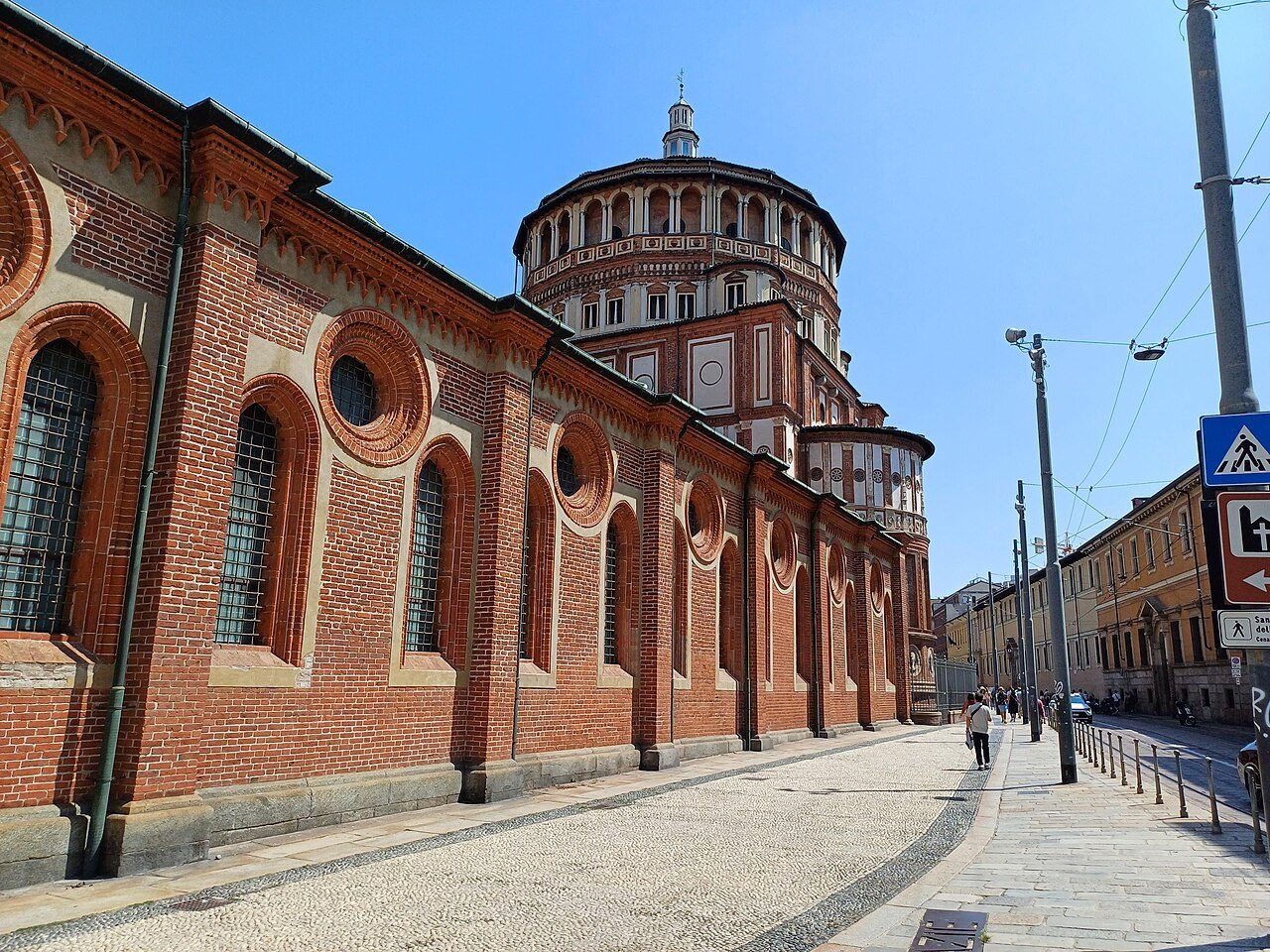
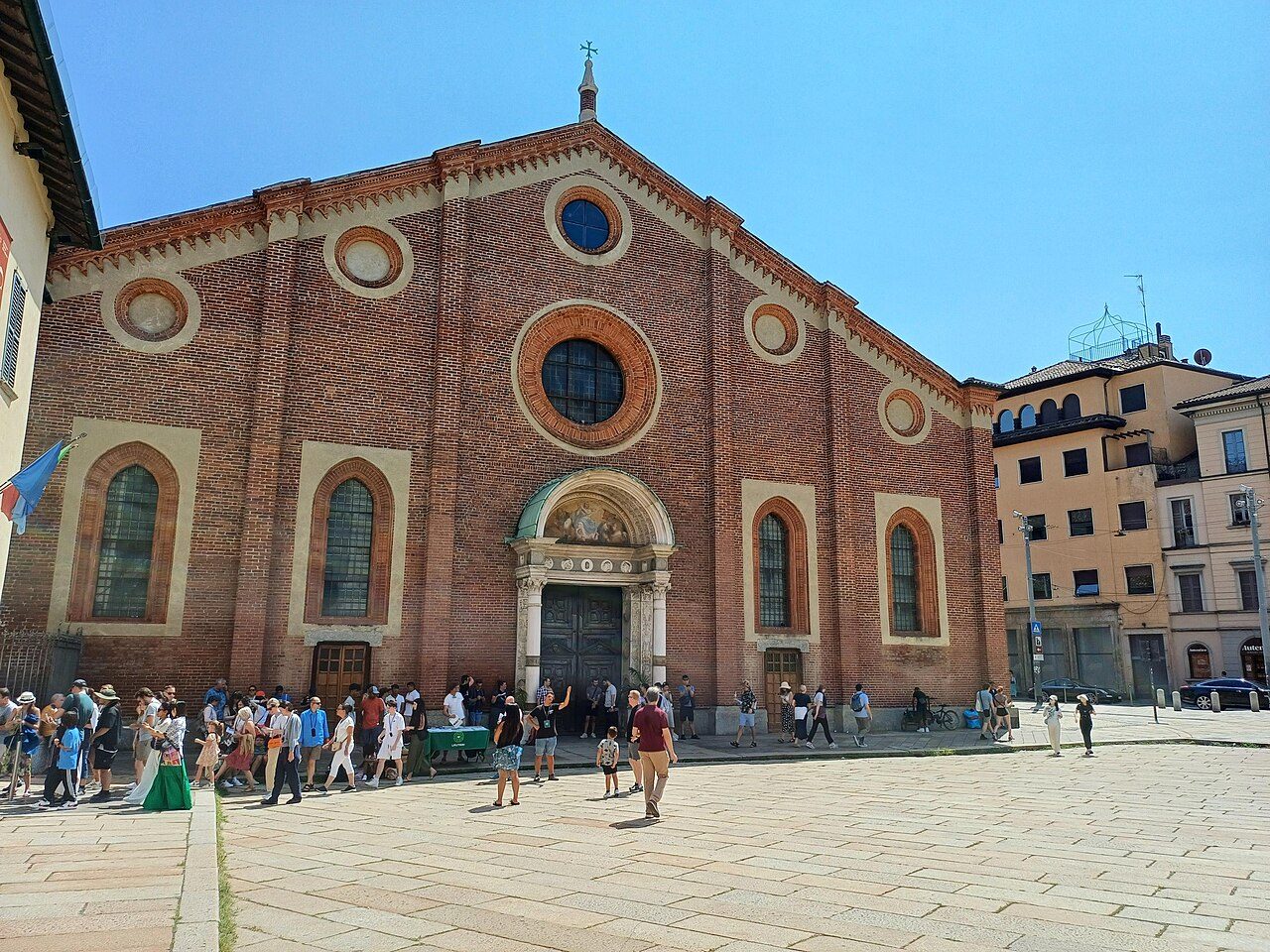
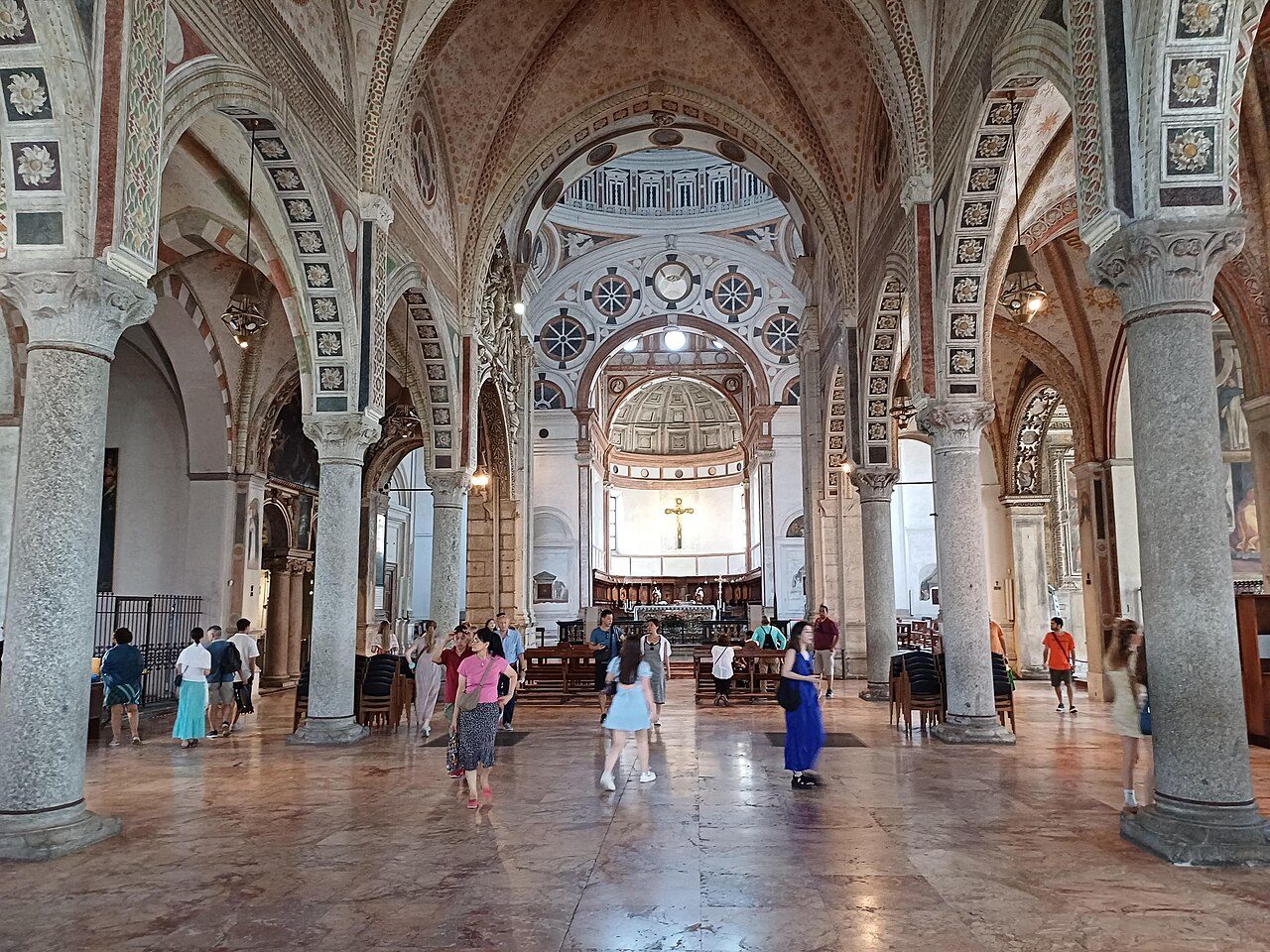
Santa Maria delle Grazie is a church and convent in Milan, built in the 15th century. Its refectory holds Leonardo da Vinci's The Last Supper, painted on the wall between 1495 and 1498. The painting has survived wars and decay, including a bomb in 1943 that destroyed part of the building. Visits must be booked in advance. It is a UNESCO World Heritage Site.
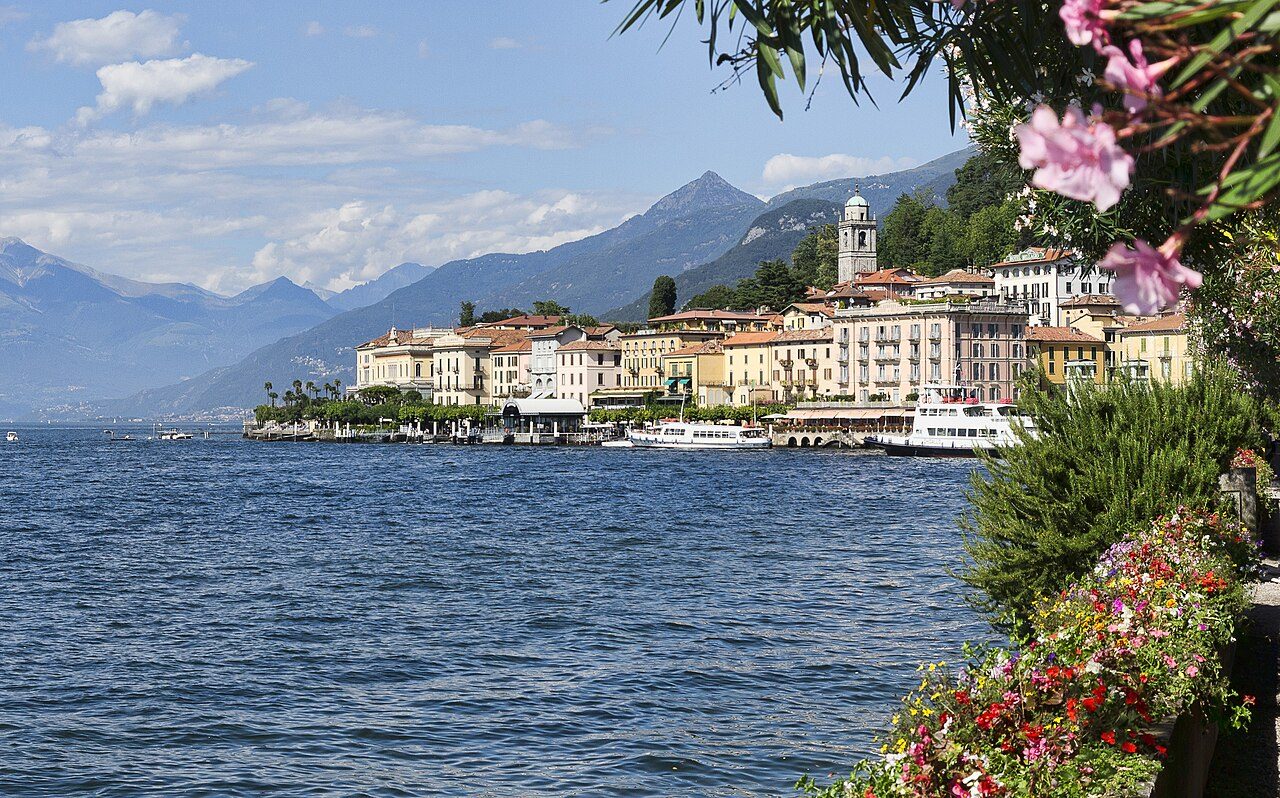
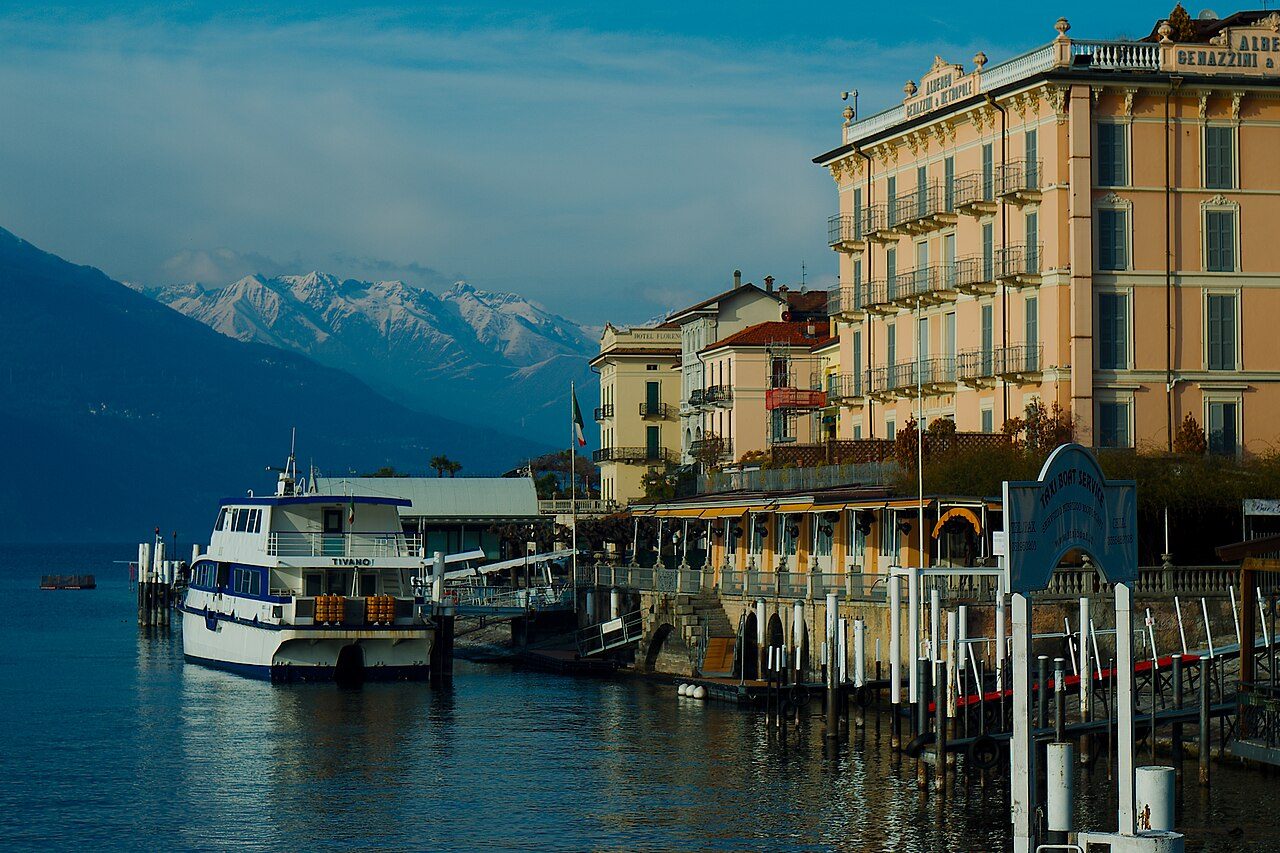
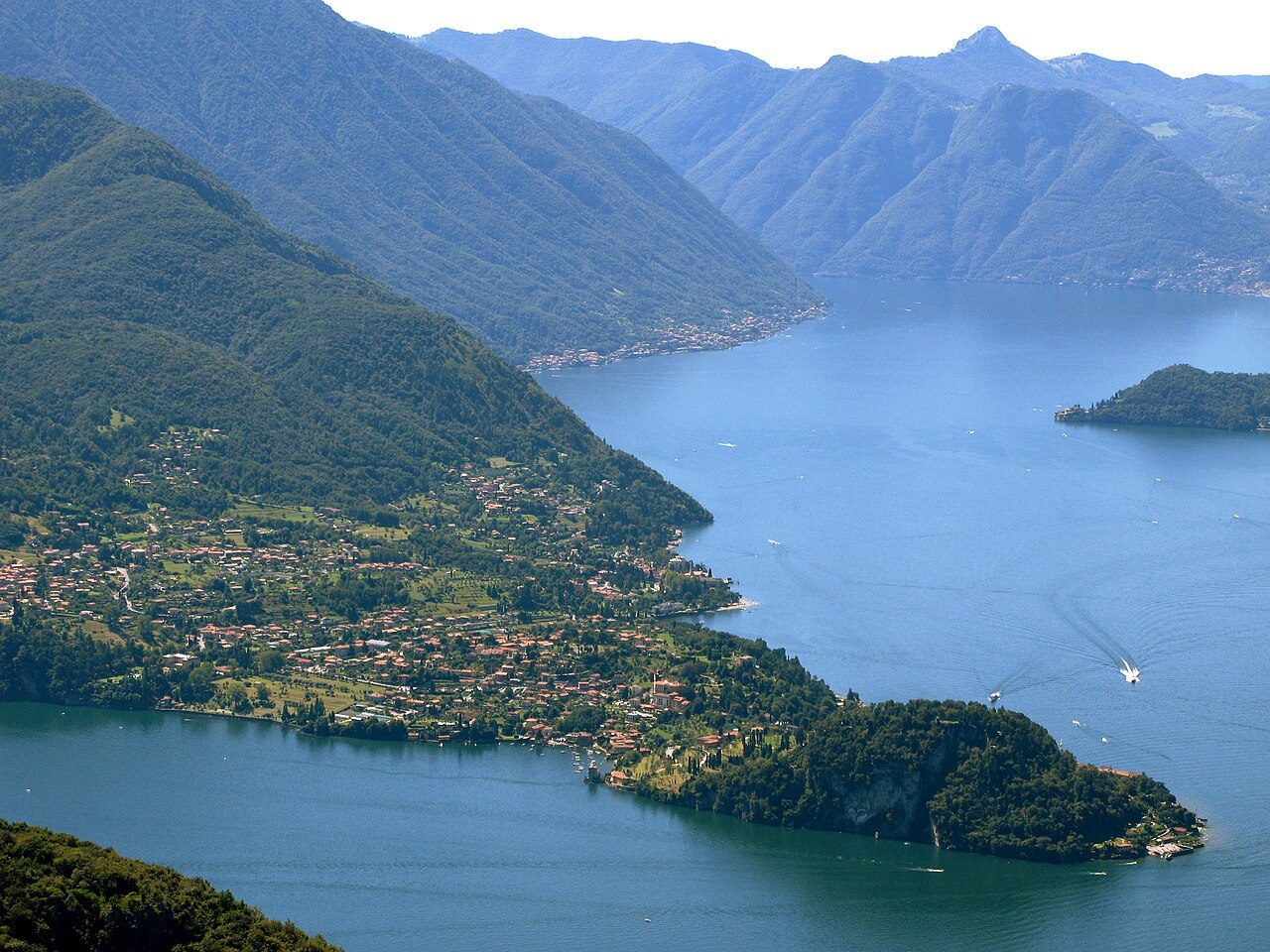
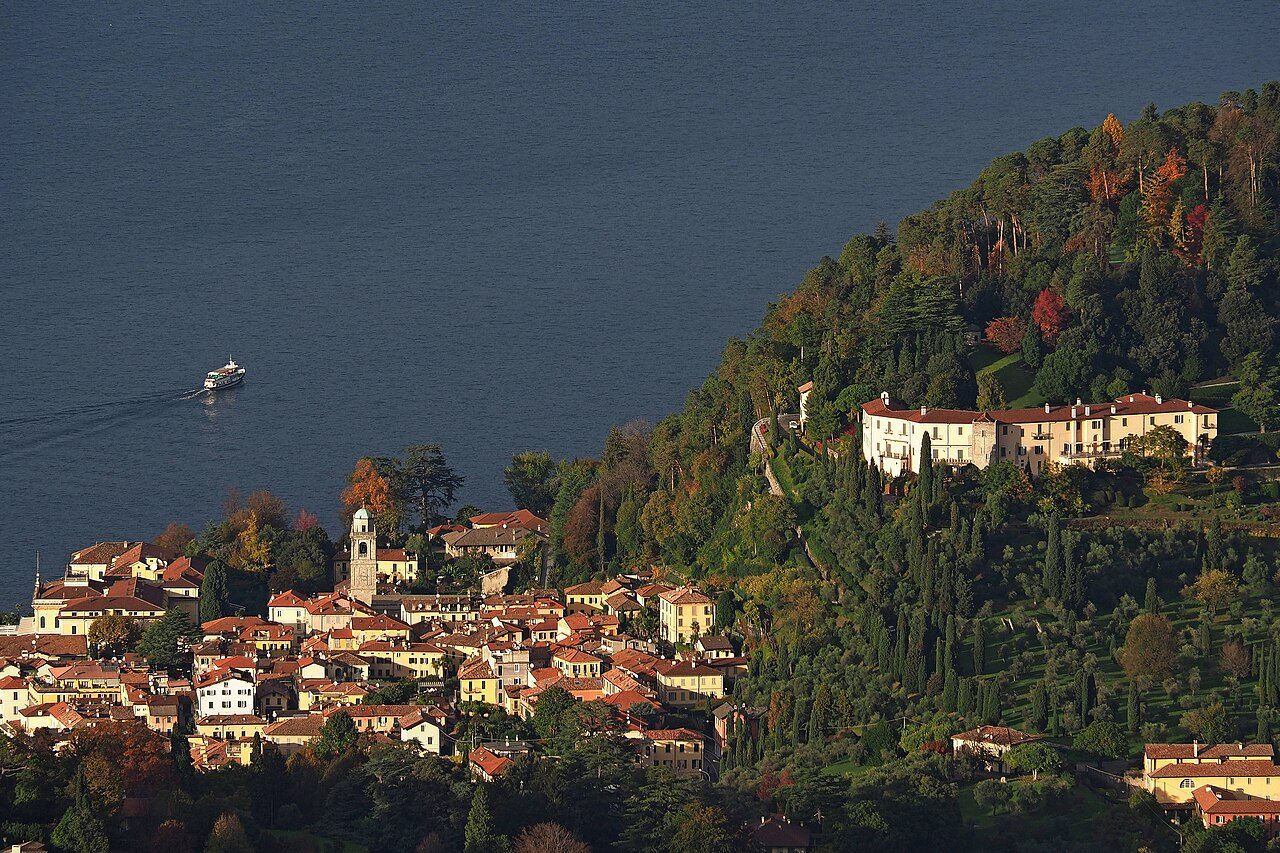
Bellagio is a village on Lake Como, at the tip of the peninsula where the lake divides into its three branches. Its stepped lanes lead down to the waterfront past shops and cafes. The gardens of Villa Melzi and Villa Serbelloni lie nearby. Ferries link it with other lake villages such as Varenna and Tremezzo.
44
STOP 44 OF 44 · LAST STOP
Varenna
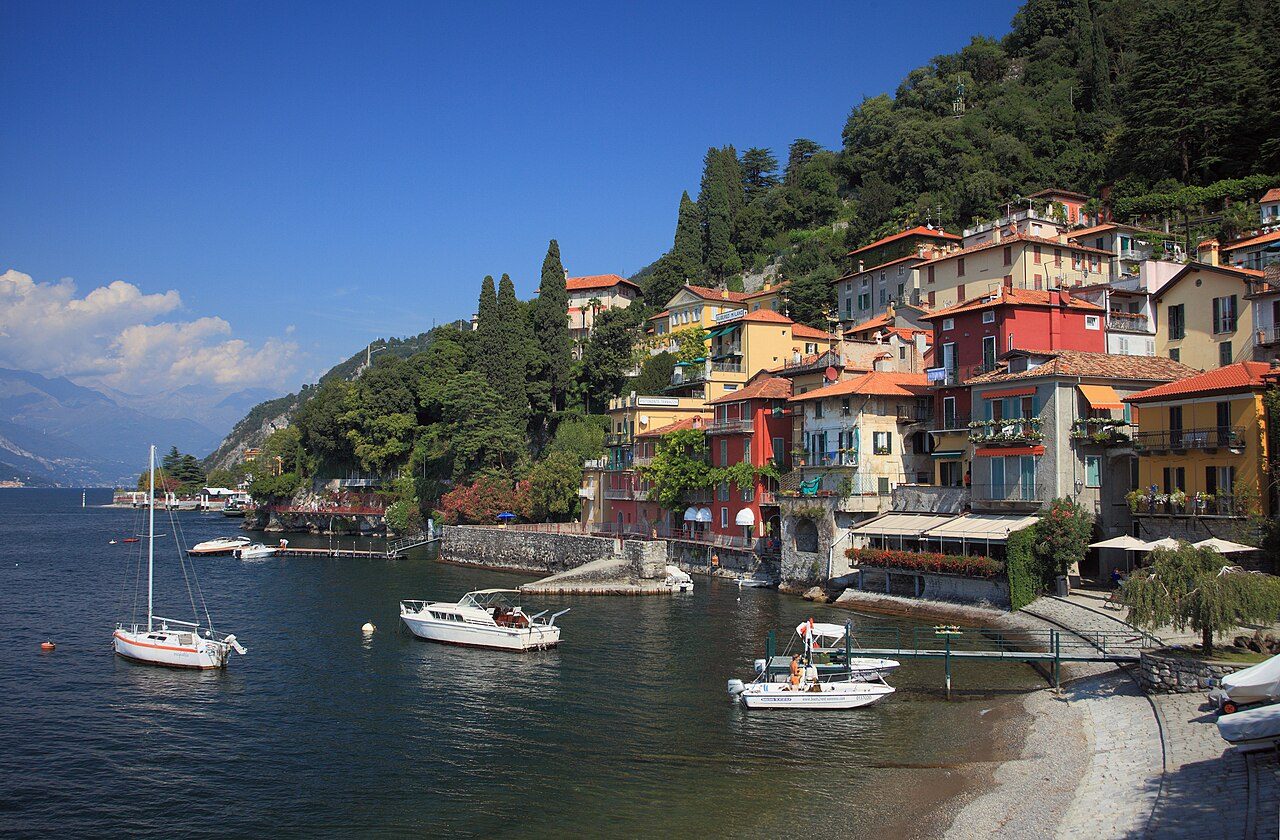
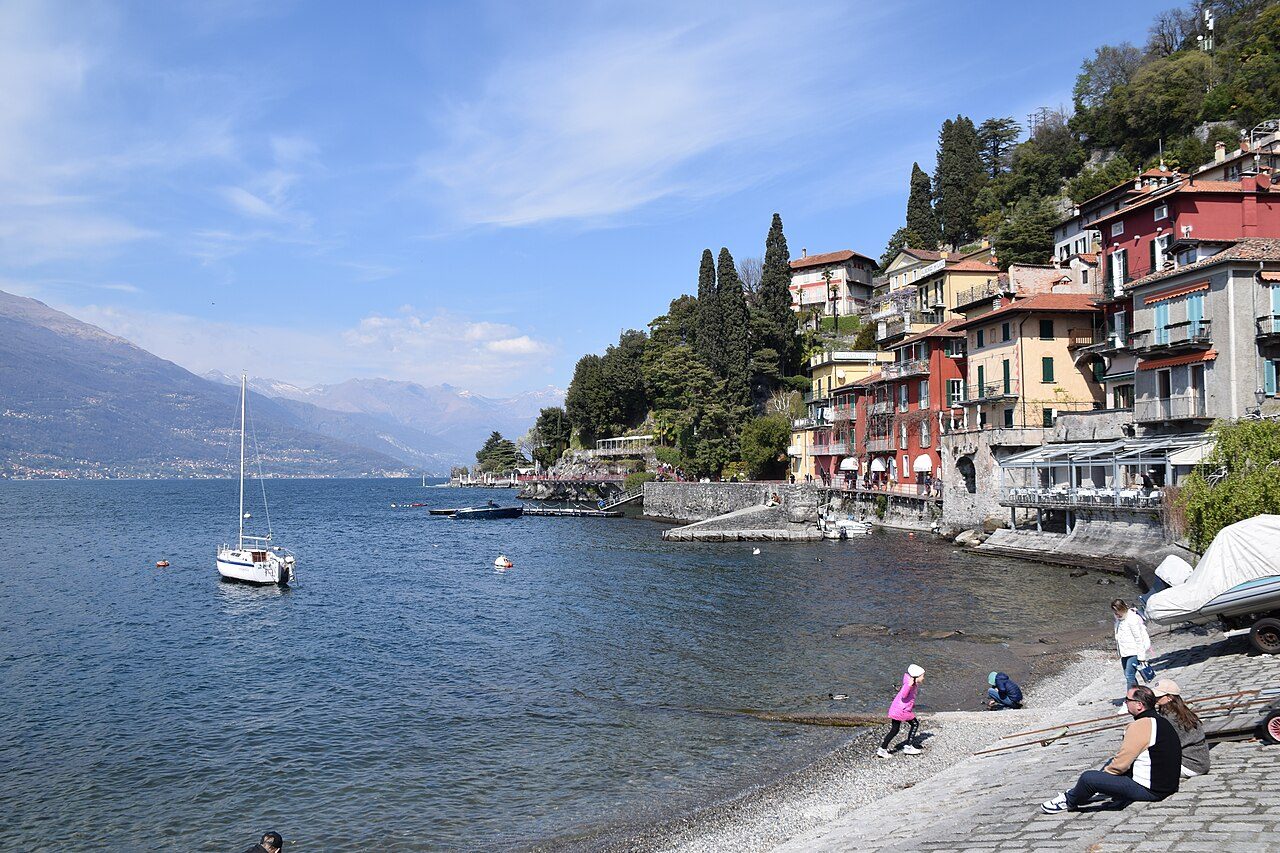
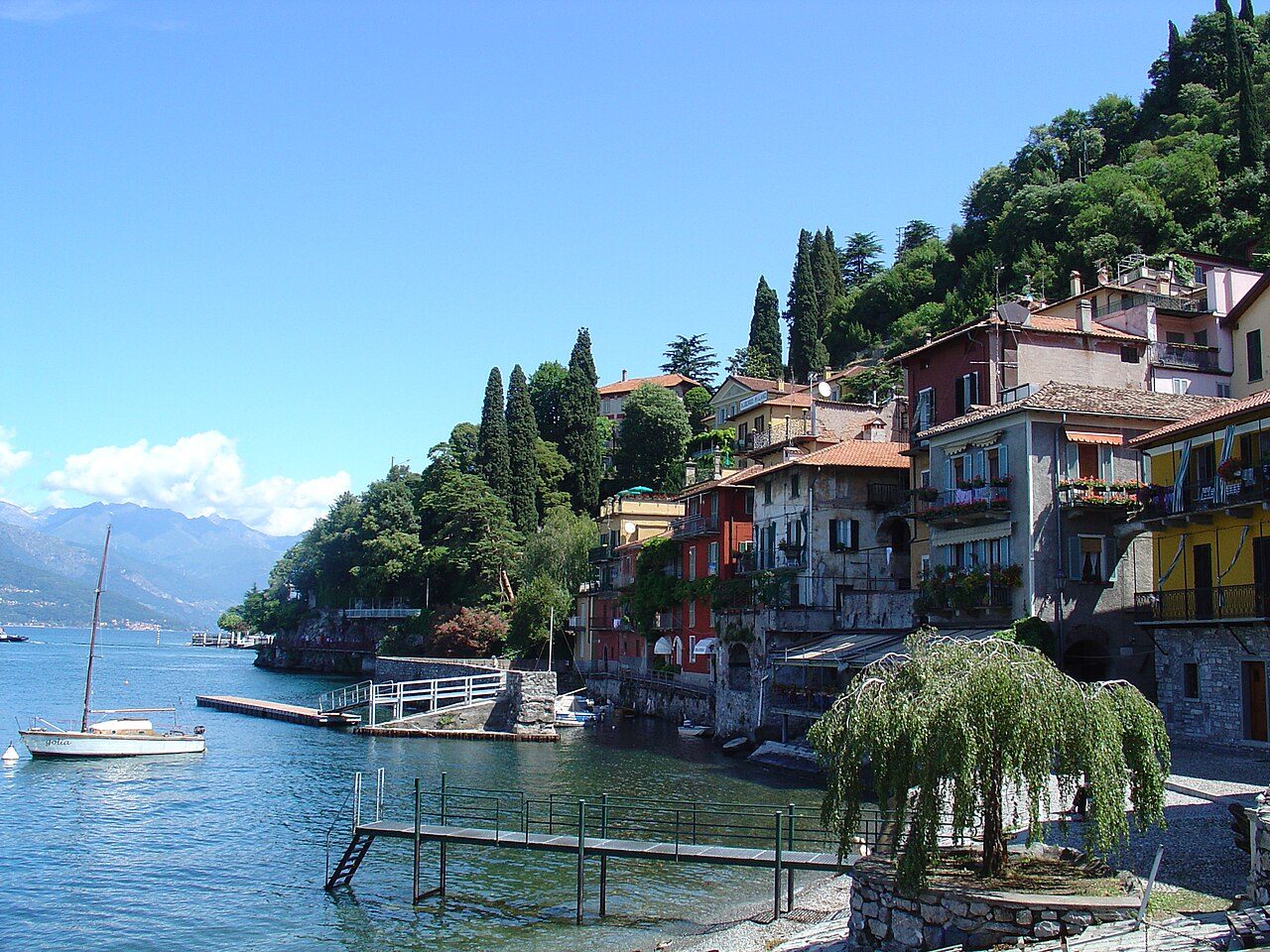
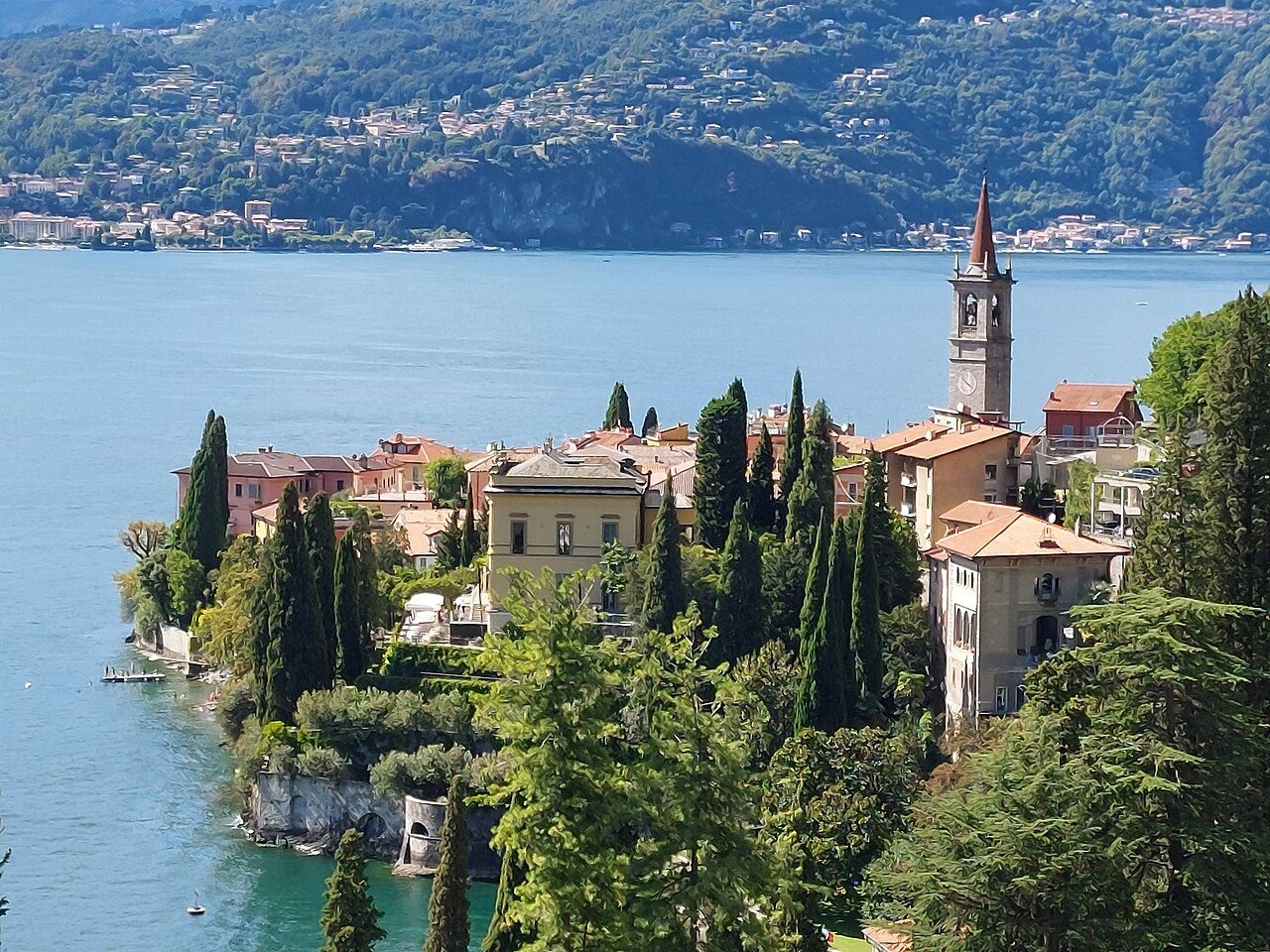
Varenna is a small village on the eastern shore of Lake Como. Its colourful houses cluster along the water, linked by a lakeside path called the Lovers' Walk. The gardens of Villa Monastero and Villa Cipressi run down to the lake. Above the village stands the Castello di Vezio, with views of the lake.
Seasons from 20 years of NASA POWER climate data.
 WaTrips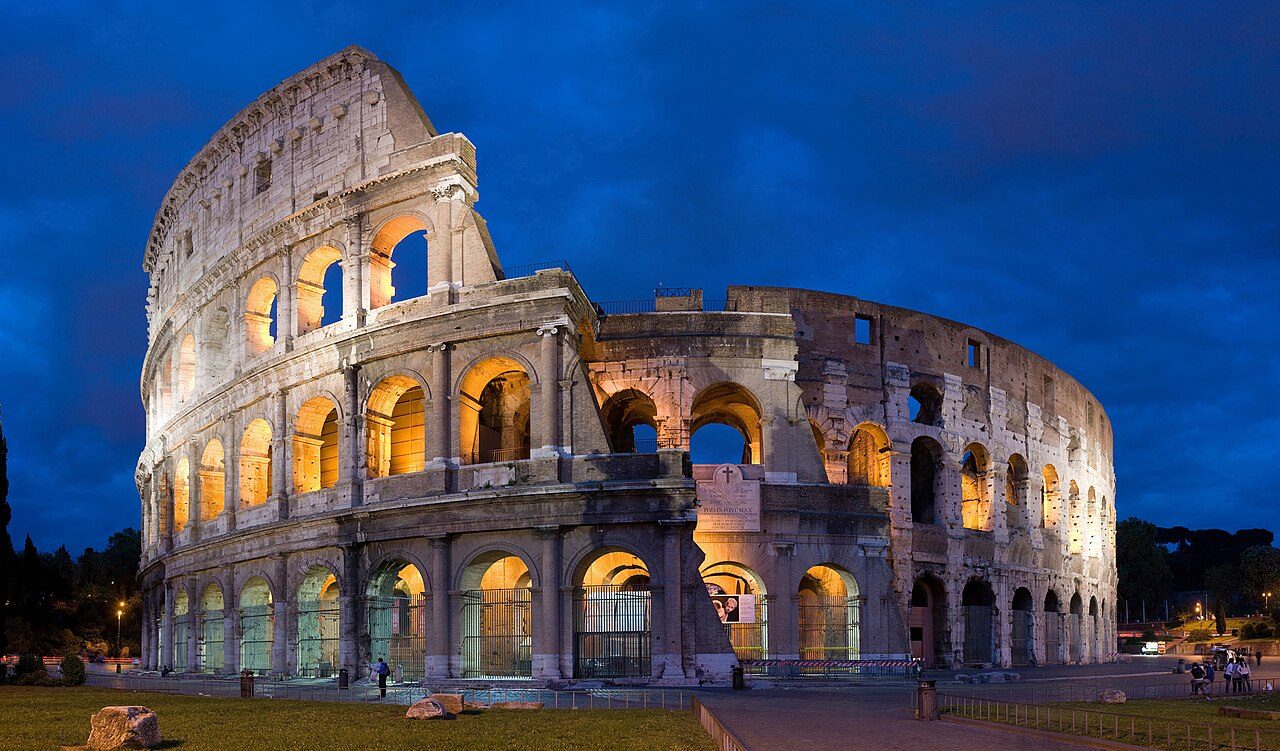
















 BikesBooking
 Localrent
 Airalo
 Tiqets