Bodrum, Marmaris, the Kaunos tombs, Fethiye and Ölüdeniz, Butterfly Valley, Saklıkent, Patara, Kaputaş, Kekova, Myra, Olympos, the Chimaera flames and Antalya.
The Turquoise Coast is pine-covered mountains above clear water, scattered with Lycian tombs. From Bodrum and Marmaris, boat past the Kaunos rock tombs to İztuzu turtle beach. In Fethiye, see the Tomb of Amyntas, the ghost village of Kayaköy and the Ölüdeniz lagoon, take a boat to Butterfly Valley and wade into Saklıkent Gorge. Swim at Patara and Kaputaş, sail over the sunken city at Kekova, see Myra and St. Nicholas's church, and walk to the Chimaera's eternal flames at night before ending in Antalya's old town. May to October is the season.
01
STOP 1 OF 22
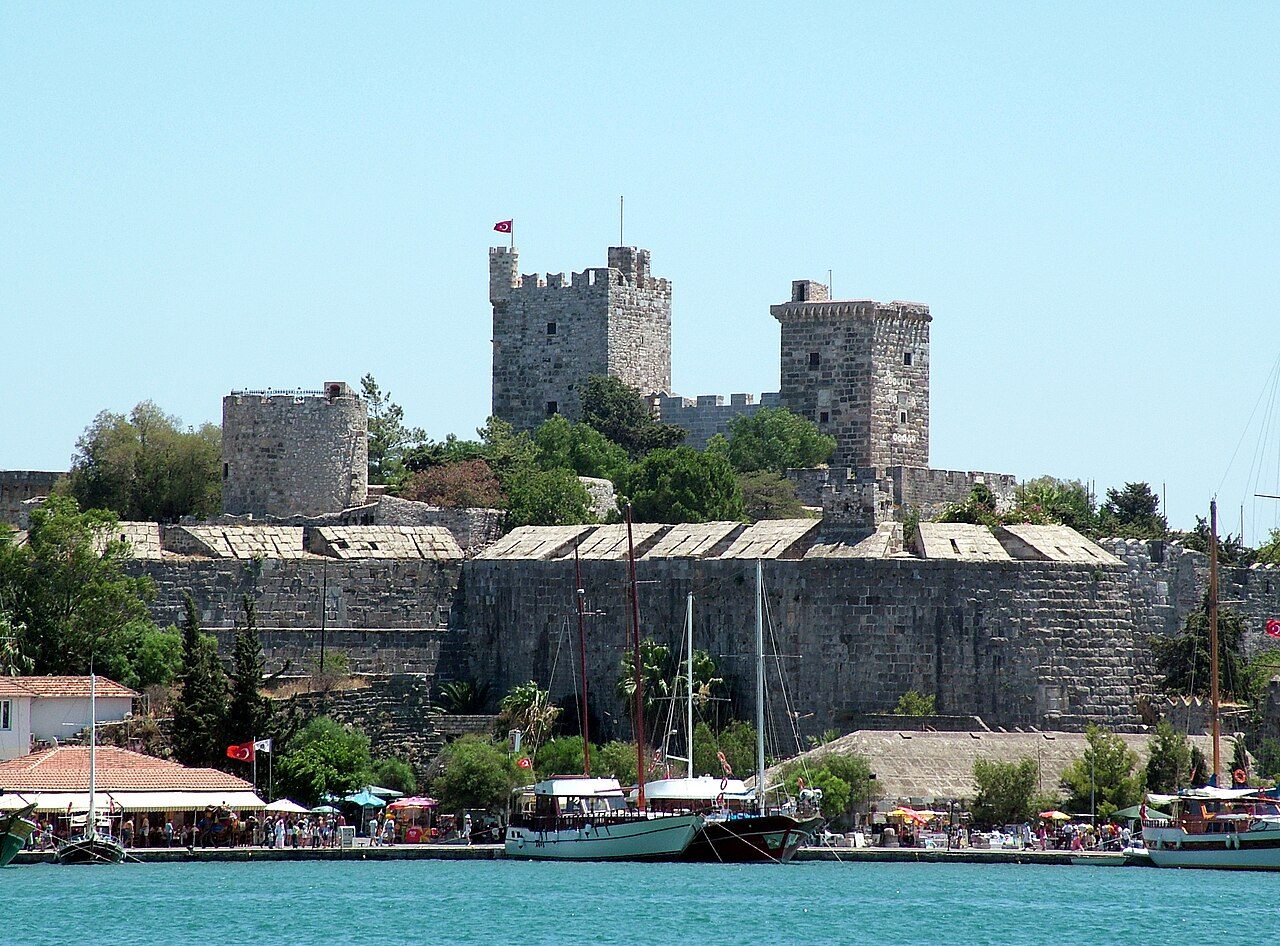
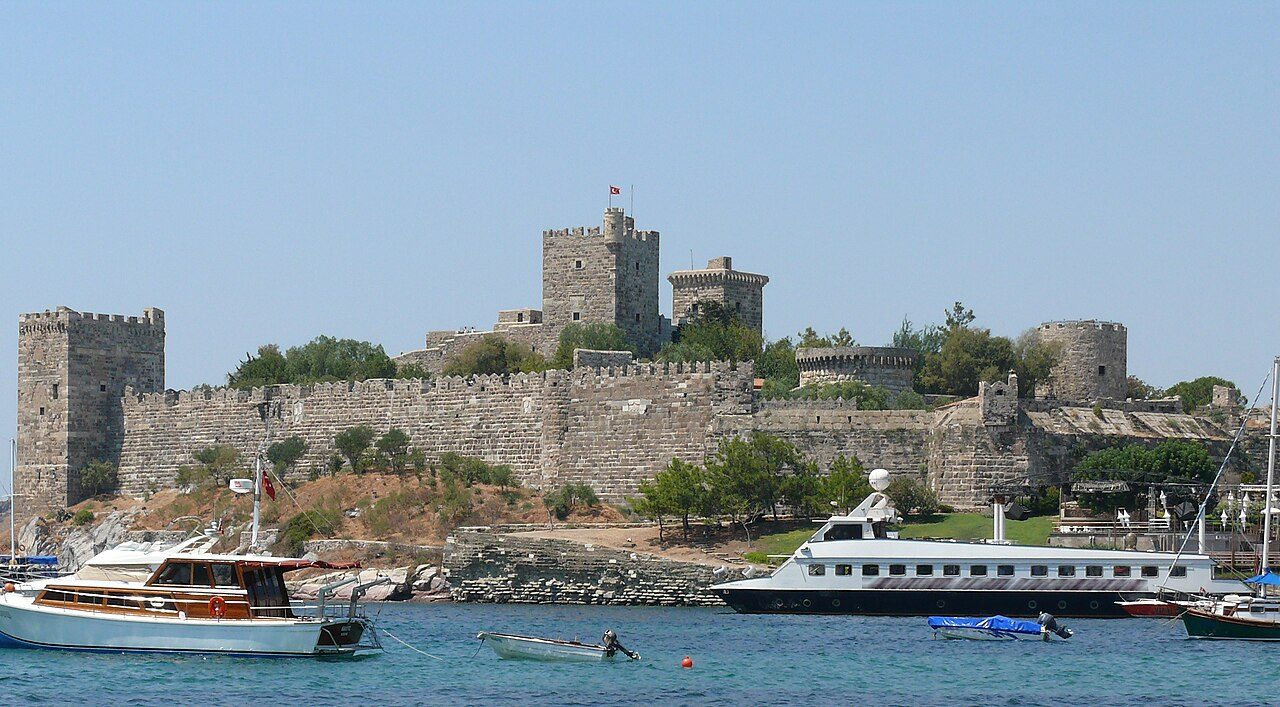
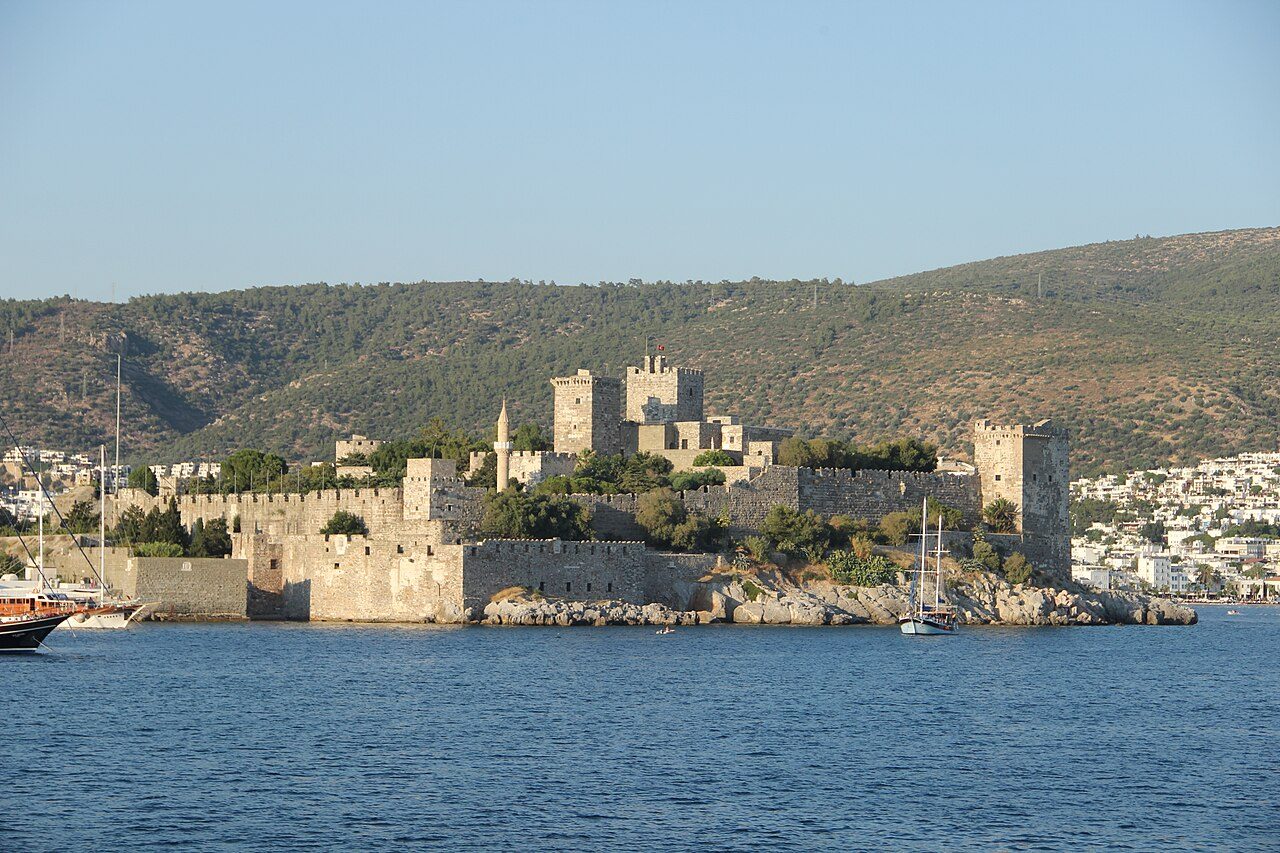
Bodrum Castle
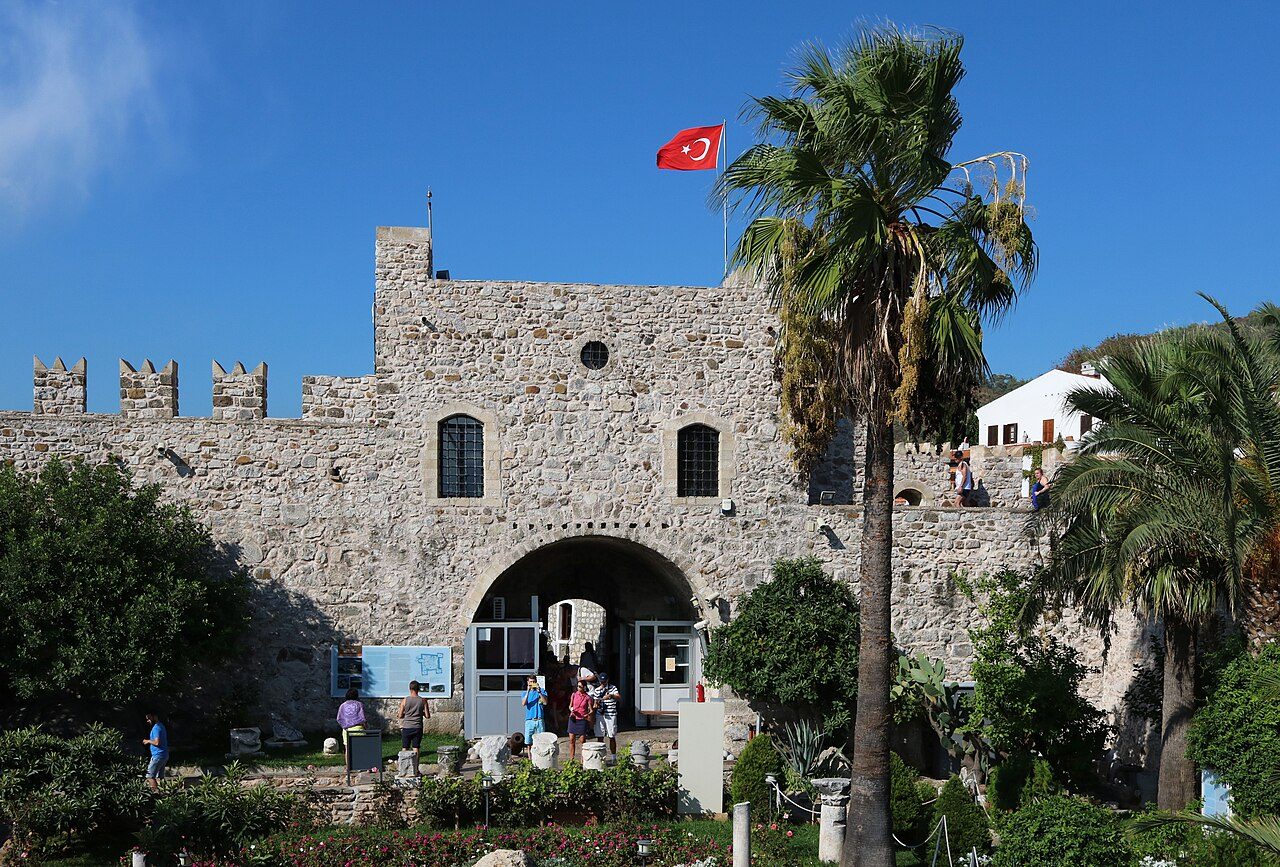
Bodrum Castle, also called the Castle of St. Peter, was built by the Knights Hospitaller from 1402 on the harbour of Bodrum. They used stones from the ruined Mausoleum of Halicarnassus. Its towers are named after the knights' home countries. It holds the Museum of Underwater Archaeology, with ancient shipwrecks and their cargoes.
02
STOP 2 OF 22
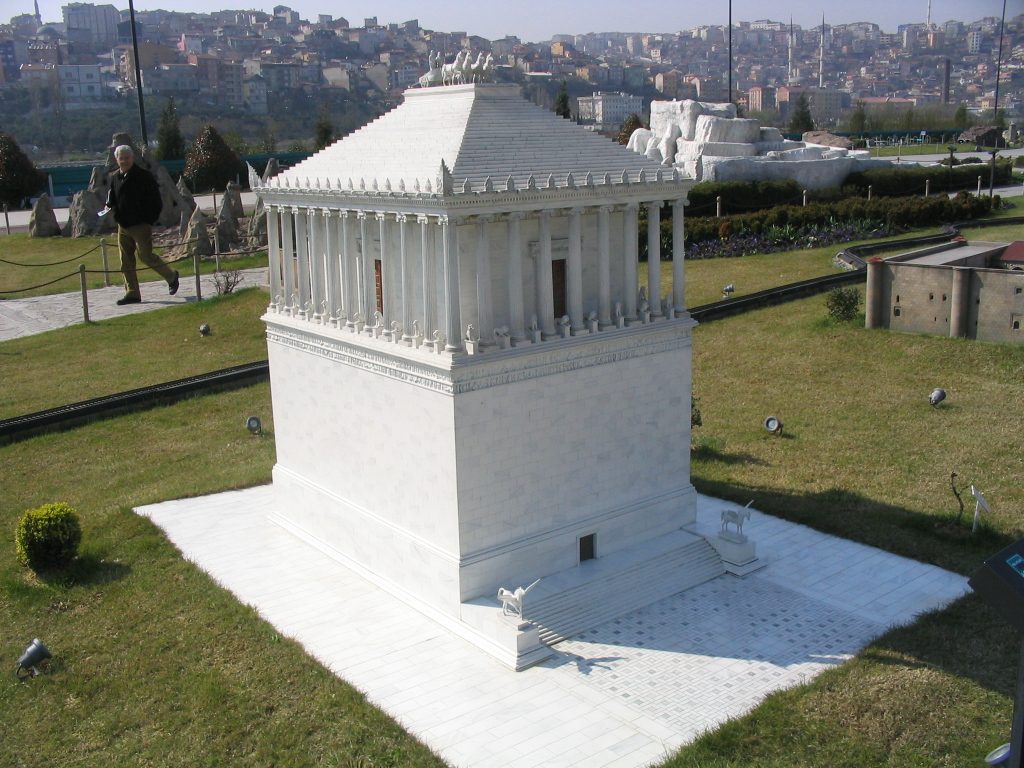
Mausoleum at Halicarnassus
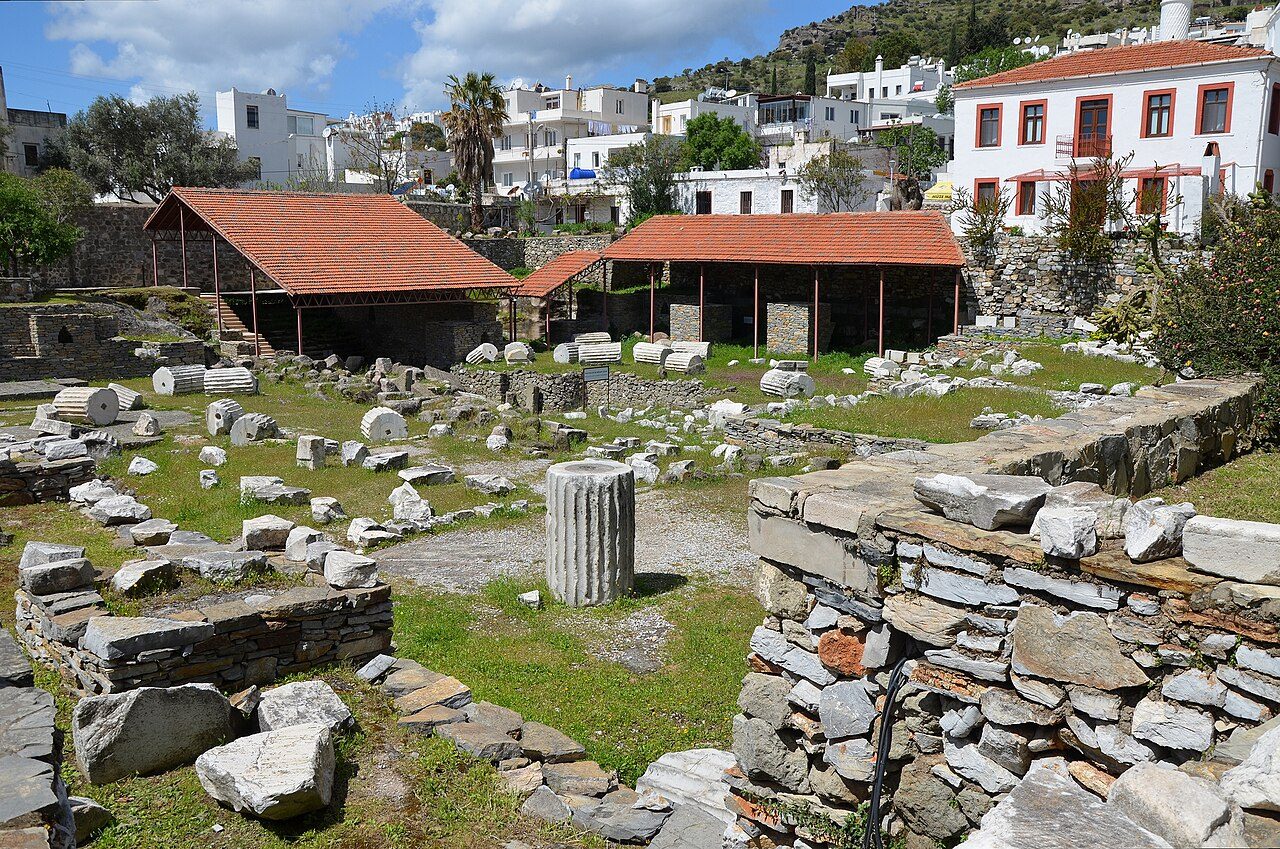
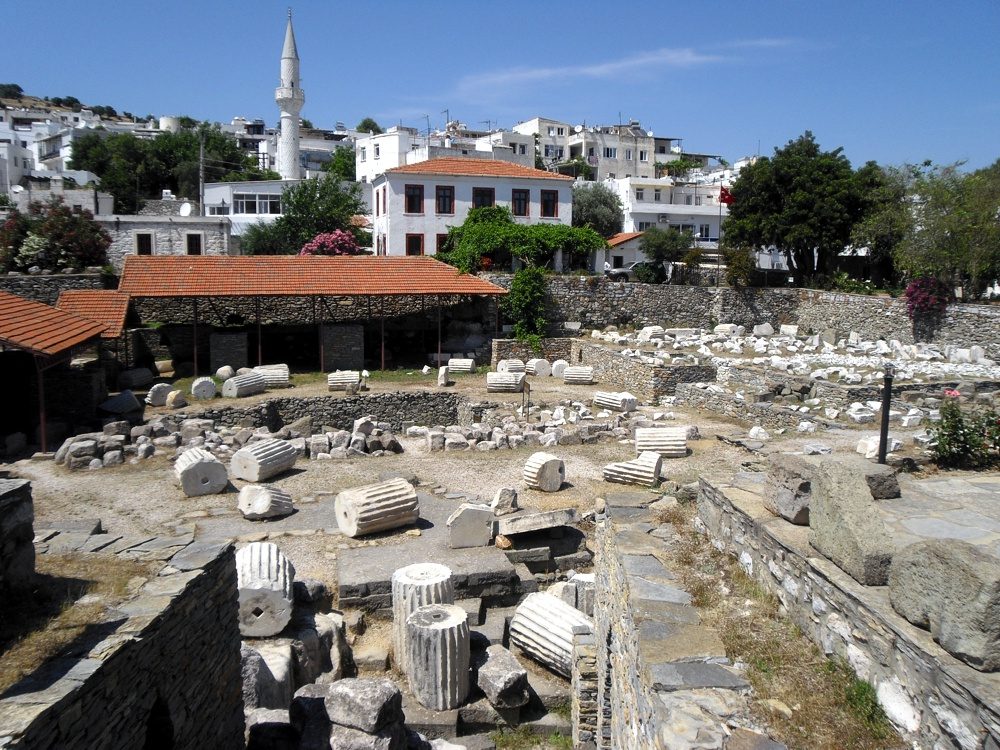
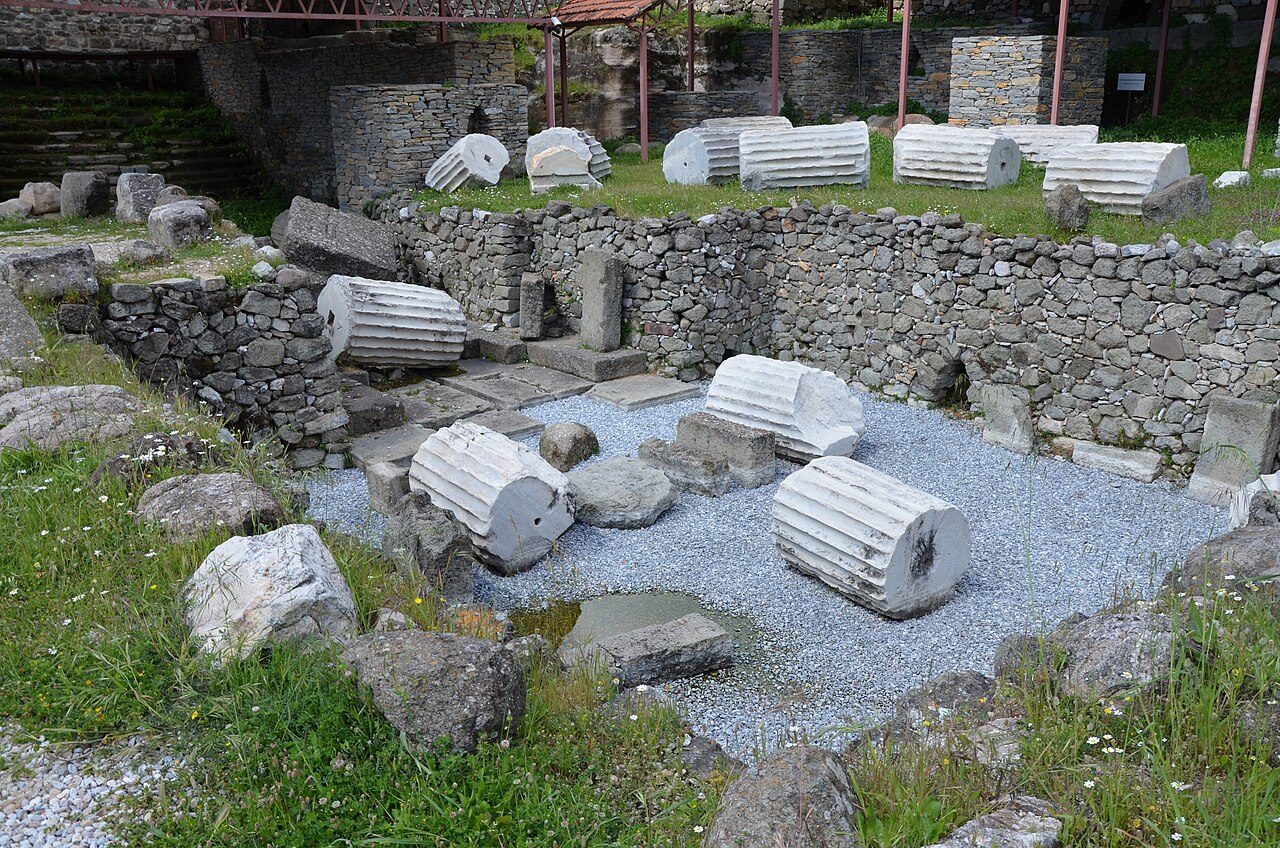
The Mausoleum at Halicarnassus was the tomb of Mausolus, ruler of Caria, built around 350 BC in what is now Bodrum. It was so splendid that it became one of the Seven Wonders of the Ancient World and gave us the word mausoleum. Earthquakes destroyed it, and its stones were reused in Bodrum Castle. The site shows its foundations and a museum.
03
STOP 3 OF 22
Marmaris Castle
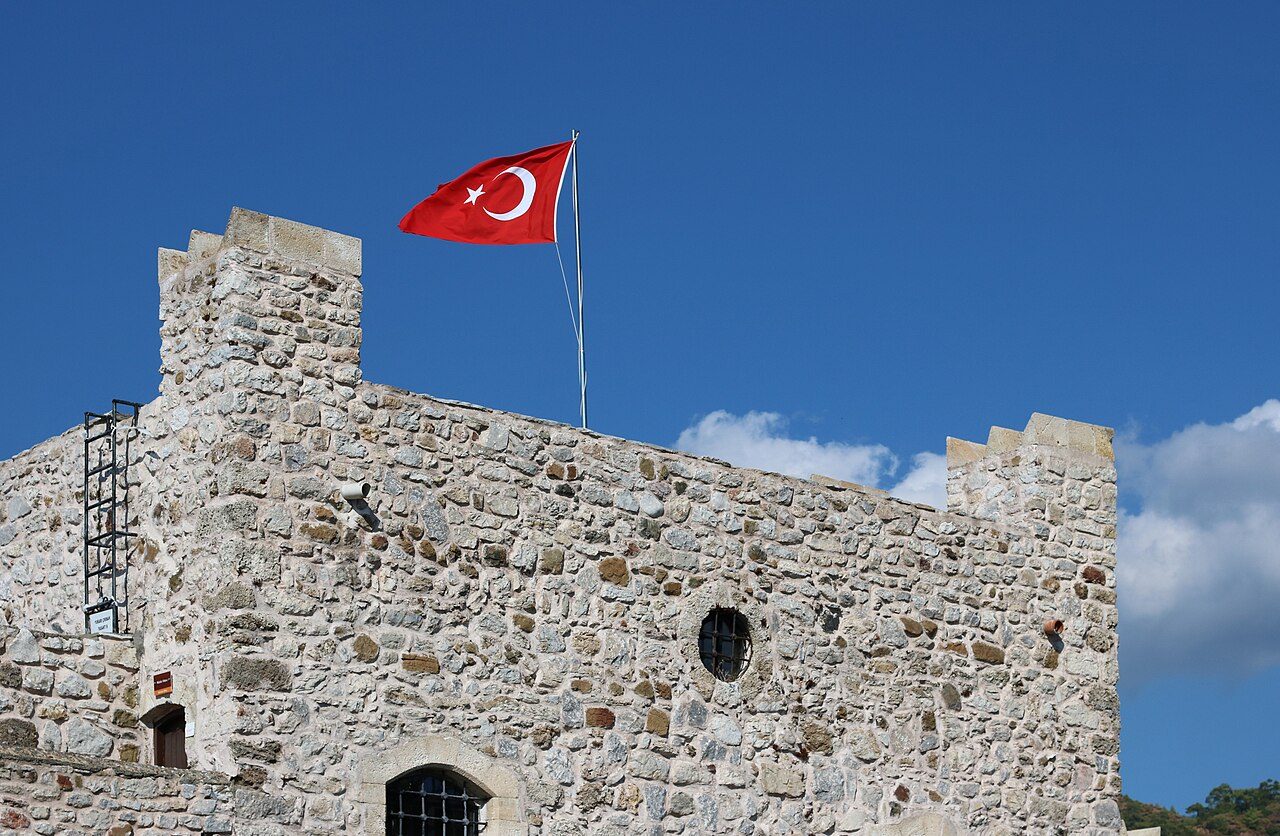
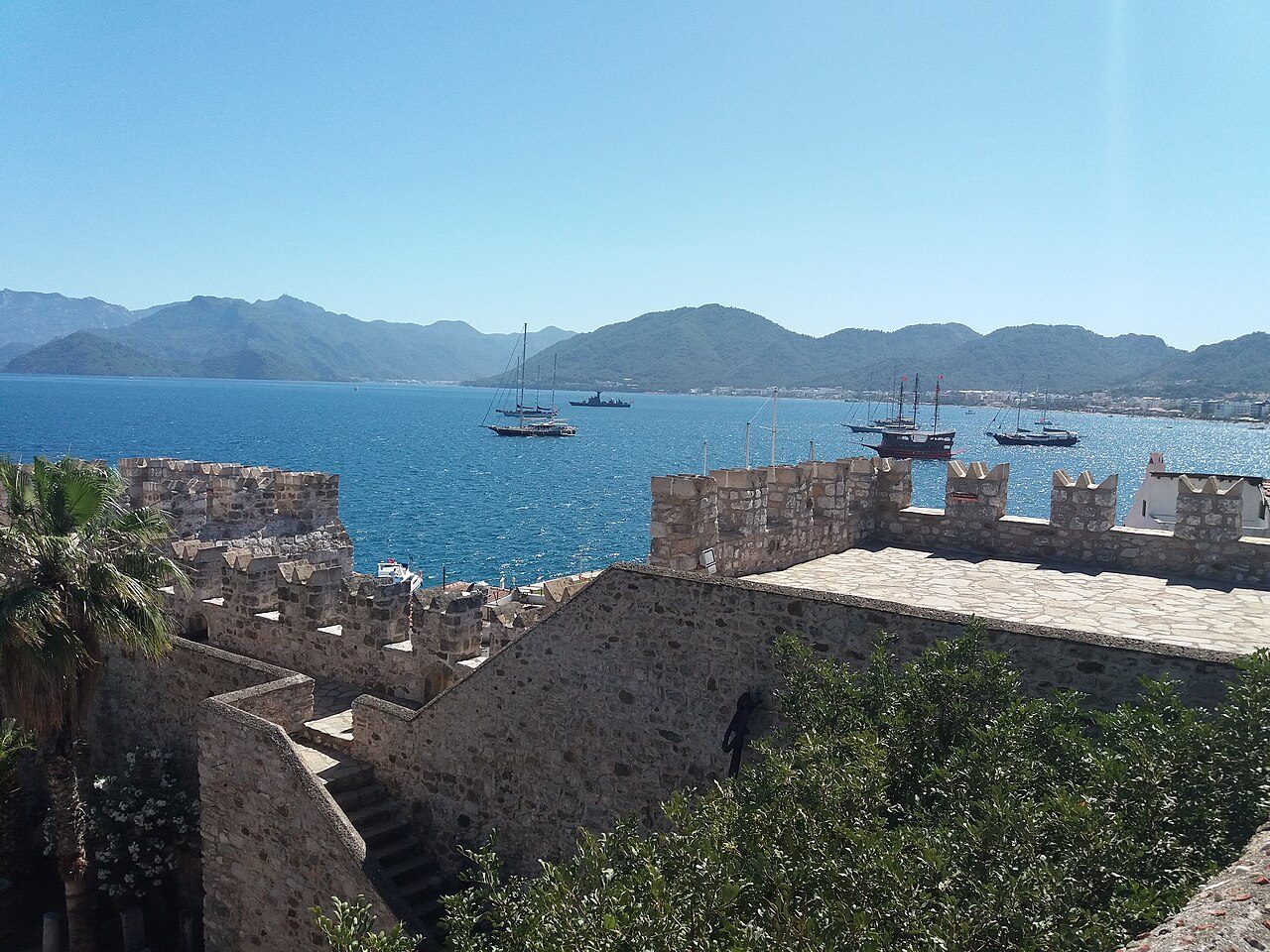
Marmaris Castle stands above the harbour of Marmaris on the Turkish Riviera. A castle has stood here since ancient times; the present one was rebuilt by Süleyman the Magnificent in 1522 as a base for his campaign against Rhodes. It now houses a small museum. Below, the old town has narrow streets, and the harbour is lined with yachts.
04
STOP 4 OF 22
Kaunos Rock Tombs
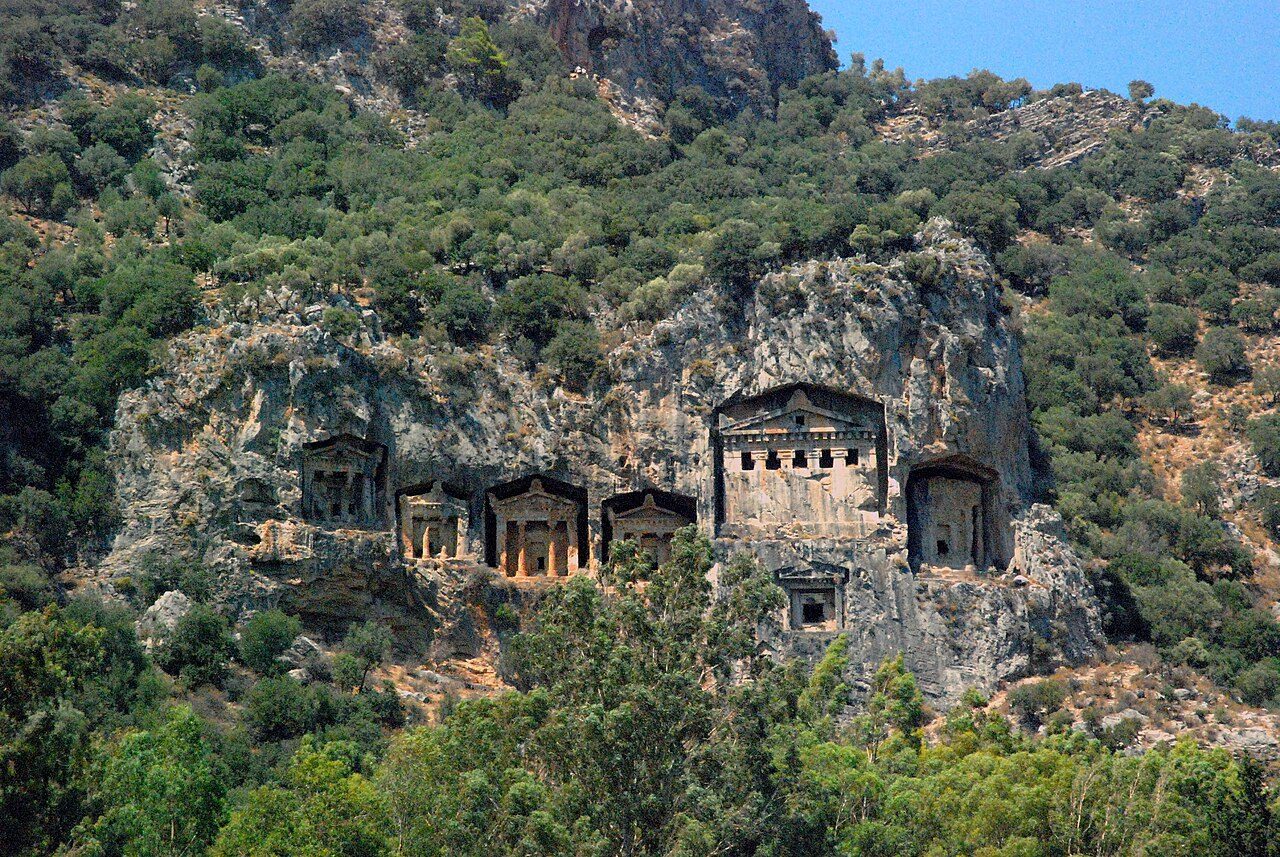
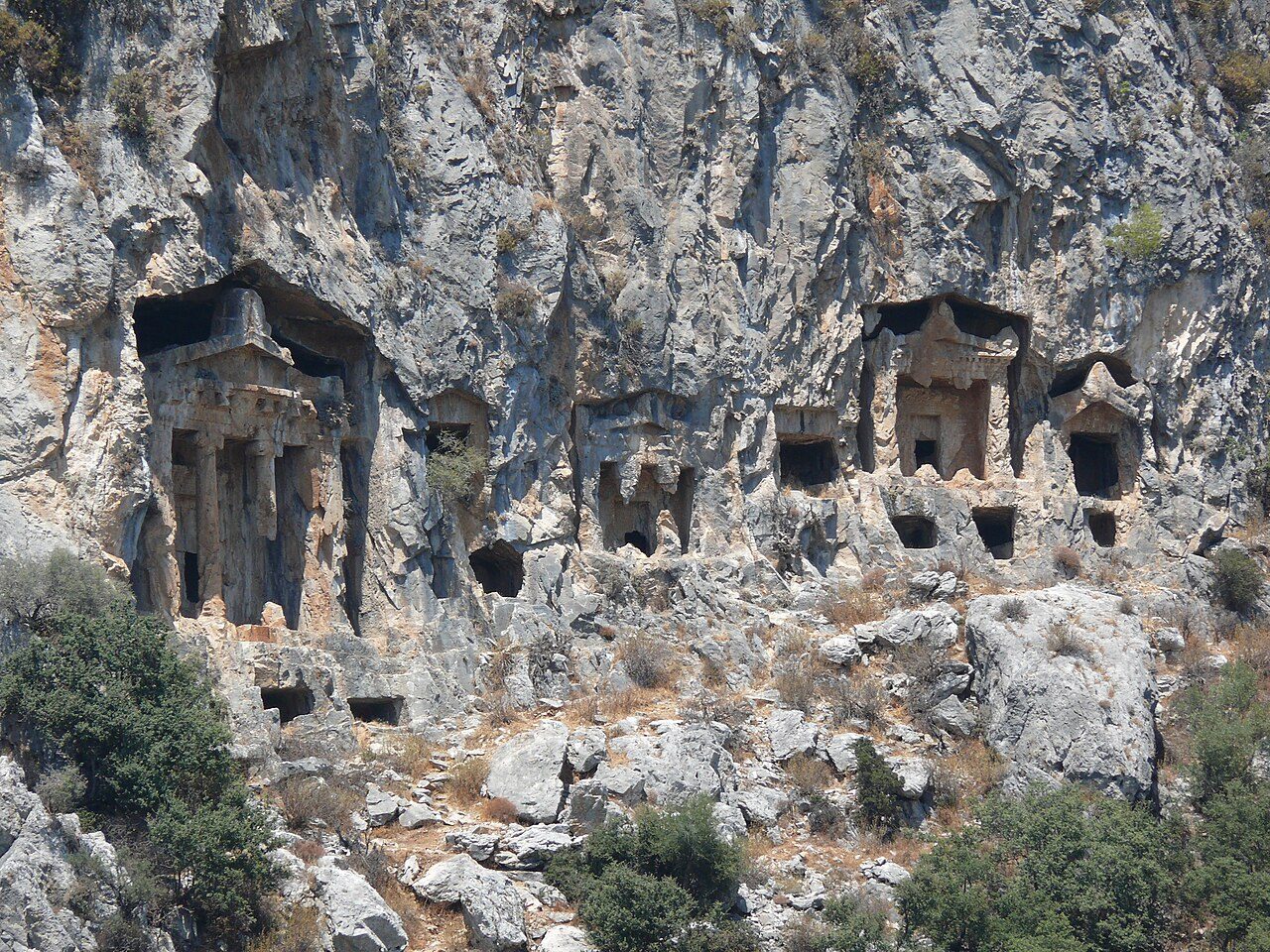
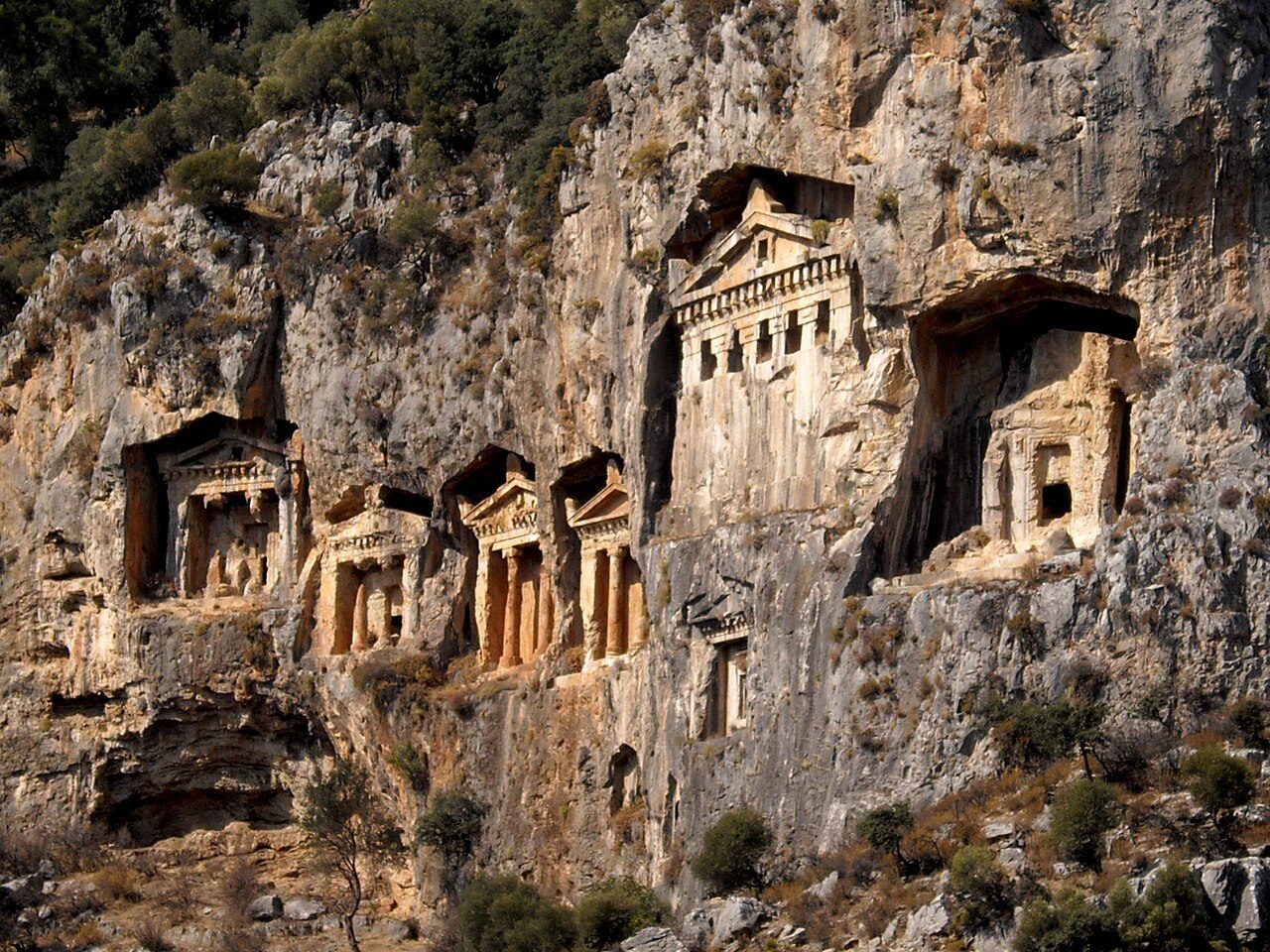
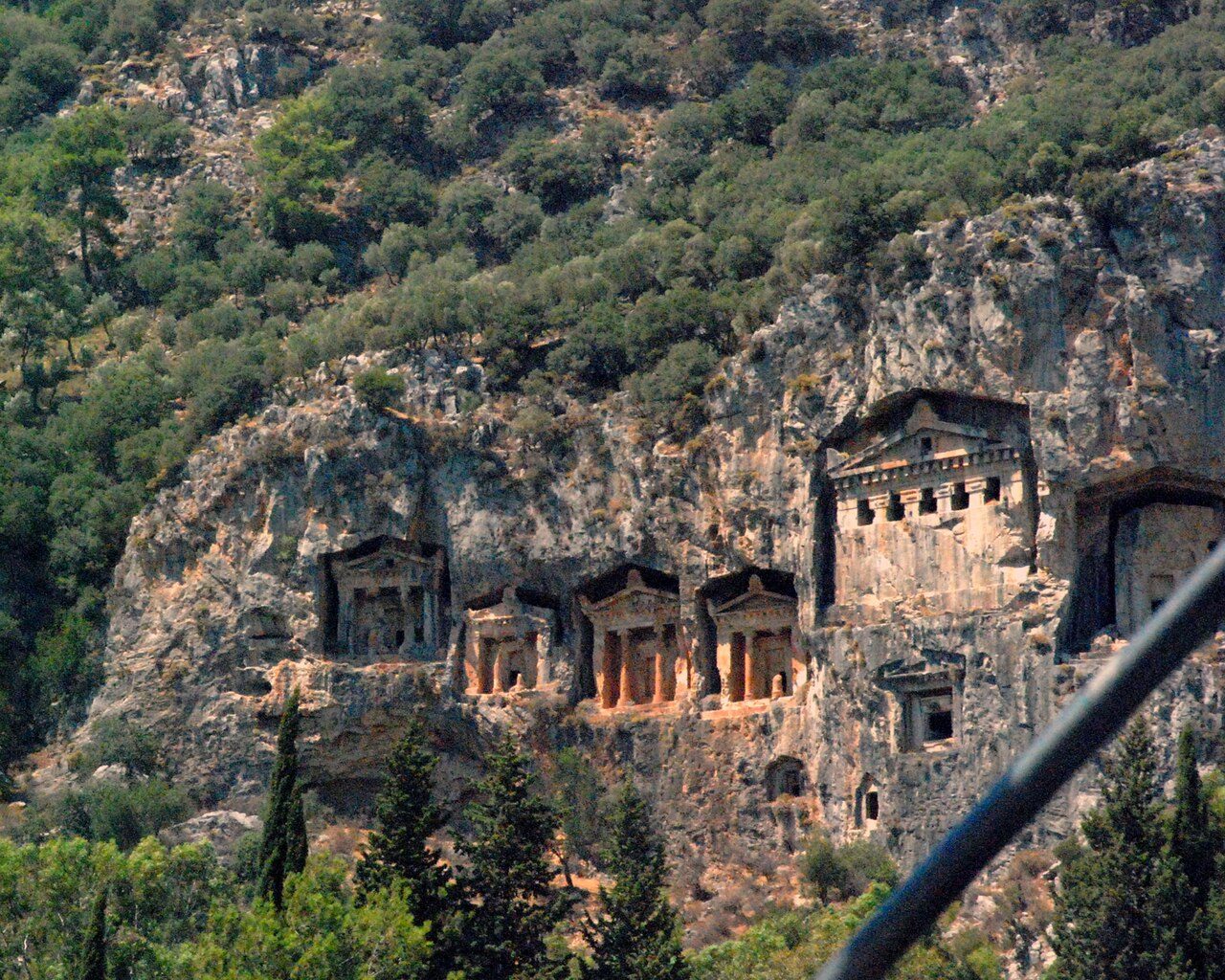
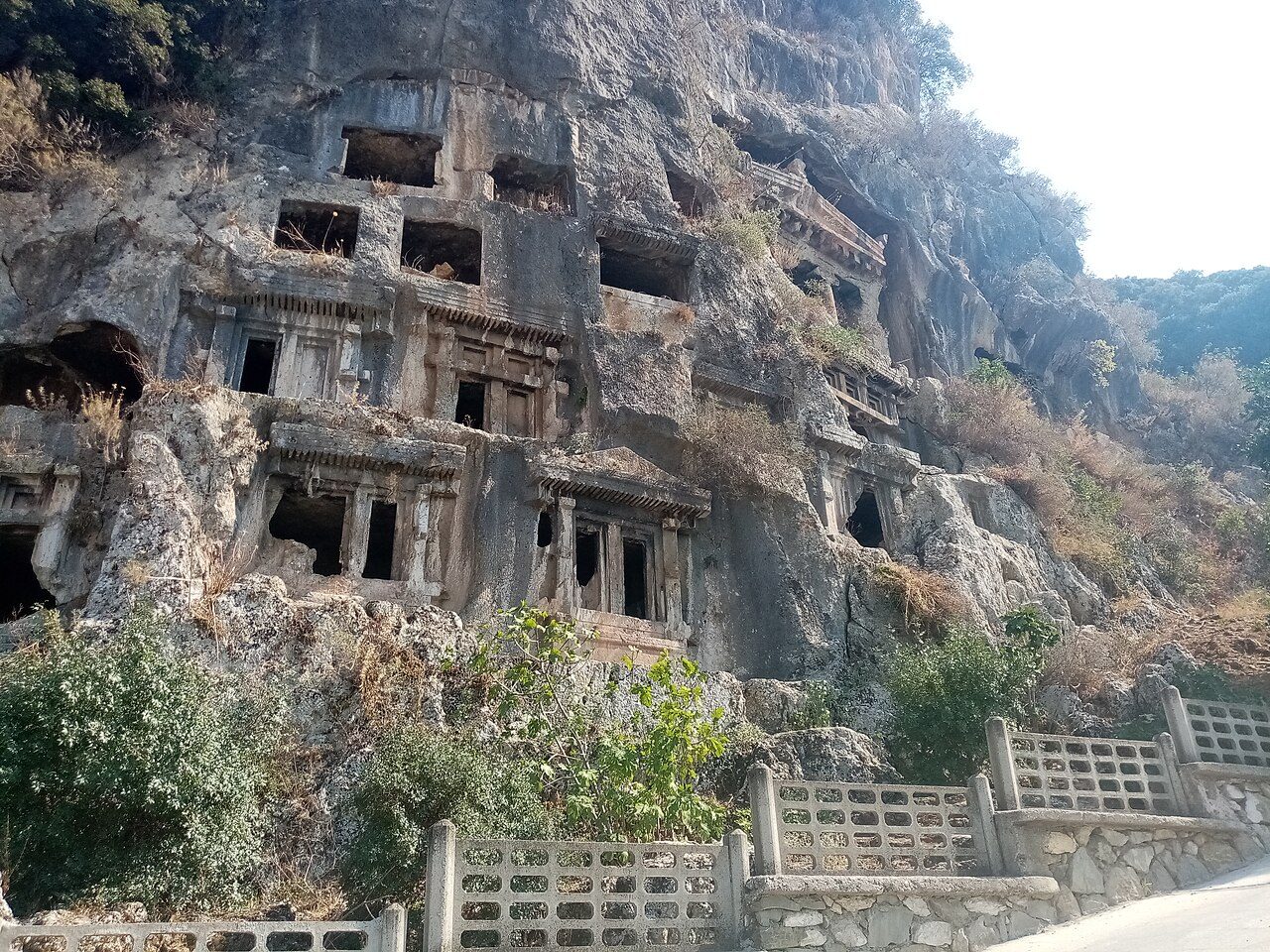
Kaunos was an ancient city on the river near Dalyan. It is famous for its rock tombs, carved in the 4th century BC into the cliffs above the river, with fronts like Greek temples. They are best seen from the river boats that carry visitors between Dalyan and İztuzu beach. The ruins of the city include a theatre, baths and a harbour.
05
STOP 5 OF 22
İztuzu Beach
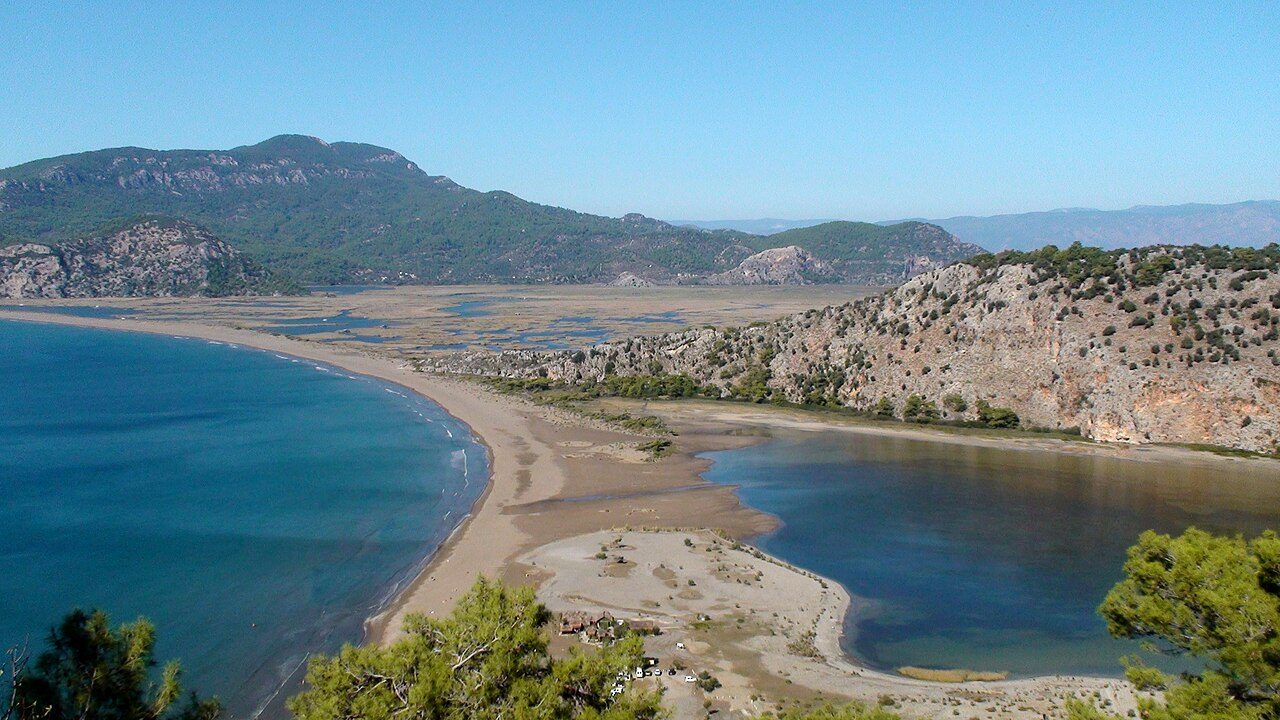
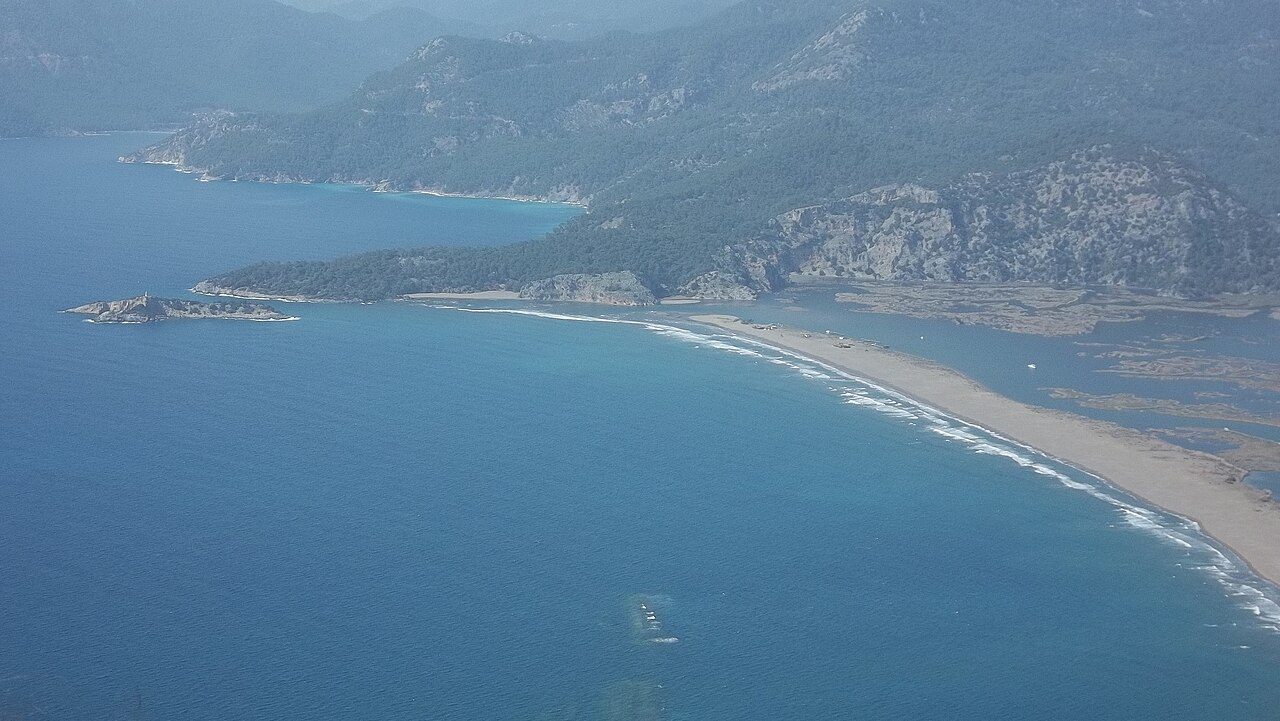
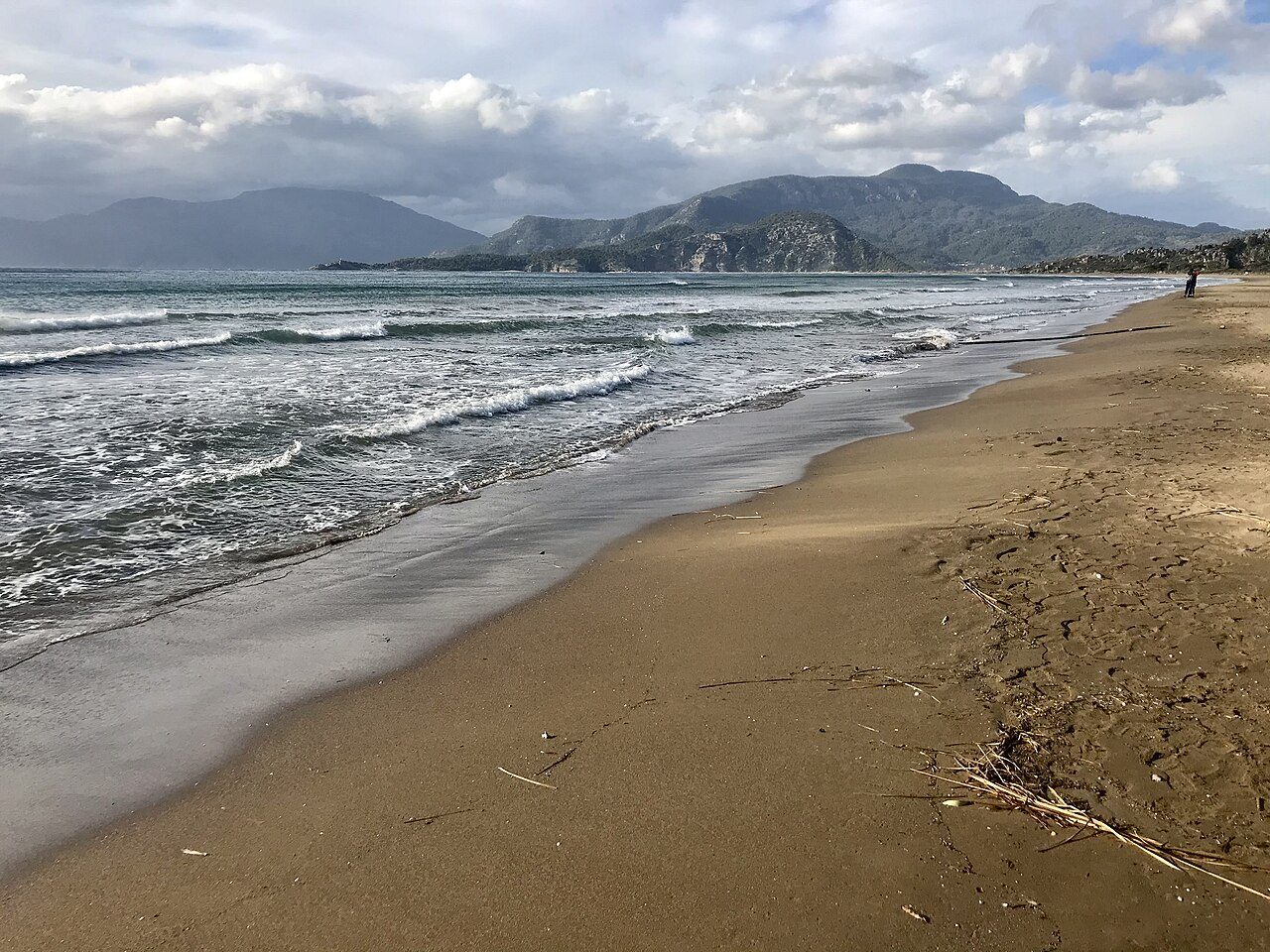
İztuzu Beach is a long sandbar about 4.5 kilometres long between the sea and the Dalyan delta. It is one of the most important nesting beaches for loggerhead sea turtles in the Mediterranean, and the beach is closed at night in the nesting season. Boats from Dalyan reach it through the reed-lined river channels.
06
STOP 6 OF 22
Tomb of Amyntas
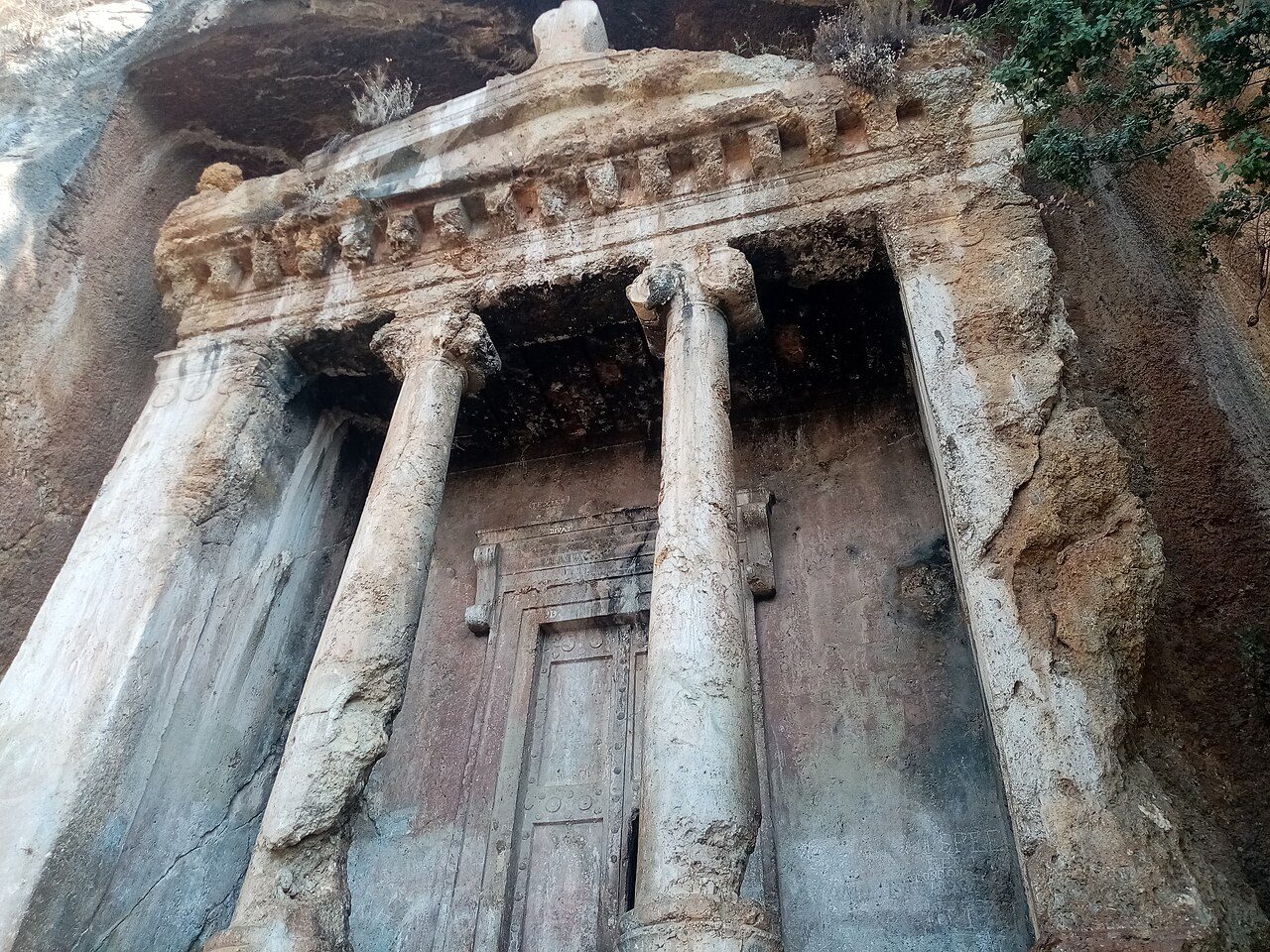
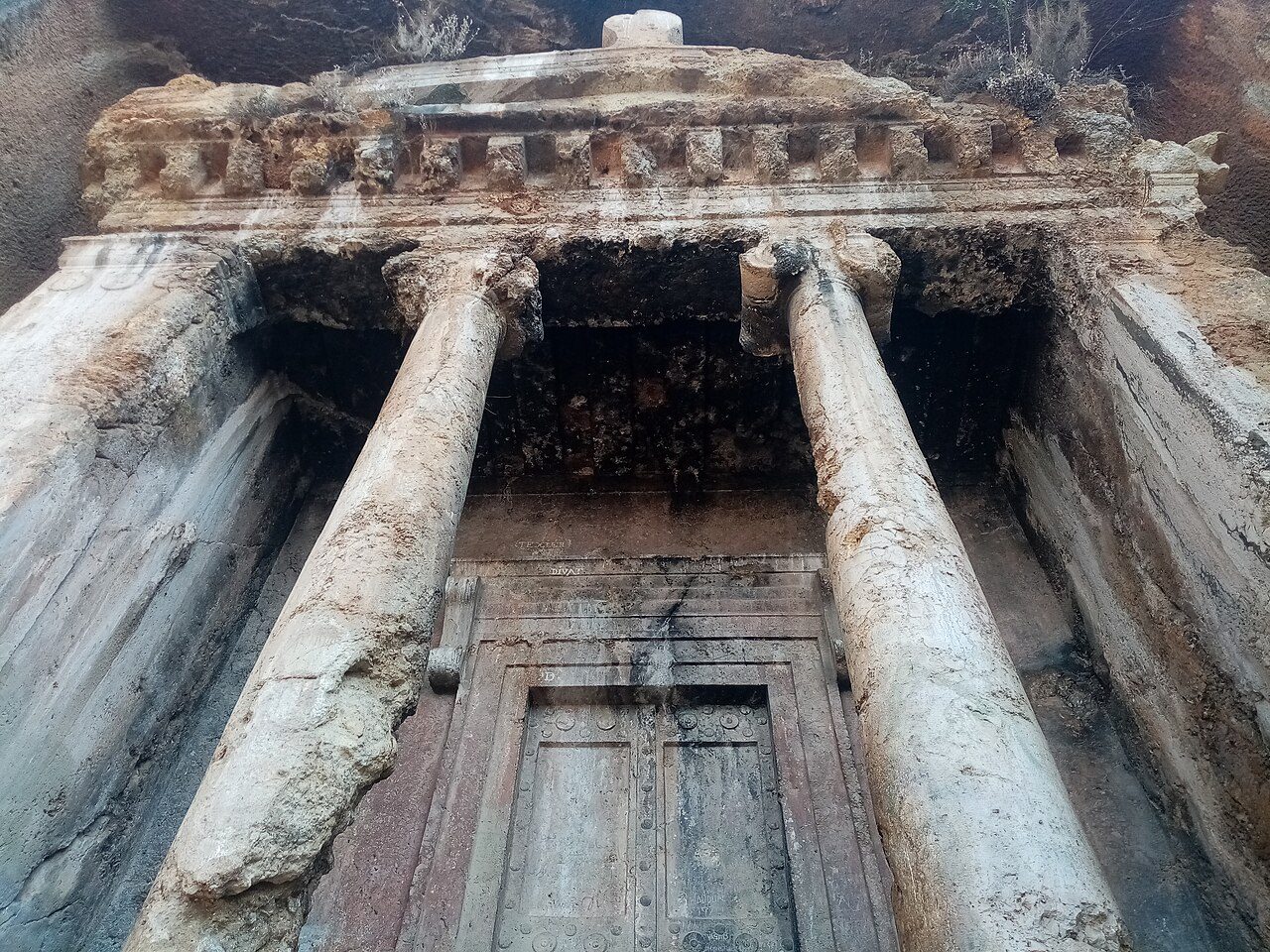
The Tomb of Amyntas is the largest of the rock tombs carved into the cliffs above Fethiye, the ancient city of Telmessos. Built in the 4th century BC, its front looks like a small Ionic temple, with two columns and a pediment cut out of the rock. An inscription names Amyntas. A stairway leads up to it, with views over the town and harbour.
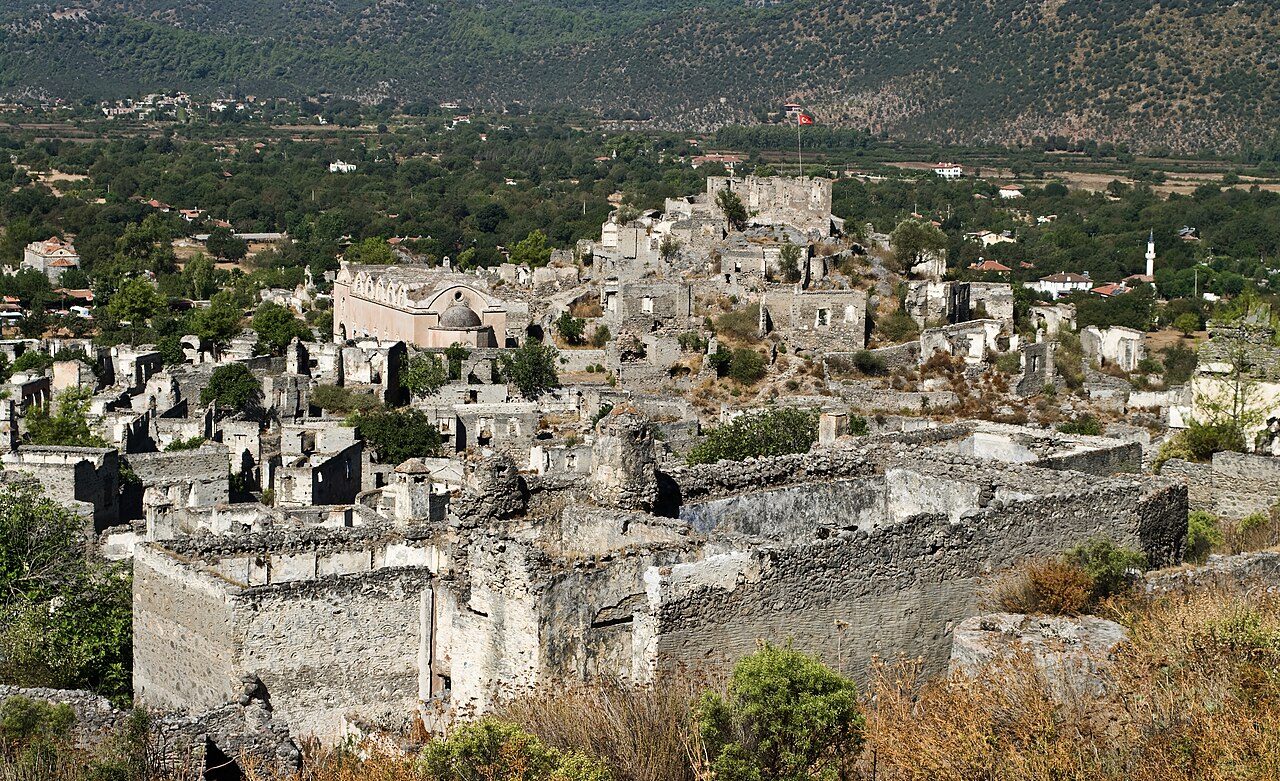
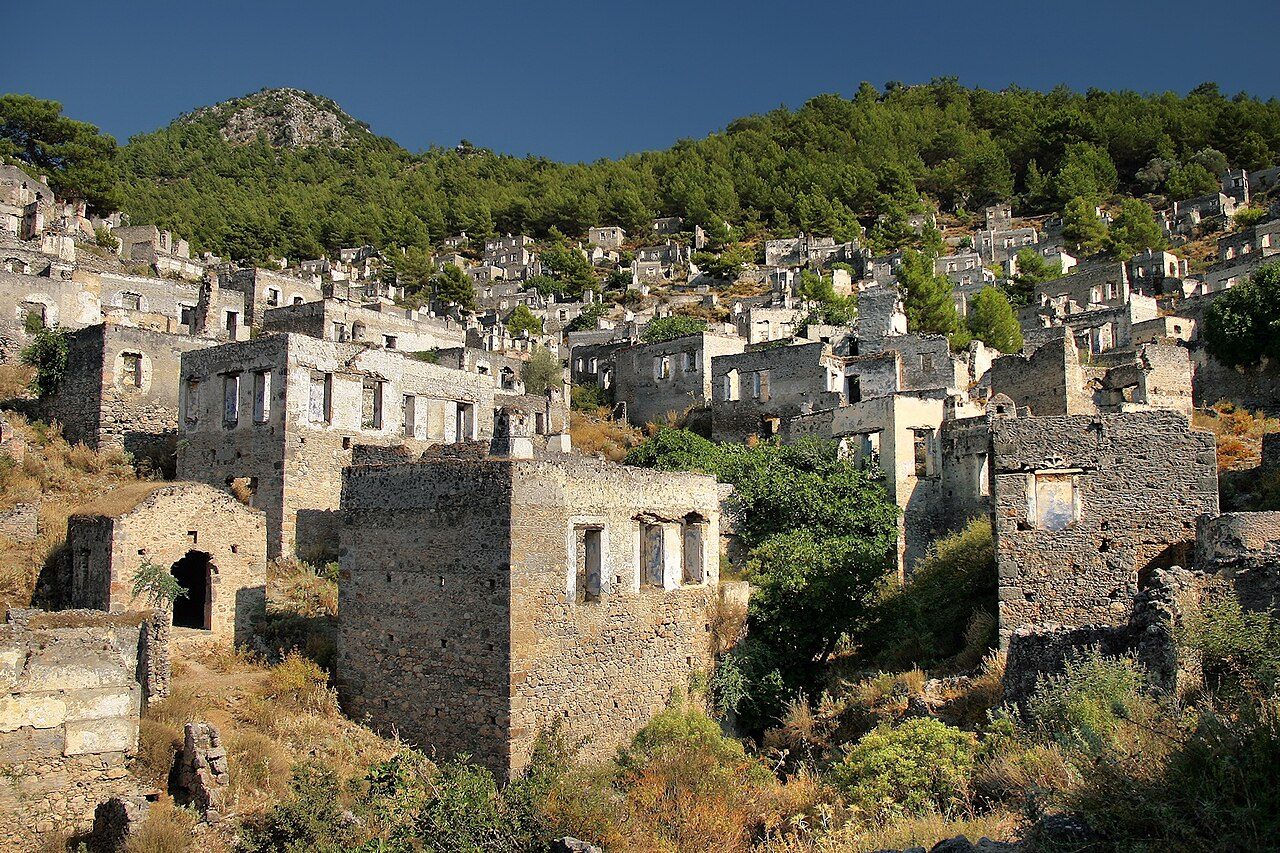
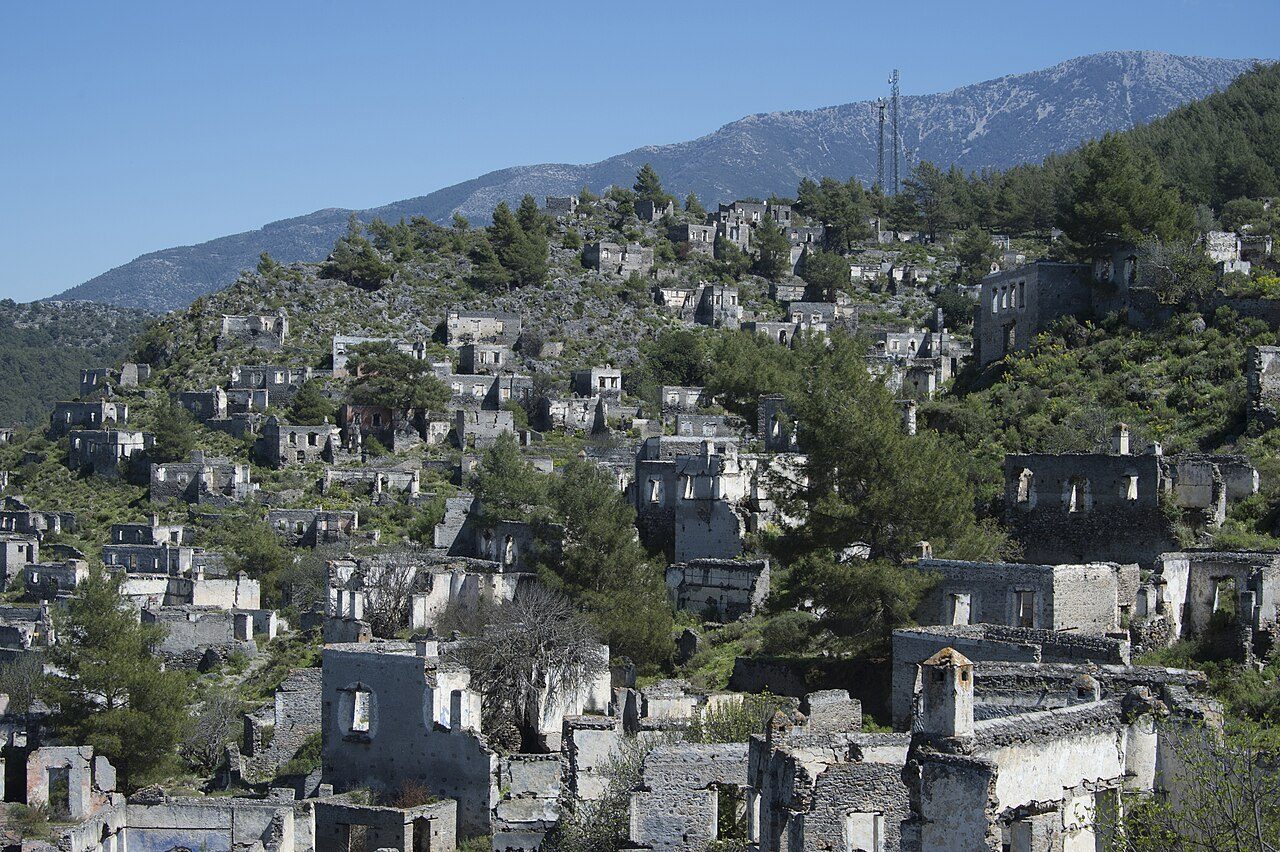
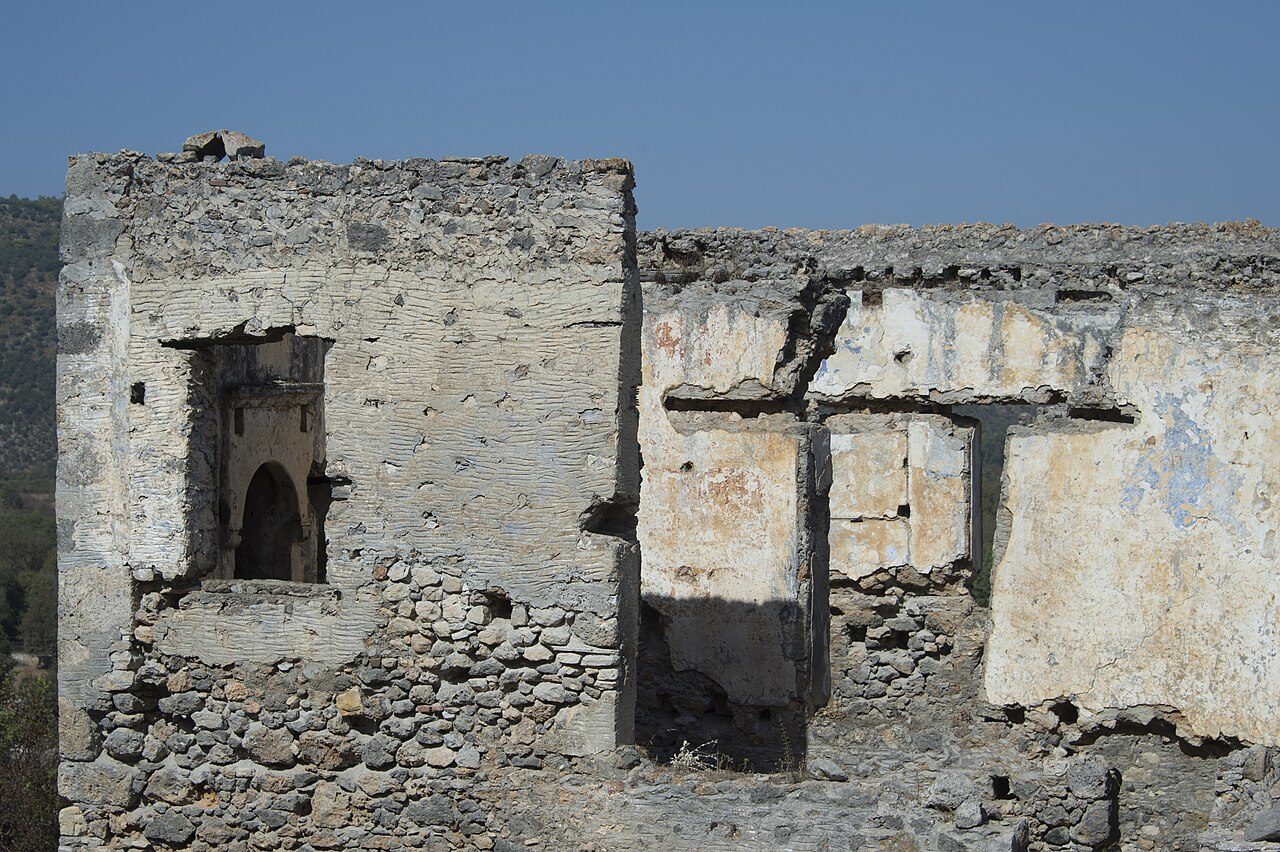
Kayaköy is an abandoned village in the hills near Fethiye. It was home to Greek Orthodox people until the population exchange of 1923, after which it was left empty. Hundreds of roofless stone houses climb the hillside, along with two churches. The village inspired the novel Birds Without Wings, and a path leads from it to the sea.
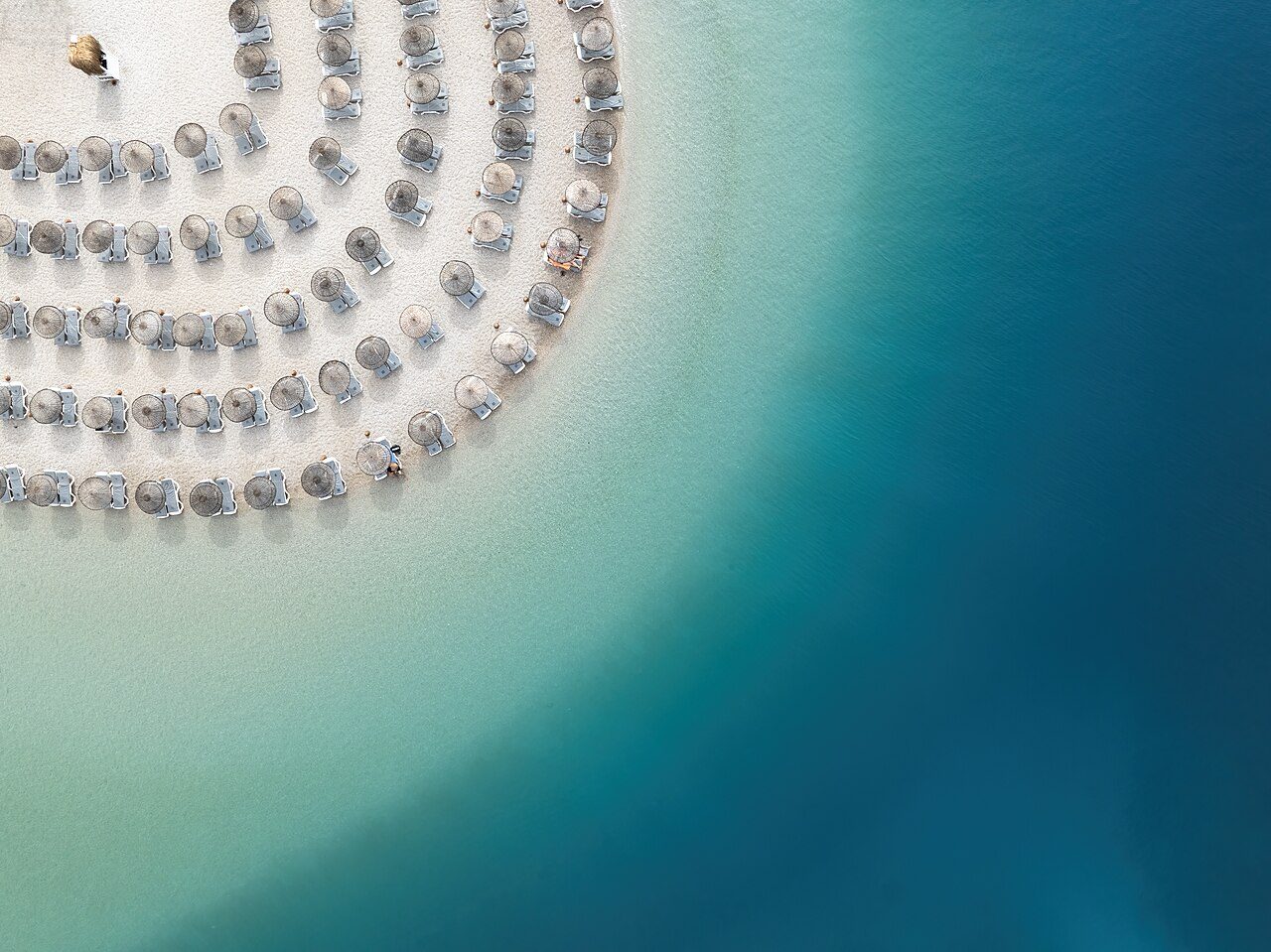
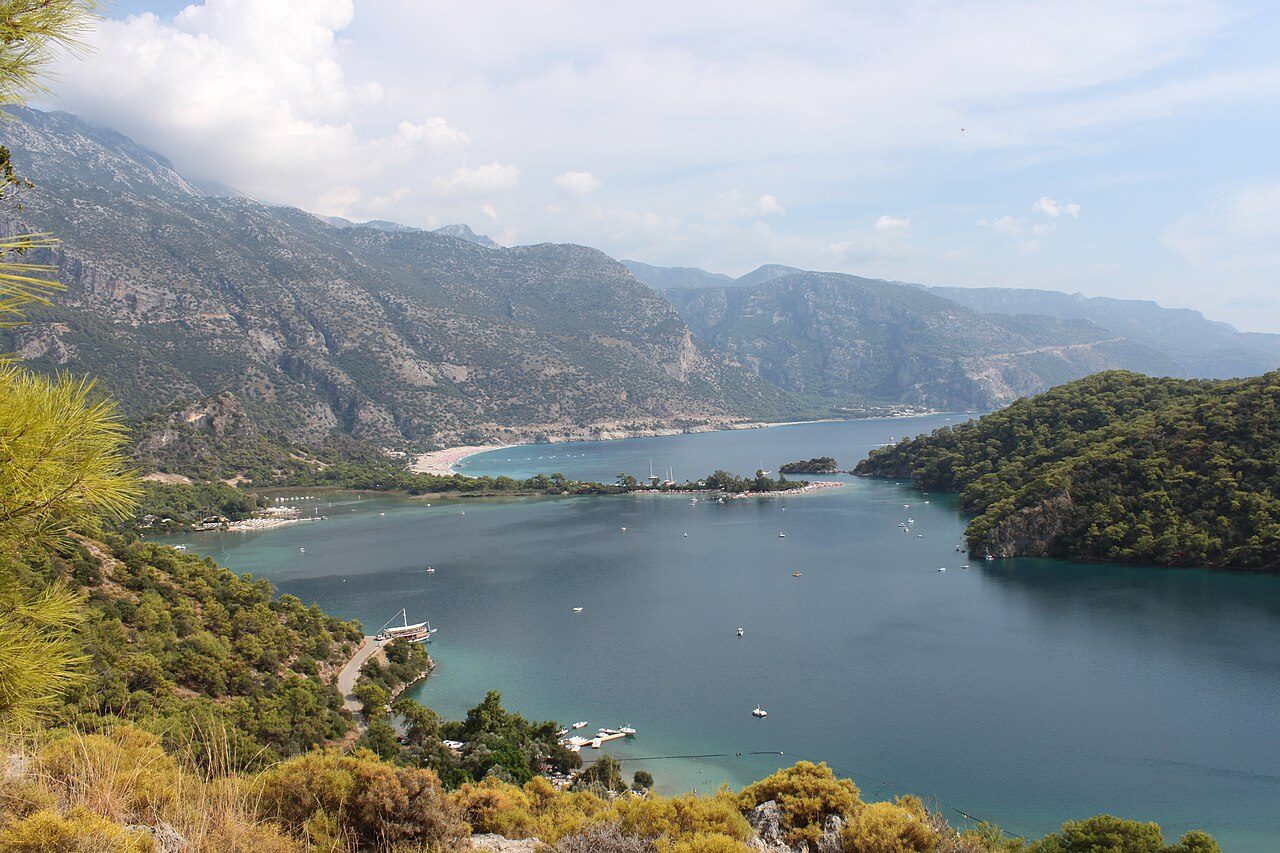
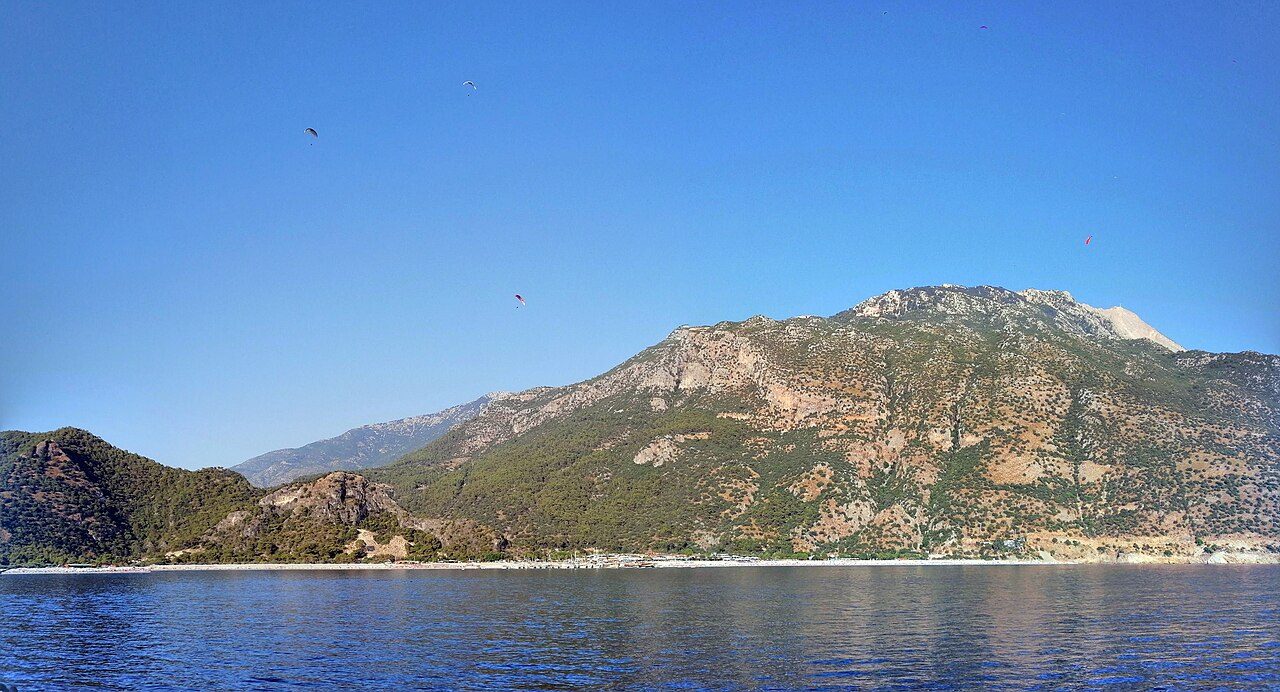
Ölüdeniz is a beach resort near Fethiye, known for its blue lagoon, a sheltered bay of calm turquoise water behind a sandbar. The lagoon is protected as a nature park. Behind the beach rises Babadağ mountain, from which paragliders launch and drift down over the bay. The Lycian Way long-distance trail starts nearby.
09
STOP 9 OF 22
Butterfly Valley
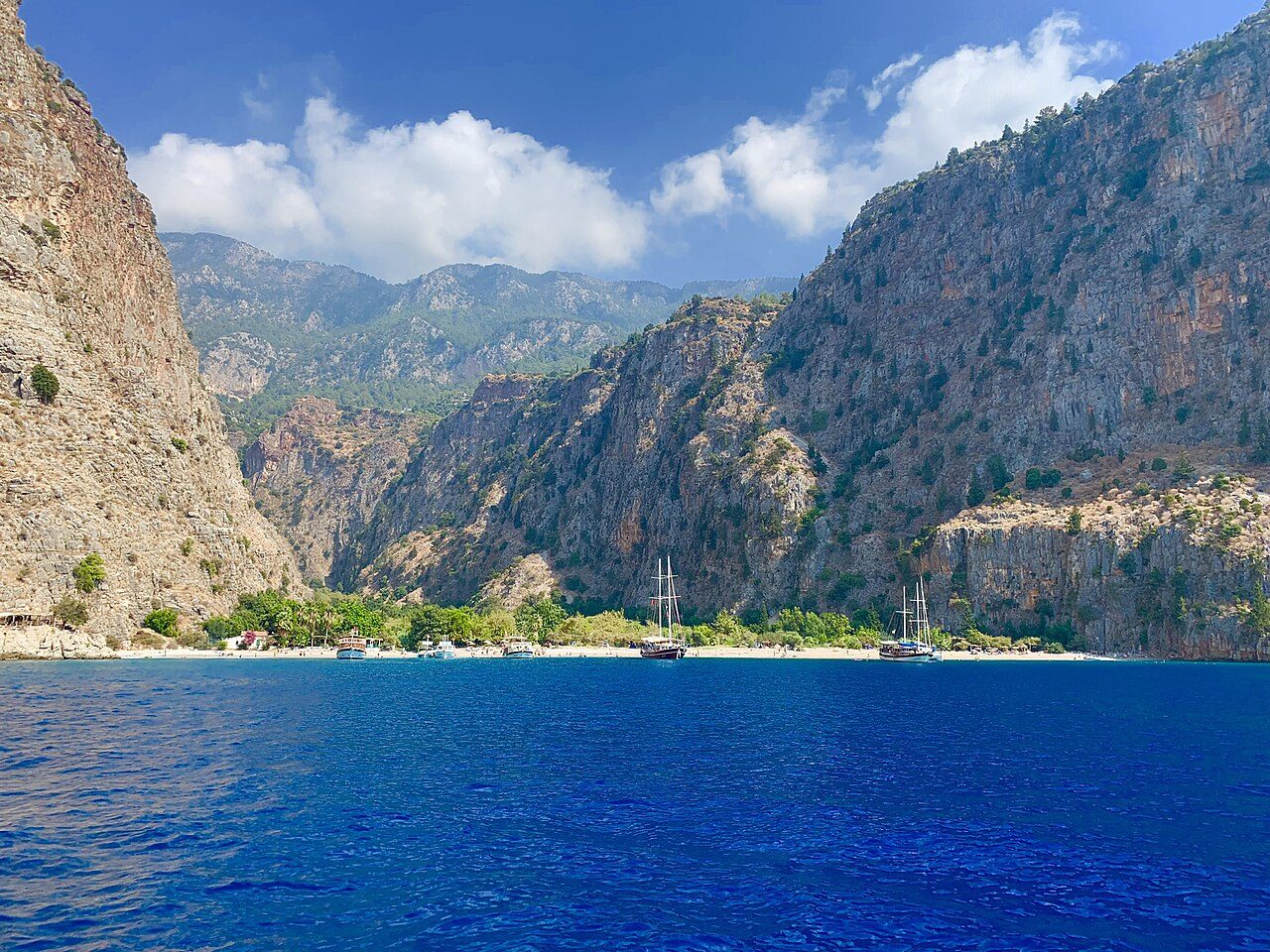
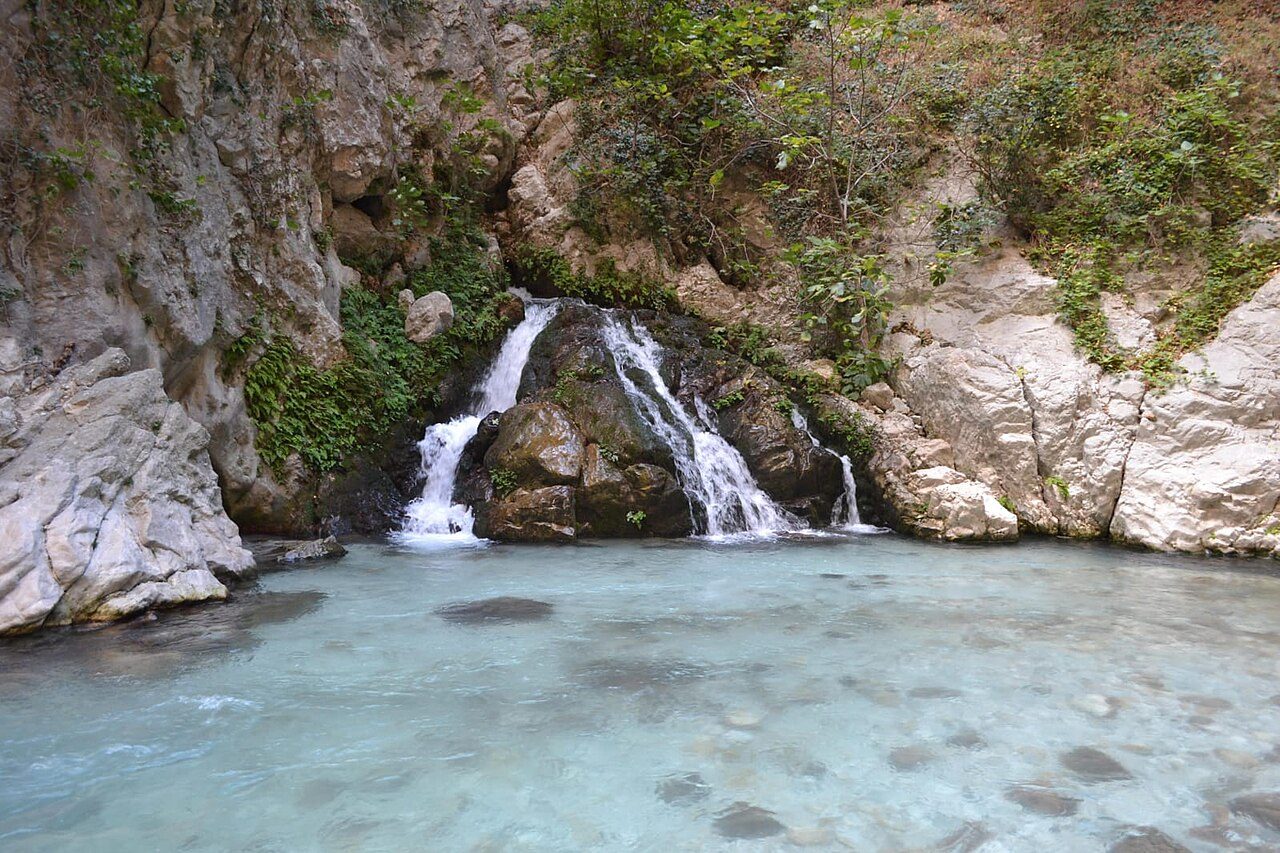
Butterfly Valley is a small bay south of Ölüdeniz, enclosed by steep cliffs and reached mainly by boat. A stream flows down the valley to the beach, with a waterfall further up. It is home to many butterflies, especially the Jersey tiger moth in summer. The valley is a protected area, with simple camping and bungalows.
10
STOP 10 OF 22
Saklıkent Gorge
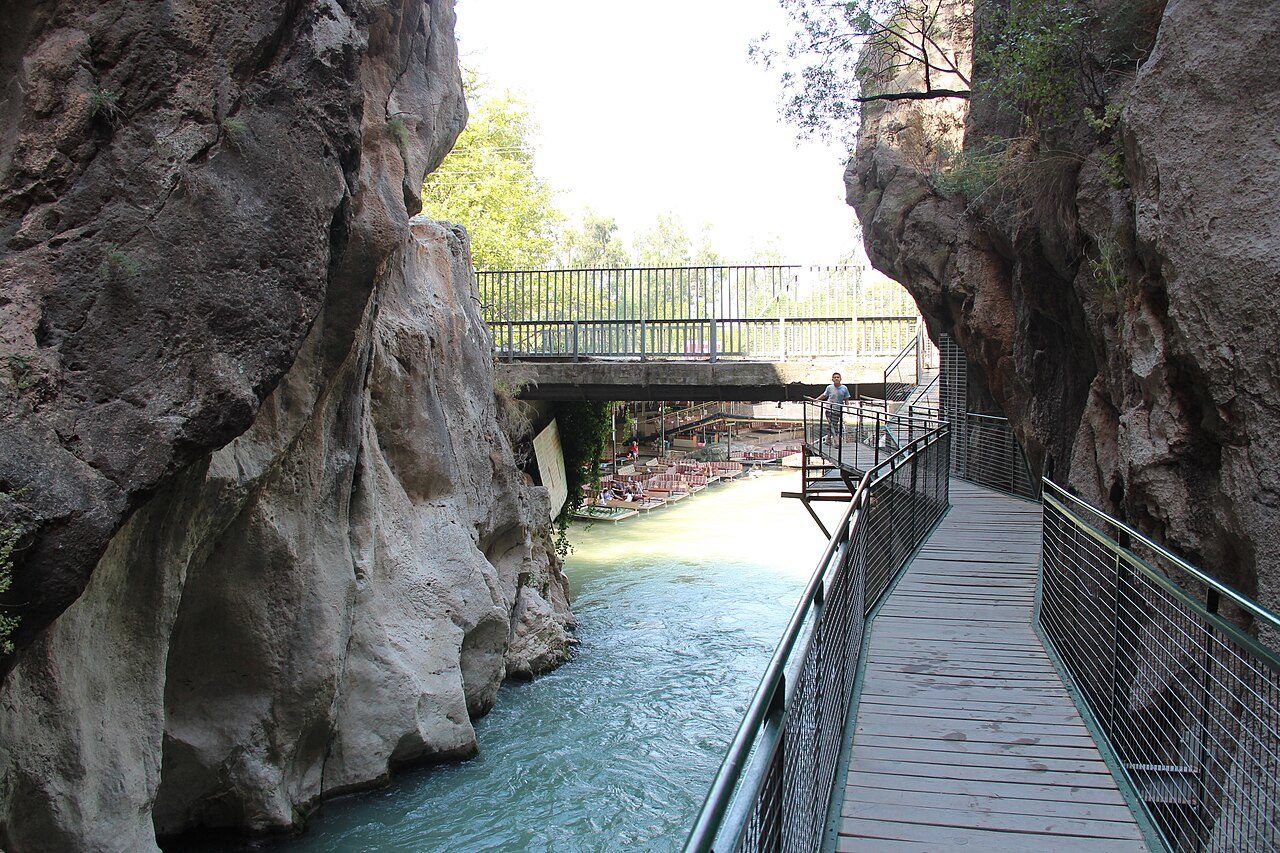
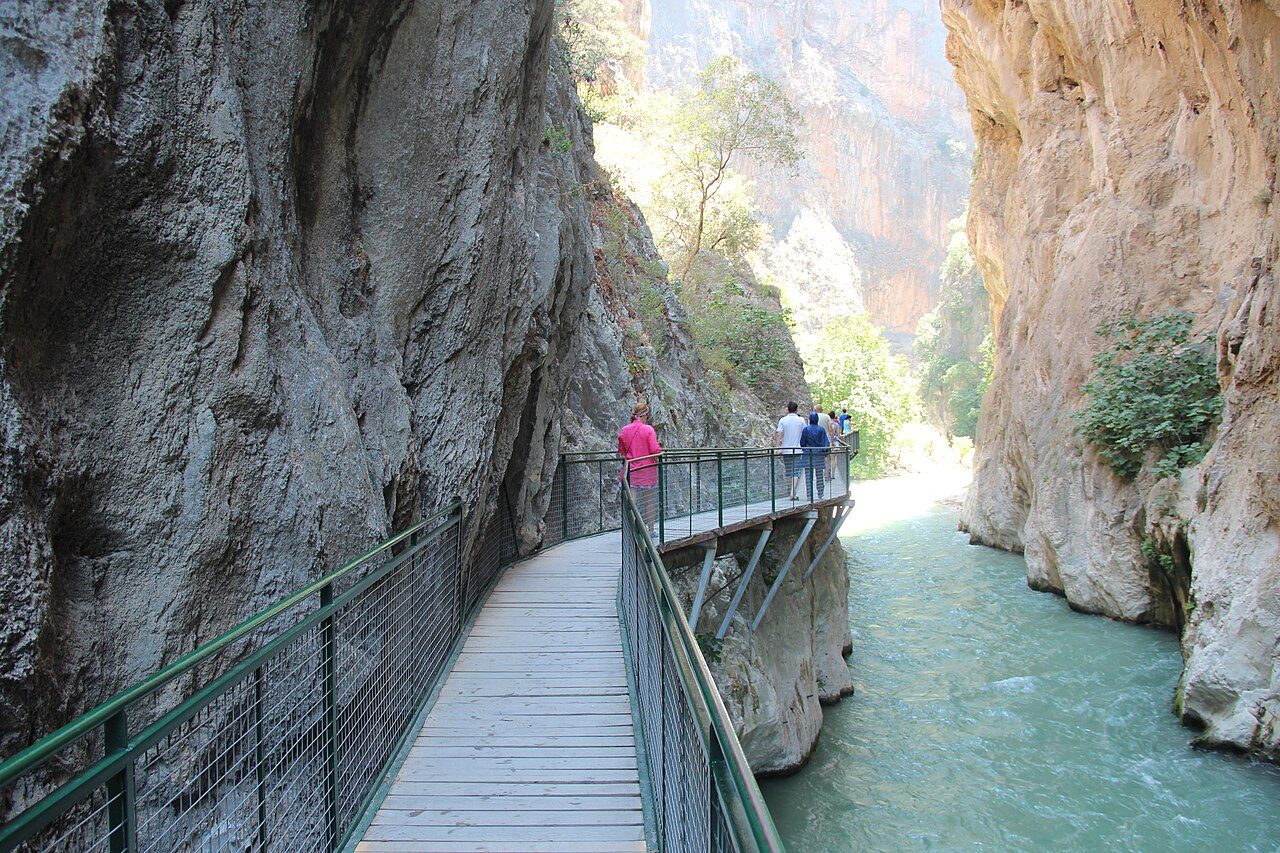
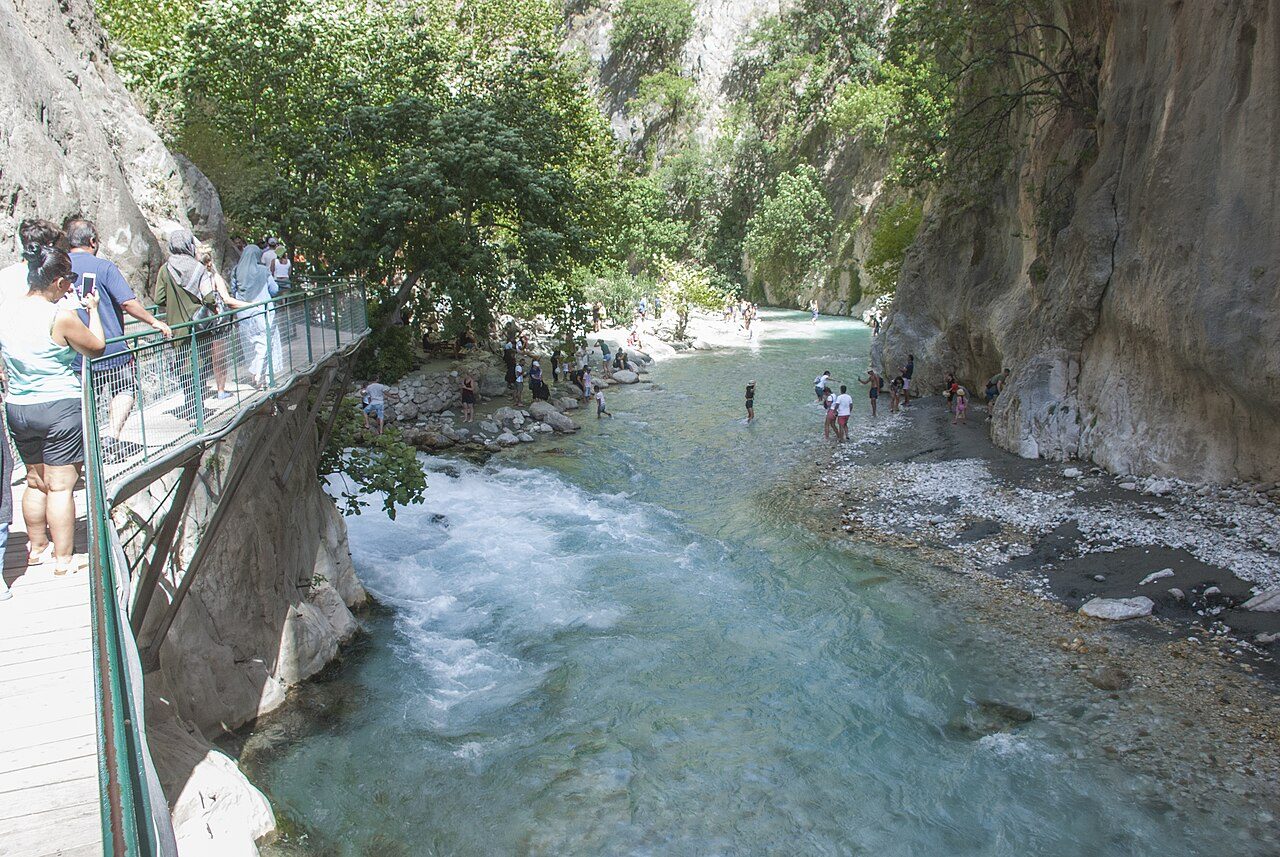
Saklıkent Gorge is a narrow canyon about 18 kilometres long in the Taurus Mountains near Fethiye. Its walls rise up to 300 metres, and in places it is only a few metres wide. Visitors walk on a boardwalk and then wade through cold water flowing between the rocks. Restaurants on platforms over the river at the entrance serve trout and gözleme.
11
STOP 11 OF 22
Patara Beach
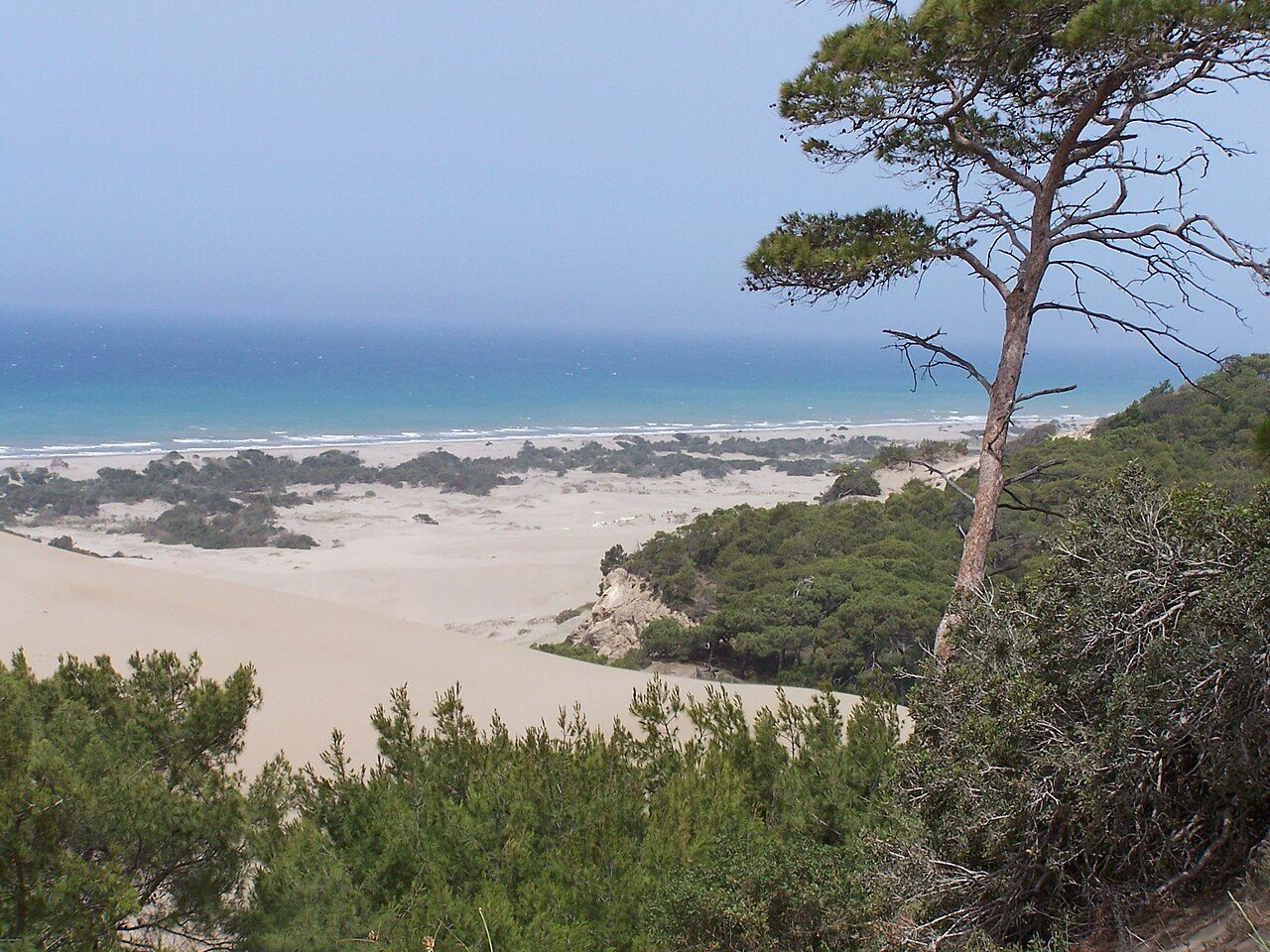
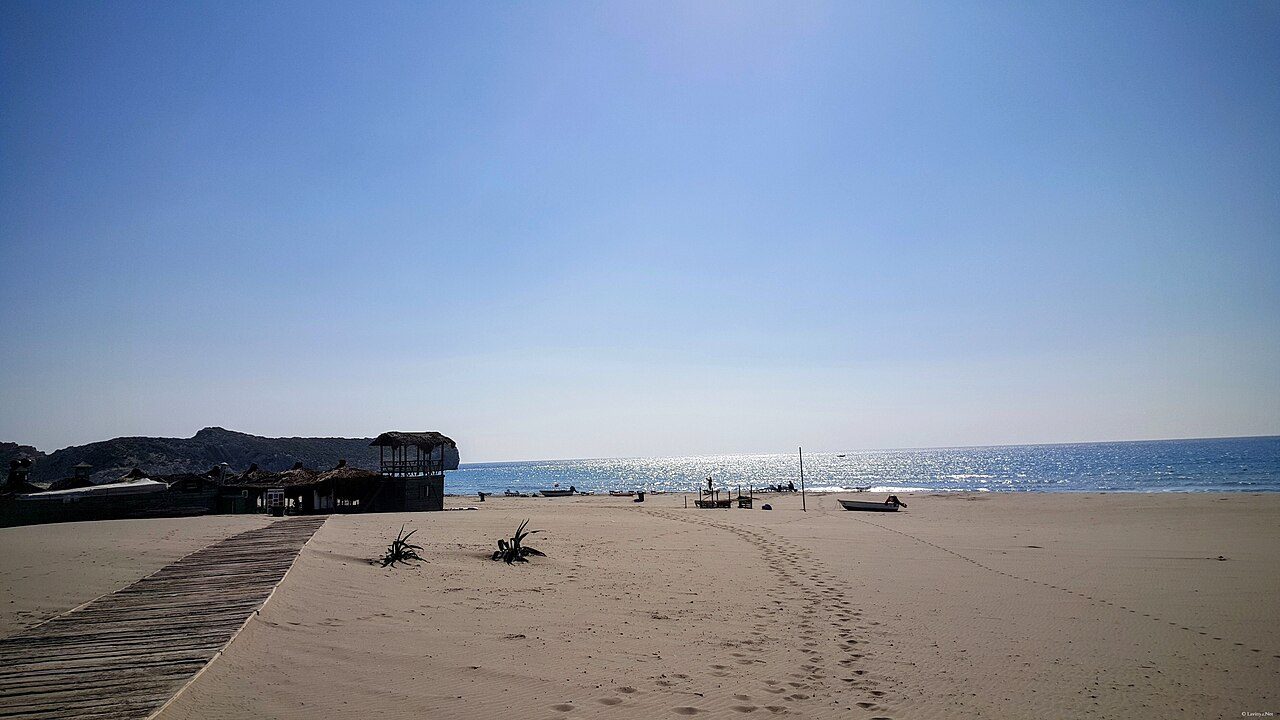
Patara Beach is one of the longest beaches in Türkiye, about 18 kilometres of sand backed by dunes. It is a protected nesting site for loggerhead turtles. Behind the beach lie the ruins of Patara, a major Lycian city and birthplace of Saint Nicholas, with a restored parliament building, a theatre and a lighthouse.
12
STOP 12 OF 22
Kaputaş Beach
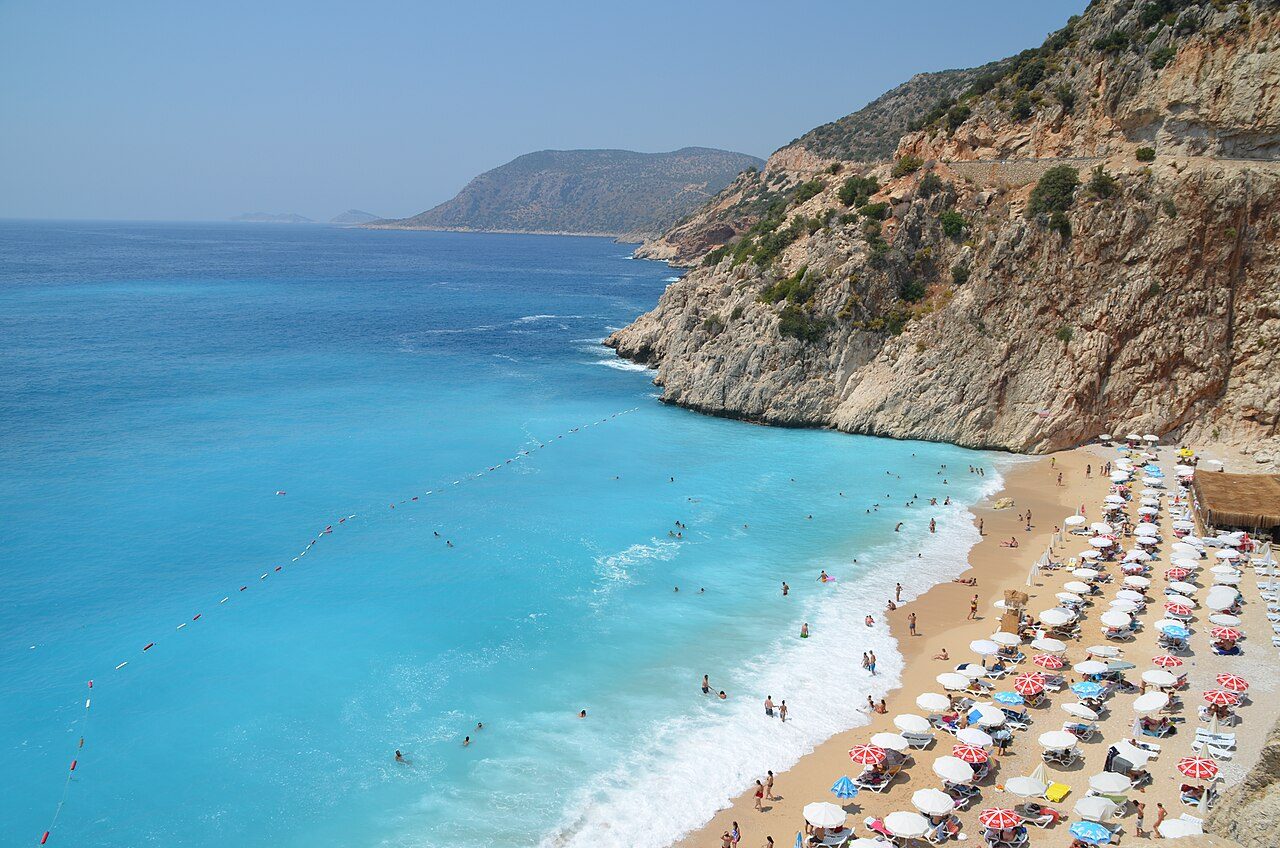
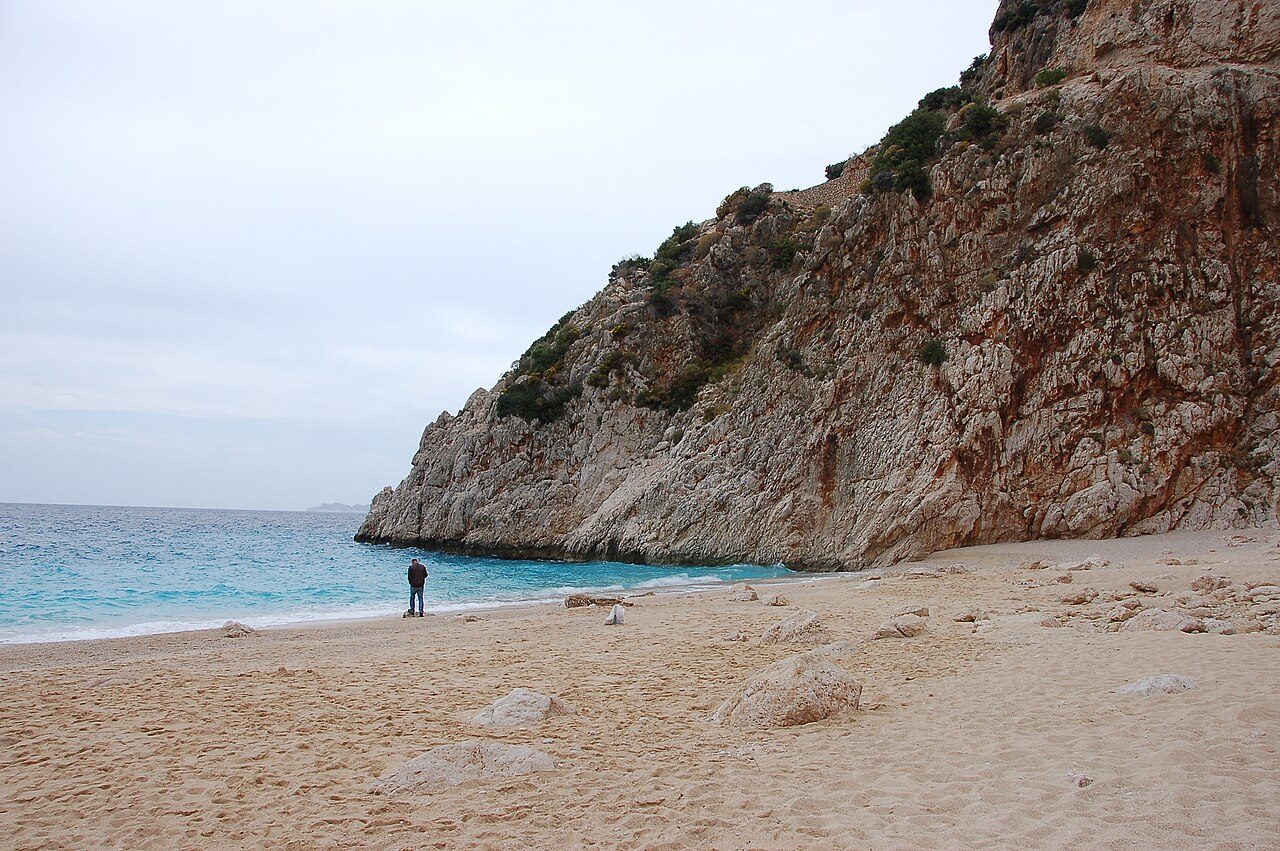
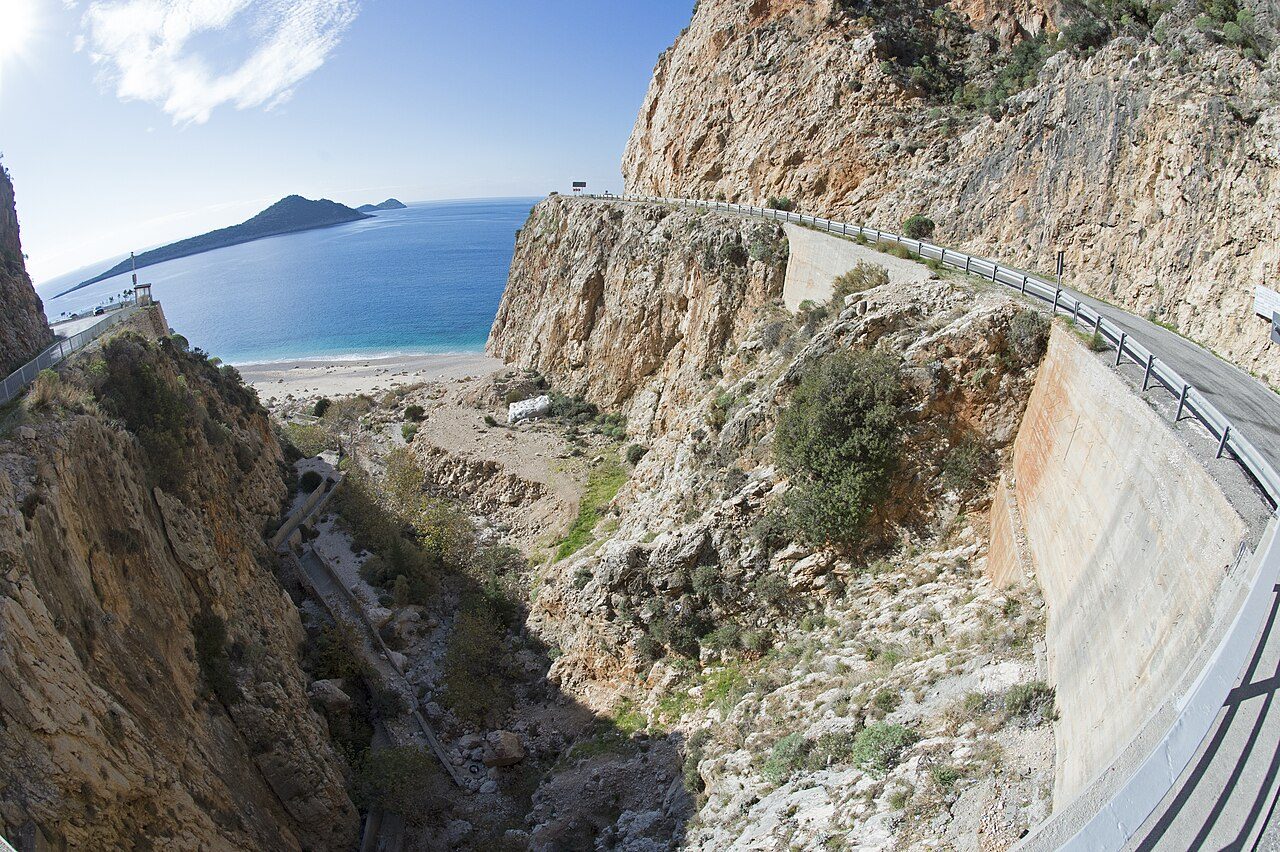
Kaputaş Beach is a small bay between Kaş and Kalkan, at the mouth of a deep gorge. Its turquoise water and white pebbles below steep cliffs make it one of the most photographed beaches in Türkiye. A long stairway leads down from the coastal road. The water is clear and deep for swimming.
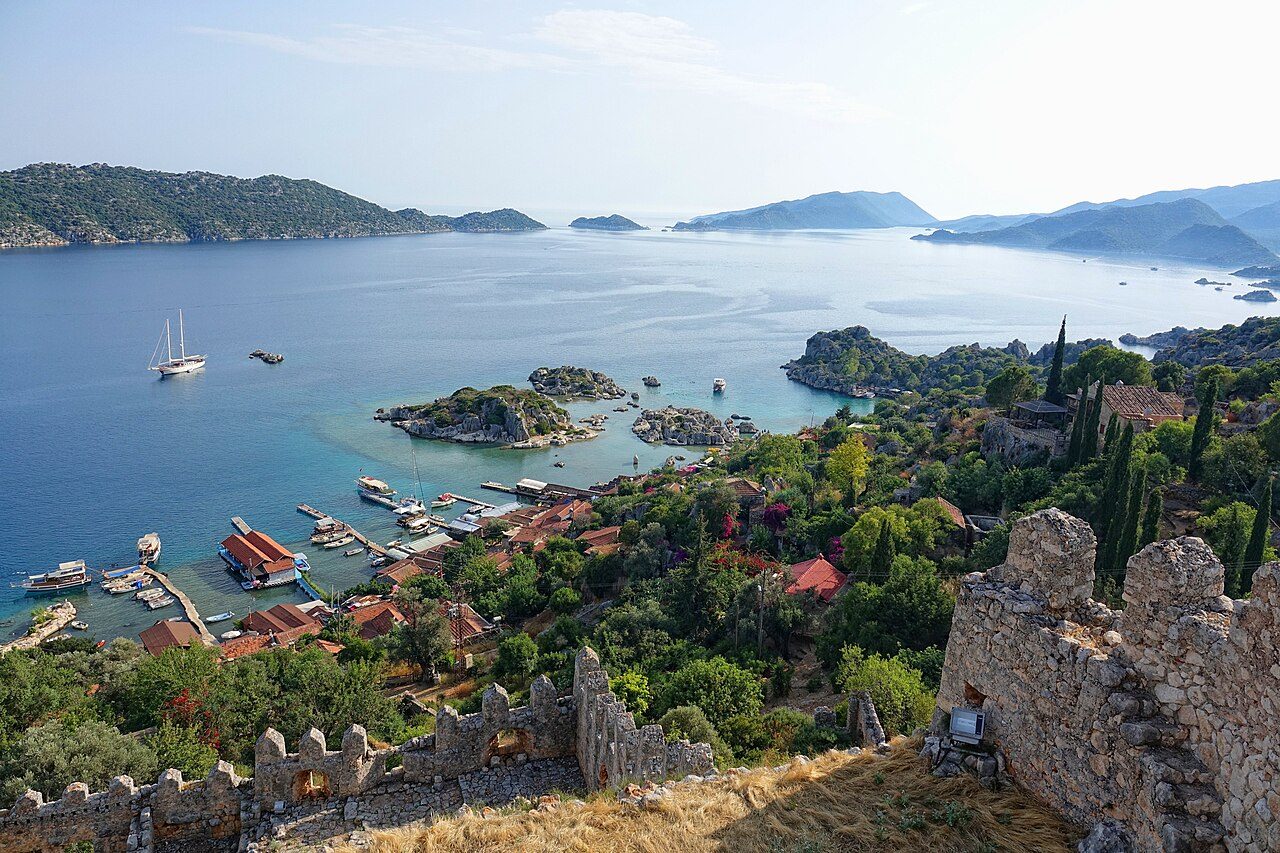
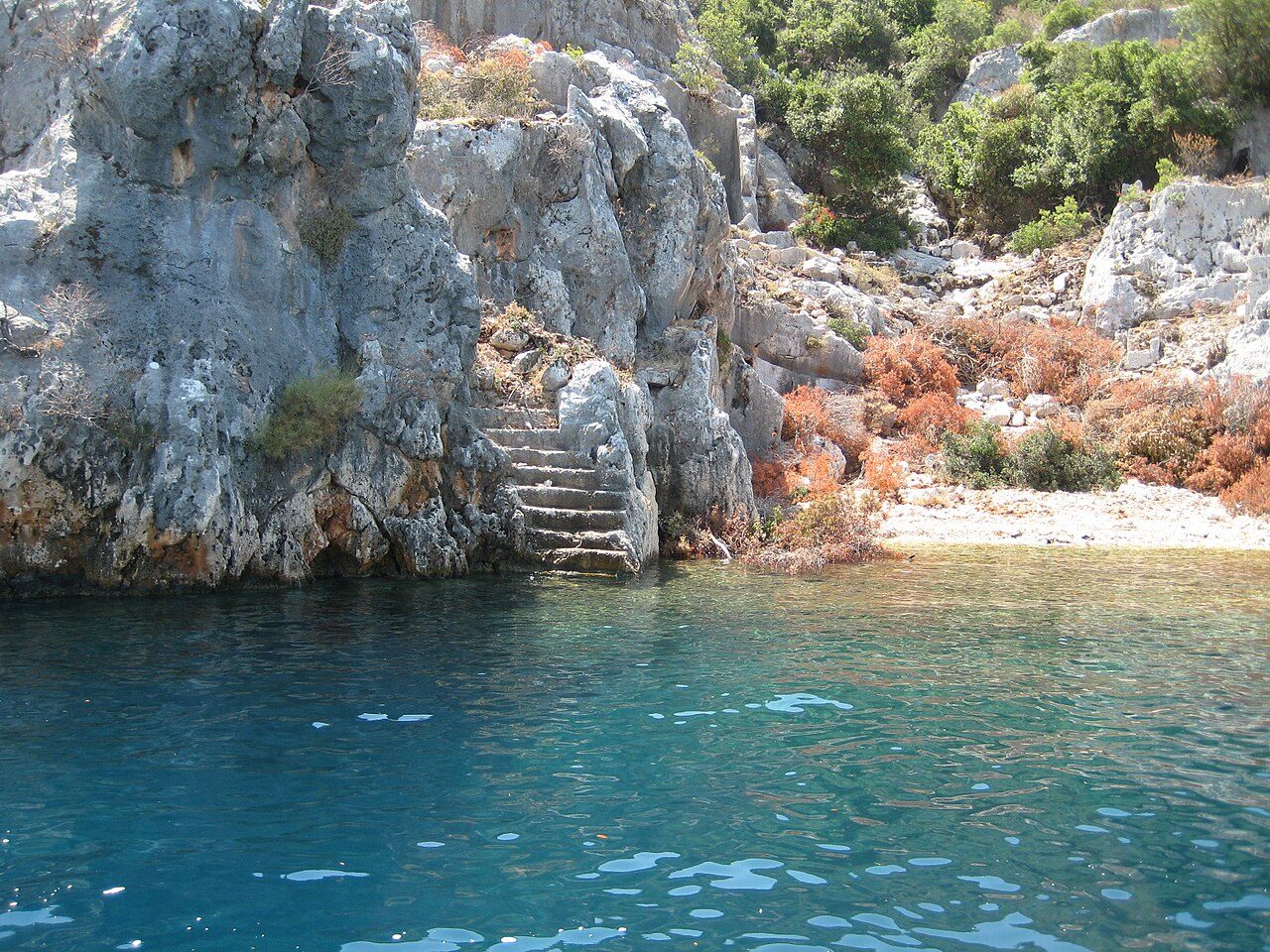
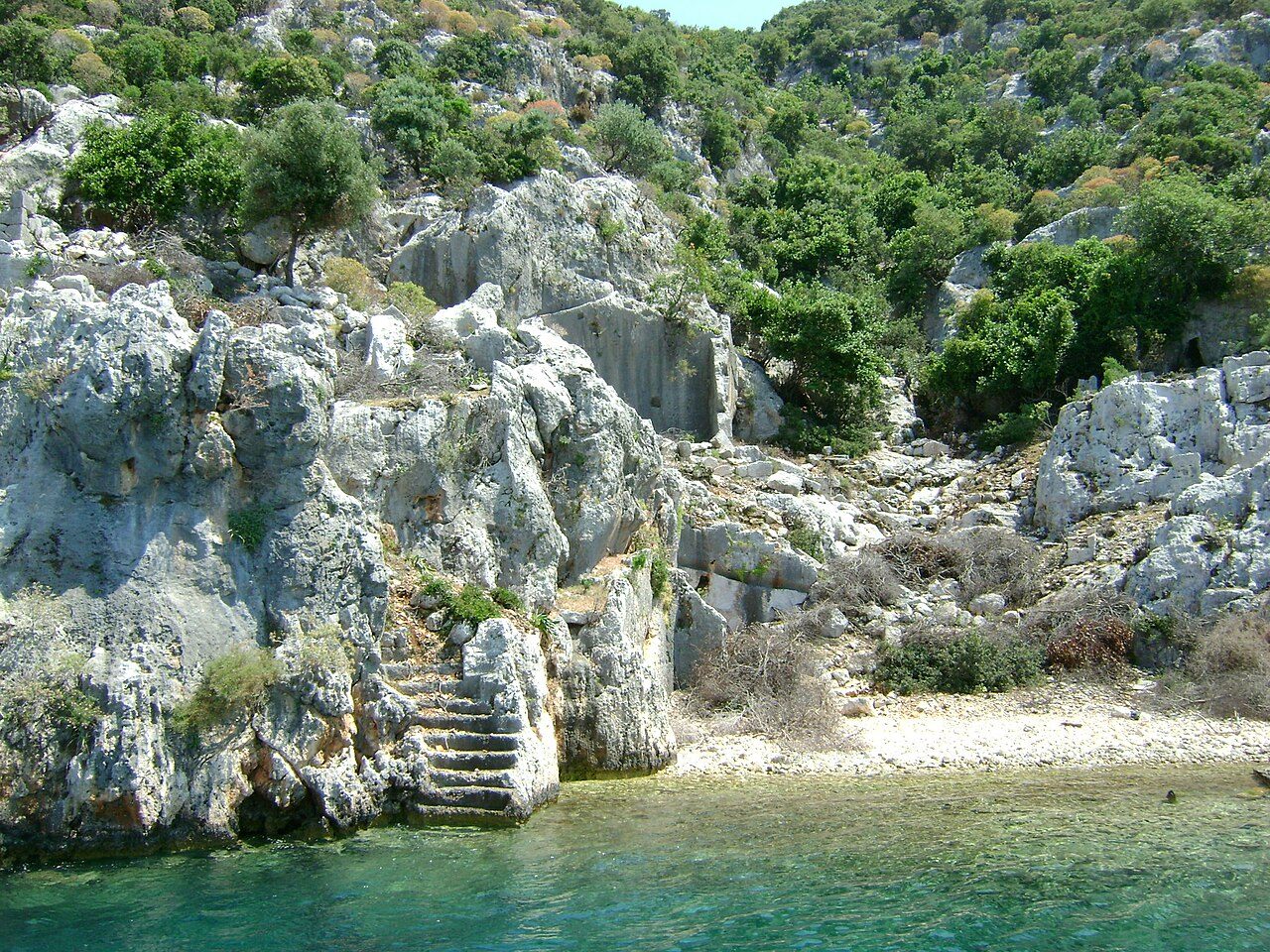
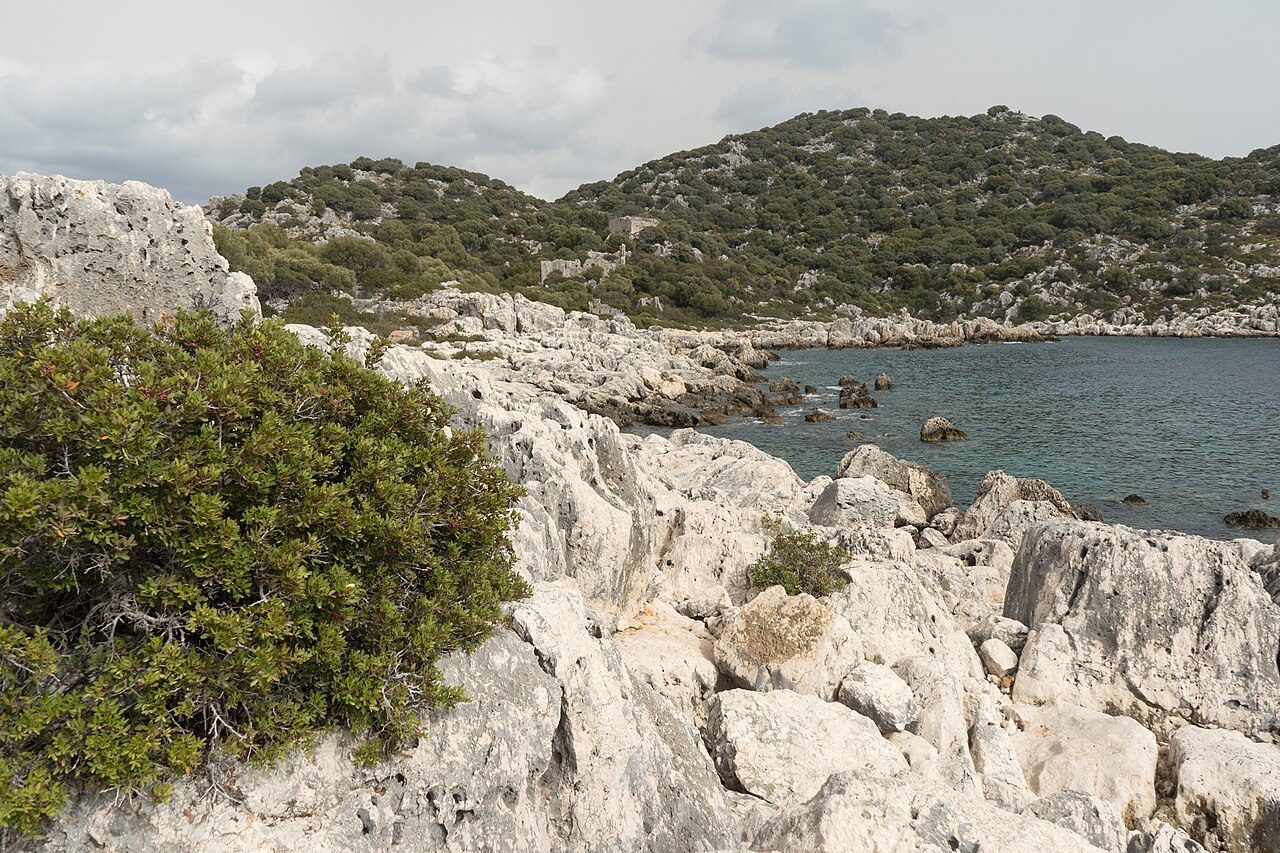
Kekova is a small island off the Lycian coast near Demre. Along its shore lie the remains of an ancient city that sank in earthquakes, its walls and stairs visible under the clear water. Boats sail past the sunken city to the village of Kaleköy, the ancient Simena, with a castle on the hill and Lycian sarcophagi in the water.
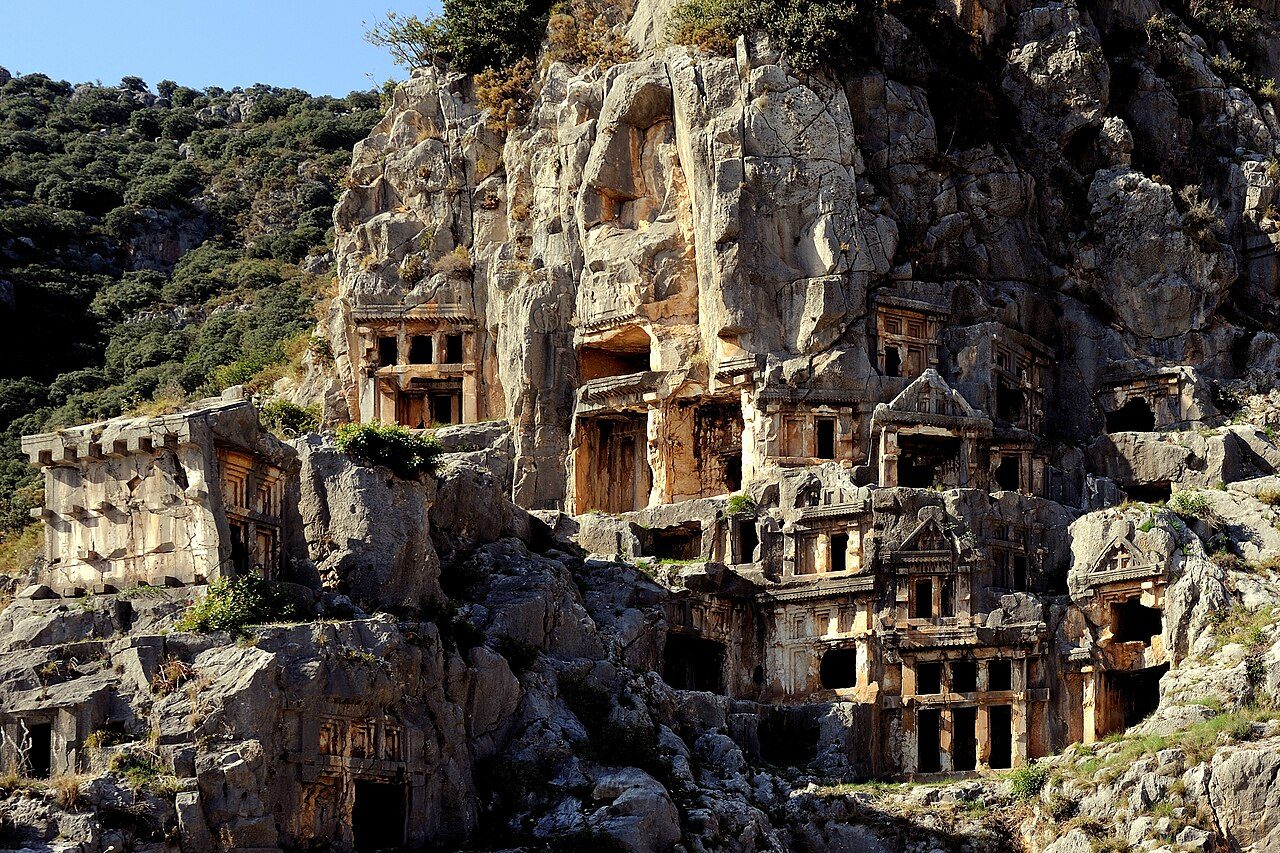
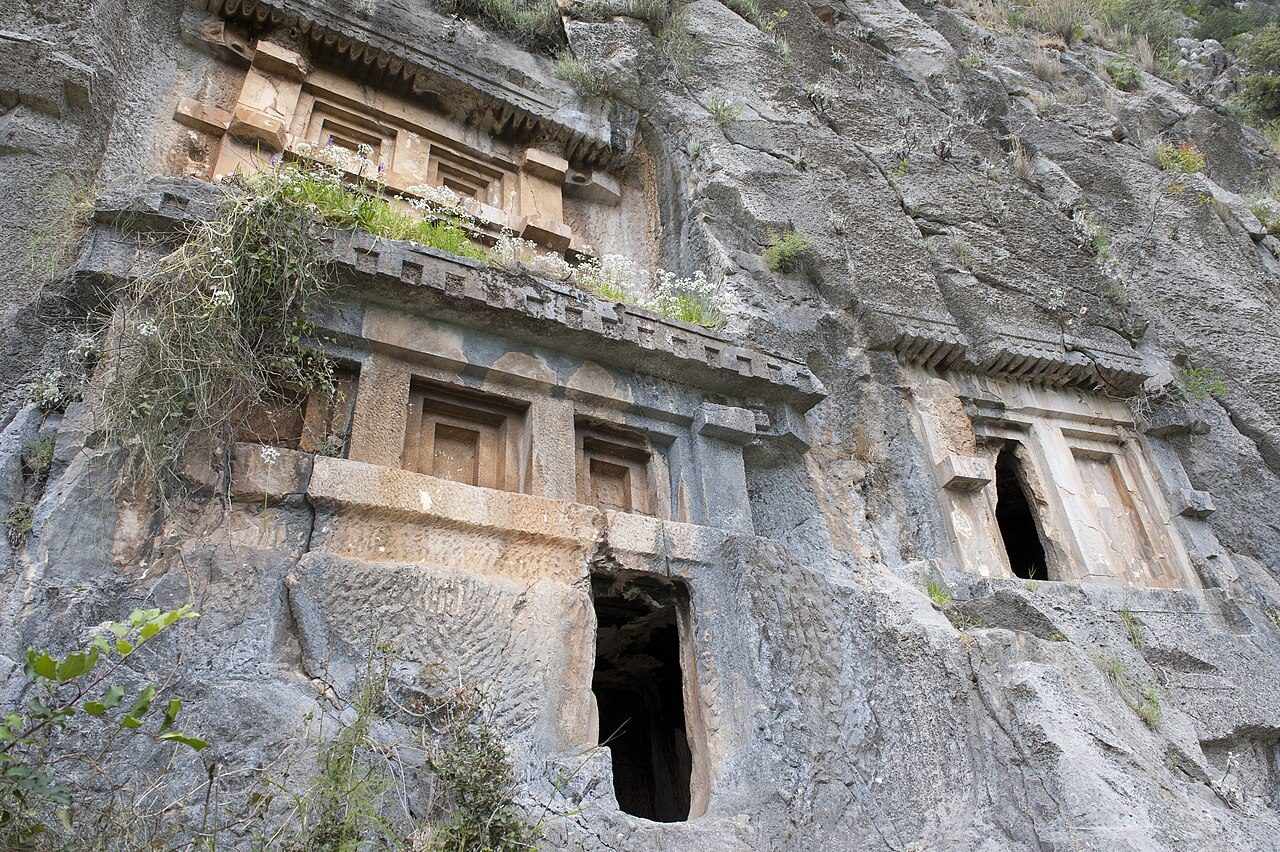
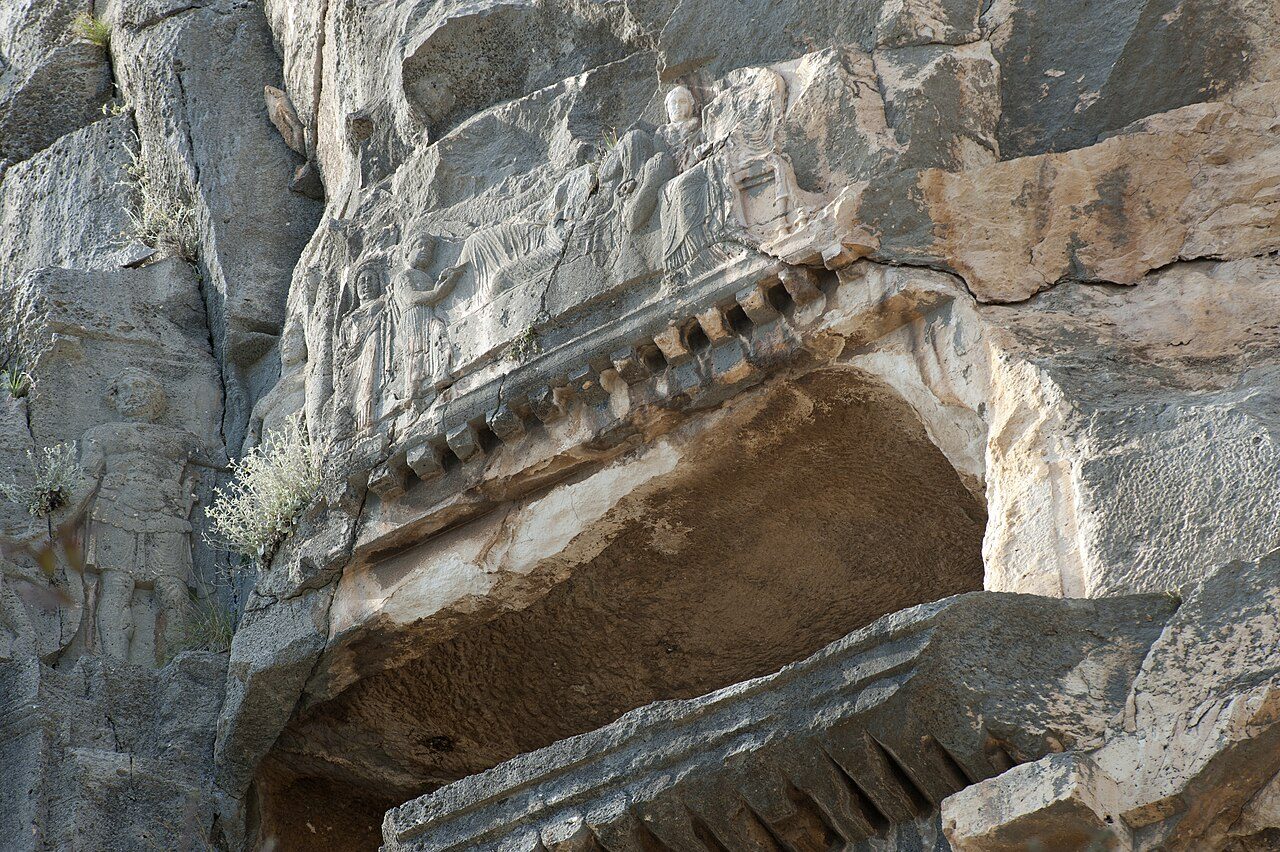
Myra was one of the main cities of ancient Lycia, at modern Demre. It is famous for its rock tombs, carved into the cliff in the shape of houses with beams and doors. Beside them lies a large Roman theatre with carved masks. Saint Nicholas, the origin of Santa Claus, was bishop of Myra in the 4th century.
15
STOP 15 OF 22
Church of St. Nicholas
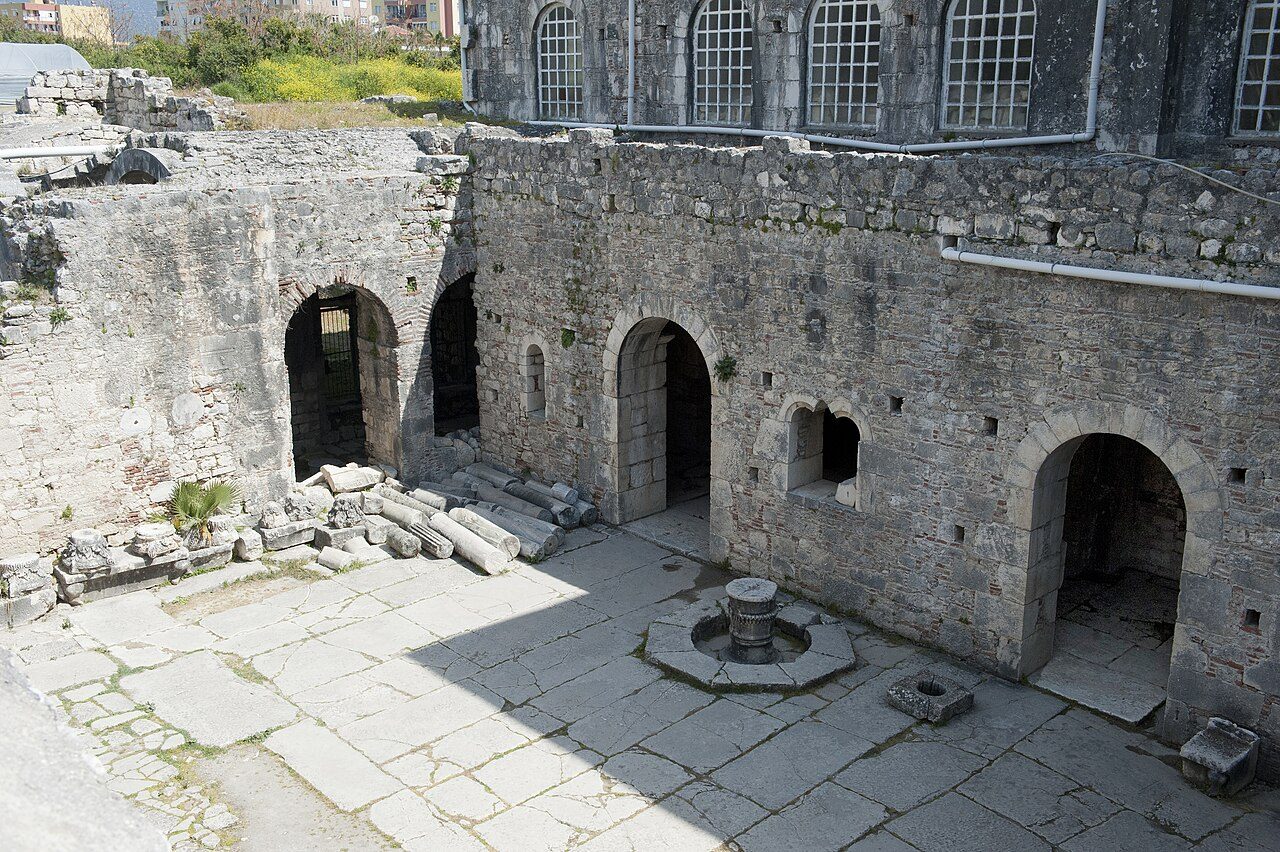
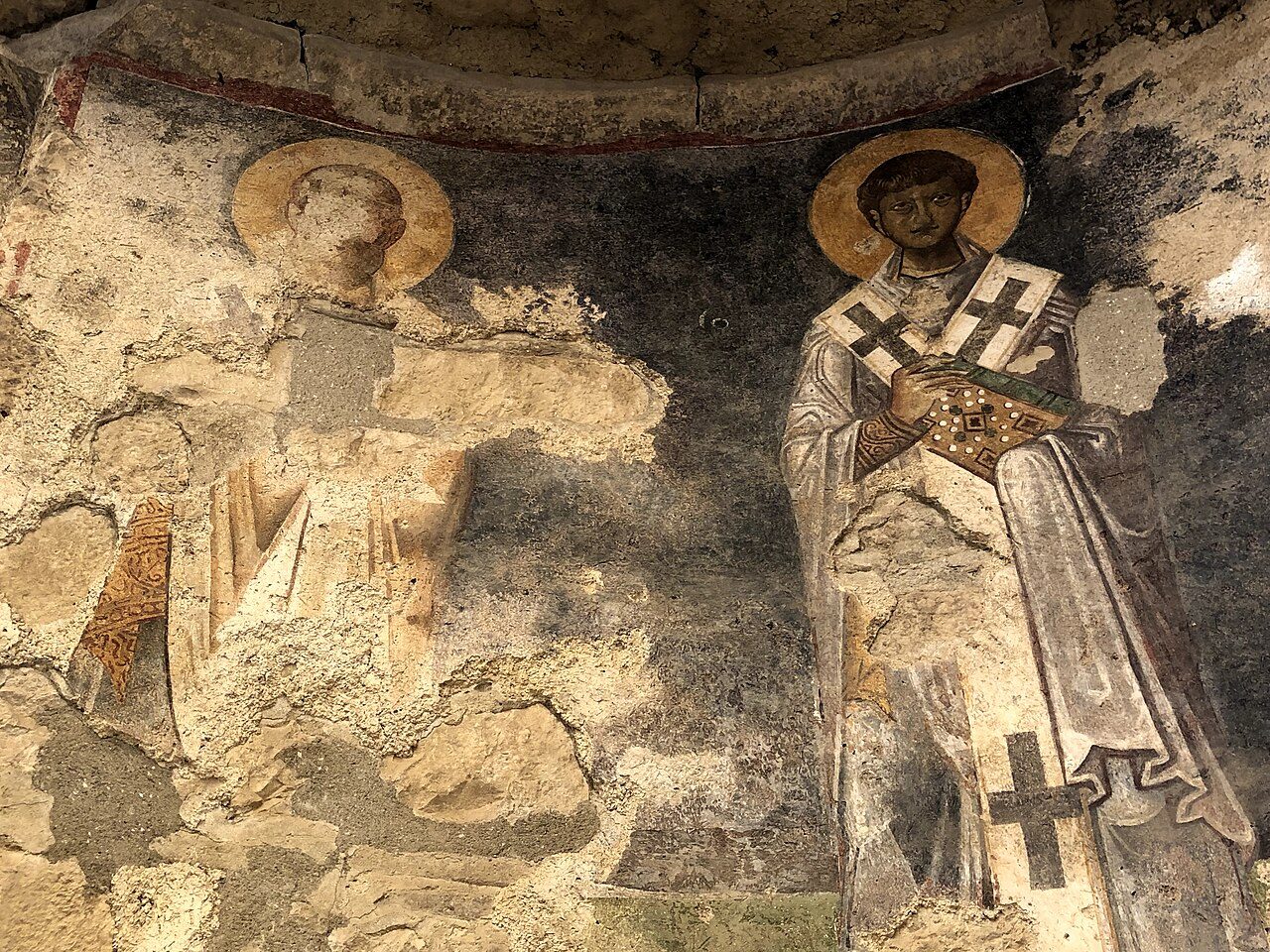
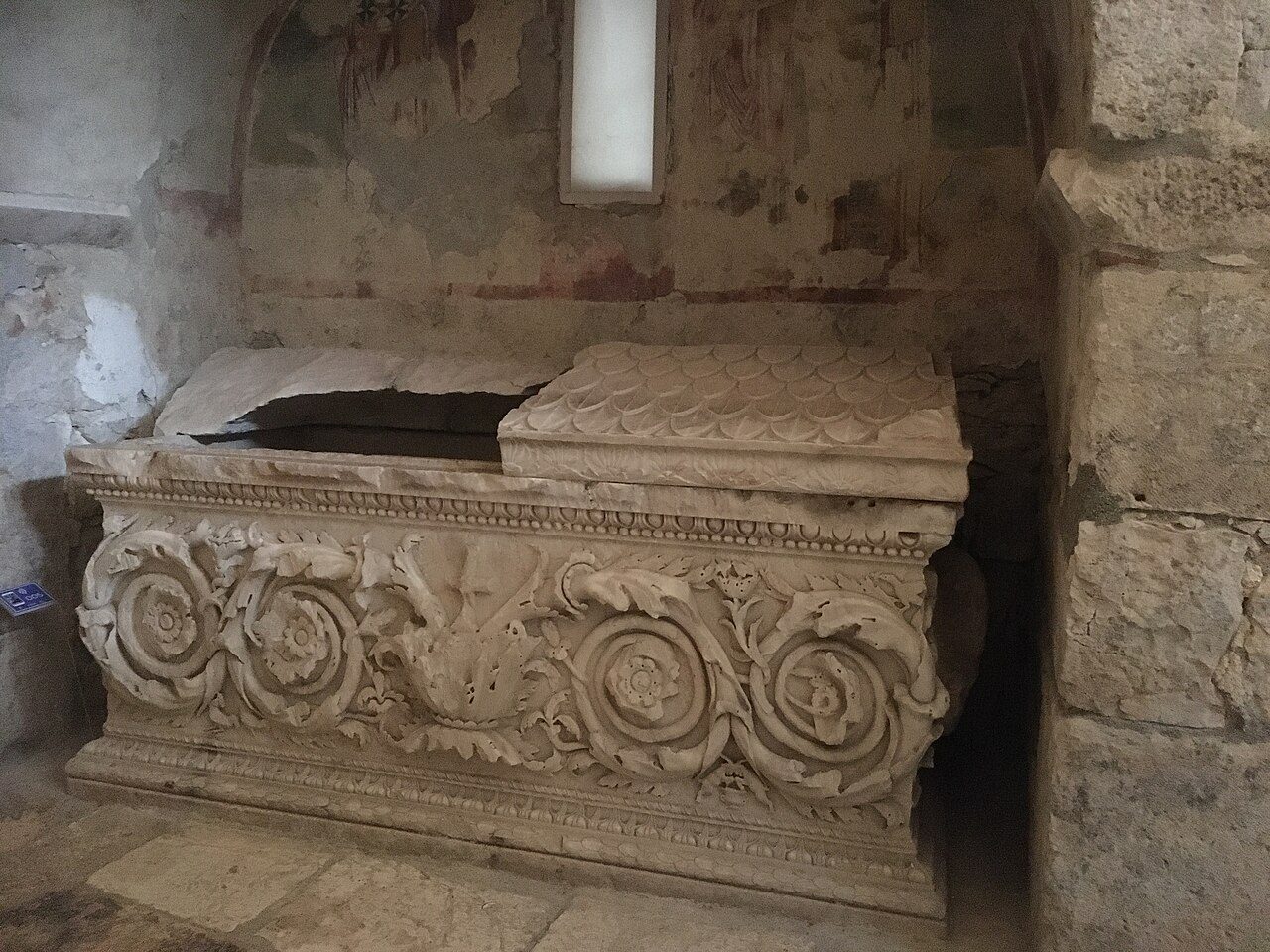
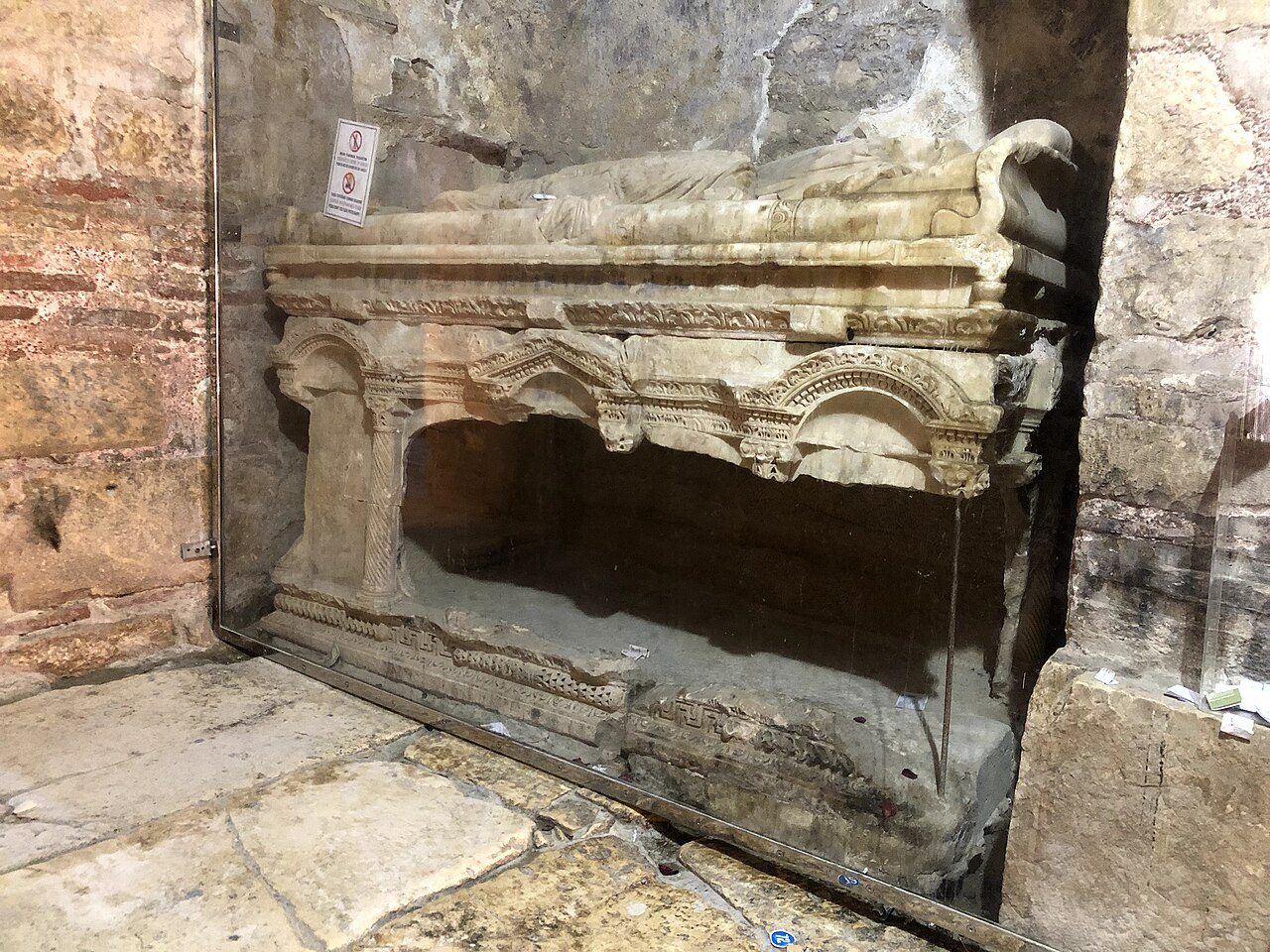
The Church of St. Nicholas in Demre was built over the tomb of Saint Nicholas, bishop of Myra in the 4th century, who later became the model for Santa Claus. The present church dates mostly from the 8th to 11th centuries and has frescoes and mosaic floors. His relics were taken to Bari in Italy in 1087. A statue of him stands outside.
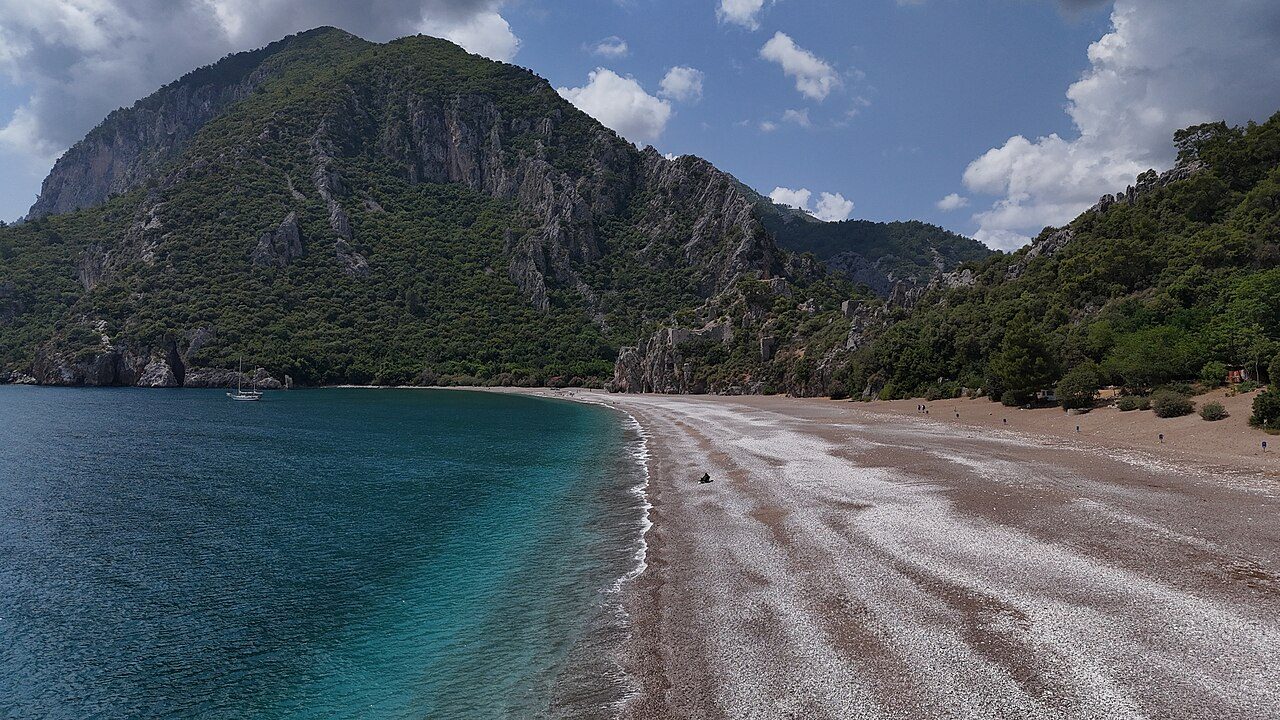
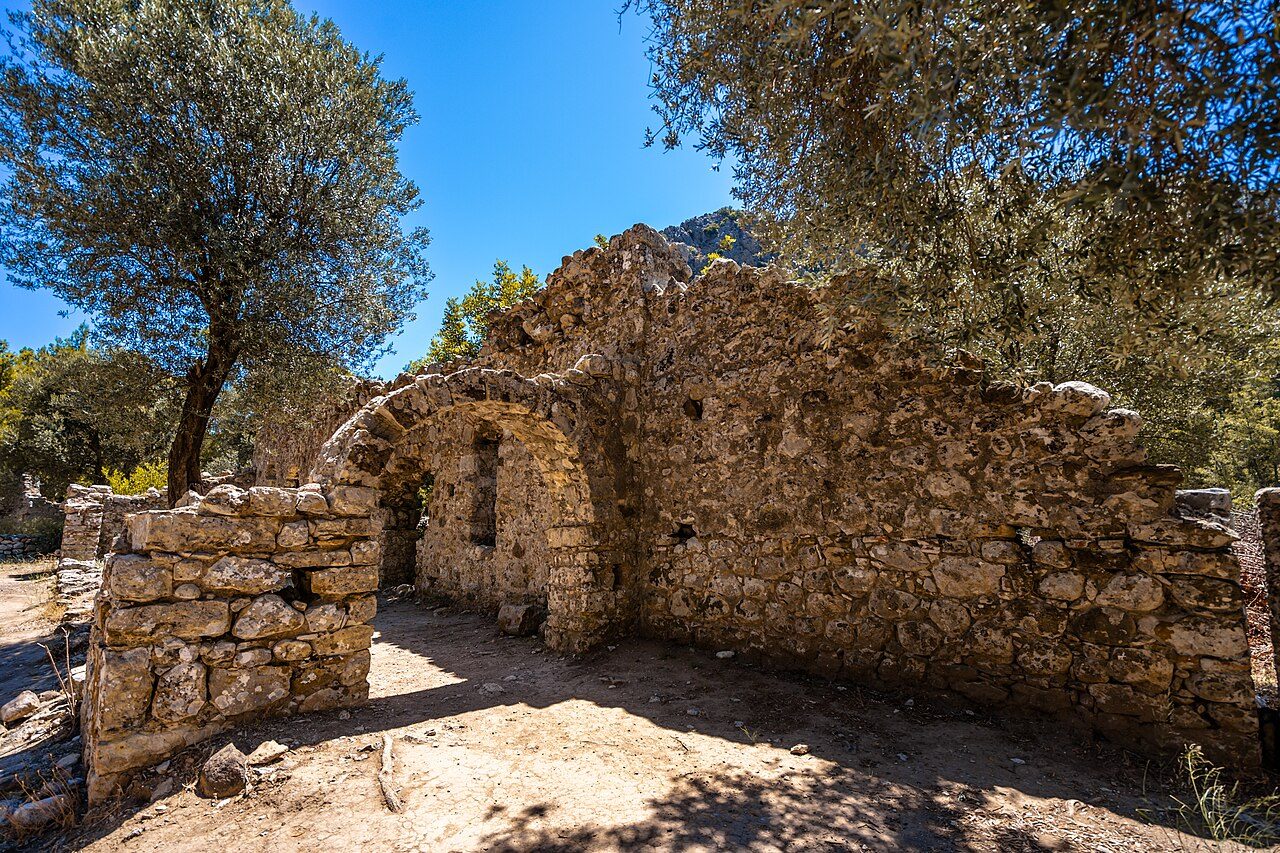
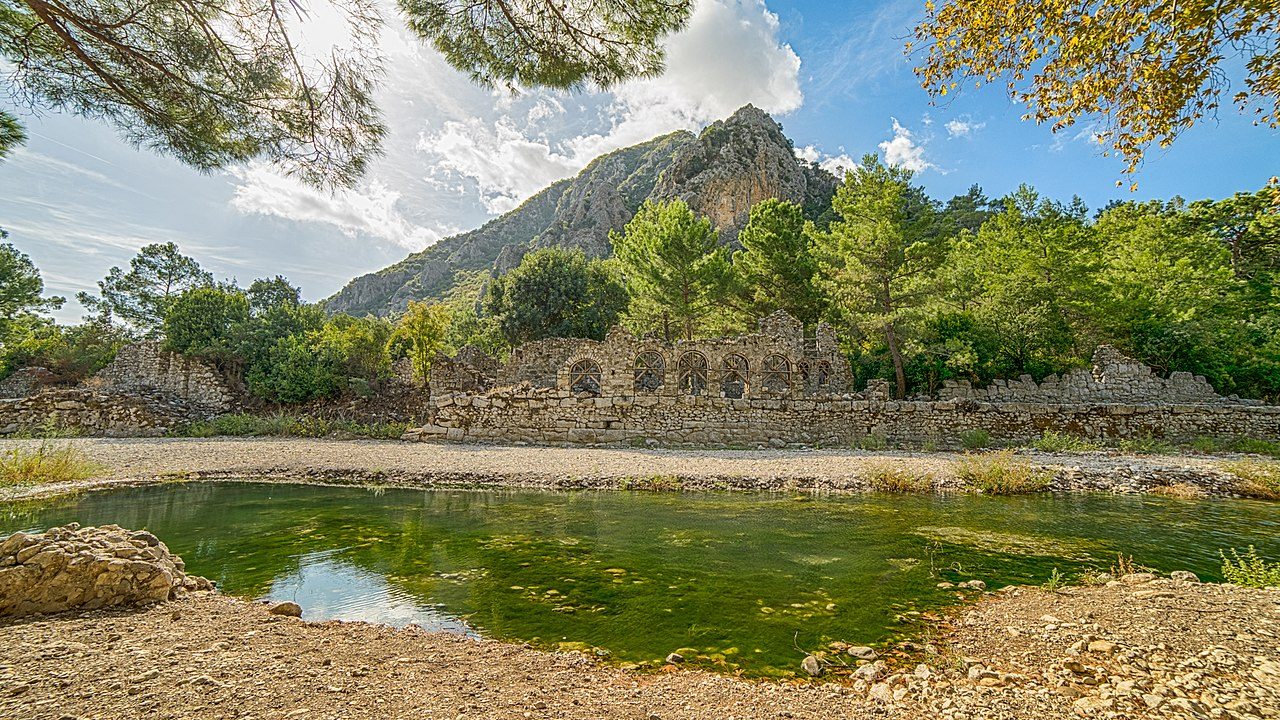
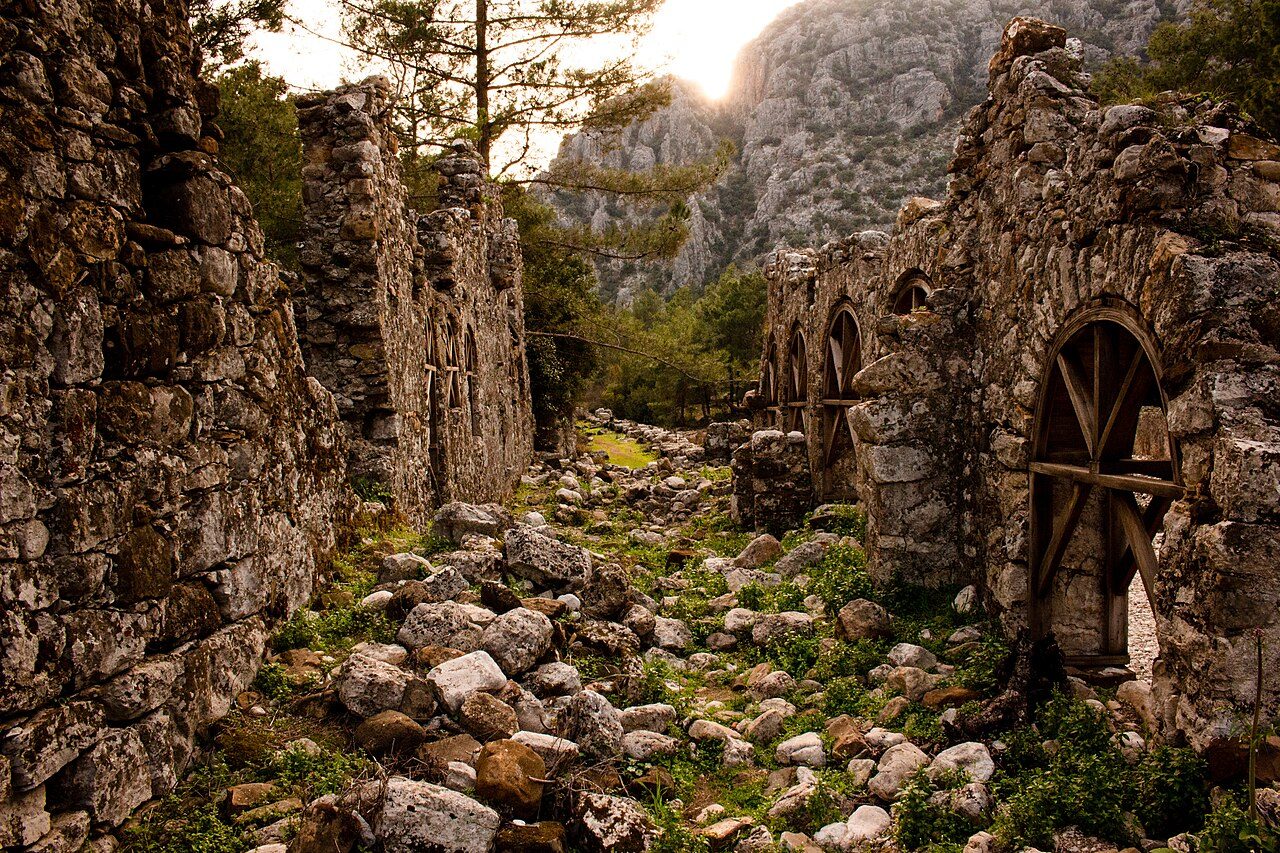
Olympos is an ancient Lycian city in a wooded valley that runs down to a pebble beach on the Mediterranean. Its ruins lie half hidden among trees and a stream, including tombs, a theatre and a Byzantine church. The area is famous for its tree house guesthouses. Loggerhead turtles nest on the beach shared with Çıralı.
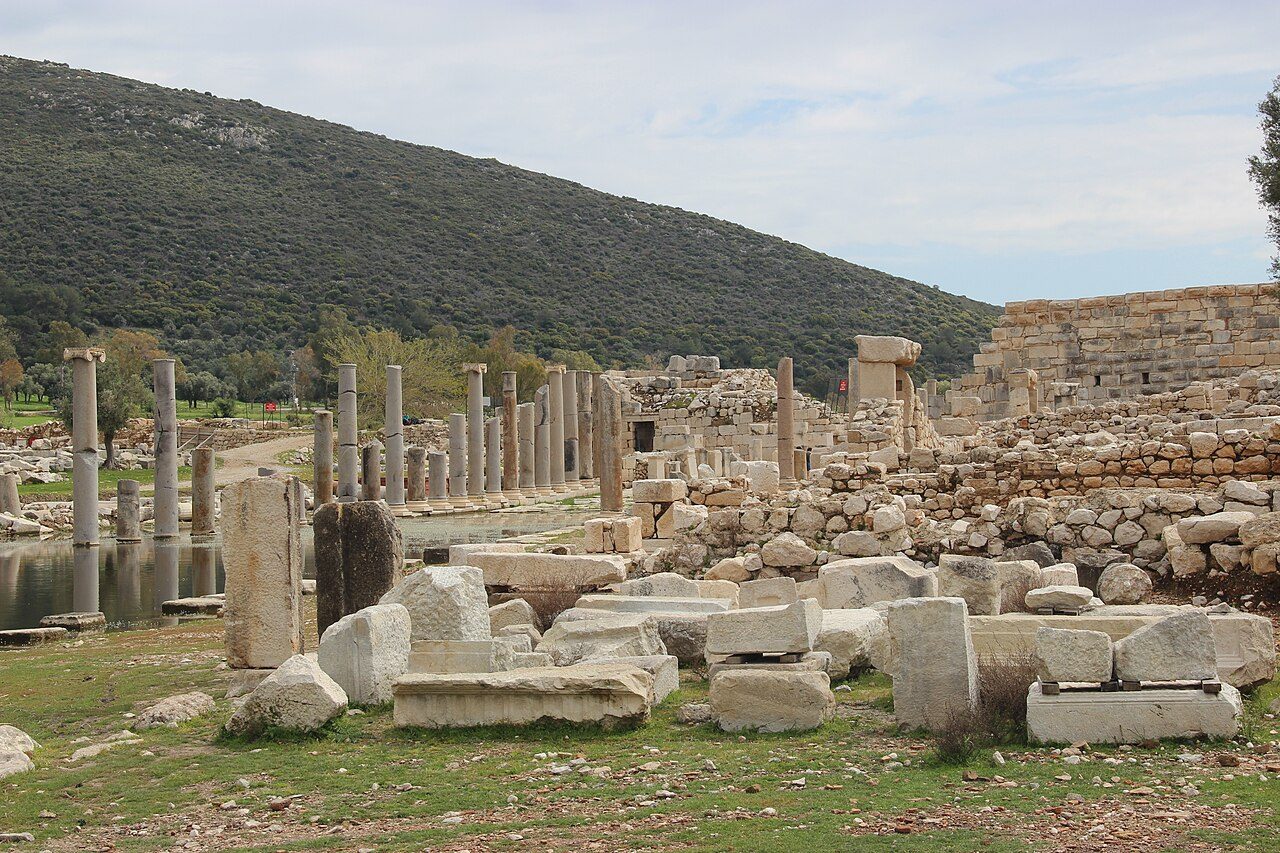
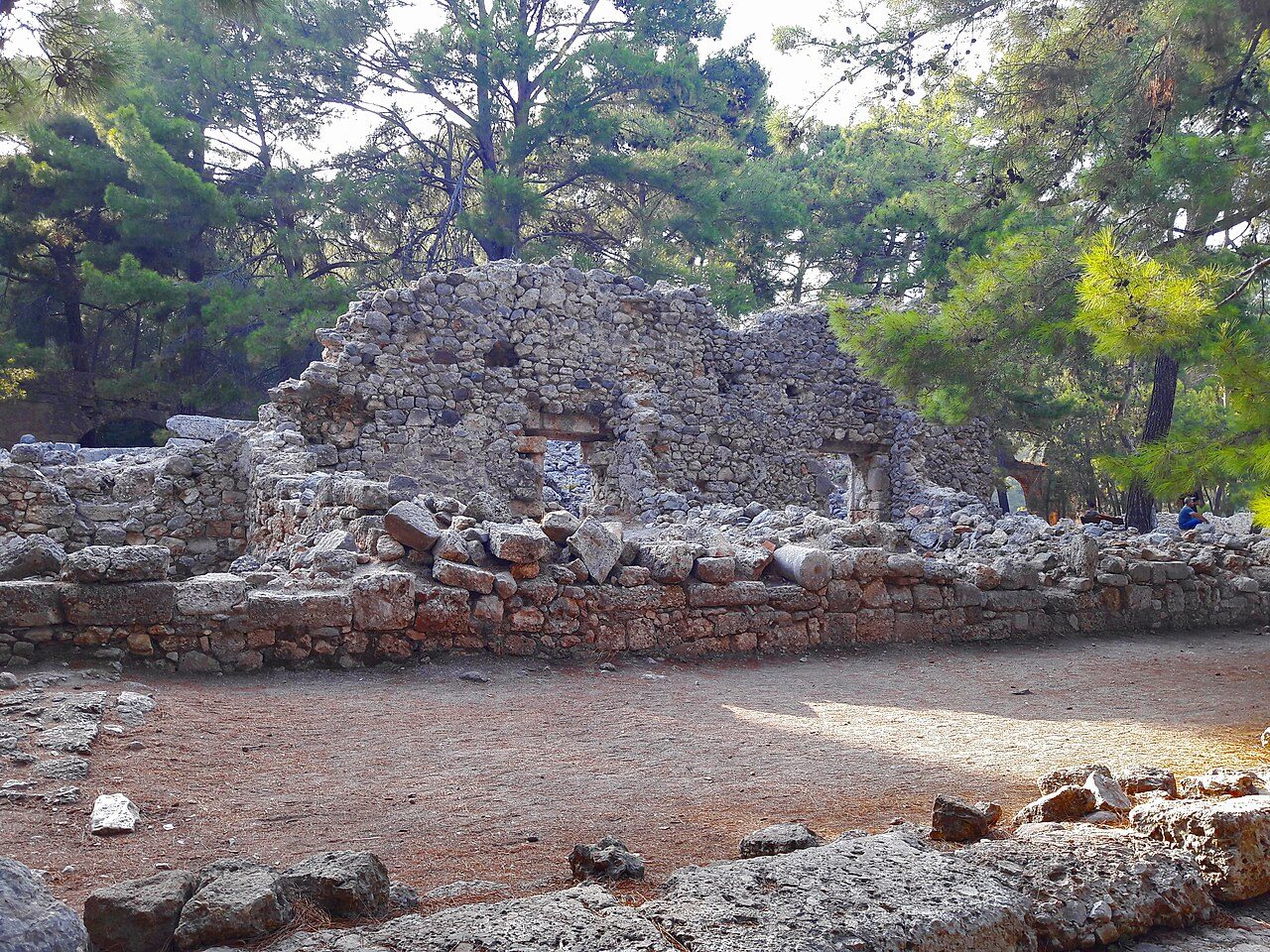
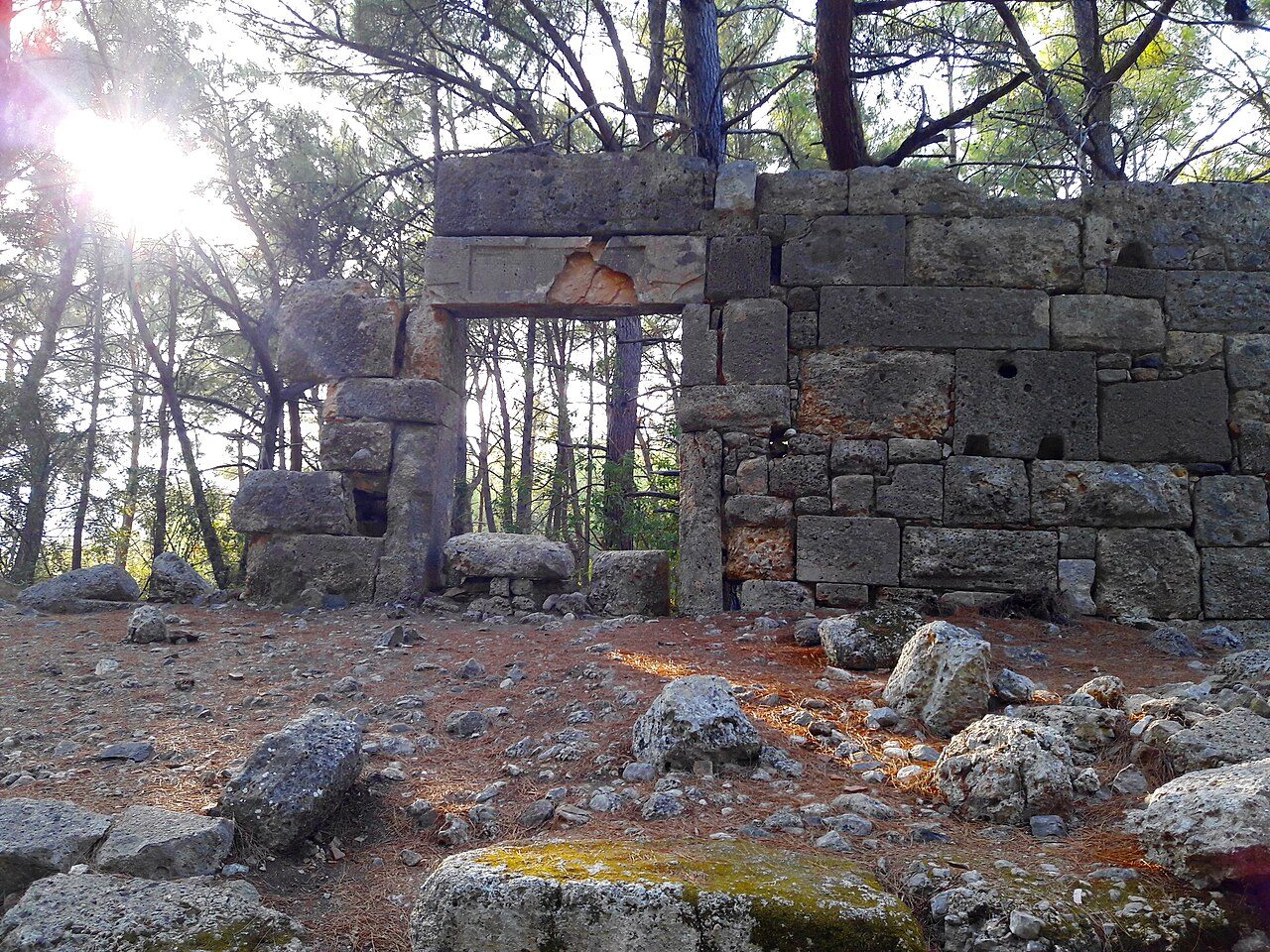
Phaselis was an ancient port city near Kemer, founded in the 7th century BC. It had three natural harbours. Its ruins stand in a pine forest beside small sandy coves, with a paved main street, Roman baths, an aqueduct and a theatre. Visitors swim in the clear bays among the ruins. It lies within a national park.
18
STOP 18 OF 22
Chimaera Flames
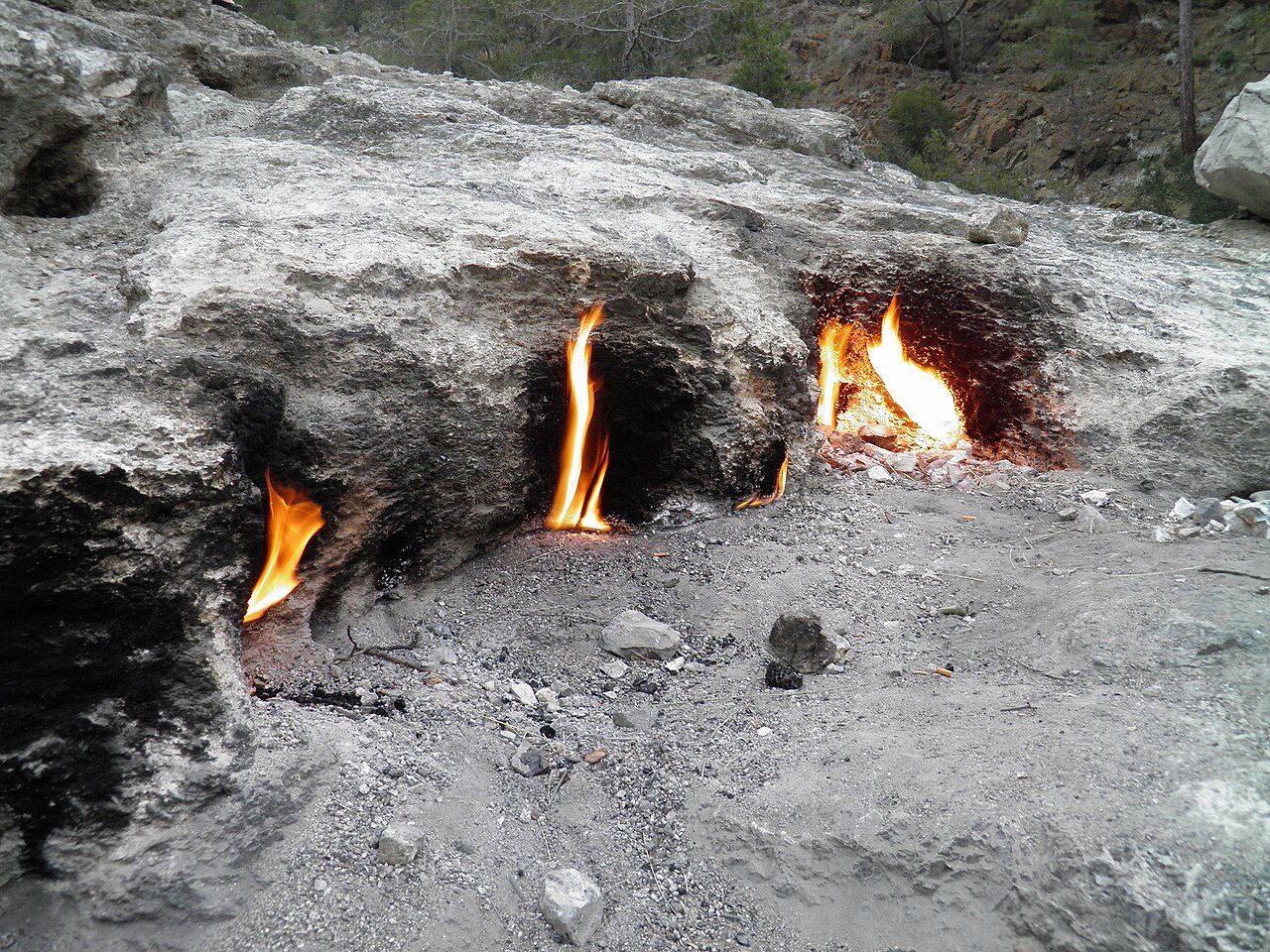
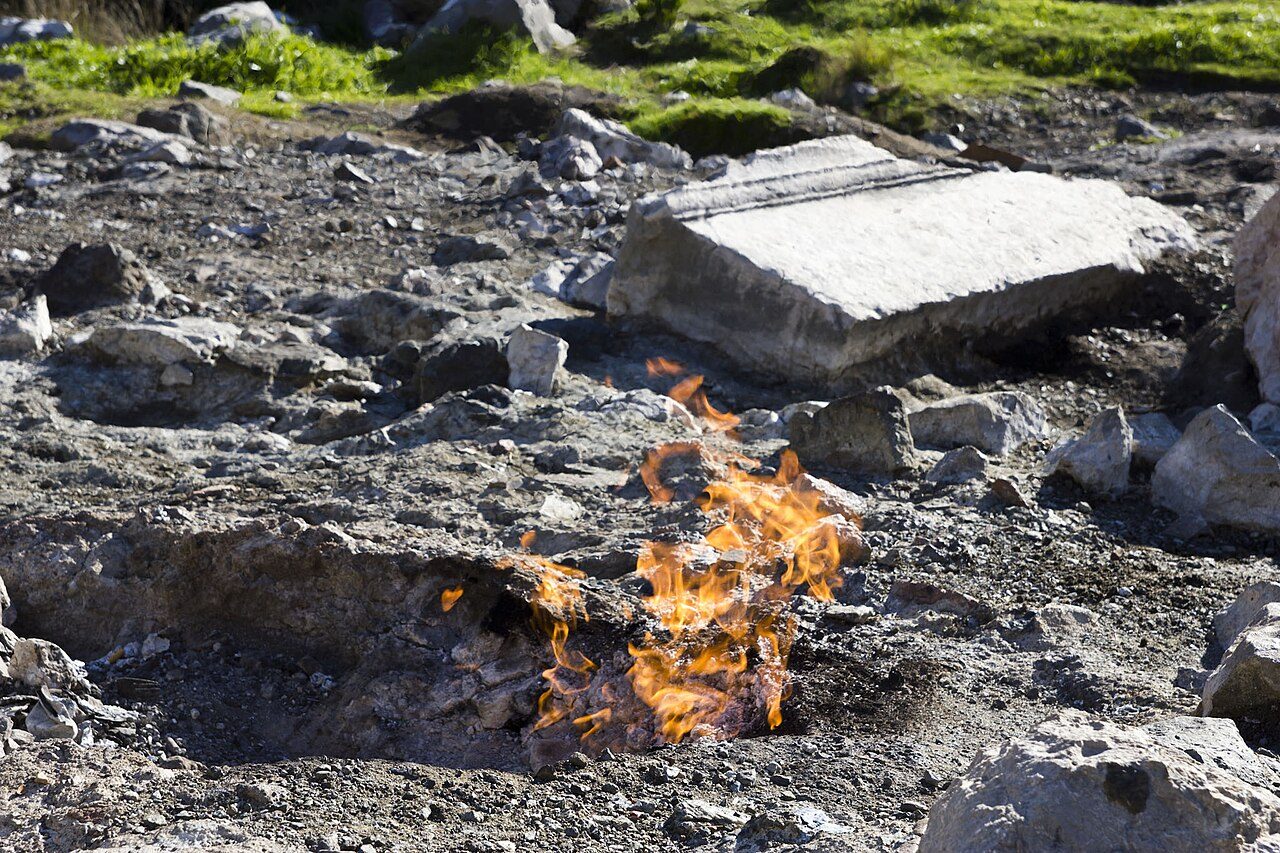
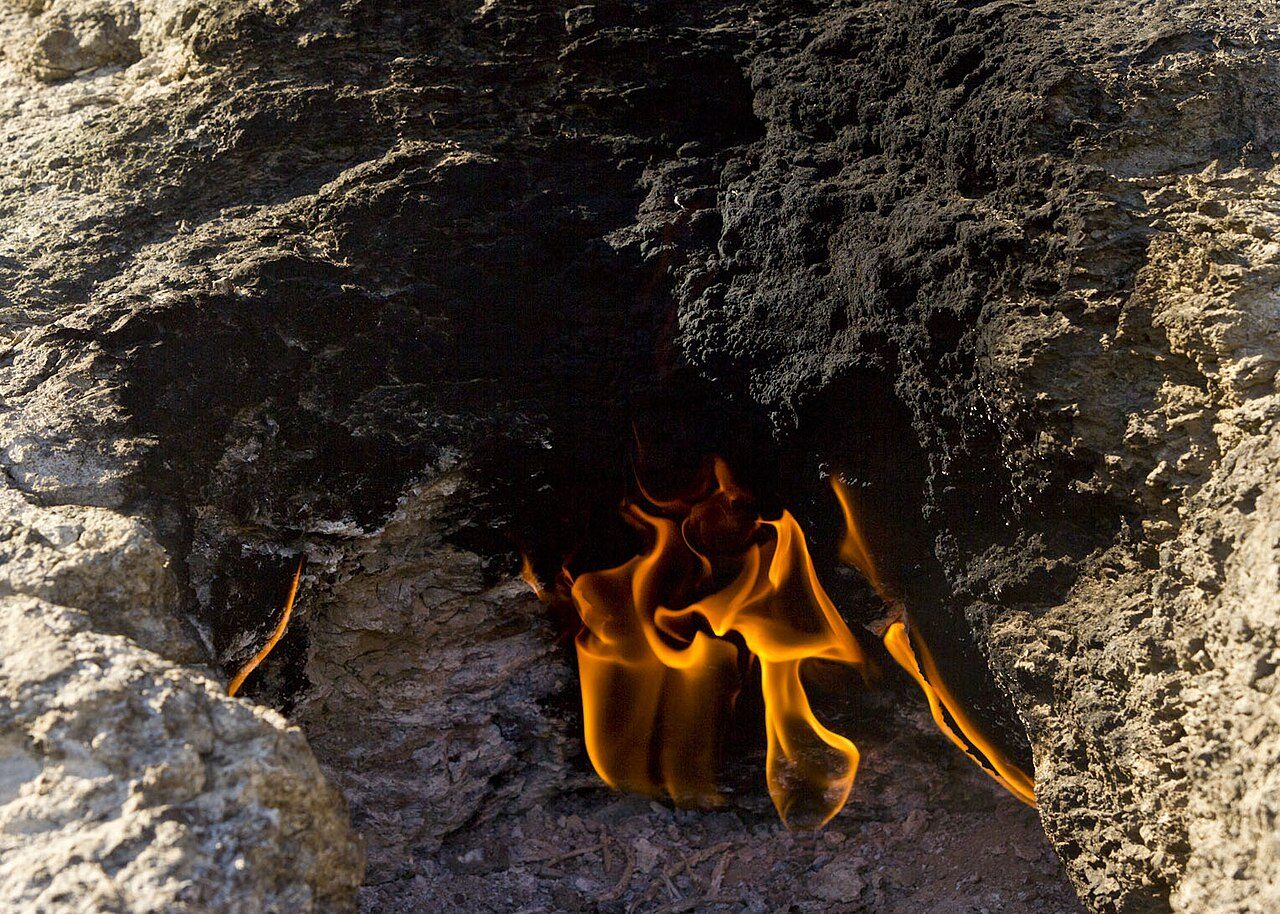
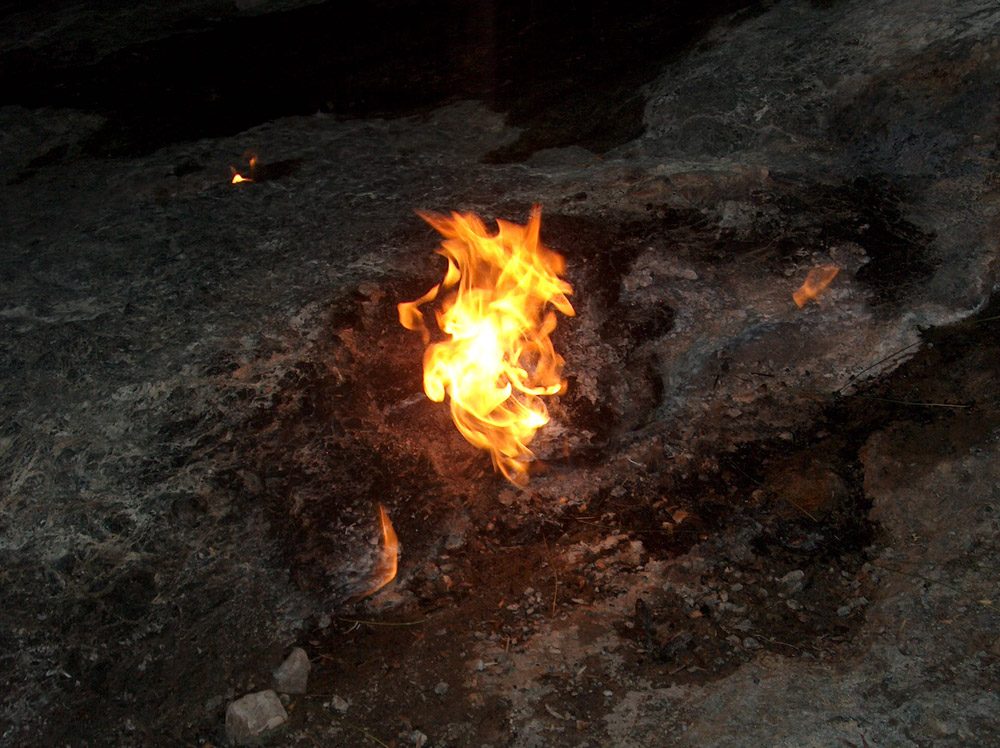
The Chimaera flames, known as Yanartaş, burn on a hillside above Çıralı near Olympos. Natural gas seeps from the rock and has burned for thousands of years. In ancient times sailors used them as a beacon, and they were linked with the myth of the Chimaera, a fire-breathing monster. A path leads up through the forest, best visited at dusk.
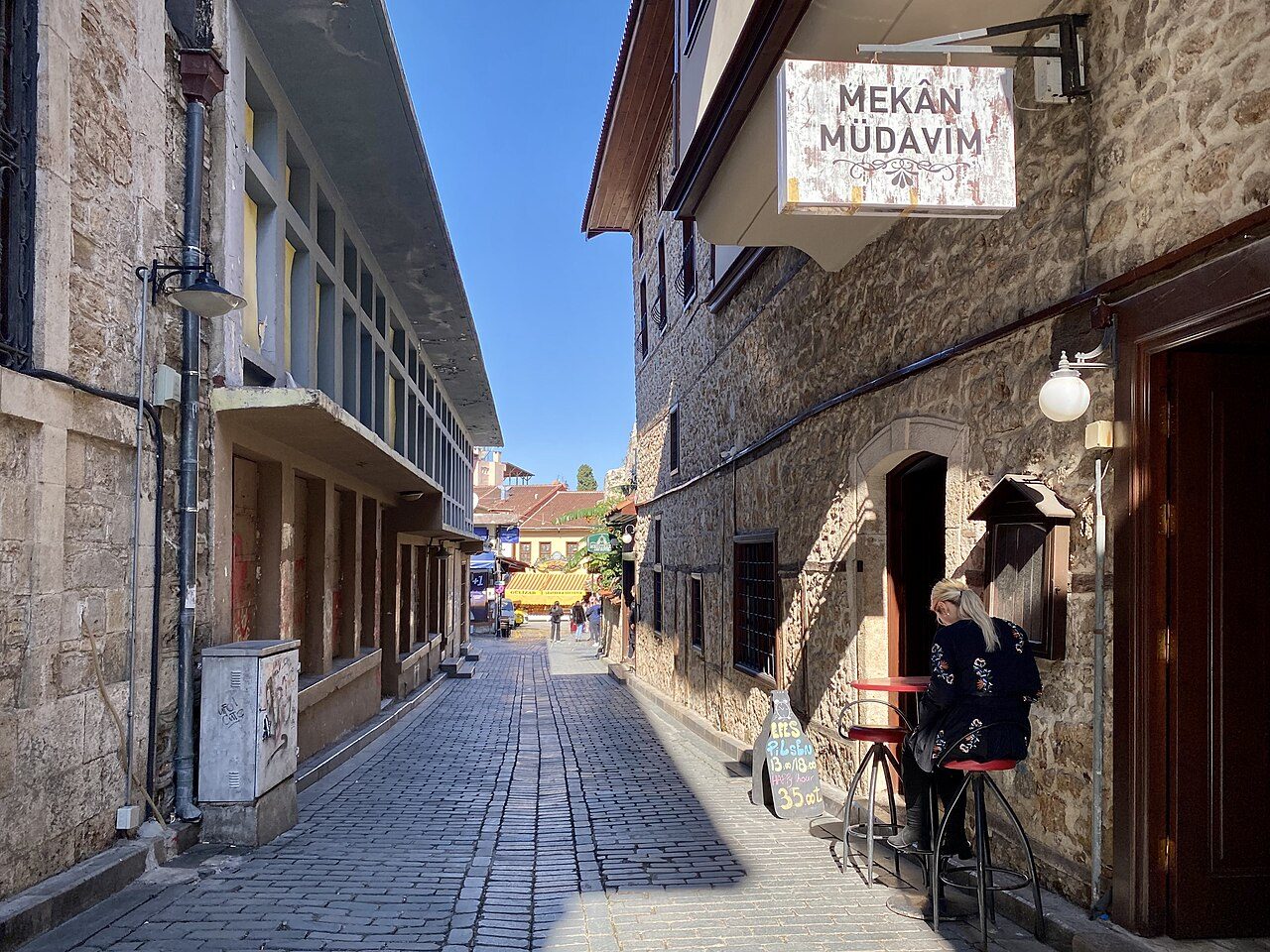
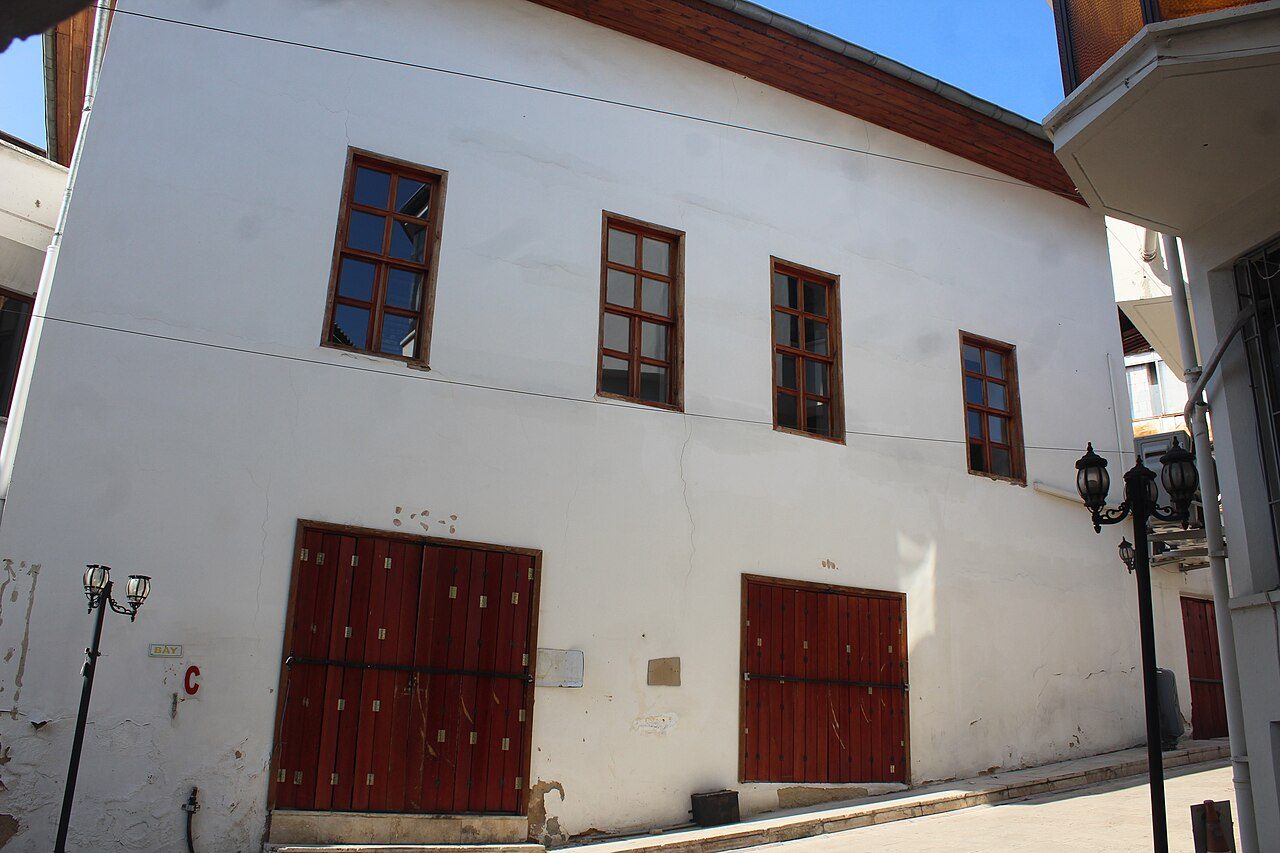
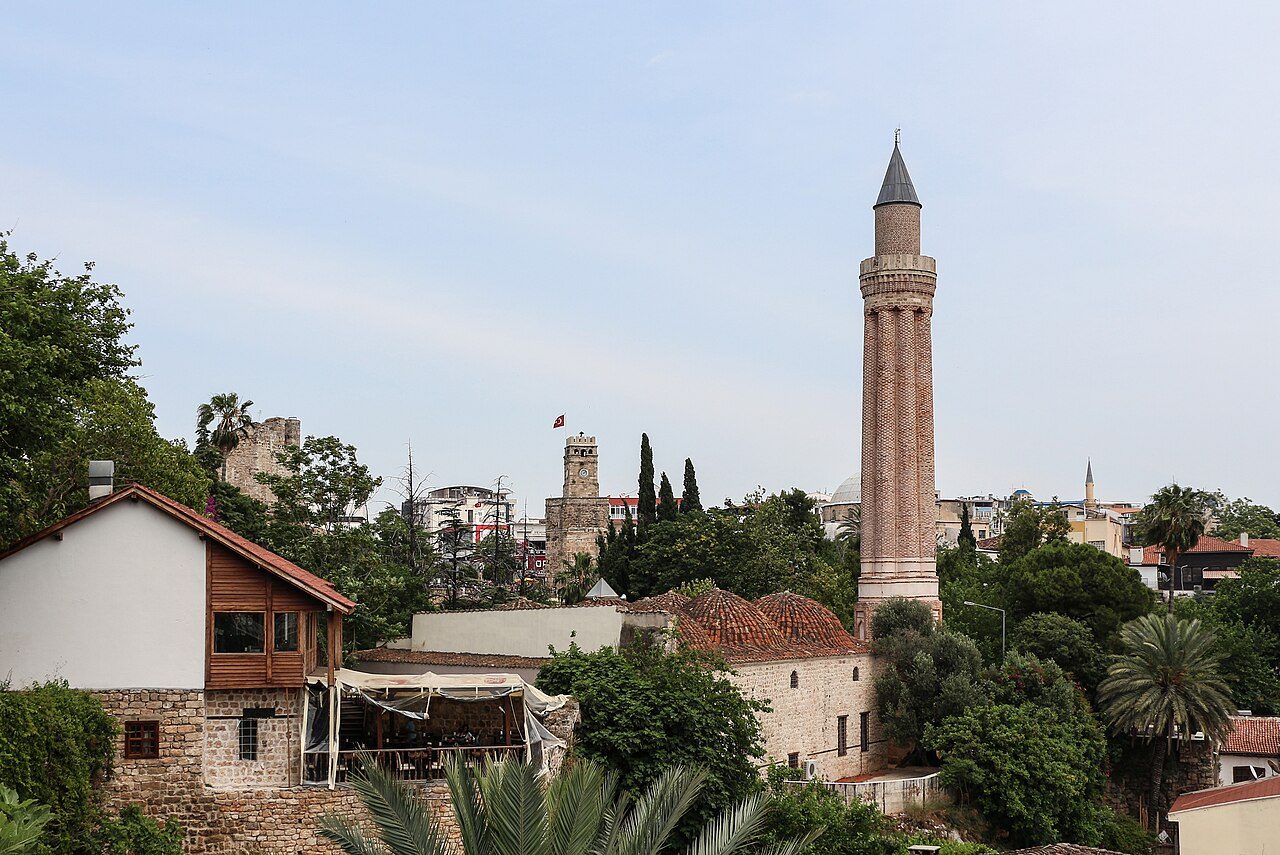
Kaleiçi is the historic old town of Antalya, surrounded by ancient walls. Its narrow streets wind down to the old Roman harbour and are lined with restored Ottoman houses with wooden balconies, many now hotels, restaurants and shops. Landmarks include the Yivli Minaret, the Clock Tower and the Kesik Minaret. Boats leave from the harbour for coastal trips.
20
STOP 20 OF 22
Hadrian's Gate
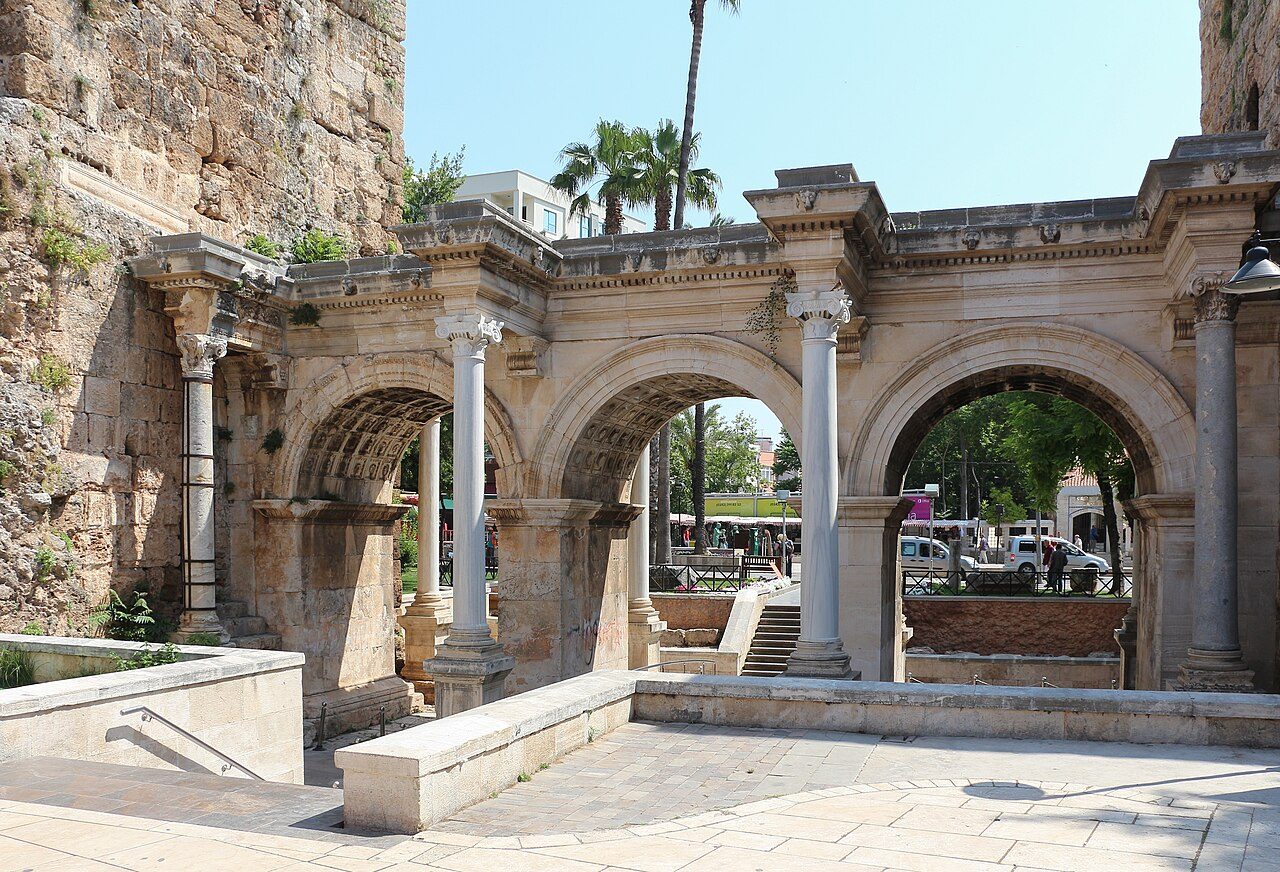
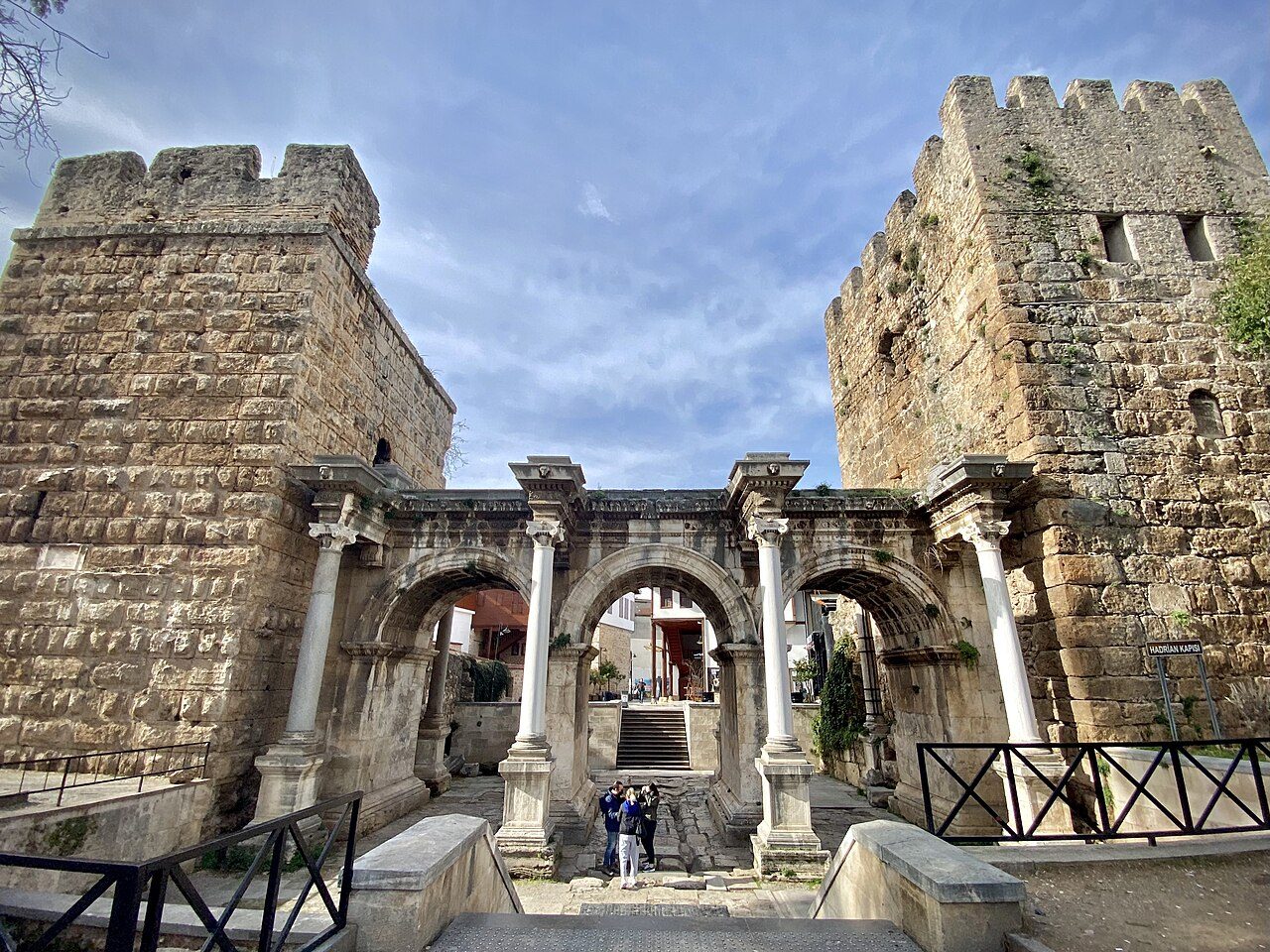
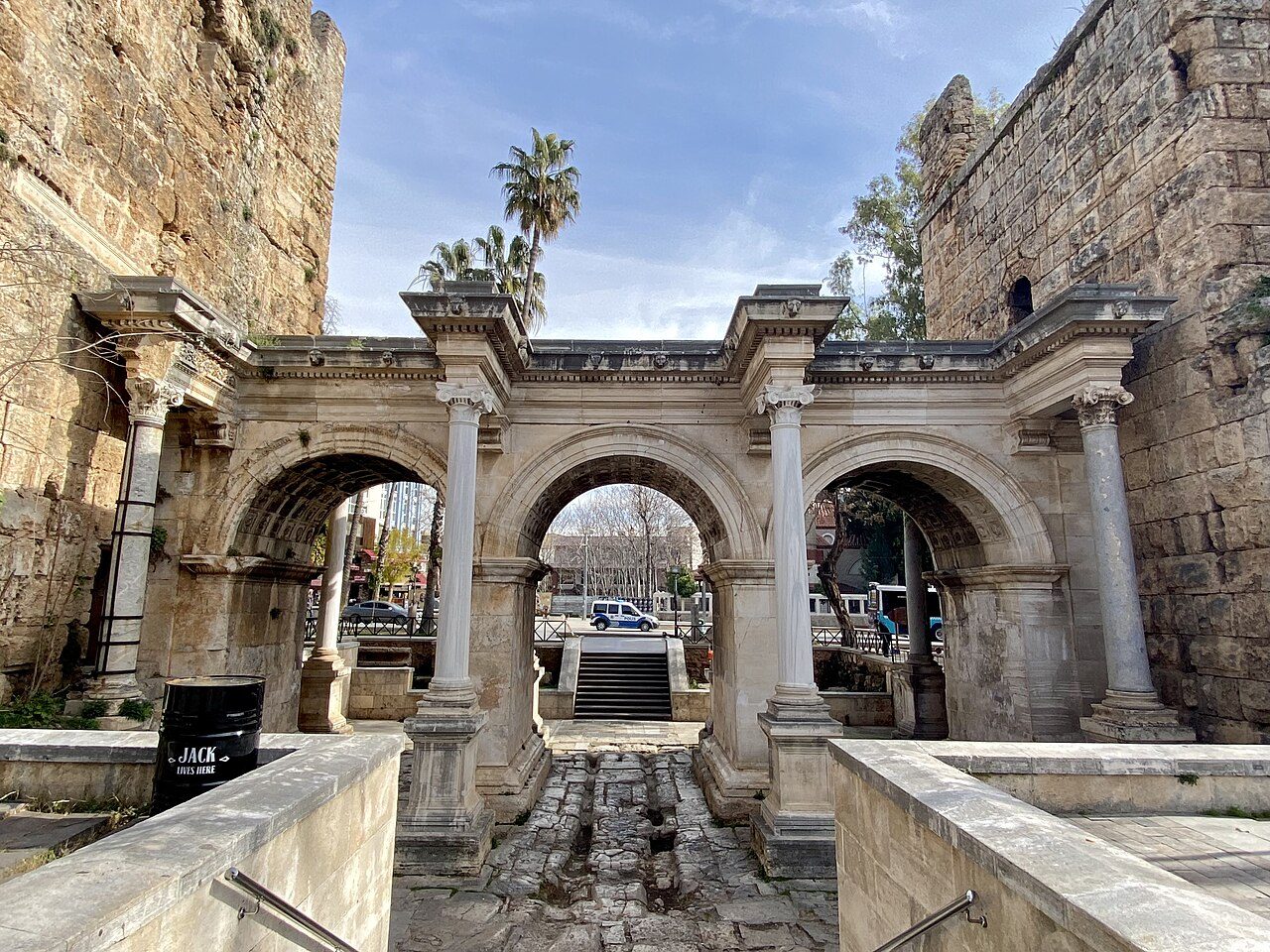
Hadrian's Gate is a triple-arched Roman gateway in Antalya, built in 130 AD in honour of the emperor Hadrian's visit to the city. It is made of white marble with fine carvings and stands between two towers. It was later built into the city walls and so survived well. Visitors walk through it on a glass floor over the old road.
21
STOP 21 OF 22
Yivli Minaret
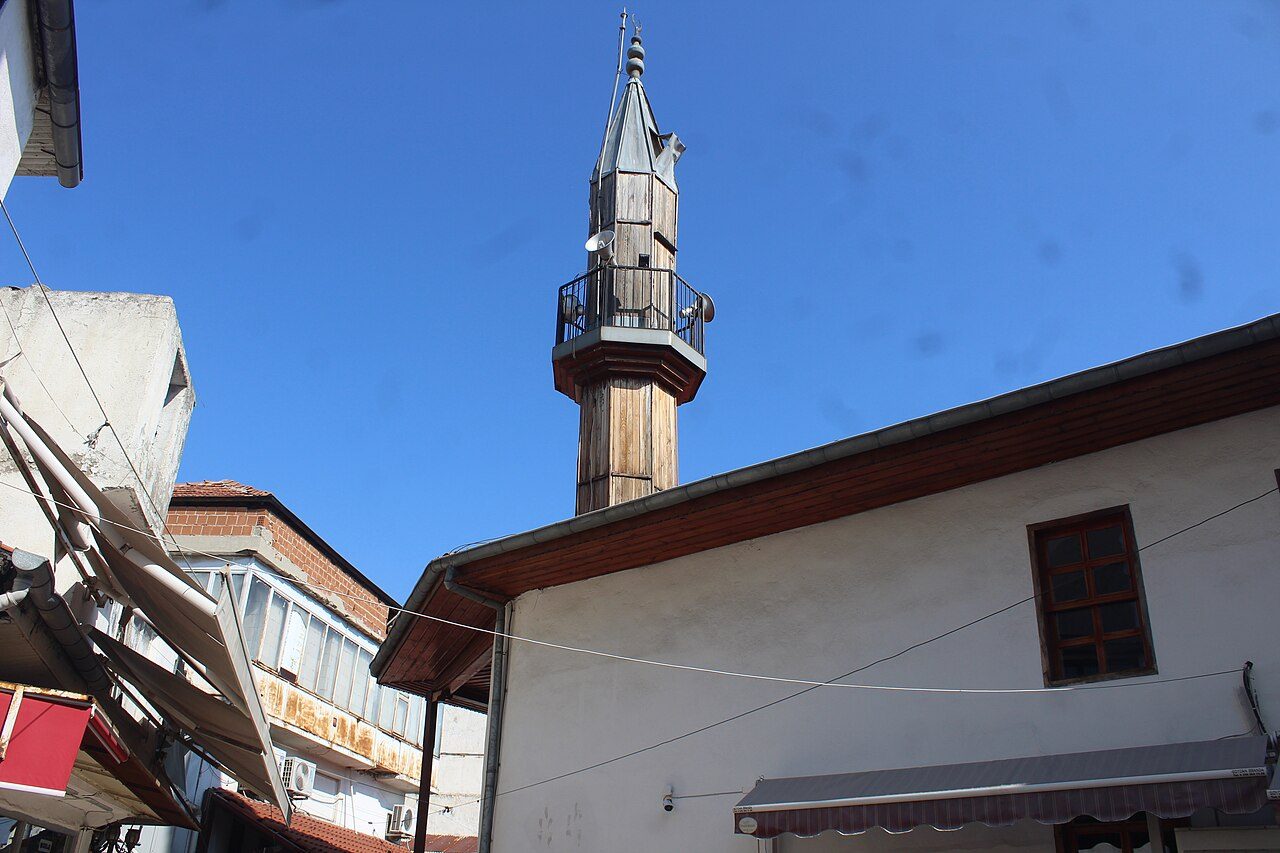
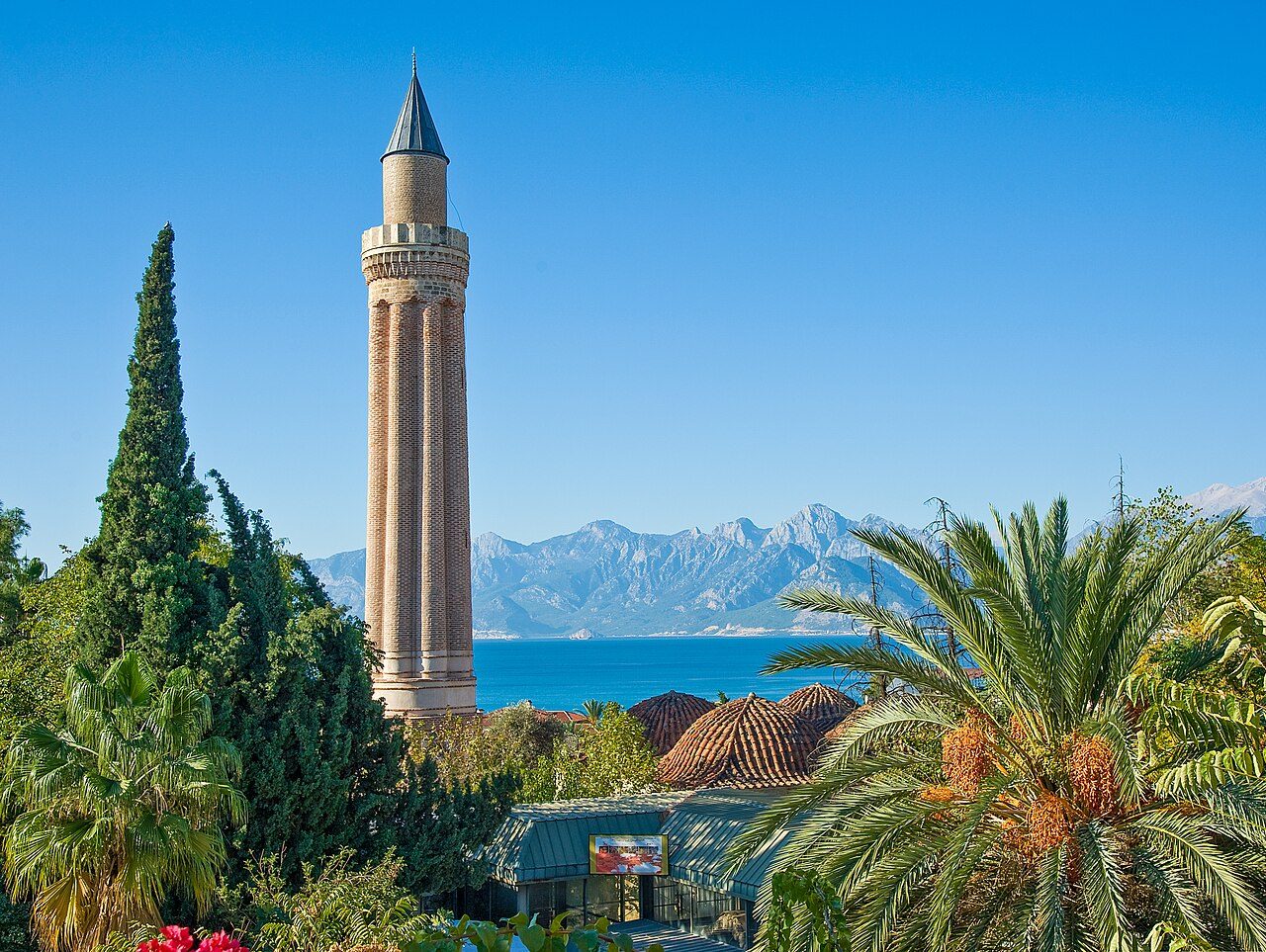
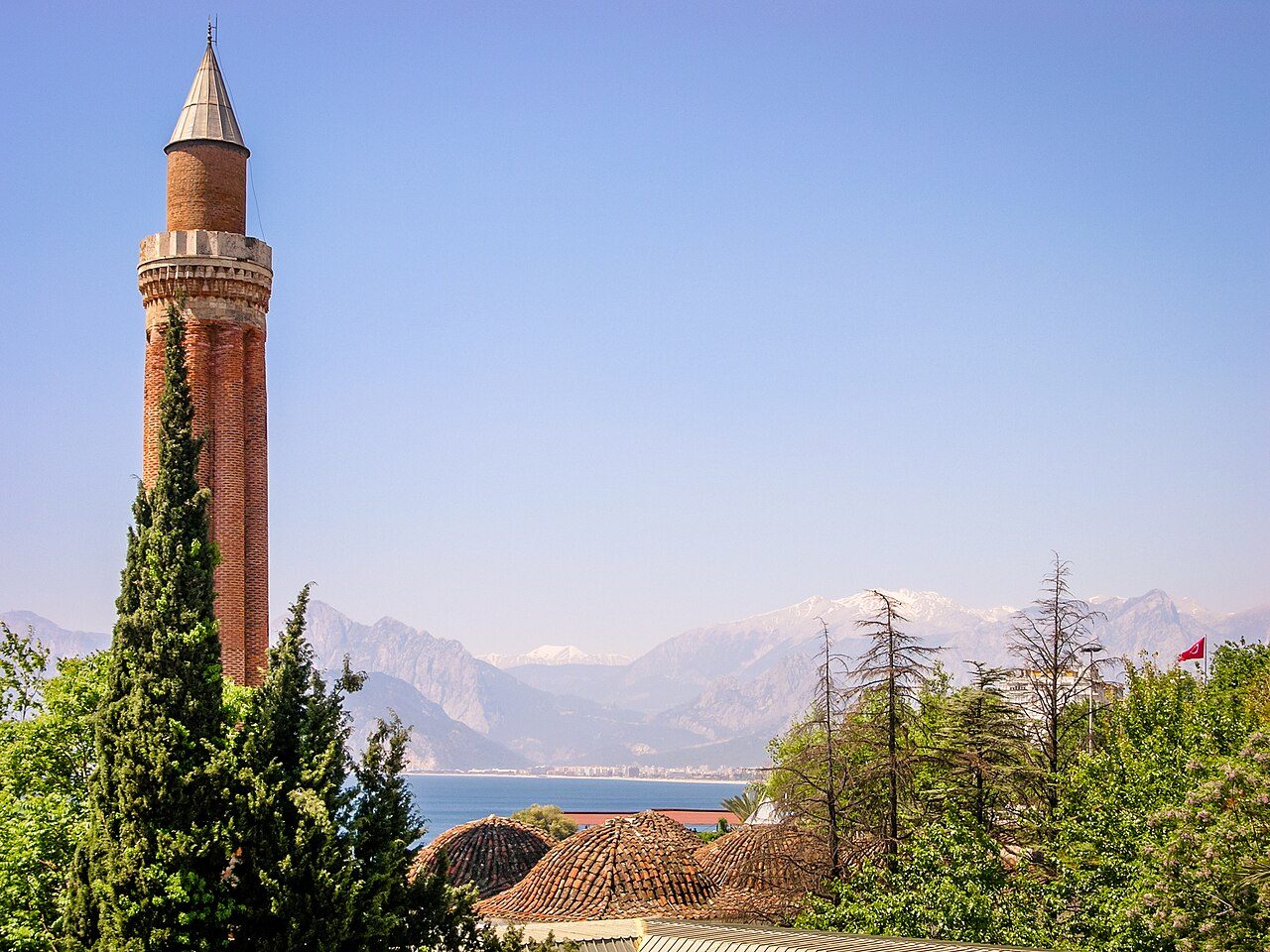
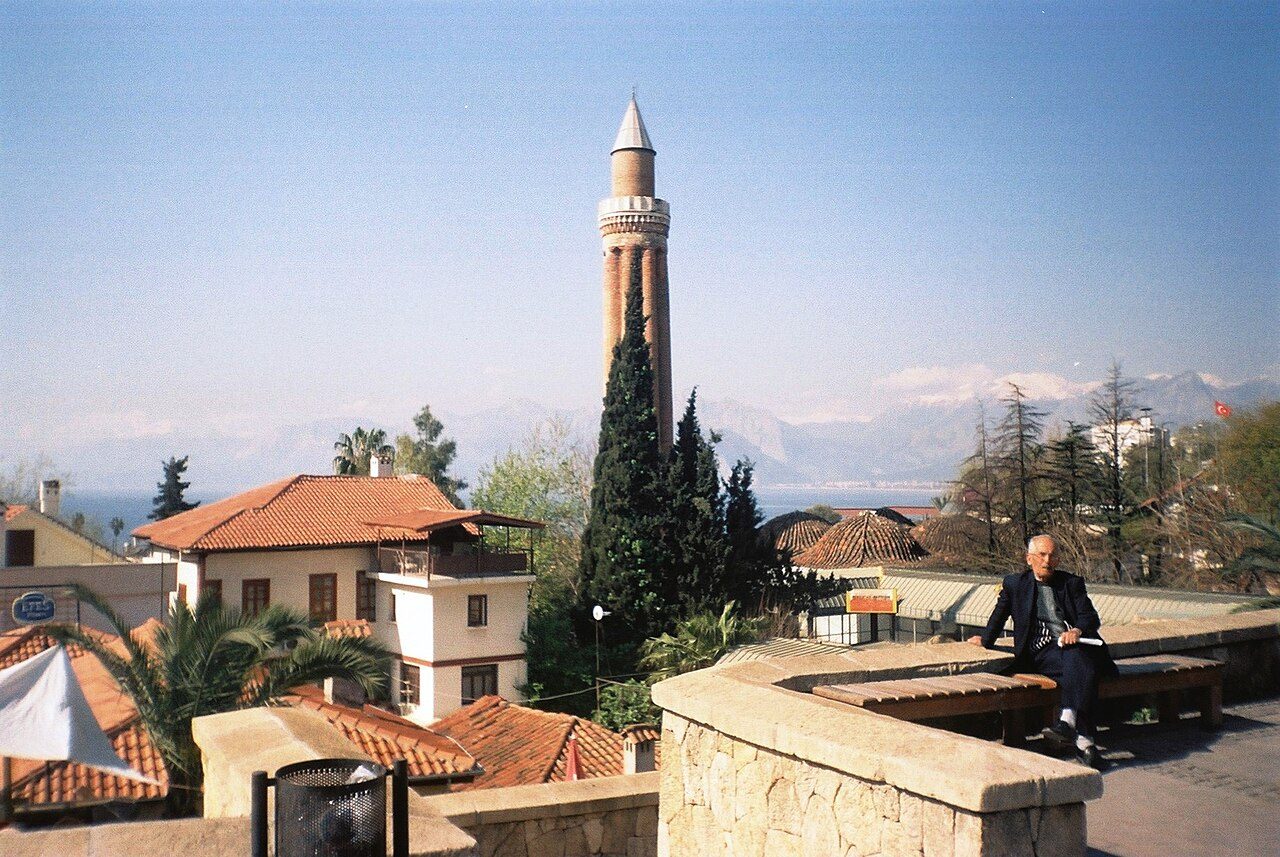
The Yivli Minaret is the symbol of Antalya, built in the 13th century by the Seljuk sultan Kayqubad I. Its fluted brick shaft, decorated with blue tiles, rises about 38 metres. It stands beside the old mosque at the edge of Kaleiçi. Nearby are an old dervish lodge and the tomb of an emir.
22
STOP 22 OF 22 · LAST STOP
Düden Waterfalls
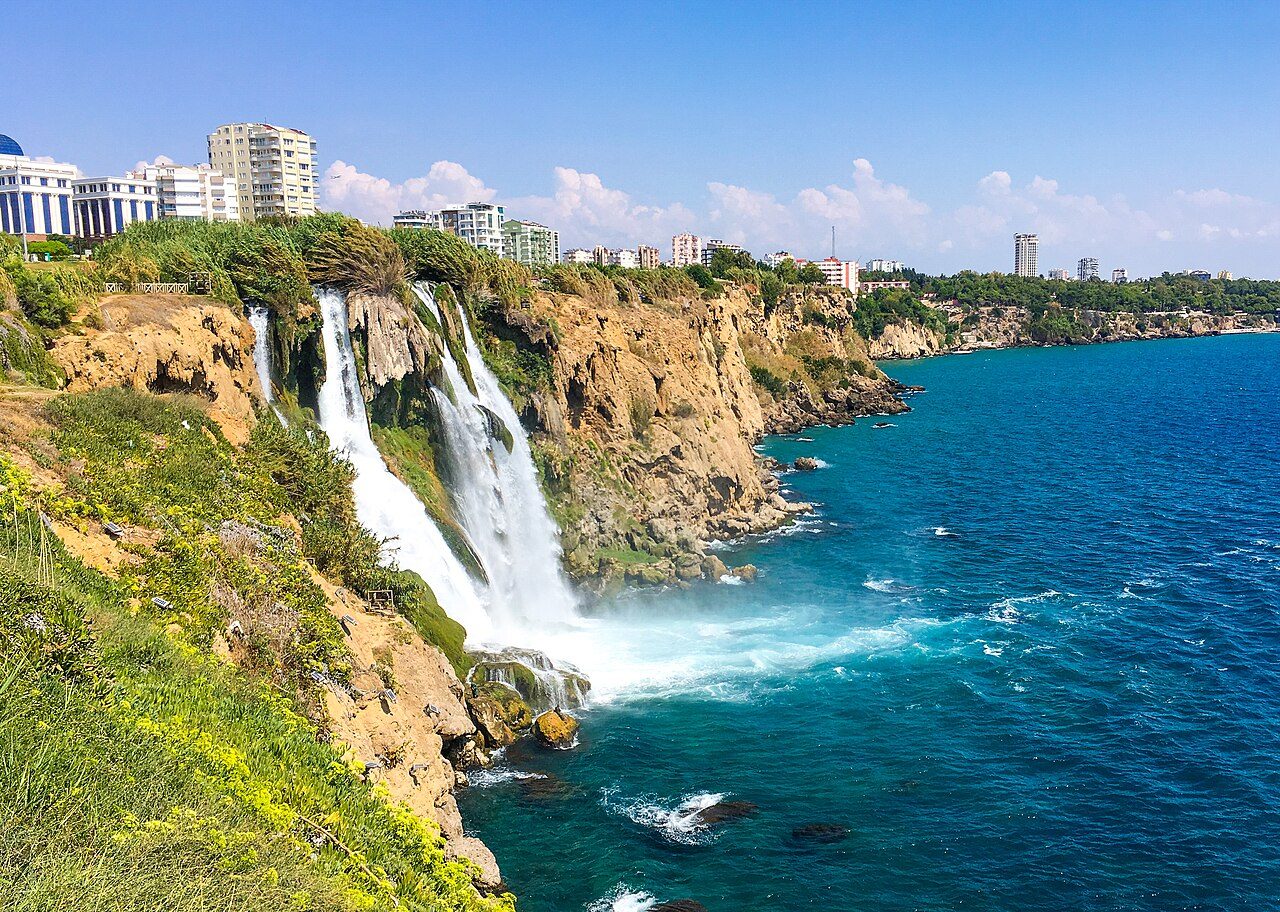
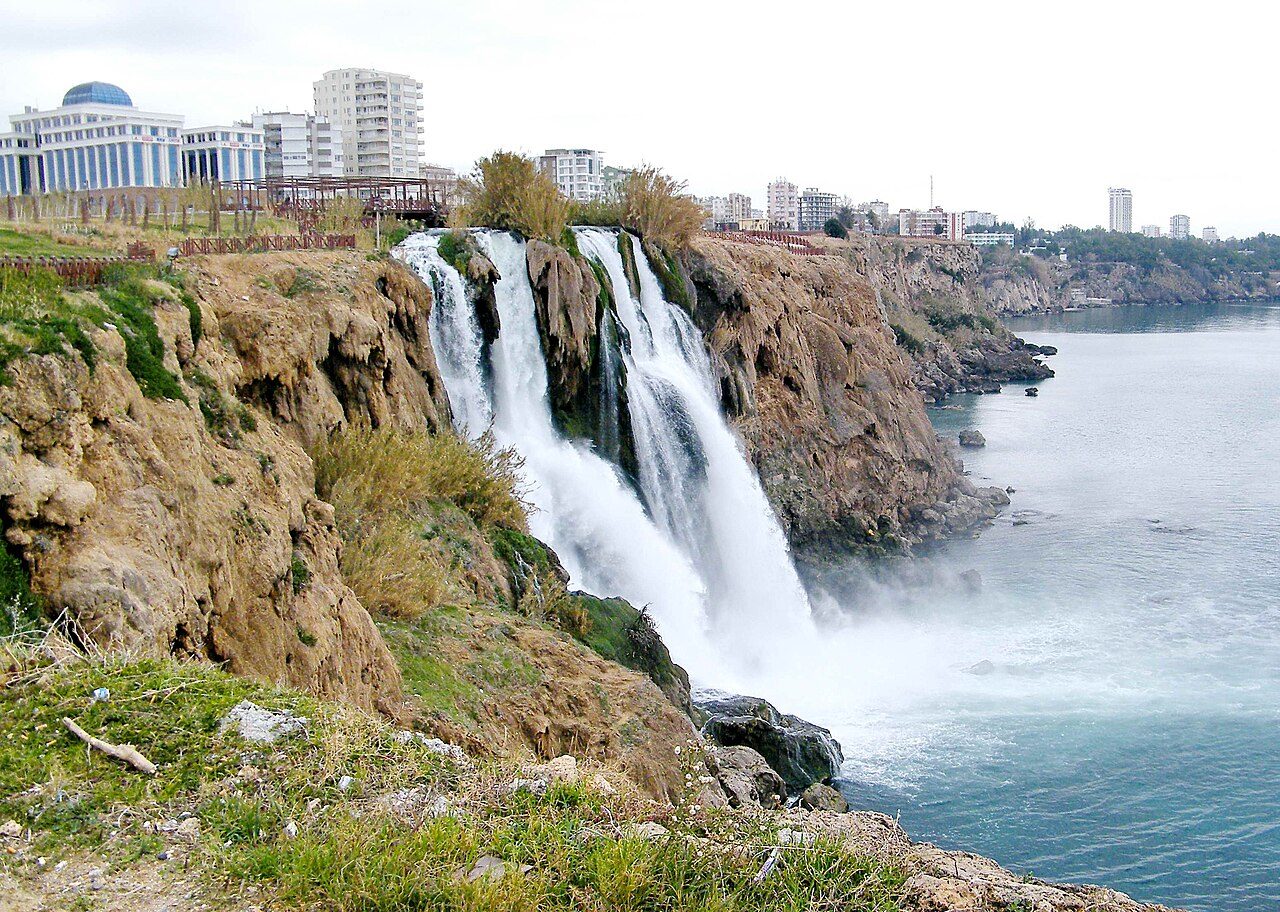
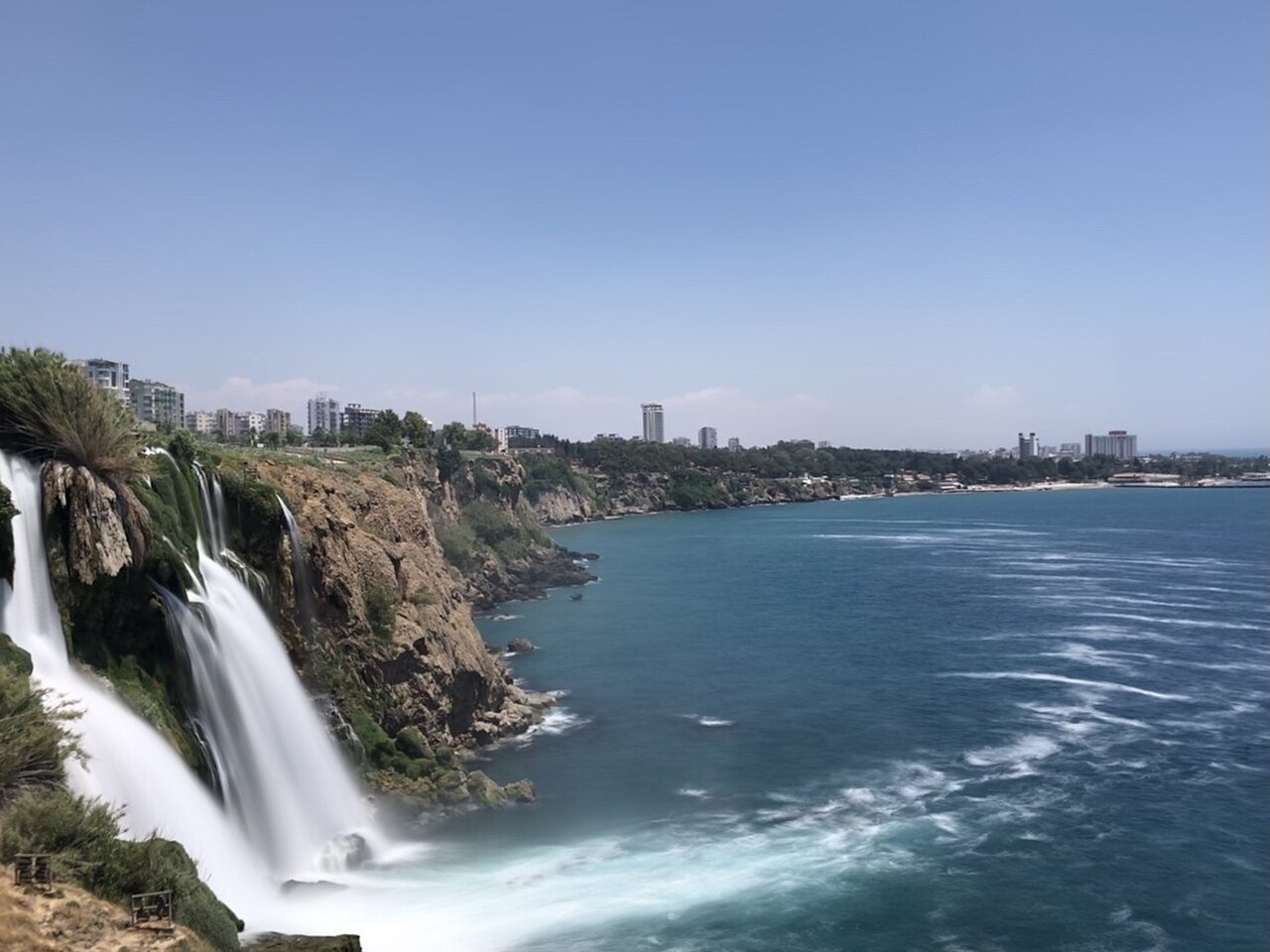
The Düden Waterfalls are two waterfalls of the Düden River in Antalya. The Upper Düden Falls lie in a park with a cave behind the water. The Lower Düden Falls plunge about 40 metres from a cliff straight into the Mediterranean Sea at Lara. Boats sail out to see the lower falls from the water, and a park lines the clifftop.
Seasons from 20 years of NASA POWER climate data.
 WaTrips









 BikesBooking
 Localrent
 Airalo
 Tiqets