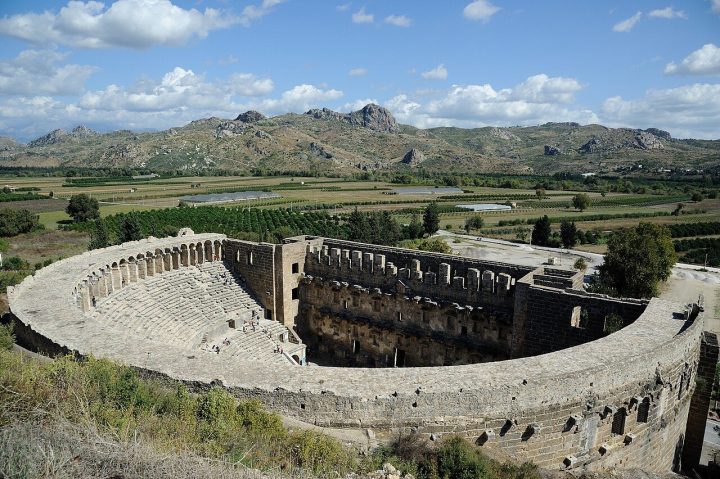
Sinan's Selimiye in Edirne, the great mosques of Istanbul, Çamlıca and Ortaköy, Bursa's Grand and Green mosques, and Rumi's tomb in Konya.
This journey follows Ottoman mosque-building at its finest. Start in Edirne at the Selimiye Mosque, which the architect Sinan called his masterpiece. In Istanbul, visit the Blue Mosque, the Süleymaniye, the tiled Rüstem Pasha and the New Mosque, then the huge Çamlıca Mosque and little Ortaköy on the Bosphorus. In Bursa, the first Ottoman capital, see the Grand Mosque and the Green Mosque, then the village of Cumalıkızık. End in Konya at the Mevlana Museum, the tomb of the poet Rumi. Dress modestly; women cover their heads in mosques.
01
STOP 1 OF 11
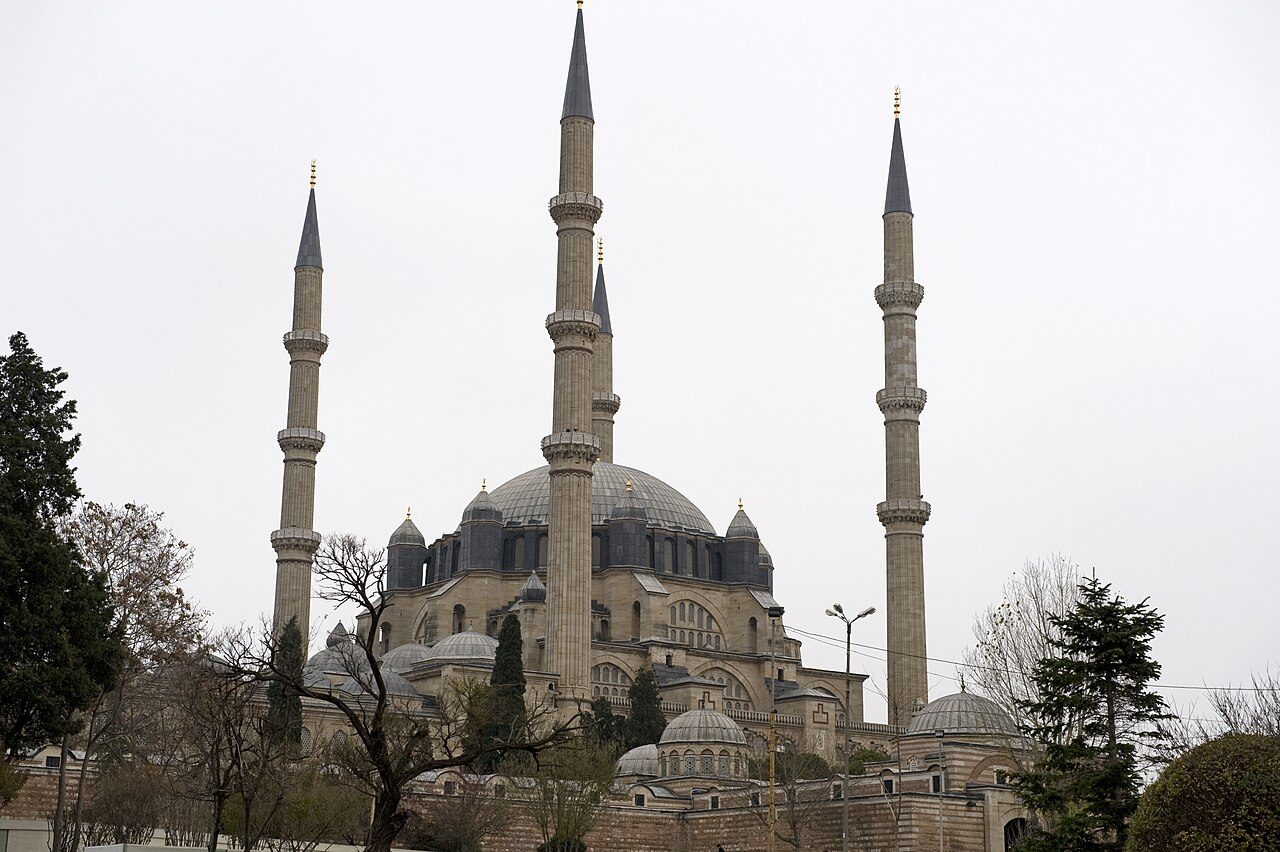
Selimiye Mosque
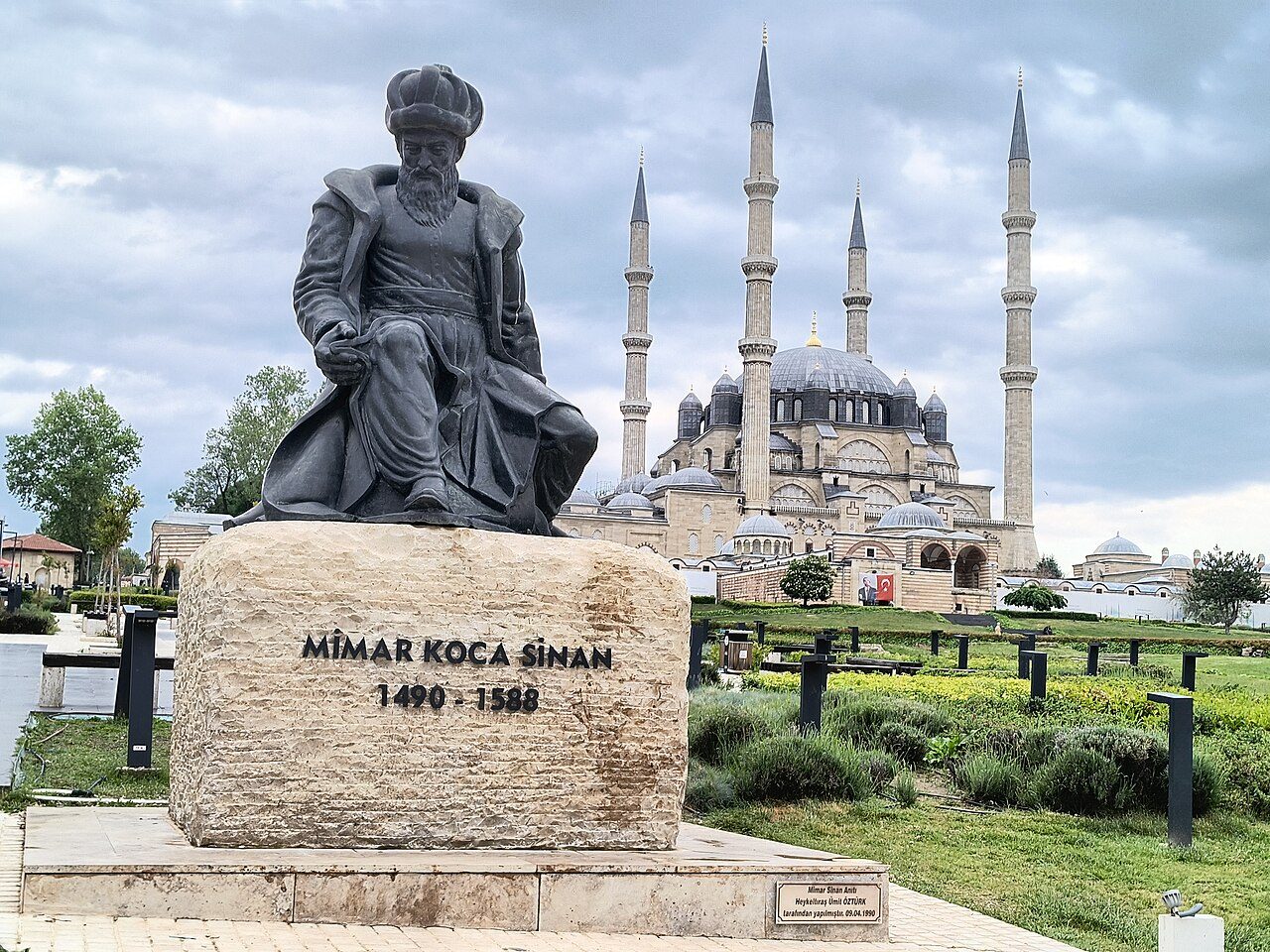
The Selimiye Mosque in Edirne was built between 1568 and 1575 by the architect Mimar Sinan for Sultan Selim II. Sinan considered it his masterpiece. Its great dome, about 31 metres wide, rests on eight pillars, and four slender minarets rise over 70 metres. The mosque and its complex have been a UNESCO World Heritage Site since 2011.
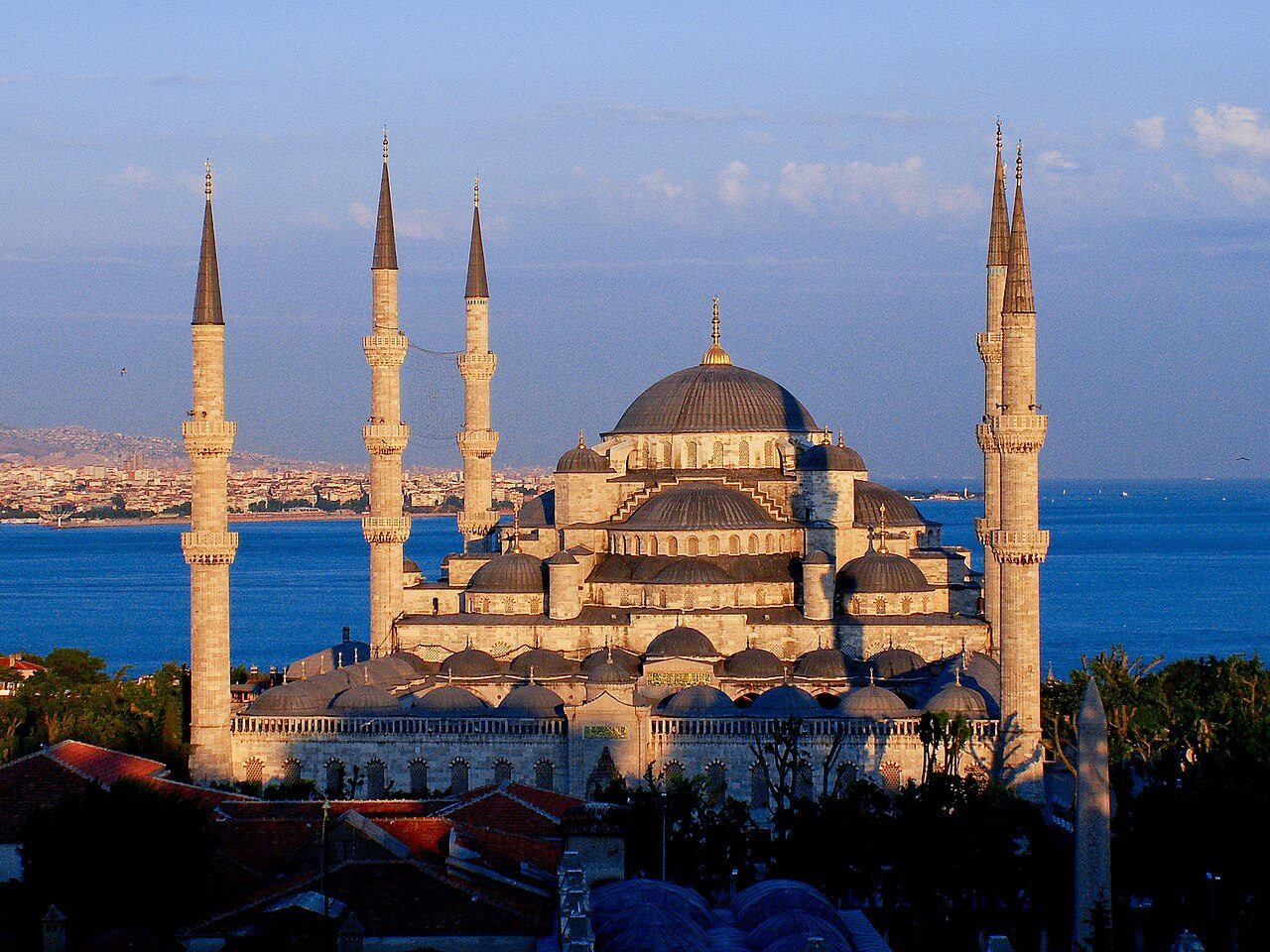
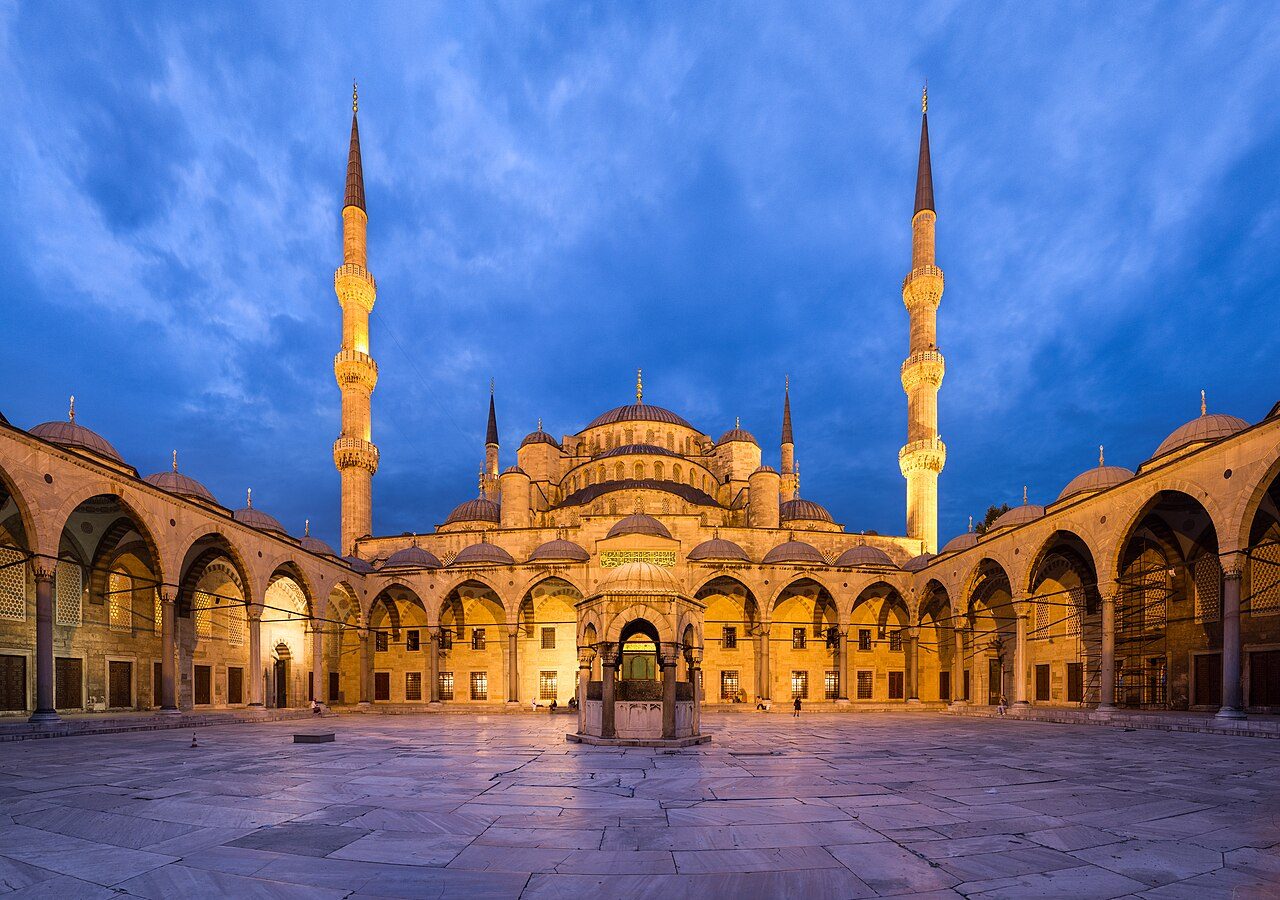
The Sultan Ahmed Mosque, known as the Blue Mosque, was built between 1609 and 1616 for Sultan Ahmed I. It faces Hagia Sophia across Sultanahmet Square. It is the only mosque in Istanbul with six minarets, and its cascade of domes rises over a large courtyard. Inside, more than 20,000 handmade Iznik tiles in blue and green patterns give the mosque its nickname.
03
STOP 3 OF 11
Süleymaniye Mosque
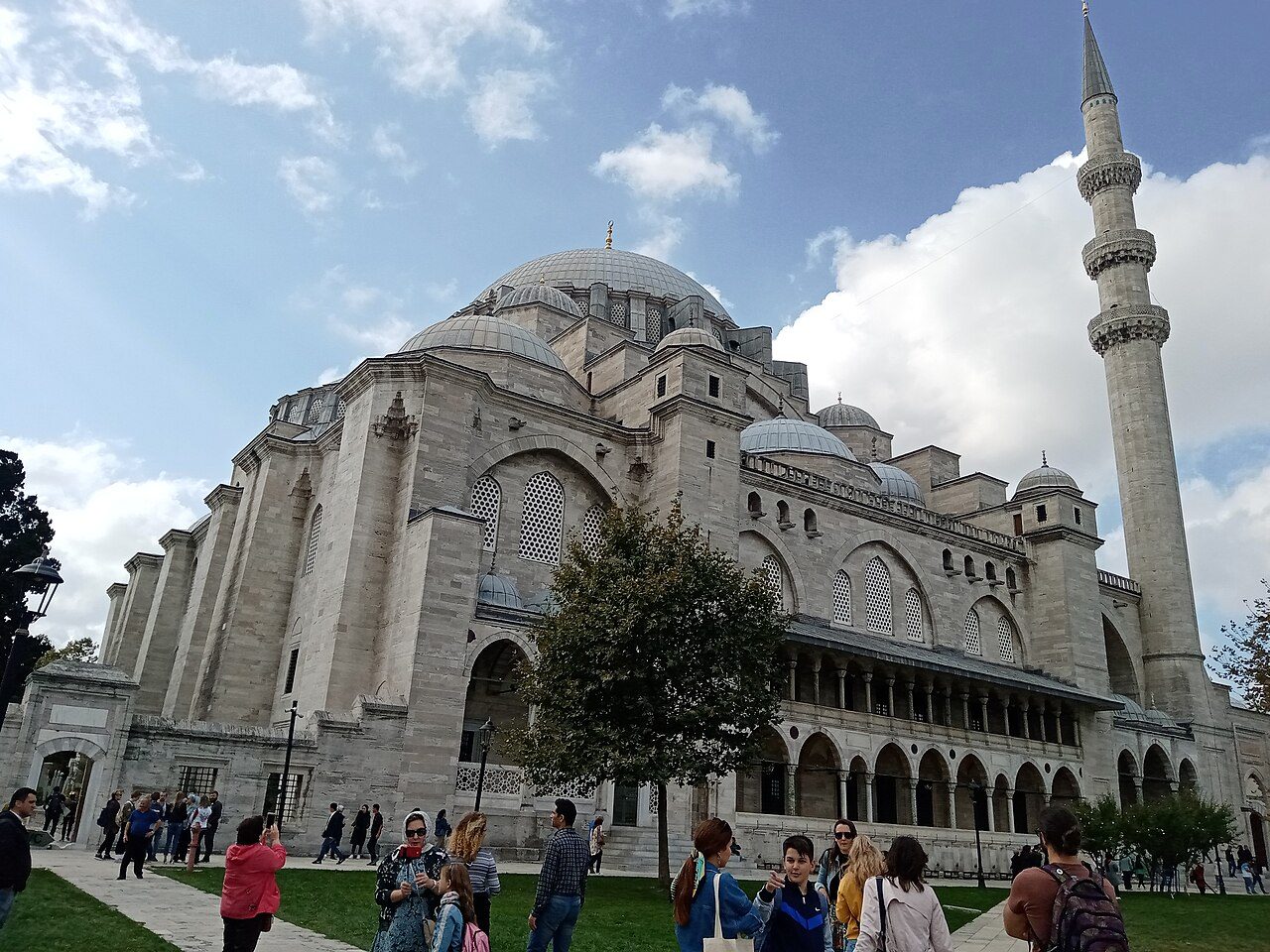
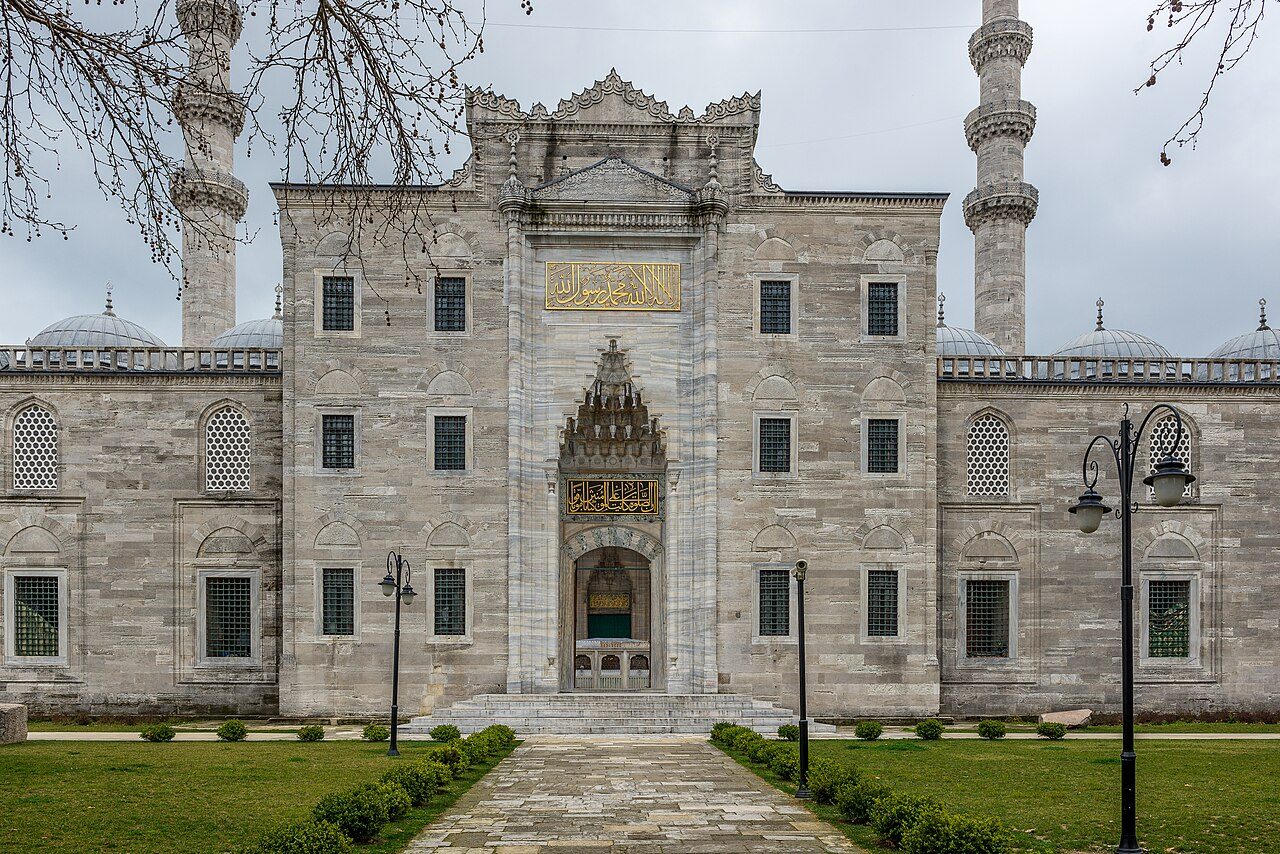
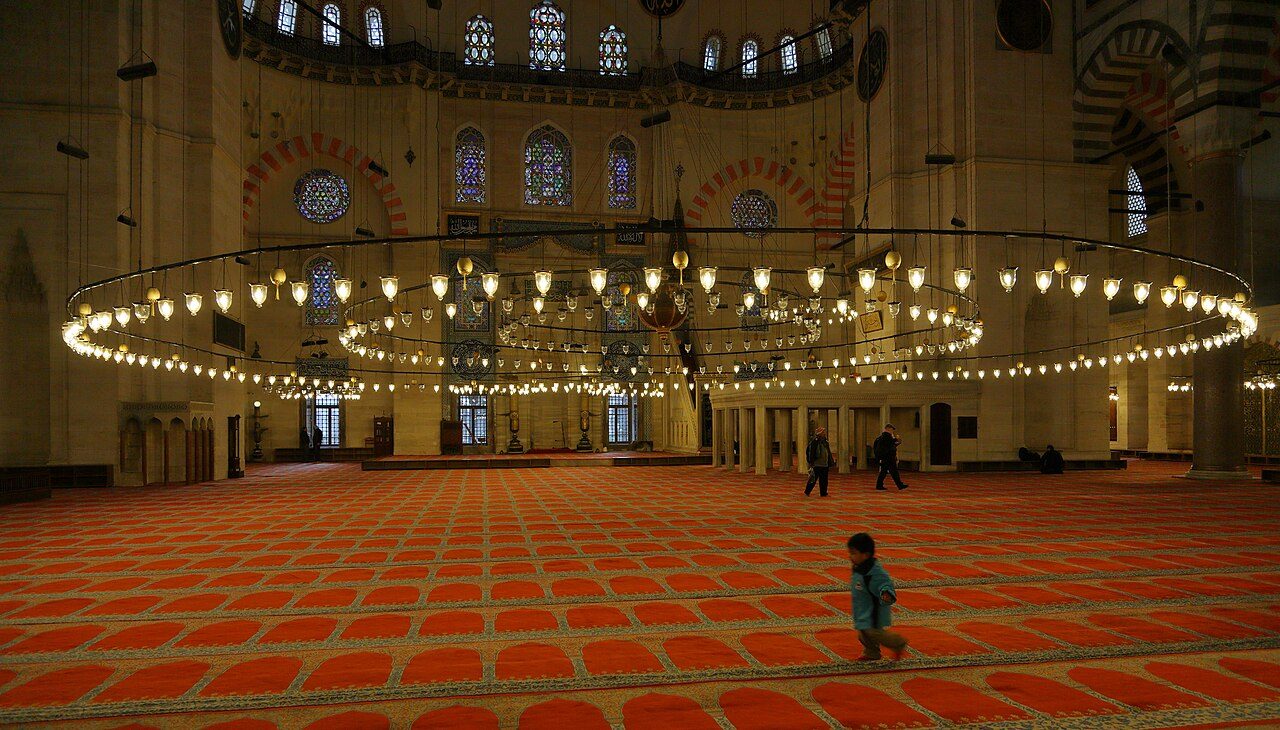
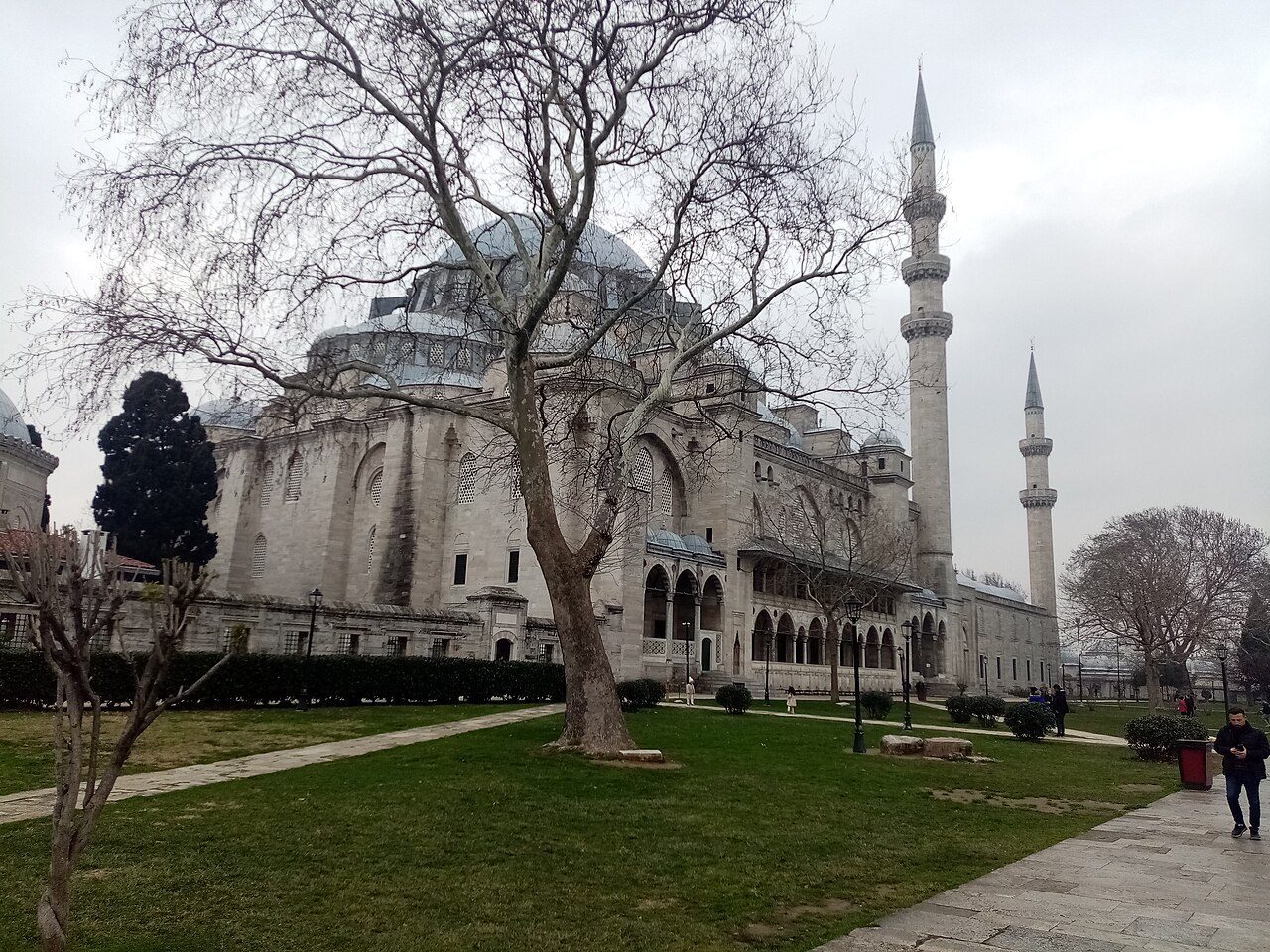
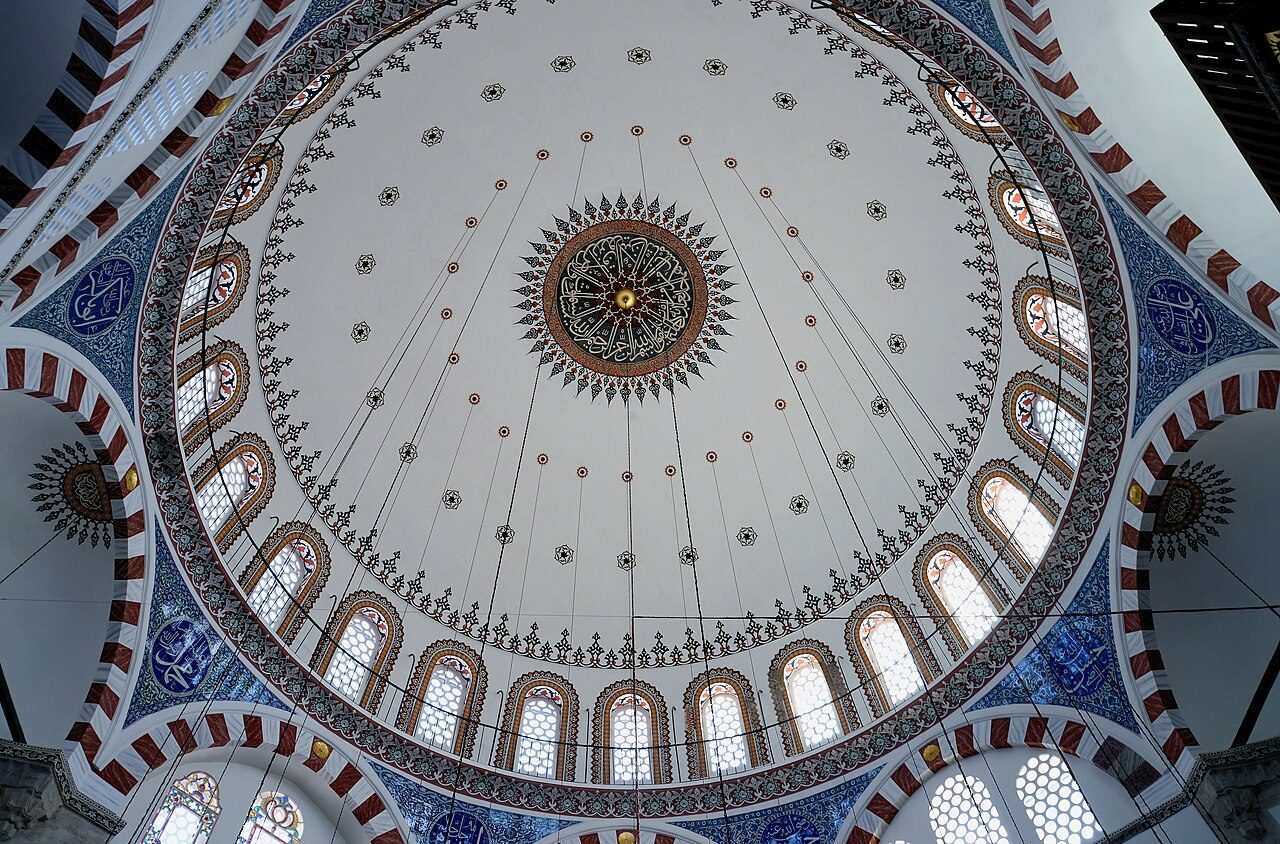
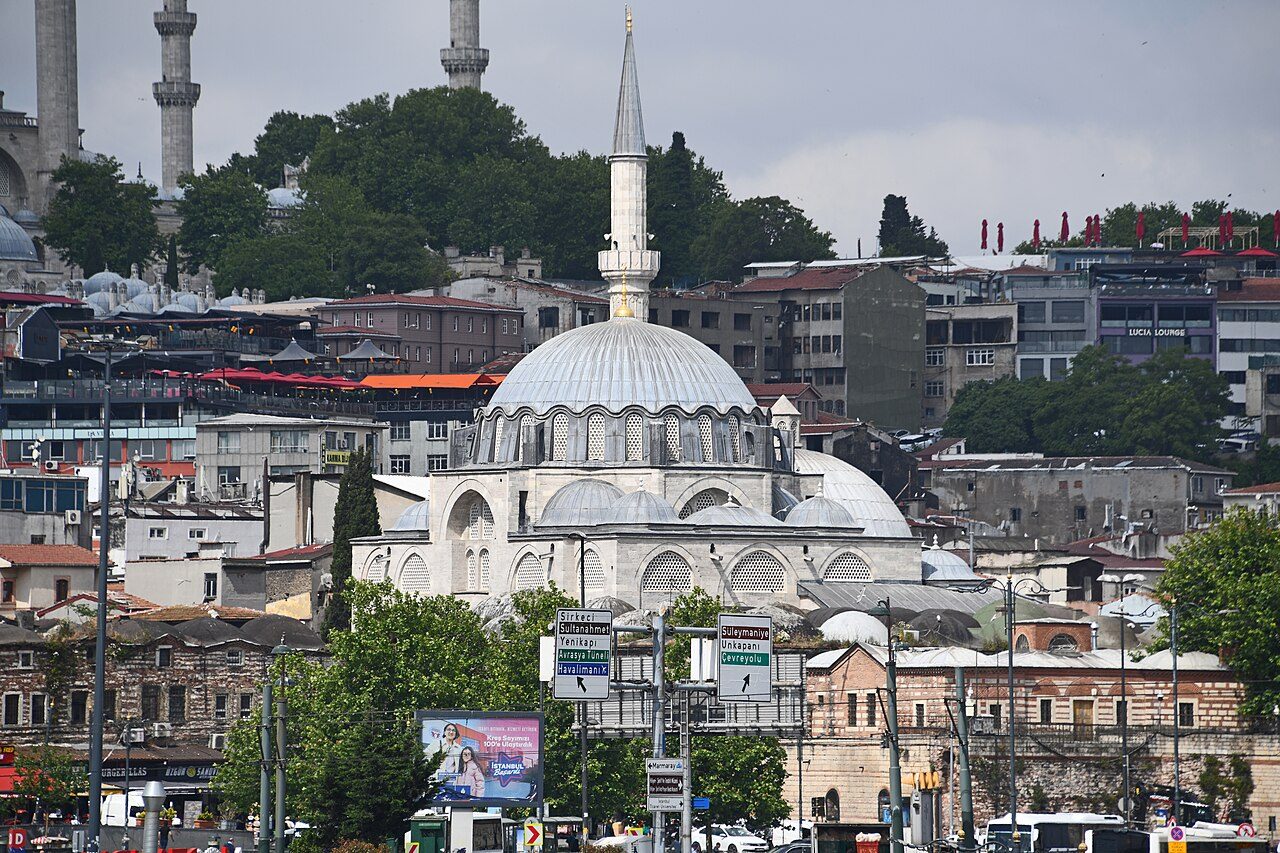
The Süleymaniye Mosque crowns the third hill of Istanbul above the Golden Horn. It was built between 1550 and 1557 by the great architect Mimar Sinan for Sultan Süleyman the Magnificent. Its large dome and four minarets dominate the skyline. The complex included schools, a hospital and a soup kitchen. Süleyman and Sinan are both buried in tombs nearby.
04
STOP 4 OF 11
Rüstem Pasha Mosque
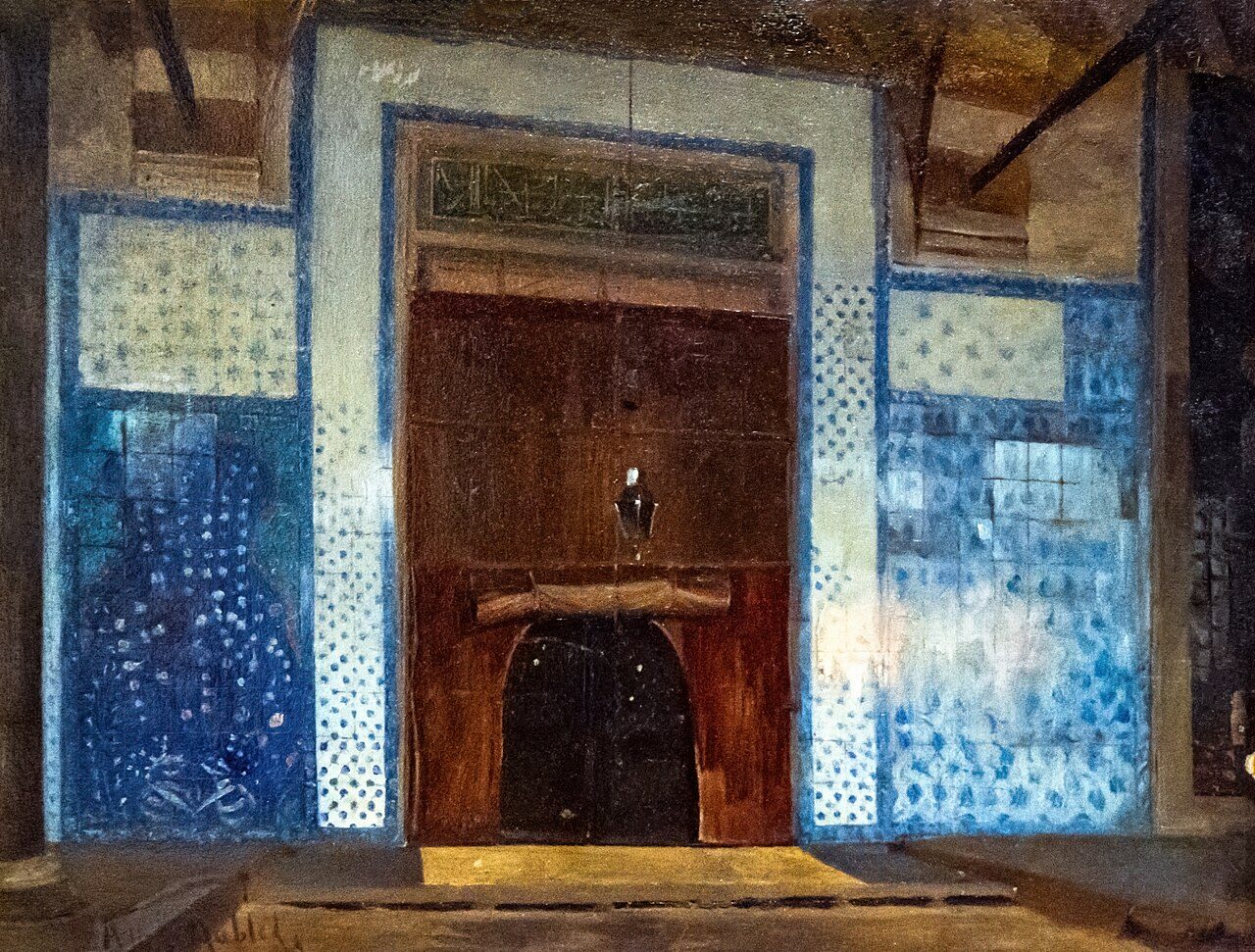
The Rüstem Pasha Mosque is a small mosque near the Spice Bazaar, built around 1563 by Mimar Sinan for Rüstem Pasha, grand vizier and son-in-law of Süleyman the Magnificent. It stands on a raised platform above shops. It is famous for its interior, almost completely covered with Iznik tiles in floral and geometric patterns, among the finest in the city.
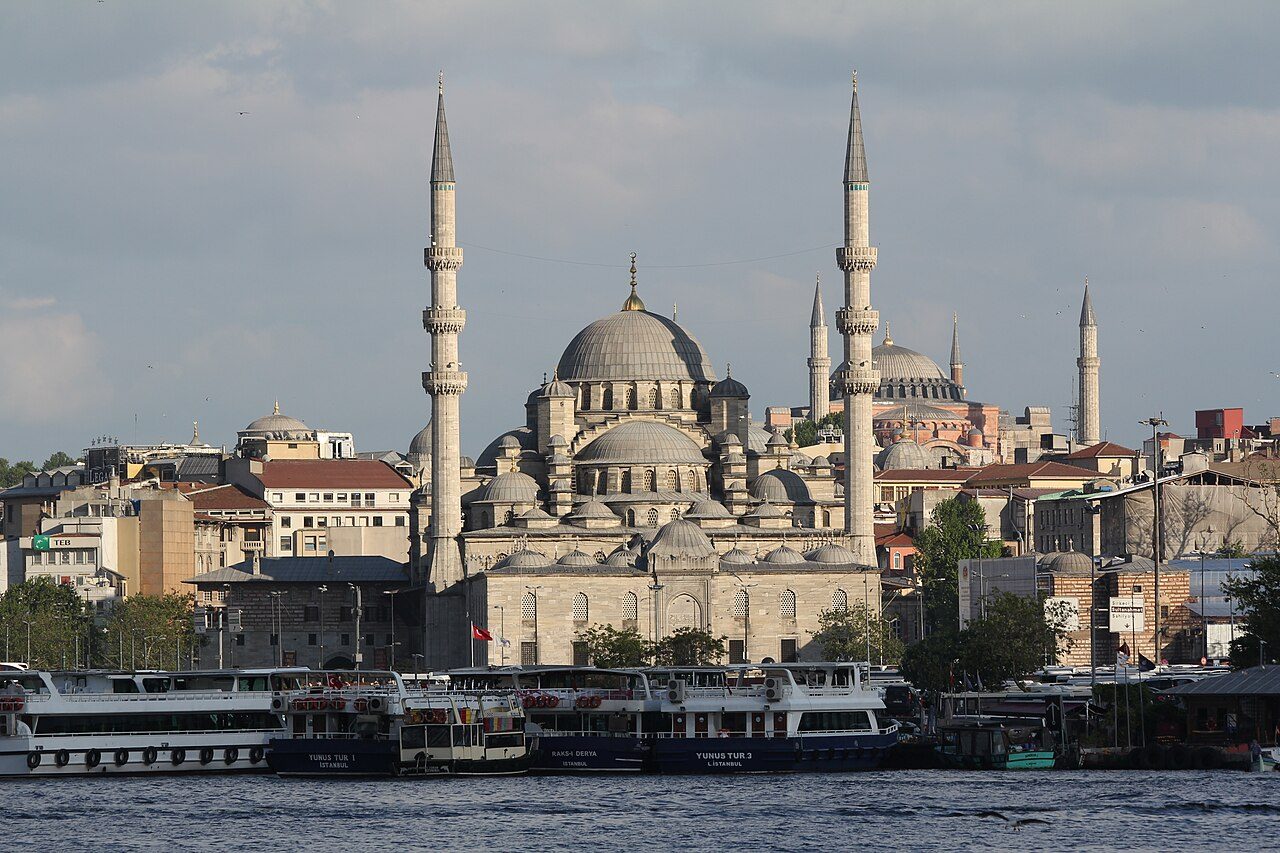
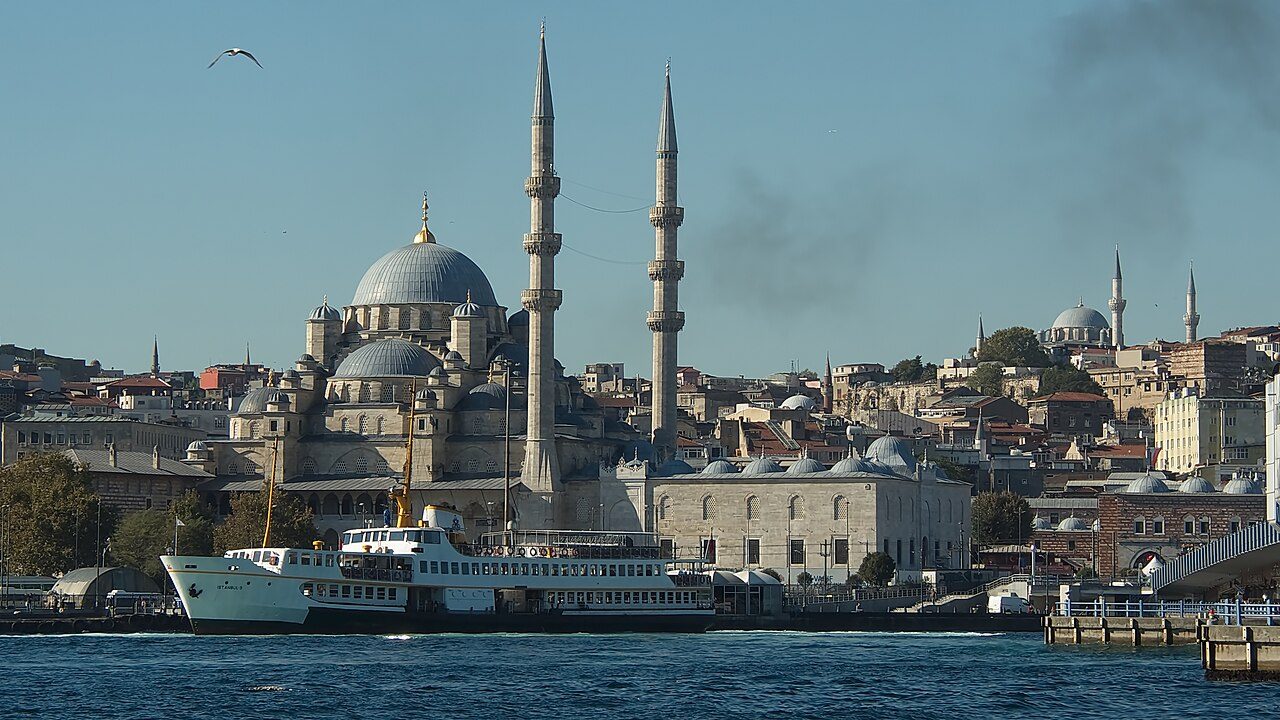
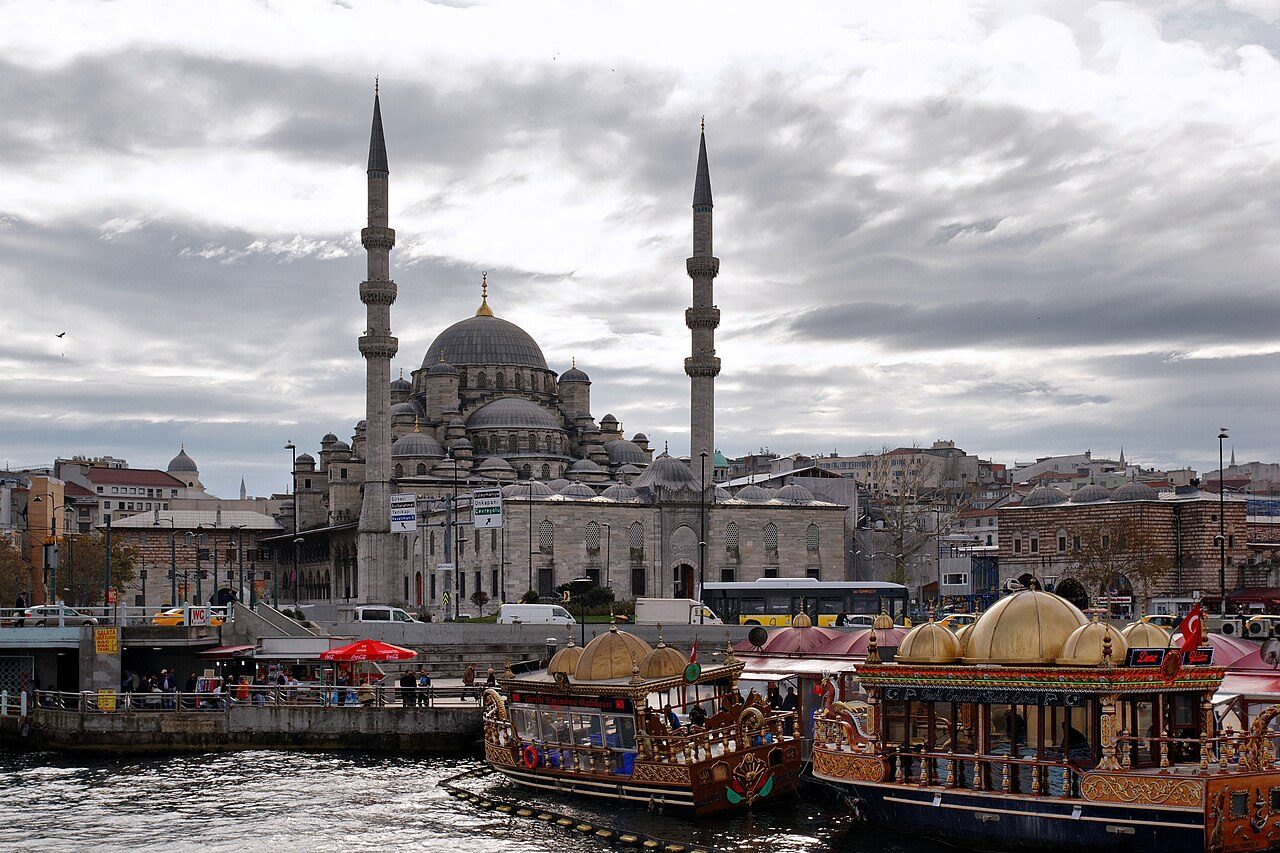
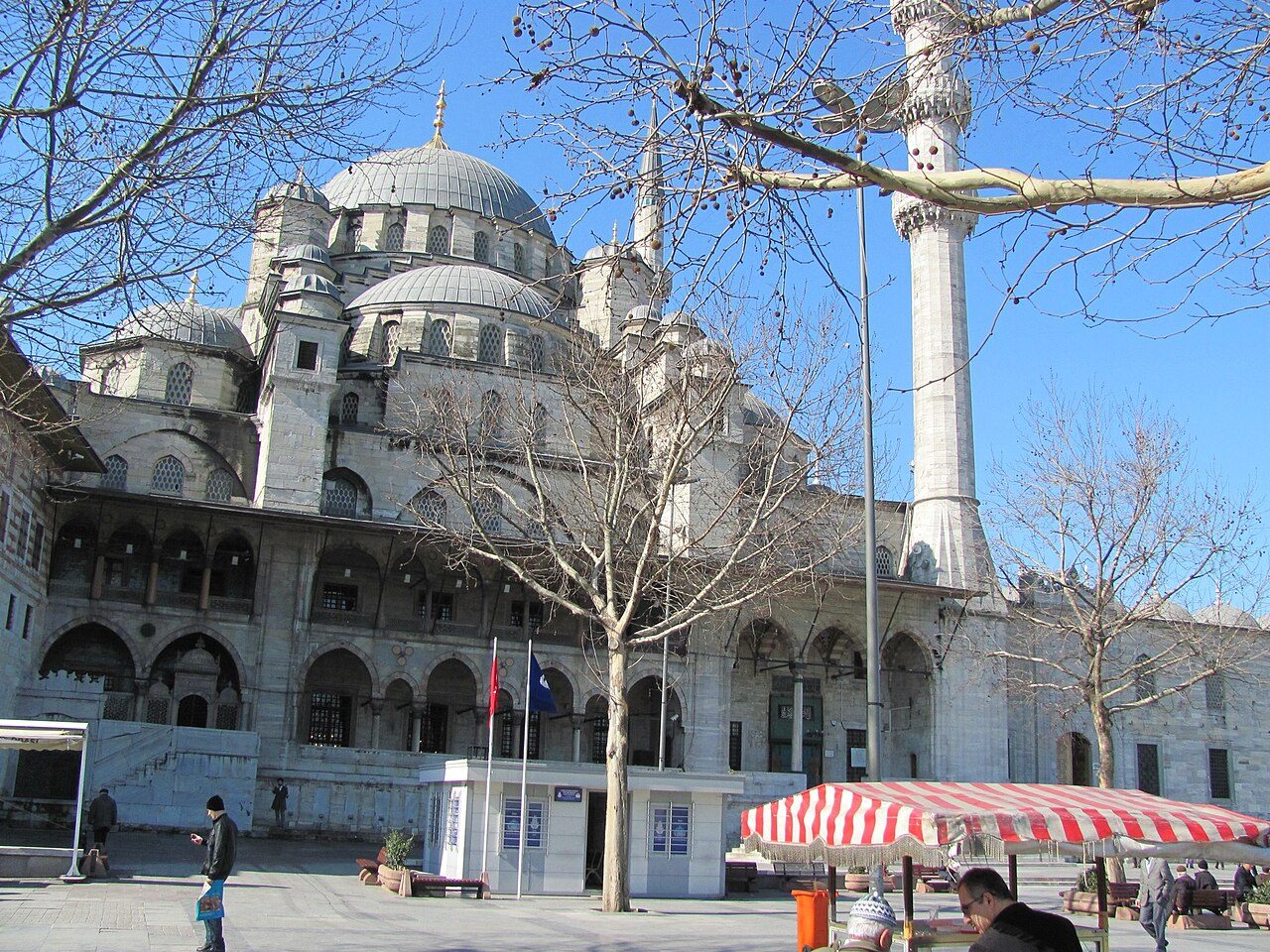
The New Mosque, Yeni Cami, stands at the southern end of the Galata Bridge in Eminönü. It was begun in 1597 by Safiye Sultan but completed only in 1665. Its cascading domes and two minarets face the Golden Horn and are a landmark of the waterfront. The square in front is busy with pigeons, ferry passengers and street sellers.
06
STOP 6 OF 11
Çamlıca Mosque
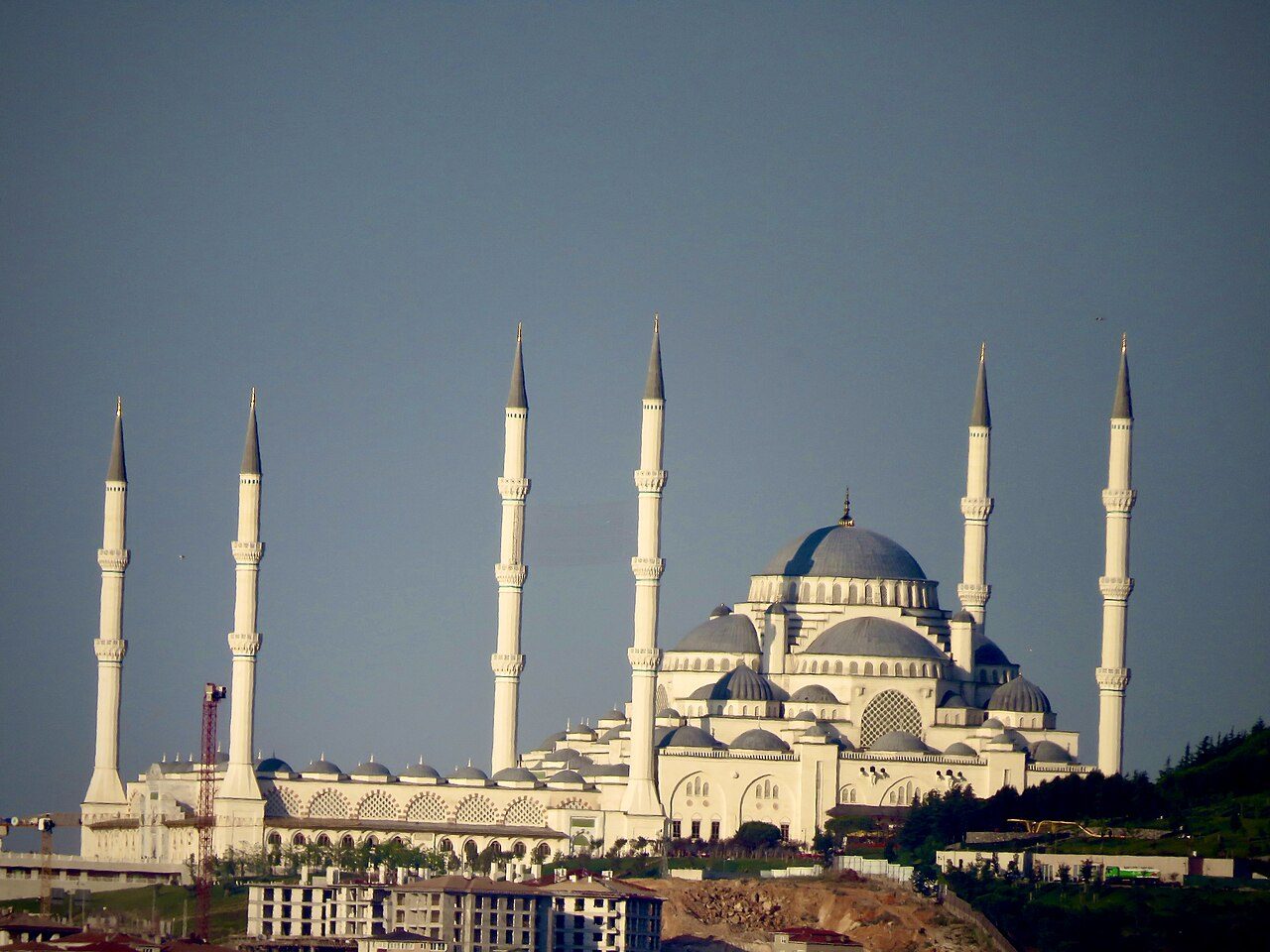
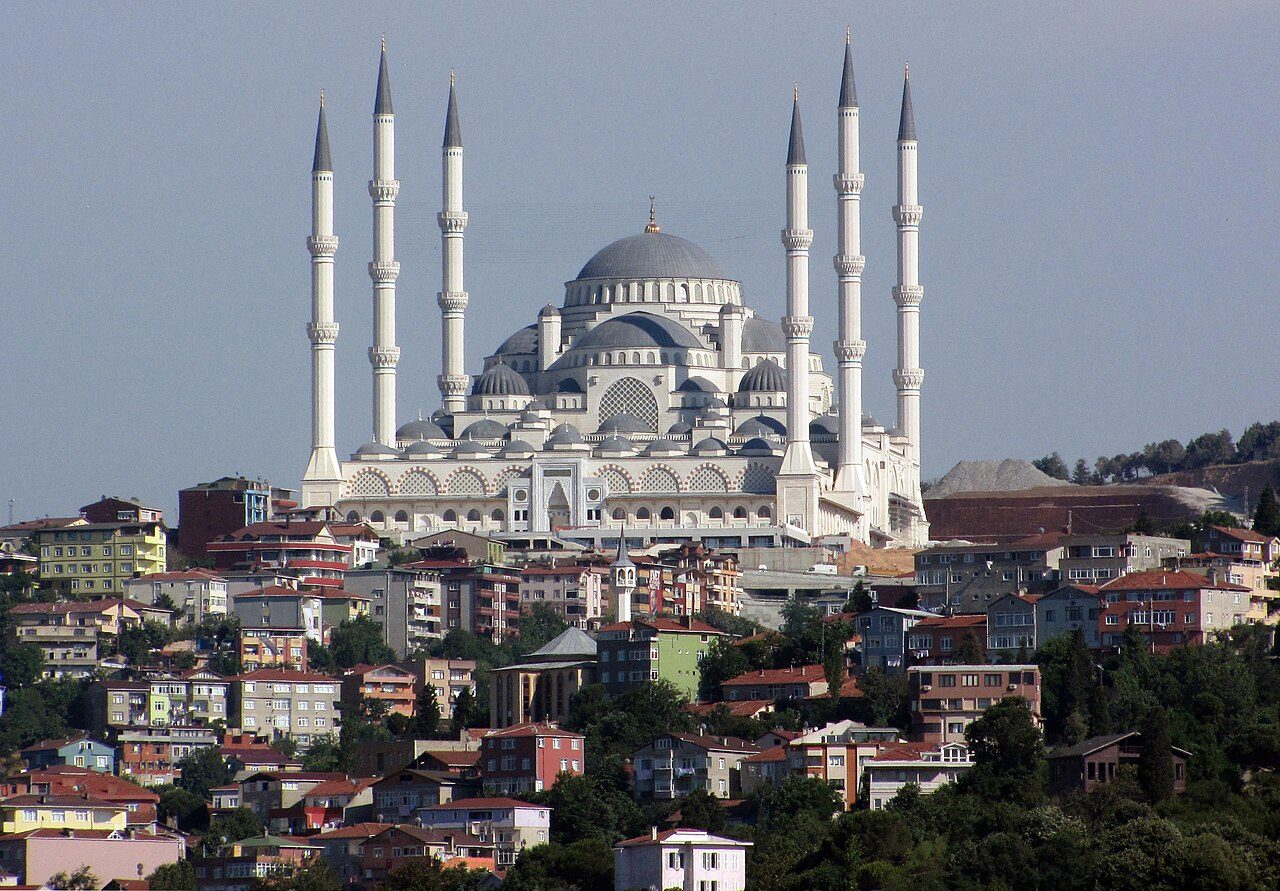
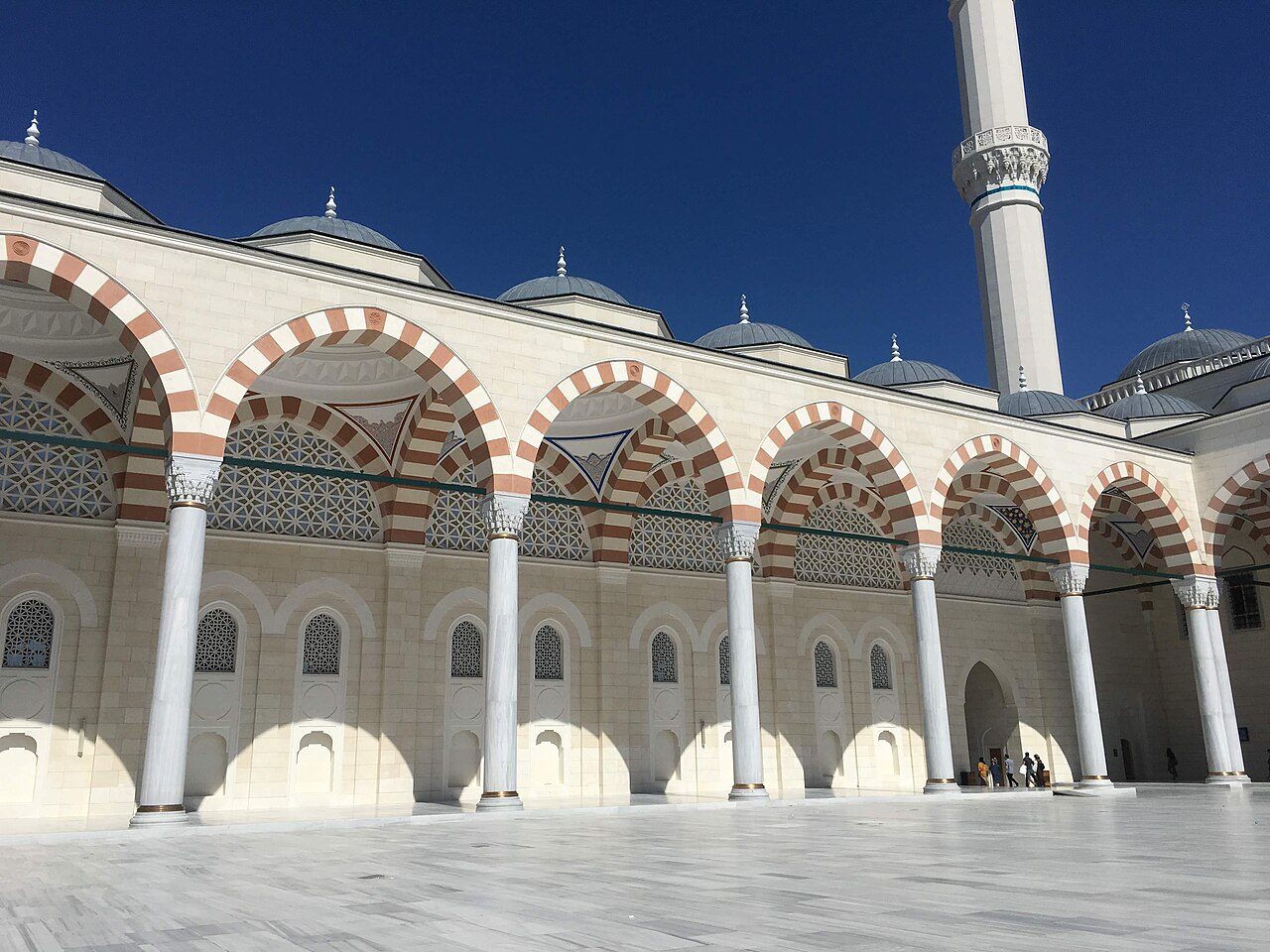
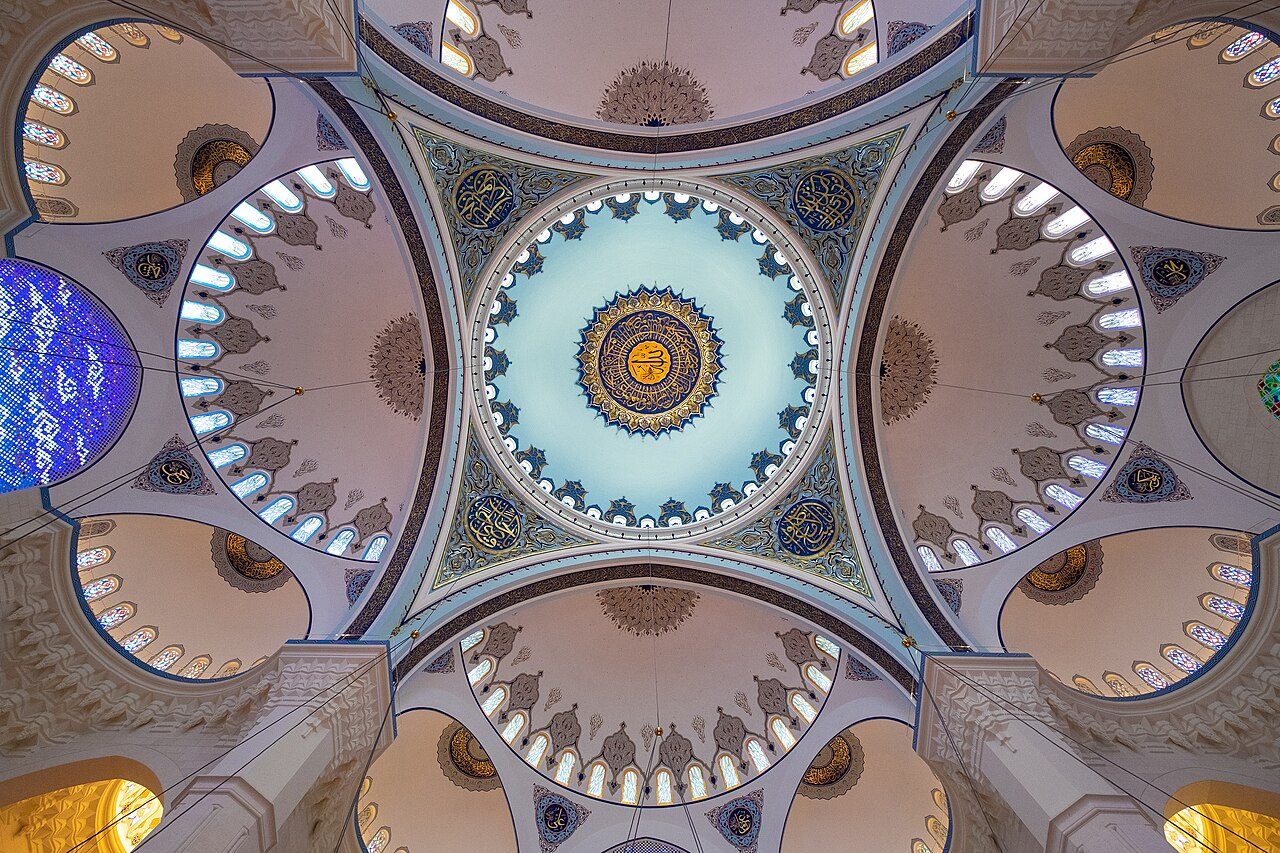
The Çamlıca Mosque stands on Çamlıca Hill on the Asian side of Istanbul. It opened in 2019 and is the largest mosque in Türkiye, able to hold over 60,000 people. Its six minarets and large dome follow classical Ottoman design. The complex includes a museum of Islamic art, a library and an art gallery. The hill gives wide views over the city.
07
STOP 7 OF 11
Ortaköy Mosque
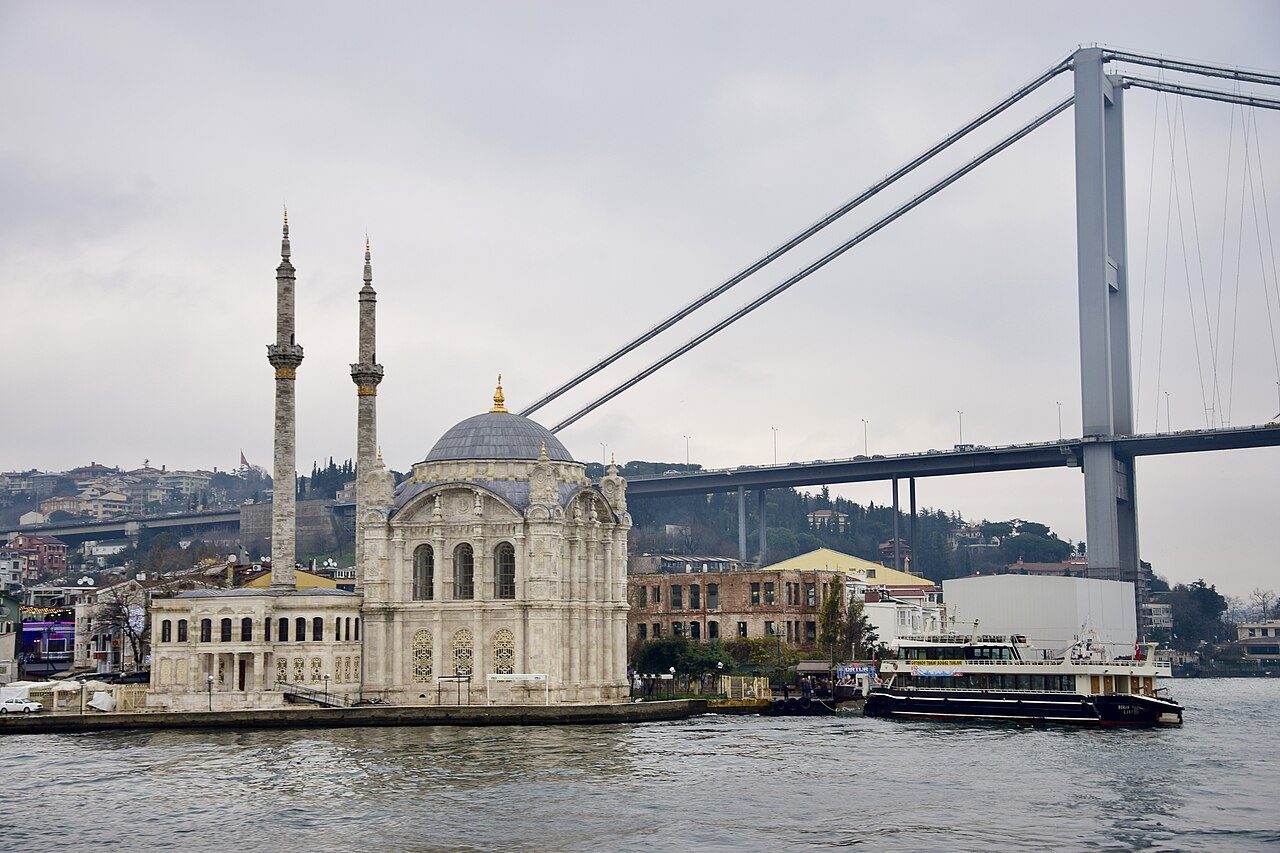
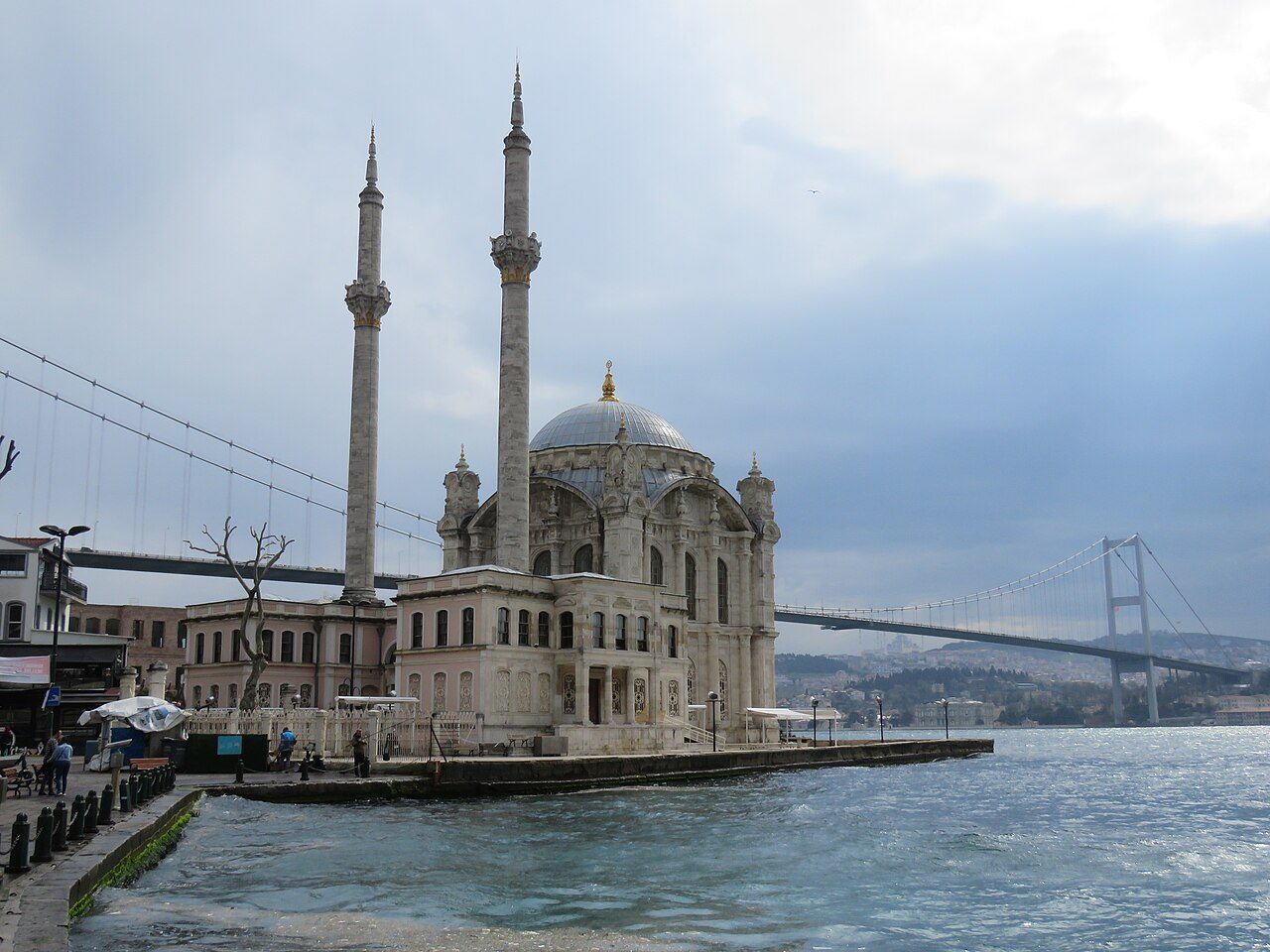
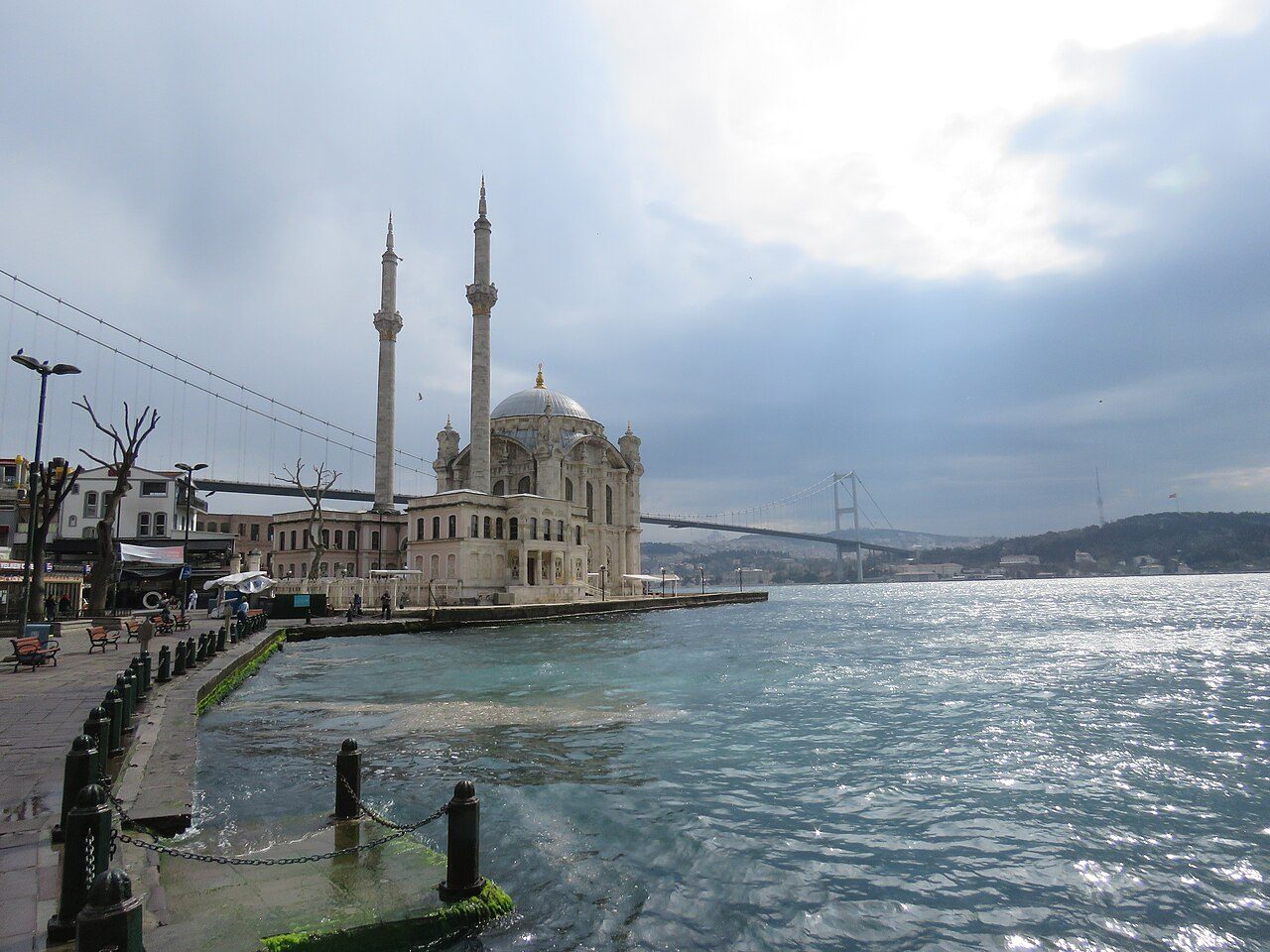
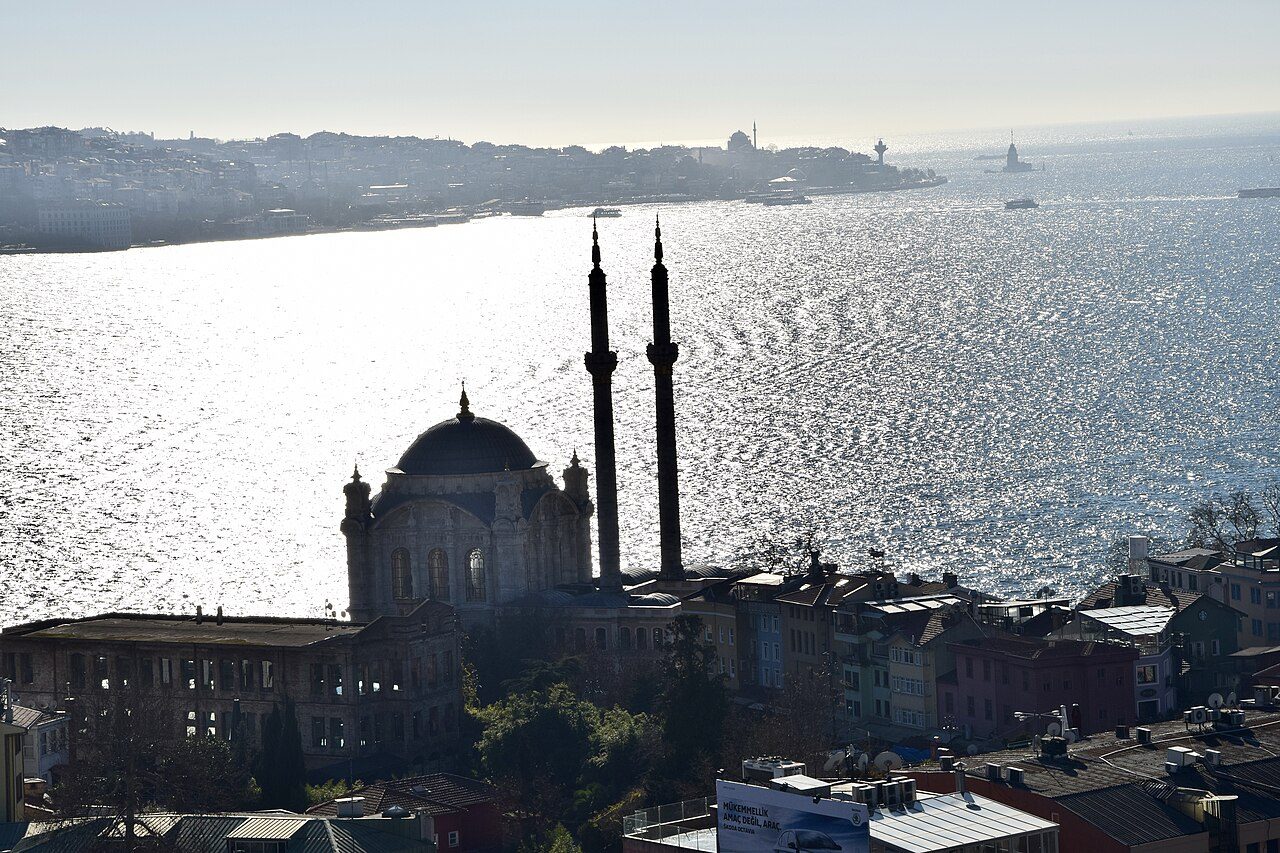
The Ortaköy Mosque stands right on the water's edge of the Bosphorus, at the foot of the Bosphorus Bridge. It was built in 1856 in Neo-Baroque style for Sultan Abdülmecid I. Its tall windows fill the interior with light. The square around it is full of cafes and stalls selling baked potatoes and waffles, and it is a favourite place to photograph the bridge.
08
STOP 8 OF 11
Grand Mosque of Bursa
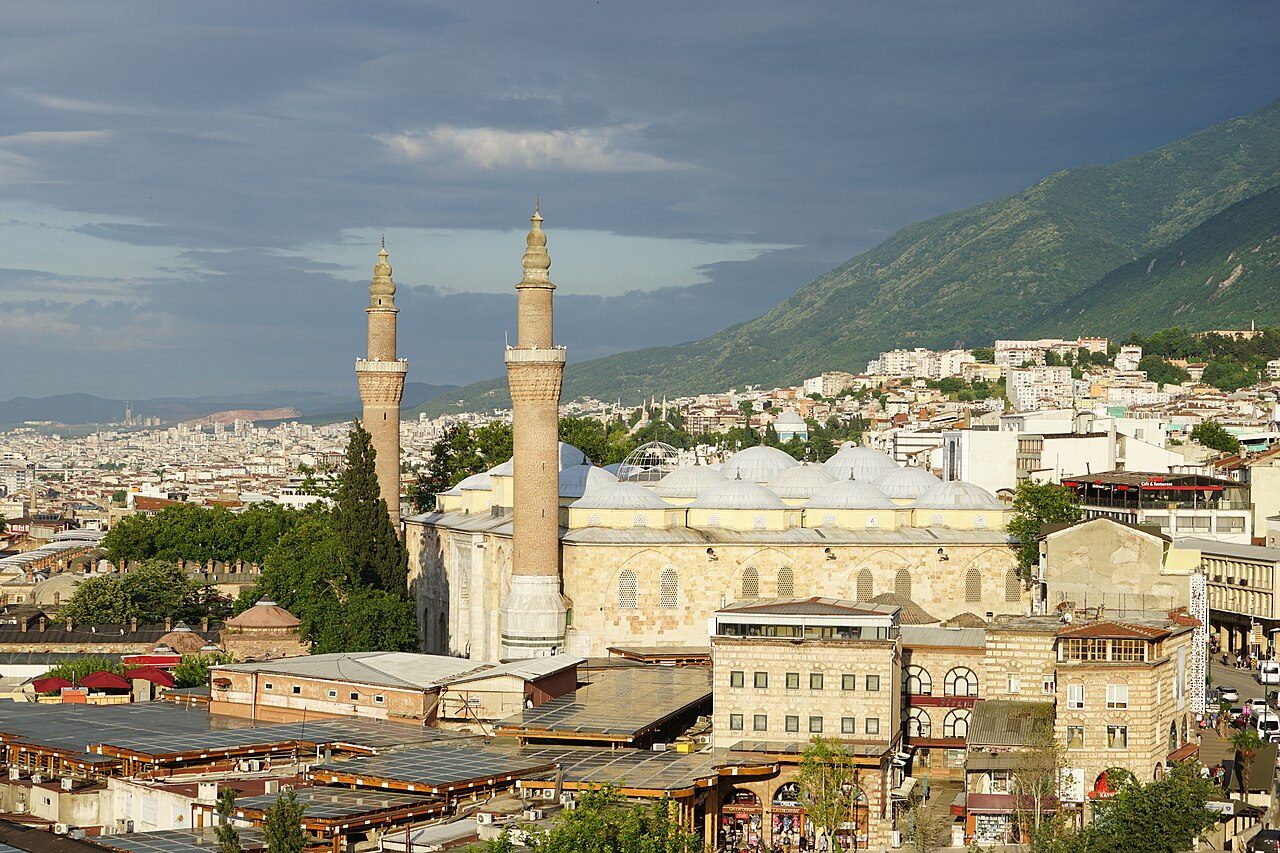
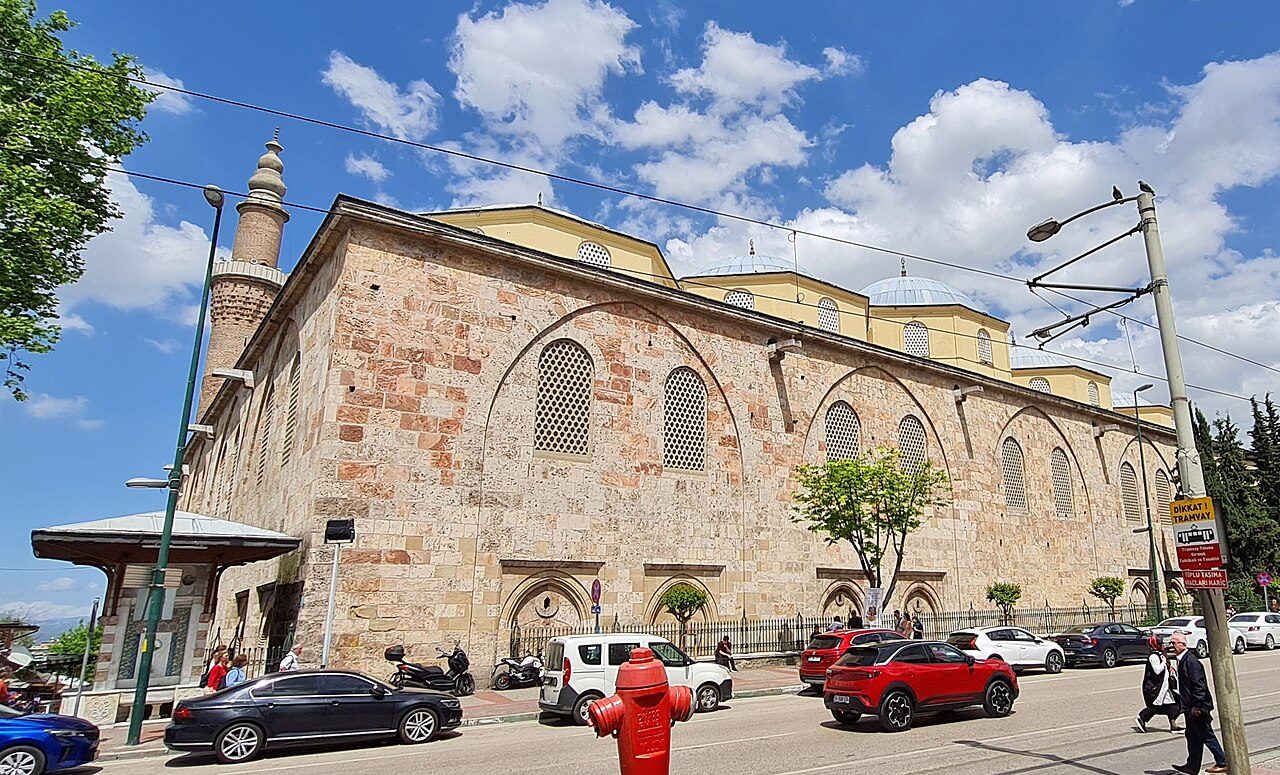
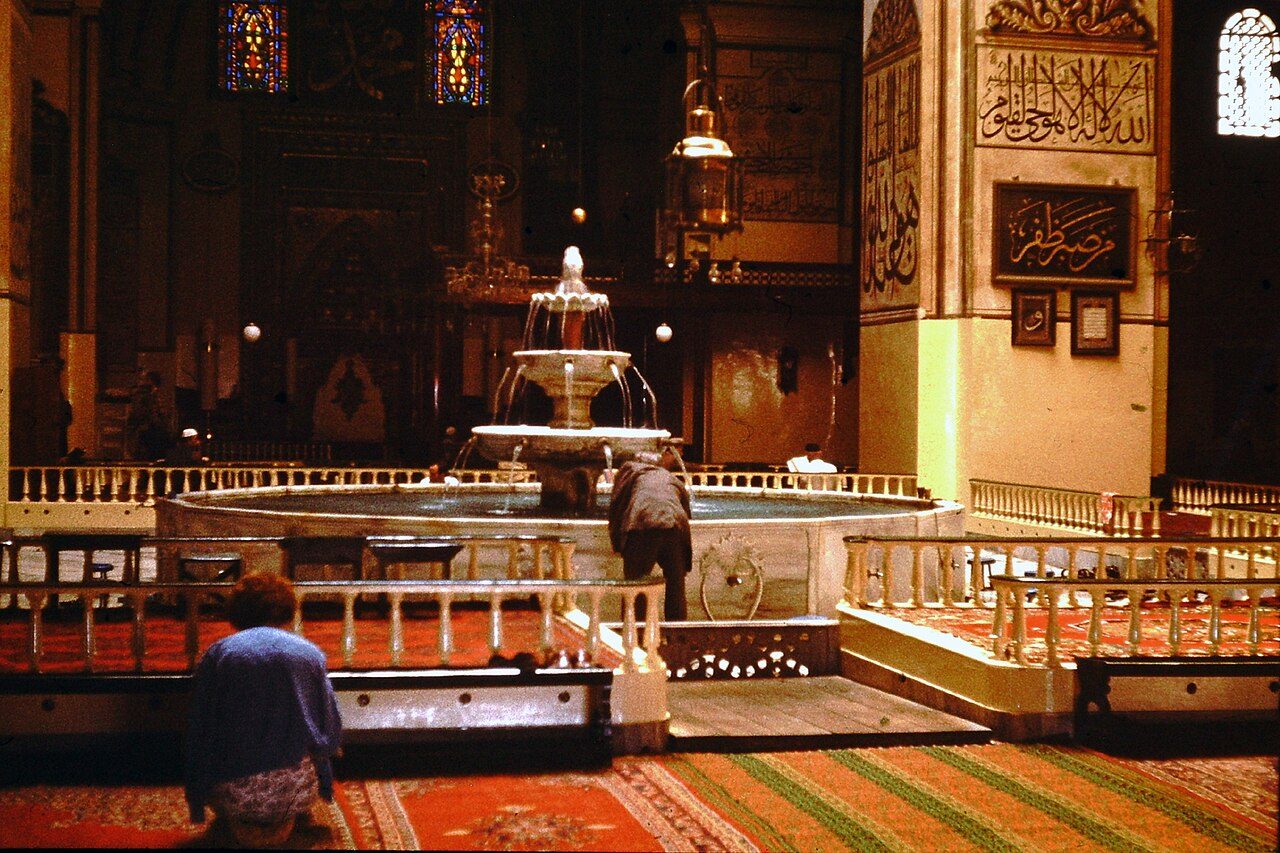
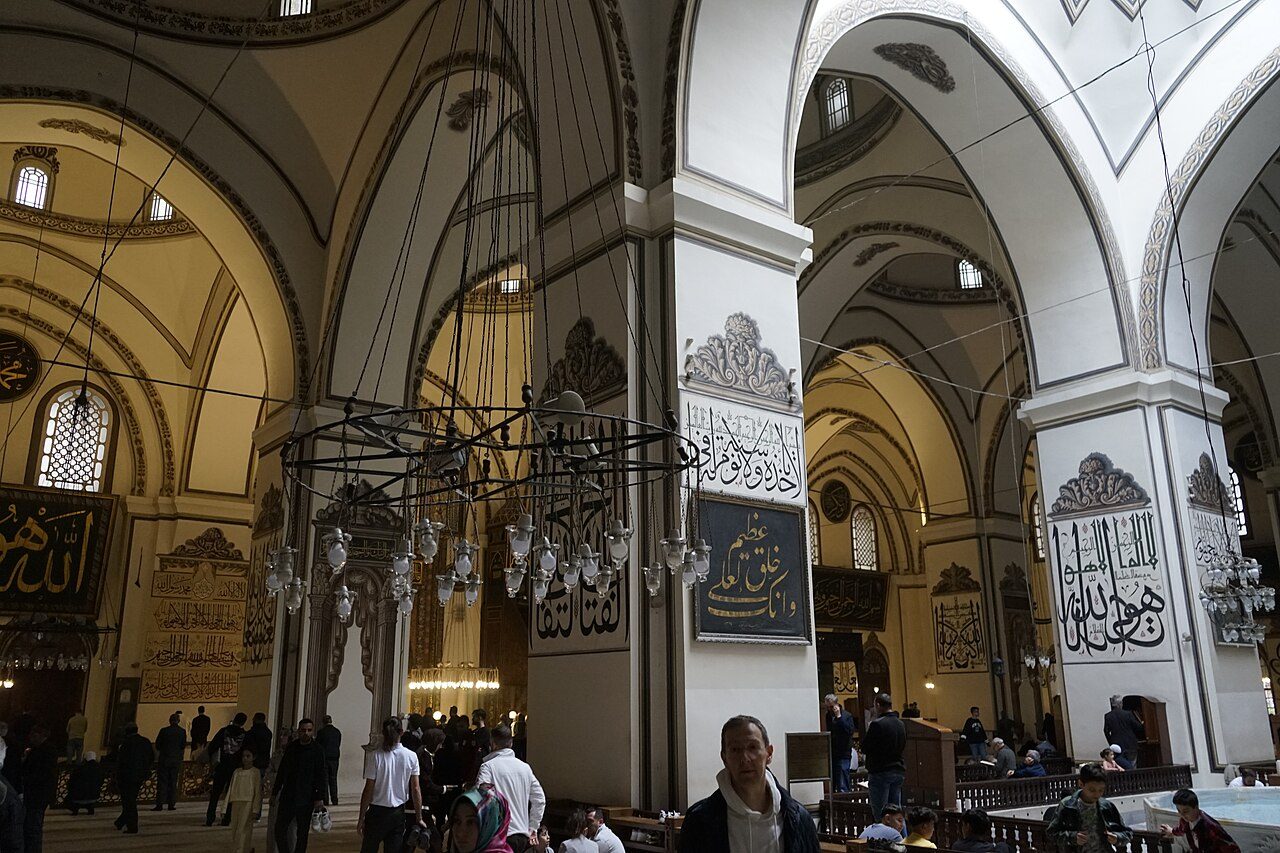
The Grand Mosque of Bursa, Ulu Cami, was built between 1396 and 1400 for Sultan Bayezid I. It has twenty domes arranged in rows, said to replace twenty mosques the sultan promised to build after a victory. A fountain stands inside under one of the domes. Its walls are covered with huge examples of Islamic calligraphy.
09
STOP 9 OF 11
Green Mosque Bursa
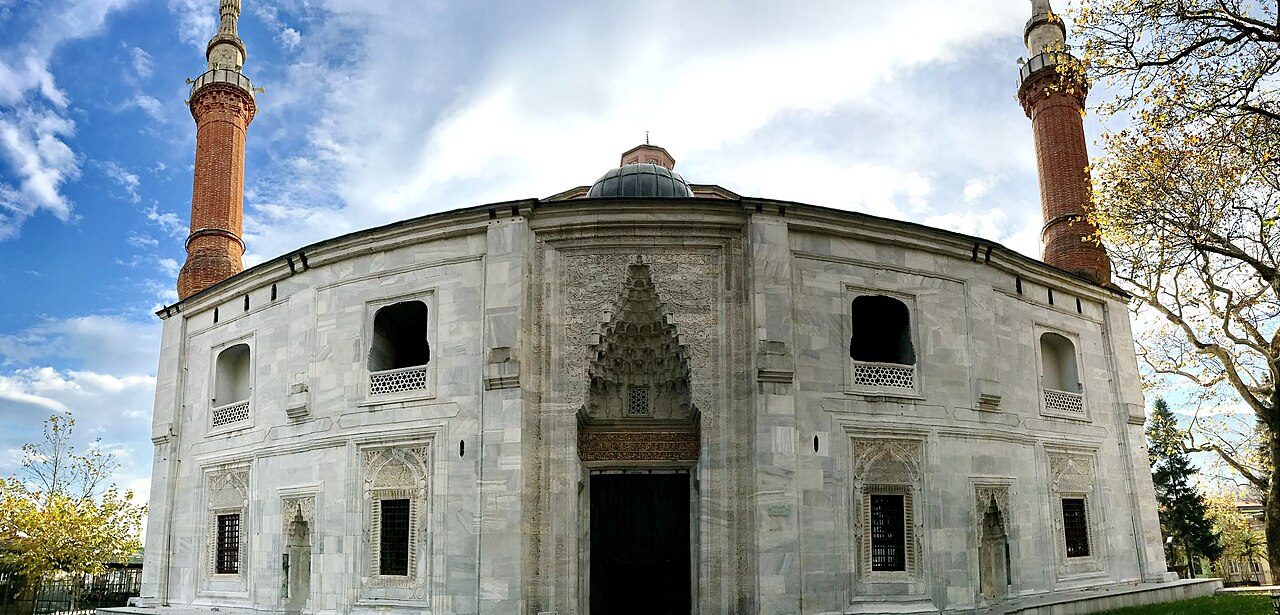
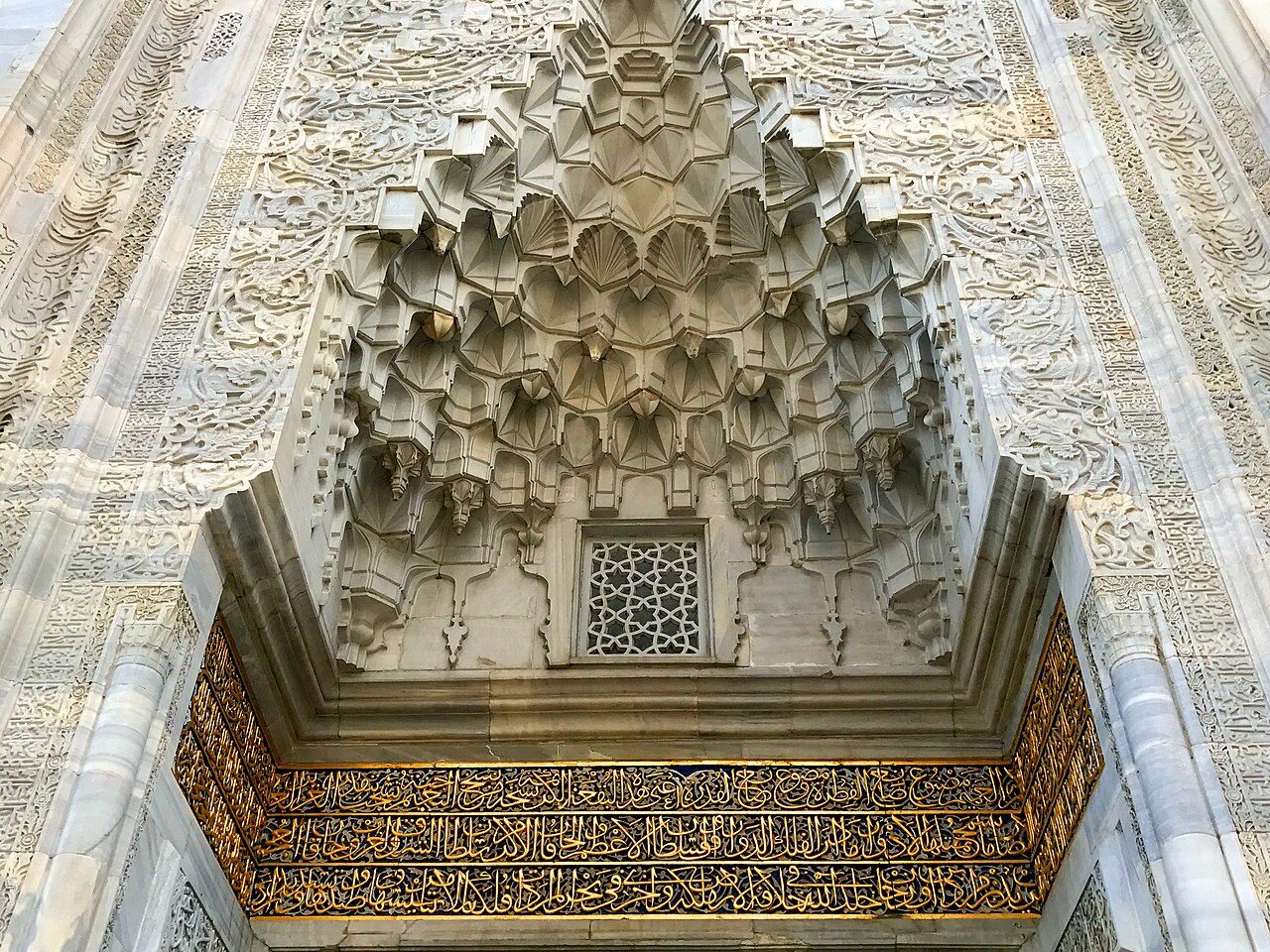
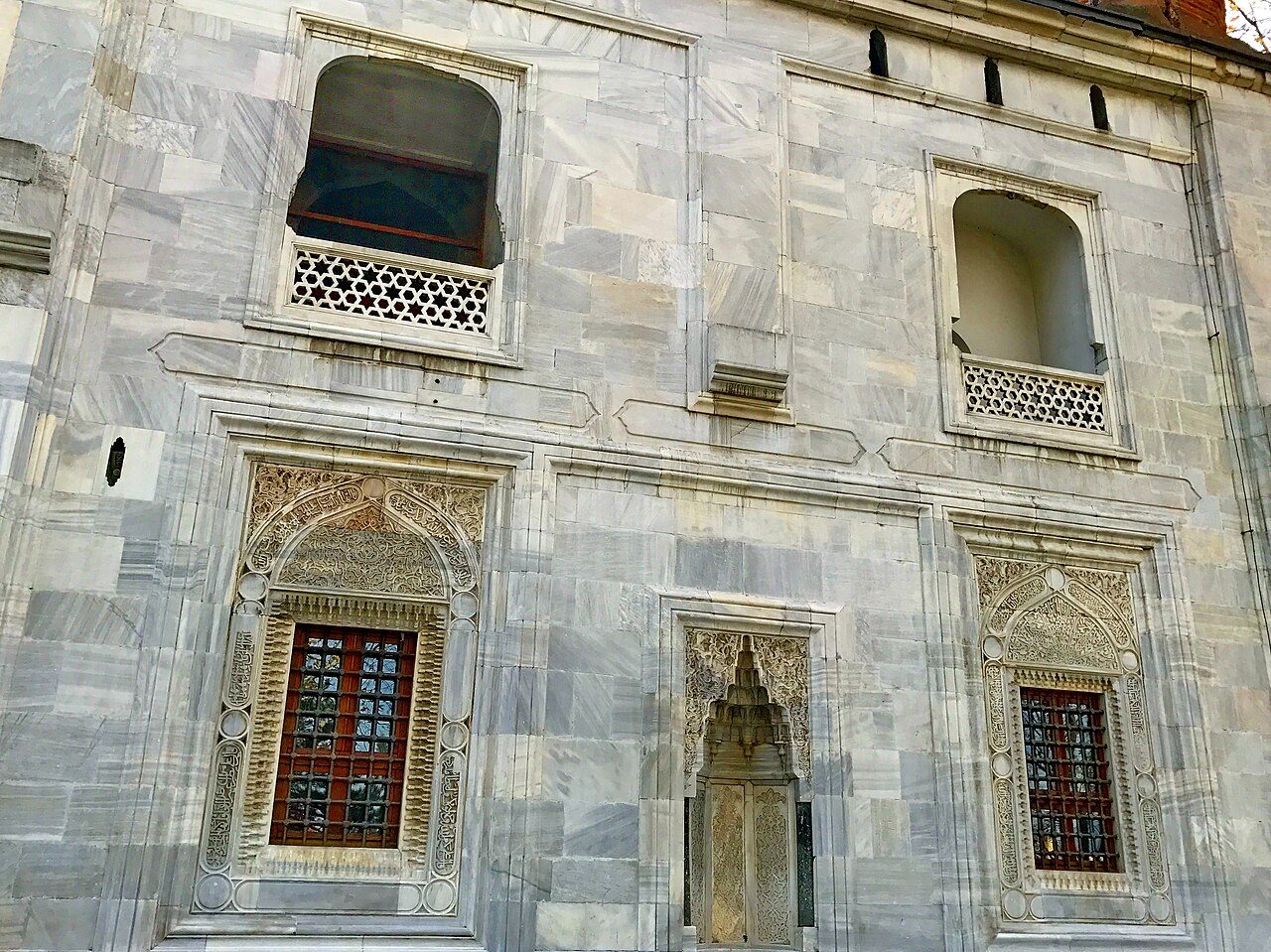
The Green Mosque in Bursa was built in 1419 to 1421 for Sultan Mehmed I. It is named after the green and blue tiles that cover its interior, among the finest of early Ottoman art. Across the road stands the Green Tomb, the sultan's mausoleum, covered in turquoise tiles outside. Bursa was the first capital of the Ottoman Empire.
10
STOP 10 OF 11
Cumalıkızık
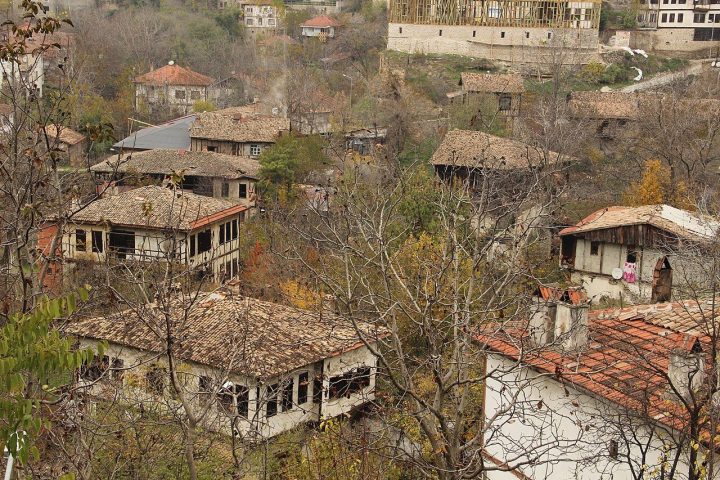
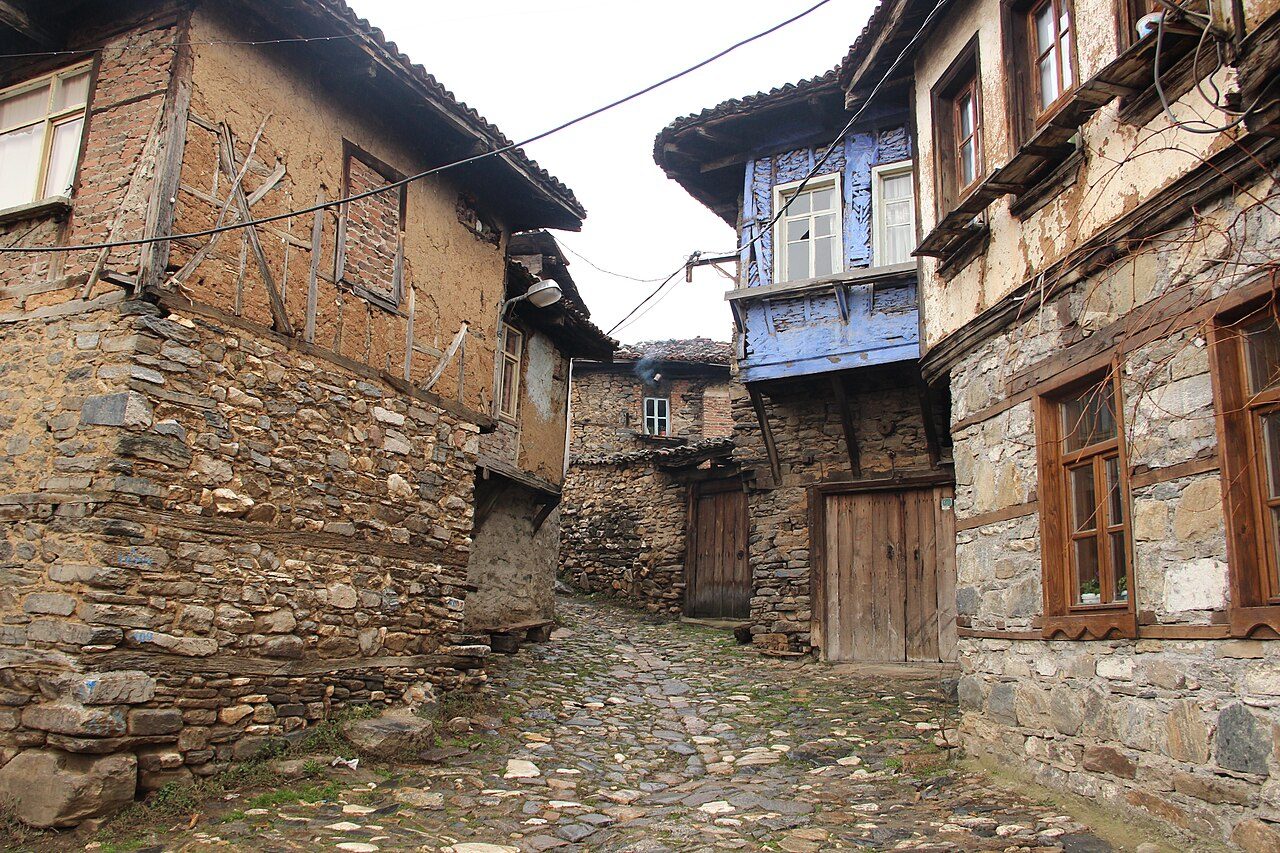
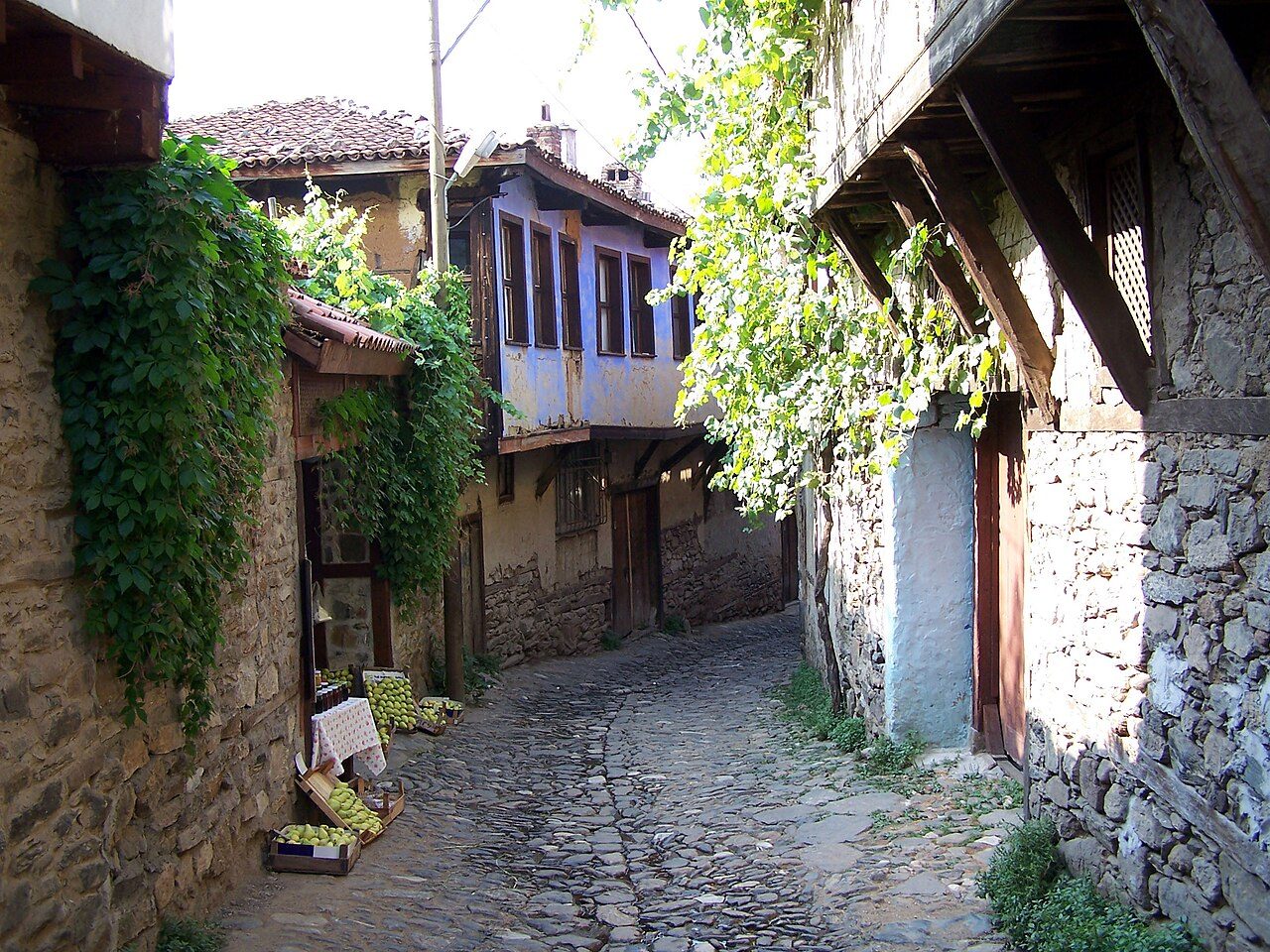
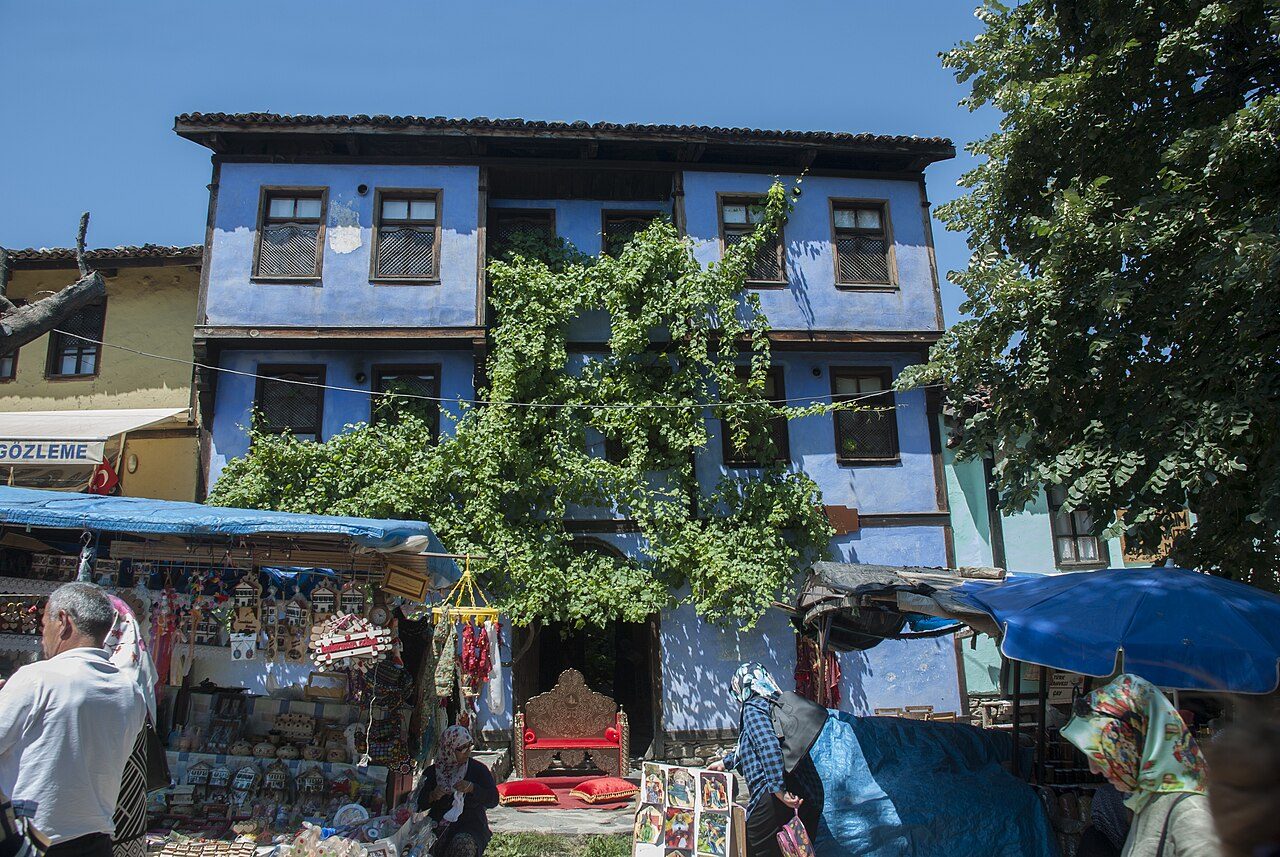
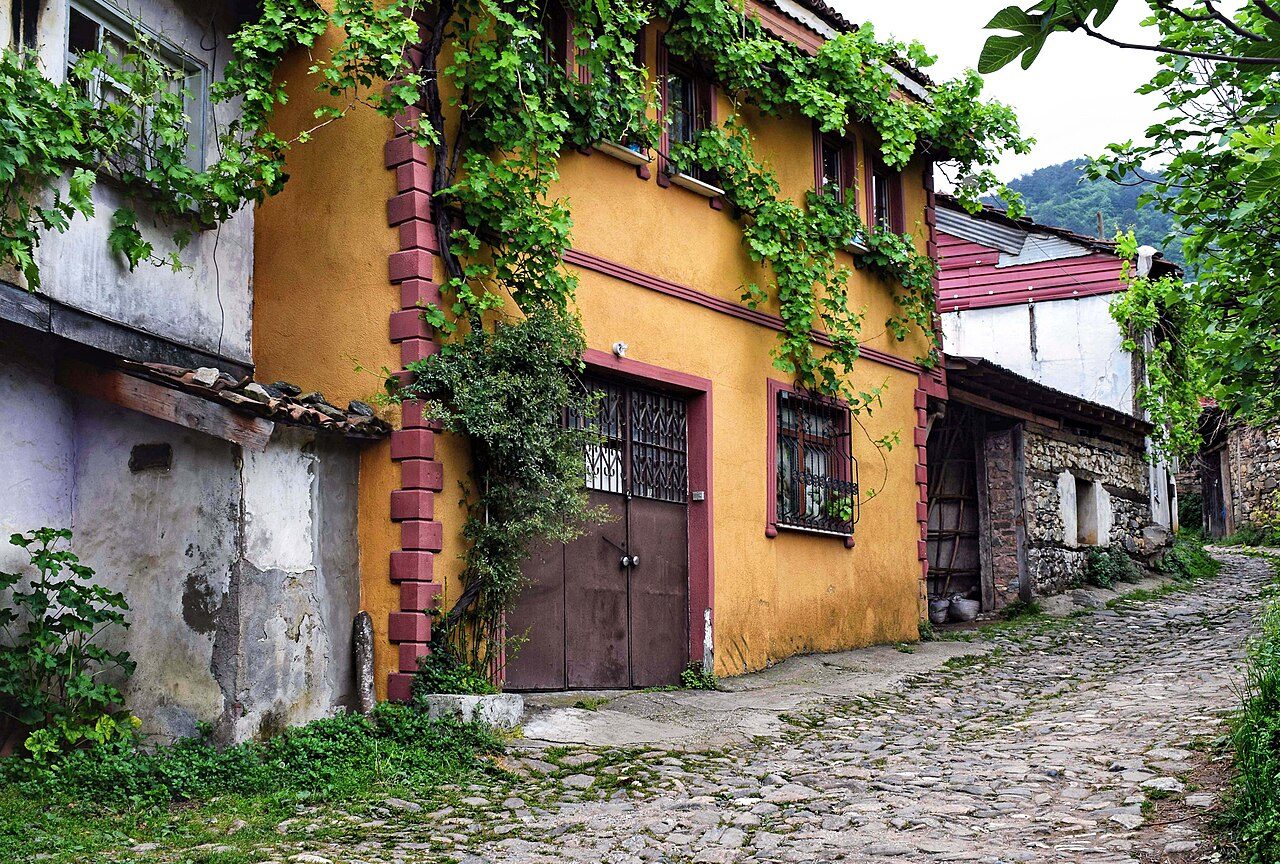
Cumalıkızık is a village at the foot of Uludağ near Bursa, founded in the early Ottoman period. Its cobbled streets are lined with old houses of timber, stone and adobe, painted in bright colours. It is part of the UNESCO World Heritage Site of Bursa and Cumalıkızık. Village women sell homemade jams and pastries, and breakfast in the gardens is popular.
11
STOP 11 OF 11 · LAST STOP
Mevlana Museum
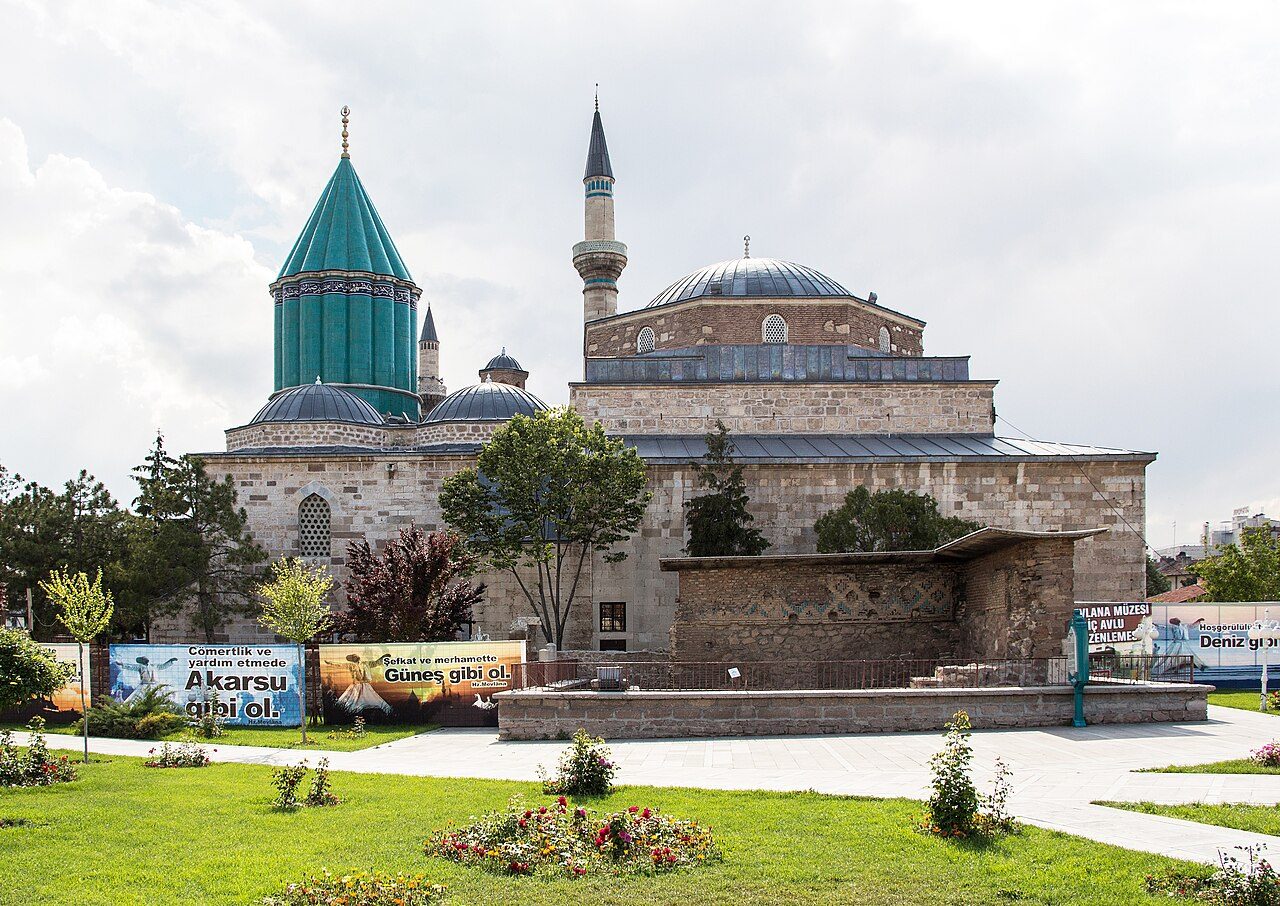
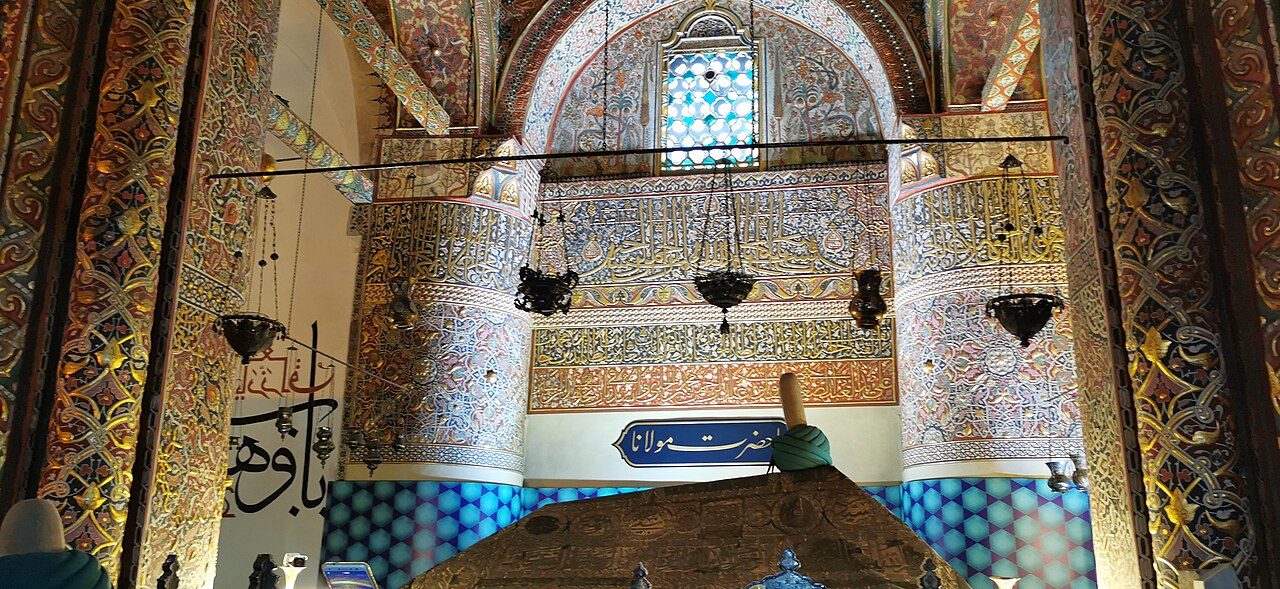
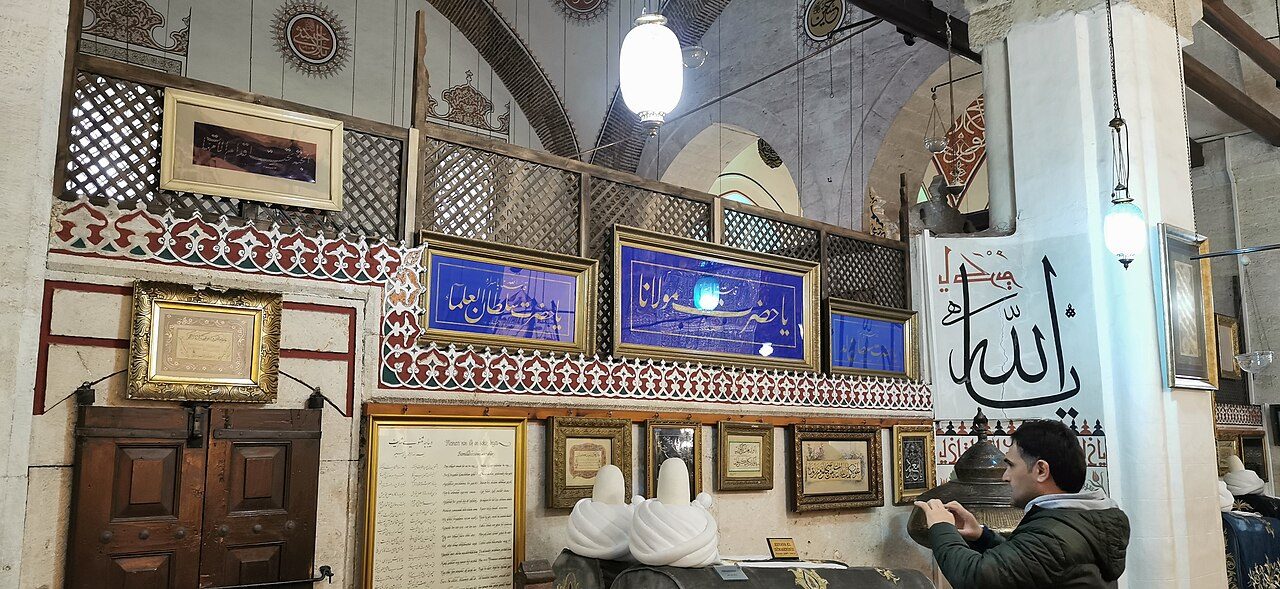
The Mevlana Museum in Konya holds the tomb of Jalal al-Din Rumi, the 13th-century Sufi poet and mystic, known as Mevlana. Its green tiled dome is a symbol of the city. The museum, in the former dervish lodge, displays manuscripts, musical instruments and the clothes of the dervishes. The Whirling Dervish order was founded here by his followers.
Seasons from 20 years of NASA POWER climate data.
 WaTrips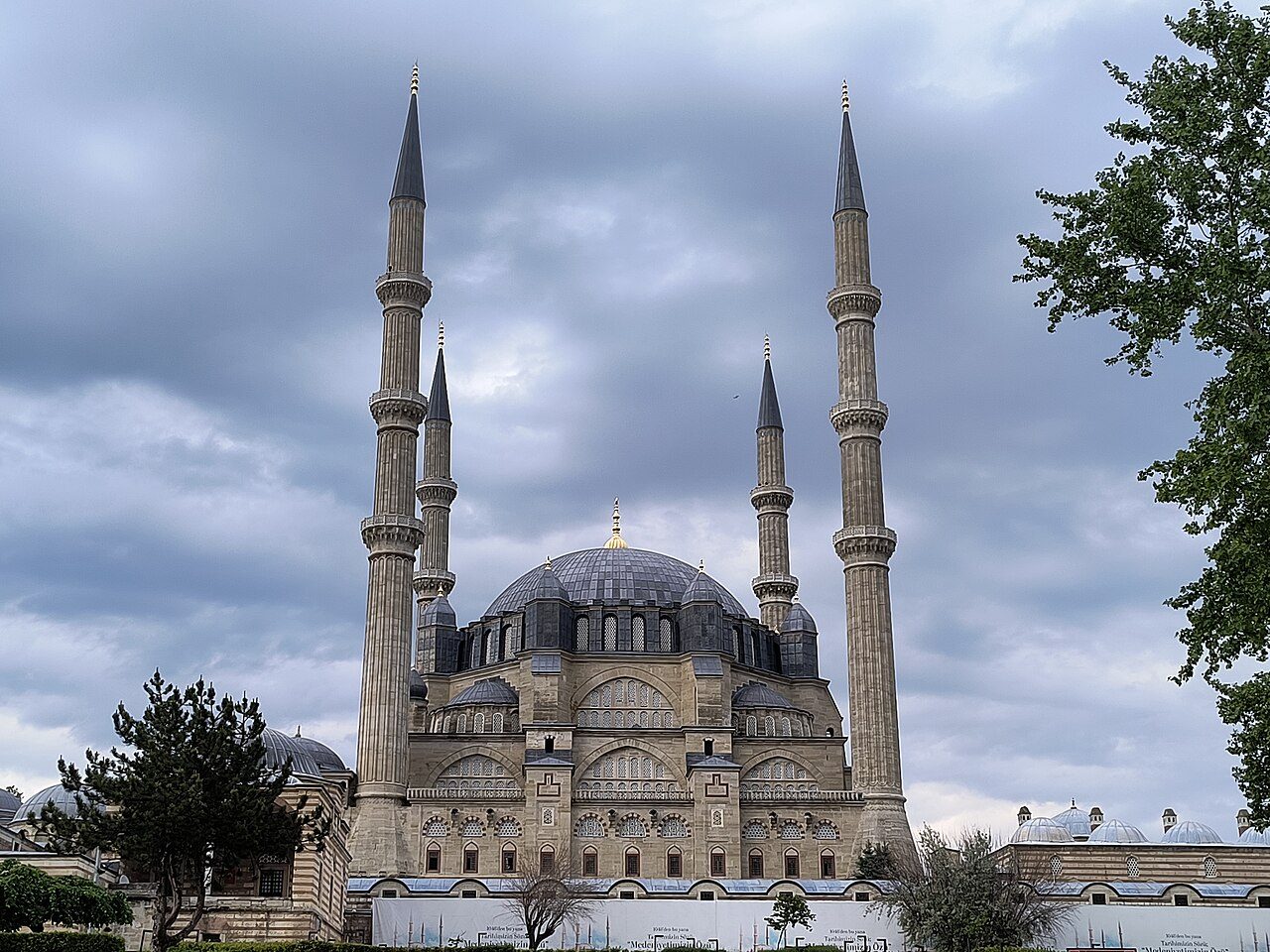





 BikesBooking
 Localrent
 Airalo
 Tiqets