Troy and Gallipoli, Assos, Pergamon, Izmir and Alaçatı, Ephesus, Şirince, Priene, Miletus, Didyma, Aphrodisias, Pamukkale, Laodicea and Bodrum.
The Aegean coast has more Greek and Roman cities than anywhere else. Start at Troy and the Gallipoli battlefields, see Assos above the sea and the theatre of Pergamon, and stop in Izmir and the stone village of Alaçatı. Spend a full day at Ephesus and the House of the Virgin Mary, then visit Priene, Miletus and the huge Temple of Apollo at Didyma. Head inland to Aphrodisias, the white terraces of Pamukkale and Laodicea, and finish at Bodrum Castle. April–June and September–October avoid the summer heat.
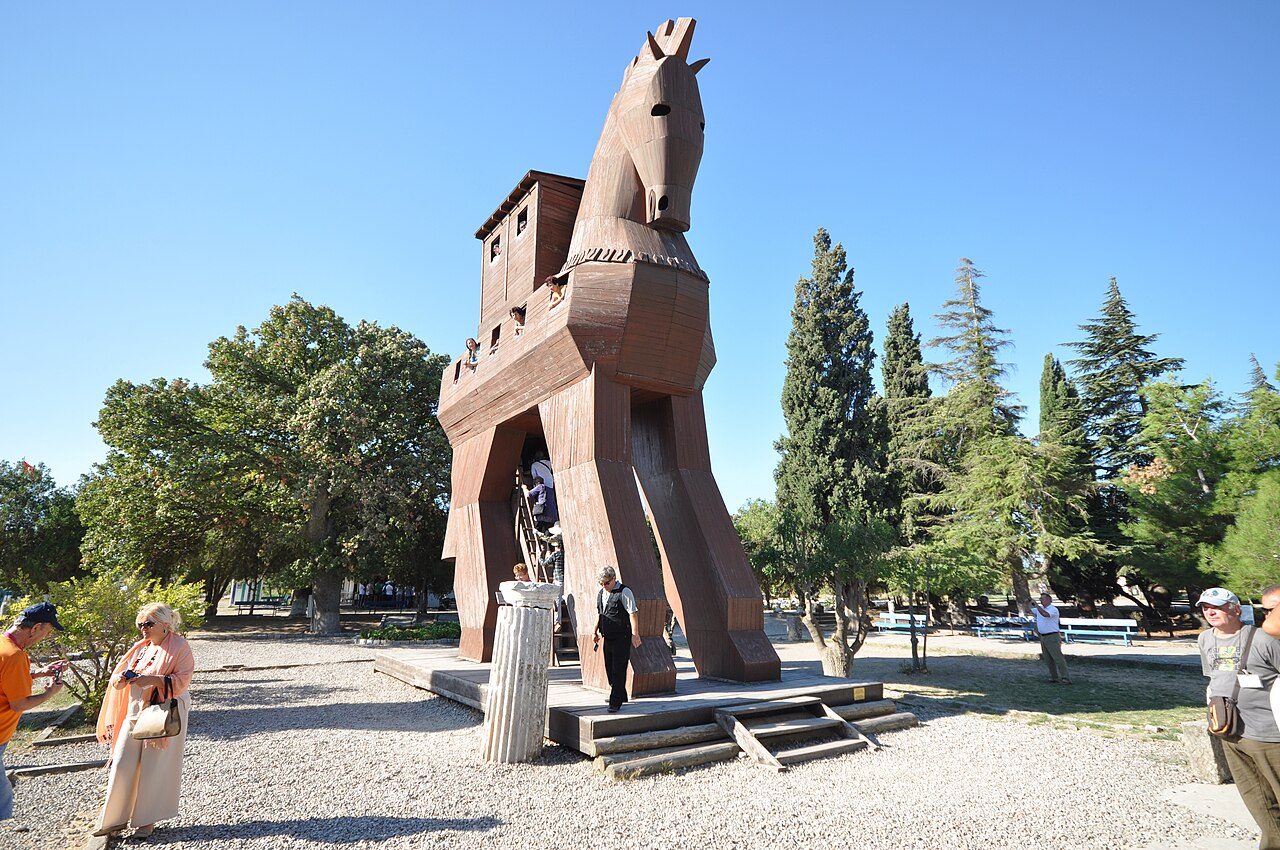
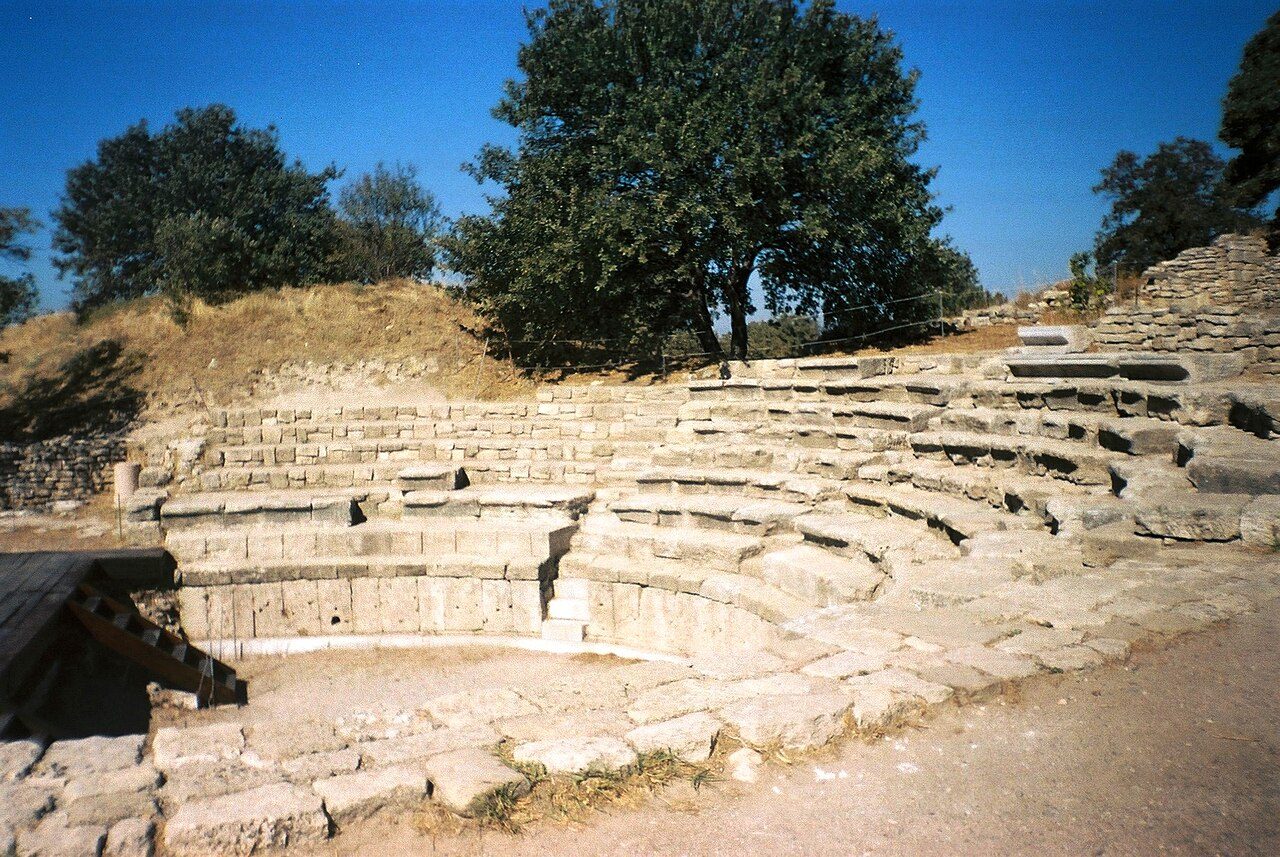
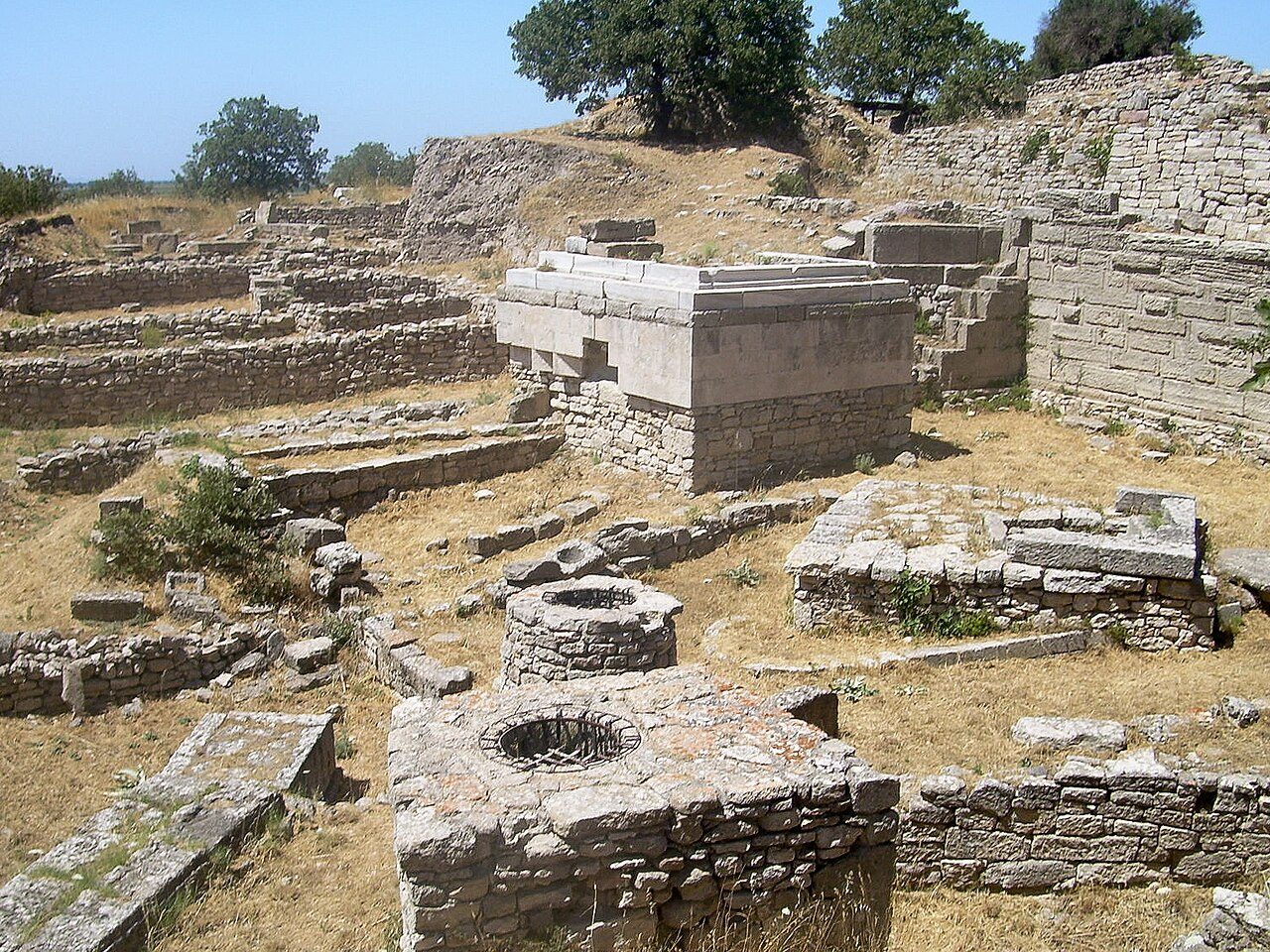
Troy is the site of the ancient city made famous by Homer's Iliad, near Çanakkale. Excavations since the 19th century have found nine cities built on top of each other, from about 3000 BC to Roman times. The walls, ramps and houses of different layers can be seen. A large wooden horse stands at the entrance, and the Troy Museum is nearby.
02
STOP 2 OF 24
Gallipoli Peninsula
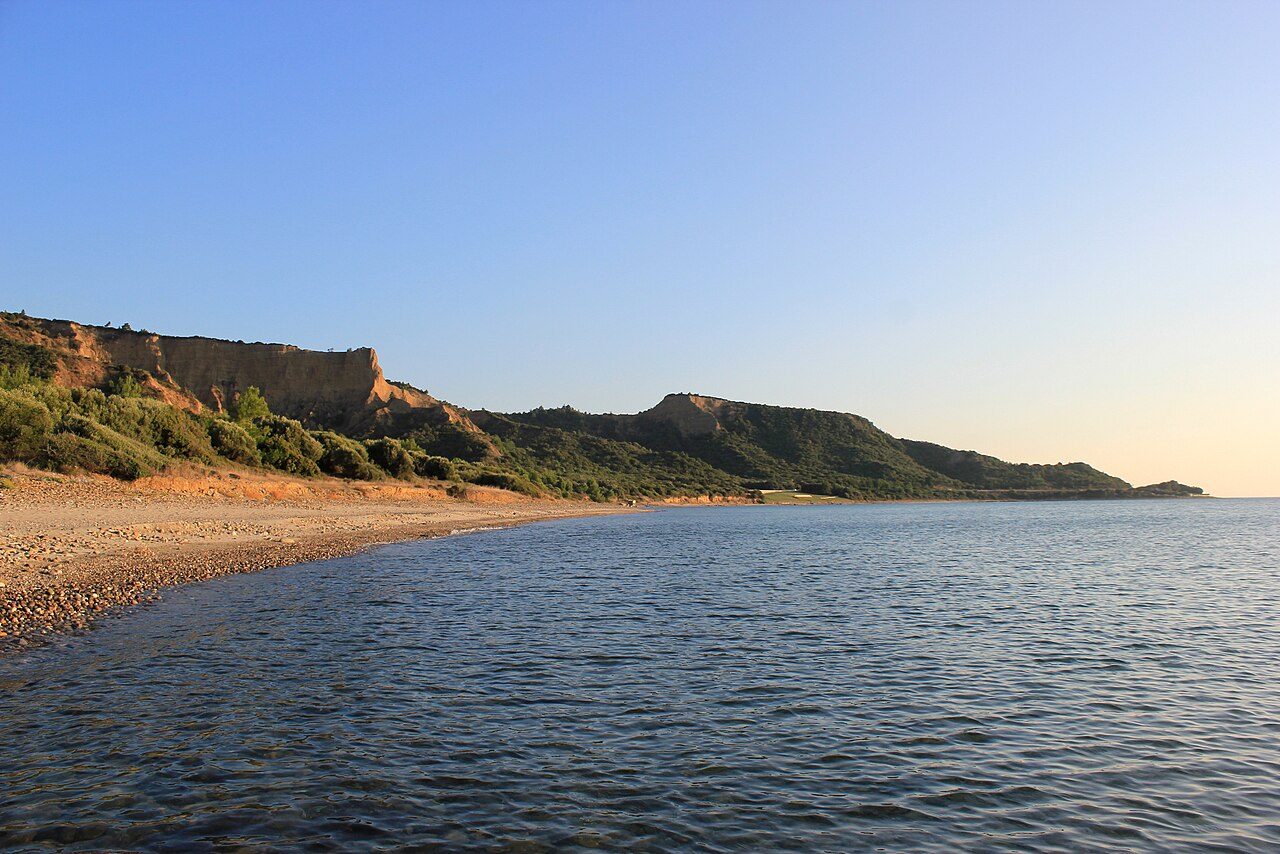
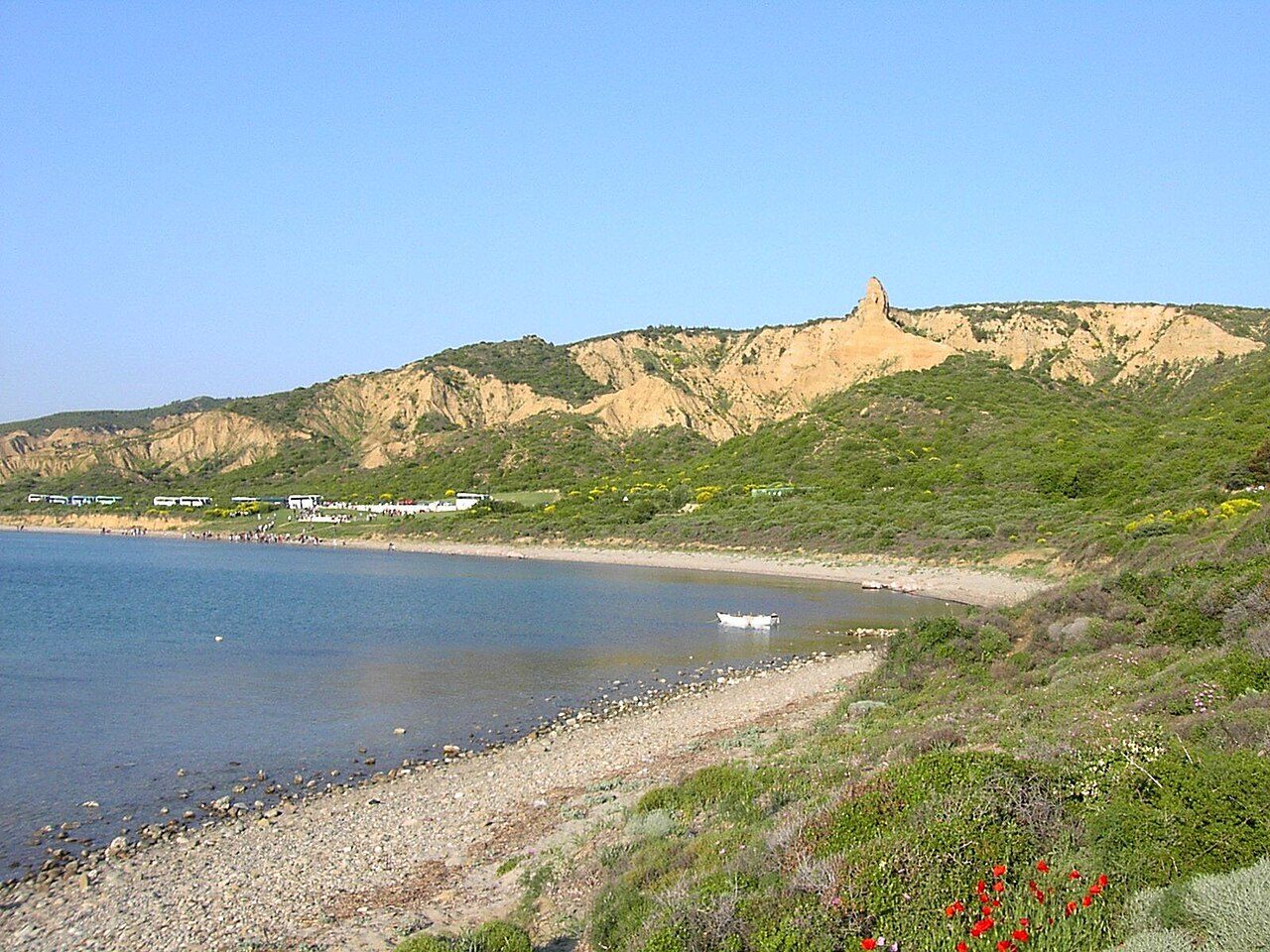
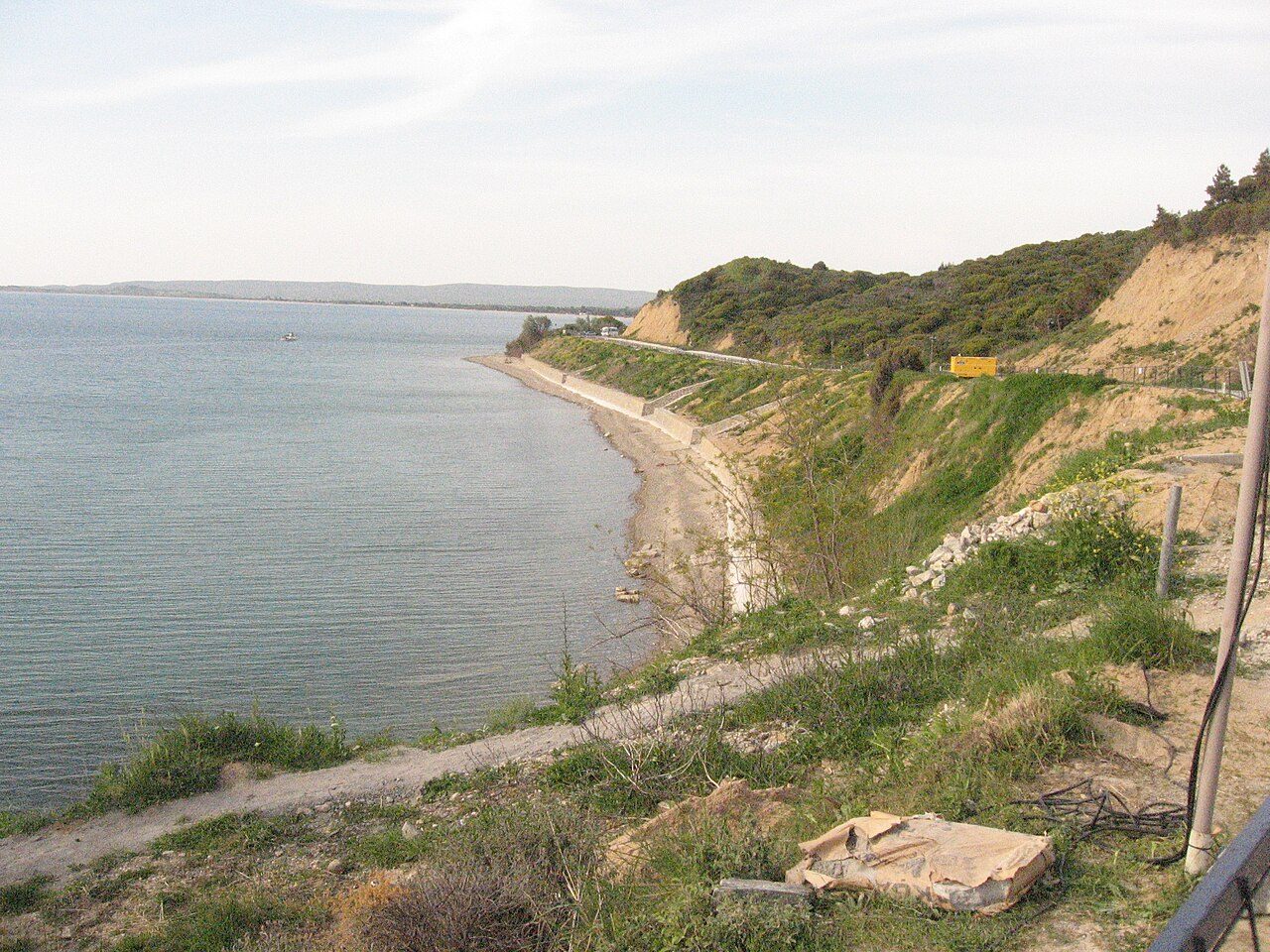
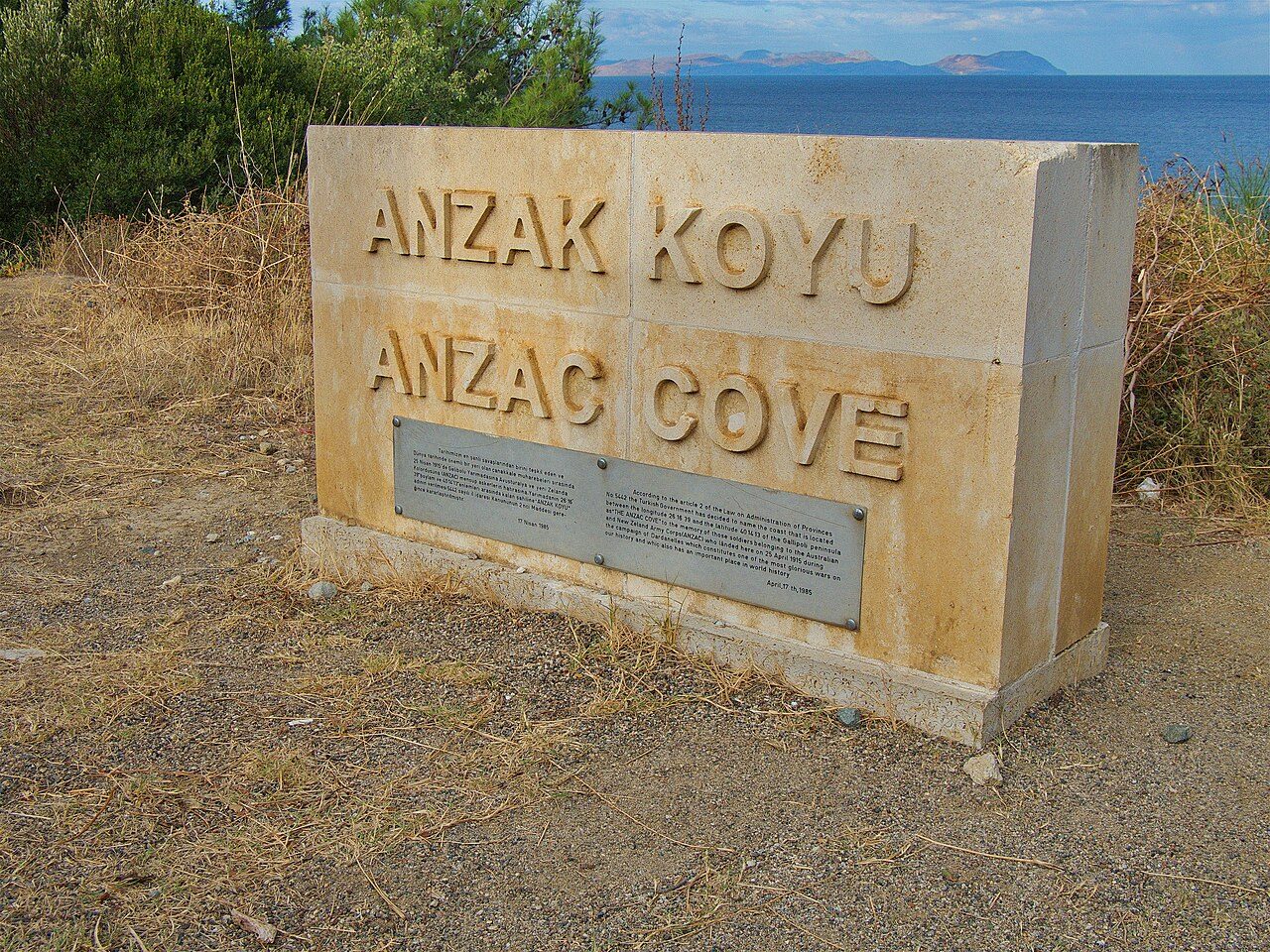
The Gallipoli Peninsula was the scene of the Gallipoli Campaign of 1915 to 1916 in the First World War, when Allied forces tried to capture the Dardanelles. Over 100,000 soldiers died. The peninsula is now a historical park with many memorials and cemeteries, including Anzac Cove and the Çanakkale Martyrs' Memorial. Ceremonies are held each year on 18 March and 25 April.
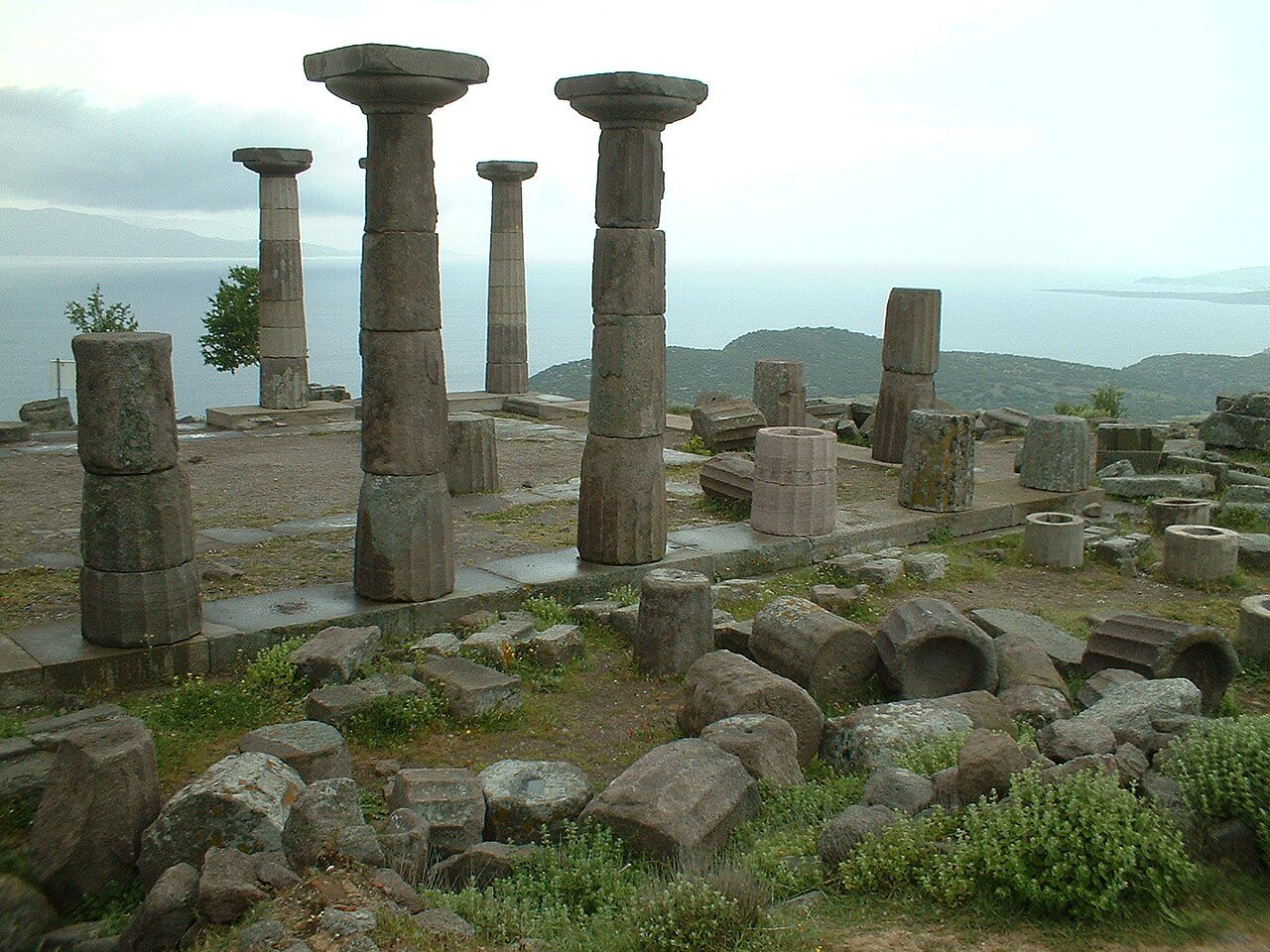
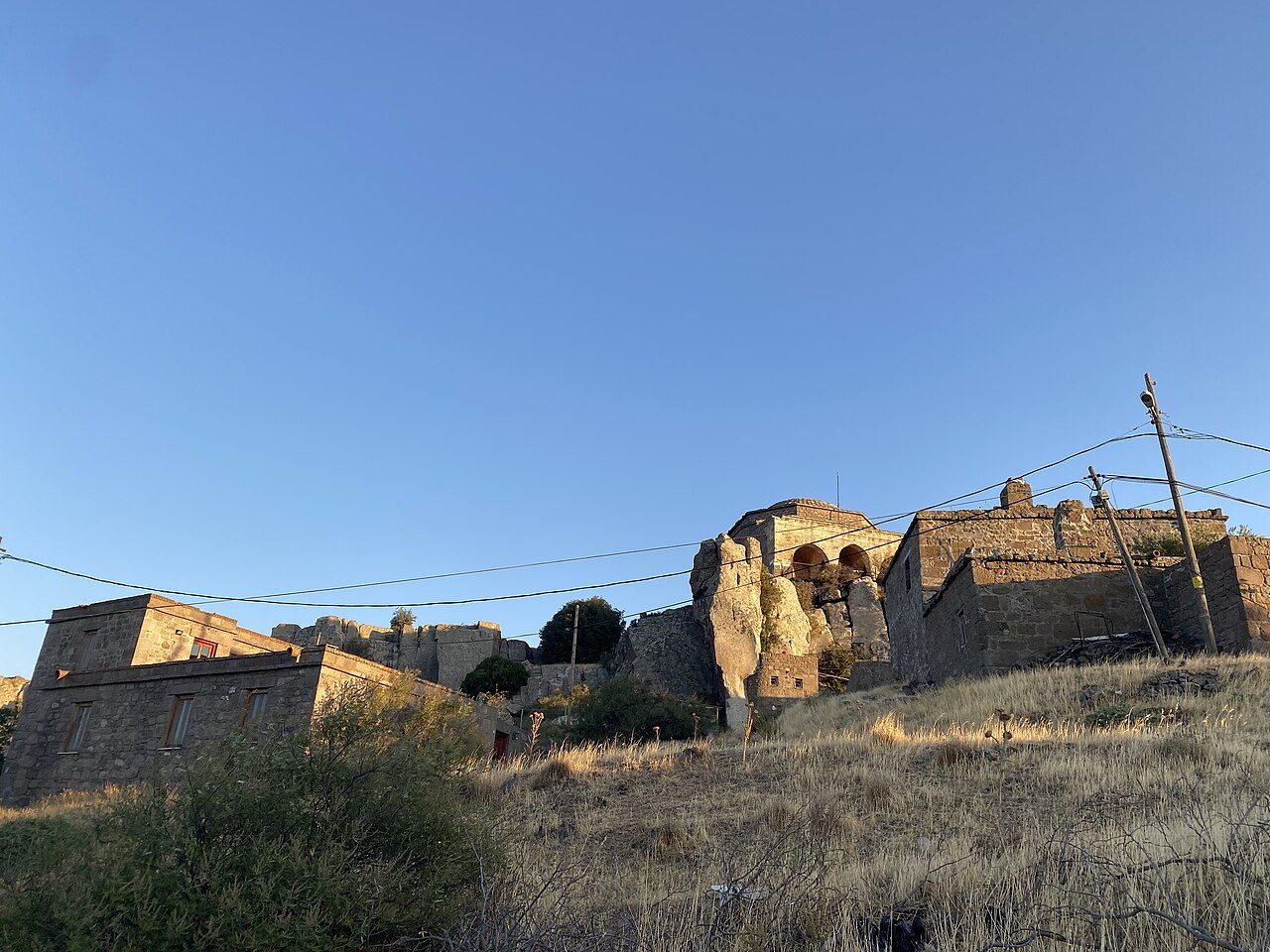
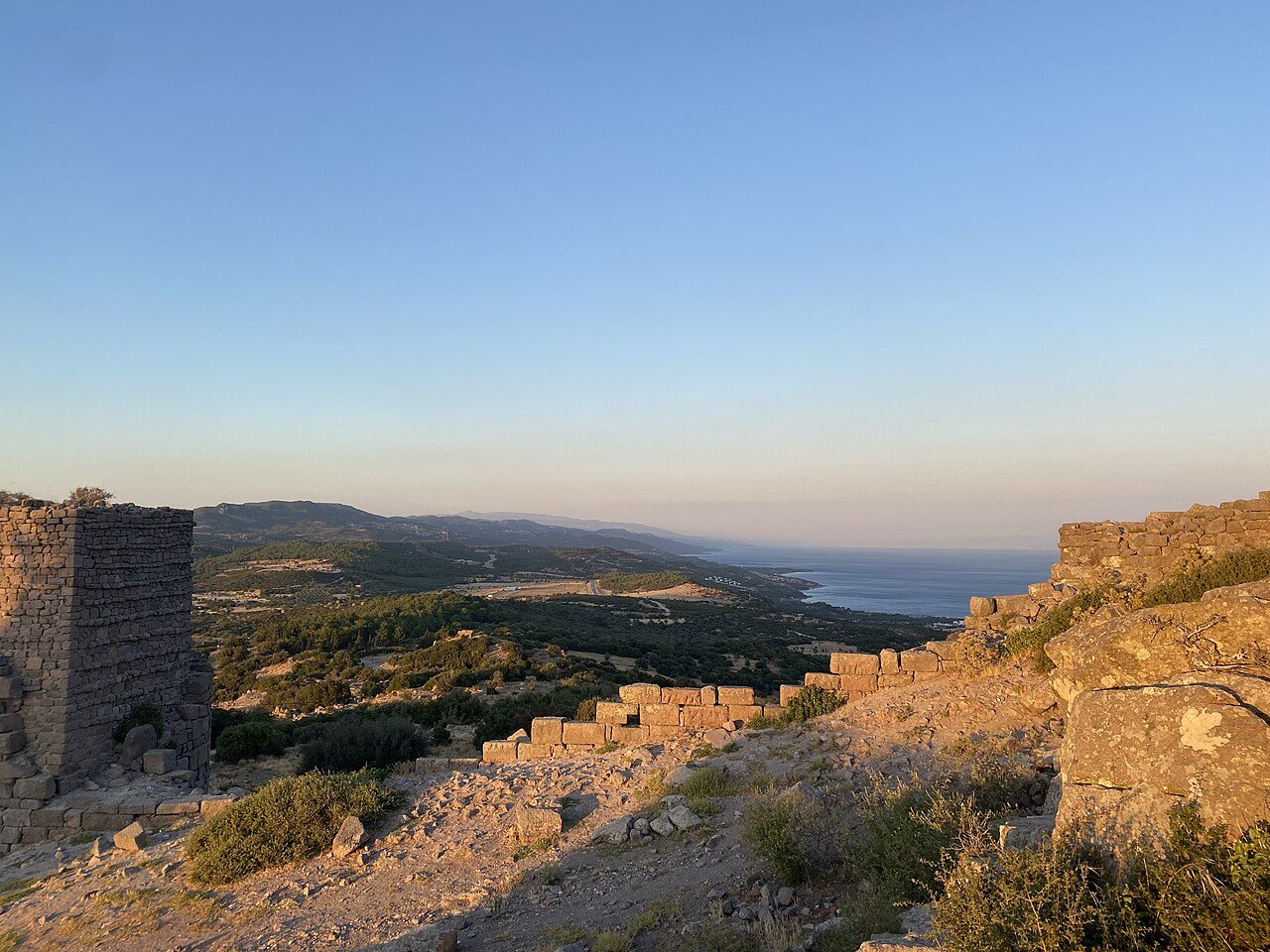
Assos was an ancient Greek city above the village of Behramkale, on the coast facing the island of Lesbos. The Temple of Athena, built around 530 BC, crowns its acropolis, with some columns restored. Aristotle lived here for a time. Below, a stone harbour village has old houses turned into hotels and fish restaurants.
04
STOP 4 OF 24
Pergamon Acropolis
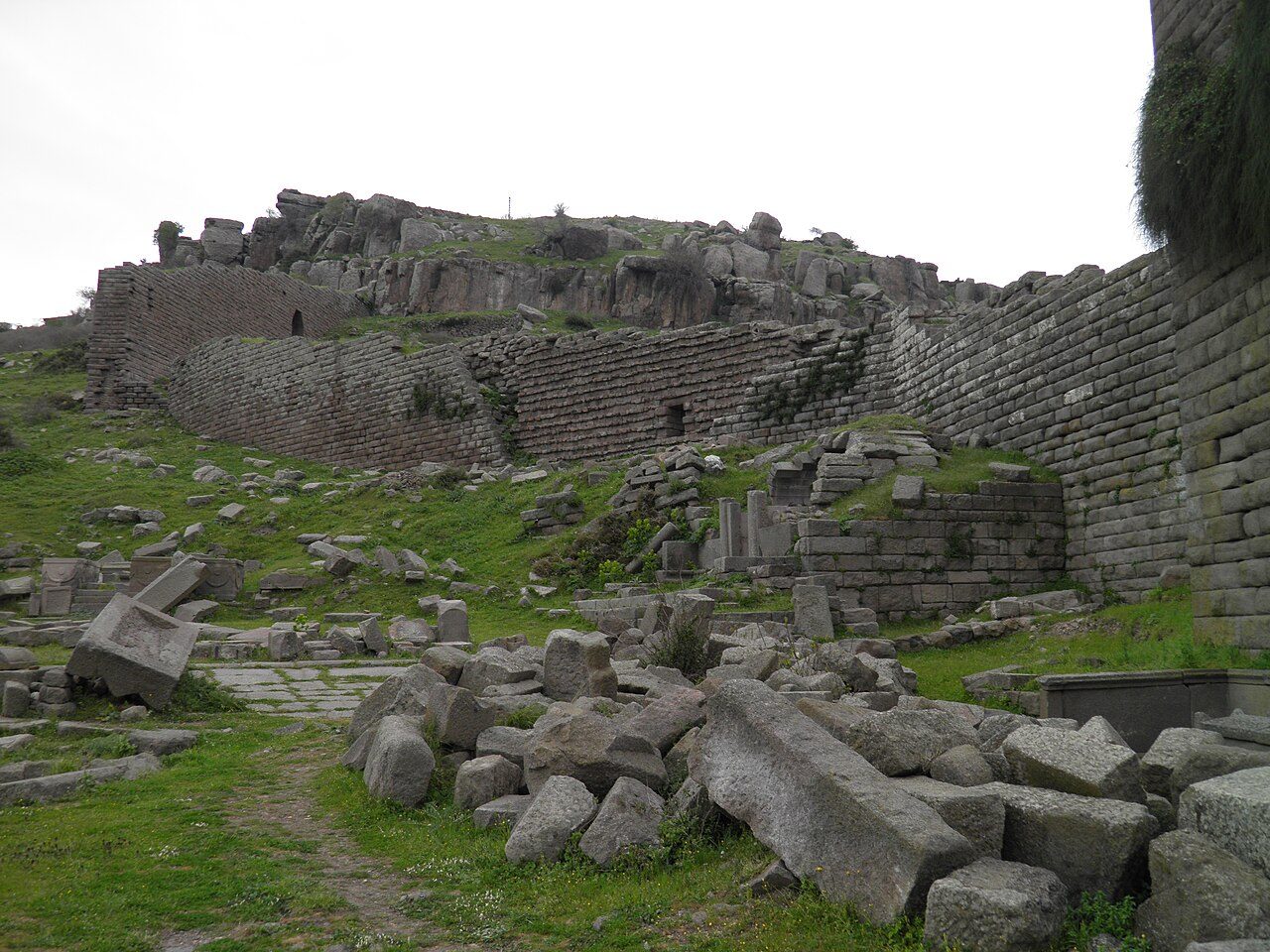
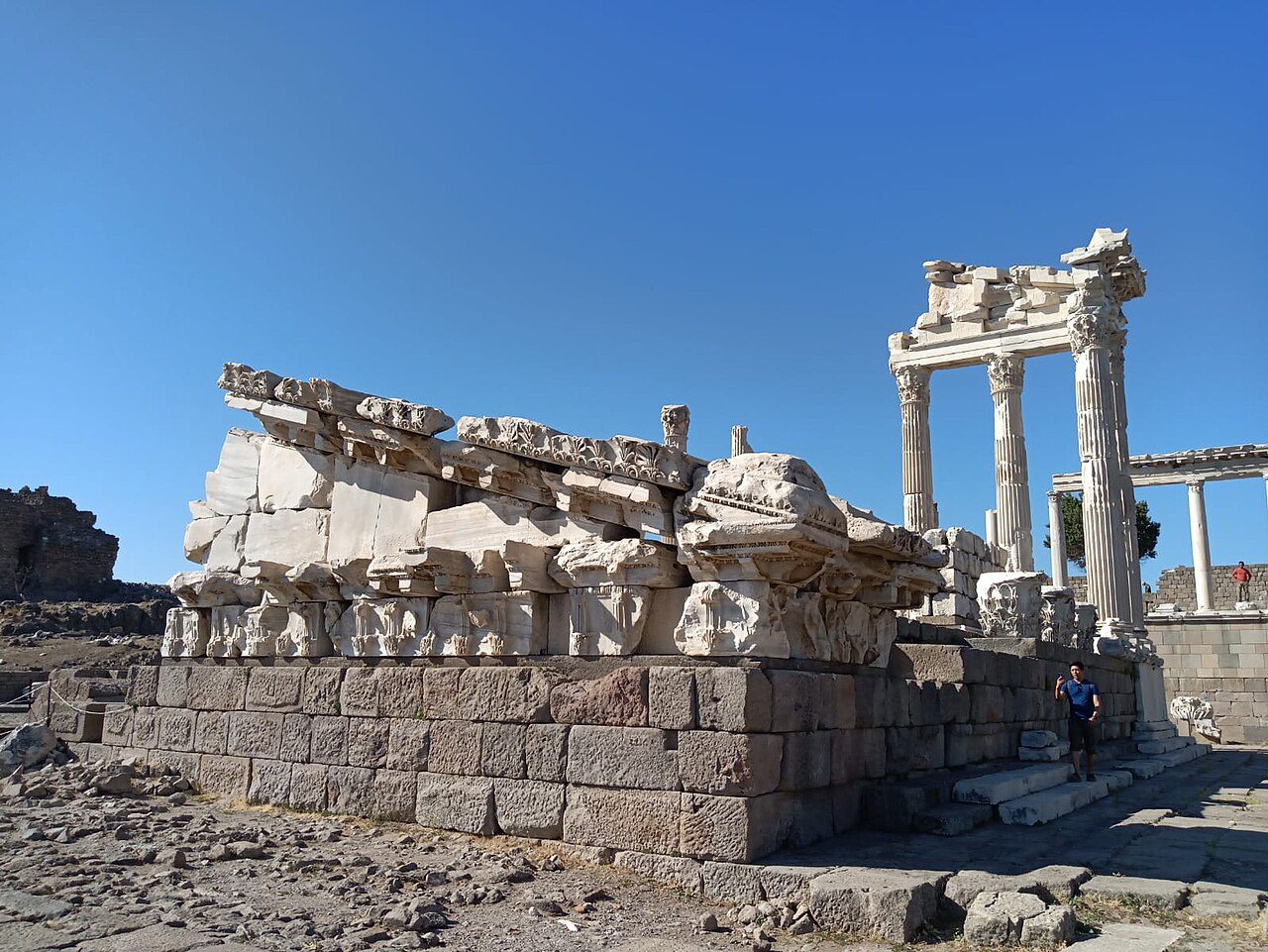
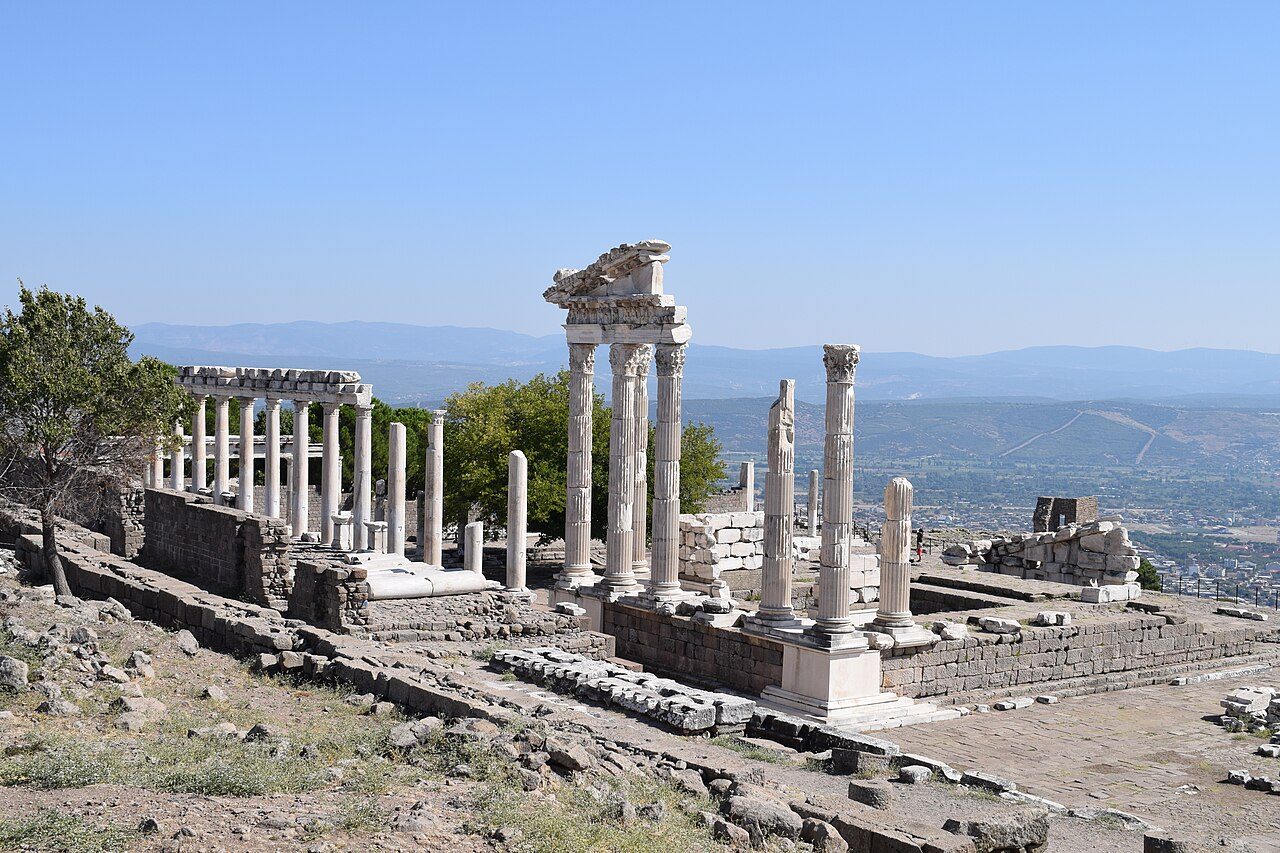
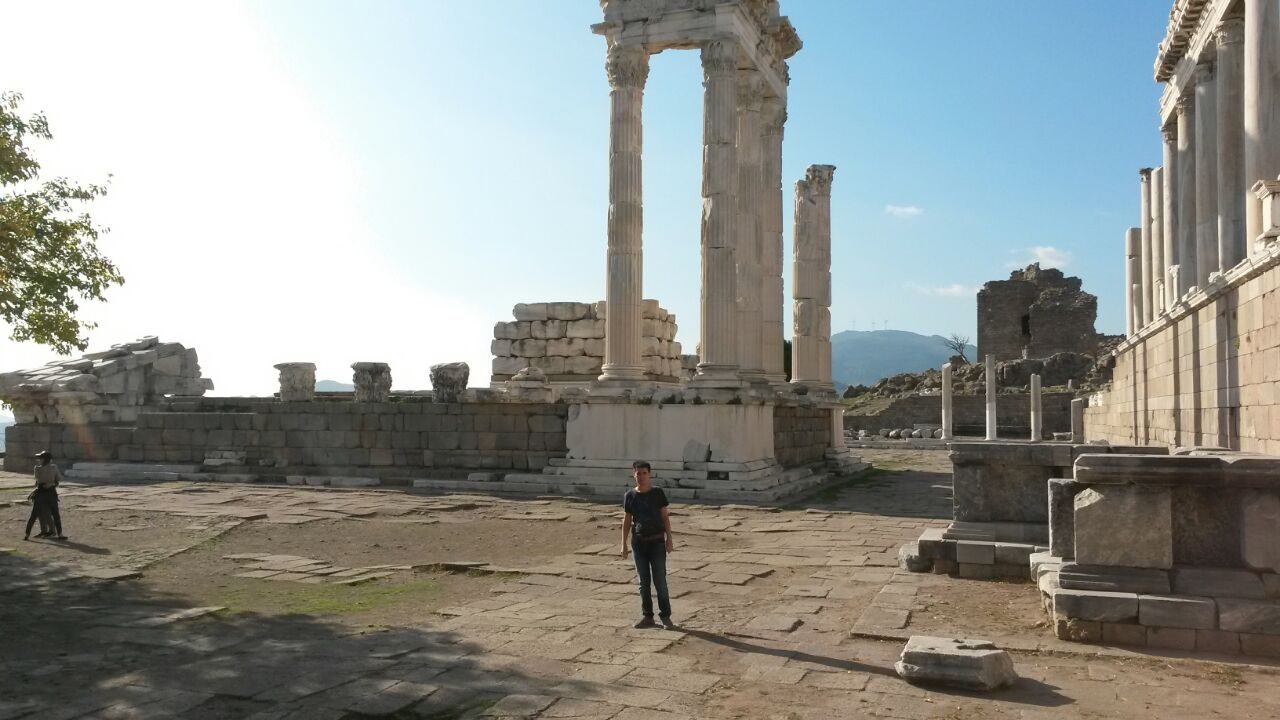
Pergamon was the capital of the Attalid kingdom in the Hellenistic period, near modern Bergama. Its acropolis stands on a steep hill and holds the ruins of the Temple of Trajan, a famous library and one of the steepest theatres of the ancient world. The Pergamon Altar from here is now in Berlin. It has been a UNESCO World Heritage Site since 2014.
05
STOP 5 OF 24
Asclepieion of Pergamon
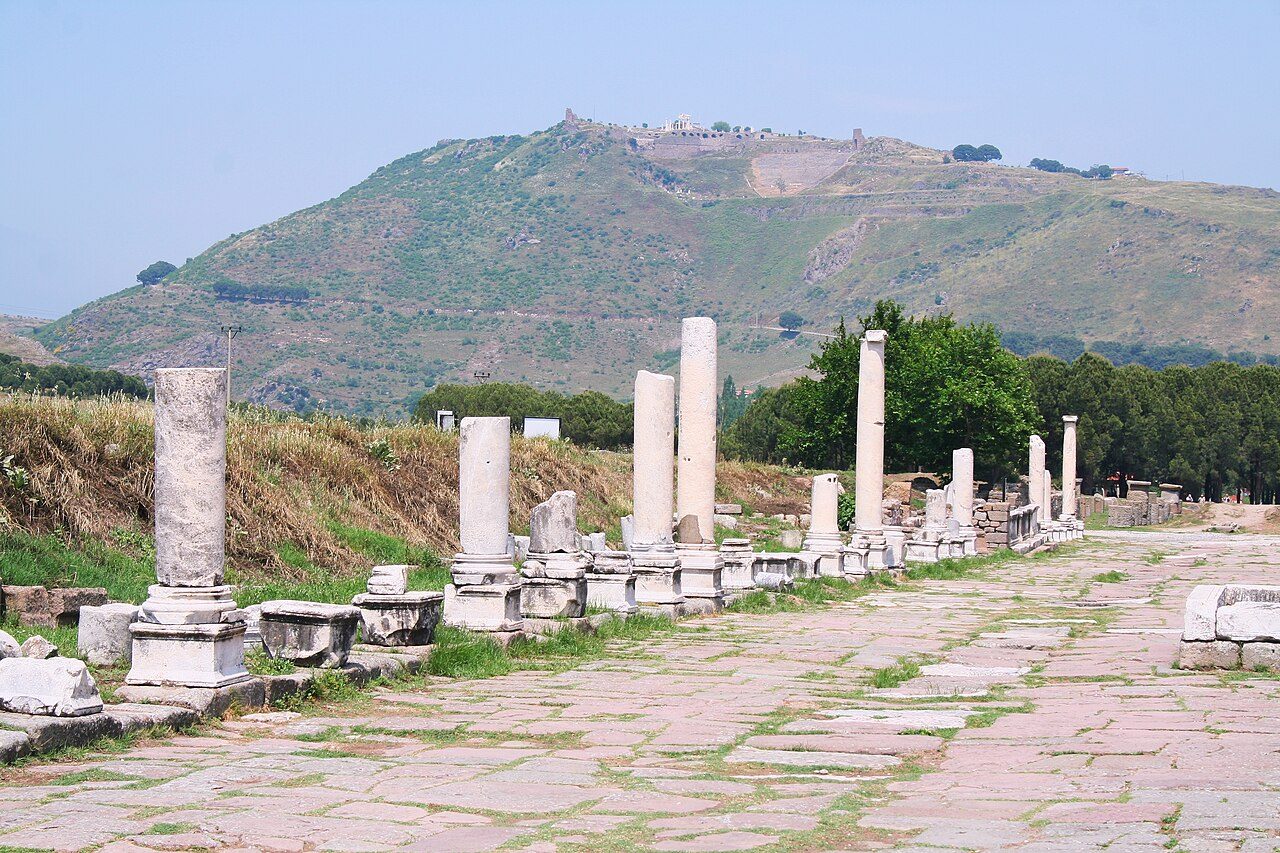
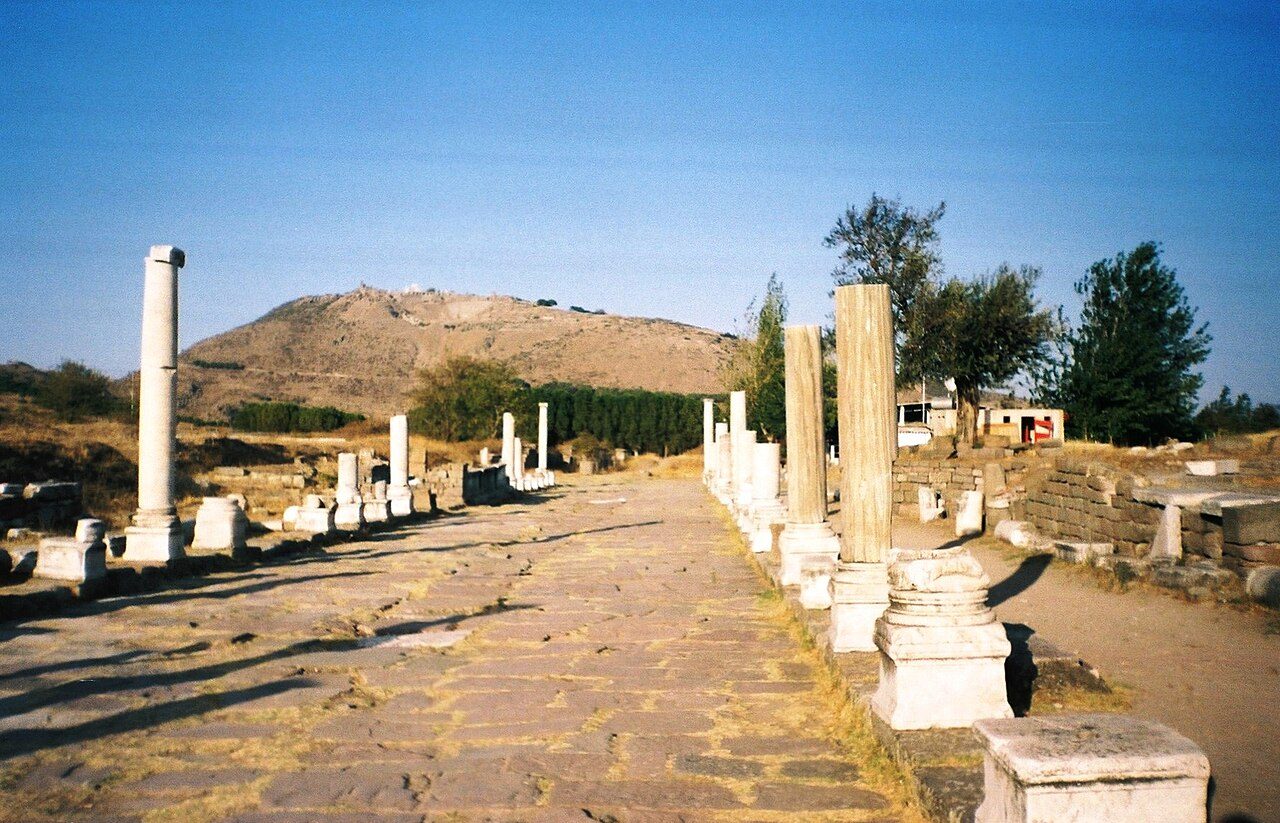
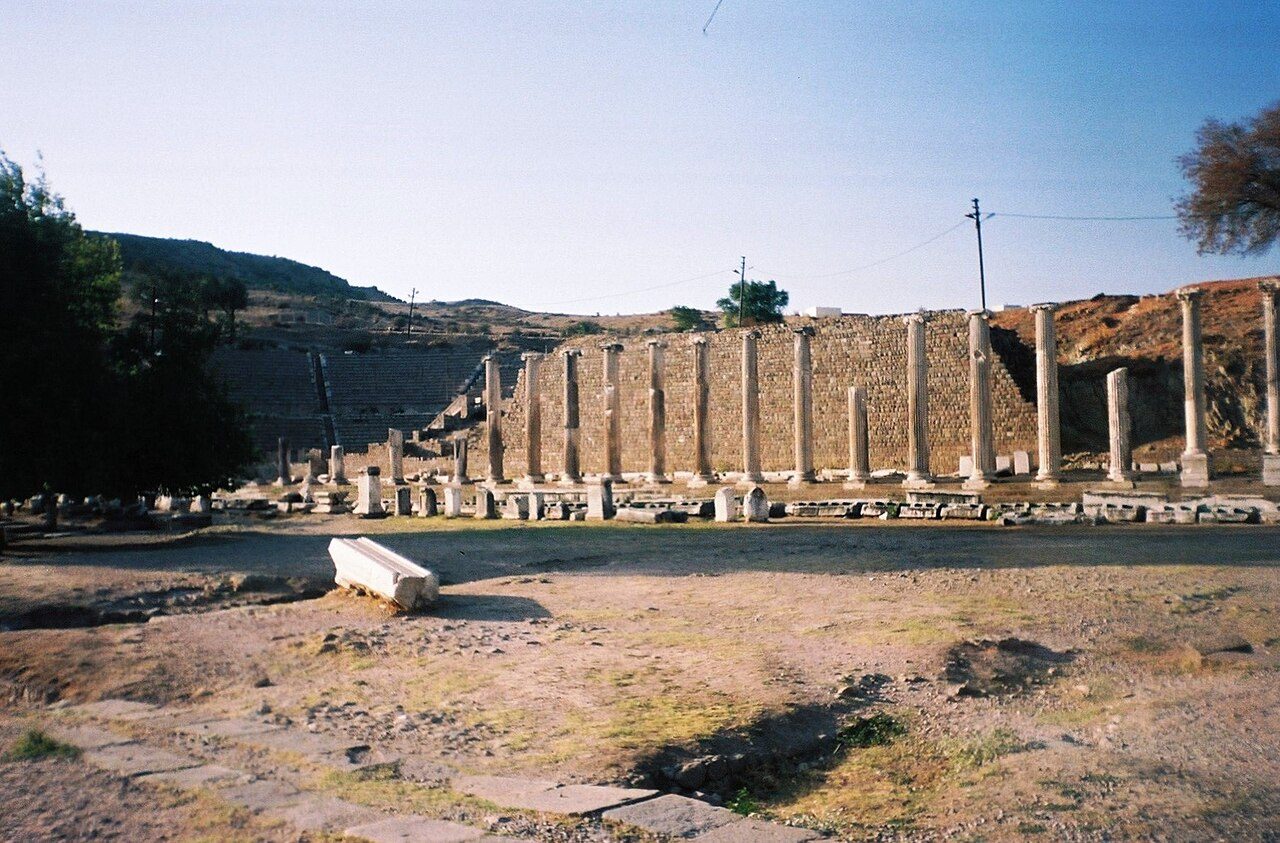
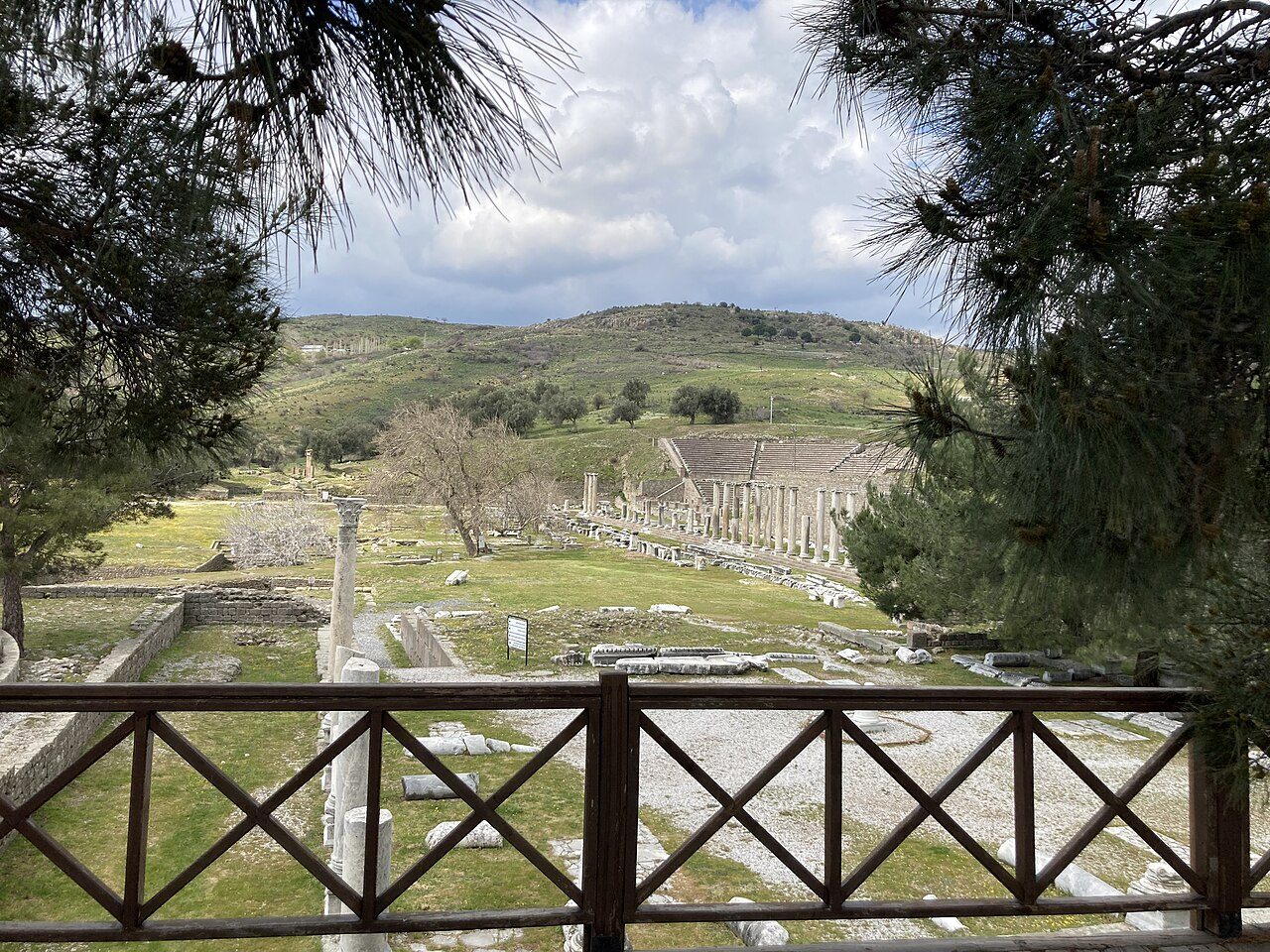
The Asclepieion of Pergamon was a famous healing centre dedicated to Asclepius, the god of medicine. Patients came to be treated with baths, sleep, mud, herbs and dream interpretation. The great physician Galen worked here in the 2nd century AD. The ruins include a colonnaded sacred road, a theatre, sacred springs and an underground tunnel.
06
STOP 6 OF 24
Izmir Clock Tower
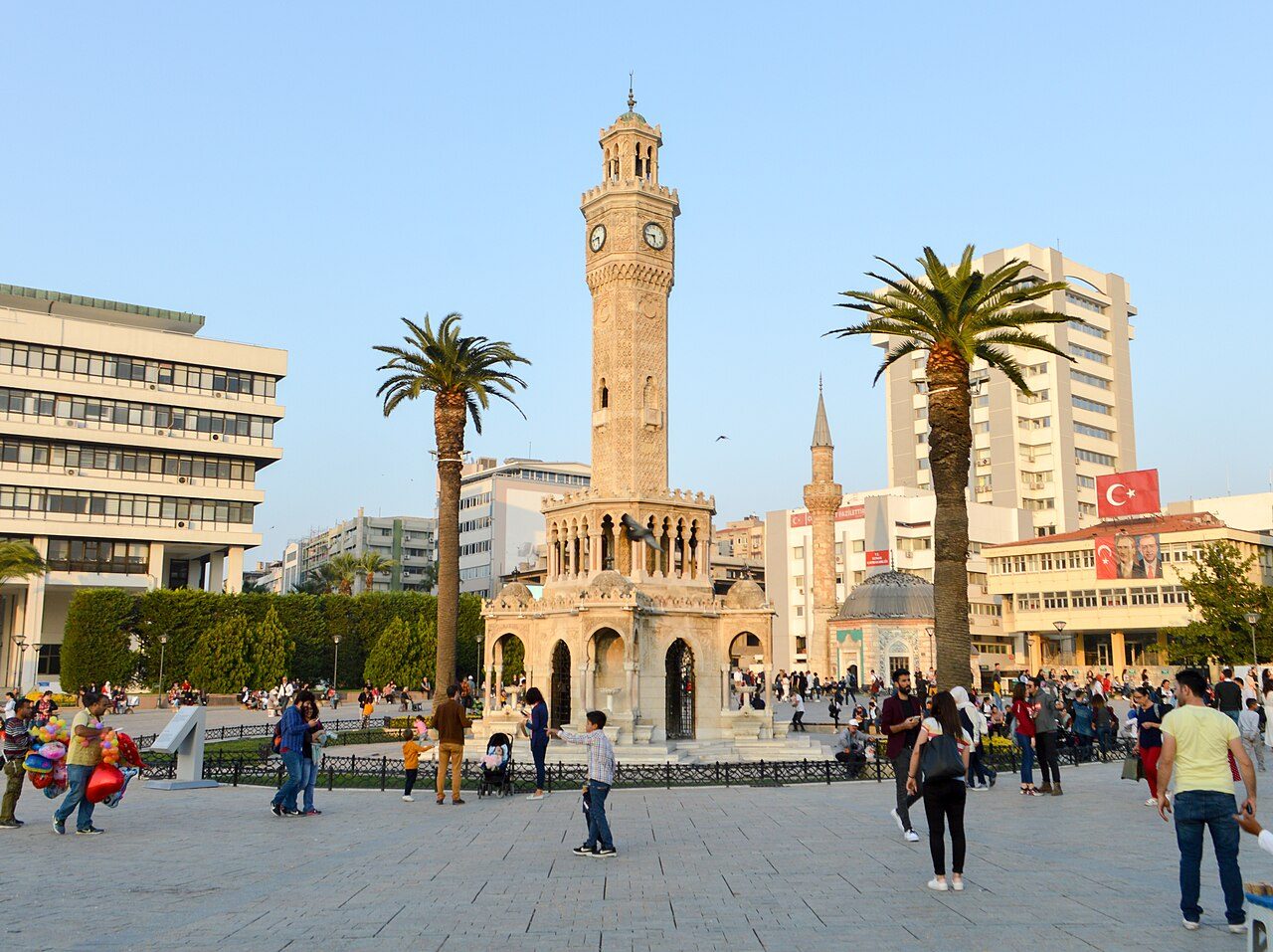
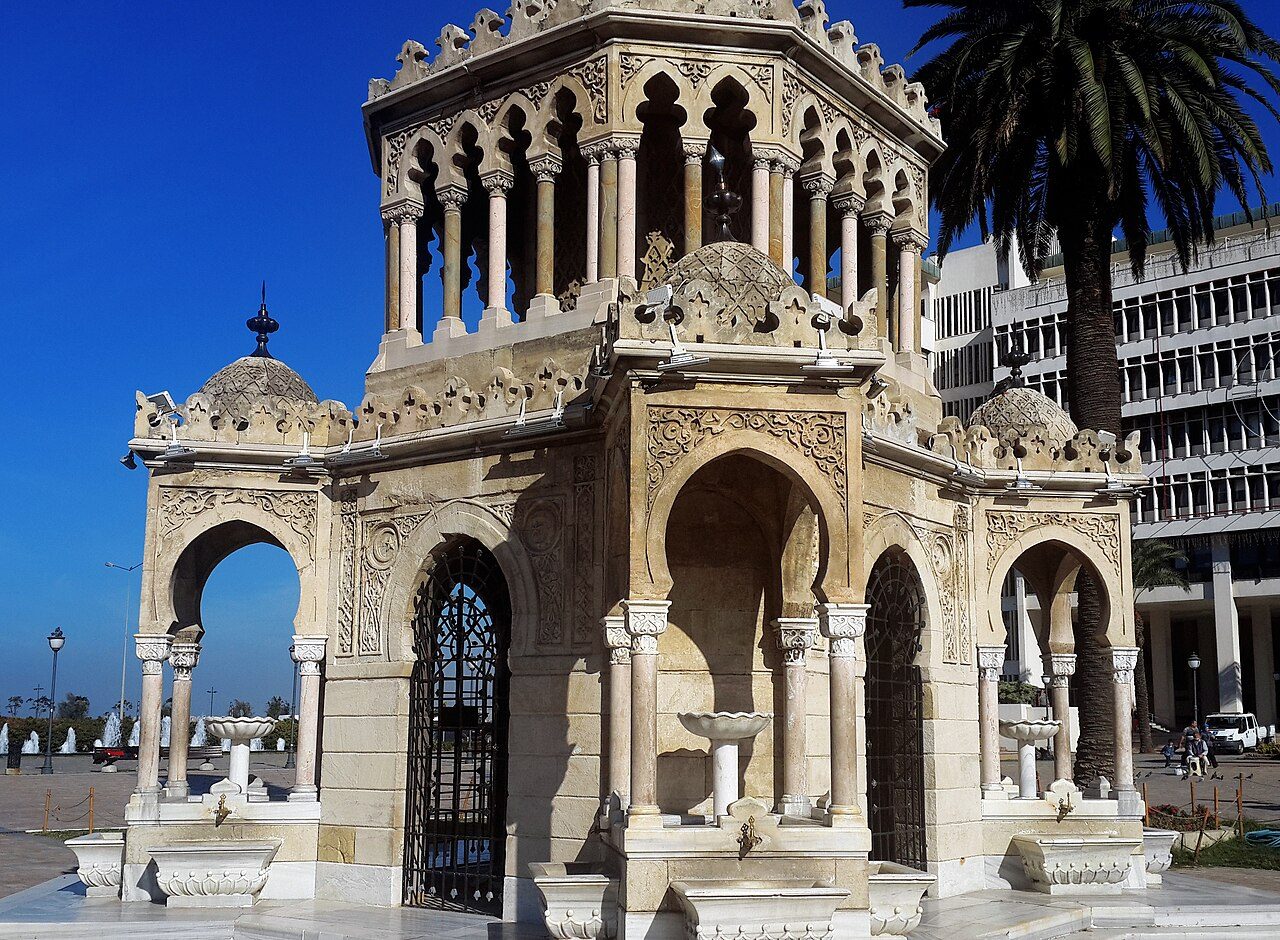
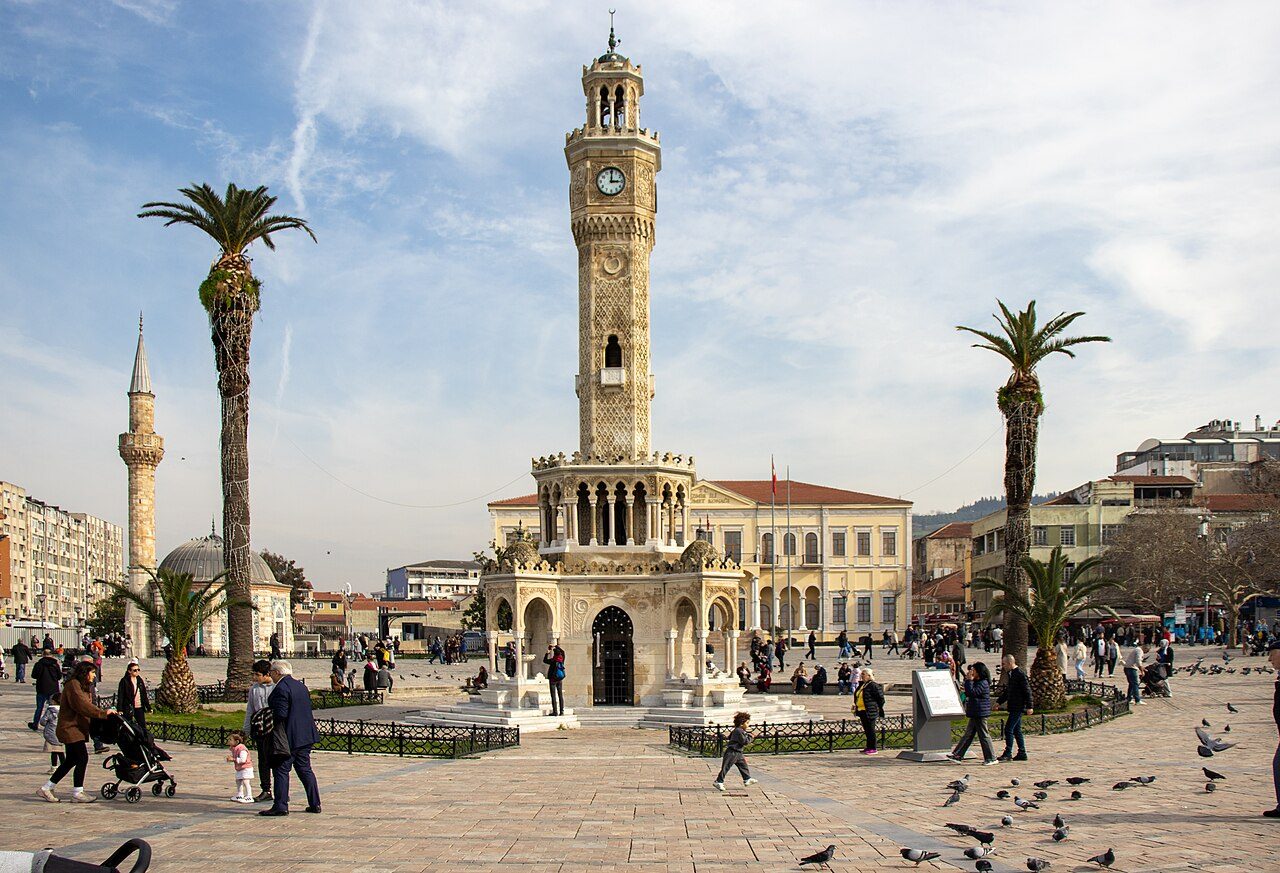
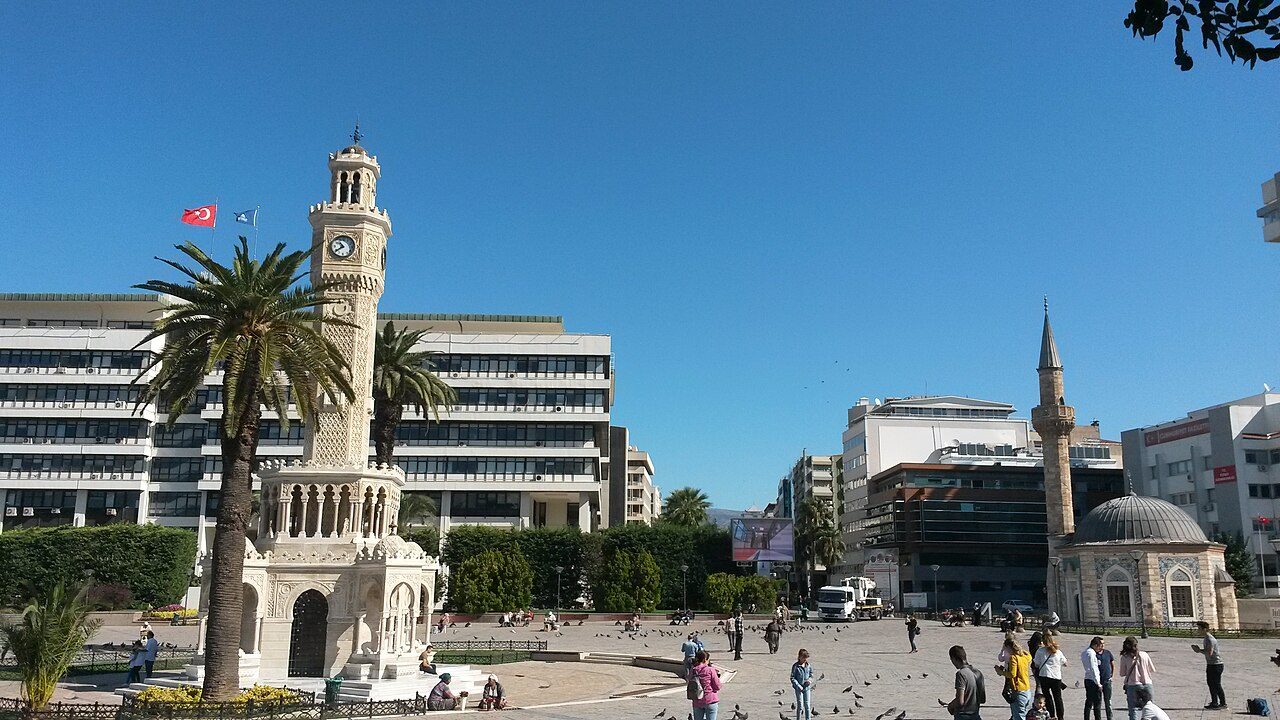
The Izmir Clock Tower stands in Konak Square, the centre of Izmir. It was built in 1901 to mark 25 years of Sultan Abdülhamid II's reign, and its clock was a gift from the German emperor Wilhelm II. The ornate tower is about 25 metres tall and has four fountains at its base. The small Konak Mosque, covered in tiles, stands nearby.
07
STOP 7 OF 24
Kemeraltı Bazaar
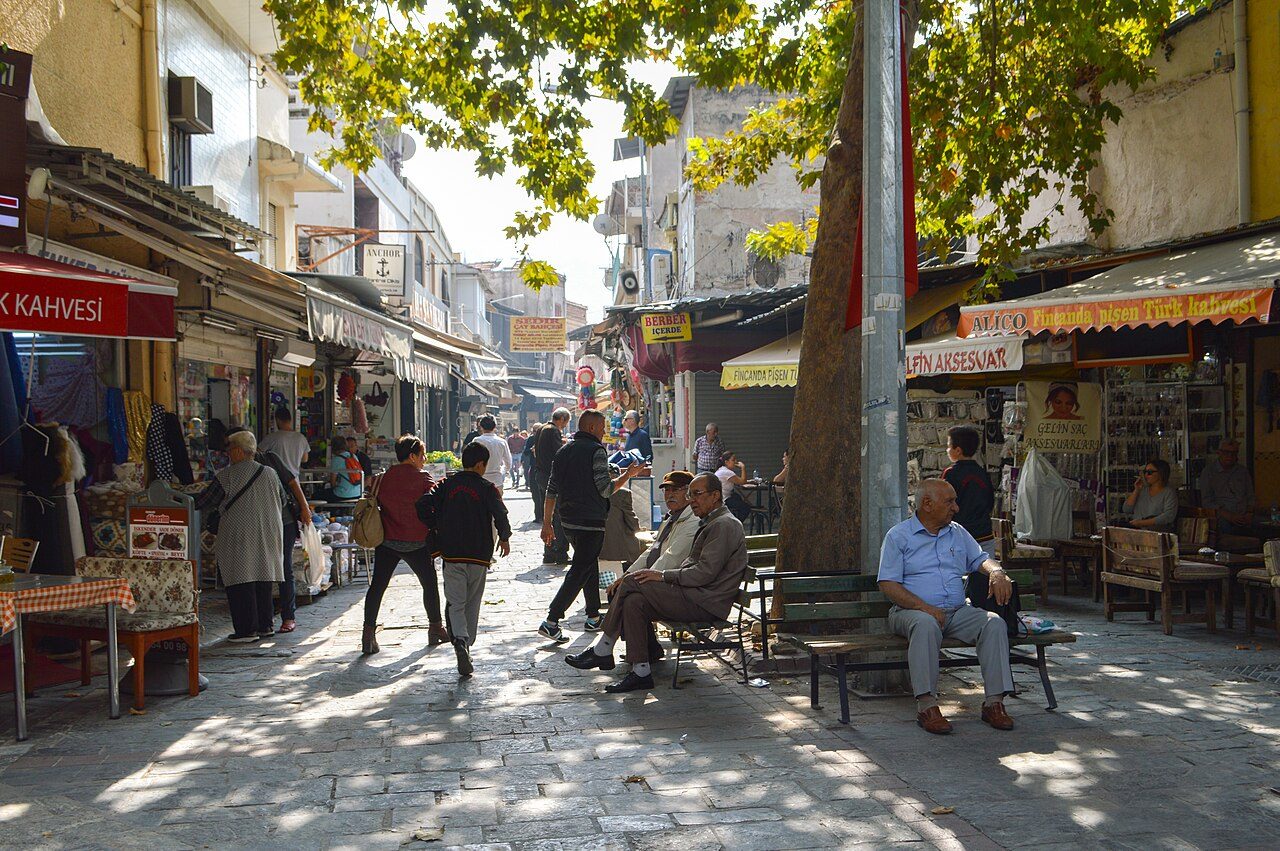
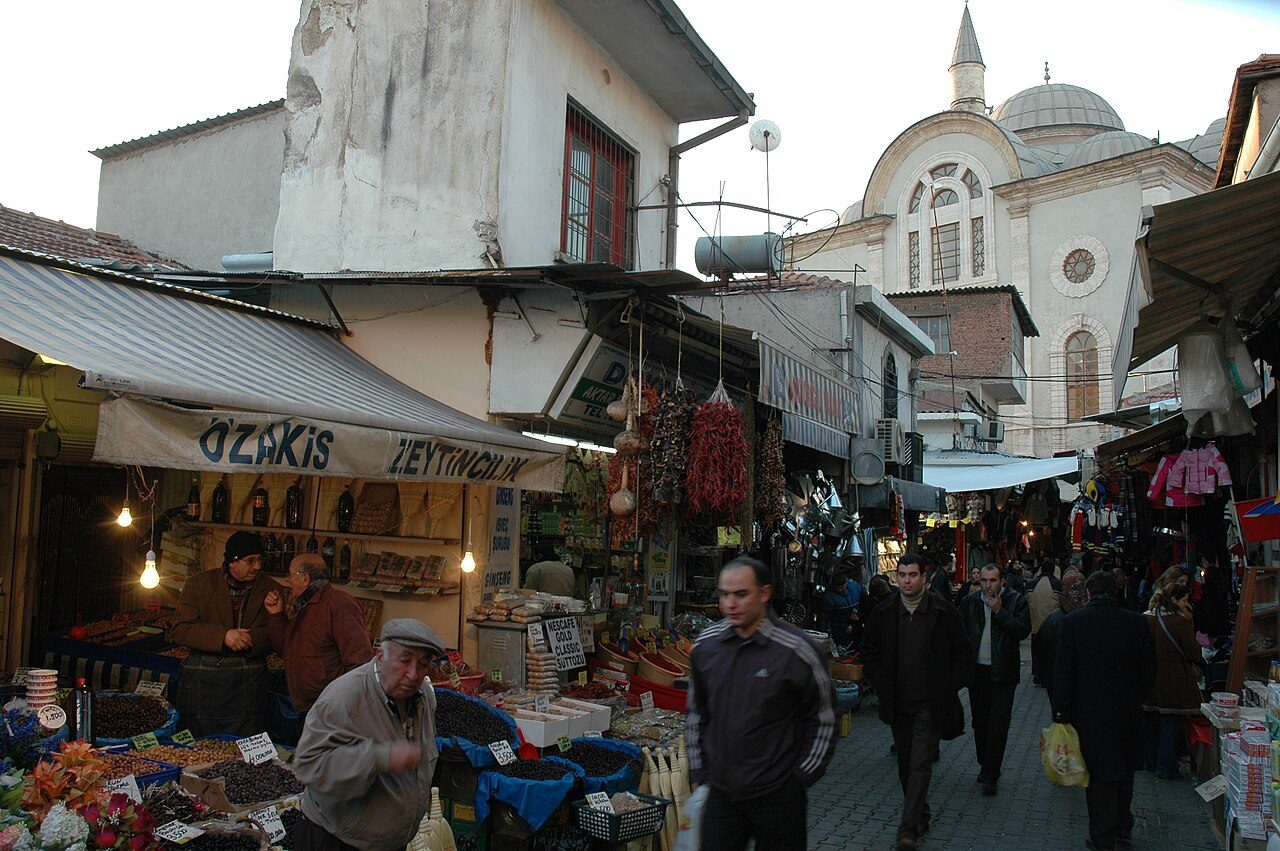
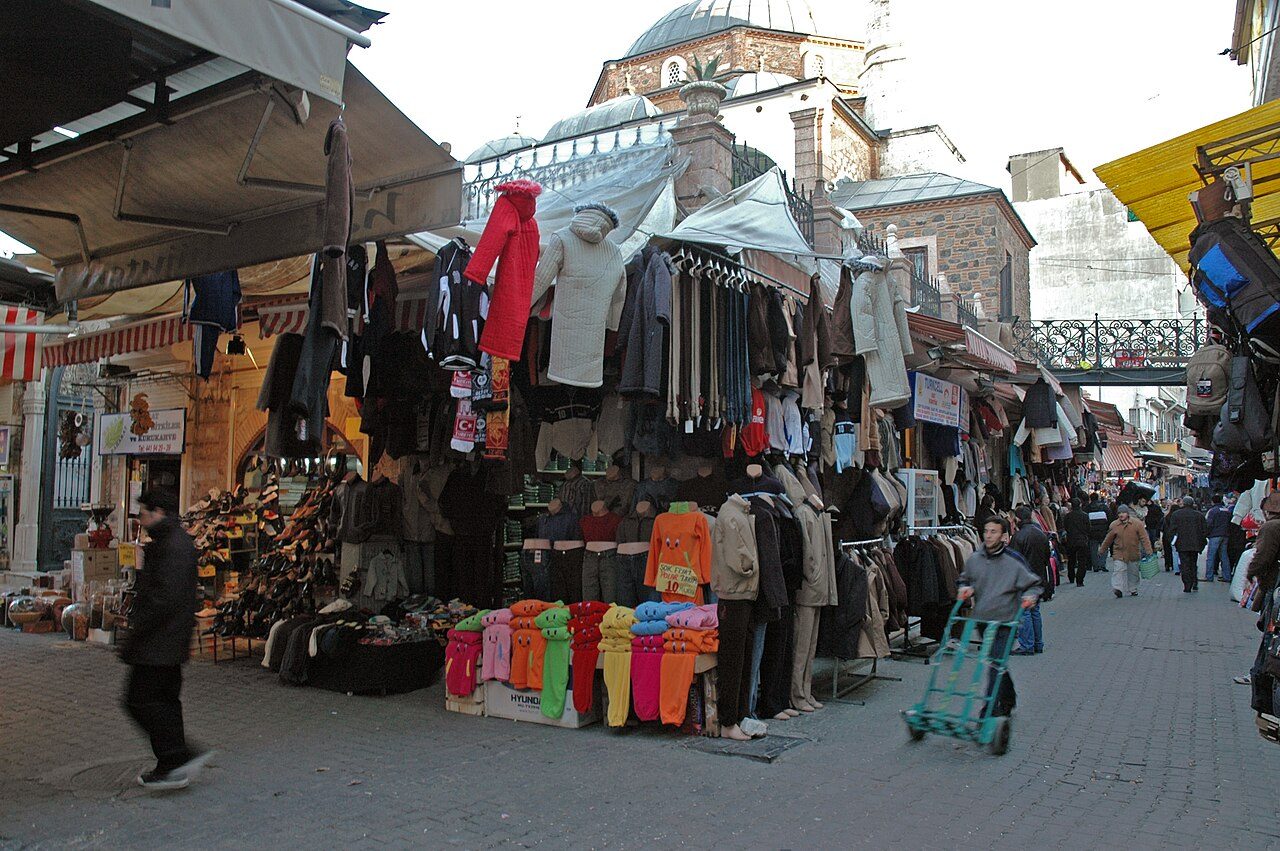
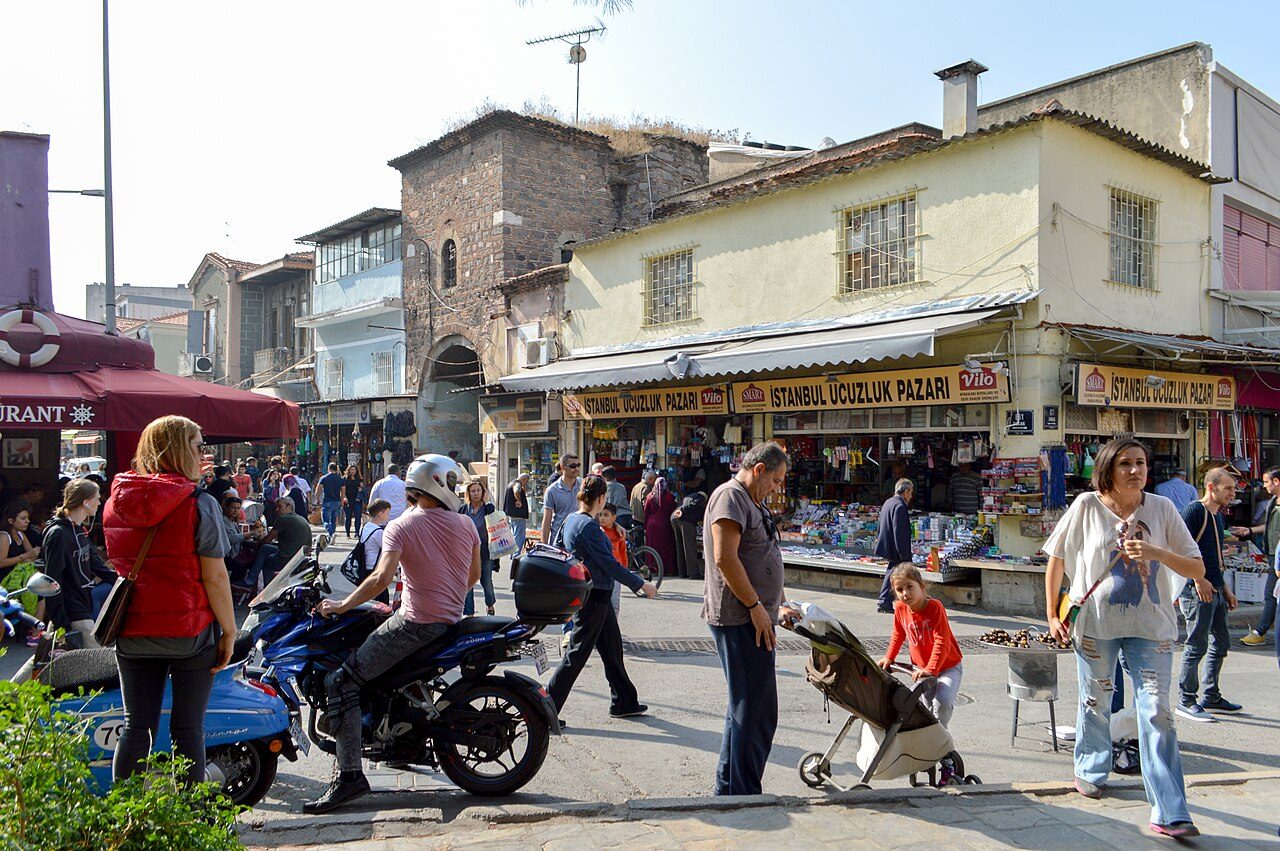
Kemeraltı is the old market district of Izmir, a maze of lanes behind Konak Square. It dates back to the 17th century. Its streets are filled with shops selling clothes, copper, spices, sweets and household goods, along with mosques, synagogues and hans. The Kızlarağası Han, built in 1744, has been restored as a bazaar with cafes in its courtyard.
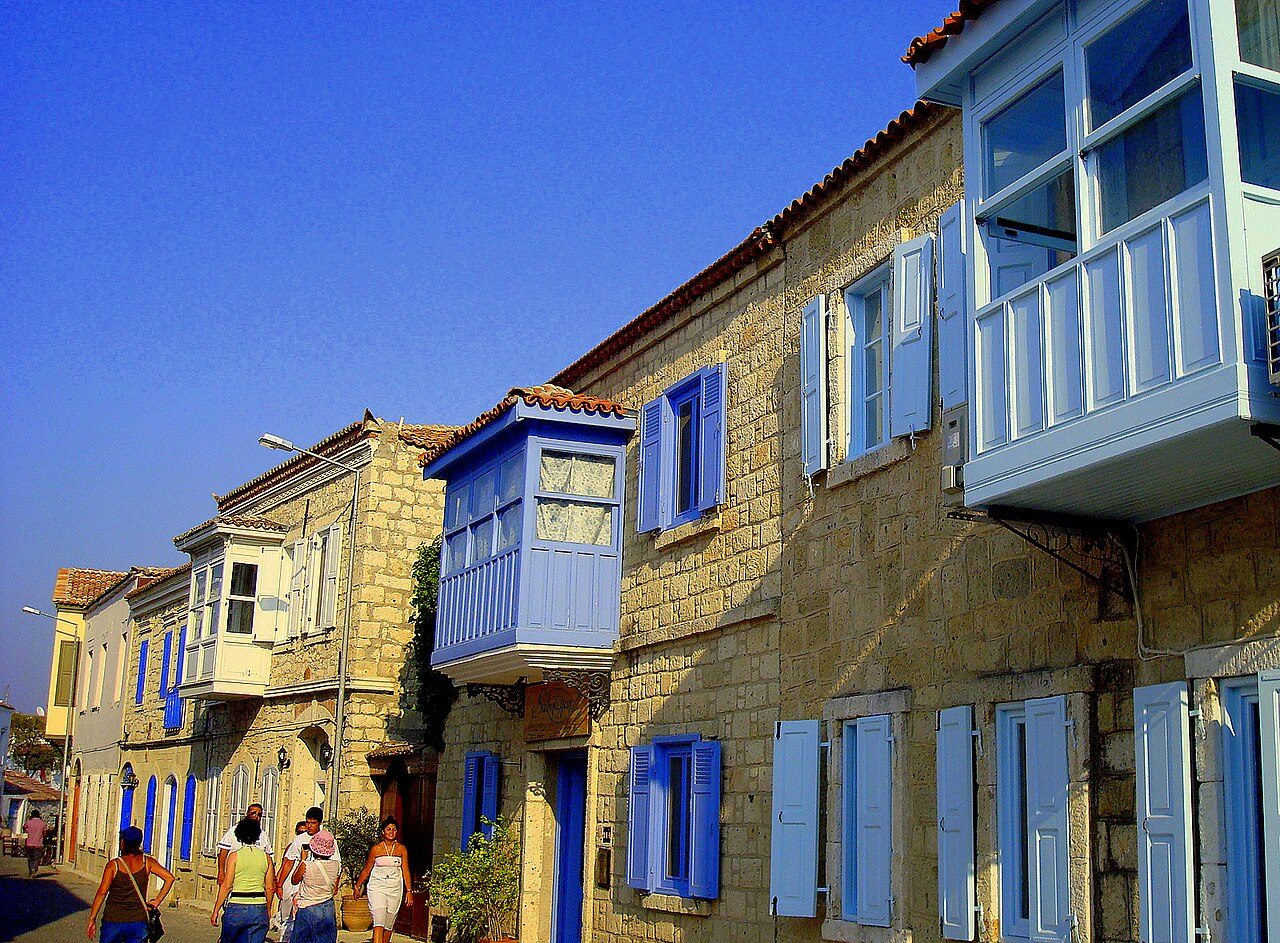
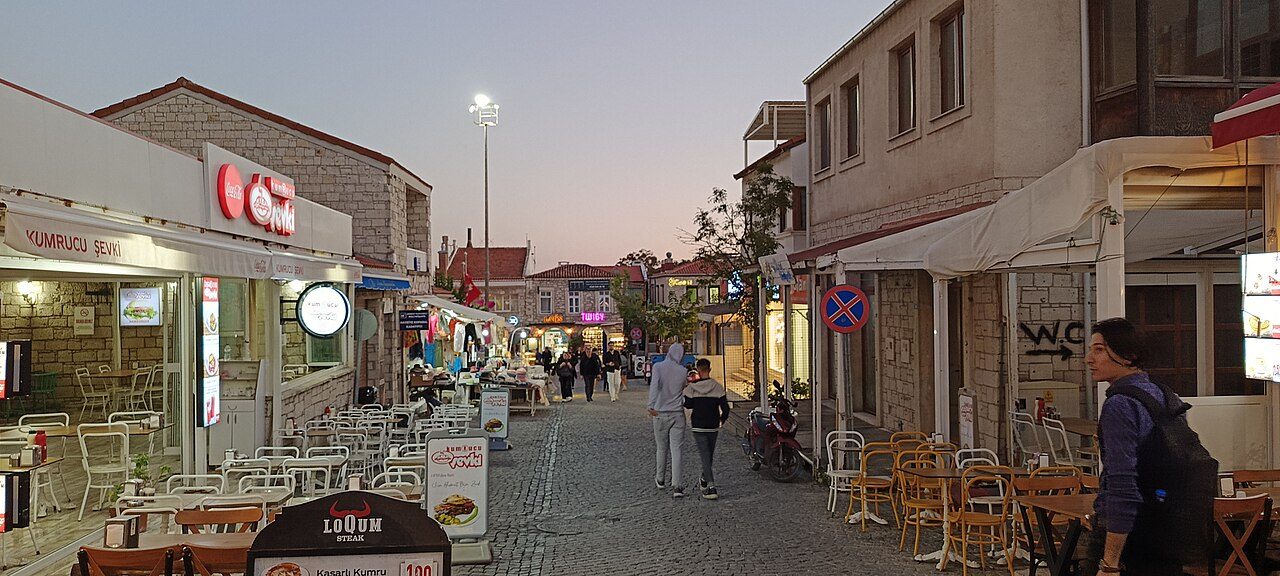
Alaçatı is a town on the Çeşme peninsula west of Izmir. Its old Greek stone houses with blue and green shutters line narrow streets full of boutiques, restaurants and cafes. Old stone windmills stand on the hill. Steady winds make the bay one of the best places for windsurfing in Europe. It is a popular summer destination.
09
STOP 9 OF 24
Çeşme Castle
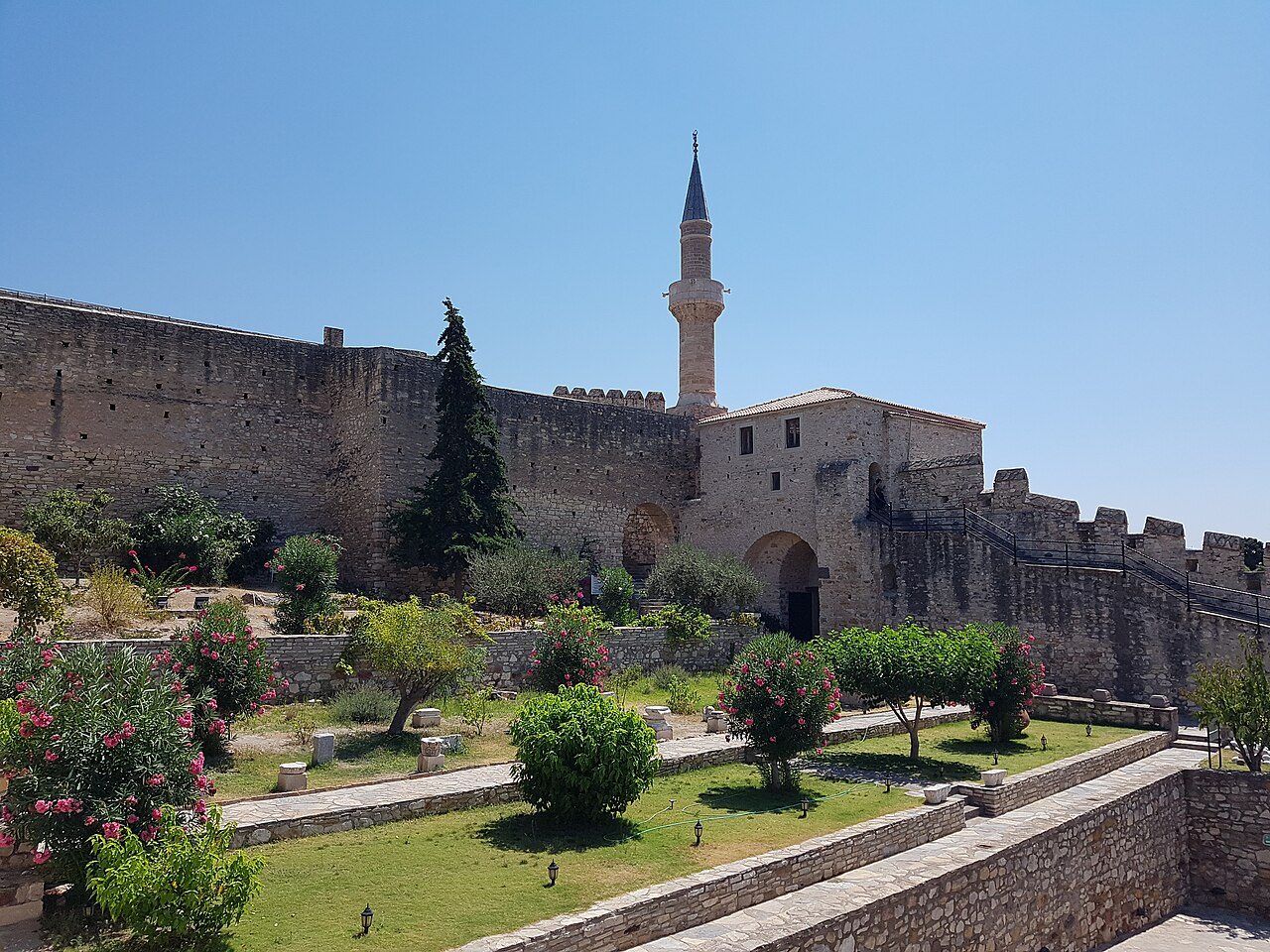
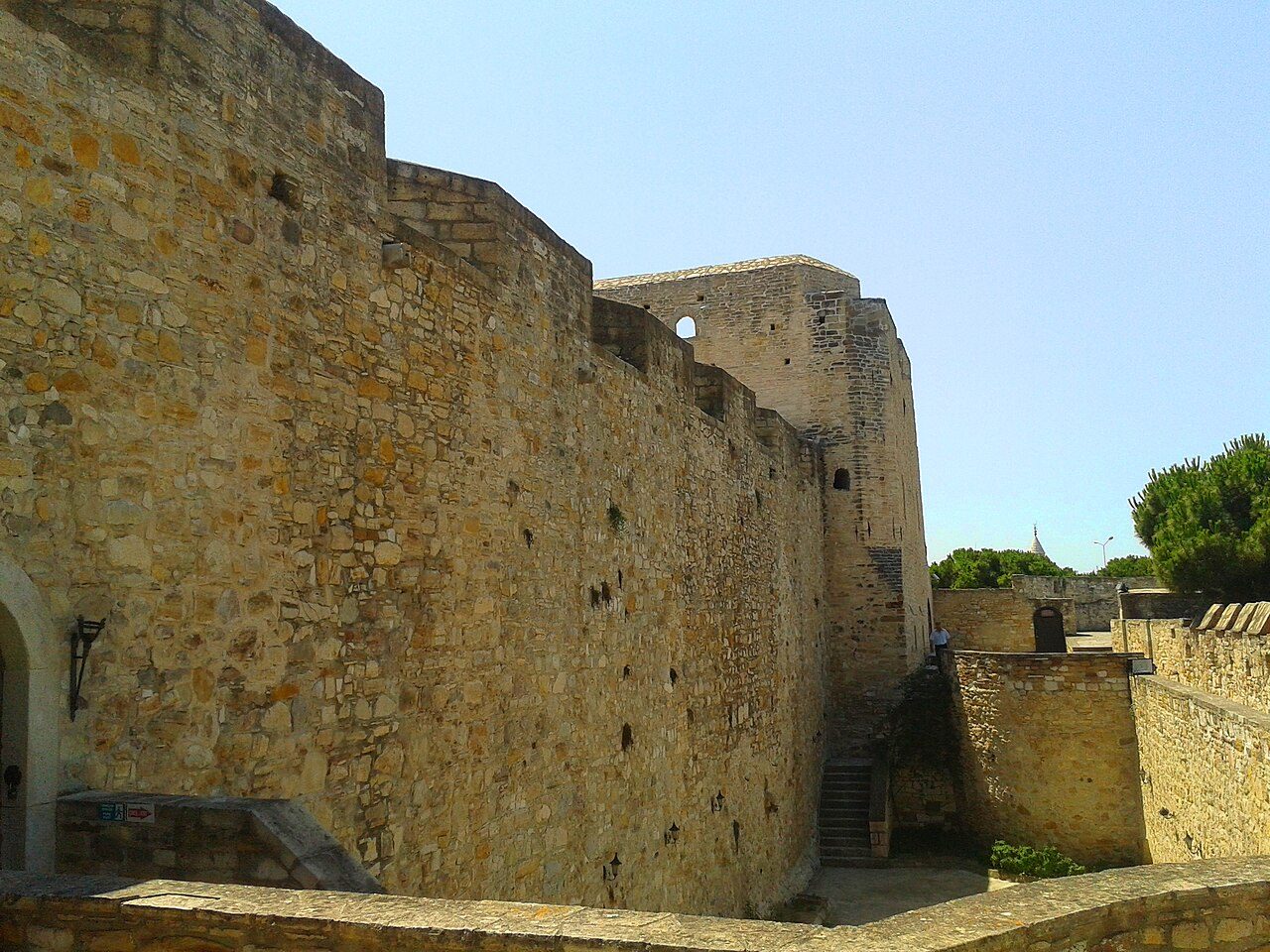
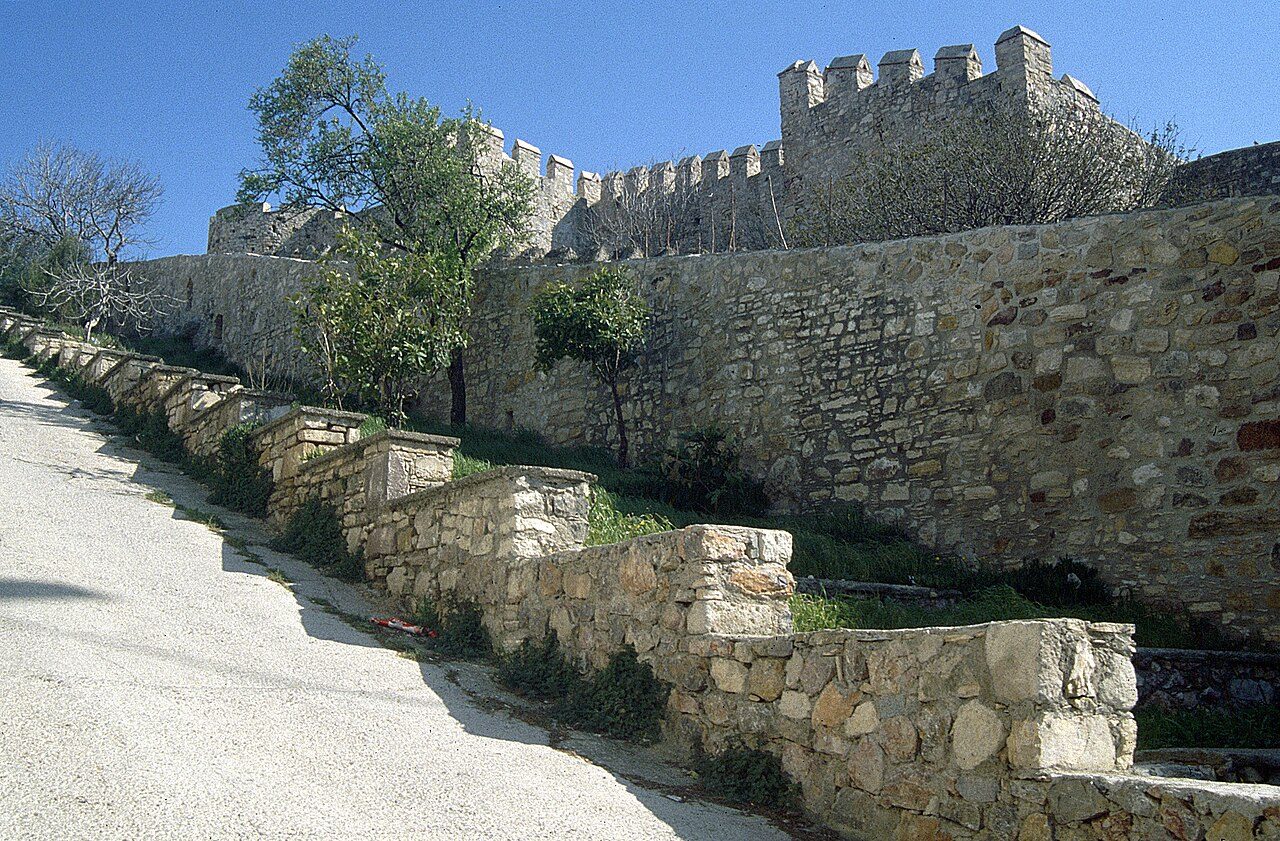
Çeşme Castle was built in 1508 by the Ottoman Sultan Bayezid II to defend the harbour of Çeşme. Its stone walls and towers stand by the sea in the town centre. It houses a museum with finds from the region and the Battle of Çeşme of 1770. In summer the castle is used for concerts and festivals. A statue of an Ottoman admiral stands nearby.
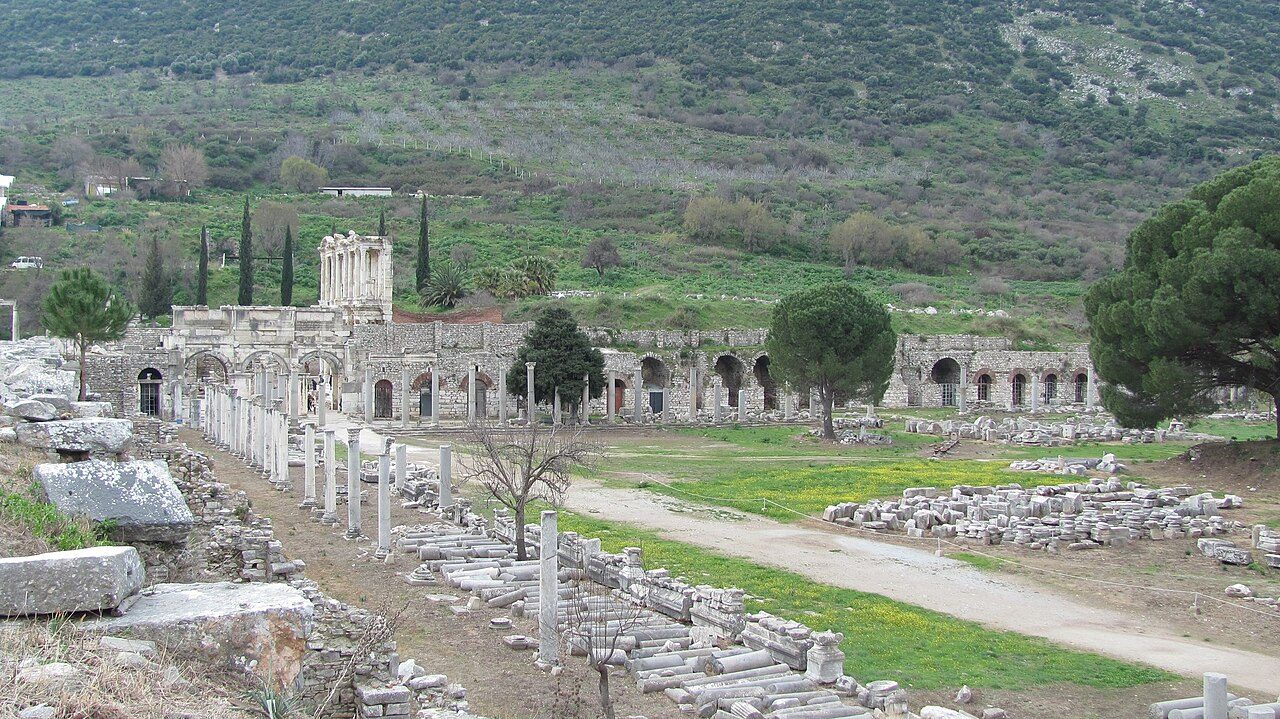
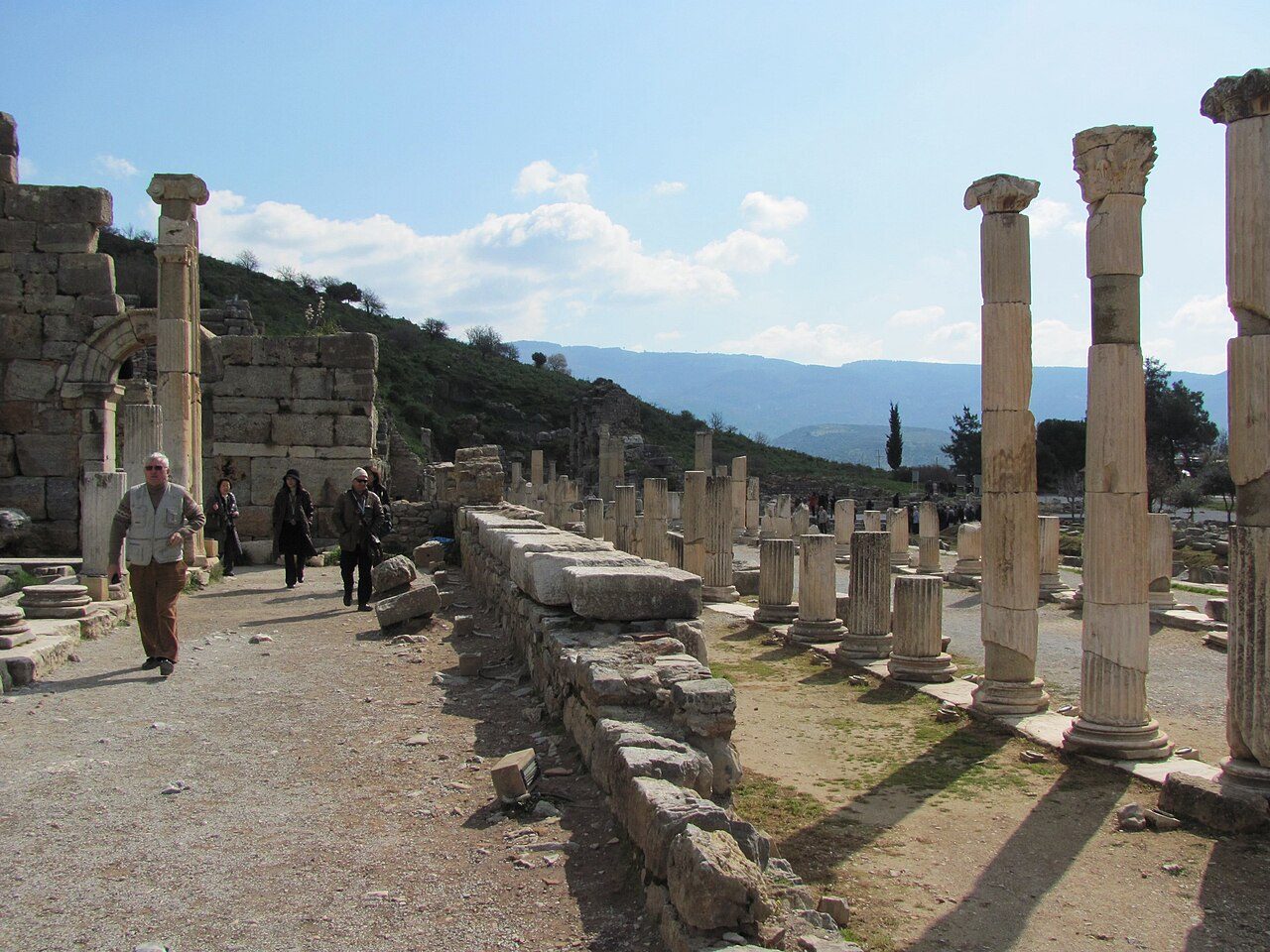
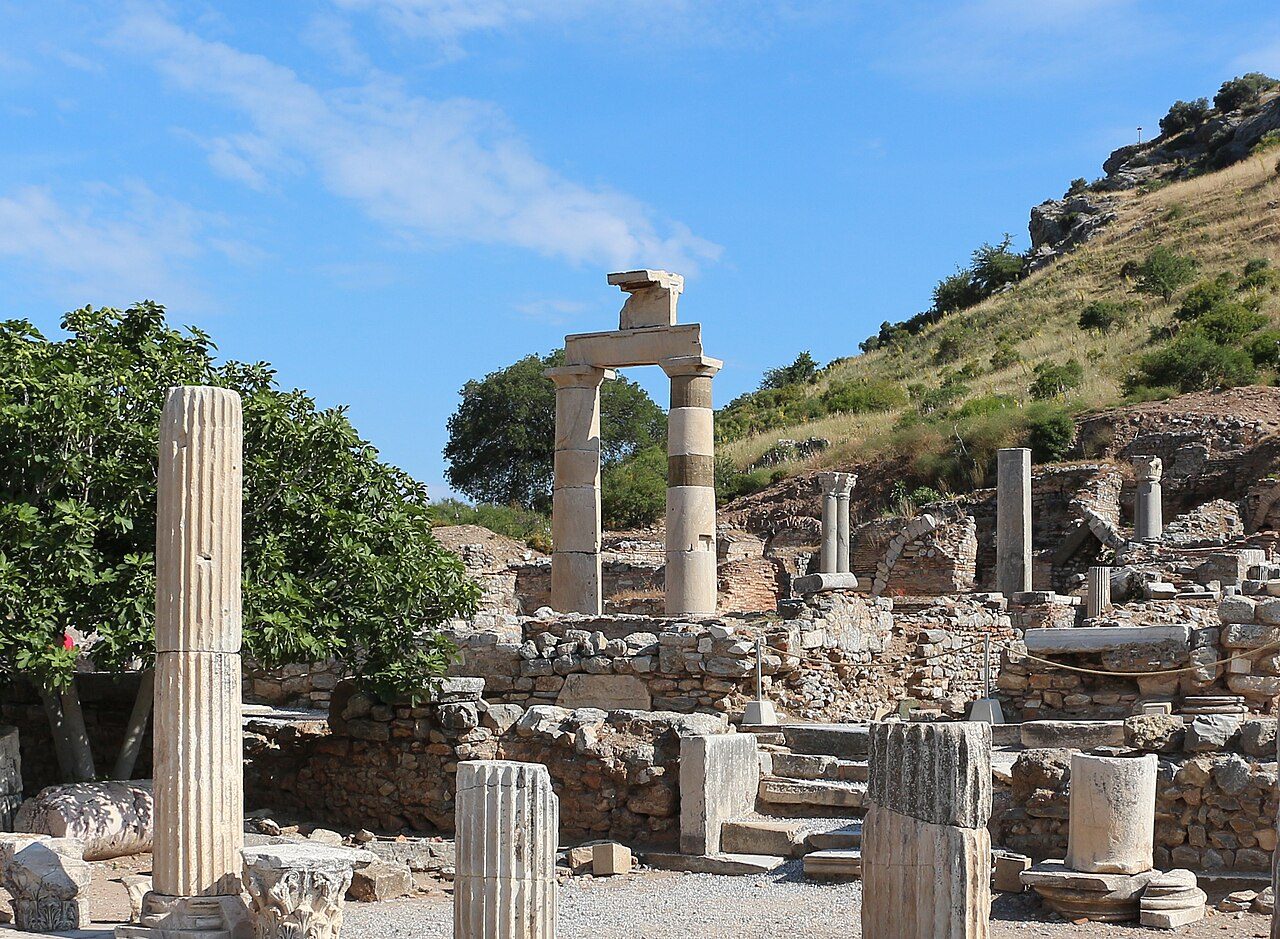
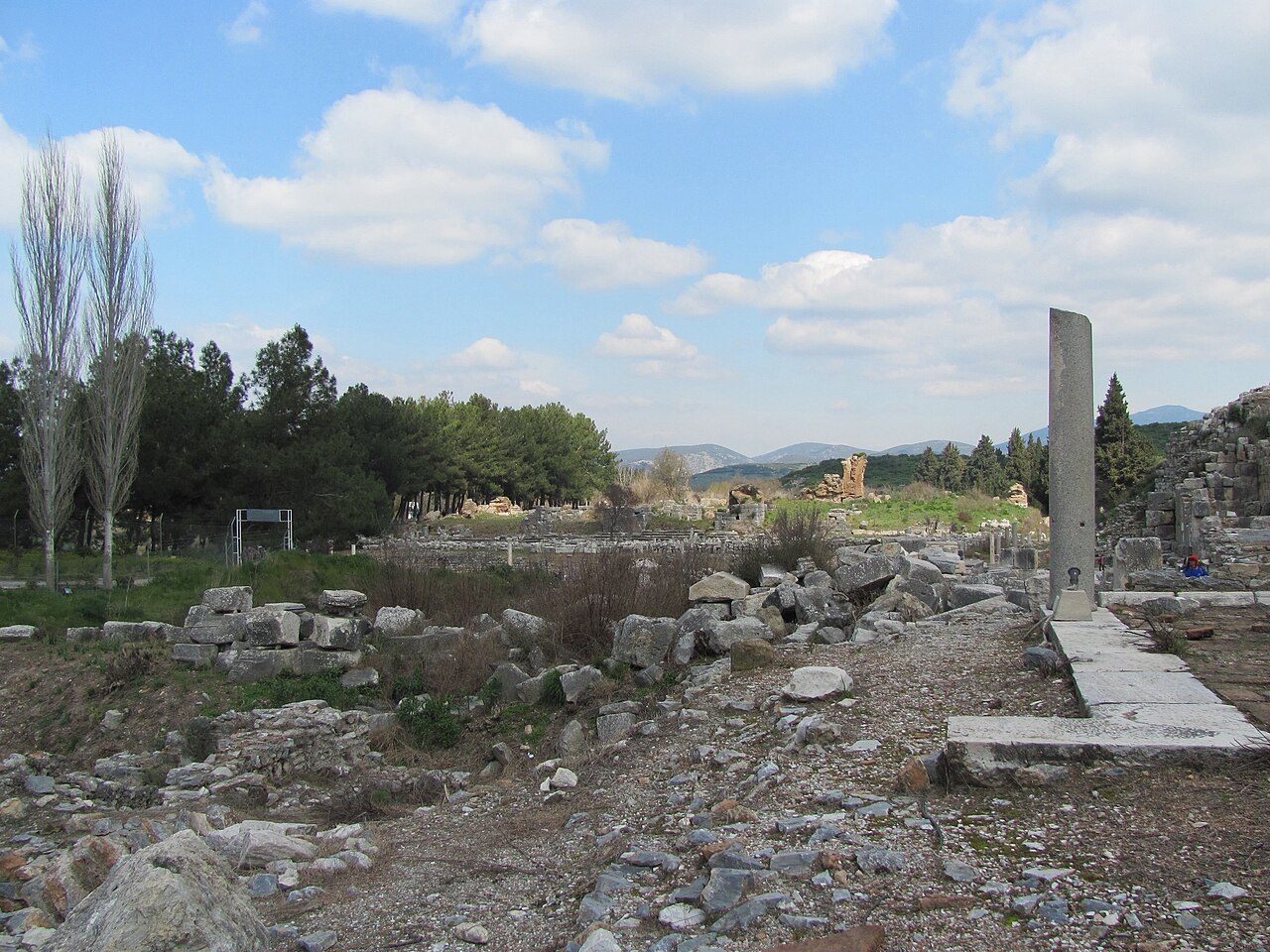
Ephesus was one of the greatest cities of the ancient Greek and Roman world, near the modern town of Selçuk. Its marble streets lead past temples, fountains, terrace houses with mosaics and the Great Theatre, which held about 25,000 people. It was an important early Christian centre visited by Saint Paul. Ephesus has been a UNESCO World Heritage Site since 2015.
11
STOP 11 OF 24
Library of Celsus
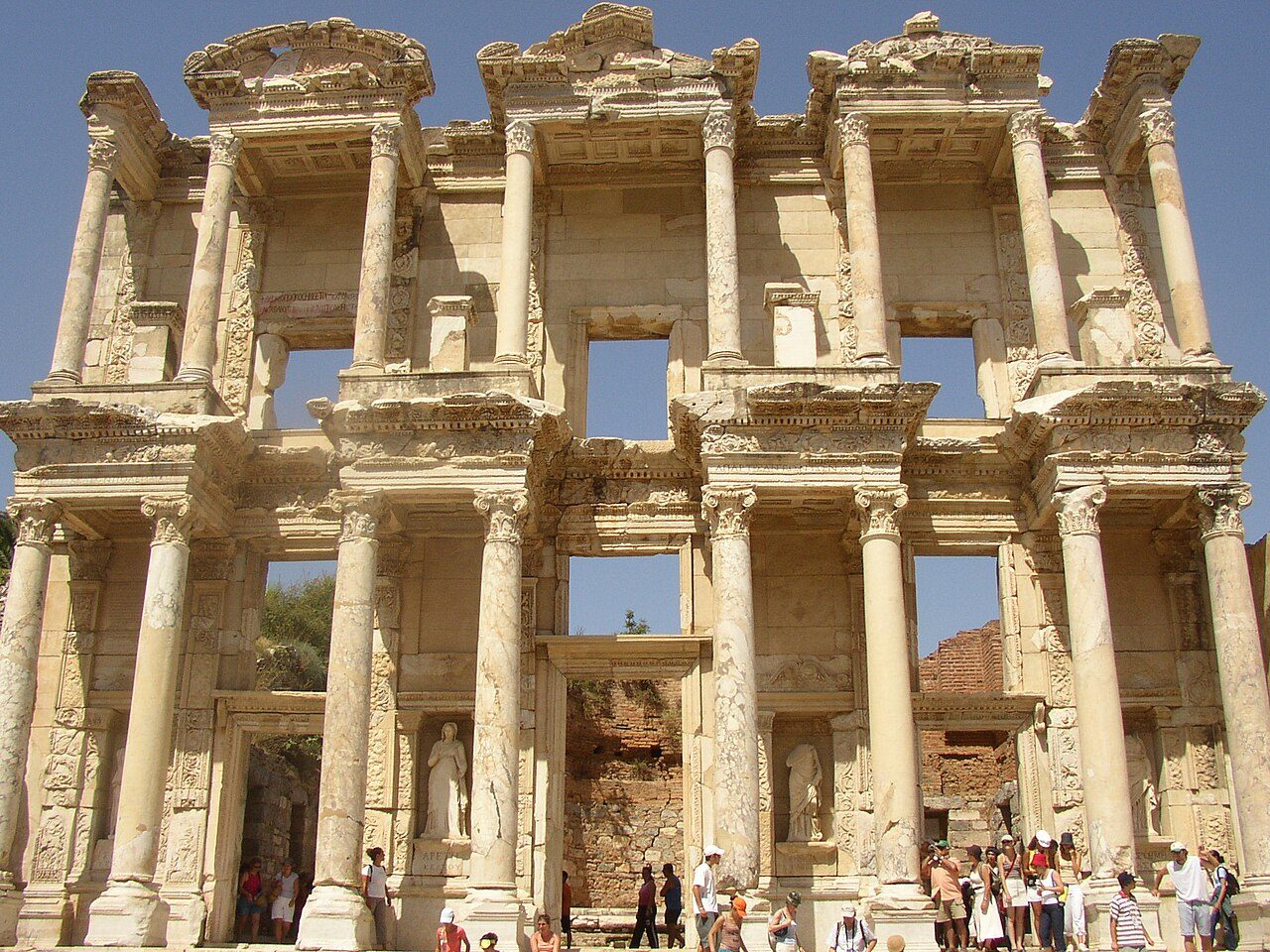
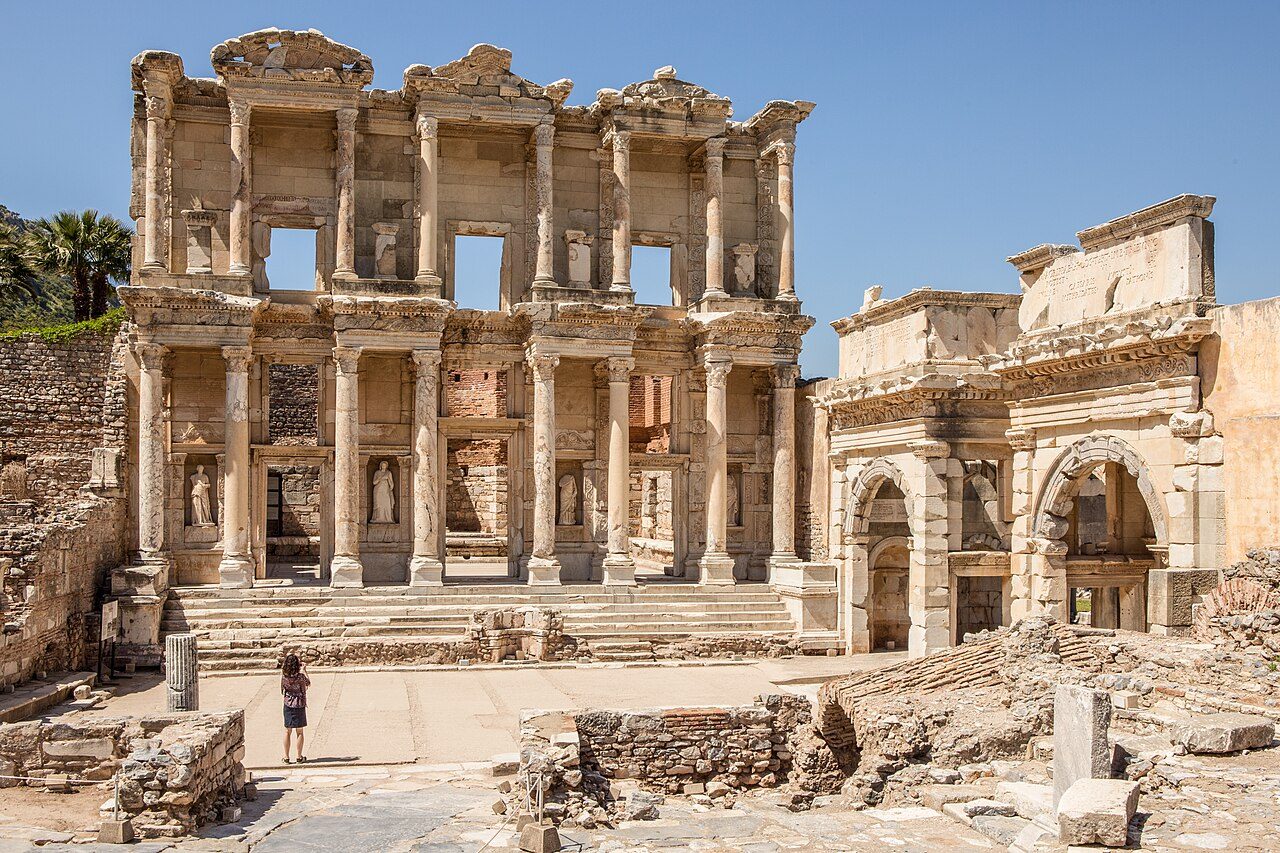
The Library of Celsus in Ephesus was built around 117 AD by a Roman consul in memory of his father, Celsus, governor of Asia, who is buried beneath it. It held thousands of scrolls. Its two-storey front with columns and statues of Wisdom, Knowledge, Intelligence and Virtue was rebuilt in the 1970s and is the most famous building in Ephesus.
12
STOP 12 OF 24
Temple of Artemis
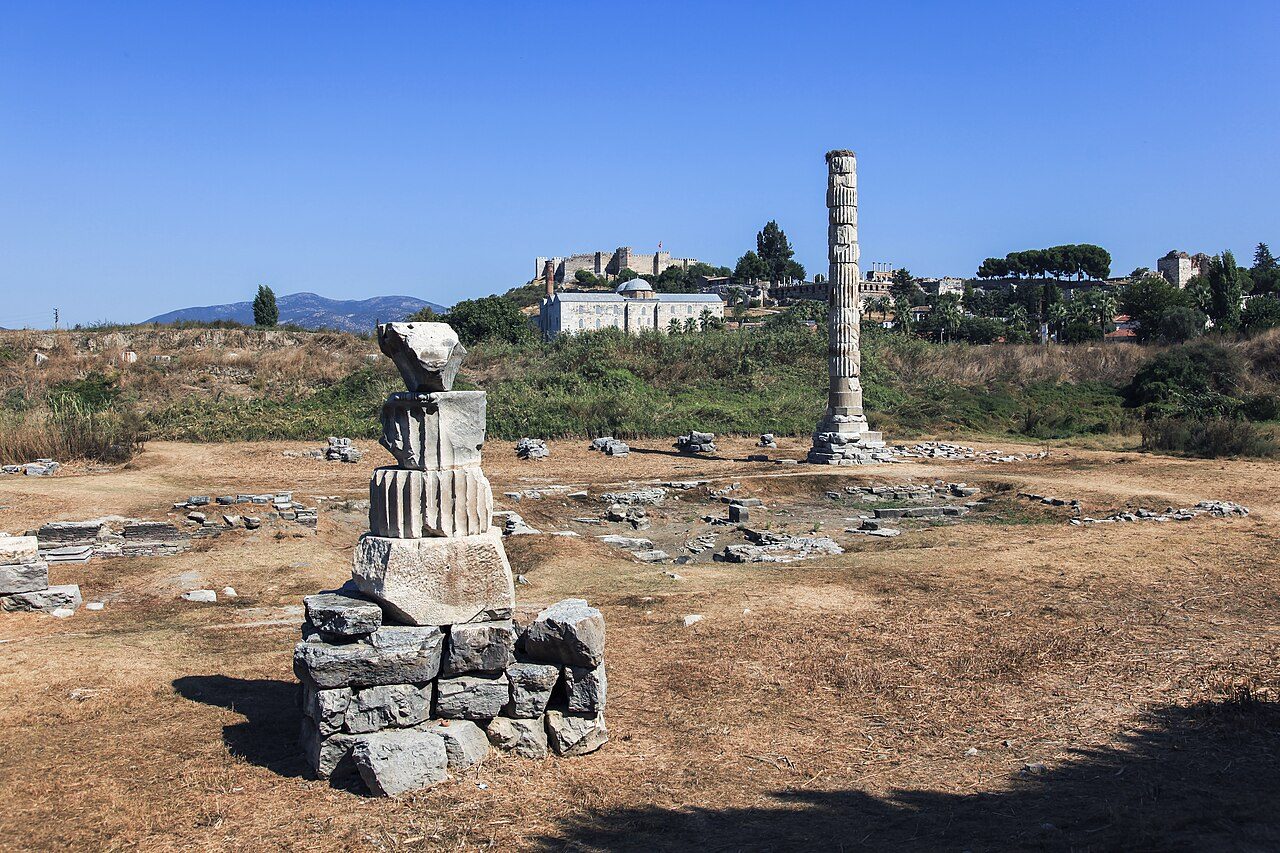
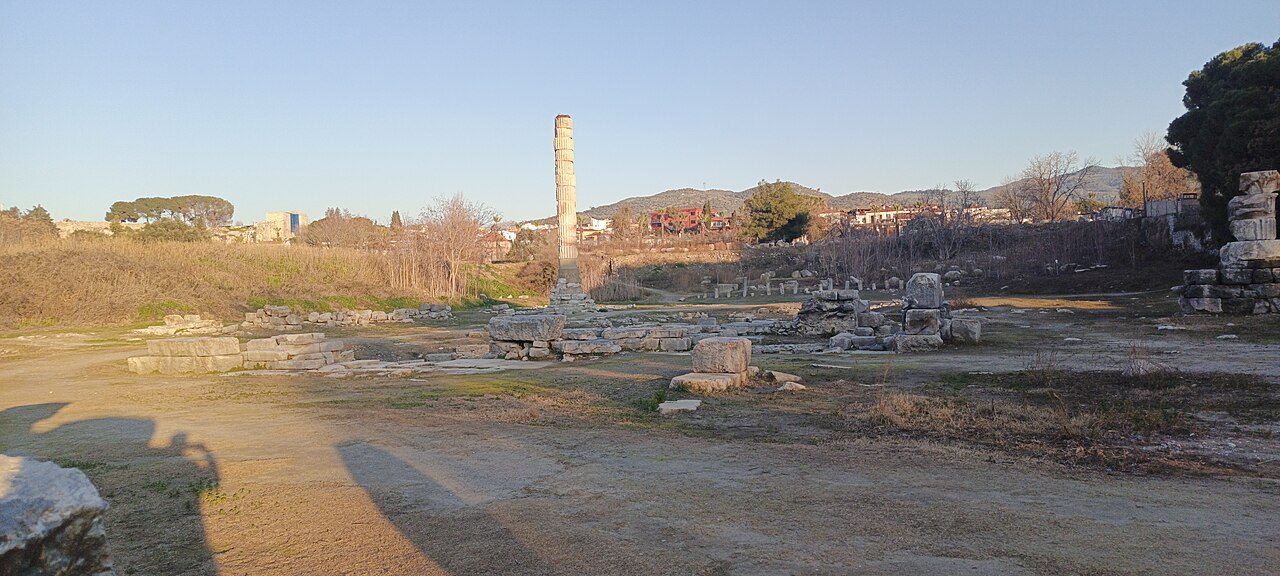
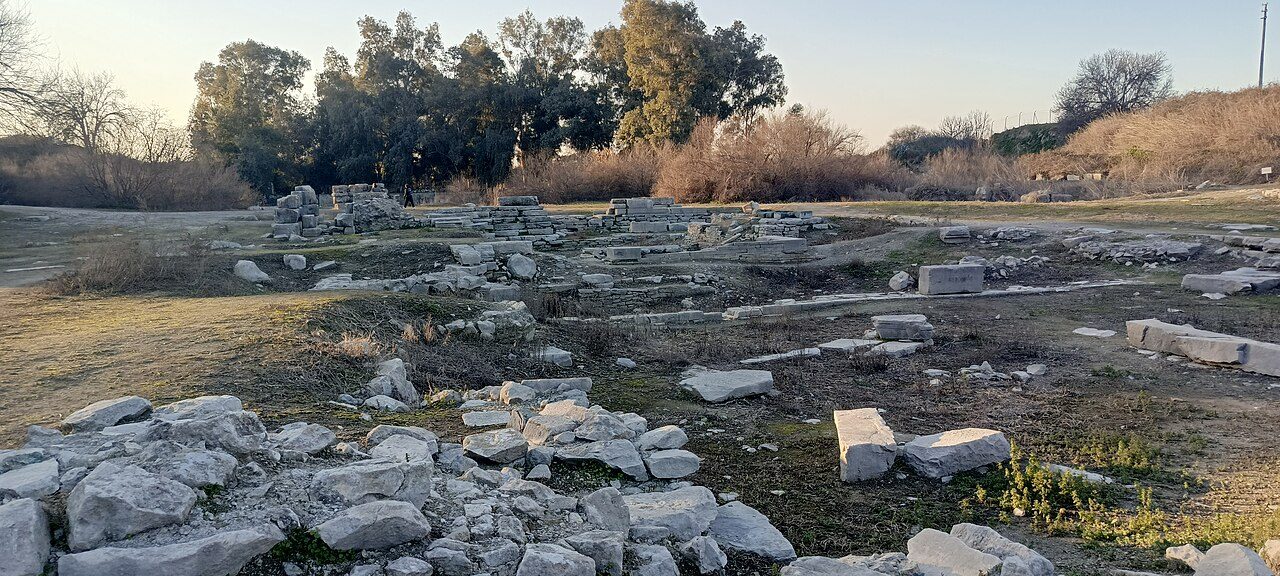
The Temple of Artemis near Selçuk was one of the Seven Wonders of the Ancient World. The great marble temple, larger than the Parthenon, was rebuilt several times, the last version in the 4th century BC. It was destroyed by the Goths in 262 AD. Today a single rebuilt column stands in a marshy field, often with a stork's nest on top.
13
STOP 13 OF 24
Basilica of St. John
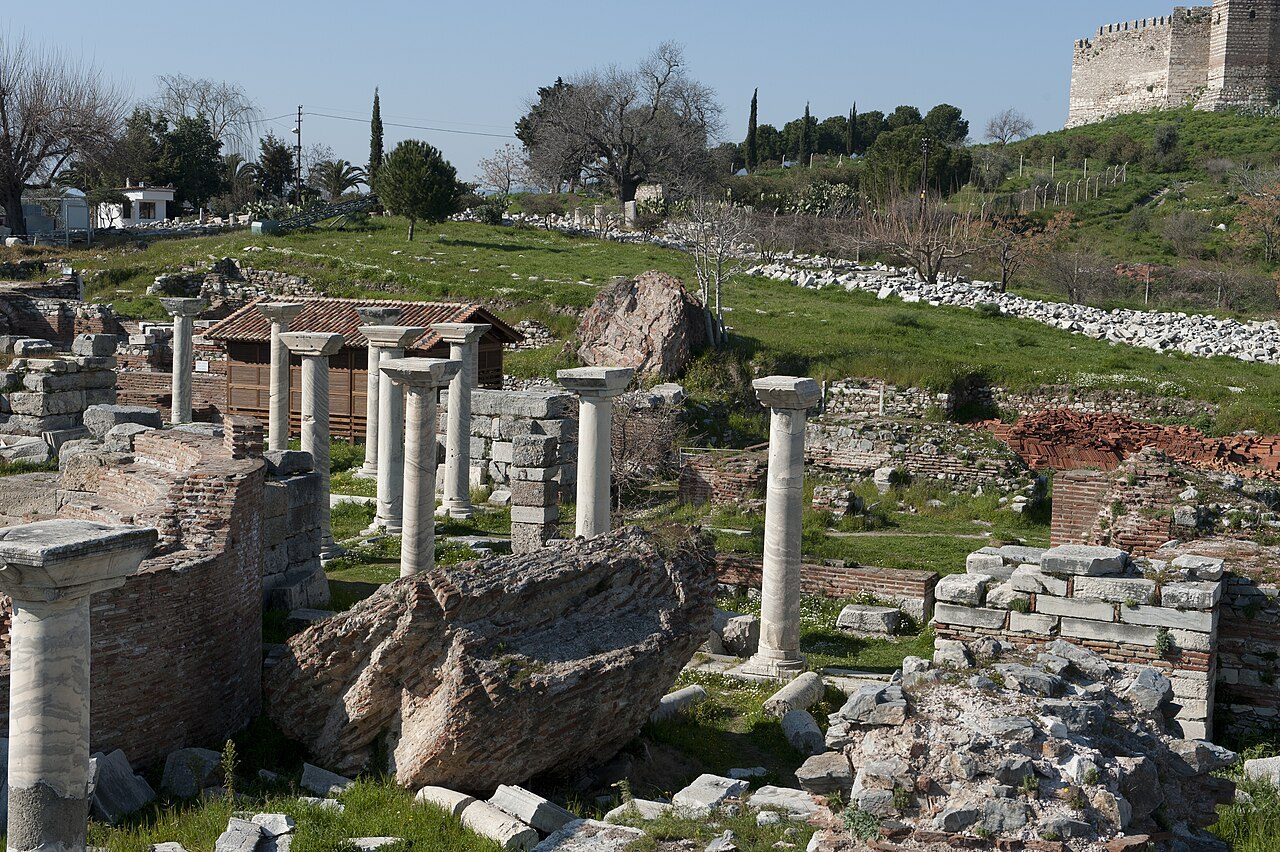
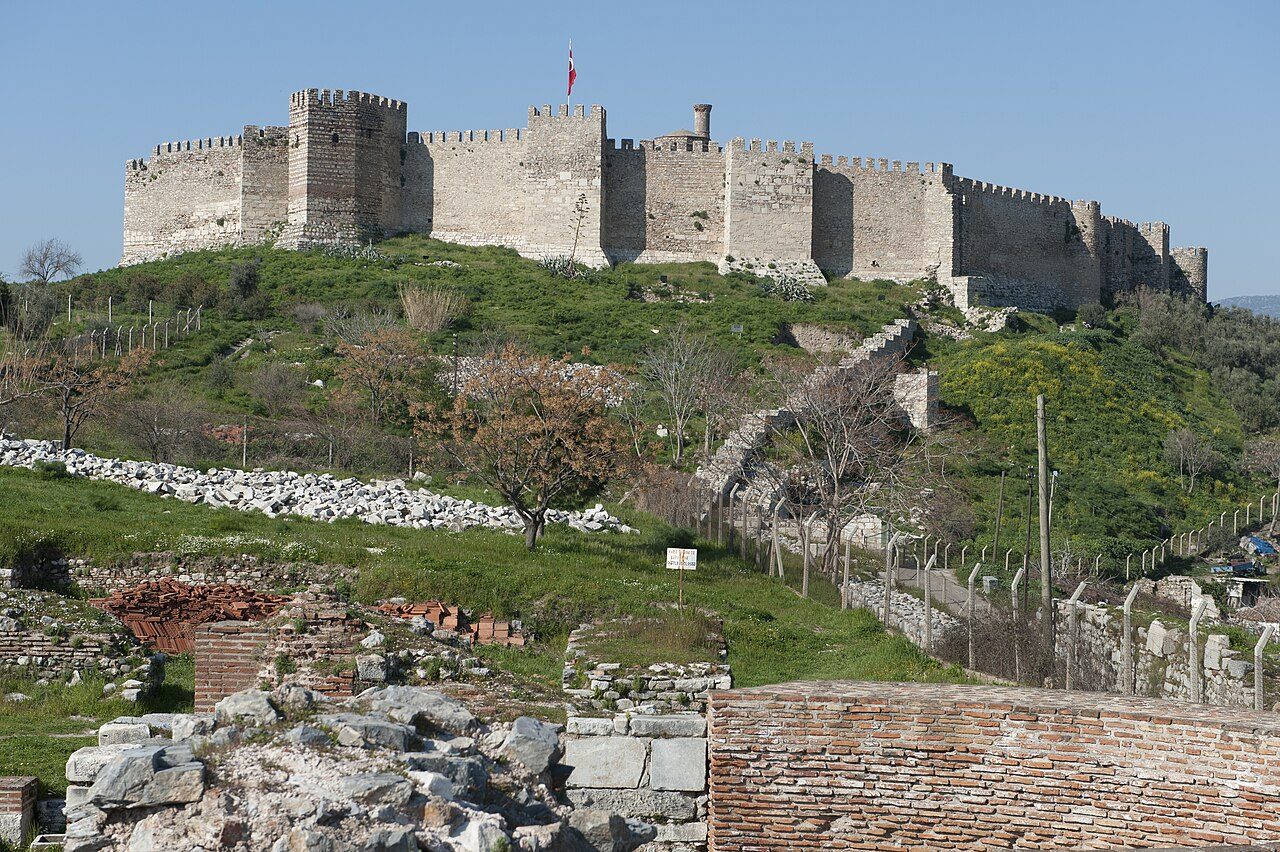
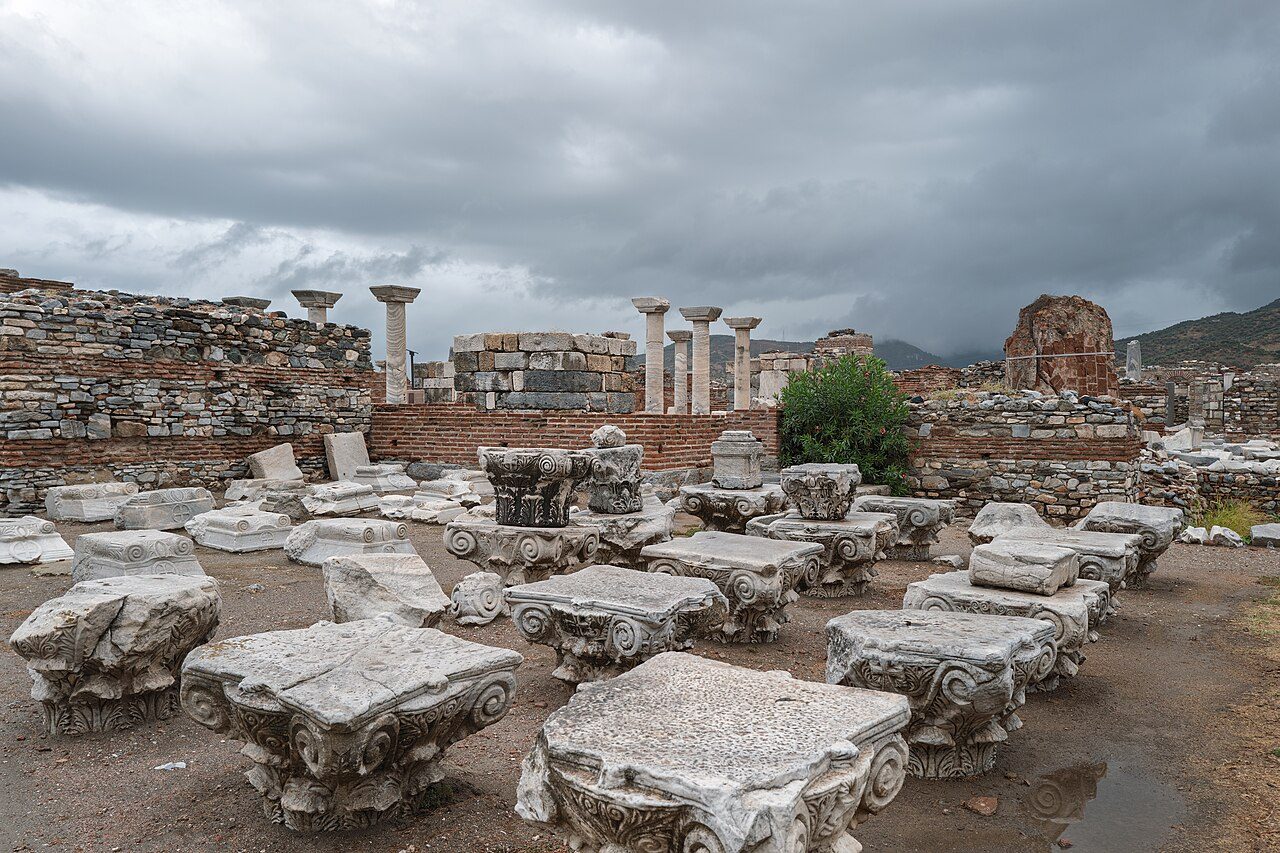
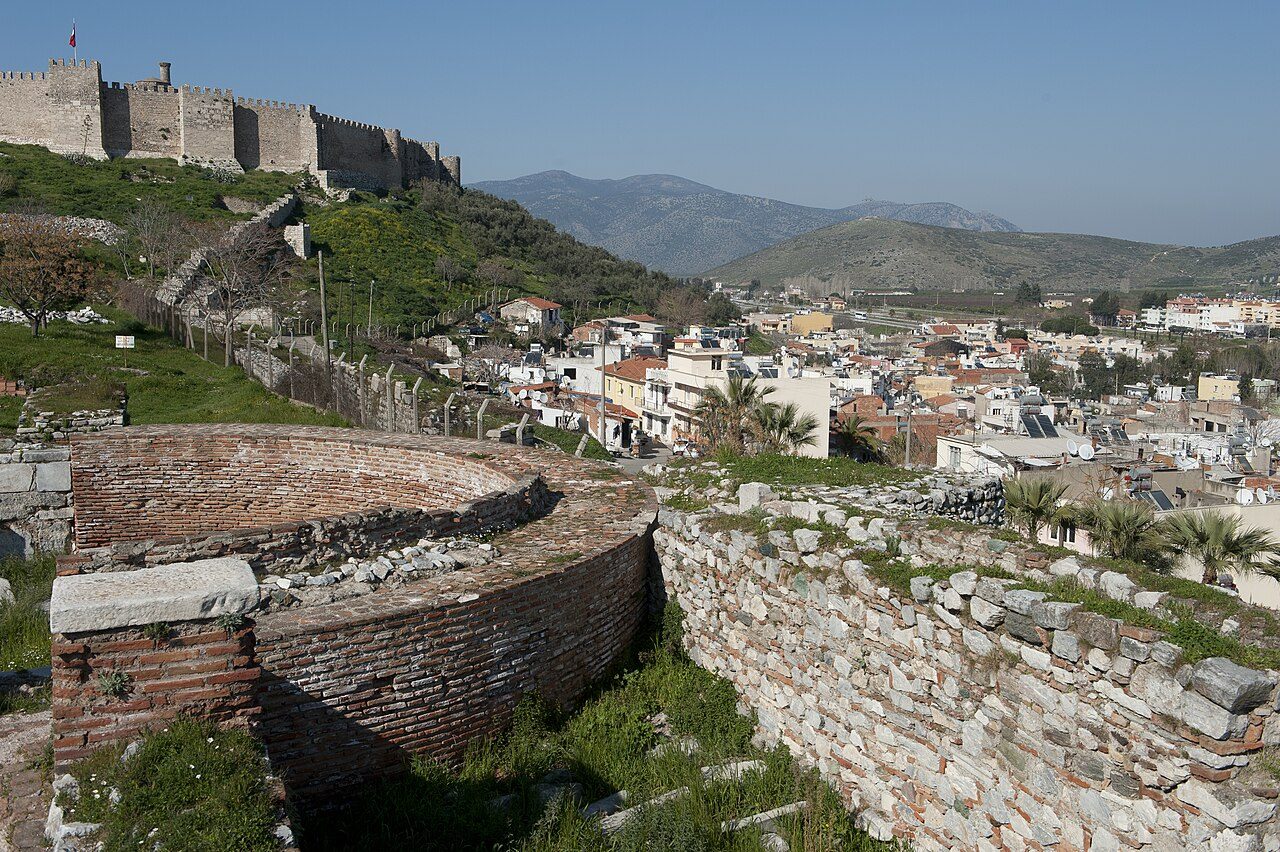
The Basilica of St. John stands on Ayasuluk Hill in Selçuk. It was built by Emperor Justinian in the 6th century over the grave believed to be that of Saint John the Apostle. It was once one of the largest churches in the world. Its ruins include rows of columns, the baptistery and the tomb. Selçuk castle stands above it.
14
STOP 14 OF 24
House of the Virgin Mary
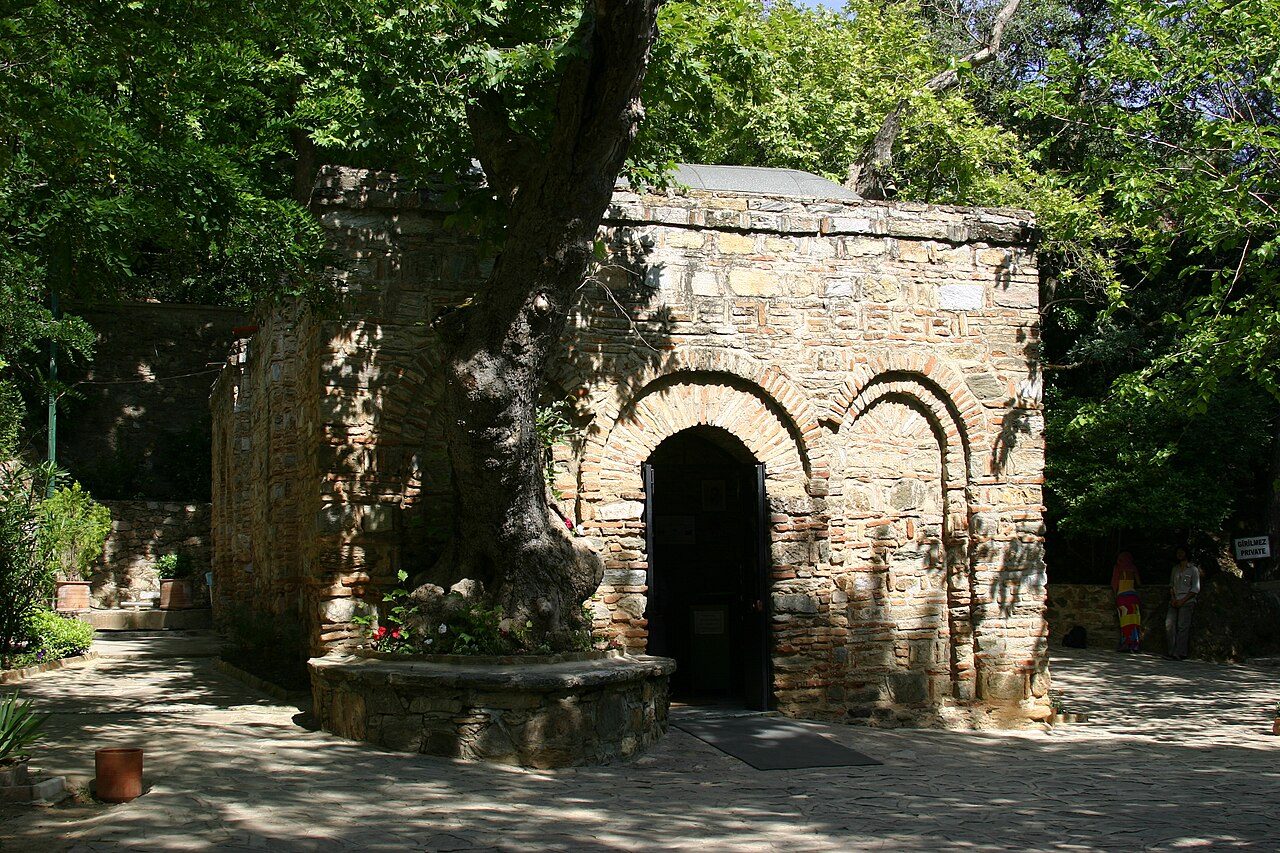
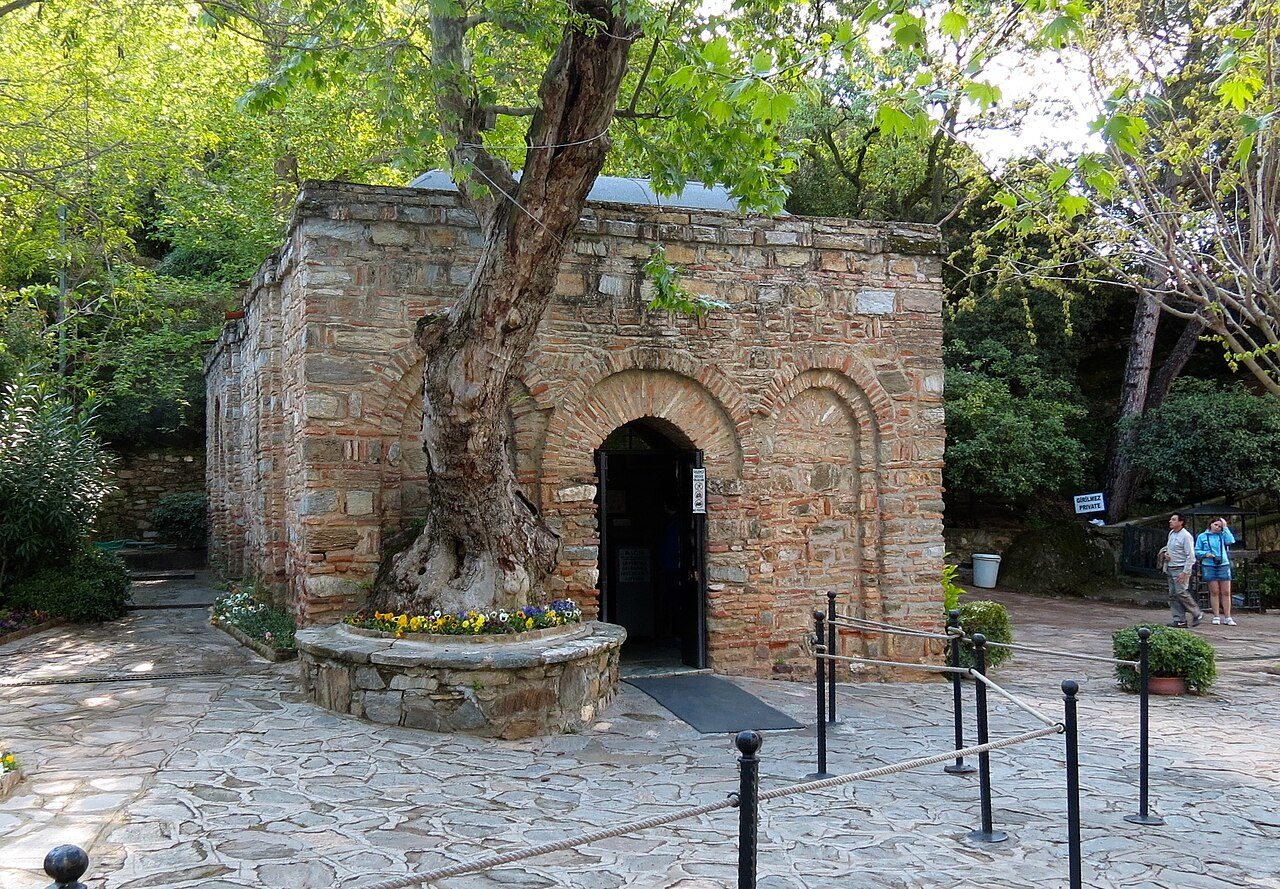
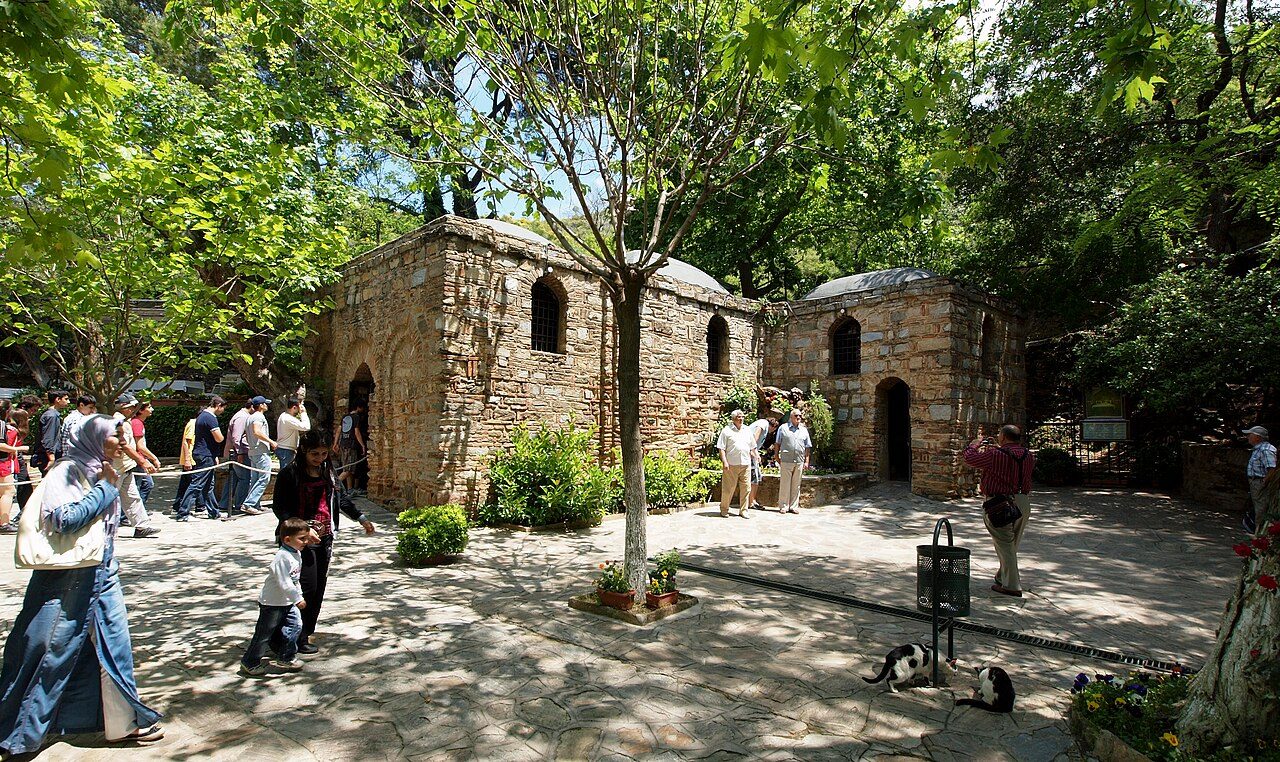
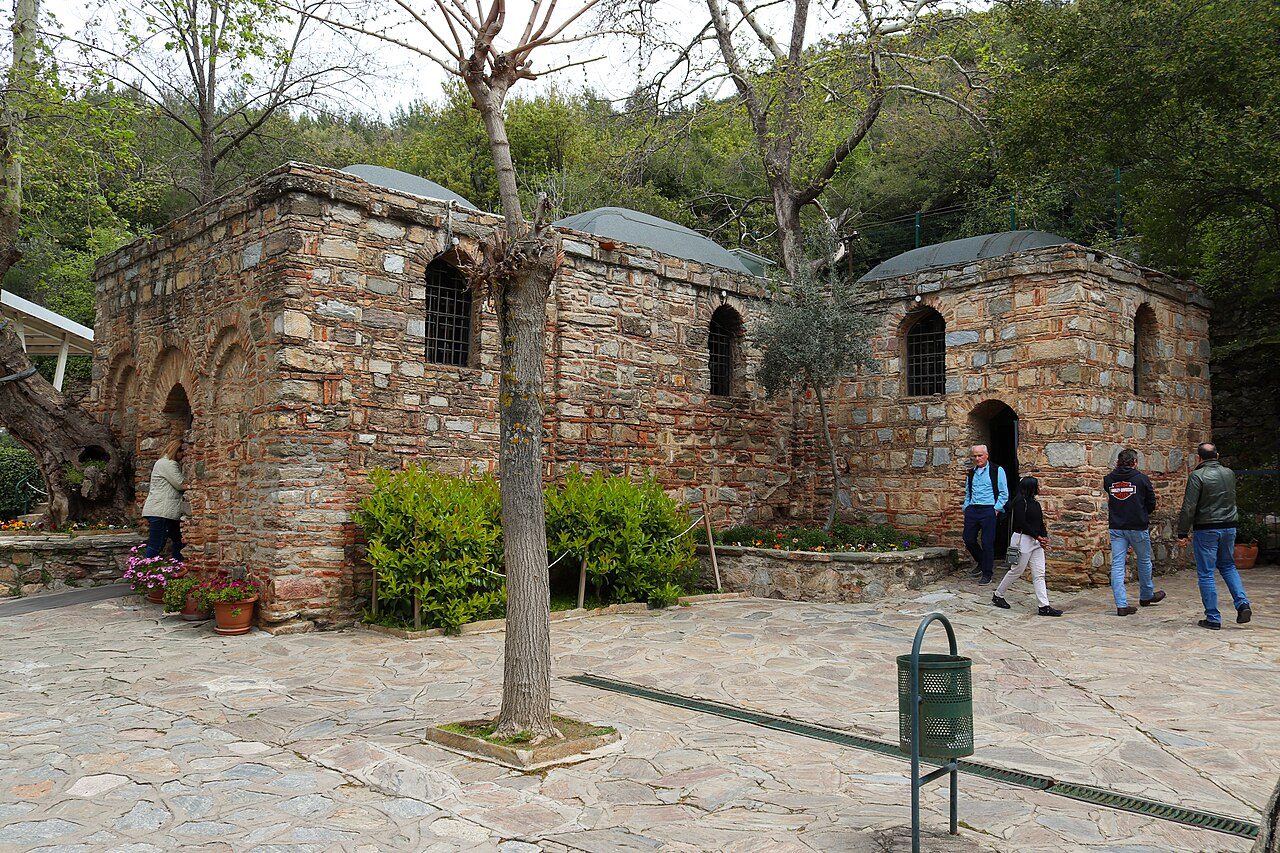
The House of the Virgin Mary is a small stone chapel on Mount Koressos, near Ephesus. According to a tradition, Mary spent her last years here after being brought by Saint John. The site was identified in the 19th century from the visions of a German nun. It is a place of pilgrimage for Christians and Muslims, and several popes have visited.
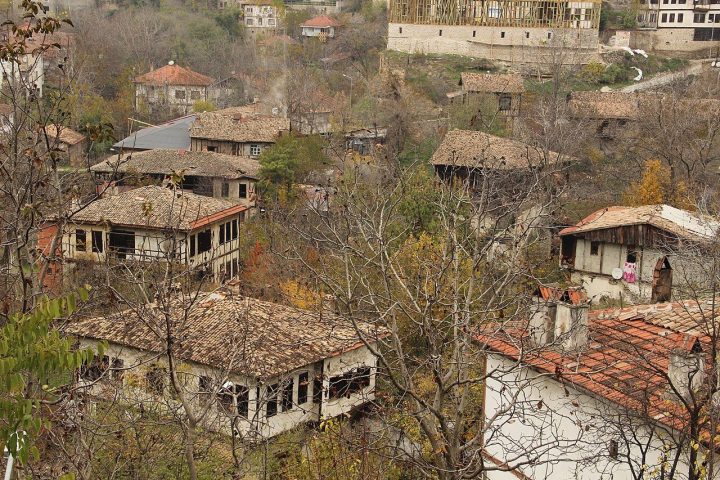
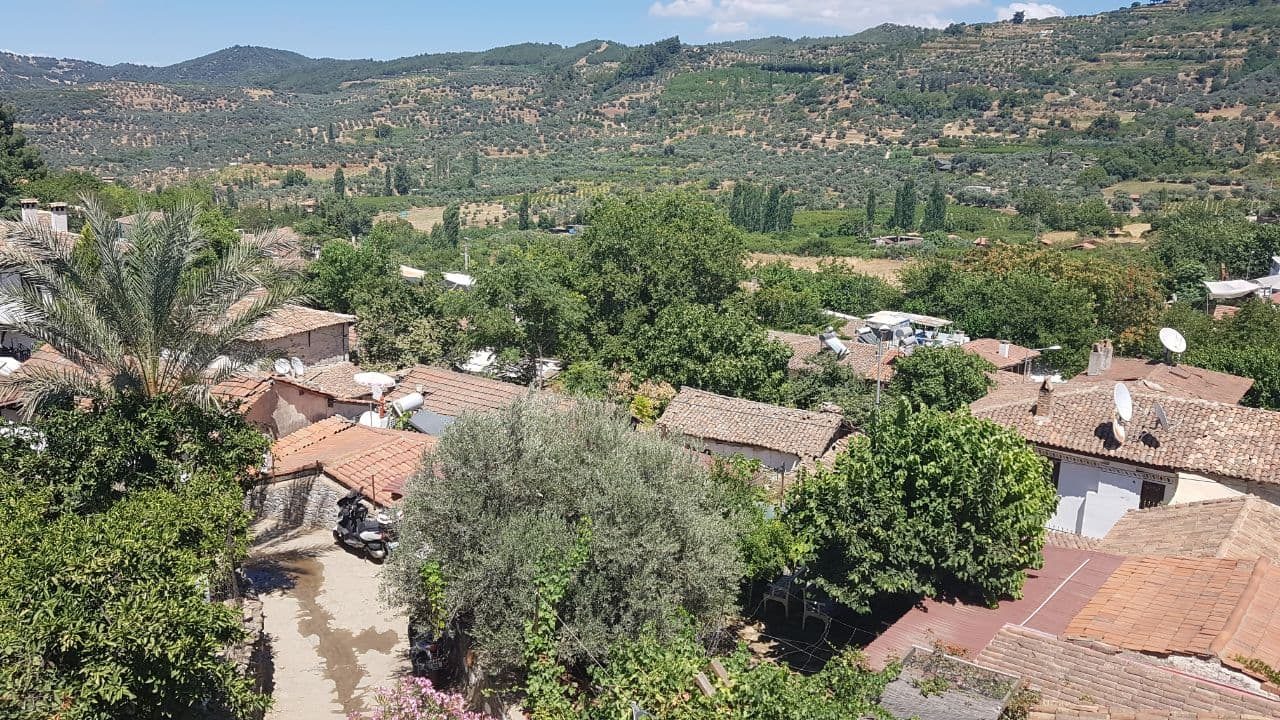
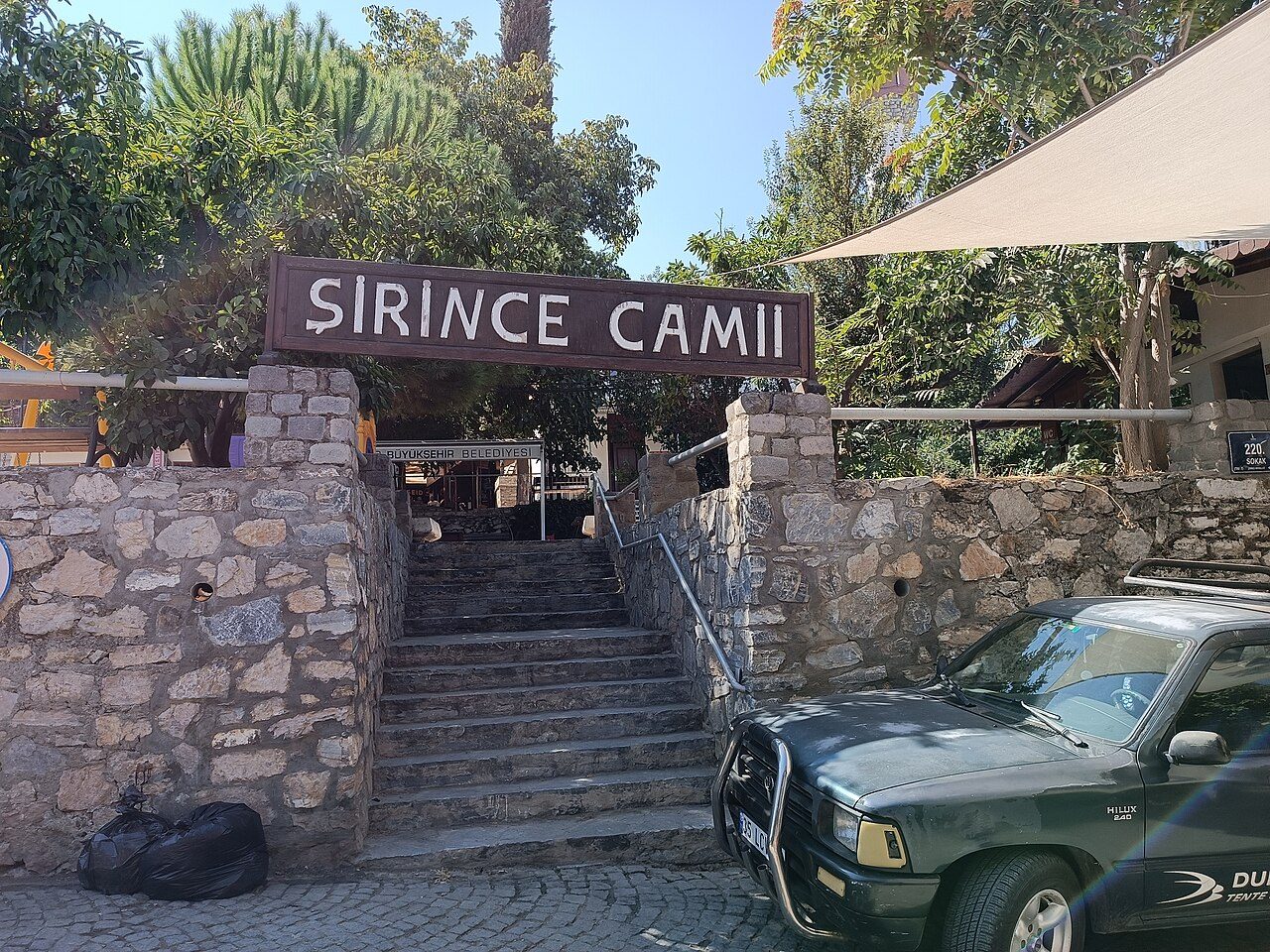
Şirince is a hillside village in the mountains above Selçuk, near Ephesus. It was once a Greek village, and its old stone and whitewashed houses with tiled roofs remain. It is known for its fruit wines, olive oil and handmade soaps. Narrow lanes lead past shops and a restored church to cafes with views over the valley.
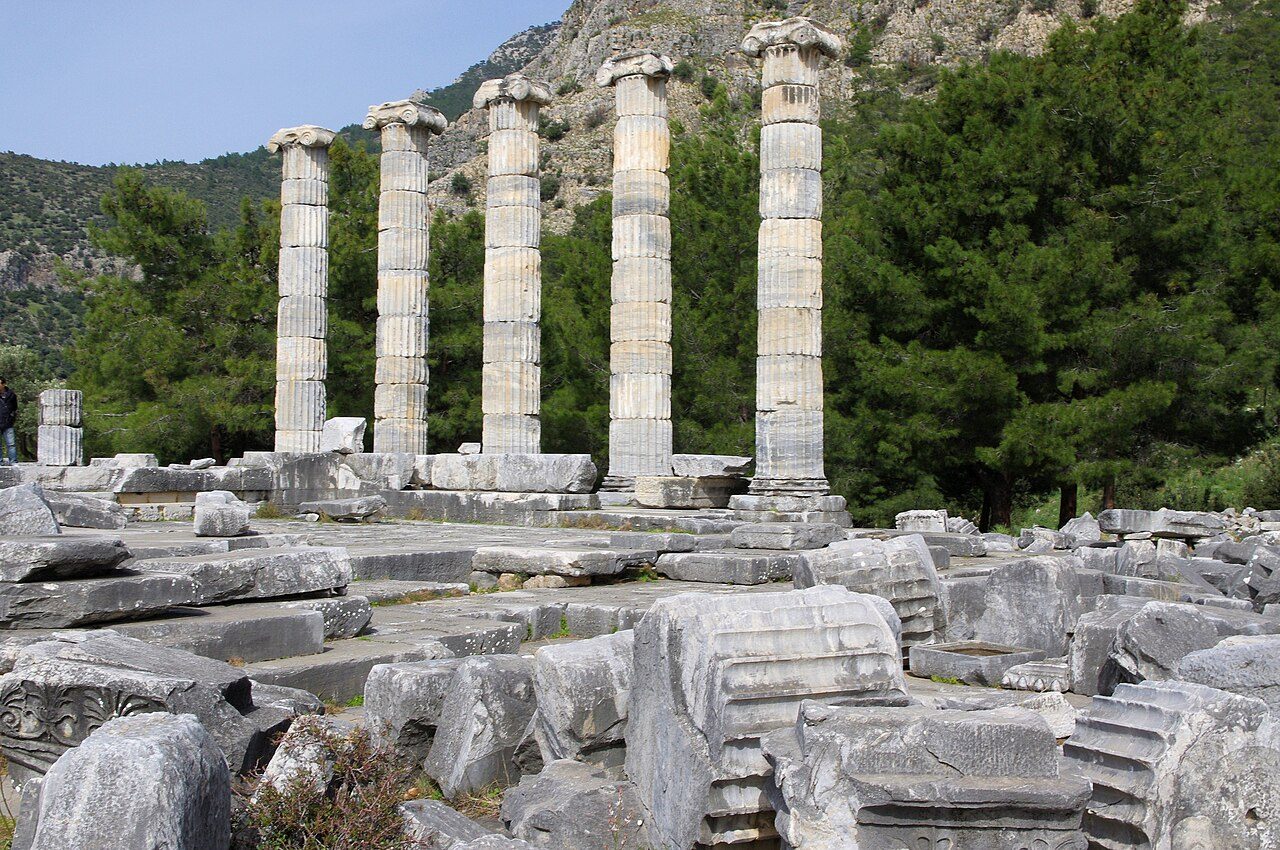
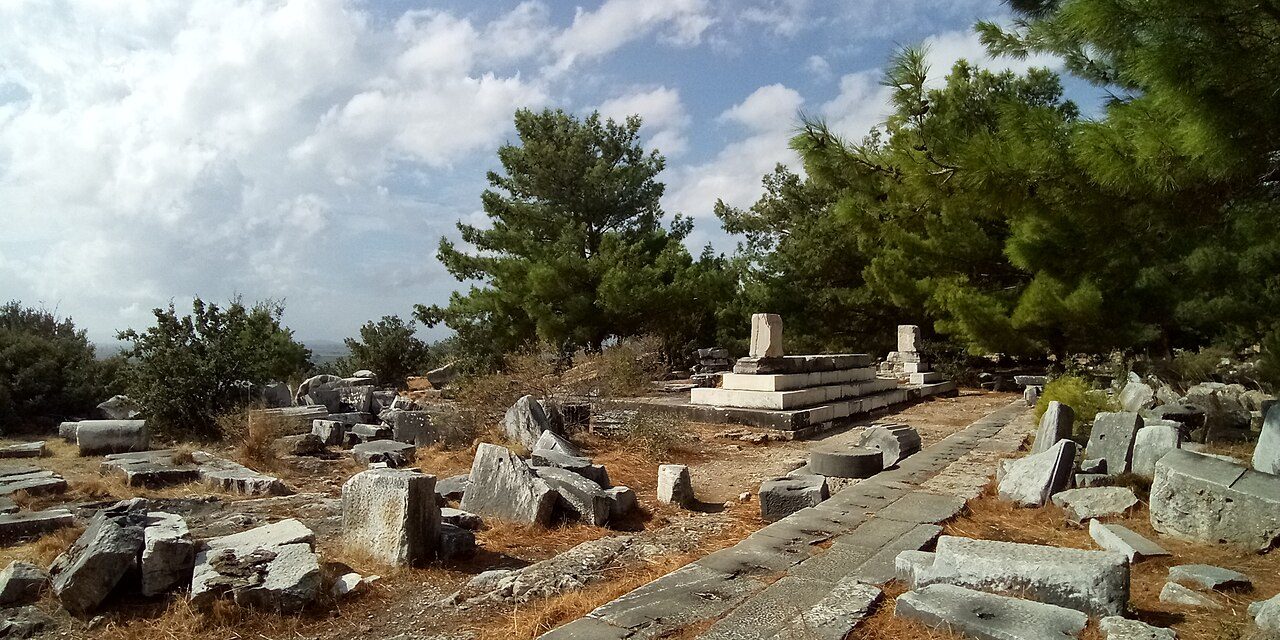
Priene was an ancient Greek city on the slopes of Mount Mykale, near Söke. It was rebuilt in the 4th century BC on a regular grid plan. Its ruins include the Temple of Athena, whose five standing columns frame the plain below, a small theatre, a council house and houses. The site is quiet and set among pine trees.
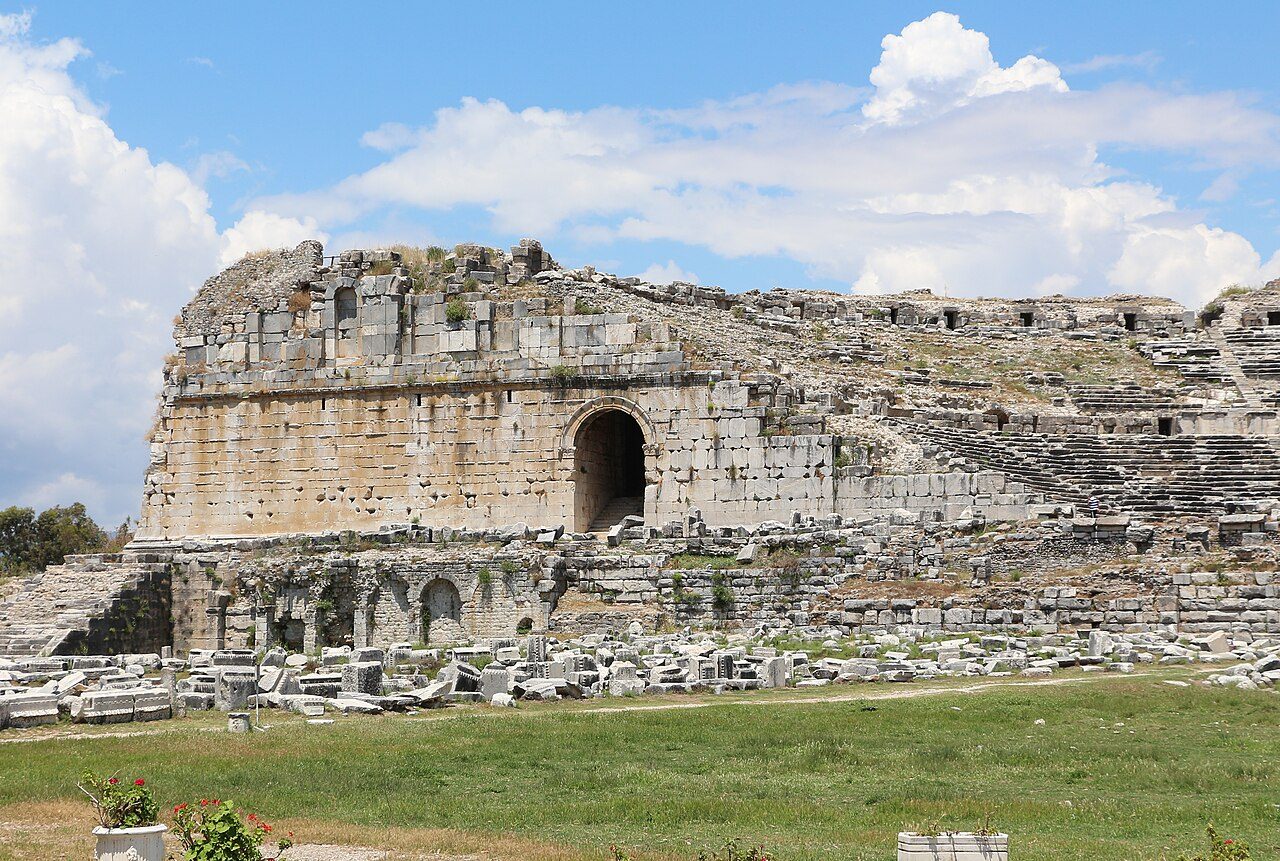
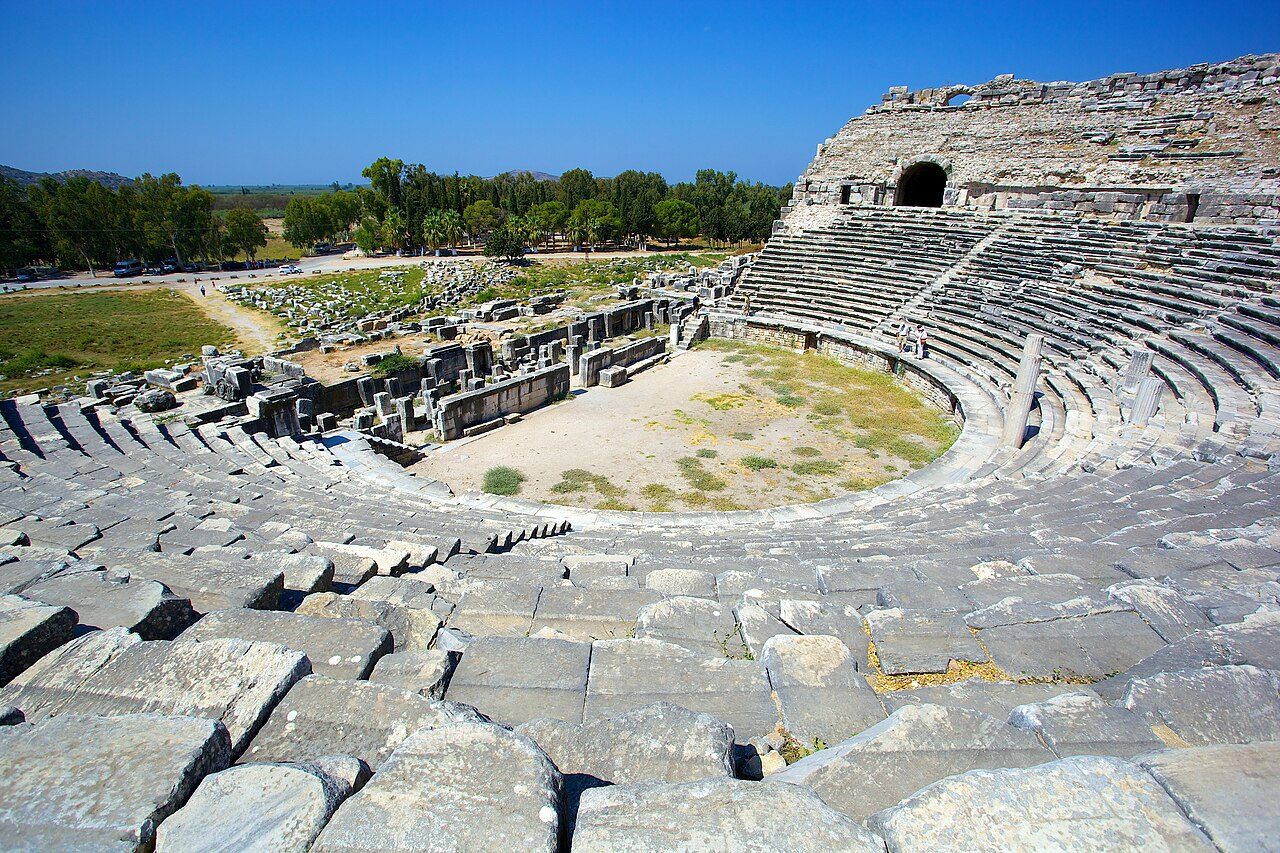
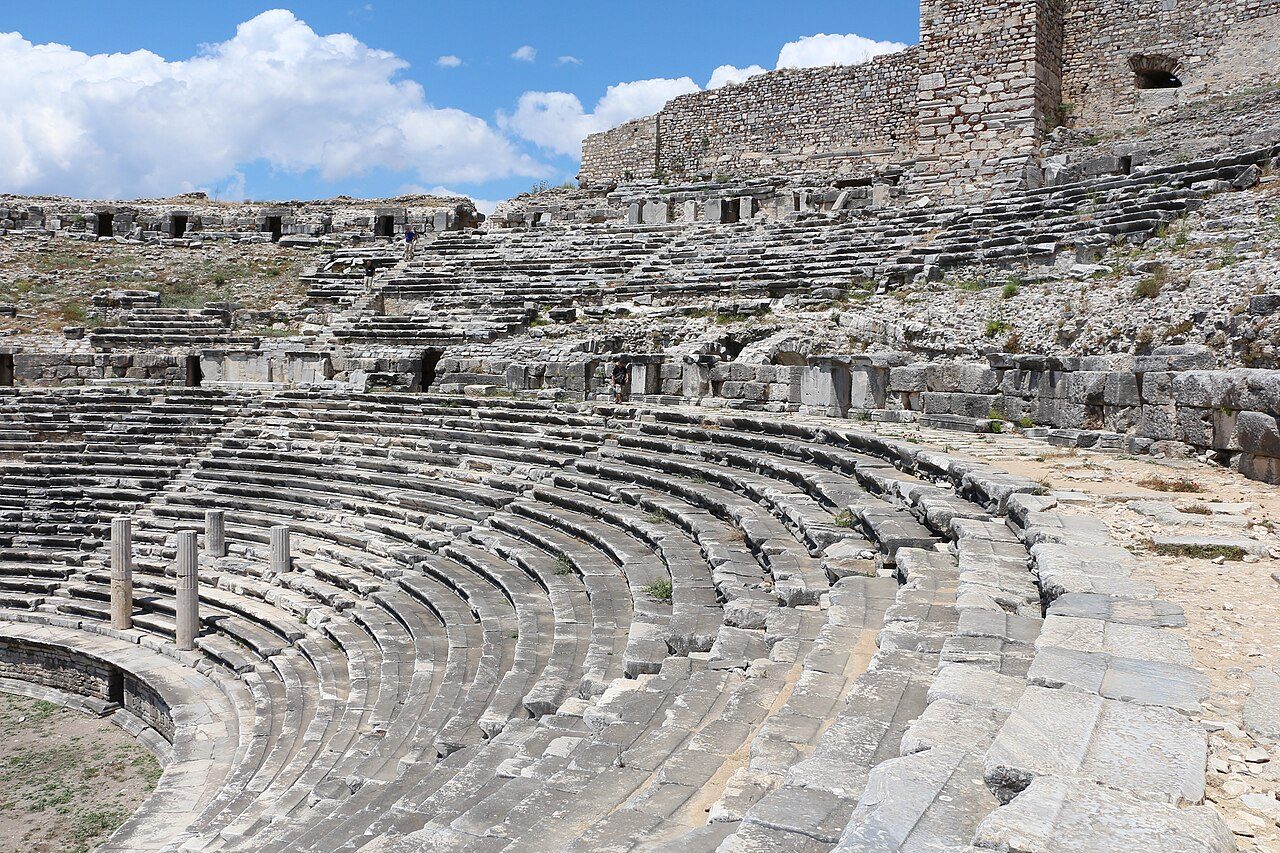
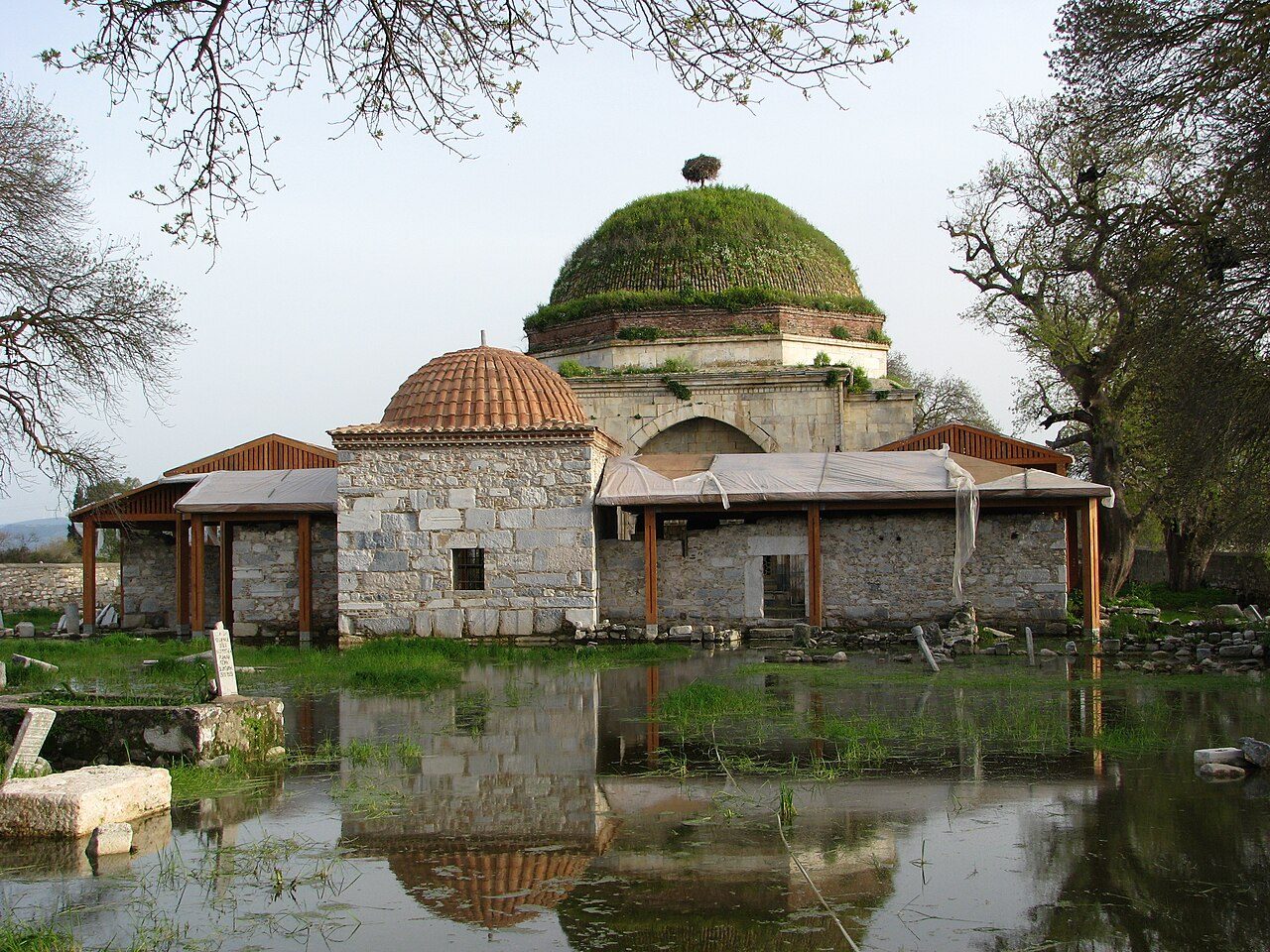
Miletus was one of the greatest Greek cities of Ionia, home of the philosophers Thales and Anaximander. It once stood on the coast, but the silt of the Büyük Menderes River has left it inland. Its large theatre, which held about 15,000 people, is the best preserved monument. Nearby are Roman baths and the Ilyas Bey Mosque.
18
STOP 18 OF 24
Temple of Apollo at Didyma
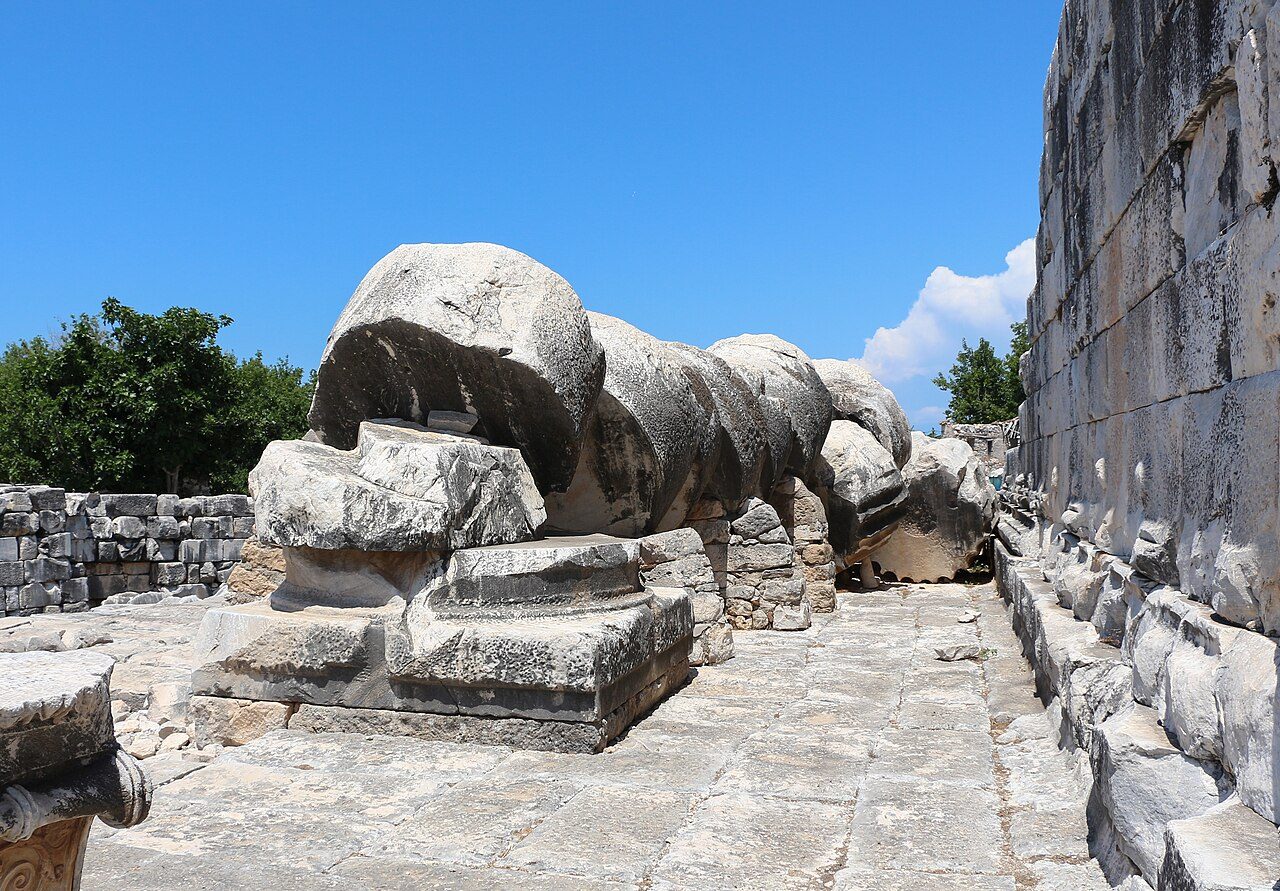
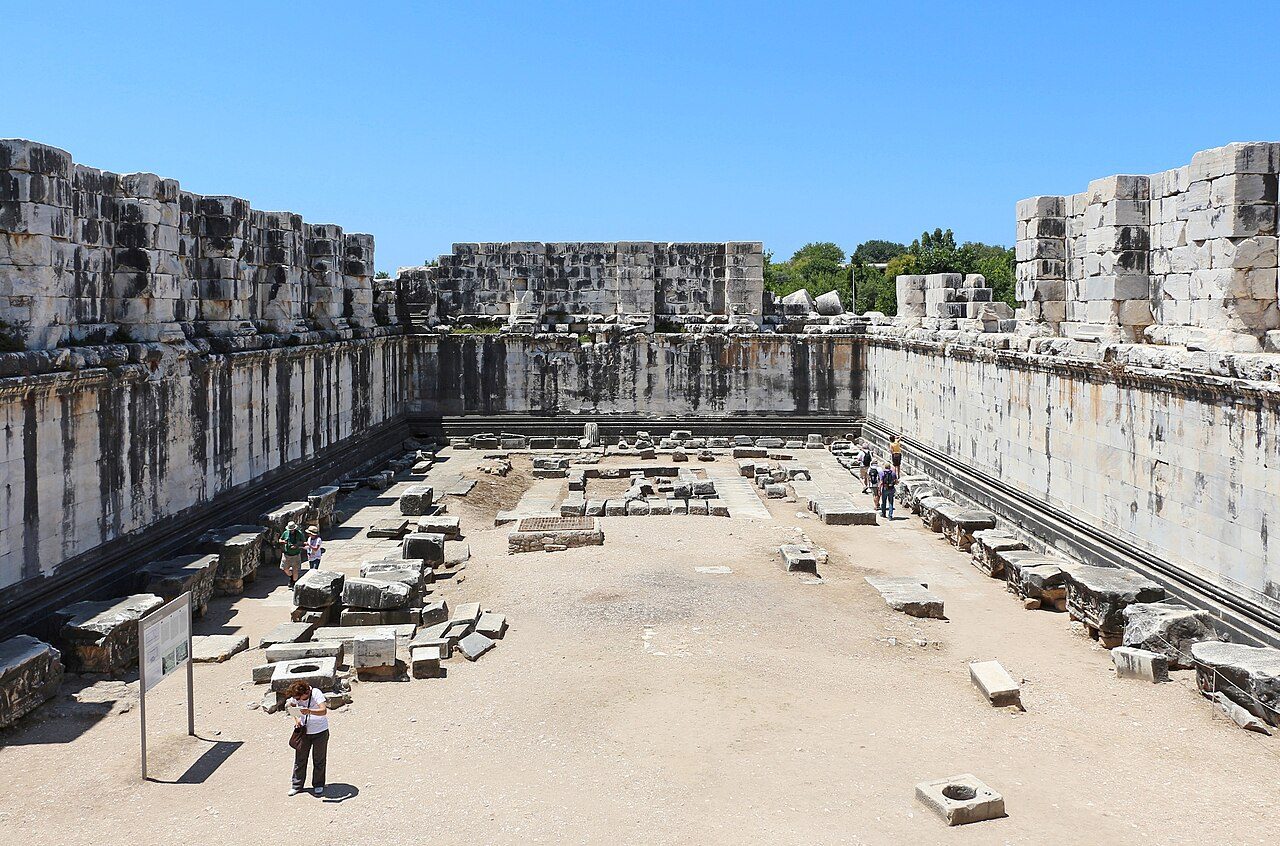
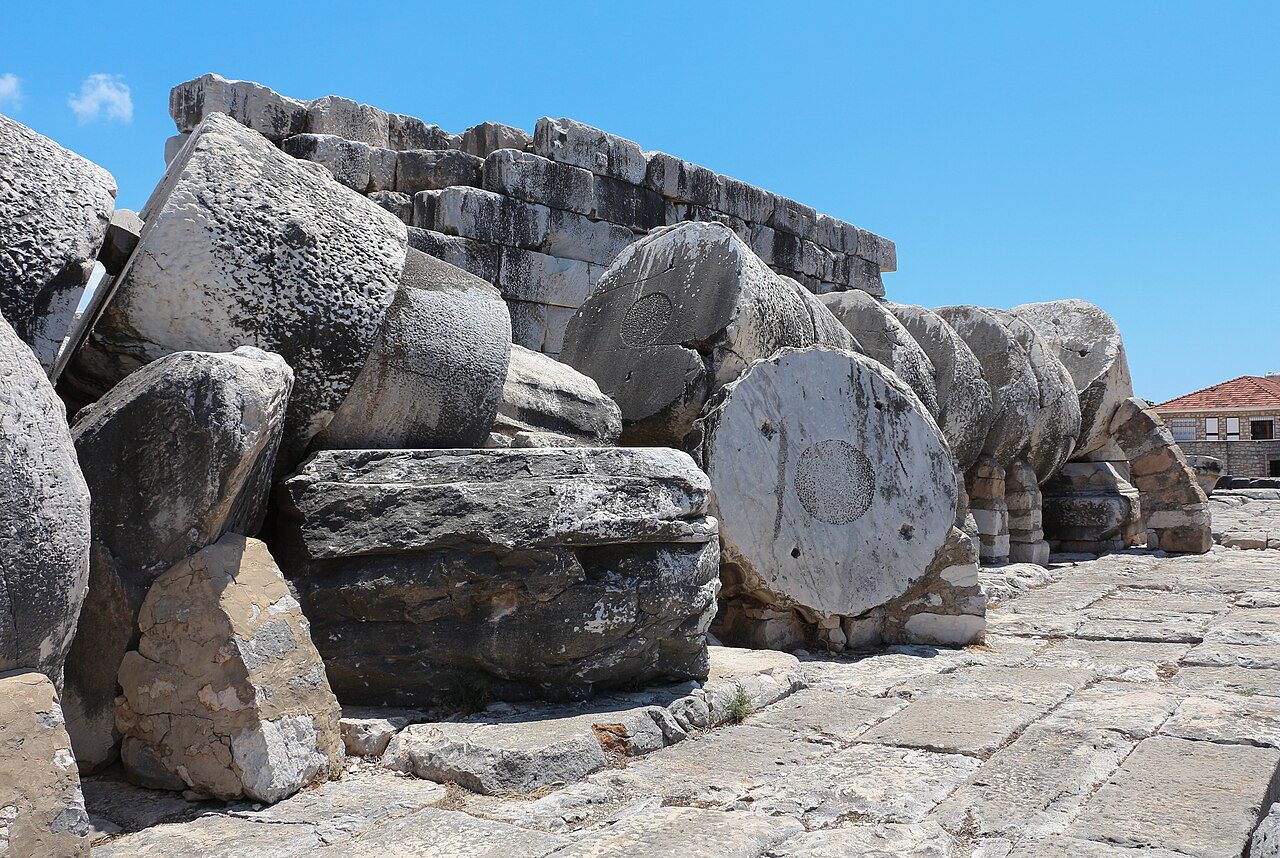
The Temple of Apollo at Didyma was one of the largest temples of the ancient Greek world and the seat of a famous oracle. Work on the present temple began around 300 BC and was never finished. Its huge columns, some still standing to nearly 20 metres, and a carved Medusa head are among its sights. It lies near the coastal town of Didim.
19
STOP 19 OF 24
Aphrodisias
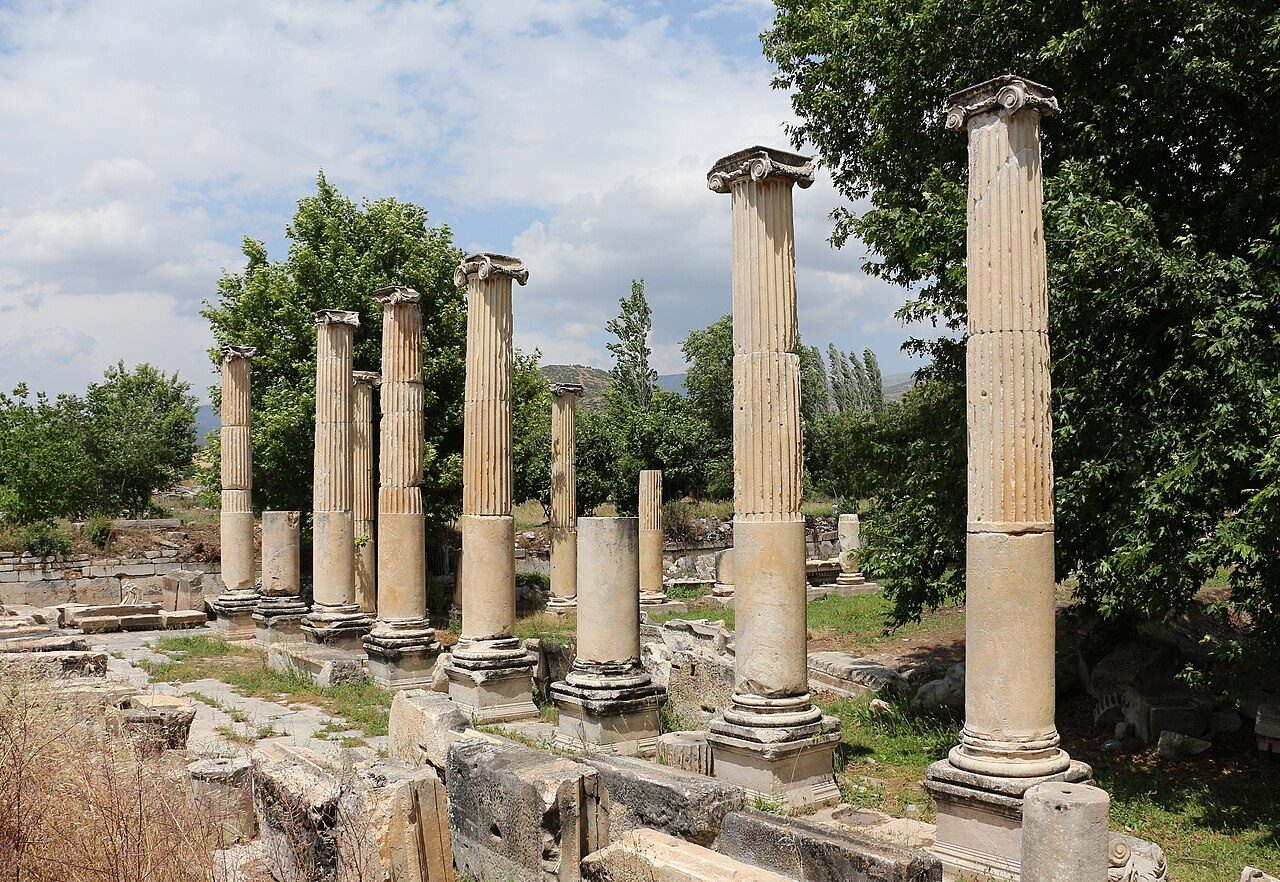
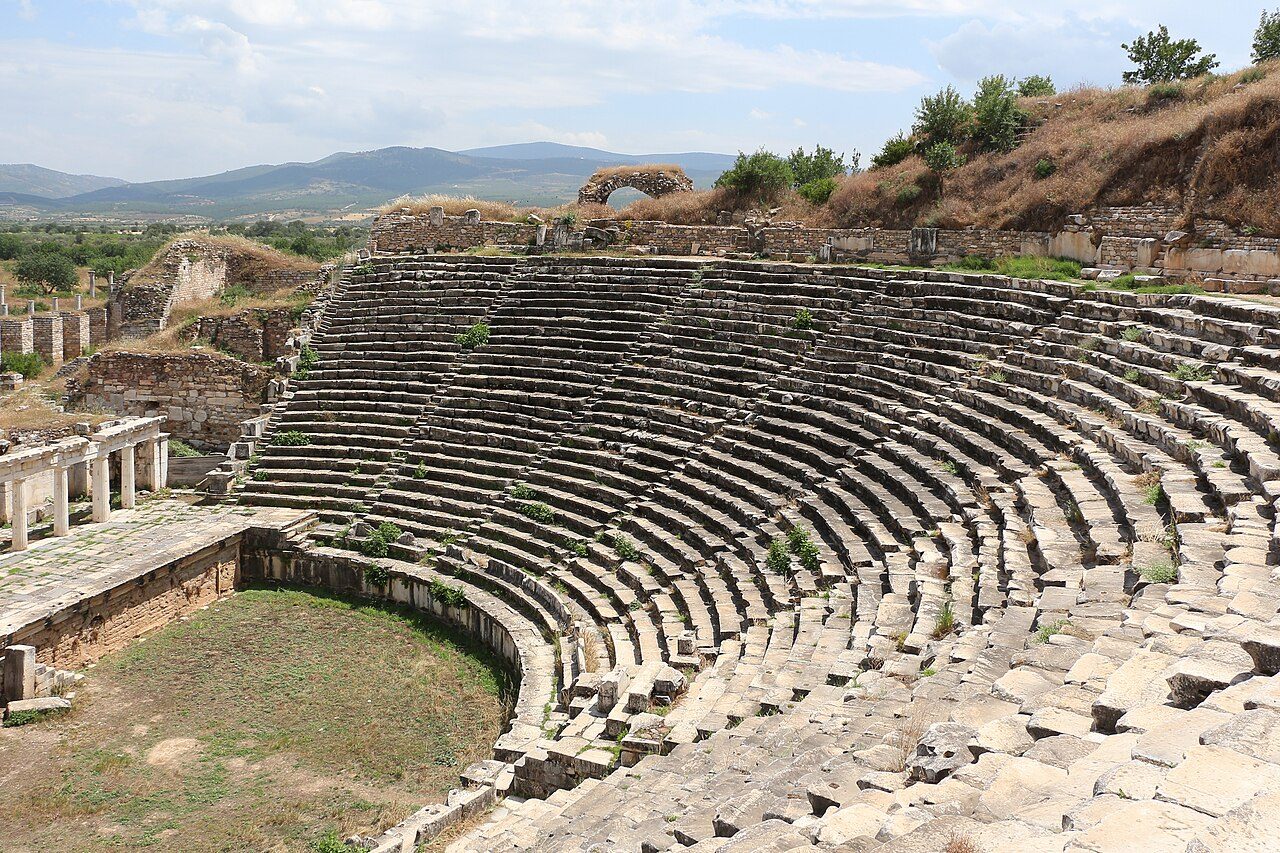
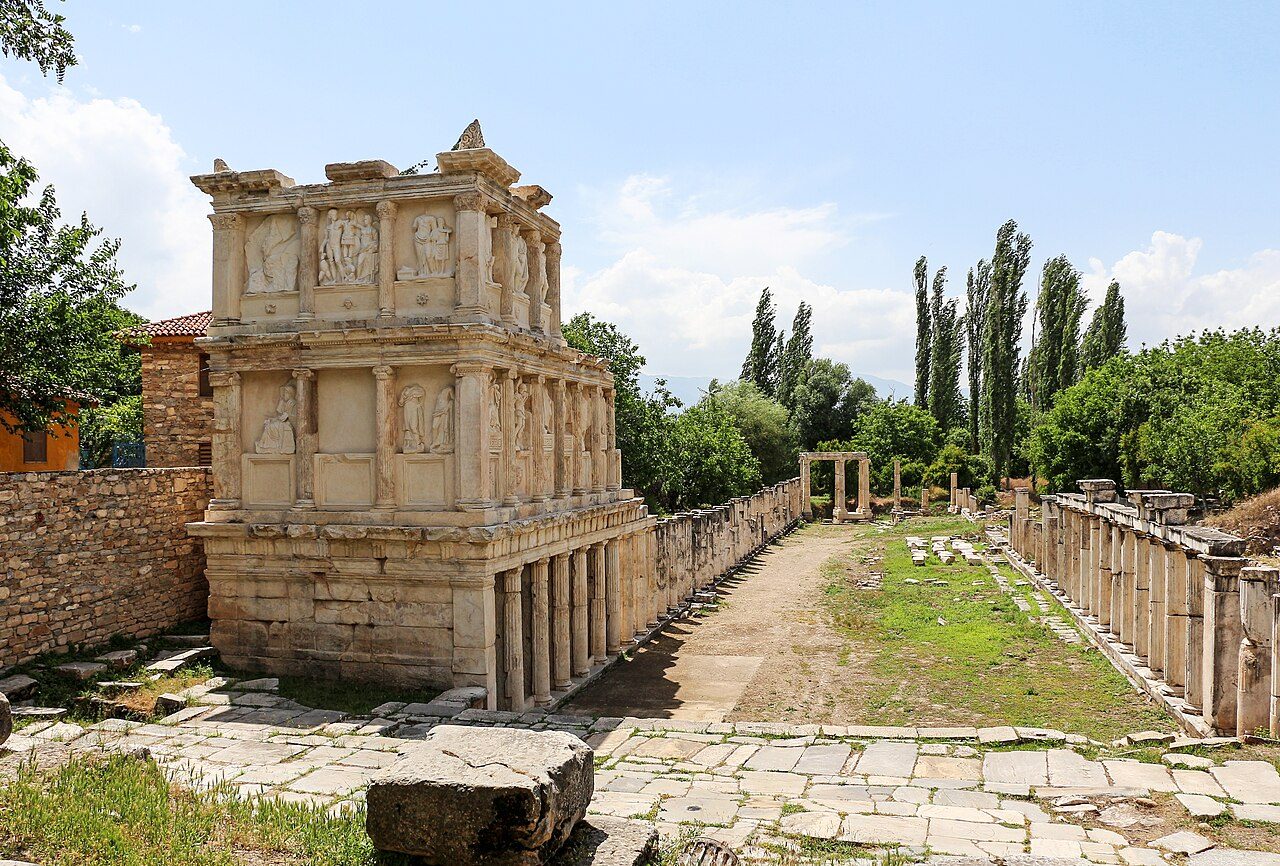
Aphrodisias was an ancient city dedicated to Aphrodite, near the village of Geyre. It was famous for its school of marble sculptors. Its ruins include the Temple of Aphrodite, a huge and well preserved stadium, a theatre, the carved Sebasteion and the elegant Tetrapylon gateway. A museum displays its sculptures. It became a UNESCO World Heritage Site in 2017.
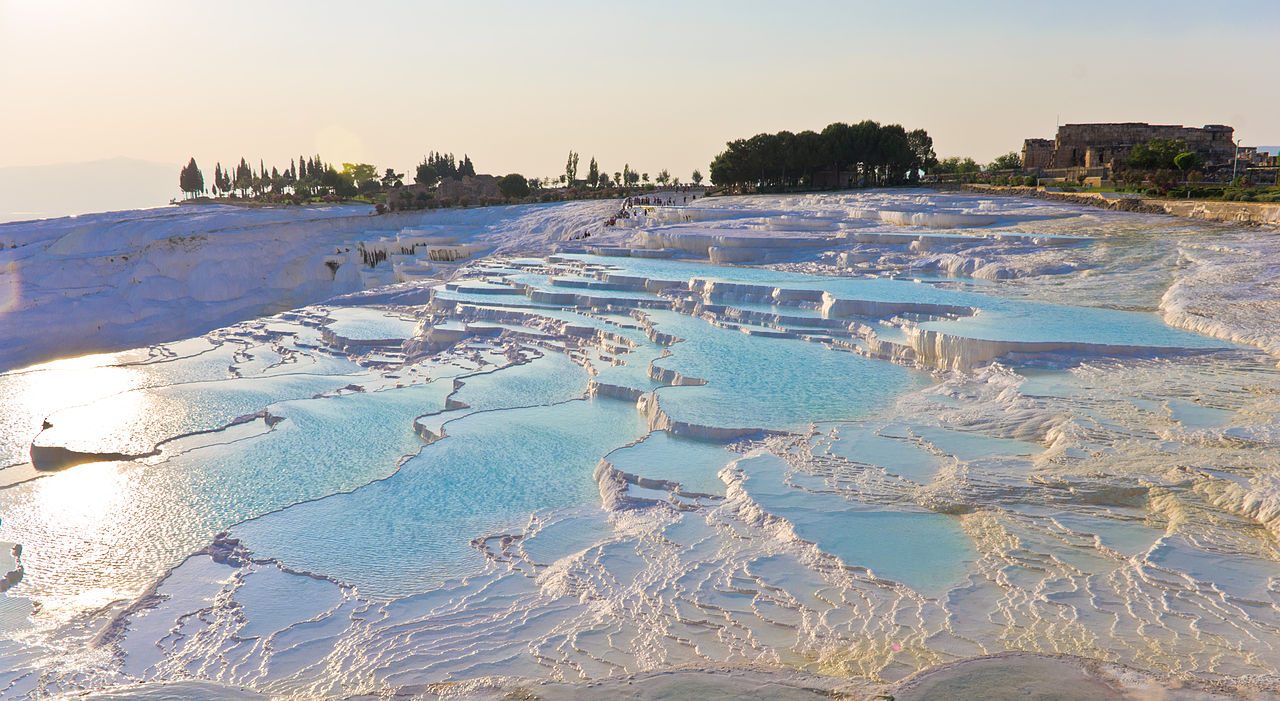
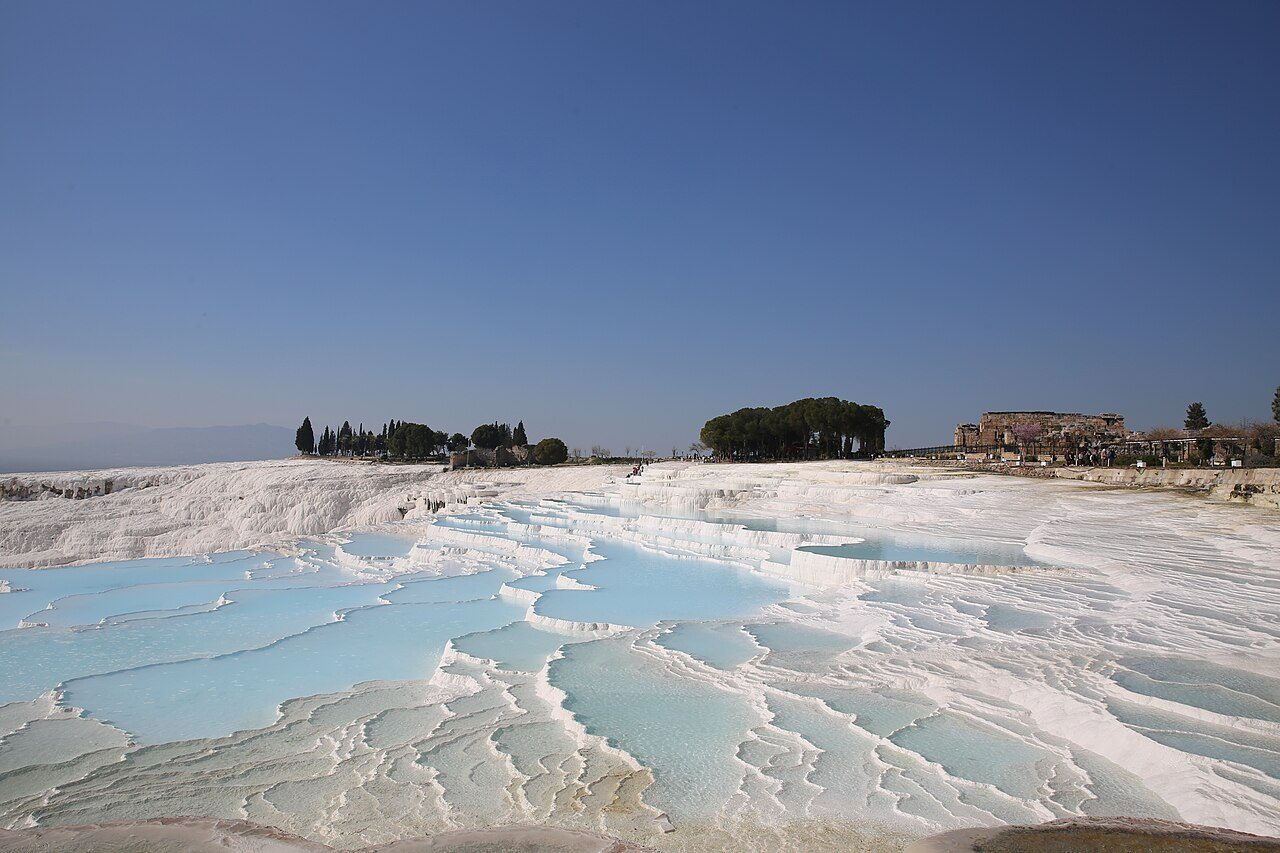
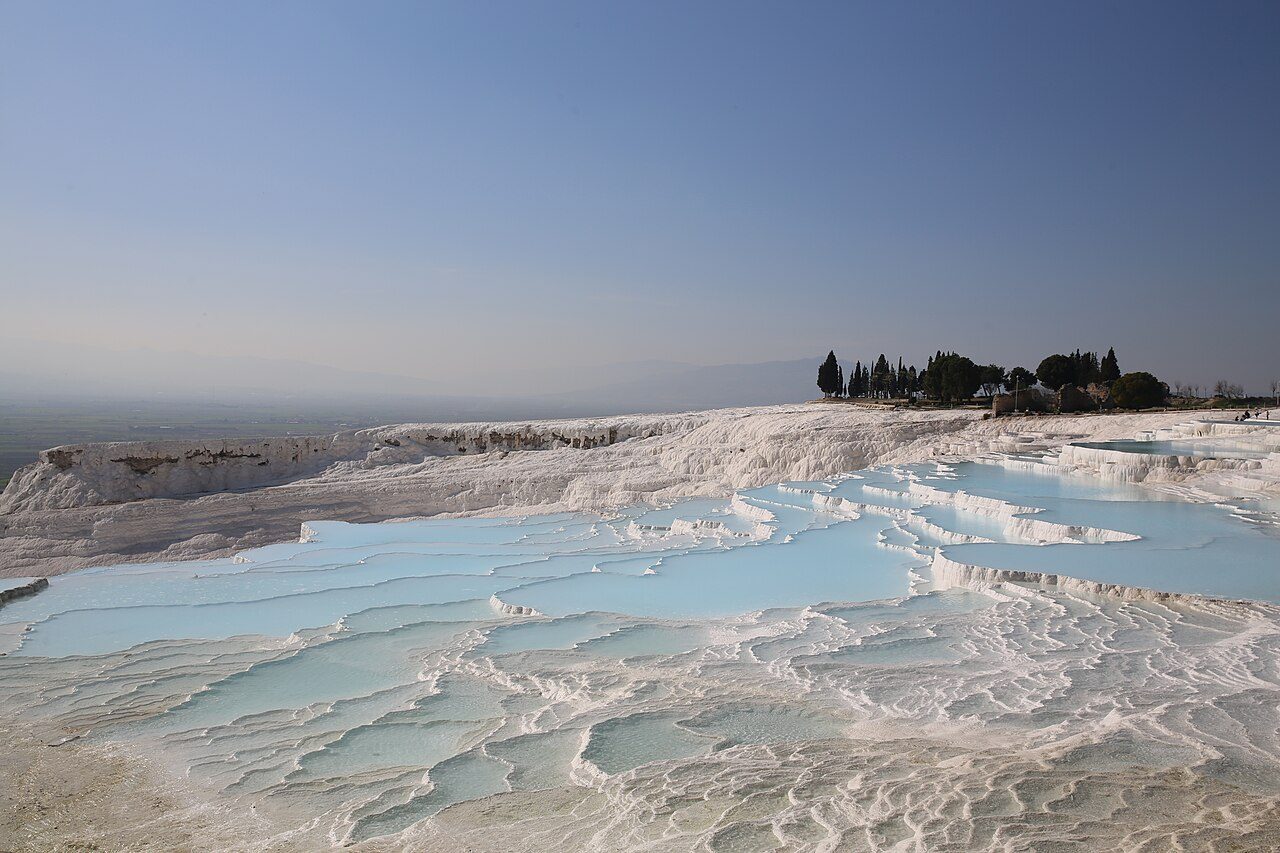
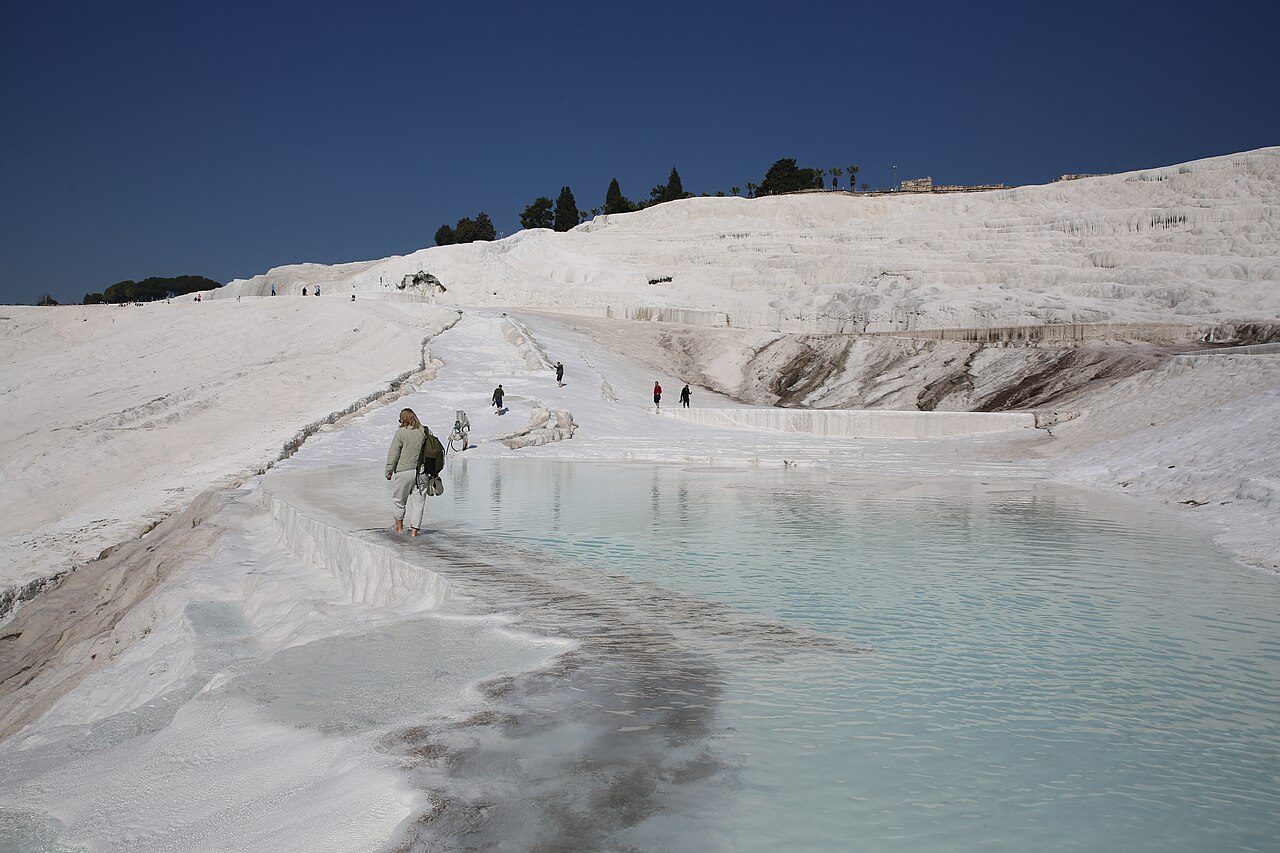
Pamukkale, meaning cotton castle, is a hillside of white travertine terraces in Denizli province. Hot springs rich in calcium have flowed down the slope for thousands of years, leaving layers of white rock and shallow pools of blue water. Visitors walk barefoot up the terraces. With the ancient city of Hierapolis above it, it has been a UNESCO World Heritage Site since 1988.
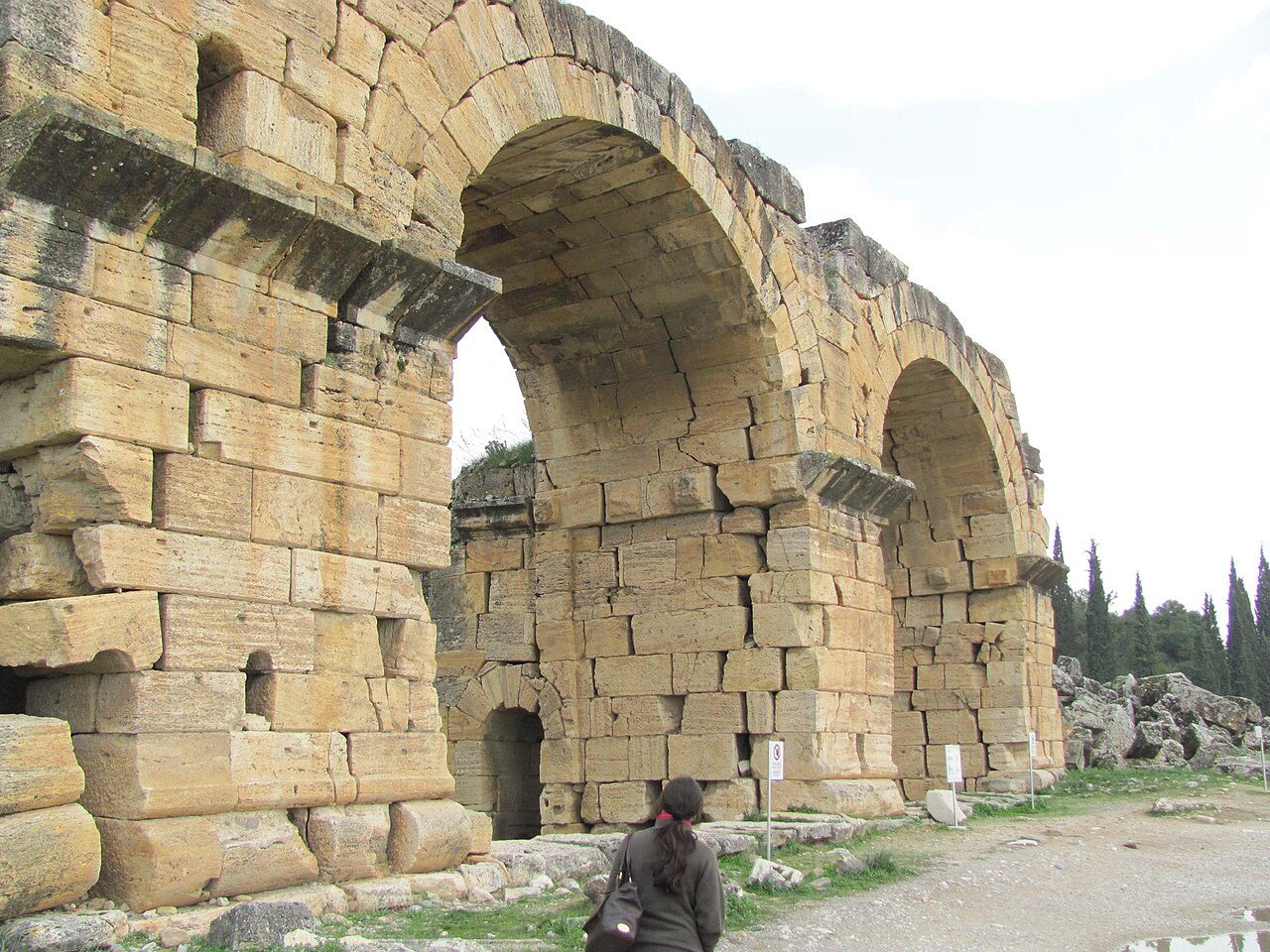
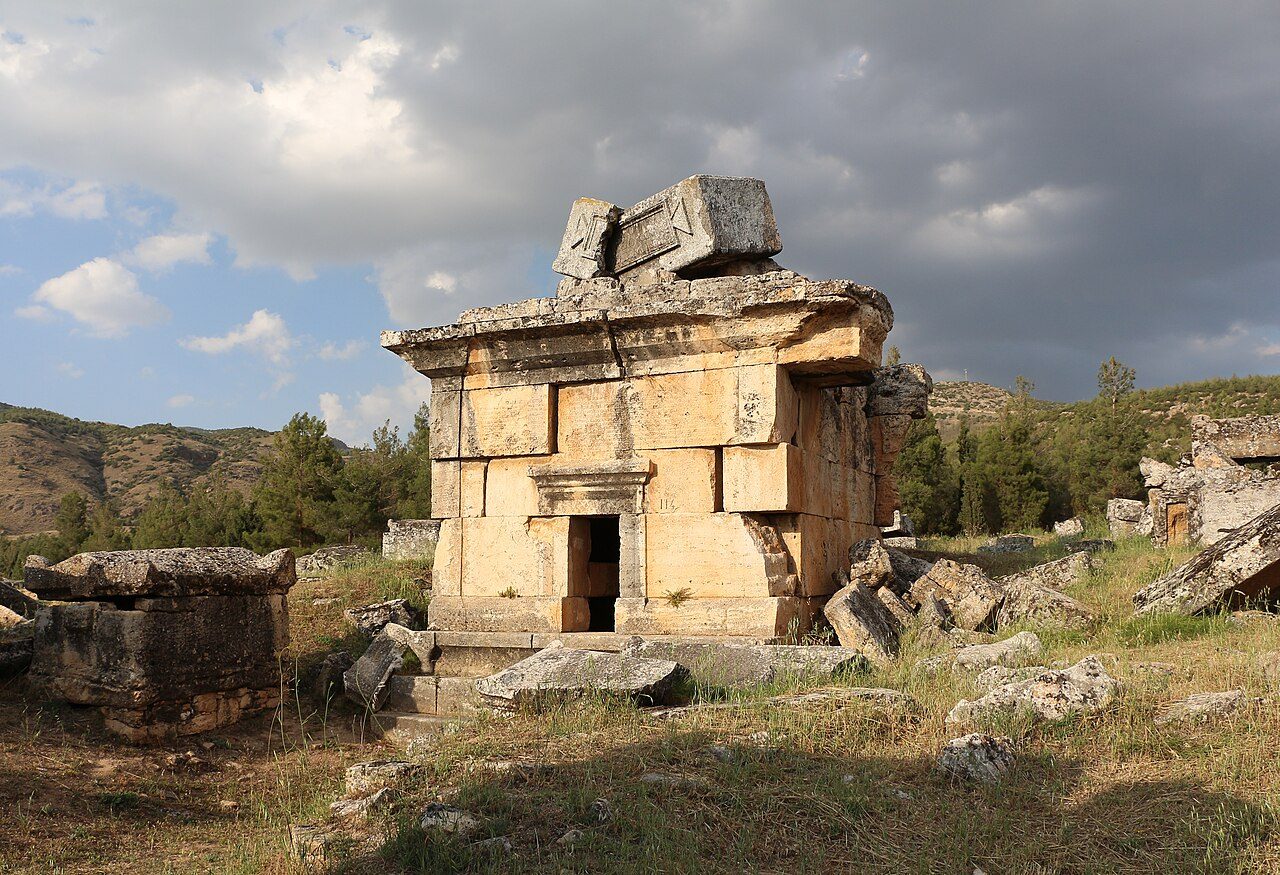
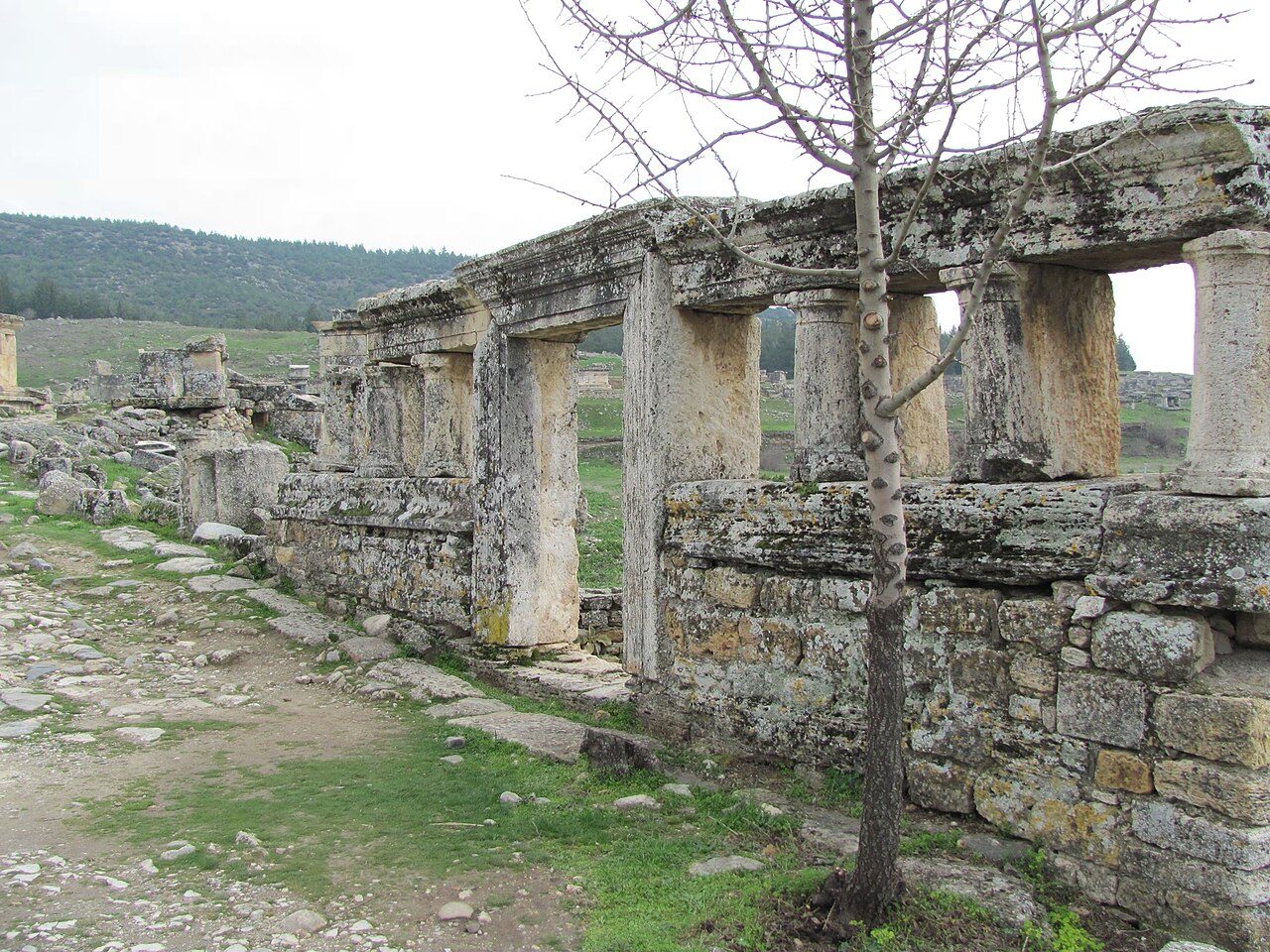
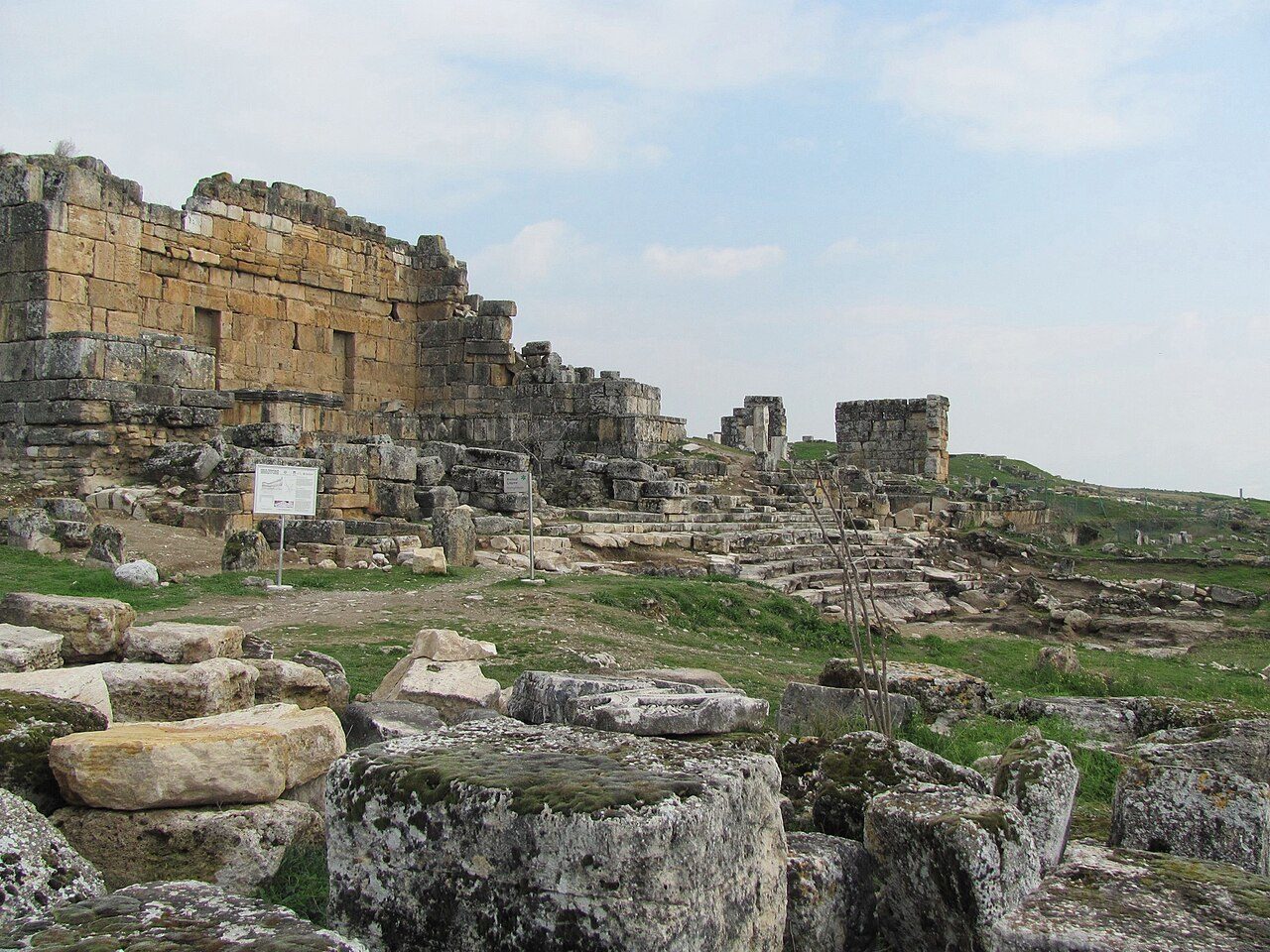
Hierapolis was an ancient Greek and Roman spa city on top of the Pamukkale terraces, founded in the 2nd century BC. Its ruins include a large theatre, a long necropolis with hundreds of tombs, gates, baths and the Martyrium of Saint Philip. The Antique Pool lets visitors swim in warm spring water among fallen marble columns.
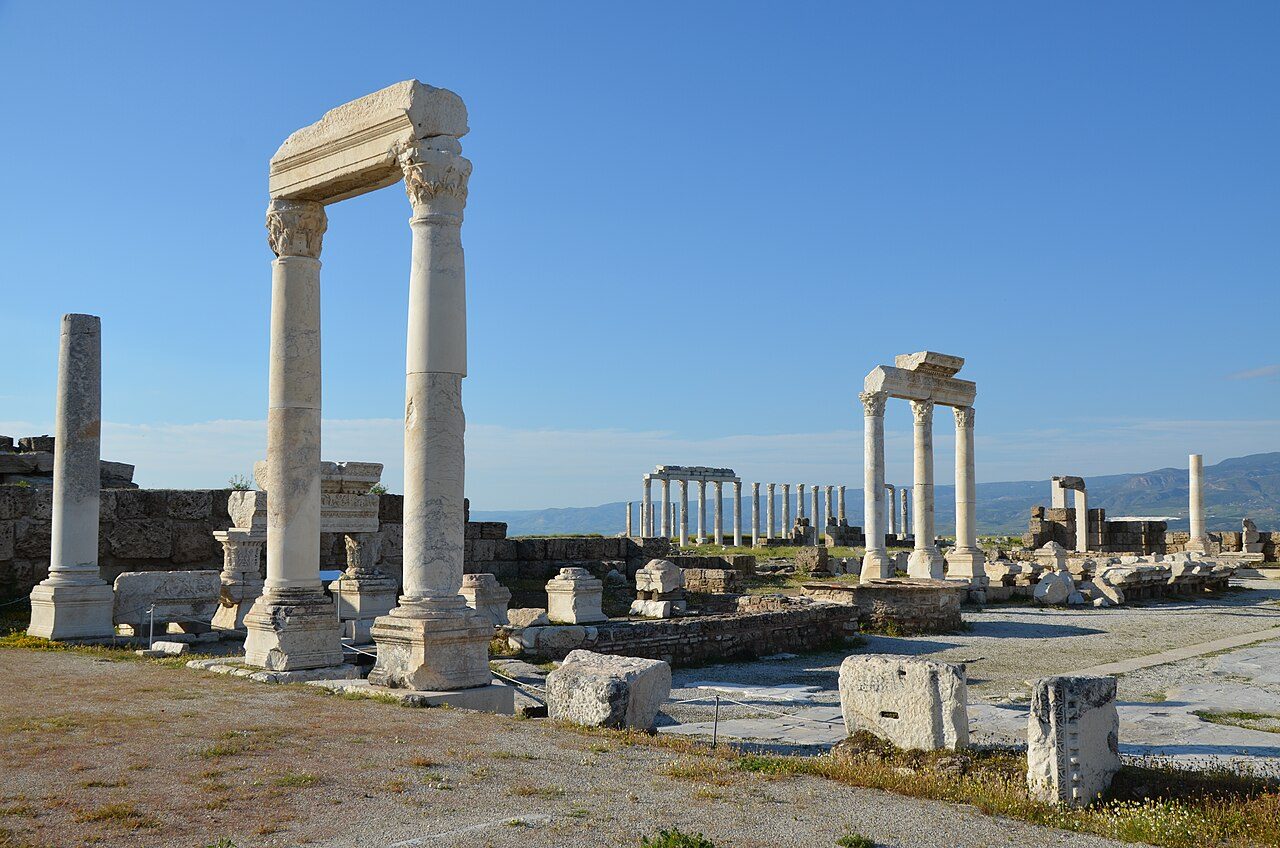
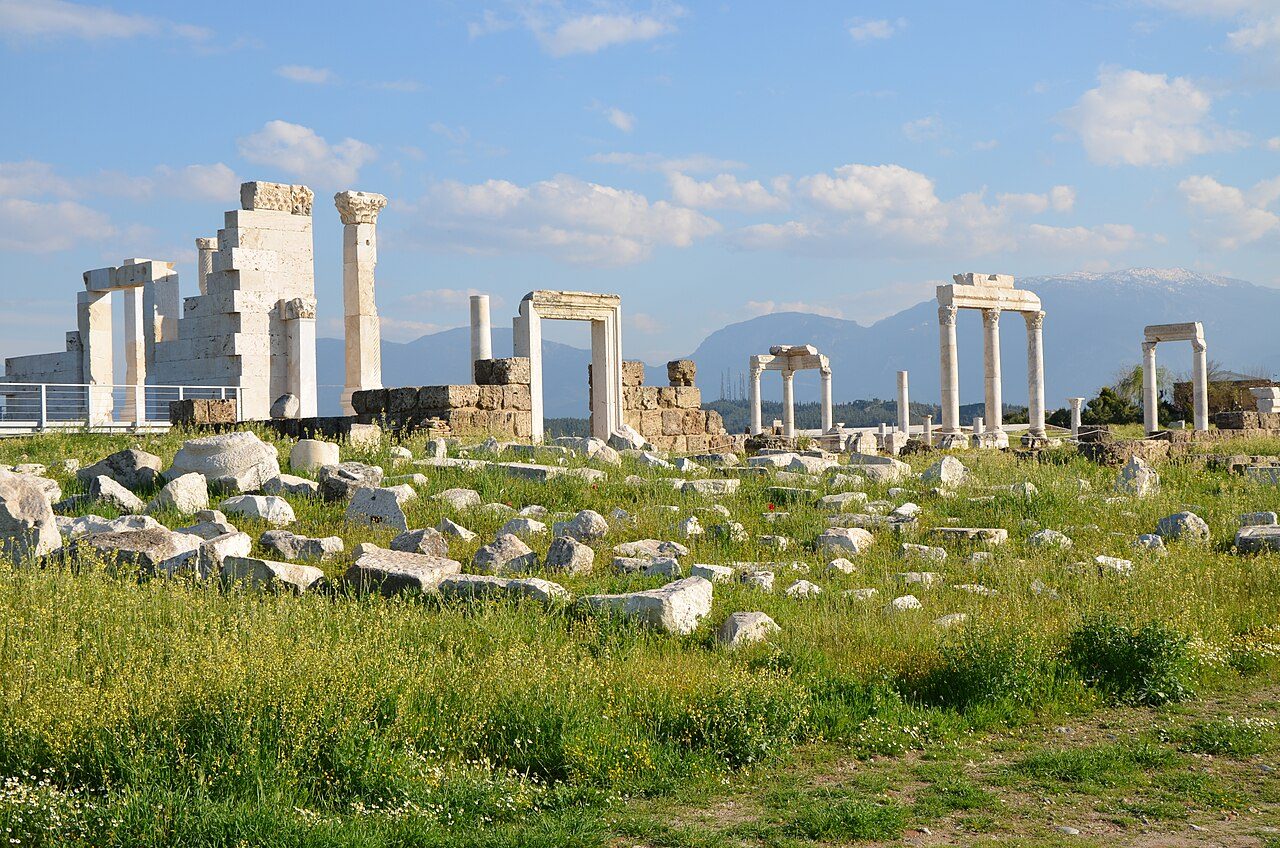
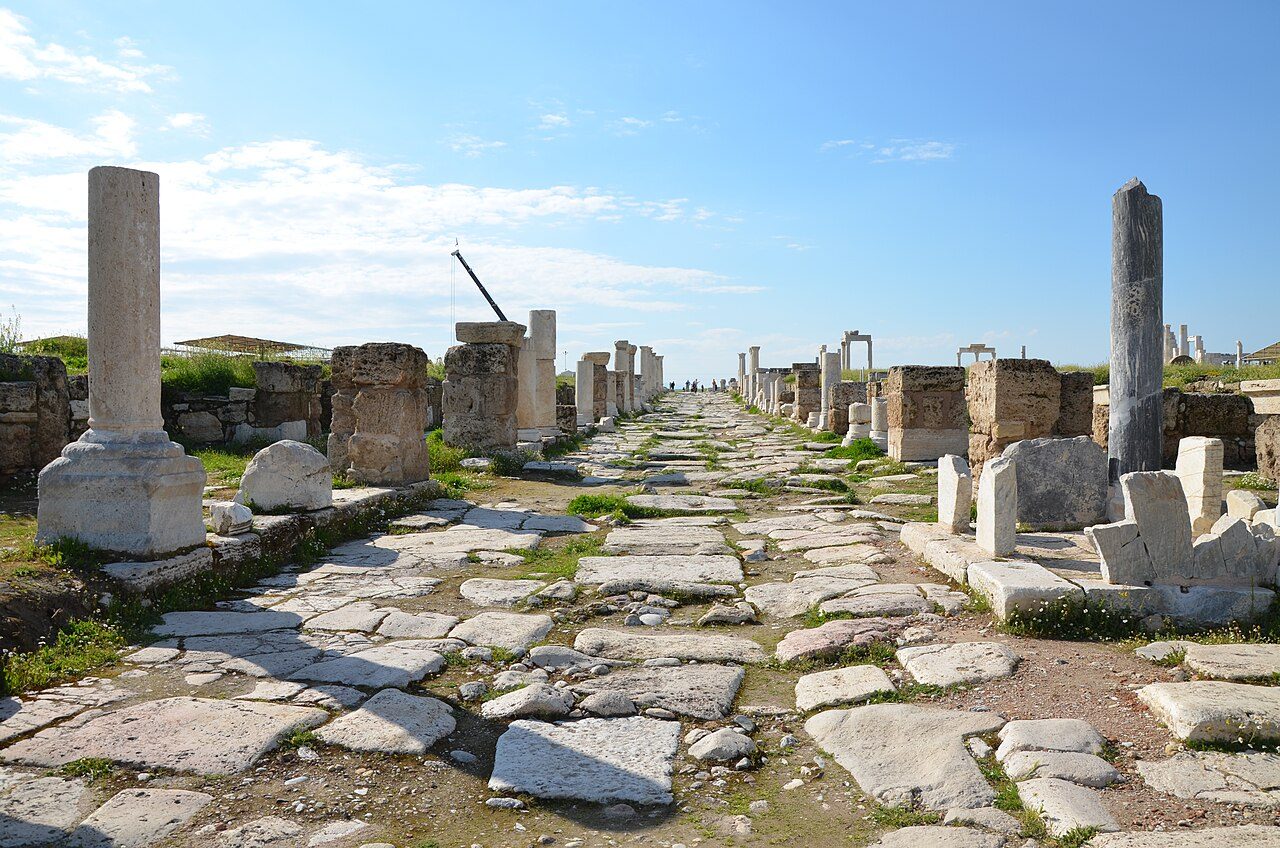
Laodicea was a rich ancient city near Denizli, known in Roman times for its textile trade. It was one of the Seven Churches of Asia mentioned in the Book of Revelation. Excavations since 2003 have uncovered colonnaded streets, theatres, temples, fountains and a large church. Pamukkale's white terraces can be seen from the site.
23
STOP 23 OF 24
Bodrum Castle
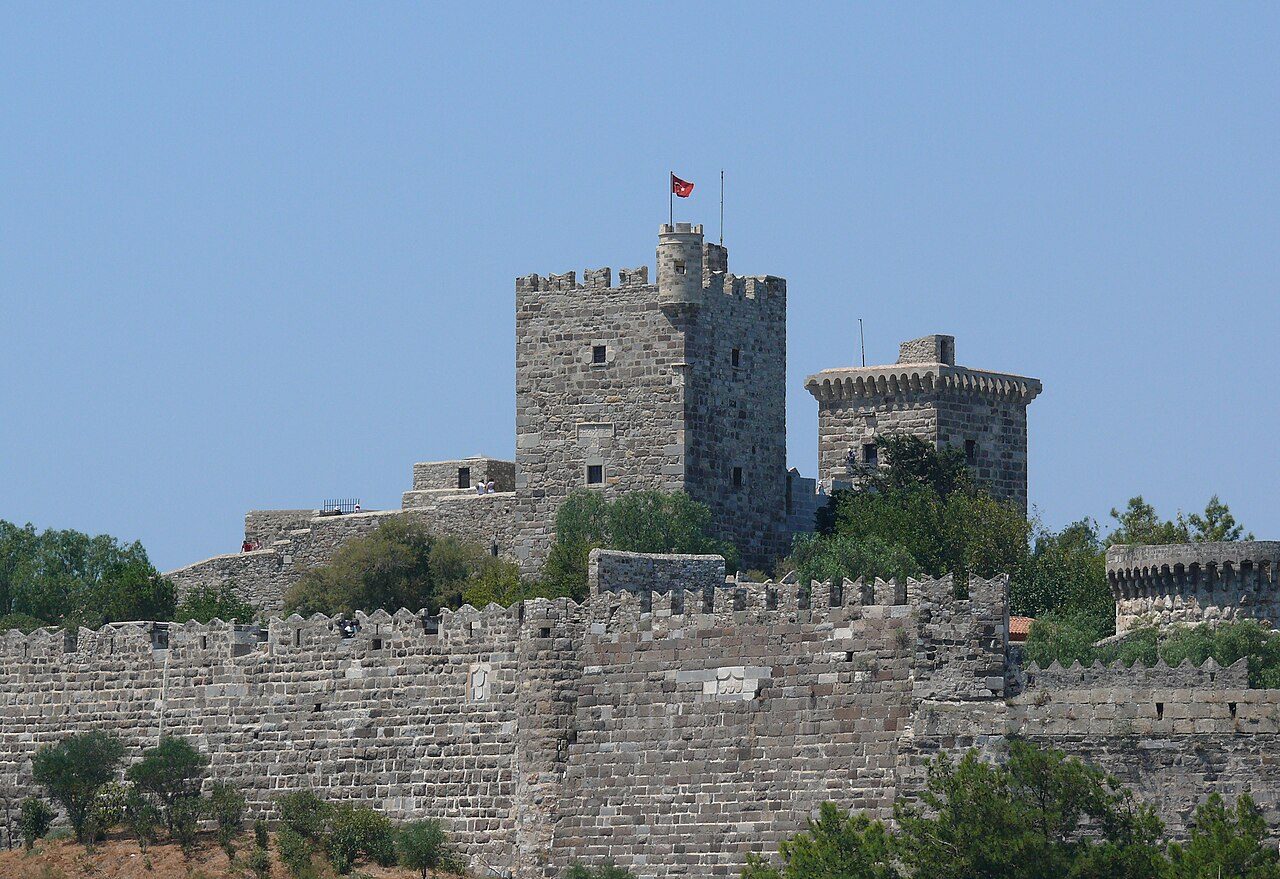
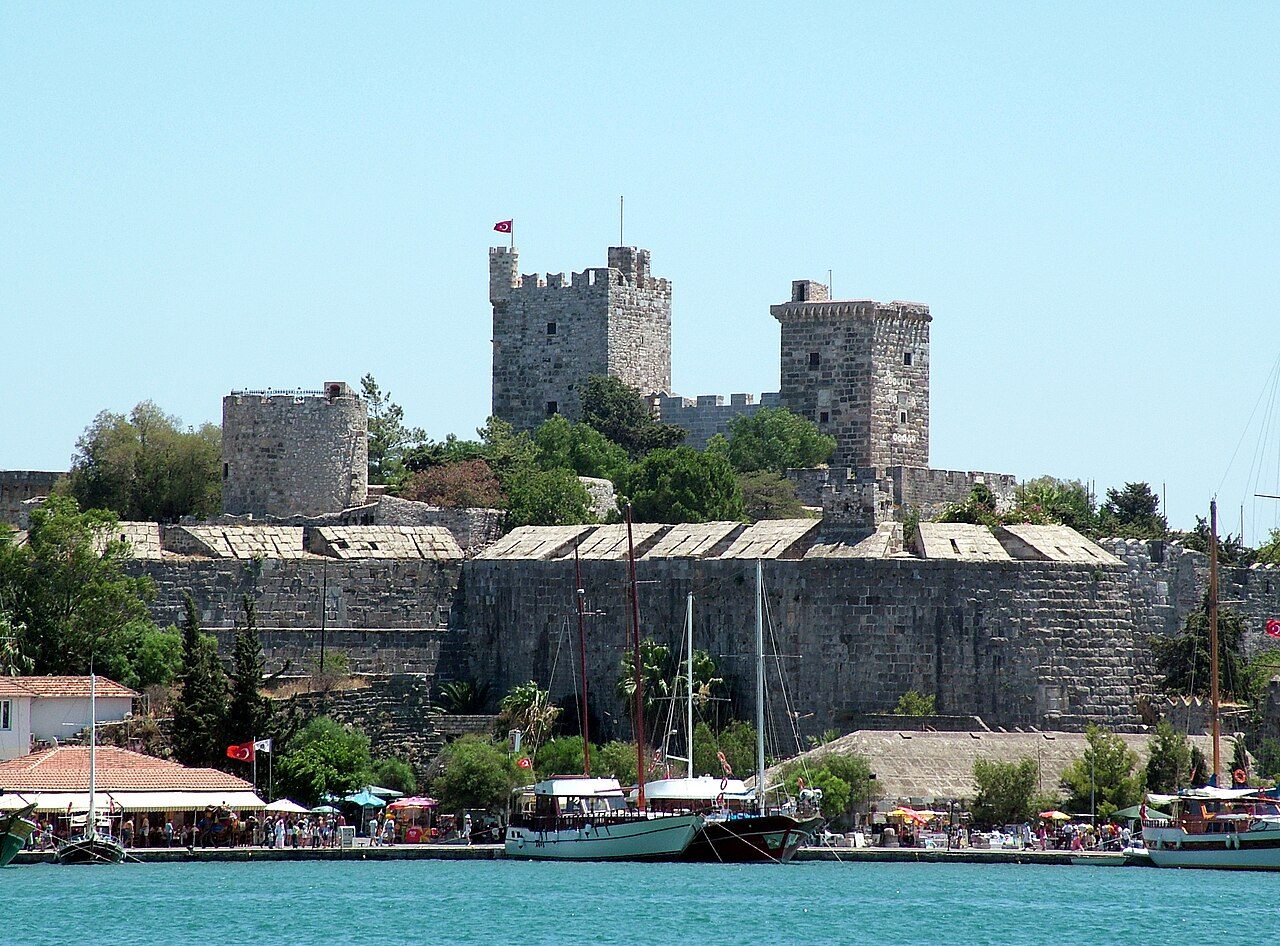
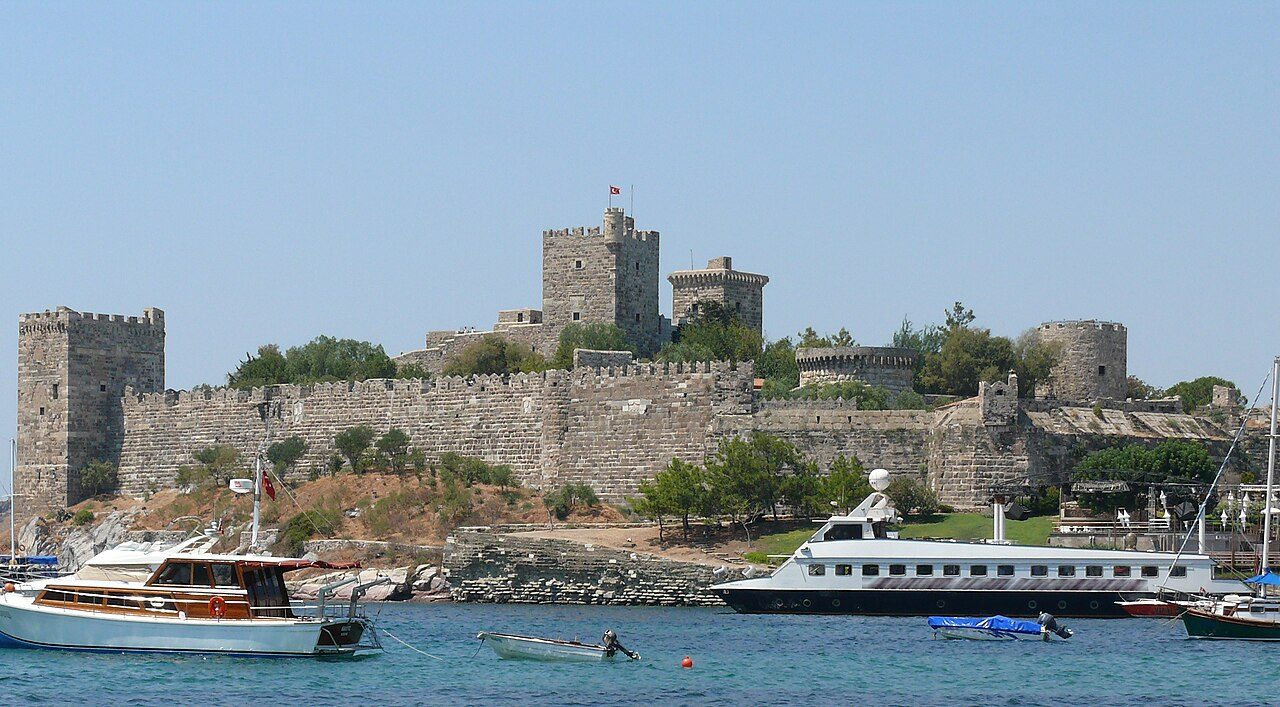
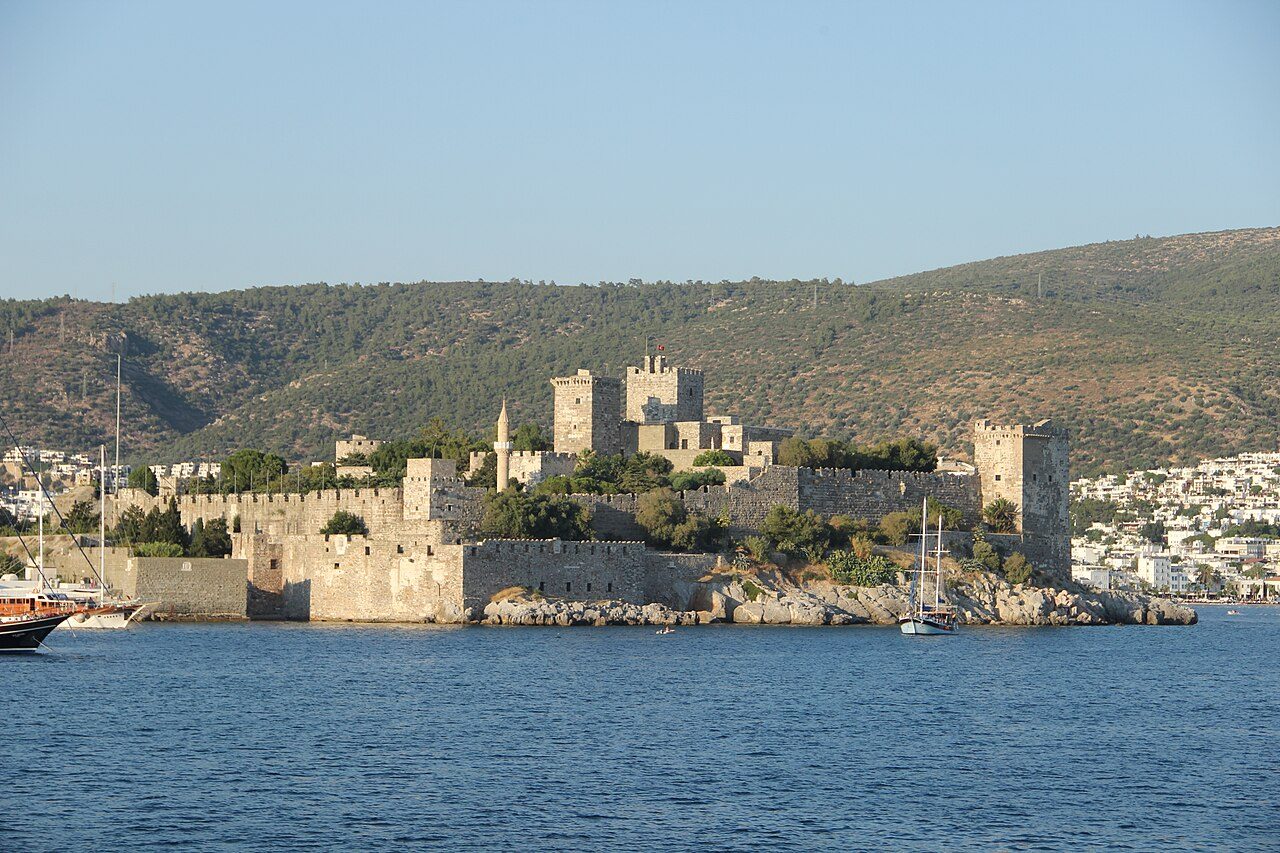
Bodrum Castle, also called the Castle of St. Peter, was built by the Knights Hospitaller from 1402 on the harbour of Bodrum. They used stones from the ruined Mausoleum of Halicarnassus. Its towers are named after the knights' home countries. It holds the Museum of Underwater Archaeology, with ancient shipwrecks and their cargoes.
24
STOP 24 OF 24 · LAST STOP
Mausoleum at Halicarnassus
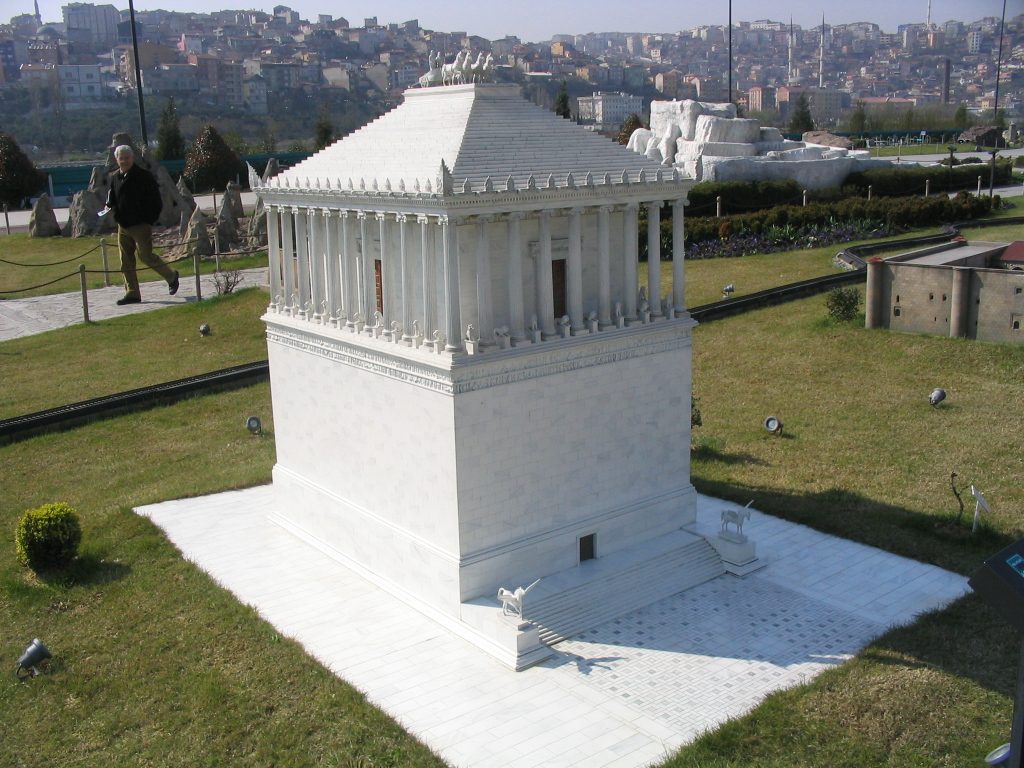
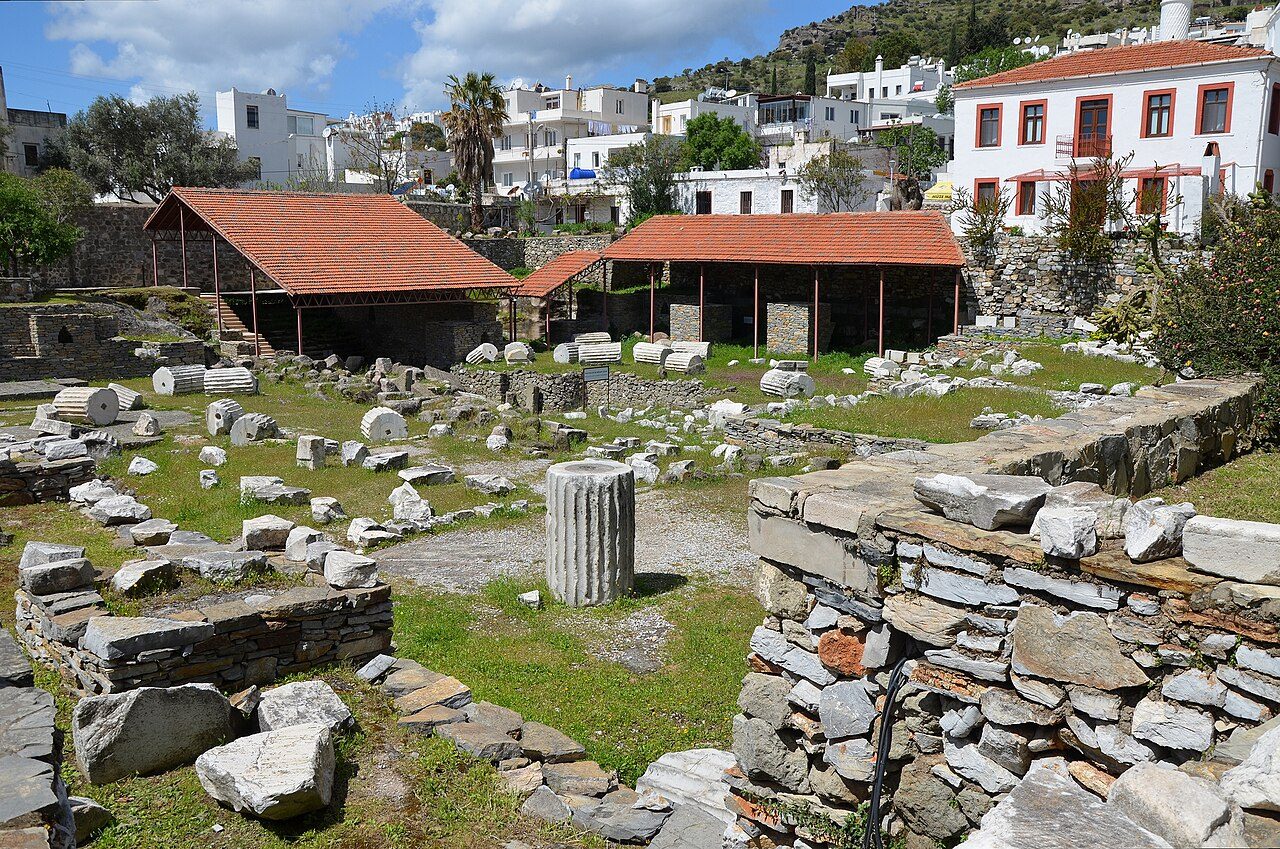
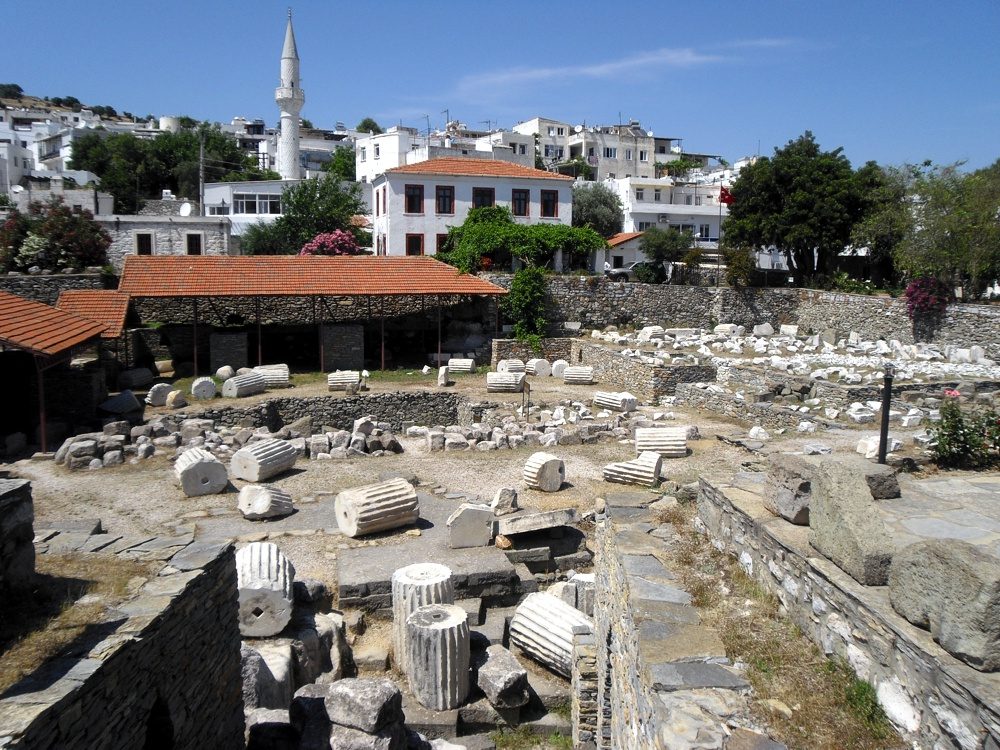
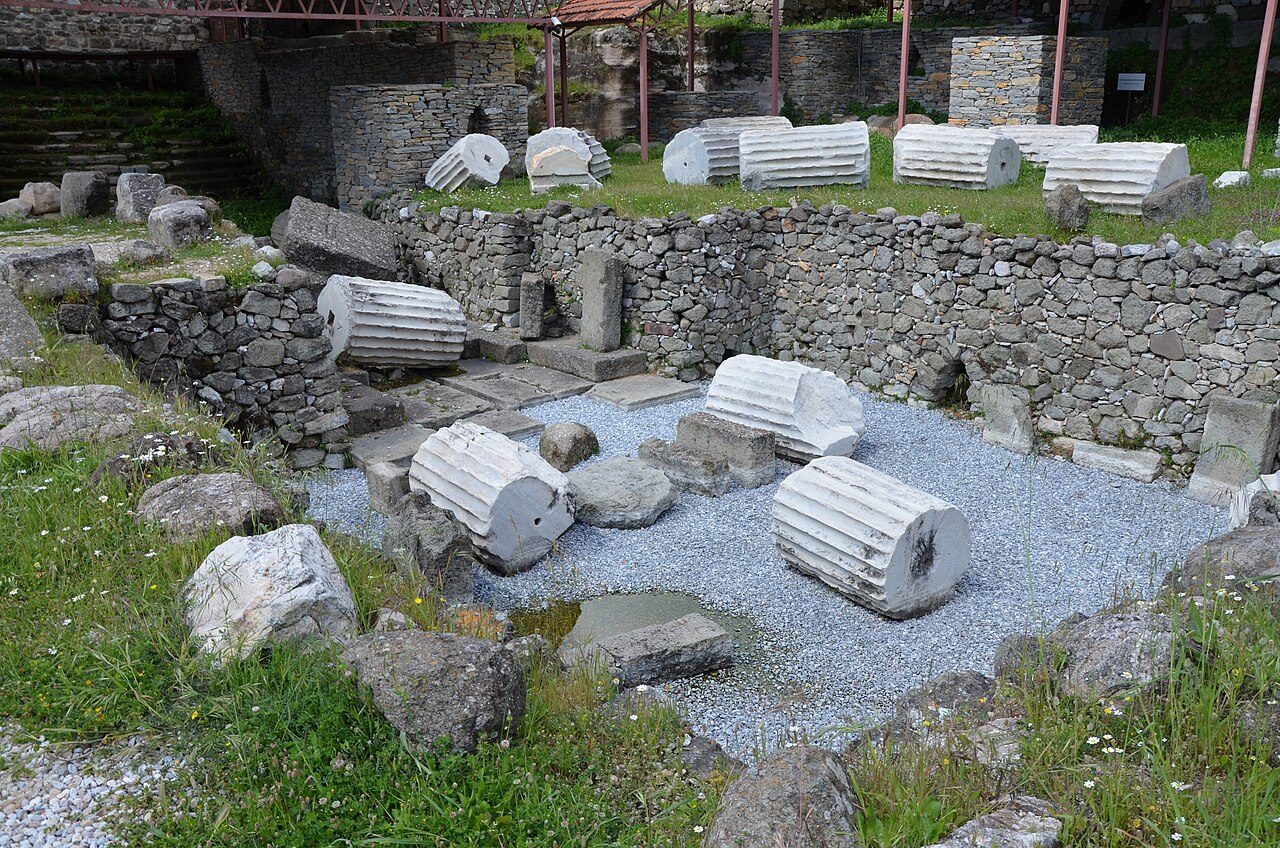
The Mausoleum at Halicarnassus was the tomb of Mausolus, ruler of Caria, built around 350 BC in what is now Bodrum. It was so splendid that it became one of the Seven Wonders of the Ancient World and gave us the word mausoleum. Earthquakes destroyed it, and its stones were reused in Bodrum Castle. The site shows its foundations and a museum.
Seasons from 20 years of NASA POWER climate data.
 WaTrips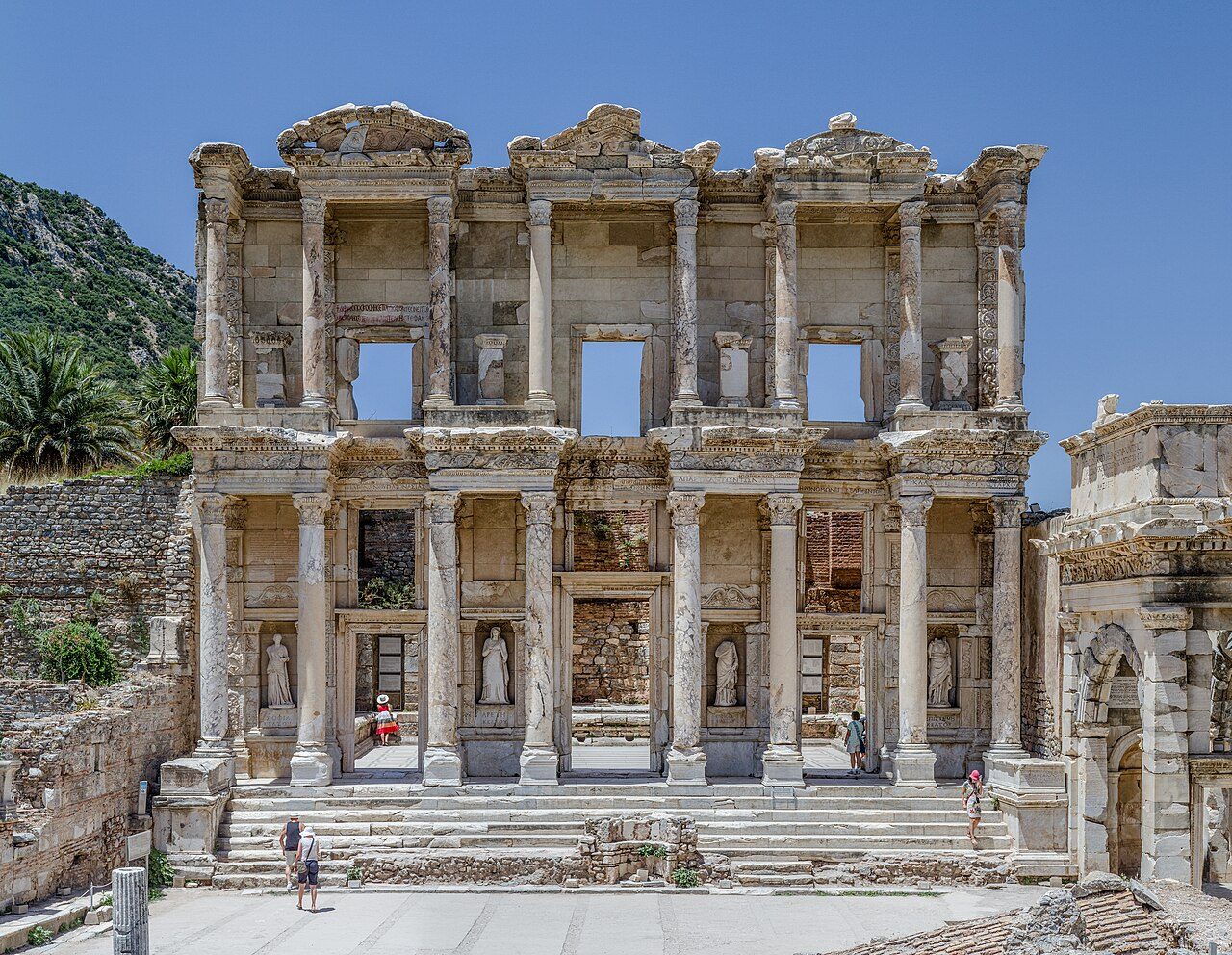









 BikesBooking
 Localrent
 Airalo
 Tiqets