Göreme's open-air museum and fairy chimneys, sunrise balloons, Paşabağ, Devrent Valley, Derinkuyu and the Ihlara Valley.
Cappadocia's soft volcanic rock has been carved by wind into fairy chimneys and by people into churches, homes and whole underground cities. Visit the painted cave churches of the Göreme Open Air Museum, walk Love Valley and watch the sunset from Uçhisar Castle. Rise early to see hundreds of balloons drift over the valleys, then explore Paşabağ, Devrent Valley and the potters of Avanos. On the last day go eight levels down into Derinkuyu and walk the river gorge of Ihlara to Selime Monastery. Spring and autumn are best; book balloons ahead.
01
STOP 1 OF 12
Göreme Open Air Museum
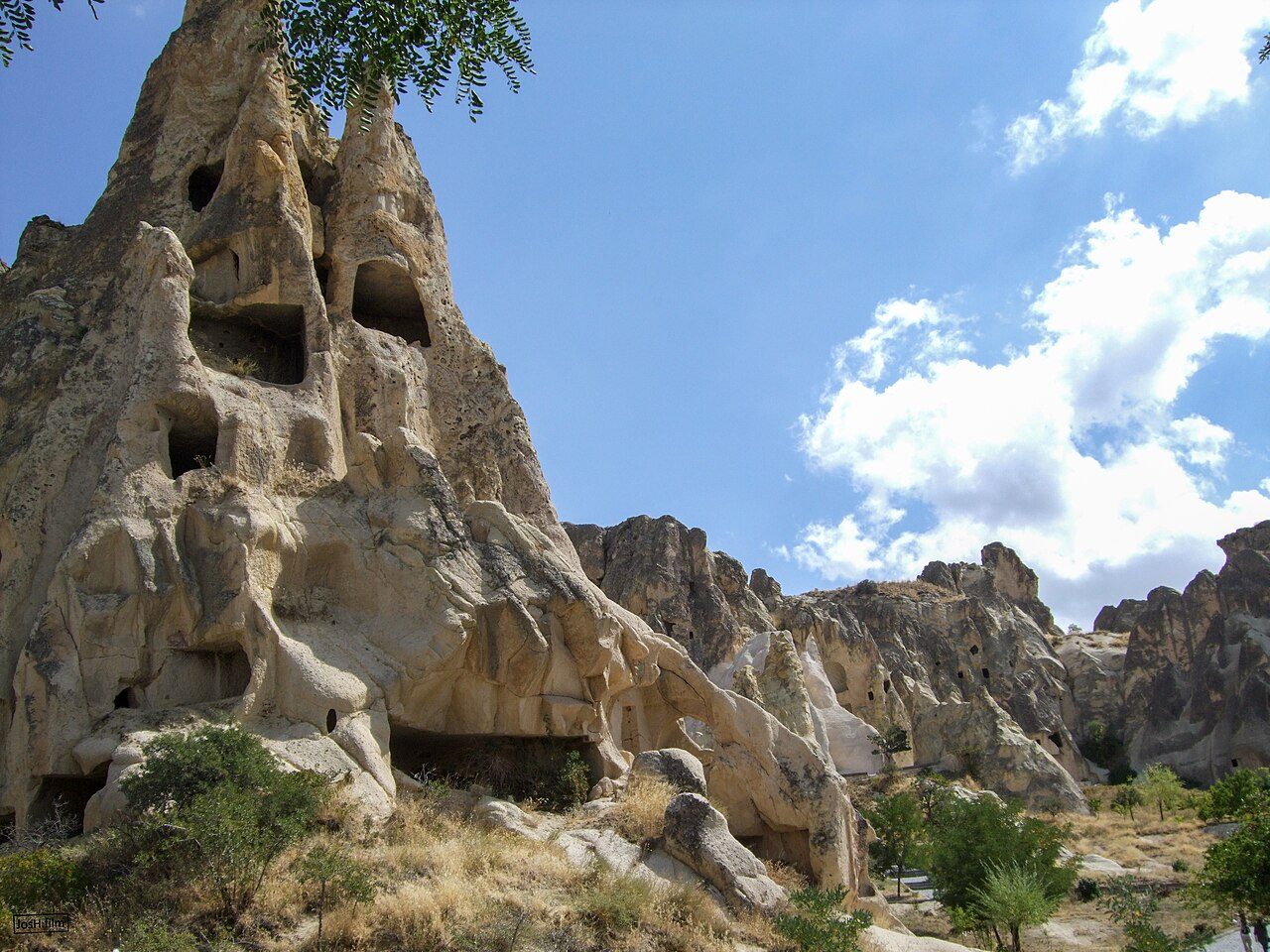
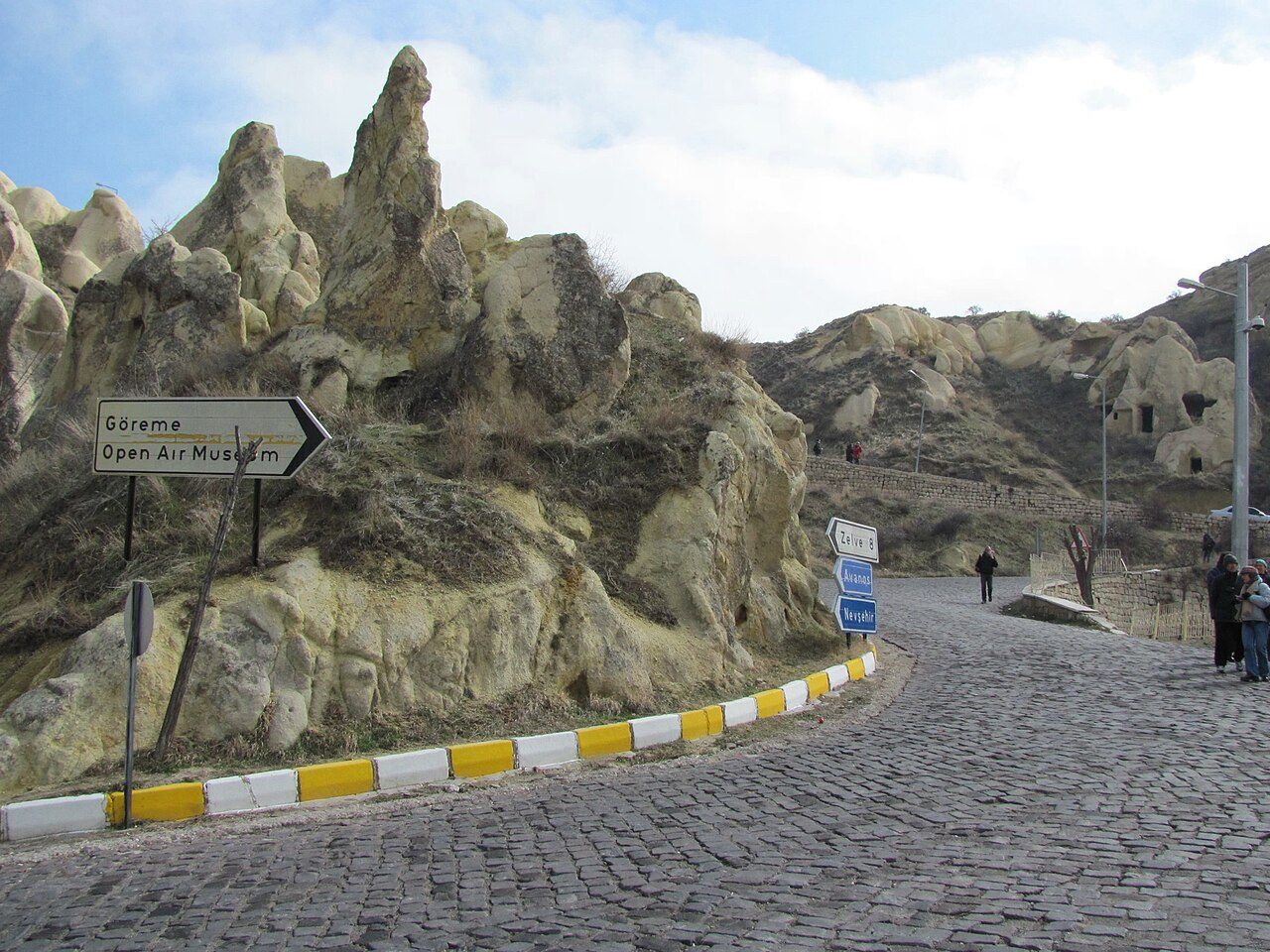
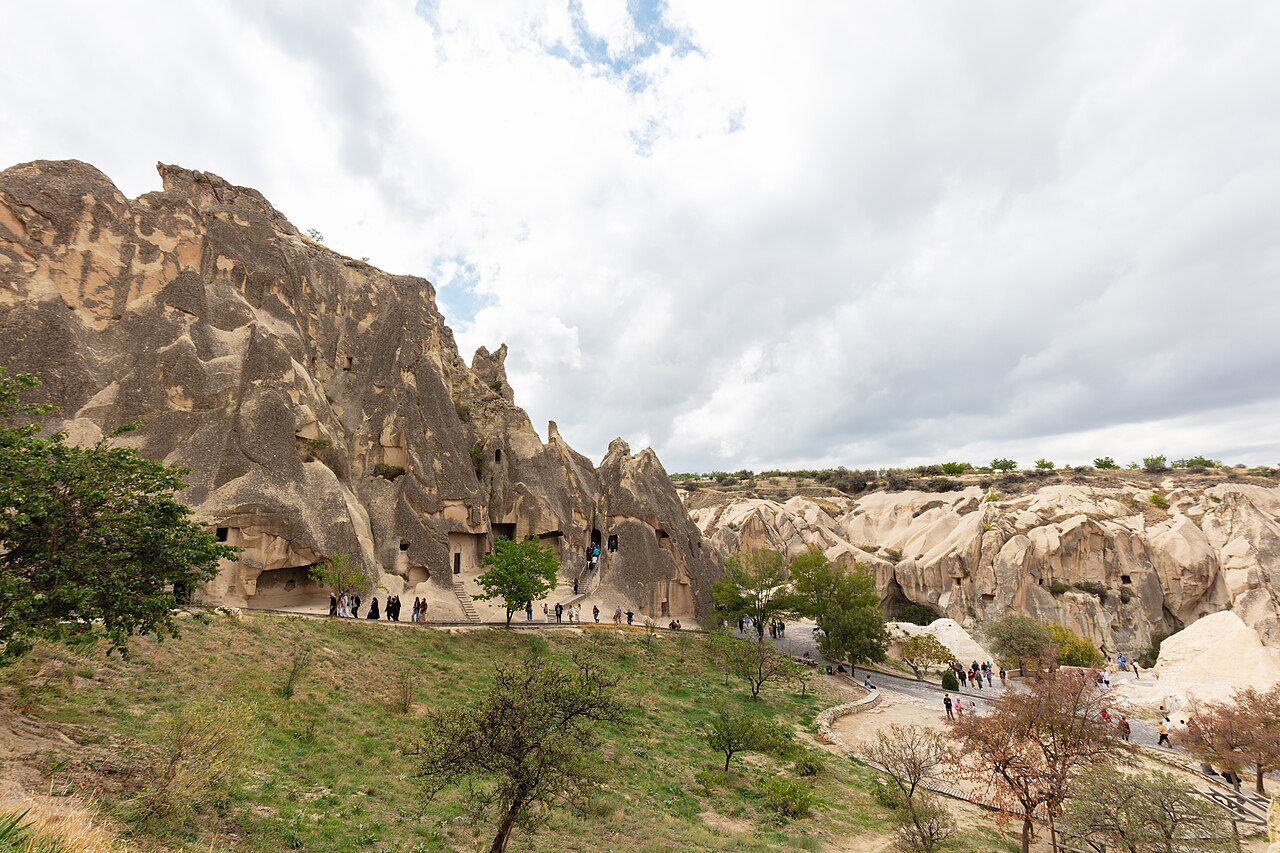
The Göreme Open Air Museum is a group of rock-cut churches, chapels and monastery rooms carved into the soft volcanic rock of Cappadocia between the 10th and 12th centuries. Many walls and ceilings are covered with Byzantine frescoes of Christ, the saints and Bible stories. The Dark Church, which received little light, has the best preserved colours. It is part of a UNESCO World Heritage Site.
02
STOP 2 OF 12
Göreme Fairy Chimneys
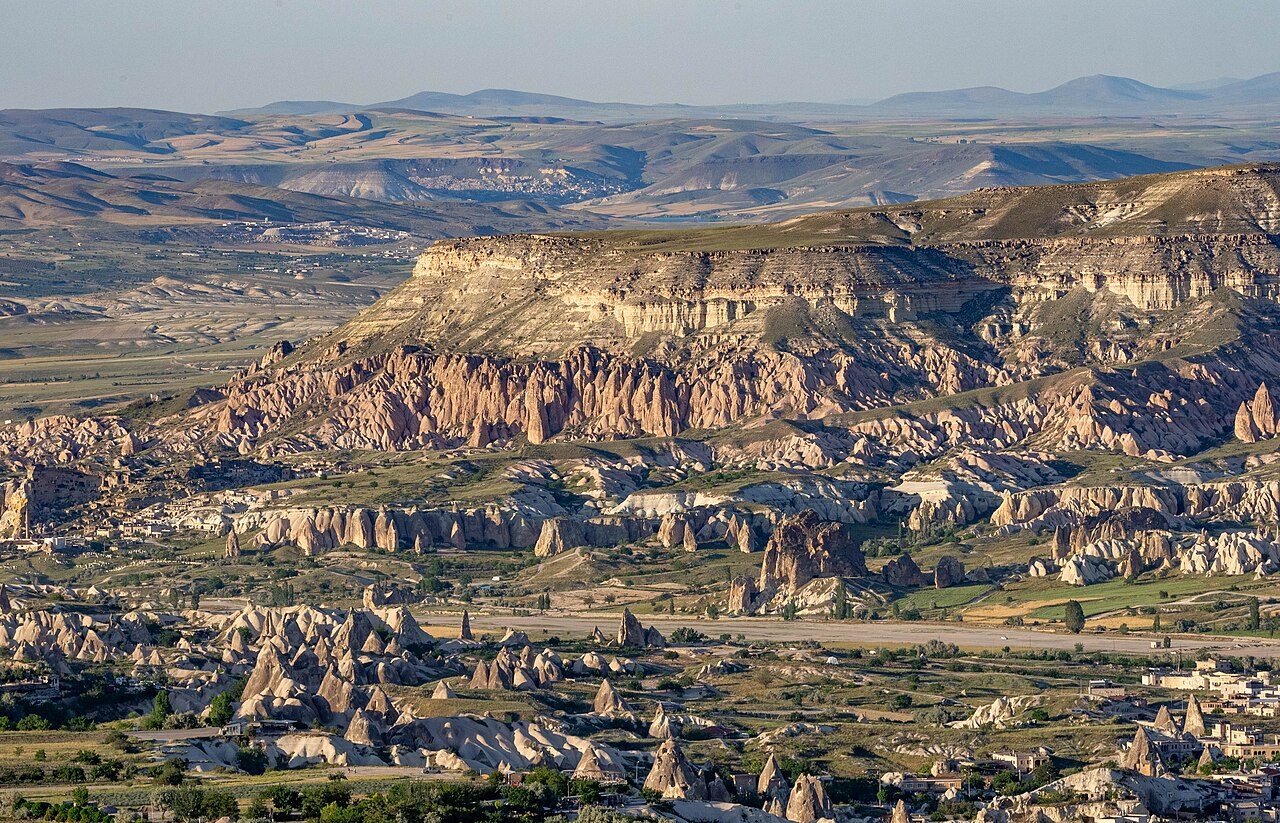
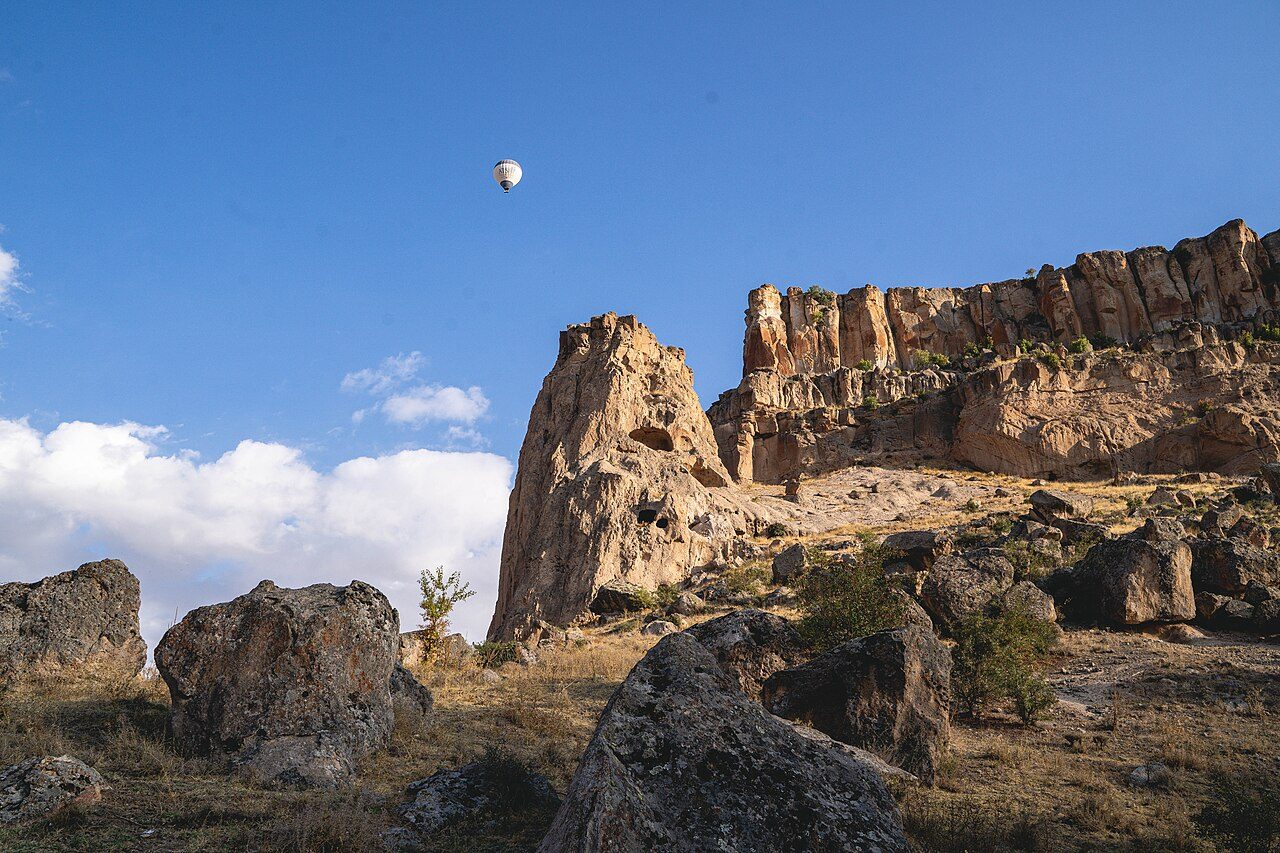
Göreme is a village in the heart of Cappadocia, surrounded by valleys of fairy chimneys, tall cones of soft volcanic rock topped with harder stone. Many old cave houses have been turned into hotels. At sunrise, dozens of hot air balloons rise over the valleys, one of the most famous sights in Türkiye. The area is part of Göreme National Park and a UNESCO World Heritage Site.
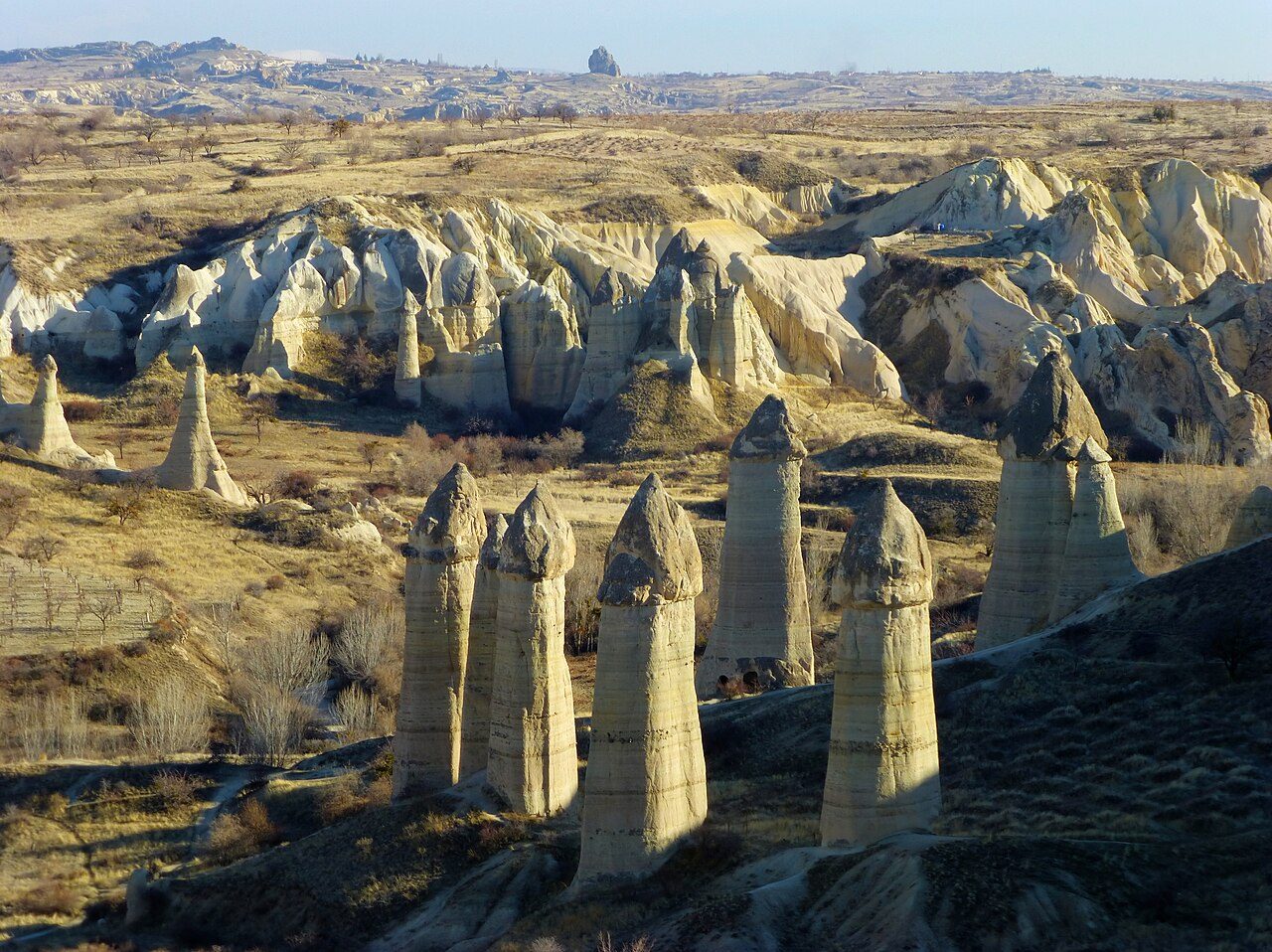
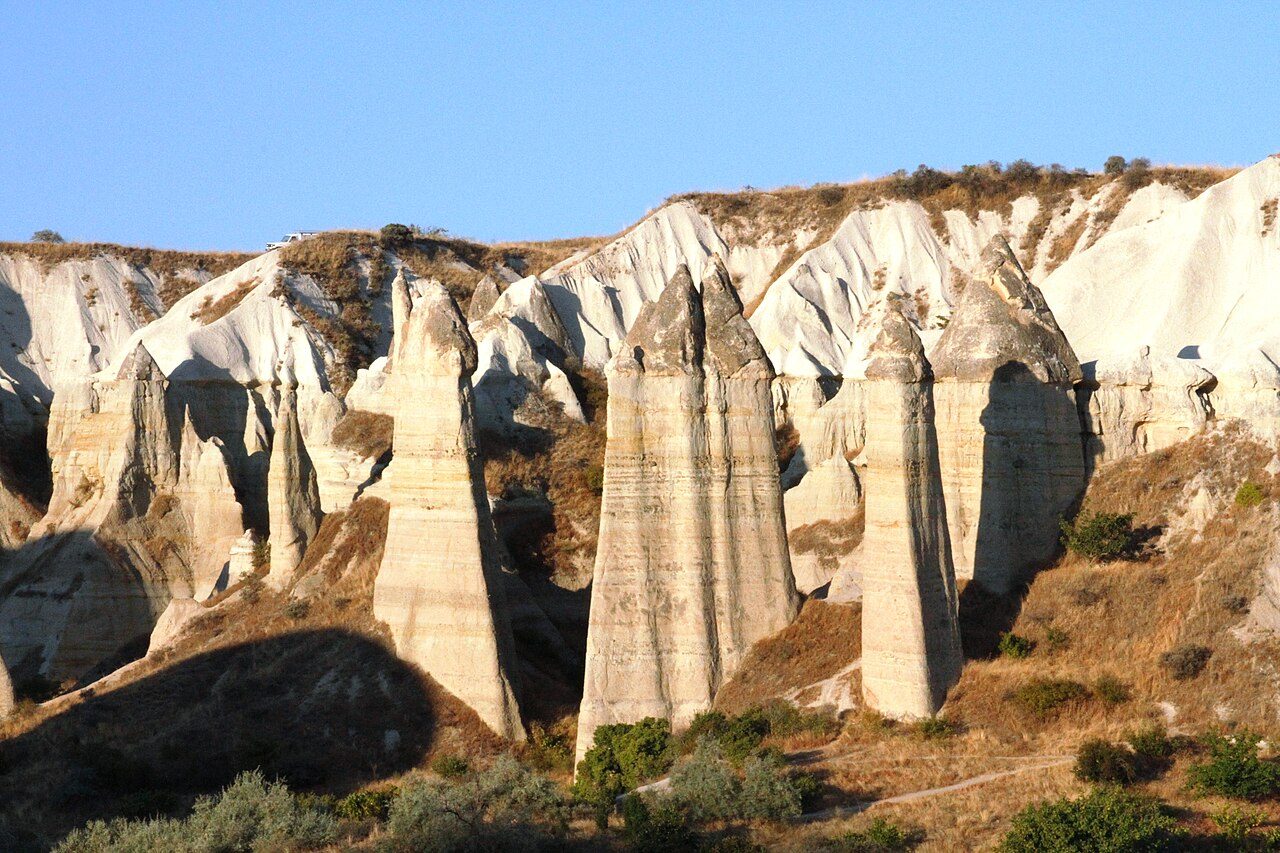
Love Valley lies just north of Göreme in Cappadocia. It is known for its tall, slender rock pillars topped with caps, some reaching up to 40 metres high. Walking trails lead along the valley floor between vineyards and orchards. The valley is a favourite route for hot air balloons, and the viewpoint at its rim is popular at sunrise and sunset.
04
STOP 4 OF 12
Uçhisar Castle
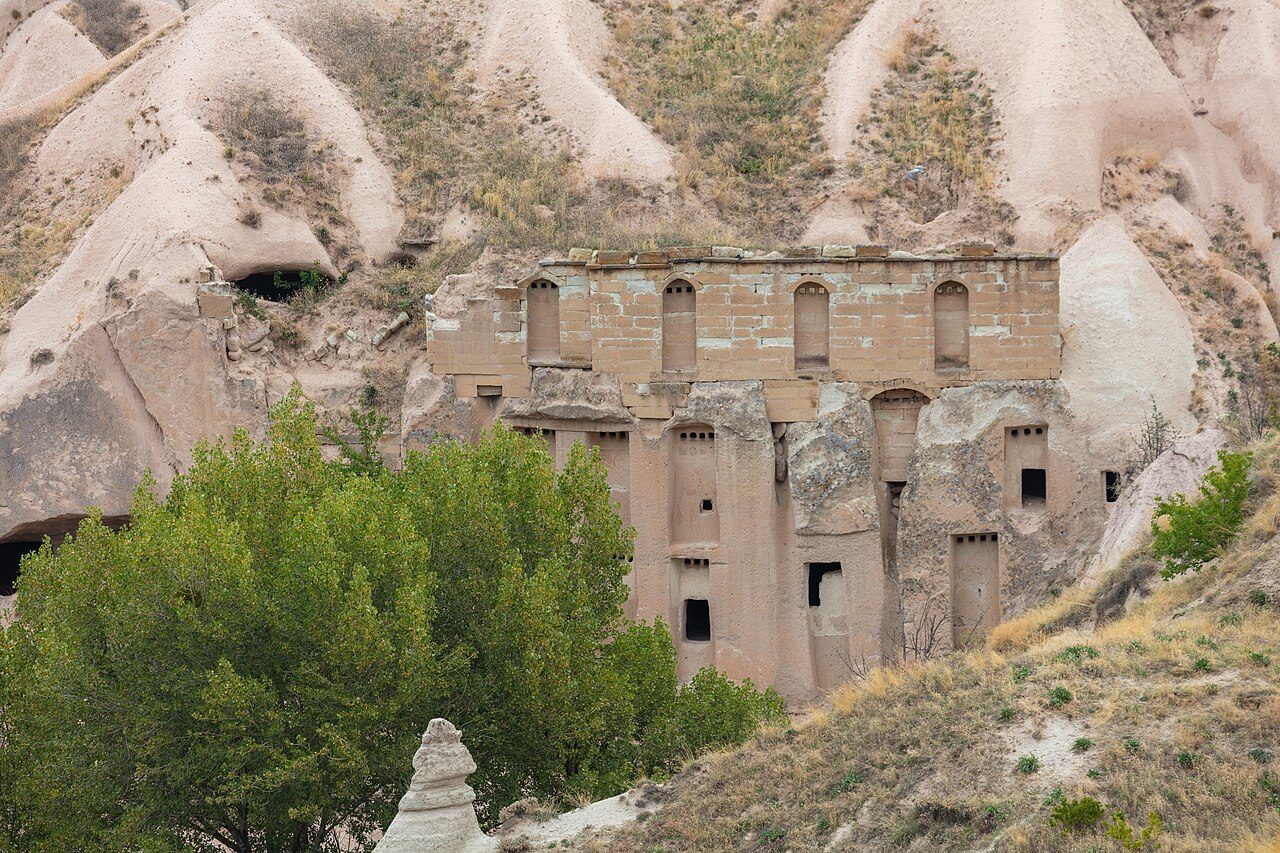
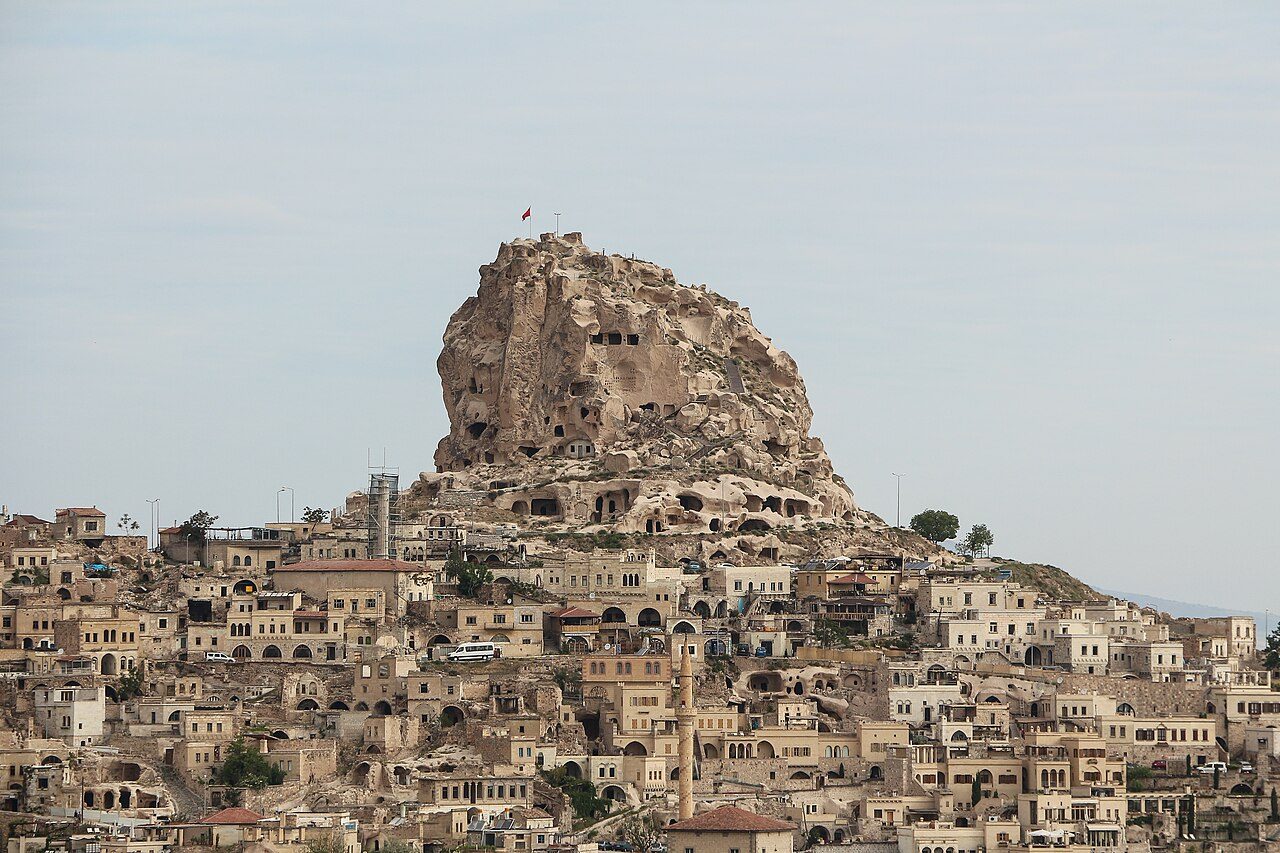
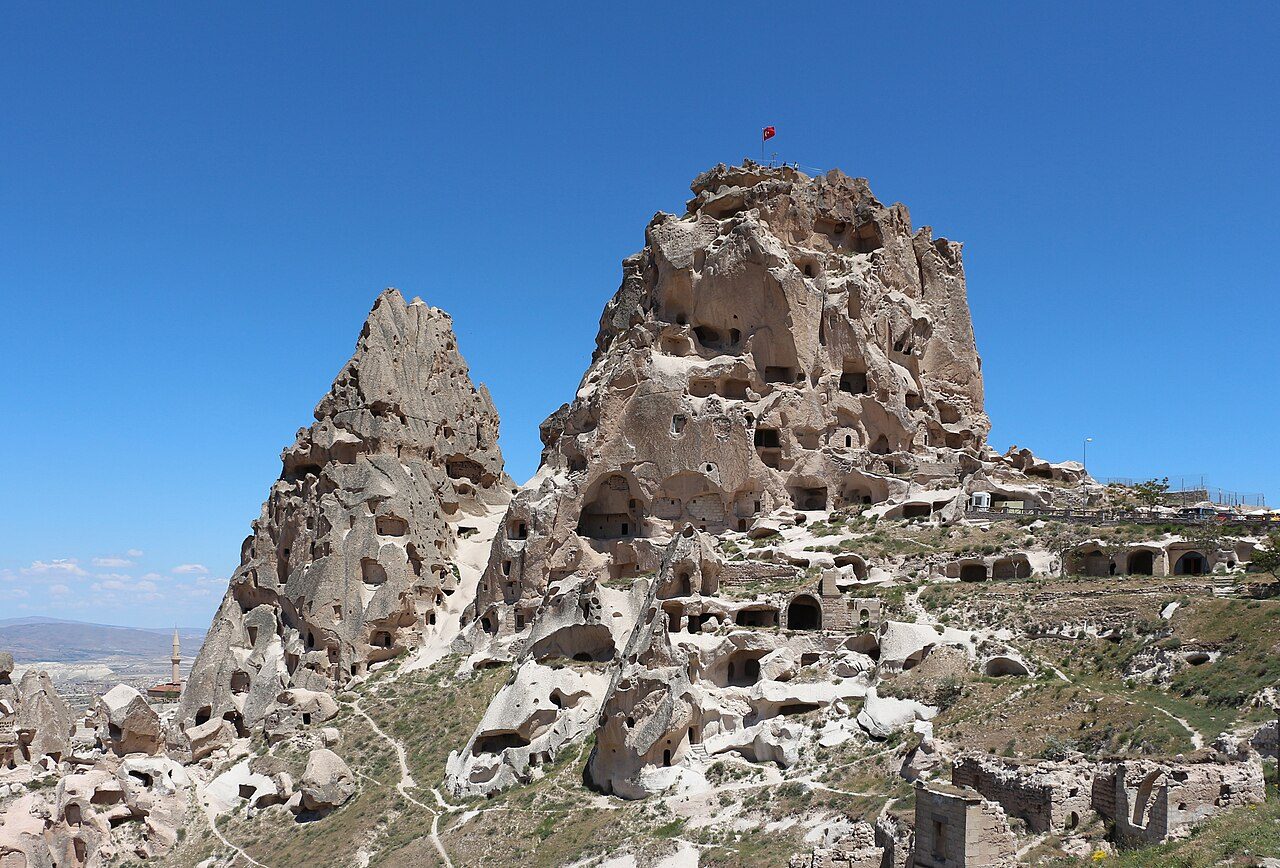
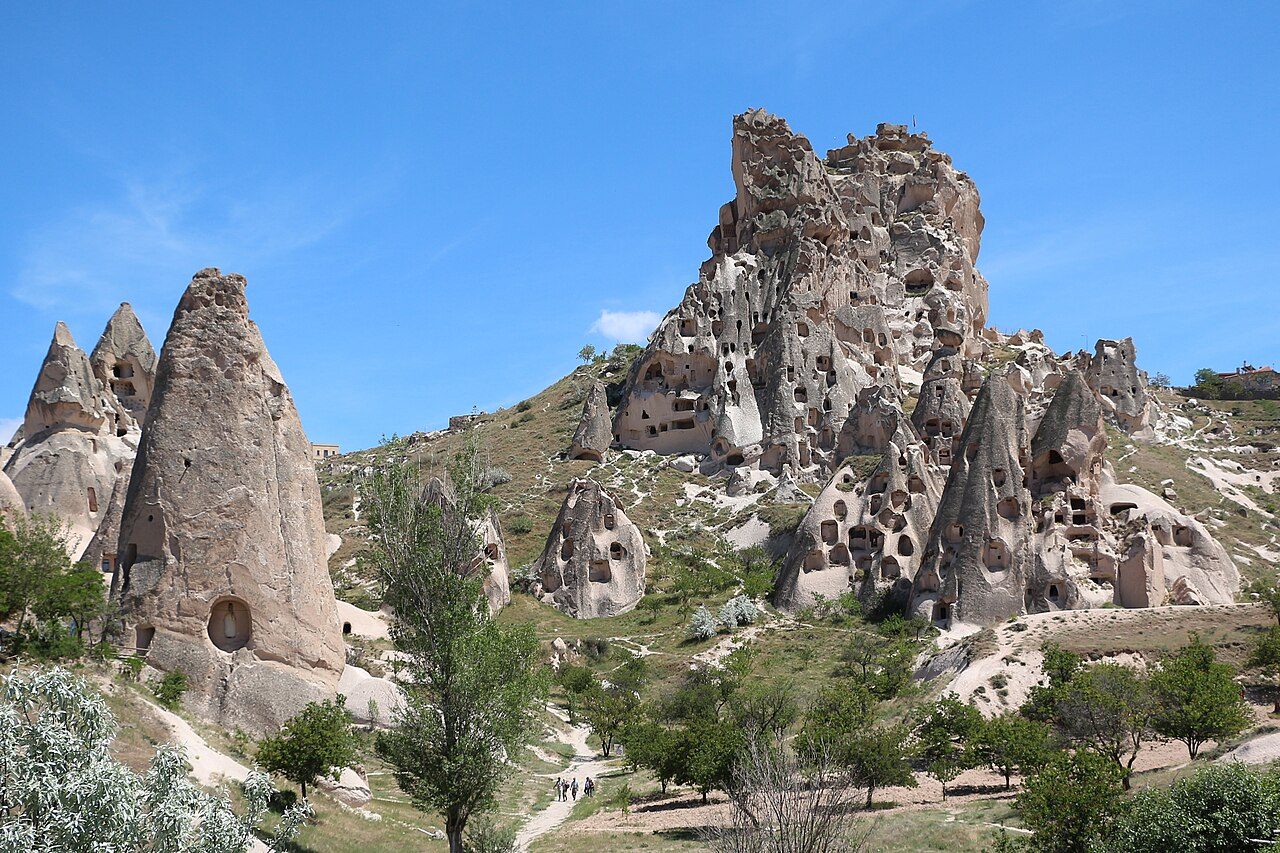
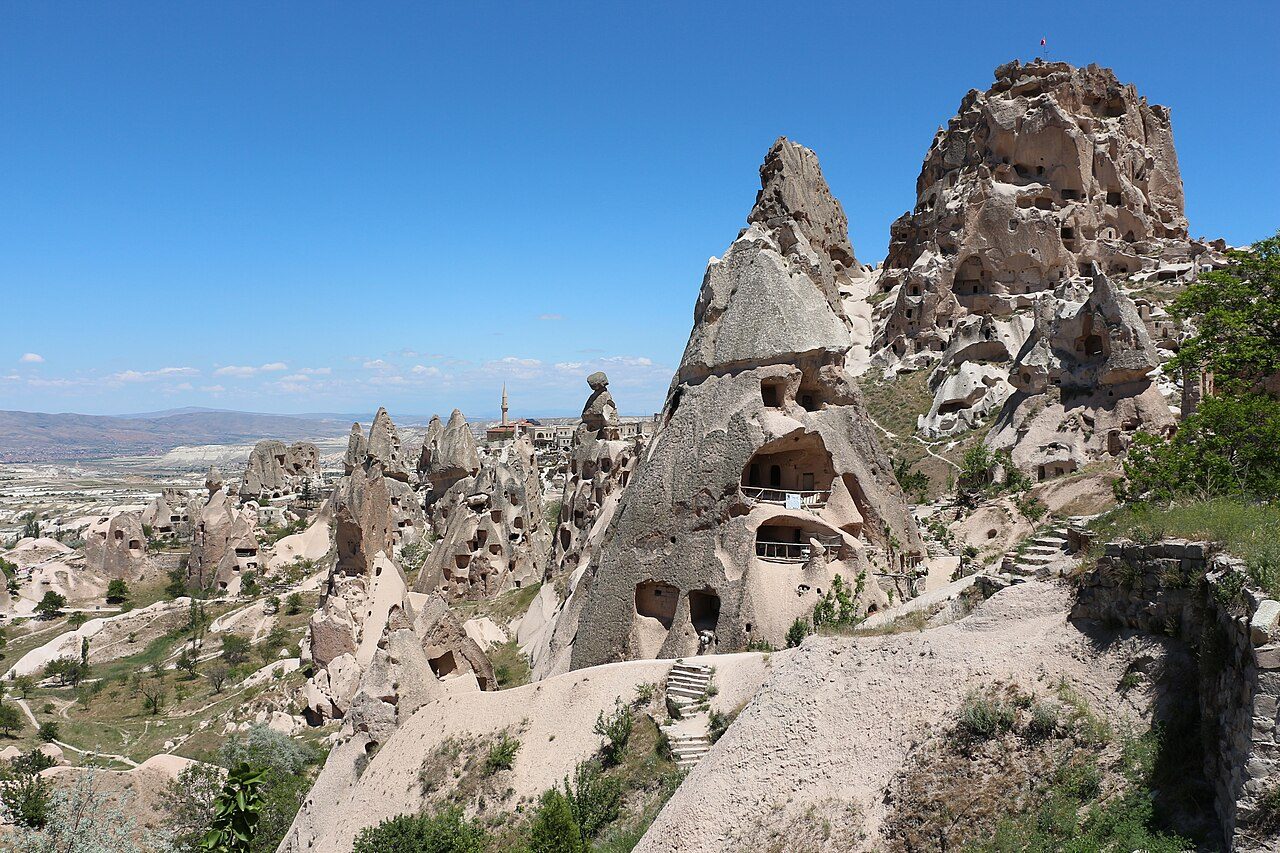
Uçhisar Castle is a huge rock outcrop riddled with rooms and tunnels, rising above the village of Uçhisar. It is the highest point in the Göreme area. People carved homes, storerooms and pigeon houses into it over centuries, and it served as a refuge in times of danger. Steps lead to the summit, which gives a panoramic view over the valleys of Cappadocia.
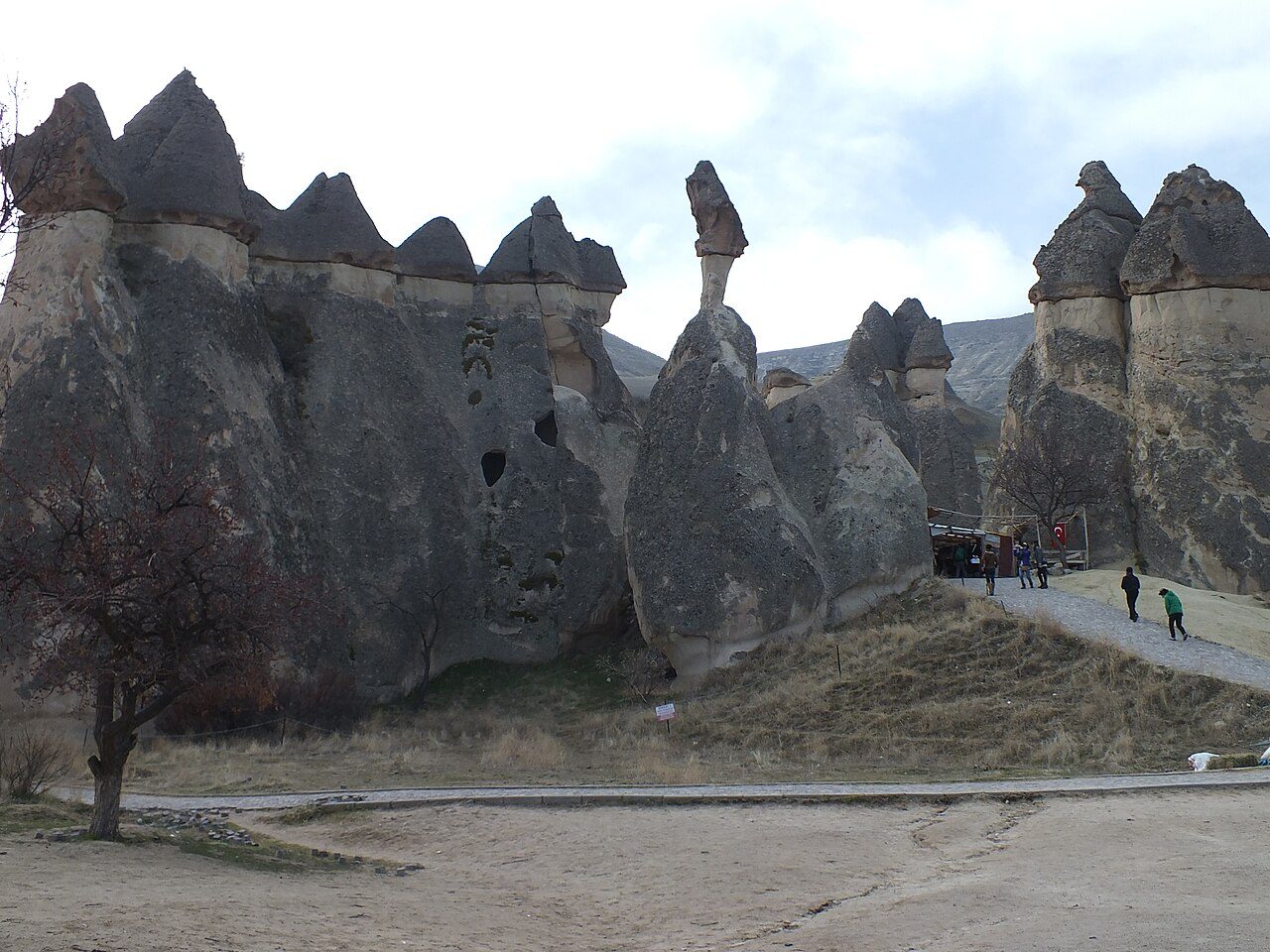
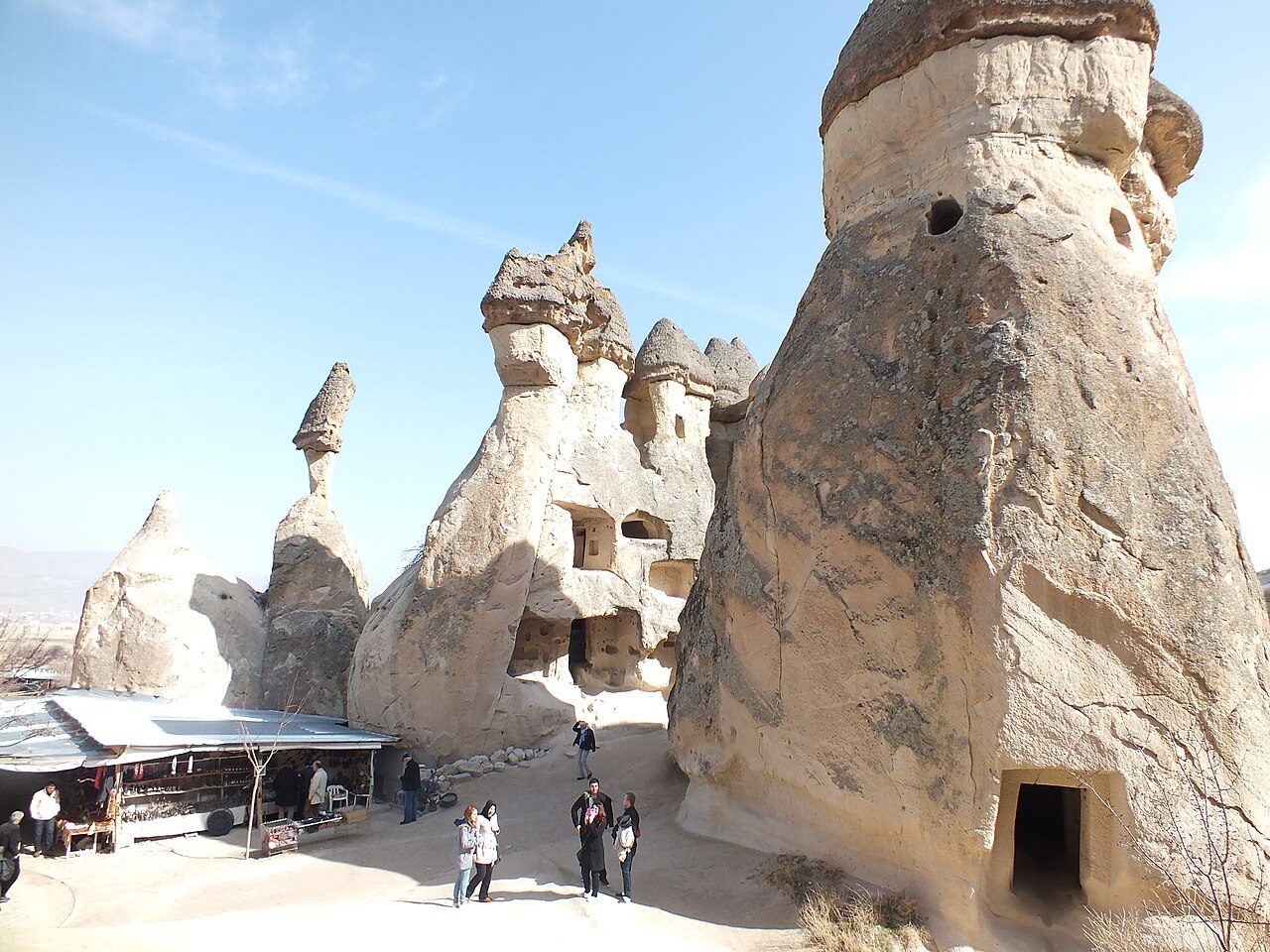
Paşabağ, also called Monks Valley, lies near the village of Çavuşin in Cappadocia. It has some of the most striking fairy chimneys in the region, with several rock caps on a single stem, like mushrooms. Early Christian hermits carved cells into them; one is linked with Saint Simeon. Paths wind among the chimneys, and stalls sell local crafts.
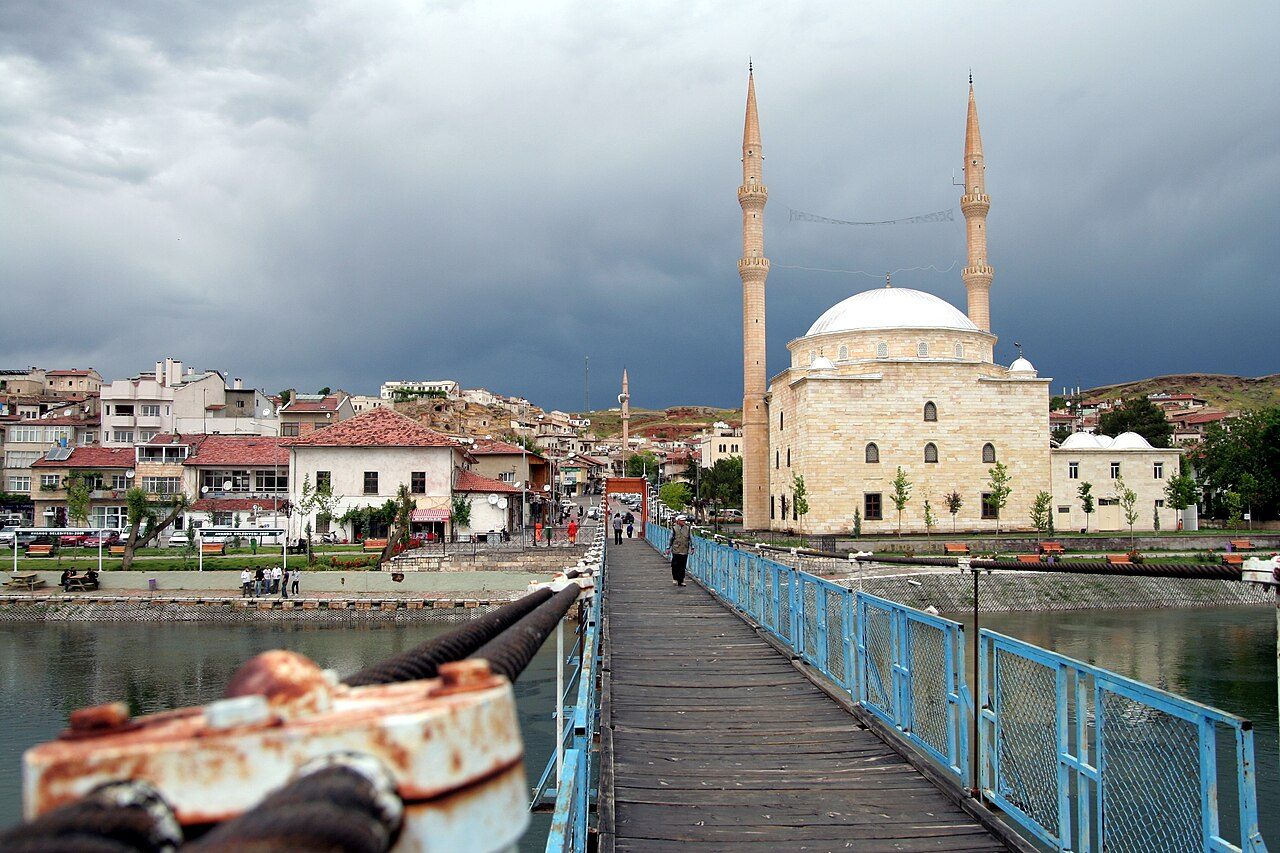
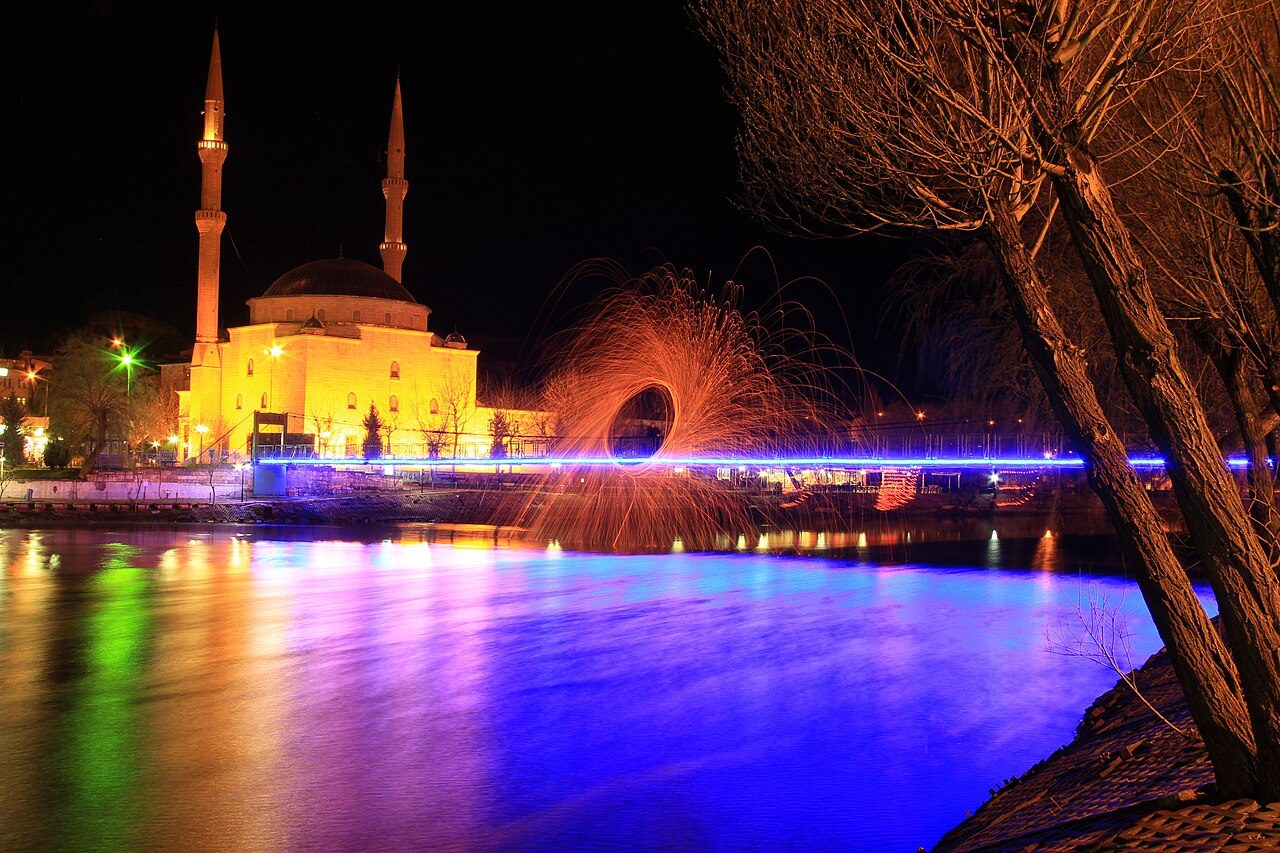
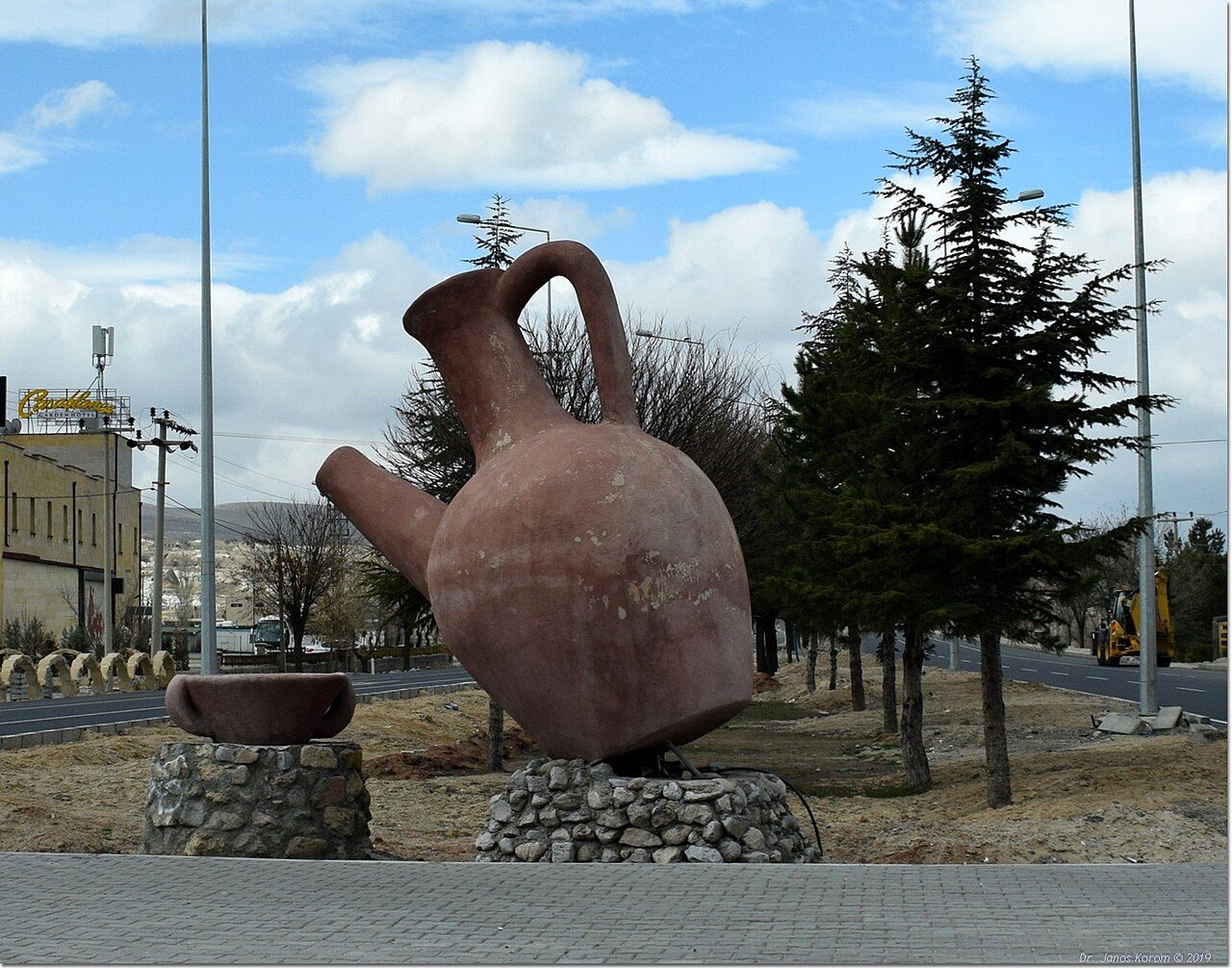
Avanos is a town on the Kızılırmak, the Red River, the longest river in Türkiye, at the northern edge of Cappadocia. It has been famous for its pottery since Hittite times, made from the red clay of the riverbanks. Visitors can try the potter's wheel in local workshops. The old town has stone houses on the slope, and a footbridge crosses the river.
07
STOP 7 OF 12
Devrent Valley
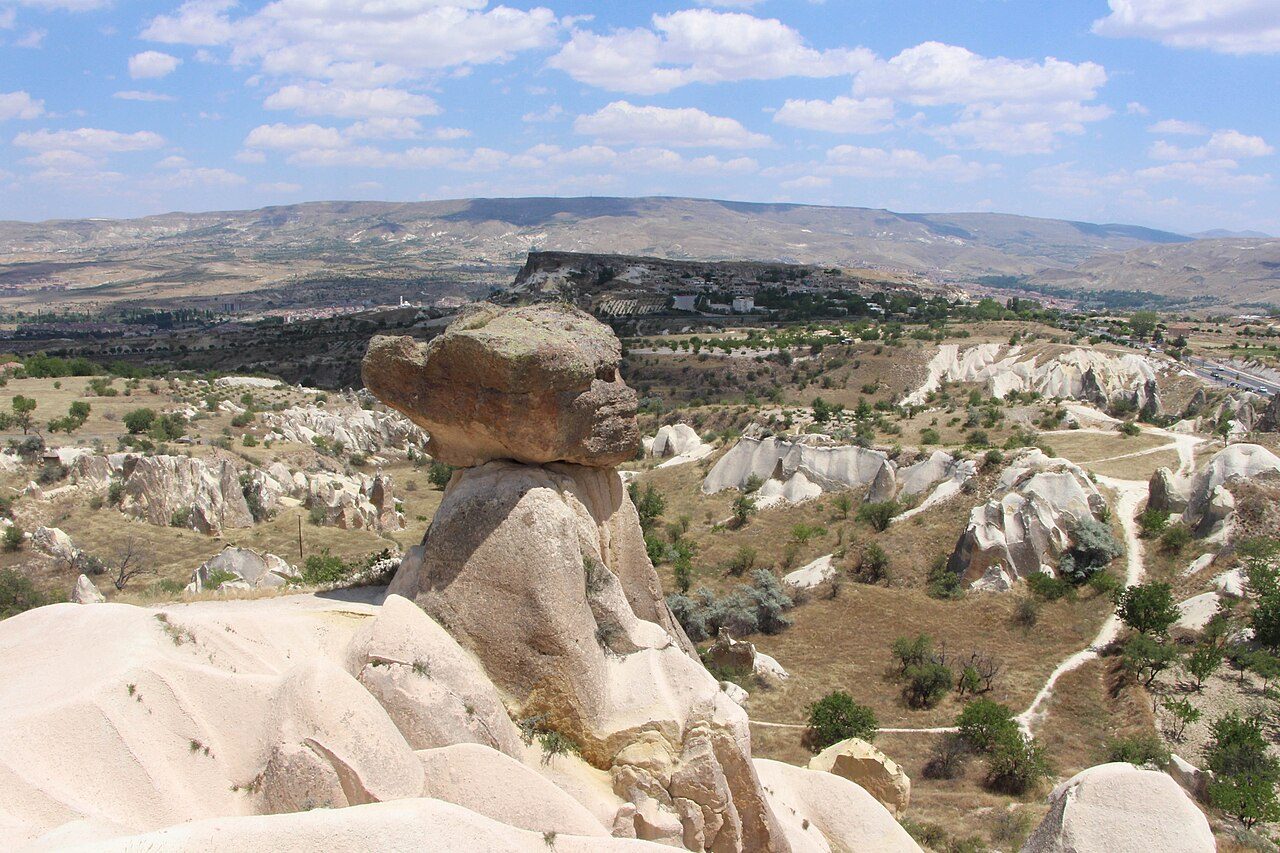
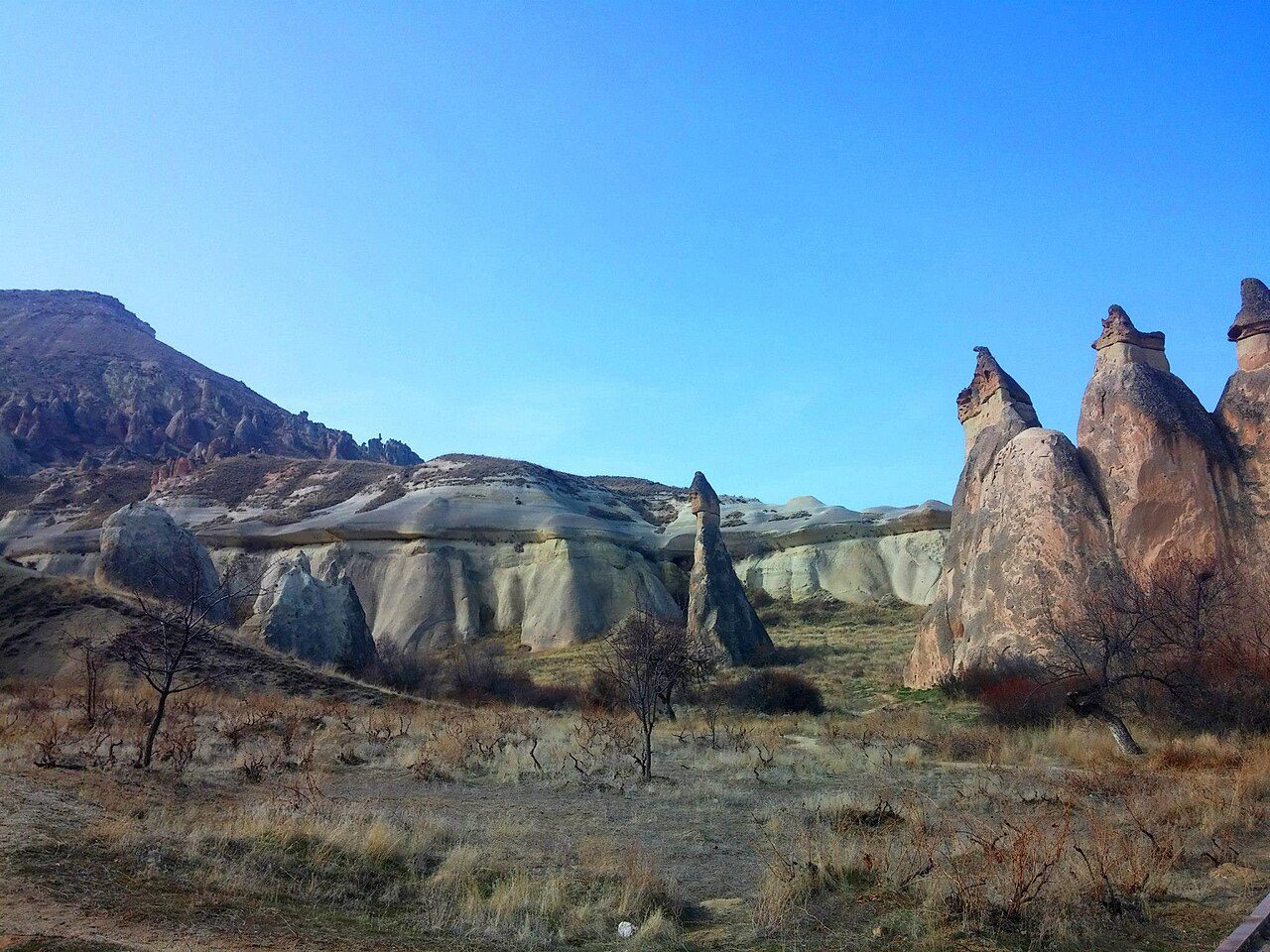
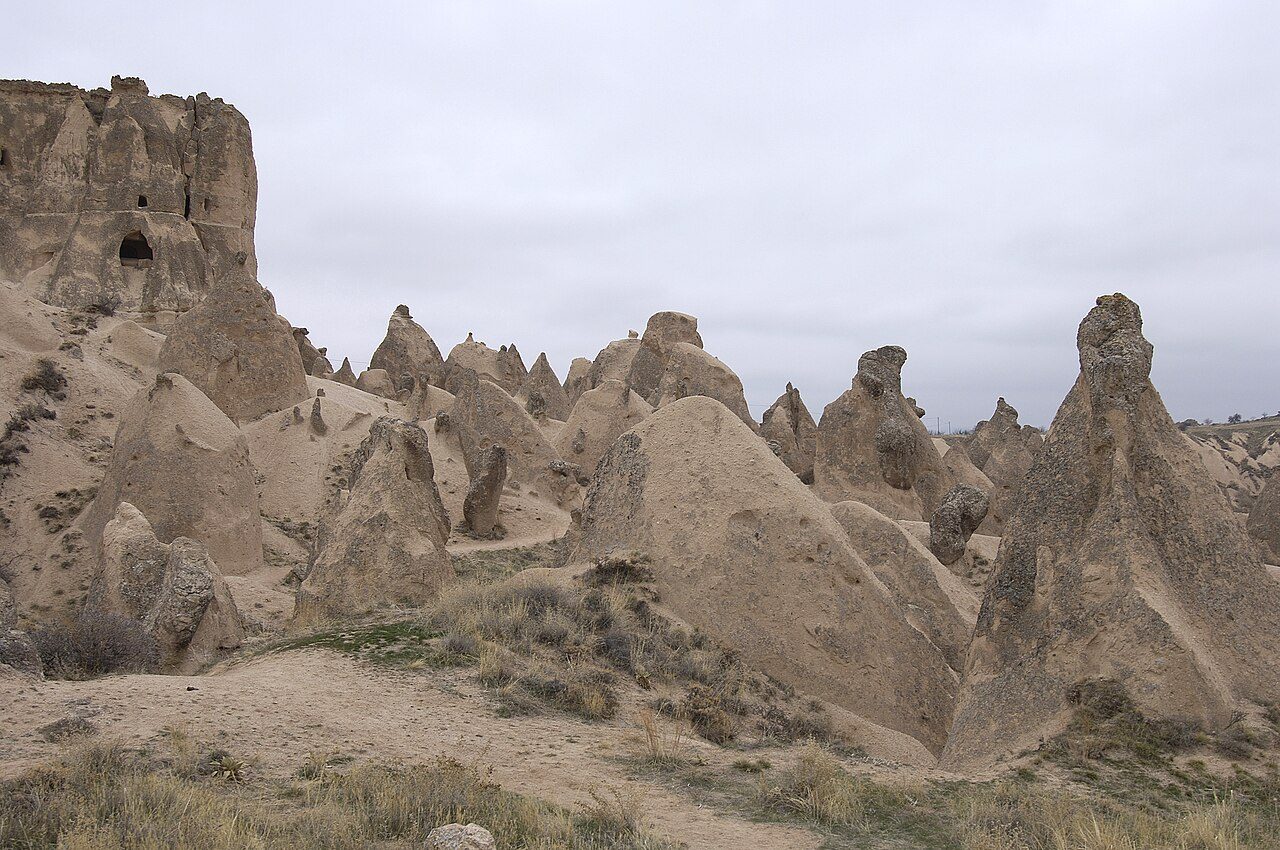
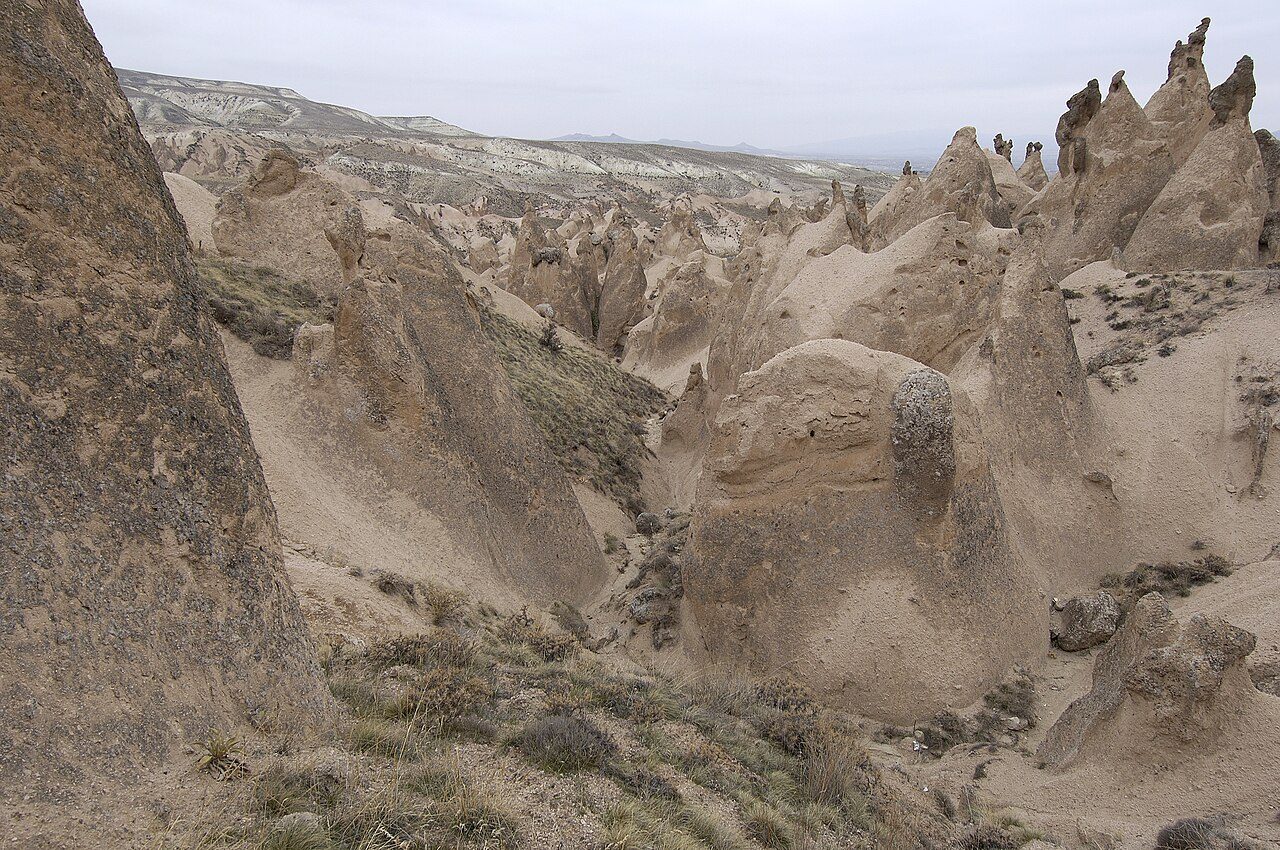
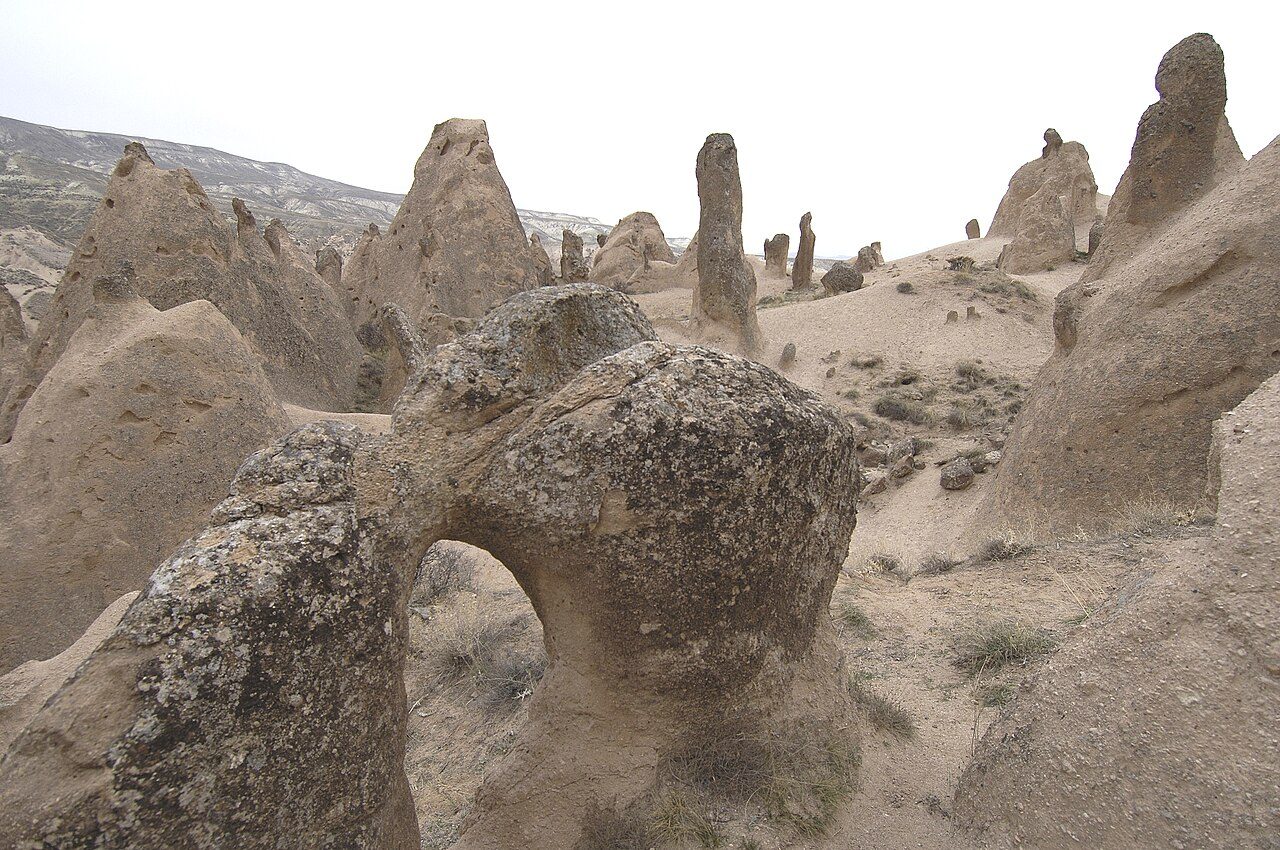
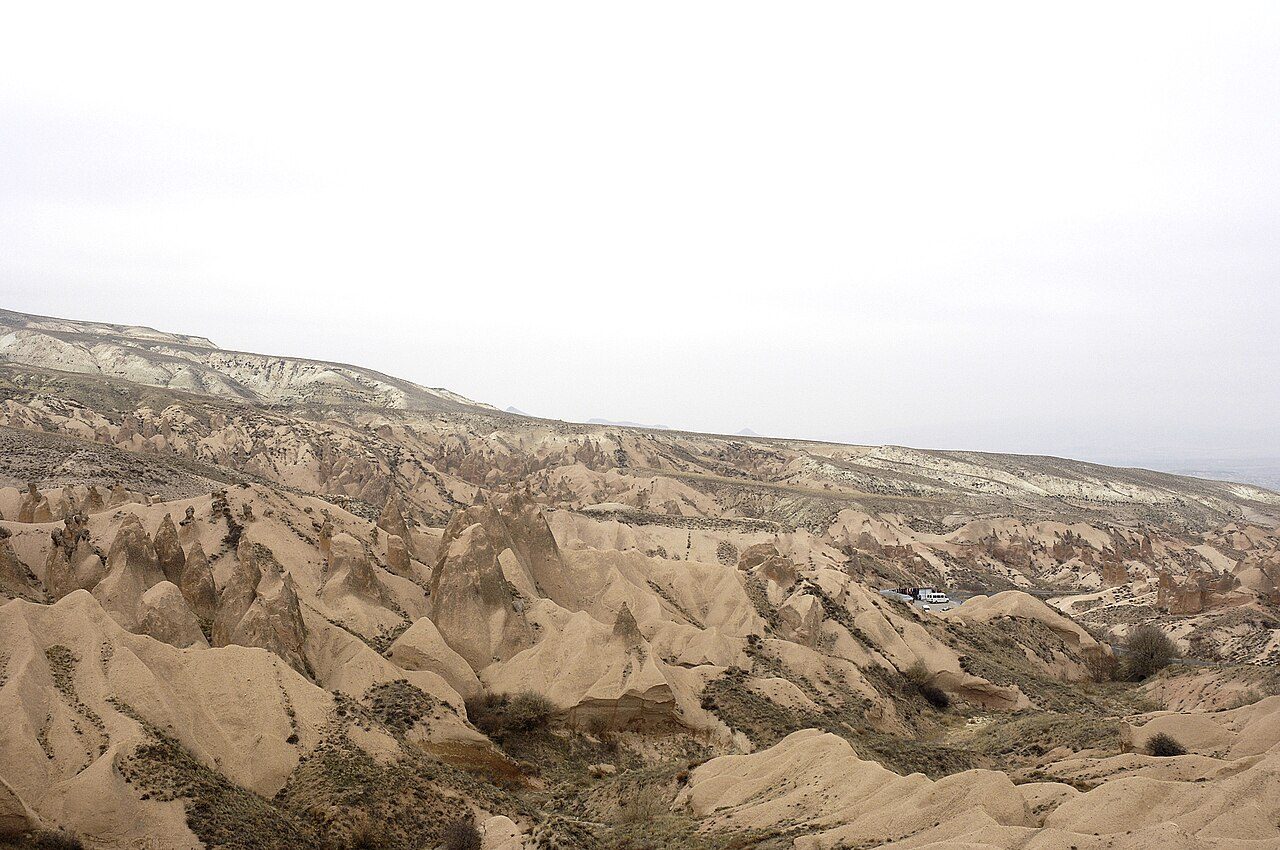
Devrent Valley, also known as Imagination Valley, lies between Ürgüp and Avanos in Cappadocia. It has no churches or houses, but its smooth pink rock formations have been shaped by erosion into forms that look like animals and figures. The most famous resembles a camel. Visitors walk among the rocks trying to recognise shapes.
08
STOP 8 OF 12
Ortahisar Castle
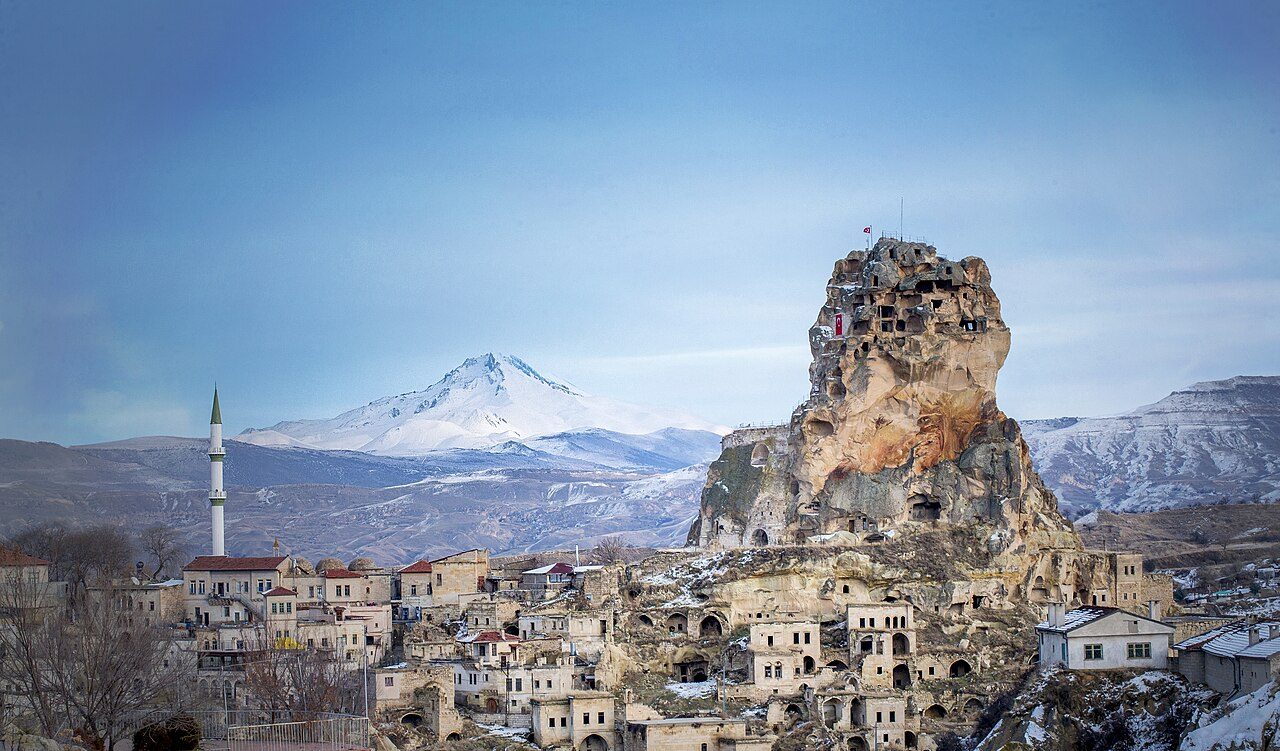
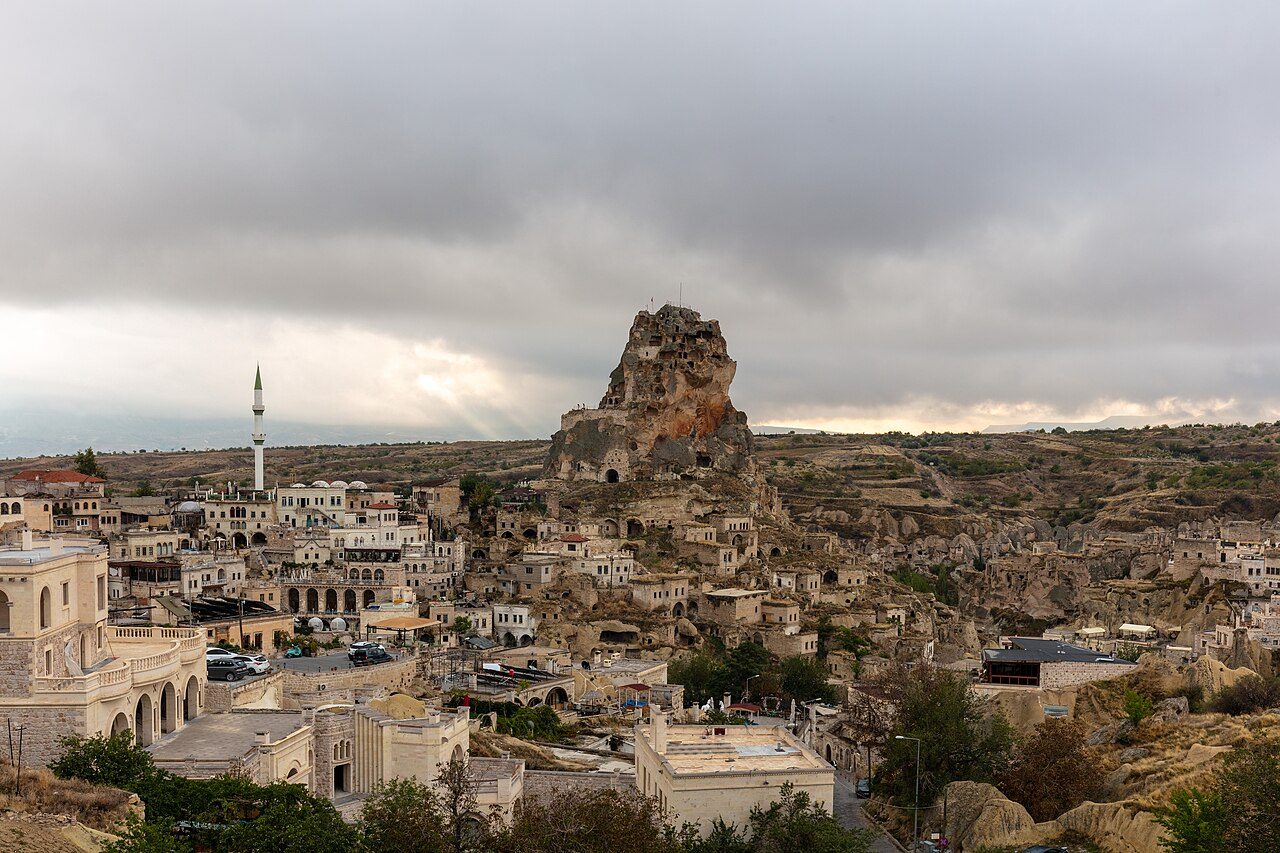
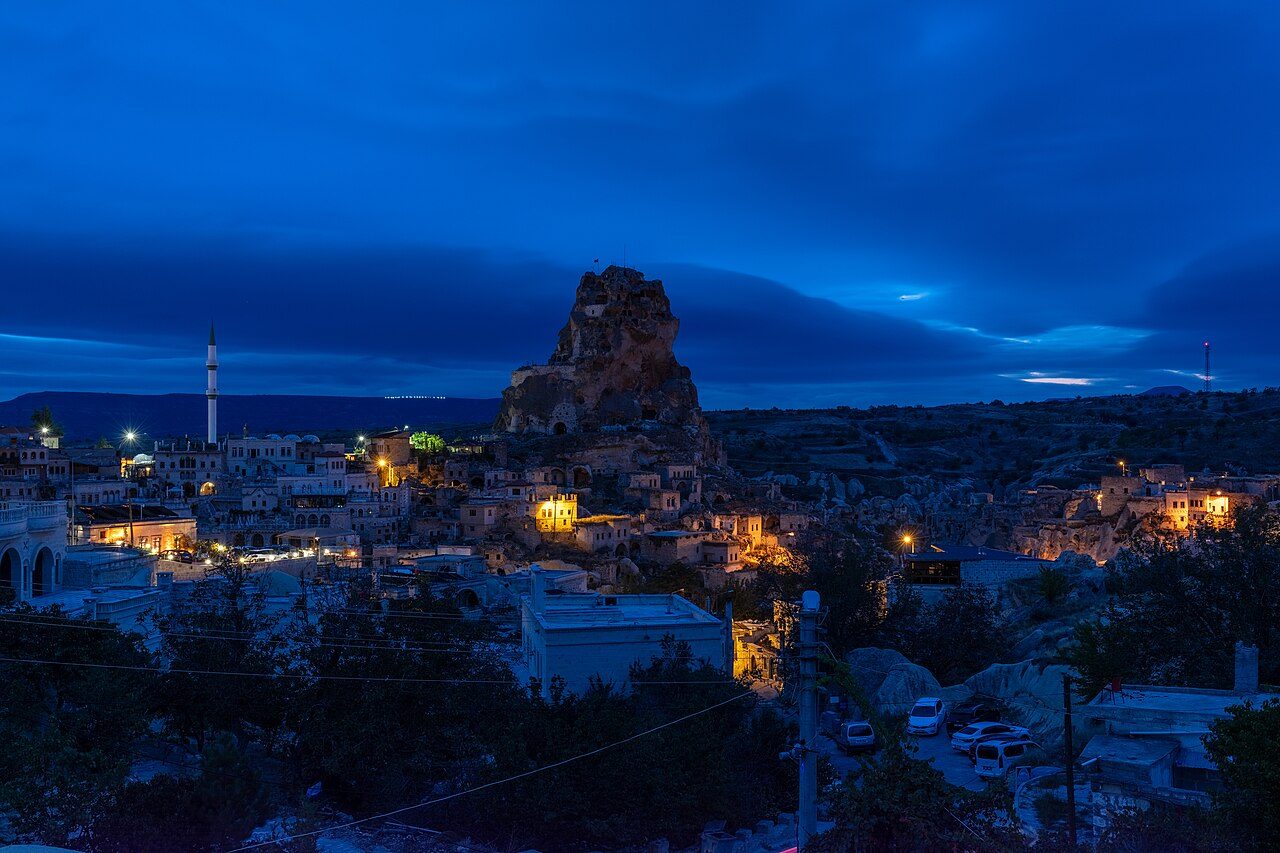
Ortahisar Castle is a tall rock fortress rising about 90 metres in the middle of the village of Ortahisar in Cappadocia. Like Uçhisar, it was carved with many rooms and passages, used as homes, storage and defence. Restored and reopened, it can be climbed for views over the village and the Ortahisar valleys. Old cave storerooms nearby still keep citrus fruit cool.
09
STOP 9 OF 12
Three Beauties of Ürgüp
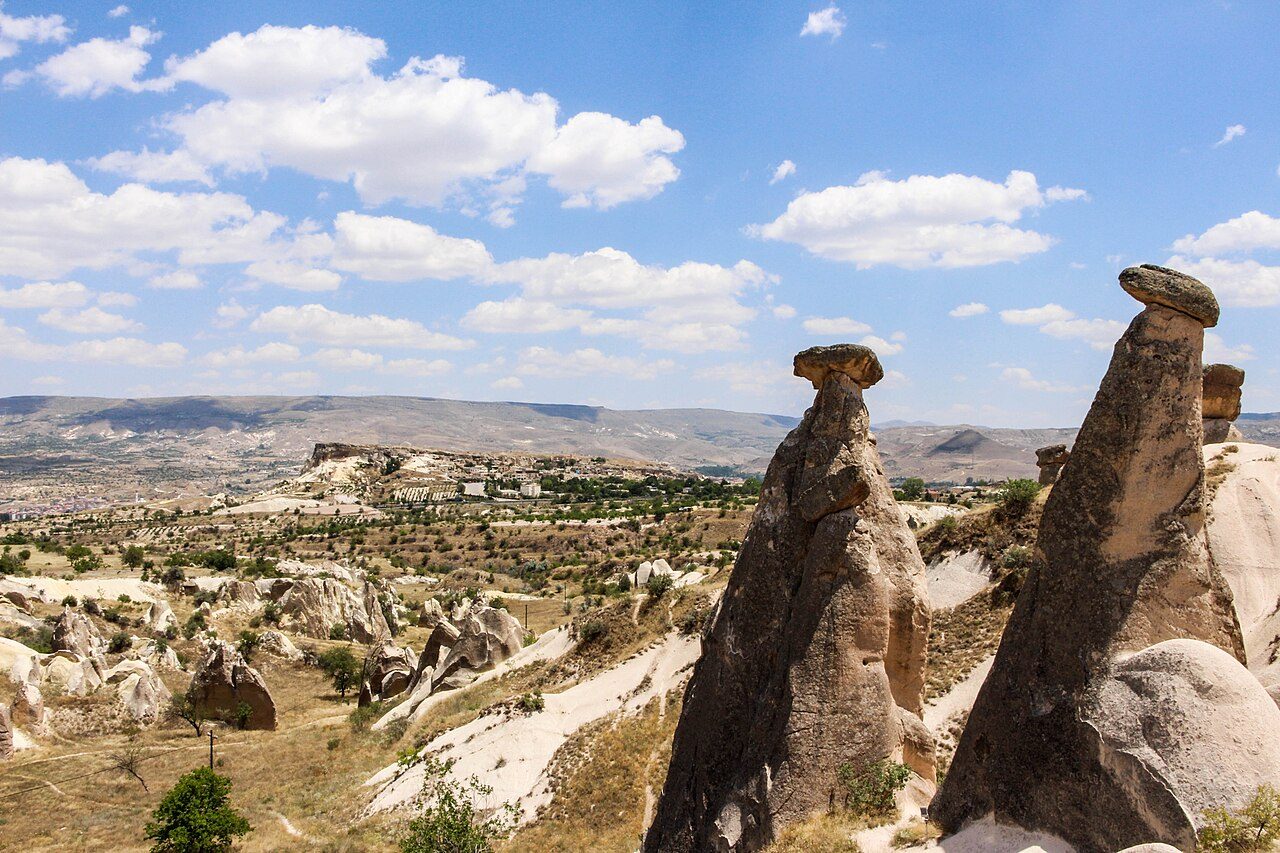
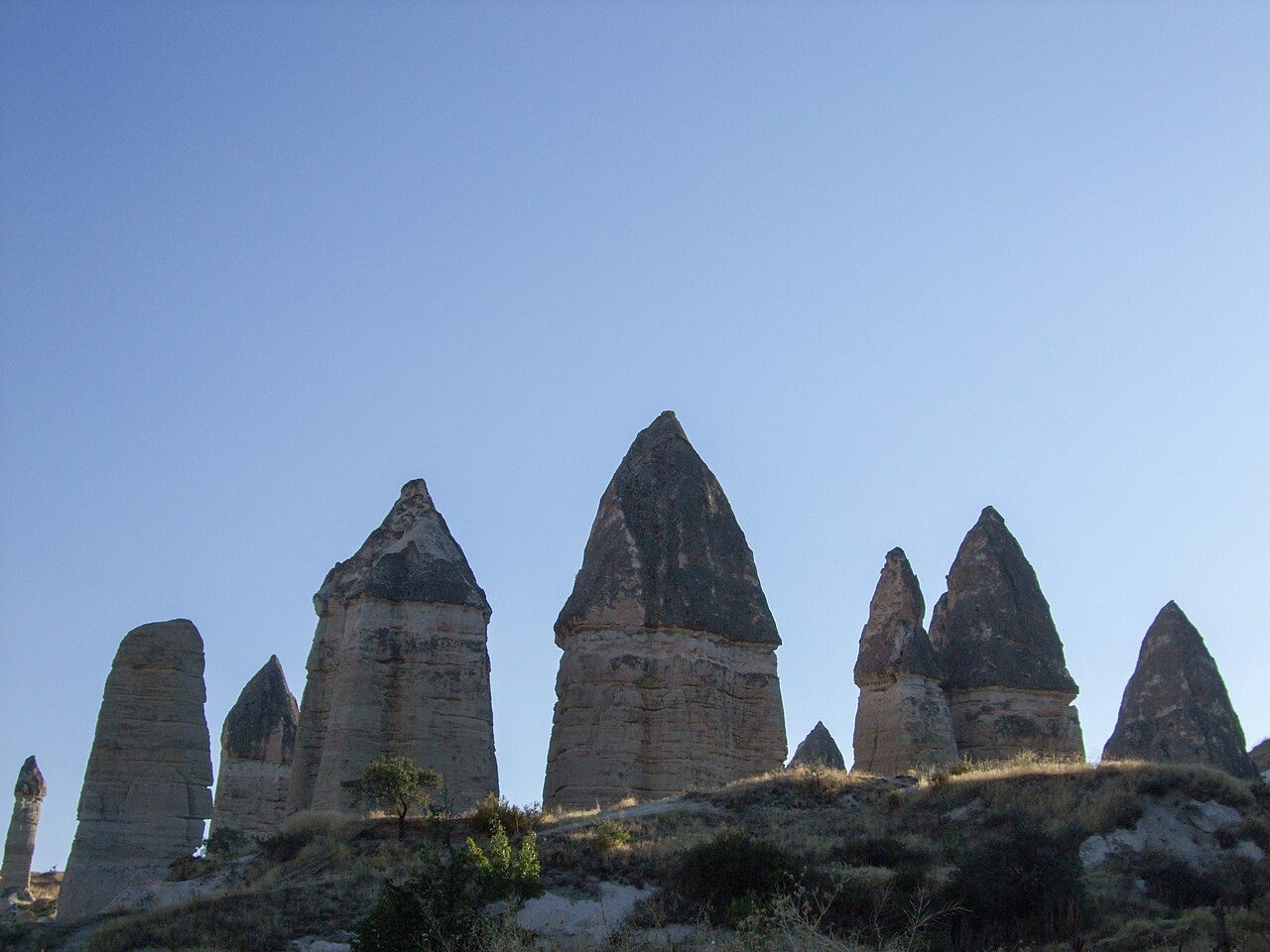
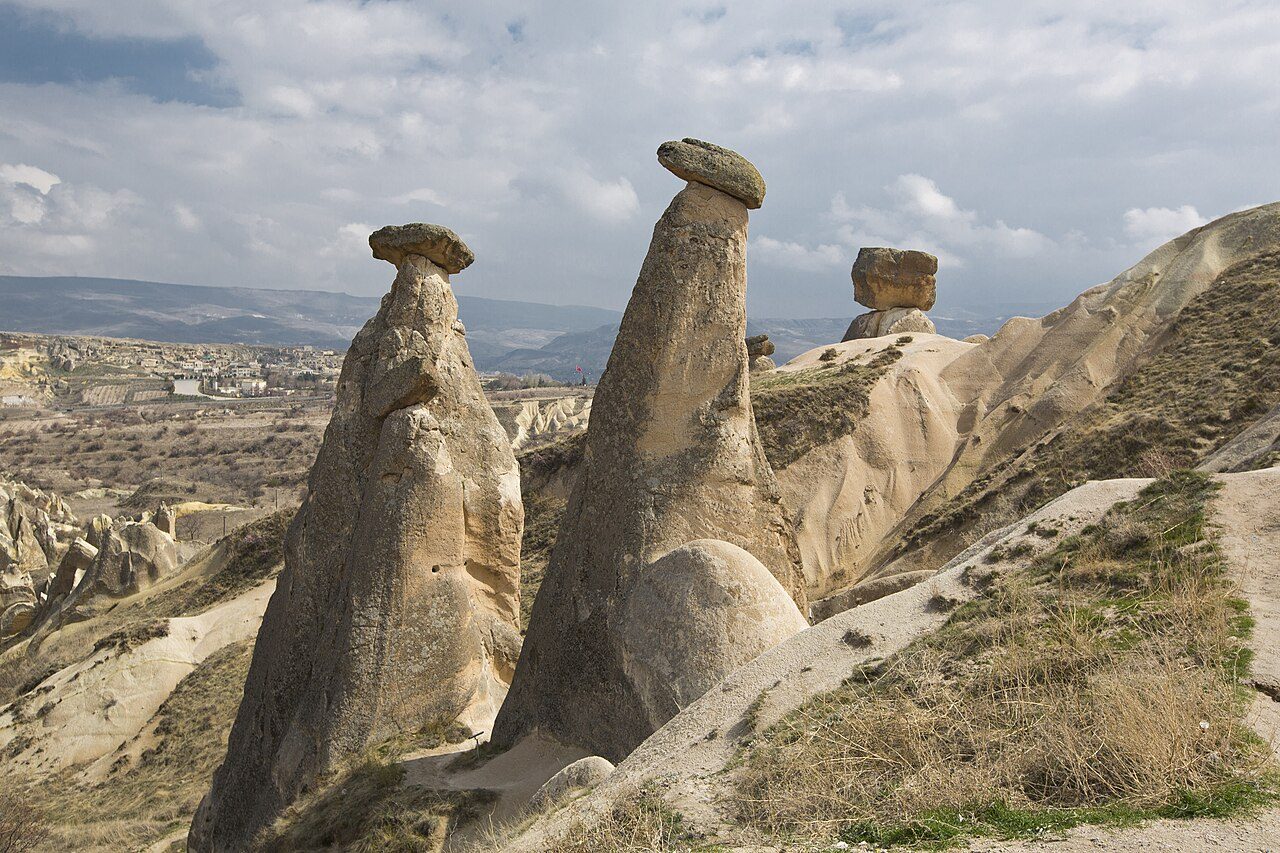
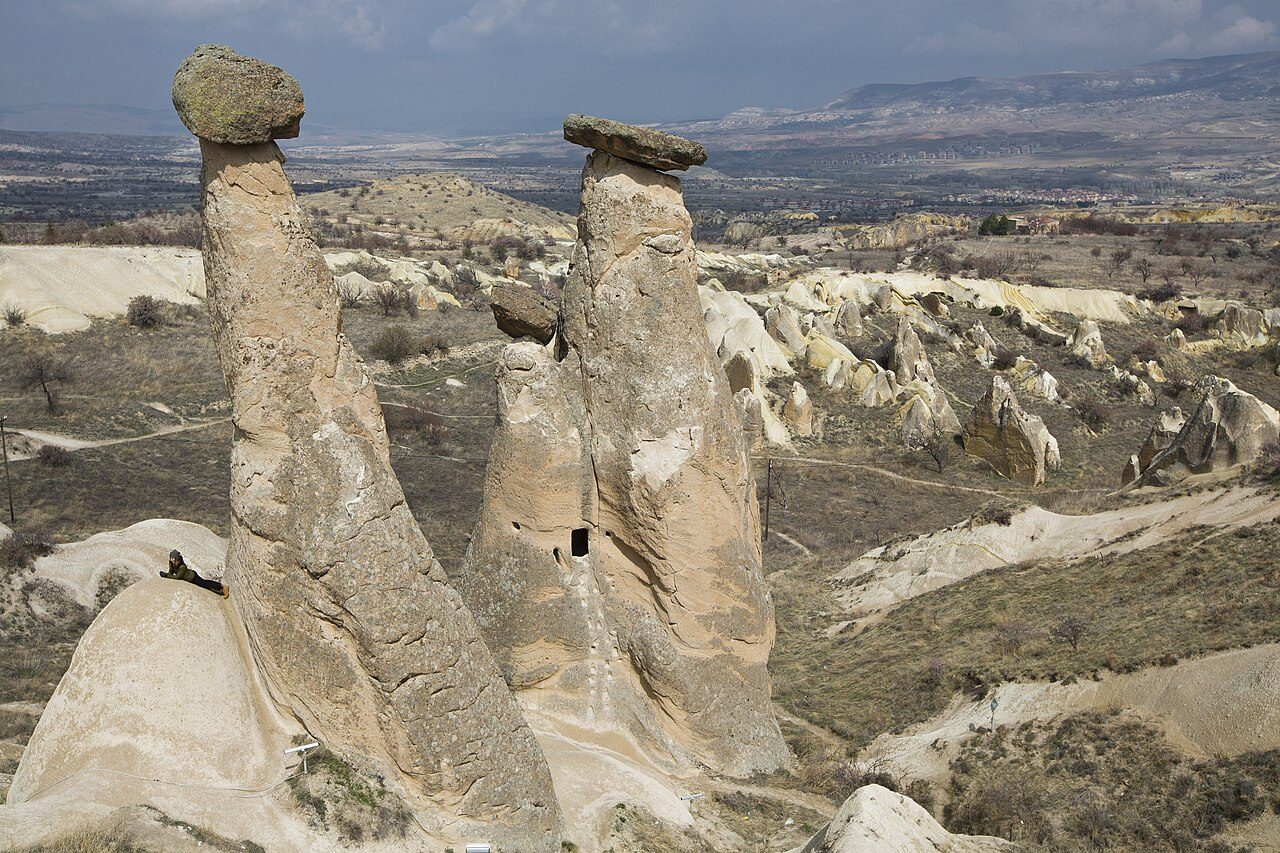
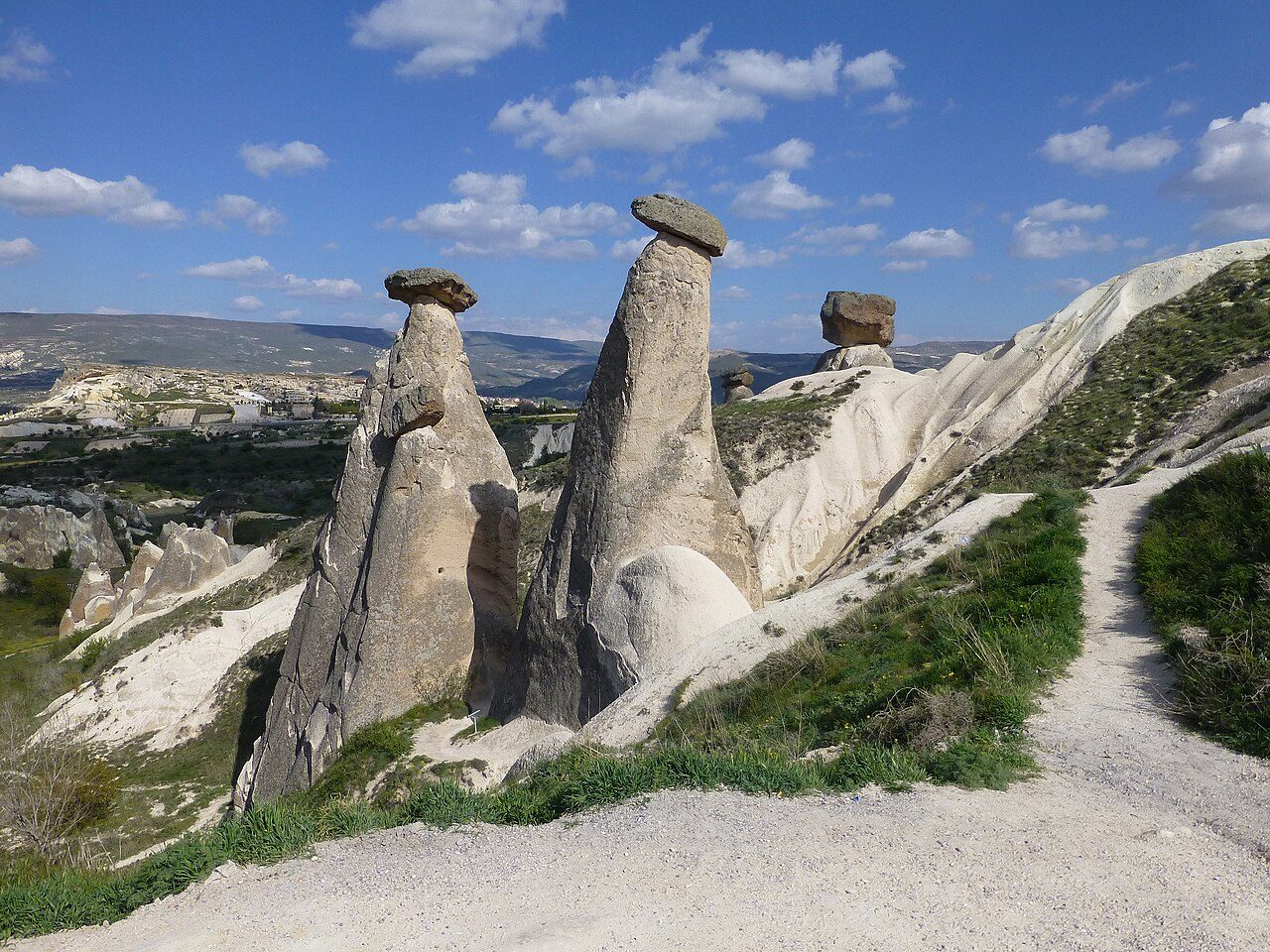
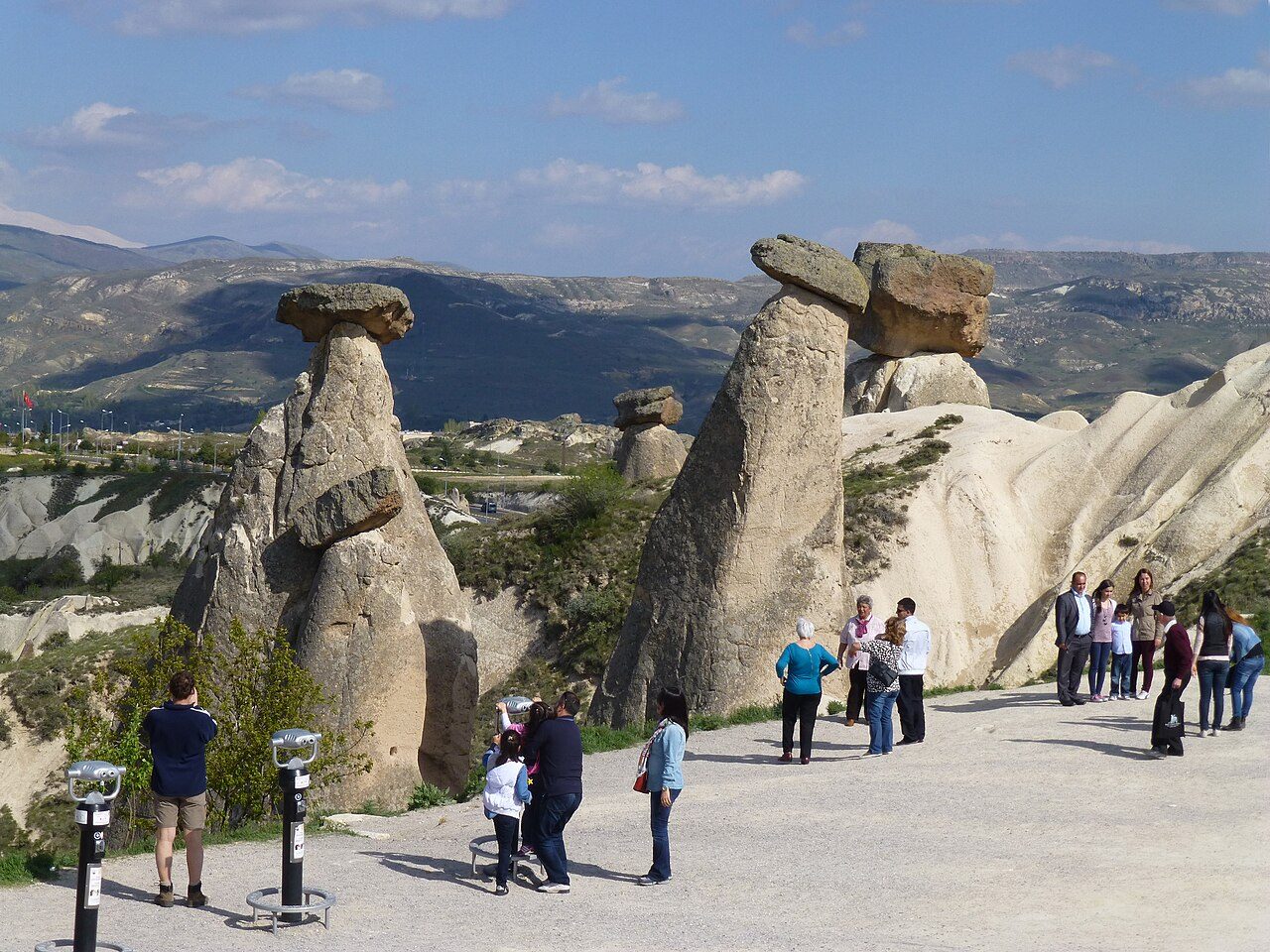
The Three Beauties are a group of three fairy chimneys on a hilltop near Ürgüp in Cappadocia. The tall rock pillars with dark caps are said to represent a family of mother, father and child, and are linked with a local love legend. They are one of the most photographed sights in Cappadocia, especially at sunset with the valley behind them.
10
STOP 10 OF 12
Derinkuyu Underground City
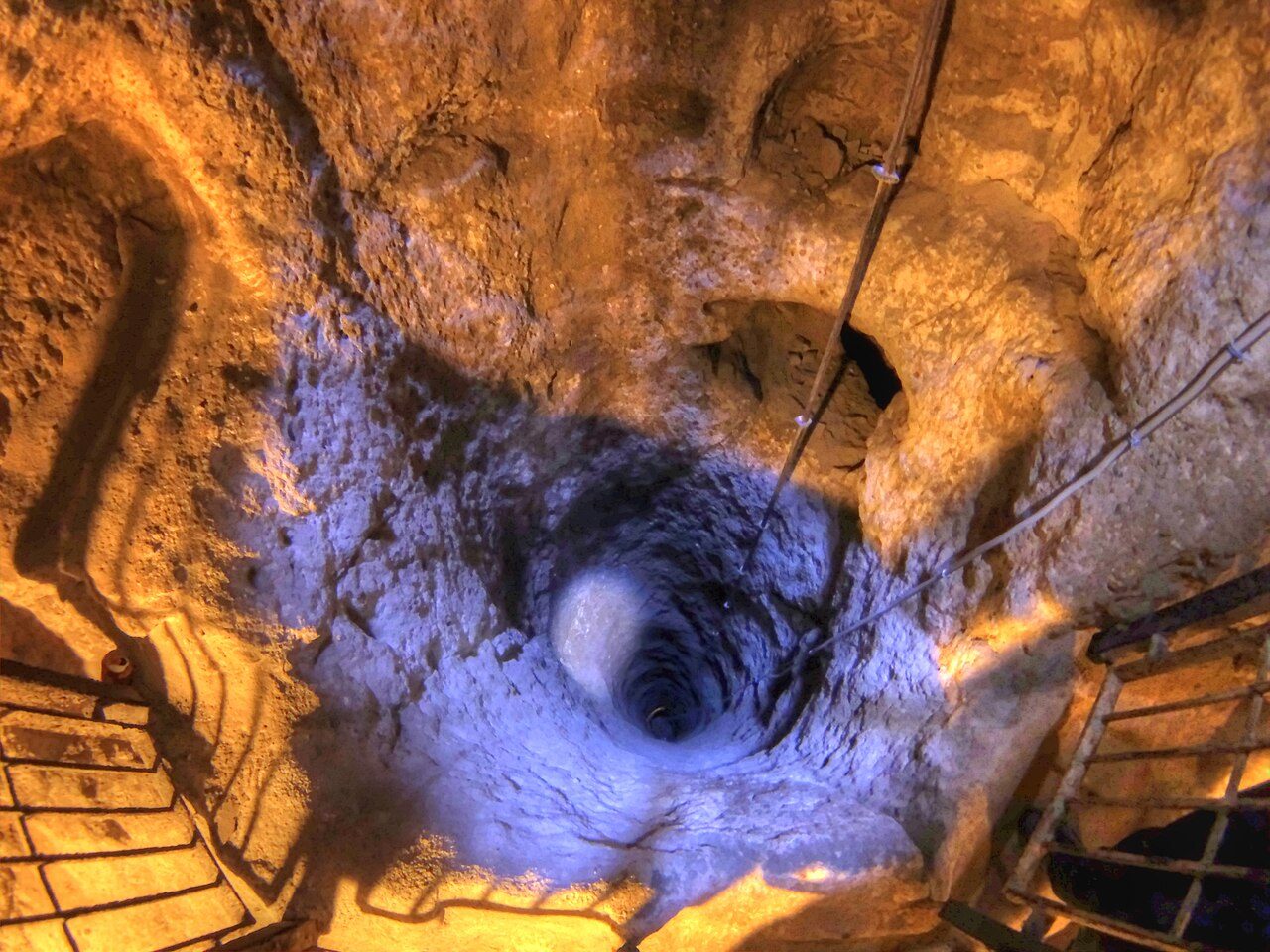
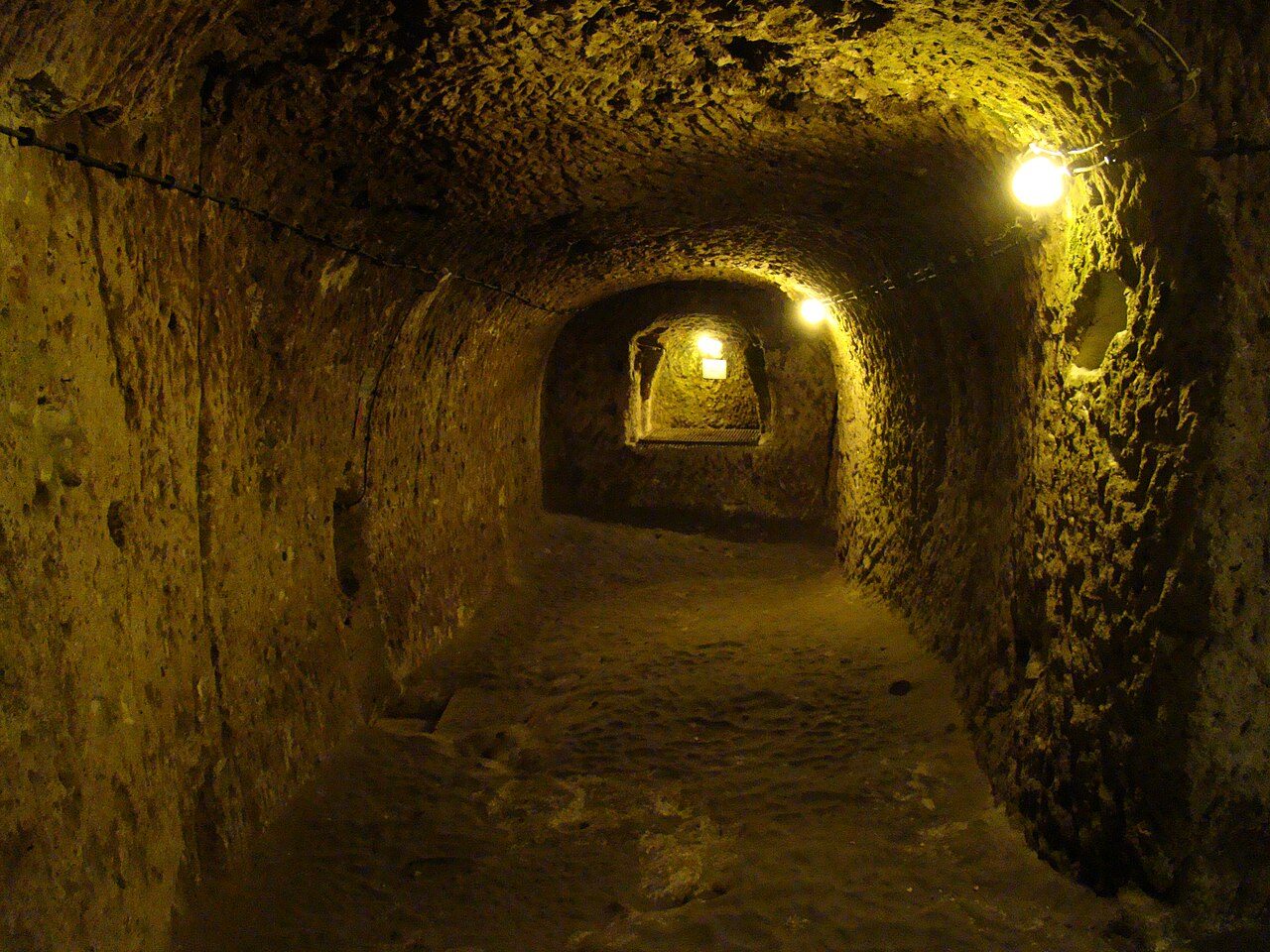
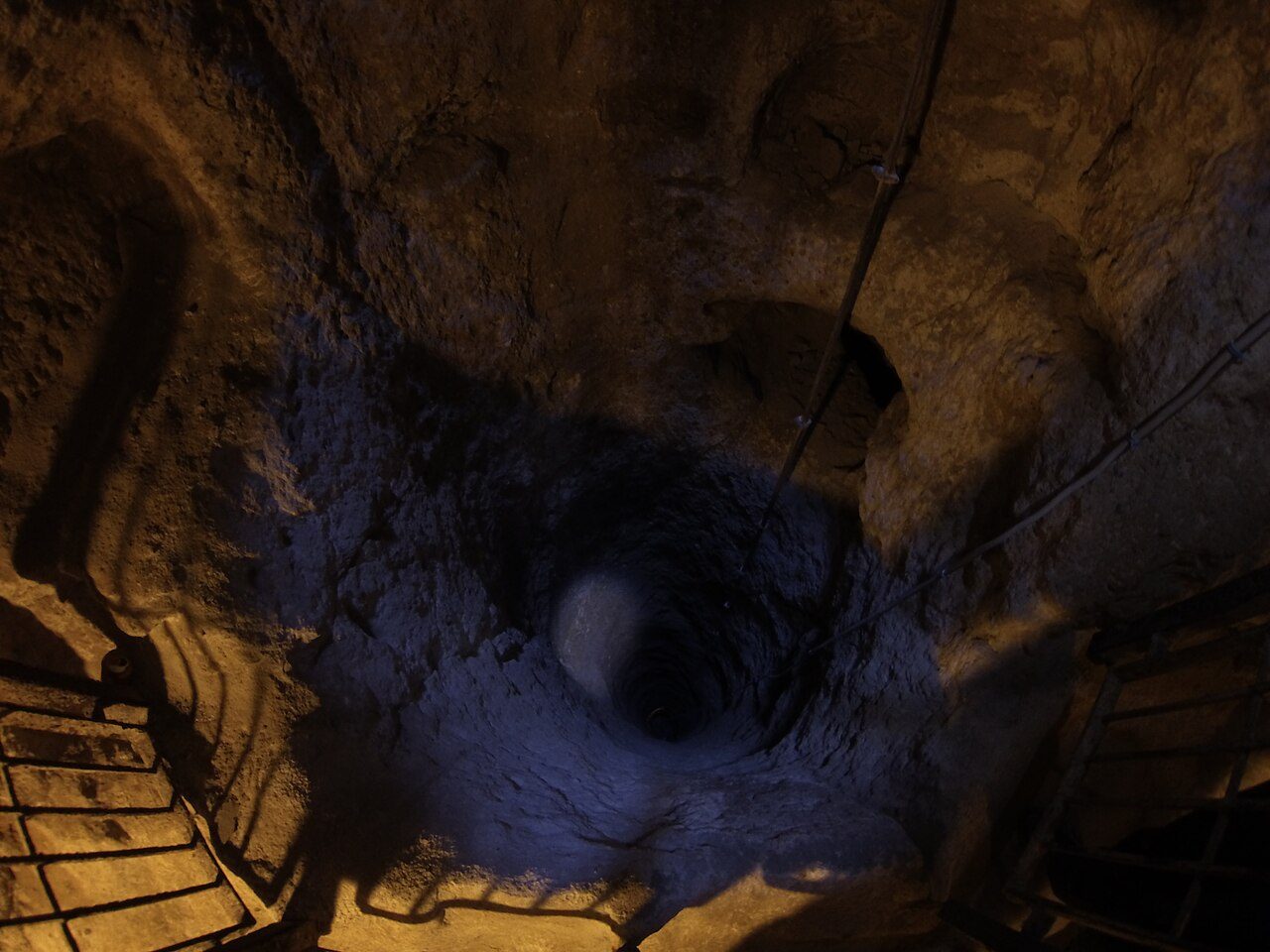
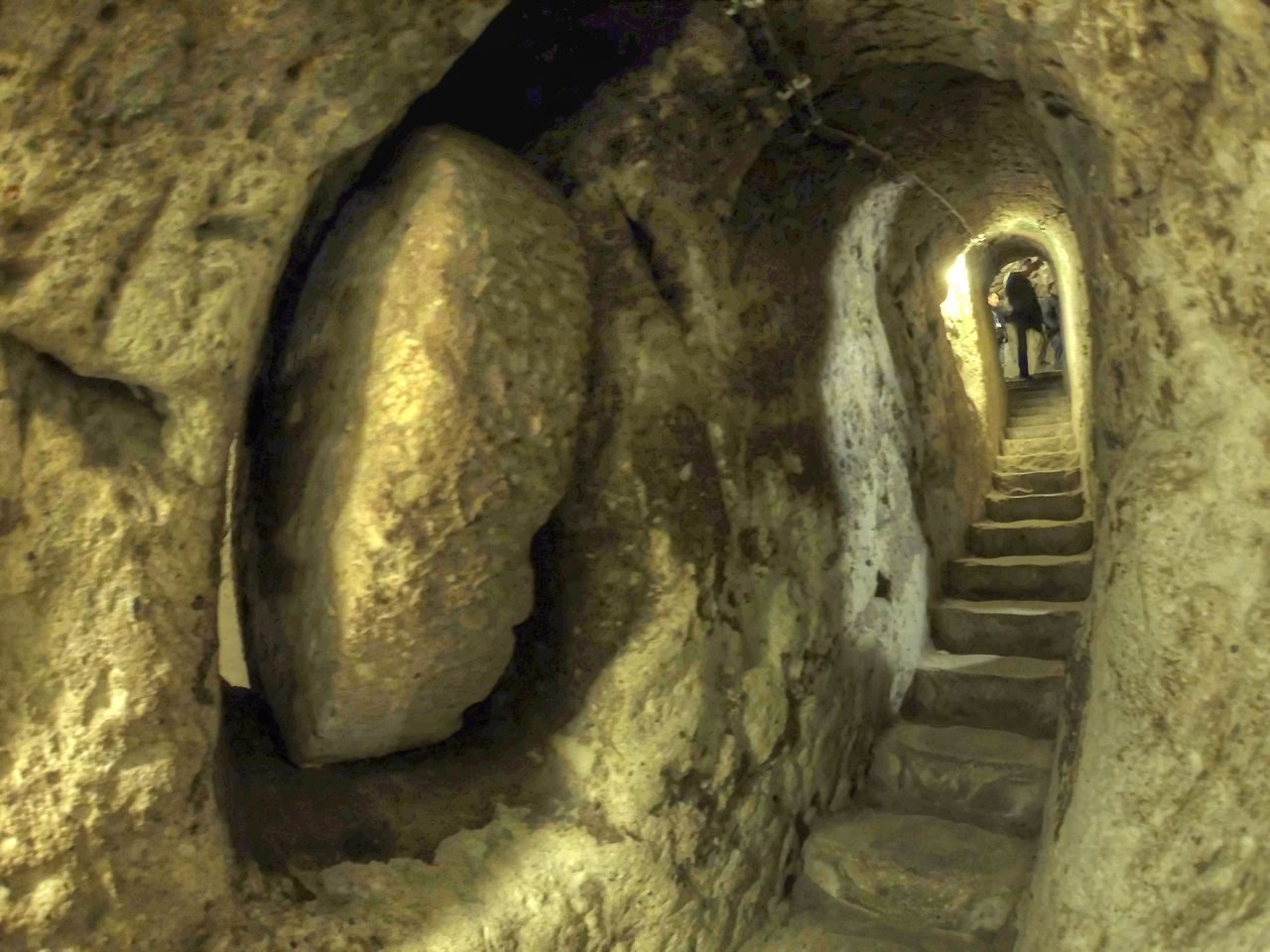
Derinkuyu is the deepest underground city in Cappadocia, reaching about 60 metres below the ground over many levels. It was carved from the soft rock over centuries, possibly from the Phrygian era, and greatly enlarged in Byzantine times. Thousands of people with their animals could shelter here from raids. It has stables, chapels, wells and huge rolling stone doors.
11
STOP 11 OF 12
Ihlara Valley
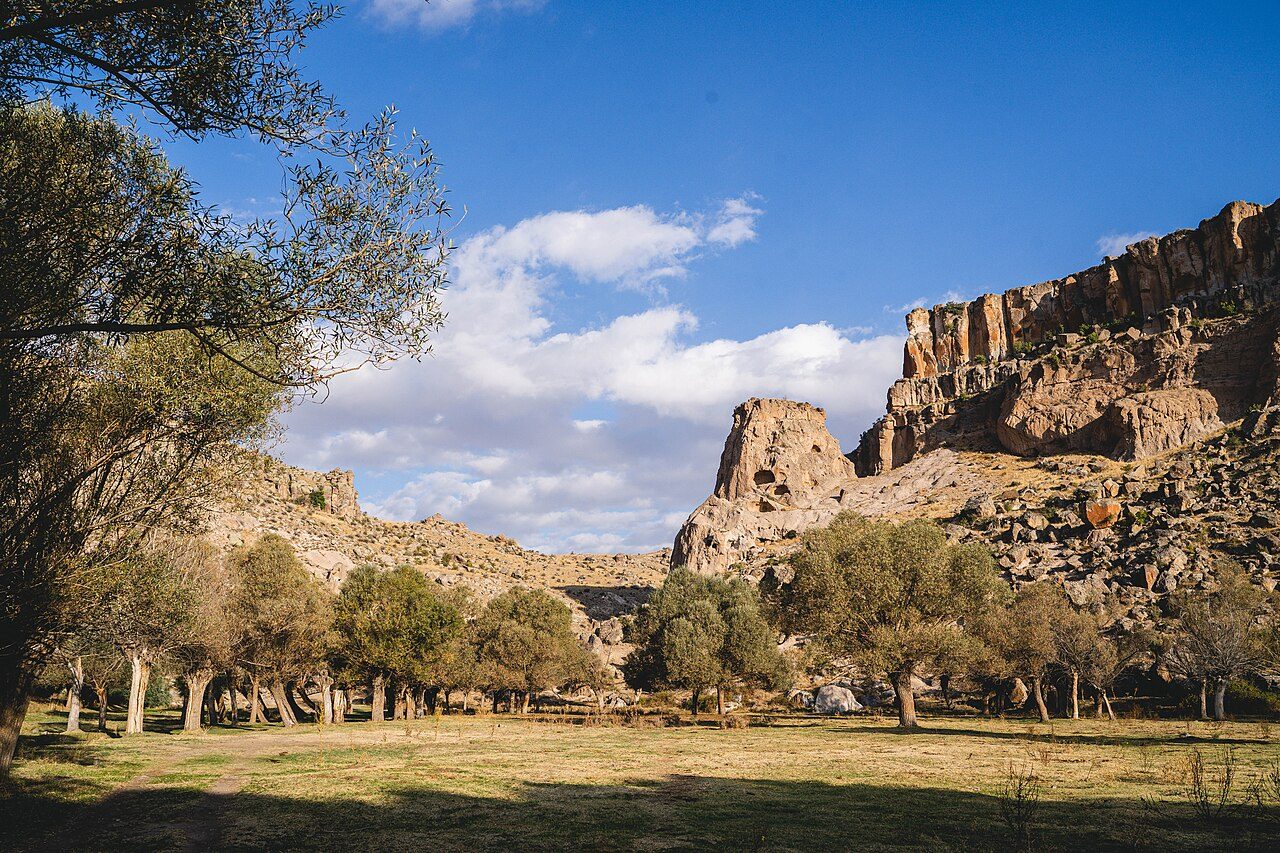
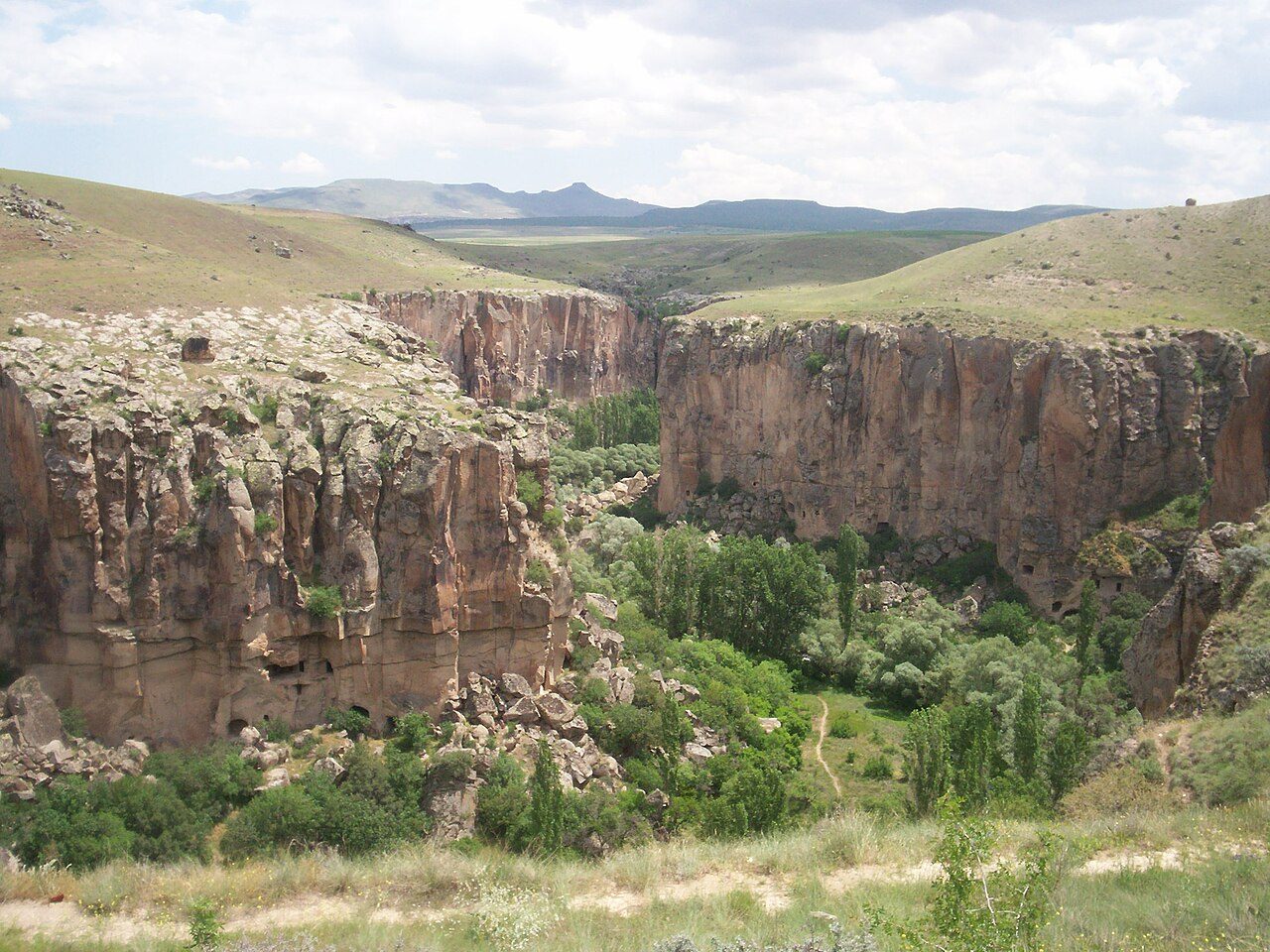
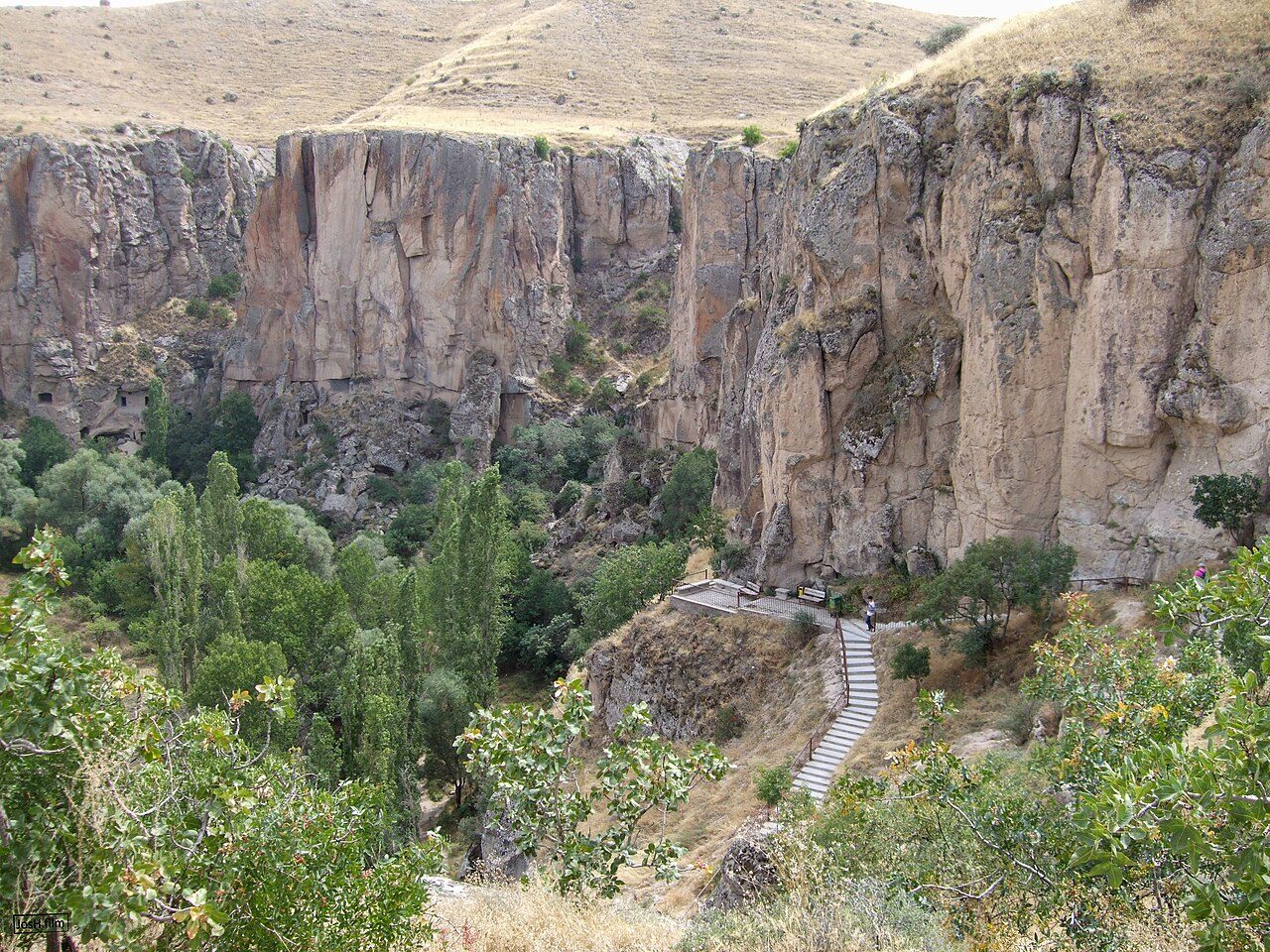
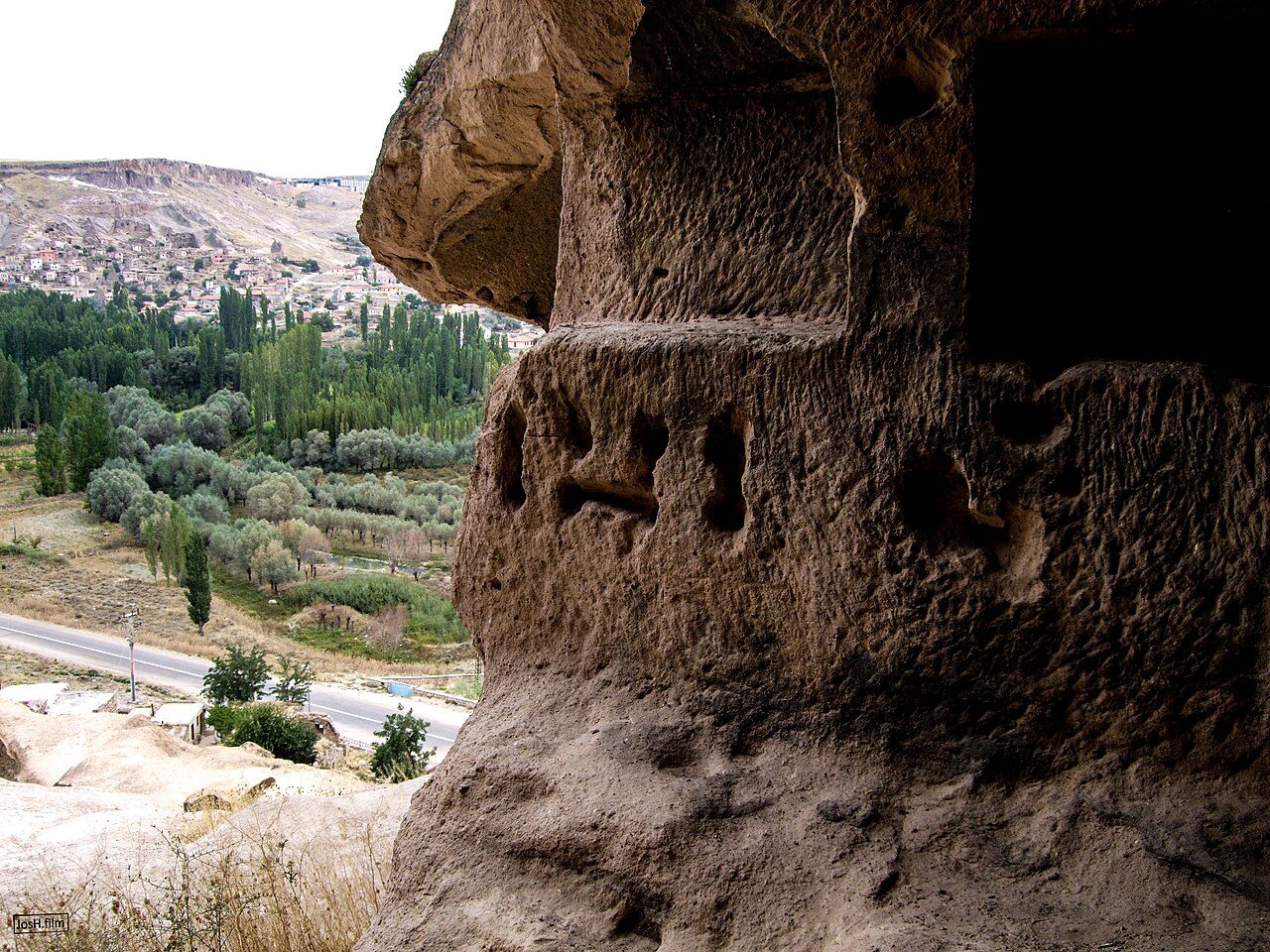
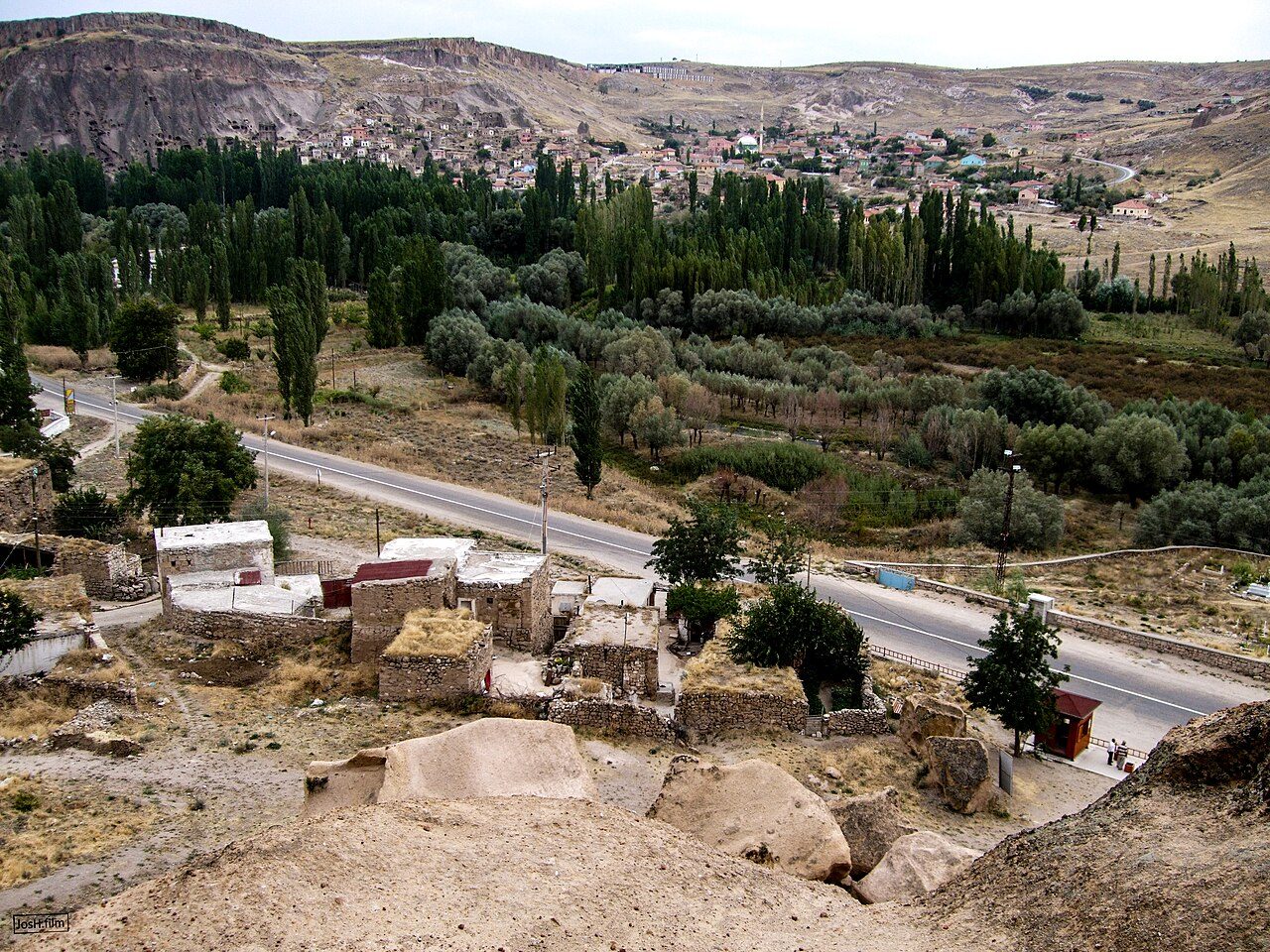
The Ihlara Valley is a canyon about 14 kilometres long and up to 100 metres deep, cut by the Melendiz River in southwest Cappadocia. Its walls hold dozens of rock-cut churches with Byzantine frescoes. A footpath follows the green riverbanks under tall cliffs, with trees and small tea houses. Steps lead down from the village of Ihlara.
12
STOP 12 OF 12 · LAST STOP
Selime Monastery
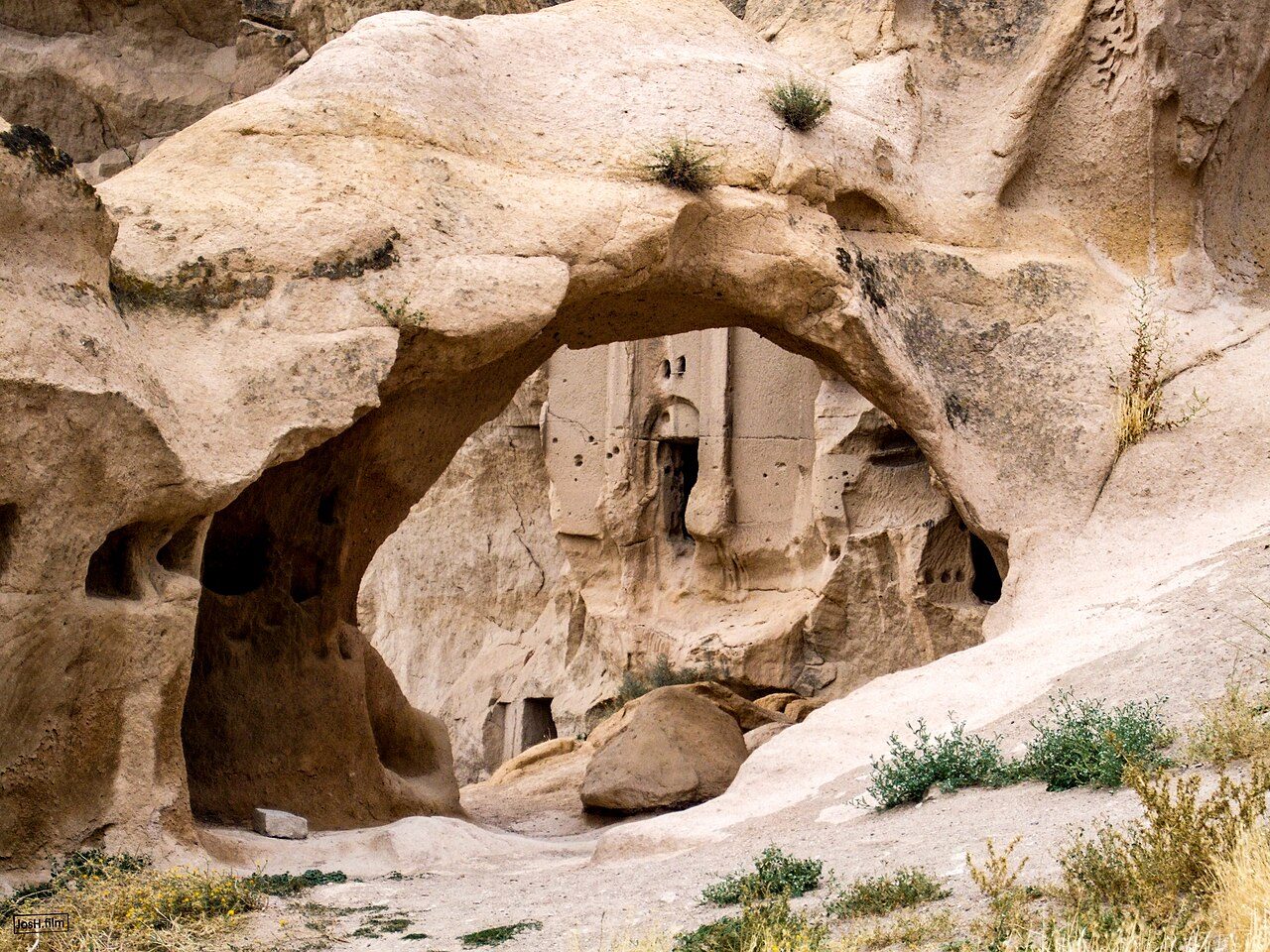
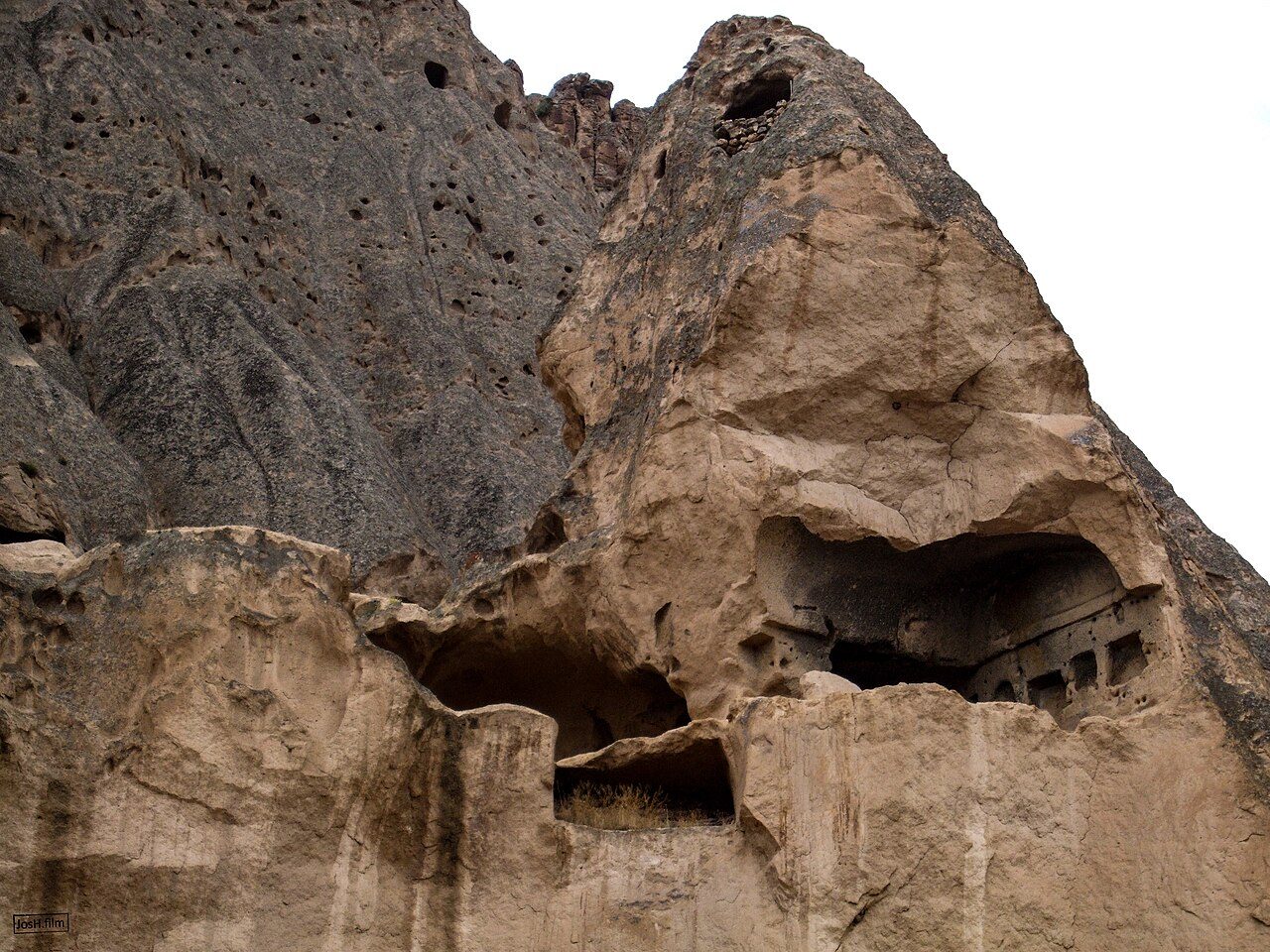
Selime Monastery is a large rock-cut complex at the northern end of the Ihlara Valley. It was carved into the cliff in the 8th and 9th centuries and has a cathedral-sized church, kitchens, stables and living rooms over several levels. It is one of the largest religious buildings in Cappadocia. The cliff and fairy chimneys around it are striking.
Seasons from 20 years of NASA POWER climate data.
 WaTrips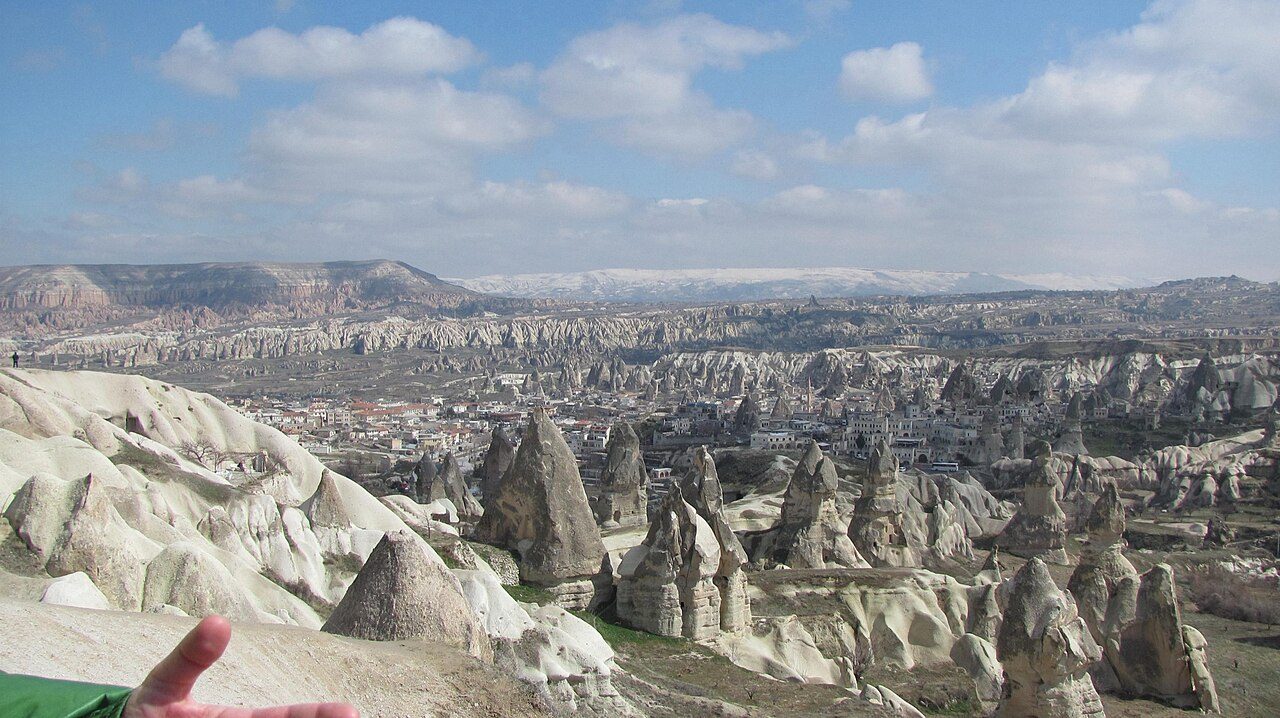

 BikesBooking
 Localrent
 Airalo
 Tiqets