Göbekli Tepe and Şanlıurfa's sacred pools, Harran's beehive houses, Mount Nemrut, Mardin, Akdamar Island, Ishak Pasha Palace and Ani.
Eastern Türkiye is the oldest and least-visited part of the country. Start at Göbekli Tepe, a temple built around 11,500 years ago, and Şanlıurfa's sacred fish pools at the traditional birthplace of Abraham. See Harran's beehive houses and the sunrise among the giant stone heads on Mount Nemrut. Explore Mardin's honey-coloured streets and the Syriac Deyrulzafaran Monastery, boat to the Armenian church on Akdamar Island in Lake Van, visit Ishak Pasha Palace below Mount Ararat, and end at the ruined city of Ani. May–June and September–October are best.
01
STOP 1 OF 10
Göbekli Tepe
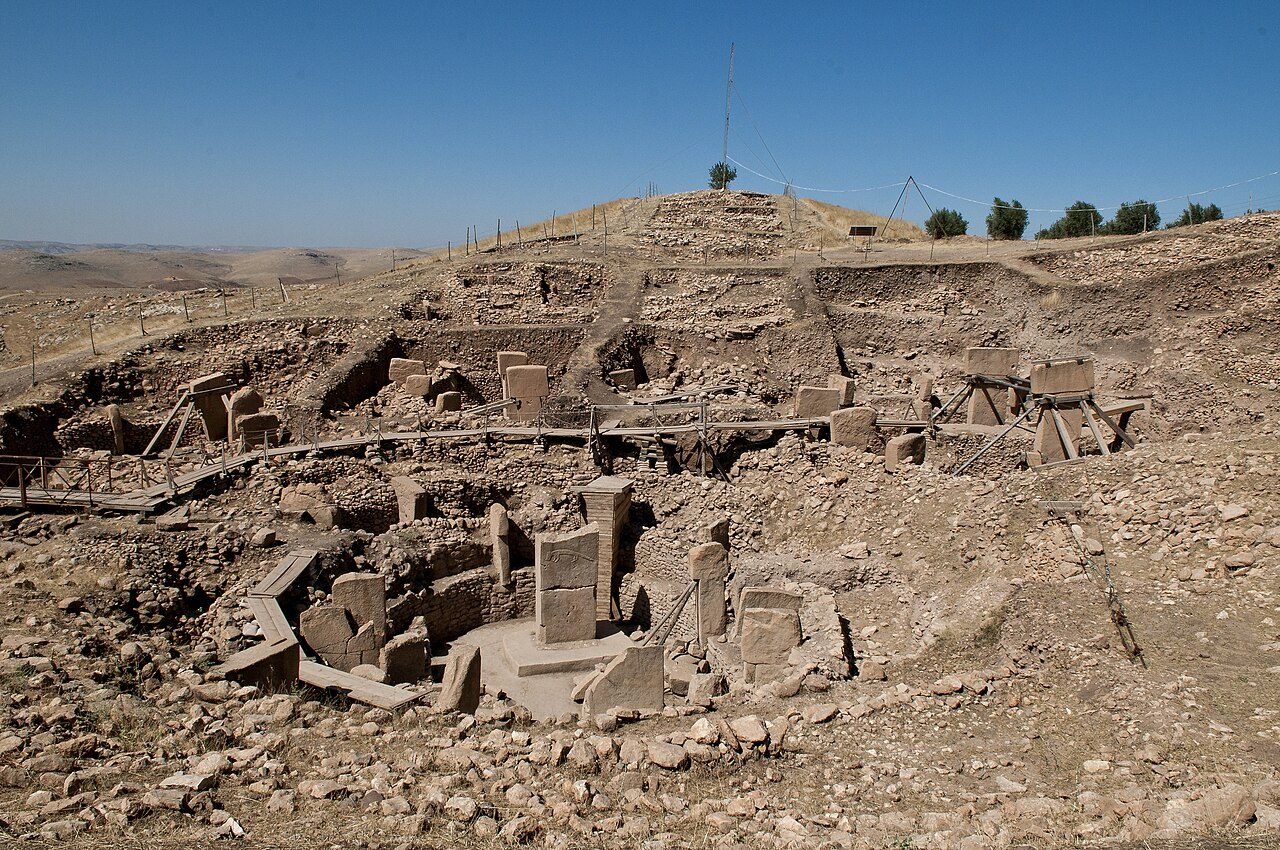
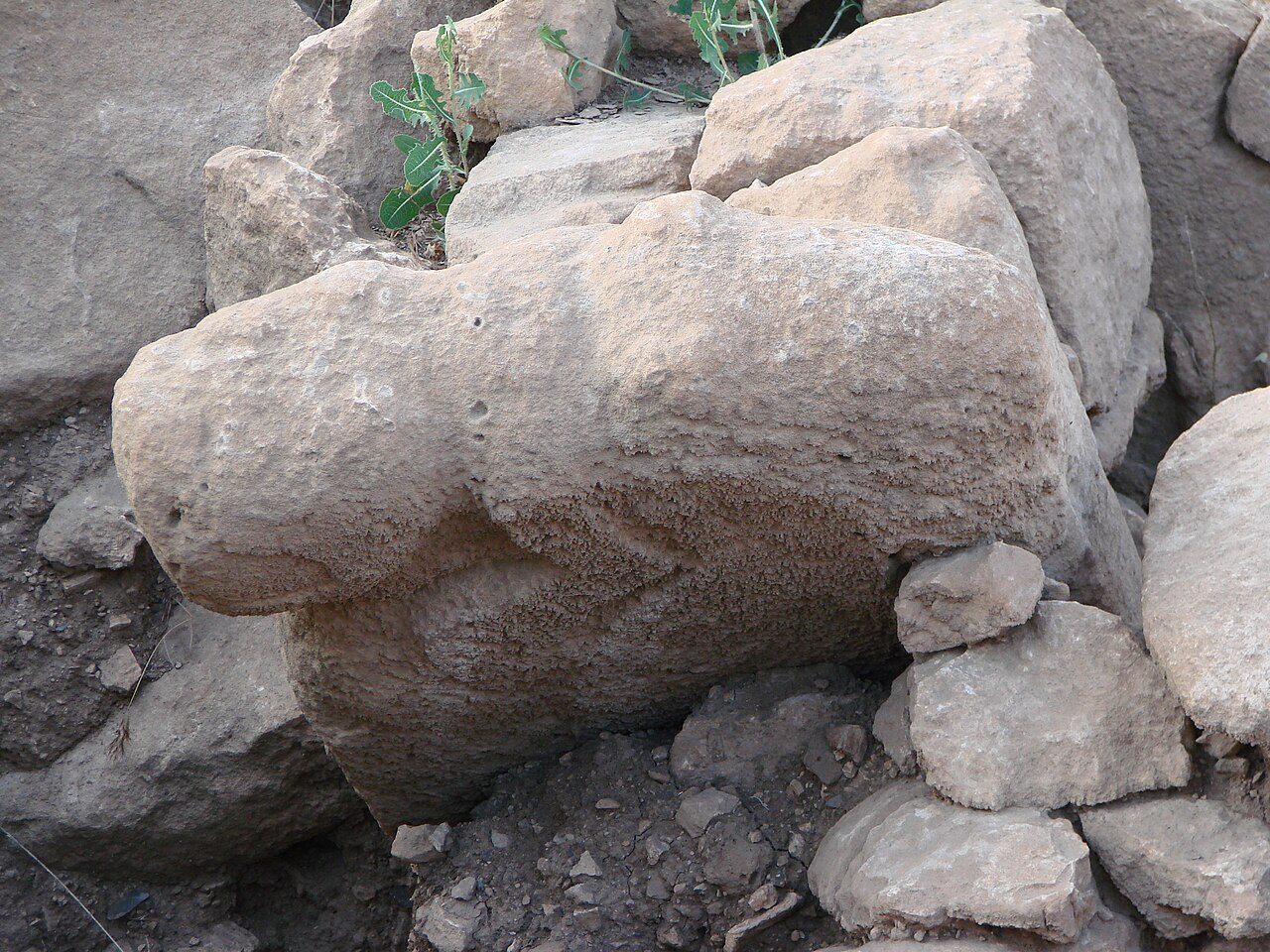
Göbekli Tepe is an archaeological site near Şanlıurfa dating from around 9600 BC, making it the oldest known monumental structure in the world. Hunter-gatherers raised huge T-shaped limestone pillars in stone circles, carved with foxes, boars, snakes and birds. It was built thousands of years before Stonehenge. It became a UNESCO World Heritage Site in 2018.
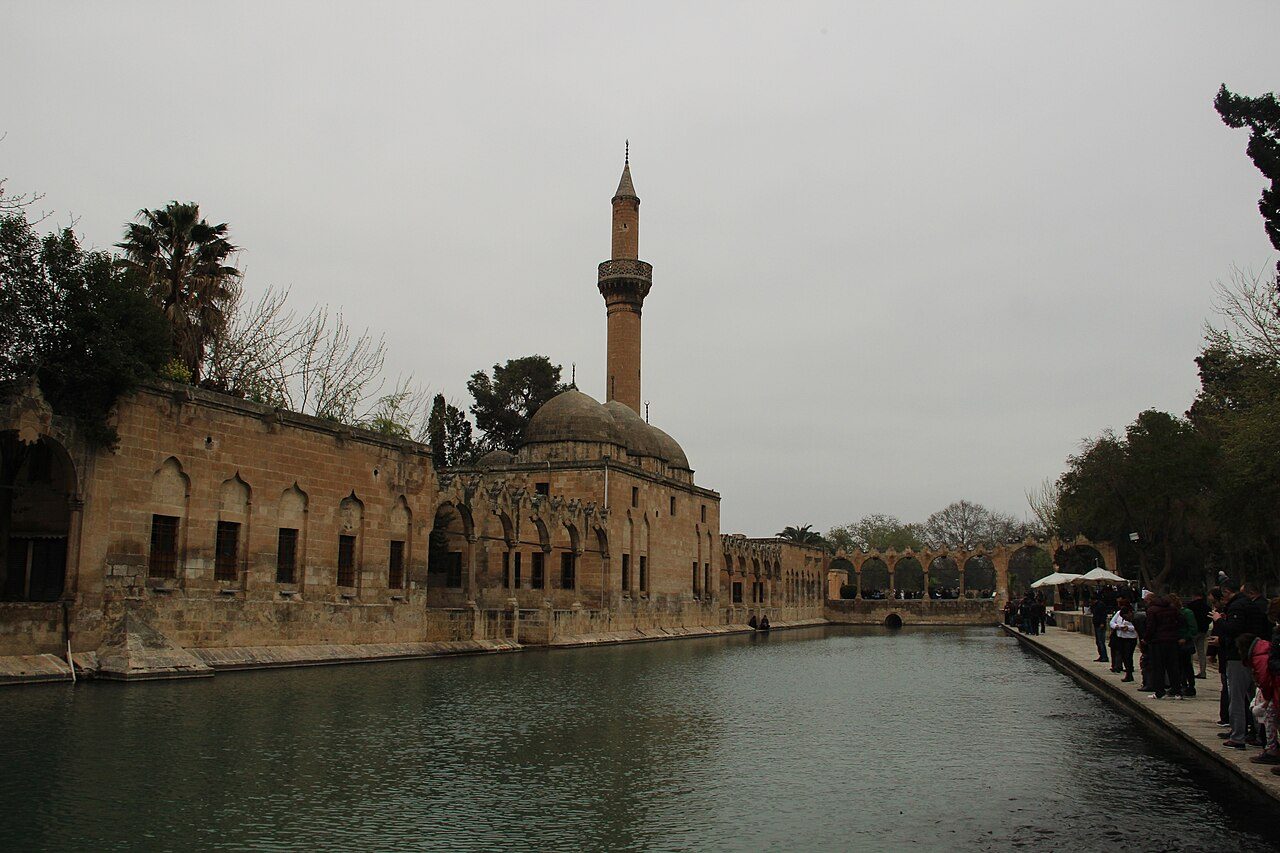
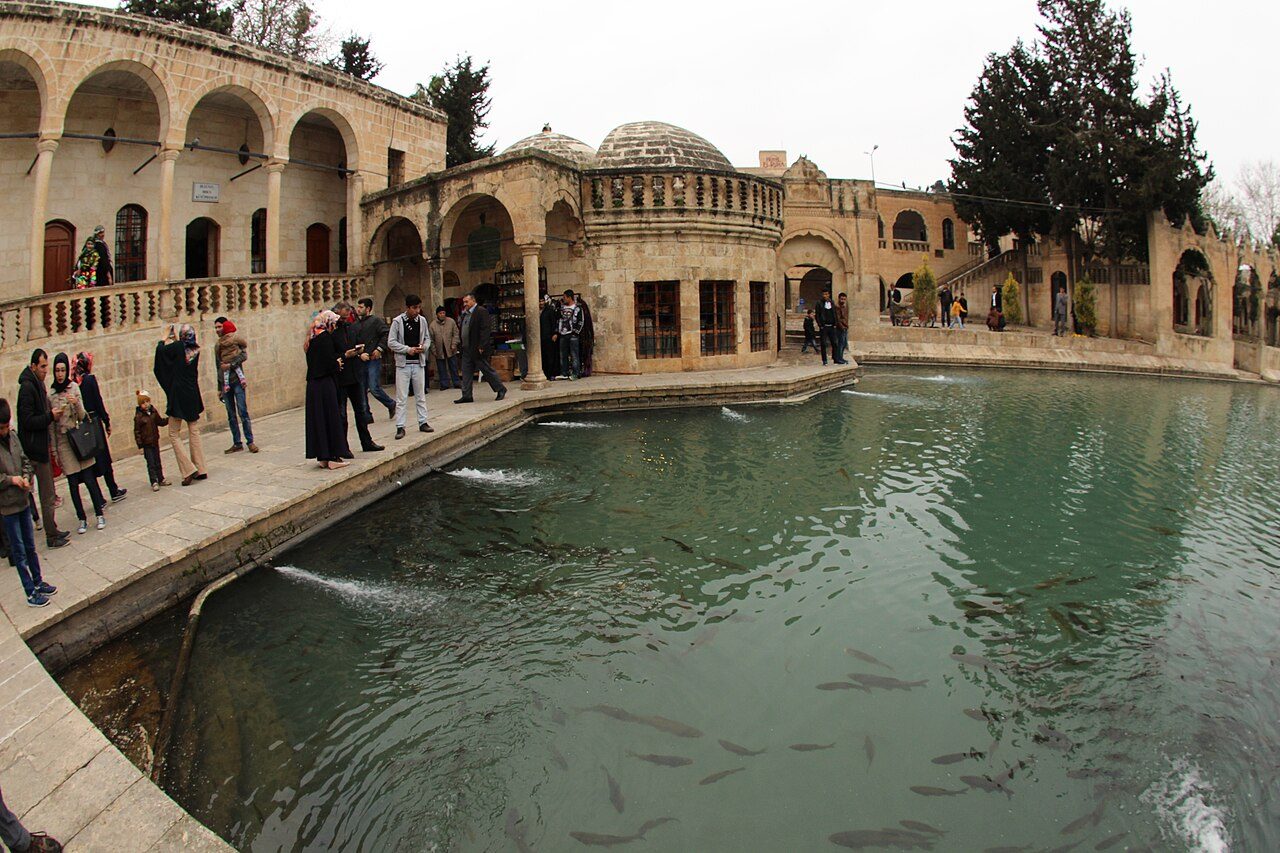
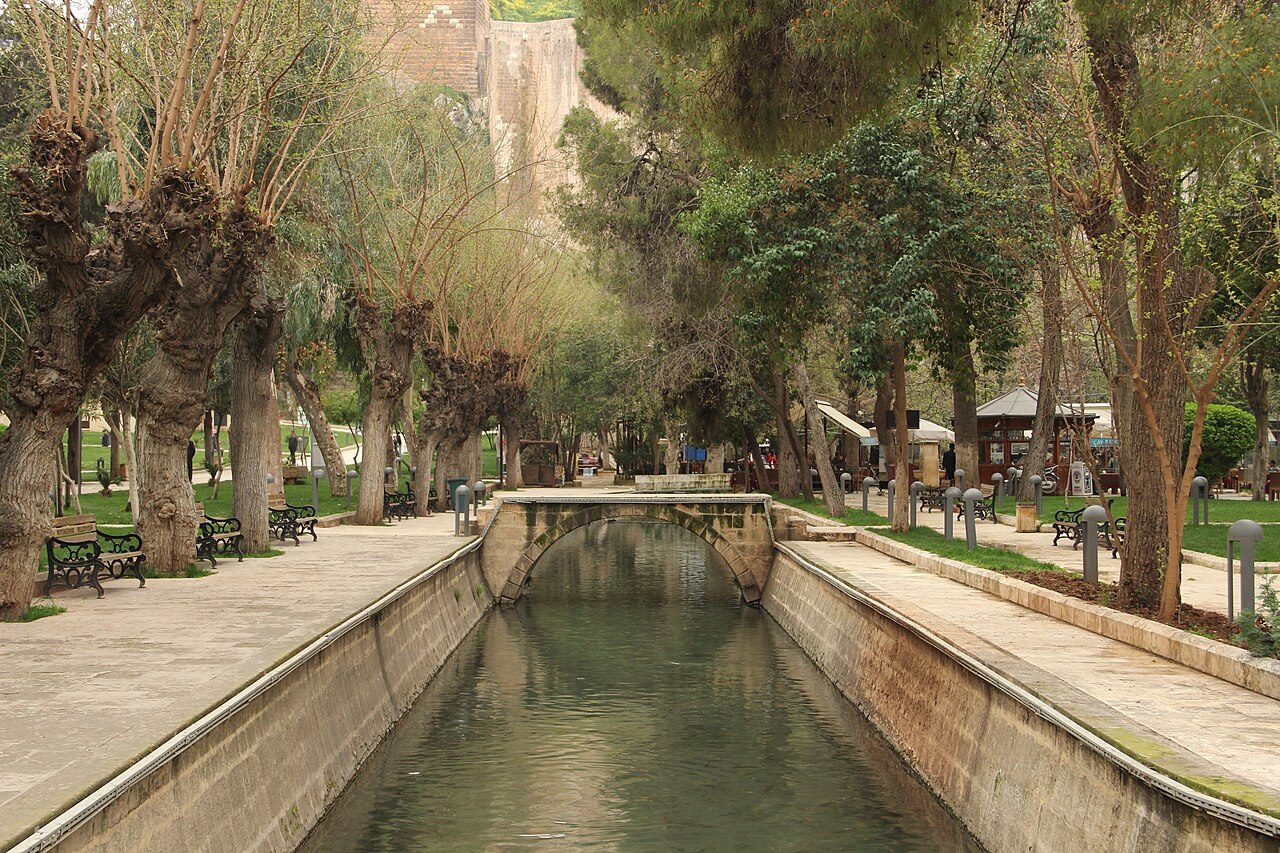
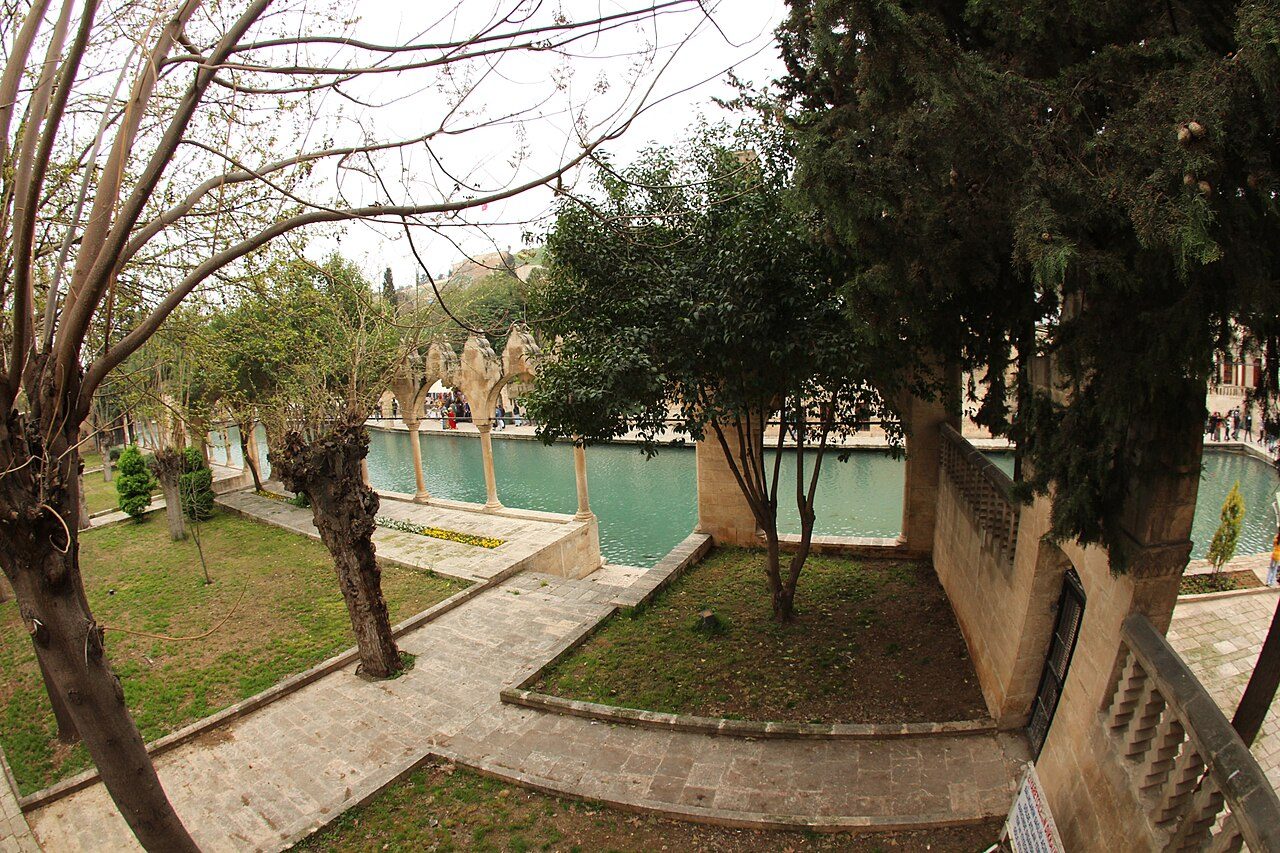
Balıklıgöl, the Pool of Sacred Fish, lies in the centre of Şanlıurfa. Tradition says it marks the spot where Nimrod threw the prophet Abraham into a fire, which God turned into water and the burning logs into fish. The carp in the pool are considered sacred and are not caught. Mosques, gardens and the cave said to be Abraham's birthplace surround it.
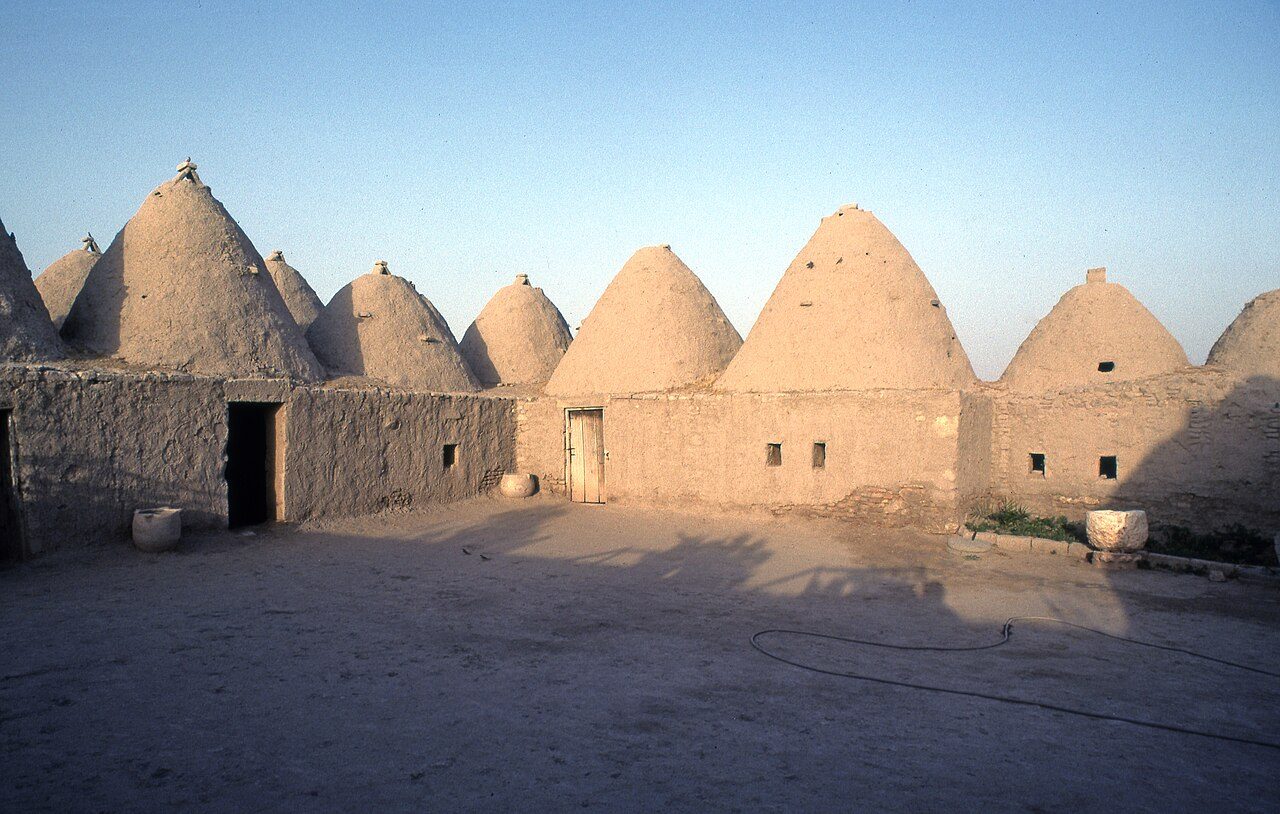
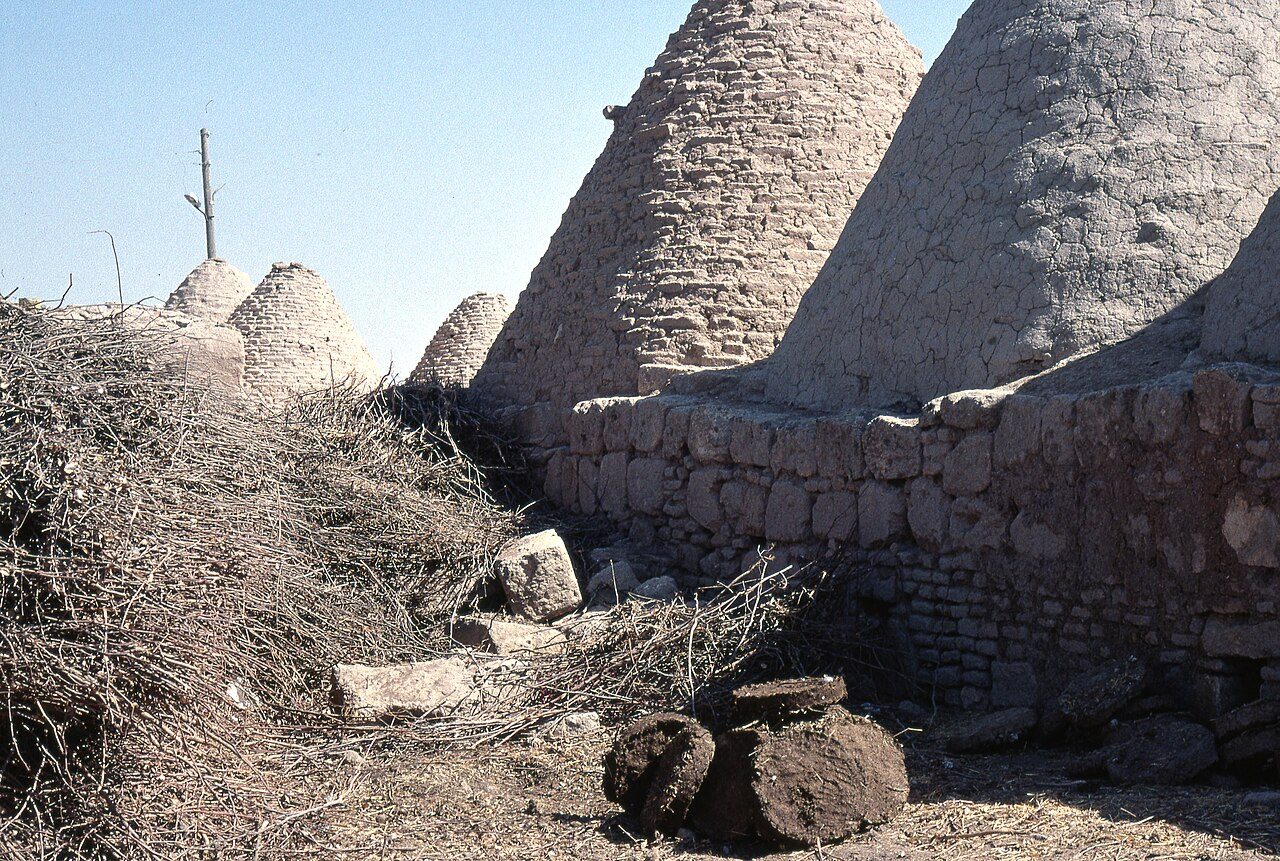
Harran is an ancient town in Şanlıurfa province, near the Syrian border. It is mentioned in the Bible as a place where Abraham lived. It is famous for its beehive houses, built of mud brick with cone-shaped domes that keep them cool. The ruins of an old university and a tall square tower from its Great Mosque stand nearby.
04
STOP 4 OF 10
Mount Nemrut
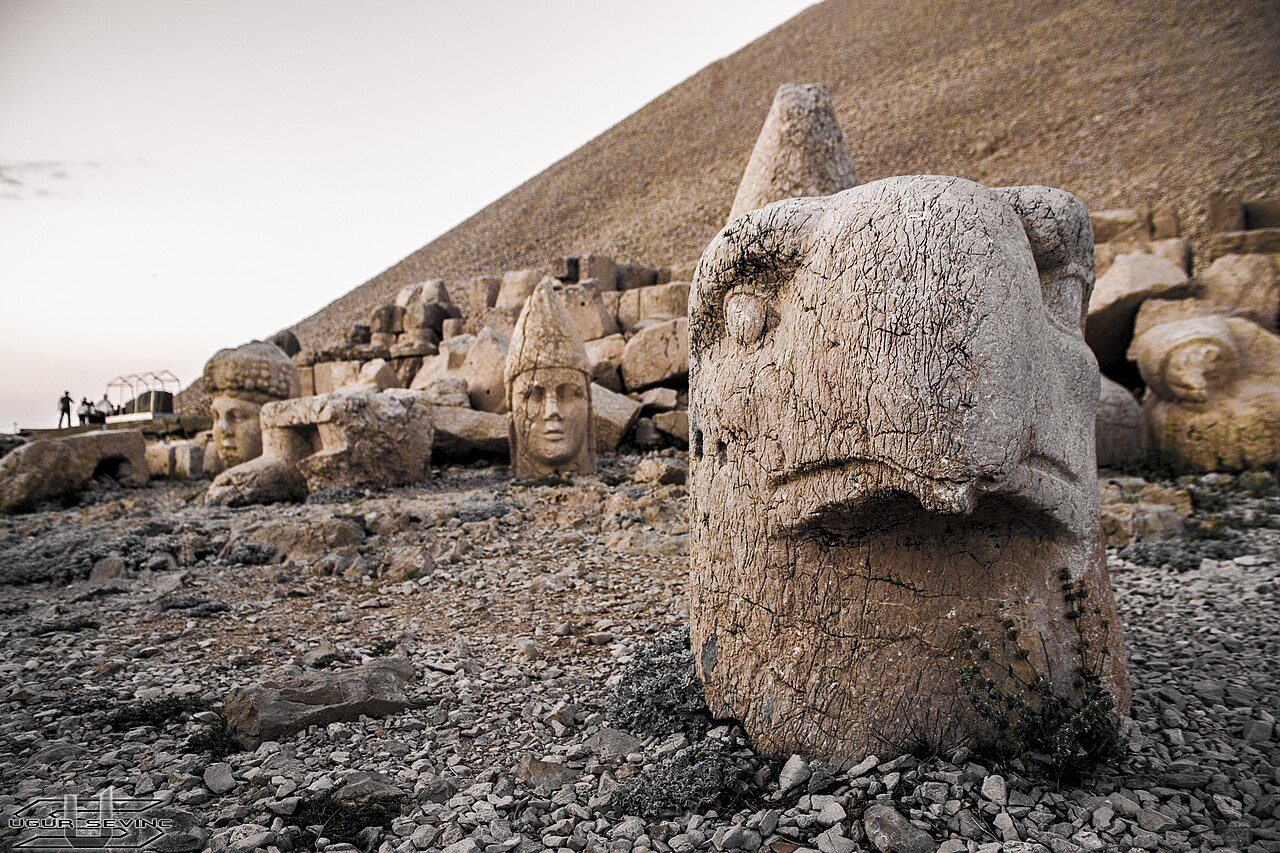
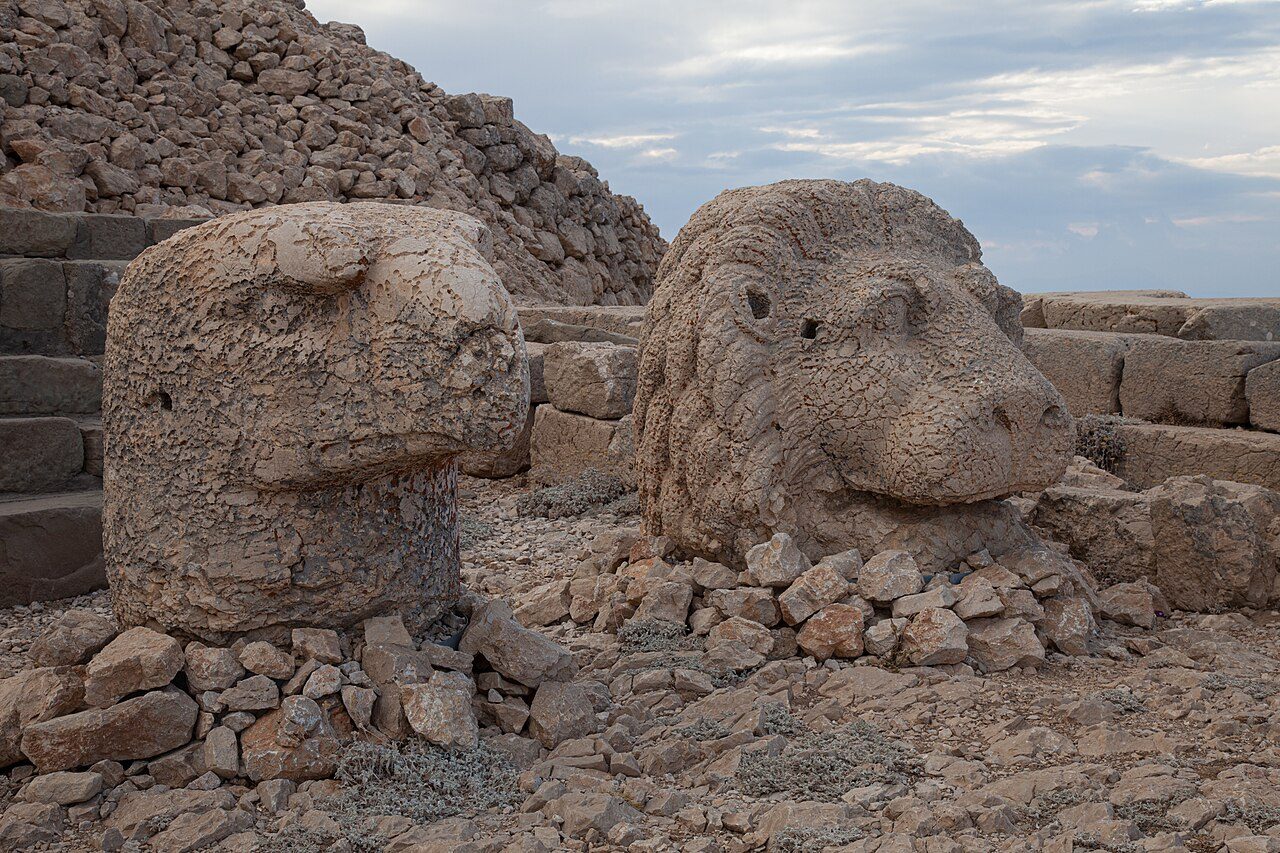
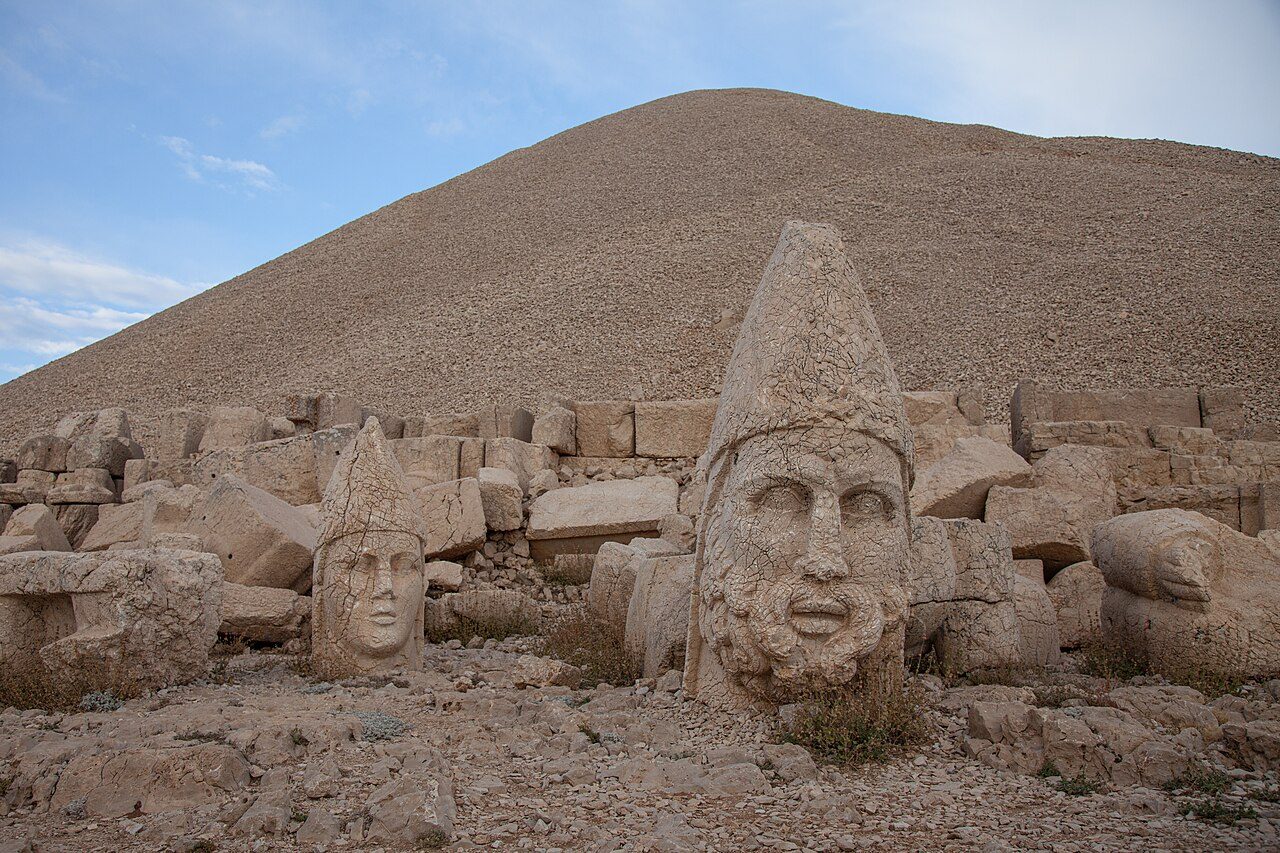
Mount Nemrut rises to about 2,134 metres in the Taurus Mountains near Kâhta. At its top, King Antiochus I of Commagene built a tomb-sanctuary in the 1st century BC, covered by a huge mound of stones. Giant stone statues of the king and gods sit on terraces, their heads now lying on the ground. Visitors climb up for sunrise or sunset. It is a UNESCO World Heritage Site.
05
STOP 5 OF 10
Mardin Old Town
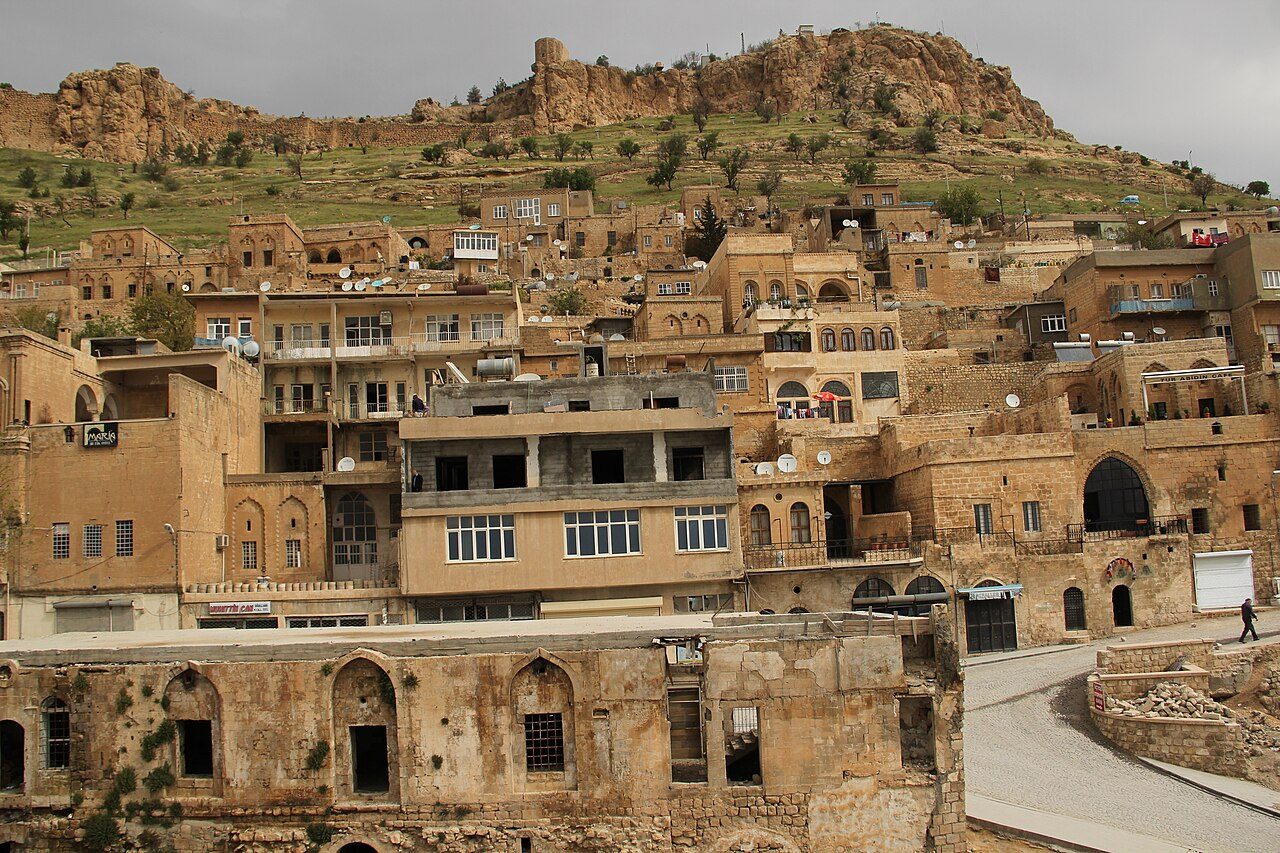
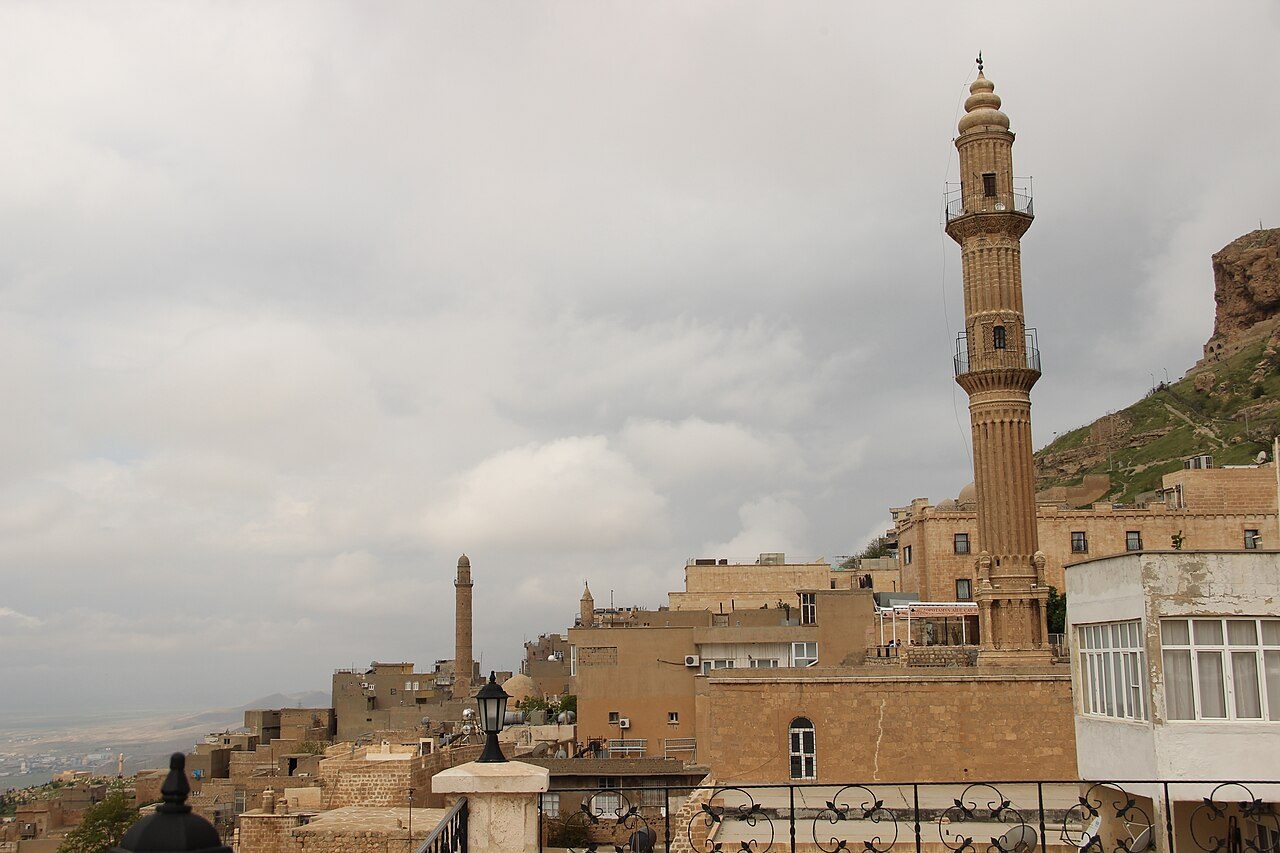
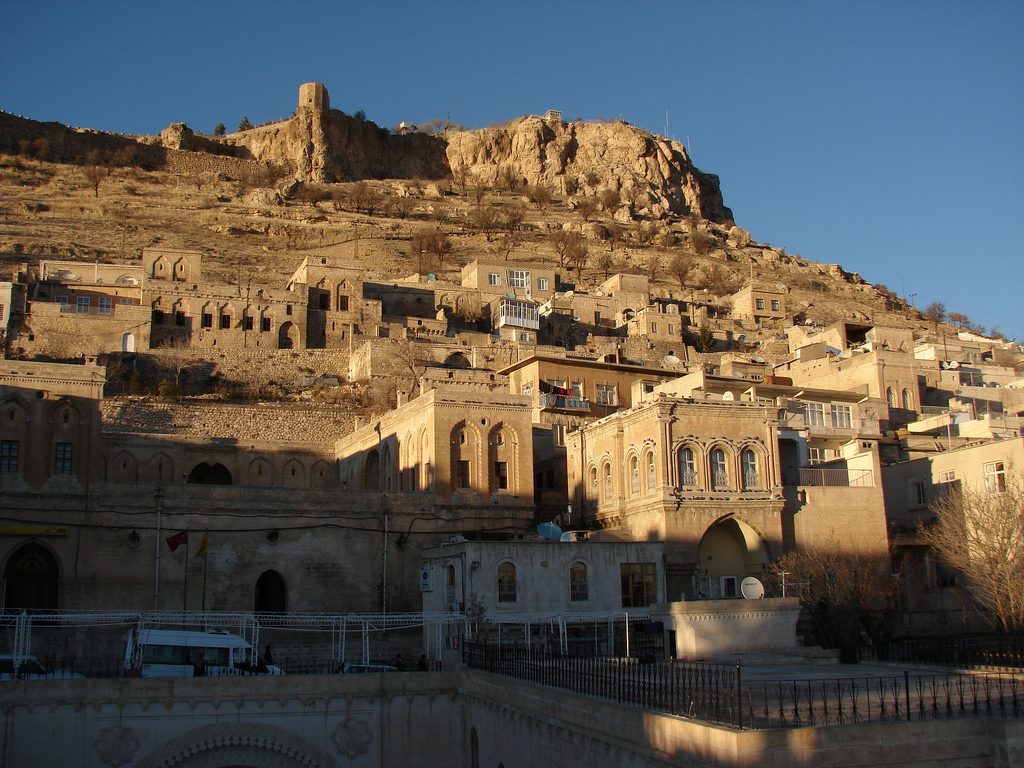
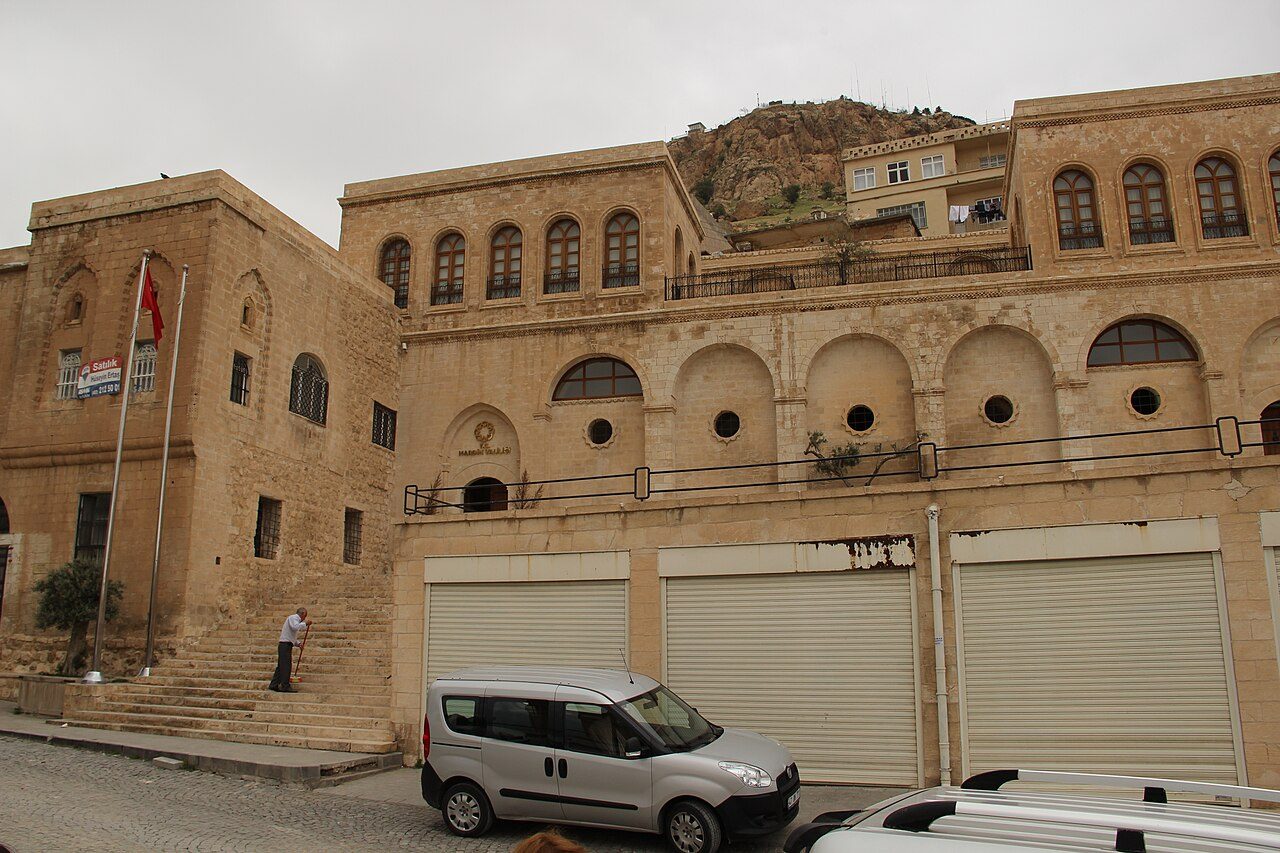
Mardin is an old city built on a steep hillside overlooking the plains of Mesopotamia. Its honey-coloured stone houses, mosques, churches and madrasas rise in terraces. The Zinciriye Madrasa and the Great Mosque with its fluted minaret are among its sights. Narrow alleys with arches lead past workshops and shops selling soap and silver.
06
STOP 6 OF 10
Deyrulzafaran Monastery
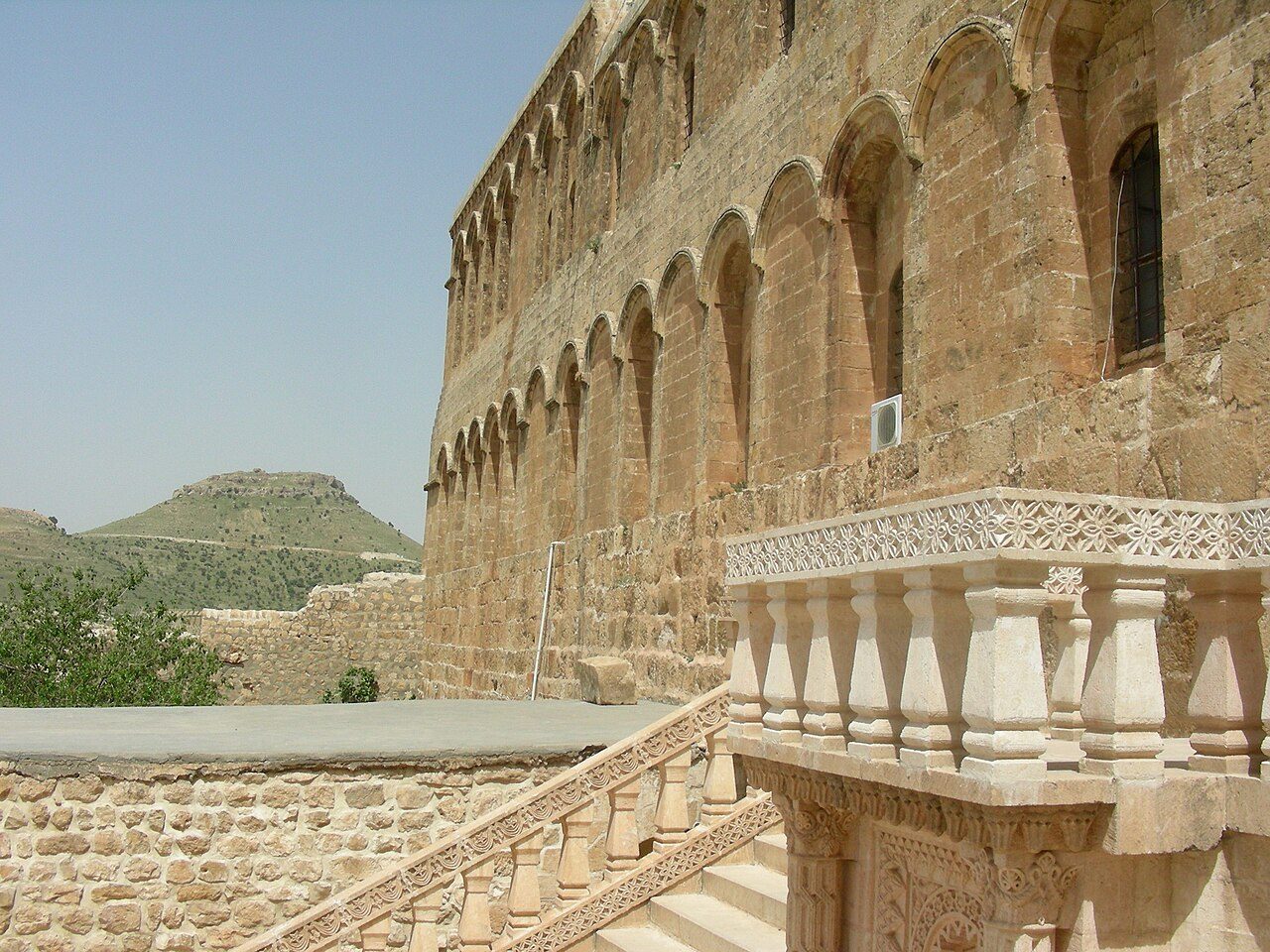
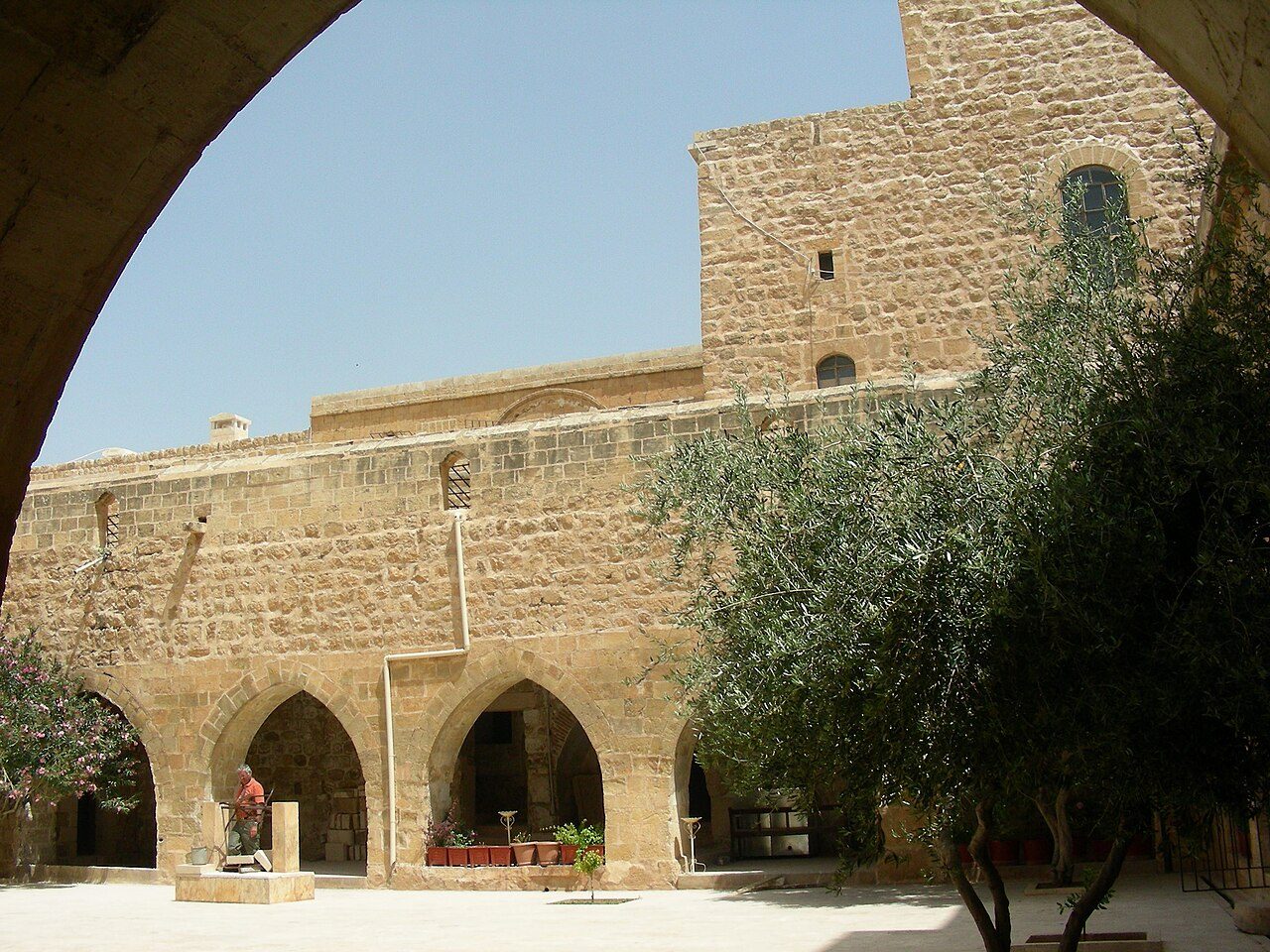
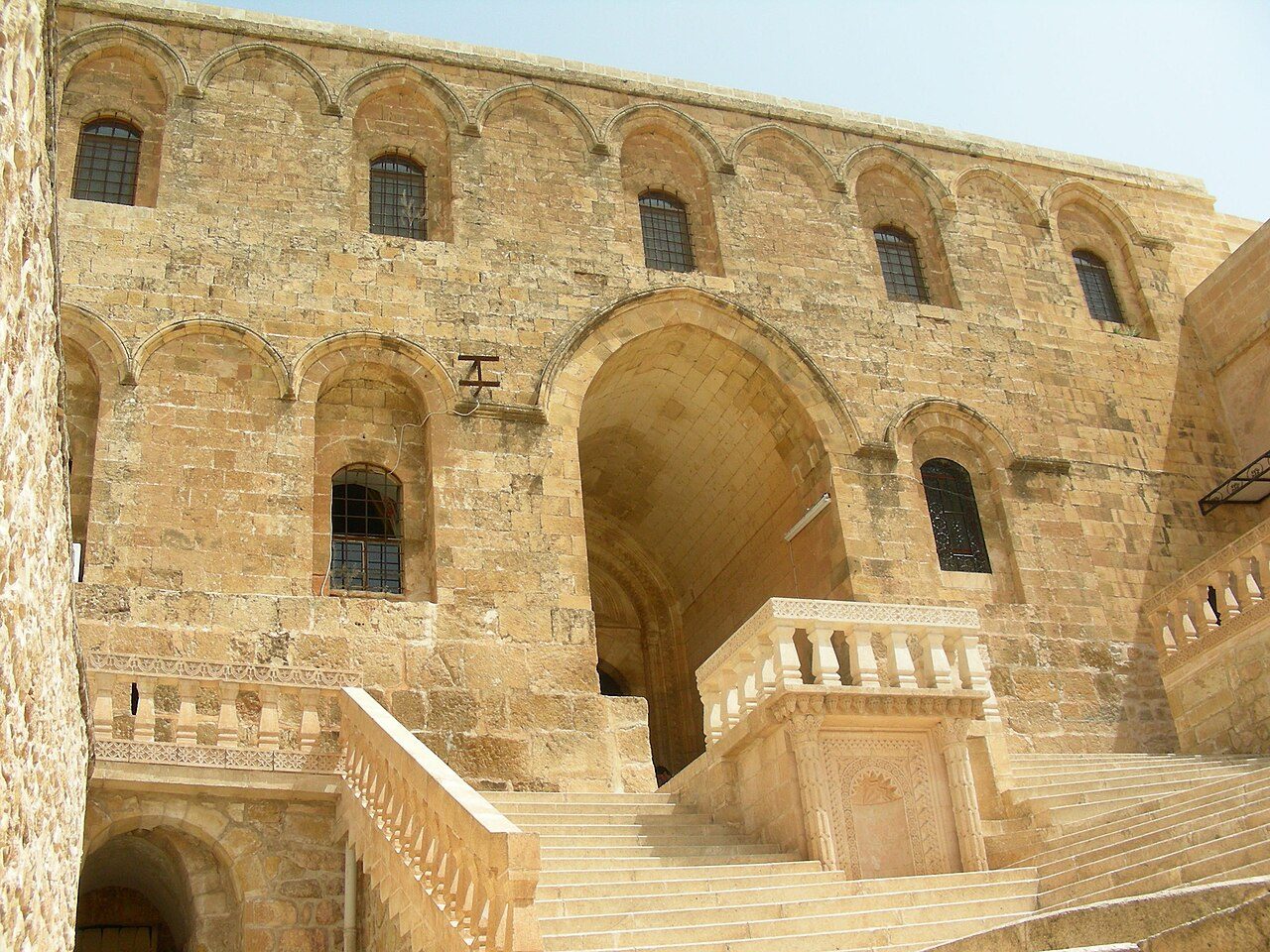
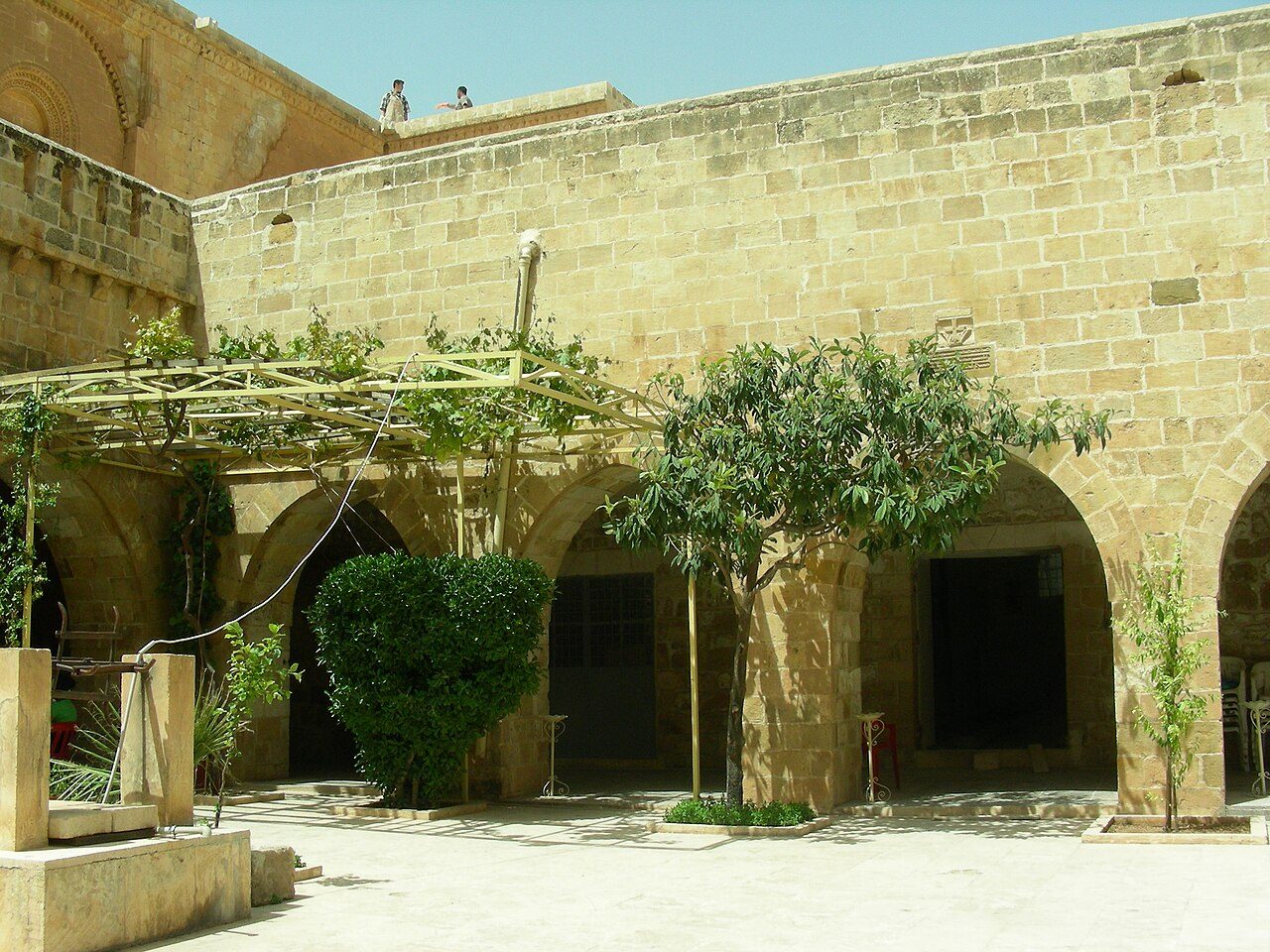
Deyrulzafaran Monastery, also called Mor Hananyo, lies about five kilometres east of Mardin. It was founded in the late 5th century on the site of an older temple. For about 800 years it was the seat of the Syriac Orthodox Patriarch. Its yellow stone walls, underground chamber and old church are still in use by a small community.
07
STOP 7 OF 10
Akdamar Island
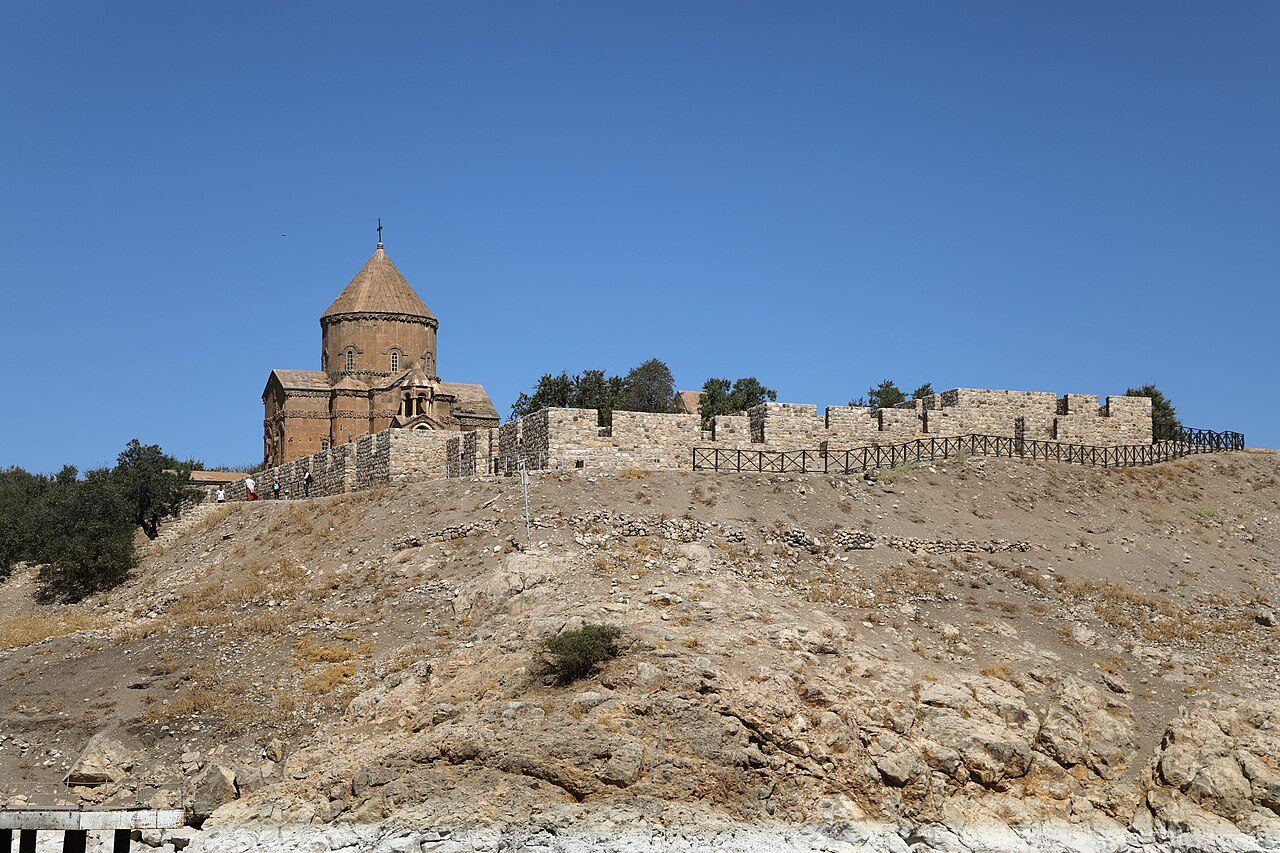
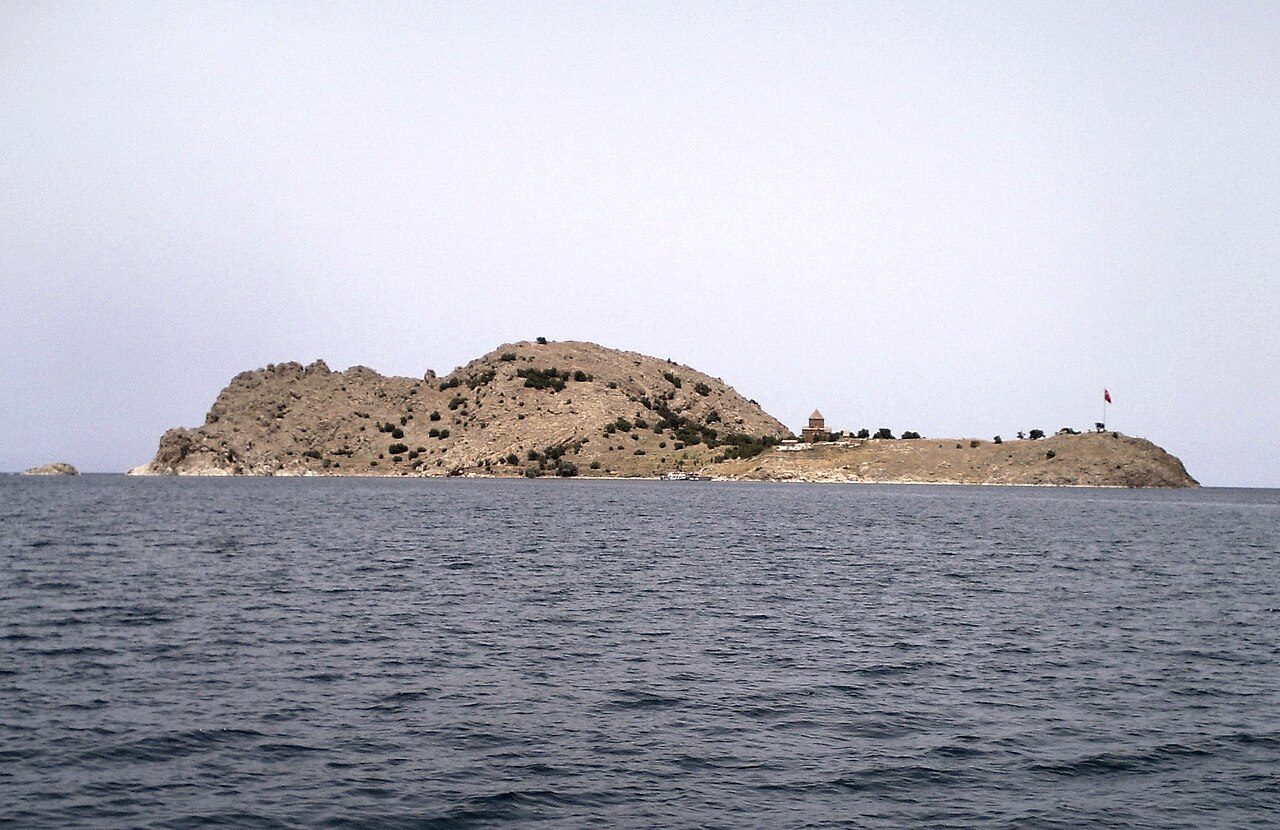
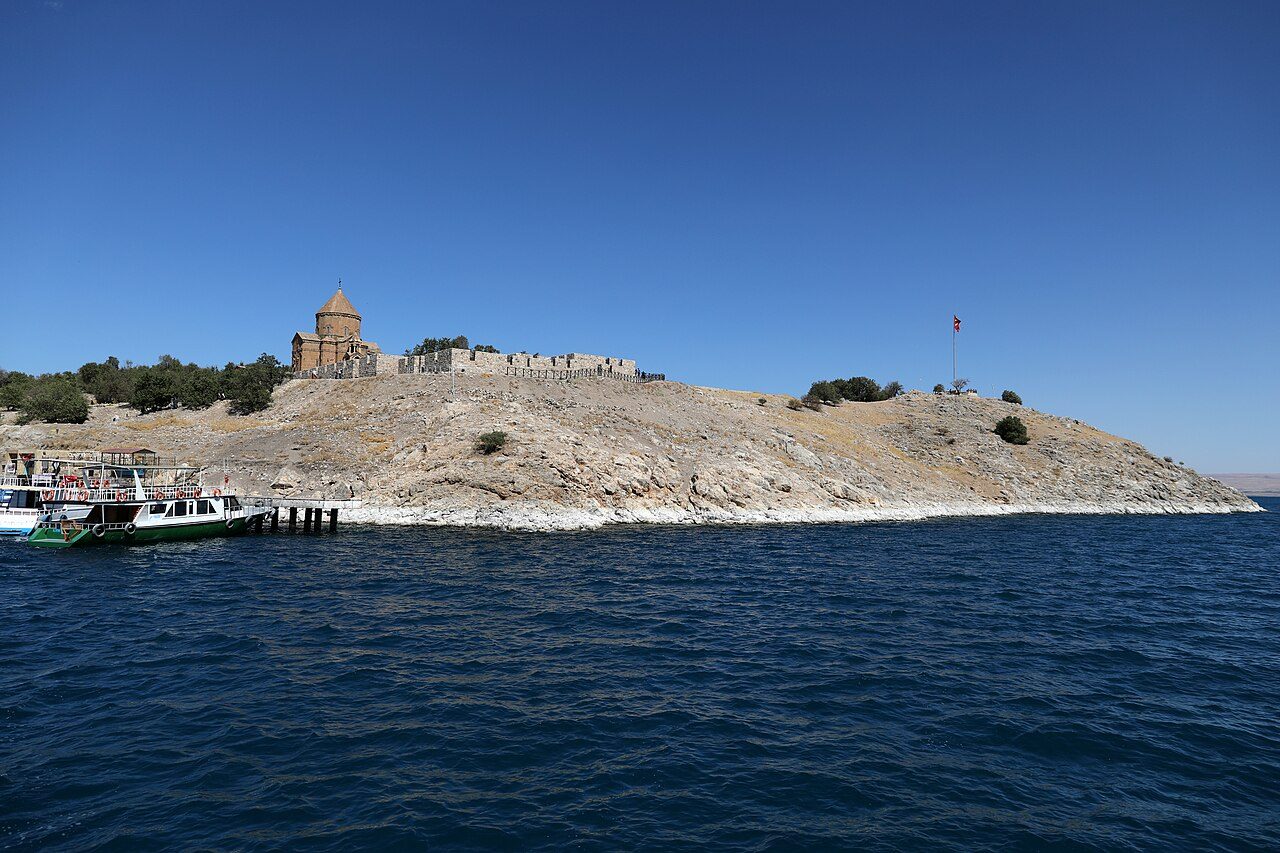
Akdamar Island lies in Lake Van near Gevaş. On it stands the Armenian Cathedral of the Holy Cross, built between 915 and 921 by King Gagik I of Vaspurakan. Its outer walls are covered with fine stone reliefs of Bible stories, such as David and Goliath and Jonah and the whale. Boats cross from the shore. It was restored in 2007 and holds an annual service.
08
STOP 8 OF 10
Ishak Pasha Palace
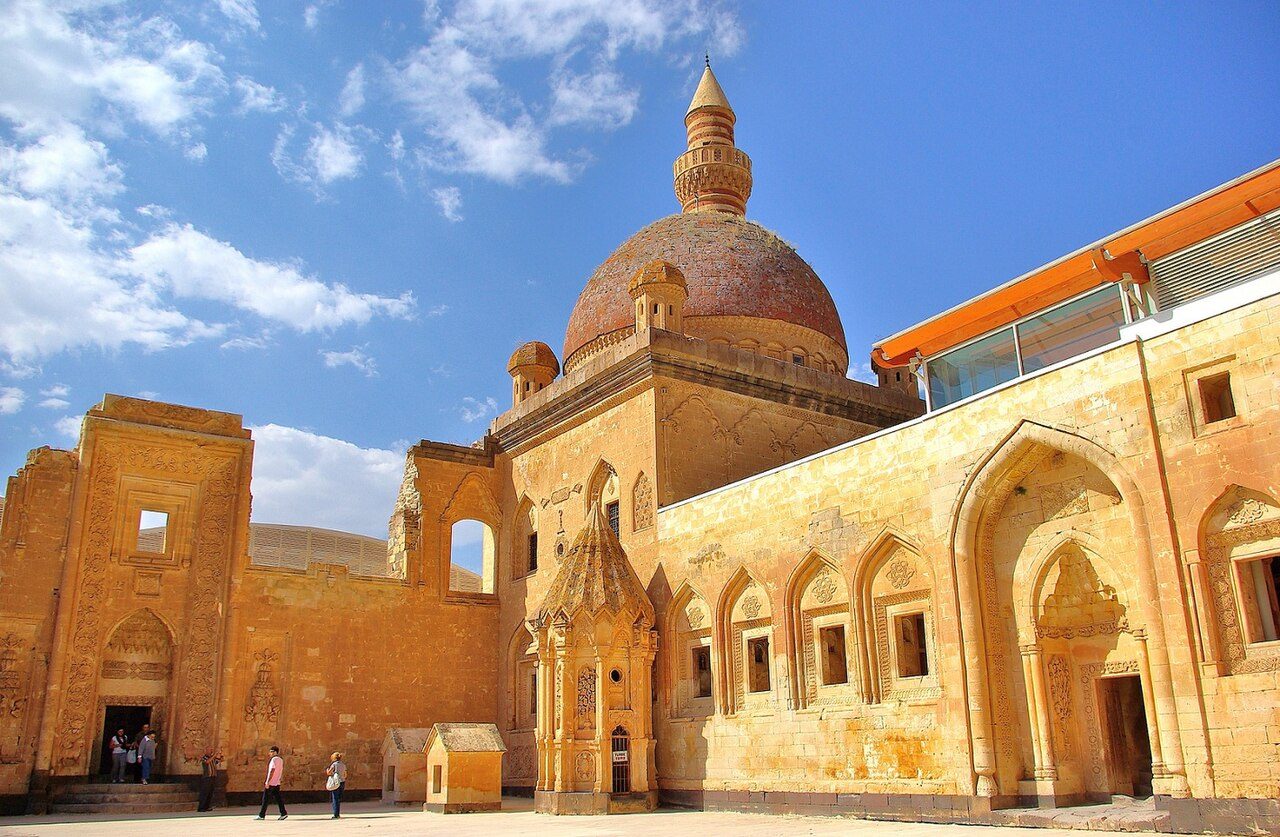
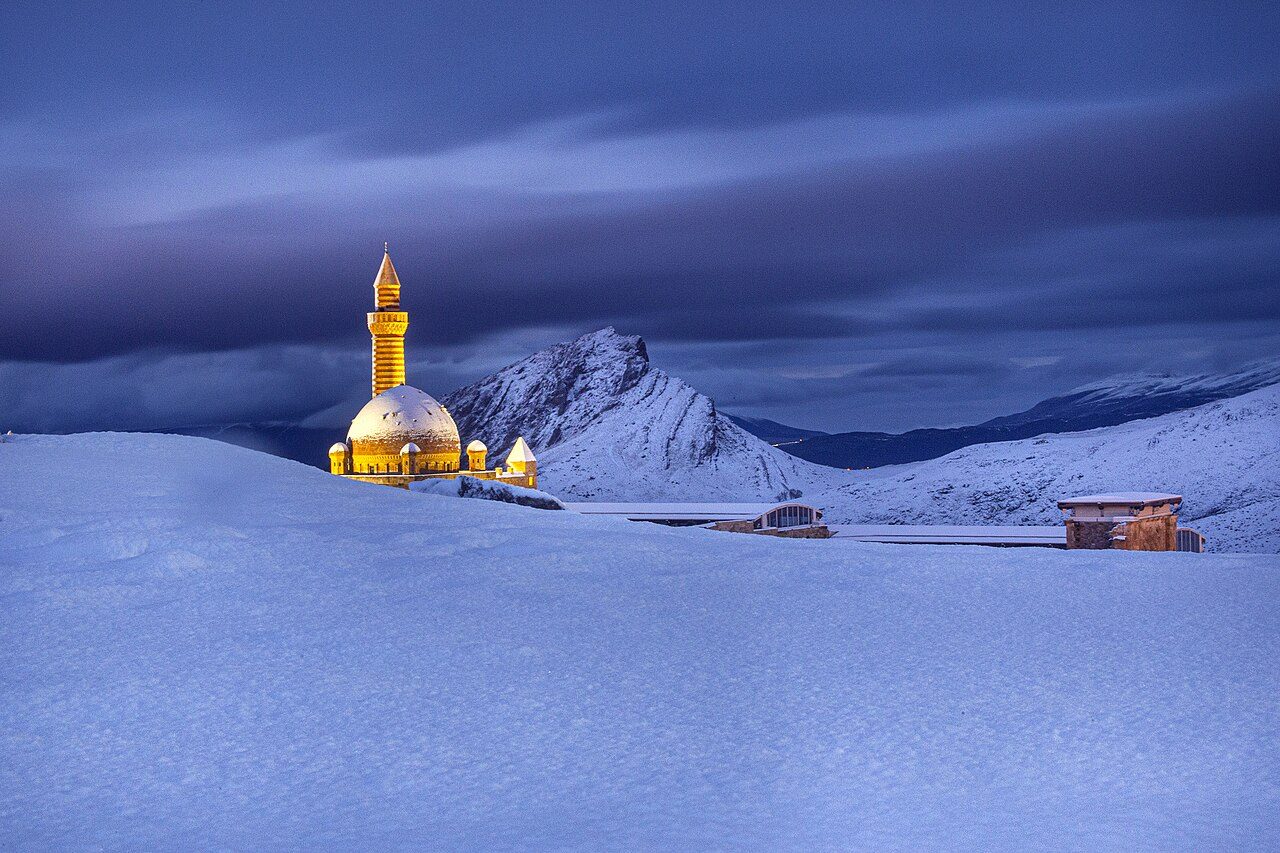
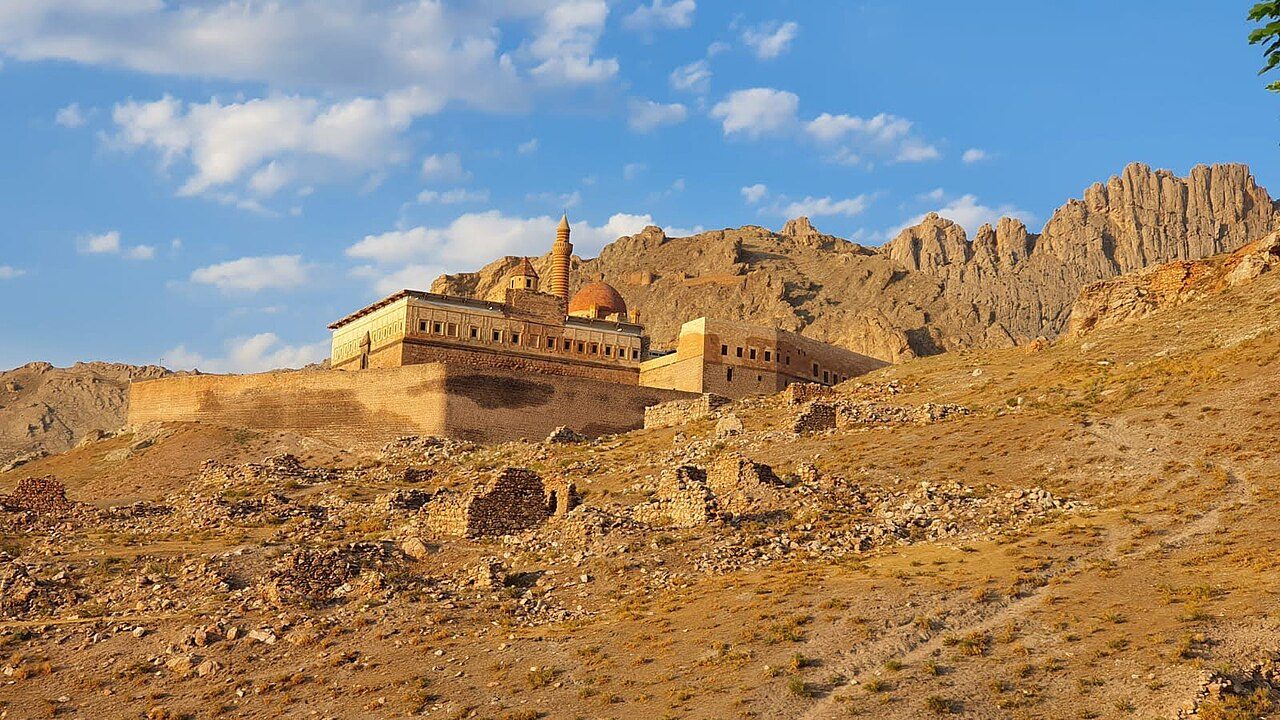
Ishak Pasha Palace stands on a hillside above Doğubayazıt, near Mount Ararat. It was built over about 100 years and completed in 1784. The palace mixes Ottoman, Persian and Armenian styles, with a mosque, a harem, a courtyard and fine carved gates. From its terraces there are views over the plain to the mountains.
09
STOP 9 OF 10
Mount Ararat
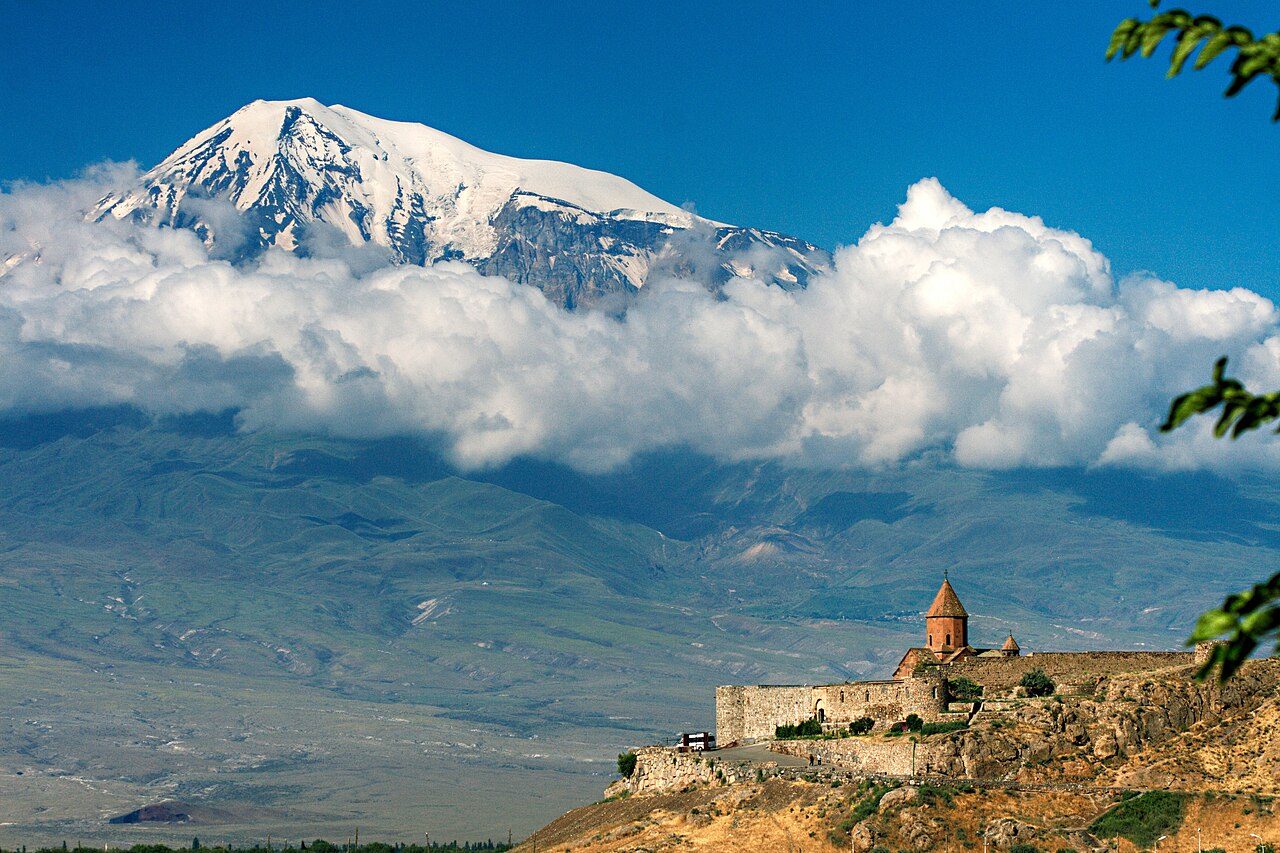
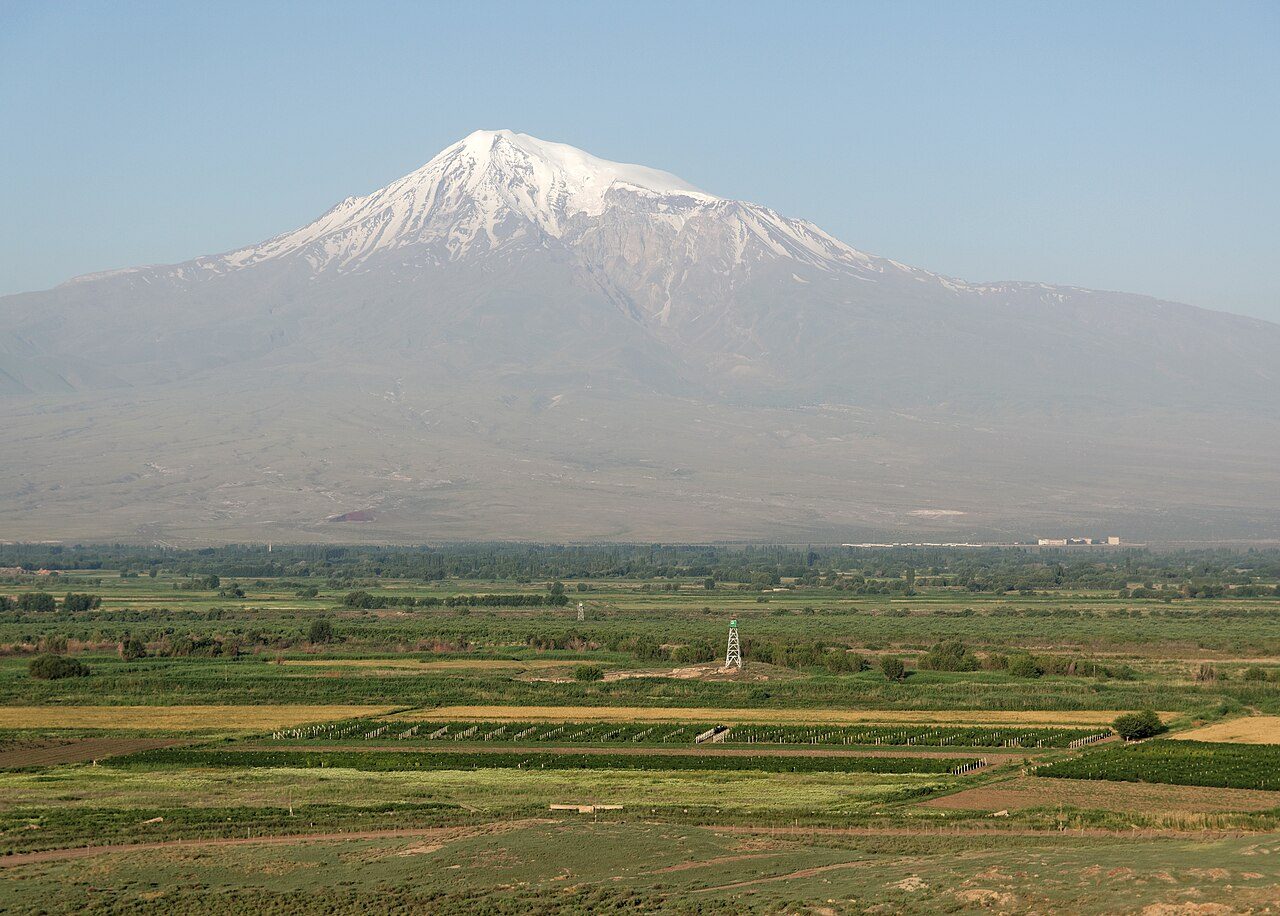
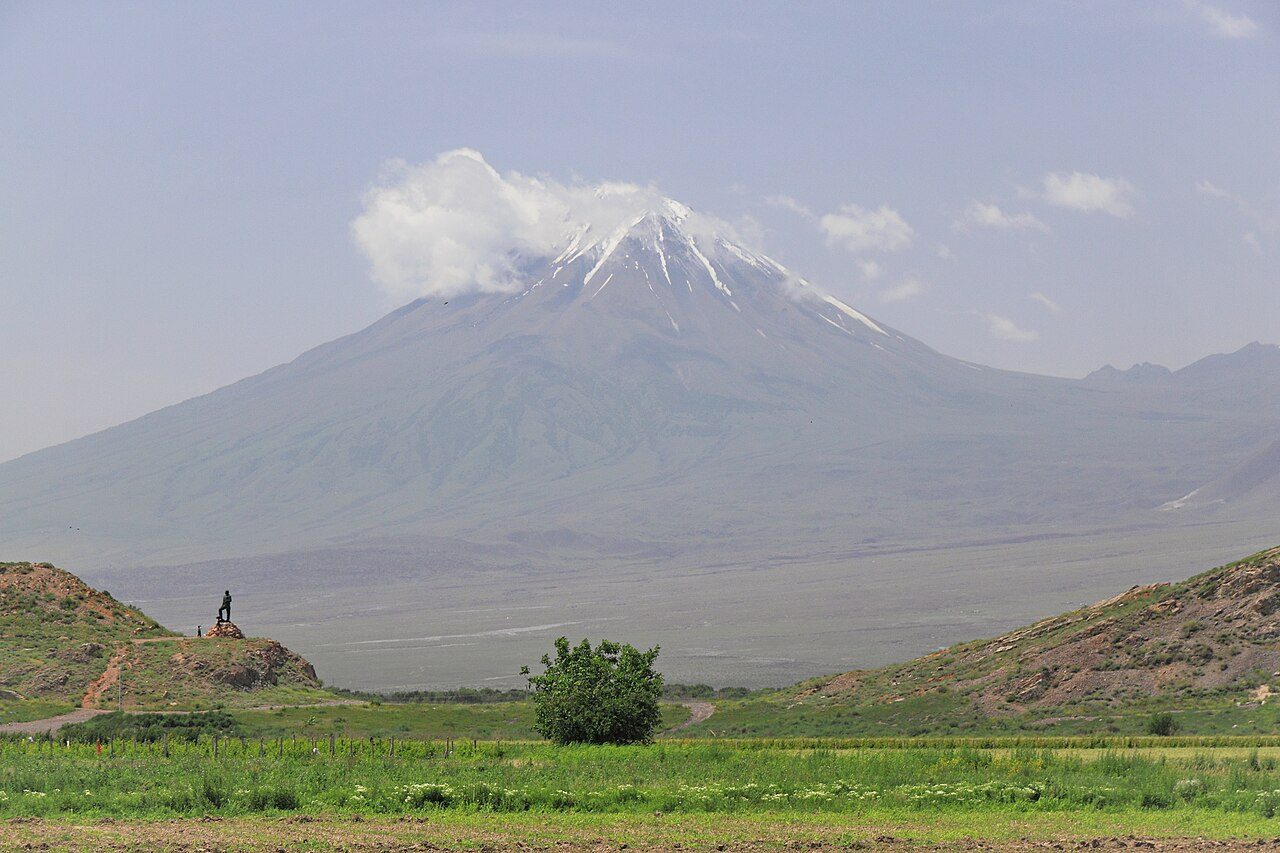
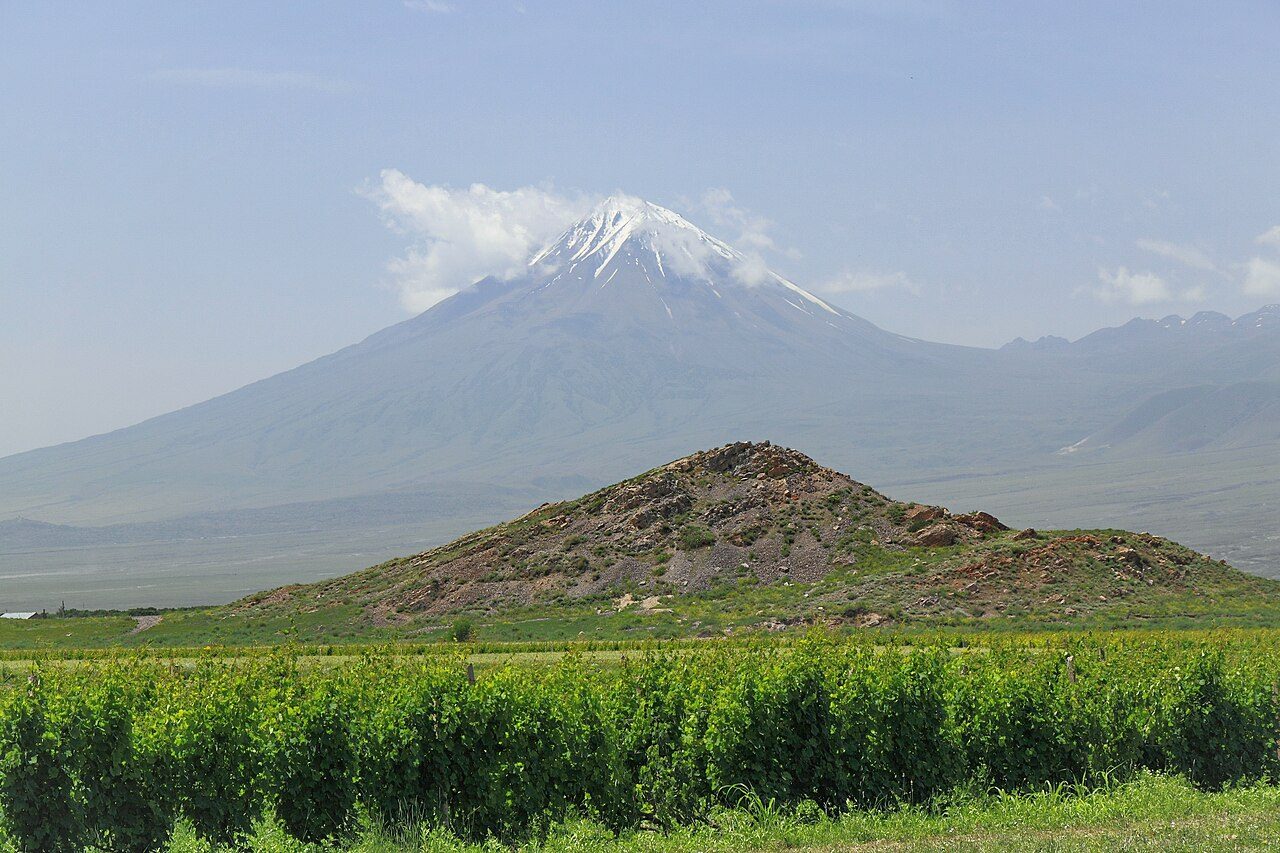
Mount Ararat is the highest mountain in Türkiye, rising to about 5,137 metres near the borders with Iran and Armenia. This dormant volcano is often snow-capped all year. In tradition it is linked with the landing place of Noah's Ark. Climbers need a permit and usually take several days to reach the summit from Doğubayazıt.
10
STOP 10 OF 10 · LAST STOP
Ani
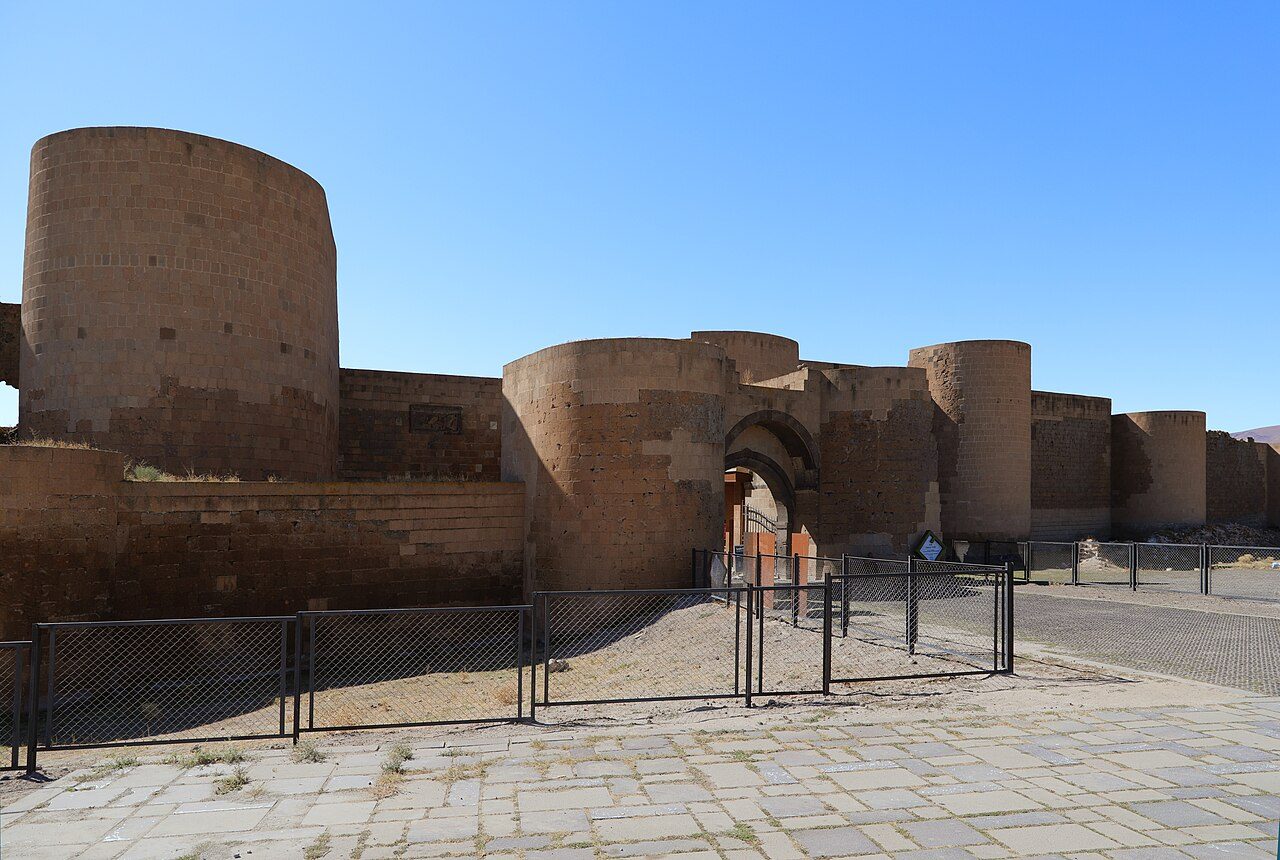
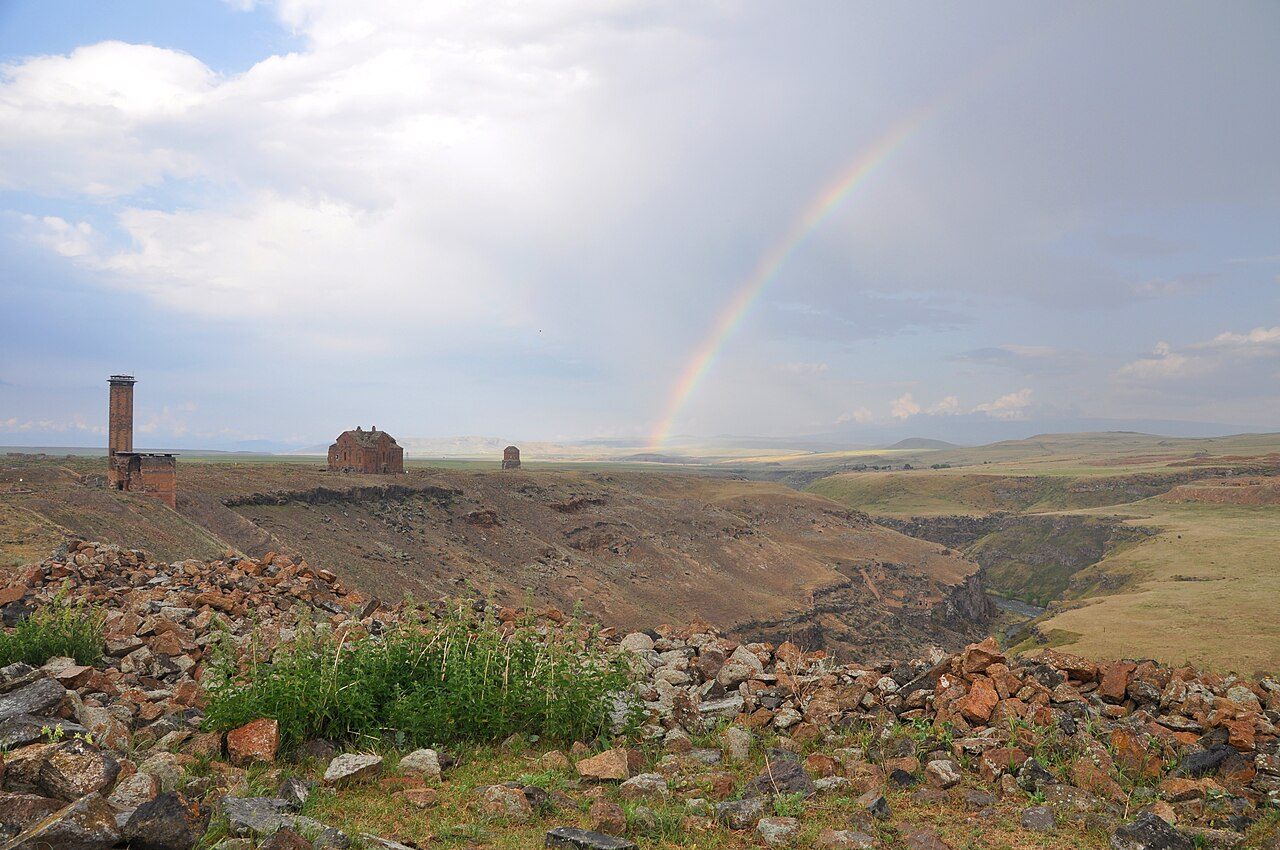
Ani is the ruined medieval city on the Turkish-Armenian border near Kars. In the 10th and 11th centuries it was the capital of the Armenian Bagratid kingdom and was known as the city of 1,001 churches. Its cathedral, churches, a mosque and long city walls stand on a plateau above a river gorge. It has been a UNESCO World Heritage Site since 2016.
Seasons from 20 years of NASA POWER climate data.
 WaTrips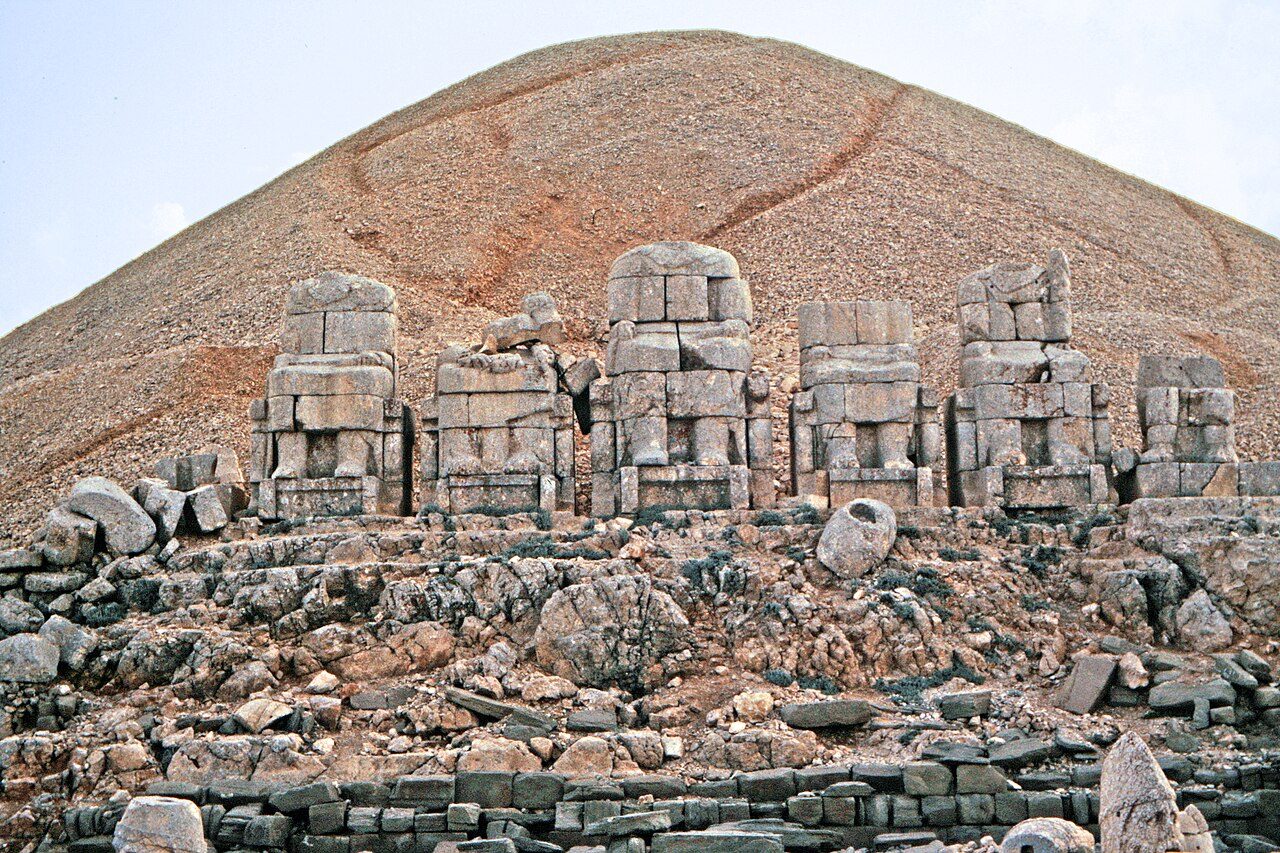







 BikesBooking
 Localrent
 Airalo
 Tiqets