Antalya's old town and beaches, Düden Falls, Perge and Aspendos, Side's Temple of Apollo, Alanya Castle, Termessos and Lake Salda.
Antalya is more than beach hotels. Wander the old town of Kaleiçi and Hadrian's Gate, and watch Düden Falls pour into the sea. Visit Perge and Aspendos, the best-preserved Roman theatre anywhere, then the seaside Temple of Apollo at Side and Alanya's castle and Red Tower. Climb to Termessos, the mountain city Alexander the Great couldn't take, and end with a day trip inland to the white shores of Lake Salda and the ruins of Sagalassos high in the Taurus Mountains. Spring and autumn are best for the ruins.
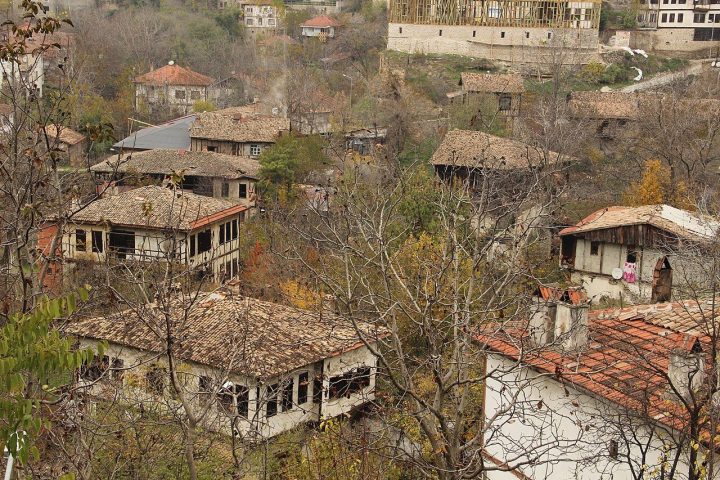
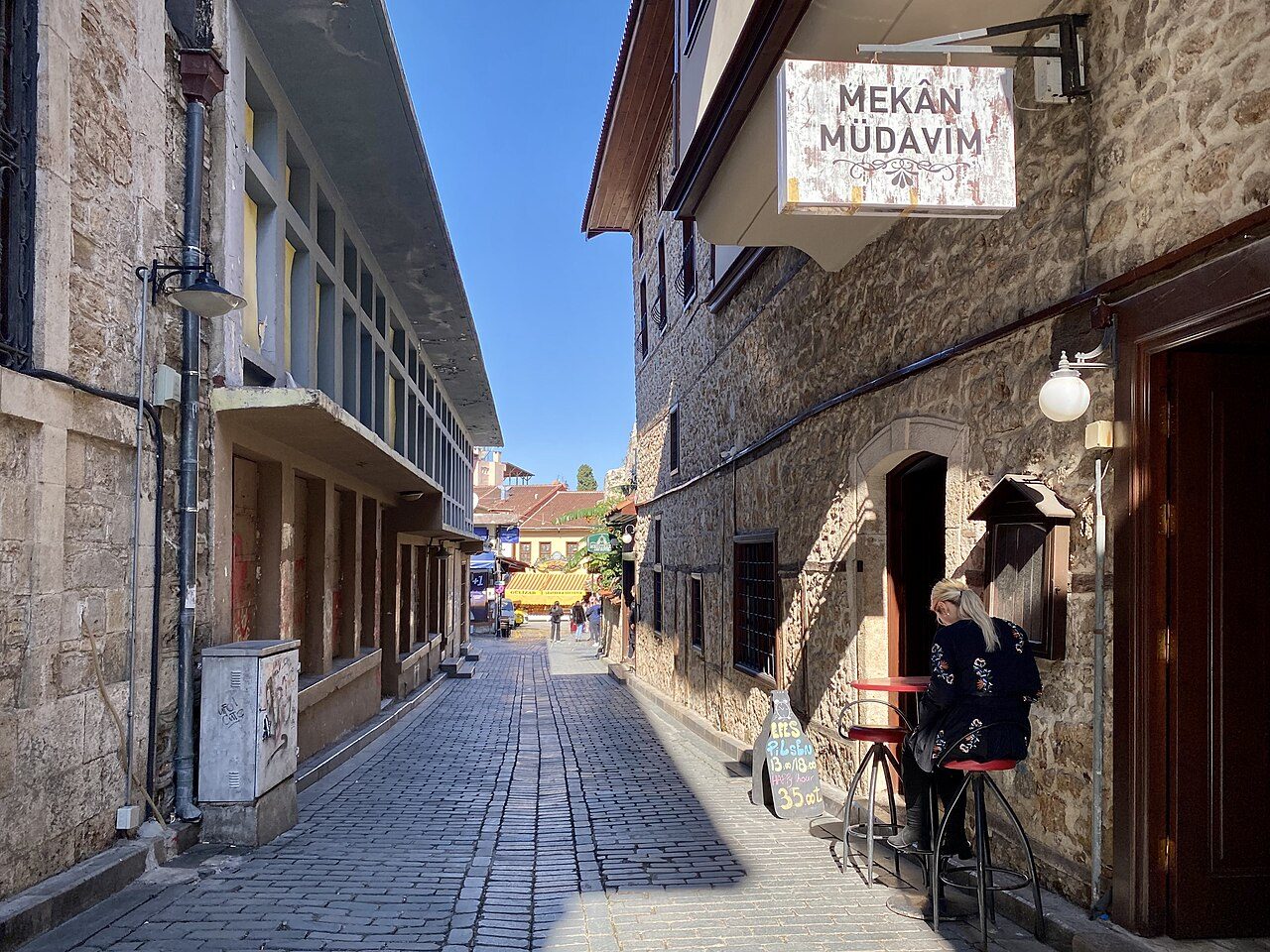
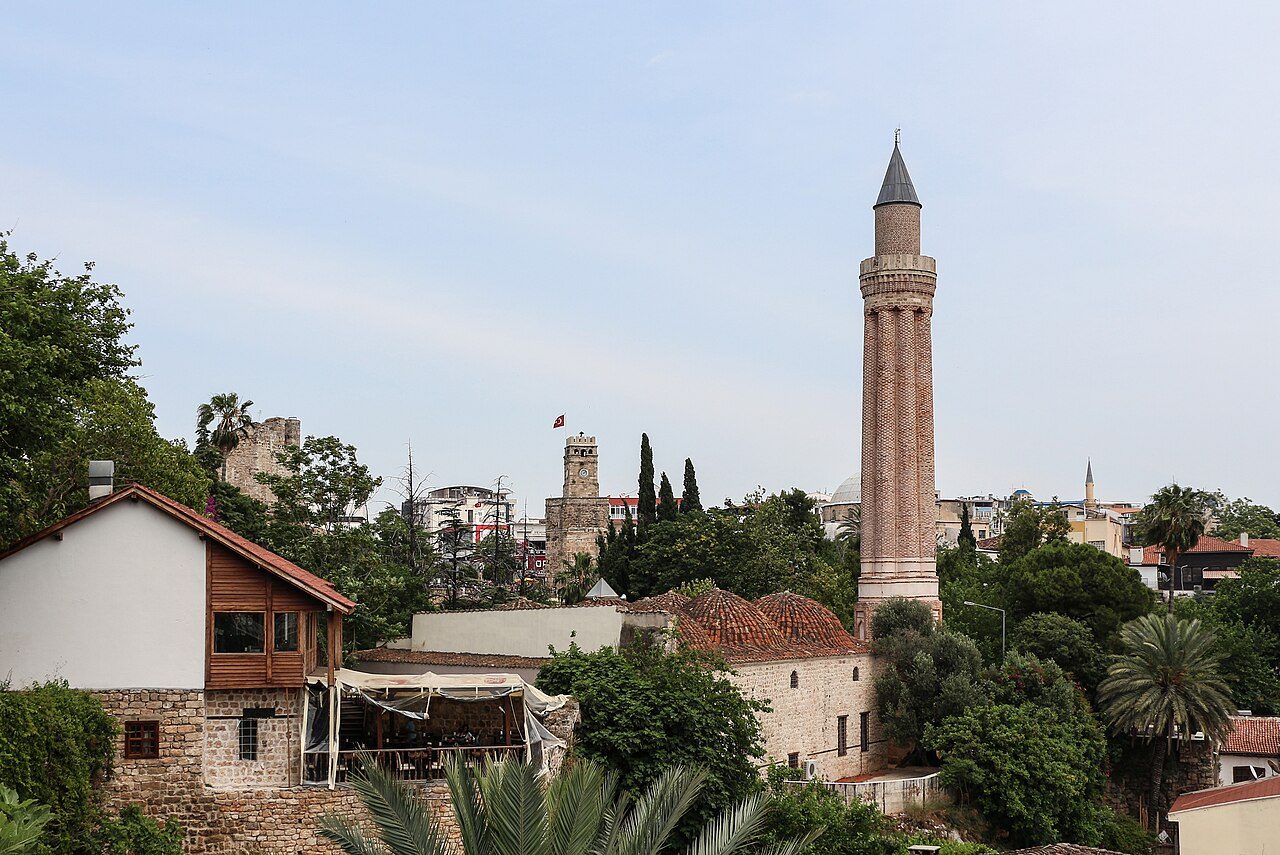
Kaleiçi is the historic old town of Antalya, surrounded by ancient walls. Its narrow streets wind down to the old Roman harbour and are lined with restored Ottoman houses with wooden balconies, many now hotels, restaurants and shops. Landmarks include the Yivli Minaret, the Clock Tower and the Kesik Minaret. Boats leave from the harbour for coastal trips.
02
STOP 2 OF 14
Hadrian's Gate
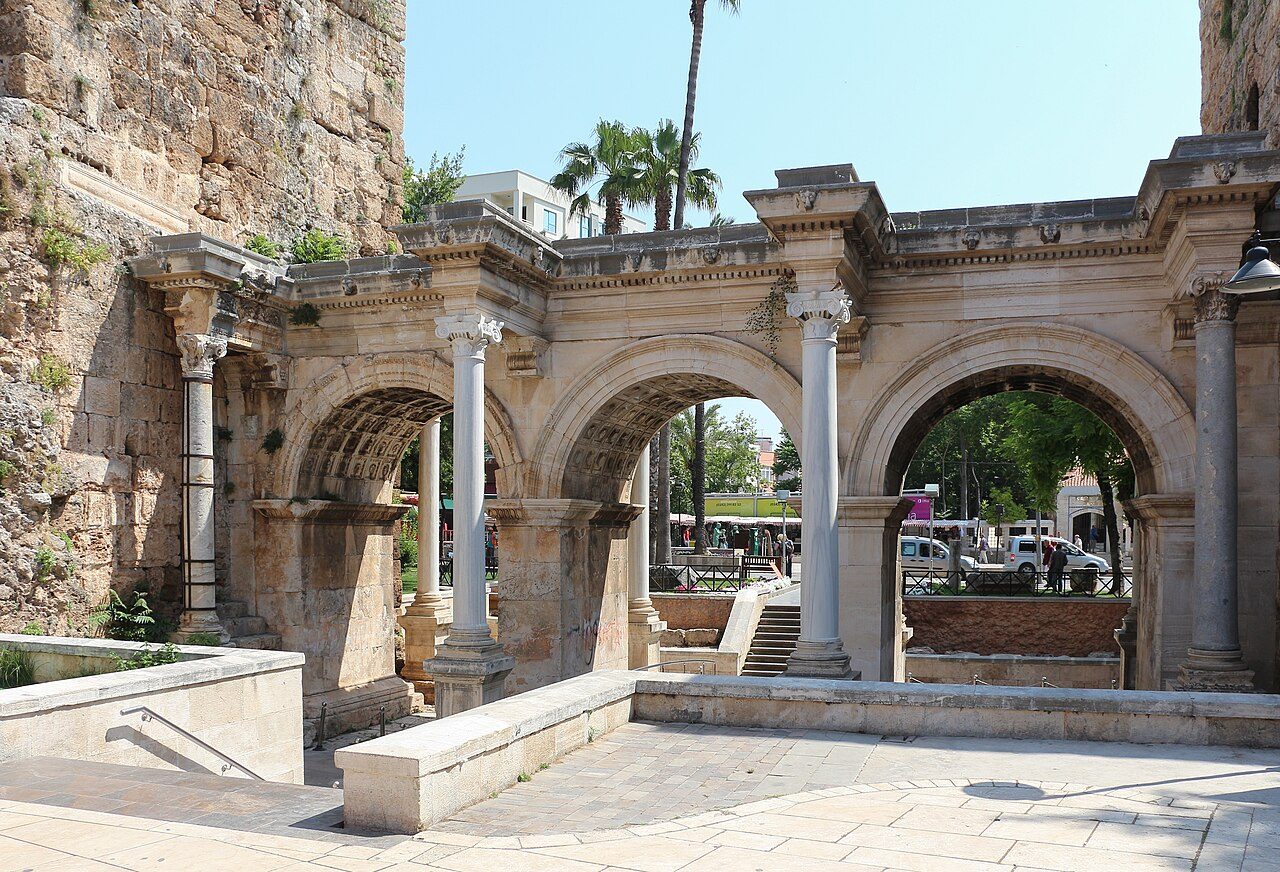
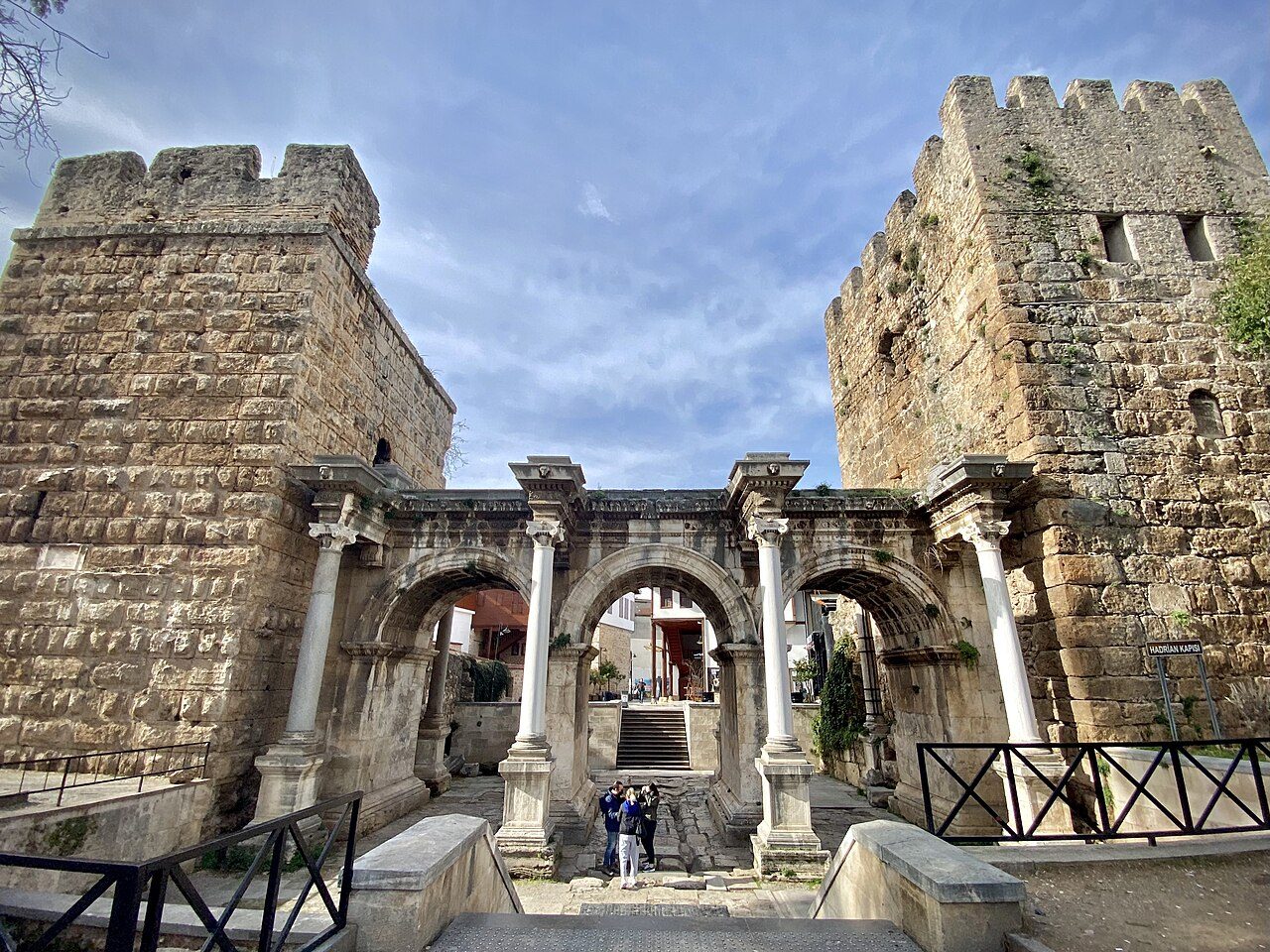
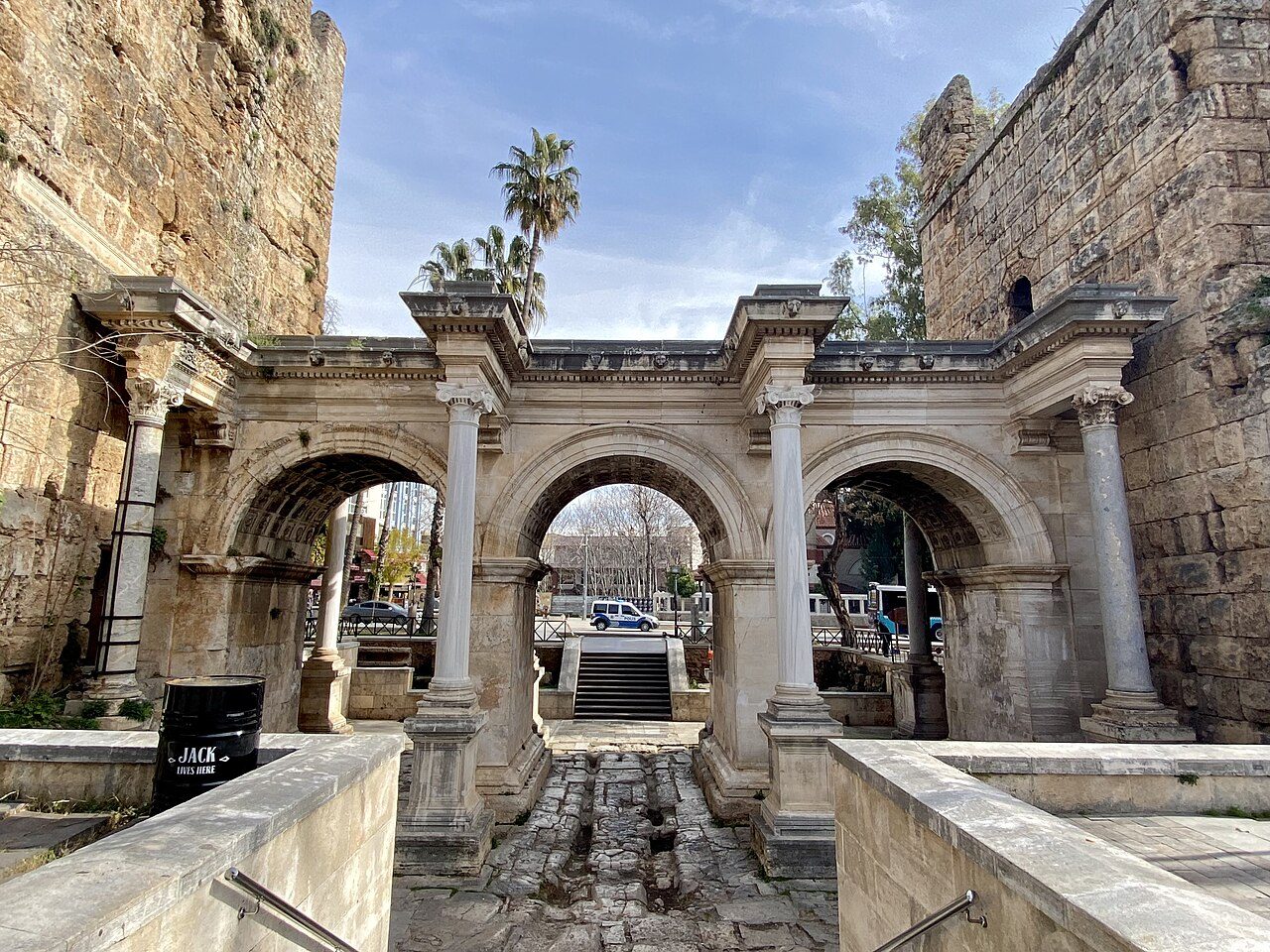
Hadrian's Gate is a triple-arched Roman gateway in Antalya, built in 130 AD in honour of the emperor Hadrian's visit to the city. It is made of white marble with fine carvings and stands between two towers. It was later built into the city walls and so survived well. Visitors walk through it on a glass floor over the old road.
03
STOP 3 OF 14
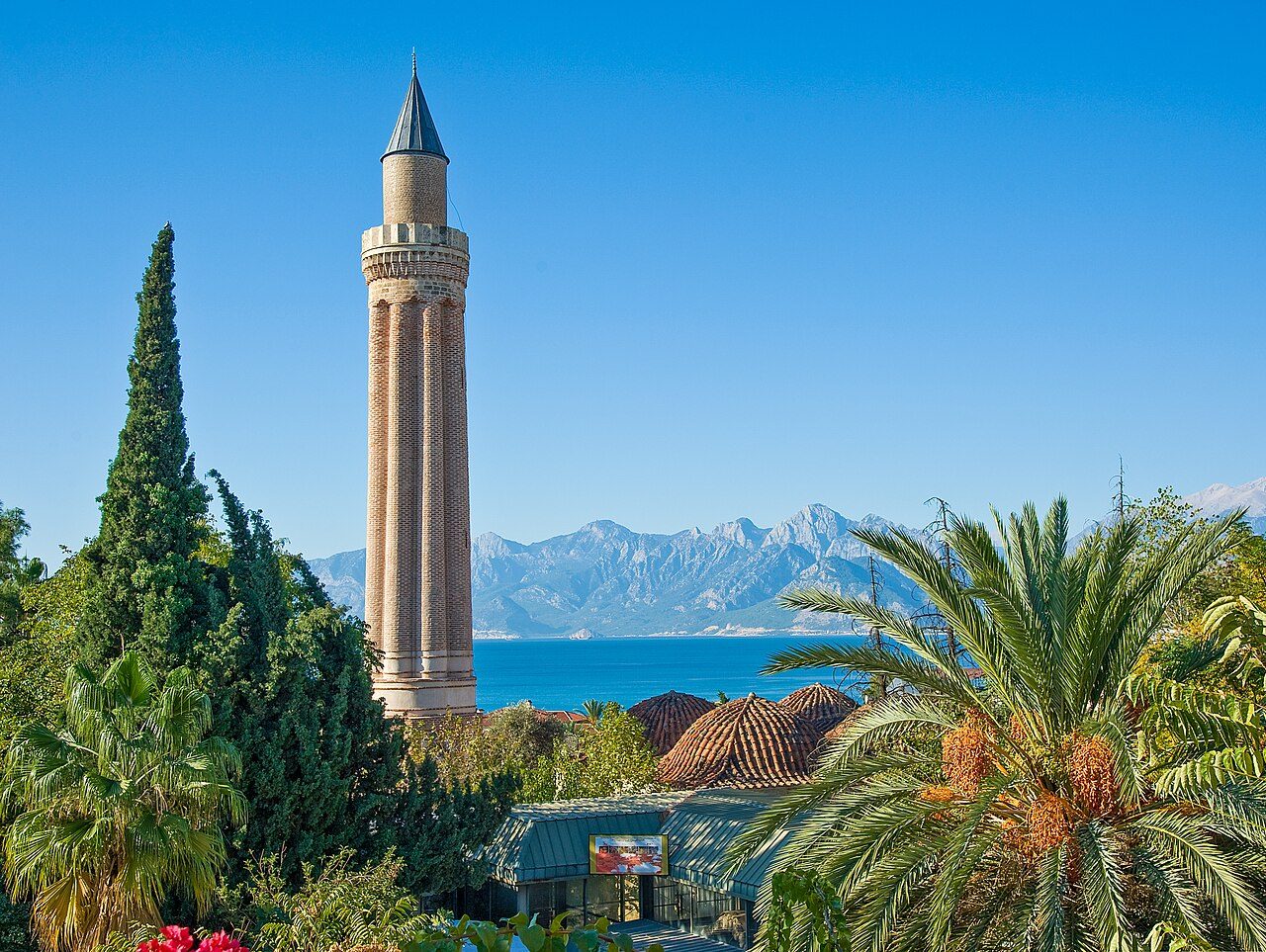
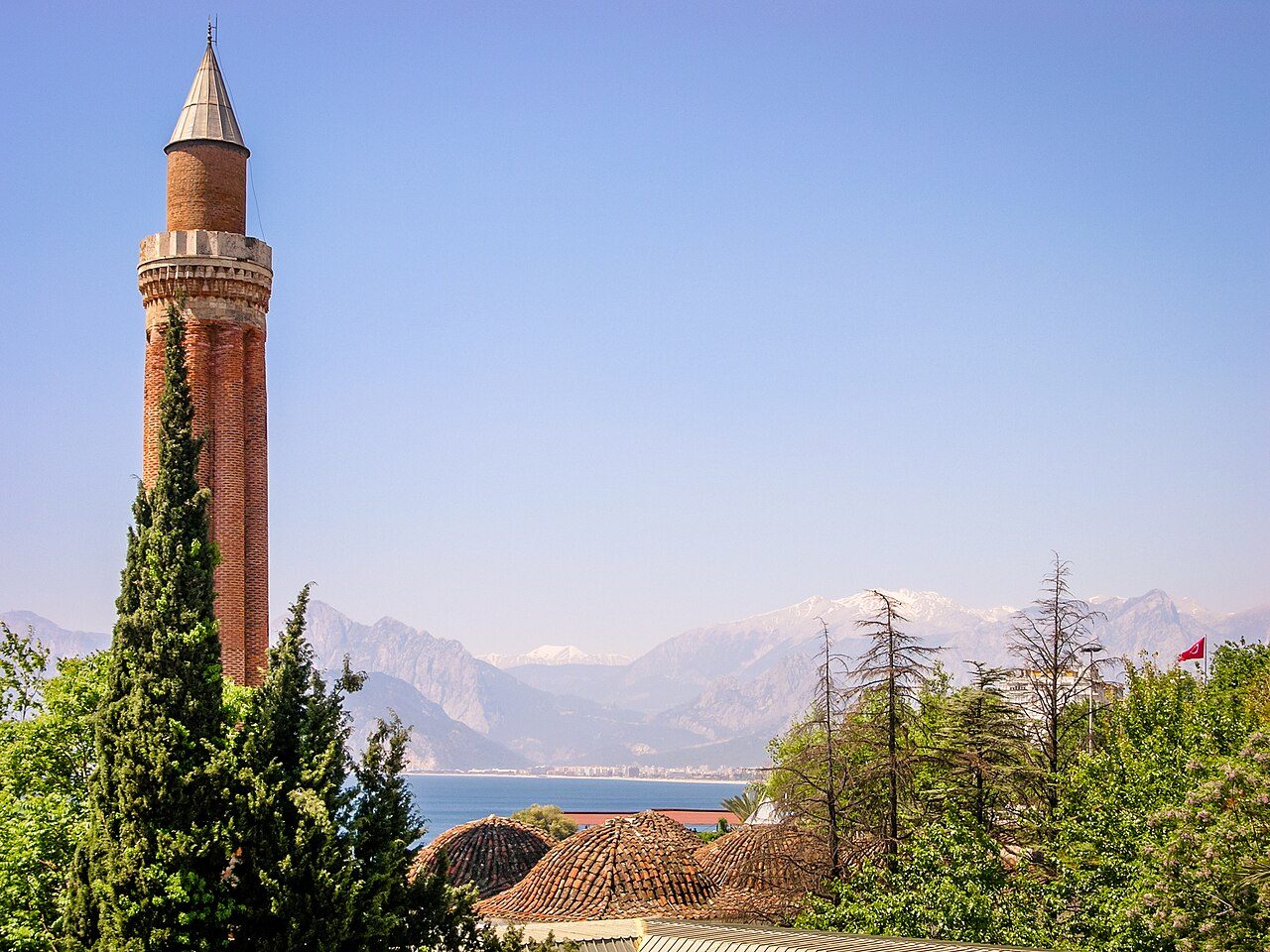
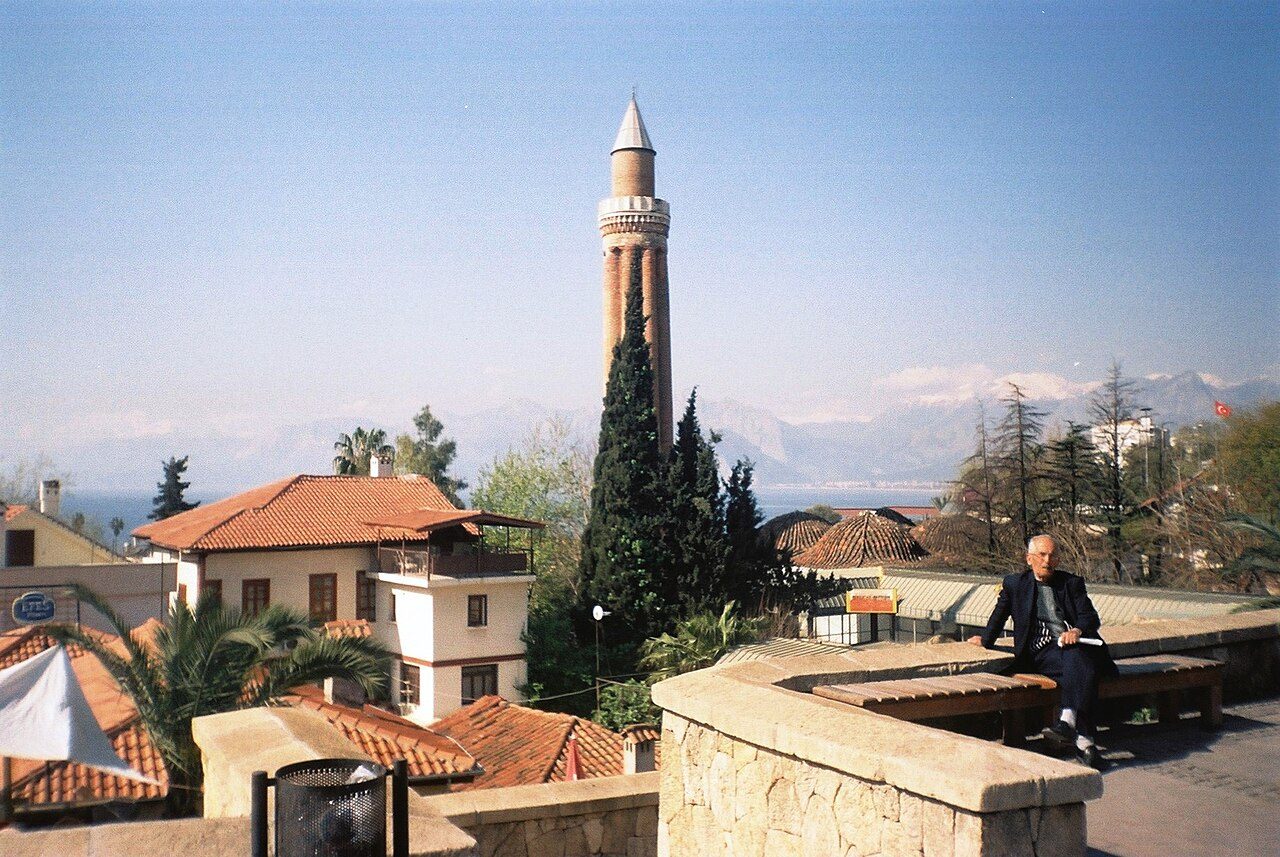
Yivli Minaret
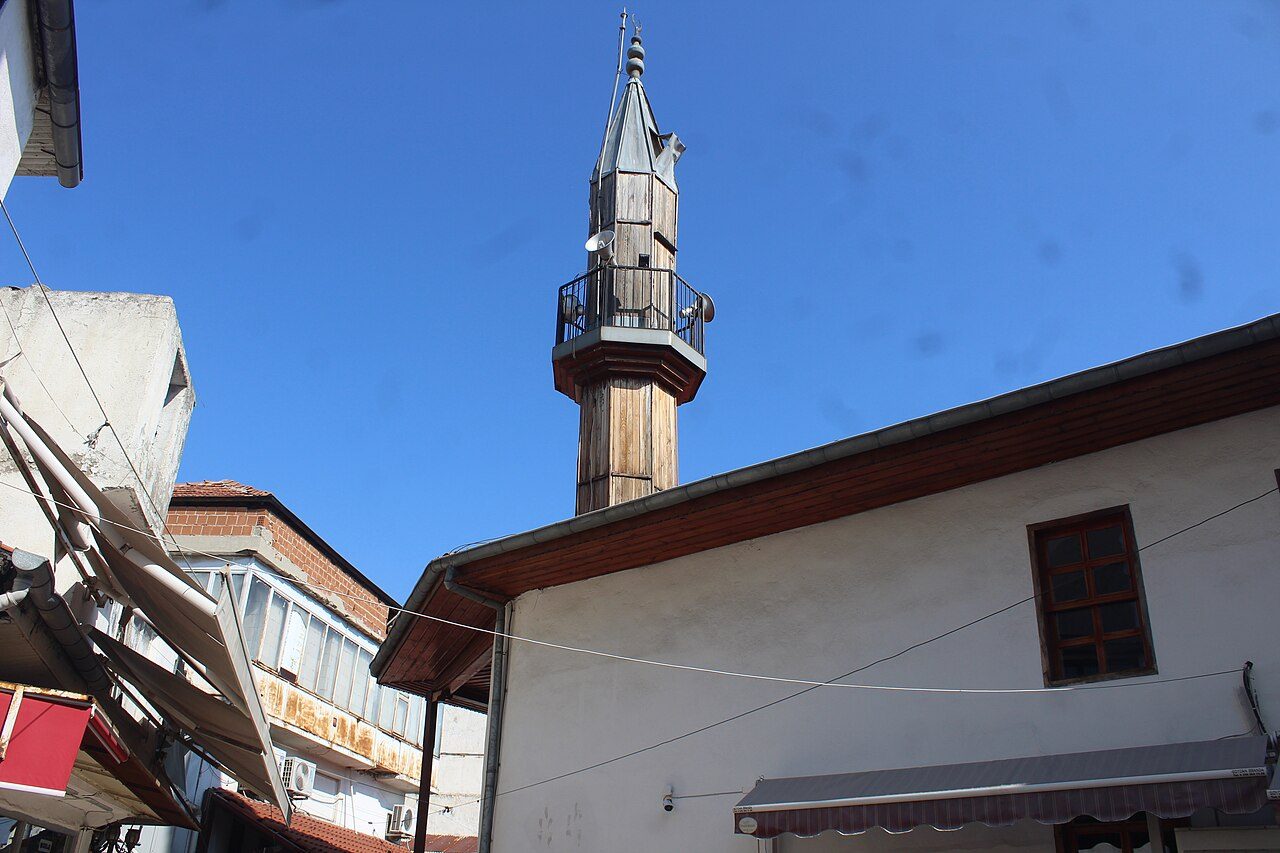
The Yivli Minaret is the symbol of Antalya, built in the 13th century by the Seljuk sultan Kayqubad I. Its fluted brick shaft, decorated with blue tiles, rises about 38 metres. It stands beside the old mosque at the edge of Kaleiçi. Nearby are an old dervish lodge and the tomb of an emir.
04
STOP 4 OF 14
Konyaaltı Beach
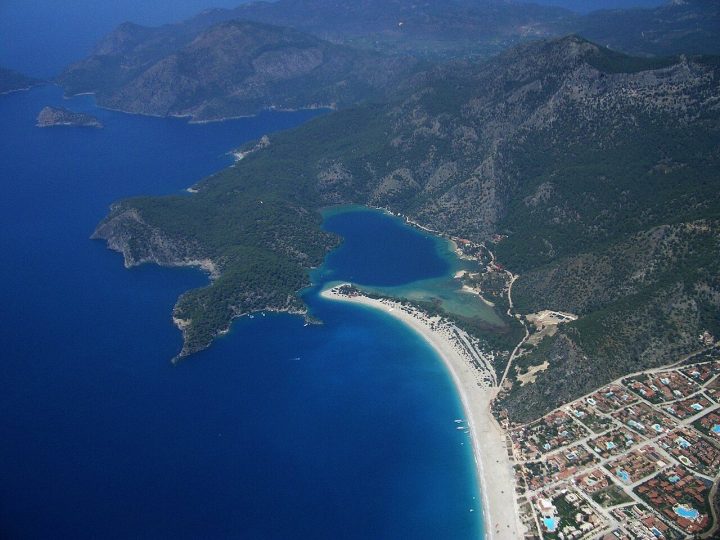
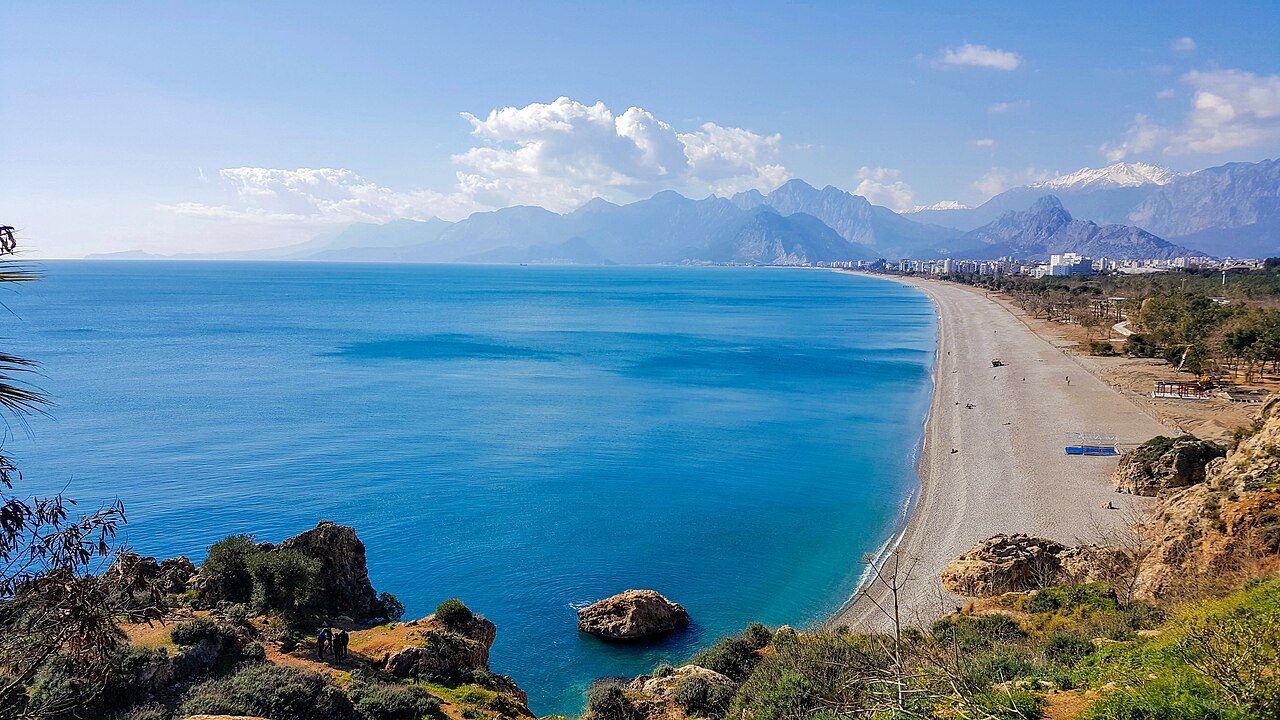
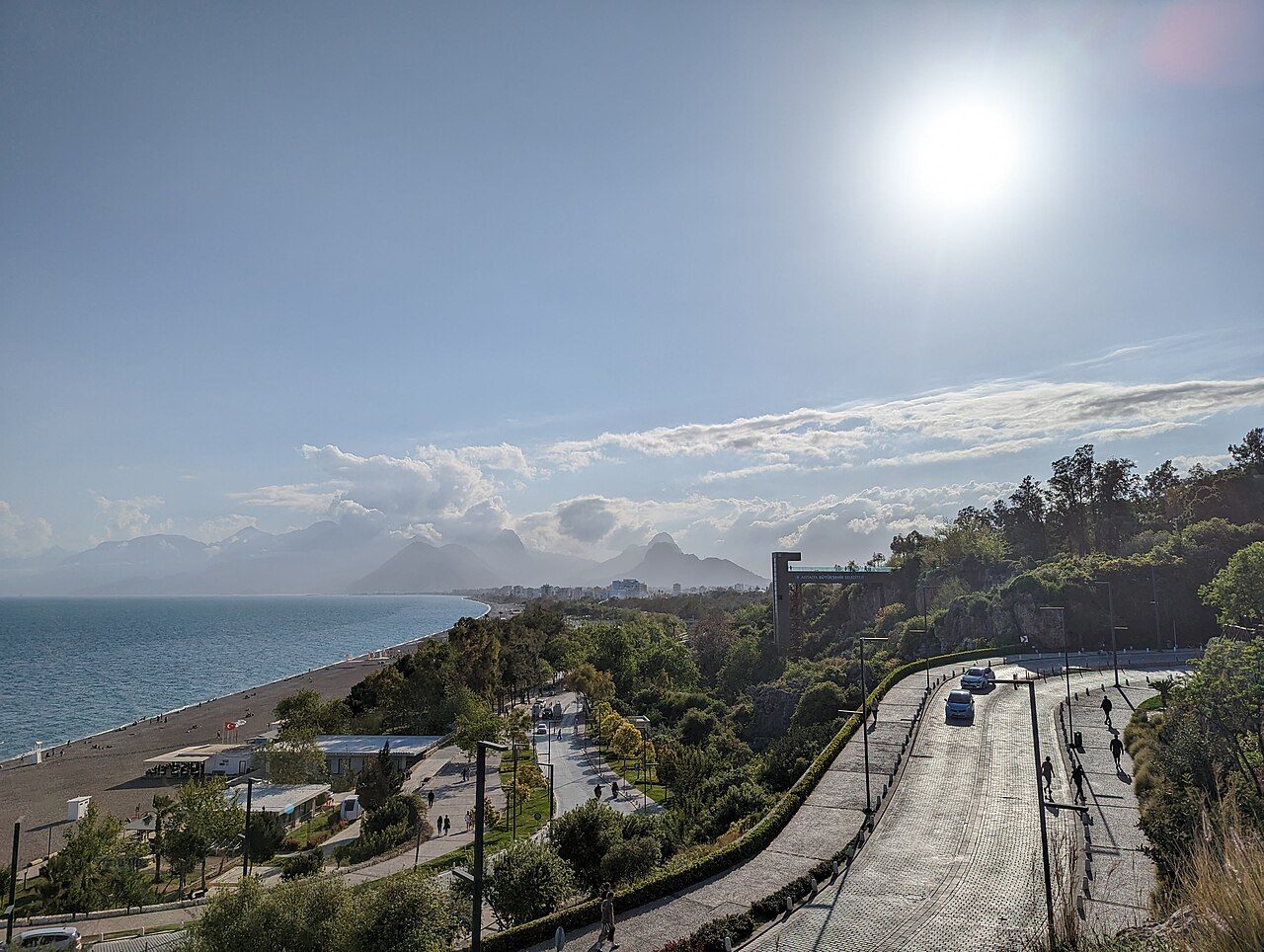
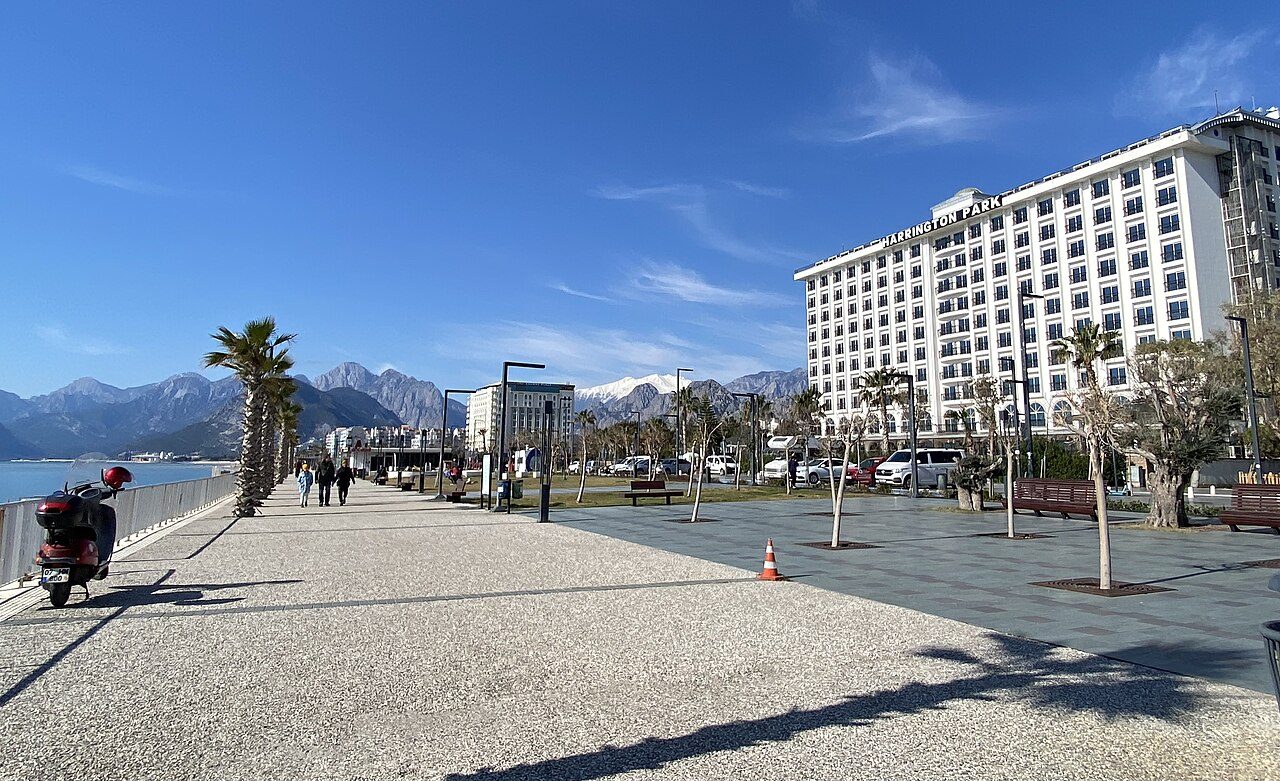
Konyaaltı Beach stretches about seven kilometres west of Antalya's old town along the Mediterranean. Its pebble beach and clear blue water are backed by the Beydağları mountains, which often stay snowy into spring. A long seafront park and promenade run behind the beach. Beach clubs and an aquarium are nearby.
05
STOP 5 OF 14
Düden Waterfalls
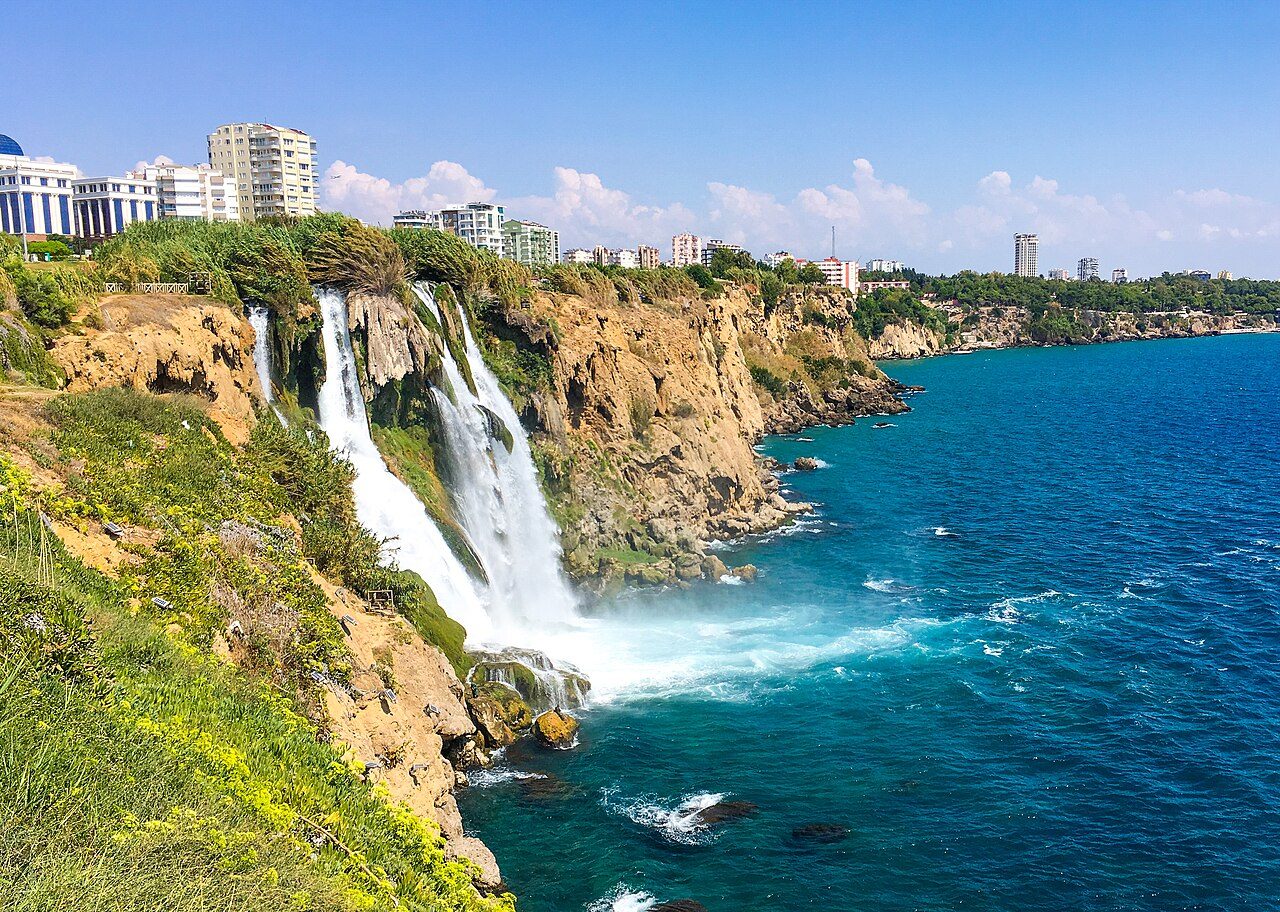
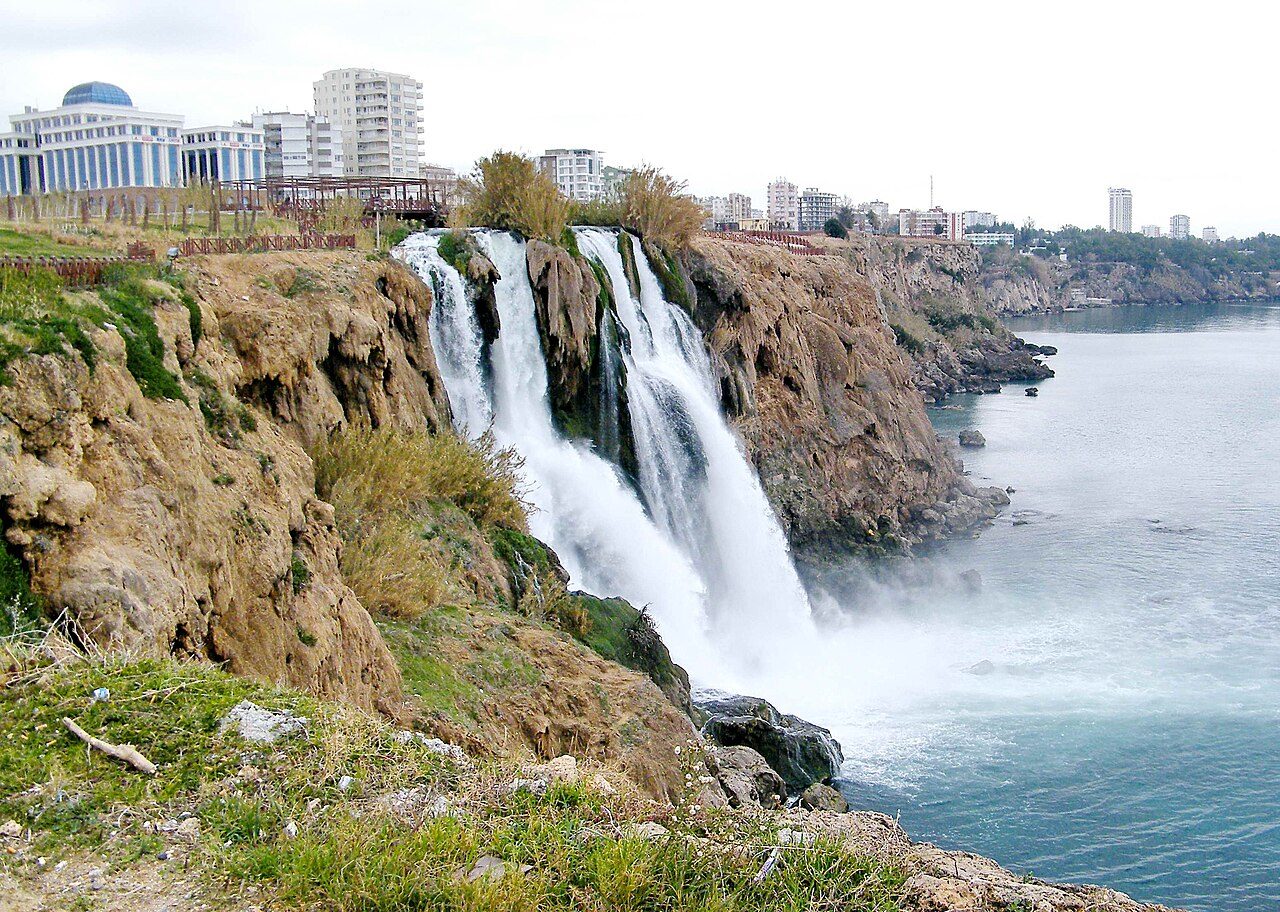
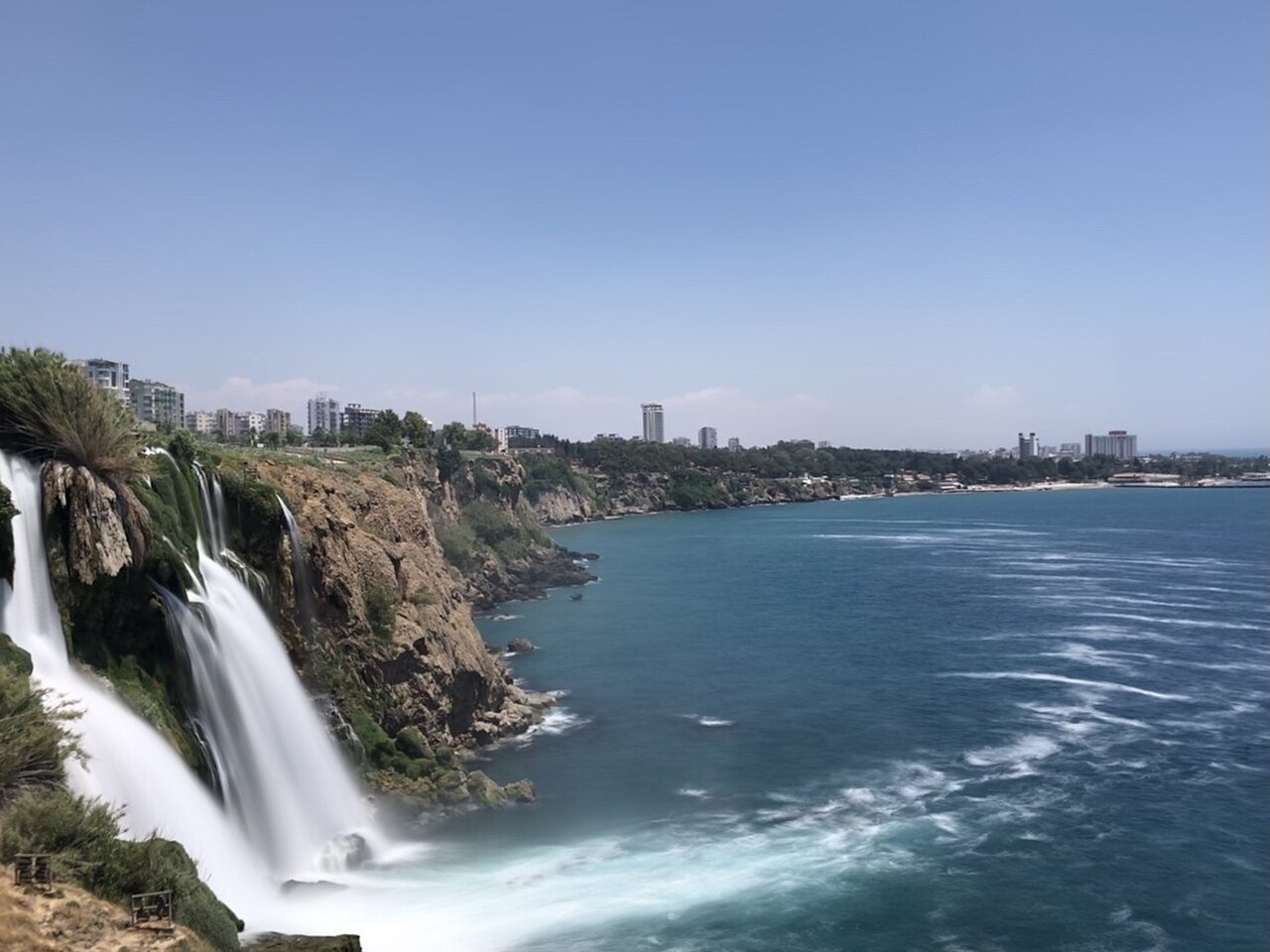
The Düden Waterfalls are two waterfalls of the Düden River in Antalya. The Upper Düden Falls lie in a park with a cave behind the water. The Lower Düden Falls plunge about 40 metres from a cliff straight into the Mediterranean Sea at Lara. Boats sail out to see the lower falls from the water, and a park lines the clifftop.
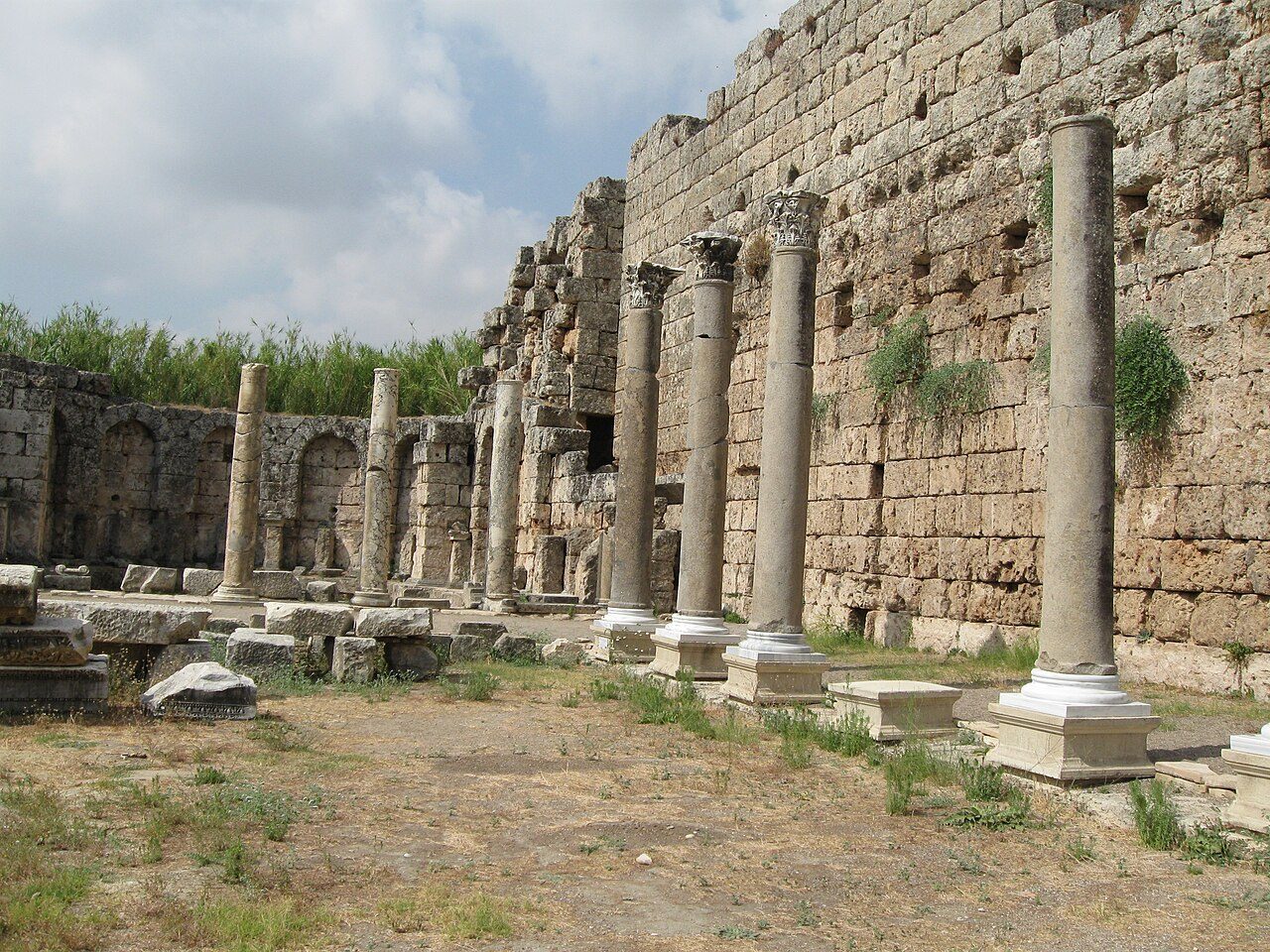
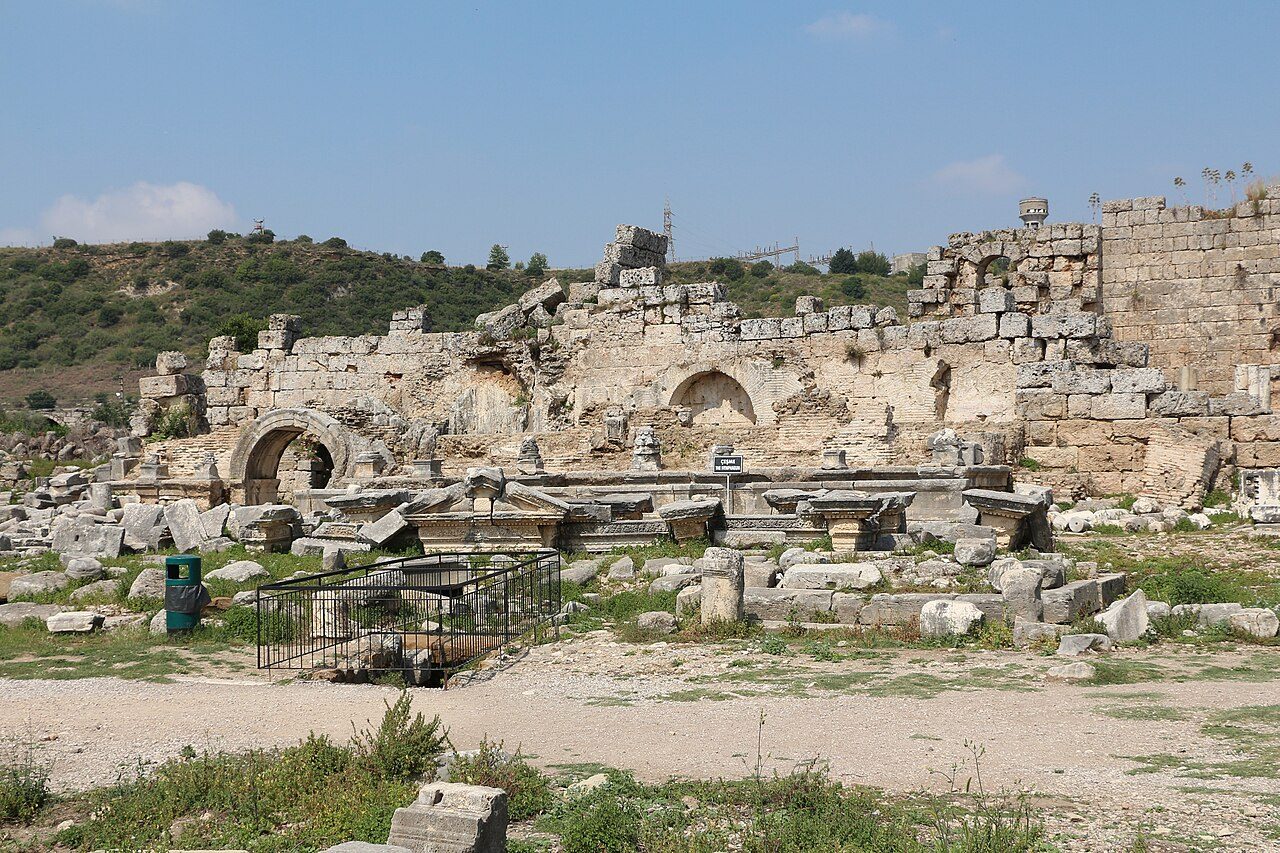
Perge was an important city of ancient Pamphylia, near Antalya. Saint Paul preached here. Its ruins include a large stadium, a theatre, Roman baths and a long colonnaded street with a water channel running down its middle. The Hellenistic gate with two round towers is one of its best known monuments. Many statues from Perge are in the Antalya Museum.
07
STOP 7 OF 14
Aspendos Theatre
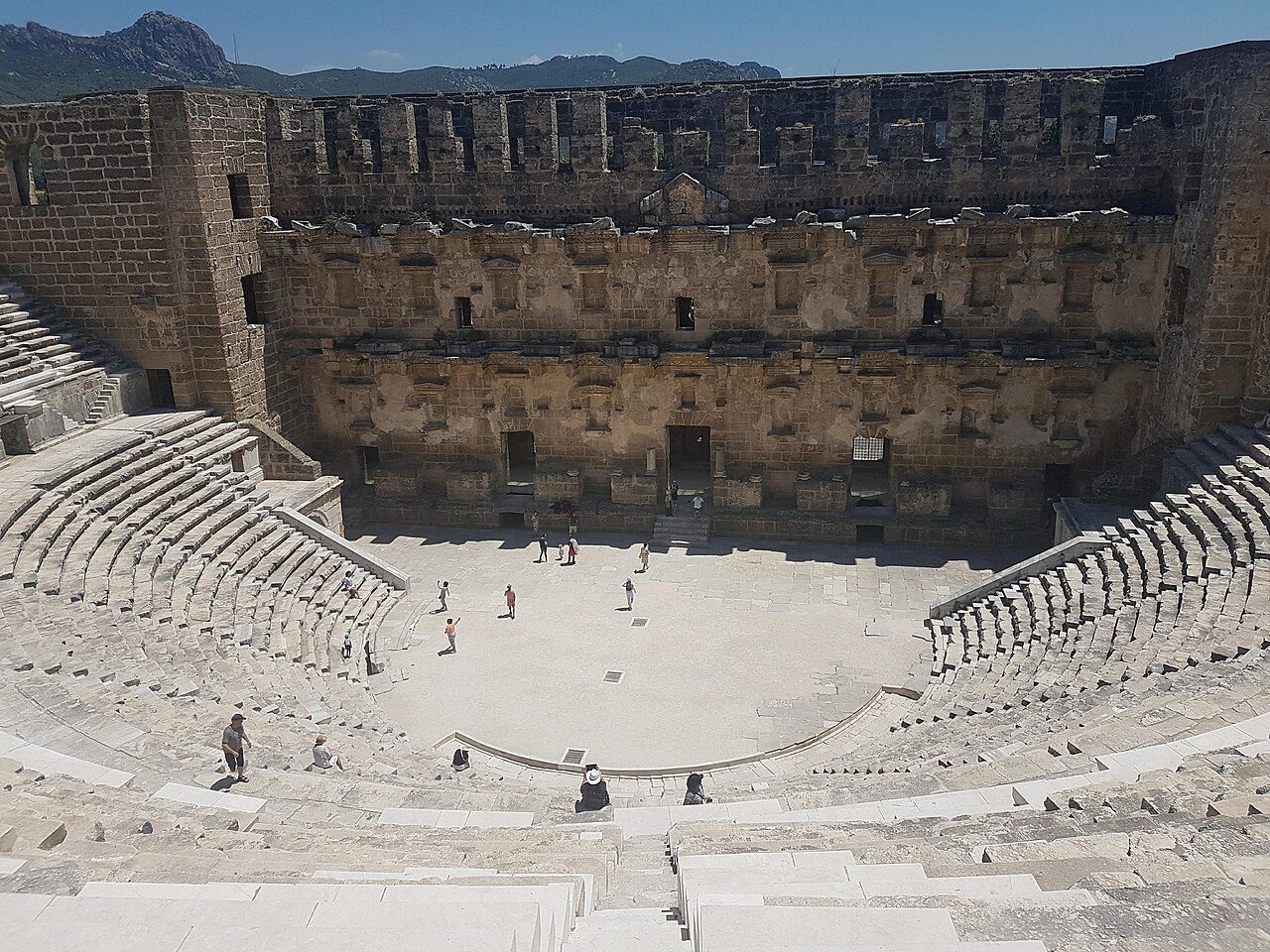
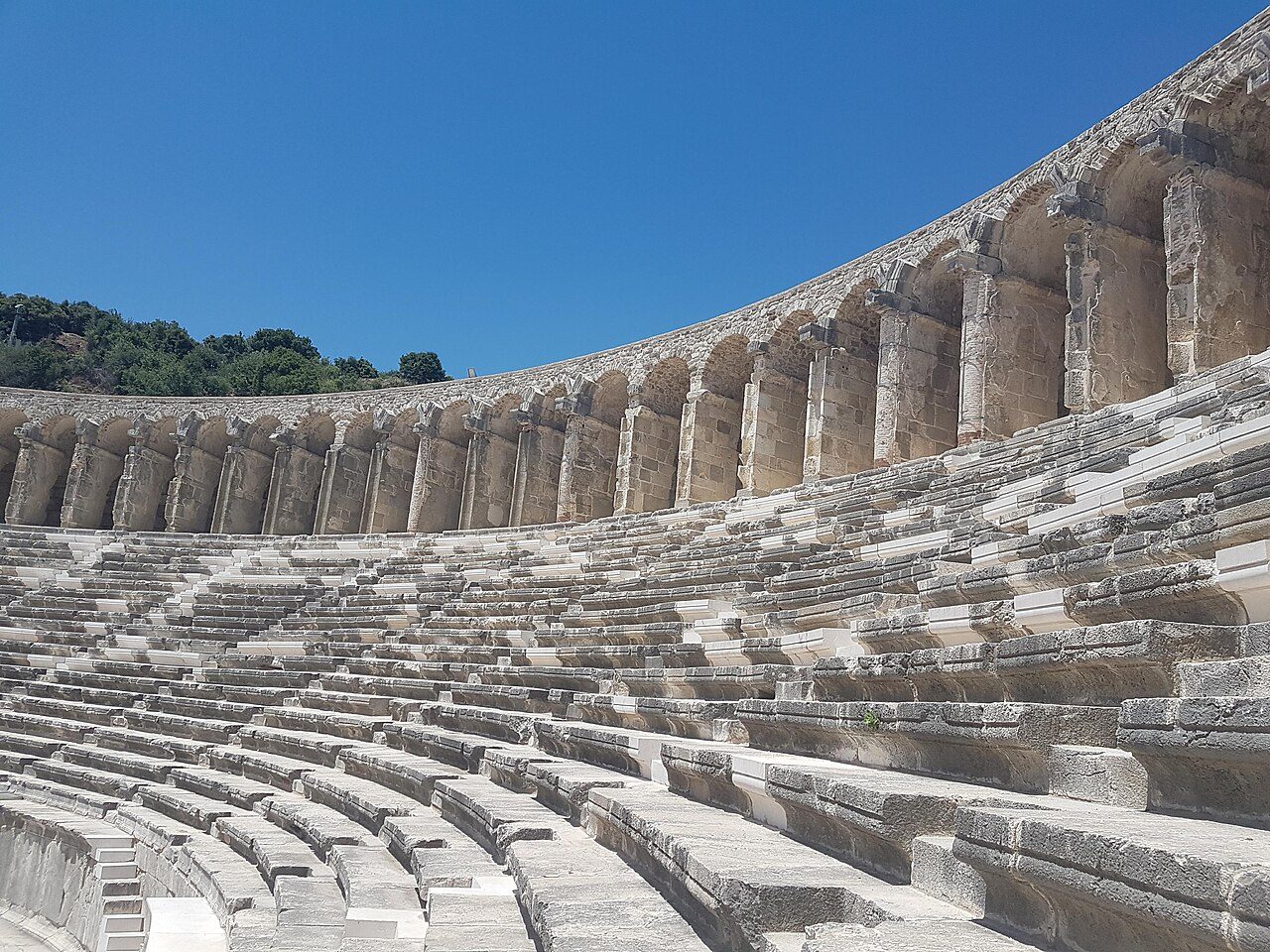
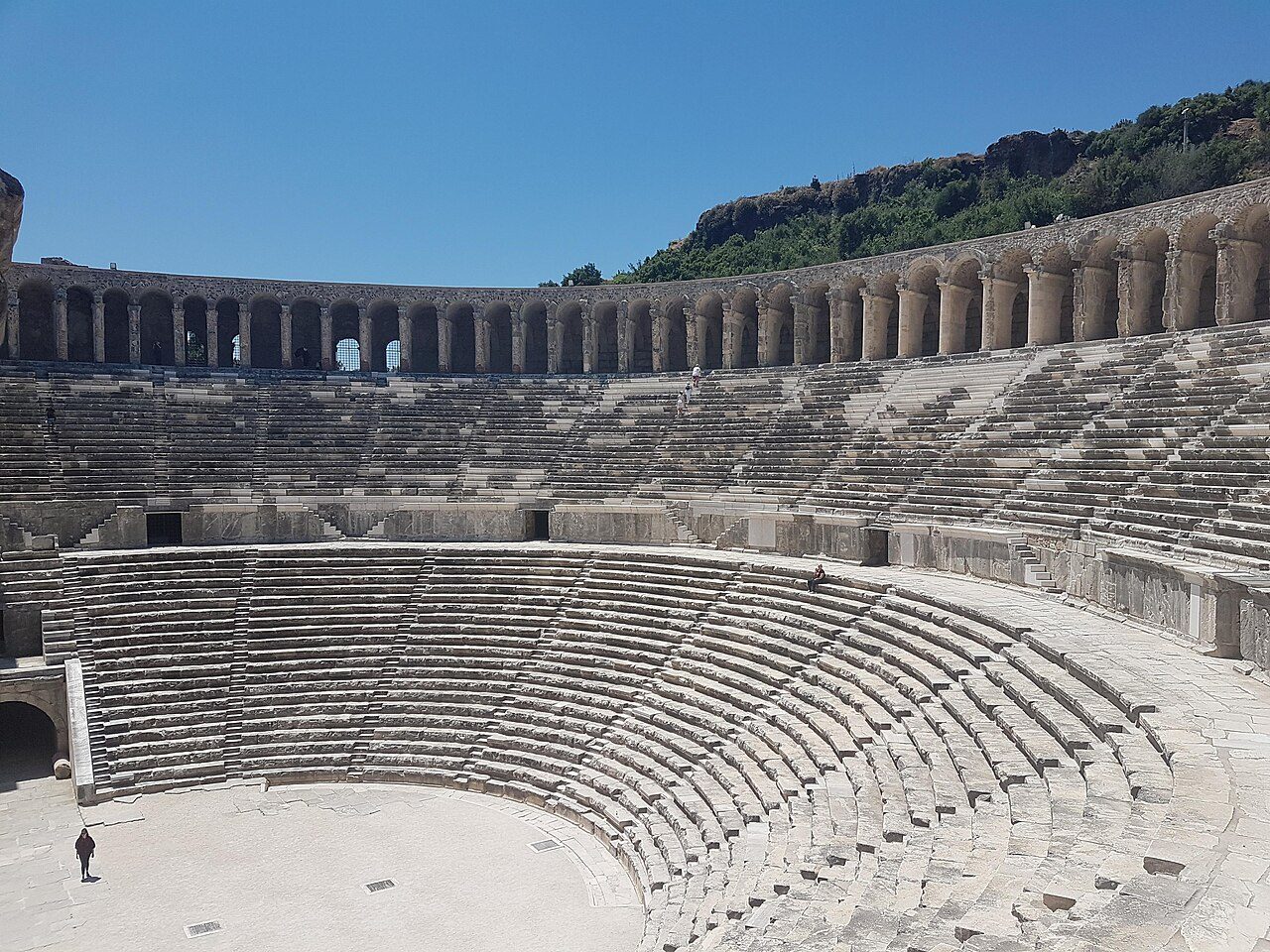
The Aspendos Theatre is one of the best preserved Roman theatres in the world, built around 155 AD near the city of Serik. It seats about 7,000 people, and its tall stage building still stands. The acoustics remain excellent, and it is used for an opera and ballet festival each summer. The ancient city nearby has a long Roman aqueduct.
08
STOP 8 OF 14
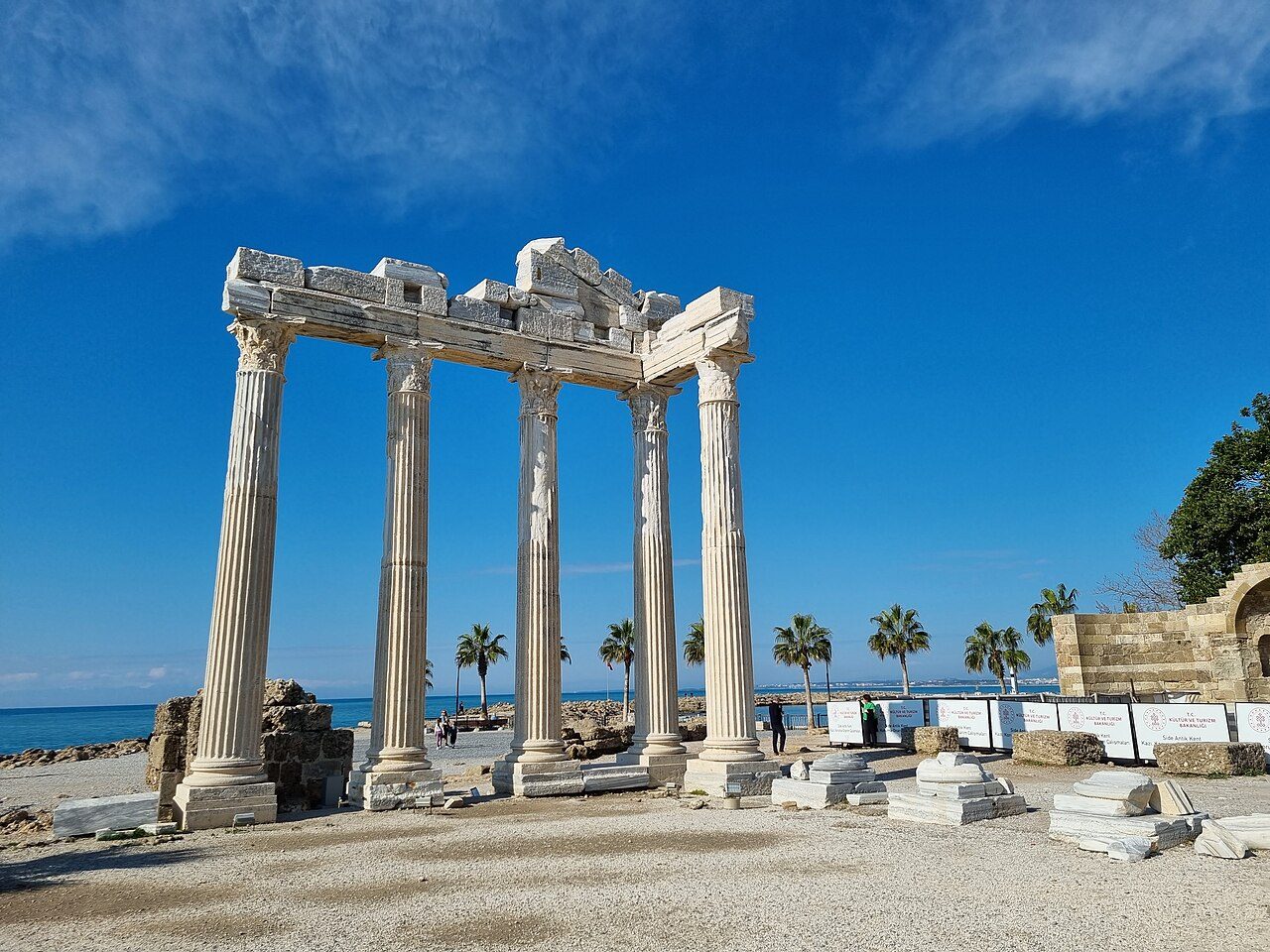
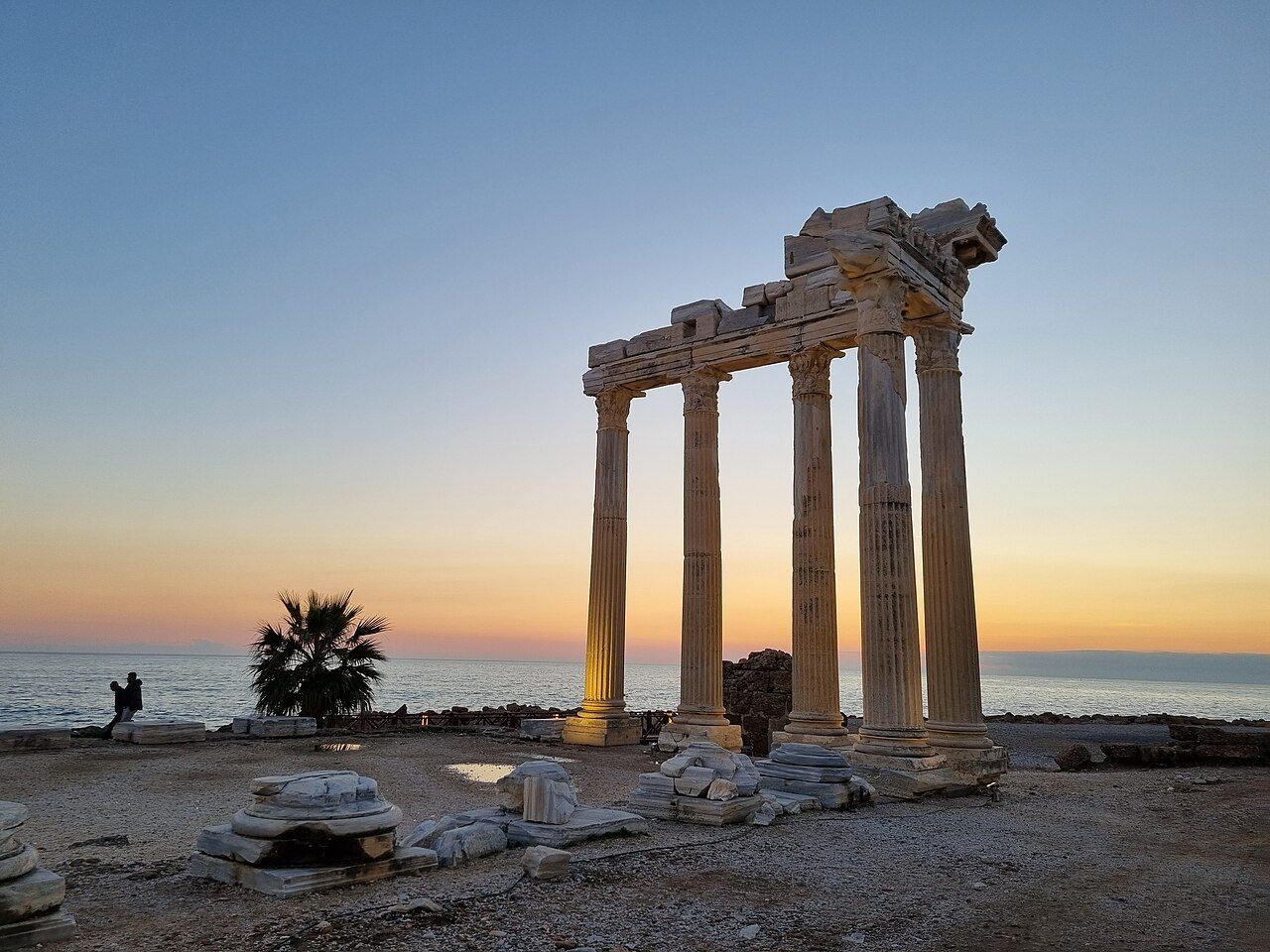
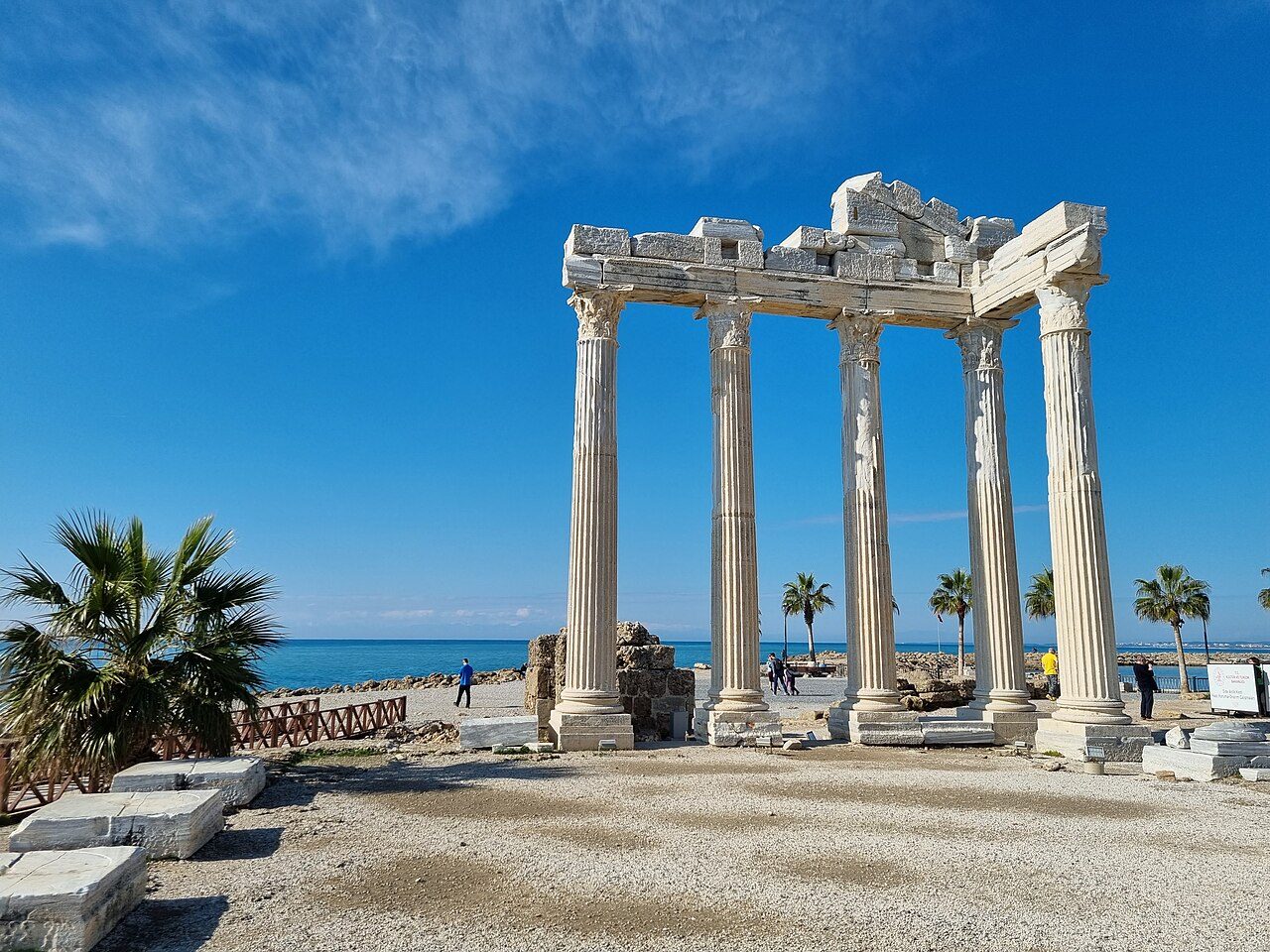
Temple of Apollo Side
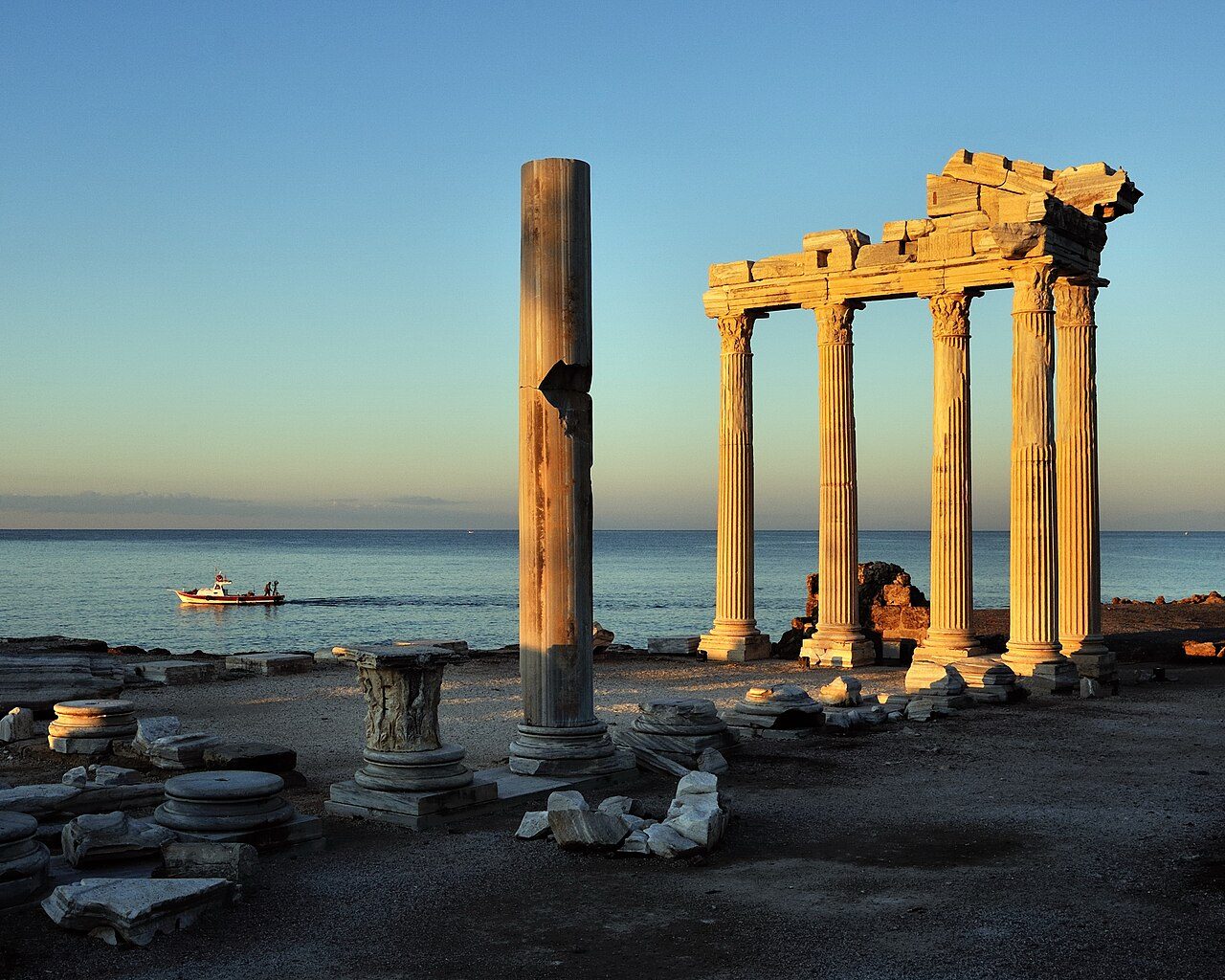
The Temple of Apollo stands on the shore at the tip of the peninsula of Side, an ancient harbour town now a resort. Built in the 2nd century AD, several of its white marble columns have been put back in place. It is especially beautiful at sunset against the sea. The town also has a large theatre and a museum in old Roman baths.
09
STOP 9 OF 14
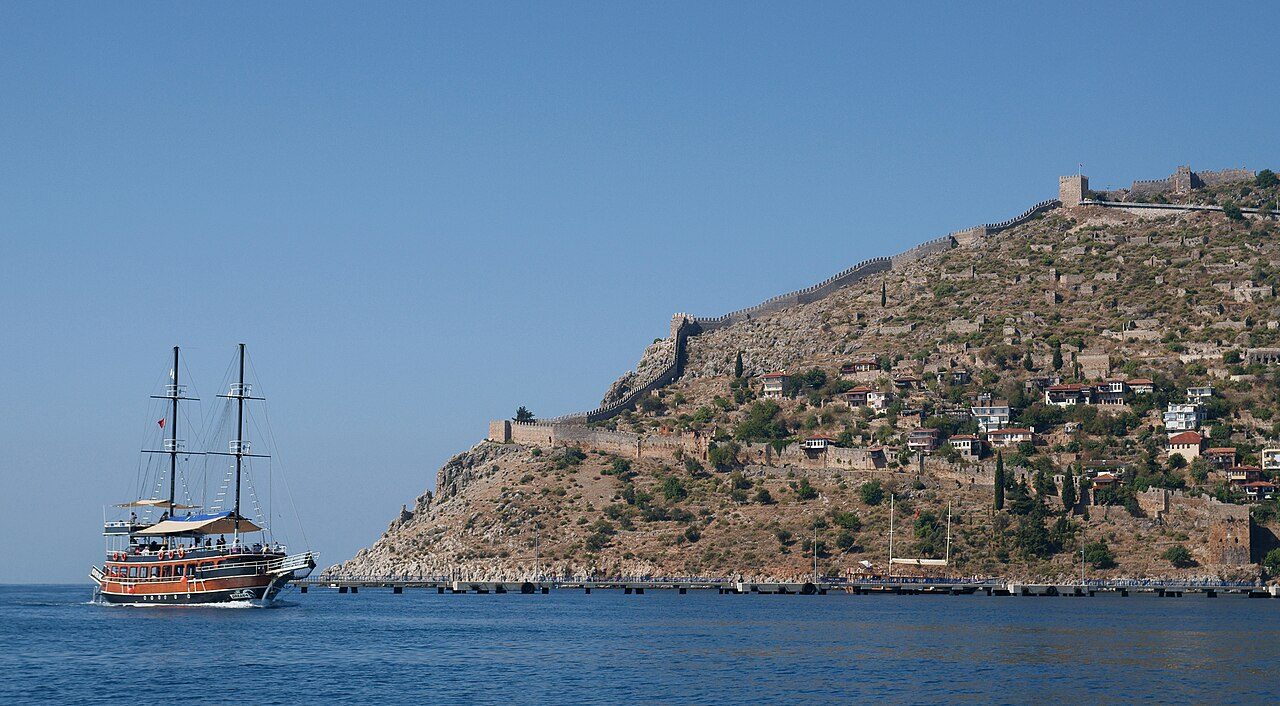
Alanya Castle
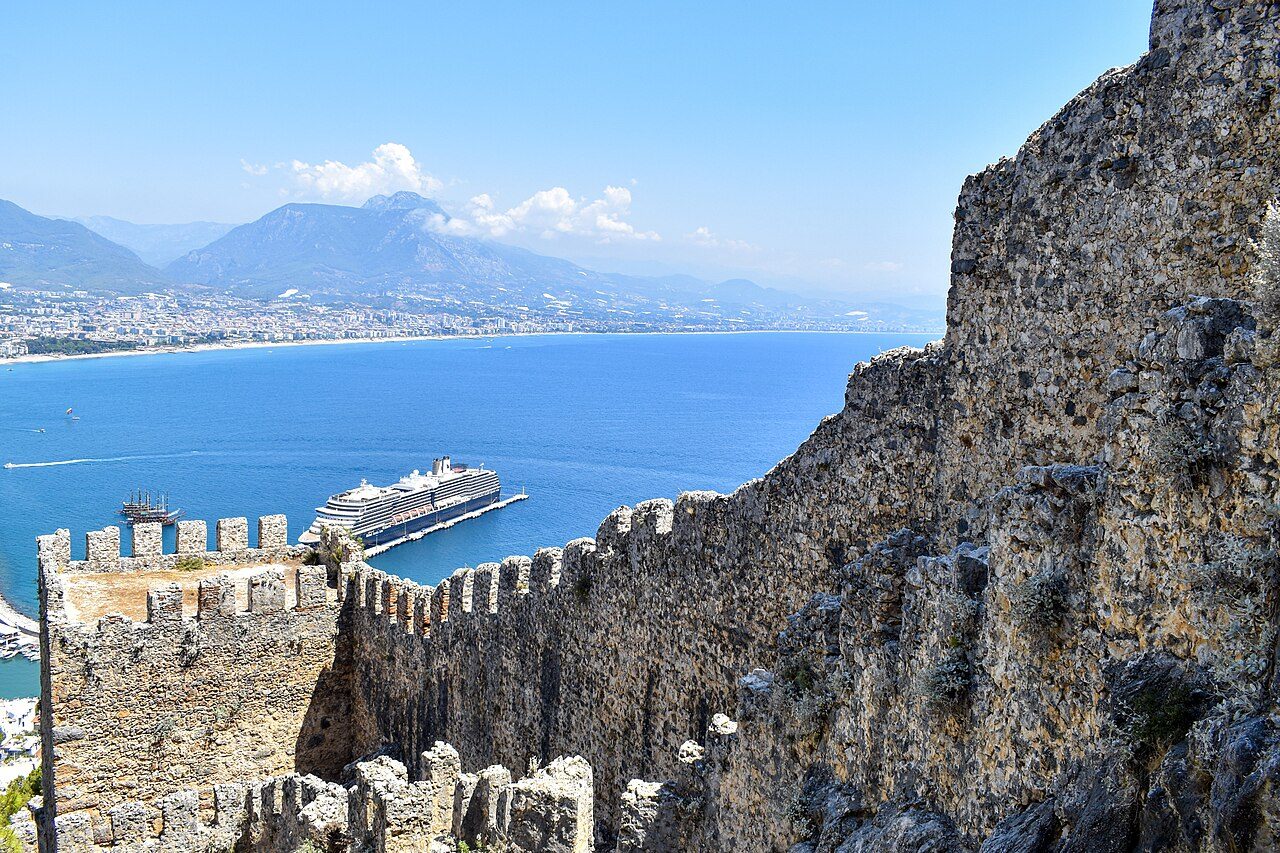
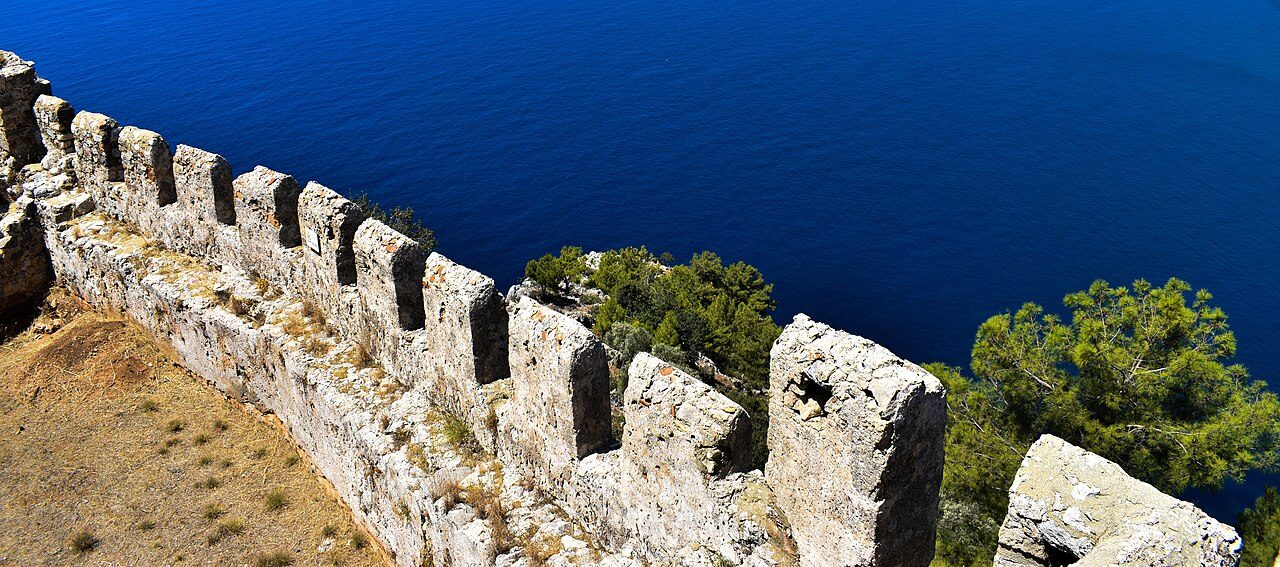
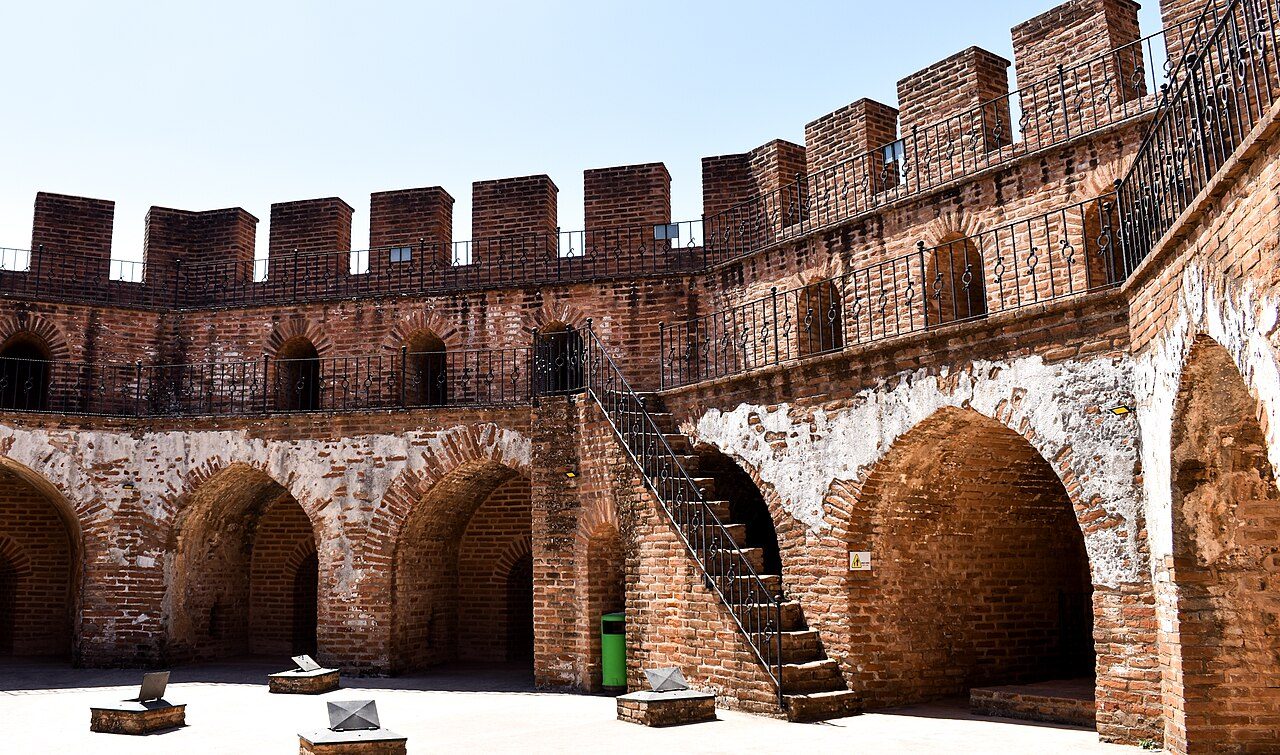
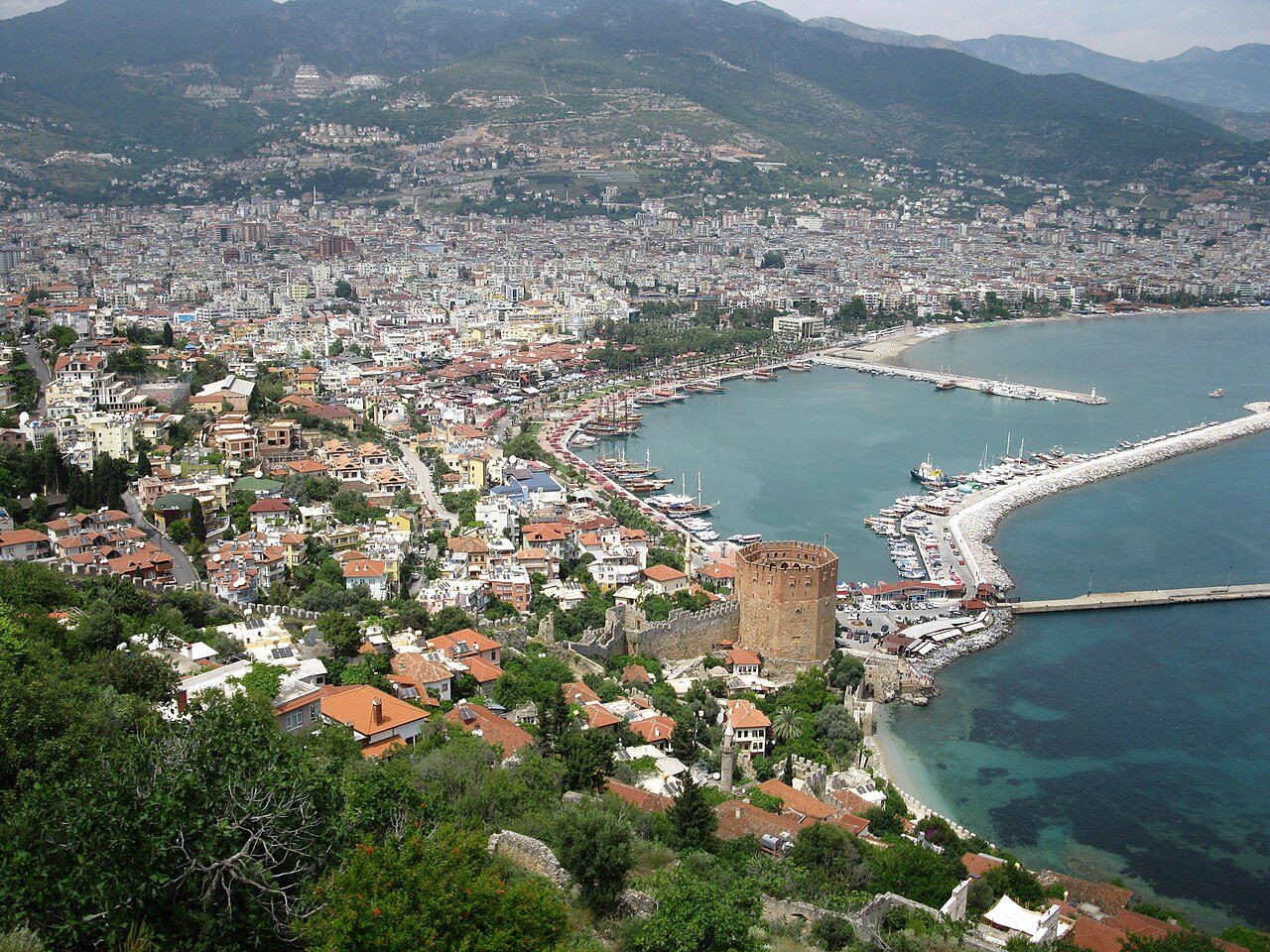
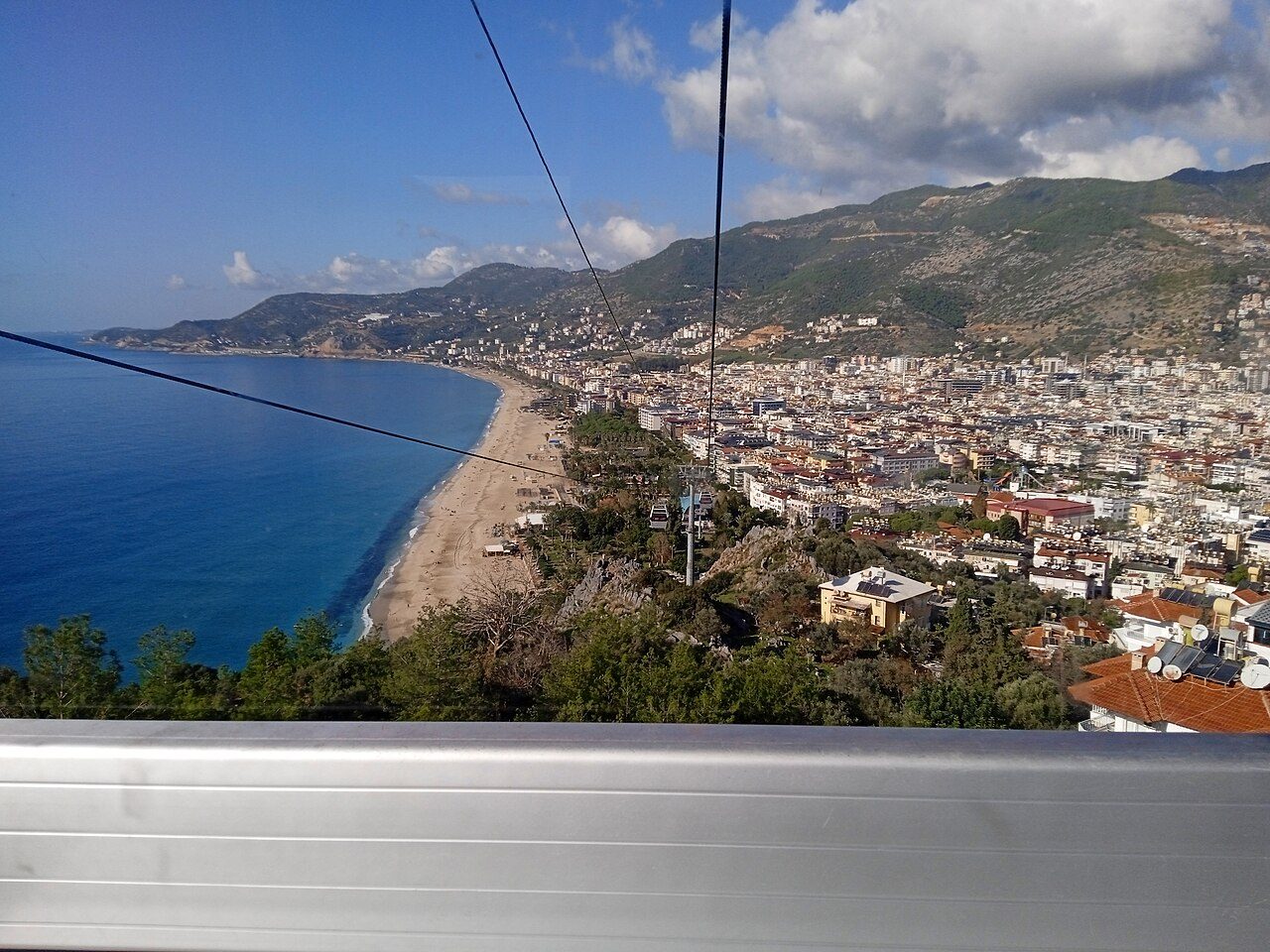
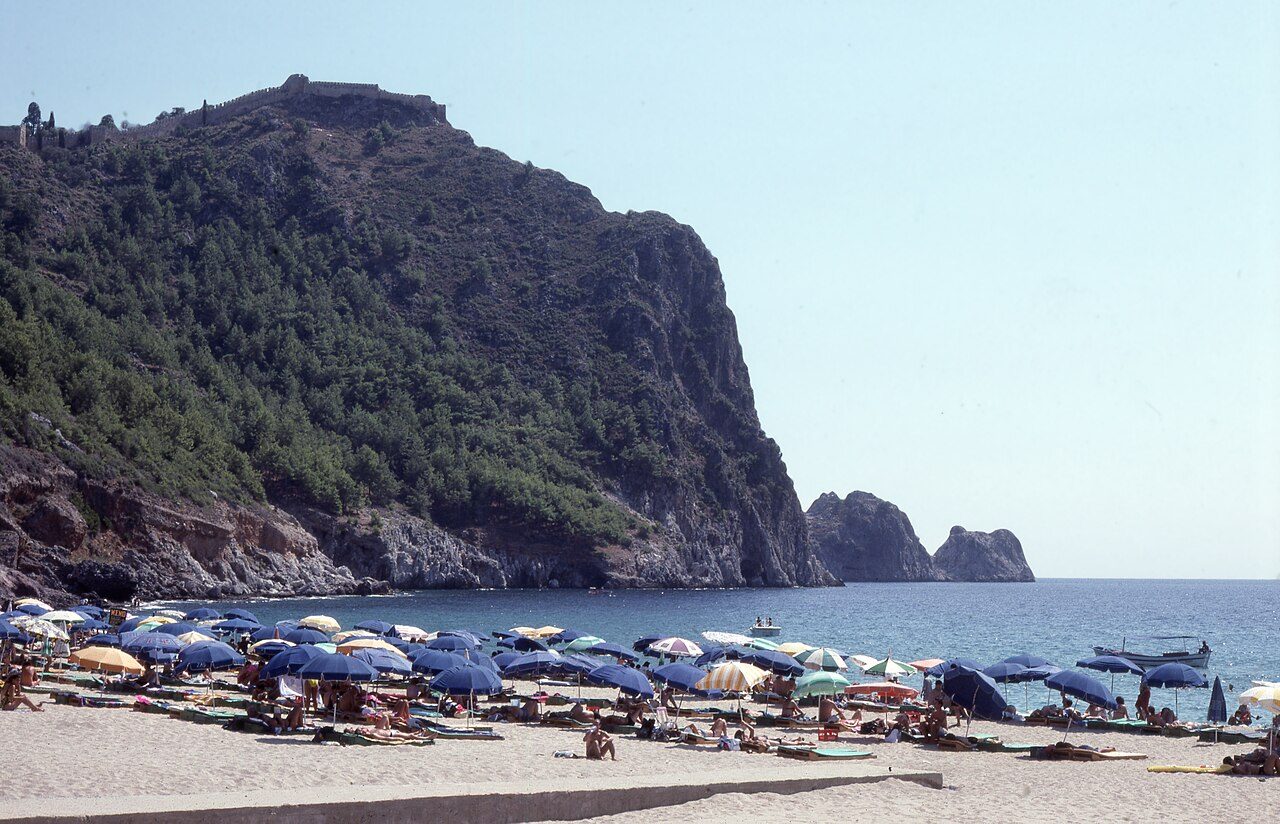
Alanya Castle crowns a rocky peninsula about 250 metres above Alanya. Most of it was built in the 13th century by the Seljuk sultan Kayqubad I. Its walls run for about six kilometres with over 80 towers, enclosing an old village, a Byzantine church and cisterns. A cable car climbs from Damlataş beach, and the view covers both bays.
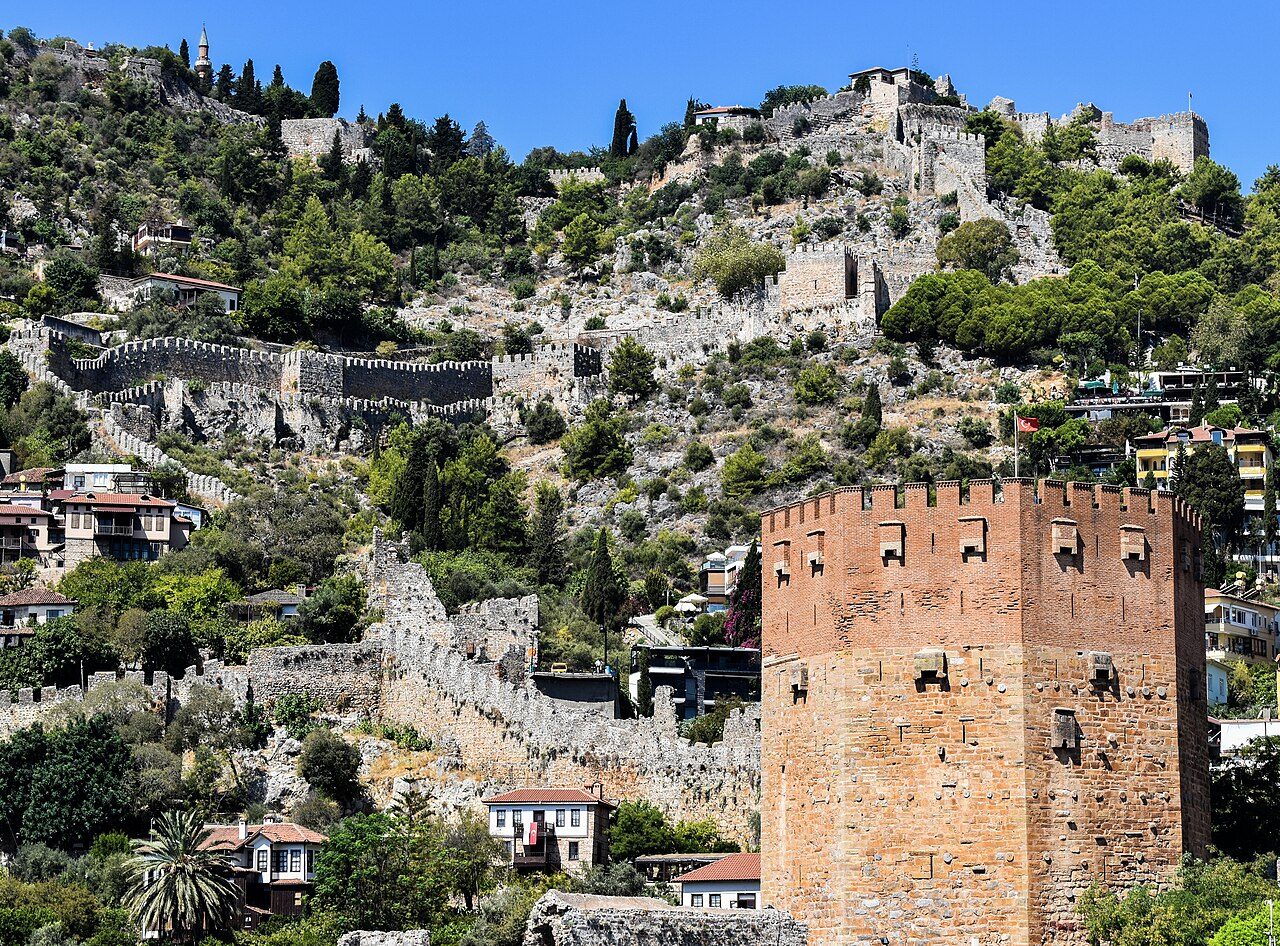
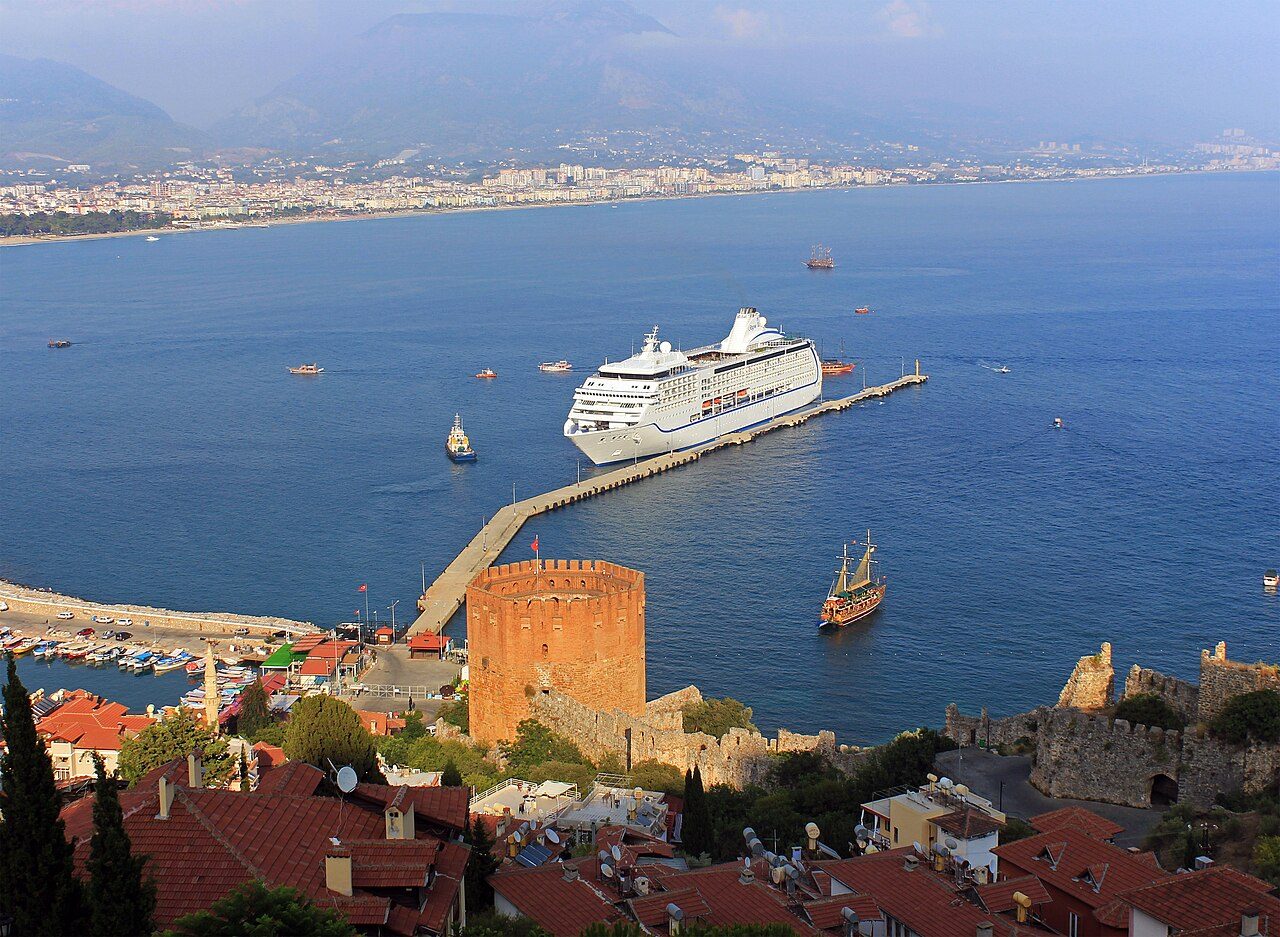
The Red Tower stands by the harbour of Alanya. Built by the Seljuk sultan Kayqubad I in 1226, it is an octagonal tower of red brick on a stone base, about 33 metres high, designed to protect the shipyard. It is the symbol of the town and houses an ethnographic museum. The old Seljuk shipyard lies nearby along the shore.
11
STOP 11 OF 14
Cleopatra Beach
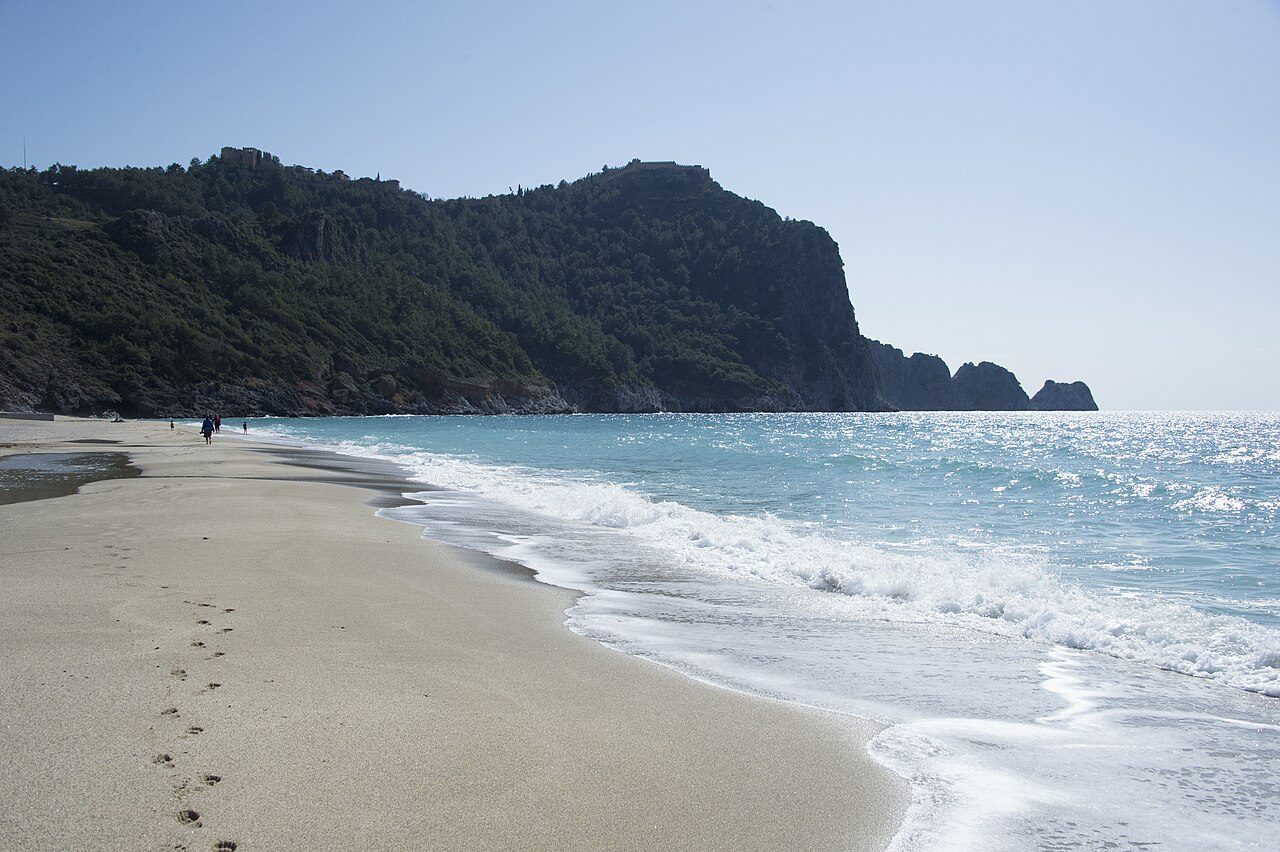
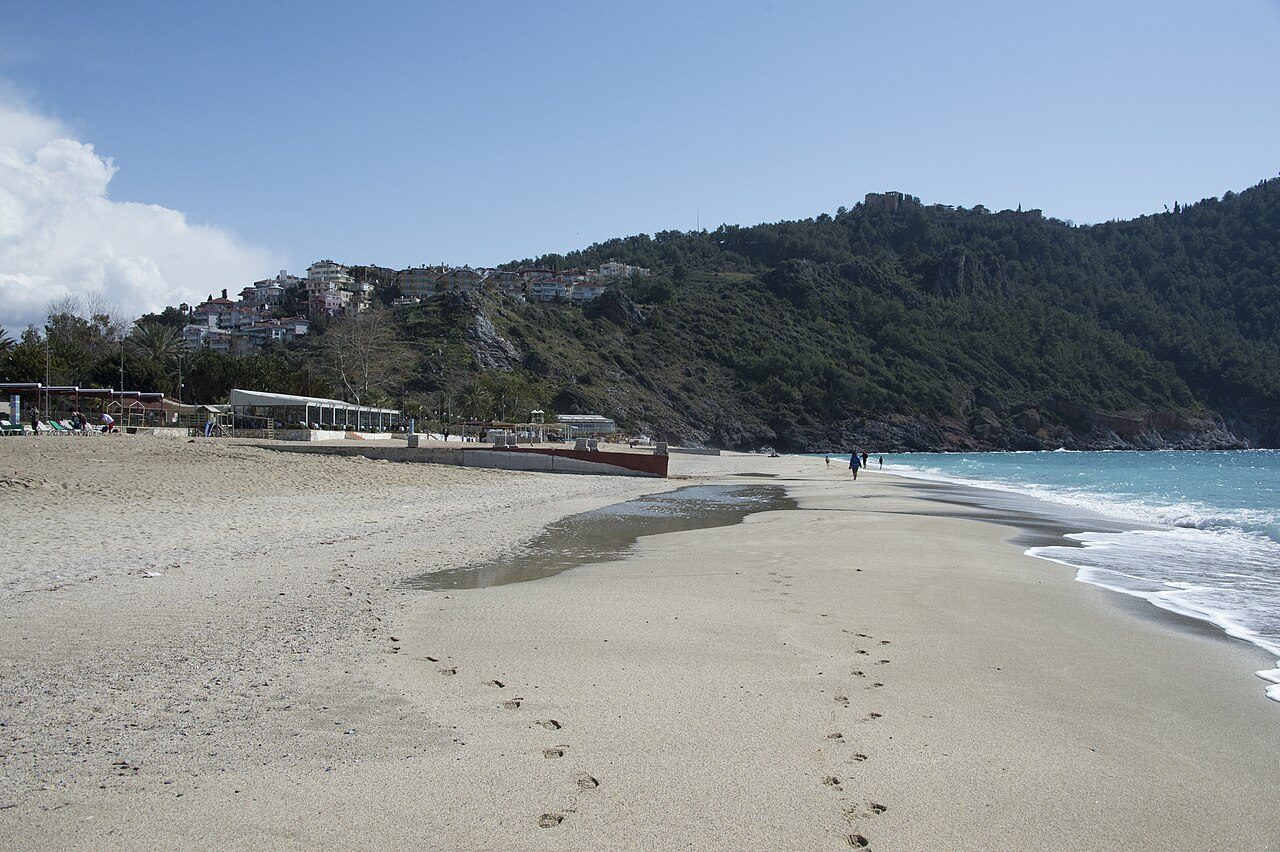
Cleopatra Beach is a long sandy beach on the west side of Alanya, below the castle hill. Legend says Mark Antony gave the area to Cleopatra as a gift, and she bathed here. It has fine golden sand and clear water, and has been awarded a Blue Flag. Damlataş Cave, known for its damp air, lies at its eastern end.
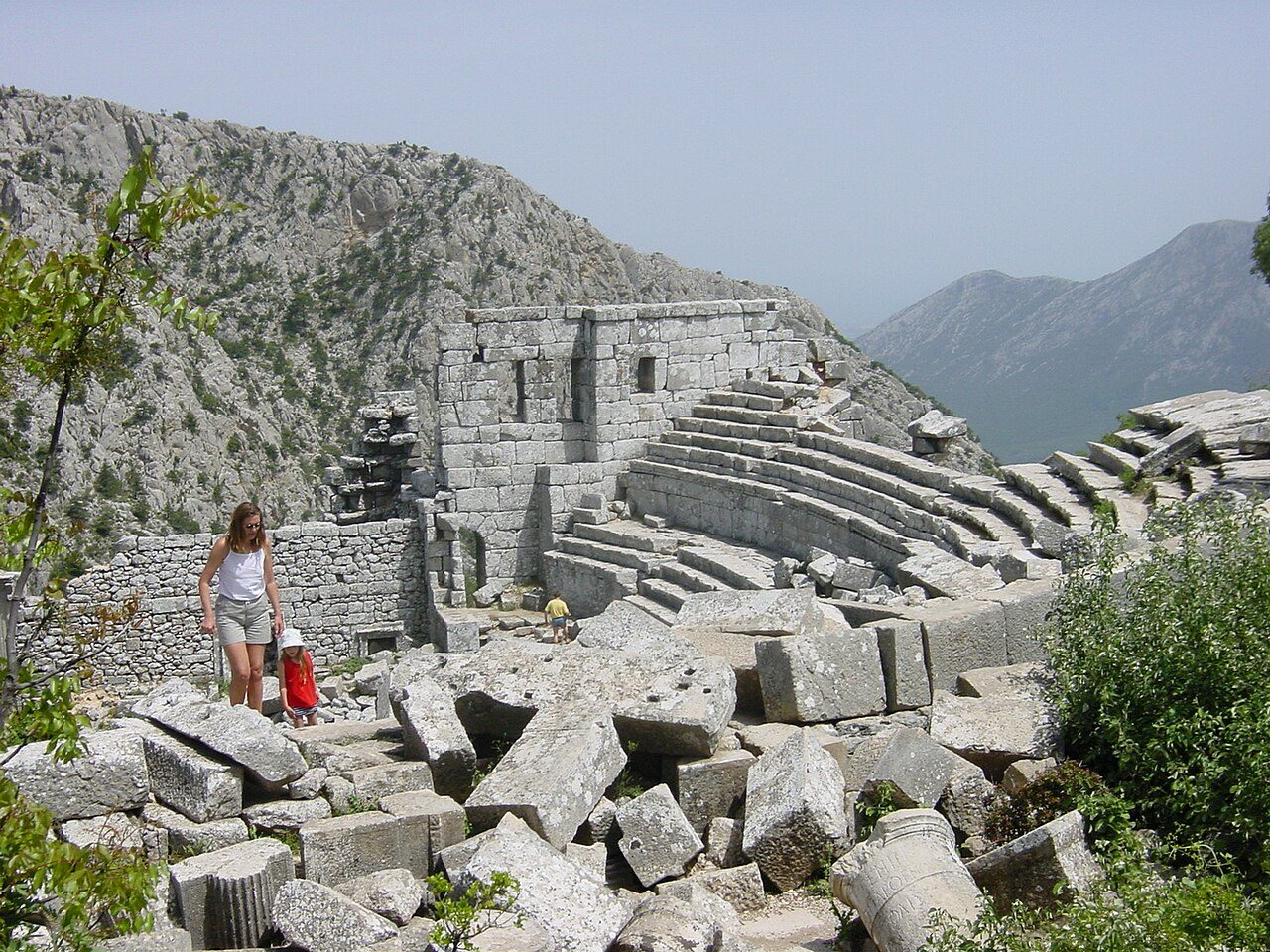
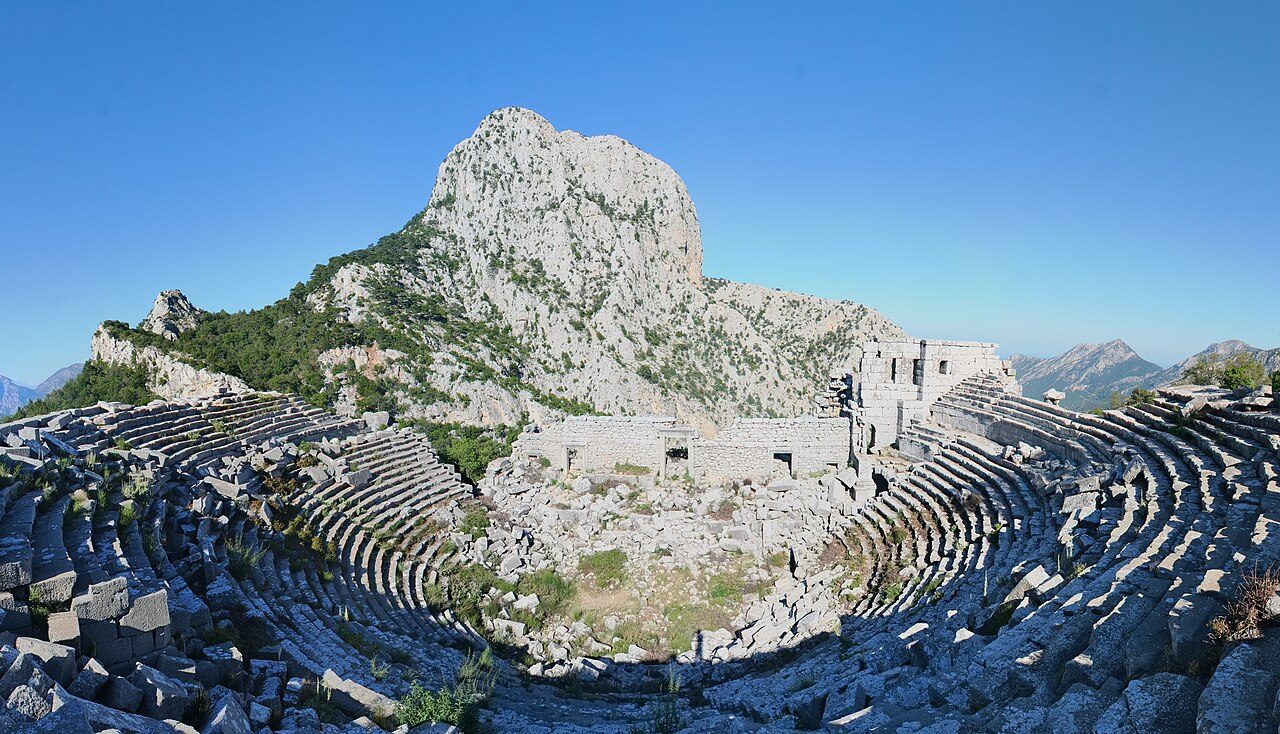
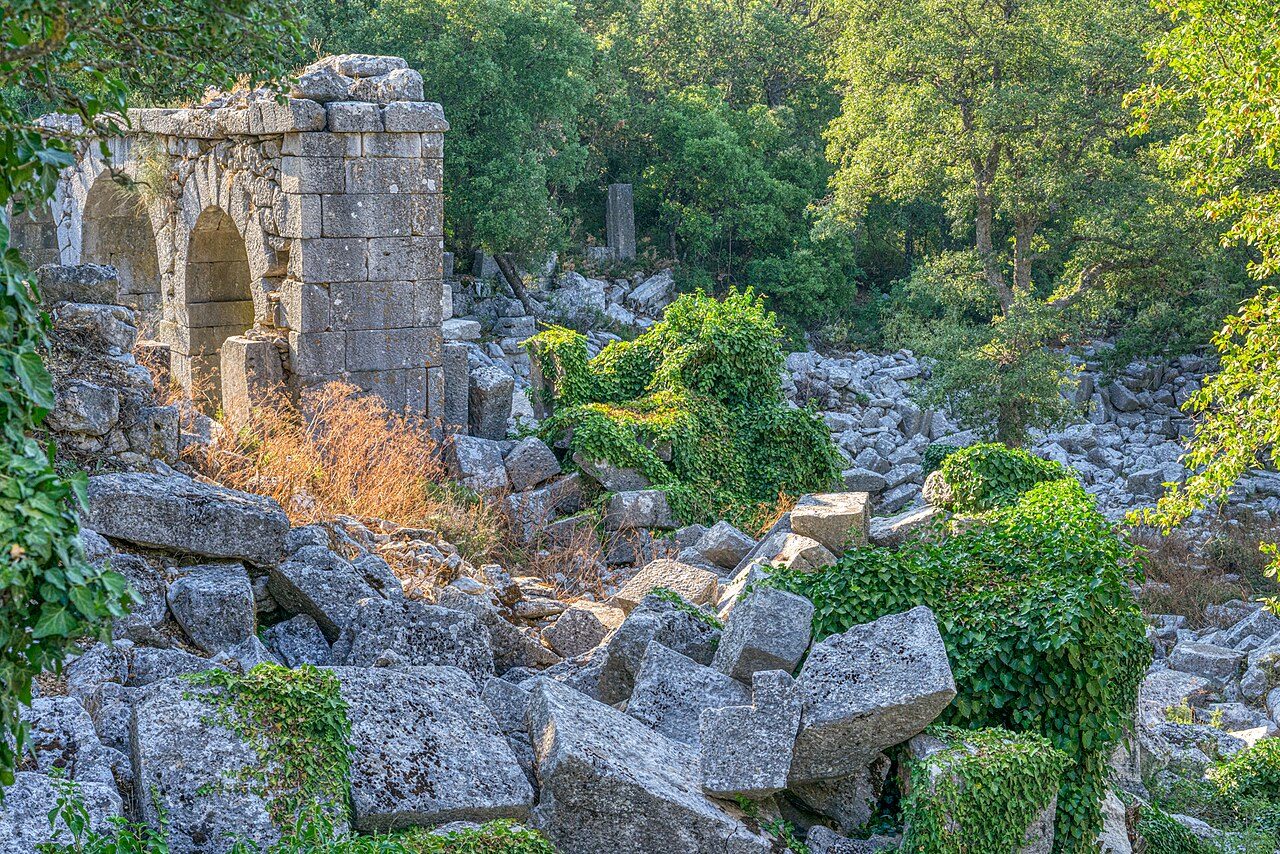
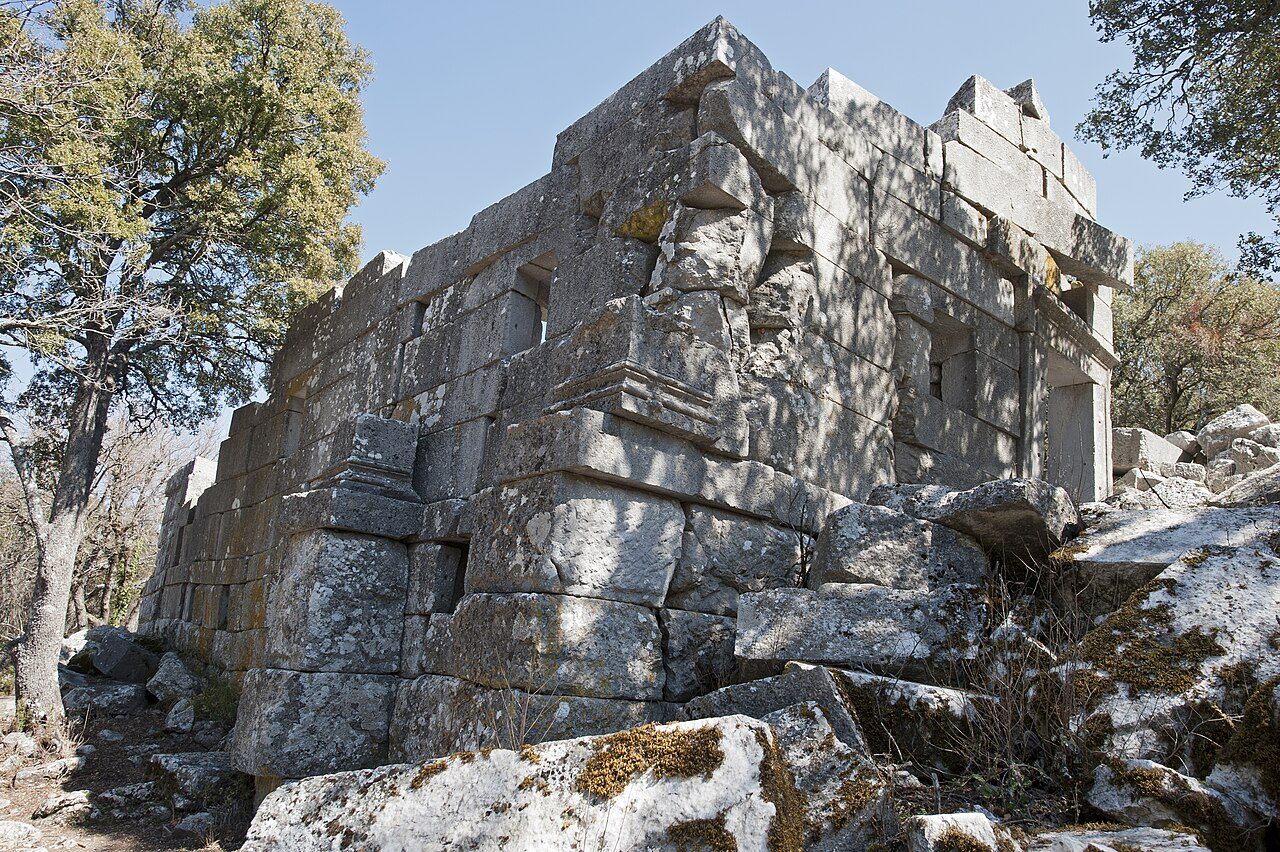
Termessos was a mountain city high in the Taurus Mountains northwest of Antalya. It was so well defended that Alexander the Great chose not to attack it. Its ruins lie in a pine forest in a national park, reached by a steep climb. The theatre sits on a cliff edge with dramatic views, and hundreds of tombs are scattered around.
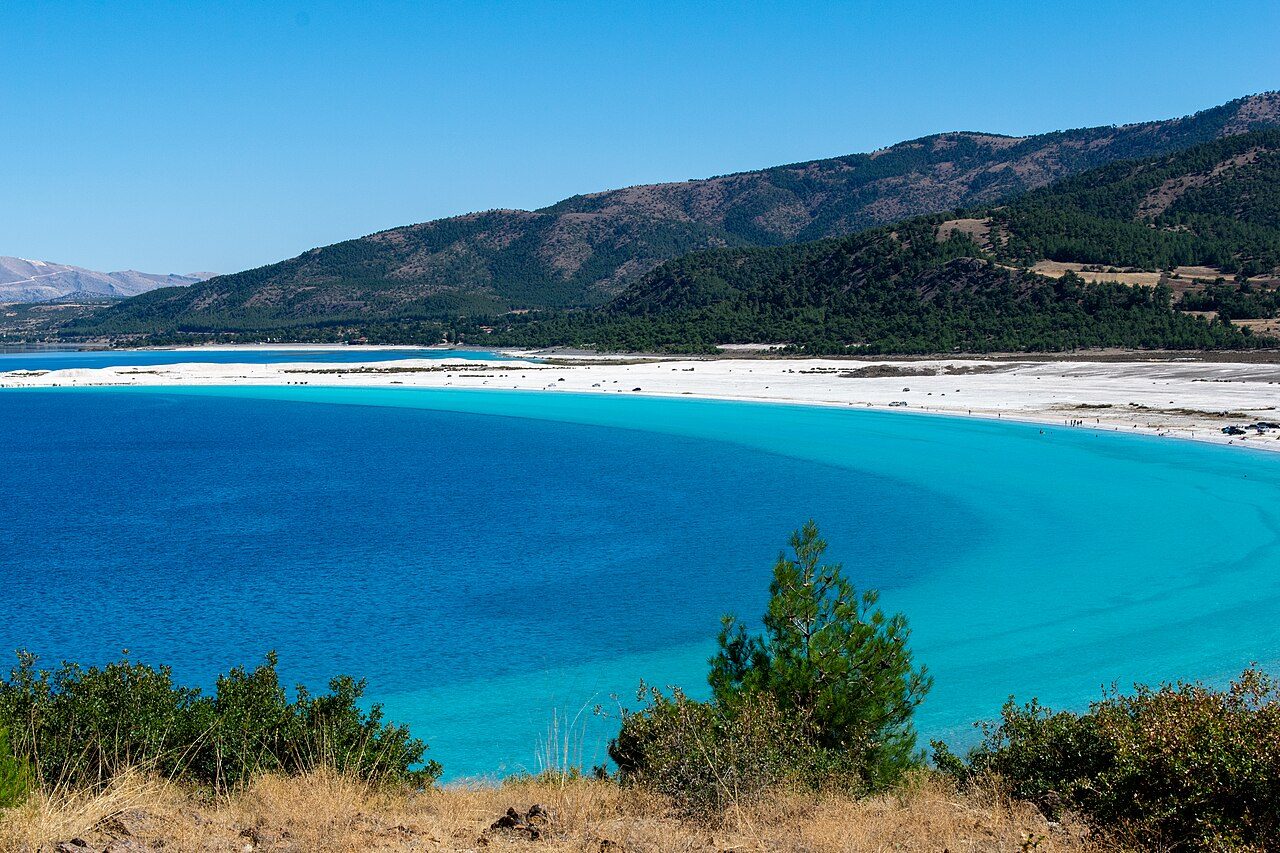
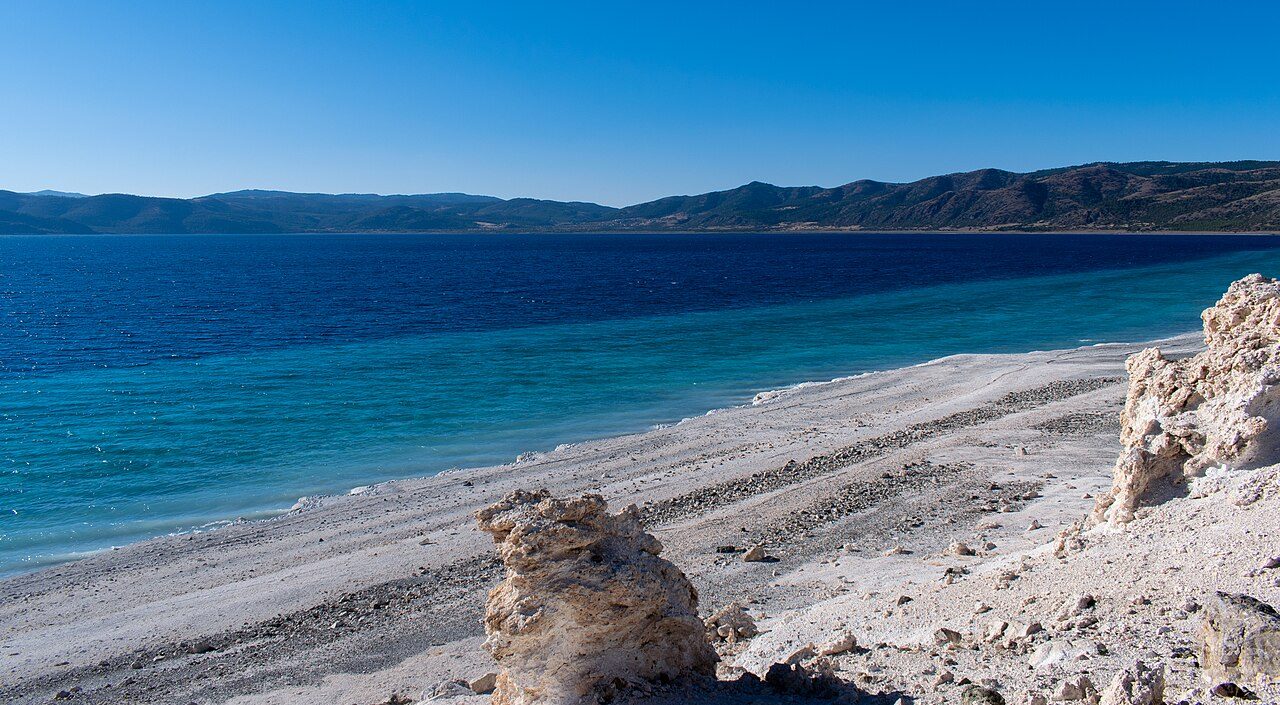
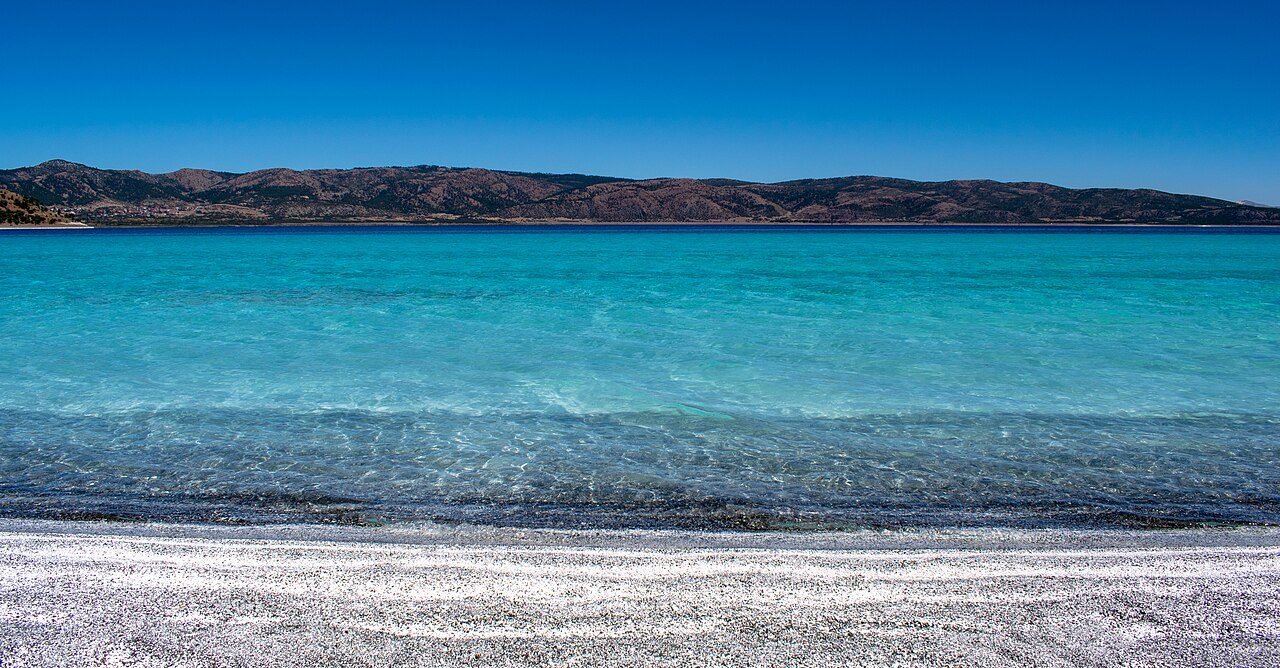
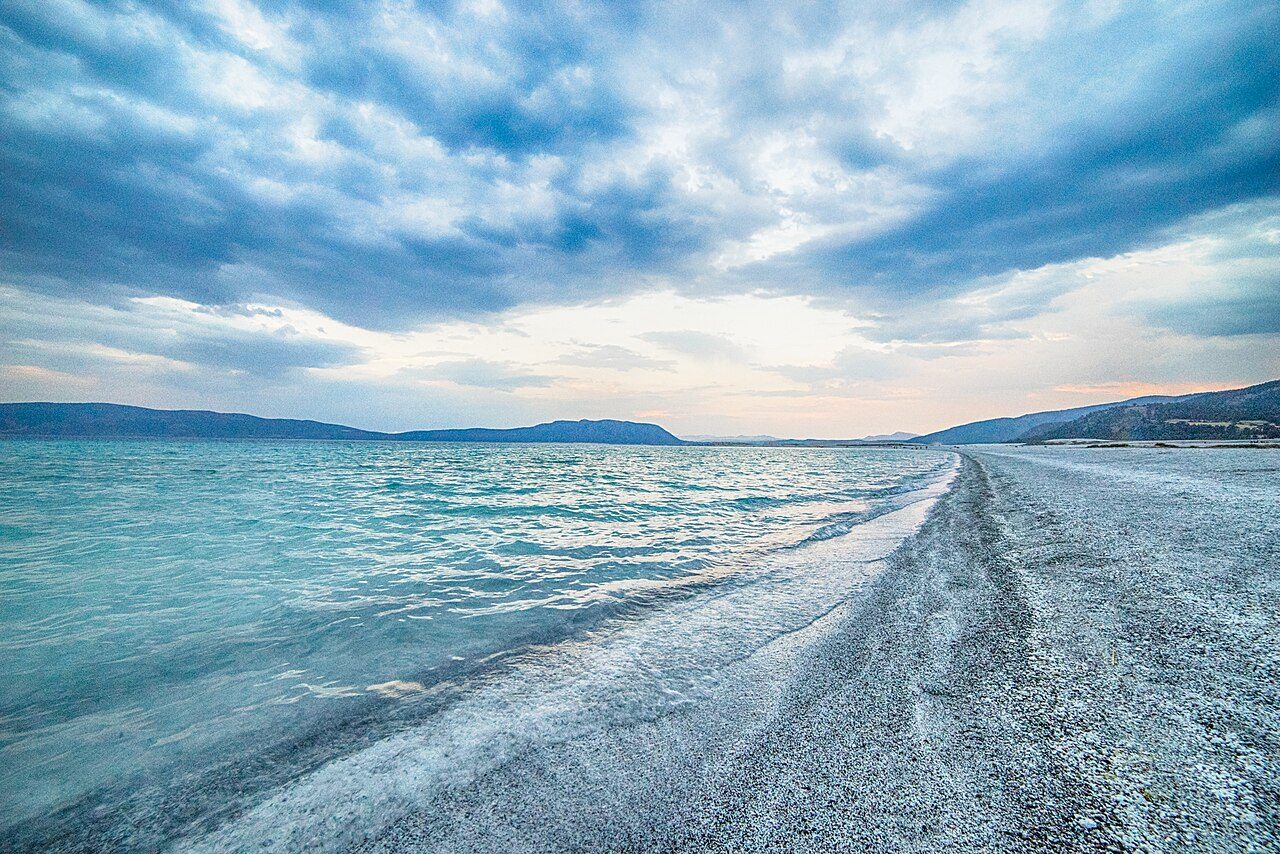
Lake Salda is a crater lake in Burdur province known for its white beaches and turquoise water, which give it the nickname the Turkish Maldives. Its white shores are made of minerals similar to those found in Jezero Crater on Mars, and NASA scientists have studied it. Parts of the shore are protected, and swimming is allowed only in certain areas.
14
STOP 14 OF 14 · LAST STOP
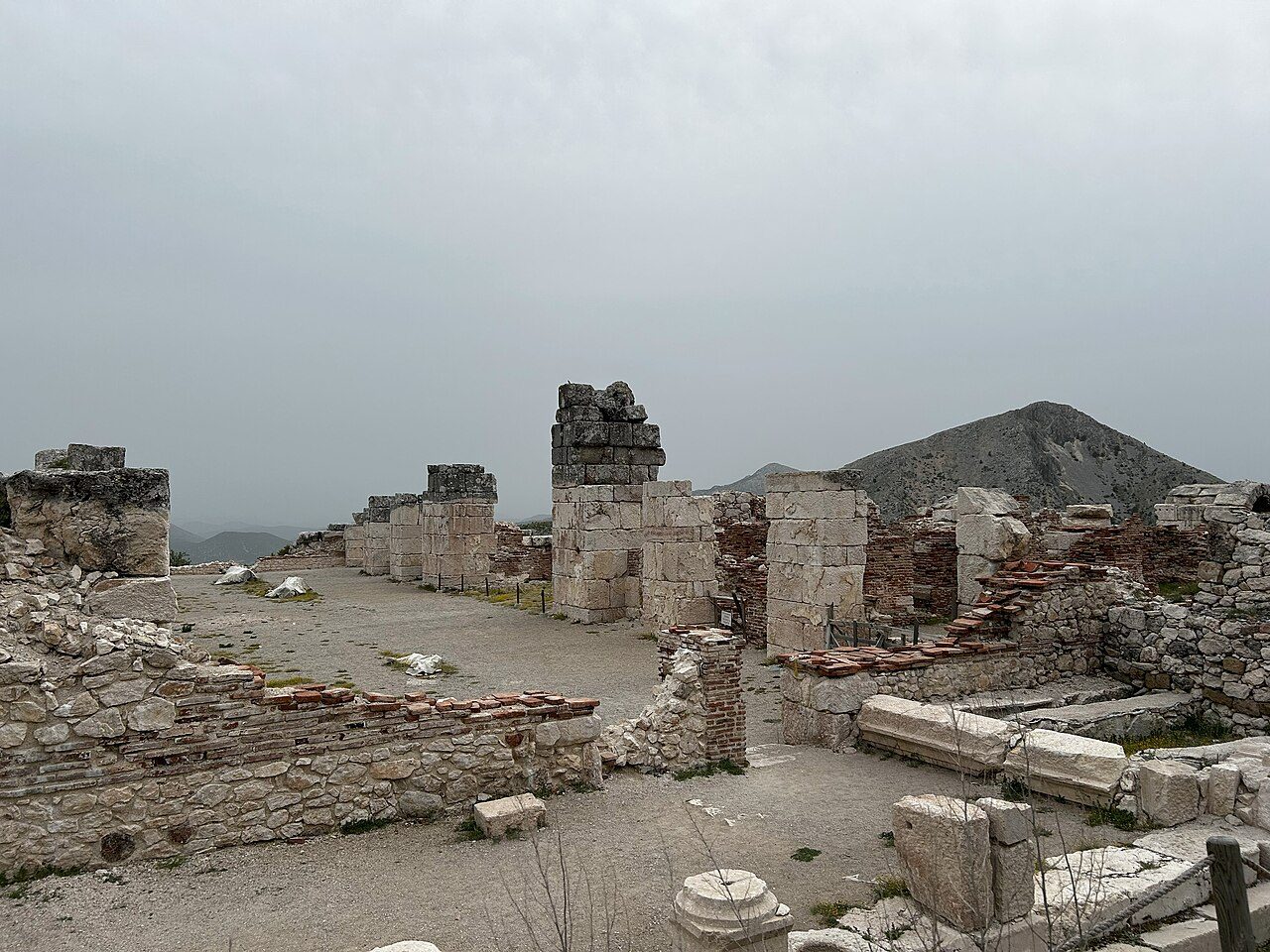
Sagalassos
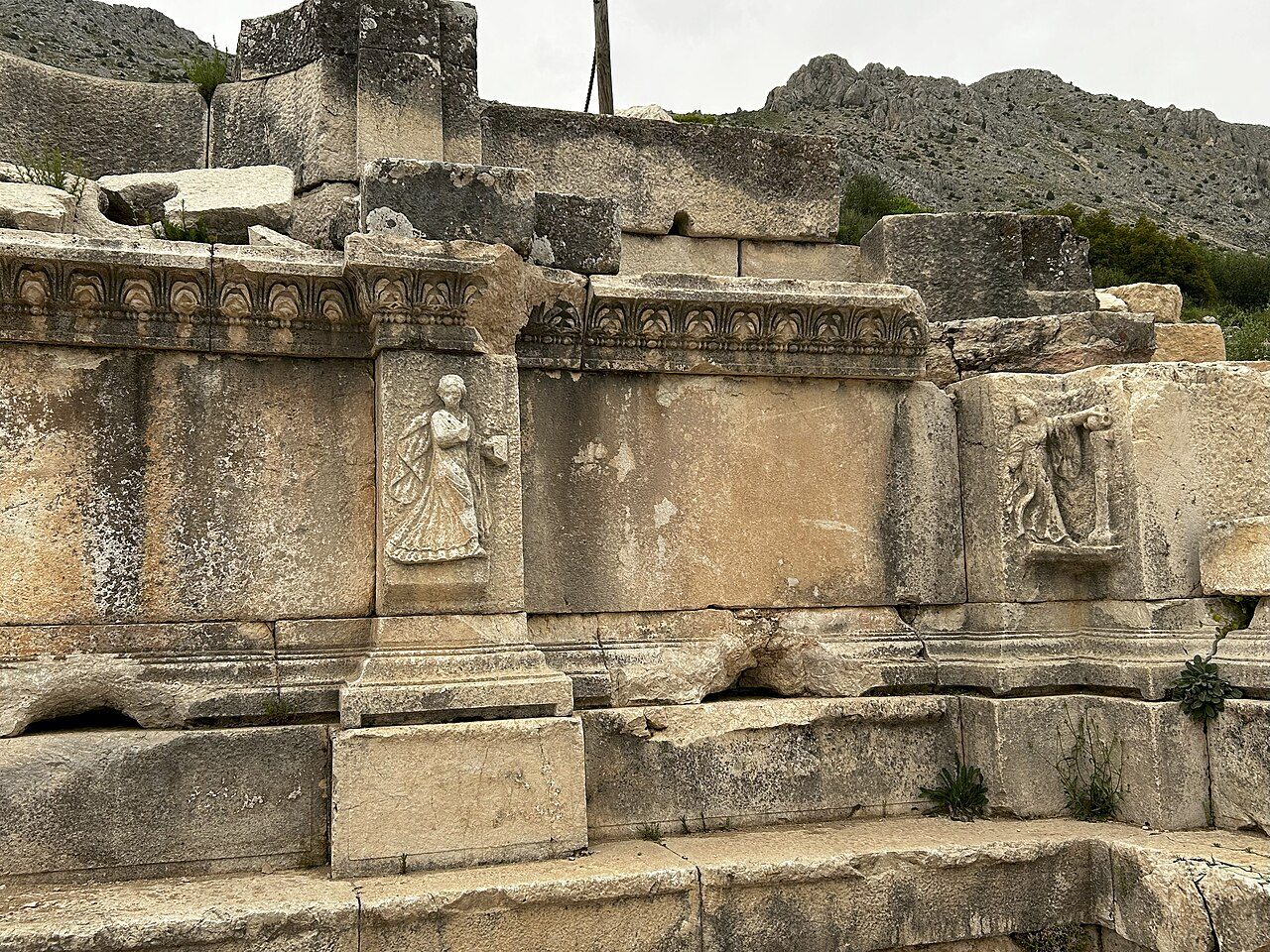
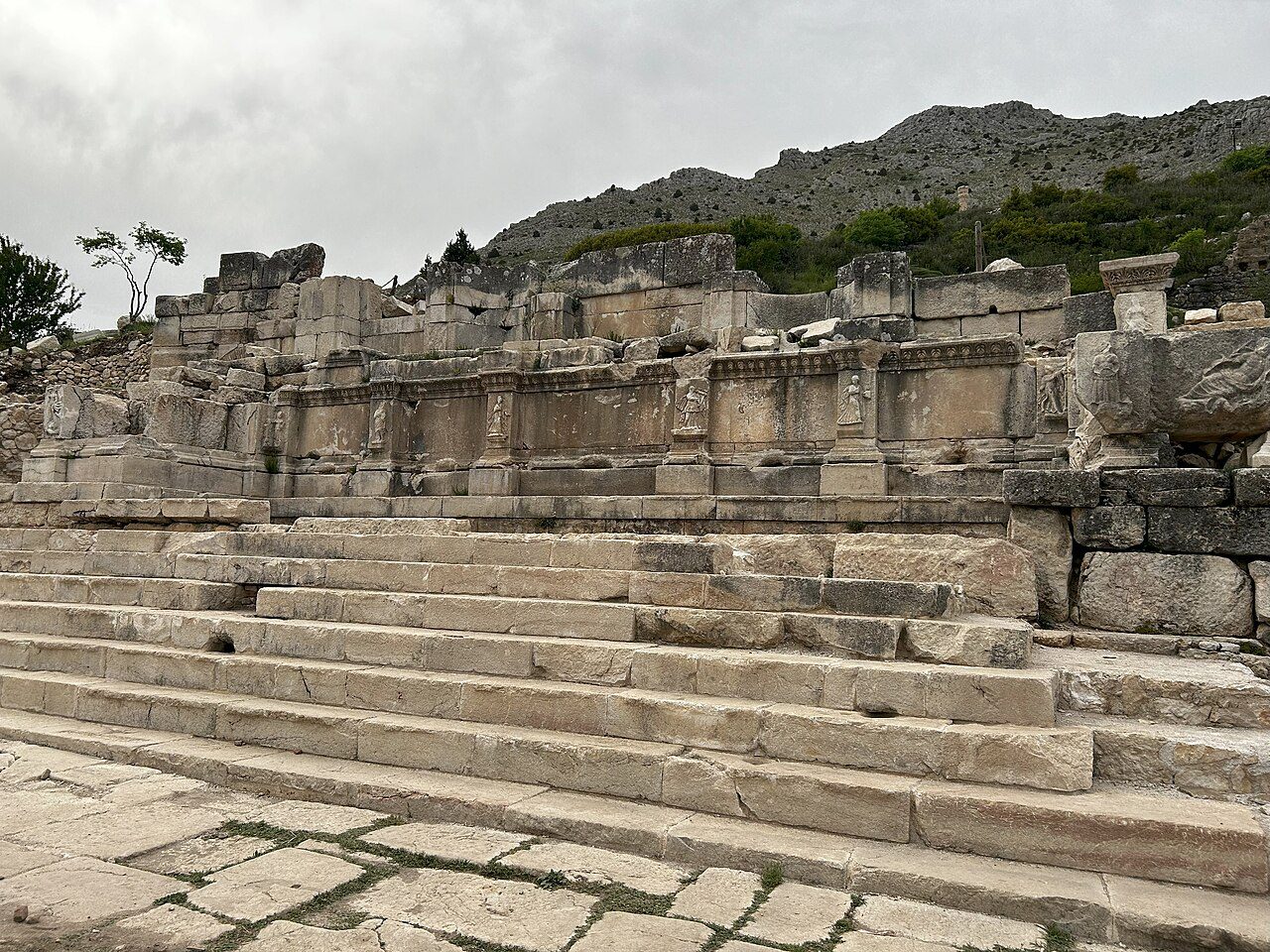
Sagalassos was an ancient city high in the Taurus Mountains near Ağlasun, at about 1,500 metres. It was rich in Roman times and later abandoned after earthquakes. Belgian archaeologists have restored the Antonine Nymphaeum, a large fountain that again flows with water. The site also has a theatre, a library and a market square.
Seasons from 20 years of NASA POWER climate data.
 WaTrips





 BikesBooking
 Localrent
 Airalo
 Tiqets