Sensō-ji and Ueno, Skytree, Meiji Jingu, Harajuku and Shibuya, the Imperial Palace, Akihabara, Ginza, Tsukiji, Hamarikyu, Tokyo Tower and Odaiba.
Tokyo is a city of neighbourhoods, each with its own character. Start in old Asakusa at Sensō-ji, walk Ueno Park and its museum, and see the city from the Skytree. Visit Meiji Jingu in its forest, then Harajuku's Takeshita Street and the famous Shibuya Crossing, ending in Shinjuku. Stroll Rikugien garden and the Imperial Palace grounds, then the electronics of Akihabara and the lights of Ginza. Finish with breakfast at Tsukiji's outer market, Hamarikyu Gardens, Zōjō-ji below Tokyo Tower and the bay at Odaiba. Get a Suica card for trains.
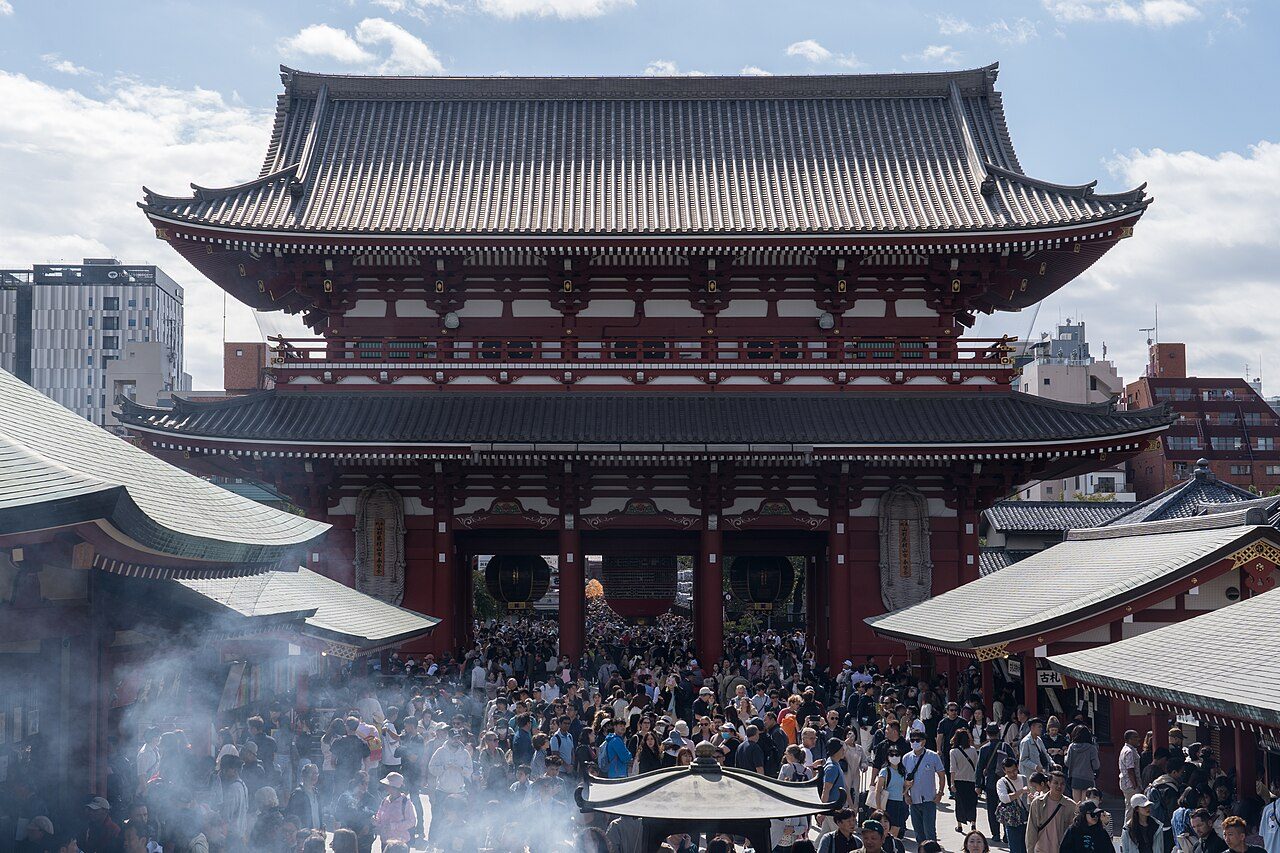
Sensō-ji in Asakusa is Tokyo's oldest temple, founded according to legend in 628 after two fishermen found a statue of Kannon in the Sumida River. Visitors enter through the Kaminarimon, the Thunder Gate, with its huge red lantern. The Nakamise shopping street leads to the main hall and a five-storey pagoda. Incense smoke from the large burner is believed to bring good health.
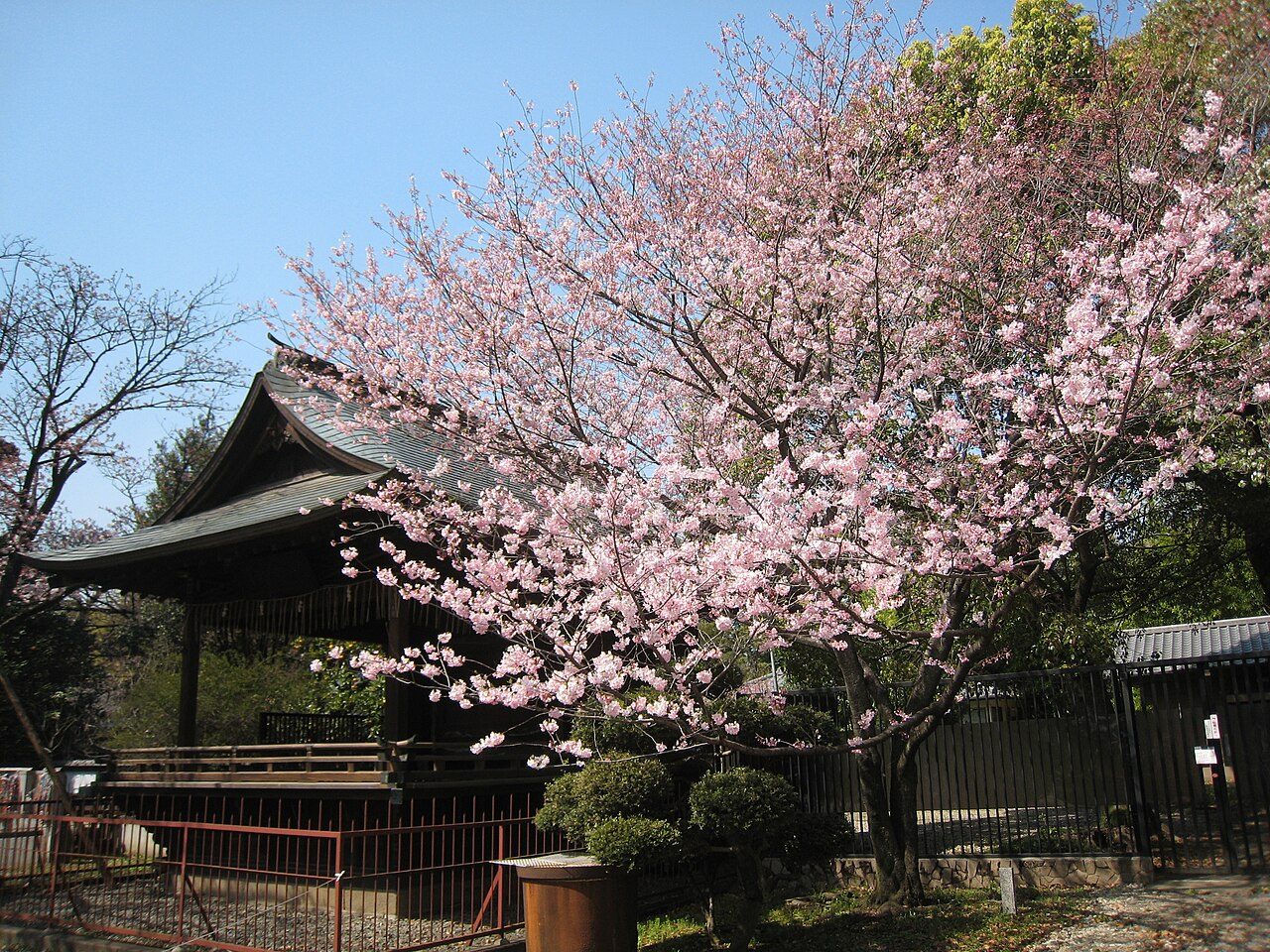
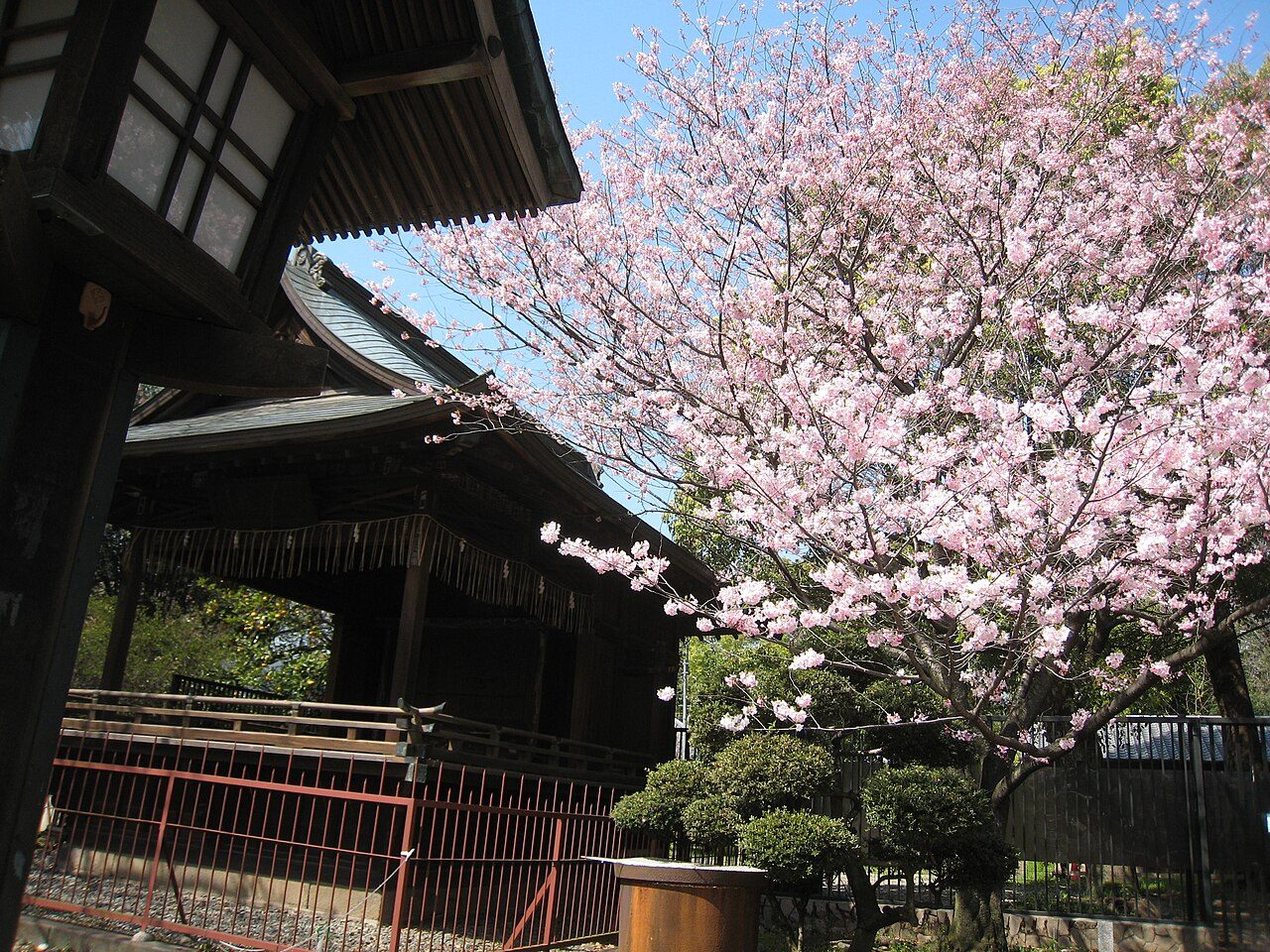
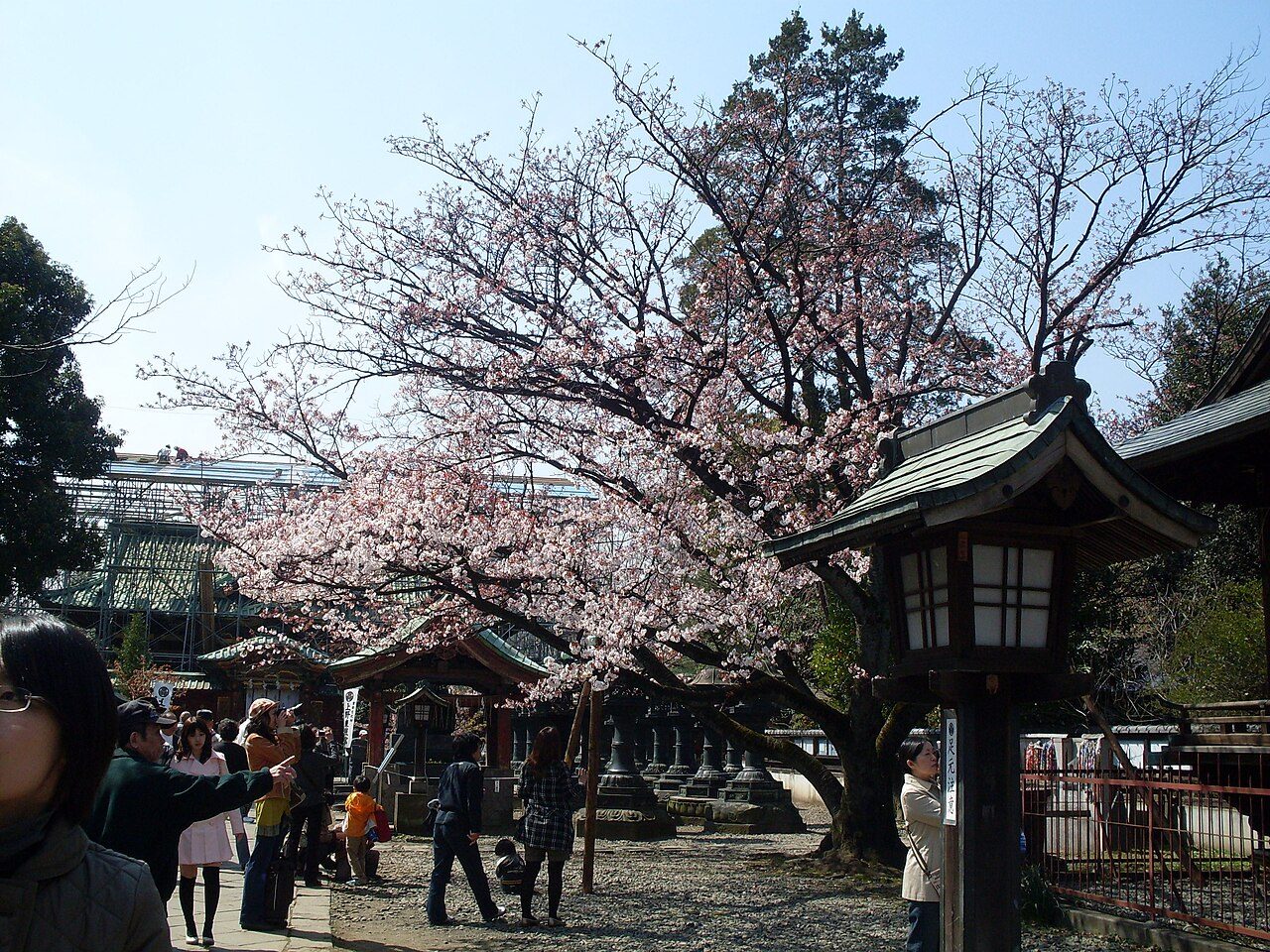
Ueno Park was opened in 1873 as one of Japan's first public parks. It holds many of Tokyo's major museums, Ueno Zoo and several temples and shrines, including Tōshō-gū. Shinobazu Pond, covered with lotus in summer, lies at its southern edge. More than a thousand cherry trees line its paths, drawing large crowds in spring.
03
STOP 3 OF 18
Tokyo National Museum
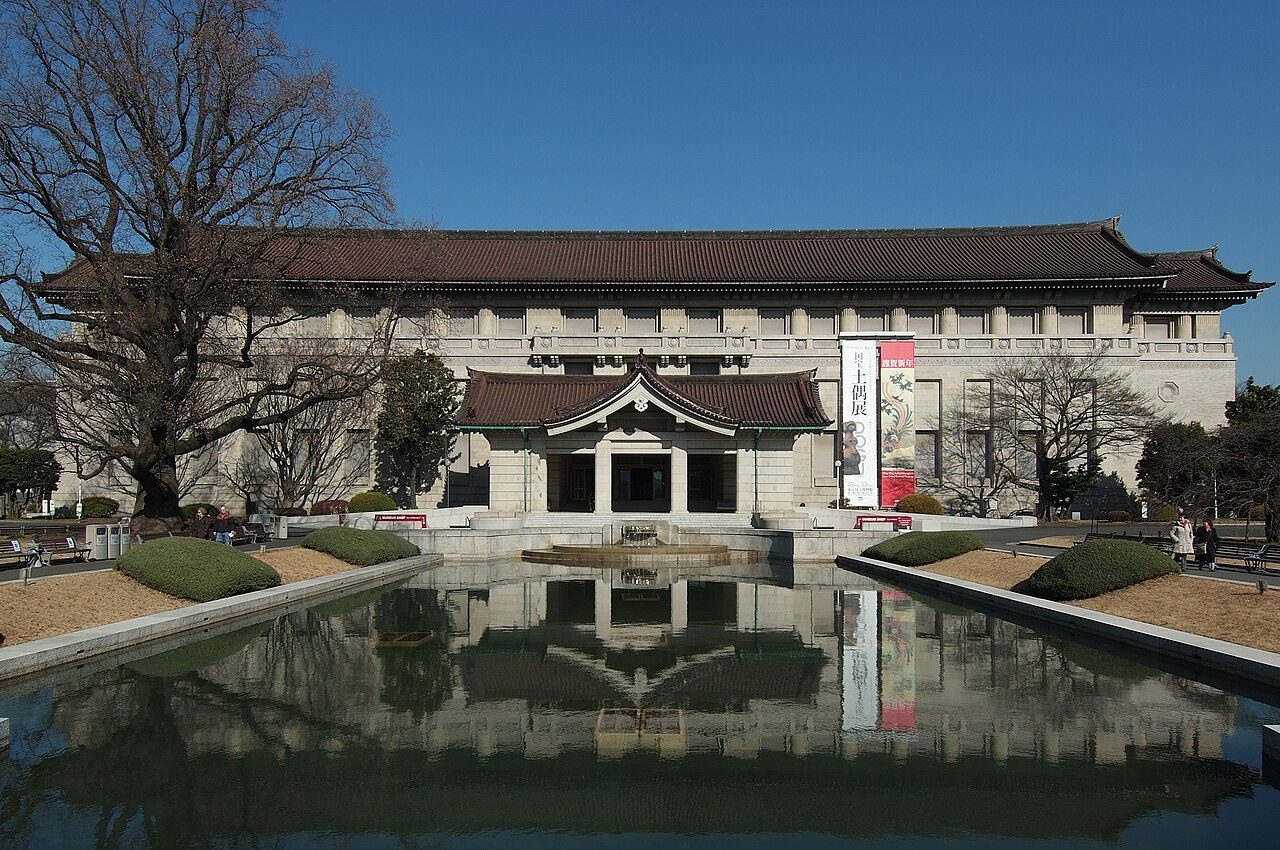
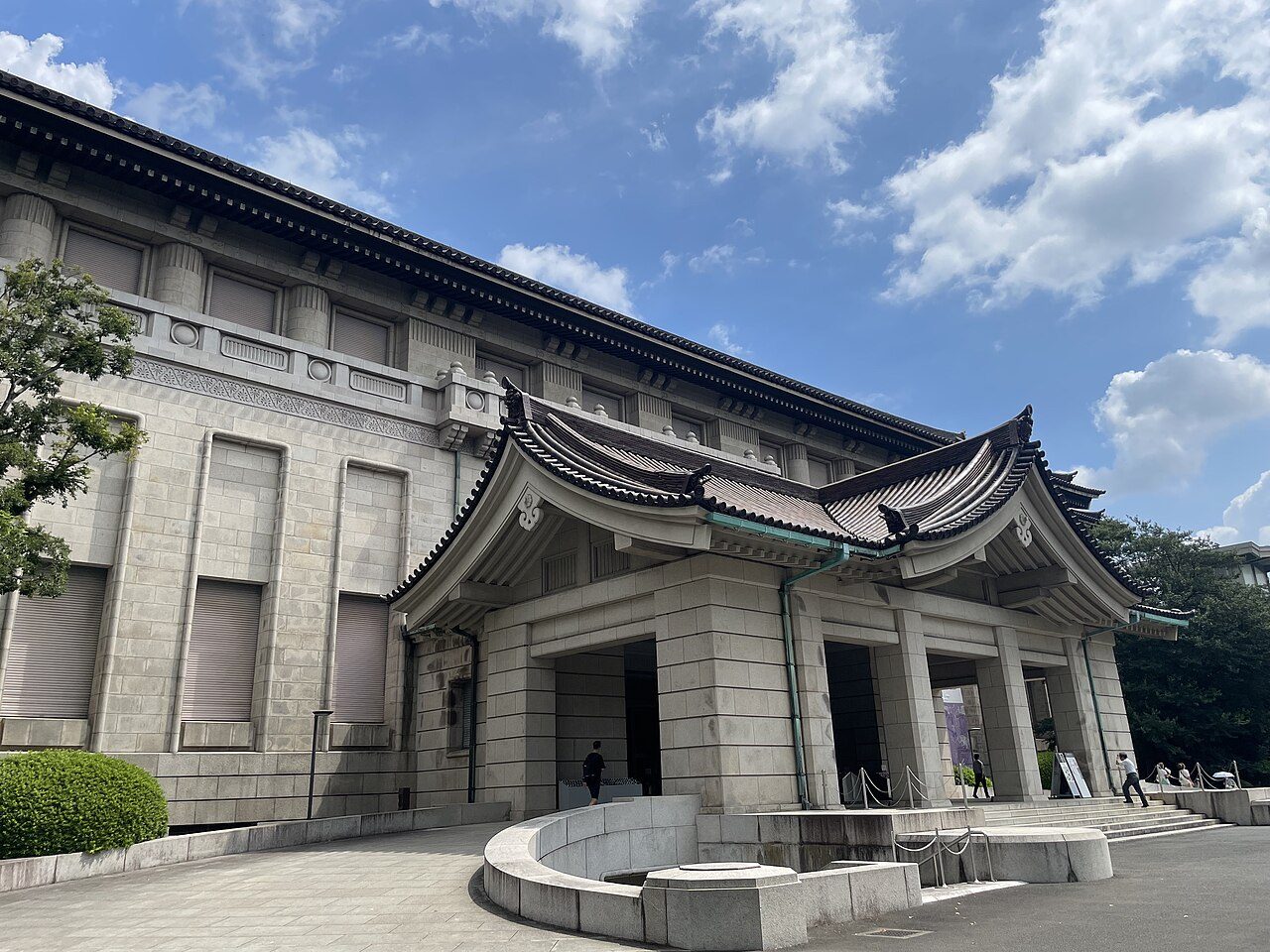
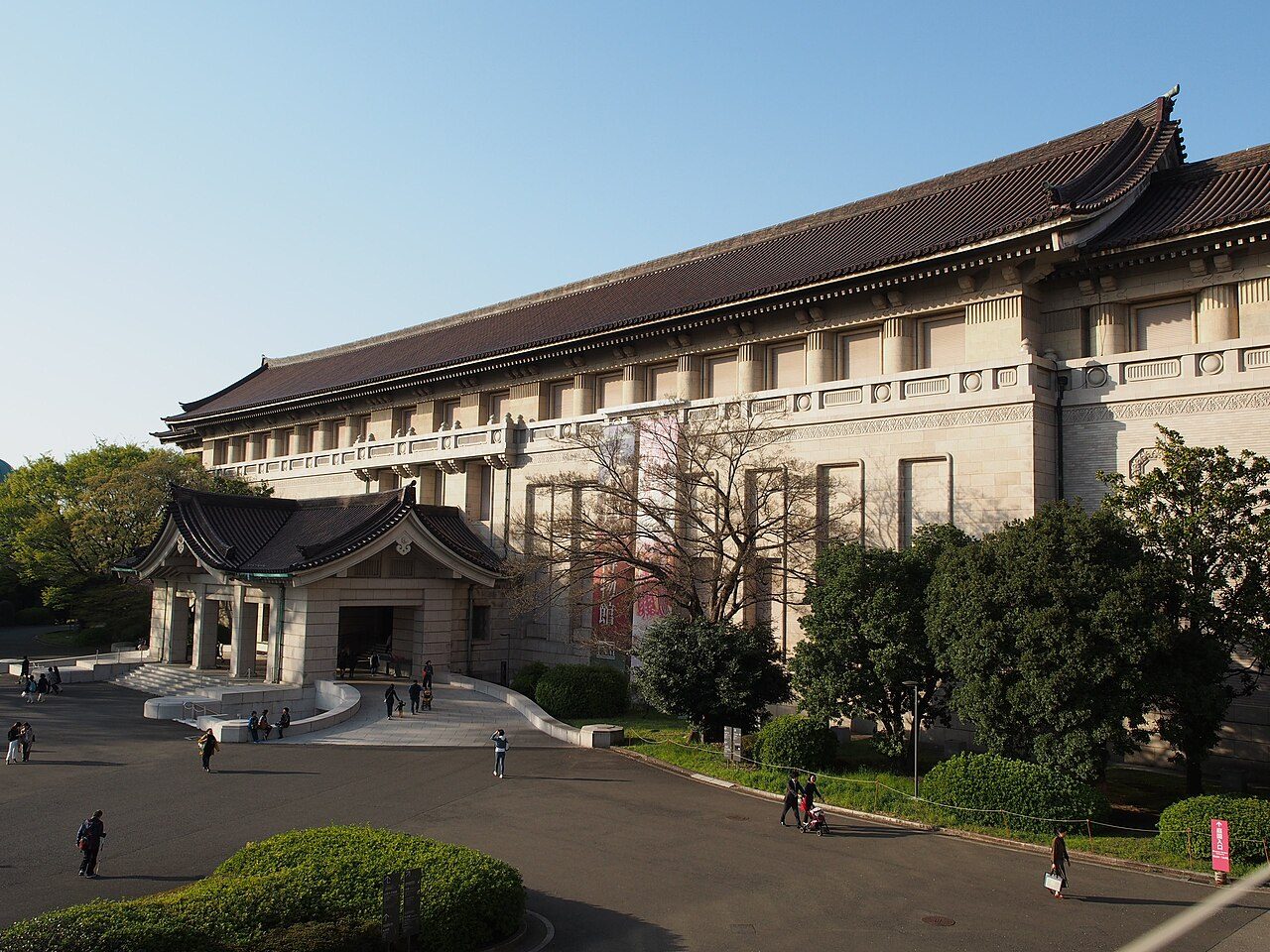
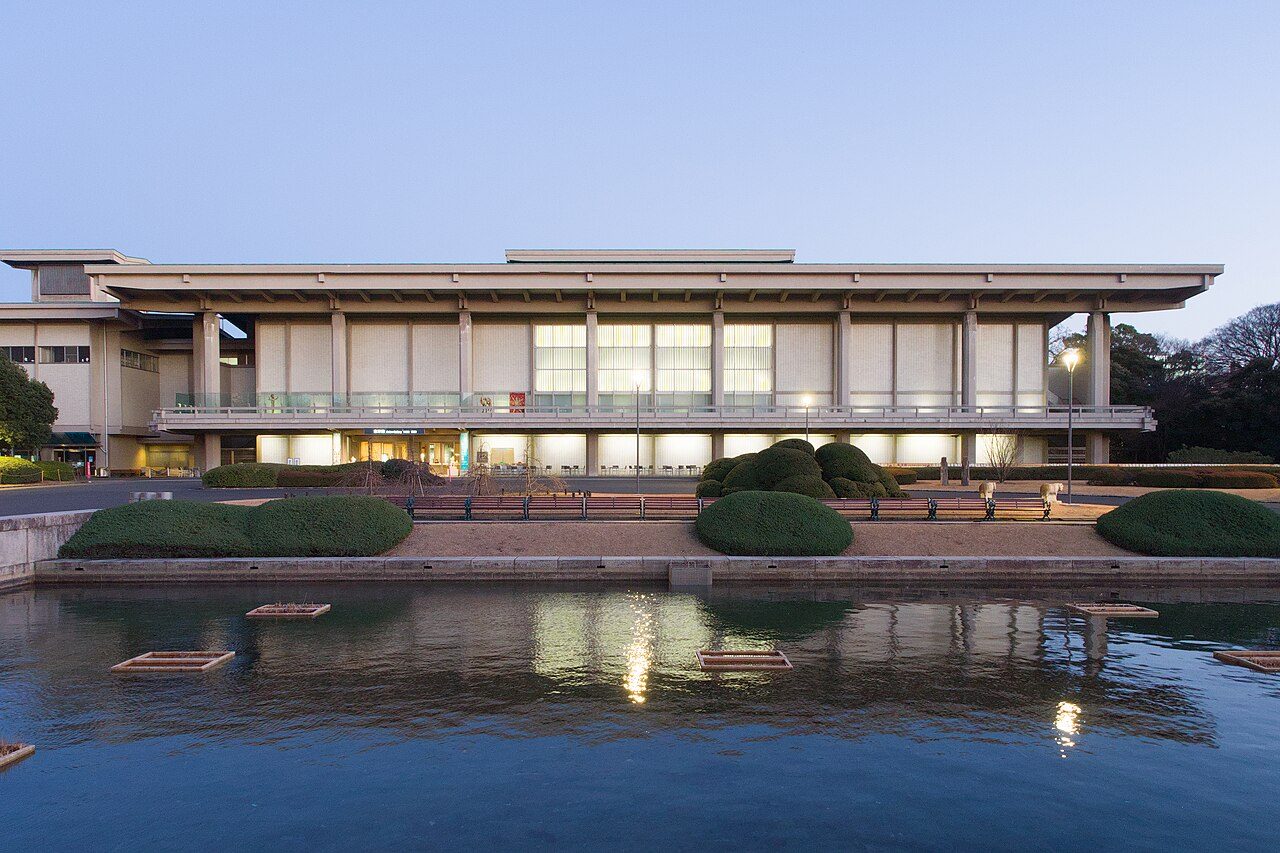
The Tokyo National Museum in Ueno Park is the oldest and largest museum in Japan, founded in 1872. It holds over 120,000 objects, including national treasures of Japanese art, samurai armour and swords, ceramics, Buddhist sculpture and kimonos. The main Honkan building was completed in 1938. The Gallery of Hōryū-ji Treasures shows early Buddhist objects.
04
STOP 4 OF 18
Tokyo Skytree
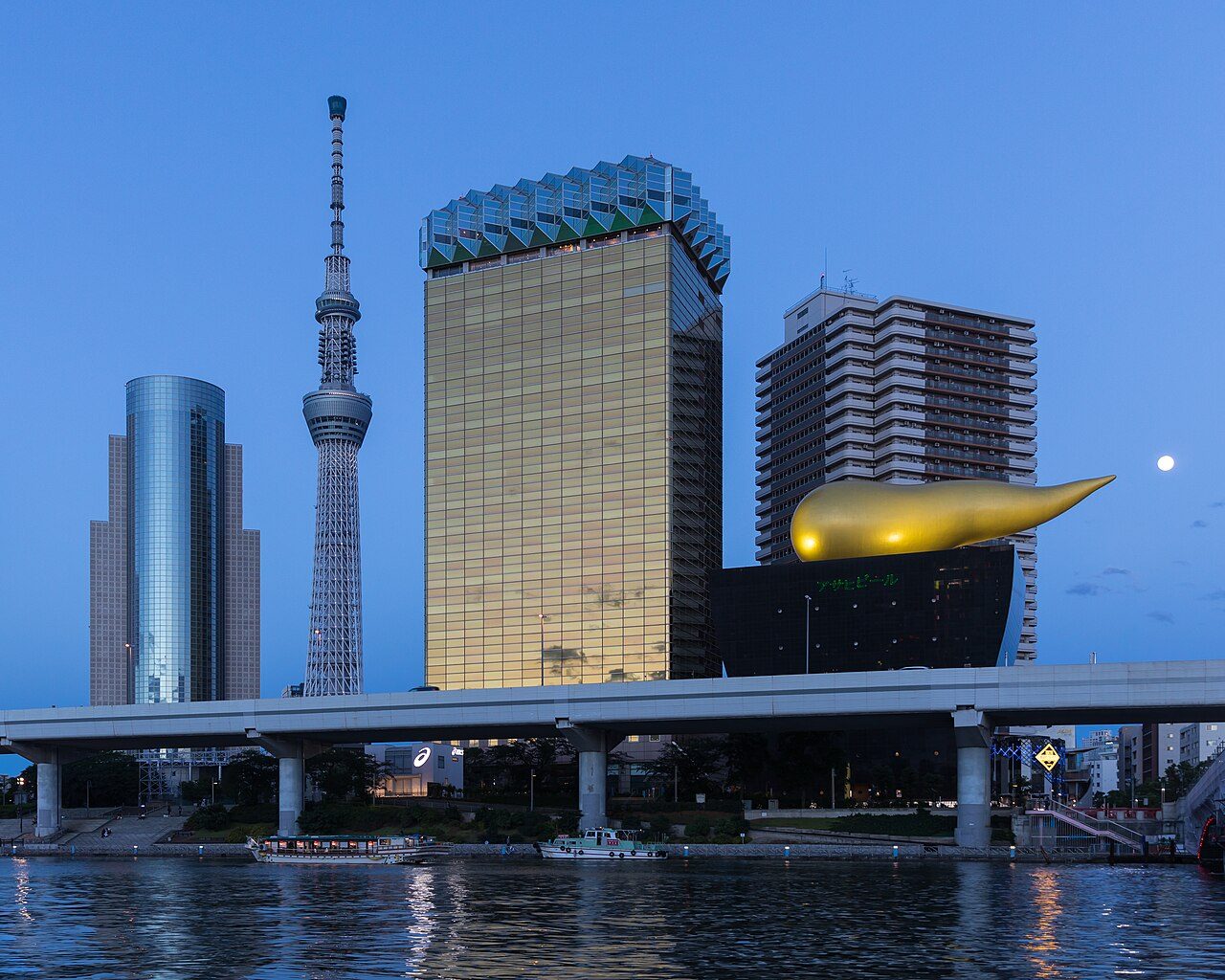
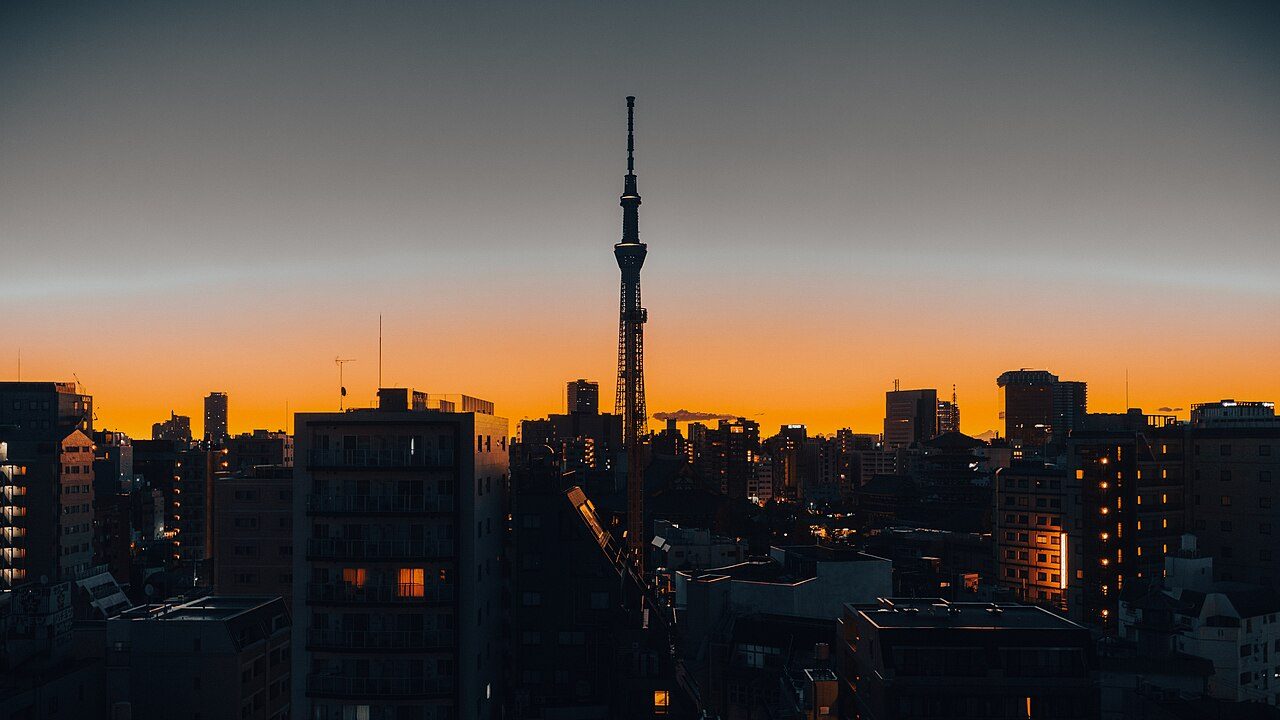
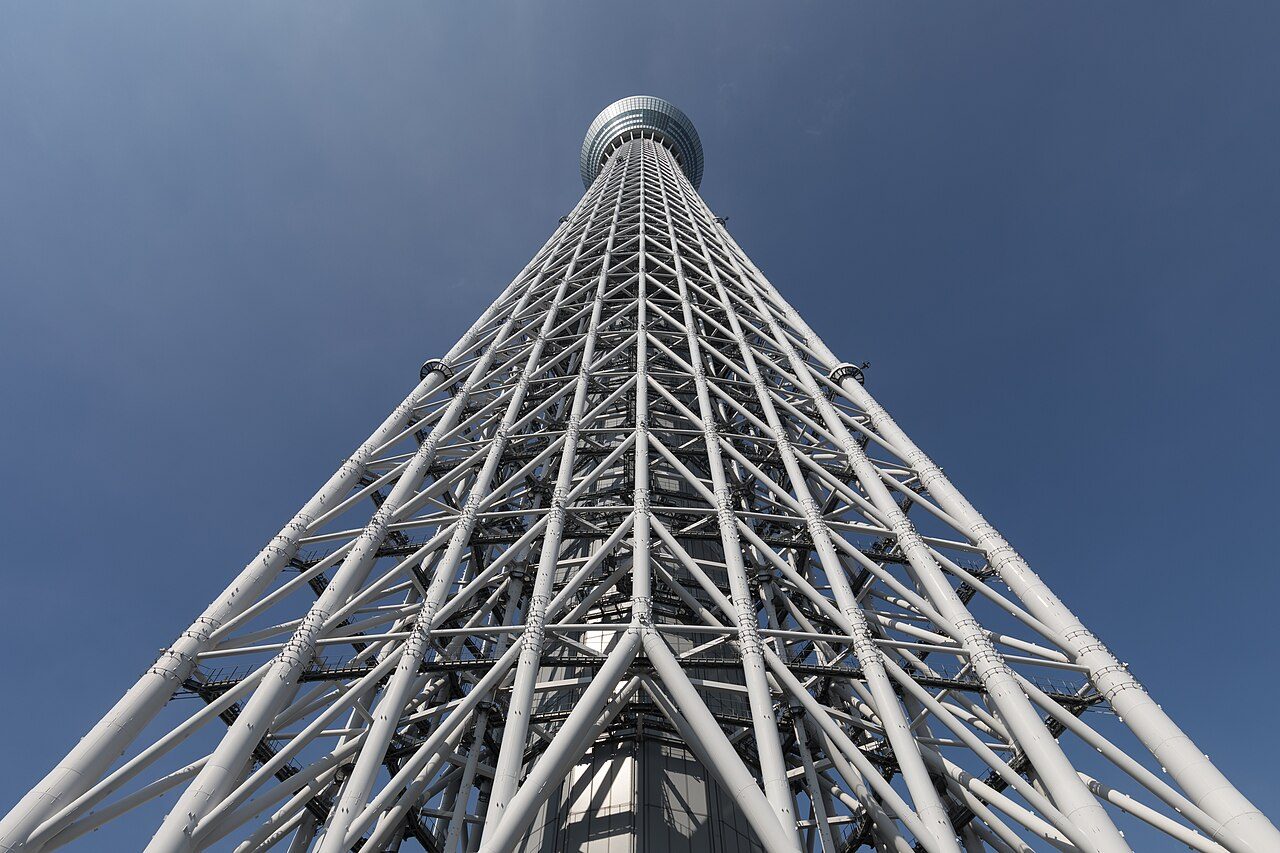
The Tokyo Skytree is a broadcasting tower in Sumida, completed in 2012. At 634 metres it is the tallest tower in the world and the tallest structure in Japan. Its design draws on traditional Japanese forms, including the curve of swords and the structure of five-storey pagodas. Two observation decks at 350 and 450 metres give views that can reach Mount Fuji on clear days.
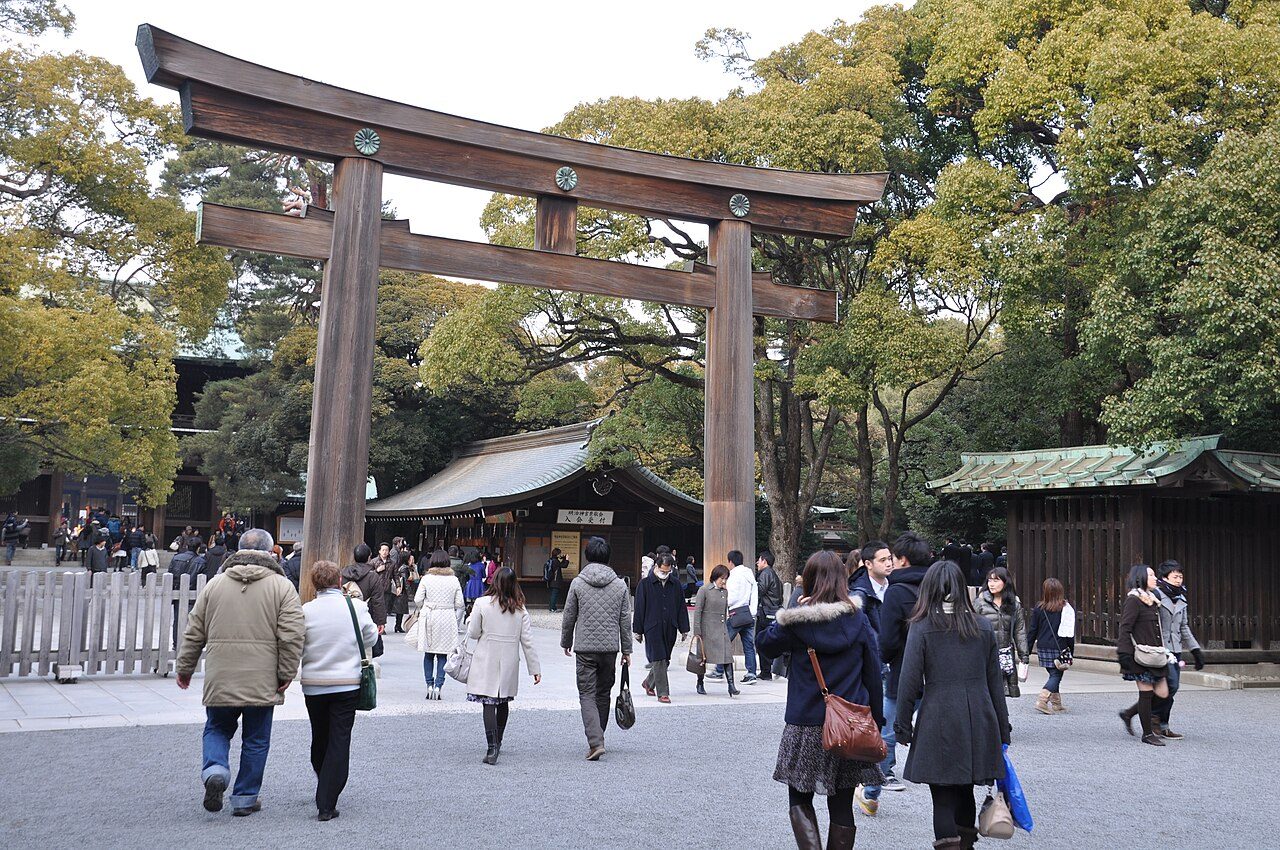
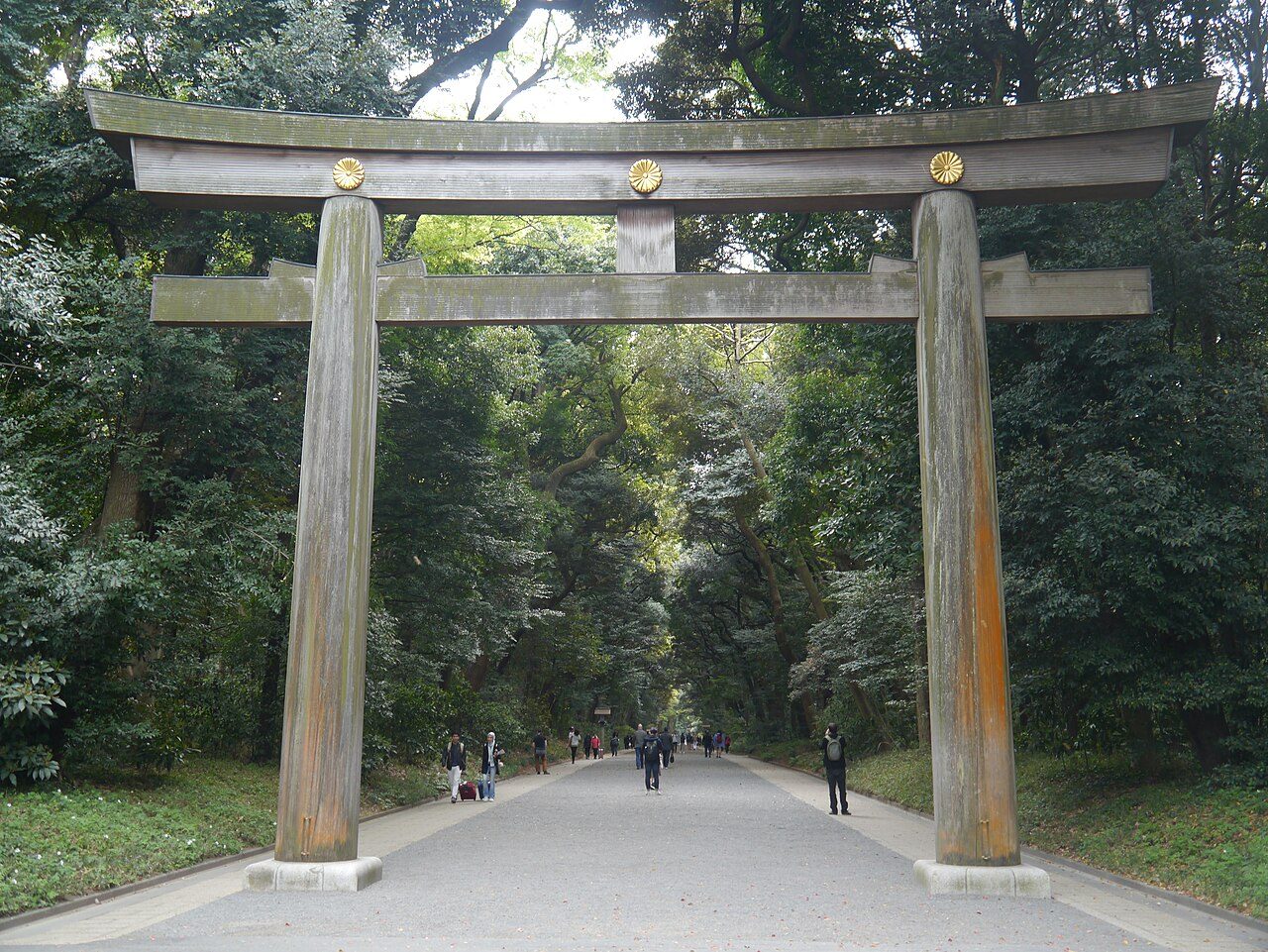
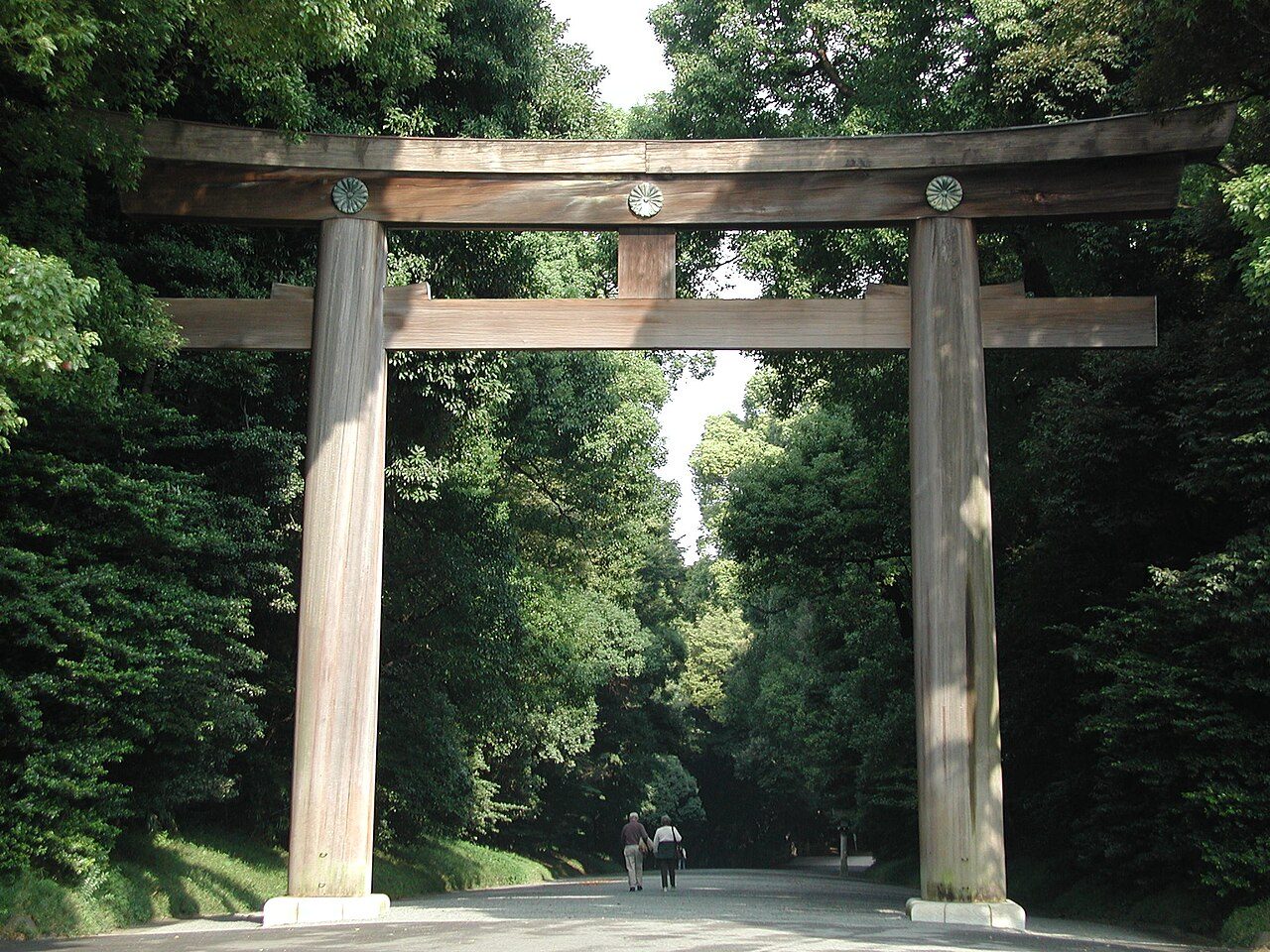
Meiji Jingu is a Shinto shrine in Shibuya dedicated to Emperor Meiji and Empress Shōken. It was completed in 1920 and rebuilt after the Second World War. The shrine stands in a forest of about 100,000 trees donated from all over Japan. Huge wooden torii gates mark the paths. It is the busiest shrine in Japan at New Year, and traditional weddings are often seen here.
06
STOP 6 OF 18
Takeshita Street
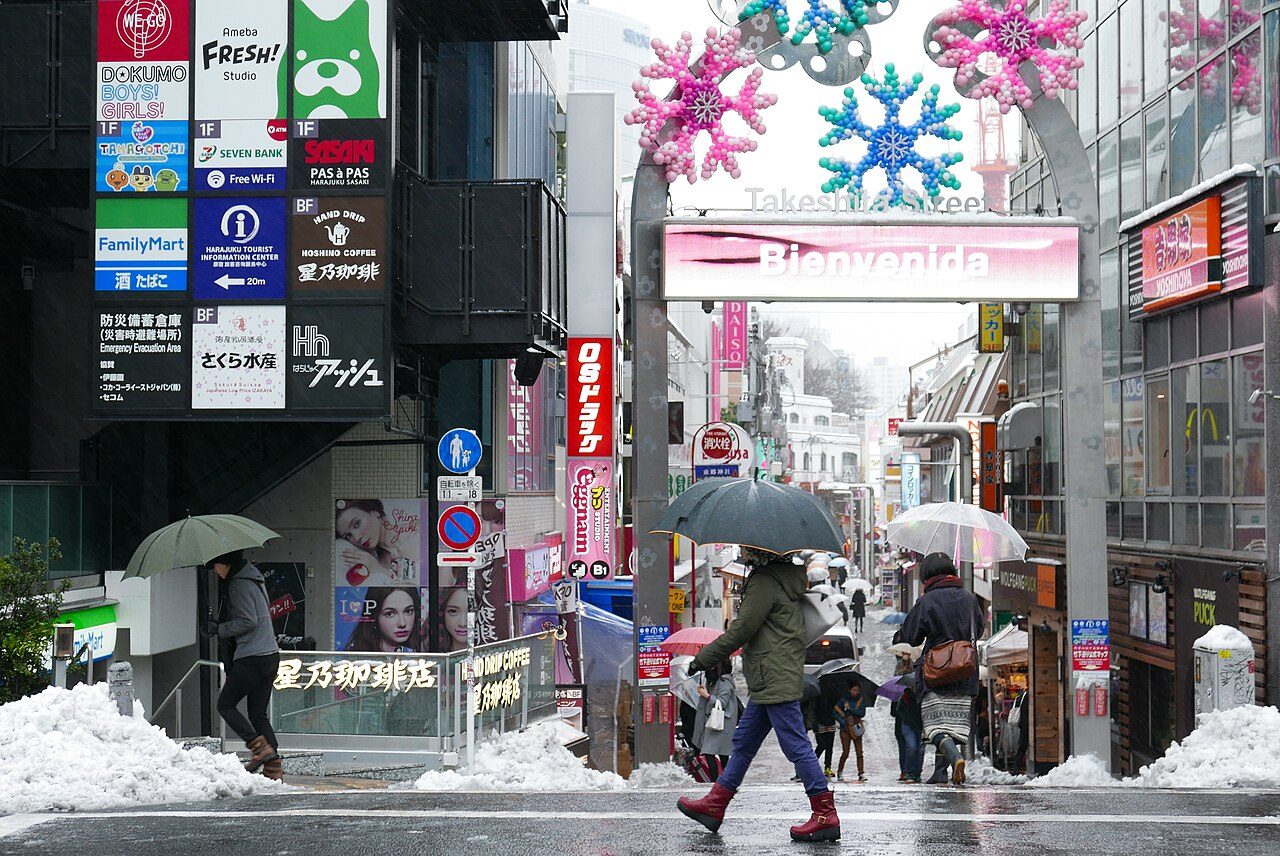
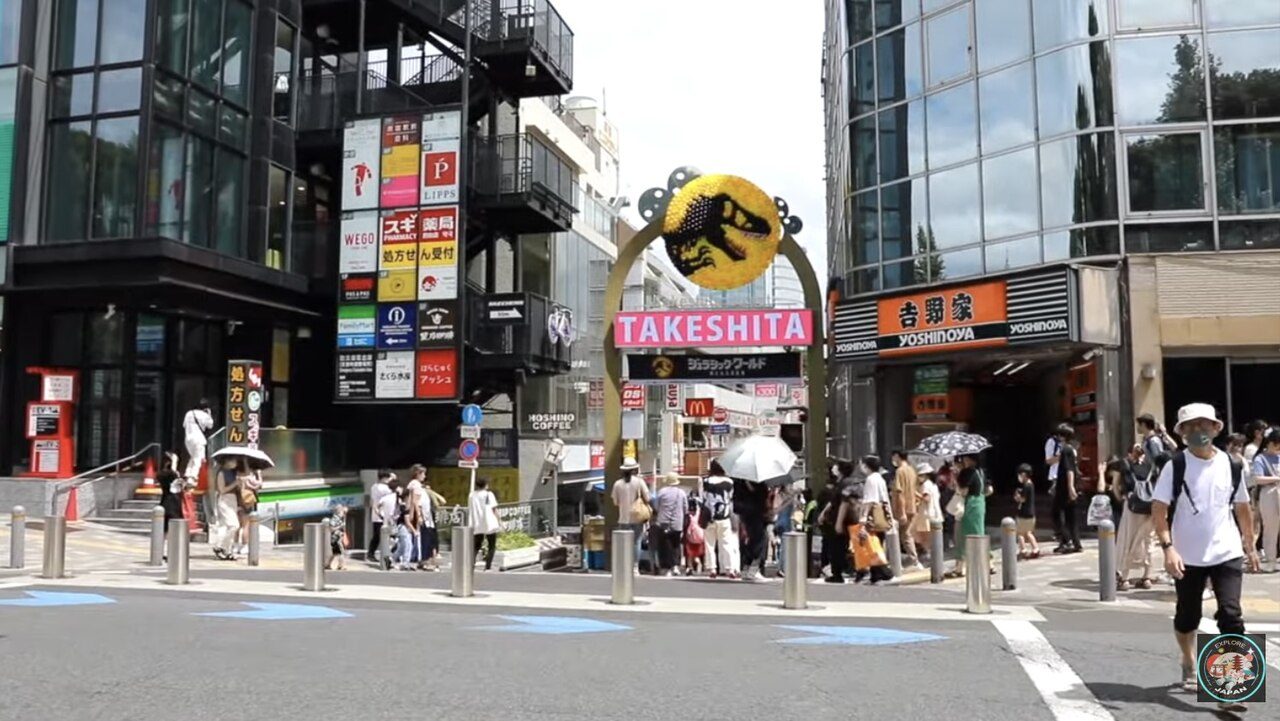
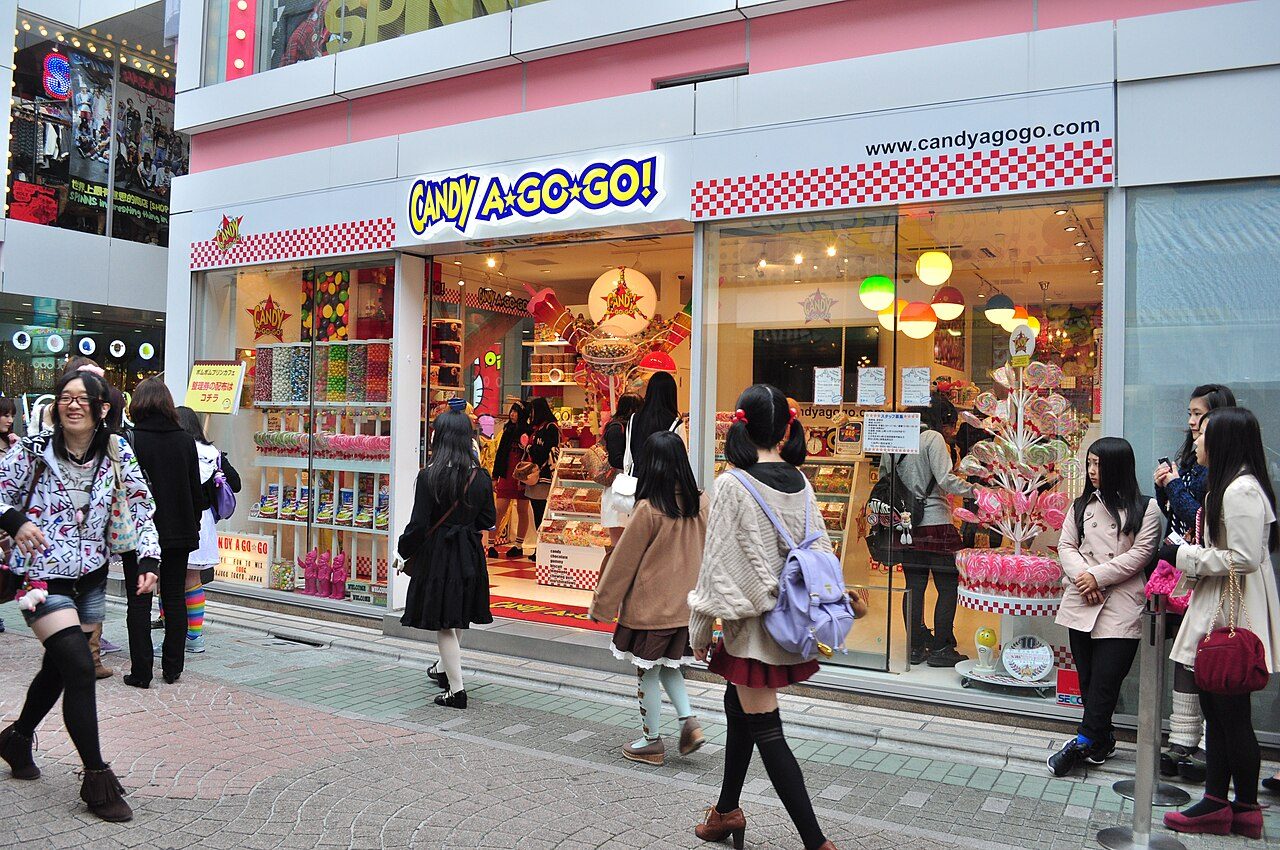
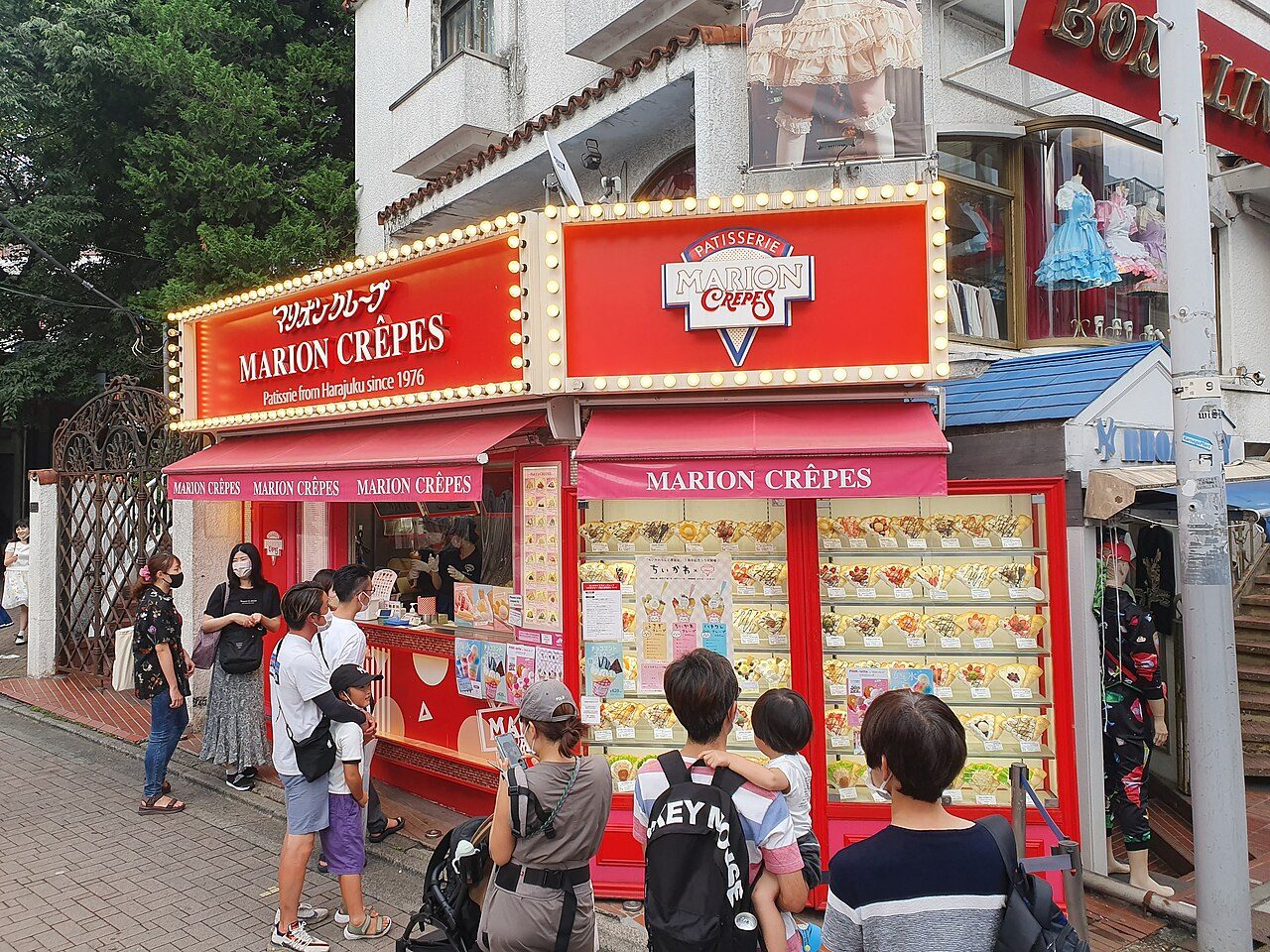
Takeshita Street is a narrow pedestrian street in Harajuku, opposite Harajuku Station. It is the centre of Tokyo's youth fashion, with small shops selling colourful clothes, accessories and cosplay items. It is also famous for crepes, rainbow candy floss and other sweets. On weekends it is packed with young people and visitors.
07
STOP 7 OF 18
Shibuya Crossing
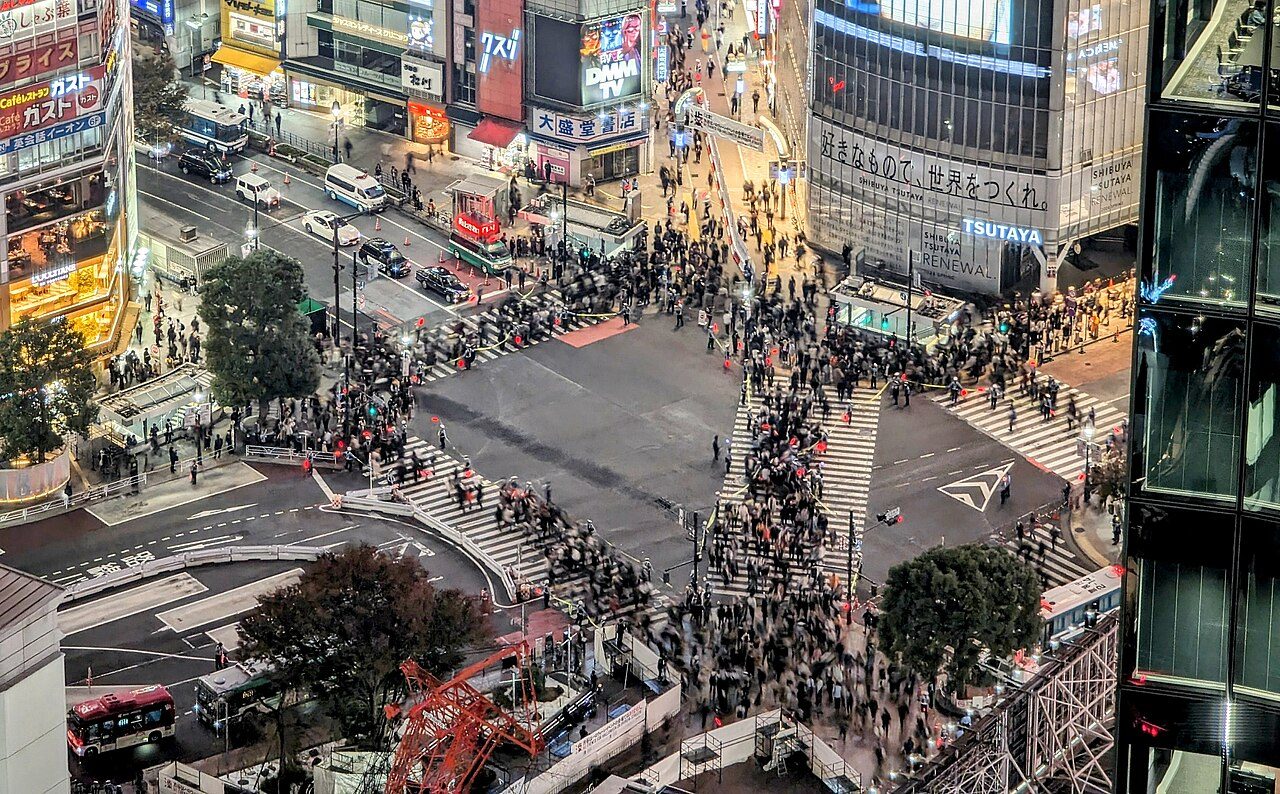
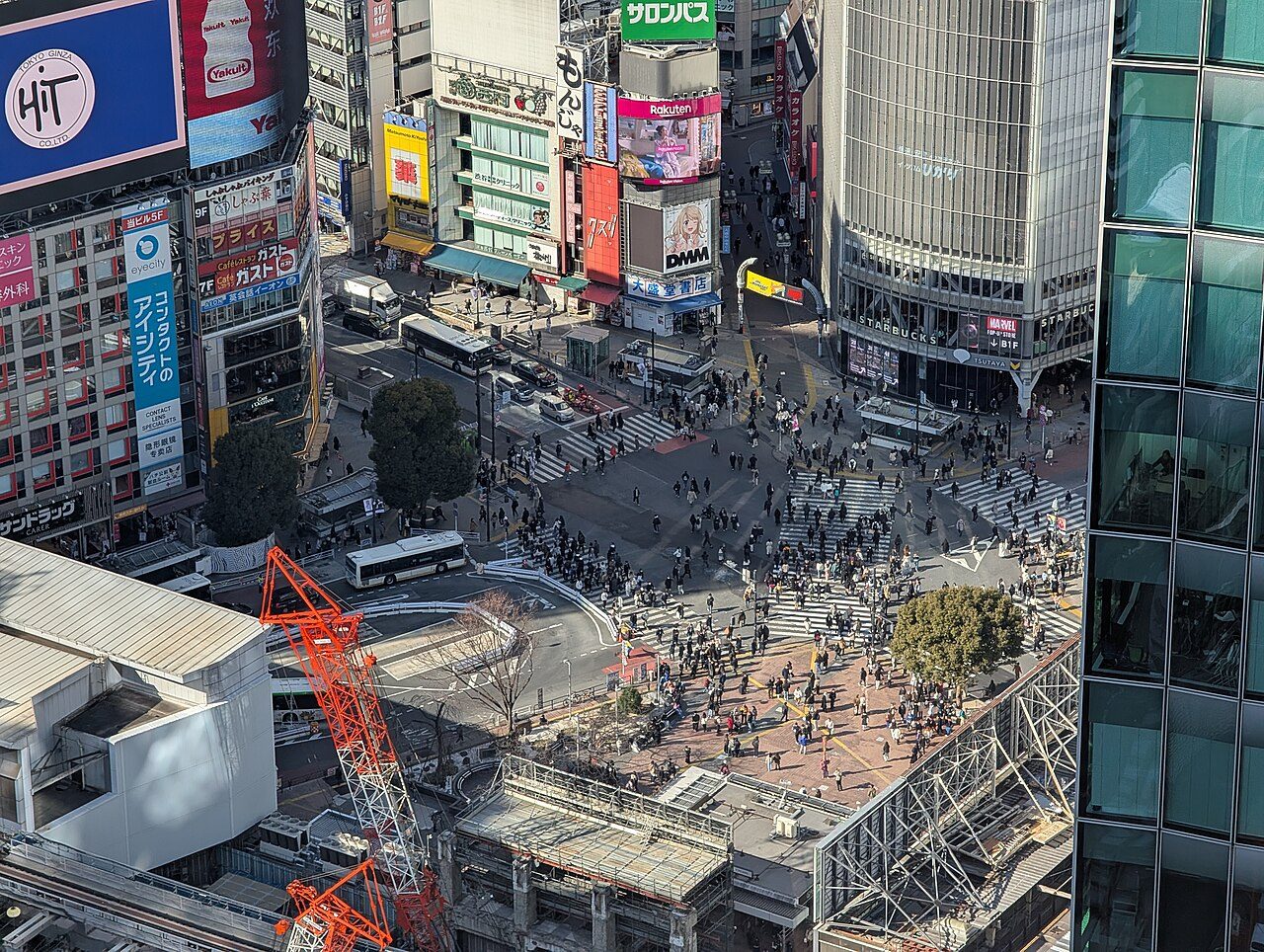
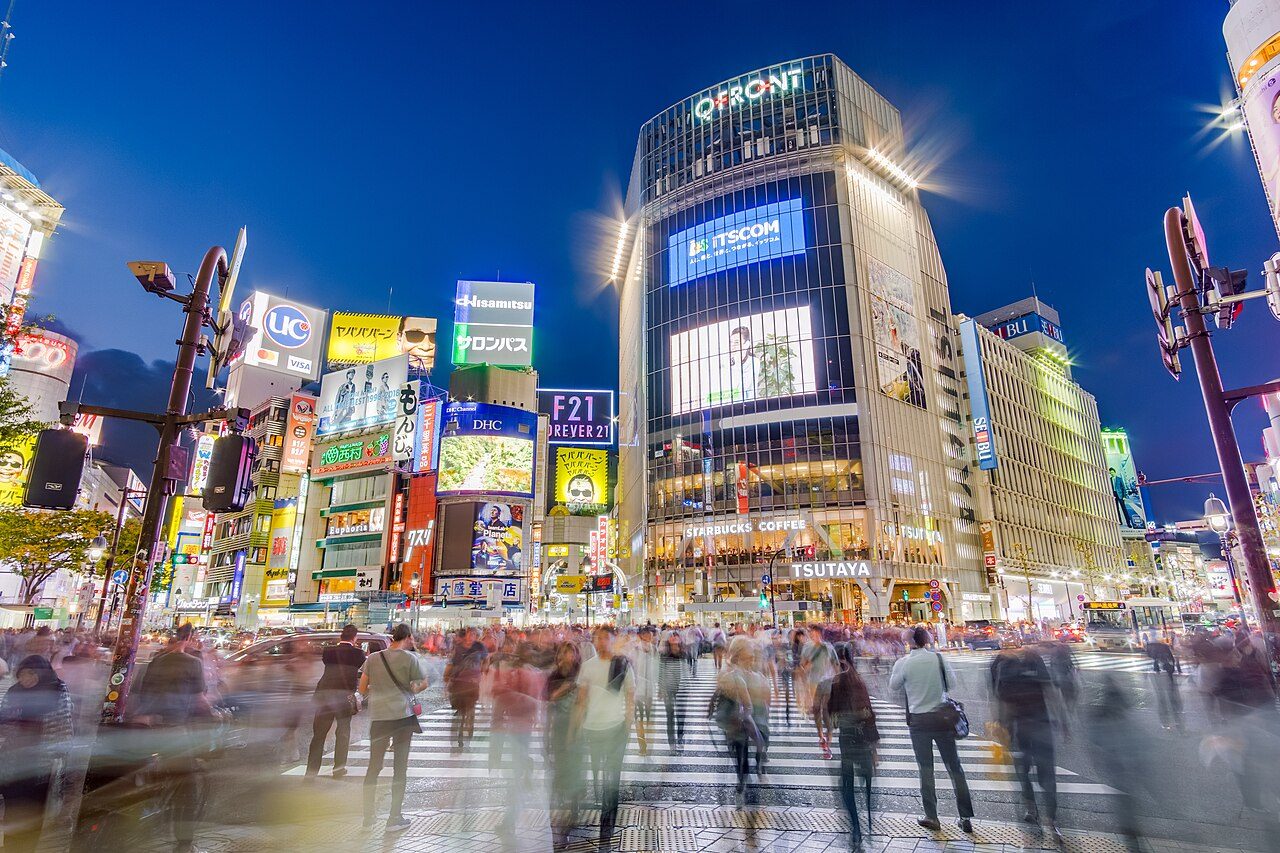
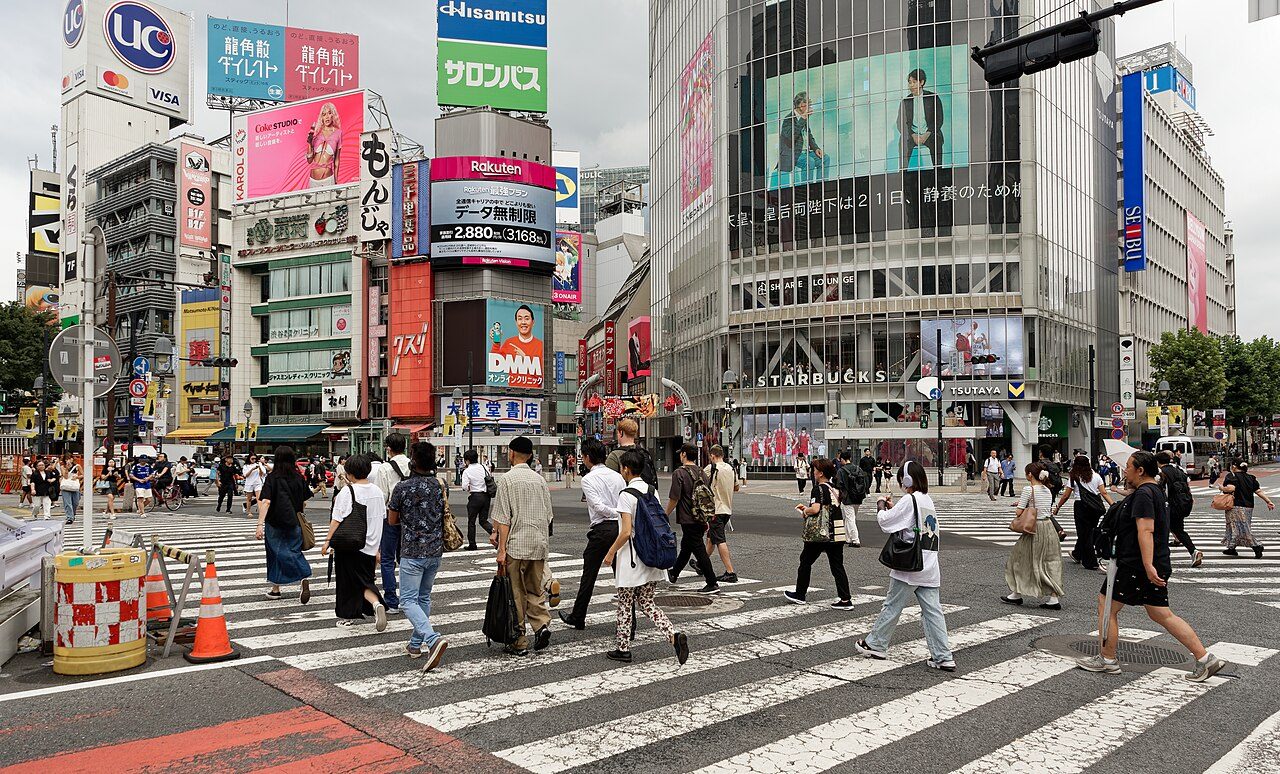
Shibuya Crossing outside Shibuya Station is often called the busiest pedestrian crossing in the world. When the lights turn red for cars, people pour across from all directions at once, up to around 3,000 at a time. Giant video screens and neon signs surround it. Nearby stands the statue of Hachikō, the loyal dog who waited for his owner at the station for years.
08
STOP 8 OF 18
Shinjuku Gyoen
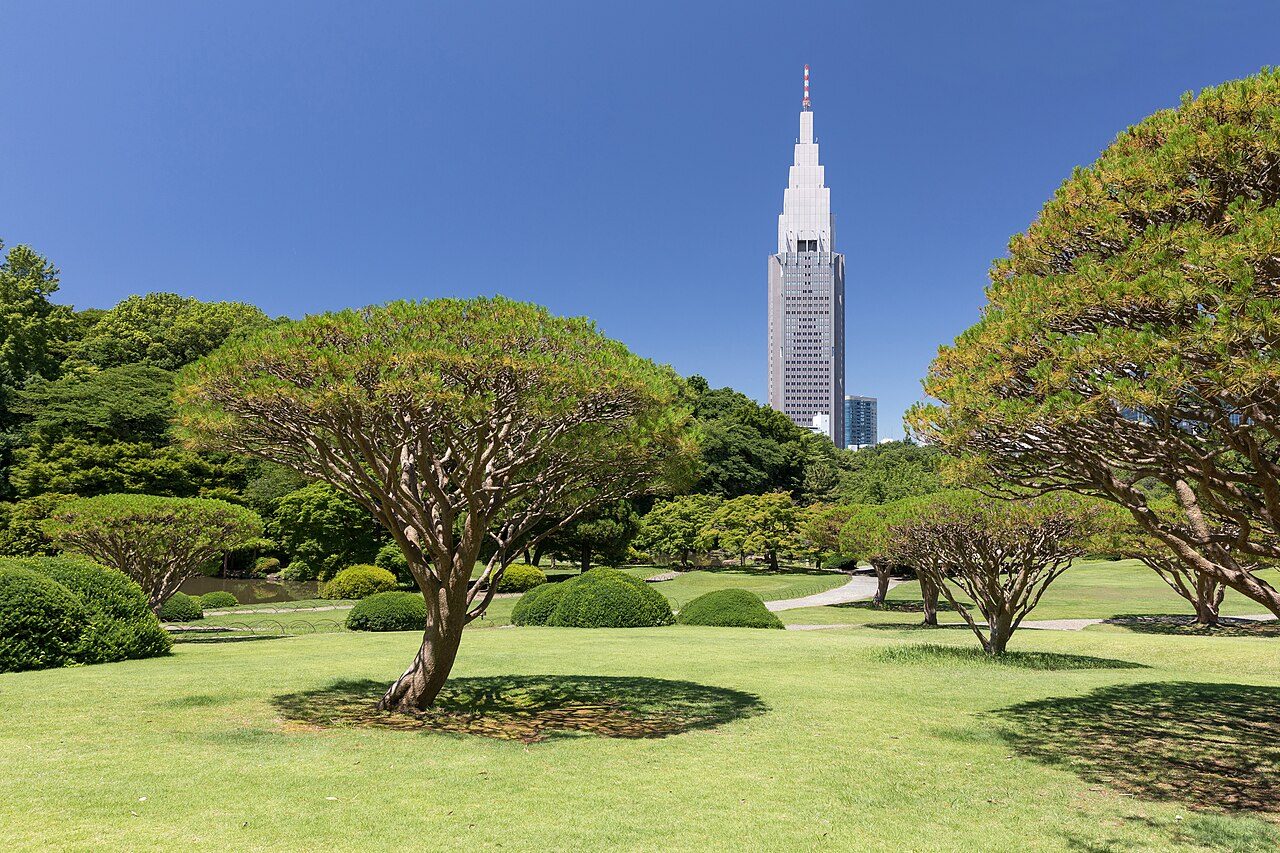
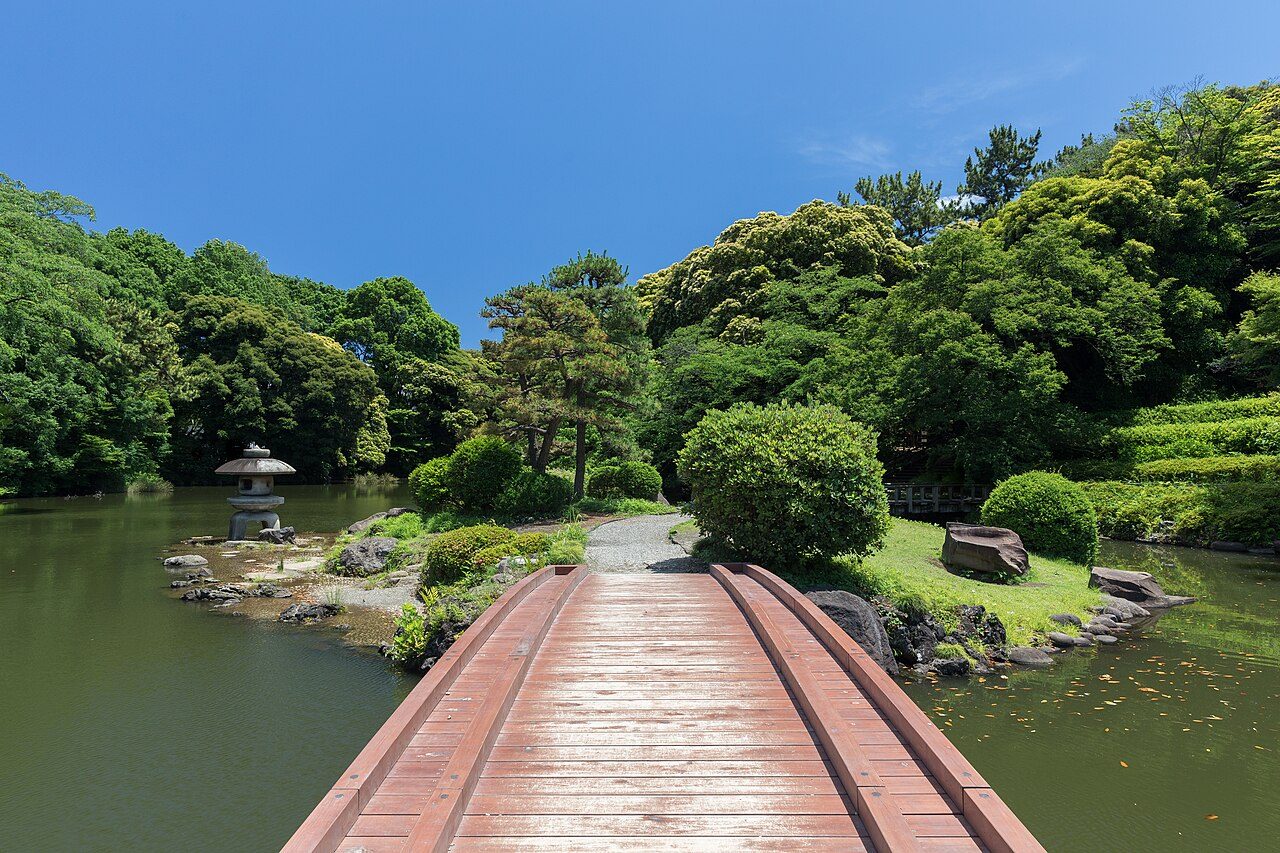
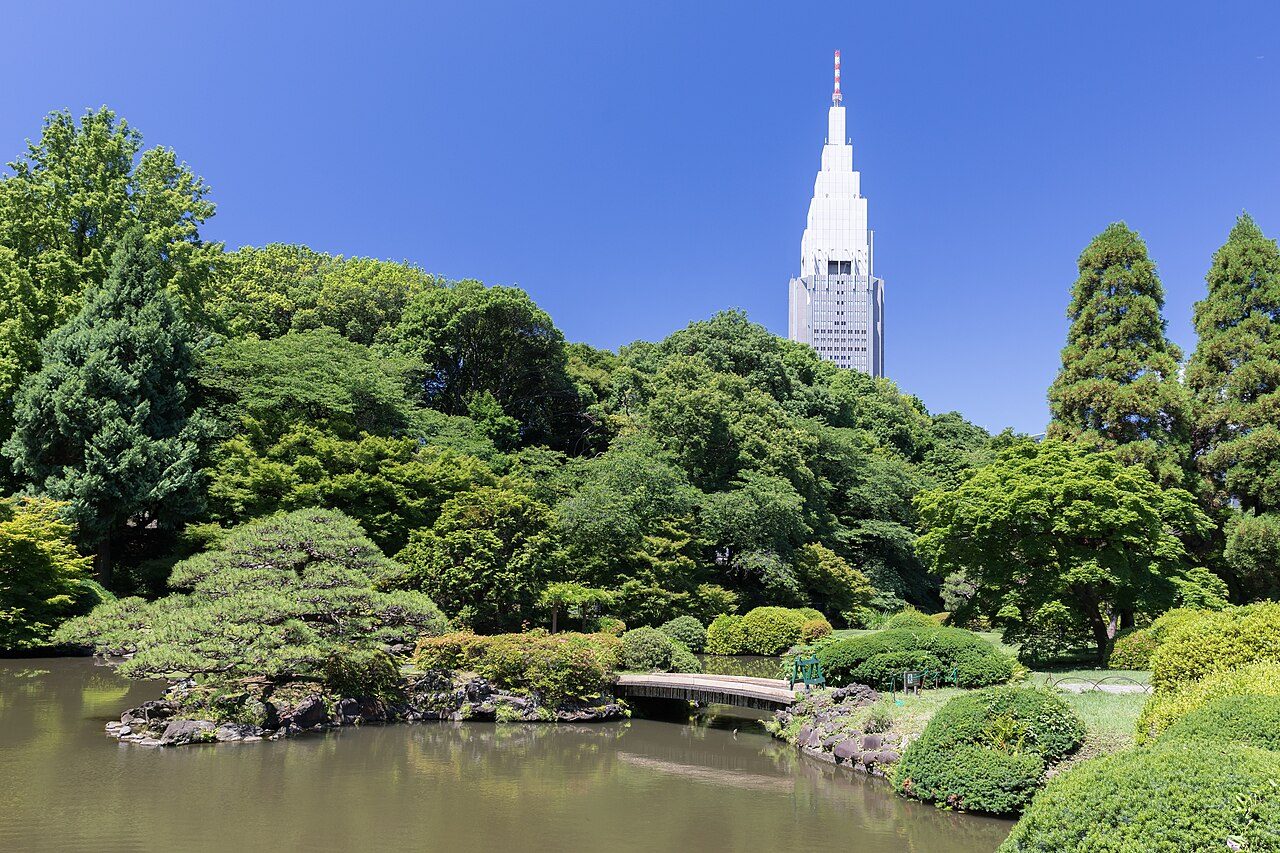
Shinjuku Gyoen is a large park in Shinjuku and Shibuya, once the estate of a feudal lord and later an imperial garden. It opened to the public in 1949. It combines a Japanese traditional garden with ponds and tea houses, a formal French garden and an English landscape garden. It is one of the most popular places in Tokyo for cherry blossom viewing.
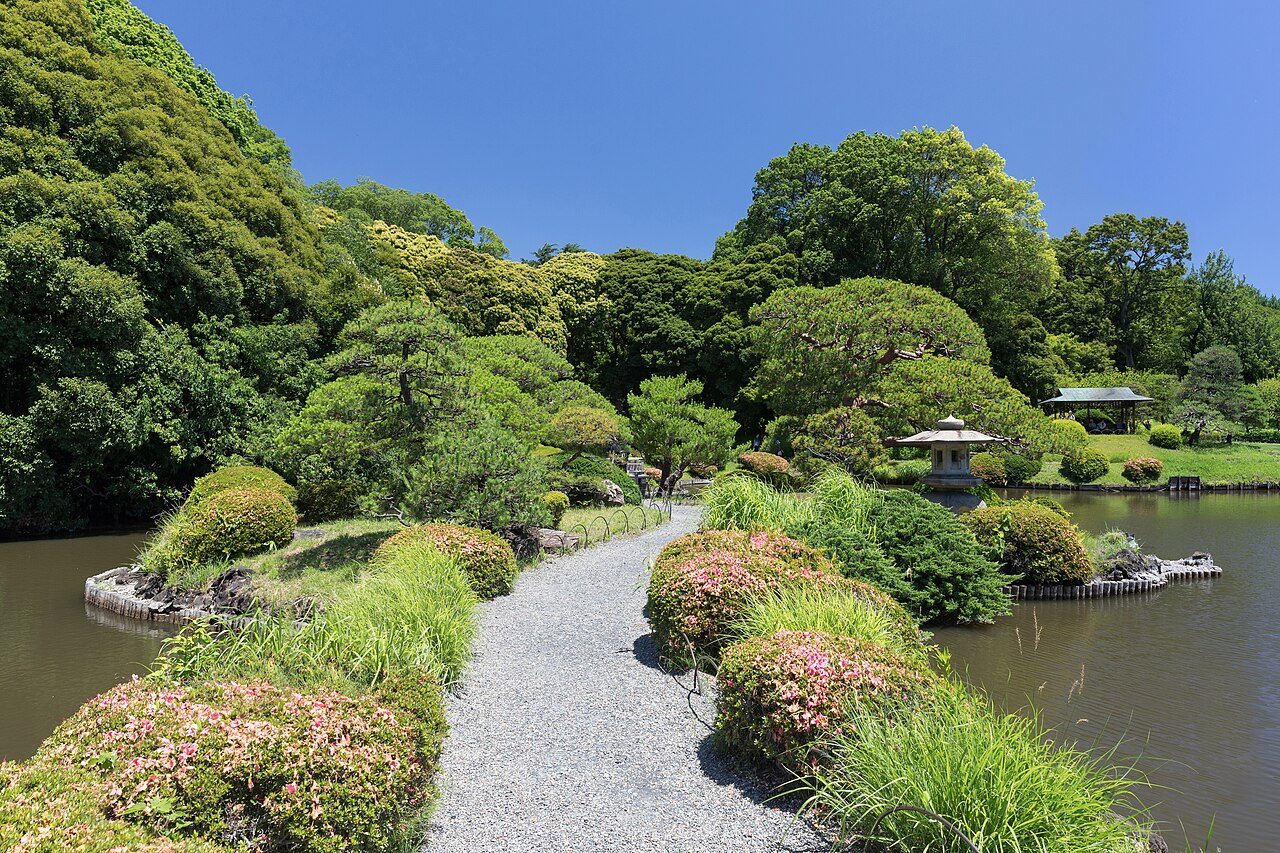
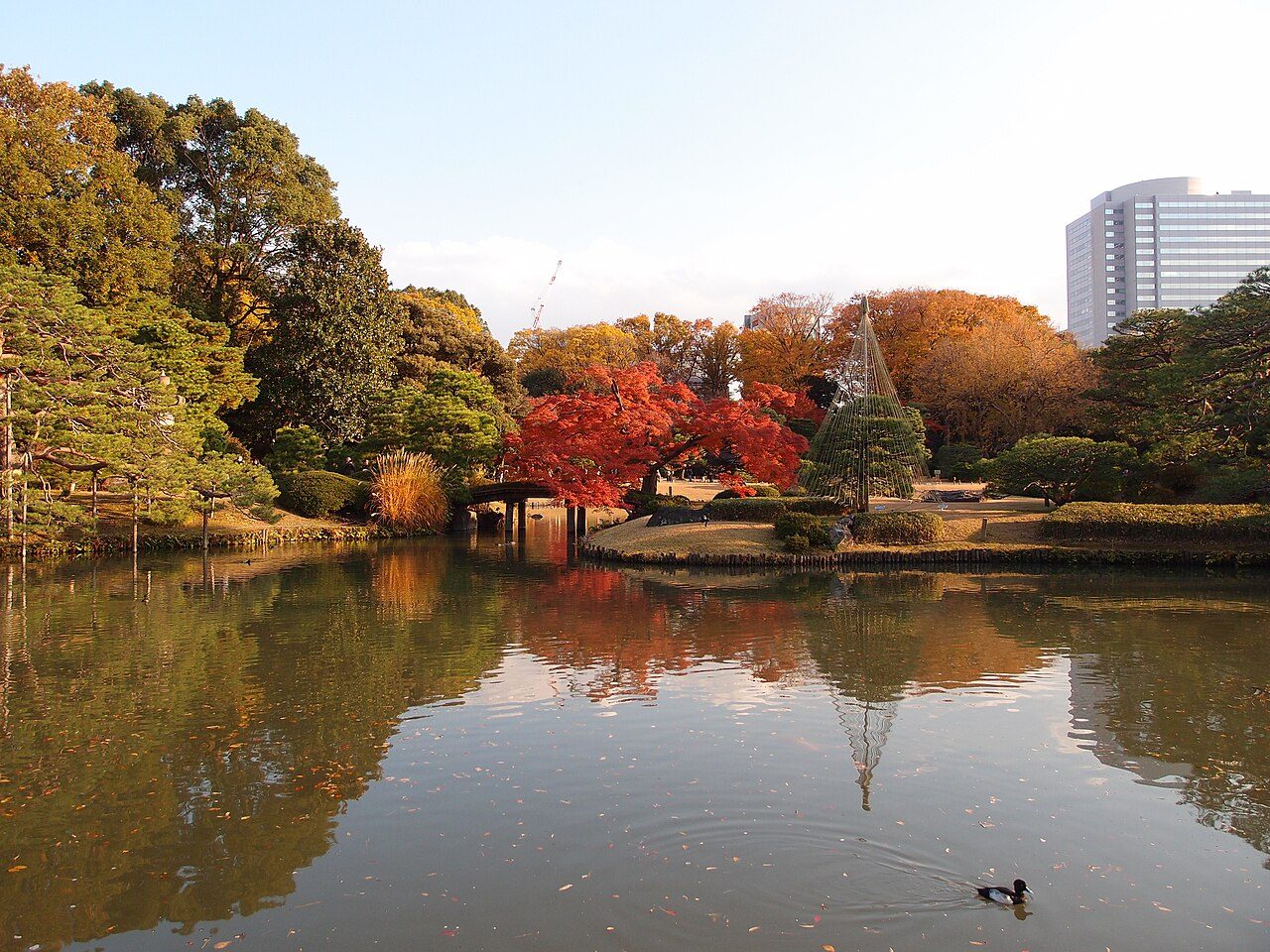
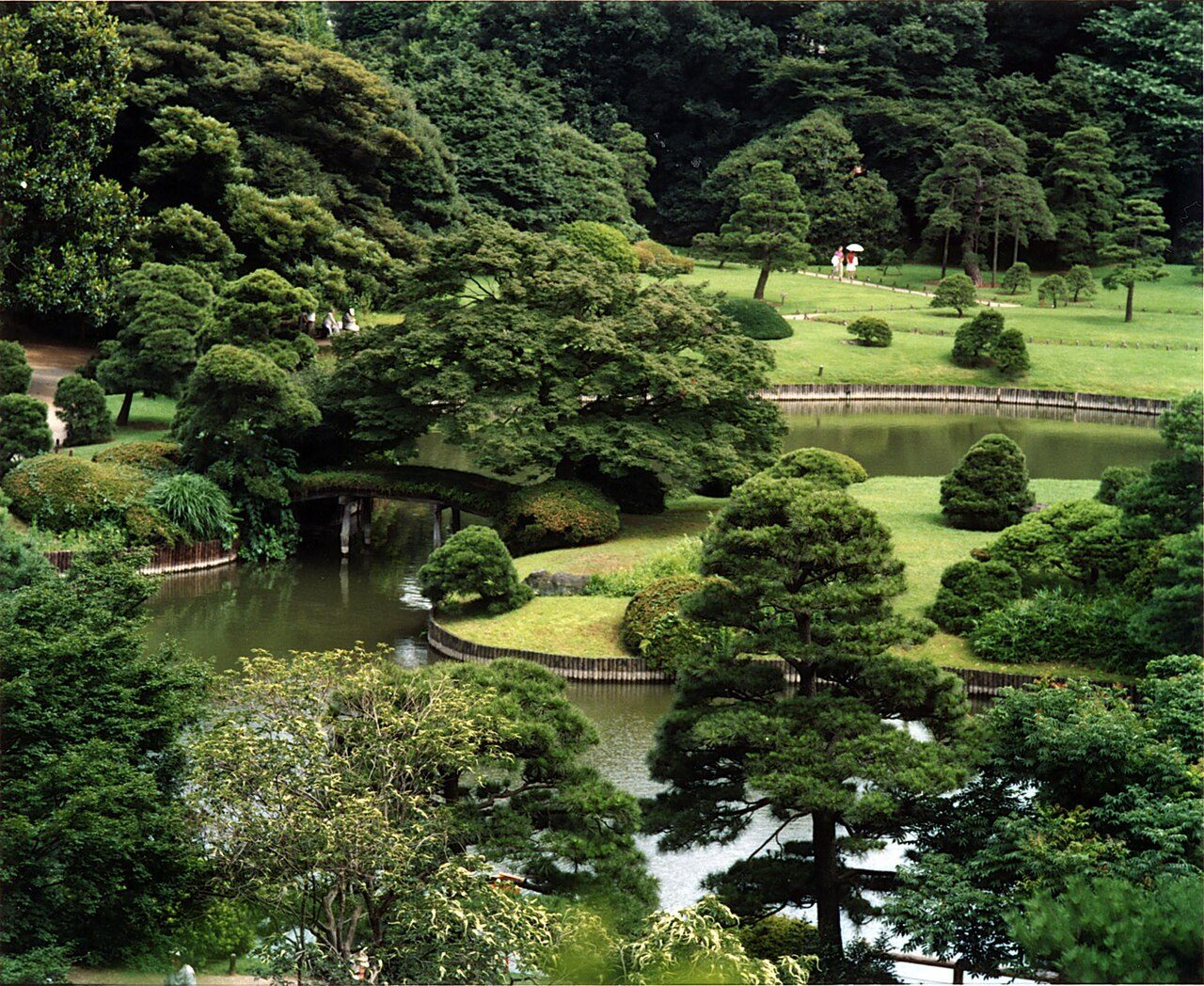
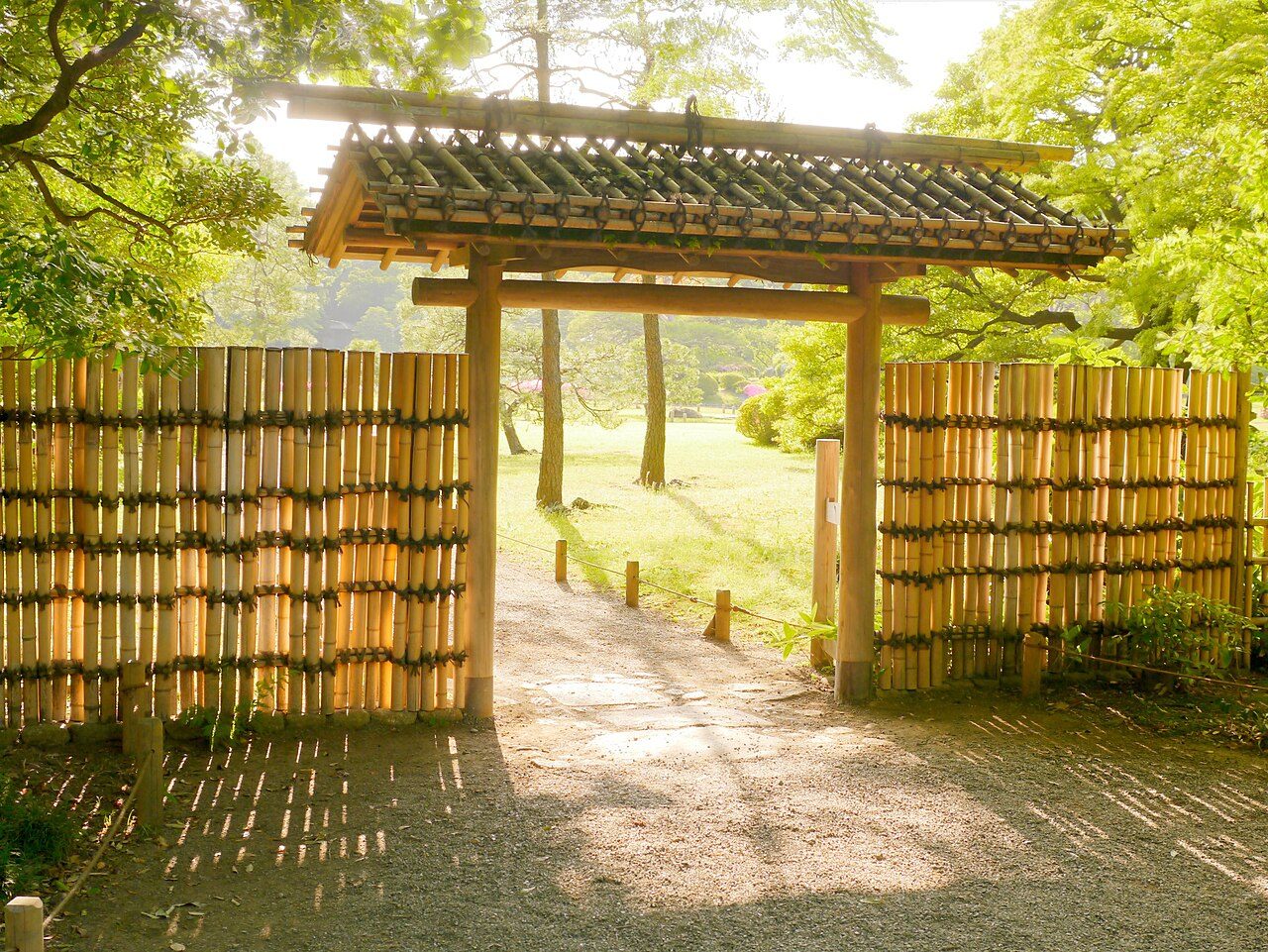
Rikugien is a traditional Japanese garden in Bunkyō, built between 1695 and 1702 by Yanagisawa Yoshiyasu, a lord serving the shogun. Its name means garden of six poems, and it recreates 88 scenes from famous Japanese poems. Paths circle a large pond with islands and hills, tea houses and bridges. It is especially beautiful with autumn leaves and a weeping cherry tree.
10
STOP 10 OF 18
Tokyo Imperial Palace
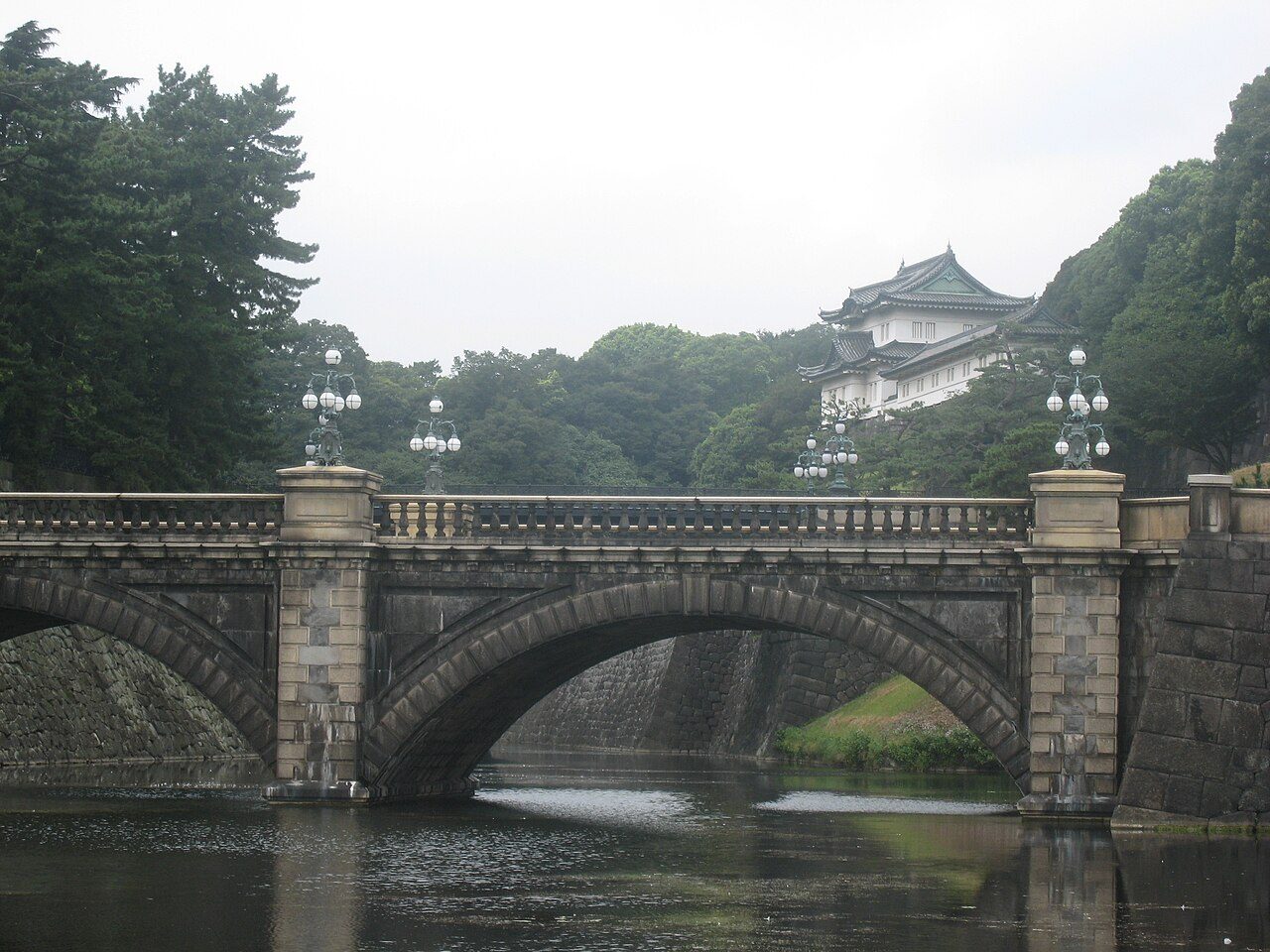
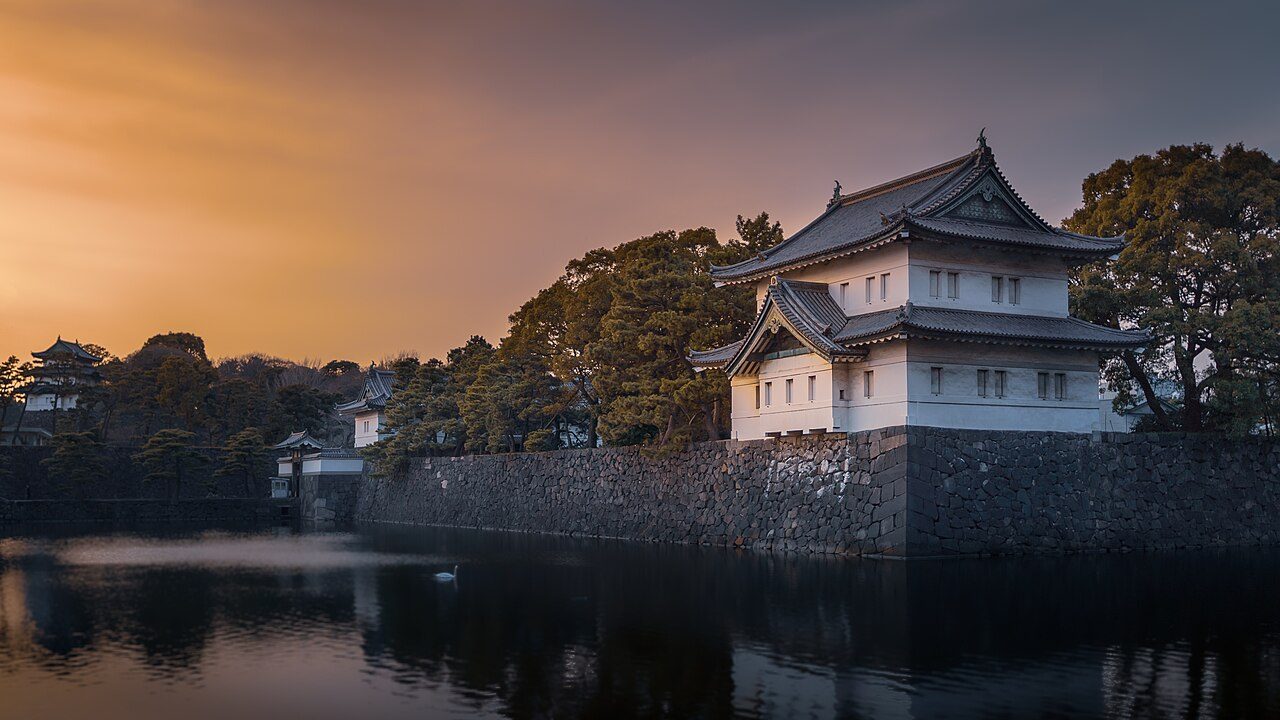
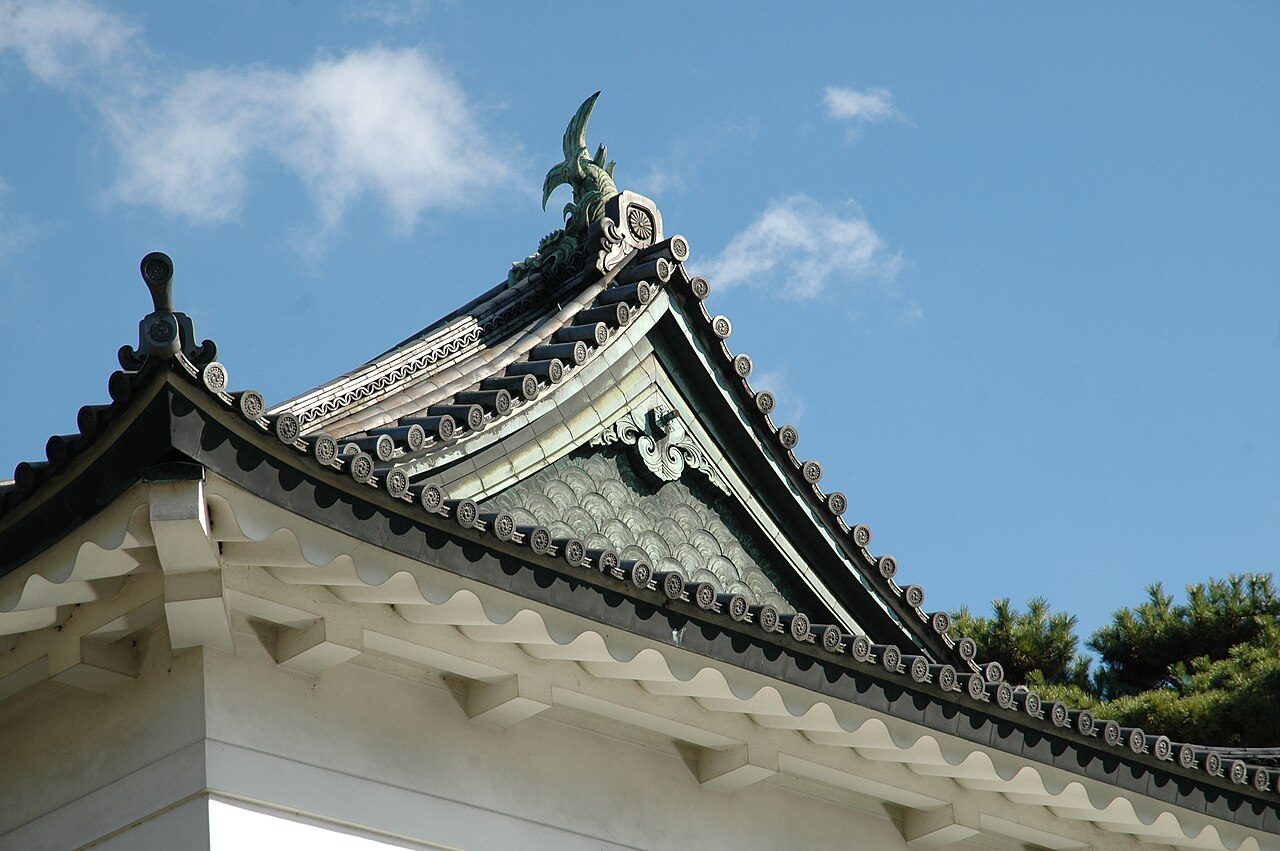
The Tokyo Imperial Palace is the residence of the Emperor of Japan, built on the site of Edo Castle, the seat of the Tokugawa shoguns. It is surrounded by moats and massive stone walls. Most of the grounds are closed, but visitors can see the Nijubashi bridges from the plaza and walk in the East Gardens, where the old castle keep foundations remain.
11
STOP 11 OF 18
Tokyo Station
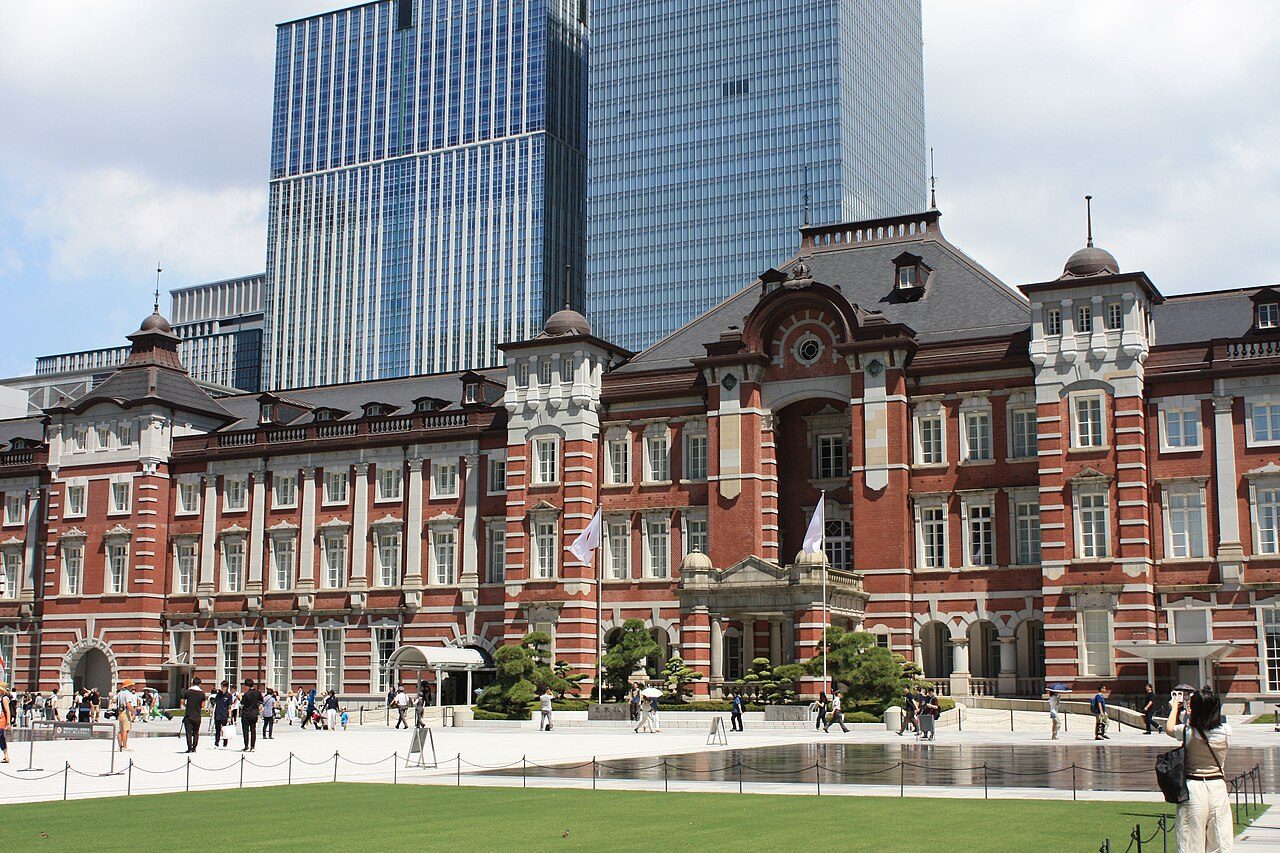
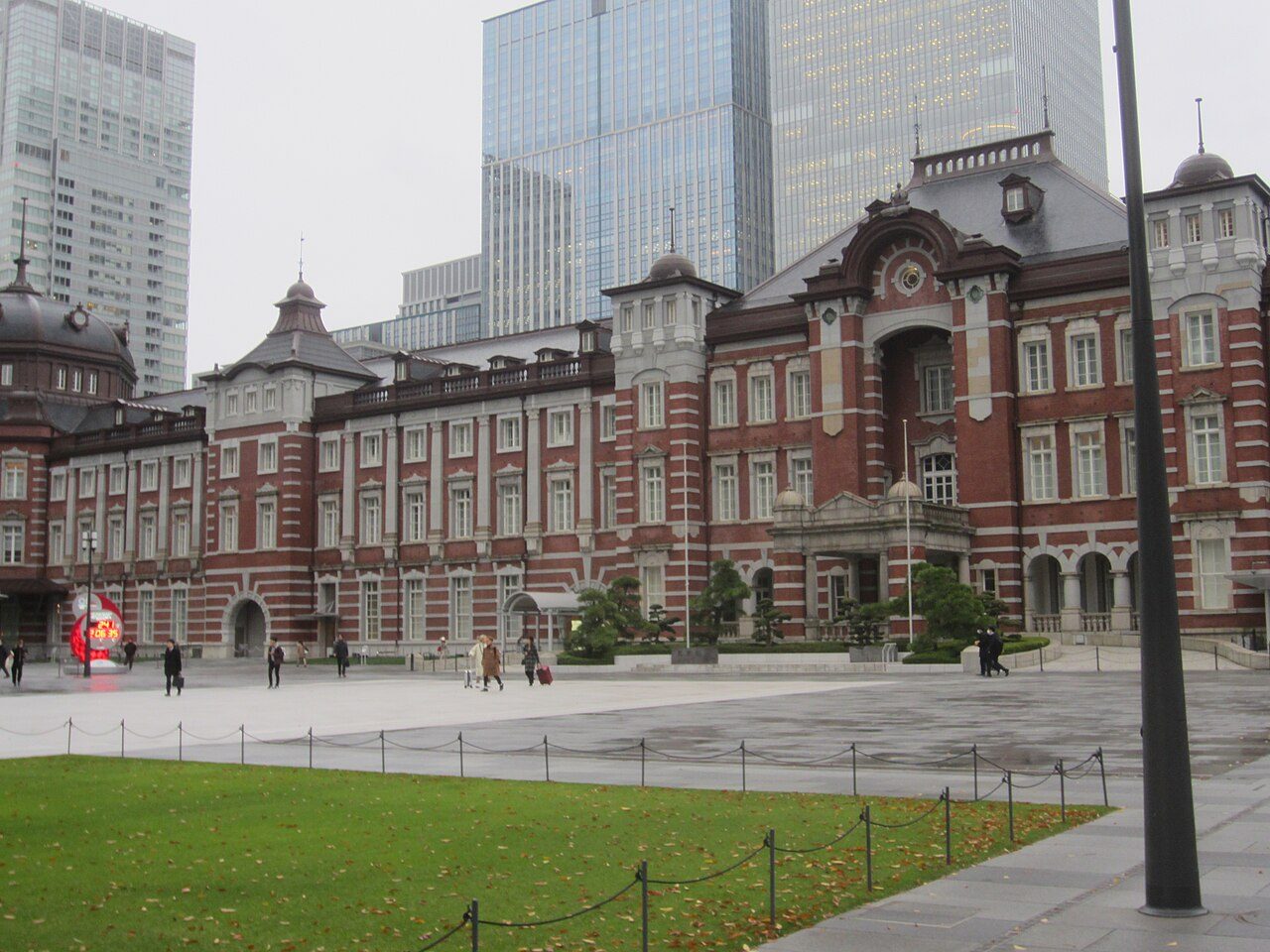
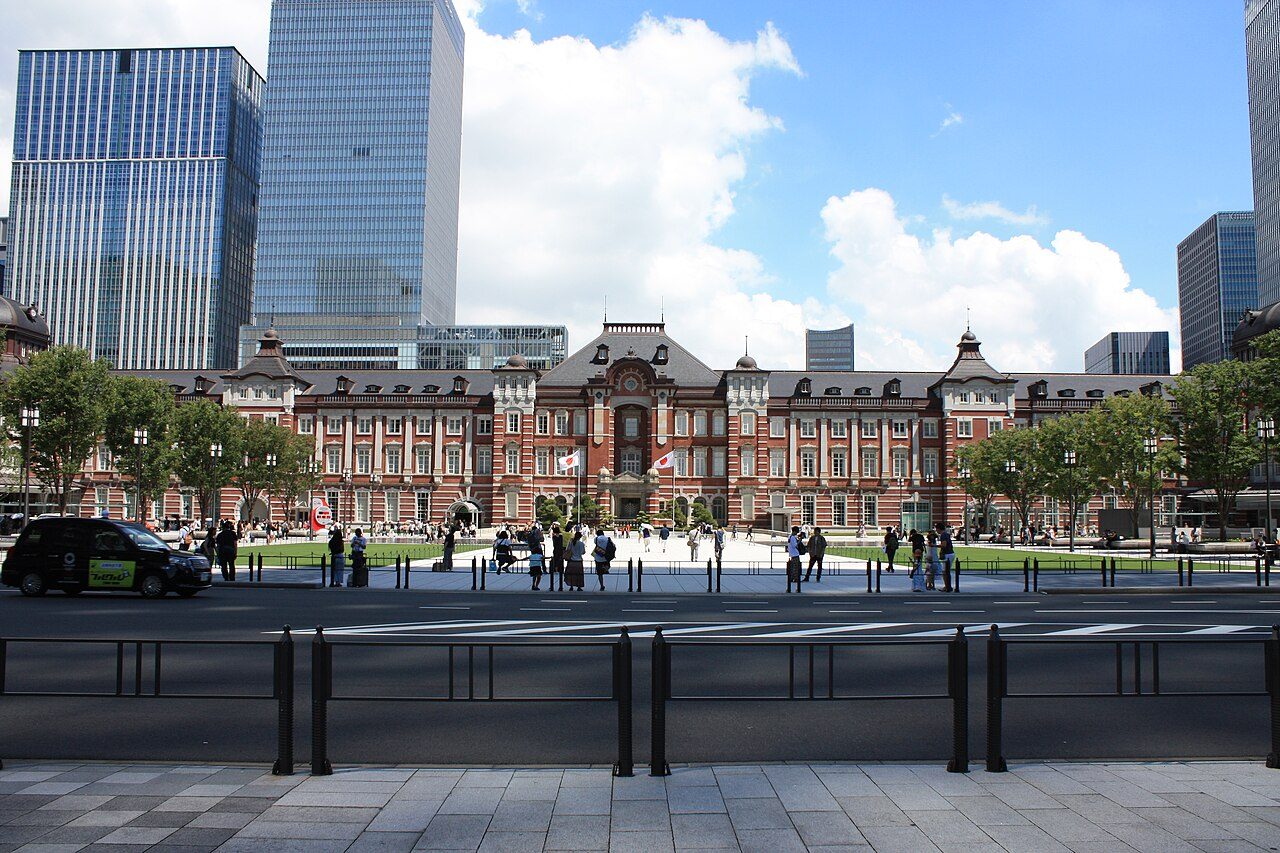
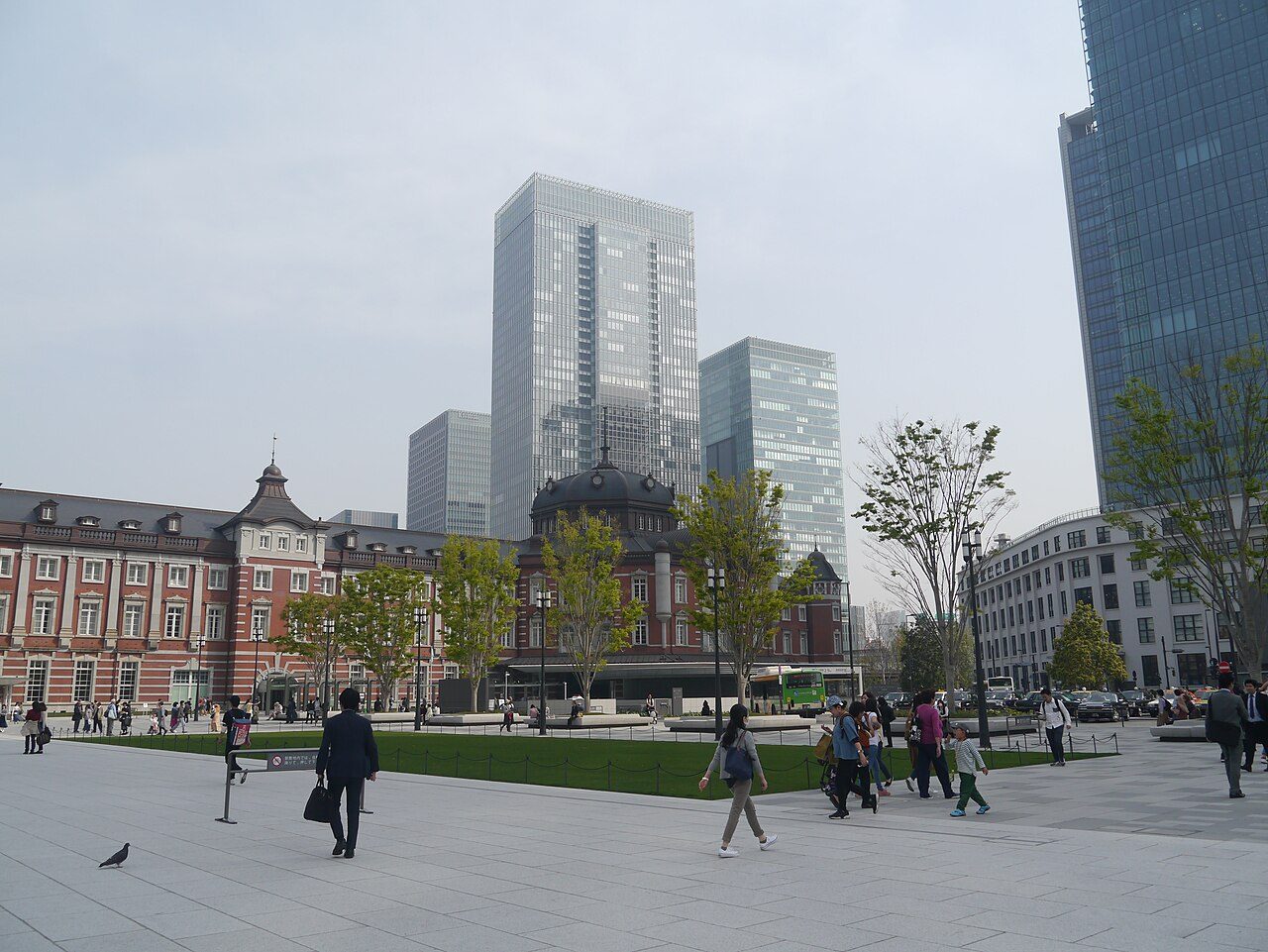
Tokyo Station is the main railway terminal of Tokyo, opened in 1914. Its red brick Marunouchi building, designed by Tatsuno Kingo, was damaged in 1945 and restored to its original design with two domes in 2012. Shinkansen trains depart from here to much of Japan. A large underground shopping area and the Imperial Palace lie nearby.
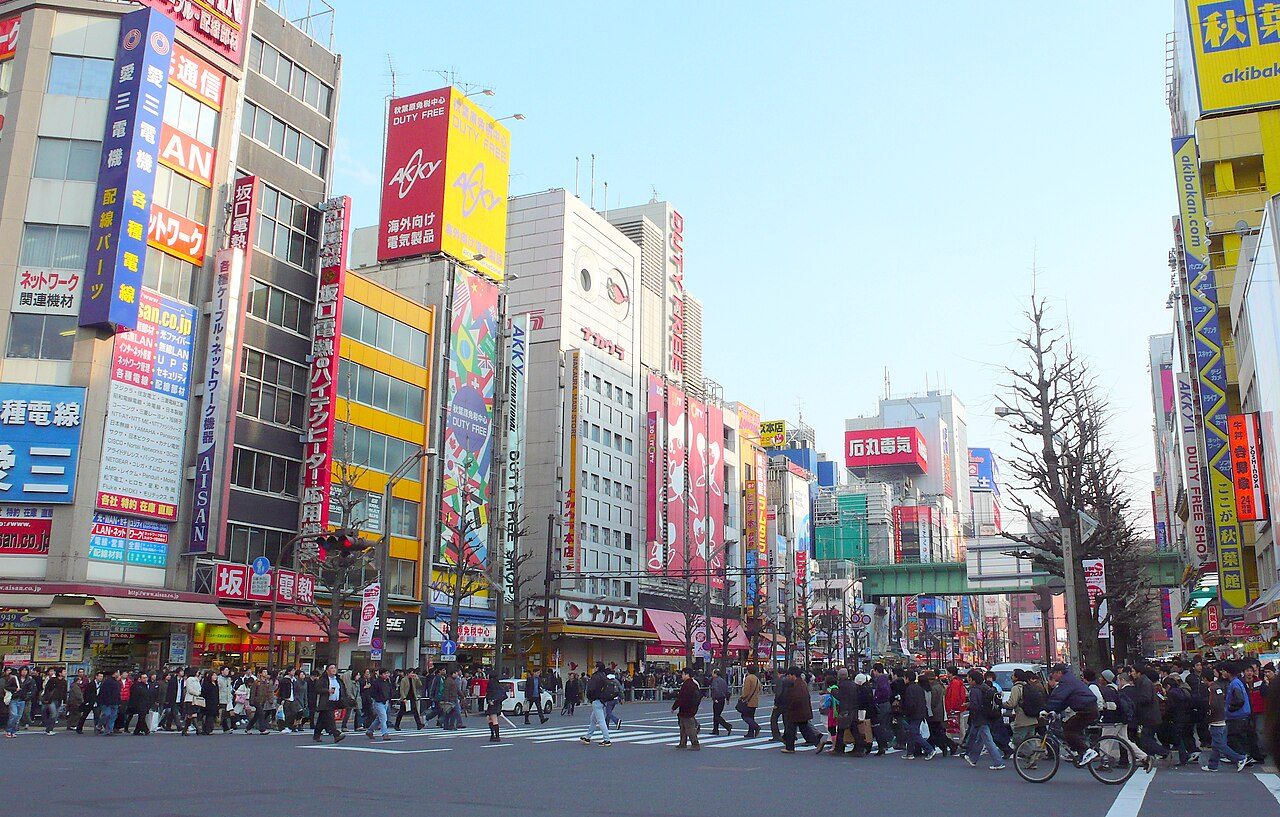
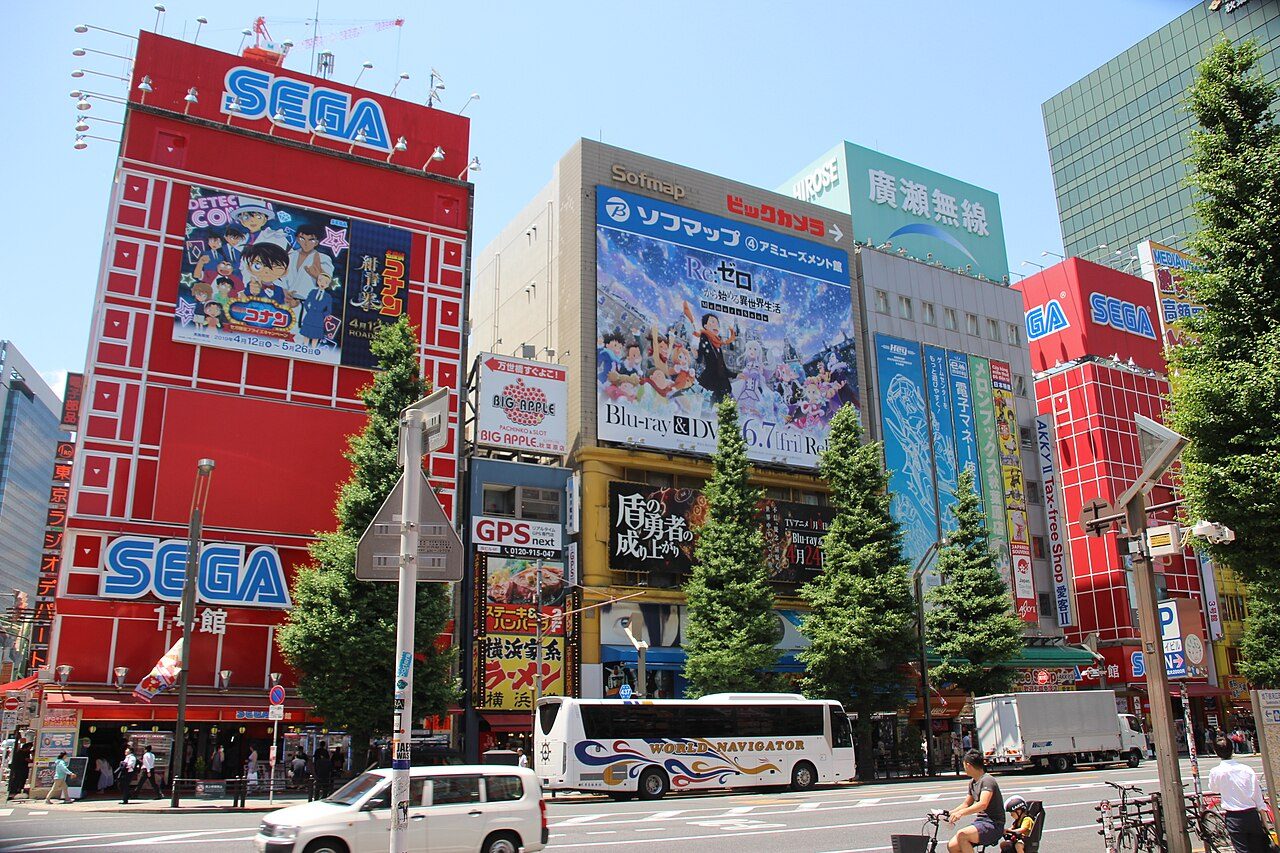
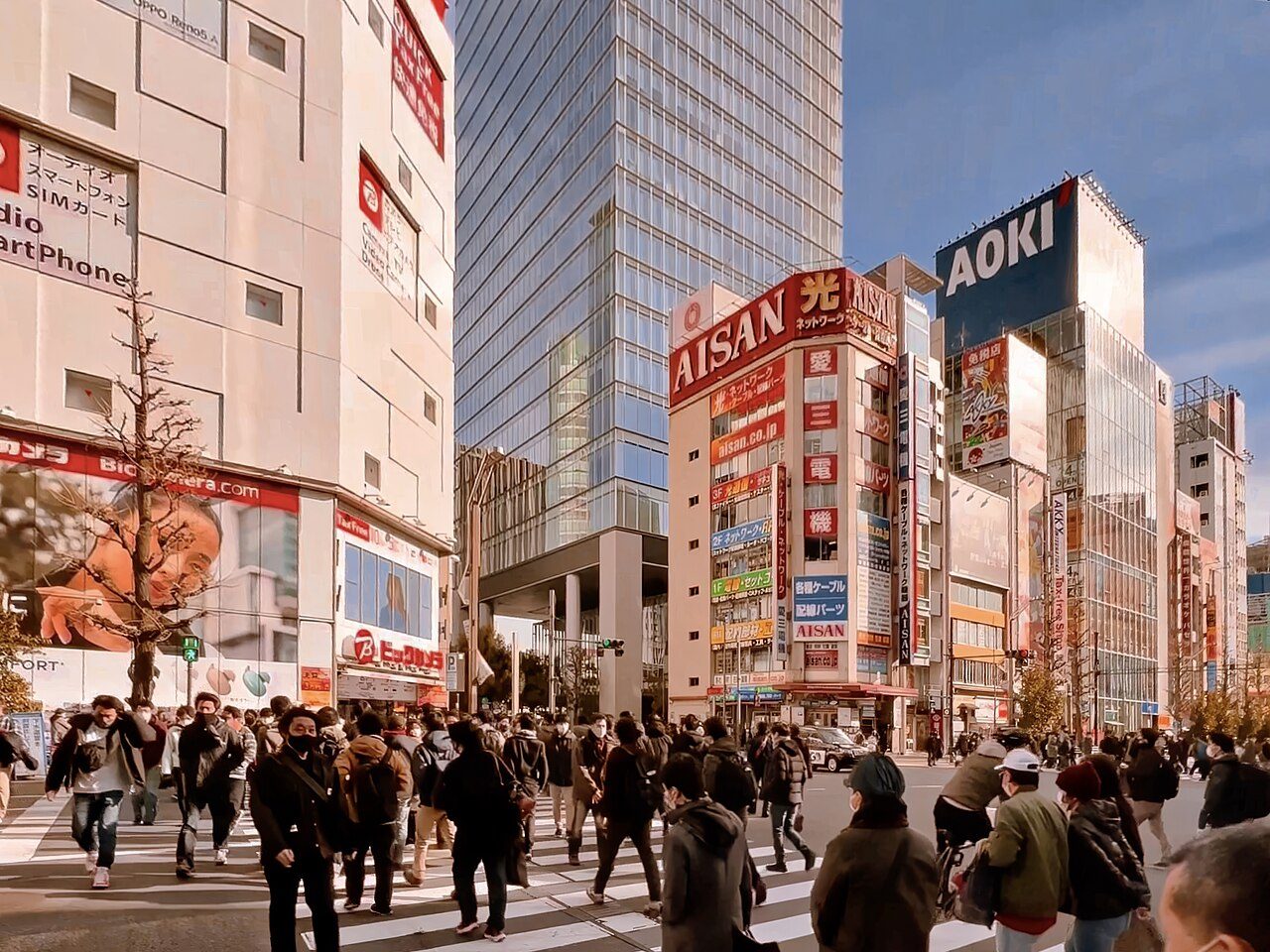
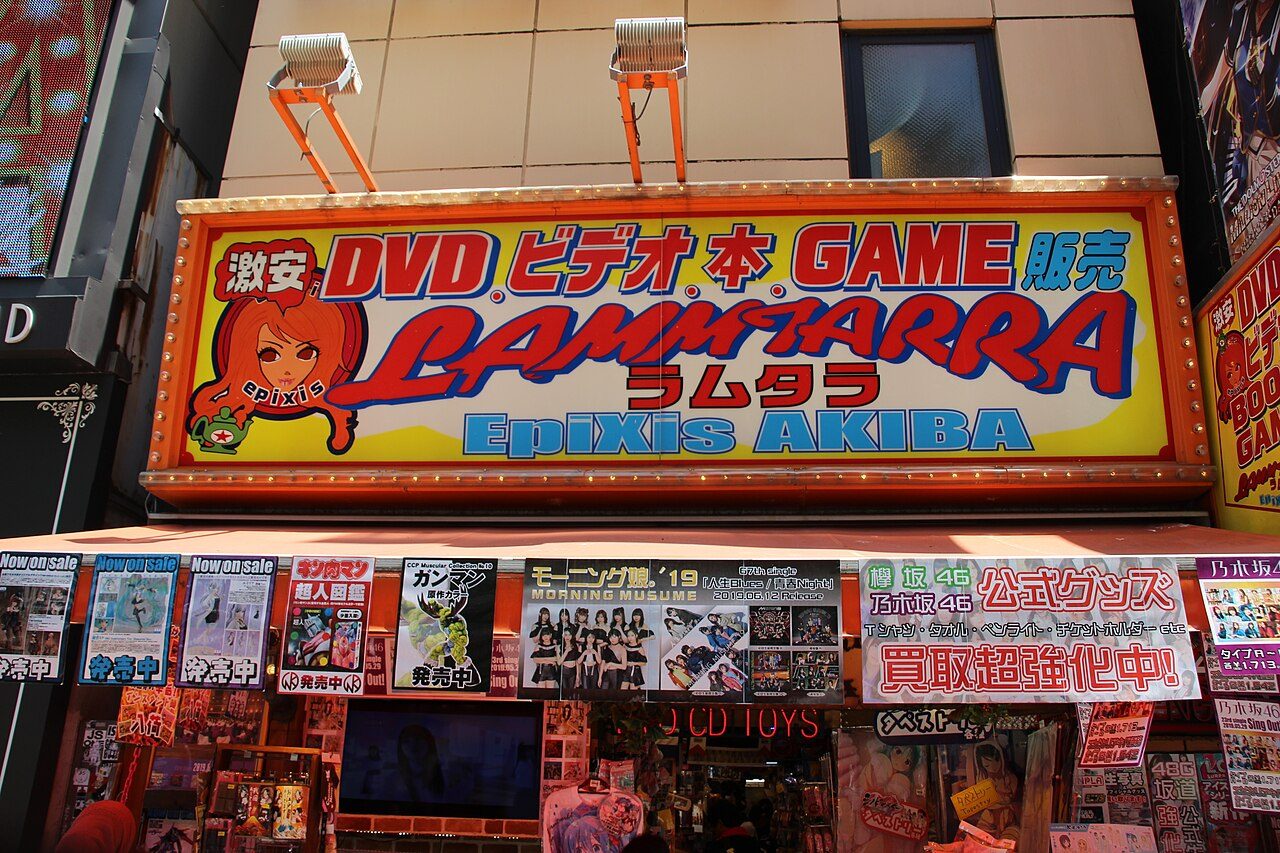
Akihabara is a district of Tokyo famous for electronics and as the centre of anime, manga and gaming culture. Its streets are lined with large electronics stores, multi-storey shops selling figures and games, retro arcades and maid cafes. Bright signs cover the buildings along Chūō Street, which becomes a pedestrian zone on Sunday afternoons.
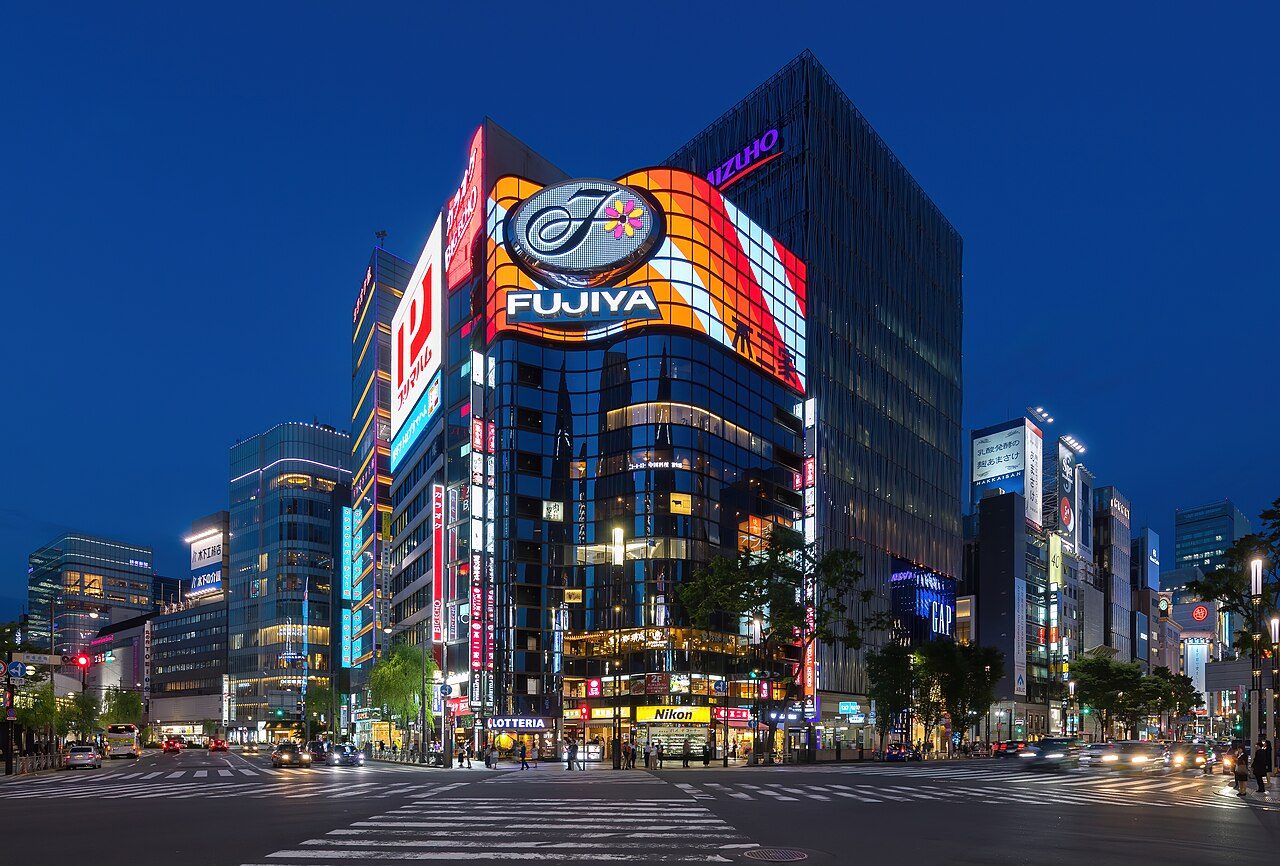
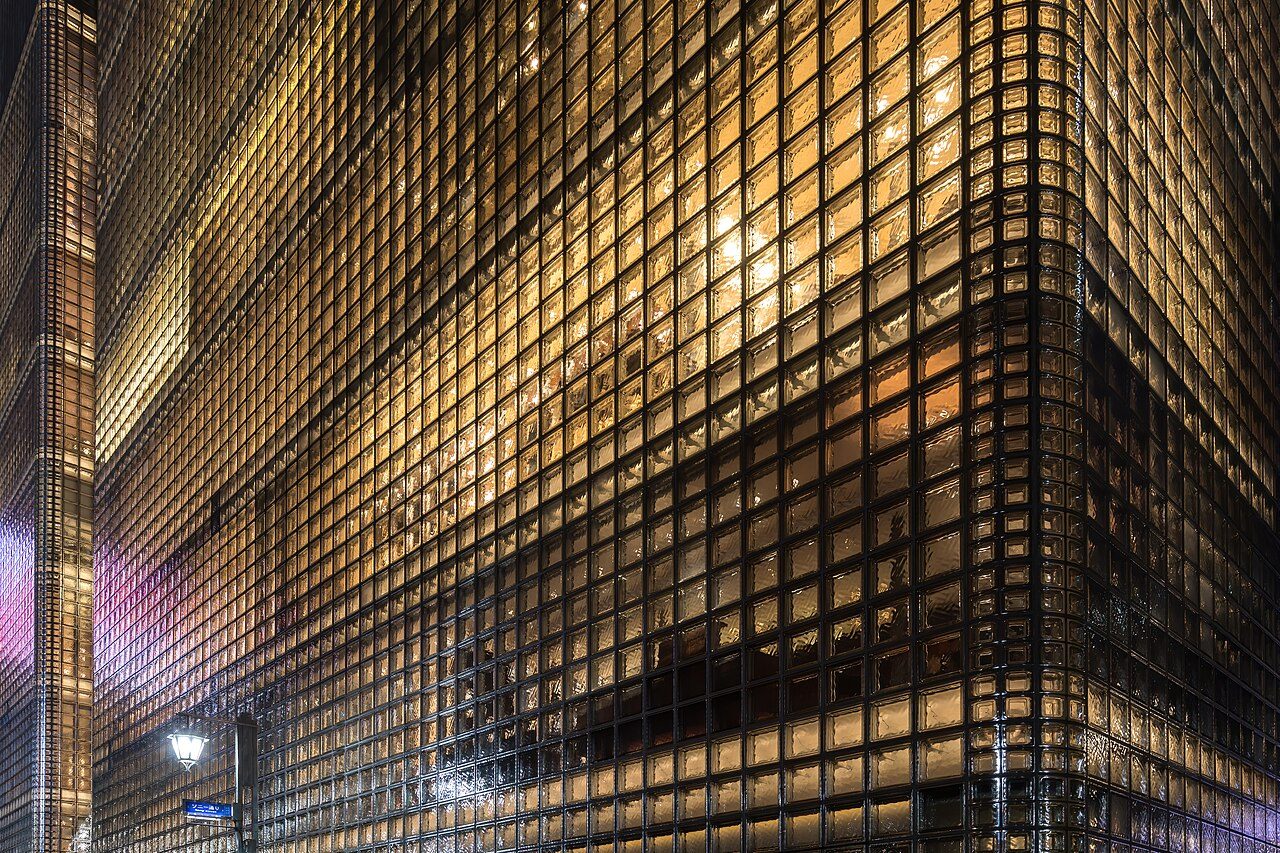
Ginza is Tokyo's most famous upscale shopping district. Its main streets are lined with department stores, luxury brand flagships, galleries and restaurants. The Wako building with its clock tower at the Ginza 4-chome crossing has been a landmark since 1932. On weekend afternoons the main street, Chūō-dōri, is closed to cars.
14
STOP 14 OF 18
Tsukiji Outer Market
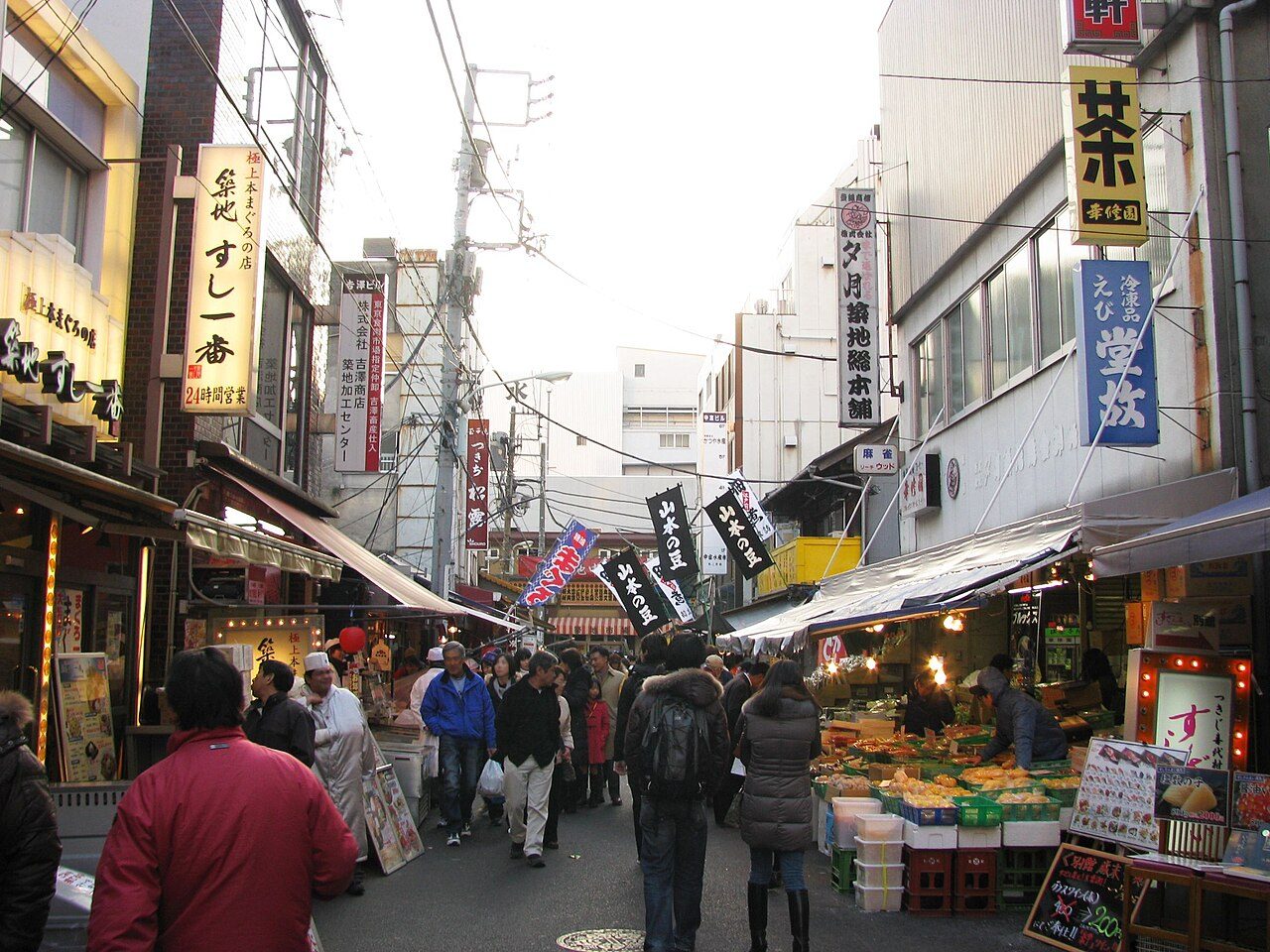
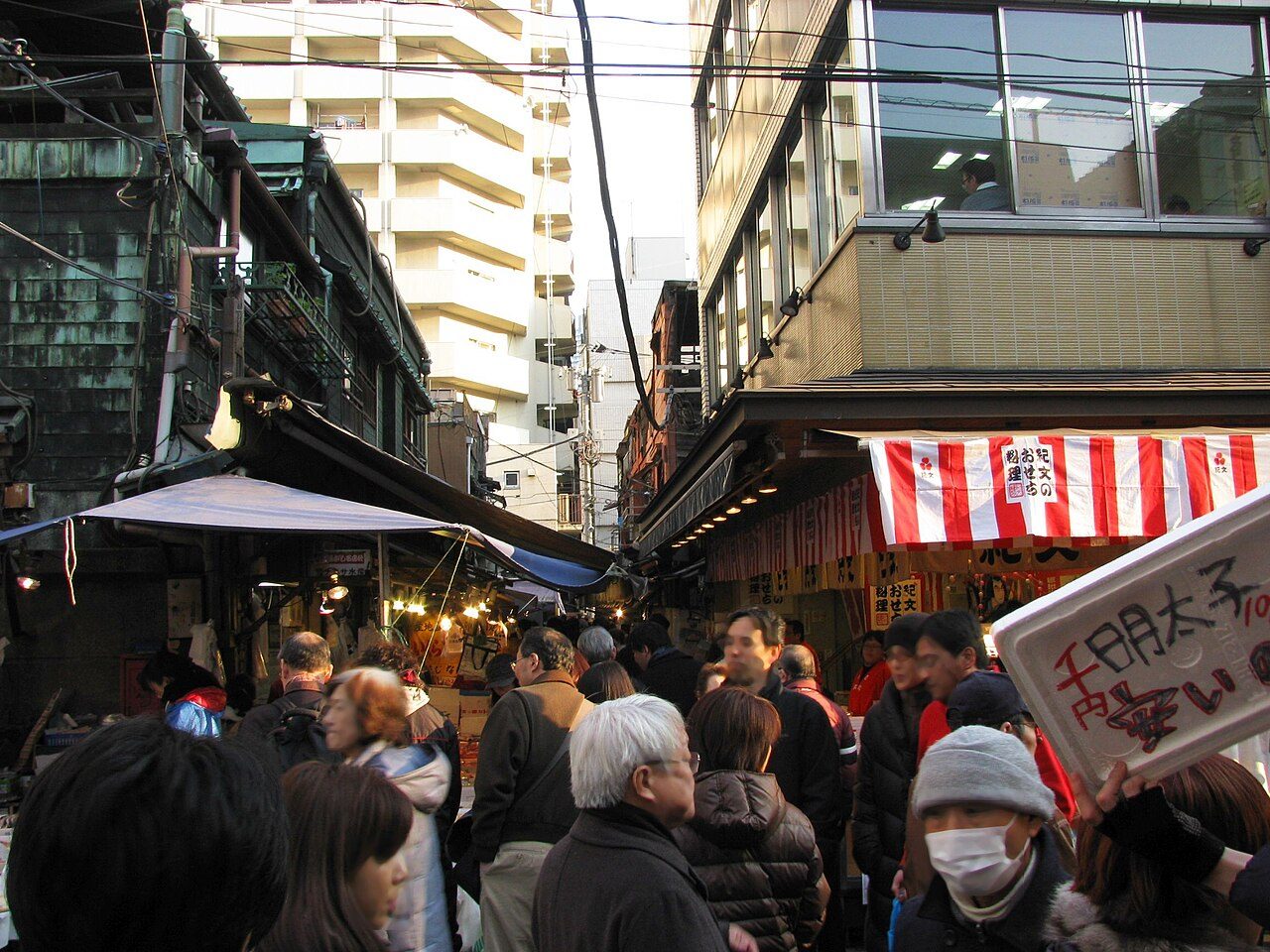
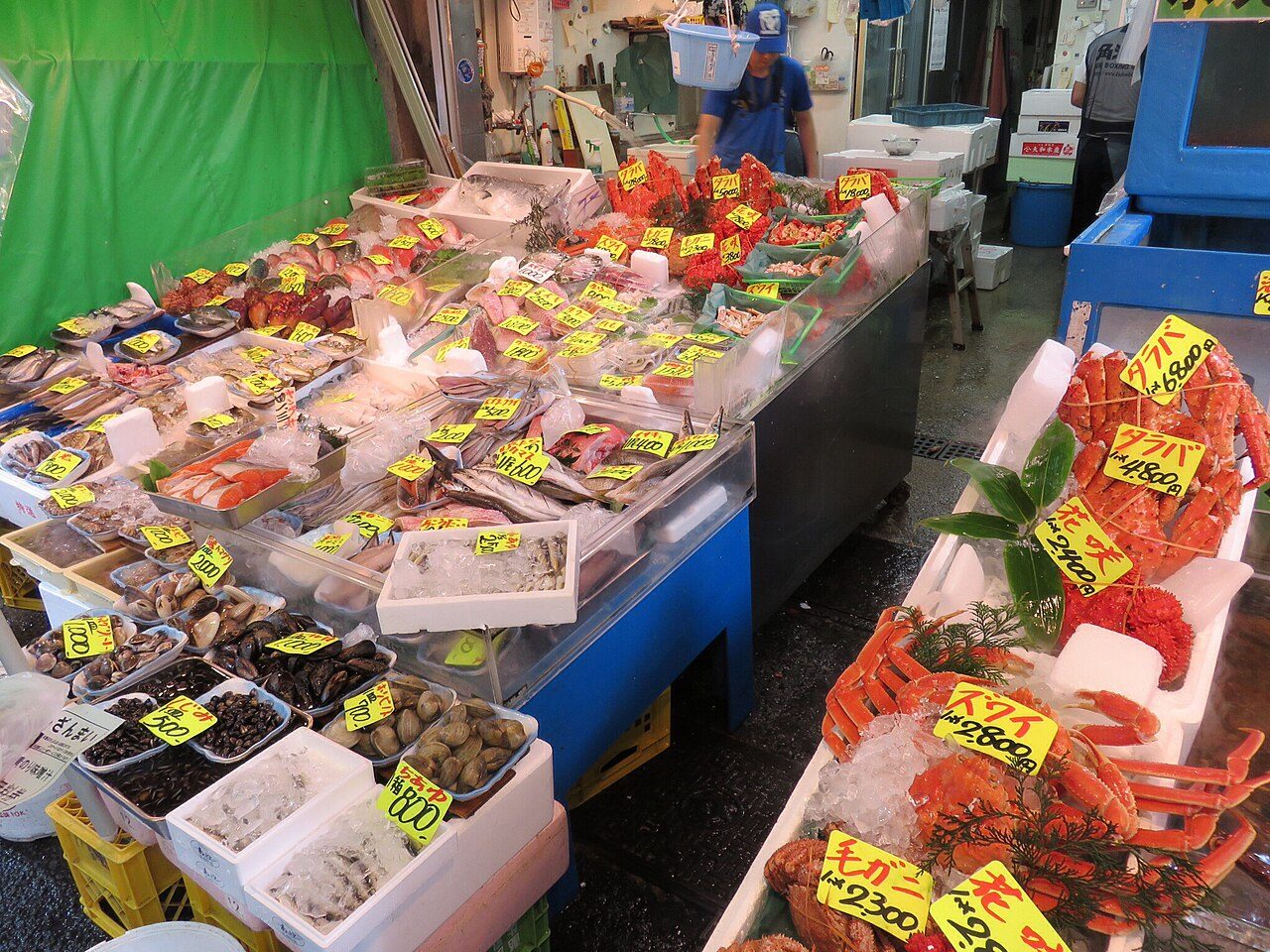
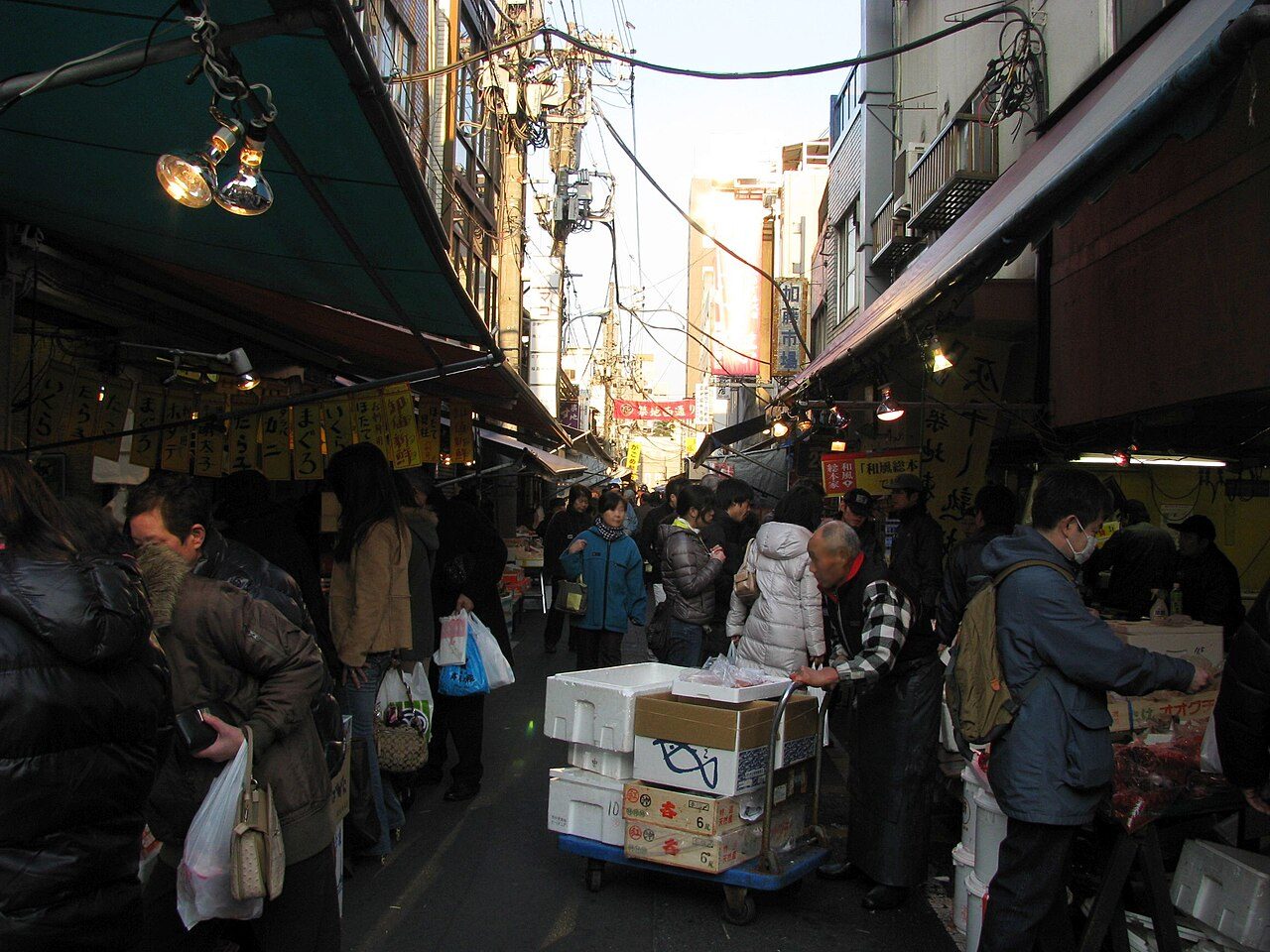
The Tsukiji Outer Market is a lively area of narrow lanes in central Tokyo, next to the site of the former Tsukiji fish market, which moved to Toyosu in 2018. Hundreds of small shops and stalls sell fresh seafood, knives, kitchen tools and snacks. Many people come for sushi breakfasts, grilled scallops and tamagoyaki omelettes.
15
STOP 15 OF 18
Hamarikyu Gardens
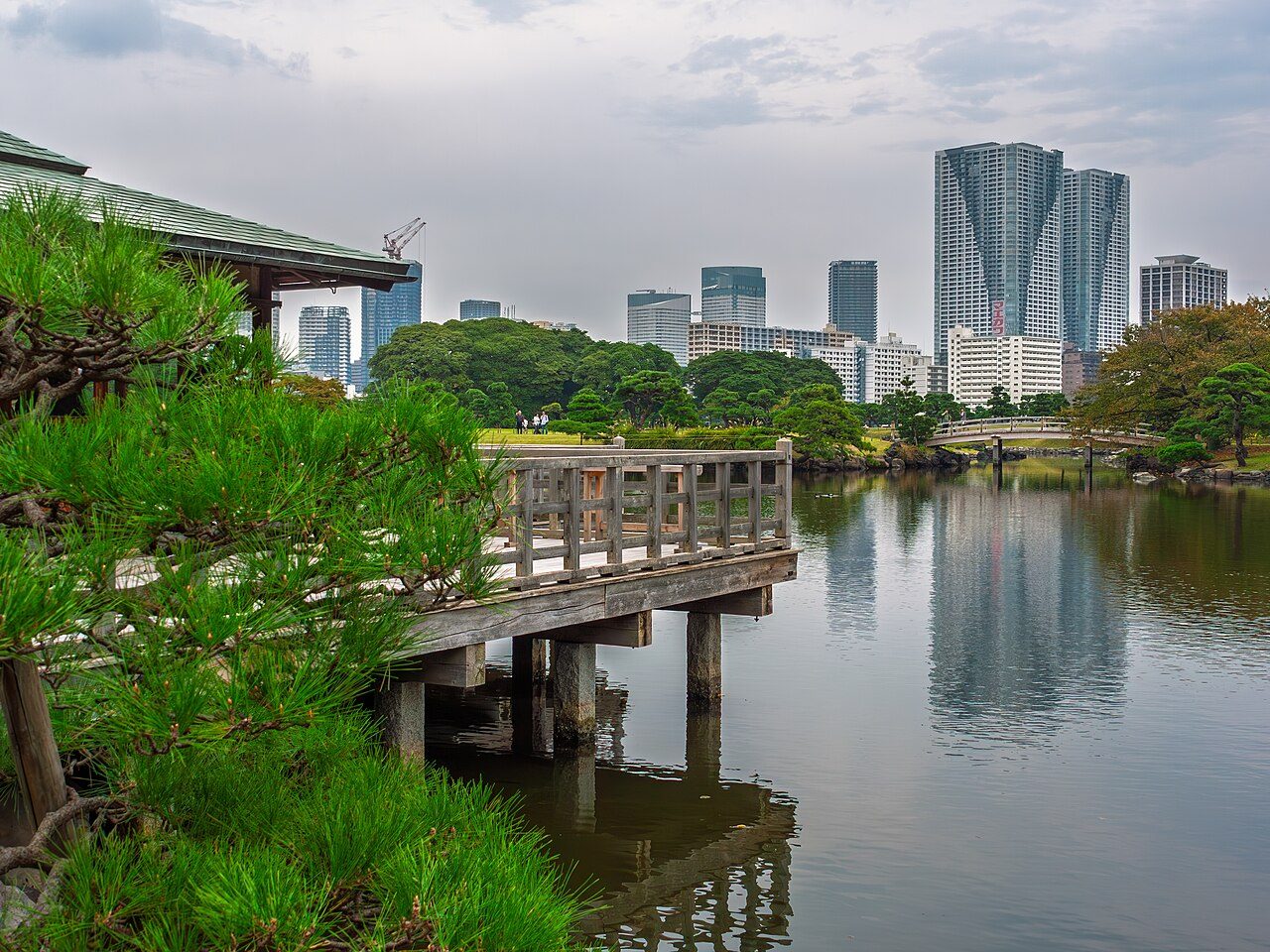
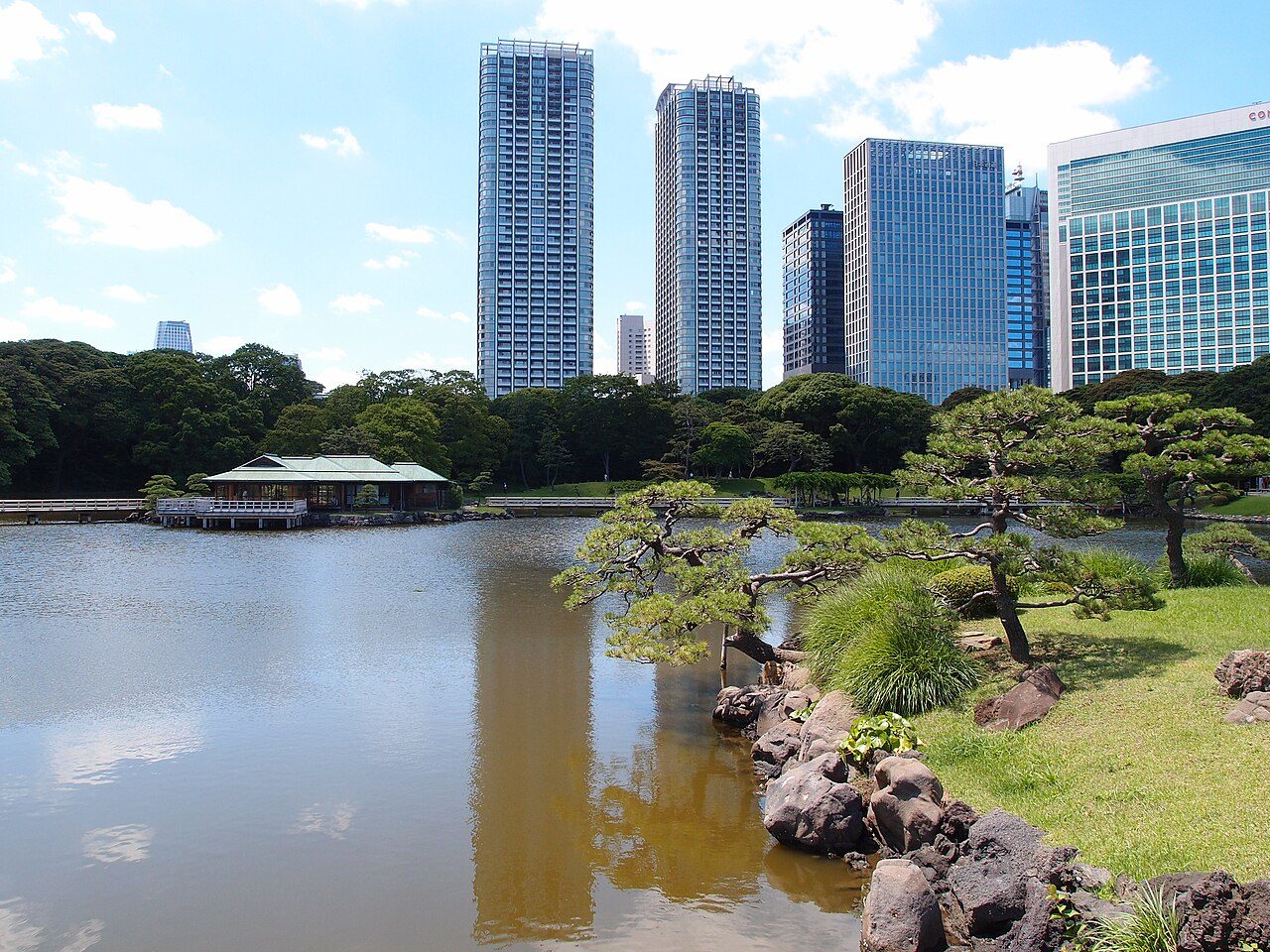
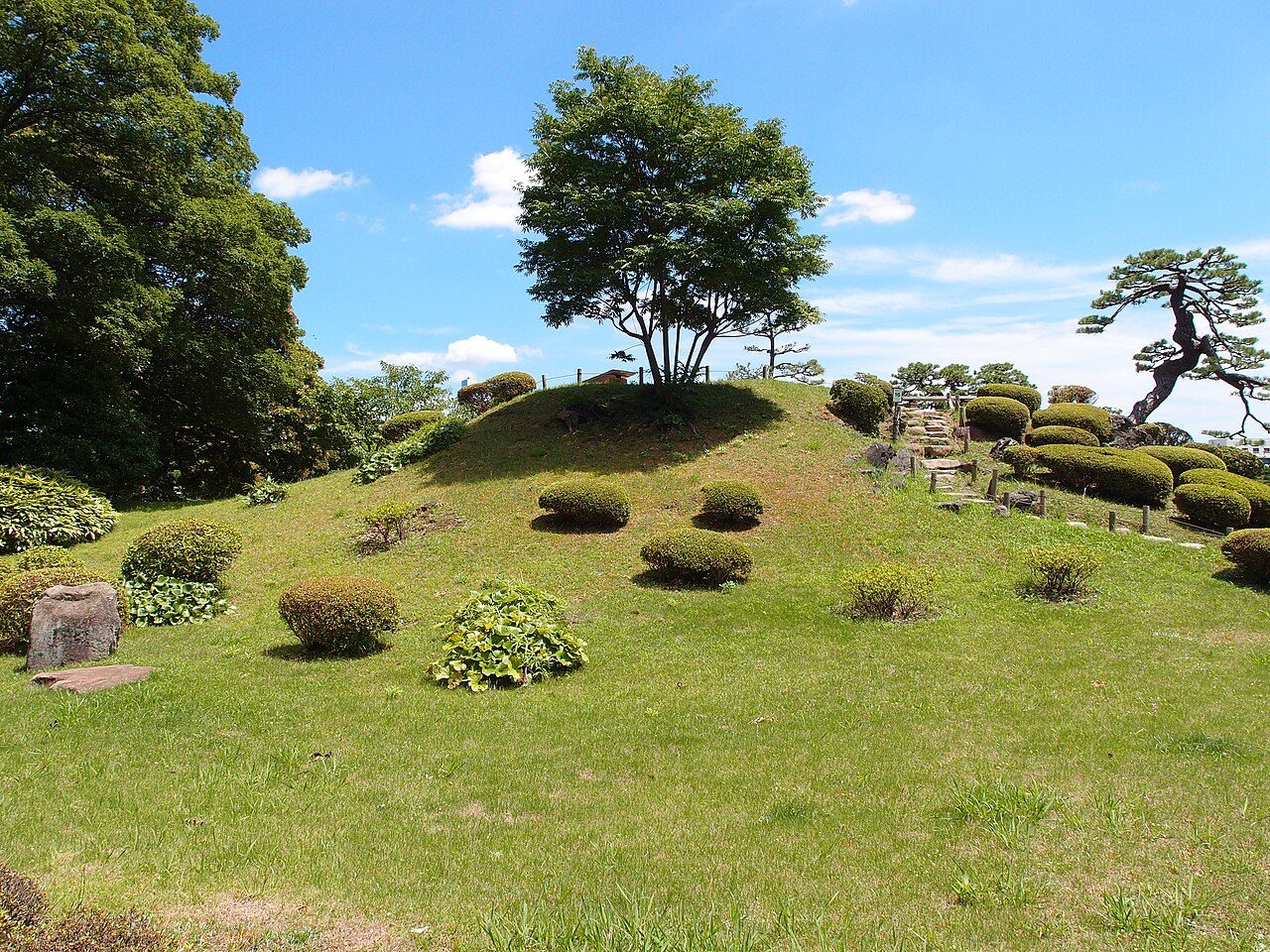
Hamarikyu Gardens are a traditional landscape garden on Tokyo Bay, once the residence and duck hunting grounds of the Tokugawa shoguns. Seawater ponds rise and fall with the tide. A teahouse on an island in the pond serves matcha and sweets. The garden contrasts with the skyscrapers of Shiodome behind it, and water buses leave for Asakusa.
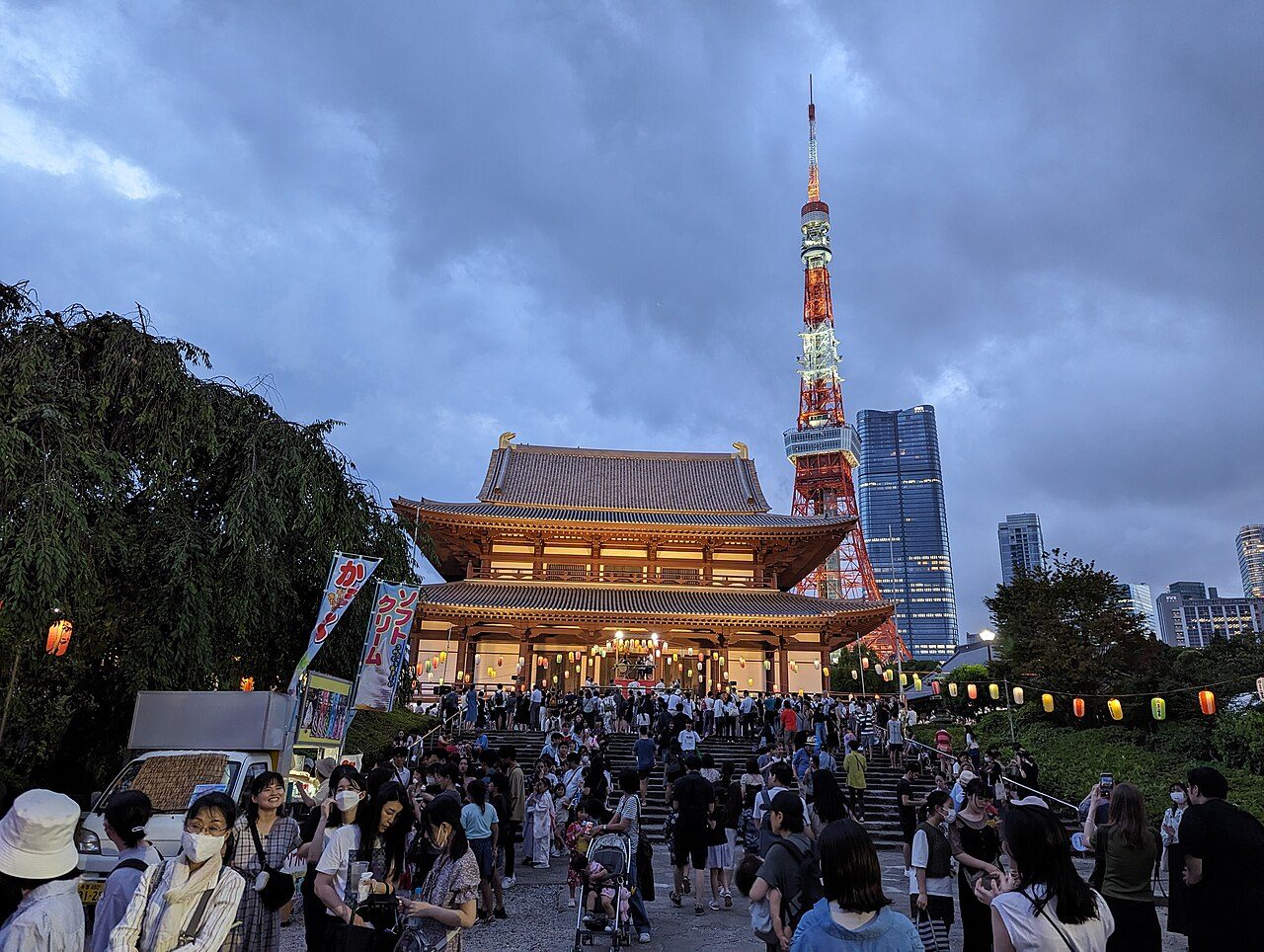
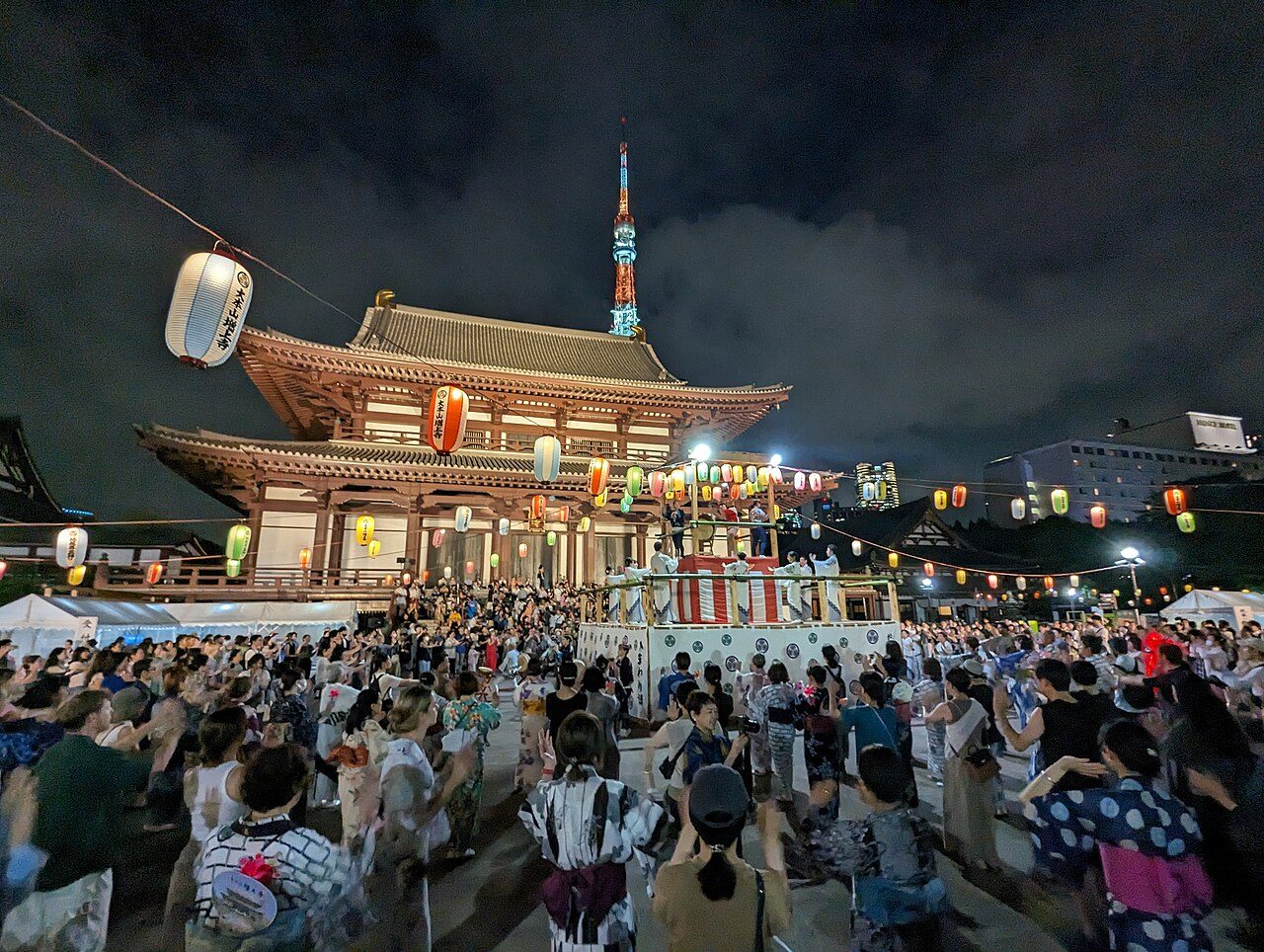
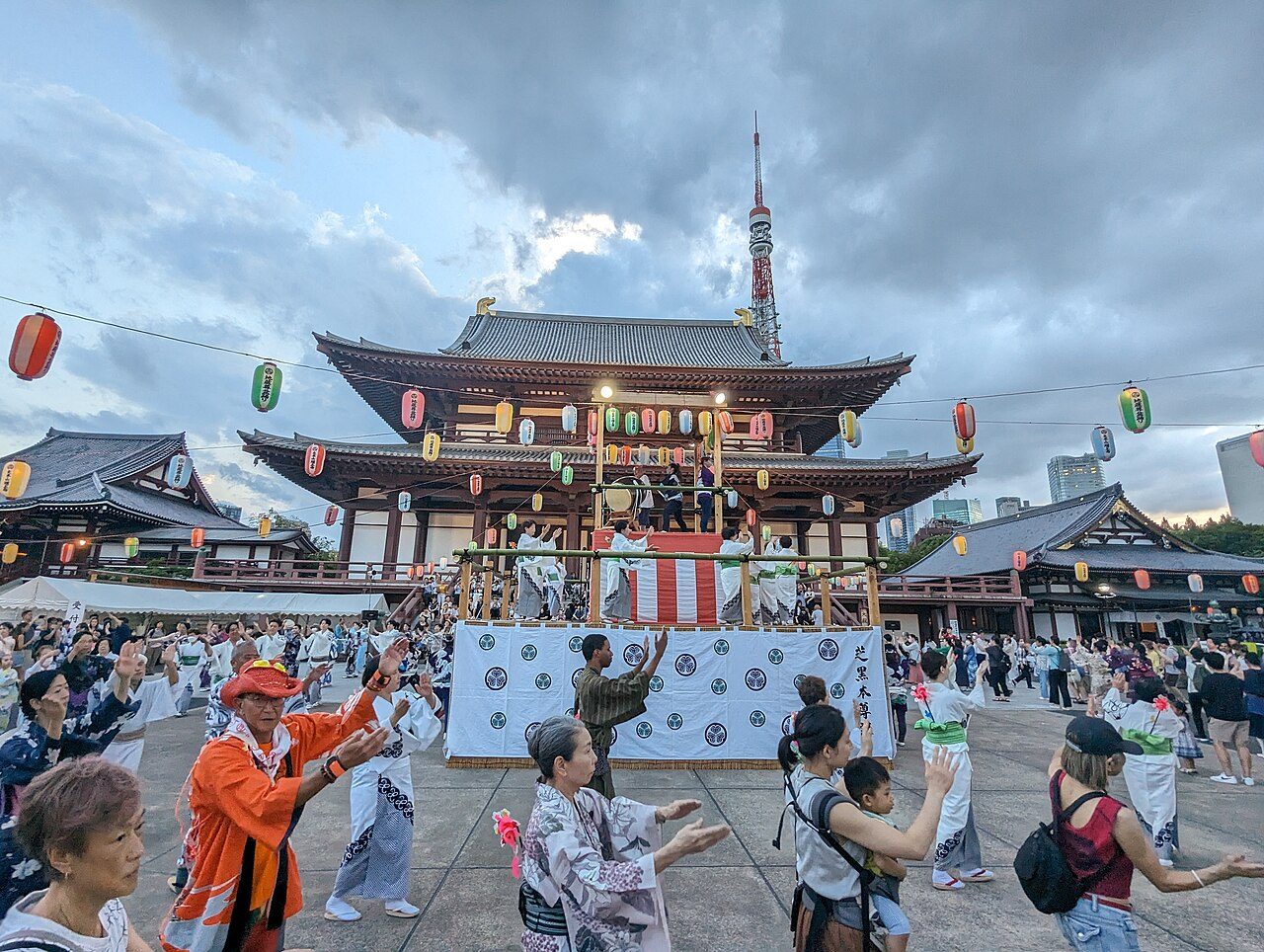
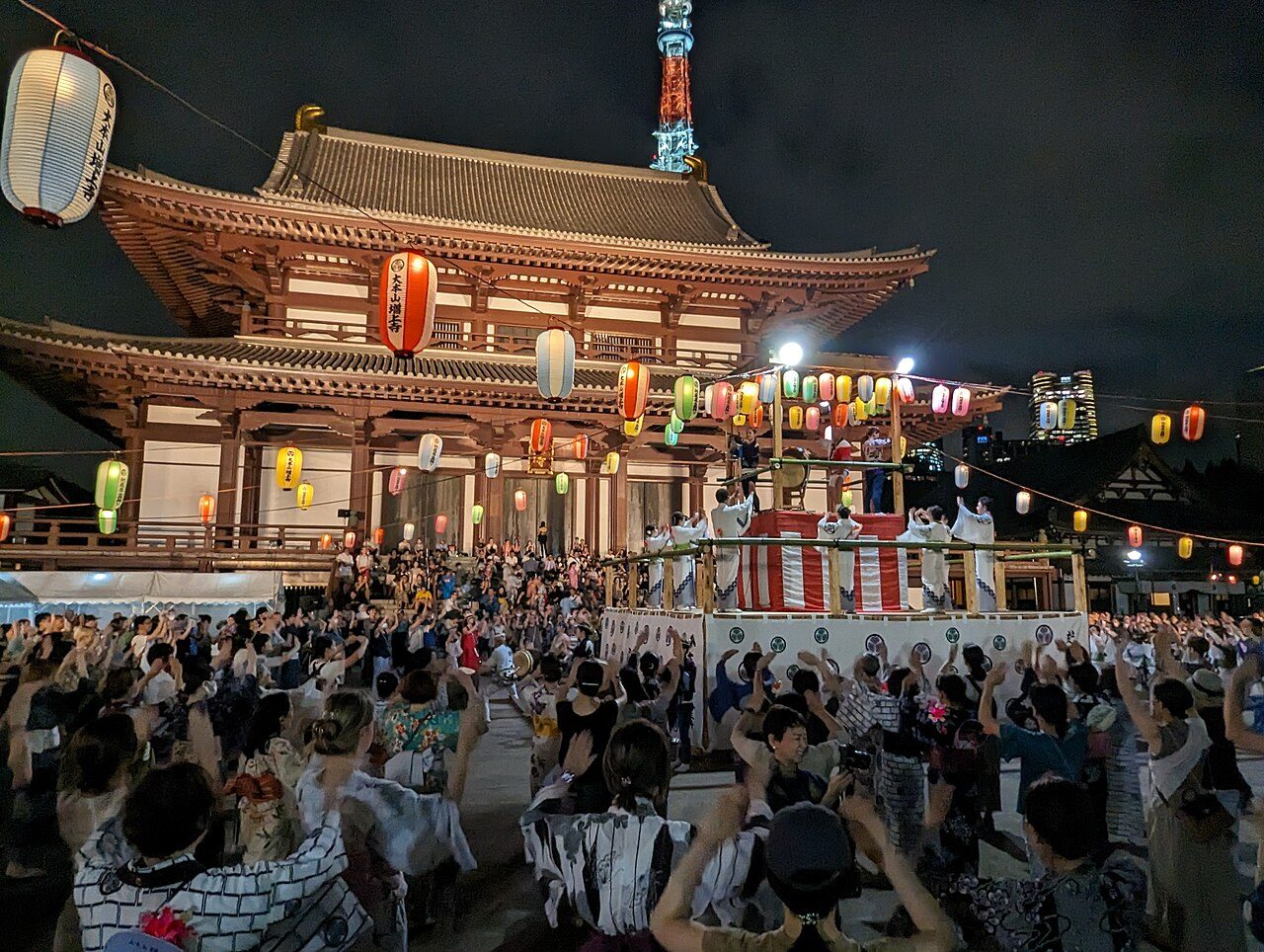
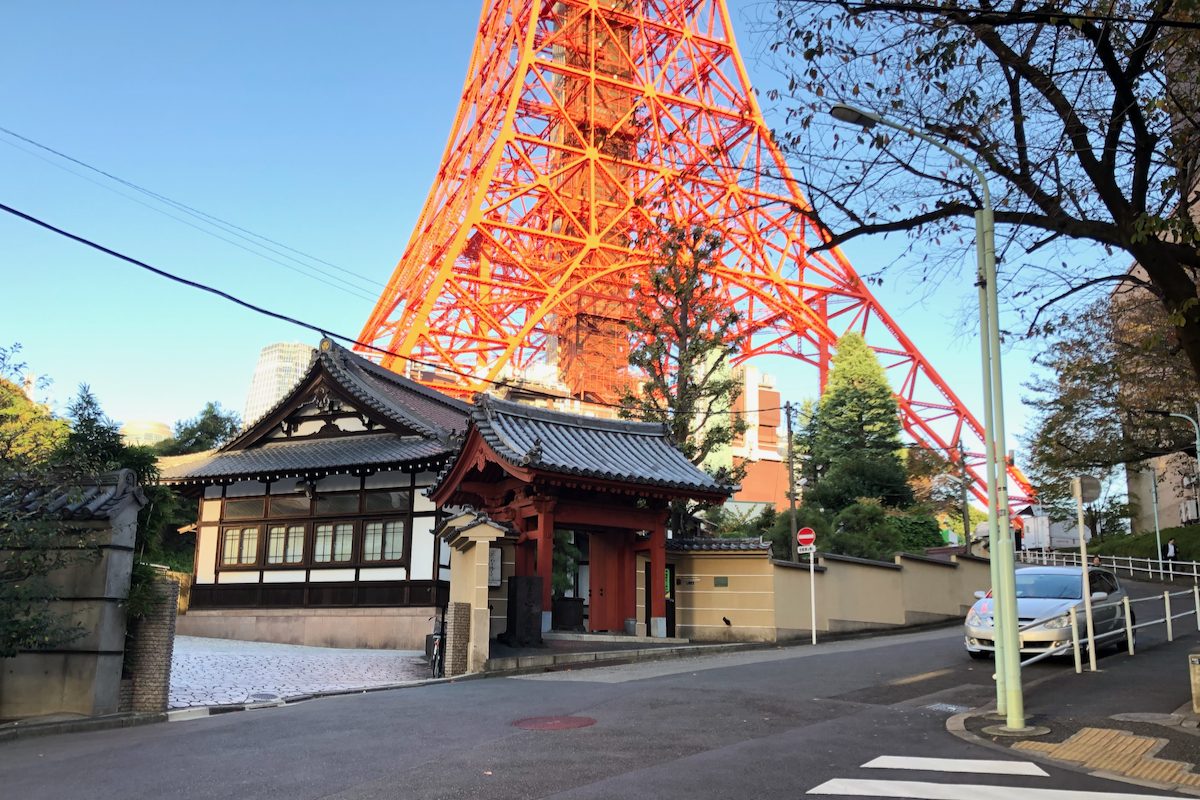
Zōjō-ji is a Buddhist temple in Minato, founded in 1393 and moved to its present site in 1598. It was the family temple of the Tokugawa shoguns, and six shoguns are buried here. The large Sangedatsumon gate dates from 1622. Rows of small stone statues of Jizō, dressed in red hats, line the grounds. Tokyo Tower rises right behind the temple.
17
STOP 17 OF 18
Tokyo Tower
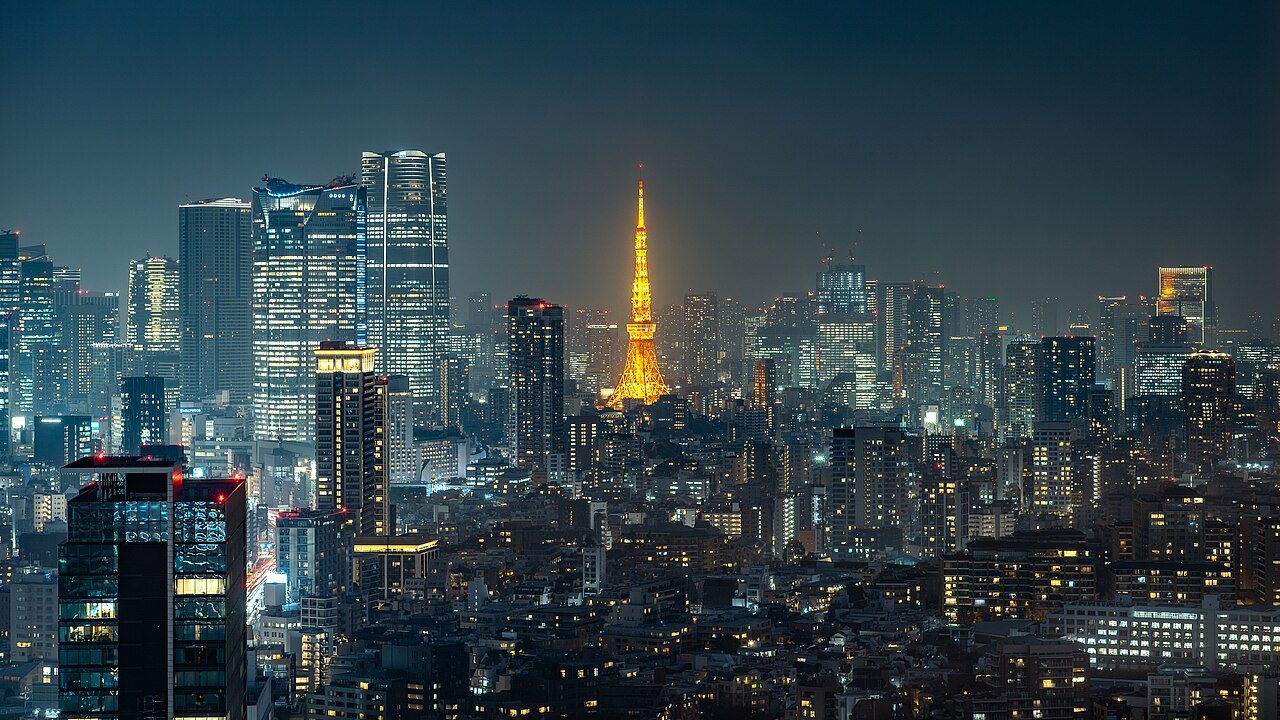
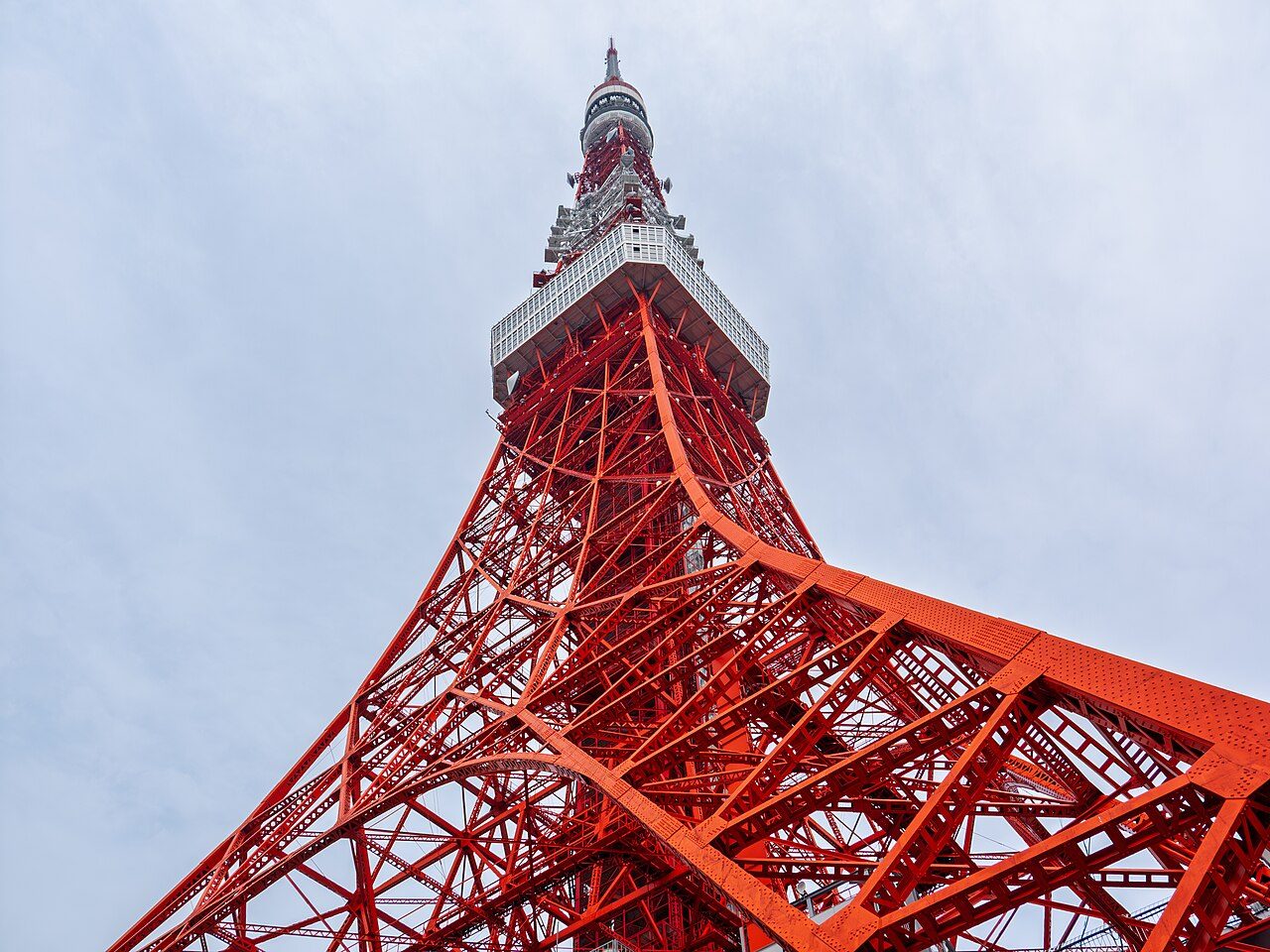
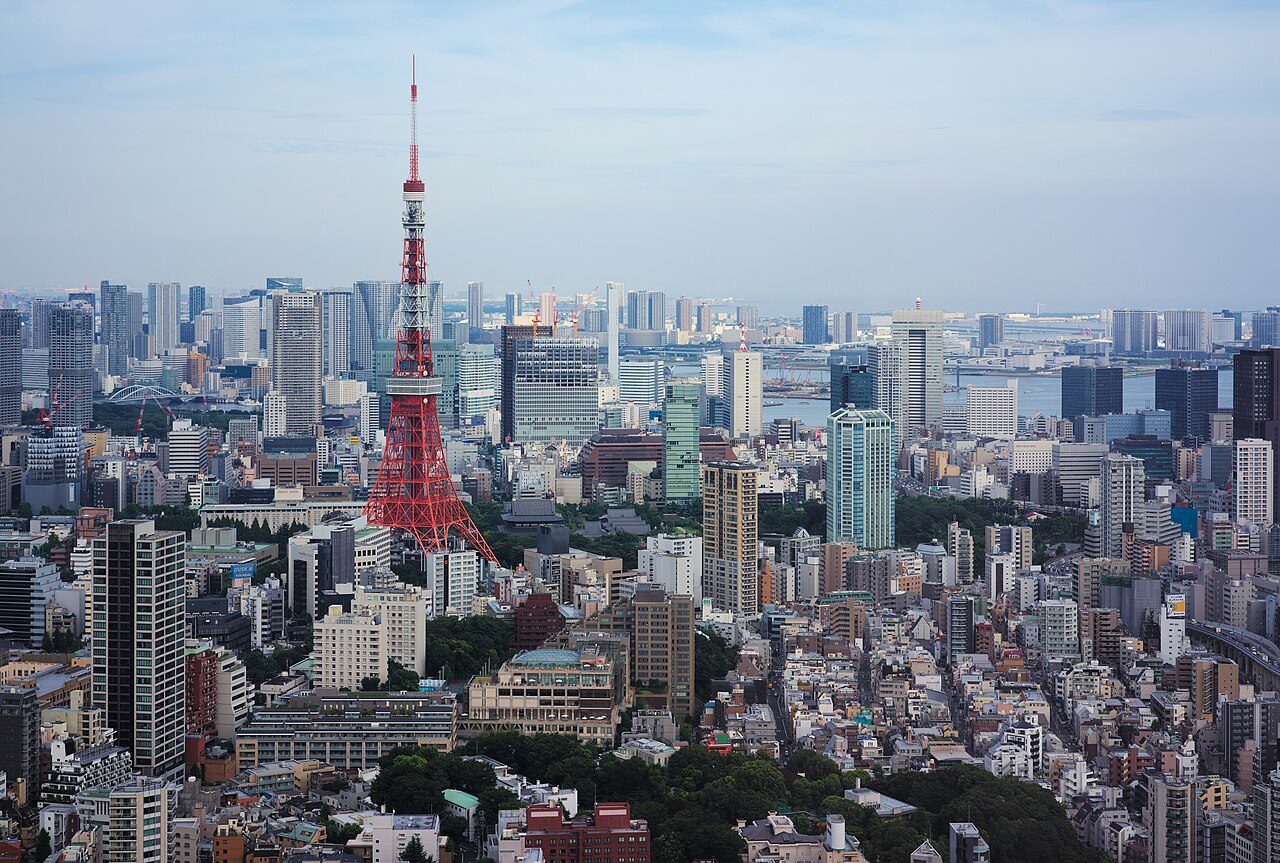
Tokyo Tower is a 333-metre communications and observation tower in Minato, completed in 1958. Inspired by the Eiffel Tower, it is painted white and international orange for air safety. It was the tallest structure in Japan until 2012. Its main deck and top deck offer views over Tokyo, and the tower is lit up at night in changing colours.
18
STOP 18 OF 18 · LAST STOP
Odaiba
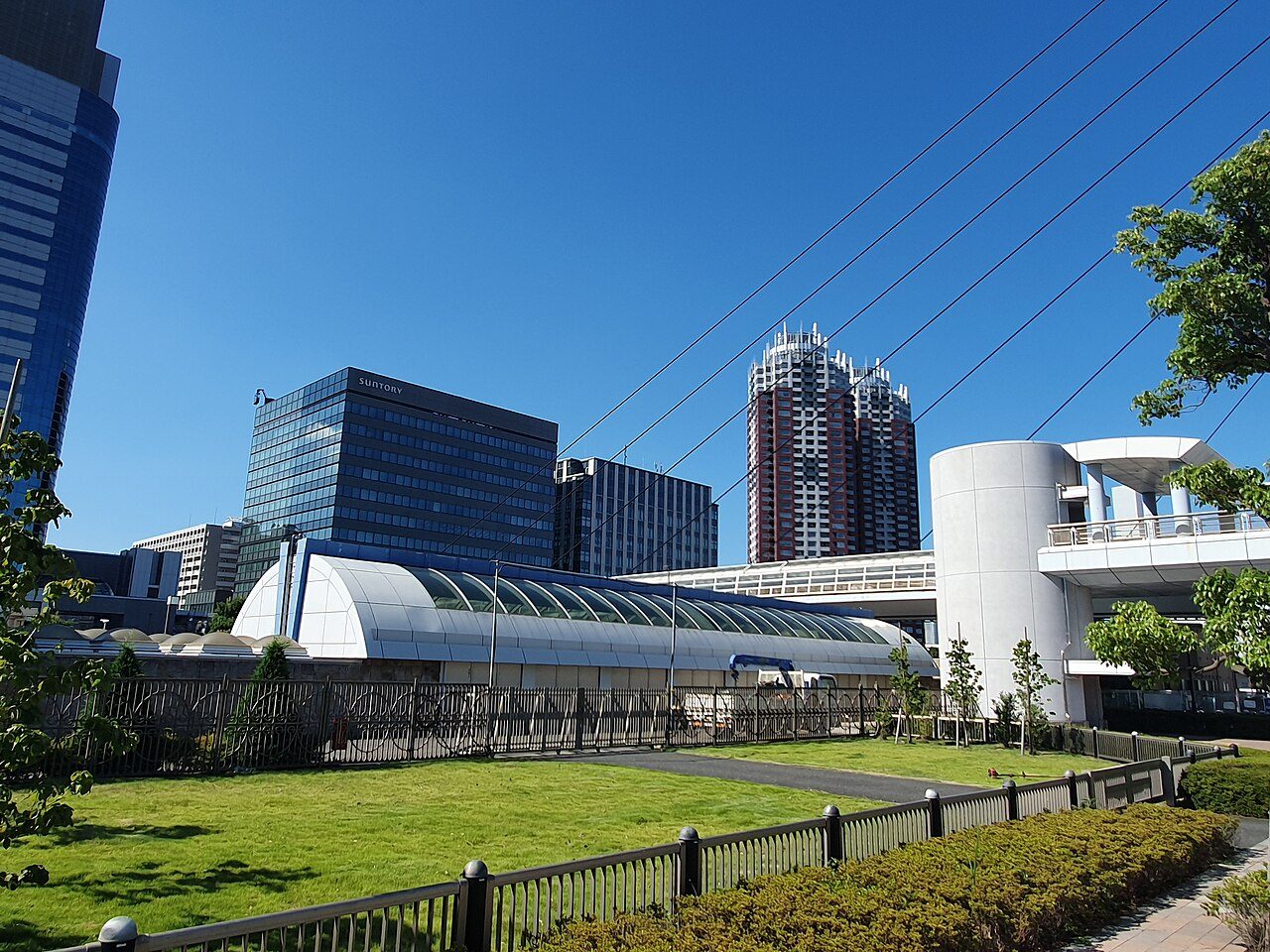
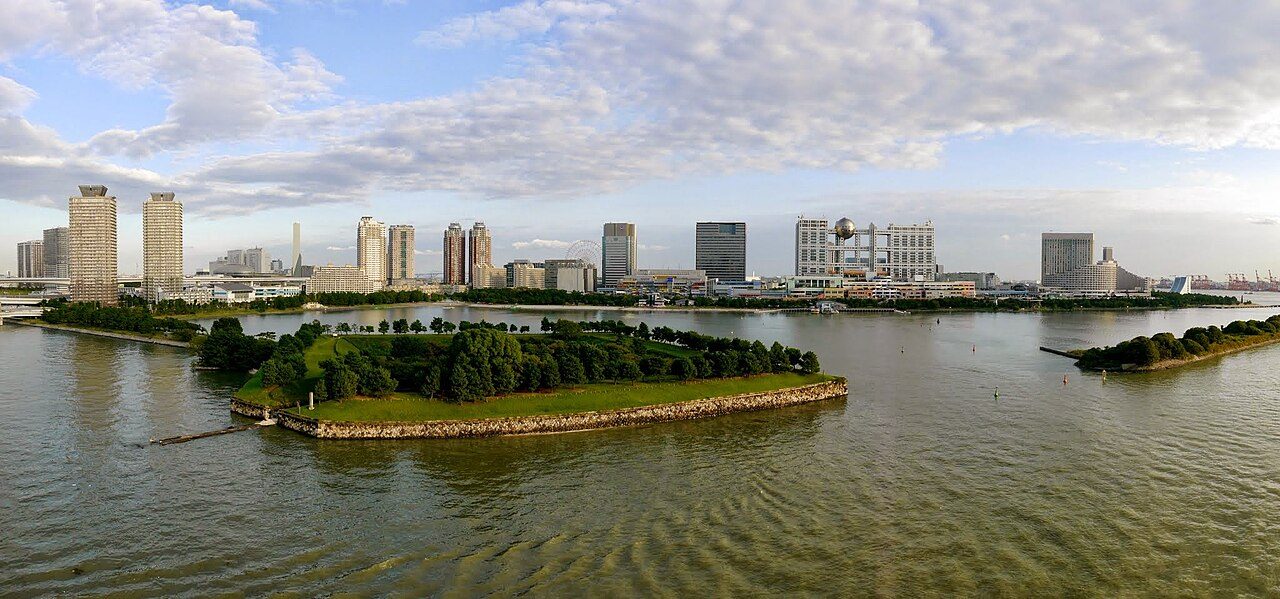
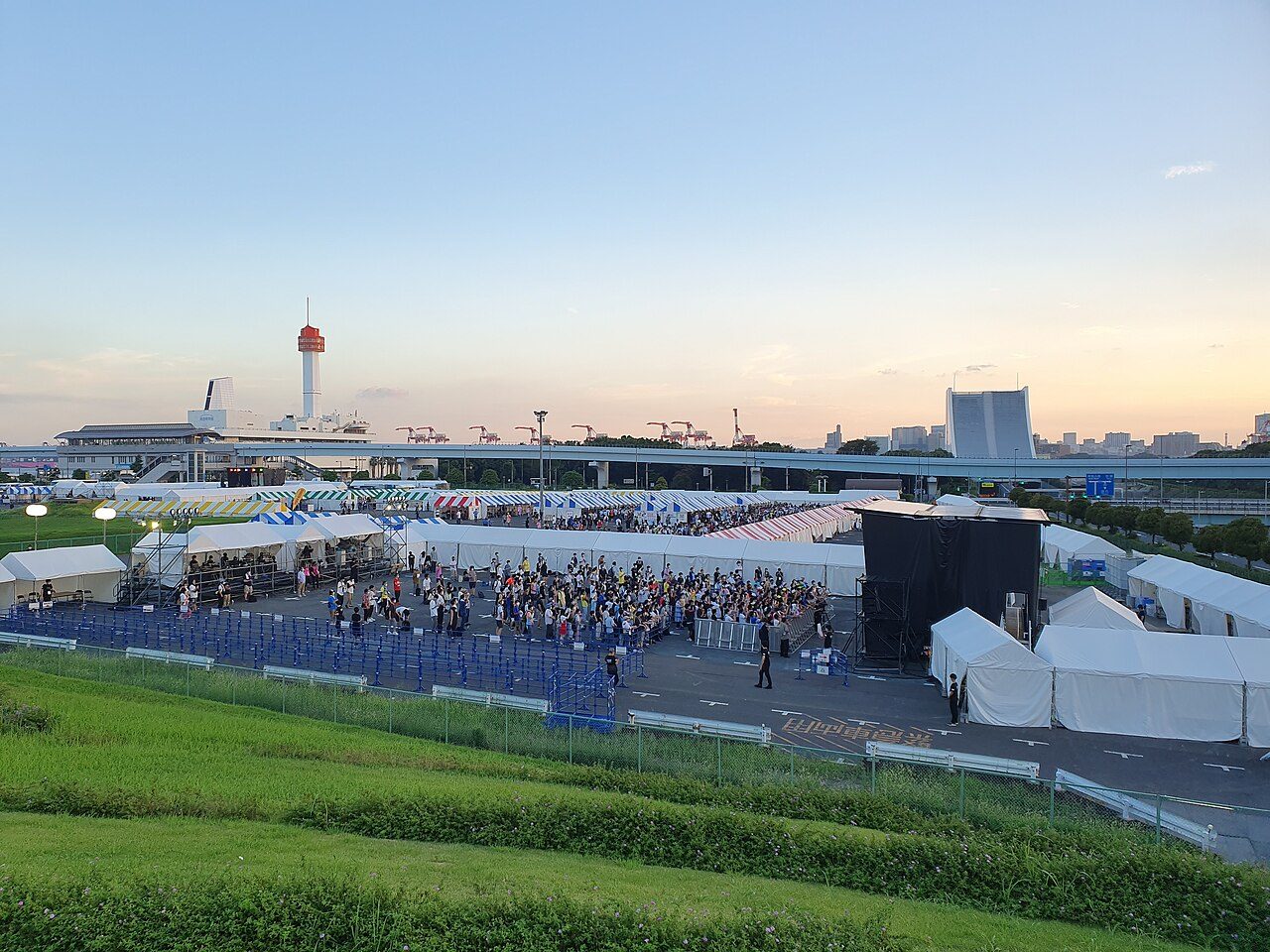
Odaiba is an artificial island in Tokyo Bay, built in the 1850s as a set of forts and developed in the 1990s as an entertainment district. It has shopping malls, a beach park, a replica of the Statue of Liberty and futuristic buildings such as the Fuji TV headquarters. The Rainbow Bridge links it to central Tokyo and is lit up at night.
 WaTrips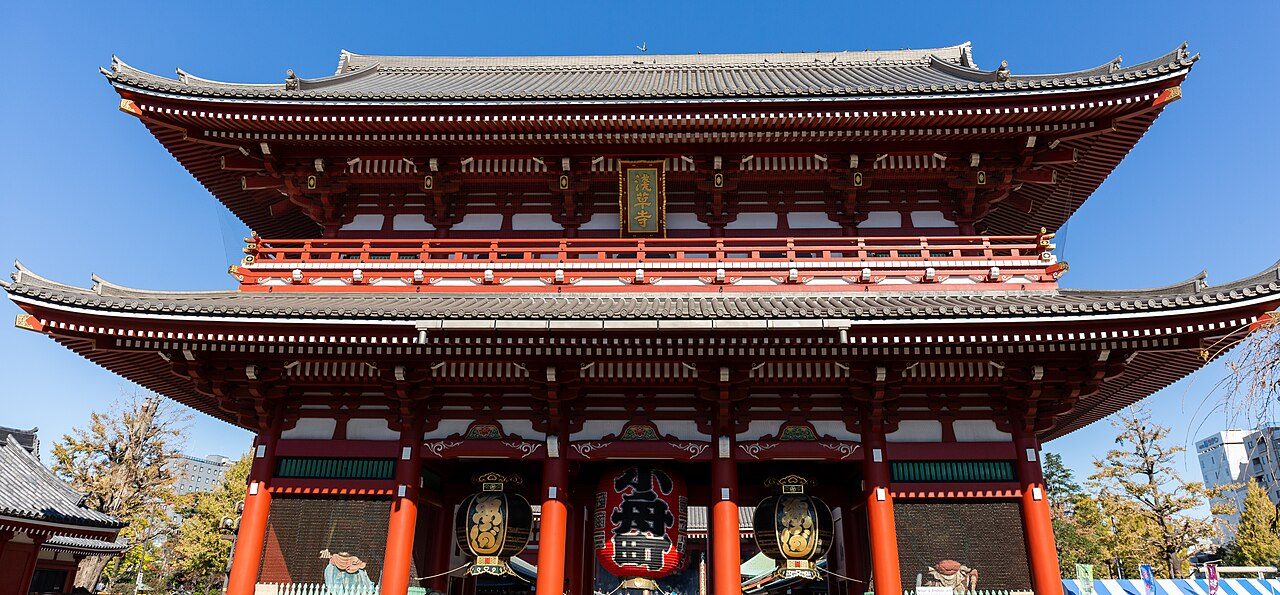







 BikesBooking
 Localrent
 Airalo
 Tiqets