Sacred Japan: Ise Grand Shrine, the Kumano Kodō, Kōyasan, Nara and Kyoto
7 DAYS13 placesby WaTrips
Ise Grand Shrine and the Wedded Rocks, Kumano Nachi Taisha, a night at Kōyasan, Yoshino, Nara and Hōryū-ji, Fushimi Inari, Kiyomizu-dera, Enryaku-ji and Shirahige Shrine.
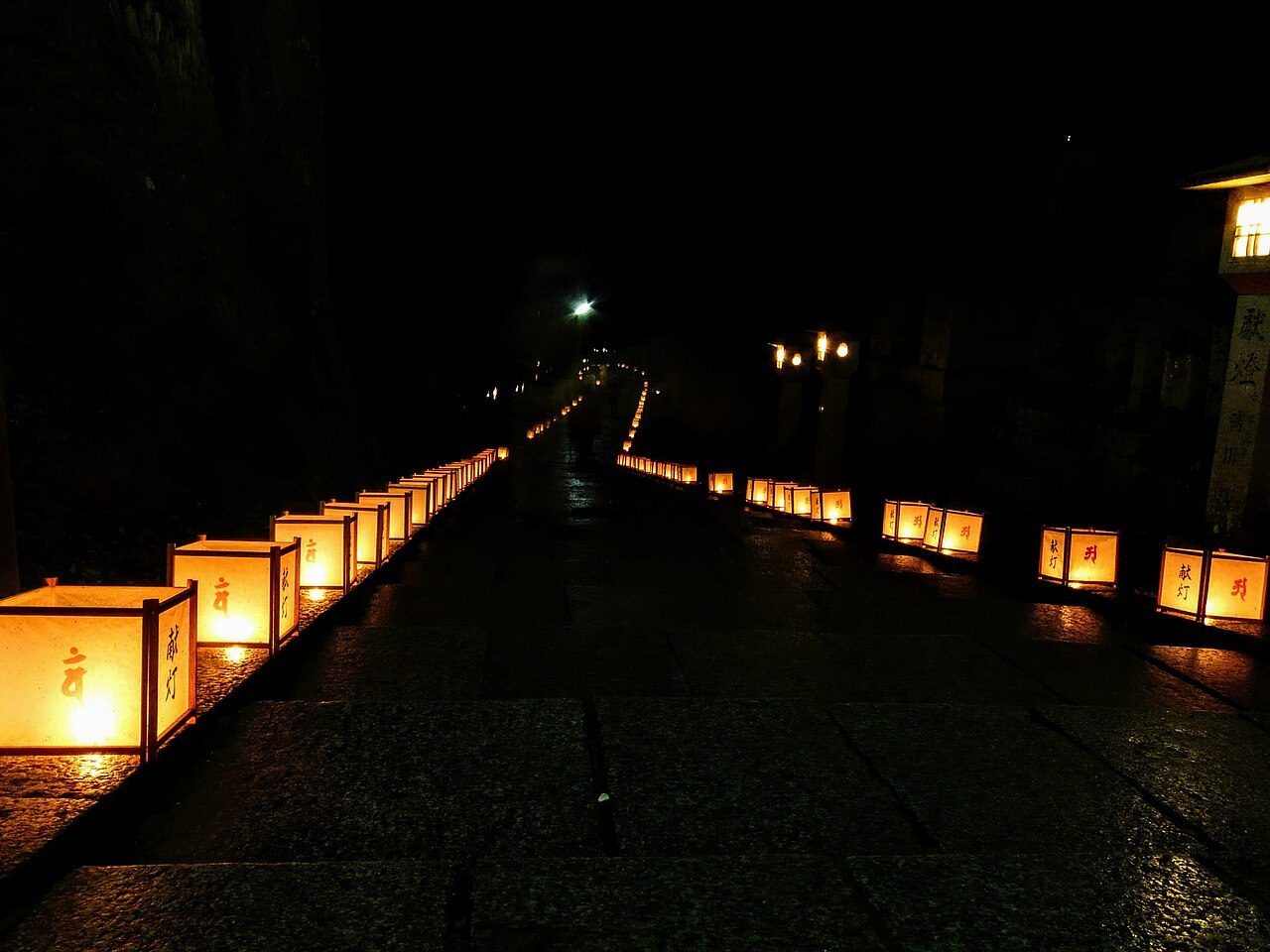
This journey links Japan's holiest places. Start at Ise Grand Shrine, the heart of Shinto, and the Wedded Rocks in the sea. Walk part of the Kumano Kodō pilgrim trail to Kumano Nachi Taisha beside its great waterfall, then spend a night in a temple on Kōyasan and walk Okunoin cemetery by lantern light. See Mount Yoshino's cherry trees, Nara's Tōdai-ji and Hōryū-ji, Kyoto's Fushimi Inari and Kiyomizu-dera, and end at Enryaku-ji on Mount Hiei and Shirahige Shrine's torii in Lake Biwa.
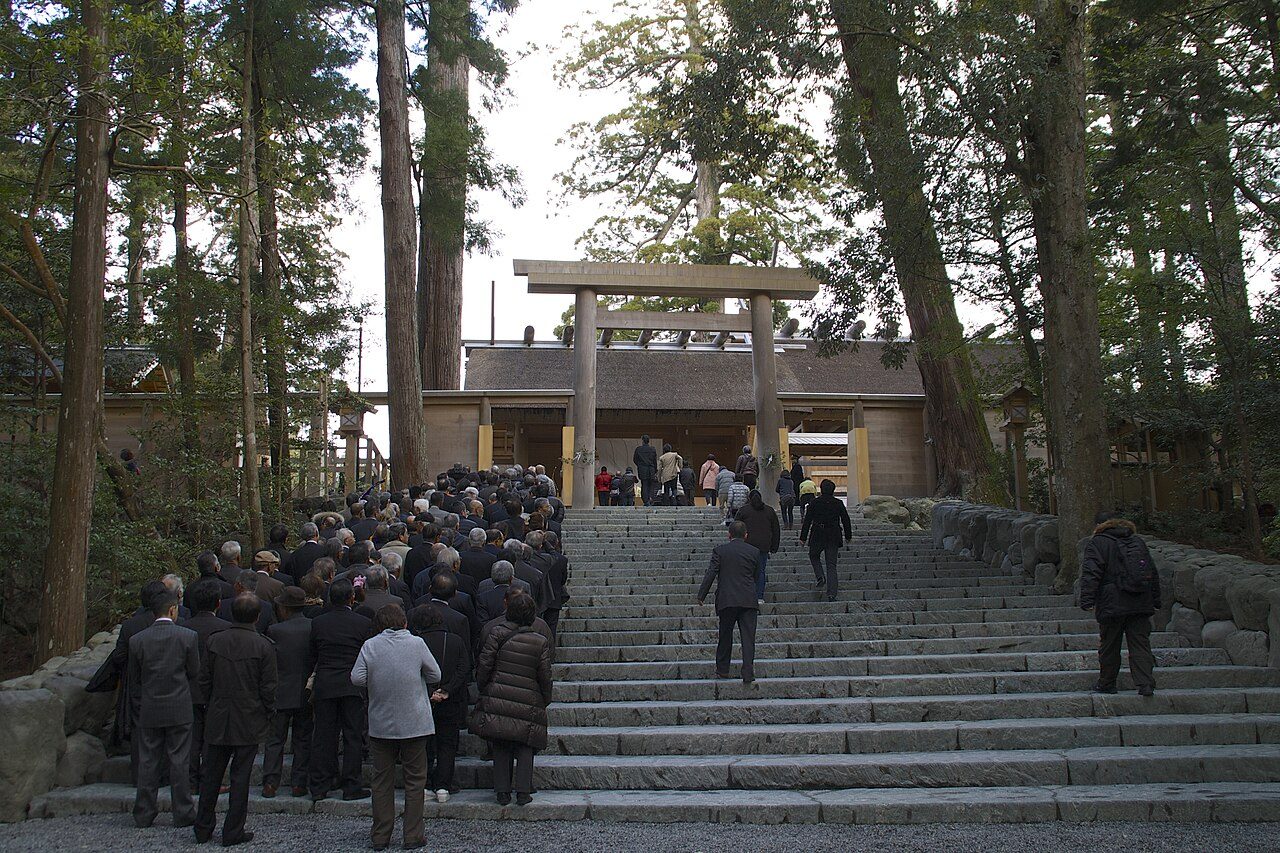
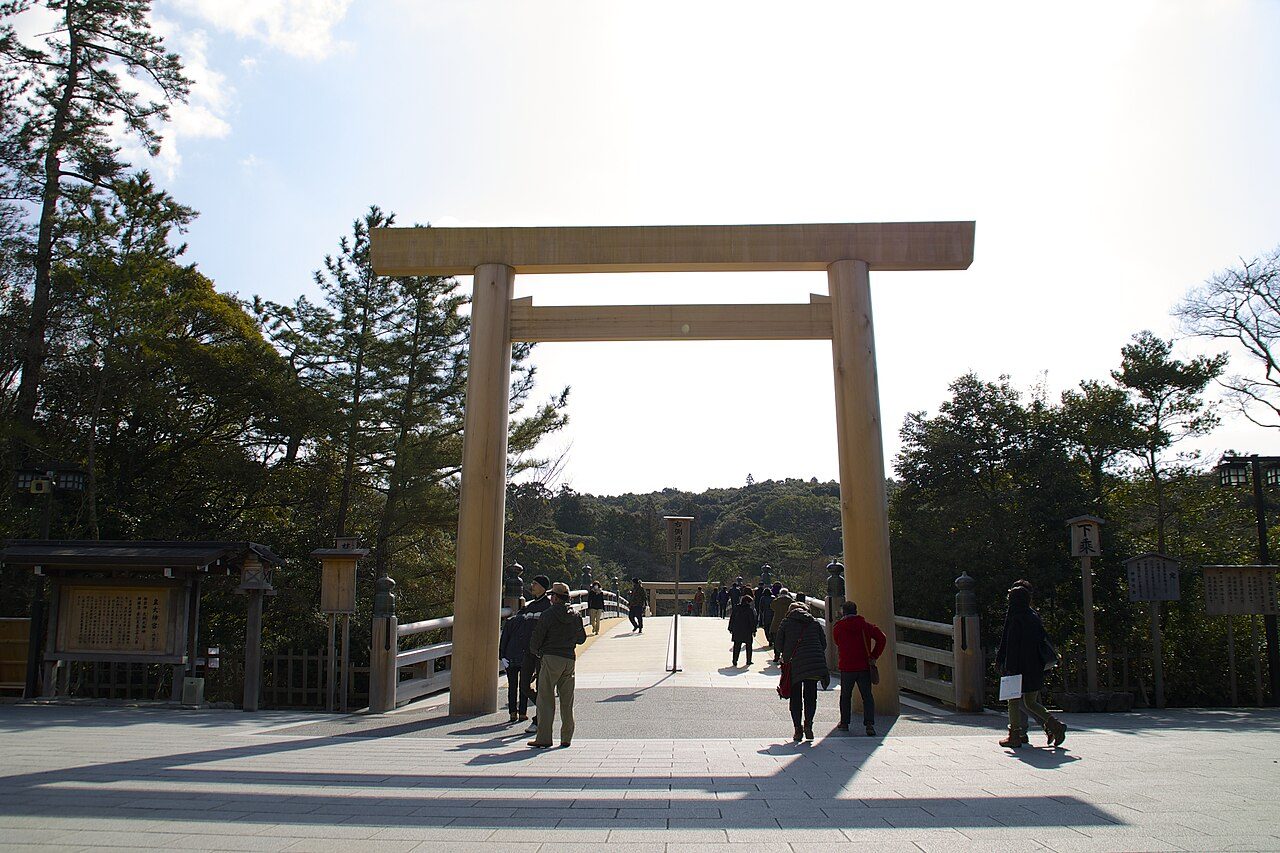
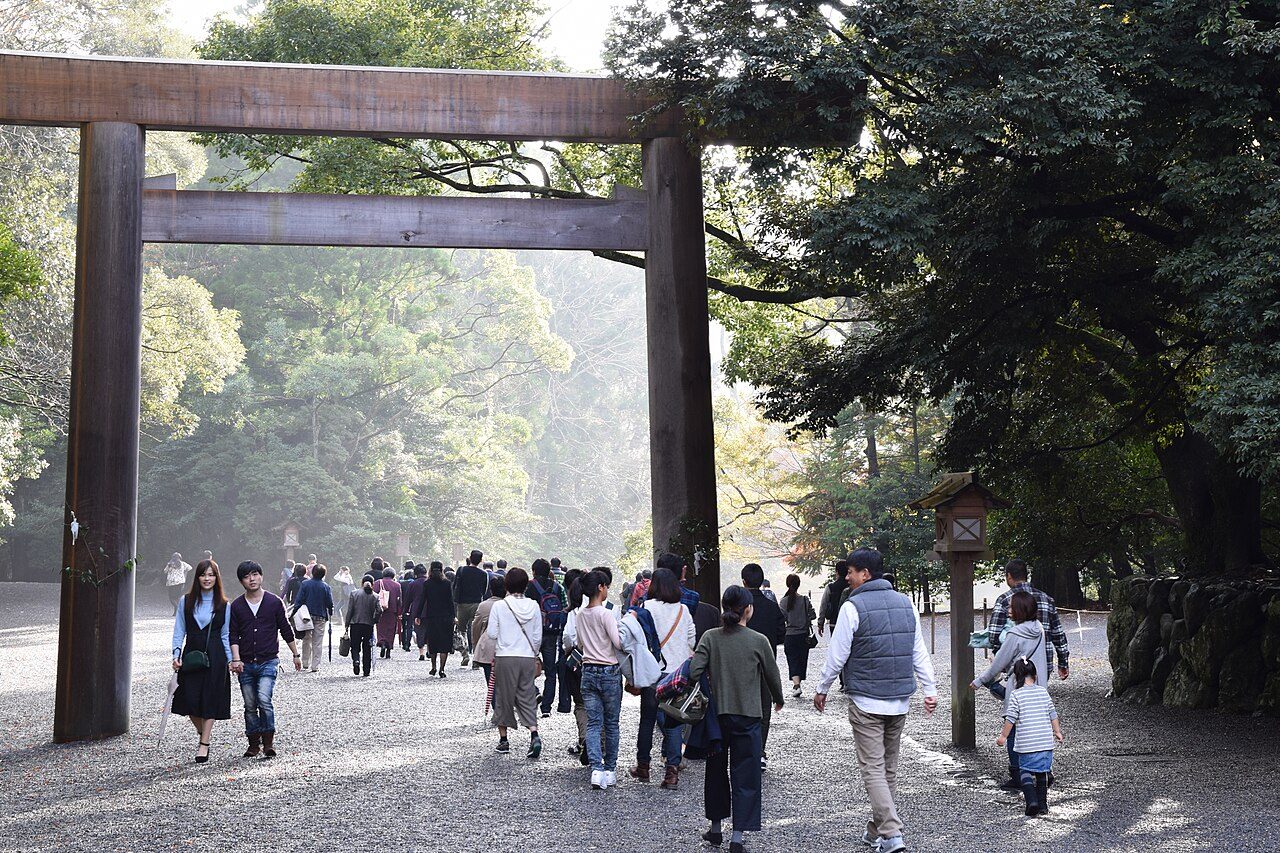
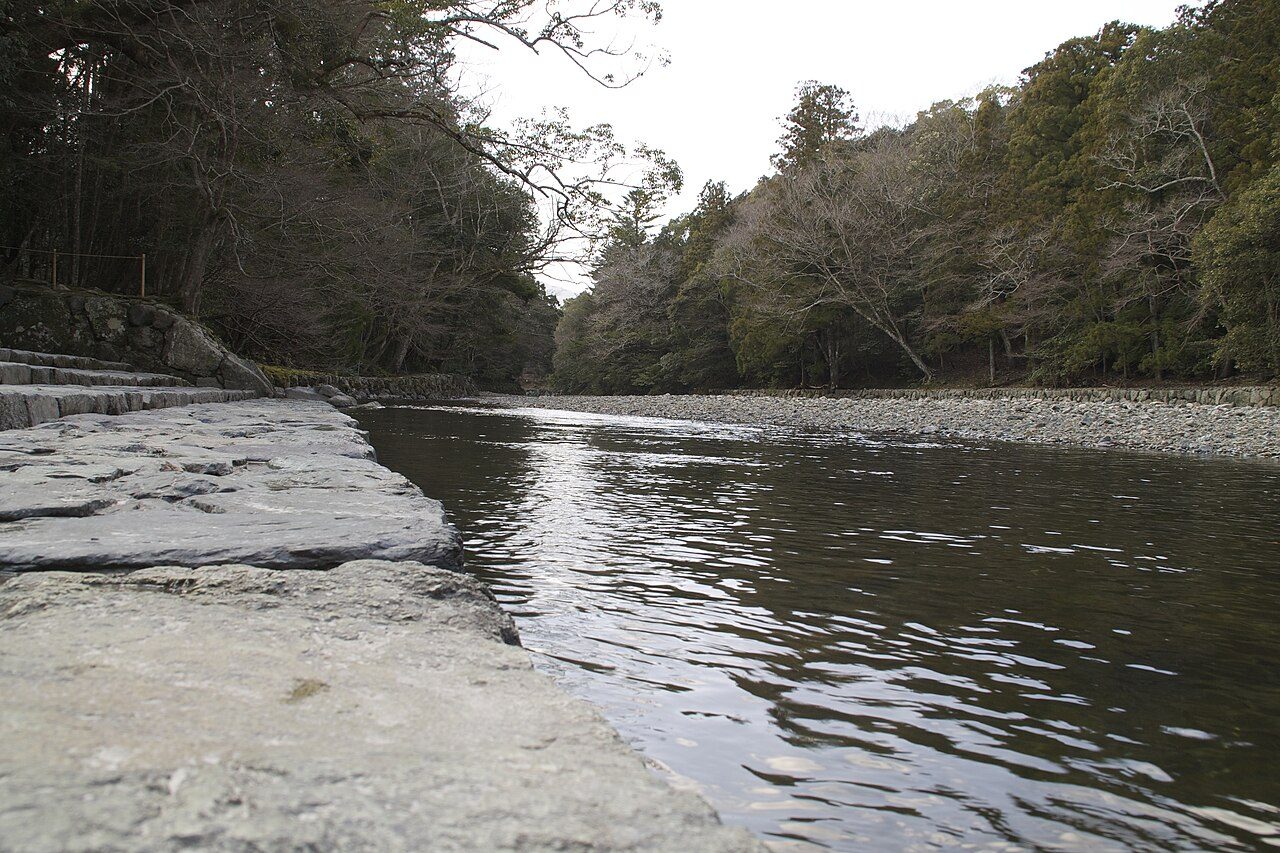
The Ise Grand Shrine in Mie is the most sacred Shinto shrine in Japan. Its Inner Shrine, Naikū, is dedicated to Amaterasu, the sun goddess. The shrine buildings are rebuilt every 20 years in the same simple style, a tradition kept for over 1,300 years. Visitors cross the Uji Bridge and walk through tall cedar forest. The Oharai-machi street nearby is full of old shops.
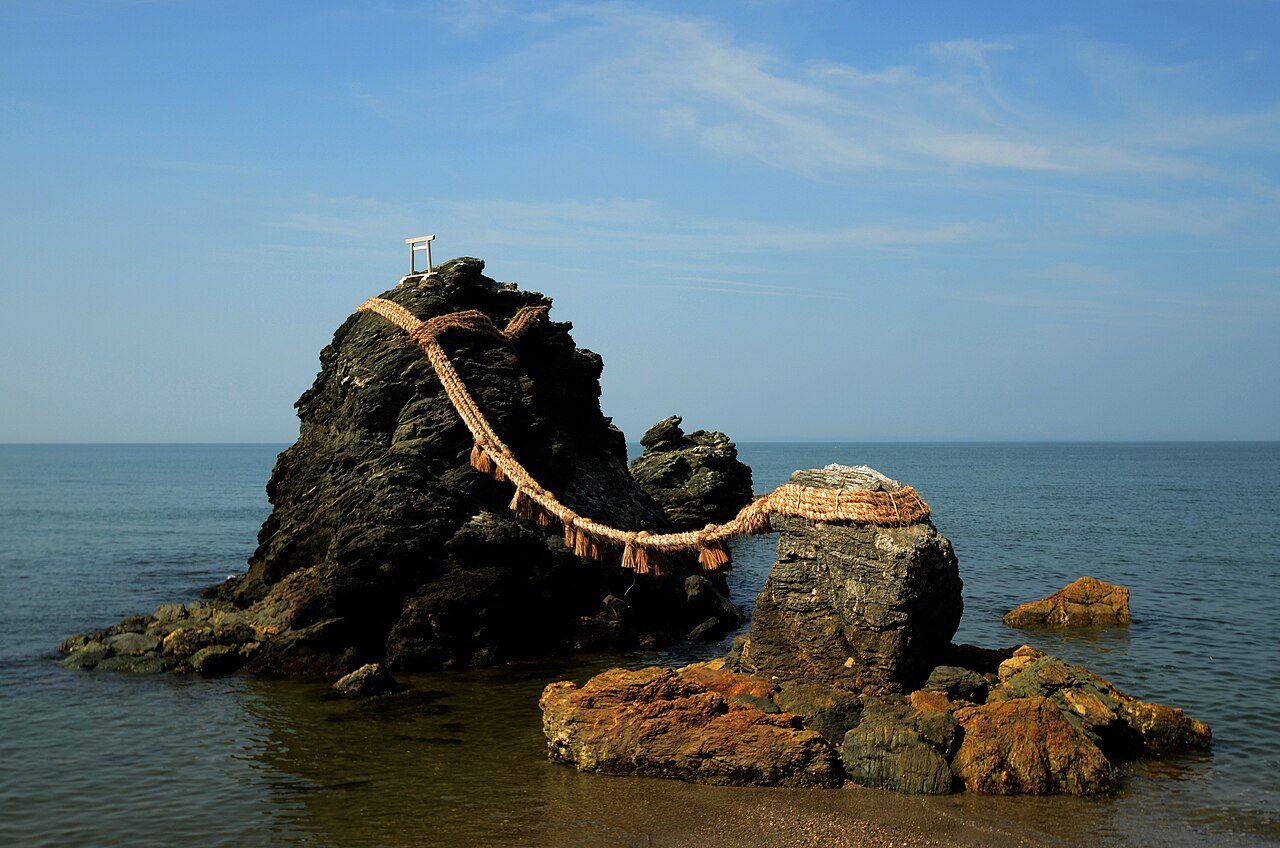
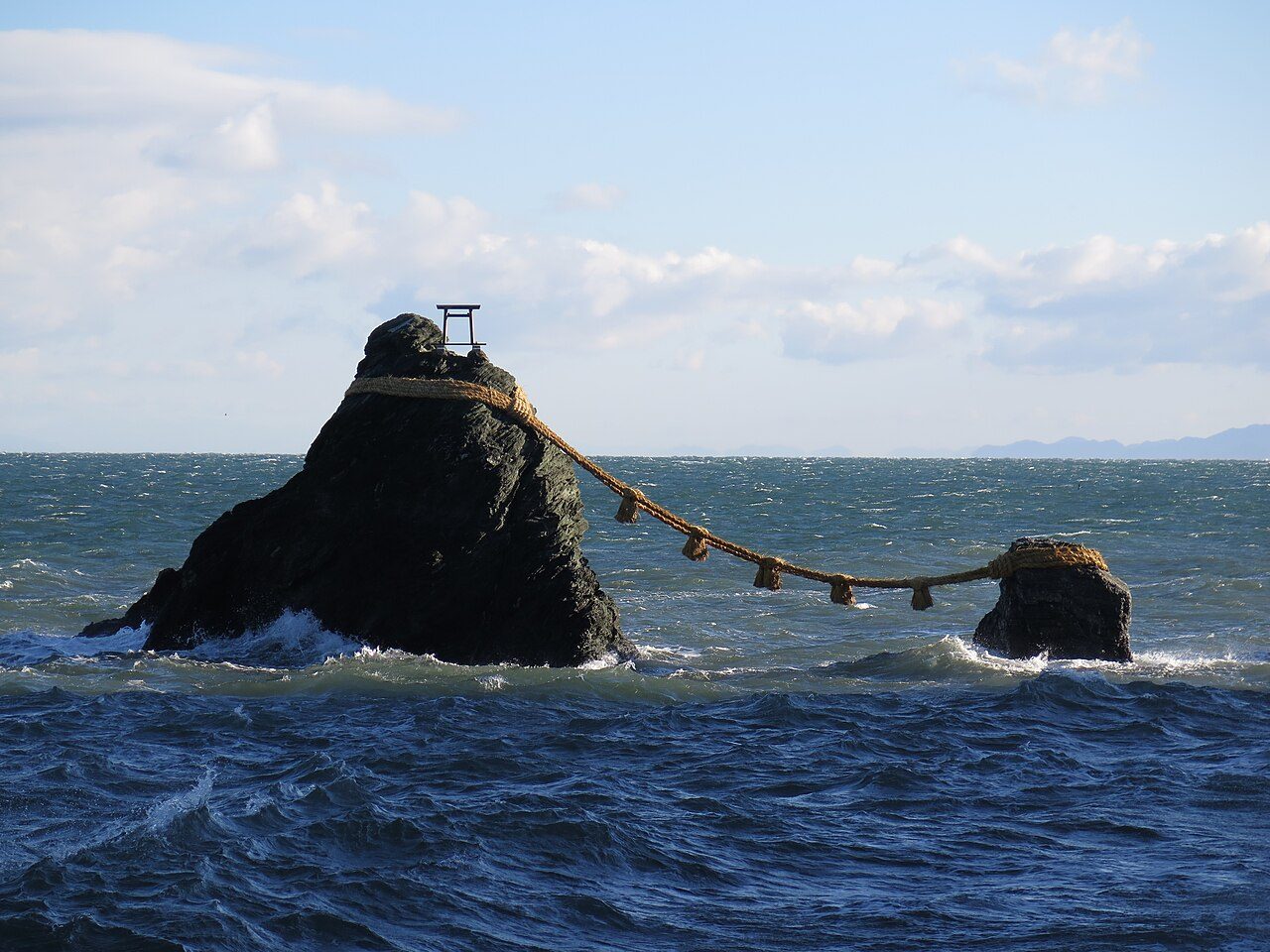
Meoto Iwa, the wedded rocks, are two rocks in the sea at Futami, near Ise. They are joined by a thick rope of rice straw, called shimenawa, and represent the union of the gods Izanagi and Izanami. The rope is replaced in ceremonies several times a year. In summer the sun can be seen rising between the rocks, sometimes with Mount Fuji behind.
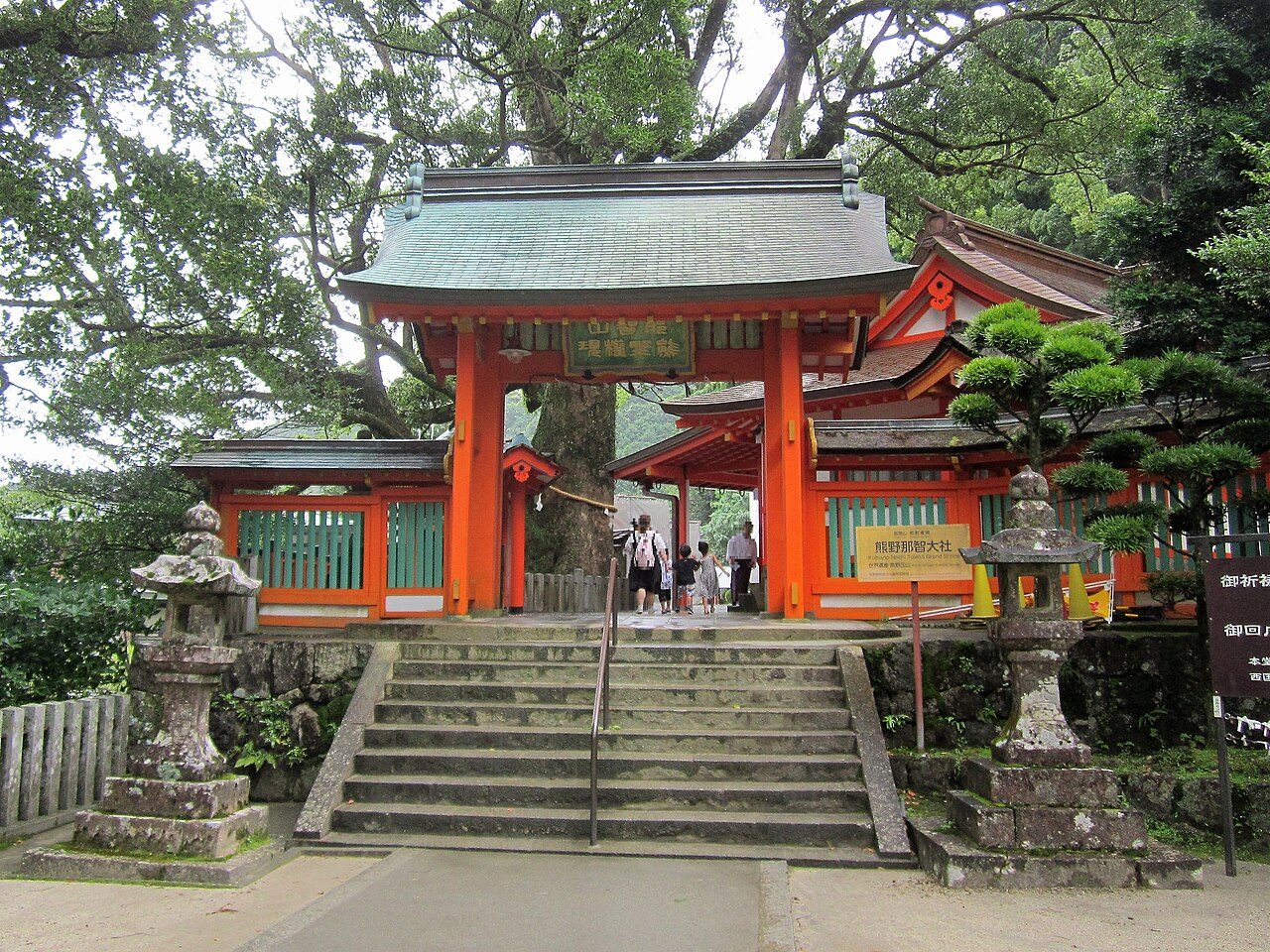
Kumano Nachi Taisha is a Shinto shrine on the slopes of Mount Nachi in Wakayama, one of the three grand shrines of the Kumano pilgrimage routes. Beside it stands the three-storey pagoda of Seiganto-ji temple, with Nachi Falls behind. The falls drop 133 metres, the highest single drop in Japan, and are themselves worshipped. It is a UNESCO World Heritage Site.
Kongōbu-ji is the head temple of Shingon Buddhism on Mount Kōya, a sacred mountain town founded by the monk Kūkai in 816. Its buildings have painted sliding doors and the largest rock garden in Japan. Nearby, the Danjo Garan complex holds the bright red Konpon Daitō pagoda. Over 100 temples on the mountain offer lodging to visitors.
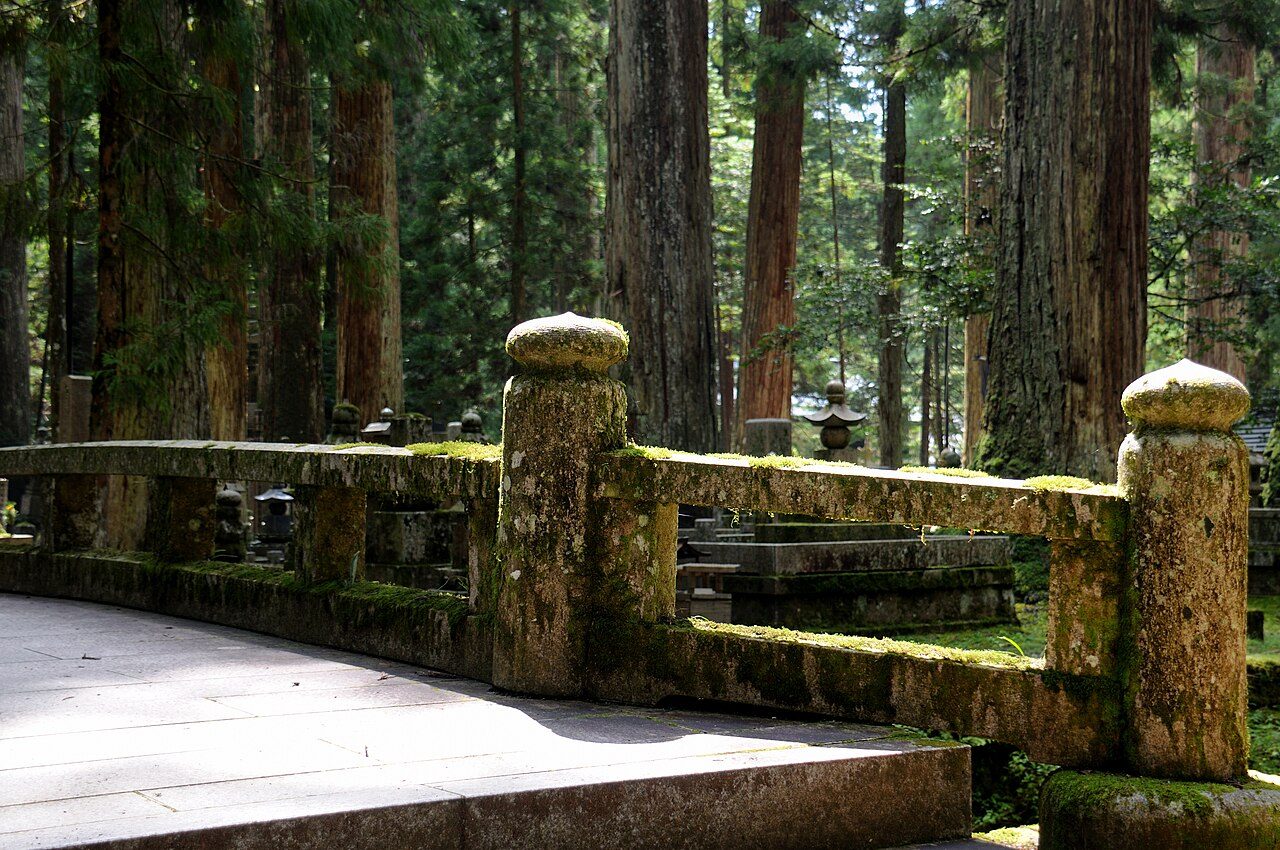
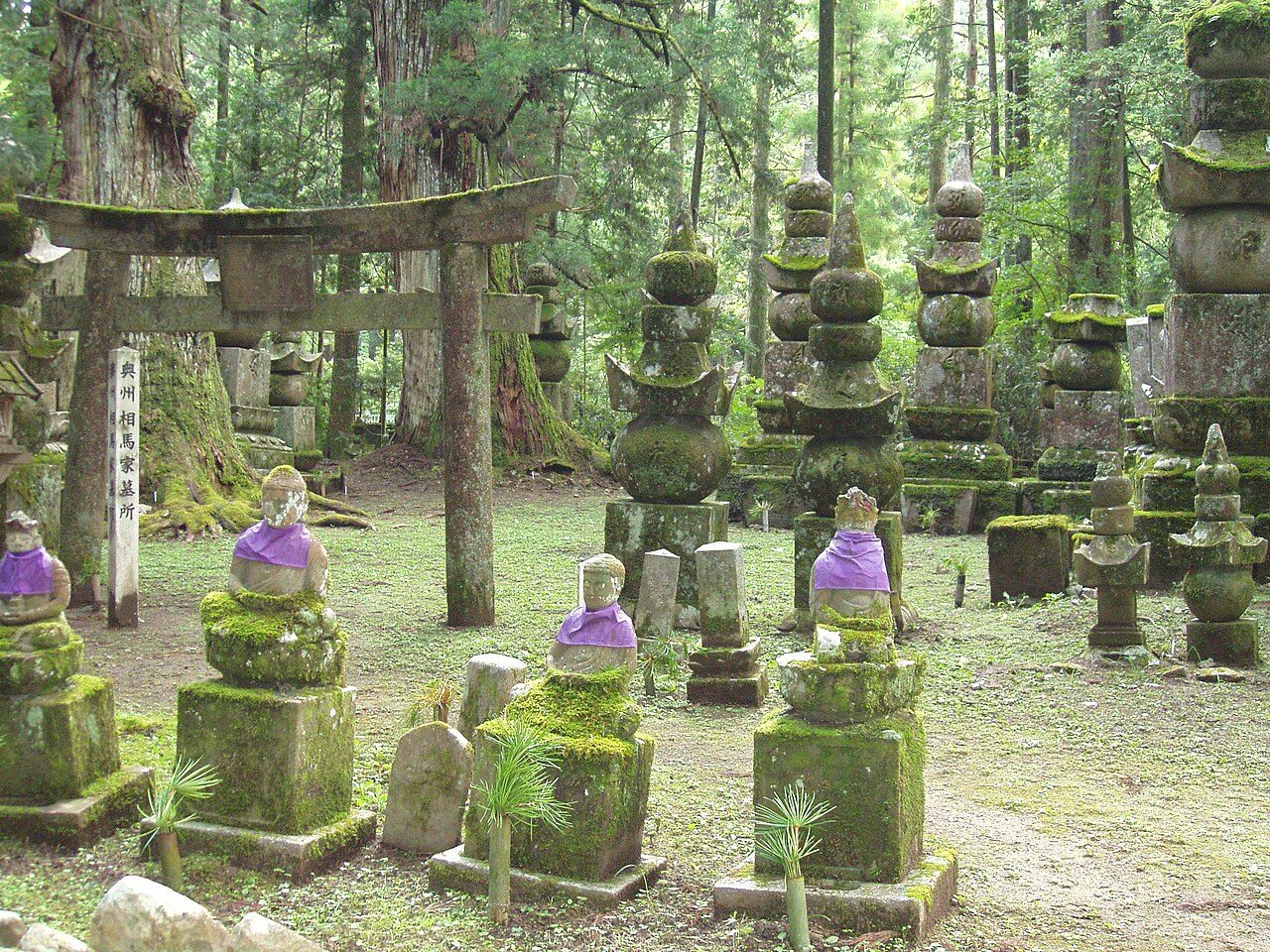
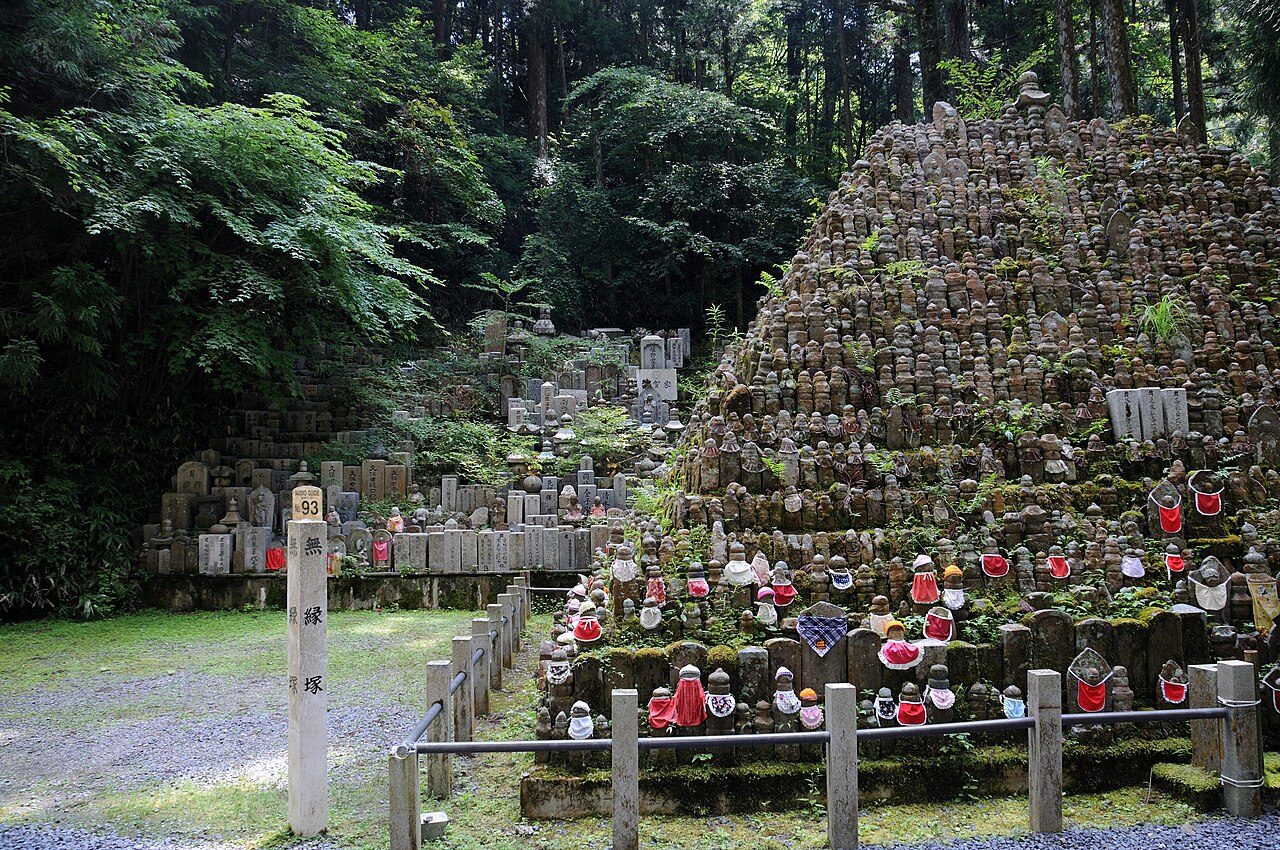
Okunoin is the vast cemetery and sacred area of Mount Kōya in Wakayama. A path of about two kilometres winds through ancient cedar trees past more than 200,000 tombs and memorials, including those of famous samurai. At its end lies the mausoleum of Kōbō Daishi, founder of Shingon Buddhism, who is believed to be in eternal meditation there.
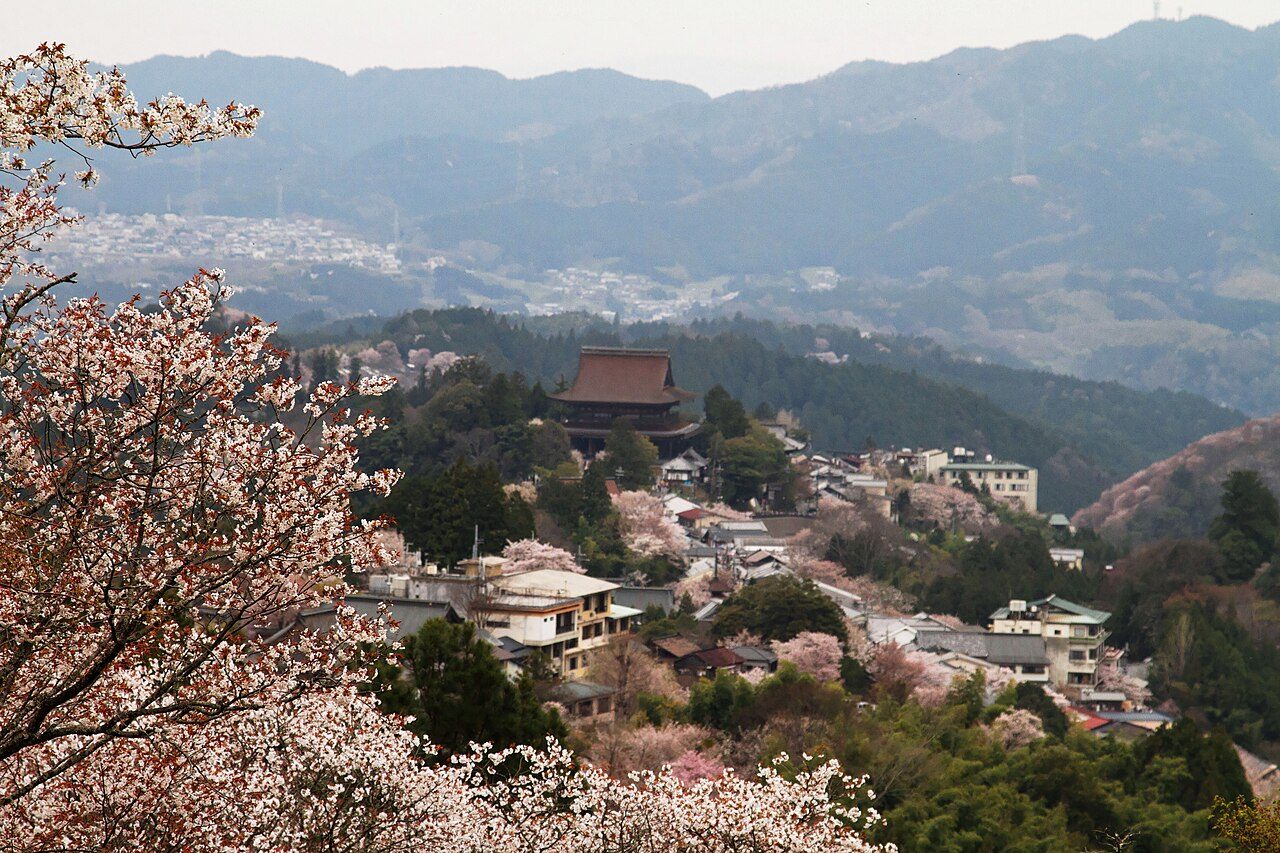
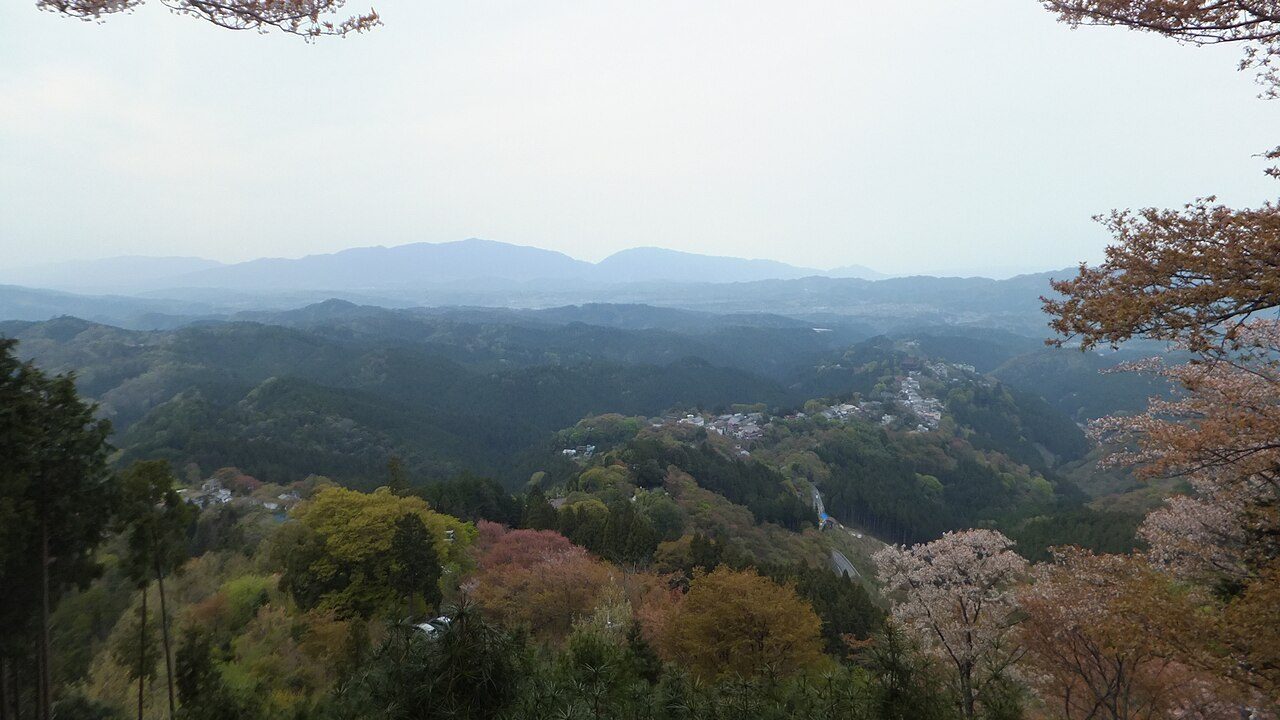
Mount Yoshino in Nara prefecture is famous as the best cherry blossom viewing spot in Japan, with about 30,000 trees covering its slopes. The trees bloom in stages from the bottom to the top in April. The mountain has long been a sacred place for mountain worship. Kinpusen-ji temple has one of the largest wooden halls in Japan.
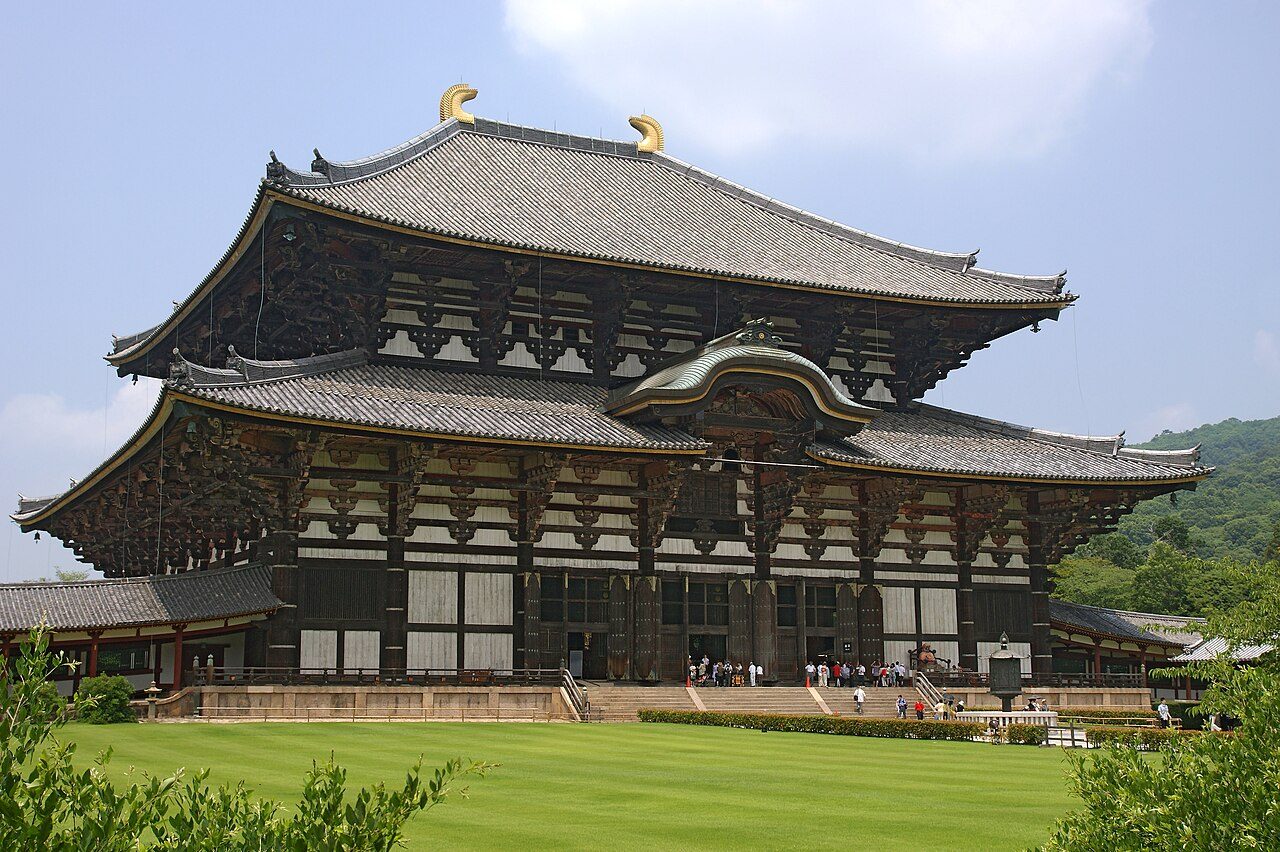
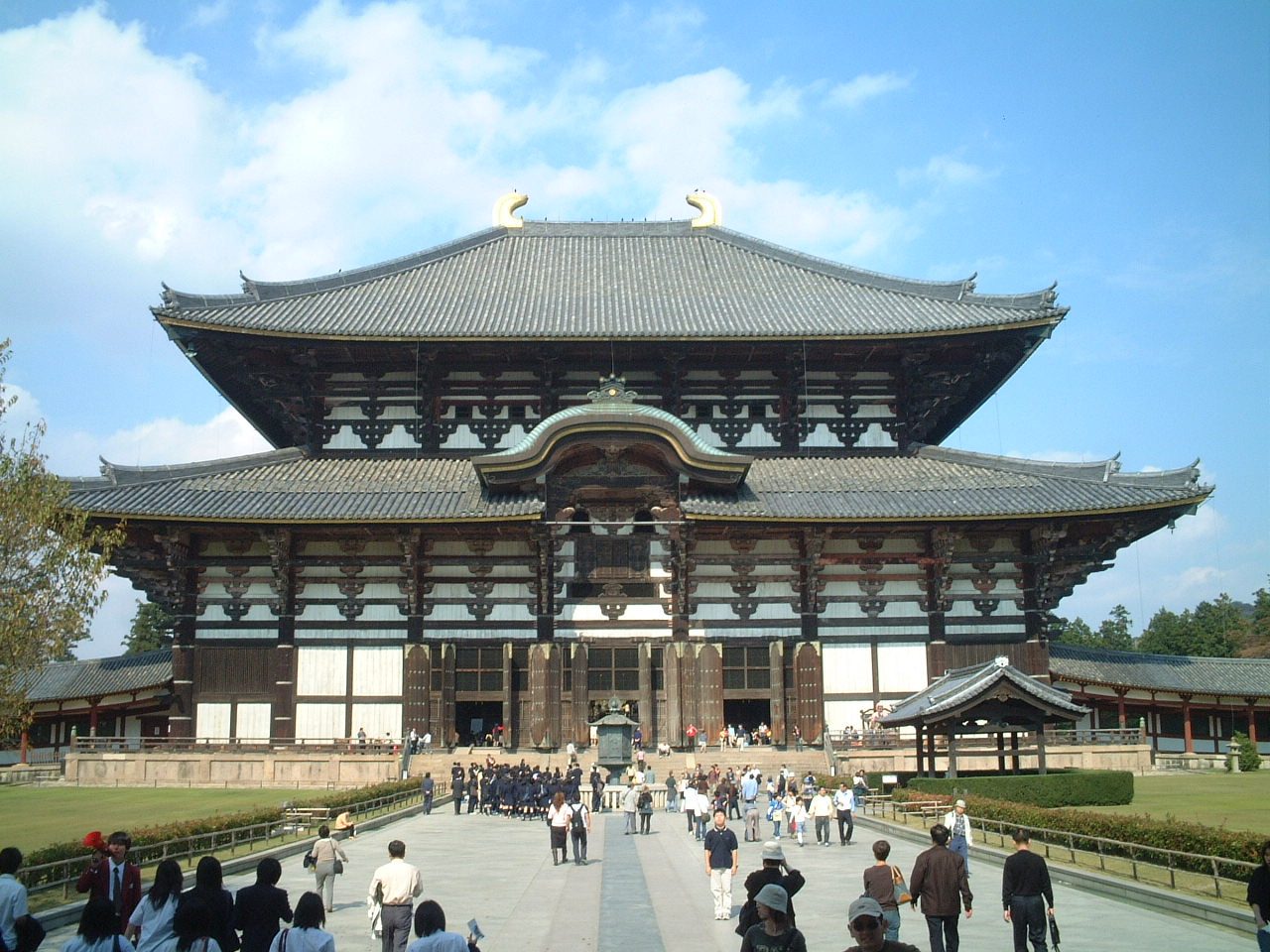
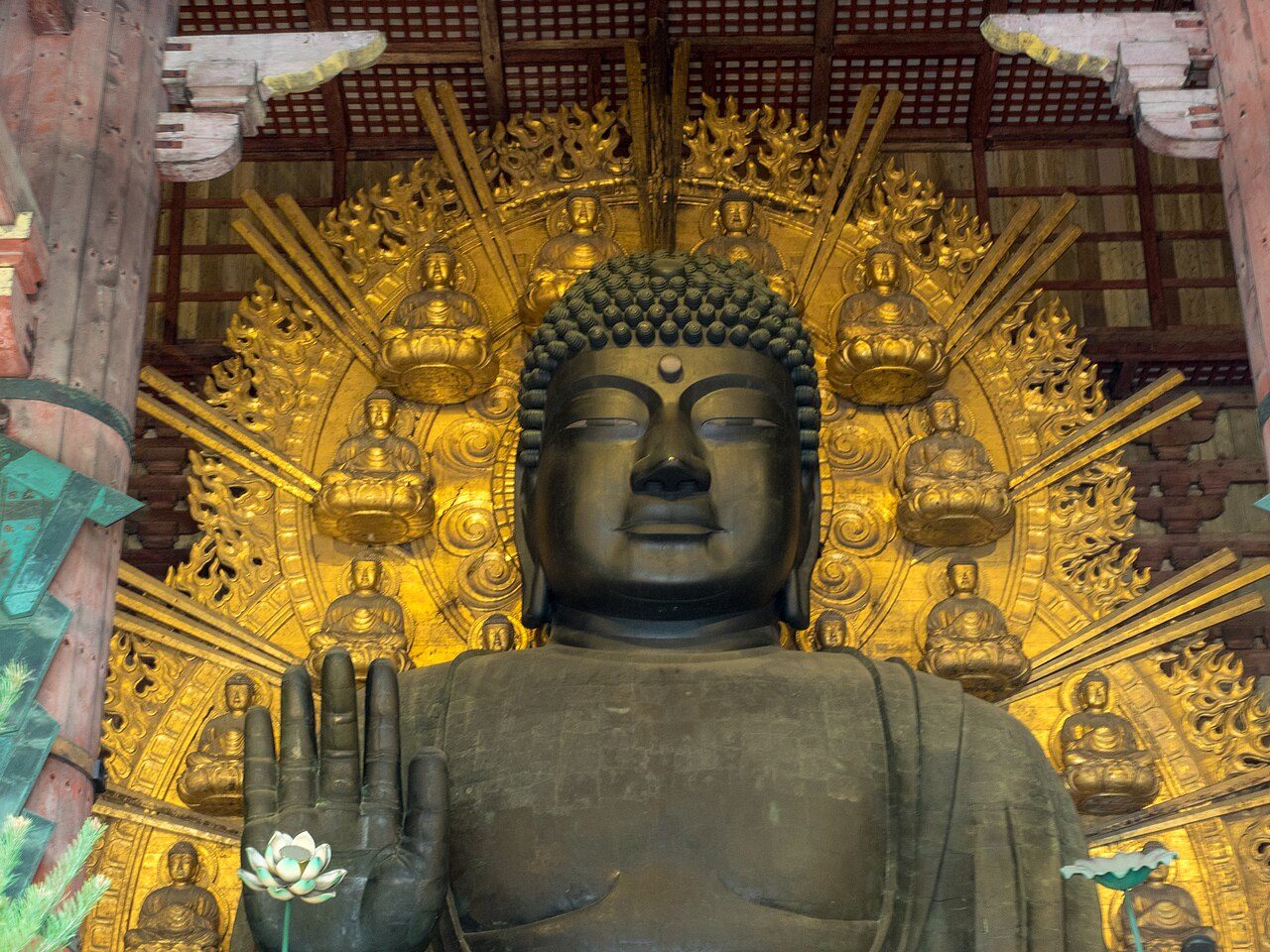
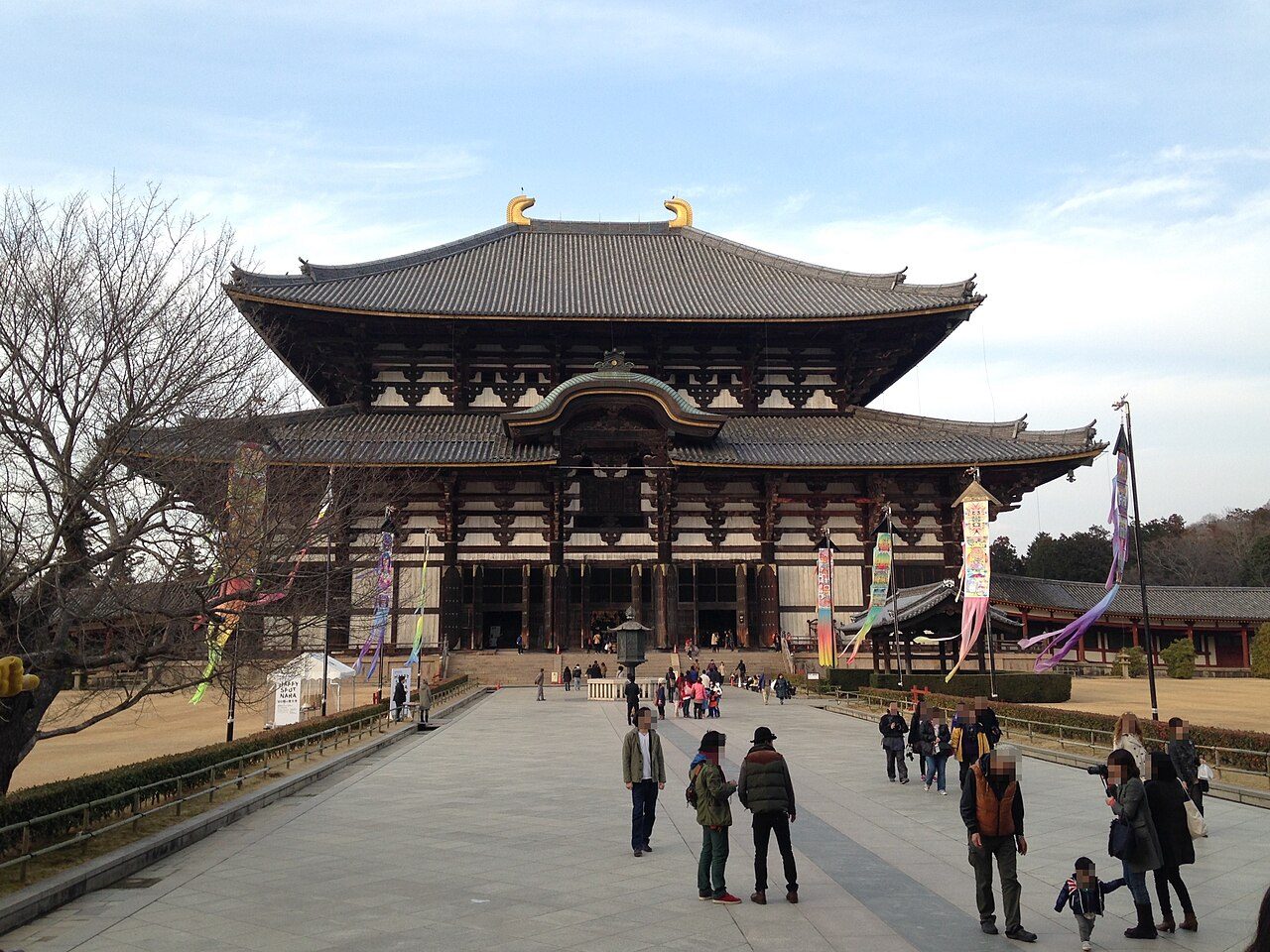
Tōdai-ji in Nara was founded in the 8th century as the head of all provincial temples of Japan. Its Great Buddha Hall, the Daibutsuden, is one of the largest wooden buildings in the world. Inside sits a bronze statue of the Buddha about 15 metres high. Visitors try to squeeze through a hole in a pillar, said to be the size of the Buddha's nostril.
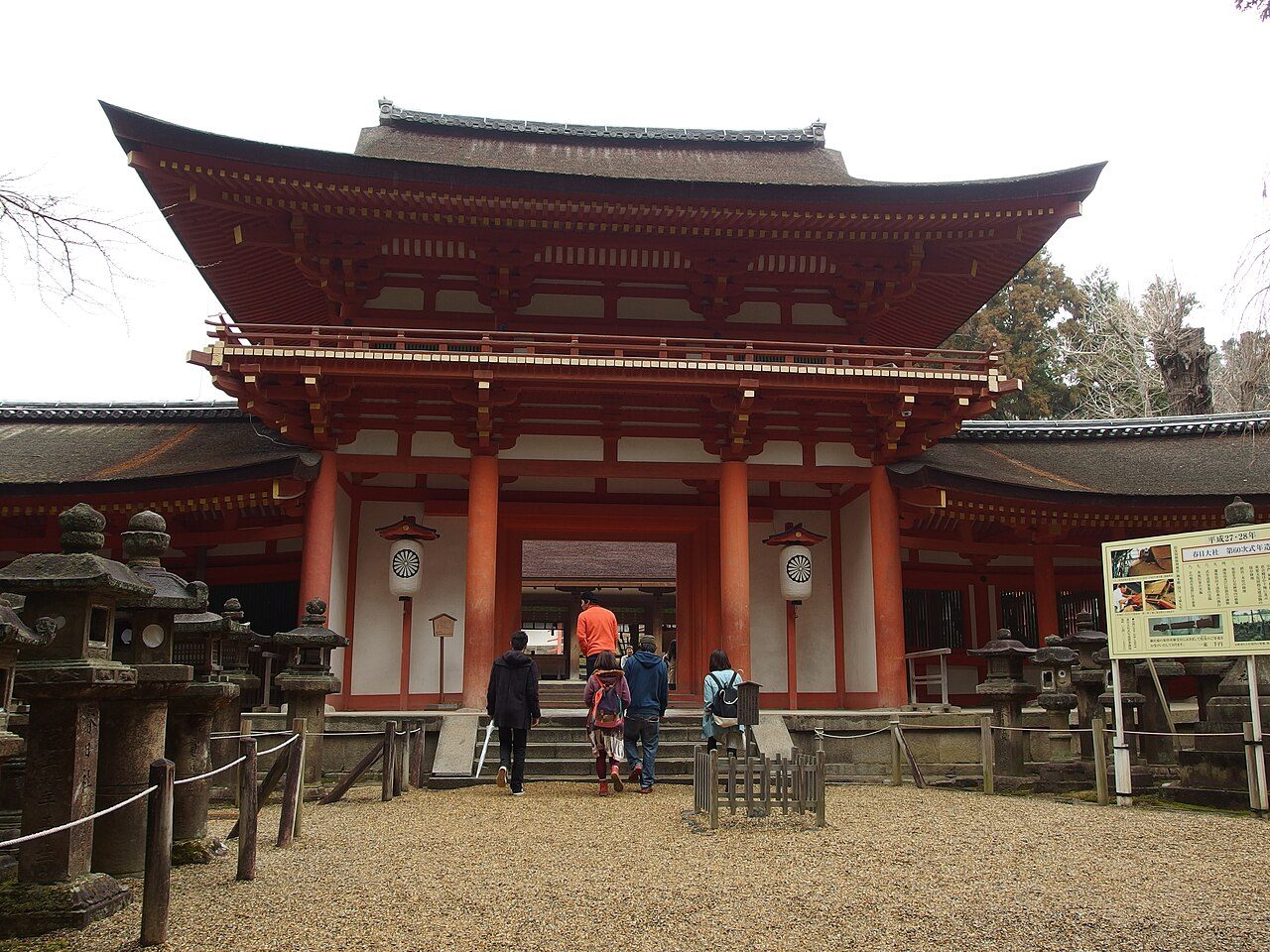
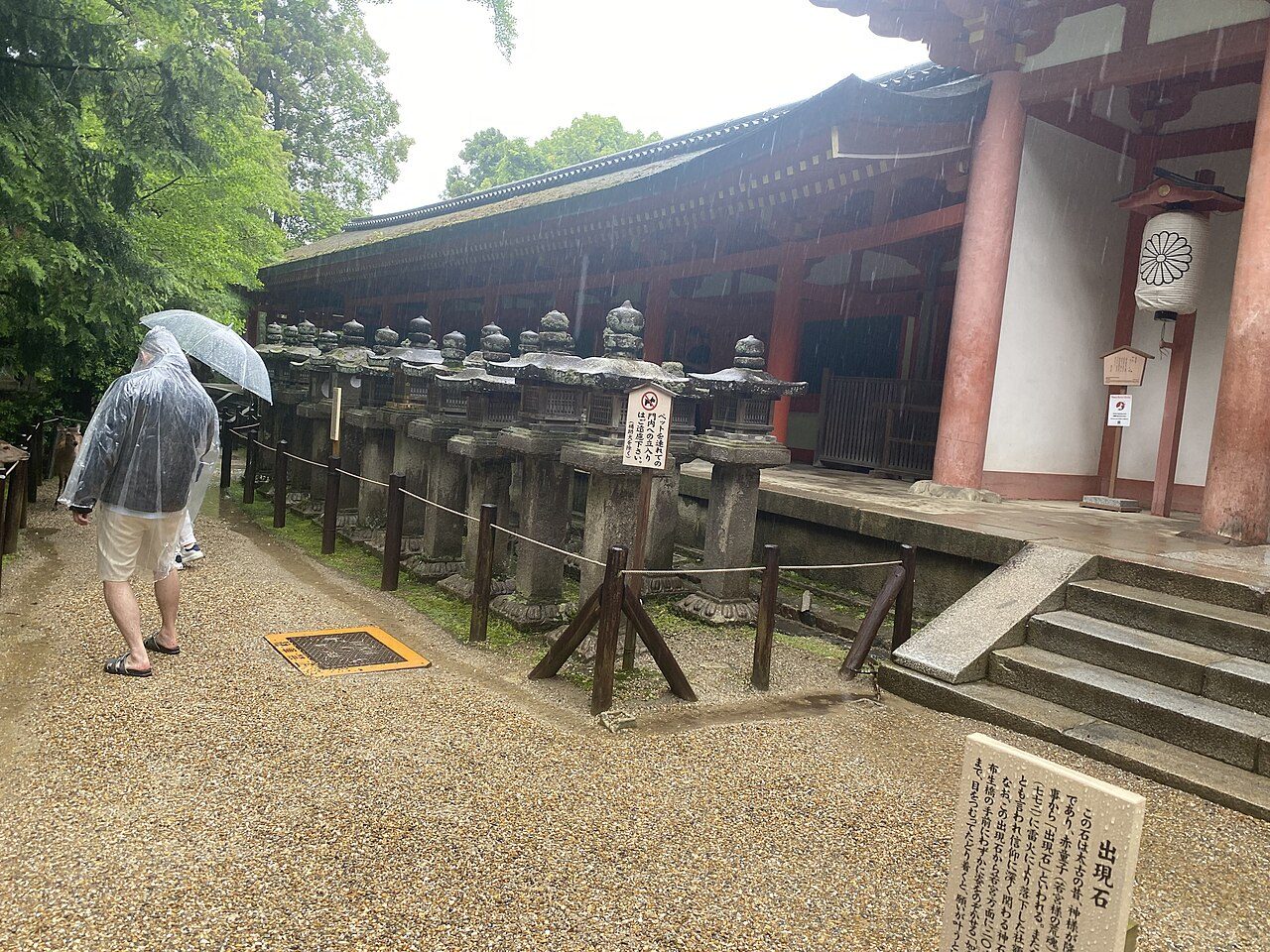
Kasuga Taisha is a Shinto shrine in Nara, founded in 768 for the Fujiwara family. It is famous for its many lanterns: about 2,000 stone lanterns line the paths and about 1,000 bronze lanterns hang from the shrine buildings. All are lit twice a year during lantern festivals. The vermilion buildings stand in an ancient forest. It is a UNESCO World Heritage Site.
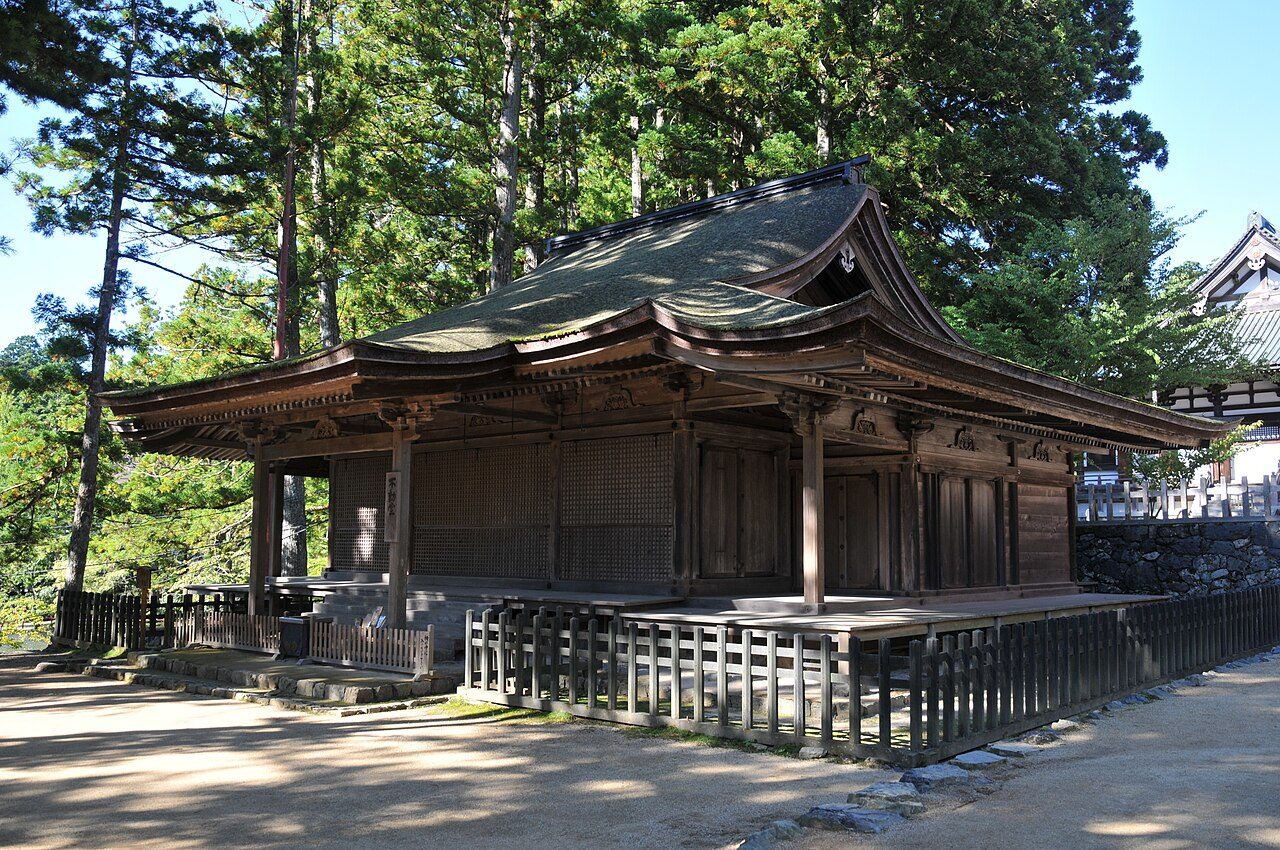
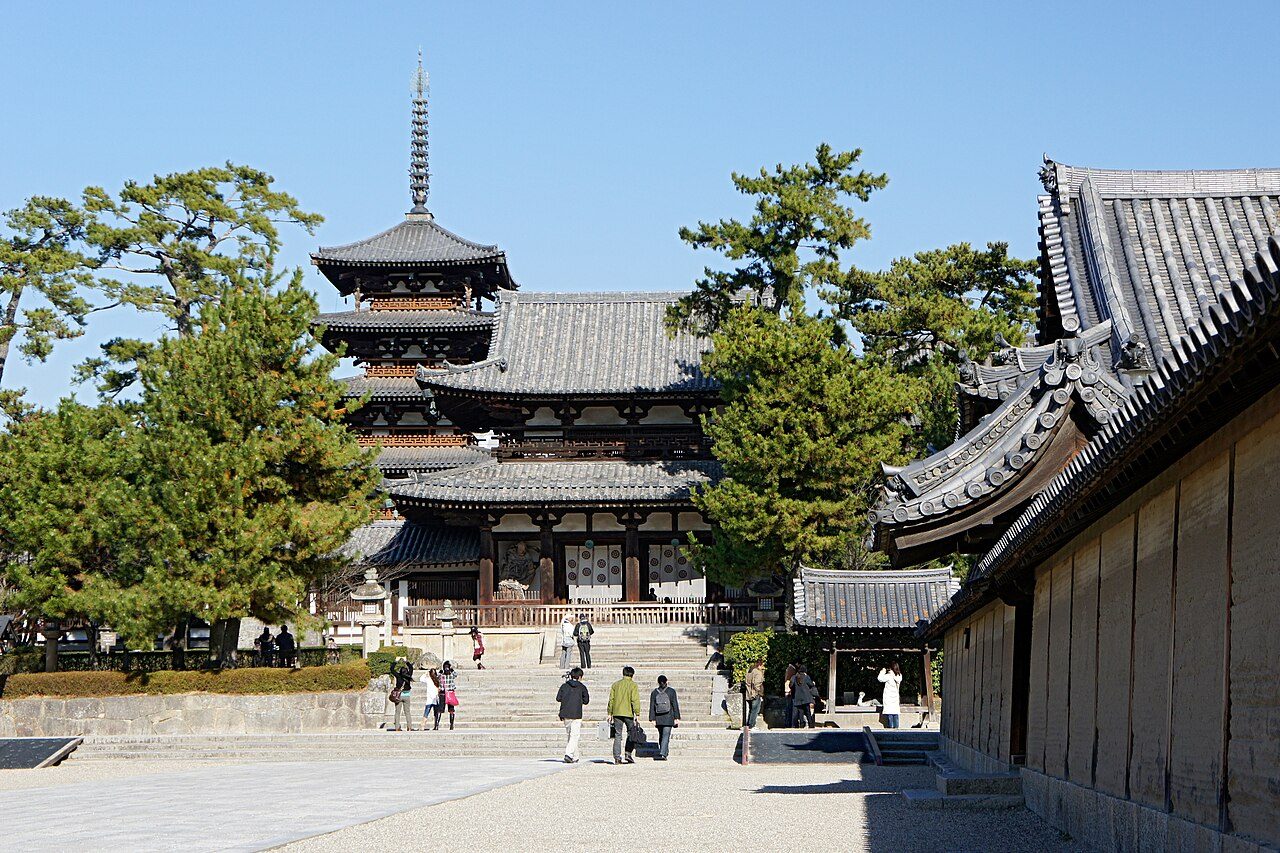
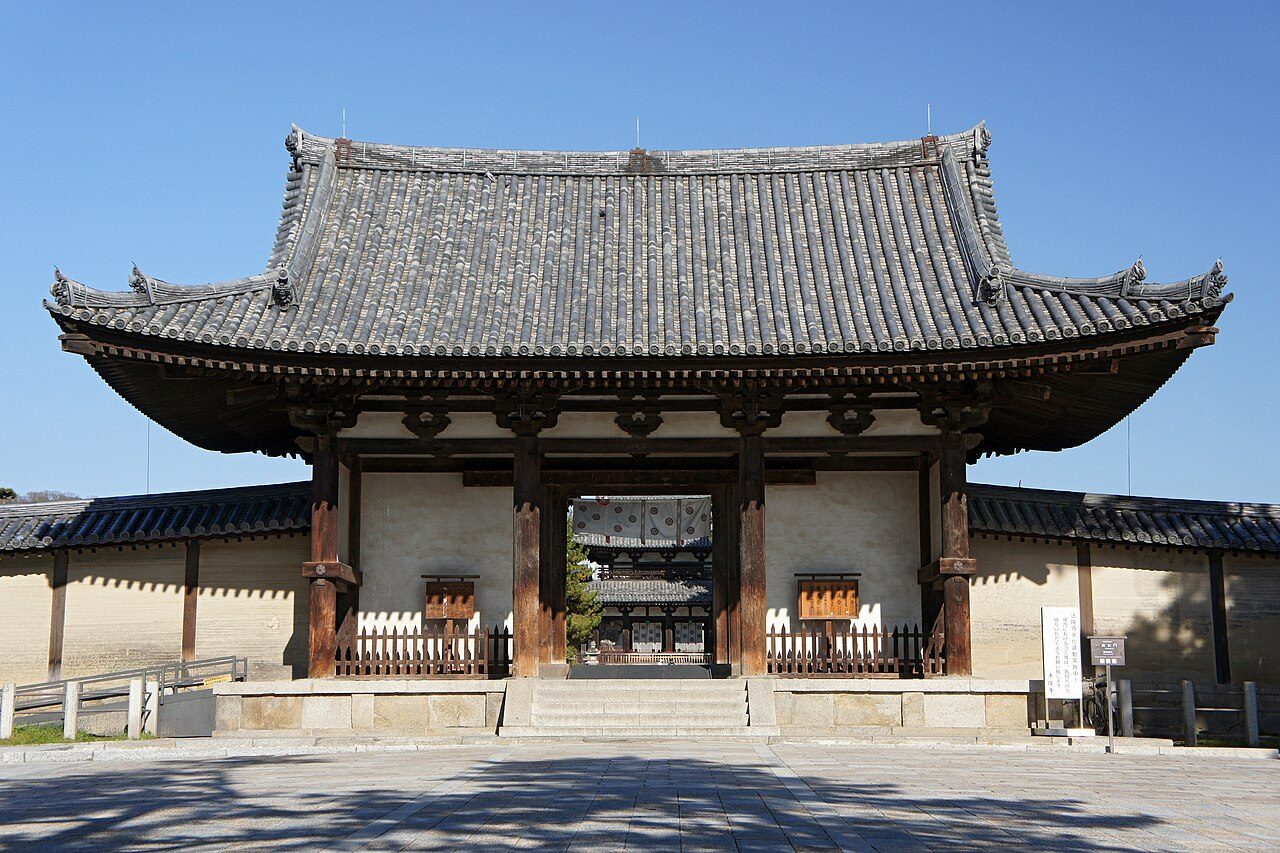
Hōryū-ji in Ikaruga, Nara, was founded in 607 by Prince Shōtoku. Its buildings include the oldest wooden buildings in the world, and its five-storey pagoda and main hall date from the late 7th century. The temple holds many treasures of early Japanese Buddhist art. In 1993 it became one of Japan's first UNESCO World Heritage Sites.
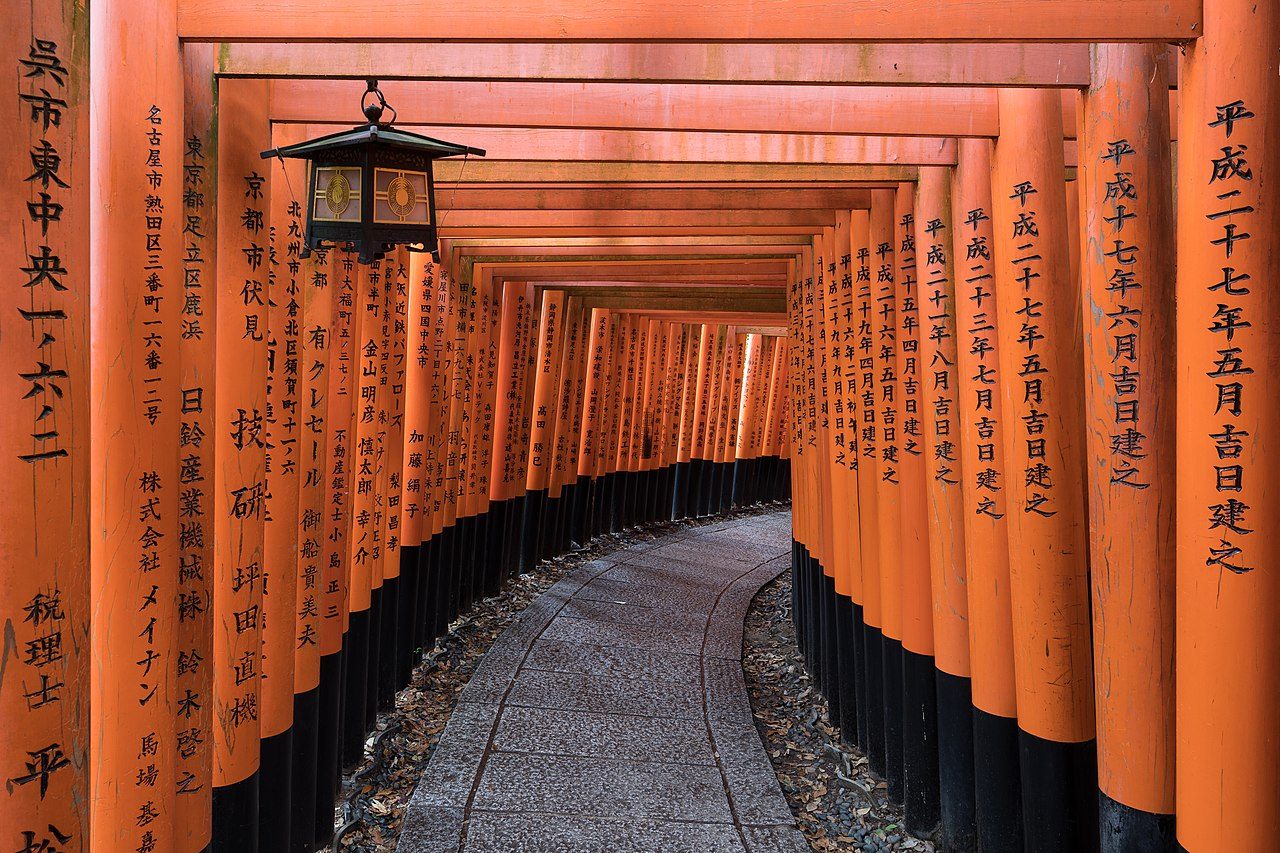
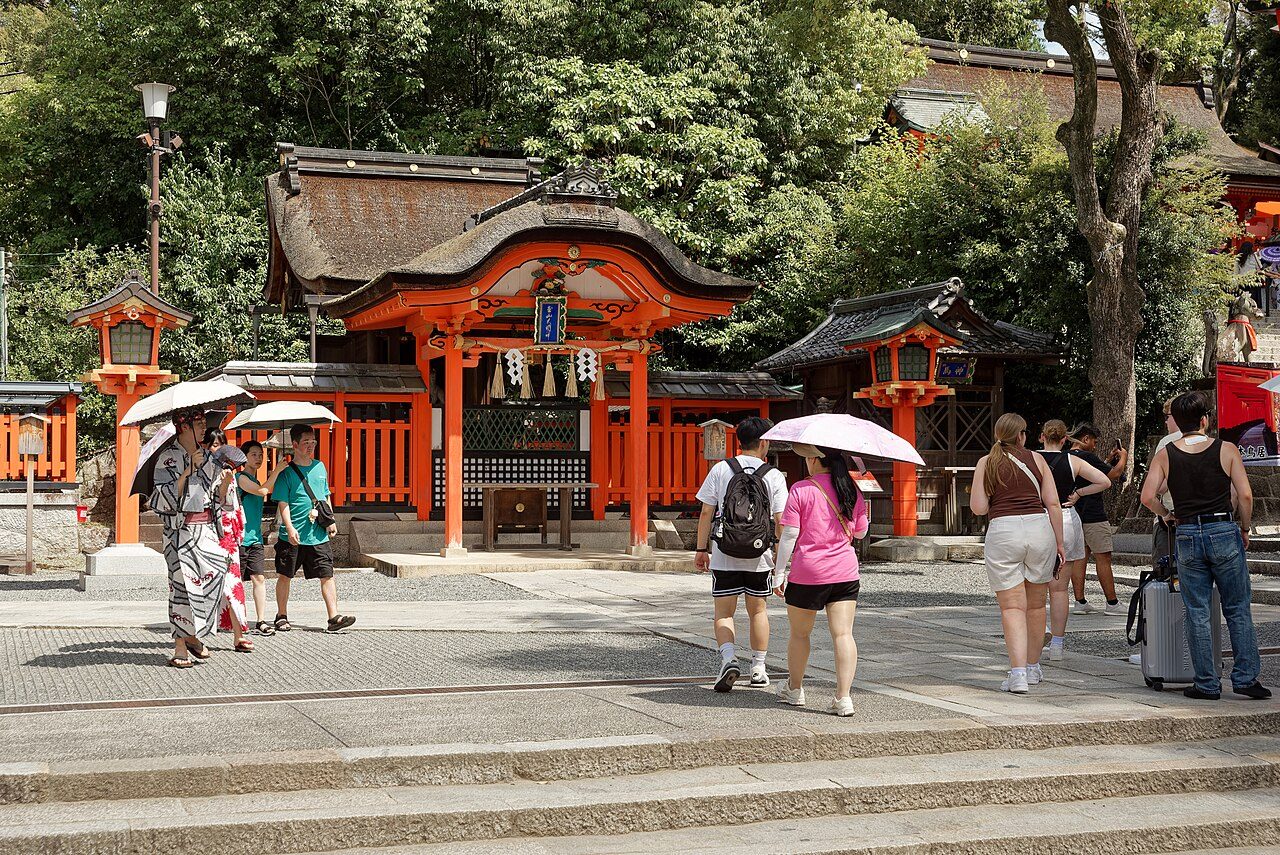
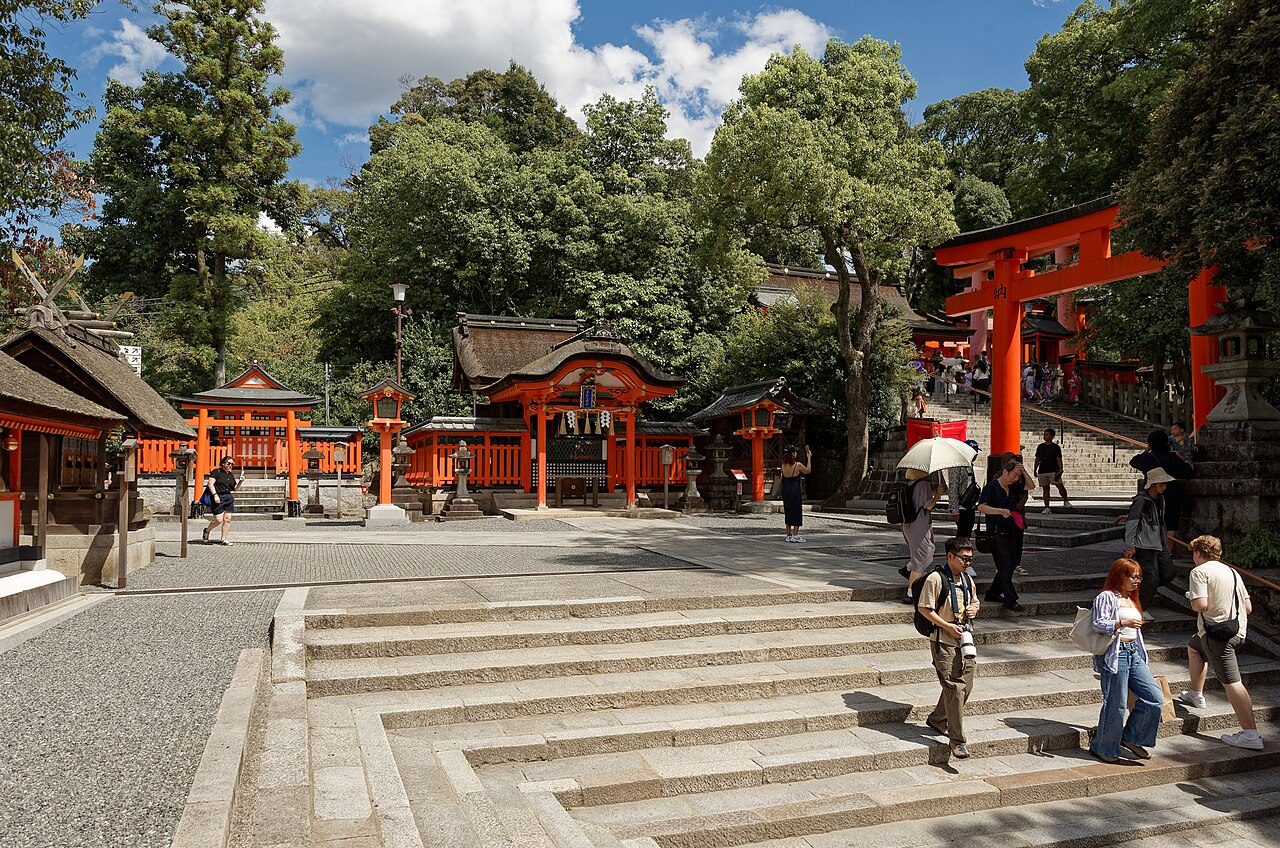
Fushimi Inari-taisha is the head shrine of Inari, the Shinto god of rice and business, in southern Kyoto. It is famous for its thousands of bright orange torii gates, donated by businesses, which form tunnels along trails up Mount Inari. The full walk to the summit takes two to three hours. Stone foxes, the messengers of Inari, guard the shrine.
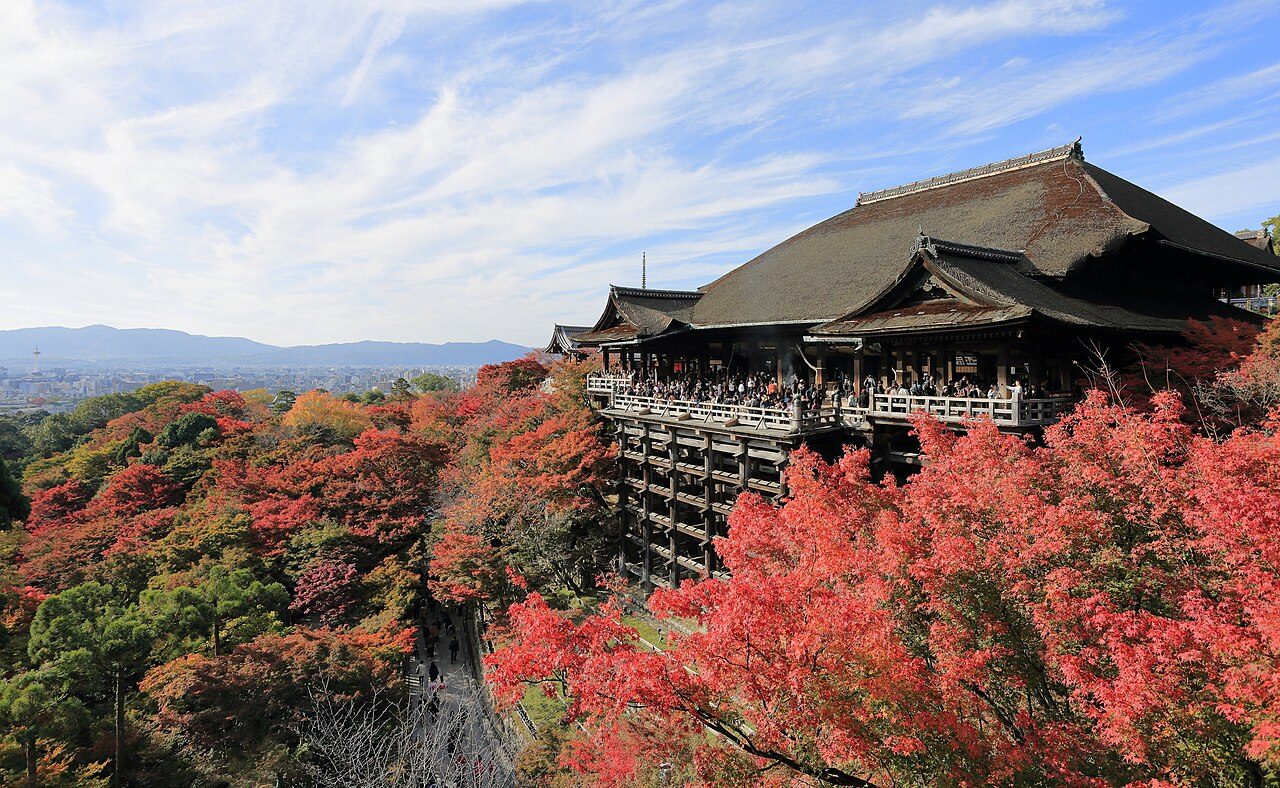
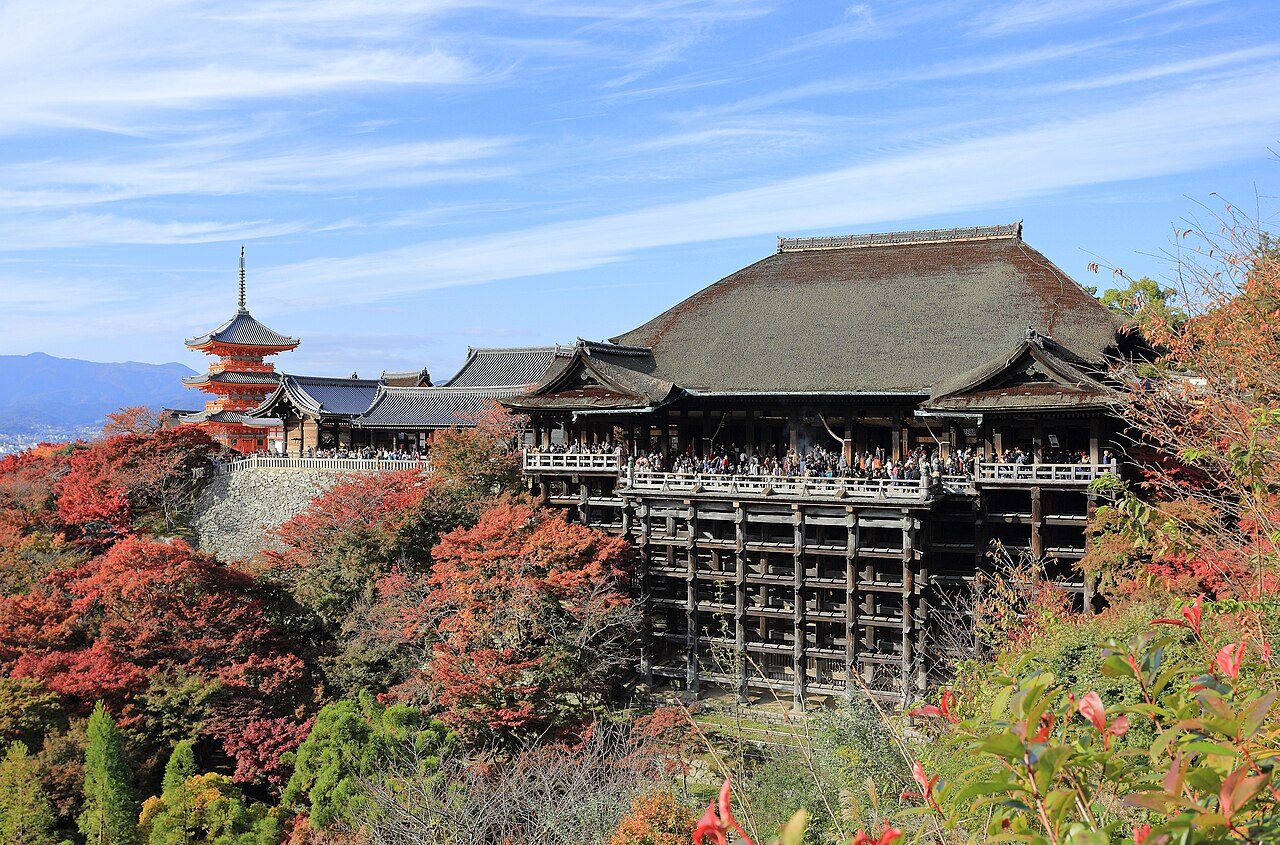
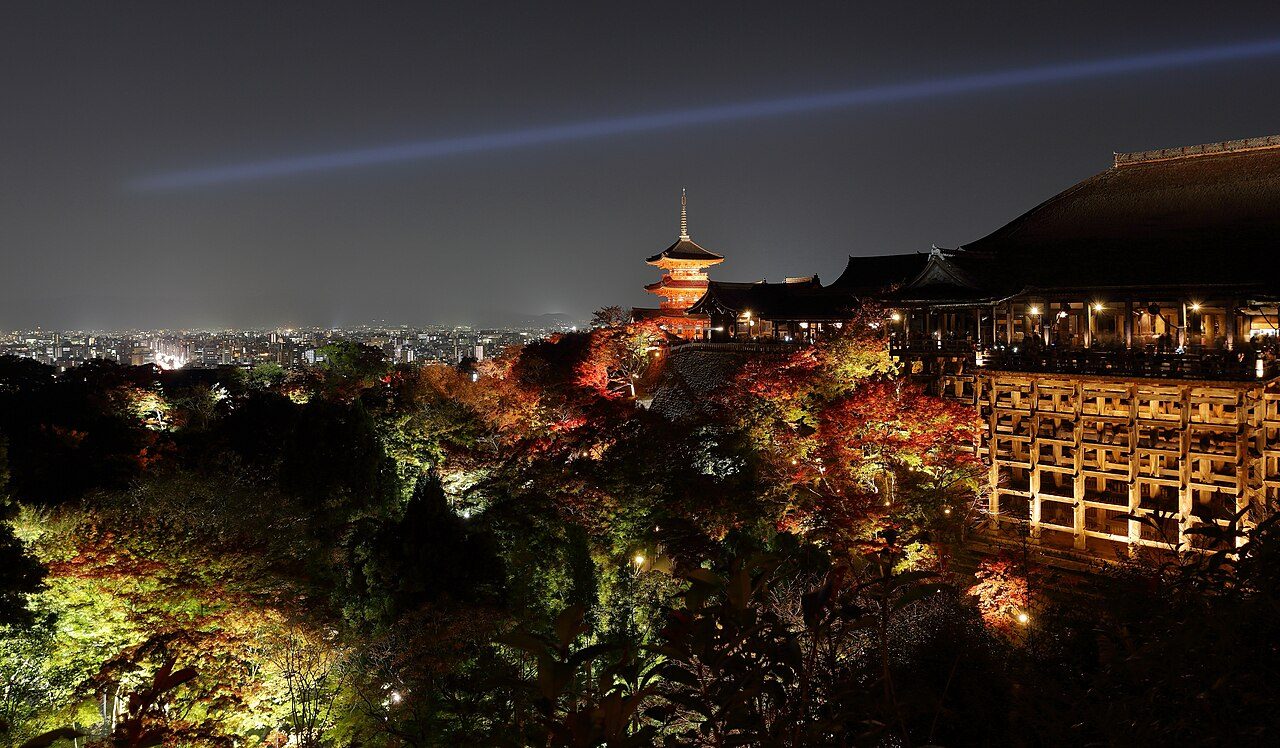
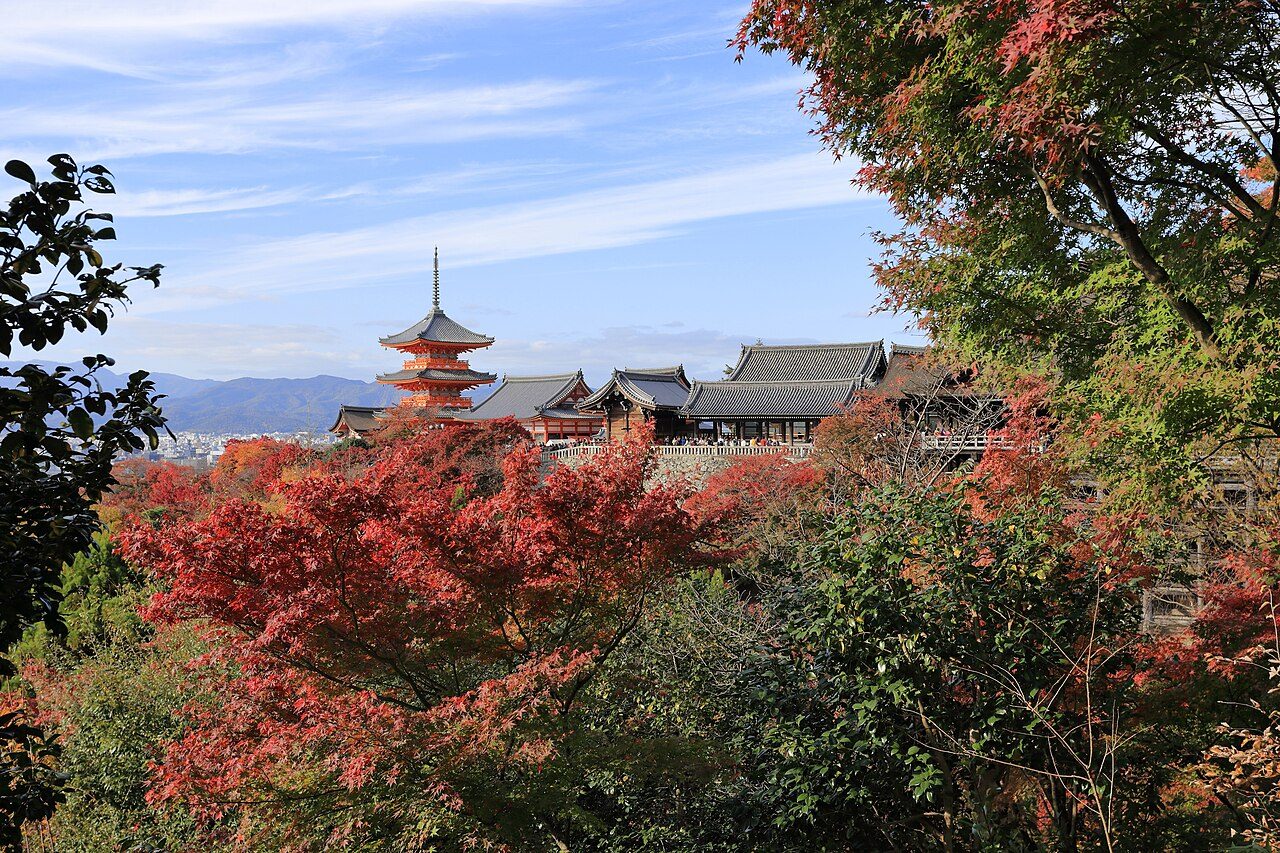
Kiyomizu-dera is a Buddhist temple on the hills of eastern Kyoto, founded in 778. Its main hall has a large wooden stage held up by tall pillars without nails, standing 13 metres above the hillside. The view over Kyoto is famous, especially in cherry blossom and autumn seasons. Below, the Otowa waterfall gives water believed to bring good fortune.
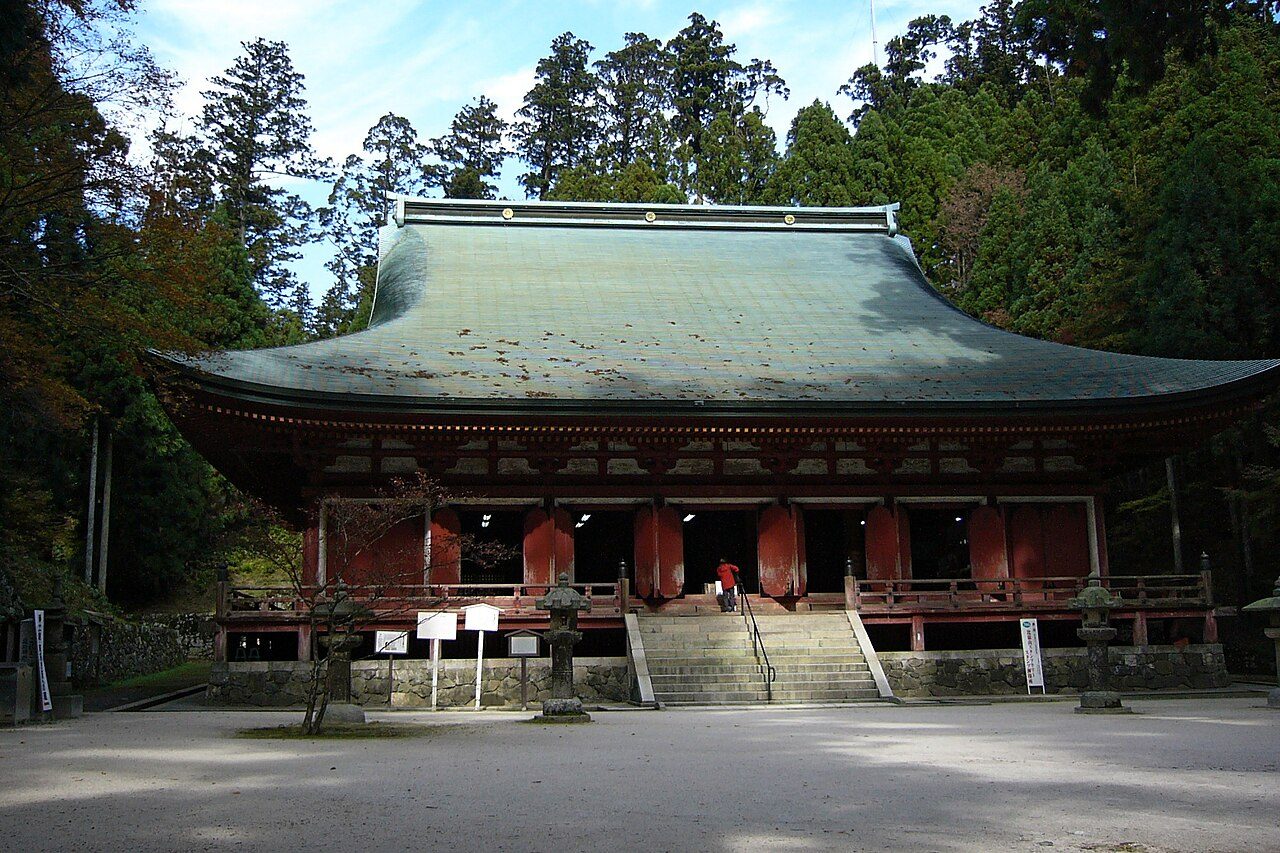
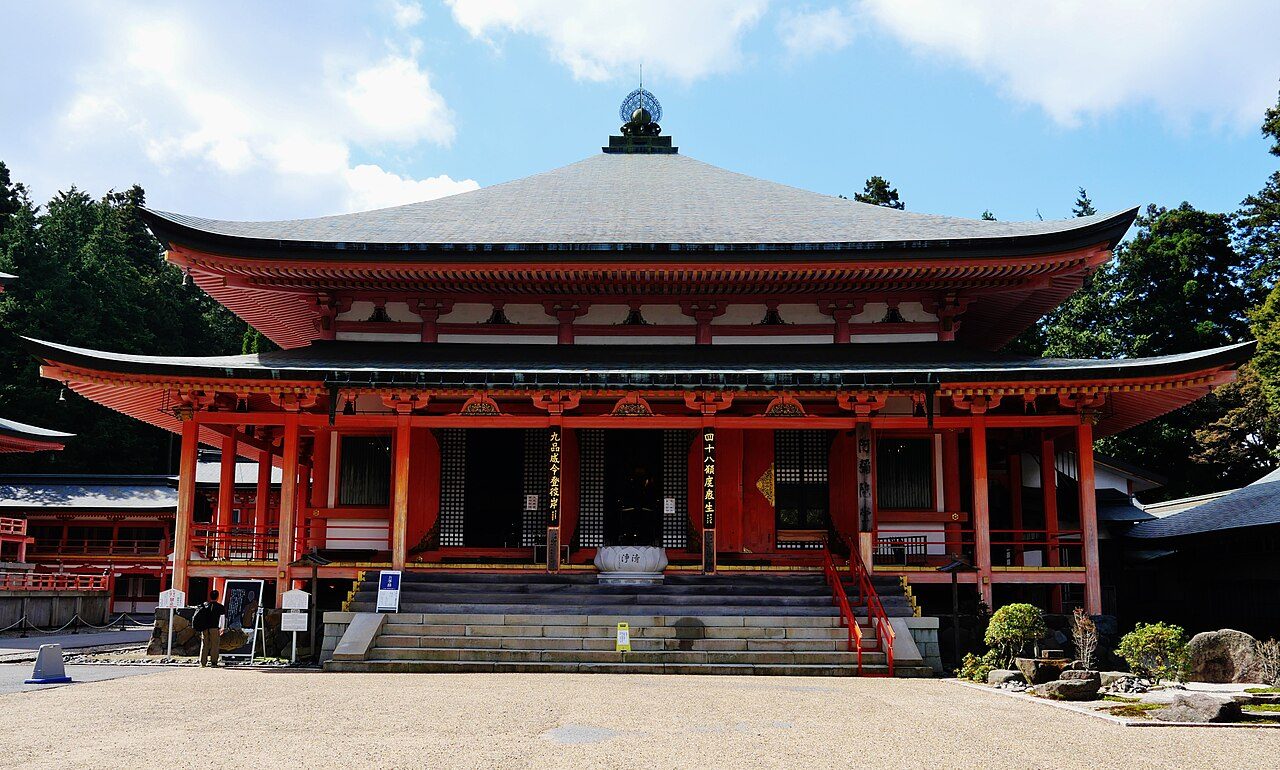
Enryaku-ji is a Buddhist temple complex on Mount Hiei, overlooking Kyoto and Lake Biwa. It was founded in 788 by the monk Saichō as the head temple of Tendai Buddhism. For centuries it was one of the most powerful temples in Japan, until it was burned by Oda Nobunaga in 1571. Its halls are spread across the forested mountain. It is a UNESCO World Heritage Site.
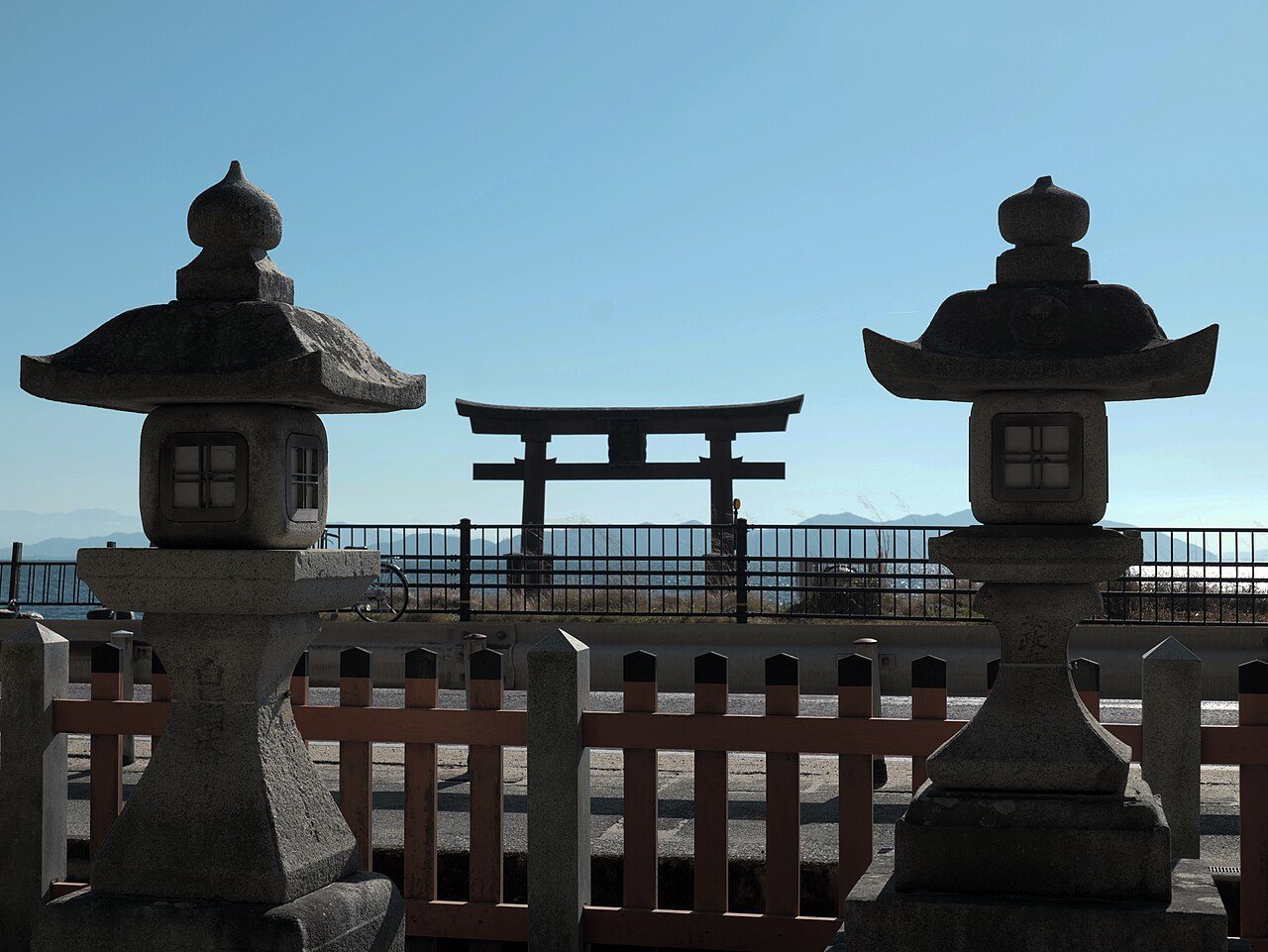
Shirahige Shrine stands on the western shore of Lake Biwa in Takashima, Shiga. It is said to be about 2,000 years old and is dedicated to a god of long life. Its best known feature is a red torii gate standing in the lake, about 58 metres from the shore. It is a popular place to watch the sunrise over the water.
Seasons from 20 years of NASA POWER climate data.
Was this trip blog helpful?
0
0
Ready to follow this route?
Copy all 13 stops into your trip plans in the app.
 WaTrips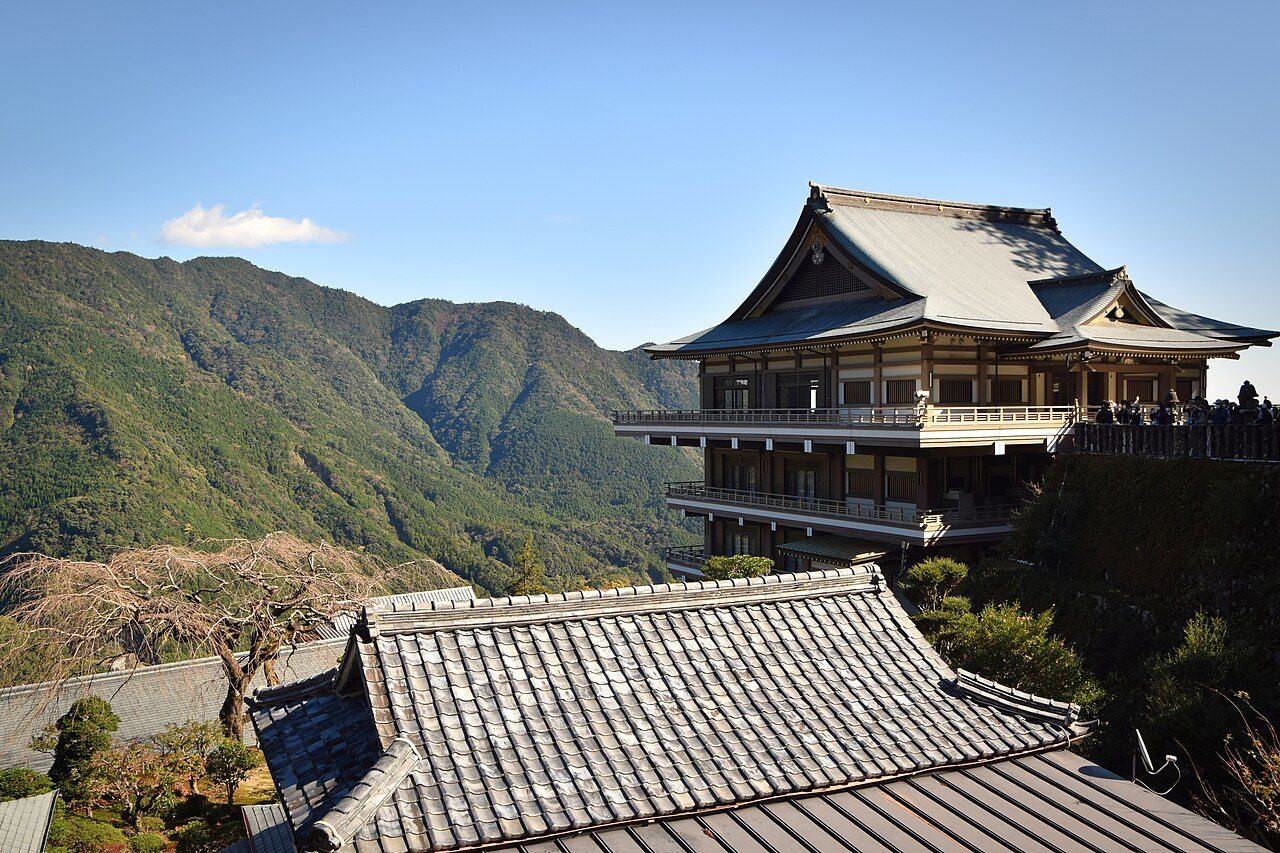












 BikesBooking
 Localrent
 Airalo
 Tiqets