Bimmah, Wadi Shab and Wadi Tiwi, Qalhat, Sur's dhow yard and Ras Al Jinz turtles, Ras Al Hadd, Wadi Bani Khalid and the Wahiba Sands.
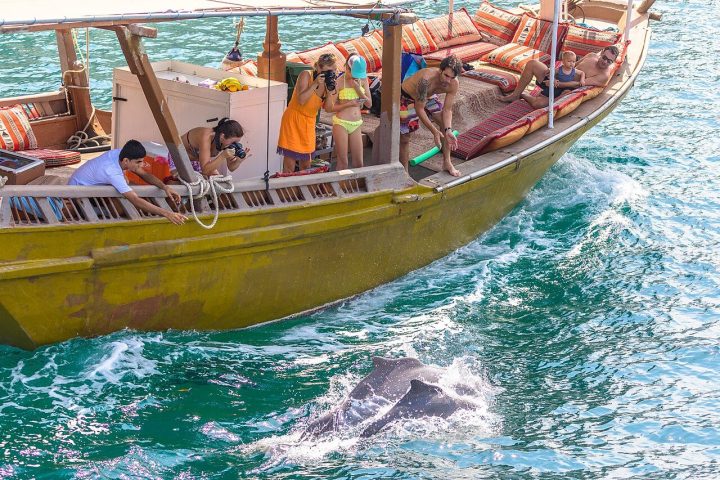
Oman's east coast is wadis, turtles and desert. Day one swims in the Bimmah sinkhole and hikes Wadi Shab and Wadi Tiwi. Day two visits Bibi Maryam's tomb at Qalhat, Sur's dhow-building yard, lighthouse and fort, then watches green turtles nest at Ras Al Jinz after dark; book ahead. Day three stops at Ras Al Hadd, at the eastern tip of Arabia, swims in Wadi Bani Khalid and spends the night at a camp in the Wahiba Sands. Turtles nest all year, with a peak from about June to September.
01
STOP 1 OF 11
Bimmah Sinkhole
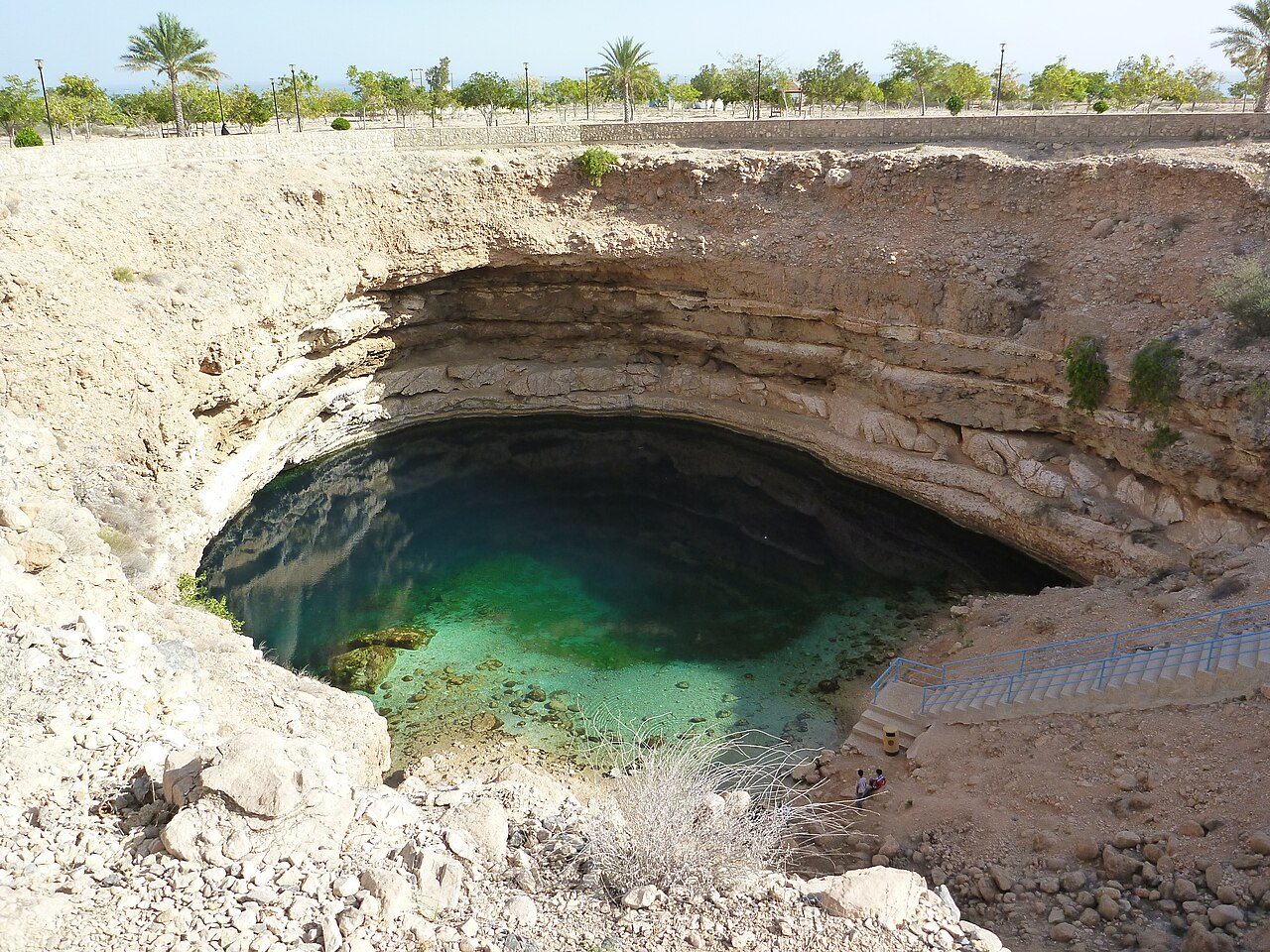
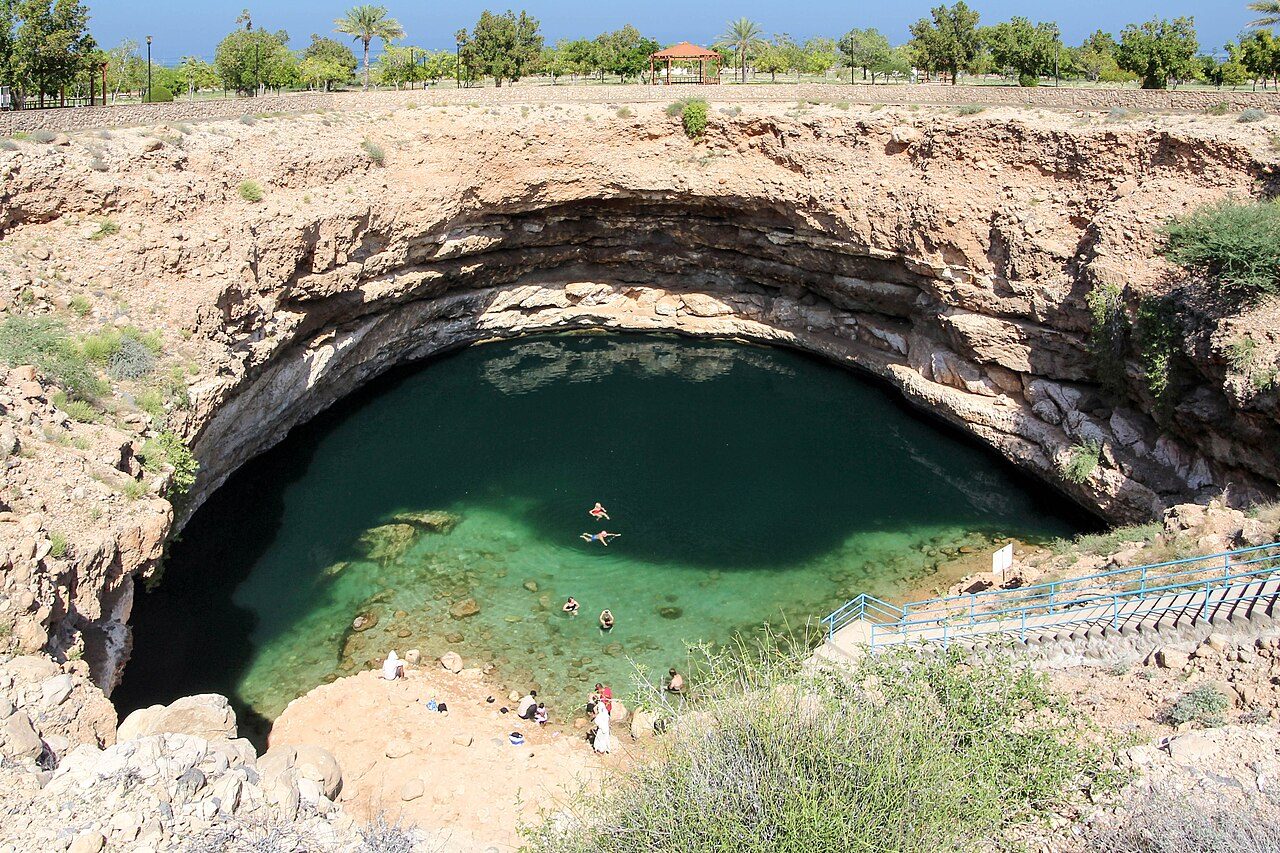
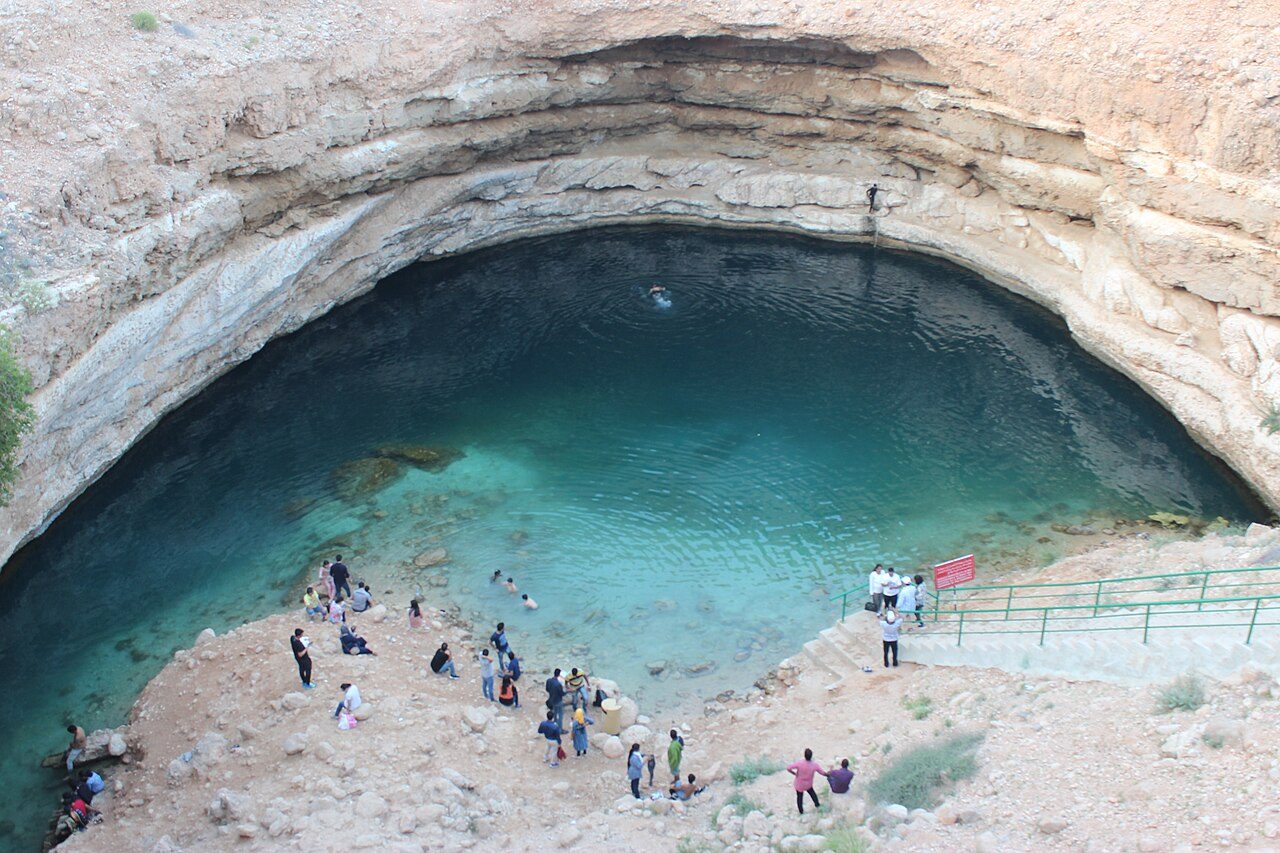
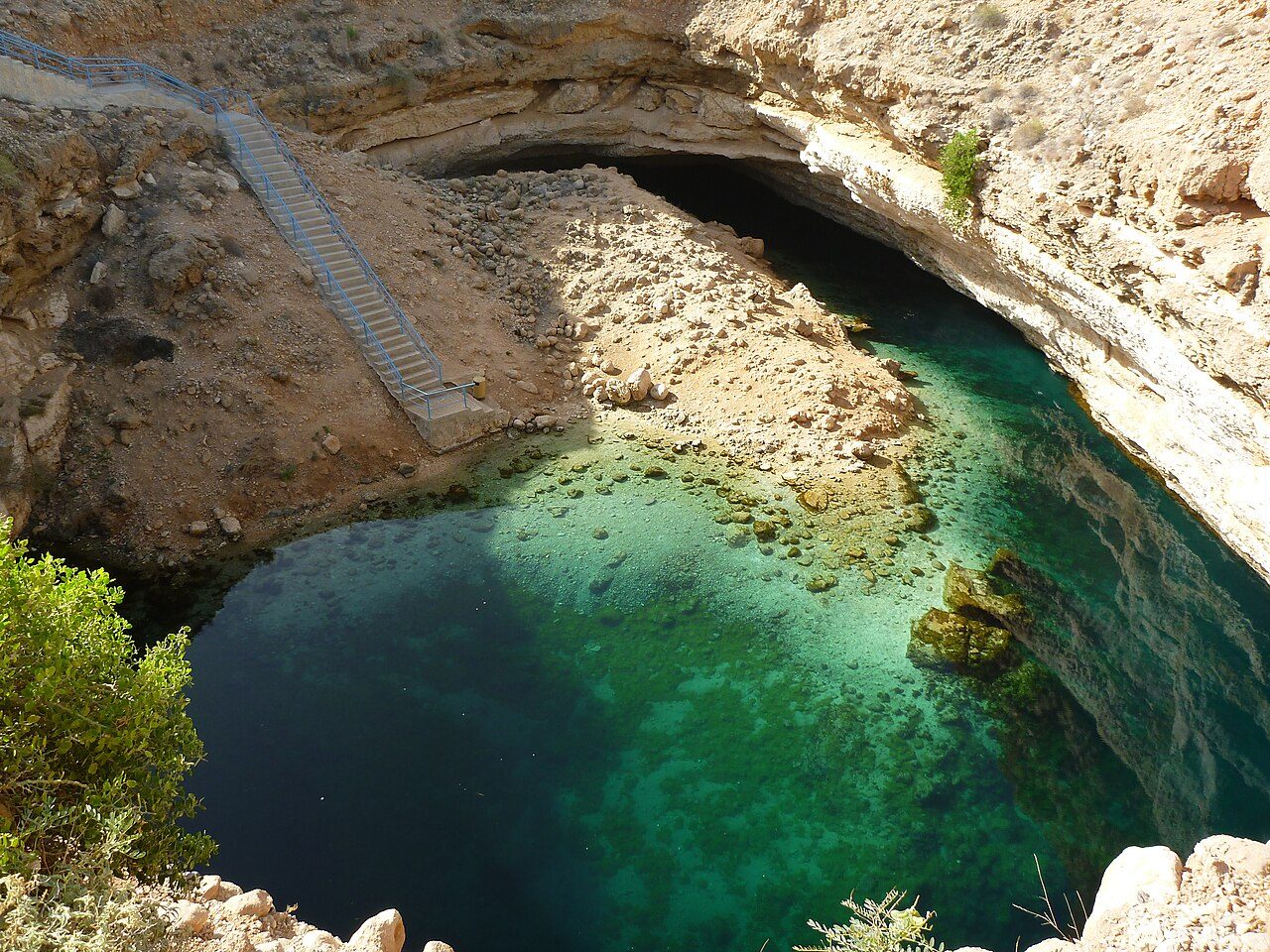
Bimmah Sinkhole is a natural pool of blue-green water in a limestone hollow near the coast road between Muscat and Sur. It formed when the roof of an underground cave collapsed. The hole is about 50 by 70 metres wide and around 20 metres deep. A stairway leads down to the water, where people swim. A small park, Hawiyat Najm Park, has been built around it.
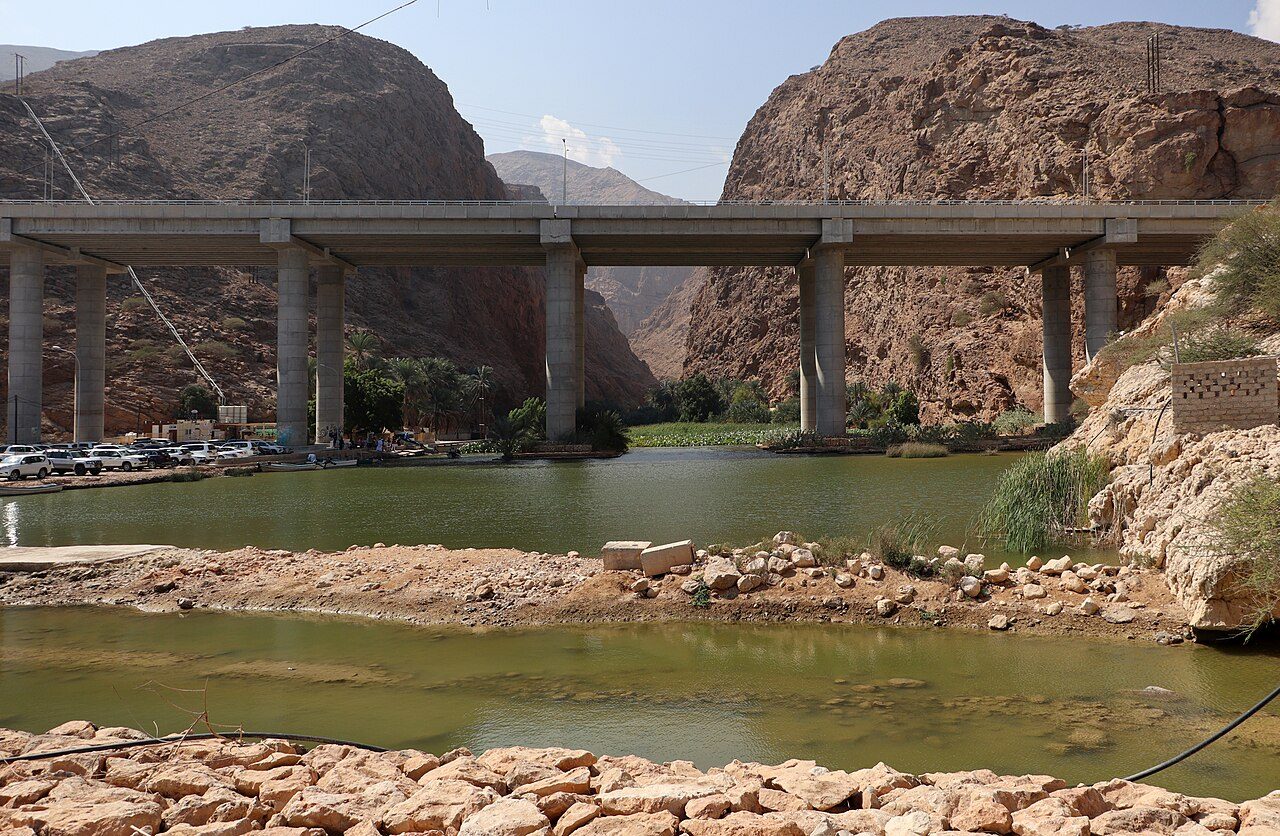
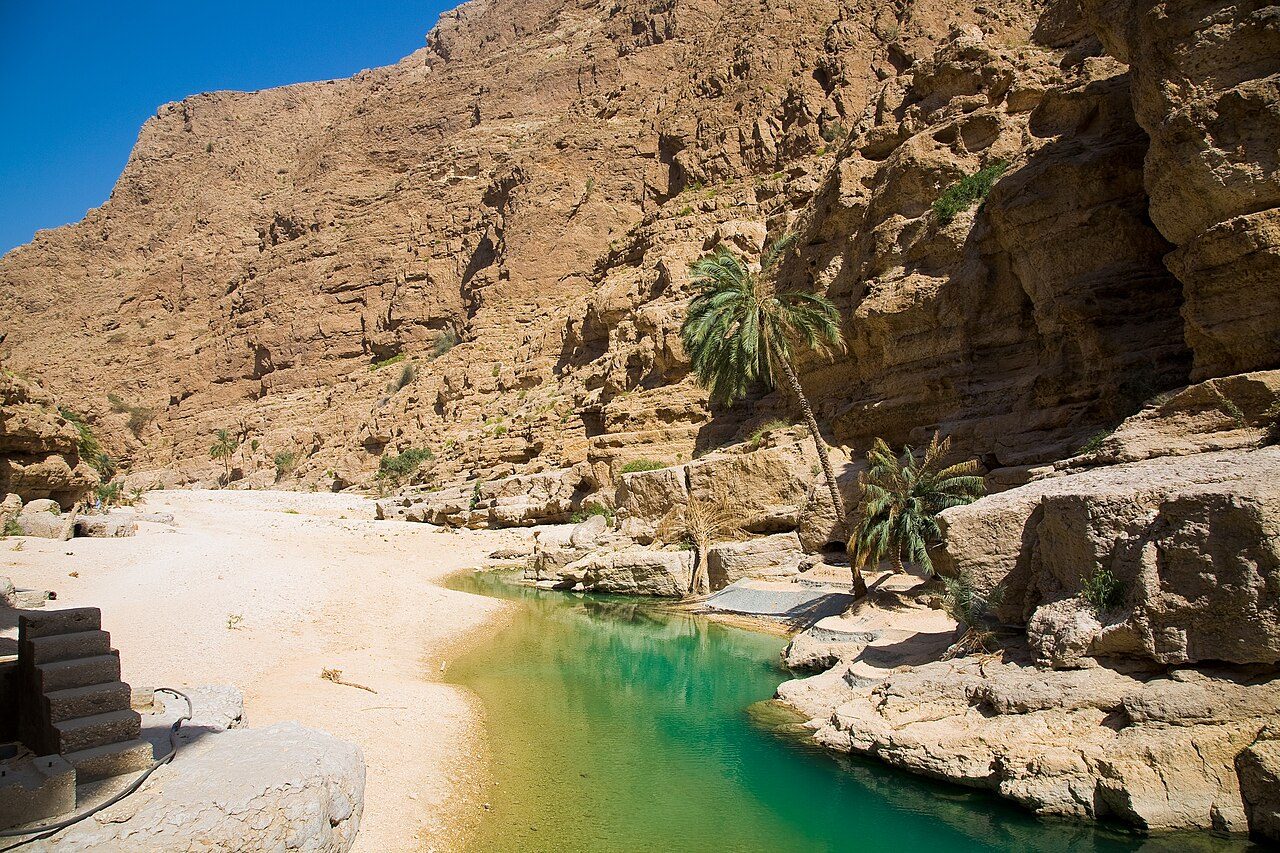
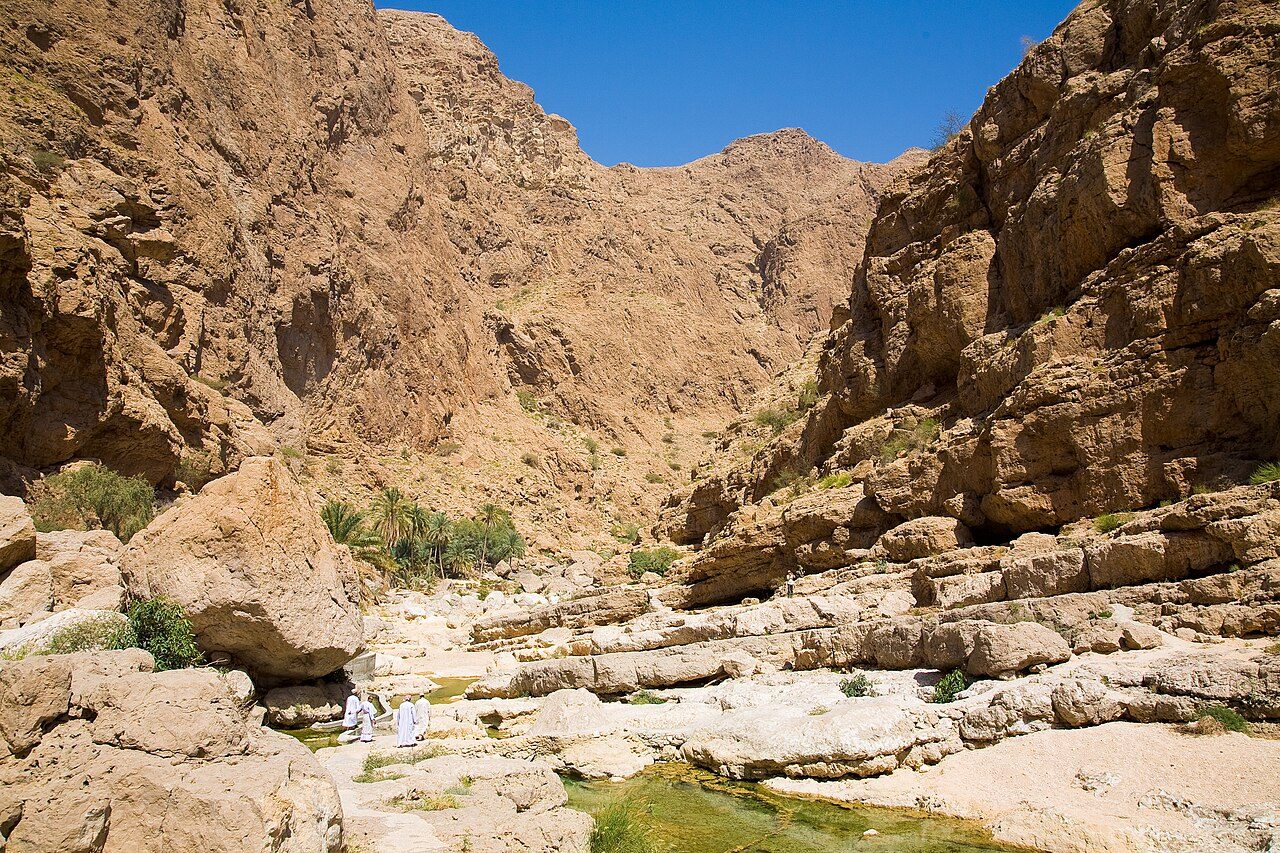
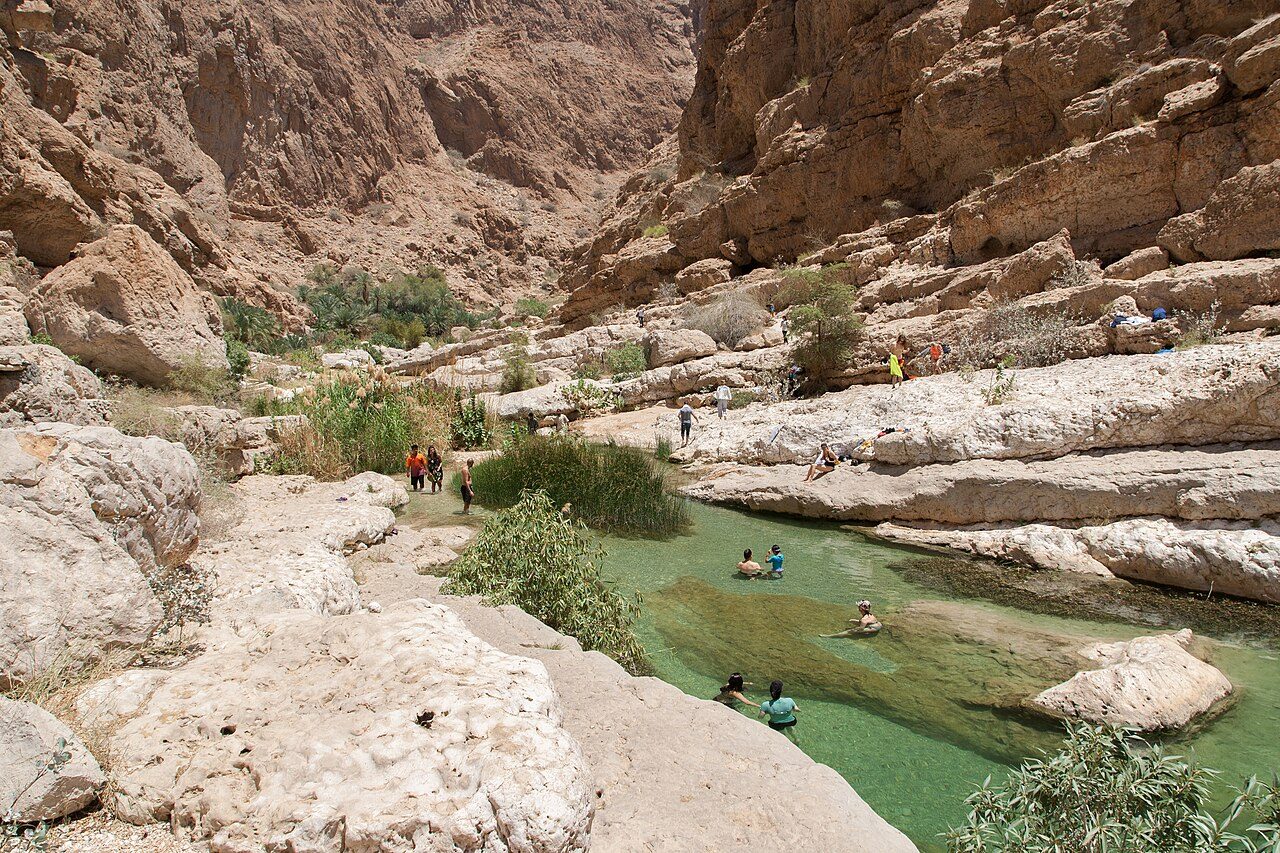
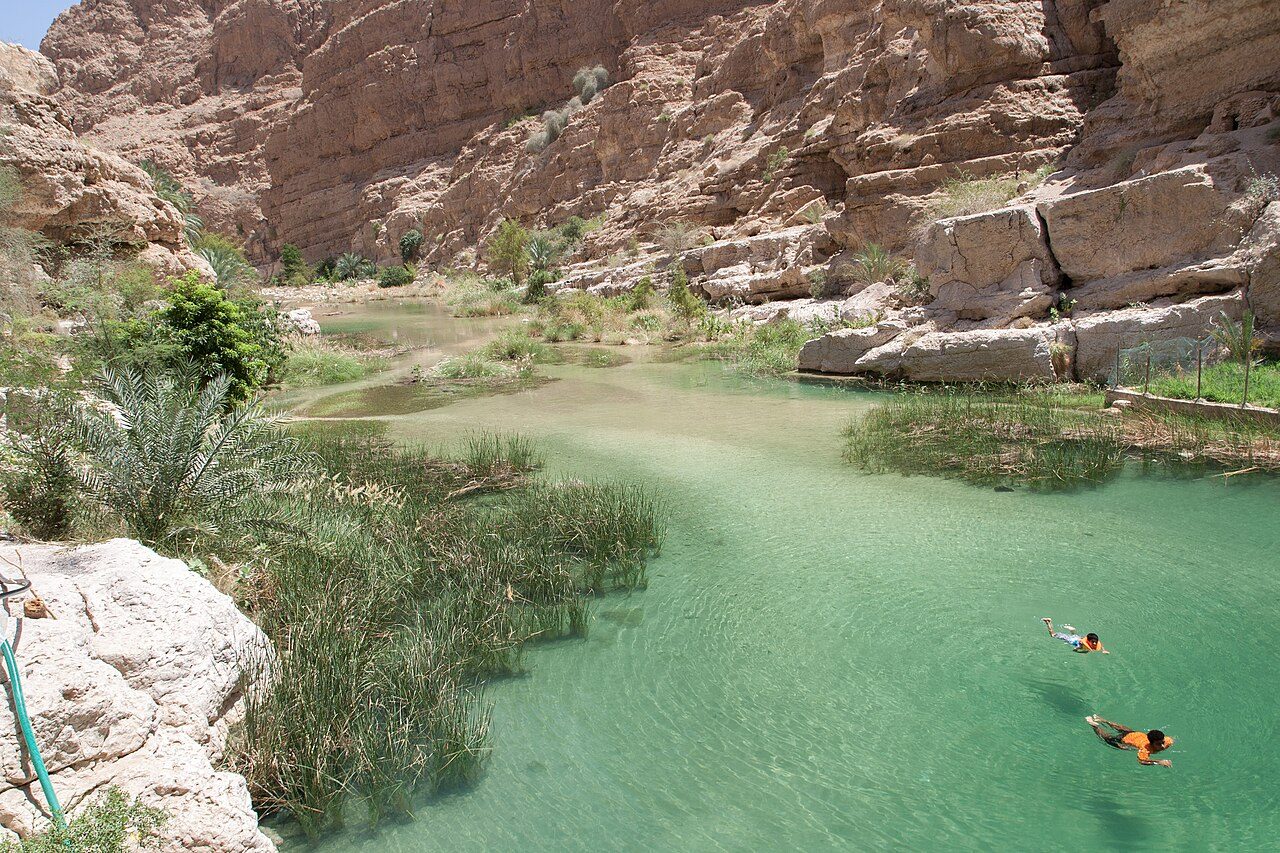
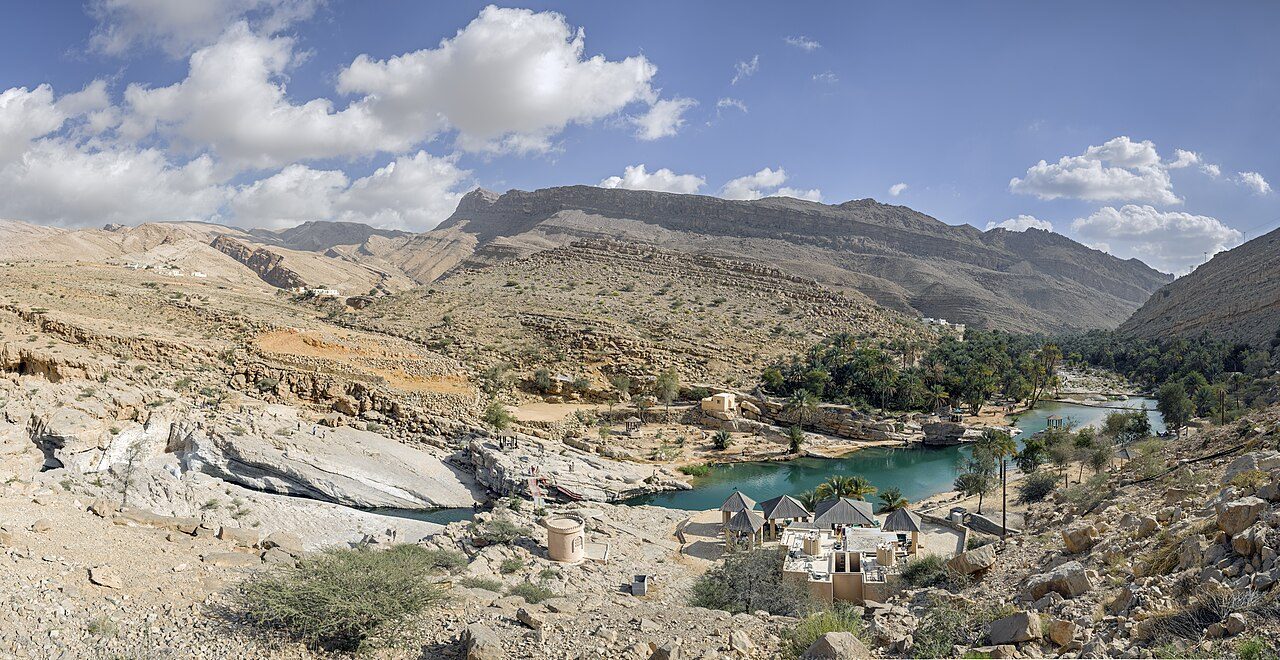
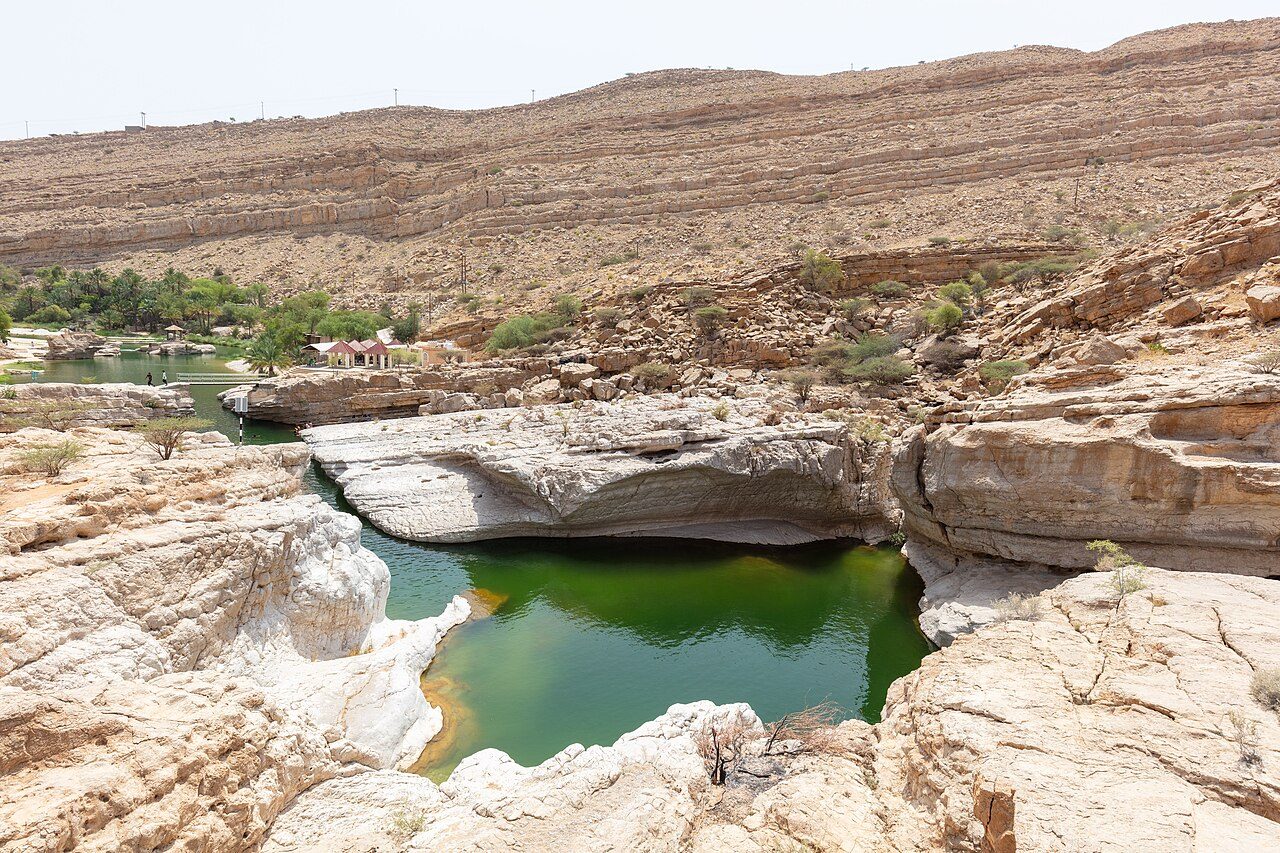
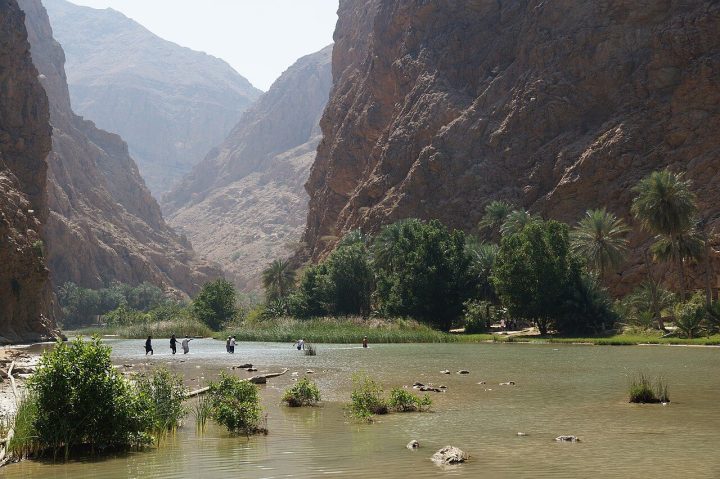
Wadi Shab is a narrow gorge that meets the sea near Tiwi, on the coast road to Sur. A short boat ride crosses the river mouth, then a path follows the canyon for about 45 minutes past palms, boulders and water channels. At the end are deep green pools for swimming. The last pool leads through a gap in the rock into a cave with a small waterfall.
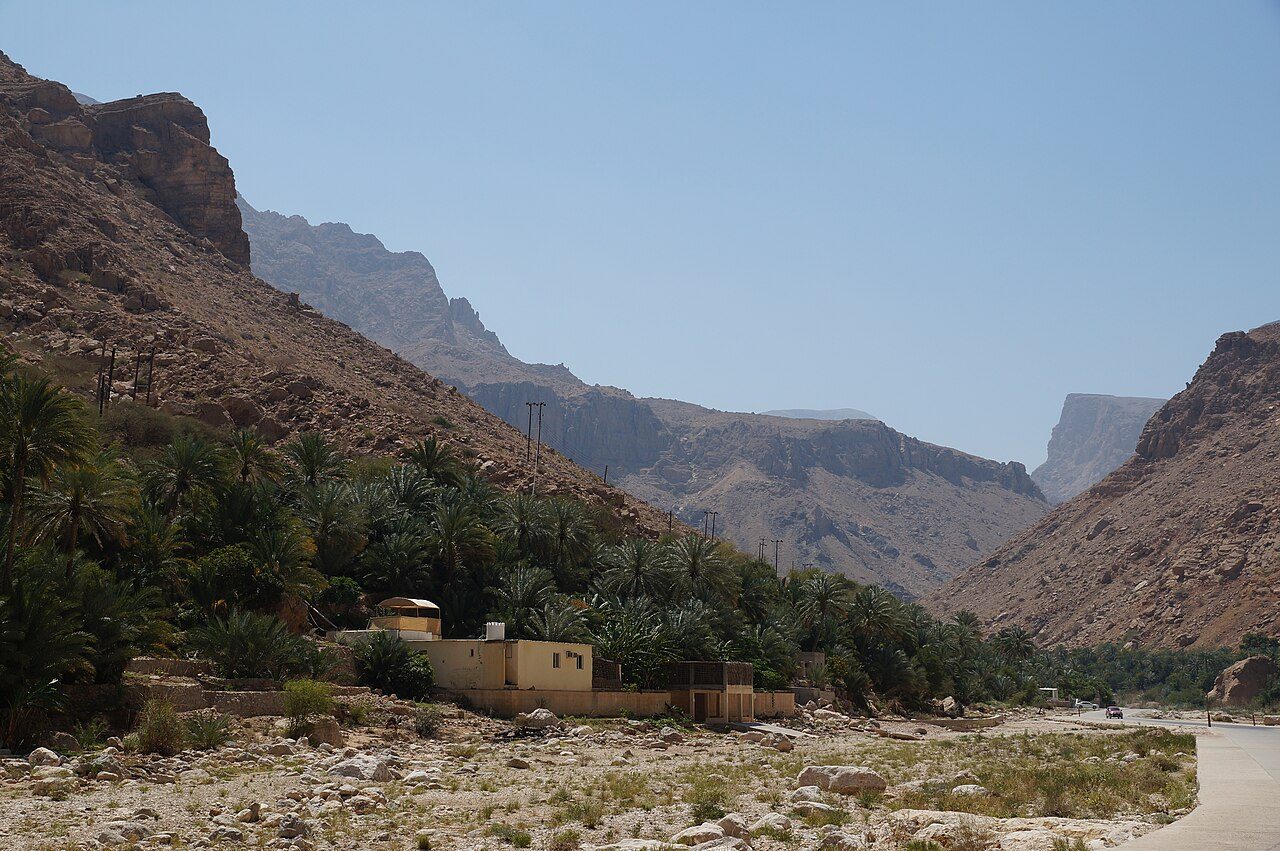
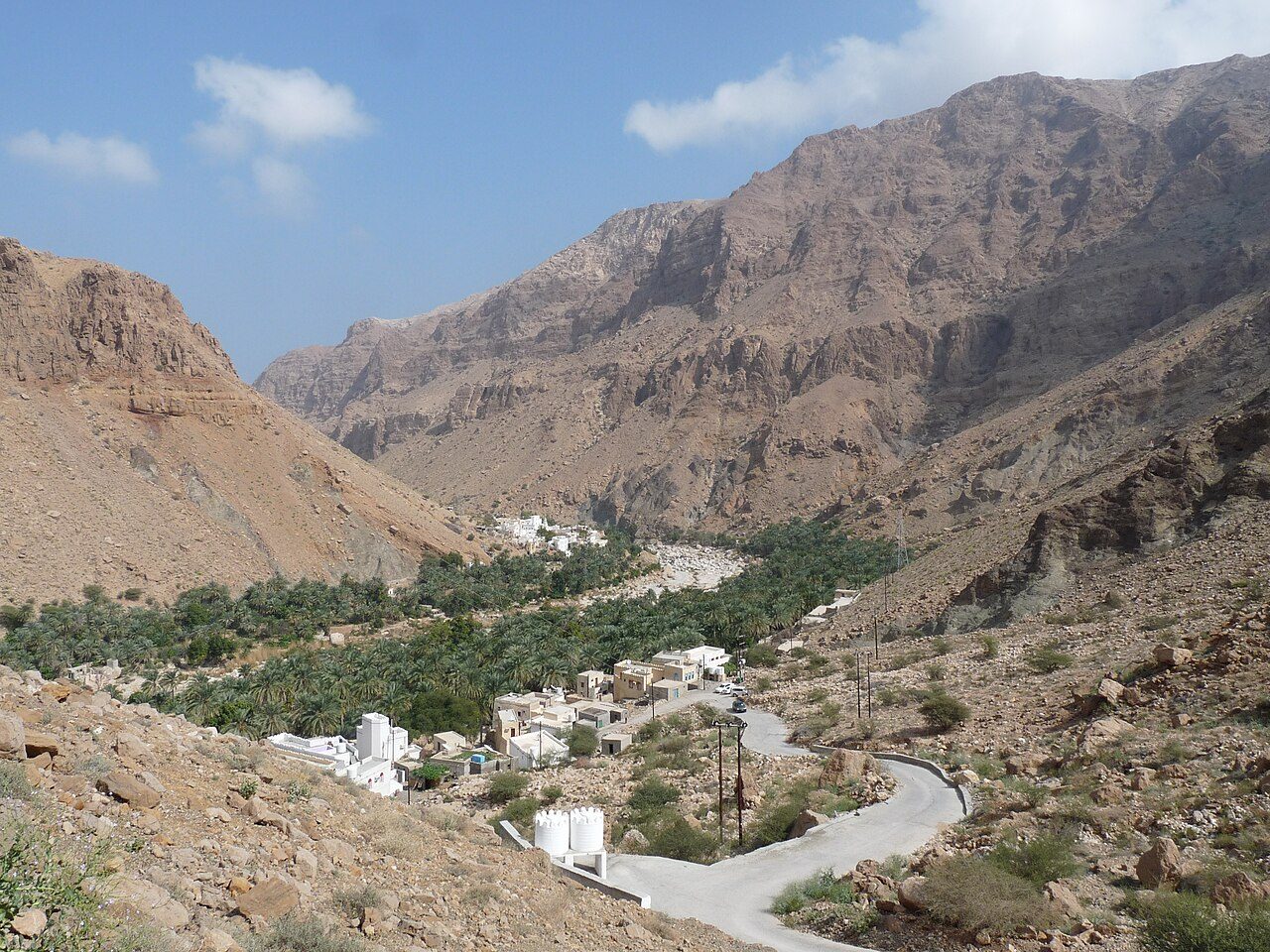
Wadi Tiwi runs inland from the village of Tiwi, a few kilometres from Wadi Shab. A narrow road climbs through the gorge past several small villages set among date and banana gardens. The wadi has water all year, with clear pools and old falaj channels below high cliffs. At the top, the village of Mibam is known for its terraces and waterfalls.
04
STOP 4 OF 11
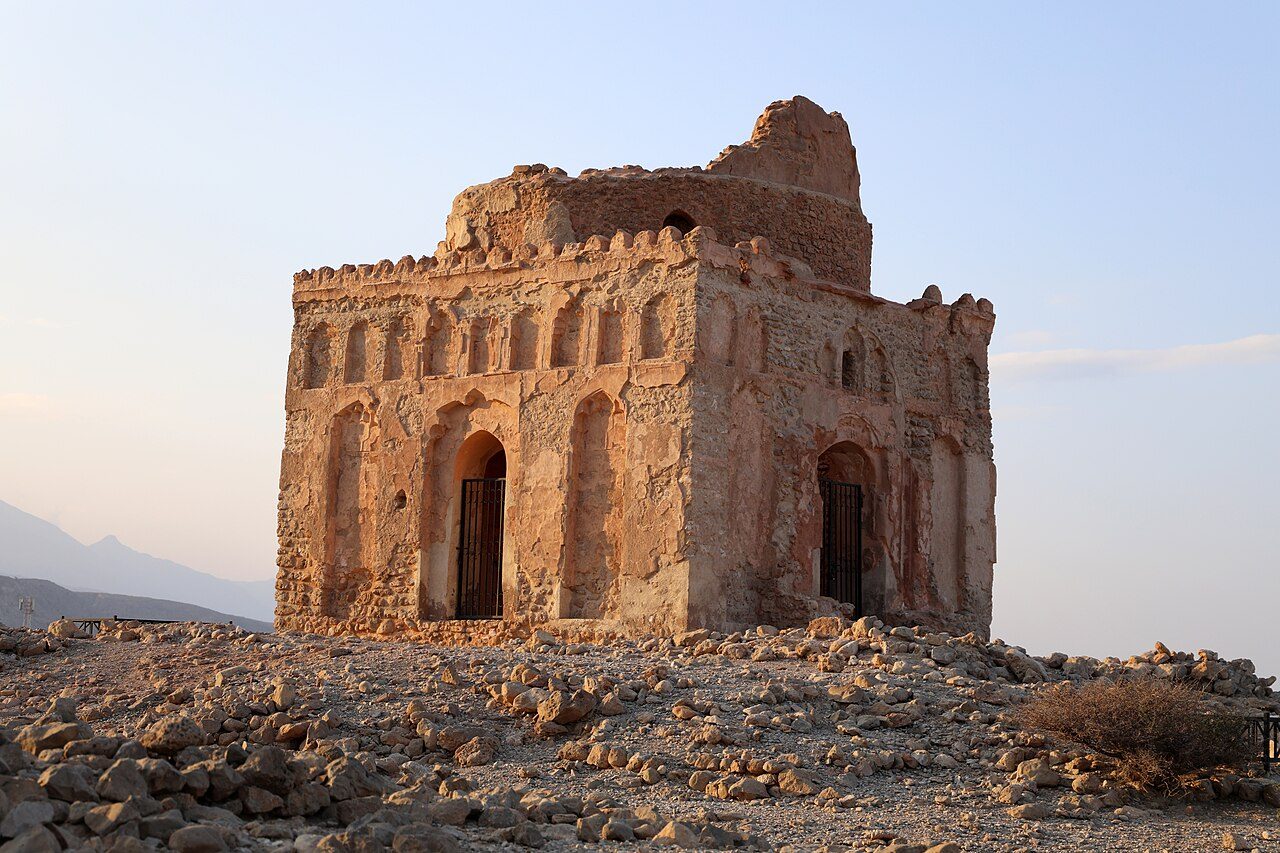
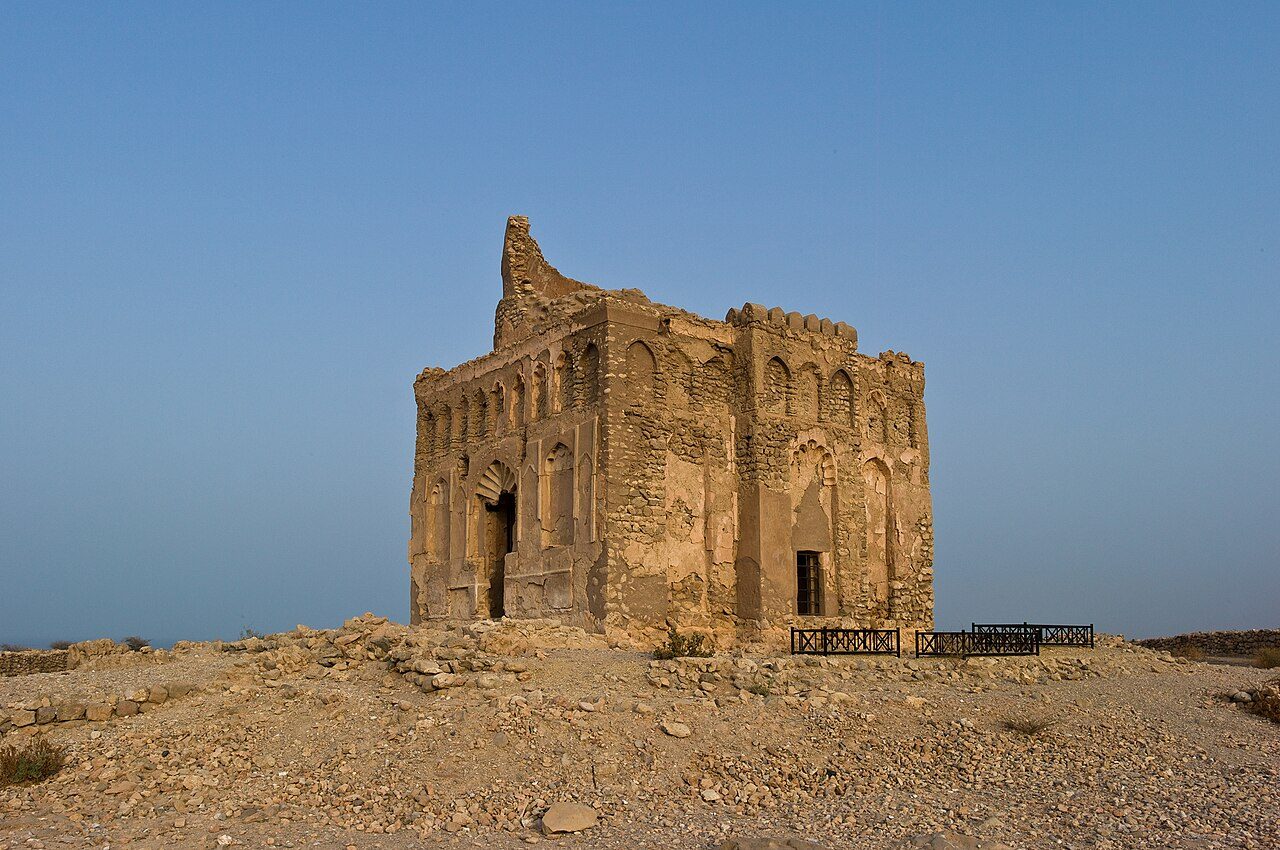
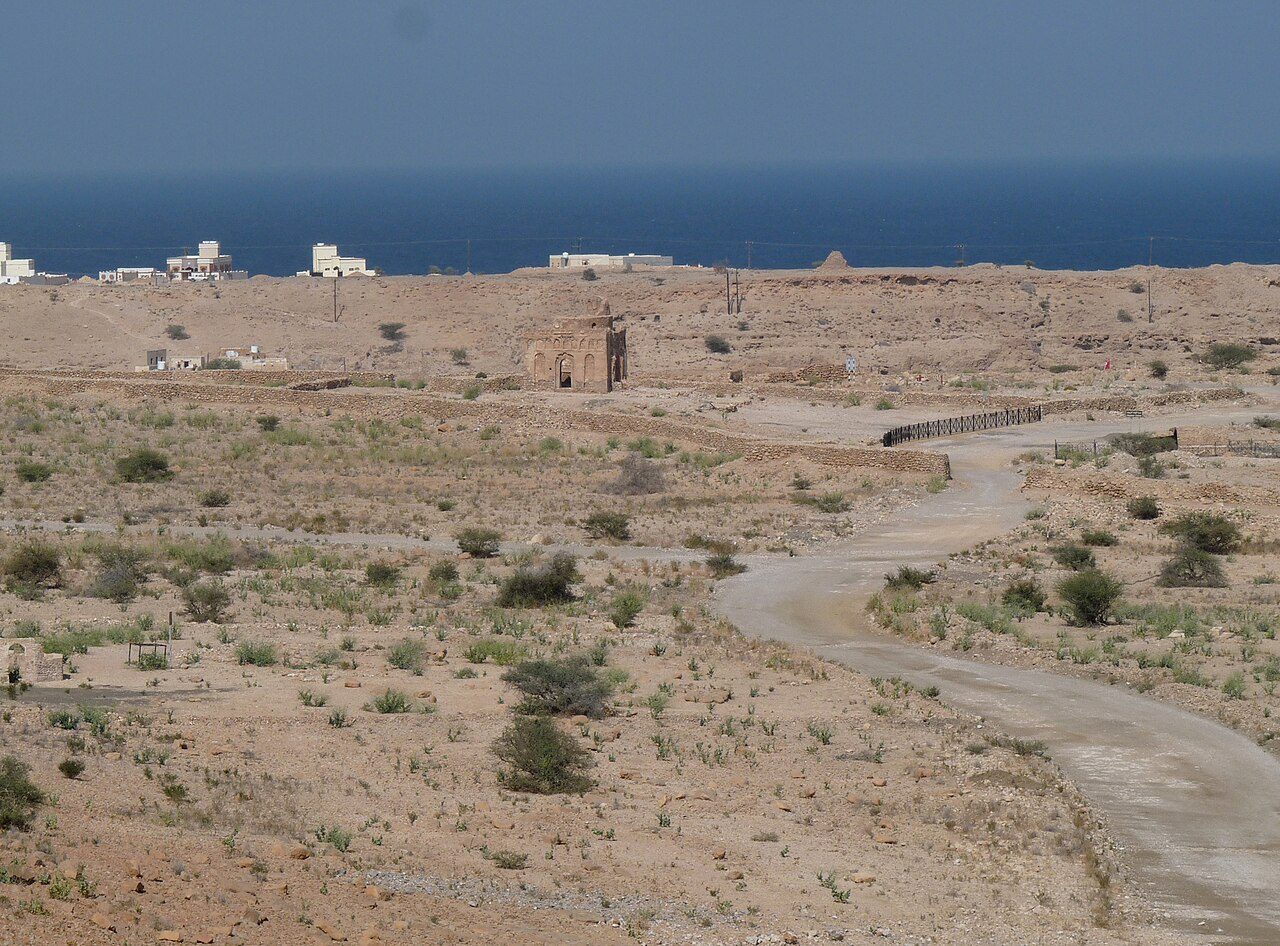
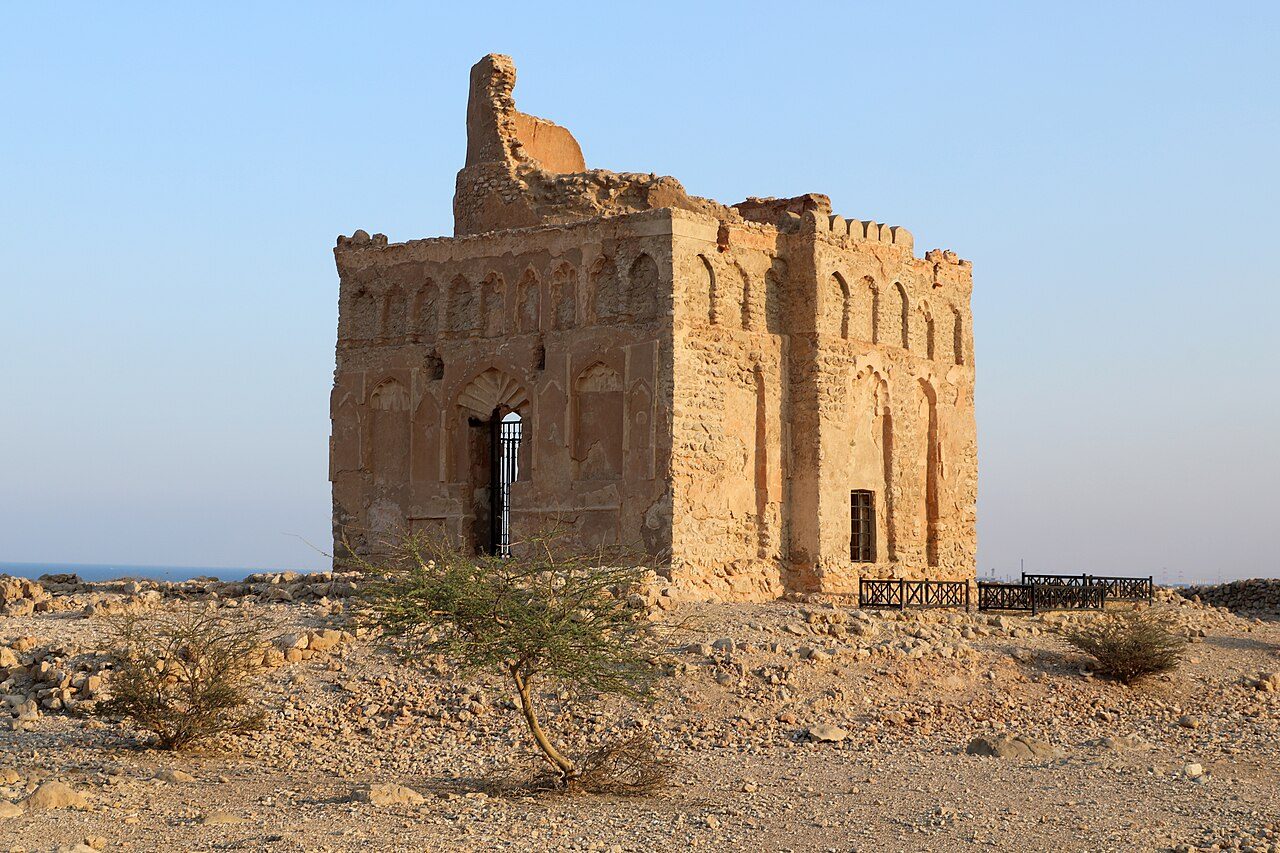
Bibi Maryam Mausoleum Qalhat
The Bibi Maryam Mausoleum is the best preserved building of the ancient city of Qalhat, a UNESCO World Heritage Site since 2018. Qalhat was a great port of the Kingdom of Hormuz between the 11th and 15th centuries, visited by Marco Polo and Ibn Battuta. The domed tomb, built of coral stone around the 13th century, stands on a slope above the sea among the city's ruins.
05
STOP 5 OF 11
Sur Dhow Yard
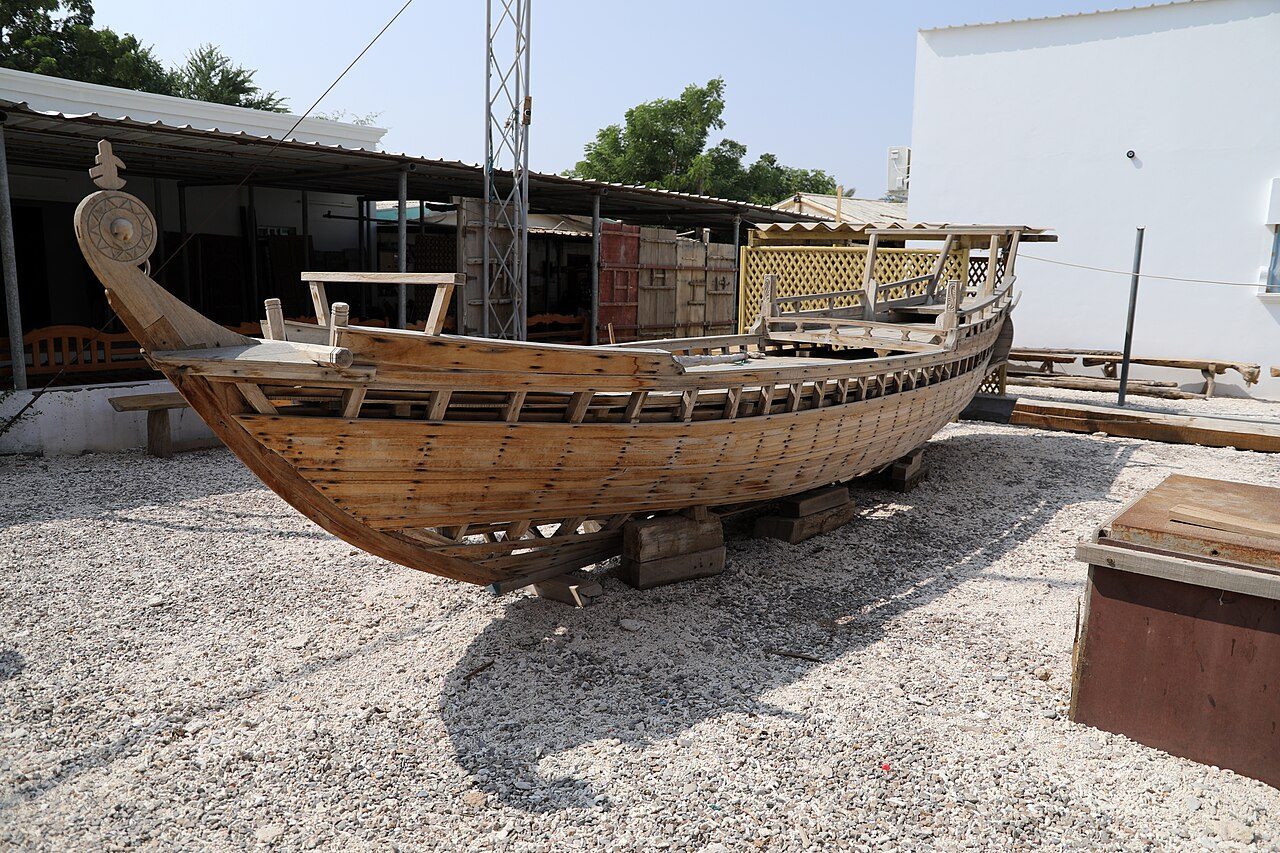
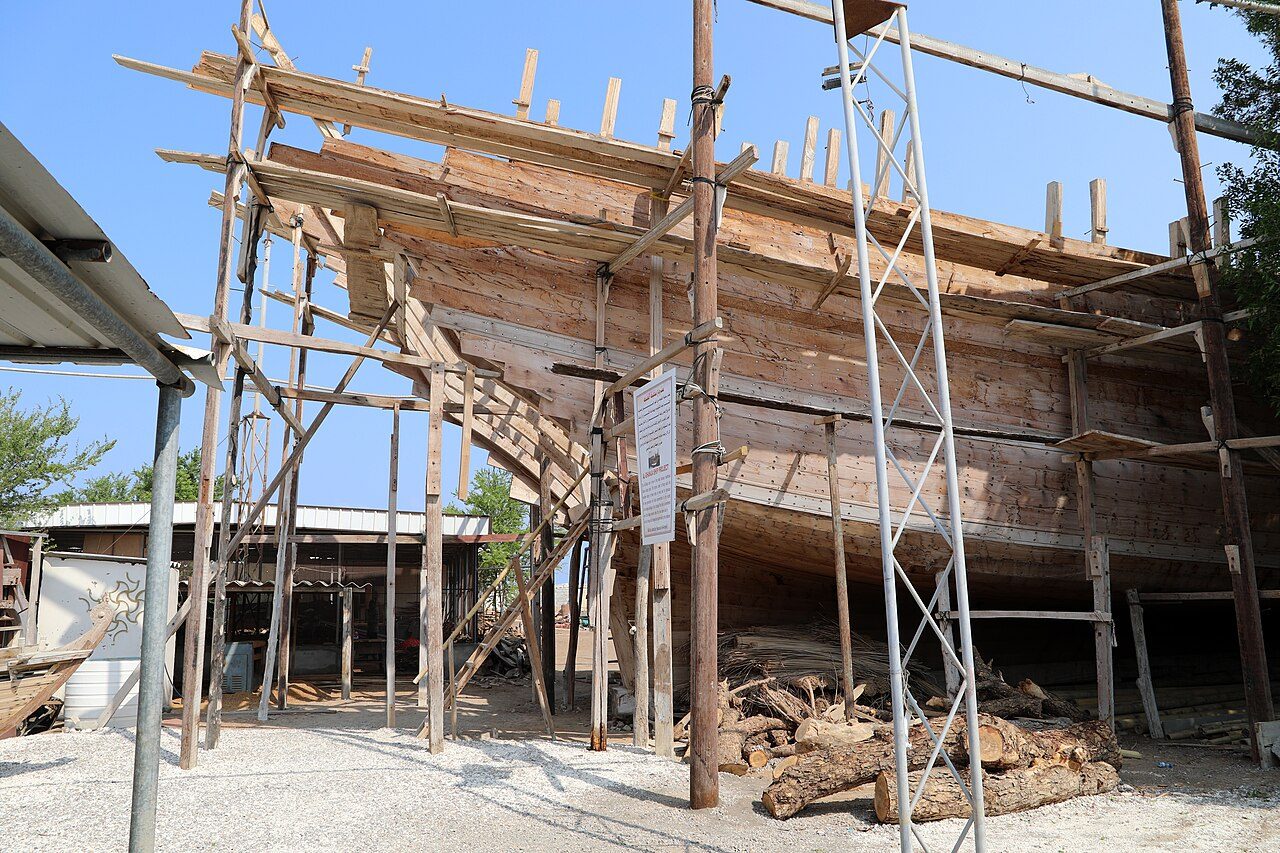
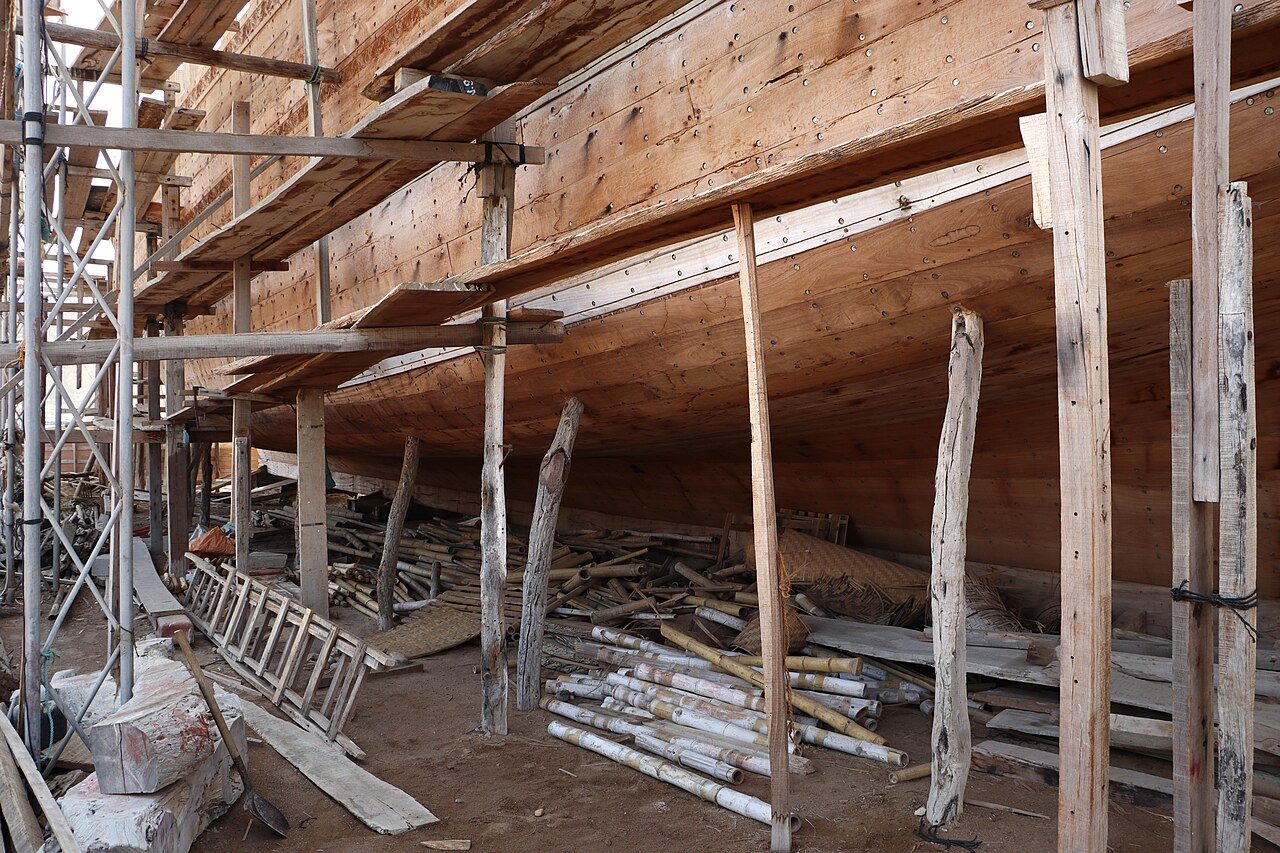
The dhow yard at Sur keeps alive the craft that made the town famous. For centuries Sur was a main shipbuilding centre of the Arabian Sea, and its wooden dhows sailed to India and East Africa. In the yard beside the lagoon, craftsmen still build large timber vessels largely by hand. Visitors can walk among the hulls and watch the carpenters at work.
06
STOP 6 OF 11
Al Ayjah Lighthouse
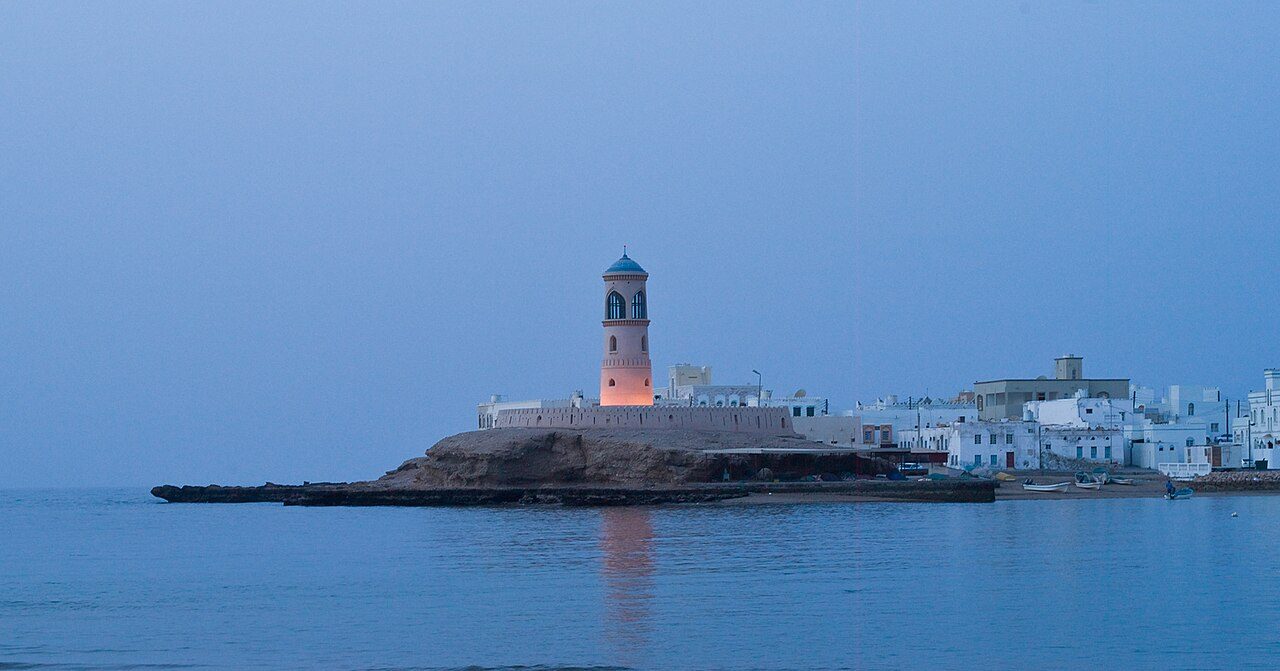
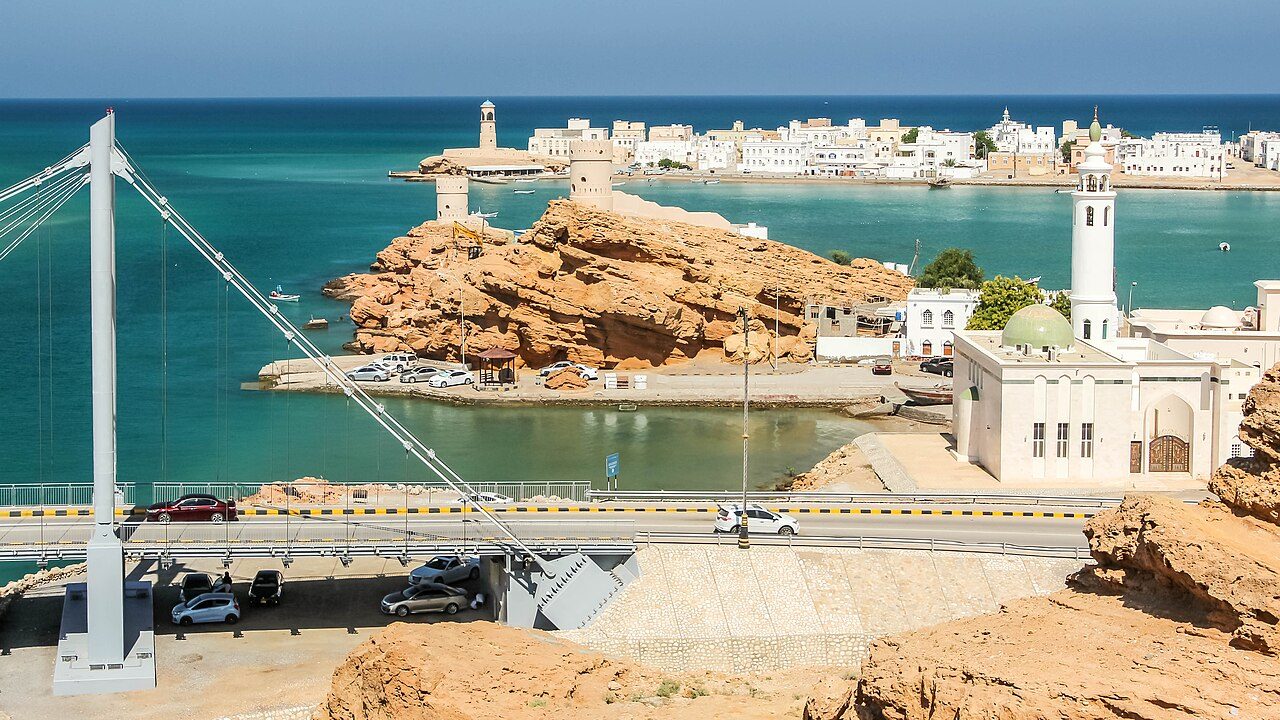
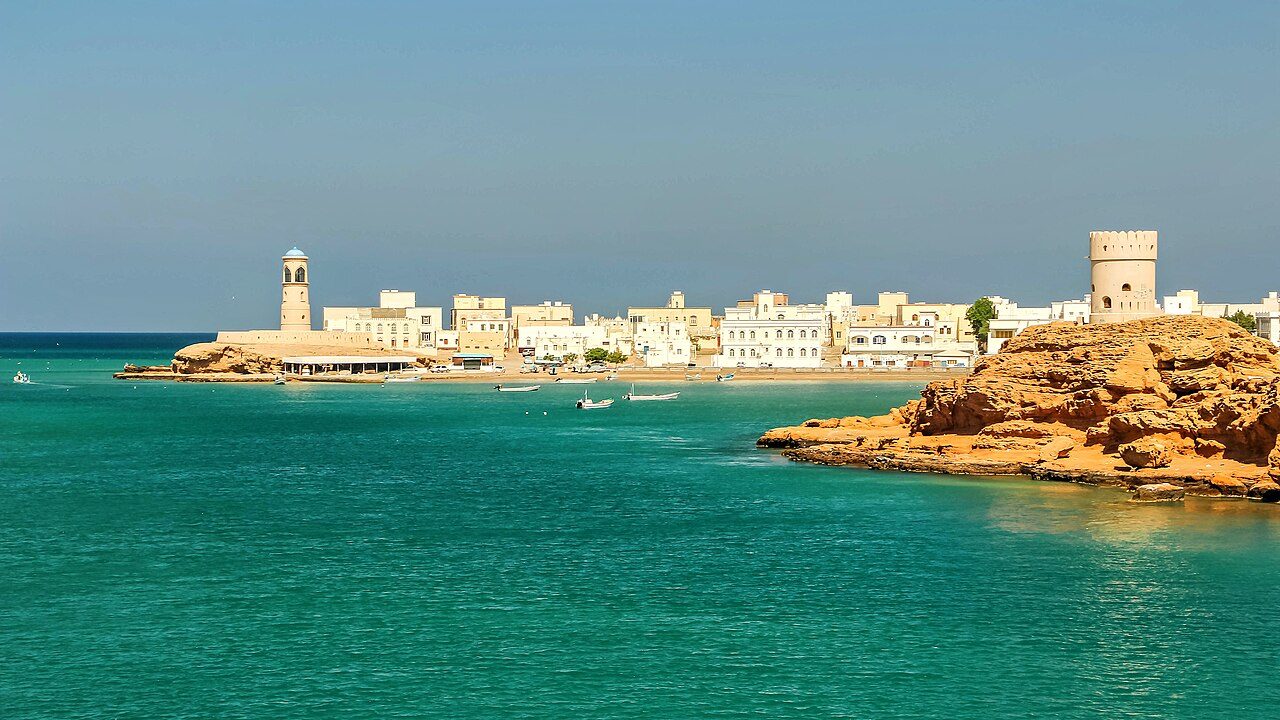
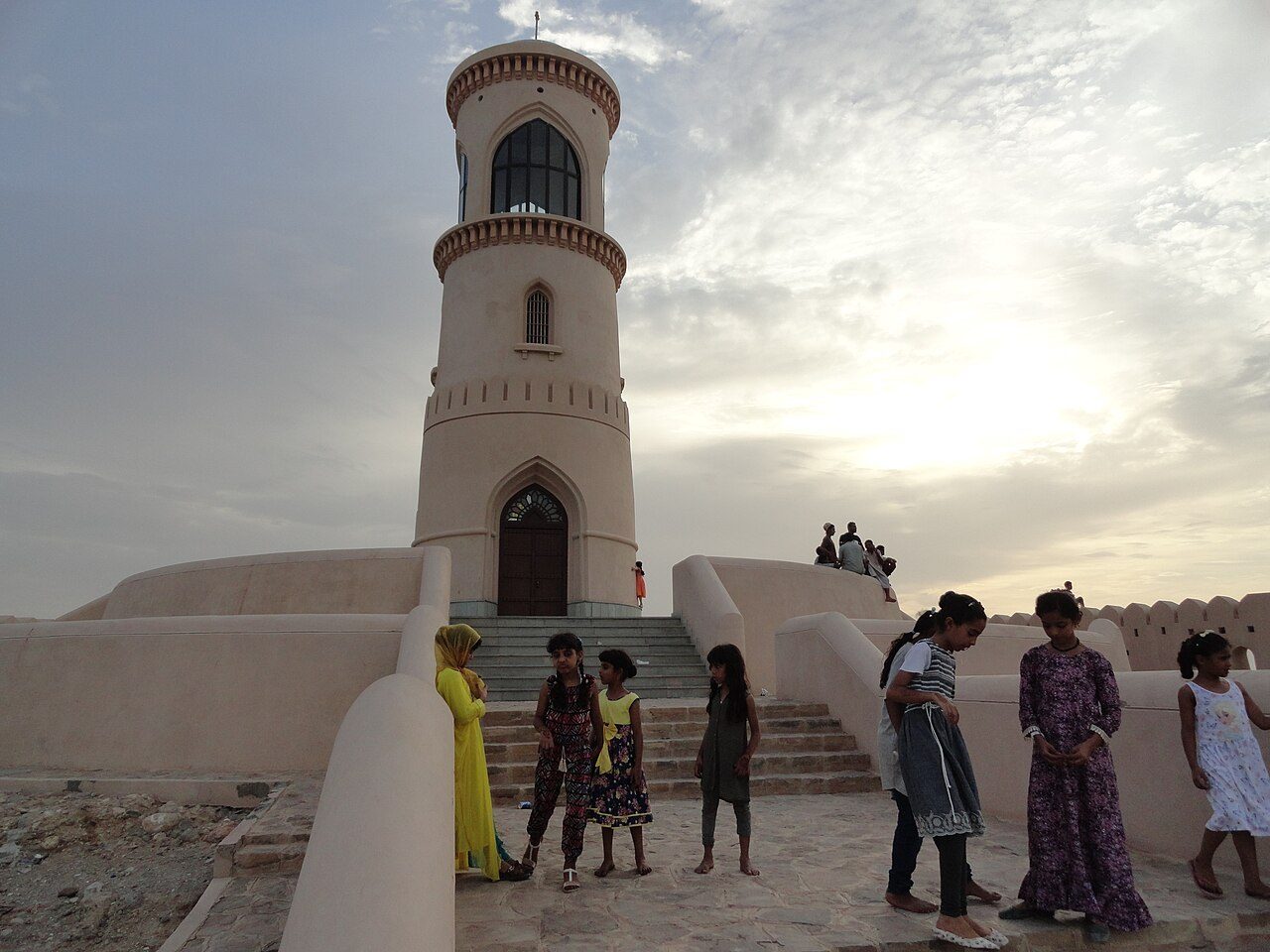
Al Ayjah Lighthouse stands at the mouth of Sur's lagoon, in the old seafaring village of Al Ayjah. The round stone tower guided dhows into the sheltered creek. From the base there are wide views over the blue lagoon, the white houses of Al Ayjah and the town of Sur opposite. A suspension bridge, opened in 2009, now links the village with the main town.
07
STOP 7 OF 11
Sunaysilah Fort
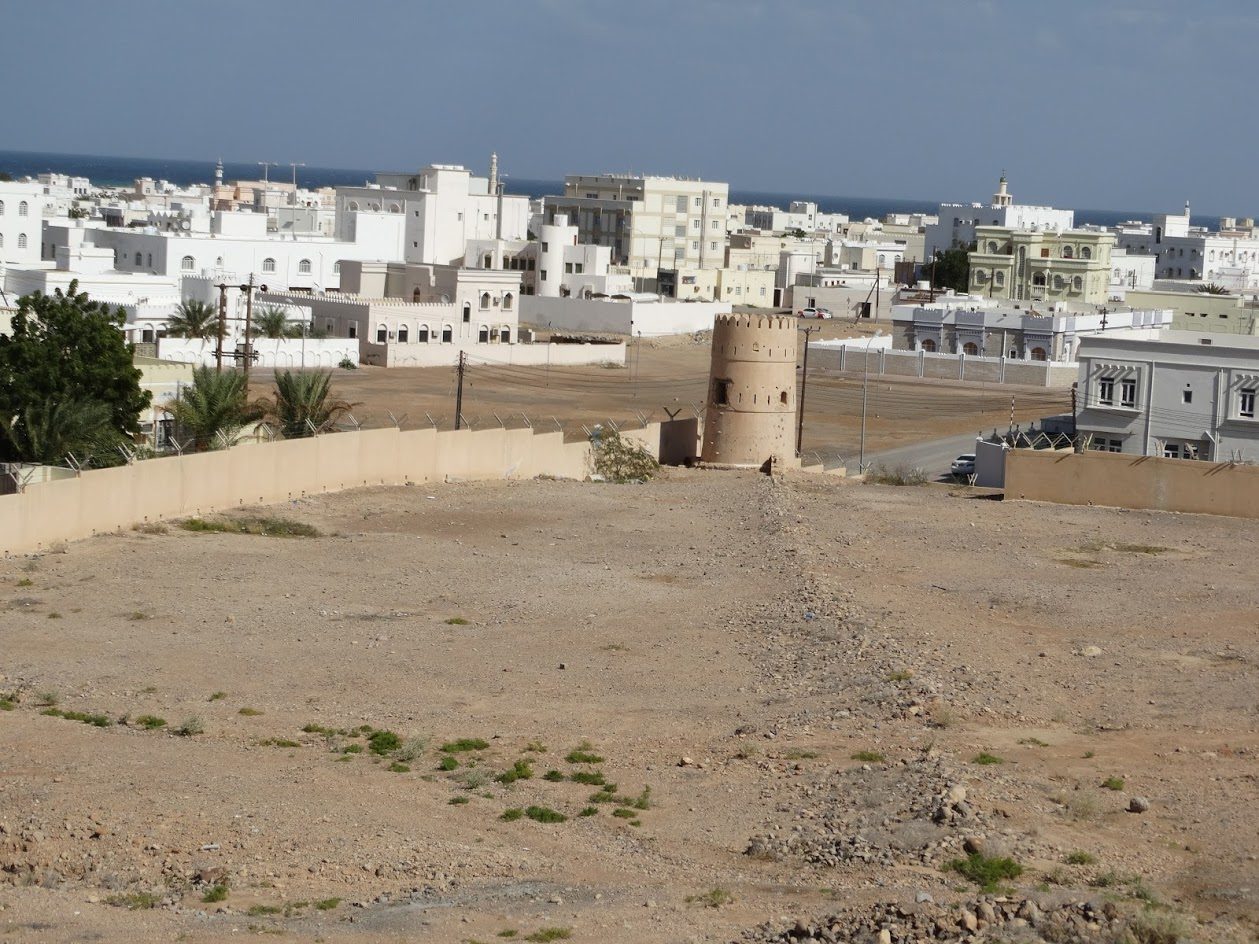
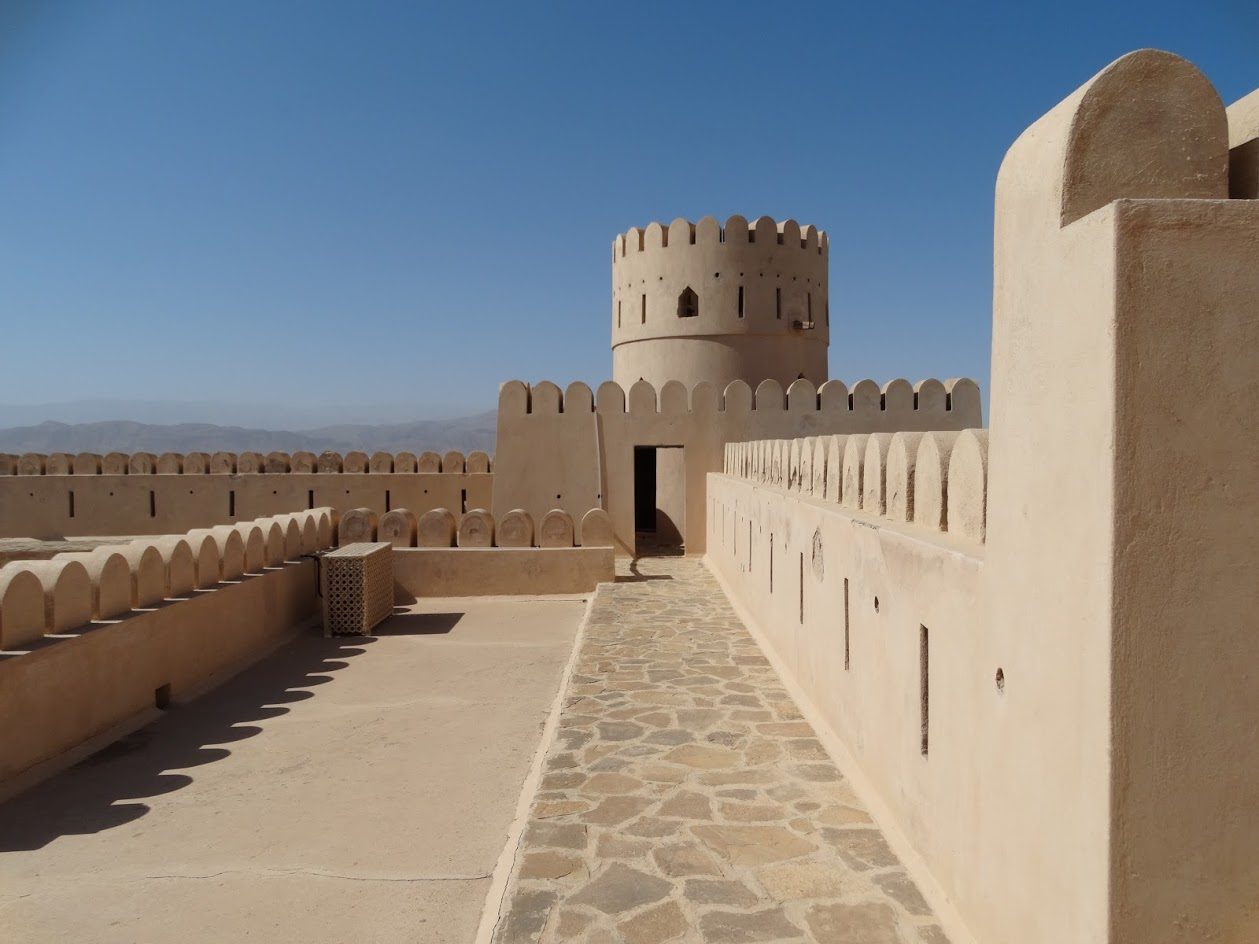
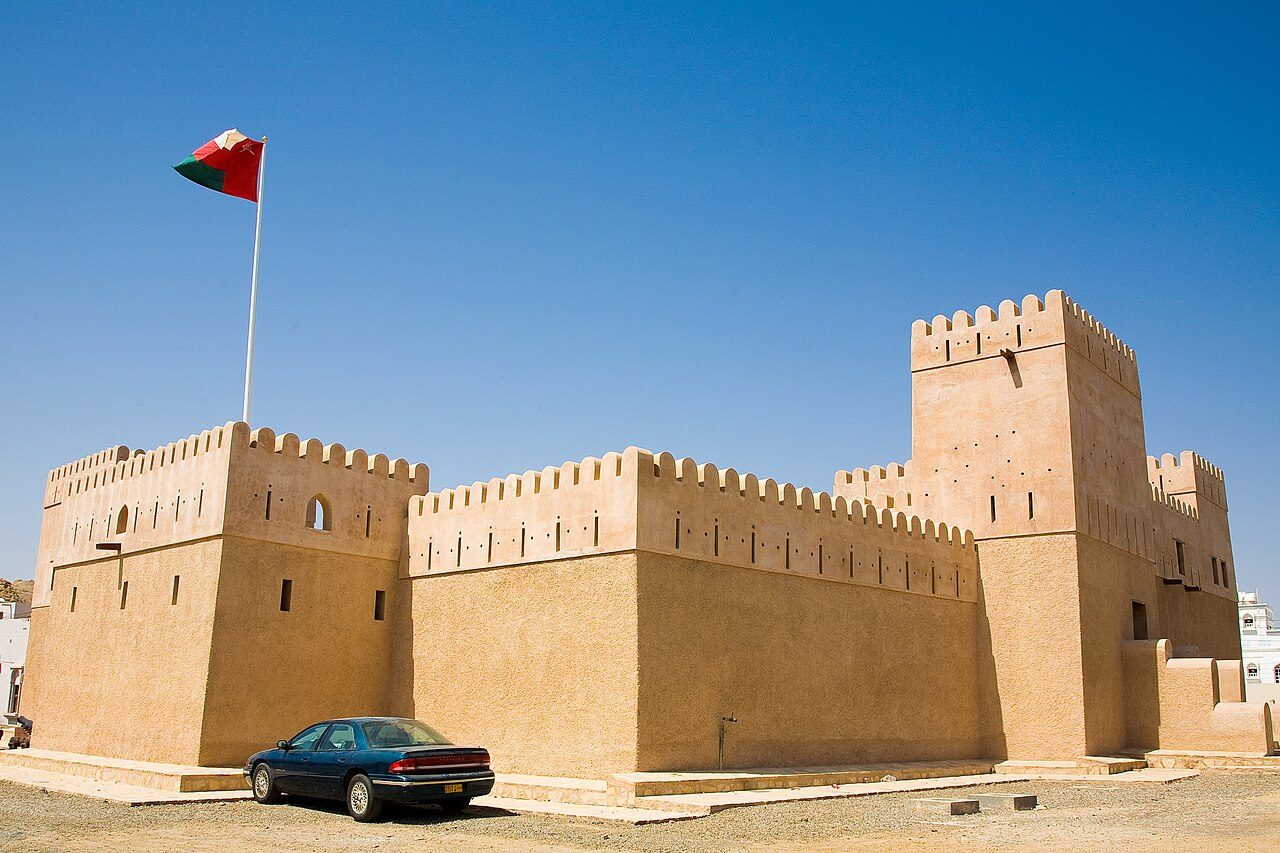
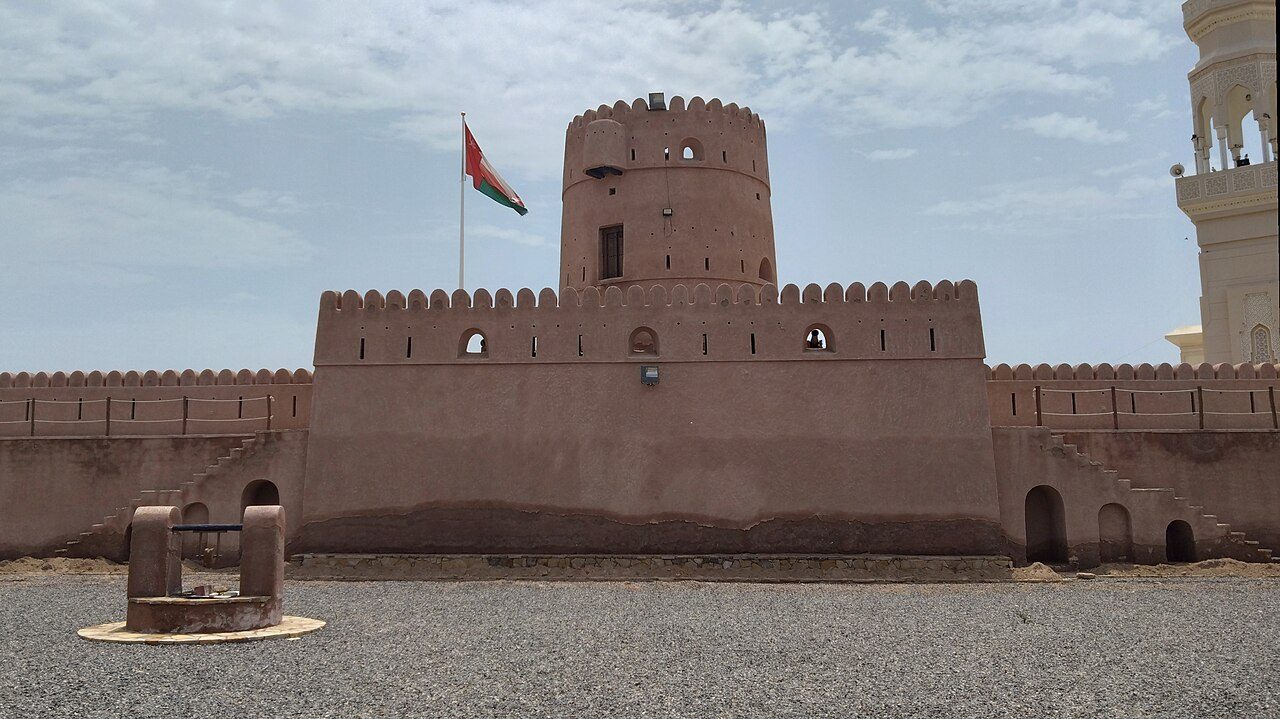
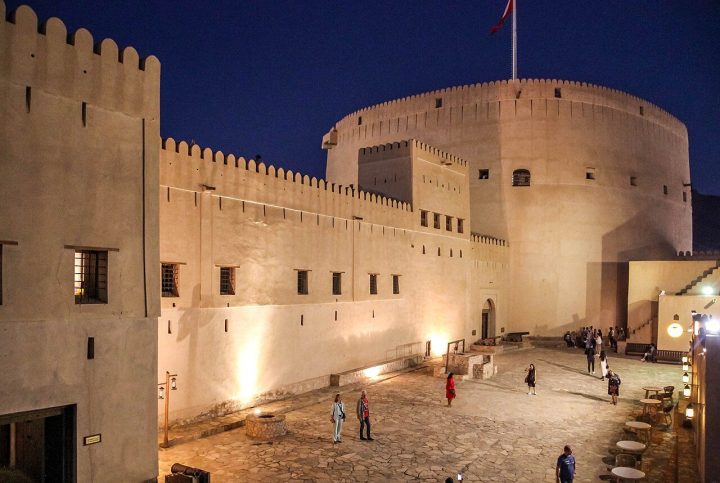
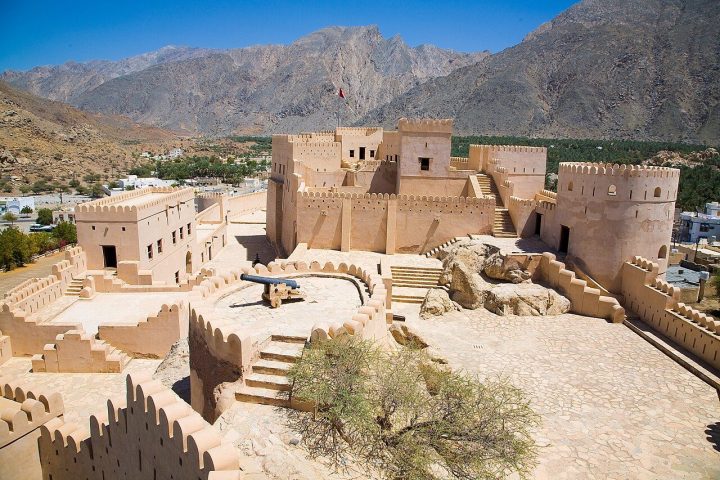
Sunaysilah Fort stands on a hill overlooking the town of Sur. It is thought to be about 300 years old and was built to defend the port from attacks from inland and the sea. The fort is a simple square with four round towers at the corners. Inside are a small mosque, a well and store rooms. Its walls give a good view of Sur and the coast.
08
STOP 8 OF 11
Ras Al Jinz Turtle Reserve
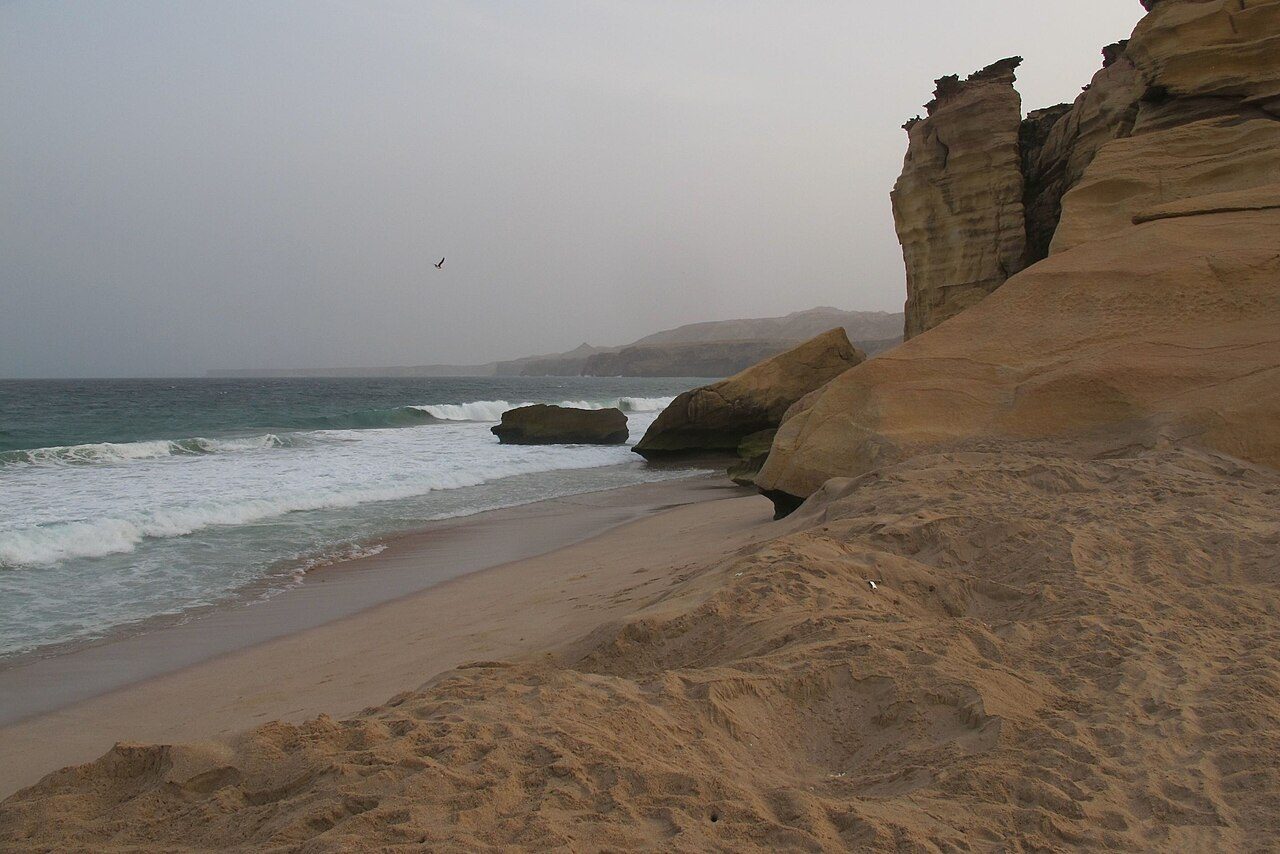
Ras Al Jinz is the easternmost point of the Arabian Peninsula and one of the most important nesting beaches for green turtles in the Indian Ocean. Turtles come ashore here almost every night of the year, with the peak in summer. The area is a protected reserve. Visitors join guided walks from the visitor centre at night or before dawn to watch the turtles nesting.
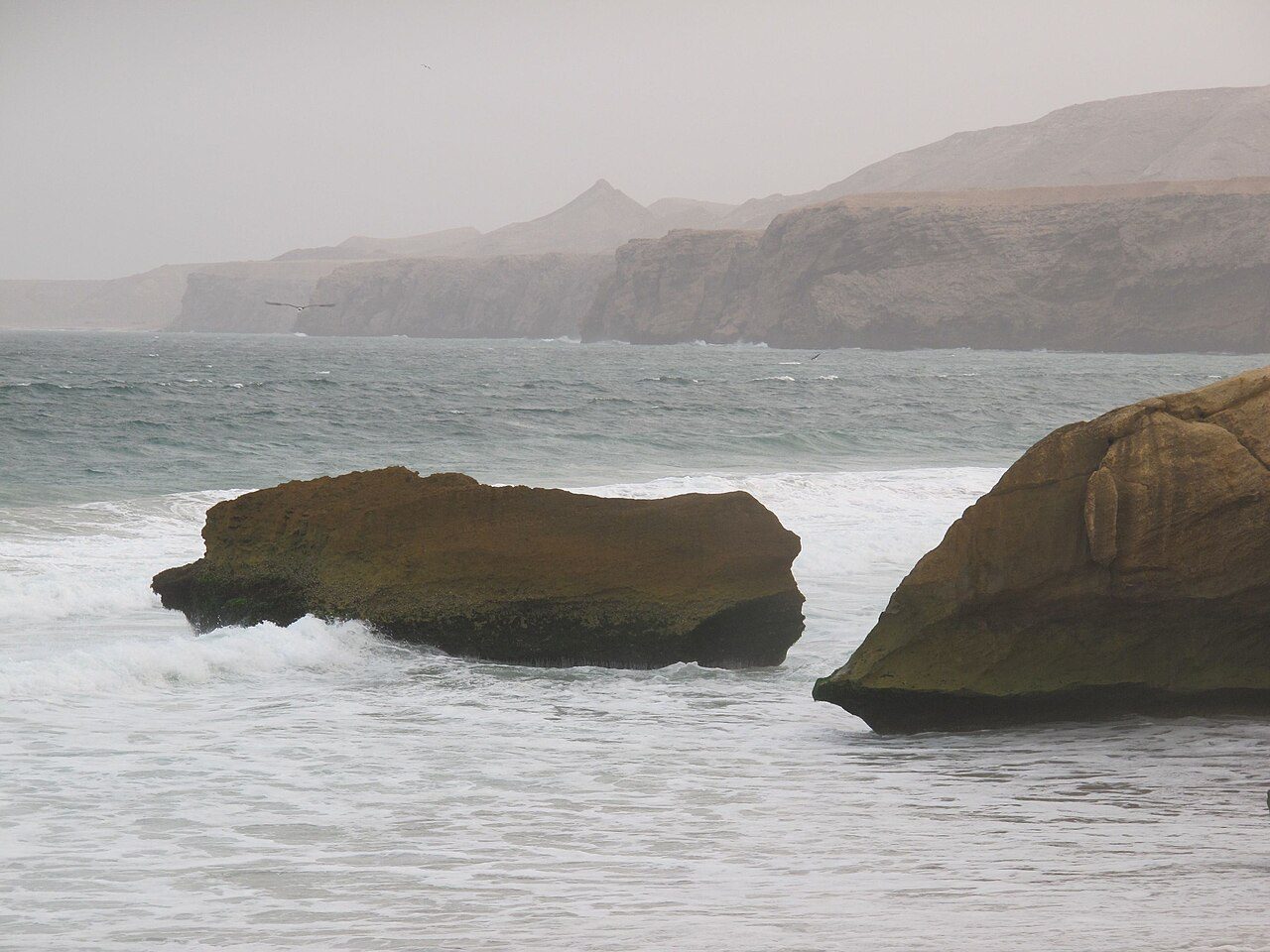
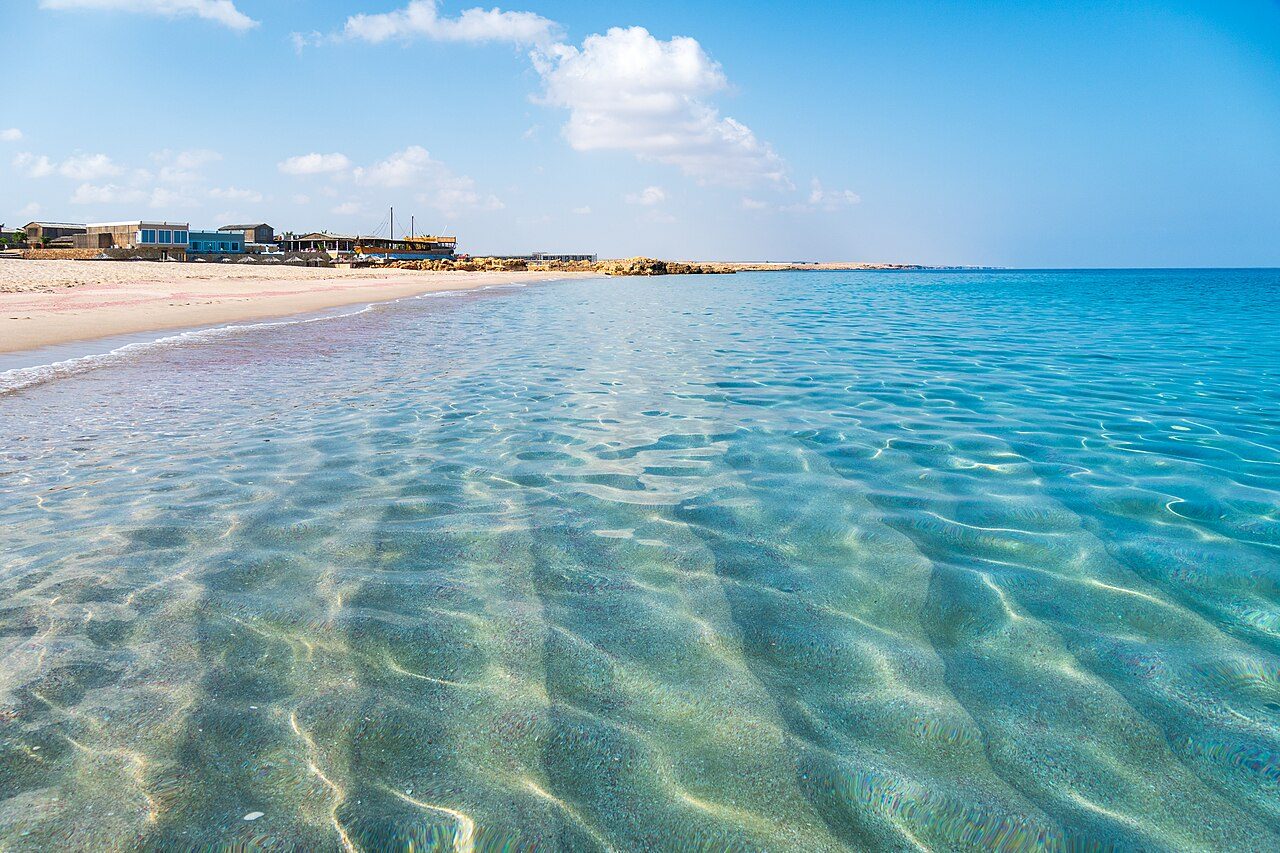
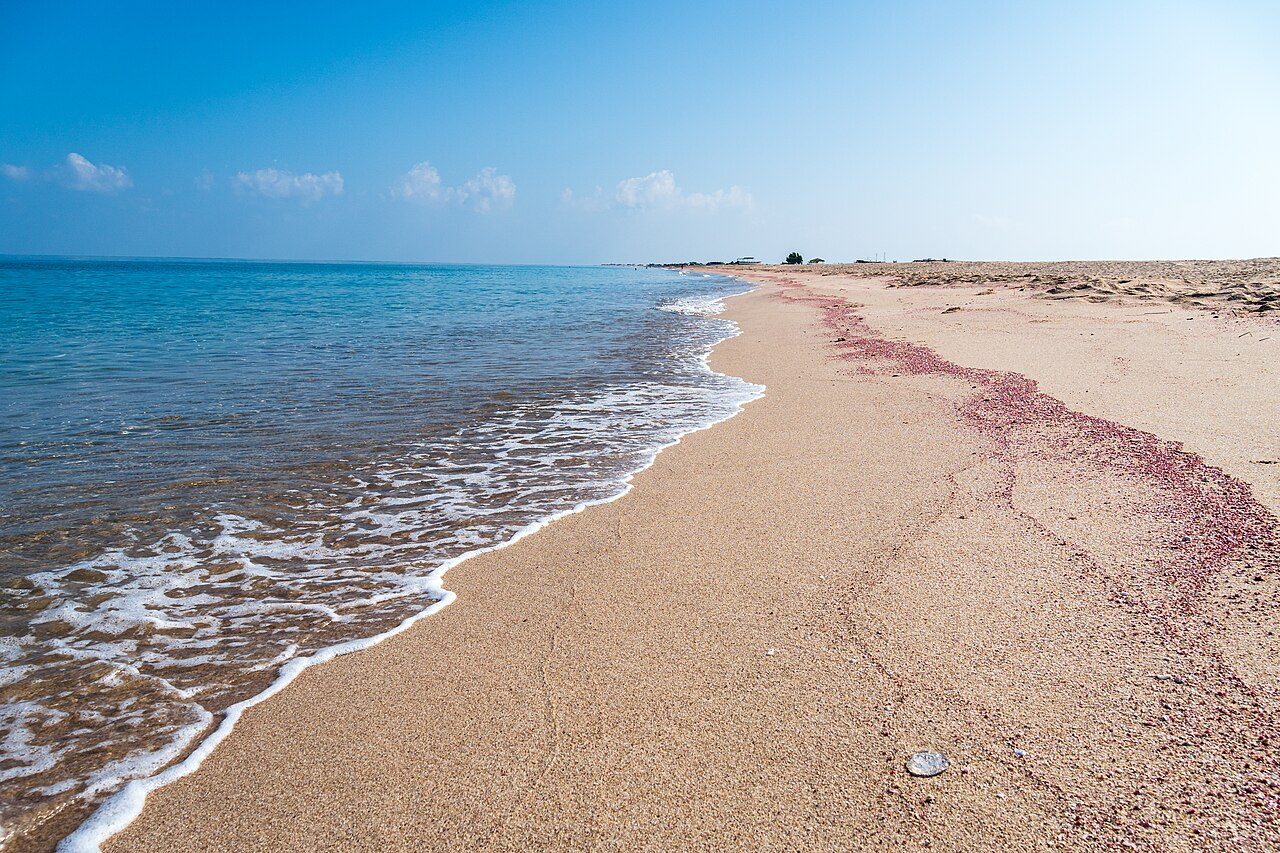
Ras Al Hadd is a village on a headland where the Gulf of Oman meets the Arabian Sea. A long sandy beach and a shallow lagoon lie beside it, and green turtles nest along this coast. The village has a small fort with round towers, built in the 16th century. During the Second World War an airfield was built here, and traces of the runway remain.
10
STOP 10 OF 11
Wadi Bani Khalid
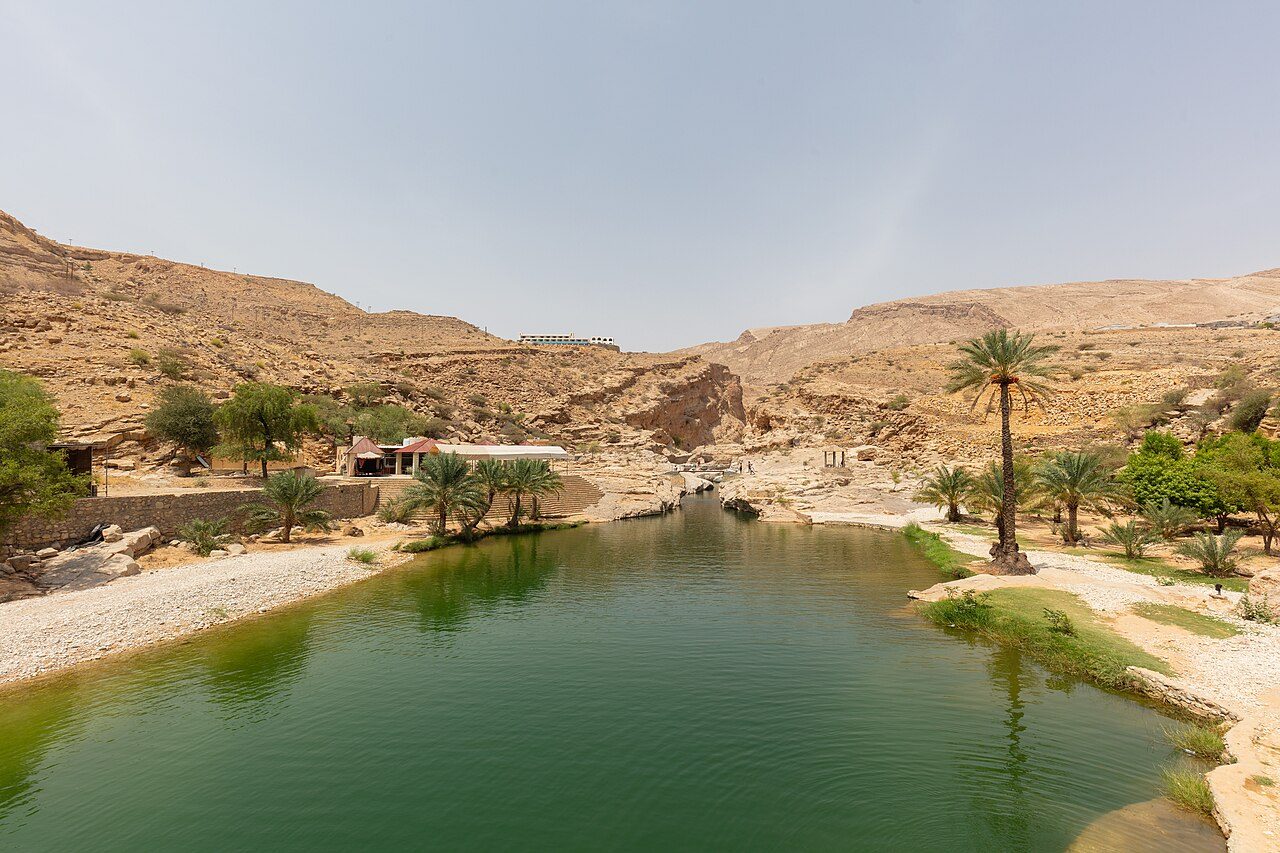
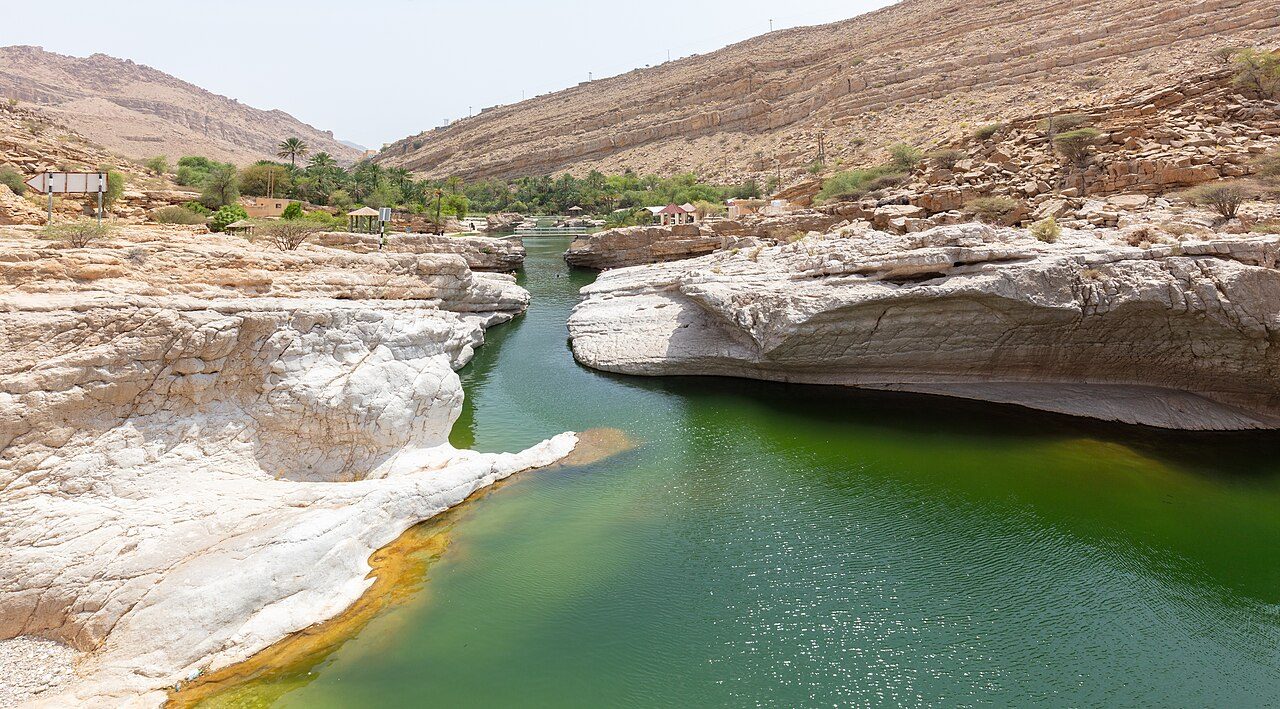
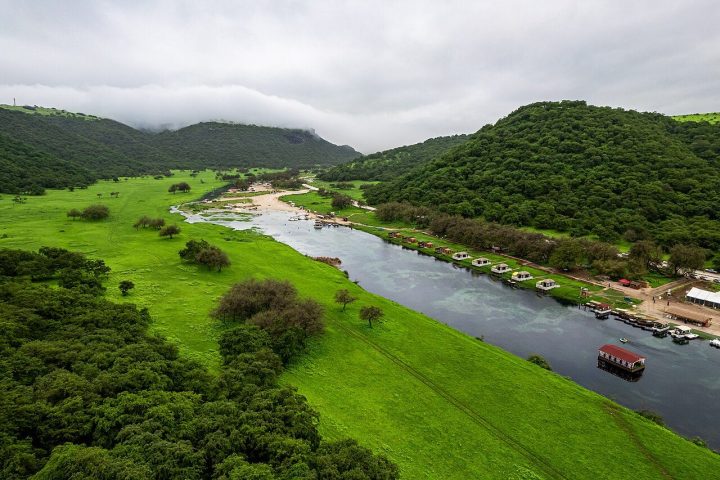
Wadi Bani Khalid is one of the best known wadis in Oman. A spring keeps its stream flowing all year, feeding large pools of clear green water among pale boulders and date palms. The main pool is easy to reach by a short path and has a small cafe. Further up, the gorge narrows to smaller pools and a cave. Villages and gardens line the valley below.
11
STOP 11 OF 11 · LAST STOP
Wahiba Sands
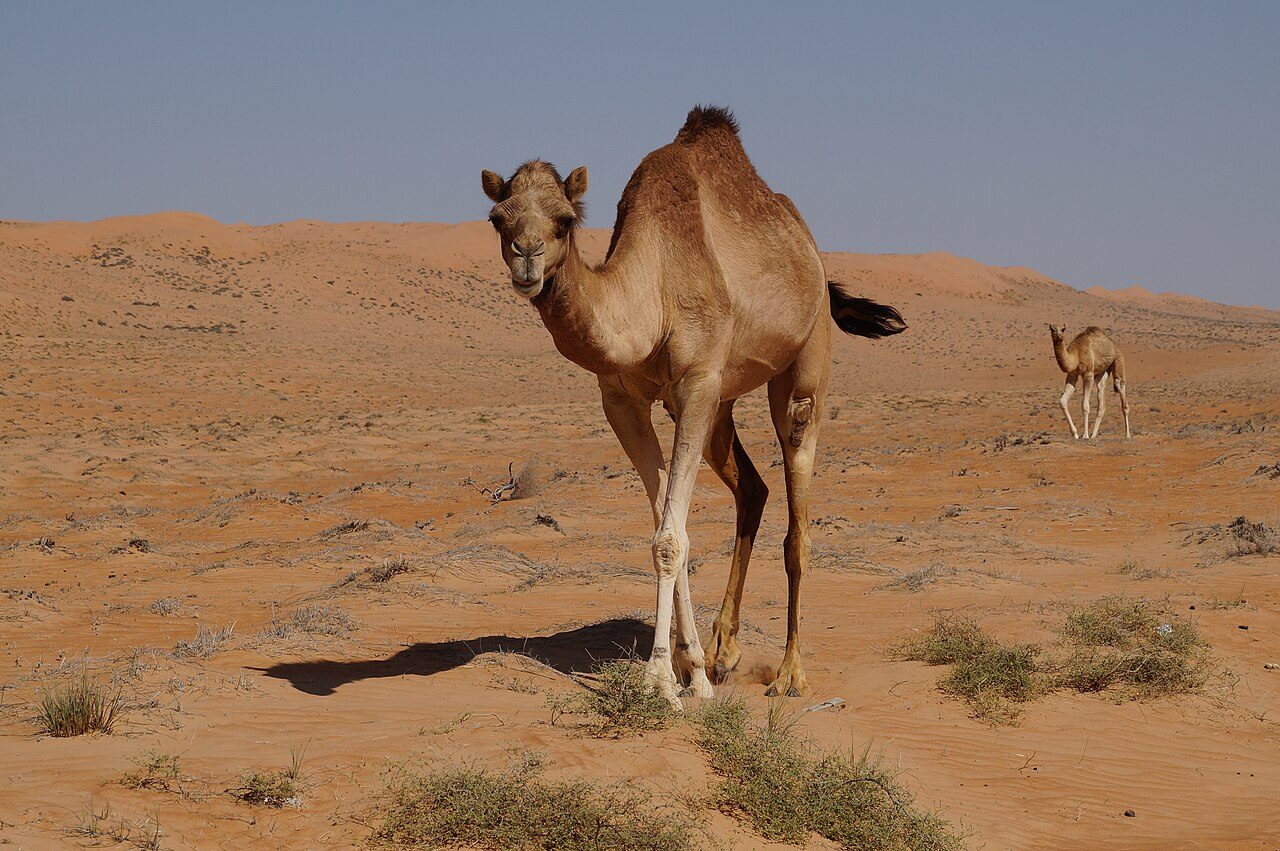
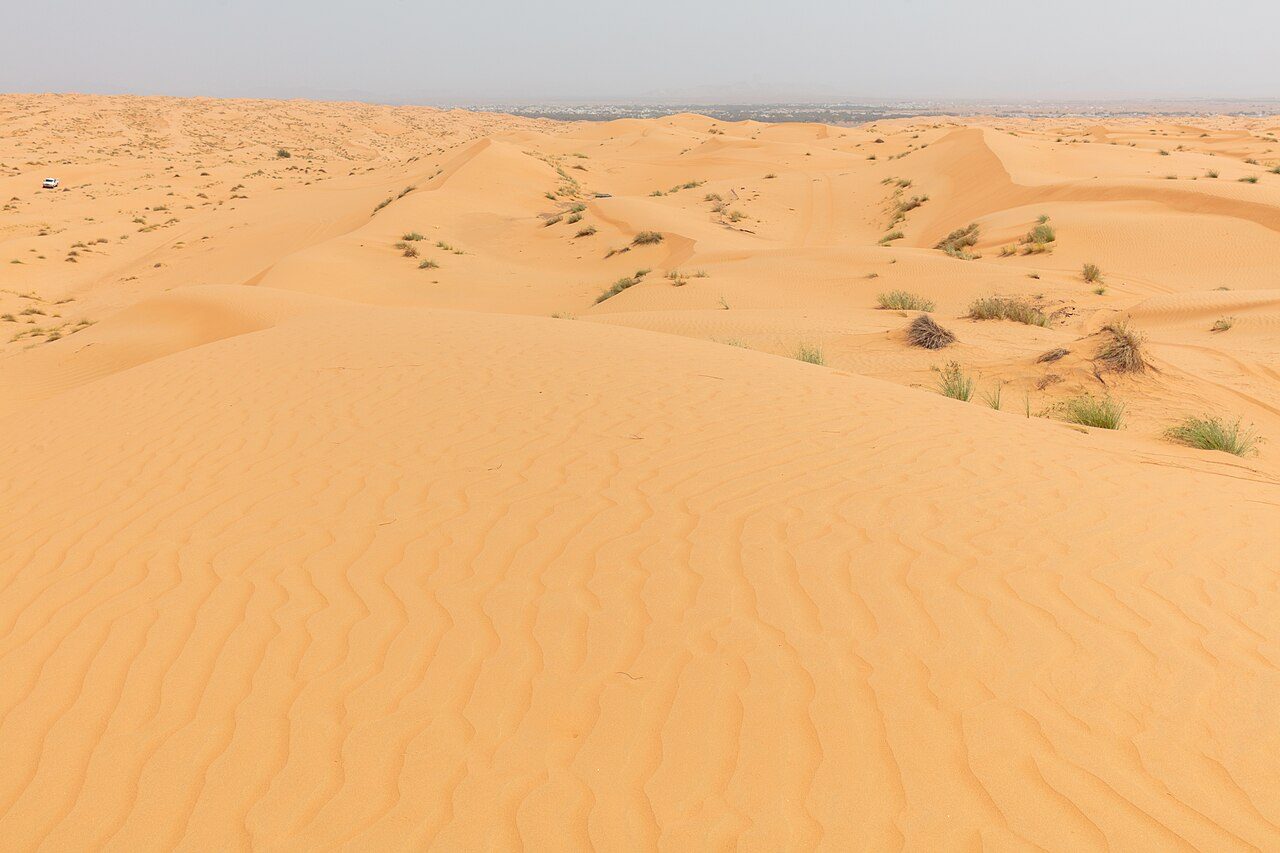
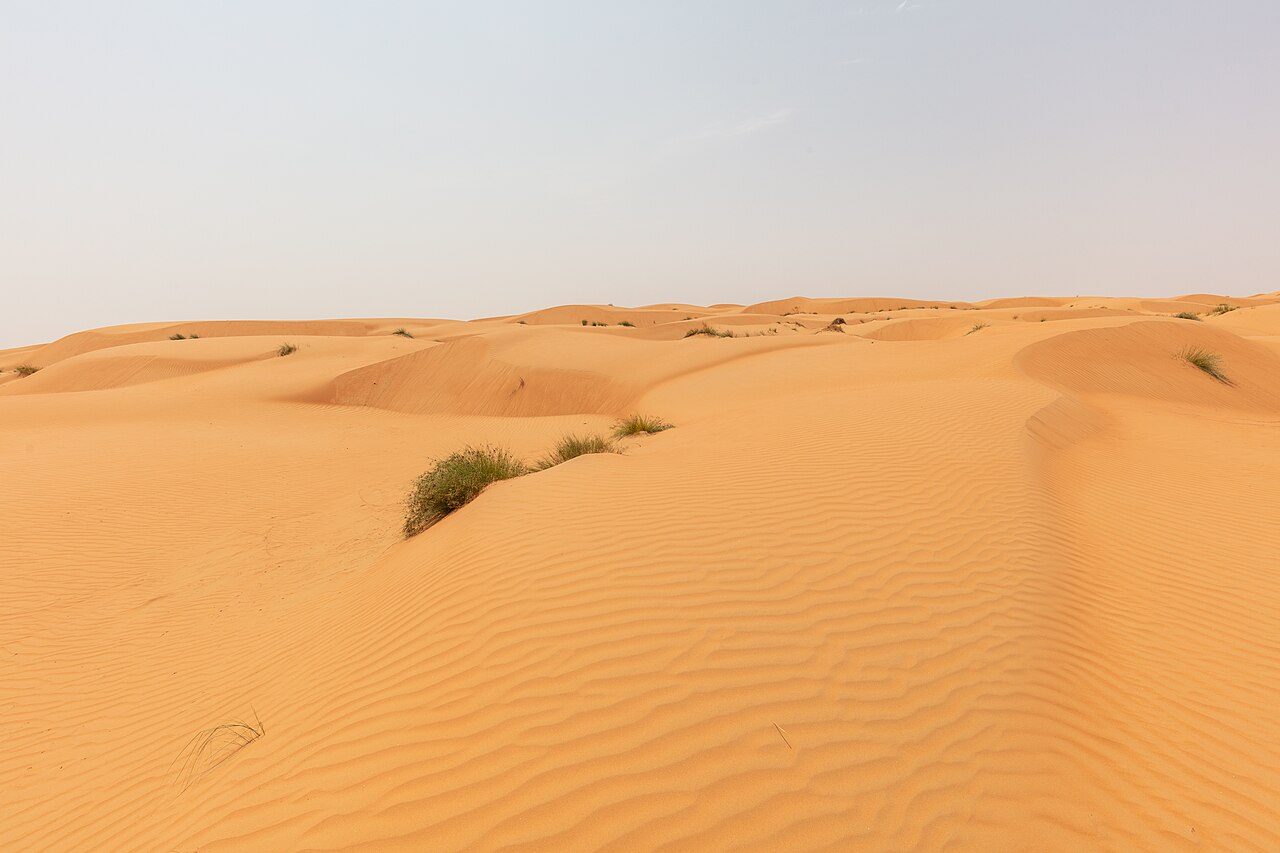
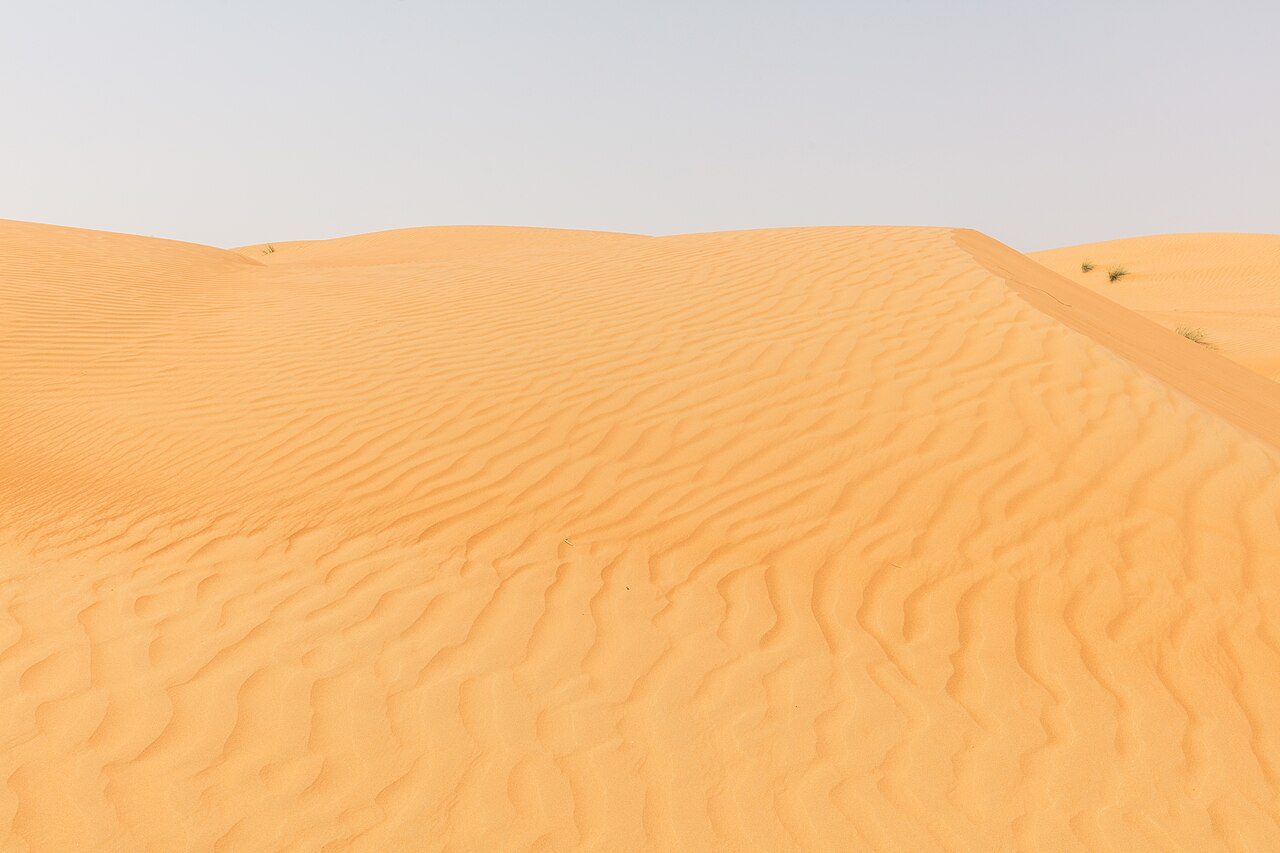
The Wahiba Sands, also called the Sharqiyah Sands, are a sea of dunes covering about 12,500 square kilometres in eastern Oman. Long ridges of orange sand run north to south, some rising about 100 metres. Bedouin families still live along the edges with their camels and goats. Visitors come from Bidiyah to drive over the dunes, ride camels and stay in desert camps.
Seasons from 20 years of NASA POWER climate data.
 WaTrips