Nizwa Fort and souq, Birkat Al Mouz, Jabrin and Bahla, Al Hamra and Misfat, Jebel Shams and Al Hoota Cave, then Jebel Akhdar.
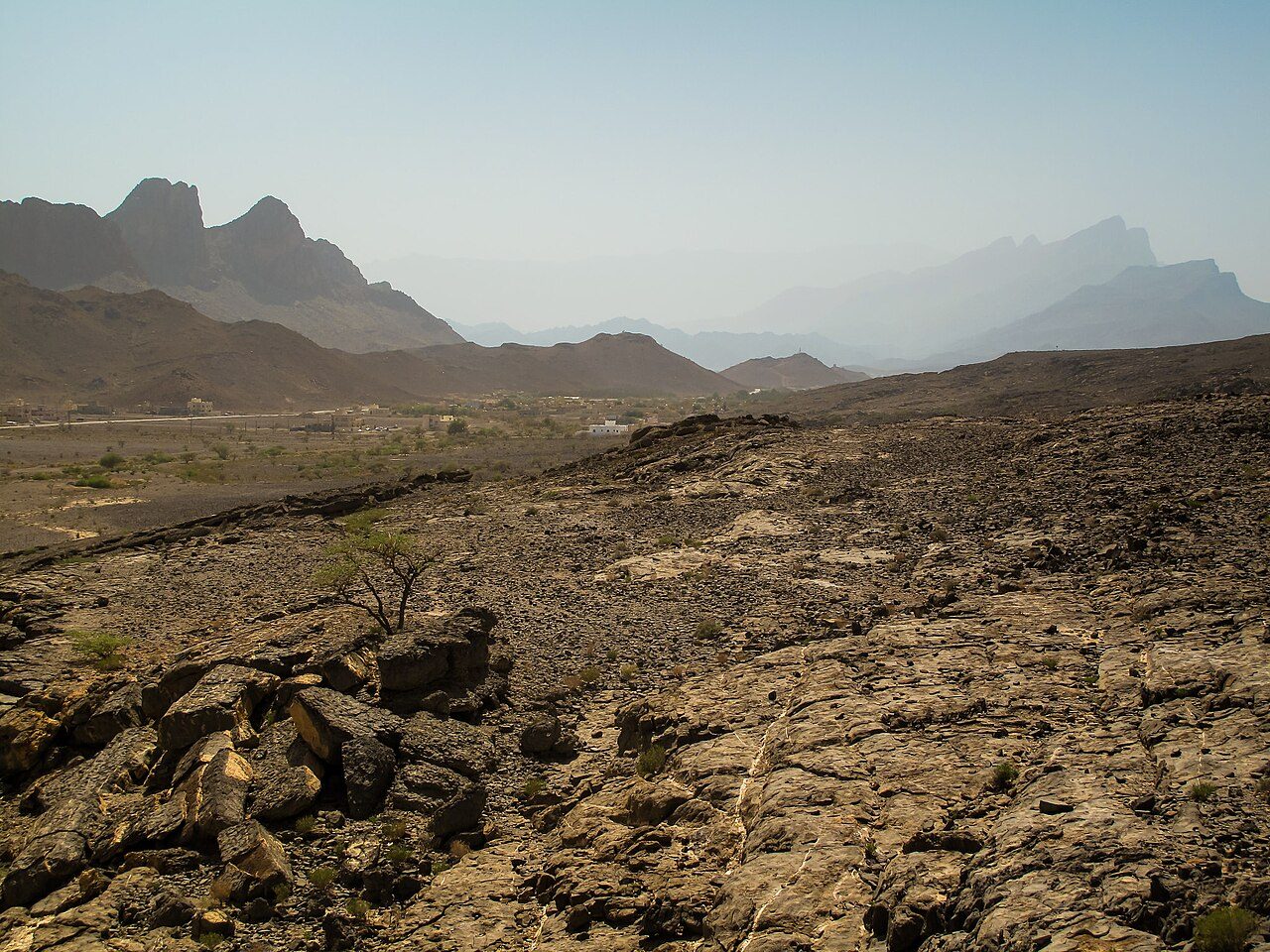
Oman's interior is a land of forts, oases and mountains. Day one visits Nizwa Fort and its souq, with a goat market on Friday mornings, and the ruins of Birkat Al Mouz. Day two sees Jabrin Castle, Bahla Fort, a UNESCO World Heritage Site, and the old mud villages of Al Hamra and Misfat Al Abriyeen. Day three climbs Jebel Shams, Oman's highest mountain, to look into its canyon, and explores Al Hoota Cave. Day four drives up Jebel Akhdar, whose terraced villages grow roses and pomegranates; a 4x4 is required at the checkpoint.
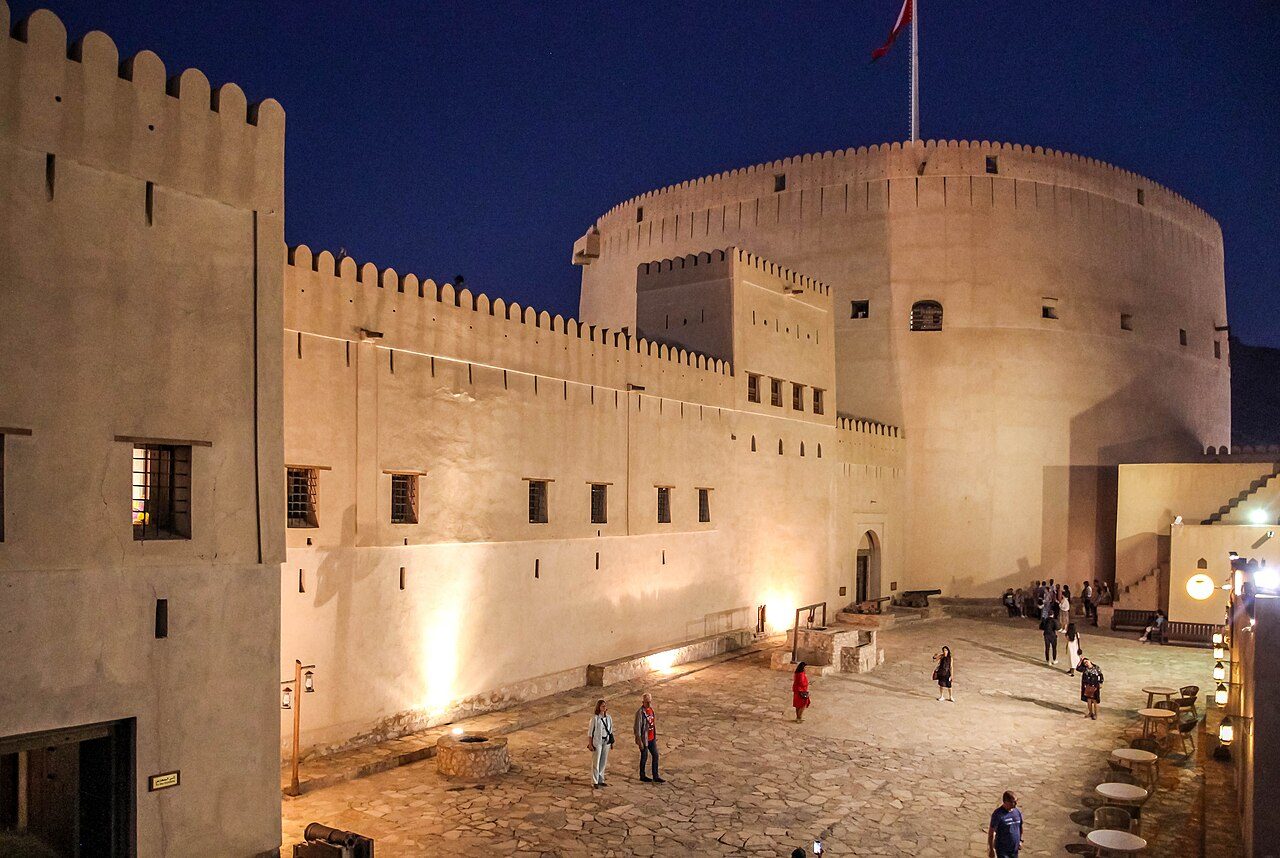
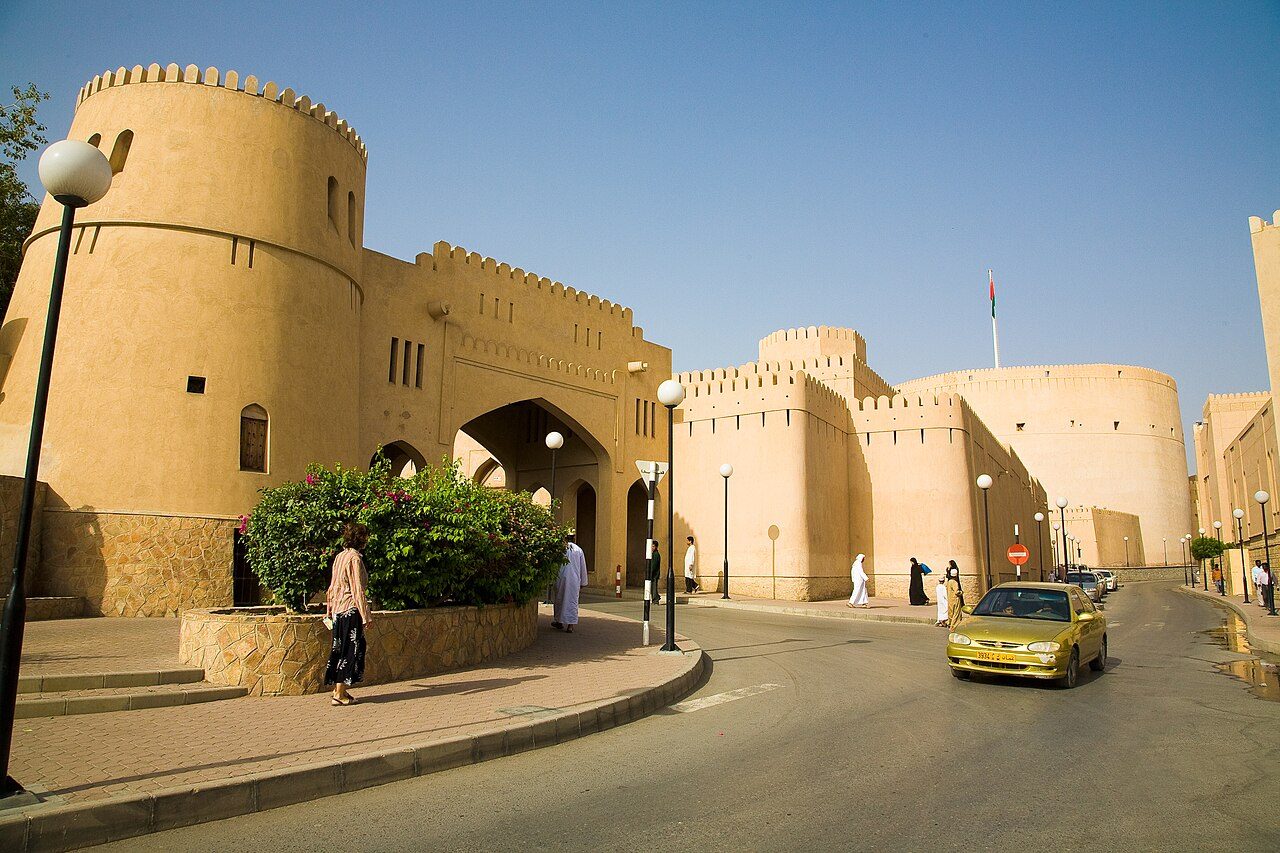
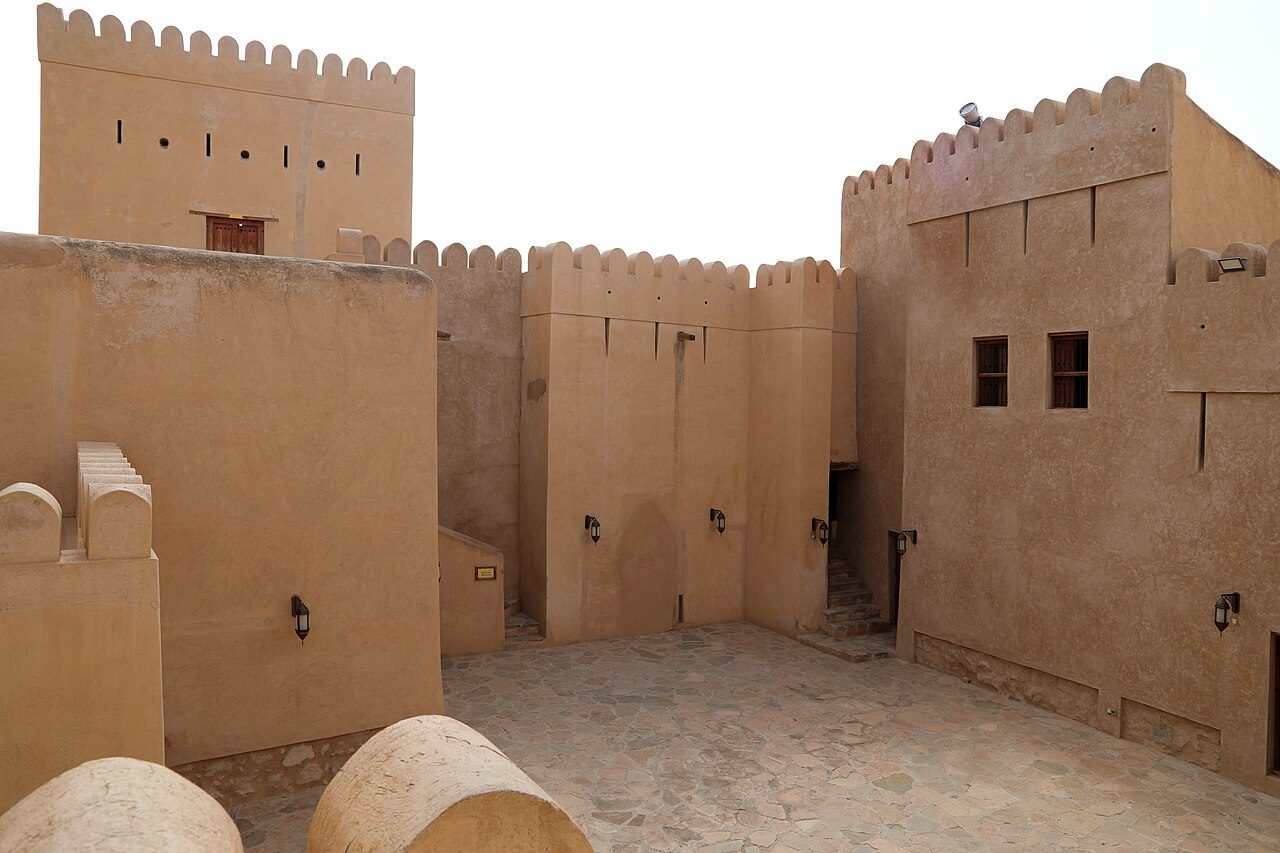
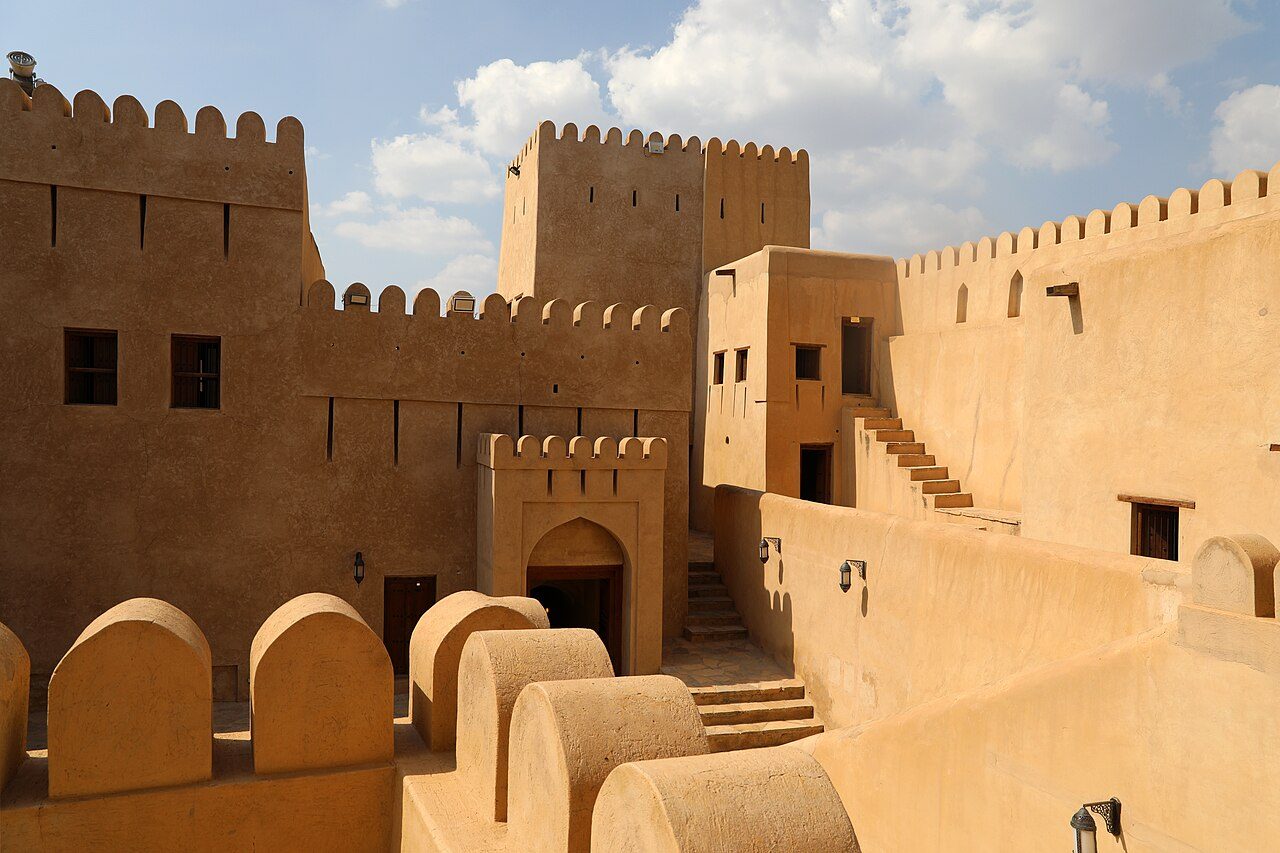
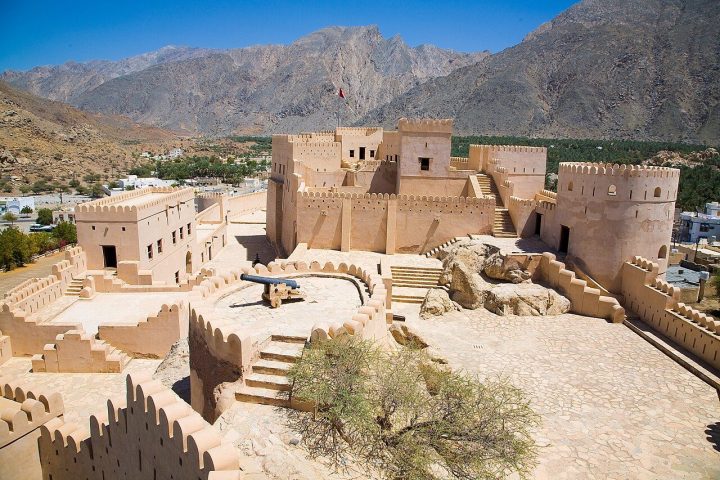
Nizwa Fort was built in the 1650s by Imam Sultan bin Saif Al Yarubi, and took about twelve years to complete. Its huge round tower, about 36 metres across, is the largest of its kind in Oman. Inside are stairways with trap doors, pits and shafts for pouring hot date syrup on attackers. From the top there are views over the palm groves, the souq and the Hajar Mountains.
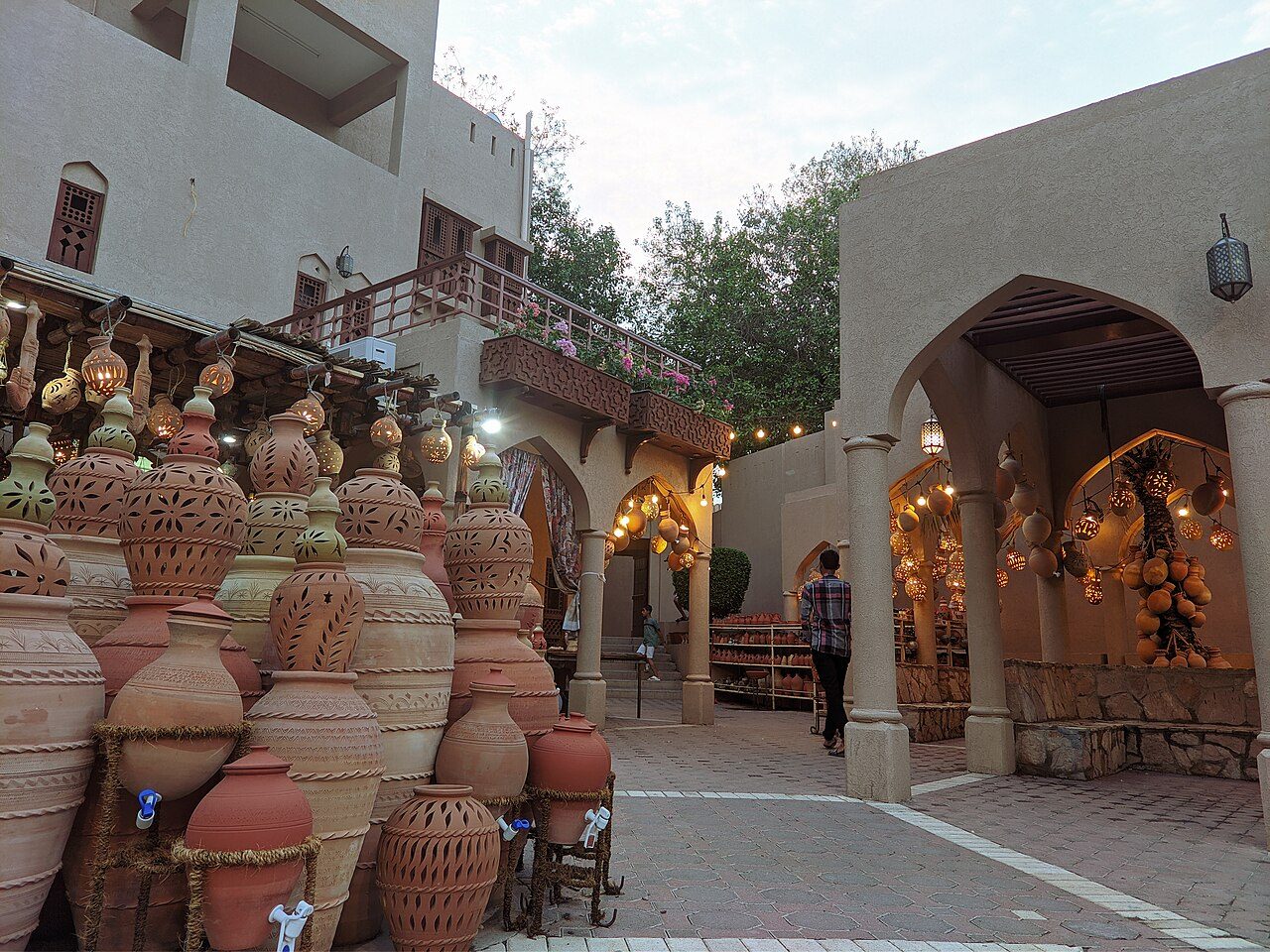
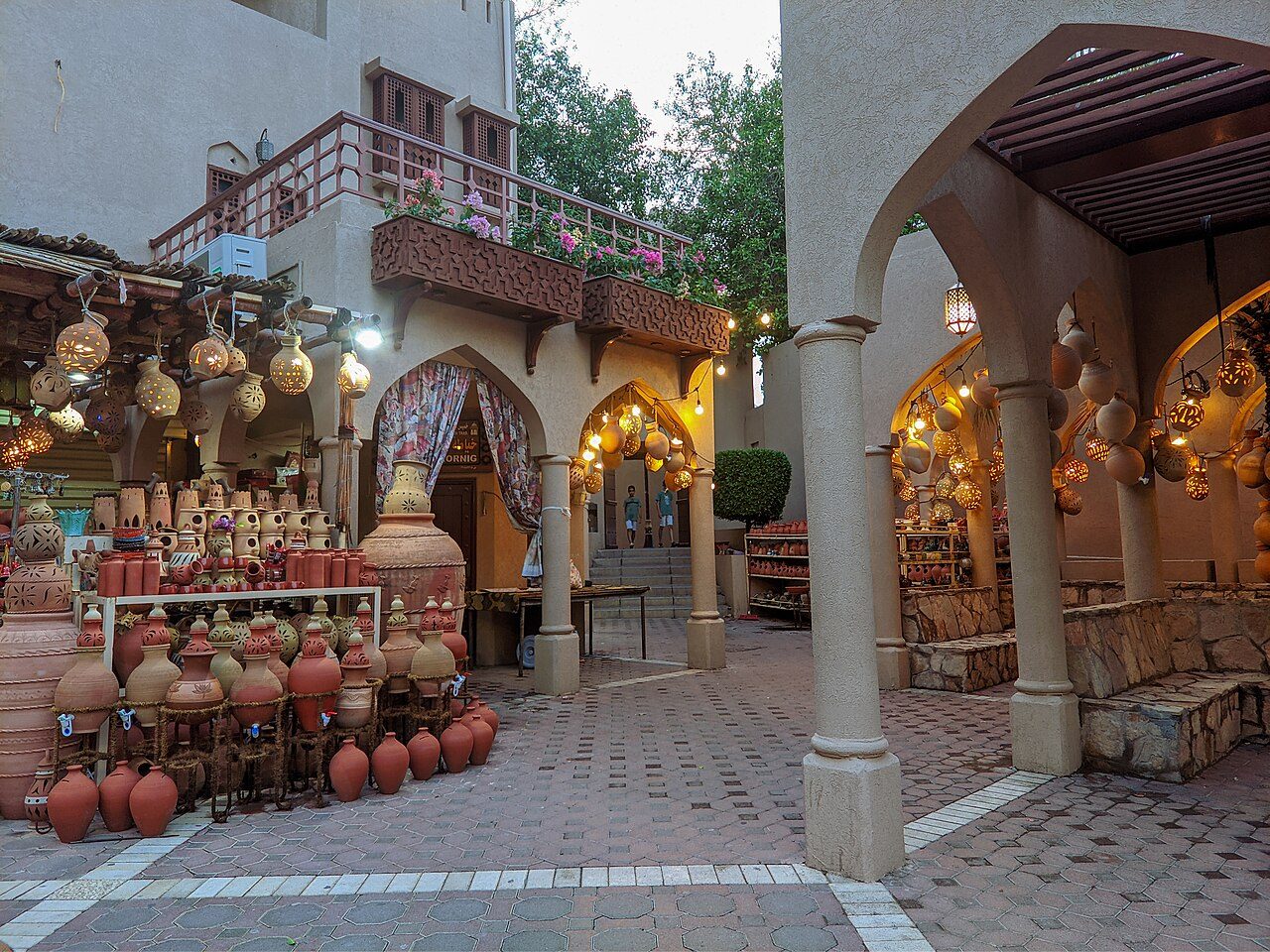
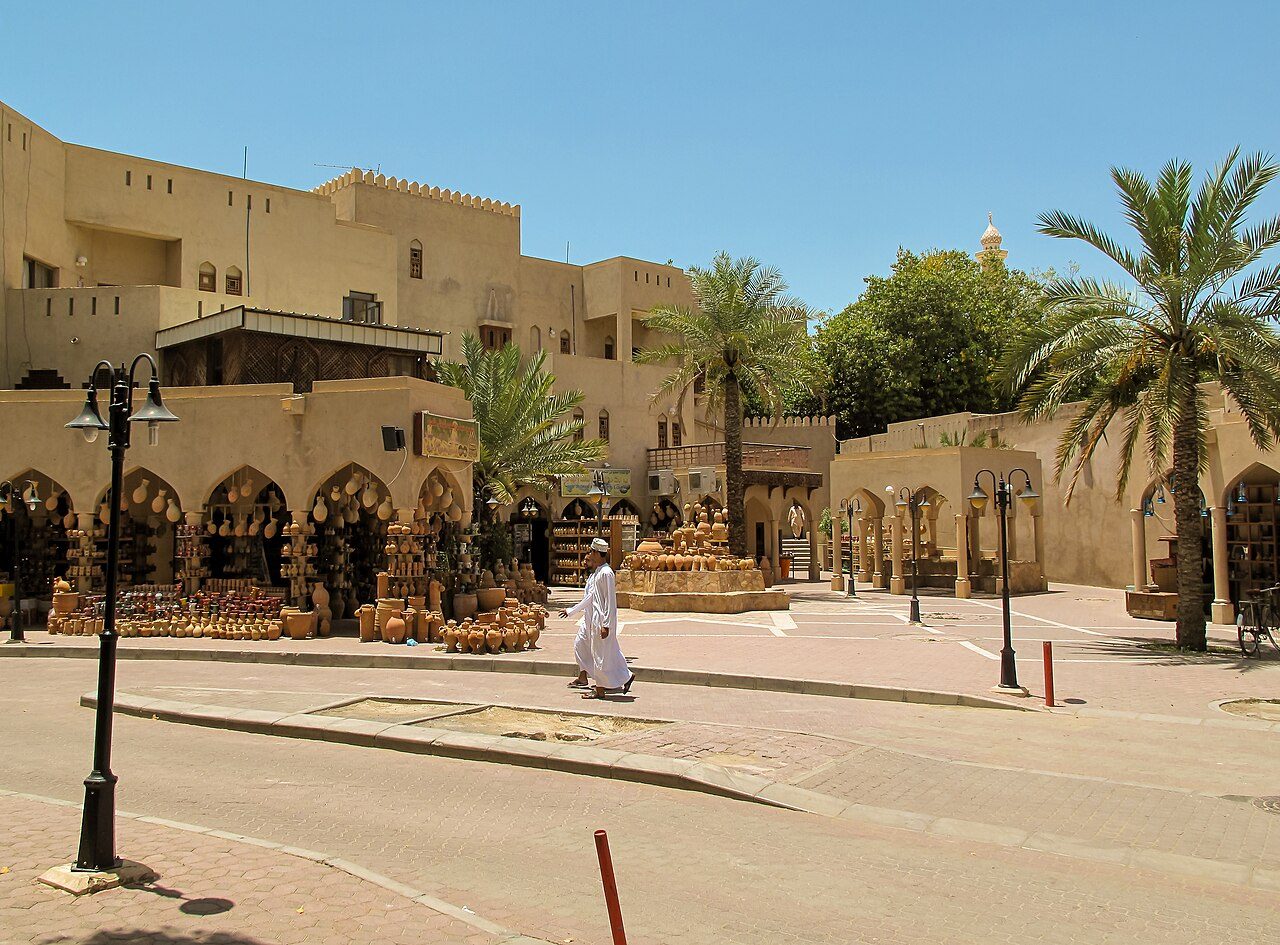
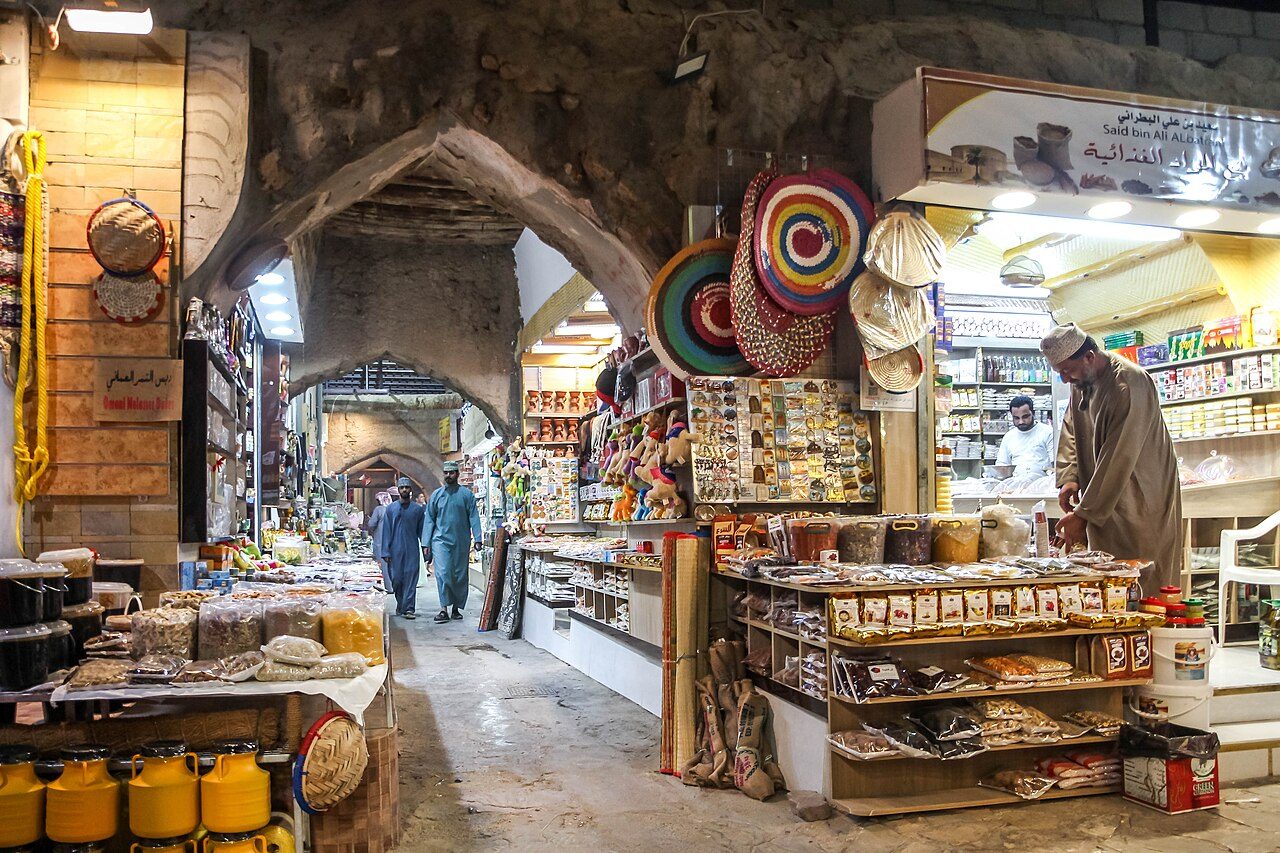
Nizwa Souq lies beside the fort in the old capital of Oman's interior. It is one of the oldest markets in the country. Separate halls sell dates, vegetables, meat, fish, spices and halwa, while other shops are known for silver khanjars, pottery and copper work. On Friday mornings a lively goat and cattle market is held, where animals are led around a ring of buyers.
03
STOP 3 OF 10
Birkat Al Mouz
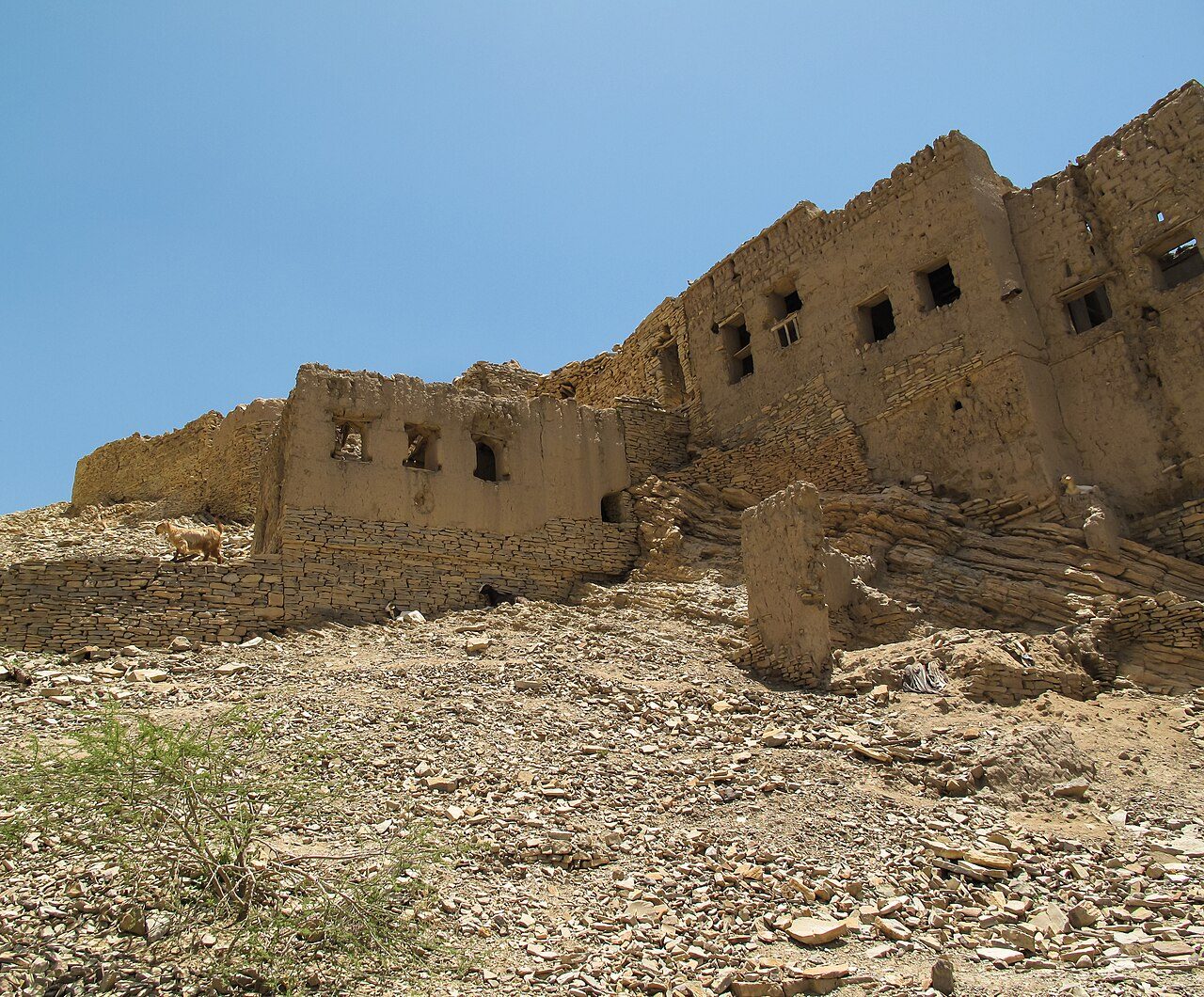
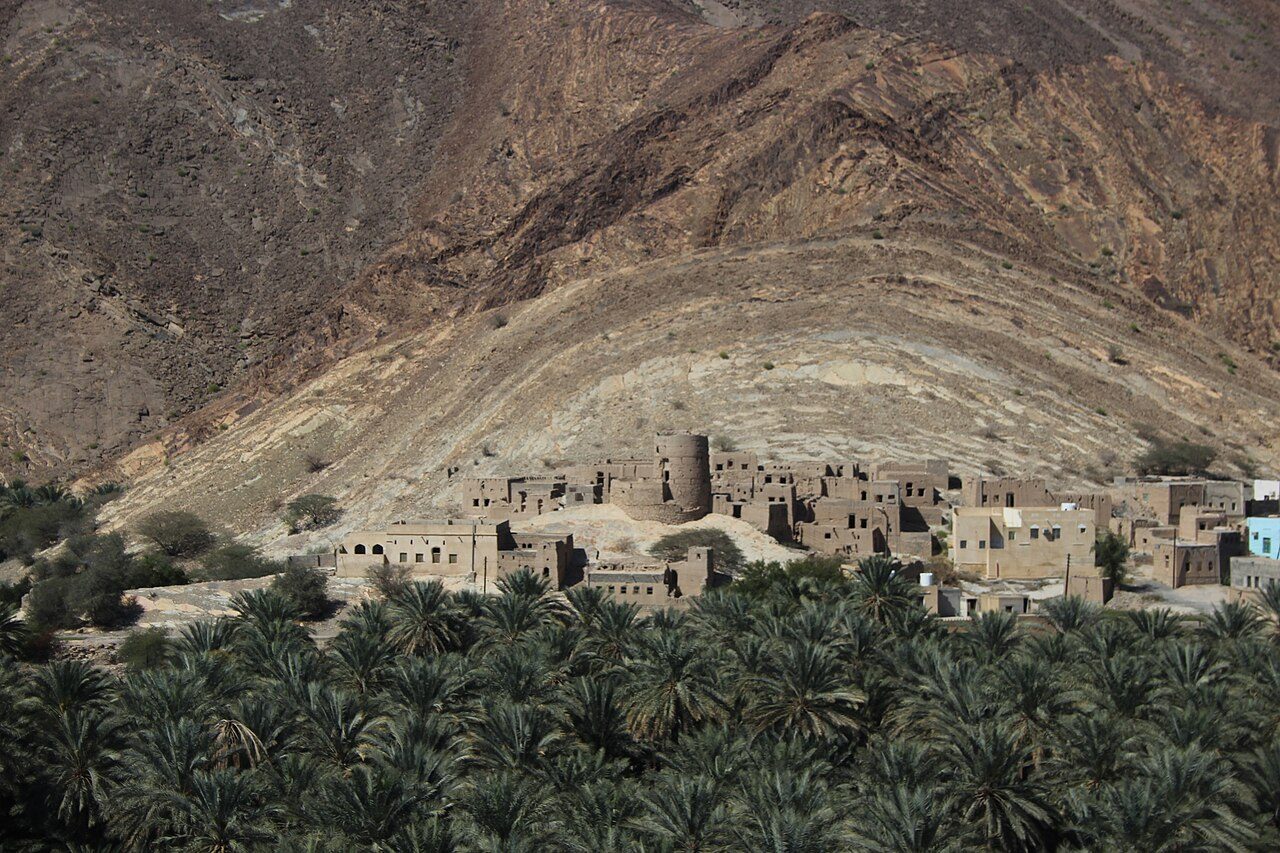
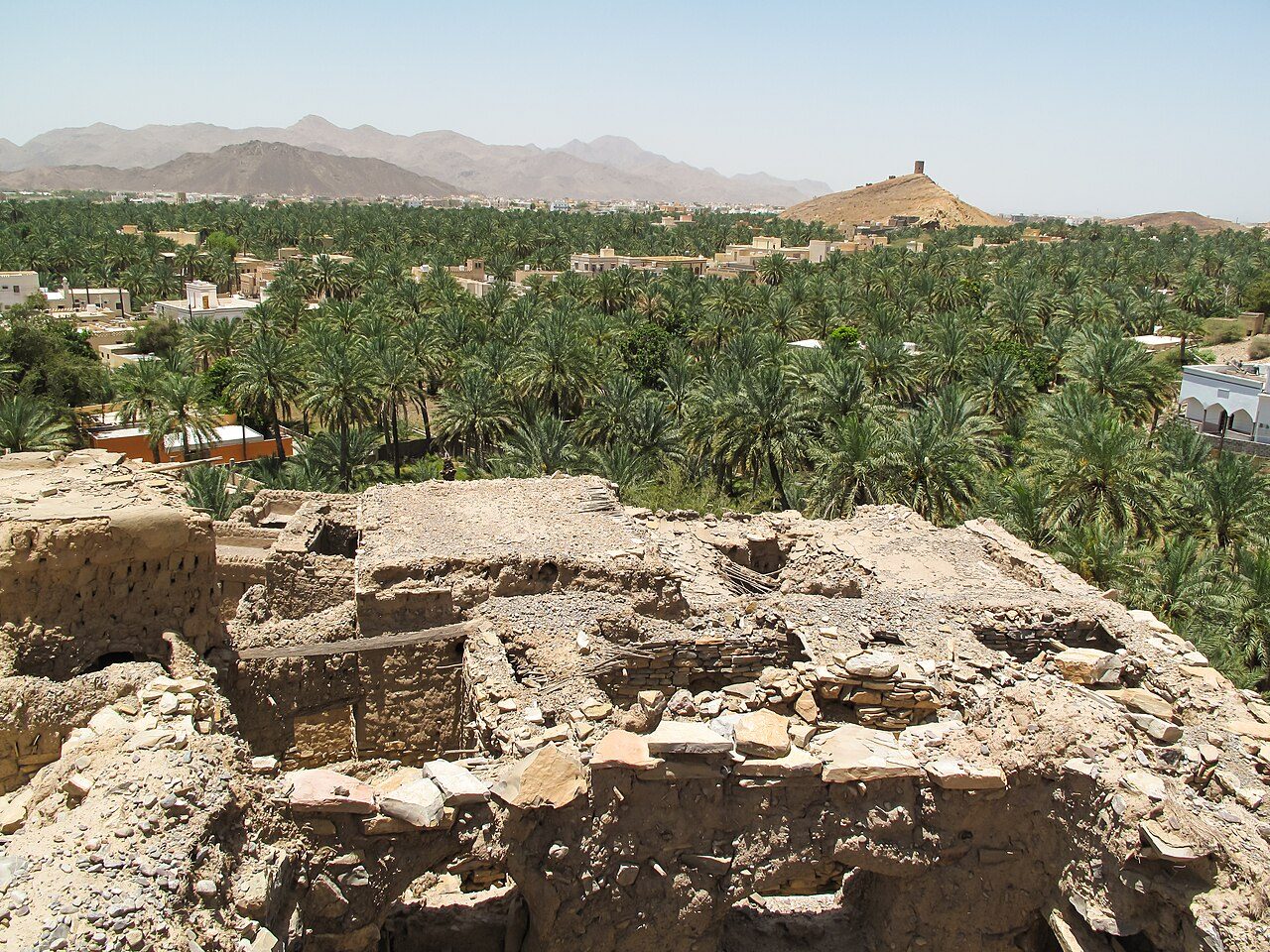
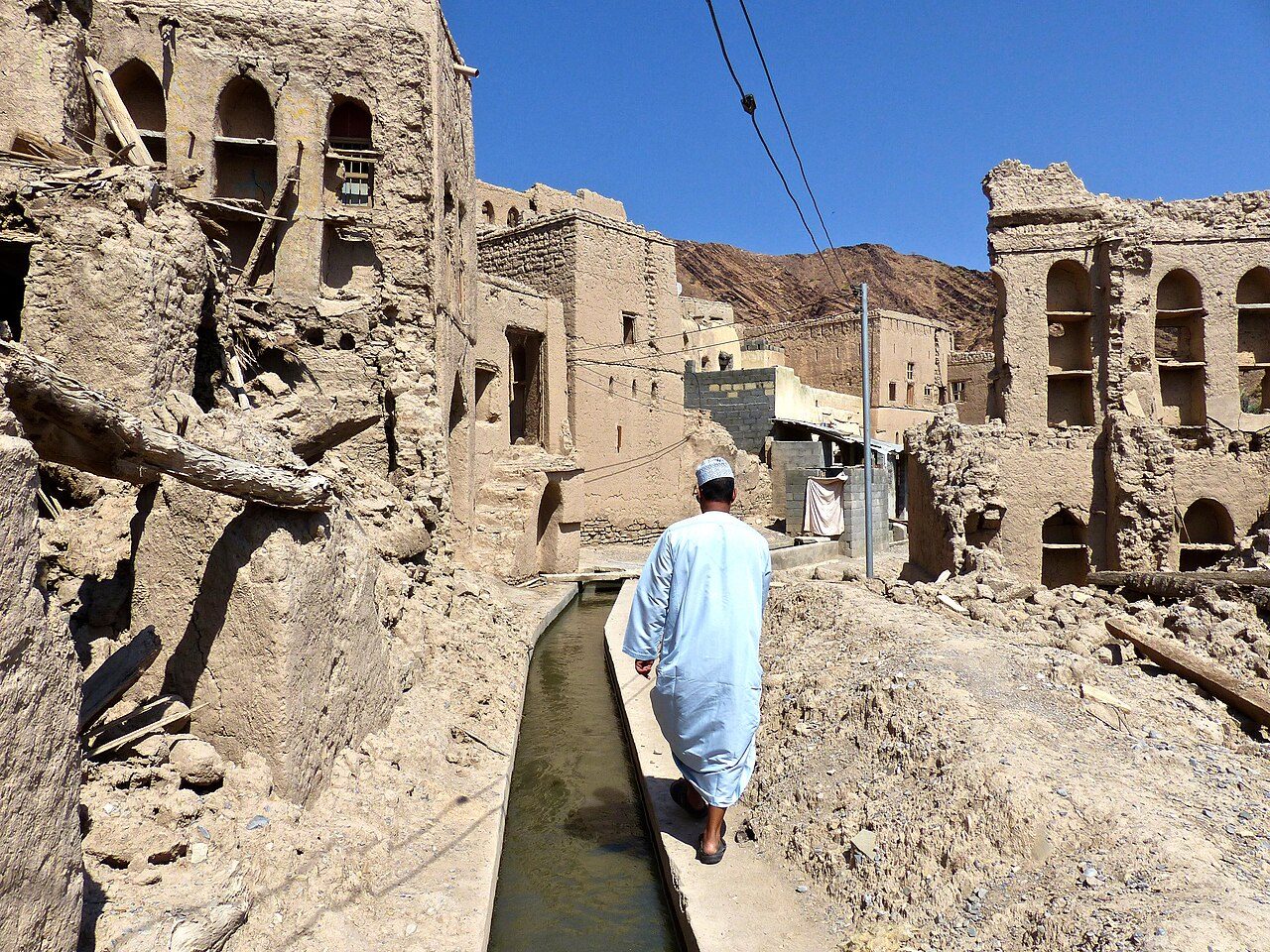
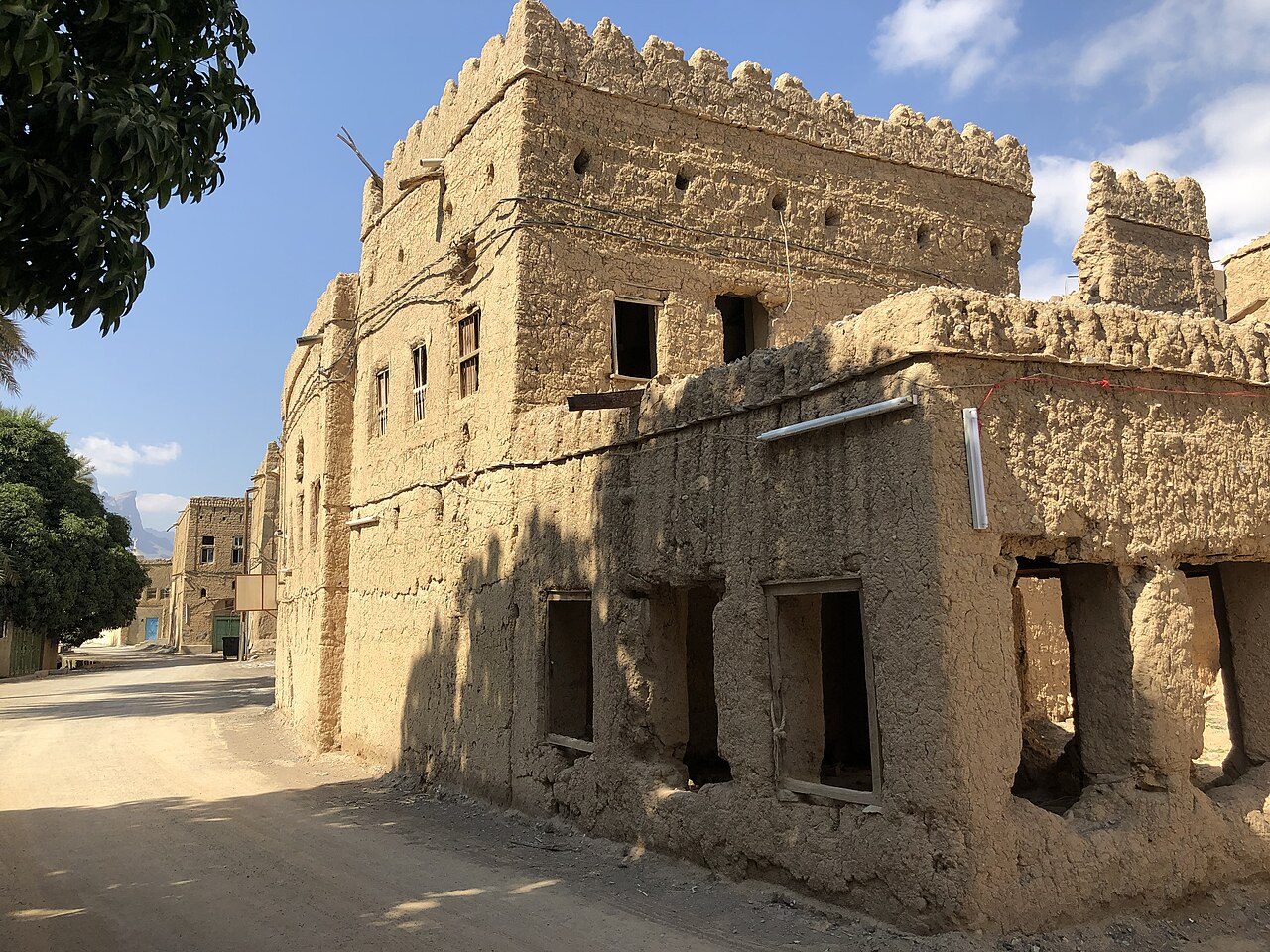
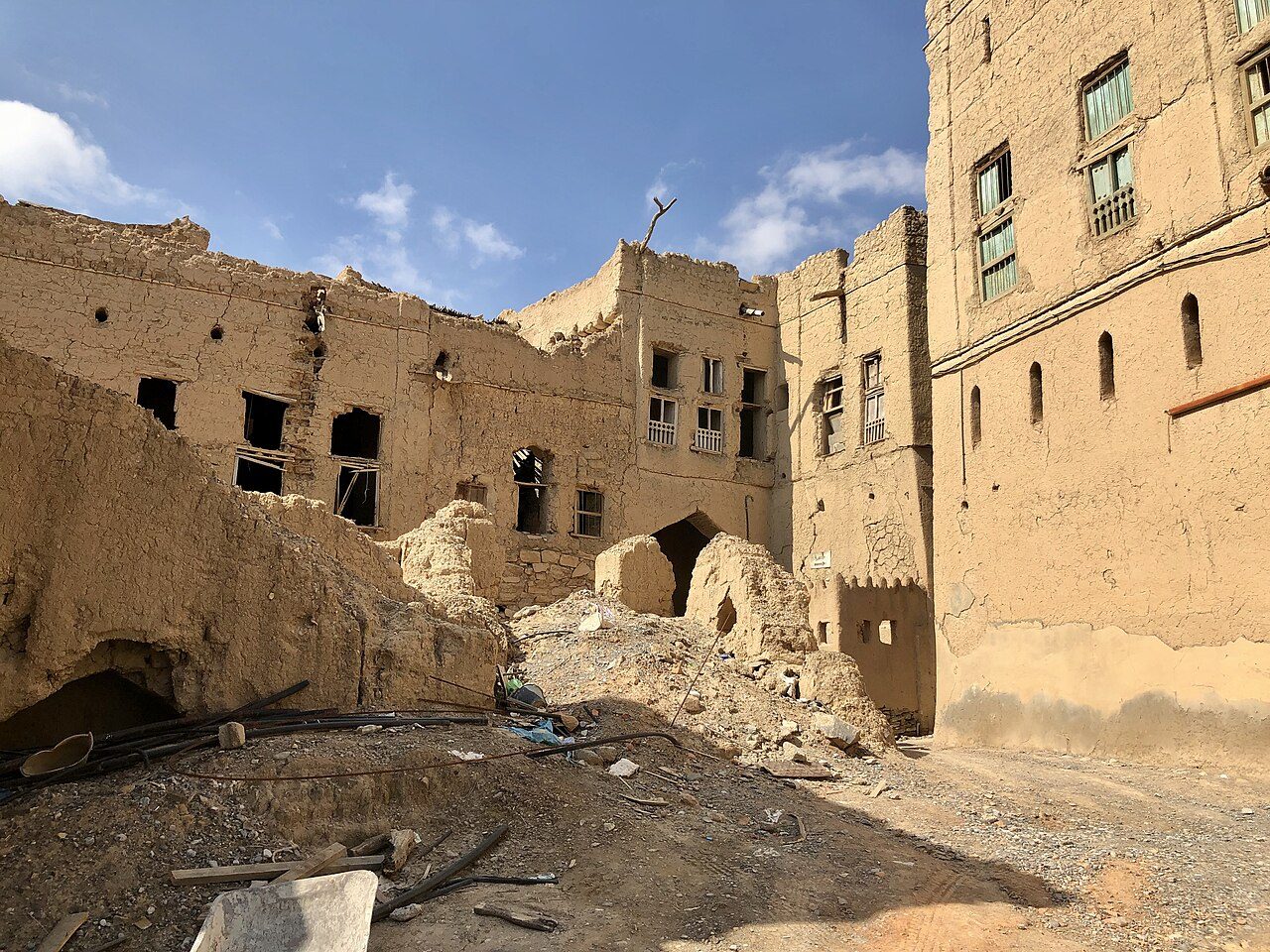
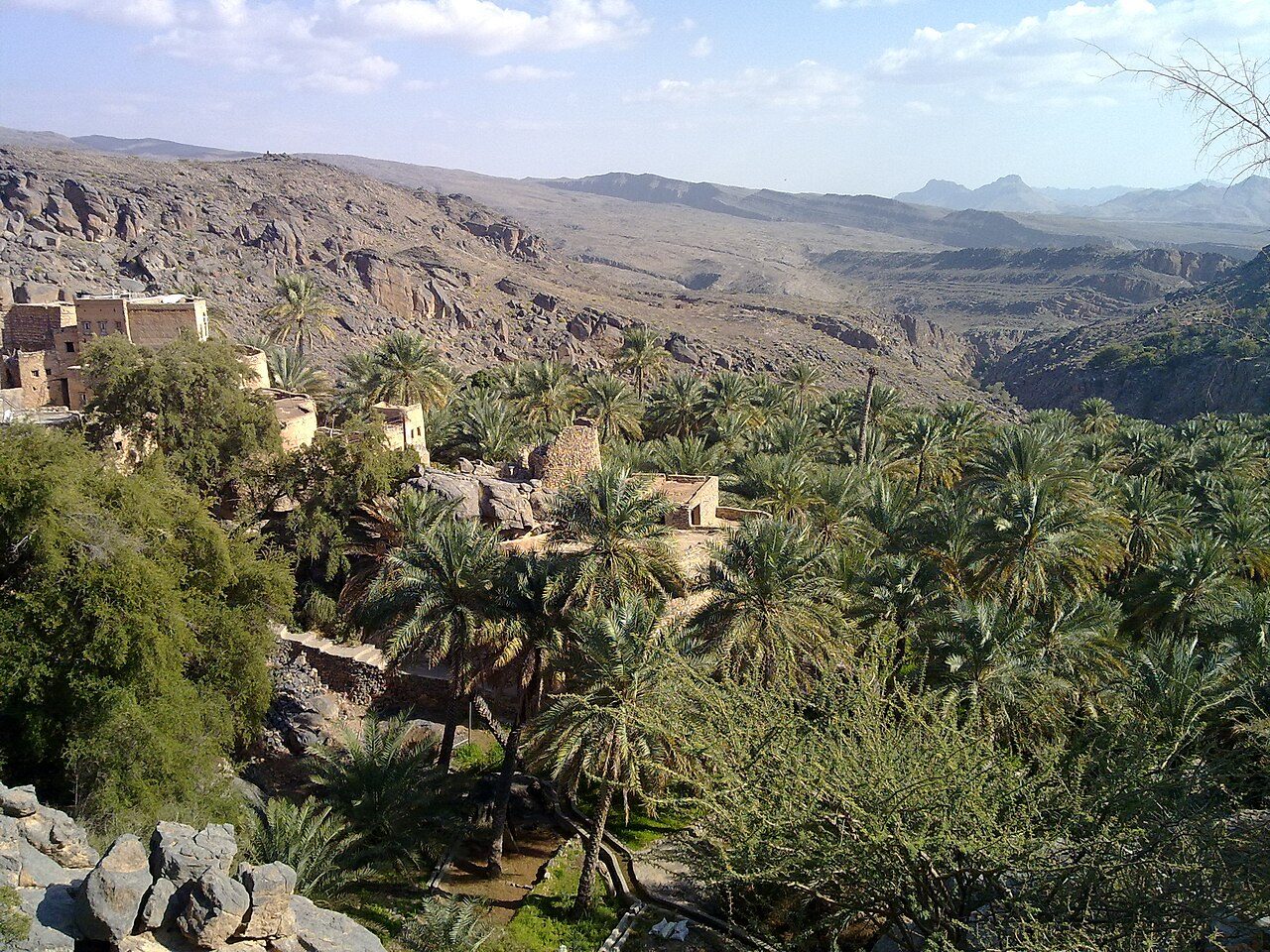
Birkat Al Mouz is a village at the entrance to Wadi Al Muaydin, on the road up to Jebel Akhdar. Its name means pool of bananas. Two old quarters of mud-brick houses, now in ruins, stand on the slopes above a wide date plantation. The plantation is watered by Falaj Al Khatmeen, one of the Omani aflaj on the UNESCO World Heritage list. Bait Al Rudaydah fort is nearby.
04
STOP 4 OF 10
Jabrin Castle
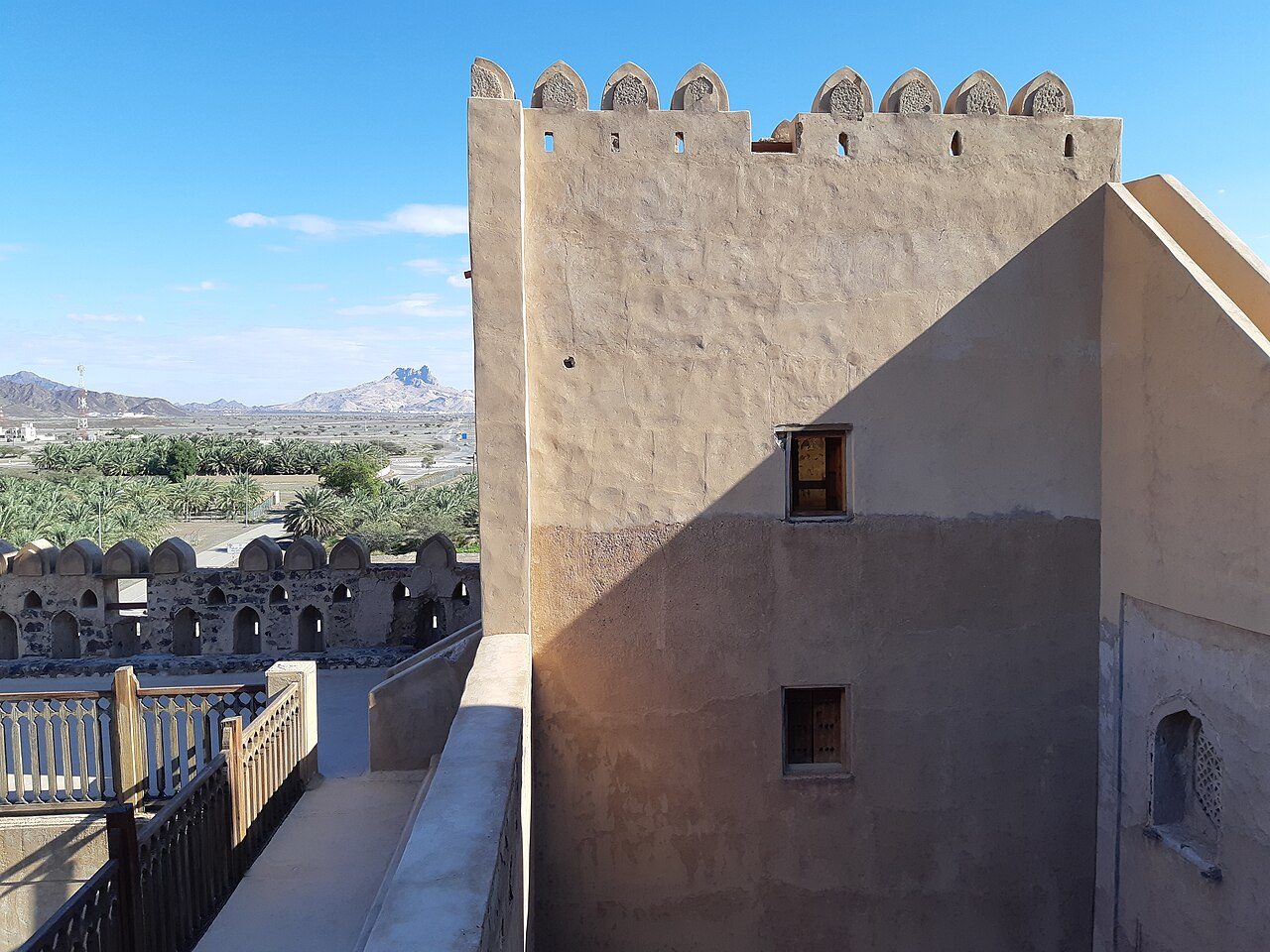
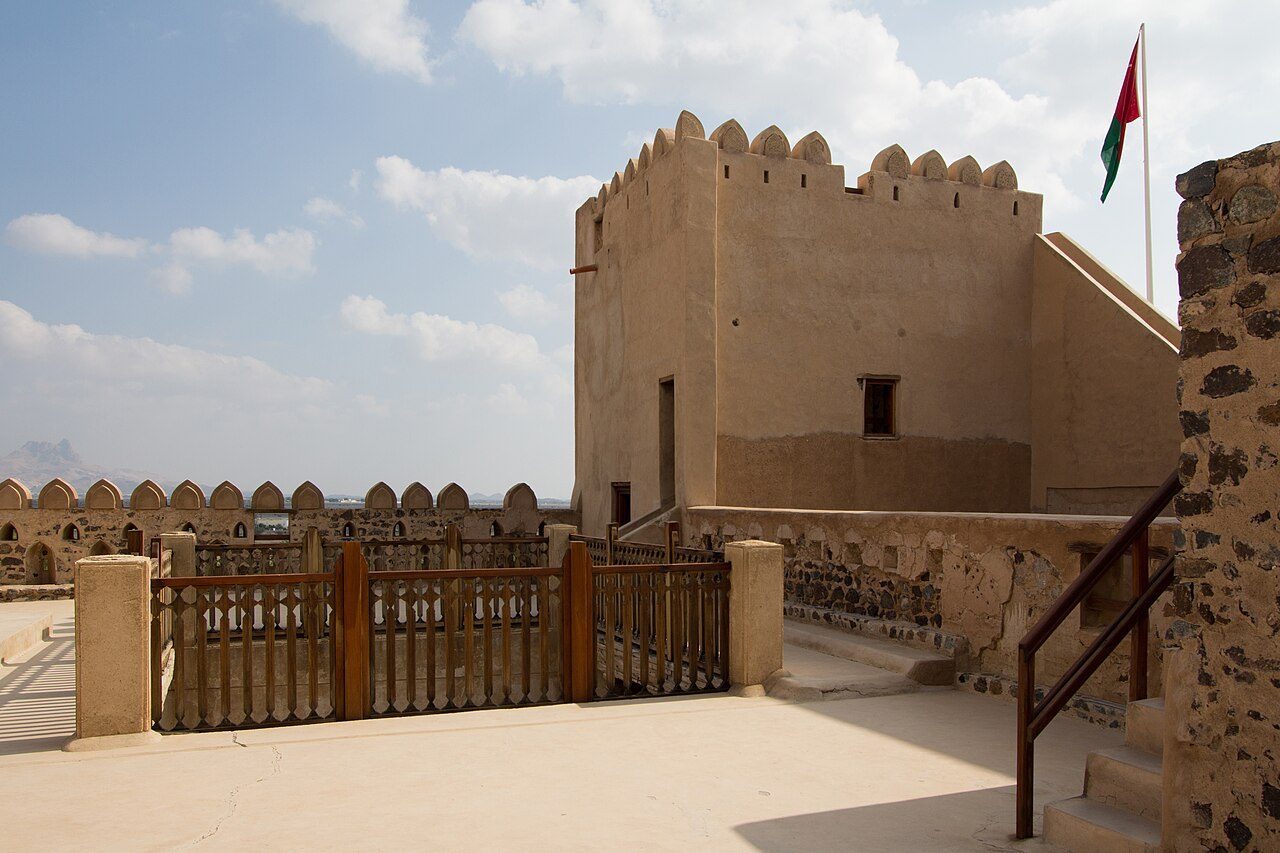
Jabrin Castle was built around 1670 by Imam Bilarab bin Sultan Al Yarubi as a home and a place of learning, not just a fortress. It is admired as the finest of Oman's castles for its painted wooden ceilings, carved doors and arched windows. Rooms include a sun and moon hall, a date store and the Imam's tomb. The castle rises from a plain of date palms near Bahla.
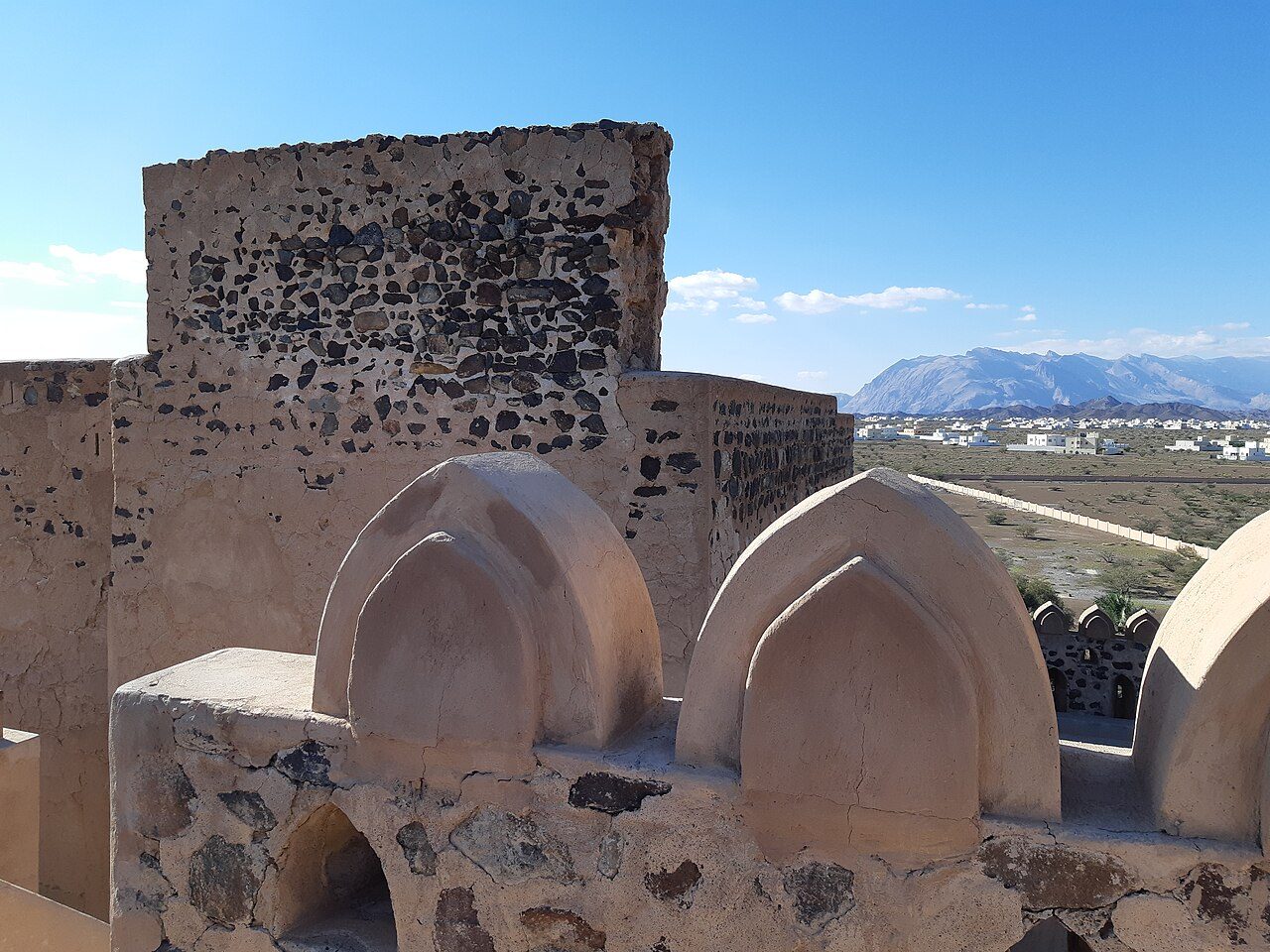
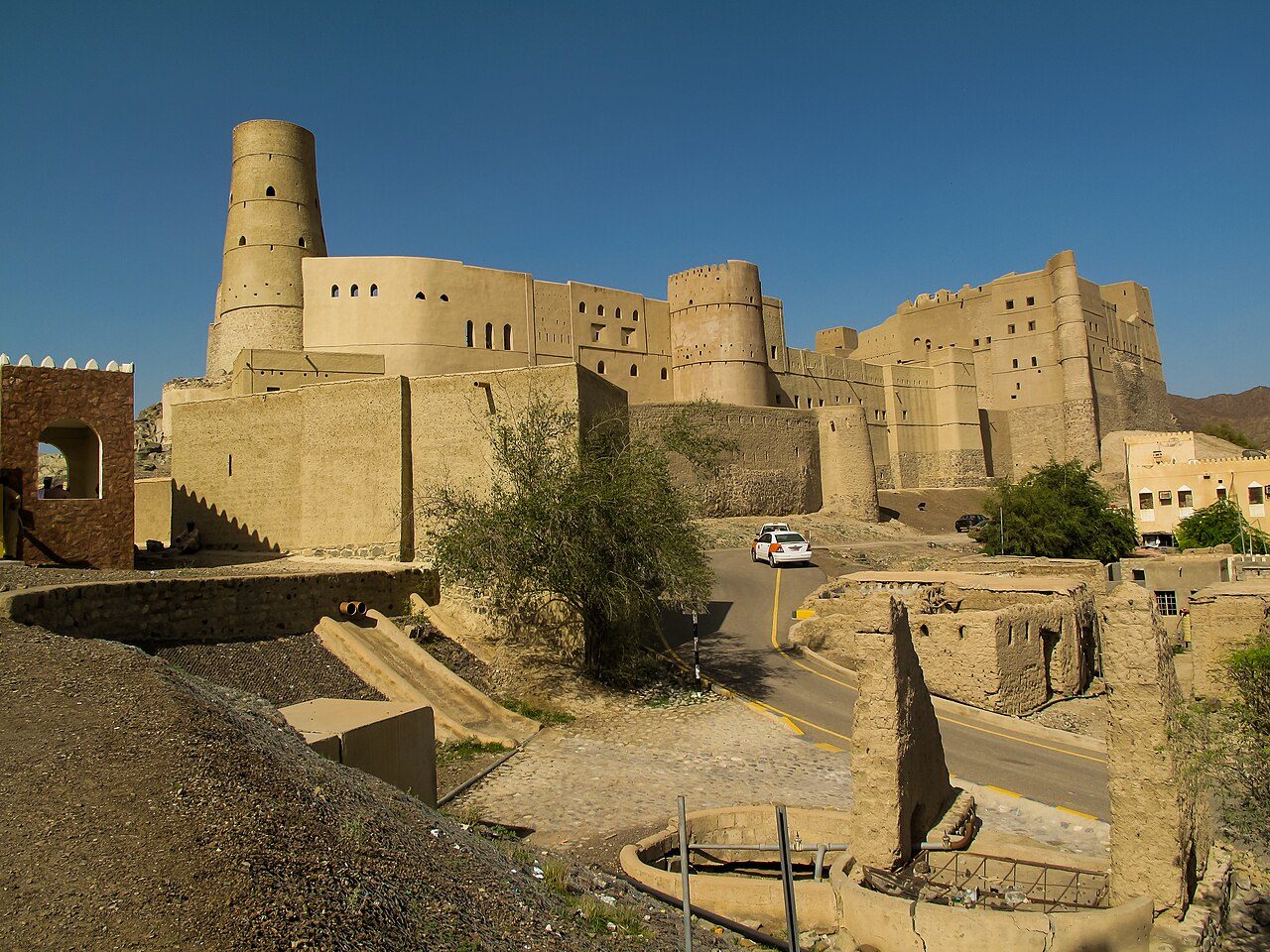
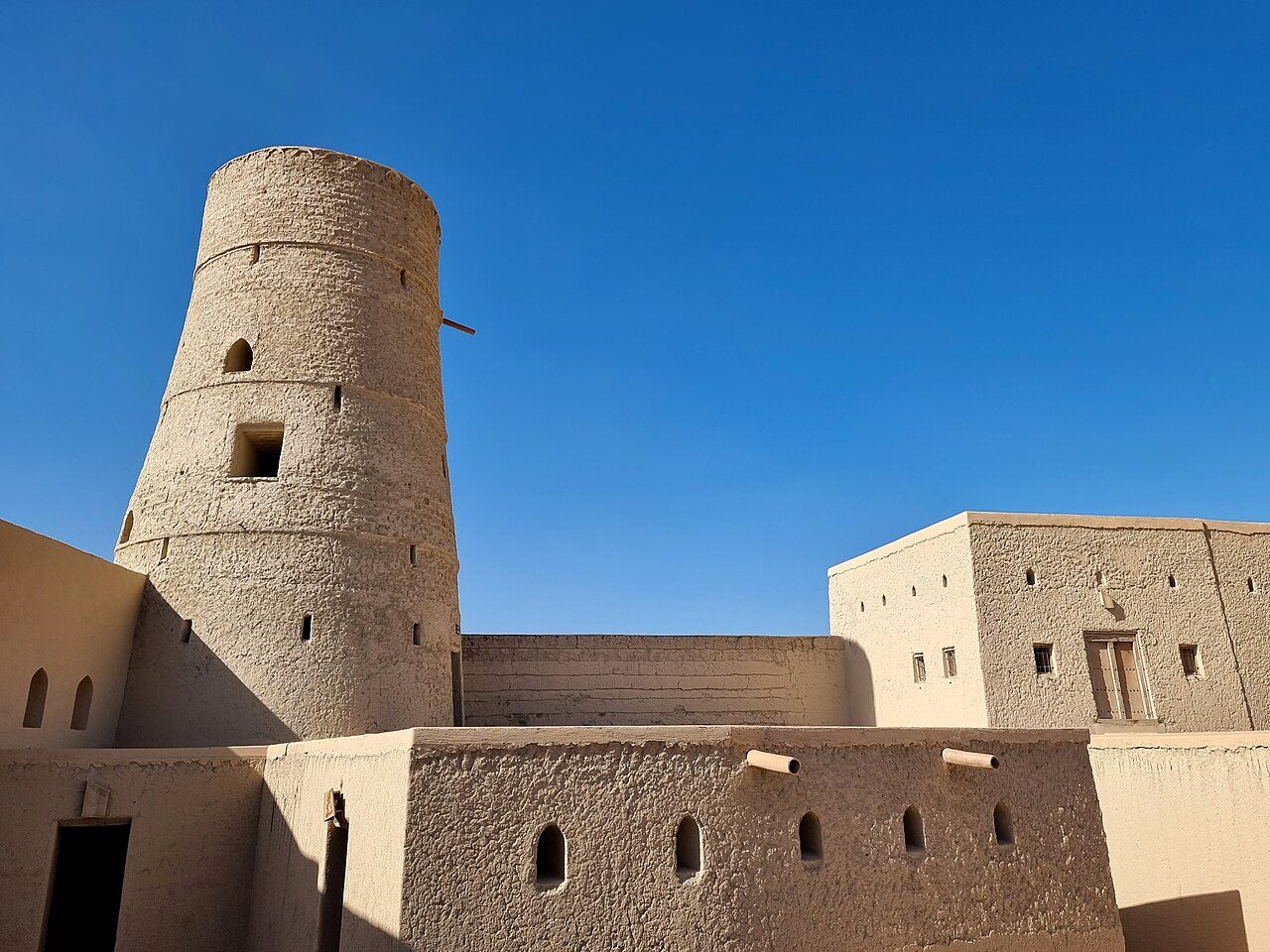
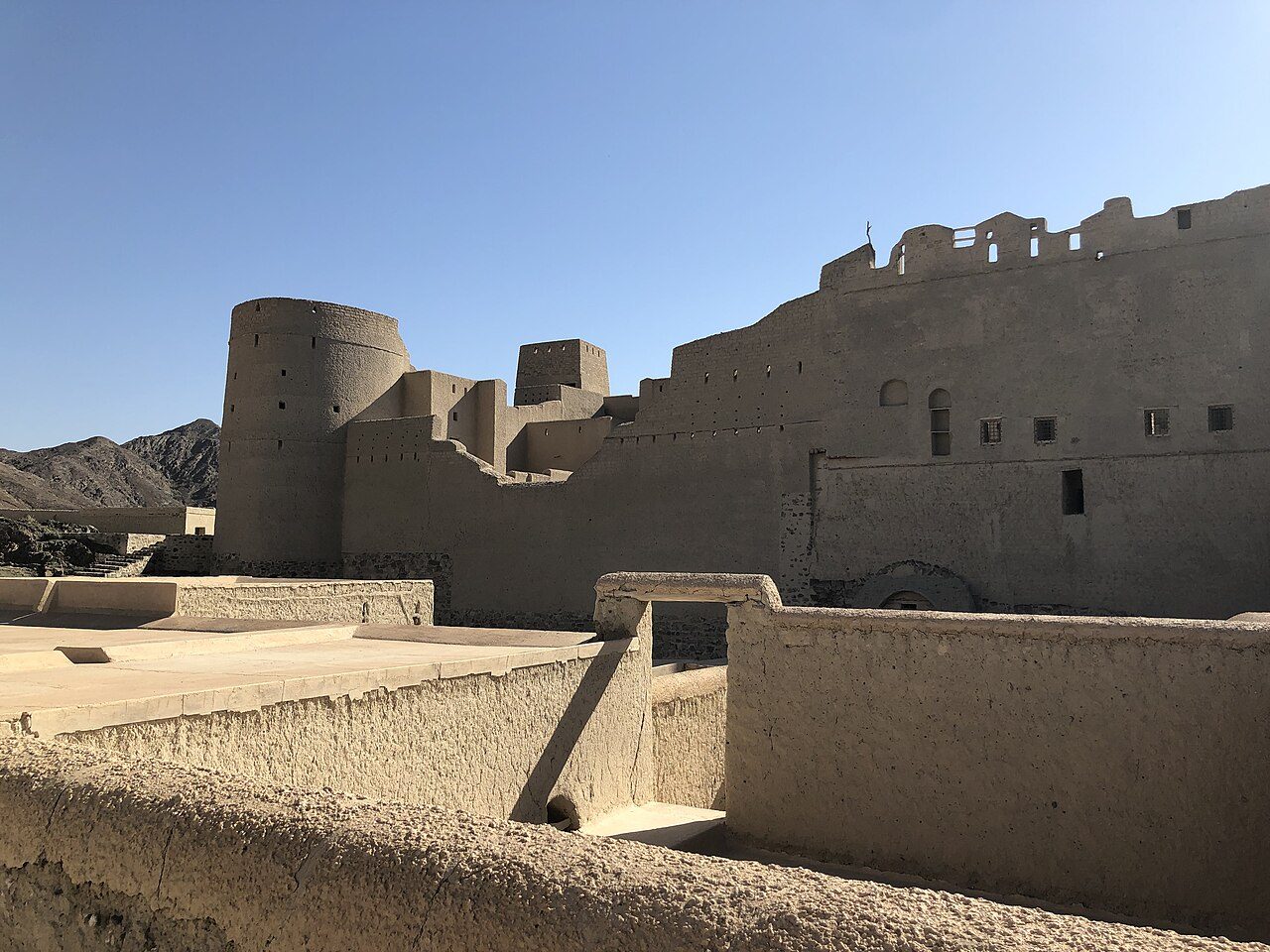
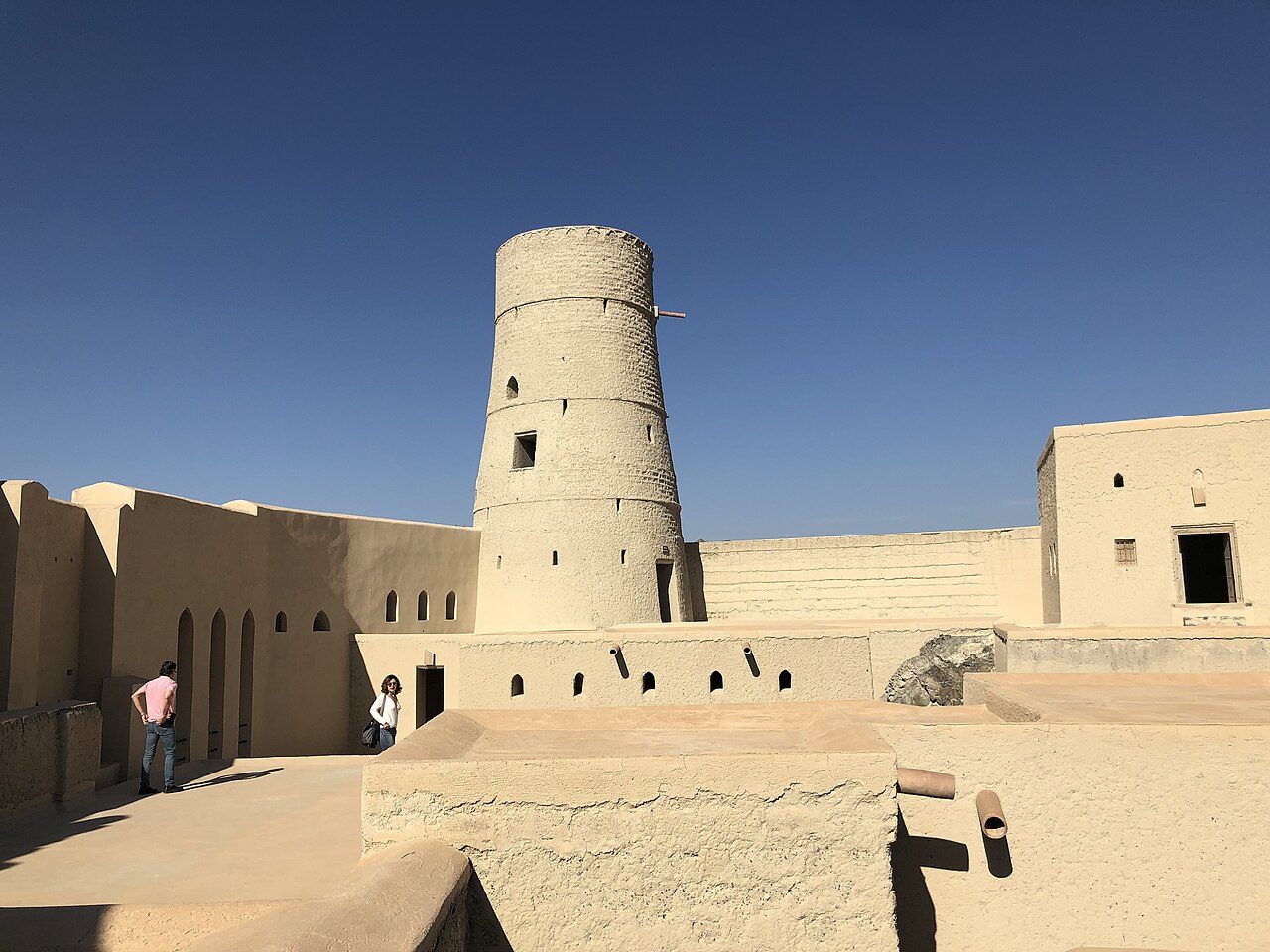
Bahla Fort is a huge mud-brick fortress at the foot of Jebel Akhdar, and a UNESCO World Heritage Site since 1987. It was the stronghold of the Banu Nebhan tribe, who ruled the region from the 12th to the 15th century. The fort stands on a stone base above the oasis, and a mud wall about 12 kilometres long once enclosed the whole town. It reopened in 2012 after long restoration.
06
STOP 6 OF 10
Al Hamra Old Town
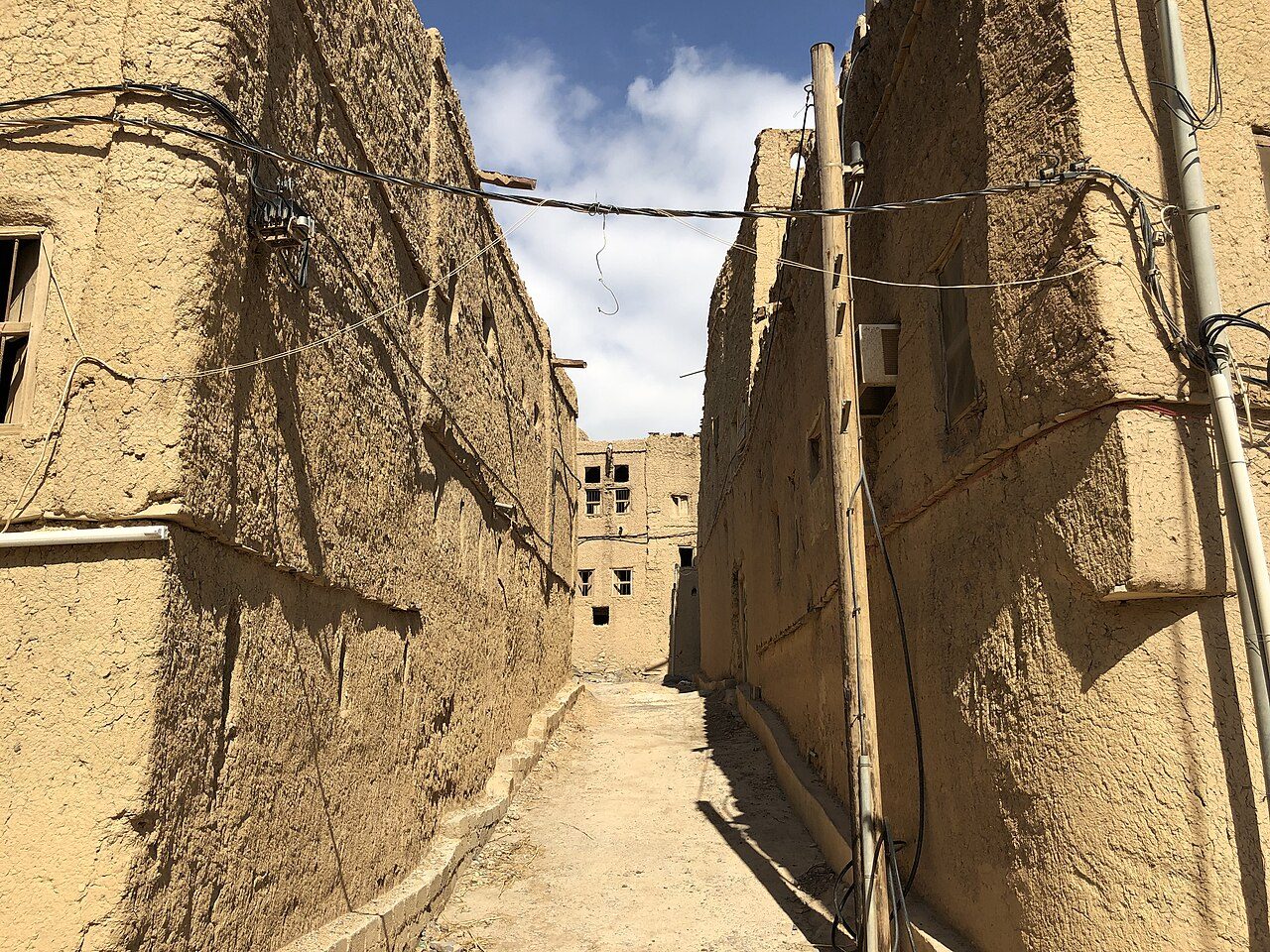
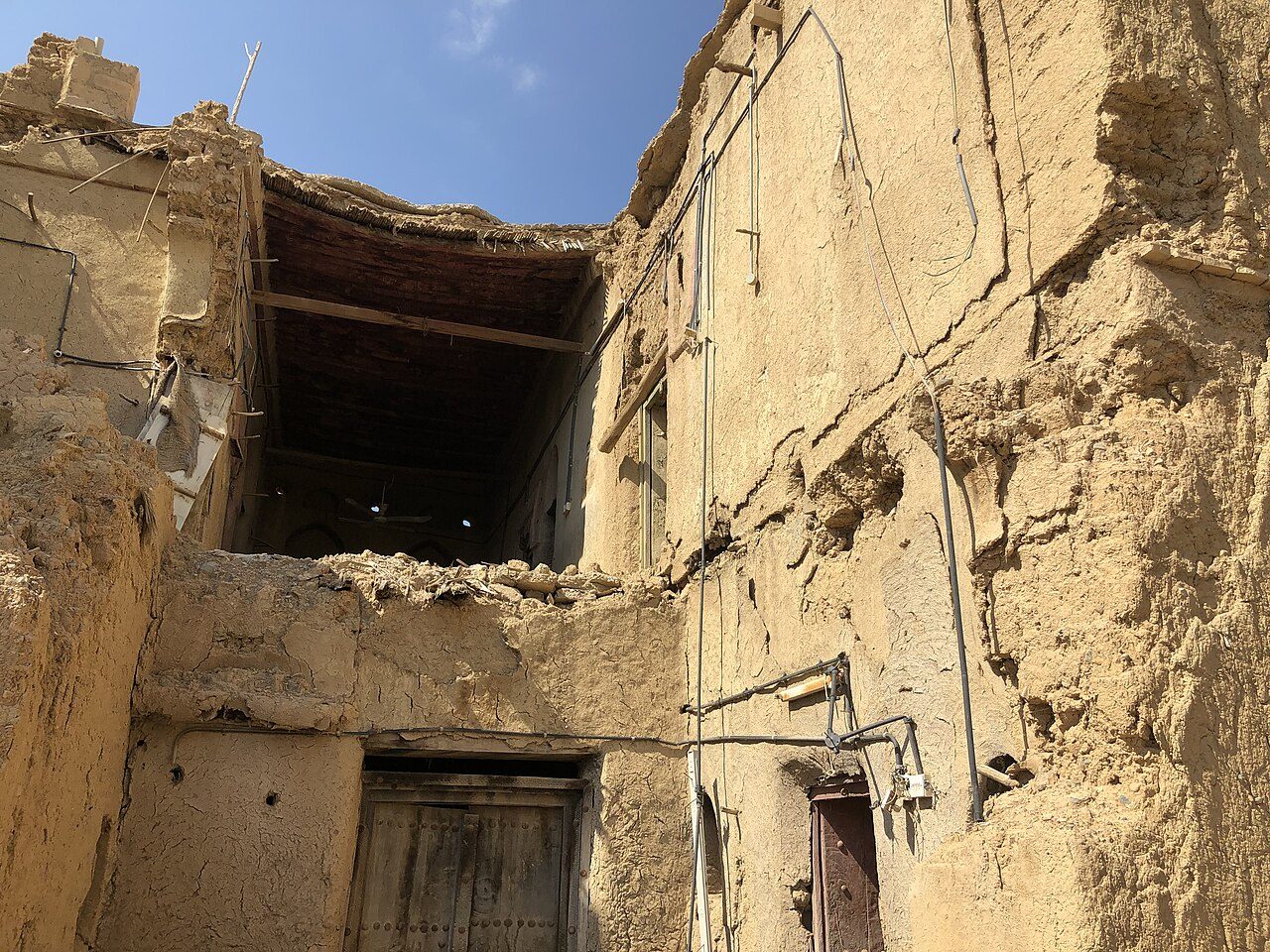
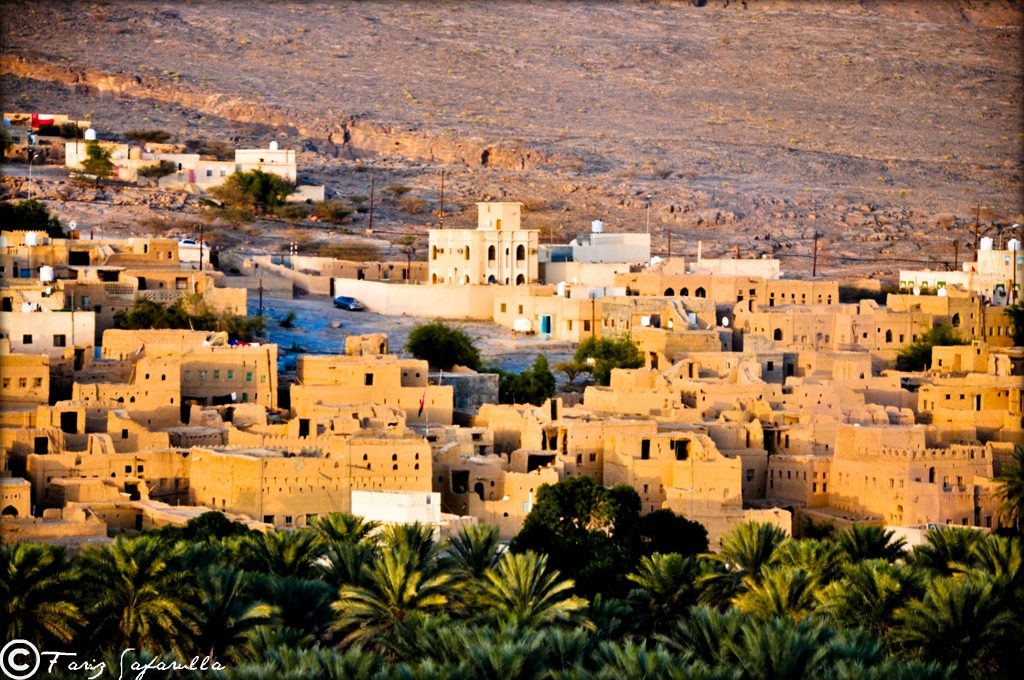
Al Hamra is a town at the foot of the Hajar Mountains, founded about 400 years ago. Its old quarter is one of the best preserved in Oman, with rows of mud-brick houses two and three storeys high along quiet lanes. Many have painted wooden ceilings and carved doors. Some houses are now empty and crumbling, while one, Bait Al Safah, works as a living museum.
07
STOP 7 OF 10
Misfat Al Abriyeen
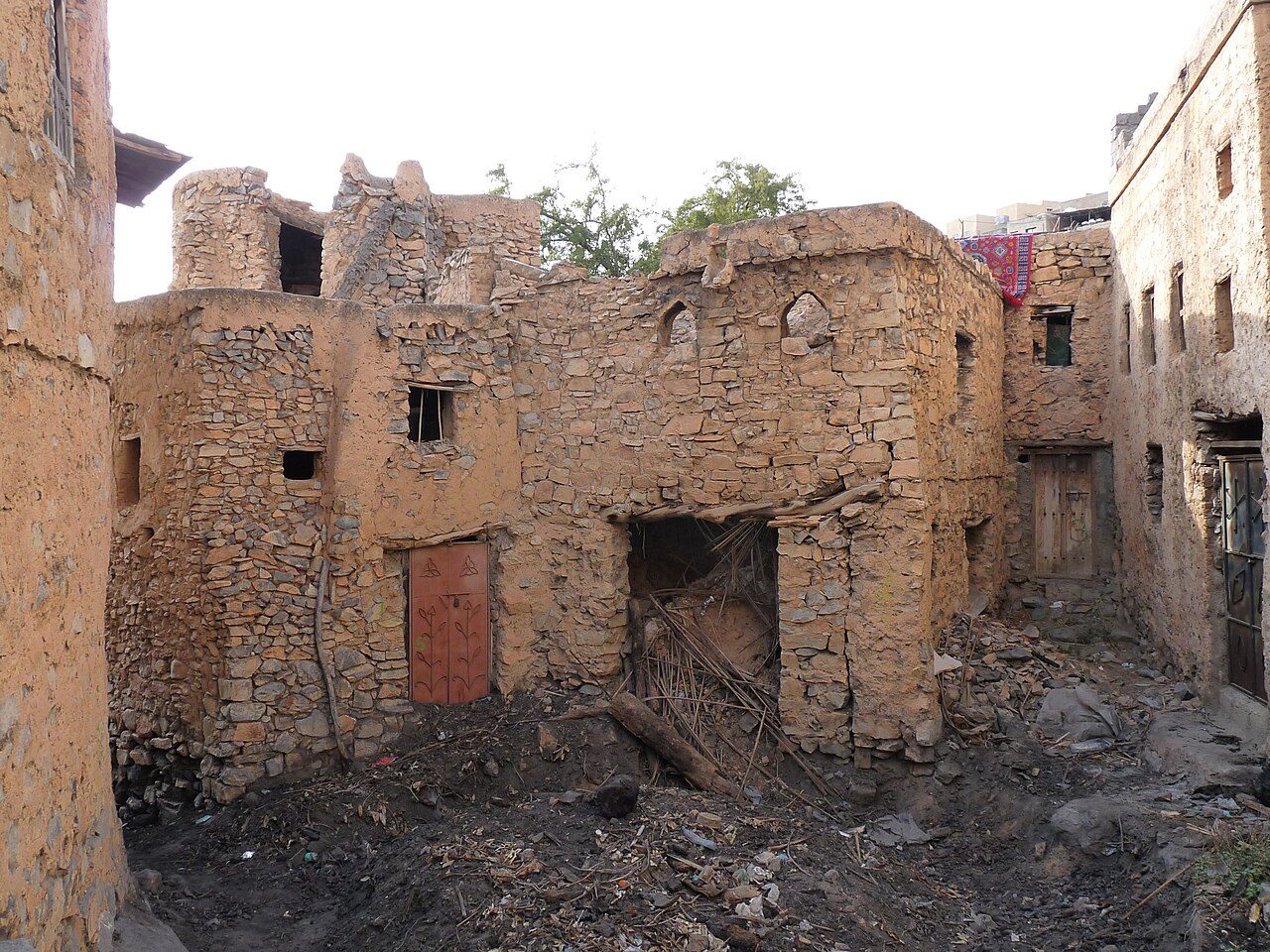
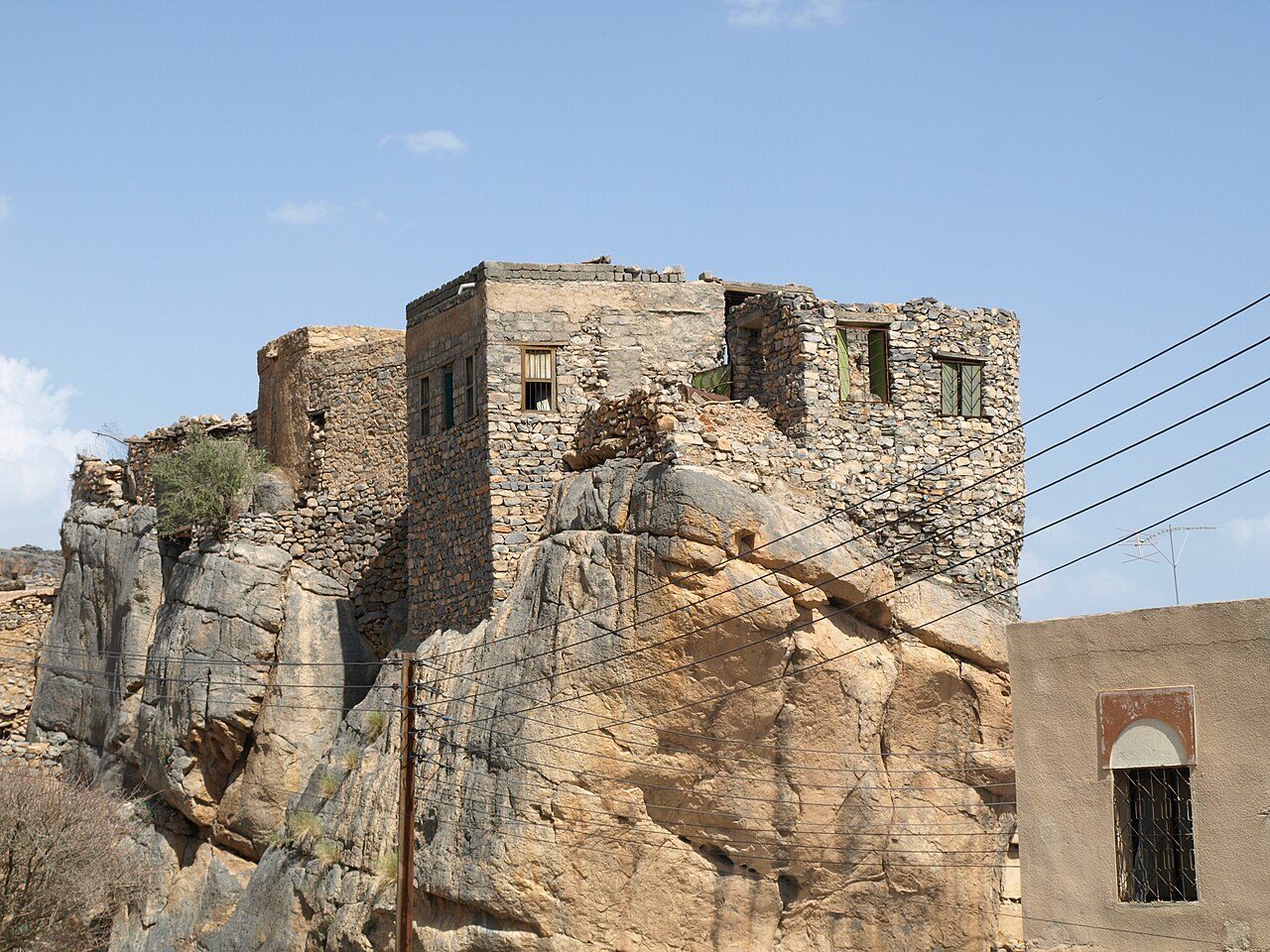
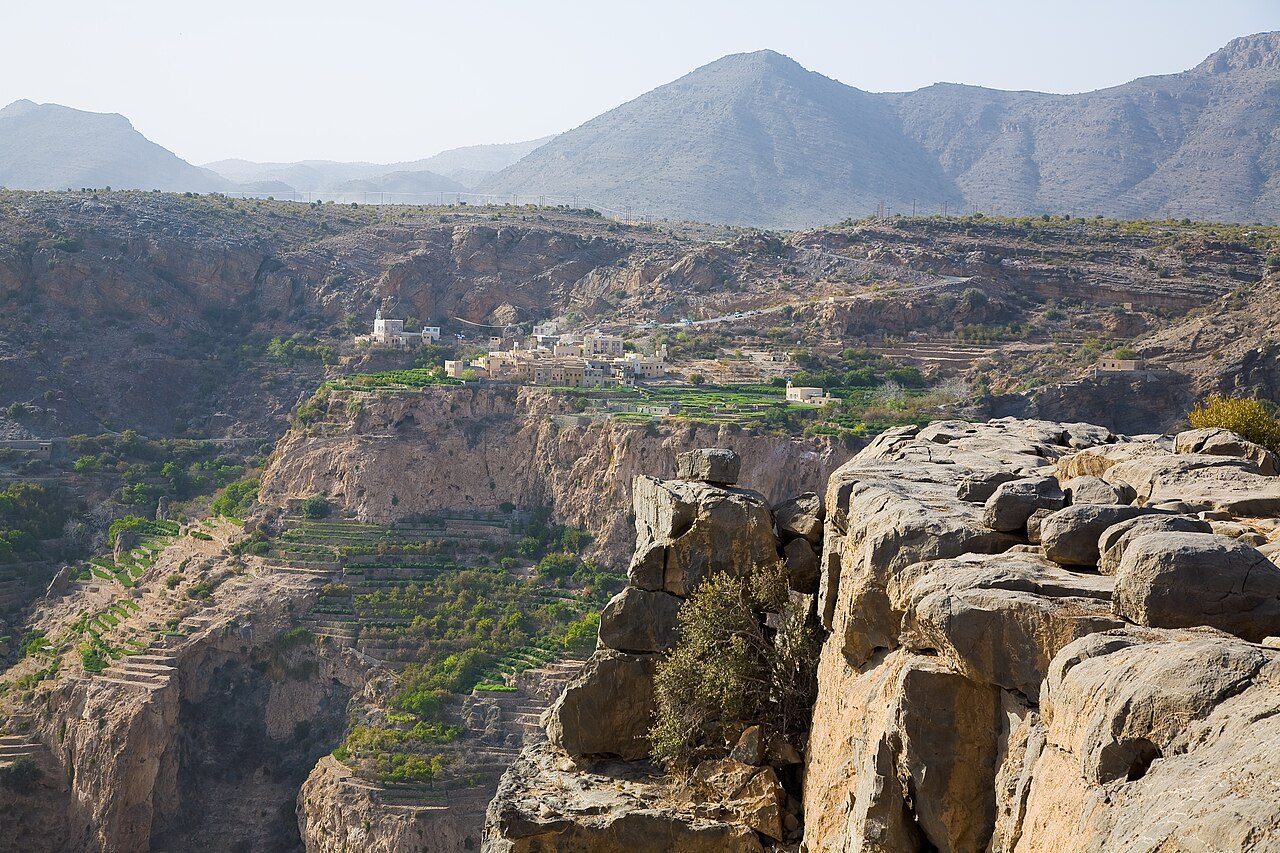
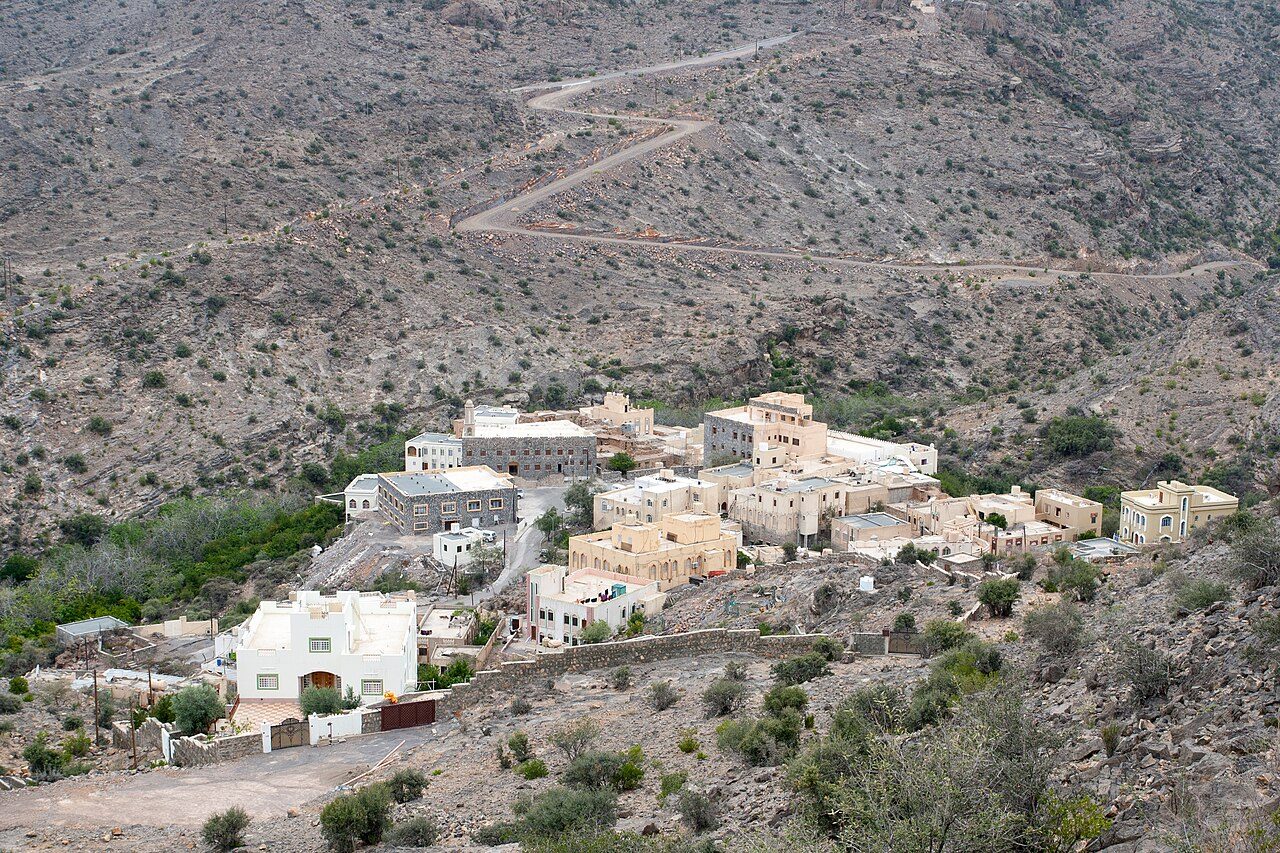
Misfat Al Abriyeen is a mountain village near Al Hamra, built on a steep rocky slope about 1,000 metres above sea level. Its old houses of stone and mud stand on boulders above terraced gardens of date palms, bananas and lemons. An ancient falaj channel carries spring water through the terraces. Narrow lanes and stairways wind between the houses and down into the shade of the palms.
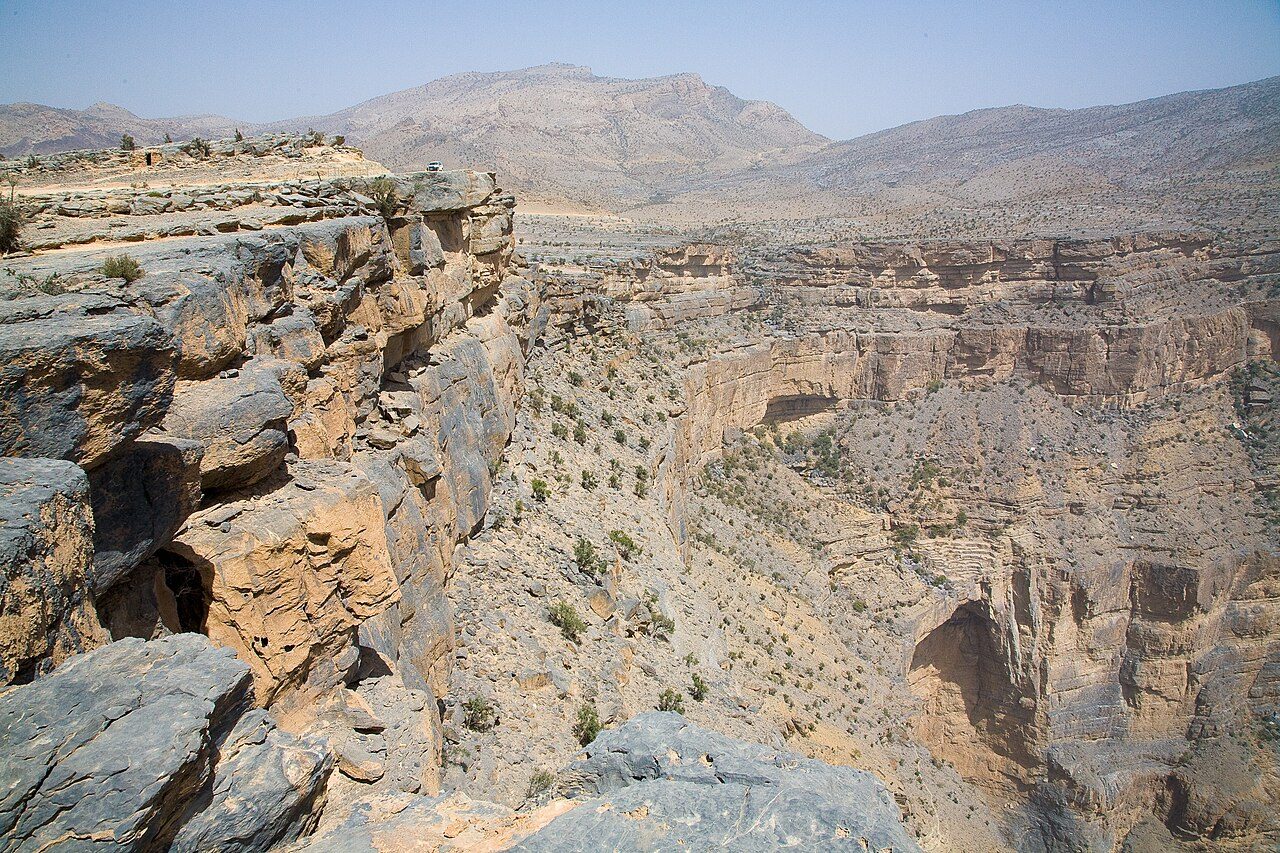
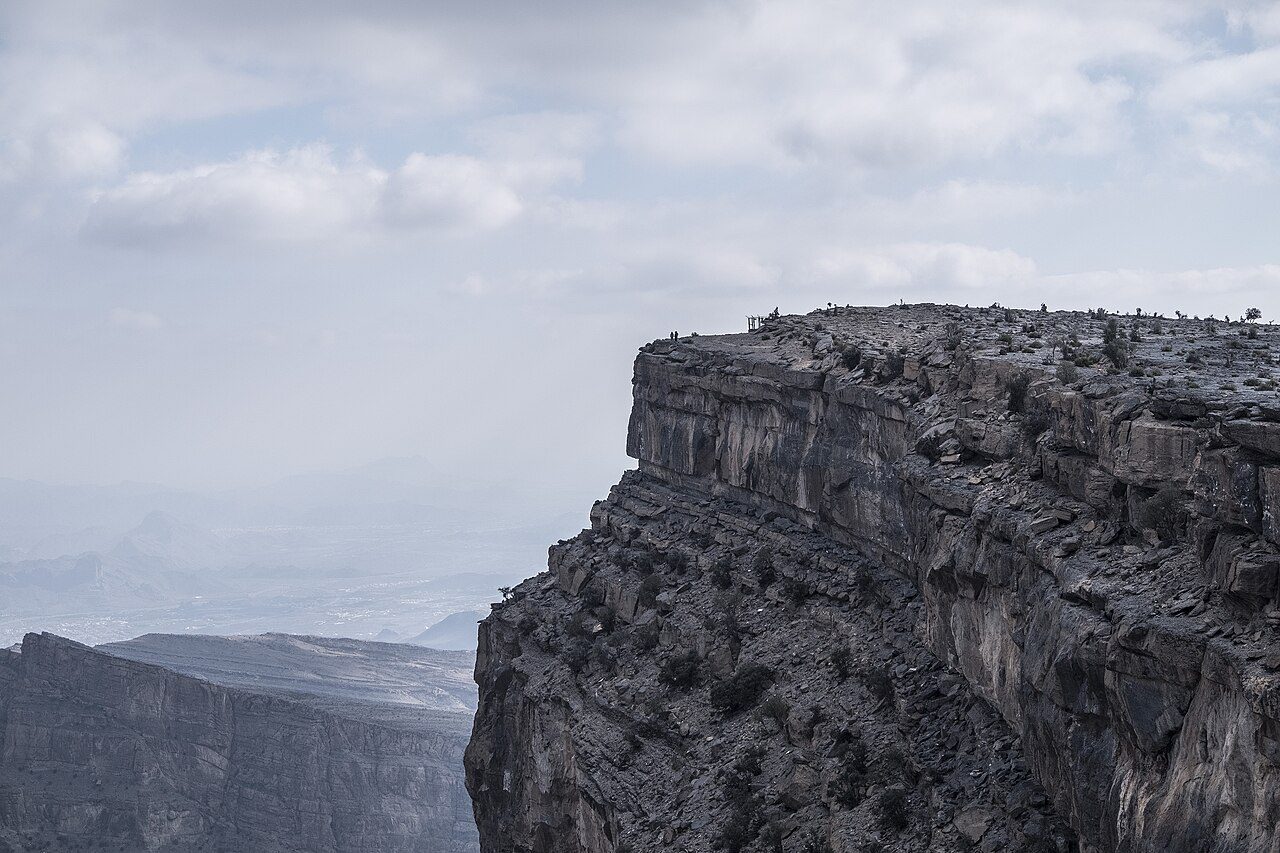
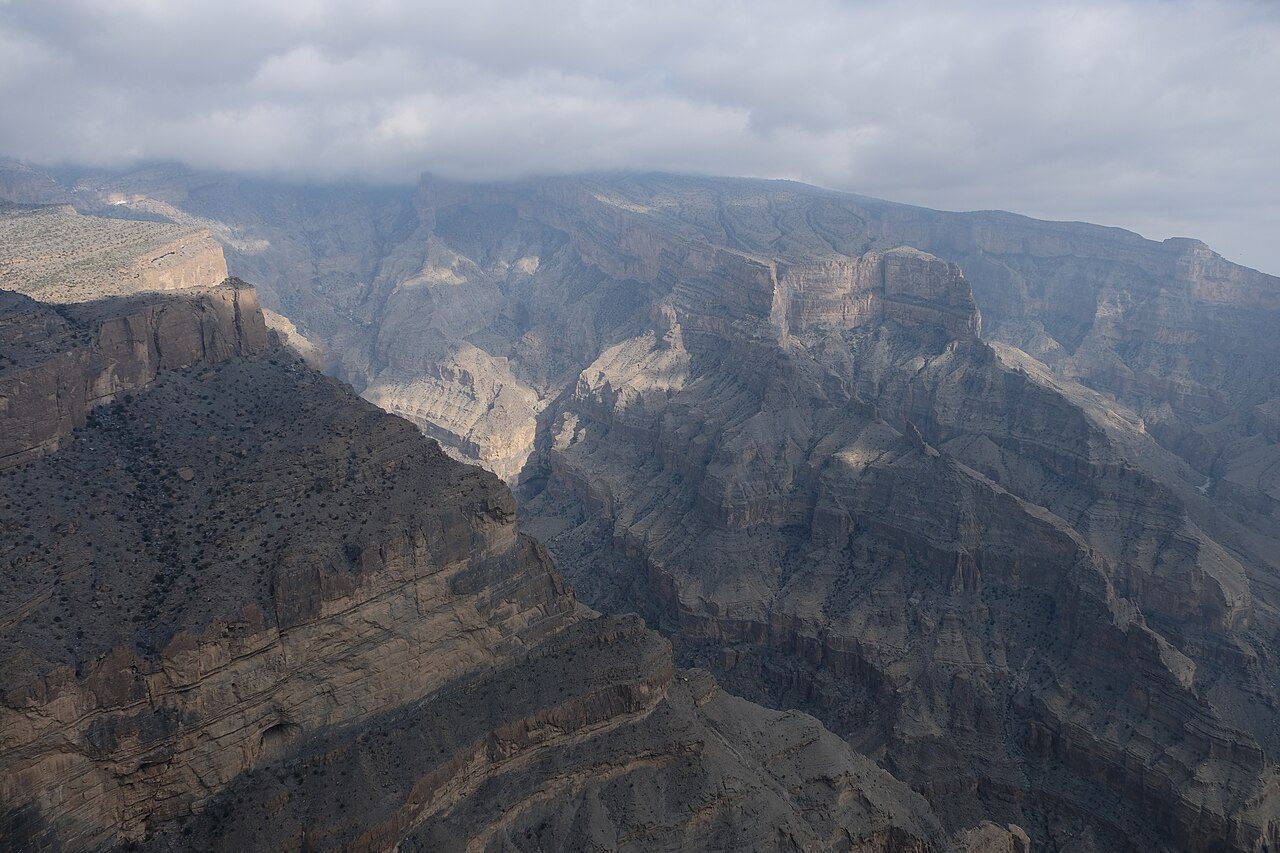
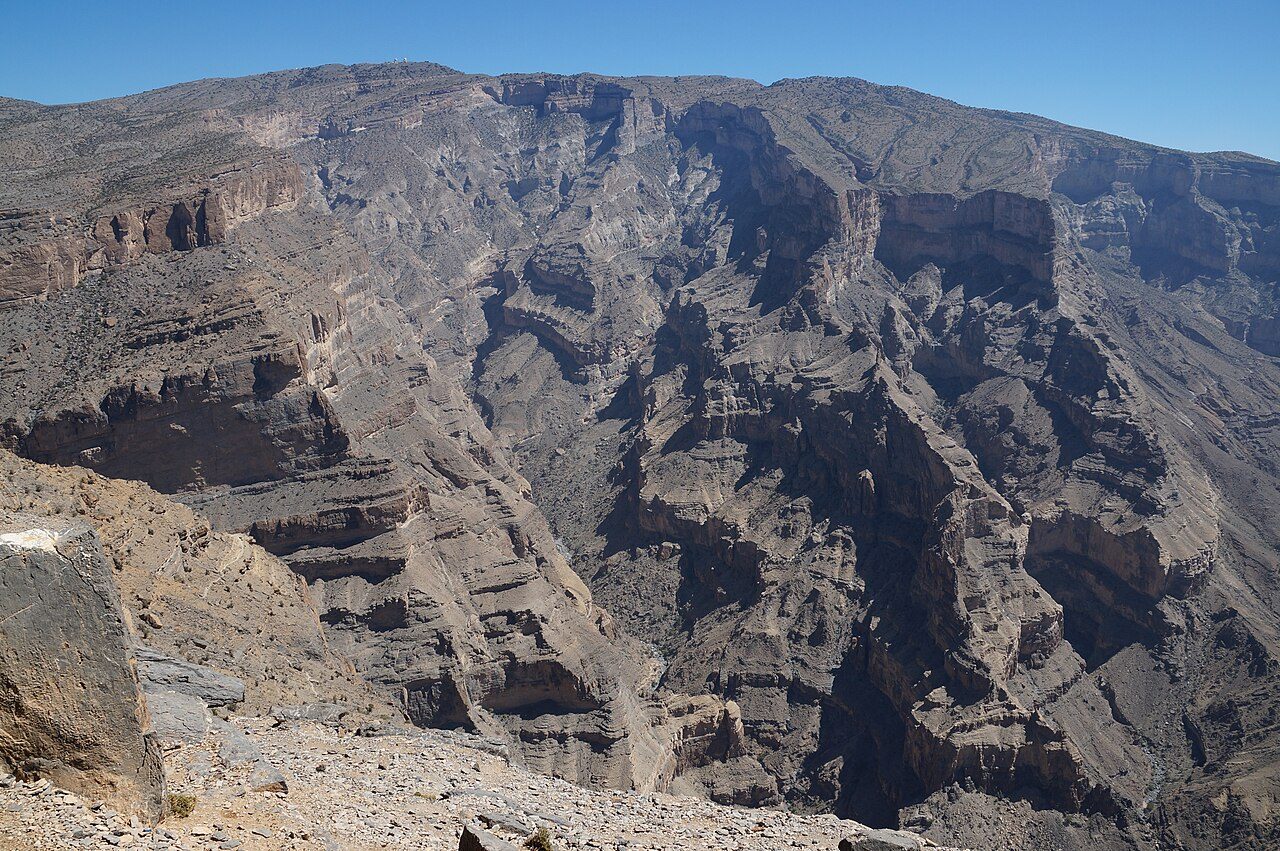
Jebel Shams, the Mountain of the Sun, is the highest peak in Oman at about 3,000 metres. Beside it lies Wadi Ghul, often called the Grand Canyon of Arabia, a gorge roughly a kilometre deep. A road climbs to viewpoints at the rim. The Balcony Walk follows an old path along the canyon wall to an abandoned village. Nights here are cold, even in summer.
09
STOP 9 OF 10
Al Hoota Cave
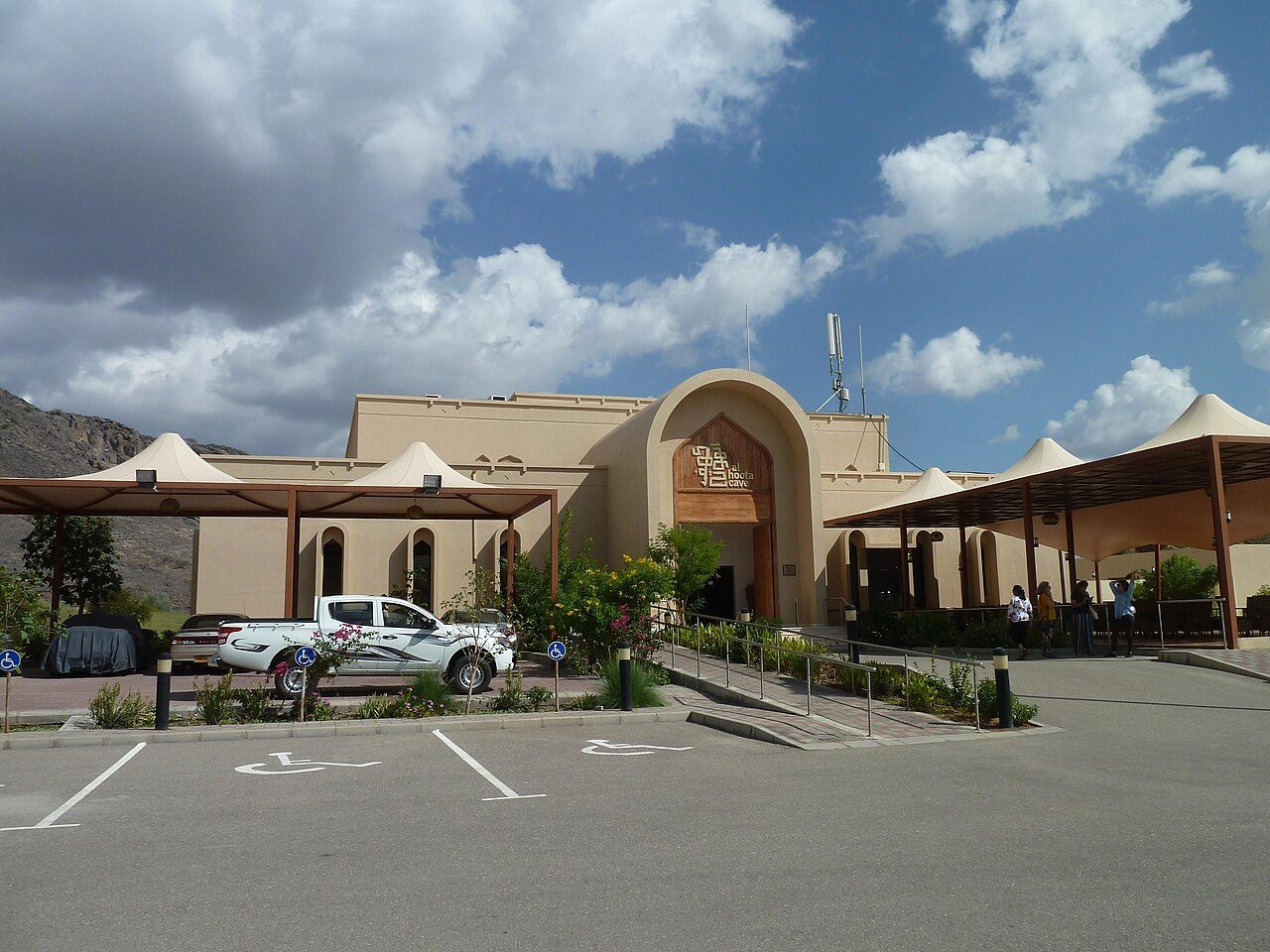
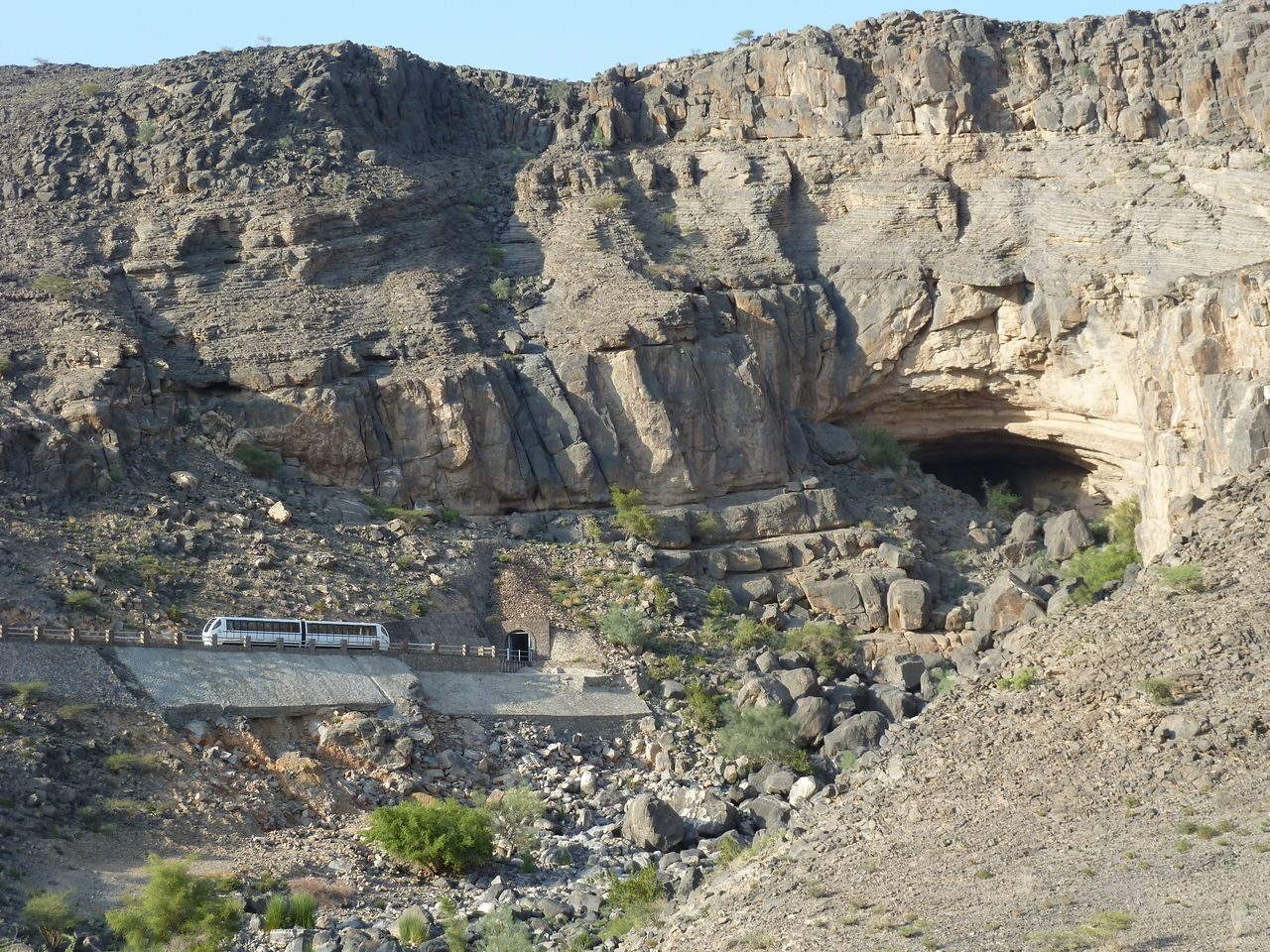
Al Hoota Cave lies at the foot of Jebel Shams near Al Hamra. The cave system is about 4.5 kilometres long and believed to be over two million years old. A lit walkway takes visitors through part of it past stalactites, stalagmites and columns. An underground lake inside holds a rare species of small pink blind fish found only in this area.
10
STOP 10 OF 10 · LAST STOP
Jebel Akhdar
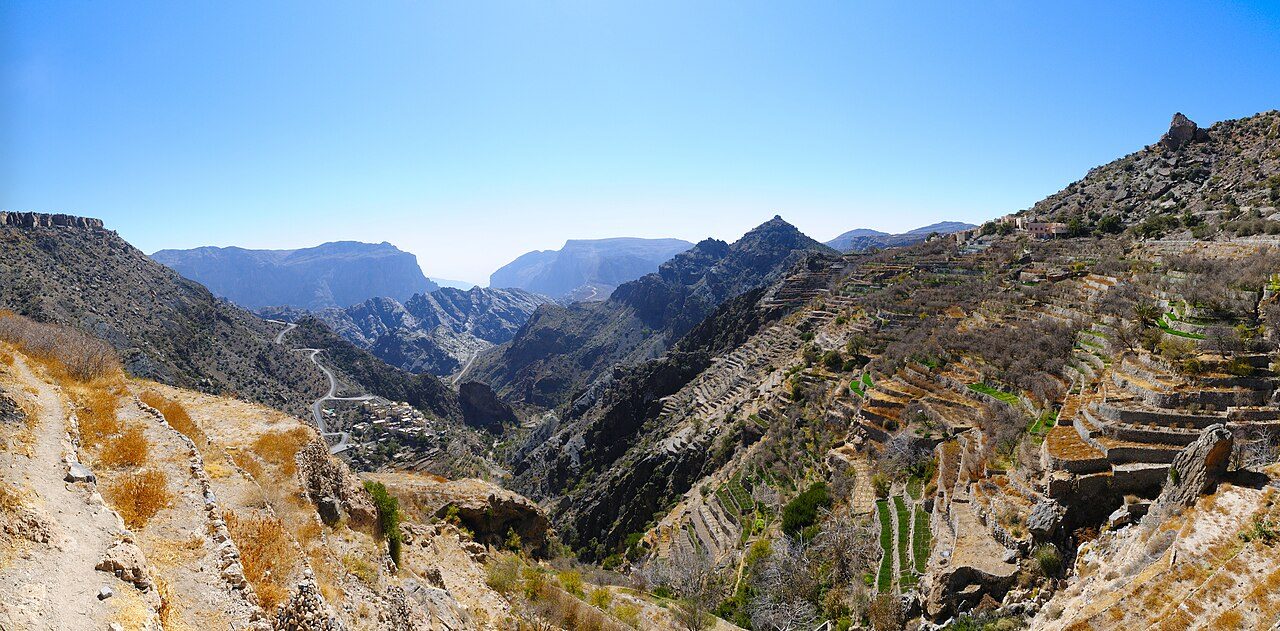
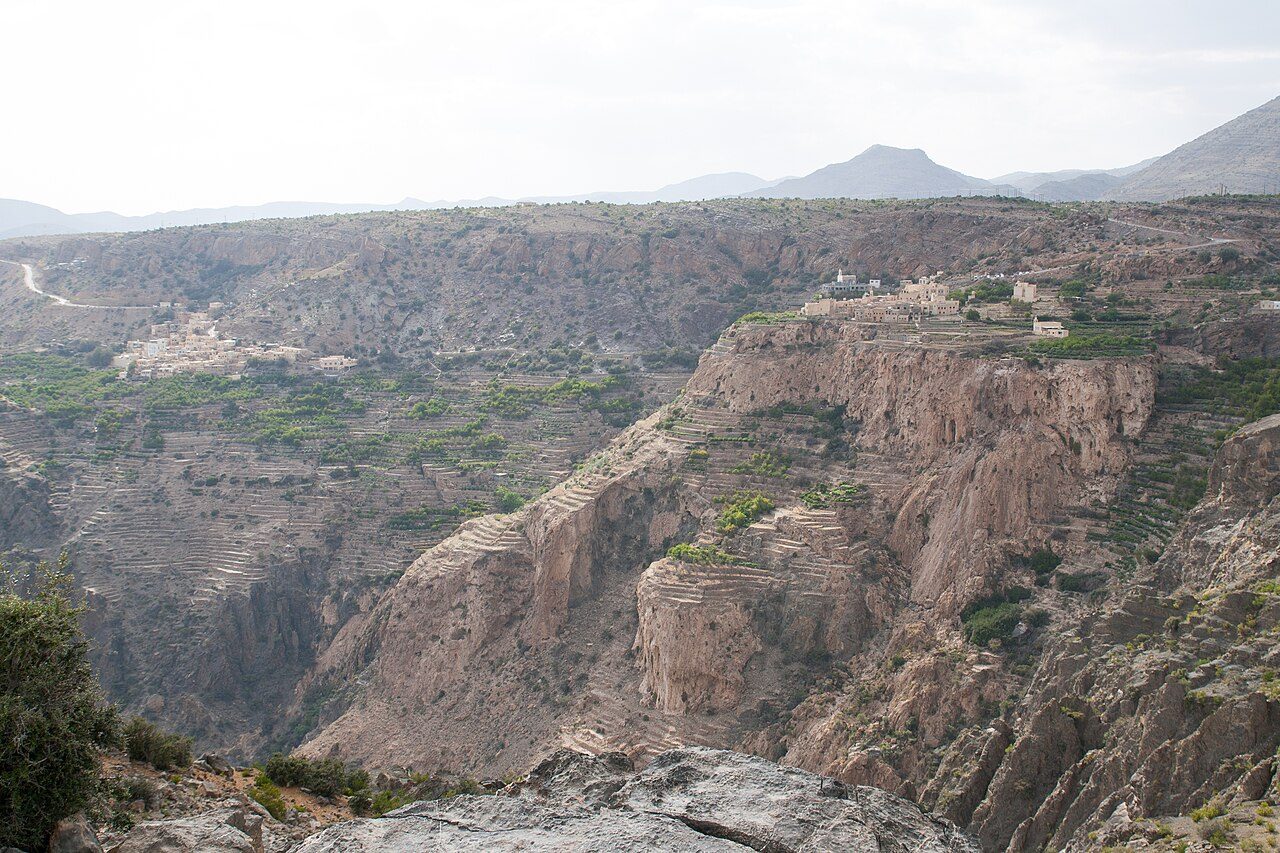
Jebel Akhdar, the Green Mountain, is a high limestone massif in the Hajar range. Its Saiq Plateau lies about 2,000 metres above sea level and is much cooler than the plains. Villages cling to the rim of deep canyons, with stone terraces where roses, pomegranates, apricots and walnuts grow. In spring the damask roses are picked to make Omani rose water.
Seasons from 20 years of NASA POWER climate data.
 WaTrips