The Sultan Qaboos Mosque, Al Baleed and Al Husn Souq, Taqah, Sumhuram, Wadi Darbat and Mirbat, Mughsail, Ayn Razat, Wadi Dawkah and Ubar.
Salalah in southern Oman is unlike anywhere else in Arabia. Day one visits the Sultan Qaboos Mosque, Al Baleed with the Land of Frankincense museum, and Al Husn Souq. Day two follows the coast east to Taqah Castle, the ancient port of Sumhuram, Wadi Darbat's waterfalls and Mirbat. Day three goes west to Mughsail's blowholes, the Tomb of Prophet Ayub and Ayn Razat spring. Day four sees the frankincense trees of Wadi Dawkah and the lost city of Ubar. From July to September the khareef monsoon turns Dhofar green and misty.
01
STOP 1 OF 12
Sultan Qaboos Mosque Salalah
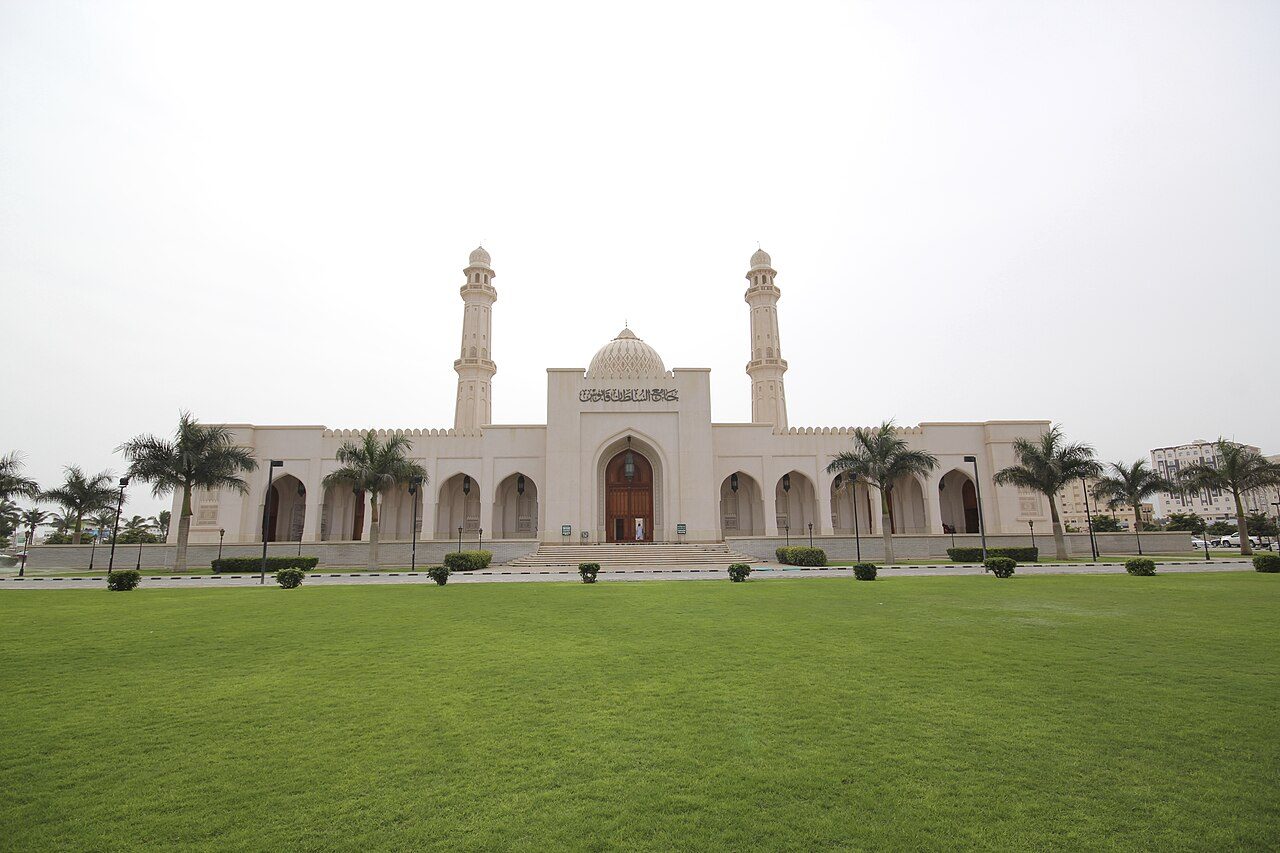
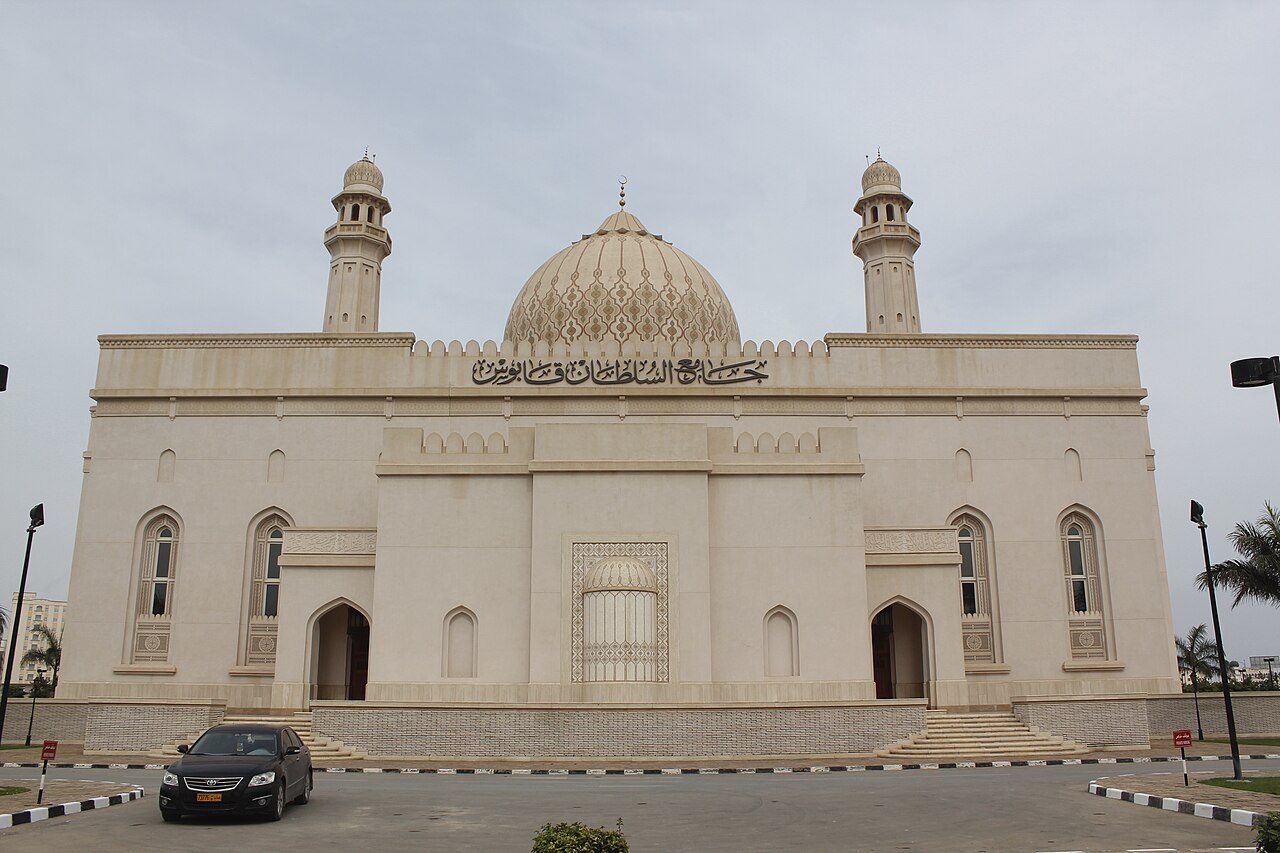
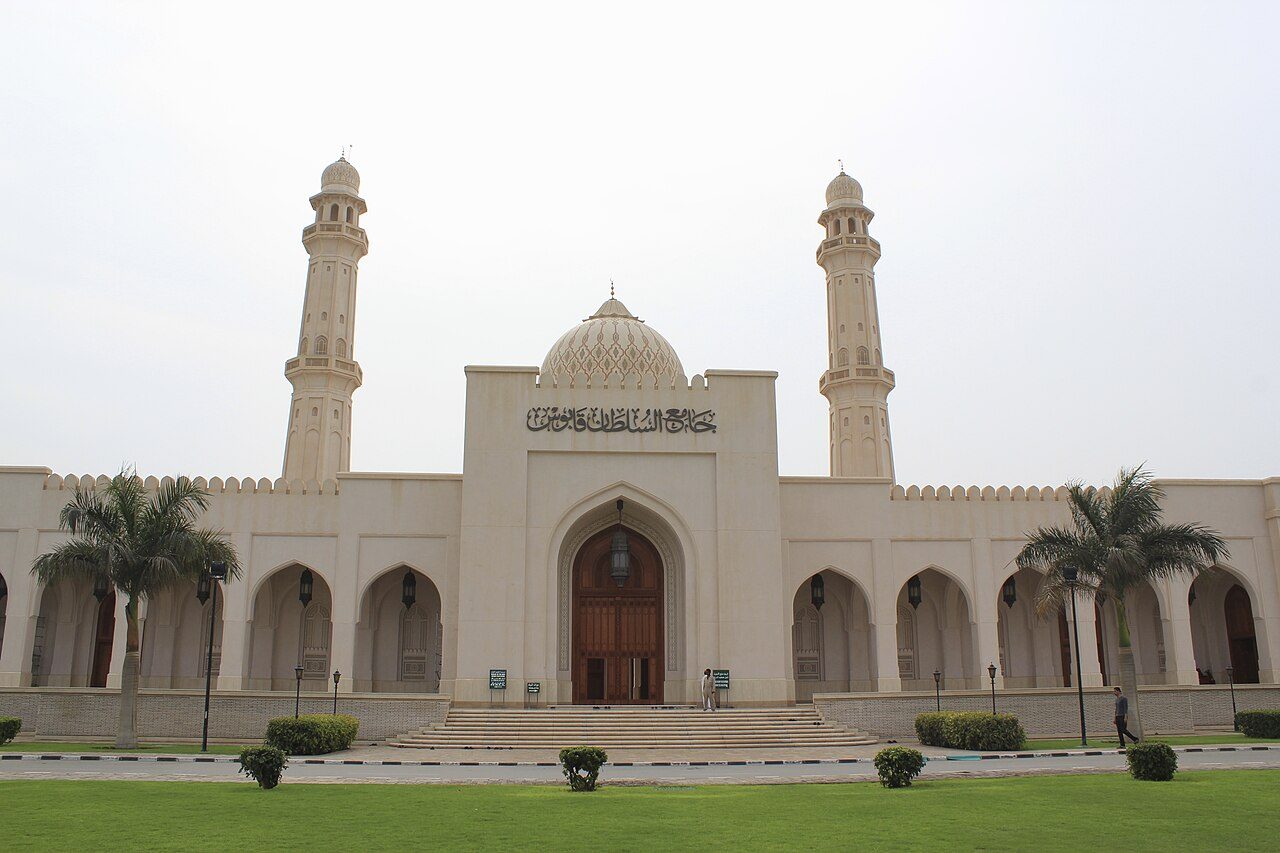
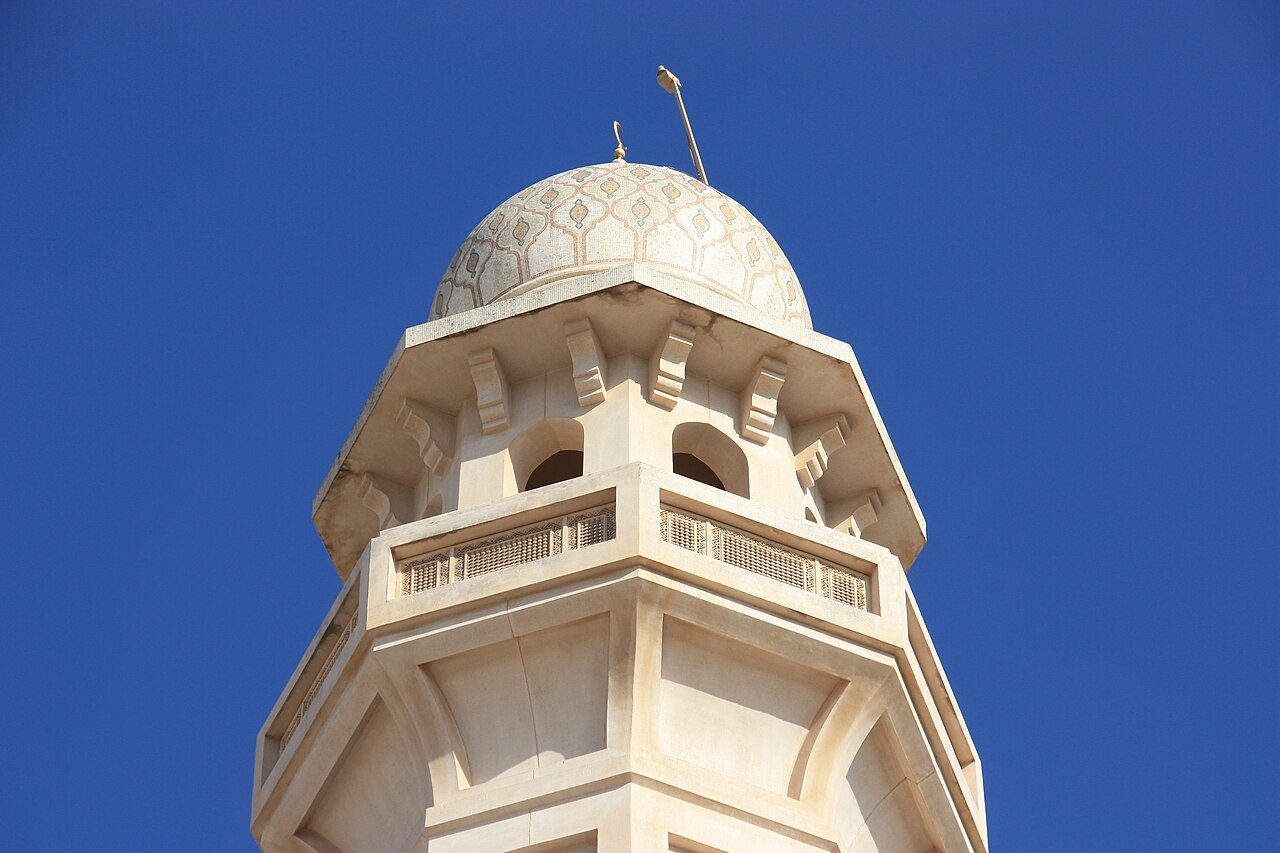
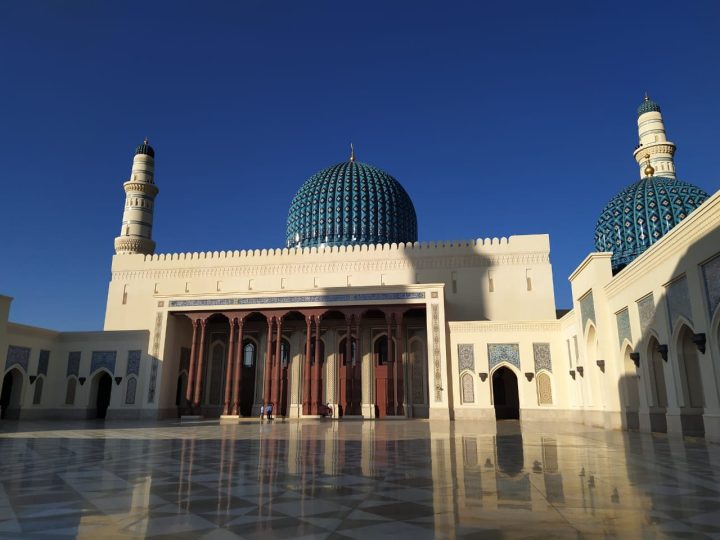
The Sultan Qaboos Mosque is the main mosque of Salalah, opened in 2009 in the centre of the city. It has two tall minarets and a large central dome, and its walls are clad in pale stone. The prayer hall has a fine carpet, carved wooden doors and a crystal chandelier. Non-Muslim visitors are welcome in the mornings, outside prayer times.
02
STOP 2 OF 12
Al Baleed Archaeological Park
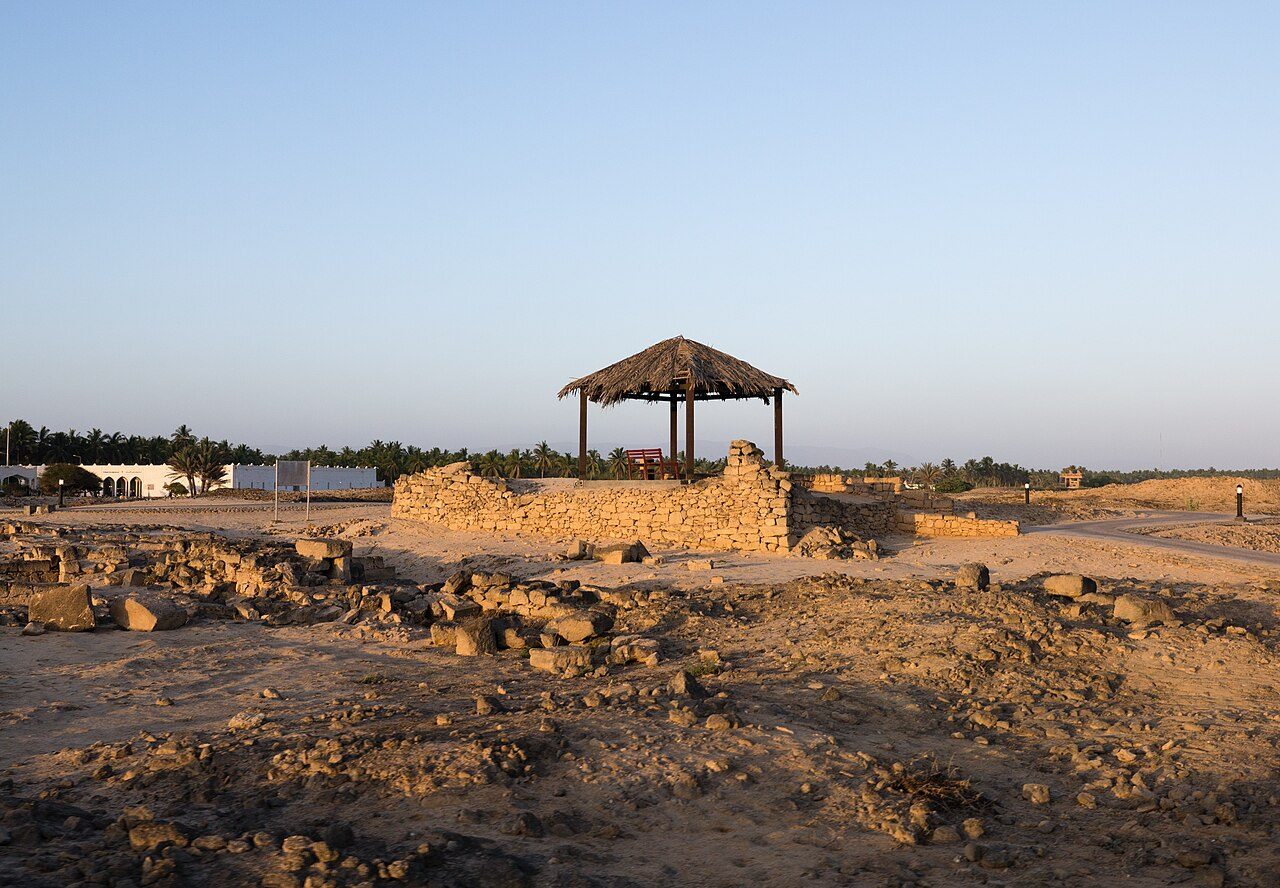
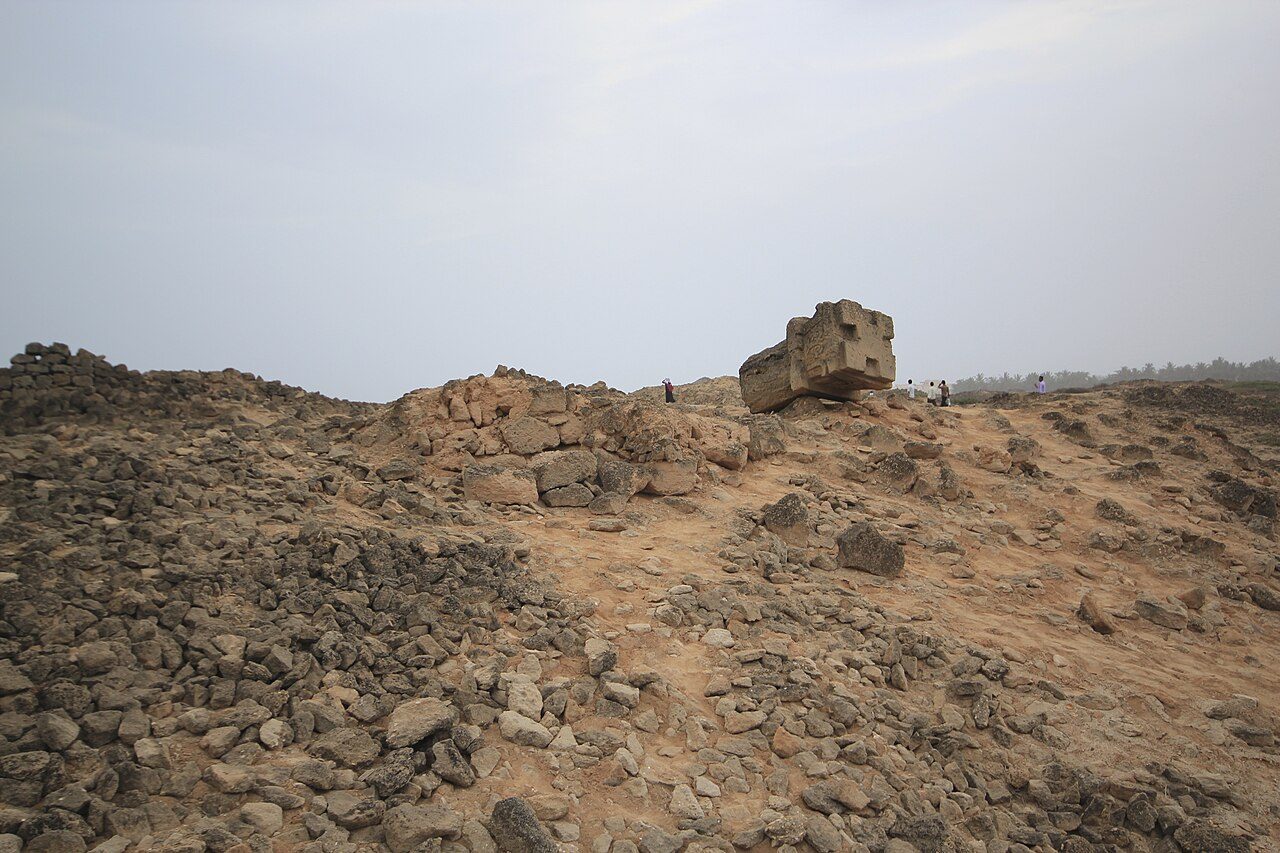
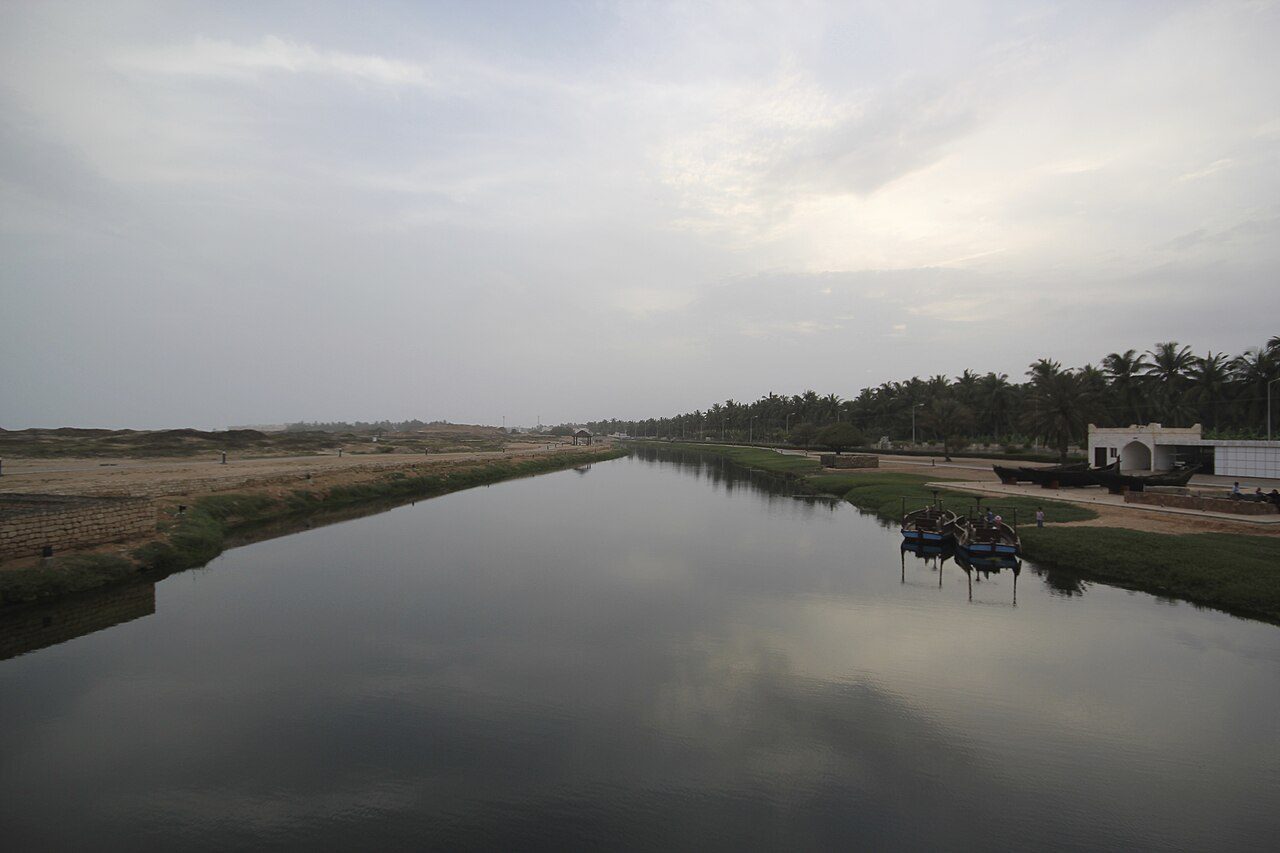
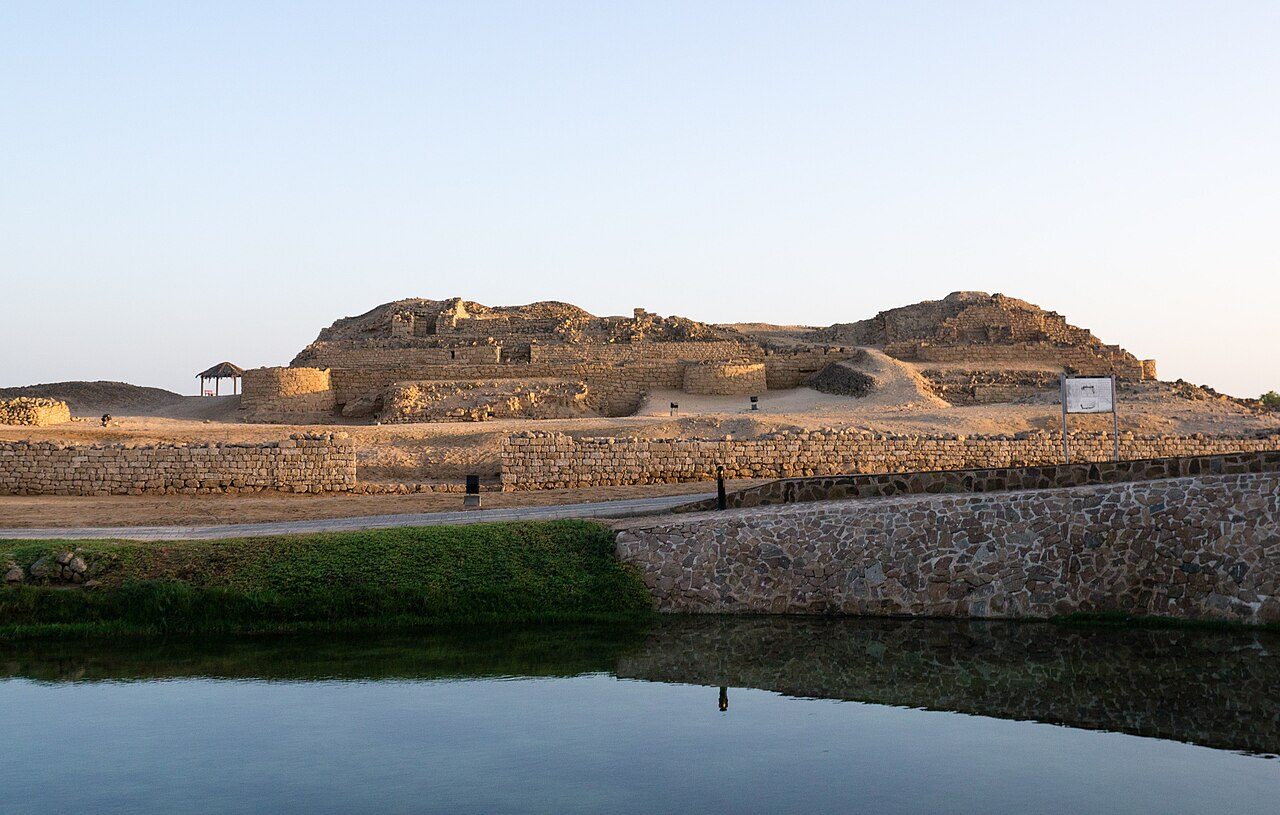
Al Baleed is the site of the medieval port of Zafar, which grew rich from shipping frankincense and horses between the 8th and 16th centuries. Marco Polo and Ibn Battuta described it. The ruins of a great mosque, a citadel and city walls lie beside a lagoon in Salalah. It is part of the Land of Frankincense World Heritage Site, with a museum next to it.
03
STOP 3 OF 12
Al Husn Souq
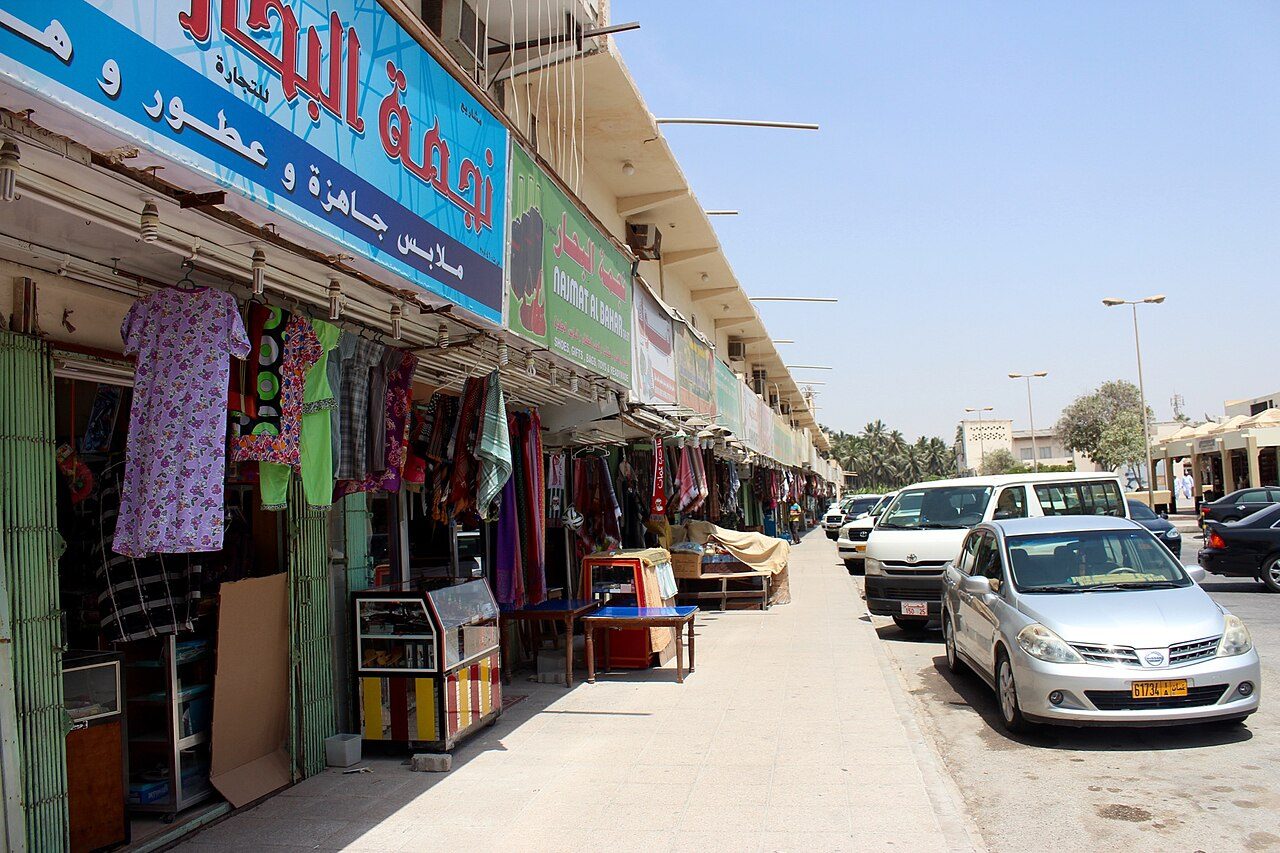
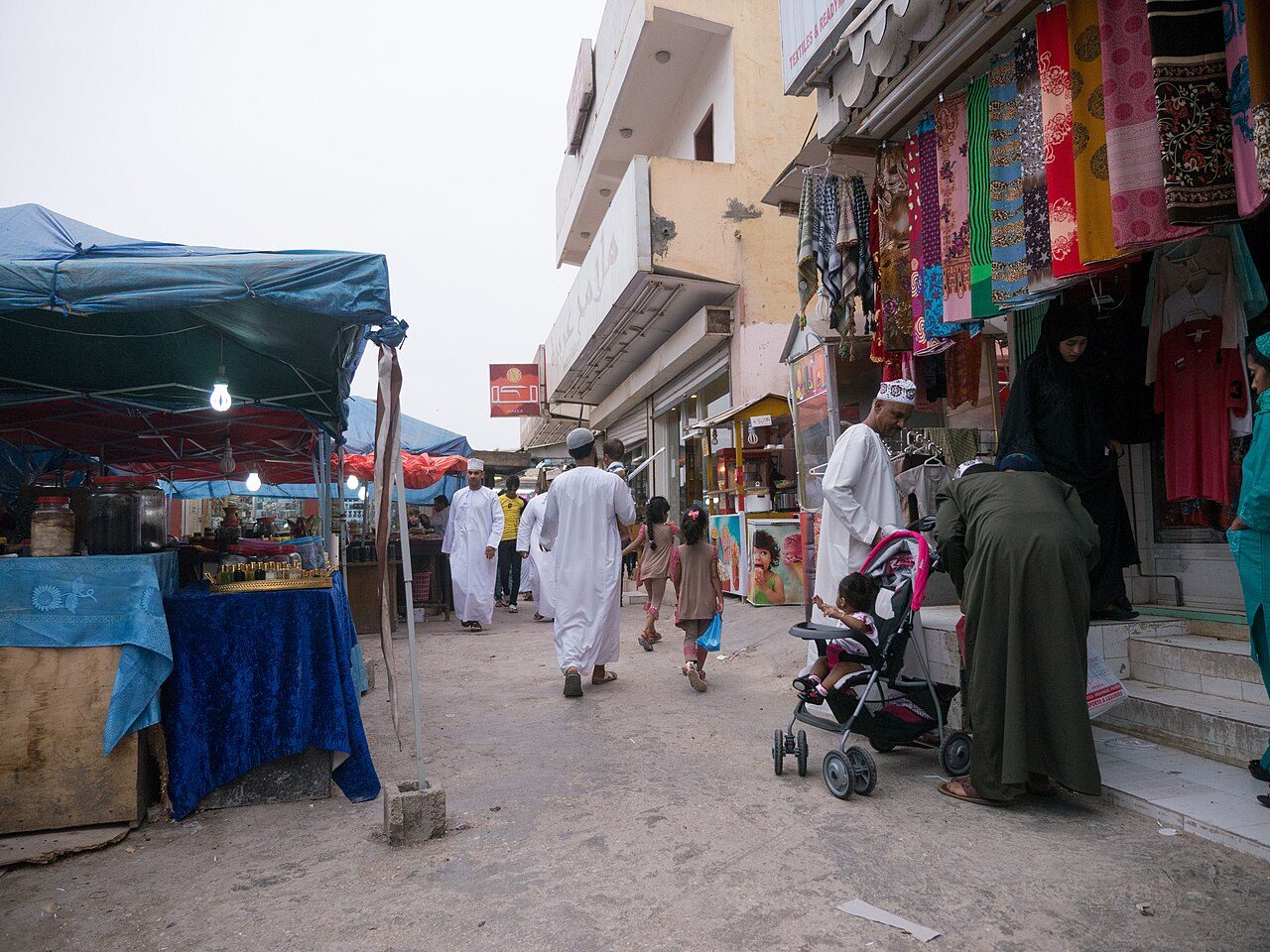
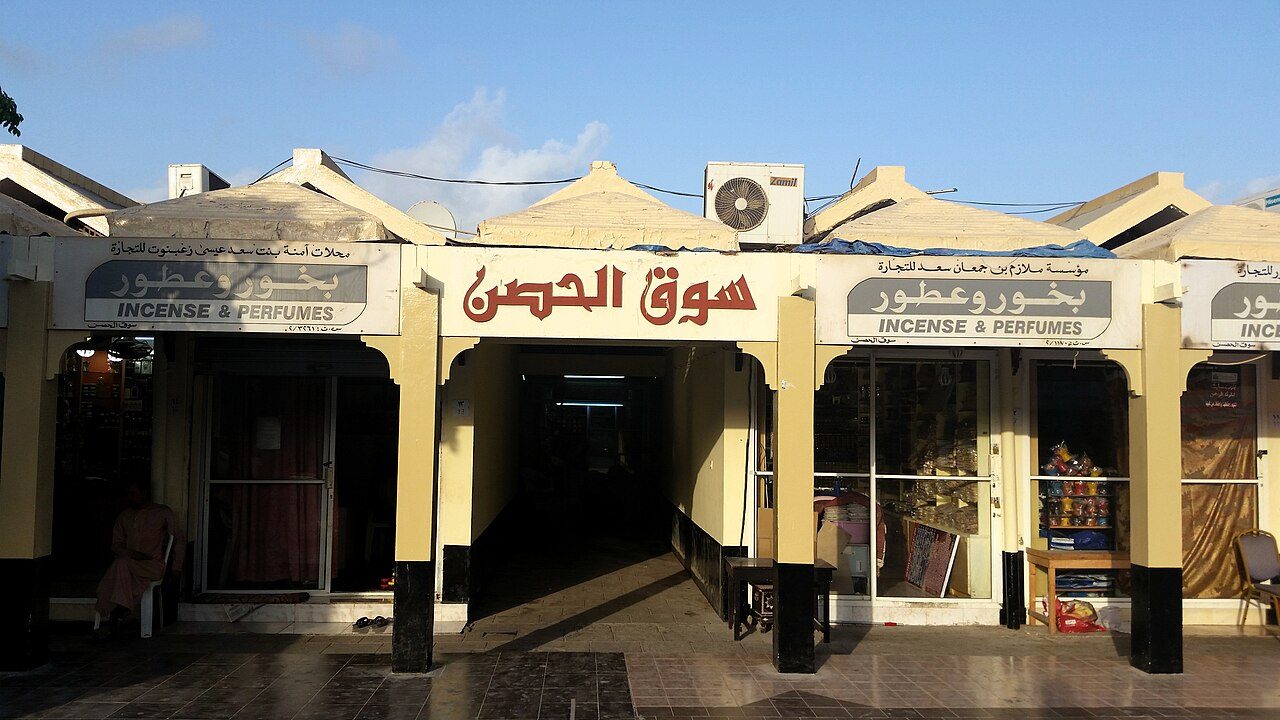
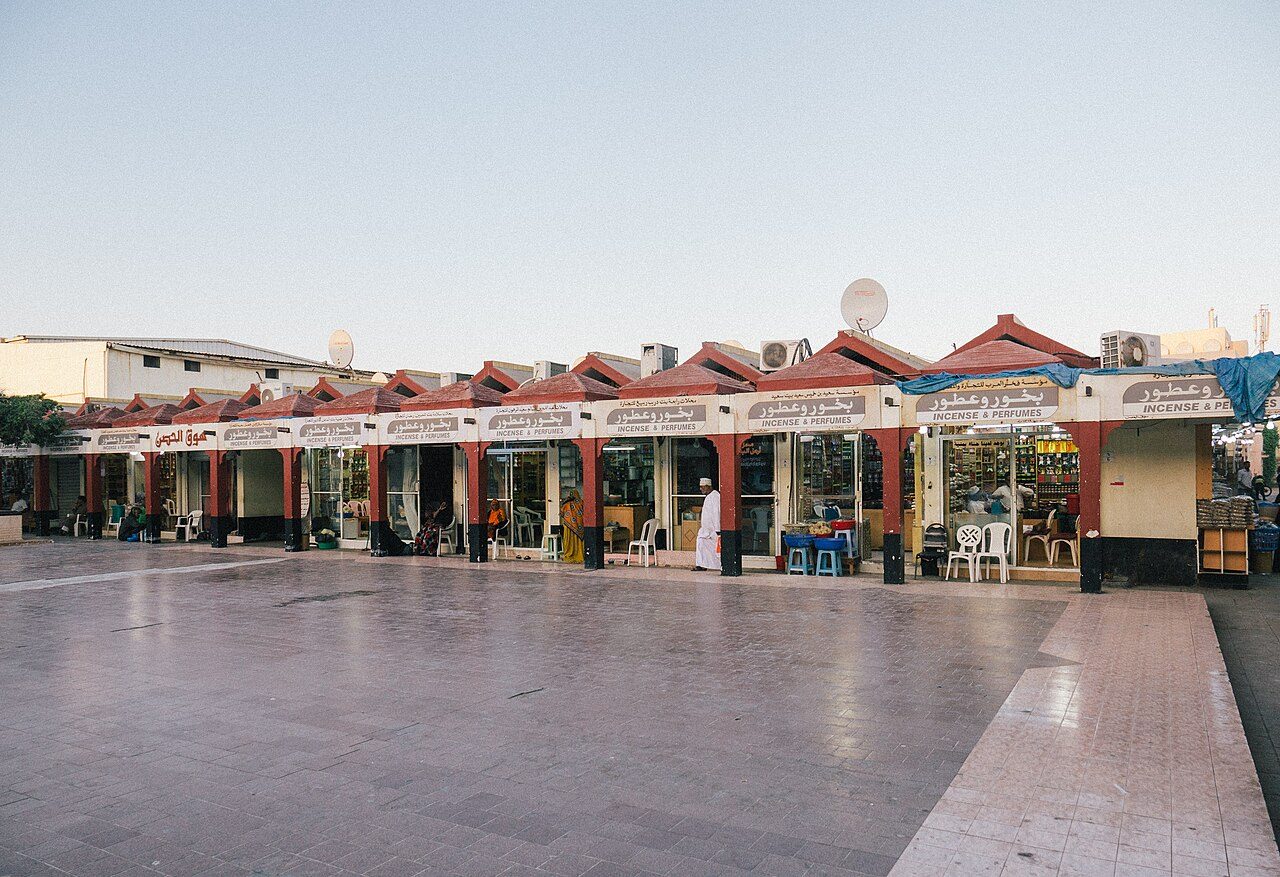
Al Husn Souq, also called Al Haffa Souq, lies beside the Sultan's palace in the old Al Haffa quarter of Salalah. It is the best place in Oman to buy frankincense, which comes from the trees of Dhofar. Shops sell the resin in several grades along with incense burners, perfumes and local dress. The smell of burning incense fills the lanes.
04
STOP 4 OF 12
Taqah Castle
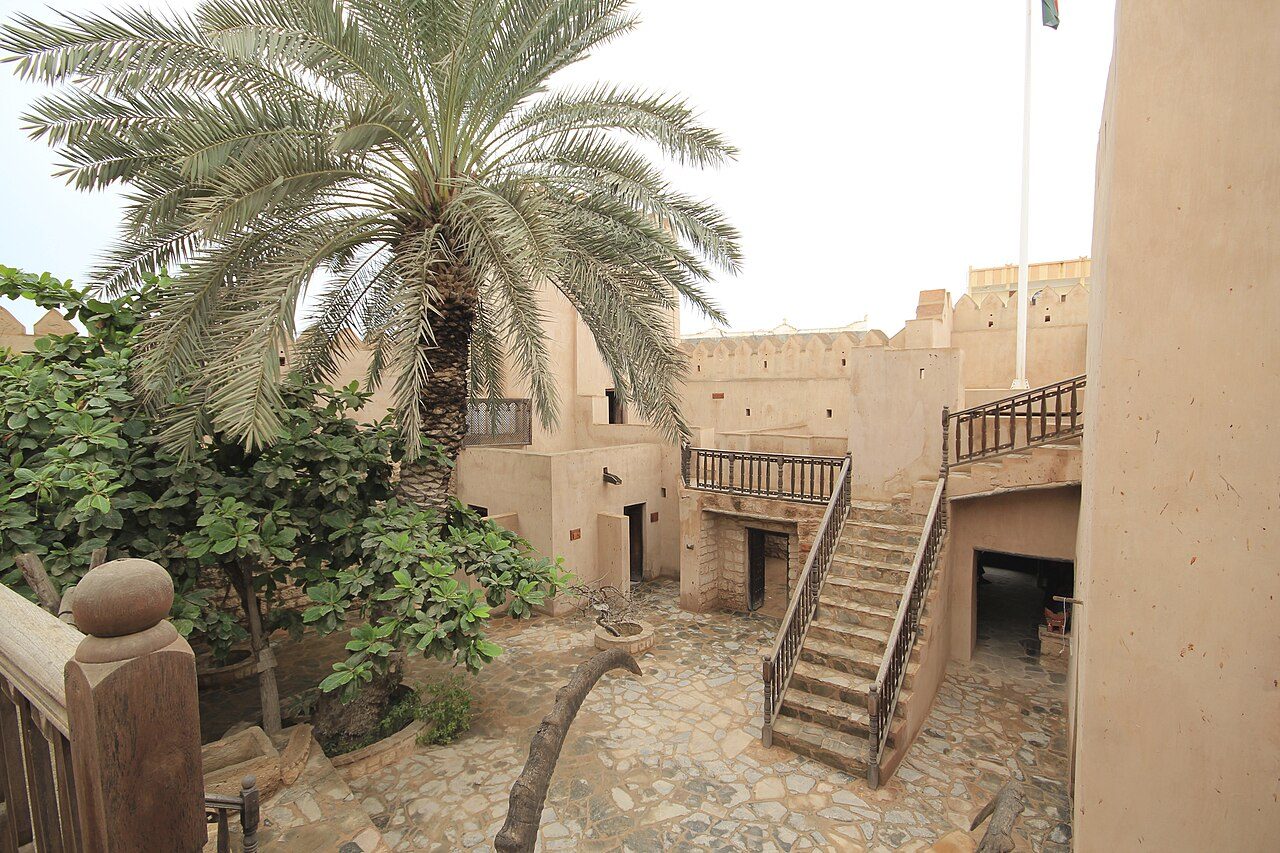
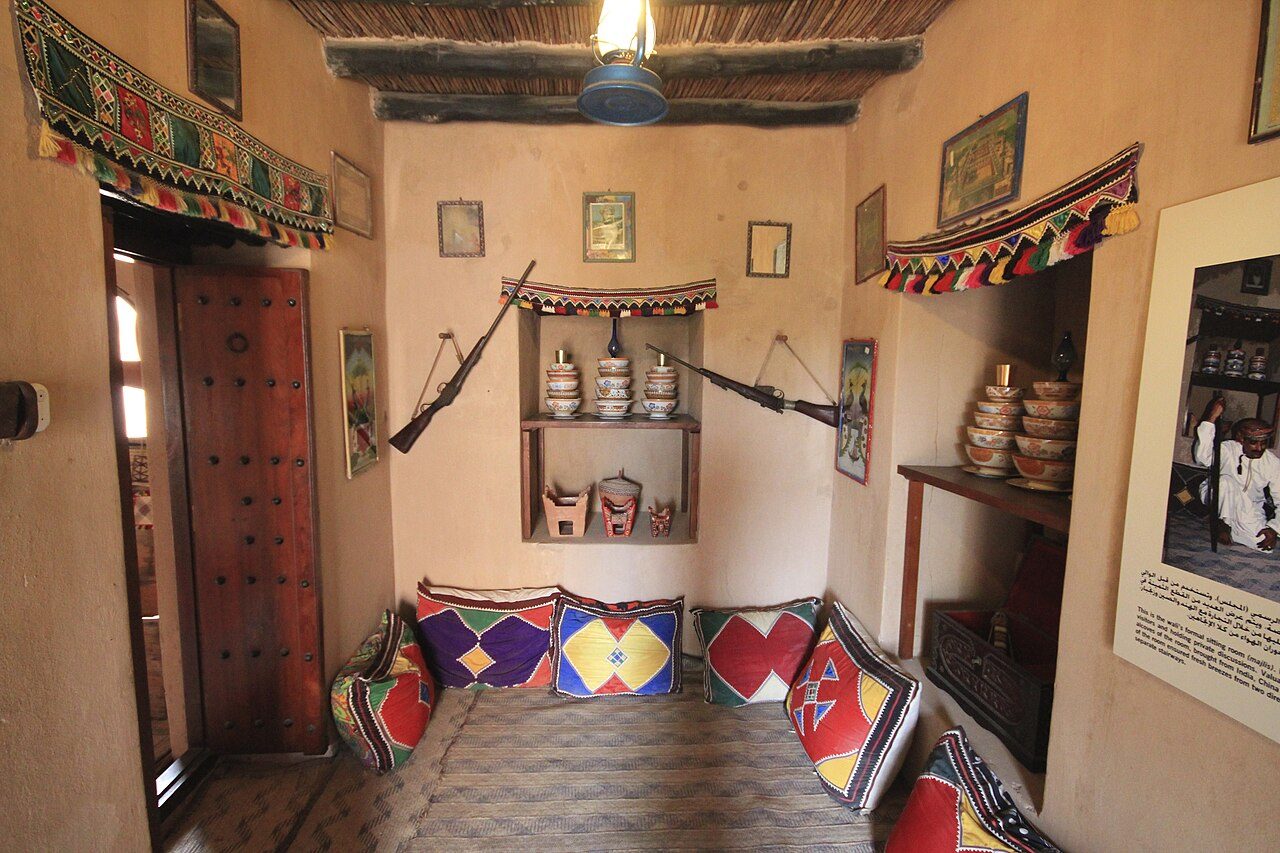
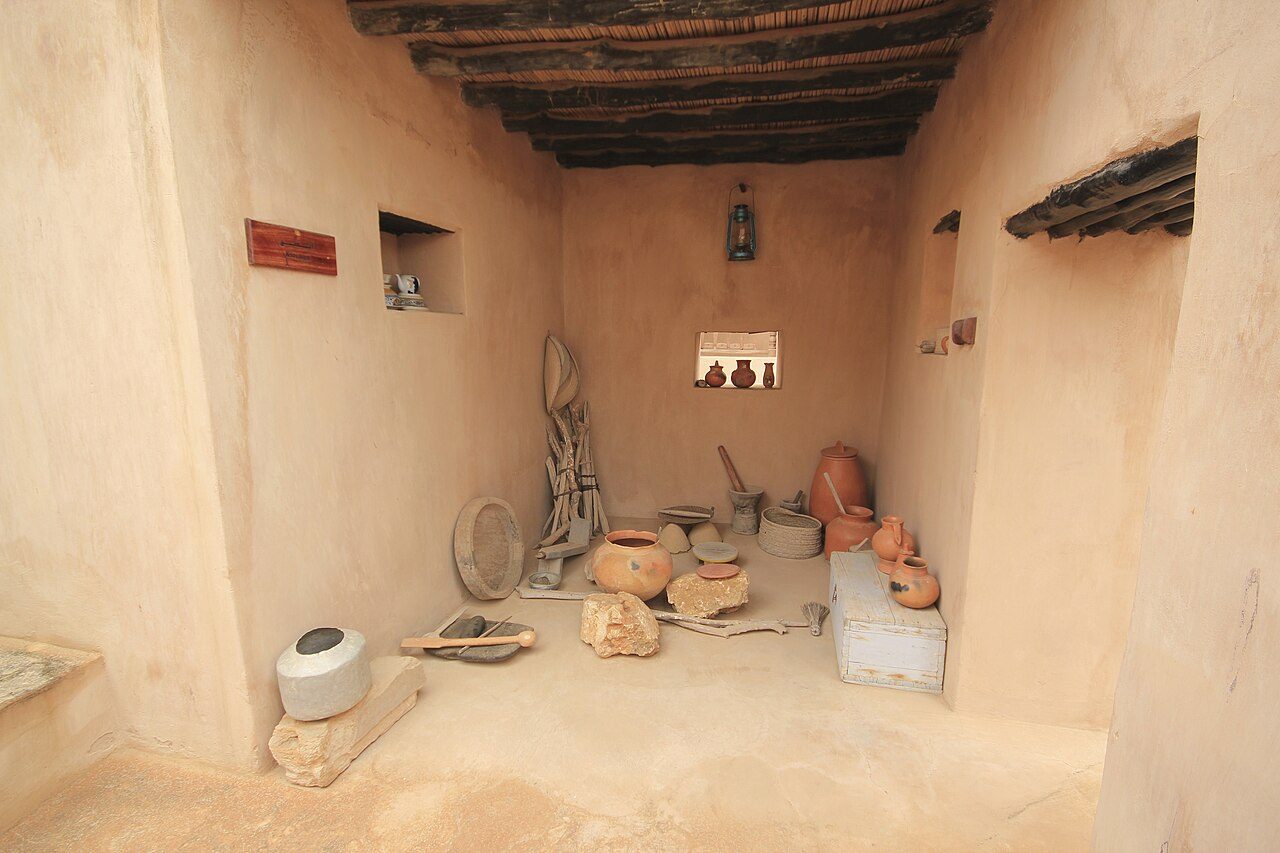
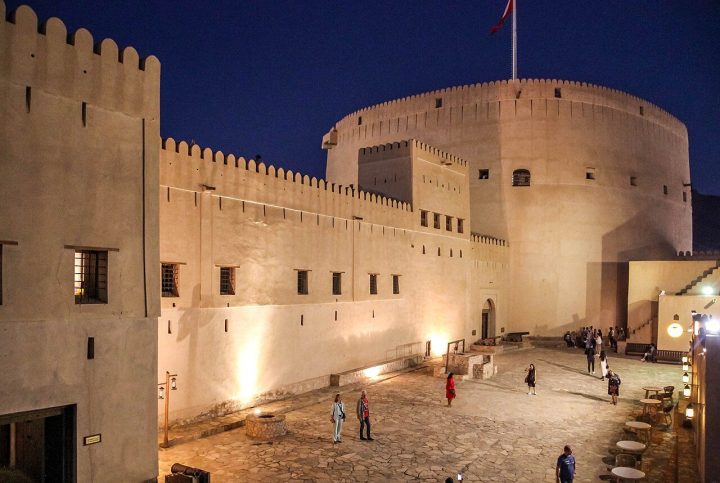
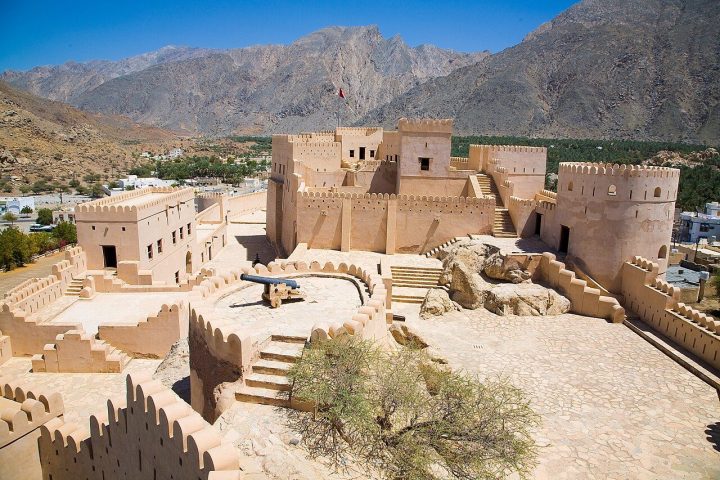
Taqah Castle is a small fort in the fishing town of Taqah, east of Salalah. It was built in the 19th century as the home of a local tribal leader, and later housed the governor. The restored rooms are furnished to show daily life, with kitchens, stores, a prison and living quarters around a courtyard. A watchtower stands on the hill behind it.
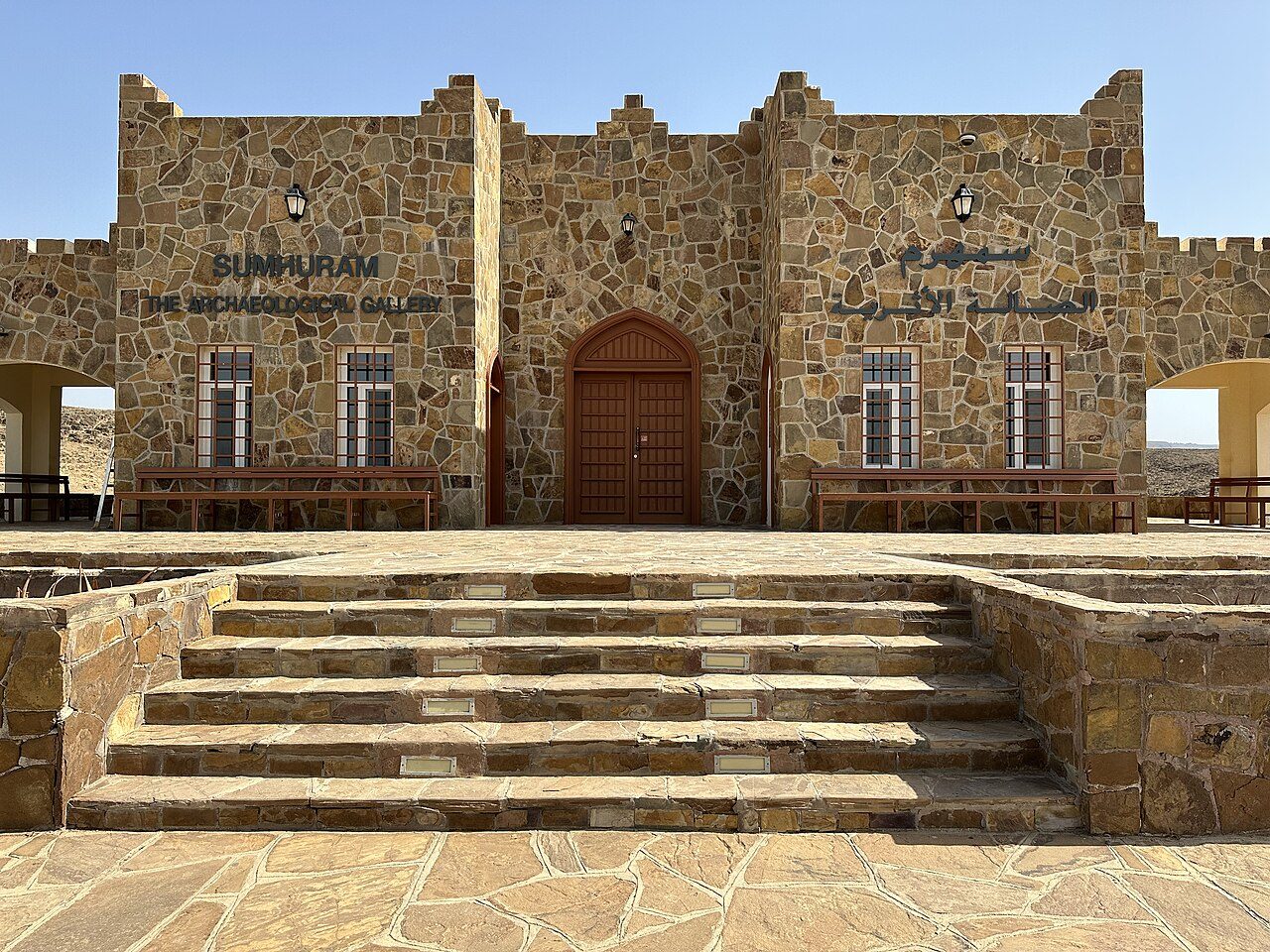
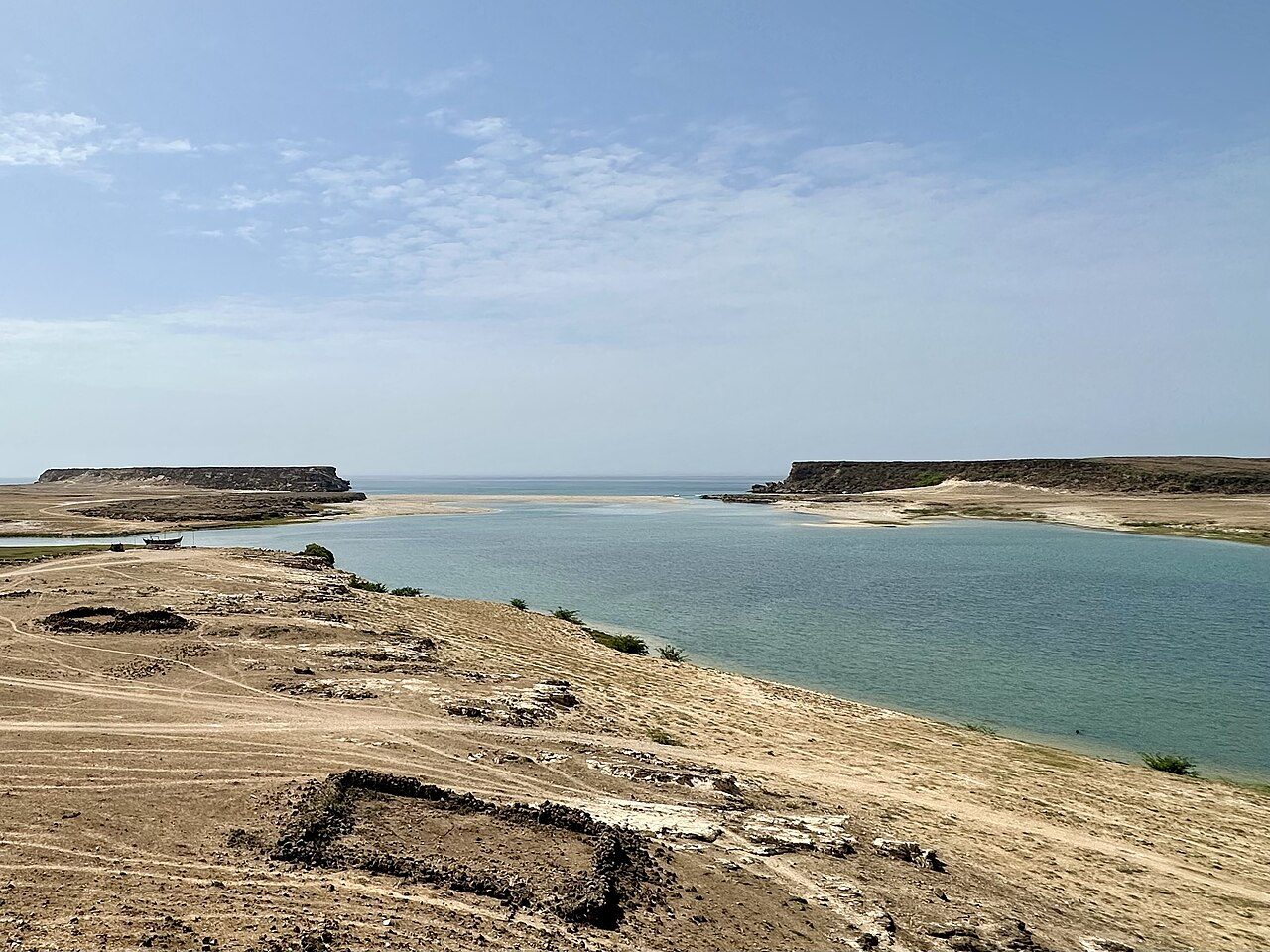
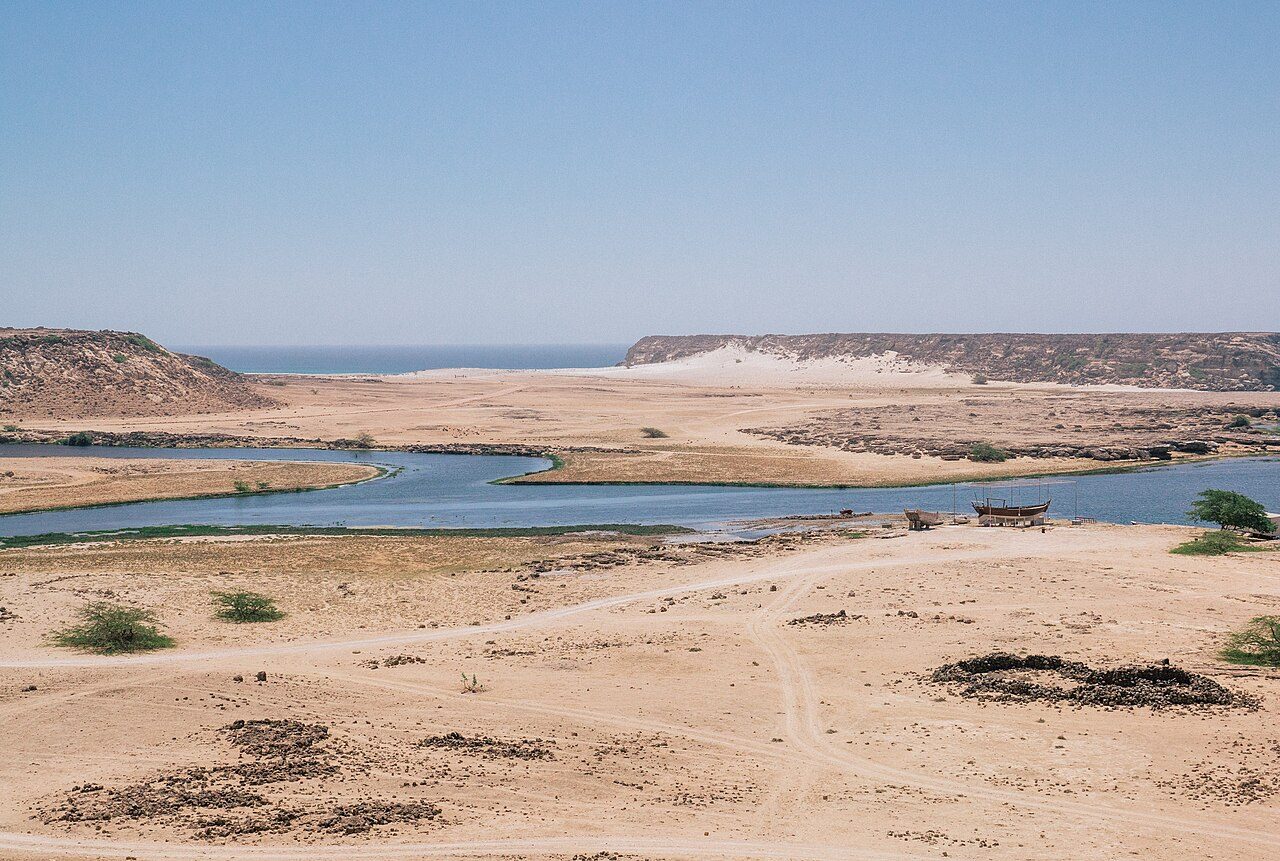
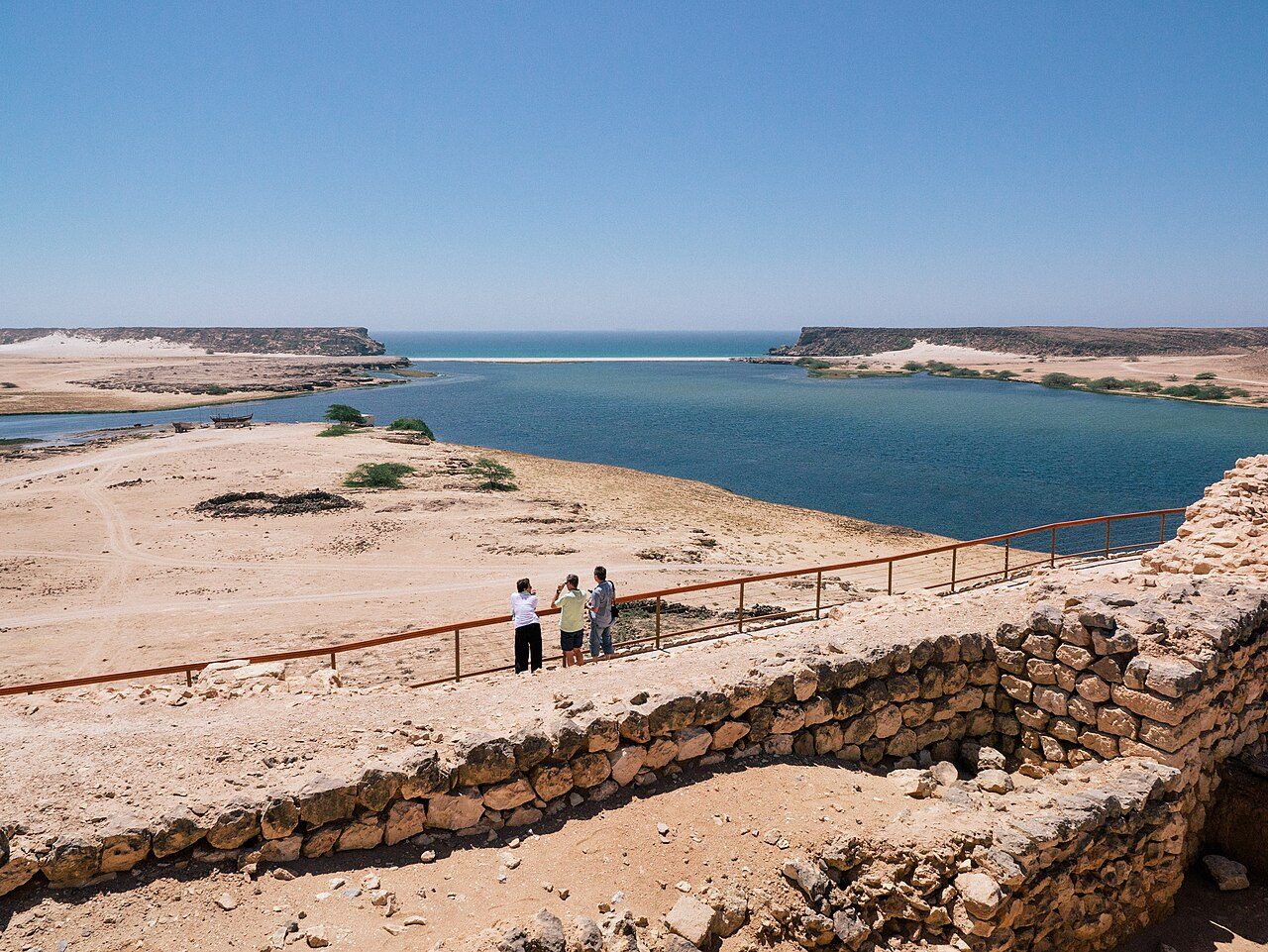
Sumhuram was a fortified port founded around the 3rd century BC by the kingdom of Hadramawt to control the frankincense trade. It stands on a hill above Khor Rori, a lagoon east of Salalah. The thick stone walls, a gate with inscriptions, storerooms and a temple can still be seen. It is one of the four sites of the Land of Frankincense World Heritage Site.
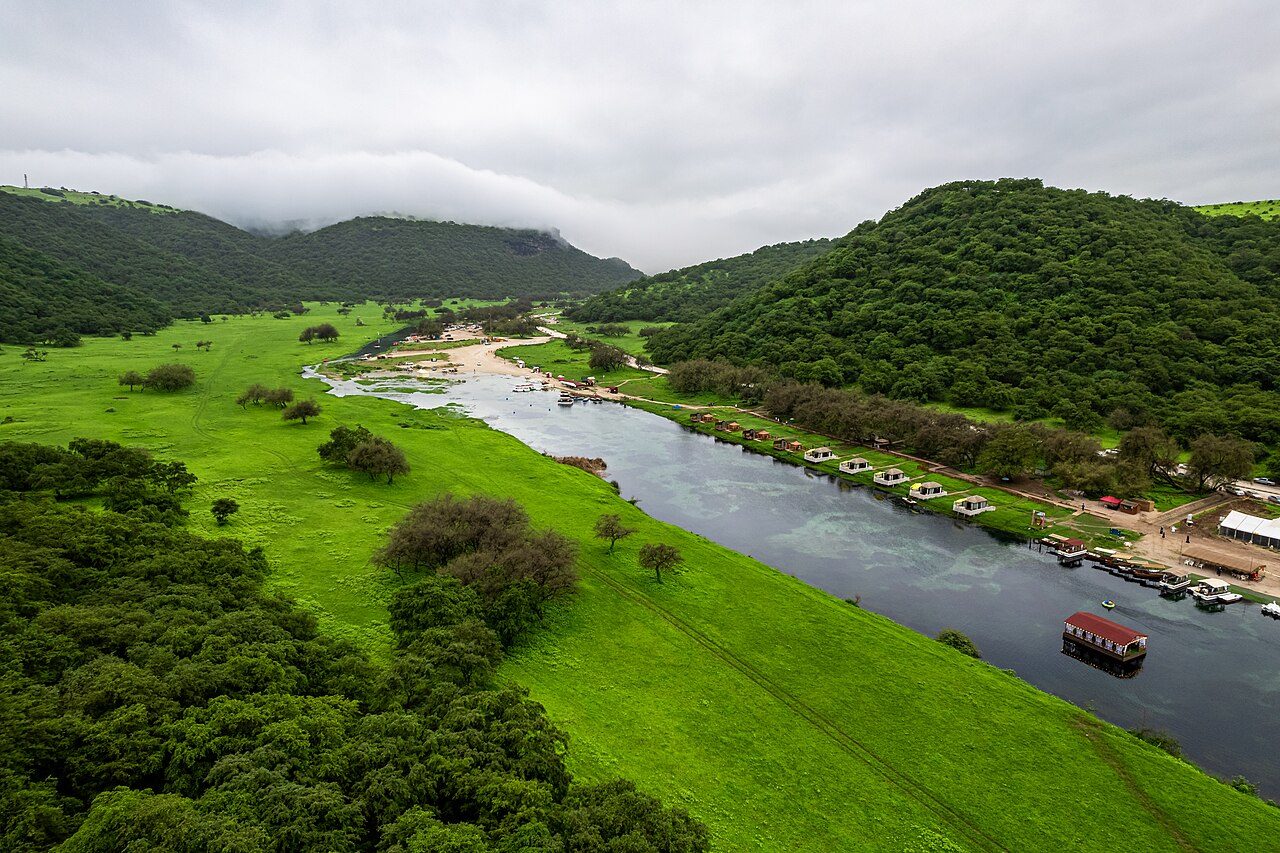
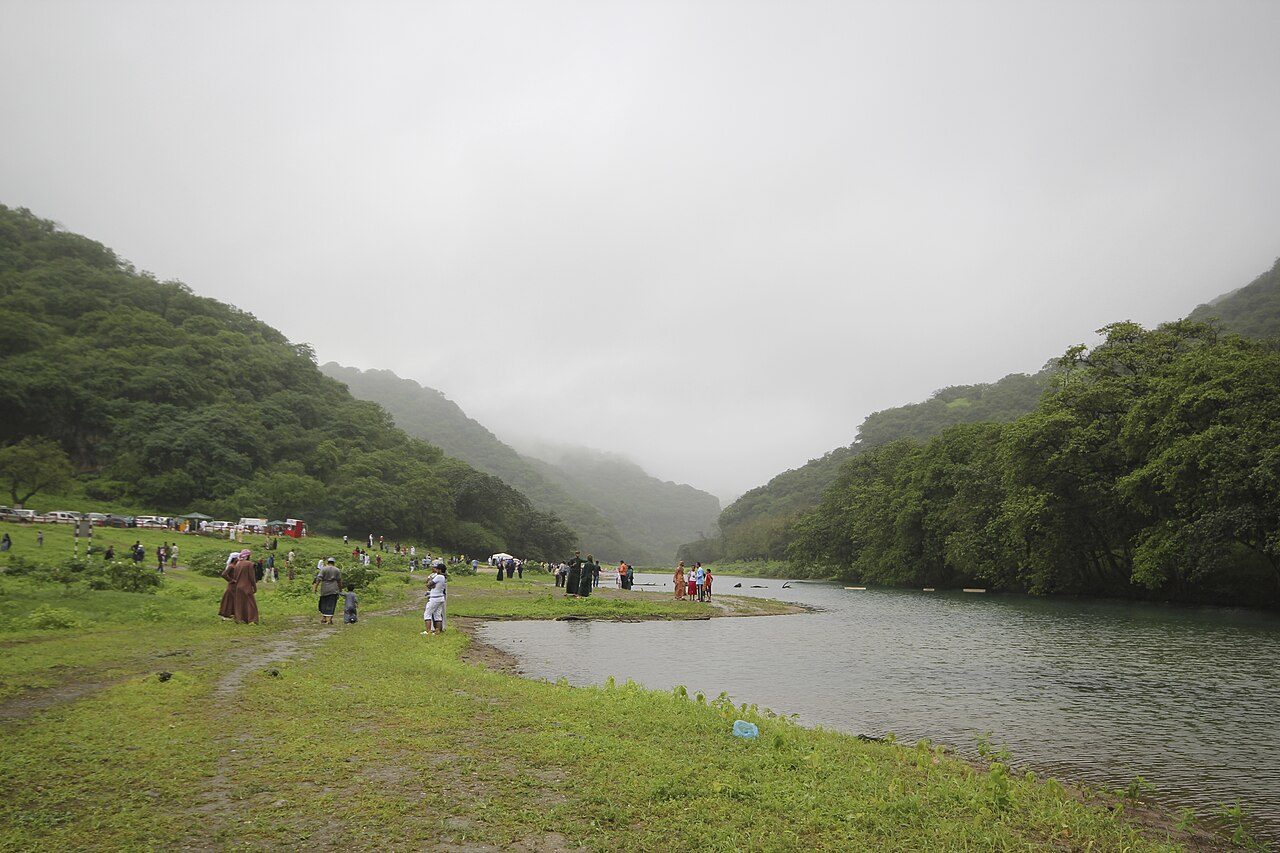
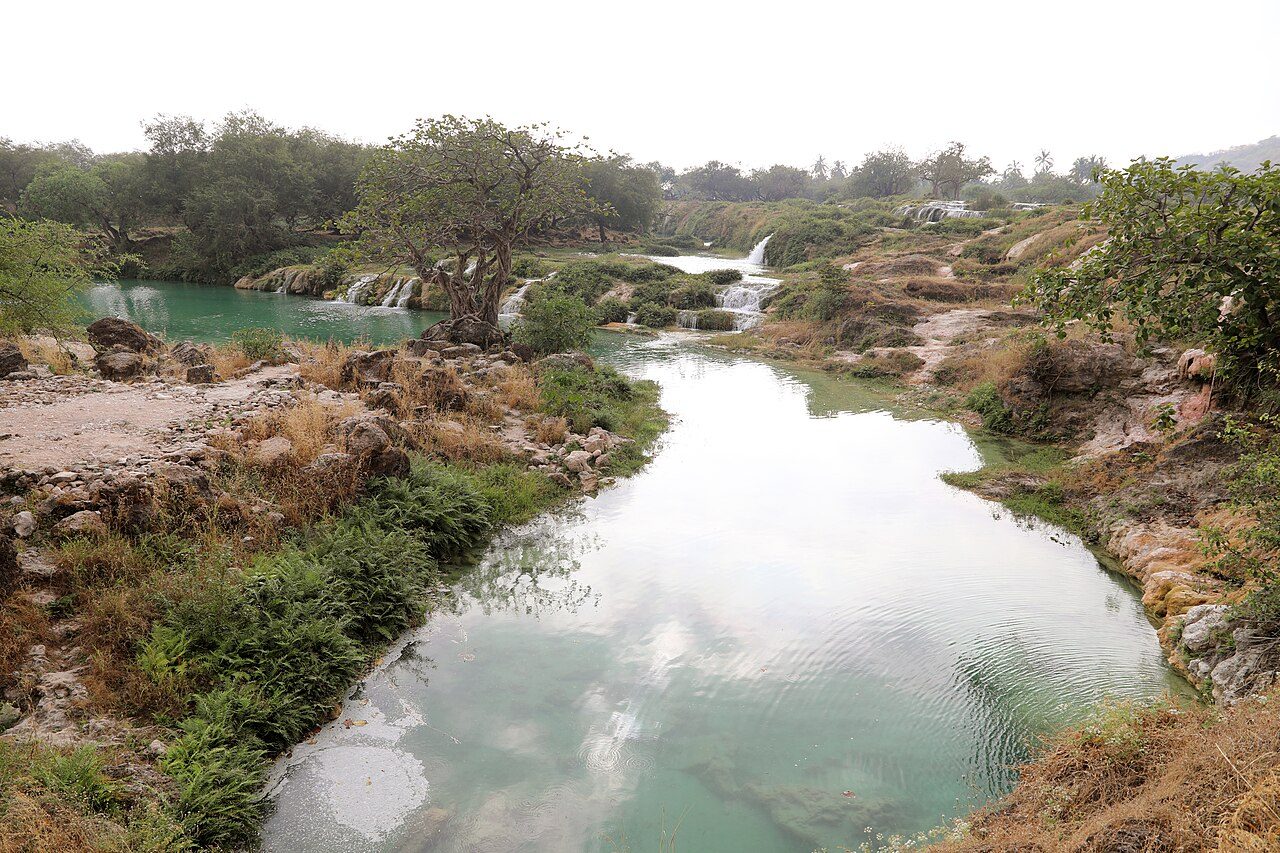
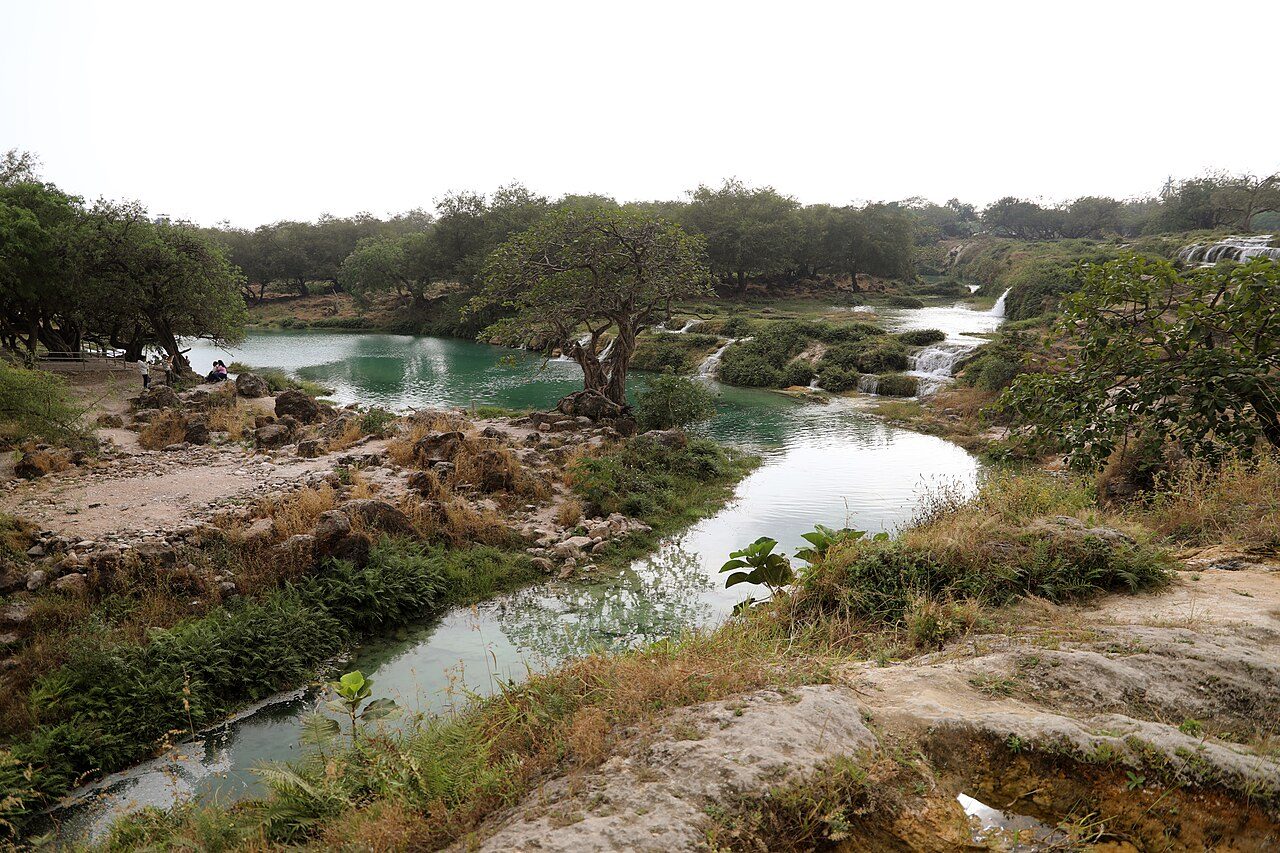
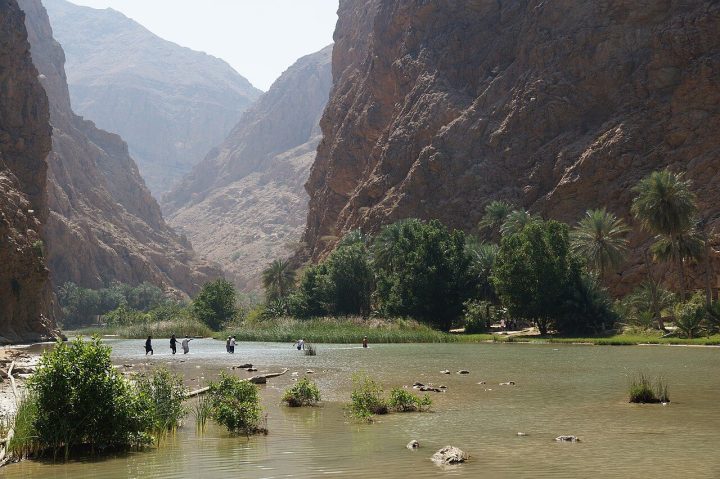
Wadi Darbat is a green valley in the hills east of Salalah. During the khareef, the monsoon from June to September, a river runs through it and drops over a cliff in a wide waterfall. The valley has a lake, grassy banks and caves, and camels and cattle graze freely. For the rest of the year the lake remains, and the area stays greener than most of Oman.
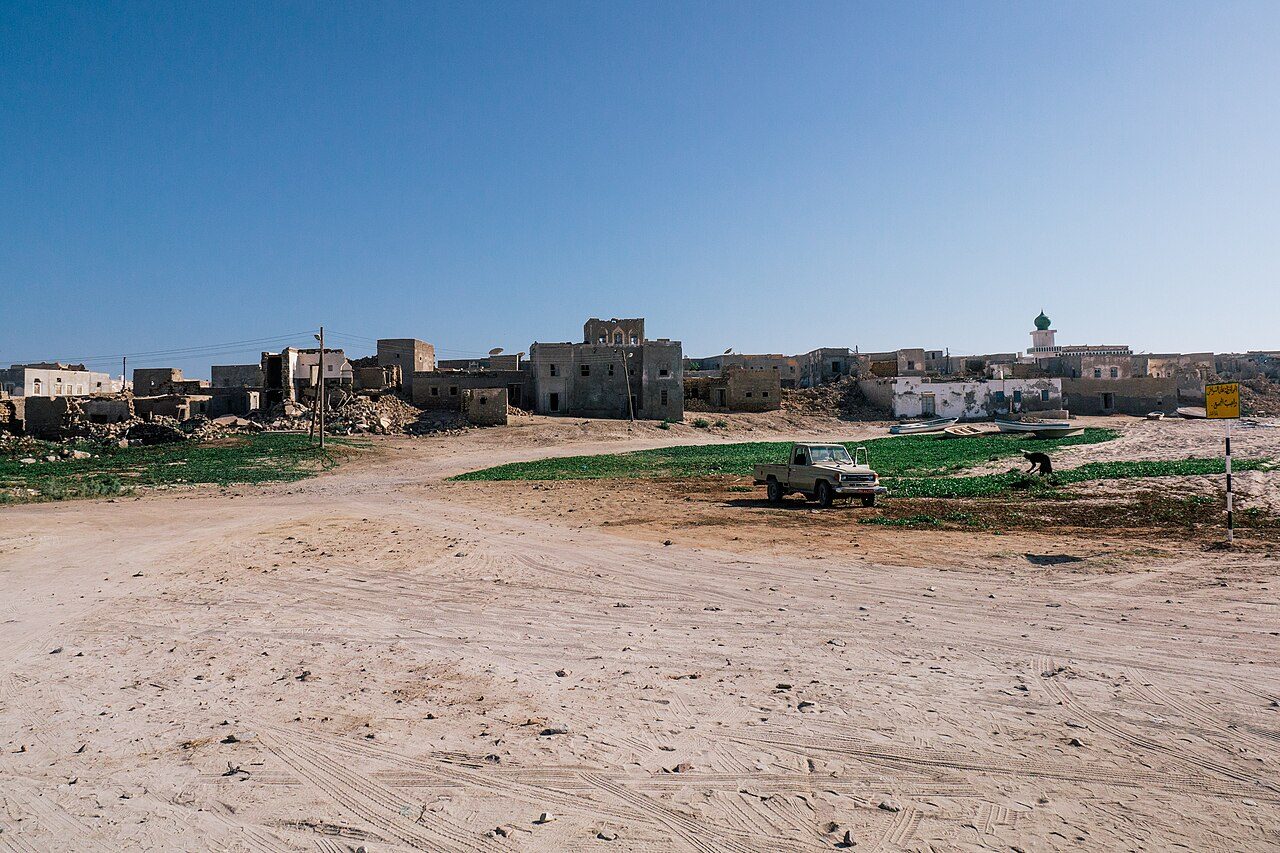
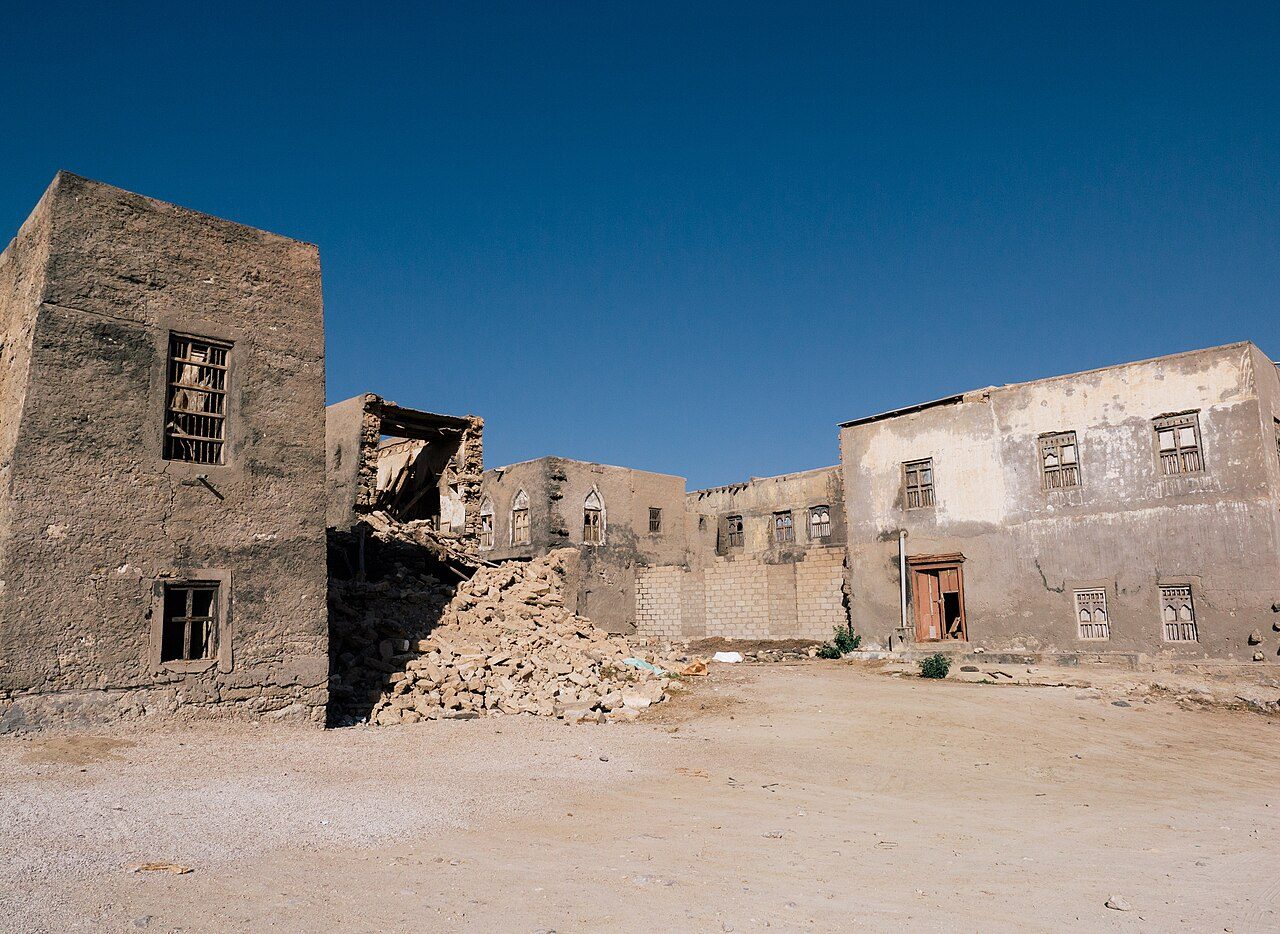
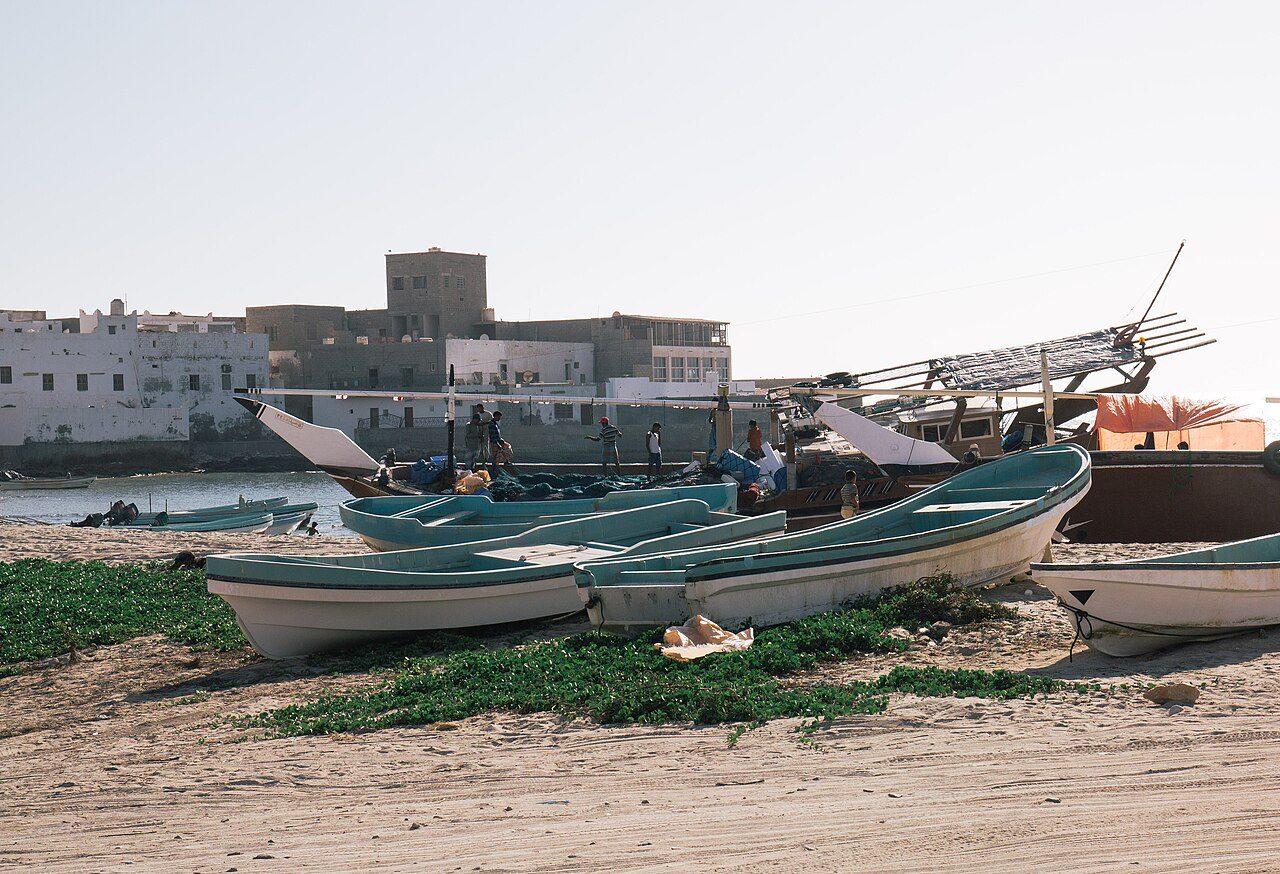
Mirbat is an old port town about 70 kilometres east of Salalah. It was once a centre for the trade in frankincense and Arabian horses. The old quarter has merchant houses with carved windows, many now in ruins. A restored fort overlooks the harbour, and nearby is the white twin-domed tomb of Bin Ali, a scholar who died in the 12th century.
08
STOP 8 OF 12
Mughsail Beach
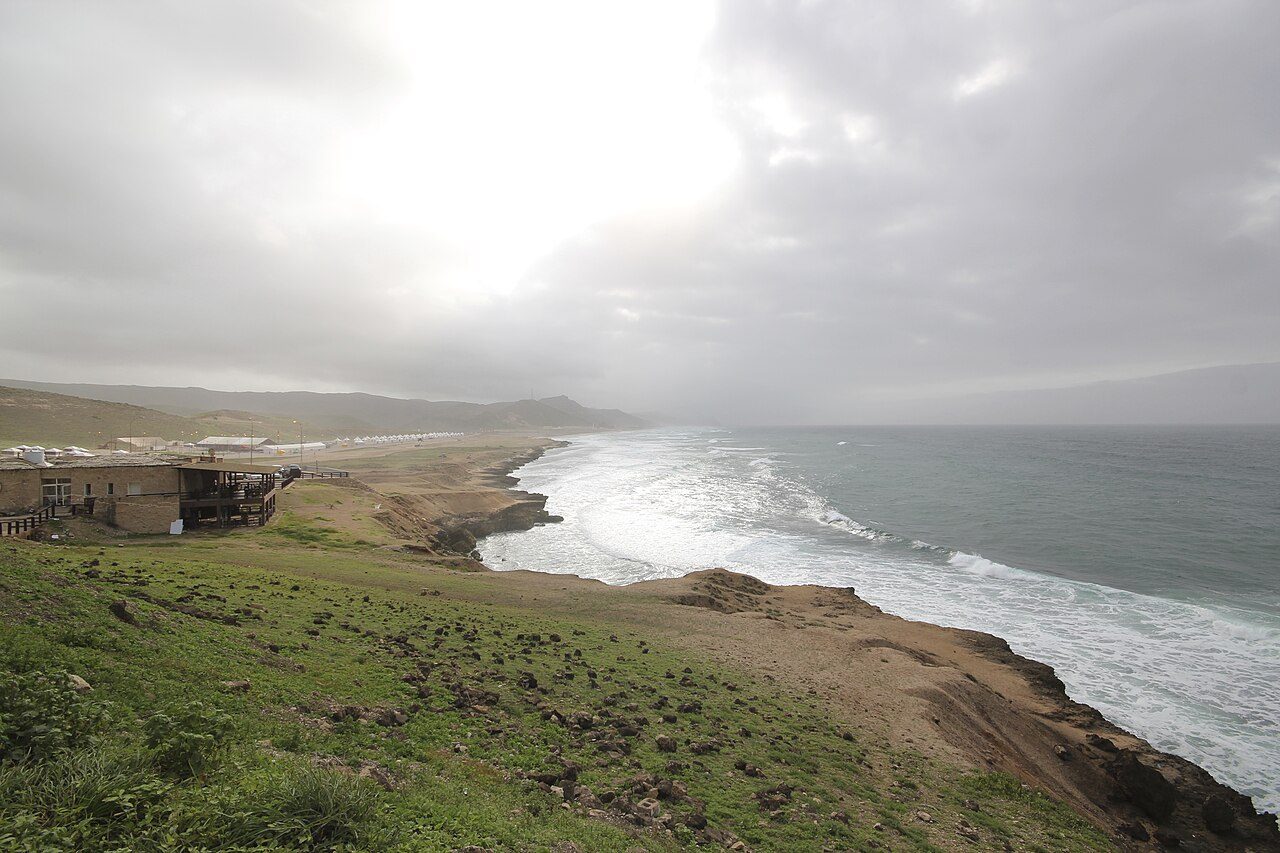
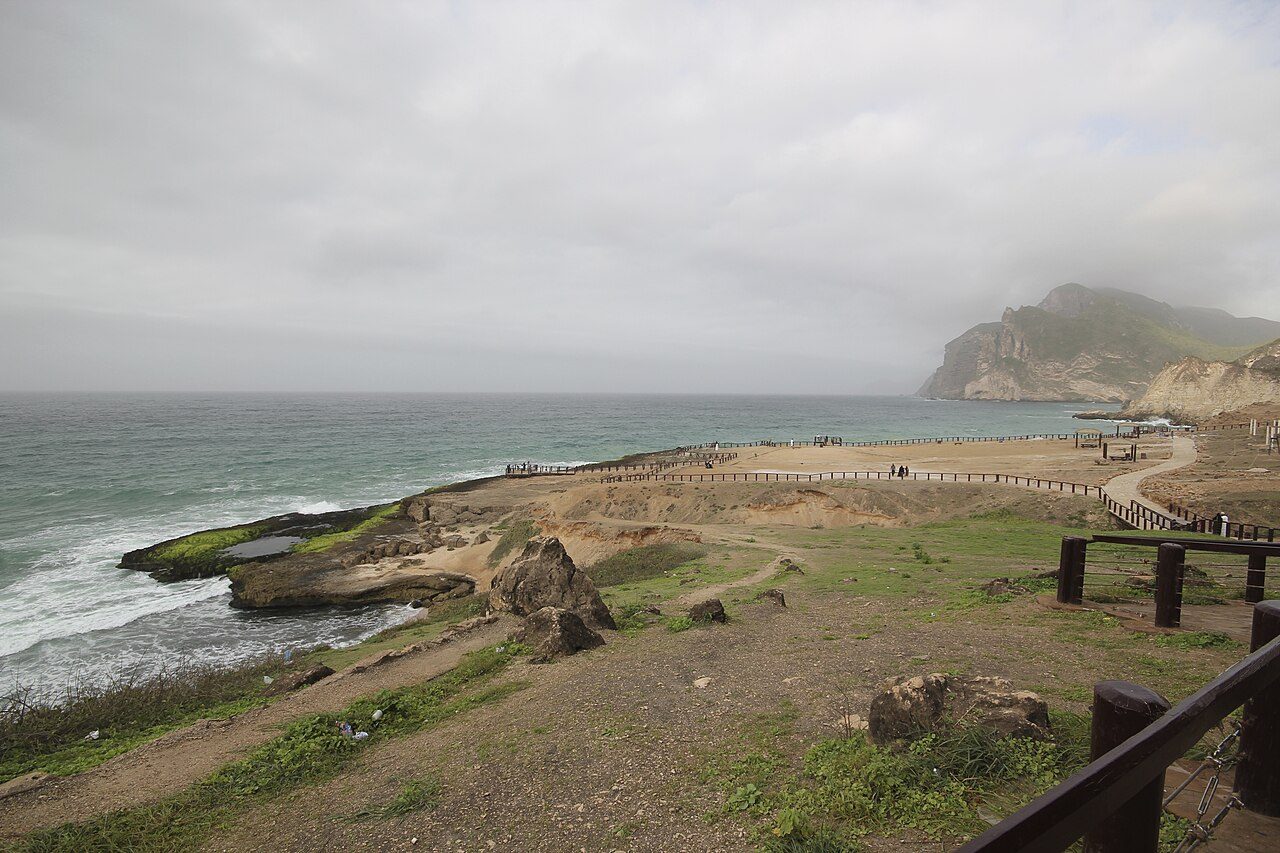
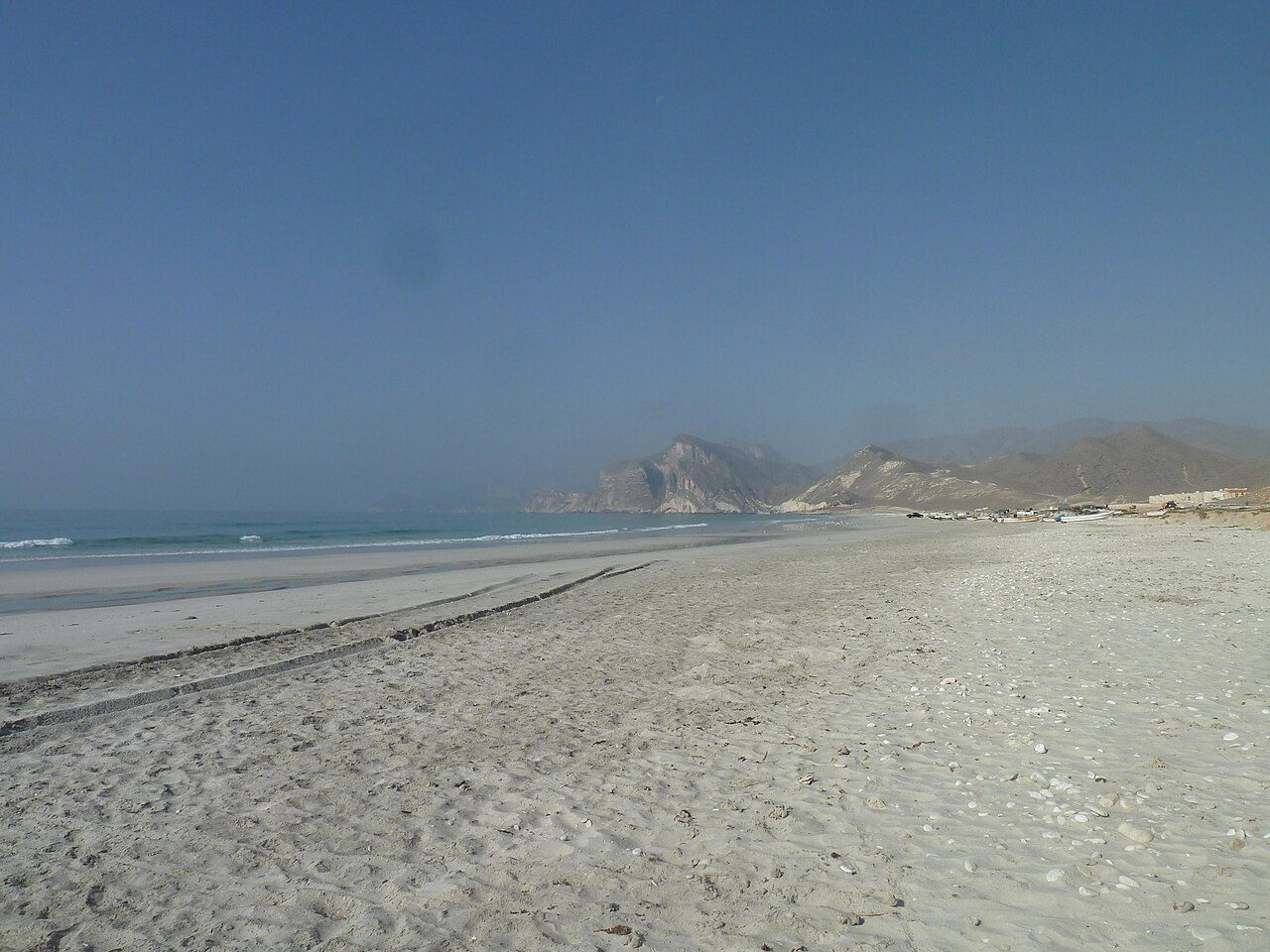
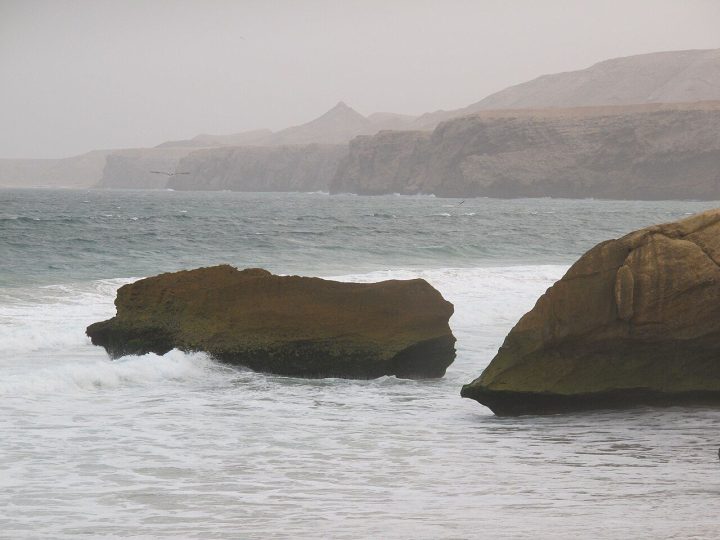
Mughsail Beach is a long bay of white sand about 40 kilometres west of Salalah. At its western end the cliffs of Al Marneef rise from the sea. Here, blowholes in the rock shoot sea water high into the air during the monsoon season. Past the beach the road climbs in zigzags up the mountains towards Yemen, with frankincense trees growing in the dry valleys.
09
STOP 9 OF 12
Tomb of Prophet Ayub
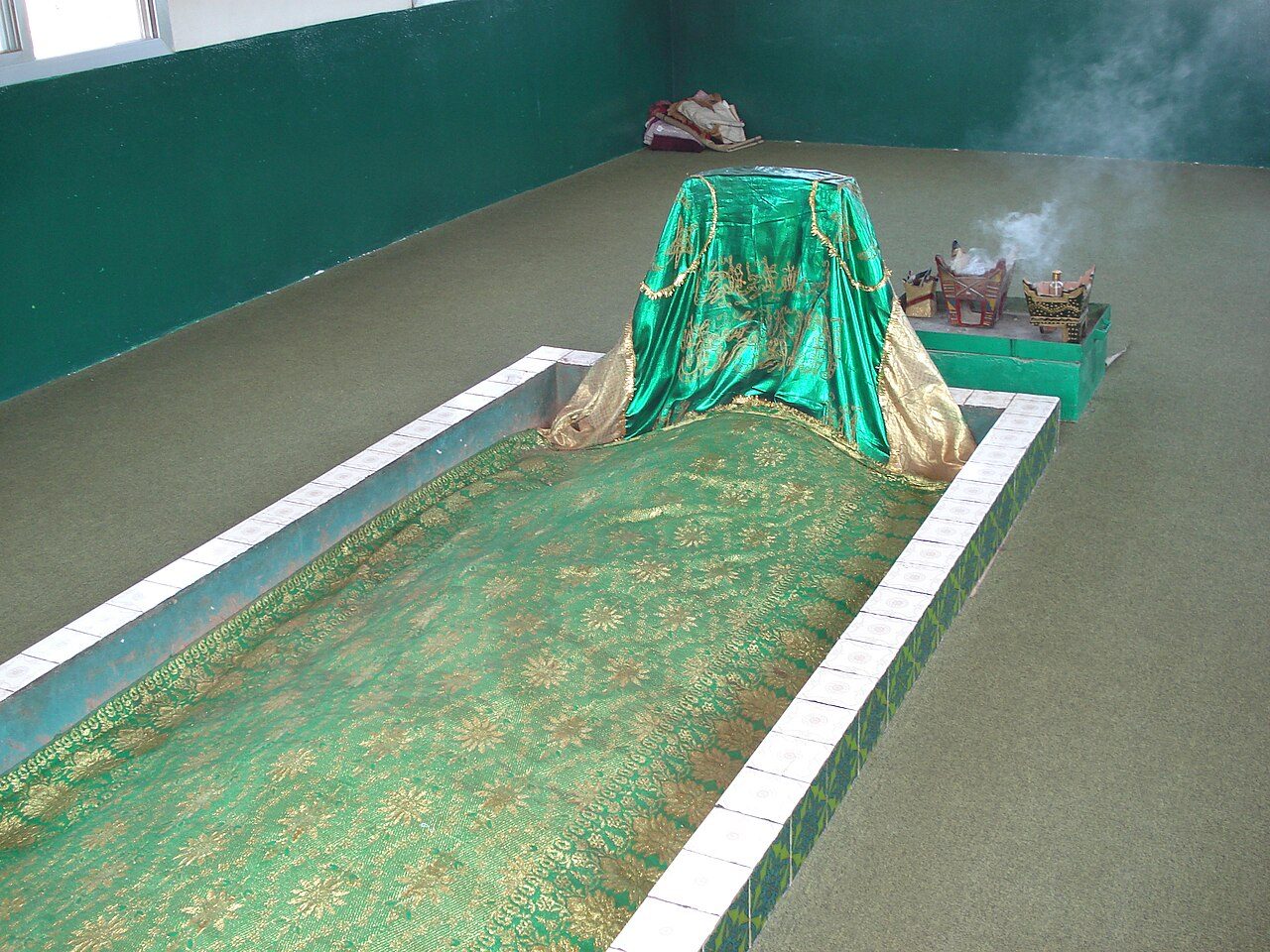
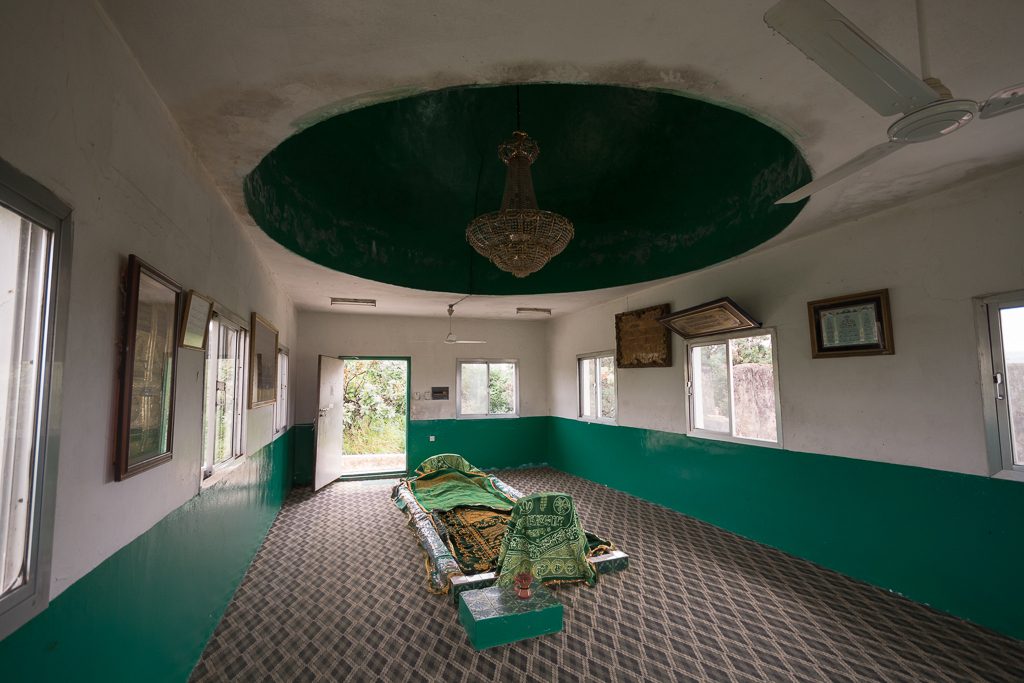
The tomb of the Prophet Ayub, known in the Bible as Job, stands on a hilltop in the mountains north of Salalah. A small white building with a green cloth-covered grave marks the site, beside a simple mosque. People of several faiths visit it. The road up passes green hills in the monsoon season, and the terrace beside the tomb looks over the plain.
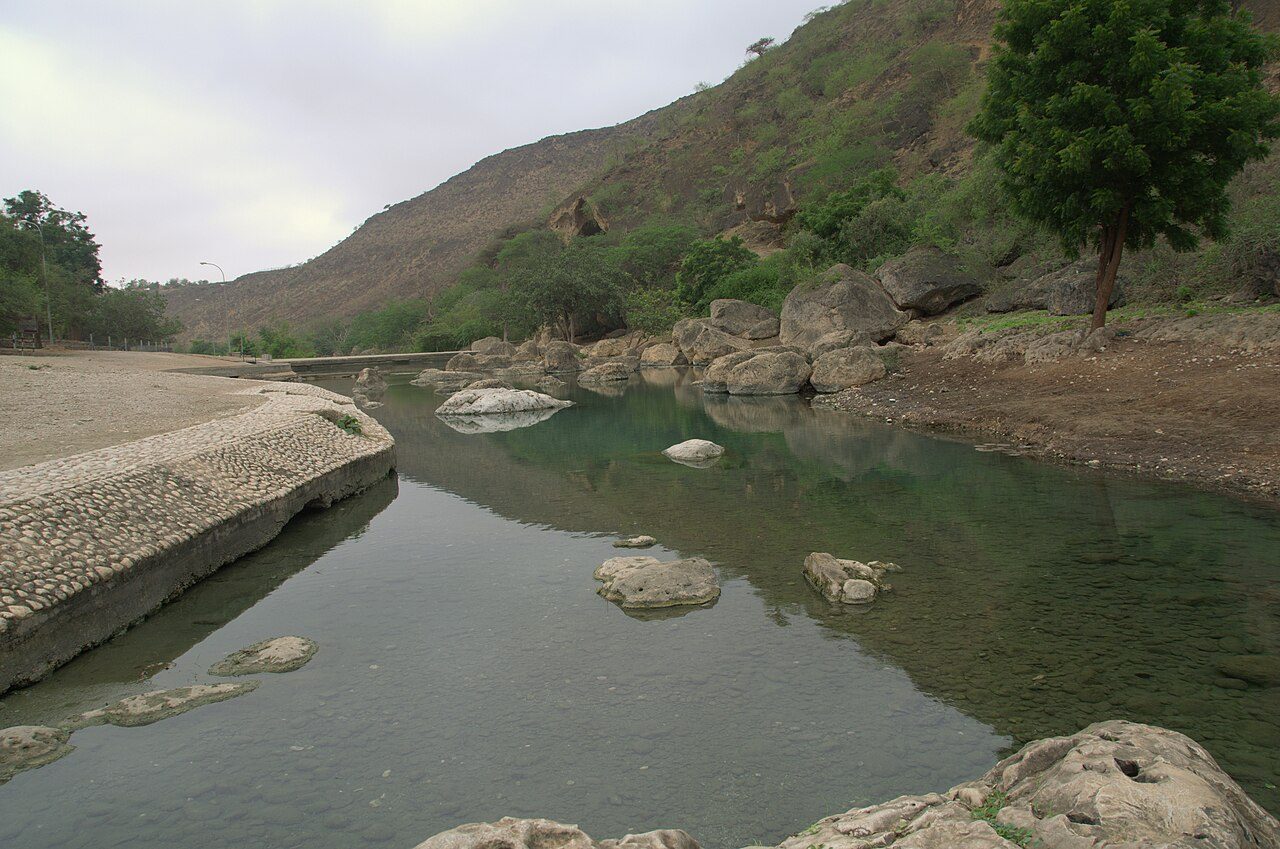
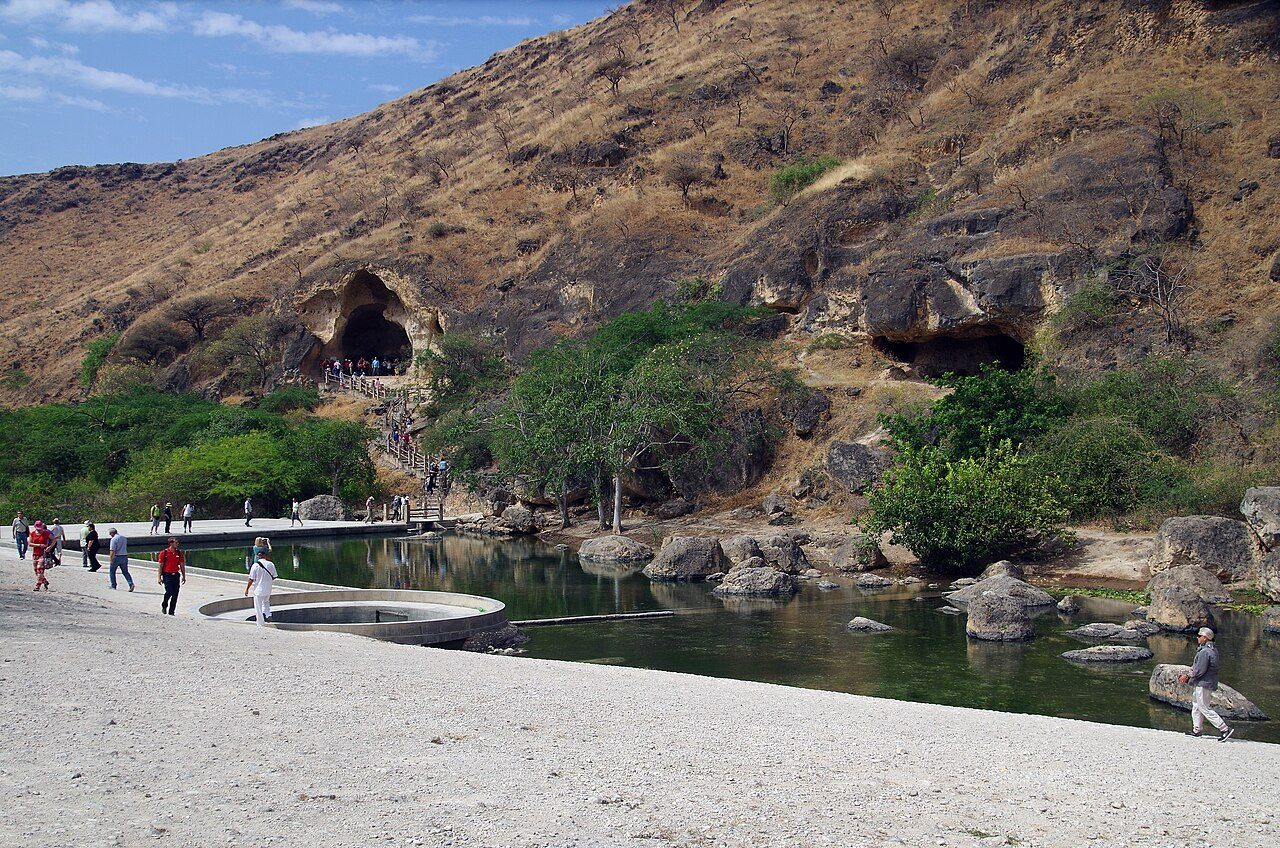
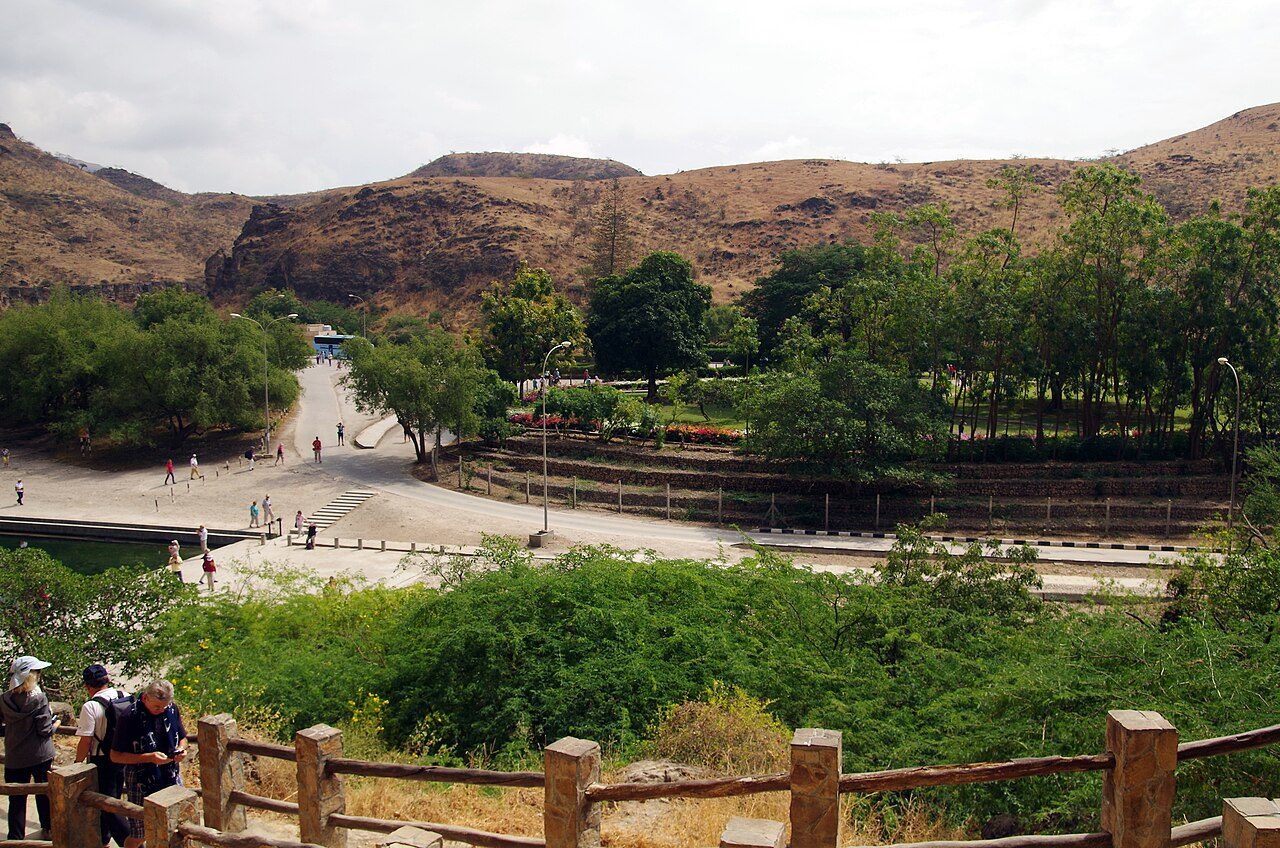
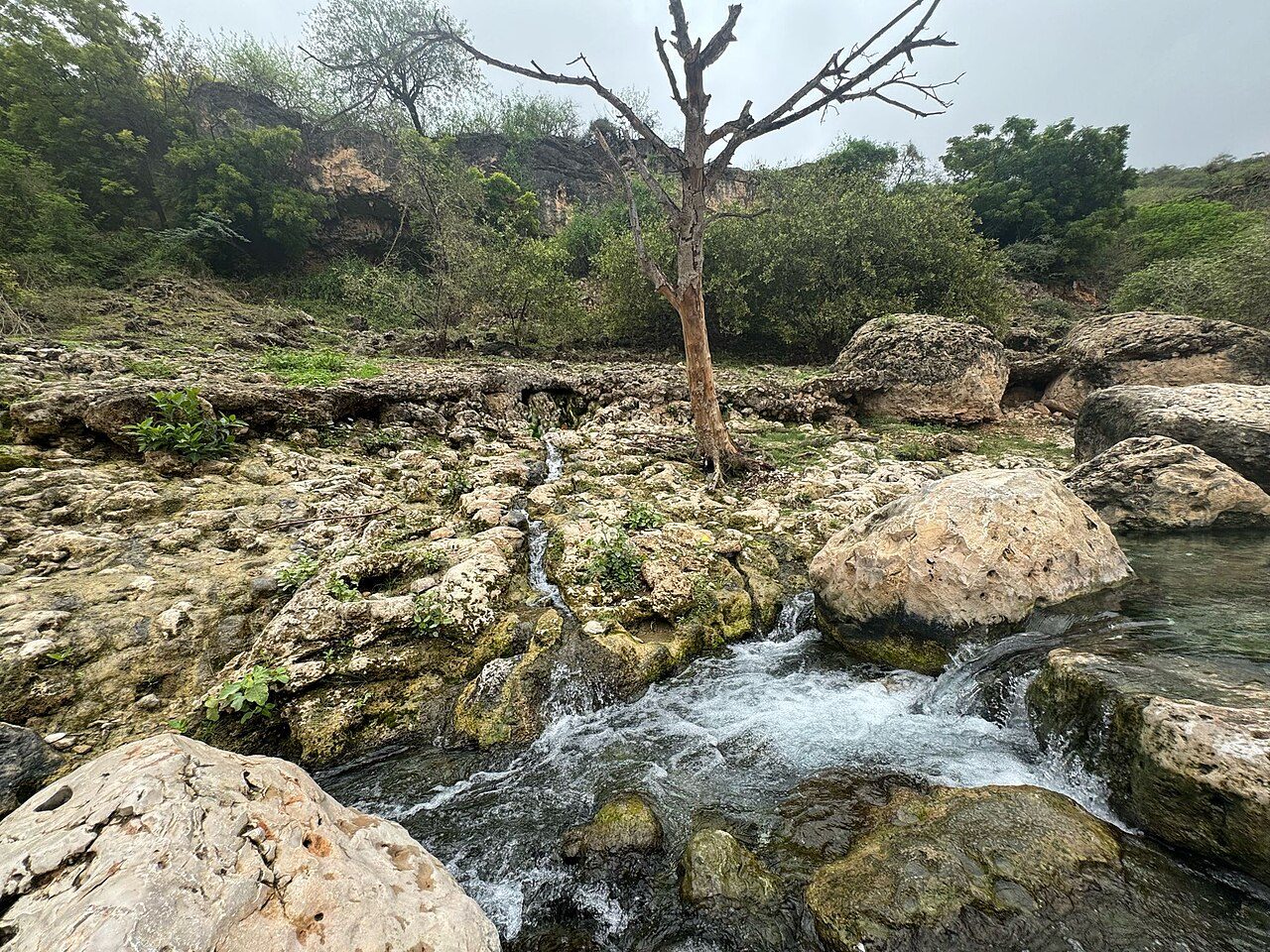
Ayn Razat is the best known of the natural springs at the foot of the mountains near Salalah. Water flows from the rock all year into channels and pools full of small fish. A garden with lawns and flowers has been made beside it, and tall trees shade the stream. A short climb leads to a cave with a view over the plain.
11
STOP 11 OF 12
Wadi Dawkah
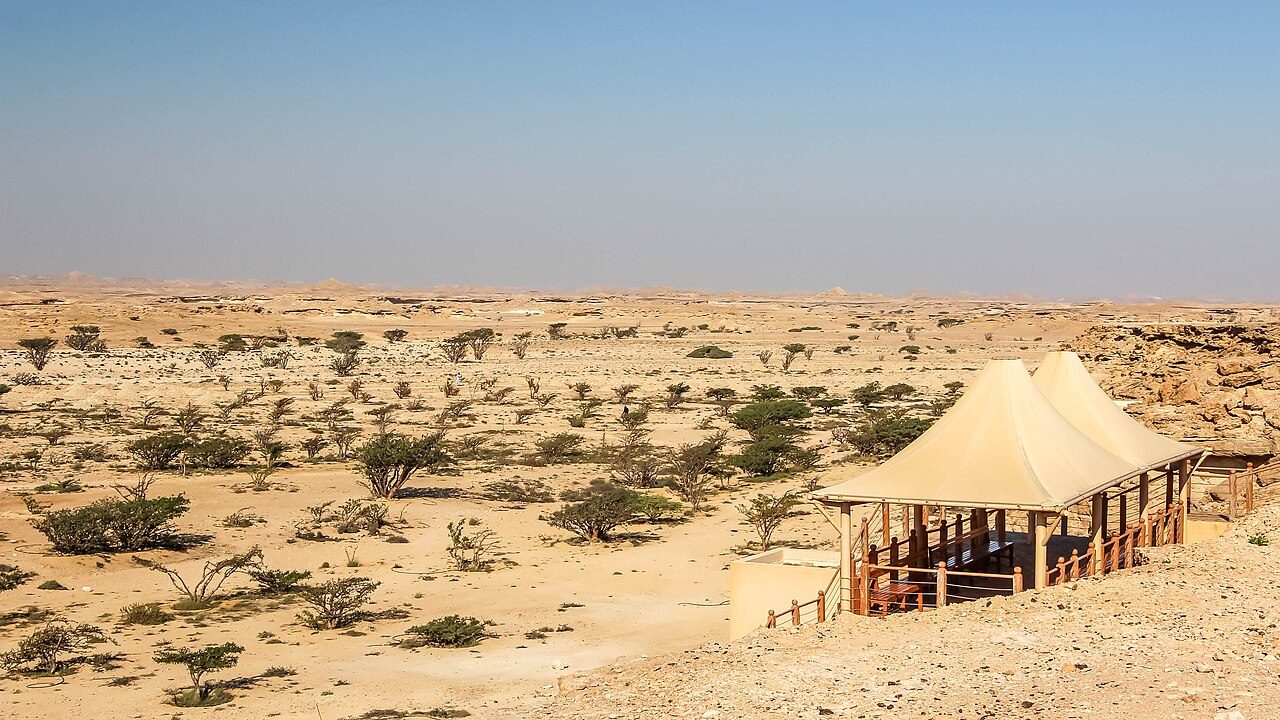
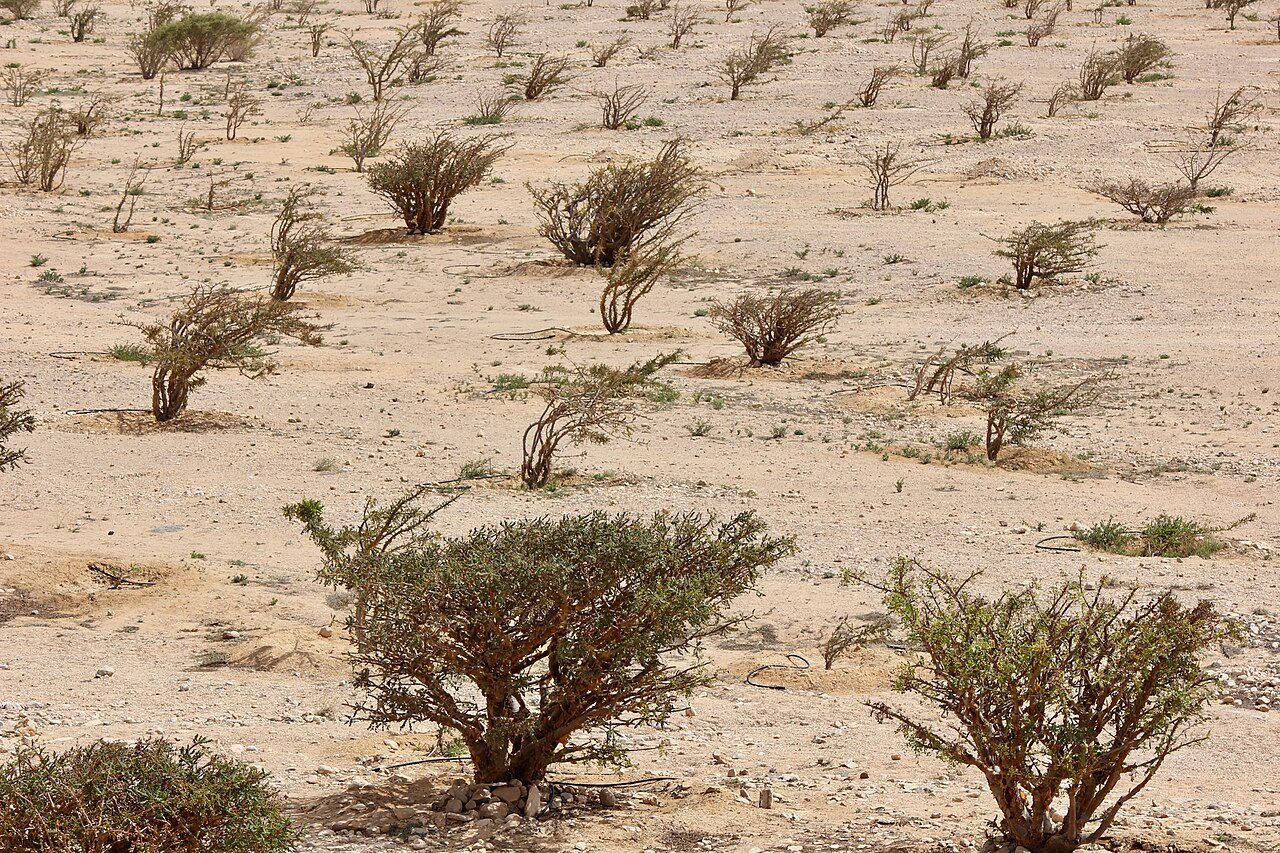
Wadi Dawkah is a dry valley north of Salalah where frankincense trees grow wild. It is part of the Land of Frankincense World Heritage Site. Thousands of the small, twisted Boswellia sacra trees stand on the stony ground. Cuts made in the bark release drops of resin that harden into frankincense, the product that made southern Arabia wealthy in ancient times.
12
STOP 12 OF 12 · LAST STOP
Ubar
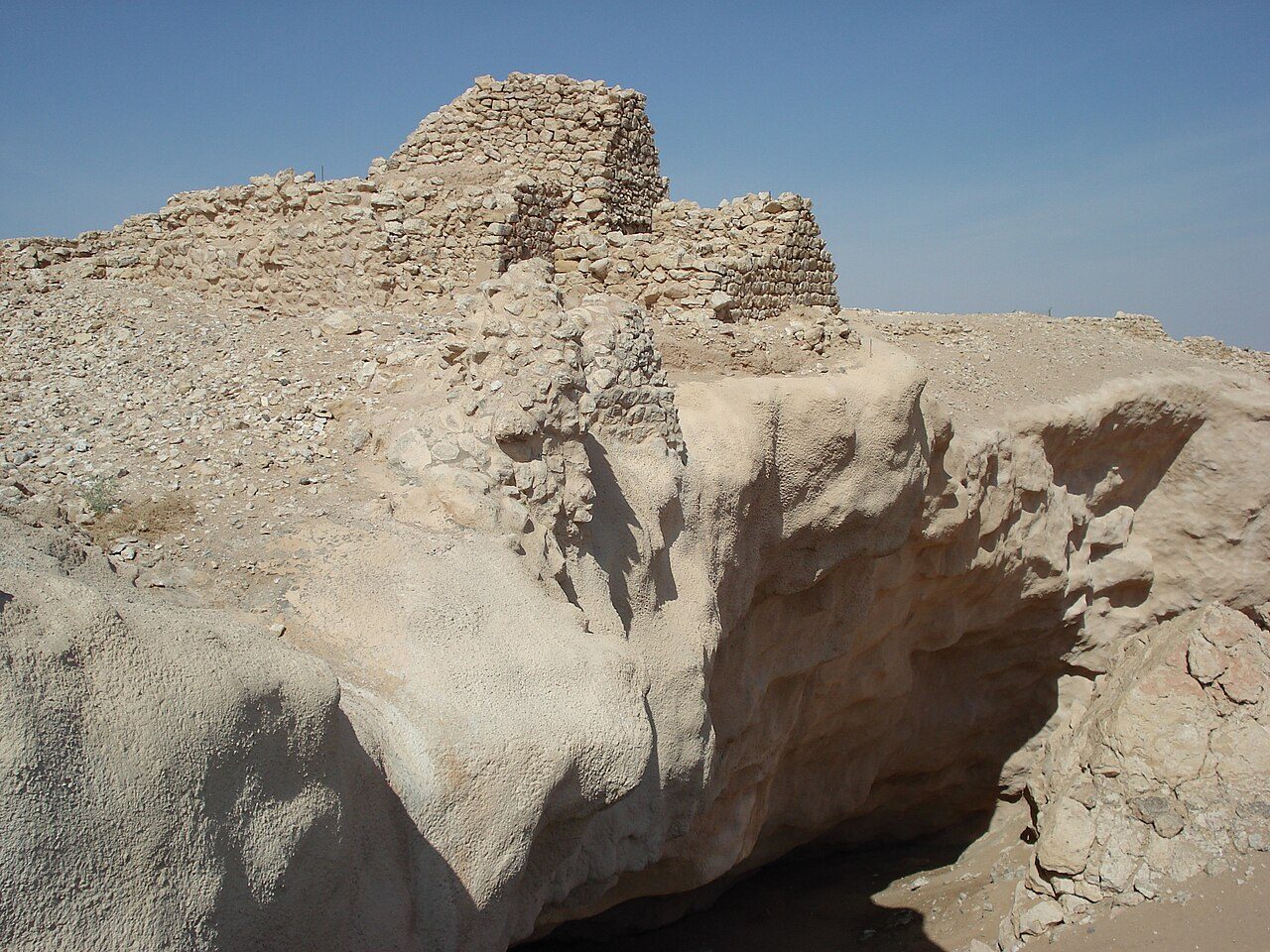
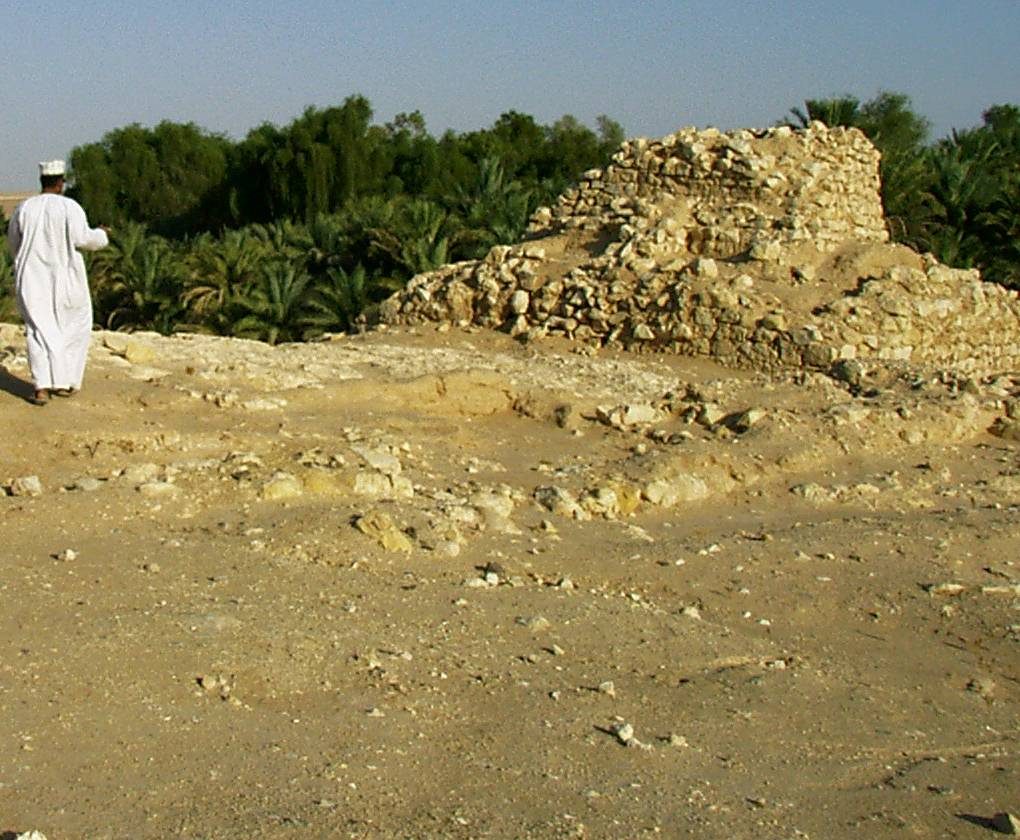
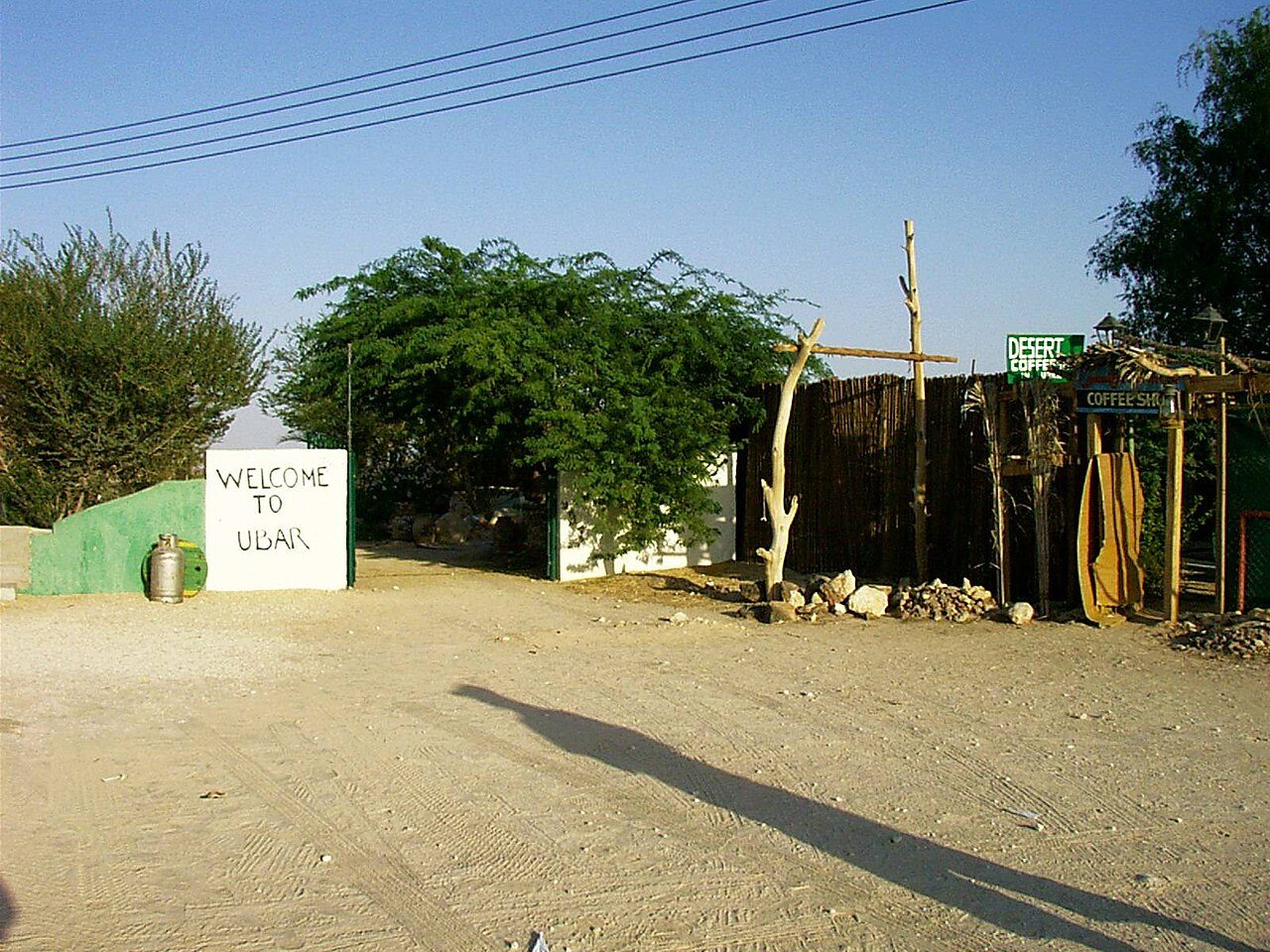
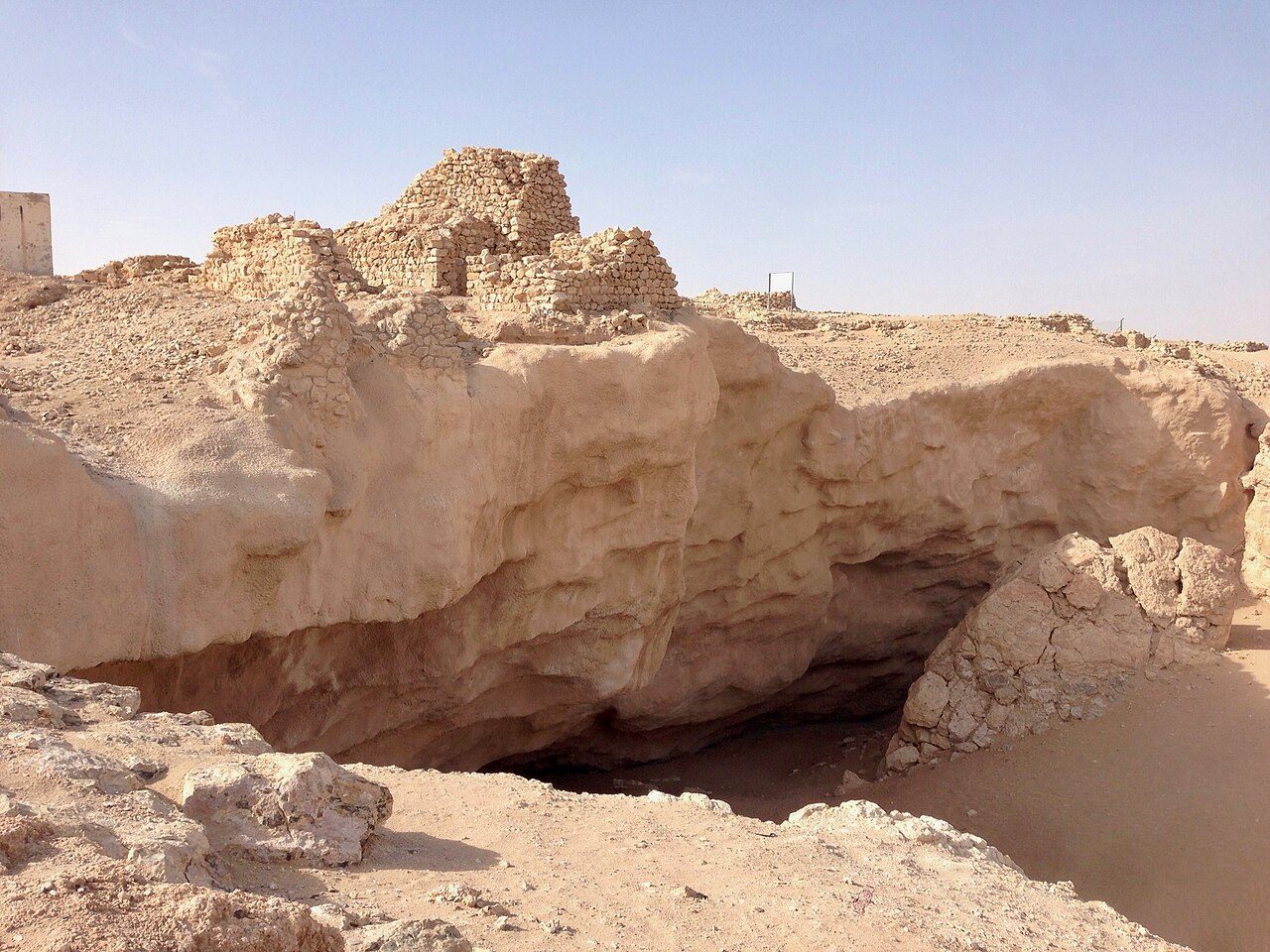
Shisr, on the edge of the Empty Quarter, is often linked with Ubar, the lost city of Arabian legend. In the 1990s archaeologists found here the remains of a fortress with towers built around a well, part of which had fallen into a sinkhole. It was a caravan station on the frankincense route. The site belongs to the Land of Frankincense World Heritage Site.
Seasons from 20 years of NASA POWER climate data.
 WaTrips