Nakhal and Rustaq forts and Wadi Bani Awf, then Sohar Fort and the beehive tombs of Al Ayn.
Oman has hundreds of forts, and the Batinah region holds some of the finest. Day one visits Nakhal Fort on its rock, Rustaq Fort and the canyon road through Wadi Bani Awf. Day two goes to Sohar Fort on the coast and inland to the Bronze Age beehive tombs of Al Ayn, part of a UNESCO World Heritage Site. October to April is best.
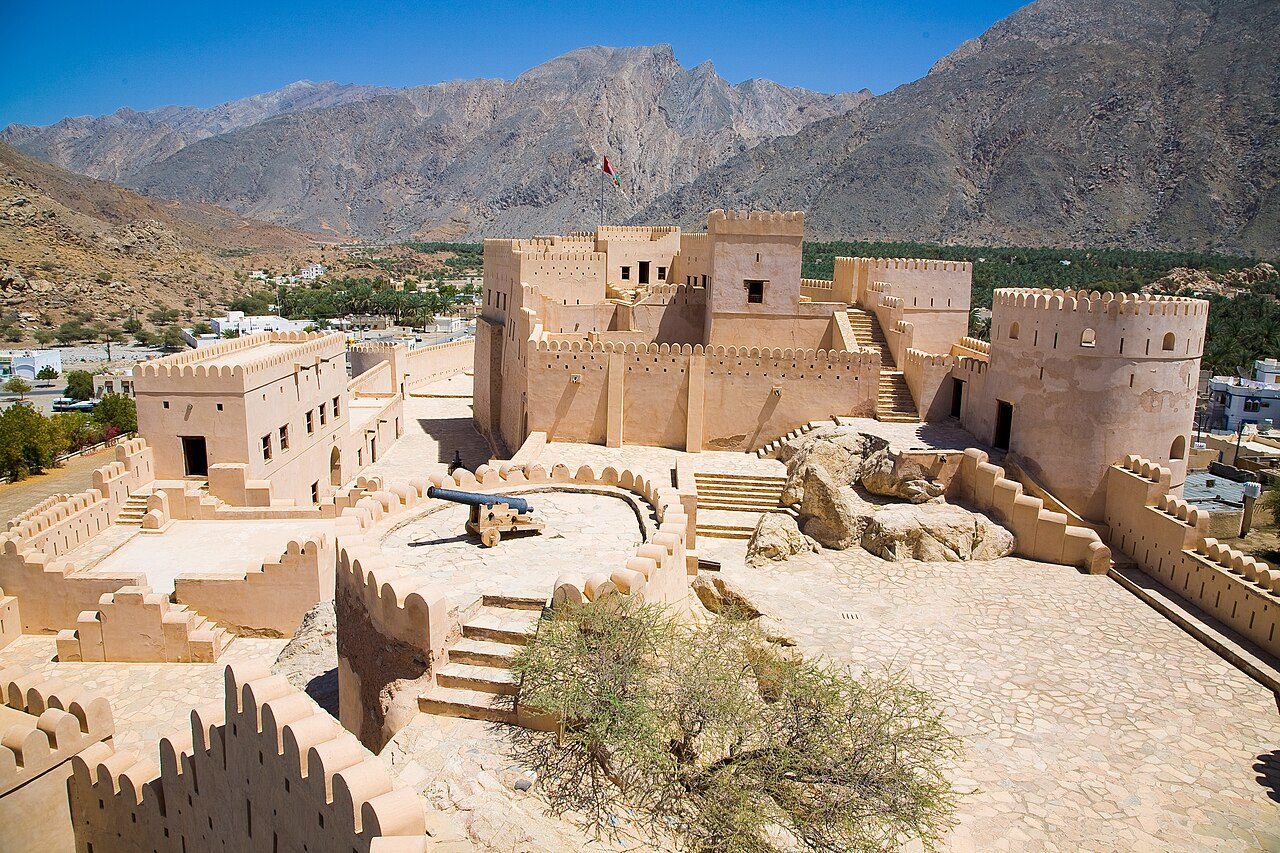
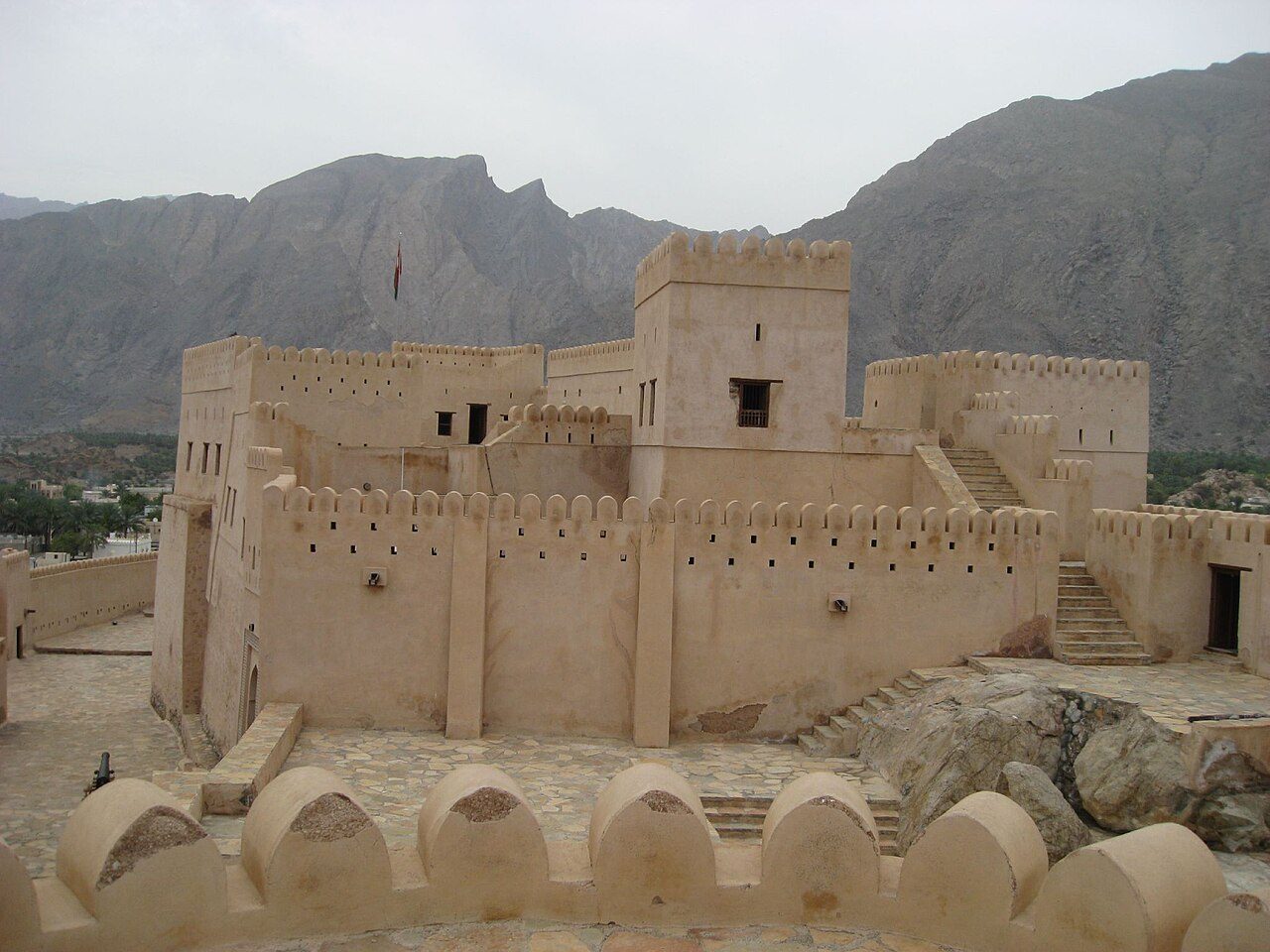
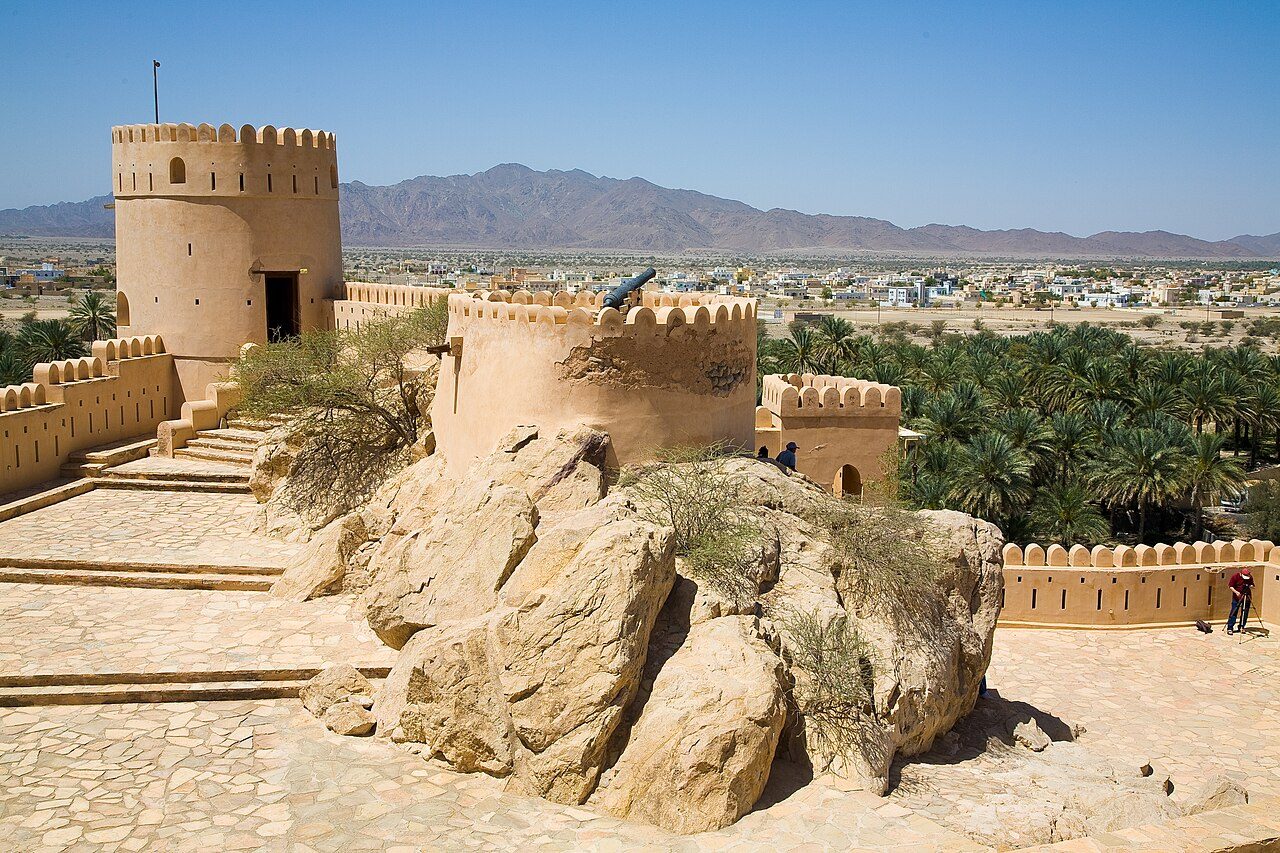
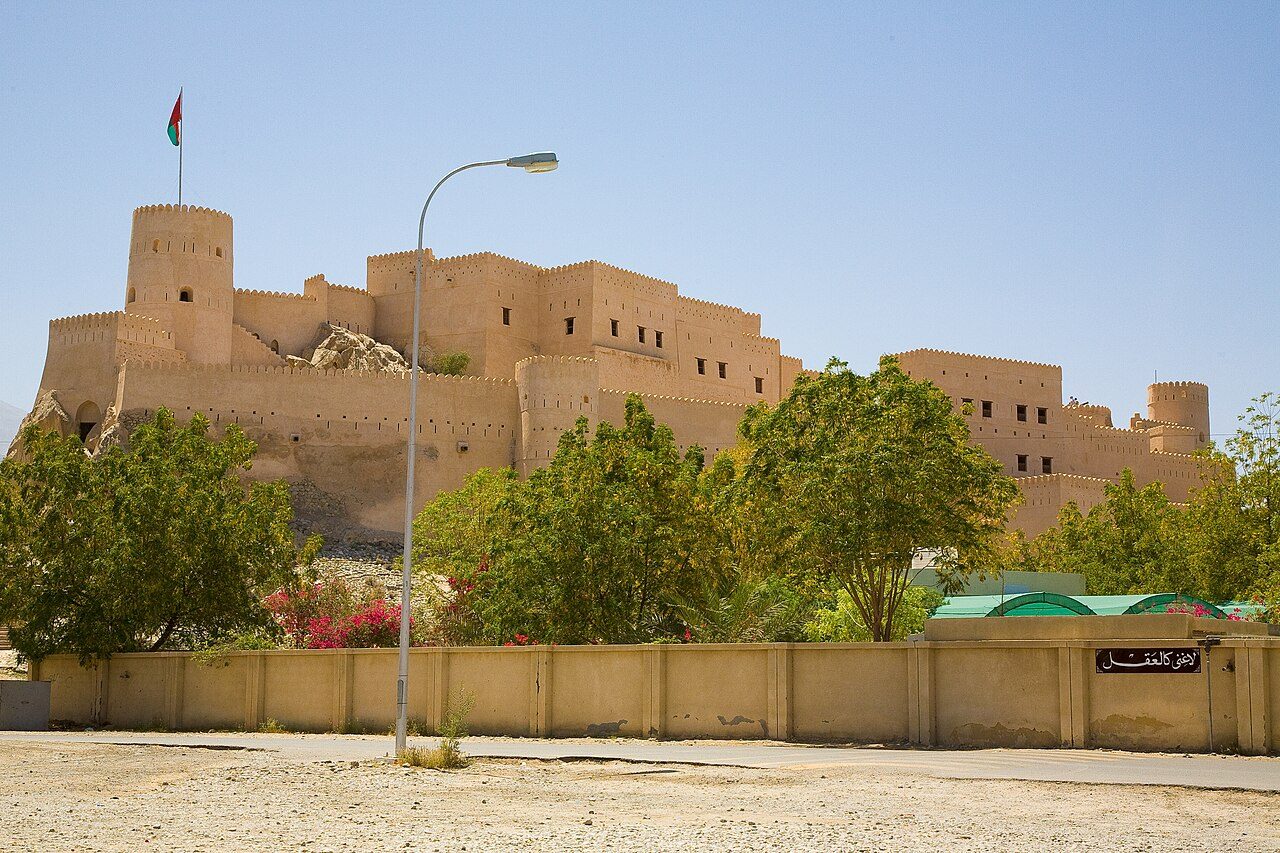
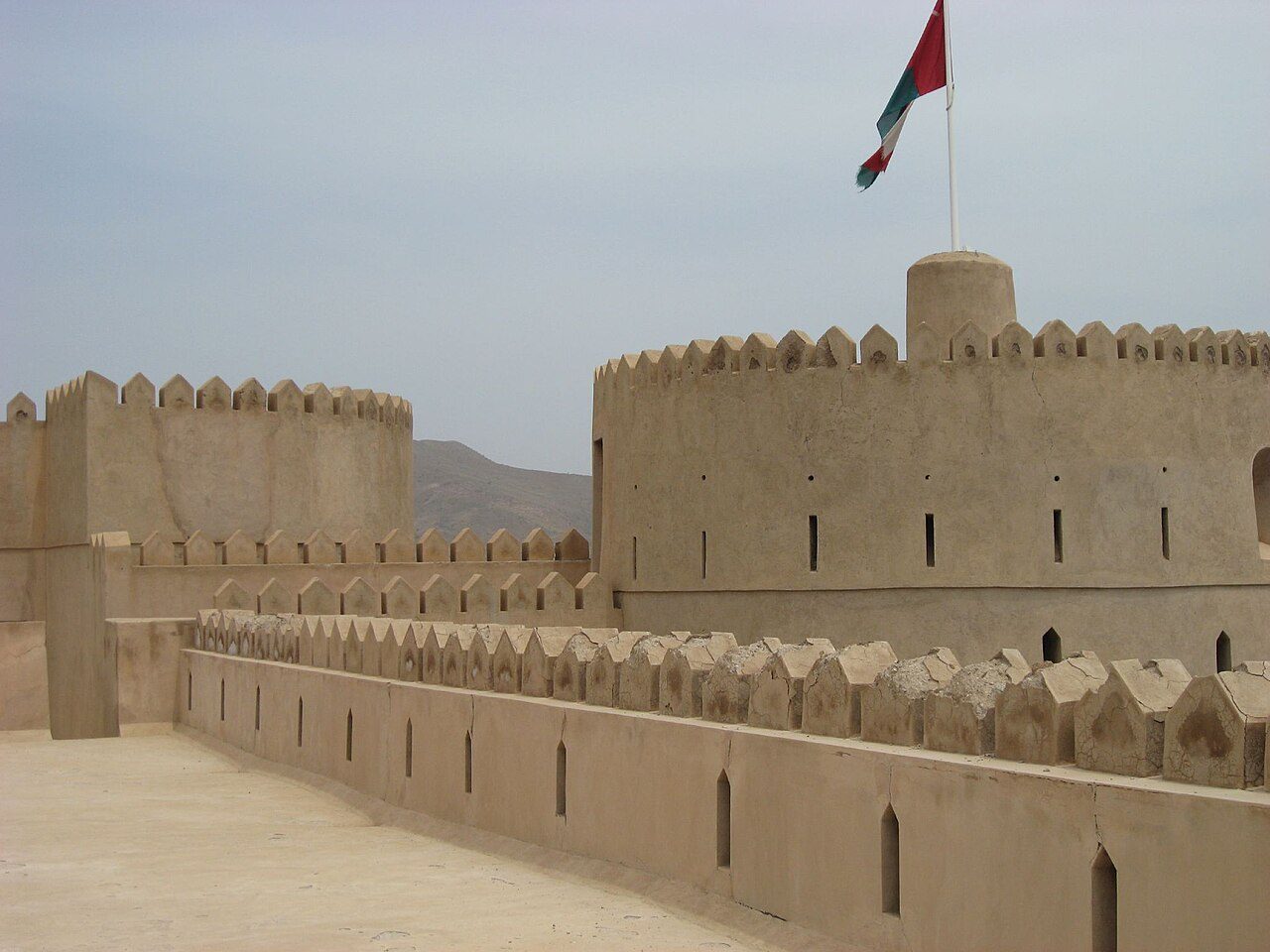
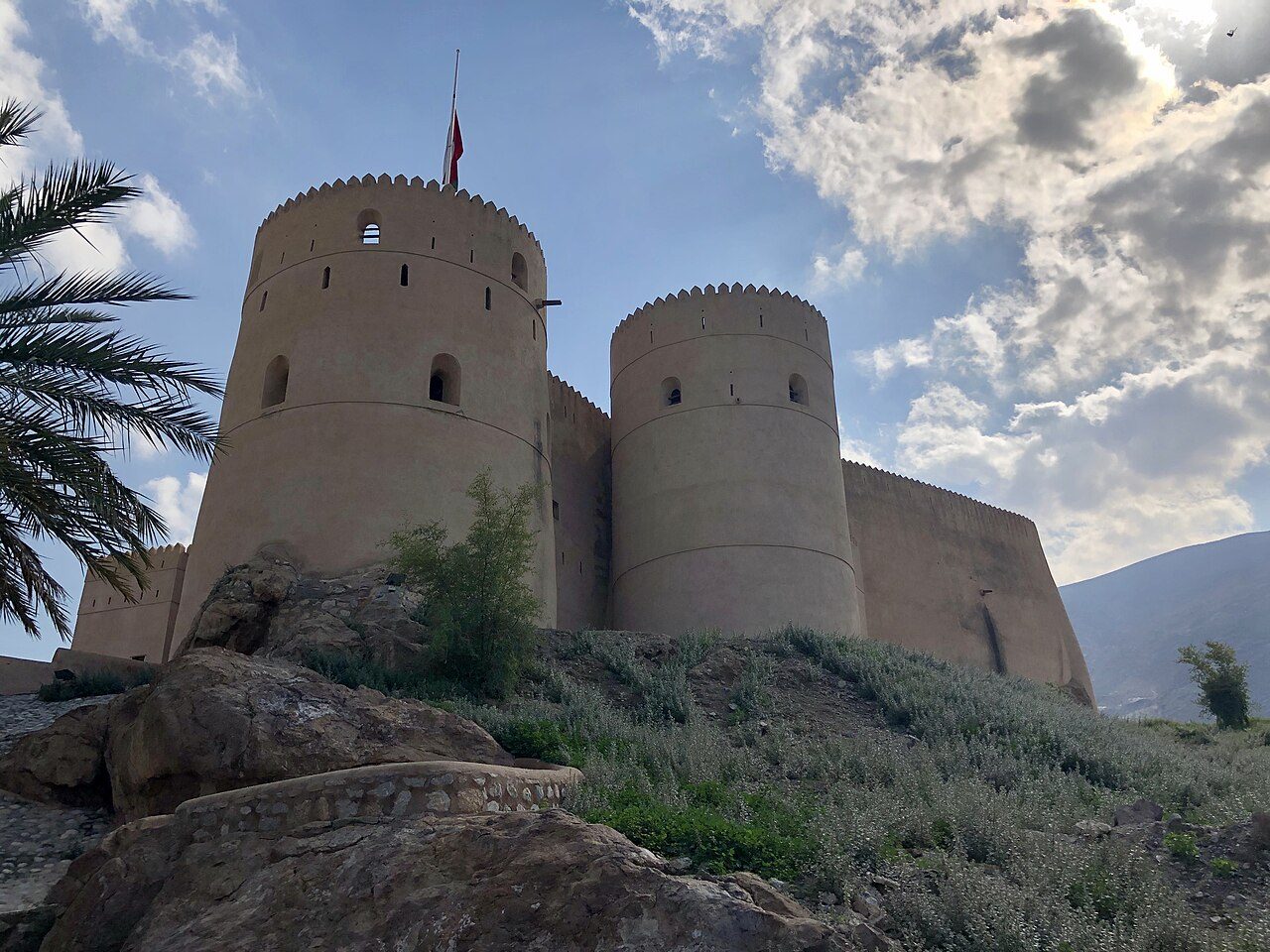
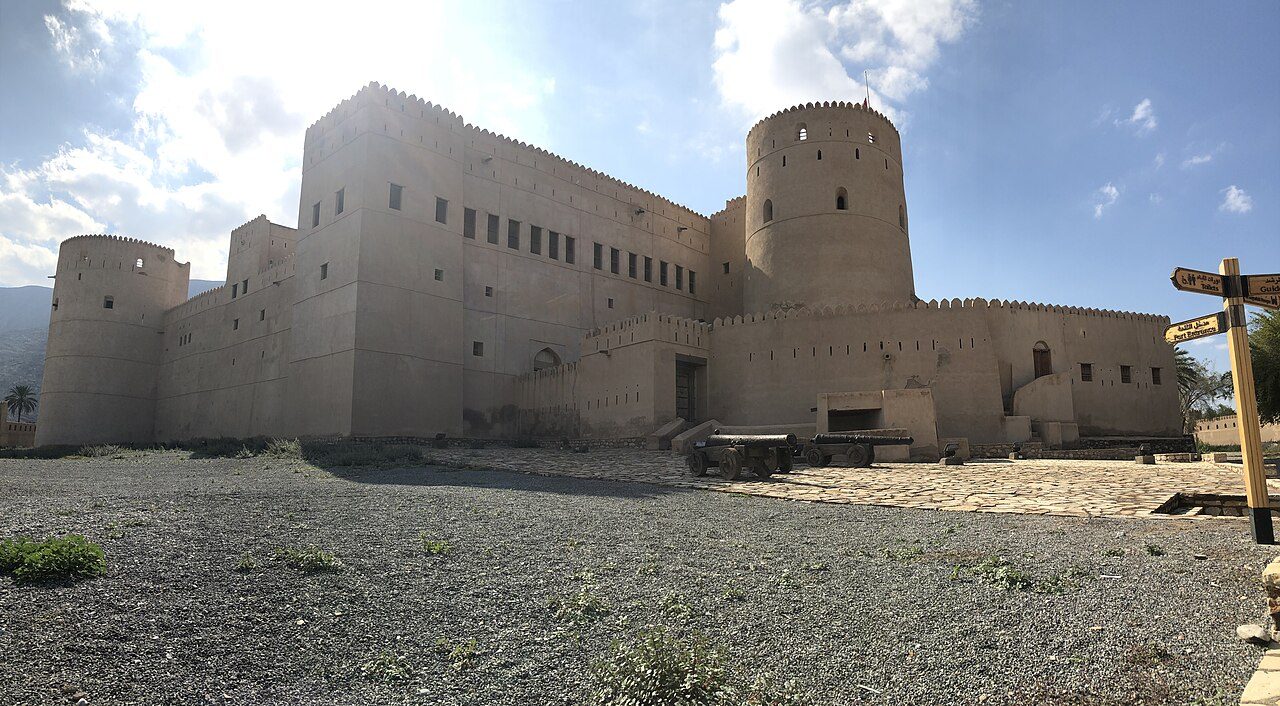
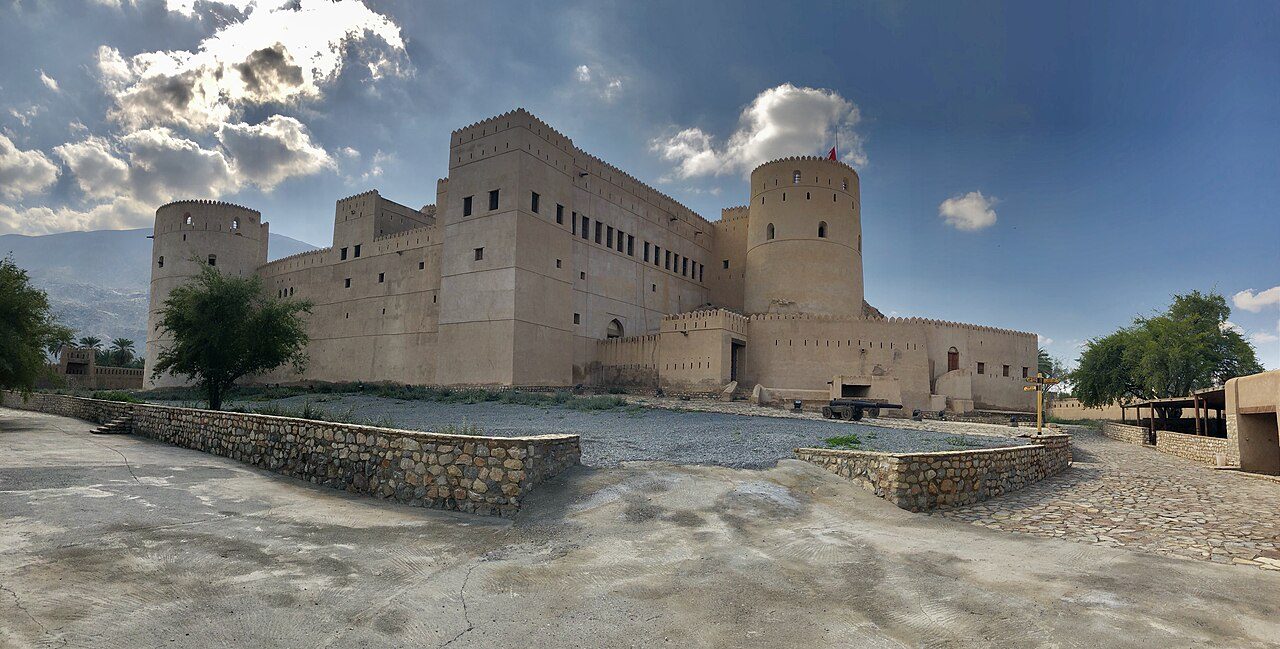
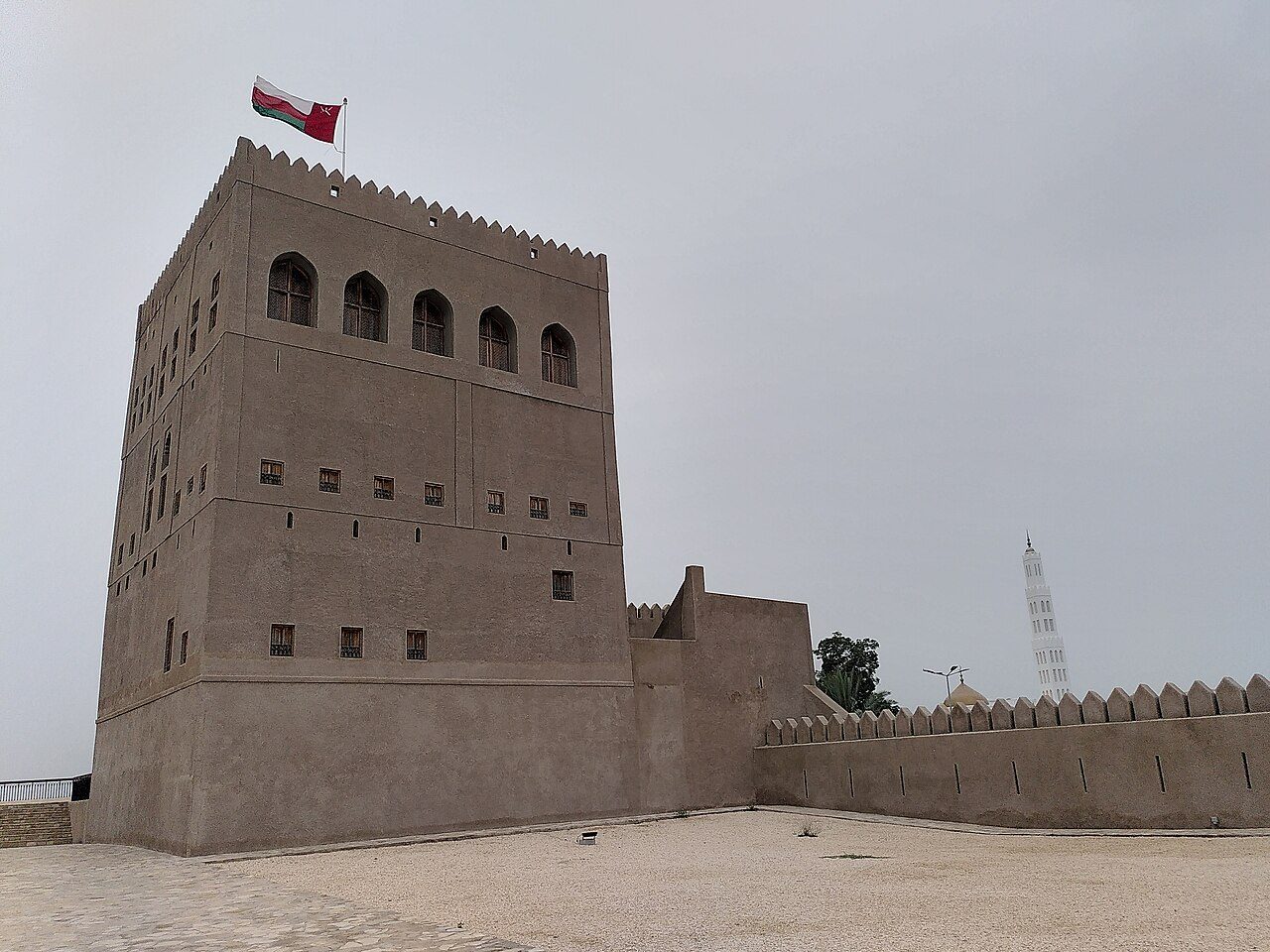
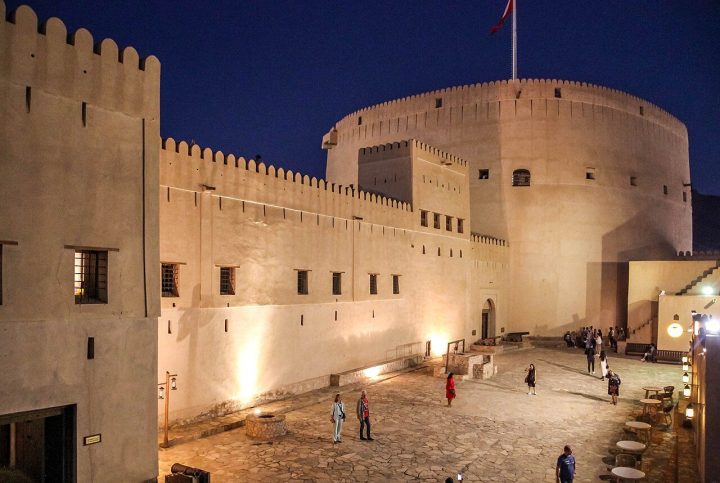
Nakhal Fort stands on a rocky outcrop at the foot of the Western Hajar, above a wide sea of date palms. Parts of it are believed to date from before Islam, and it was rebuilt by Omani imams in the 17th century and extended in 1834. The walls follow the uneven shape of the rock. Inside are living rooms, a mosque and towers with wide views. Warm springs flow nearby at Ain Al Thawarah.
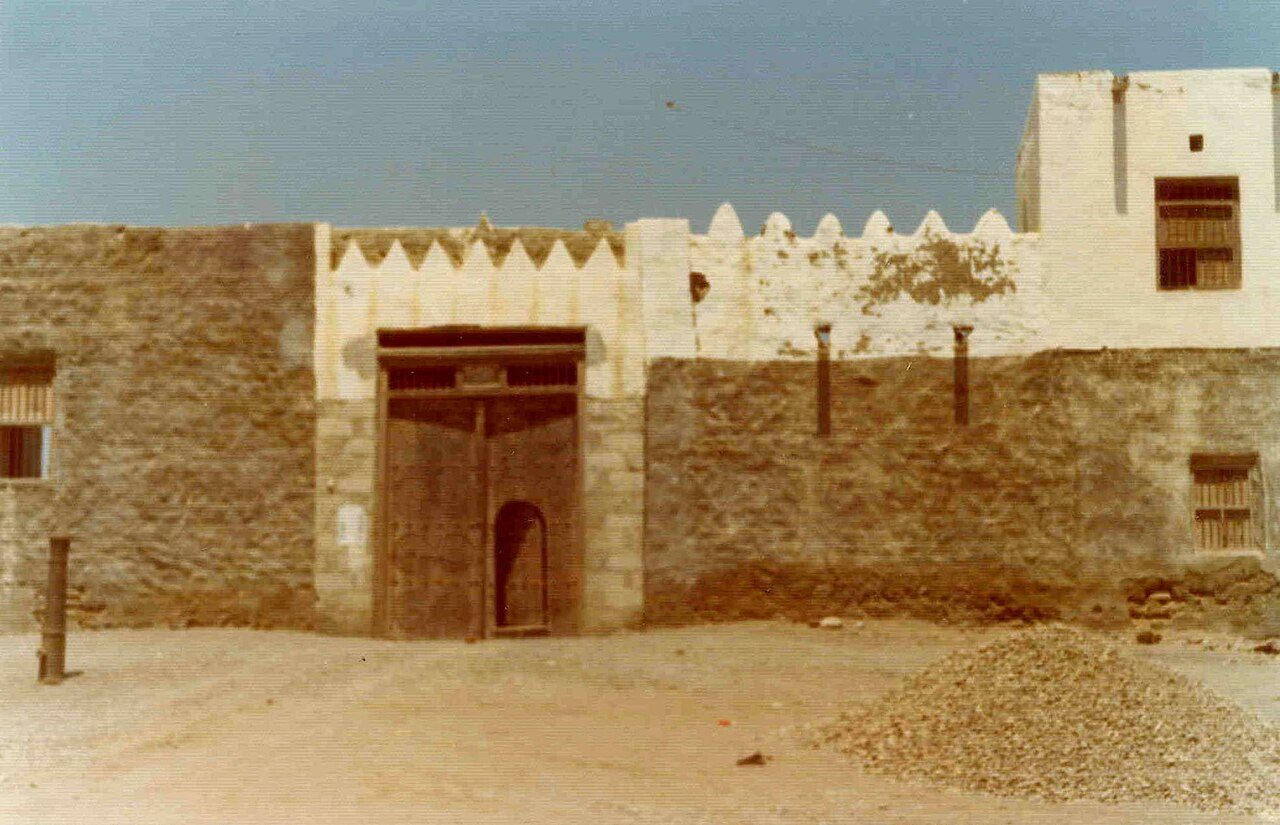
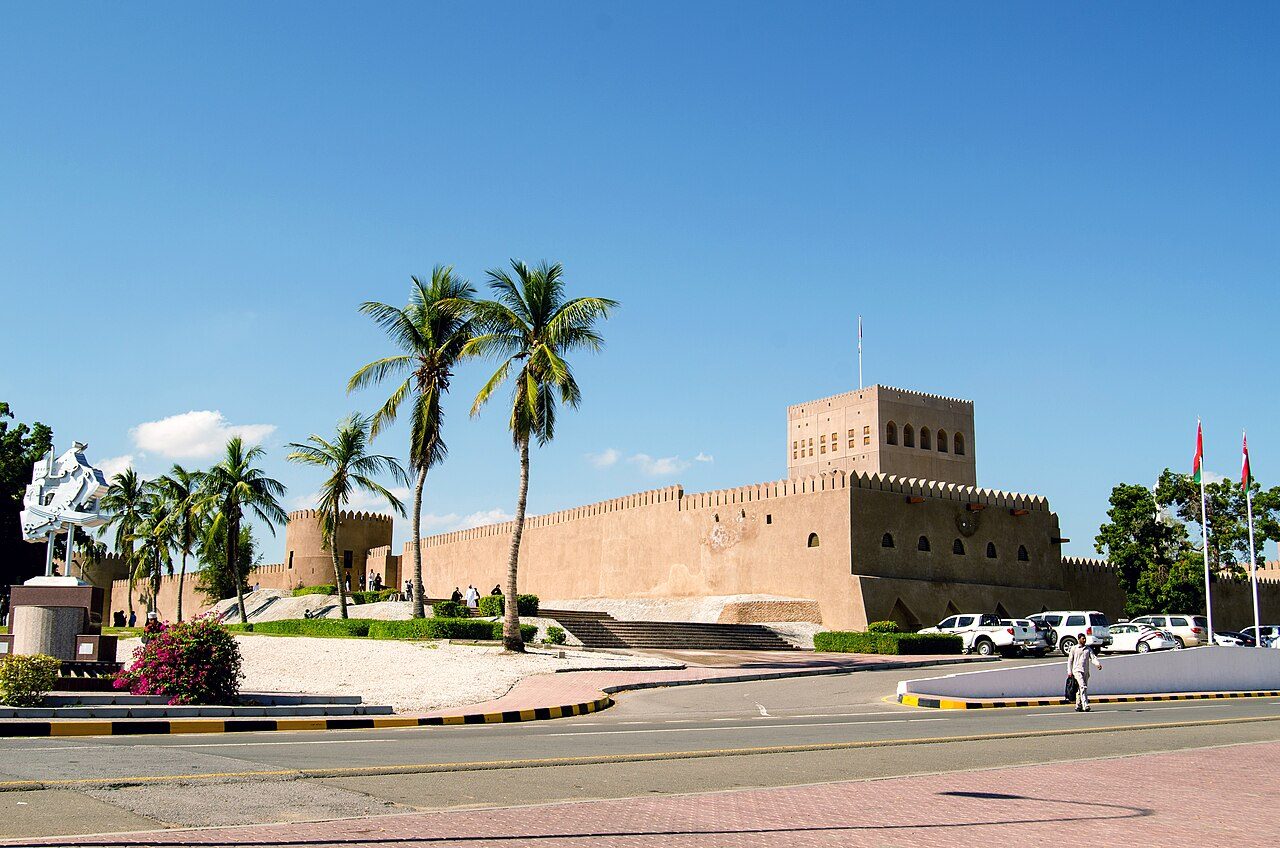
Rustaq Fort rises in the old town of Rustaq, once the capital of Oman under the Yaruba imams in the 17th century. It was built on the remains of an older Persian fort and has four towers, the tallest over 18 metres high. Within its walls are a mosque, a prison, weapon stores and its own falaj water channel. The fort stands above a traditional souq.
03
STOP 3 OF 5
Wadi Bani Awf
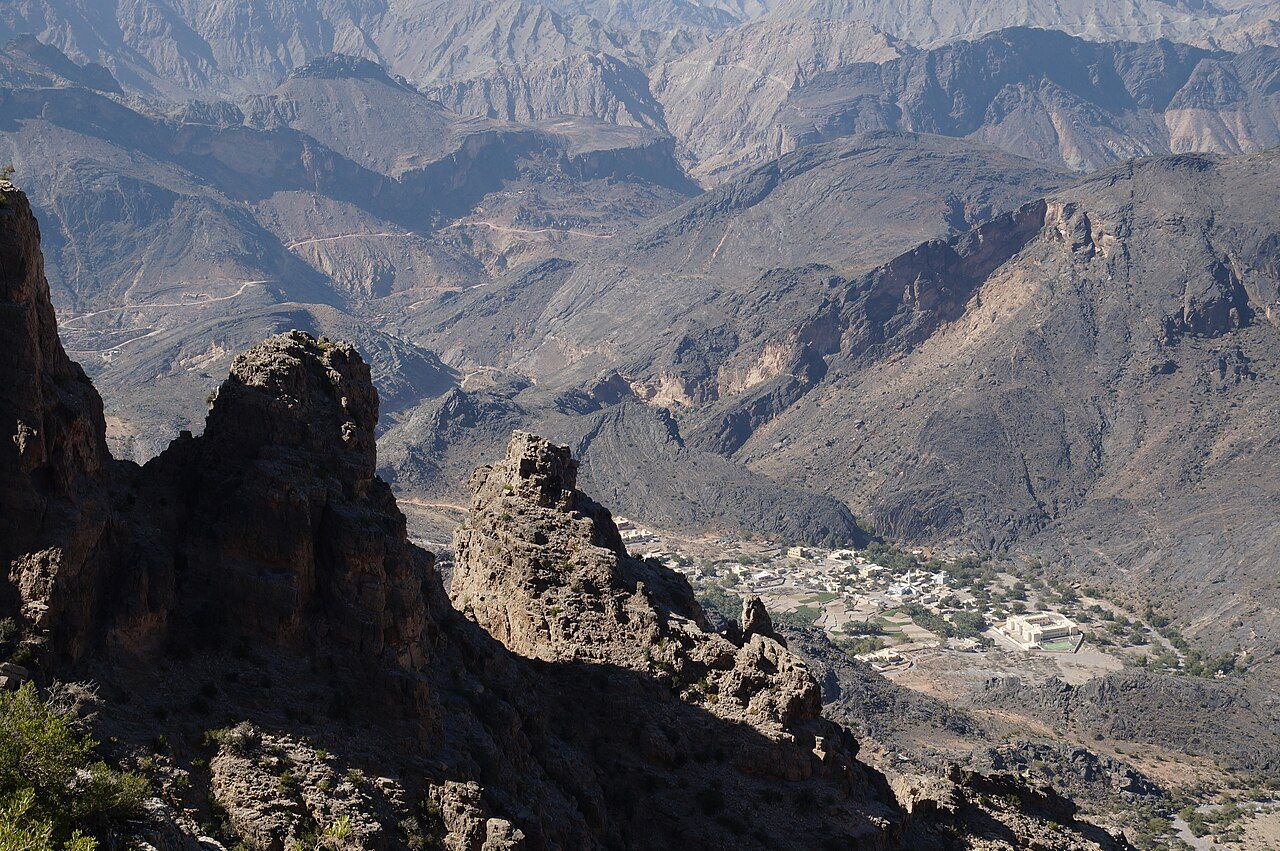
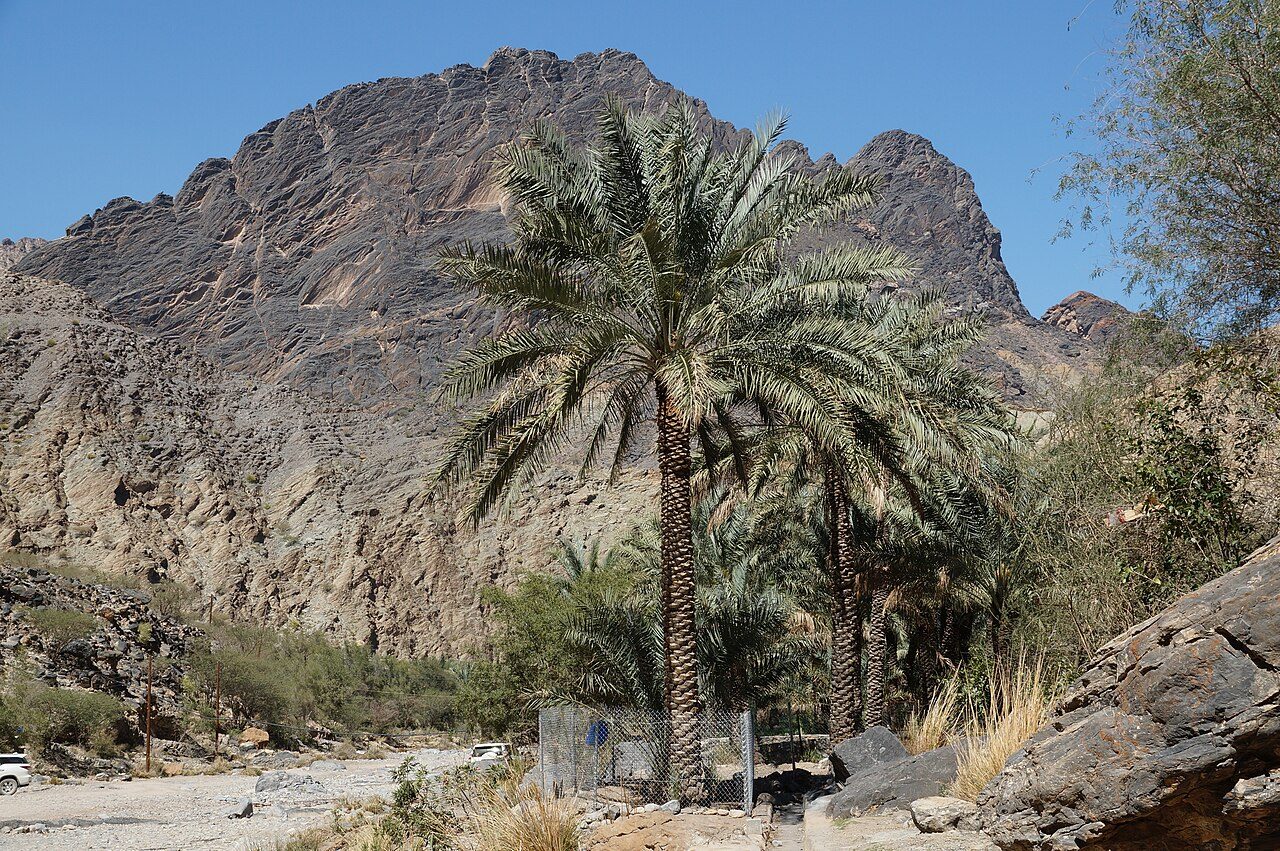
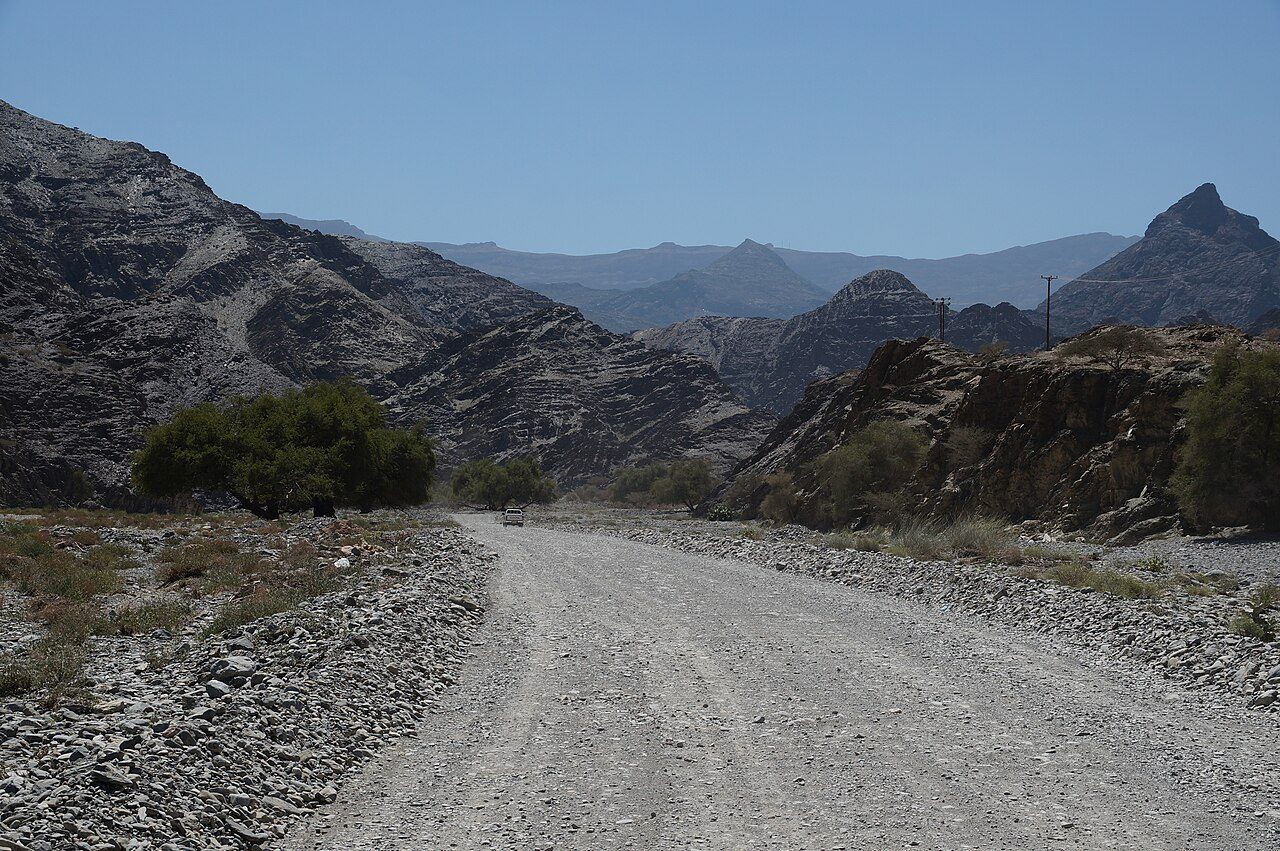
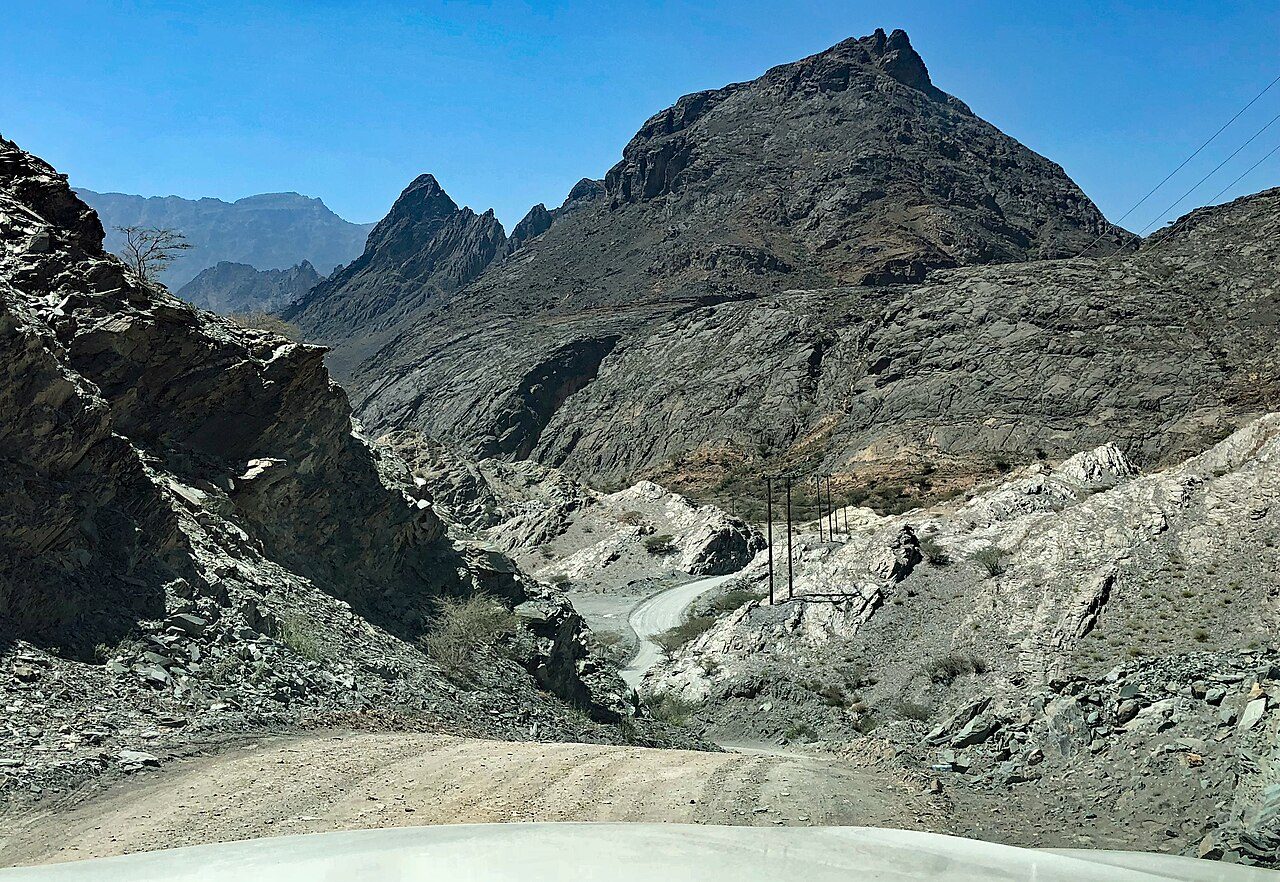
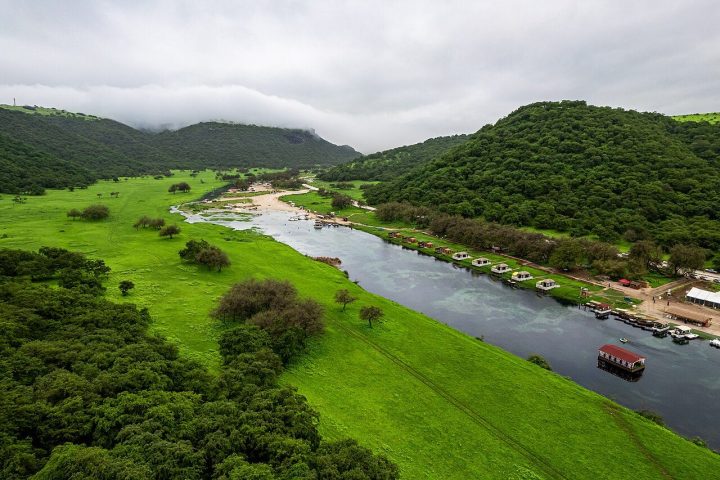
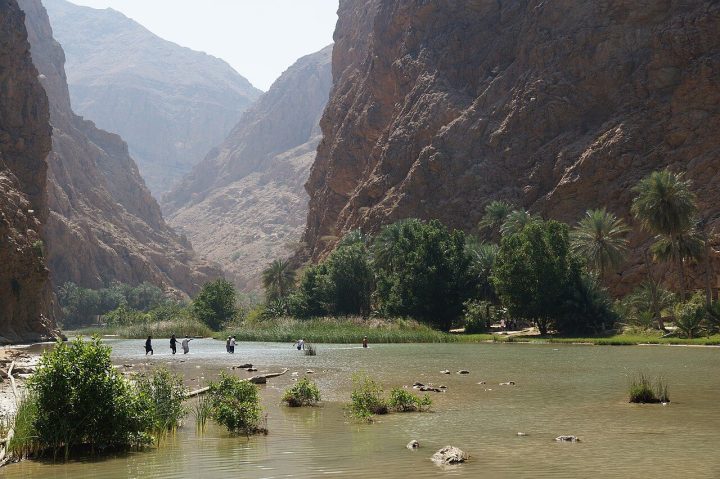
Wadi Bani Awf cuts through the Western Hajar Mountains between Rustaq and Al Hamra. A rough mountain track, for four-wheel-drive vehicles only, follows the valley and climbs over a high pass. Along the way are the village of Bilad Sayt, set among green terraces, and the deep slot of Snake Canyon. It is thought of as one of the most dramatic drives in Oman.
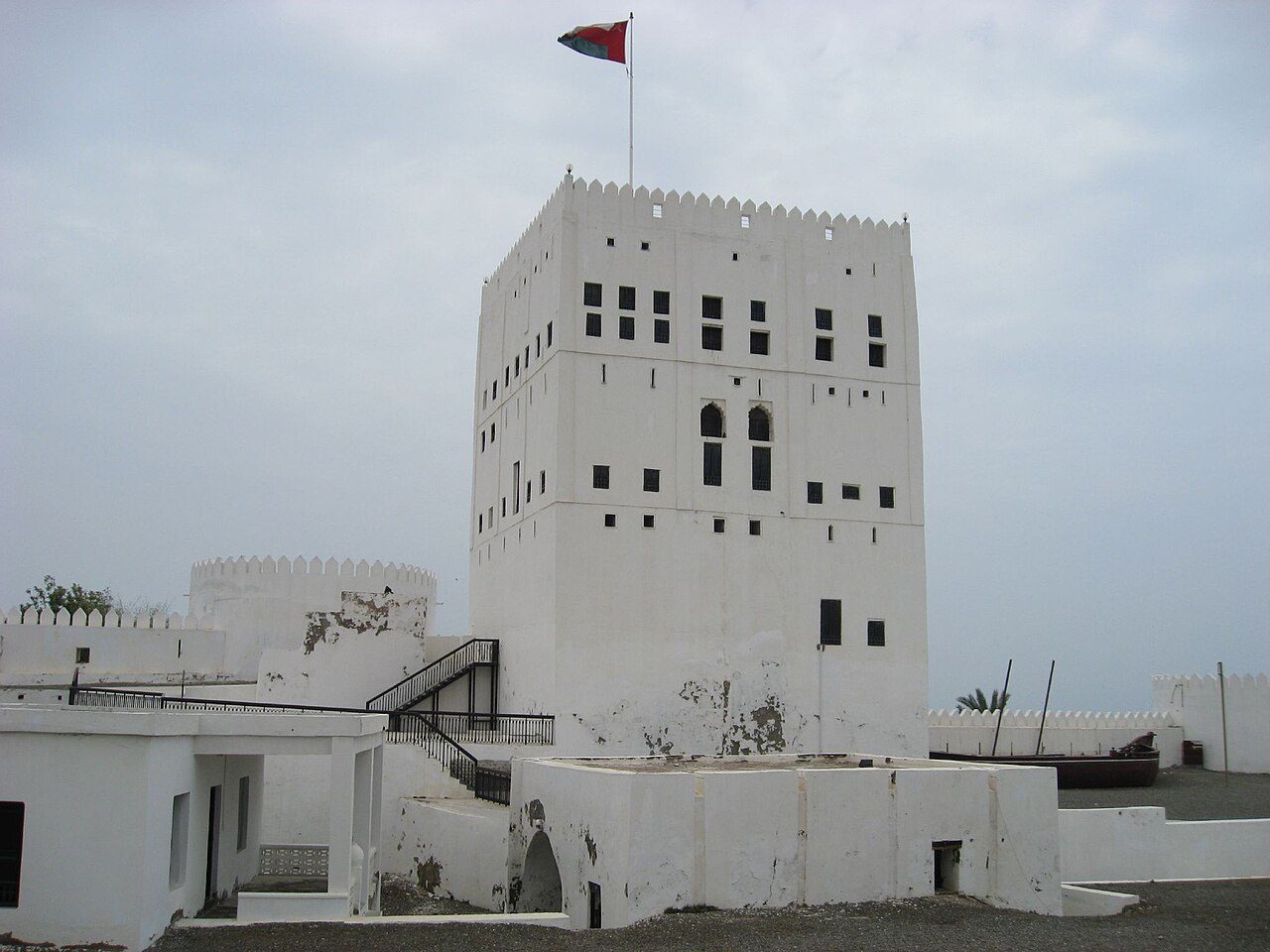
Sohar Fort is a white fortress in the port city of Sohar, once one of the great trading towns of the Gulf. The present fort dates mainly from the 13th and 14th centuries and was later held by the Portuguese. It is rectangular with six towers. The tall central tower holds a museum on the city's history, its copper trade and its seafaring links with India and China.
05
STOP 5 OF 5 · LAST STOP
Al Ayn Beehive Tombs
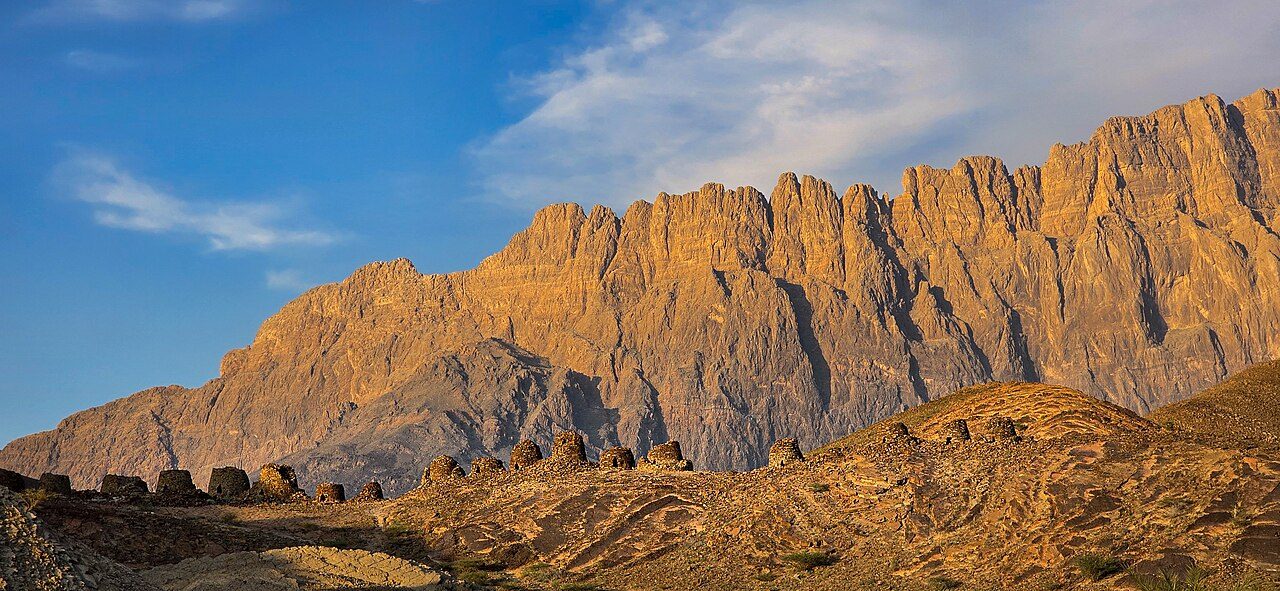
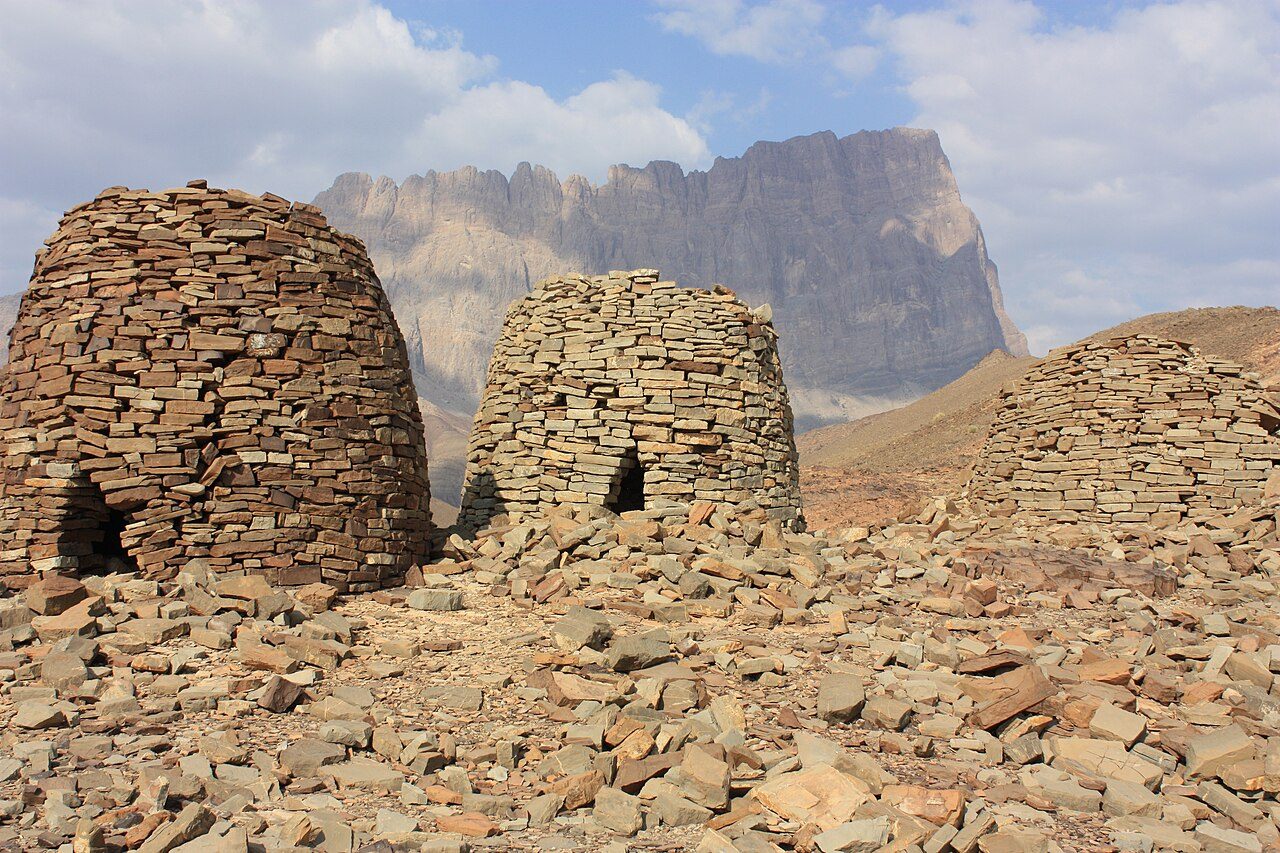
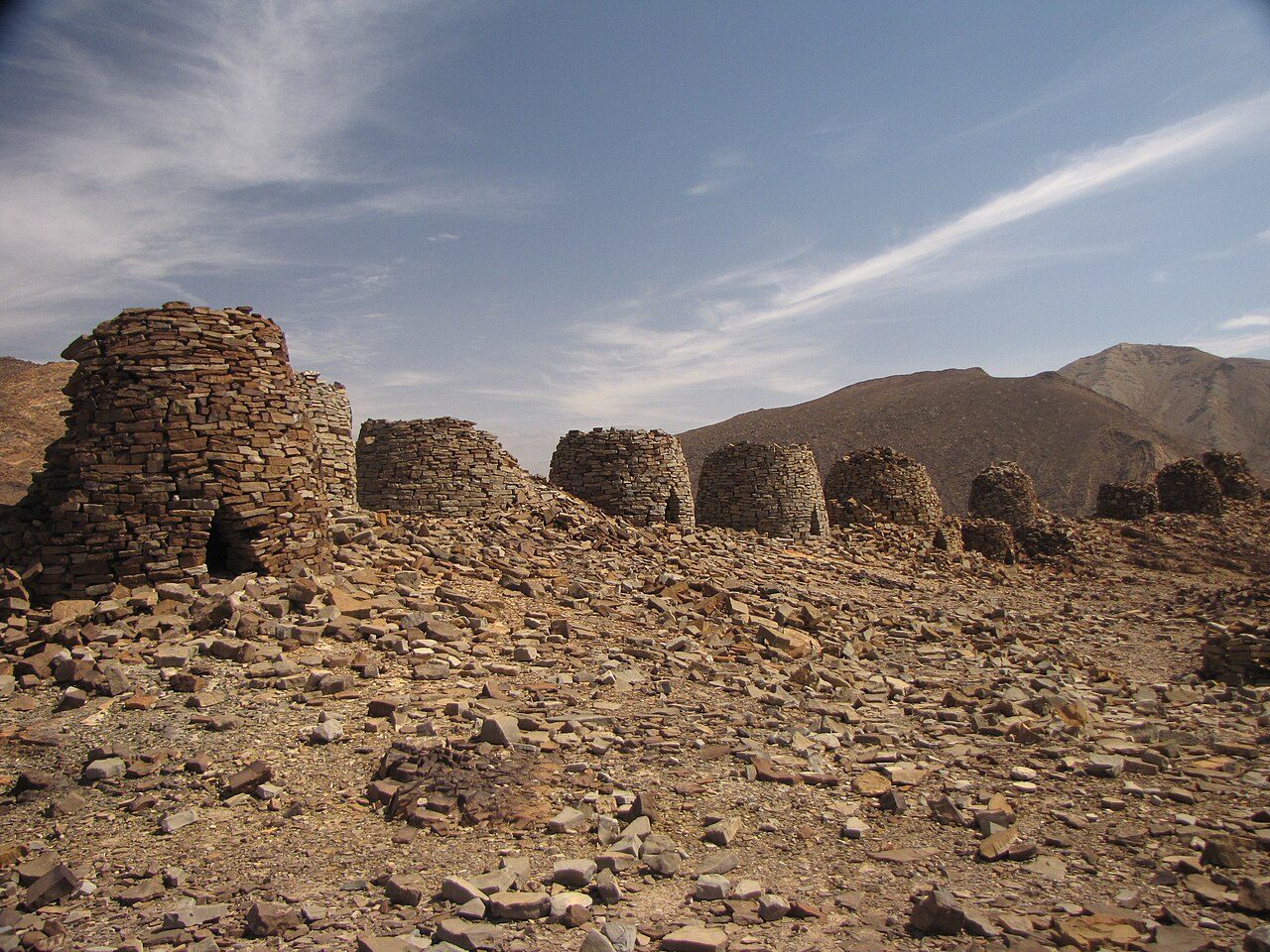
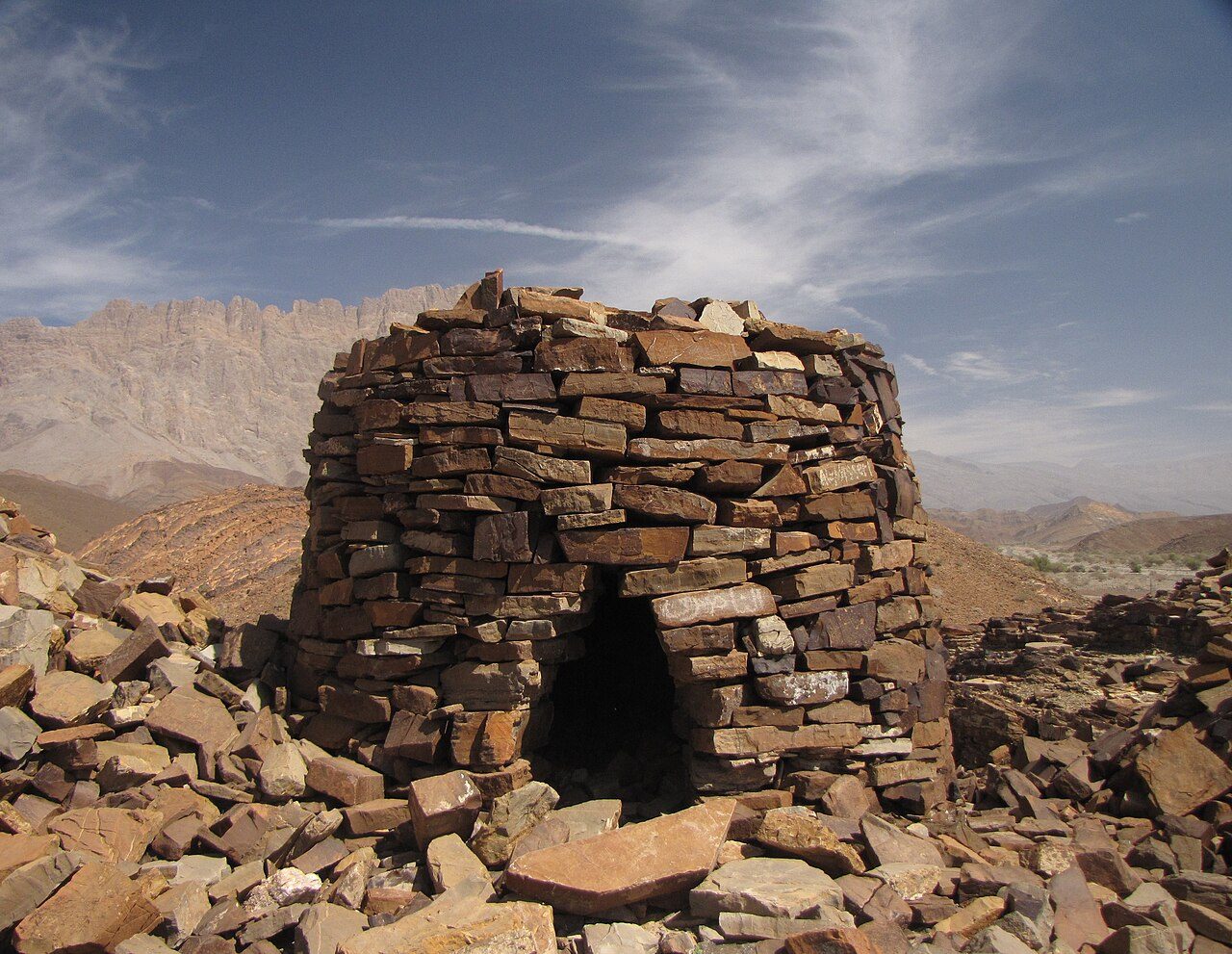
The beehive tombs of Al Ayn are among the best preserved Bronze Age tombs in Arabia. Around twenty stone towers stand in a line on a low ridge, with the jagged wall of Jebel Misht rising behind them. They were built about 5,000 years ago of flat dry stones. Together with the sites of Bat and Al Khutm, they have been a UNESCO World Heritage Site since 1988.
Seasons from 20 years of NASA POWER climate data.
 WaTrips