The Grand Mosque, Opera House, National Museum, Al Alam Palace and forts, Mutrah Corniche and souq, Bait Al Zubair, and boats from Qantab.
Muscat is a low, white city between mountains and sea. Day one visits the Sultan Qaboos Grand Mosque (open to visitors on weekday mornings), the Royal Opera House, the National Museum, Al Alam Palace and the Jalali and Mirani forts. Day two walks Mutrah Corniche, its souq and fort, the Bait Al Zubair museum and Riyam Park. Day three takes a boat from Qantab to the bays of Bandar Al Khairan for swimming and snorkelling, and relaxes at Yiti beach. October to April is best.
01
STOP 1 OF 14
Sultan Qaboos Grand Mosque
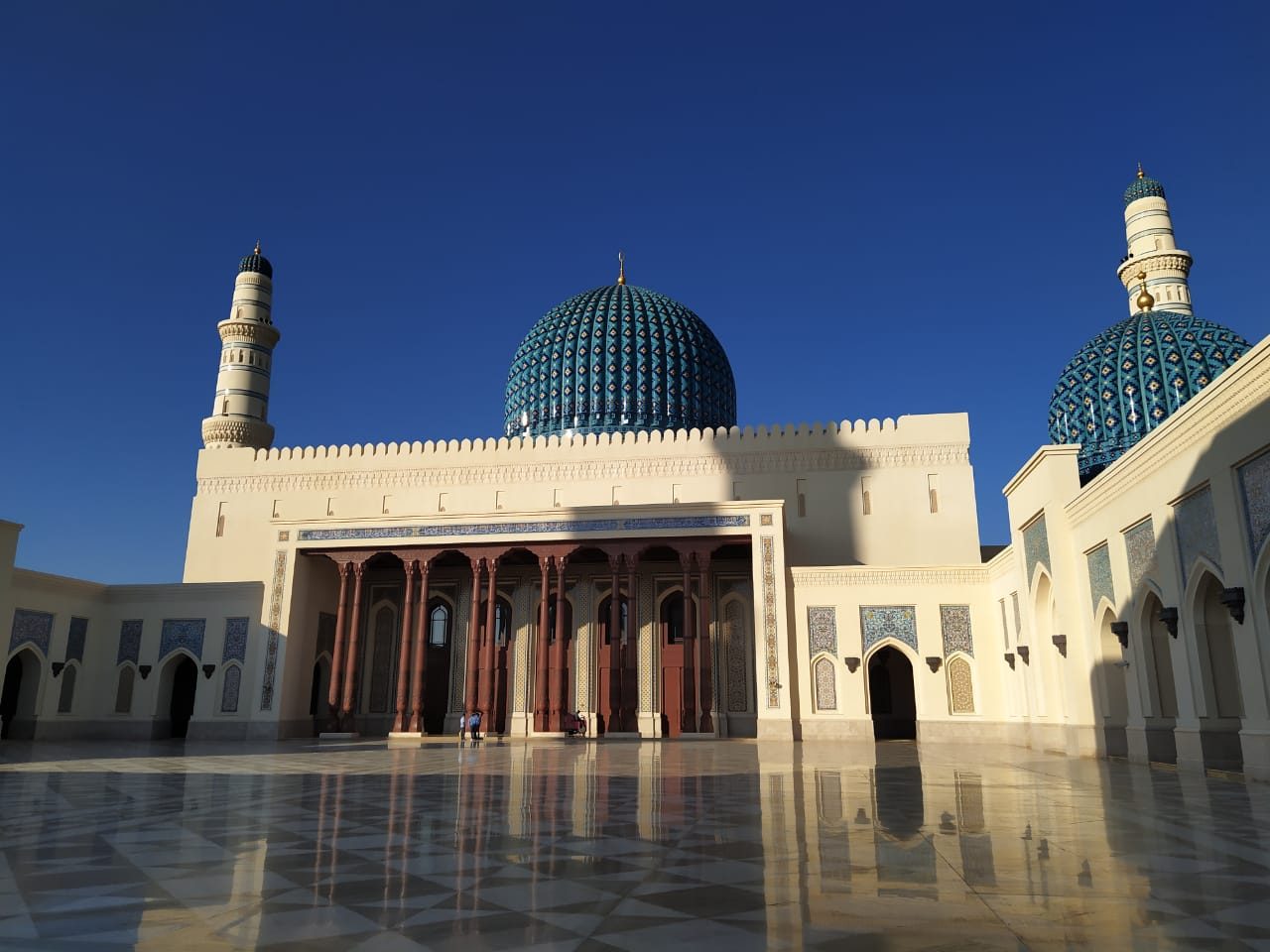
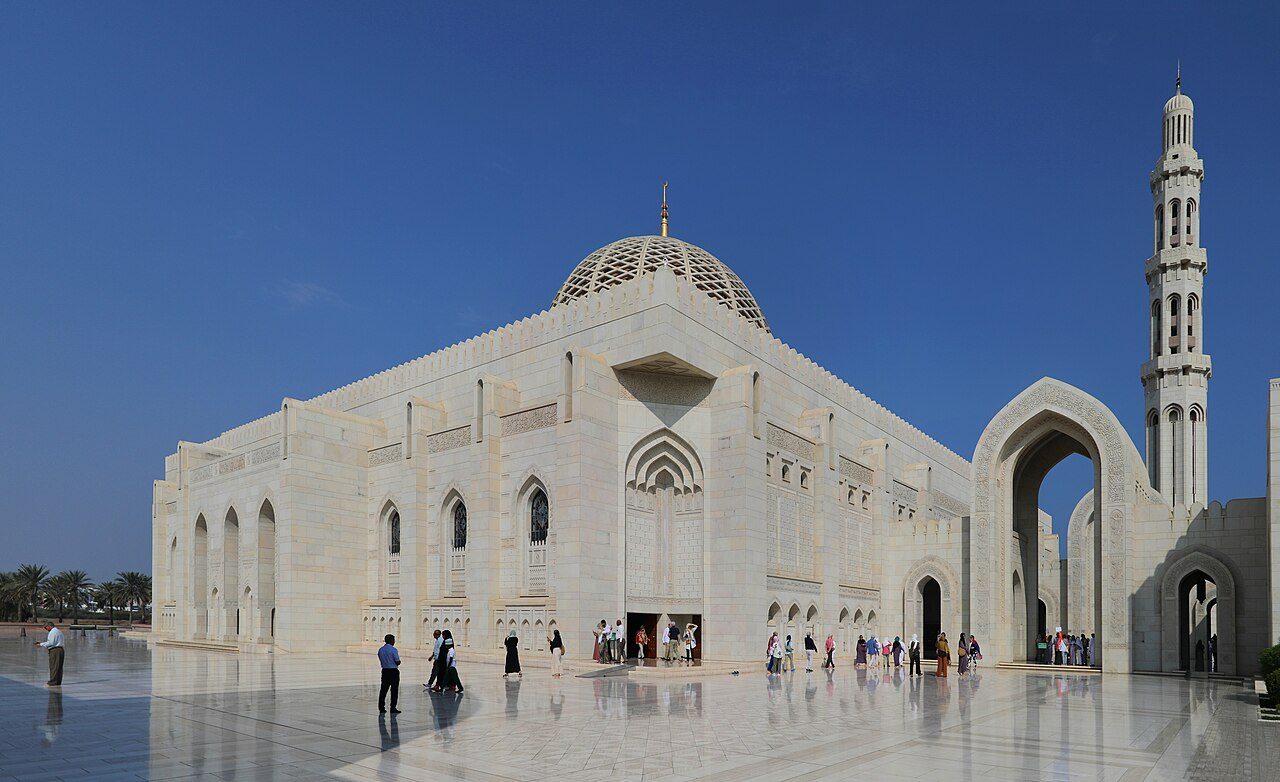
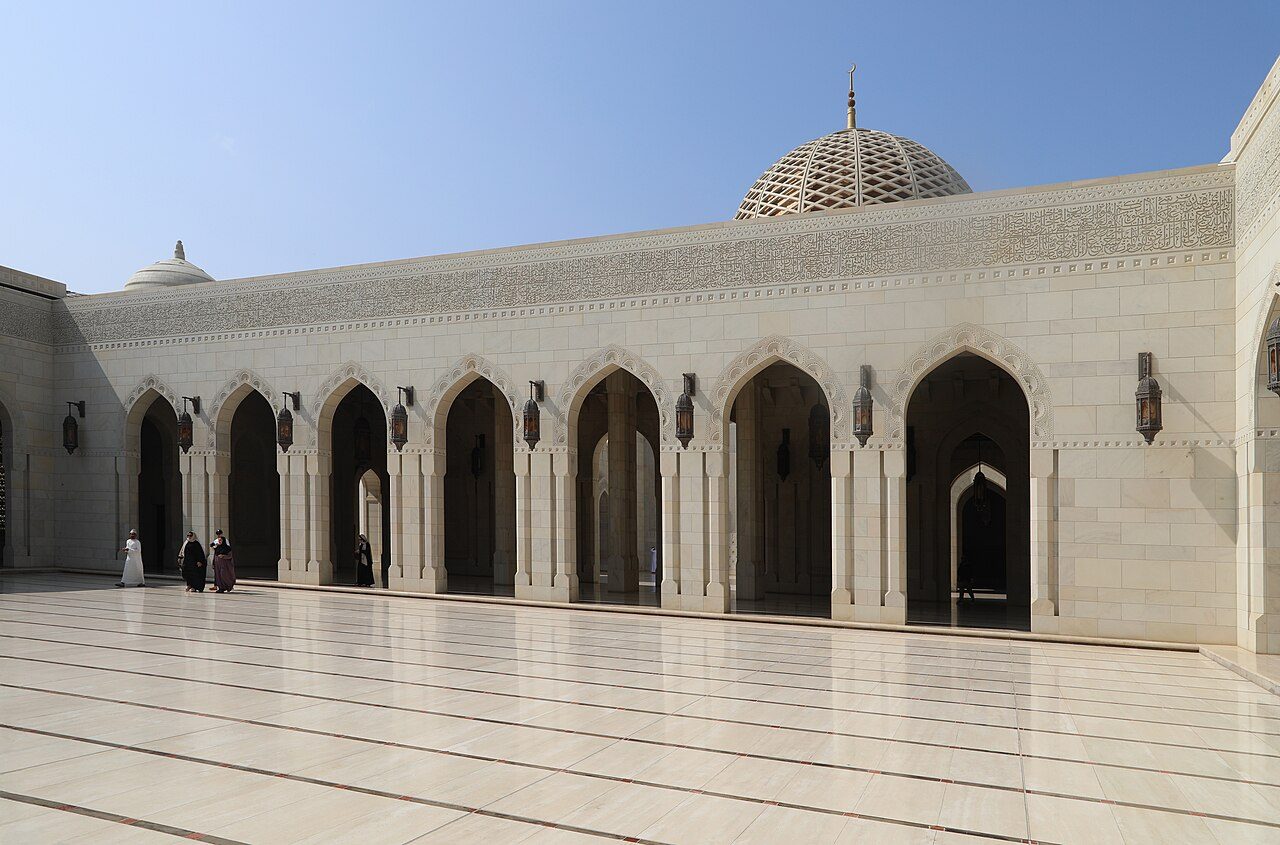
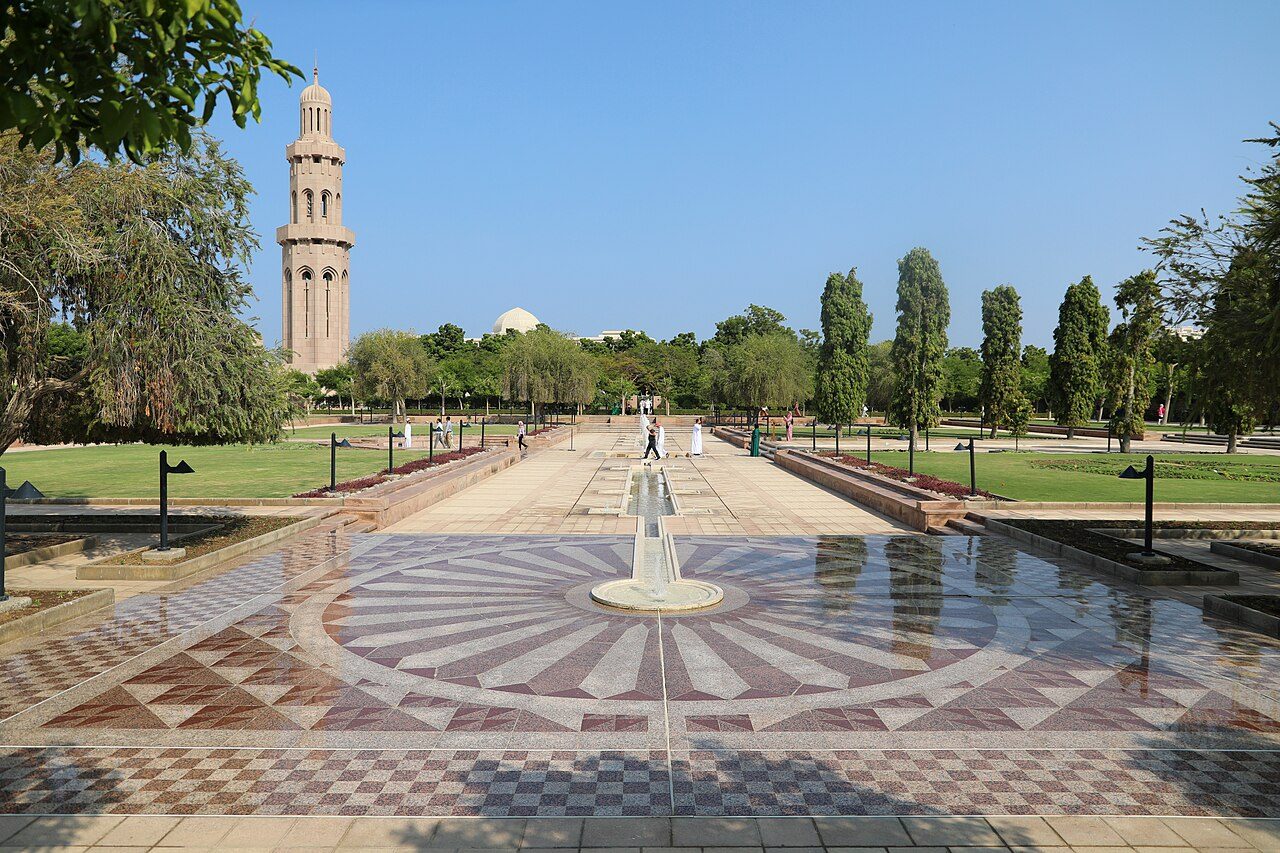
Opened in 2001, the Sultan Qaboos Grand Mosque is Oman's largest mosque and one of the few open to non-Muslim visitors. Built of Indian sandstone, it has a 50-metre central dome and five minarets. The main prayer hall is famous for its enormous hand-woven Persian carpet, which took hundreds of weavers four years to make, and a giant crystal chandelier hanging beneath the dome.
02
STOP 2 OF 14
Royal Opera House Muscat
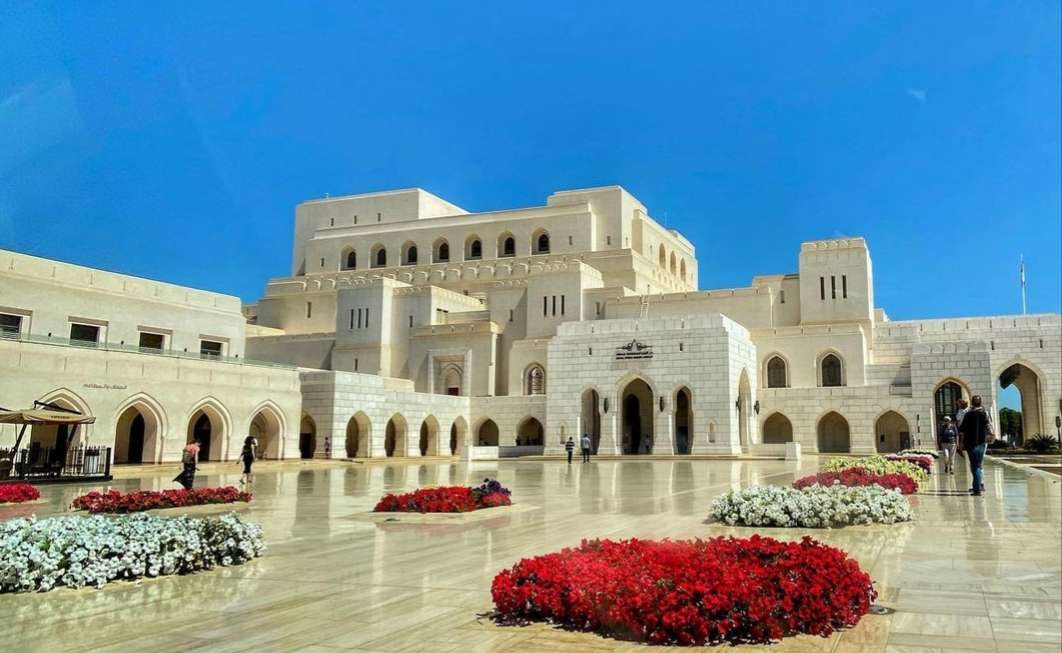
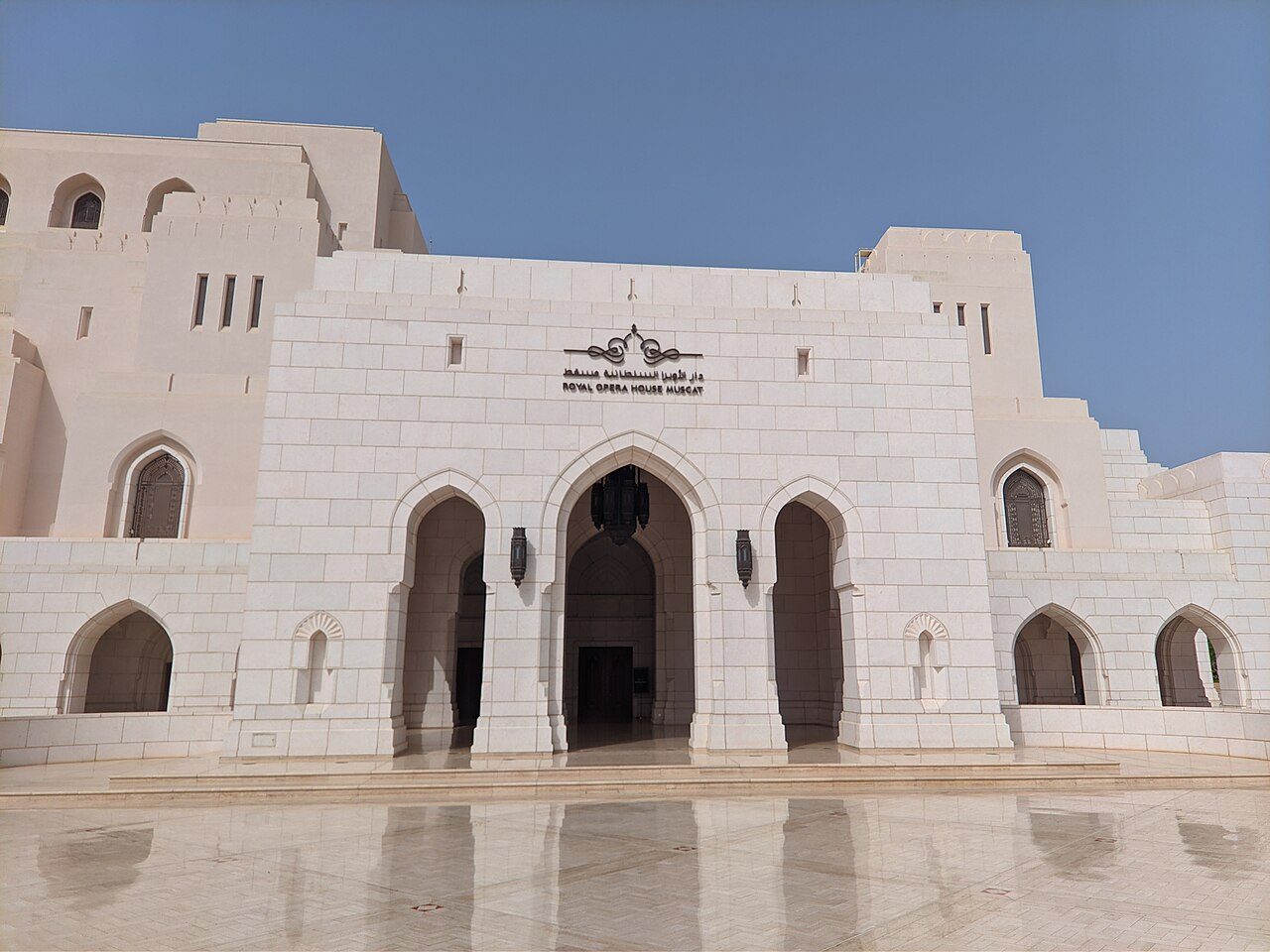
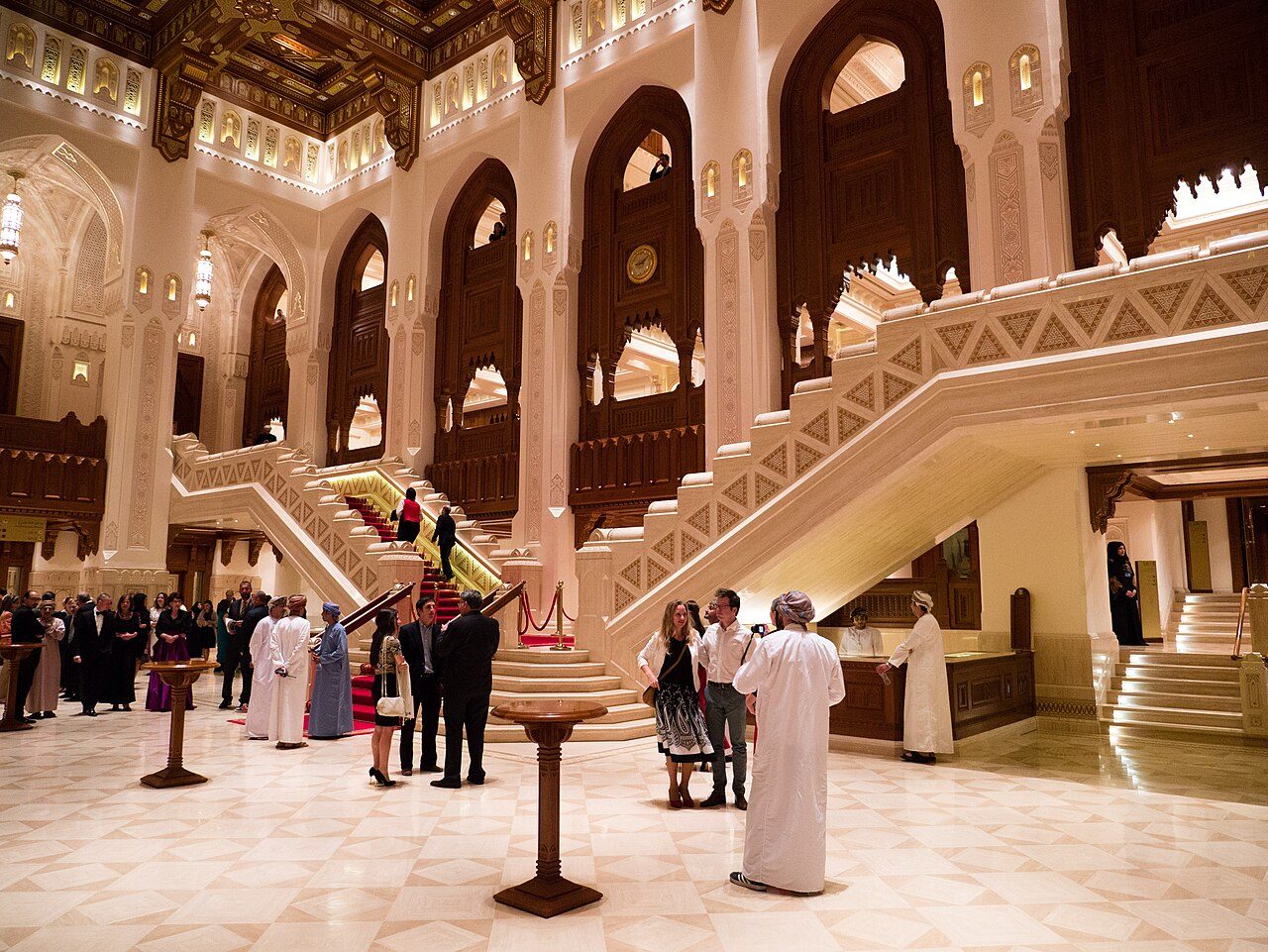
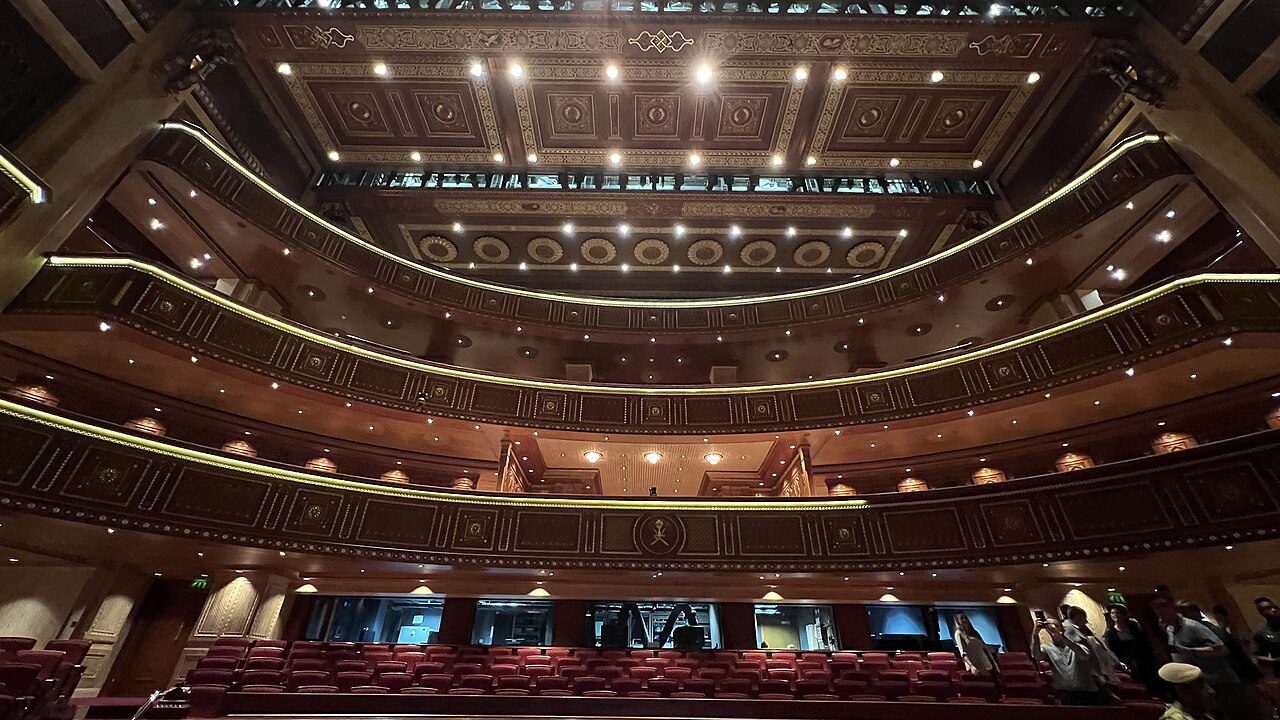
The Royal Opera House Muscat opened in 2011 in the Shati Al Qurm district. Ordered by Sultan Qaboos, a lover of classical music, it was the first opera house in the Gulf region. The white stone building follows modern Omani palace design with arches, courtyards and carved wood. It stages opera, ballet, jazz and Arab music, and its gardens and arcades of shops are open to visitors.
03
STOP 3 OF 14
National Museum of Oman
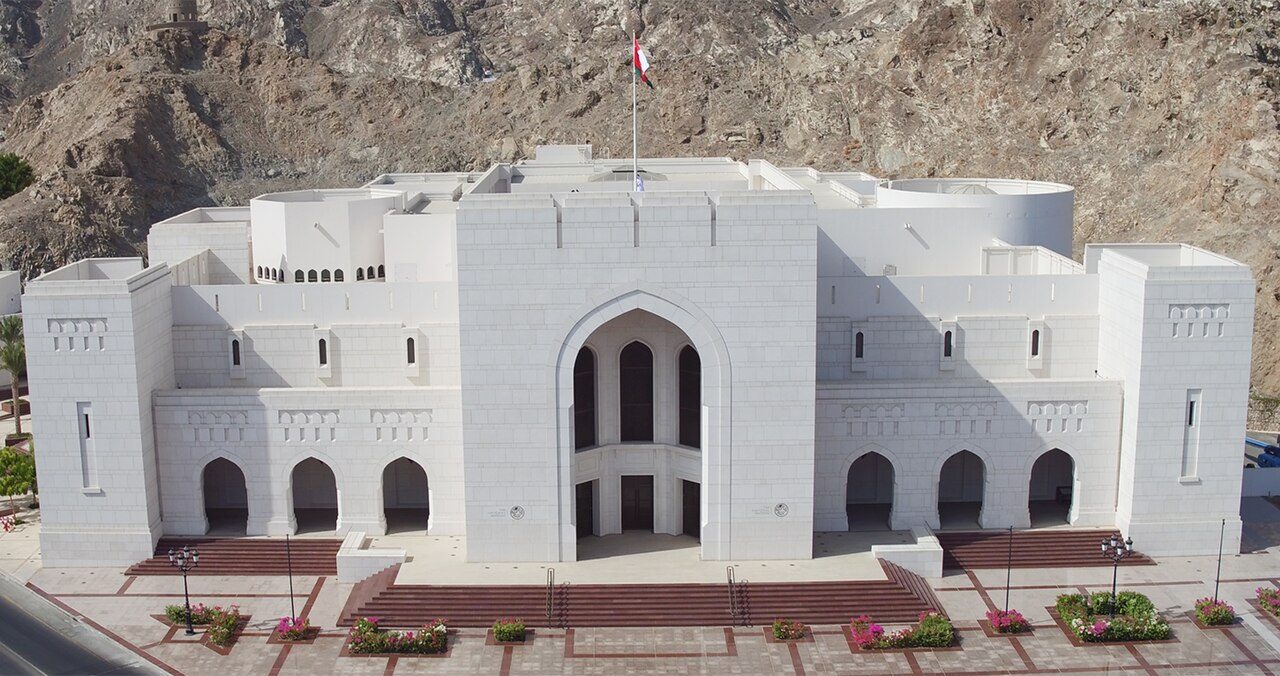
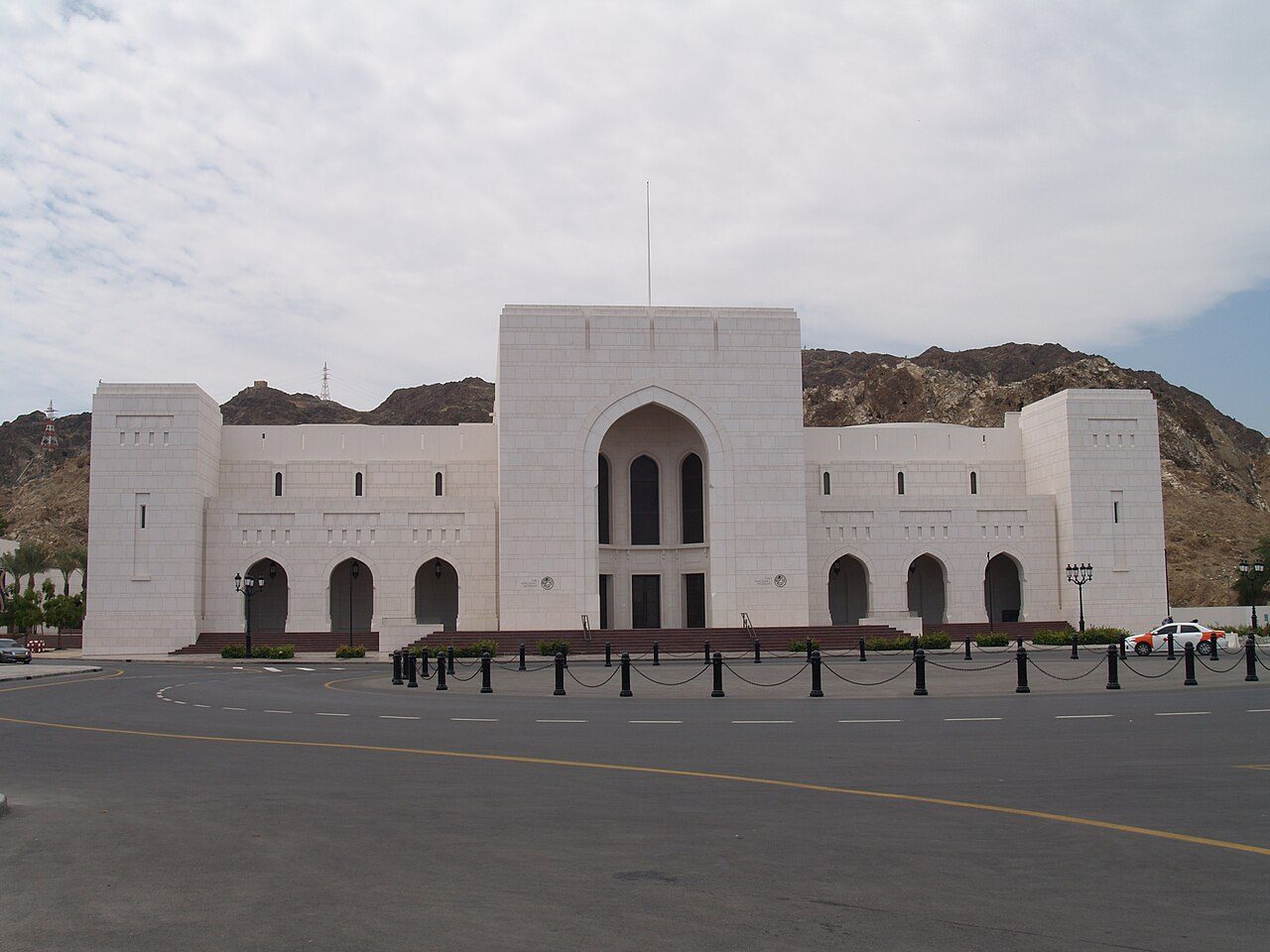
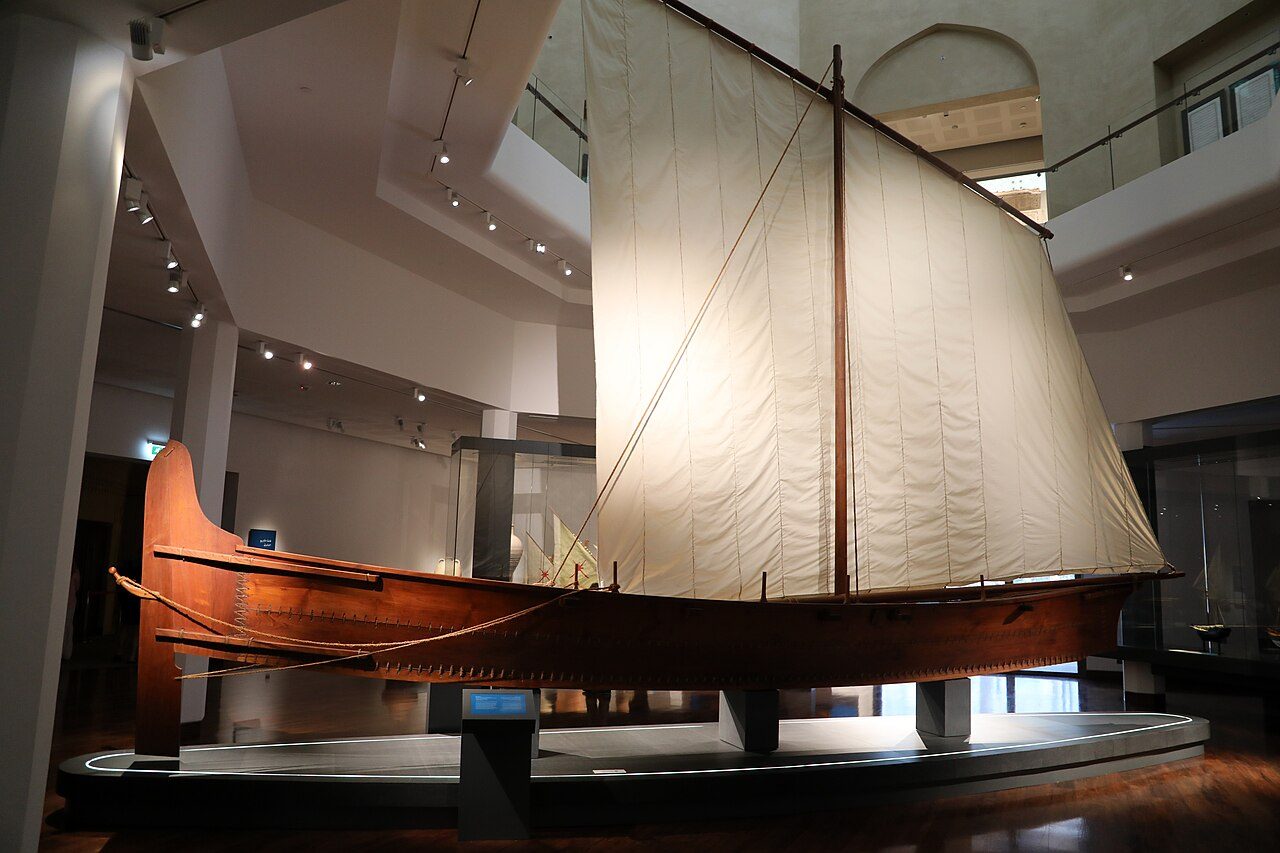
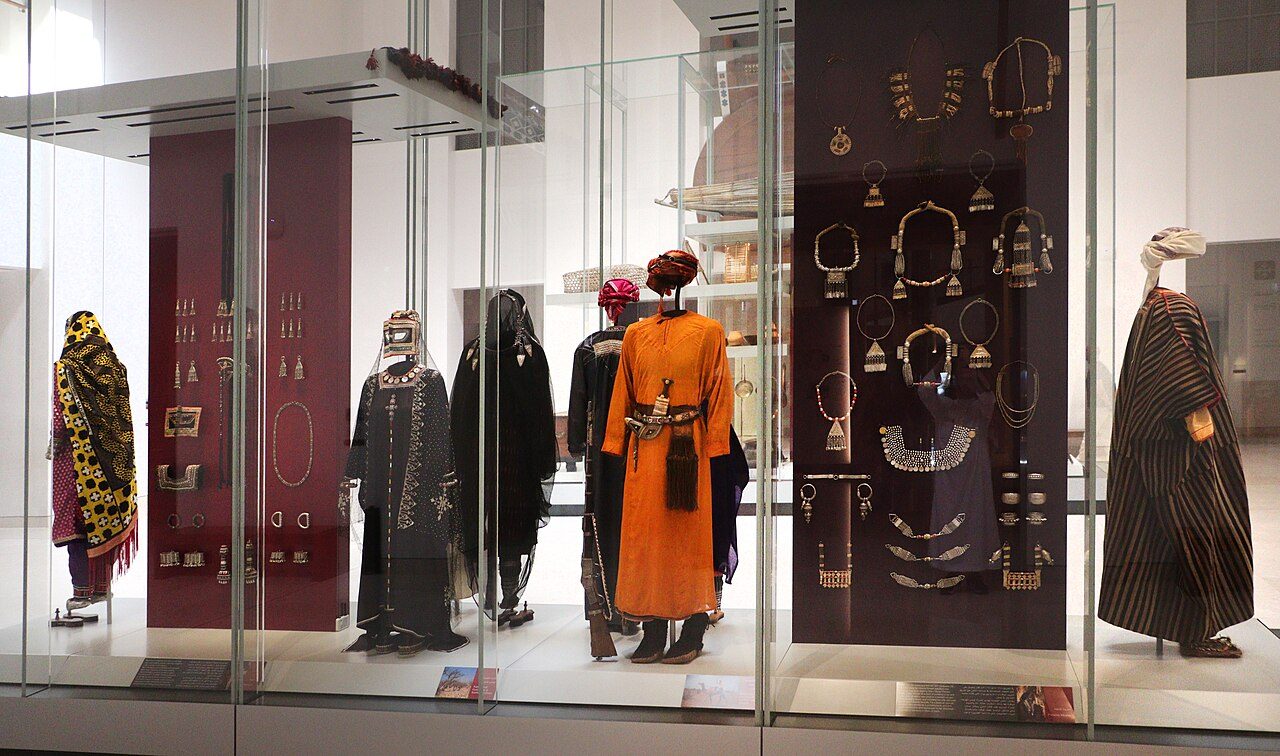
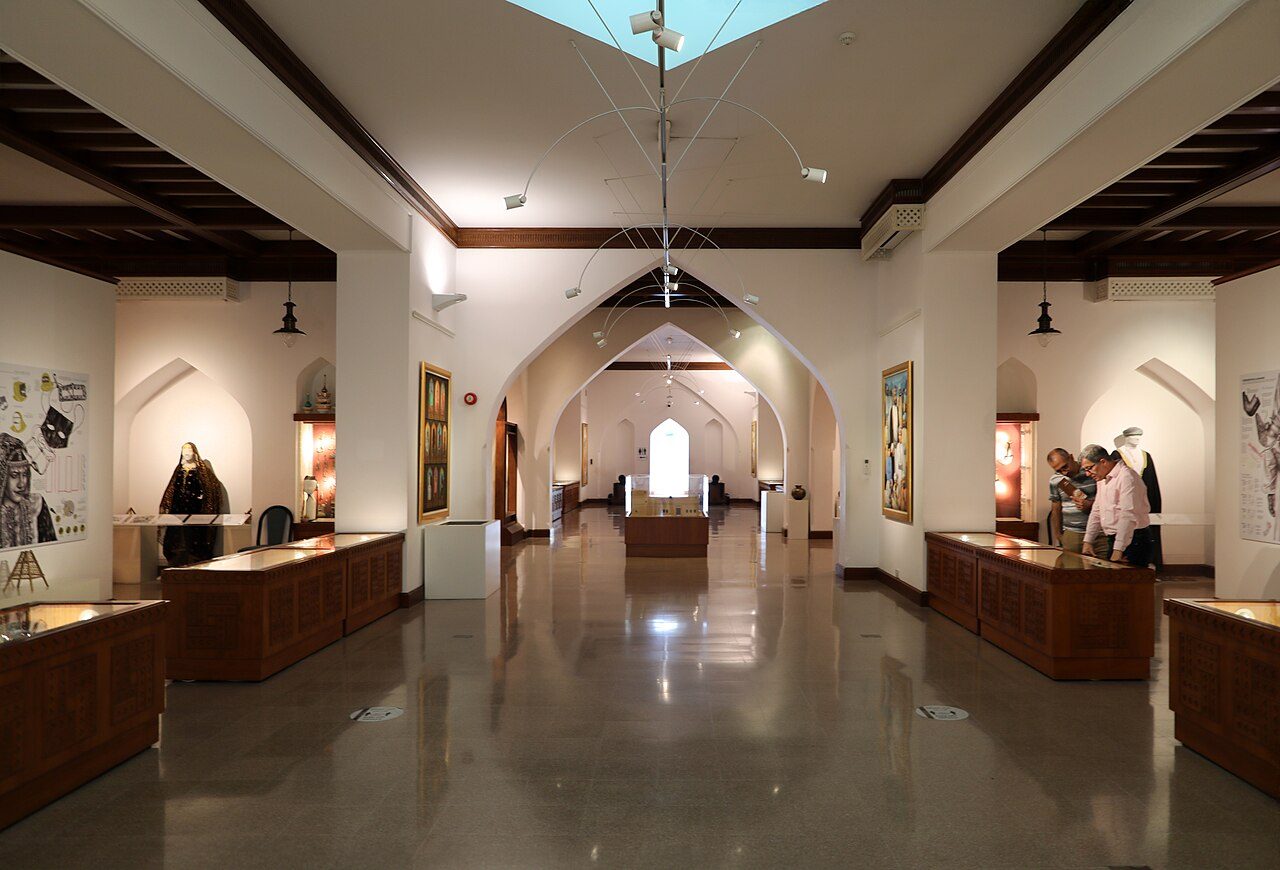
The National Museum of Oman opened in 2016 opposite Al Alam Palace in Old Muscat. It is the country's main museum, with galleries on prehistory, maritime history, arms and armour, aflaj water channels, Islam in Oman and the modern renaissance. Among its exhibits are ancient incense burners, old ship models and a letter said to be sent by the Prophet Muhammad to the rulers of Oman.
04
STOP 4 OF 14
Al Alam Palace
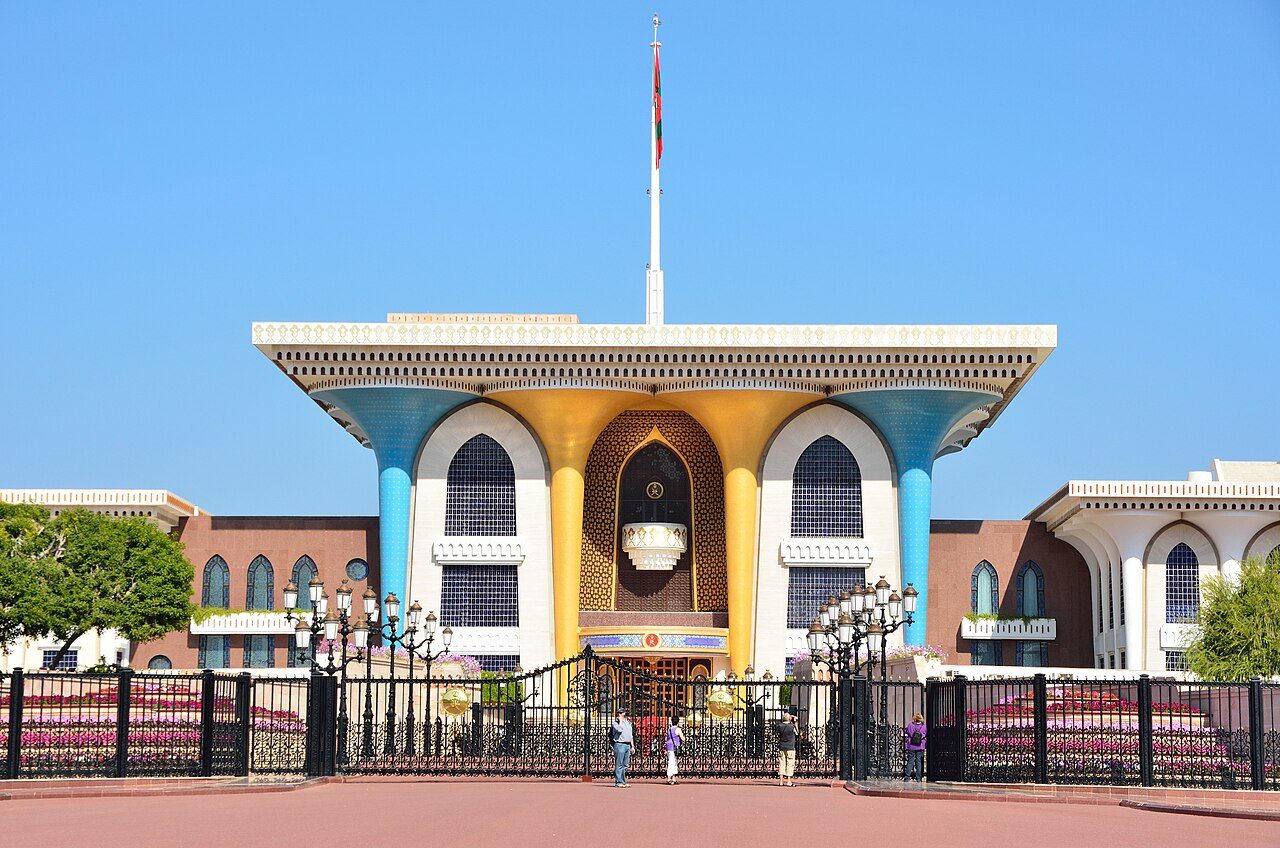
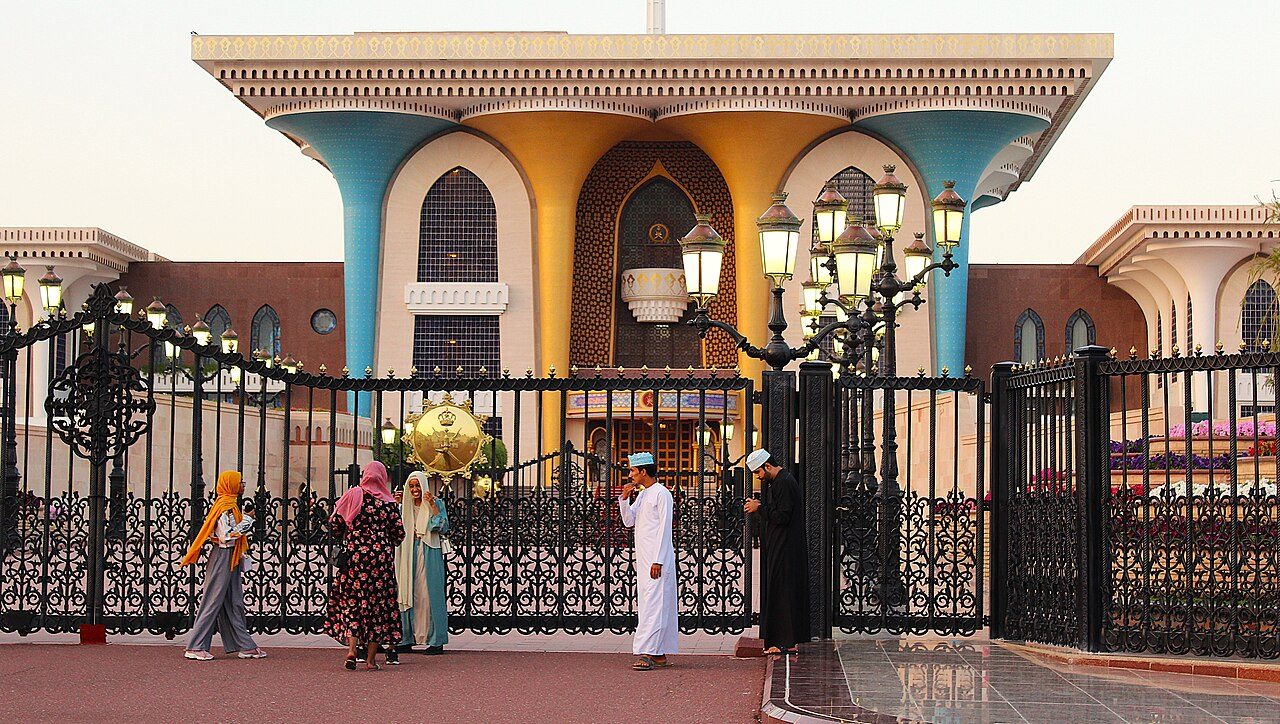
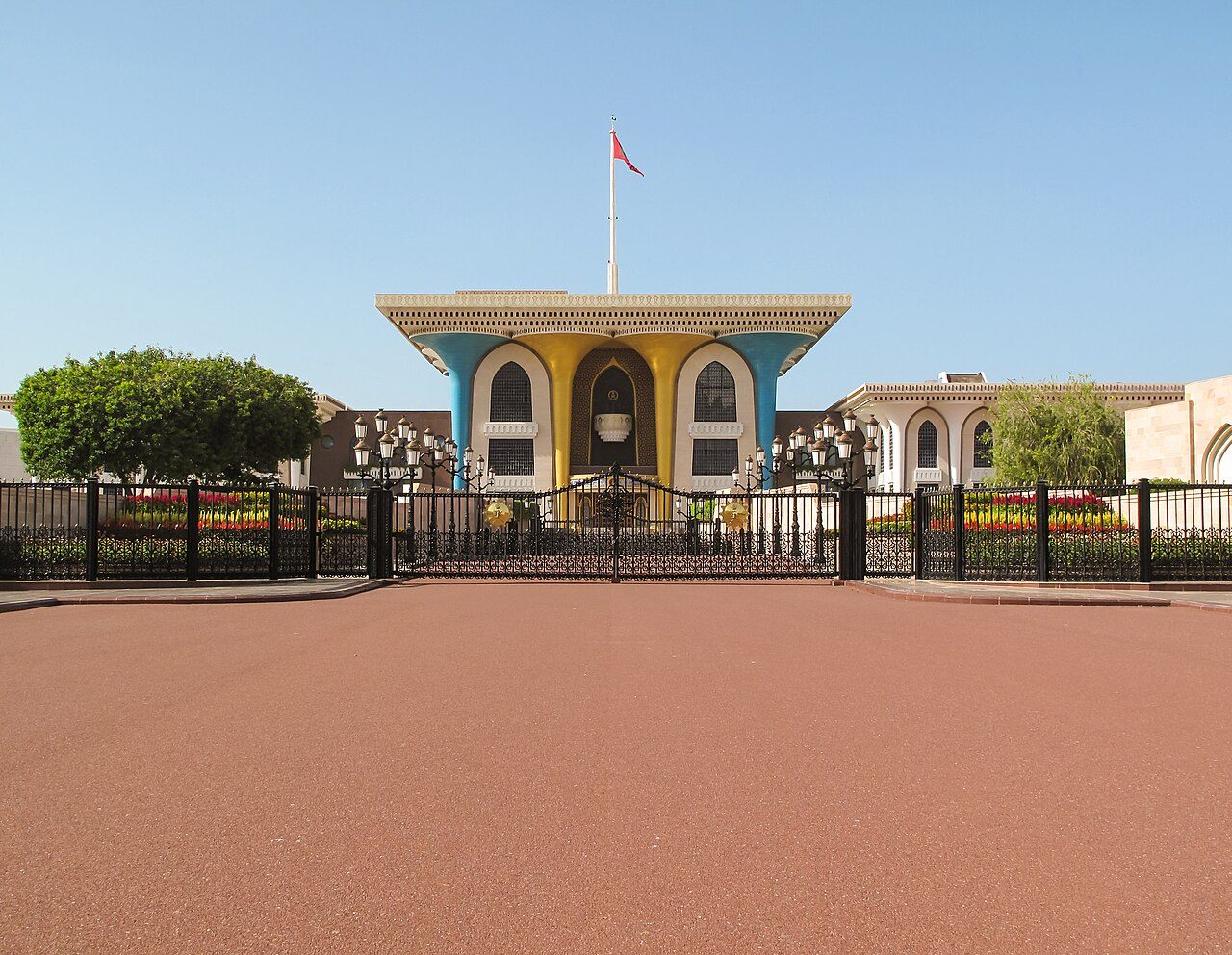
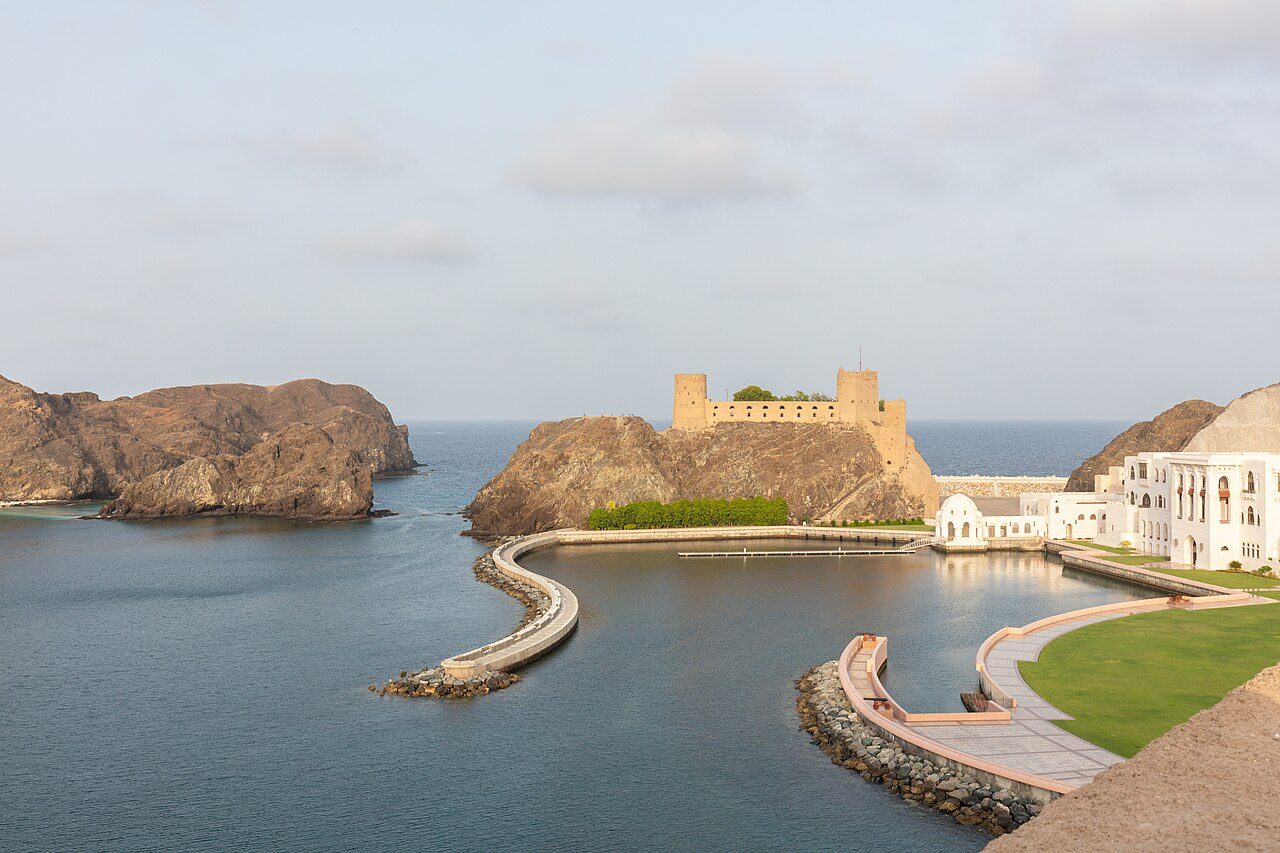
Al Alam Palace is the ceremonial palace of the Sultan of Oman in Old Muscat. Rebuilt in 1972, it is known for its colourful facade of gold and blue columns, quite unlike other buildings in the country. The palace is not open to the public, but visitors can walk up to the gates across a long paved square. It sits by the sea between the two old forts of Al Jalali and Al Mirani.
05
STOP 5 OF 14
Al Jalali Fort
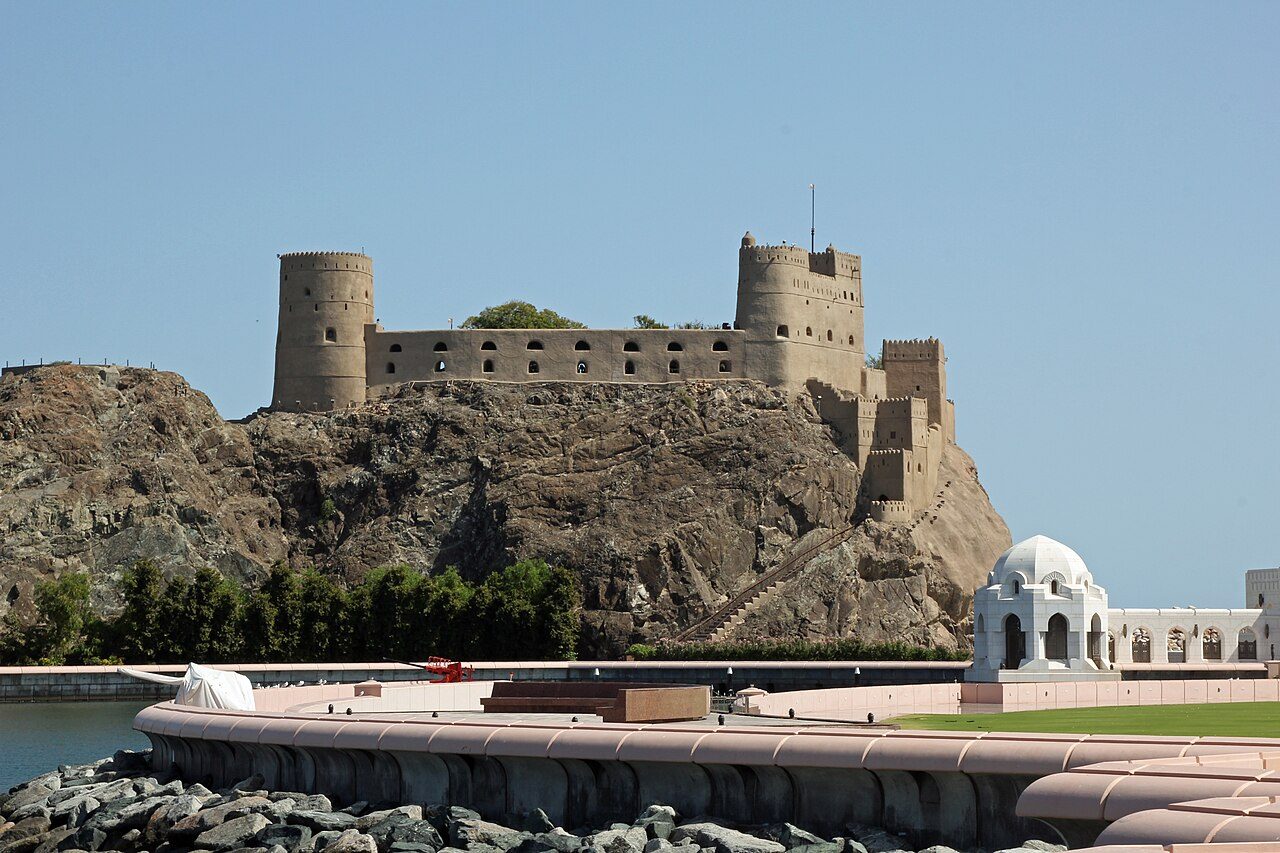
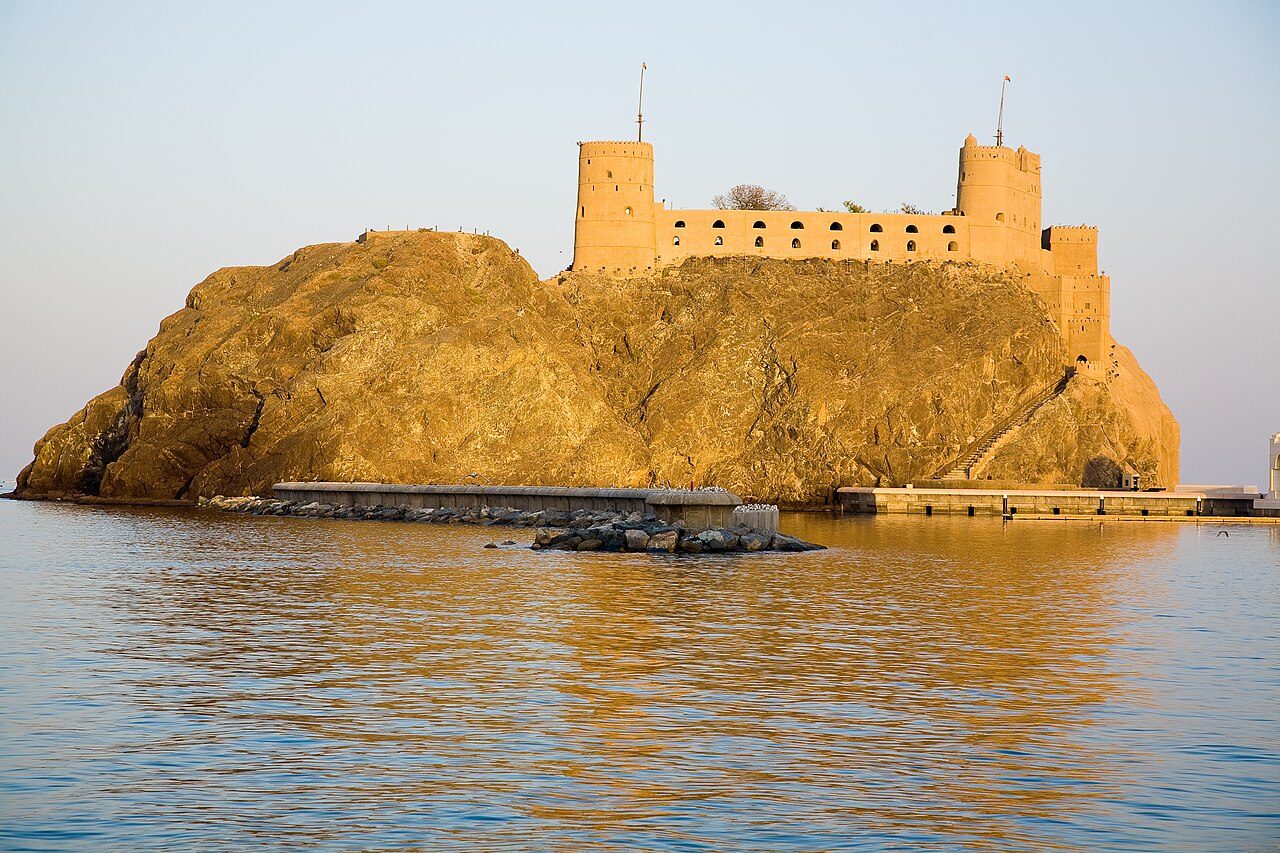
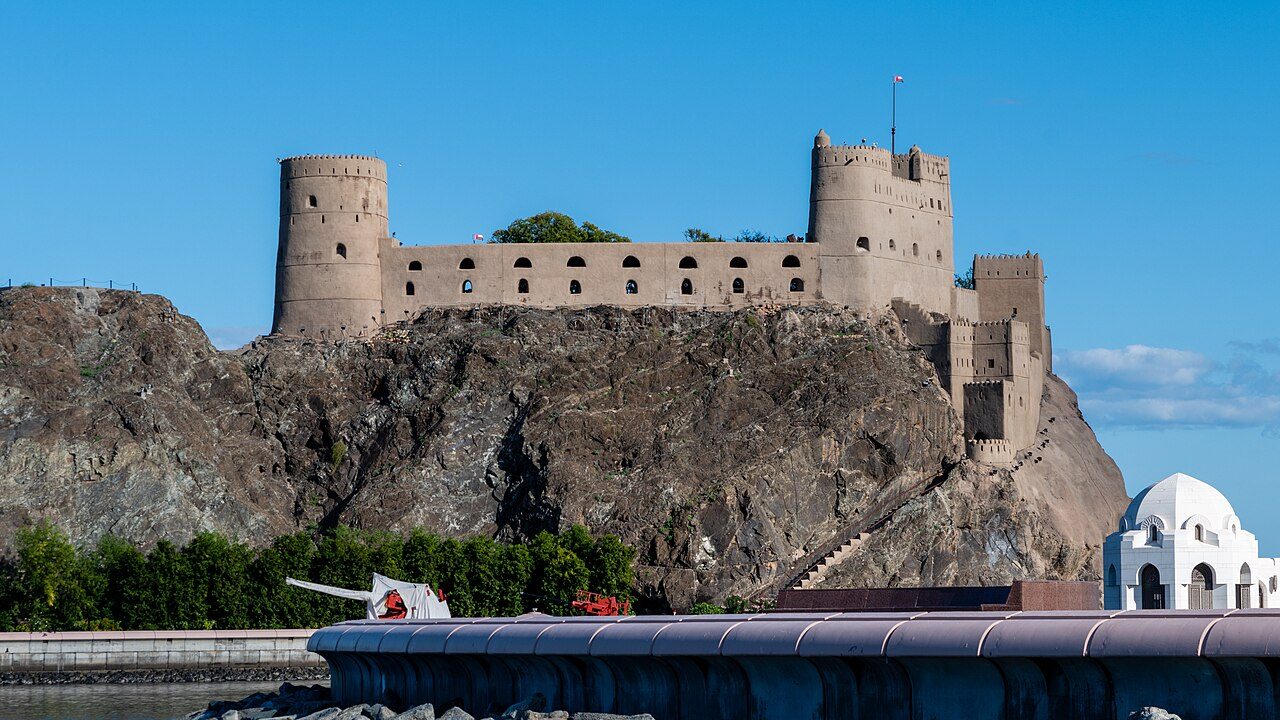
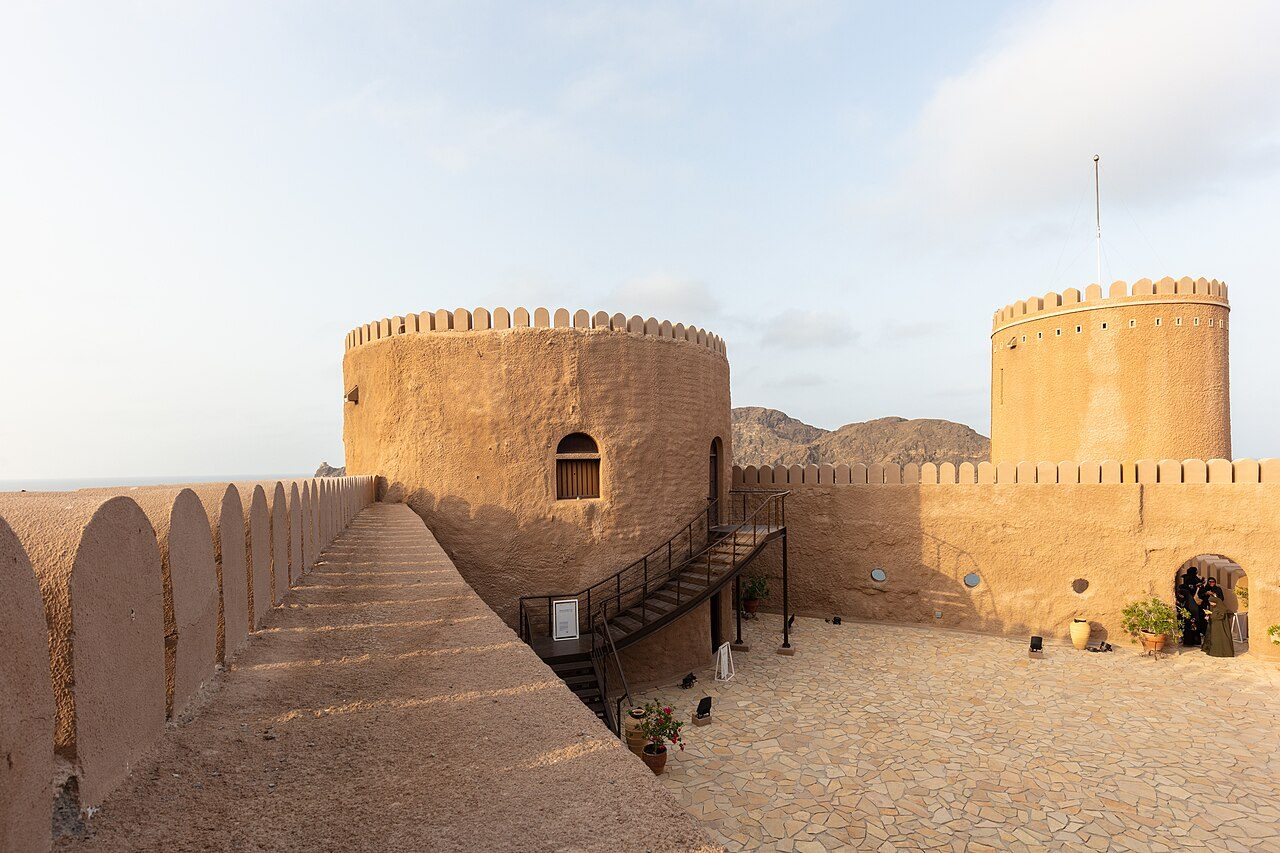
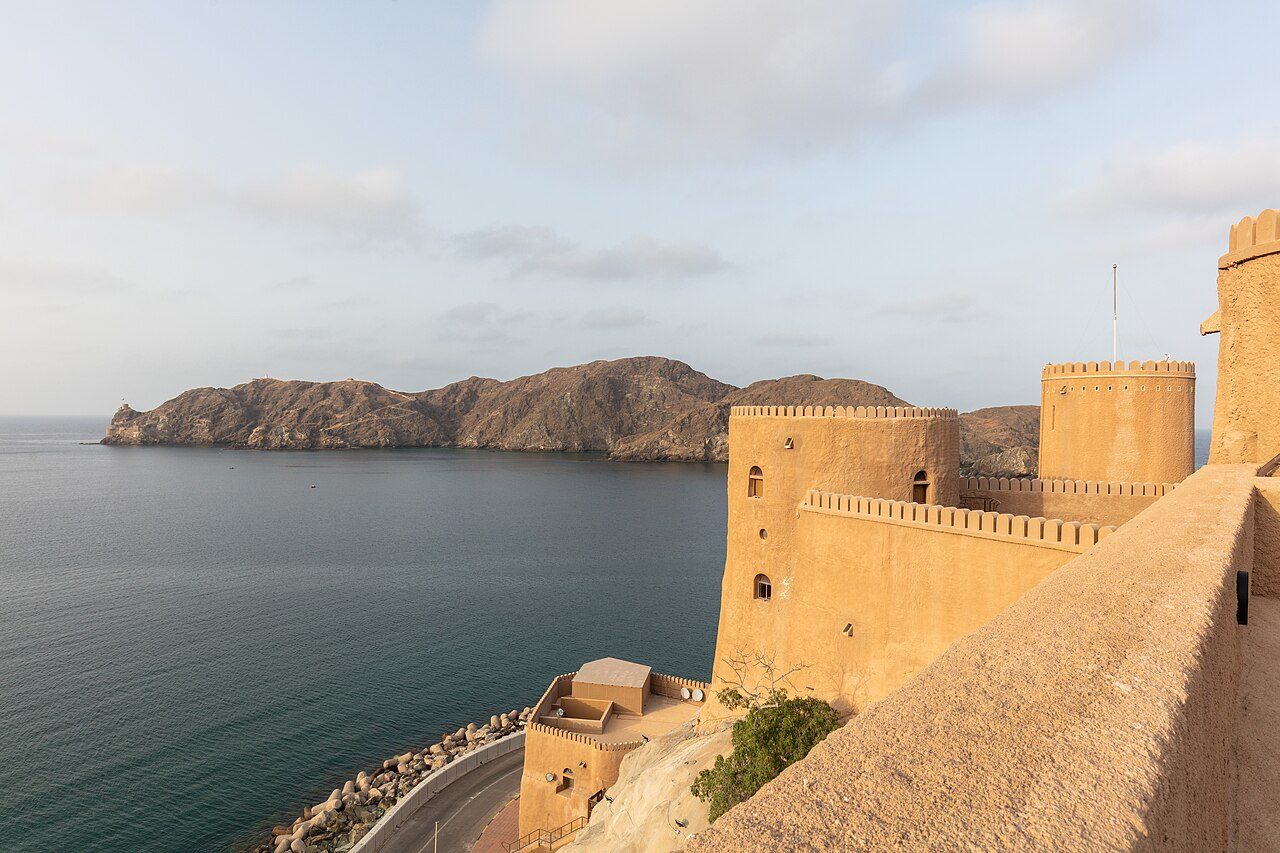
Al Jalali Fort sits on a rocky outcrop on the east side of Old Muscat harbour. The Portuguese built it in the 1580s after Ottoman raids on the town. Omani forces took it in 1650. For much of the 20th century it served as Oman's main prison, and it was restored as a museum of Omani heritage in 1983. It is opened only to official guests, but is a striking sight from the harbour.
06
STOP 6 OF 14
Al Mirani Fort
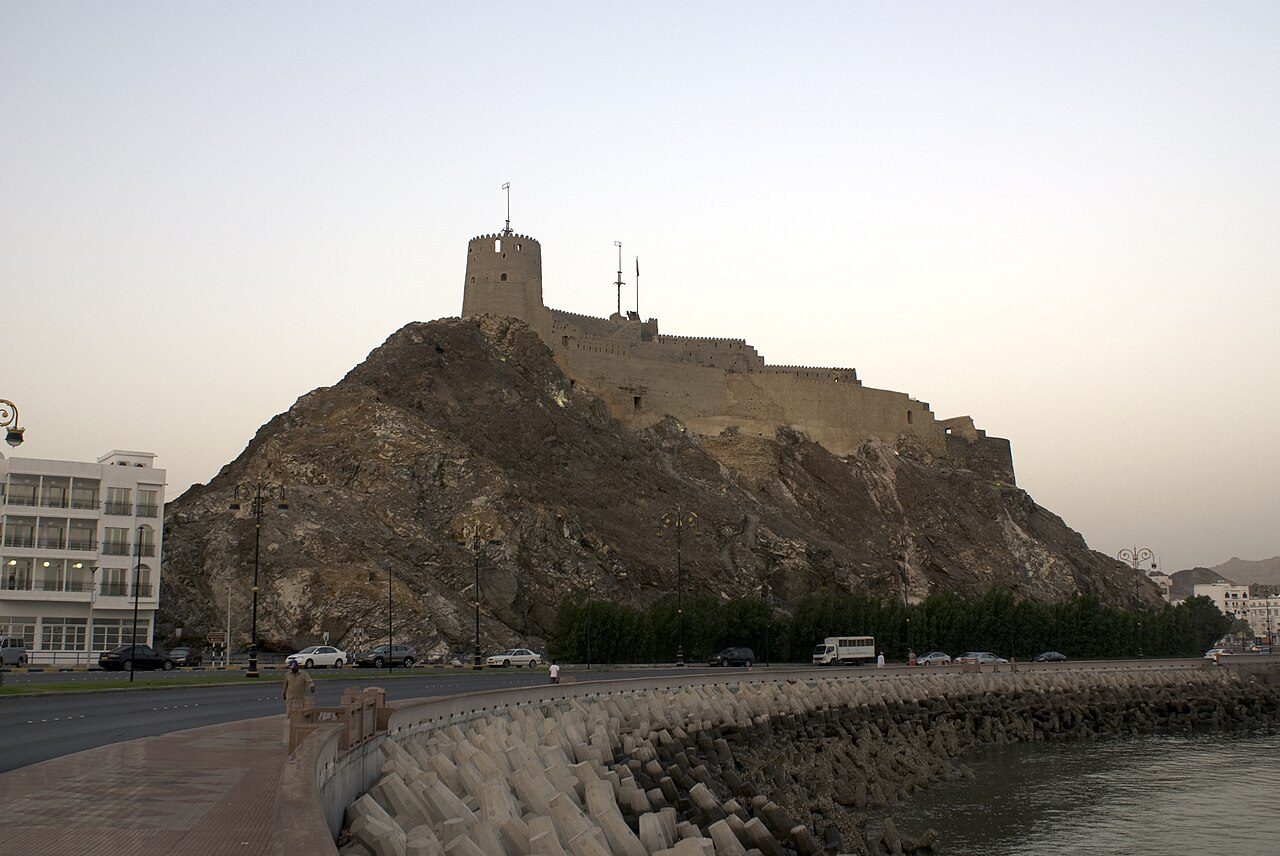
Al Mirani Fort guards the western side of the harbour of Old Muscat, facing Al Jalali Fort across the bay. The Portuguese completed it in 1587 on the site of an older Omani tower. In 1650 Imam Sultan bin Saif captured it, ending Portuguese rule in Muscat. The fort rises directly from the rock above the sea beside Al Alam Palace, and is seen best from the waterfront.
07
STOP 7 OF 14
Mutrah Corniche
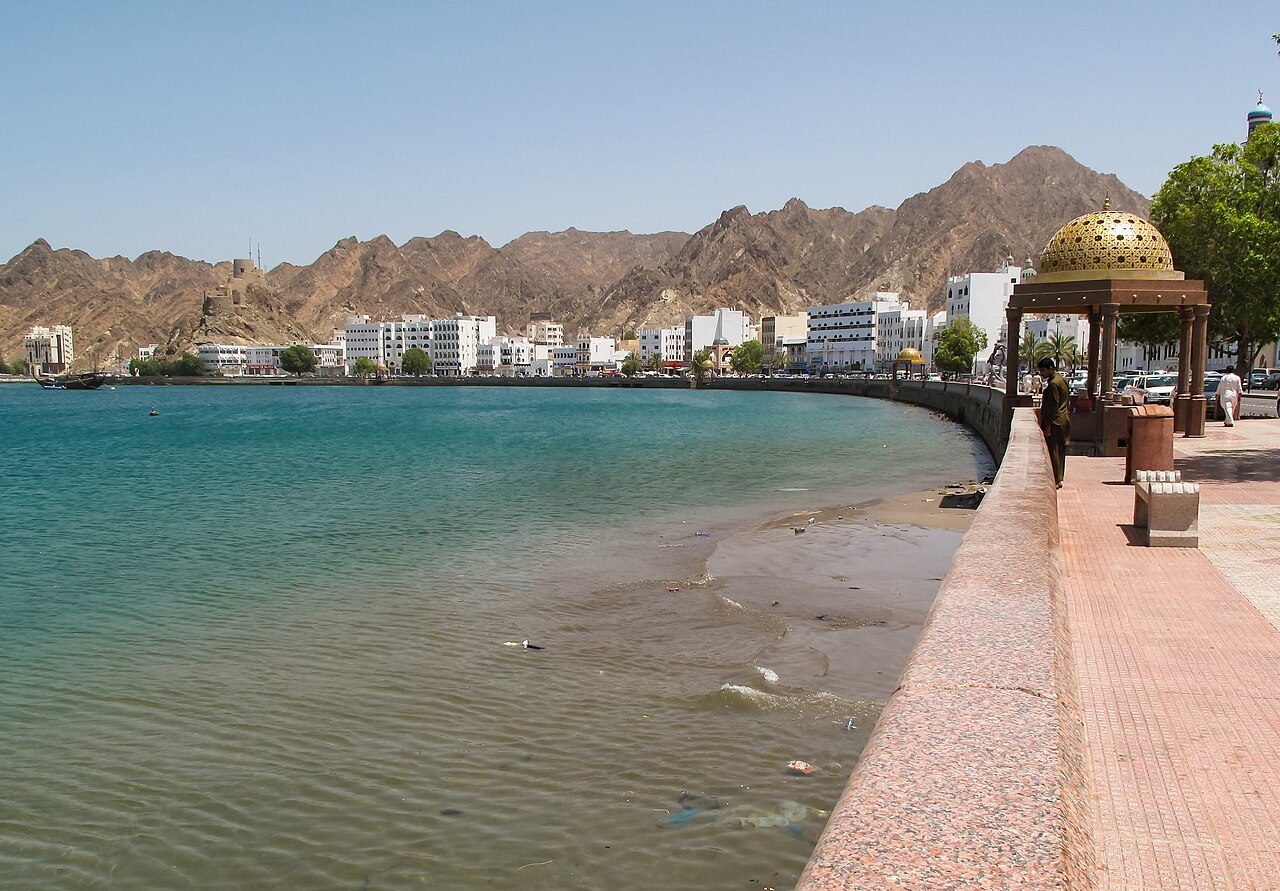
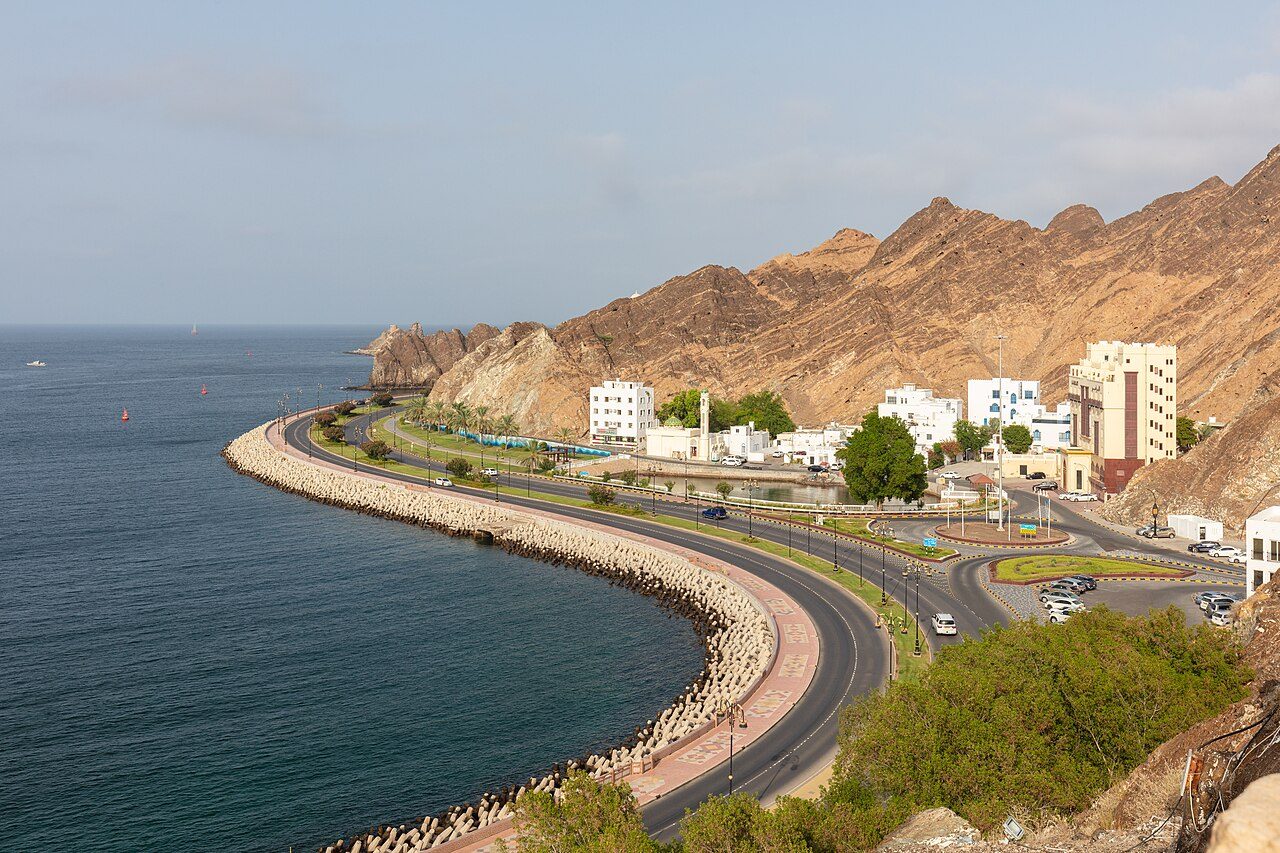
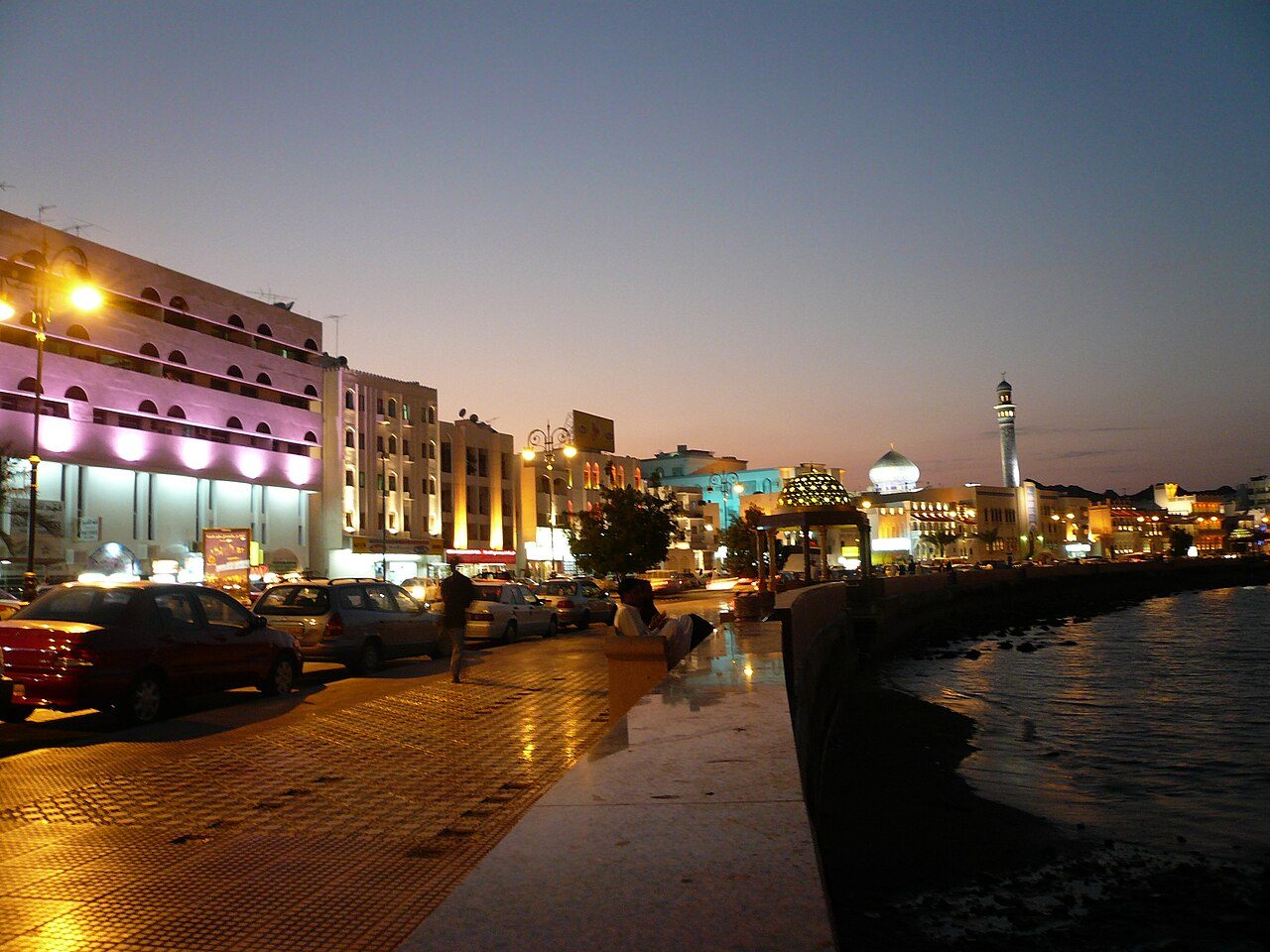
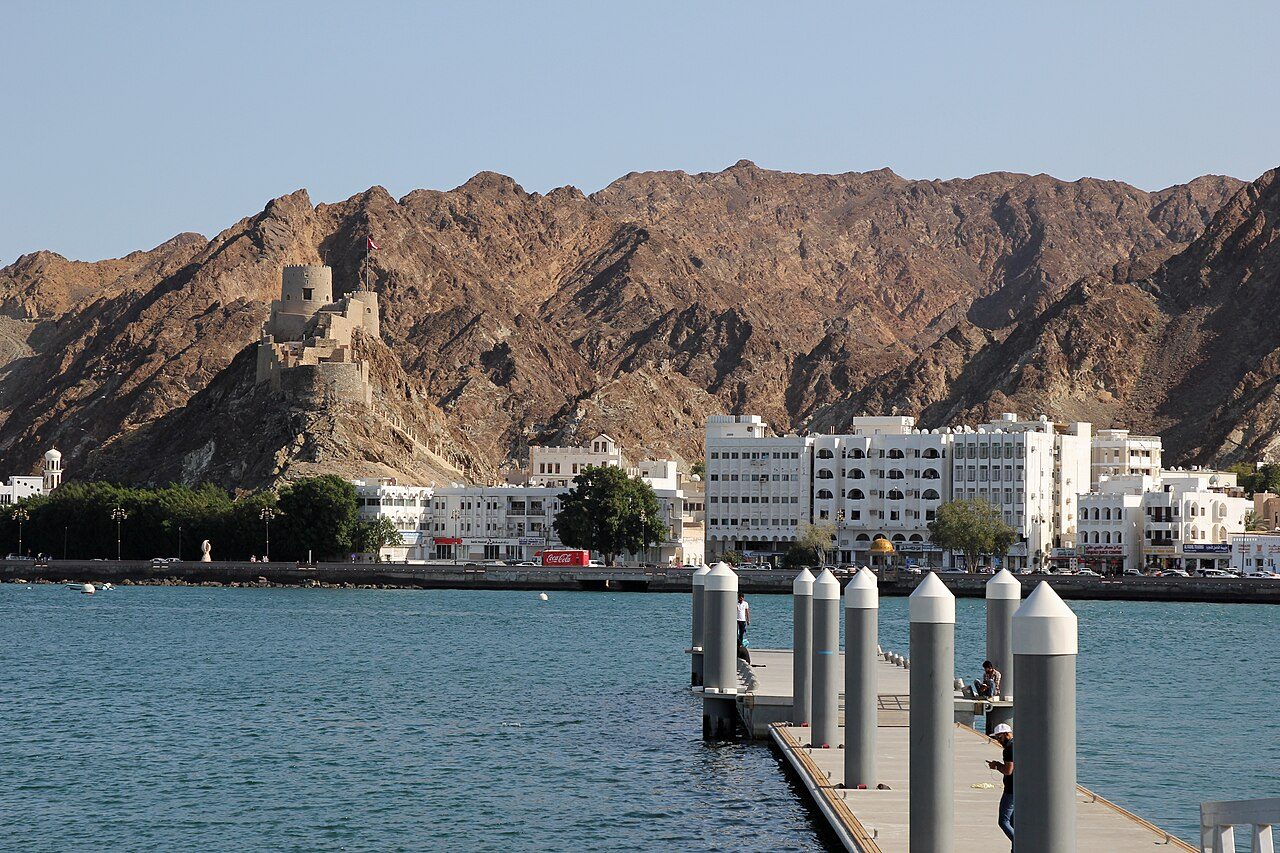
Mutrah Corniche curves for about three kilometres along the old harbour of Mutrah. On one side are white merchant houses with carved wooden balconies and blue-domed mosques; on the other the sea, fishing boats and dhows. The promenade runs from the fish market past the souq to Riyam Park, with the brown mountains and old watchtowers rising right behind it. It is busiest at sunset.
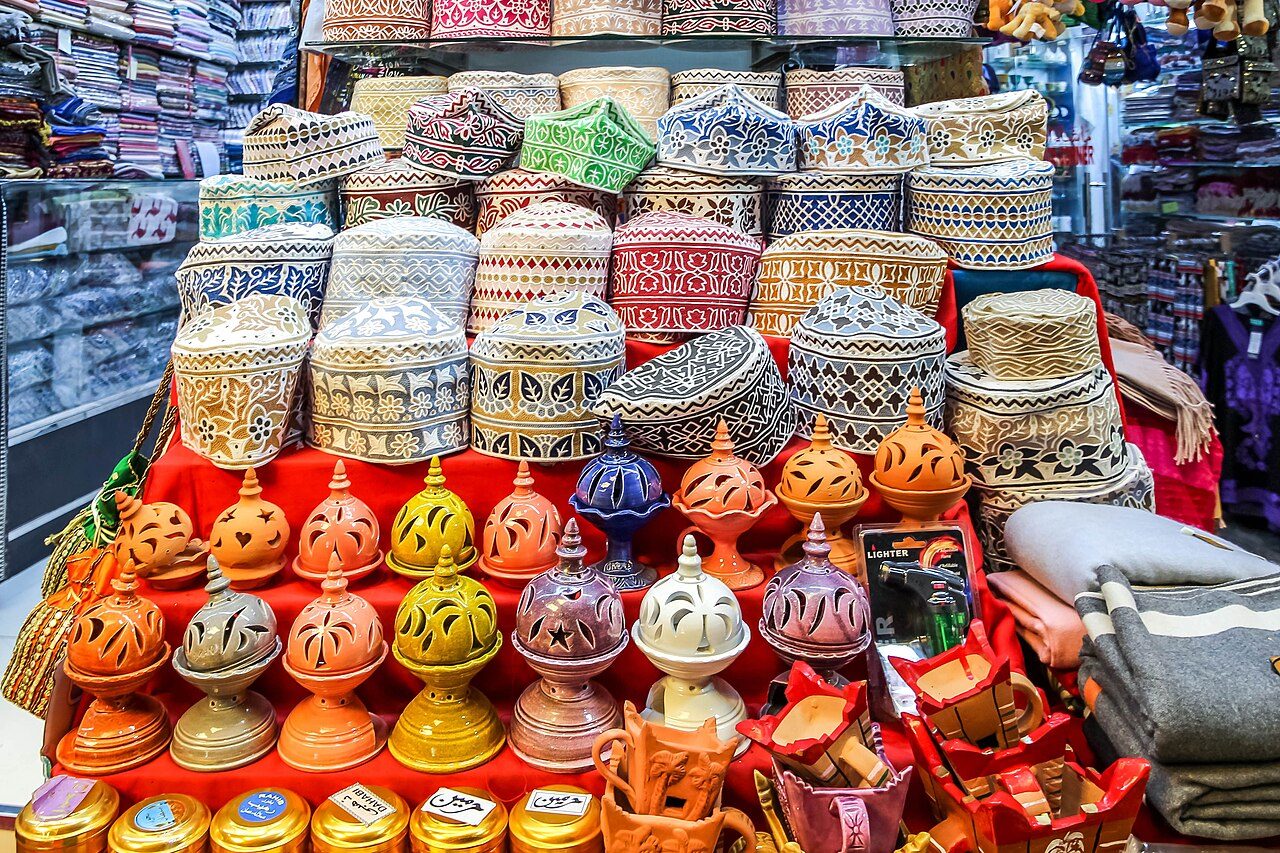
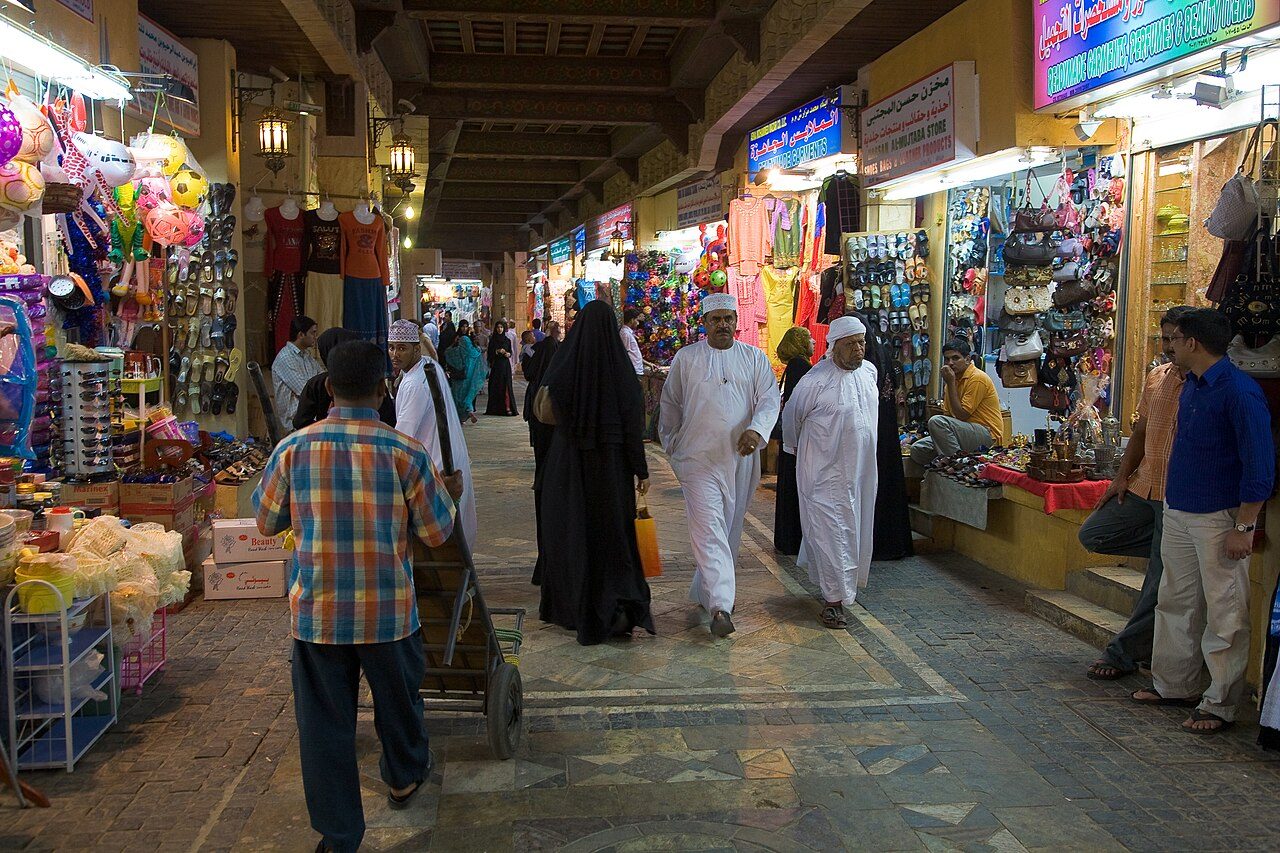
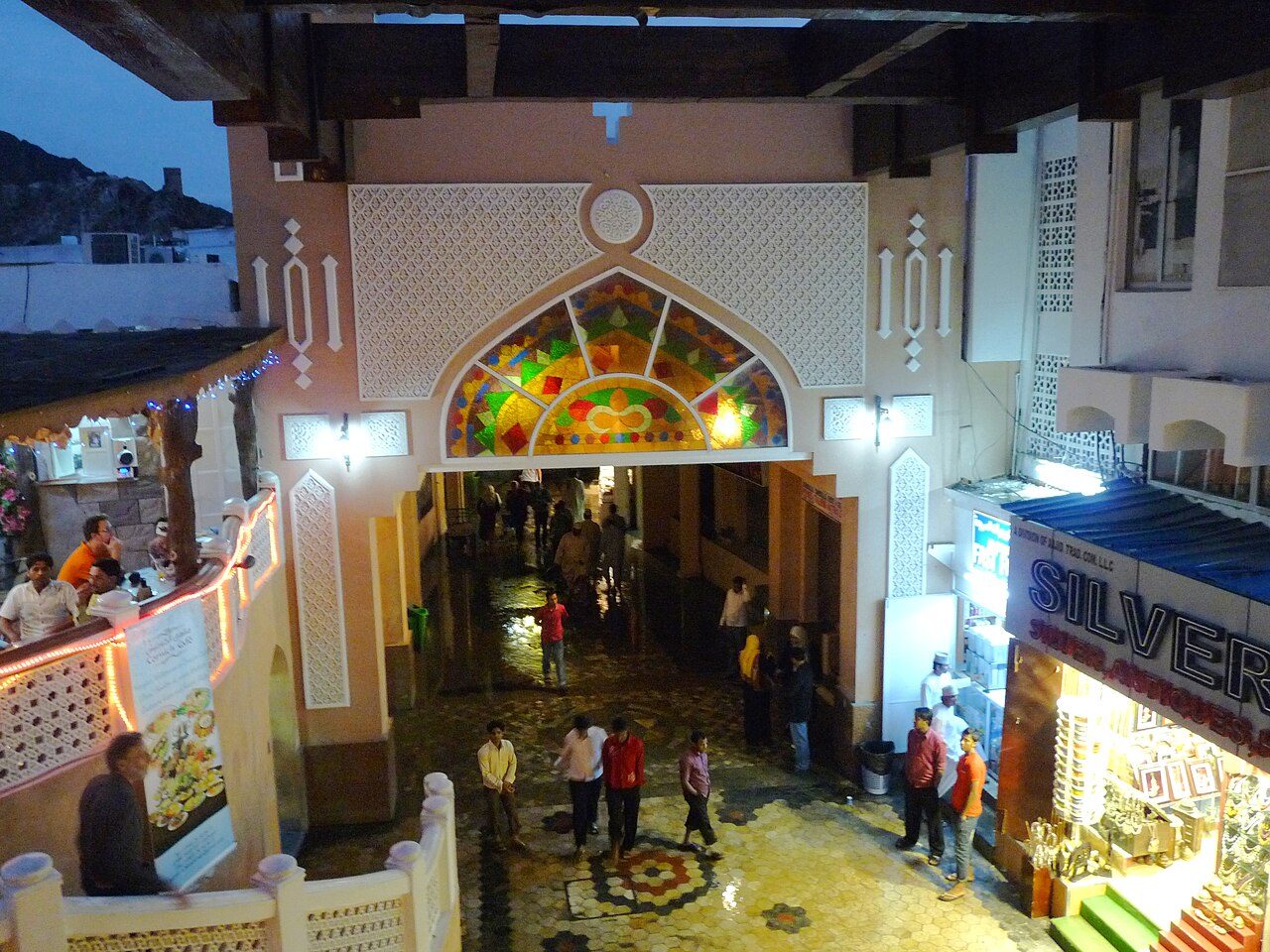
Mutrah Souq is one of the oldest markets in Oman, set just behind the corniche. It is sometimes called Al Dhalam, the dark souq, because its narrow covered lanes let in so little sunlight. Under a painted timber roof, stalls sell frankincense, silver khanjar daggers, spices, Omani caps, textiles and gold. The lanes branch off in many directions, and getting a little lost is part of the visit.
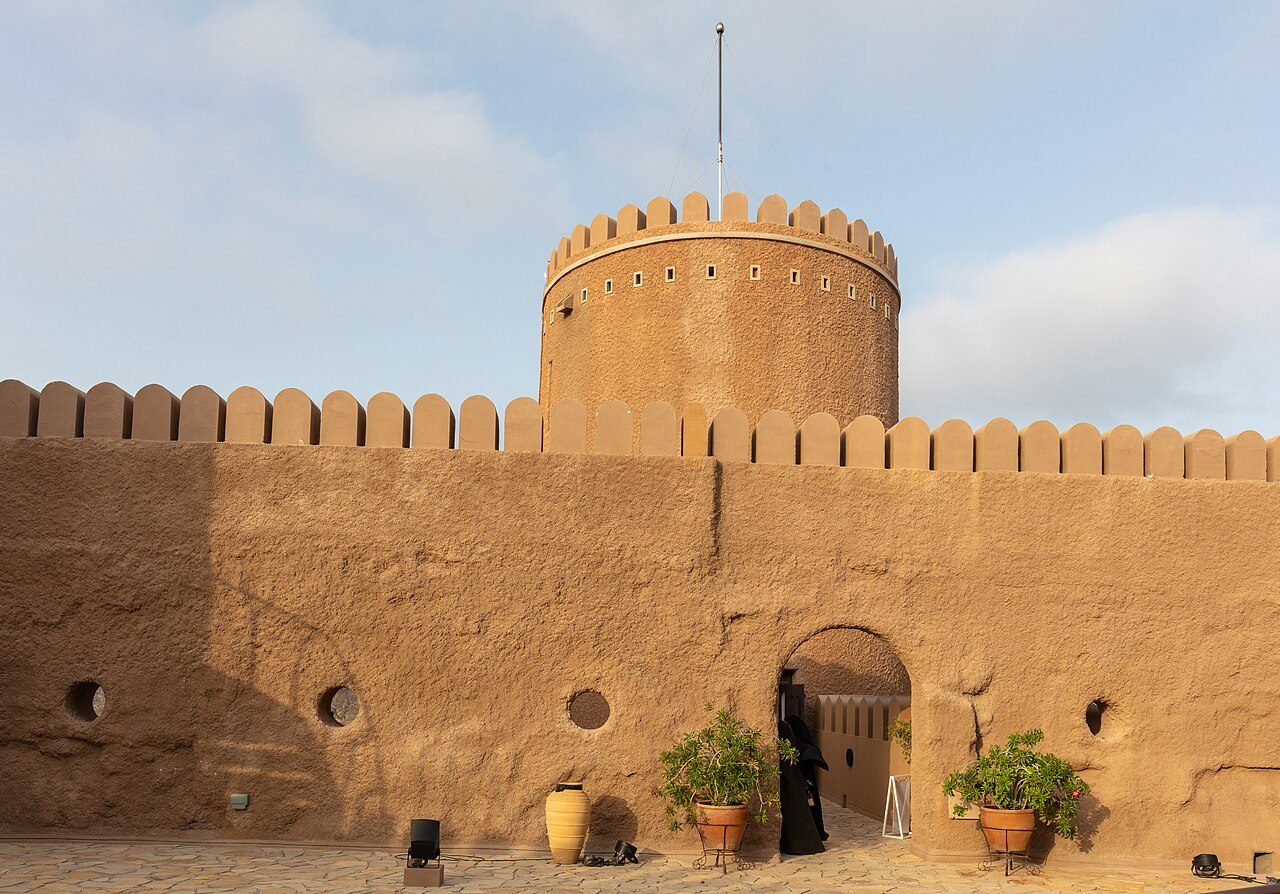
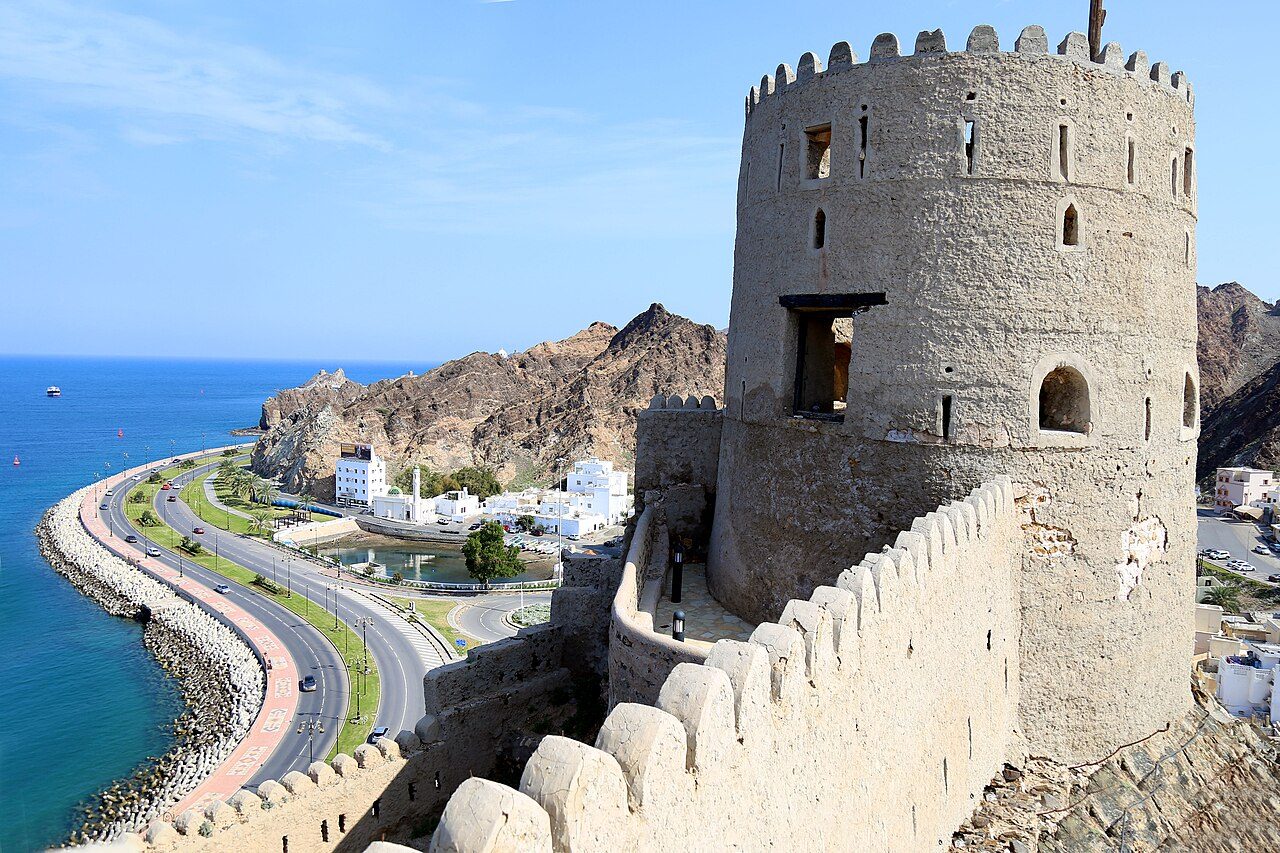
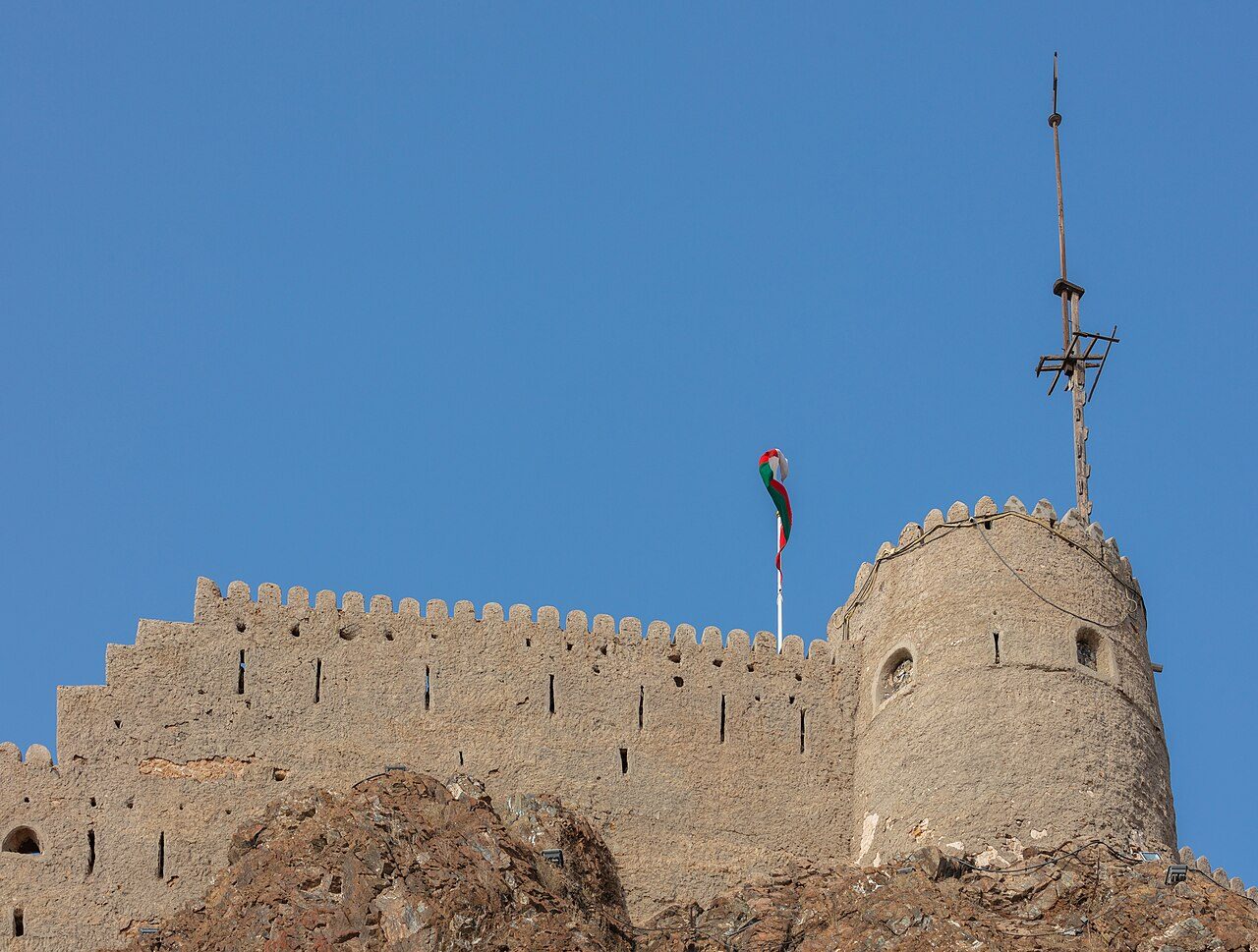
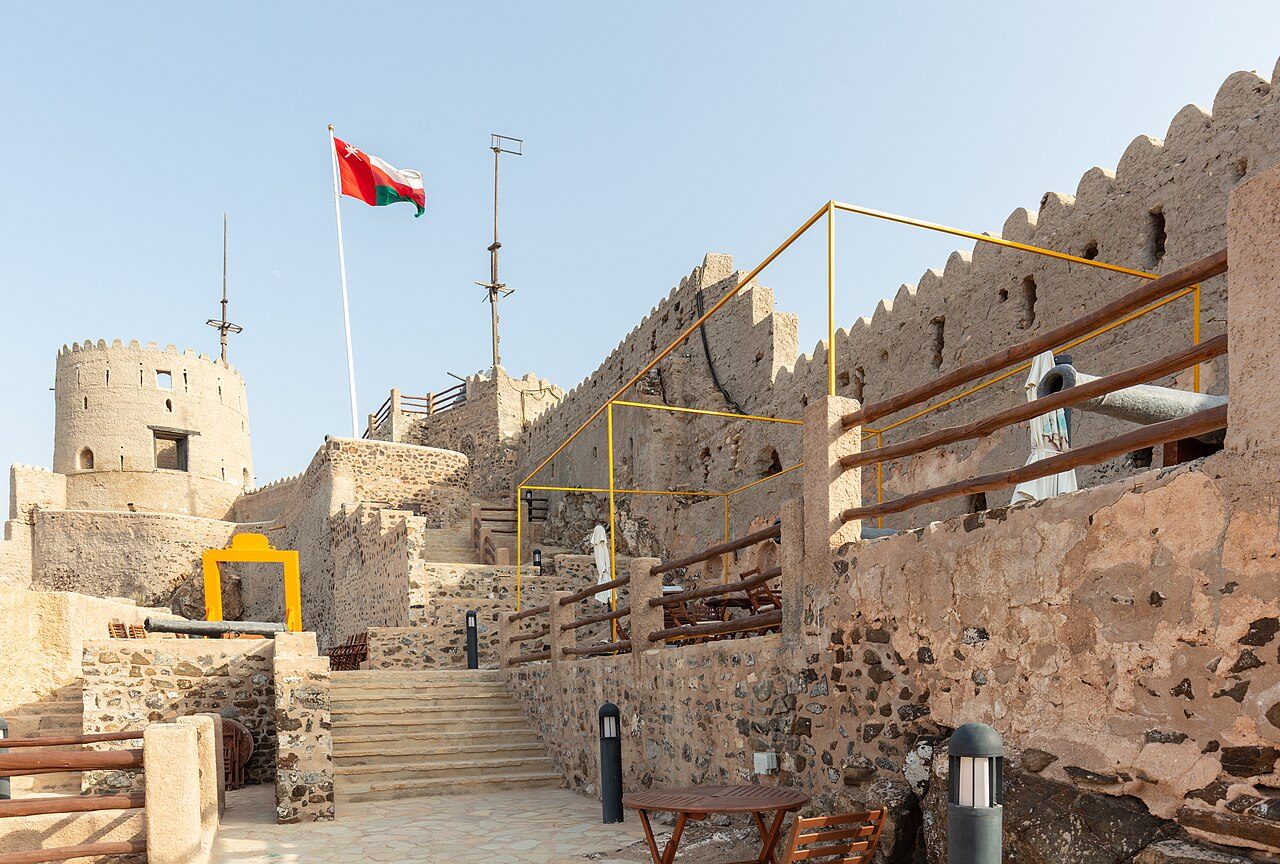
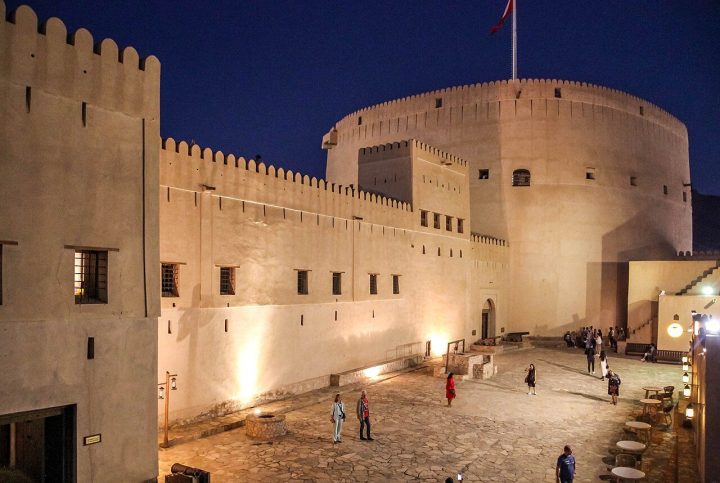
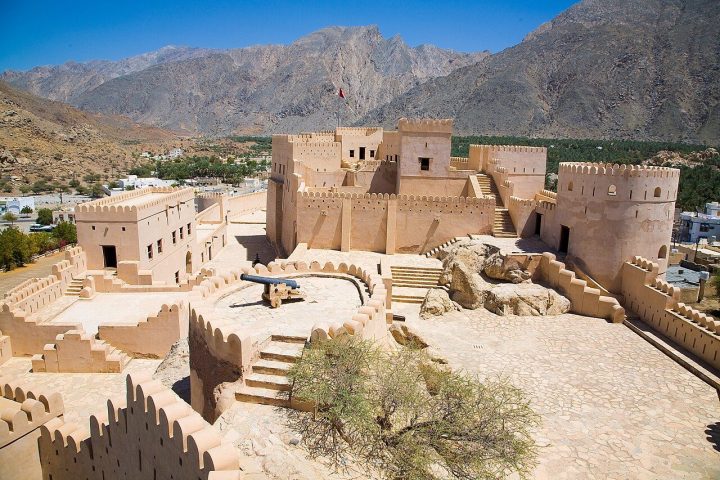
Mutrah Fort stands on a rocky ridge above the harbour. The Portuguese built it in the 1580s to guard the port, and Omani rulers later strengthened it. Its round towers and walls follow the narrow shape of the hill. A steep flight of steps leads up to the terraces, which give one of the best views over the corniche, the harbour and the houses of old Mutrah.
10
STOP 10 OF 14
Bait Al Zubair
Bait Al Zubair is a private museum in Old Muscat, opened in 1998 by the Zubair family in their house built in 1914. It shows the family's collection of Omani khanjars, swords, jewellery, traditional dress, household items and old photographs. The complex has grown to several buildings, with a garden that has a model village, a falaj channel and small boats.
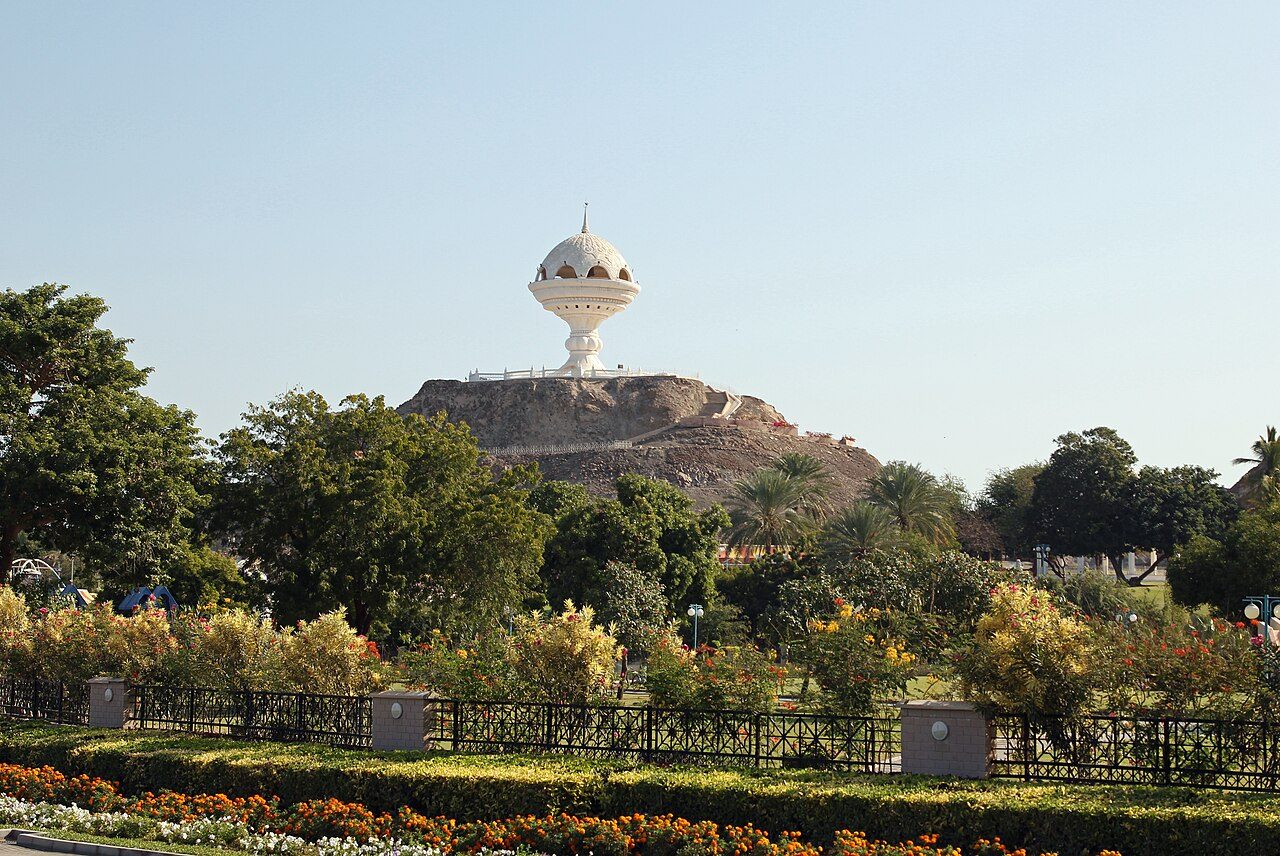
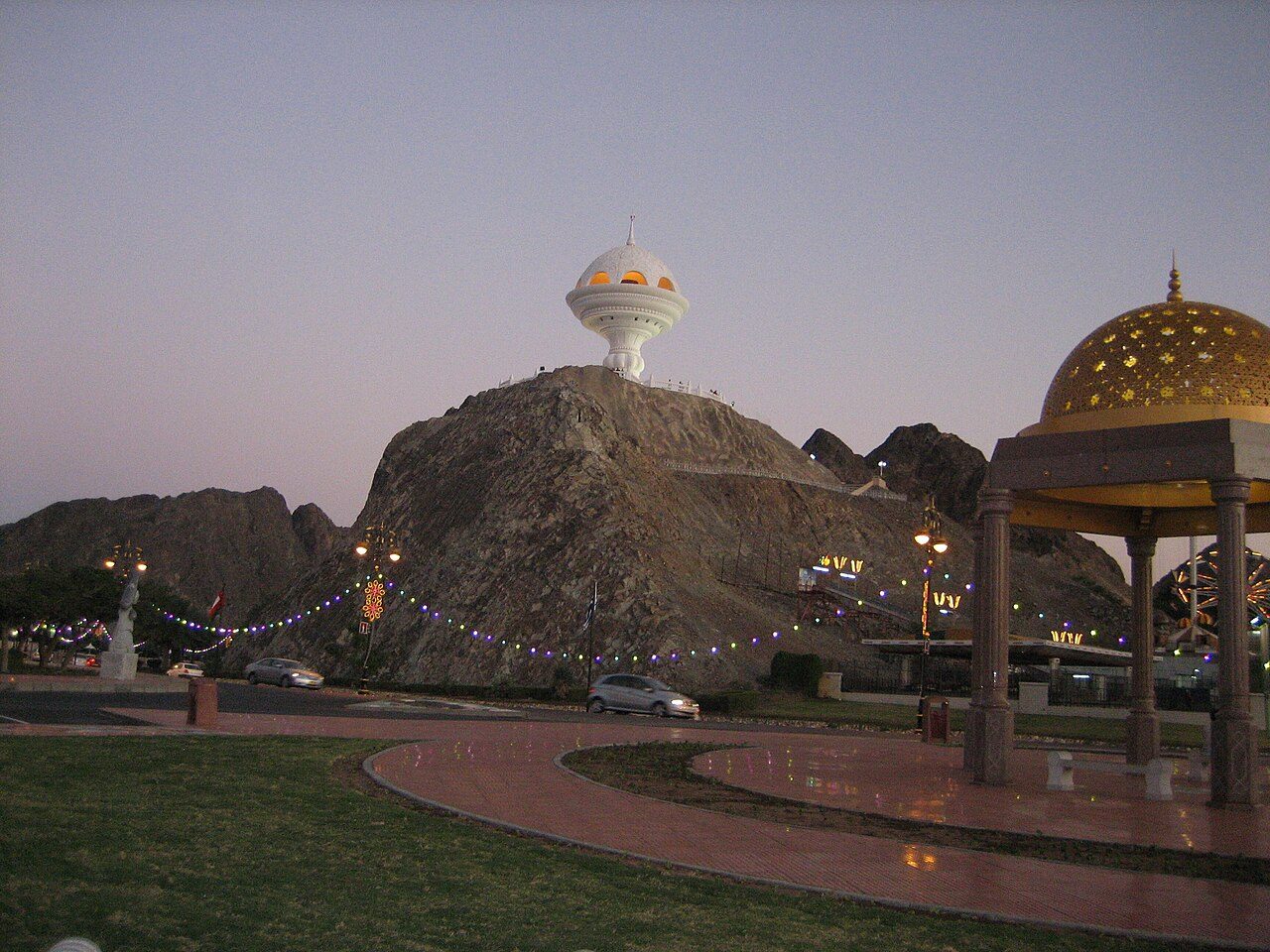
Riyam Park lies at the eastern end of Mutrah Corniche, between the sea and the mountains. It is known for the giant white incense burner monument on the hill above it, built to mark Oman's 20th National Day in 1990. The park has lawns, shady trees and a small amusement area, and is a favourite family place in the evenings. A hiking trail to Mutrah starts nearby.
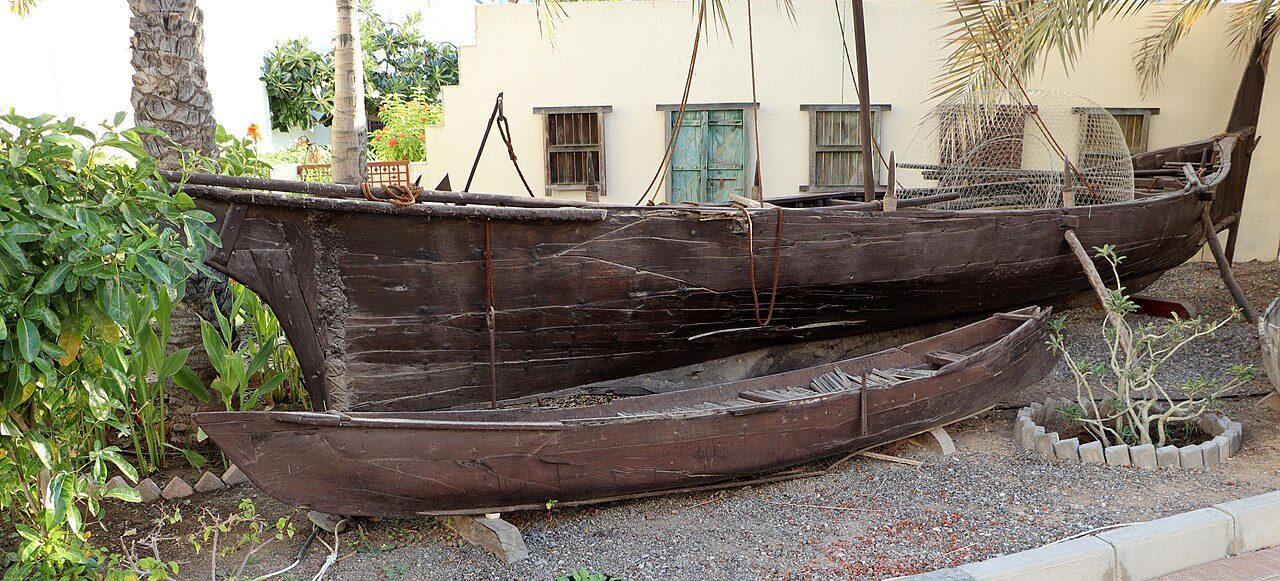
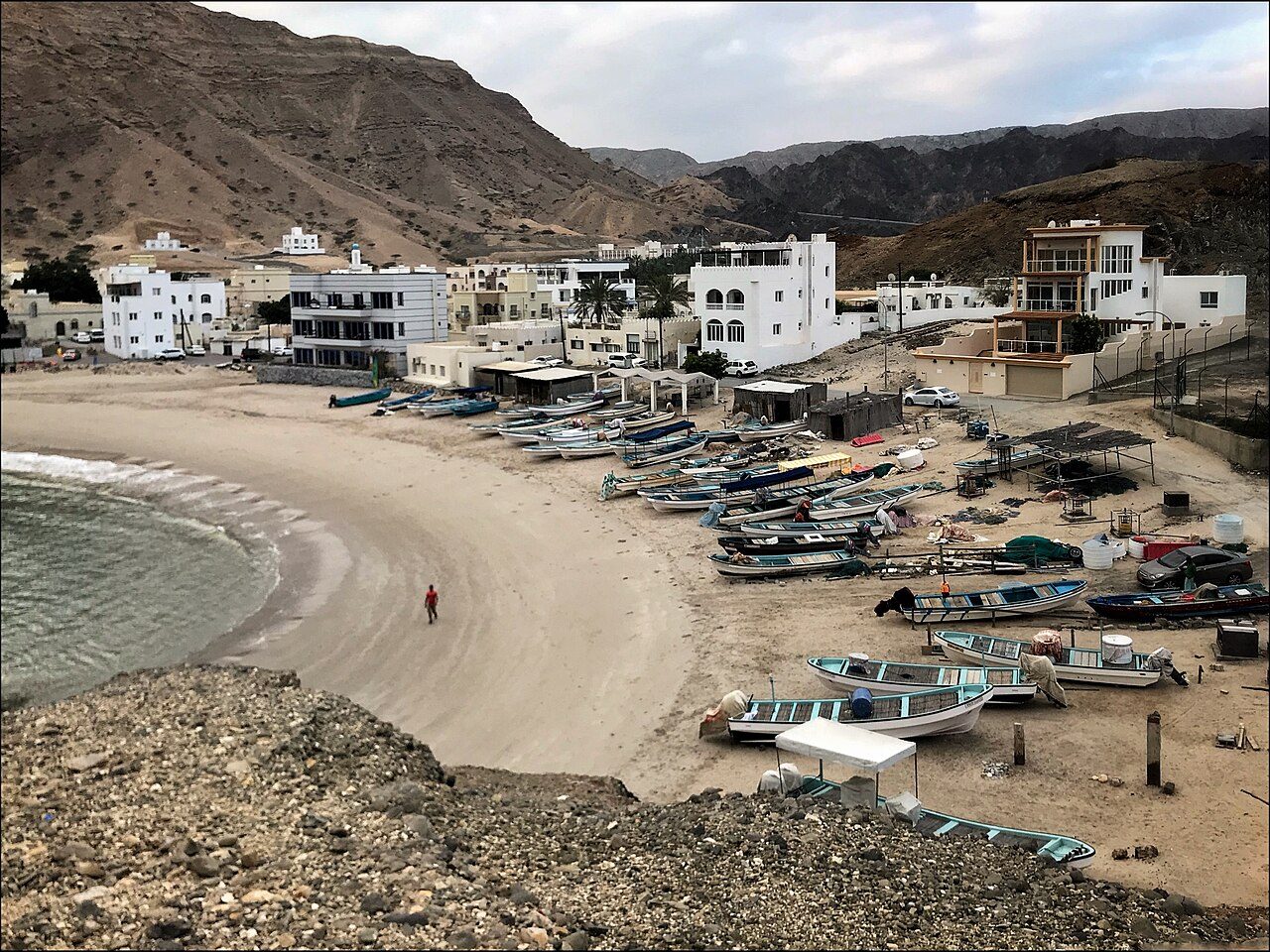
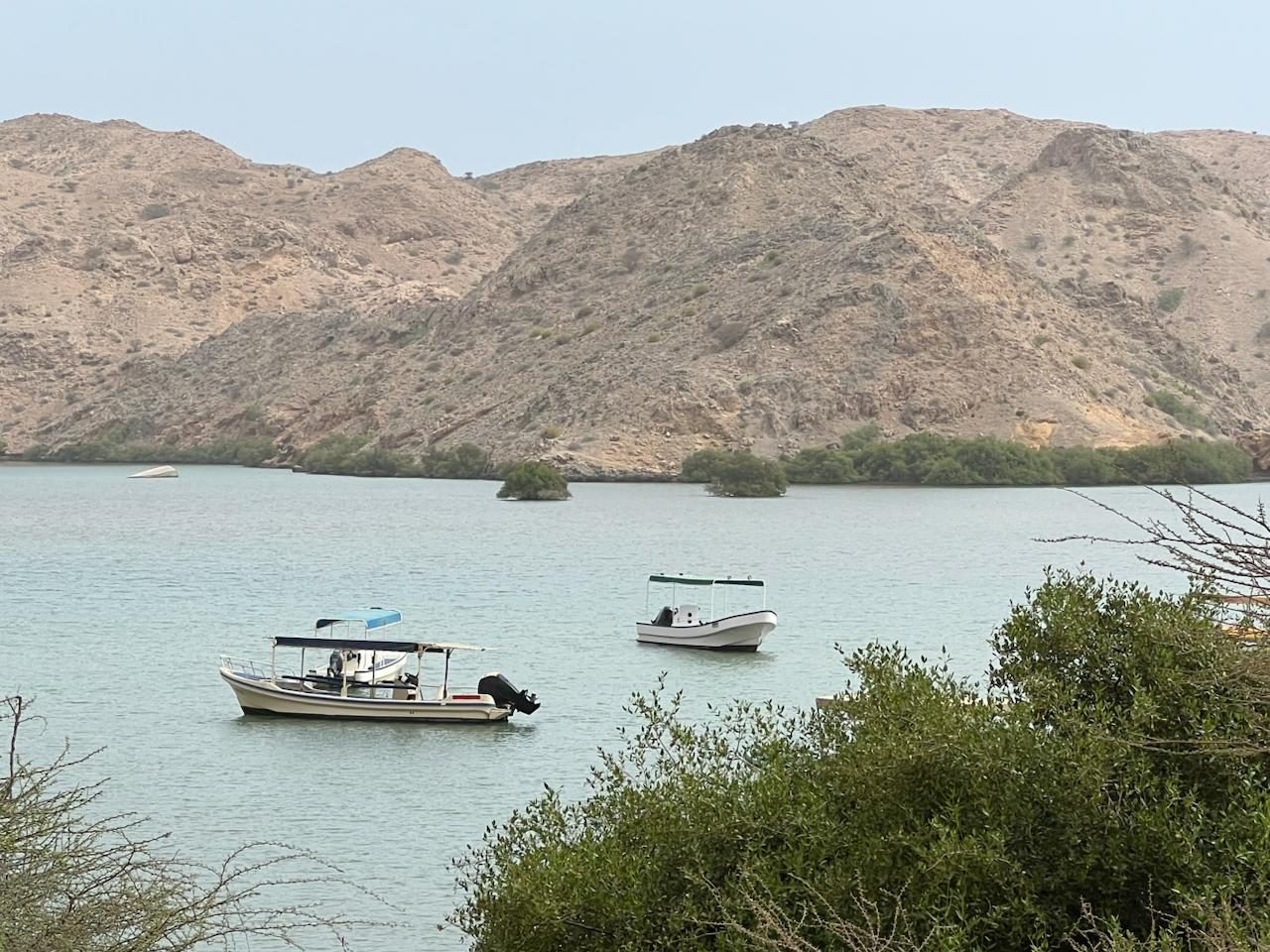
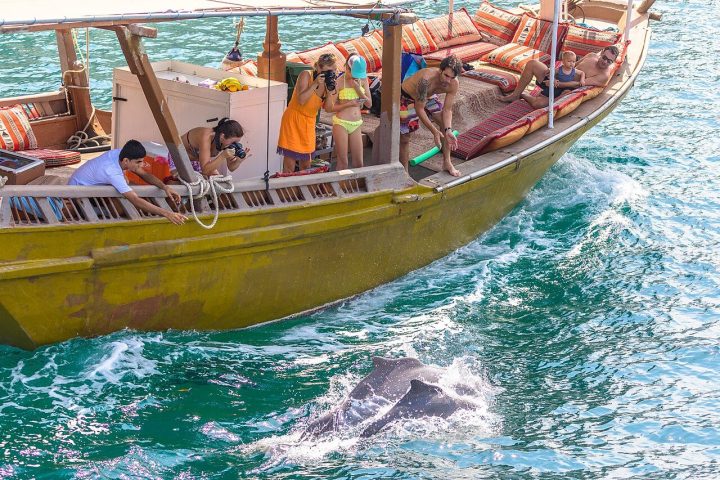
Qantab is a small fishing village in a cove between steep rocky hills, a short drive from Old Muscat. Its beach of sand and pebbles is lined with fishing boats. Local fishermen offer boat rides along the coast to see sea arches, hidden beaches and sometimes dolphins. The road down to the village gives fine views of the mountains meeting the Gulf of Oman.
13
STOP 13 OF 14
Bandar Al Khairan
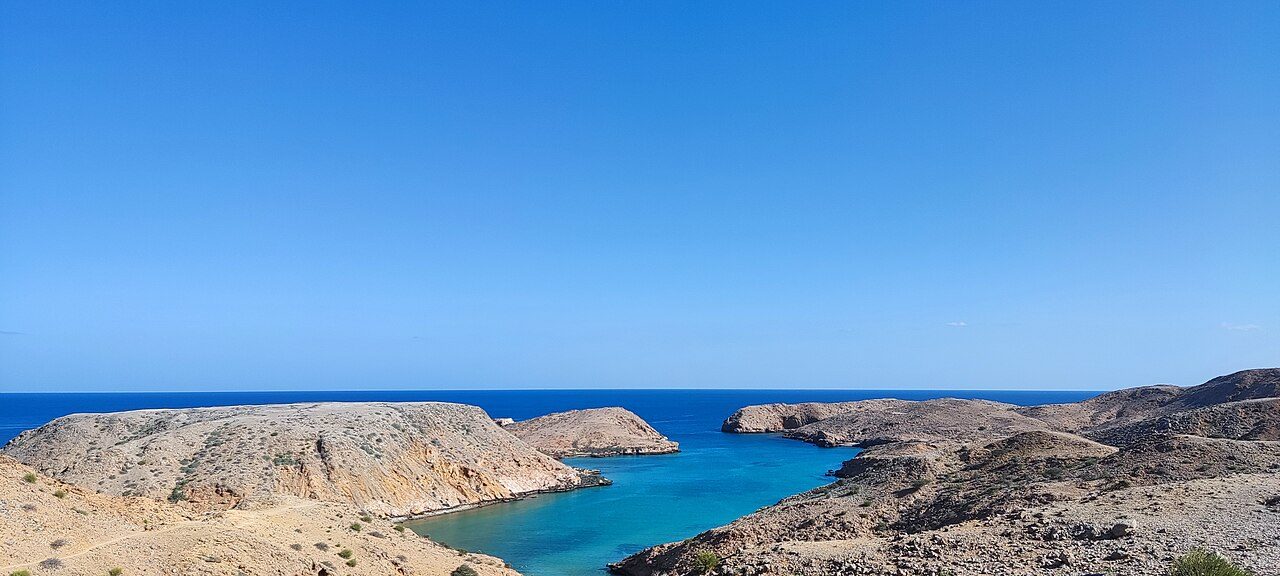
Bandar Al Khairan is a group of rocky bays and inlets on the coast southeast of Muscat. Bare brown hills drop into calm turquoise water, with small beaches that are mostly reached by boat. The clear, sheltered water has coral reefs and many fish, making it one of the best snorkelling and diving areas near the capital. A road viewpoint looks down over the bays.
14
STOP 14 OF 14 · LAST STOP
Yiti Beach
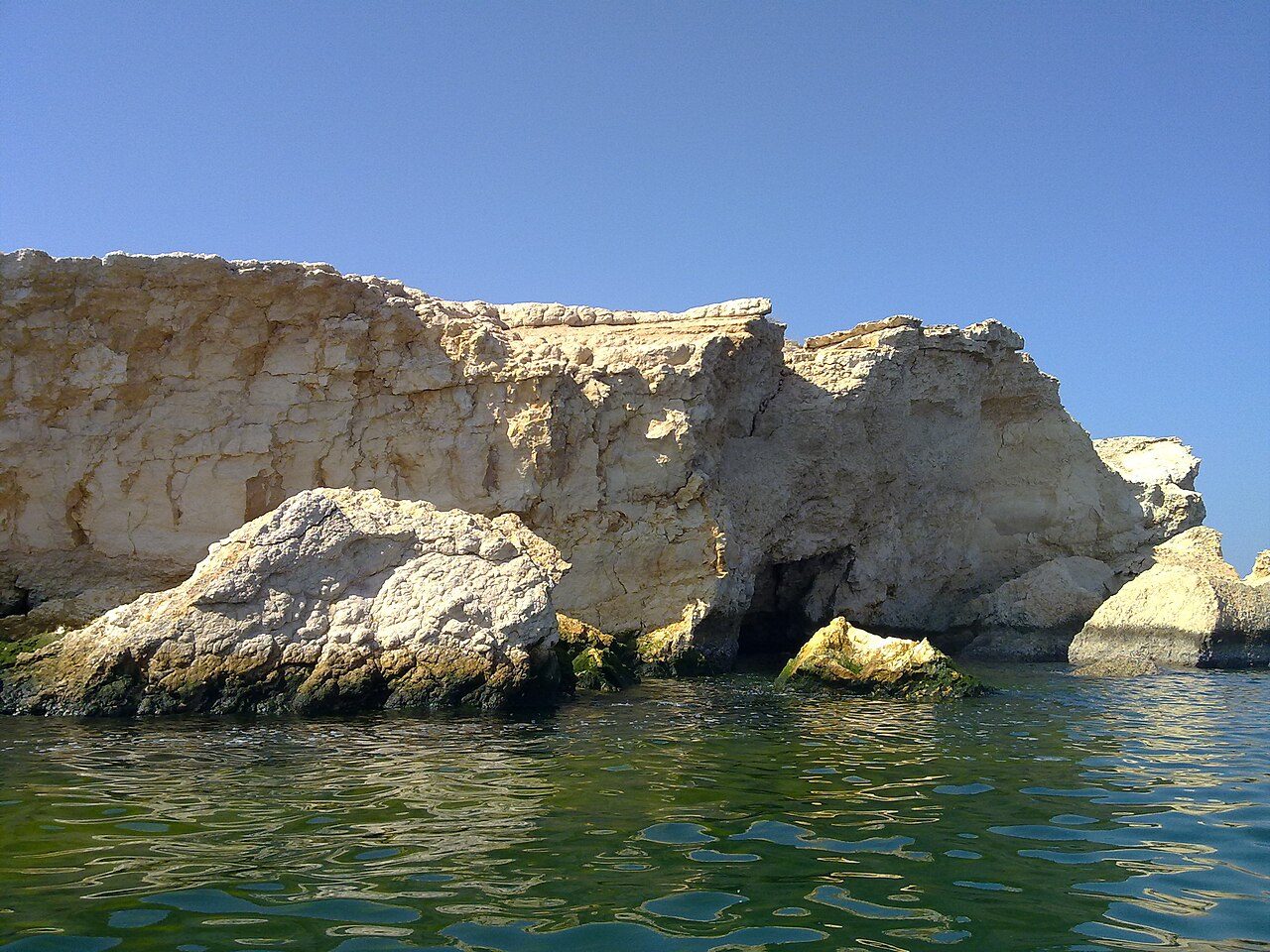
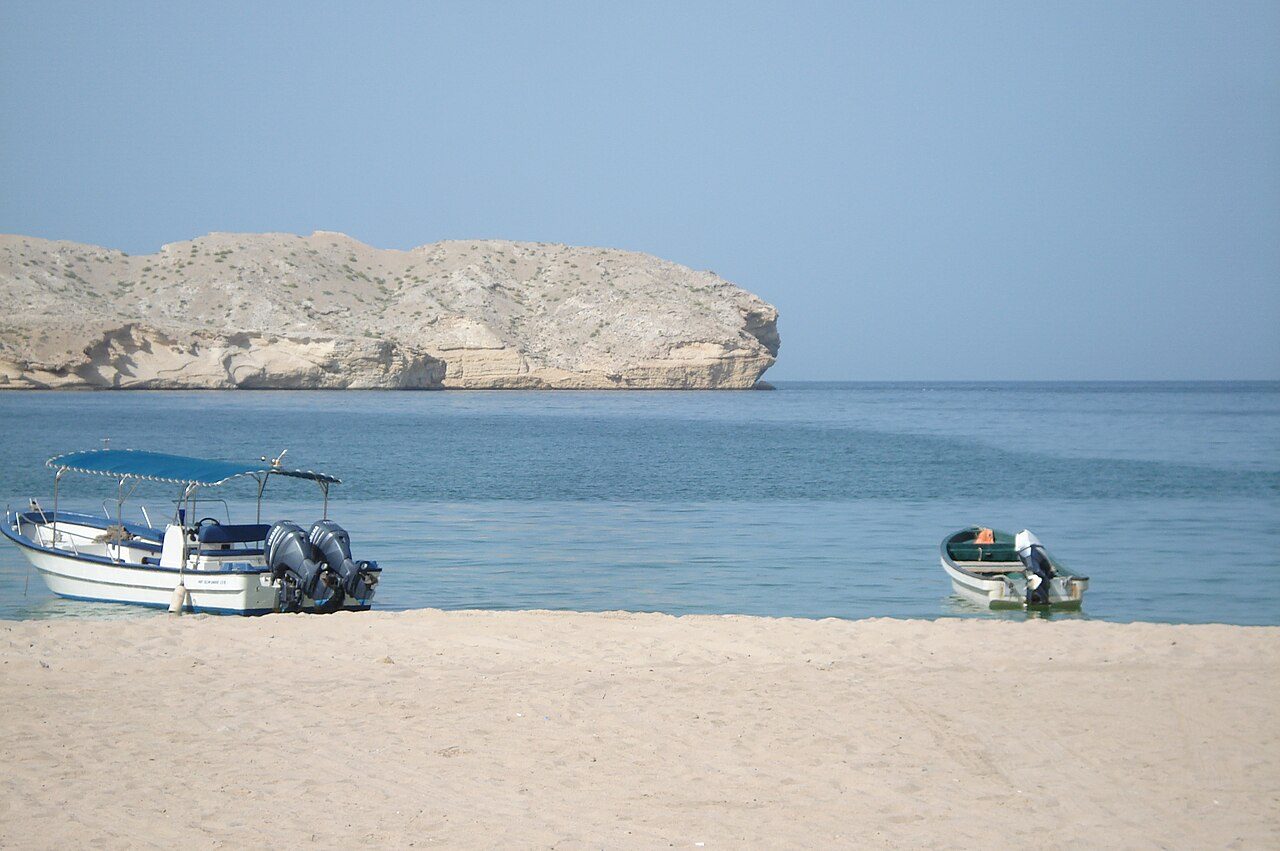
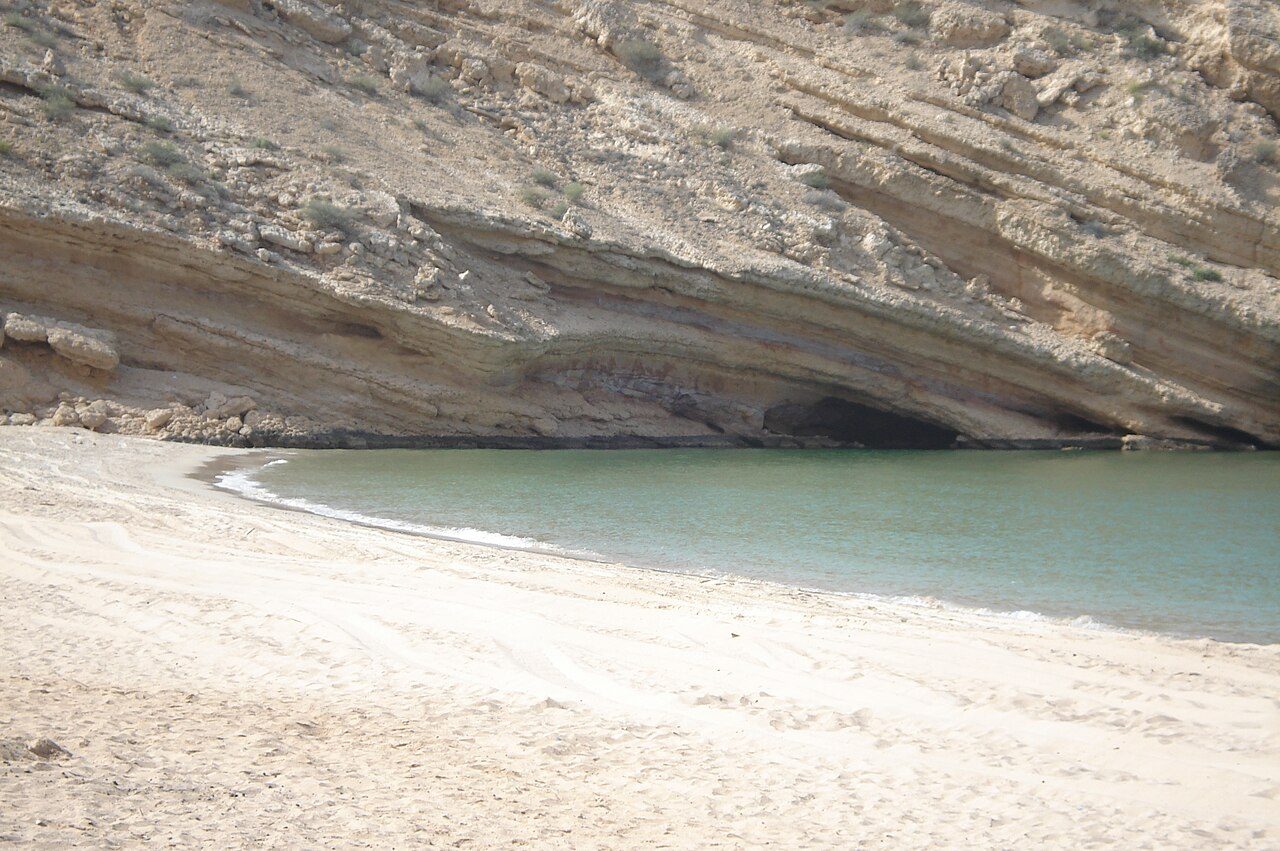
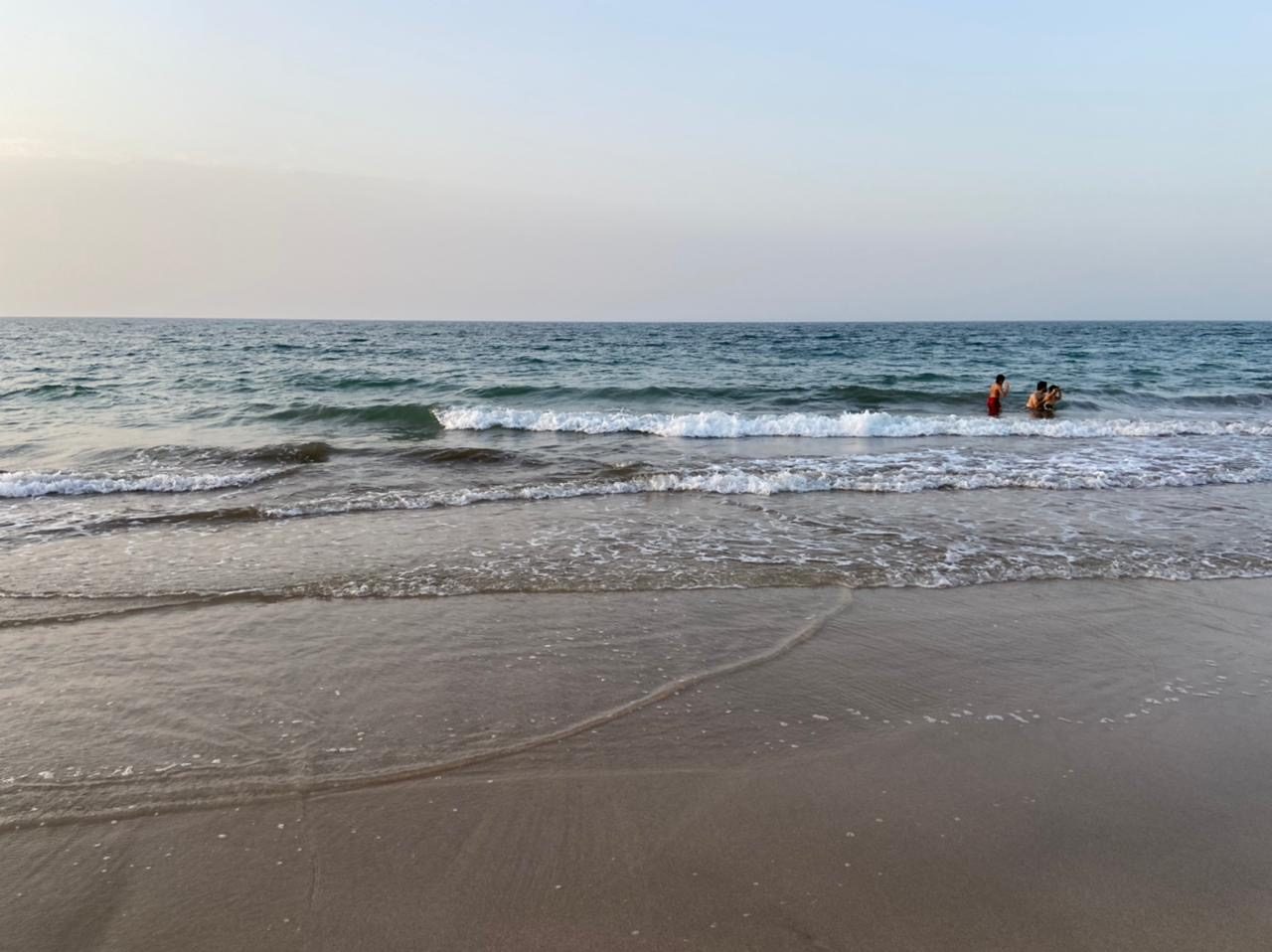
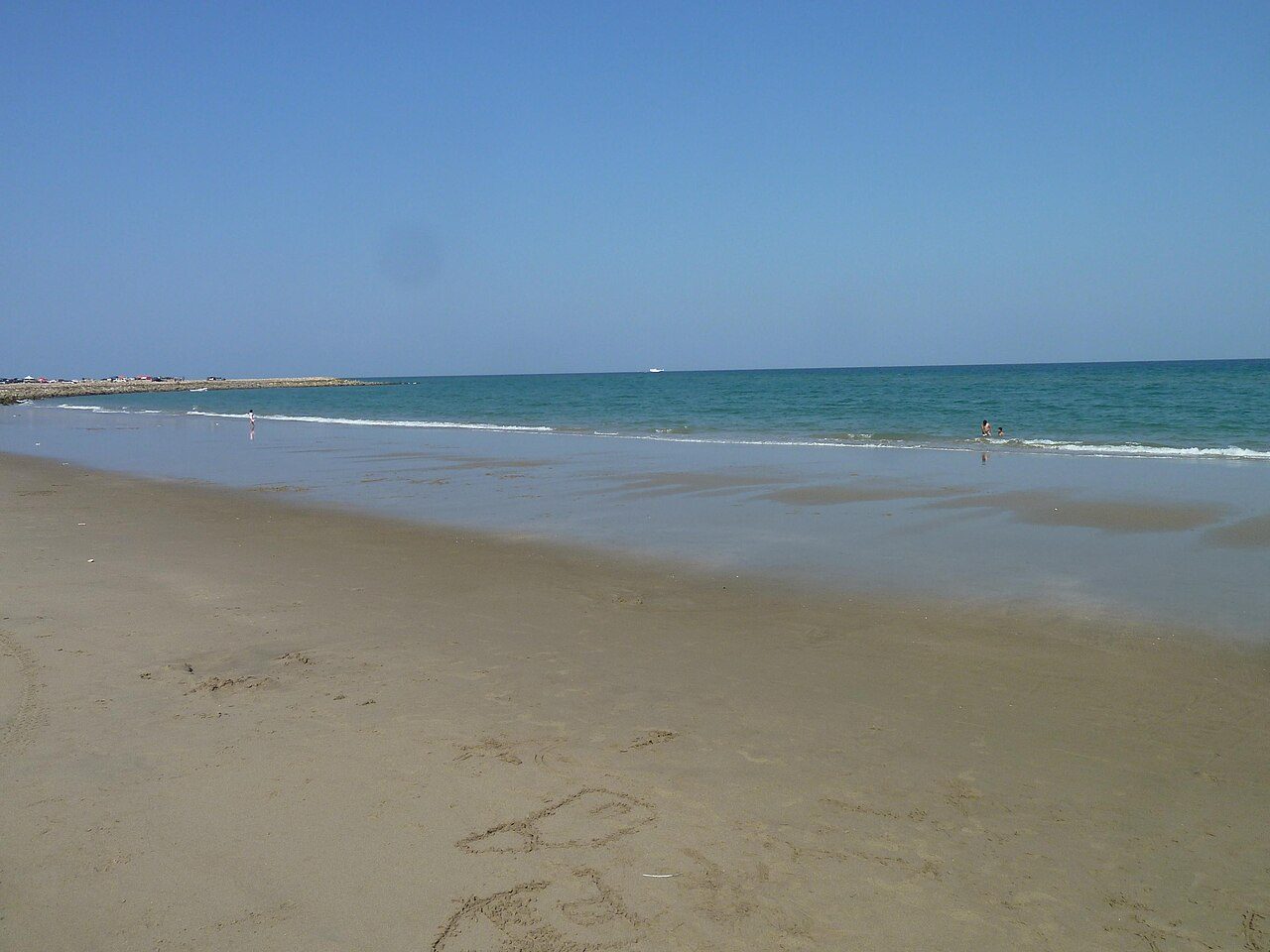
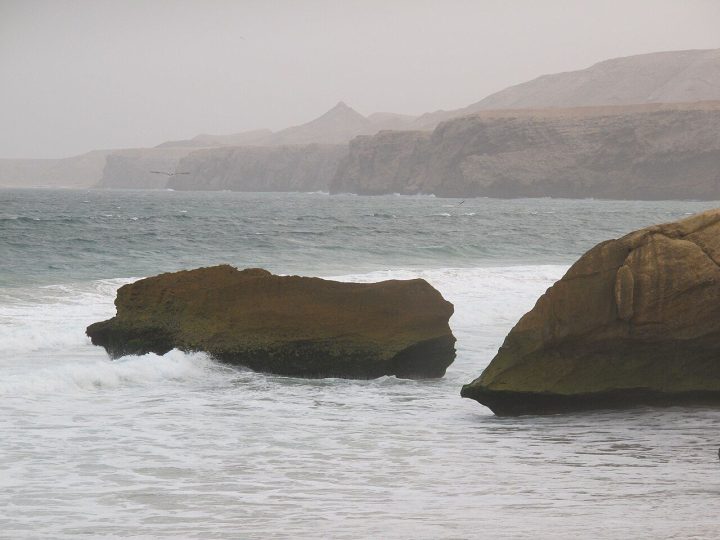
Yiti Beach lies about 25 kilometres southeast of Muscat, reached by a winding mountain road. It is a wide bay of sand backed by rugged cliffs, with a lagoon at one end. For years it has been a favourite place for picnics and camping away from the city. Rock stacks stand in the shallow water, and fishermen from the nearby village still launch their boats here.
Seasons from 20 years of NASA POWER climate data.
 WaTrips