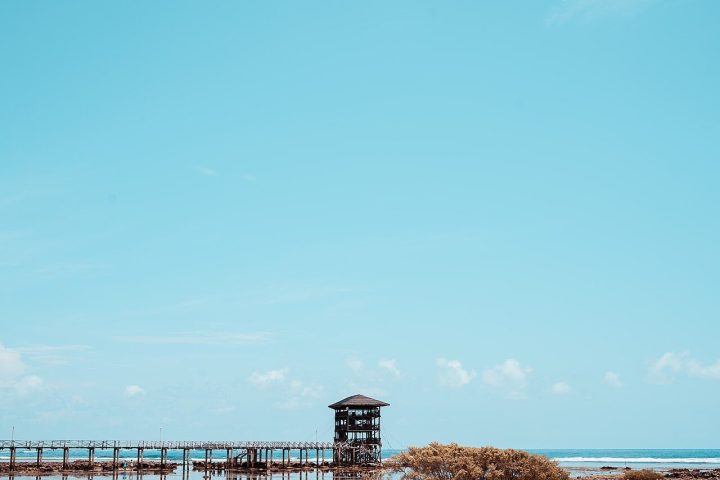
Intramuros, Tagaytay and Taal, Cebu's history and Kawasan Falls, Bohol's tarsiers and Chocolate Hills, the Underground River, El Nido, Coron and Boracay.
The Philippines has more than 7,000 islands, and ten days lets you sample the best. Start in Manila's walled Intramuros, then look down on Taal Volcano from Tagaytay. Fly to Cebu for Magellan's Cross and the Santo Niño, and canyoneer to the turquoise Kawasan Falls. See the tiny tarsiers and the Chocolate Hills on Bohol. Fly to Palawan for the Underground River, the lagoons of El Nido and Coron's Kayangan Lake, and finish on Boracay's White Beach. December to May is dry; typhoons can strike from July to October.
01
STOP 1 OF 20
Fort Santiago
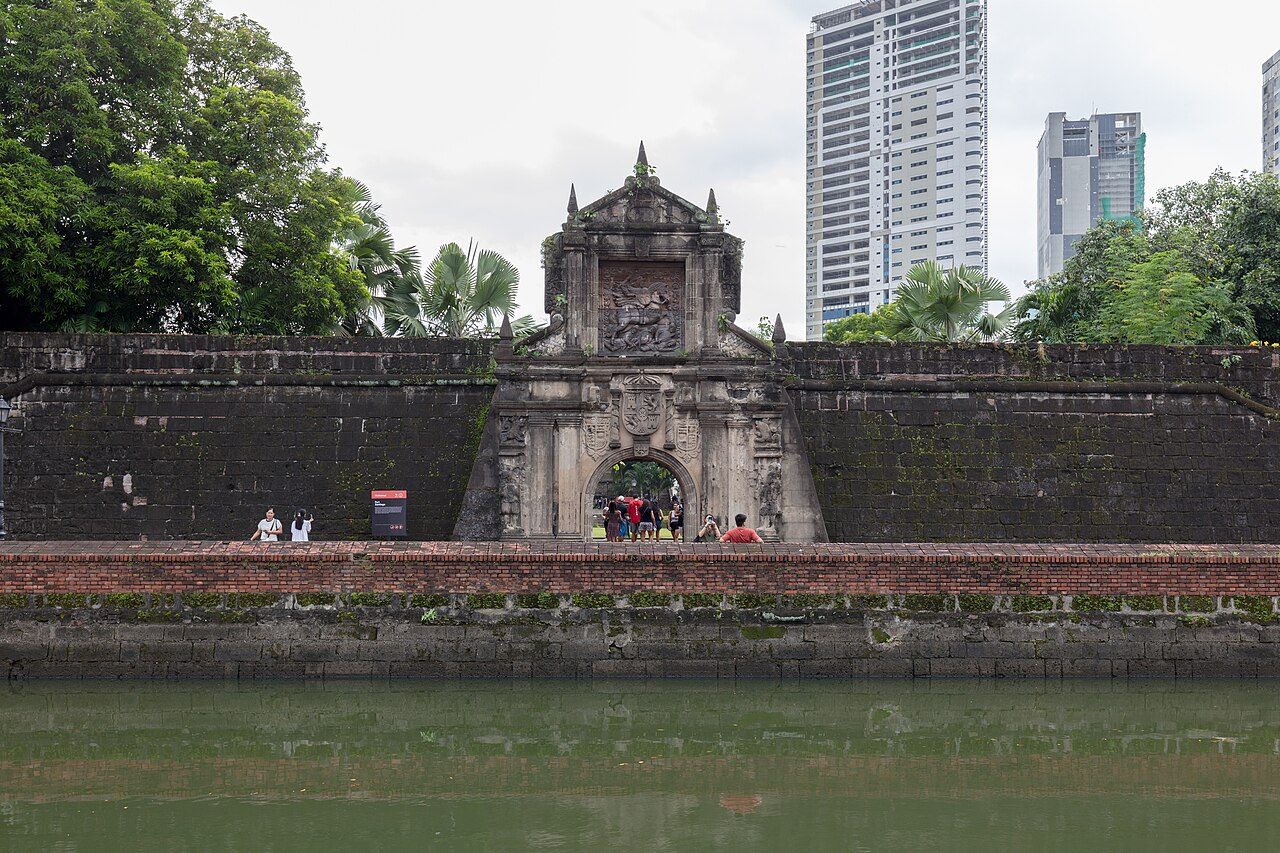
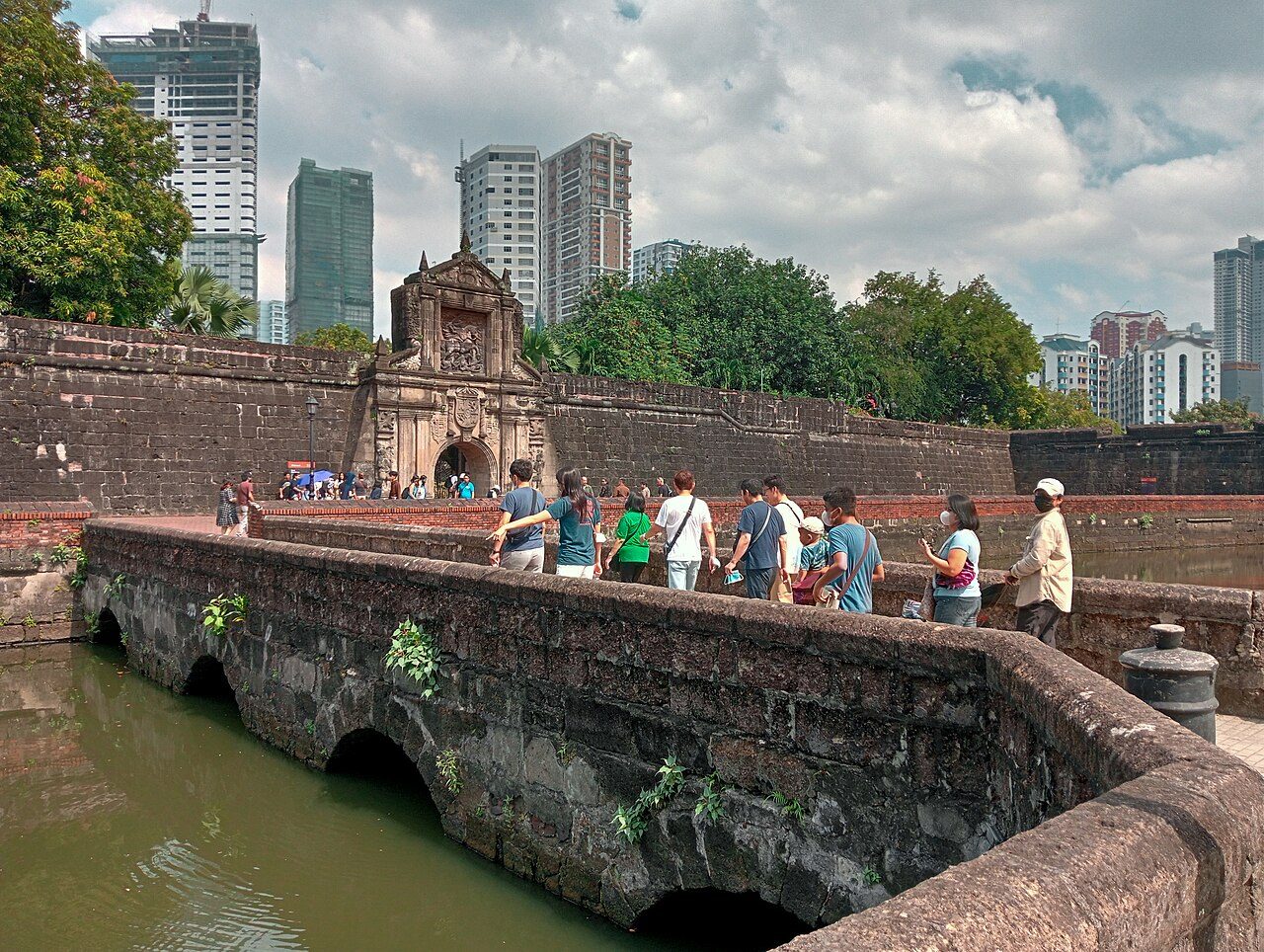
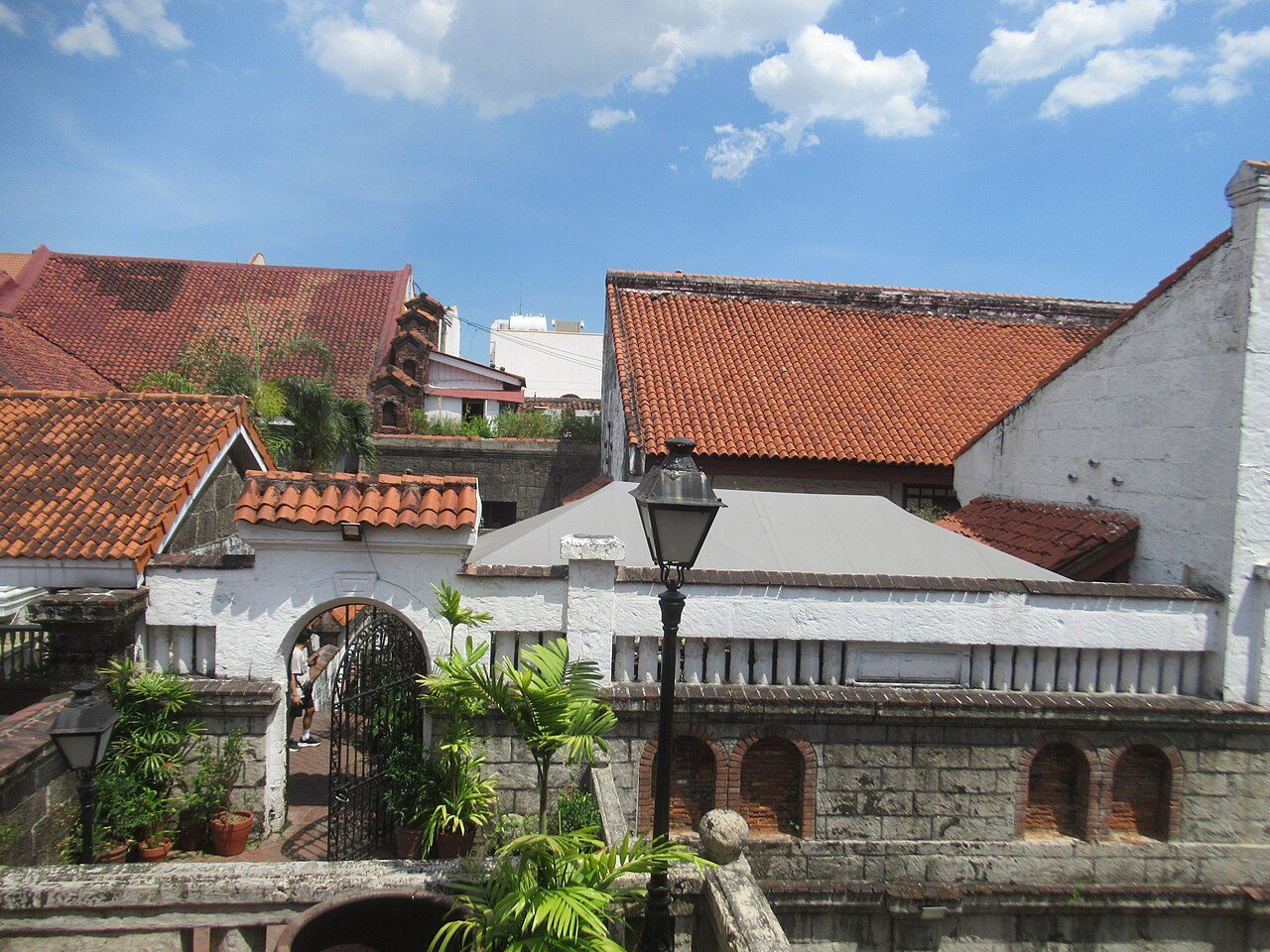
Fort Santiago is a Spanish-era citadel at the mouth of the Pasig River, guarding the walled city of Intramuros. It was built of stone in the late 1500s and later used as a prison. National hero Jose Rizal was held here before his execution in 1896, and a shrine and museum mark his final days. Brass footprints trace his last walk. Visit late afternoon for cooler air and river views.
02
STOP 2 OF 20
San Agustin Church Manila
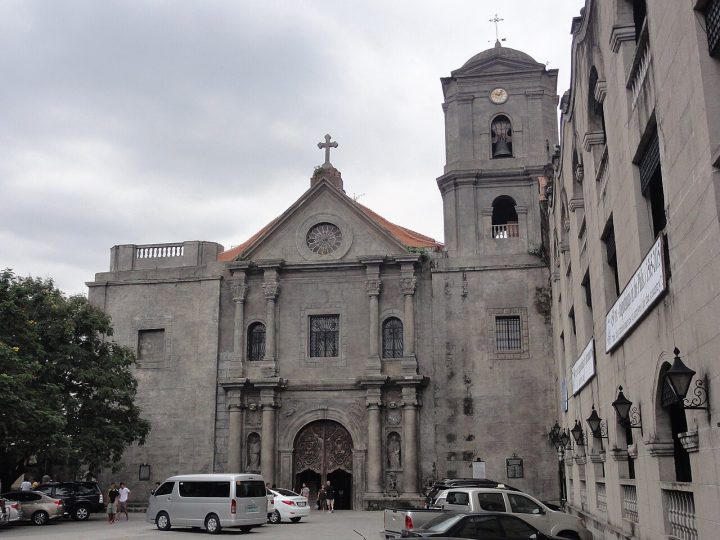
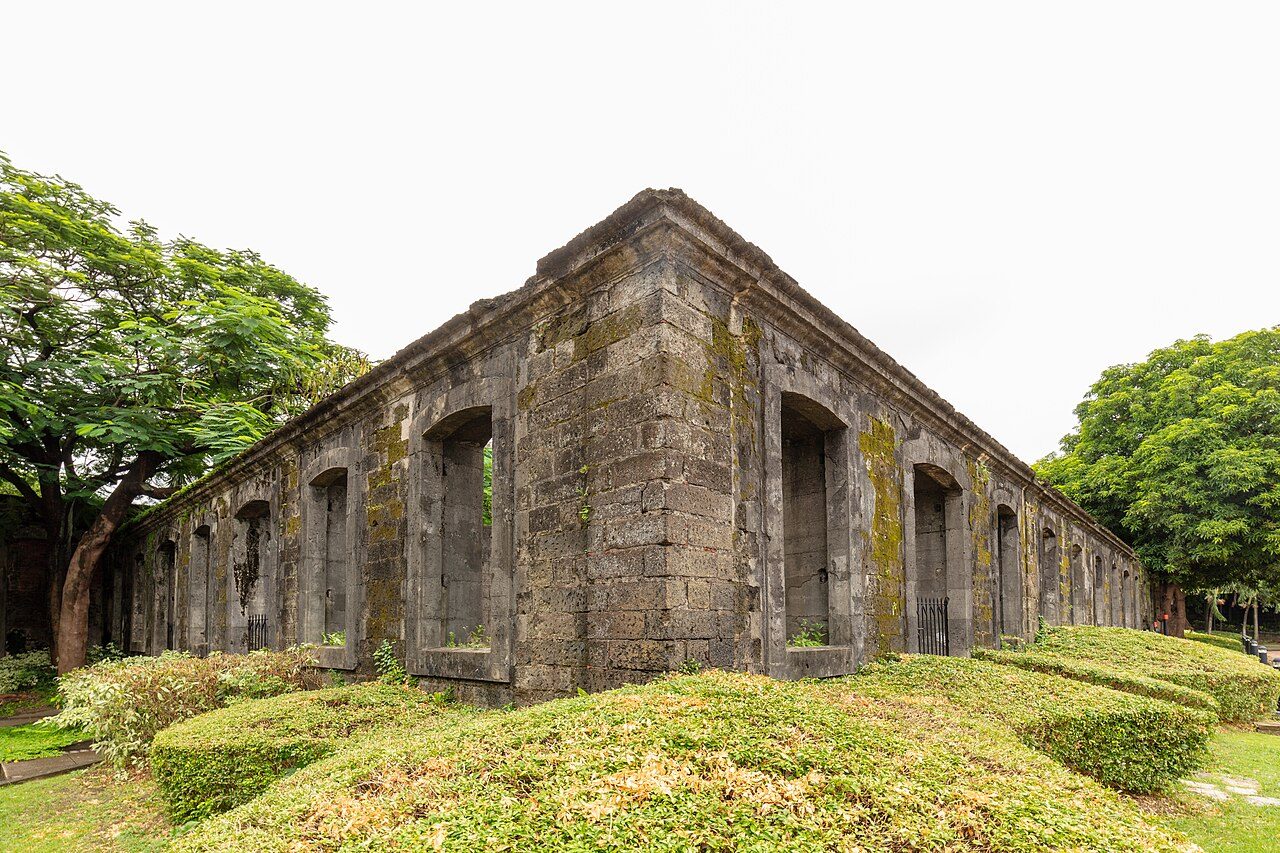
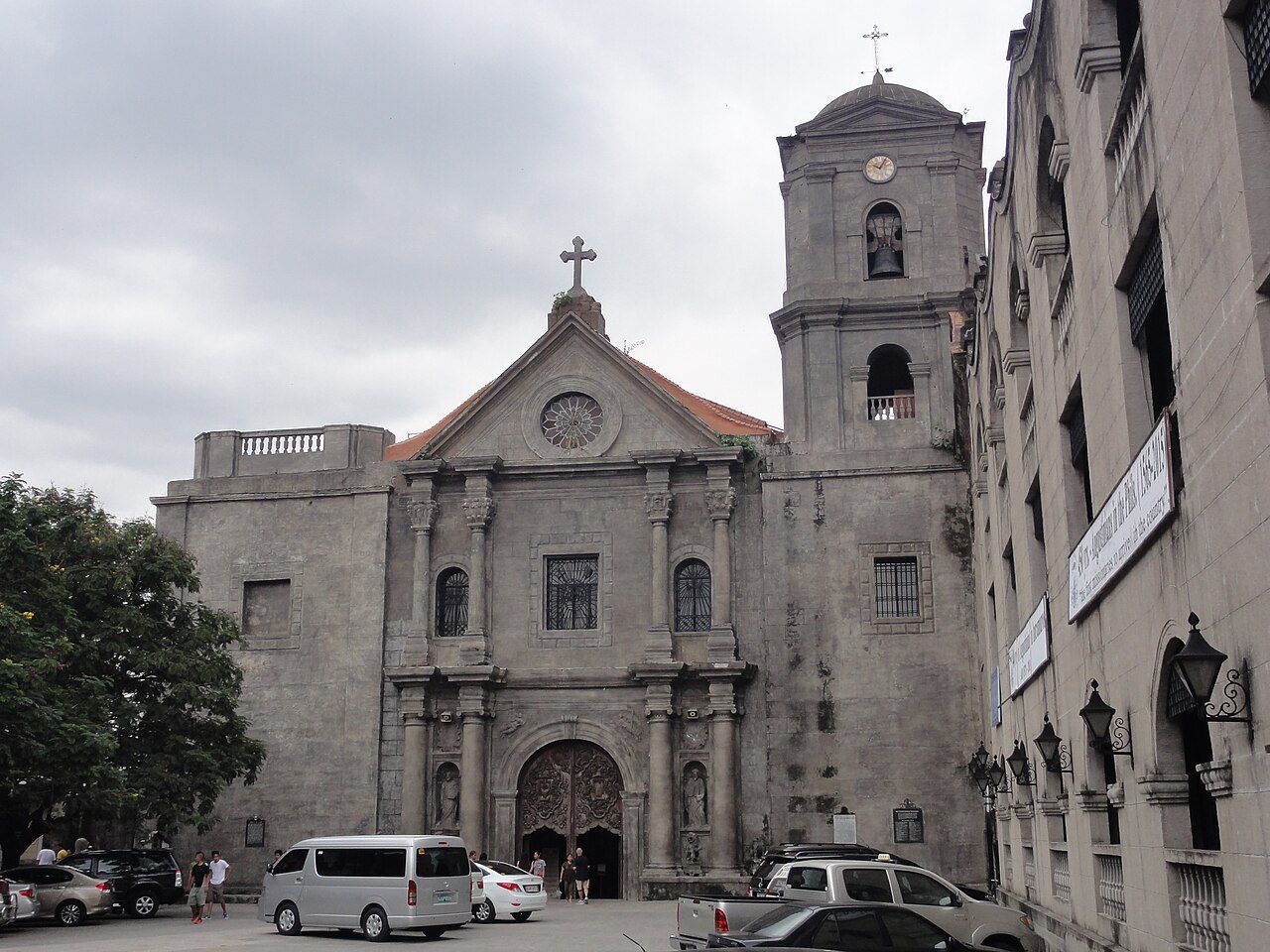
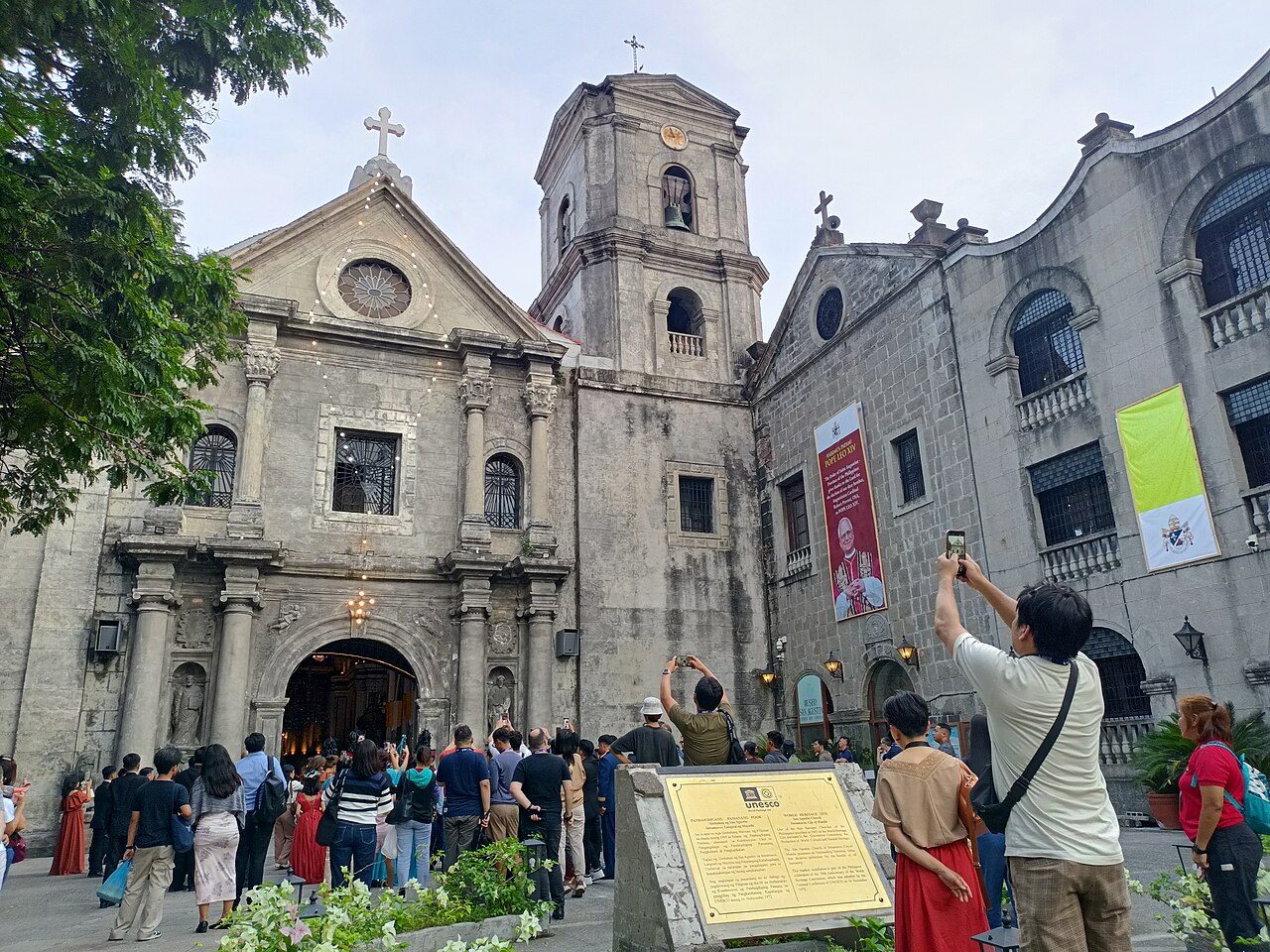
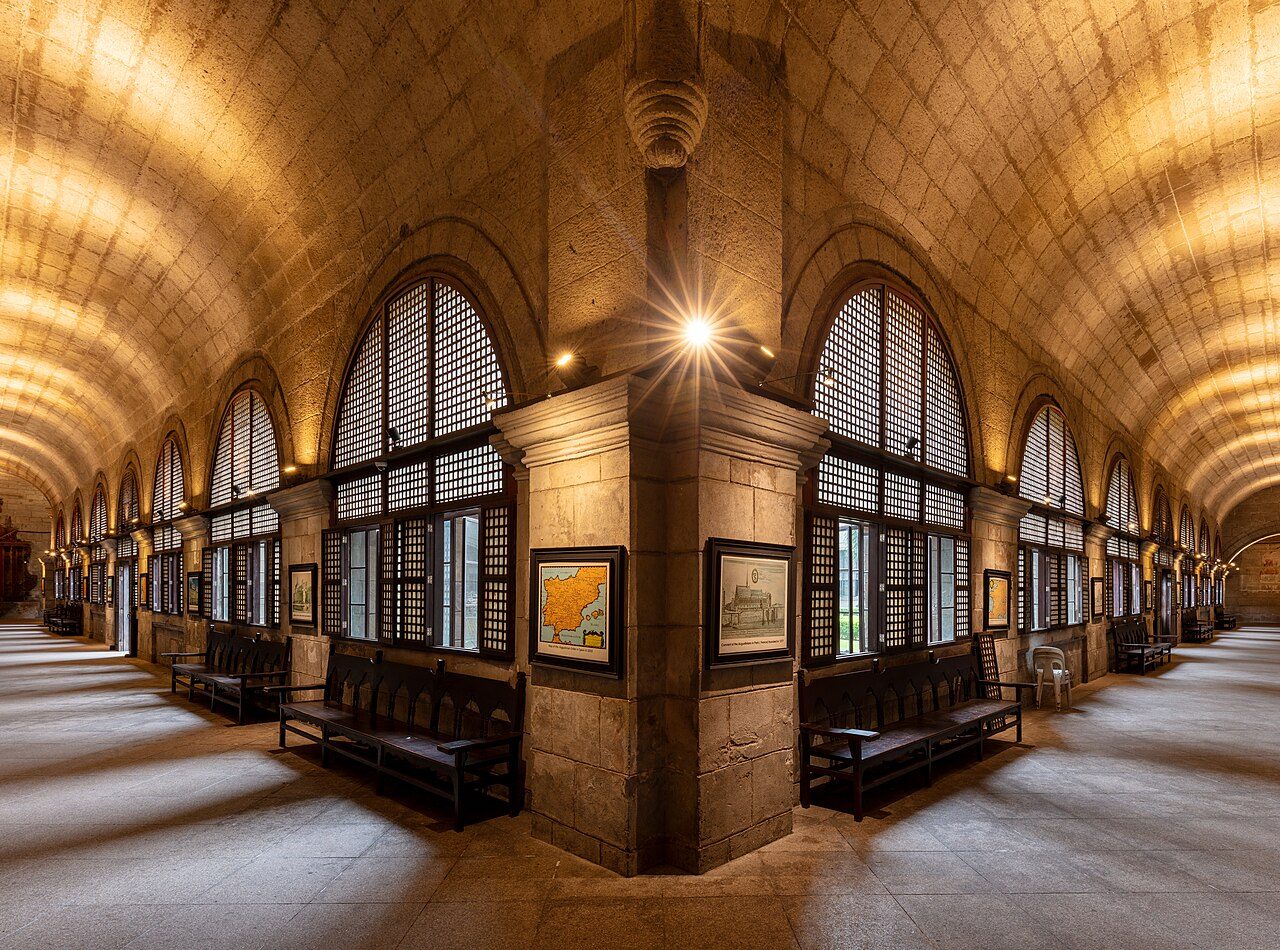
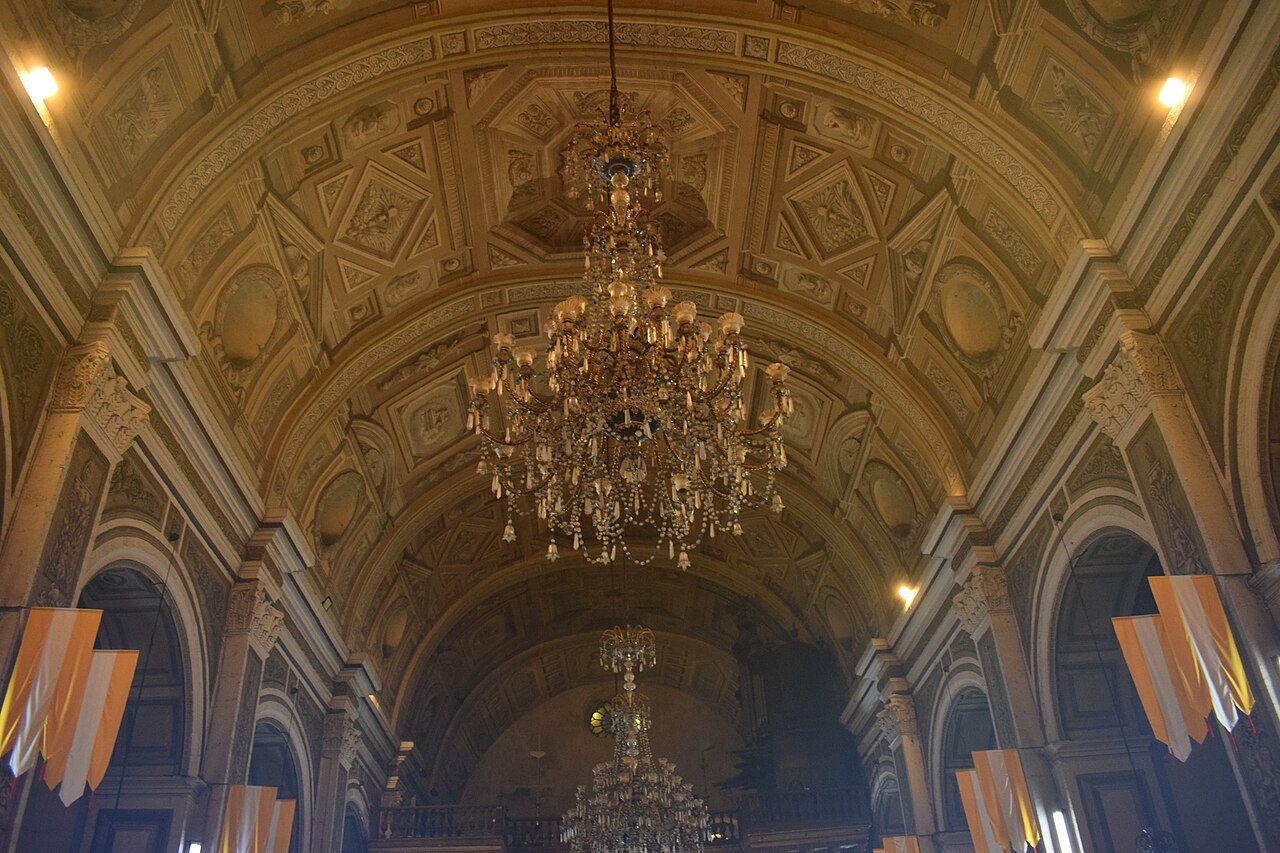
San Agustin Church in Intramuros is the oldest stone church in the Philippines, completed in 1607. It survived earthquakes and the destruction of Manila in 1945, and is one of four Baroque churches inscribed together as a UNESCO World Heritage Site. Its interior features trompe-l'oeil painted ceilings. The adjoining monastery museum holds religious art, vestments and a peaceful cloister.
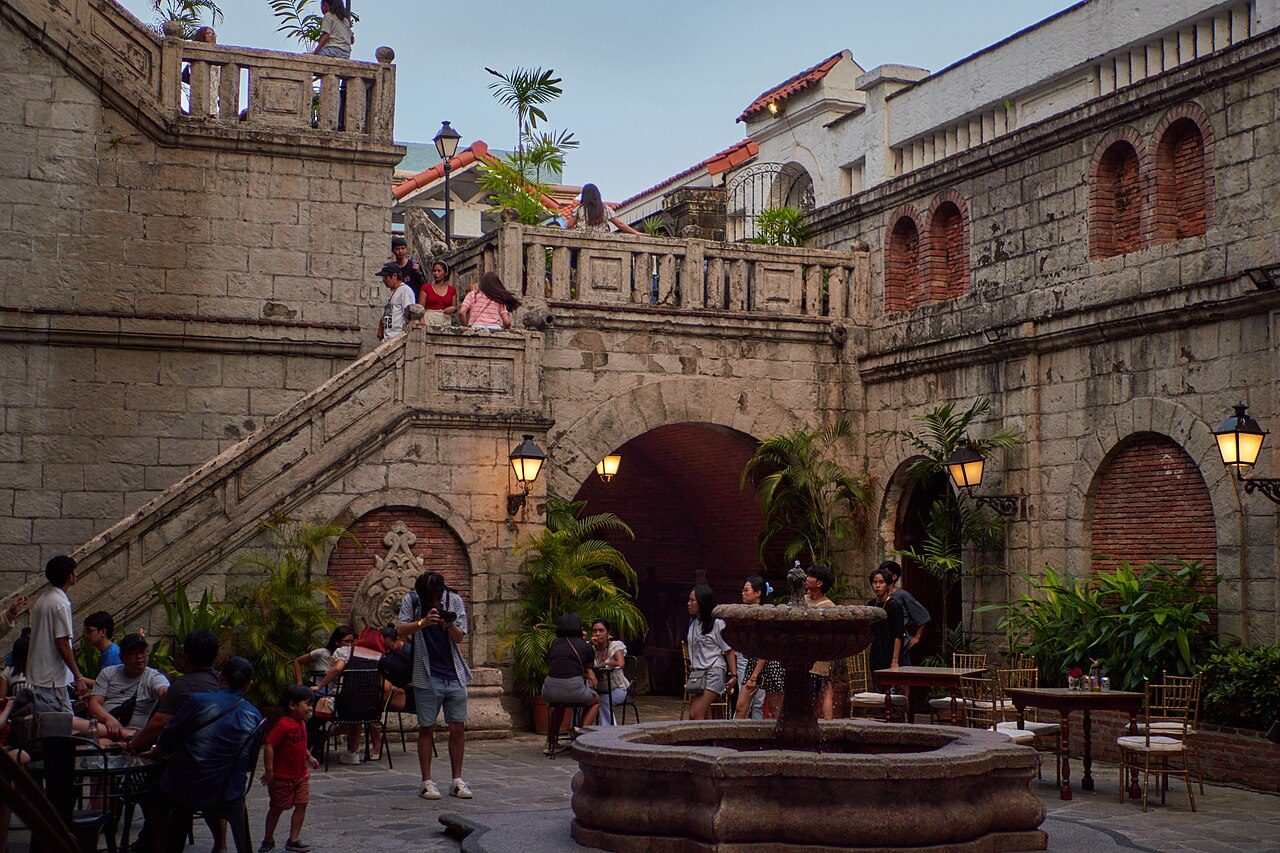
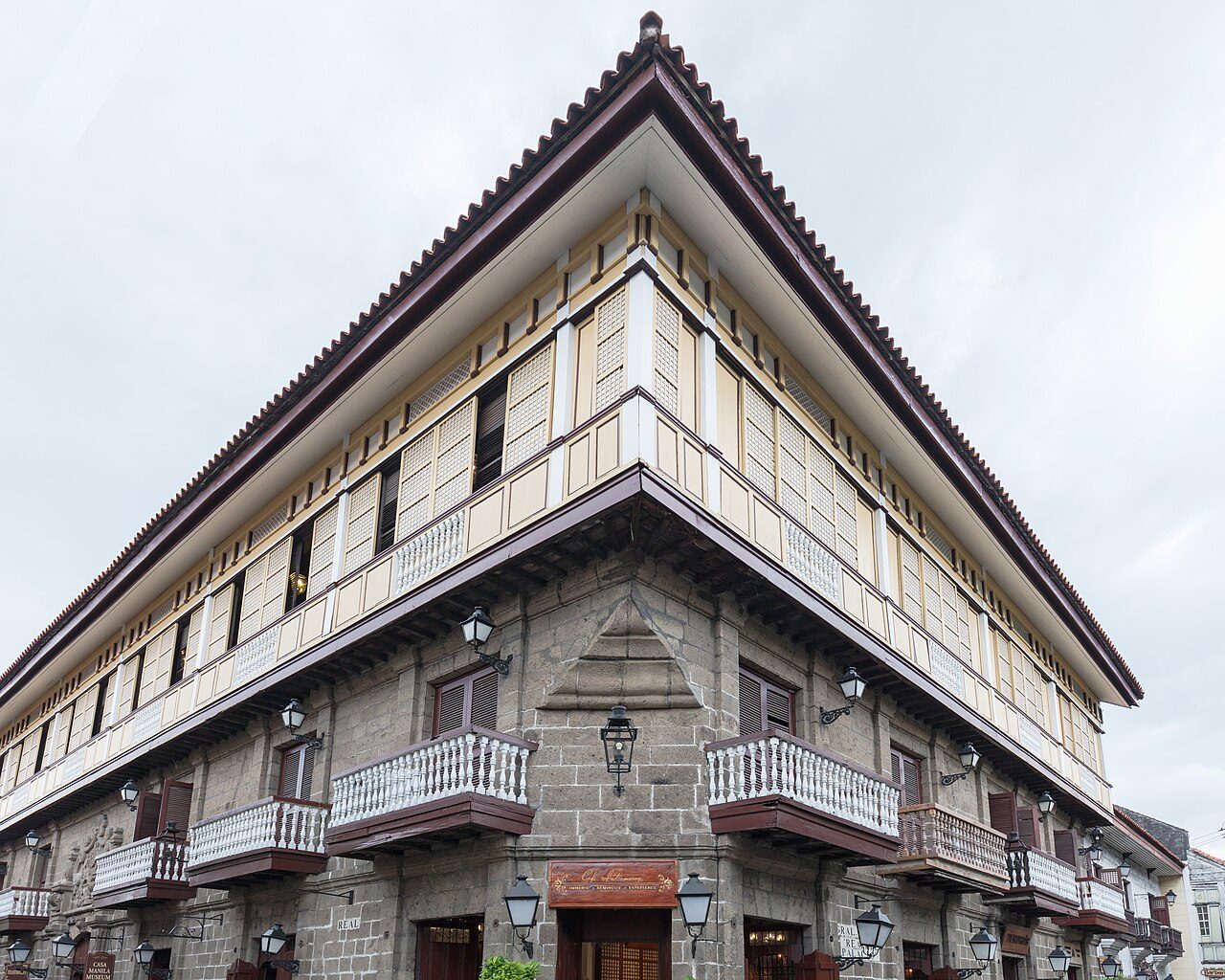
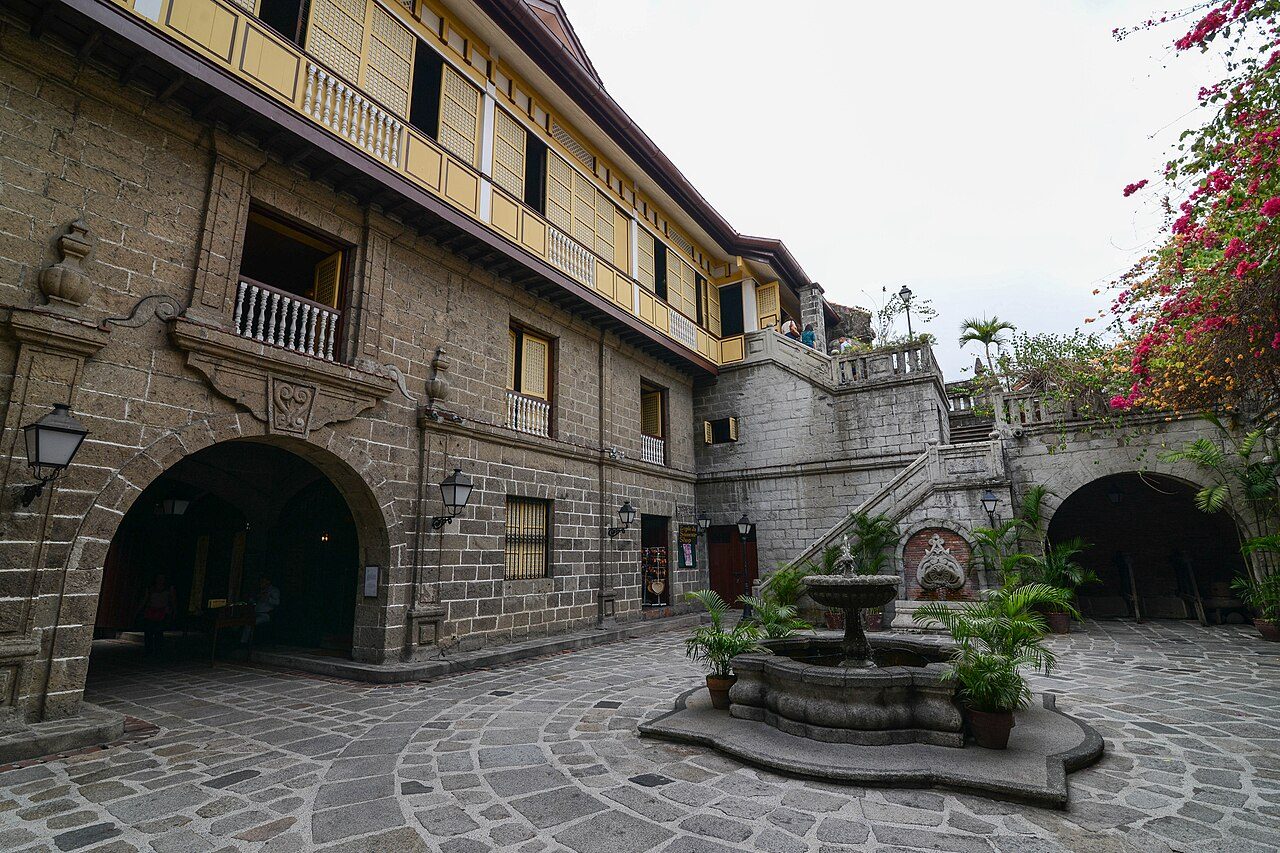
Casa Manila is a museum house in Intramuros that recreates the home of a wealthy family in the Spanish colonial era. It is a reconstruction based on a 19th-century house, furnished with antique furniture, chandeliers and household items. A courtyard with a fountain sits at its heart. It gives a vivid picture of upper-class domestic life in old Manila, just opposite San Agustin Church.
04
STOP 4 OF 20
Manila Cathedral
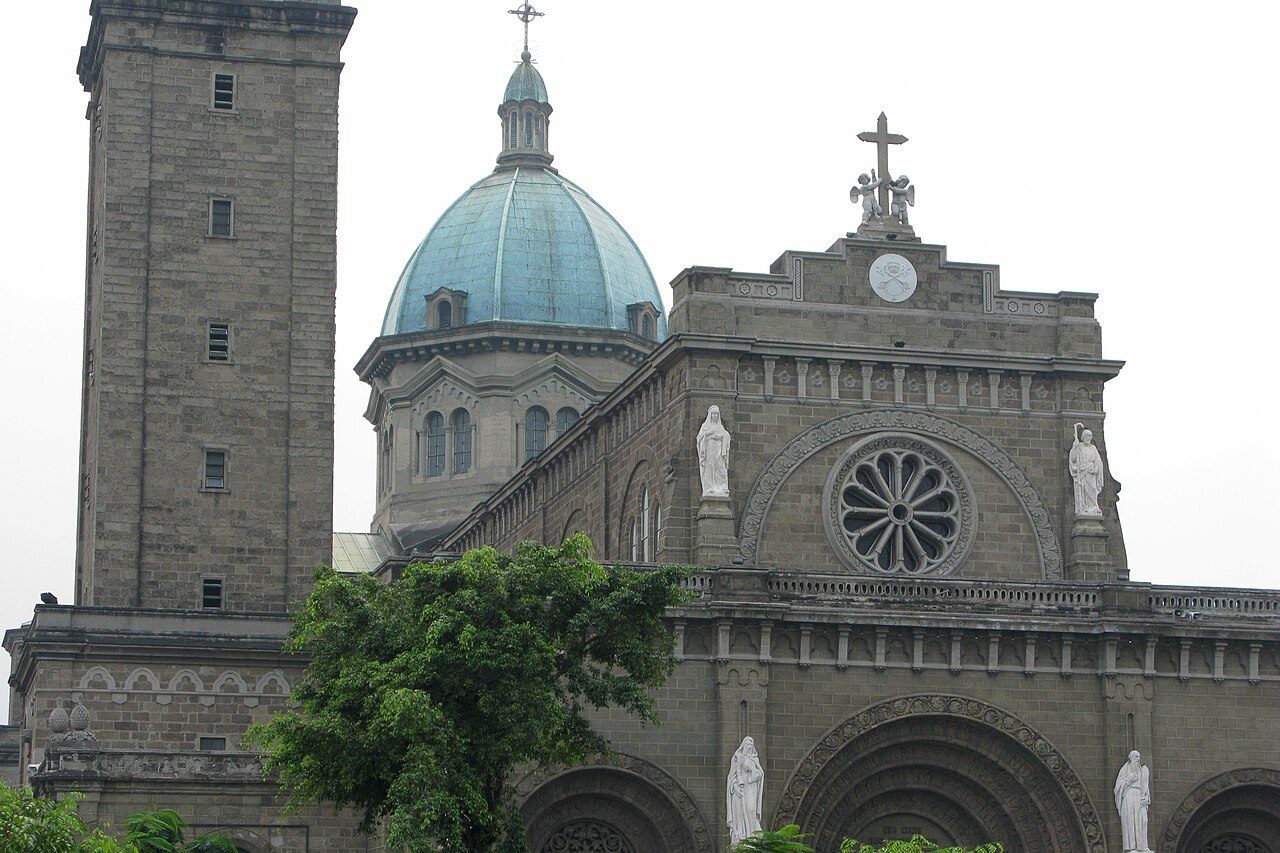
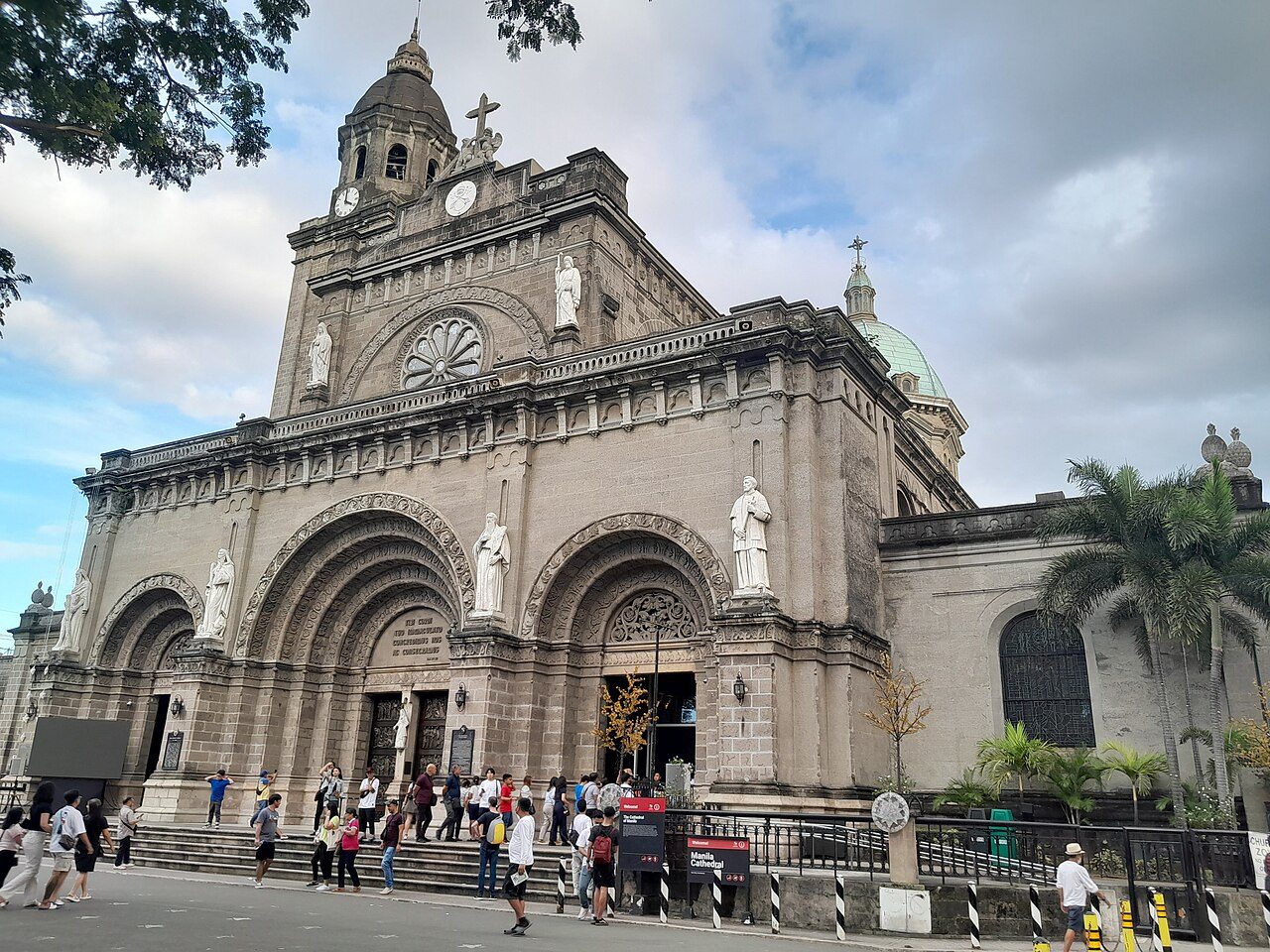
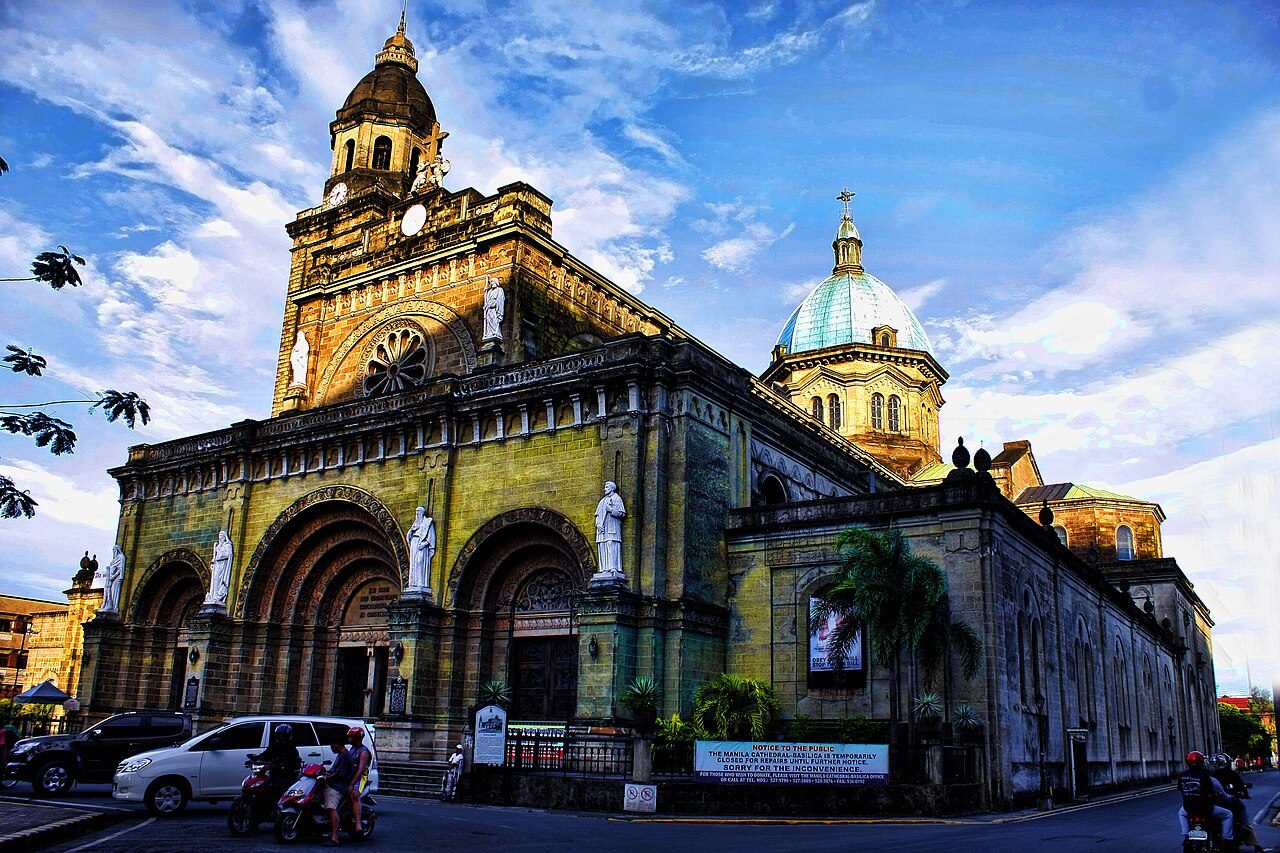
Manila Cathedral is the seat of the Archdiocese of Manila and stands on Plaza de Roma in Intramuros. The present Romanesque Revival building was completed in 1958, after earlier churches on the site were destroyed by fire, earthquakes and war. Its bronze doors, stained glass windows and large pipe organ are highlights. The cathedral is open daily, and visitors should dress modestly.
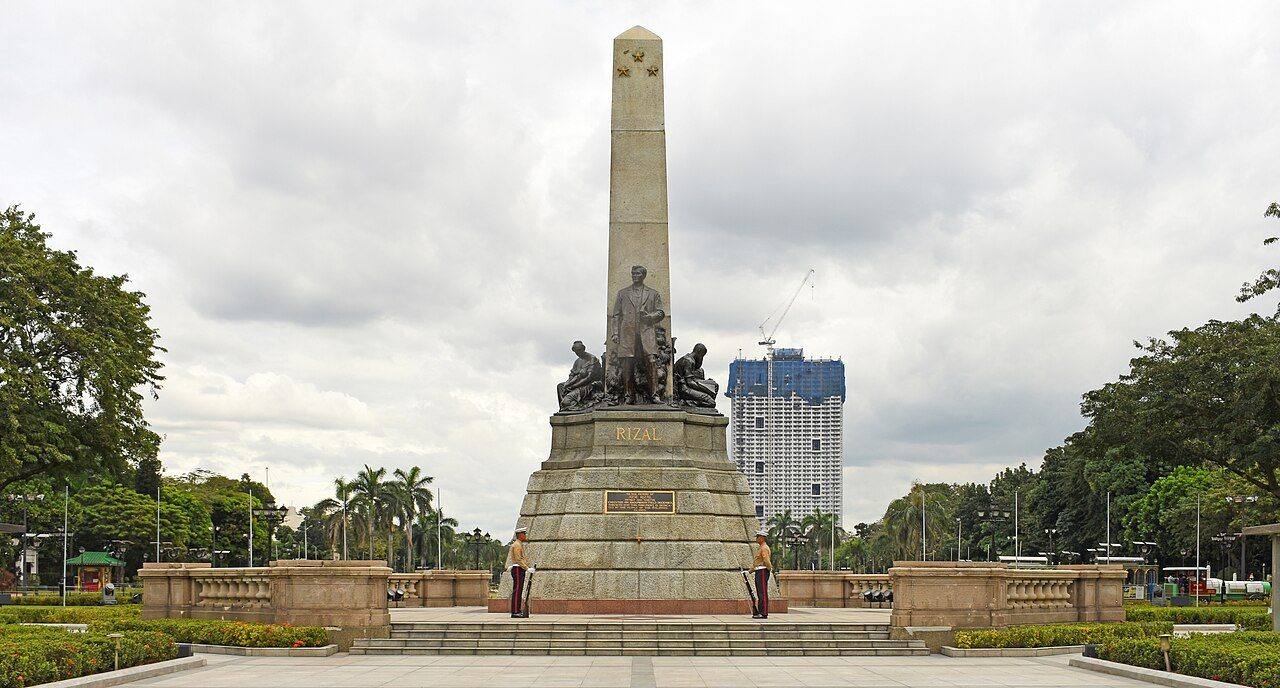
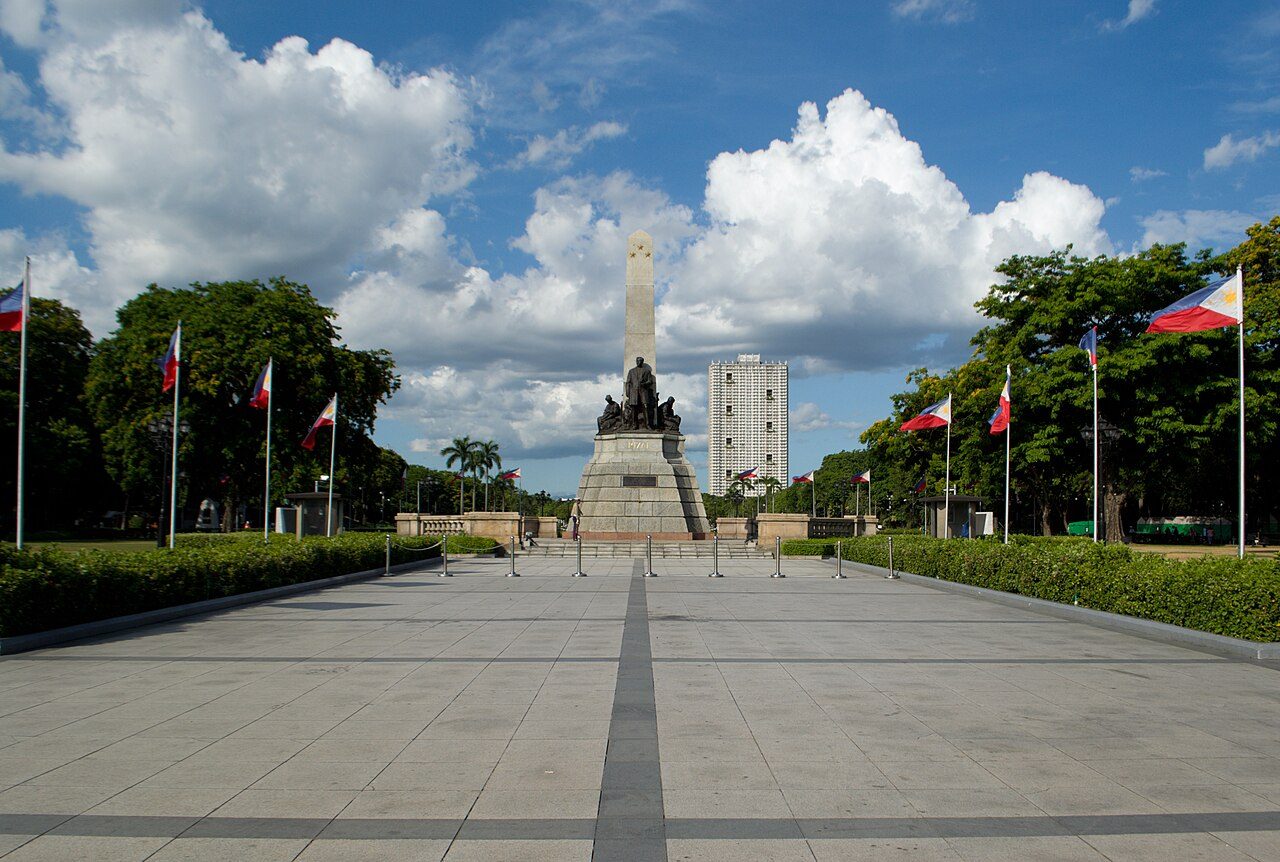
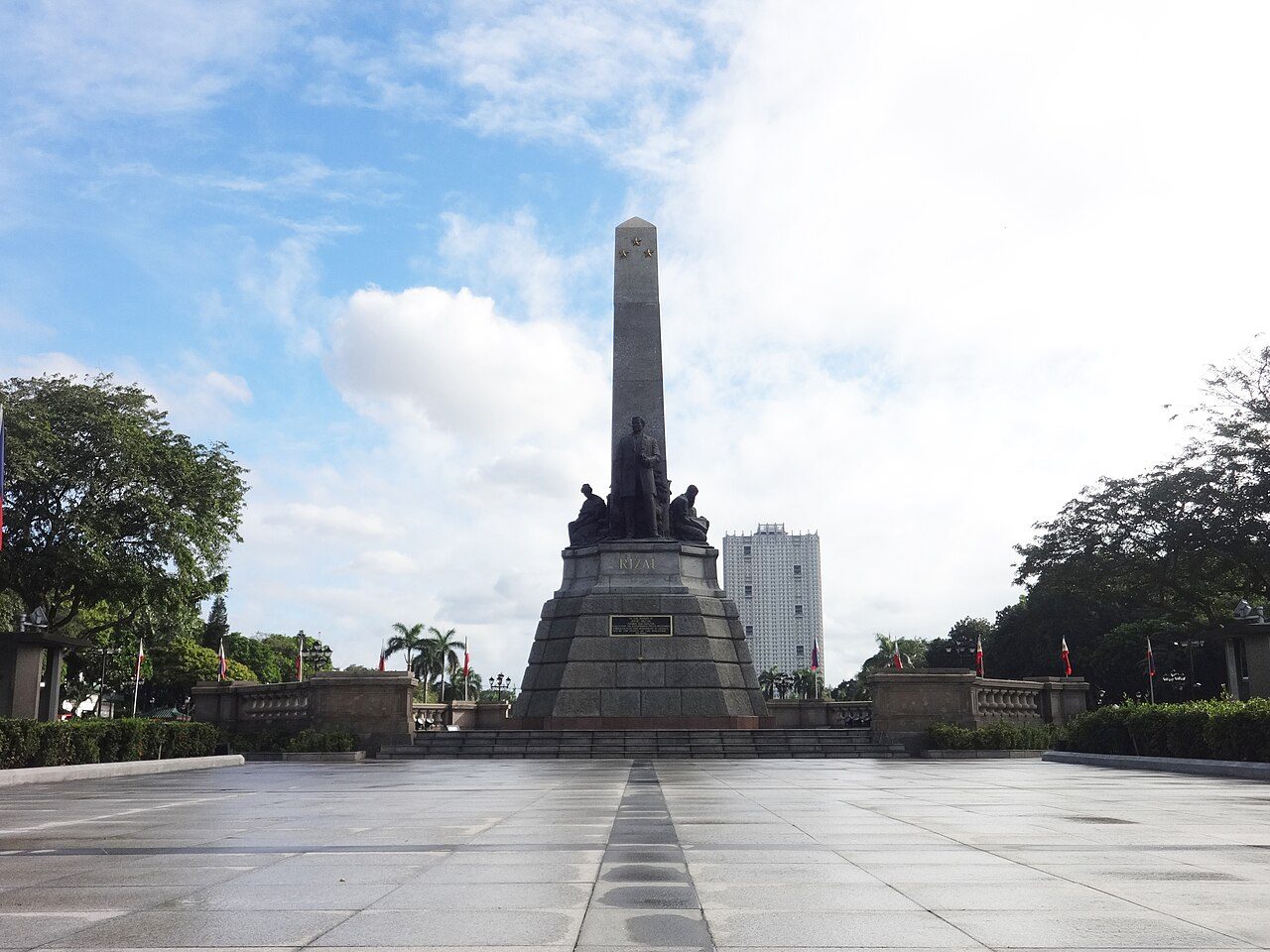
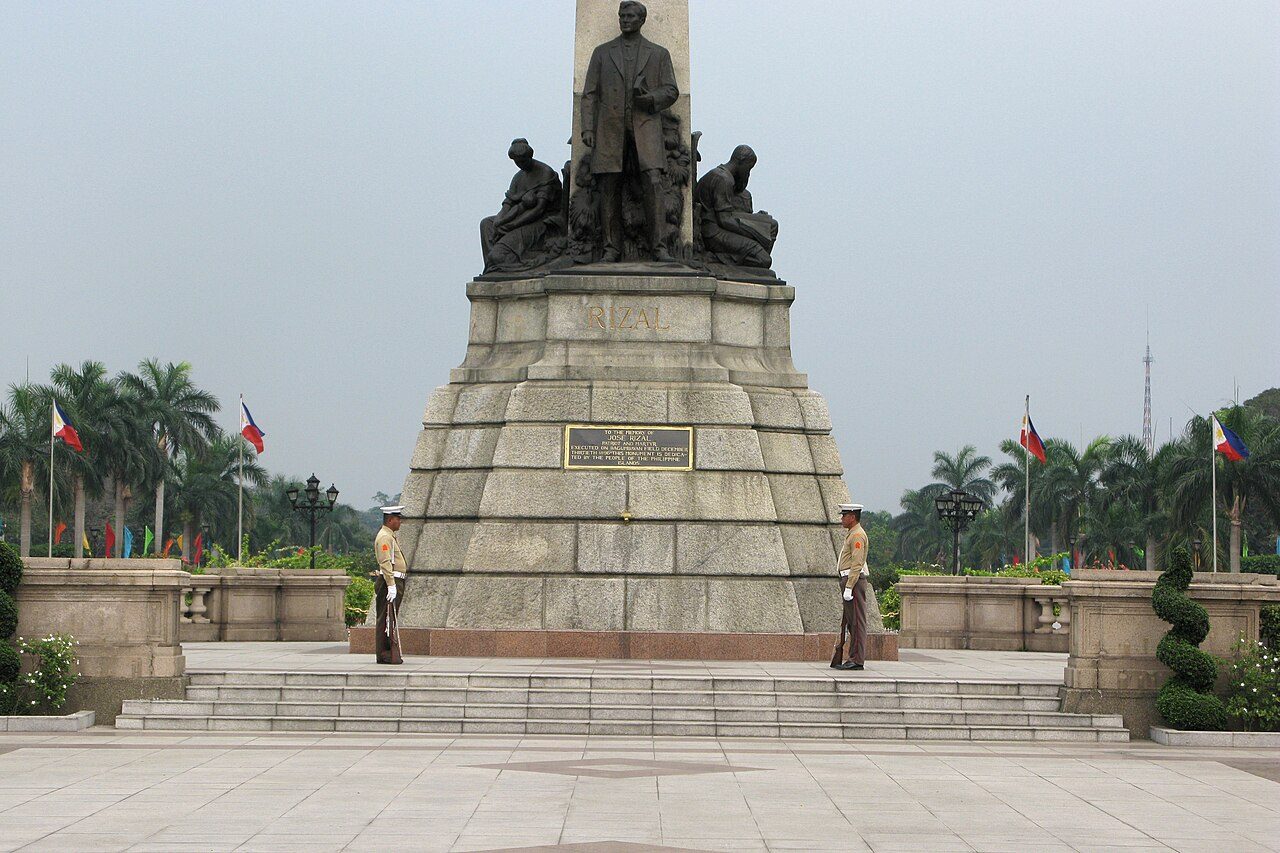
Rizal Park, also known as Luneta, is one of the largest urban parks in Asia and a symbol of Philippine nationhood. The Rizal Monument marks the resting place of national hero Jose Rizal, executed nearby in 1896, and is guarded by ceremonial sentries. The park also holds gardens, fountains and the site where independence from the United States was declared in 1946.
06
STOP 6 OF 20
Tagaytay Picnic Grove
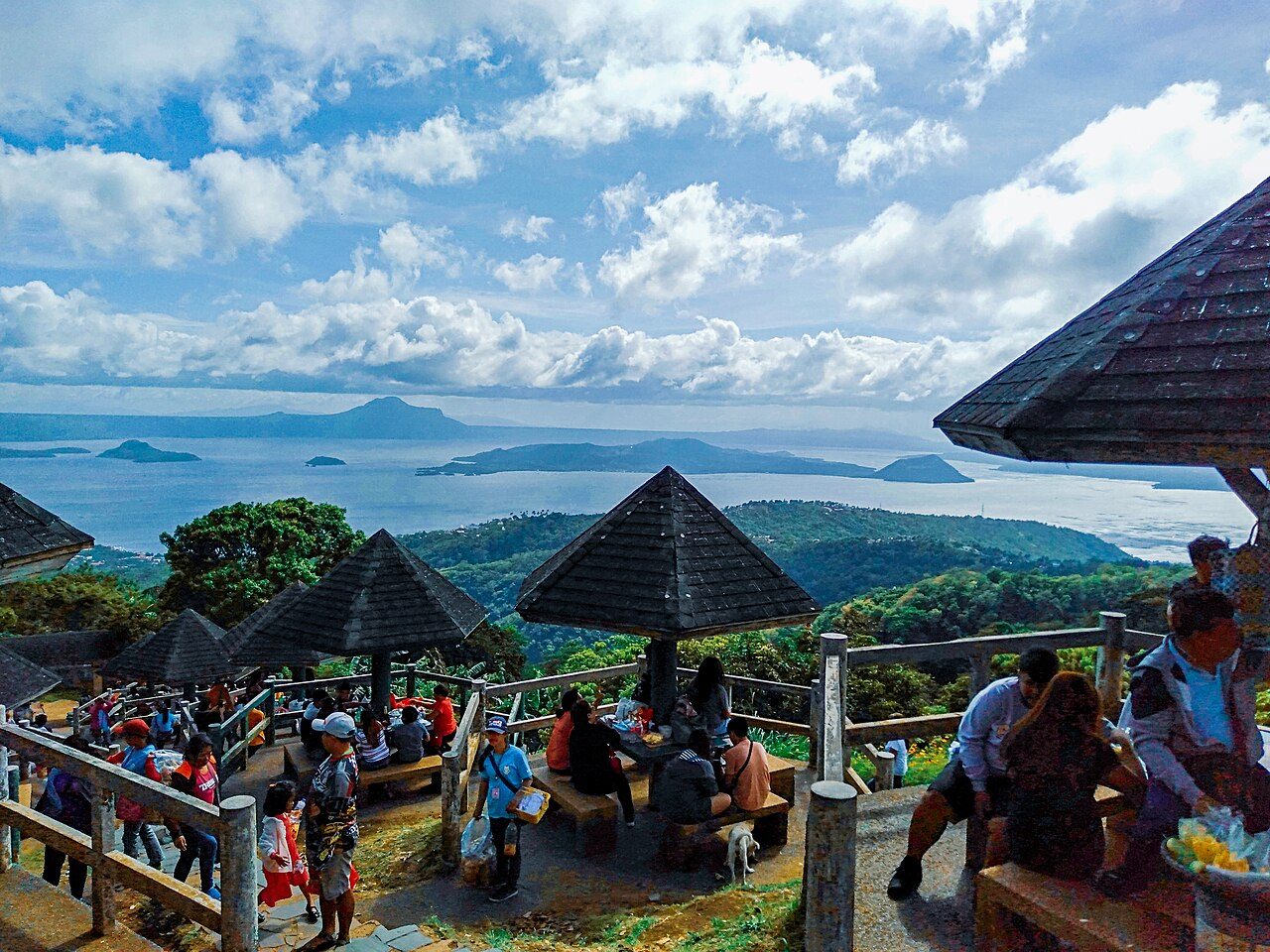
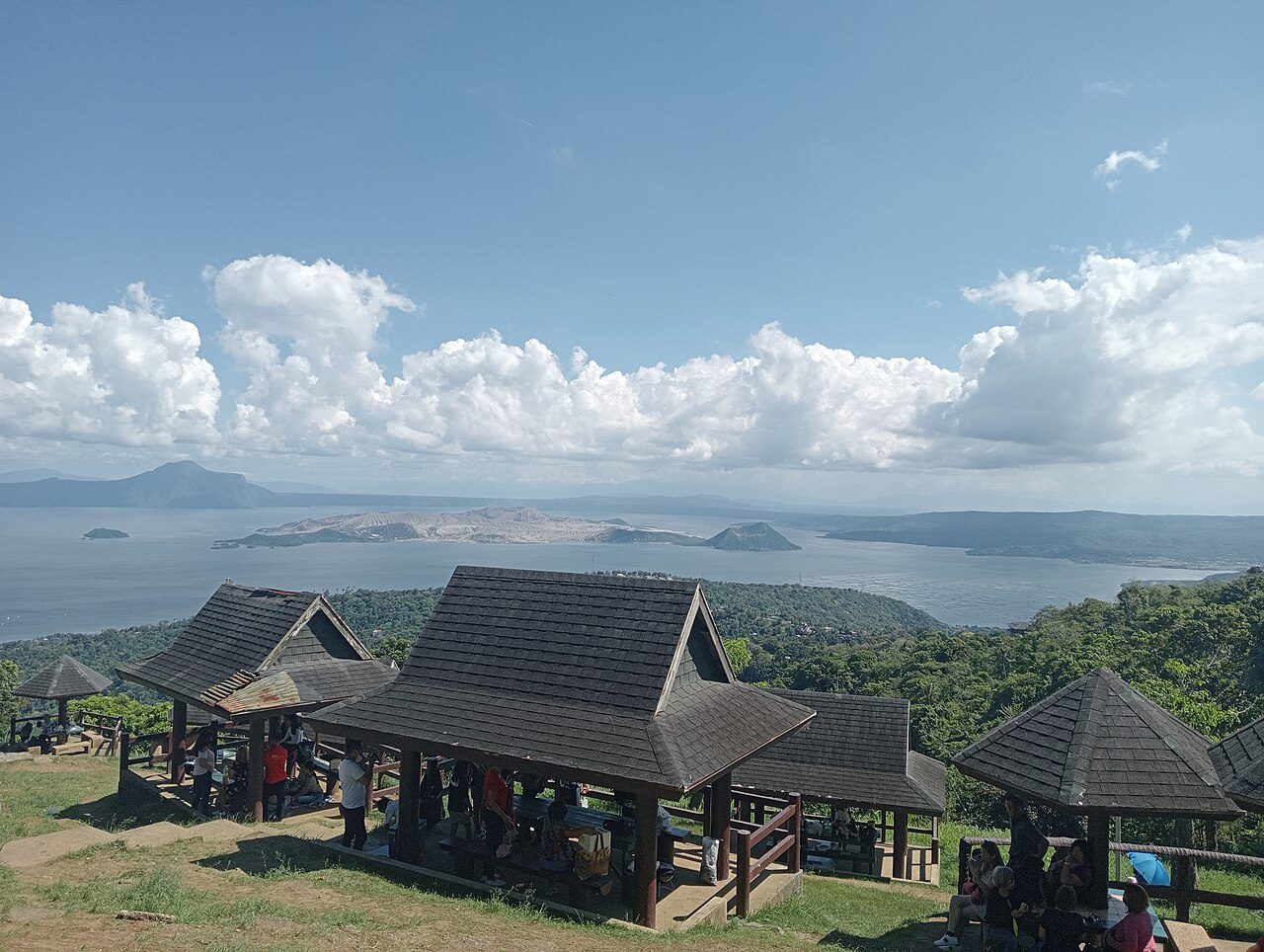
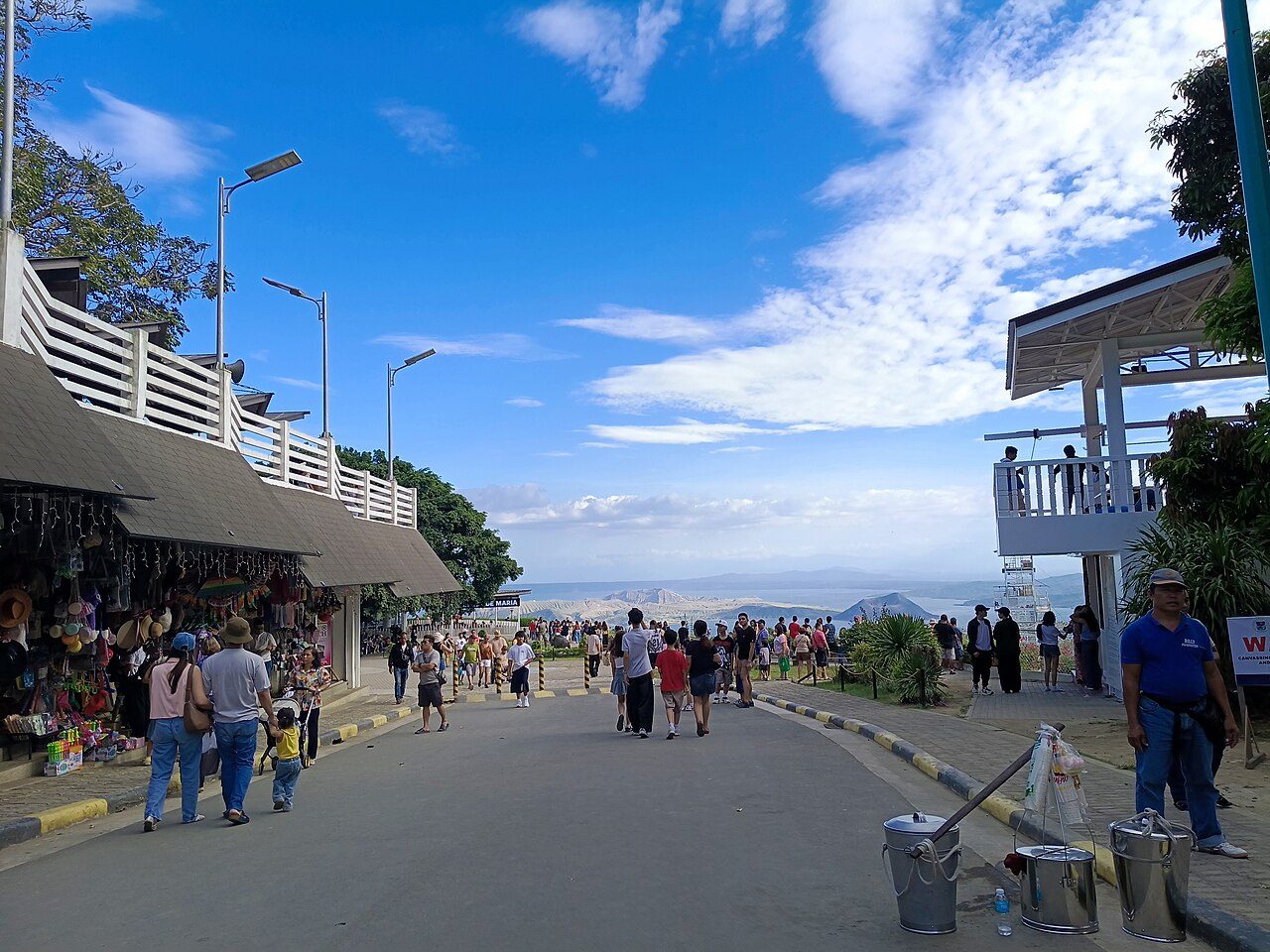
Picnic Grove in Tagaytay is a hilltop park on the ridge above Taal Lake, with views of Taal Volcano rising from the lake. It has picnic huts, viewing decks, horse rides and a zipline. The cool climate makes Tagaytay a popular weekend escape from Manila. Visit on a clear morning for the sharpest views of the volcano before mist and crowds roll in.
07
STOP 7 OF 20
Basilica of Taal
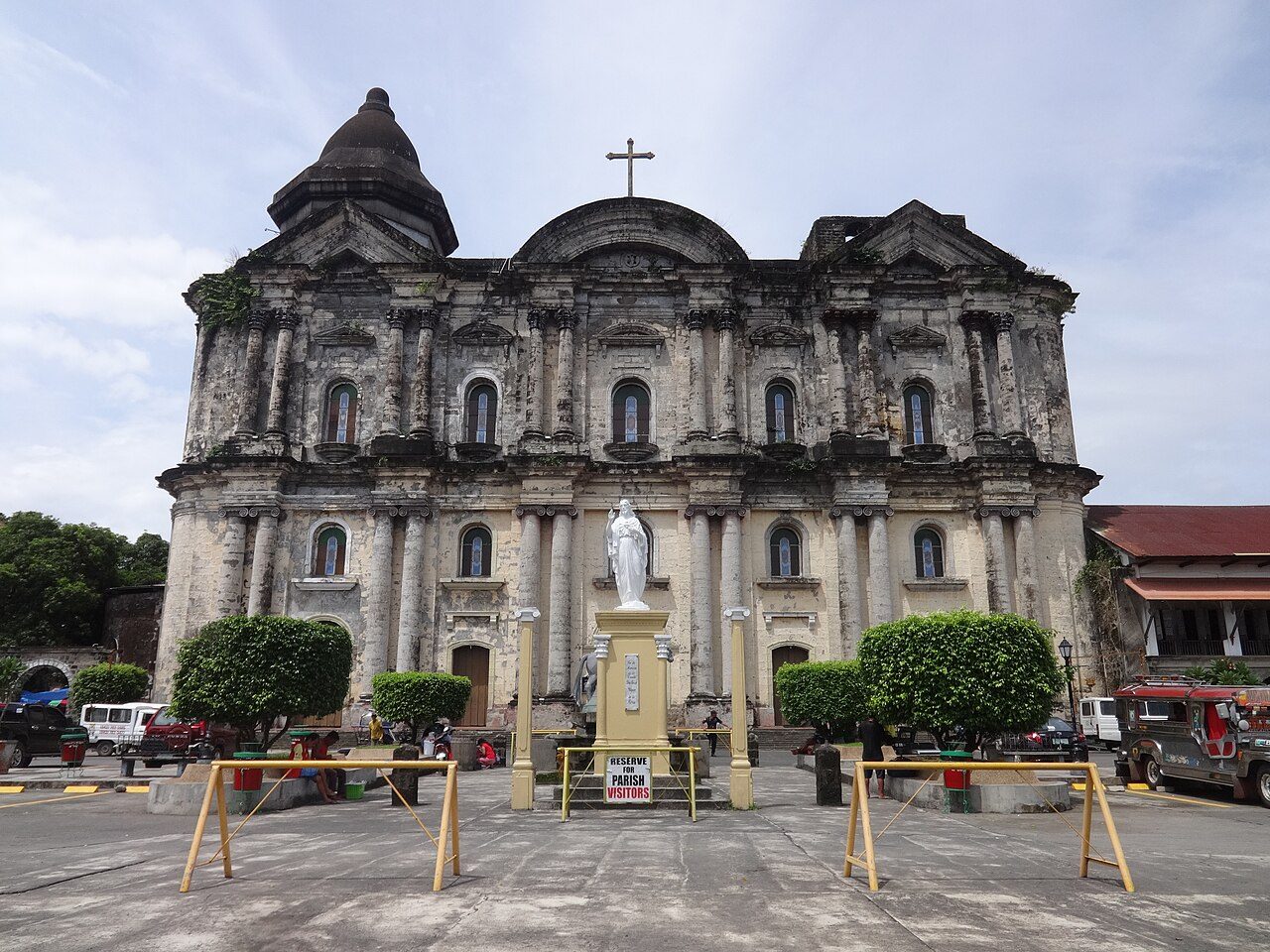
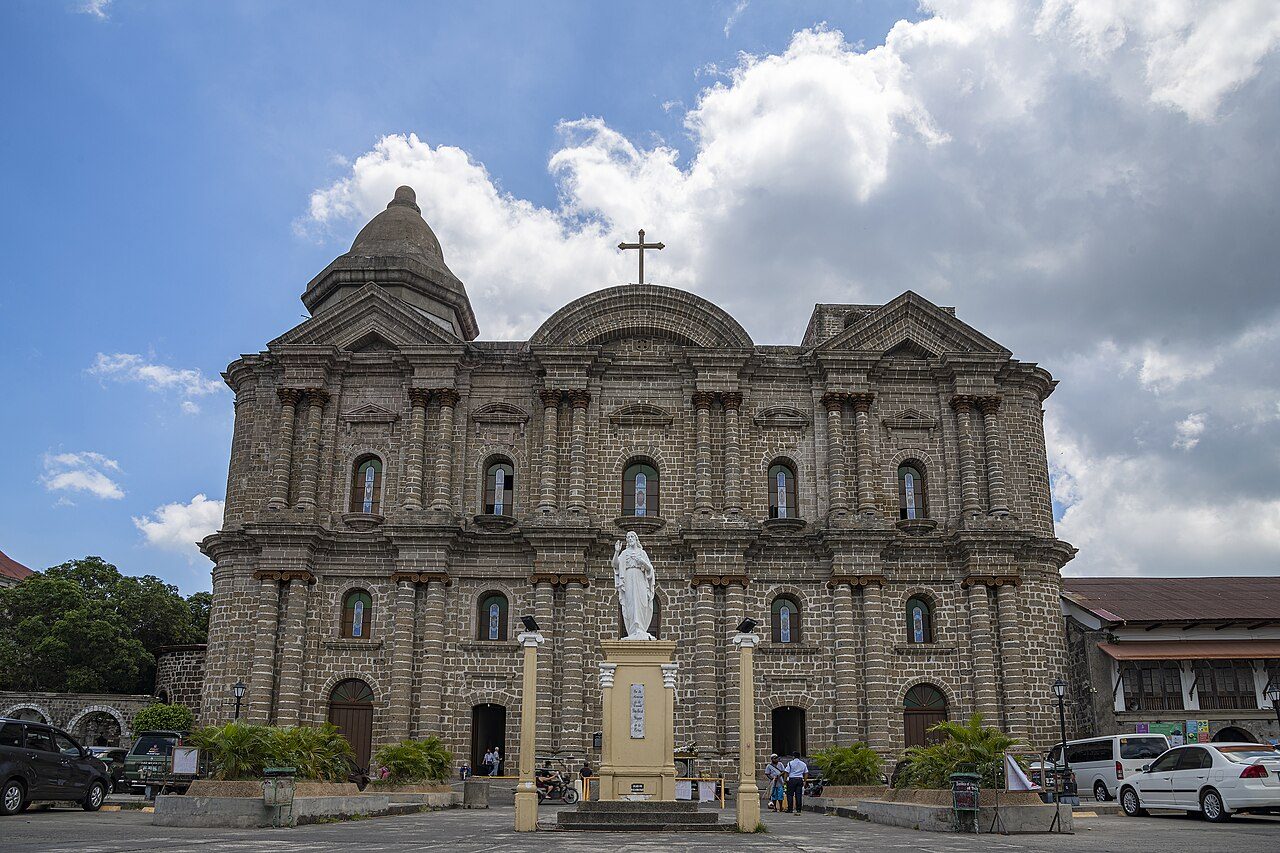
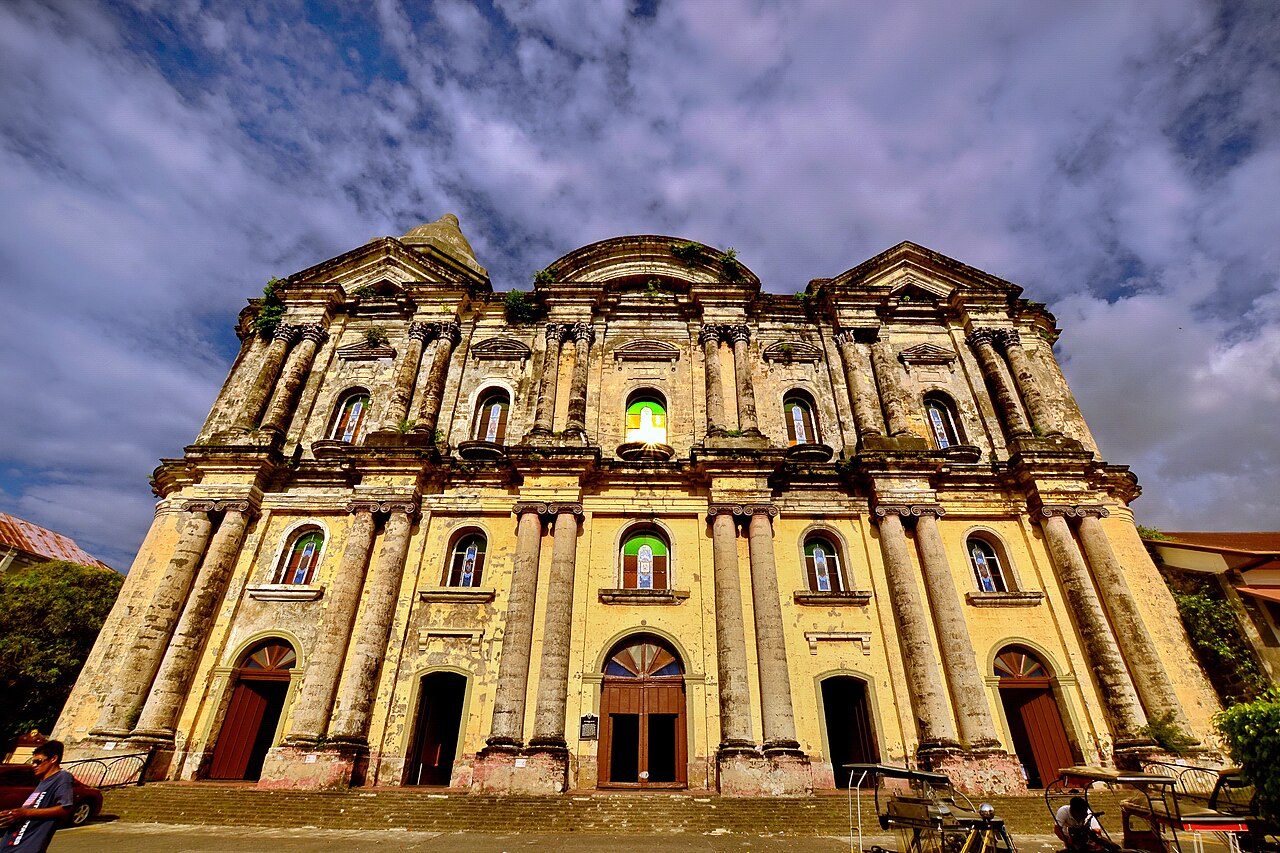
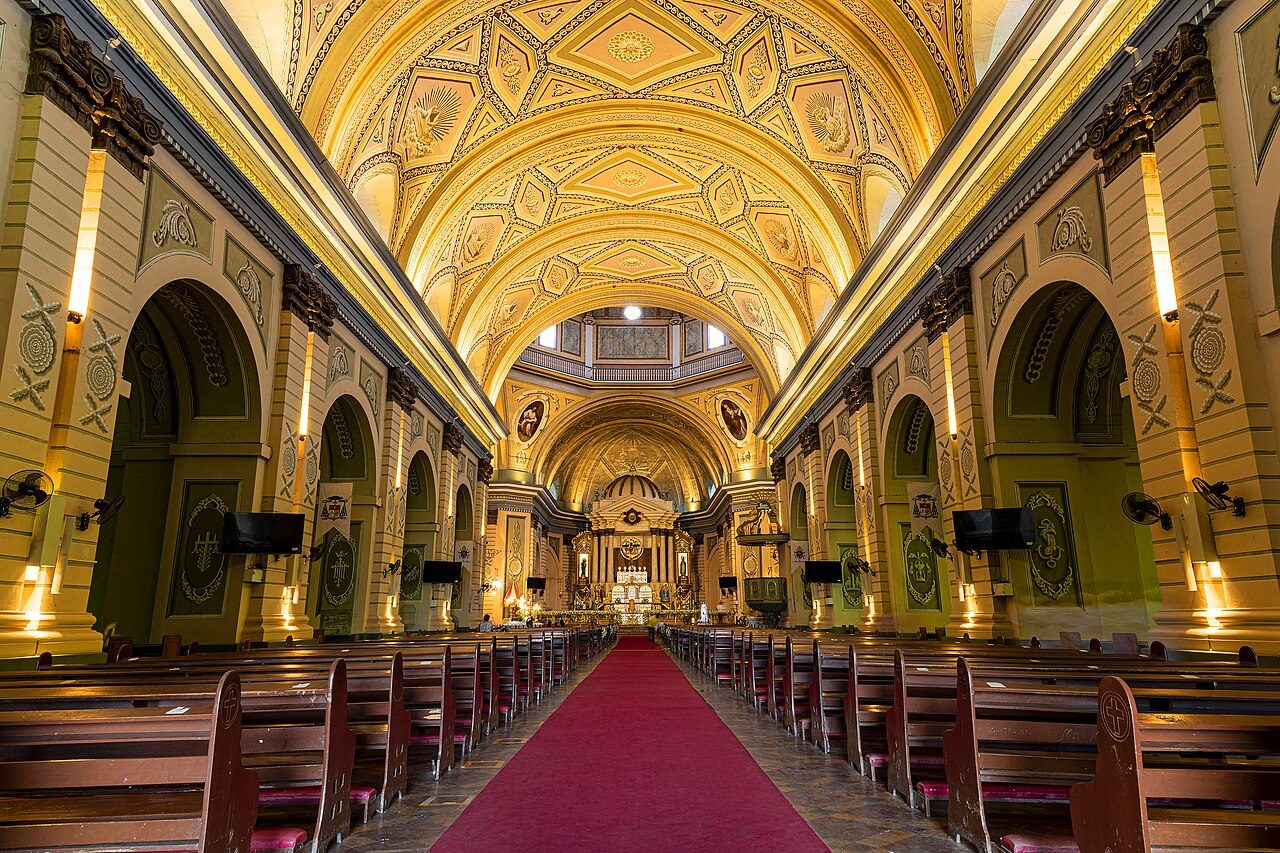
The Basilica of St. Martin de Tours in Taal, Batangas, is often described as the largest Catholic church in Asia. Its massive coral-stone facade dominates the hilltop above the heritage town of Taal. The current building dates from the 19th century, after earlier churches were destroyed by eruptions of Taal Volcano. Climb the bell tower for views and explore the ancestral houses nearby.
08
STOP 8 OF 20
Magellan's Cross
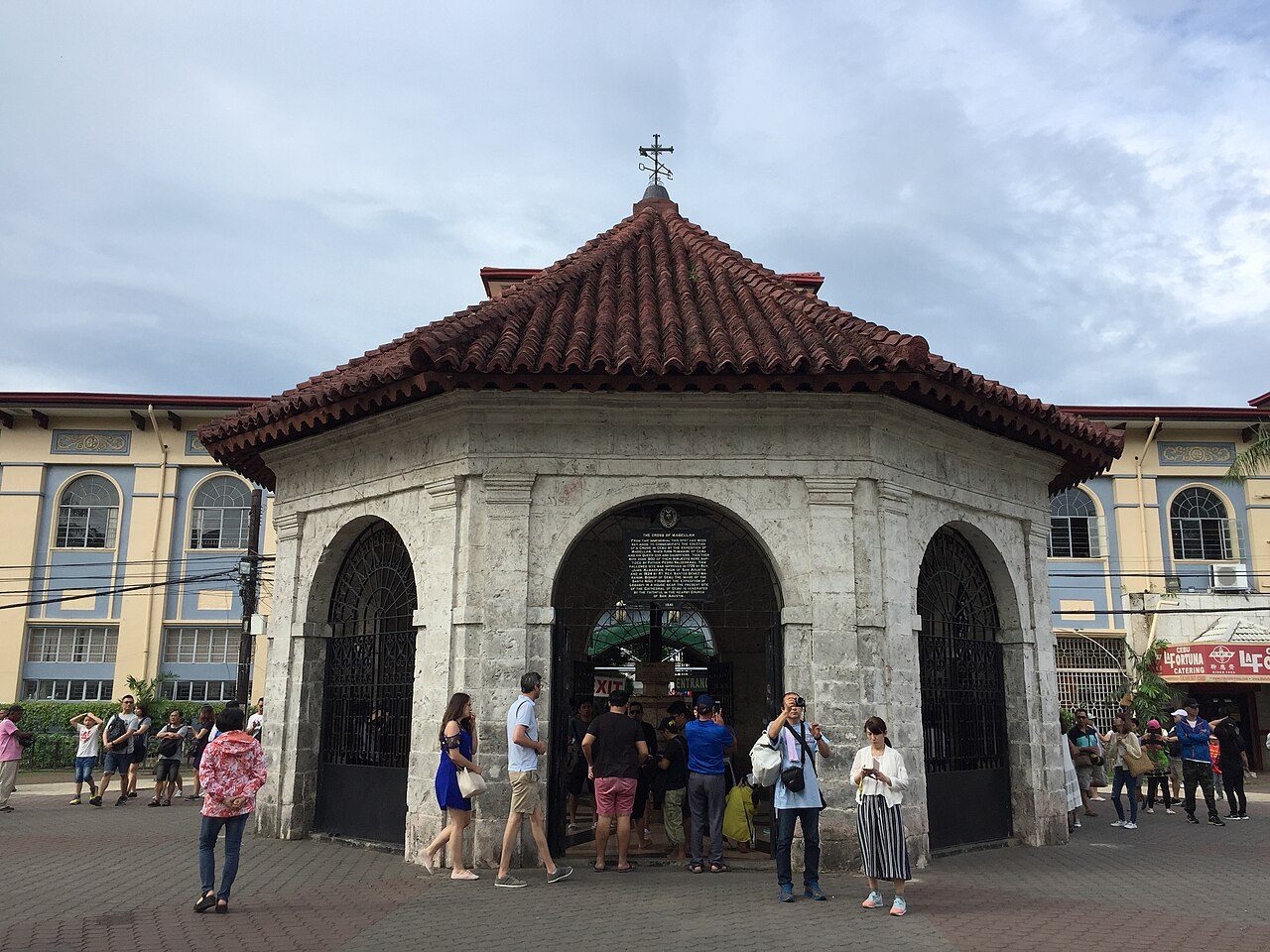
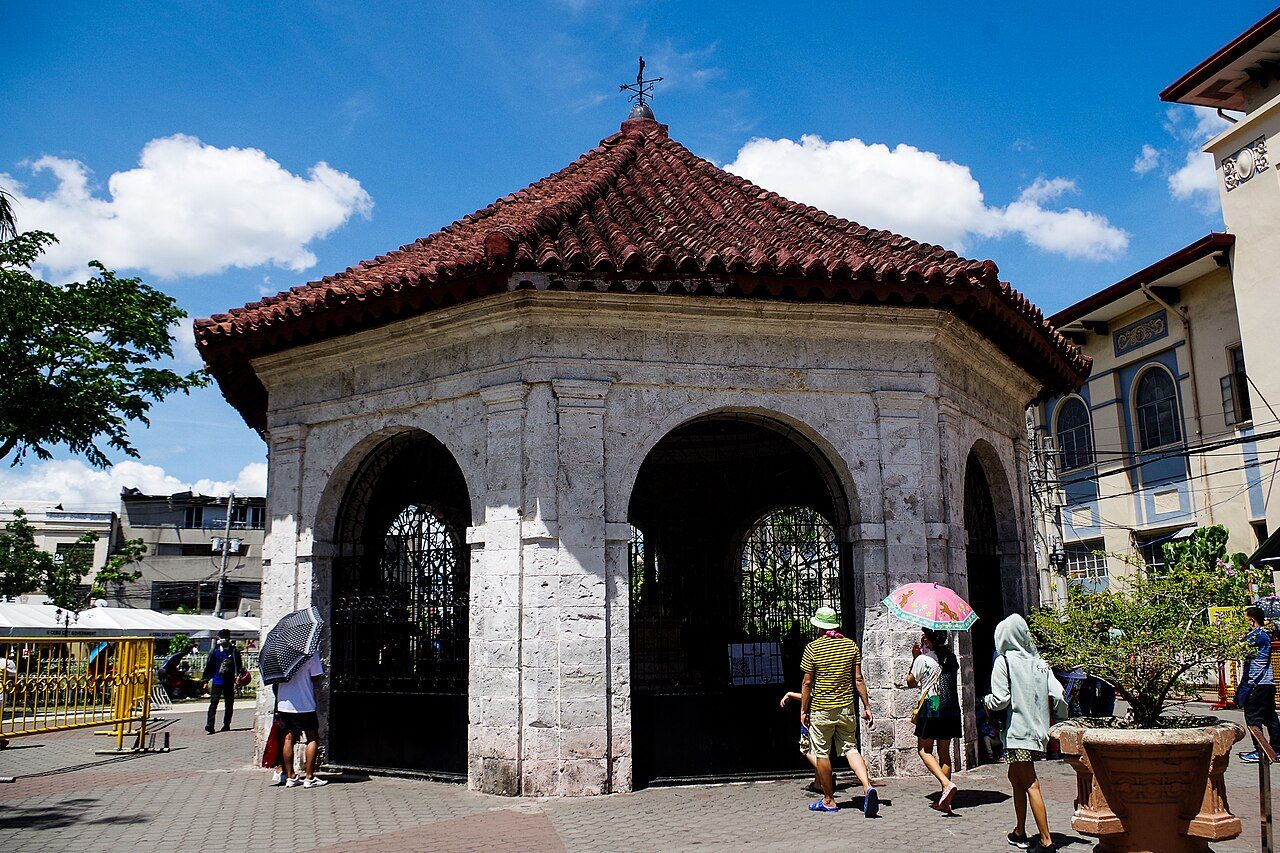
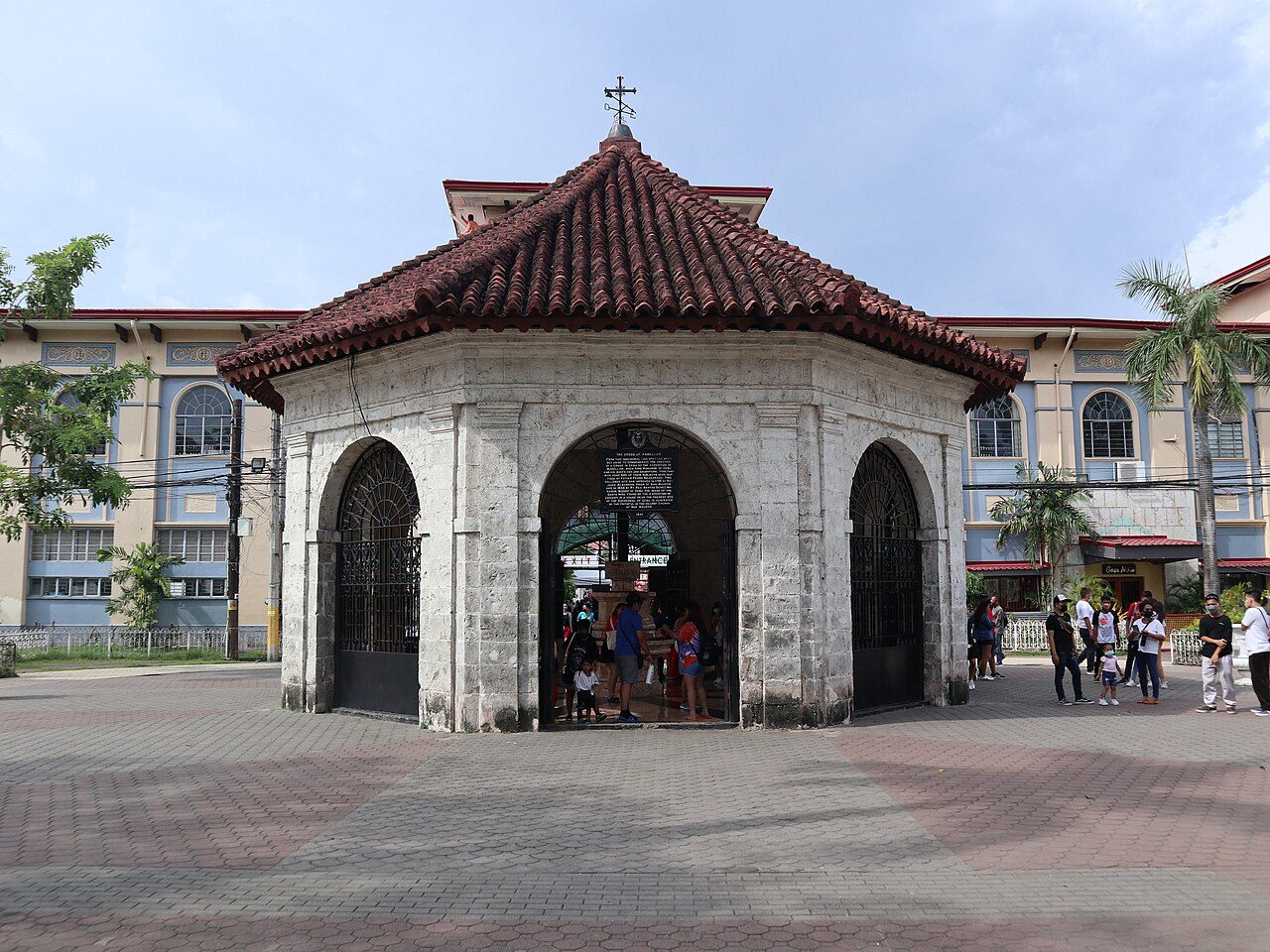
Magellan's Cross commemorates the cross planted by Ferdinand Magellan's expedition when the first Filipinos were baptised in Cebu in 1521. The original is said to be encased inside the wooden cross in a small octagonal chapel, whose ceiling is painted with scenes of the baptism. It stands beside the Basilica del Santo Nino and is one of the most visited sites in the city.
09
STOP 9 OF 20
Basilica del Santo Nino
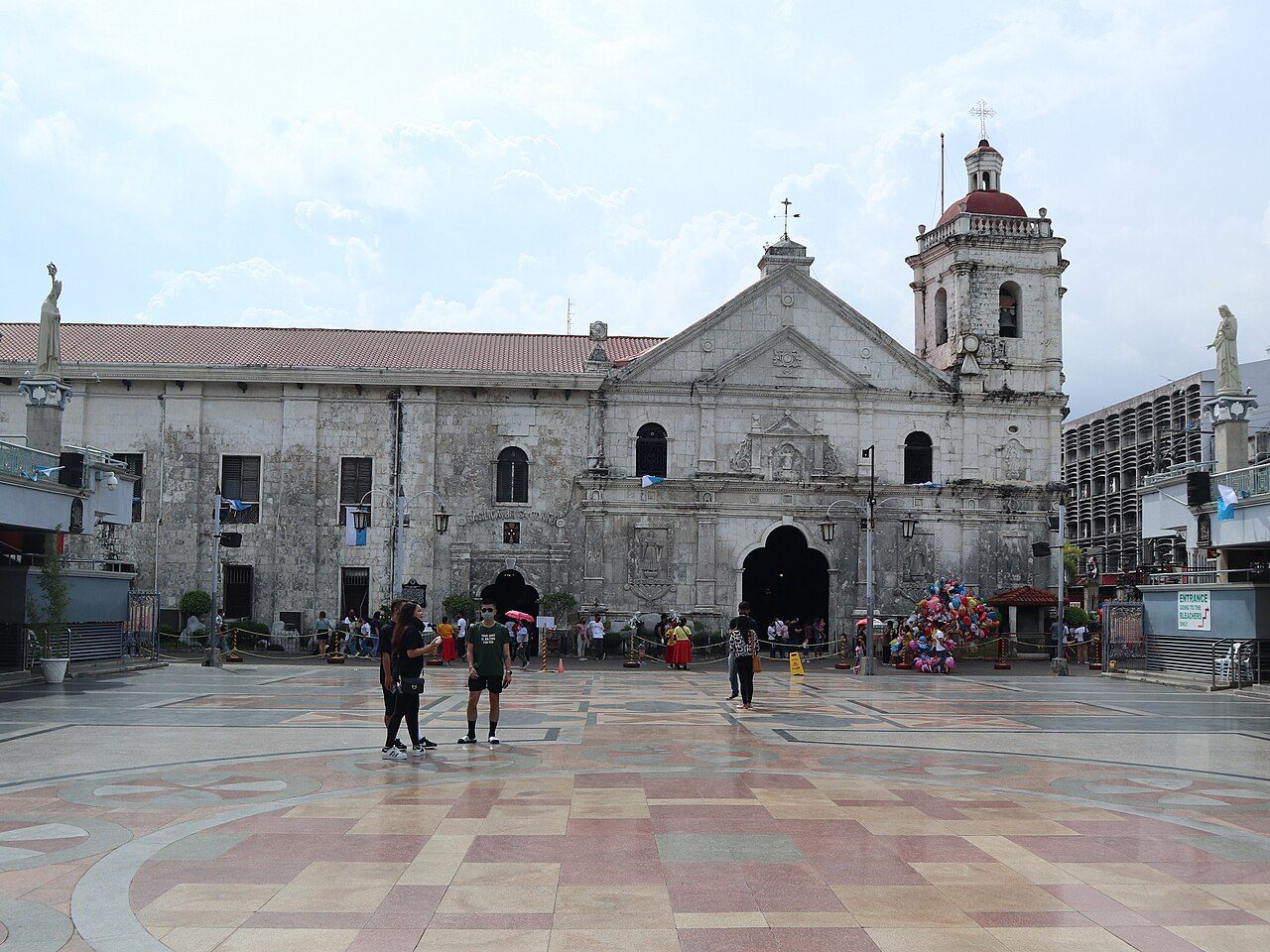
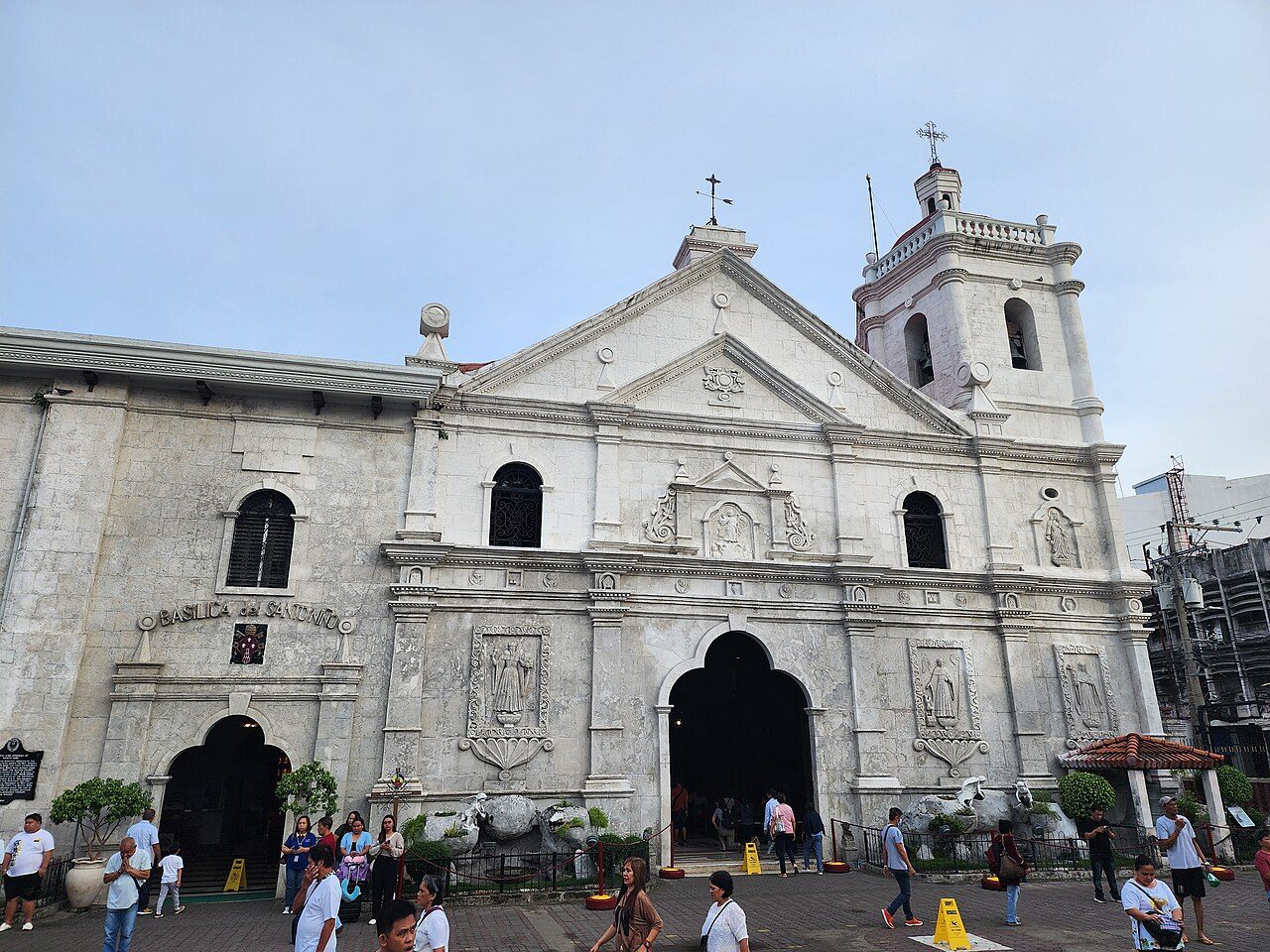
The Basilica Minore del Santo Nino is the oldest Catholic church in the Philippines, founded on the site where a statue of the Holy Child was found in 1565. The image, believed to have been a gift from Magellan, is kept in a glass case. The church is always busy with pilgrims, and the Sinulog festival each January celebrates the Santo Nino with huge parades.
10
STOP 10 OF 20
Fort San Pedro
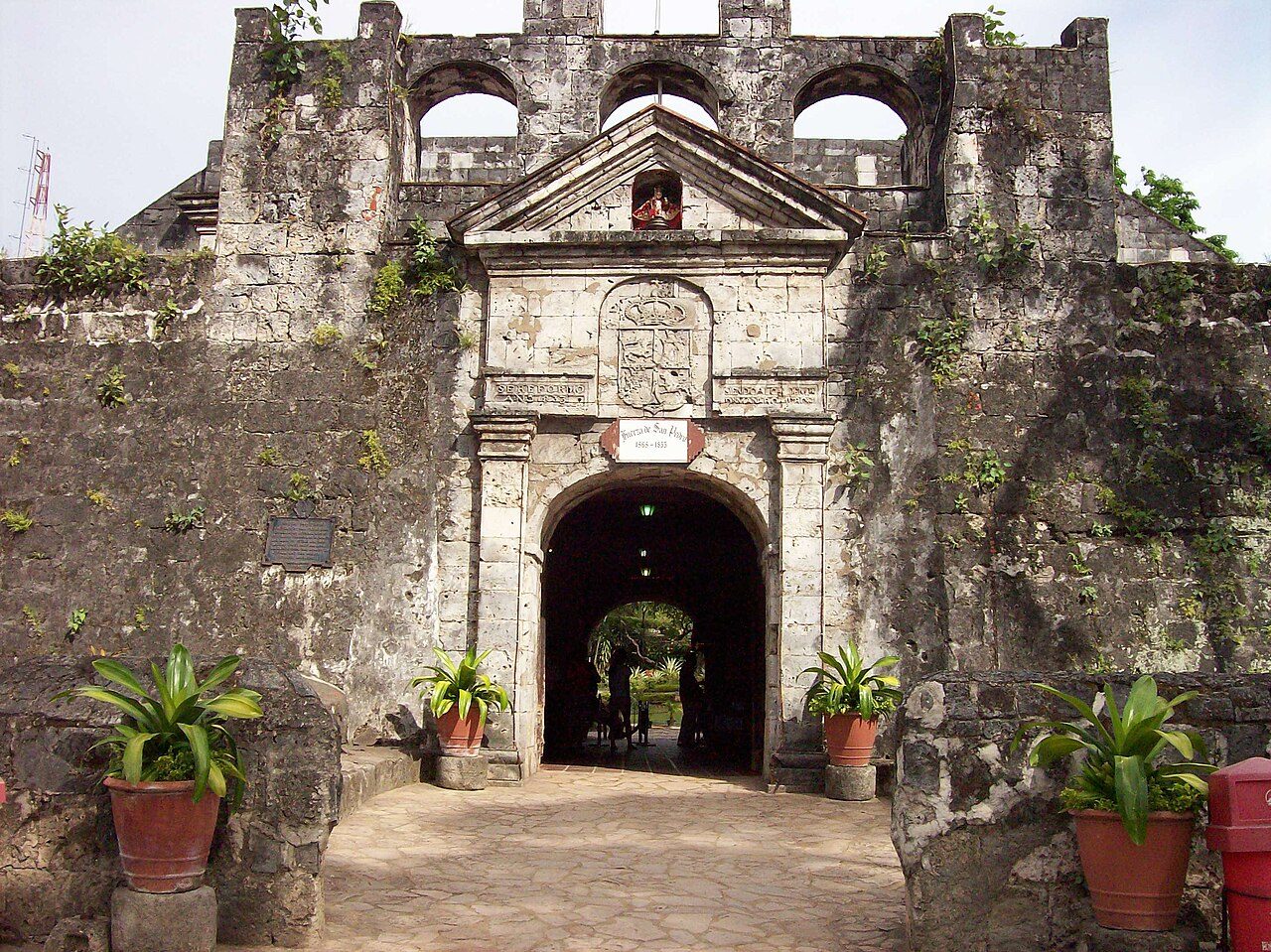
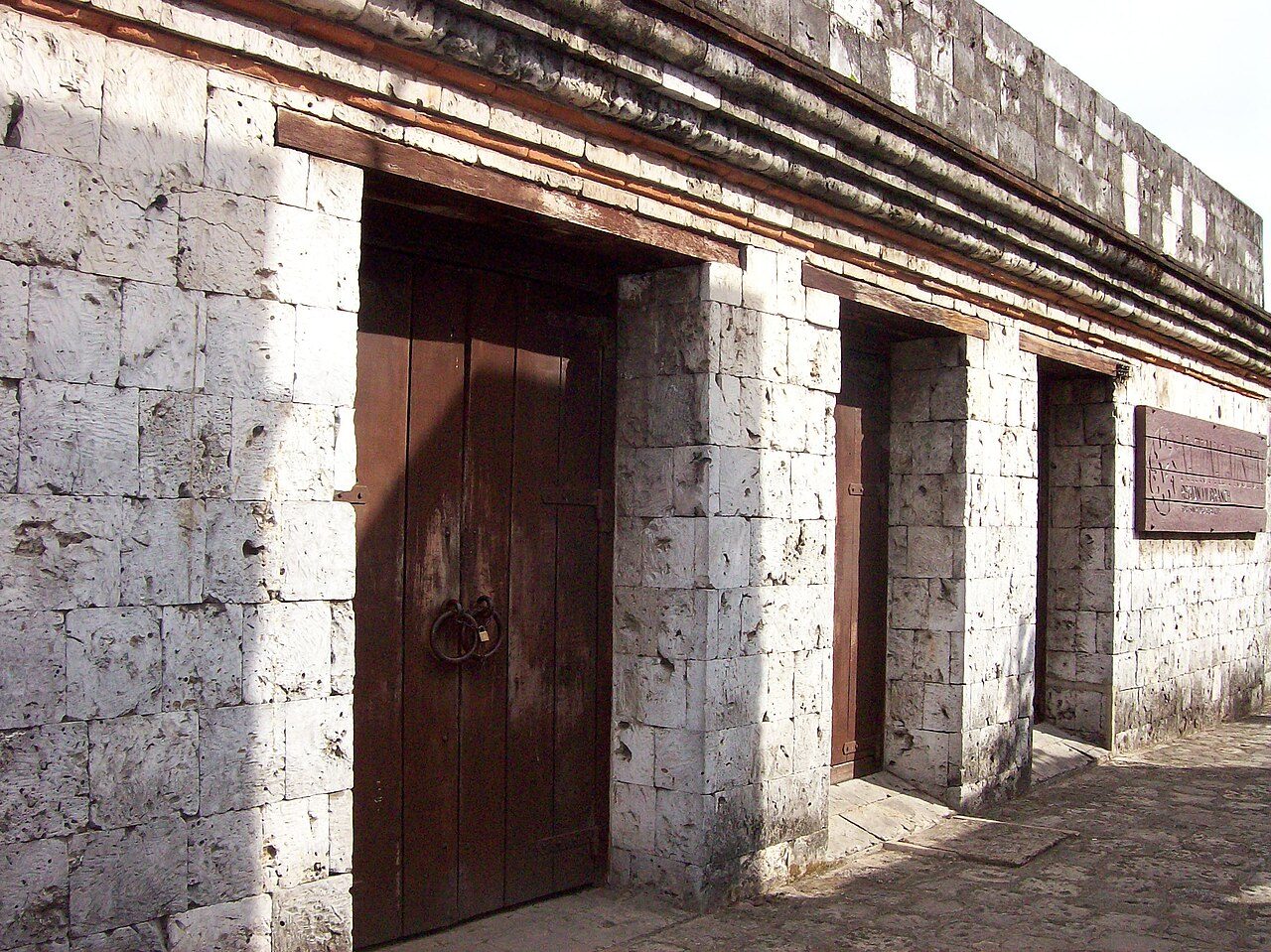
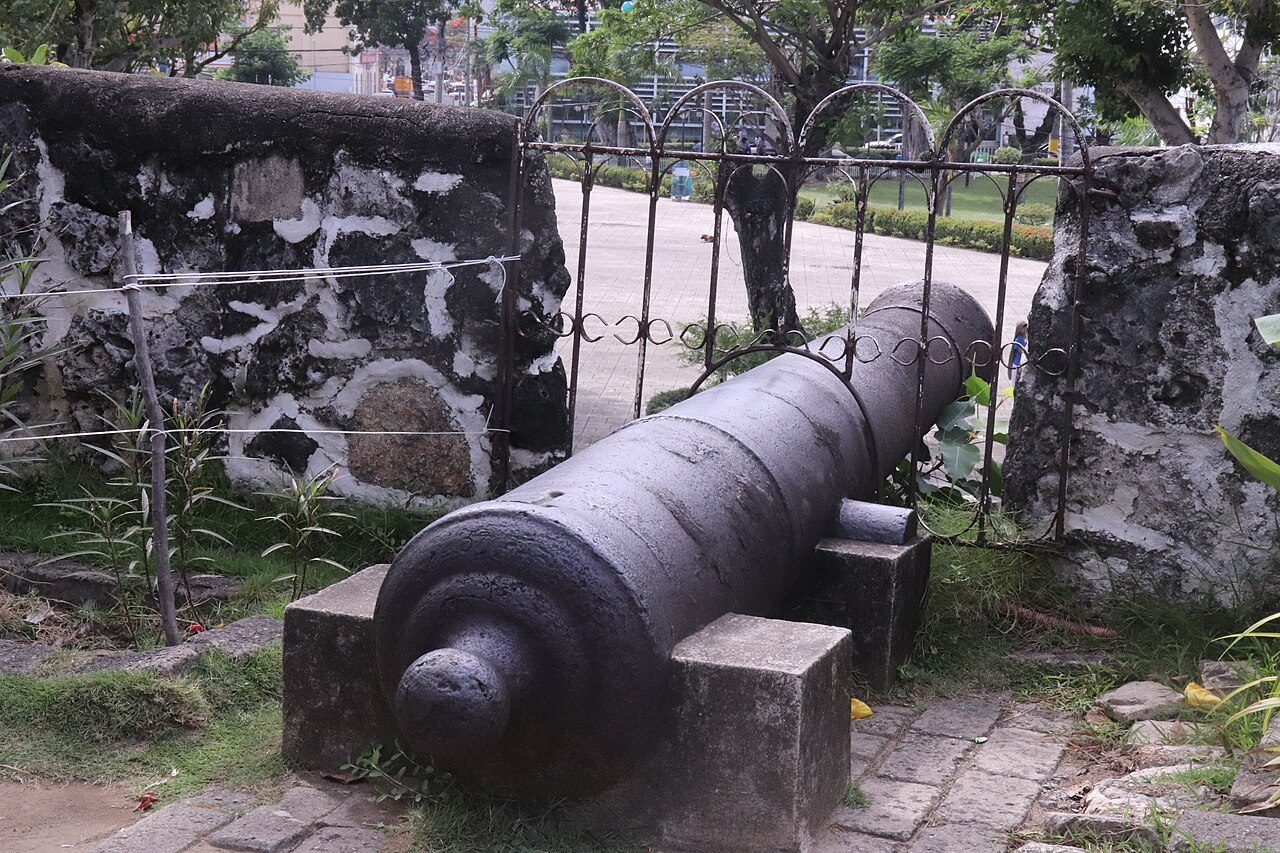
Fort San Pedro is a triangular Spanish fortress built in the 16th century, one of the oldest in the Philippines. It guarded Cebu's harbour and later served as an American barracks, a Japanese prison camp and a zoo. Today its walls enclose a garden and a small museum. It is a short walk from Magellan's Cross and Plaza Independencia.
11
STOP 11 OF 20
Cebu Taoist Temple
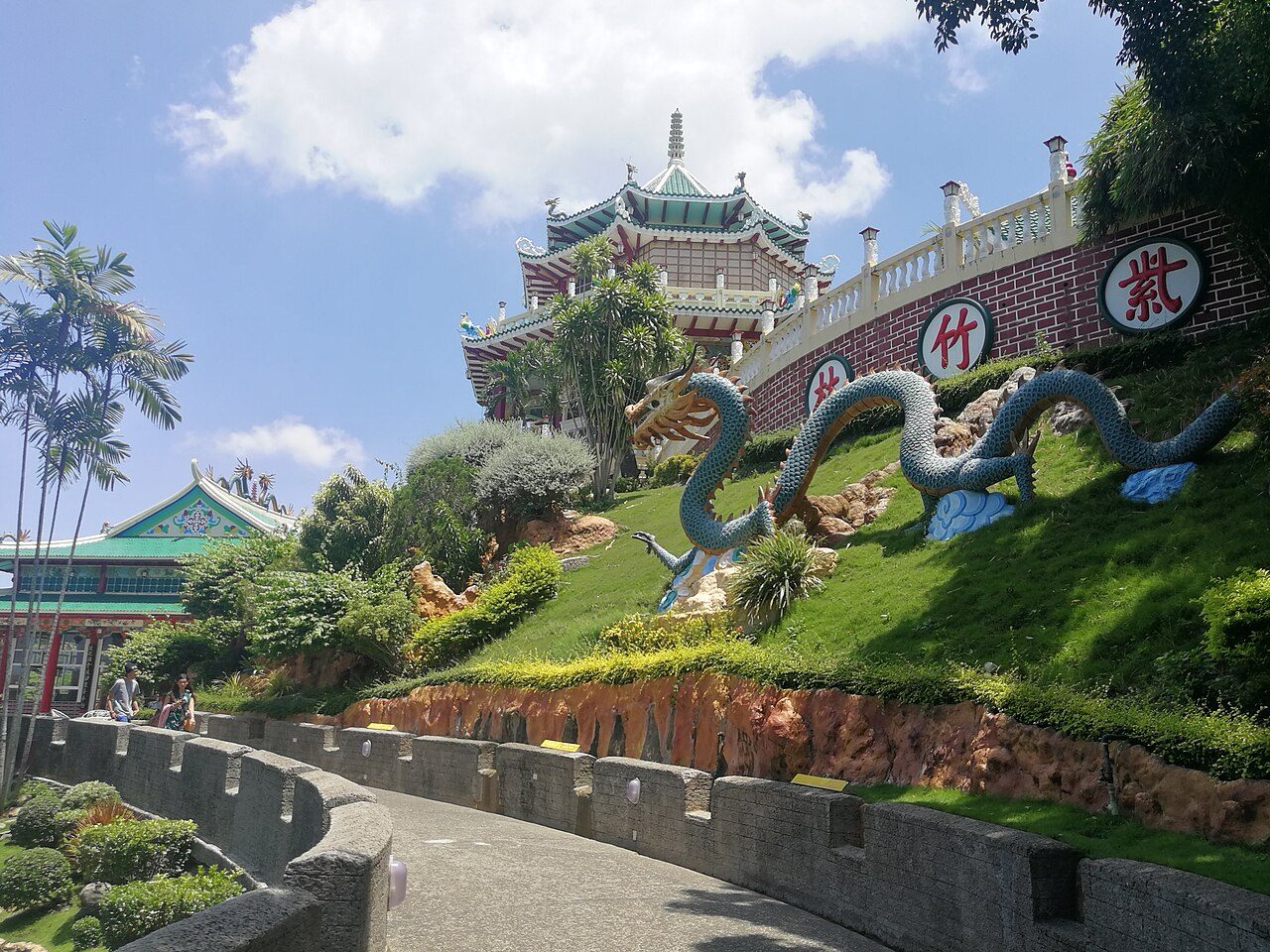
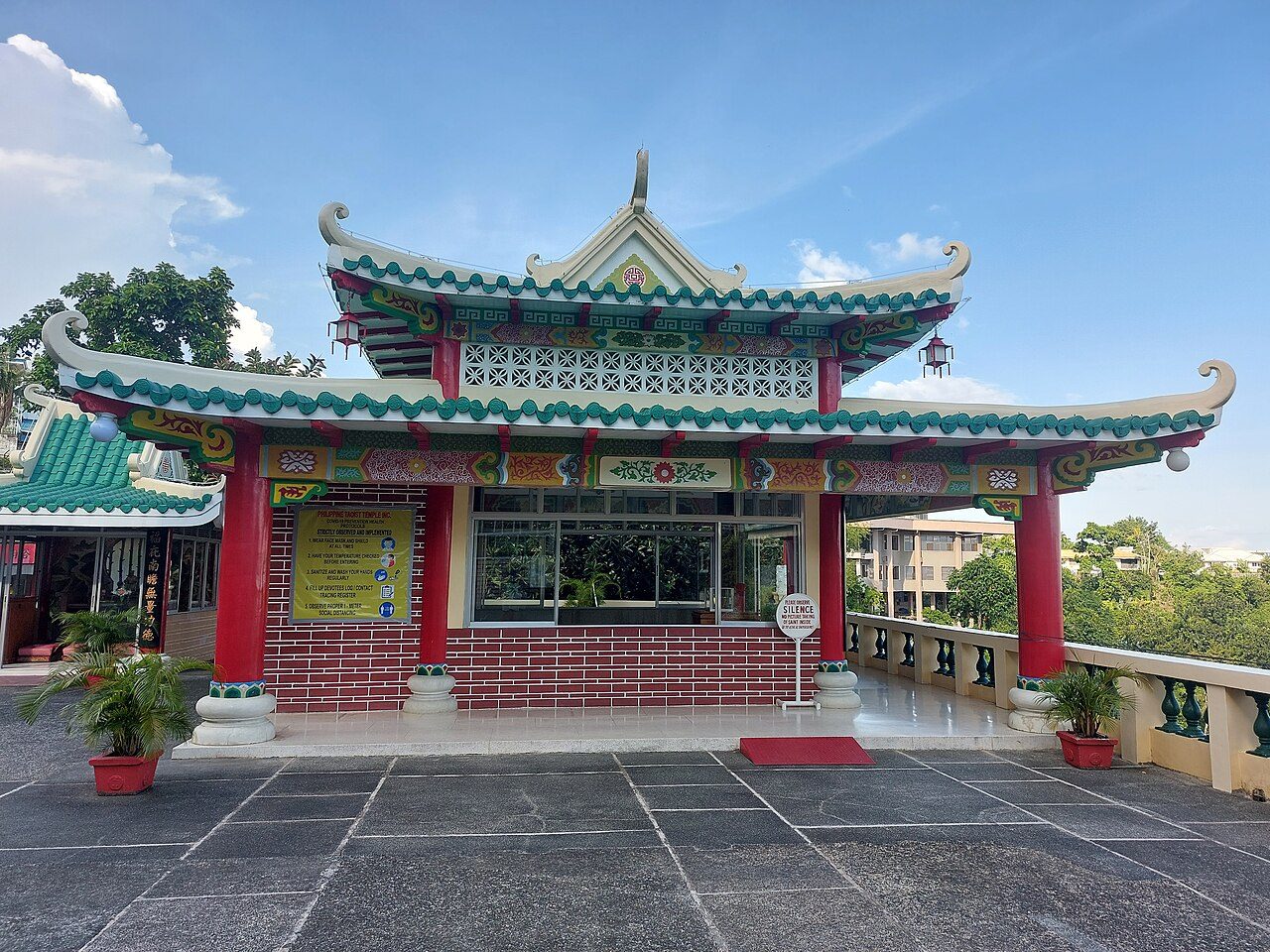
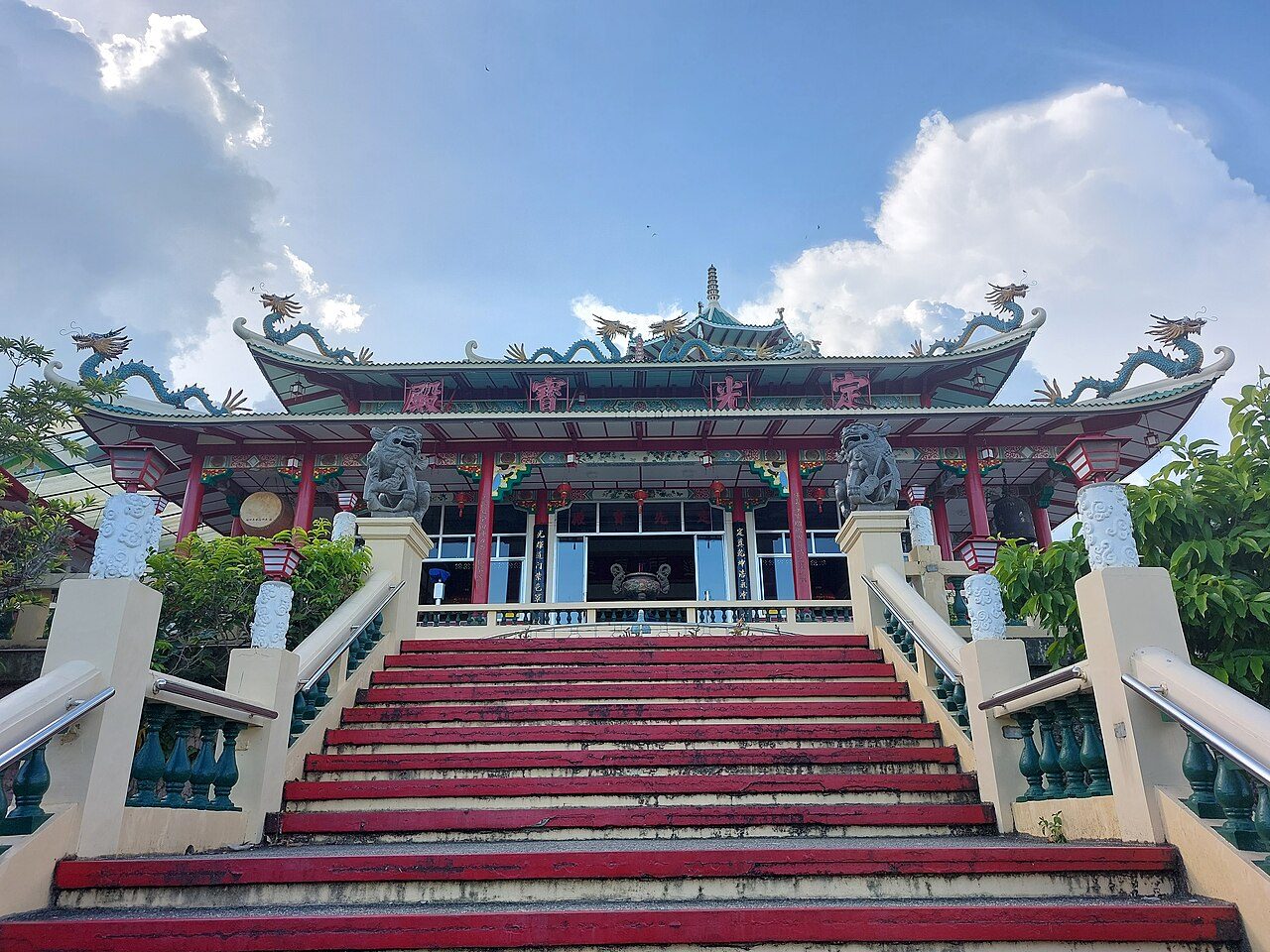
The Cebu Taoist Temple was built in 1972 by the city's Chinese community in the hills of Beverly Hills subdivision. Its colourful pagodas, dragon-lined stairways and replica of the Great Wall stand high above the city. Visitors can climb to the top for views and watch worshippers light incense. Shoes must be removed inside the shrines, and the temple is open daily.
12
STOP 12 OF 20
Kawasan Falls
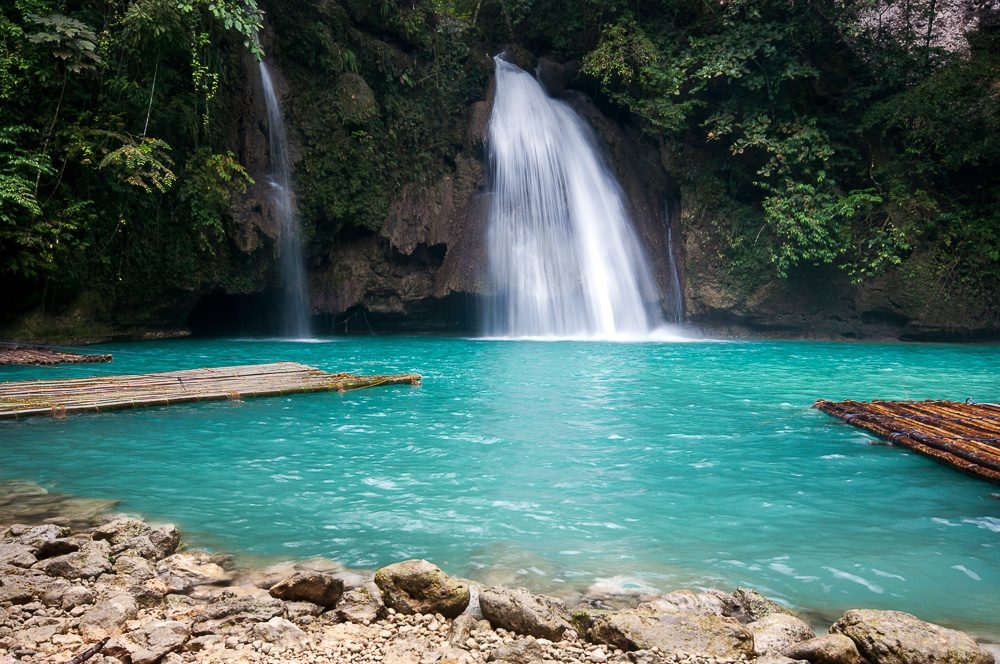
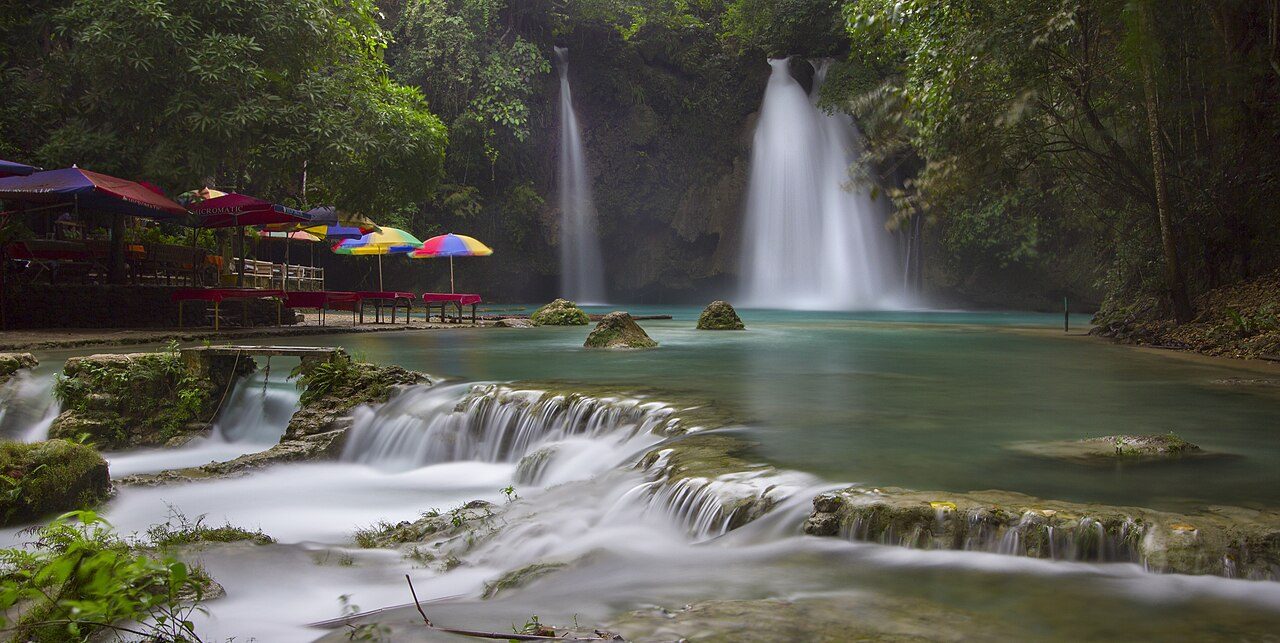
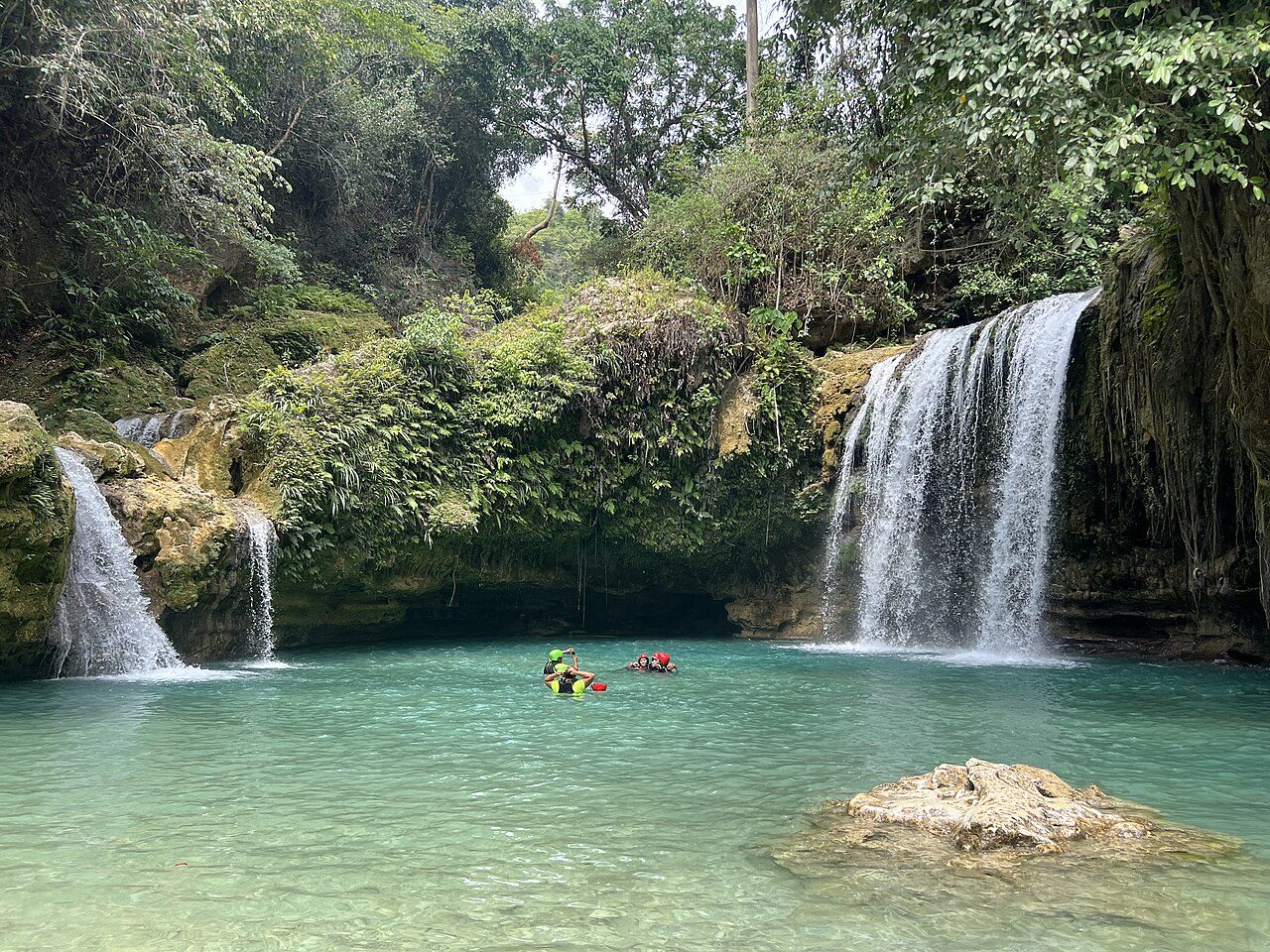
Kawasan Falls is a set of turquoise waterfalls in Badian, on the southwest coast of Cebu. The main falls drop into a large pool where visitors can swim or ride bamboo rafts under the cascade. It is the end point of canyoneering trips that jump and slide down the river from upstream. Arrive early in the morning to enjoy the pools before the crowds arrive.
13
STOP 13 OF 20
Philippine Tarsier Sanctuary
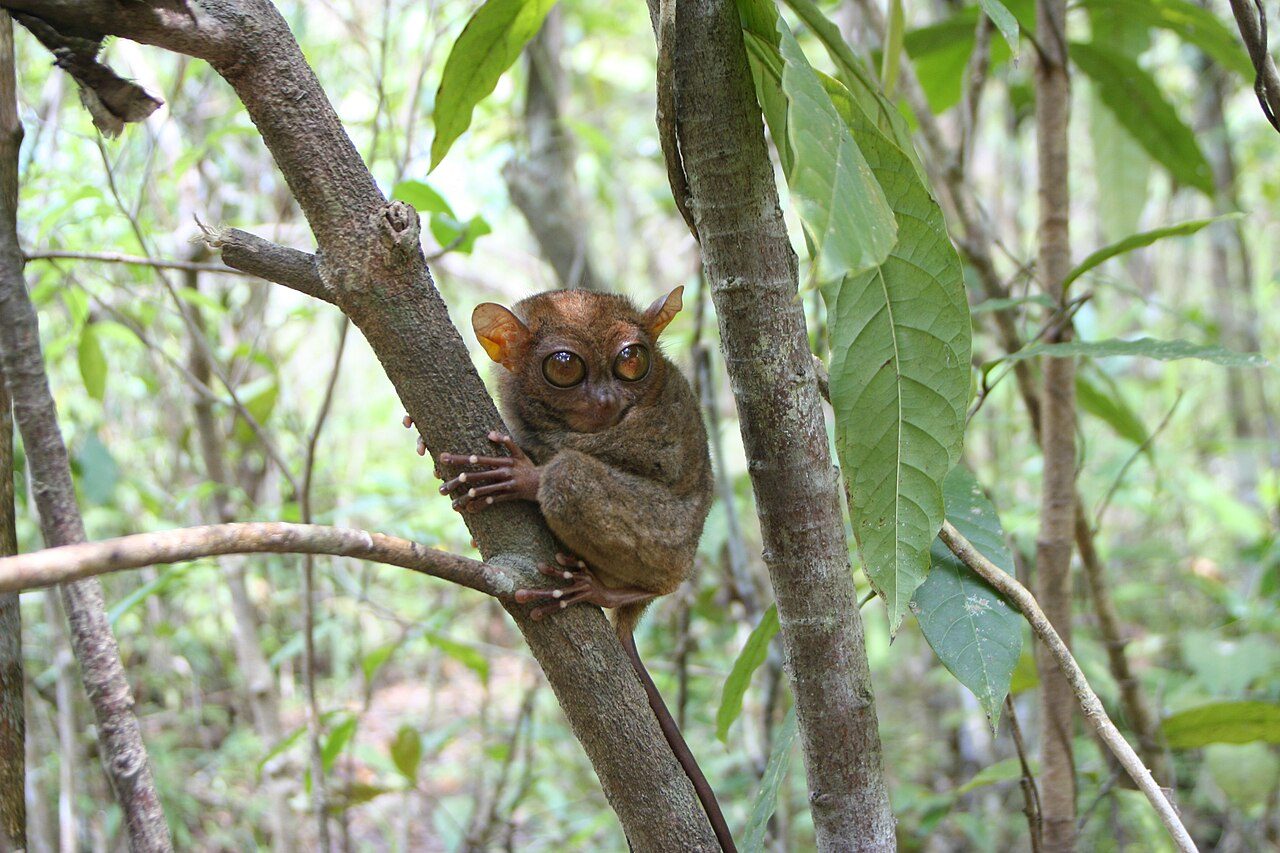
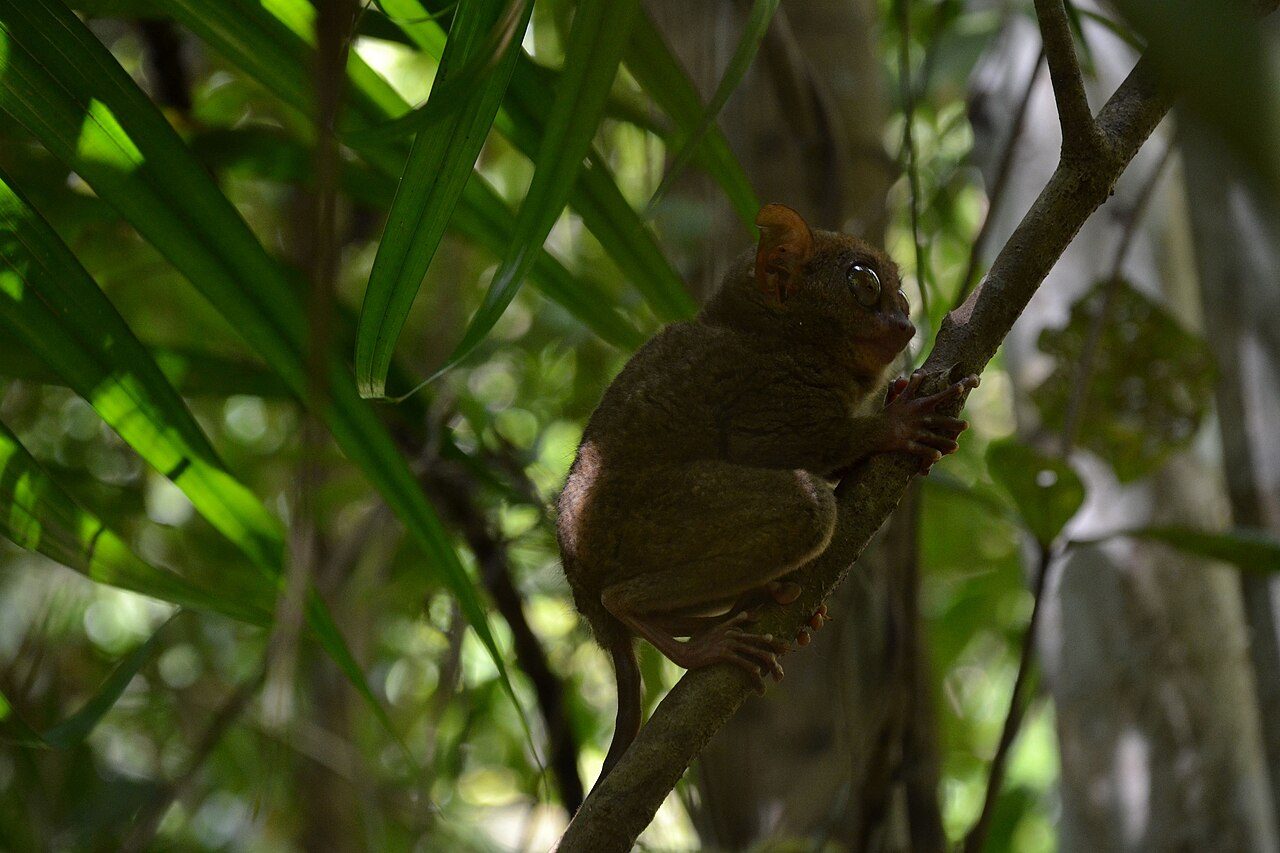
The Philippine Tarsier Sanctuary in Corella protects one of the world's smallest primates, known for its huge eyes. Visitors walk quietly along a short forest trail with guides who point out tarsiers resting in the trees. The sanctuary was set up to give the animals a natural, low-stress environment. Keep voices low, avoid touching and never use camera flash.
14
STOP 14 OF 20
Chocolate Hills
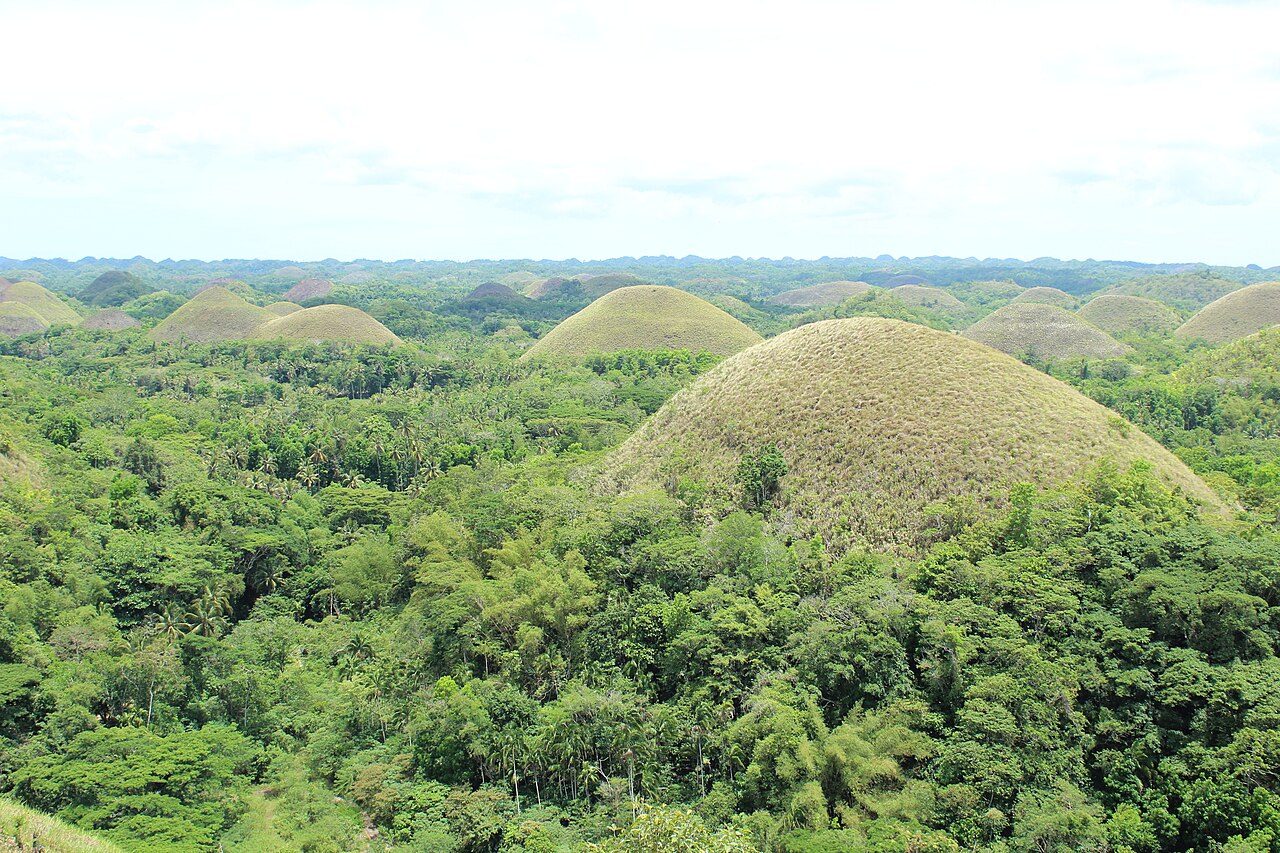
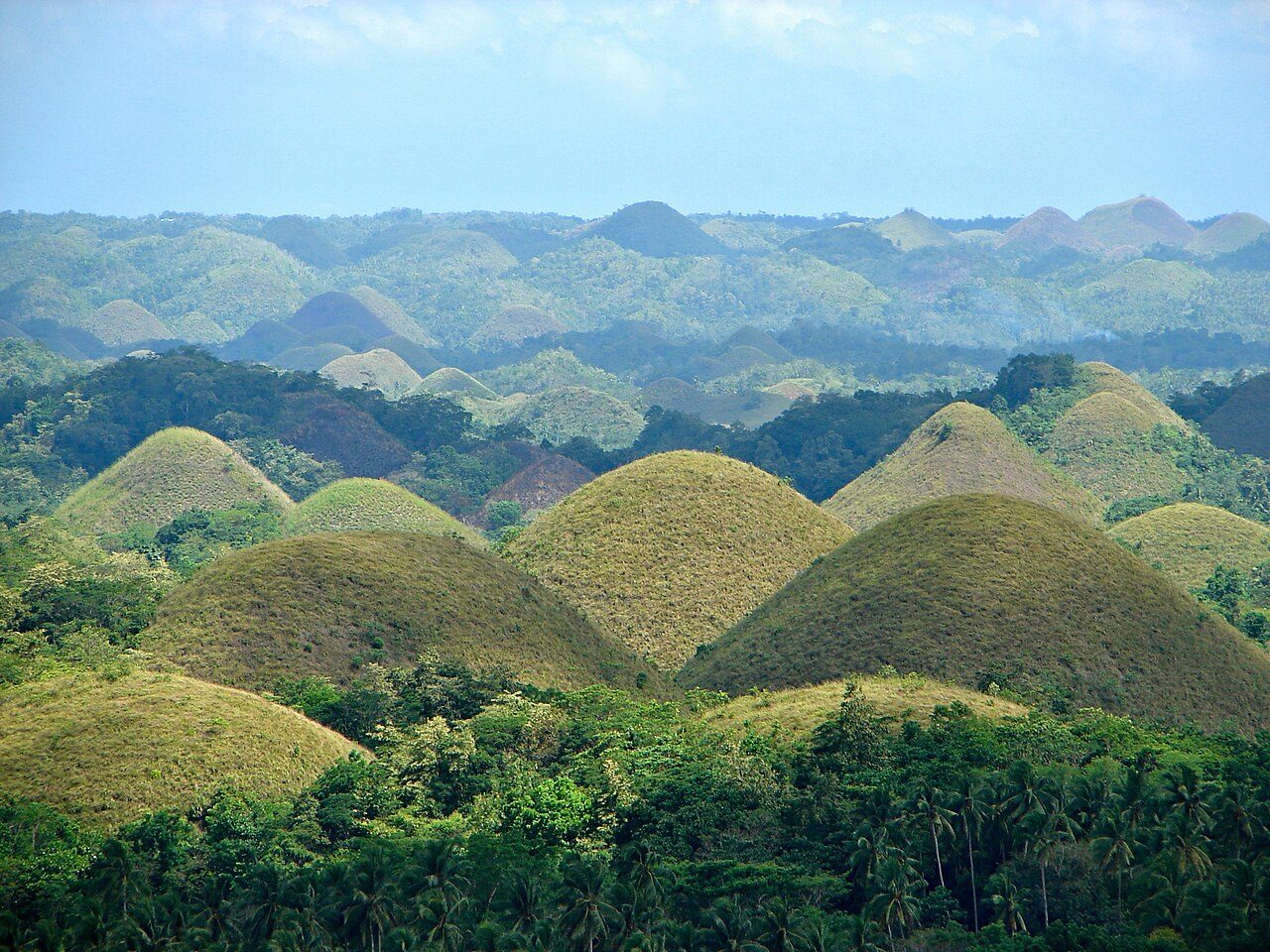
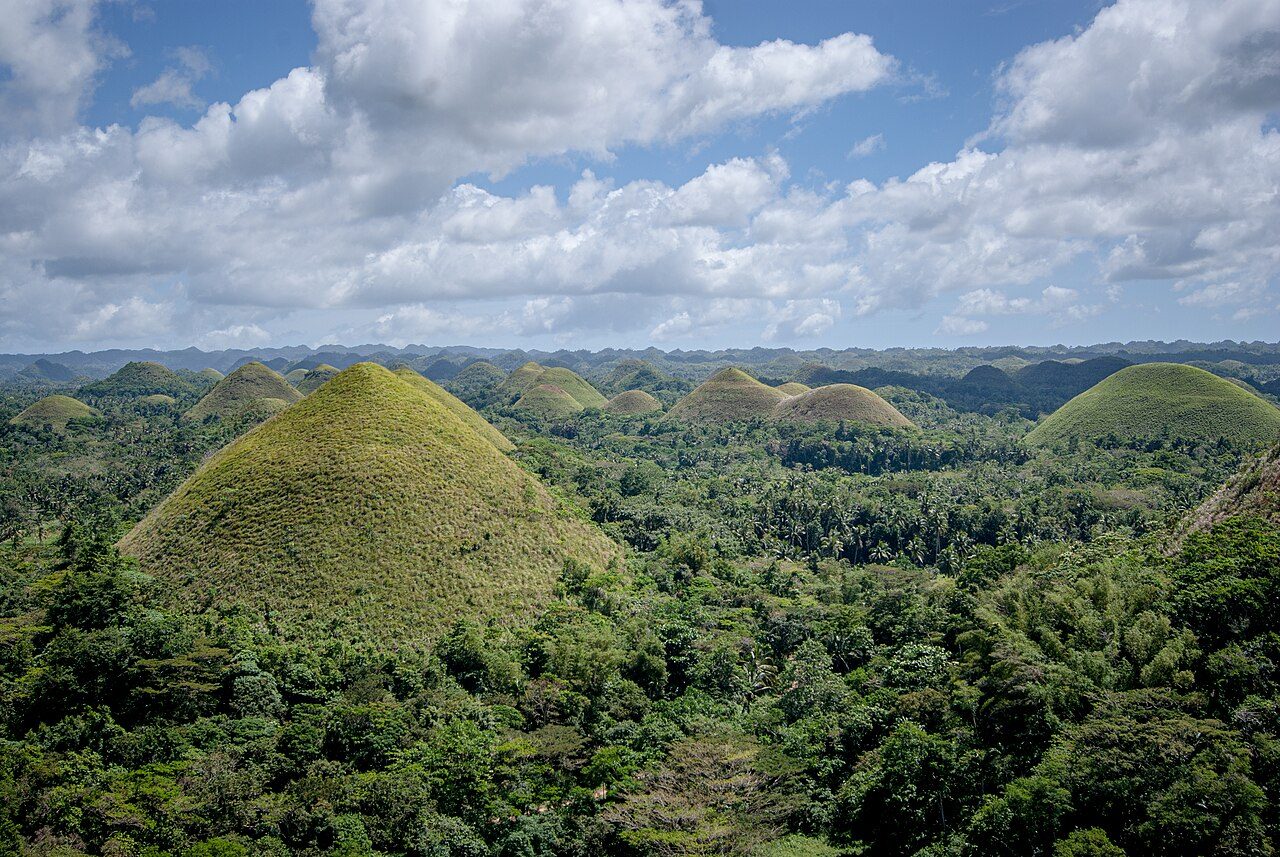
The Chocolate Hills are more than a thousand cone-shaped grassy hills spread across central Bohol. In the dry season the grass turns brown, giving them their name. A viewing deck at the top of a stairway in Carmen gives the classic panoramic view. They are a protected natural monument. Visit in the early morning or late afternoon for softer light and fewer visitors.
15
STOP 15 OF 20
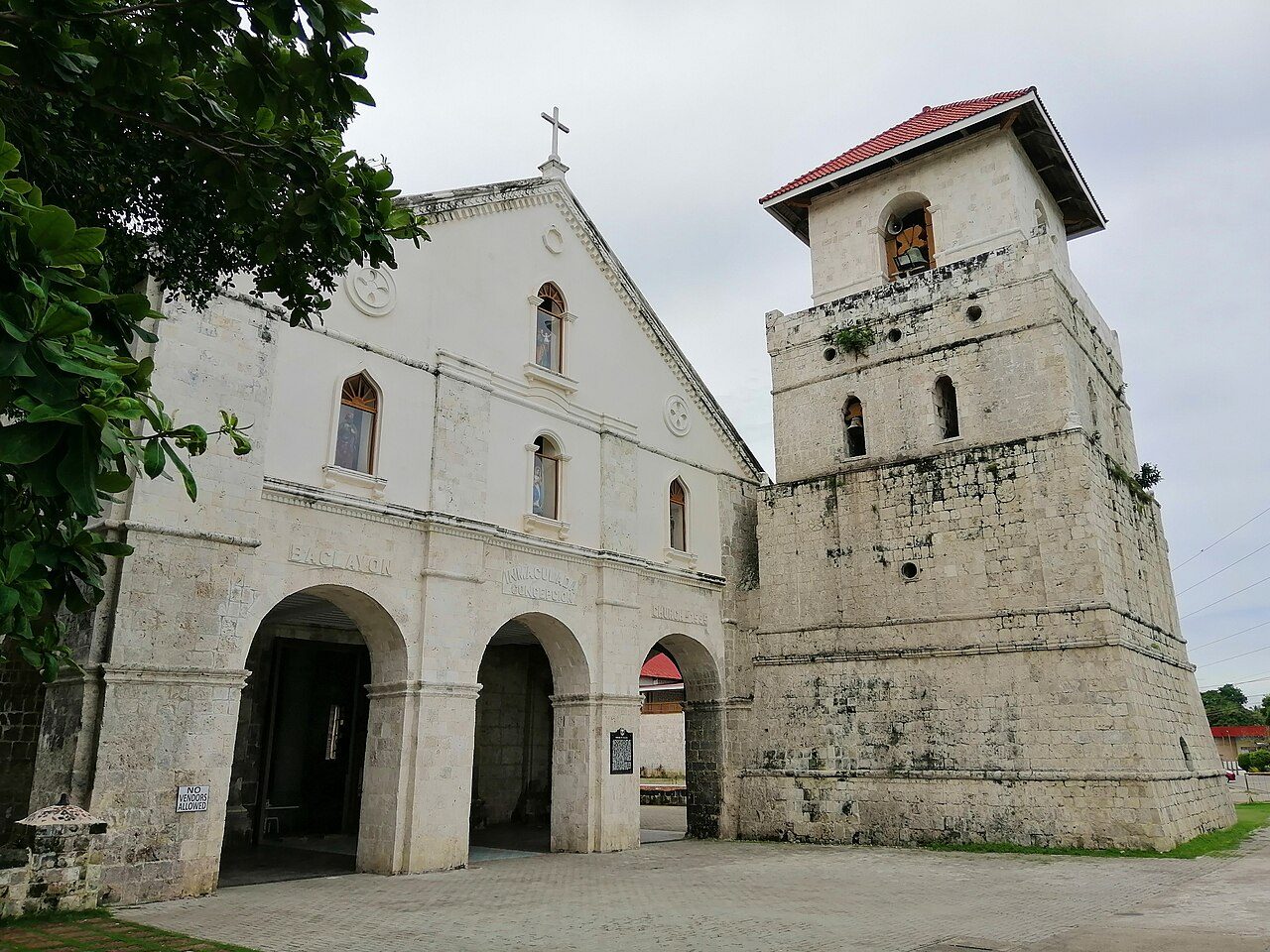
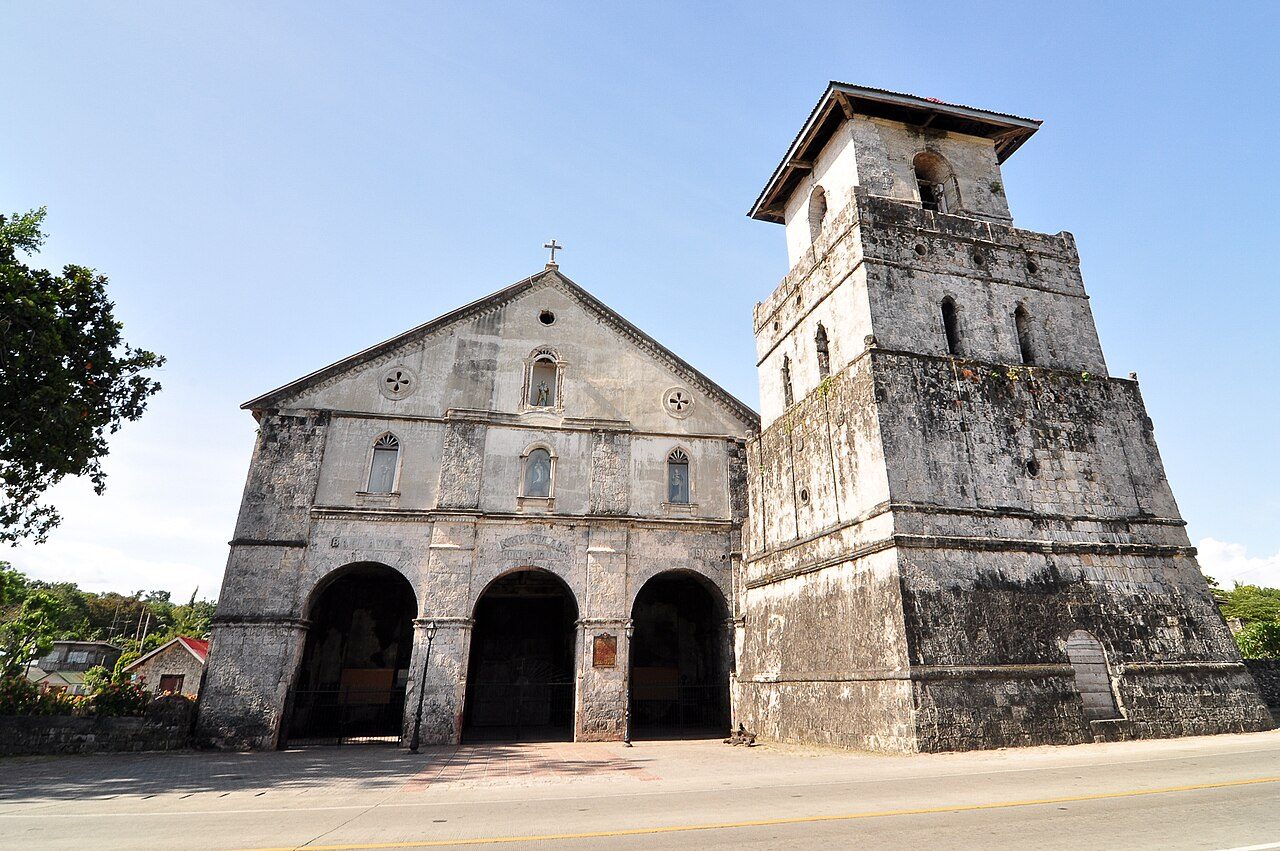
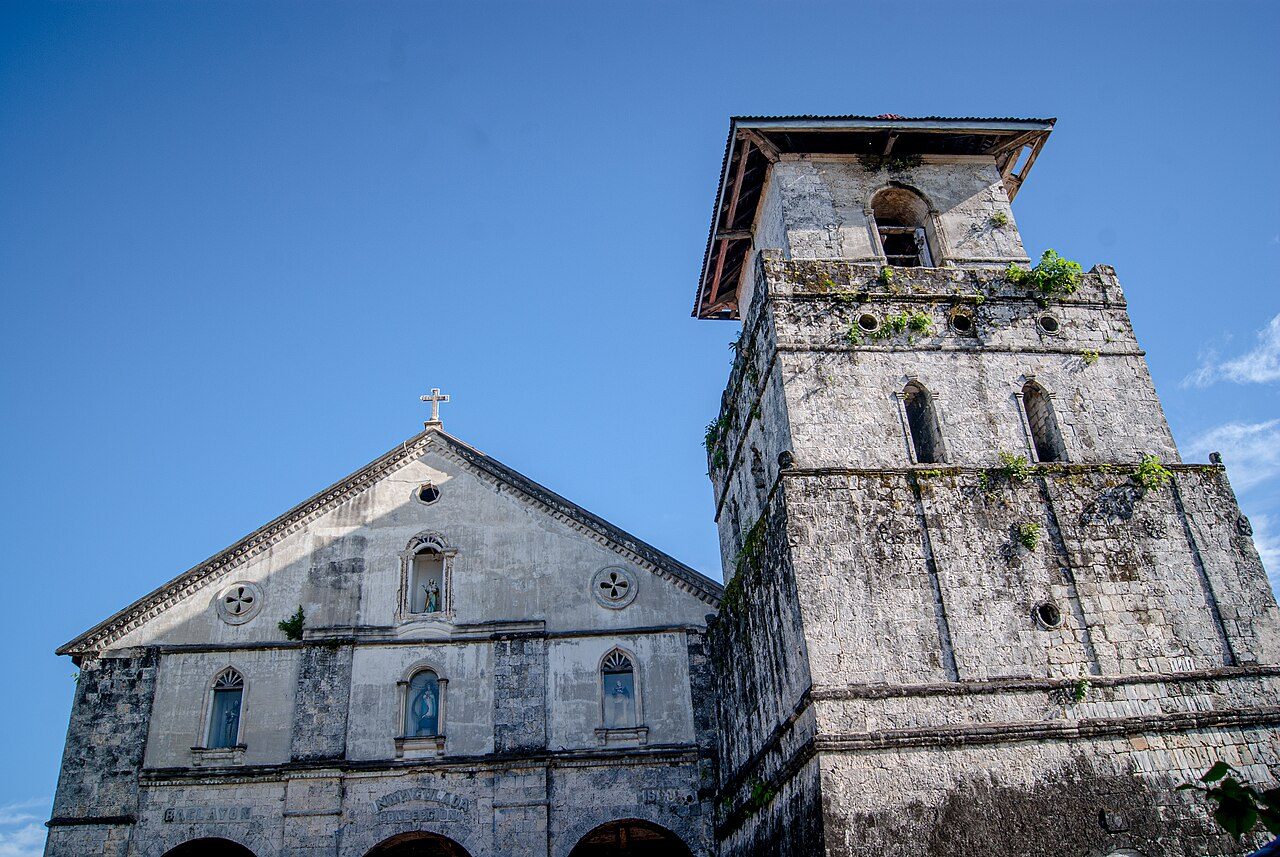
Baclayon Church
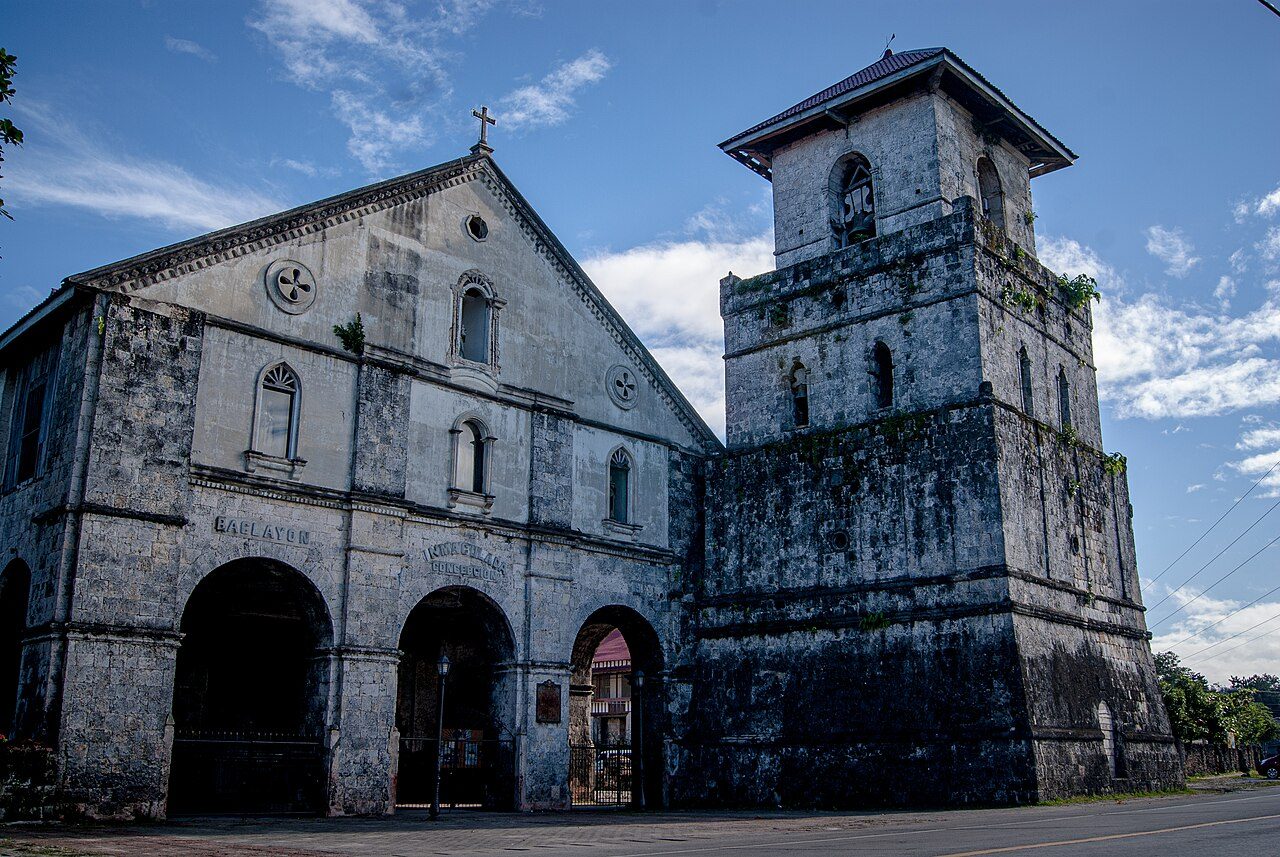
Baclayon Church is one of the oldest stone churches in the Philippines, built by Jesuit missionaries with coral stone in the early 1700s. It was badly damaged by the 2013 Bohol earthquake and has since been restored. The adjoining museum displays religious artefacts and antique vestments. It is a short drive from Tagbilaran and often visited on countryside tours.
16
STOP 16 OF 20
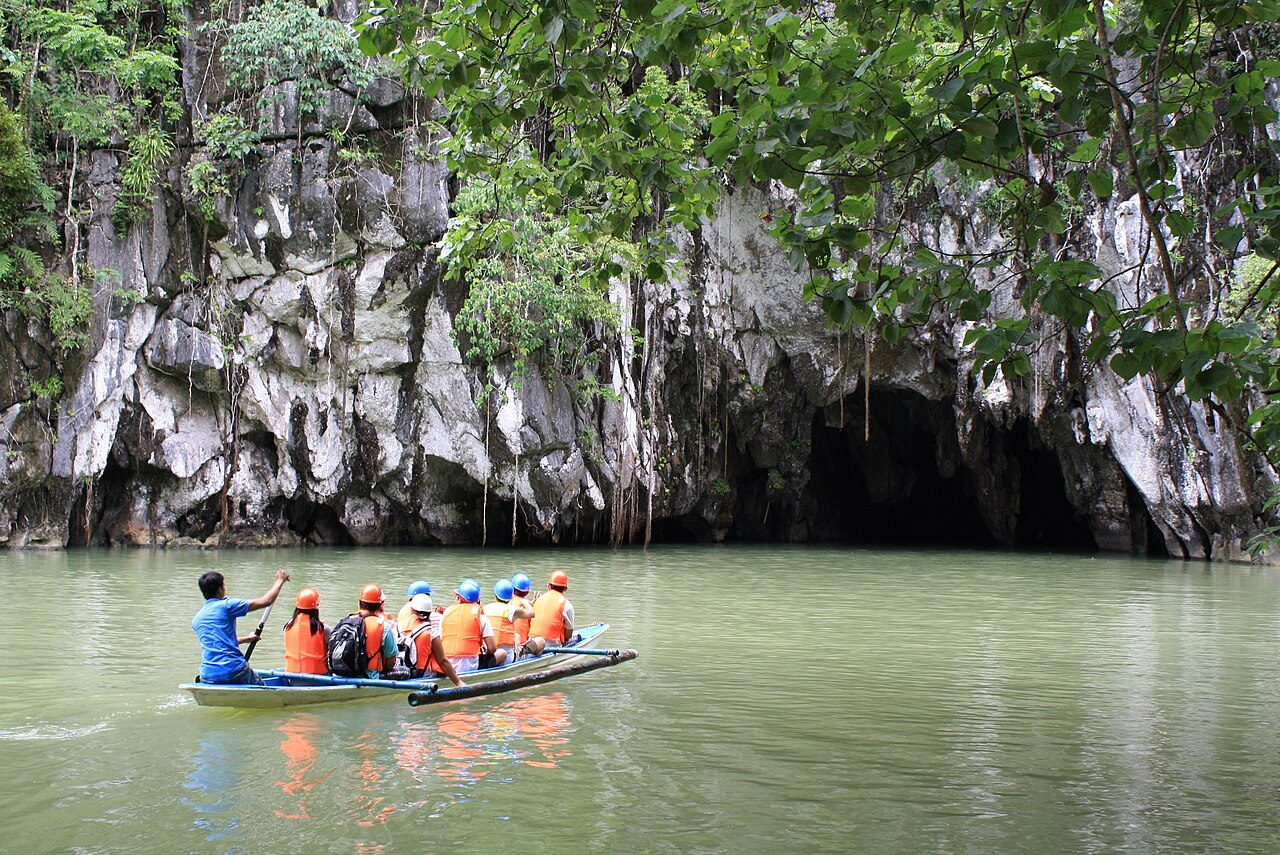
Puerto Princesa Underground River
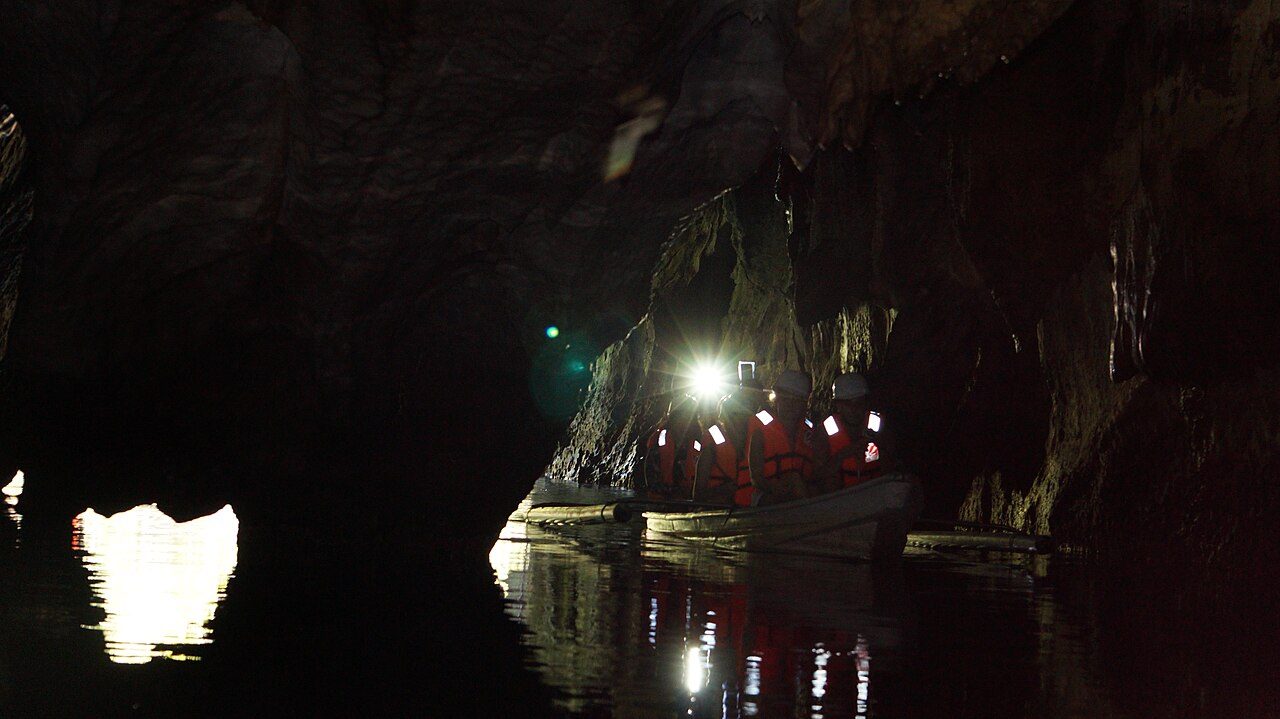
The Puerto Princesa Underground River flows through a limestone cave for over eight kilometres before reaching the sea. It is the centrepiece of a national park and a UNESCO World Heritage Site. Paddle boats take visitors into the cave, past huge chambers, rock formations and roosting bats. Permits are limited, so book ahead, and boats leave from the beach at Sabang.
17
STOP 17 OF 20
Nacpan Beach
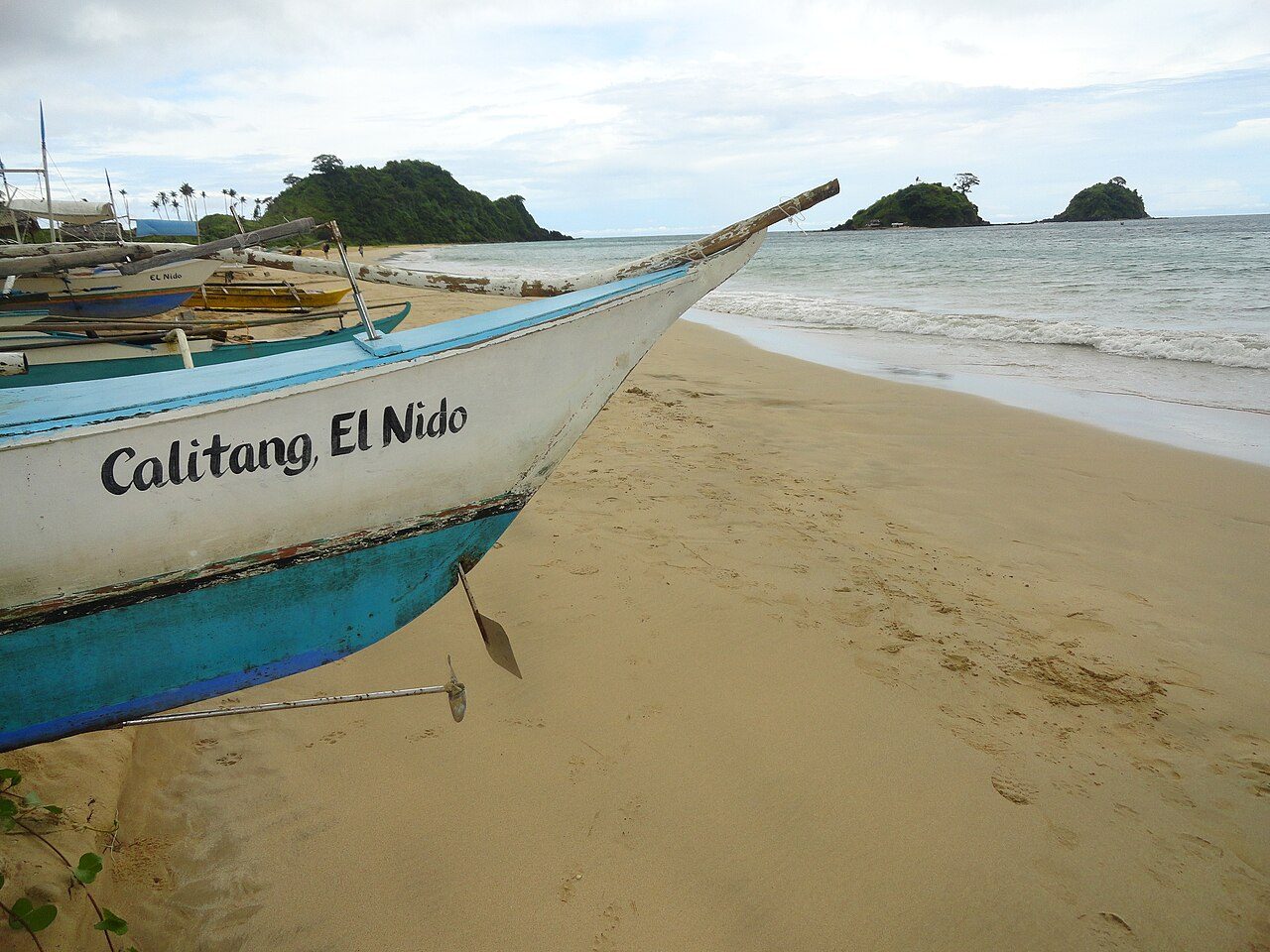
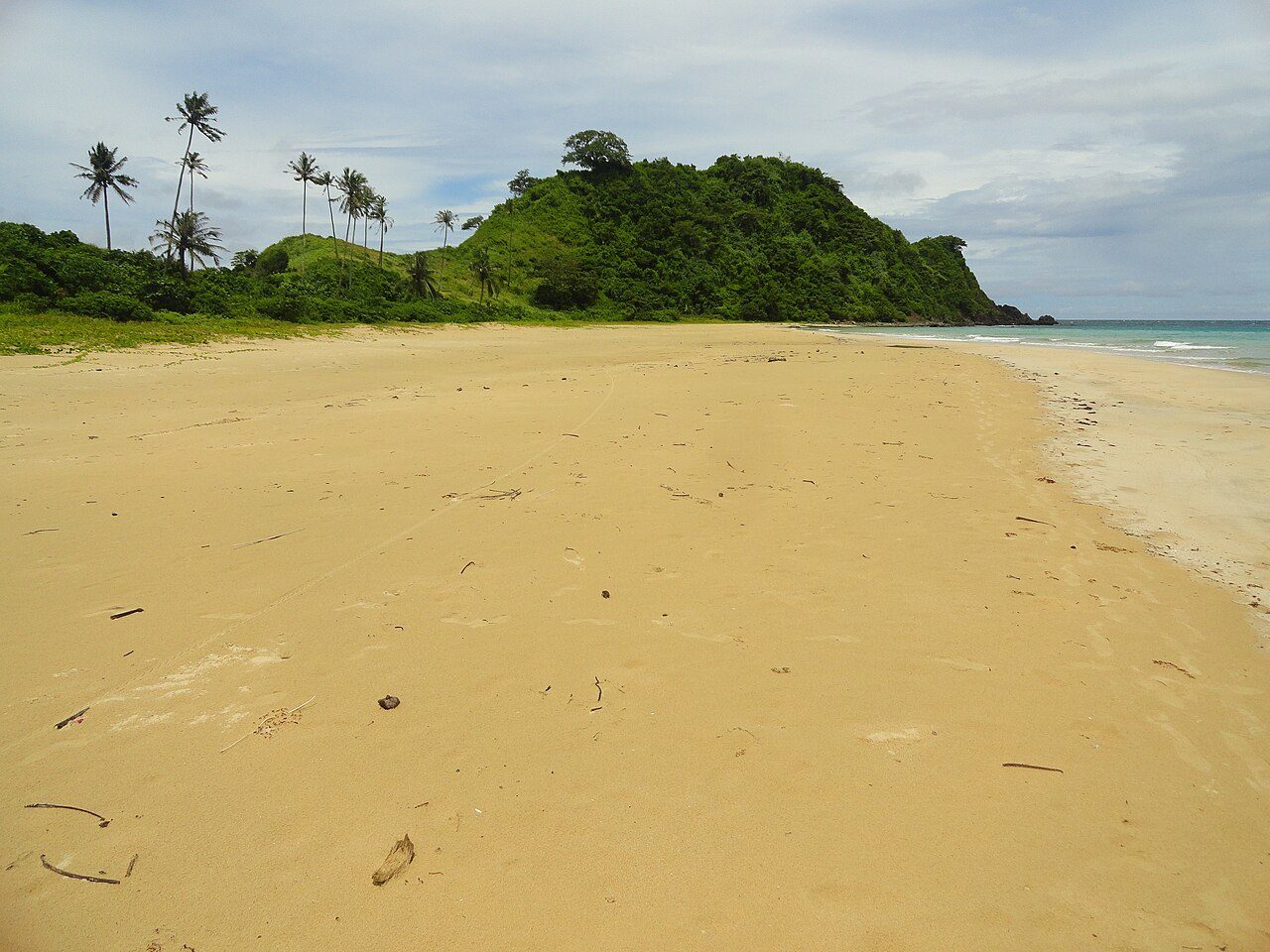
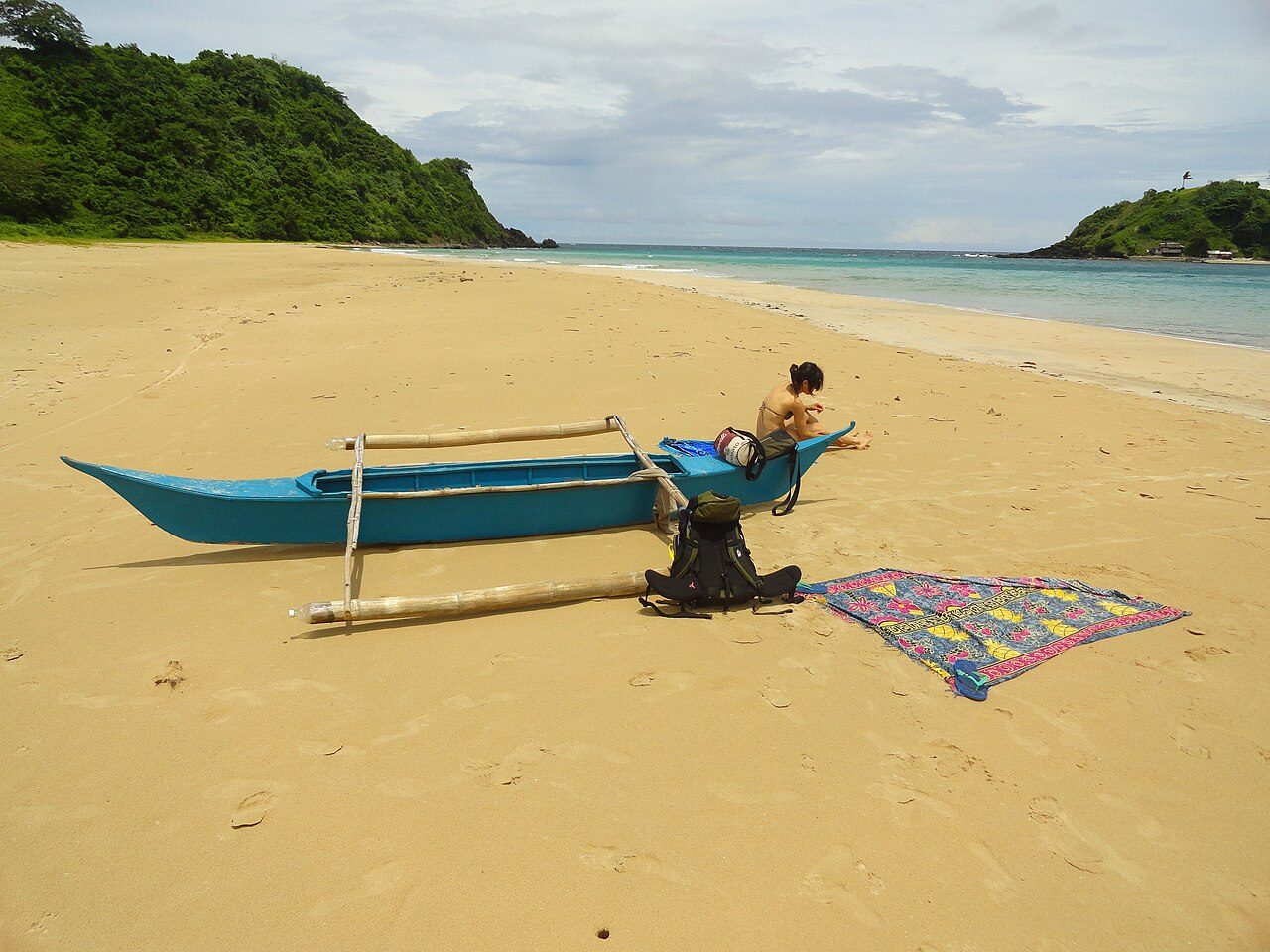
Nacpan Beach is a long arc of golden sand north of El Nido, backed by coconut palms and green hills. Unlike the busy town beaches, it feels wide and open, with a few small bars and restaurants. A viewpoint at the southern end shows its twin beach shape. The sea is calmest in the dry season from November to May; bring cash as services are limited.
18
STOP 18 OF 20
Kayangan Lake
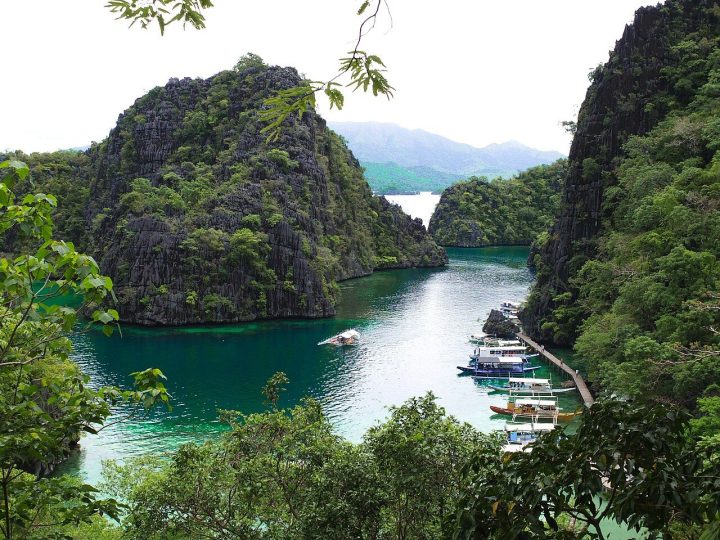
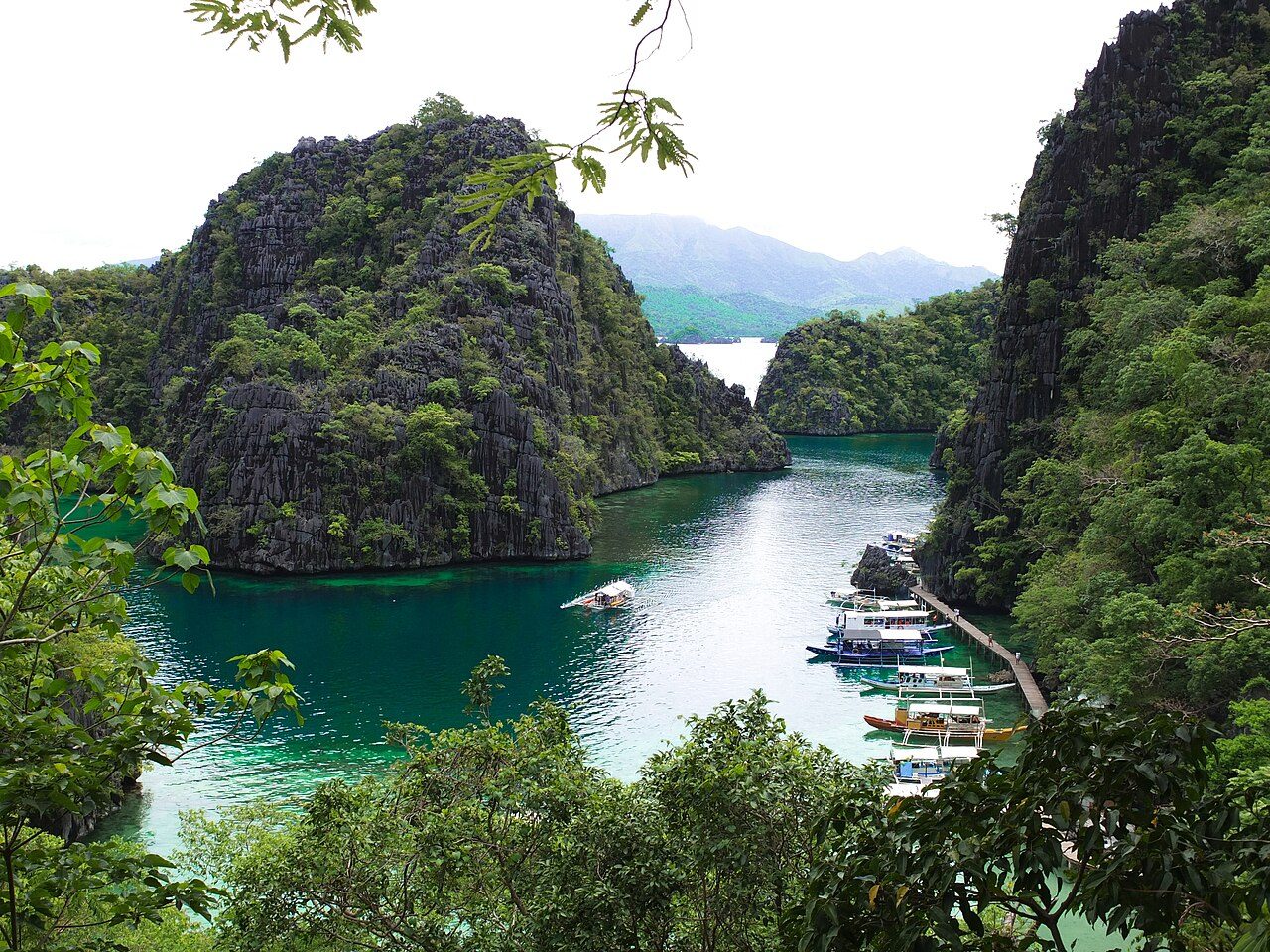
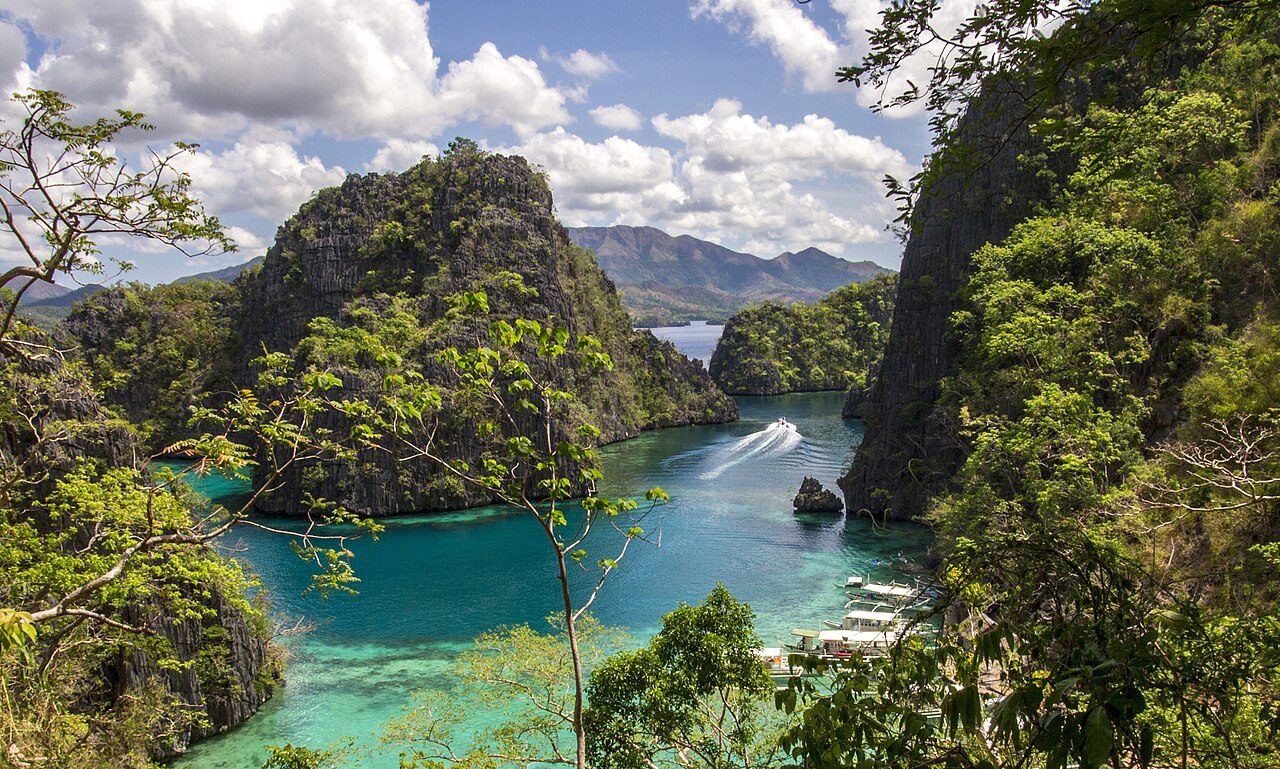
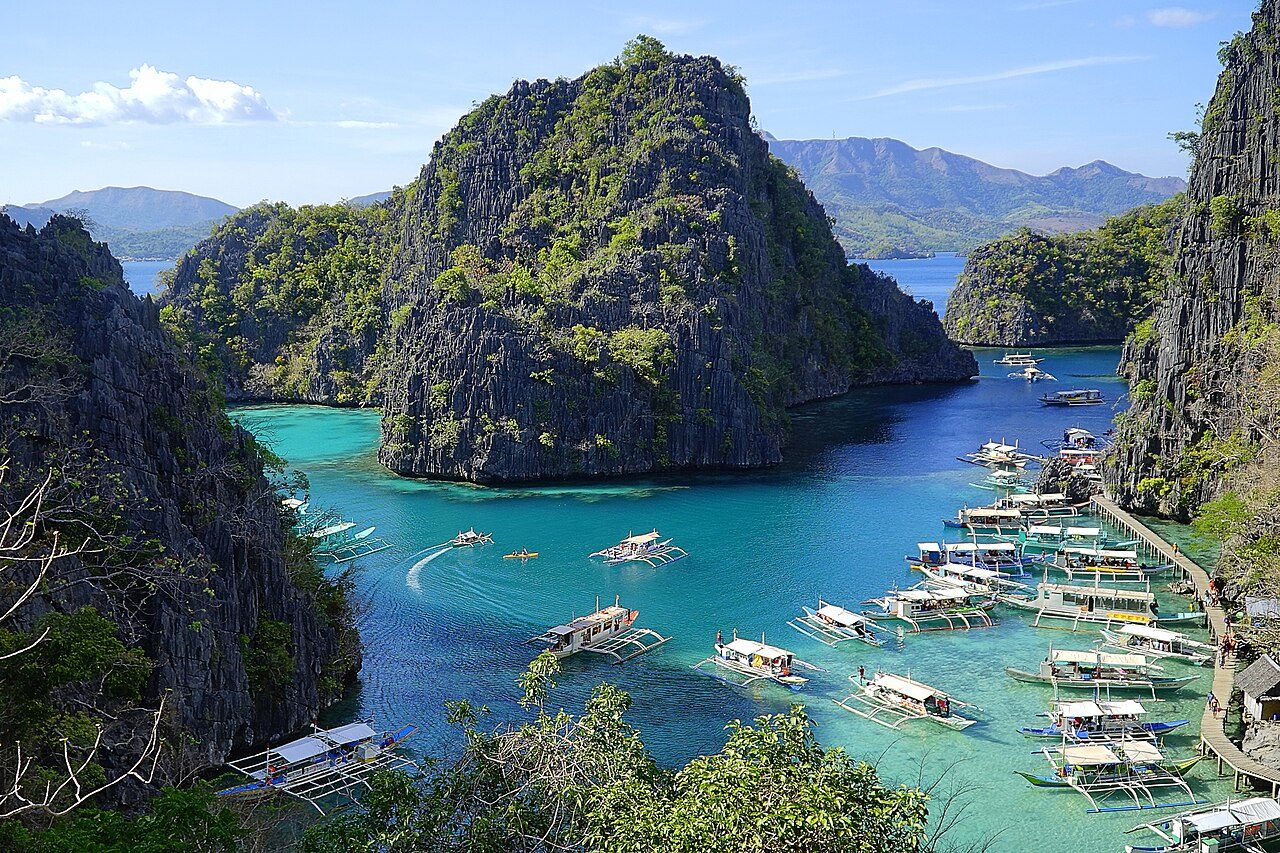
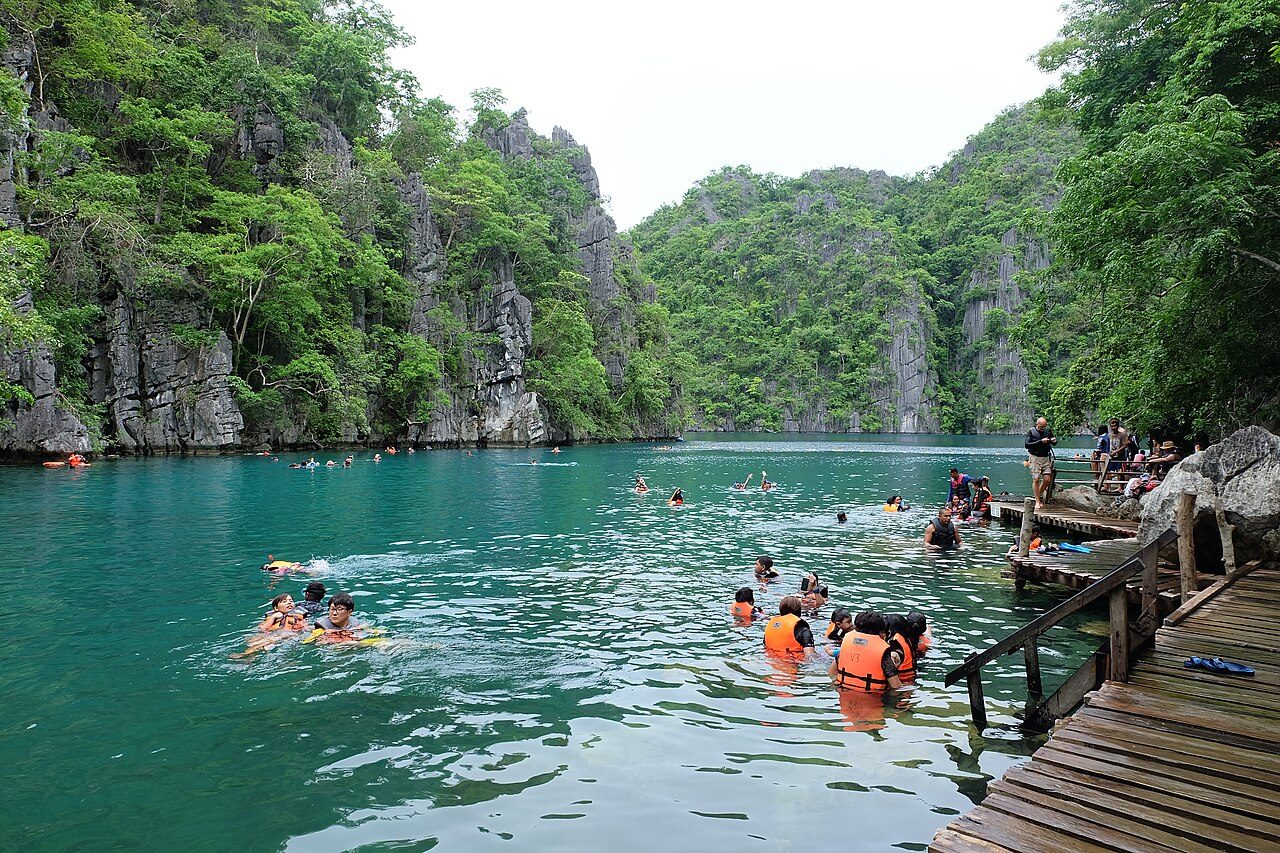
Kayangan Lake on Coron Island is a clear freshwater lake surrounded by jagged limestone cliffs. A short but steep climb from the boat landing leads to a viewpoint over a lagoon, one of the most photographed views in the Philippines, before descending to the lake. Swimming and snorkelling are allowed. The lake is managed by the indigenous Tagbanua people, who collect the fees.
19
STOP 19 OF 20
Mount Tapyas
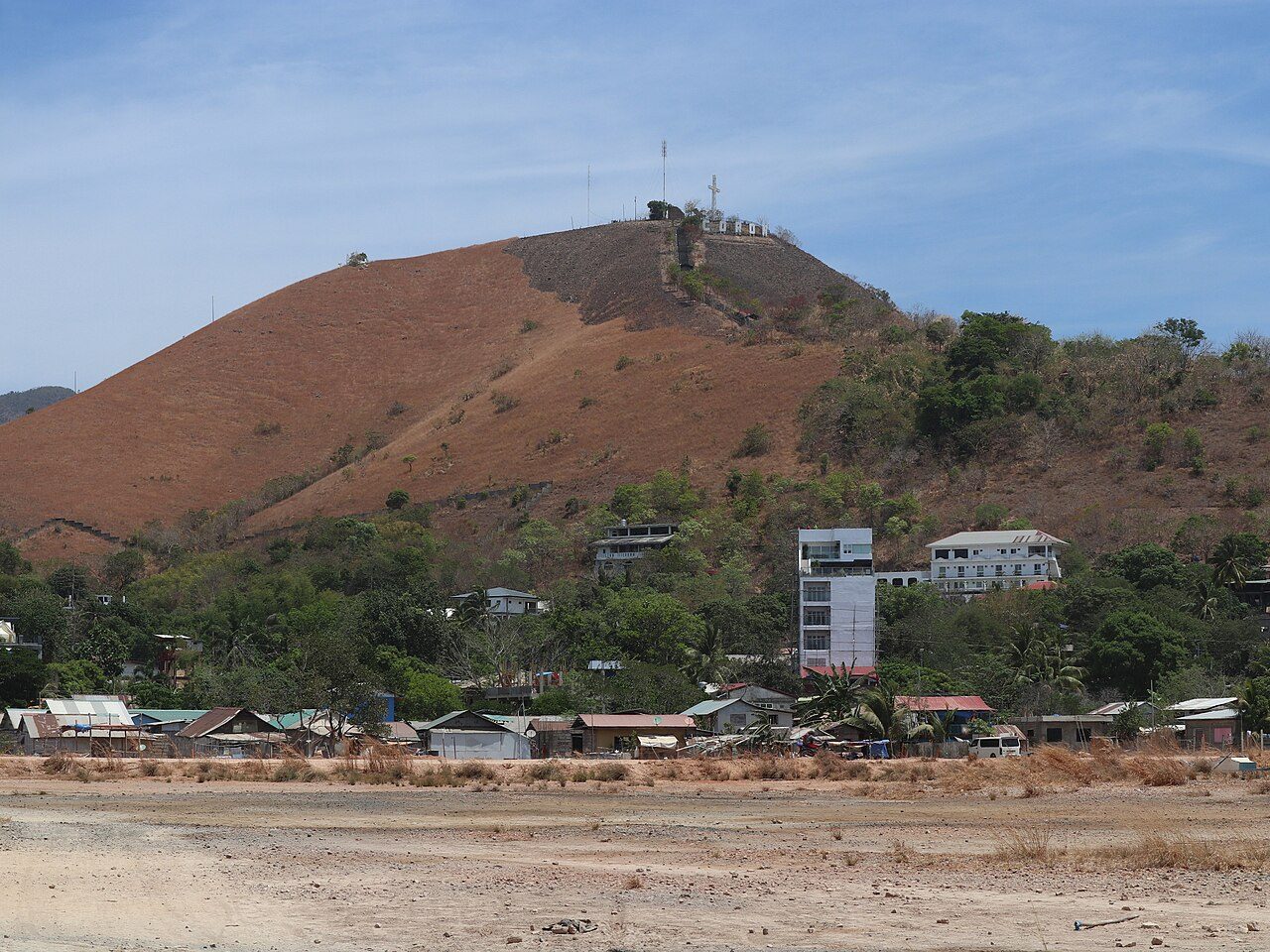
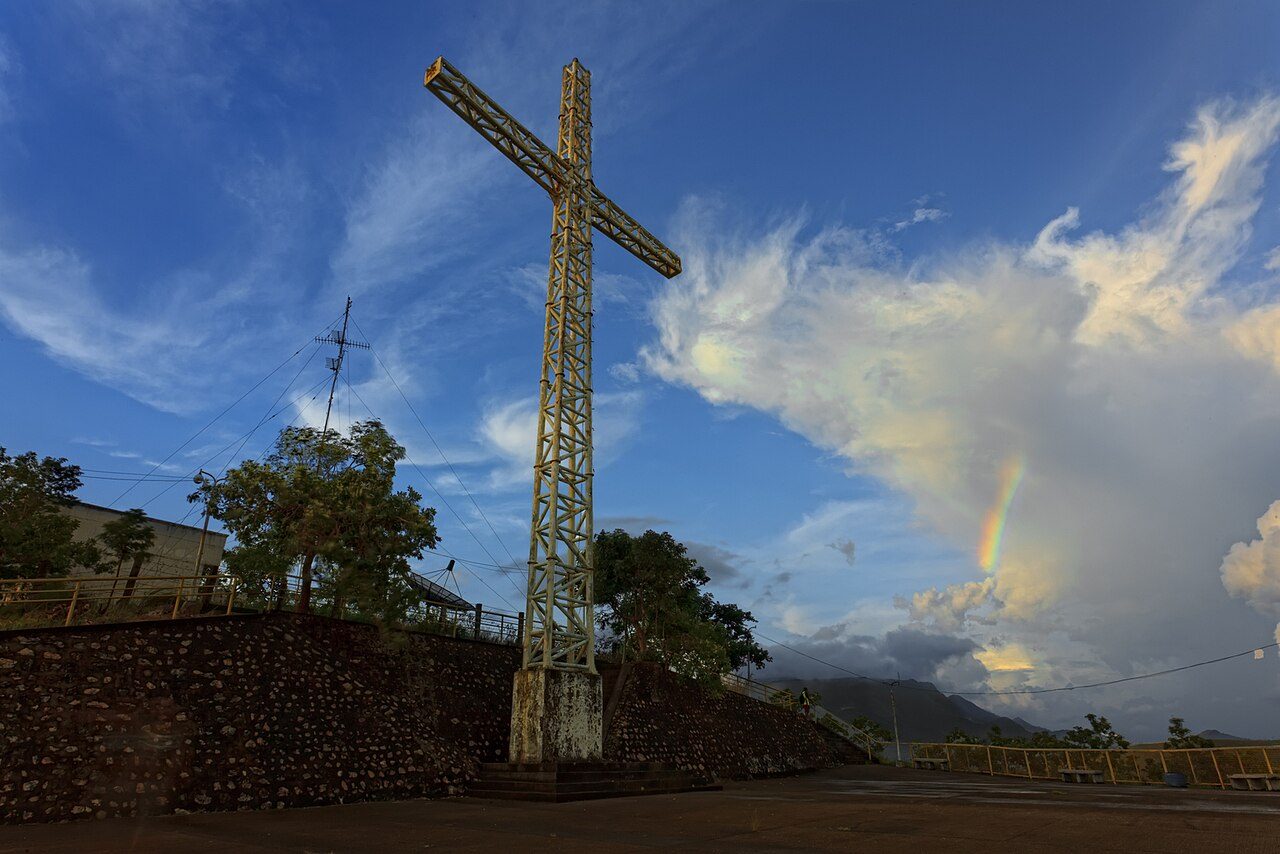
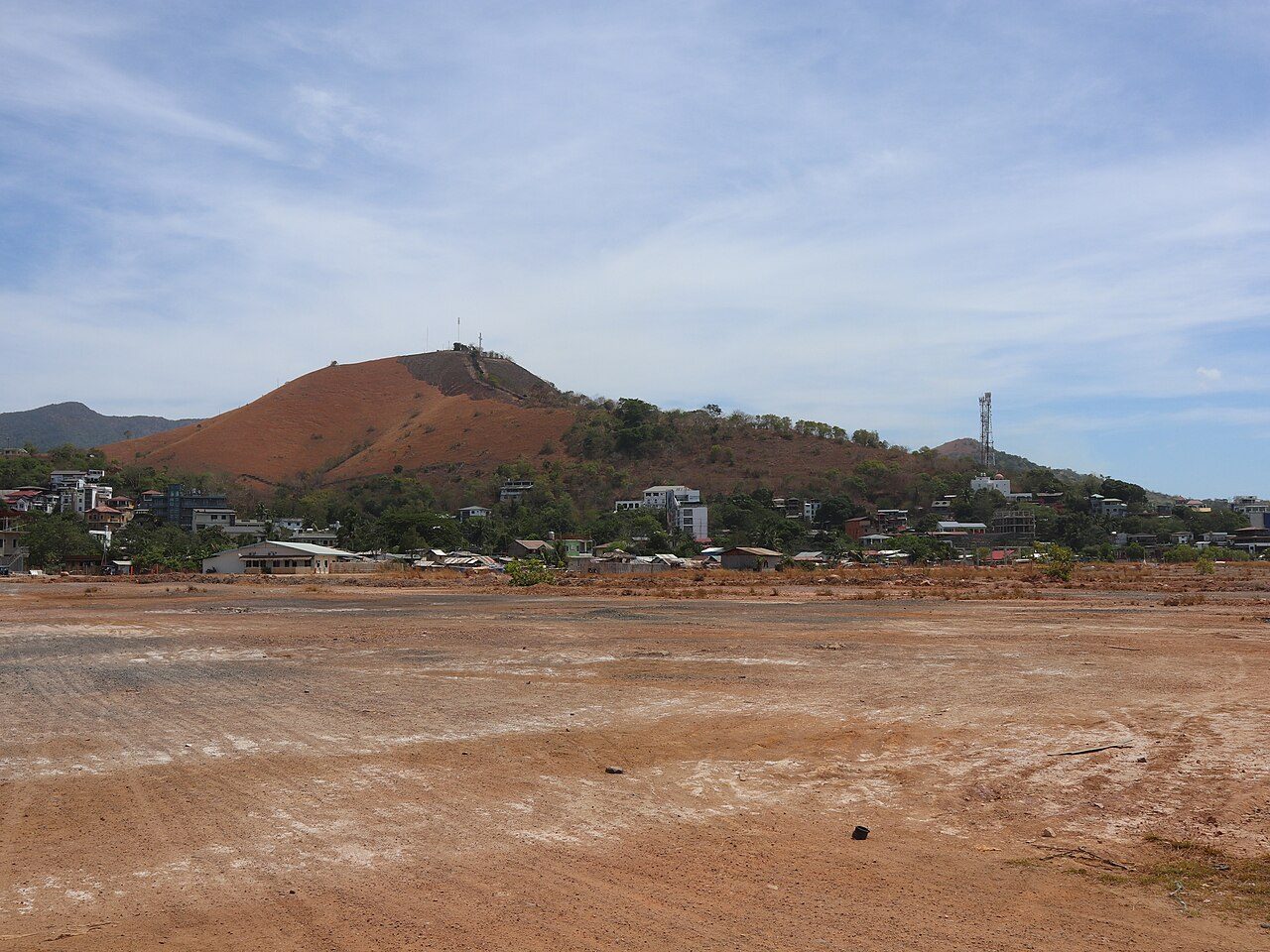
Mount Tapyas is a hill above Coron town with a large cross on the summit. A stairway of about 700 steps leads to the top, where there are wide views over Coron Bay and the surrounding islands. It is one of the best places in Coron to watch the sunset. Bring water, go in the late afternoon and stay for the lights of the town after dark.
20
STOP 20 OF 20 · LAST STOP
Boracay White Beach
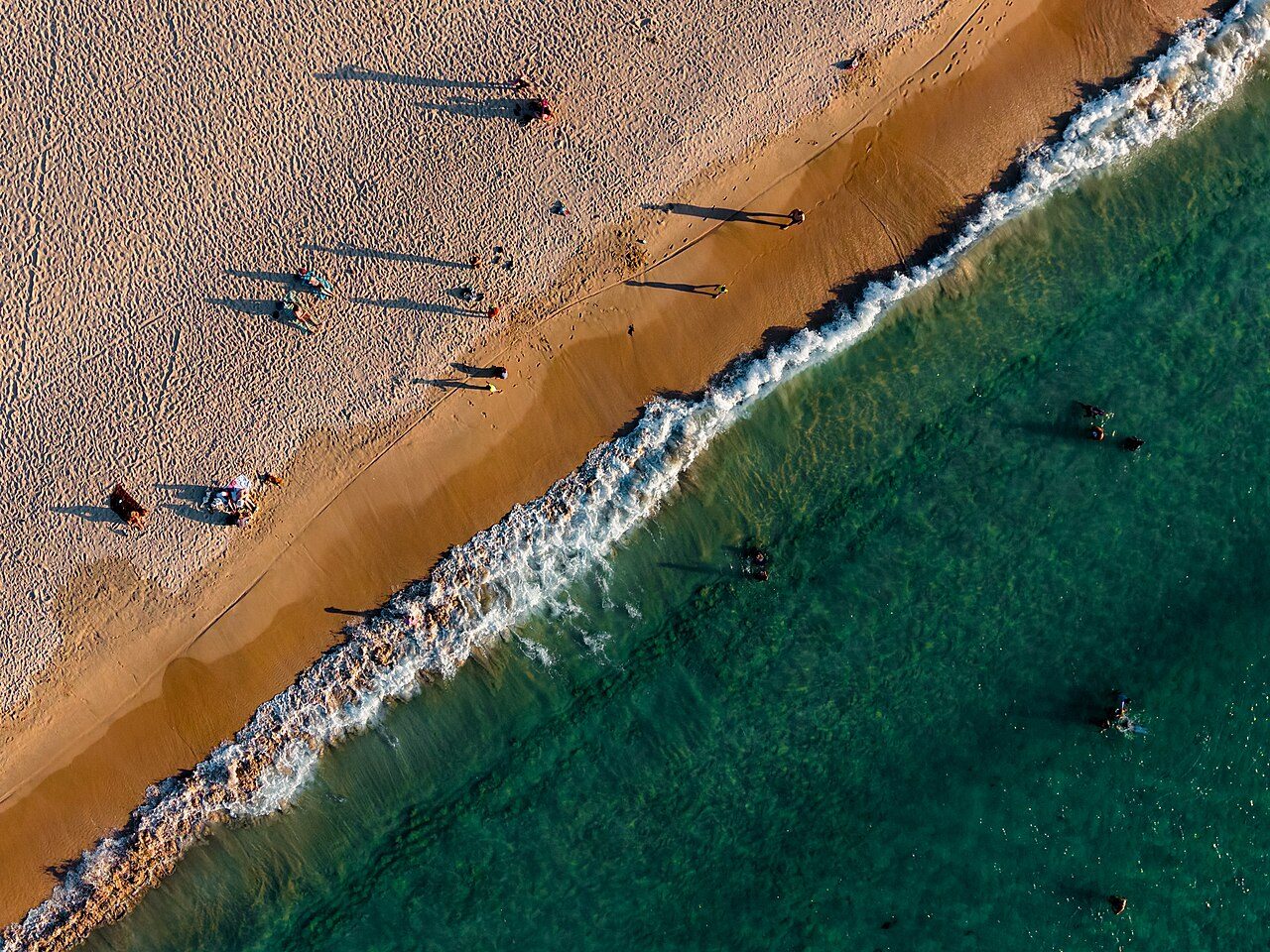
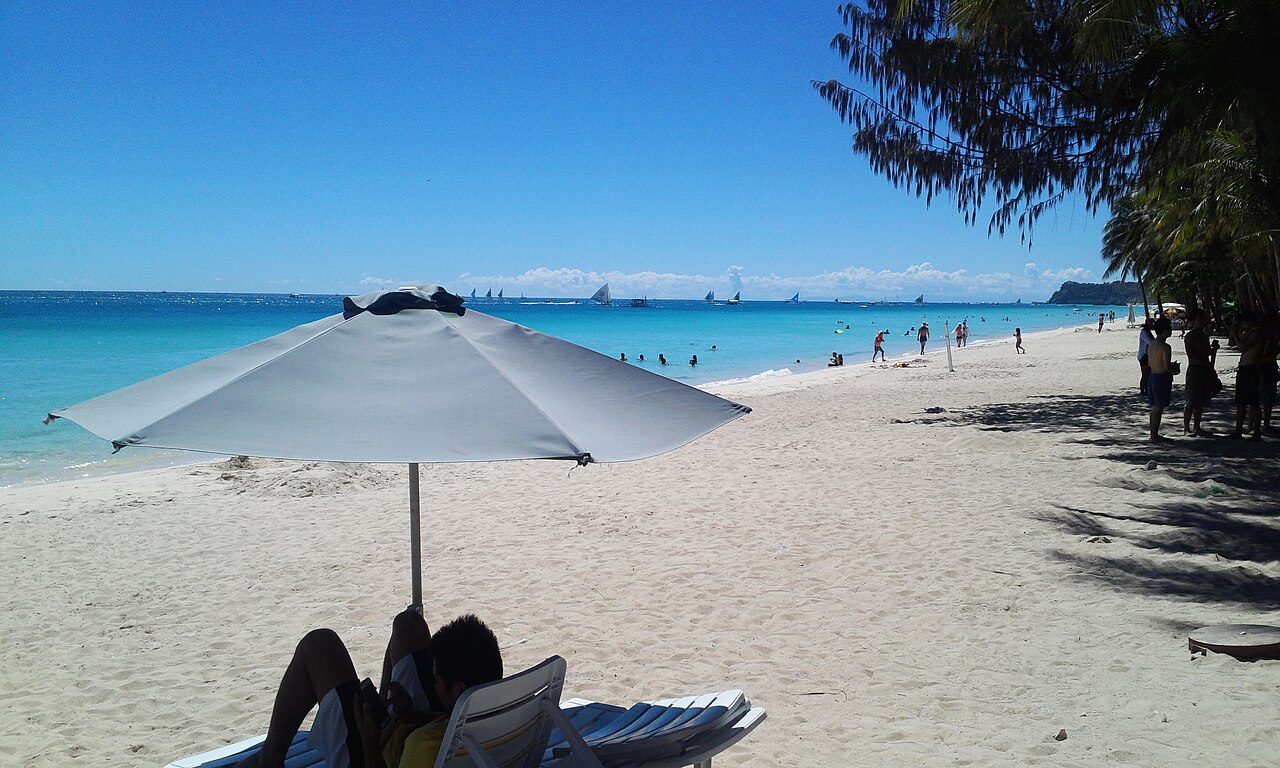
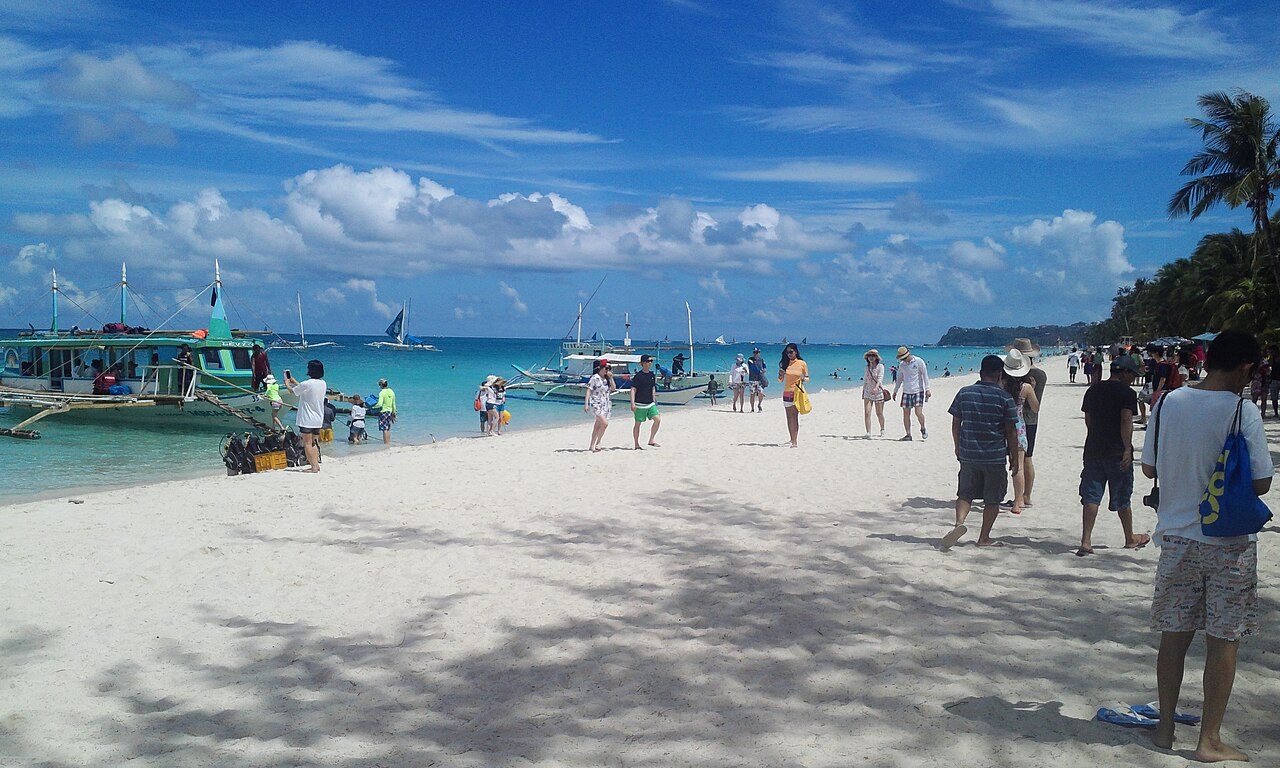
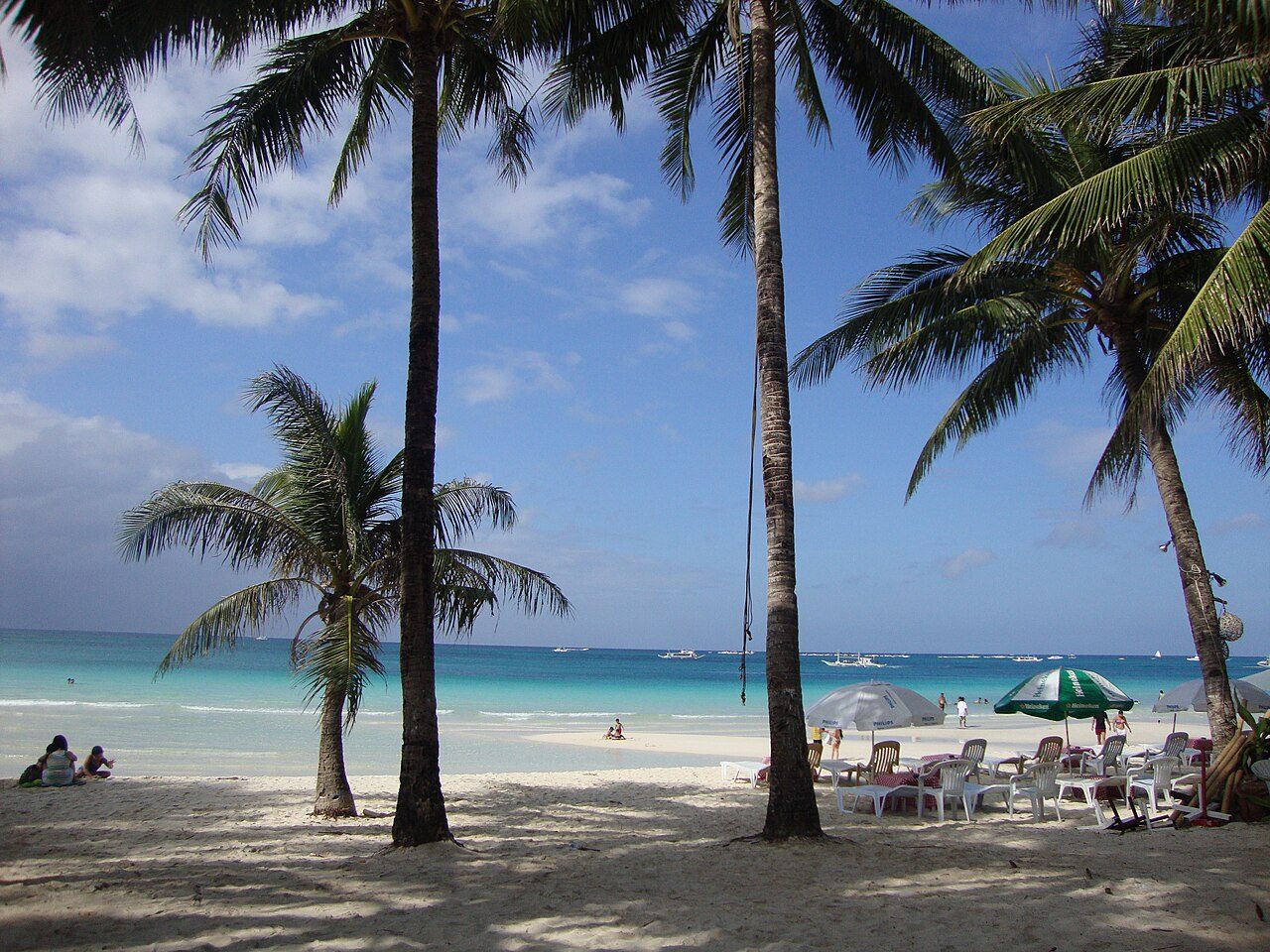
White Beach is the famous four-kilometre stretch of powdery sand along the west coast of Boracay. It is lined with resorts, restaurants and bars, and divided into Stations 1, 2 and 3. The sunsets here are spectacular, often watched from sailboats called paraw. Strict rules now protect the beach, so smoking and drinking on the sand are restricted.
 WaTrips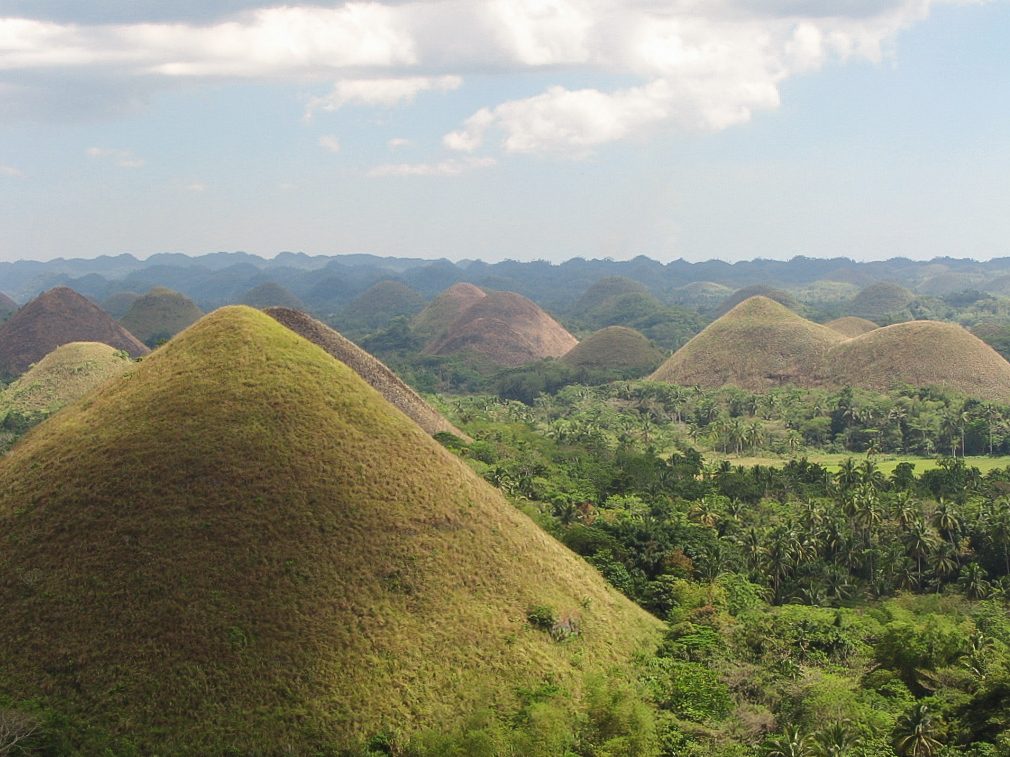








 BikesBooking
 Localrent
 Airalo
 Tiqets