Baguio, Sagada's hanging coffins, the Banaue and Batad rice terraces, Vigan's Spanish streets and the baroque churches and dunes of Ilocos.
Northern Luzon is cool mountains and Spanish colonial towns. Start in Baguio, the 'summer capital', then head to Sagada's hanging coffins and caves. See the famous rice terraces of Banaue and hike down to Batad, where they form a vast amphitheatre (both UNESCO-listed). Then drive down to the coast to Vigan, a UNESCO town of cobbled streets and old mansions, the fortress church of Santa Maria and Paoay's giant-buttressed church, and finish at the Kapurpurawan rocks and Cape Bojeador Lighthouse. November to April is driest.
01
STOP 1 OF 12
Burnham Park
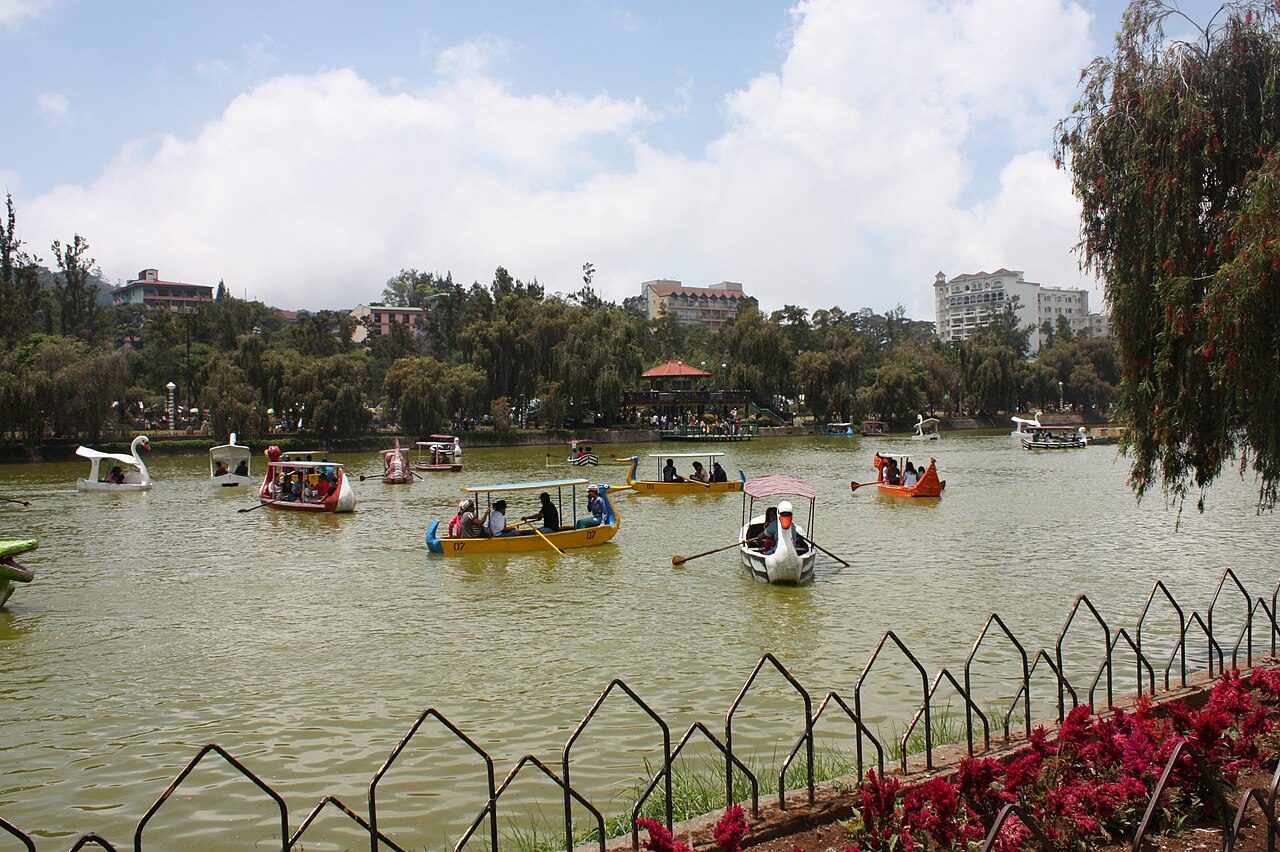
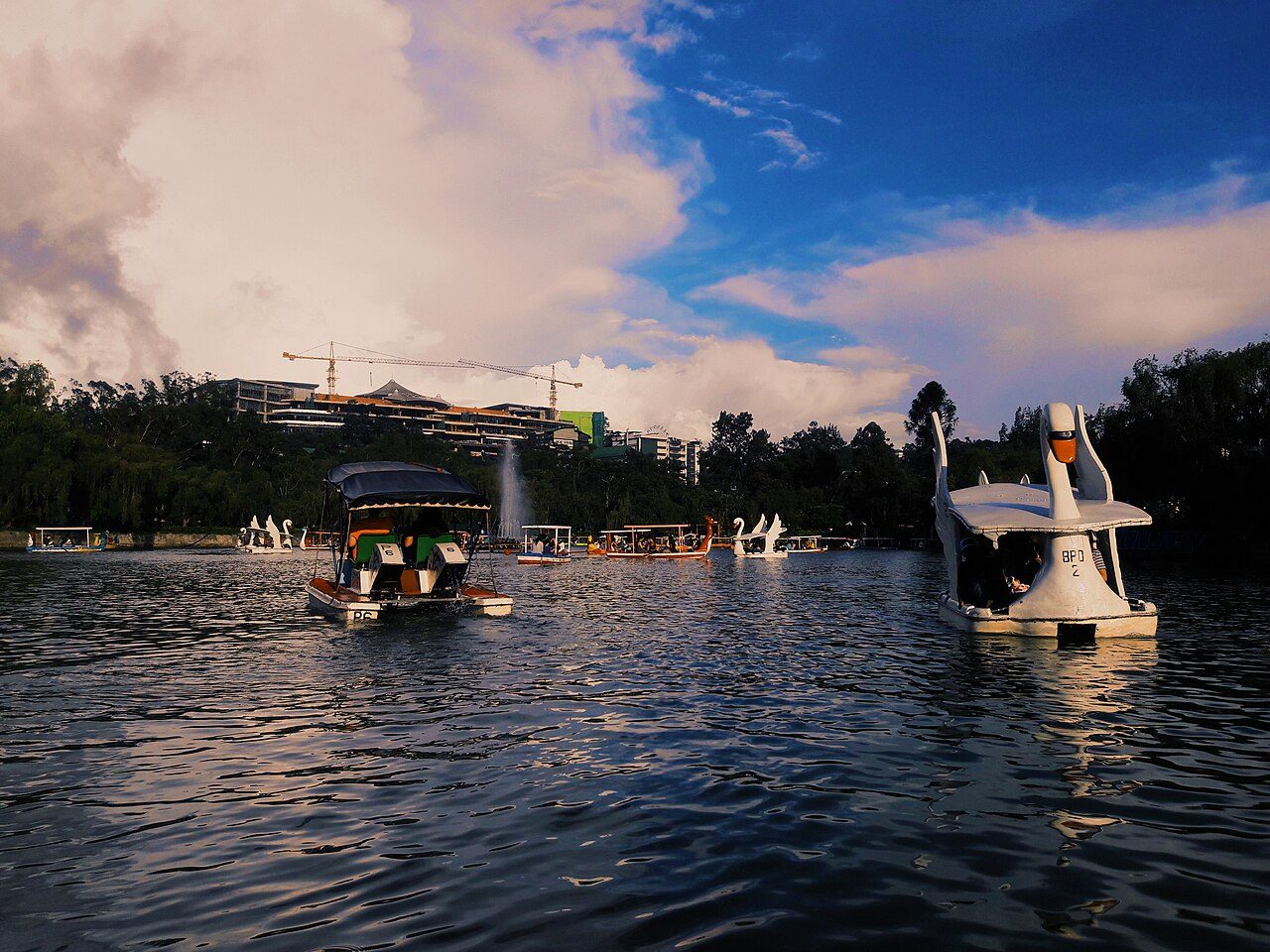
Burnham Park is the green heart of Baguio, designed by American architect Daniel Burnham in the early 1900s. Its central lake is busy with rowing boats and swan pedal boats, and the park has gardens, a skating rink and bike rentals. It is a favourite place for families on weekends. Baguio's cool mountain climate makes a stroll here pleasant year round.
02
STOP 2 OF 12
Baguio Cathedral
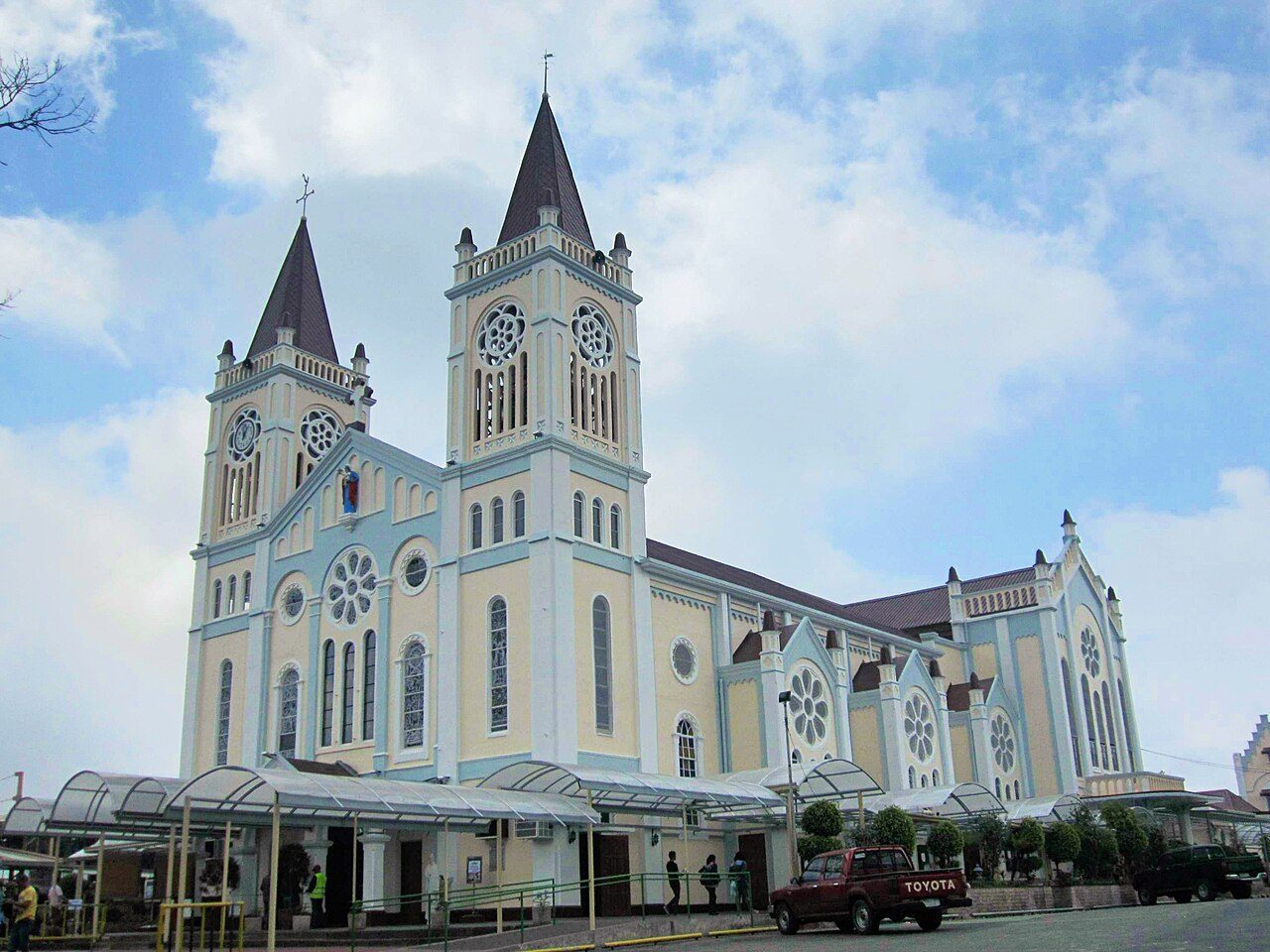
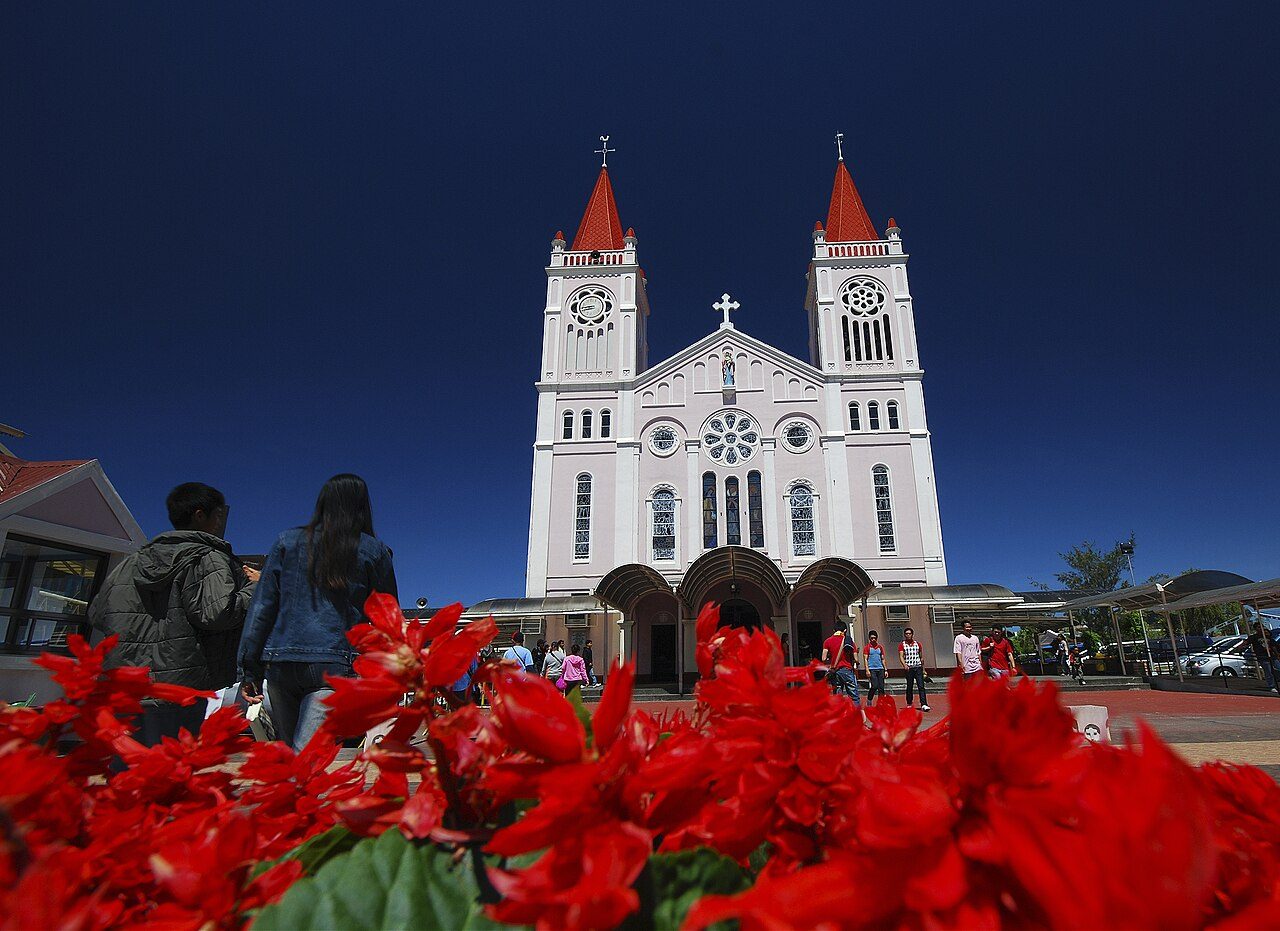
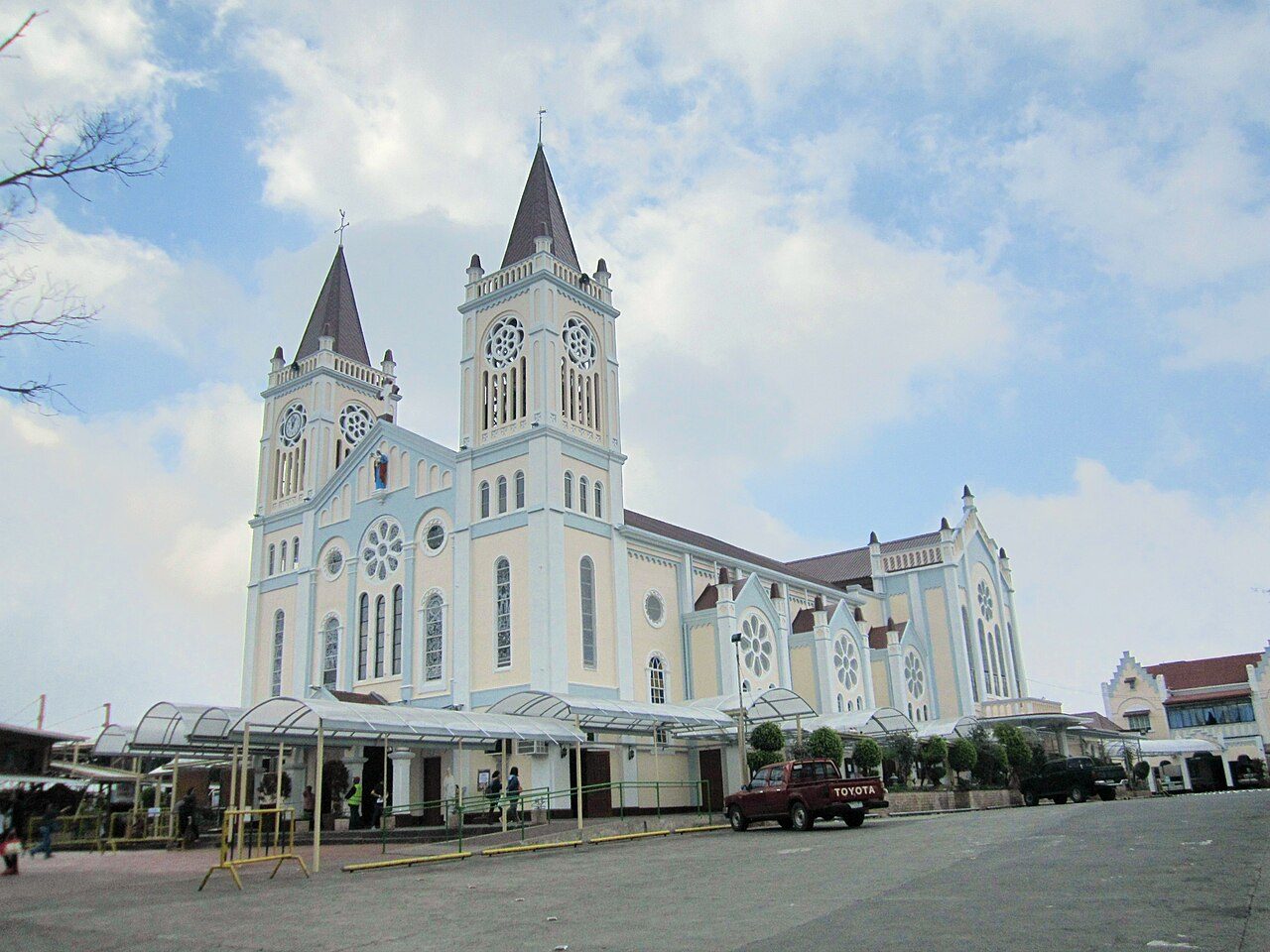
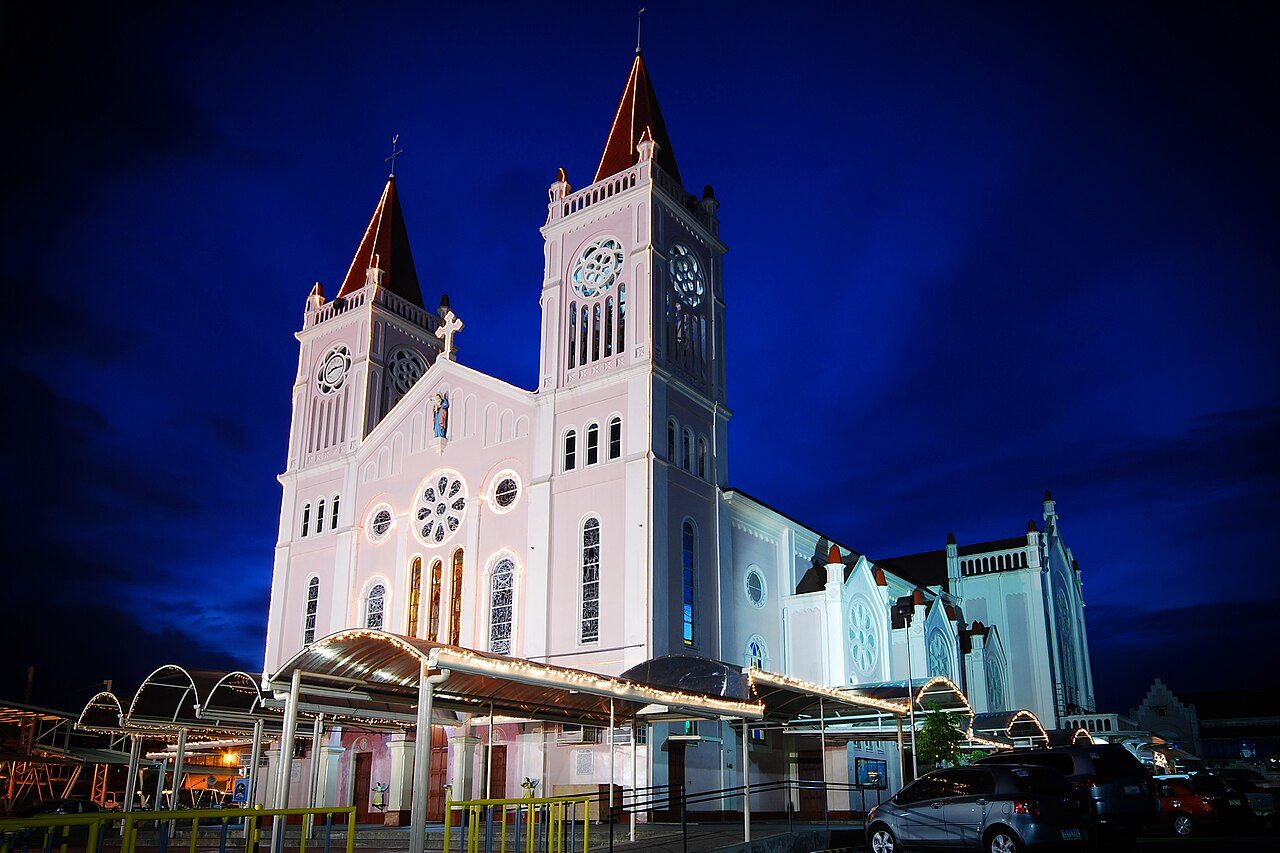
Baguio Cathedral, the Cathedral of Our Lady of the Atonement, stands on a hill in the city centre and is reached by a long stairway. Its pink walls and twin towers were completed in 1936. During the Second World War it served as an evacuation centre that sheltered thousands of people. The view from the church steps looks out over Session Road and the city.
03
STOP 3 OF 12
Mines View Park
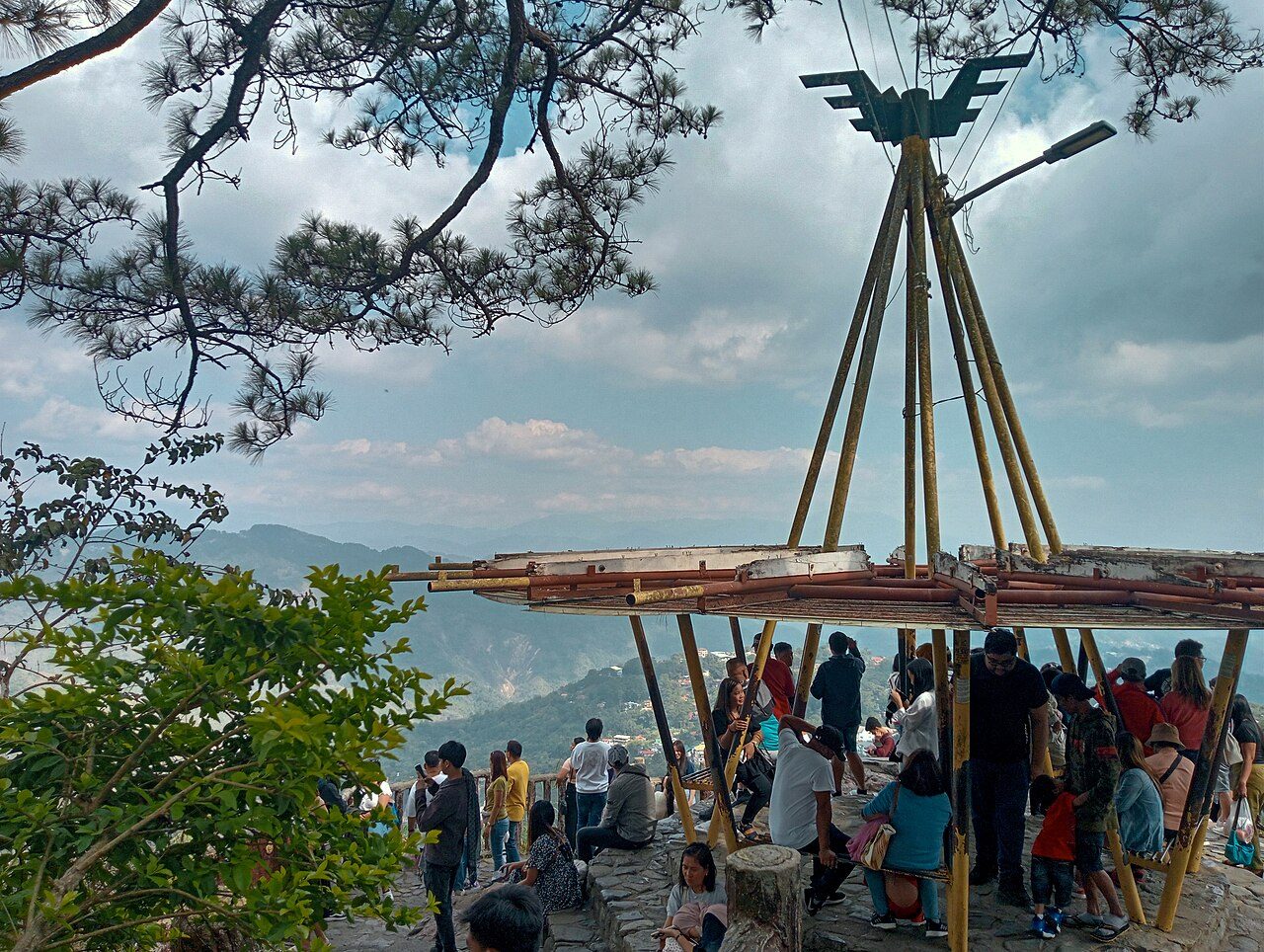
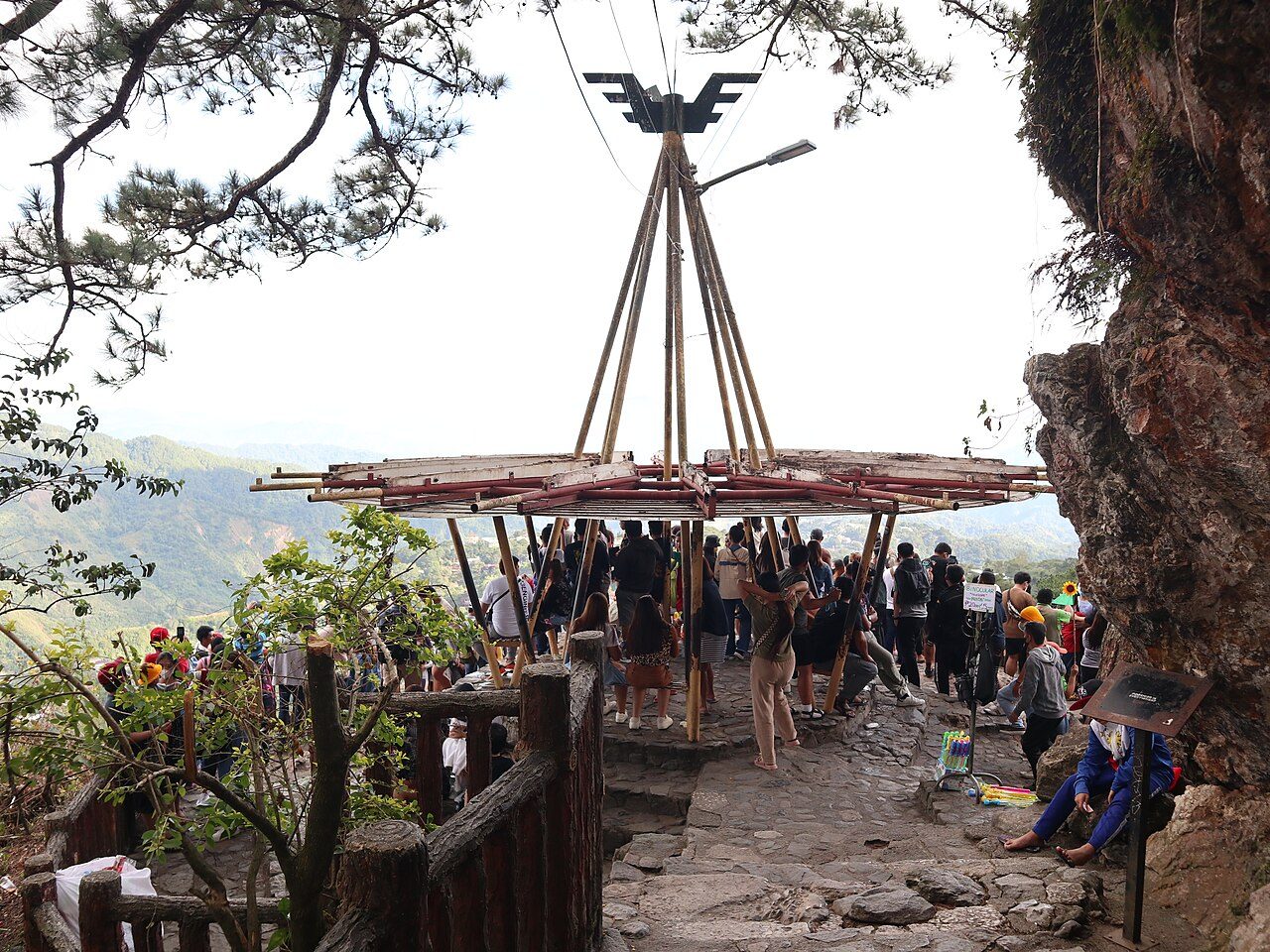
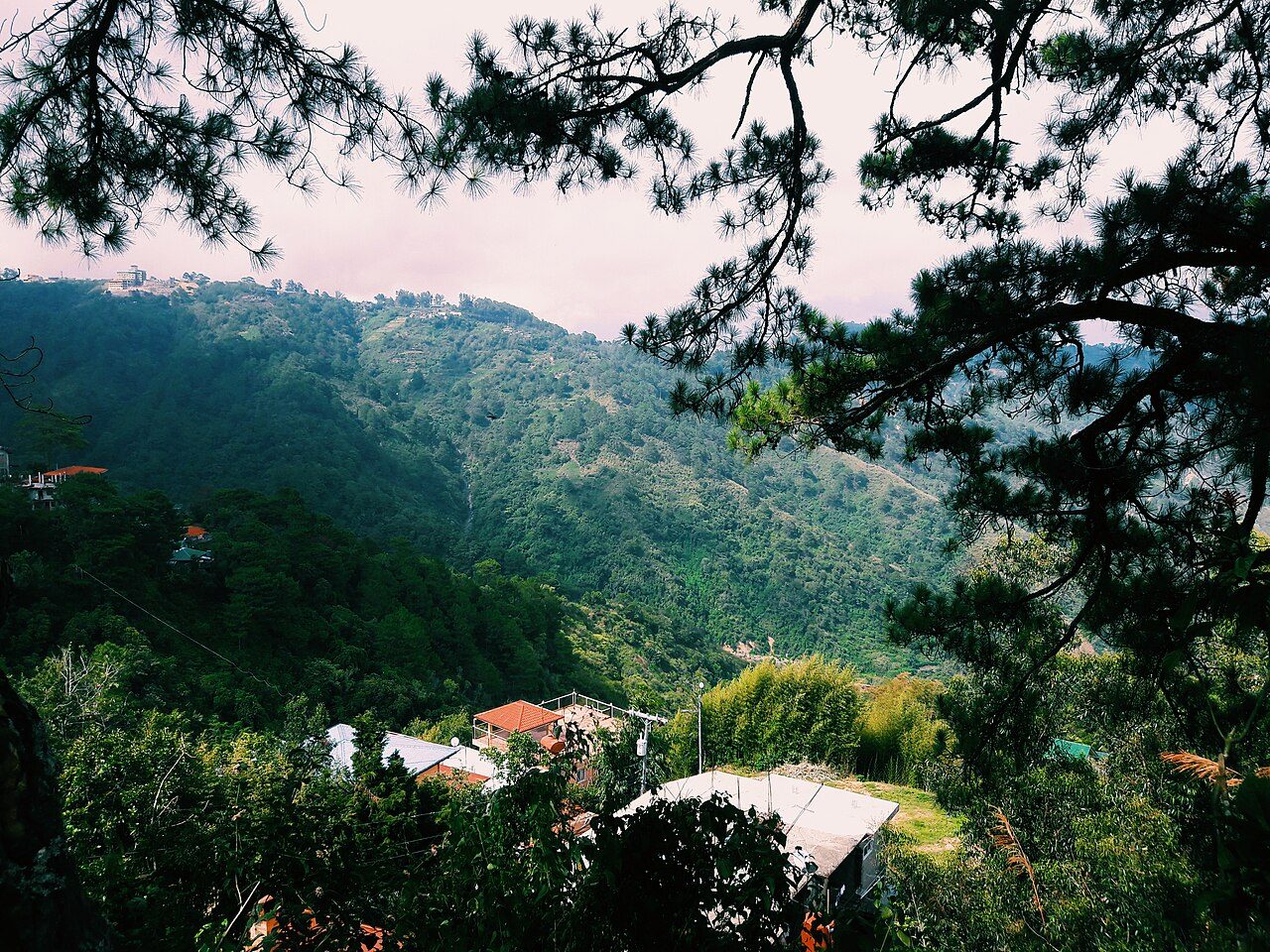
Mines View Park is a lookout on the edge of Baguio with views over the mountains of Benguet and the former mining town of Itogon below. It is one of the city's most visited spots, surrounded by souvenir stalls selling strawberry jam, woven goods and local snacks. Visitors can pose with traditional costumes or Saint Bernard dogs. Come early in the morning for the clearest views.
04
STOP 4 OF 12
Sagada Hanging Coffins
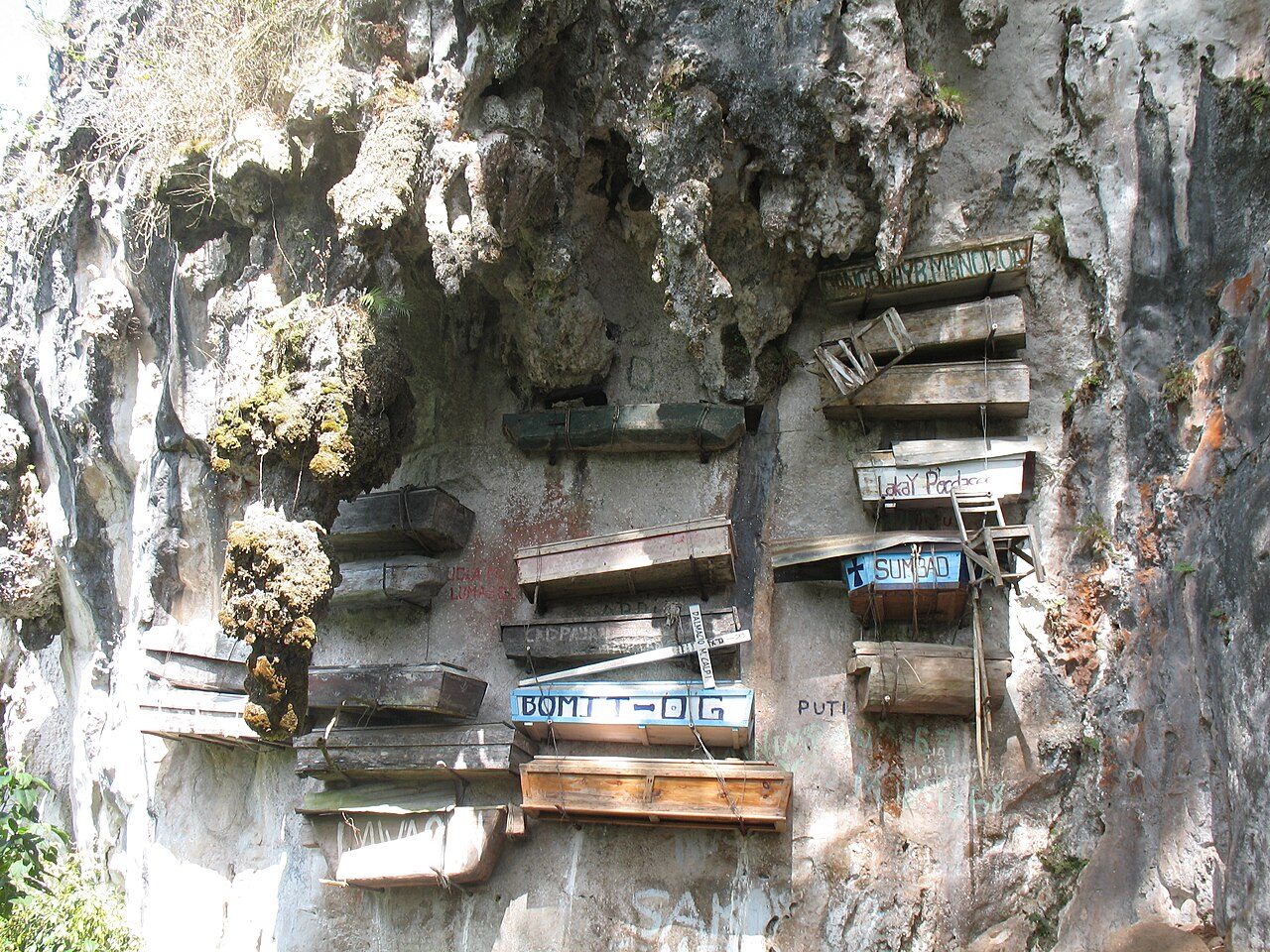
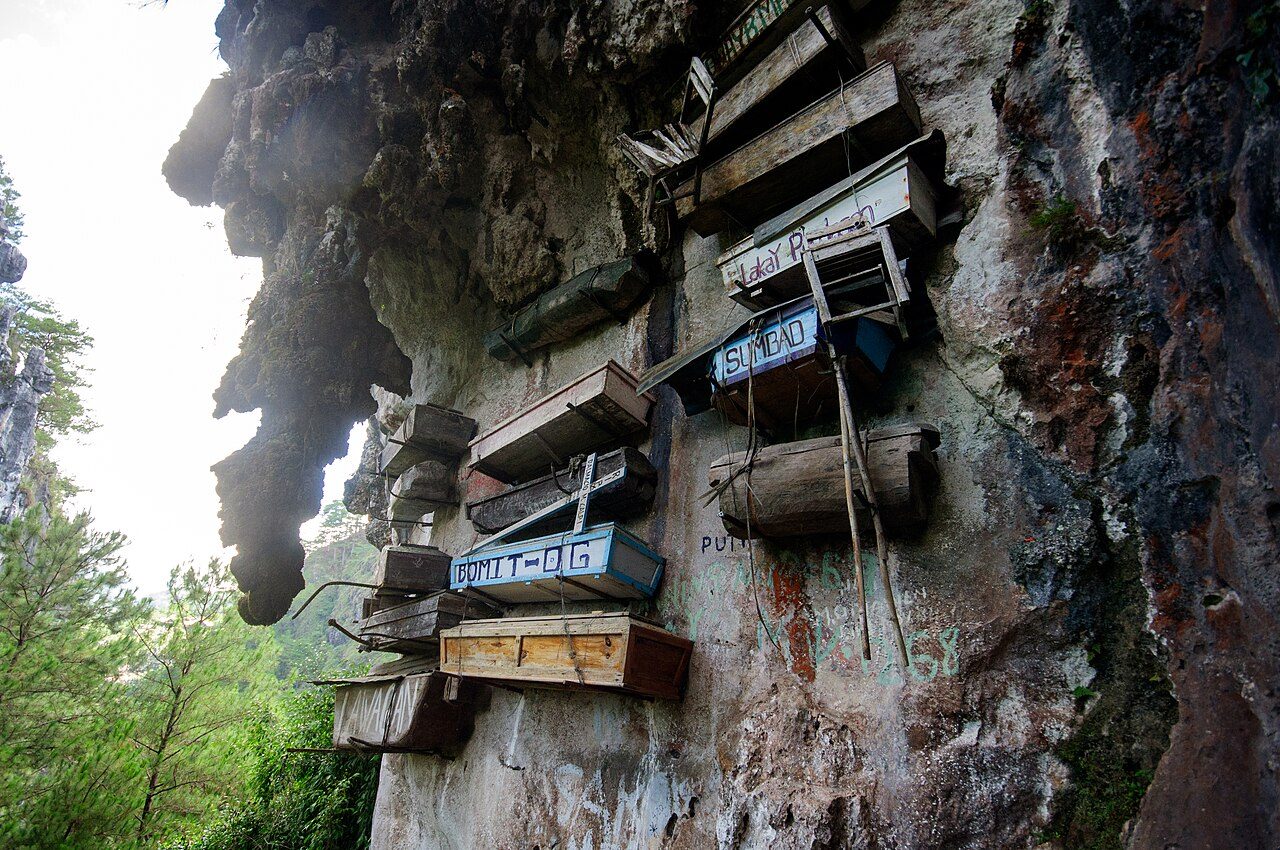
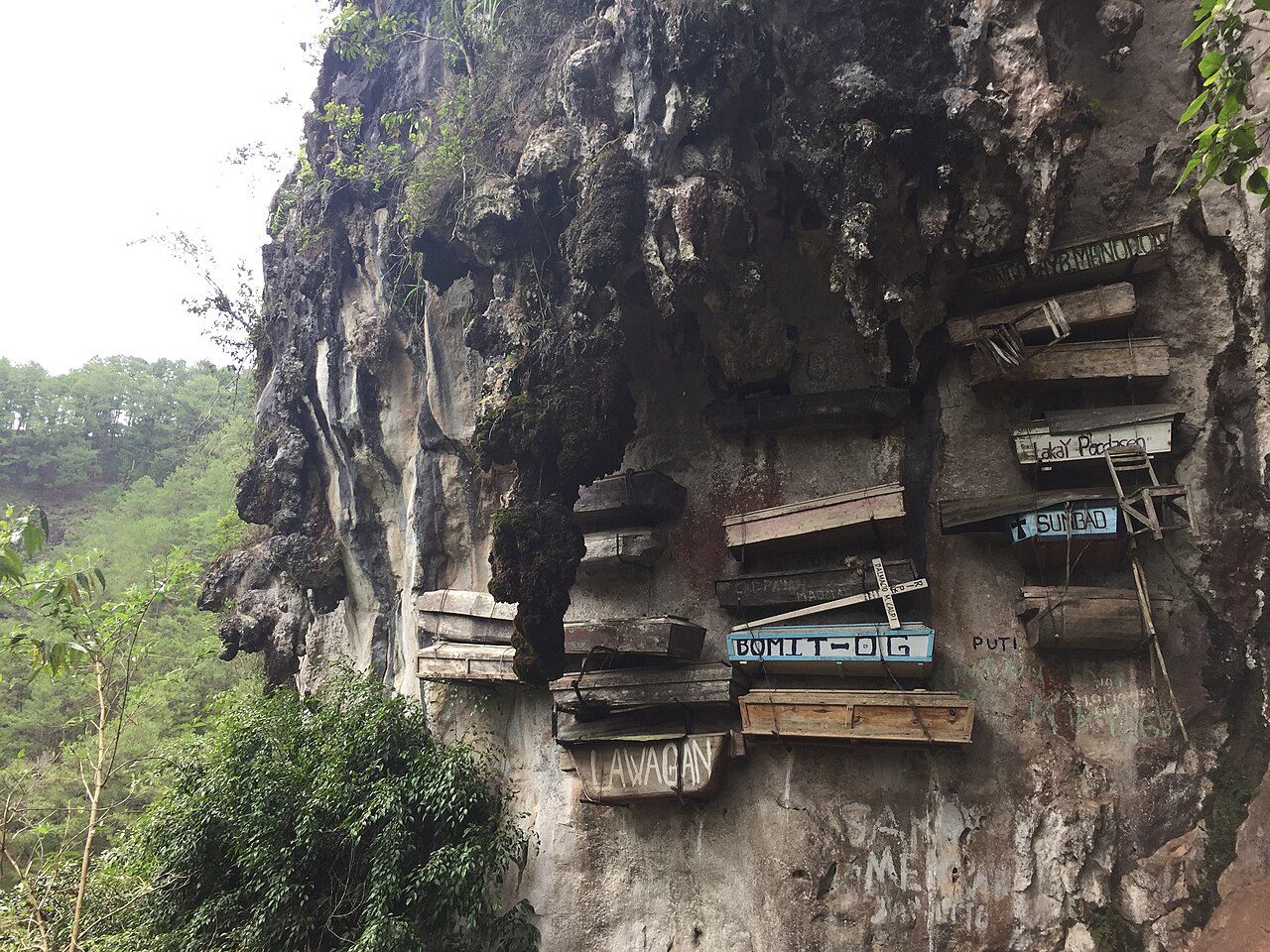
The hanging coffins of Sagada are an ancient Igorot burial tradition in which coffins are placed high on limestone cliffs. The most visited group is in Echo Valley, reached by a short hike past the Anglican church and cemetery. Local guides explain the beliefs behind the practice. Visitors should treat the site with respect, avoid touching the coffins and hire a registered guide.
05
STOP 5 OF 12
Banaue Rice Terraces
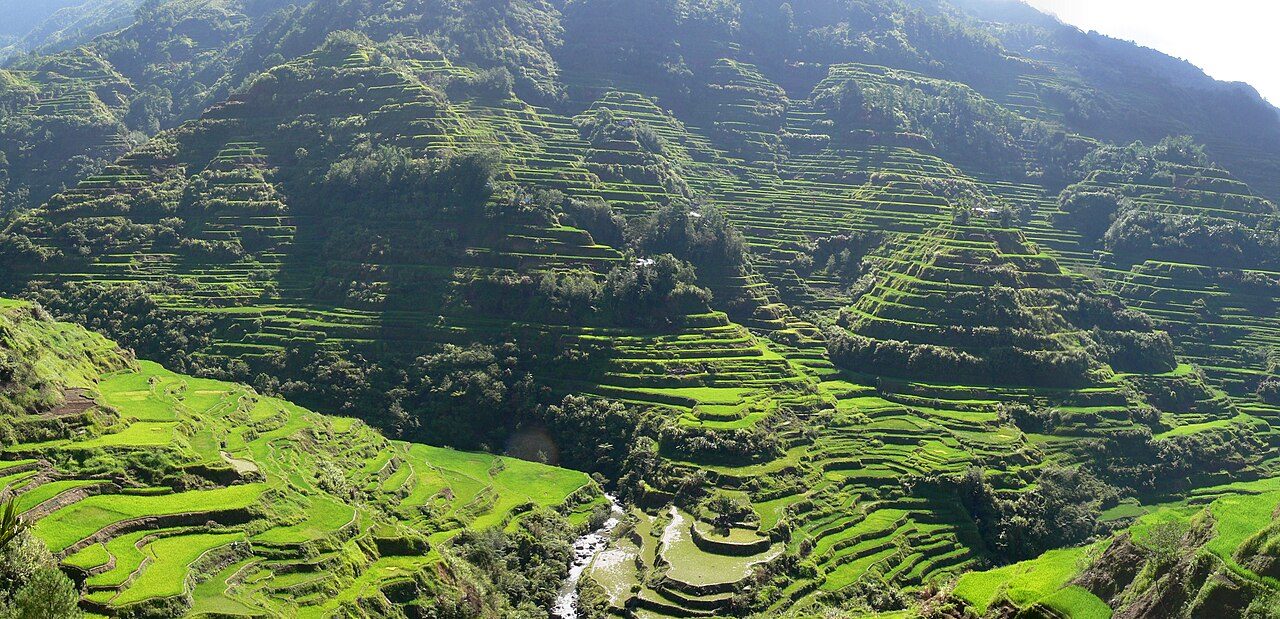
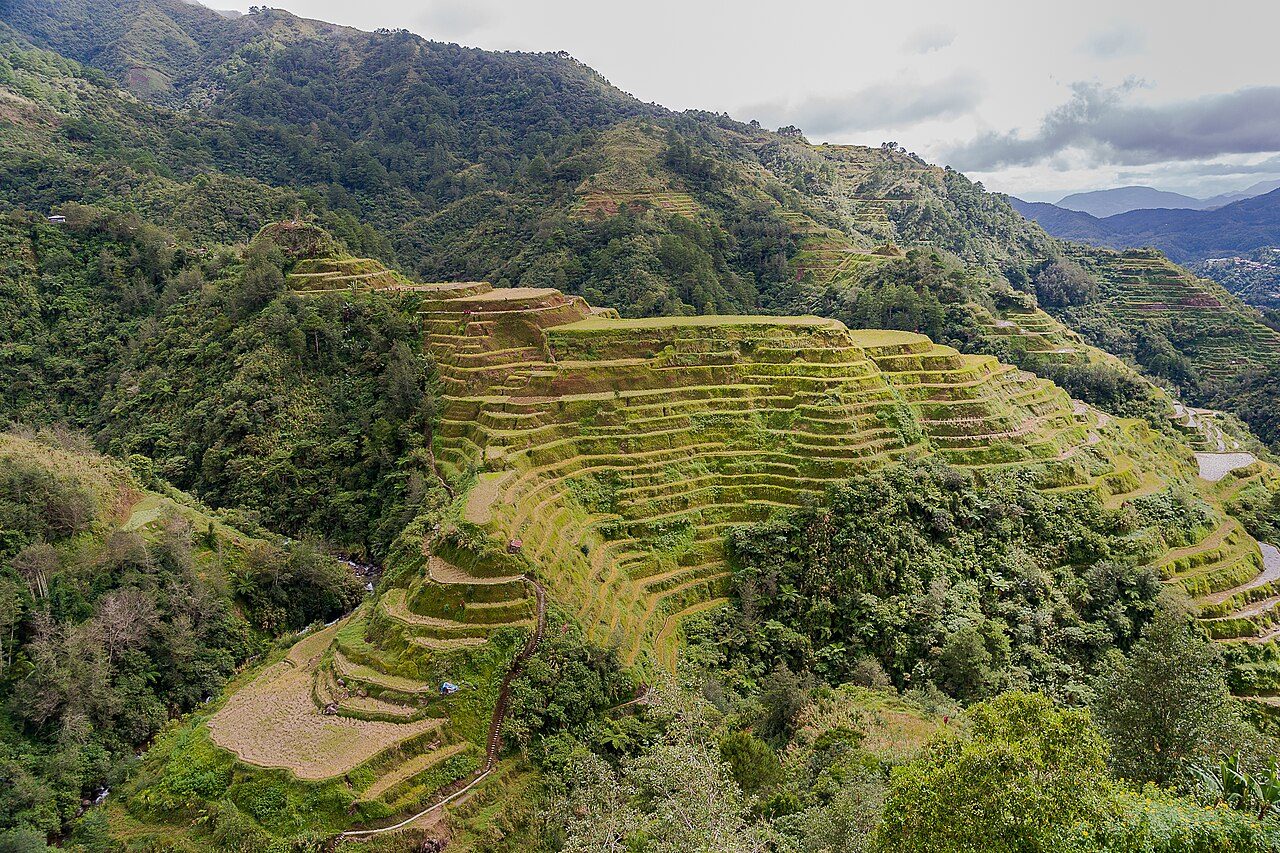
The Banaue Rice Terraces were carved into the mountains of Ifugao by hand over many centuries. Using stone and mud walls and a clever irrigation system fed by mountain forests, the Ifugao people built terraces that climb high up the slopes. The main viewpoint above the town gives a wide view of the terraces. They are greenest from about April to July, and before harvest.
06
STOP 6 OF 12
Batad Rice Terraces
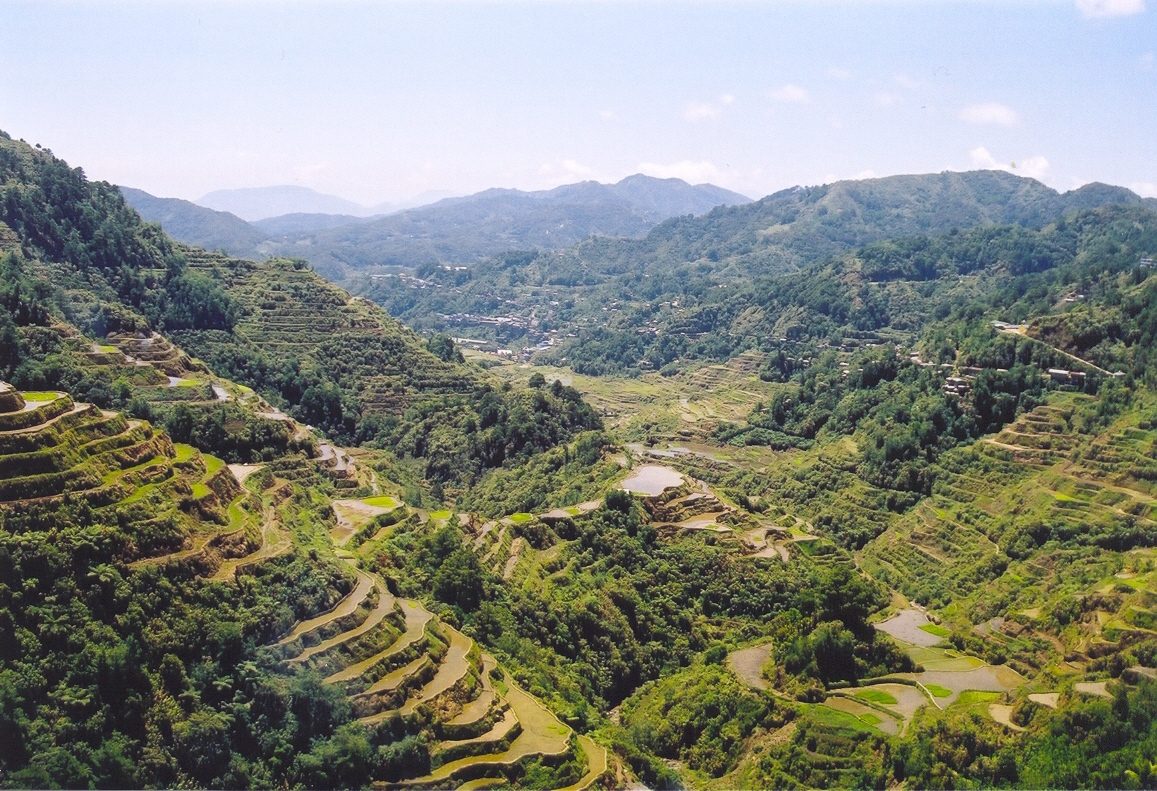
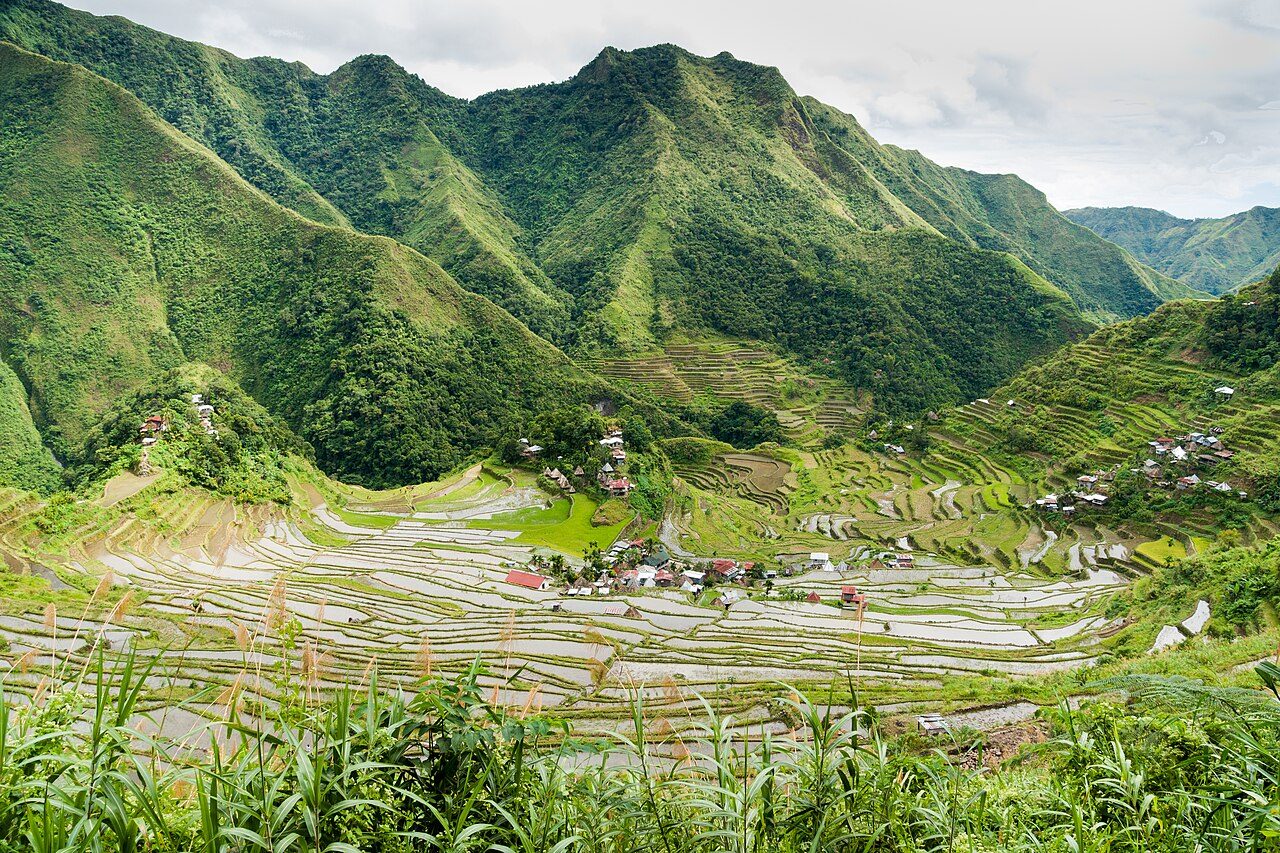
Batad is a small Ifugao village set in an amphitheatre of rice terraces, part of the UNESCO-listed Rice Terraces of the Philippine Cordilleras. It can only be reached on foot, with a hike from the road at the saddle. Trails lead along the terrace walls to the village and on to Tappiya Falls. Stay overnight in a local guesthouse to enjoy the quiet mornings.
07
STOP 7 OF 12
Calle Crisologo
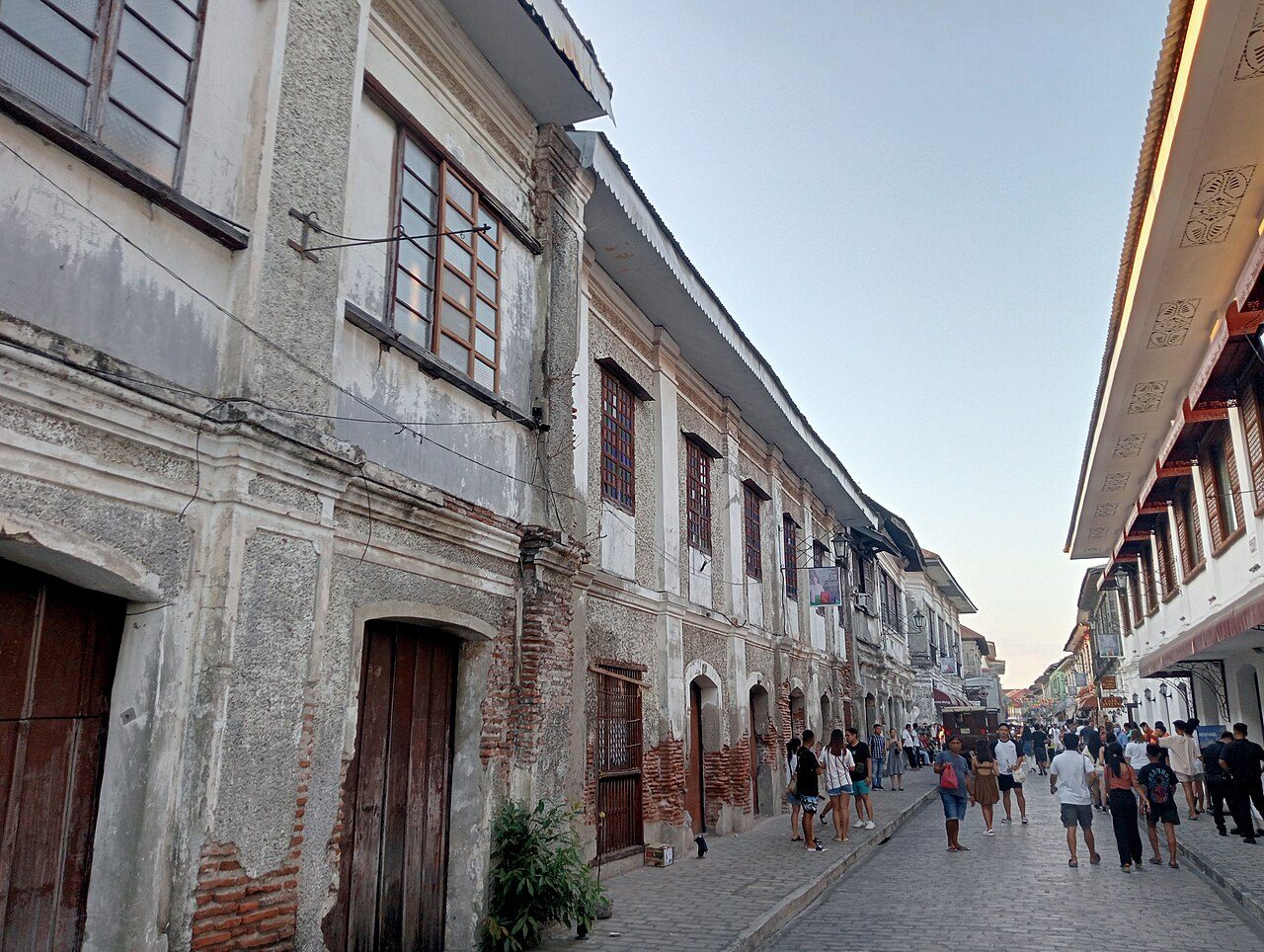
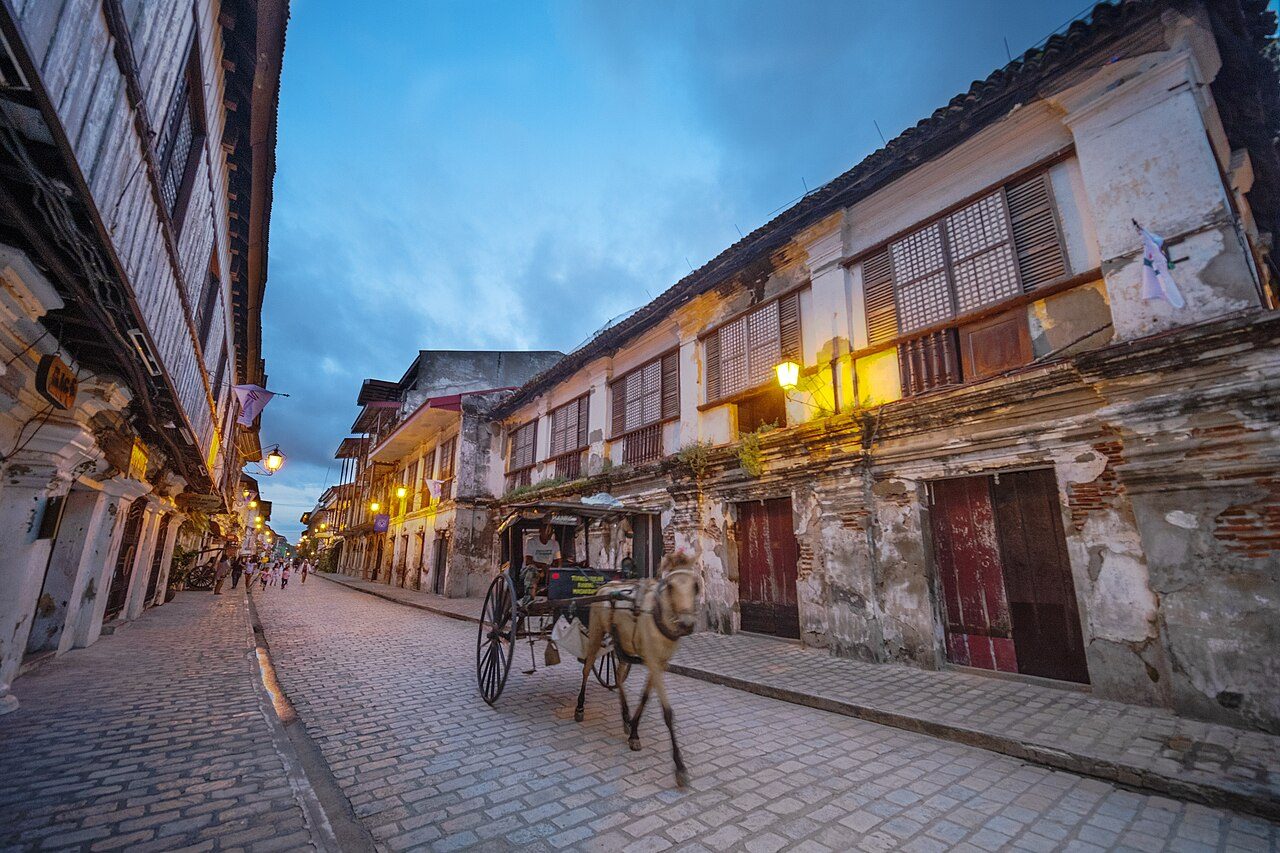
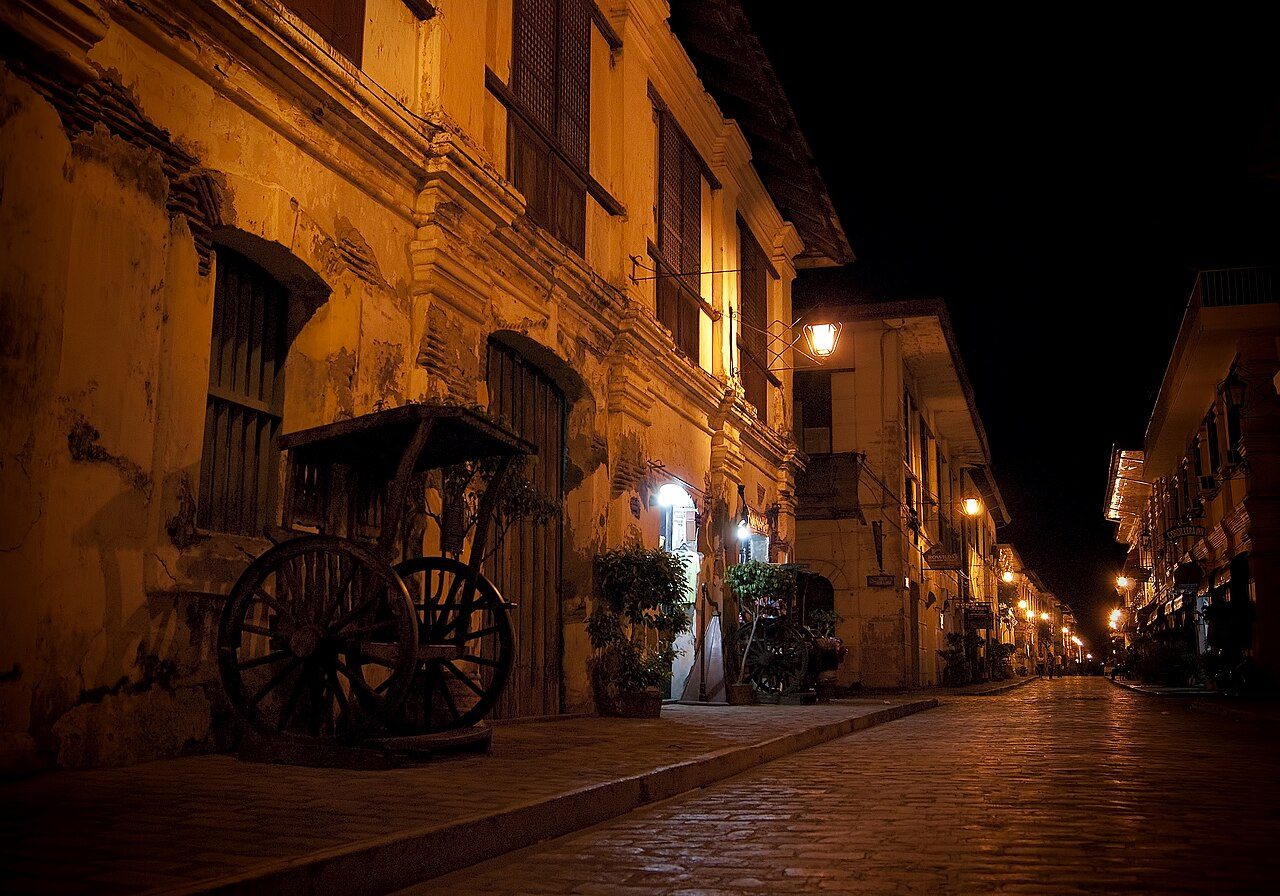
Calle Crisologo is the main street of Vigan, a UNESCO-listed Spanish colonial town. It is lined with ancestral houses that combine stone ground floors and wooden upper storeys with capiz shell windows. Horse-drawn kalesa carriages roll over the cobblestones, and shops sell local crafts and food. The street is especially atmospheric in the evening when the lamps are lit.
08
STOP 8 OF 12
Vigan Cathedral
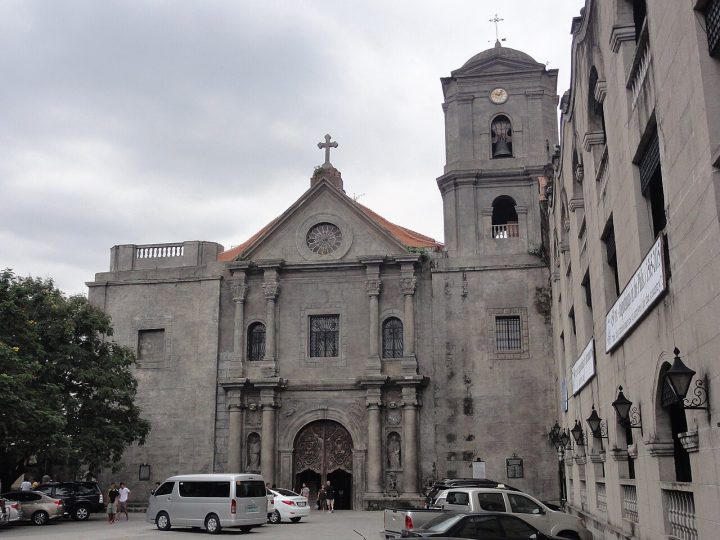
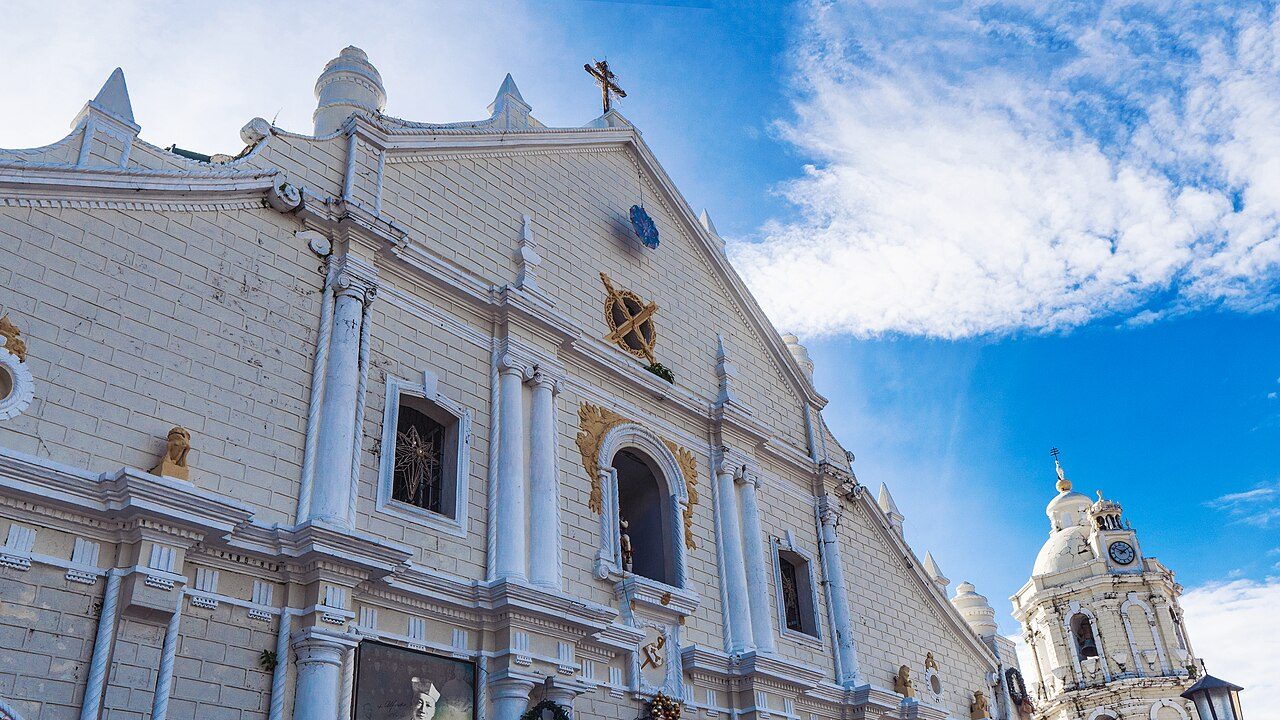
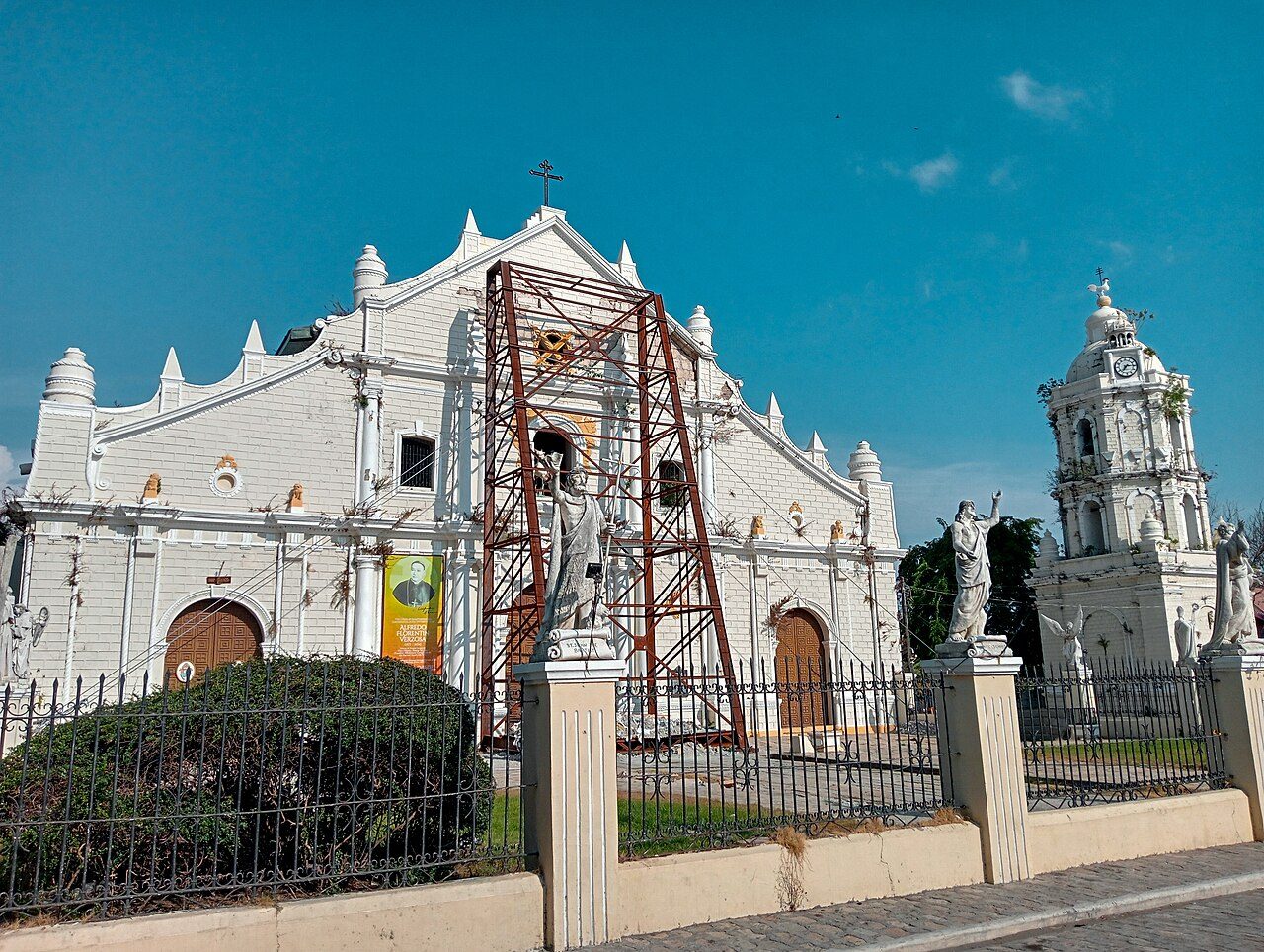
Vigan Cathedral, the Metropolitan Cathedral of St. Paul, was built by Augustinian friars in the 1790s in a style known as Earthquake Baroque, with thick walls and buttresses. A separate bell tower stands across the street. The church faces Plaza Salcedo and its evening dancing fountain show. It is a short walk from Calle Crisologo in the heart of the heritage town.
09
STOP 9 OF 12
Santa Maria Church
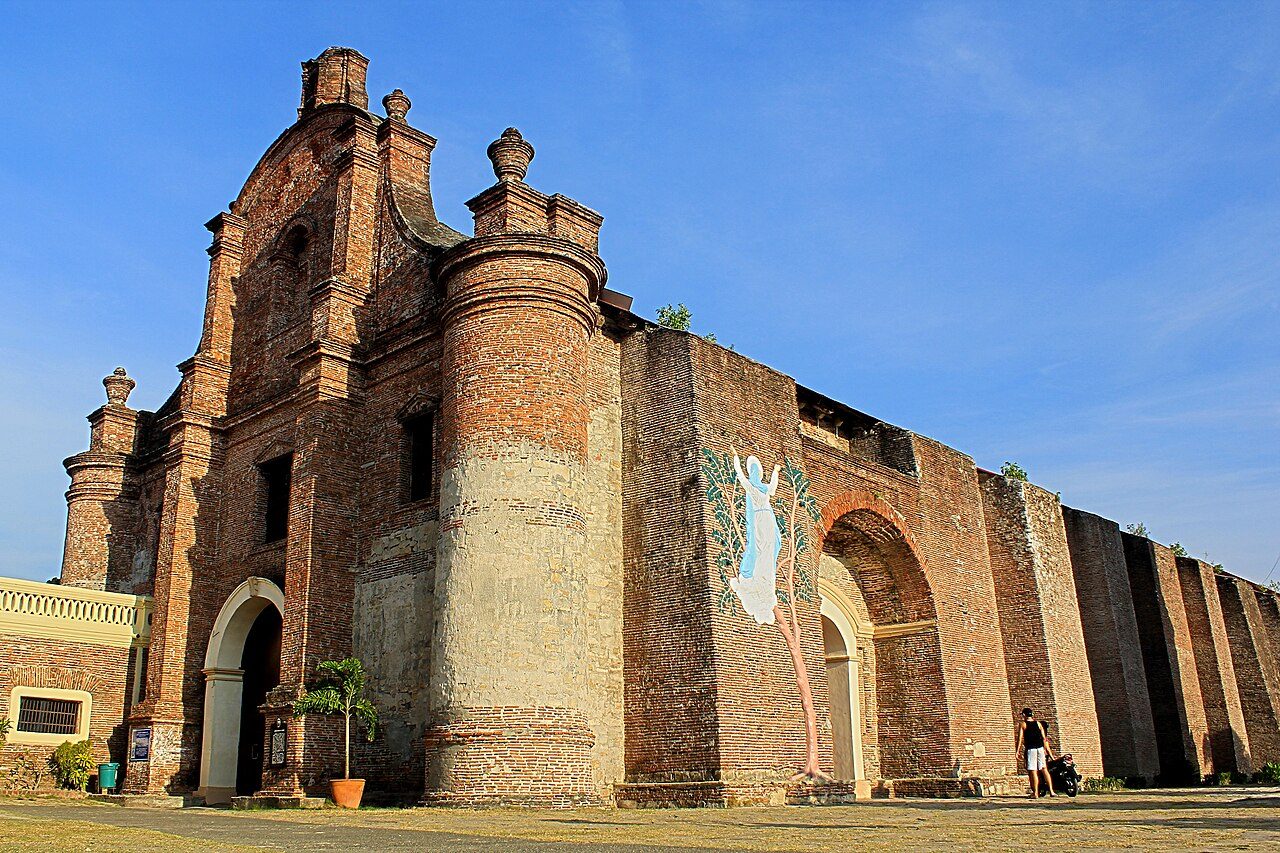
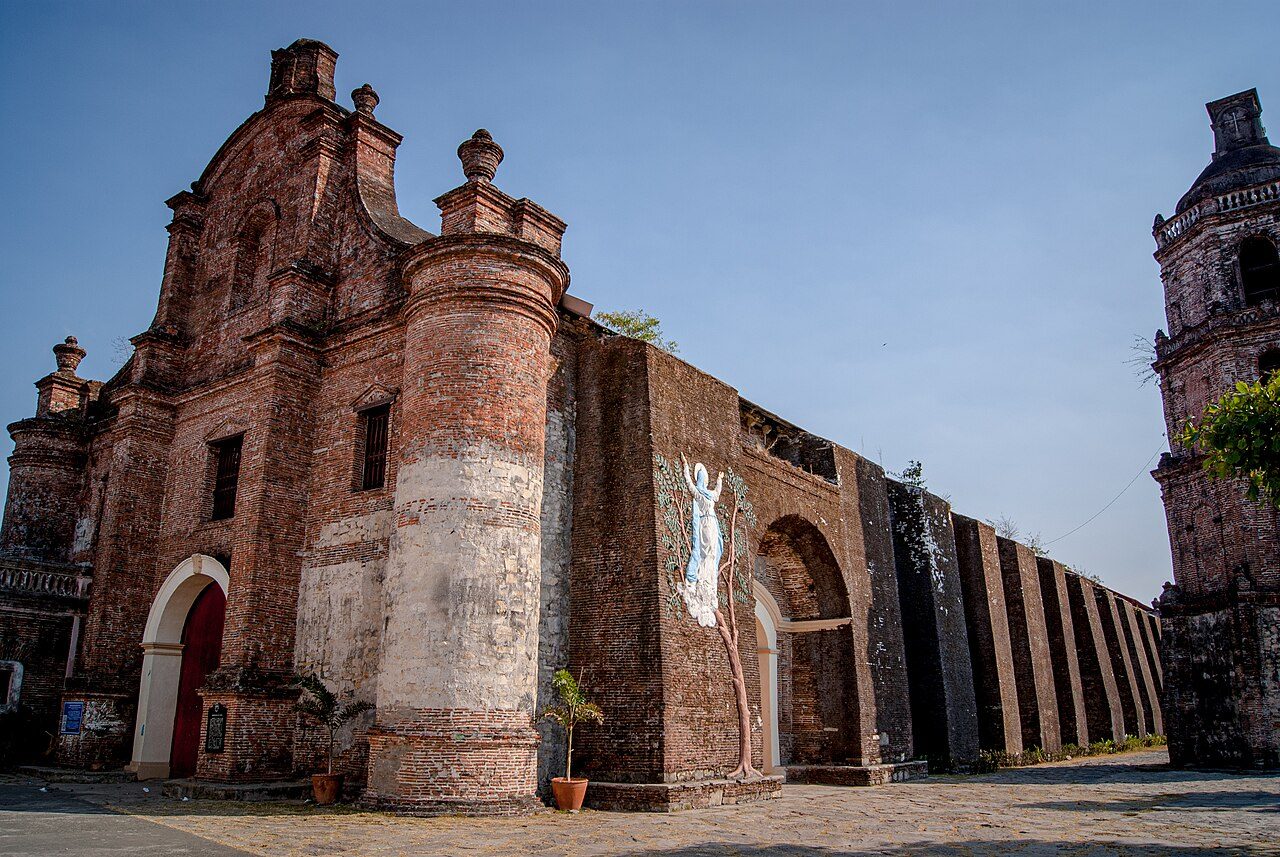
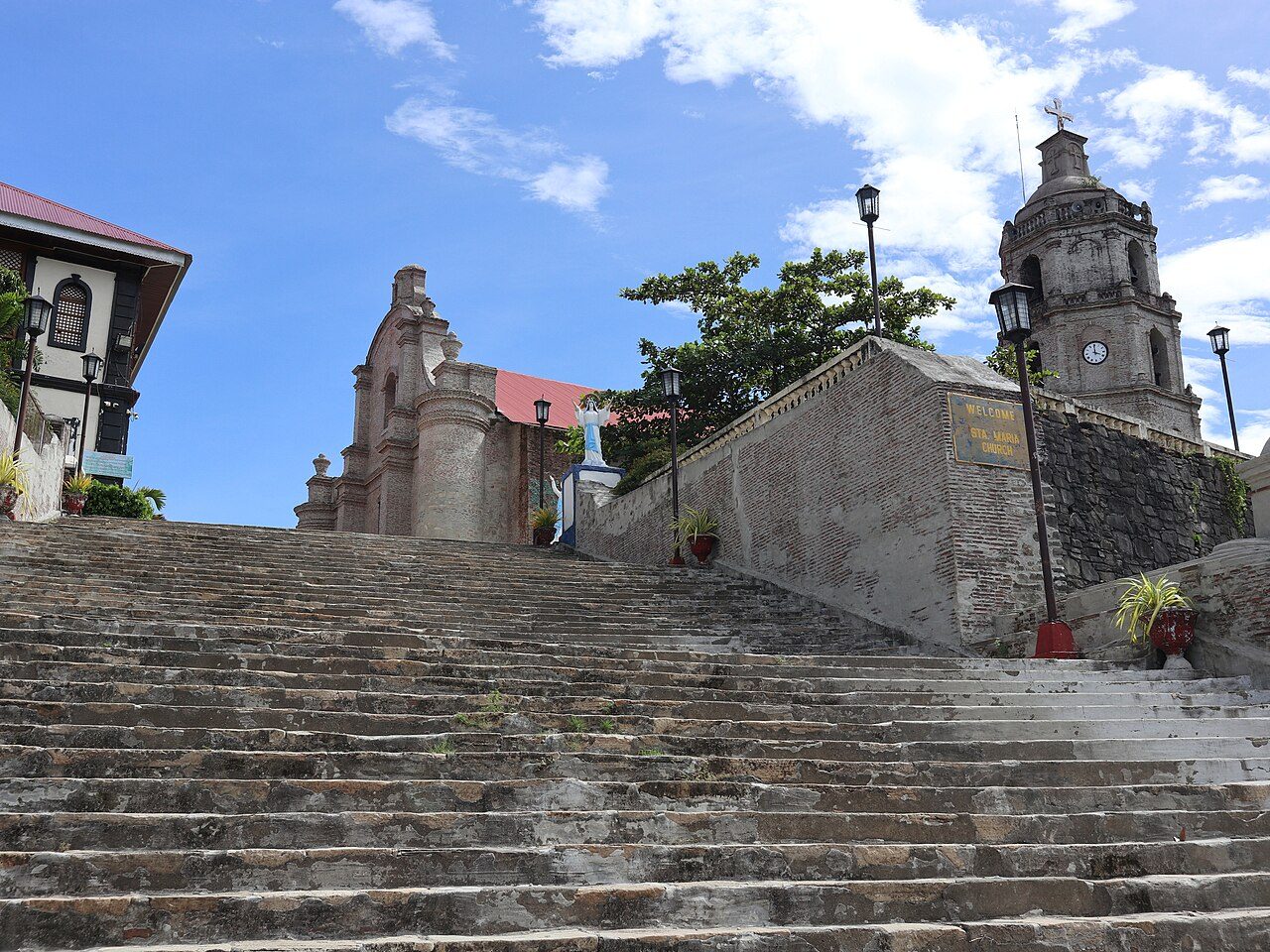
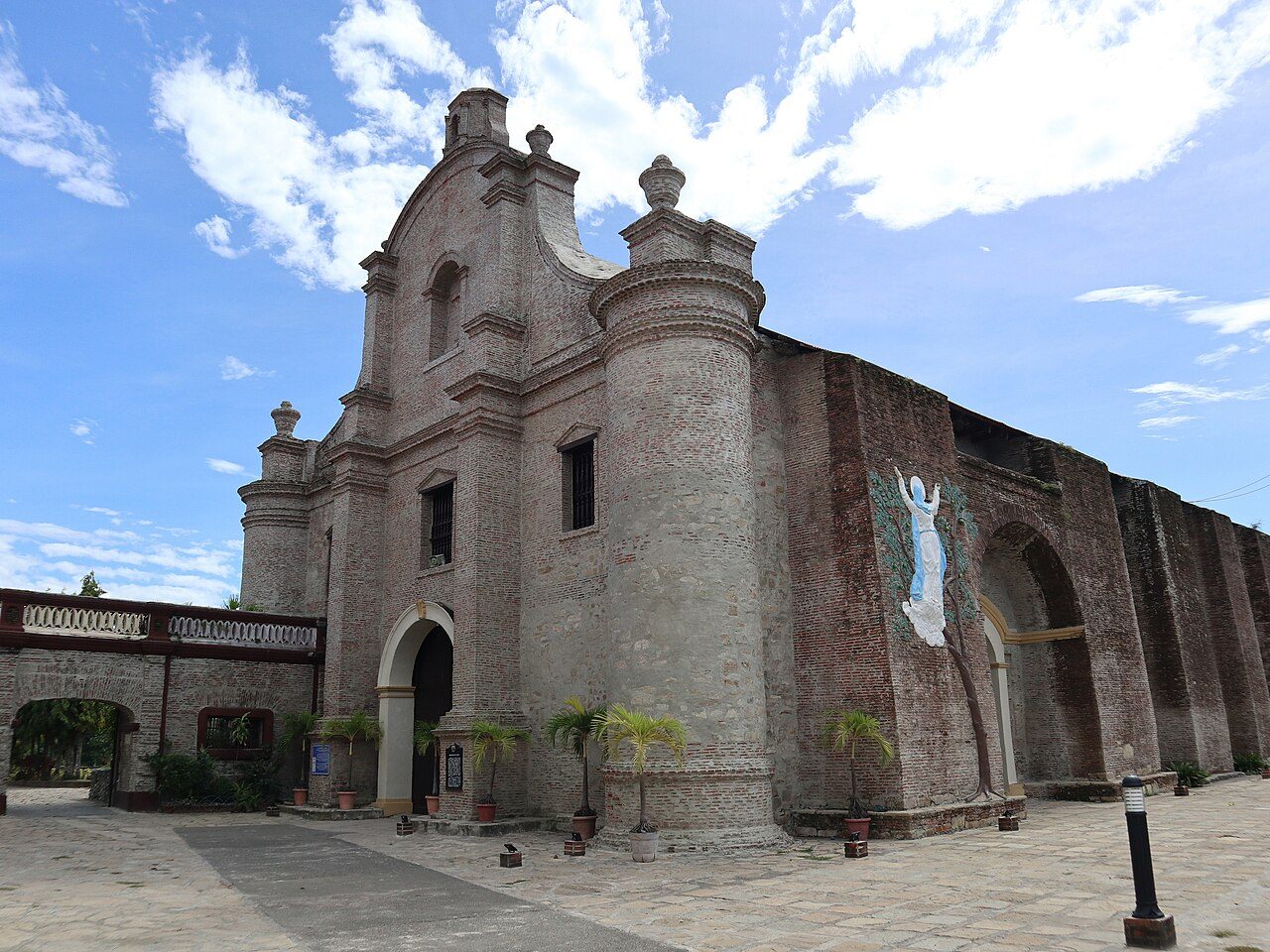
Santa Maria Church in Ilocos Sur is one of the four Baroque churches of the Philippines listed by UNESCO. Built by the Augustinians in the 18th century, it stands on a hill like a fortress and is reached by a long stone stairway. Its separate bell tower and massive brick walls are striking. The church is a short drive south of Vigan and makes a good day trip.
10
STOP 10 OF 12
Paoay Church
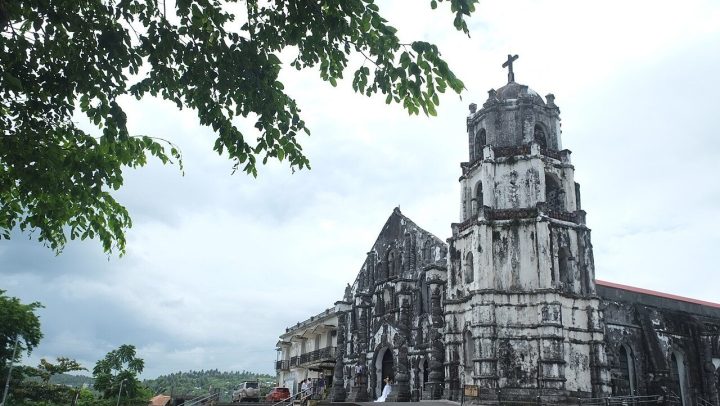
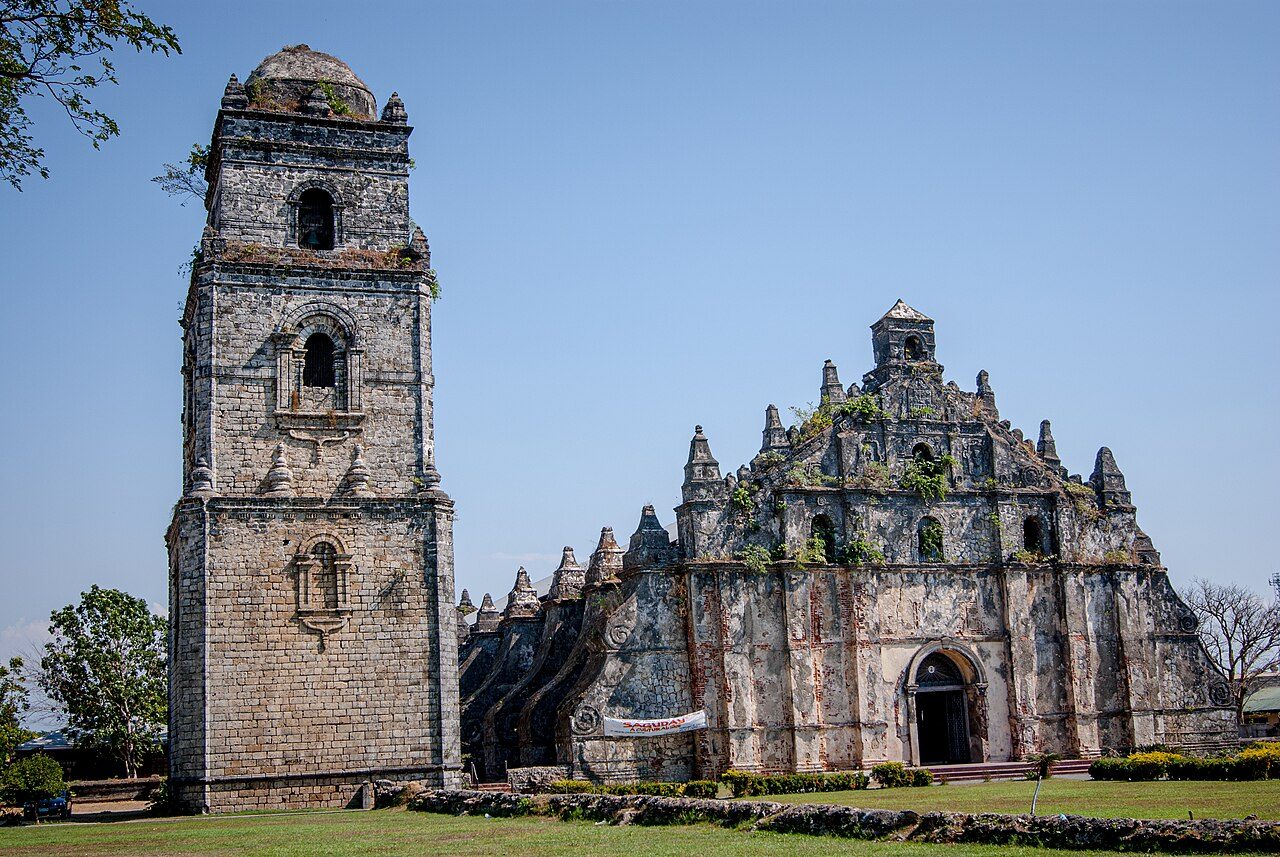
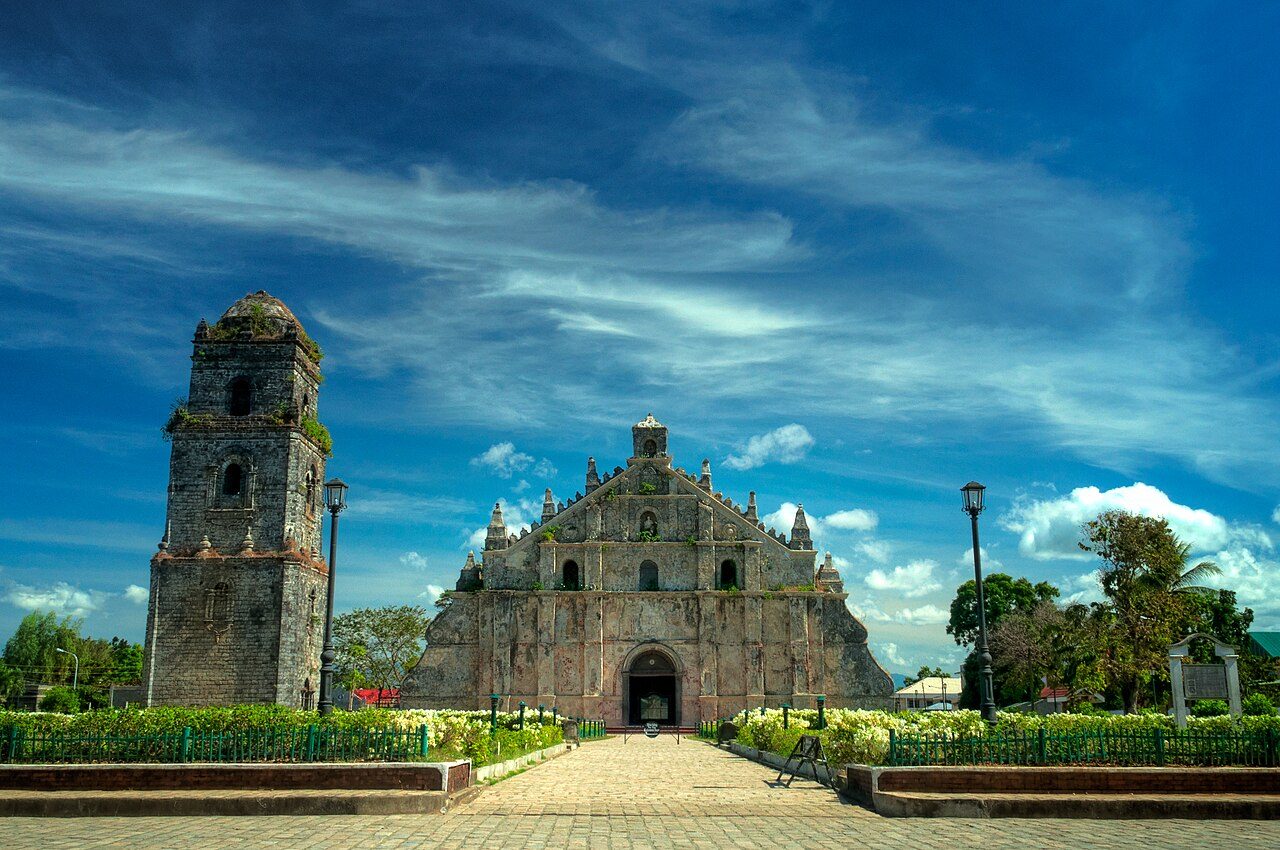
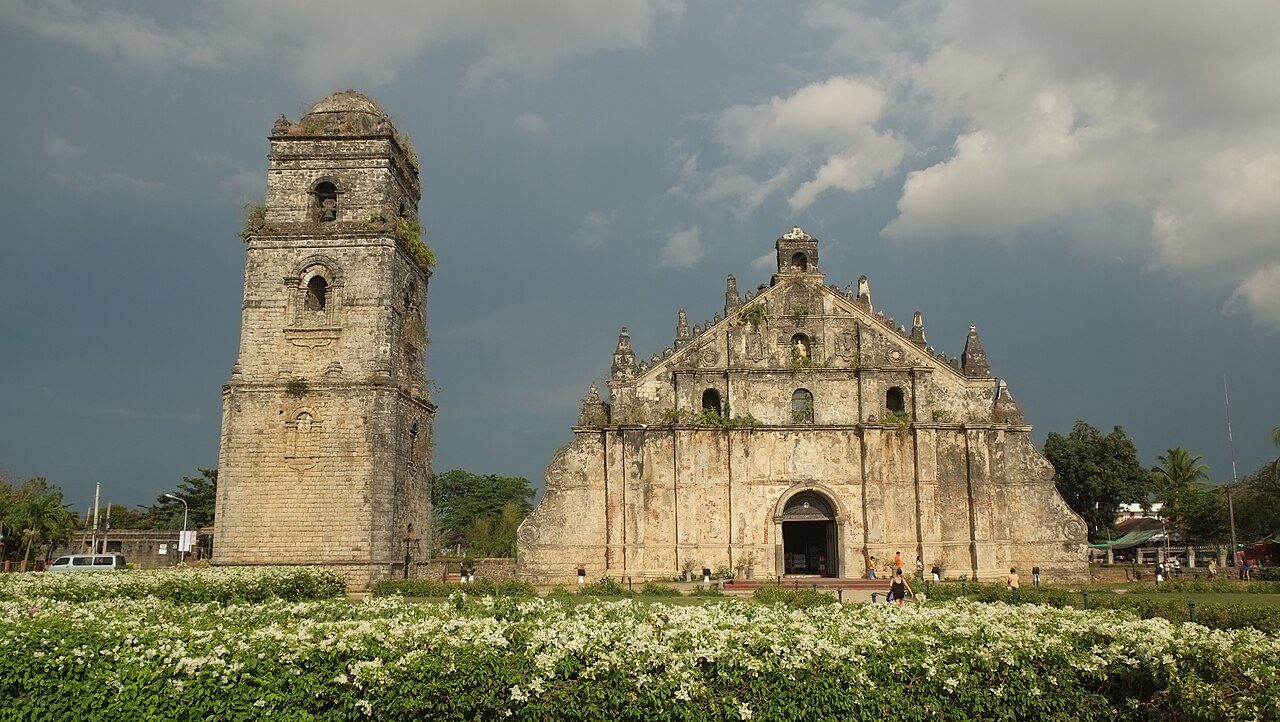
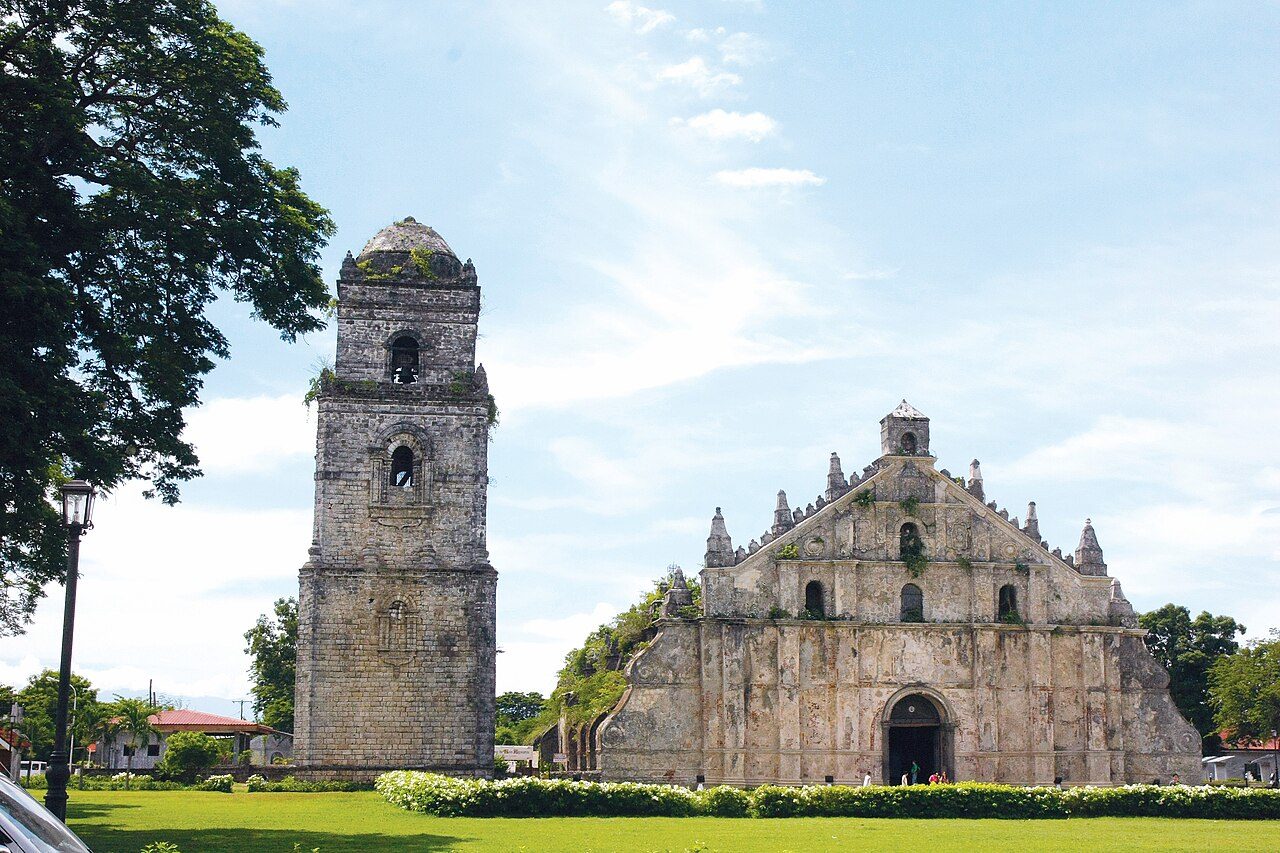
Paoay Church, also called San Agustin Church, is the most famous example of Earthquake Baroque architecture in the Philippines. Completed in the early 1700s, it has huge stepped buttresses that support its coral stone and brick walls. A separate bell tower stands to one side. It is one of the four Baroque churches inscribed as a UNESCO World Heritage Site.
11
STOP 11 OF 12
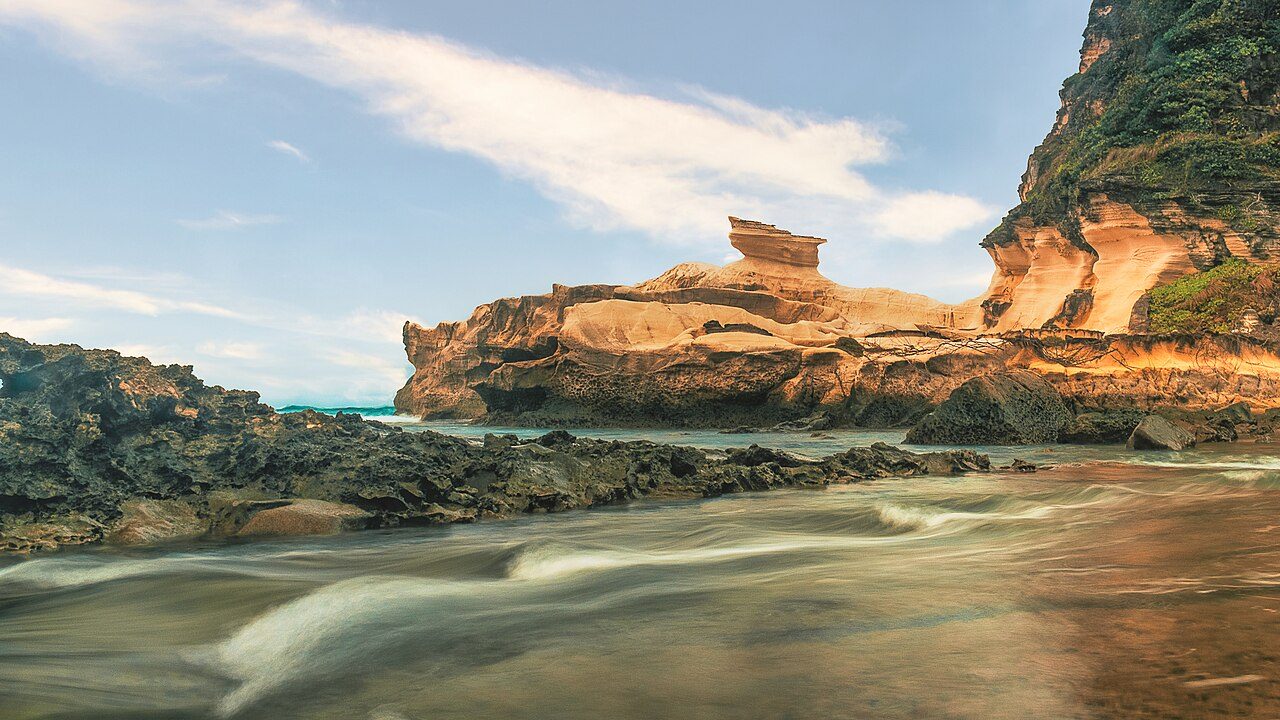
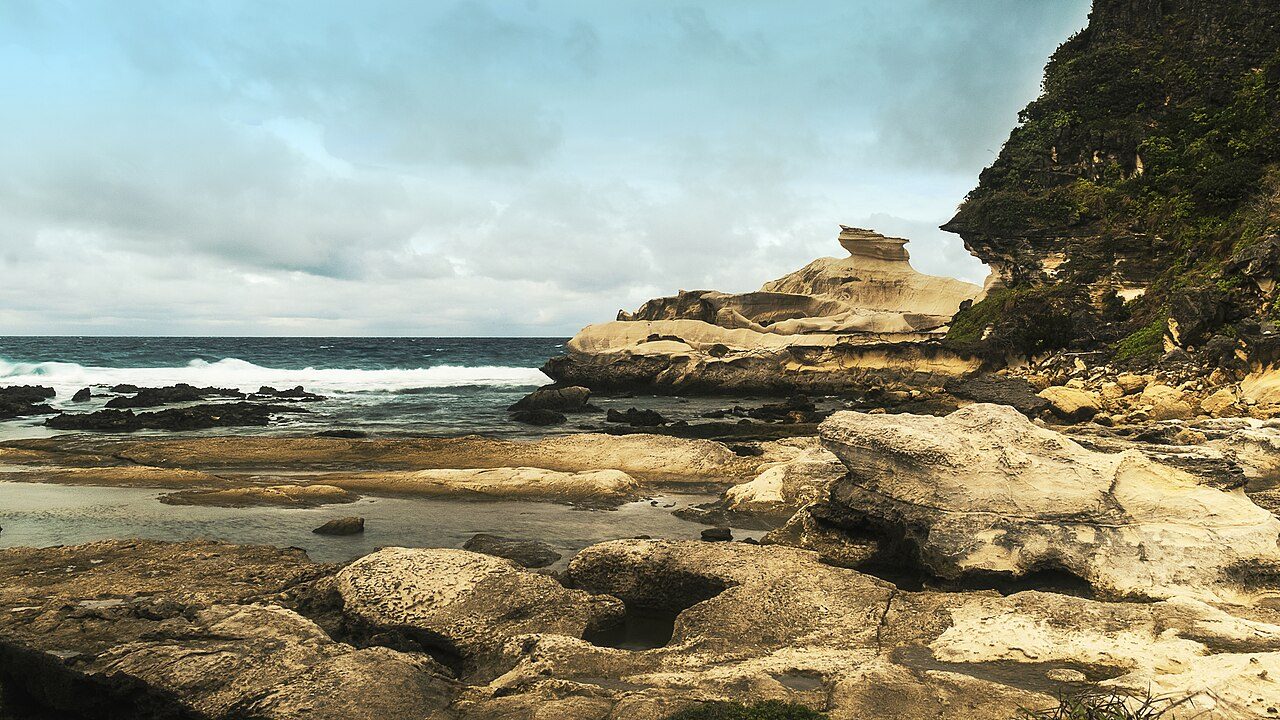
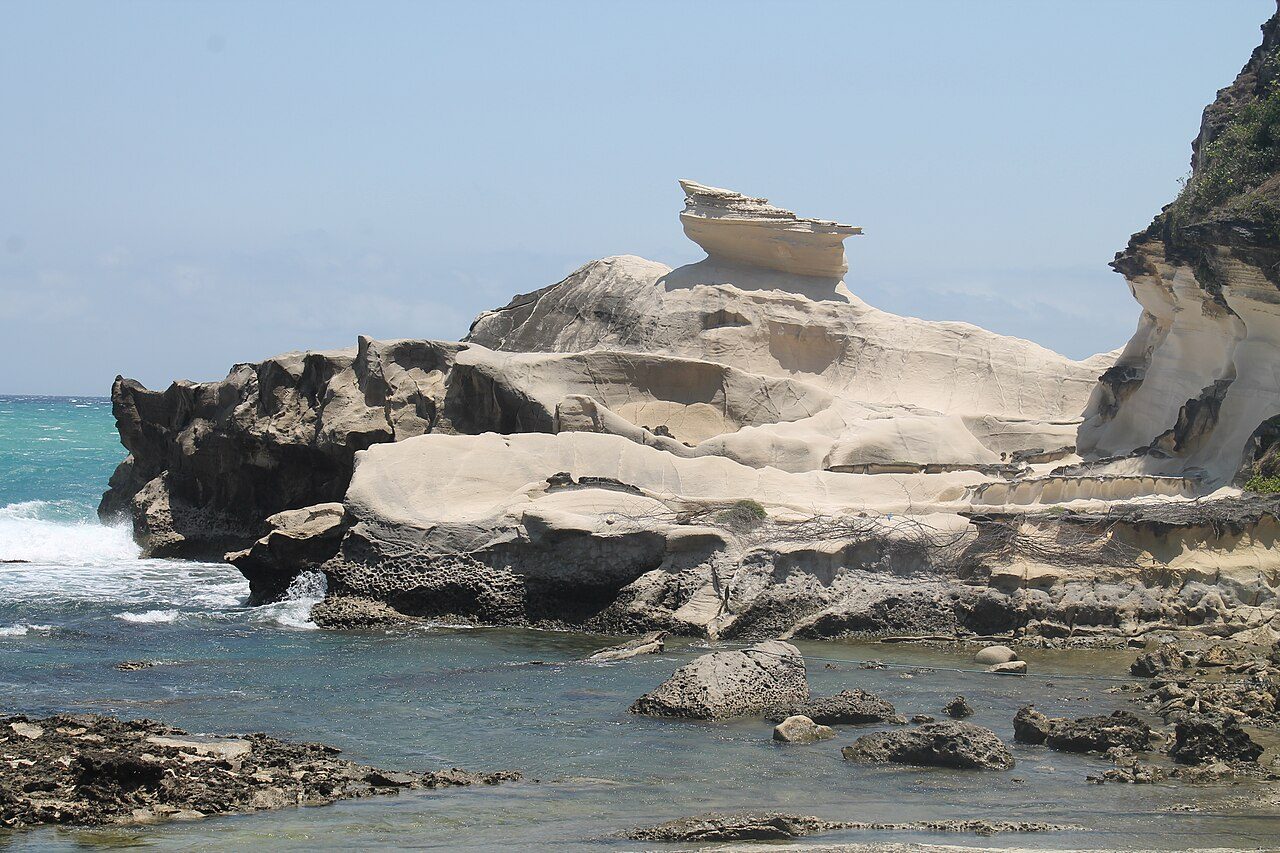
Kapurpurawan Rock Formation
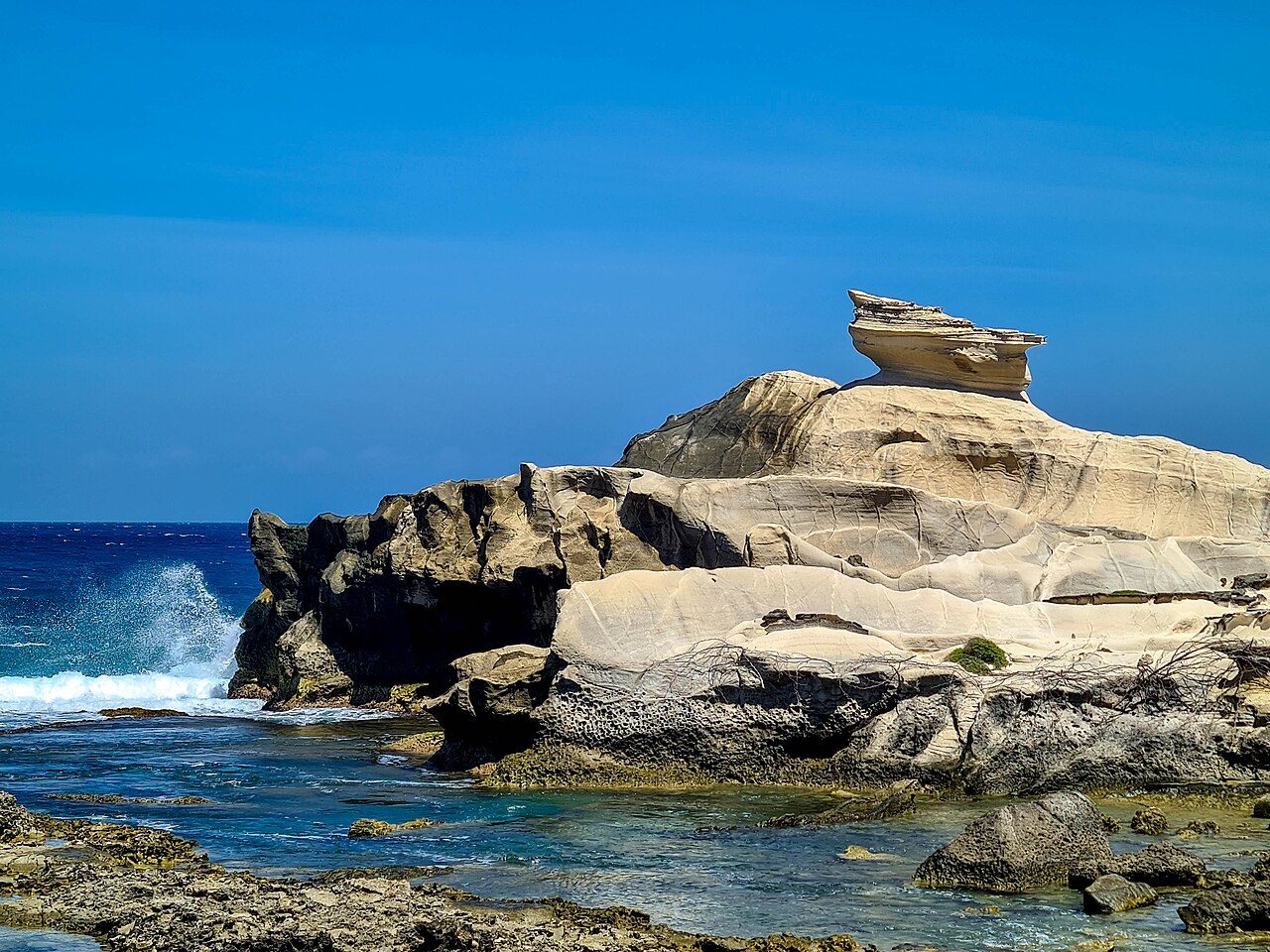
The Kapurpurawan Rock Formation in Burgos is a series of white limestone rocks shaped by wind and waves into smooth curves. The name comes from the Ilocano word for white. A path leads from the parking area down to the coast, with horse rides available. Late afternoon light makes the rocks glow, and it pairs well with nearby Cape Bojeador Lighthouse.
12
STOP 12 OF 12 · LAST STOP
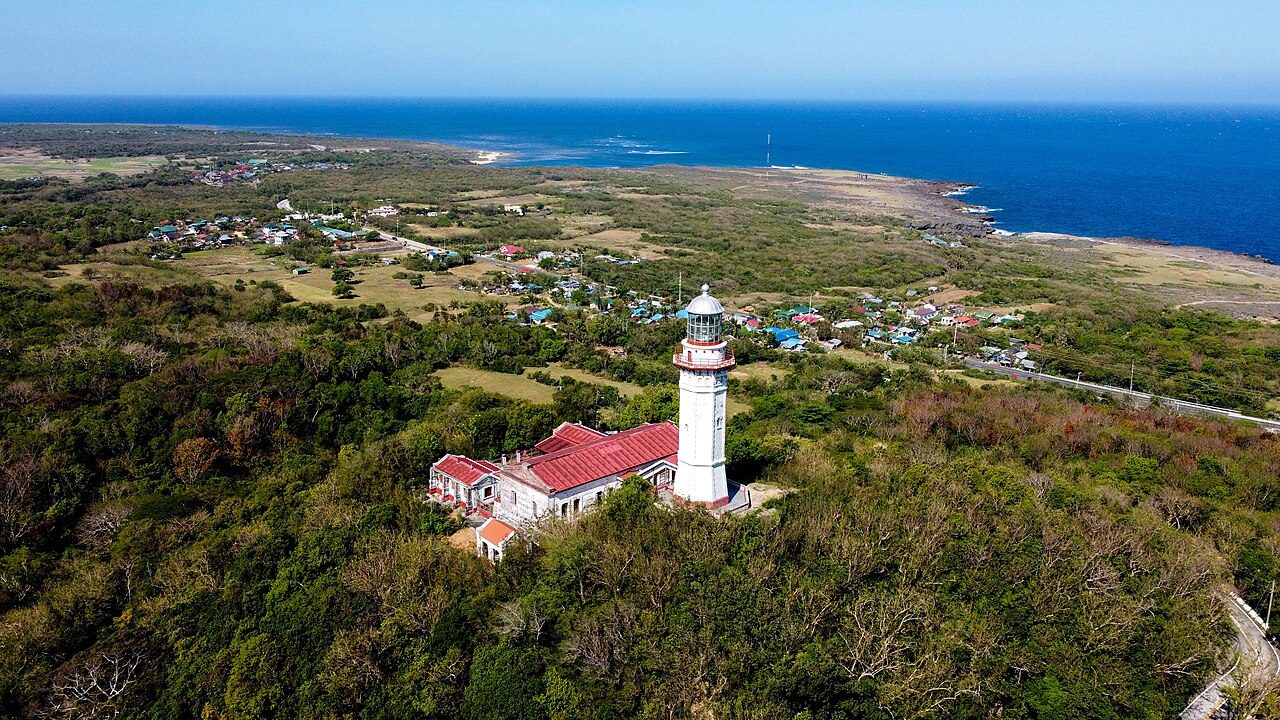
Cape Bojeador Lighthouse
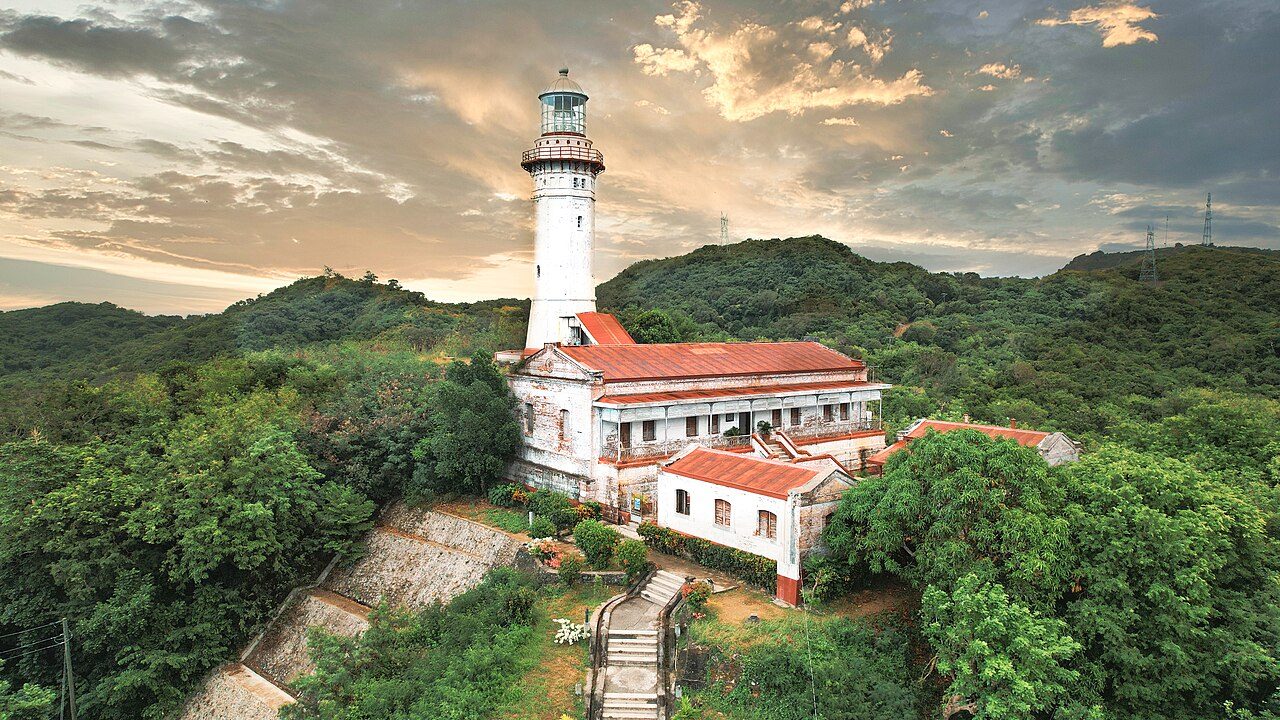
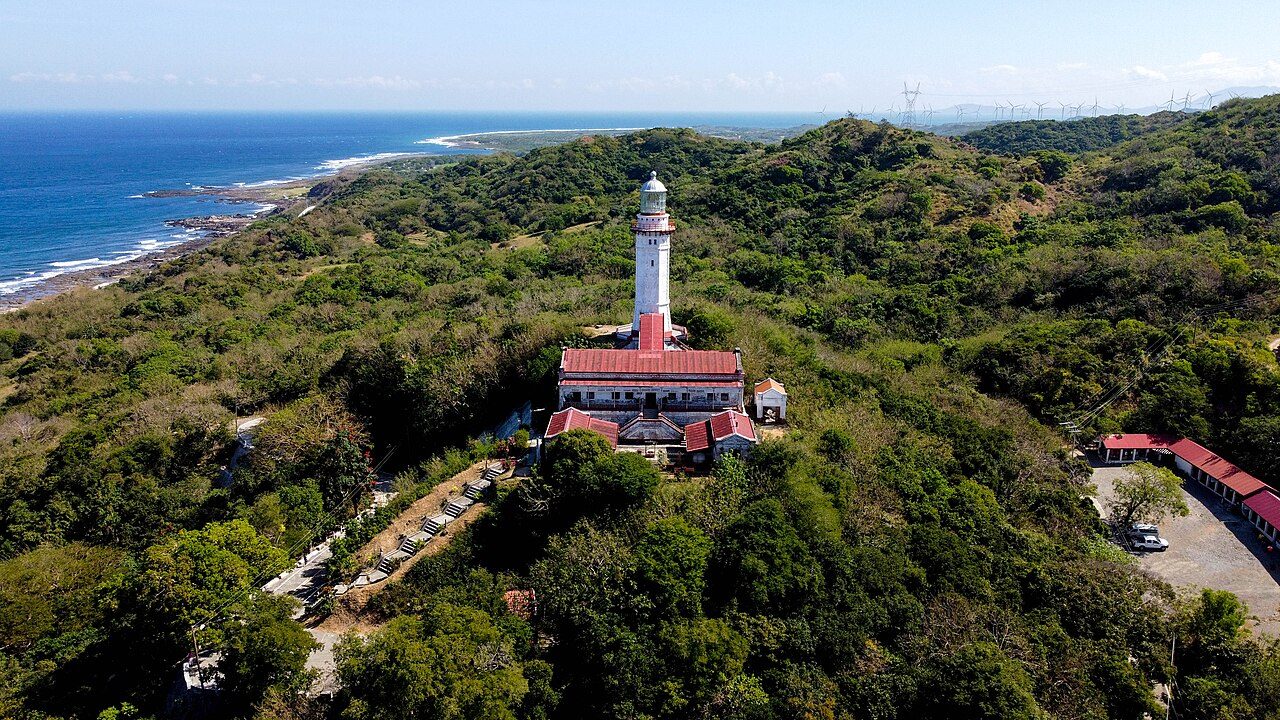
Cape Bojeador Lighthouse stands on a hill at the northwestern tip of Luzon, overlooking the South China Sea. First lit in 1892 during the Spanish era, it is still in use and is one of the oldest lighthouses in the country. Its octagonal brick tower and keeper's buildings can be explored. The views over the rugged coast are excellent at sunset.
 WaTrips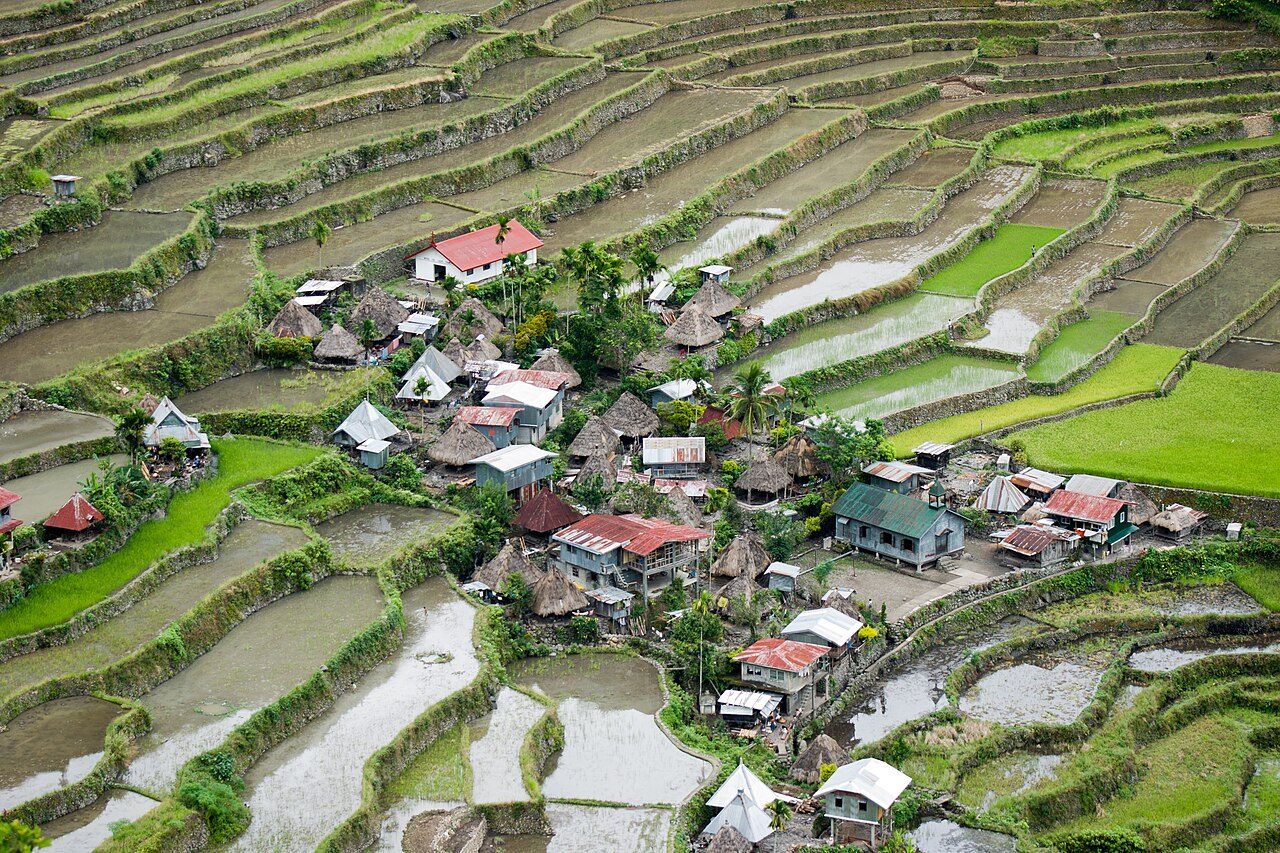






 BikesBooking
 Localrent
 Airalo
 Tiqets