San Agustin and Manila's churches, Barasoain, Vigan and Santa Maria, Paoay, Molo and Miagao, and Baclayon.
The Philippines is Asia's largest Catholic country, and its Spanish-era churches are remarkable. Start in Manila at San Agustin, Manila Cathedral, Binondo Church and Quiapo, home of the Black Nazarene. See Barasoain Church, where the First Republic was founded. Fly north to Vigan's cathedral, the hilltop fortress church of Santa Maria and Paoay's earthquake-baroque church with giant buttresses. Then visit Iloilo's Molo Church and Miagao, carved with coconut trees, and Baclayon on Bohol. Four of these churches are UNESCO-listed.
01
STOP 1 OF 11
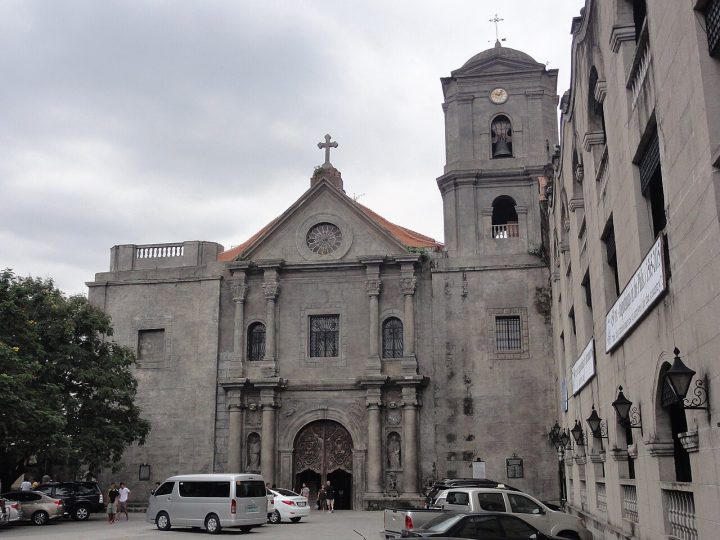
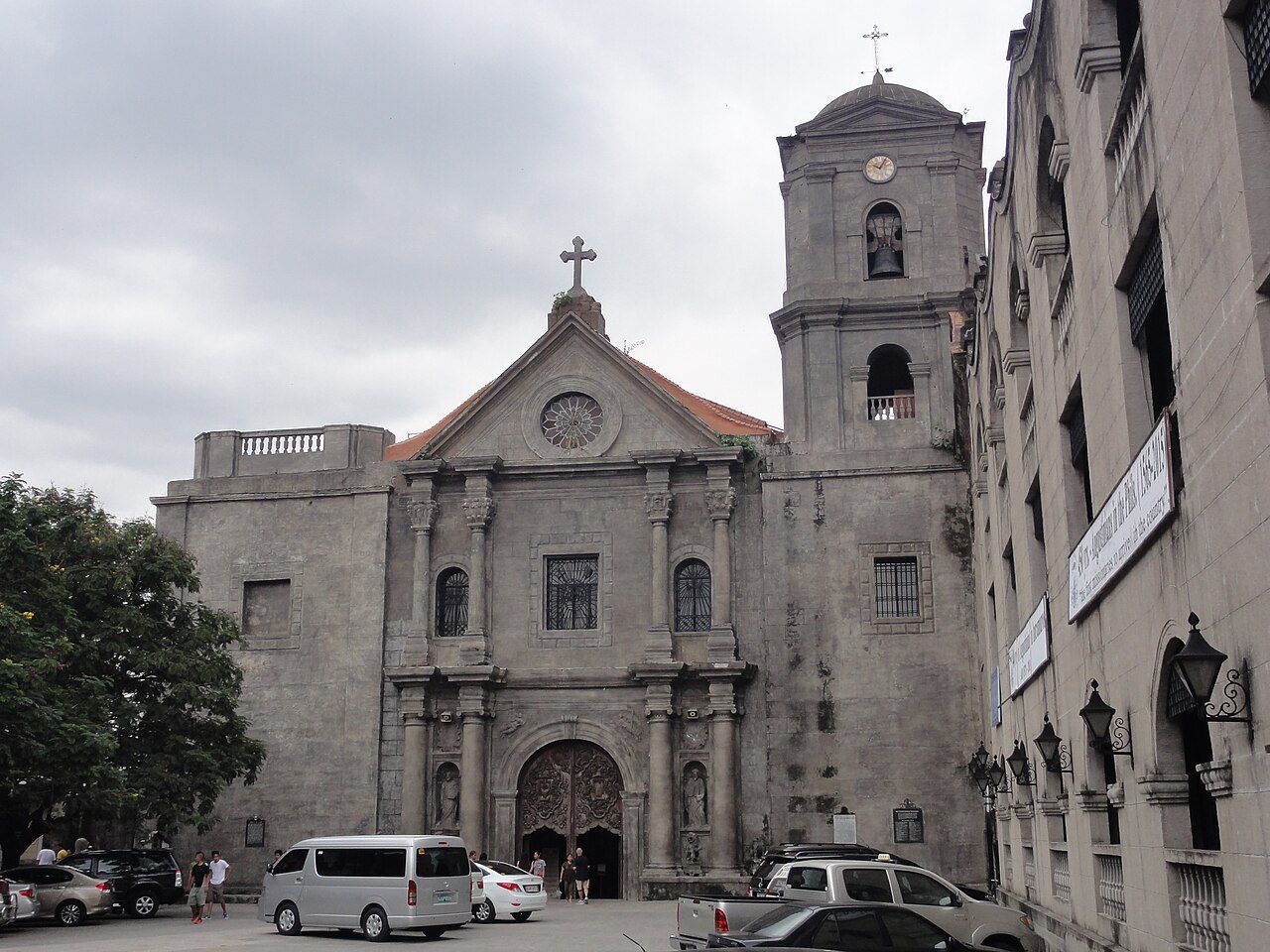
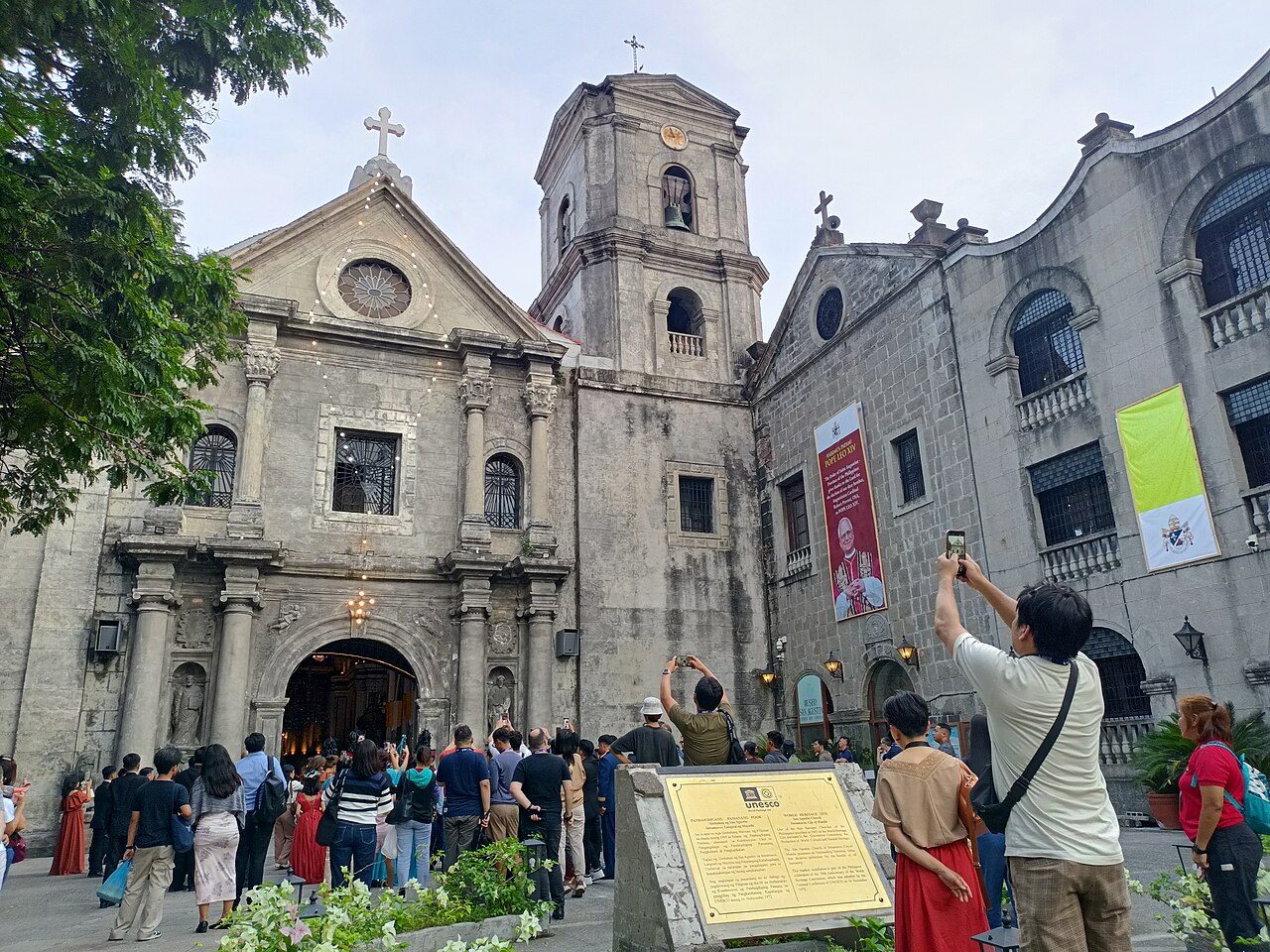
San Agustin Church Manila
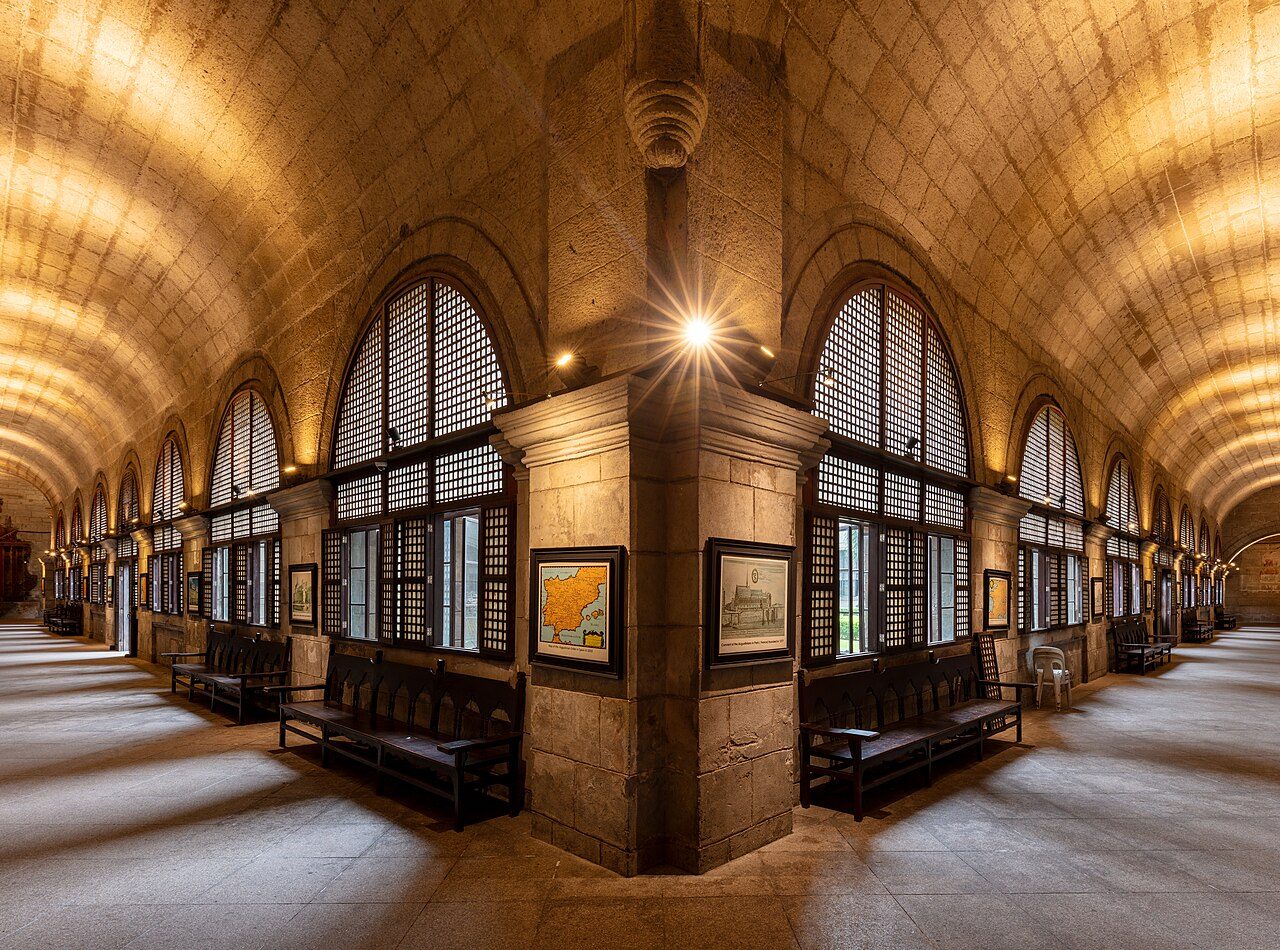
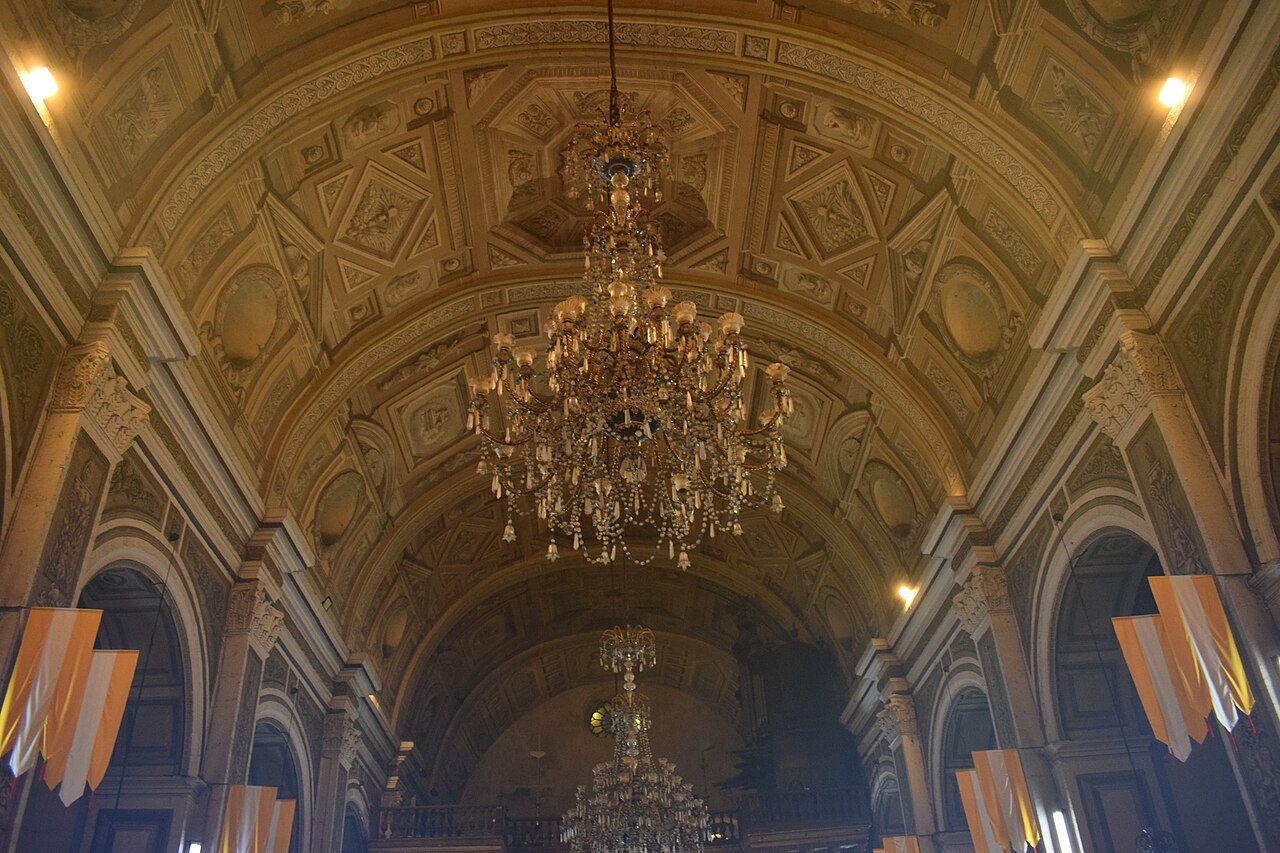
San Agustin Church in Intramuros is the oldest stone church in the Philippines, completed in 1607. It survived earthquakes and the destruction of Manila in 1945, and is one of four Baroque churches inscribed together as a UNESCO World Heritage Site. Its interior features trompe-l'oeil painted ceilings. The adjoining monastery museum holds religious art, vestments and a peaceful cloister.
02
STOP 2 OF 11
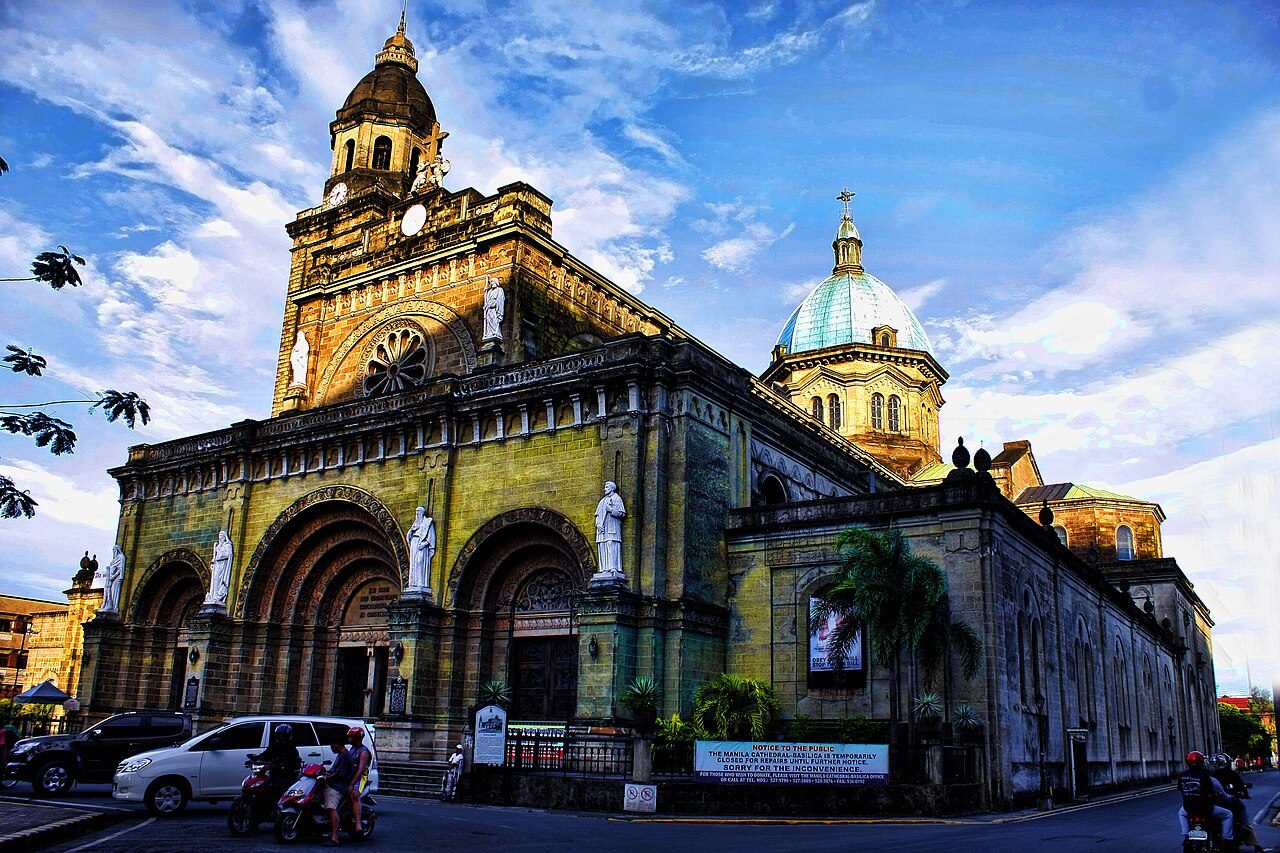
Manila Cathedral
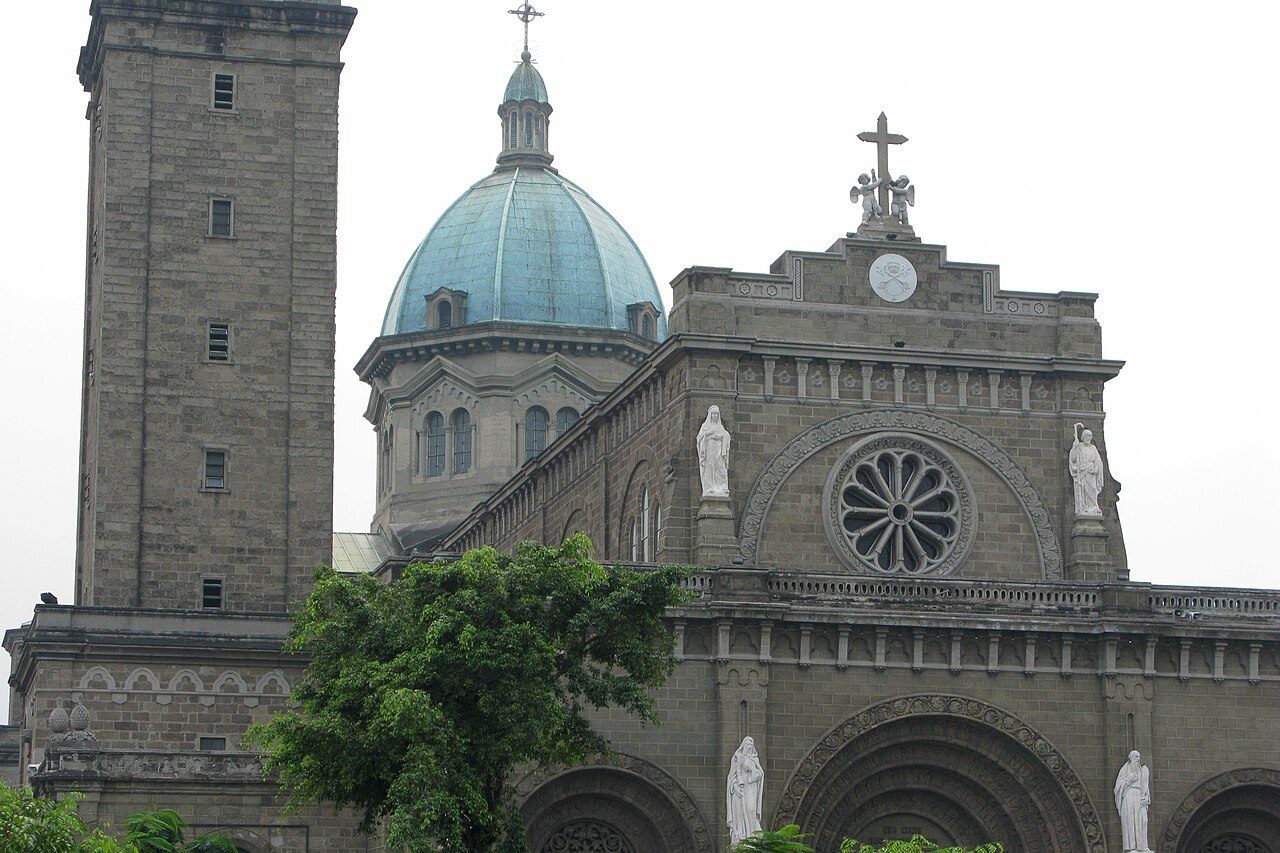
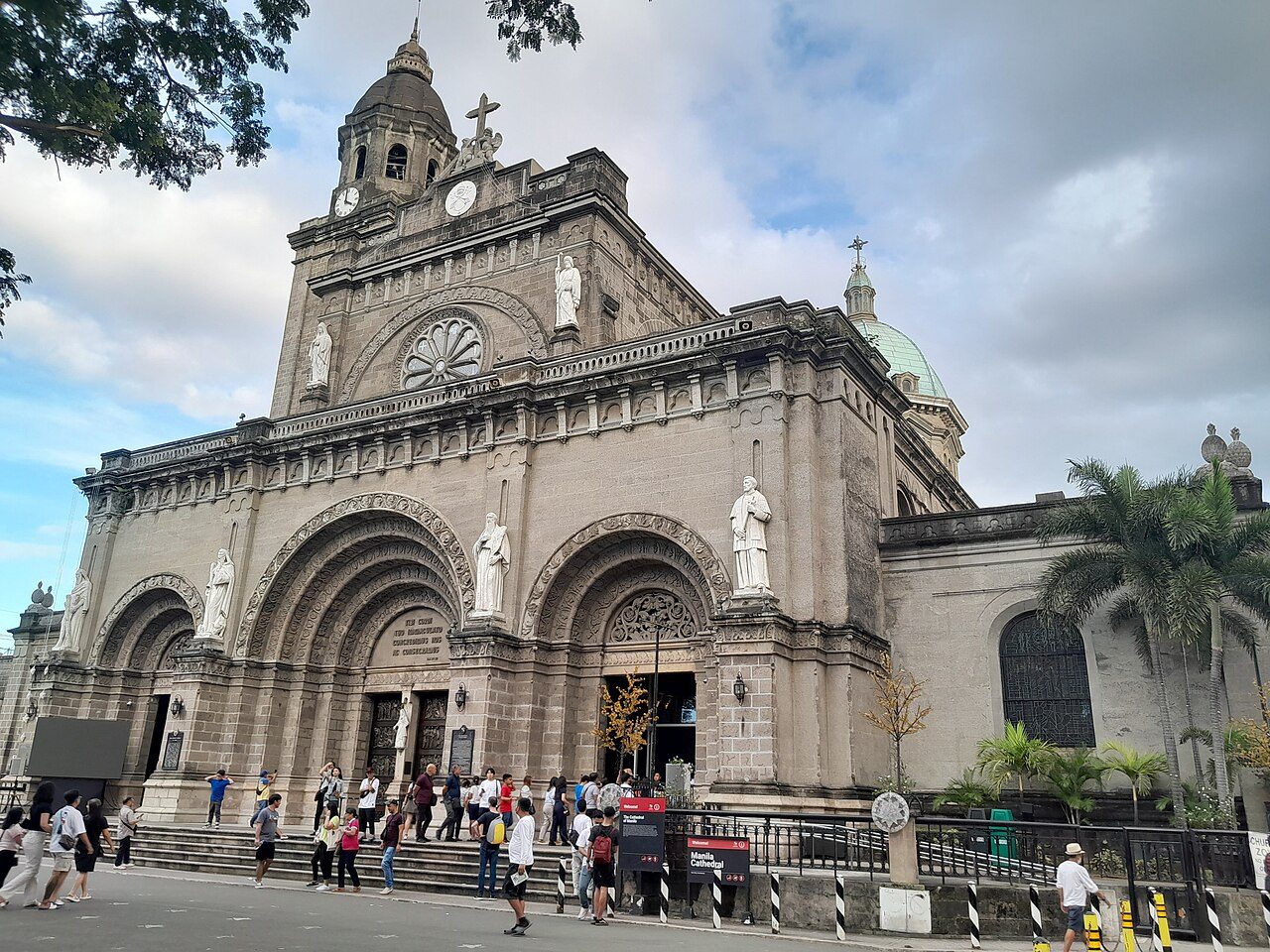
Manila Cathedral is the seat of the Archdiocese of Manila and stands on Plaza de Roma in Intramuros. The present Romanesque Revival building was completed in 1958, after earlier churches on the site were destroyed by fire, earthquakes and war. Its bronze doors, stained glass windows and large pipe organ are highlights. The cathedral is open daily, and visitors should dress modestly.
03
STOP 3 OF 11
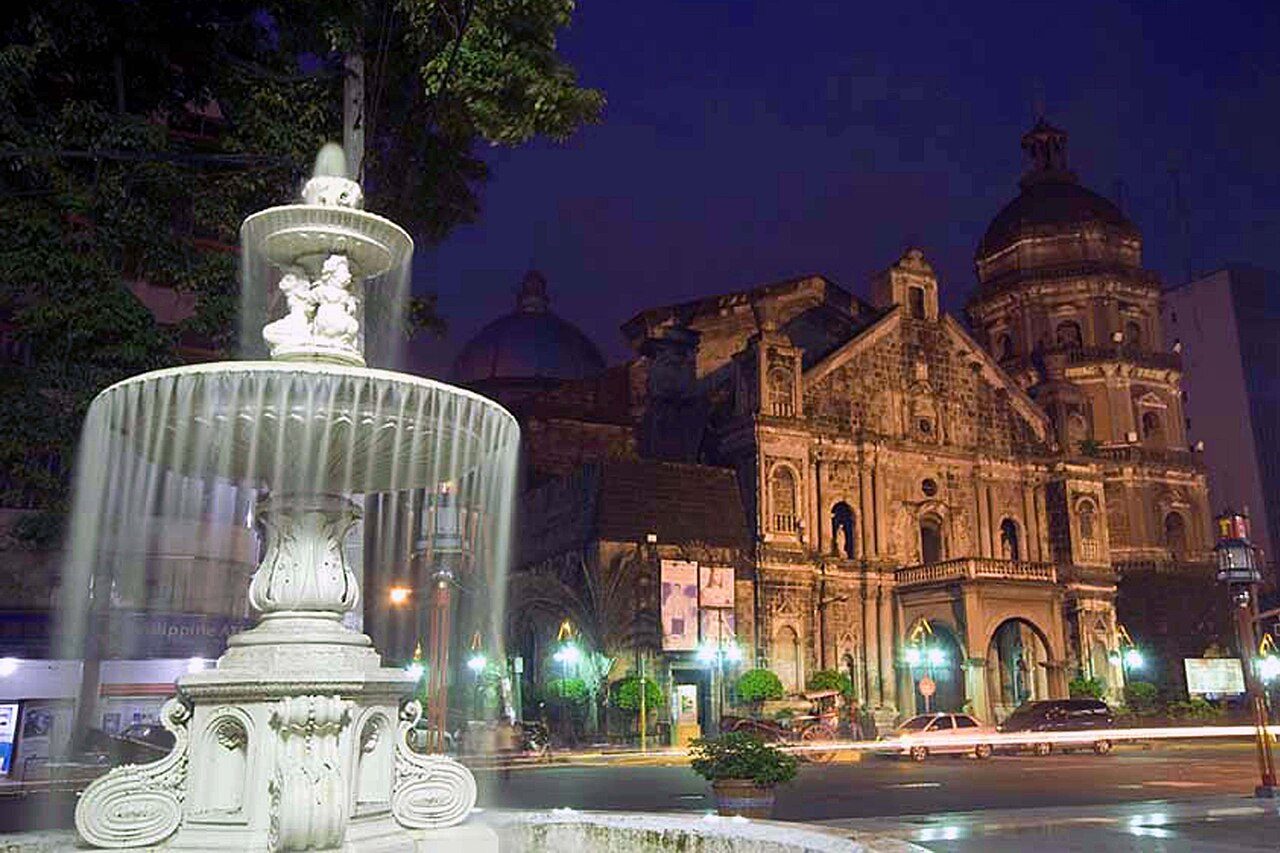
Binondo Church
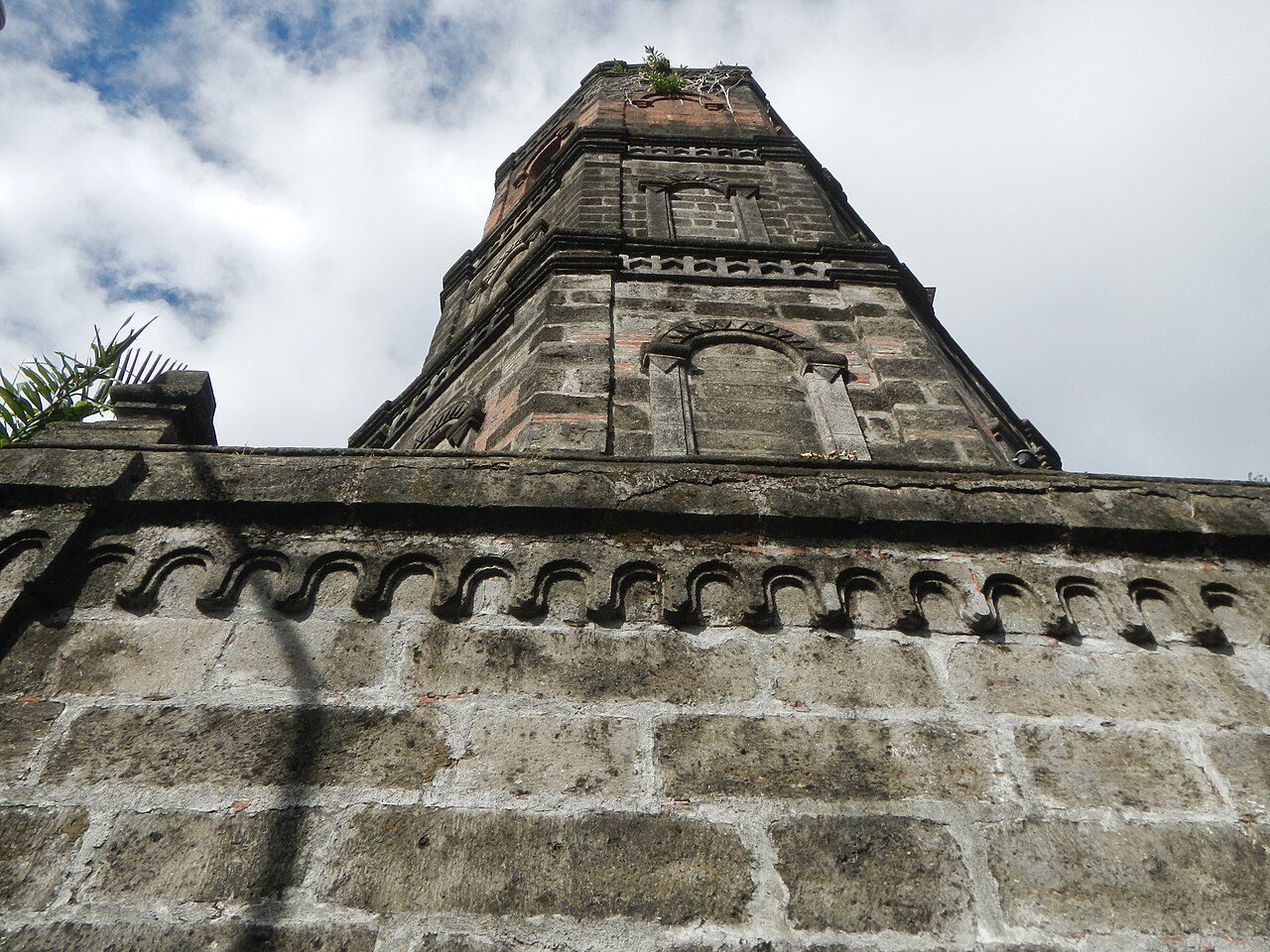
Binondo Church, the Minor Basilica of San Lorenzo Ruiz, stands in the heart of Manila's Chinatown, the oldest in the world. It was founded by Dominican friars in the late 1500s to serve Chinese converts. Its distinctive octagonal bell tower survived the Second World War. The church honours San Lorenzo Ruiz, the first Filipino saint, and pairs well with a food walk through Binondo.
04
STOP 4 OF 11
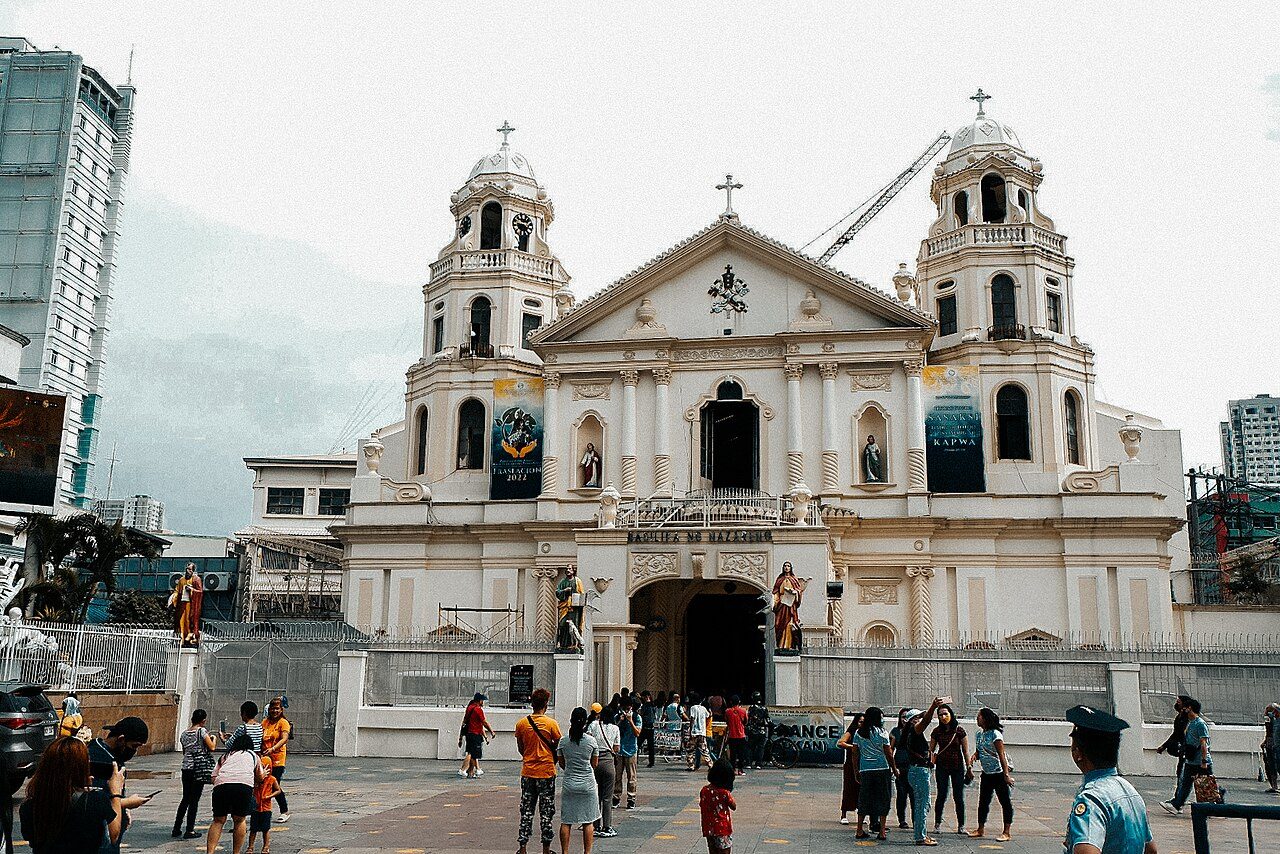
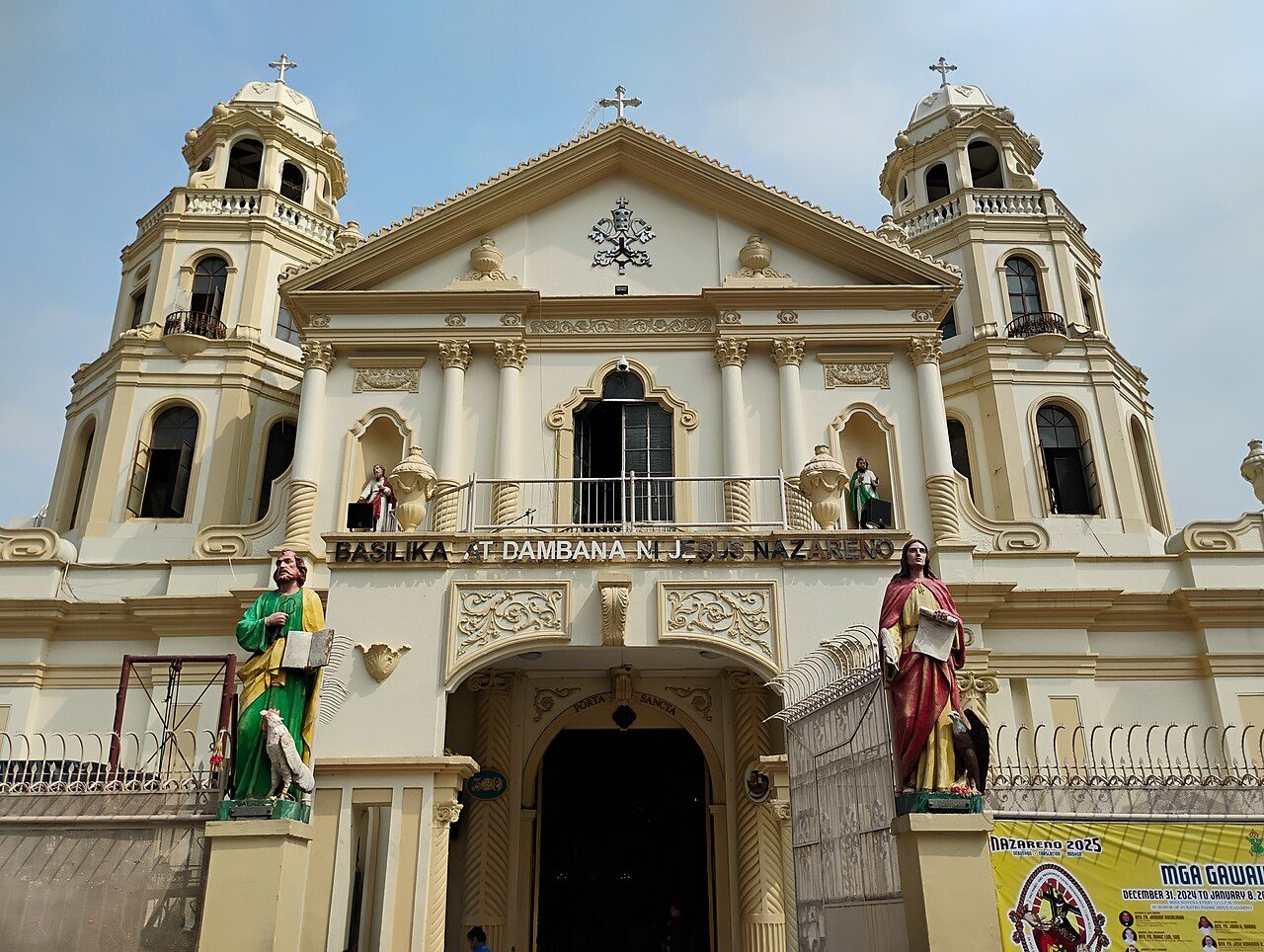
Quiapo Church
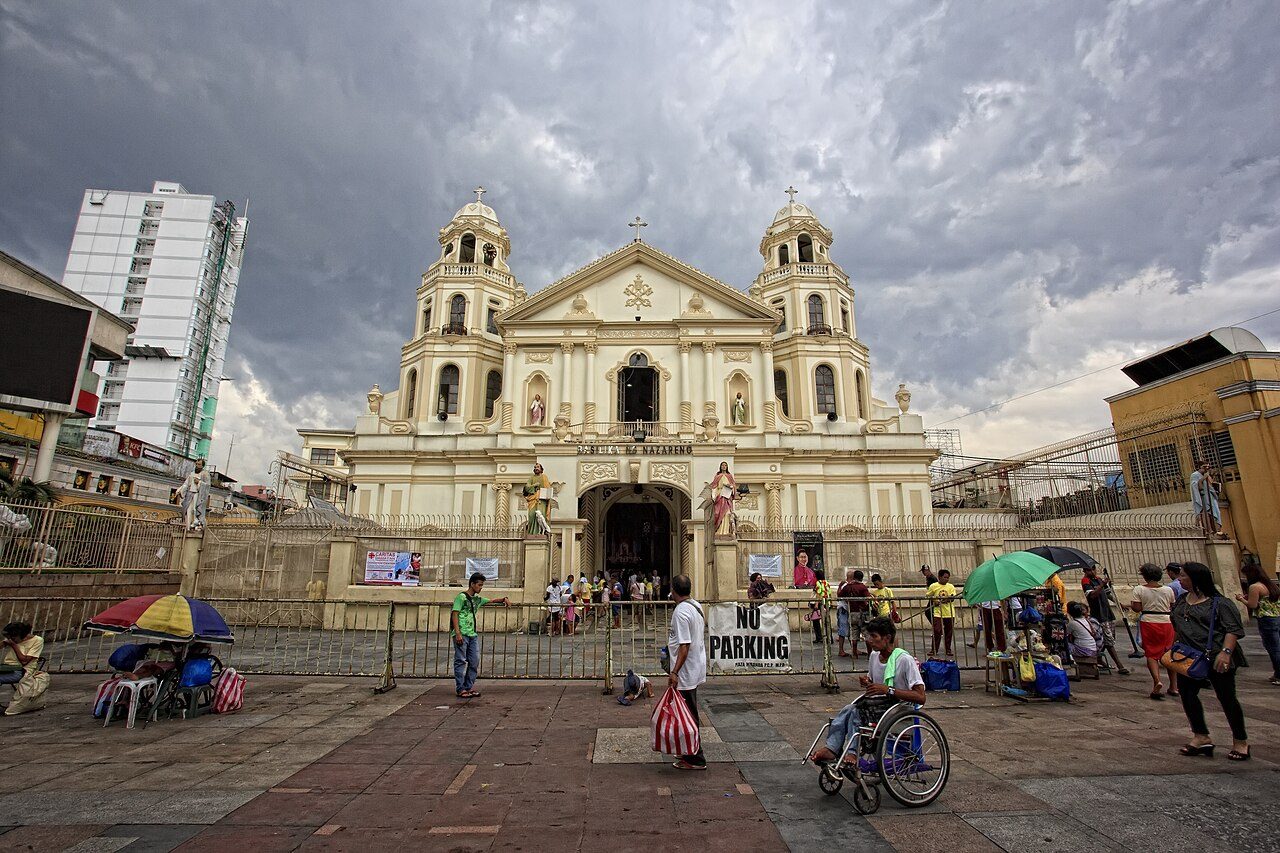
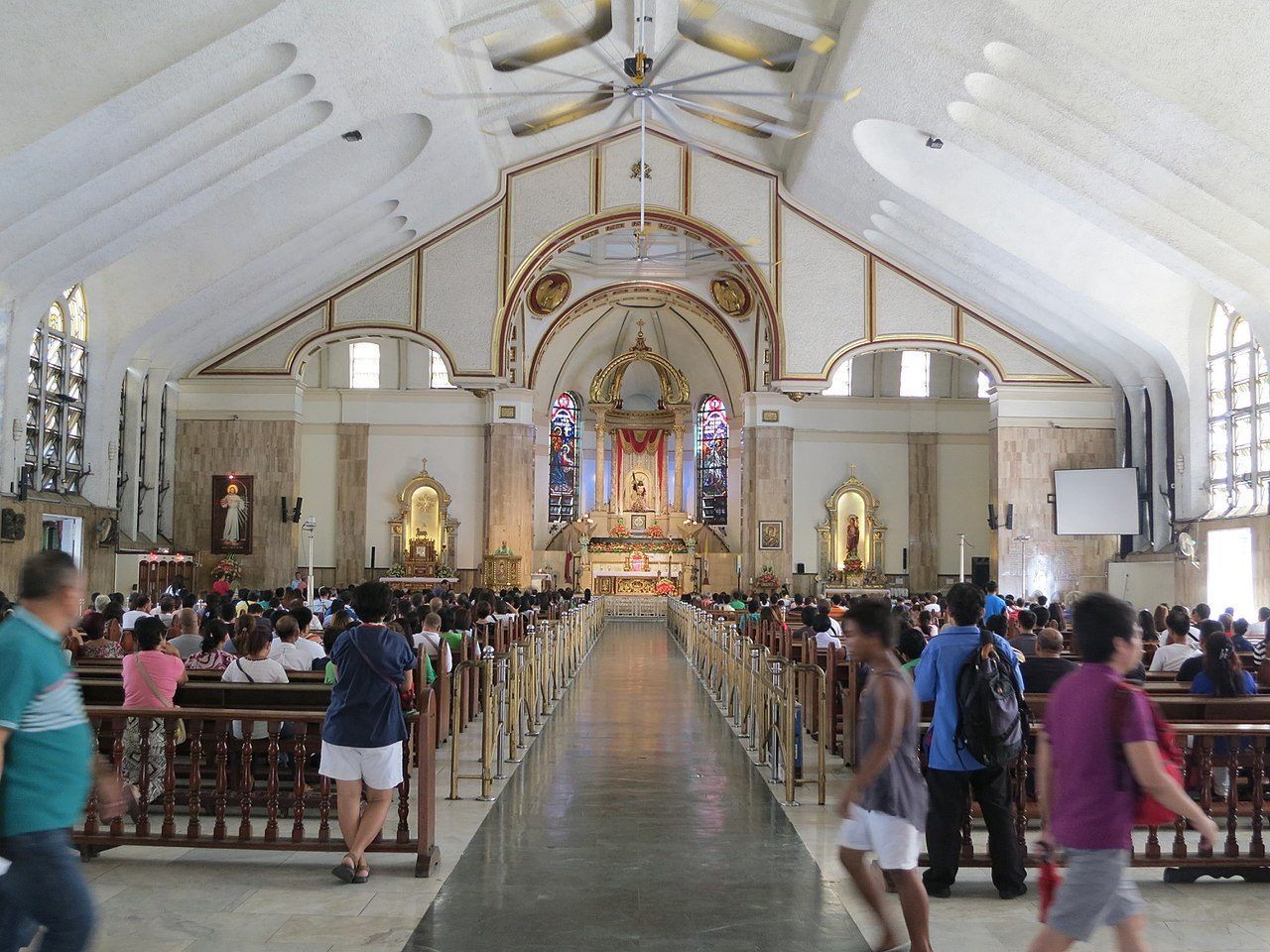
Quiapo Church, the Minor Basilica of the Black Nazarene, is home to a dark wooden statue of Christ carrying the cross that is revered by millions of Filipinos. Every 9 January the Feast of the Black Nazarene draws vast crowds for a procession through the streets. On Fridays the church overflows with devotees. The surrounding market streets sell herbs, amulets and street food.
05
STOP 5 OF 11
Barasoain Church
Barasoain Church in Malolos is known as the cradle of democracy in the East. The first Philippine Congress met here in 1898 and drafted the Malolos Constitution, and the First Philippine Republic was inaugurated here in 1899. The church has a museum on this history. Its facade appears on the Philippine ten-peso banknote and coin, making it one of the country's most familiar churches.
06
STOP 6 OF 11
Vigan Cathedral
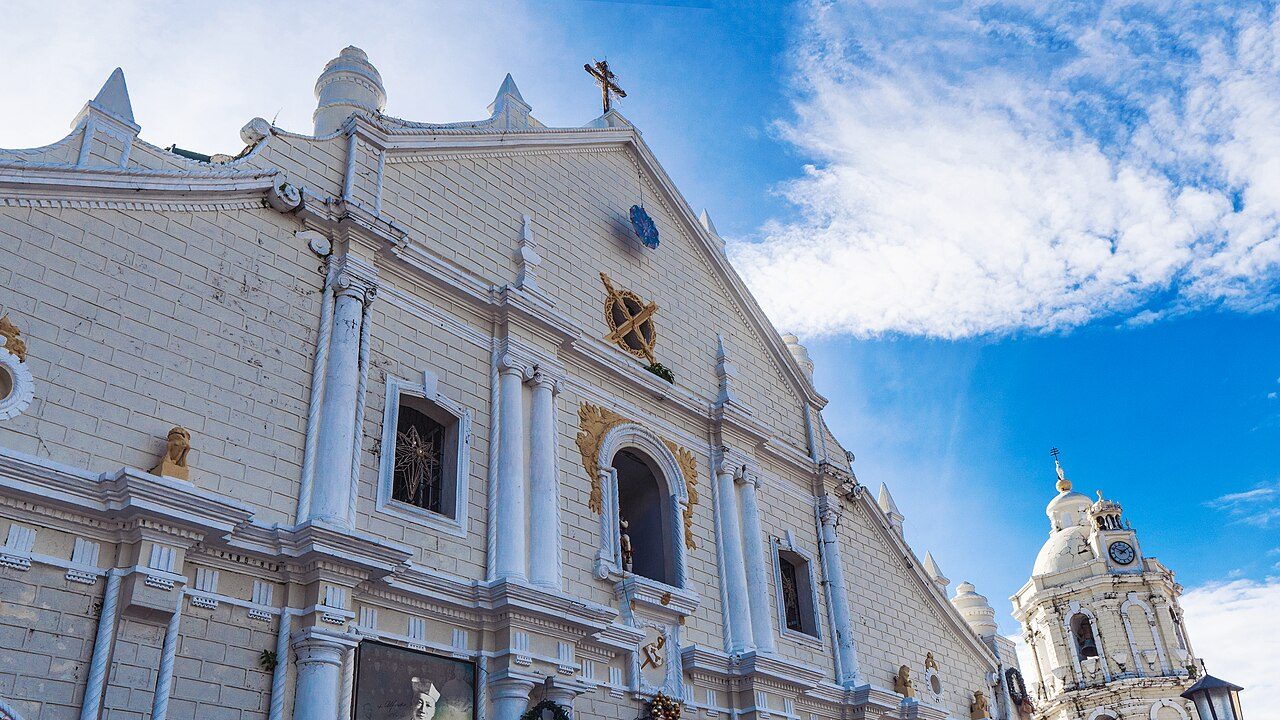
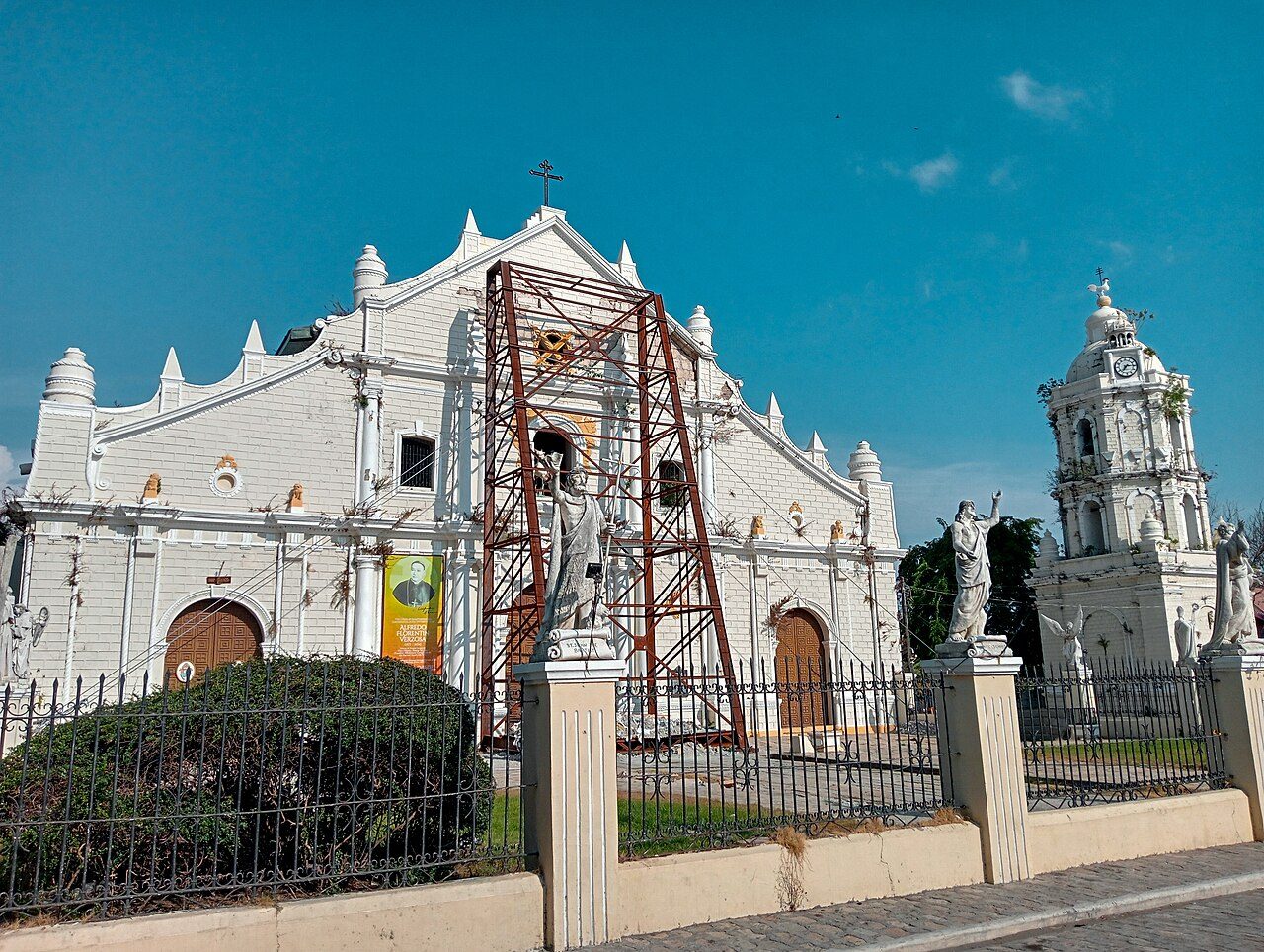
Vigan Cathedral, the Metropolitan Cathedral of St. Paul, was built by Augustinian friars in the 1790s in a style known as Earthquake Baroque, with thick walls and buttresses. A separate bell tower stands across the street. The church faces Plaza Salcedo and its evening dancing fountain show. It is a short walk from Calle Crisologo in the heart of the heritage town.
07
STOP 7 OF 11
Santa Maria Church
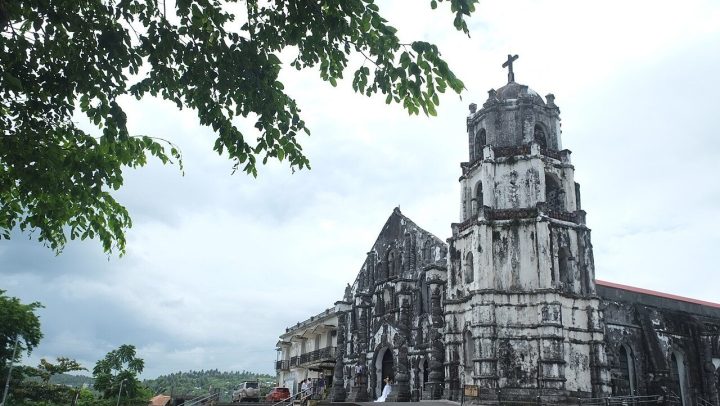
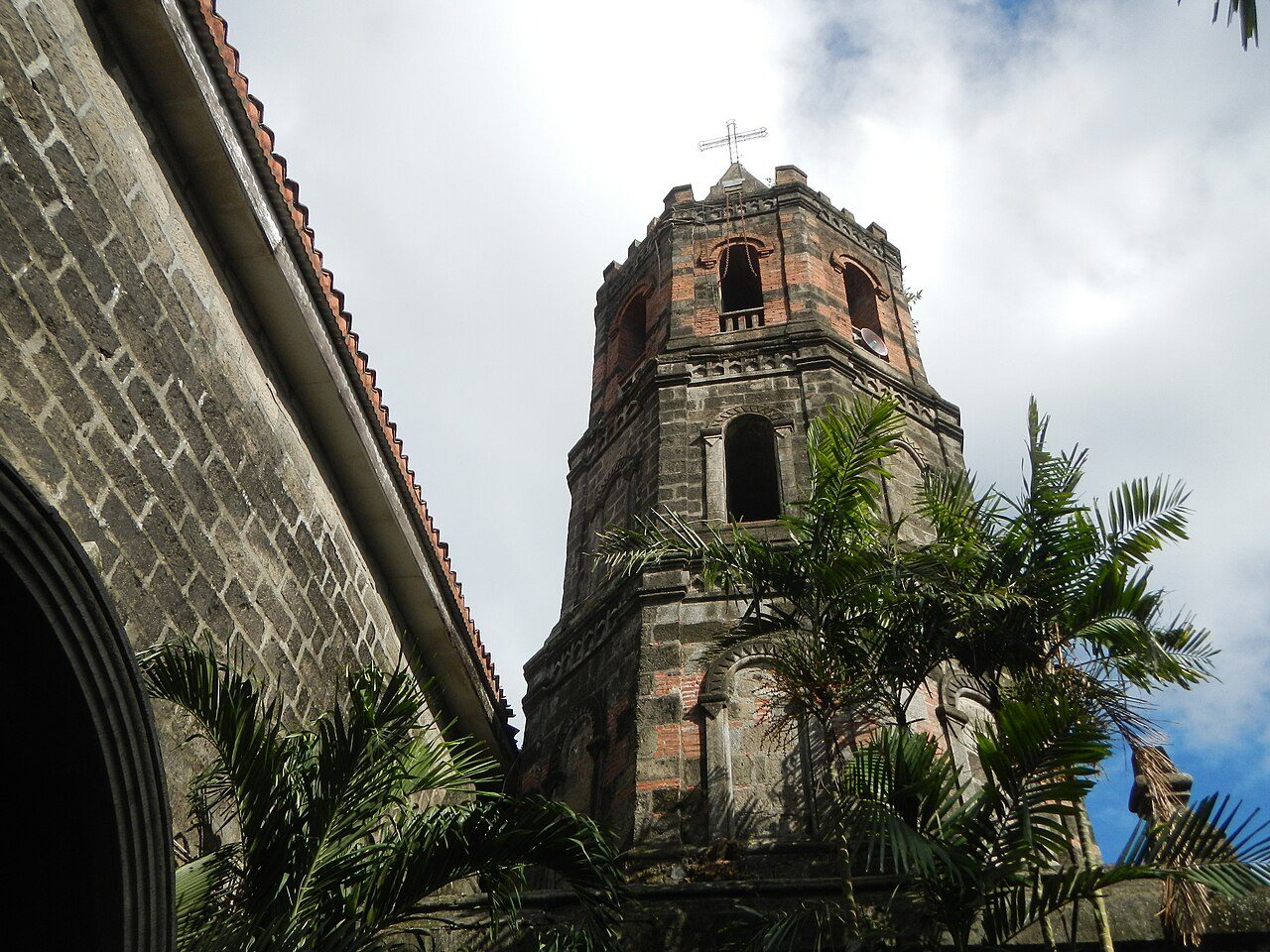
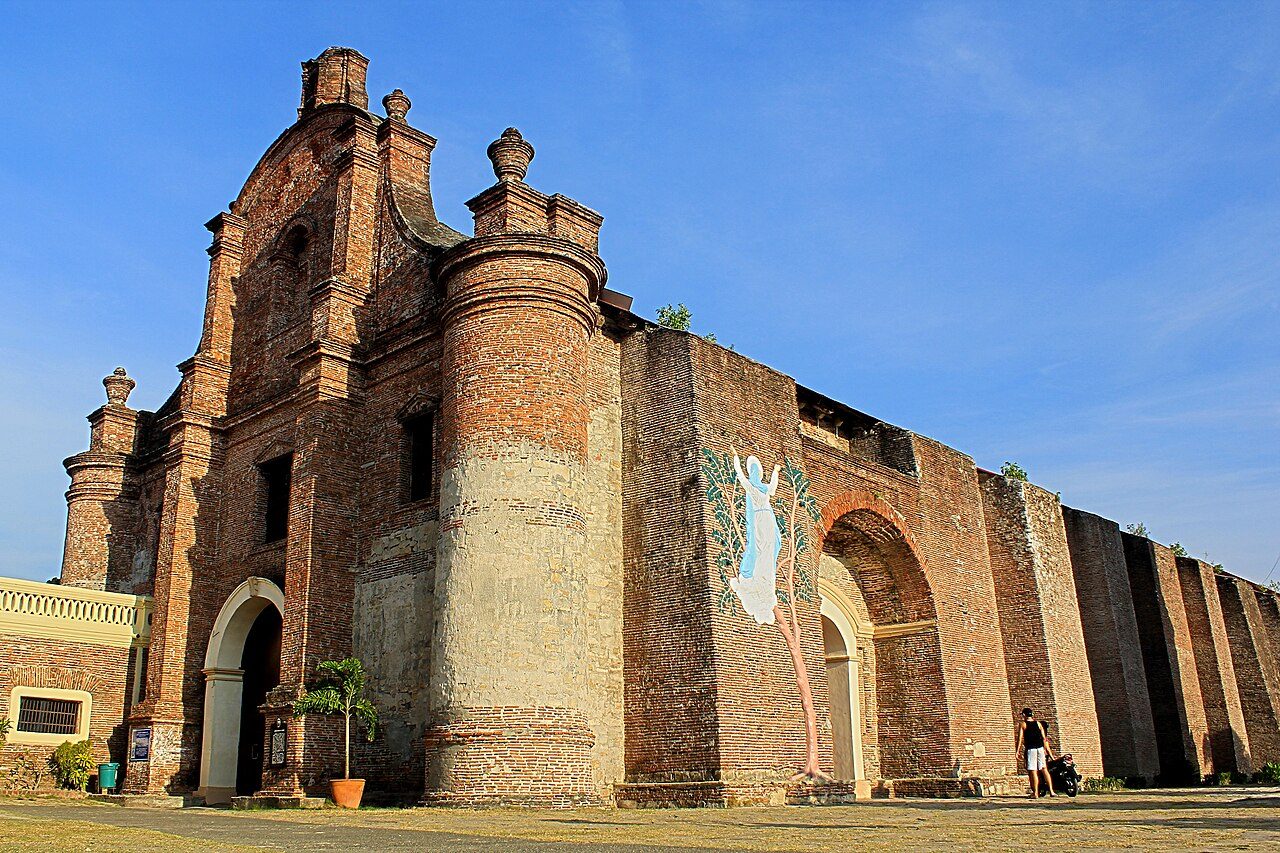
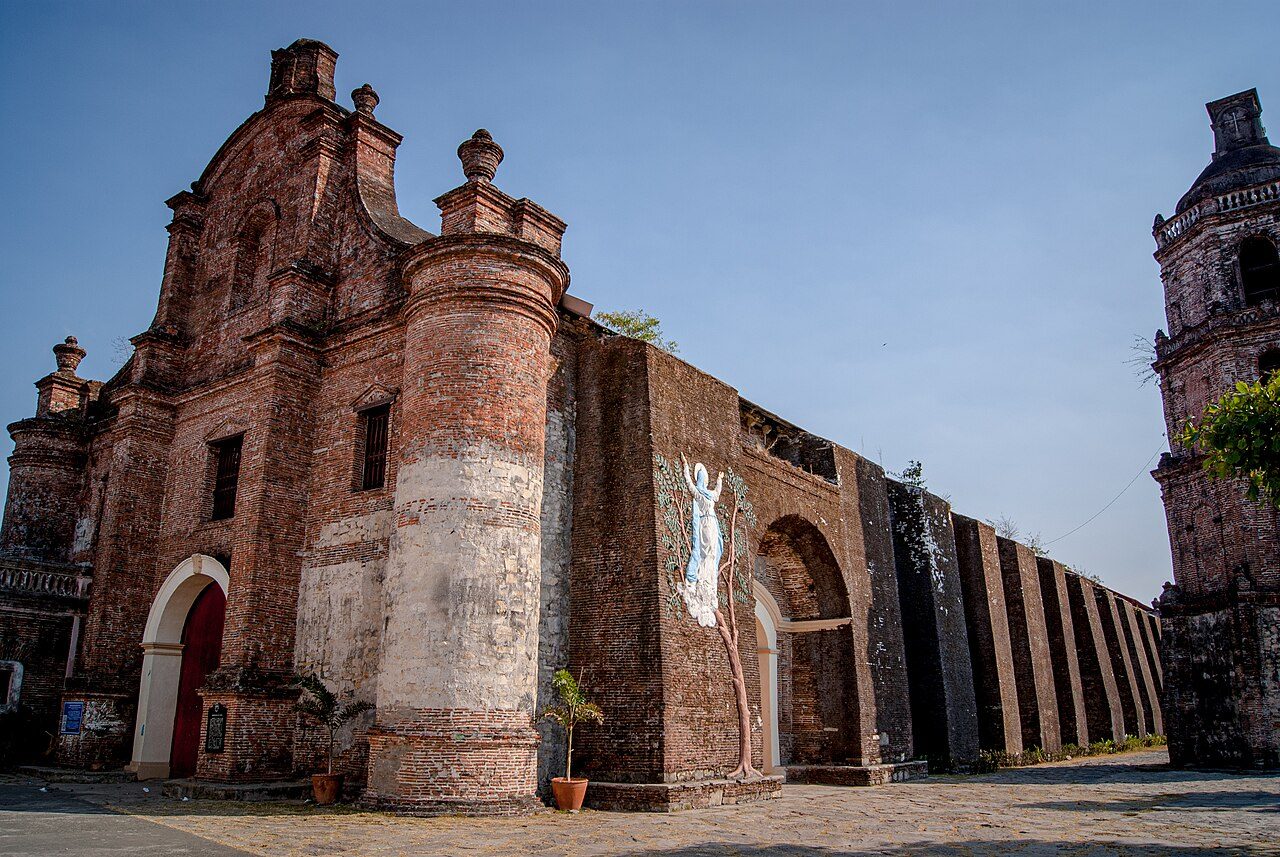
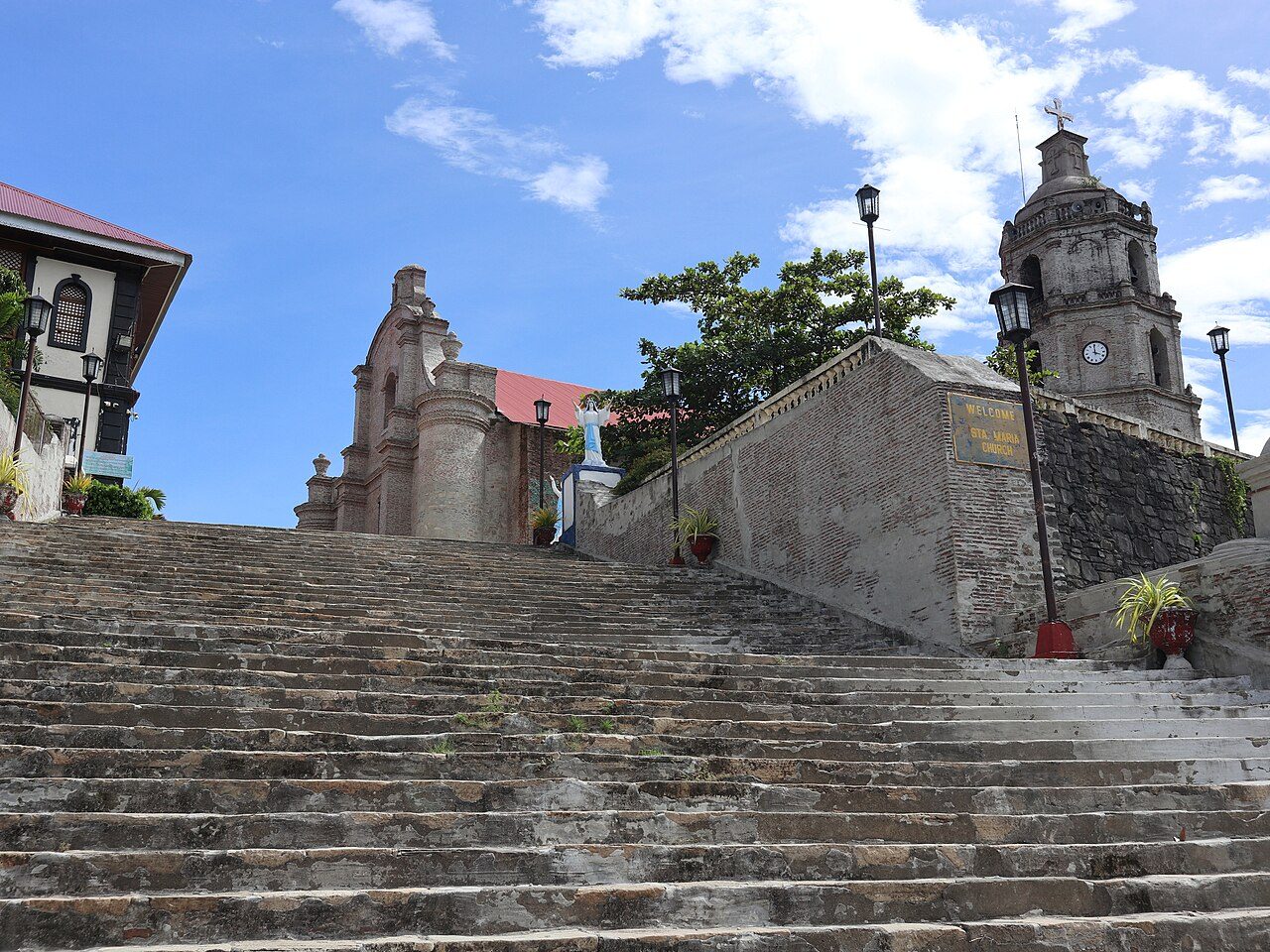
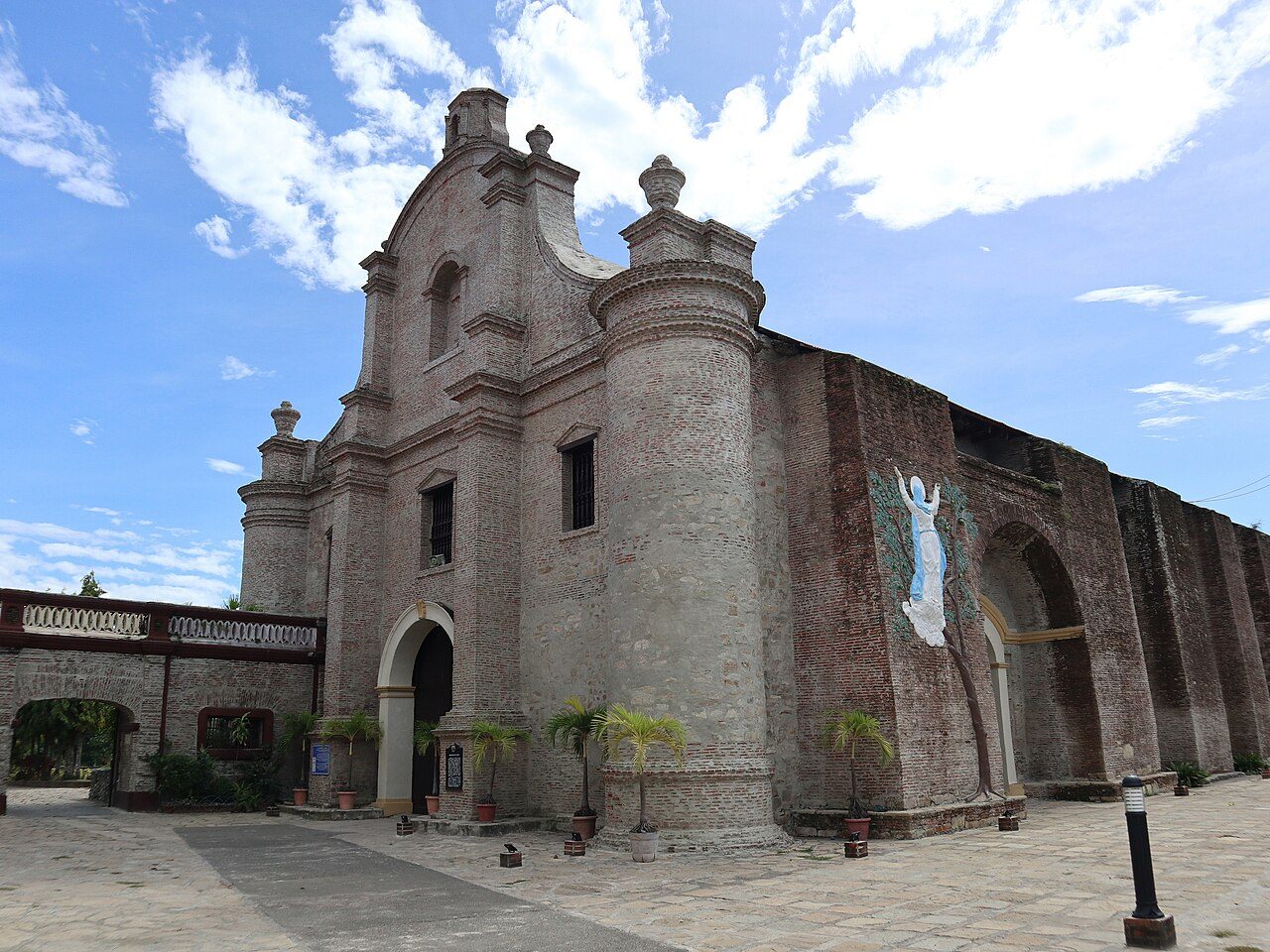
Santa Maria Church in Ilocos Sur is one of the four Baroque churches of the Philippines listed by UNESCO. Built by the Augustinians in the 18th century, it stands on a hill like a fortress and is reached by a long stone stairway. Its separate bell tower and massive brick walls are striking. The church is a short drive south of Vigan and makes a good day trip.
08
STOP 8 OF 11
Paoay Church
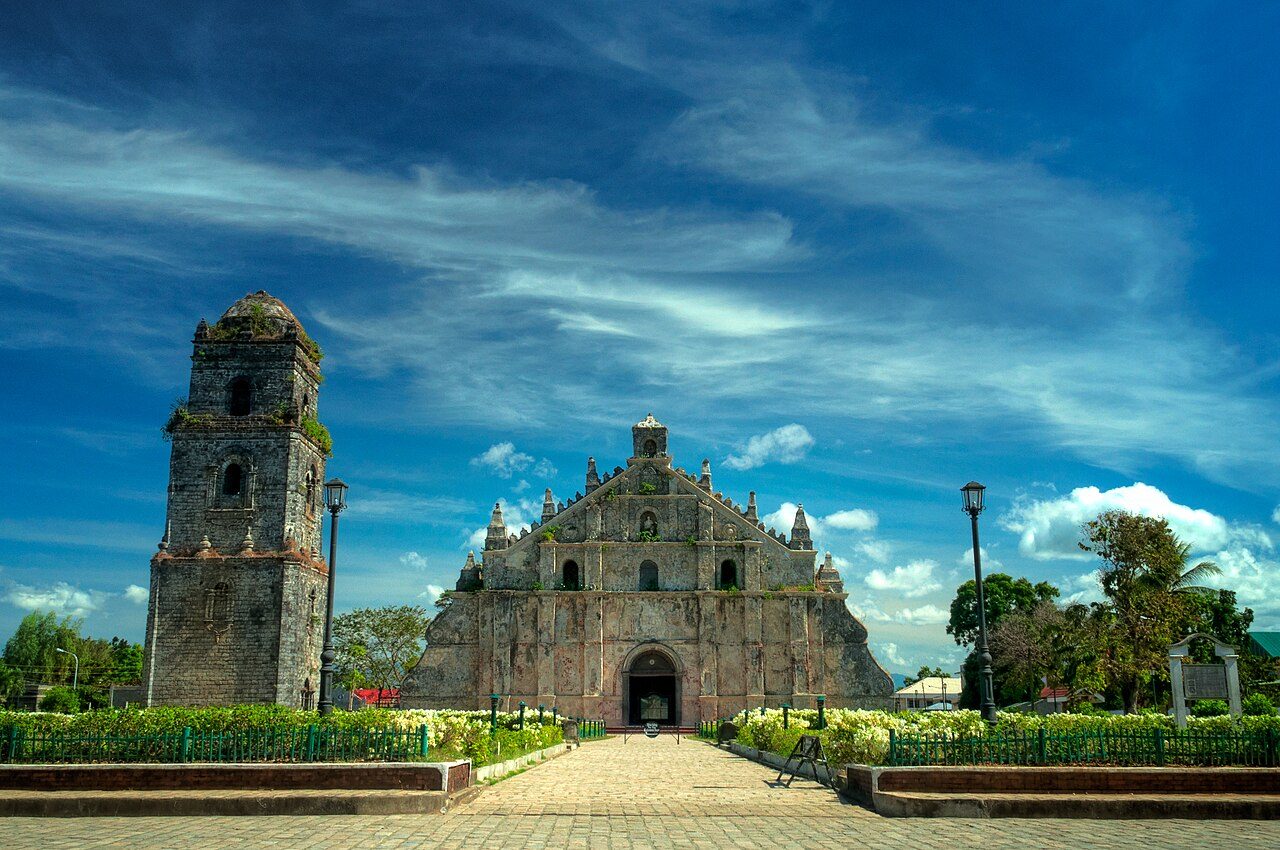
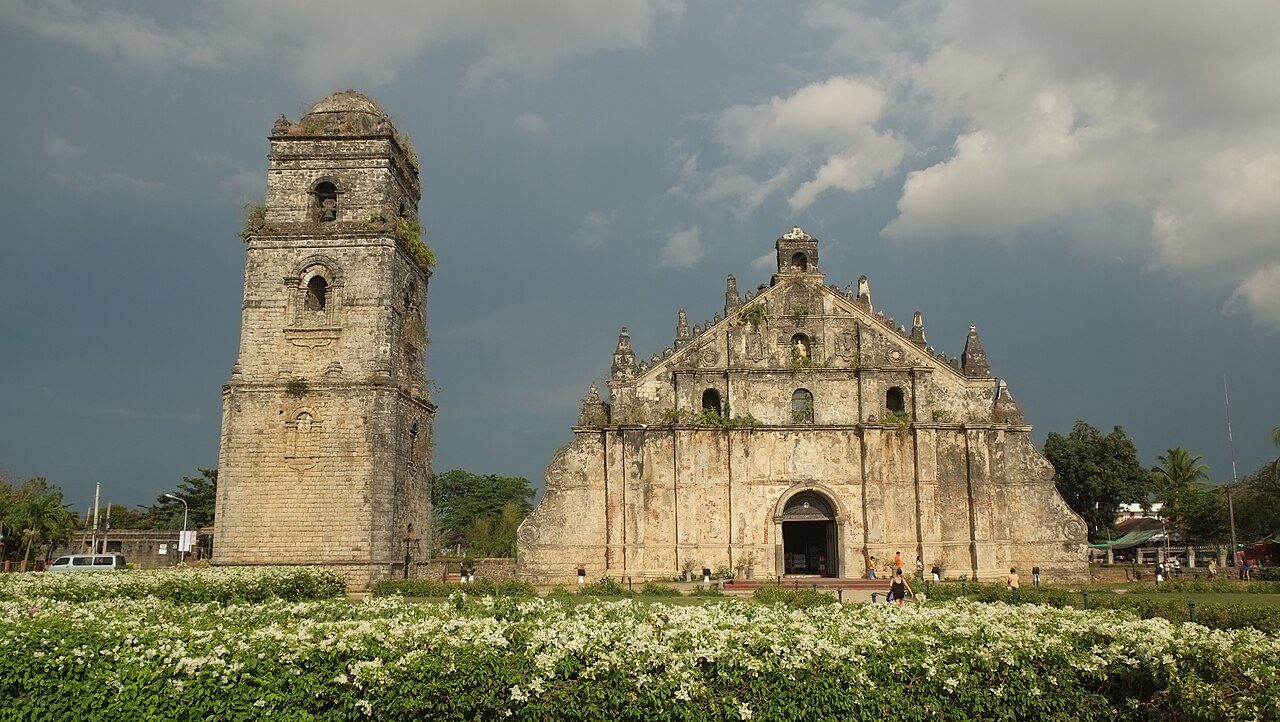
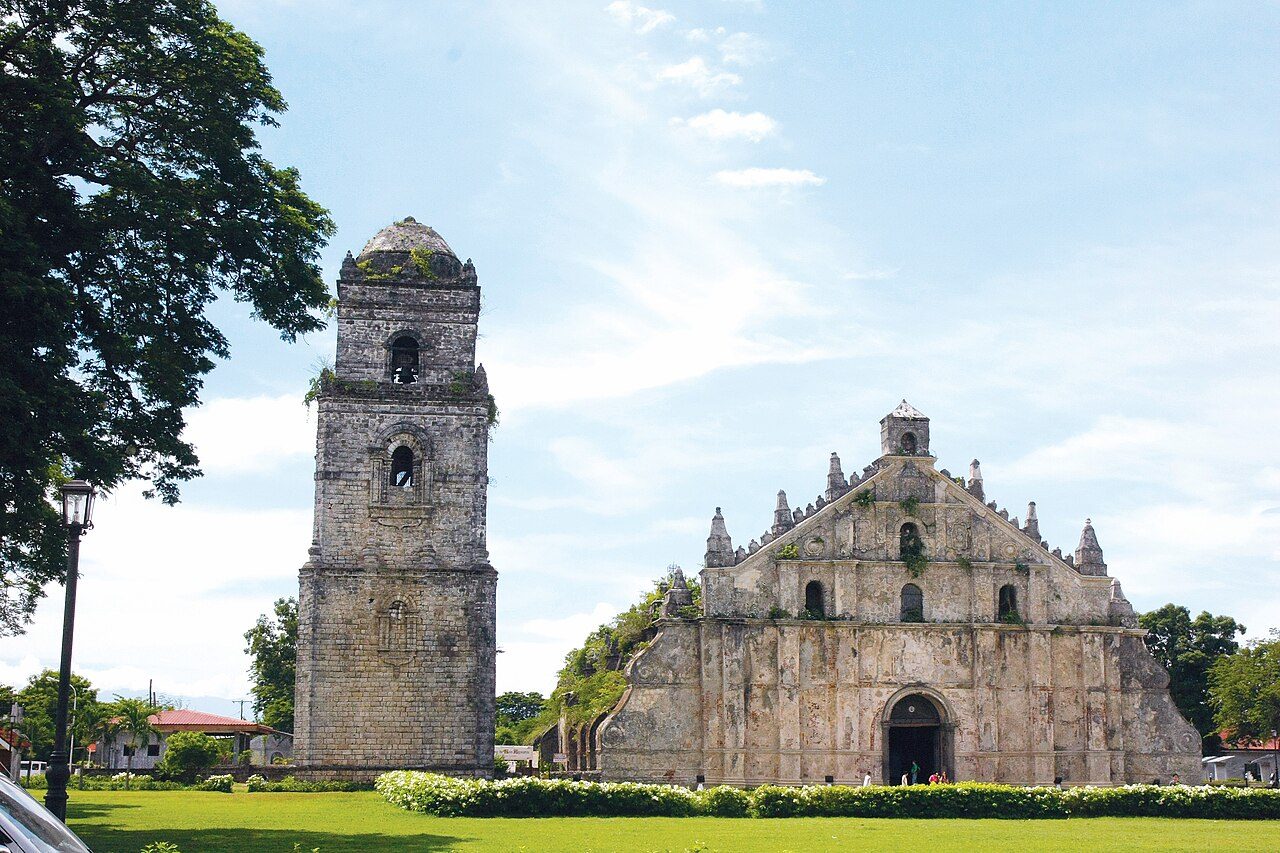
Paoay Church, also called San Agustin Church, is the most famous example of Earthquake Baroque architecture in the Philippines. Completed in the early 1700s, it has huge stepped buttresses that support its coral stone and brick walls. A separate bell tower stands to one side. It is one of the four Baroque churches inscribed as a UNESCO World Heritage Site.
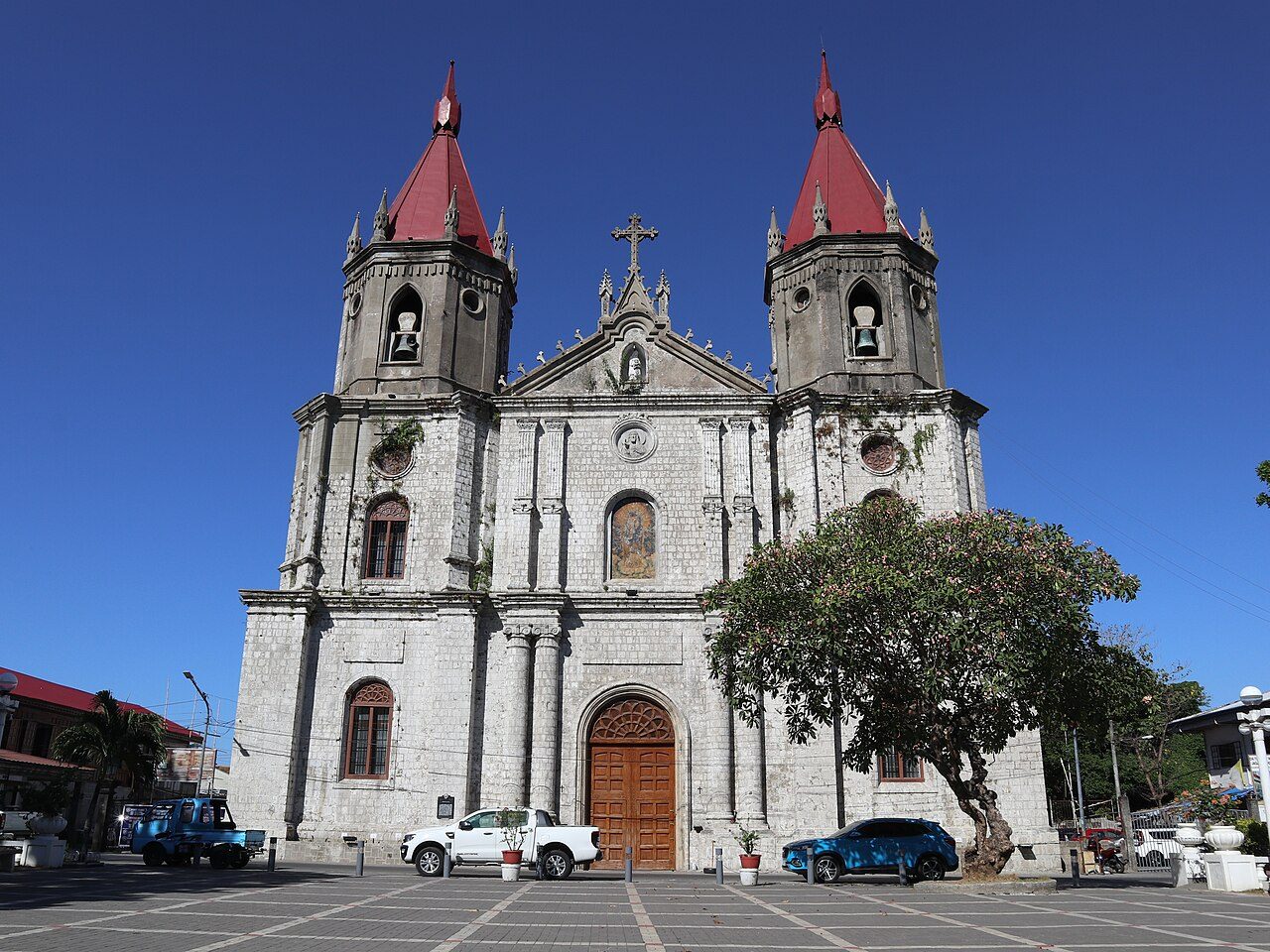
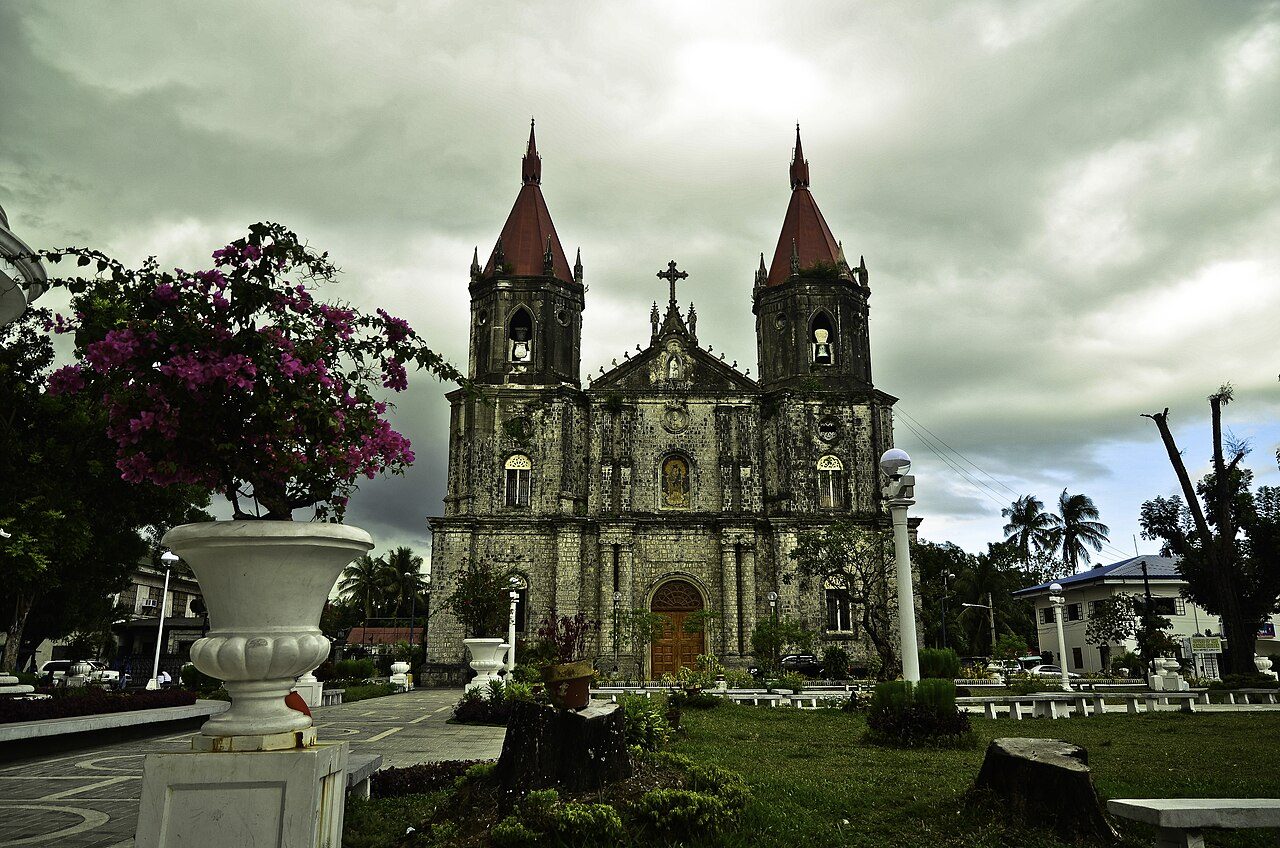
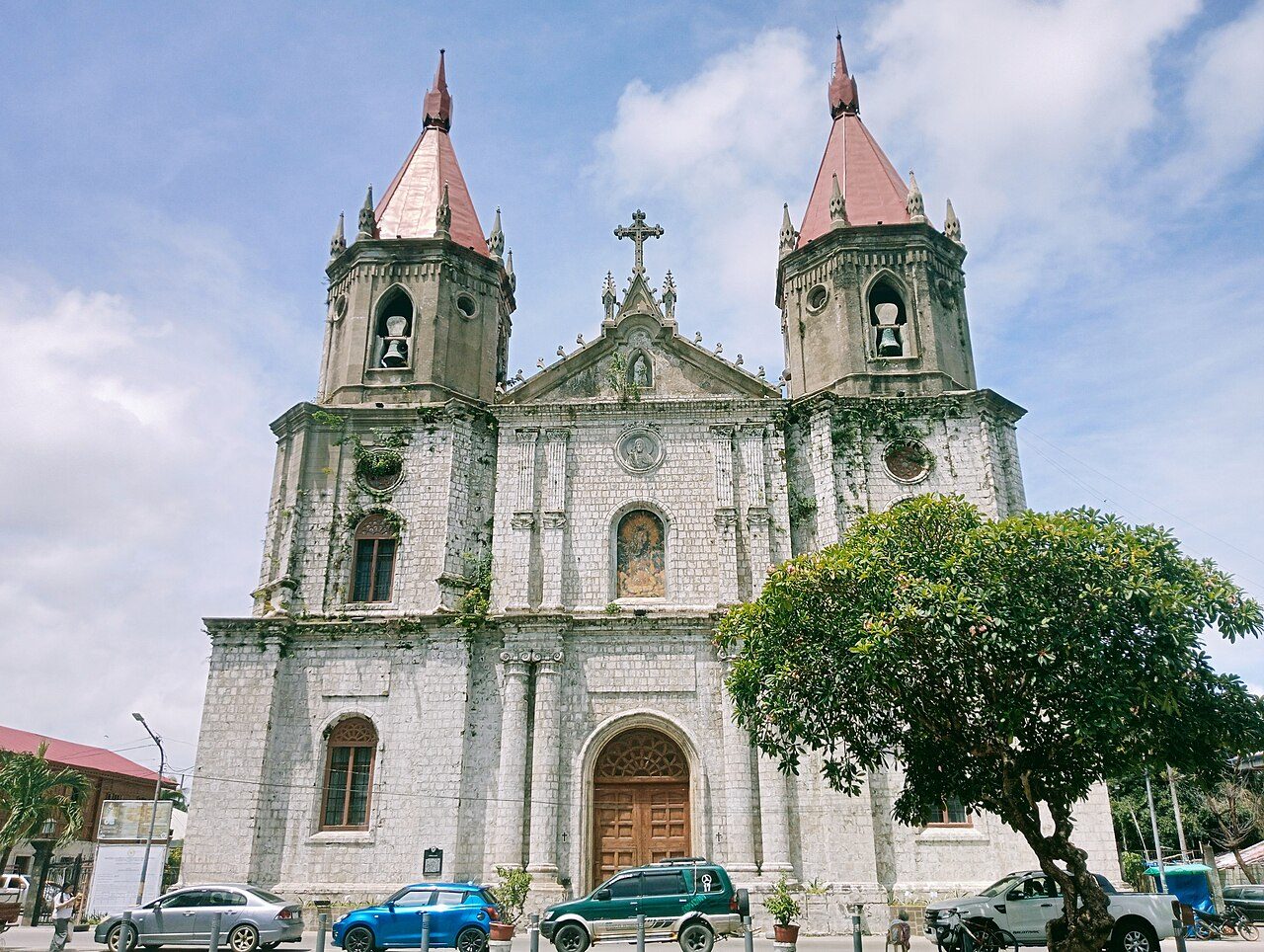
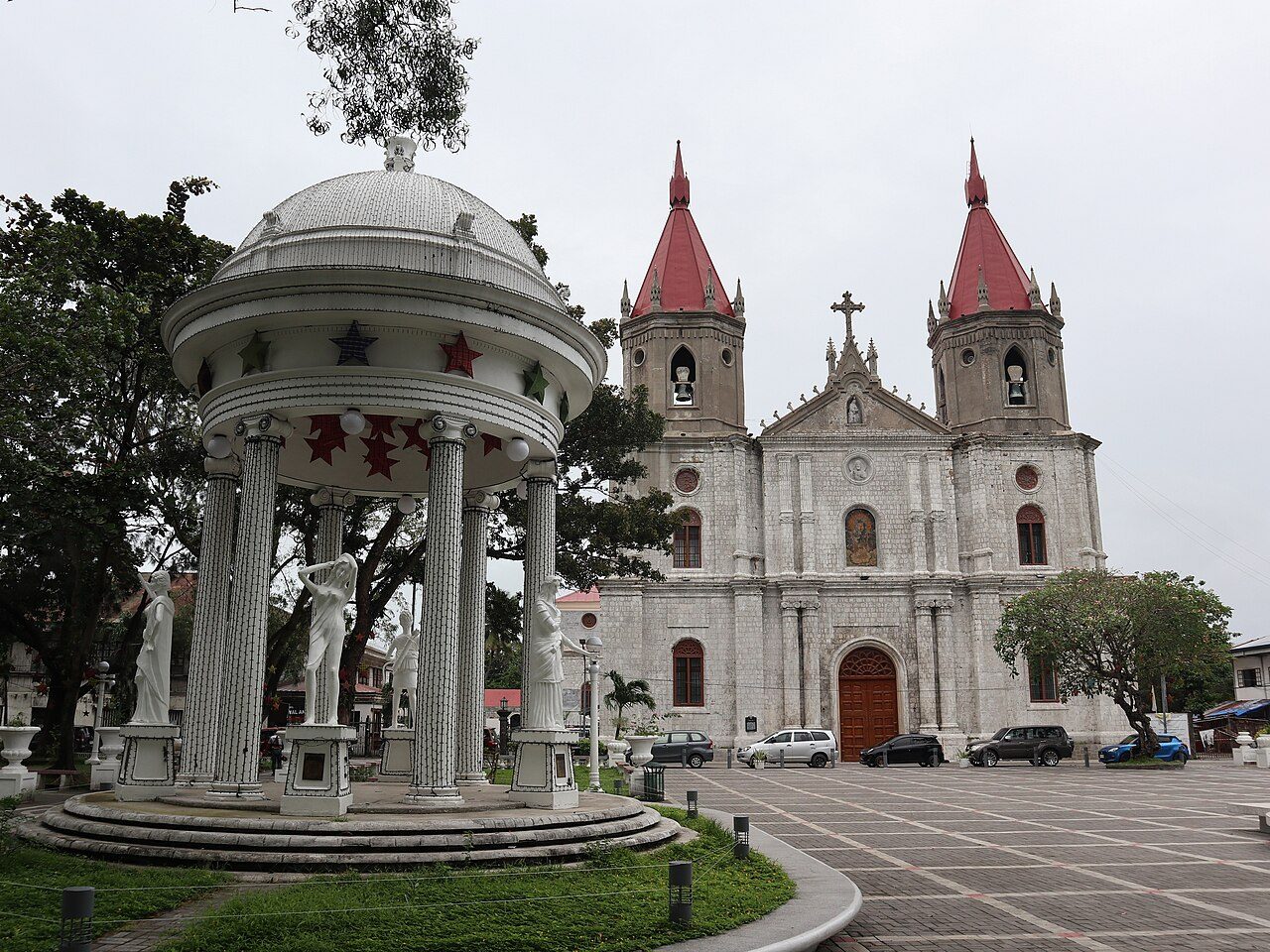
Molo Church, the Church of St. Anne, is a Gothic Renaissance church built of coral stone in the 1800s in Iloilo City. It is nicknamed the feminist church because its interior is lined with statues of female saints. Its twin spires face Molo Plaza, where an elegant gazebo stands. The church survived the Second World War and remains a landmark of Iloilo.
10
STOP 10 OF 11
Miagao Church
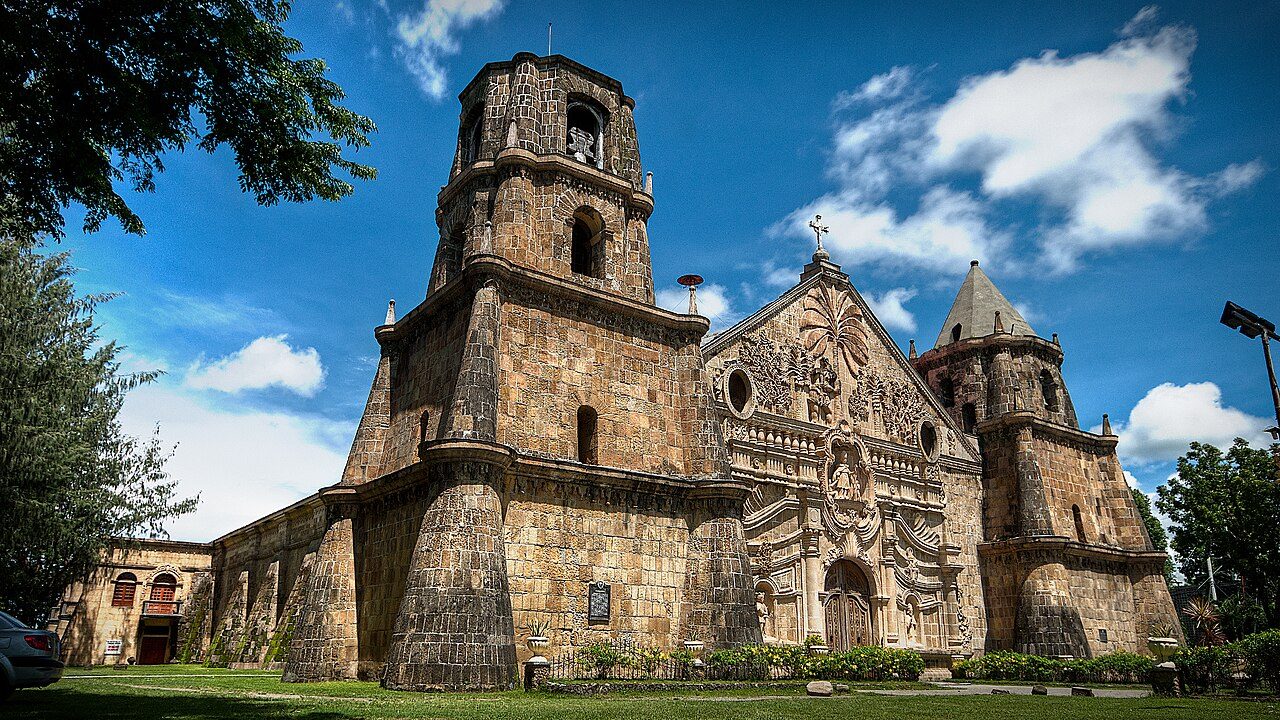
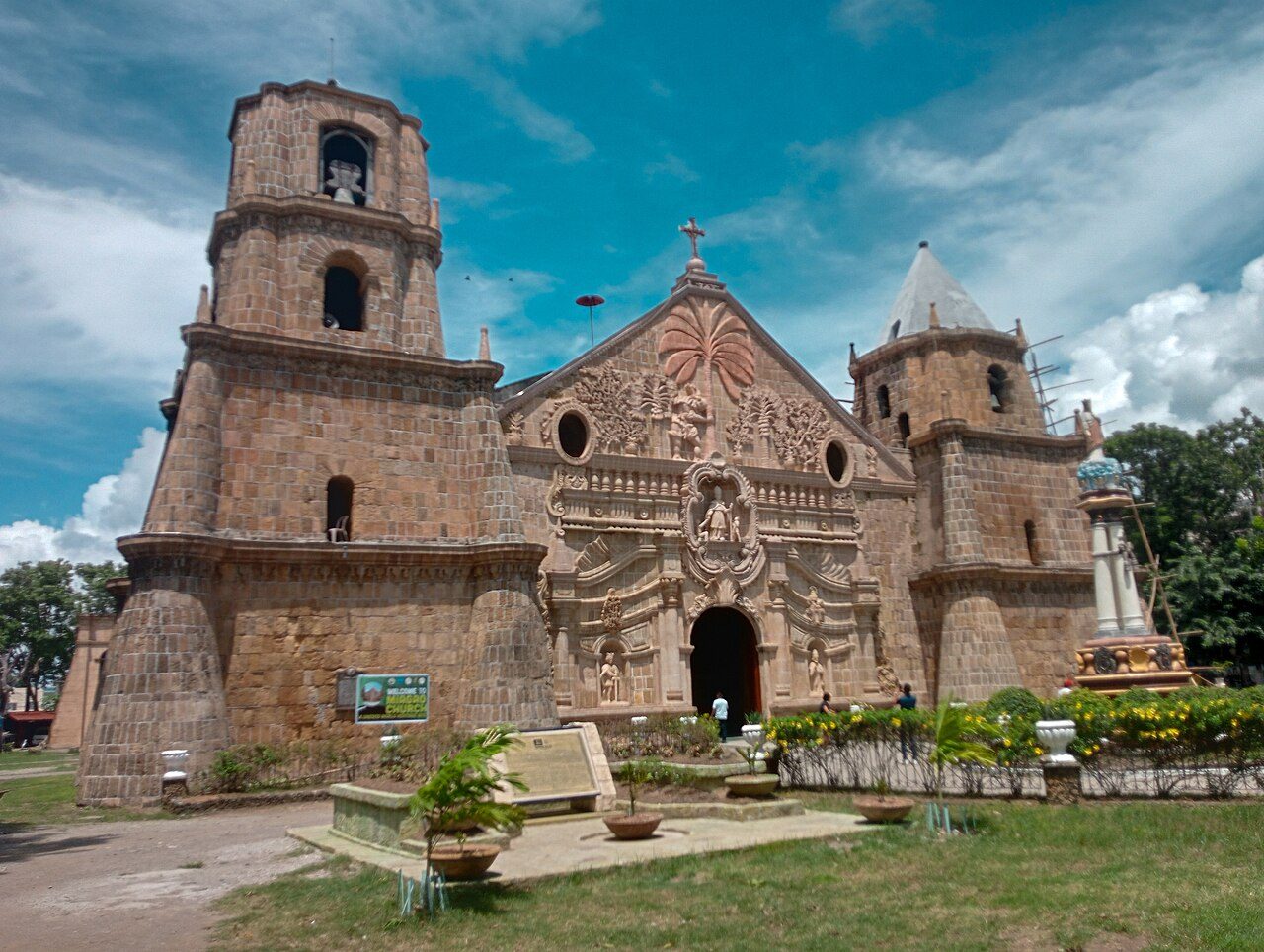
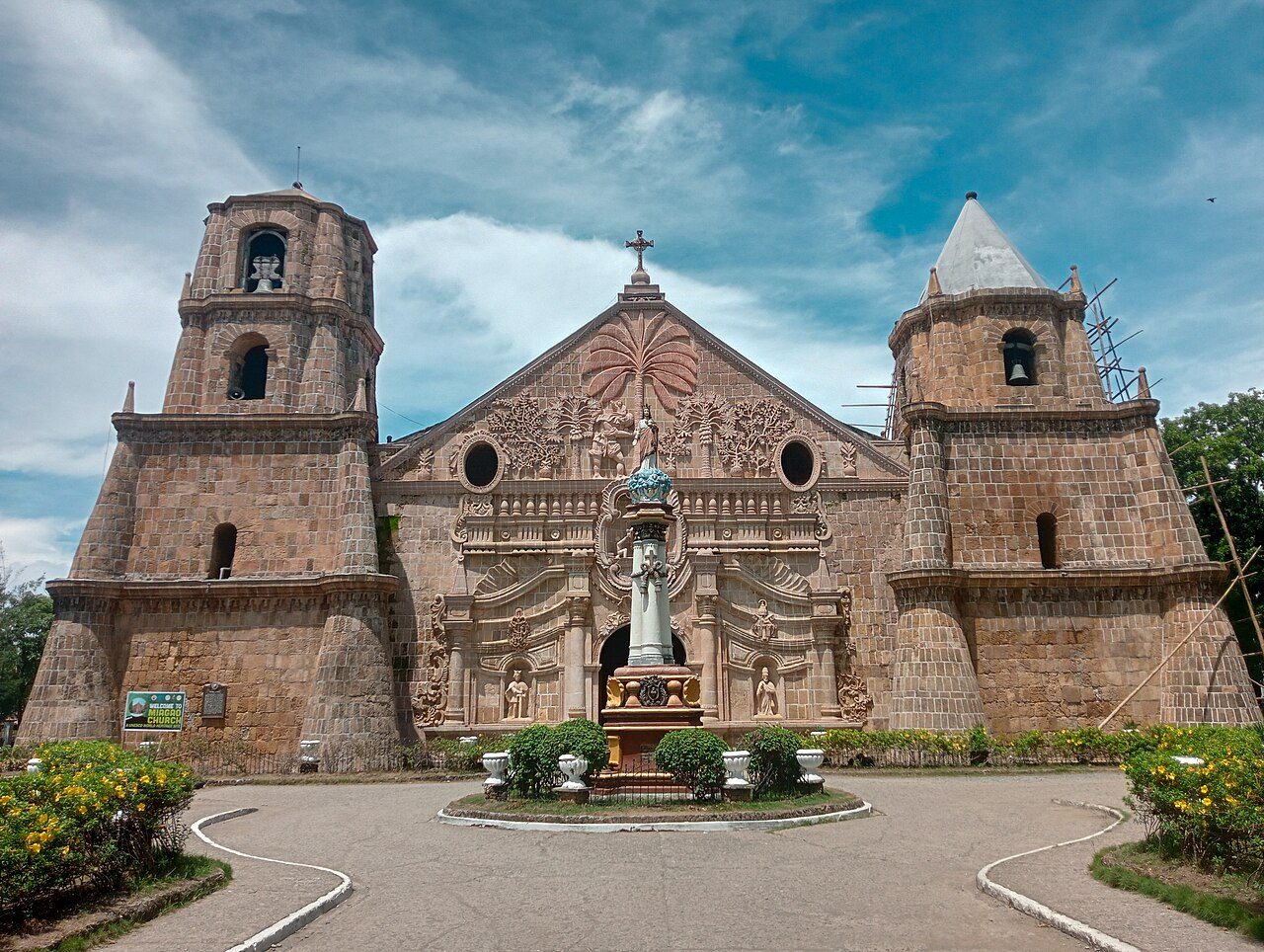
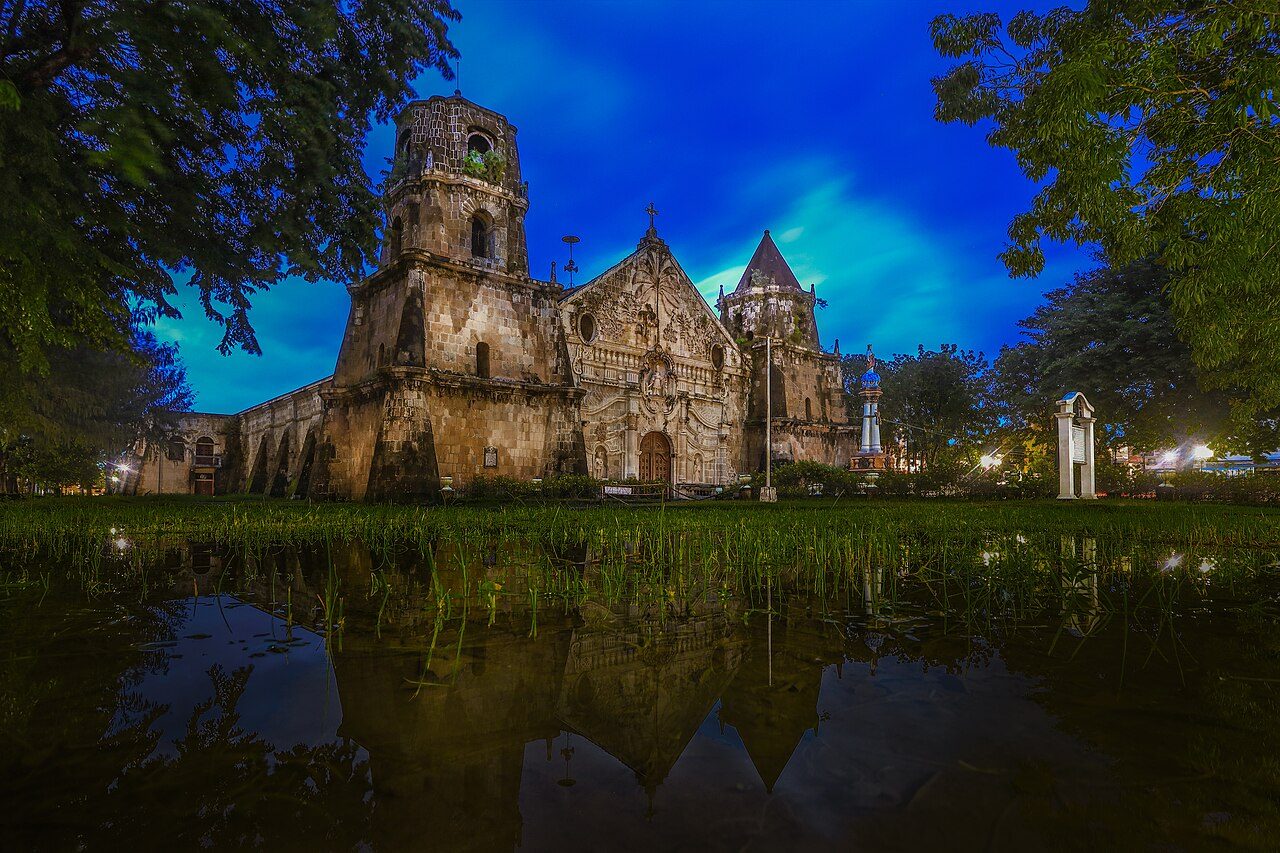
Miagao Church in Iloilo is a fortress church built by Augustinians in the late 1700s, partly to defend against raids. Its sandstone facade is famous for a carved coconut tree, the tree of life, along with saints and local plants. It is one of the four Baroque churches of the Philippines on the UNESCO World Heritage List. The church stands on a plaza in the town centre.
11
STOP 11 OF 11 · LAST STOP
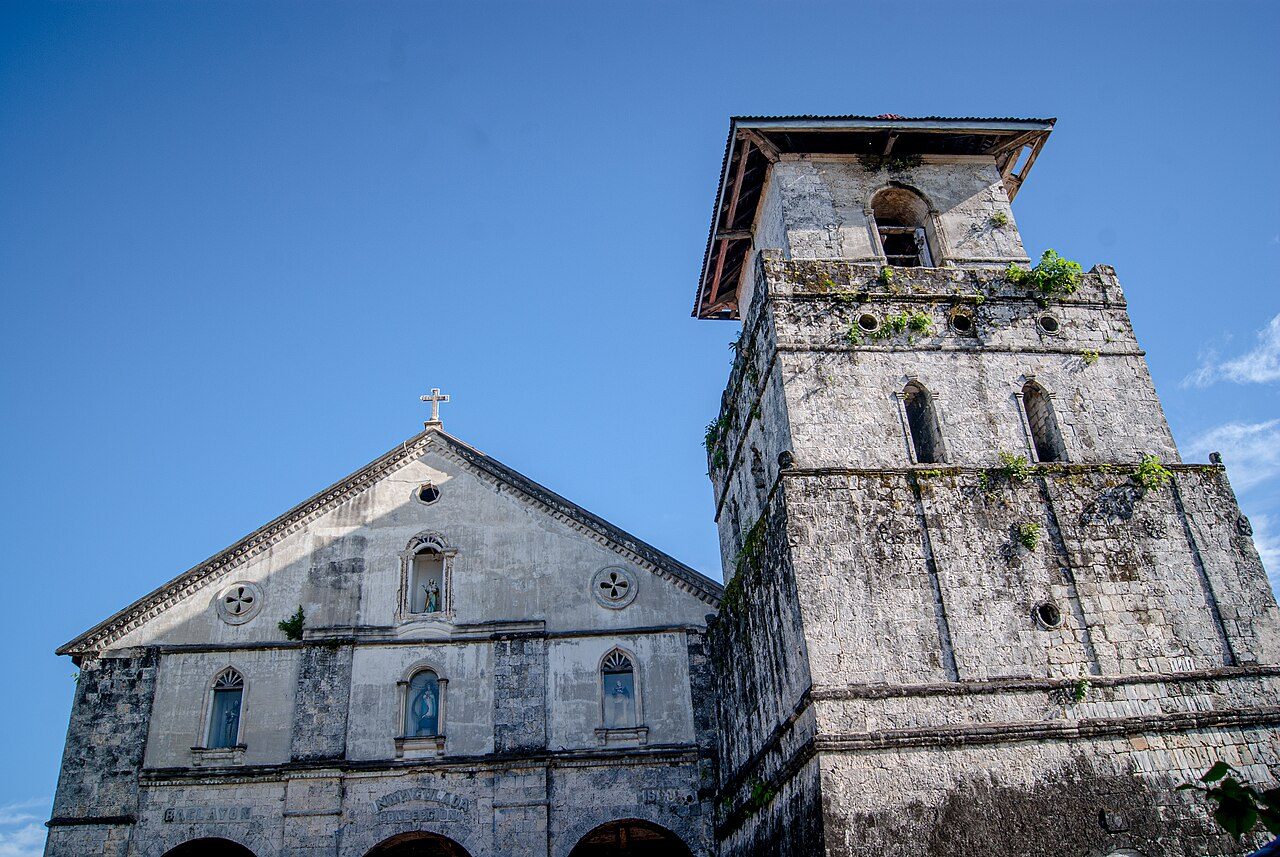
Baclayon Church
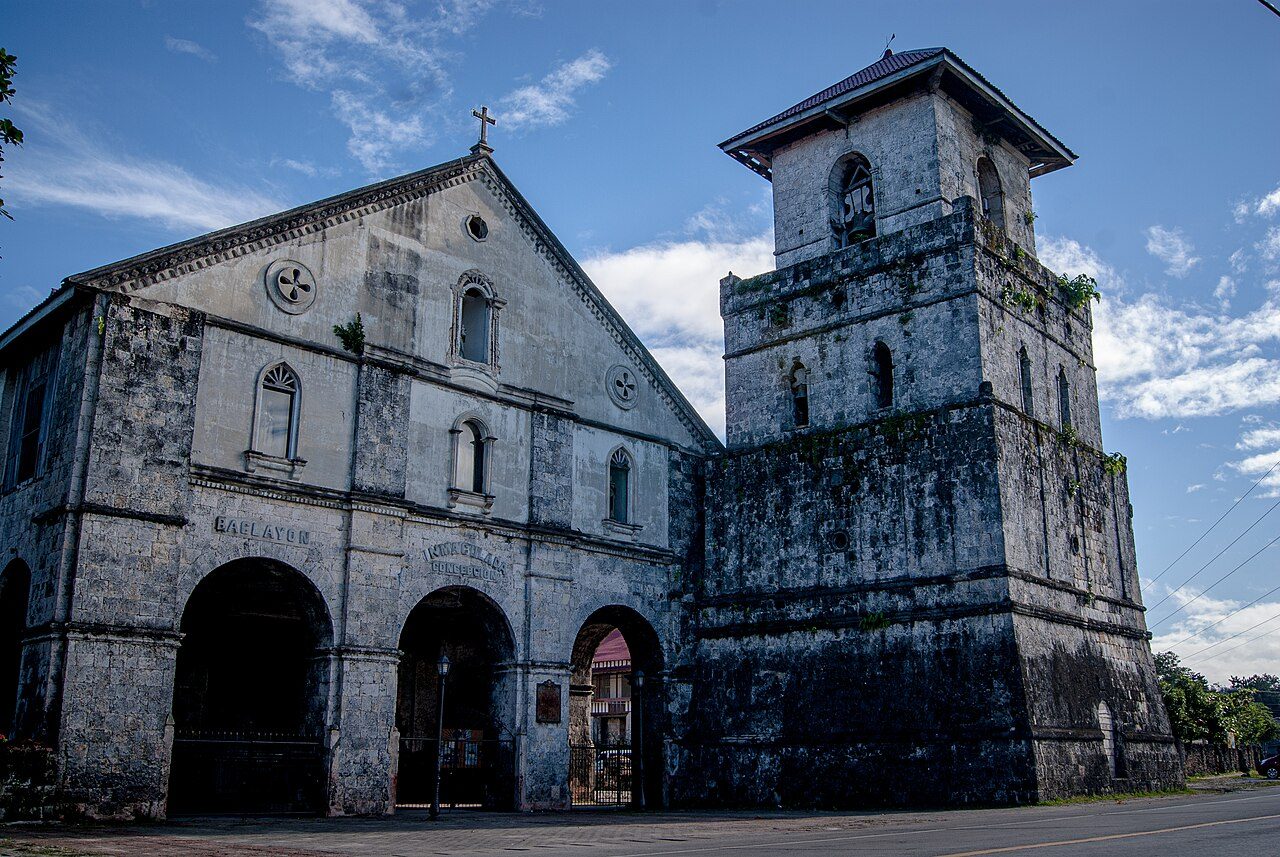
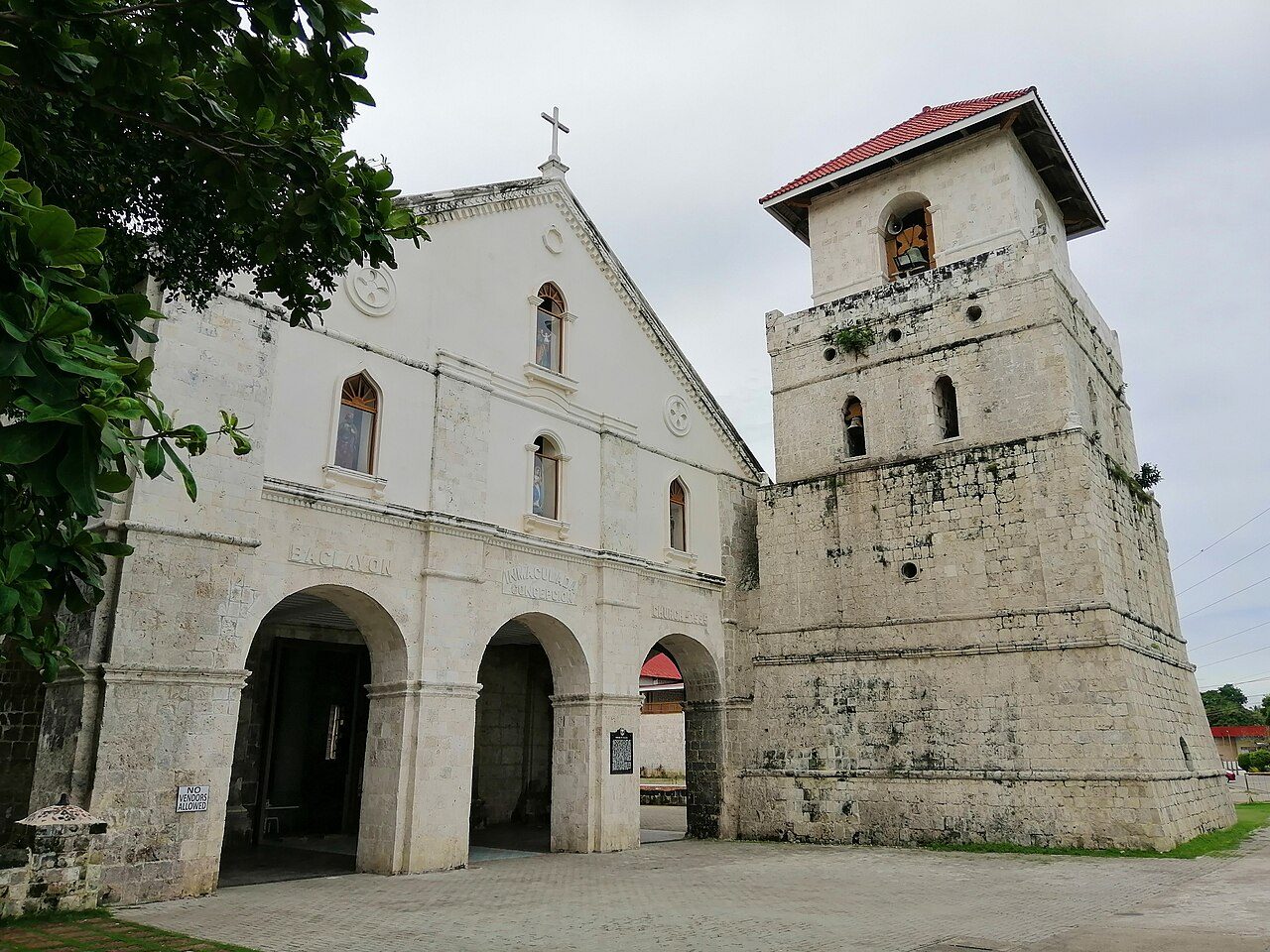
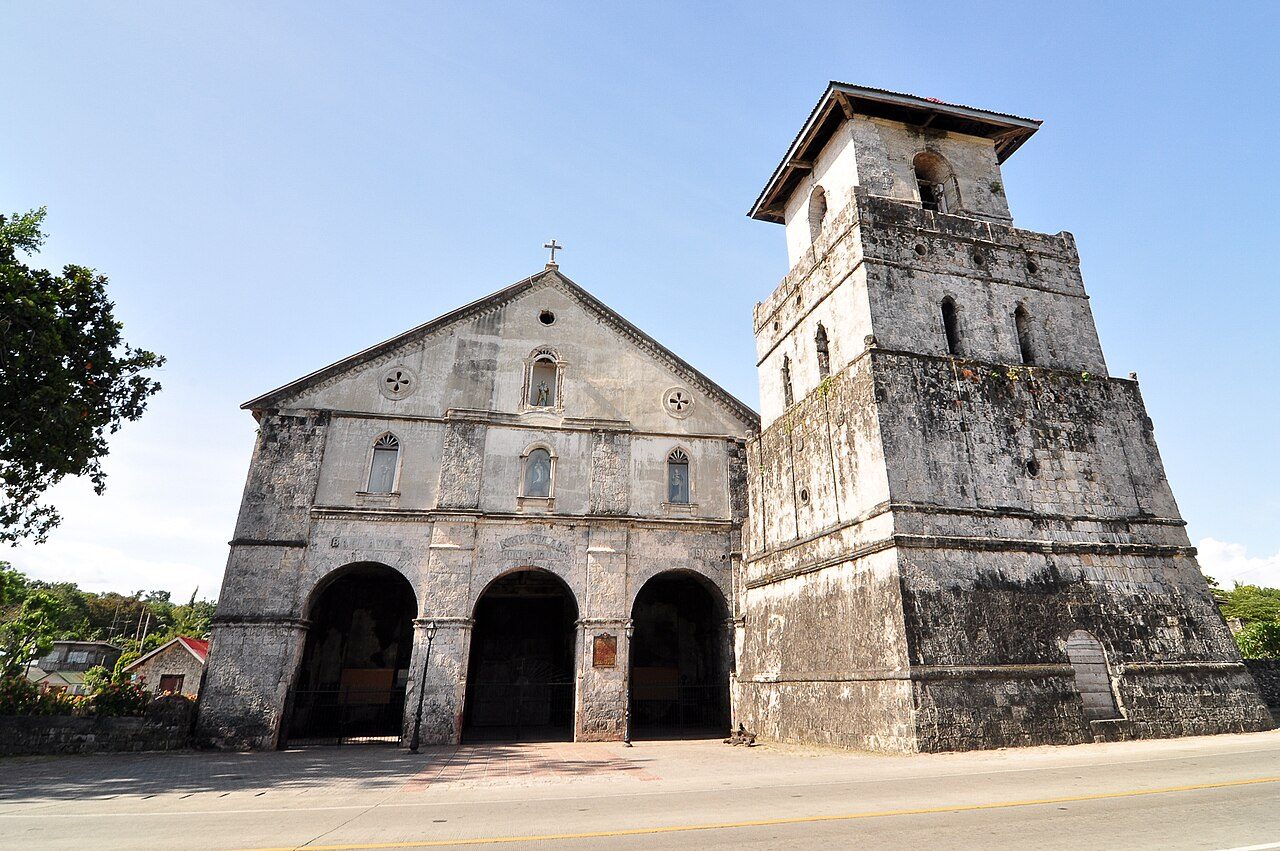
Baclayon Church is one of the oldest stone churches in the Philippines, built by Jesuit missionaries with coral stone in the early 1700s. It was badly damaged by the 2013 Bohol earthquake and has since been restored. The adjoining museum displays religious artefacts and antique vestments. It is a short drive from Tagbilaran and often visited on countryside tours.
 WaTrips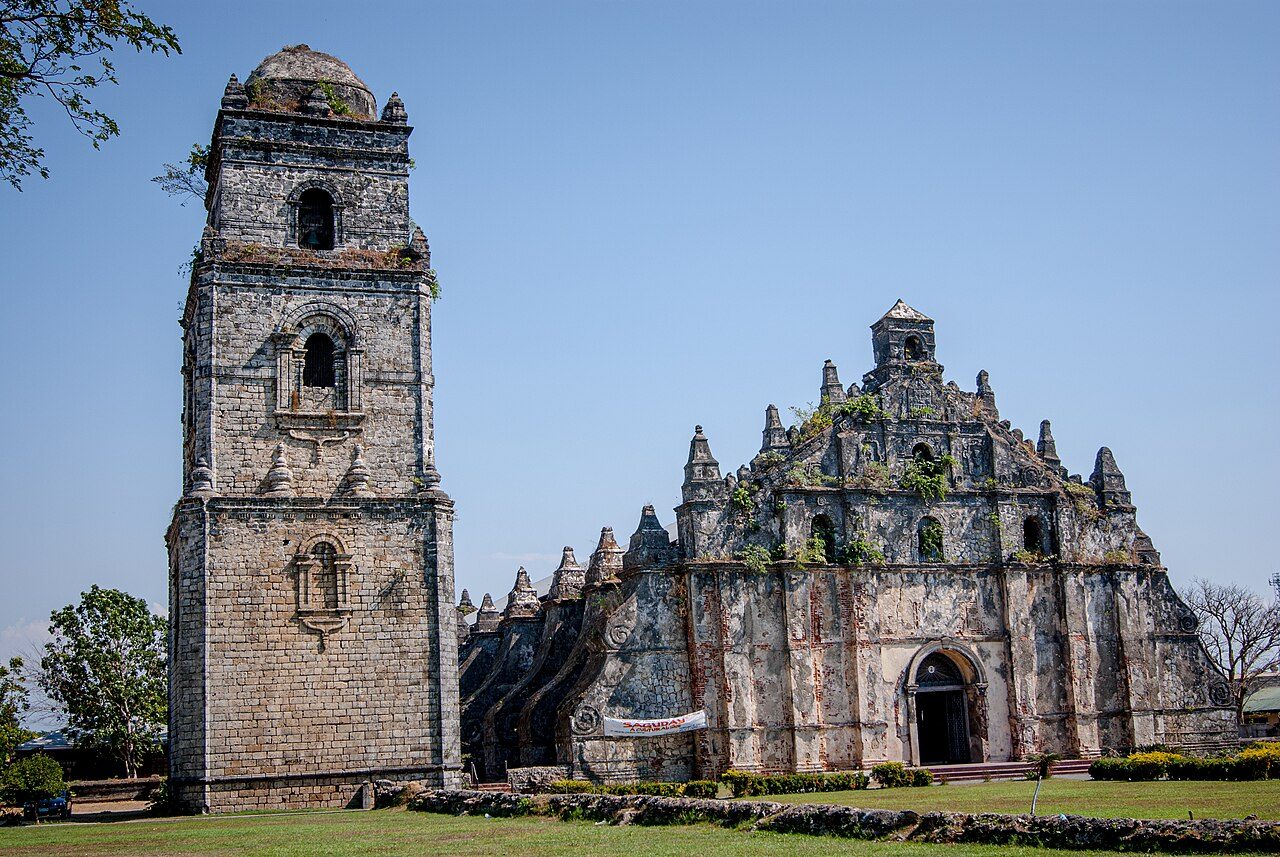





 BikesBooking
 Localrent
 Airalo
 Tiqets