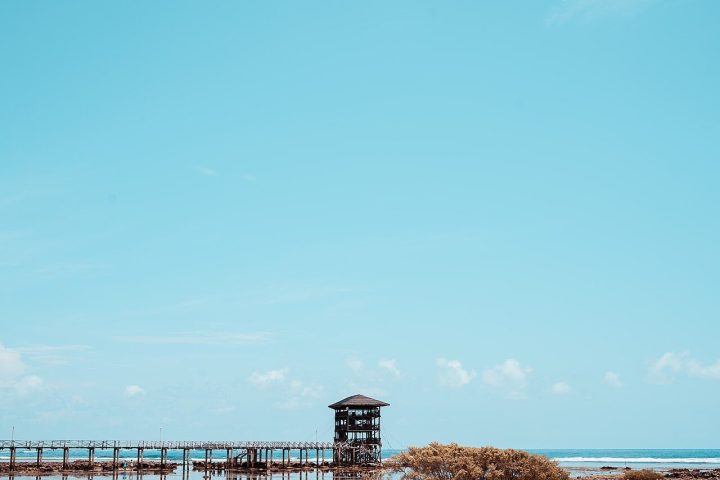
Intramuros and its churches, Rizal Park and the National Museum, Binondo and Quiapo, the Aguinaldo Shrine, Tagaytay, Taal, Calamba, Barasoain and Mount Samat.
Manila is chaotic, but its history is rich. Walk Intramuros, the old Spanish walled city, with Fort Santiago, the UNESCO-listed San Agustin Church and Casa Manila, then Rizal Park, the National Museum, Binondo's Chinatown food and Quiapo Church. Learn the story of independence at the Aguinaldo Shrine in Kawit, look out over Taal Volcano from Tagaytay, visit the Basilica of Taal and José Rizal's birthplace in Calamba, and end at Barasoain Church and the Mount Samat cross in Bataan. November to April is driest.
01
STOP 1 OF 14
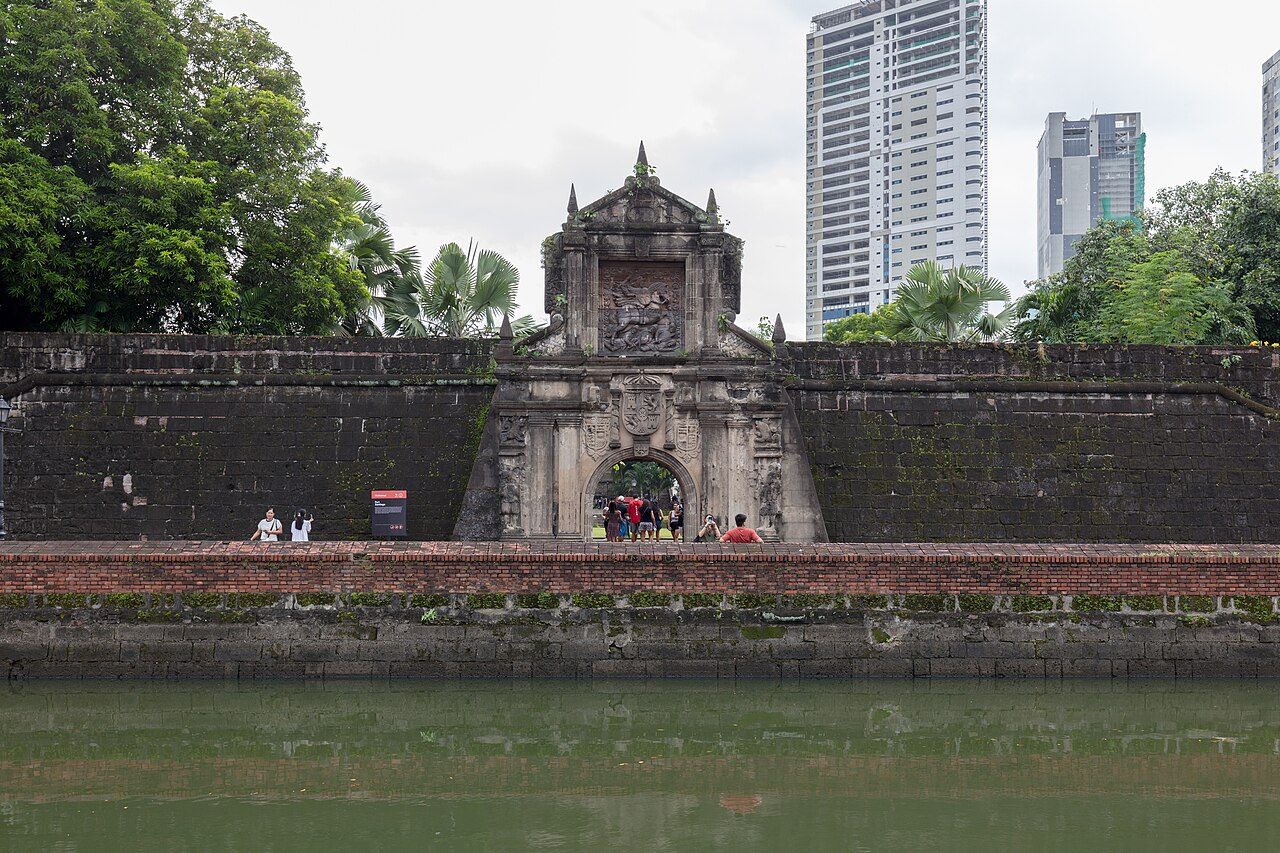
Fort Santiago
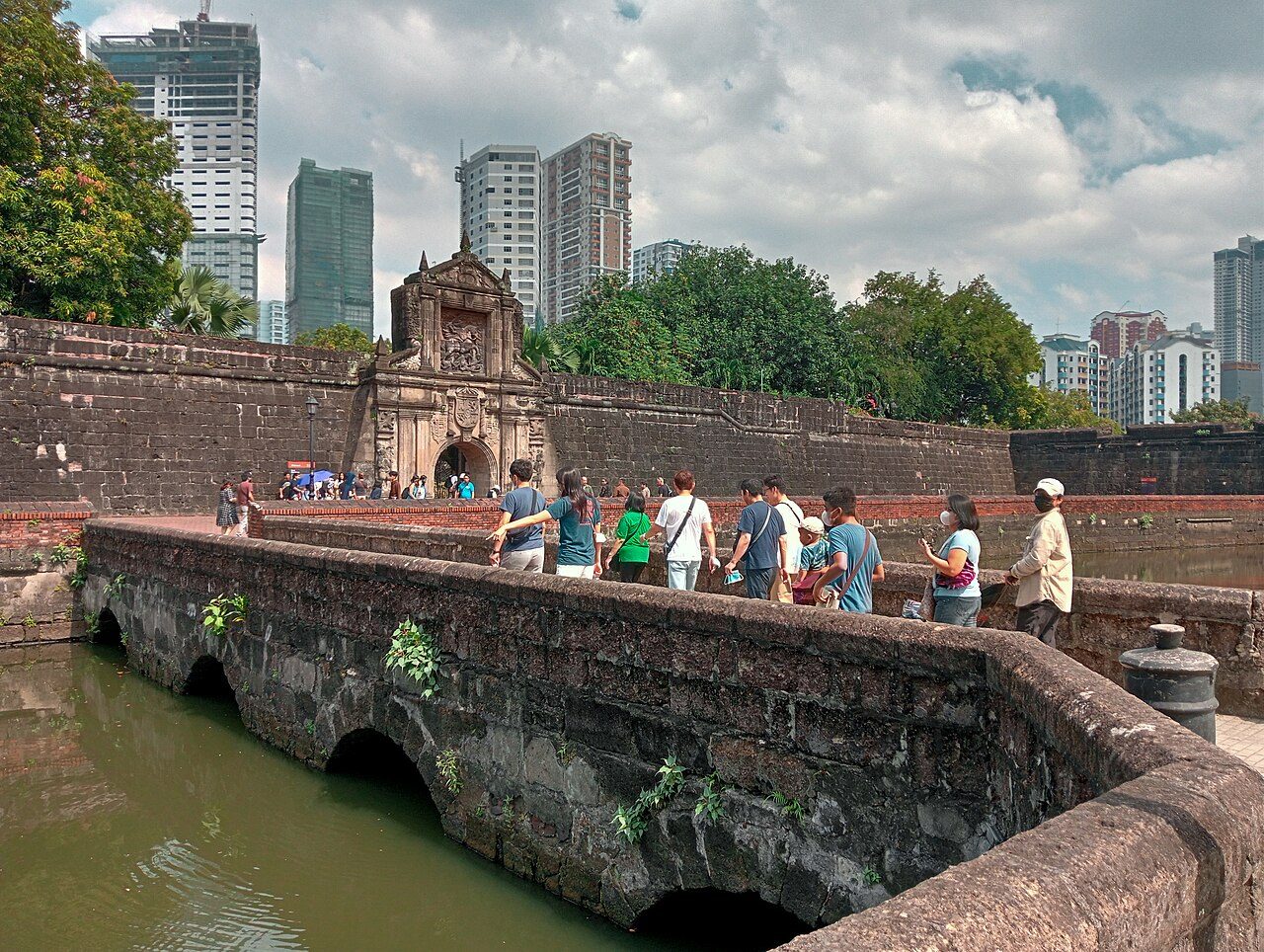
Fort Santiago is a Spanish-era citadel at the mouth of the Pasig River, guarding the walled city of Intramuros. It was built of stone in the late 1500s and later used as a prison. National hero Jose Rizal was held here before his execution in 1896, and a shrine and museum mark his final days. Brass footprints trace his last walk. Visit late afternoon for cooler air and river views.
02
STOP 2 OF 14
San Agustin Church Manila
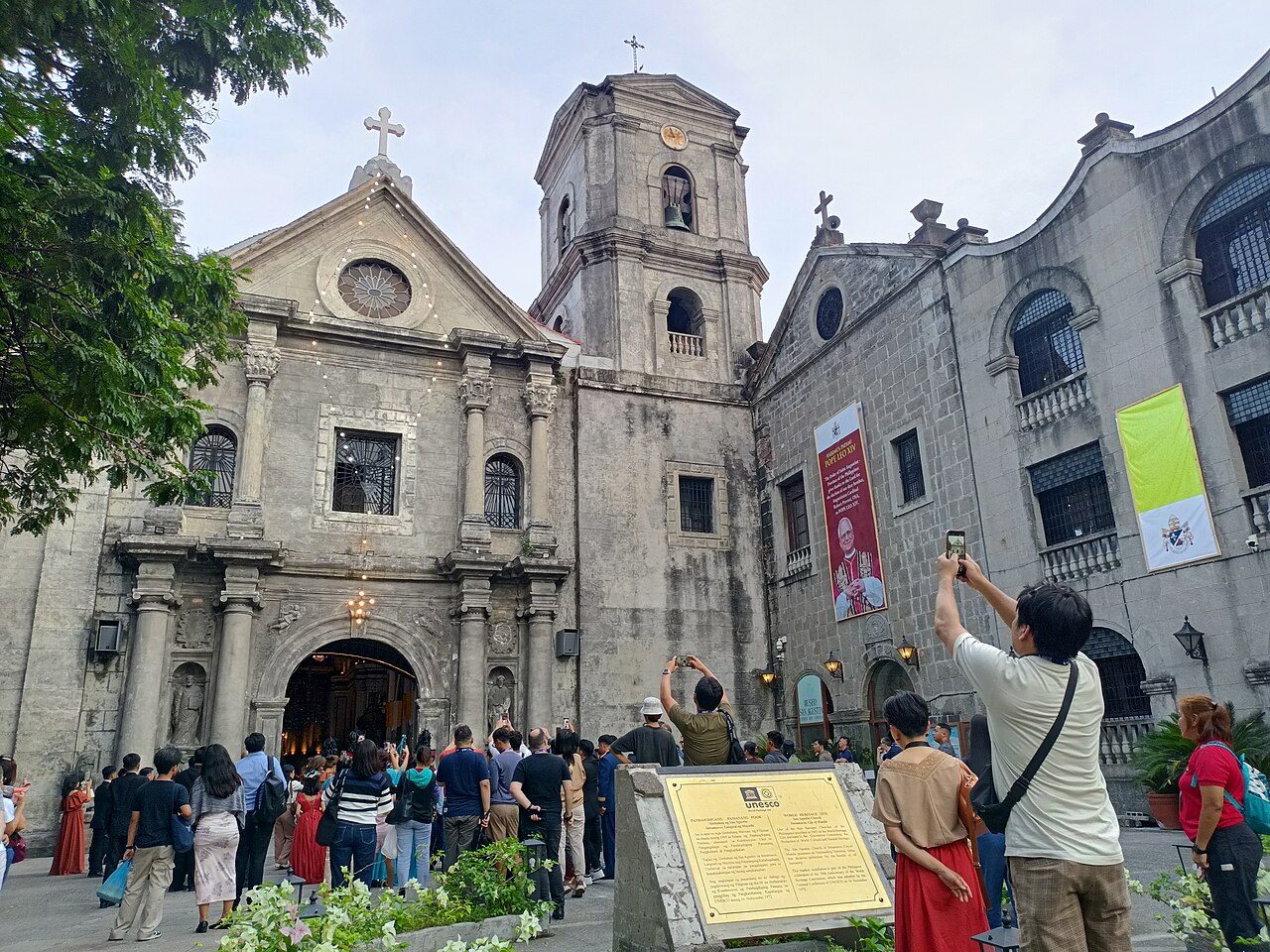
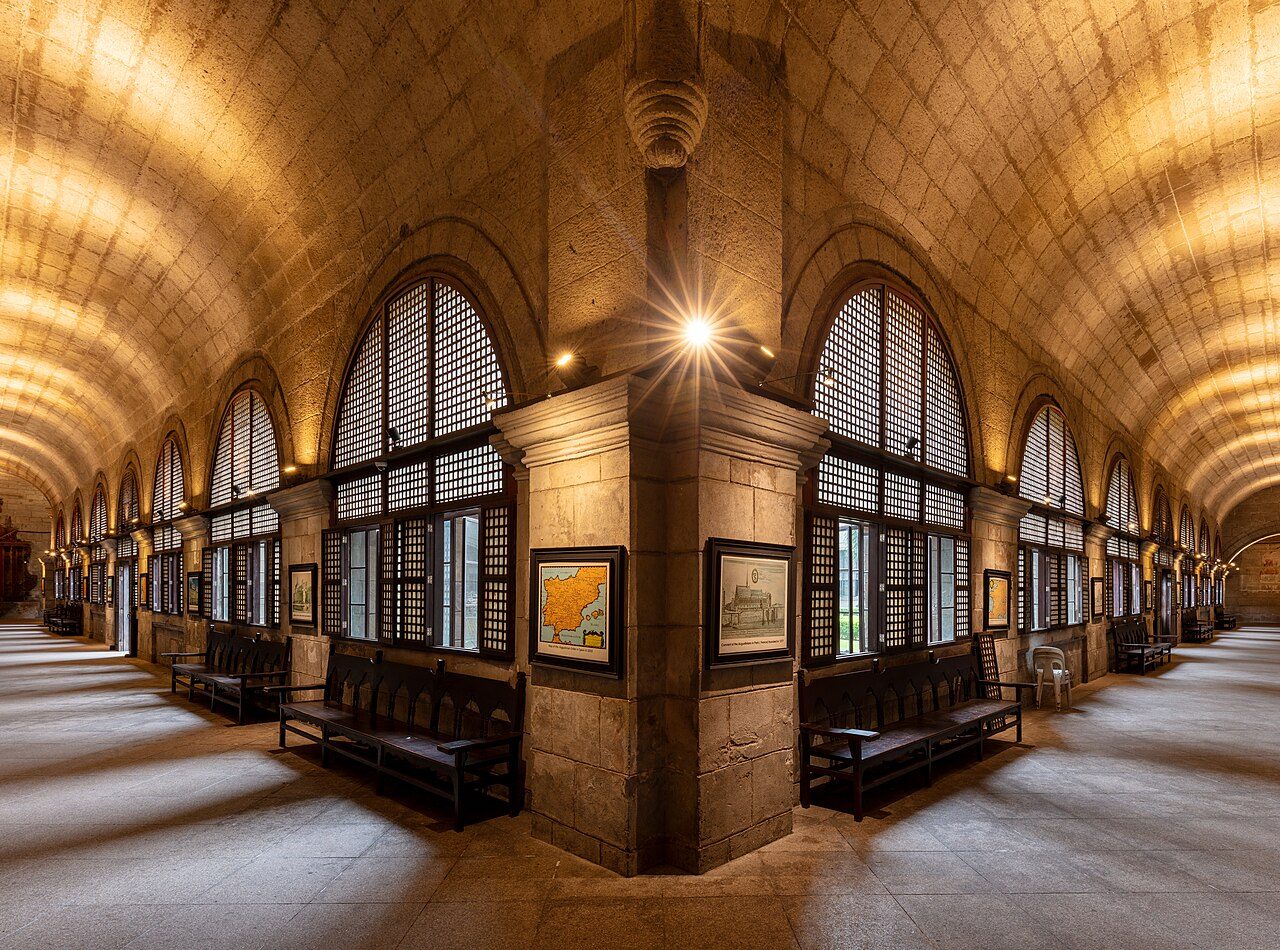
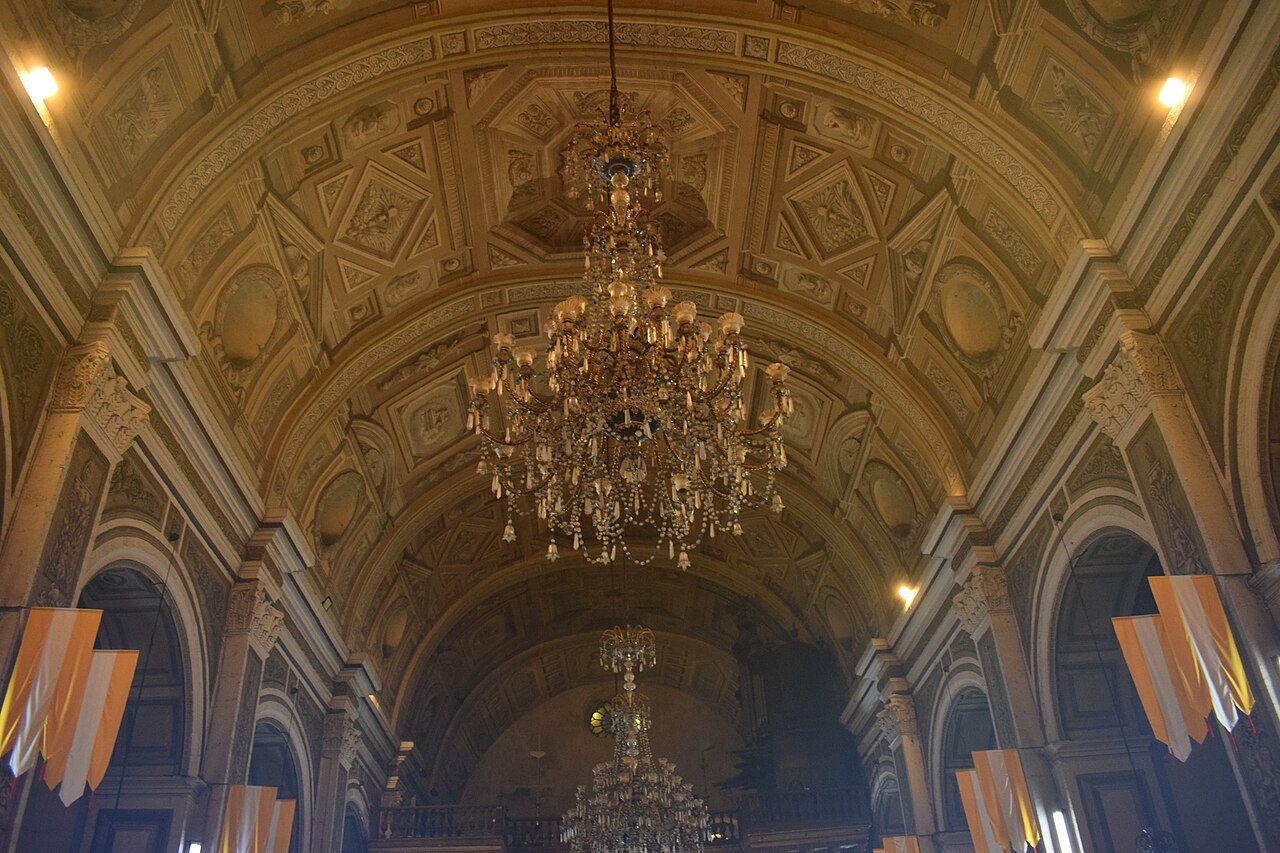
San Agustin Church in Intramuros is the oldest stone church in the Philippines, completed in 1607. It survived earthquakes and the destruction of Manila in 1945, and is one of four Baroque churches inscribed together as a UNESCO World Heritage Site. Its interior features trompe-l'oeil painted ceilings. The adjoining monastery museum holds religious art, vestments and a peaceful cloister.
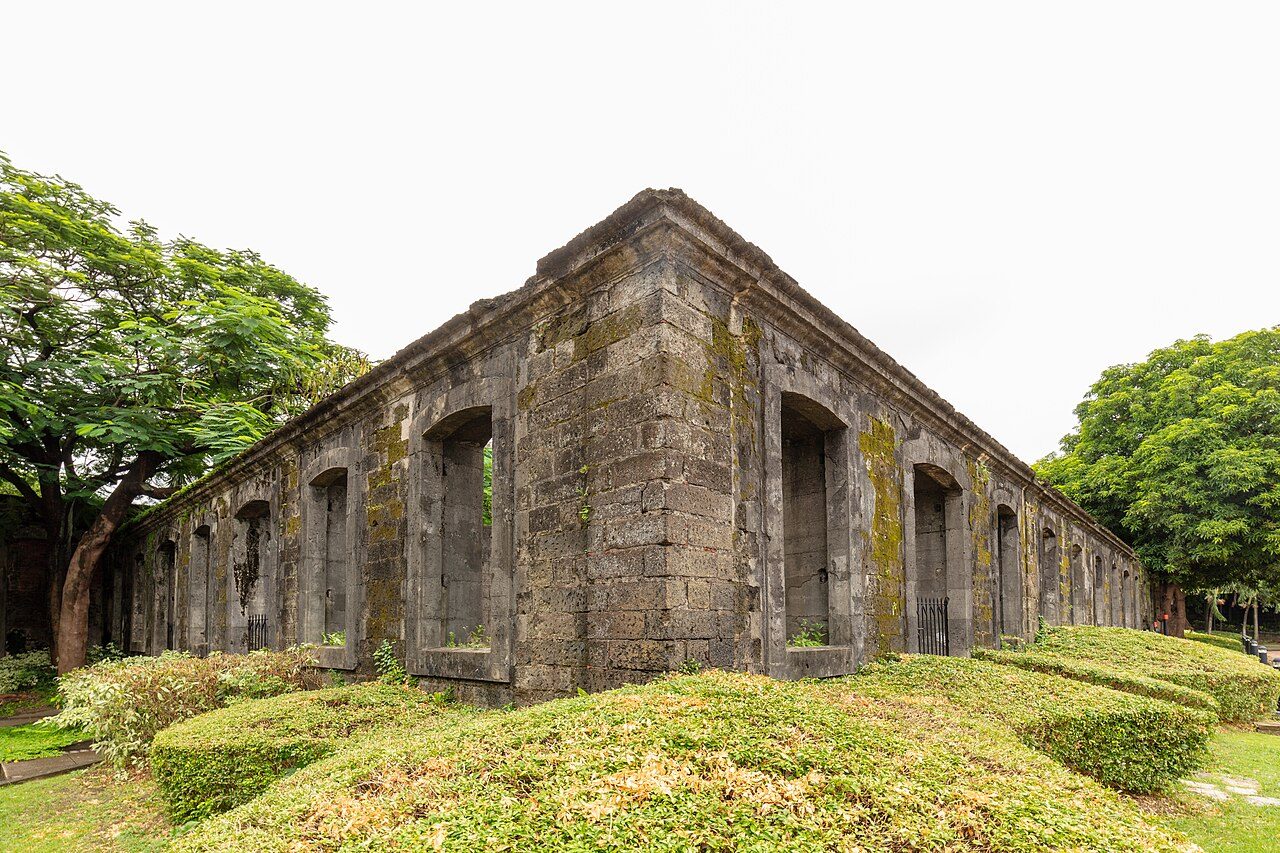
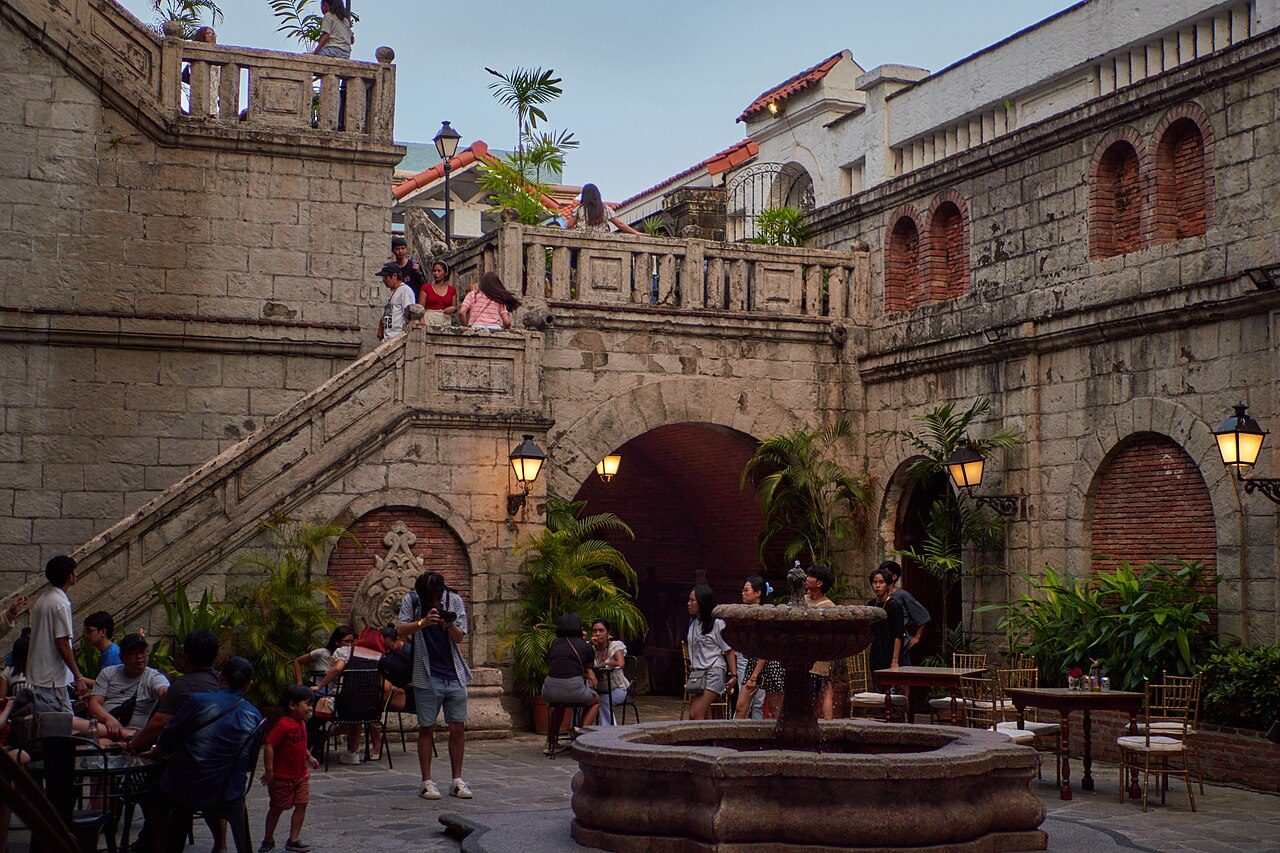
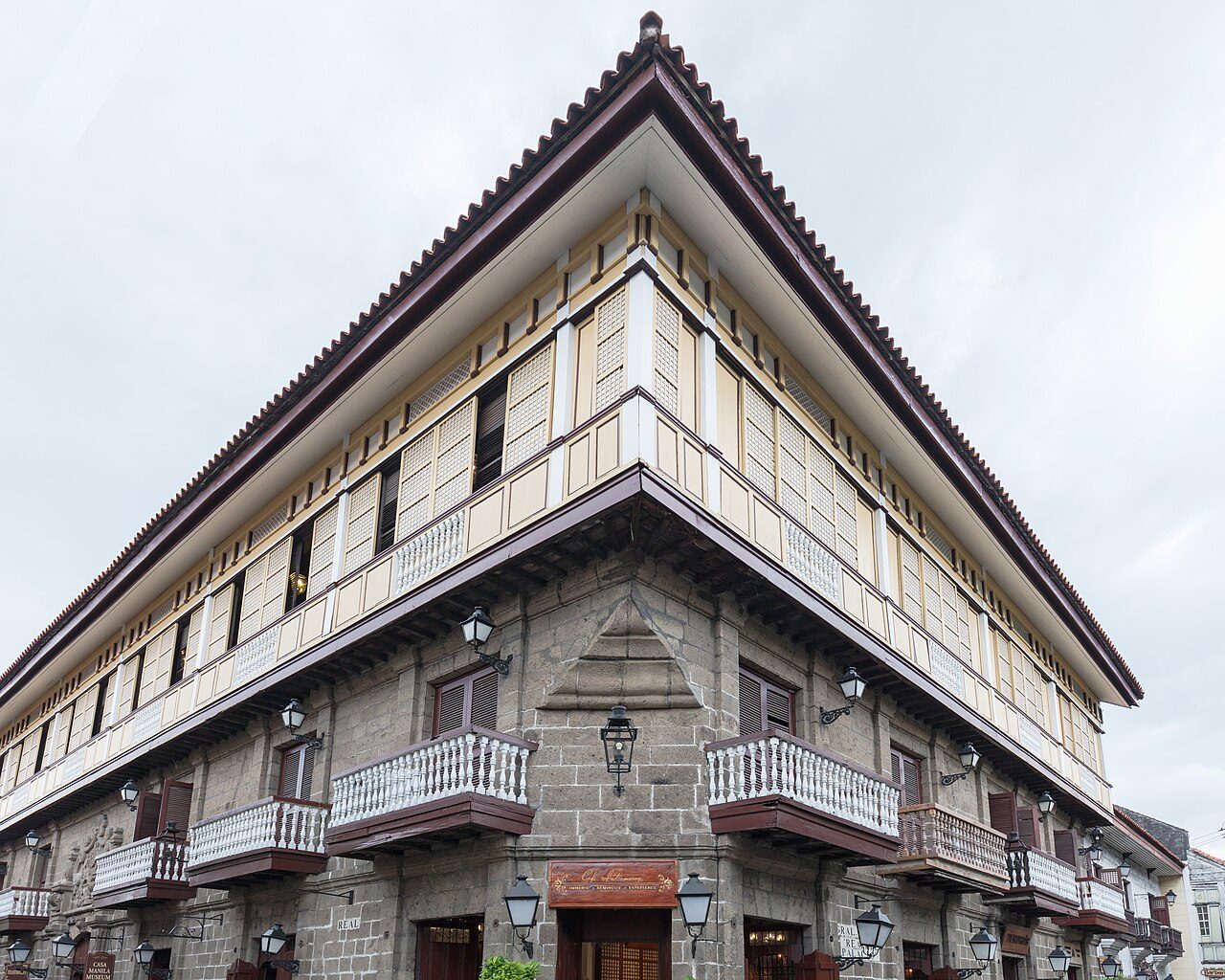
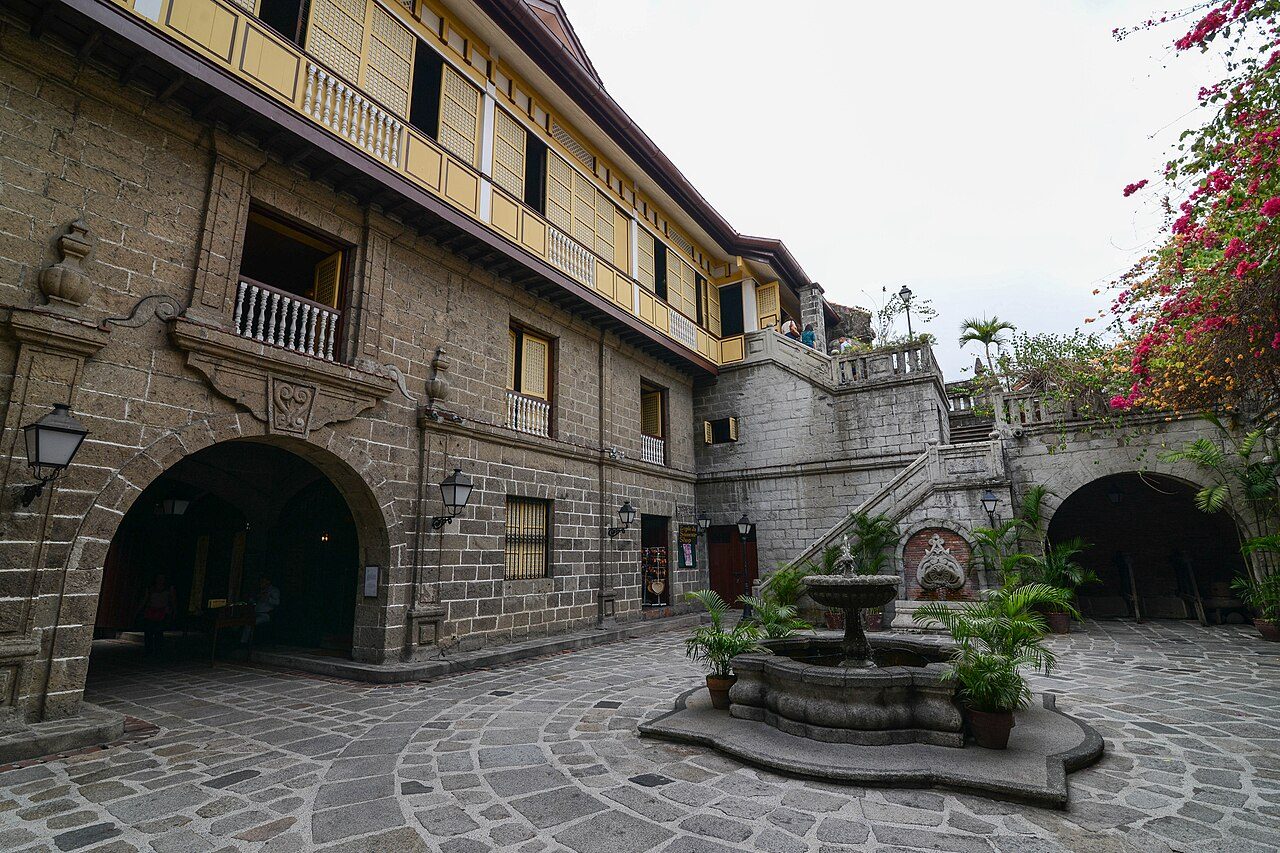
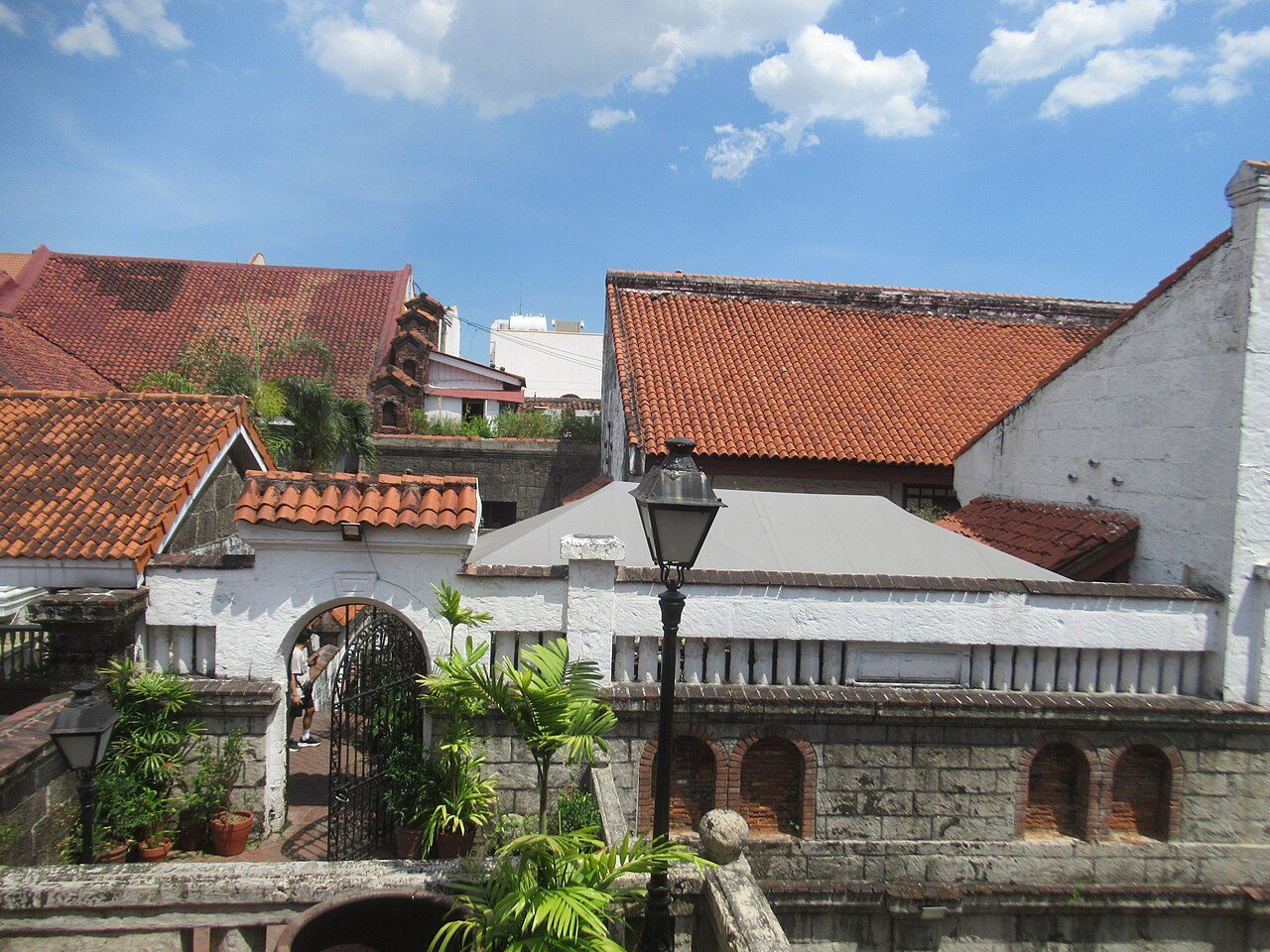
Casa Manila is a museum house in Intramuros that recreates the home of a wealthy family in the Spanish colonial era. It is a reconstruction based on a 19th-century house, furnished with antique furniture, chandeliers and household items. A courtyard with a fountain sits at its heart. It gives a vivid picture of upper-class domestic life in old Manila, just opposite San Agustin Church.
04
STOP 4 OF 14
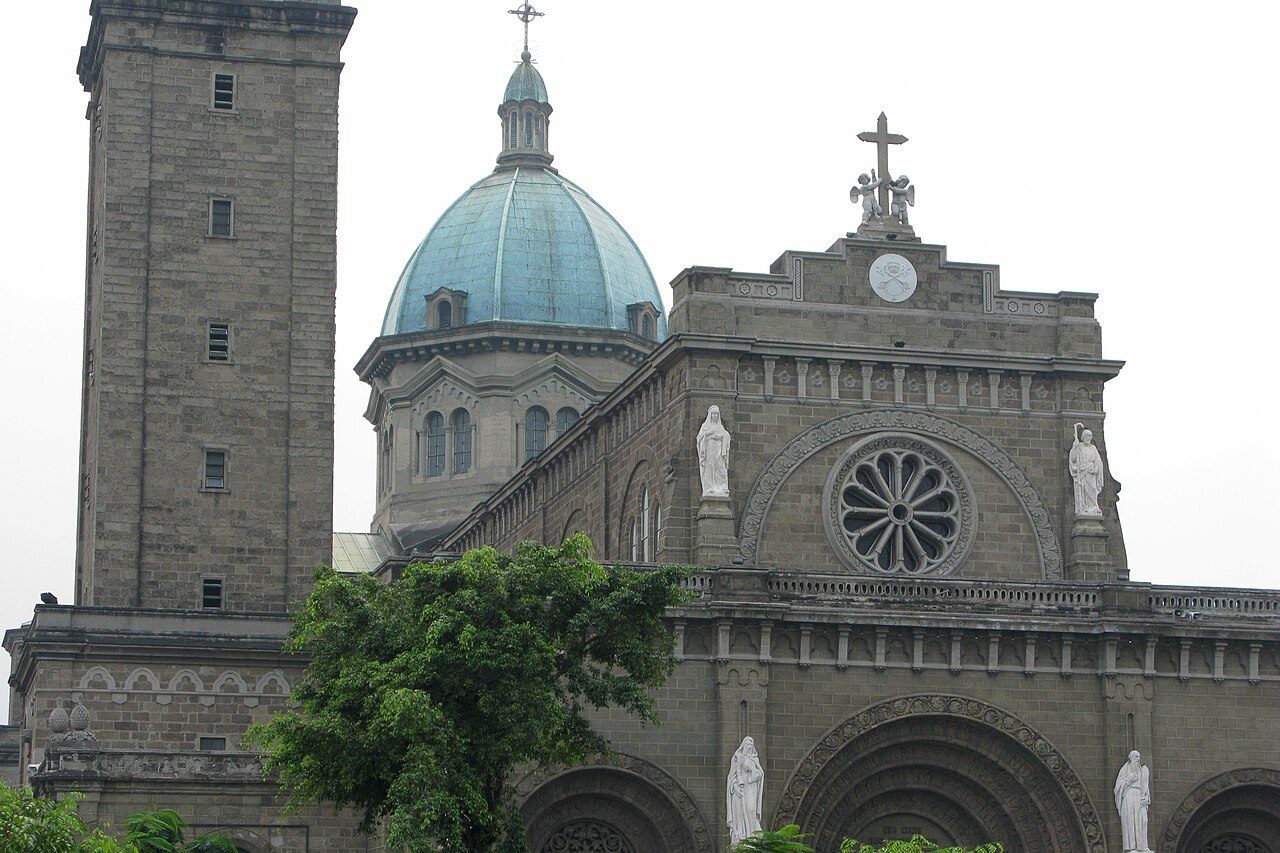
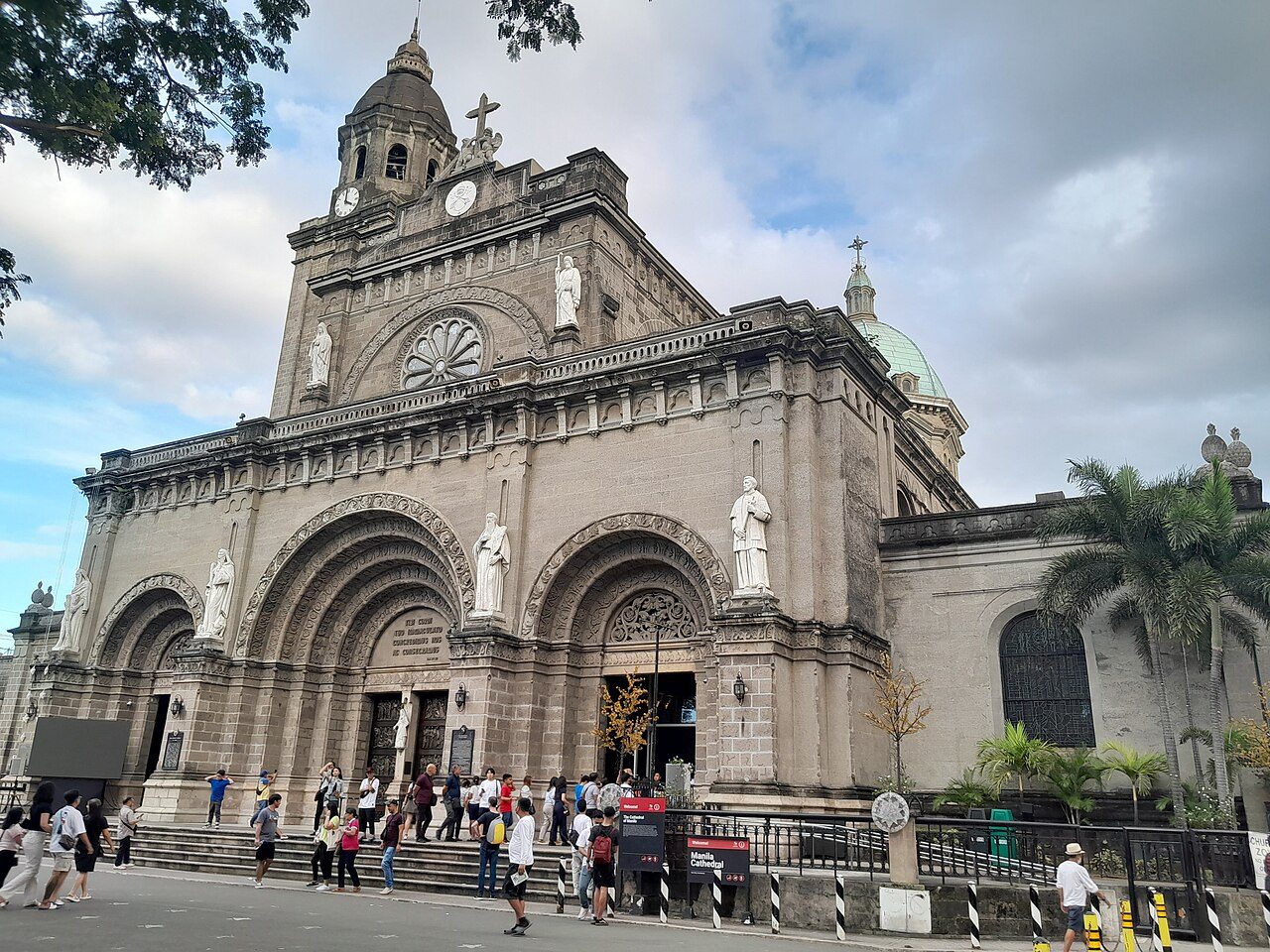
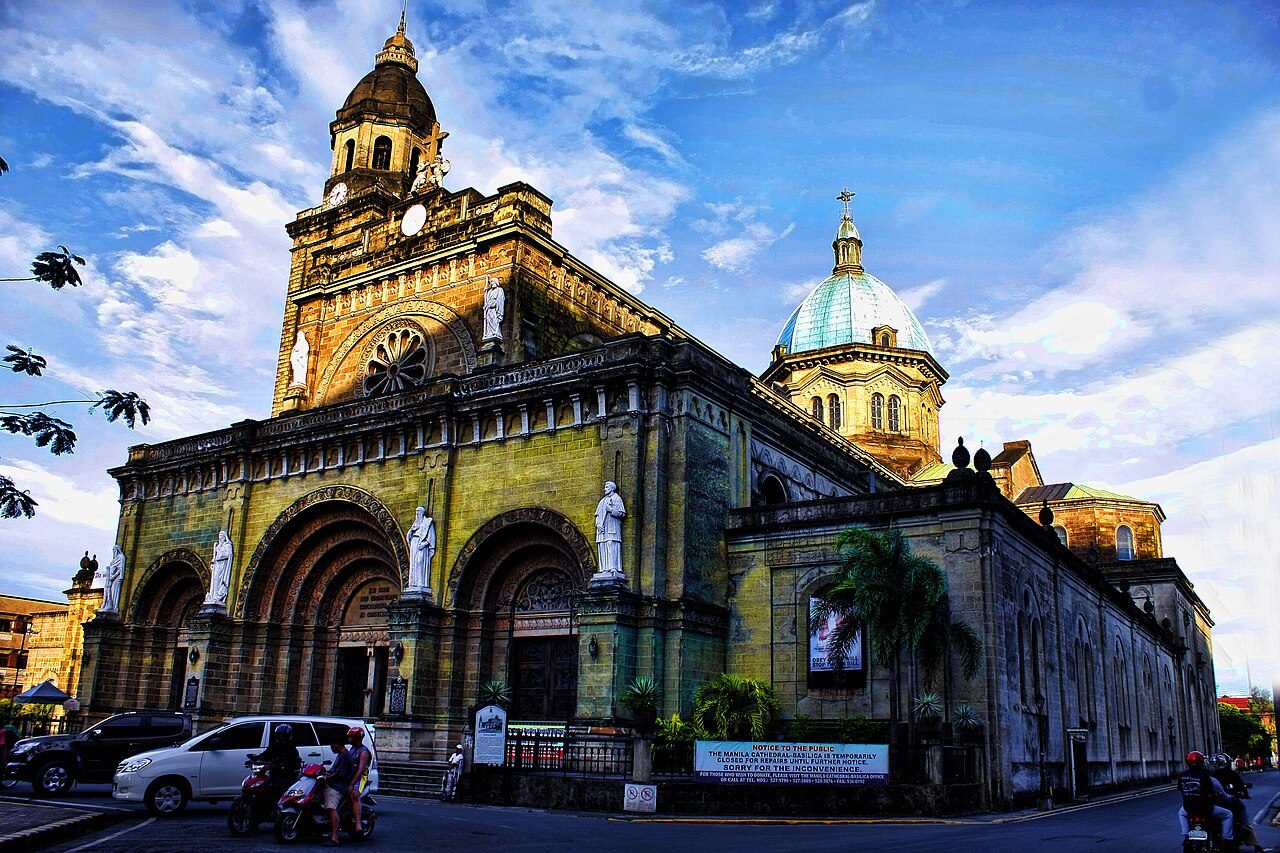
Manila Cathedral
Manila Cathedral is the seat of the Archdiocese of Manila and stands on Plaza de Roma in Intramuros. The present Romanesque Revival building was completed in 1958, after earlier churches on the site were destroyed by fire, earthquakes and war. Its bronze doors, stained glass windows and large pipe organ are highlights. The cathedral is open daily, and visitors should dress modestly.
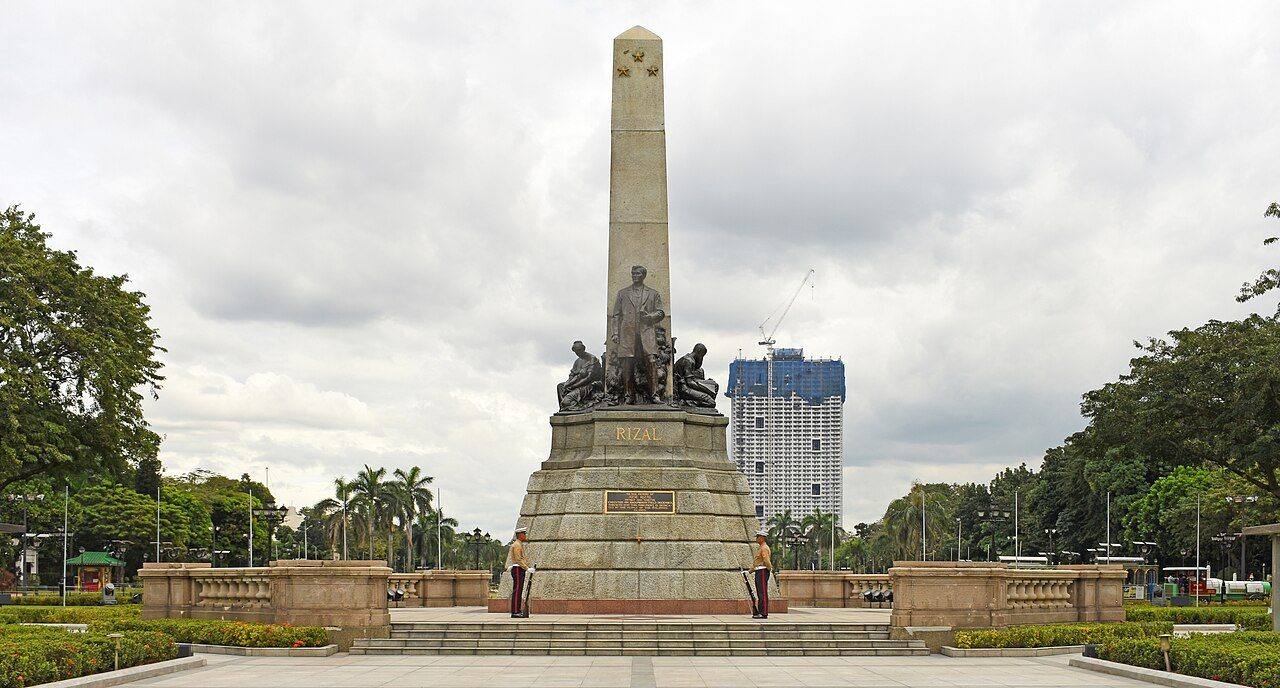
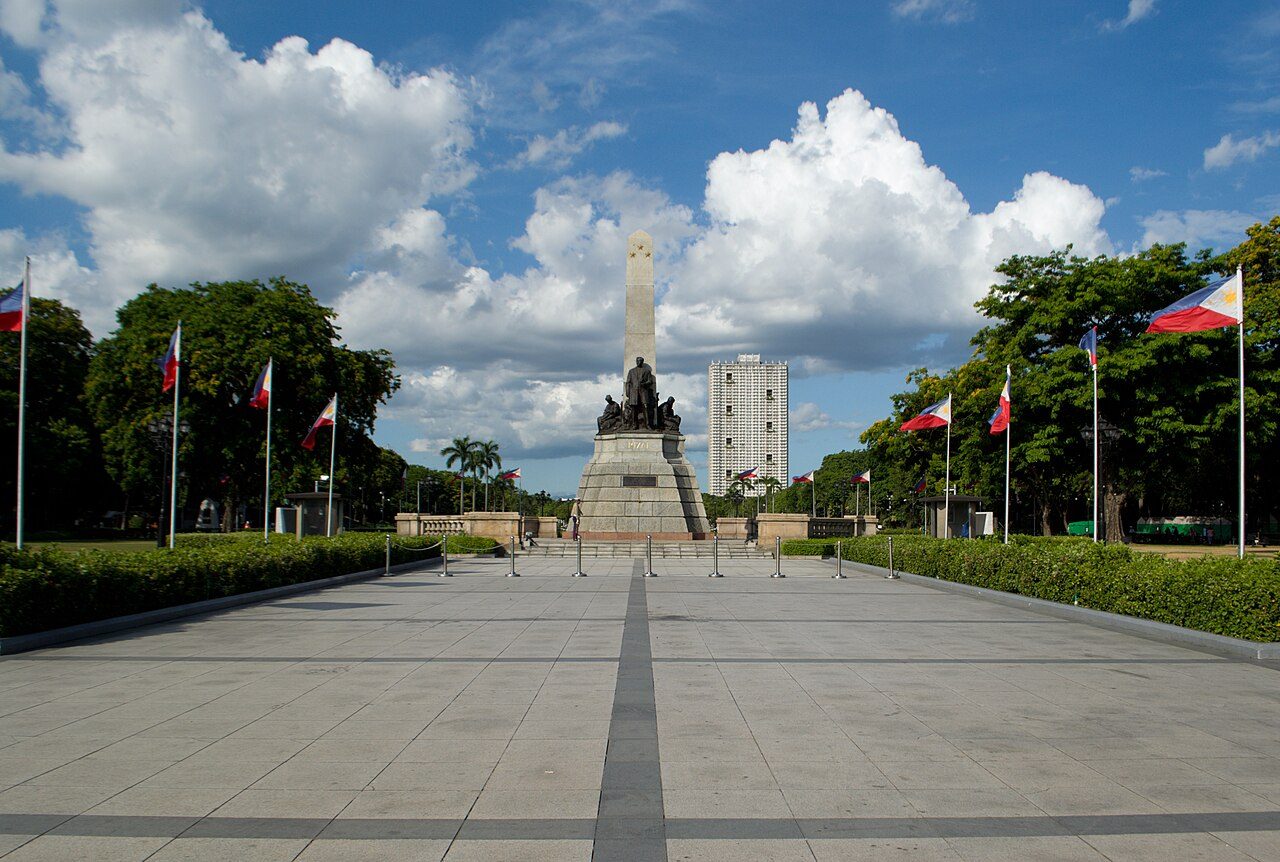
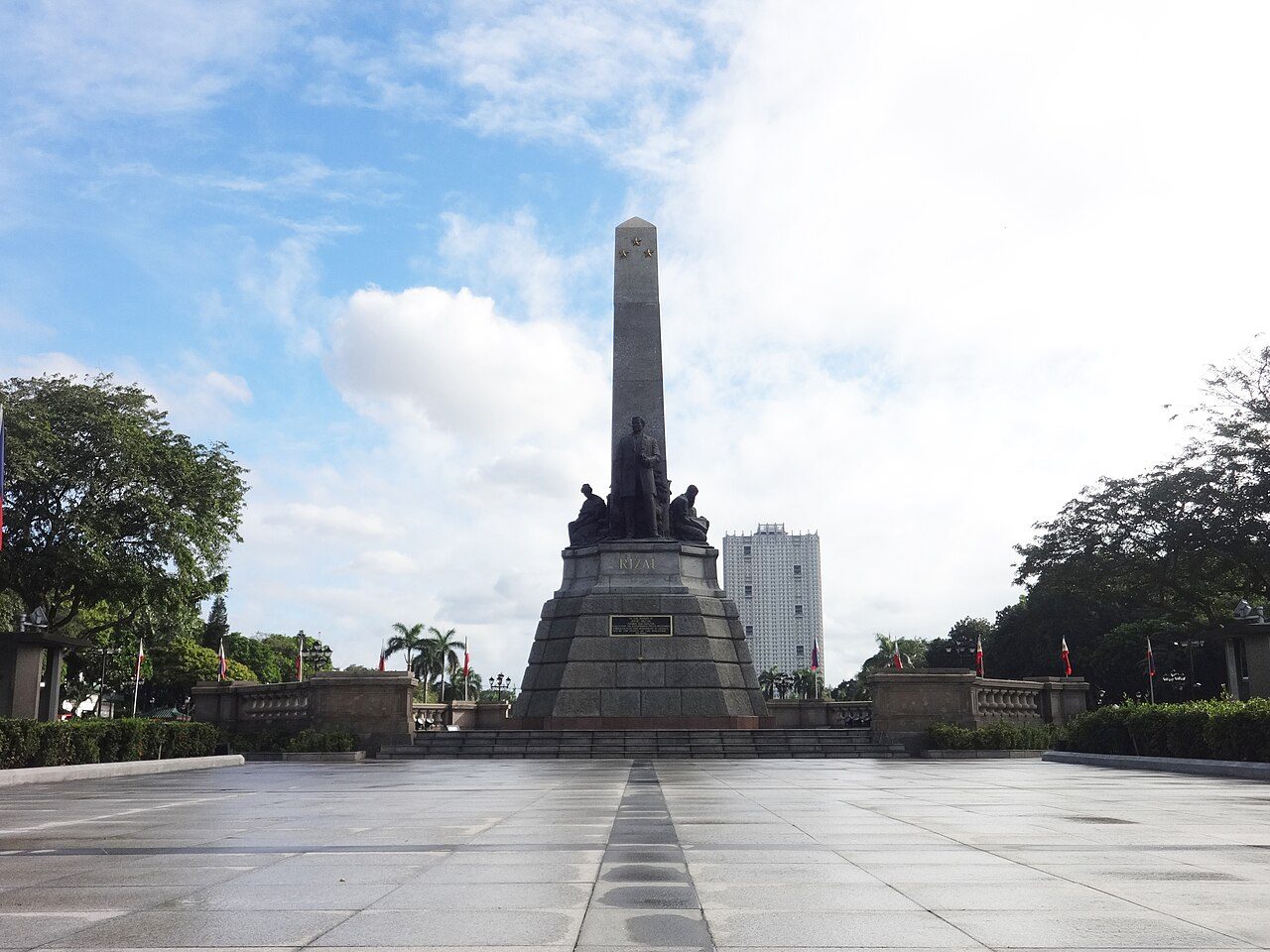
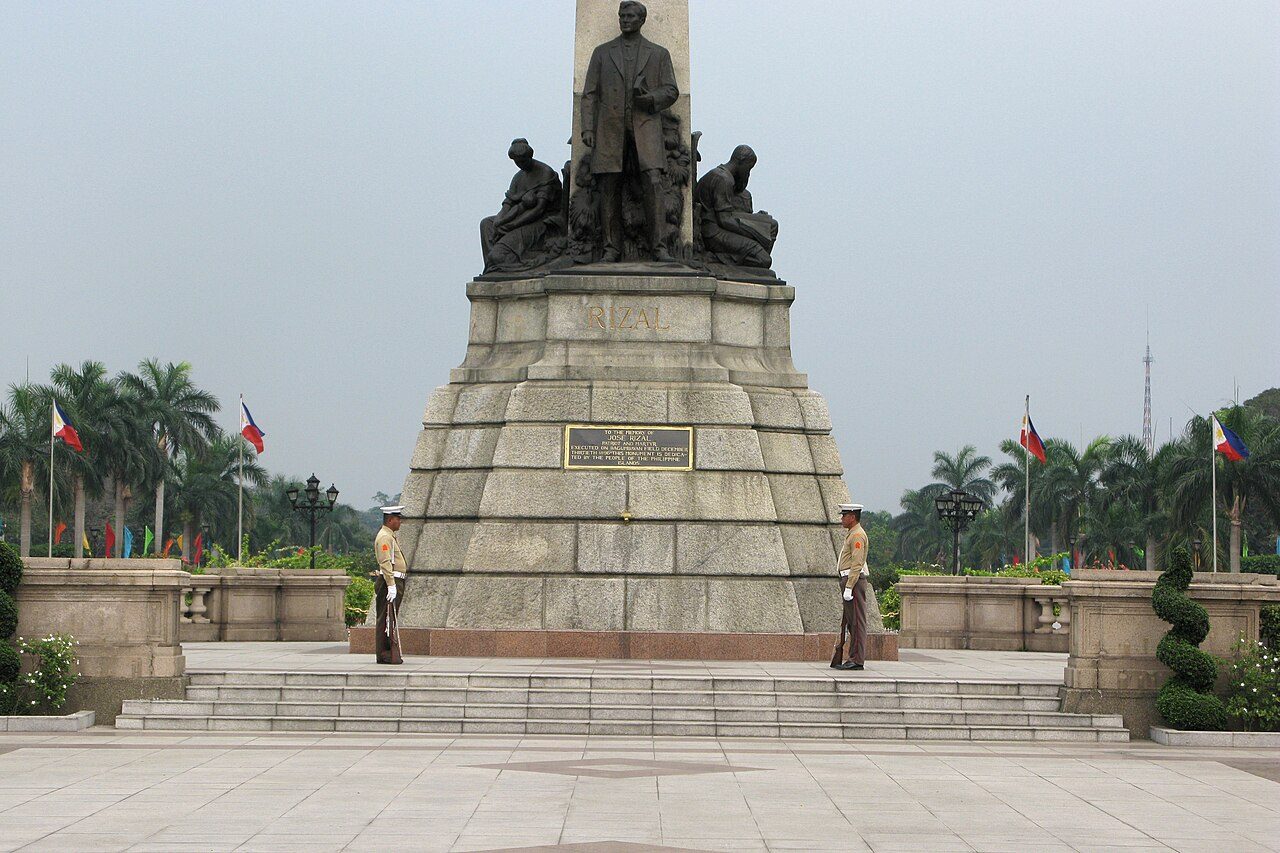
Rizal Park, also known as Luneta, is one of the largest urban parks in Asia and a symbol of Philippine nationhood. The Rizal Monument marks the resting place of national hero Jose Rizal, executed nearby in 1896, and is guarded by ceremonial sentries. The park also holds gardens, fountains and the site where independence from the United States was declared in 1946.
06
STOP 6 OF 14
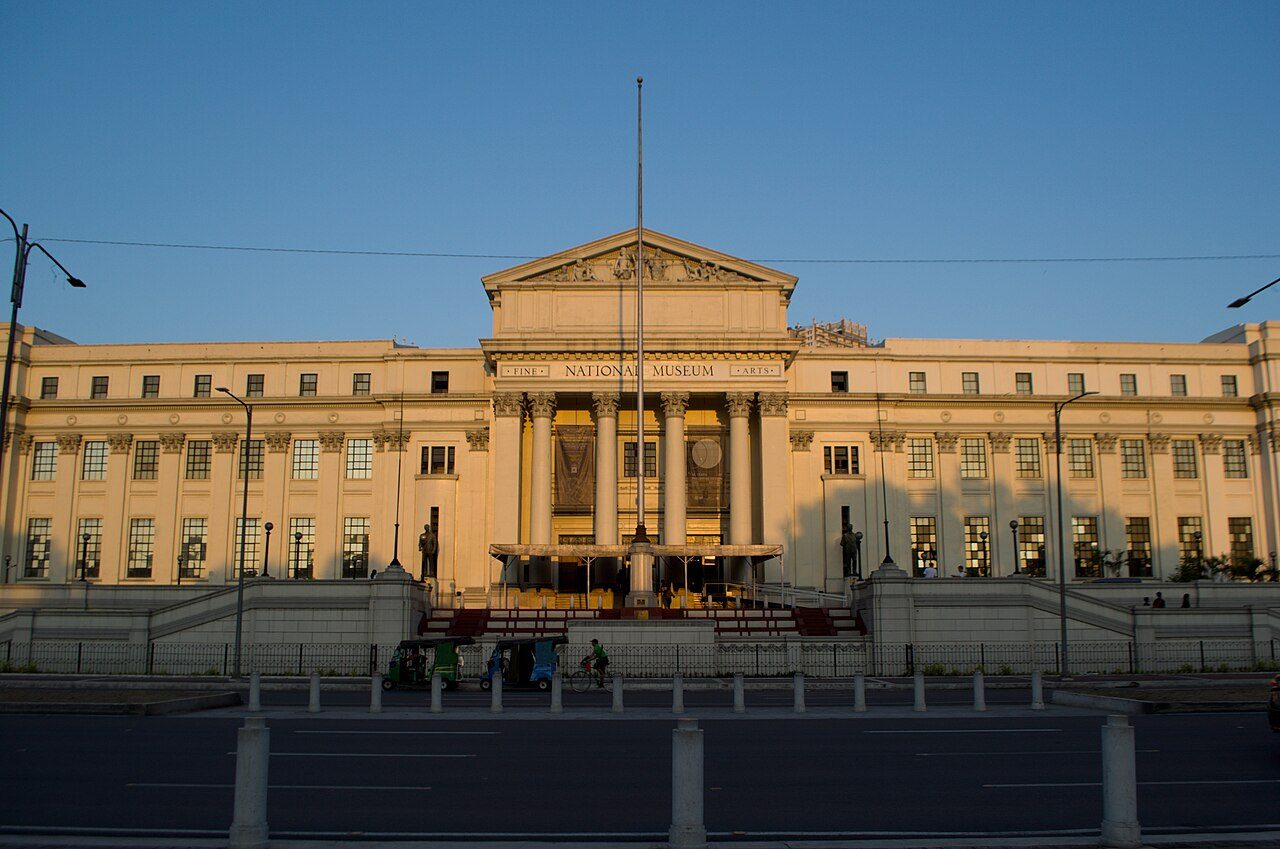
National Museum of Fine Arts
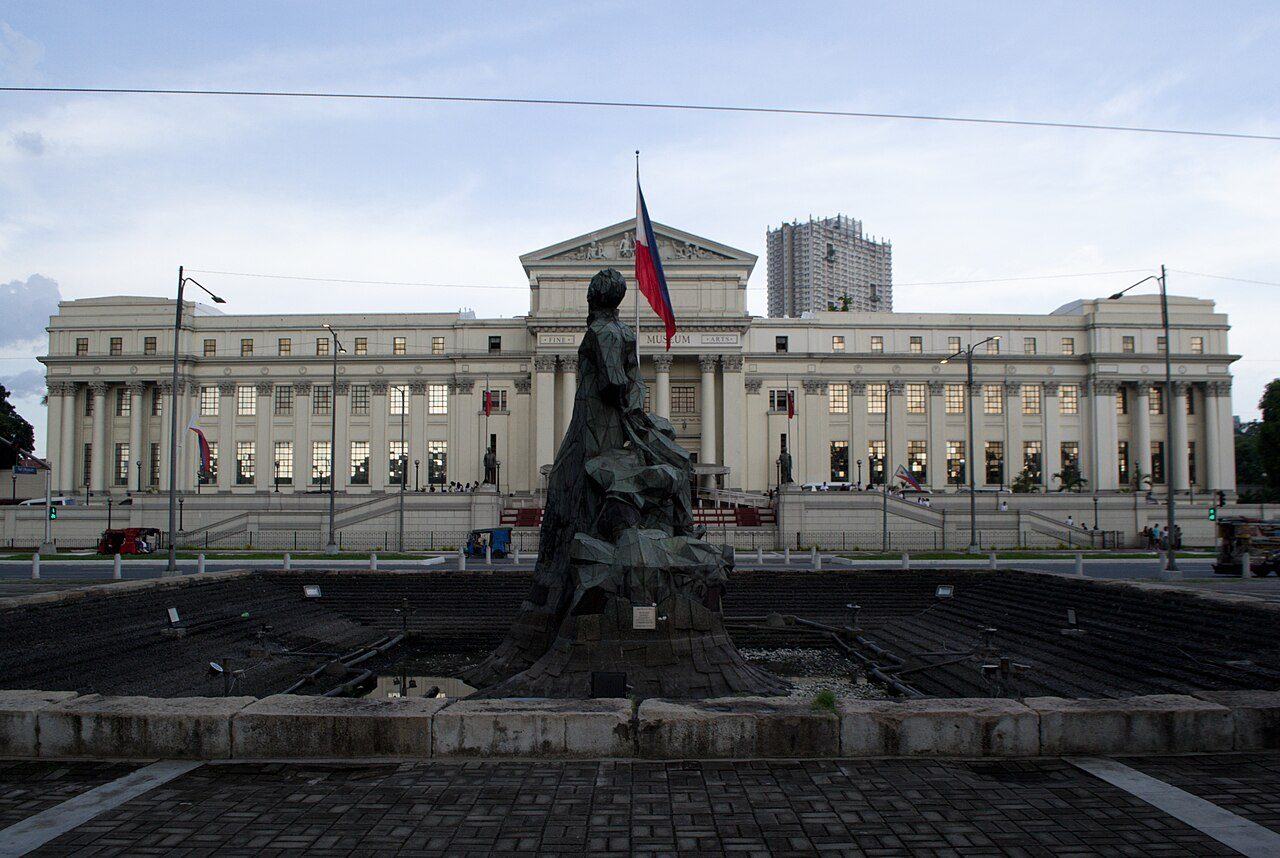
The National Museum of Fine Arts occupies the grand neoclassical Old Legislative Building beside Rizal Park. It houses the country's most important collection of paintings and sculpture, including Juan Luna's huge Spoliarium. Galleries trace Filipino art from colonial religious works to modern masters. Admission is free, and the neighbouring museums of anthropology and natural history are a short walk away.
07
STOP 7 OF 14
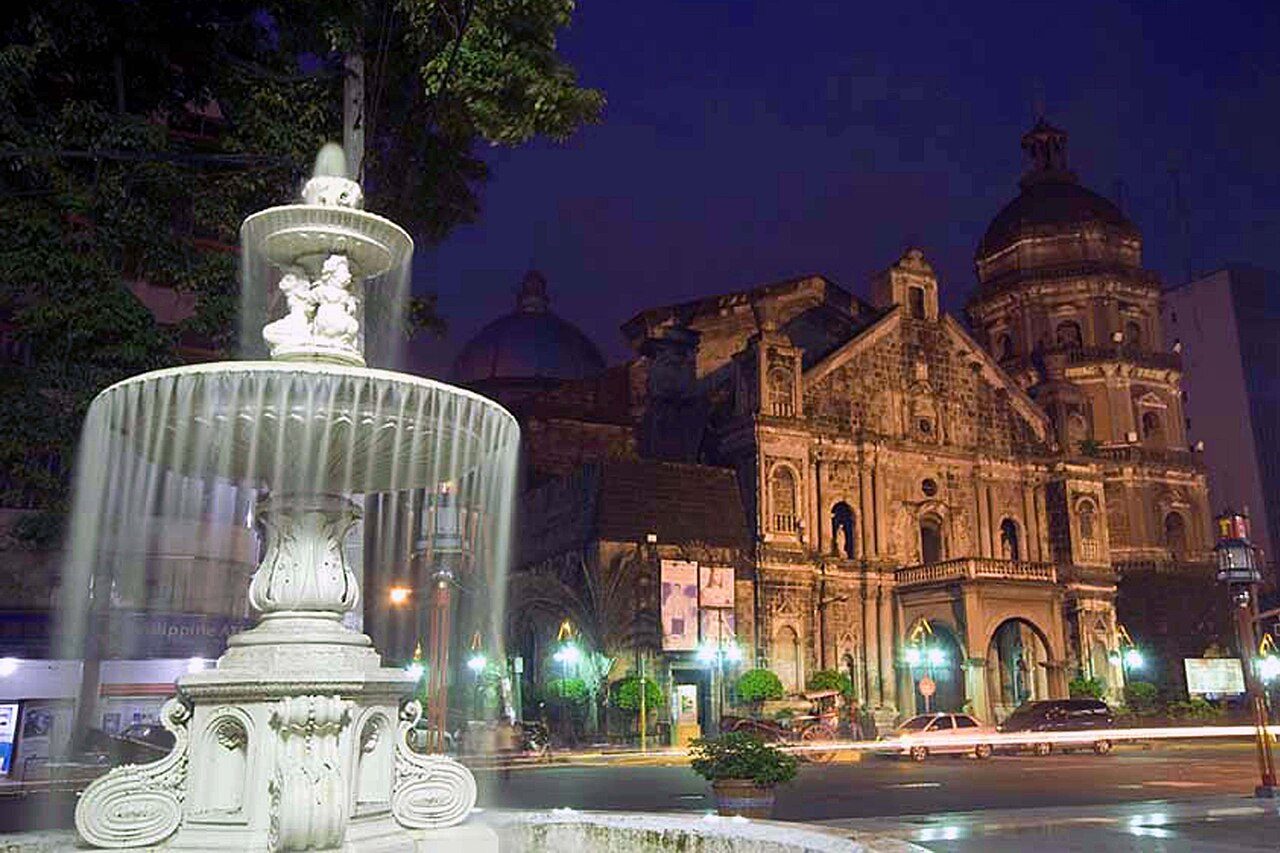
Binondo Church
Binondo Church, the Minor Basilica of San Lorenzo Ruiz, stands in the heart of Manila's Chinatown, the oldest in the world. It was founded by Dominican friars in the late 1500s to serve Chinese converts. Its distinctive octagonal bell tower survived the Second World War. The church honours San Lorenzo Ruiz, the first Filipino saint, and pairs well with a food walk through Binondo.
08
STOP 8 OF 14
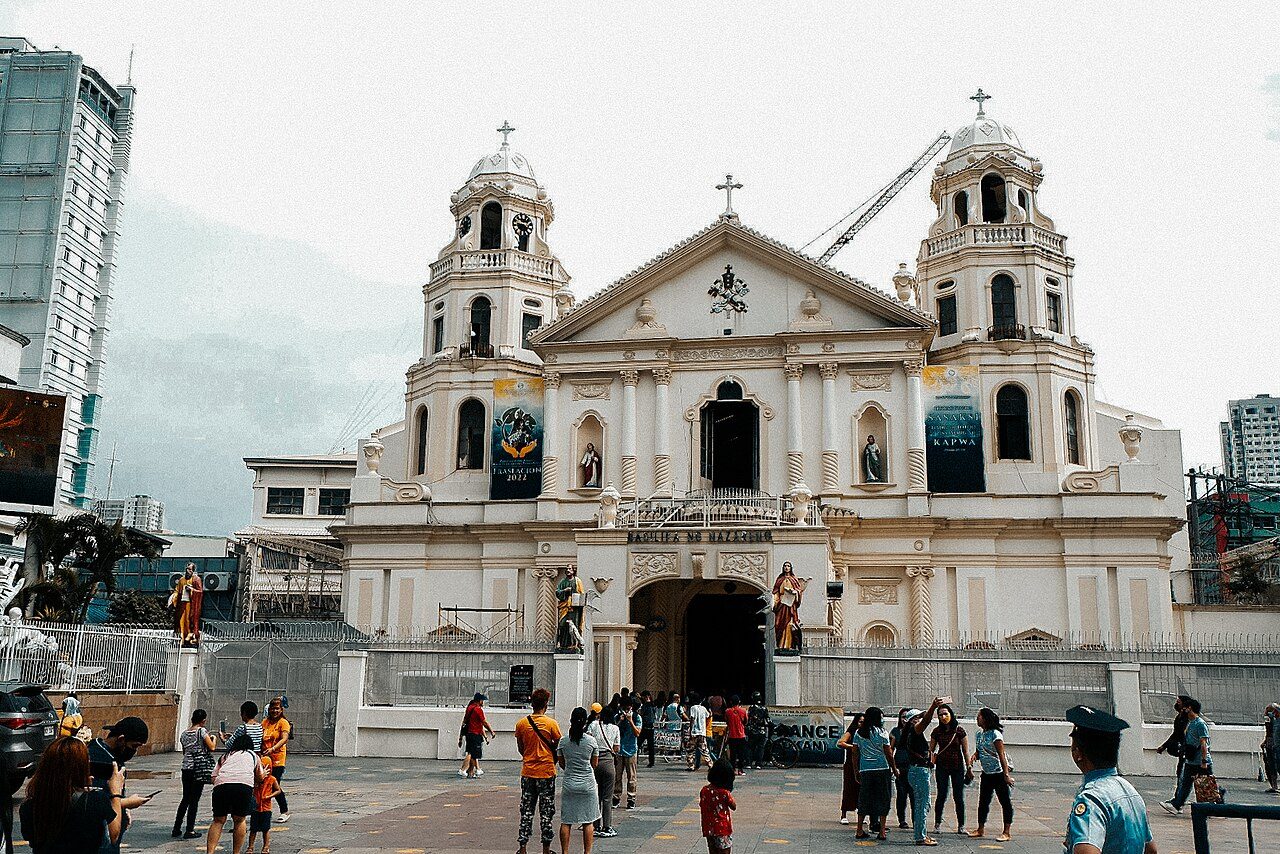
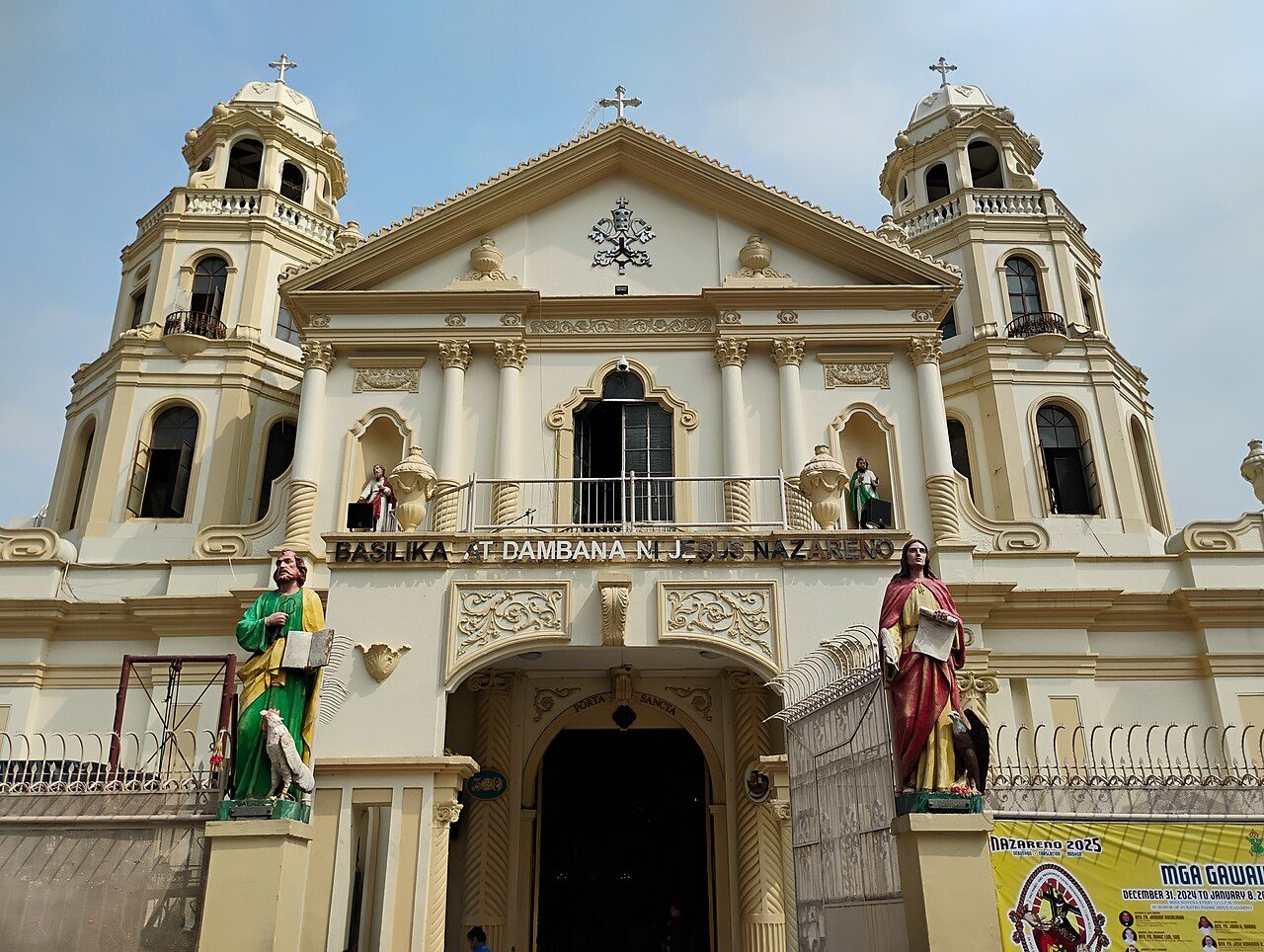
Quiapo Church
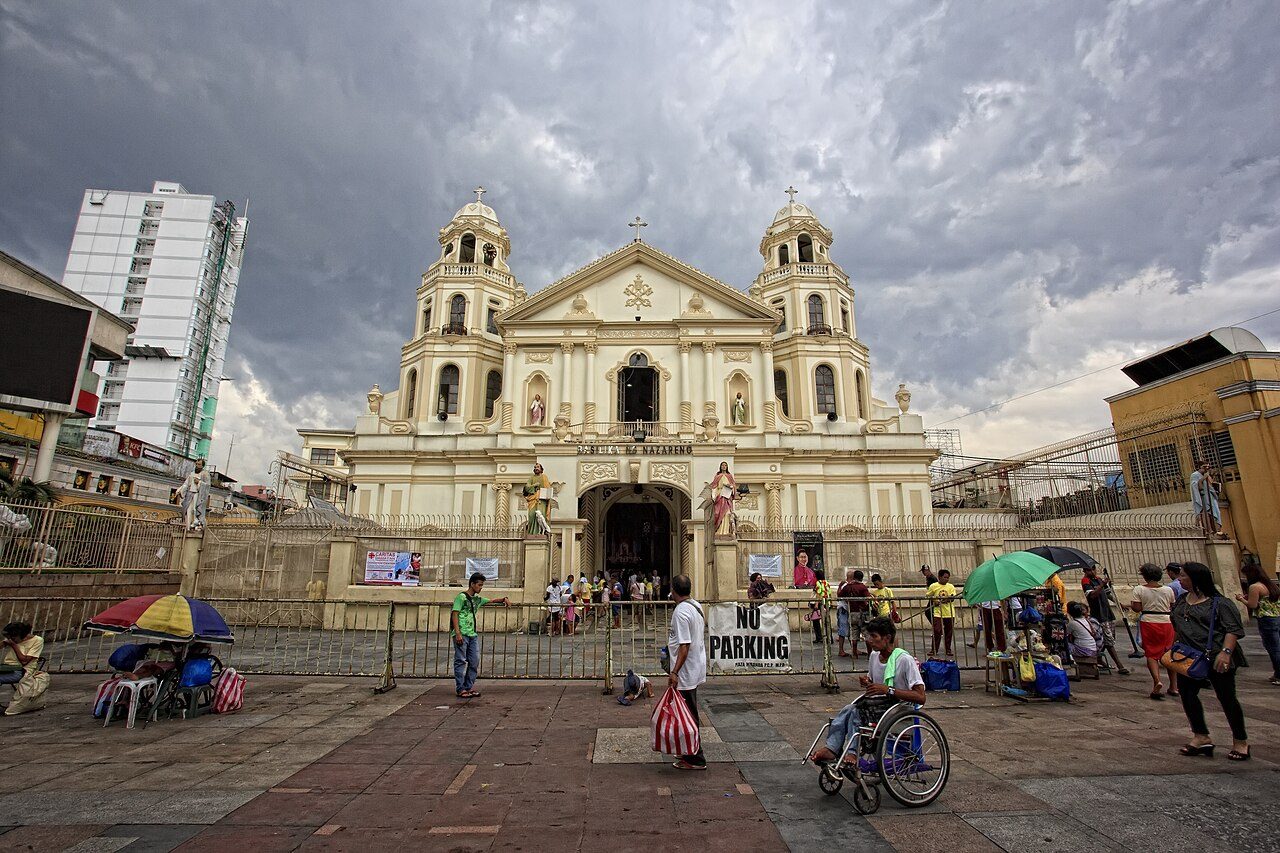
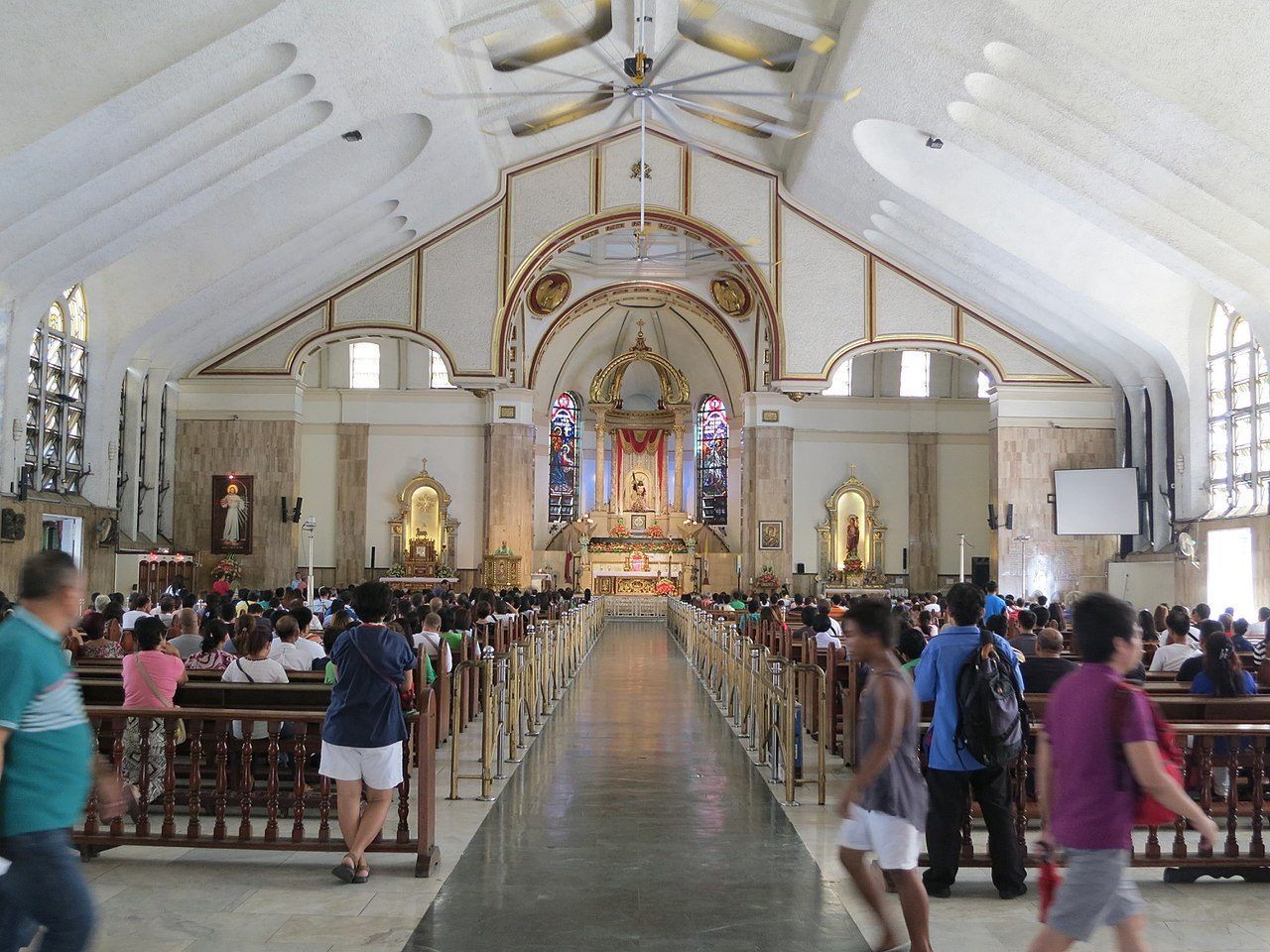
Quiapo Church, the Minor Basilica of the Black Nazarene, is home to a dark wooden statue of Christ carrying the cross that is revered by millions of Filipinos. Every 9 January the Feast of the Black Nazarene draws vast crowds for a procession through the streets. On Fridays the church overflows with devotees. The surrounding market streets sell herbs, amulets and street food.
09
STOP 9 OF 14
Aguinaldo Shrine
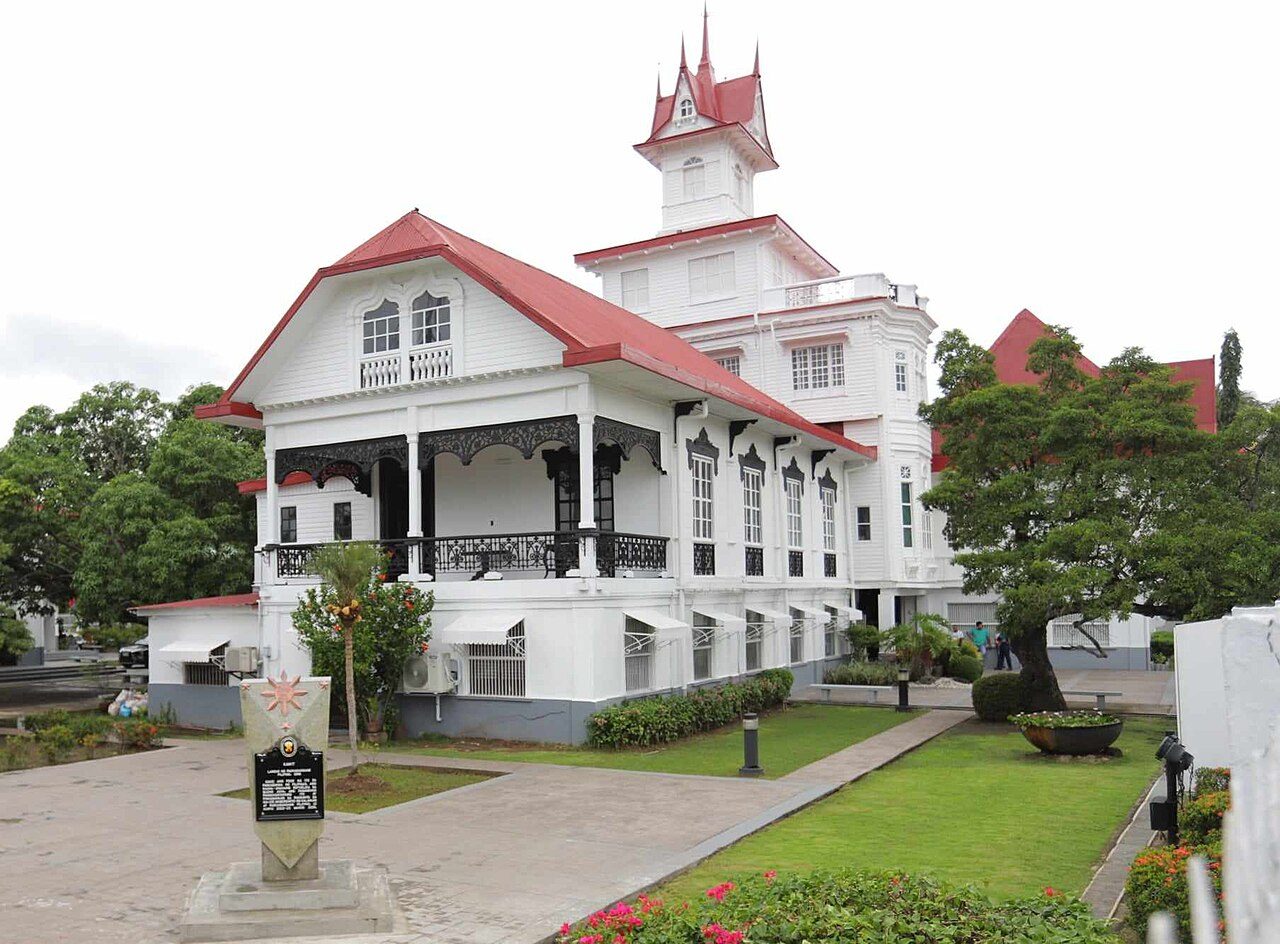
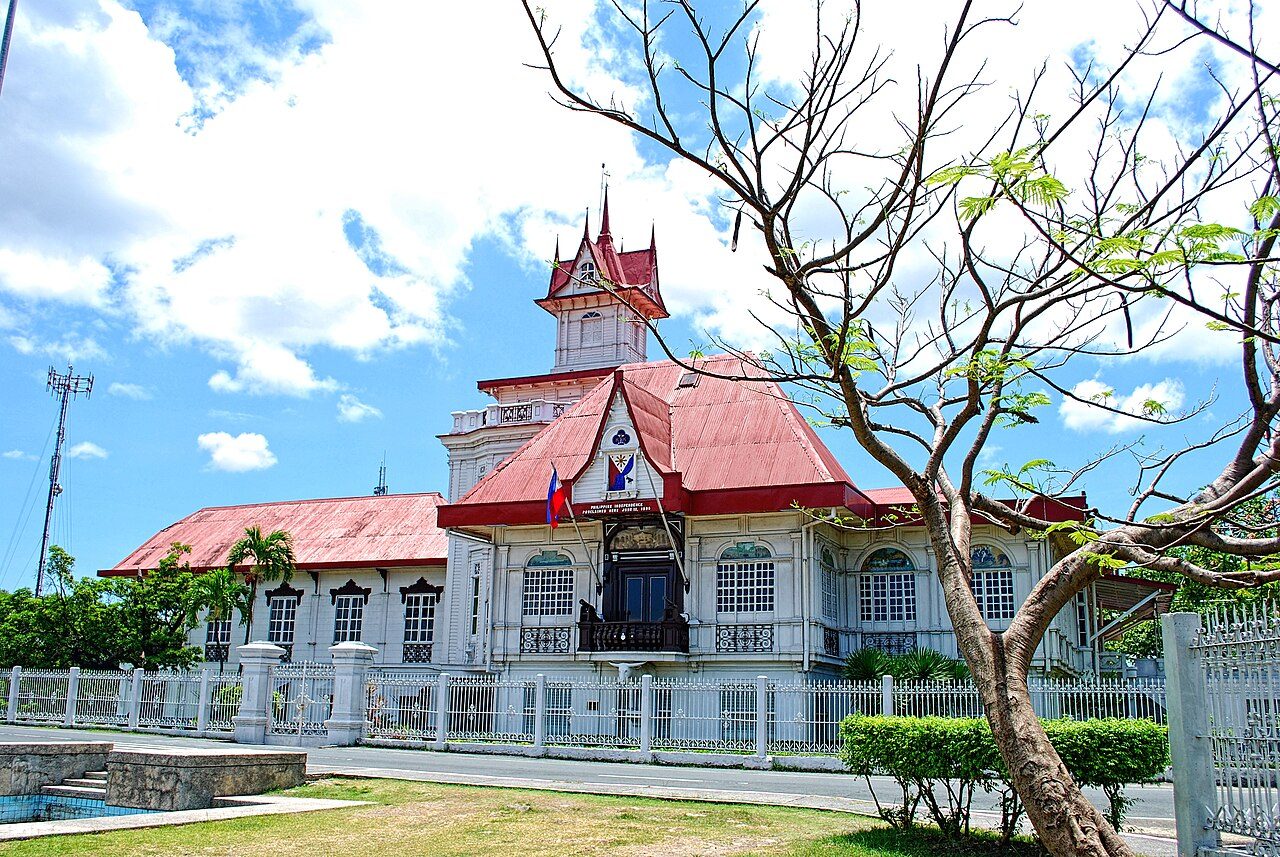
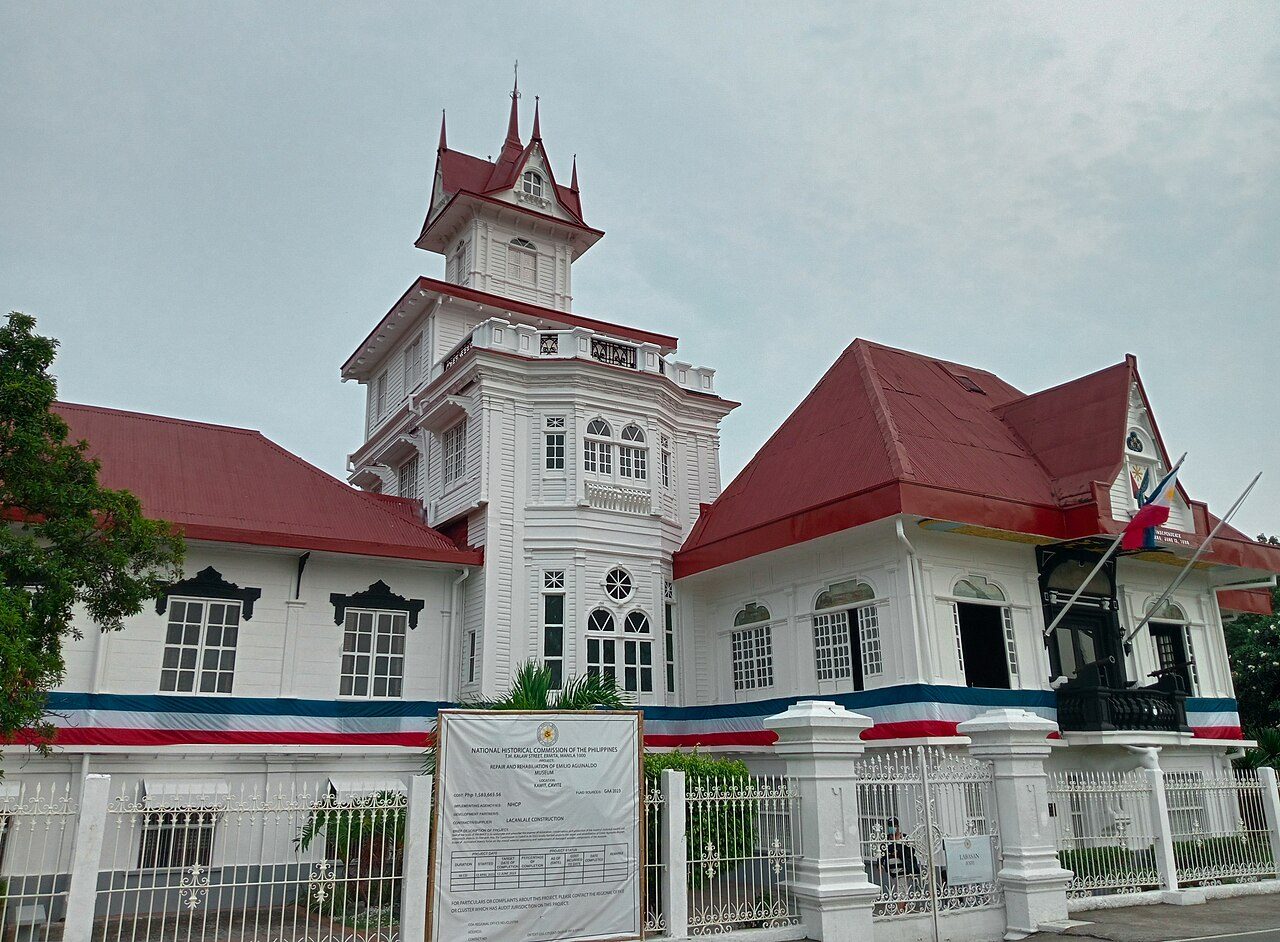
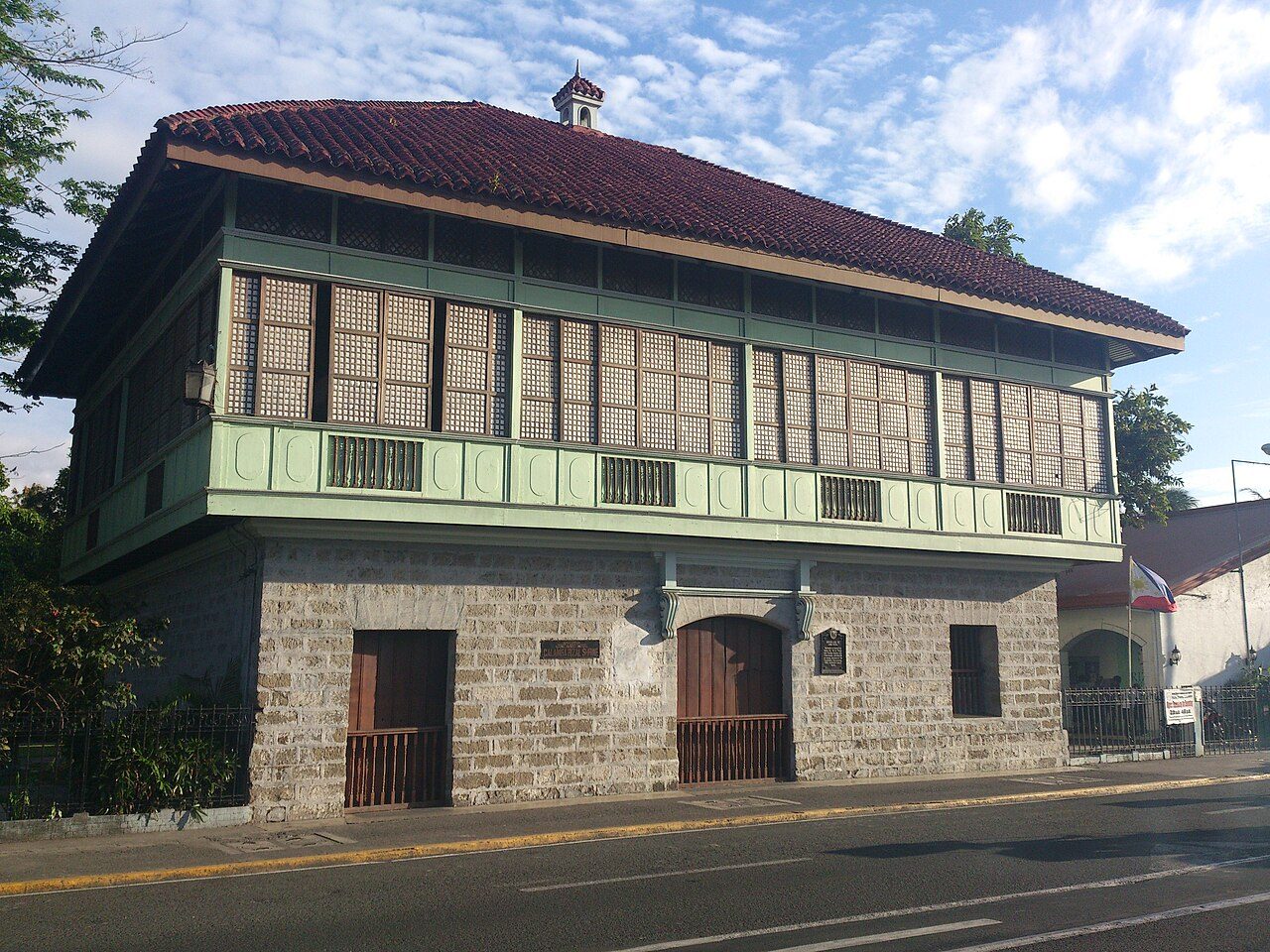
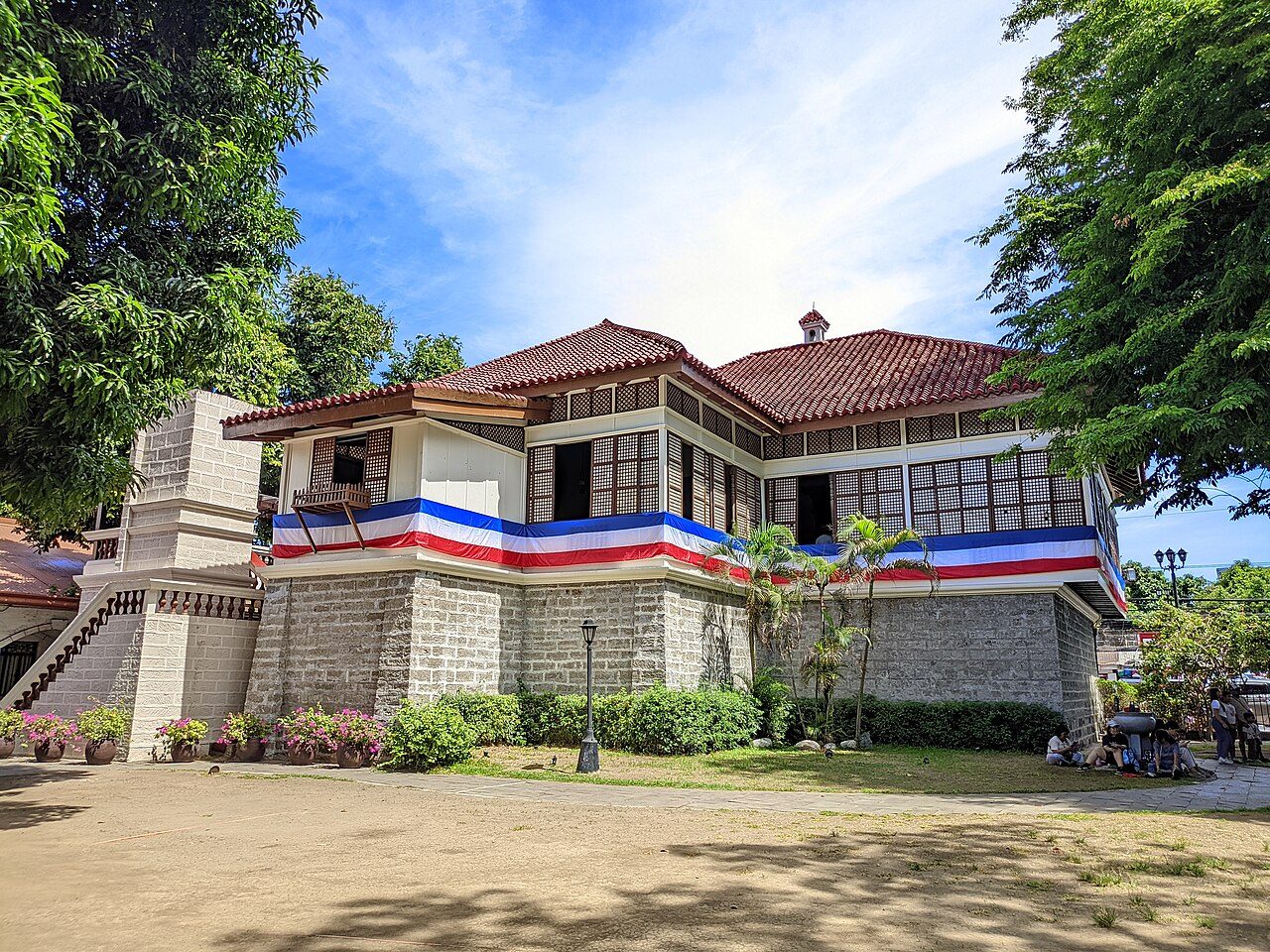
The Aguinaldo Shrine in Kawit is the ancestral home of General Emilio Aguinaldo, the first president of the Philippines. Philippine independence from Spain was proclaimed from its balcony on 12 June 1898, when the national flag was first raised. The house is full of hidden passages and carved woodwork, and is now a museum. Independence Day celebrations are held here each year.
10
STOP 10 OF 14
Tagaytay Picnic Grove
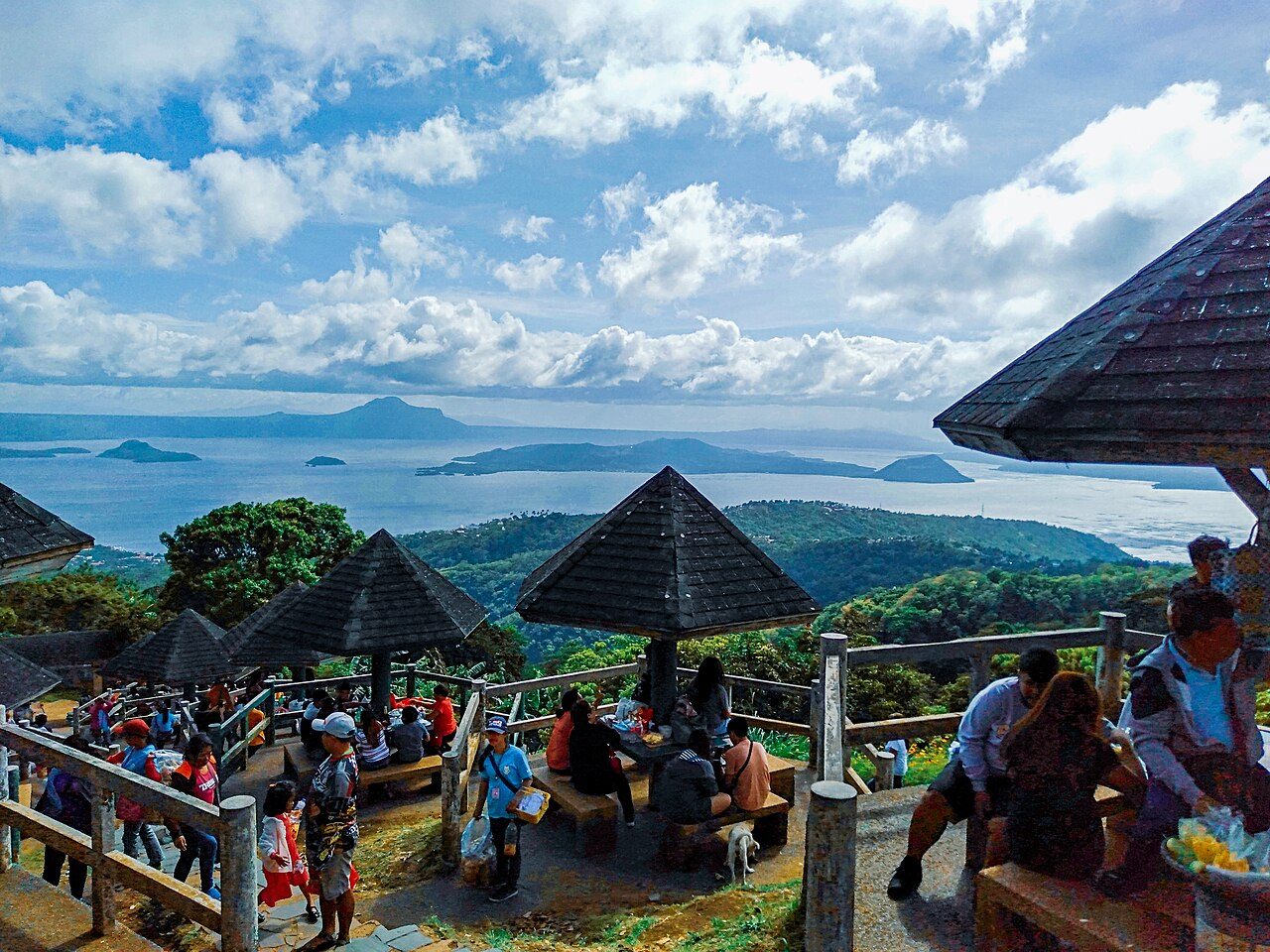
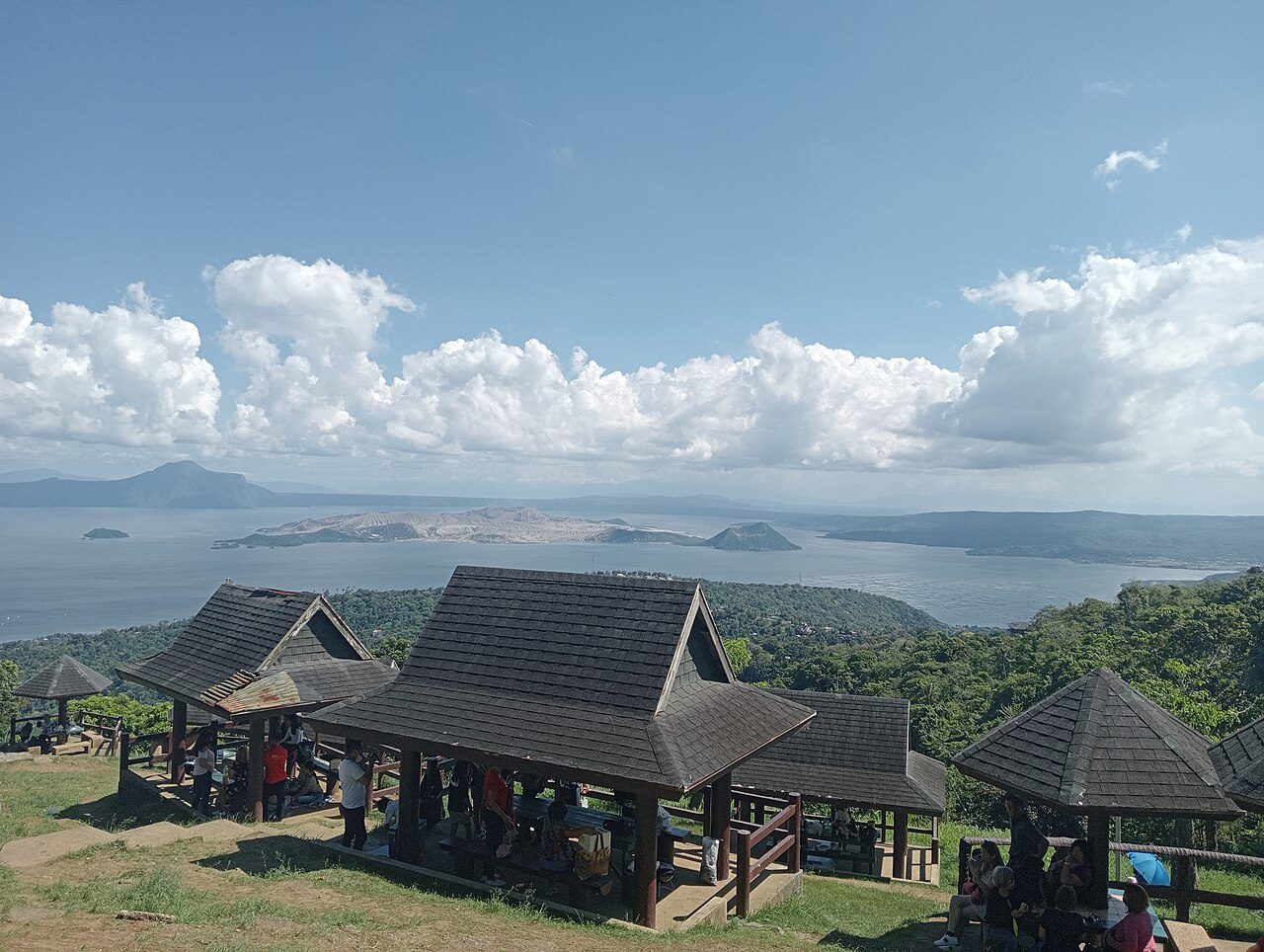
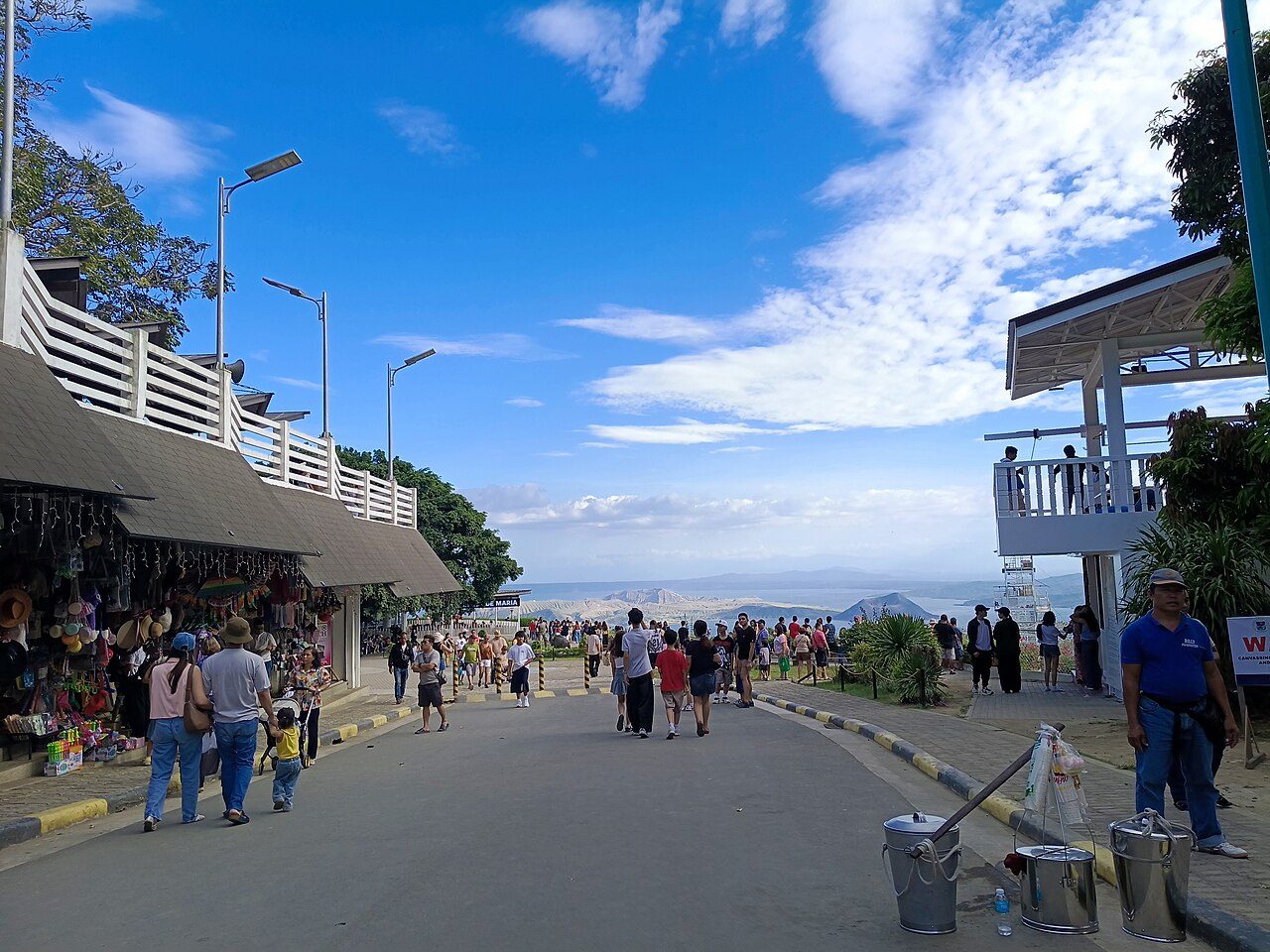
Picnic Grove in Tagaytay is a hilltop park on the ridge above Taal Lake, with views of Taal Volcano rising from the lake. It has picnic huts, viewing decks, horse rides and a zipline. The cool climate makes Tagaytay a popular weekend escape from Manila. Visit on a clear morning for the sharpest views of the volcano before mist and crowds roll in.
11
STOP 11 OF 14
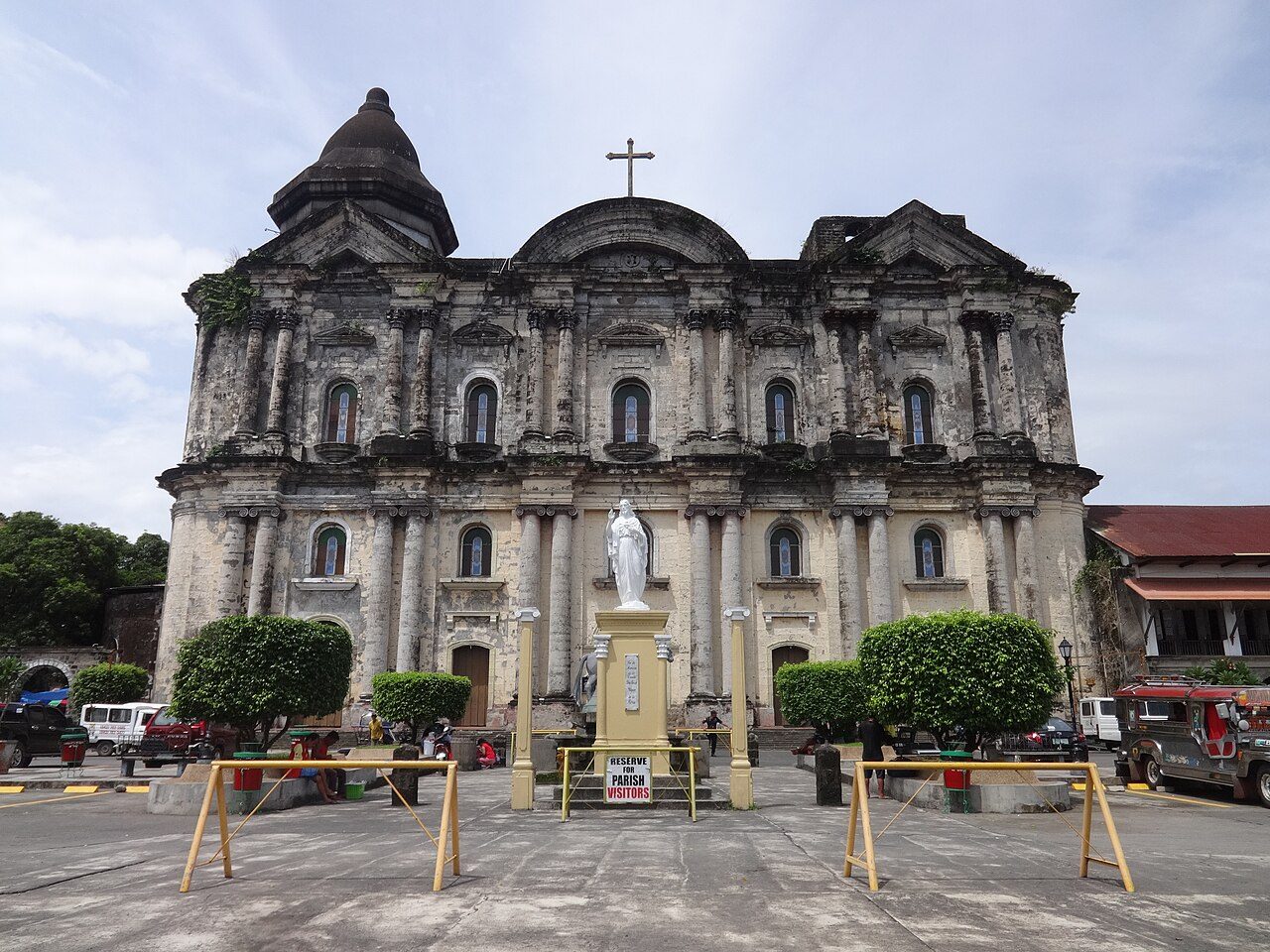
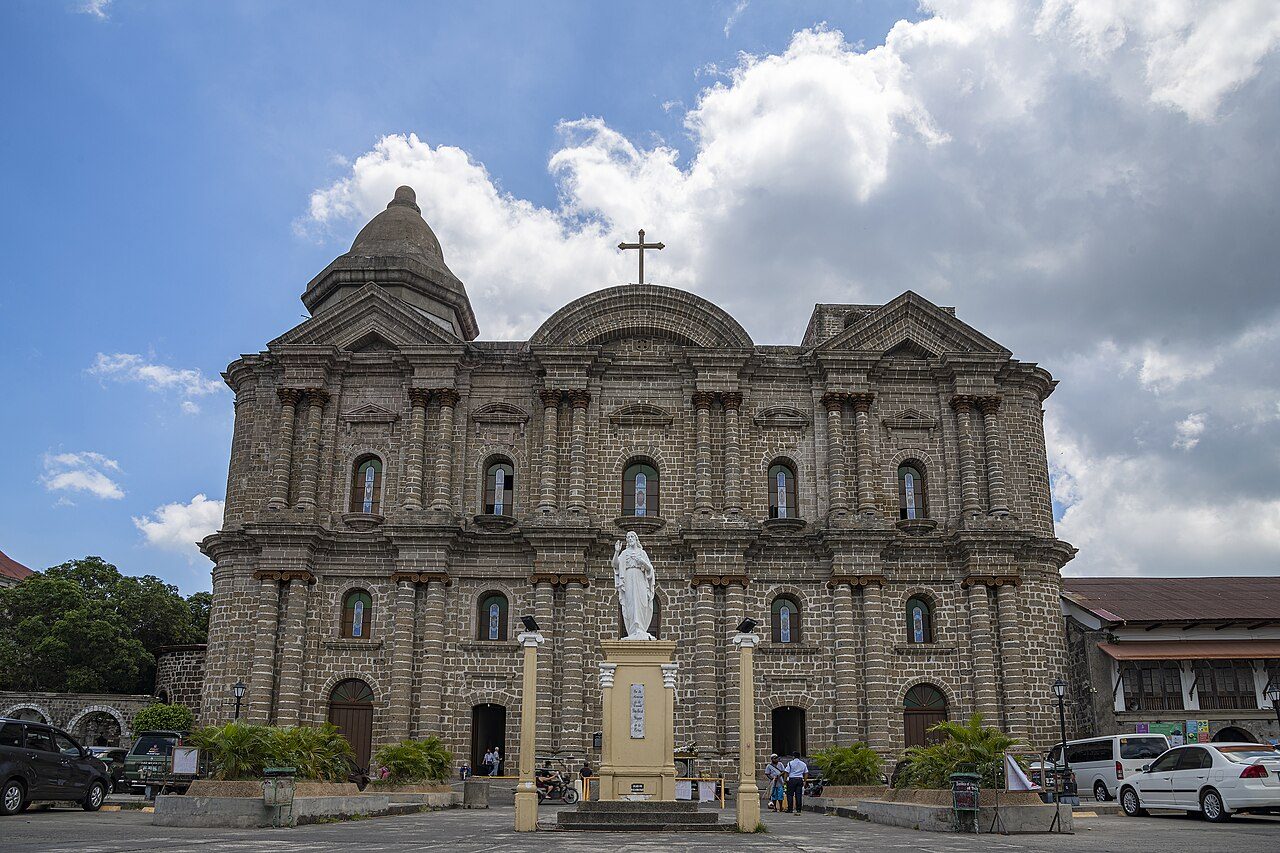
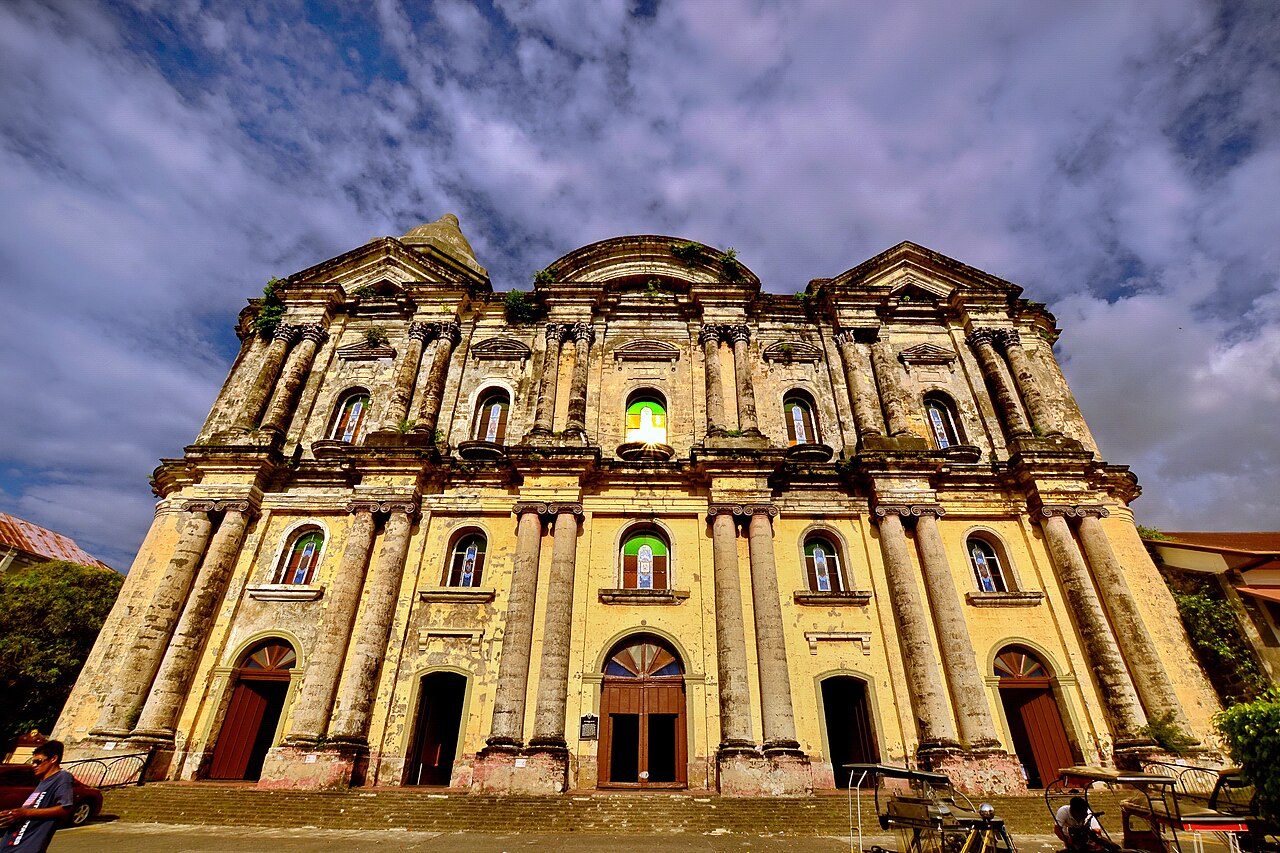
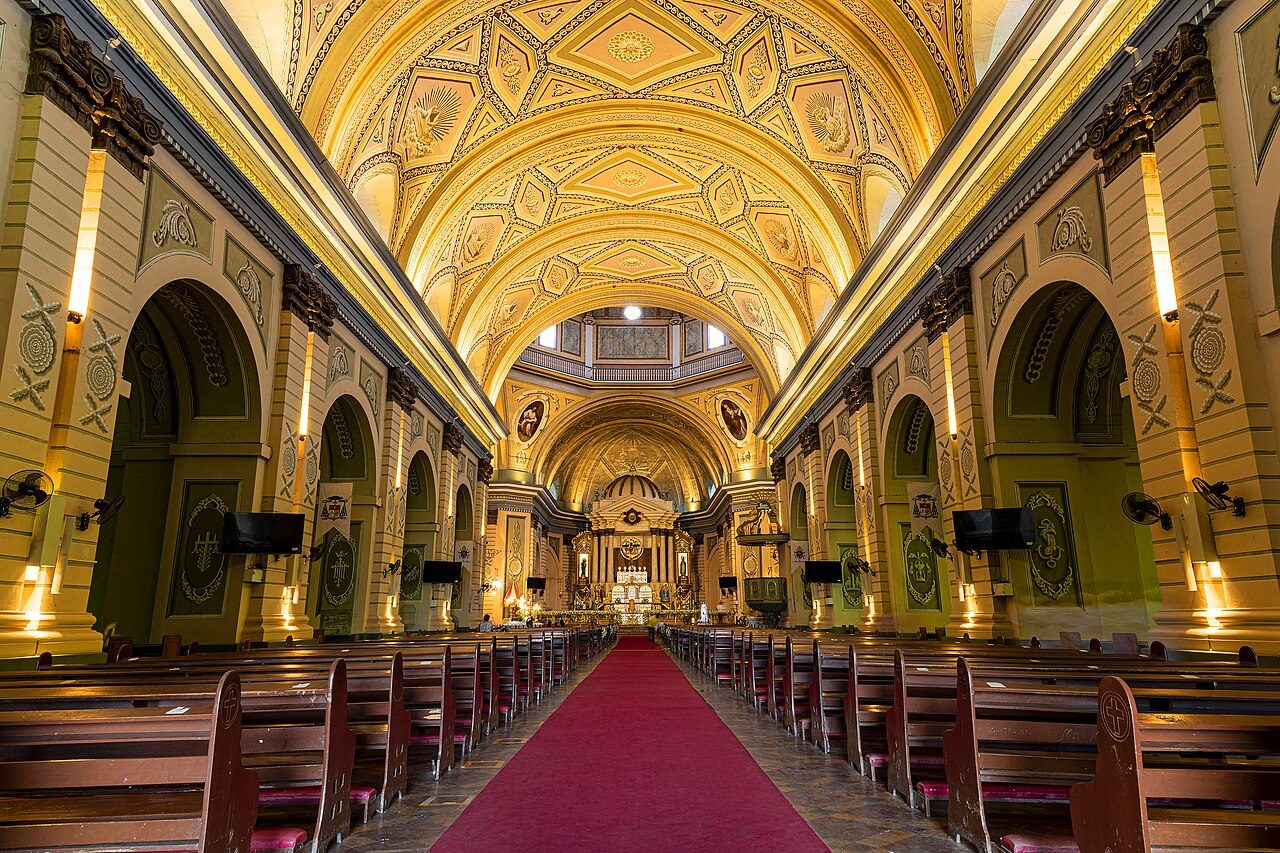
Basilica of Taal
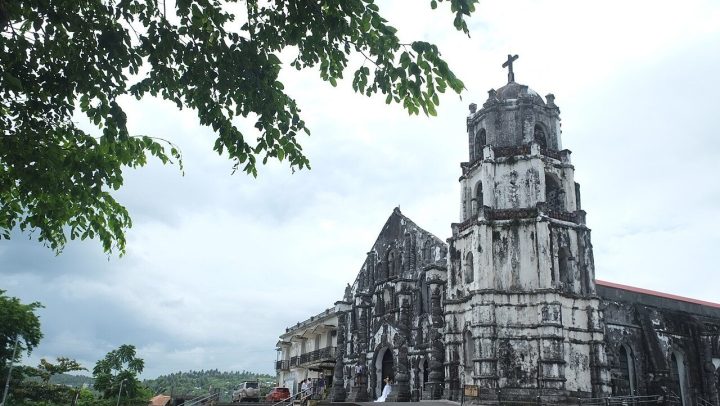
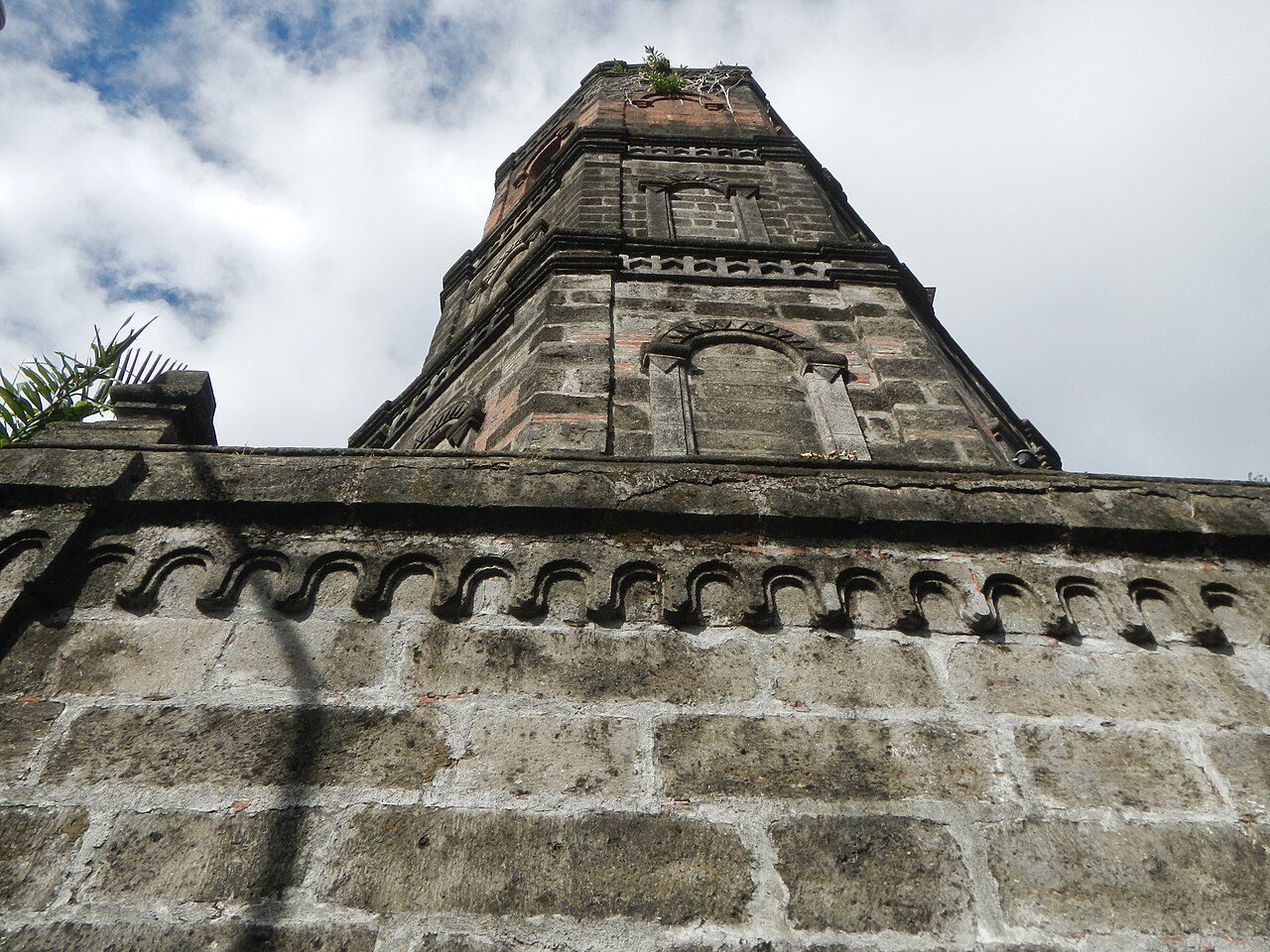
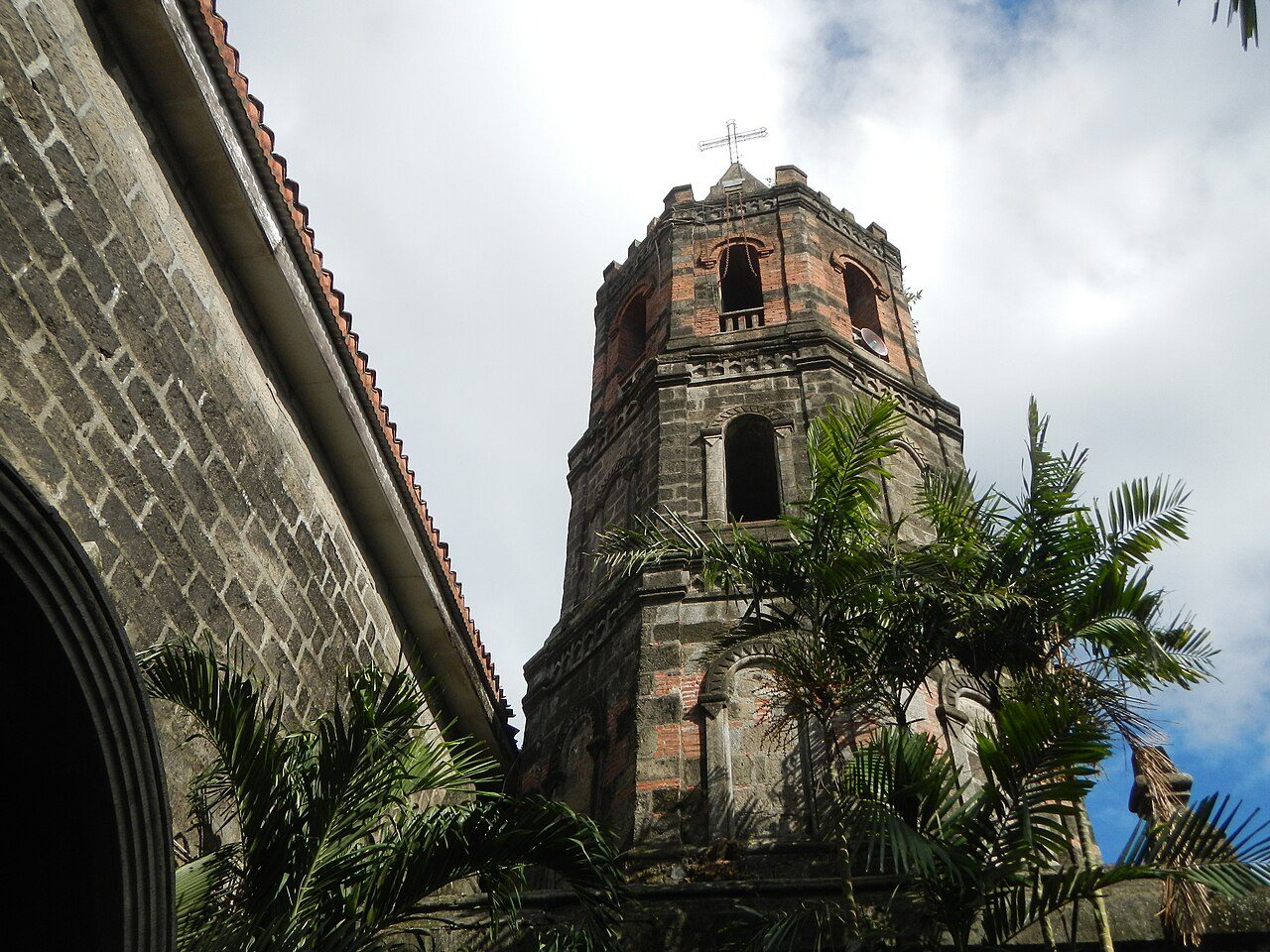
The Basilica of St. Martin de Tours in Taal, Batangas, is often described as the largest Catholic church in Asia. Its massive coral-stone facade dominates the hilltop above the heritage town of Taal. The current building dates from the 19th century, after earlier churches were destroyed by eruptions of Taal Volcano. Climb the bell tower for views and explore the ancestral houses nearby.
12
STOP 12 OF 14
Rizal Shrine Calamba
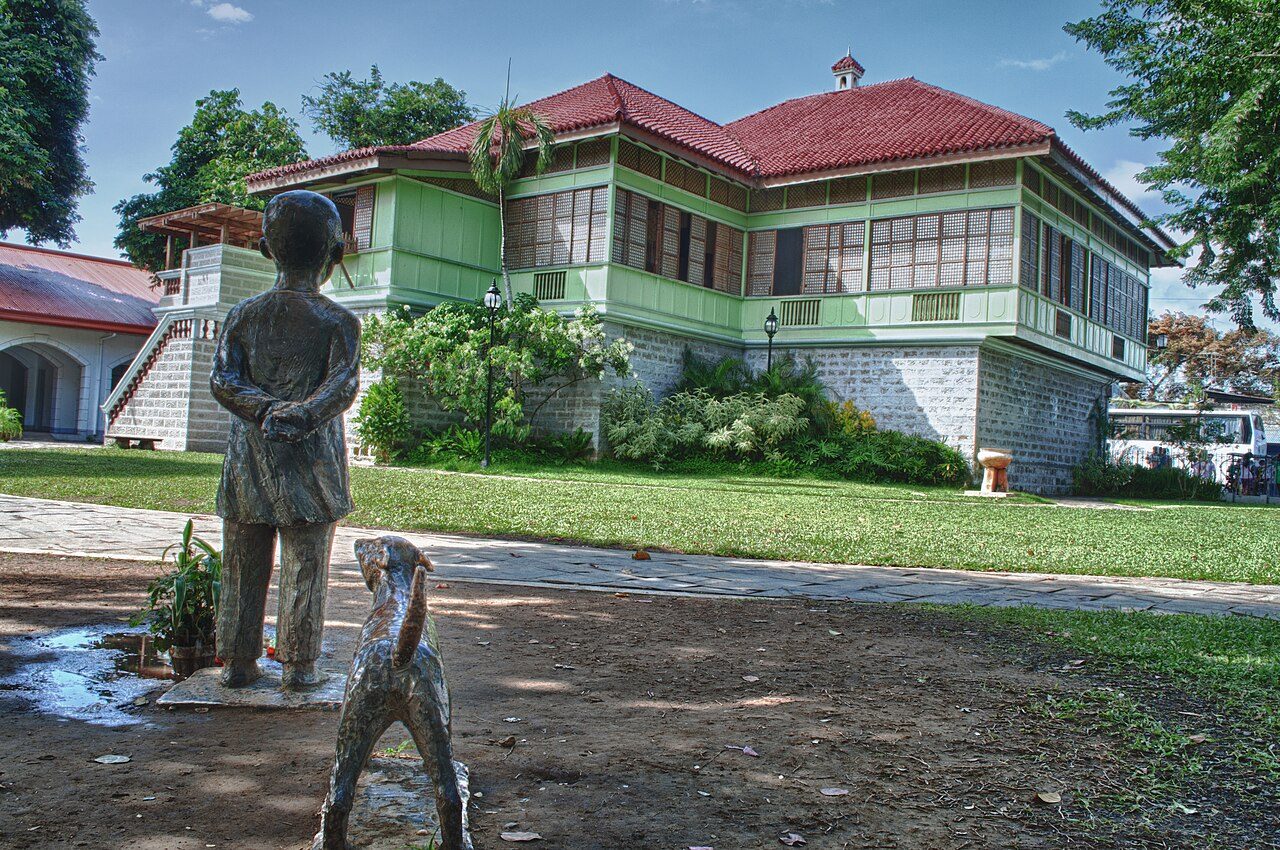
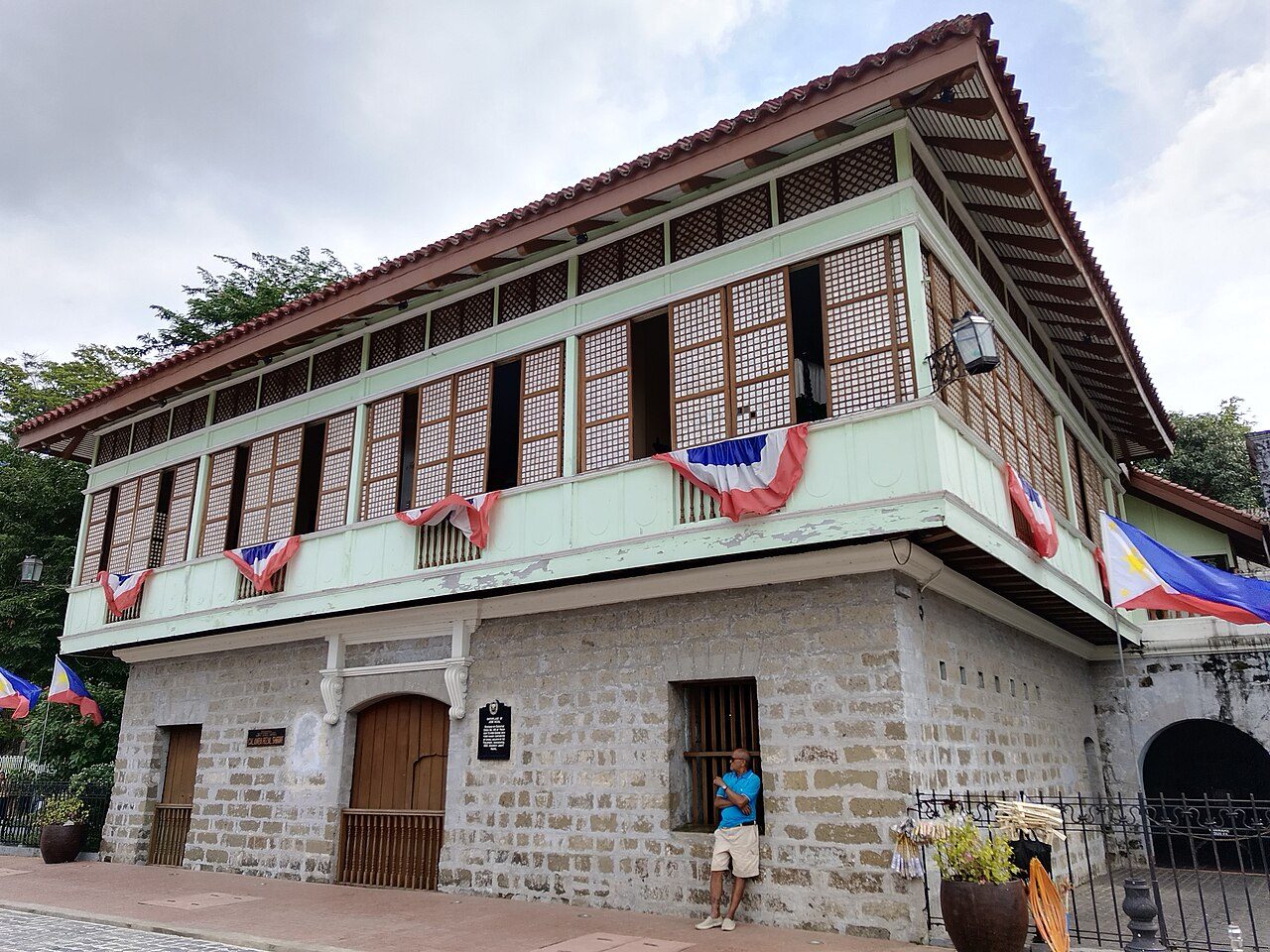
The Rizal Shrine in Calamba is a reconstruction of the house where national hero Jose Rizal was born in 1861. The two-storey Spanish colonial home has stone walls below and wooden upper floors, and is furnished as it may have been during his childhood. A garden with a small nipa hut and statue of young Rizal surrounds it. It is a short walk from Calamba's town plaza.
13
STOP 13 OF 14
Barasoain Church
Barasoain Church in Malolos is known as the cradle of democracy in the East. The first Philippine Congress met here in 1898 and drafted the Malolos Constitution, and the First Philippine Republic was inaugurated here in 1899. The church has a museum on this history. Its facade appears on the Philippine ten-peso banknote and coin, making it one of the country's most familiar churches.
14
STOP 14 OF 14 · LAST STOP
Mount Samat Shrine
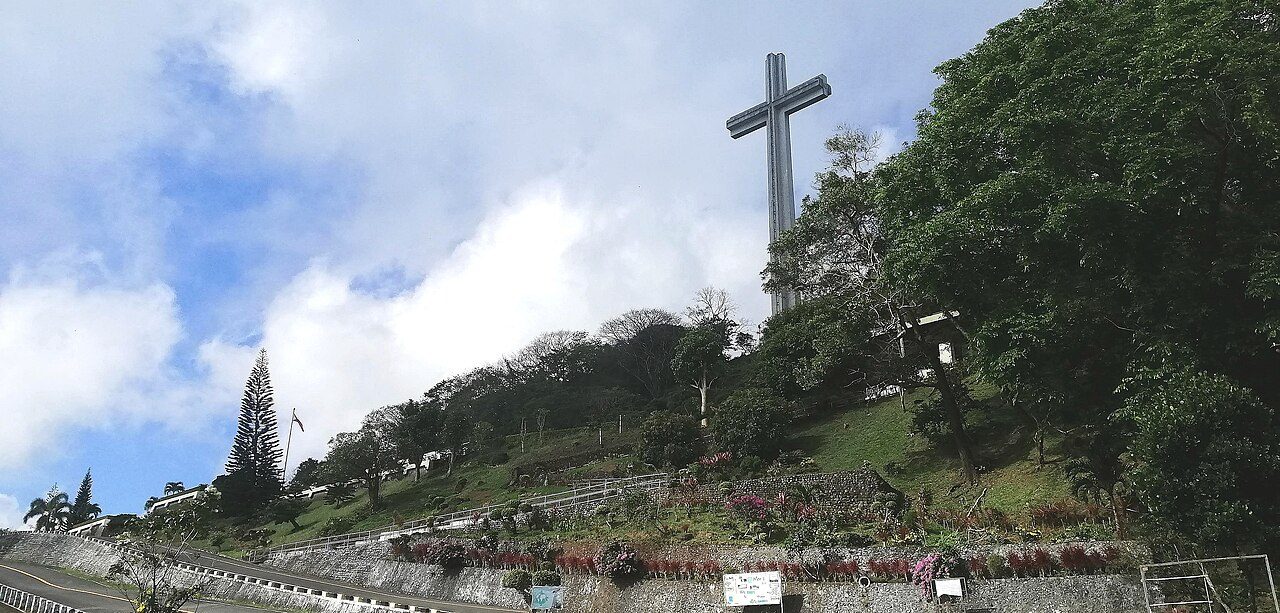
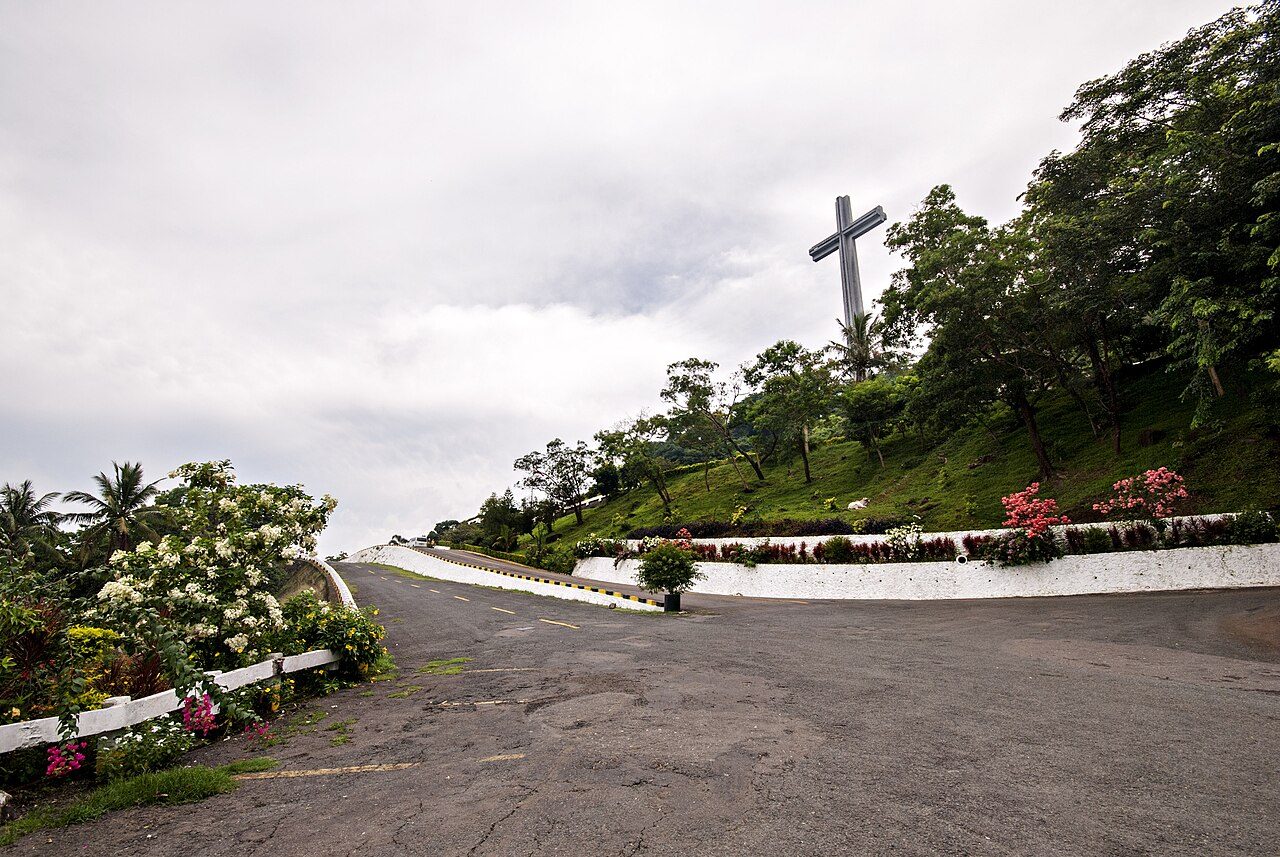
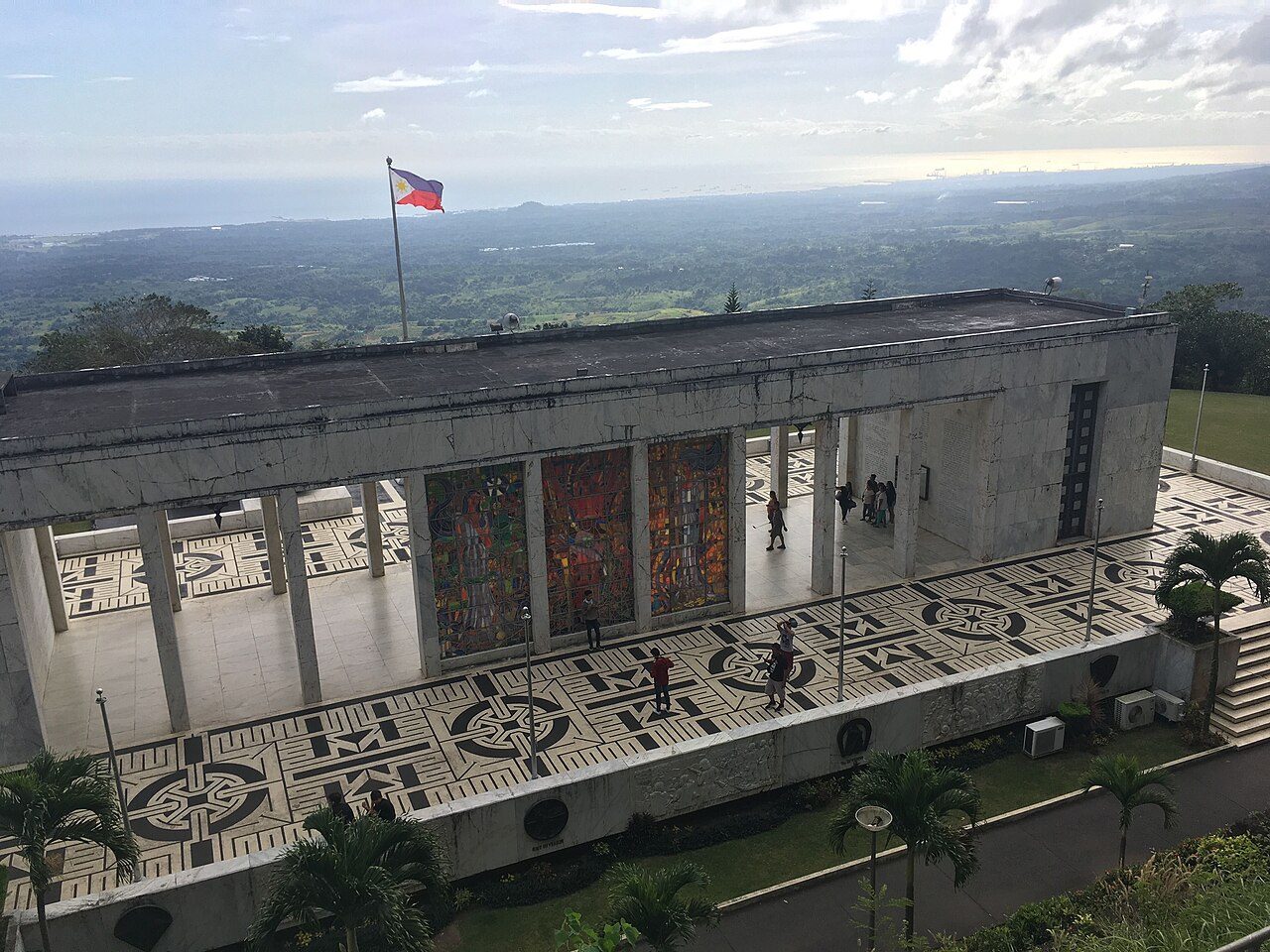
The Mount Samat Shrine, or Dambana ng Kagitingan, honours Filipino and American soldiers who fought in the Battle of Bataan in 1942. A huge cross stands on the summit, and visitors can ride a lift to a viewing gallery in its arms with views over Manila Bay. The colonnade below includes a museum about the war. It is a solemn site, especially on Araw ng Kagitingan each April.
 WaTrips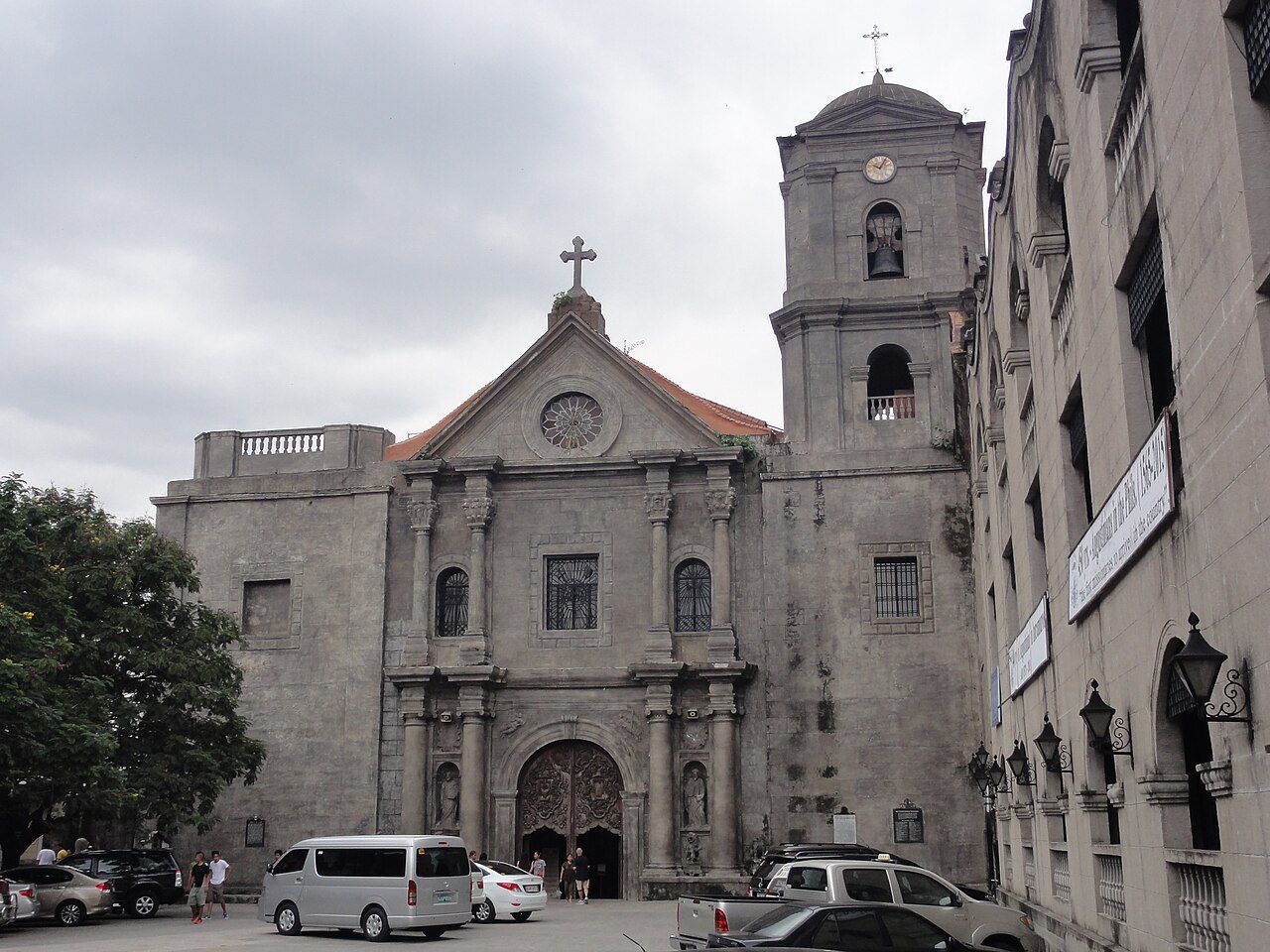









 BikesBooking
 Localrent
 Airalo
 Tiqets