Agnigarh, the Bamuni Hills ruins, the Da Parbatia doorway and the Kolia Bhomora bridge, then Nameri National Park.
Tezpur is a quiet town with old legends on the Brahmaputra. Day one climbs Agnigarh hill, linked to the story of Usha and Aniruddha, sees the carved ruins of the Bamuni Hills and the Da Parbatia temple doorway, and crosses the Kolia Bhomora bridge. Day two visits Nameri National Park at the foot of the Arunachal hills, good for birdwatching and rafting on the Jia Bhoroli river. November to April is best.
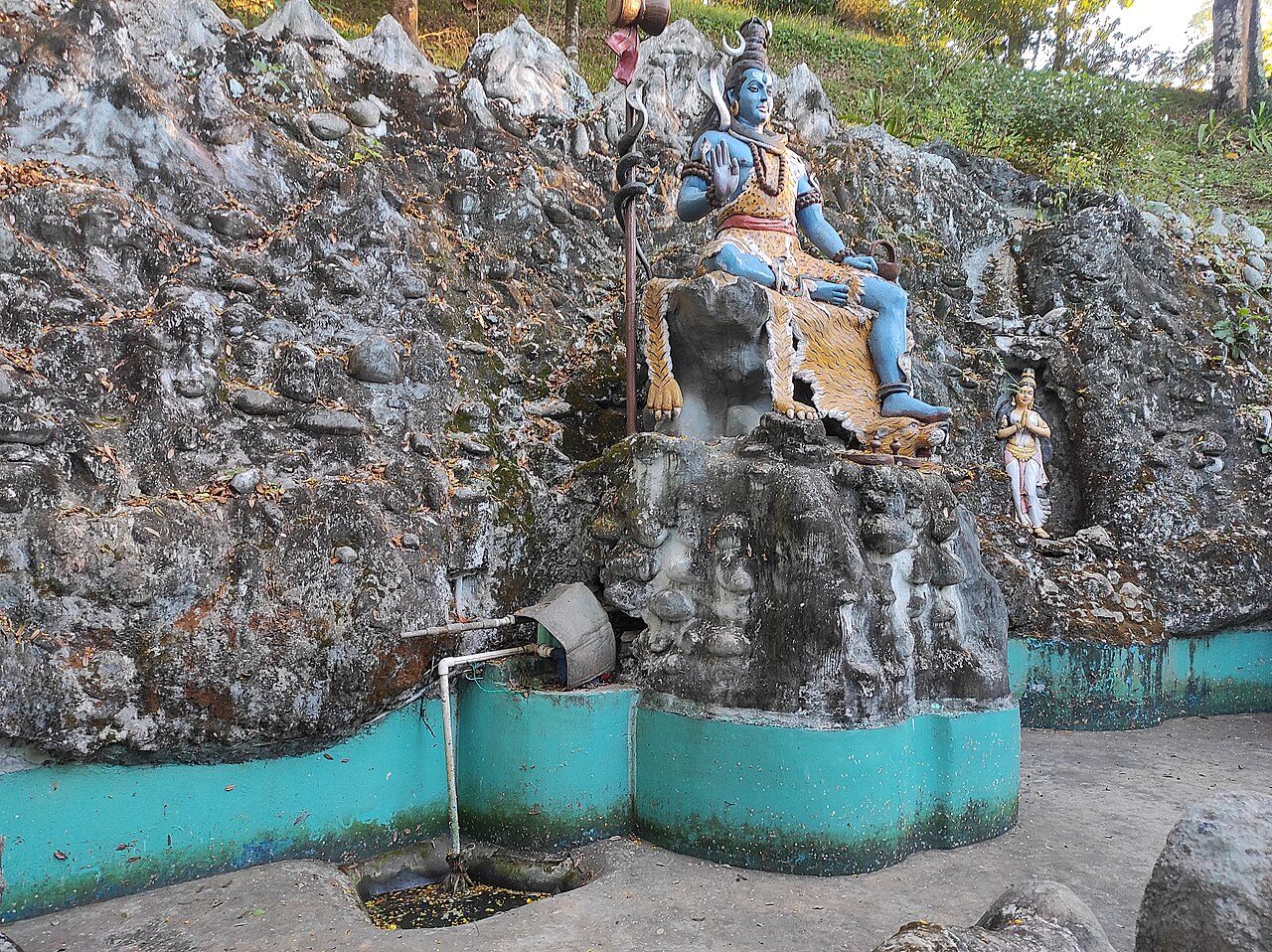
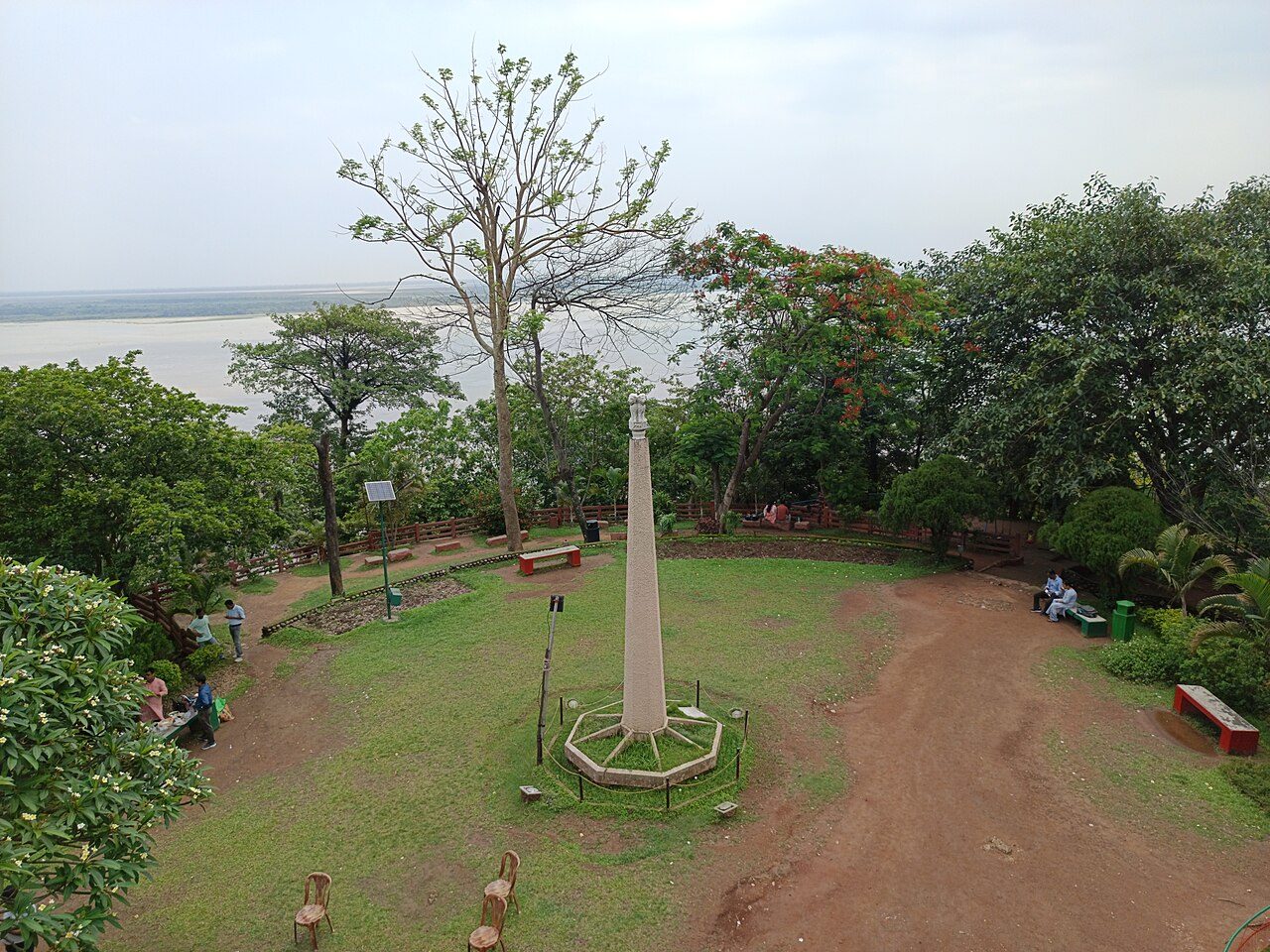
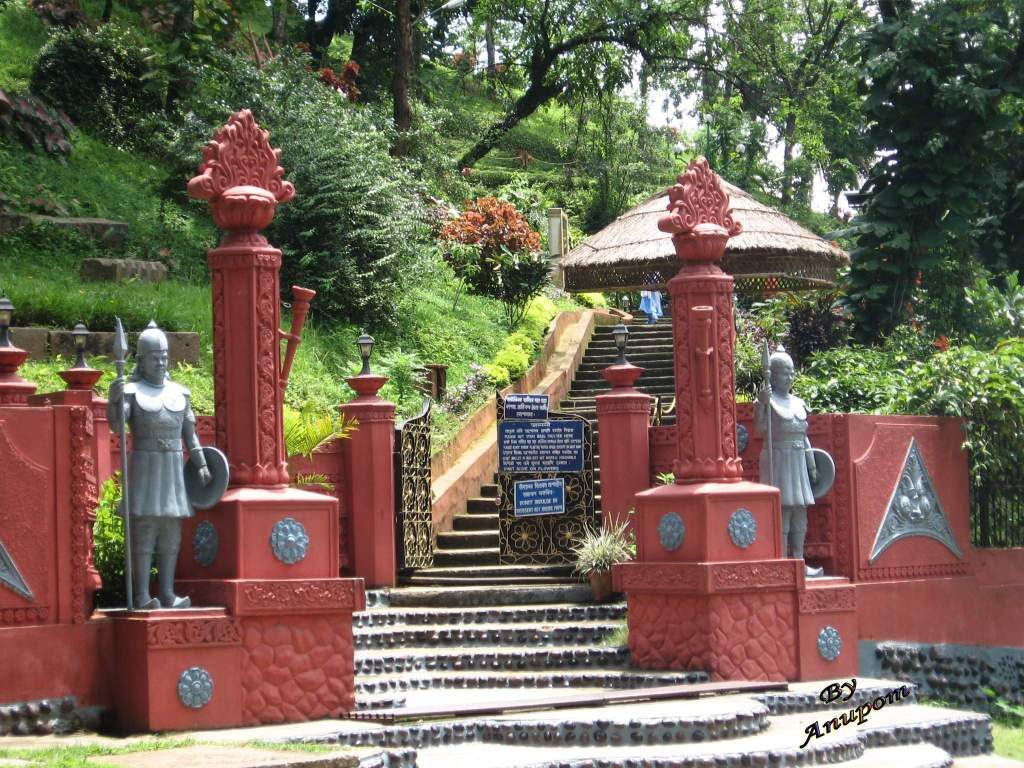
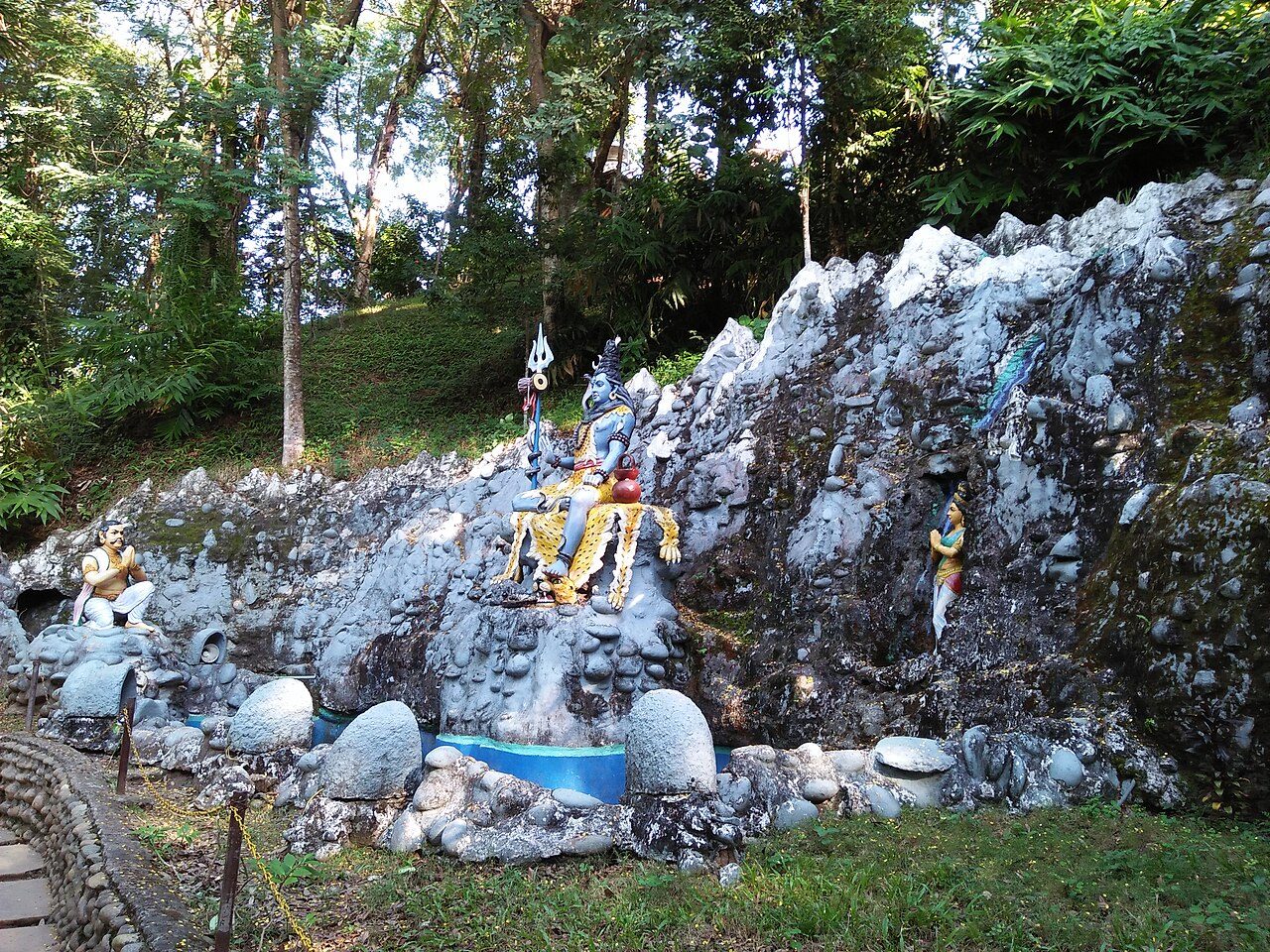
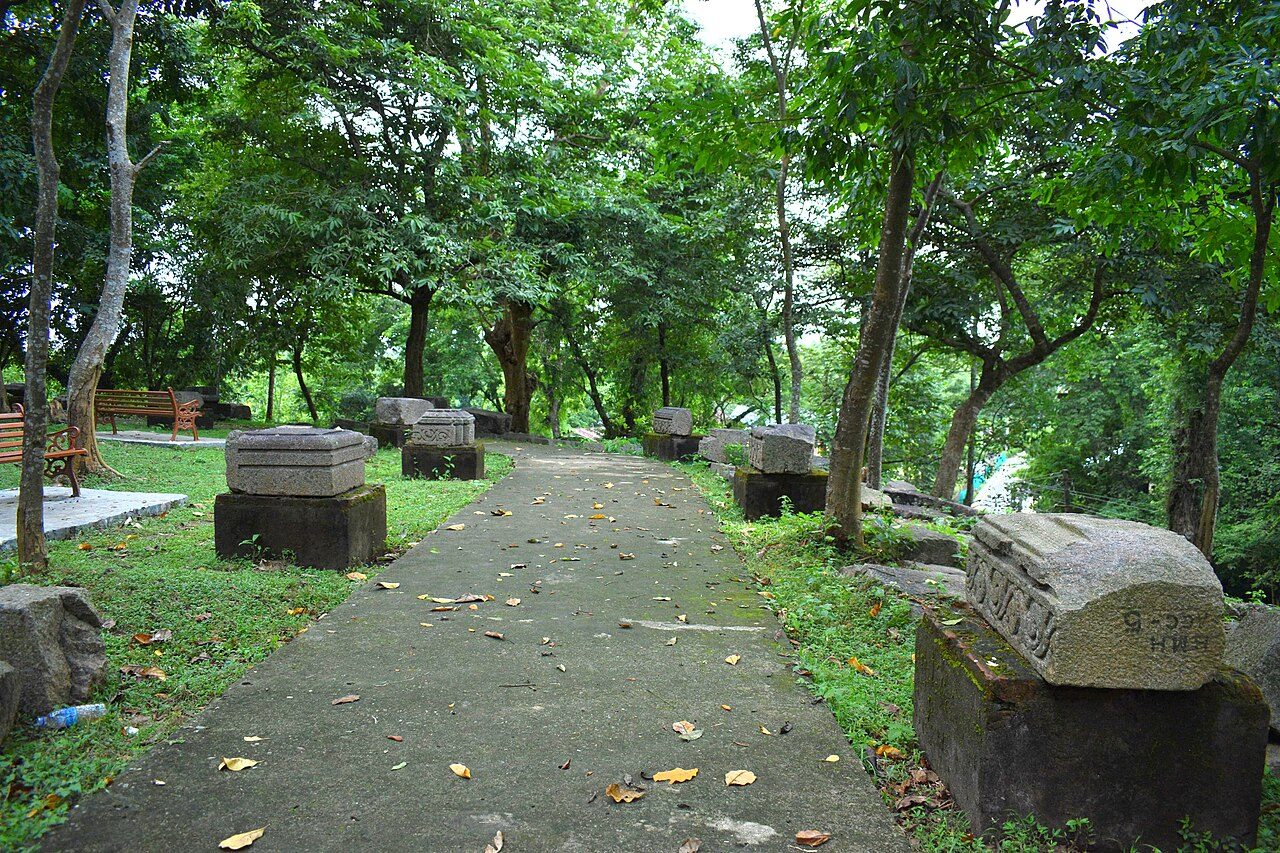
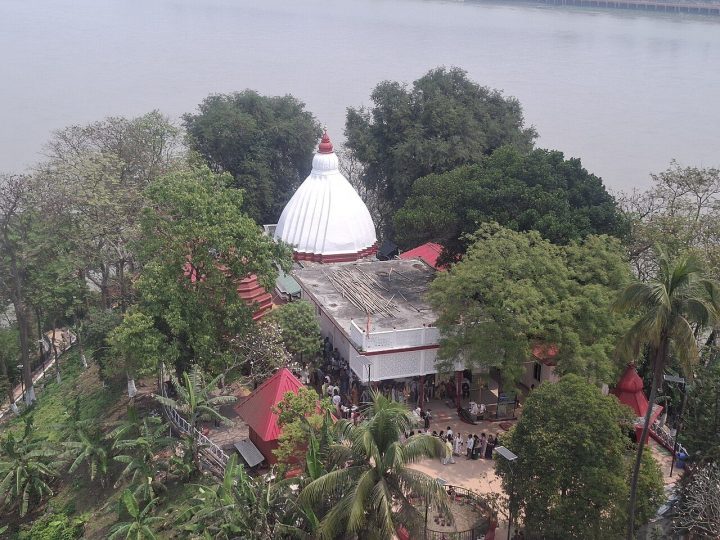
Agnigarh is a hillock on the bank of the Brahmaputra in Tezpur, tied to the legend of Usha and Aniruddha. The story says the demon king Banasura kept his daughter Usha here inside a ring of fire. A stairway climbs through a park of sculptures that retell the tale, and the top gives a wide view of the river and Kolia Bhomora bridge.
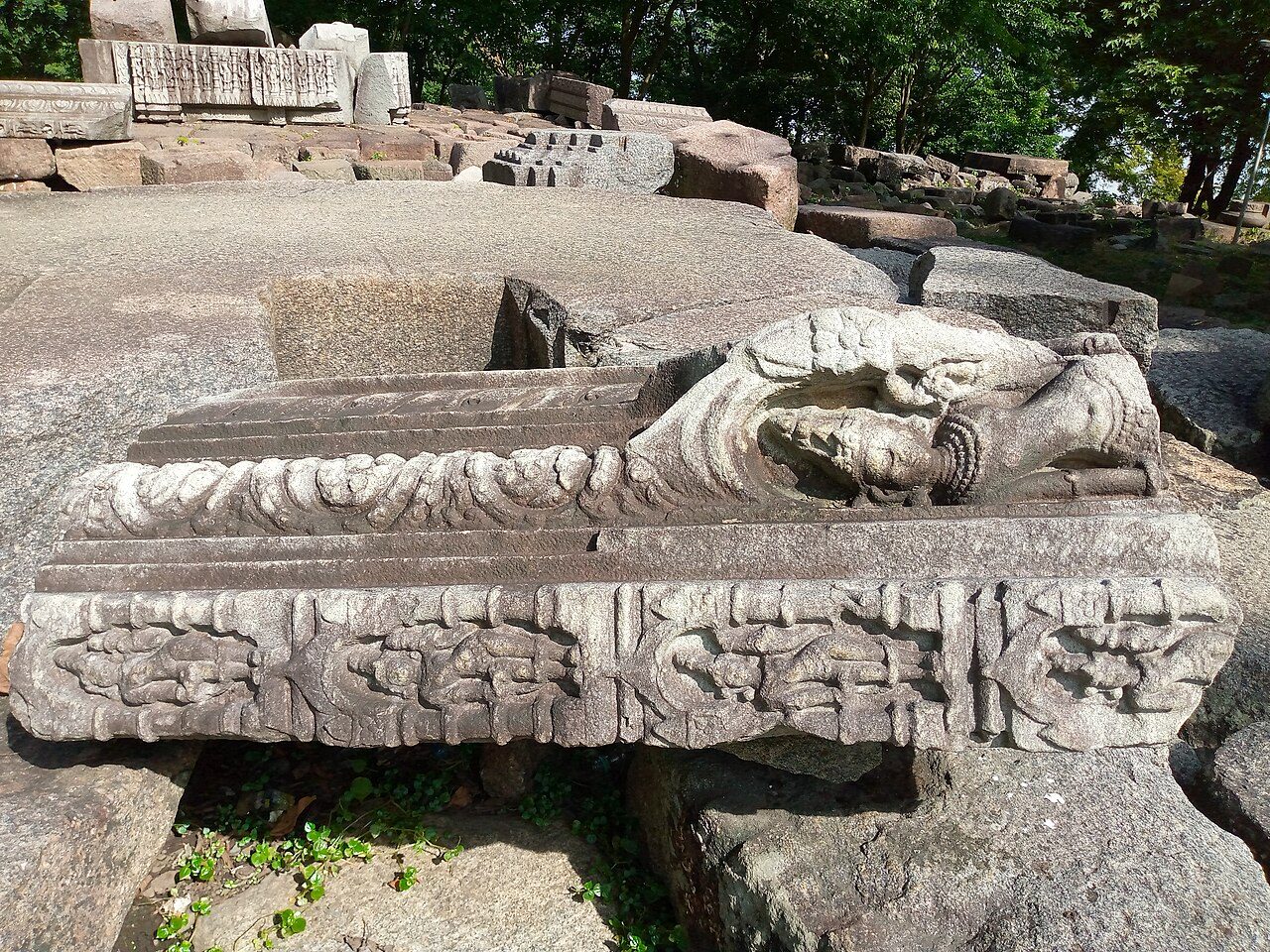
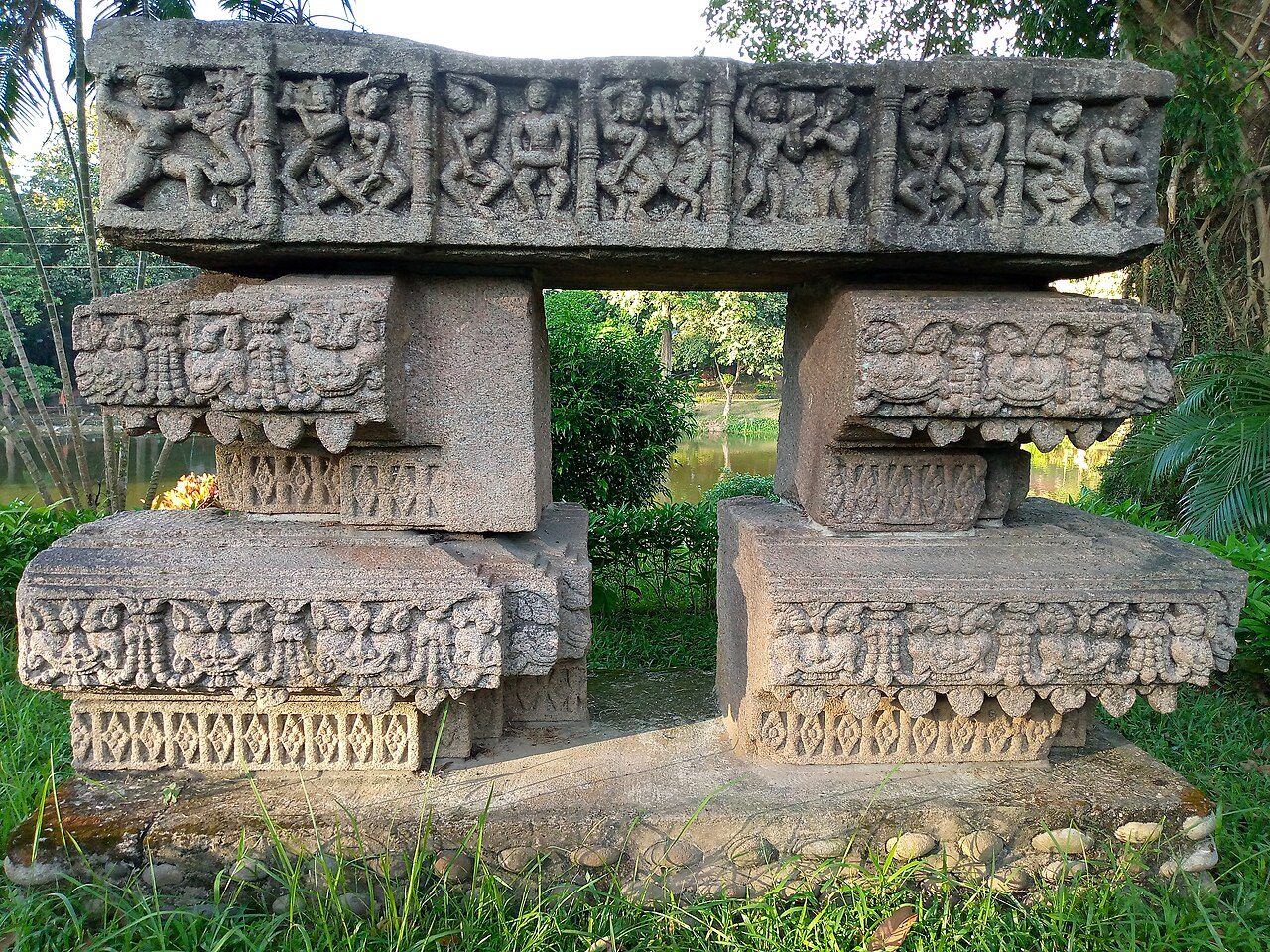
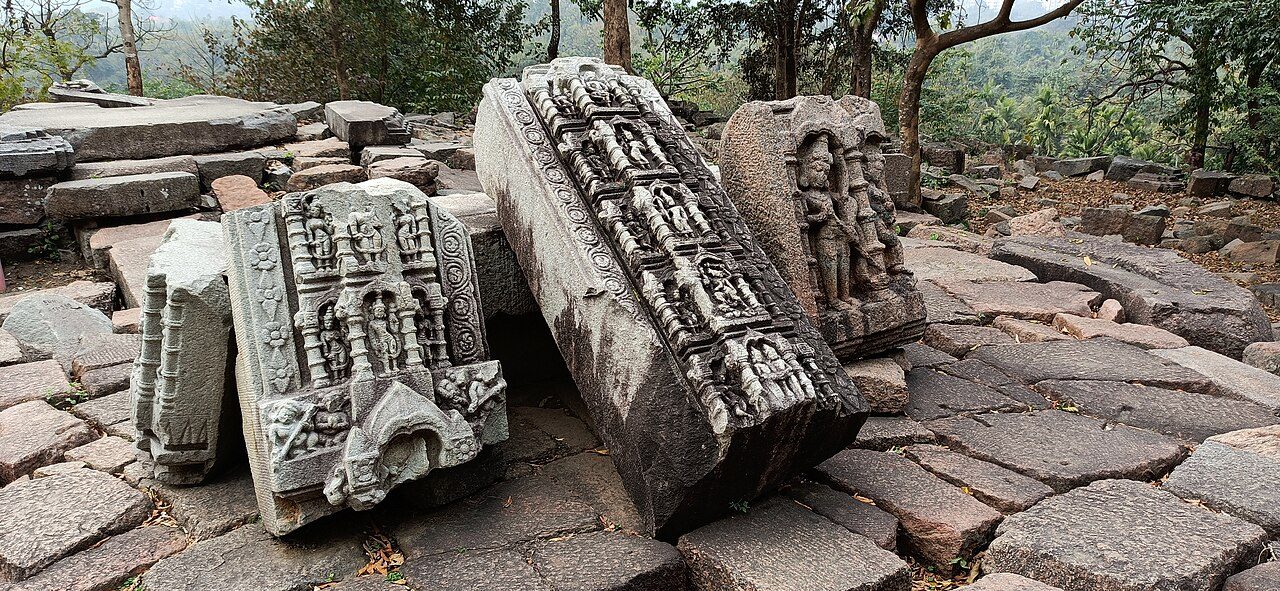
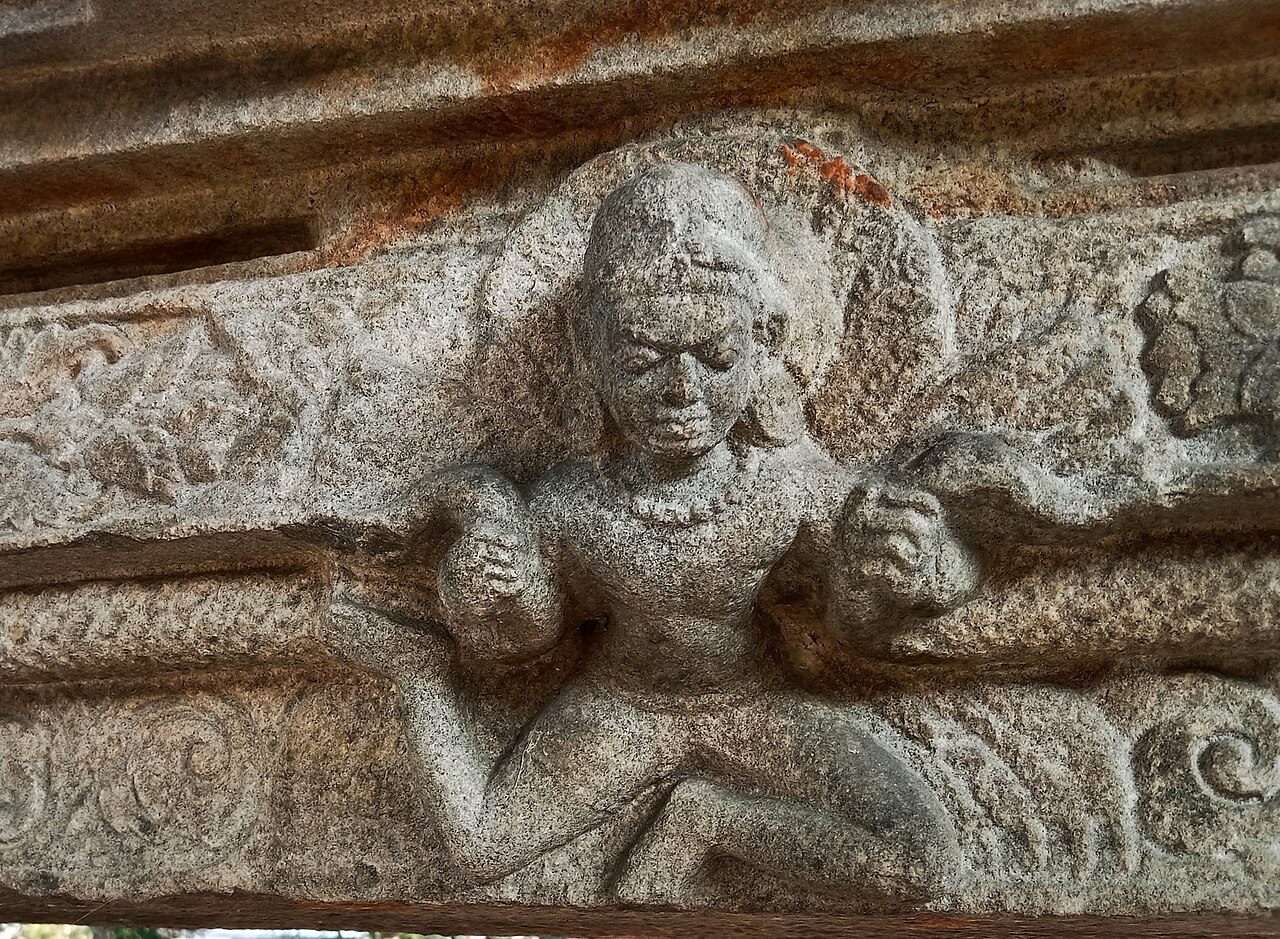
Bamuni Hills in Tezpur hold the scattered ruins of a group of stone temples dated to about the 9th and 10th centuries. Carved door frames, lintels with the ten avatars of Vishnu, and decorated blocks lie on a low hill beside the Brahmaputra. The site is small and quiet, and shows the skill of early medieval Assamese stone carvers.
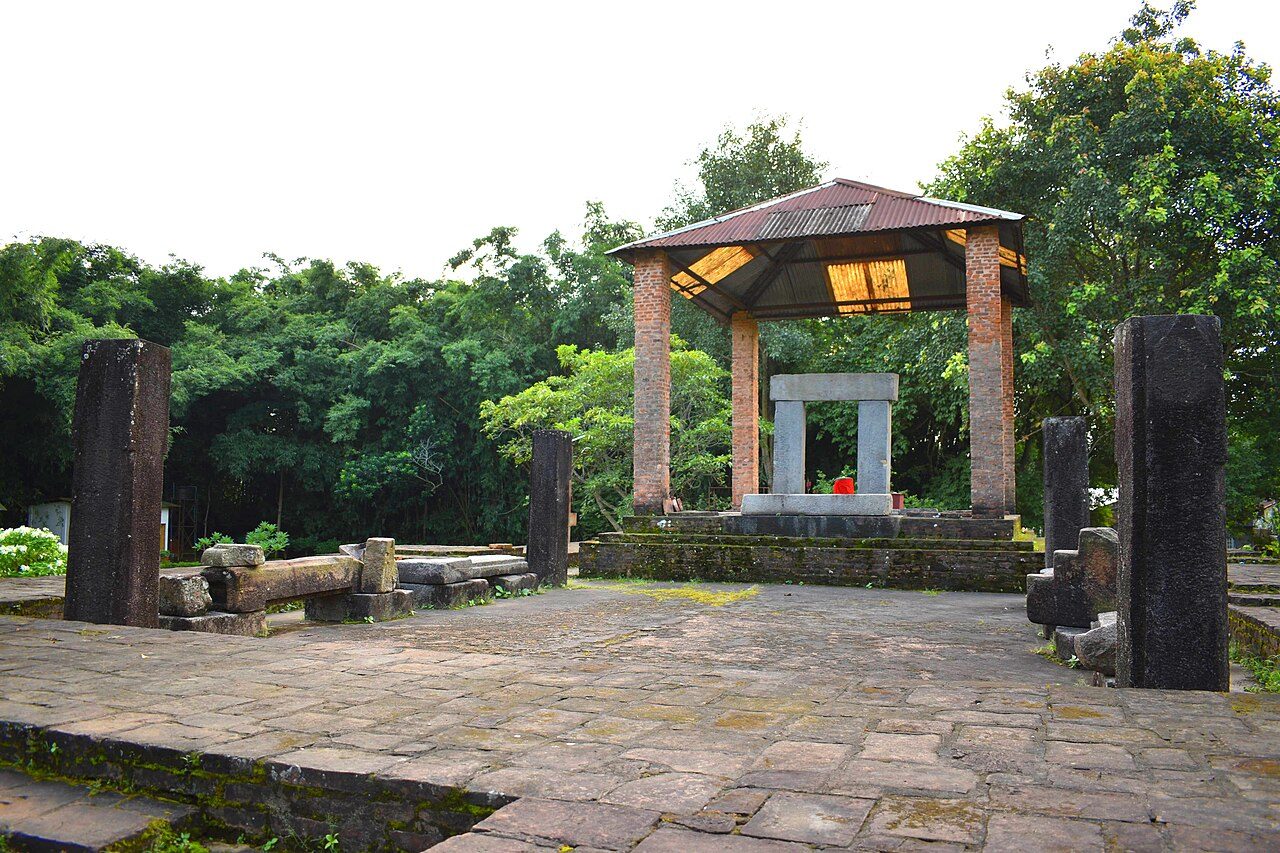
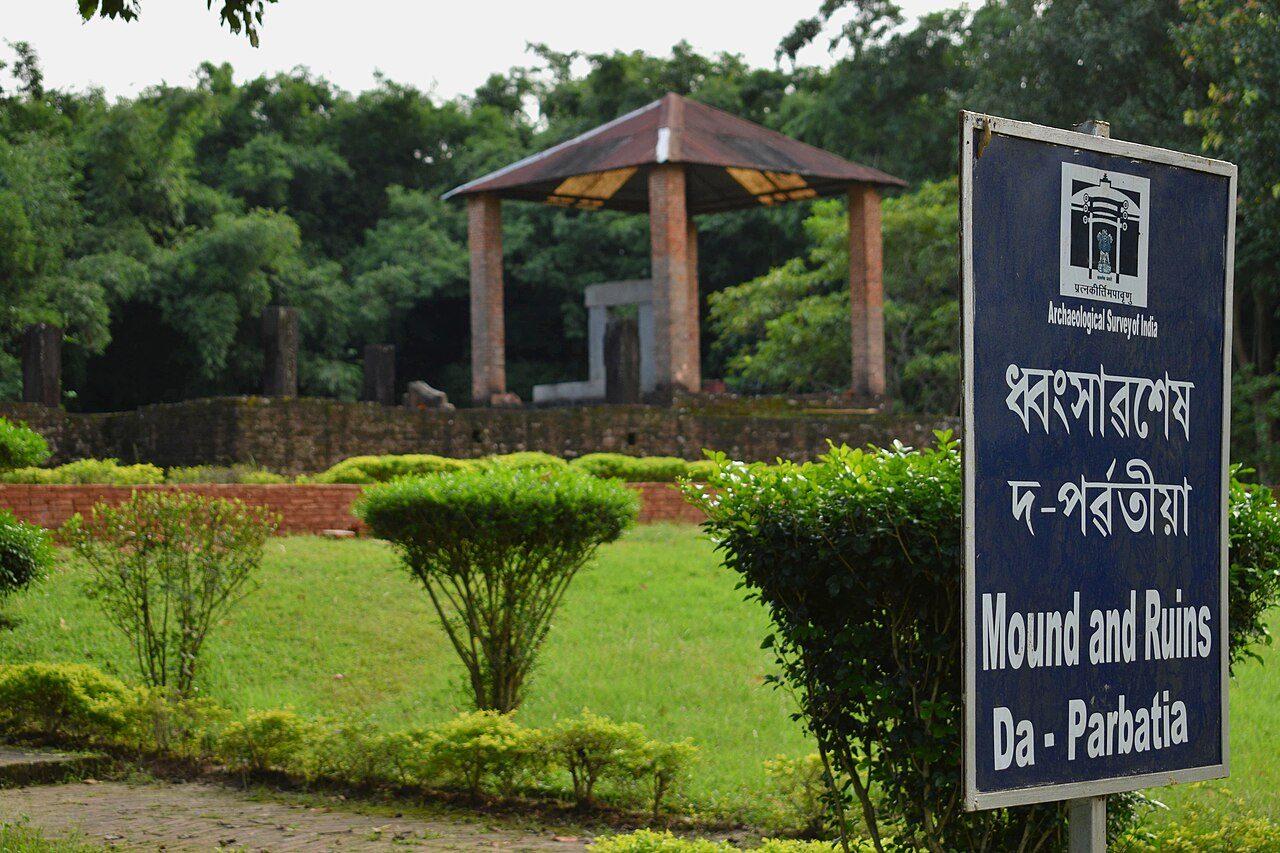
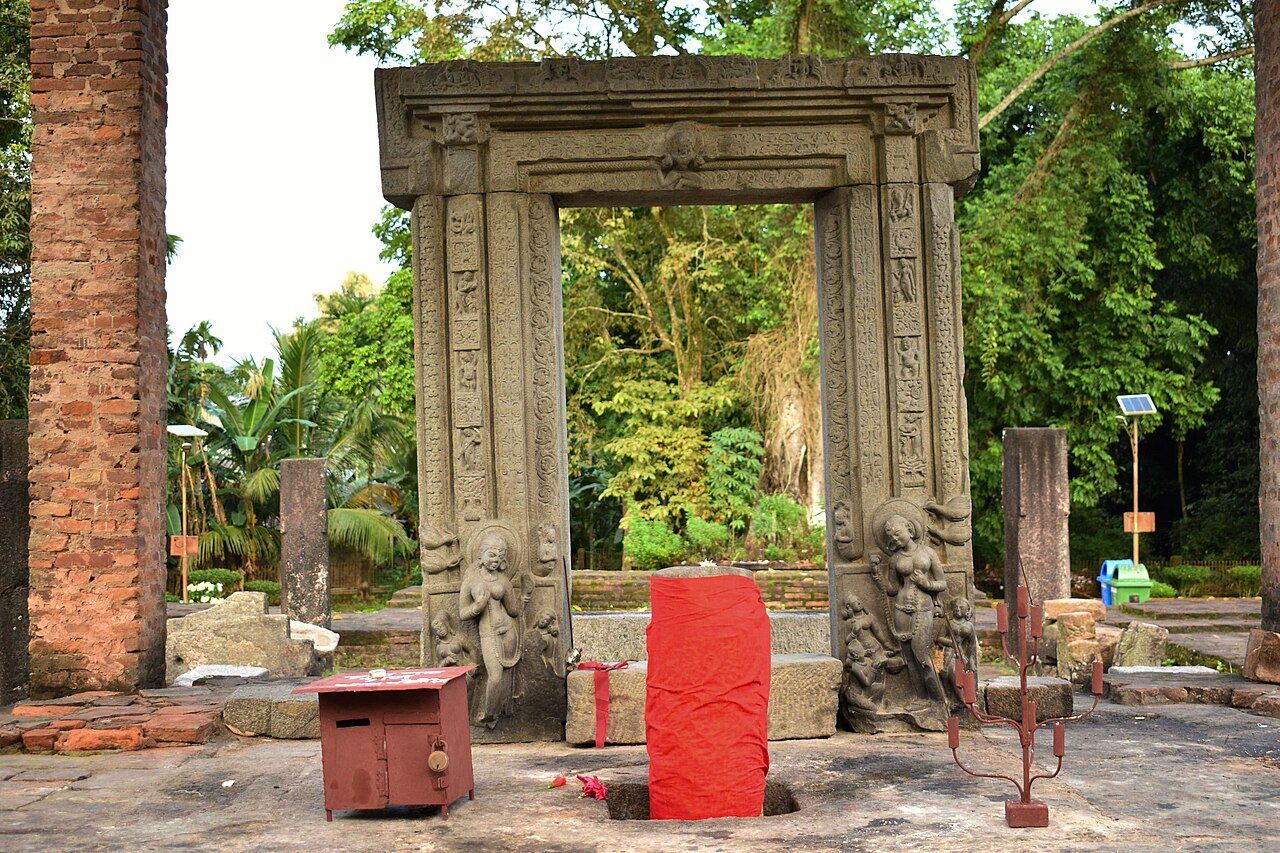
Da Parbatia, just west of Tezpur, preserves the stone door frame of a 5th to 6th century temple, one of the oldest and finest pieces of sculpture in Assam. The jambs carry elegant figures of the river goddesses Ganga and Yamuna in Gupta style. The frame stands in a small garden among the brick remains of a later Ahom-period Shiva temple.
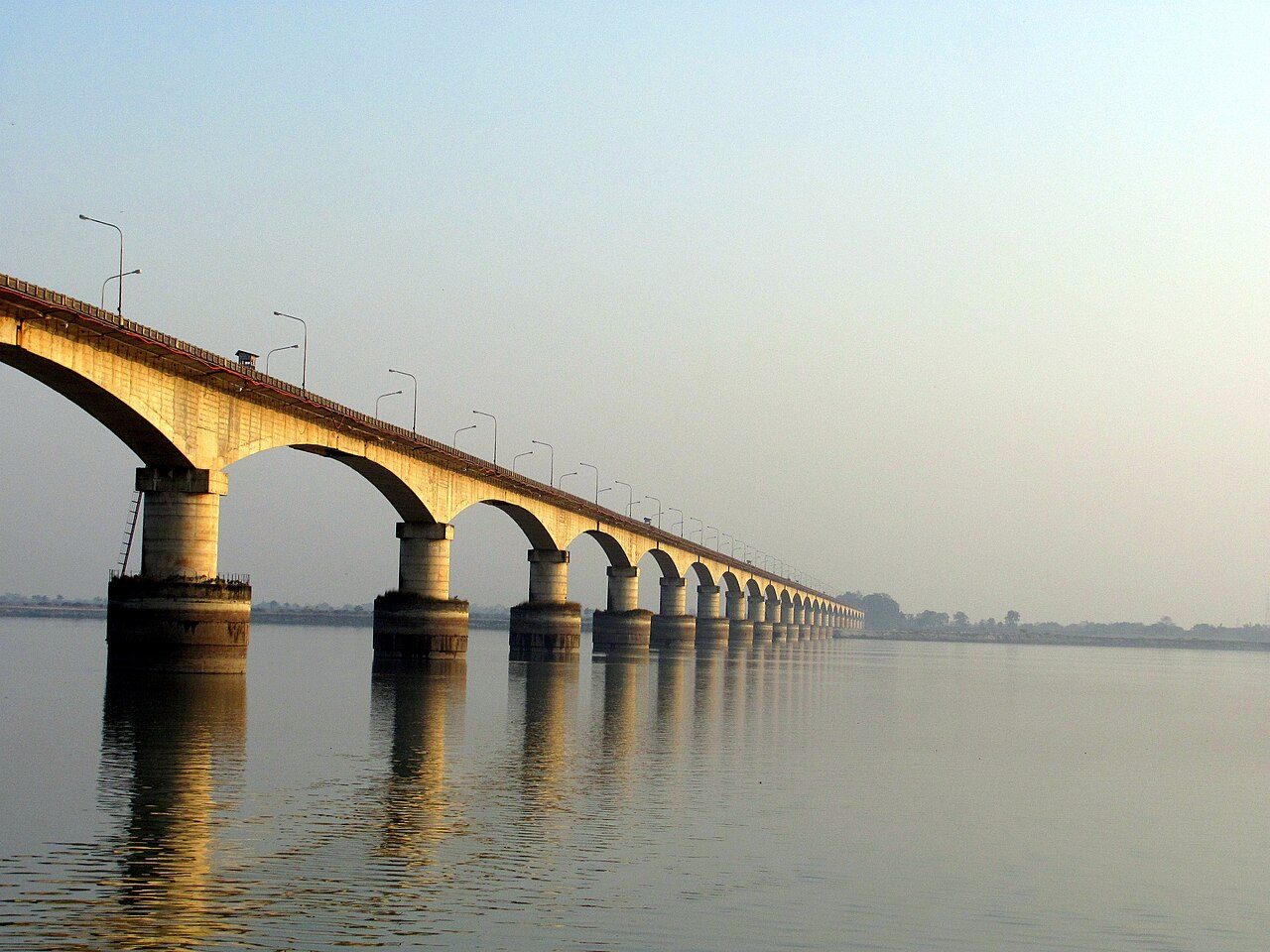
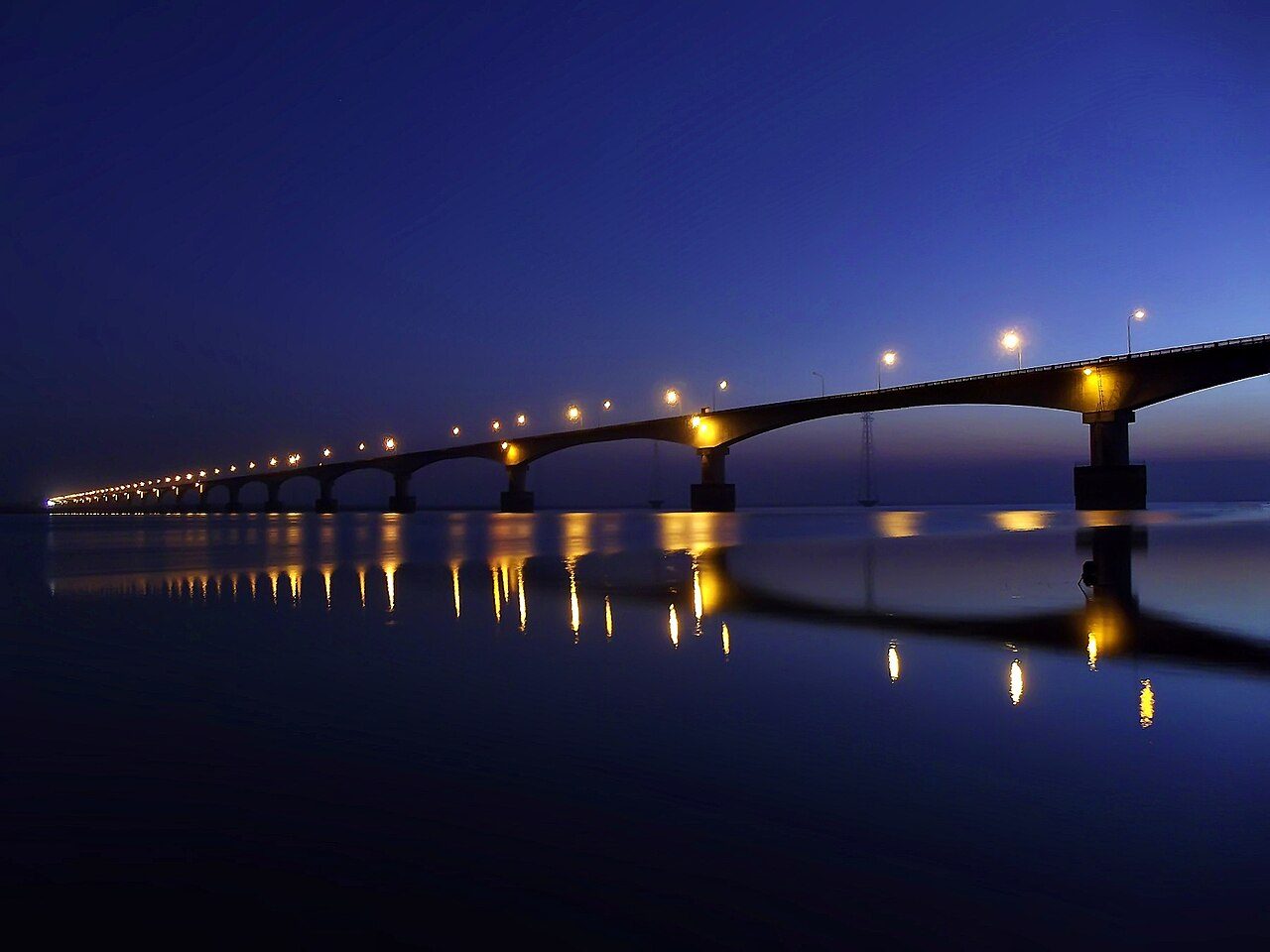
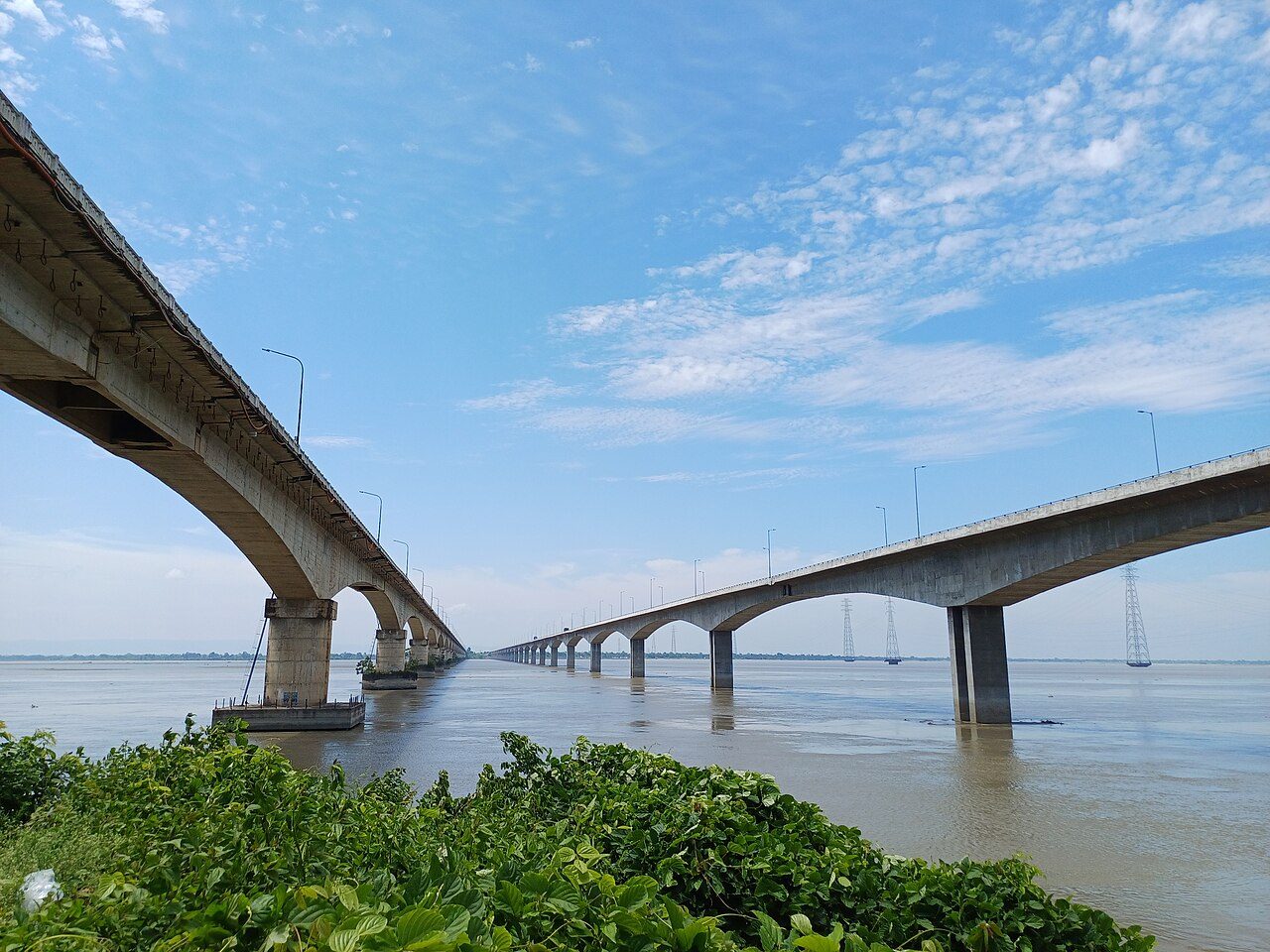
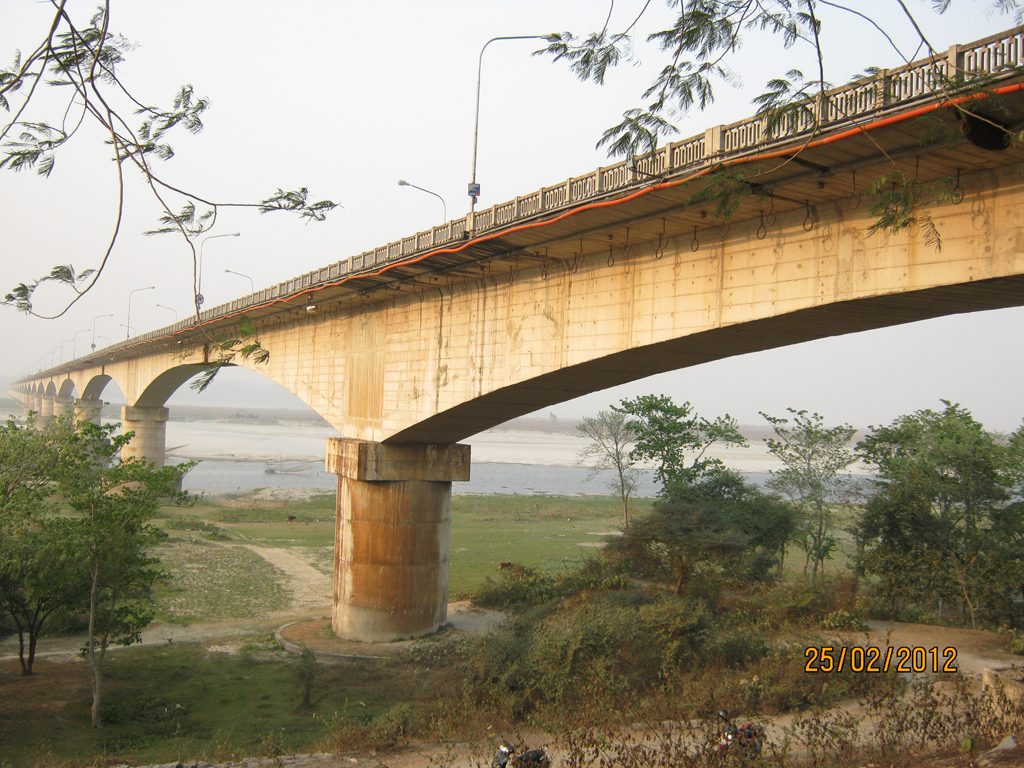
Kolia Bhomora Setu spans the Brahmaputra between Tezpur on the north bank and Kaliabor on the south. Opened in 1987 and about three kilometres long, it is named after an Ahom general who once planned to bridge the river here. A second parallel bridge has since been added. The riverbank near the Tezpur end is a popular evening spot.
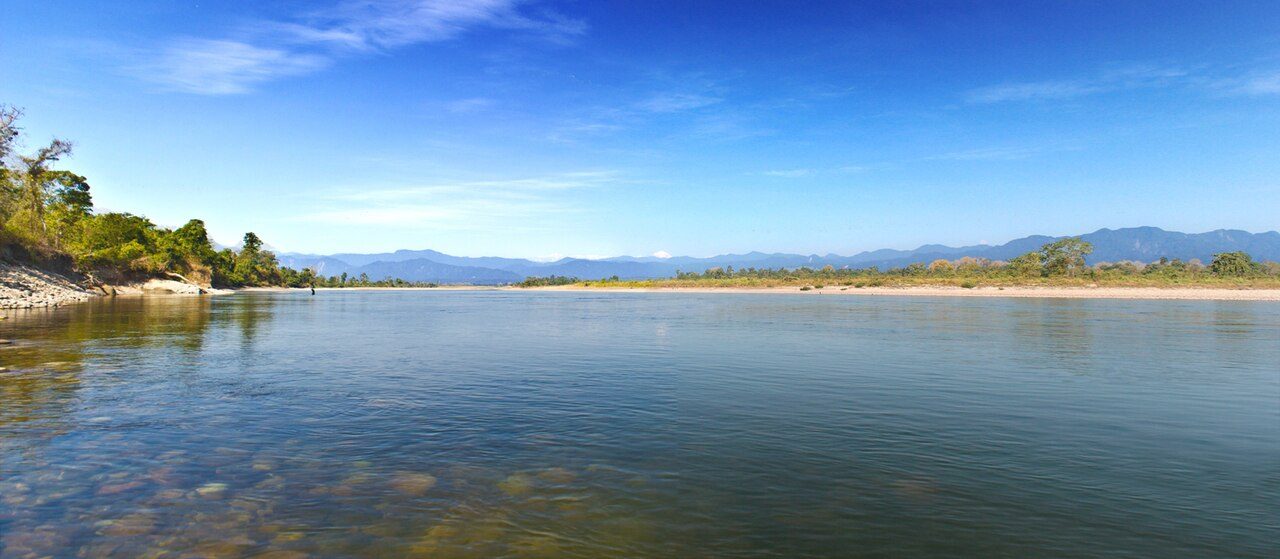
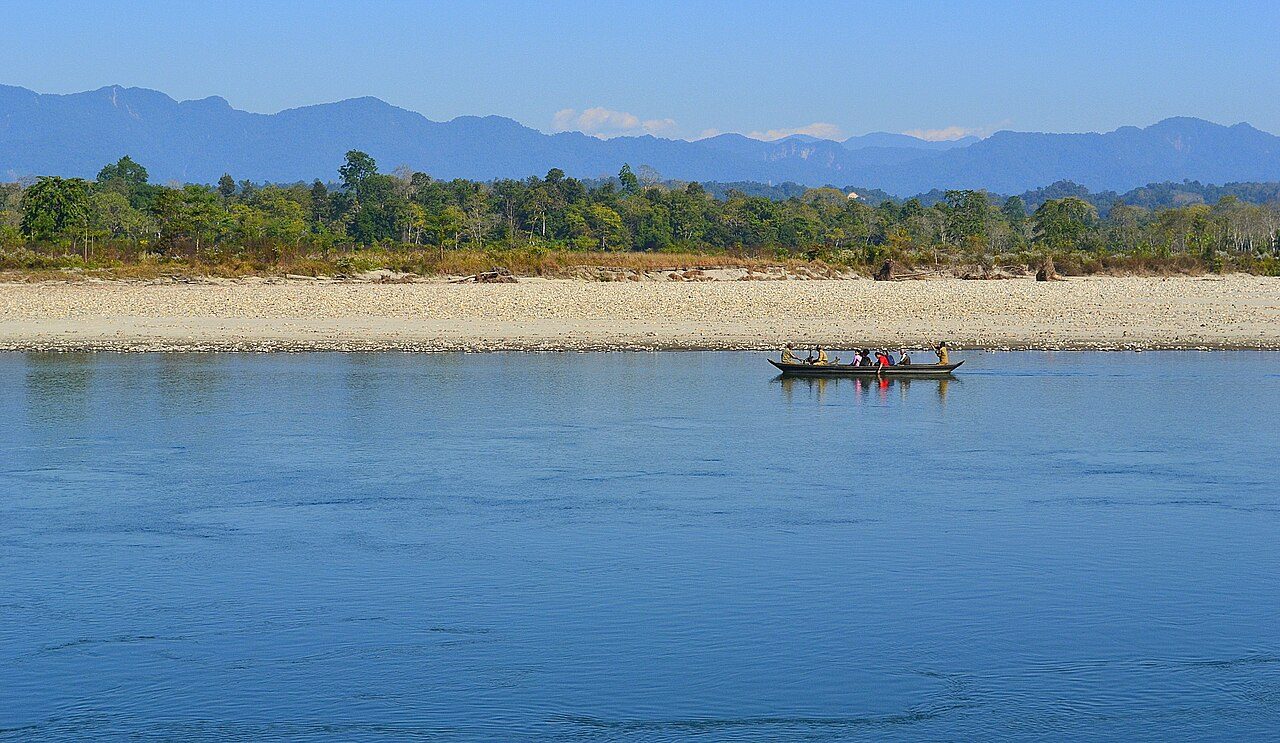
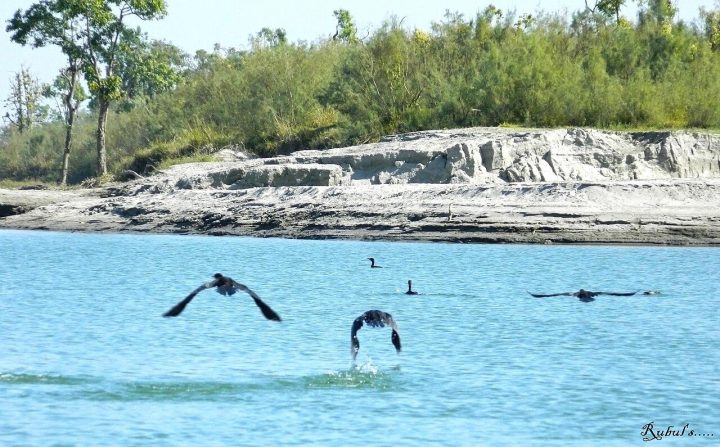
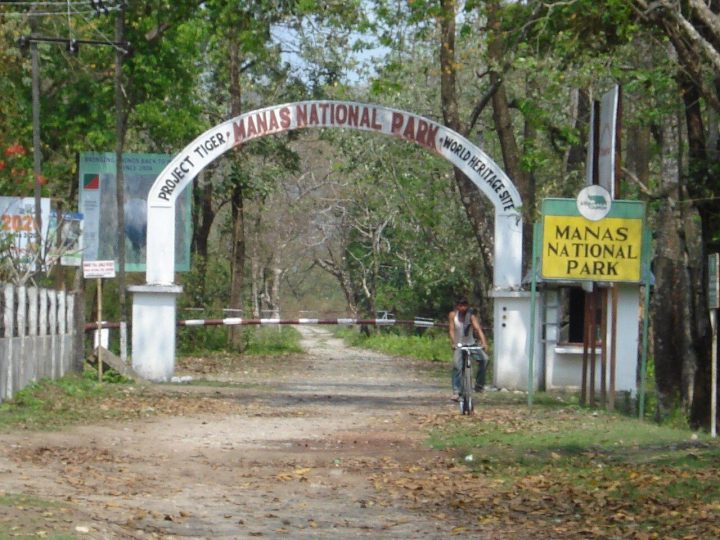
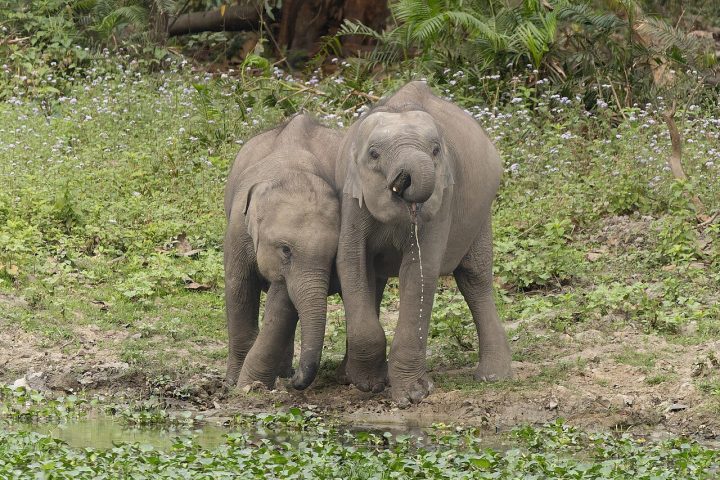
Nameri National Park sits in the foothills of the eastern Himalaya in Sonitpur district, along the Jia Bhoreli river. Unlike most Indian parks it is explored on foot with a forest guard and by rafting on the river. Birdwatchers come for the rare white-winged wood duck, hornbills and ibisbill, and elephants are often seen.
 WaTrips