Kamakhya Temple, Umananda island, the State Museum and Kalakshetra, then Hajo, Madan Kamdev and Sualkuchi's silk looms.
Guwahati is the gateway to the Northeast, on the banks of the Brahmaputra. Day one visits the Kamakhya Temple on Nilachal Hill, one of the most important Shakti Peethas, takes a boat to Umananda temple on its river island, and covers the Assam State Museum and the Sankaradeva Kalakshetra. Day two goes to Hajo, sacred to Hindus, Buddhists and Muslims, the carved ruins of Madan Kamdev, and Sualkuchi, where Assam's famous muga and pat silk is woven. October to April is best; the Ambubachi Mela at Kamakhya in June draws huge crowds.
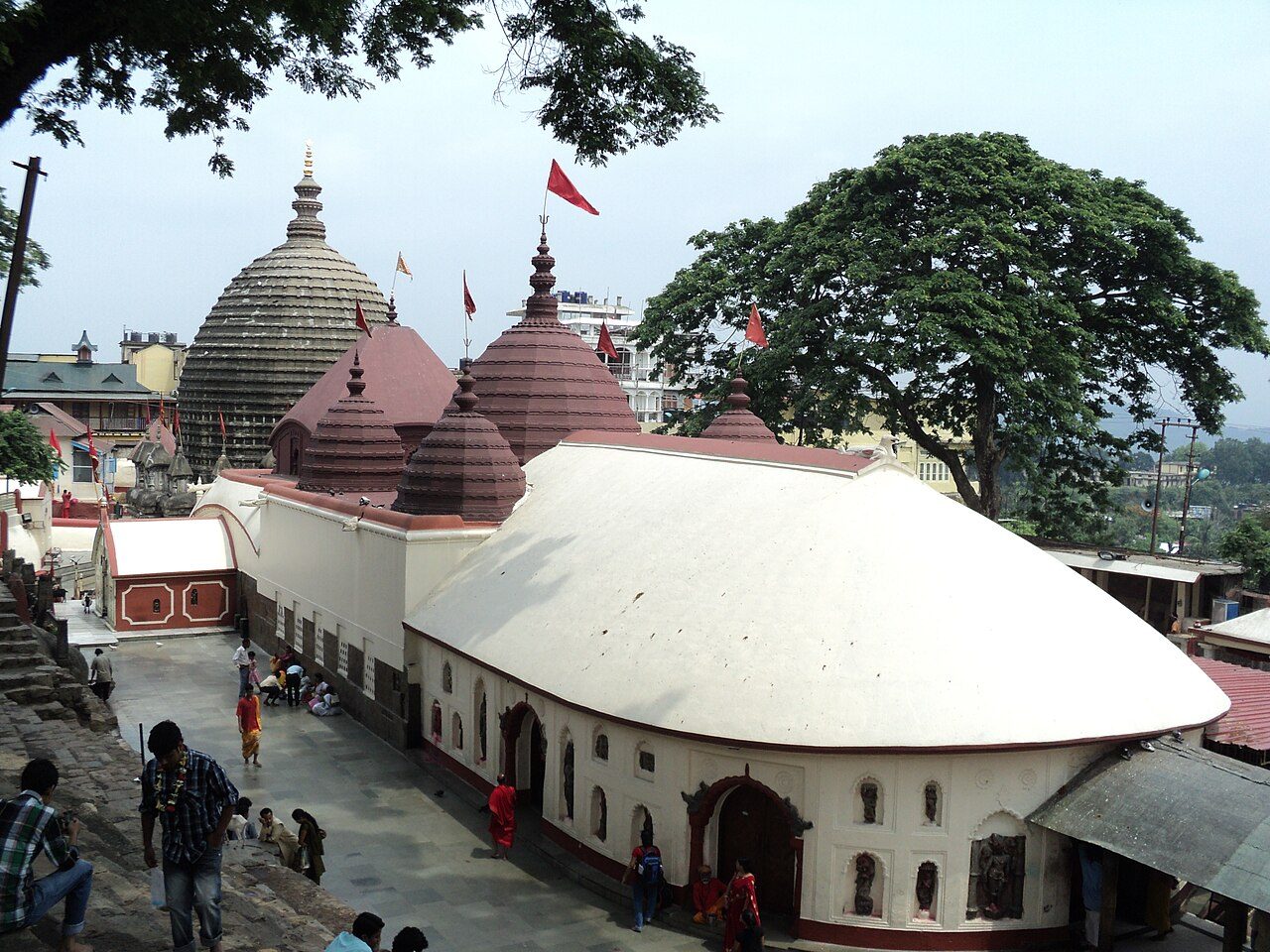
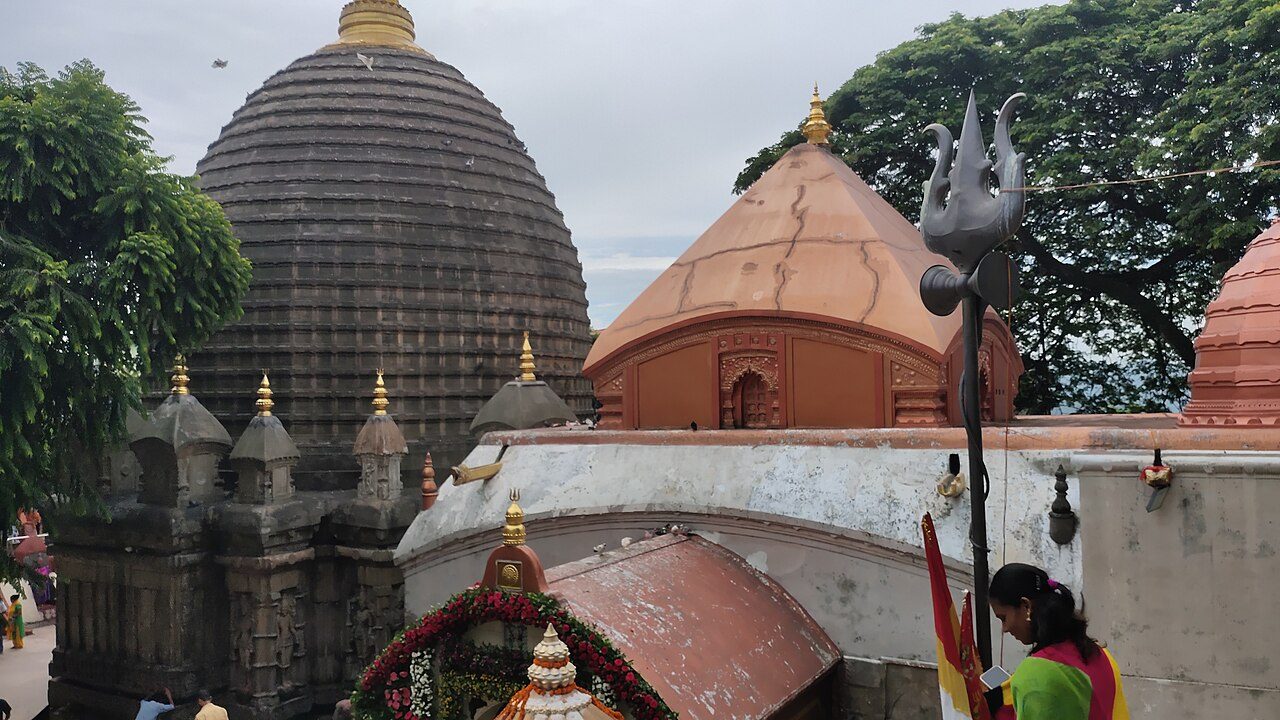
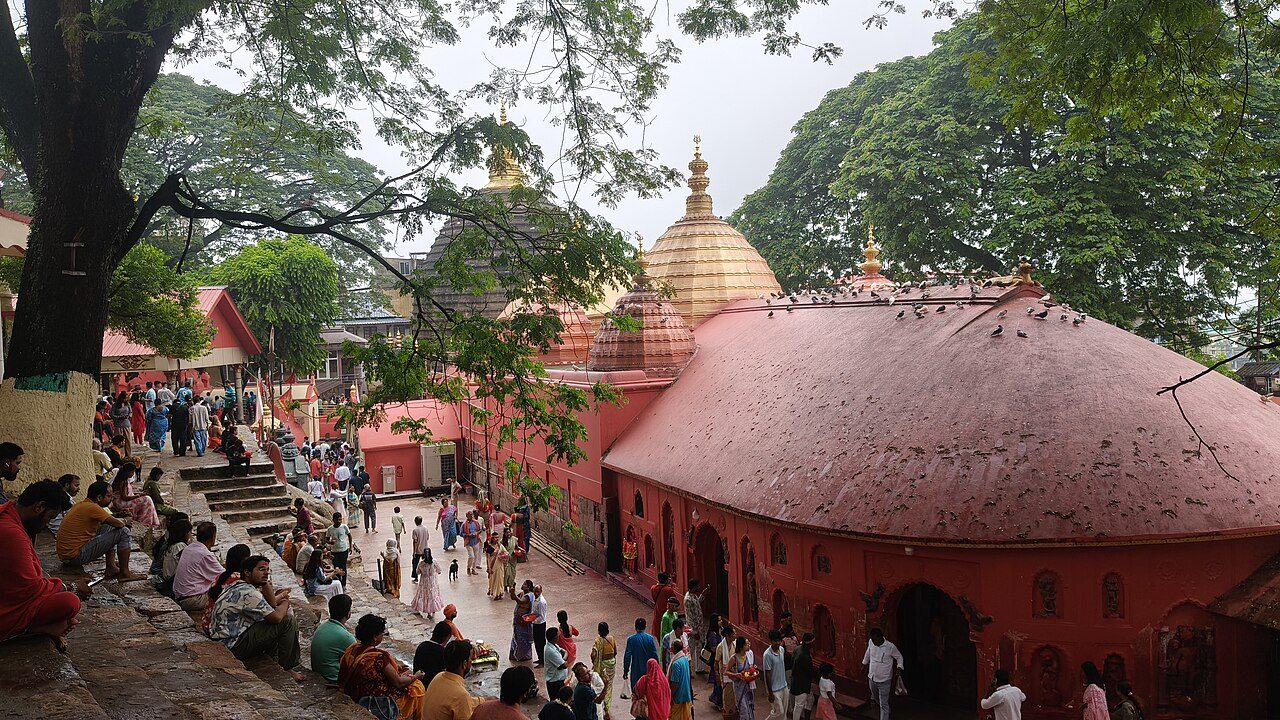
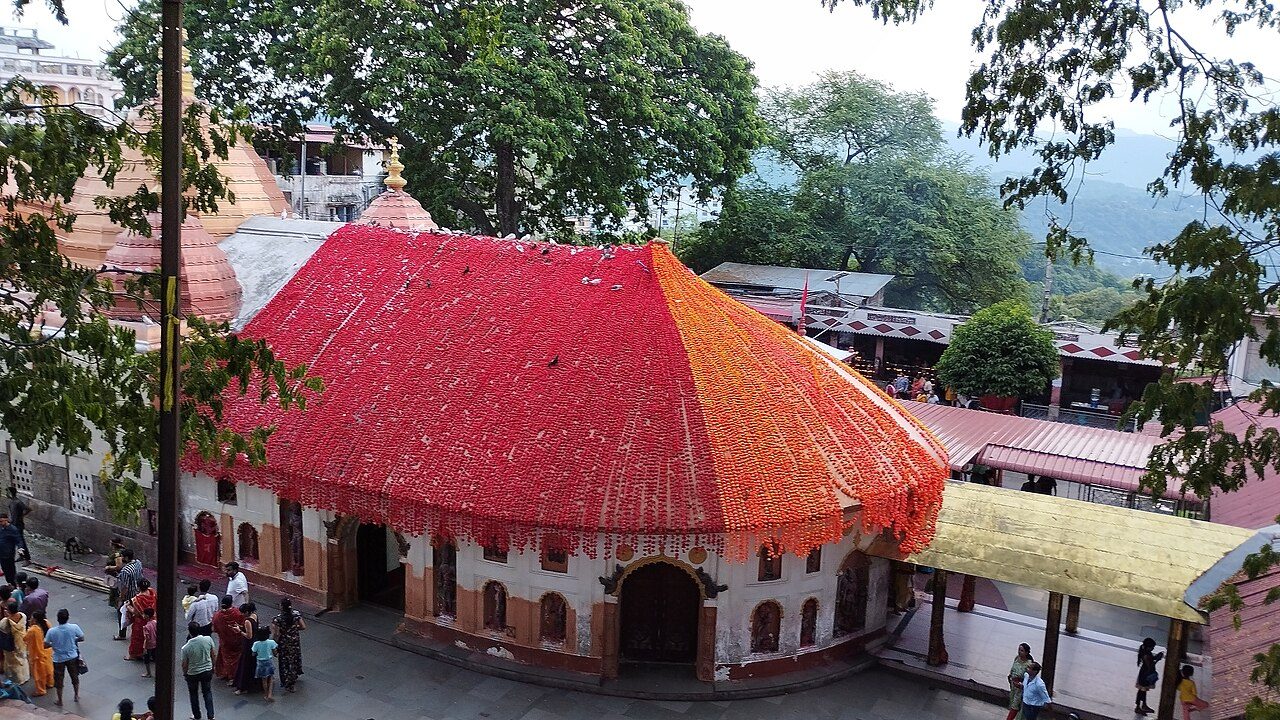
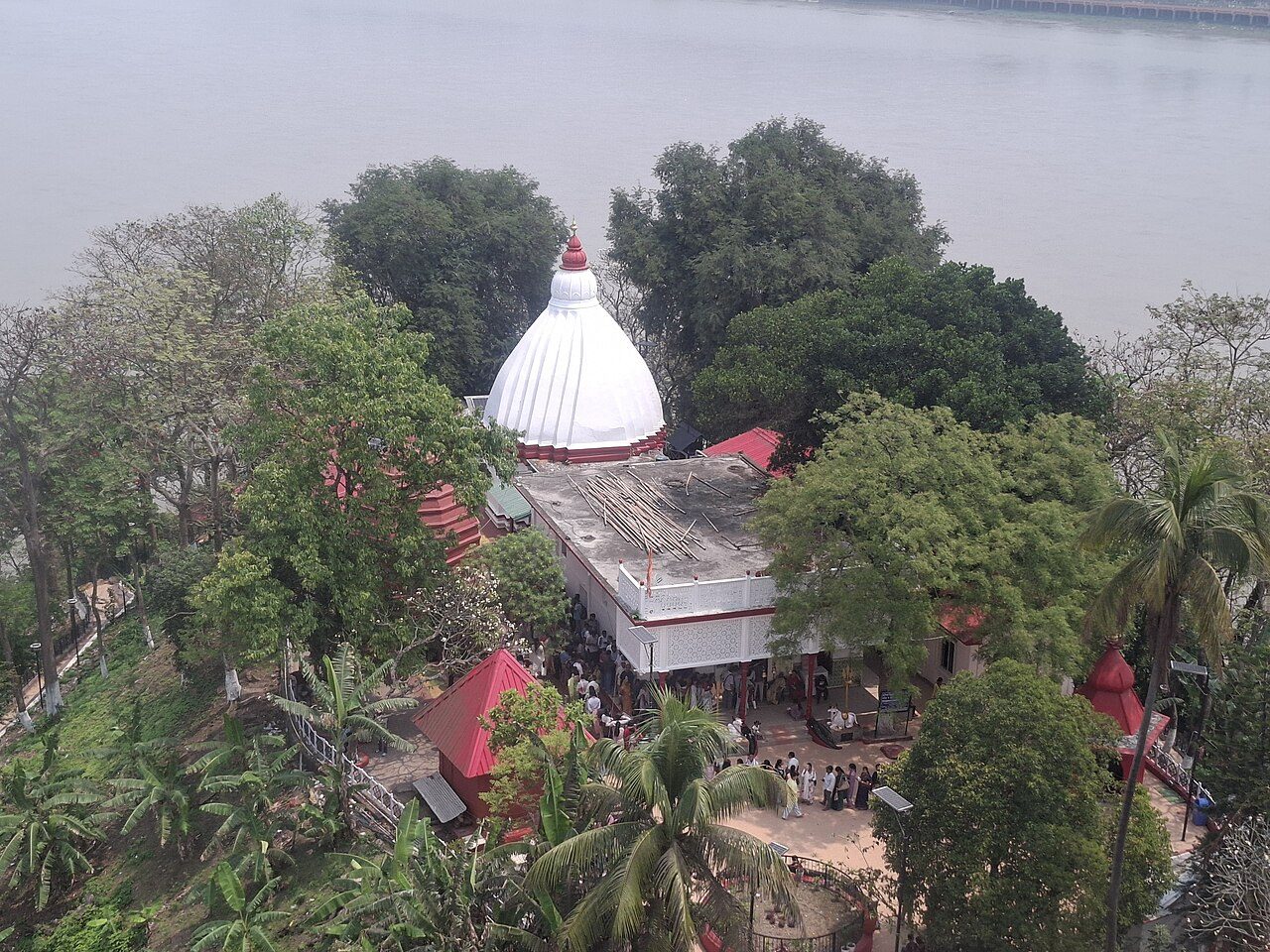
Kamakhya Temple crowns Nilachal Hill above Guwahati and is among the most revered Shakti Peethas in India. The present beehive-domed shrine was rebuilt in the 16th century under the Koch kings. There is no idol inside; devotees descend to a natural rock cleft fed by a spring. The Ambubachi Mela each June draws huge crowds, so plan for long queues then.
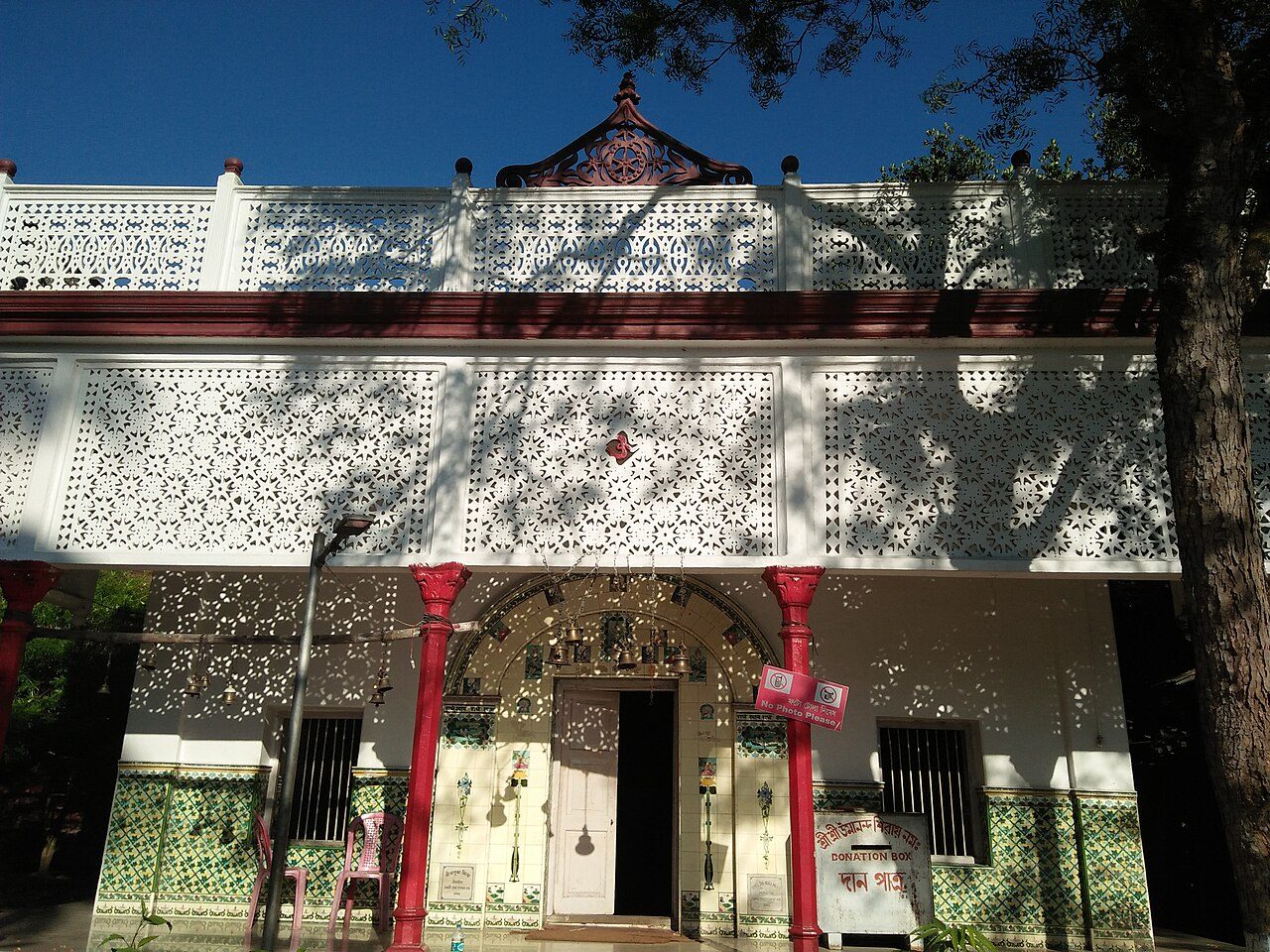
Umananda Temple sits on Peacock Island, a tiny rocky islet in the middle of the Brahmaputra opposite Guwahati. The Shiva shrine was built in 1694 under Ahom king Gadadhar Singha and rebuilt after the 1897 earthquake. Ferries and boats cross from the Guwahati riverbank, and the island's trees shelter a small colony of rare golden langurs.
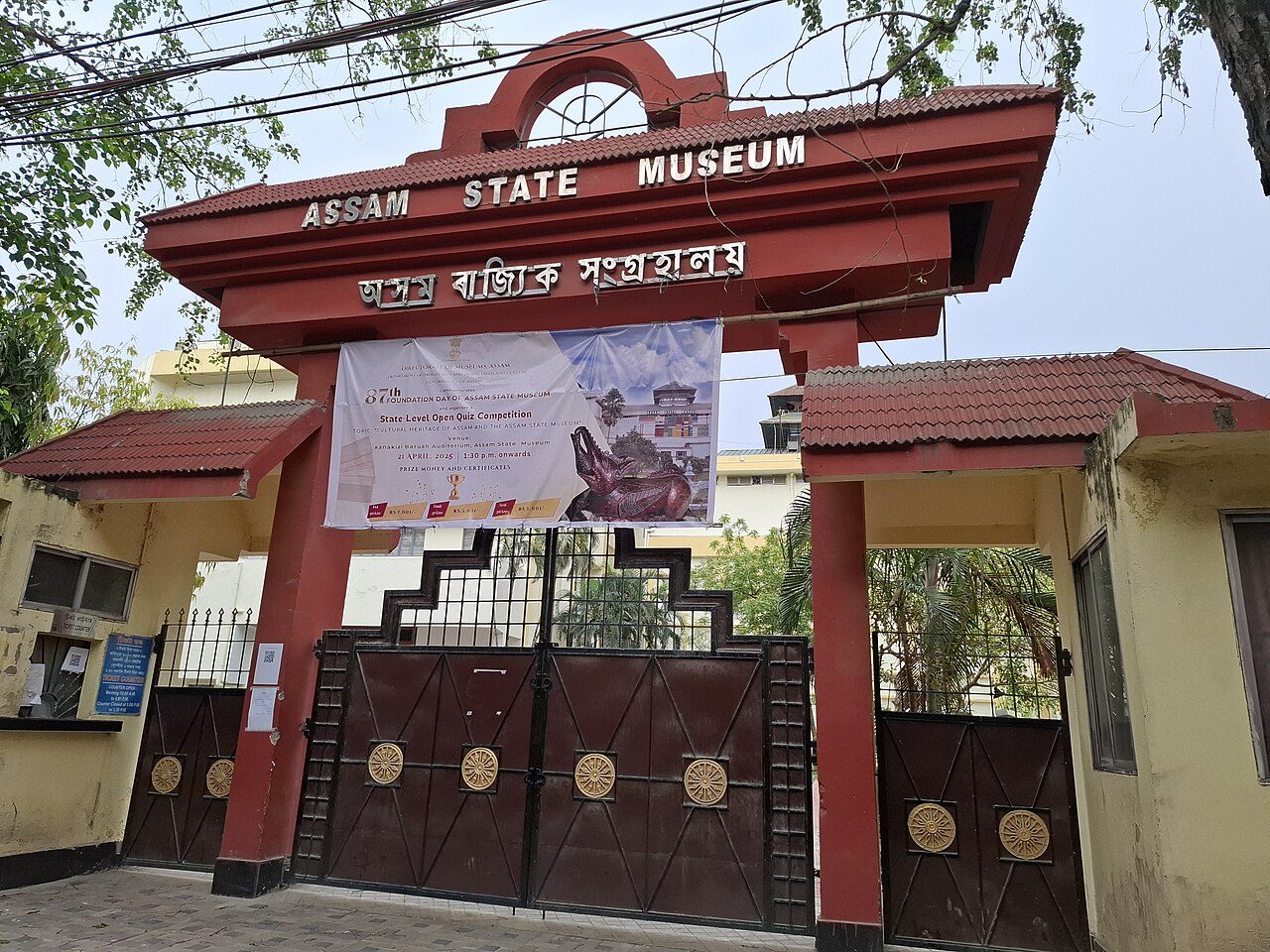
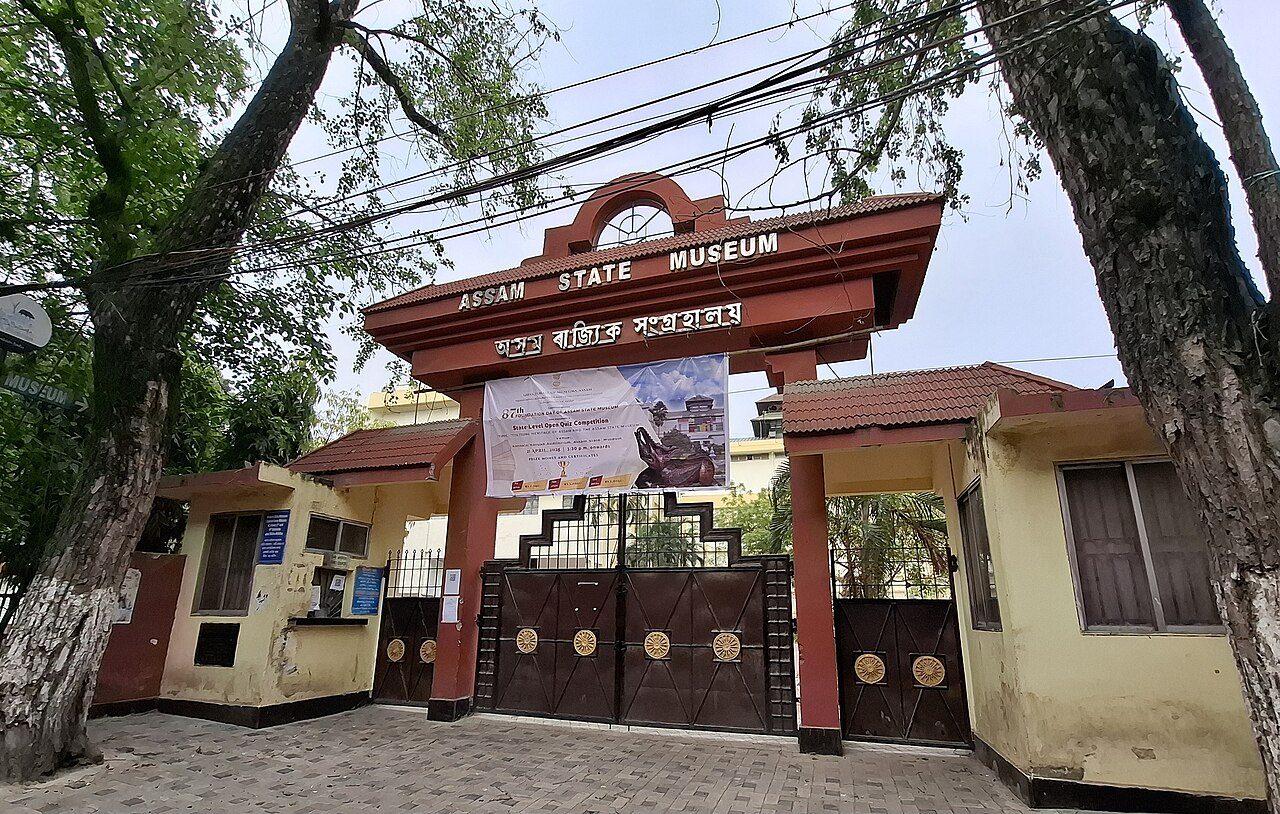
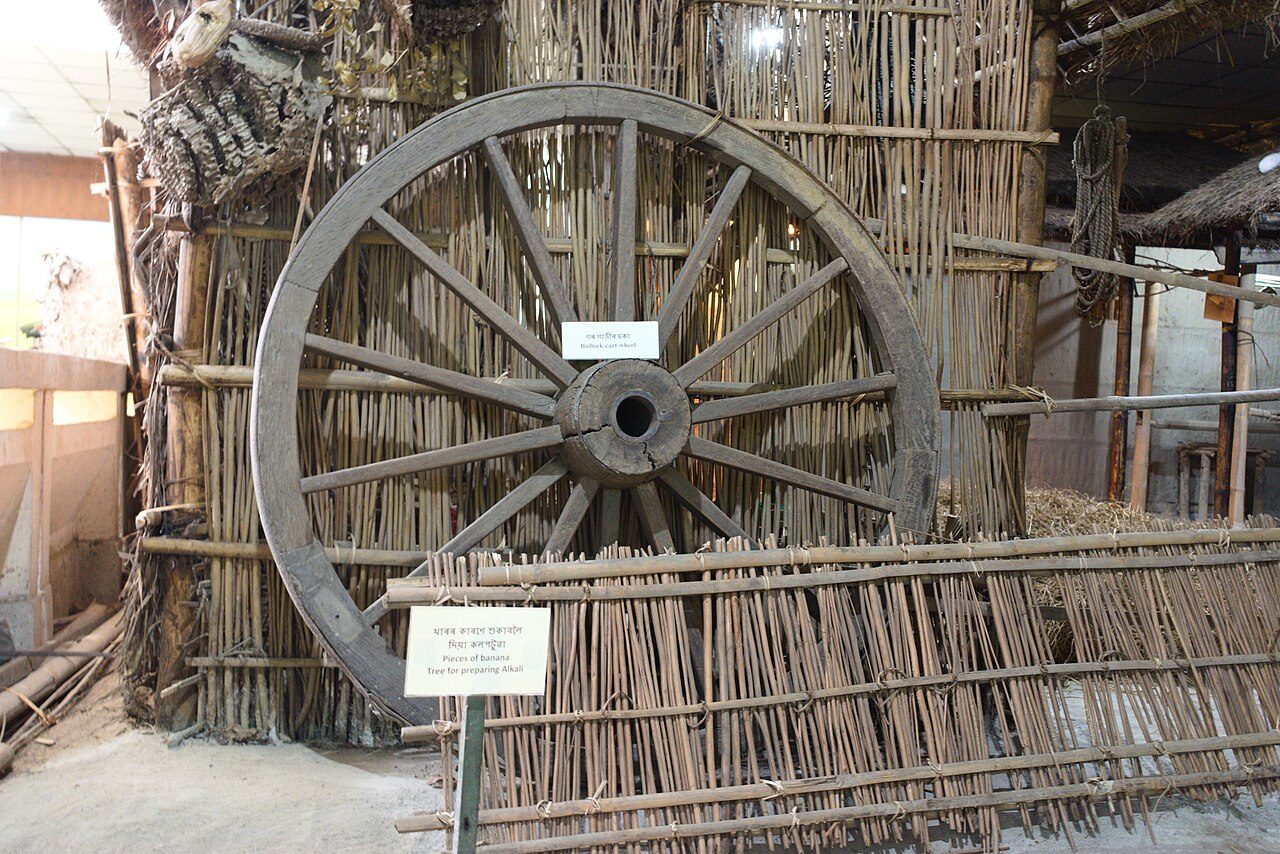
The Assam State Museum stands beside Dighalipukhuri in central Guwahati. Started by the Kamarupa Anusandhan Samiti and opened in 1940, it holds stone and bronze sculpture, inscriptions, coins, manuscripts, textiles and a recreated village section showing the life of Assam's many communities. It is a good first stop for understanding the region's long history.
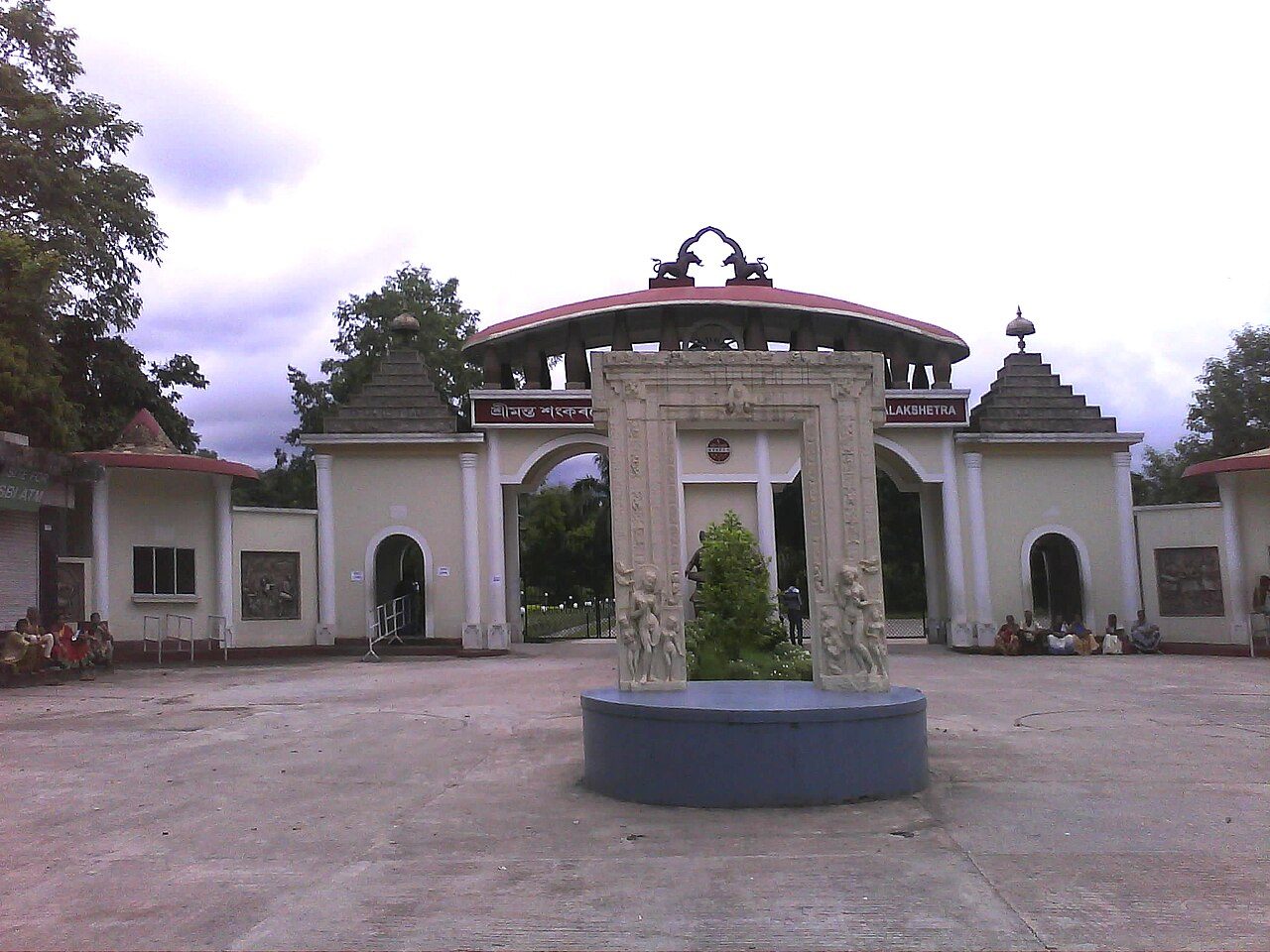
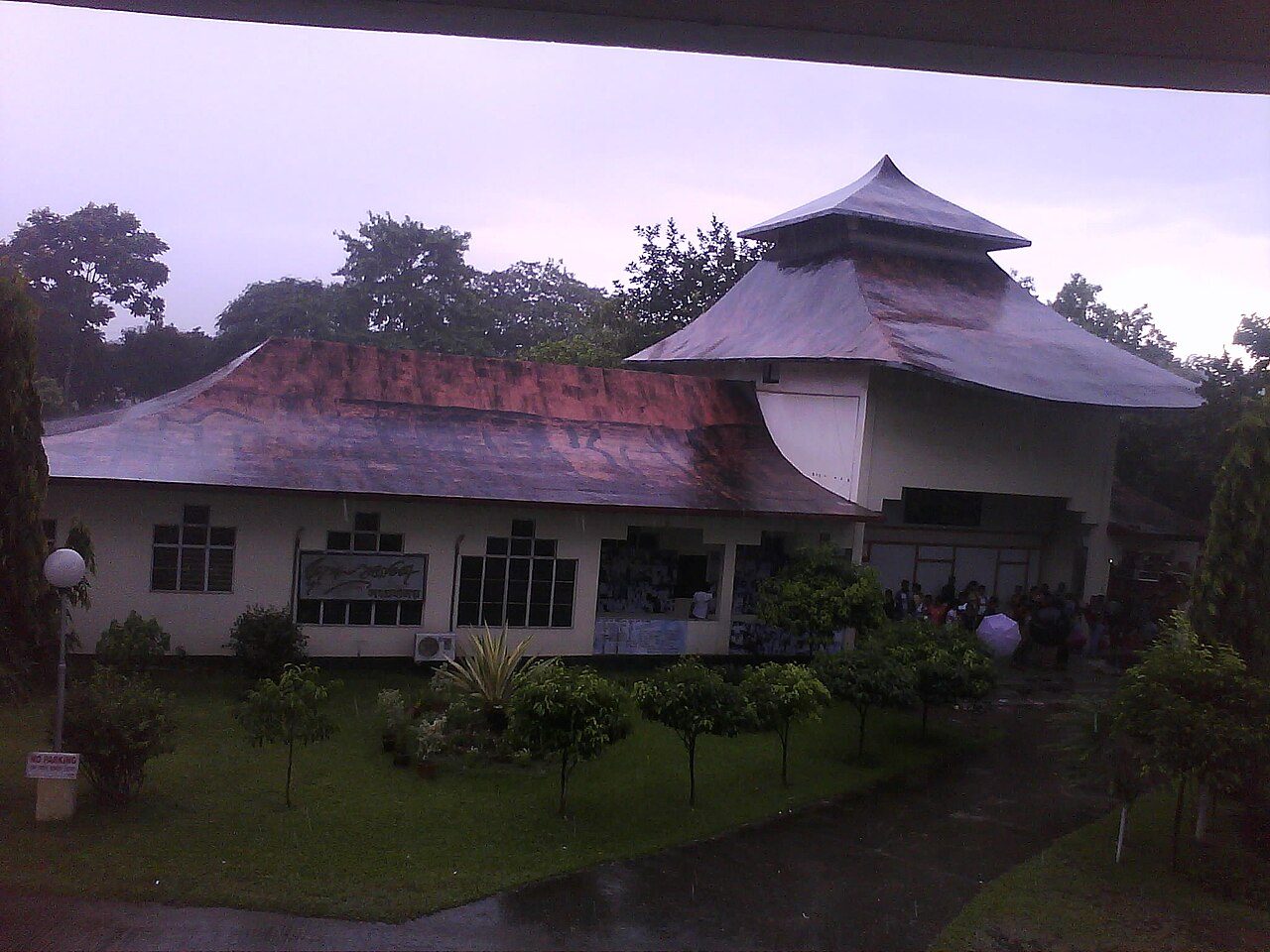
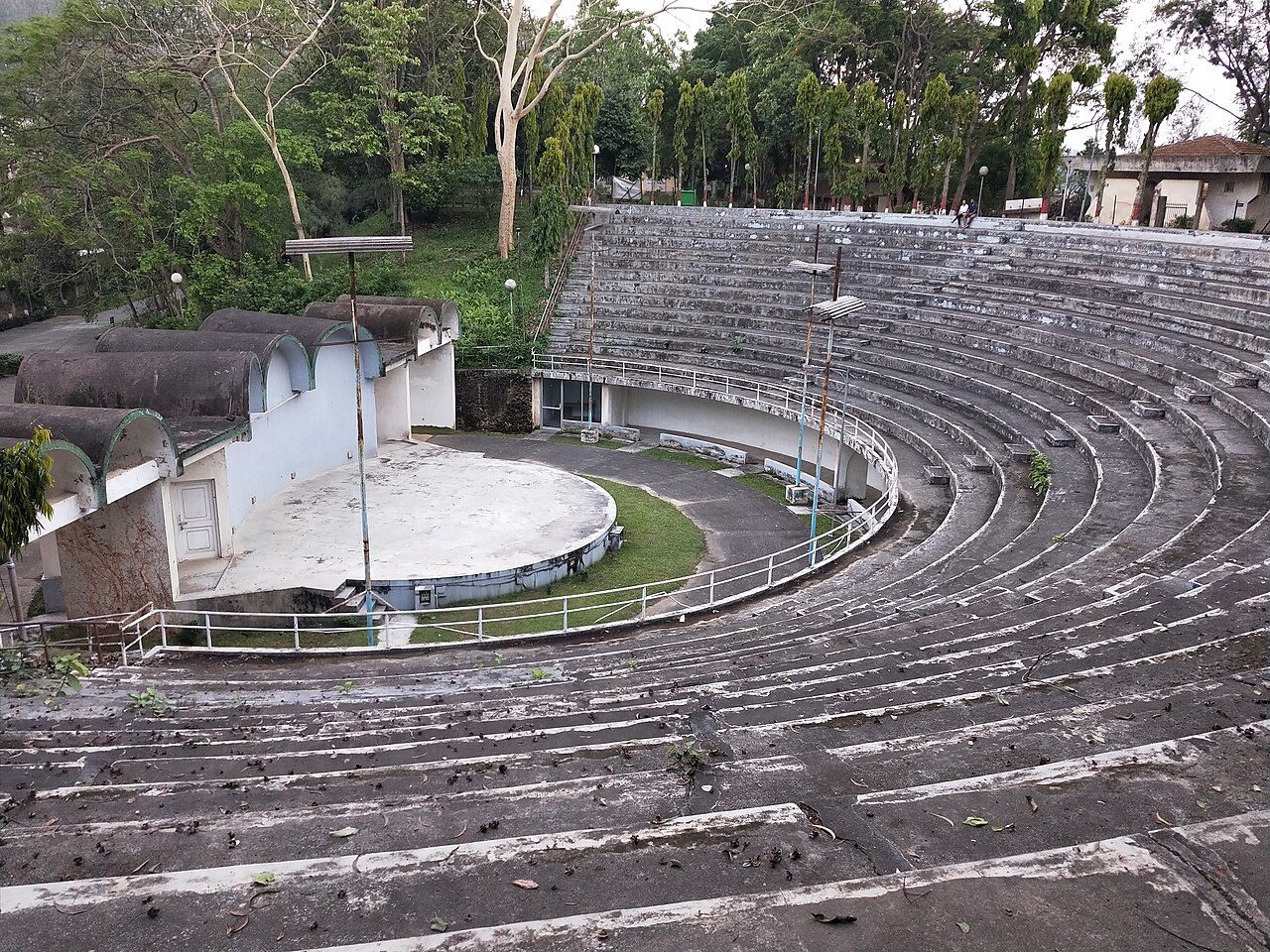
Srimanta Sankaradeva Kalakshetra is a large cultural complex in the Panjabari area of Guwahati, named after the 15th-century saint-reformer of Assam. Opened in 1998, it brings together a museum, an open-air theatre, an artists' village, a library and a Bhupen Hazarika museum, with regular performances of Assamese dance, drama and music.
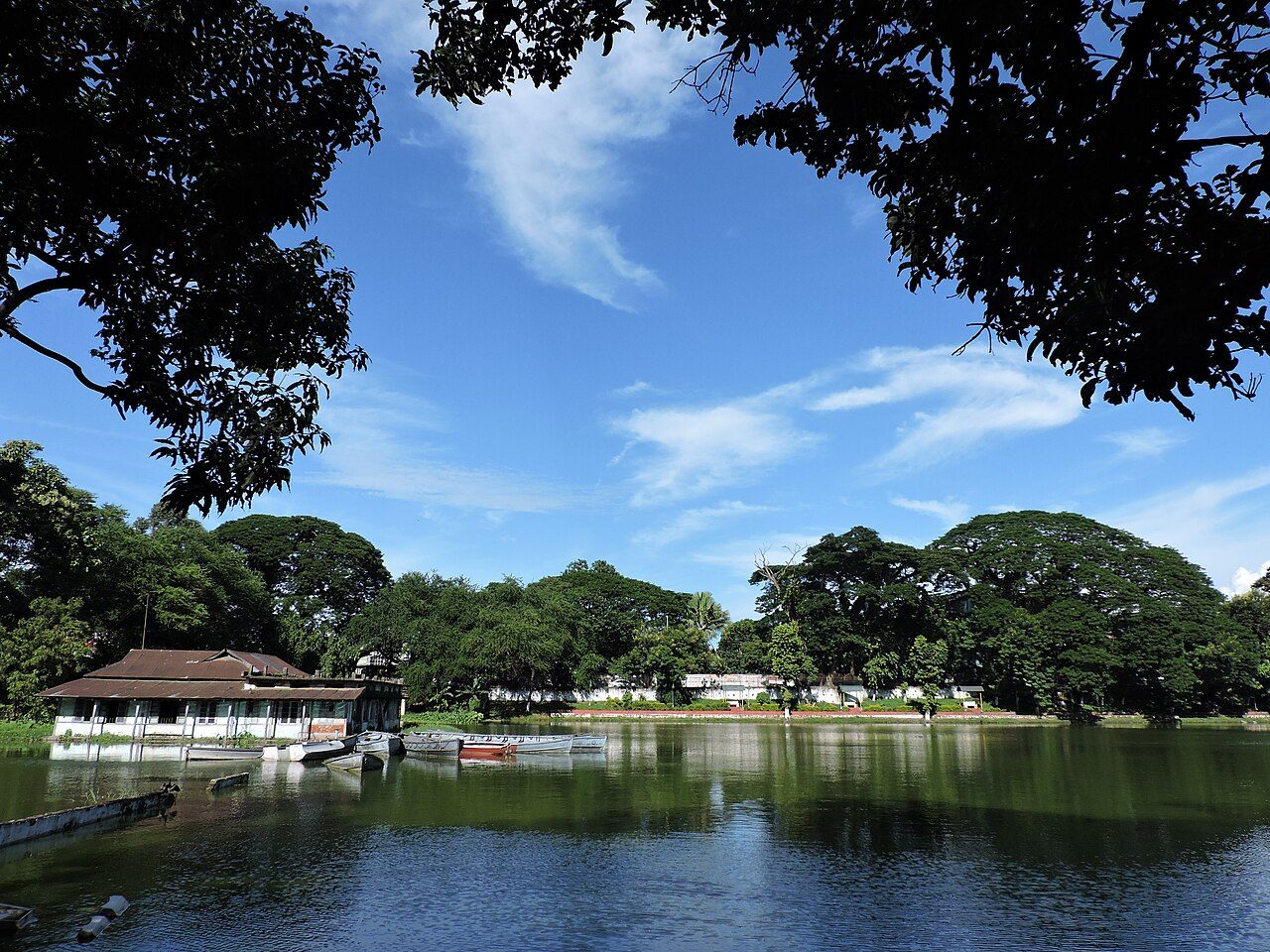
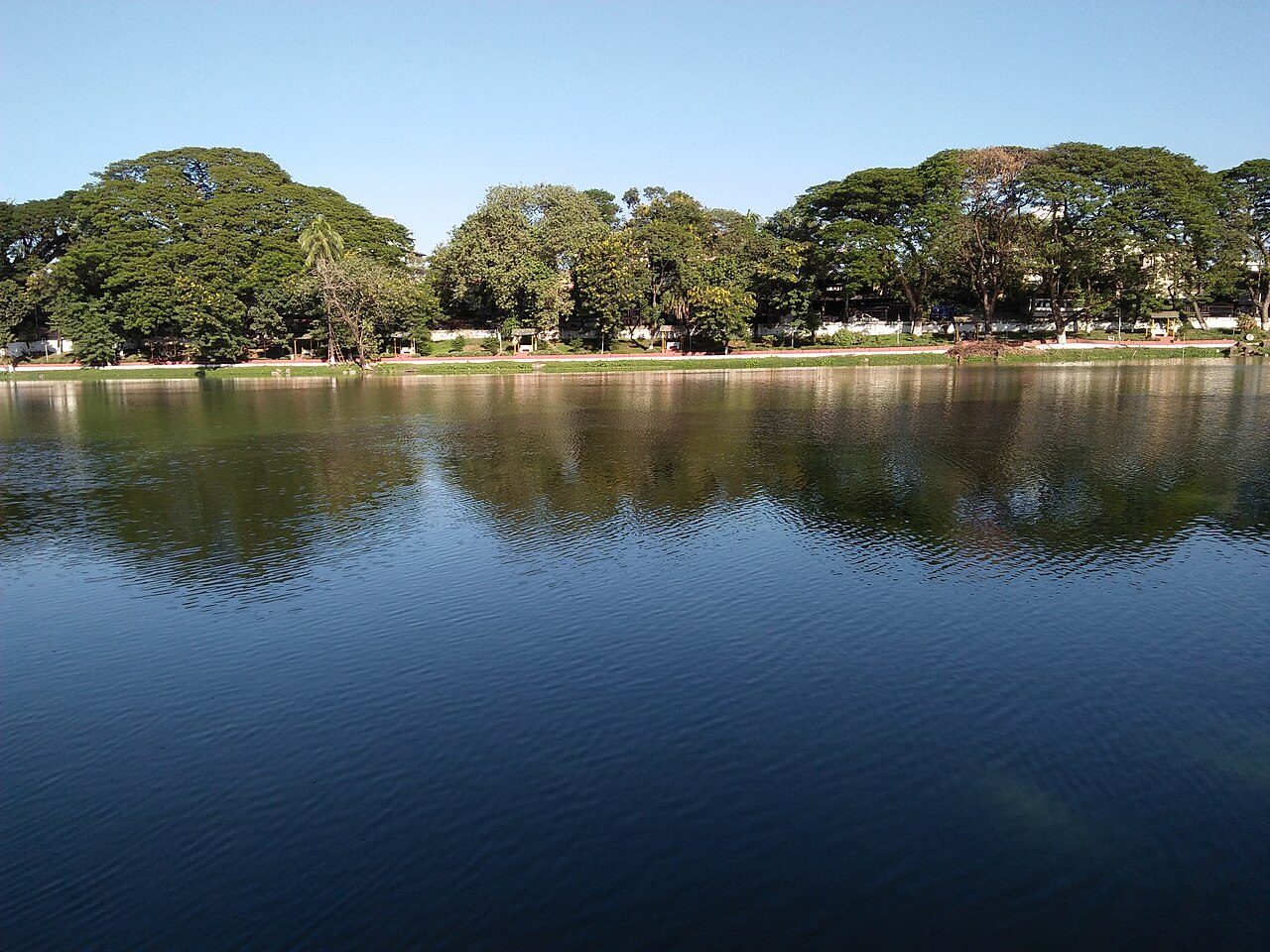
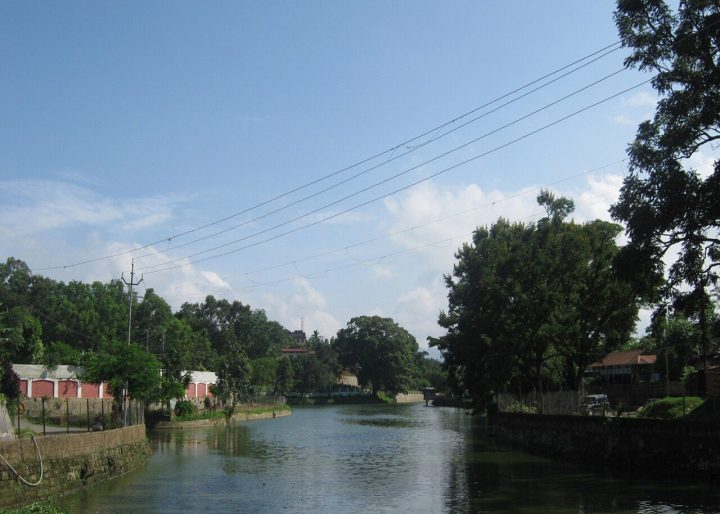
Dighalipukhuri is a long rectangular tank in the heart of Guwahati, ringed by old trees and a walking path. Tradition links it with the Mahabharata-era king Bhagadatta, and the Ahoms later used it as a naval yard. Today it is a city park with paddle boats, close to the Assam State Museum and the High Court.
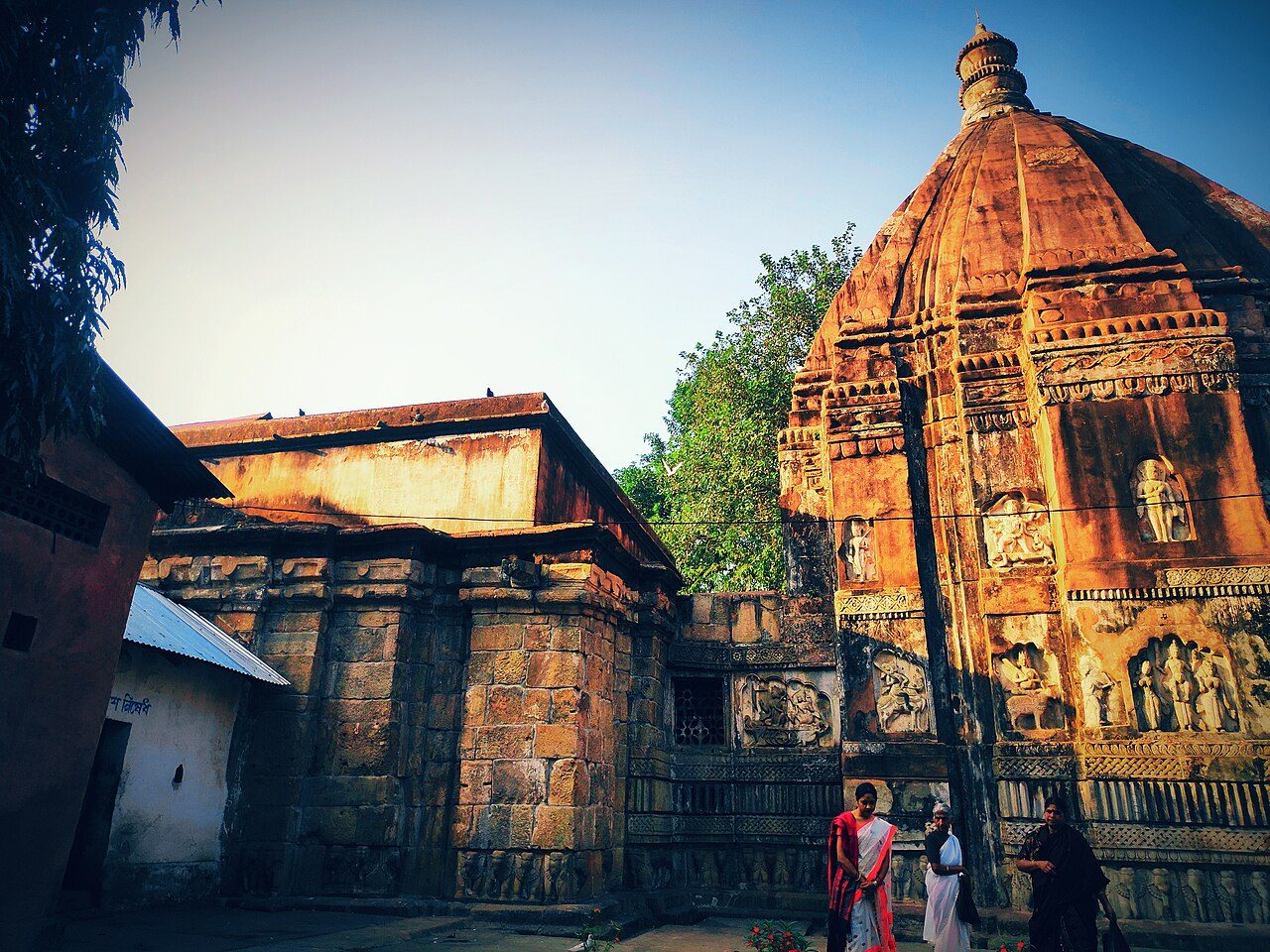
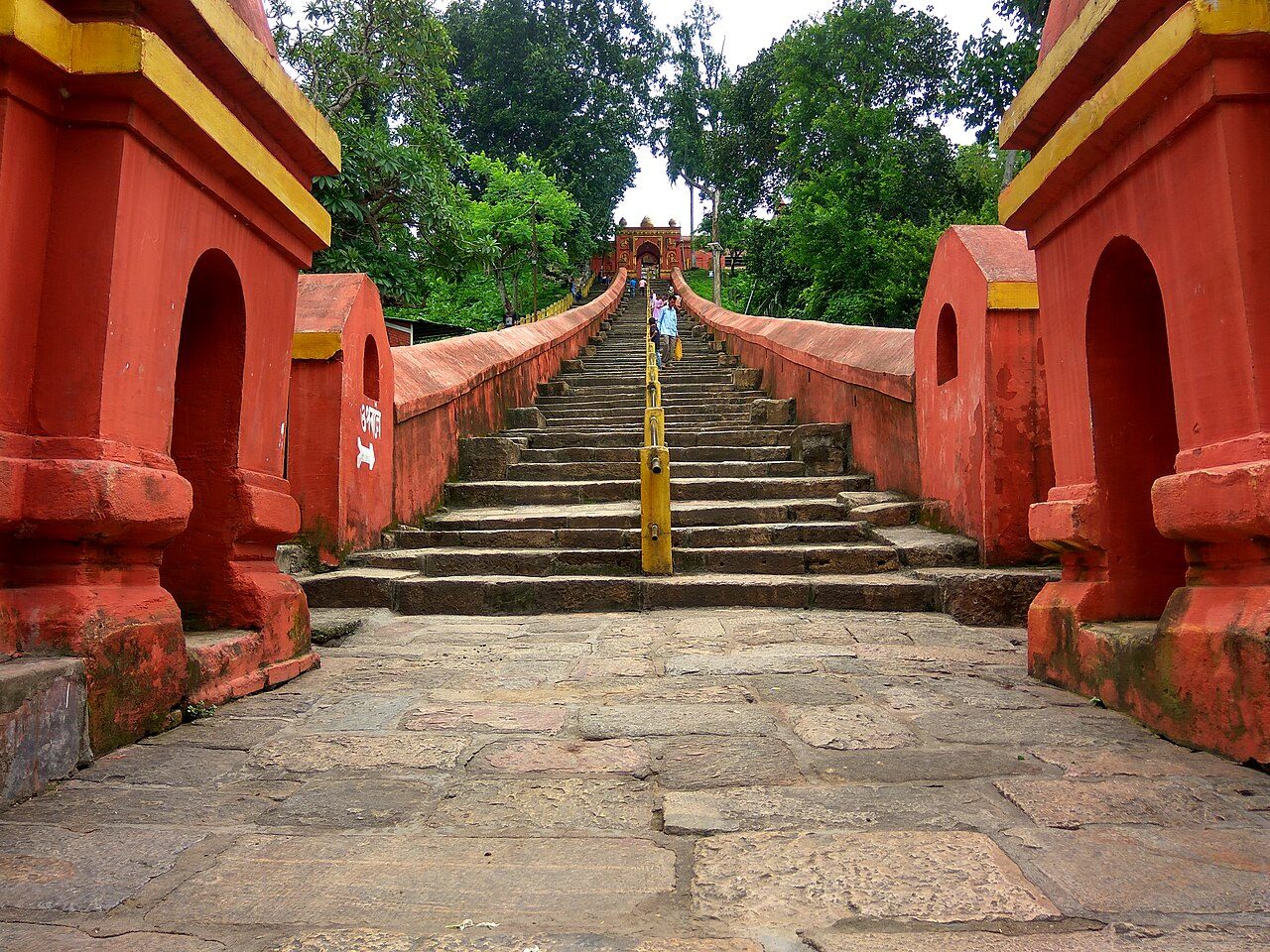
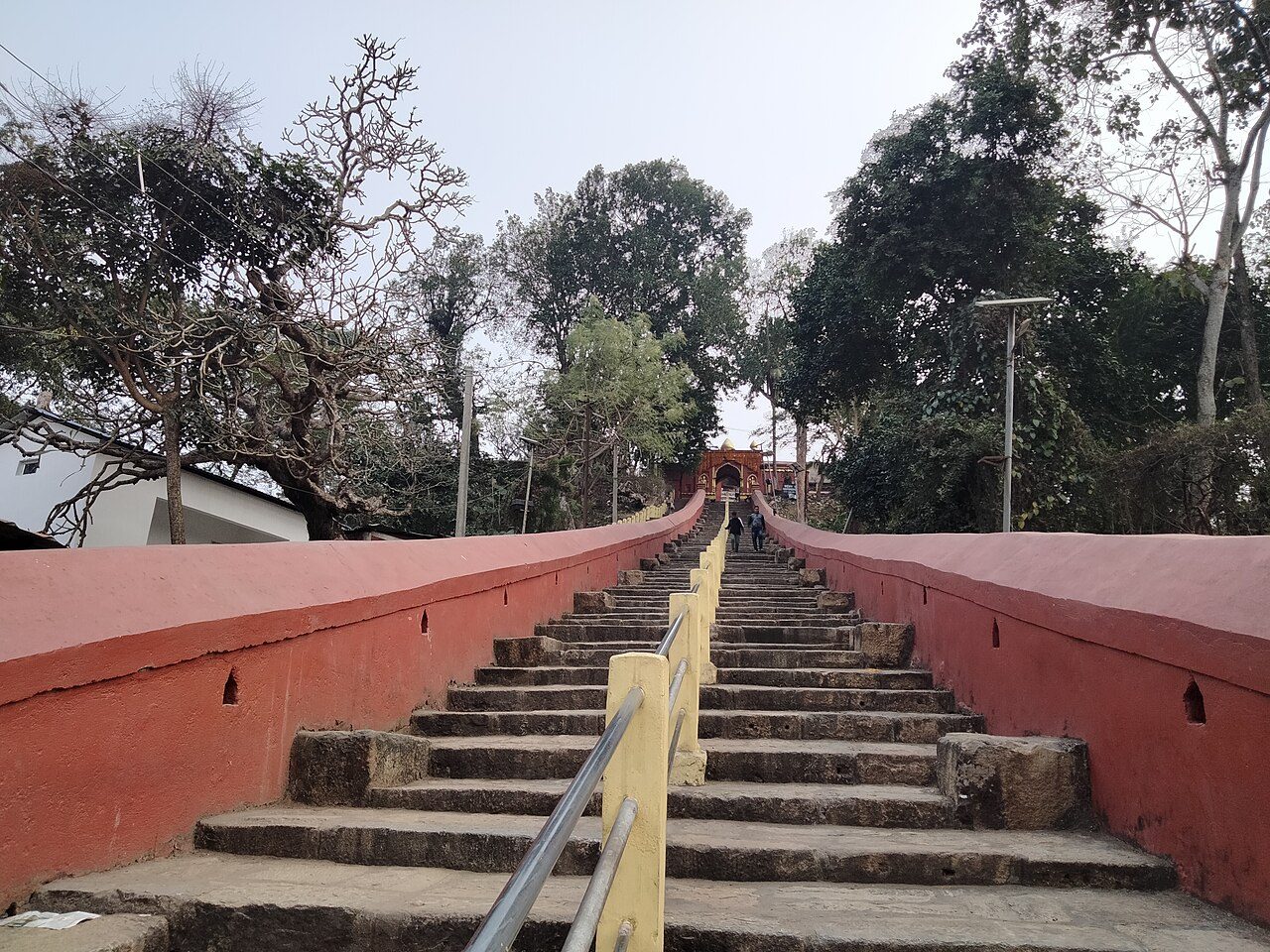
Hayagriva Madhava Temple stands on Monikut hill at Hajo, about 30 km from Guwahati. The stone temple was rebuilt in 1583 by Koch king Raghudeva Narayan and has a row of carved elephants around its base. It is sacred to Hindus as a Vishnu shrine and to many Buddhists, who associate the site with the Buddha. A long stone stairway climbs to the top.
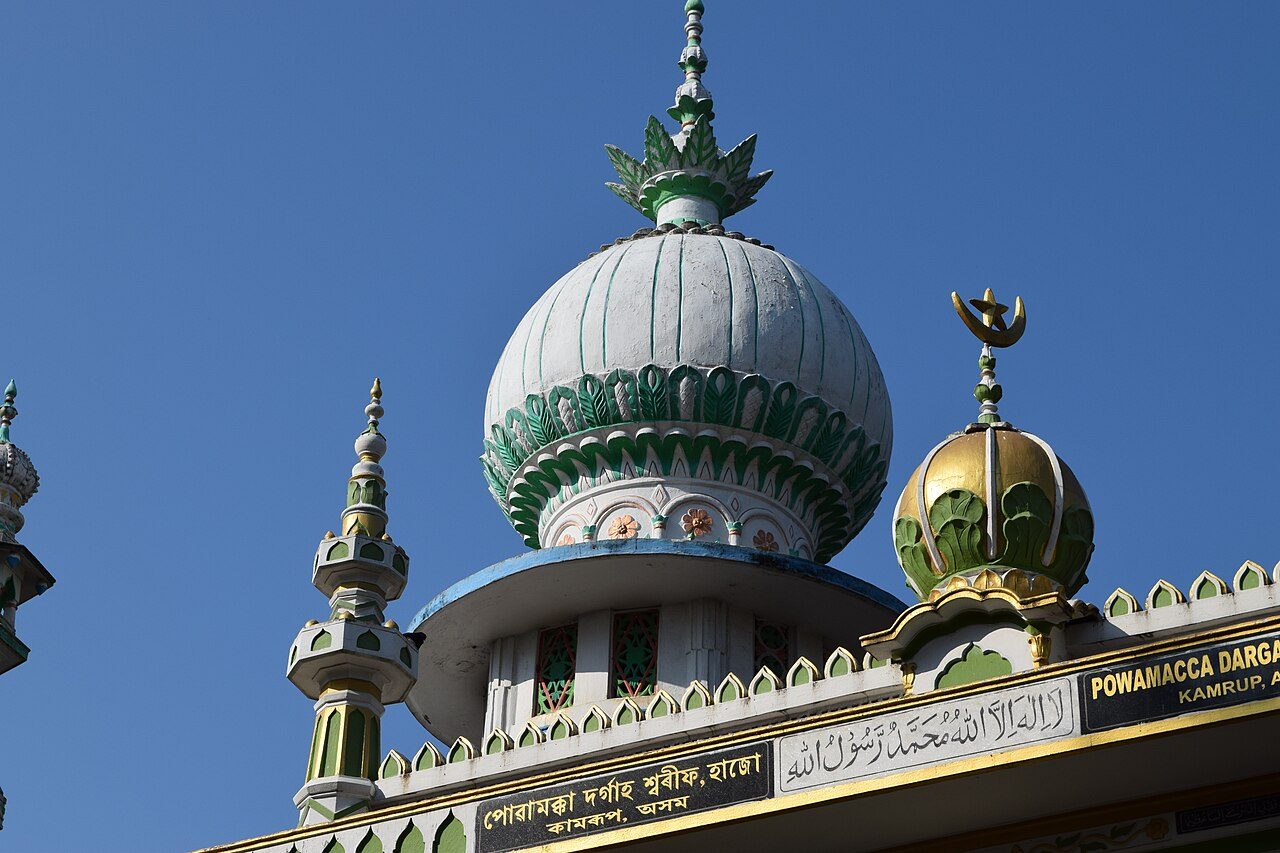
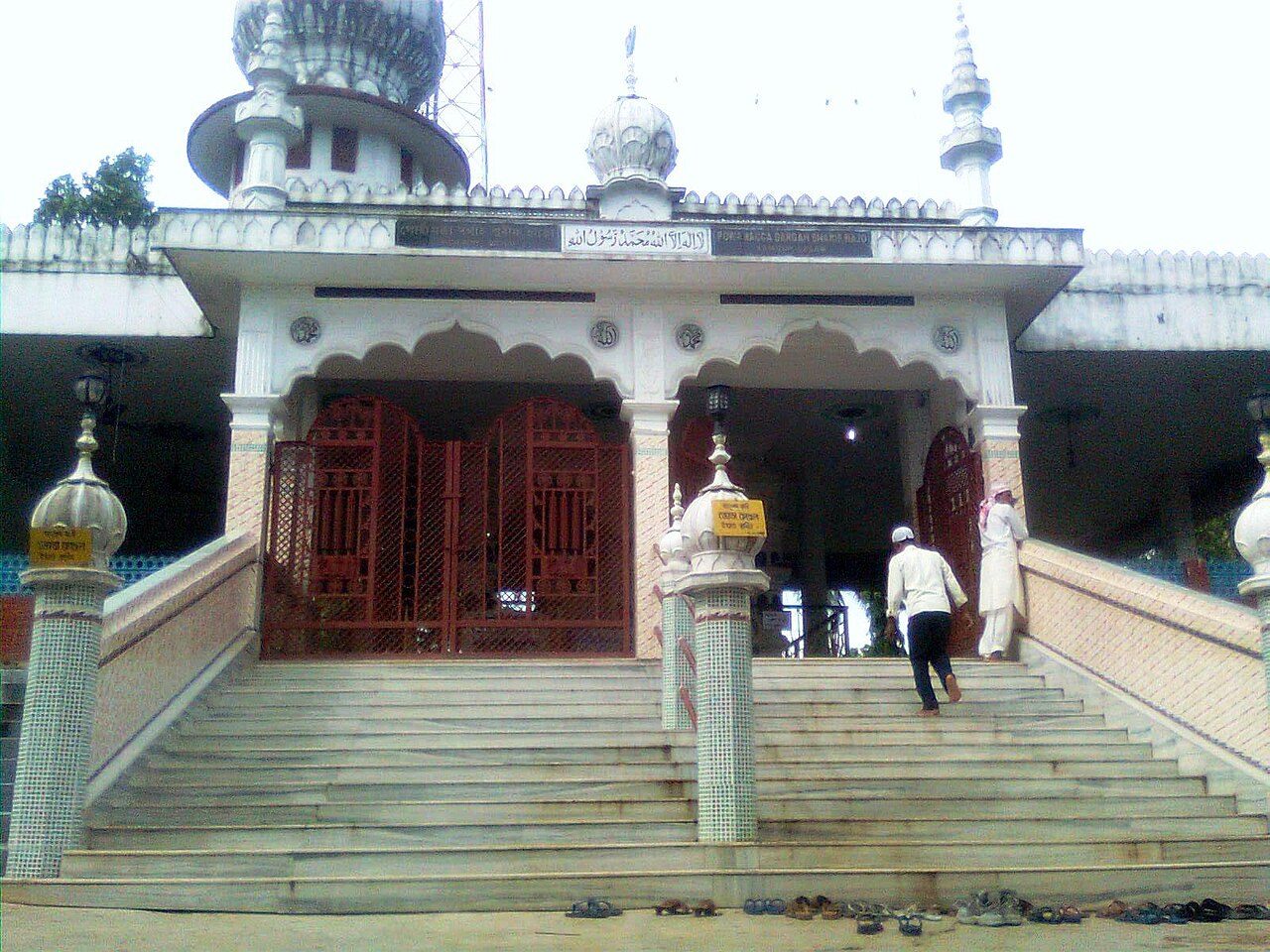
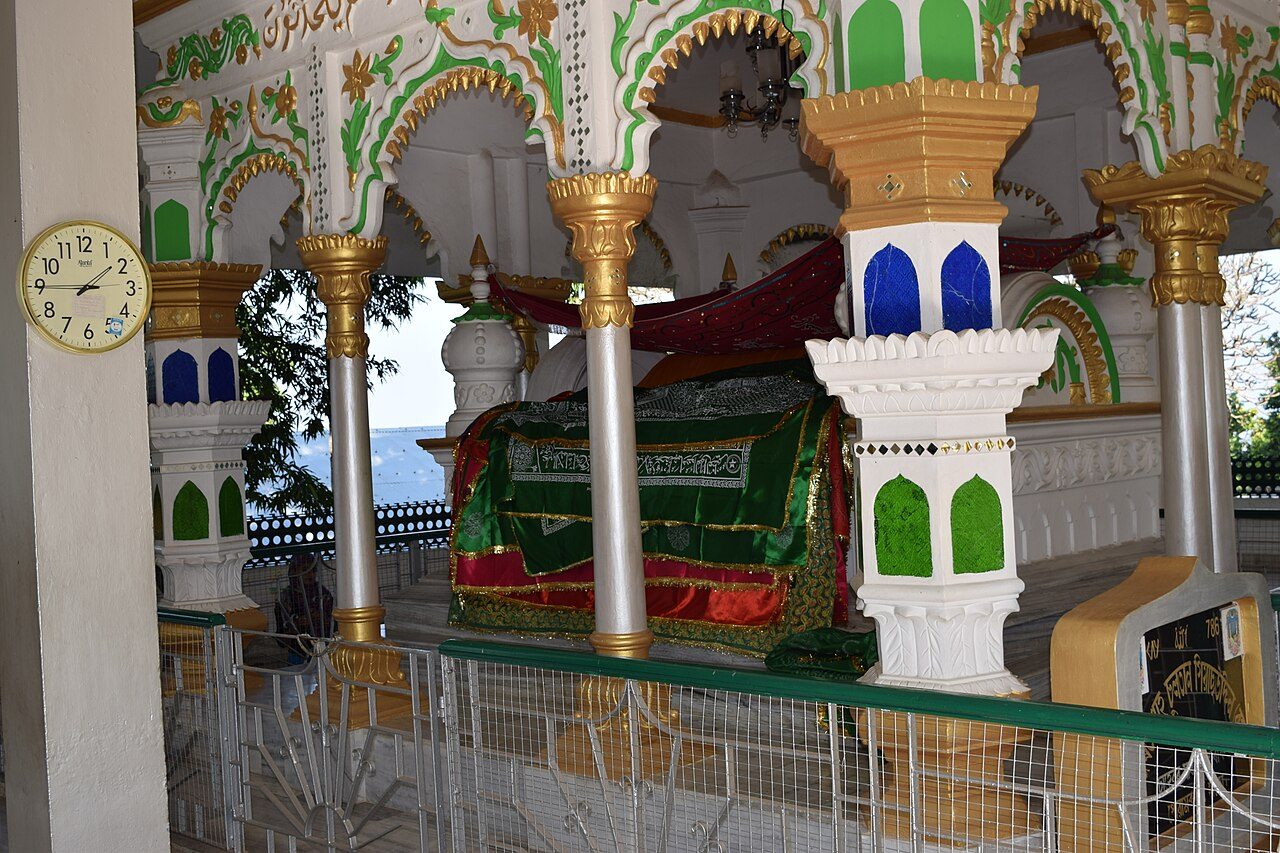
Poa Mecca is a Muslim shrine on Garurachal hill at Hajo. It holds the tomb of the saint Pir Giasuddin Auliya, and the mosque here dates to 1657 under the Mughal governor of the time. The name comes from the belief that its foundation holds a quarter-seer of soil from Mecca. People of all faiths climb the hill to pray.
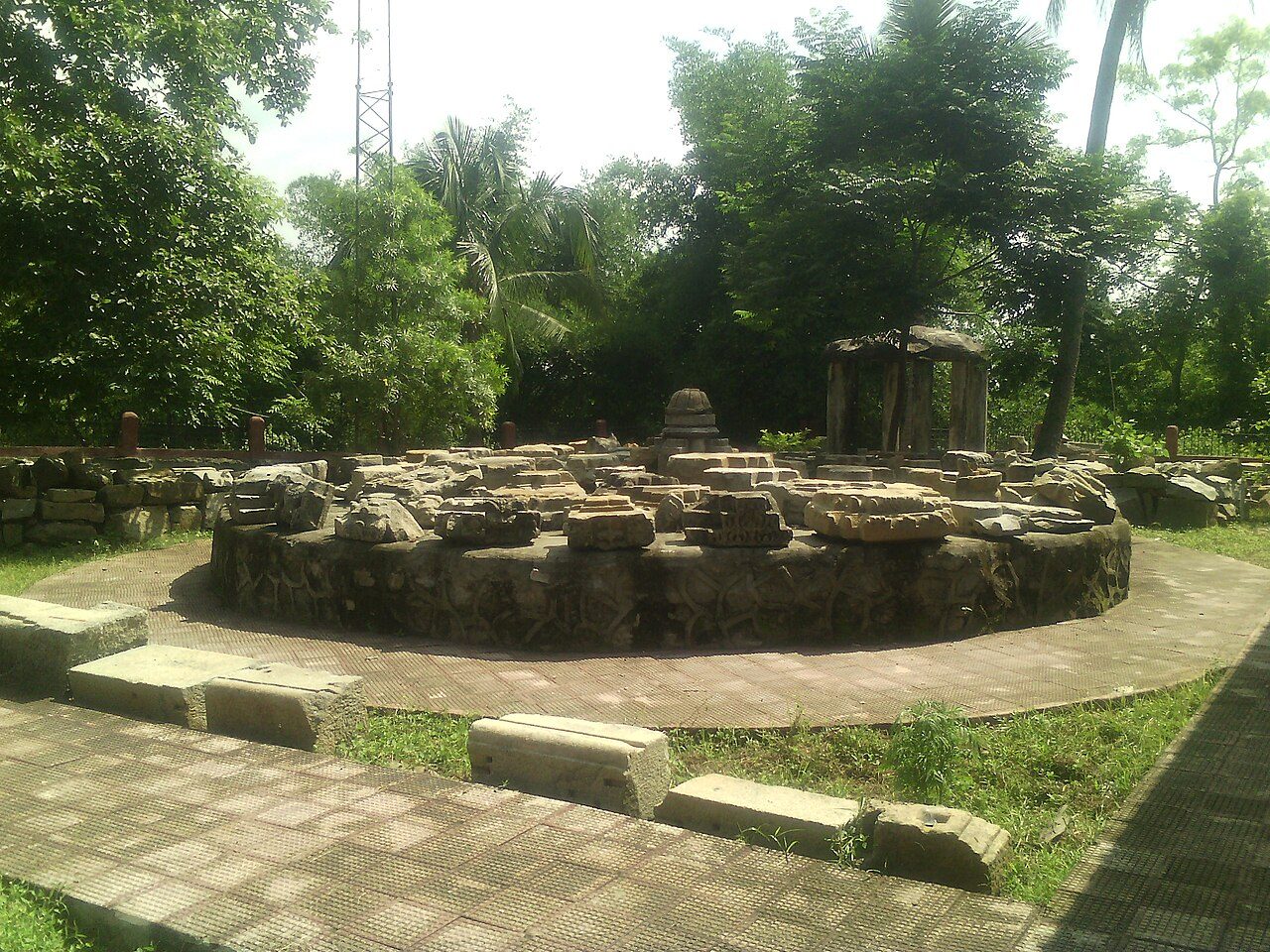
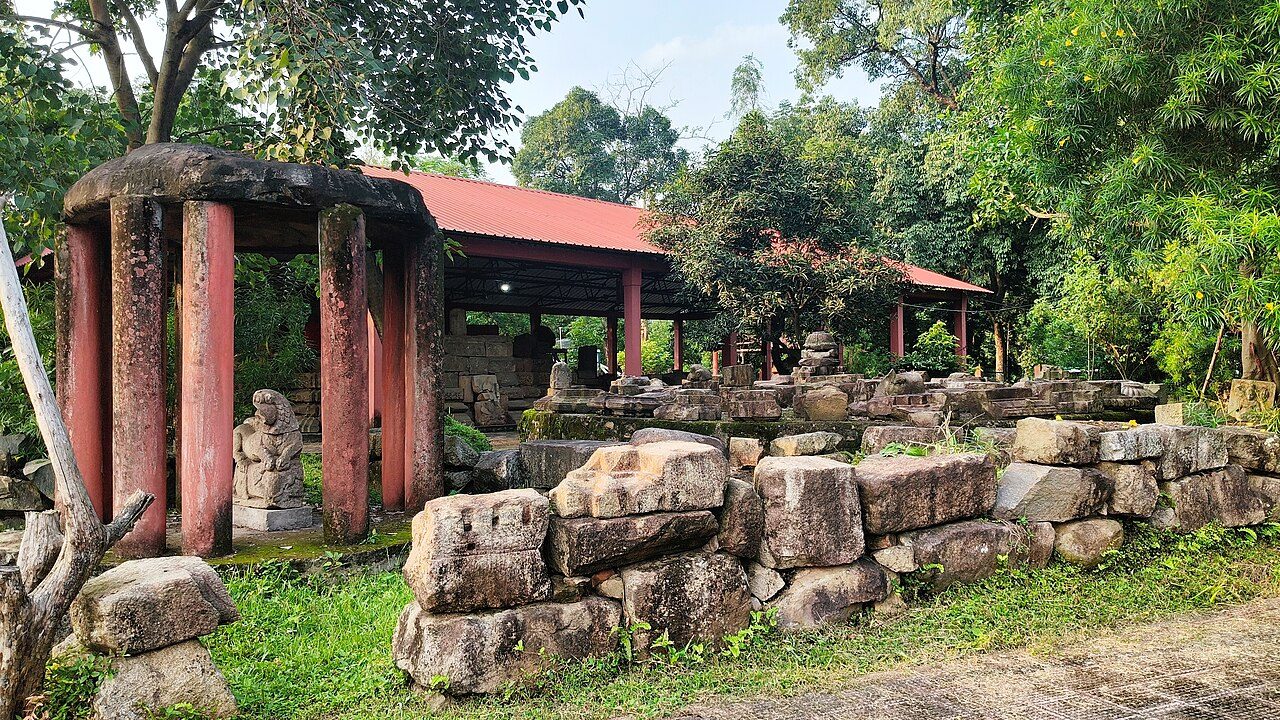
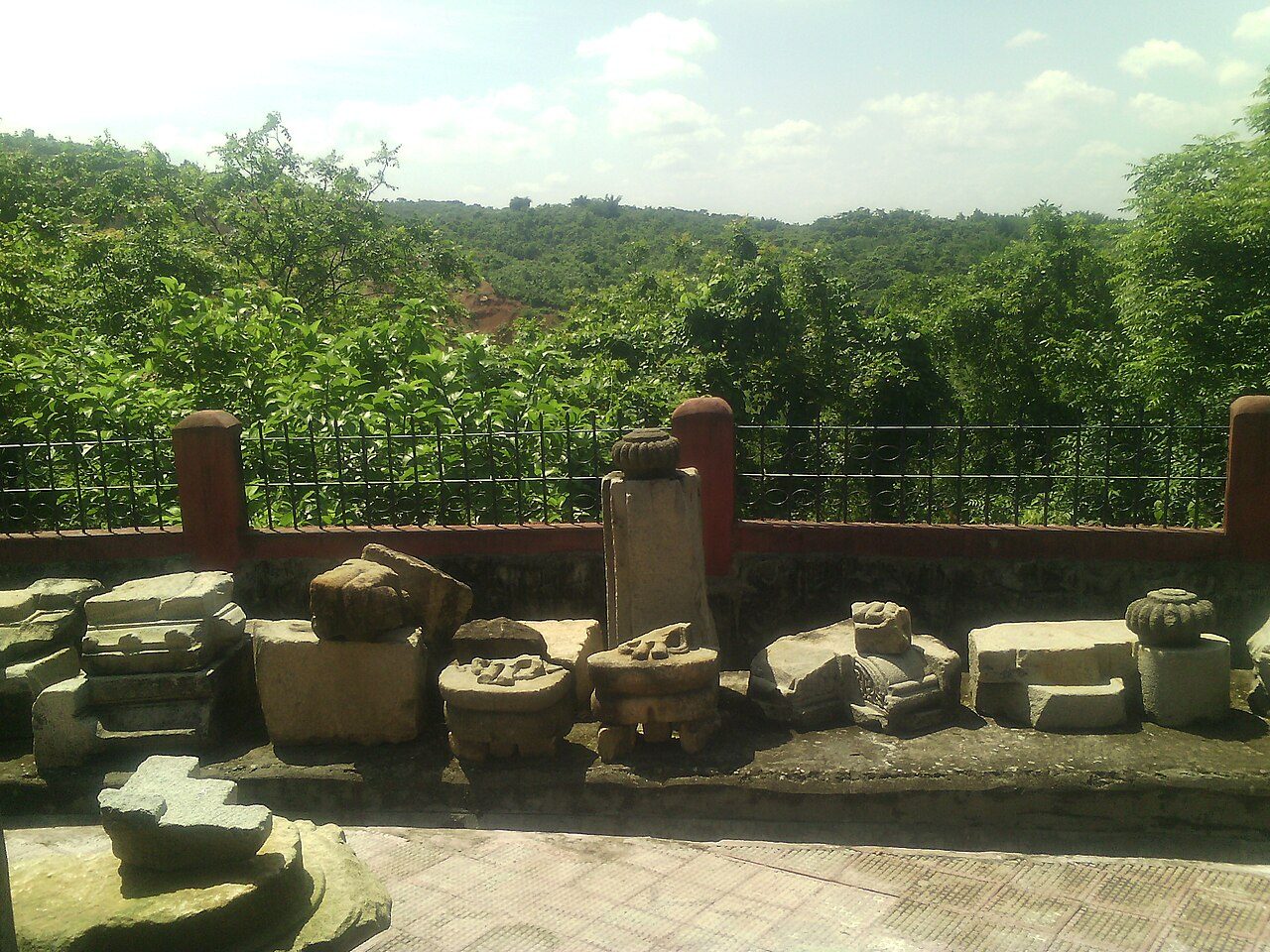
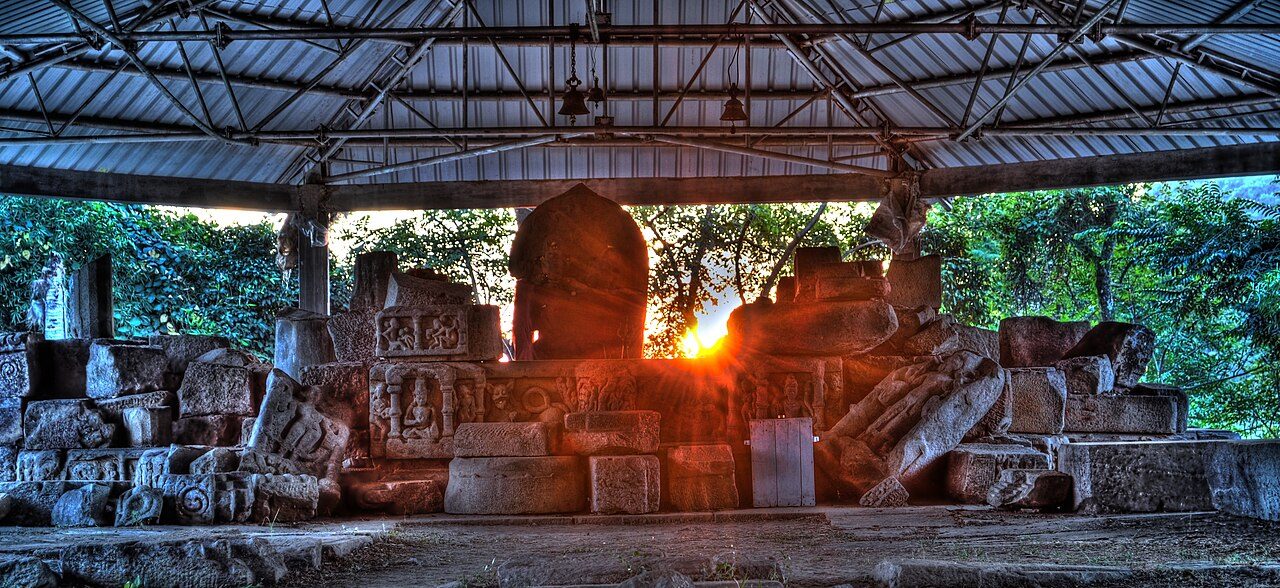
Madan Kamdev is a ruined temple complex on a wooded hillock near Baihata Chariali, north of Guwahati. The remains, dated to roughly the 9th to 12th centuries and the Pala rulers of Kamarupa, include a main Shiva temple plinth and scattered carvings of deities, dancers and erotic figures. A small site museum displays loose sculpture.
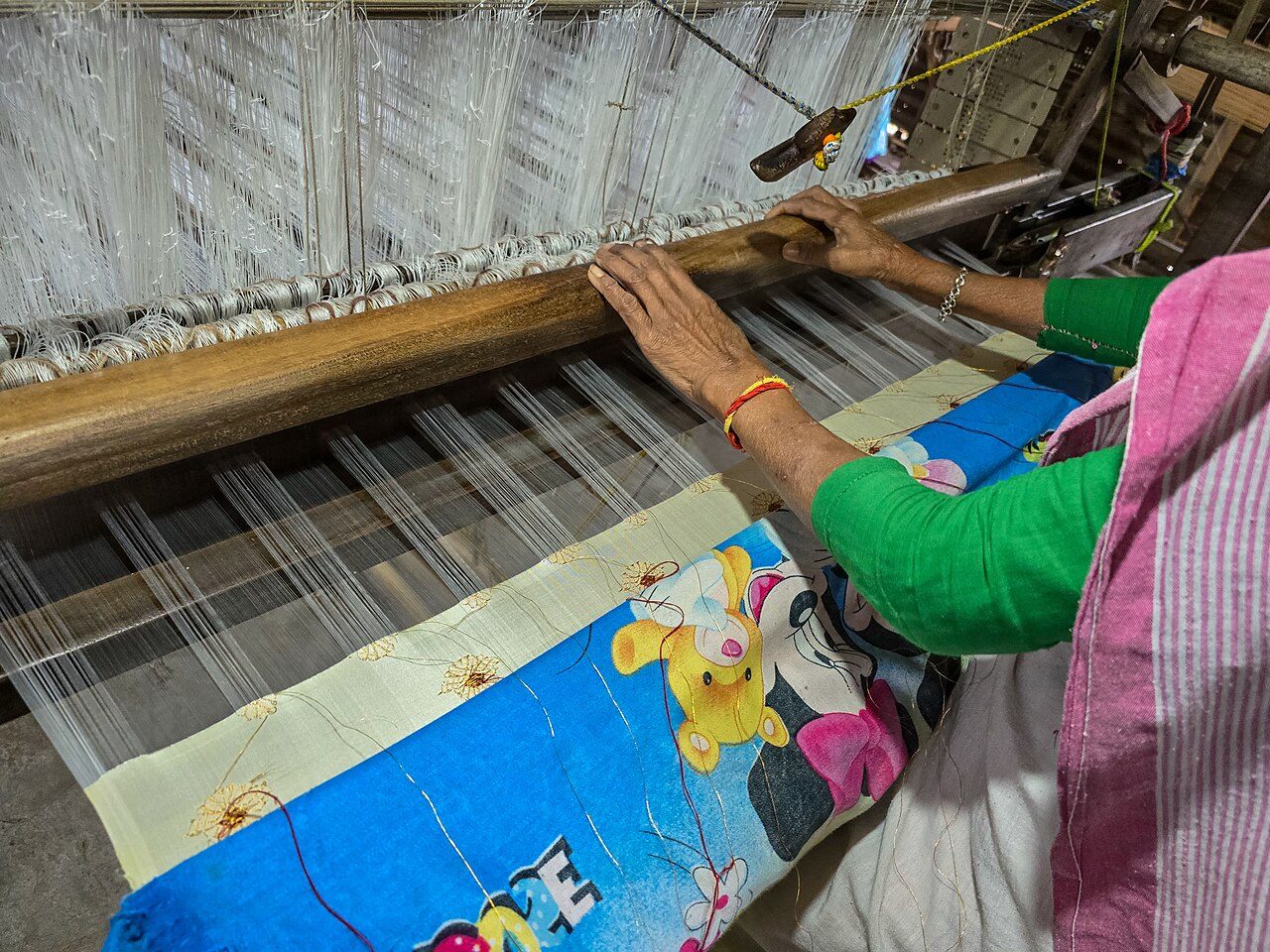
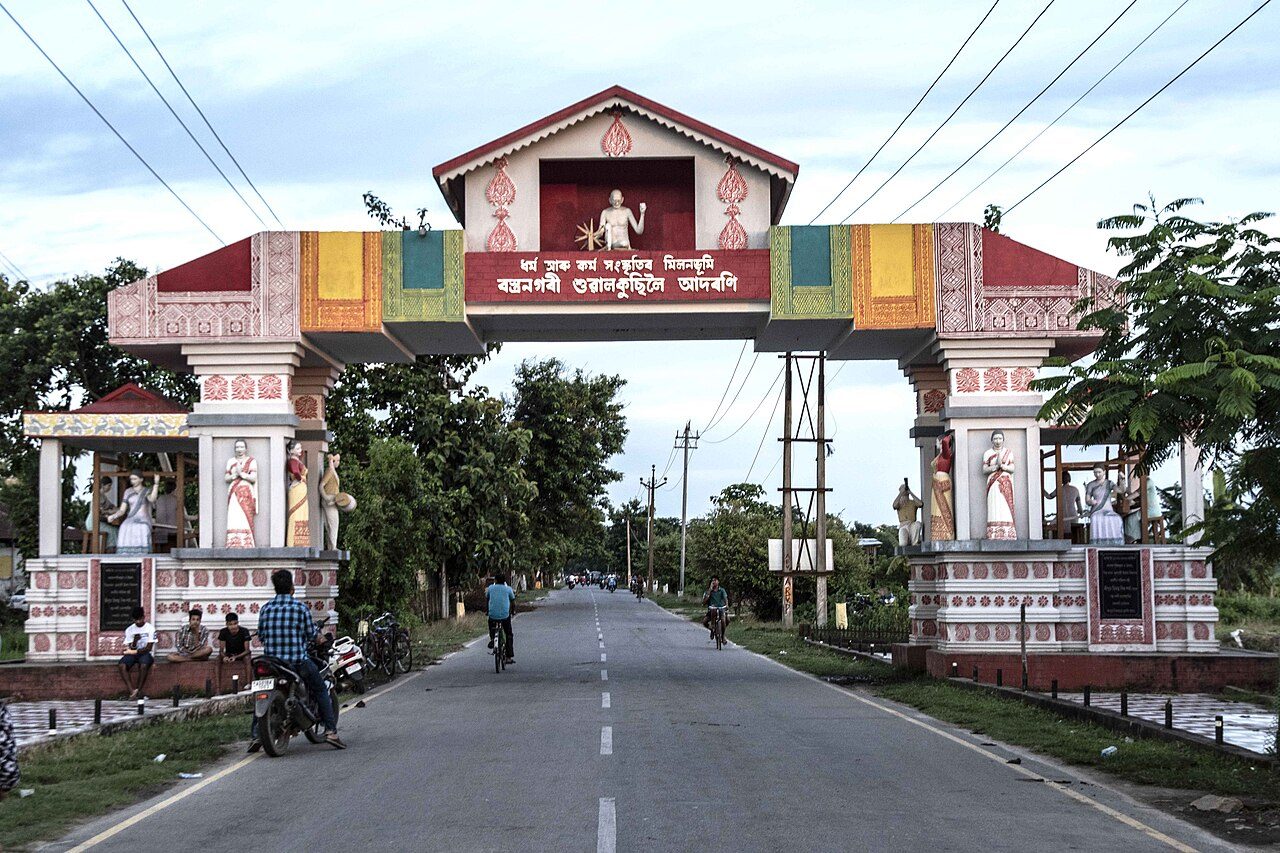
Sualkuchi, on the north bank of the Brahmaputra west of Guwahati, is the best-known silk-weaving village of Assam. Almost every lane has homes with handlooms producing golden muga, white pat and warm eri silk in traditional mekhela chador designs. Visitors can watch weavers at work and buy directly from the workshops and cooperative shops.
 WaTrips