Assam's Faith Trail in 4 Days: Kamakhya, Hajo, Barpeta and the Majuli Satras
4 DAYS10 placesby WaTrips
Kamakhya and Umananda, Hajo and Poa Mecca, Barpeta Satra, the satras of Majuli, and Sivadol.
Assam's faith is both ancient and lived. Day one visits the Kamakhya Temple, one of the great Shakti Peethas, and Umananda temple on its Brahmaputra island. Day two goes to Hajo, where the Hayagriva Madhava temple is sacred to Hindus and Buddhists and Poa Mecca to Muslims, and to Barpeta Satra. Day three is Majuli, whose satras keep alive the Vaishnava tradition of Srimanta Sankardev. Day four ends at the Sivadol in Sivasagar, one of the tallest Shiva temples in India. October to April is best.
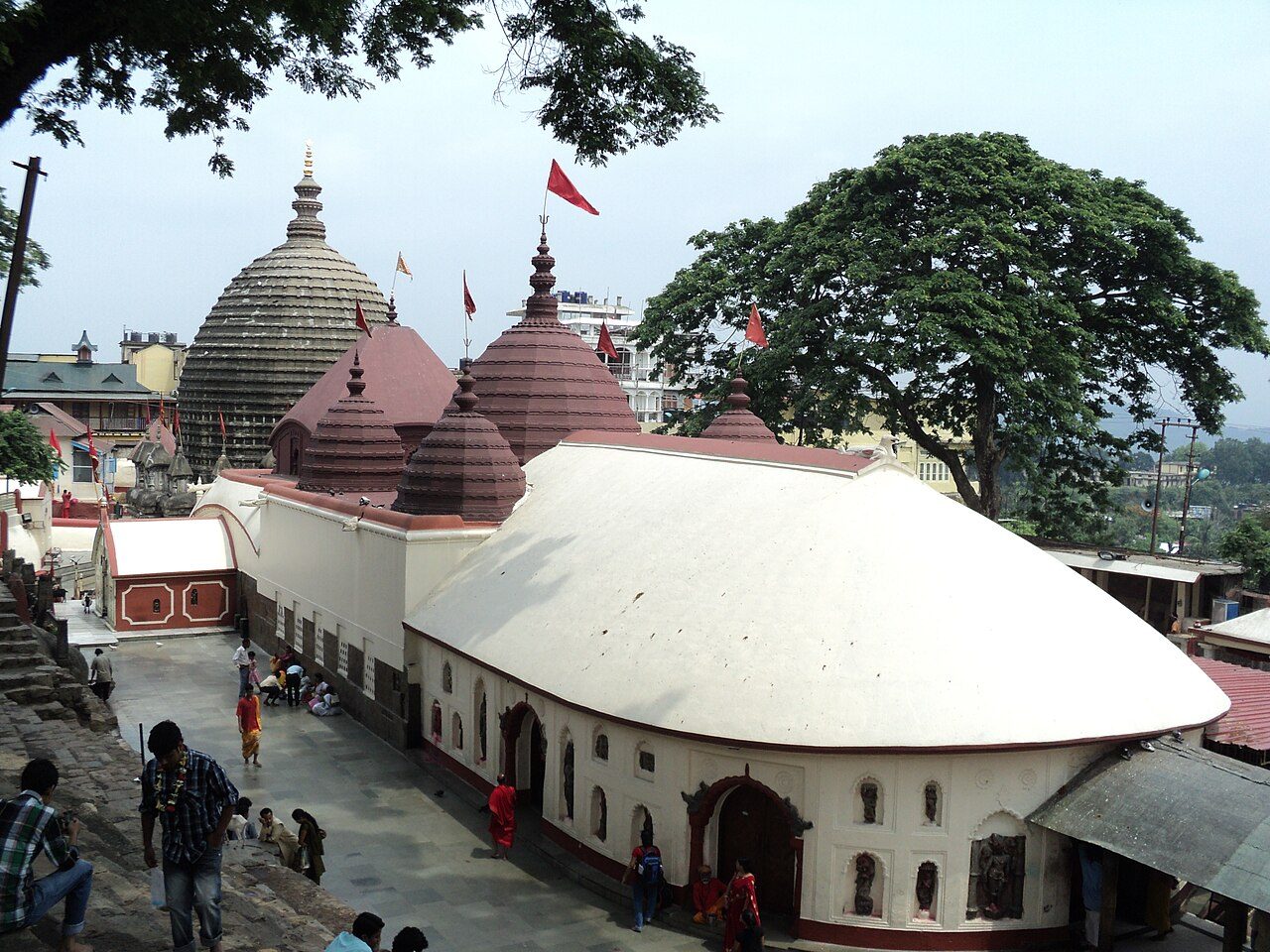
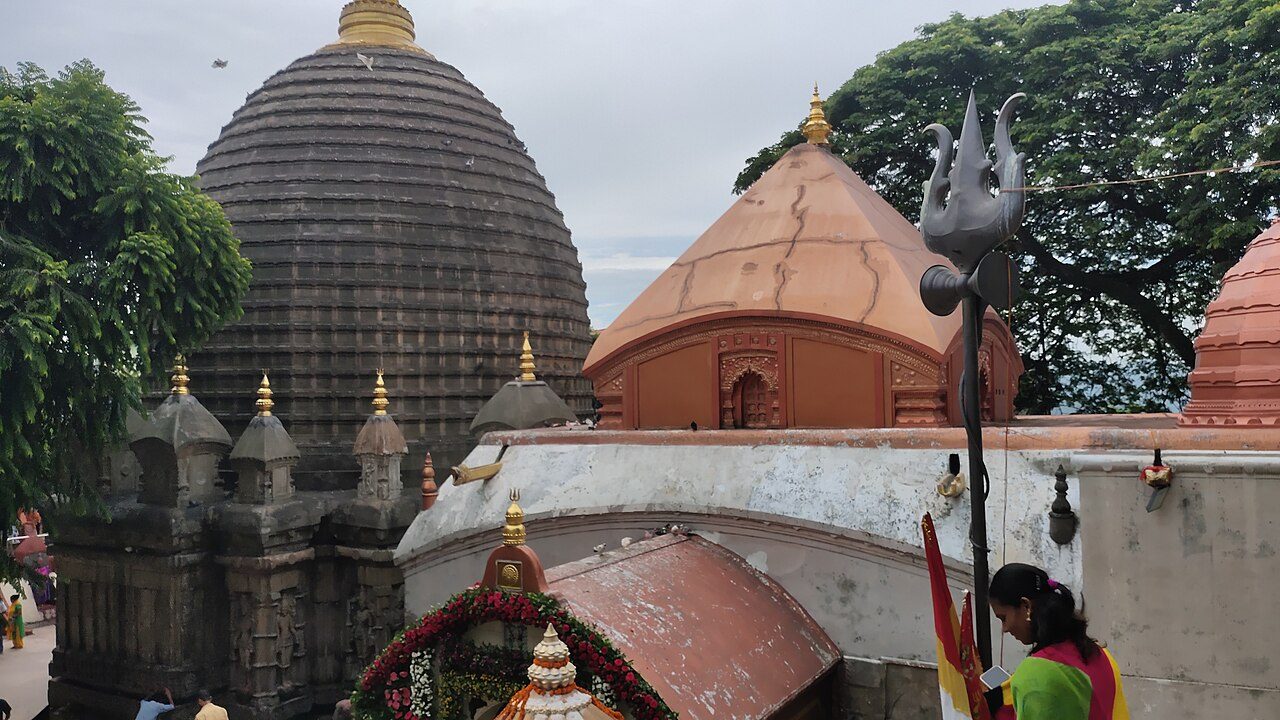
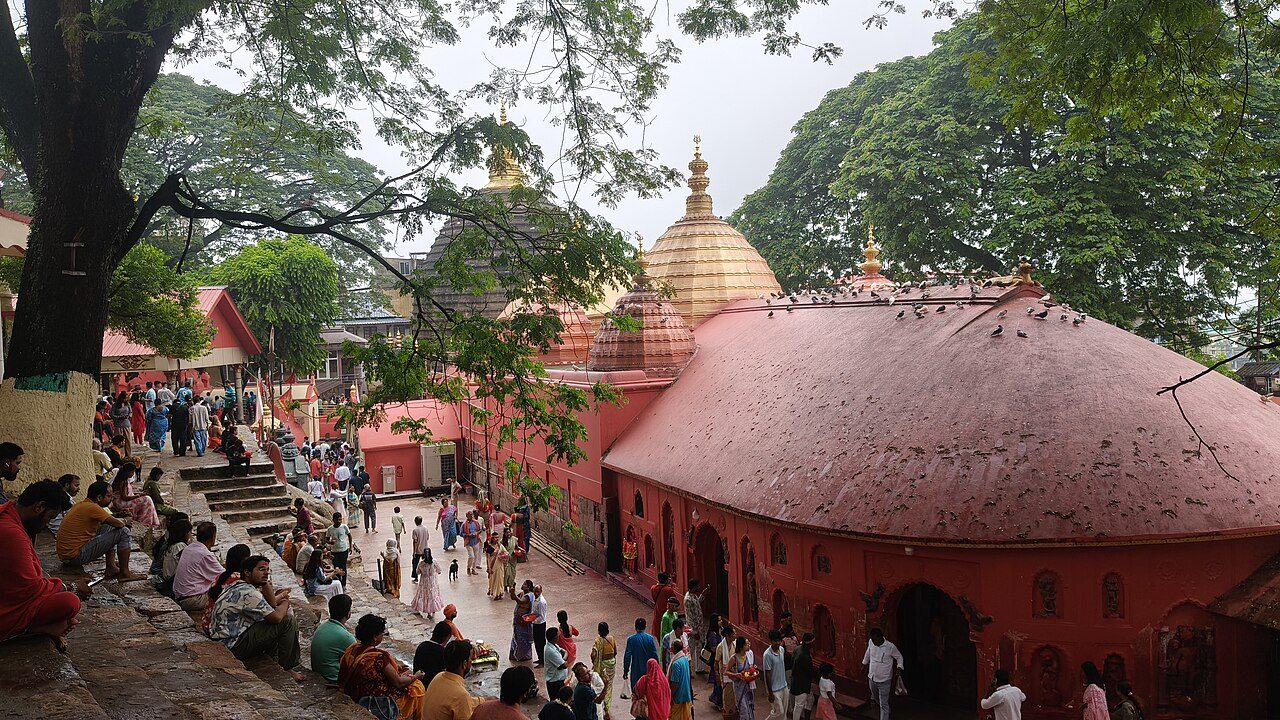
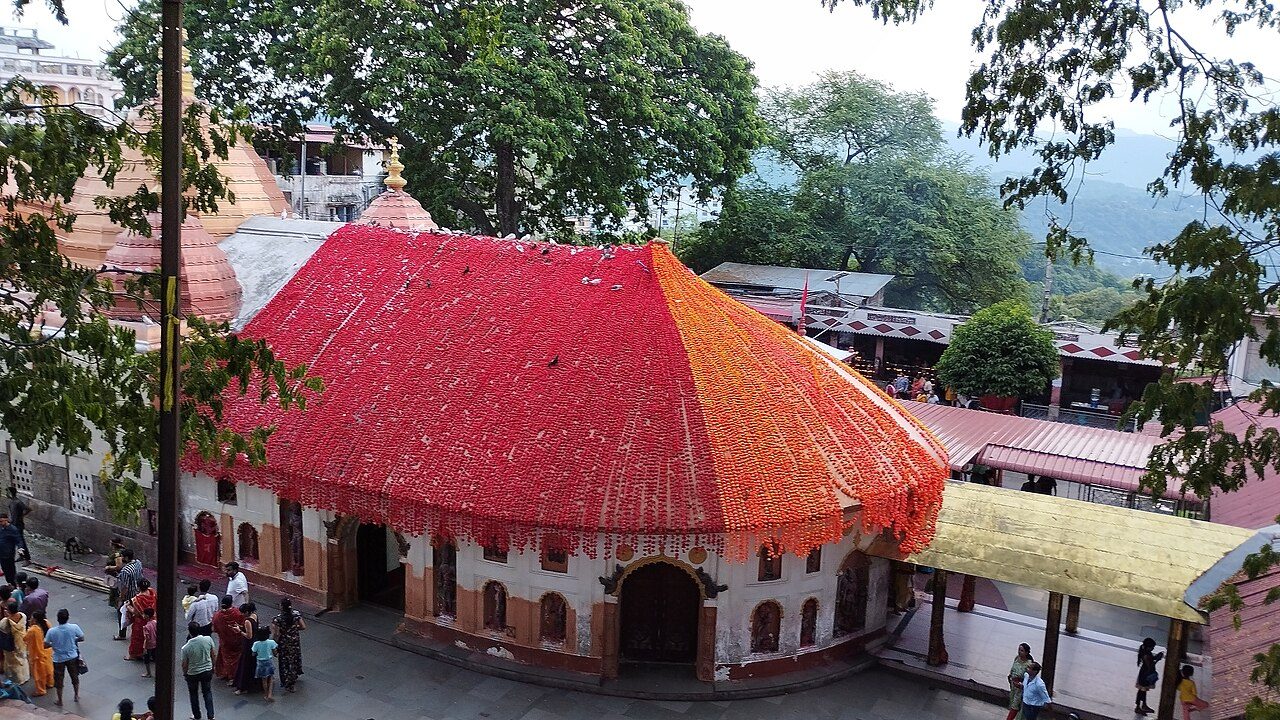
Kamakhya Temple crowns Nilachal Hill above Guwahati and is among the most revered Shakti Peethas in India. The present beehive-domed shrine was rebuilt in the 16th century under the Koch kings. There is no idol inside; devotees descend to a natural rock cleft fed by a spring. The Ambubachi Mela each June draws huge crowds, so plan for long queues then.
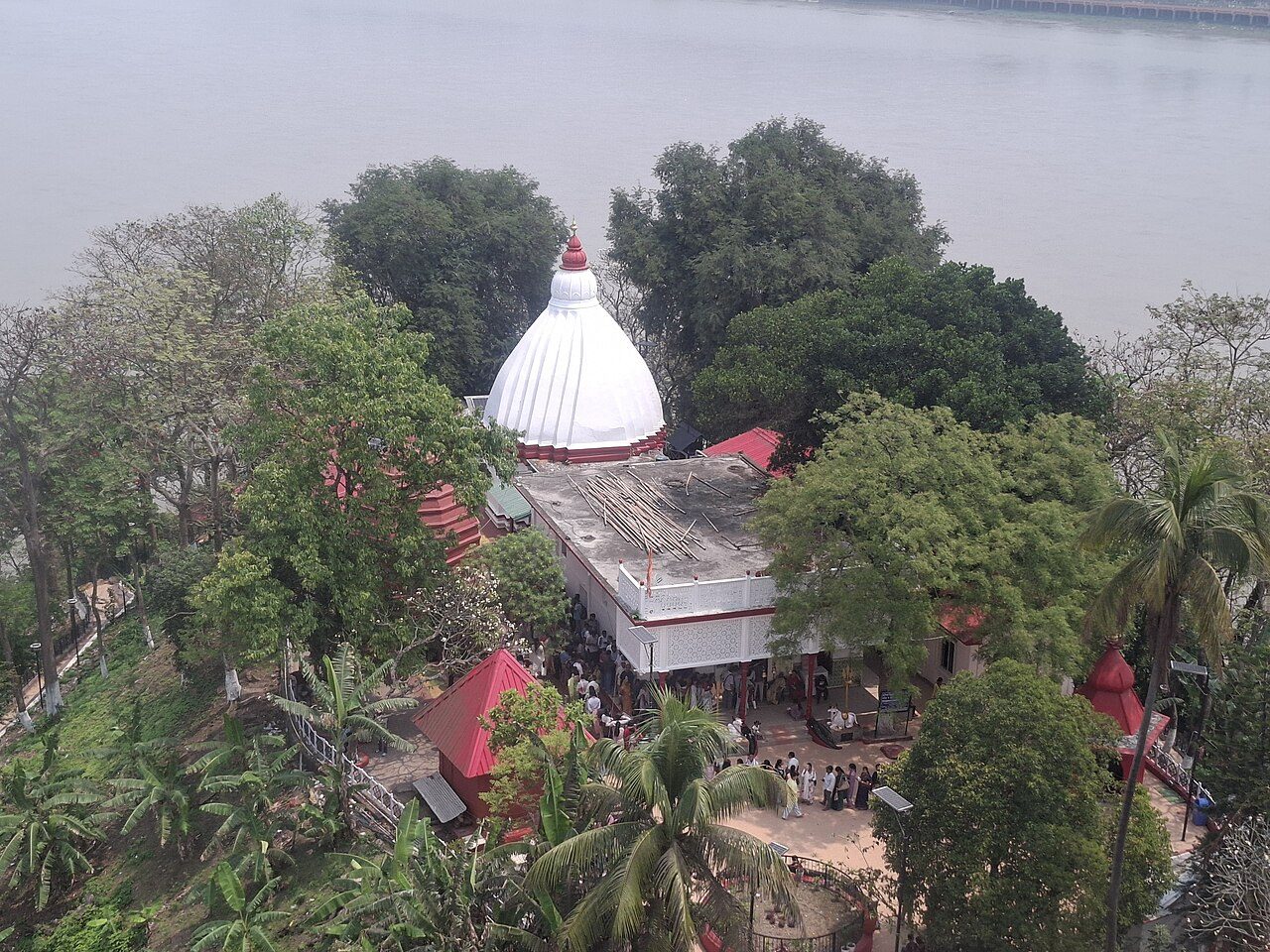
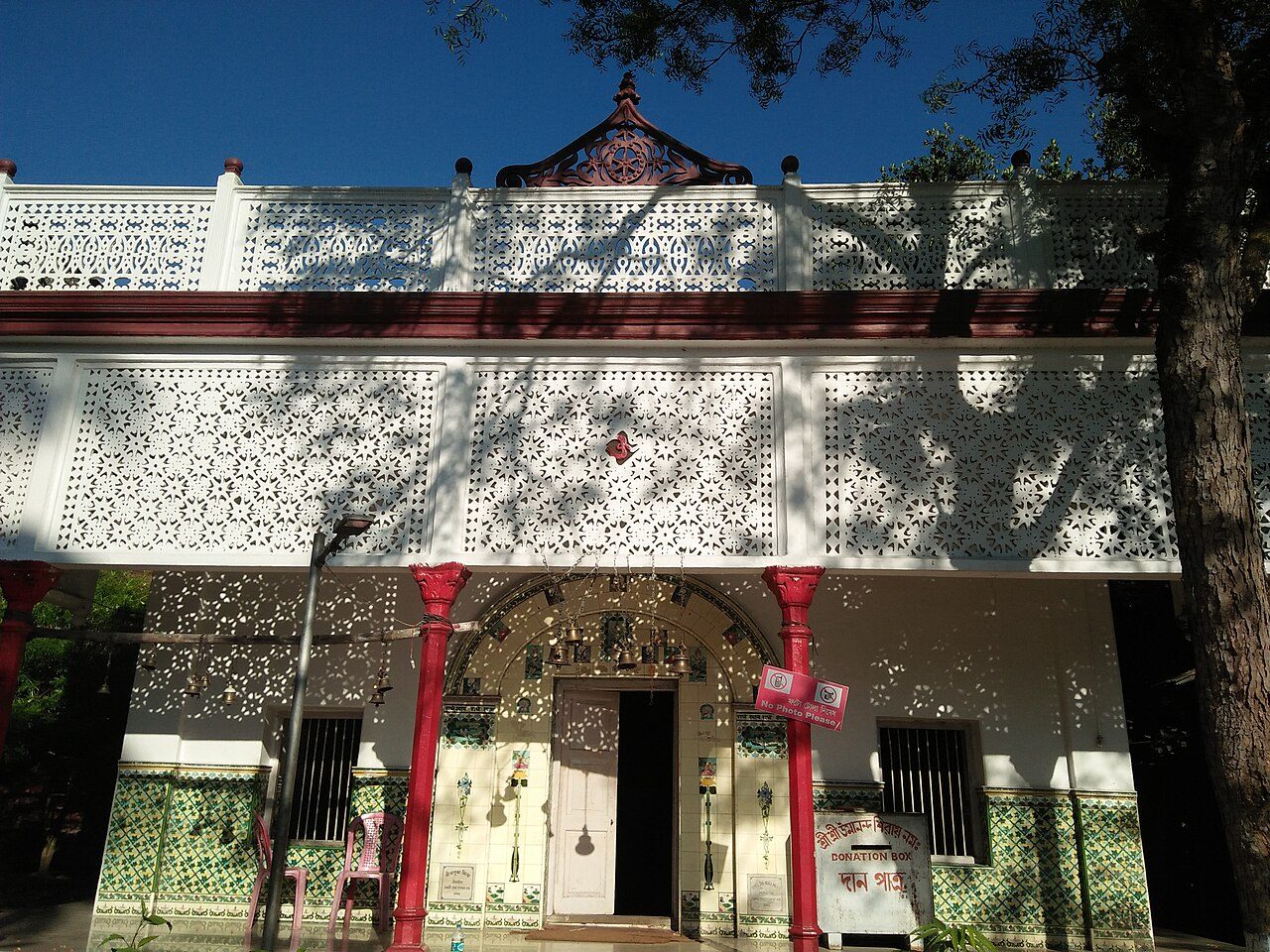
Umananda Temple sits on Peacock Island, a tiny rocky islet in the middle of the Brahmaputra opposite Guwahati. The Shiva shrine was built in 1694 under Ahom king Gadadhar Singha and rebuilt after the 1897 earthquake. Ferries and boats cross from the Guwahati riverbank, and the island's trees shelter a small colony of rare golden langurs.
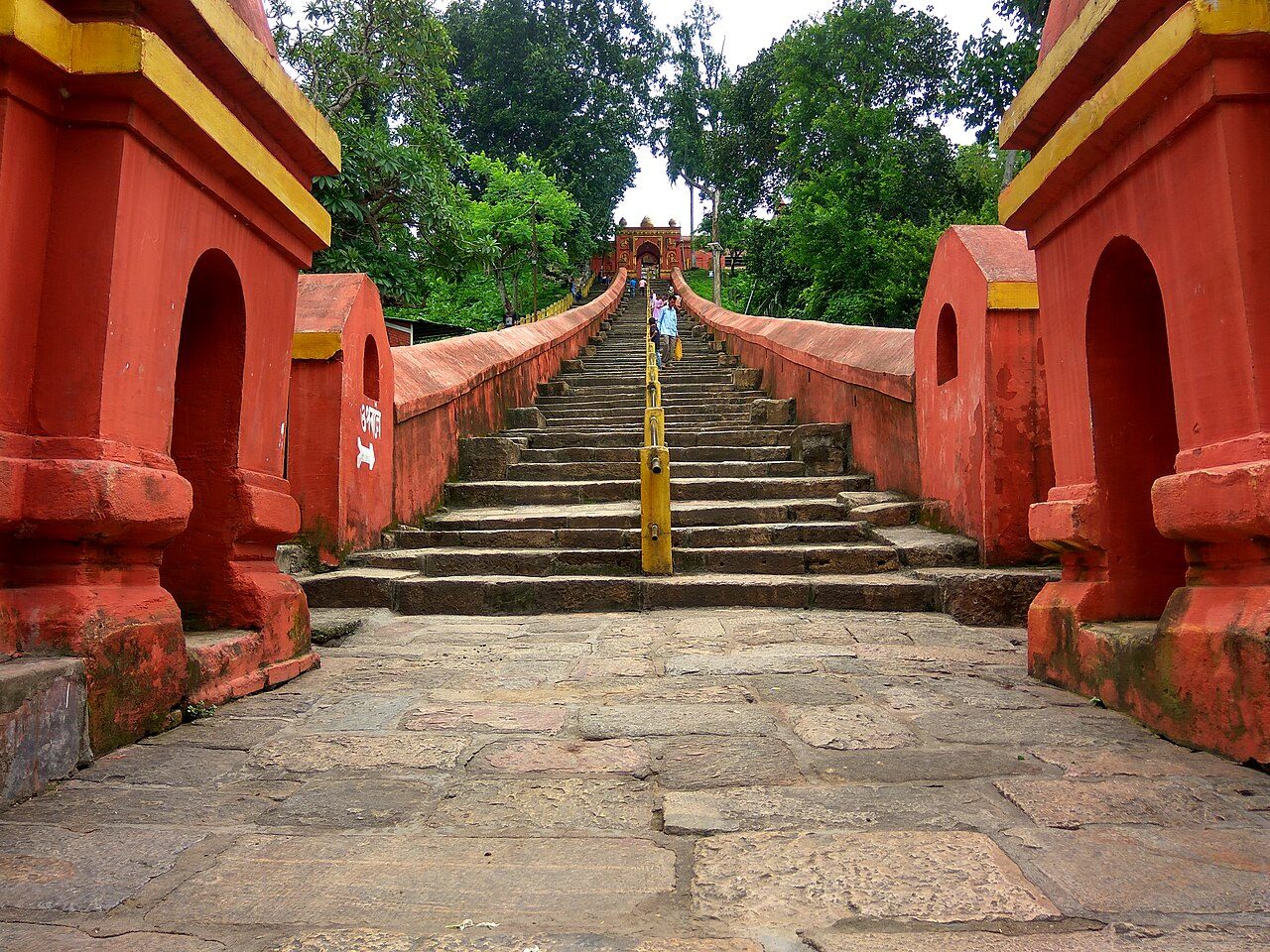
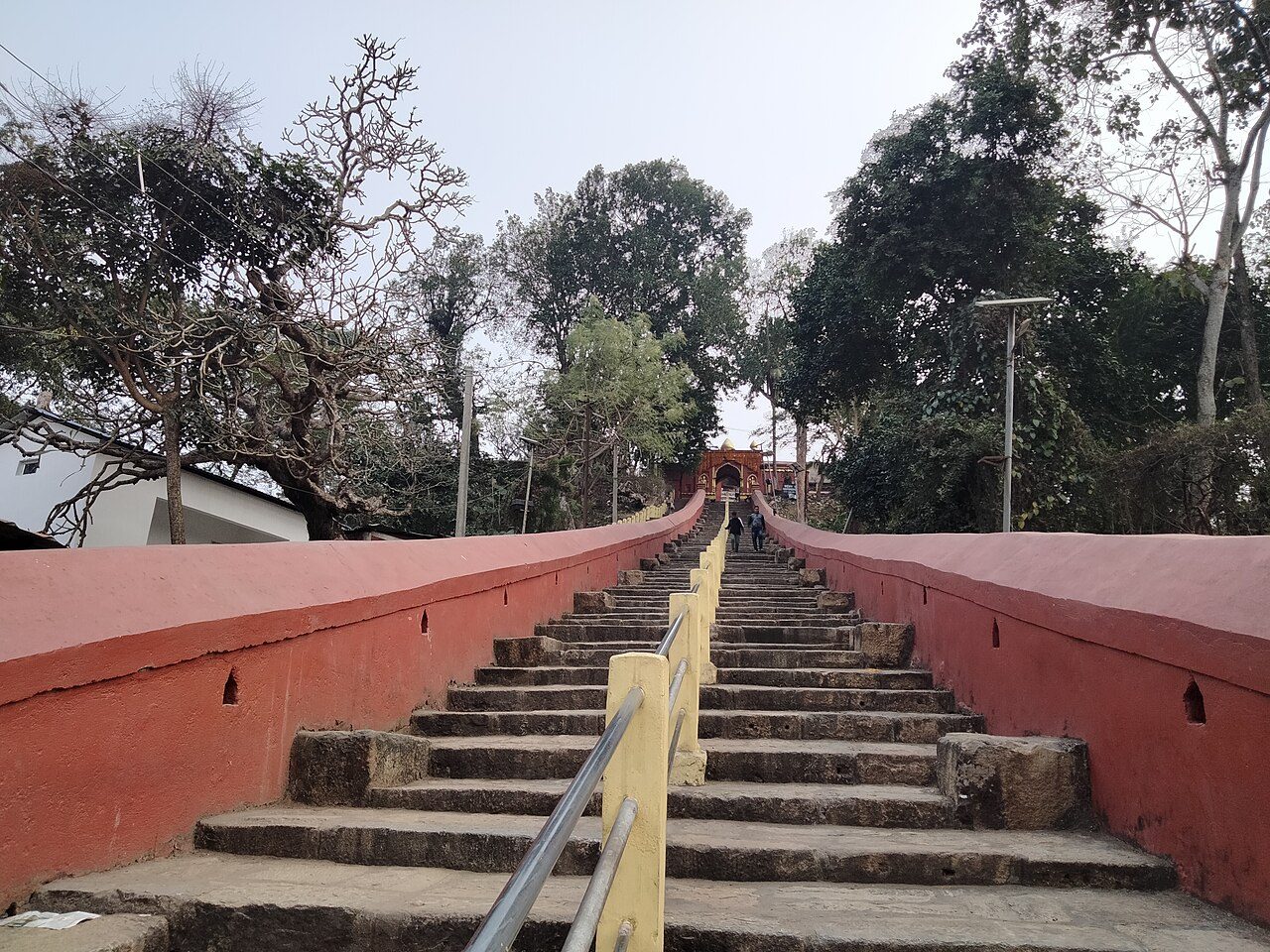
Hayagriva Madhava Temple stands on Monikut hill at Hajo, about 30 km from Guwahati. The stone temple was rebuilt in 1583 by Koch king Raghudeva Narayan and has a row of carved elephants around its base. It is sacred to Hindus as a Vishnu shrine and to many Buddhists, who associate the site with the Buddha. A long stone stairway climbs to the top.
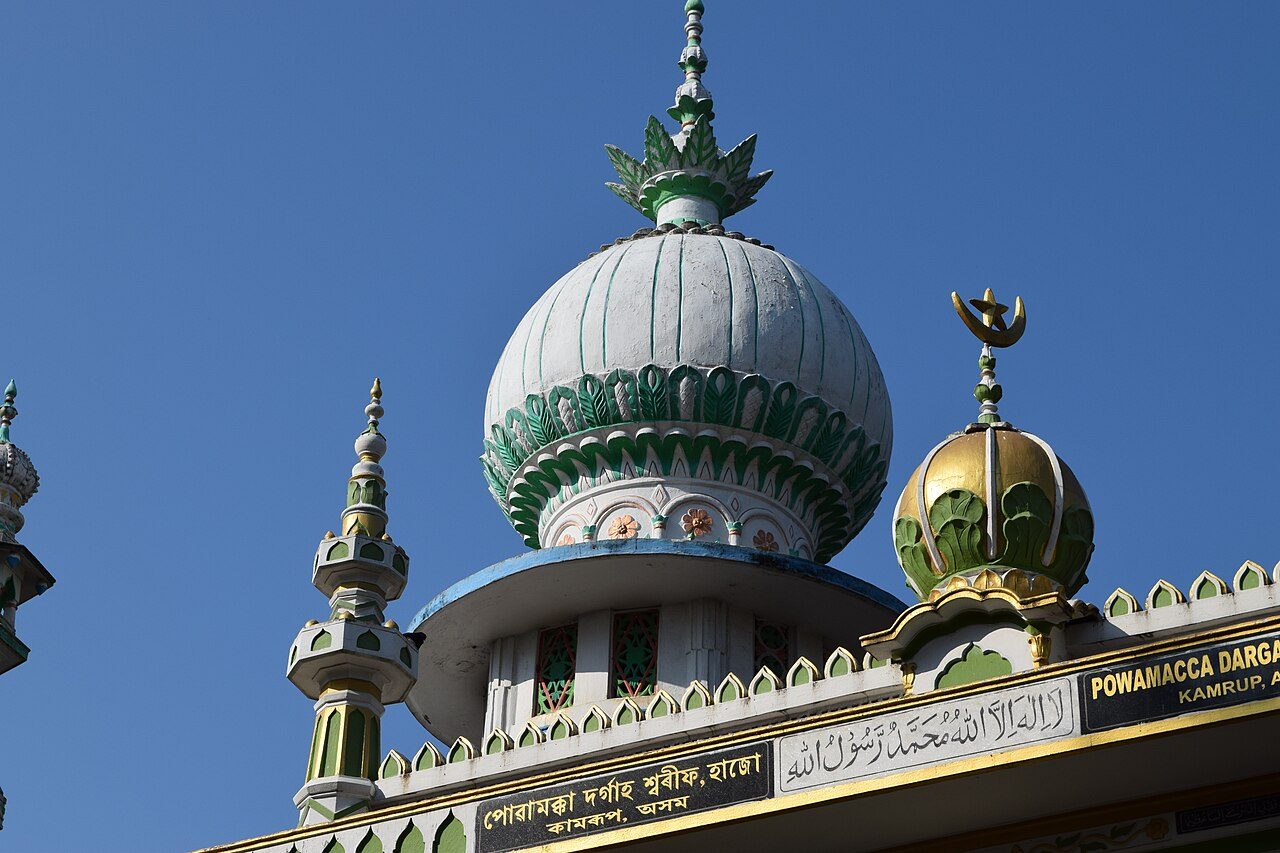
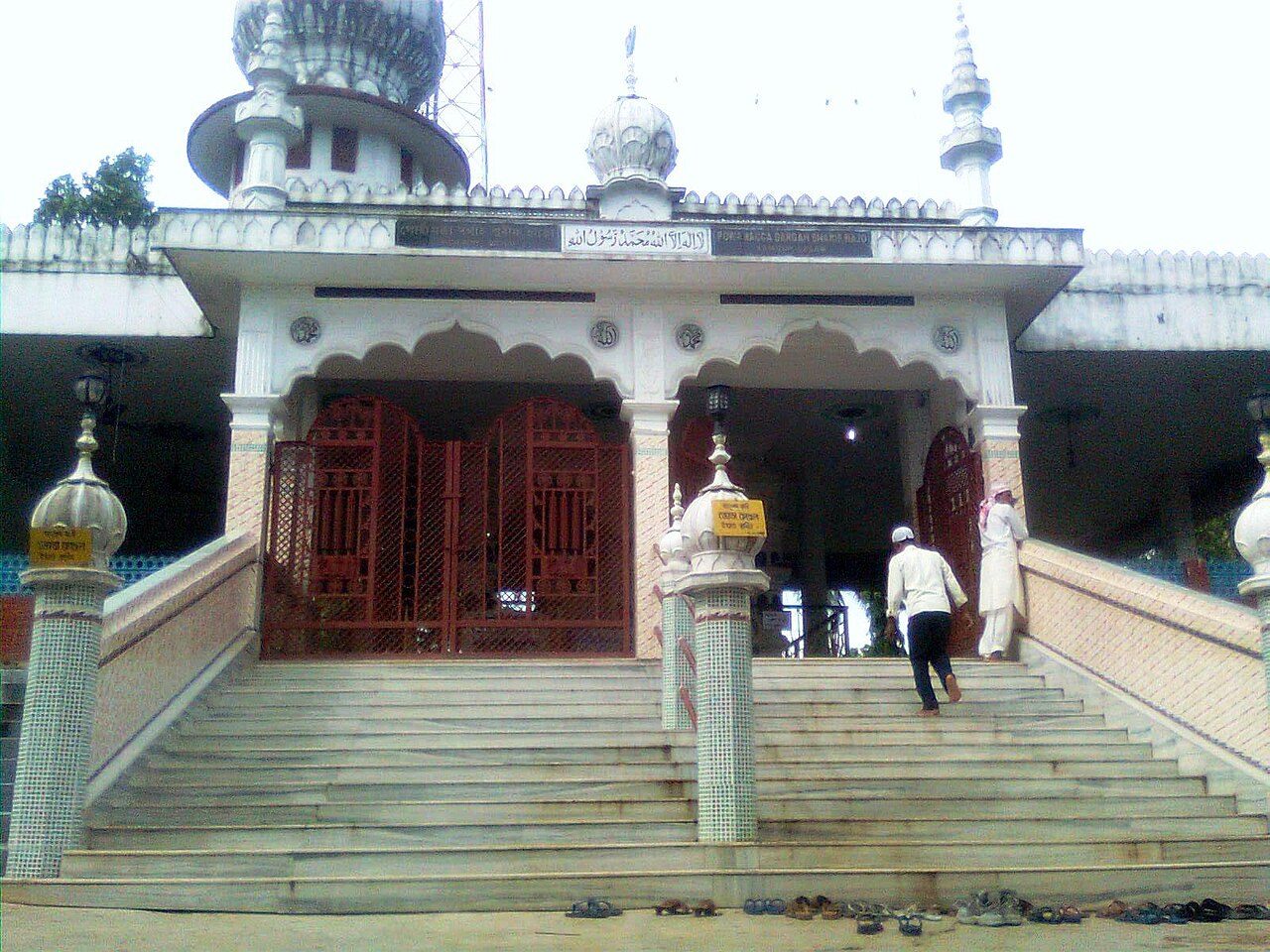
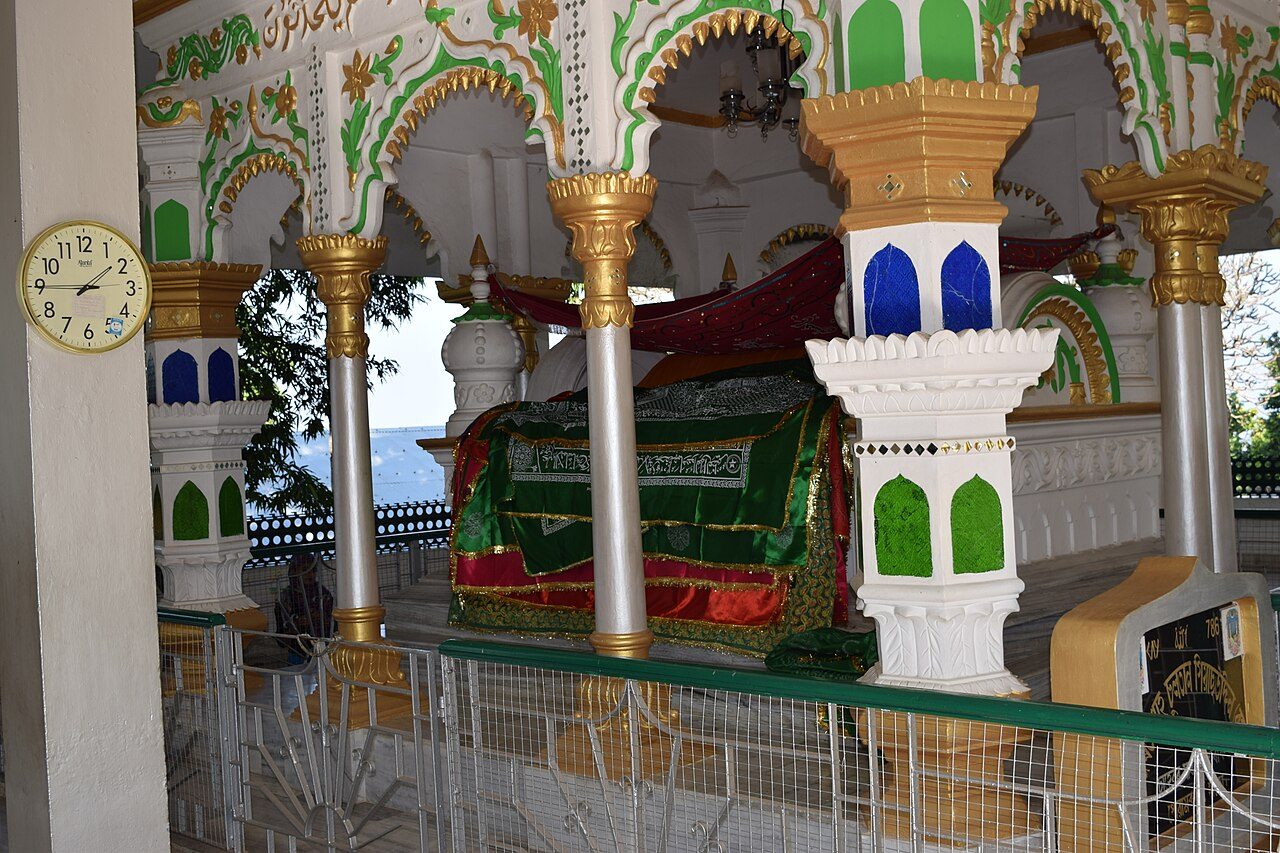
Poa Mecca is a Muslim shrine on Garurachal hill at Hajo. It holds the tomb of the saint Pir Giasuddin Auliya, and the mosque here dates to 1657 under the Mughal governor of the time. The name comes from the belief that its foundation holds a quarter-seer of soil from Mecca. People of all faiths climb the hill to pray.
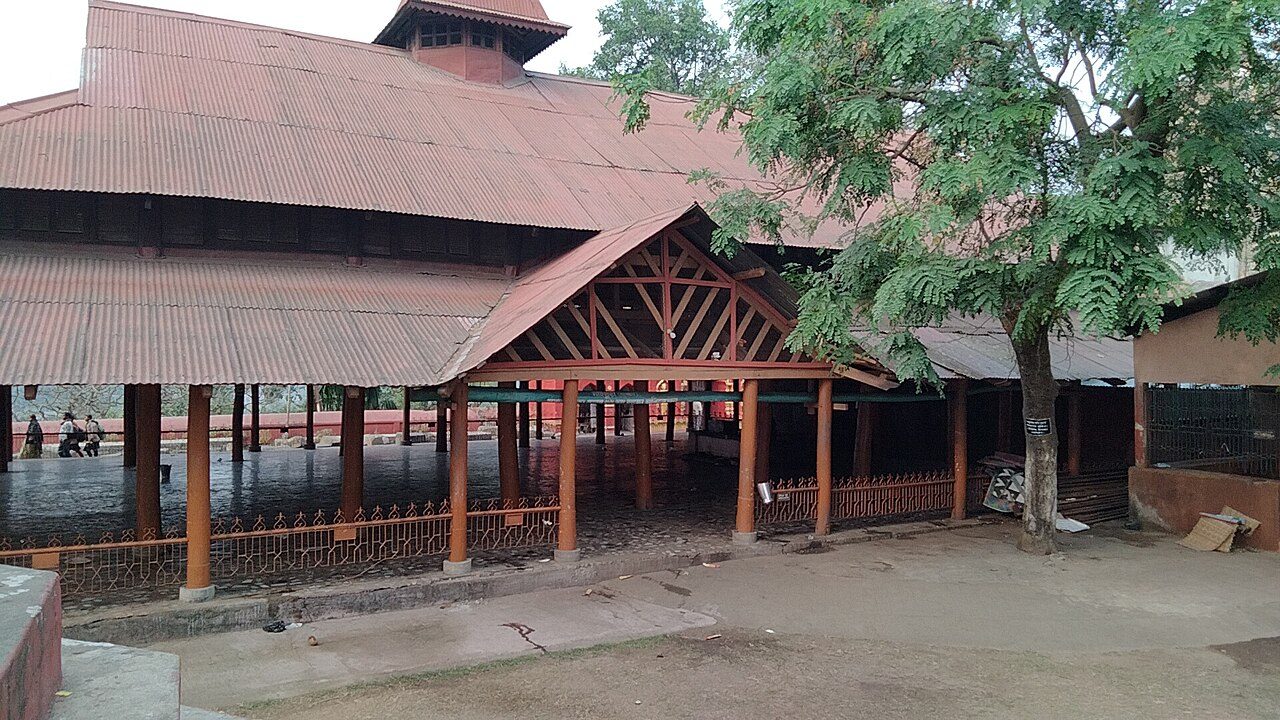
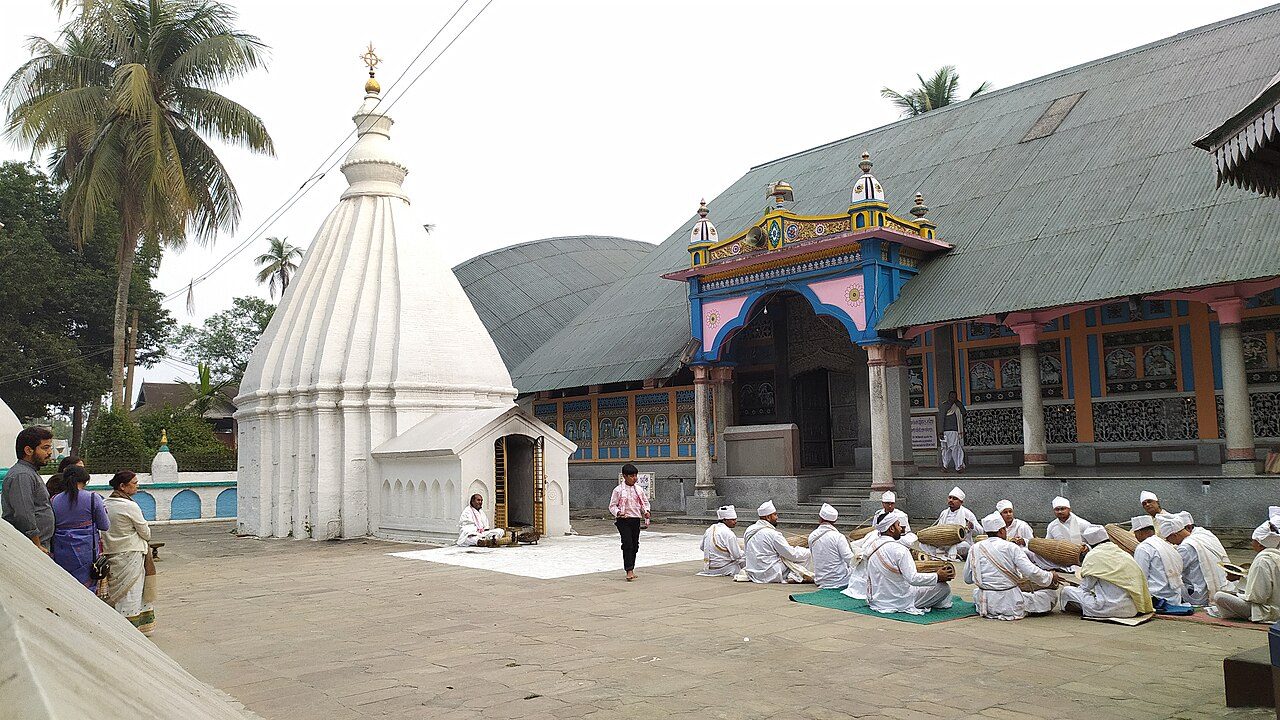
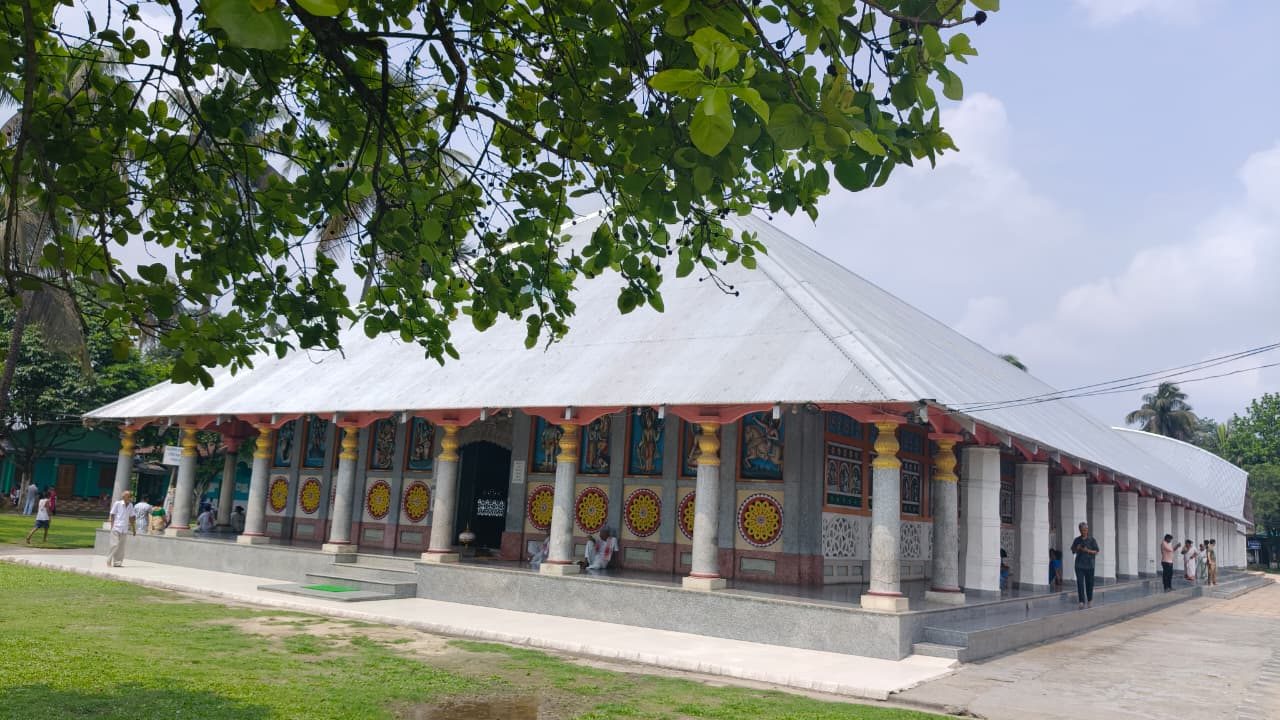
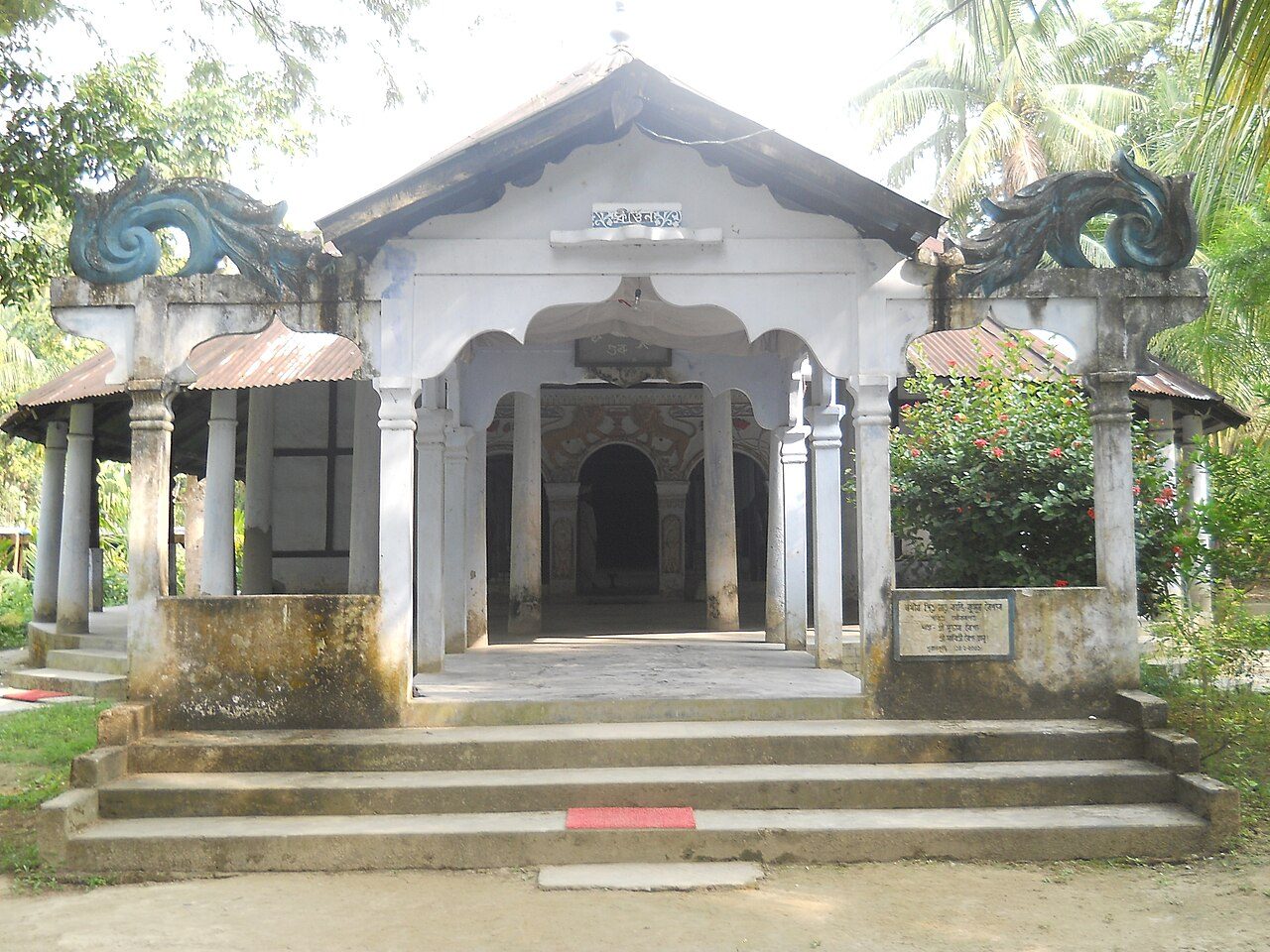
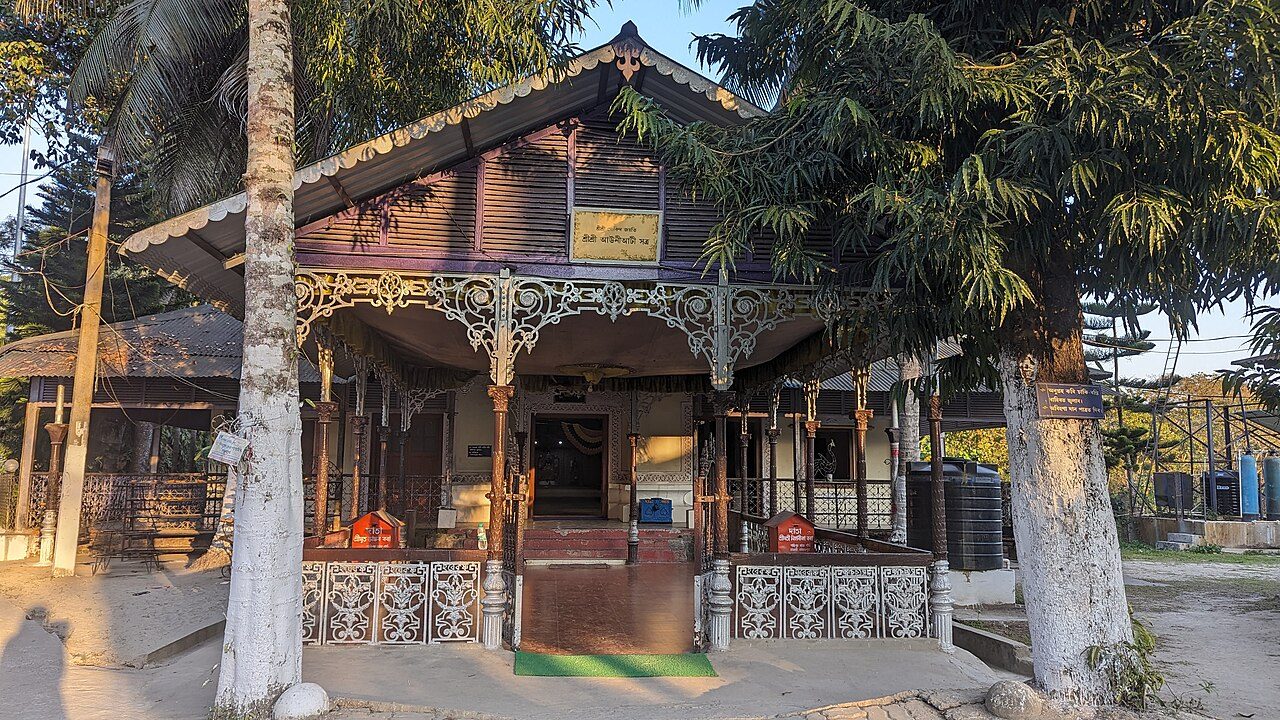
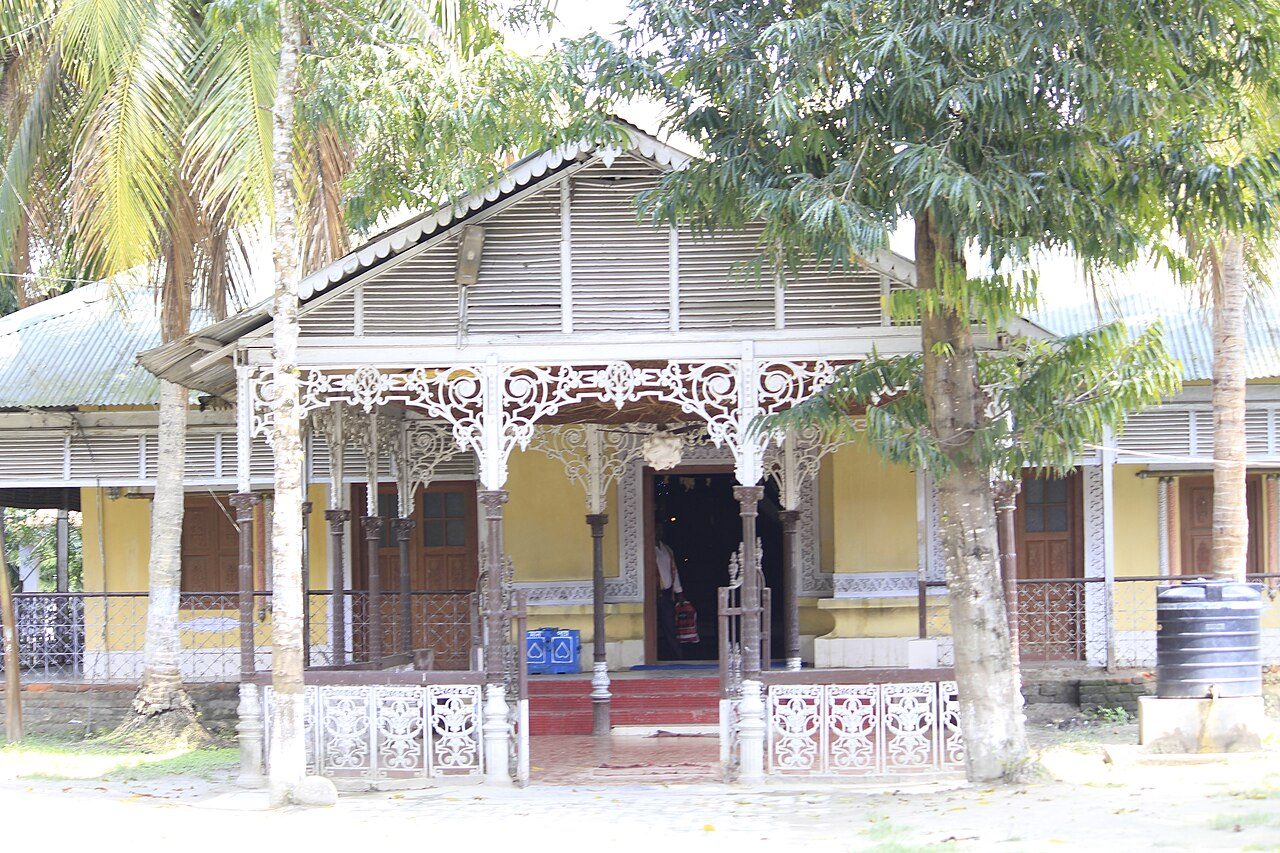
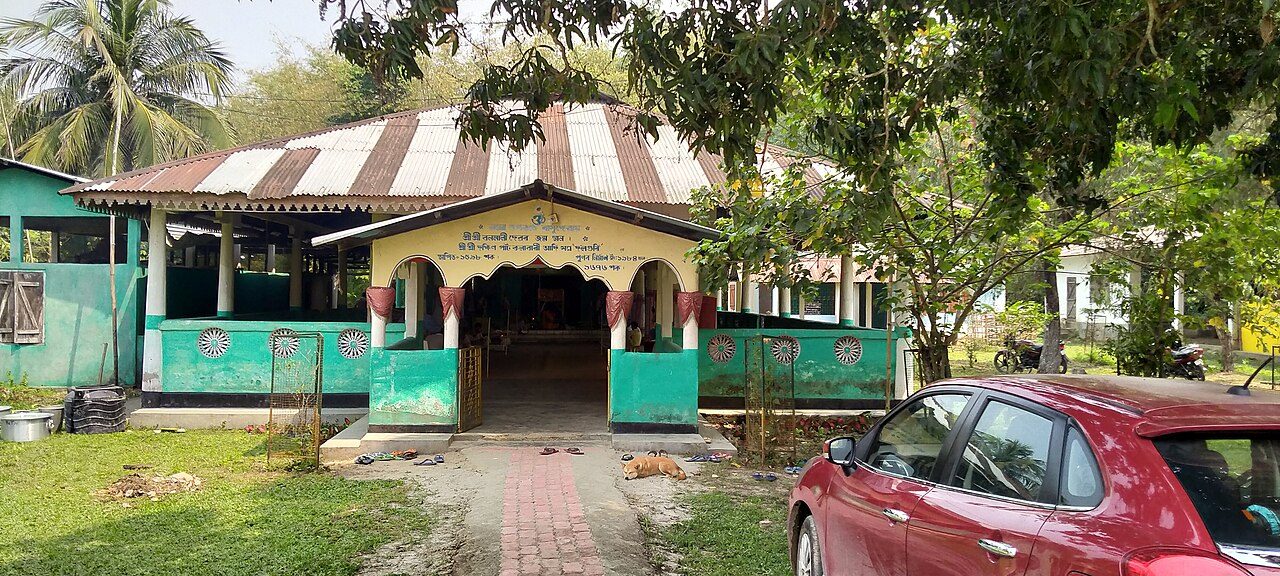
Barpeta Satra was founded in 1583 by Madhavdeva, chief disciple of the saint Sankaradeva, and remains one of the most important Vaishnavite centres of Assam. Its great Kirtan Ghar prayer hall has been rebuilt several times on the original site. The satra is famous for its Doul Utsav at Holi, celebrated with devotional songs called holigeet.
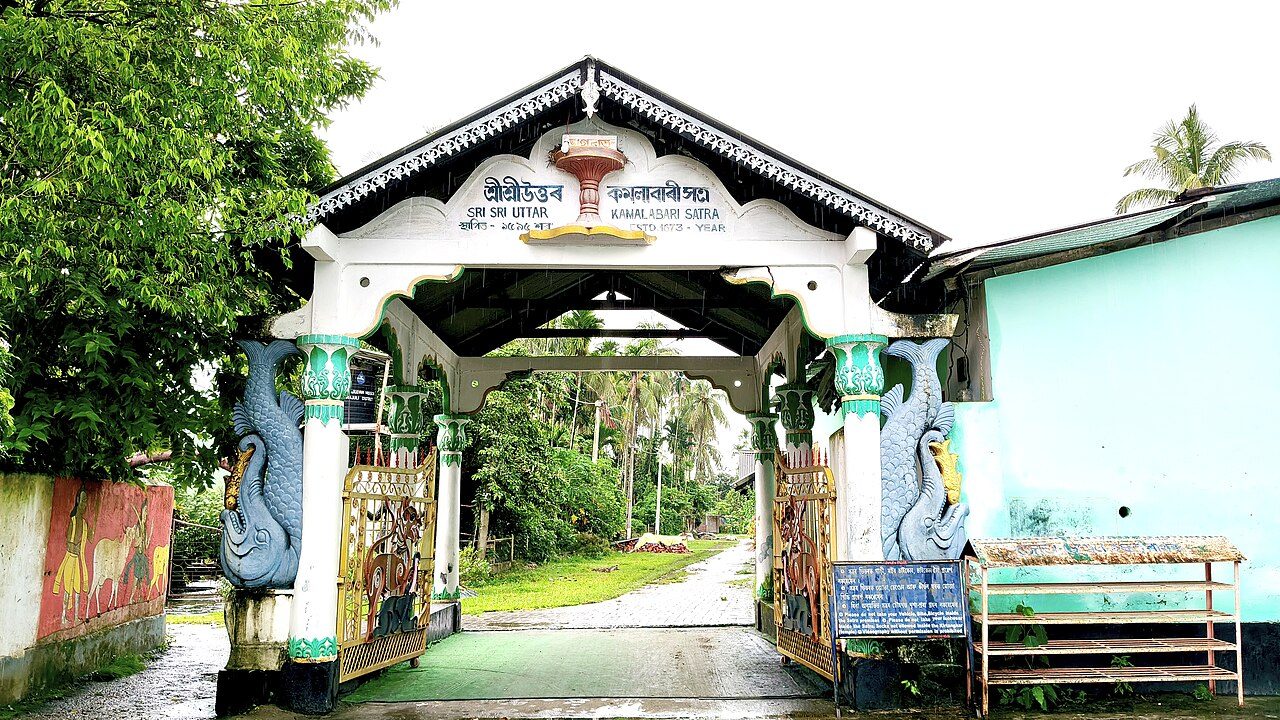
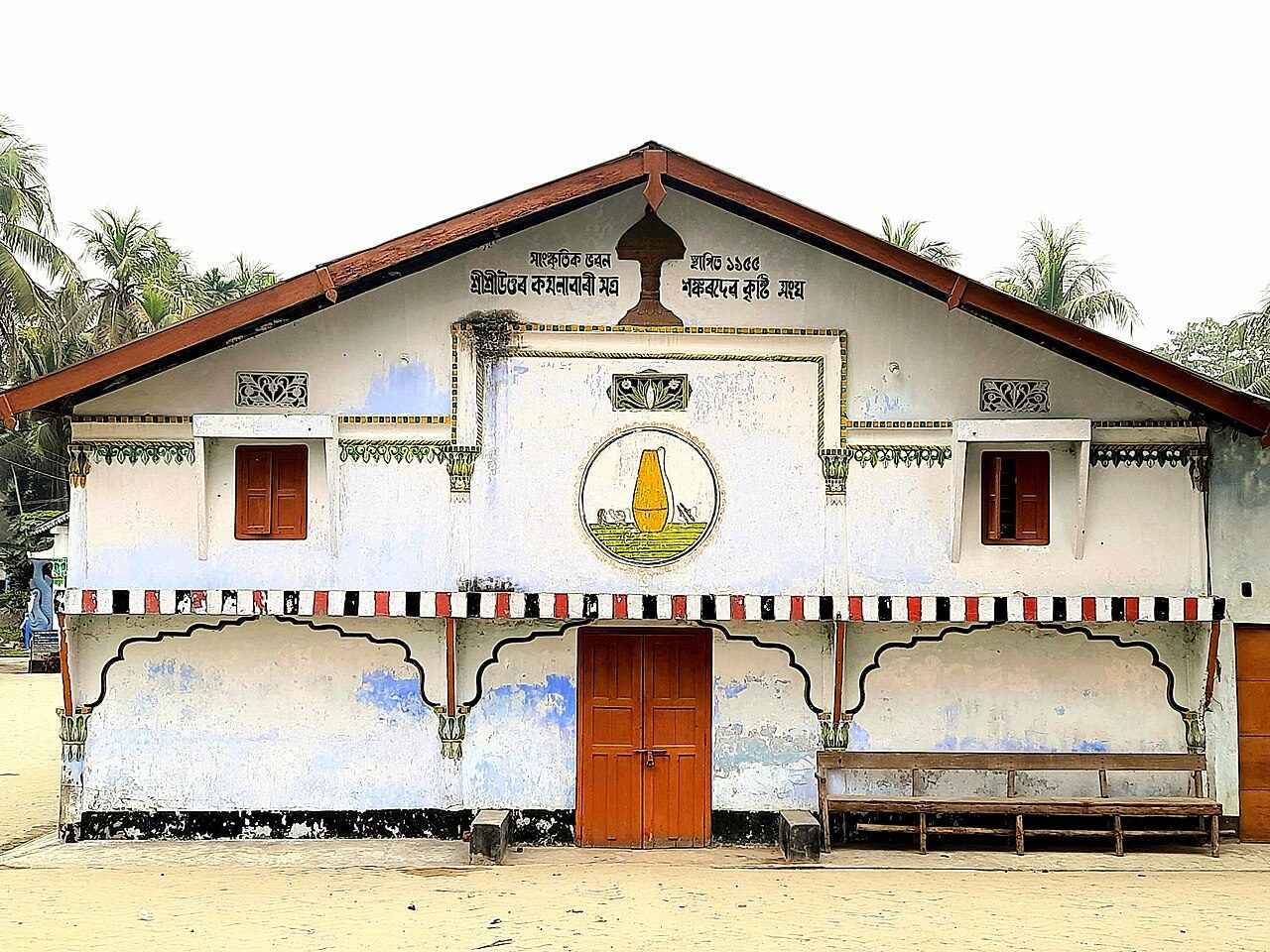
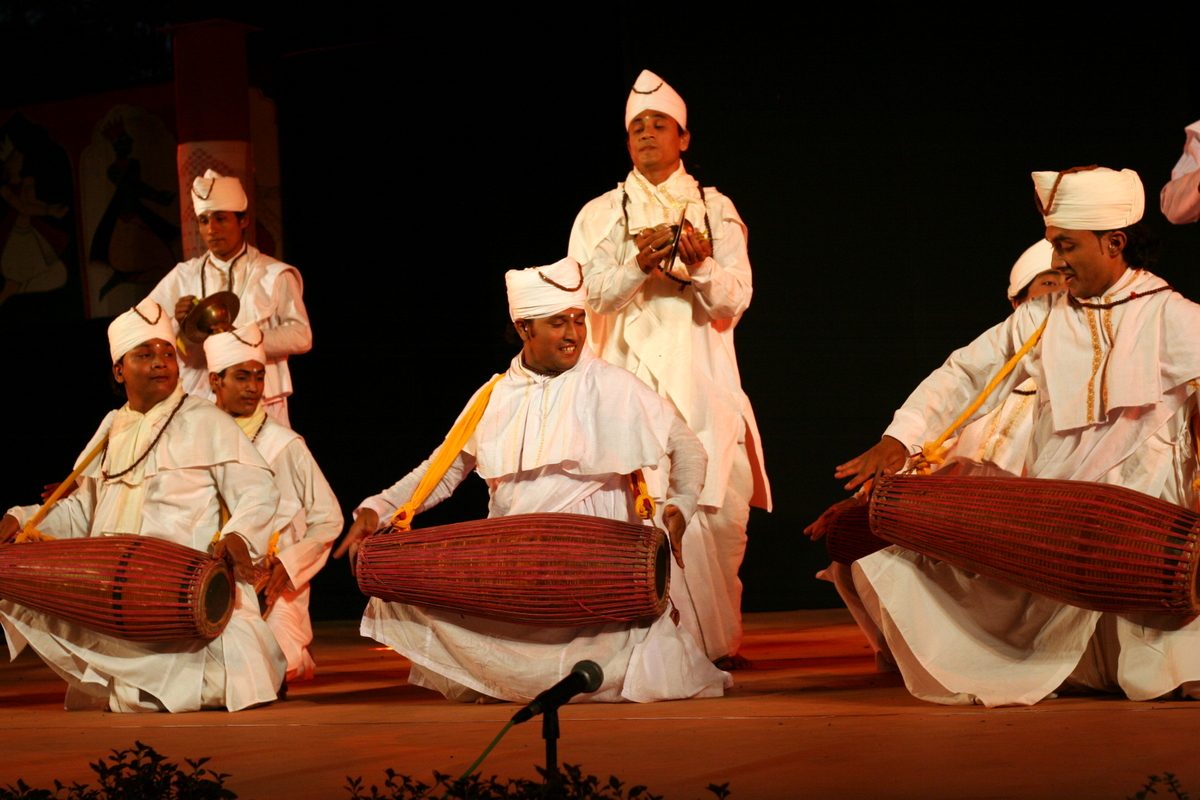
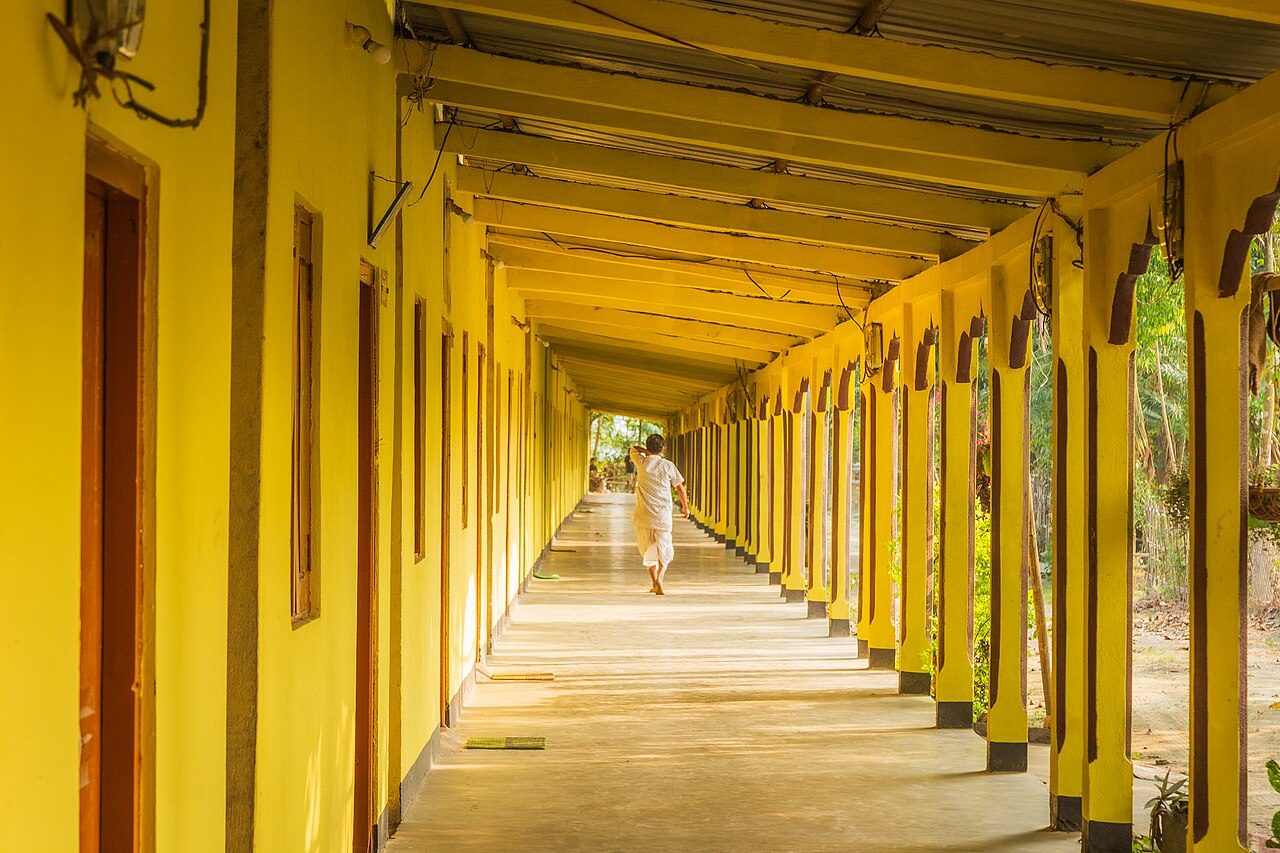
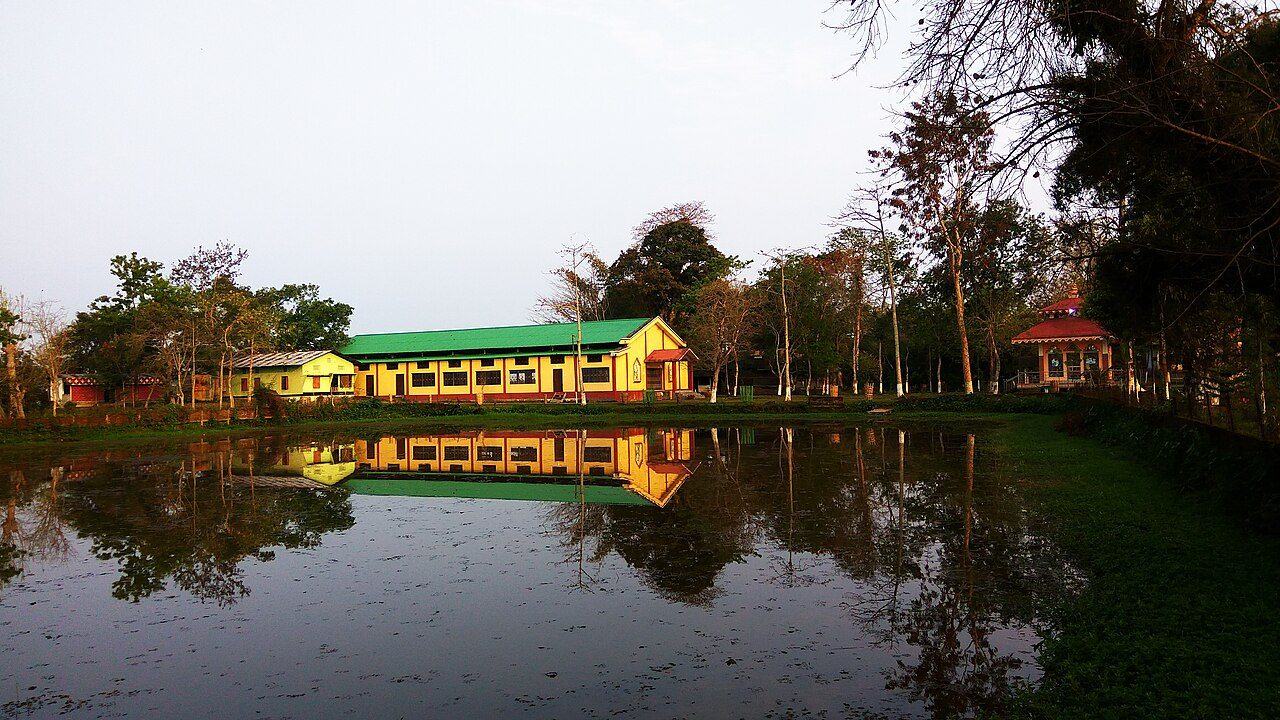
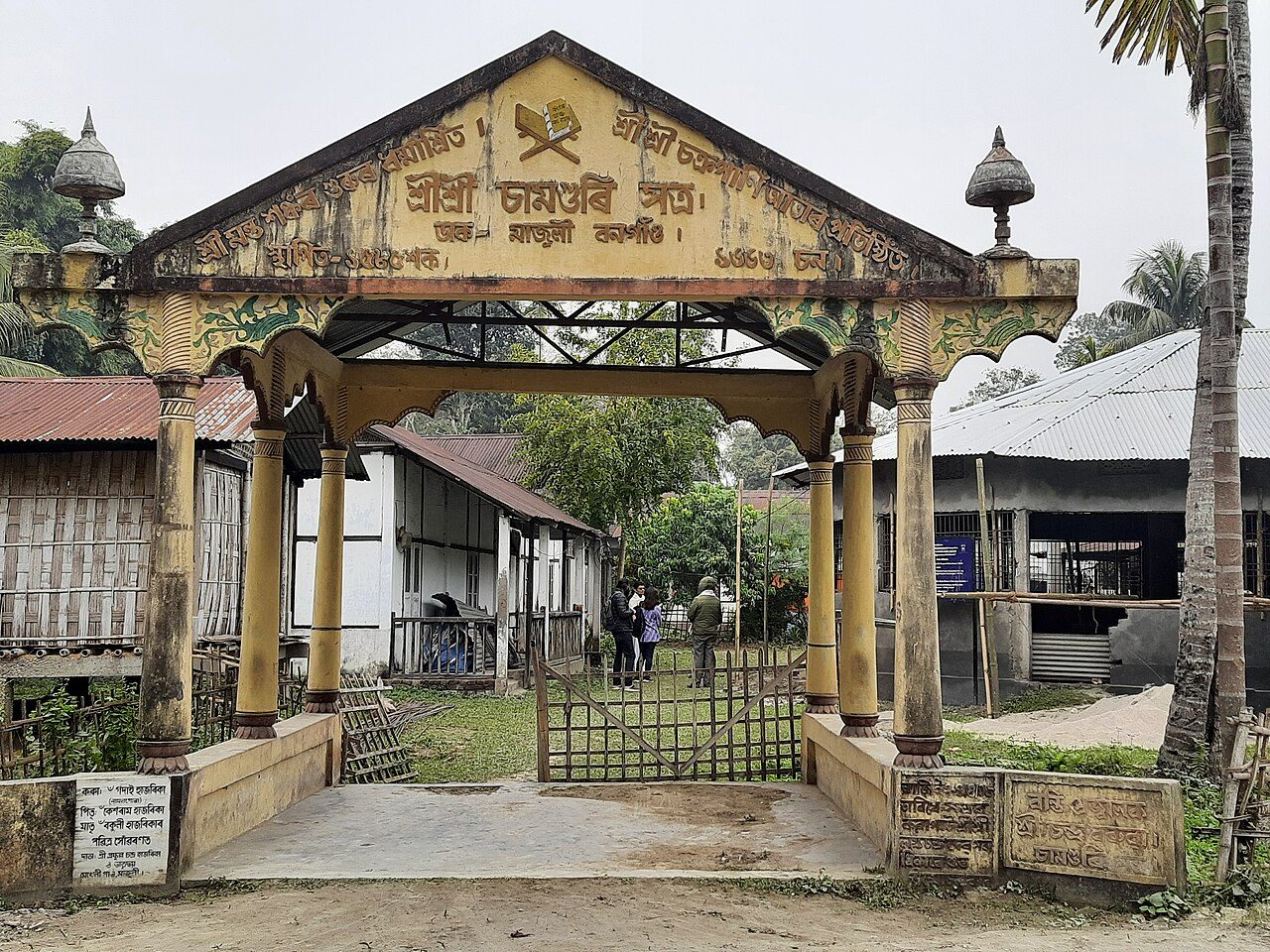
Kamalabari Satra is one of the best-known Vaishnavite monasteries on Majuli island, founded in the 17th century by Bedulapadma Ata. Its celibate monks are famed for Sattriya dance, drumming and devotional music, and for fine boat-making and crafts. Visitors can see the prayer hall and, with luck, watch the monks practise.
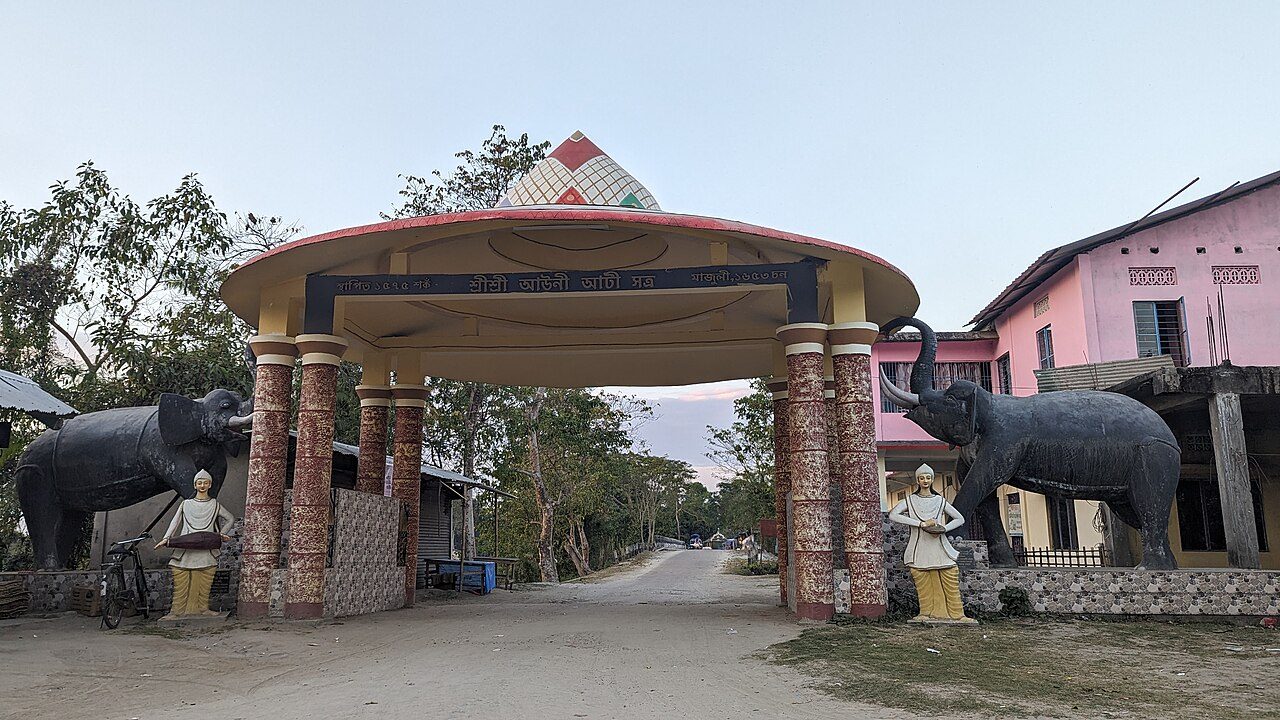
Auniati Satra, founded in 1653 under Ahom king Jayadhwaj Singha, is among the largest and most influential monasteries of Majuli. The monks worship Govinda in the main prayer hall and are known for Paalnaam chanting and Apsara dance. A small museum keeps old Ahom royal gifts, utensils, jewellery and handicrafts.
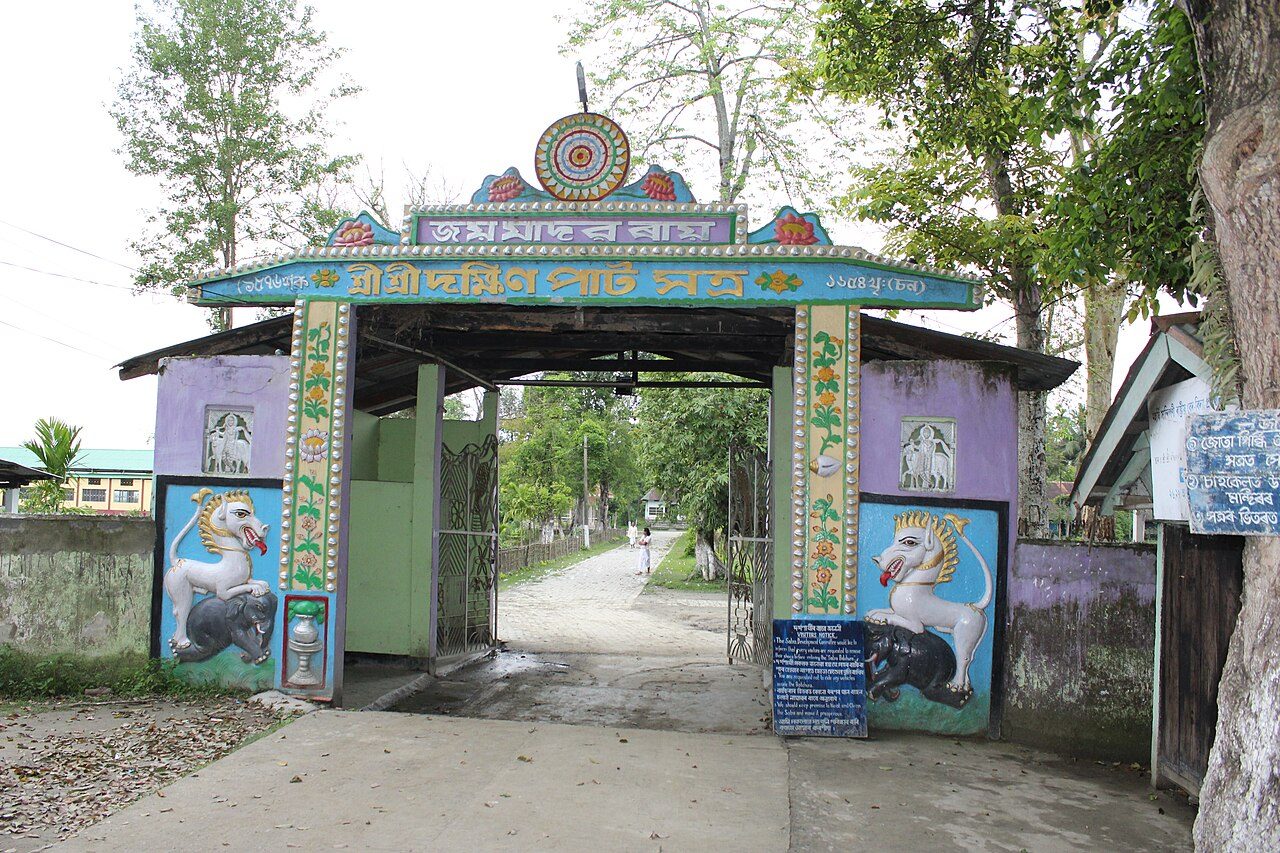
Dakhinpat Satra on Majuli was established in the mid-17th century by Vanamali Deva with the patronage of Ahom king Jayadhwaj Singha. Its gateways are decorated with painted reliefs of flowers, animals and religious scenes, and the main shrine holds an image of Jadav Rai. The satra is especially lively during the Rasleela festival in November.
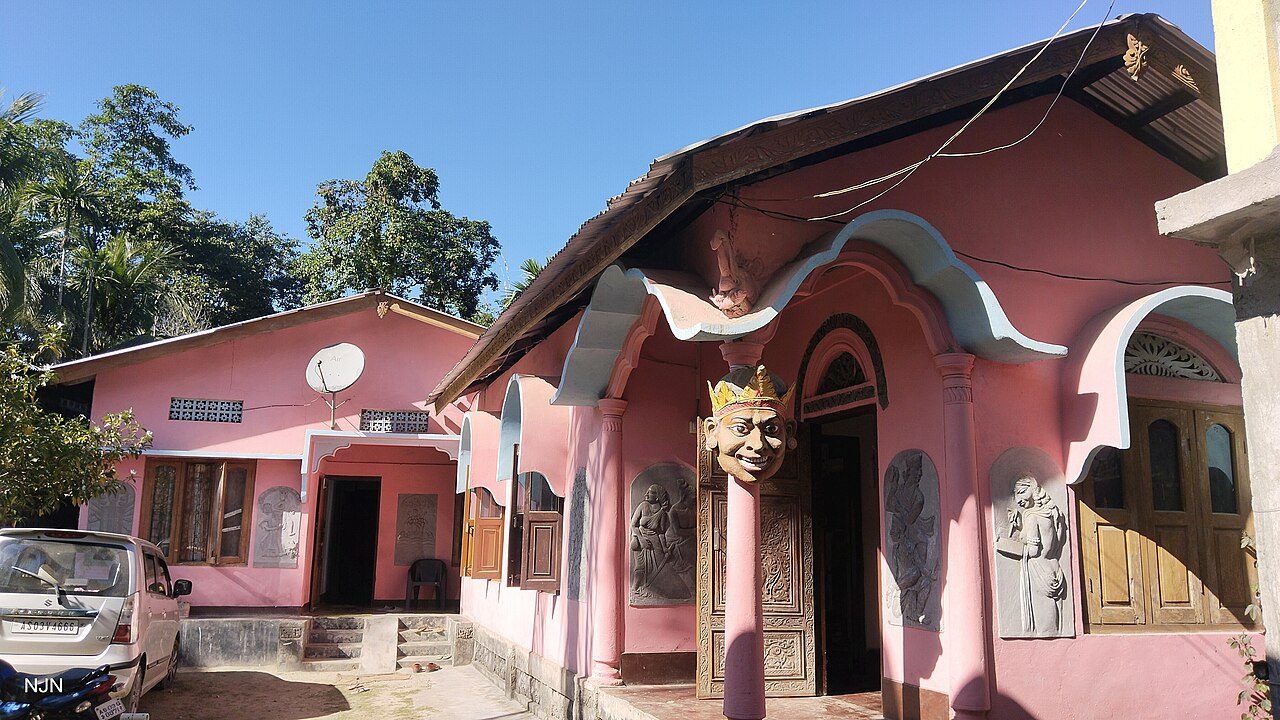
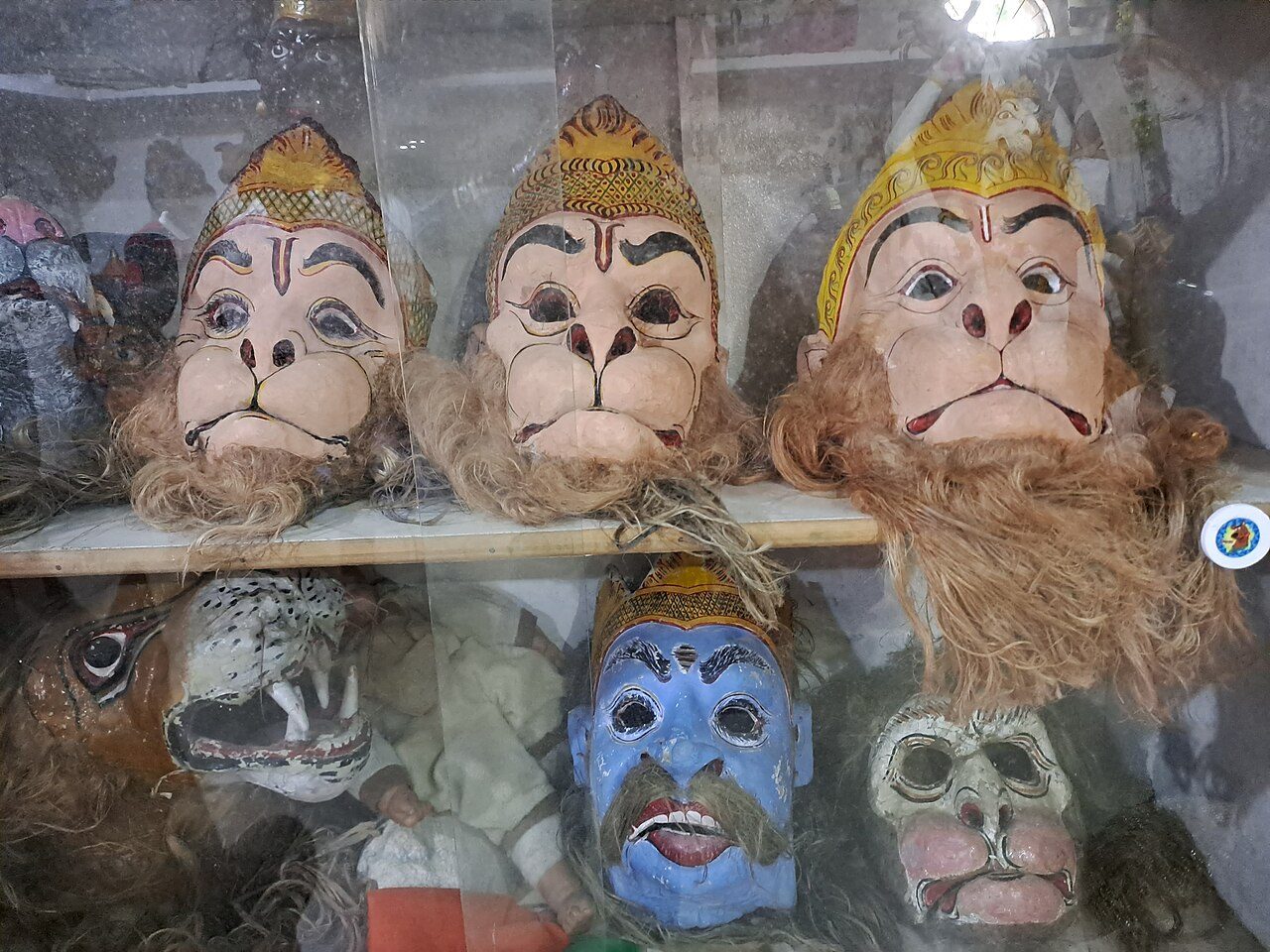
Samaguri Satra on Majuli is famous for mask-making. The monks and families here shape bamboo frames, cover them with cloth and clay, and paint them into the gods, demons and animals used in Bhaona religious theatre. Visitors can step into the workshop, try on finished masks and see how this centuries-old craft is kept alive.
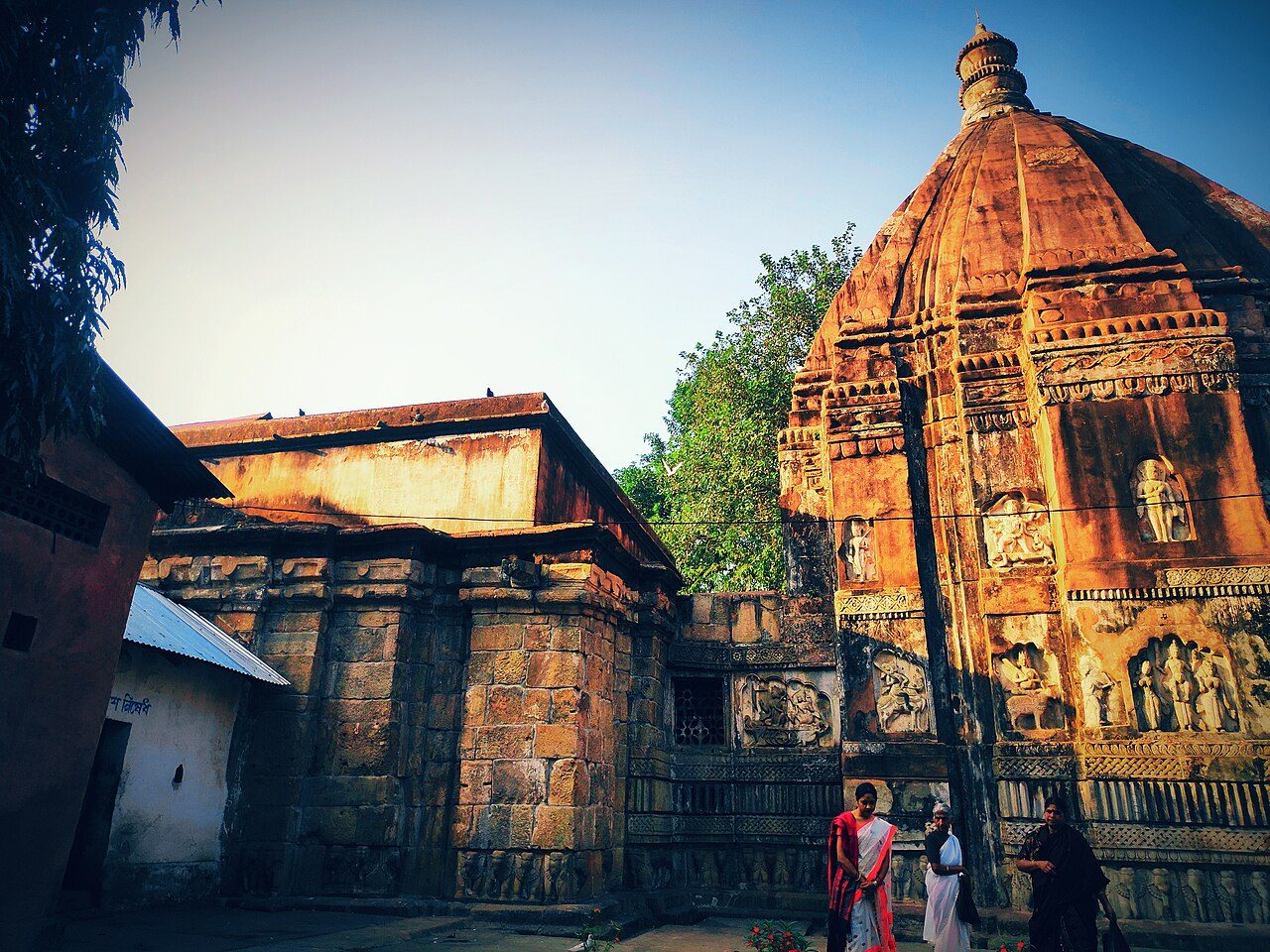
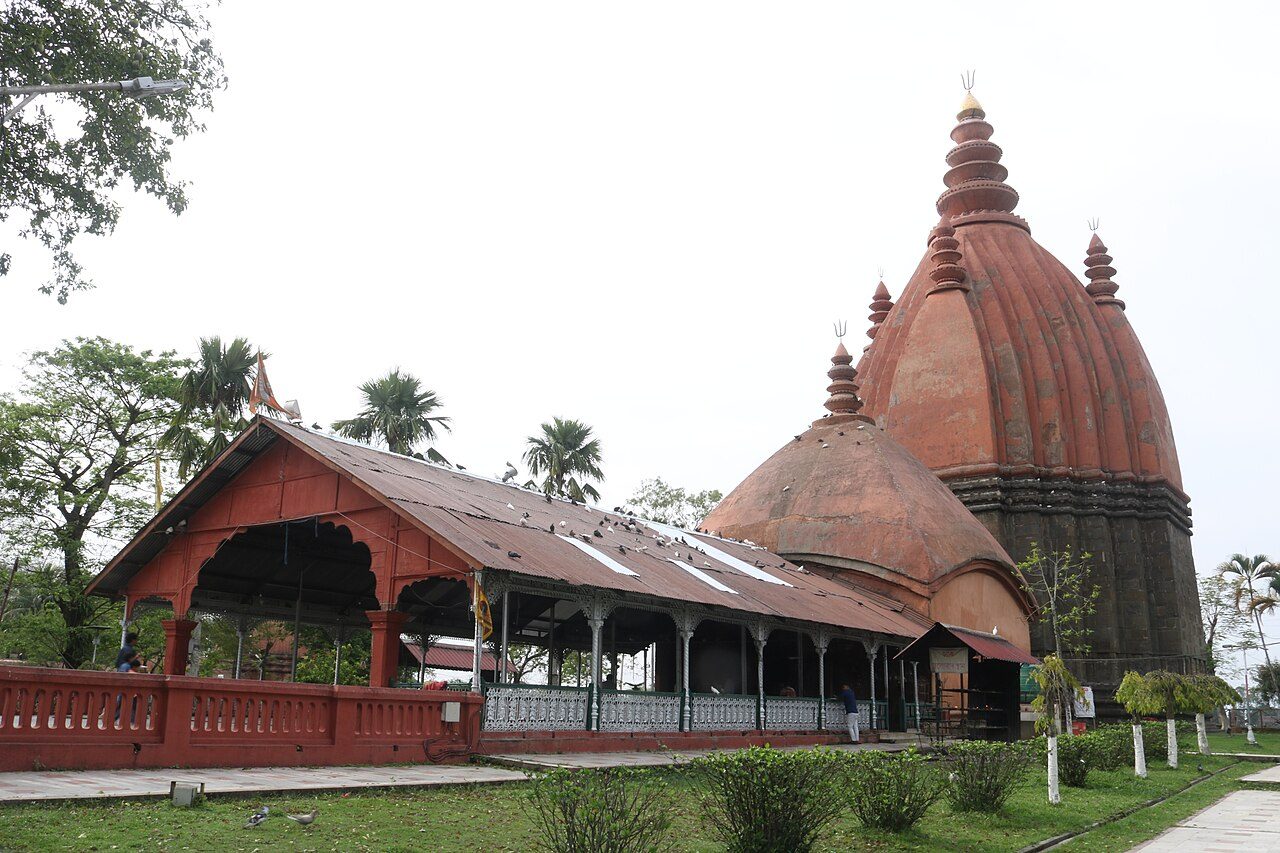
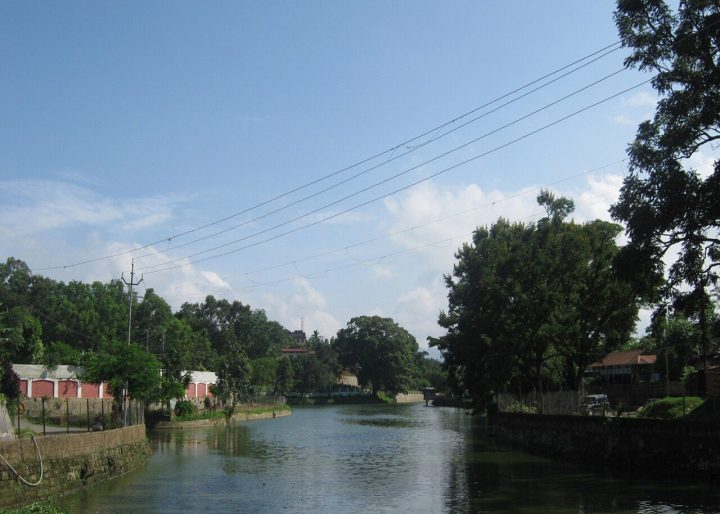
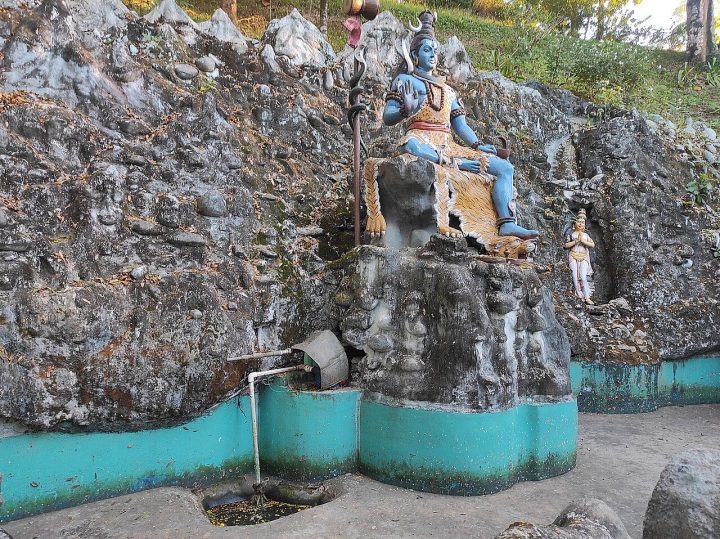
The Sivadol stands on the bank of the Sivasagar tank in the centre of Sivasagar town. It was built in 1734 by Queen Ambika, wife of Ahom king Siva Singha, and its tower rises about 32 metres, topped by a gilded dome. Flanked by the smaller Vishnudol and Devidol, it is the main Shiva temple of upper Assam and is busiest on Maha Shivaratri.
Best weather: Nov – MarHeavy rain: May – Sep
Seasons from 20 years of NASA POWER climate data.
Was this trip blog helpful?
0
0
Ready to follow this route?
Copy all 10 stops into your trip plans in the app.
 WaTrips