Kaziranga and Majuli in 4 Days: Rhinos, Gibbons and River Island Satras
4 DAYS8 placesby WaTrips
Pobitora's rhinos, Kaziranga safaris, the Hoollongapar gibbons, then Majuli island and its satras.
This route combines Assam's wildlife with its living culture. Day one stops at Pobitora, with the densest population of one-horned rhinos, and reaches Kaziranga, a UNESCO World Heritage Site and home to most of the world's one-horned rhinos. Day two visits the Hoollongapar Gibbon Sanctuary for India's only ape. Days three and four cross by ferry to Majuli, one of the largest river islands in the world, and its satras, the Vaishnava monasteries where dance, music and mask-making are kept alive. Kaziranga is open roughly November to April.
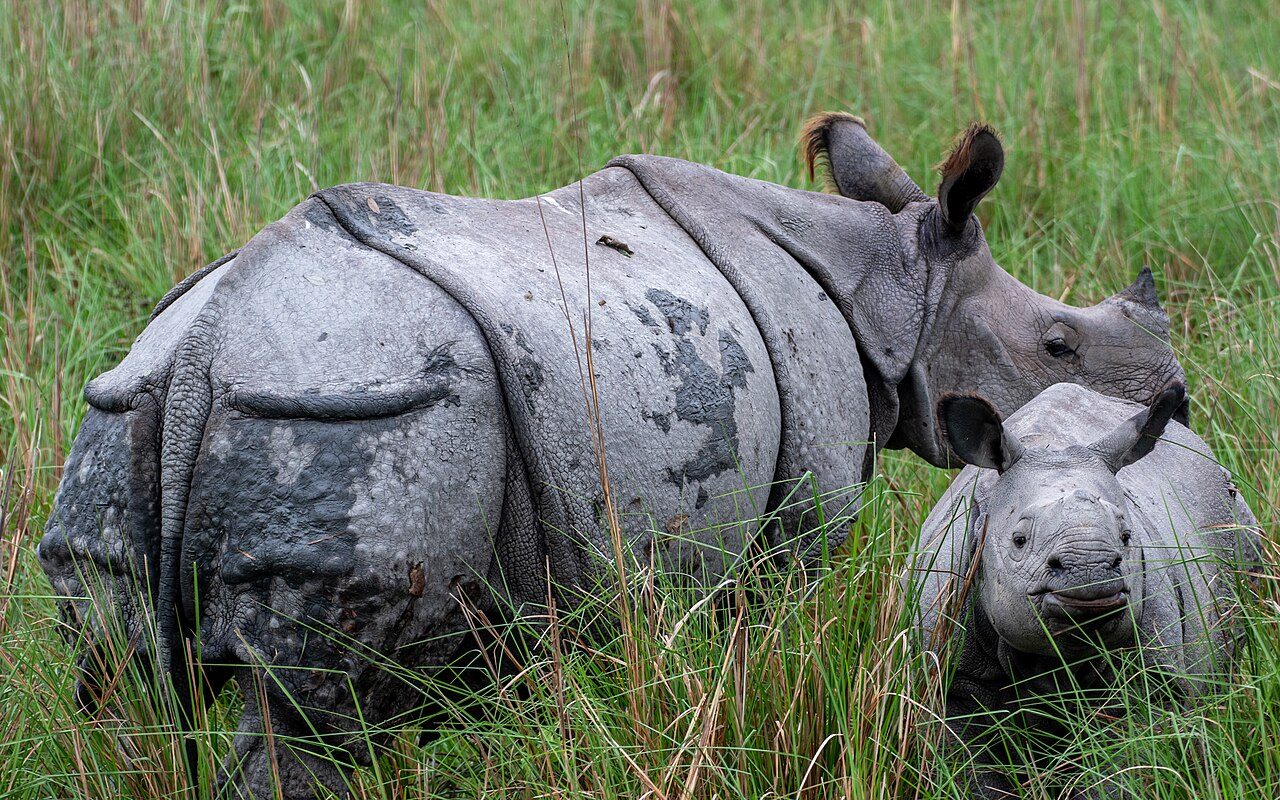
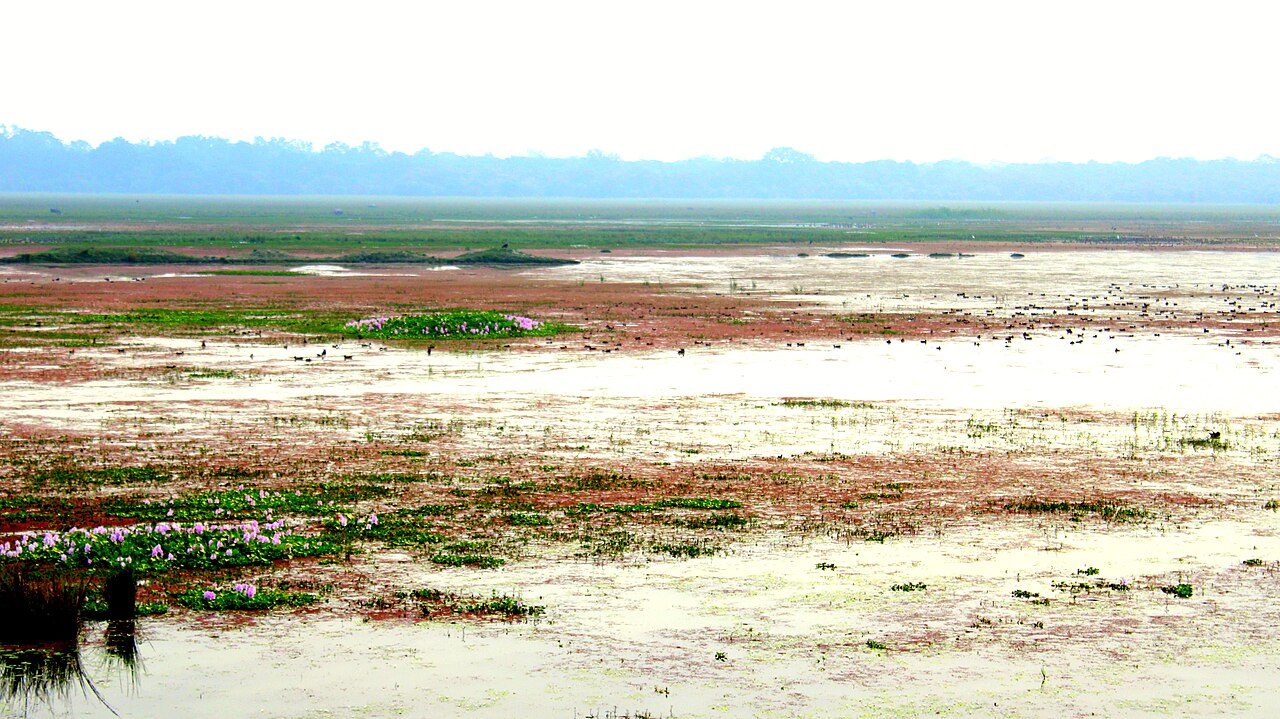
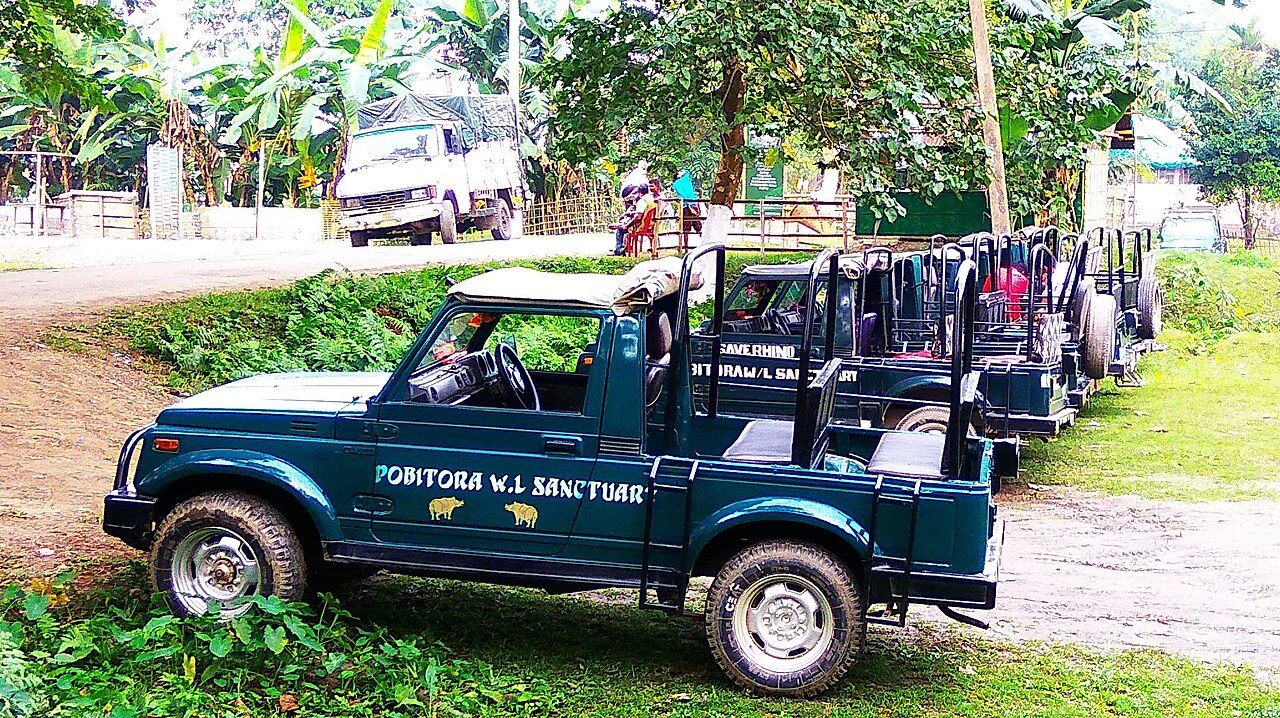
Pobitora Wildlife Sanctuary is a small grassland reserve in Morigaon district, about an hour from Guwahati. It holds one of the densest populations of the greater one-horned rhinoceros anywhere, so sightings are very likely. Jeep and elephant safaris run through the wet meadows, which also draw large flocks of migratory waterbirds in winter.
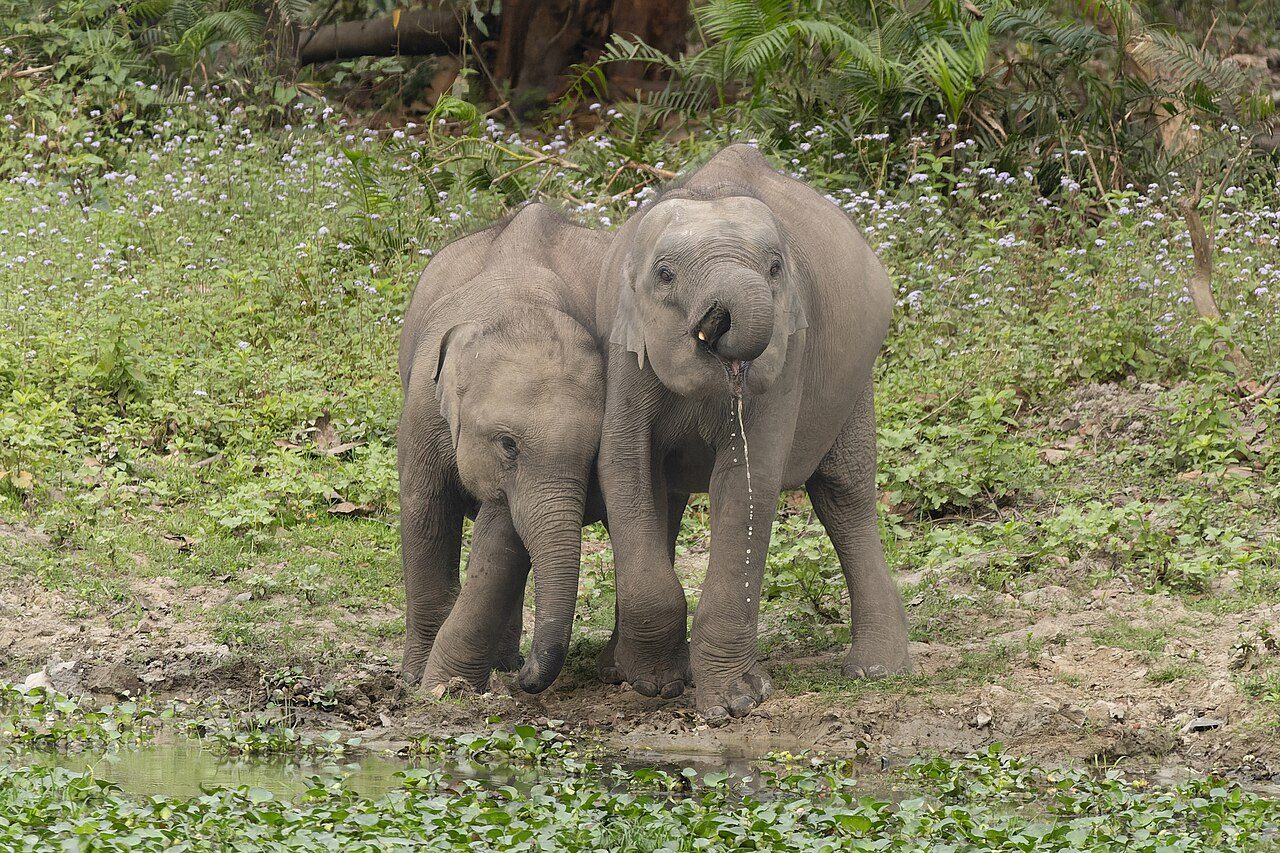
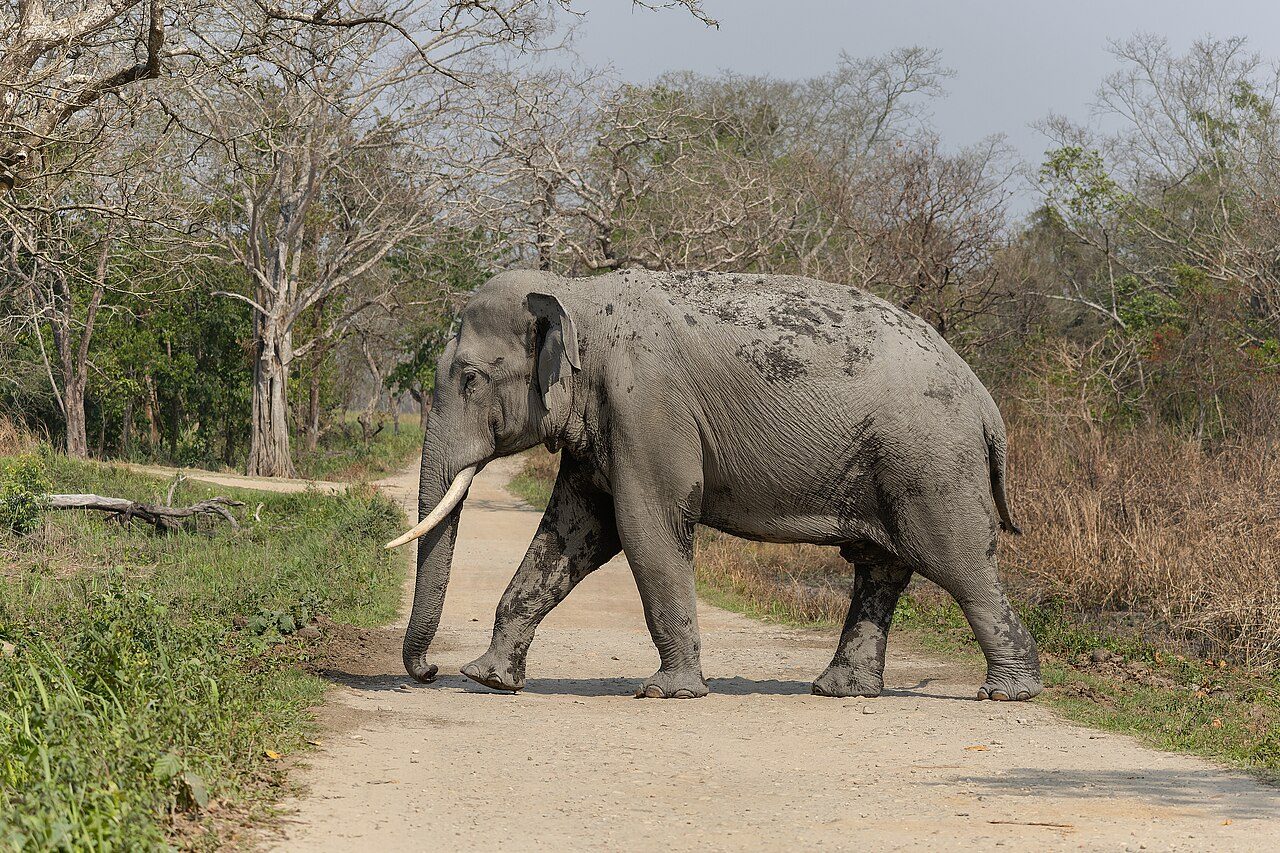
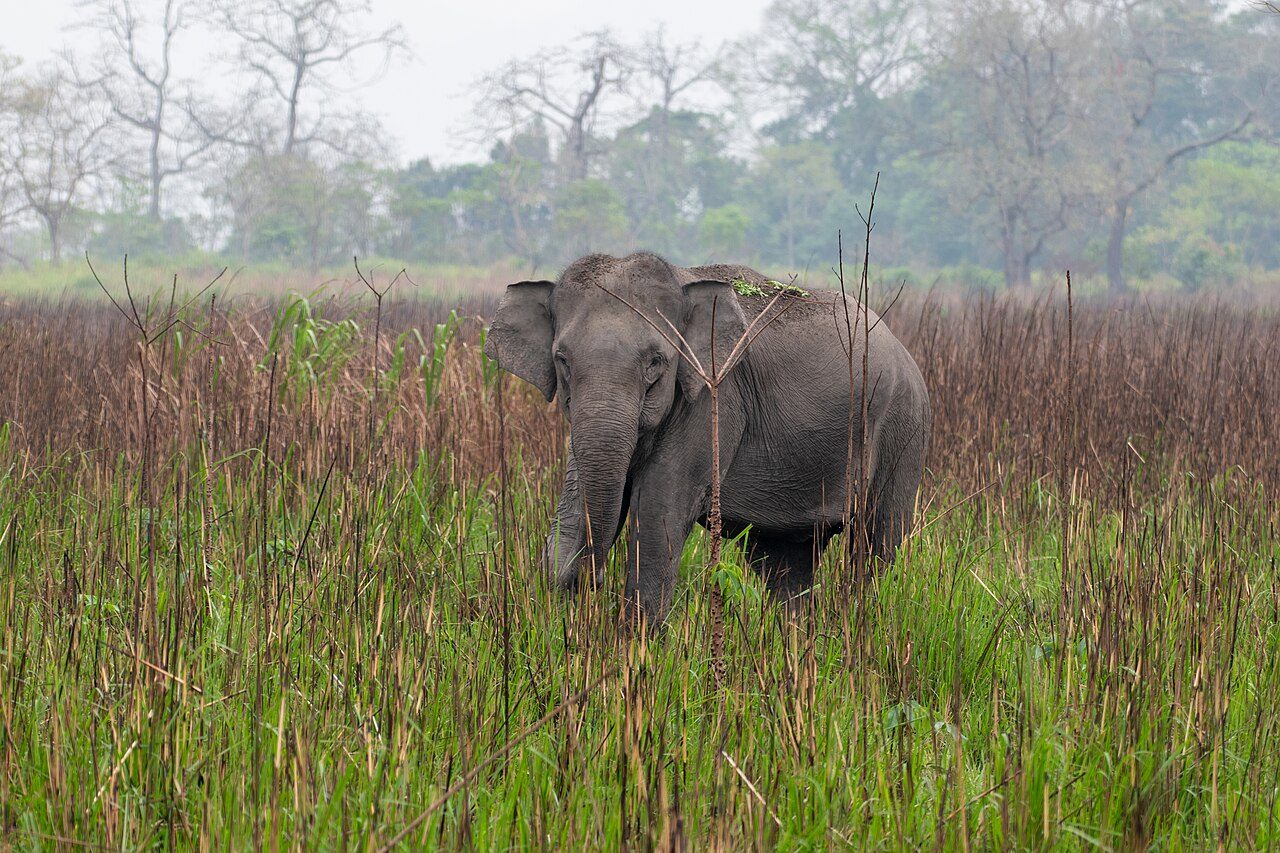
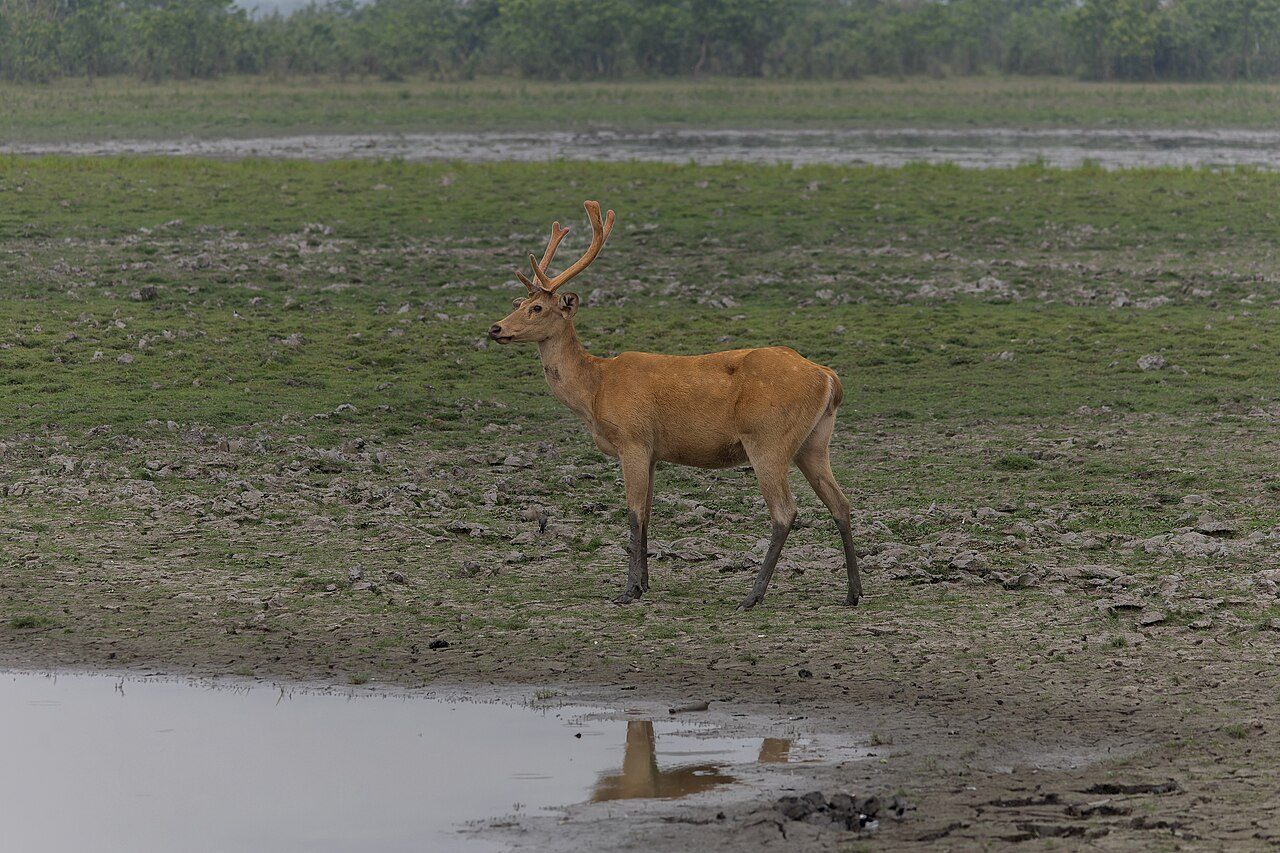
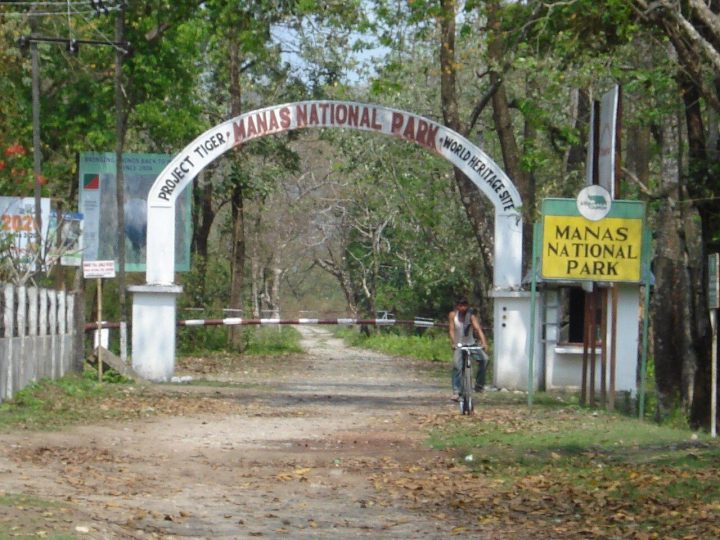
Kaziranga National Park, a UNESCO World Heritage Site on the Brahmaputra floodplain, protects about two-thirds of the world's greater one-horned rhinos. Its tall elephant grass, wetlands and forest also hold wild elephants, wild water buffalo, swamp deer and tigers. Safaris run from Kohora, Bagori and other ranges; the park closes through the monsoon floods.
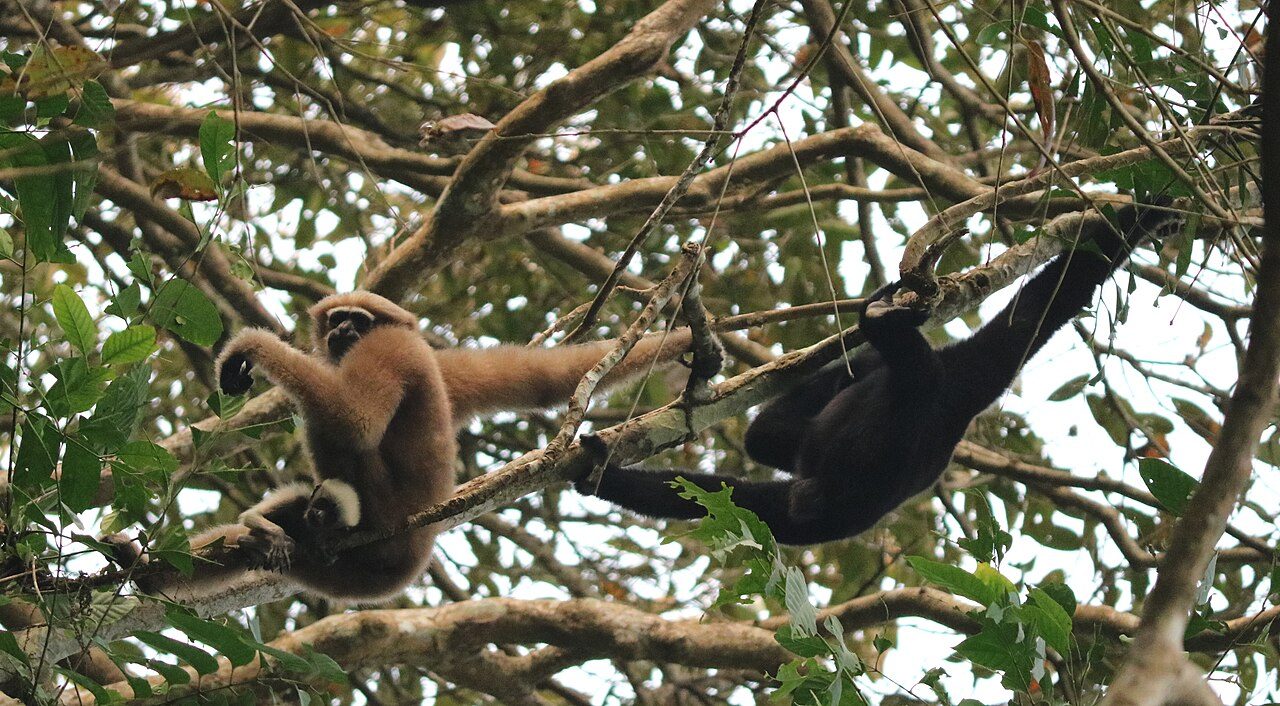
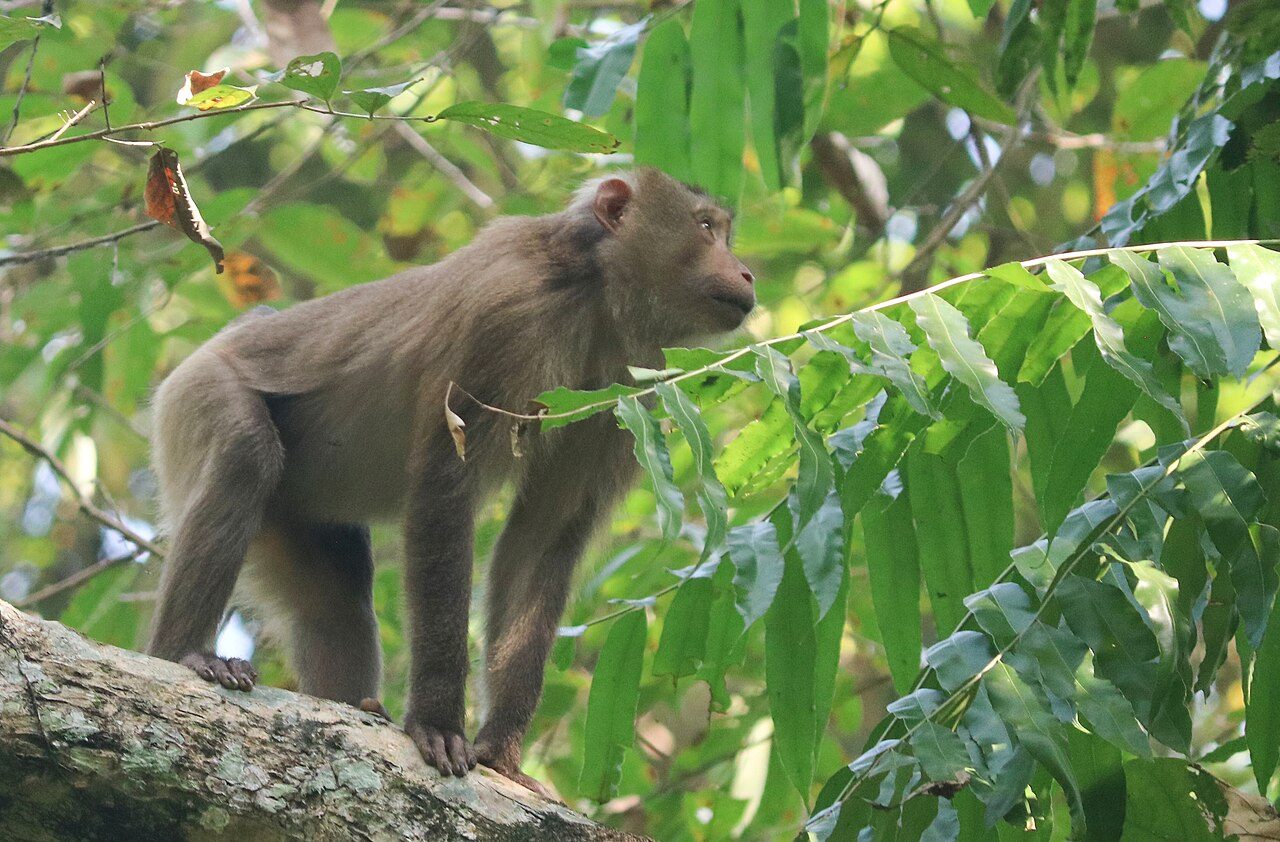
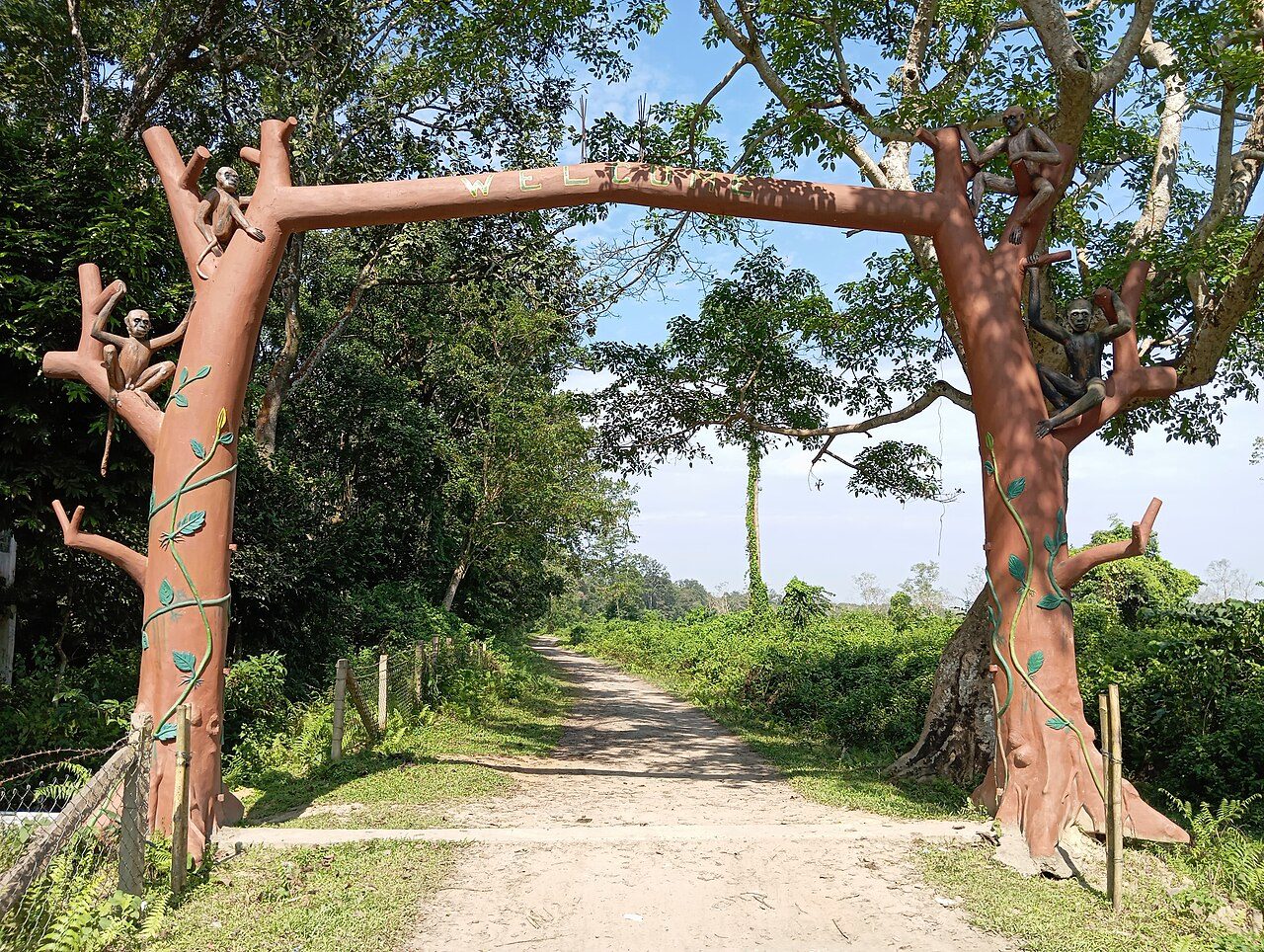
Hoollongapar Gibbon Sanctuary is a small patch of evergreen forest near Mariani in Jorhat district, ringed by tea gardens. It protects the western hoolock gibbon, India's only ape, whose loud morning calls carry through the canopy. Six other primates live here too, including the stump-tailed macaque and capped langur. Visits are on foot with a forest guard.
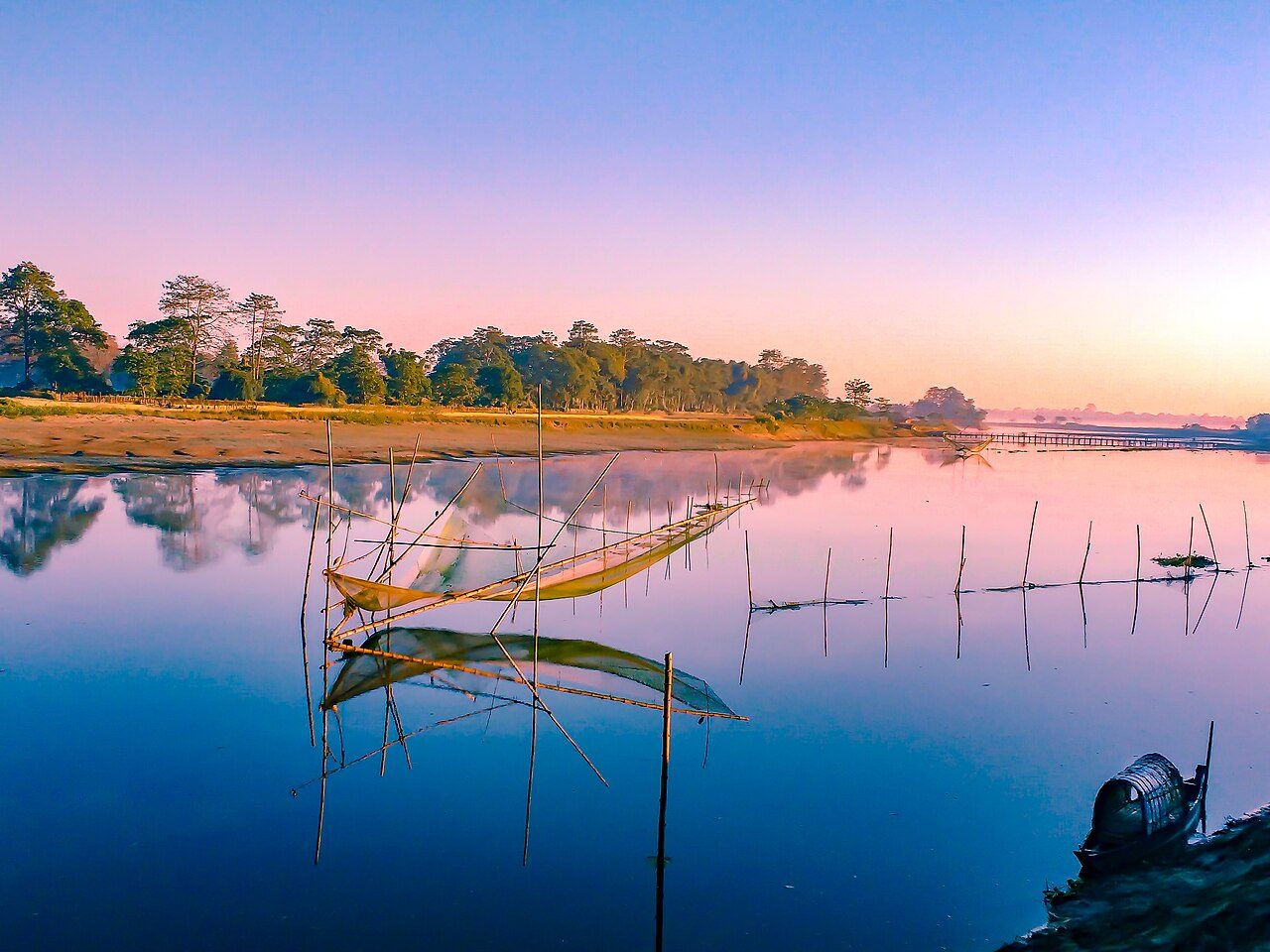
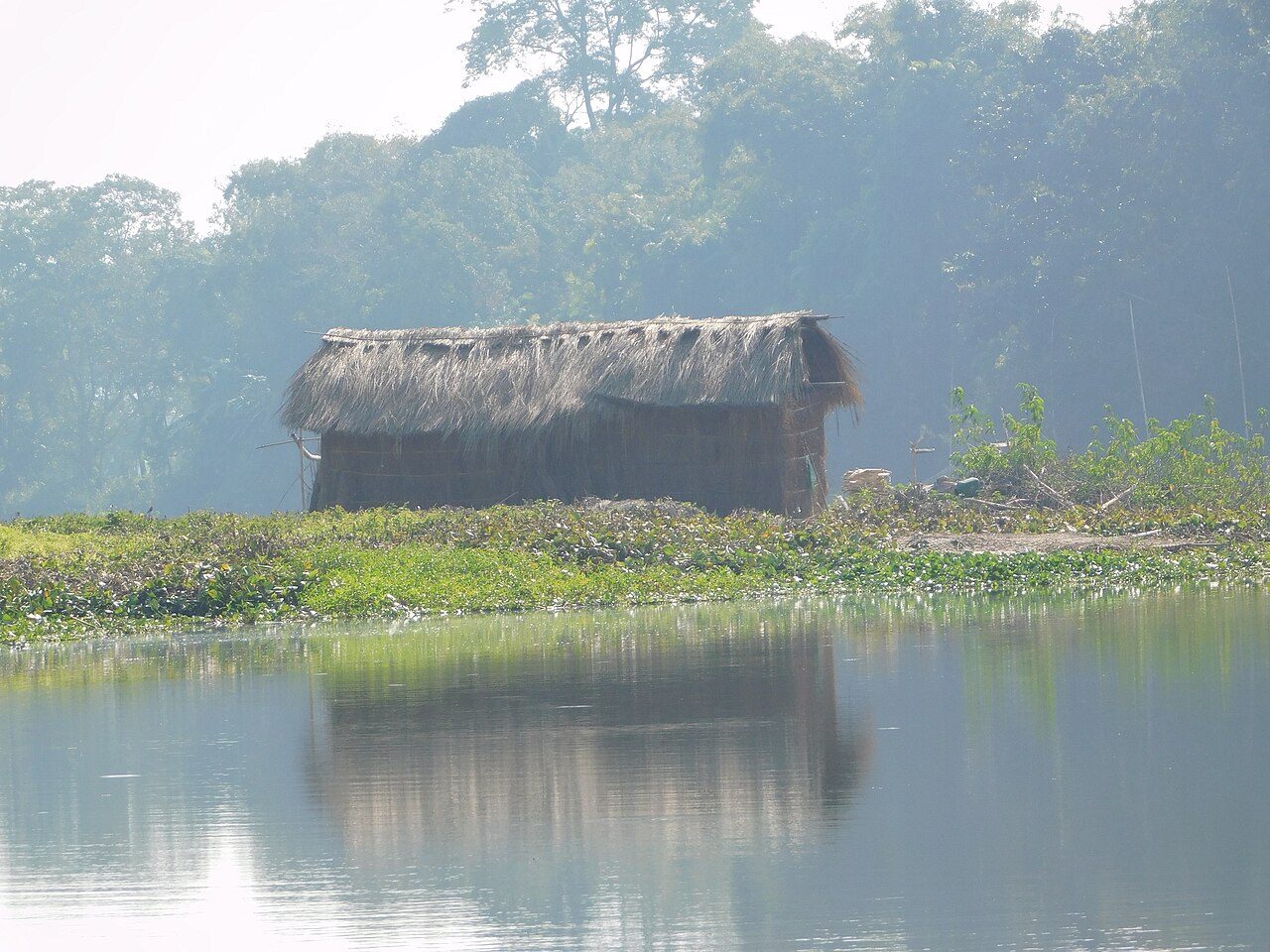
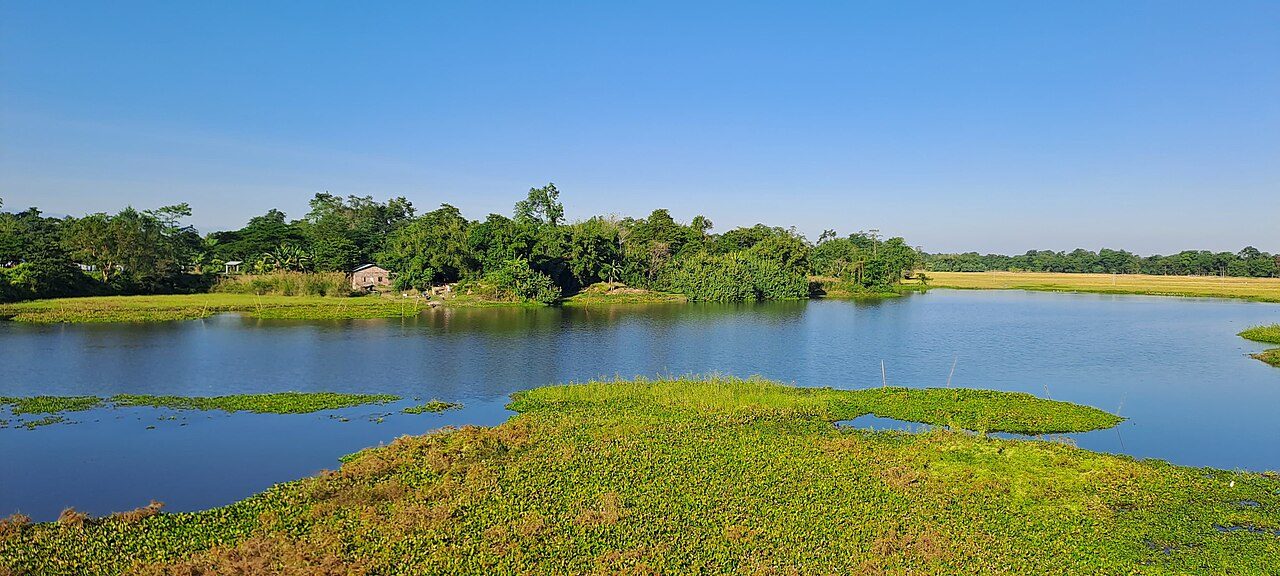
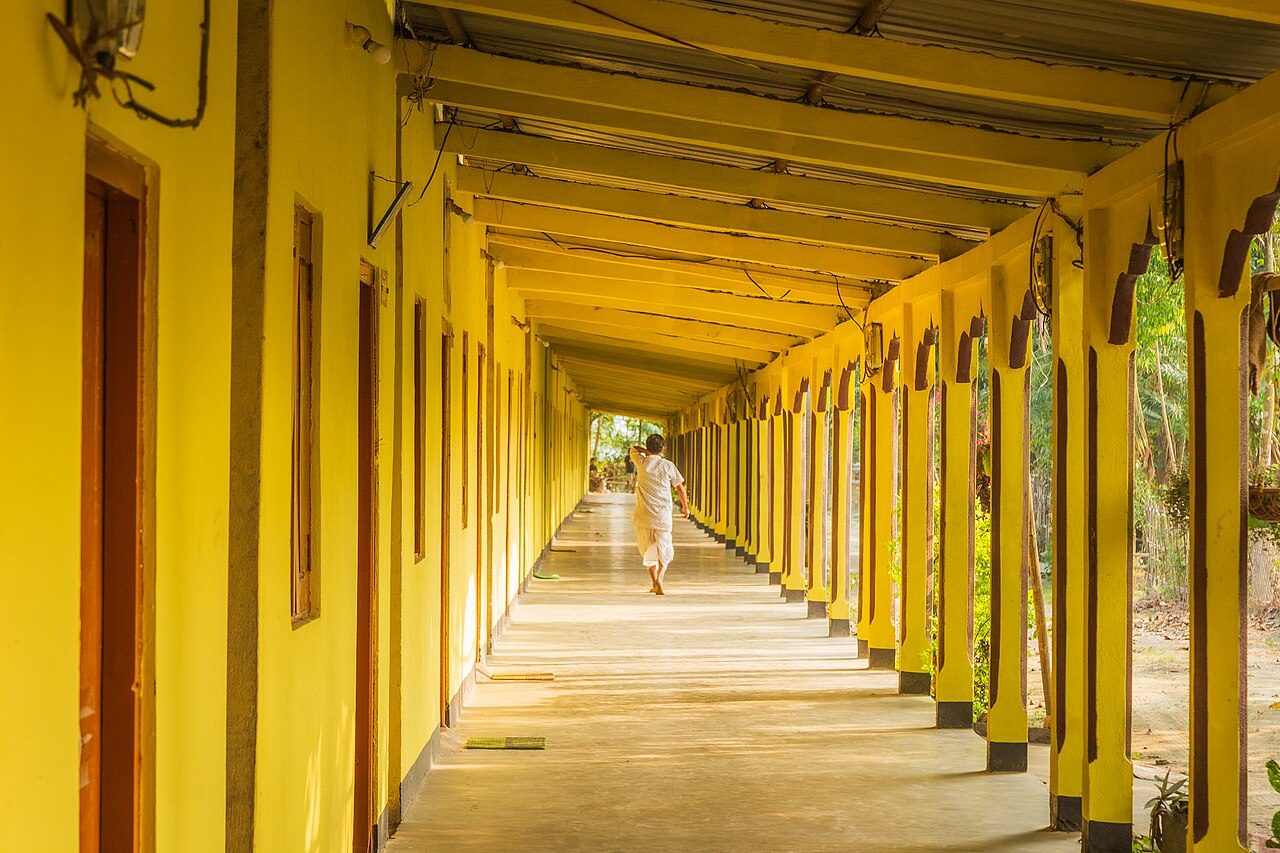
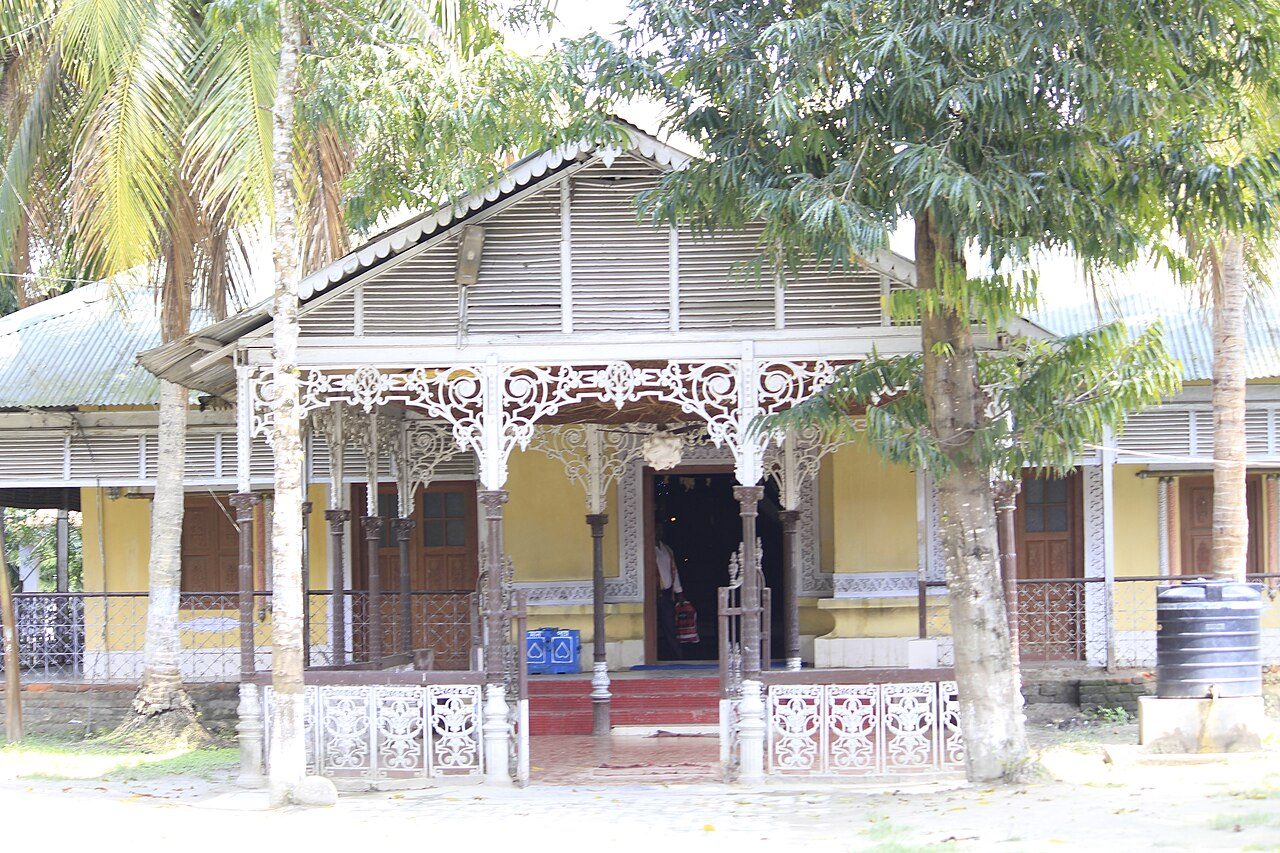
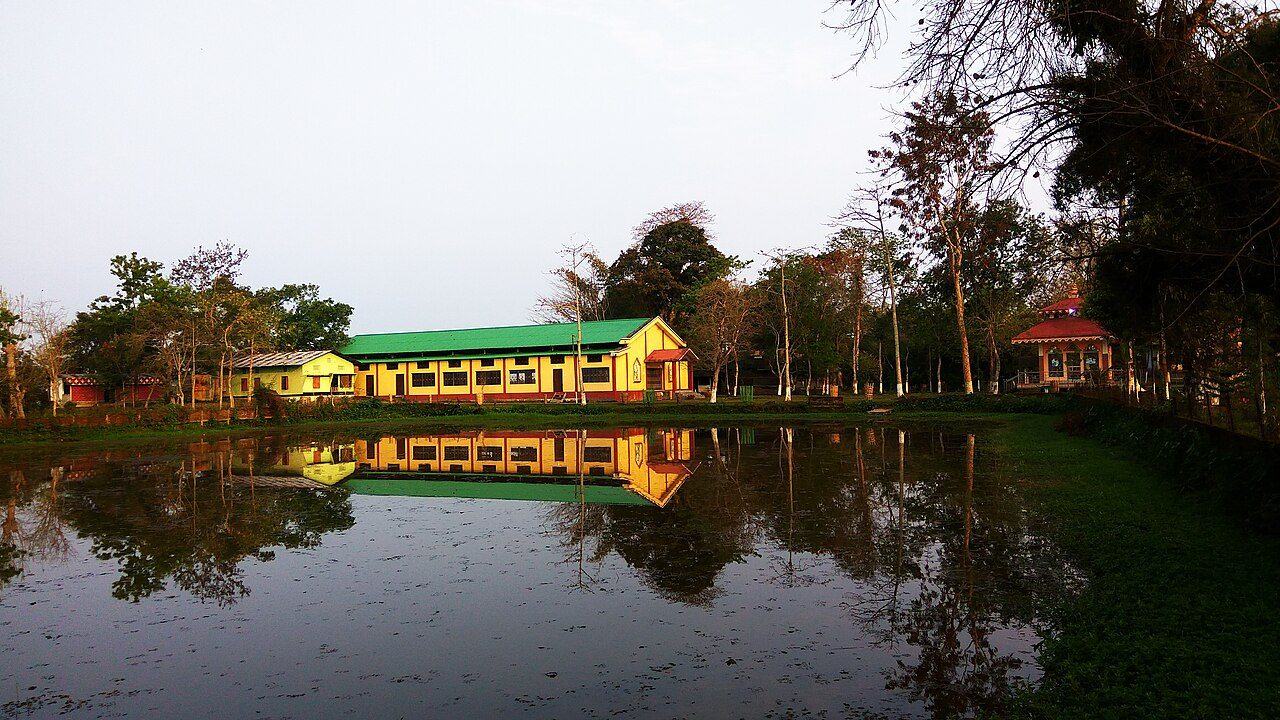
Majuli is a vast river island in the Brahmaputra, reached by ferry from Nimati Ghat near Jorhat, and the first island in India to become a district. It is the heart of Assamese neo-Vaishnavite culture, with over twenty satras founded since the 16th century. Mising tribal villages on stilts, wetlands full of birds and quiet lanes make it ideal to explore by bicycle.
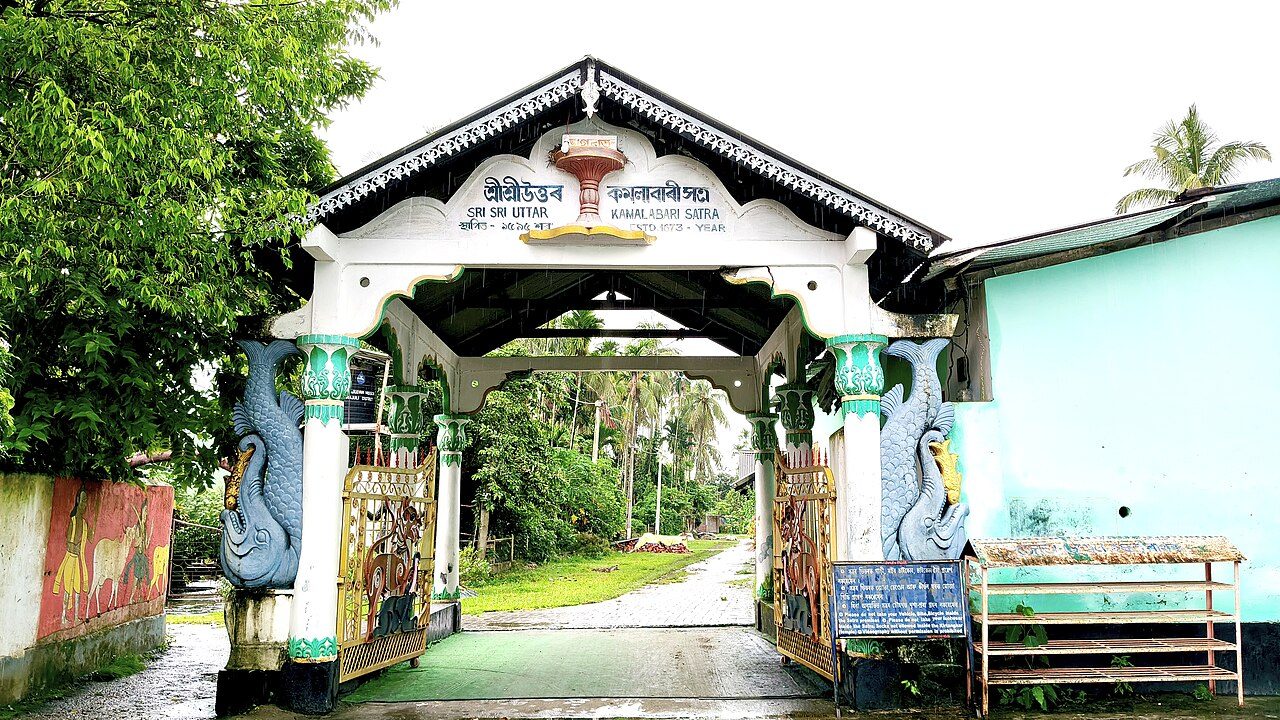
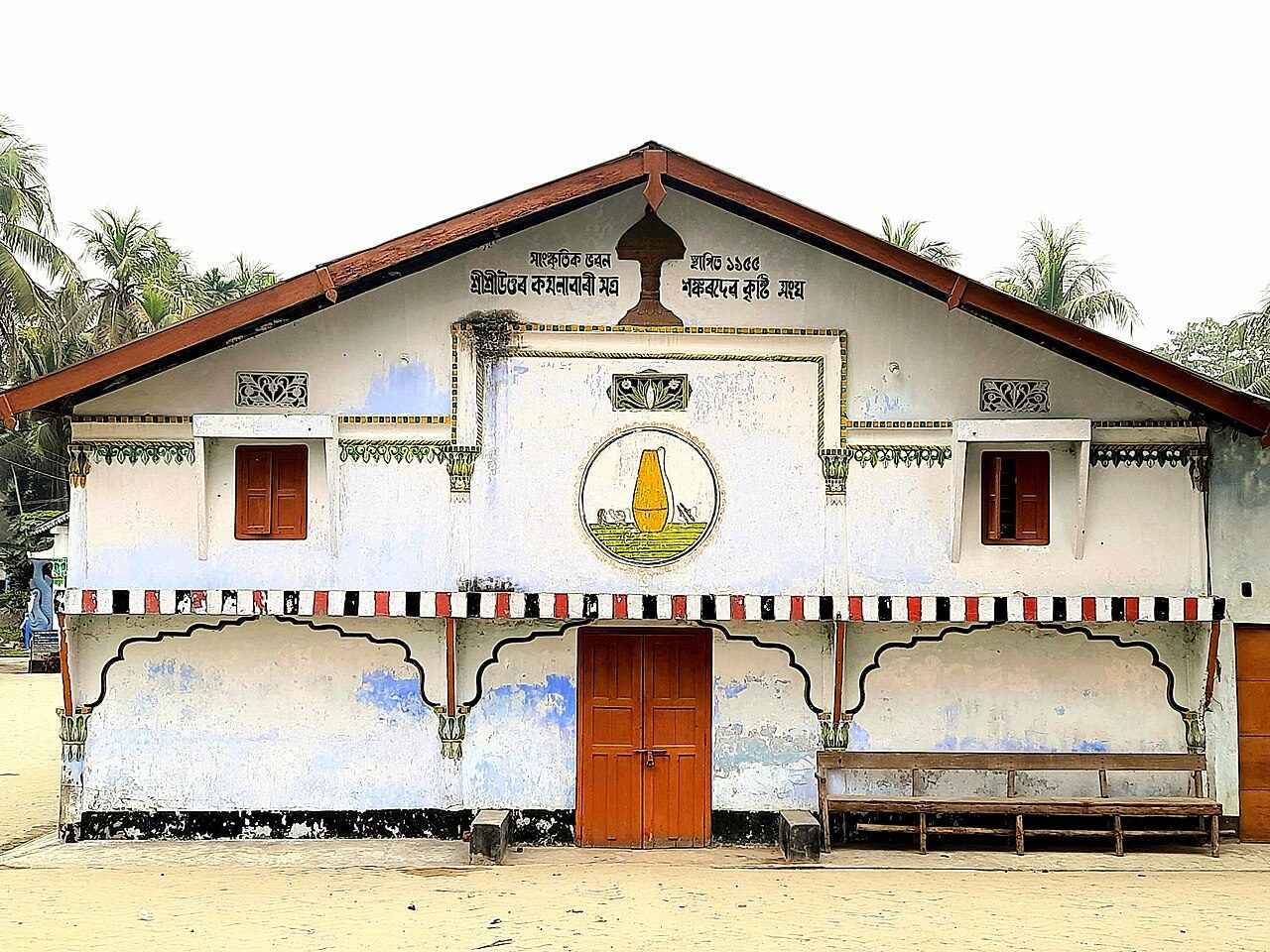
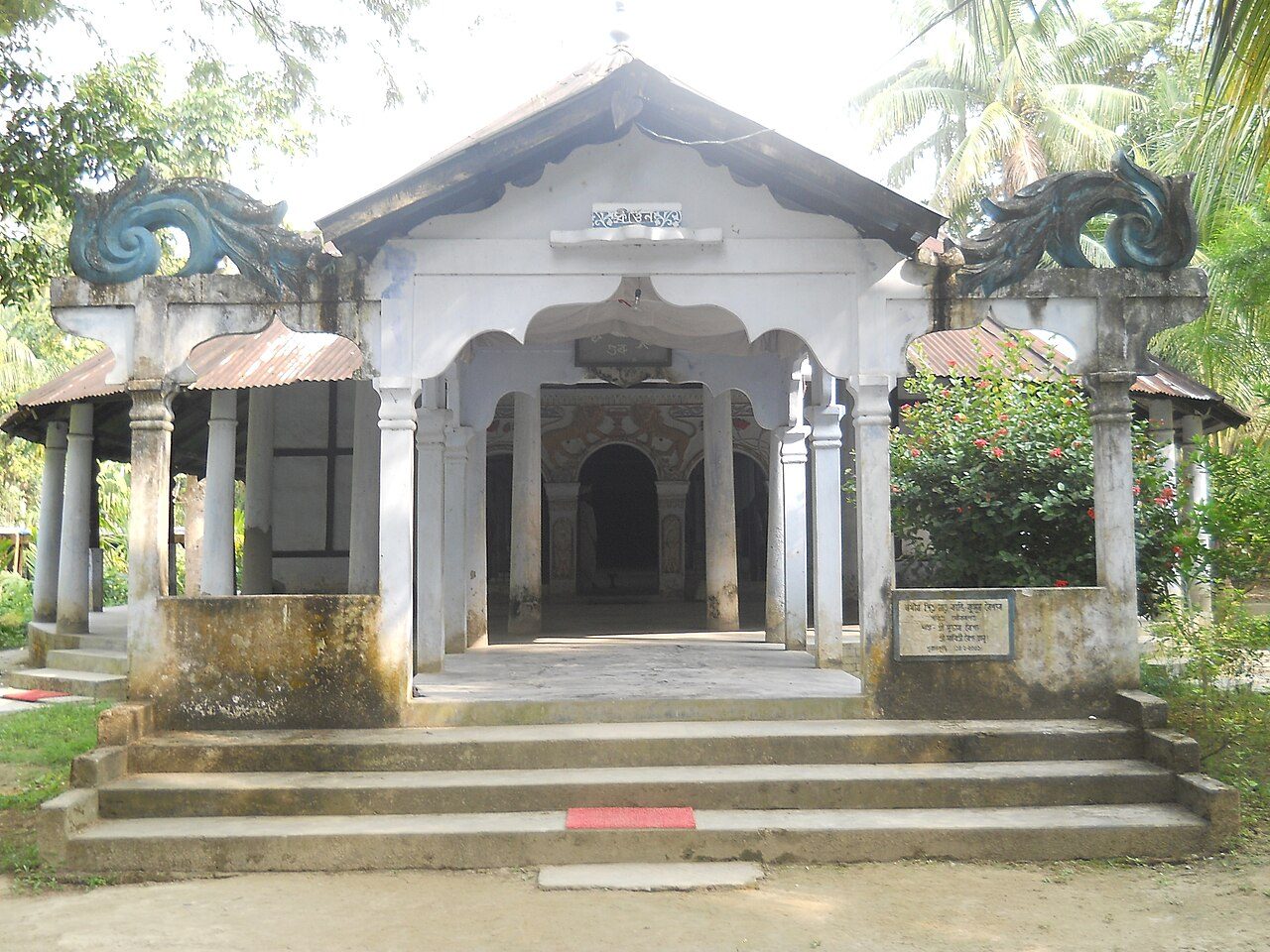
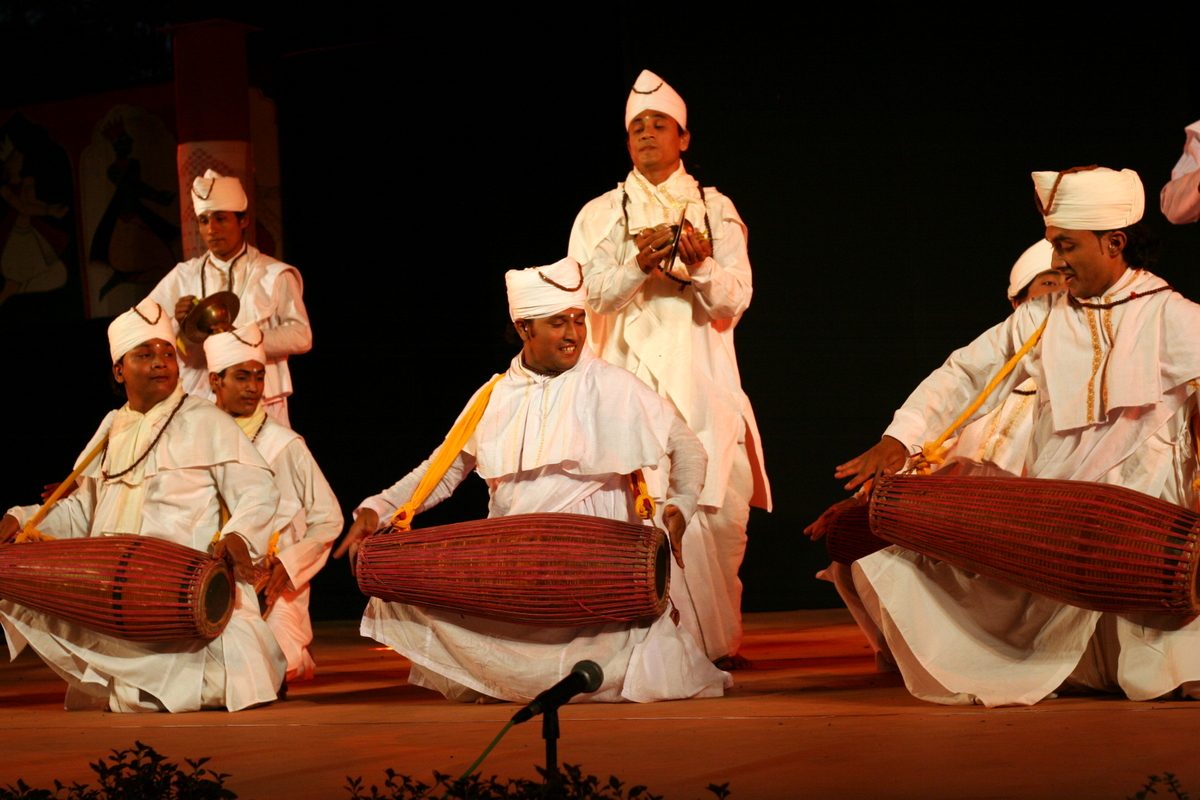
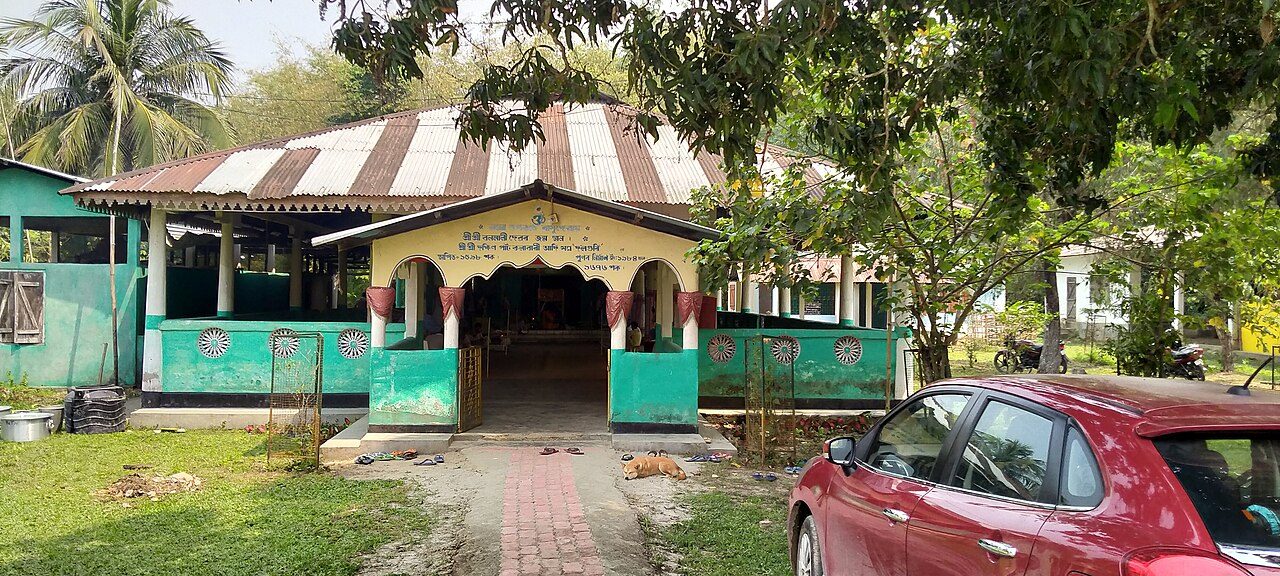
Kamalabari Satra is one of the best-known Vaishnavite monasteries on Majuli island, founded in the 17th century by Bedulapadma Ata. Its celibate monks are famed for Sattriya dance, drumming and devotional music, and for fine boat-making and crafts. Visitors can see the prayer hall and, with luck, watch the monks practise.
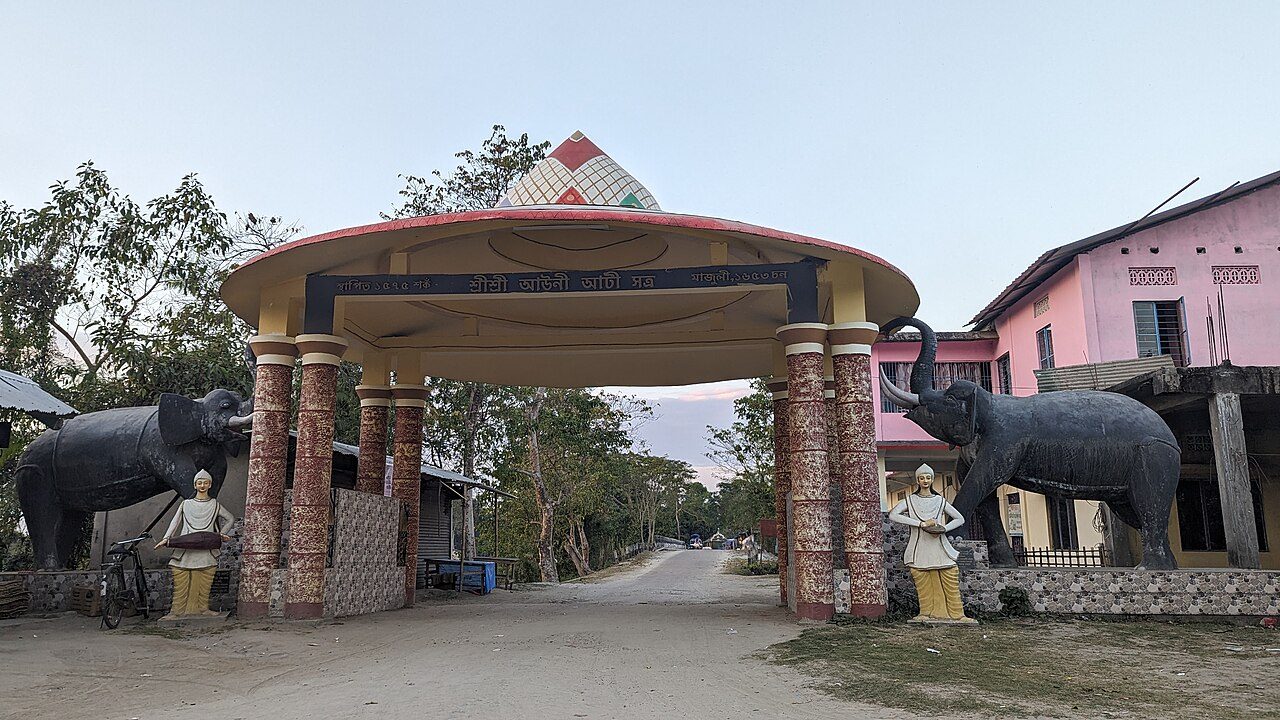
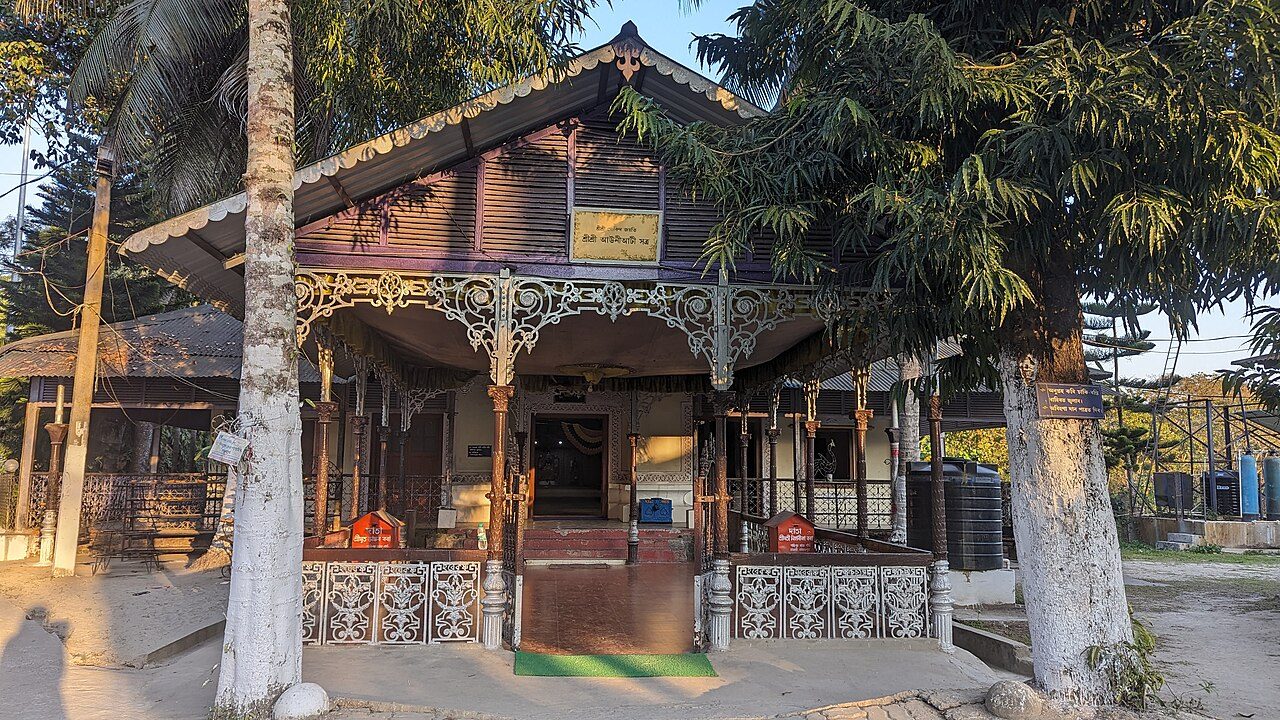
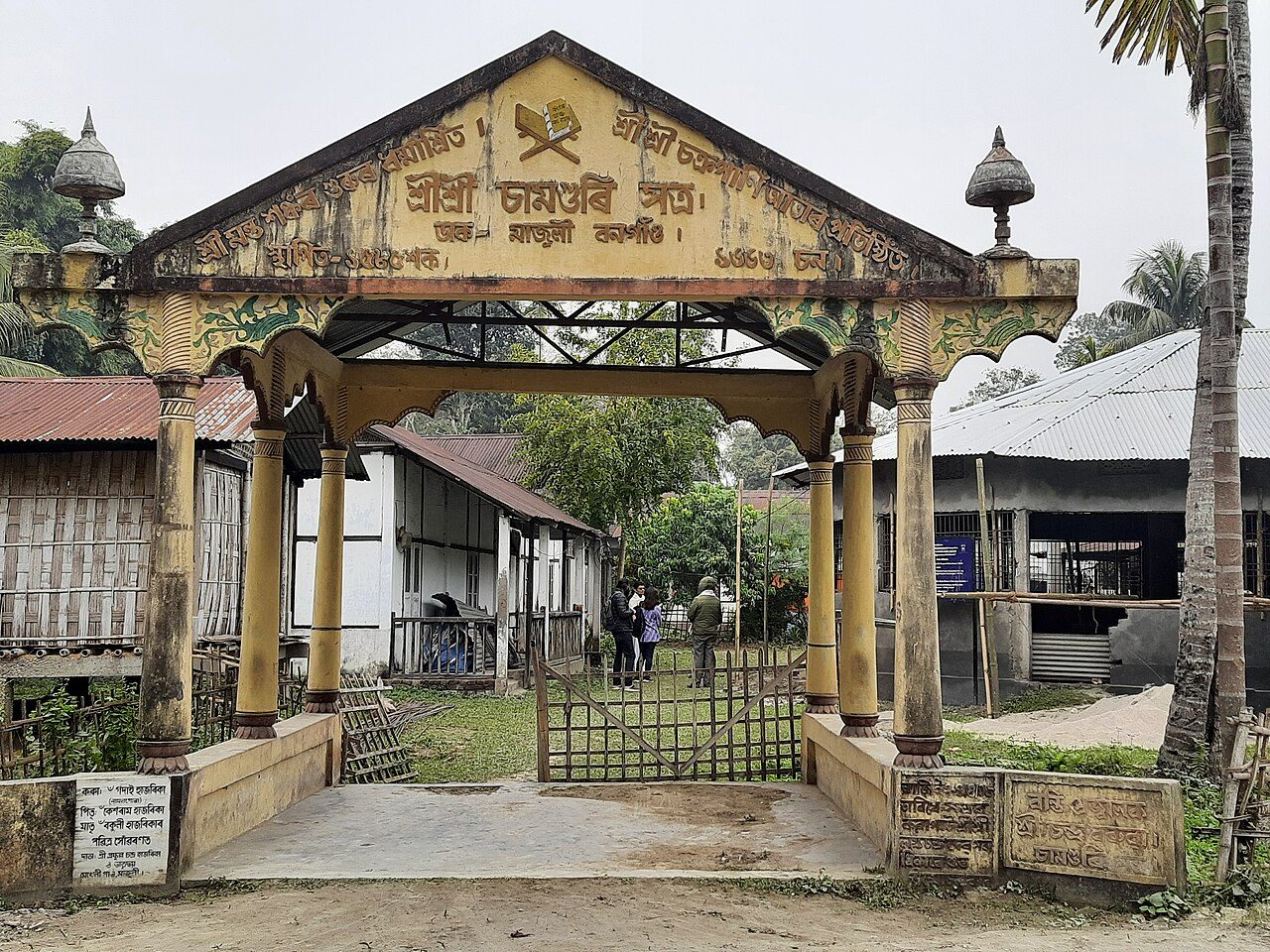
Auniati Satra, founded in 1653 under Ahom king Jayadhwaj Singha, is among the largest and most influential monasteries of Majuli. The monks worship Govinda in the main prayer hall and are known for Paalnaam chanting and Apsara dance. A small museum keeps old Ahom royal gifts, utensils, jewellery and handicrafts.
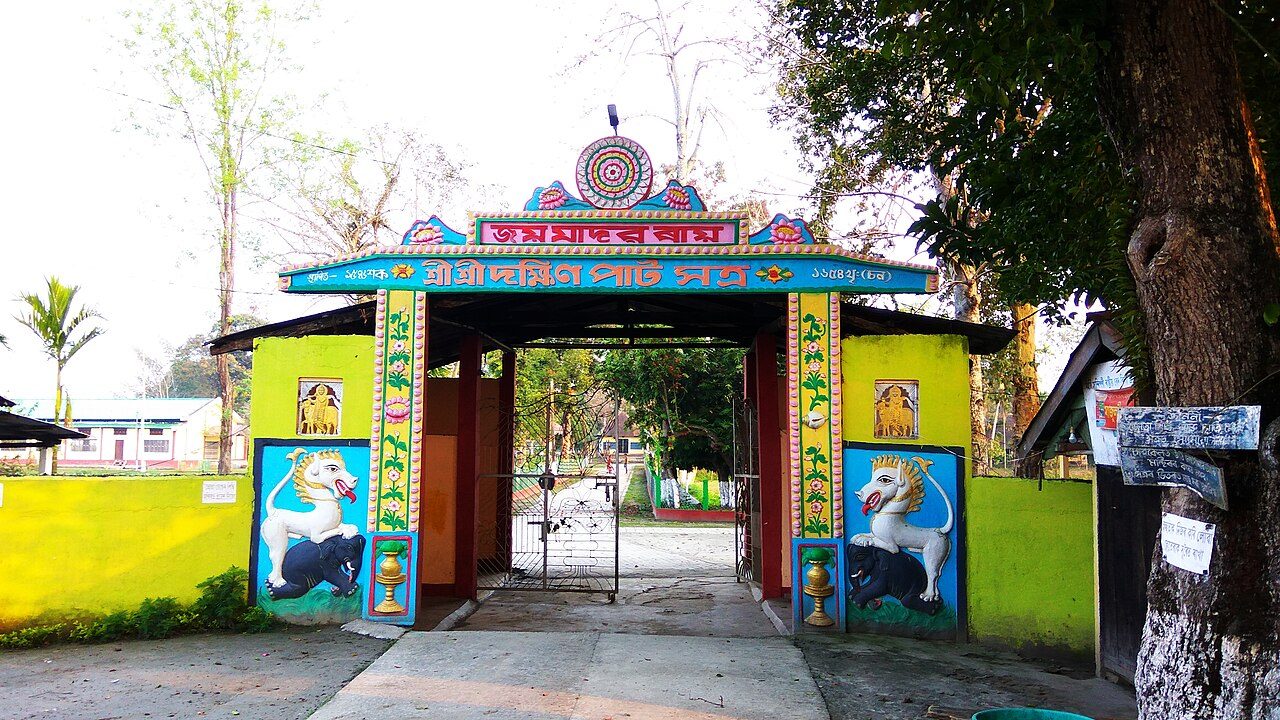
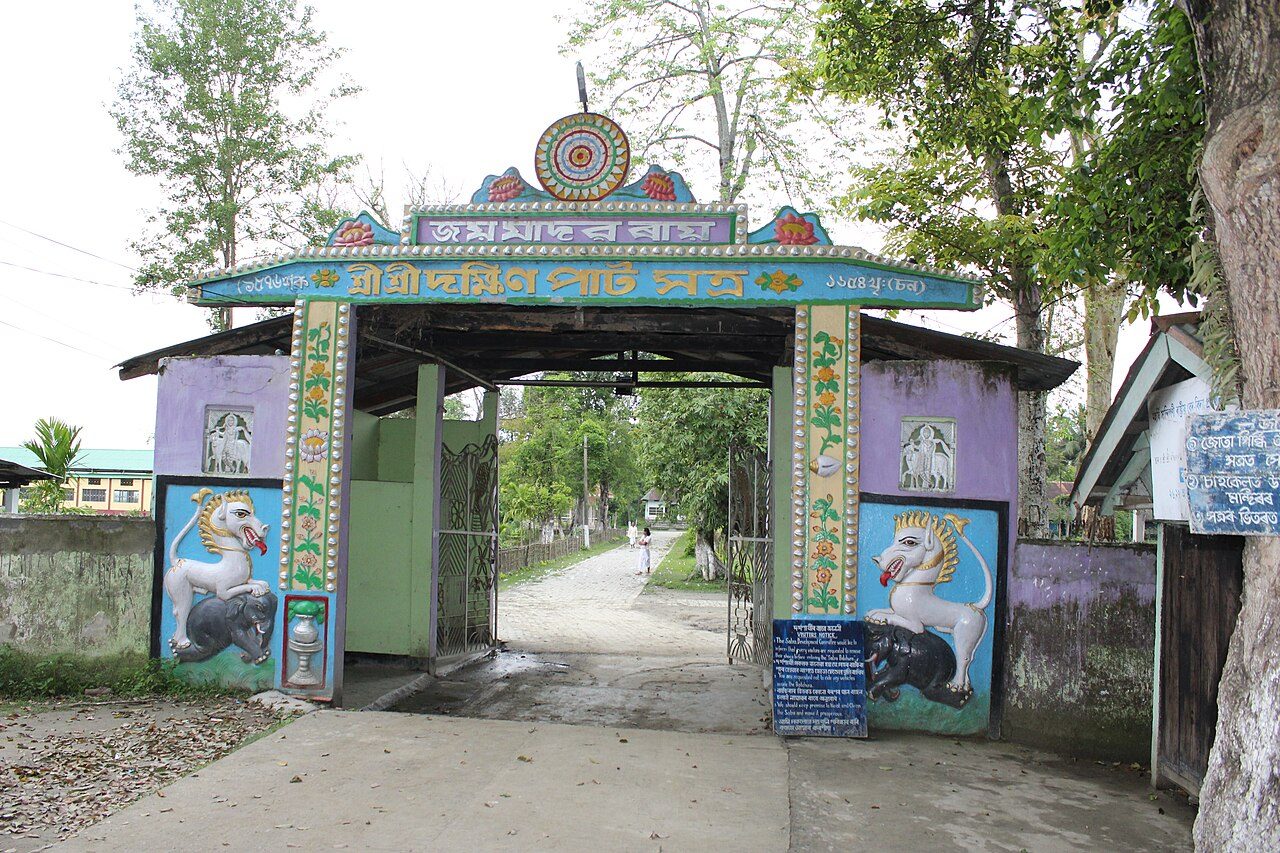
Dakhinpat Satra on Majuli was established in the mid-17th century by Vanamali Deva with the patronage of Ahom king Jayadhwaj Singha. Its gateways are decorated with painted reliefs of flowers, animals and religious scenes, and the main shrine holds an image of Jadav Rai. The satra is especially lively during the Rasleela festival in November.
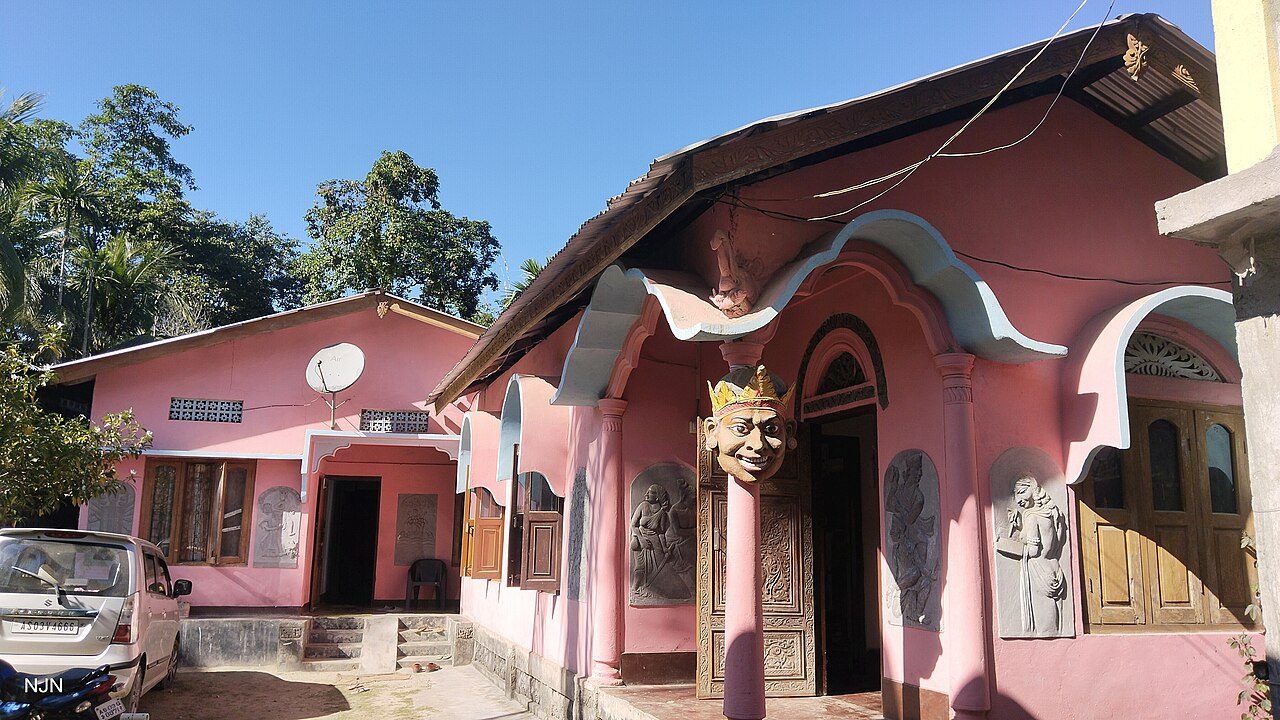
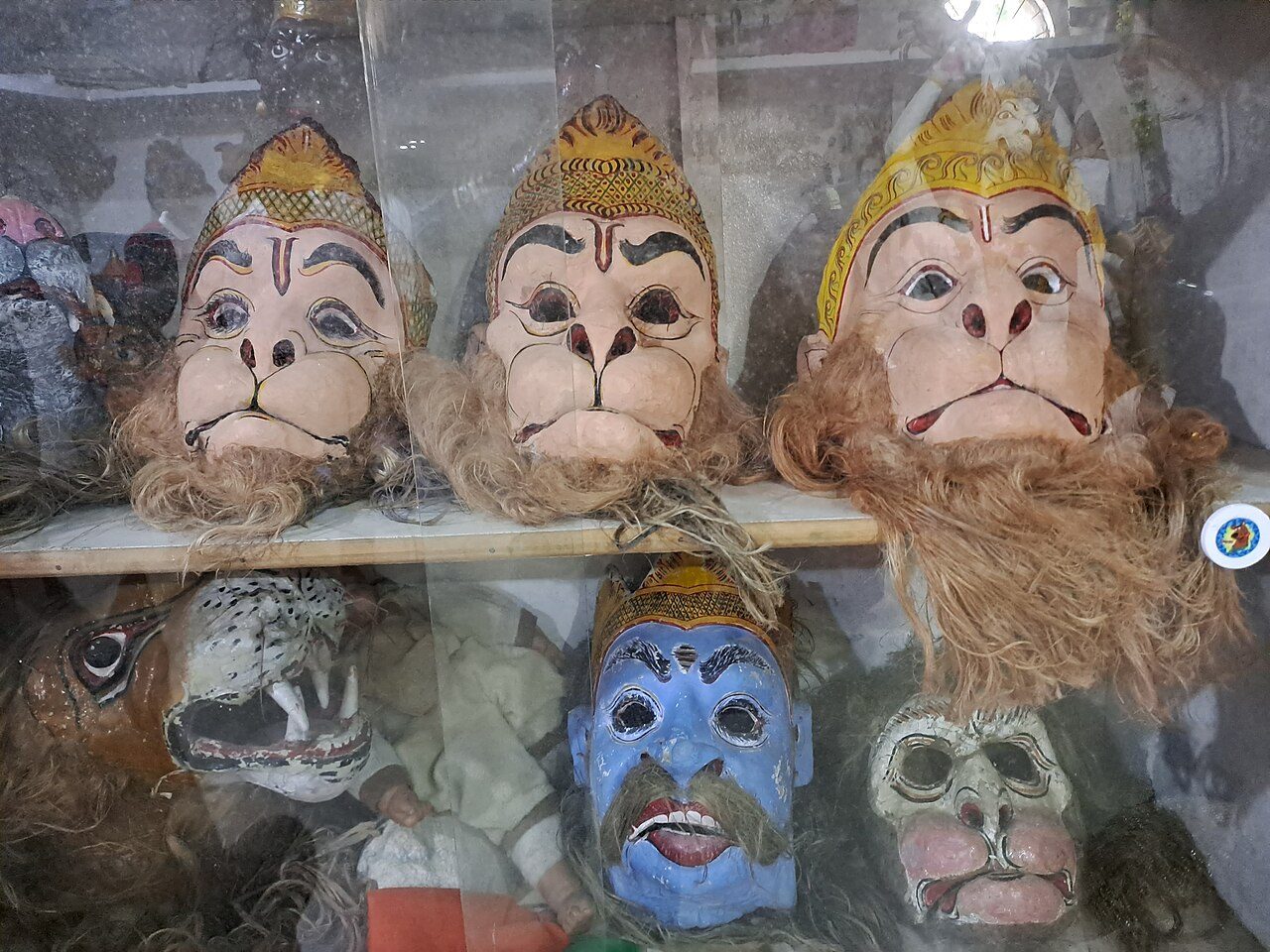
Samaguri Satra on Majuli is famous for mask-making. The monks and families here shape bamboo frames, cover them with cloth and clay, and paint them into the gods, demons and animals used in Bhaona religious theatre. Visitors can step into the workshop, try on finished masks and see how this centuries-old craft is kept alive.
 WaTrips