Madrid's palace and the Prado, Toledo, the Mosque–Cathedral of Córdoba, Seville, Ronda, the Alhambra and Albaicín, Barcelona and Montserrat.
Spain's classic route runs from Madrid through Andalusia to Barcelona. In Madrid, see the Royal Palace, Plaza Mayor, the Prado and Retiro Park, then day-trip to Toledo, city of three cultures. Visit the forest of arches in Córdoba's Mosque–Cathedral and Seville's cathedral, Alcázar and Plaza de España. Cross the gorge at Ronda and see the Alhambra in Granada at sunset from the Albaicín. Fly to Barcelona for Gaudí's Sagrada Família, Park Güell and the Gothic Quarter, and end at Montserrat. Spring and autumn are best.
01
STOP 1 OF 24
Royal Palace of Madrid
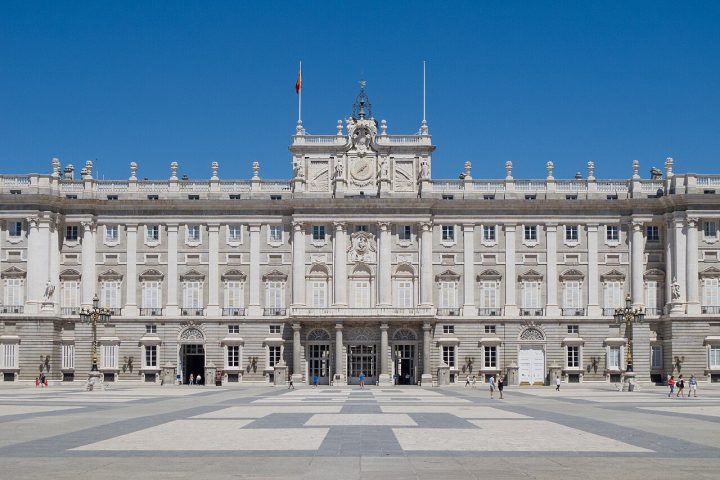
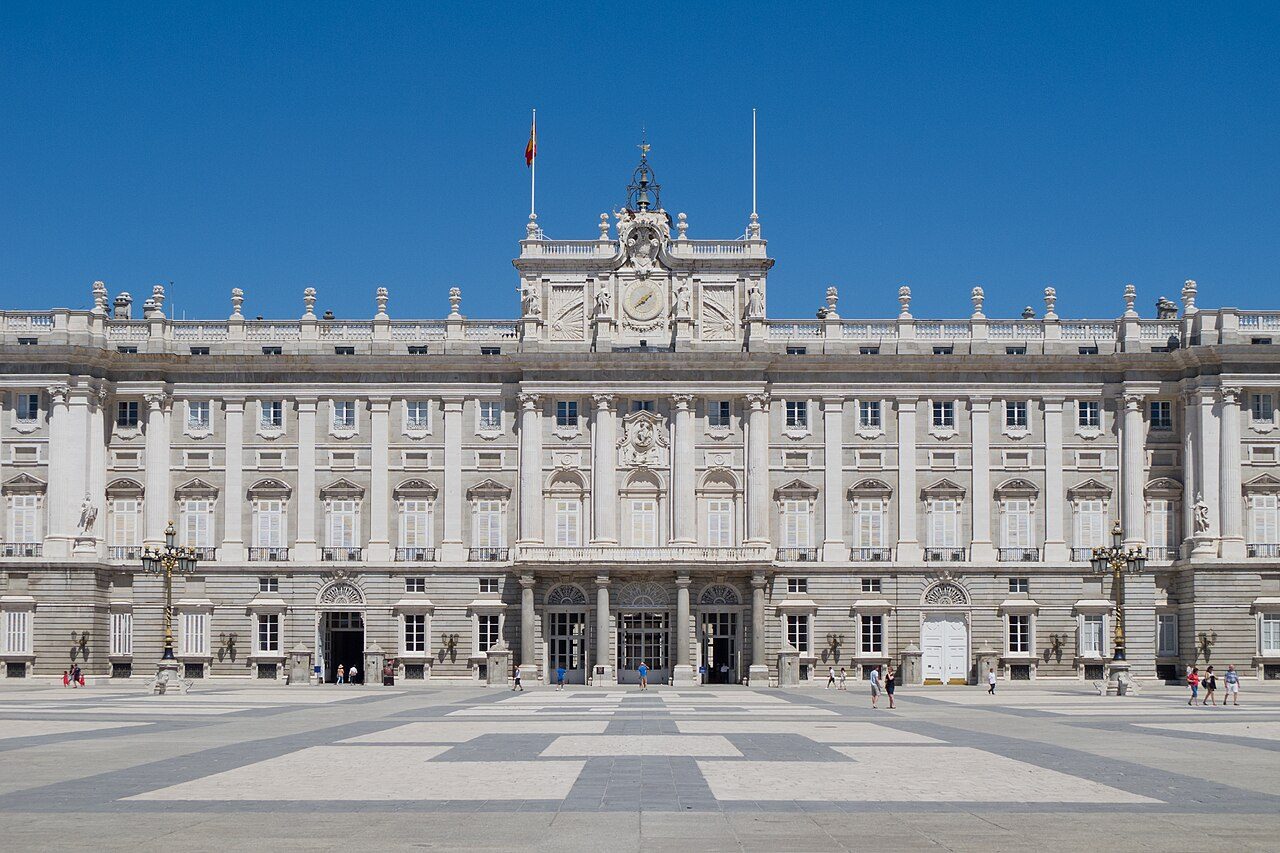
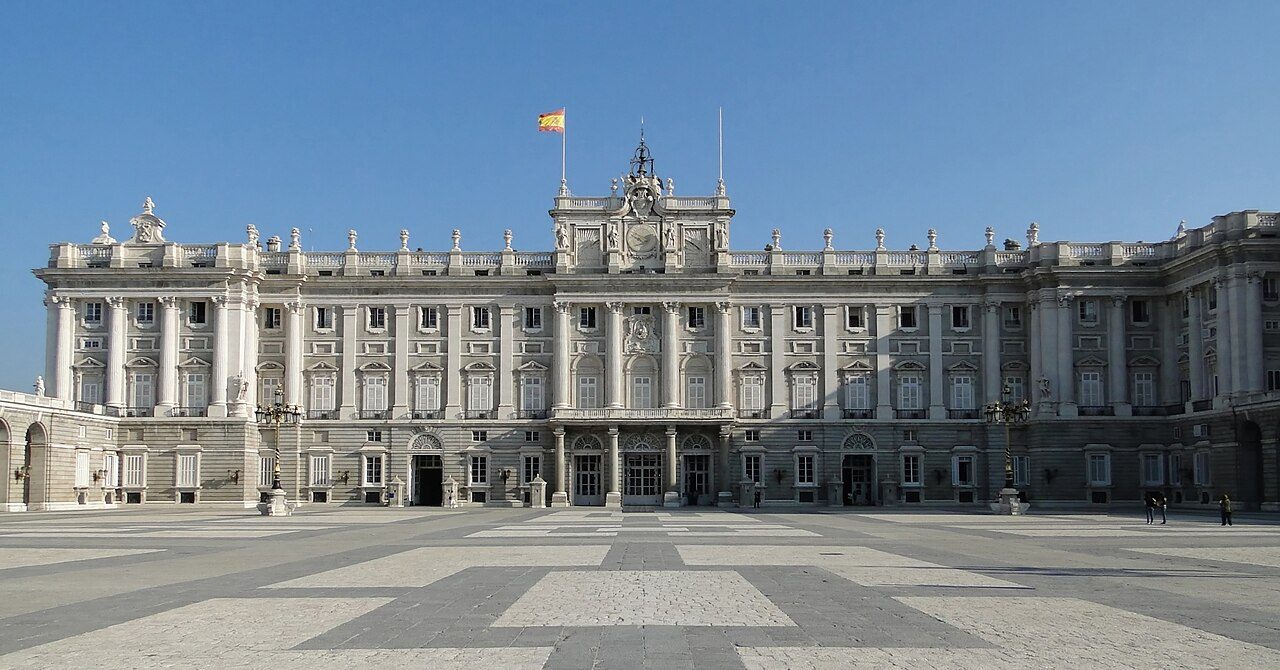
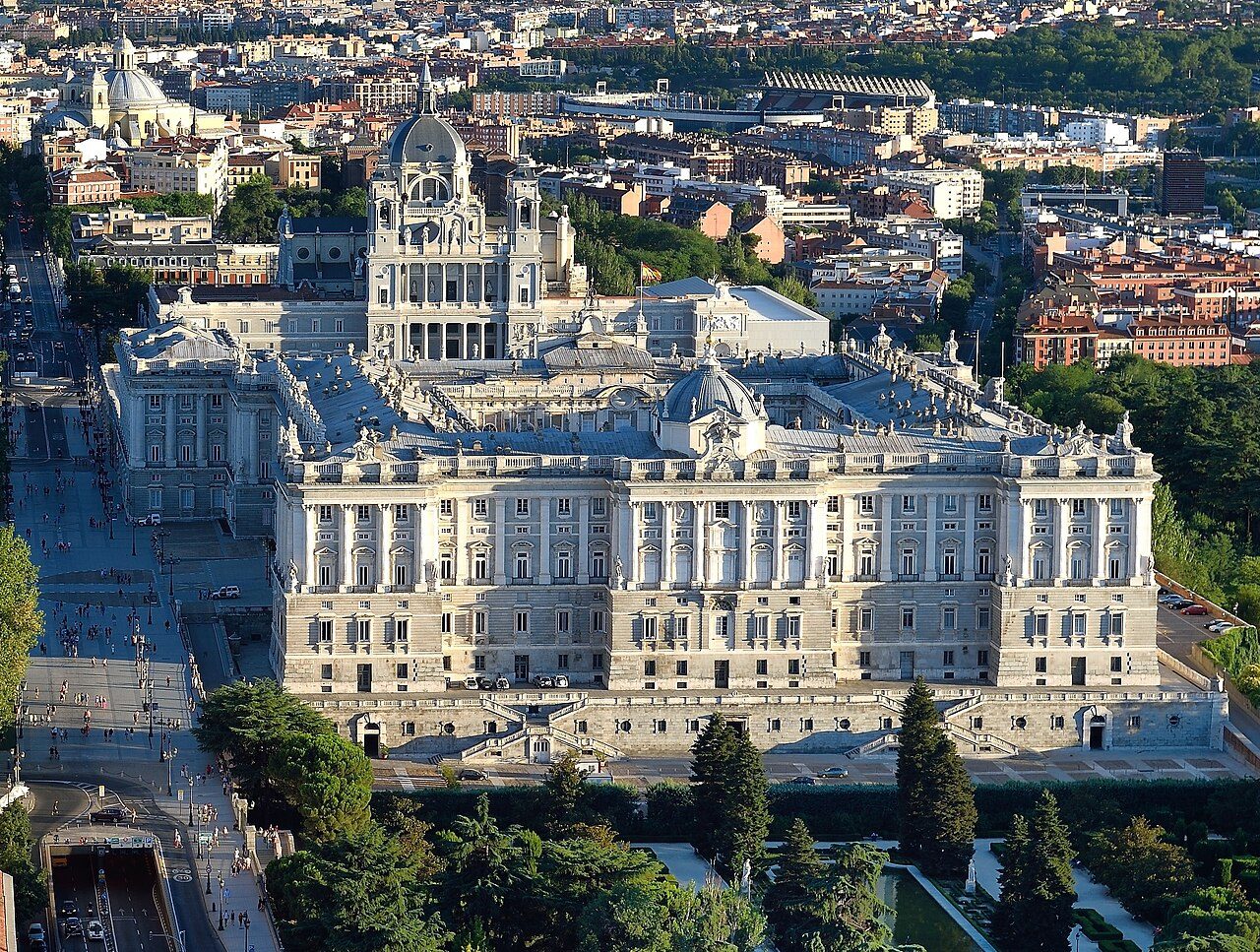
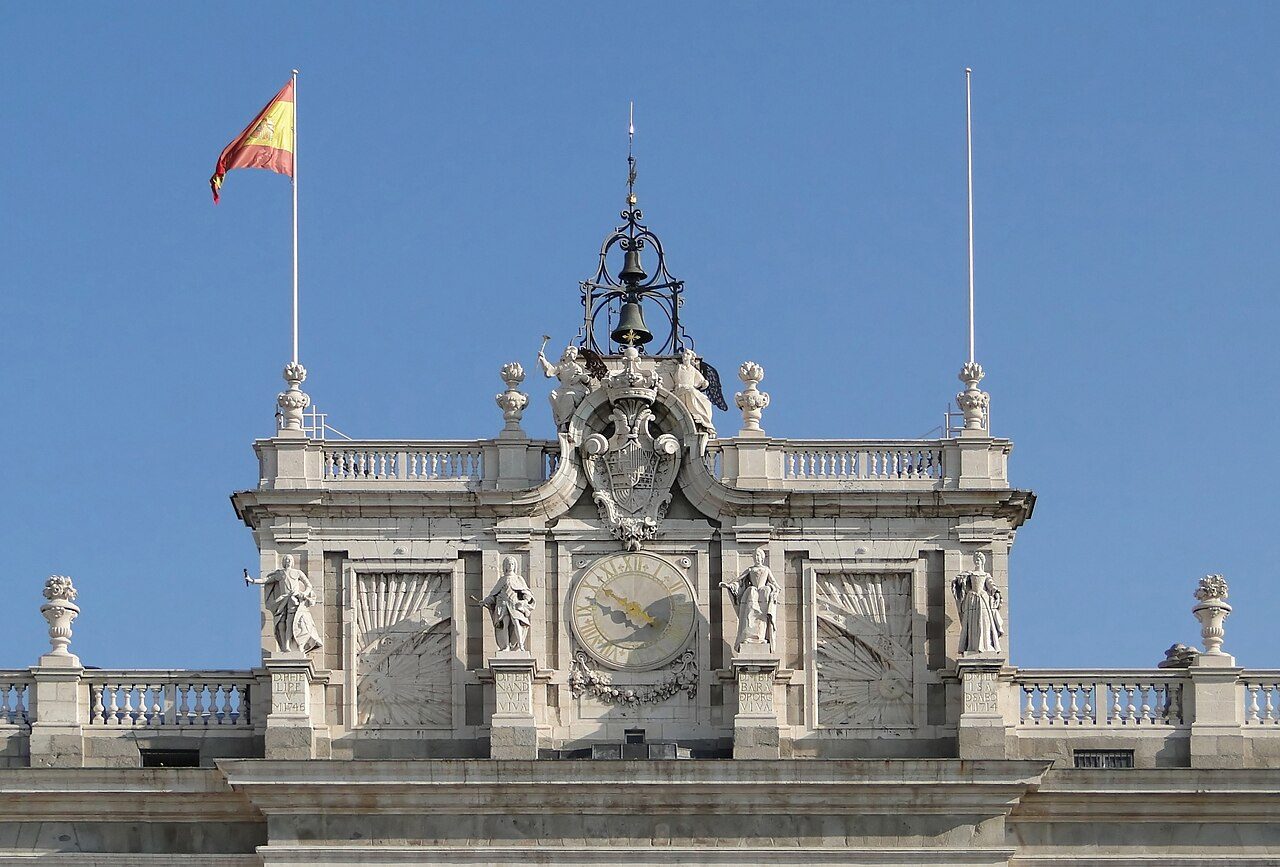
The Royal Palace of Madrid is the official residence of the Spanish royal family, though it is used only for state ceremonies. It was built between 1738 and 1755 on the site of an old Moorish fortress, after a fire destroyed the earlier palace. With over 3,000 rooms, it is the largest royal palace in Western Europe. Visitors see the throne room, royal armoury and pharmacy.
02
STOP 2 OF 24
Almudena Cathedral
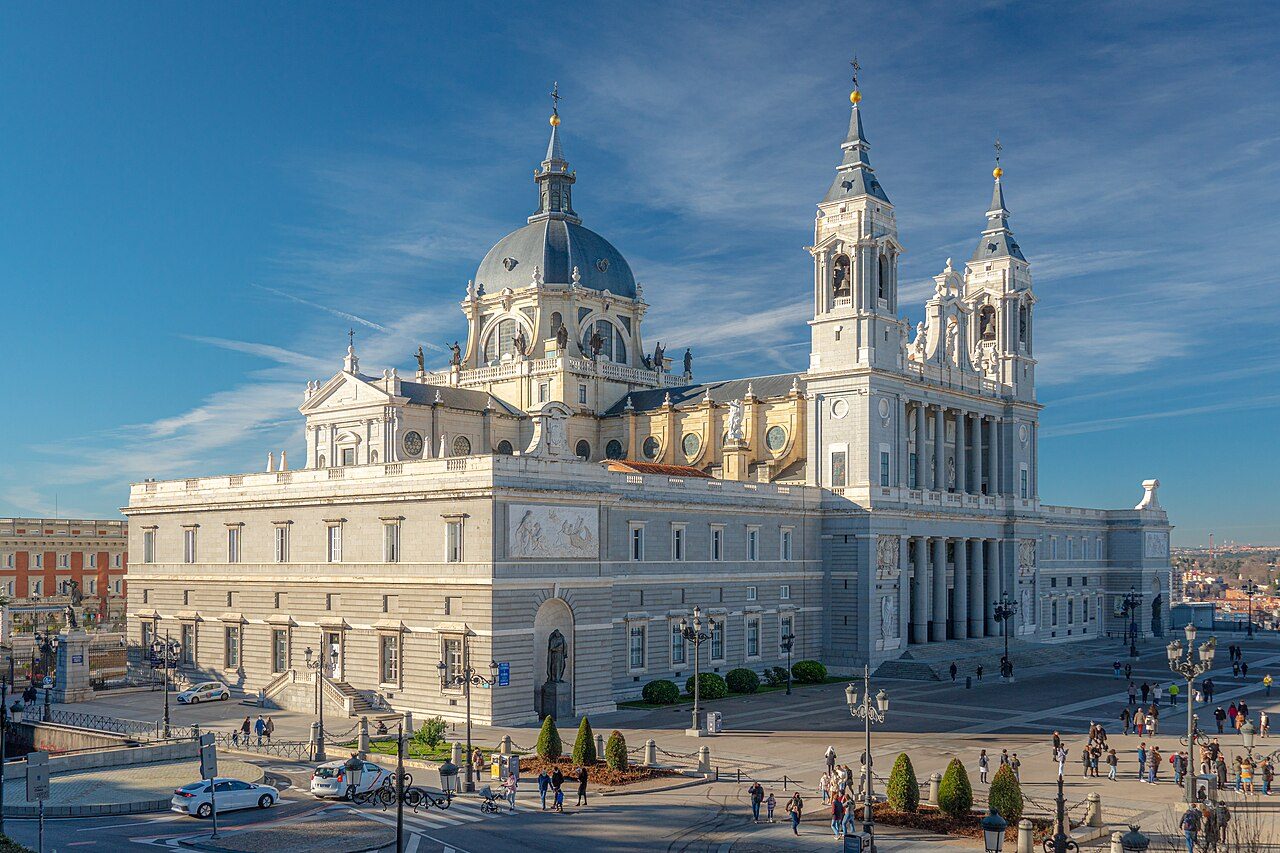
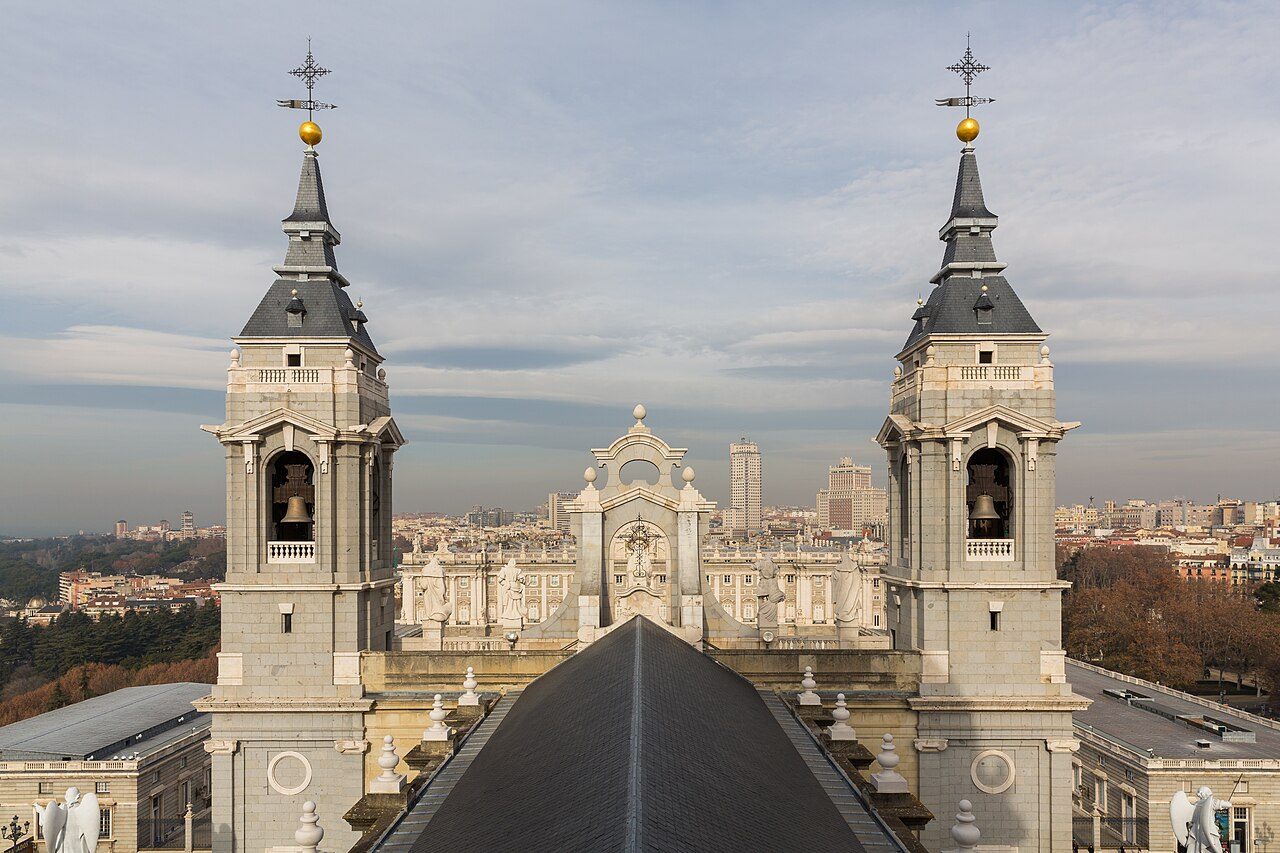
Almudena Cathedral faces the Royal Palace in Madrid. Although planned in the 1880s, it was not completed until 1993, when Pope John Paul II consecrated it. Its exterior is neoclassical, matching the palace, while the interior is Gothic Revival with colourful modern decoration. The crypt below, in Romanesque style, opened earlier, in 1911.
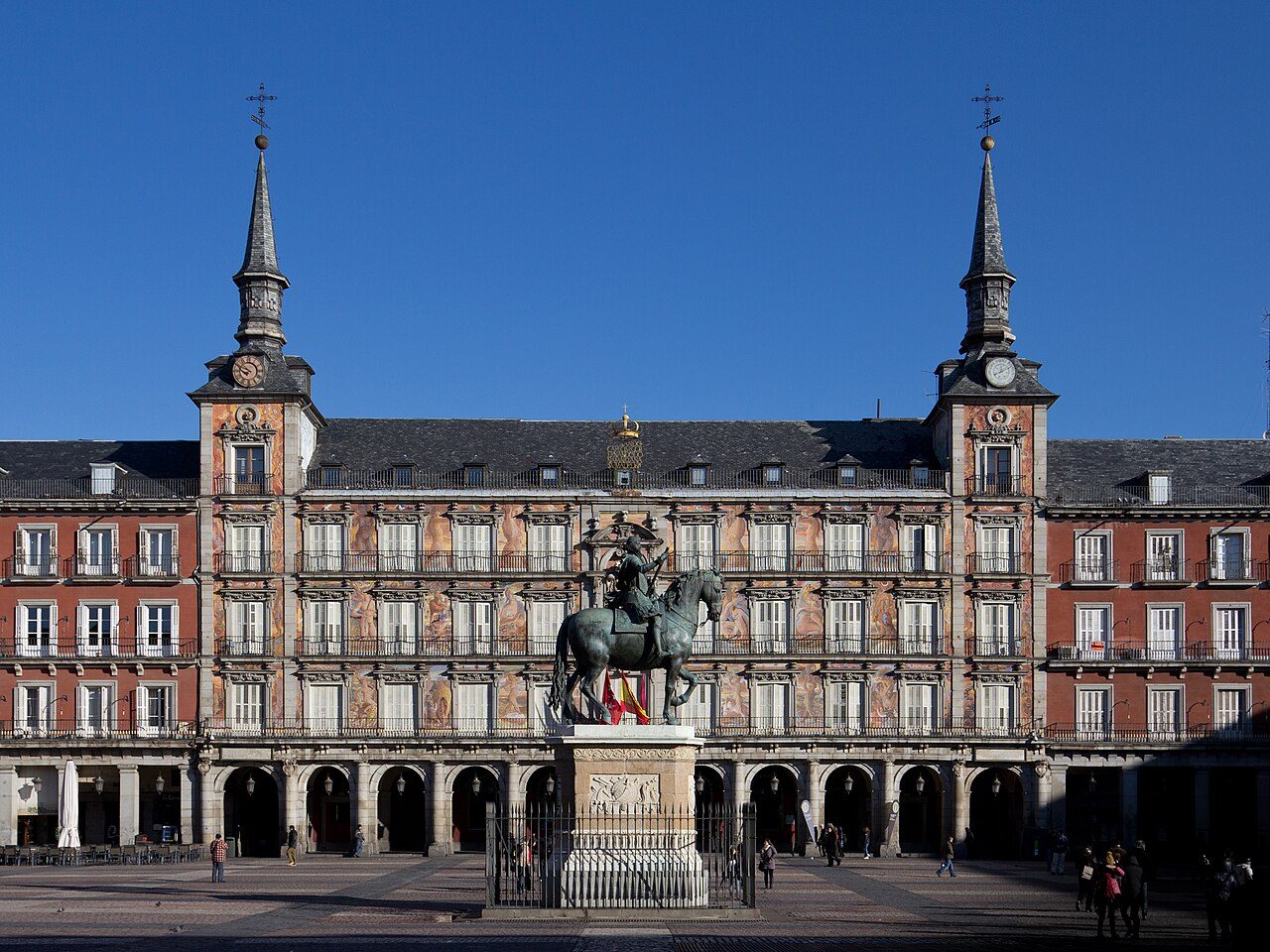
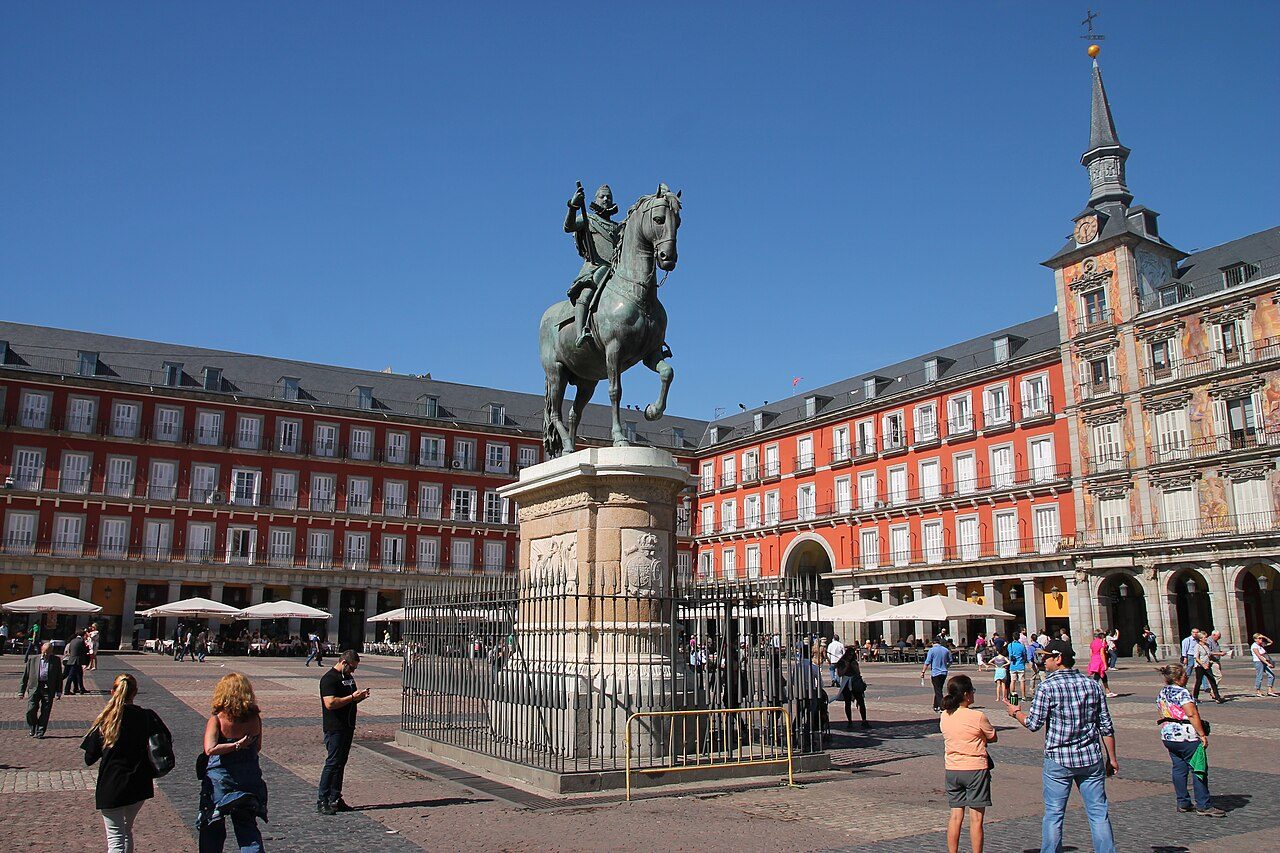
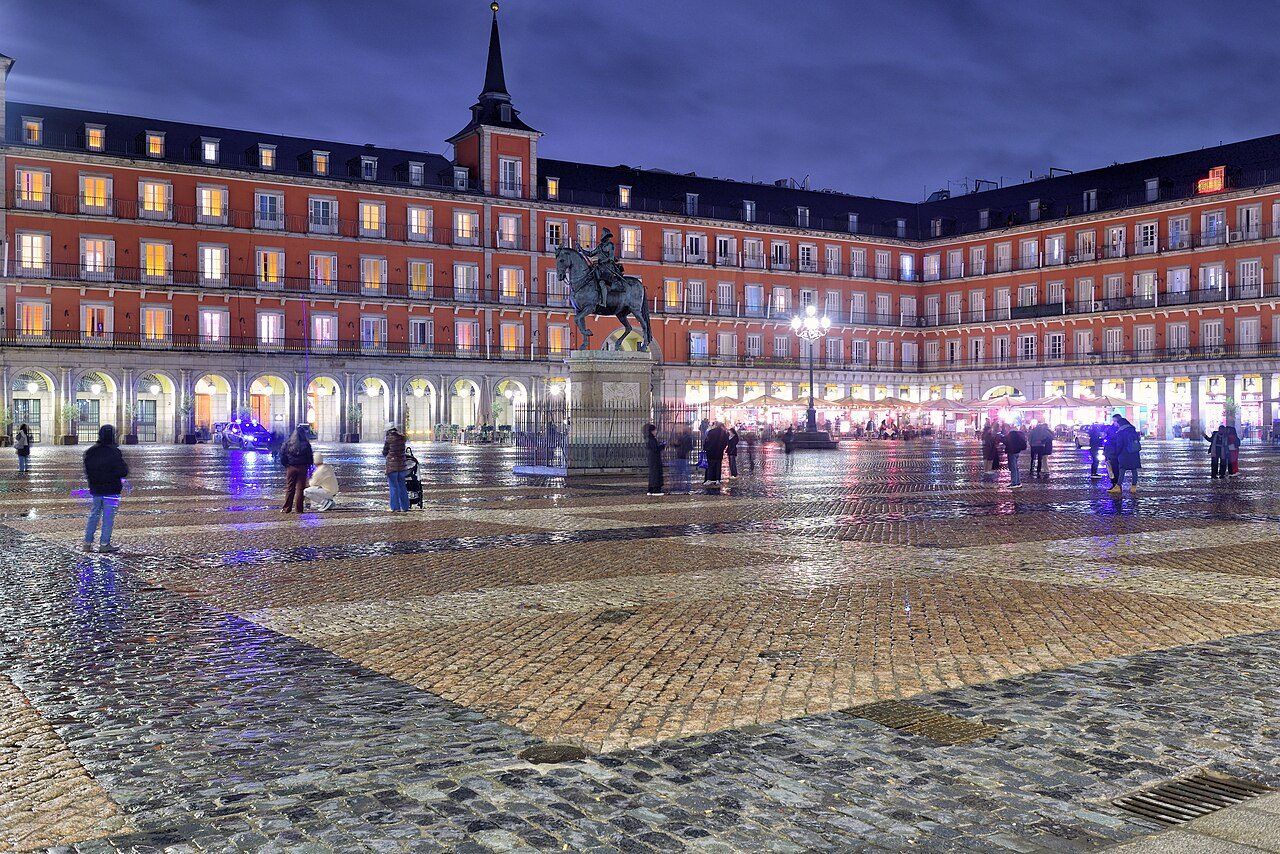
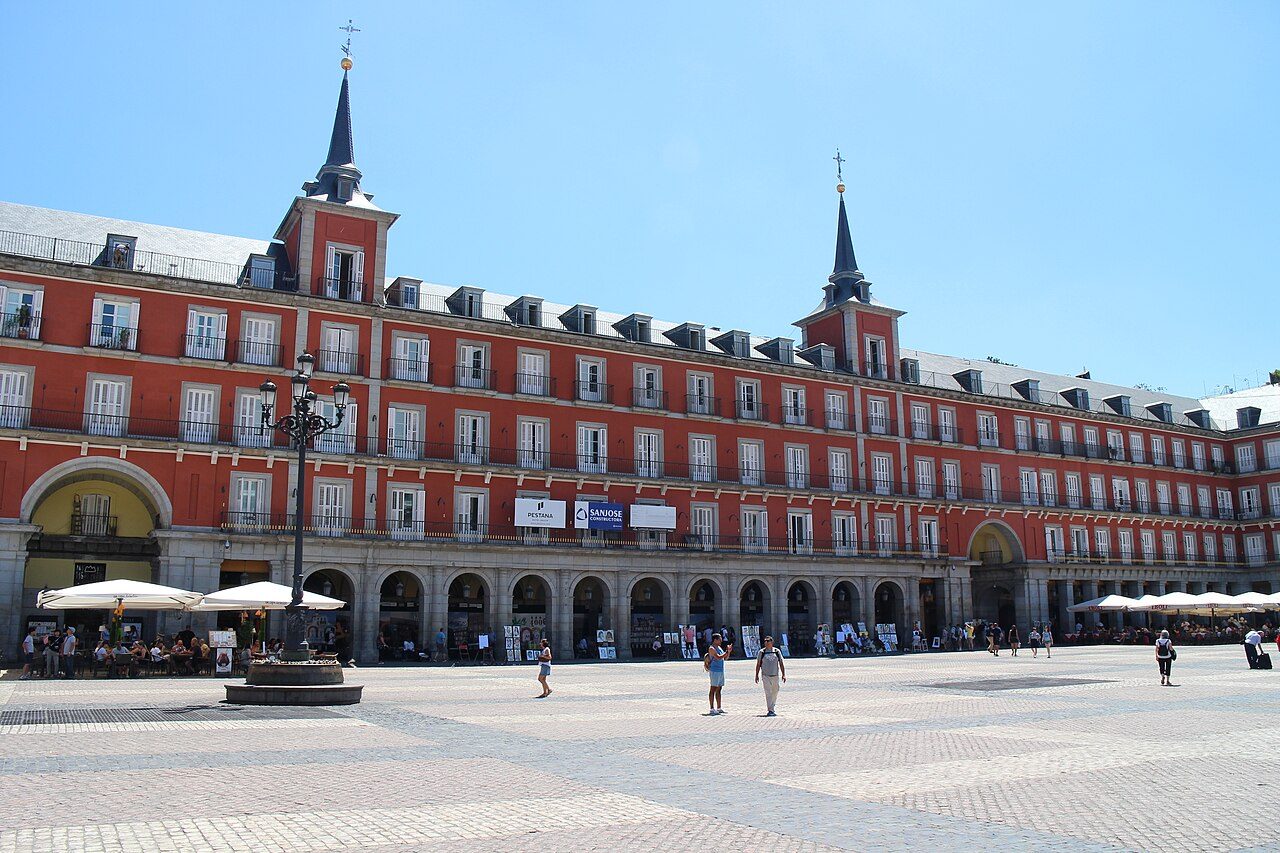
The Plaza Mayor is a large arcaded square in the centre of Madrid, completed in 1619 under King Philip III. It has been used for markets, bullfights, royal events and even executions. Its uniform red buildings with 237 balconies surround a statue of Philip III on horseback. Cafes fill its arcades, and a Christmas market is held here in winter.
04
STOP 4 OF 24
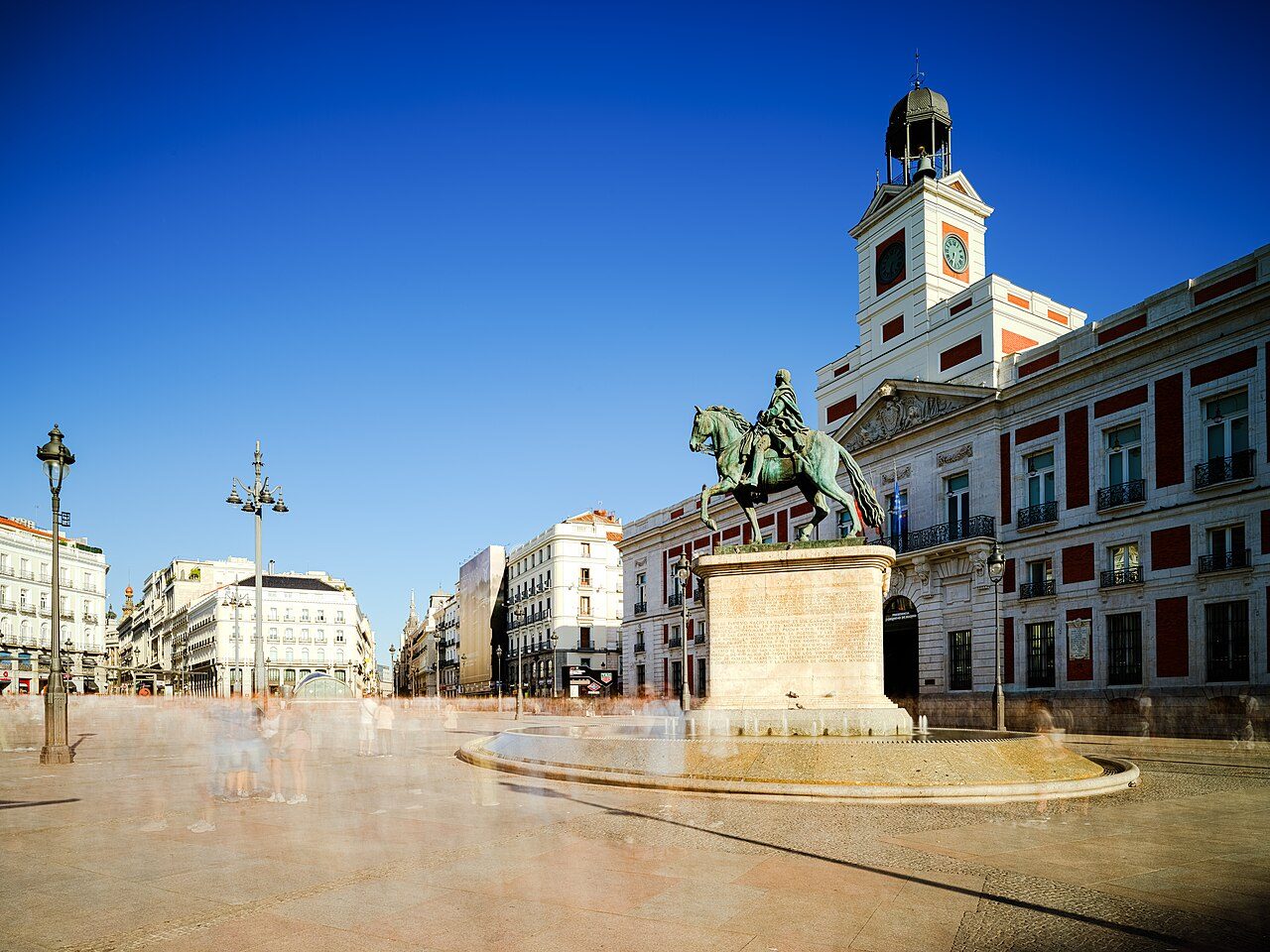
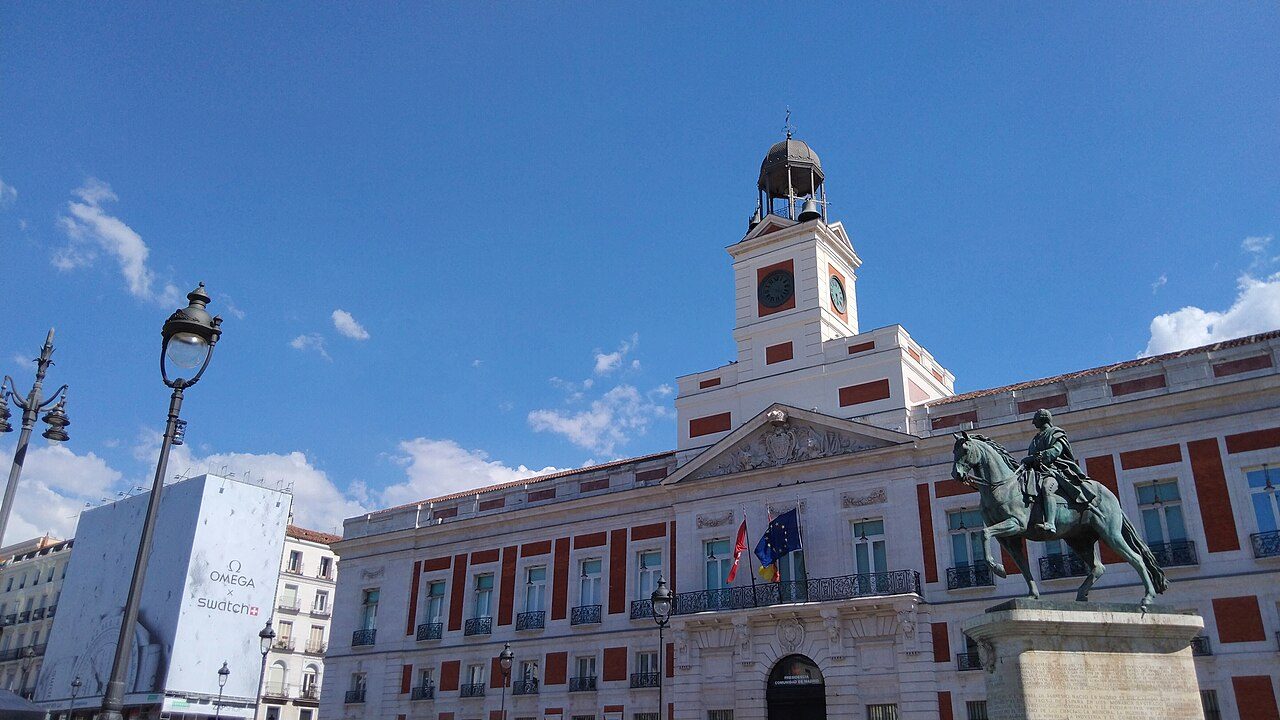
Puerta del Sol
The Puerta del Sol is one of the busiest squares in Madrid and the centre of the city. It holds Kilometre Zero, the starting point of Spain's radial roads, and the statue of the bear and the strawberry tree, the symbol of Madrid. At New Year, crowds gather here to eat twelve grapes as the clock on the Royal House of the Post Office strikes midnight.
05
STOP 5 OF 24
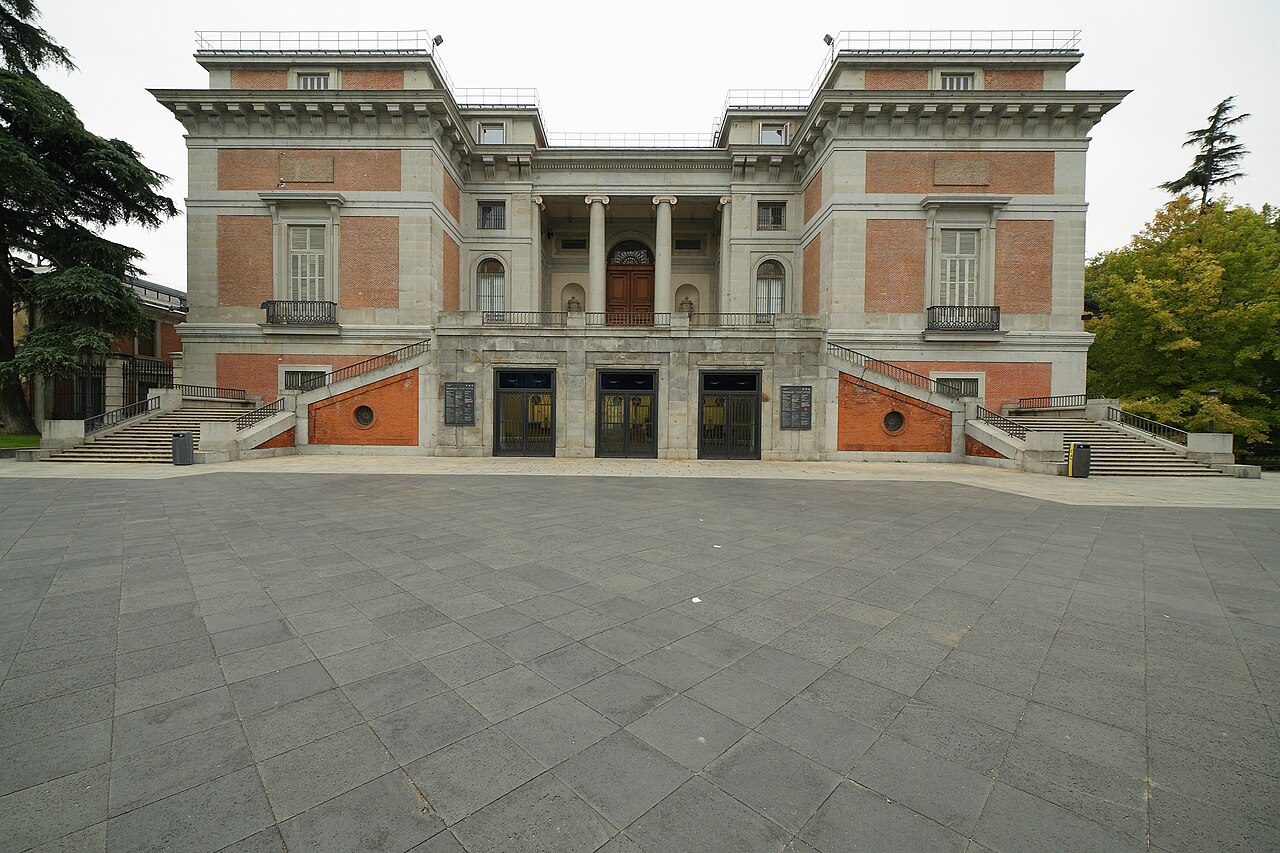
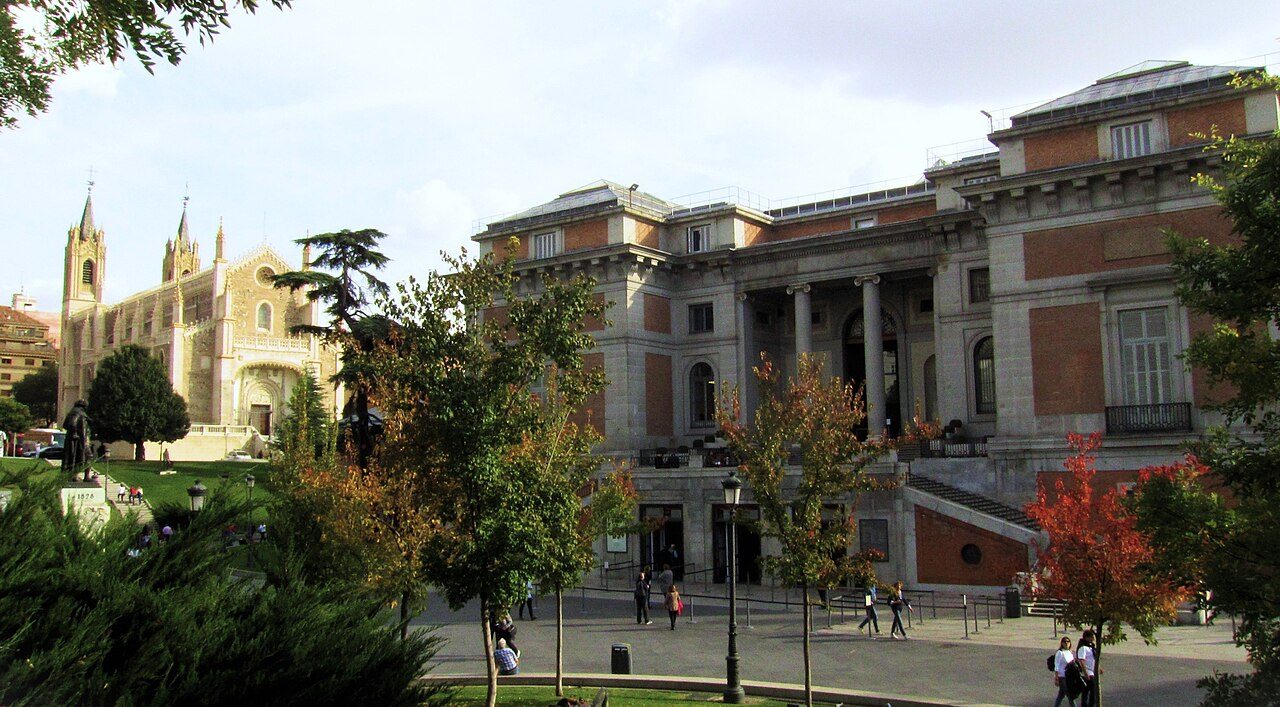
Prado Museum
The Prado Museum in Madrid opened in 1819 and is one of the greatest art museums in the world. It holds the finest collection of Spanish painting, with works by Velázquez, Goya and El Greco, as well as masterpieces by Titian, Rubens and Bosch. Velázquez's Las Meninas and Goya's black paintings are among its most famous works.
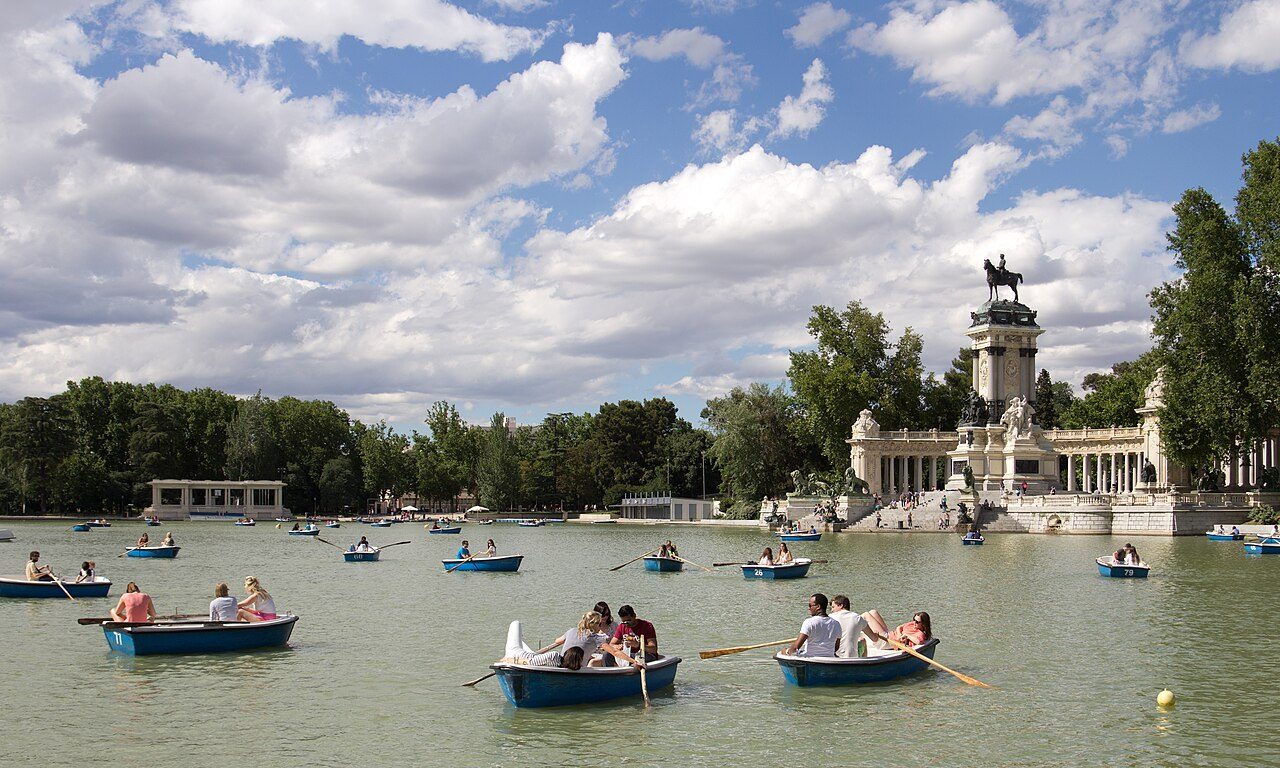
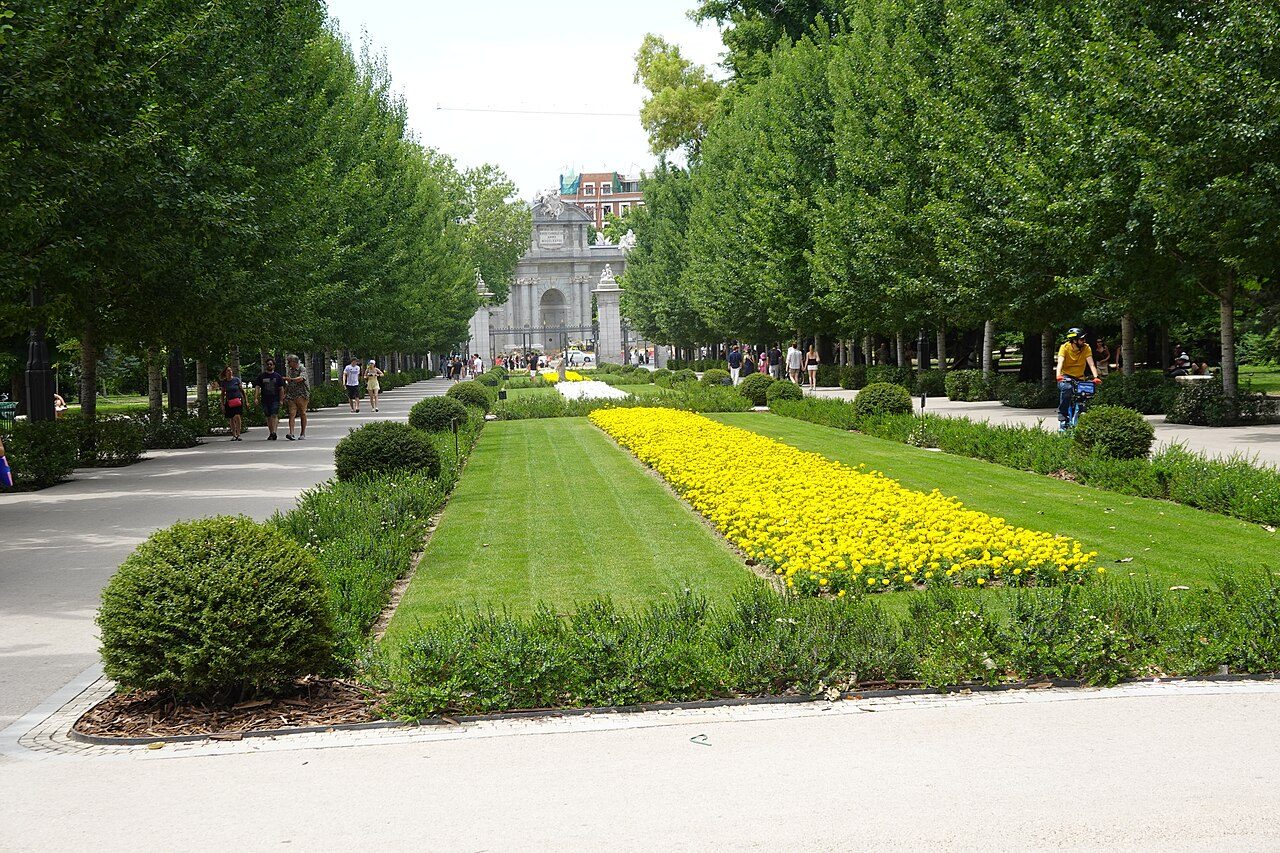
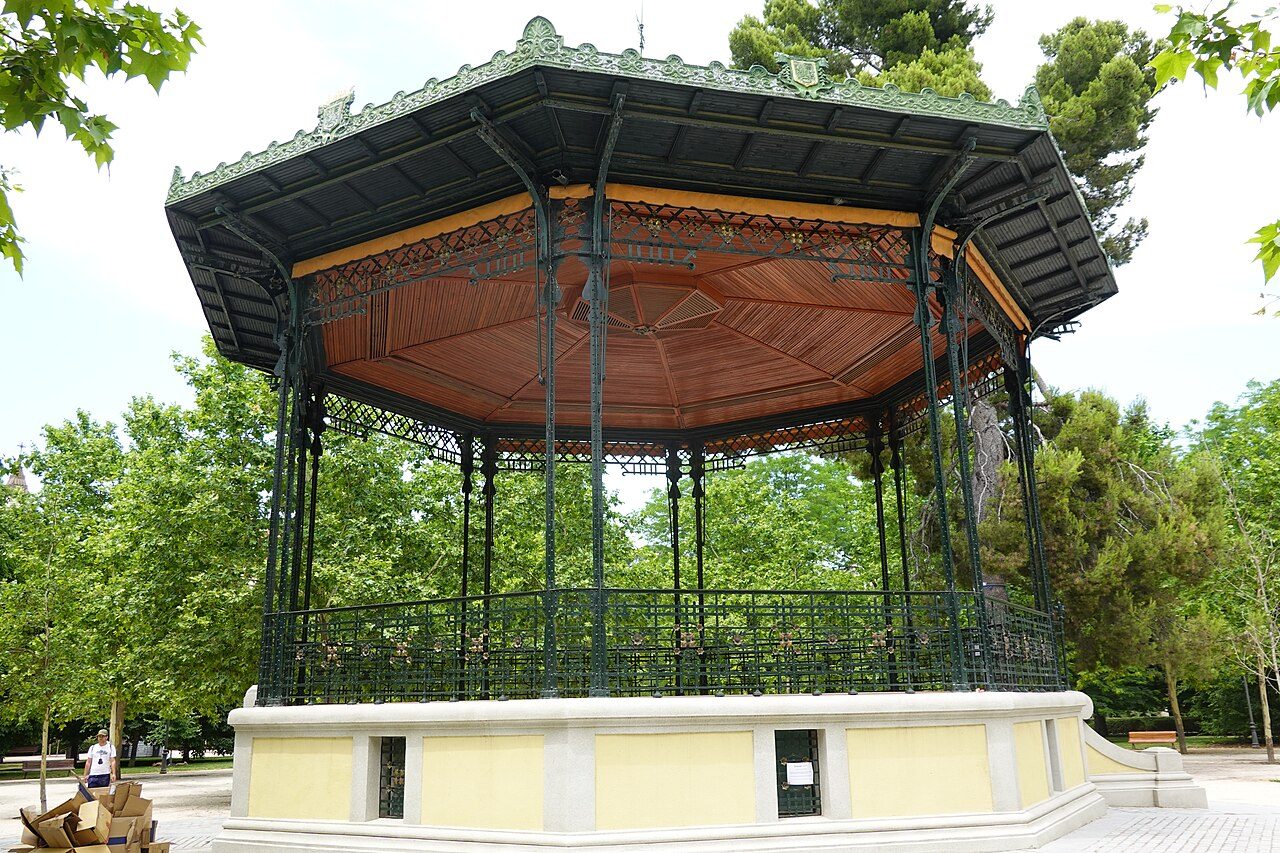
Retiro Park, officially the Buen Retiro Park, is one of the largest parks in Madrid. It was created as a royal garden in the 17th century and opened to the public in 1868. It has a large lake with rowing boats and a monument to Alfonso XII, rose gardens and statues. The Palacio de Cristal, a glass pavilion from 1887, stands beside a small pond.
07
STOP 7 OF 24
Temple of Debod
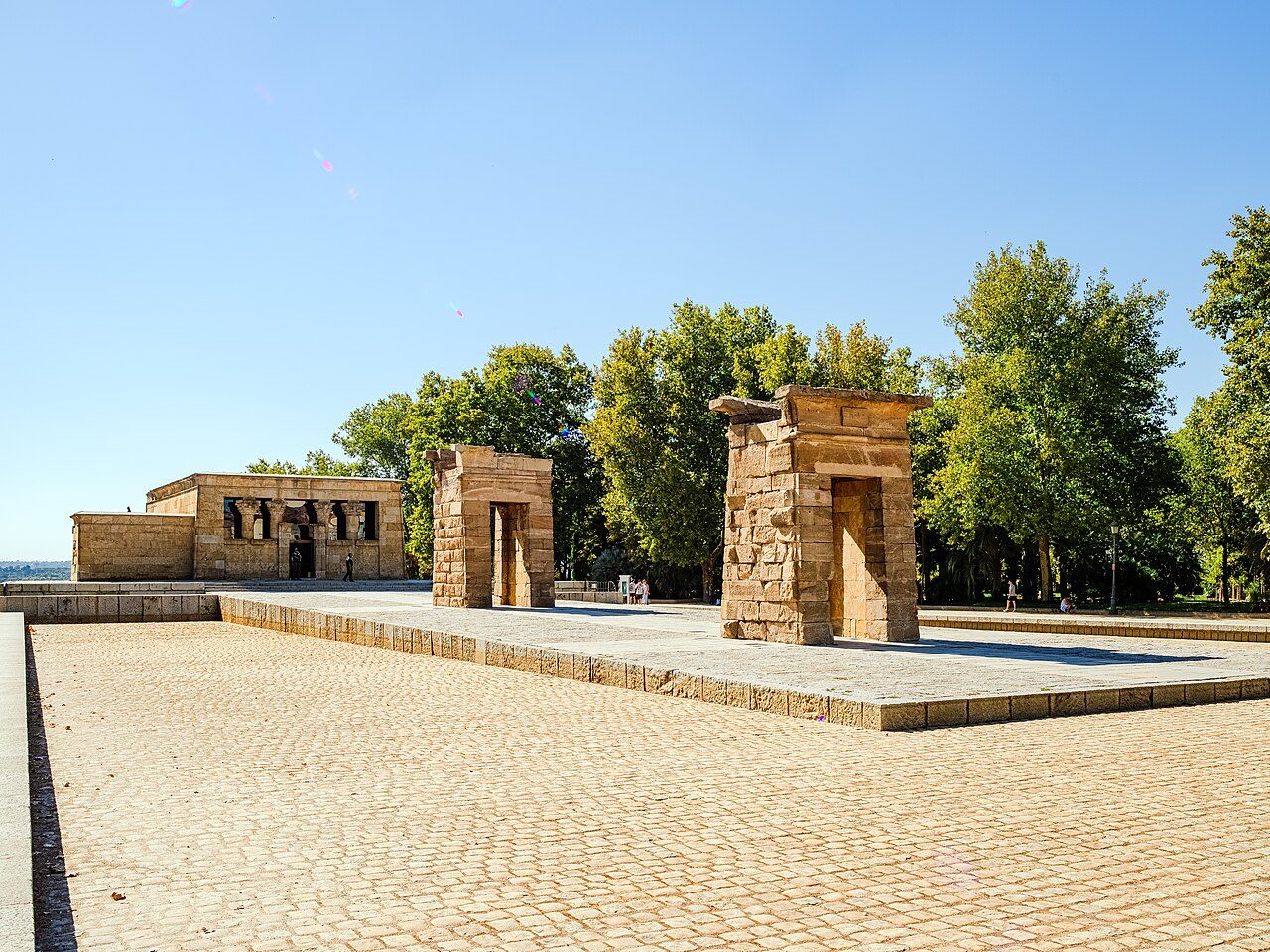
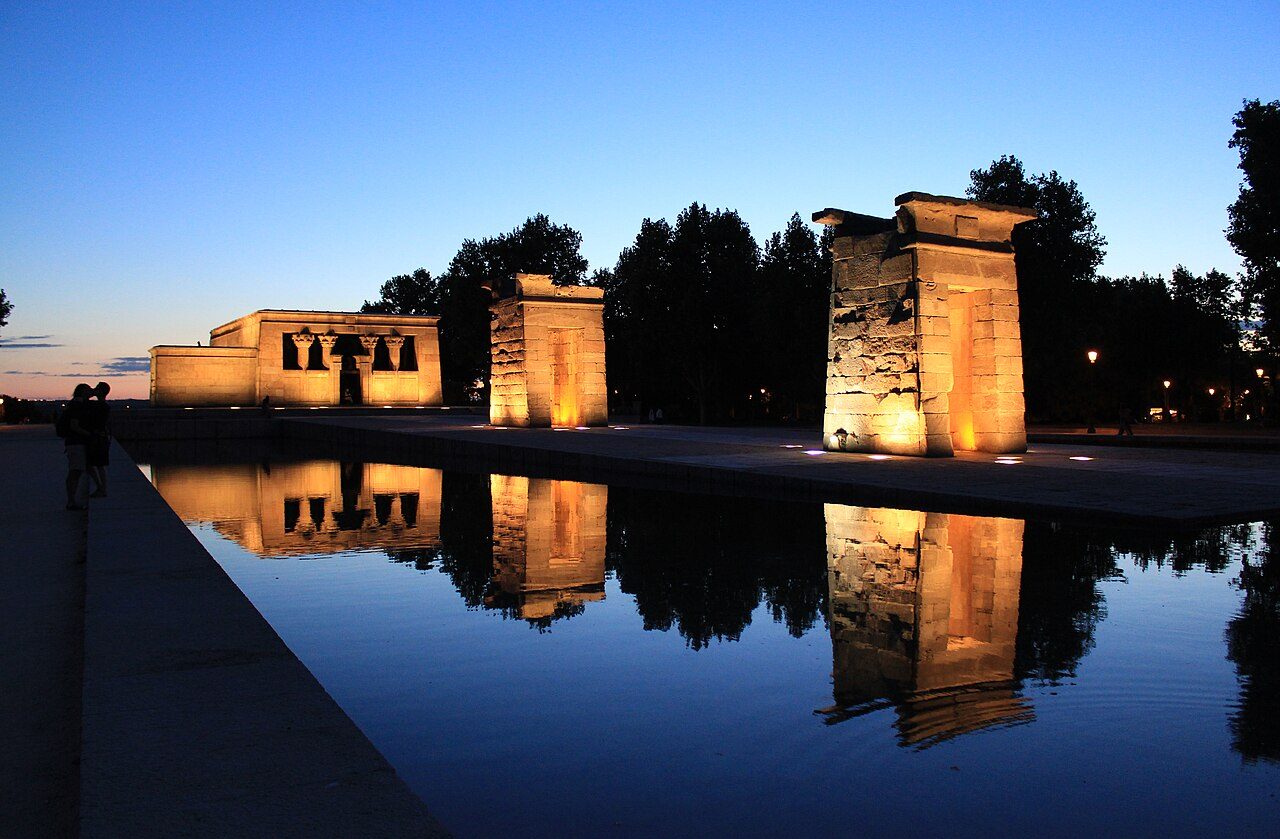
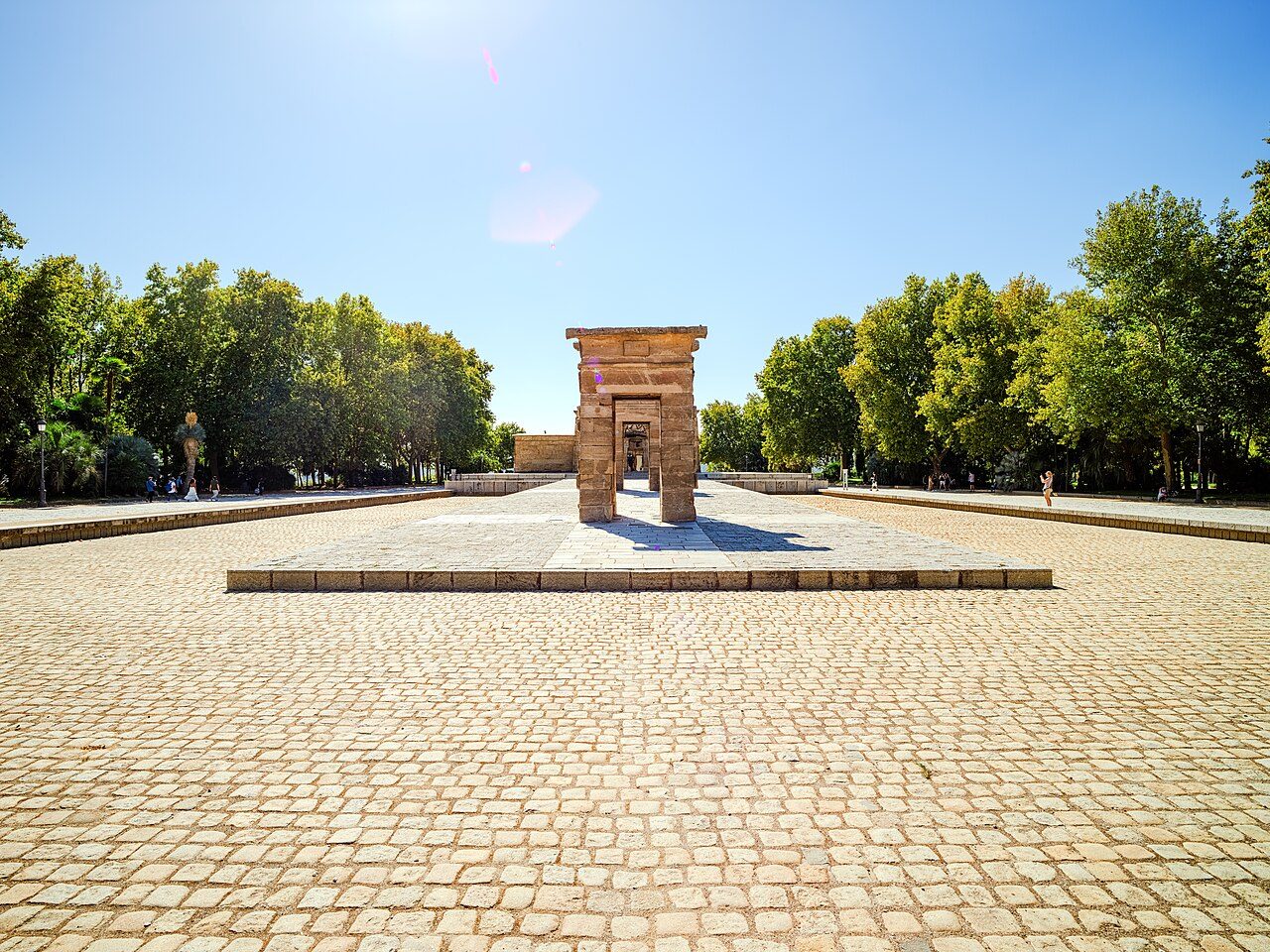
The Temple of Debod is an ancient Egyptian temple that stands in a park near the Royal Palace in Madrid. Built in the 2nd century BC near Aswan, it was given to Spain by Egypt in 1968 in thanks for help in saving the temples of Nubia from the Aswan Dam. It was rebuilt here stone by stone. It is a popular place to watch the sunset.
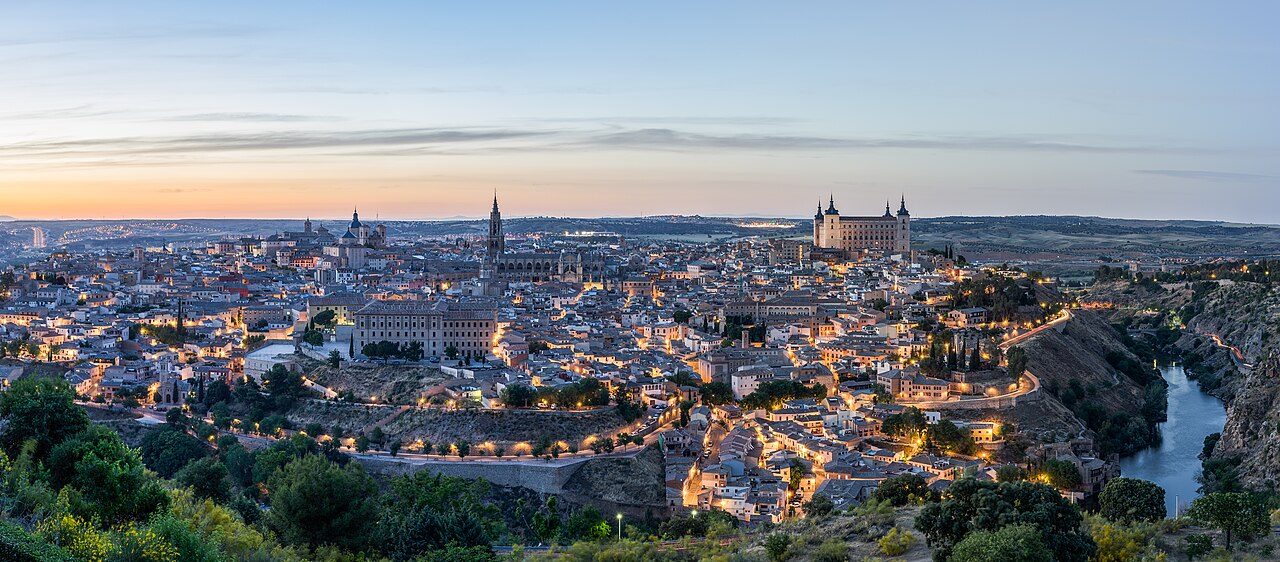
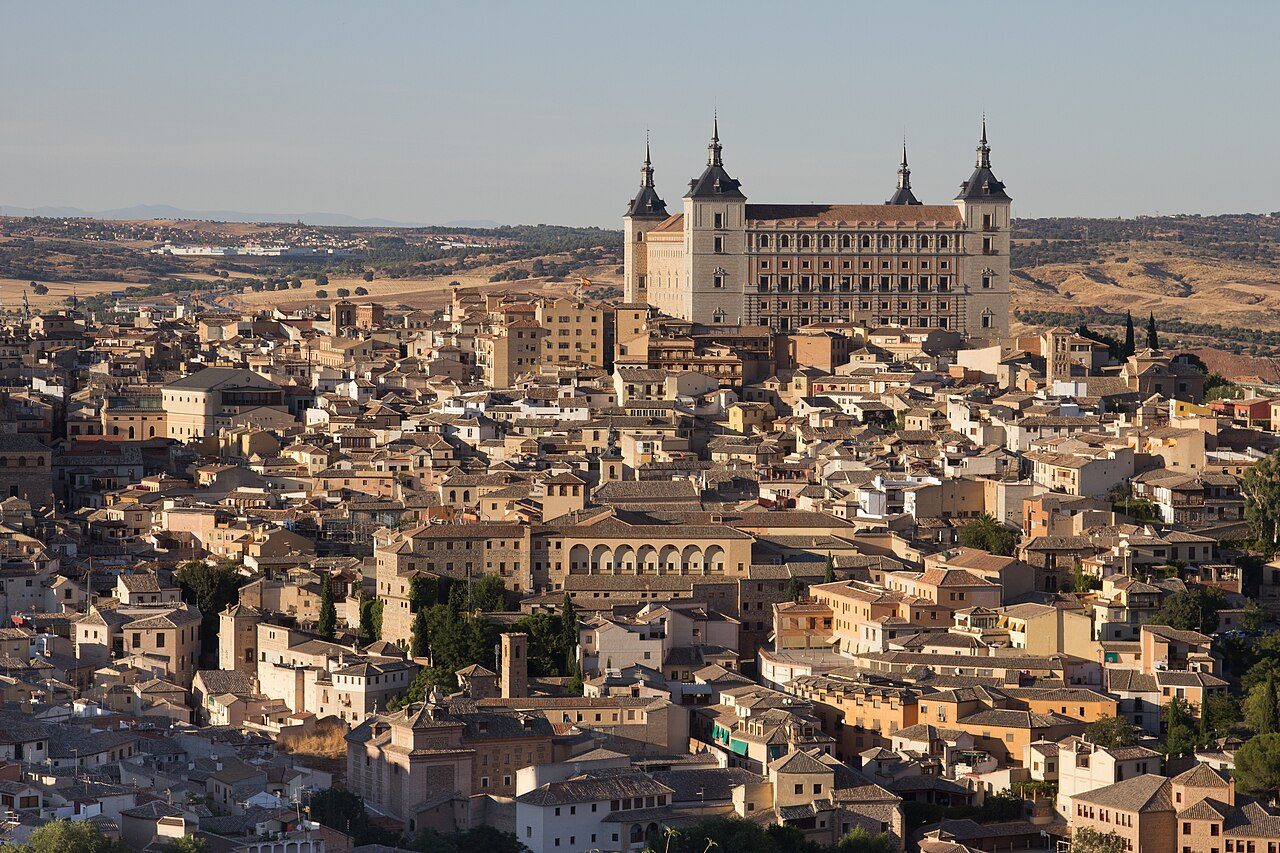
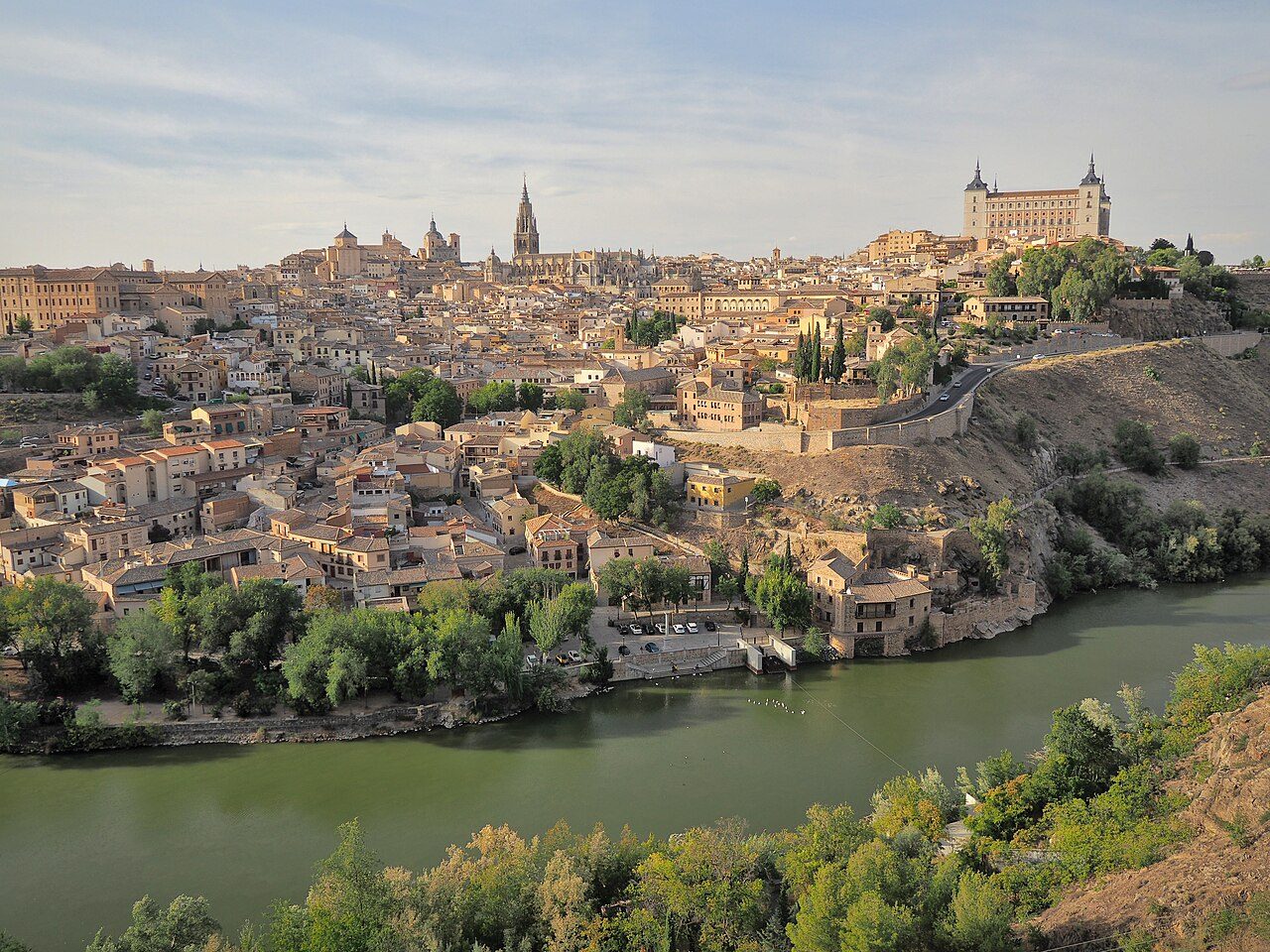
Toledo is an ancient city on a hill surrounded on three sides by the Tagus River. It was once the capital of Spain and is called the City of Three Cultures, where Christians, Muslims and Jews lived together for centuries. Its cathedral, synagogues, mosque and Alcázar fill the old town. The painter El Greco lived here. It is a UNESCO World Heritage Site.
09
STOP 9 OF 24
Mosque–Cathedral of Córdoba
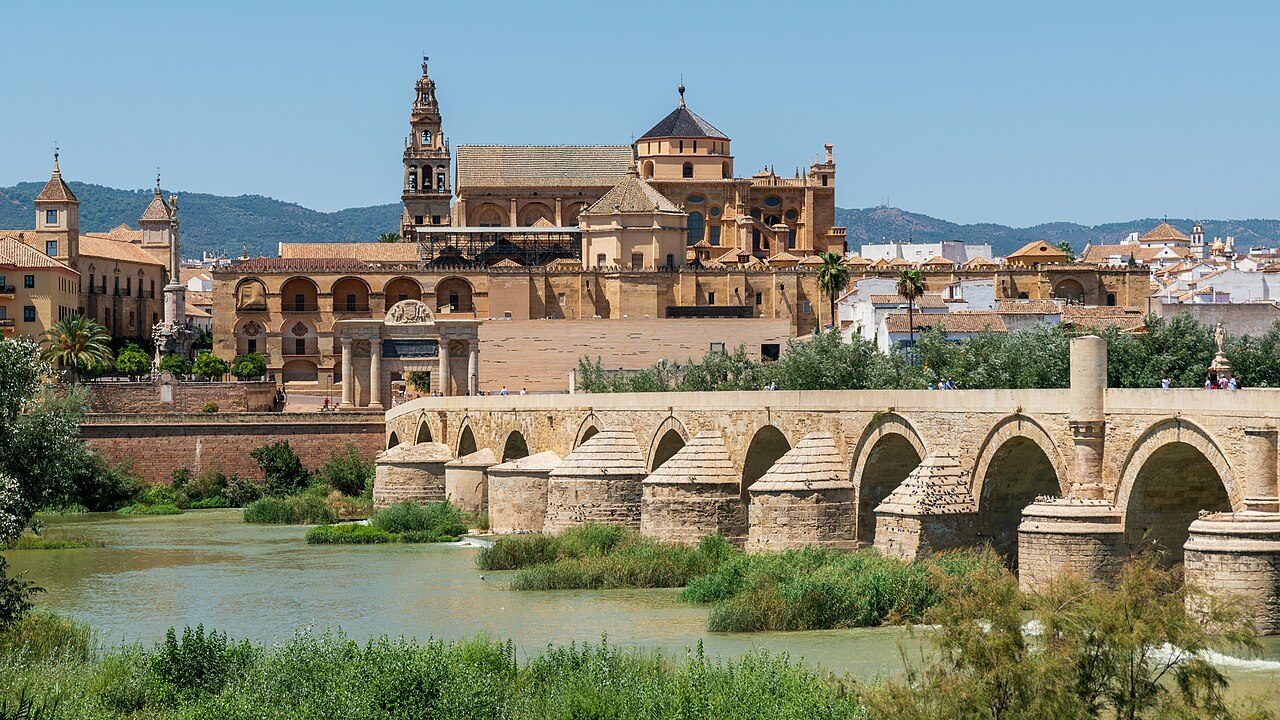
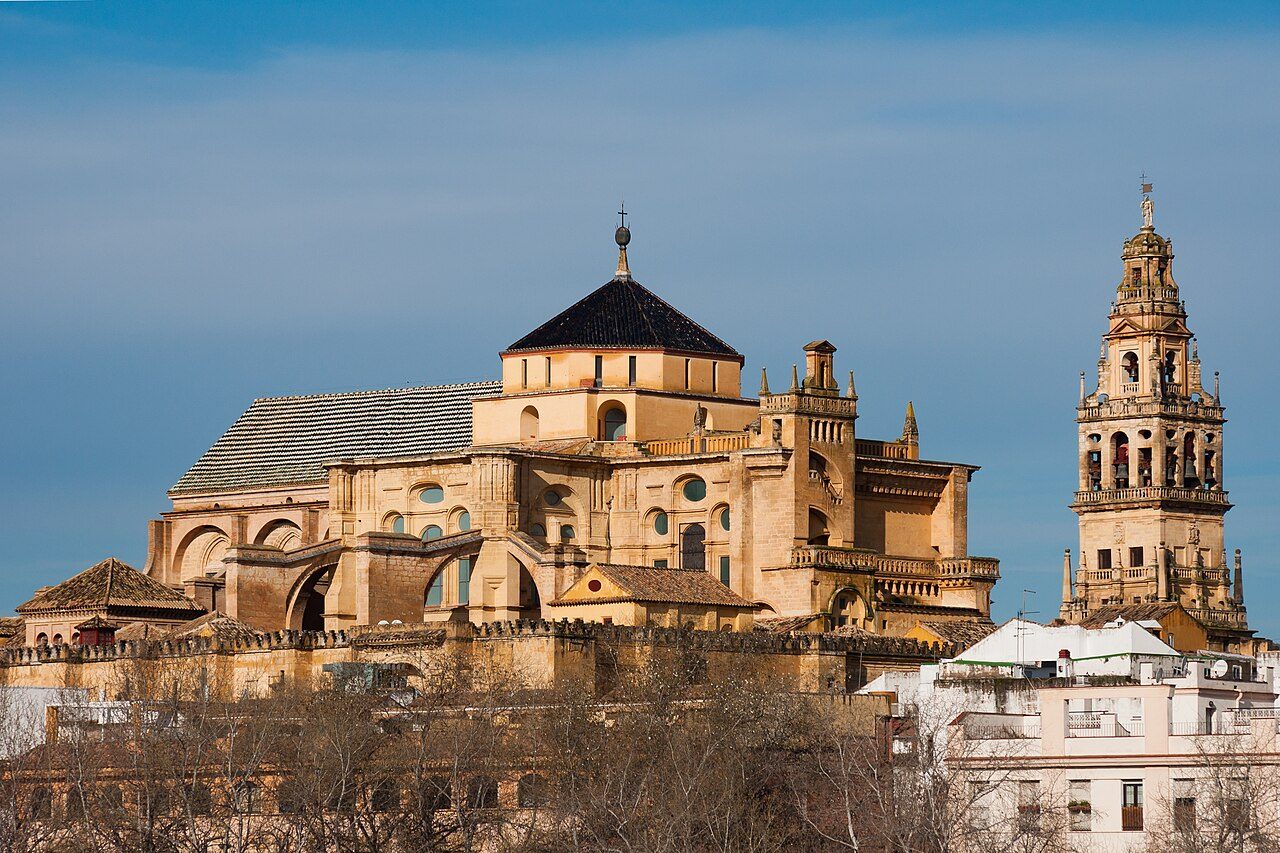
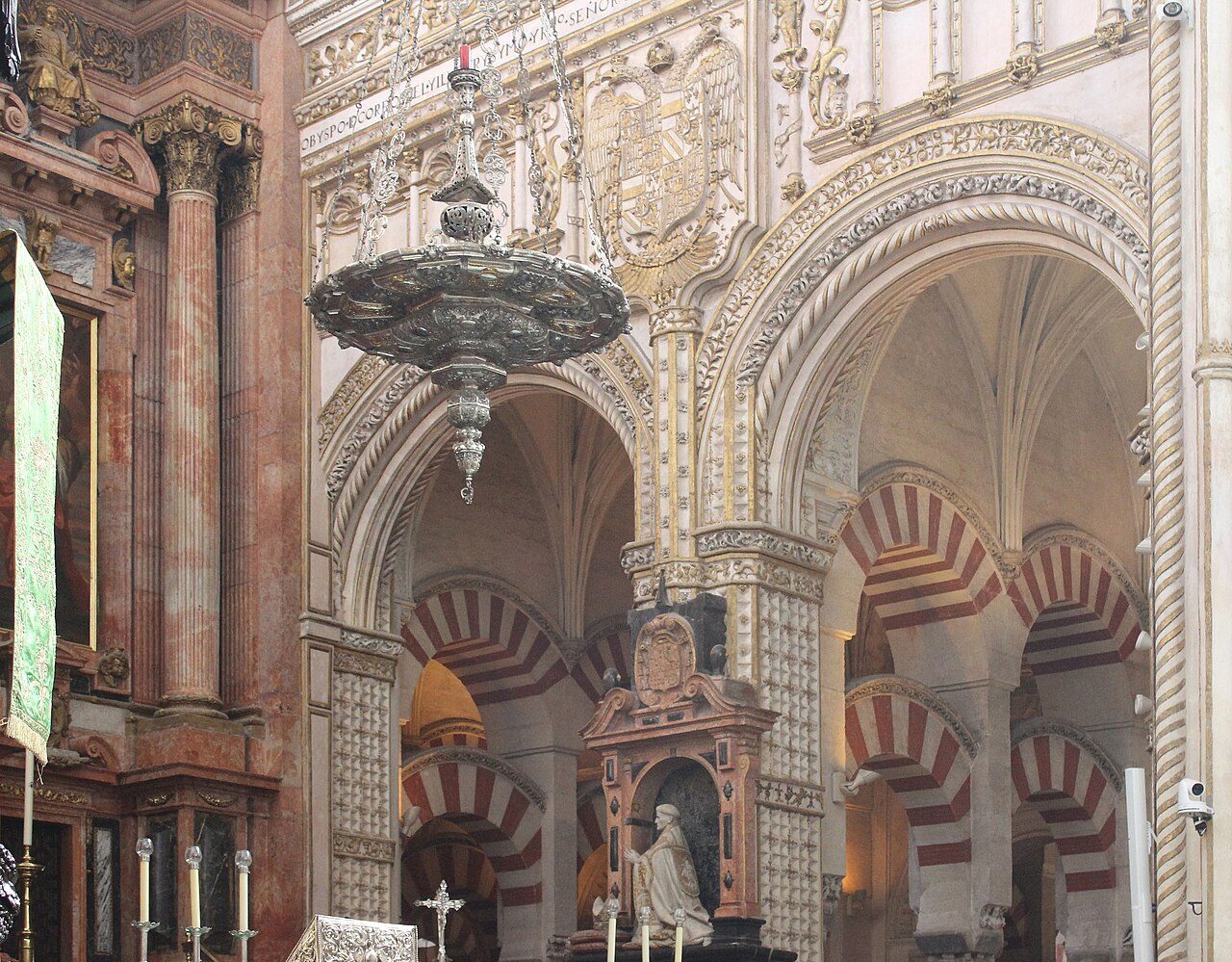
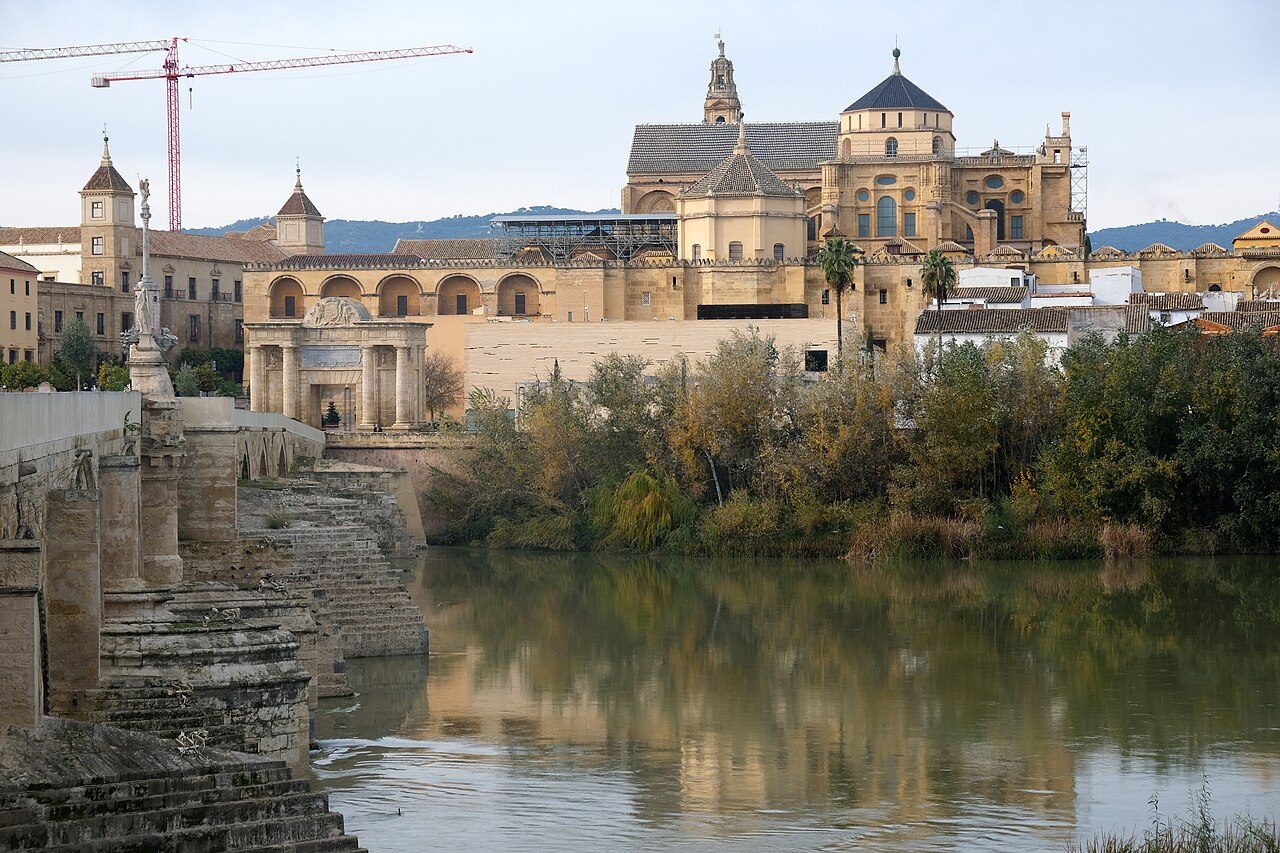
The Mosque–Cathedral of Córdoba was built as a great mosque from 785 and enlarged over two centuries. Its prayer hall is a forest of over 850 columns with red and white striped arches. After the Christian conquest in 1236 it became a cathedral, and a Renaissance nave was built in its centre in the 16th century. It is a UNESCO World Heritage Site.
10
STOP 10 OF 24
Seville Cathedral
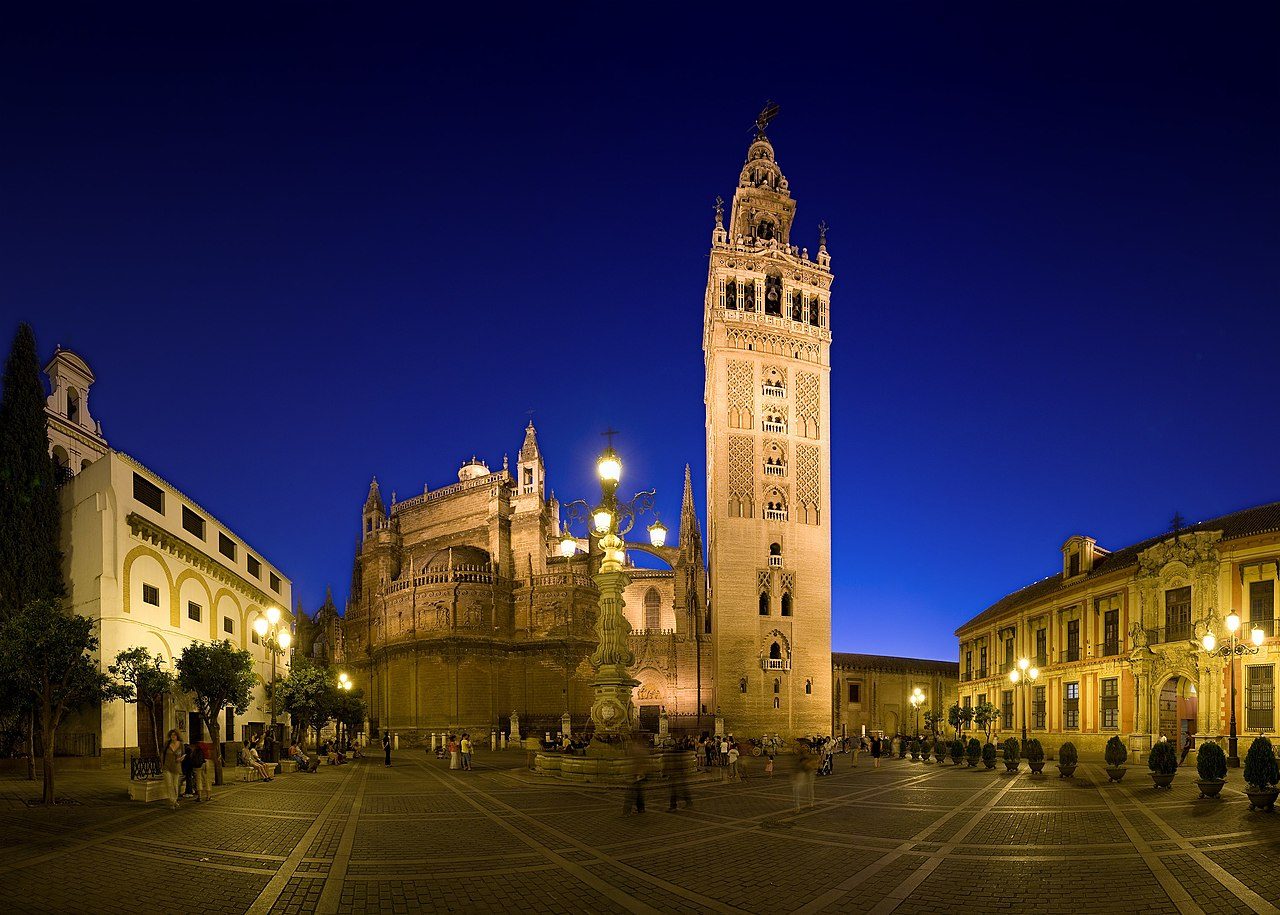
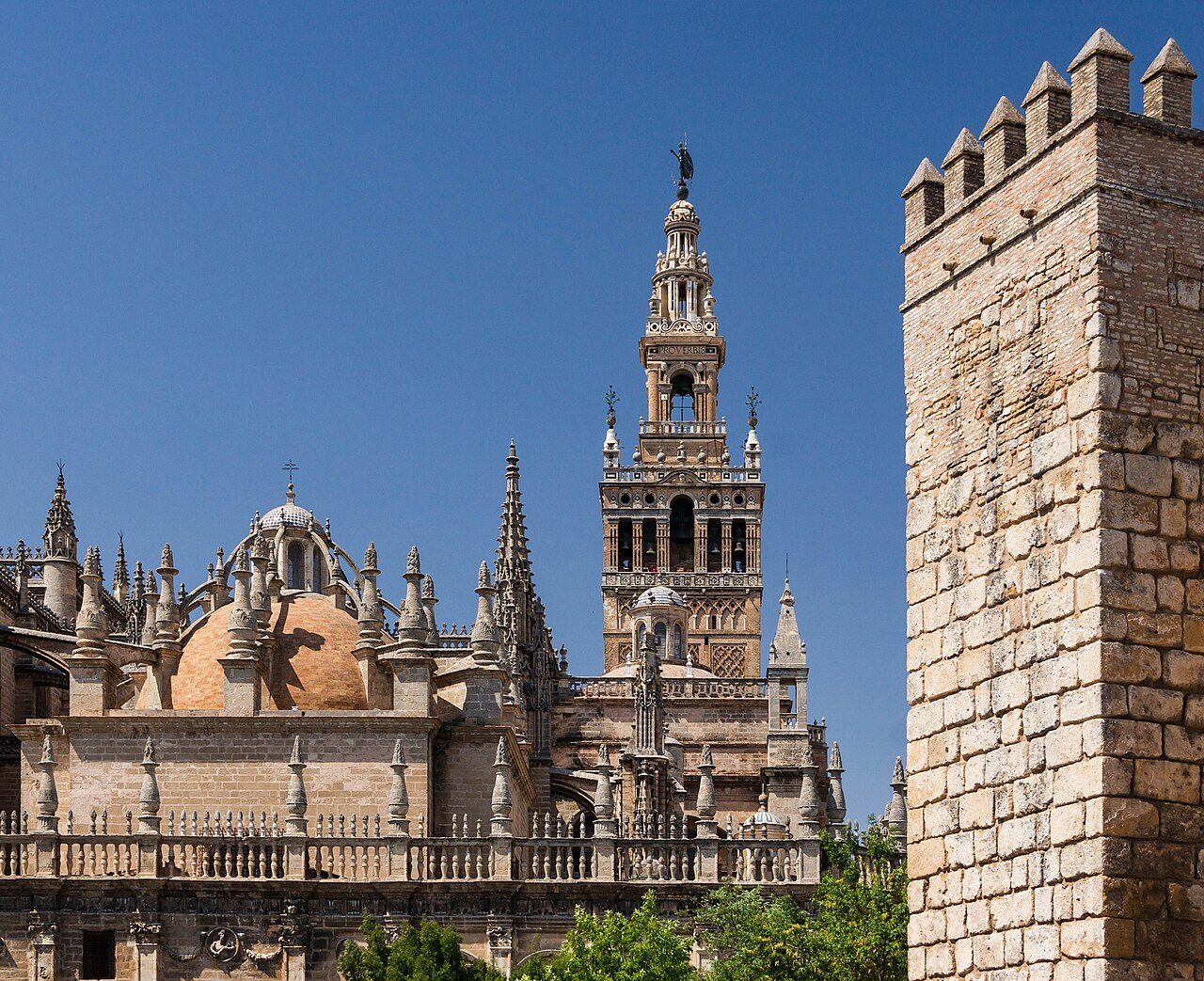
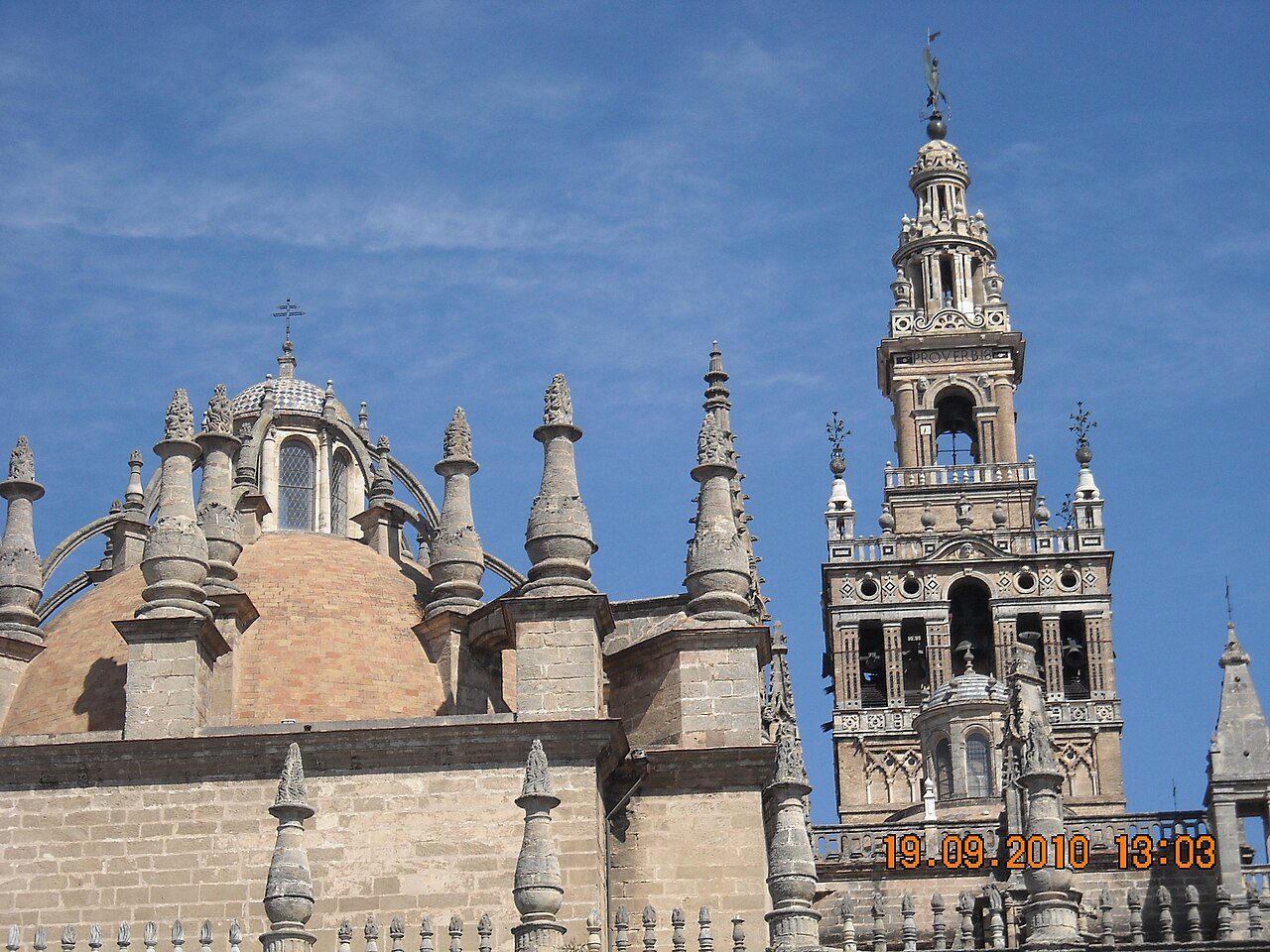
Seville Cathedral is the largest Gothic cathedral in the world, built from 1401 on the site of a great mosque. Its bell tower, the Giralda, was the mosque's minaret, with a Renaissance belfry added on top. Inside is a huge gilded altarpiece and the tomb of Christopher Columbus. It is part of a UNESCO World Heritage Site.
11
STOP 11 OF 24
Real Alcázar of Seville
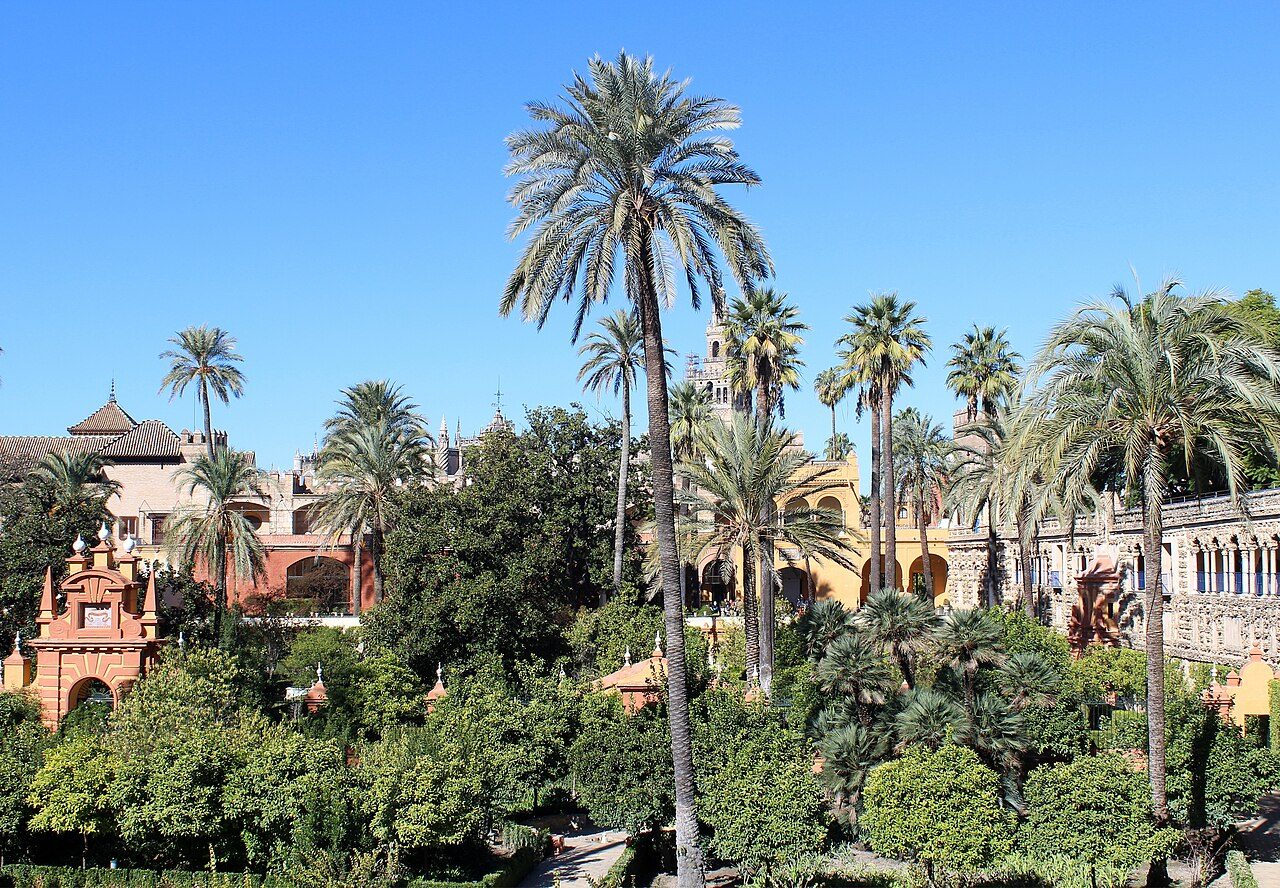
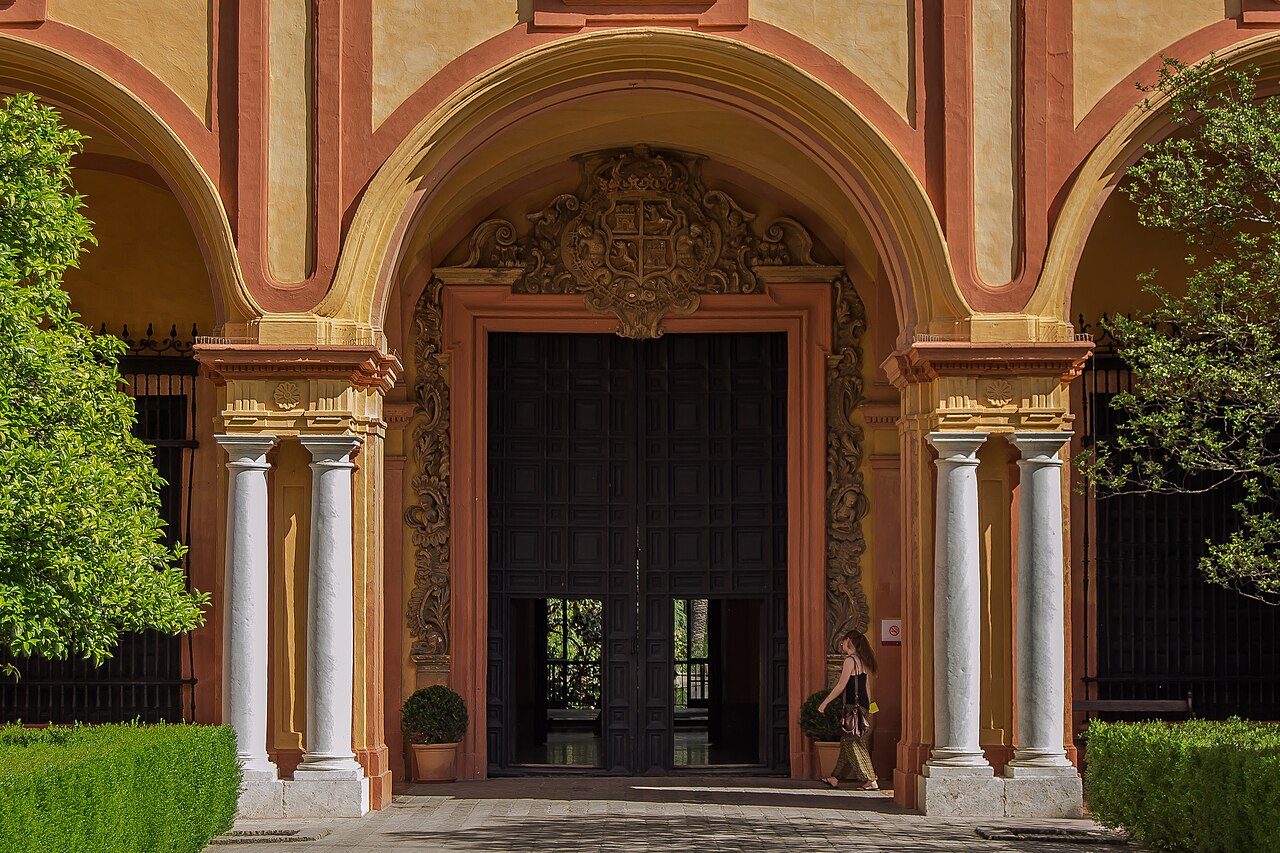
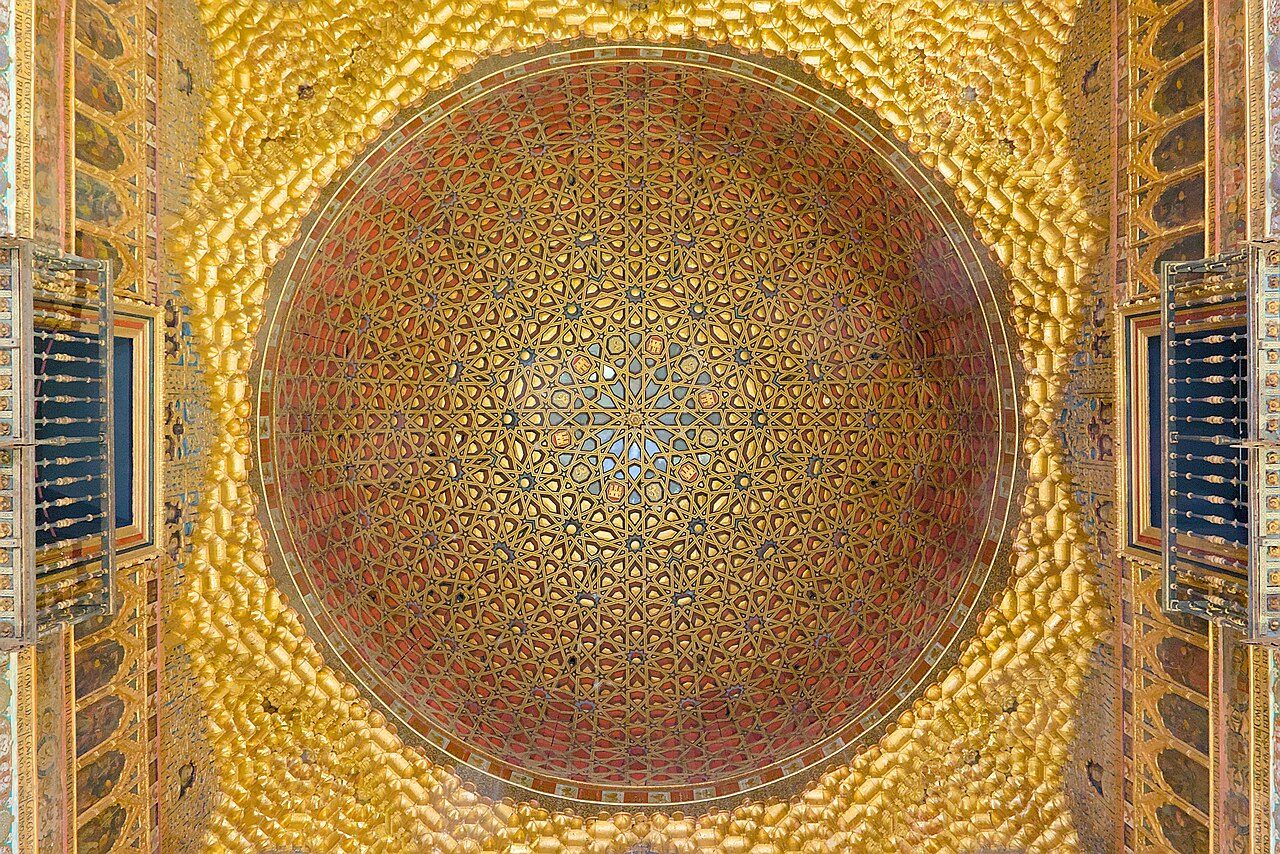
The Real Alcázar of Seville is a royal palace still used by the Spanish royal family, making it the oldest royal palace in Europe still in use. Much of it was built in the 14th century for King Peter of Castile in the Mudéjar style, with carved arches, tiles and courtyards. Its large gardens have fountains, pavilions and peacocks. It is a UNESCO World Heritage Site.
12
STOP 12 OF 24
Plaza de España Seville
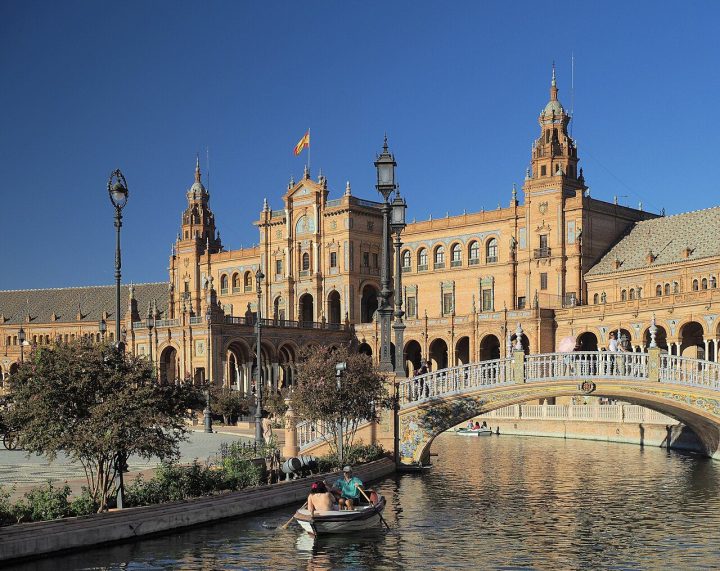
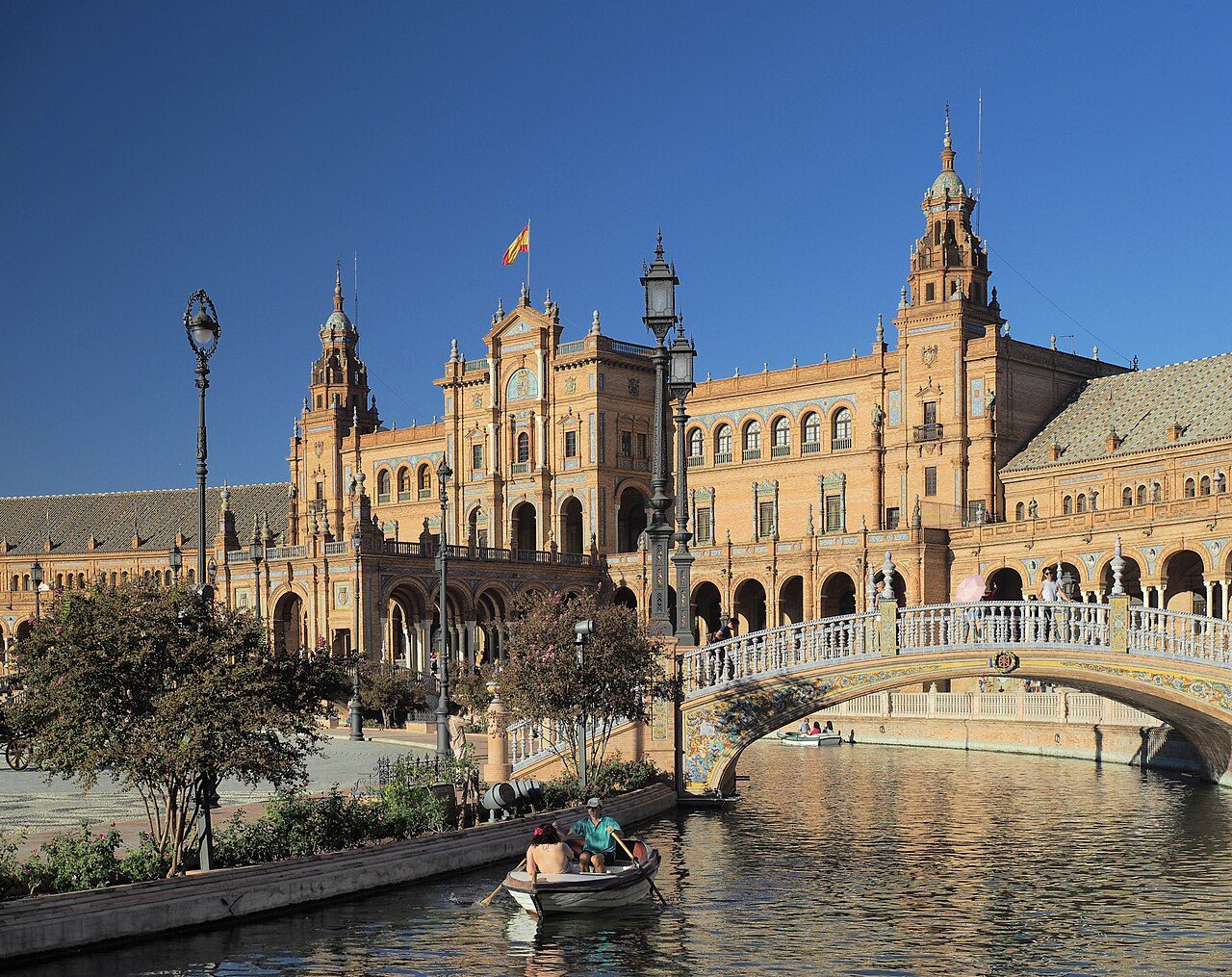
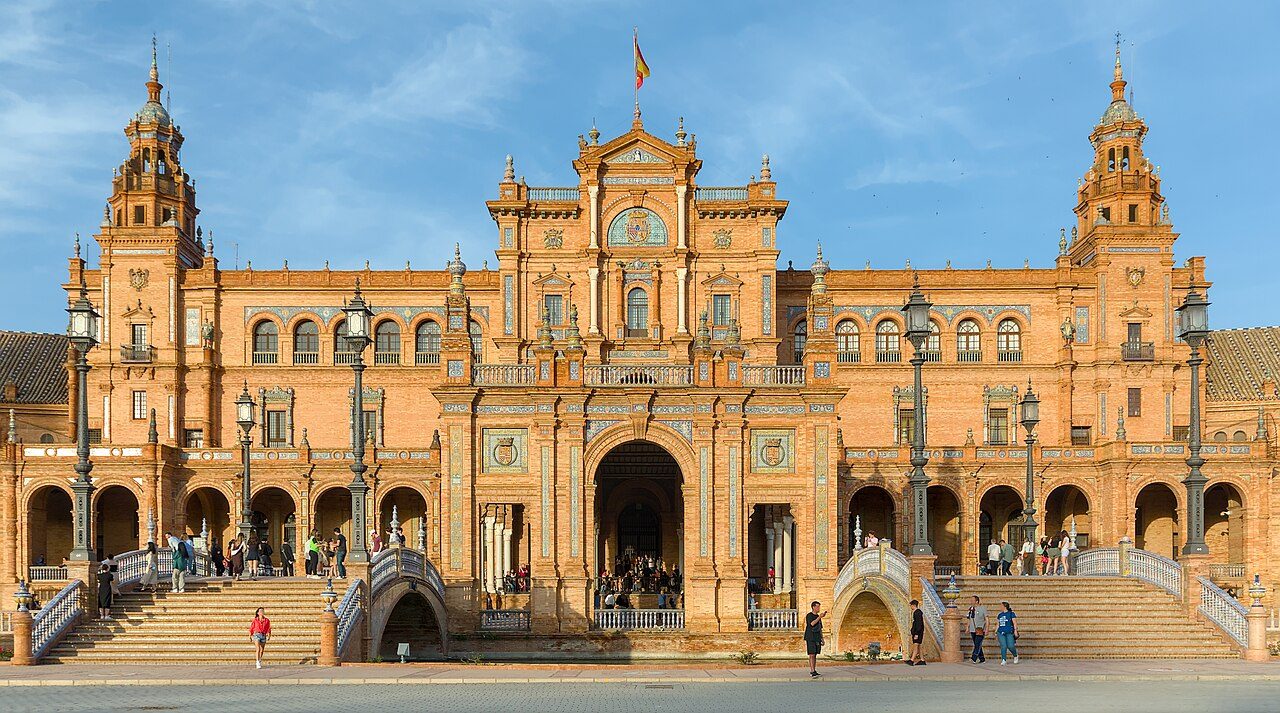
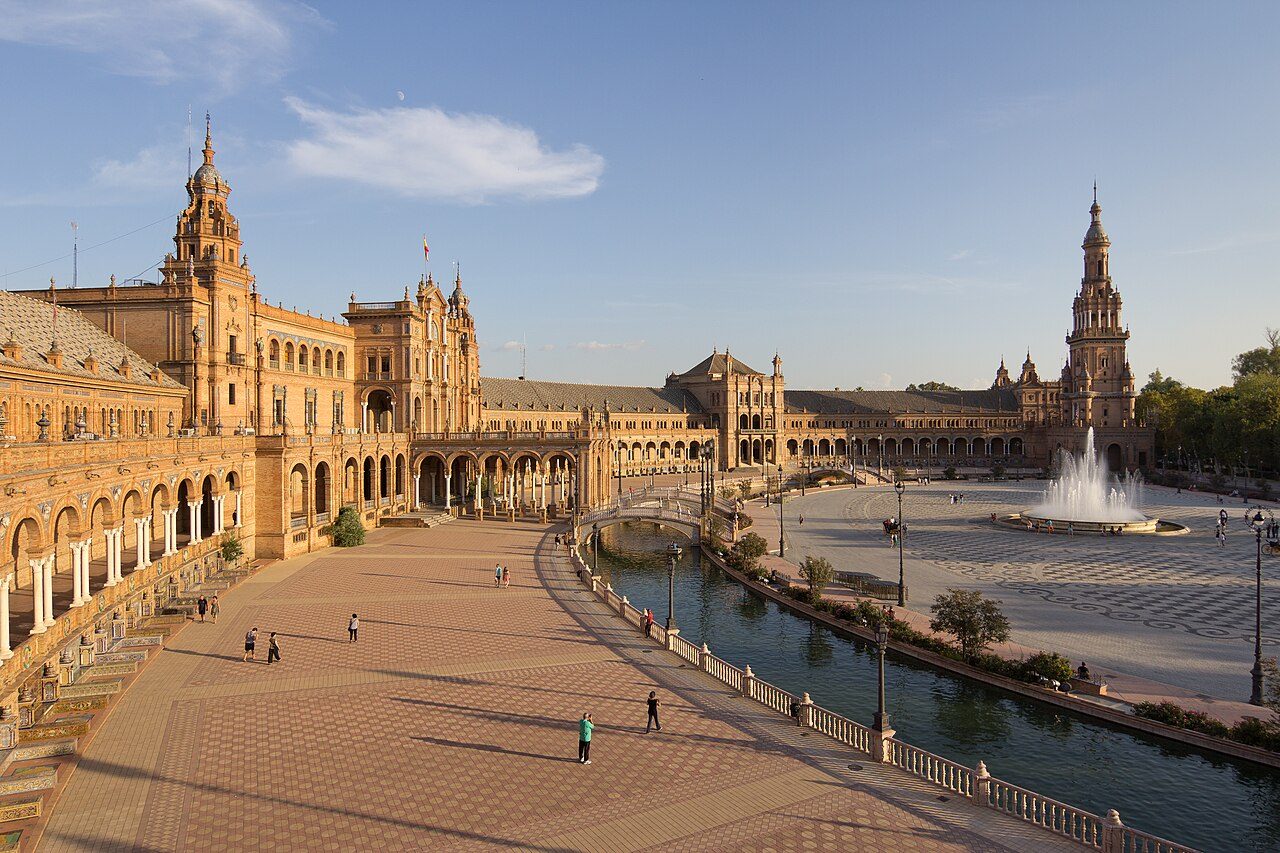
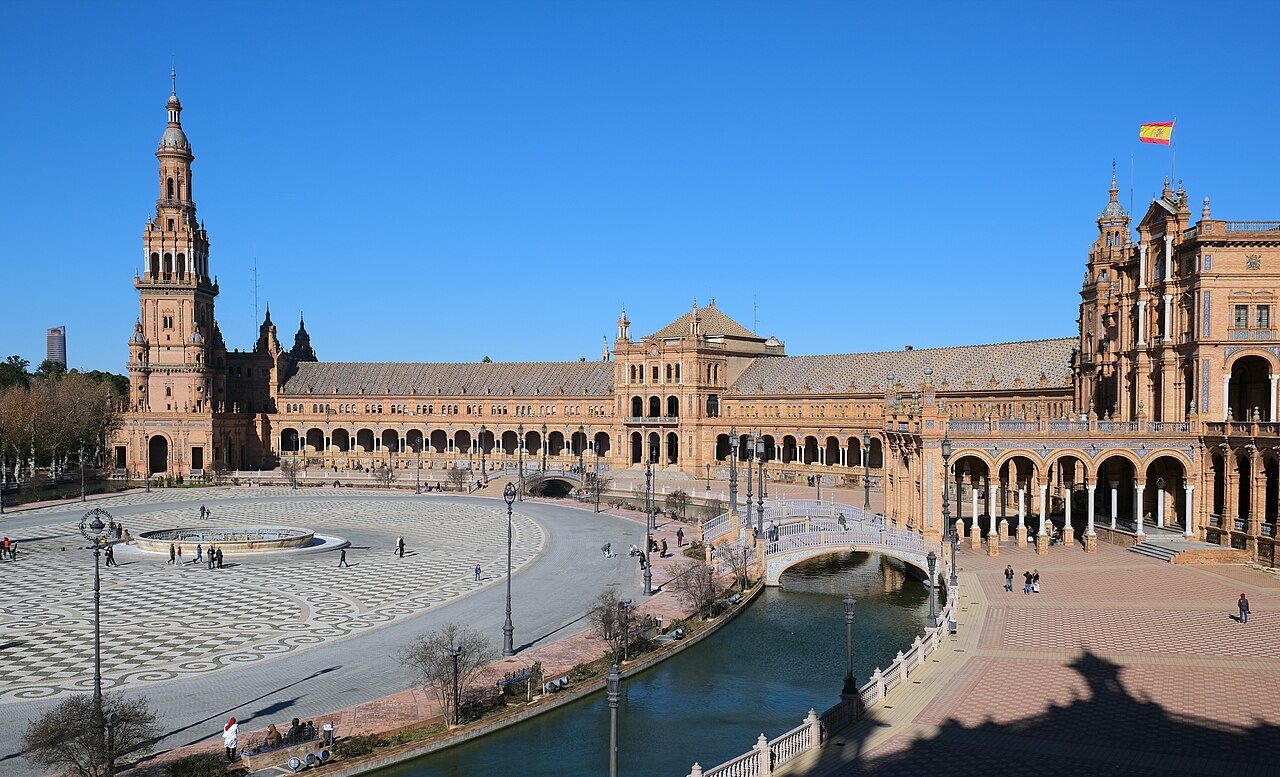
The Plaza de España in Seville was built for the Ibero-American Exposition of 1929 in María Luisa Park. Its semicircular building of brick and ceramic is fronted by a canal crossed by small bridges. Along its walls, tiled alcoves represent each province of Spain. Visitors can rent rowing boats on the canal. It has appeared in several films.
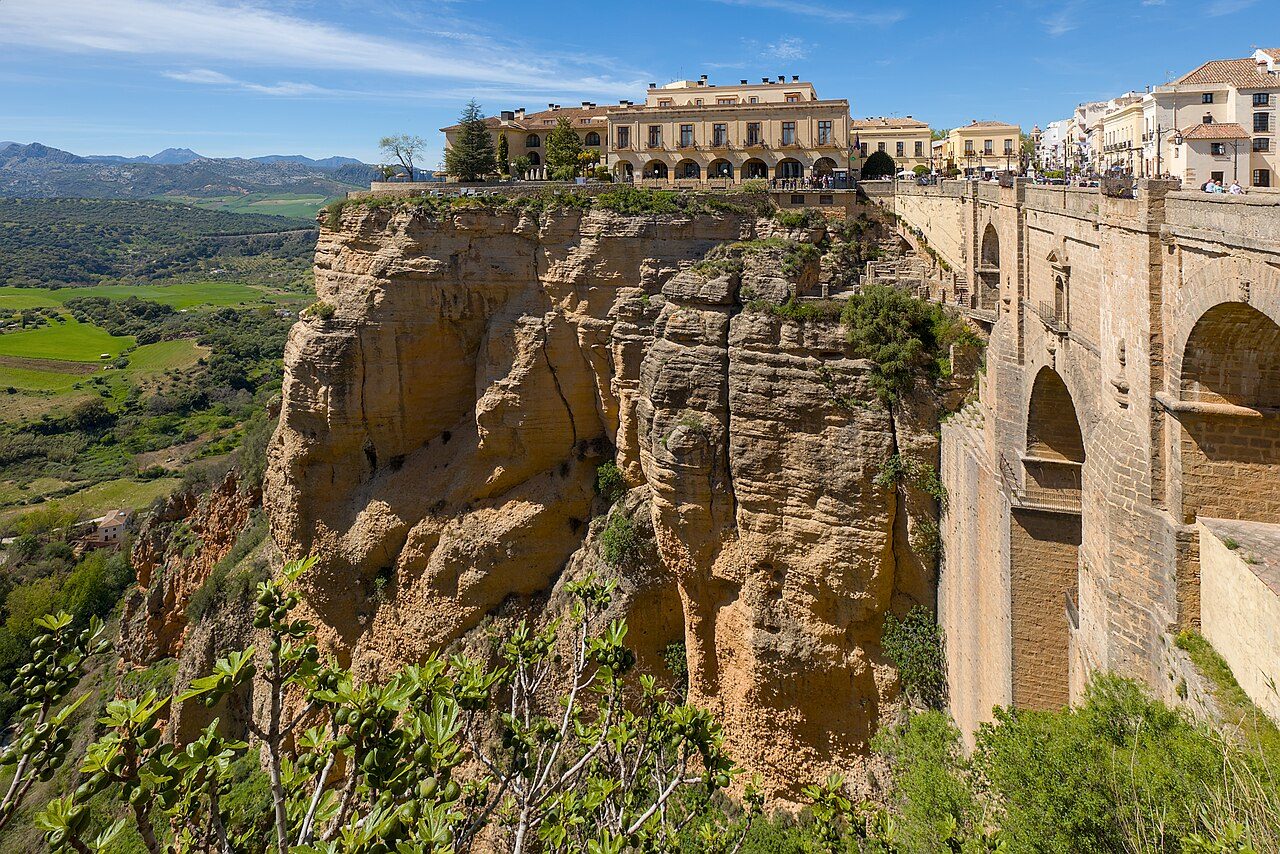
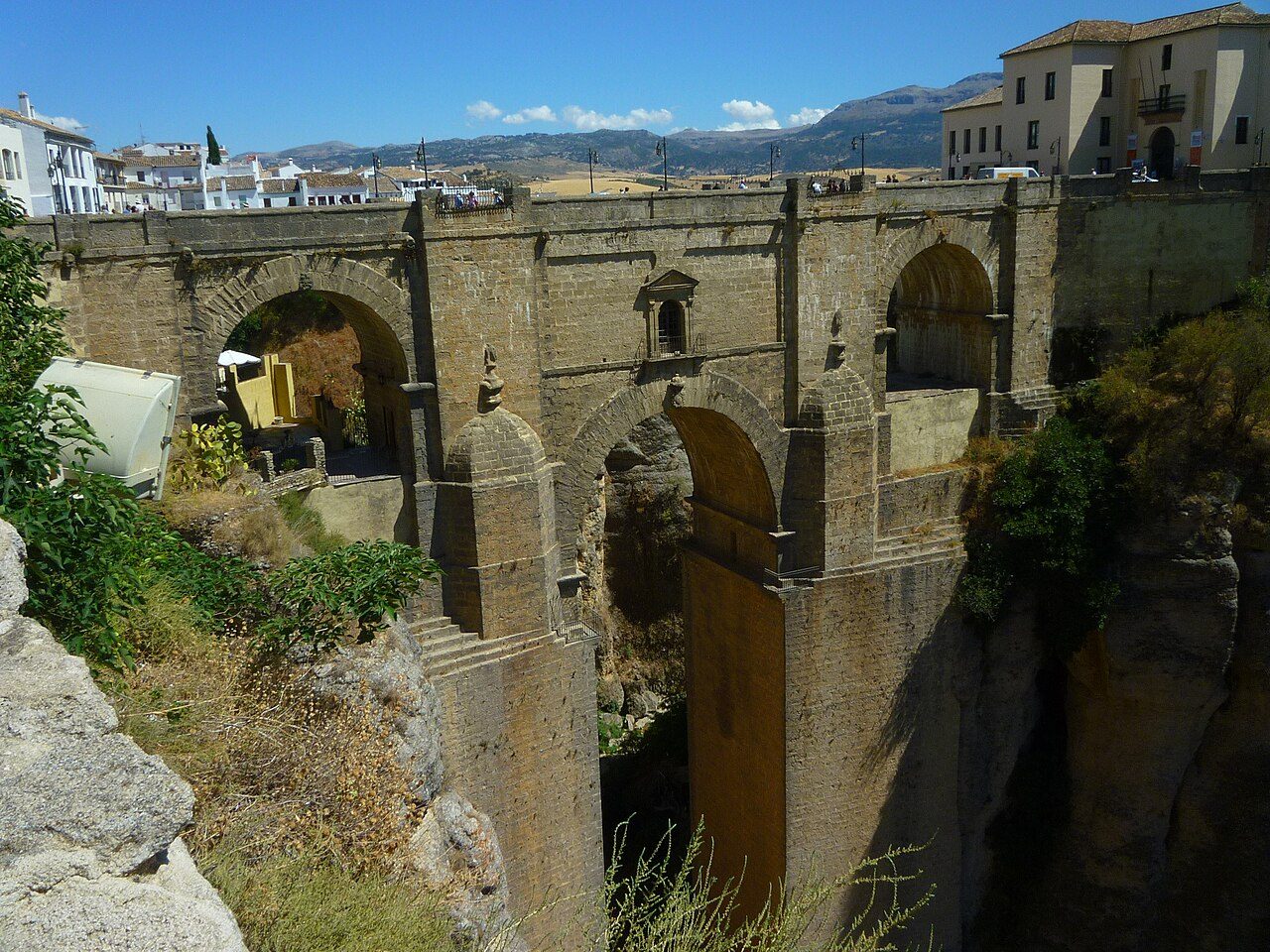
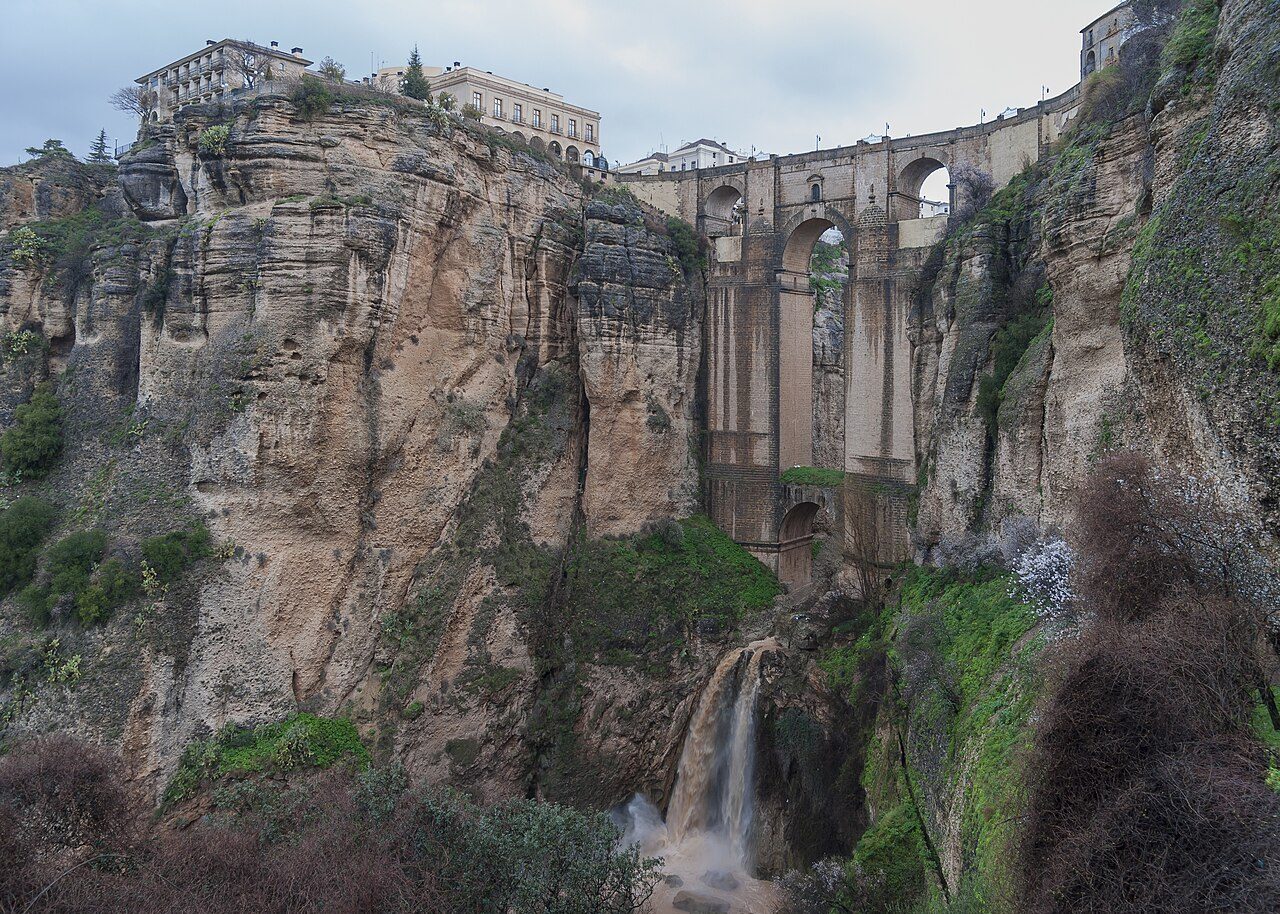
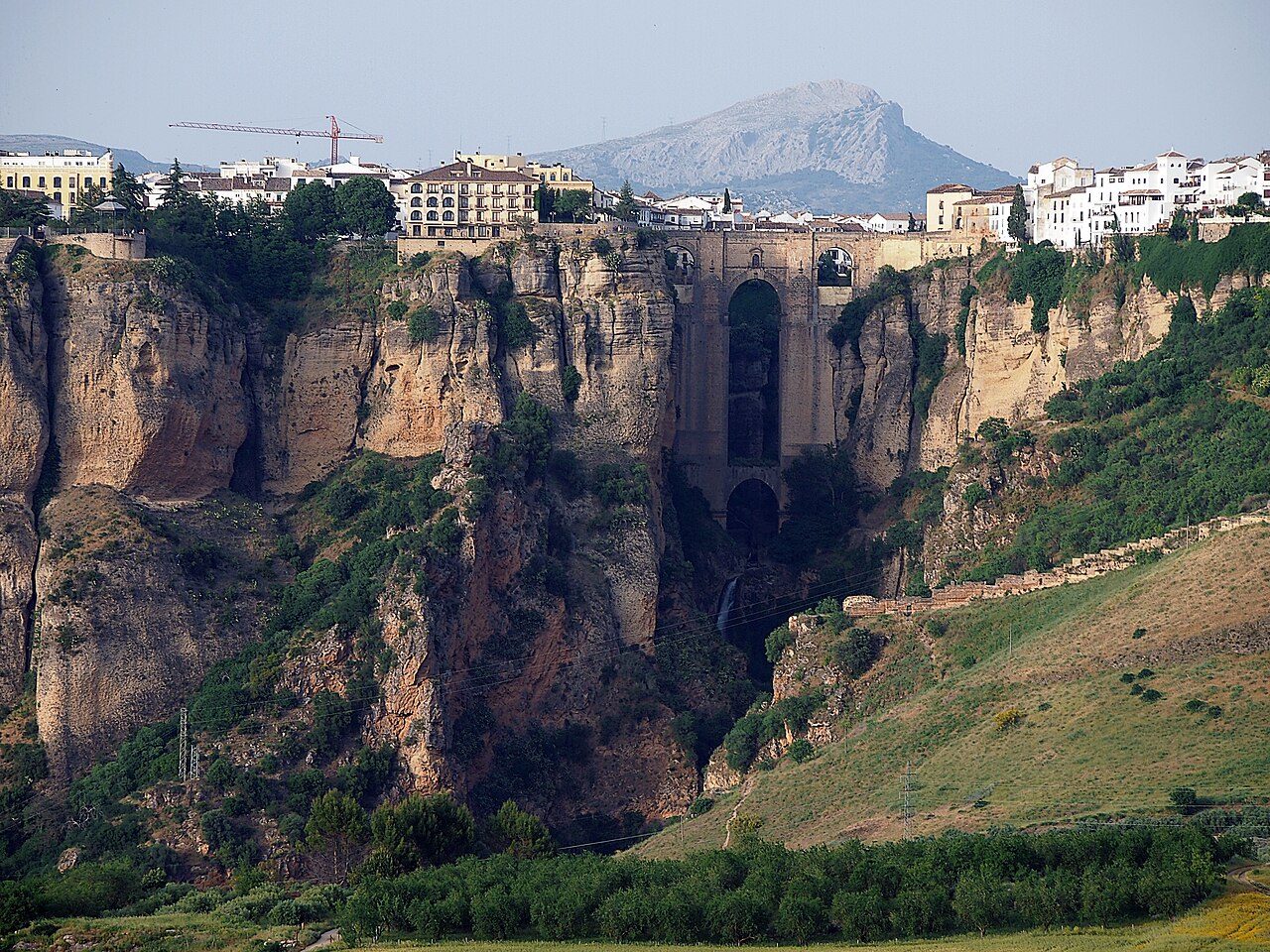
Ronda is a town in Andalusia built on both sides of the El Tajo gorge, about 100 metres deep. The Puente Nuevo, completed in 1793, spans the gorge and is the town's famous symbol. Ronda has one of the oldest bullrings in Spain, Moorish baths and old palaces. Viewpoints on the cliff edge look over the countryside.
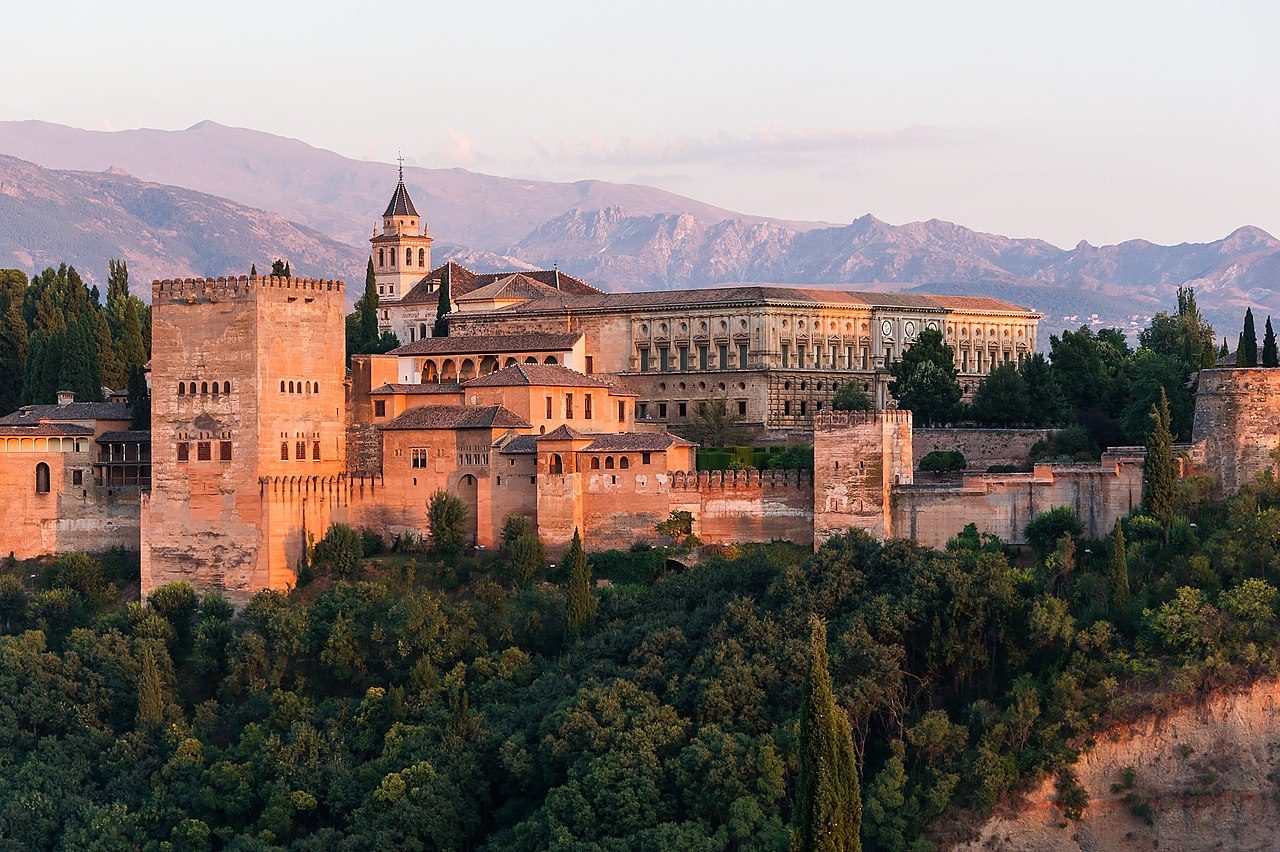
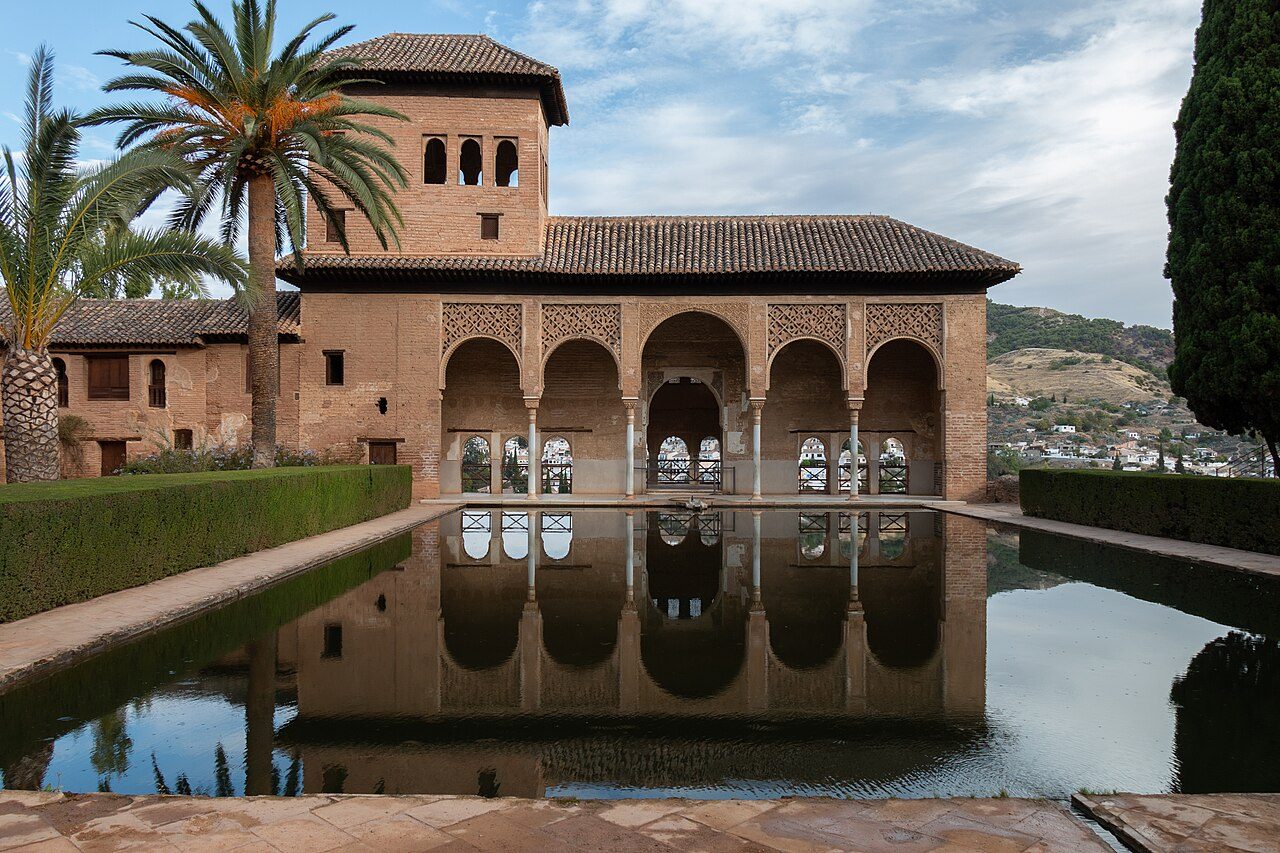
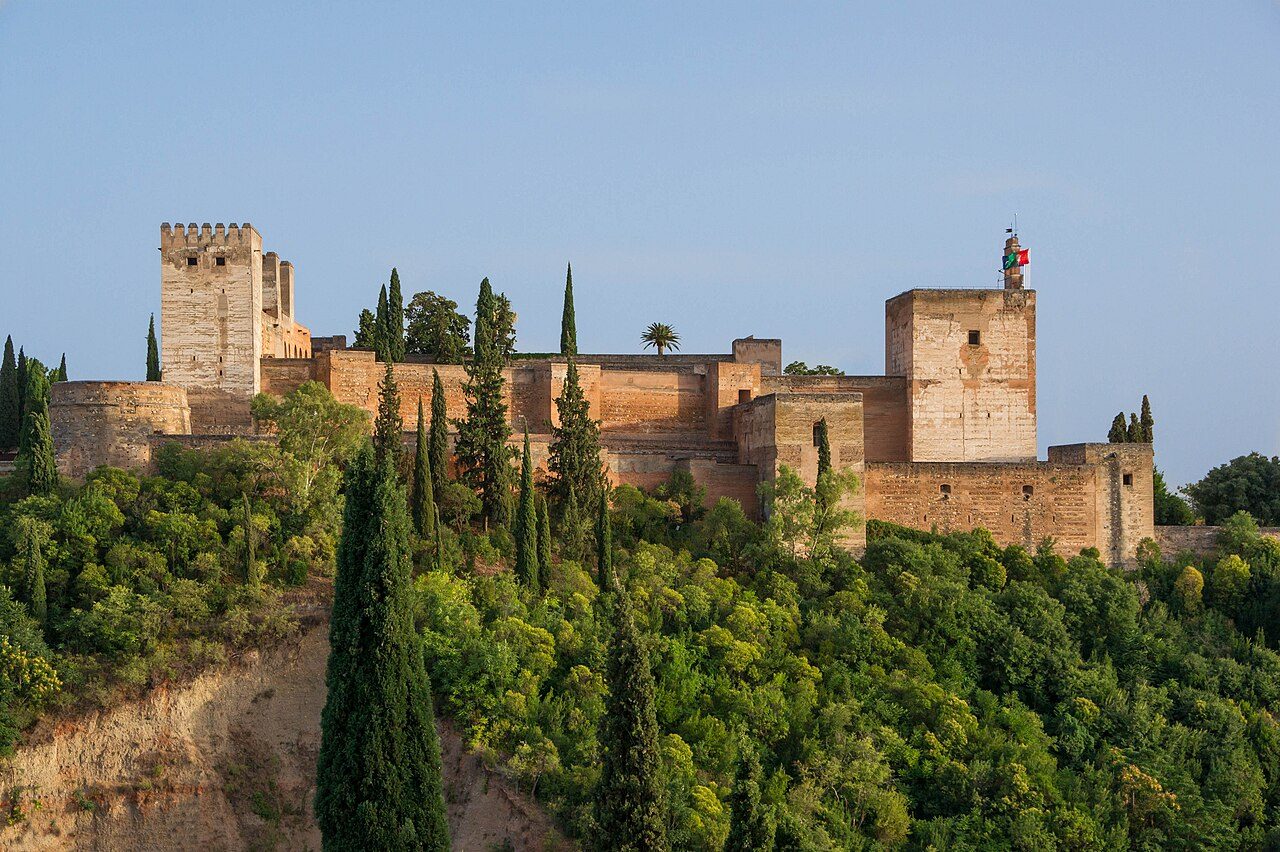
The Alhambra is a palace and fortress complex on a hill above Granada, built mainly by the Nasrid dynasty in the 13th and 14th centuries. It was the last Muslim stronghold in Spain until 1492. Its Nasrid Palaces are famous for carved stucco, tiled walls and courtyards with fountains, such as the Court of the Lions. The Generalife gardens lie beside it. It is a UNESCO World Heritage Site.
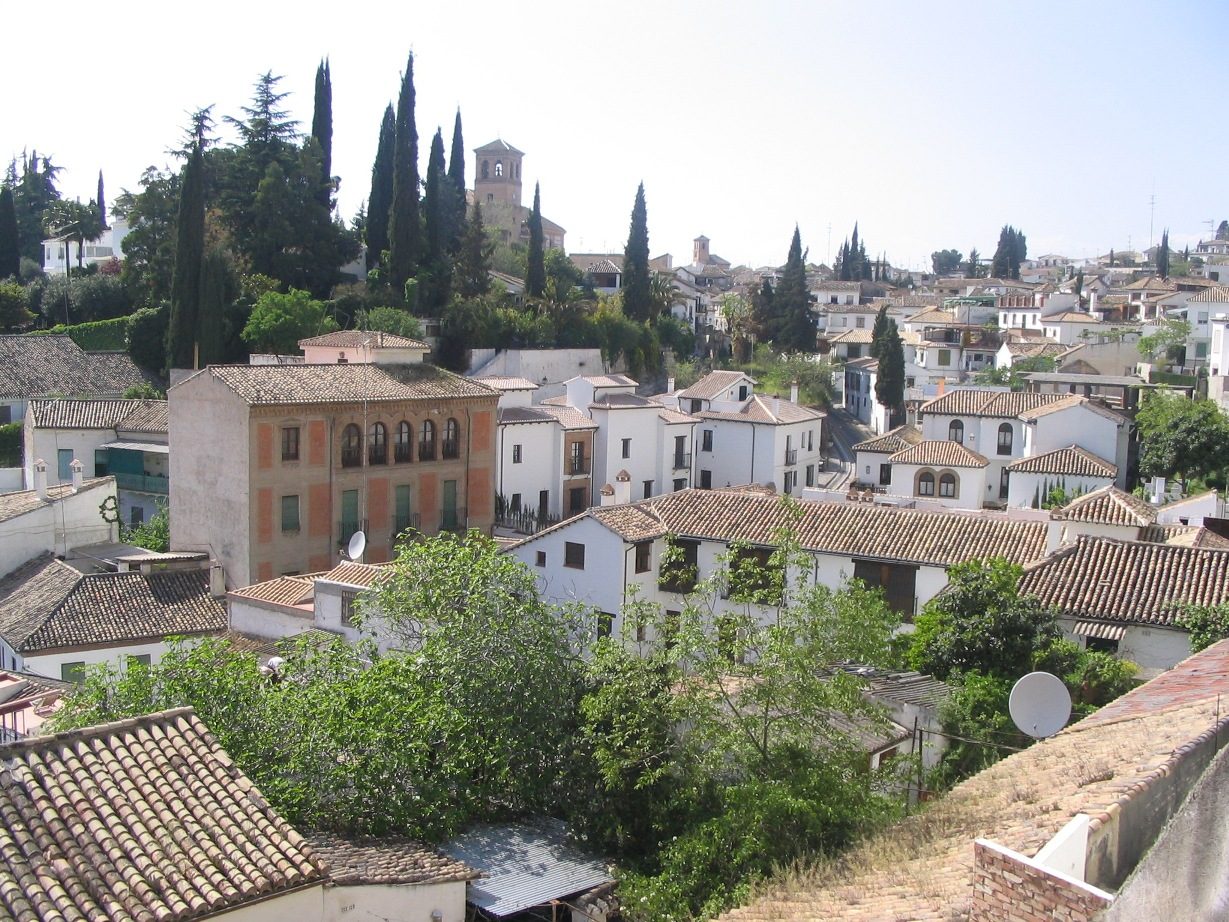
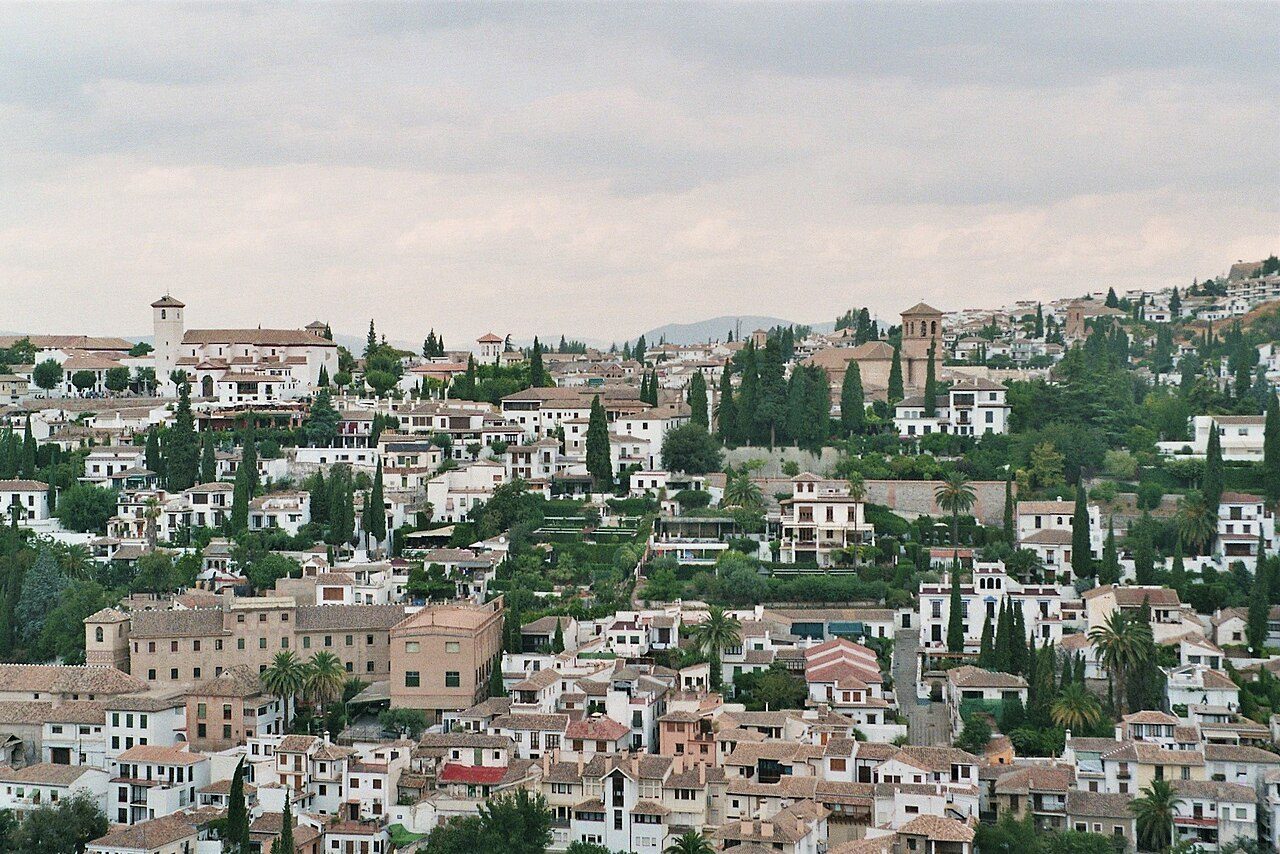
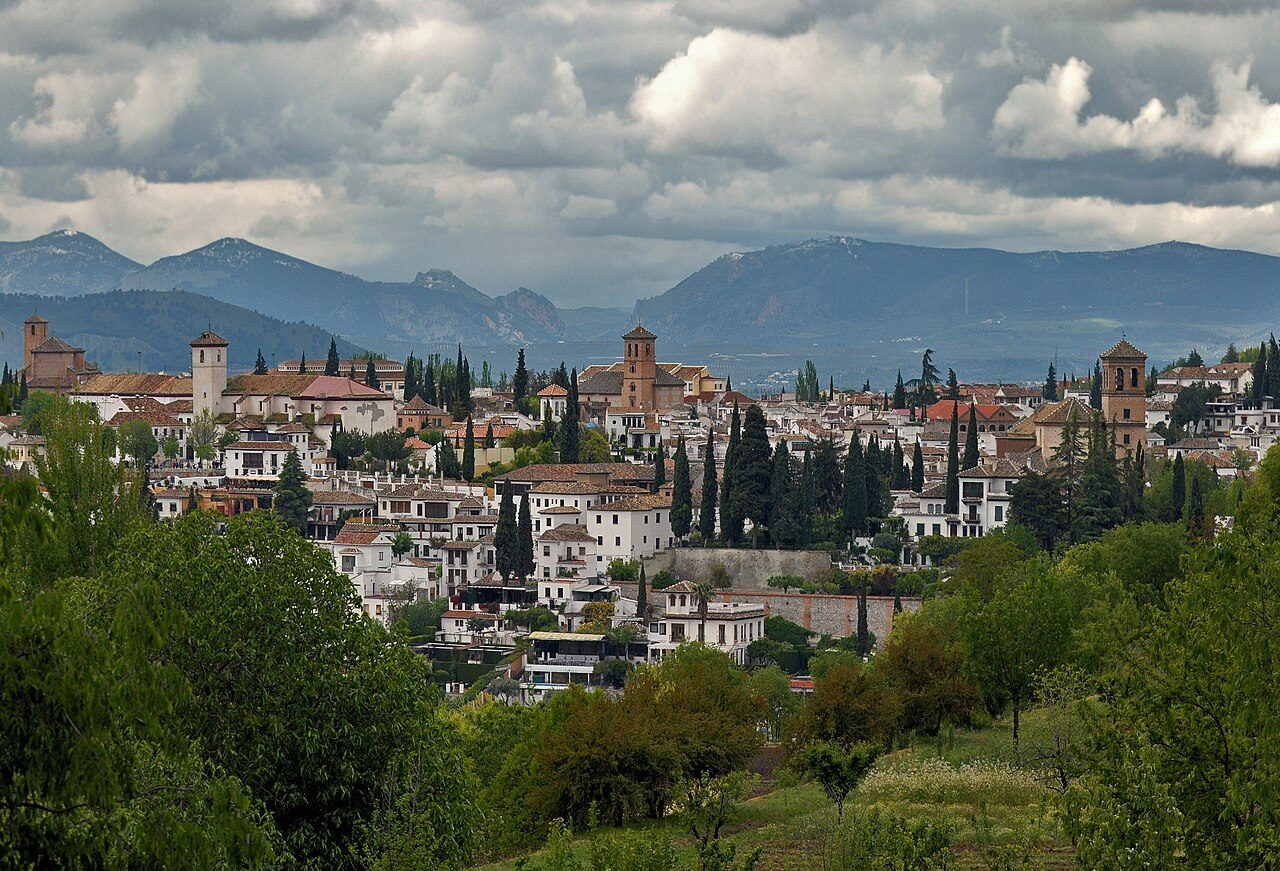
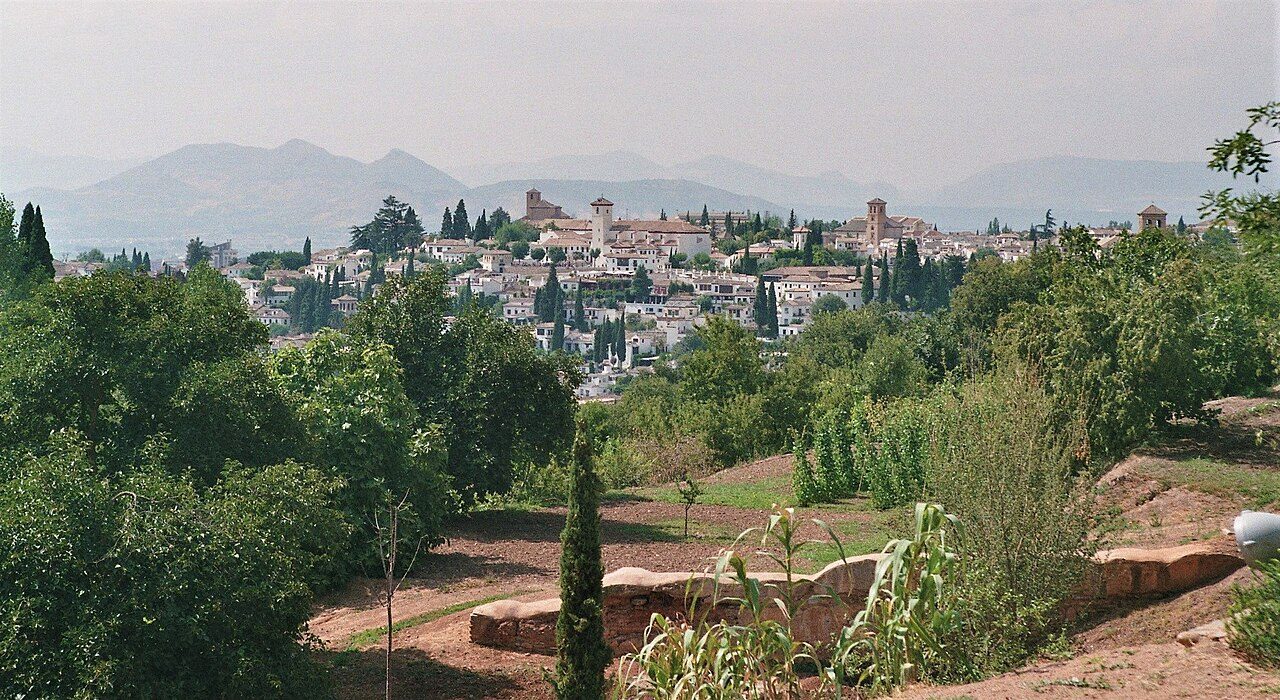
The Albaicín is the old Moorish quarter of Granada, on a hill facing the Alhambra. Its narrow, winding streets are lined with whitewashed houses and walled gardens called cármenes. The Mirador de San Nicolás gives the most famous view of the Alhambra with the Sierra Nevada behind it, especially at sunset. It is part of a UNESCO World Heritage Site.
16
STOP 16 OF 24
Sagrada Família
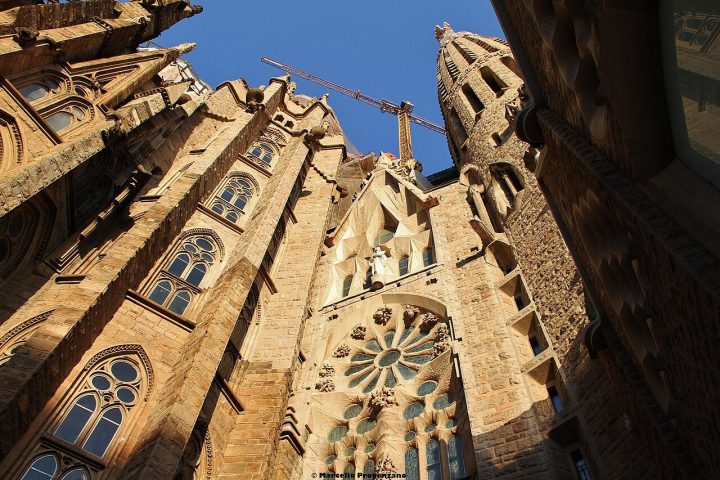
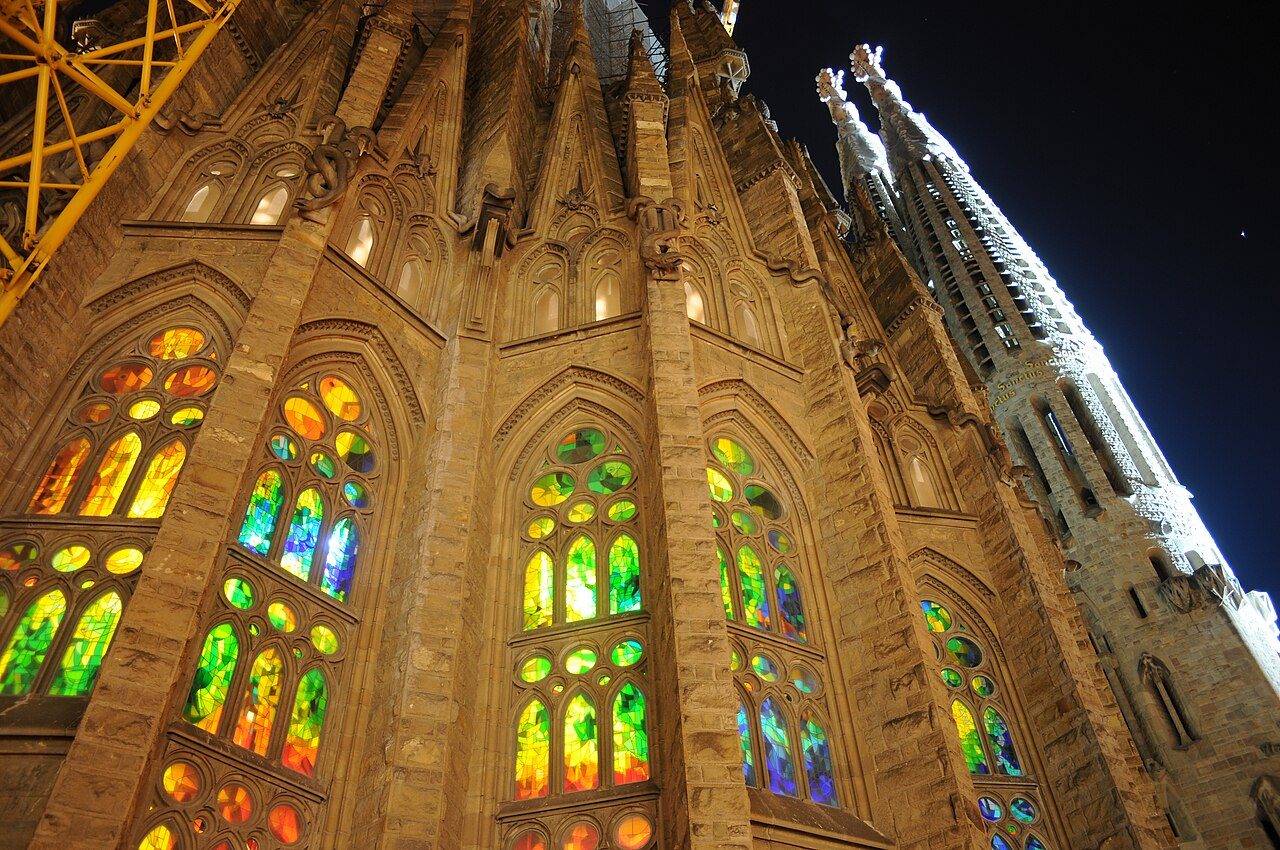
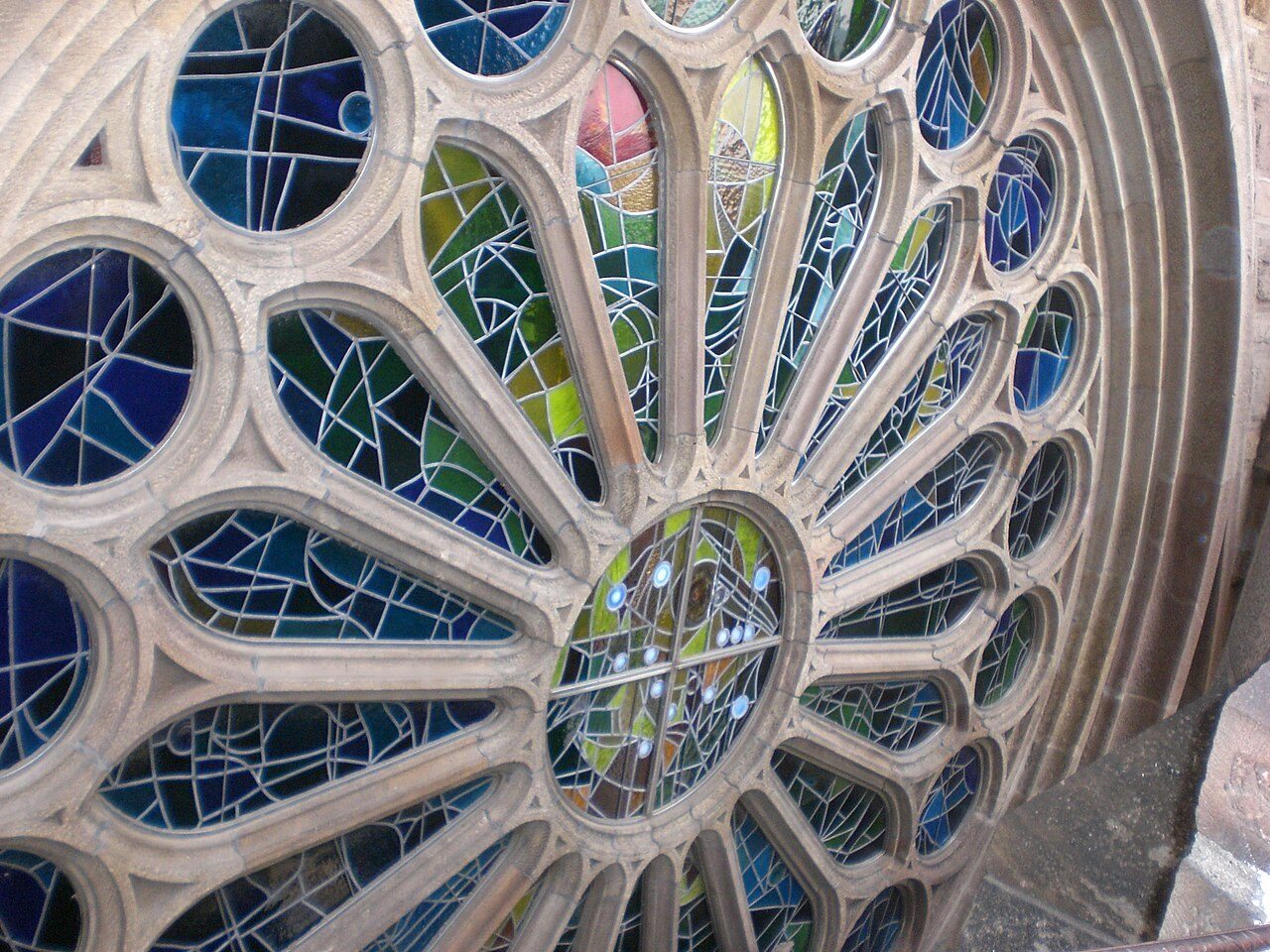
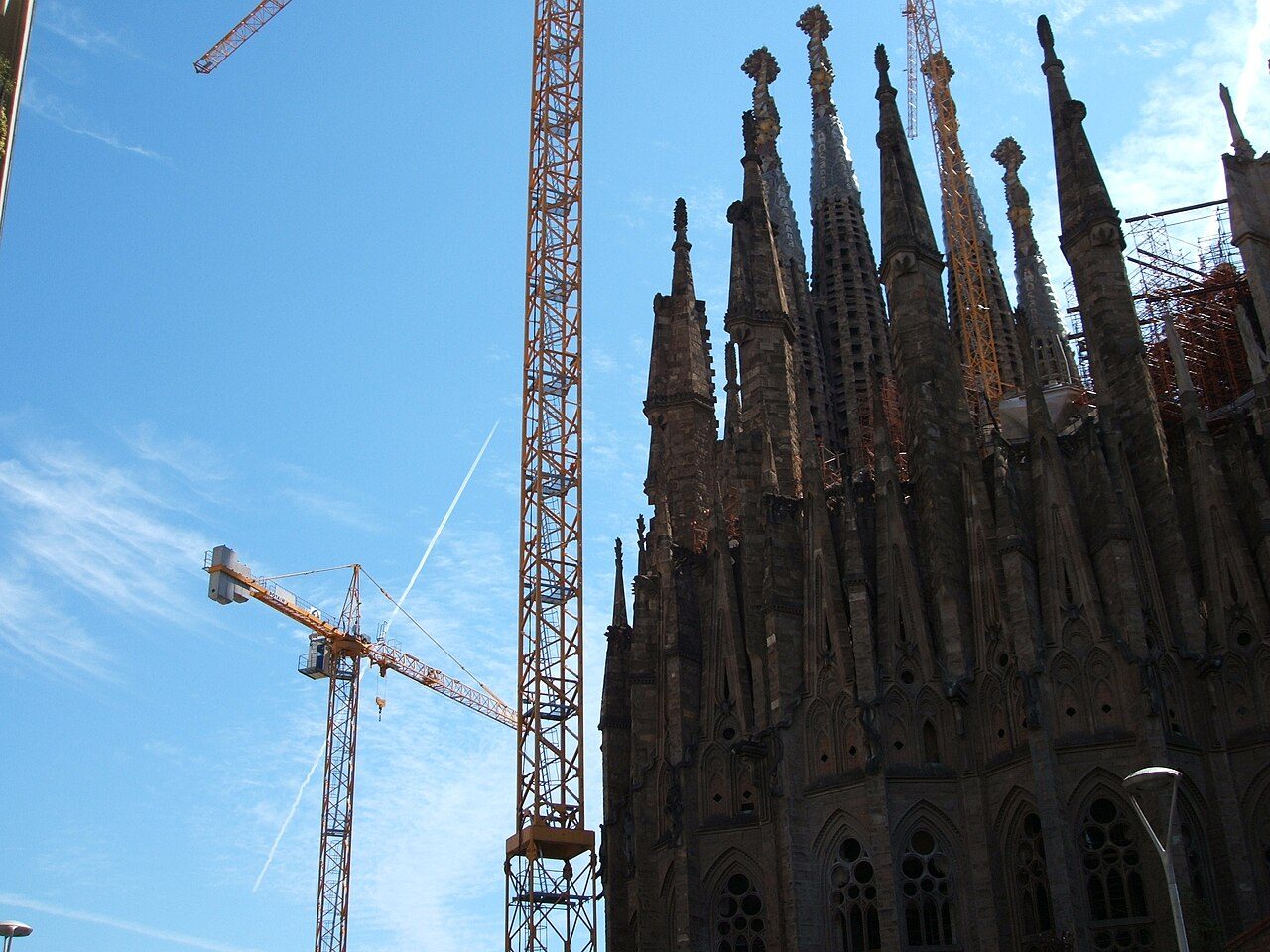
The Sagrada Família is Antoni Gaudí's great basilica in Barcelona, begun in 1882 and still under construction. Gaudí worked on it for over 40 years until his death in 1926. Its towers and facades are covered with sculpture, and the interior is a forest of columns lit by stained glass. The central tower of Jesus Christ, completed recently, makes it the tallest church in the world.
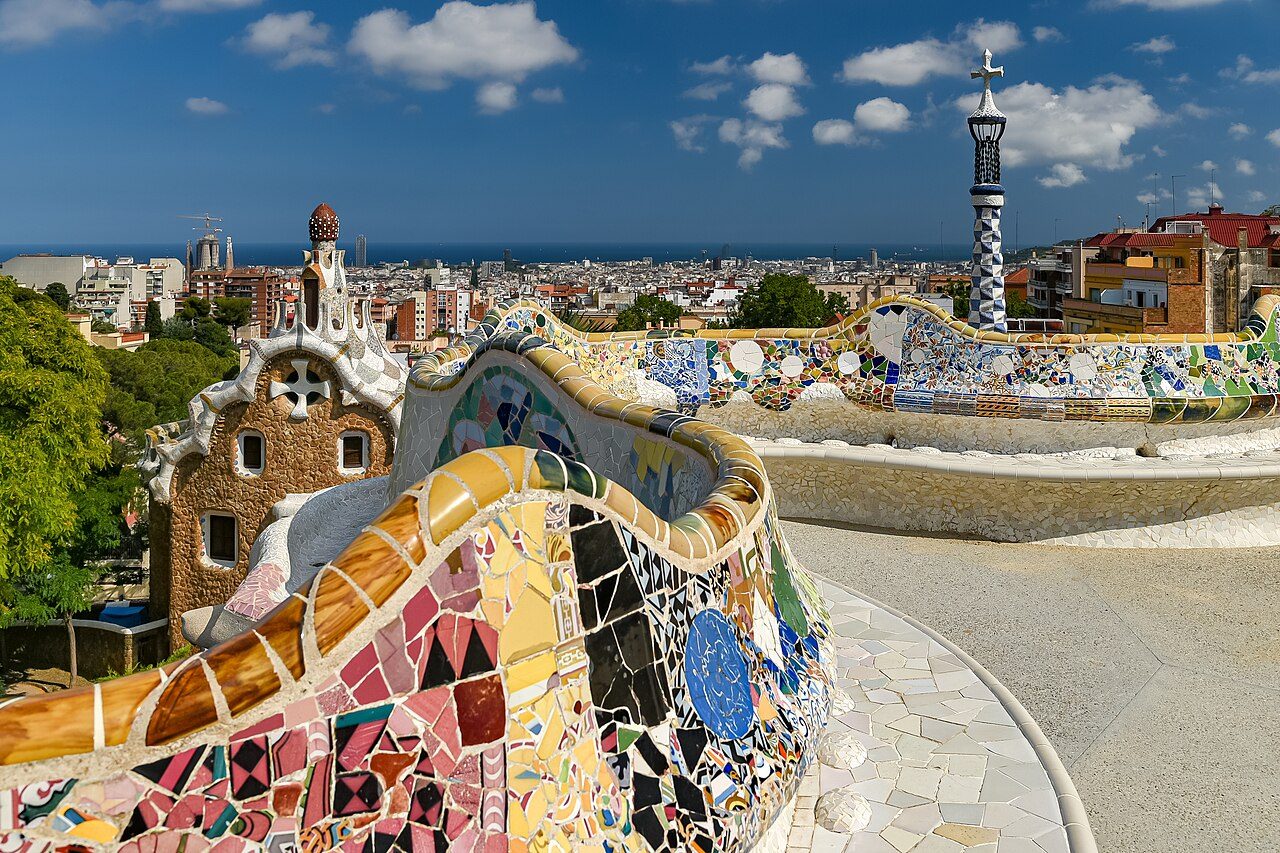
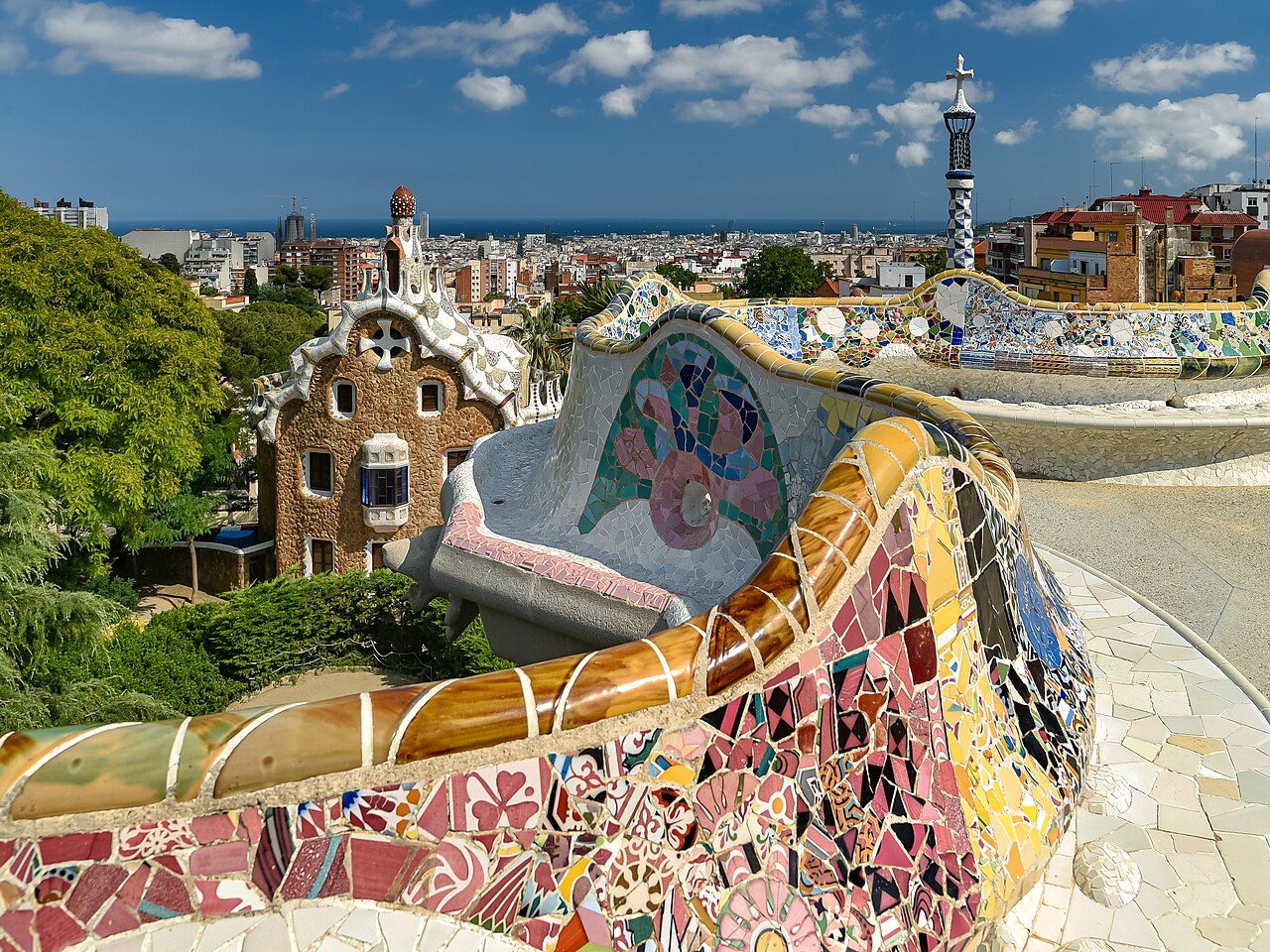
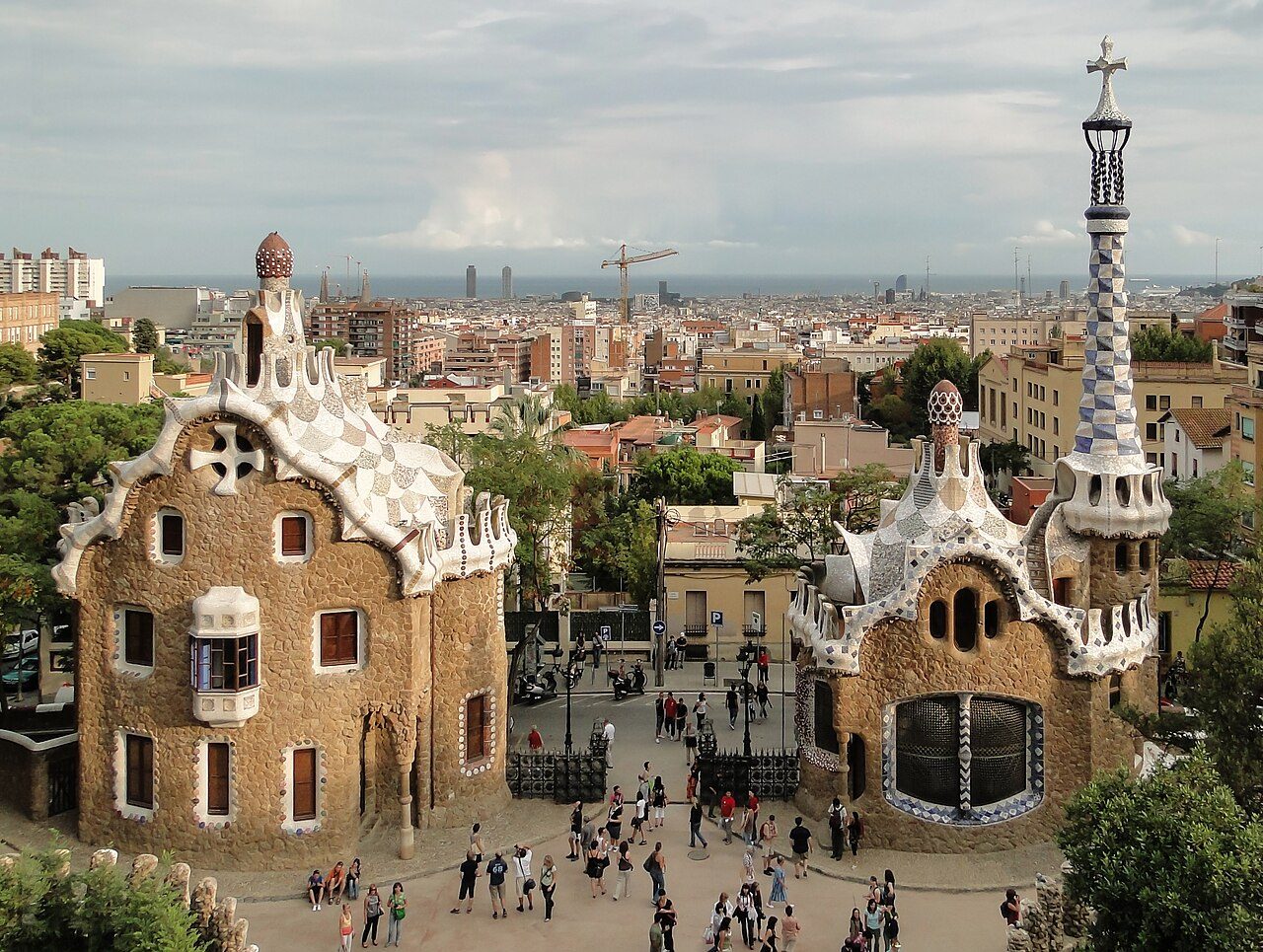
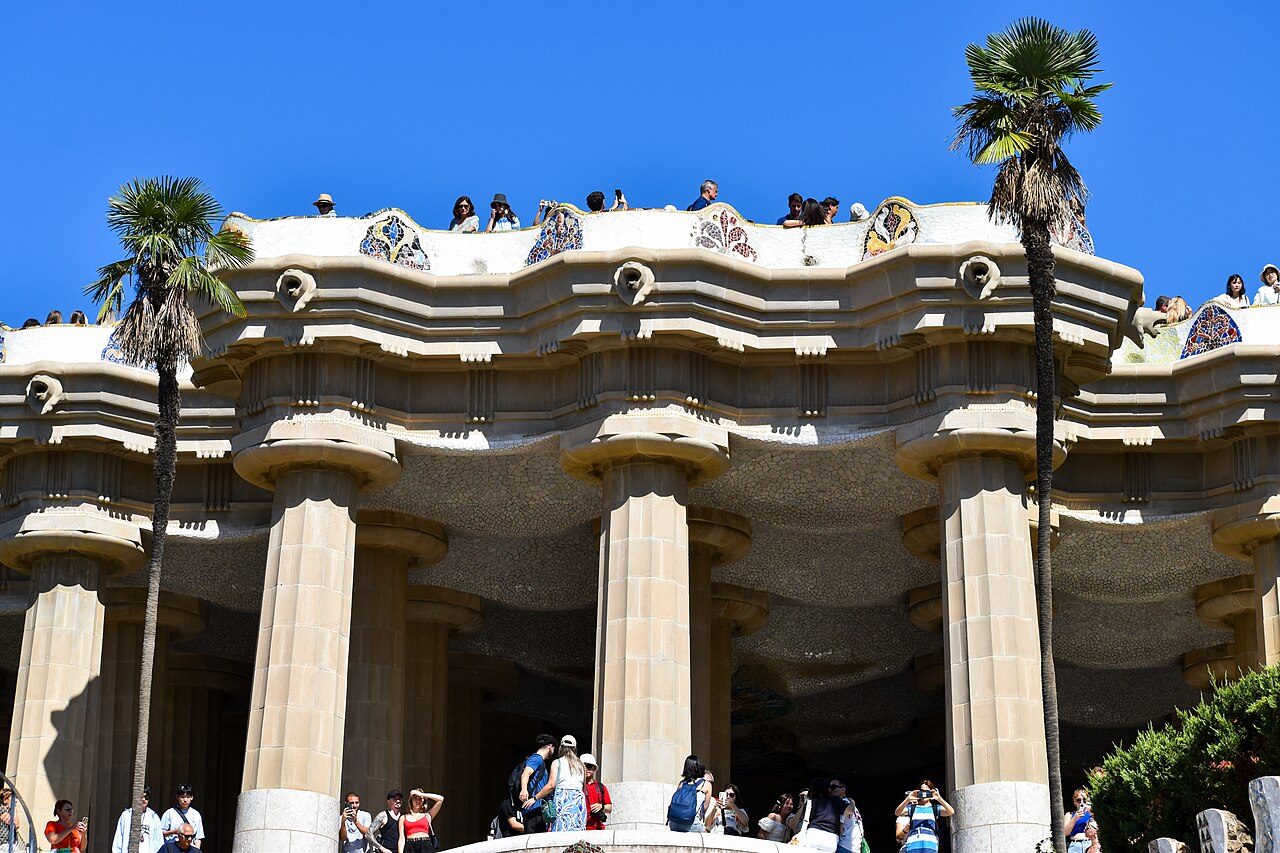
Park Güell is a public park on a hill in Barcelona designed by Antoni Gaudí and built from 1900 to 1914. It was planned as a housing estate that was never completed. Its main terrace is edged by a long winding bench covered in colourful broken tile mosaic. At the entrance stand gingerbread-like pavilions and the famous mosaic lizard. It is a UNESCO World Heritage Site.
18
STOP 18 OF 24
Casa Batlló
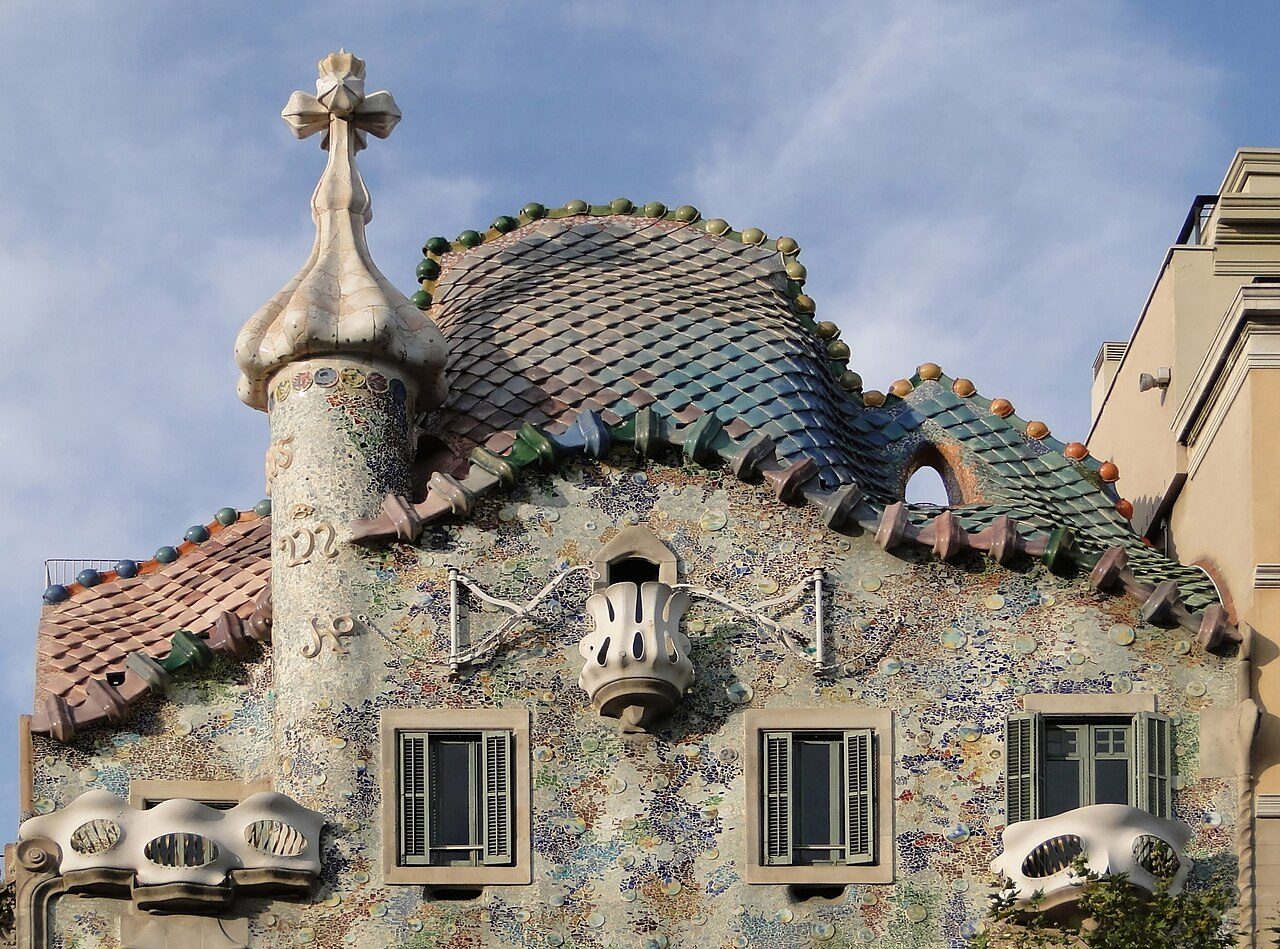
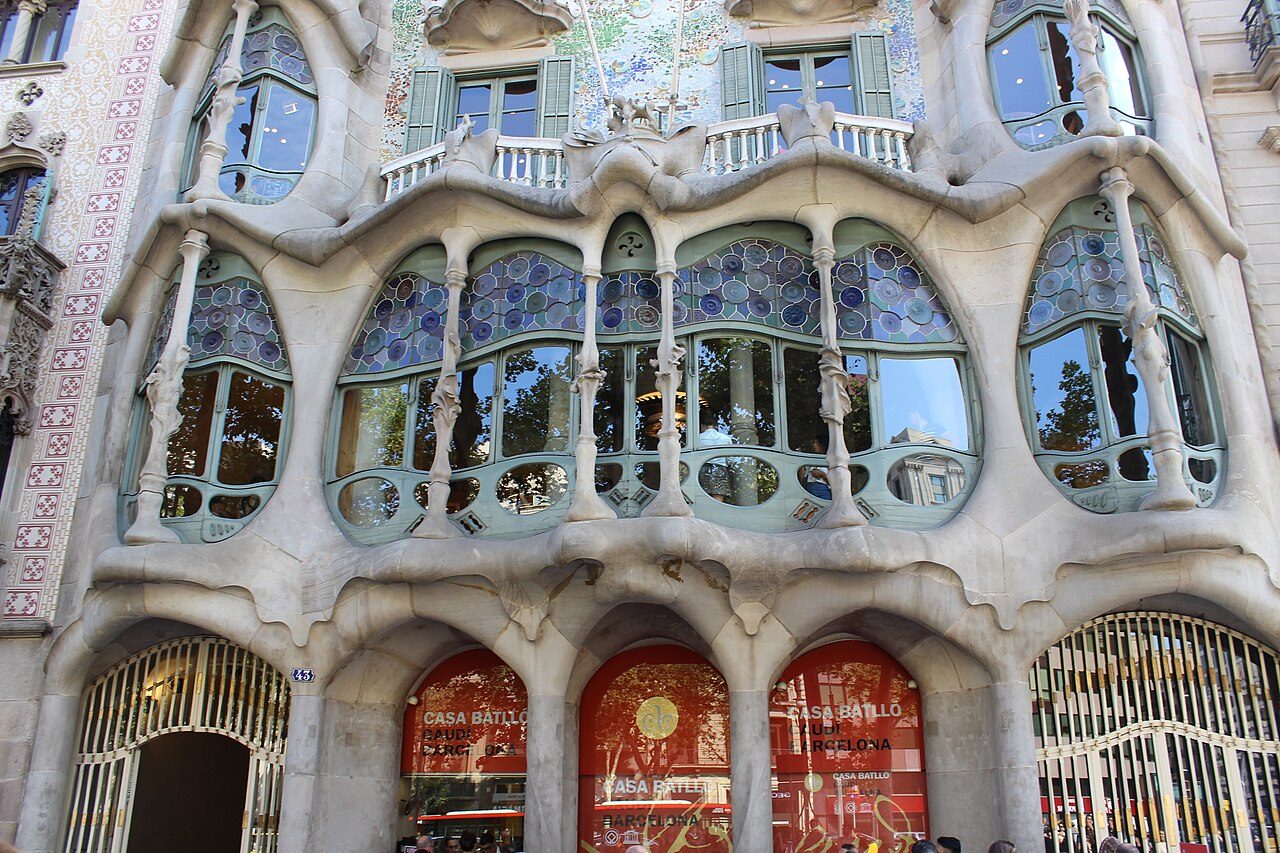
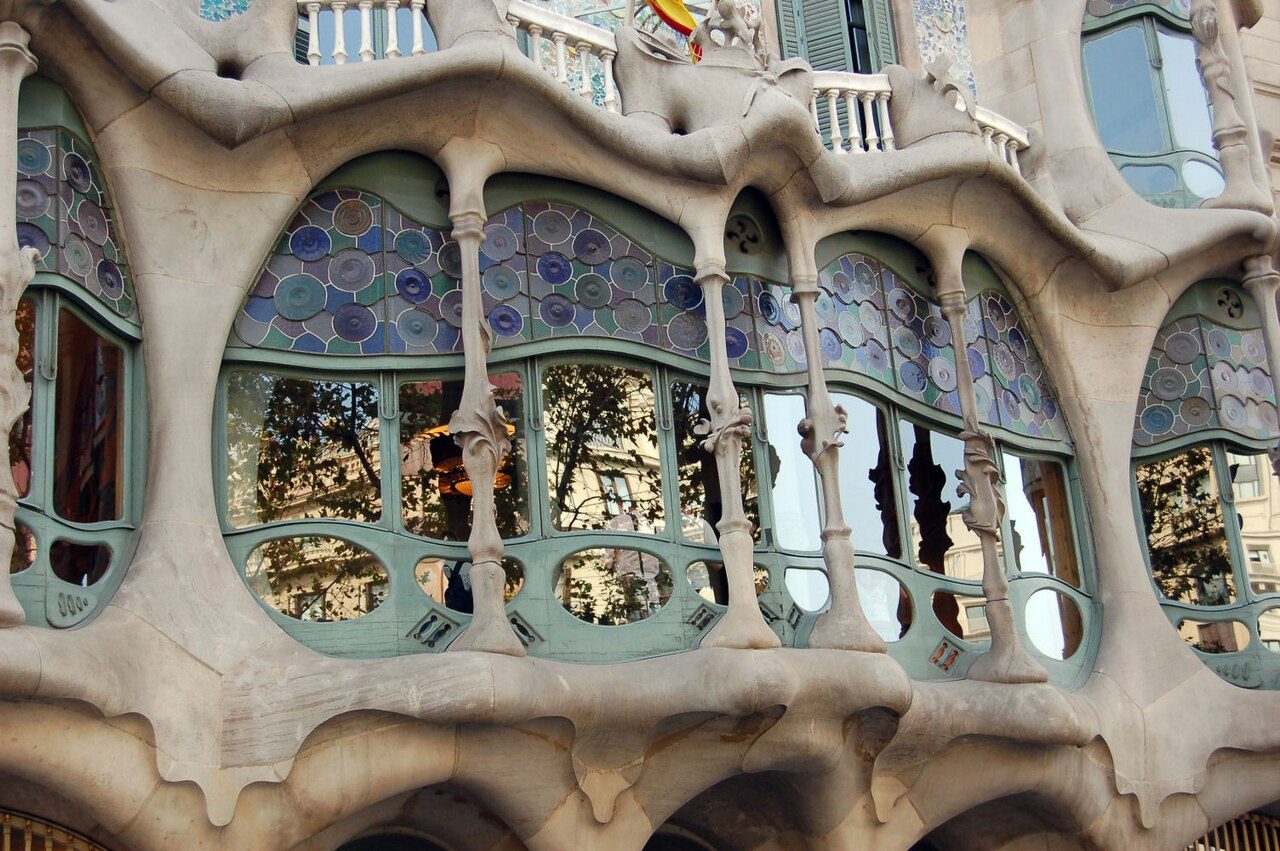
Casa Batlló is a house in Barcelona redesigned by Antoni Gaudí between 1904 and 1906. Its facade is covered with coloured glass and tiles and has balconies shaped like masks. The roof is curved like the back of a dragon. Inside, the rooms flow with wavy lines and natural light. It is part of a UNESCO World Heritage Site.
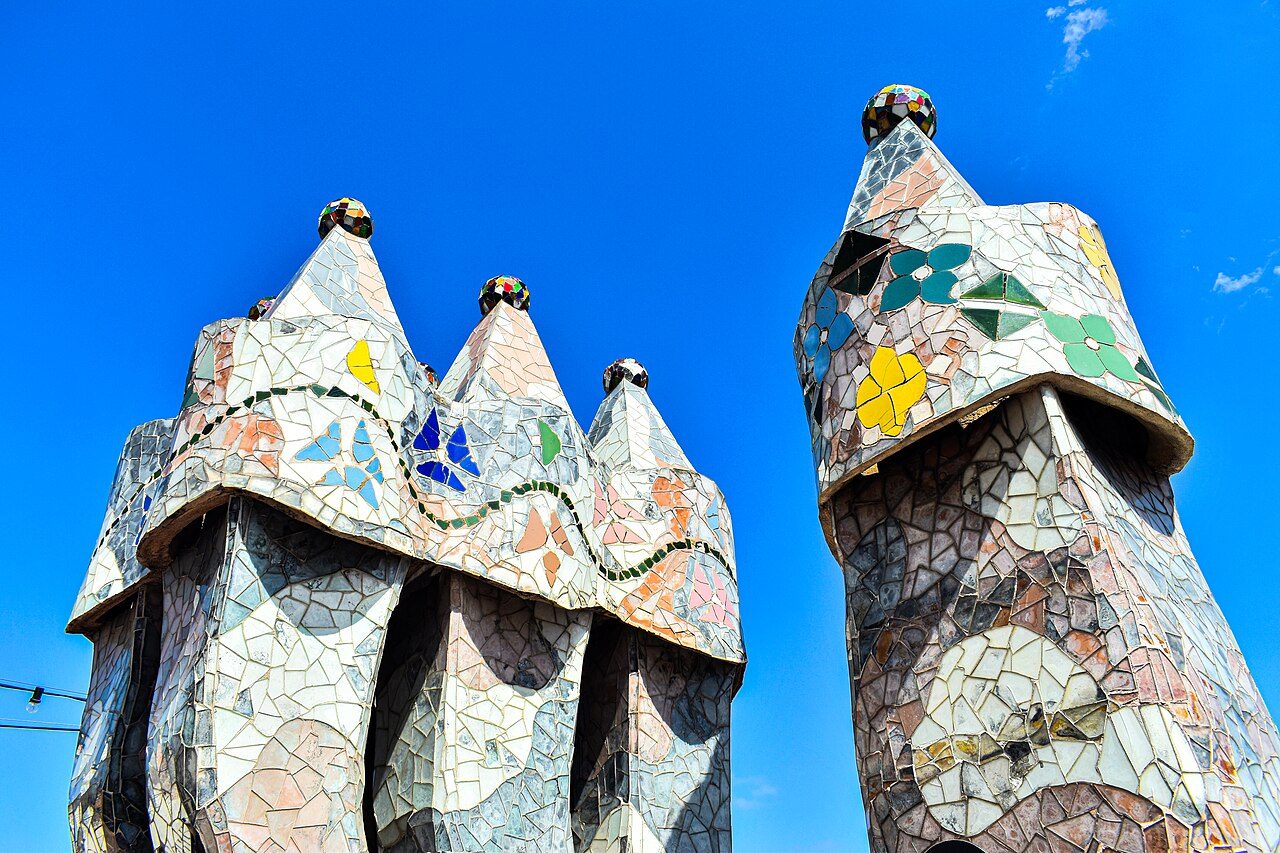
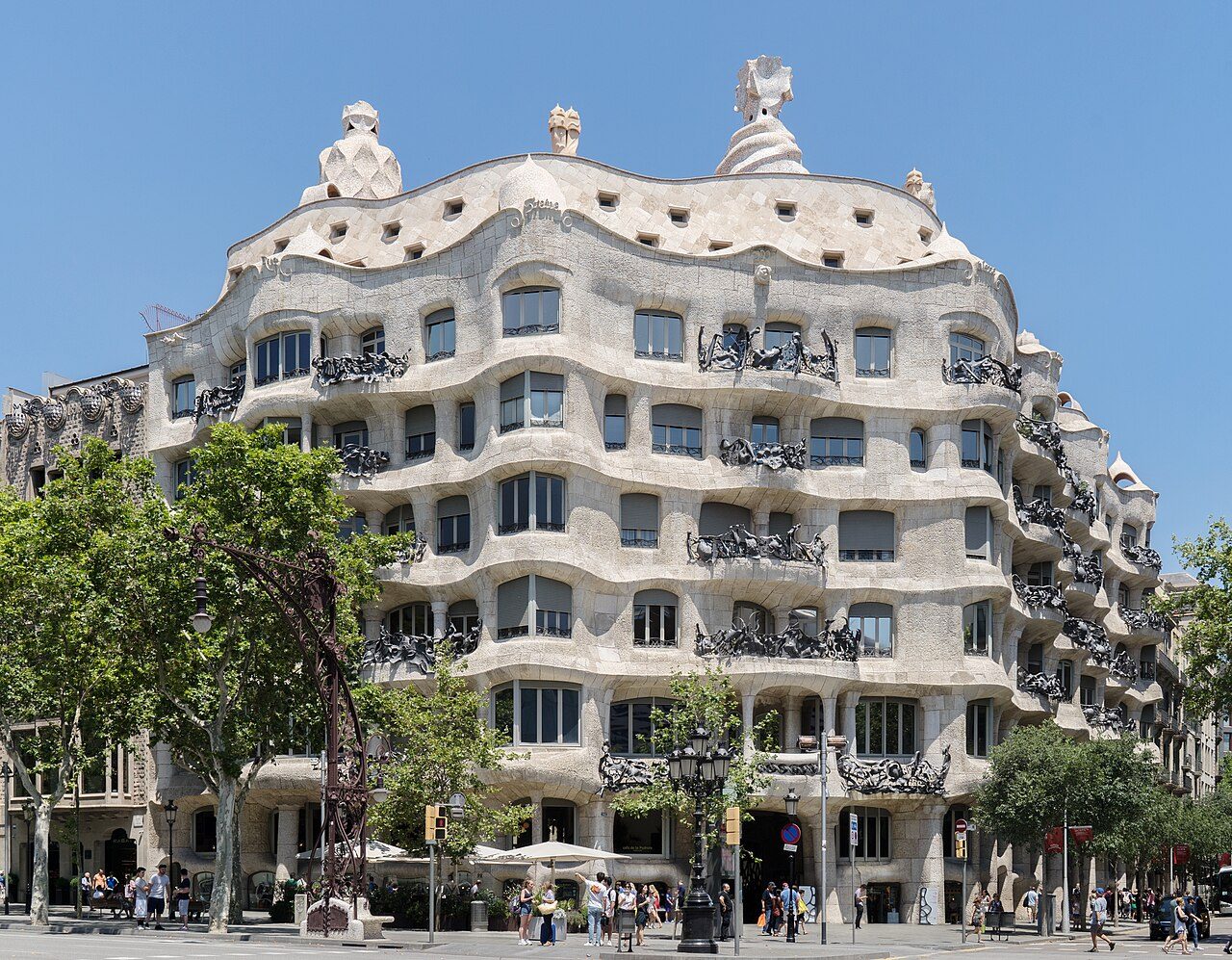
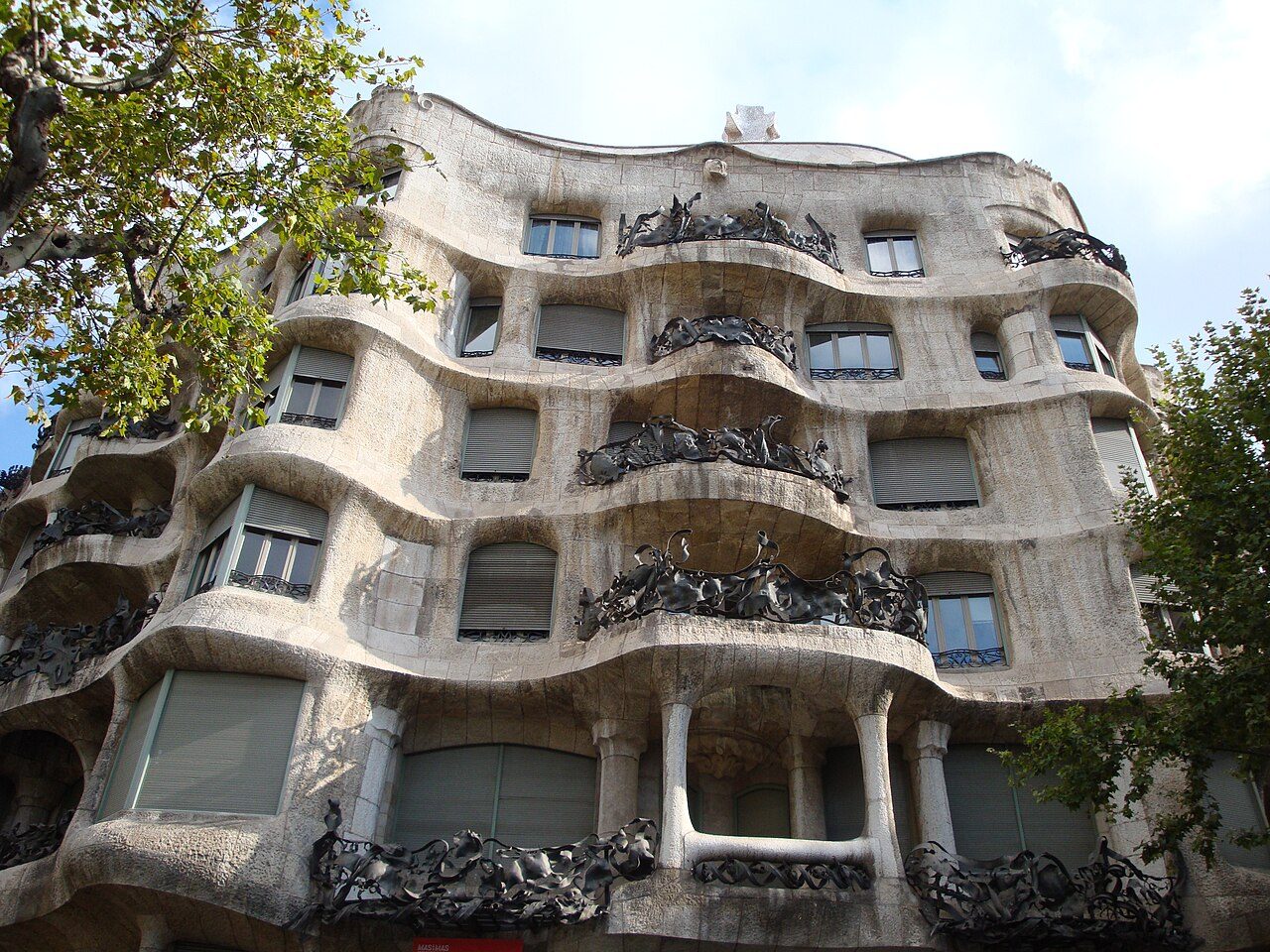
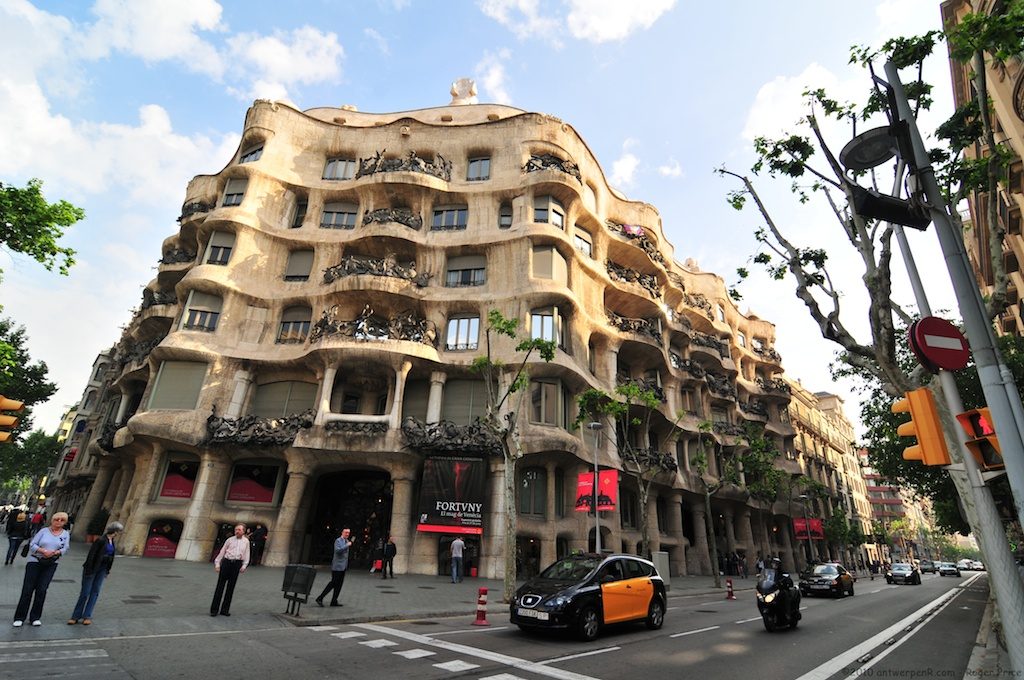
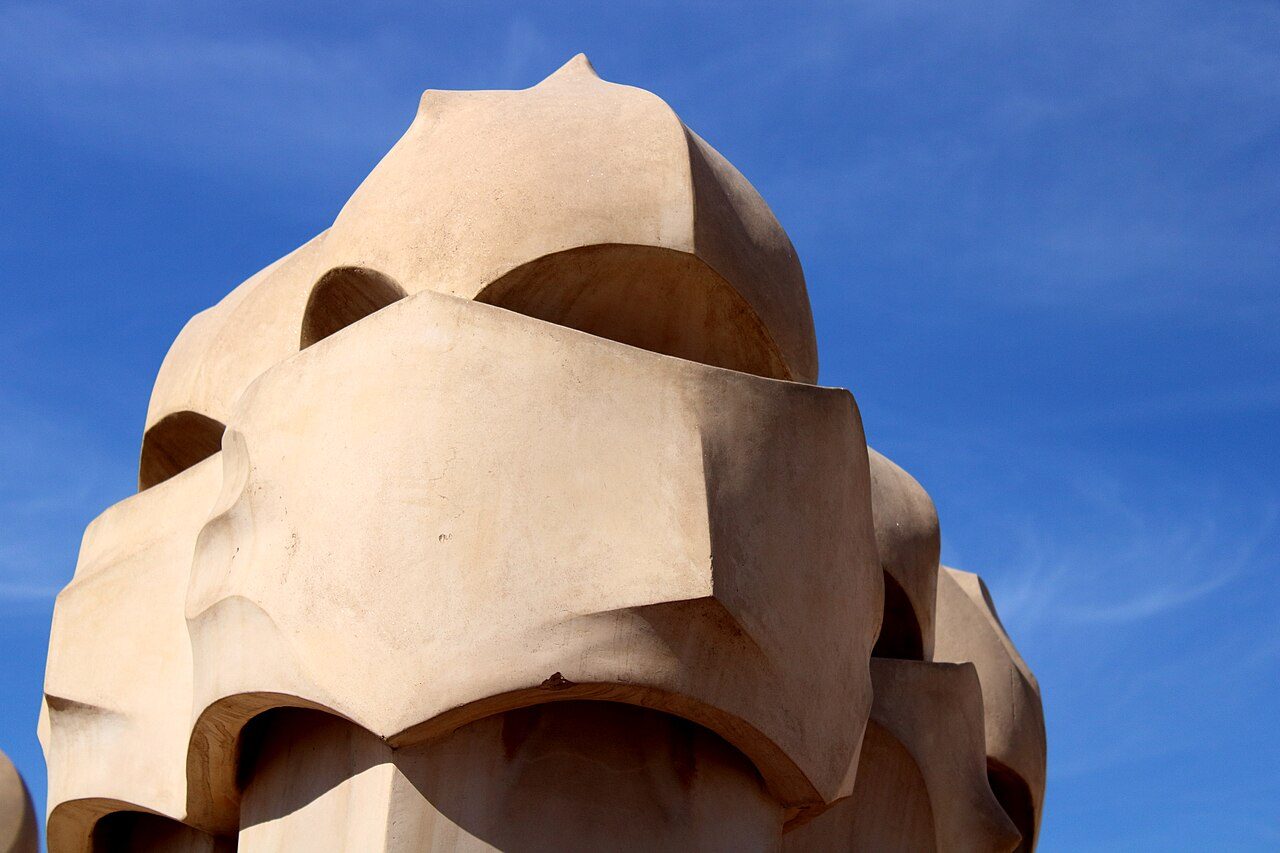
Casa Milà, also called La Pedrera, the stone quarry, is a building by Antoni Gaudí on Passeig de Gràcia in Barcelona, built from 1906 to 1912. Its wavy stone facade has no straight lines, with balconies of twisted iron. The rooftop has strange chimneys that look like warriors. It is a UNESCO World Heritage Site.
20
STOP 20 OF 24
Gothic Quarter
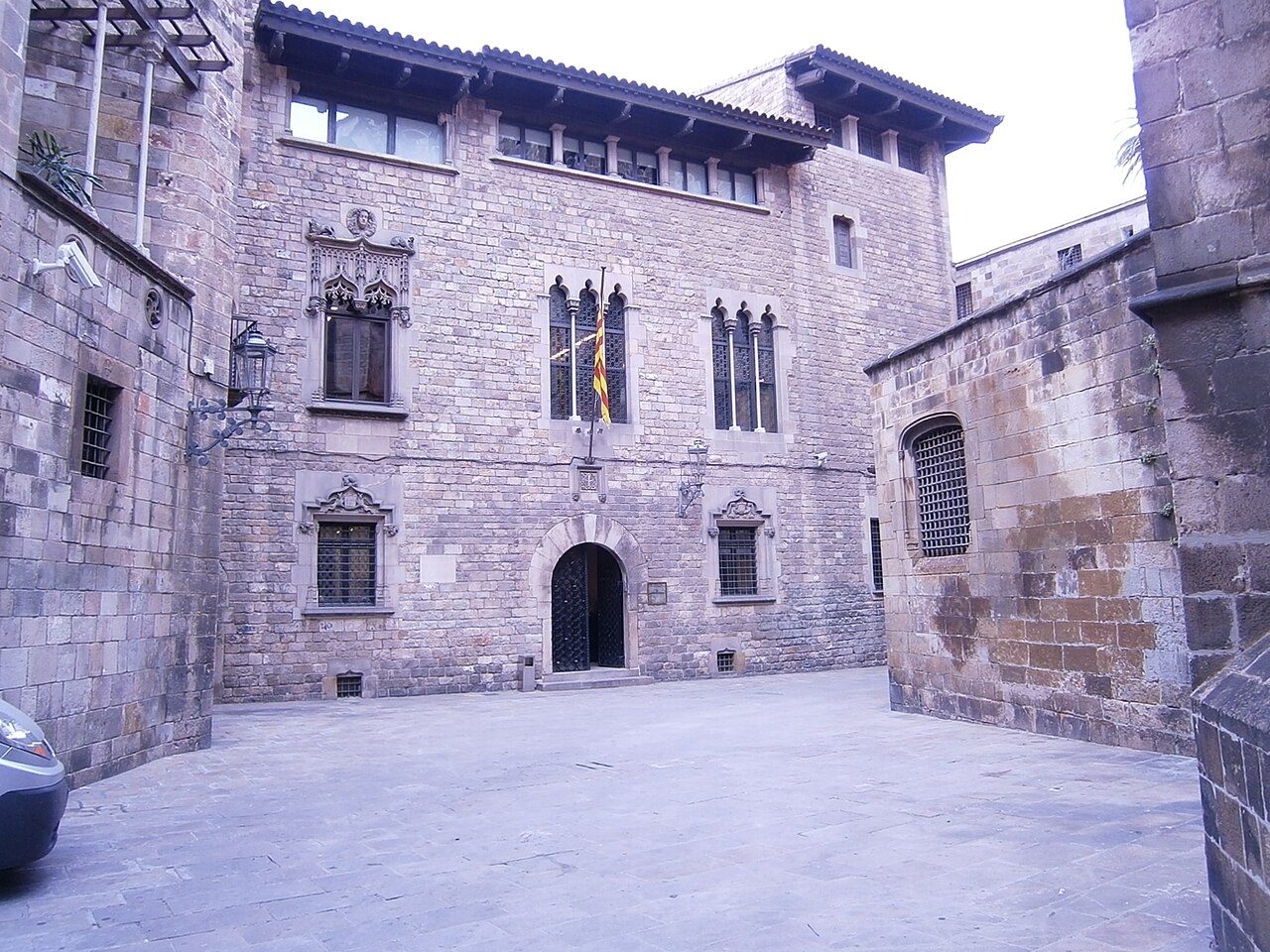
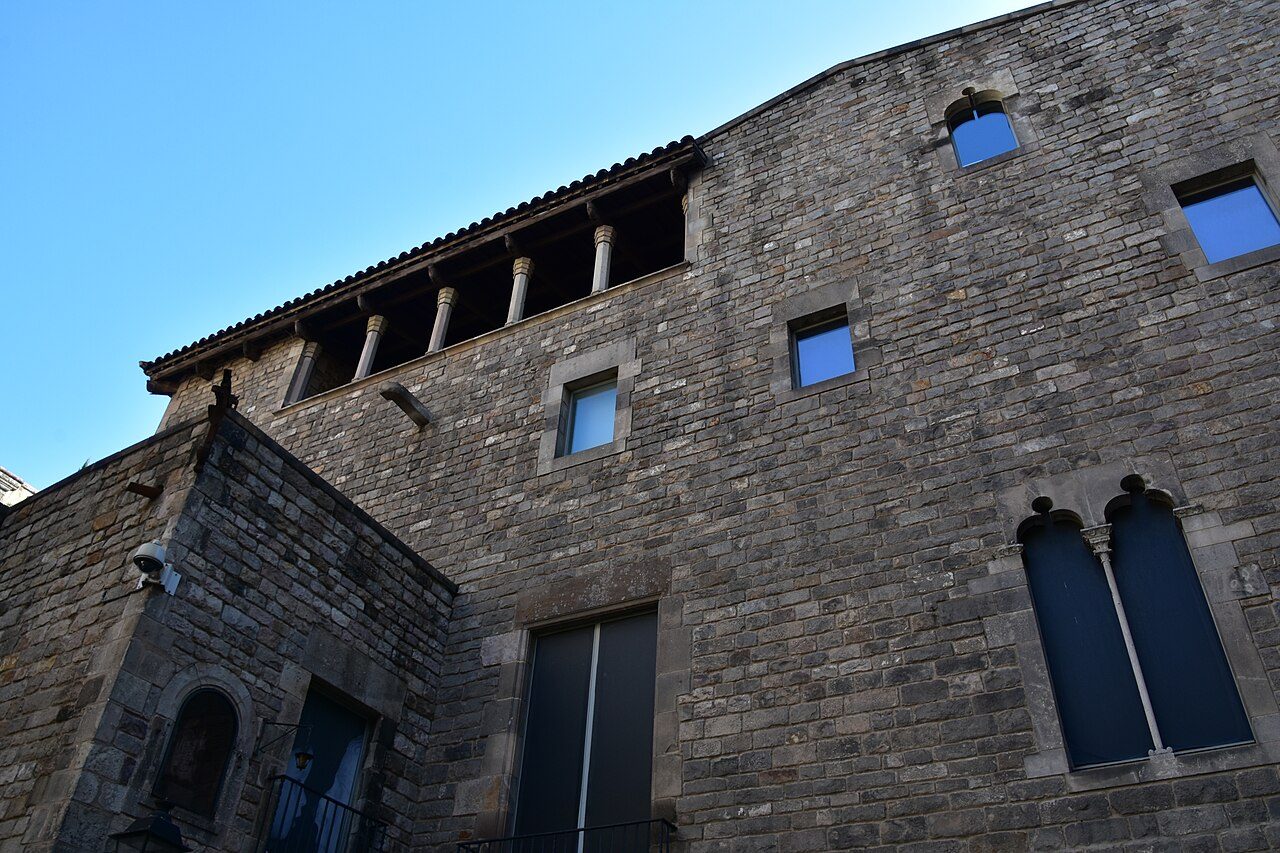
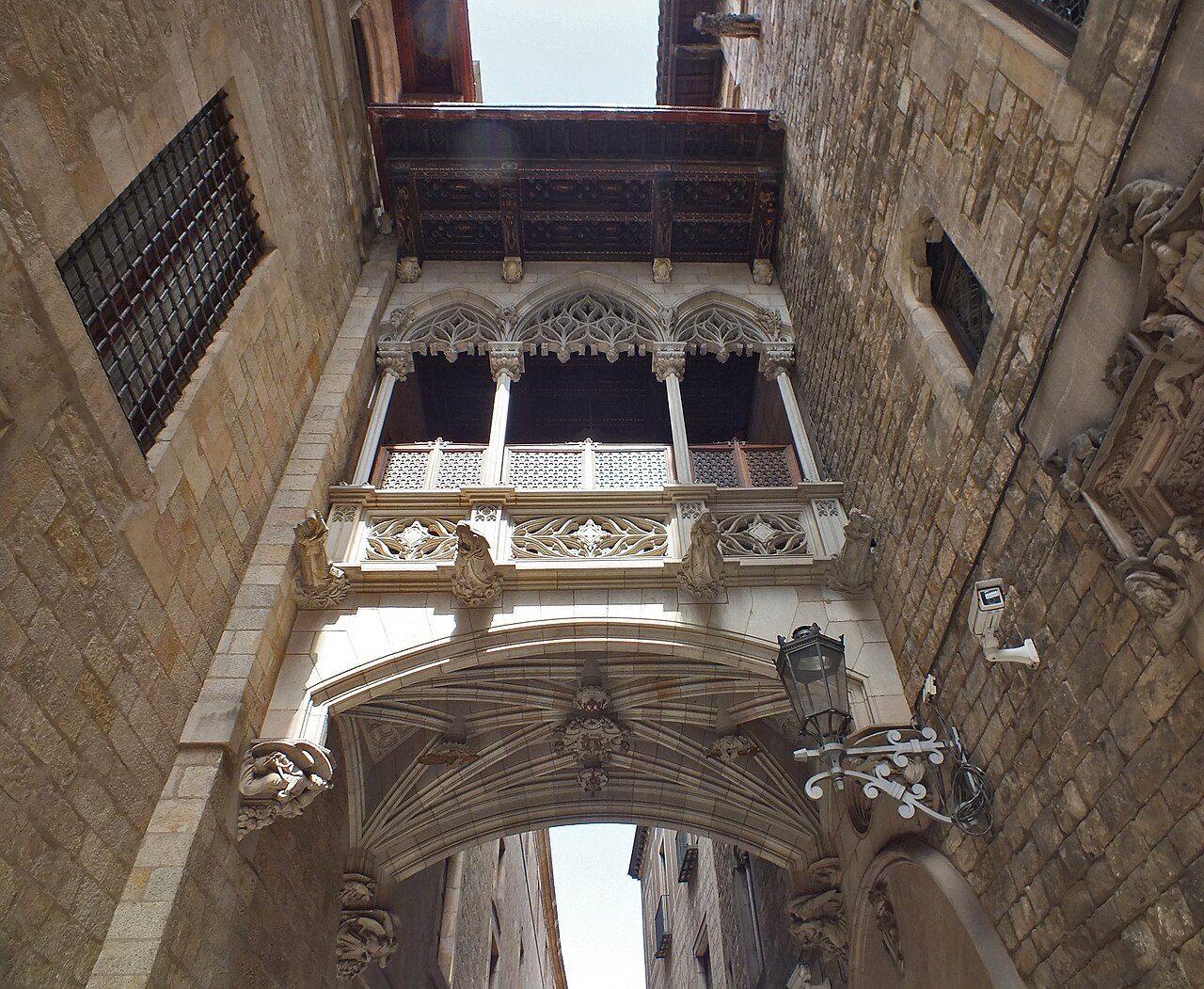
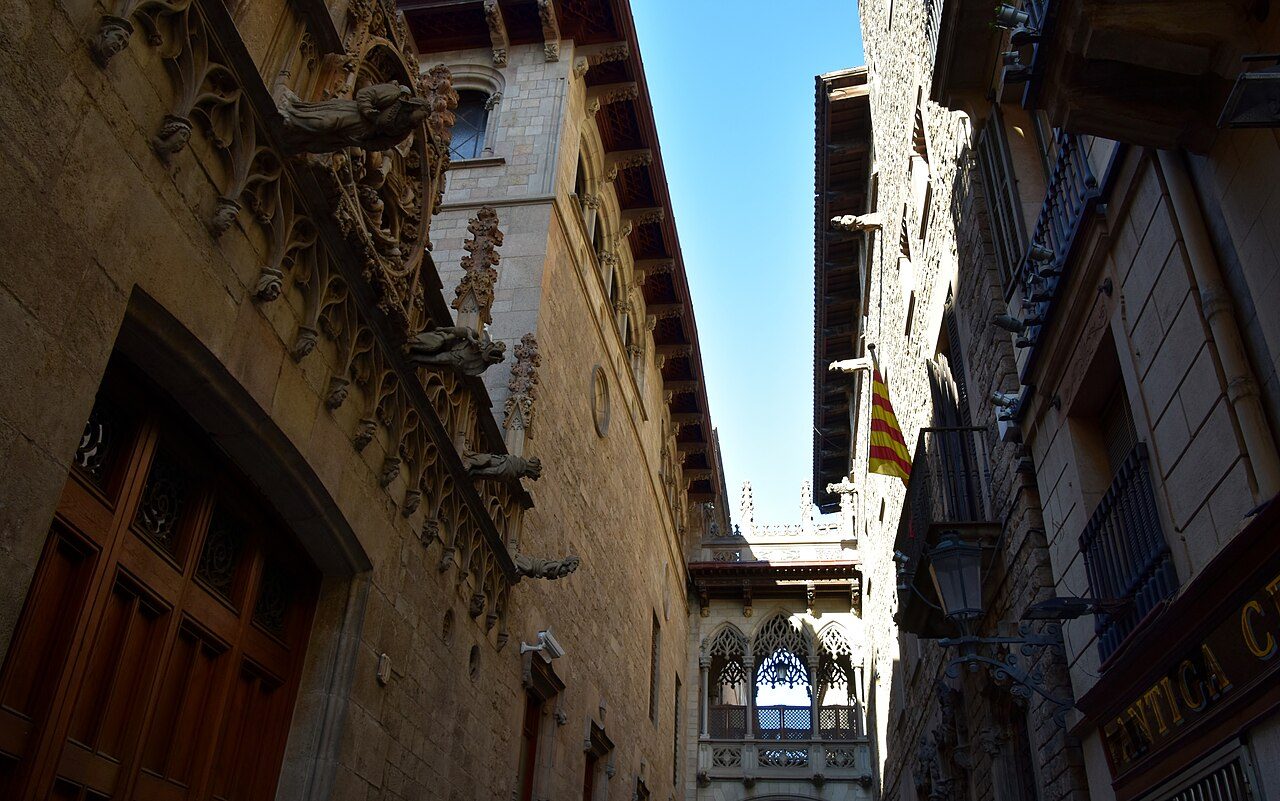
The Gothic Quarter, Barri Gòtic, is the oldest part of Barcelona, built over the Roman town. Its narrow lanes lead to medieval squares and buildings. Barcelona Cathedral, completed in the 15th century, has a cloister where 13 white geese live. Remains of Roman walls and a temple can be seen. The quarter is full of small shops, bars and history.
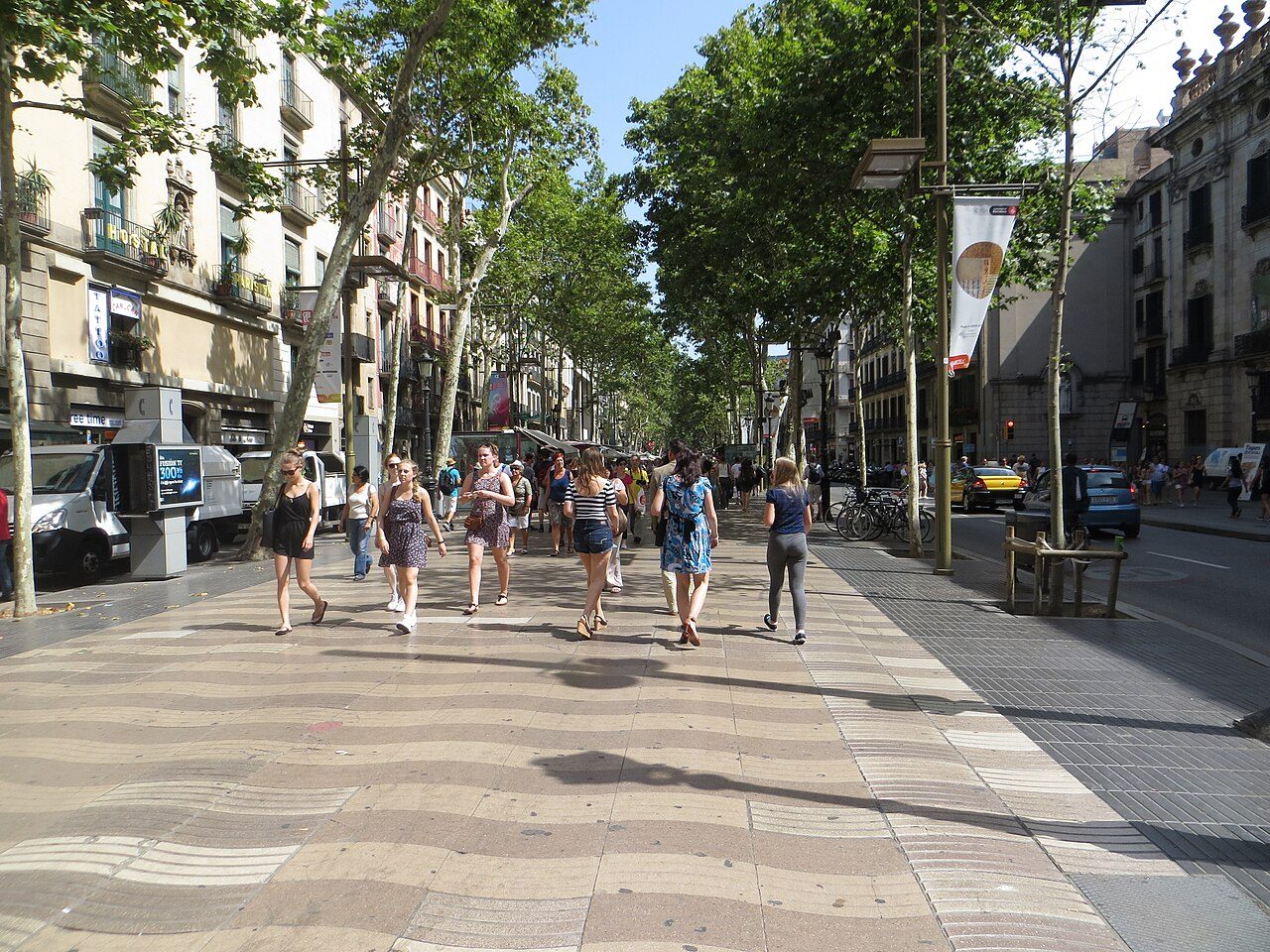
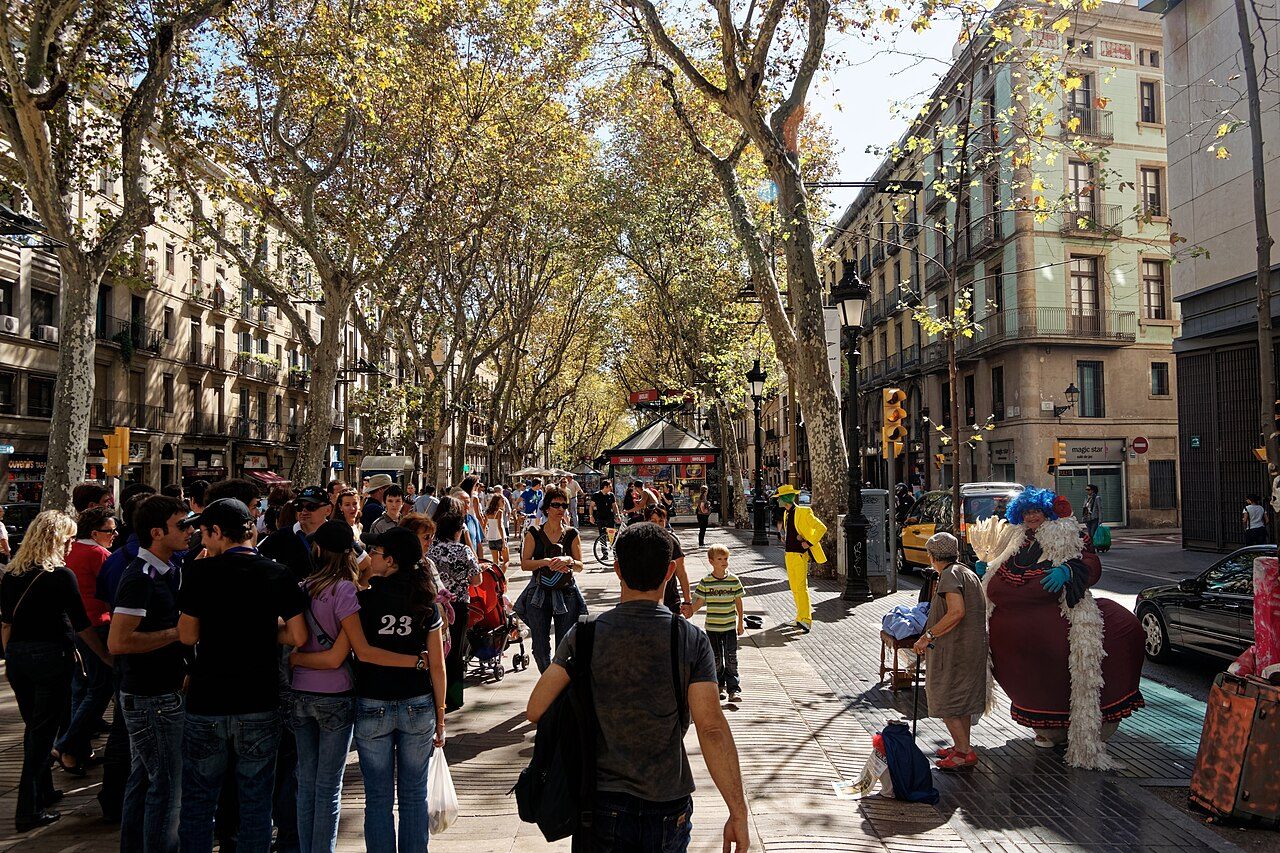
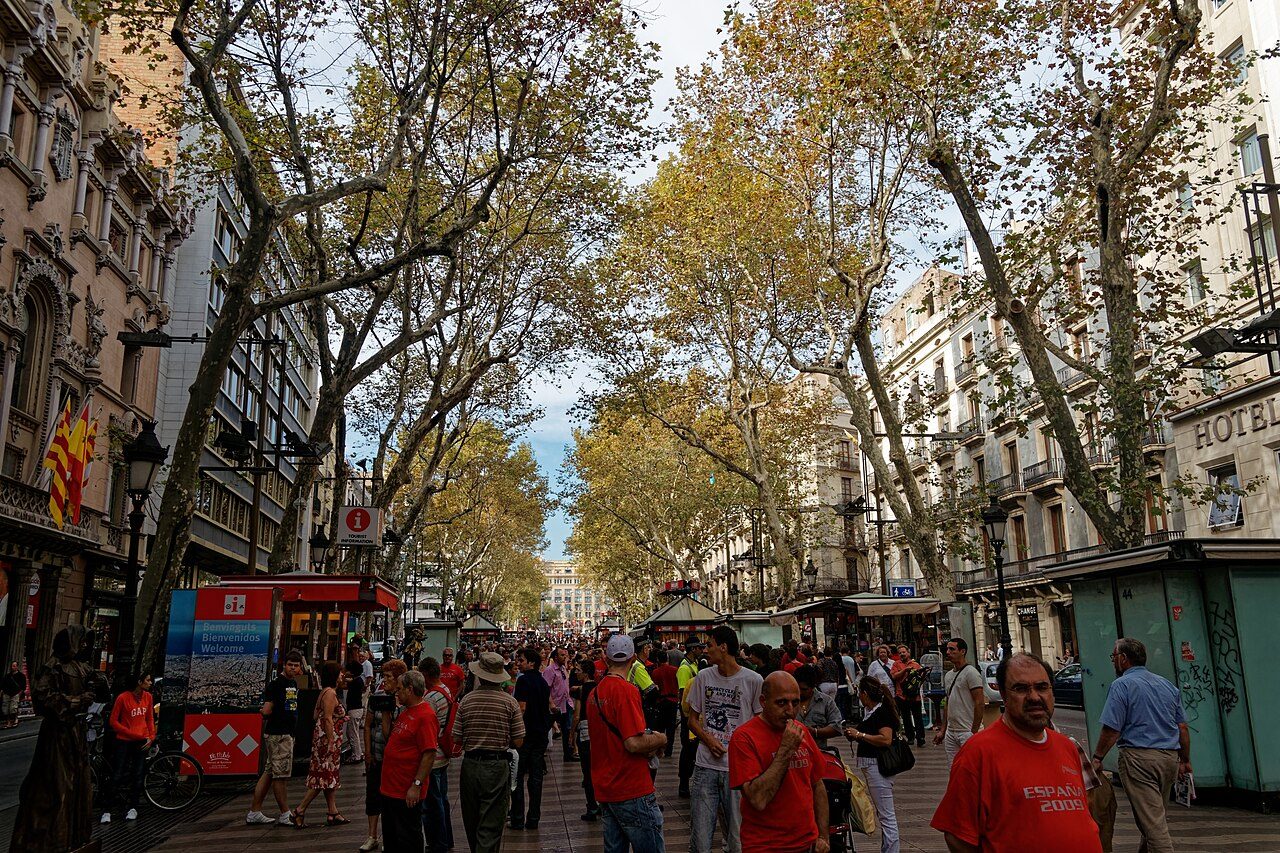
La Rambla is a tree-lined boulevard about 1.2 kilometres long in central Barcelona, running from Plaça de Catalunya to the old harbour. Its wide central walkway is filled with street performers, flower stalls and cafes. Along it lie the Boqueria market, famous for fresh food, the Liceu opera house and a mosaic by Joan Miró set in the pavement.
22
STOP 22 OF 24
Palau de la Música Catalana
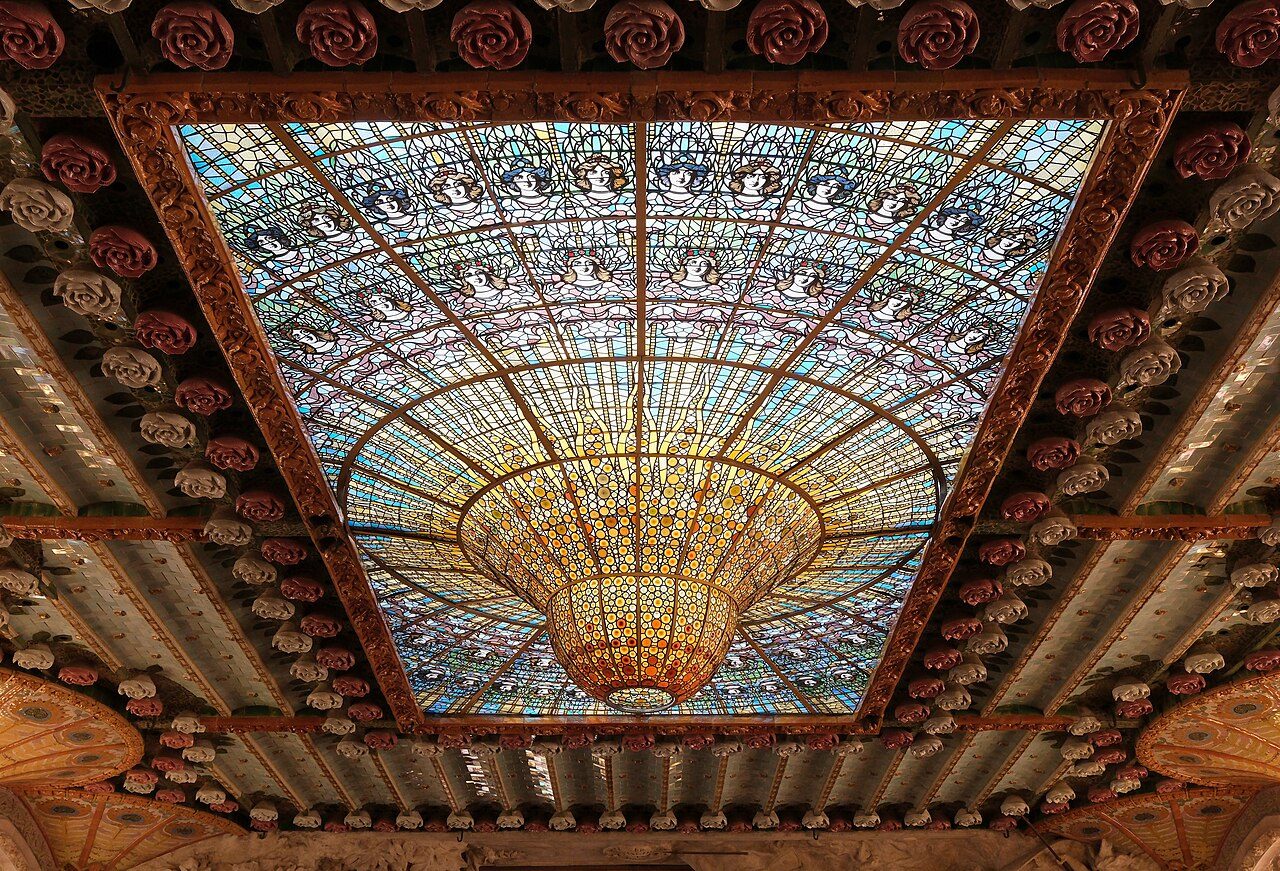
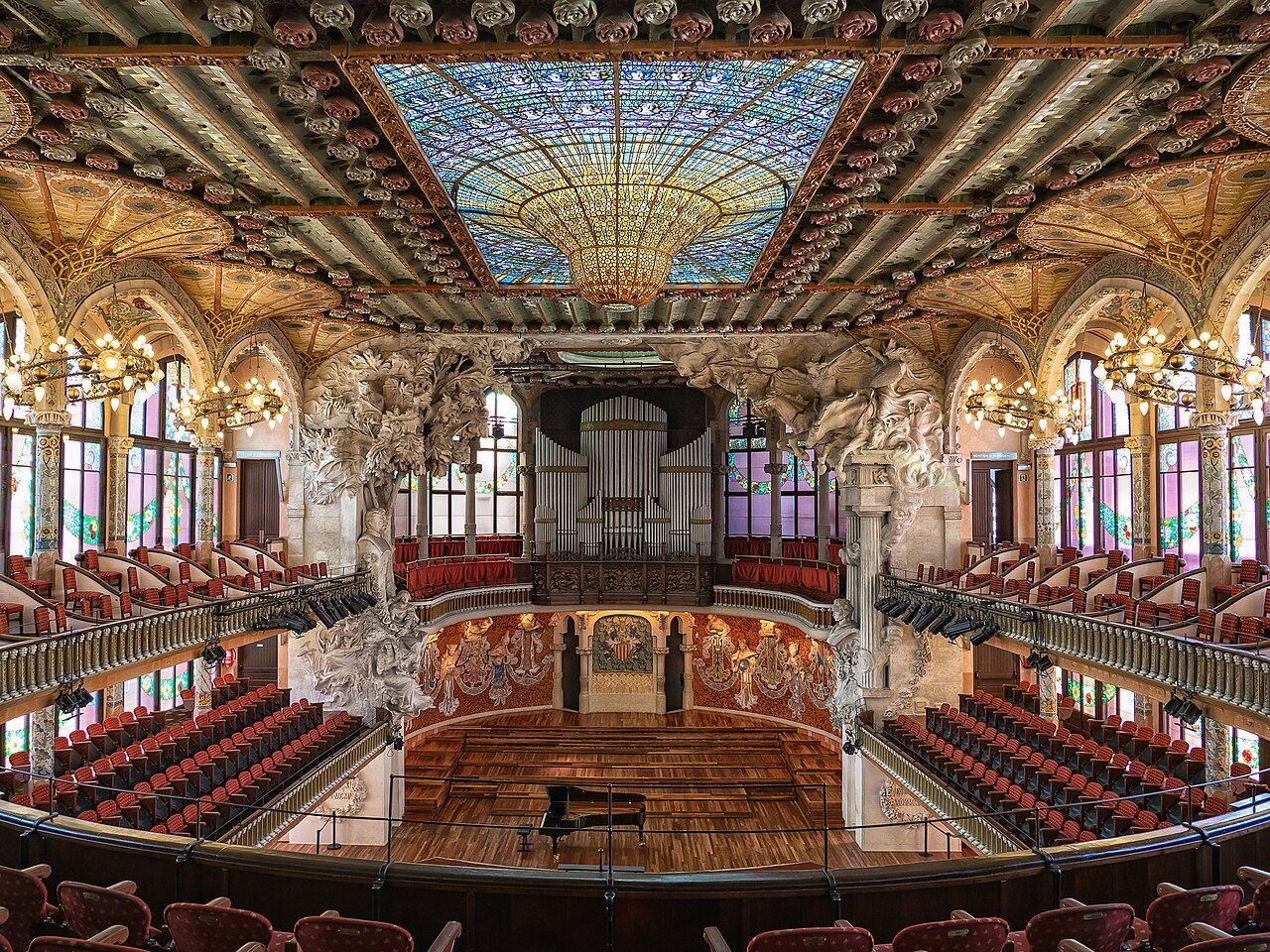
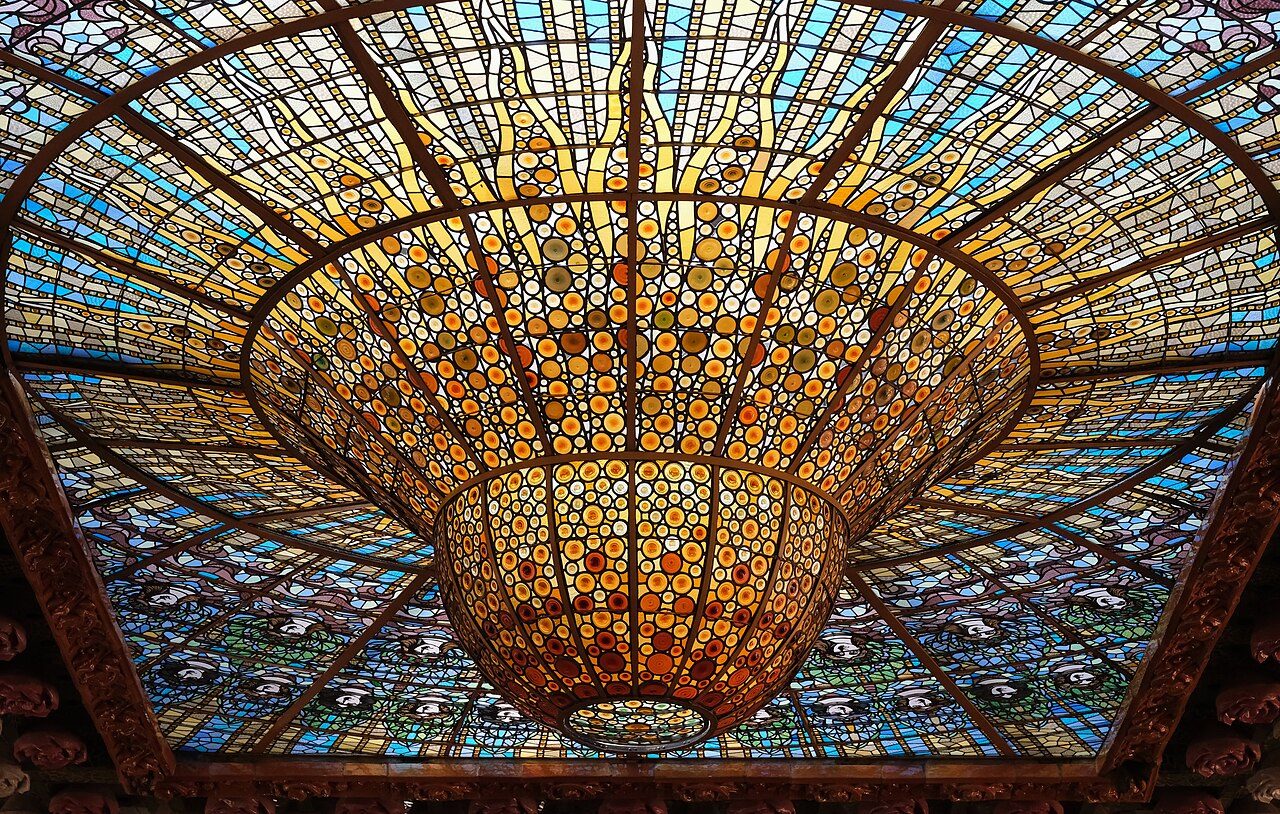
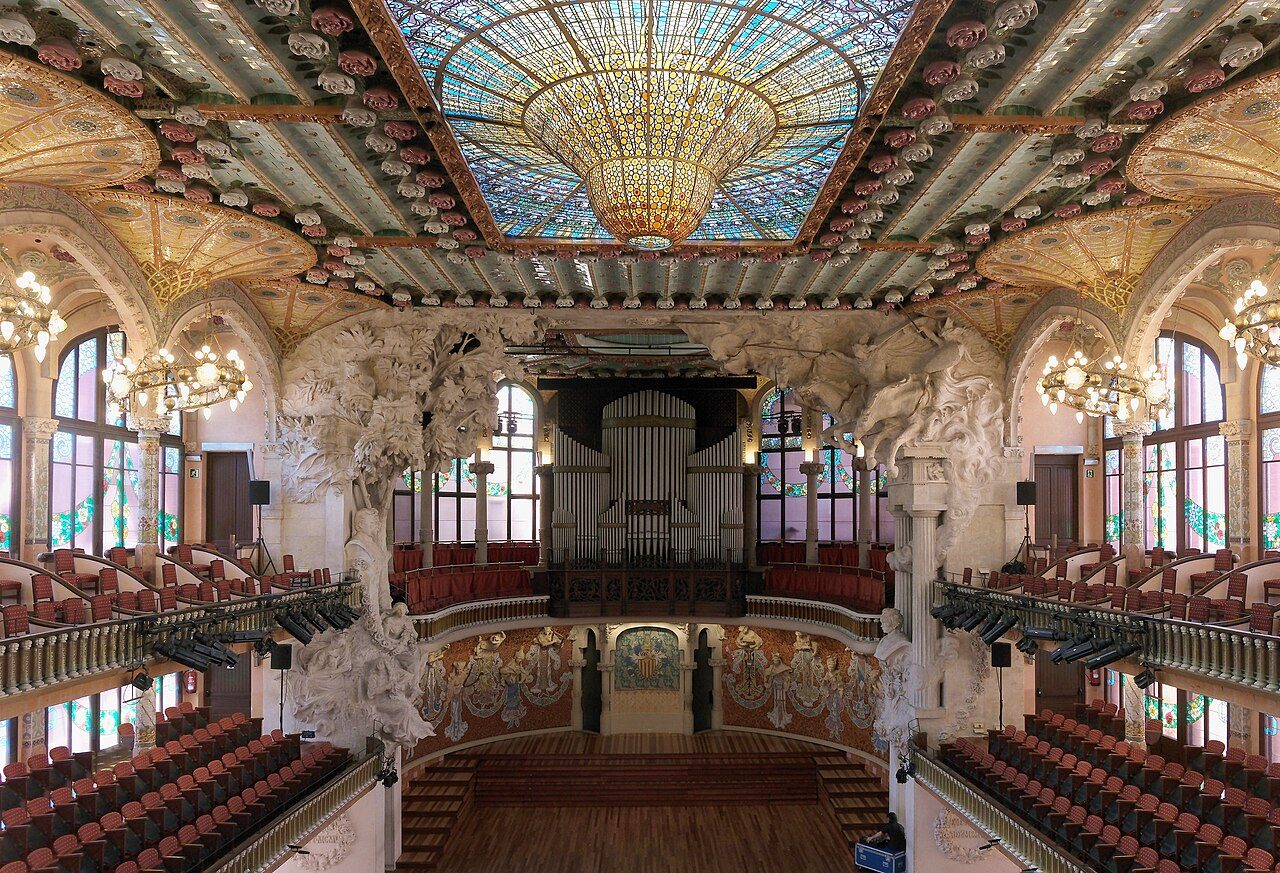
The Palau de la Música Catalana is a concert hall in Barcelona, built from 1905 to 1908 by Lluís Domènech i Montaner. It is a masterpiece of Catalan modernisme. Its auditorium is lit by a huge inverted dome of stained glass, and sculptures of muses emerge from the walls behind the stage. It is a UNESCO World Heritage Site.
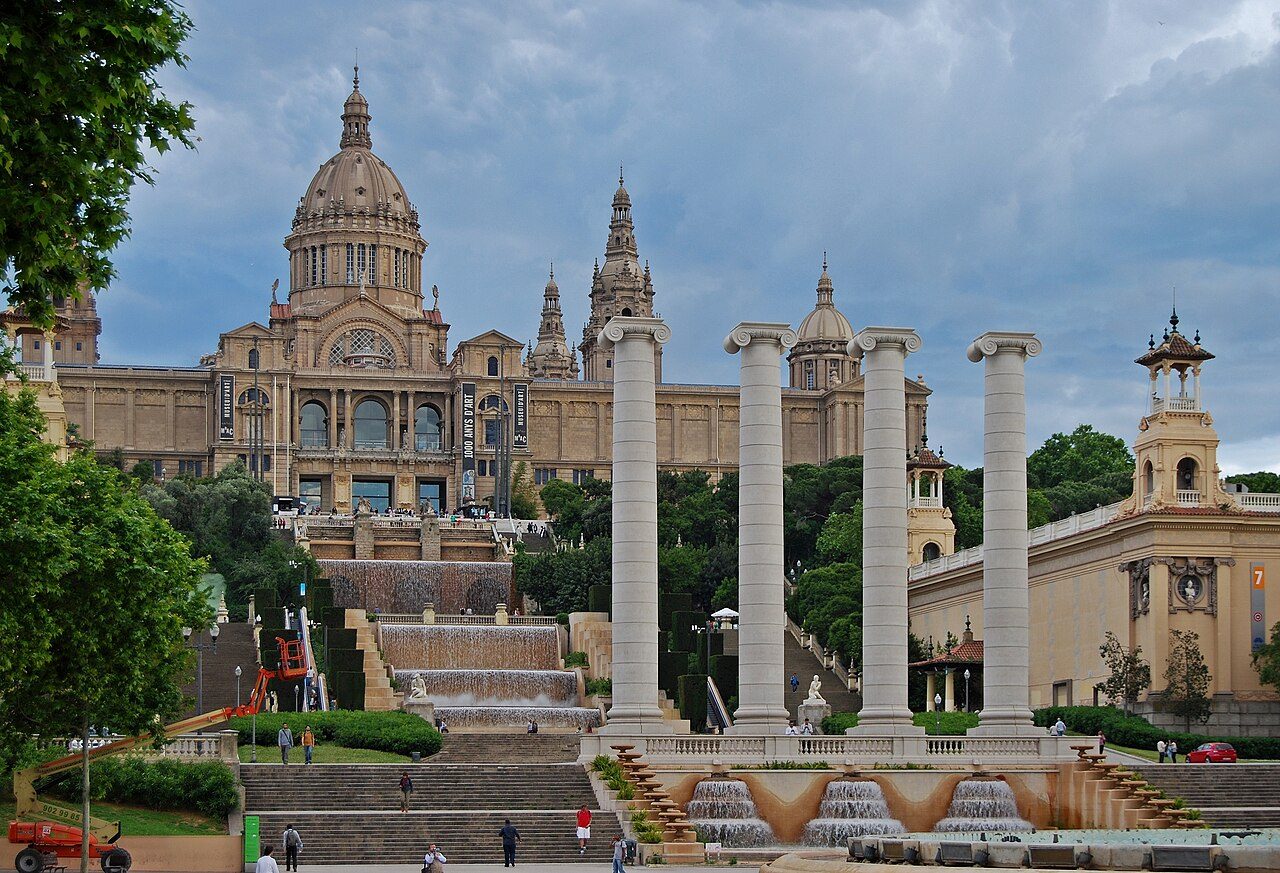
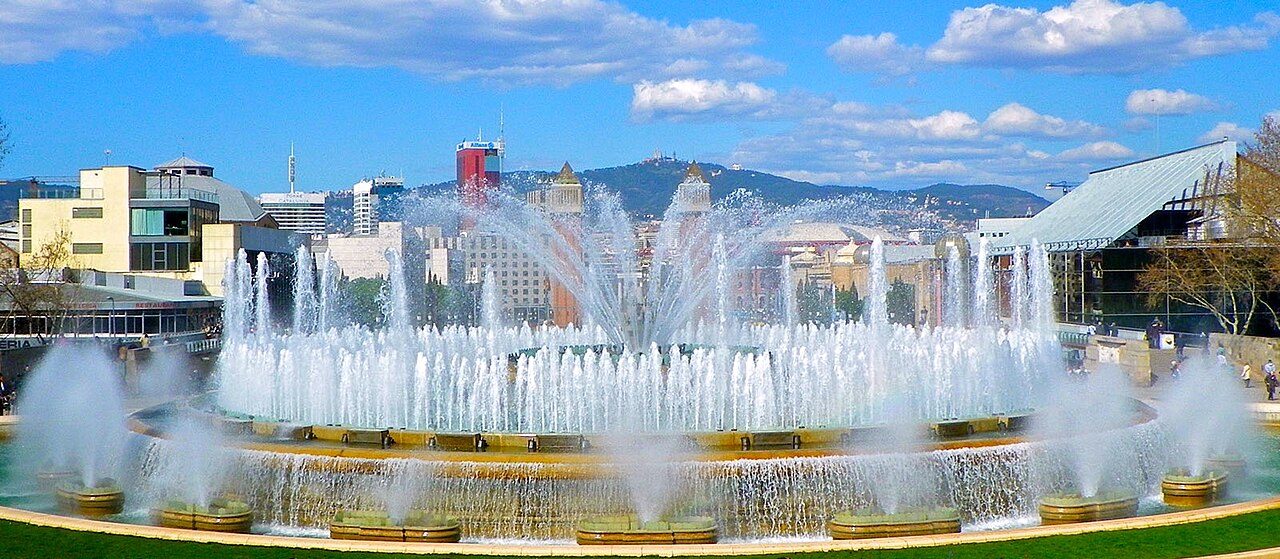
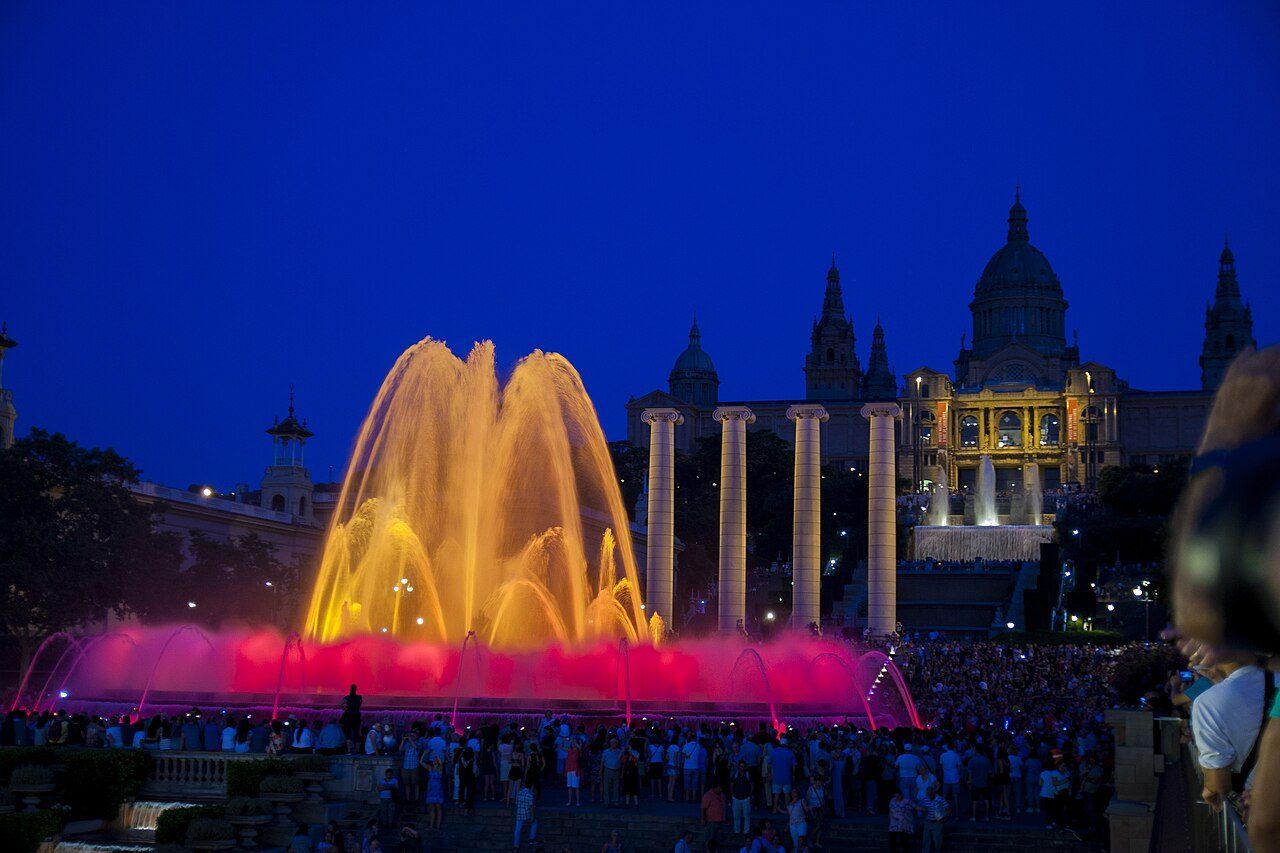
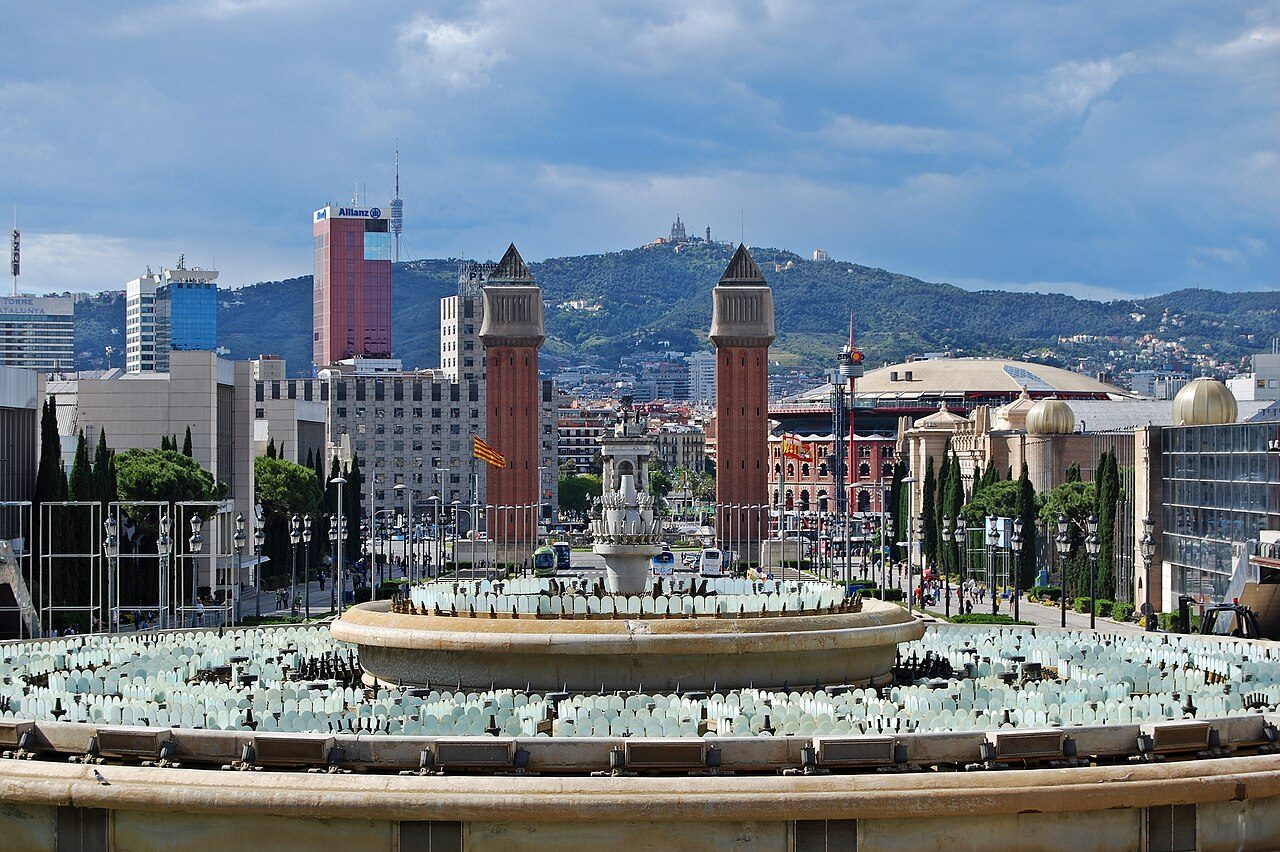
Montjuïc is a hill above Barcelona's harbour. It has gardens, museums and sports venues from the 1929 World Exhibition and the 1992 Olympic Games. The National Art Museum of Catalonia stands in a grand palace at the top of a stairway, and the Magic Fountain below puts on light and music shows. A castle crowns the summit, reached by cable car.
24
STOP 24 OF 24 · LAST STOP
Montserrat
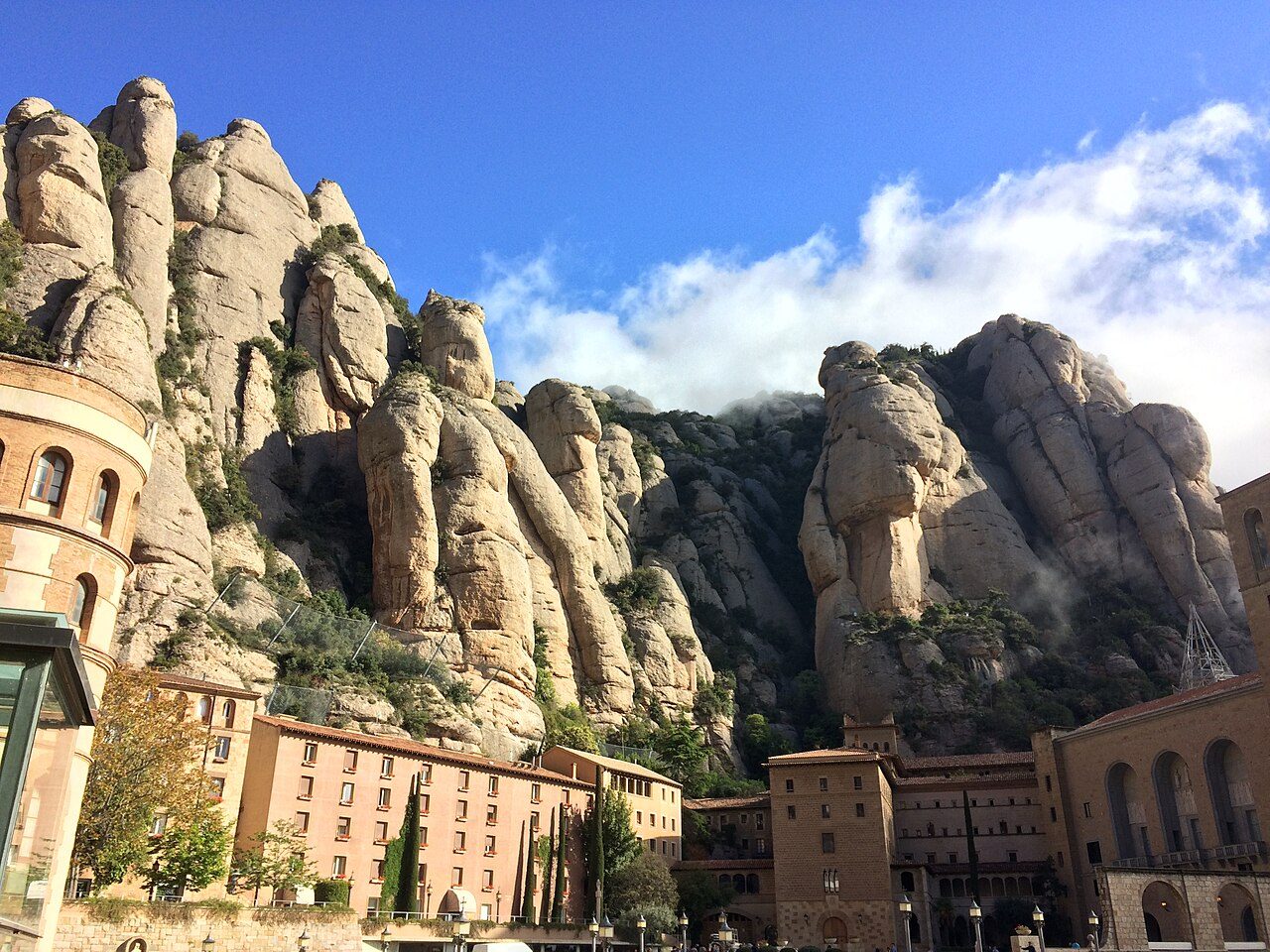
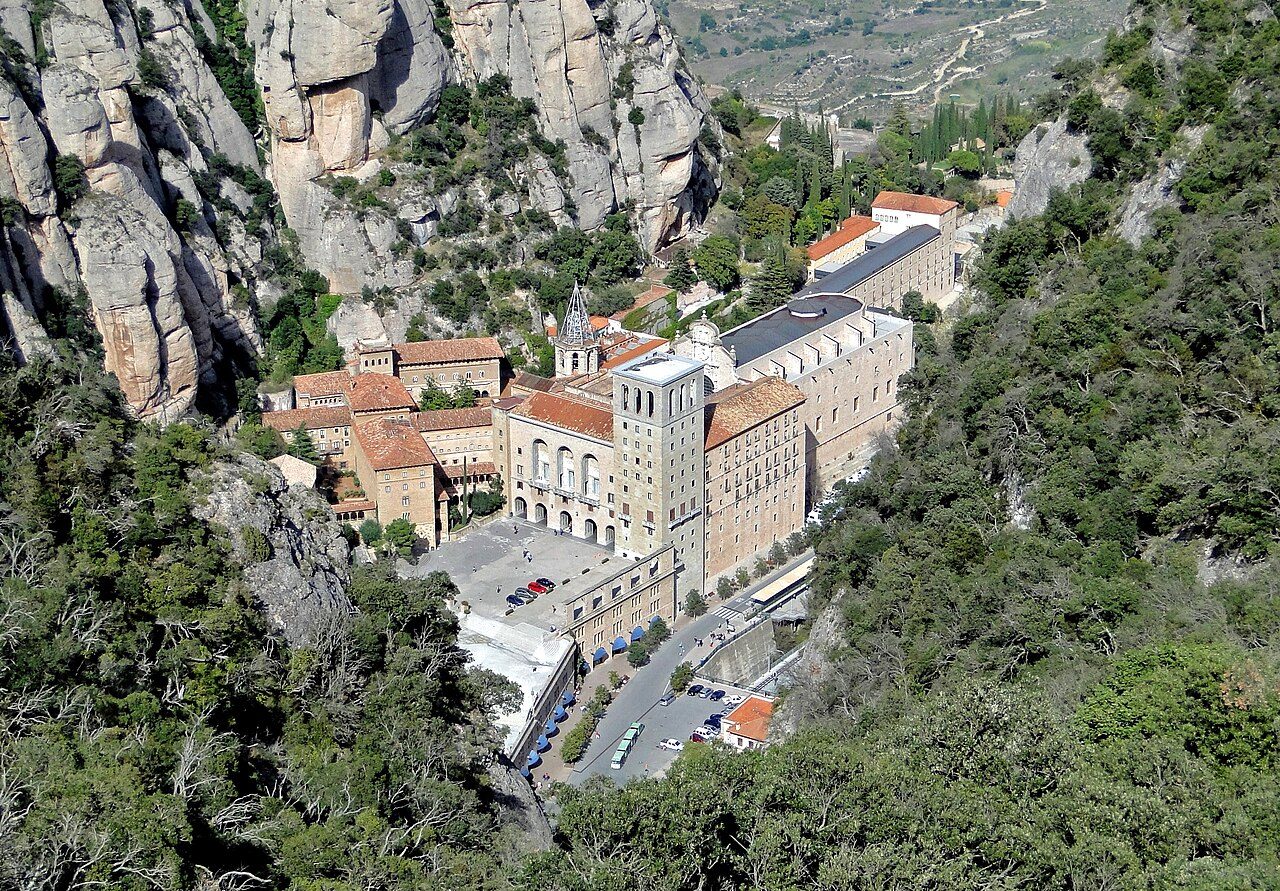
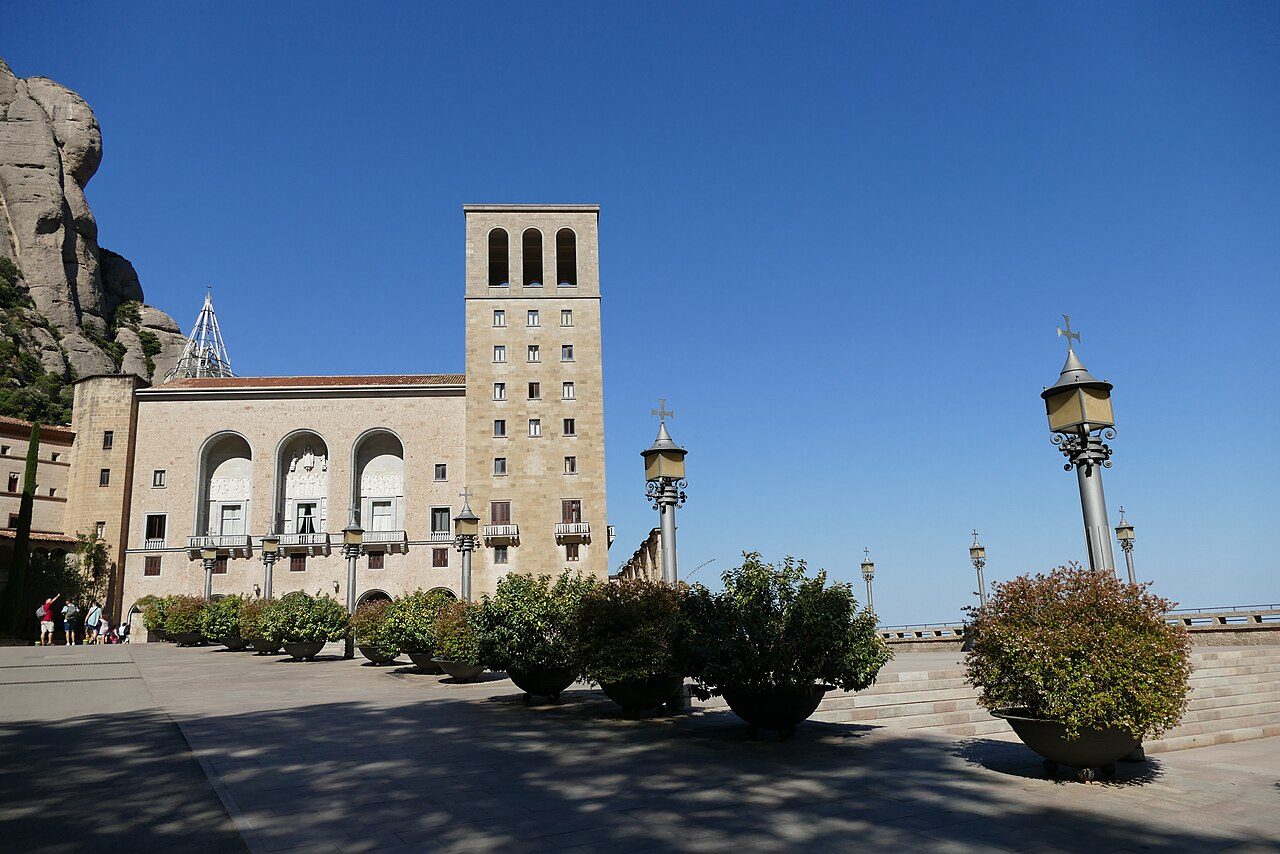
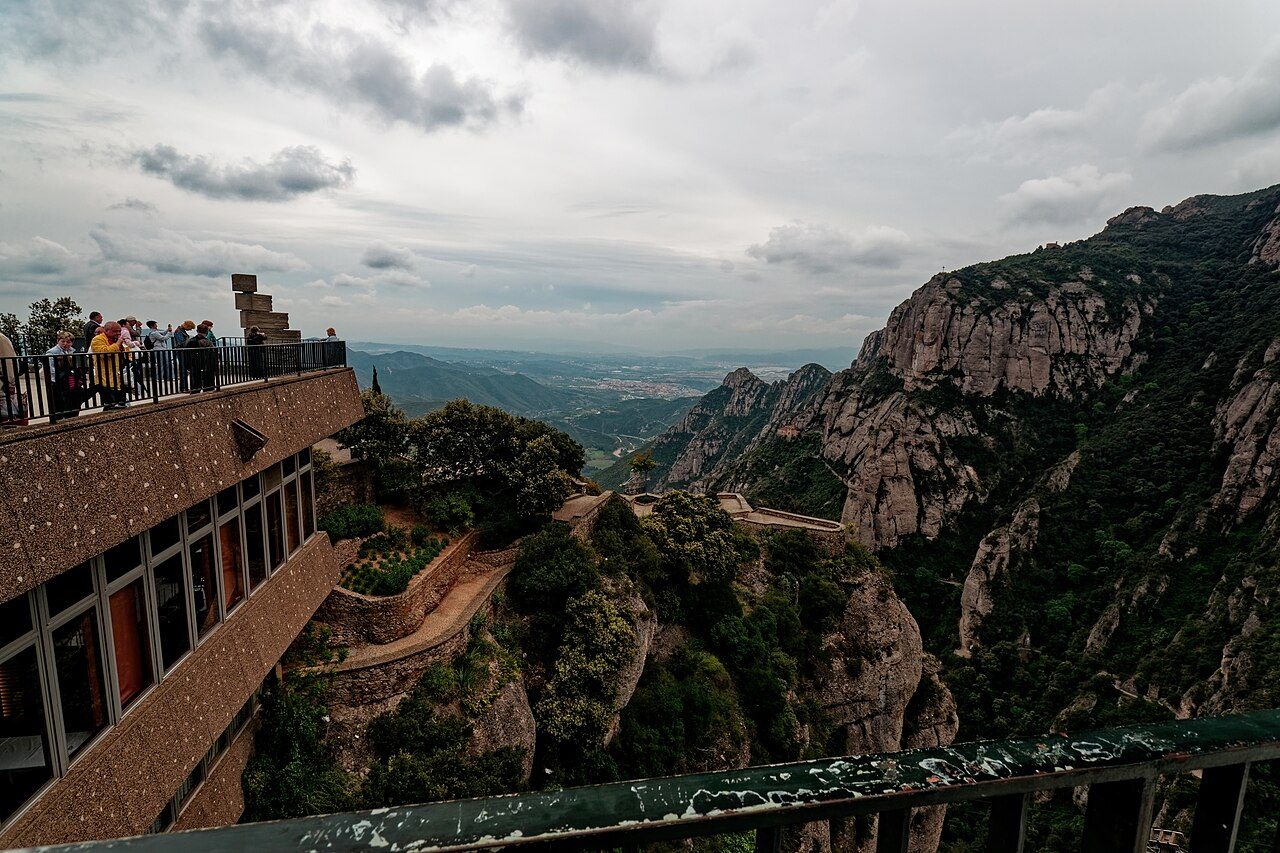
Montserrat is a mountain of oddly shaped pink rock pillars northwest of Barcelona. A Benedictine monastery stands on its side, home to the Black Madonna, a statue of the Virgin that is the patron saint of Catalonia. The monastery's boys' choir is one of the oldest in Europe. Rack railways and cable cars climb to the monastery and to hiking trails.
Seasons from 20 years of NASA POWER climate data.
 WaTrips











 BikesBooking
 Localrent
 Airalo
 Tiqets