Bilbao's Guggenheim and San Juan de Gaztelugatxe, San Sebastián, the Picos de Europa, Covadonga, the Cathedrals Beach, Santiago, the Tower of Hercules, León and Burgos.
Green Spain is mountains, wild coast and the best food in the country. See the Guggenheim in Bilbao and climb the steps to the hermitage of San Juan de Gaztelugatxe, then eat pintxos in San Sebastián by La Concha beach. Drive into the Picos de Europa and visit the shrine of Covadonga in its cave. Walk among the arches of the Cathedrals Beach at low tide, reach Santiago de Compostela, end of the Camino, and the Roman Tower of Hercules, and return via the cathedrals of León and Burgos. June to September is driest.
01
STOP 1 OF 10
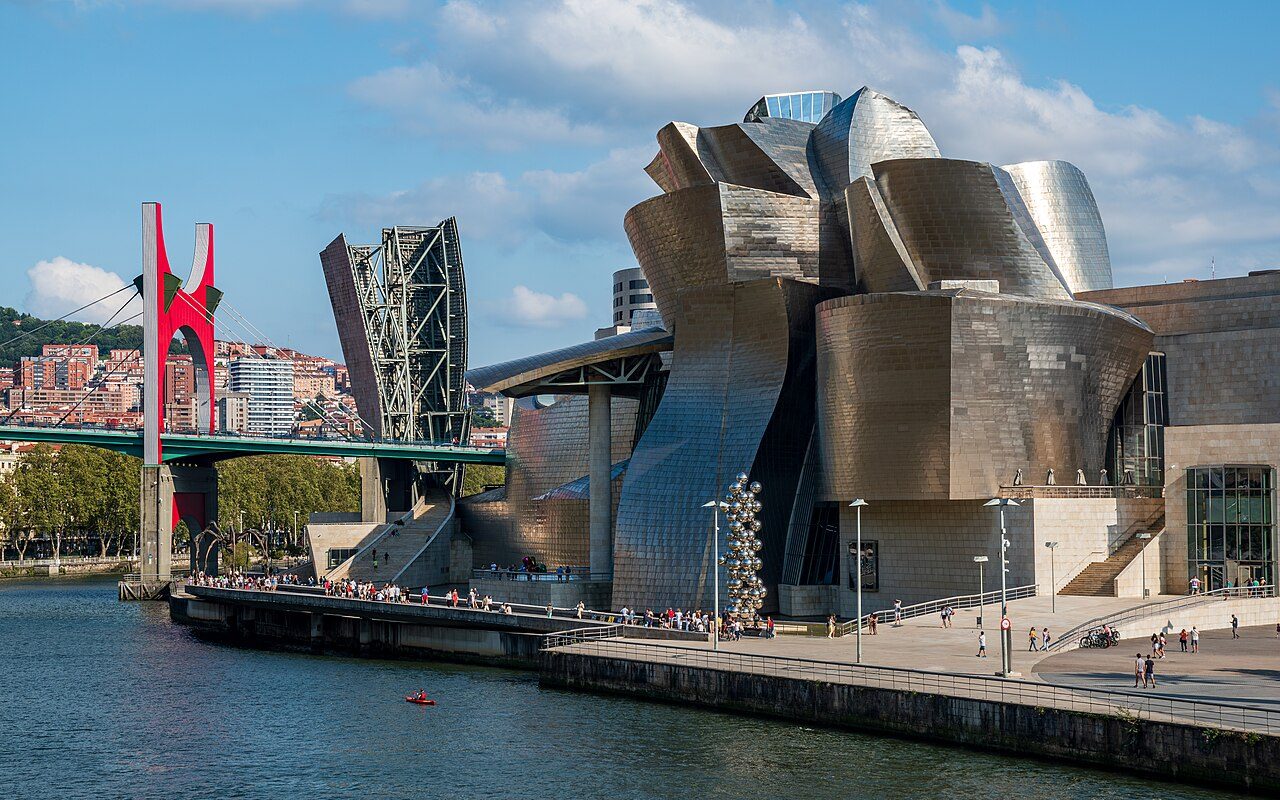
Guggenheim Museum Bilbao
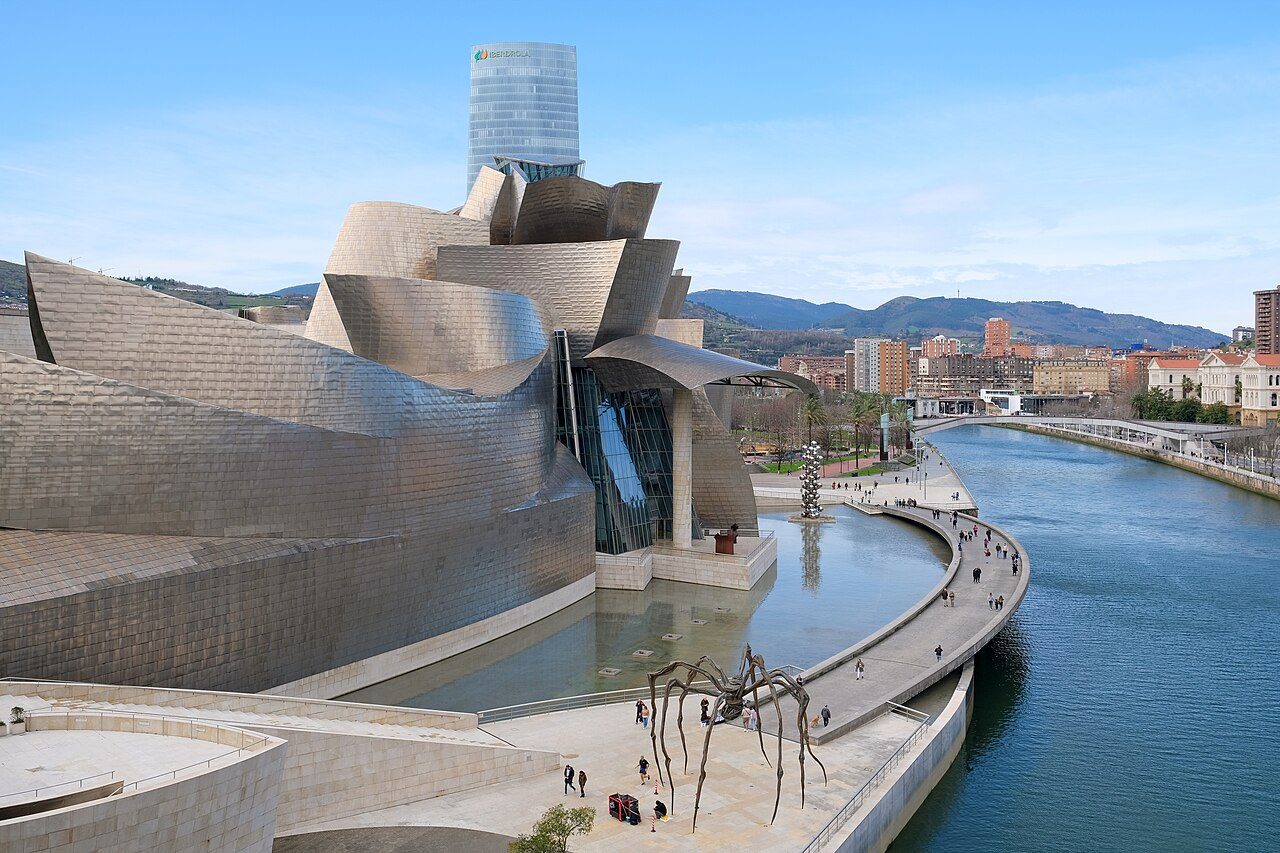
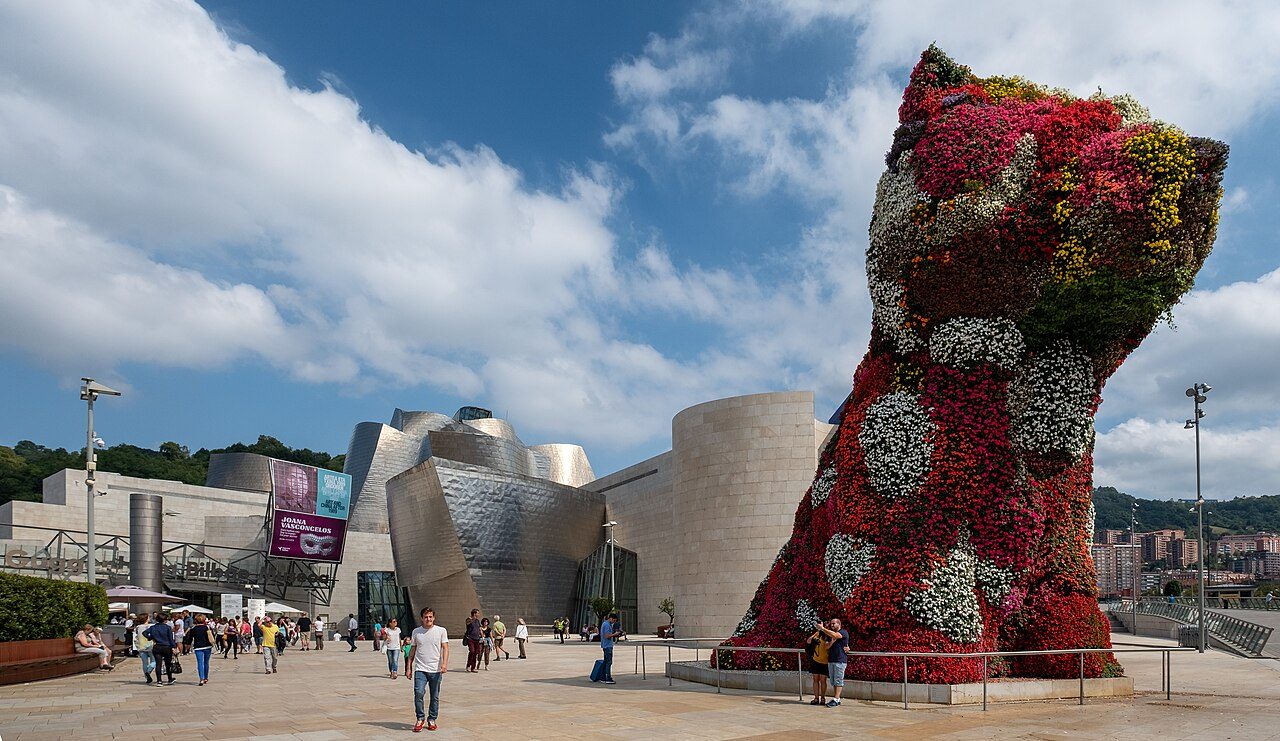
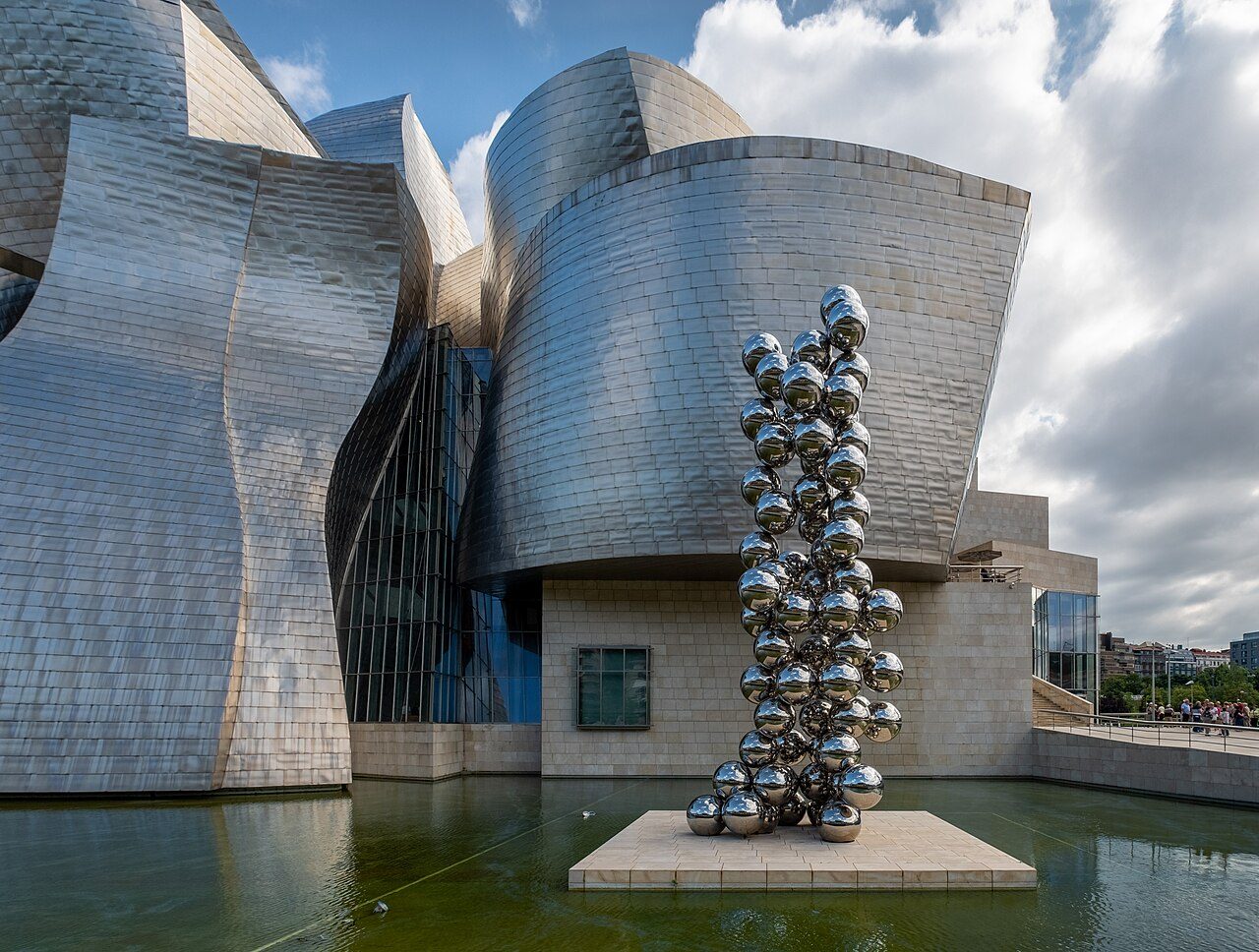
The Guggenheim Museum Bilbao, designed by Frank Gehry, opened in 1997. Its curving walls of titanium, glass and stone look like a ship or a flower beside the Nervión River. It shows modern and contemporary art. Outside stand Jeff Koons' giant flower-covered dog, Puppy, and Louise Bourgeois' spider, Maman. The museum transformed Bilbao.
02
STOP 2 OF 10
San Juan de Gaztelugatxe
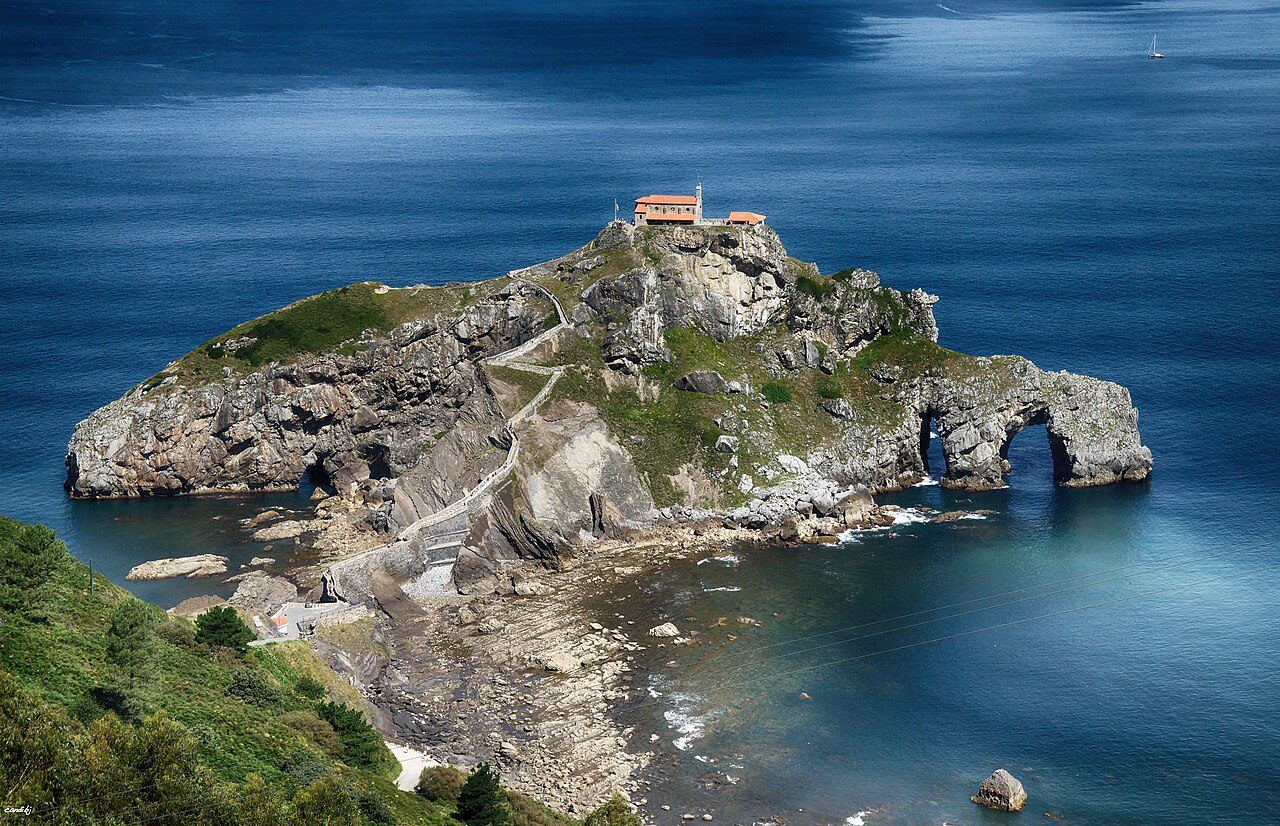
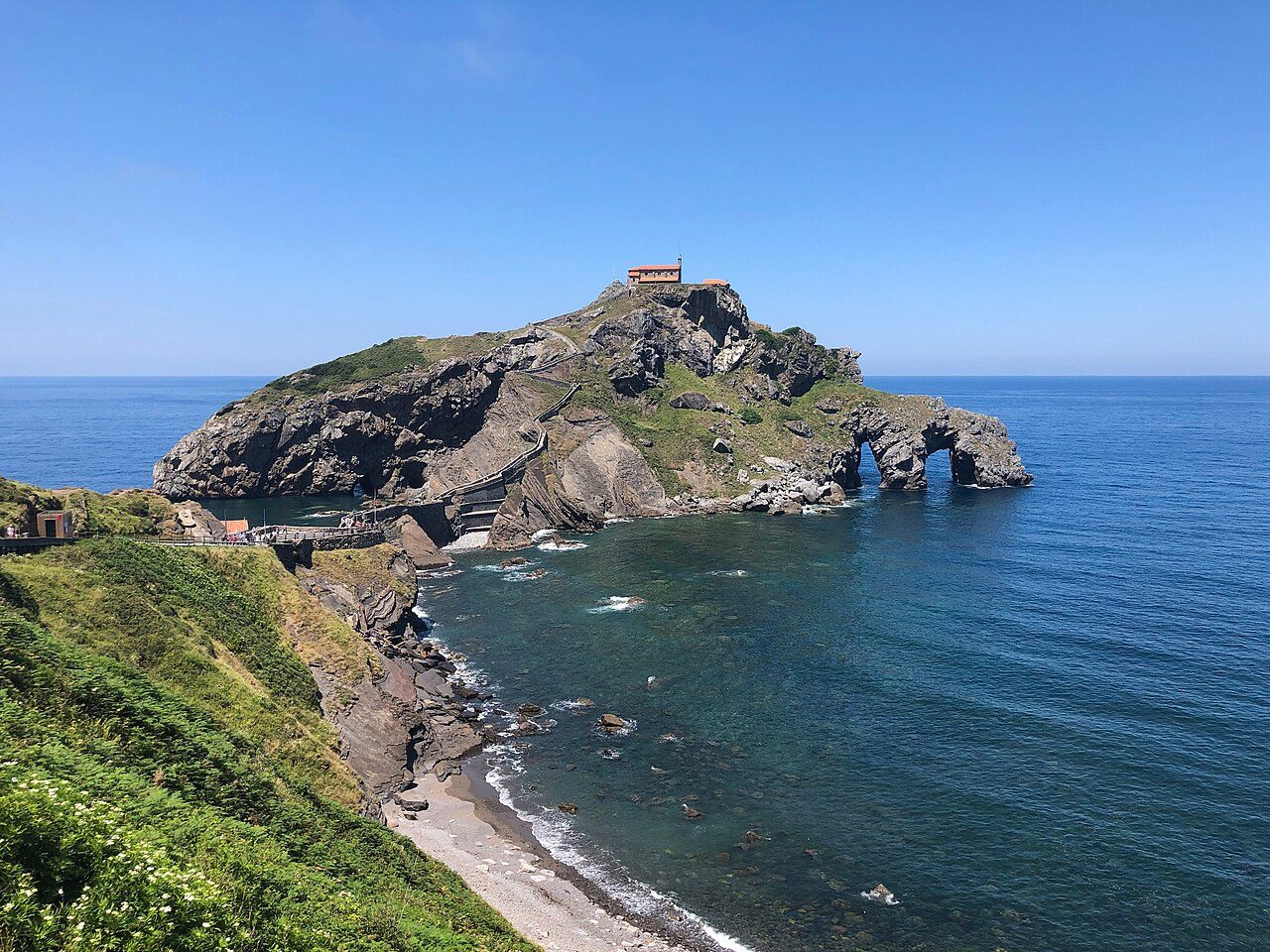
San Juan de Gaztelugatxe is a small island on the Basque coast near Bermeo, linked to the mainland by a stone bridge and a winding path of about 240 steps. A hermitage dedicated to Saint John stands at the top. Visitors ring its bell three times for luck. It became famous as a filming location for Game of Thrones.
03
STOP 3 OF 10
La Concha Beach
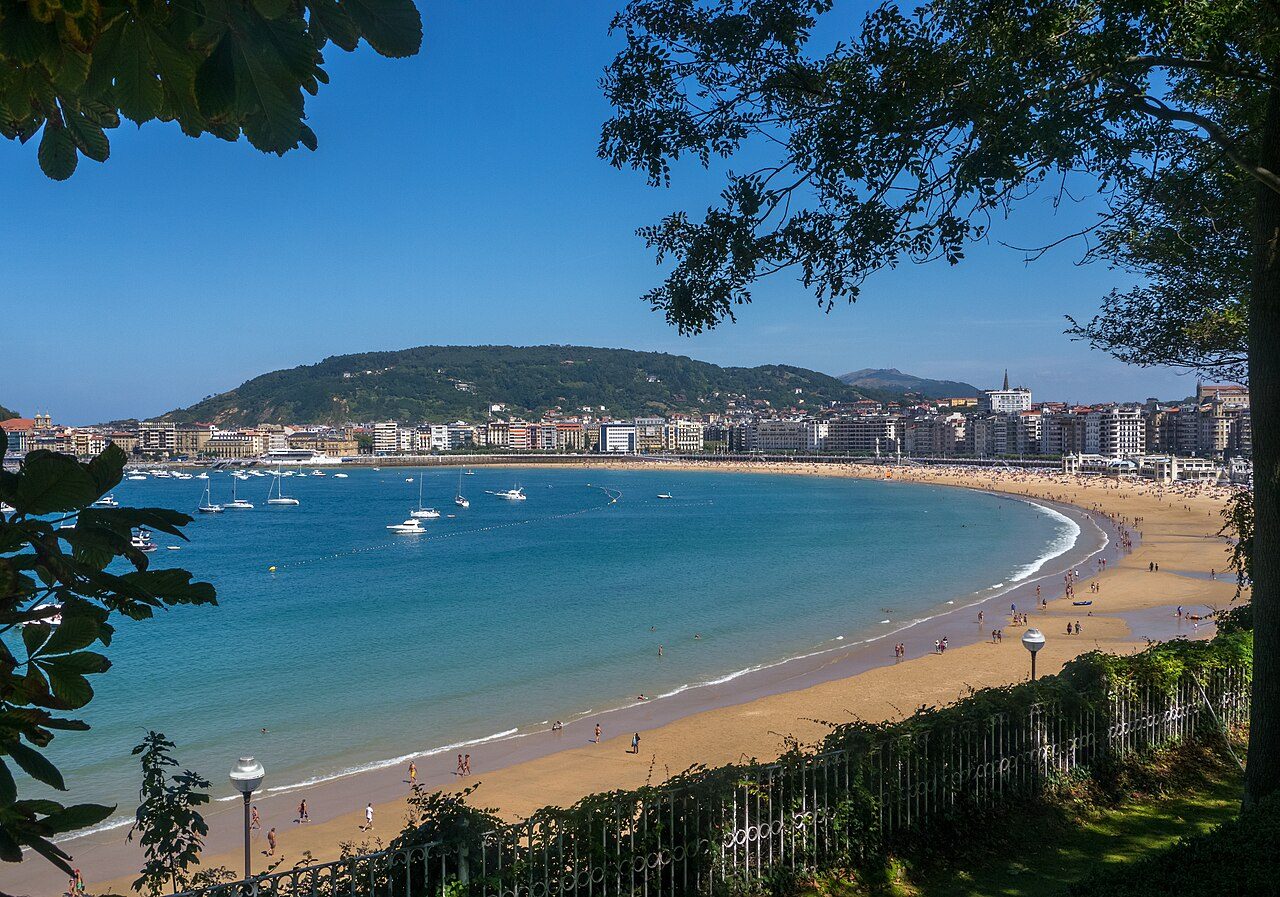
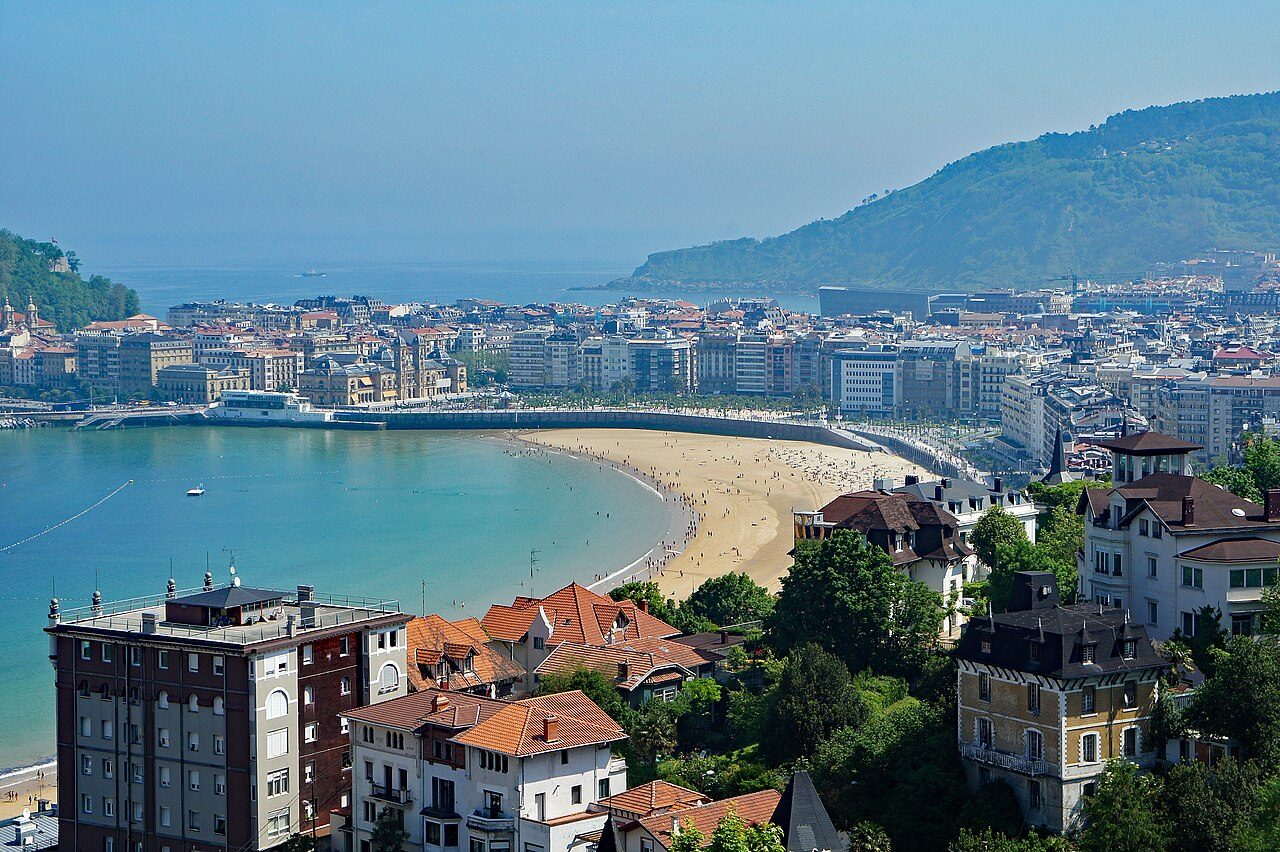
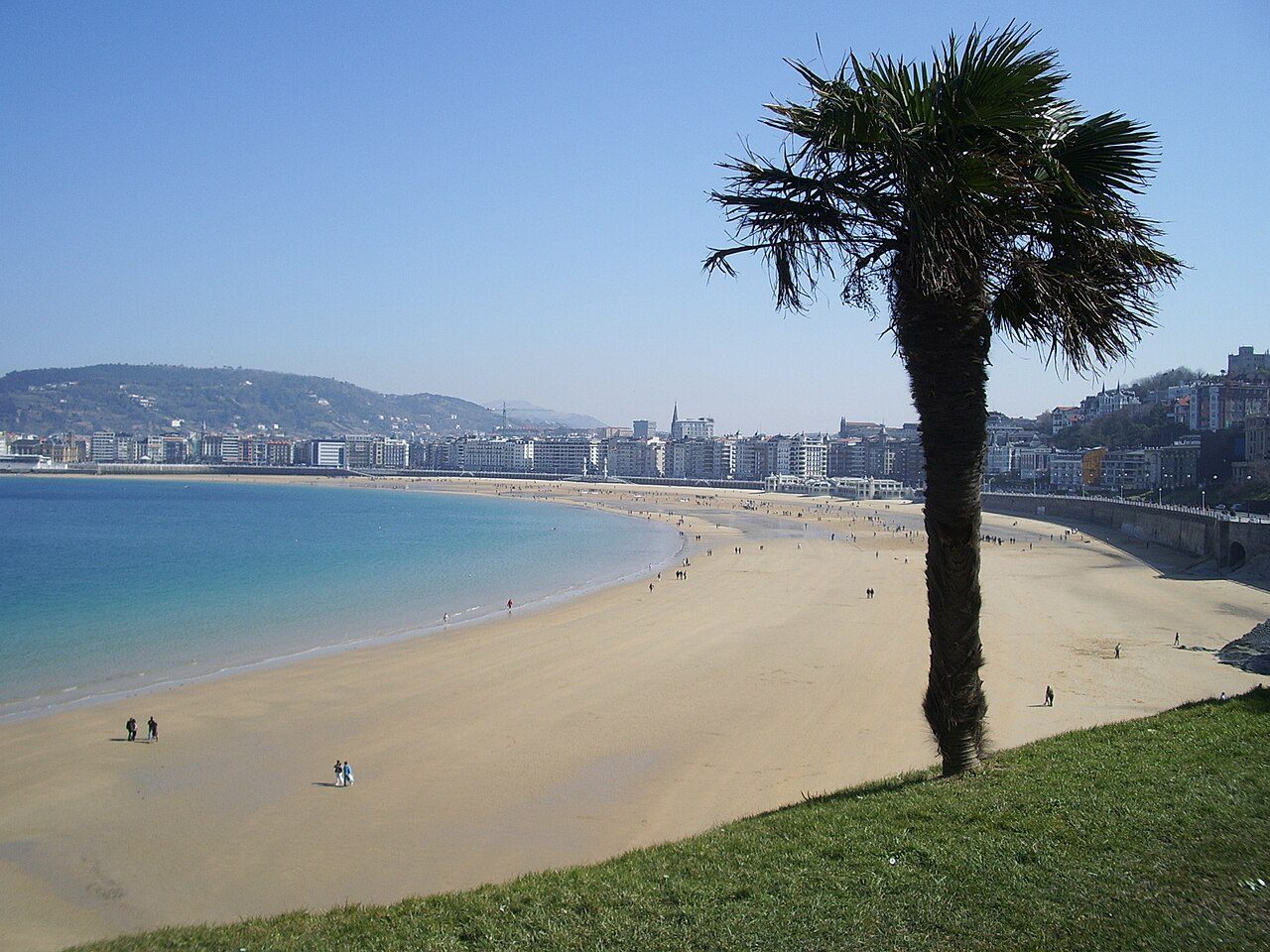
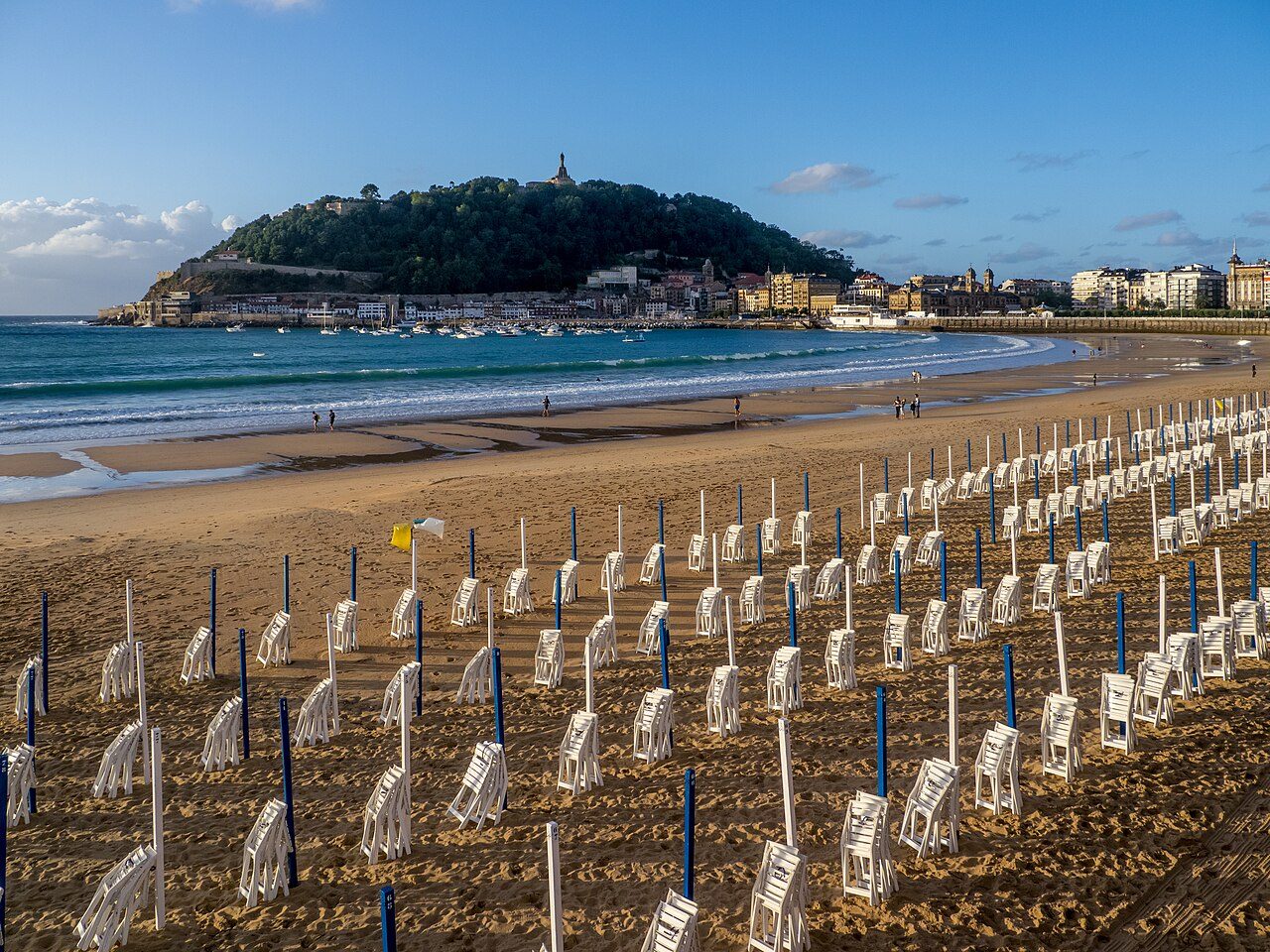
La Concha Beach is the main beach of San Sebastián, curving around a shell-shaped bay. It is one of the most famous city beaches in Europe. An elegant promenade with white railings runs along it. Santa Clara Island sits in the bay, and Monte Igueldo and Monte Urgull rise at either end. The old town is famous for pintxos bars.
04
STOP 4 OF 10
Picos de Europa
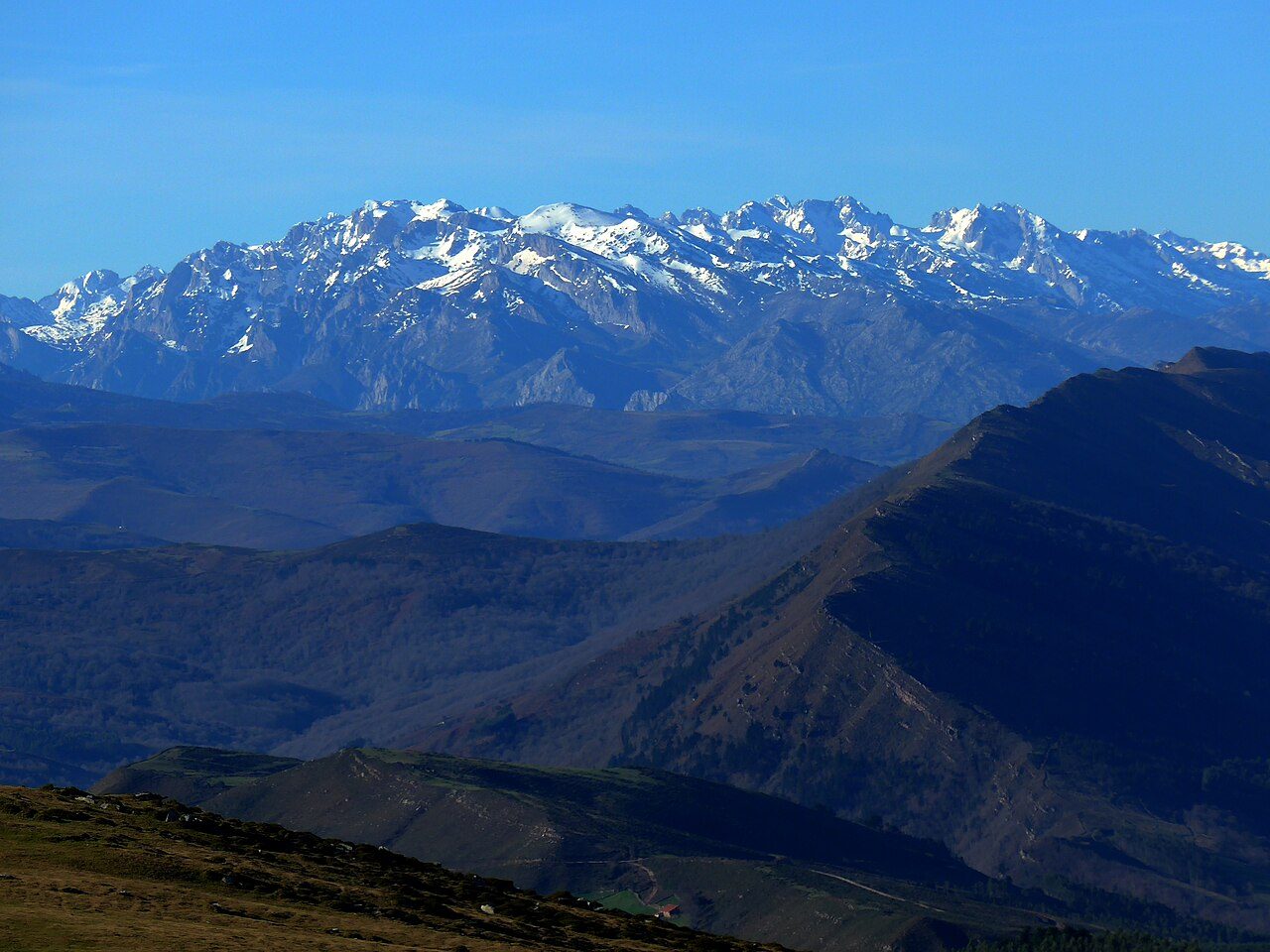
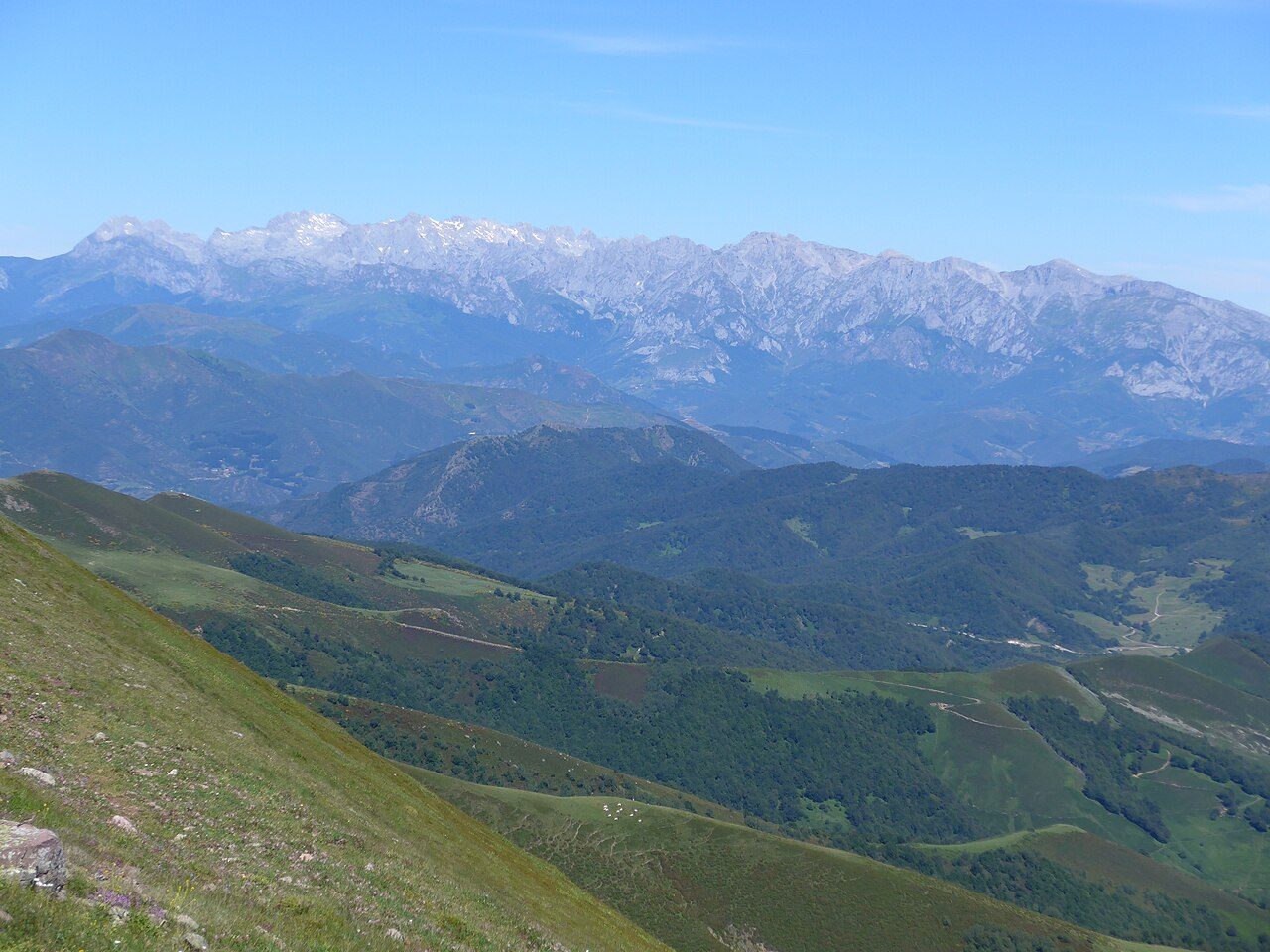
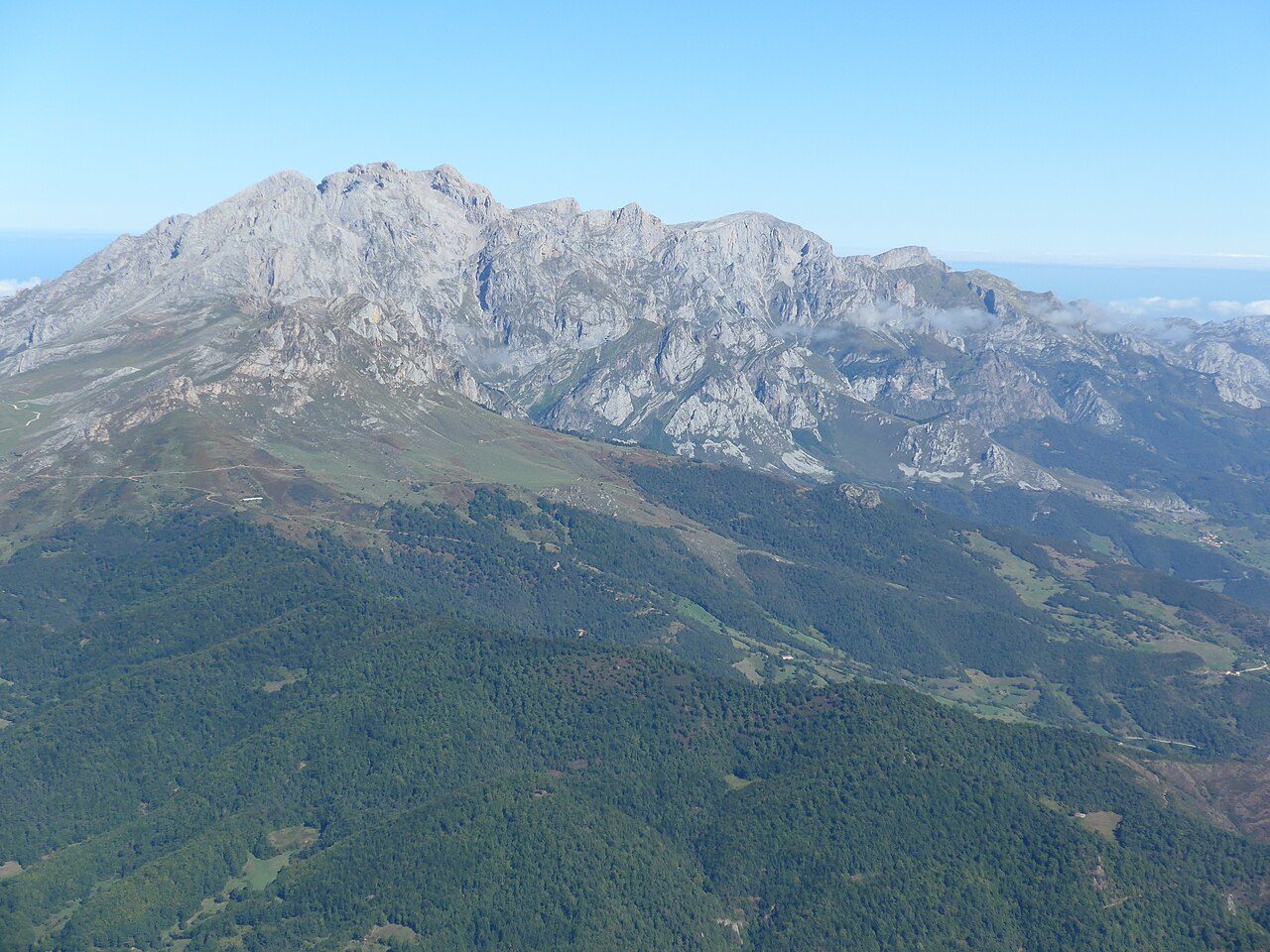
The Picos de Europa are a range of limestone mountains in northern Spain, shared by Asturias, Cantabria and Castile and León. It was Spain's first national park, created in 1918. Jagged peaks, deep gorges and green pastures make it popular for hiking. At Fuente Dé, a cable car rises about 750 metres up a cliff to a viewpoint.
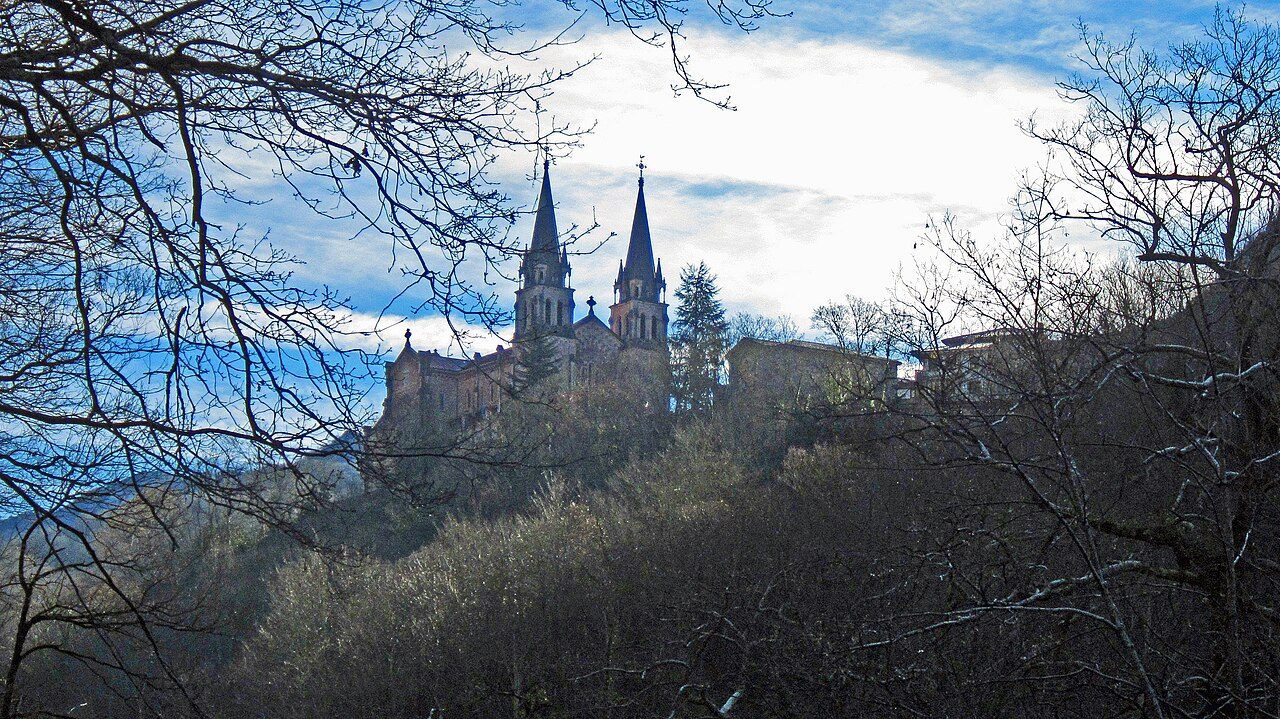
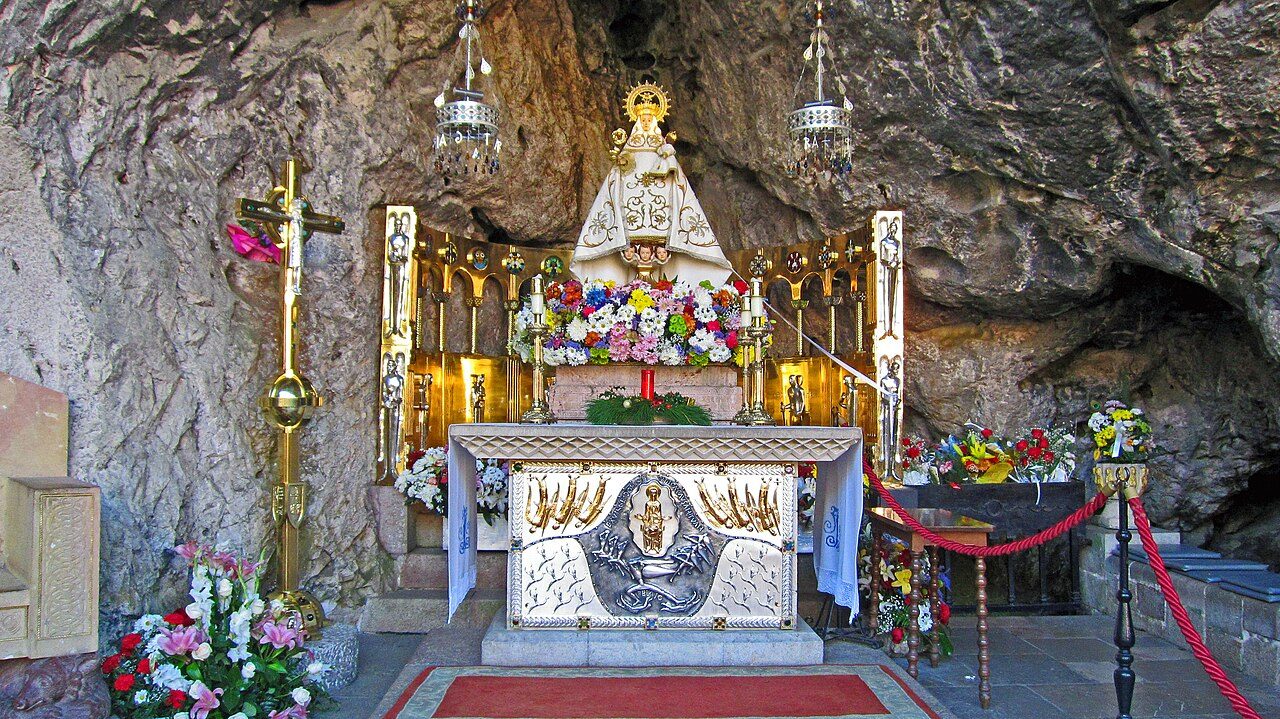
Covadonga is a sacred site in the mountains of Asturias, where tradition says the Christian reconquest of Spain began in 722. A chapel is built into a cave in the cliff above a waterfall, holding the statue of the Virgin of Covadonga. A pink stone basilica stands nearby. A road climbs to the lakes of Covadonga in the Picos de Europa.
06
STOP 6 OF 10
Cathedrals Beach
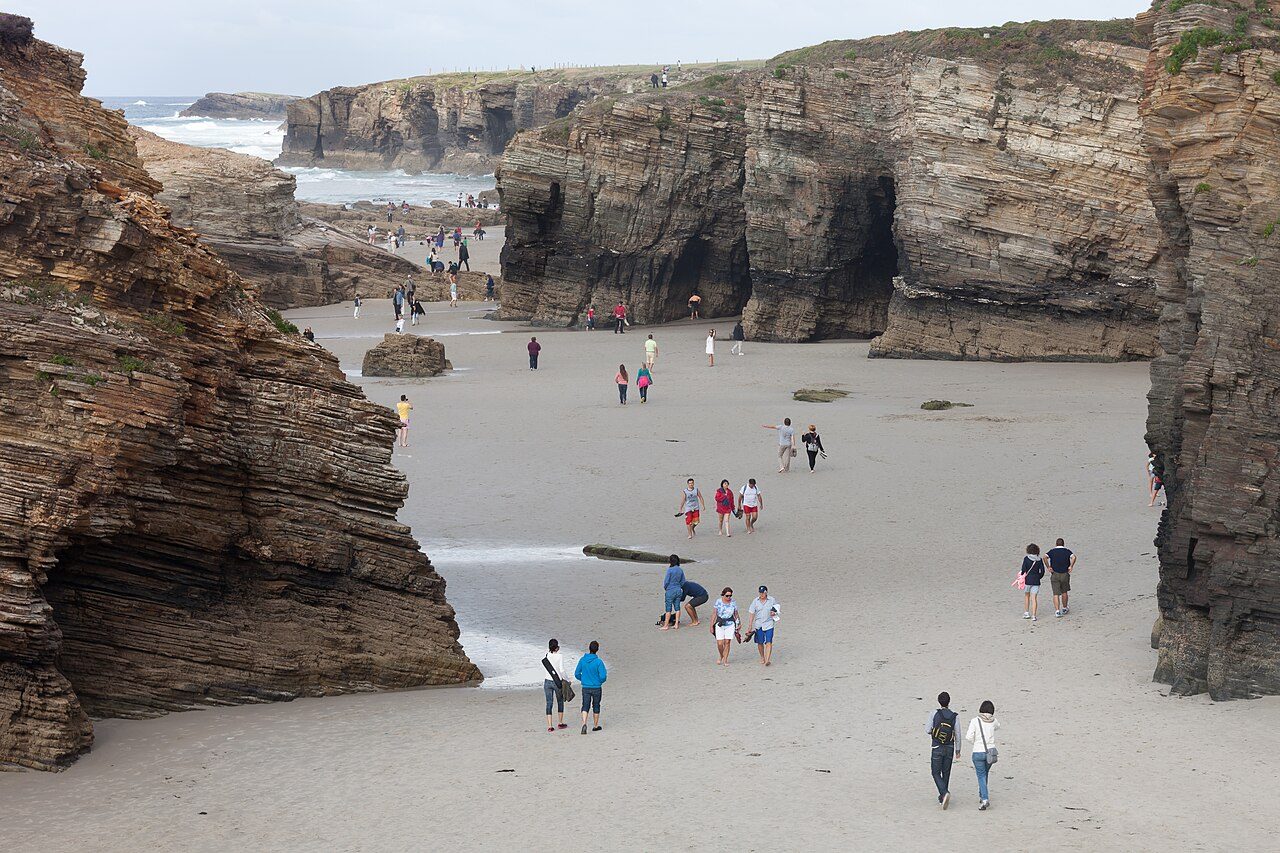
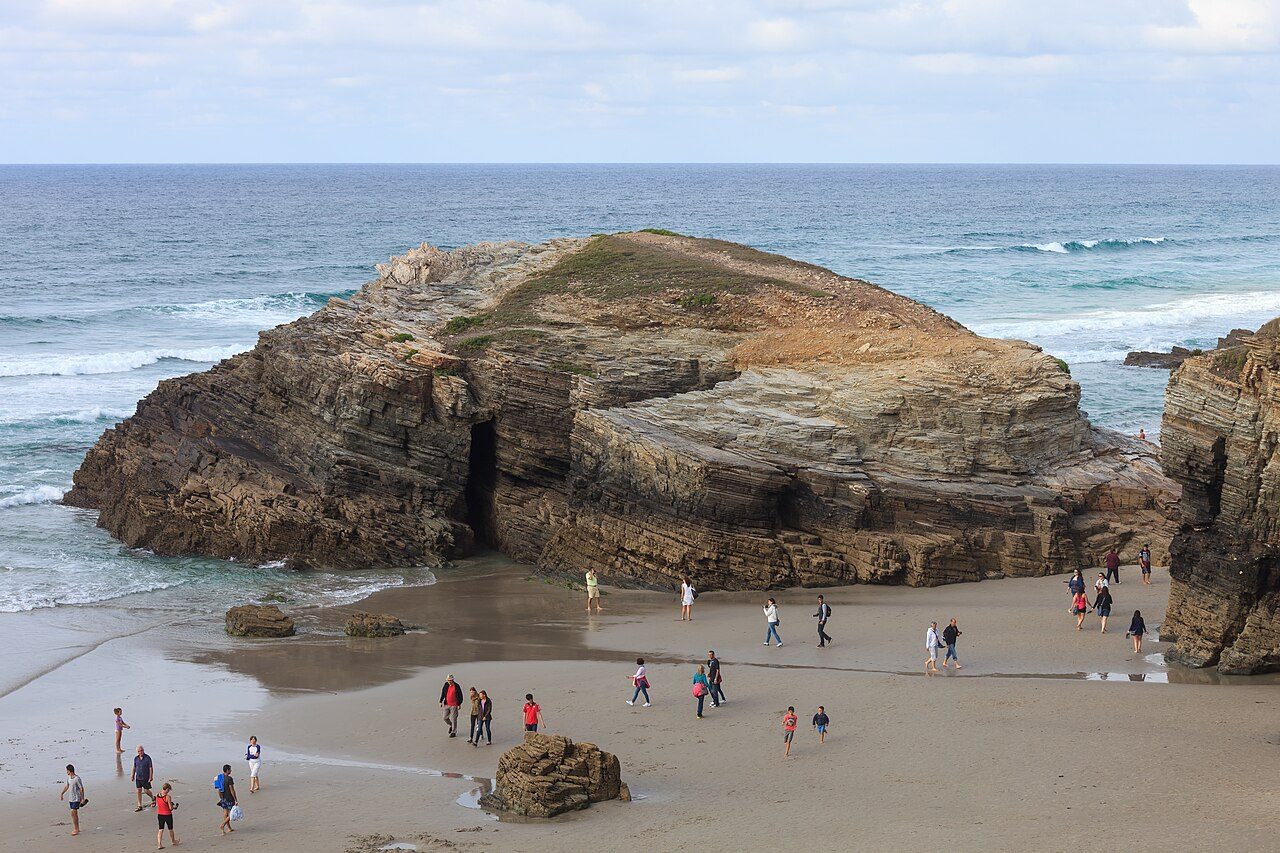
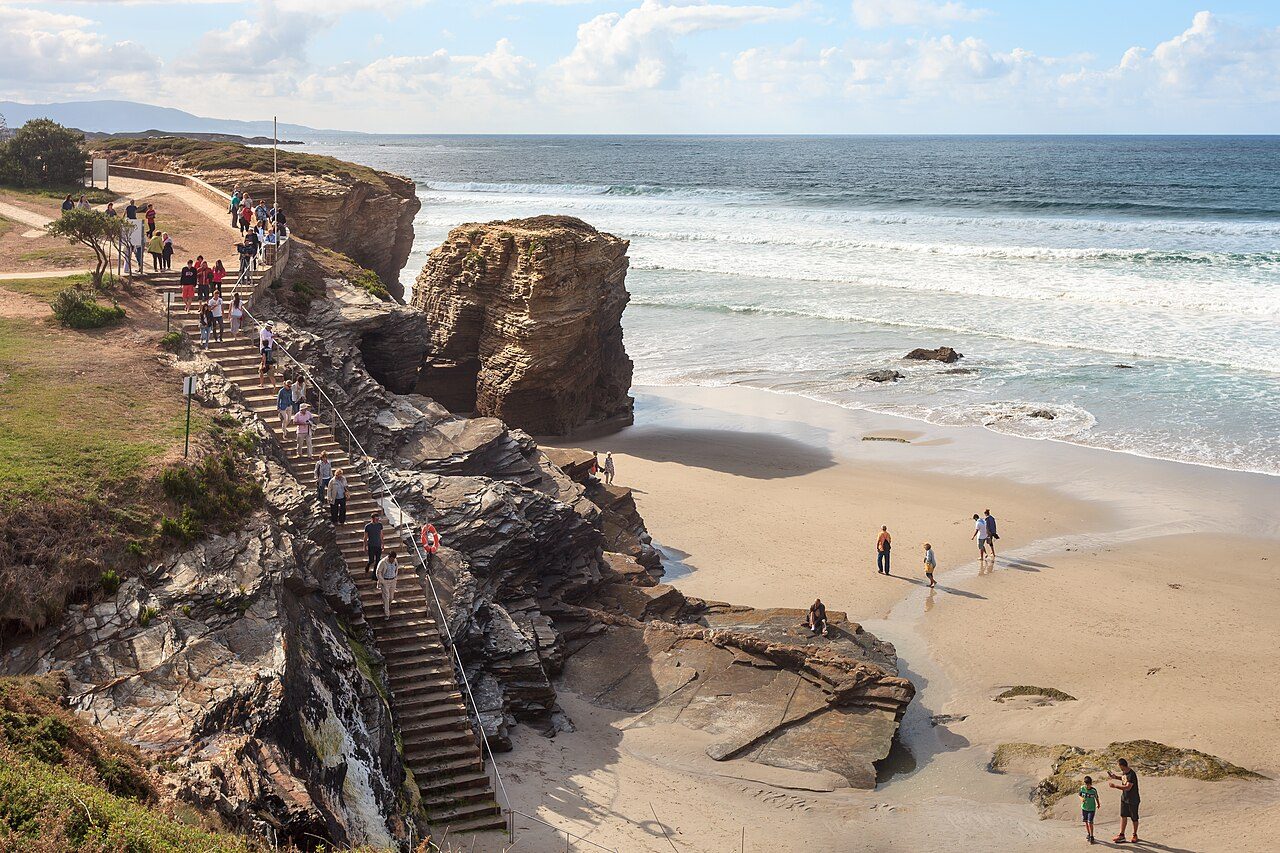
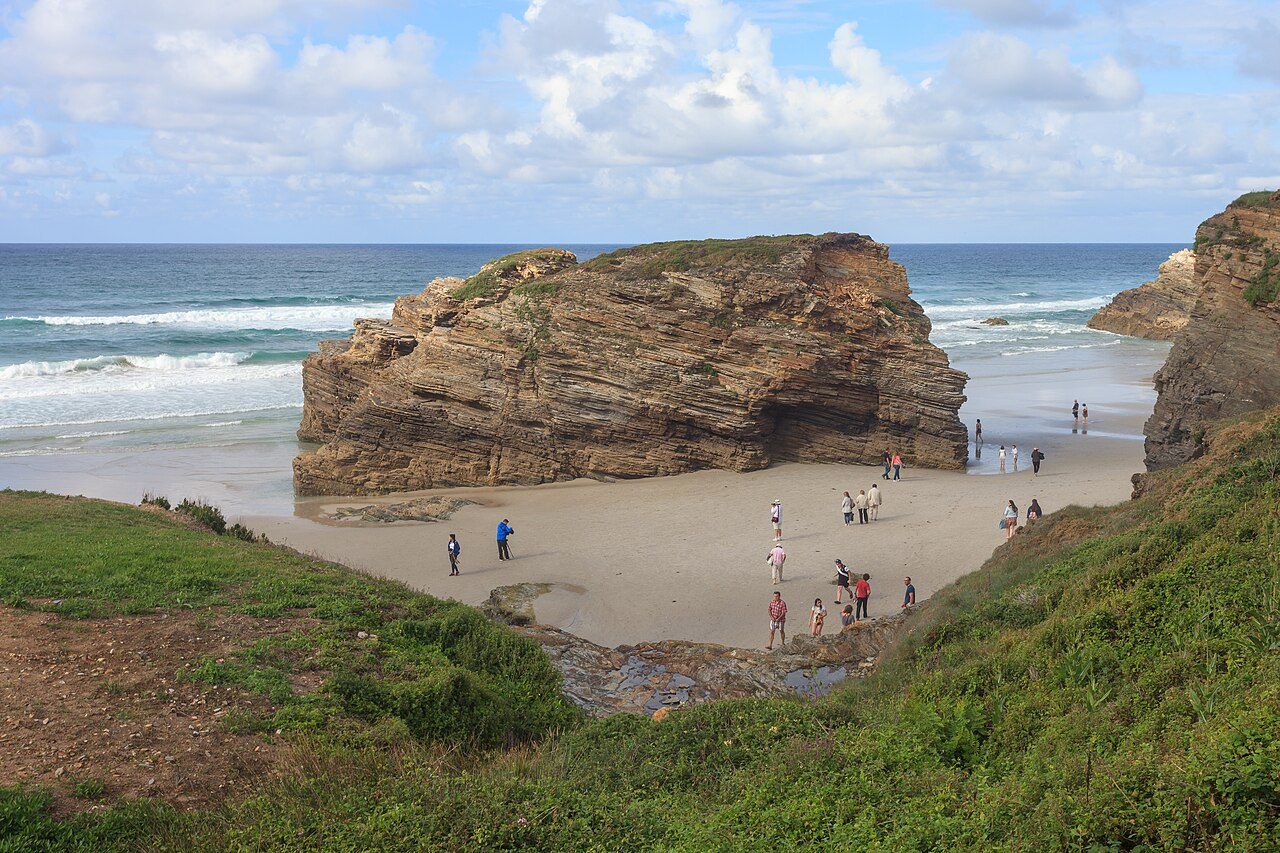
Cathedrals Beach, Praia das Catedrais, near Ribadeo in Galicia, is famous for its huge rock arches and caves carved by the sea. The arches look like the flying buttresses of a Gothic cathedral. They can only be walked among at low tide, so access is limited in summer and must be booked. At high tide the sea covers the beach.
07
STOP 7 OF 10
Santiago de Compostela Cathedral
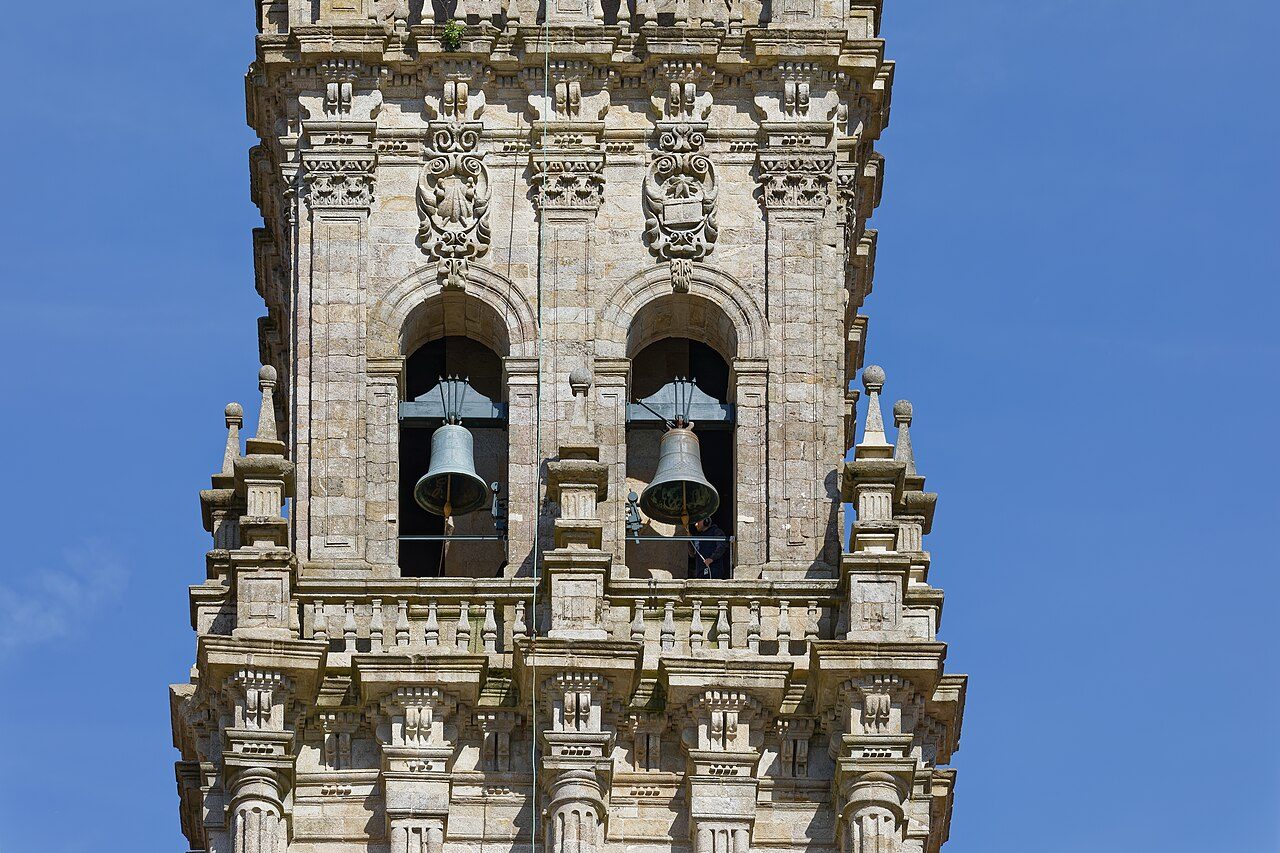
Santiago de Compostela Cathedral is said to hold the remains of Saint James the Apostle and is the end of the Way of Saint James pilgrimage. The present cathedral was begun in 1075, with a grand Baroque facade added in the 18th century facing the Praza do Obradoiro. A giant incense burner, the Botafumeiro, swings across the transept at special services.
08
STOP 8 OF 10
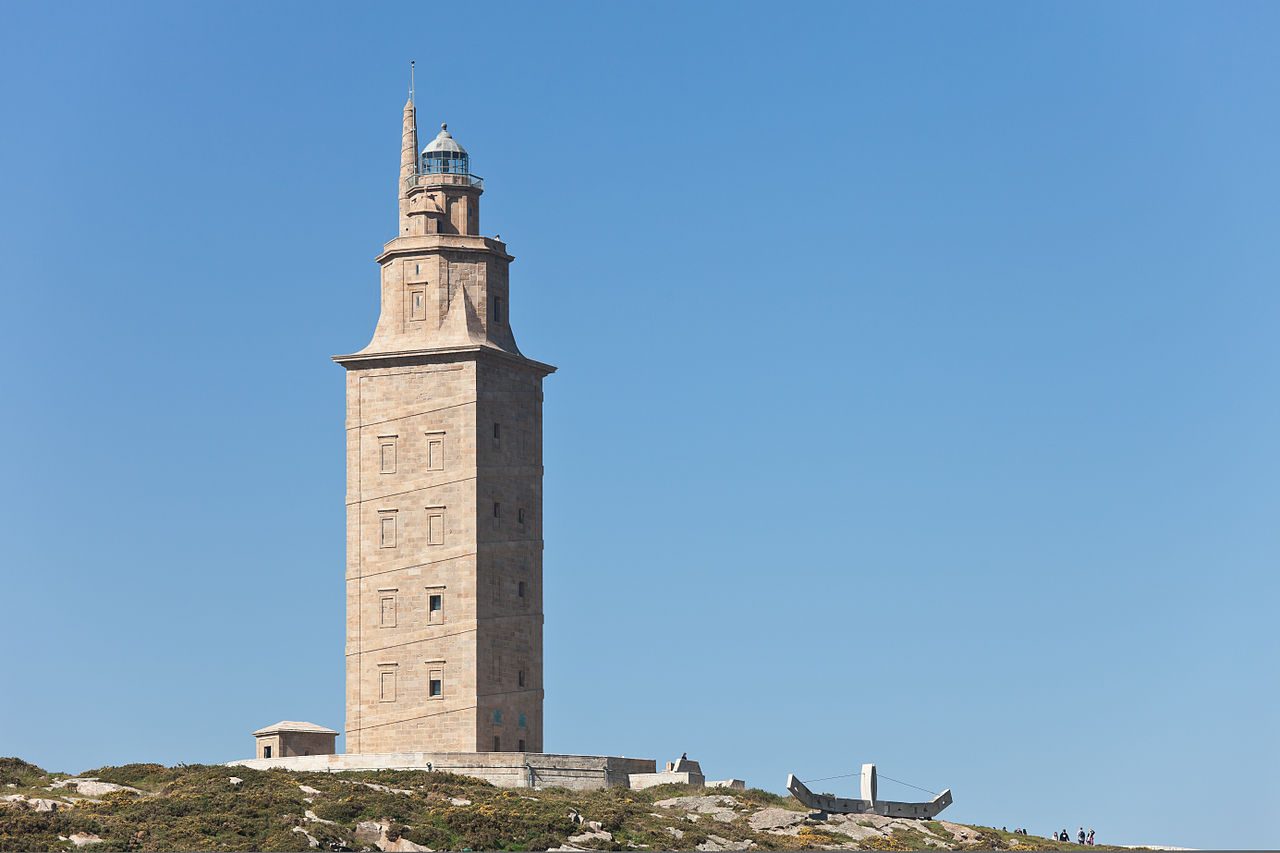
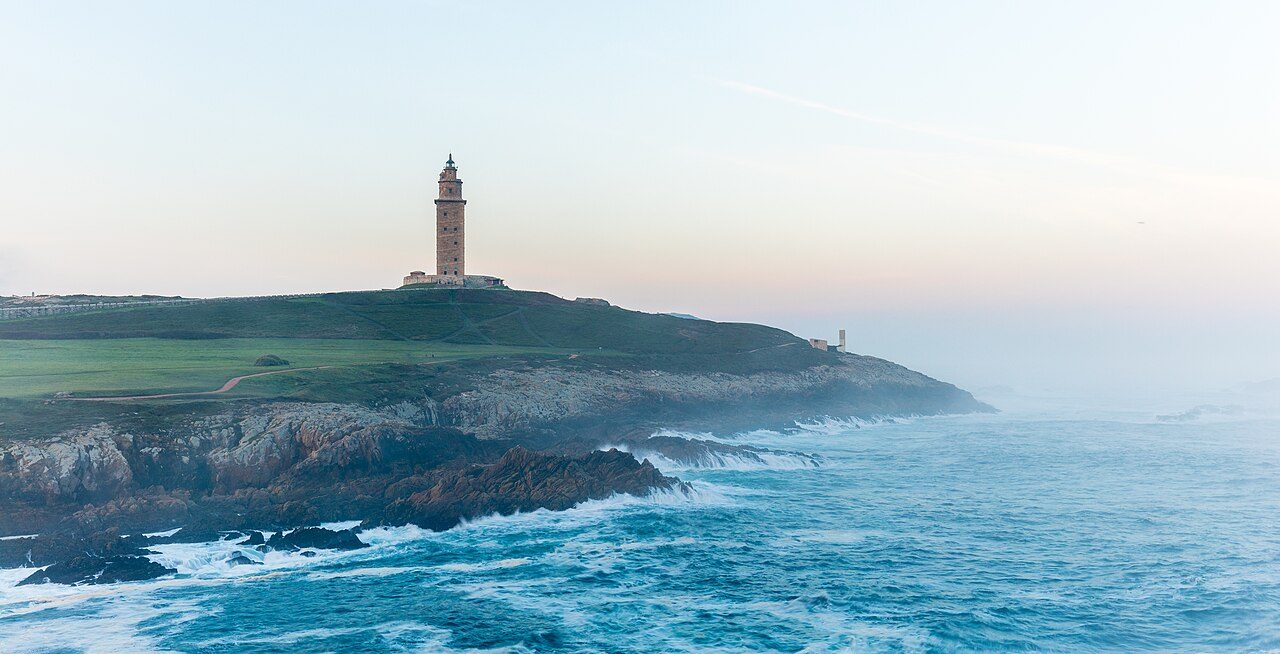
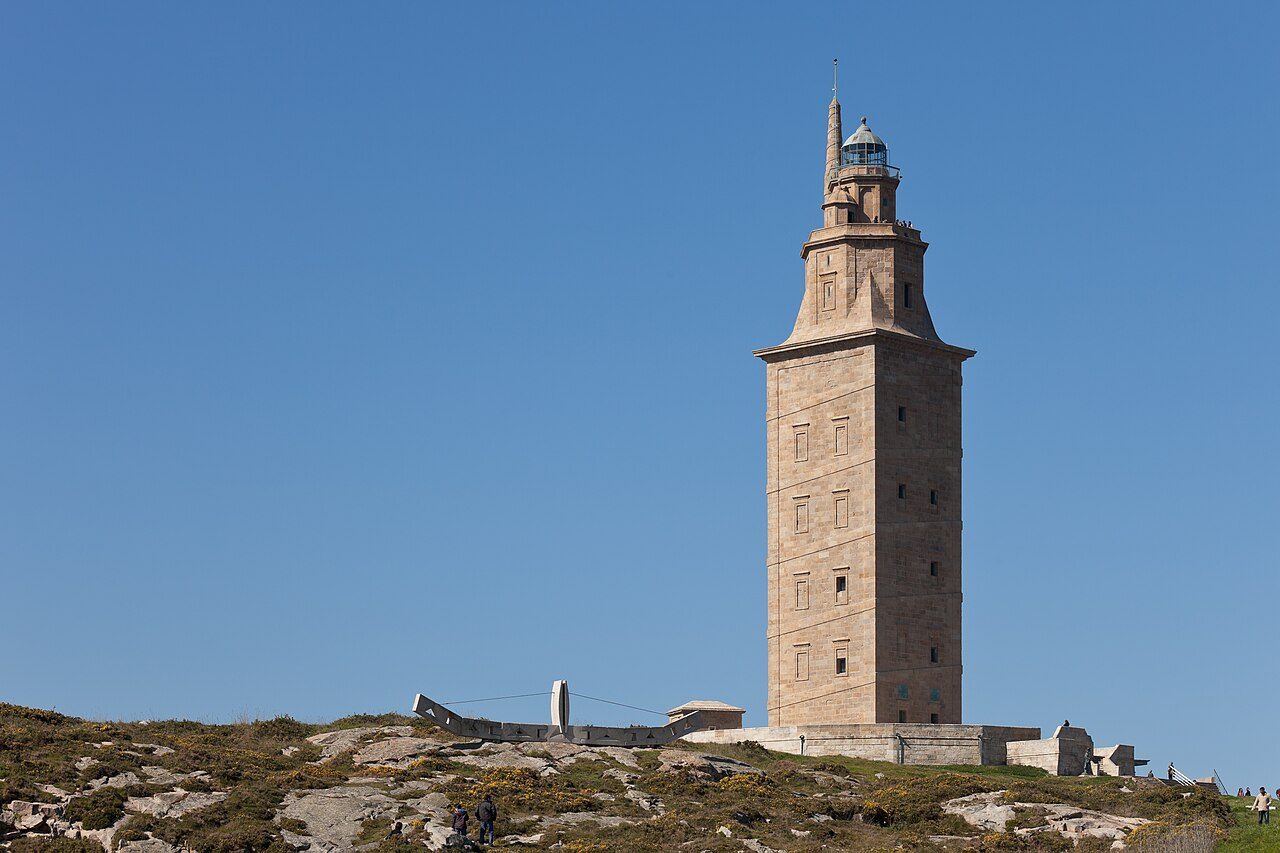
Tower of Hercules
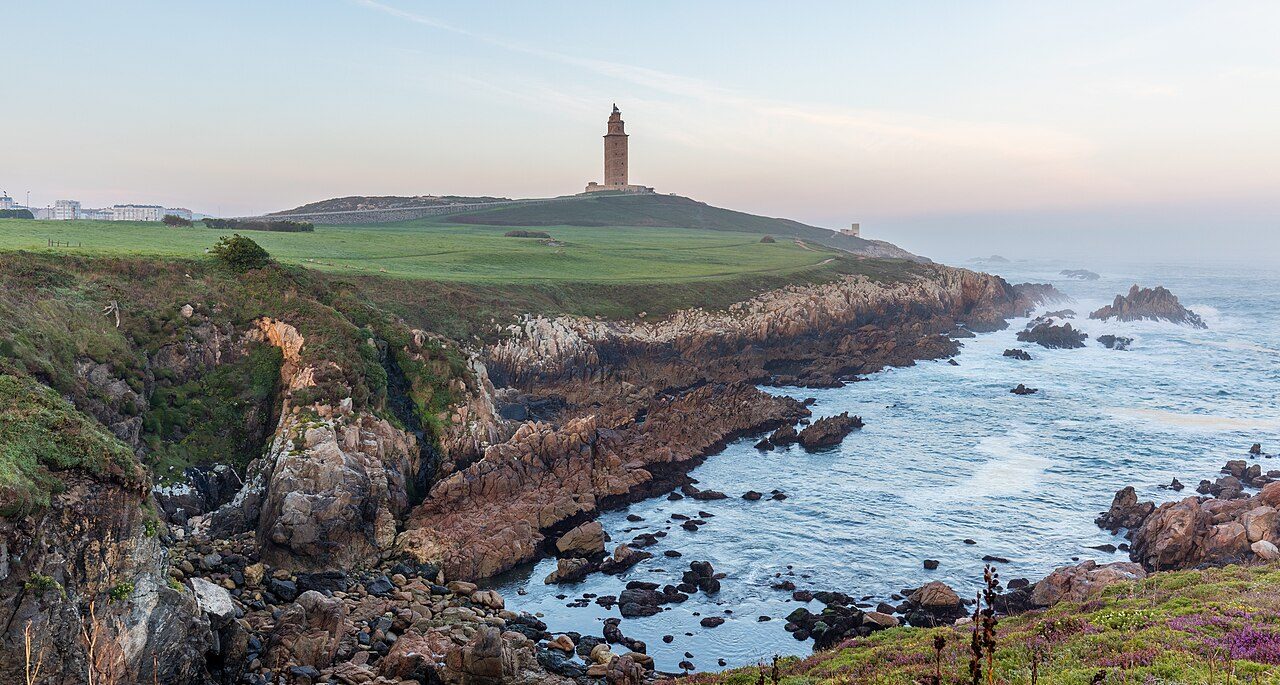
The Tower of Hercules in A Coruña is the oldest working lighthouse in the world. It was built by the Romans in the 1st century AD and restored in the 18th century. The tower is about 55 metres tall and stands on a rocky headland facing the Atlantic. Visitors can climb its steps for views of the coast. It is a UNESCO World Heritage Site.
09
STOP 9 OF 10
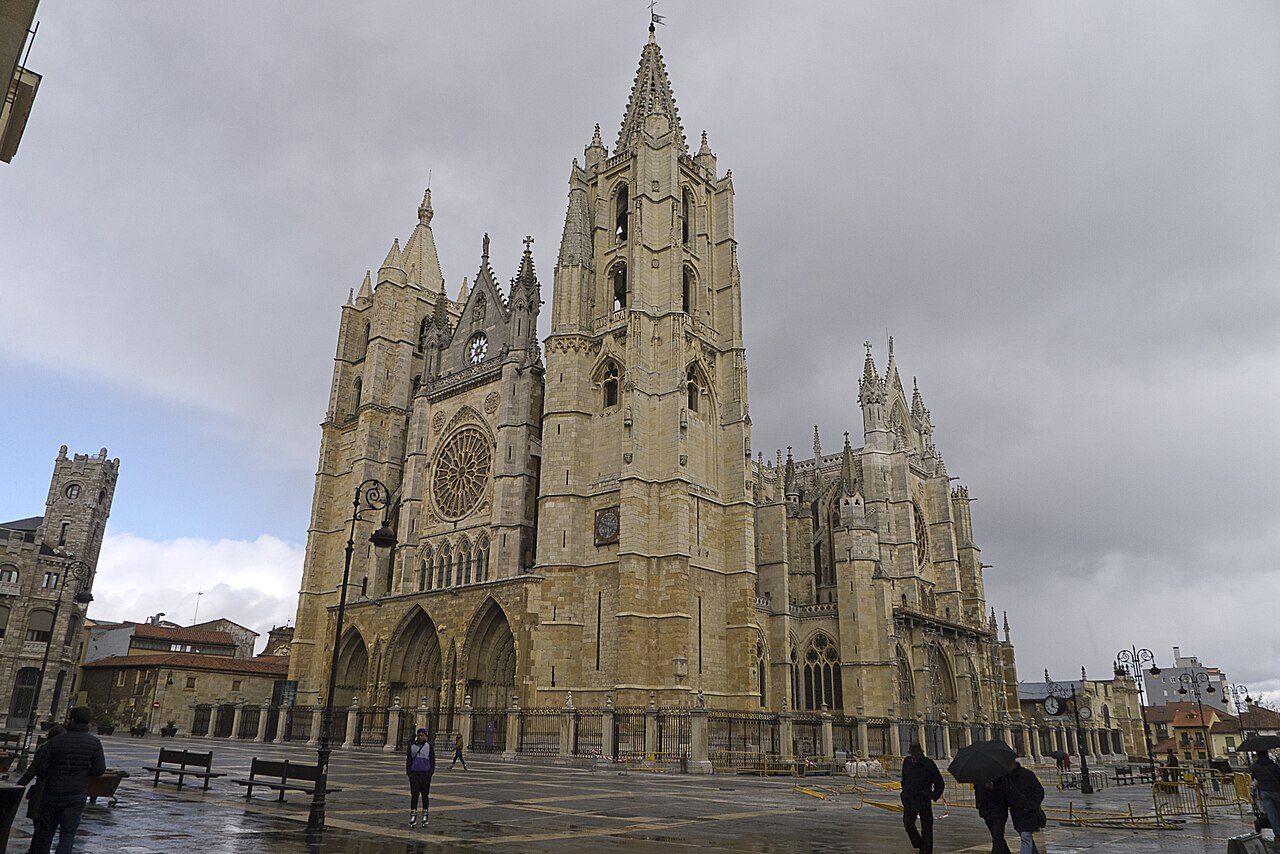
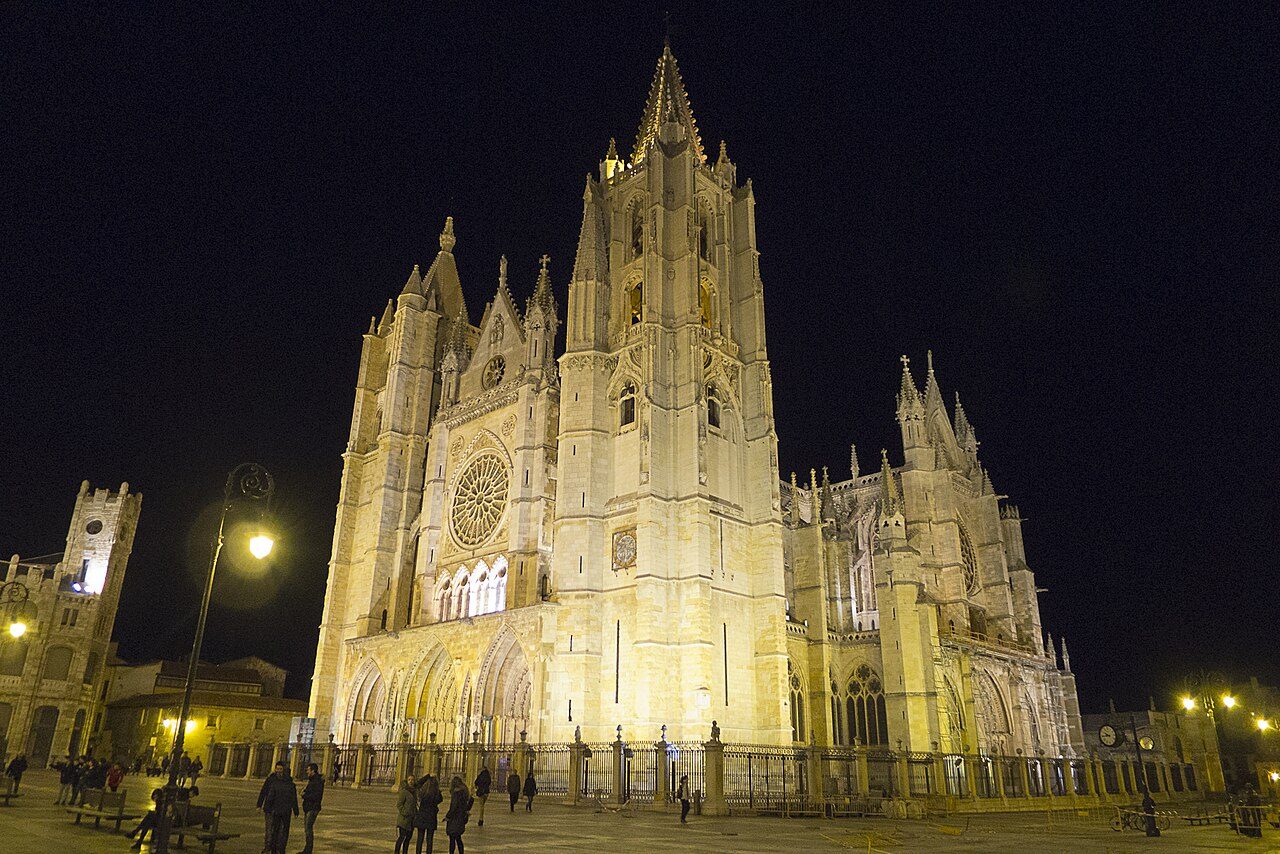
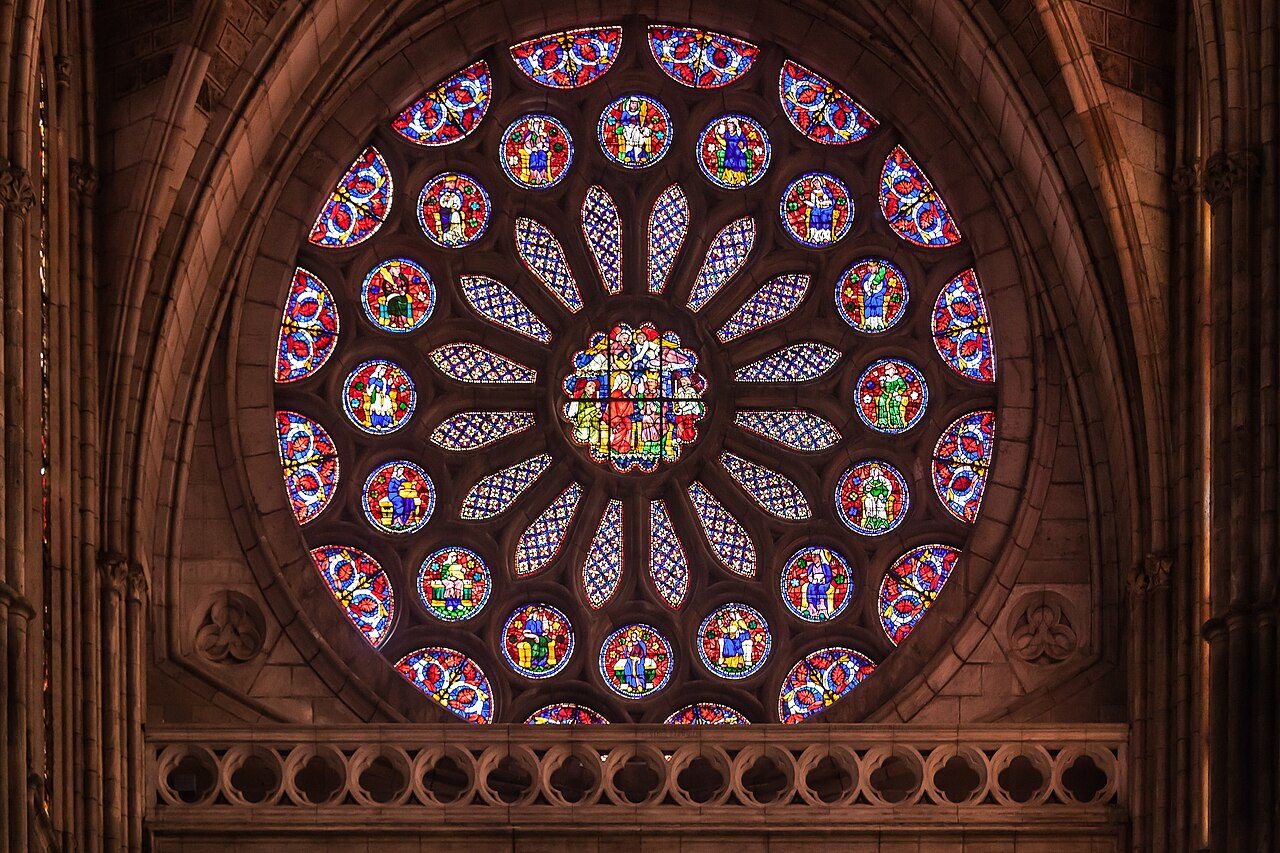
León Cathedral
León Cathedral is a Gothic cathedral begun in the 13th century, inspired by French cathedrals. It is famous for its stained glass windows, which cover about 1,800 square metres, among the most complete medieval sets in Europe. The light inside makes it one of the brightest Gothic churches. It is a stop on the Way of Saint James.
10
STOP 10 OF 10 · LAST STOP
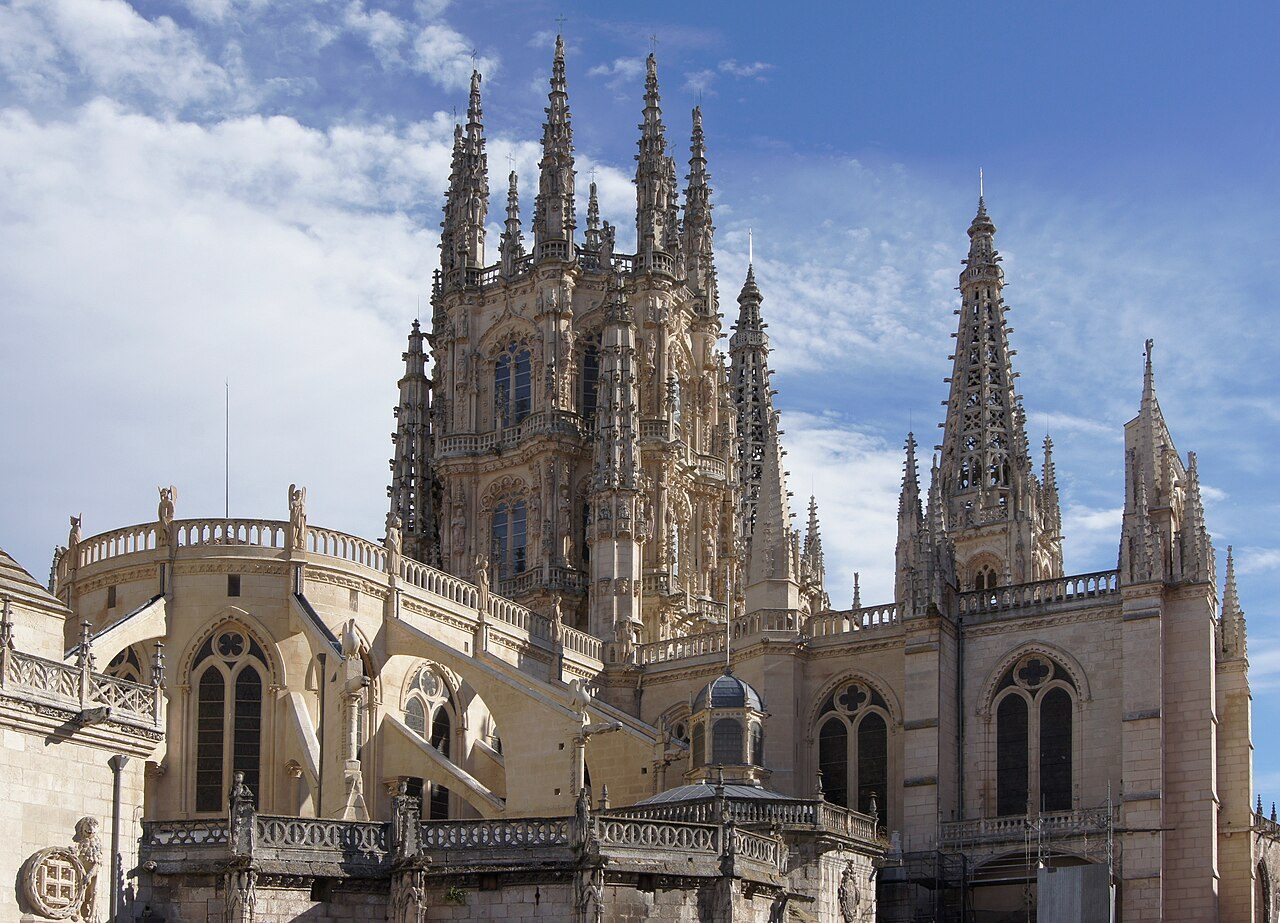
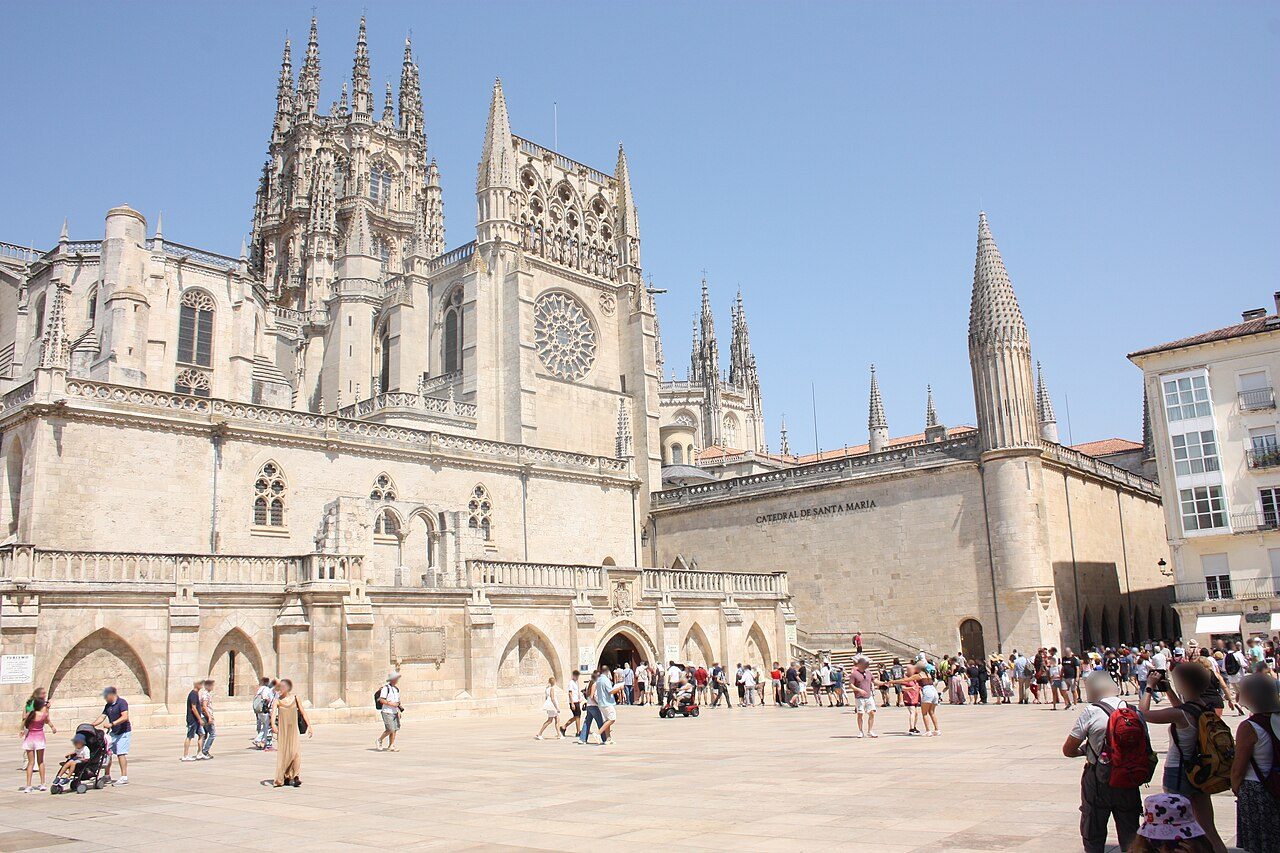
Burgos Cathedral
Burgos Cathedral is one of the finest Gothic cathedrals in Spain, begun in 1221. Its facade has two openwork spires, and inside are richly carved chapels, a golden staircase and the tomb of El Cid, the medieval hero. It is a stop on the Way of Saint James pilgrimage. It is a UNESCO World Heritage Site.
Seasons from 20 years of NASA POWER climate data.
 WaTrips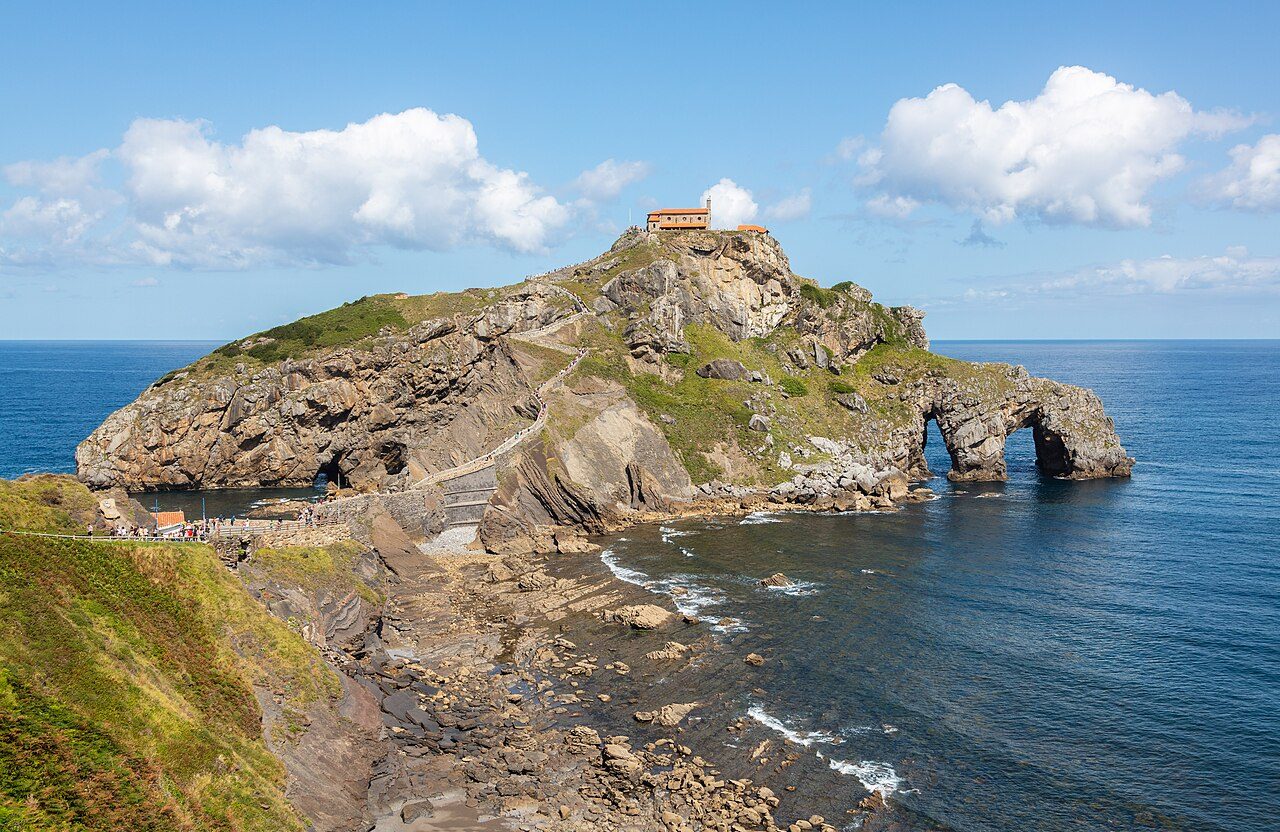








 BikesBooking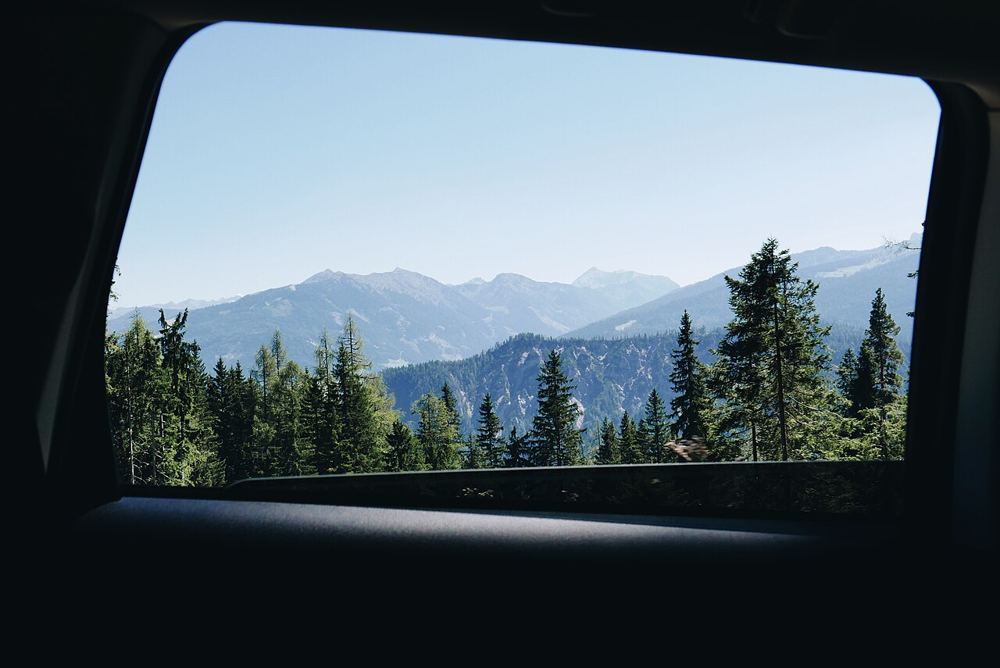
 Localrent
 Airalo
 Tiqets