Madrid's Royal Palace, Plaza Mayor and Gran Vía, the Prado and Reina Sofía, Retiro and the Temple of Debod, El Escorial, Segovia, Toledo and Consuegra, Ávila and Salamanca.
Madrid is lively and easy to explore, with historic cities all around. See the Royal Palace, Almudena Cathedral, Plaza Mayor and Gran Vía, then Velázquez and Goya at the Prado and Picasso's Guernica at the Reina Sofía, with a stroll in Retiro and sunset at the Temple of Debod. Visit the monastery-palace of El Escorial and Segovia's Roman aqueduct and fairy-tale Alcázar, Toledo and the windmills of Consuegra, the walls of Ávila and Salamanca's golden Plaza Mayor. Spring and autumn are ideal.
01
STOP 1 OF 16
Royal Palace of Madrid
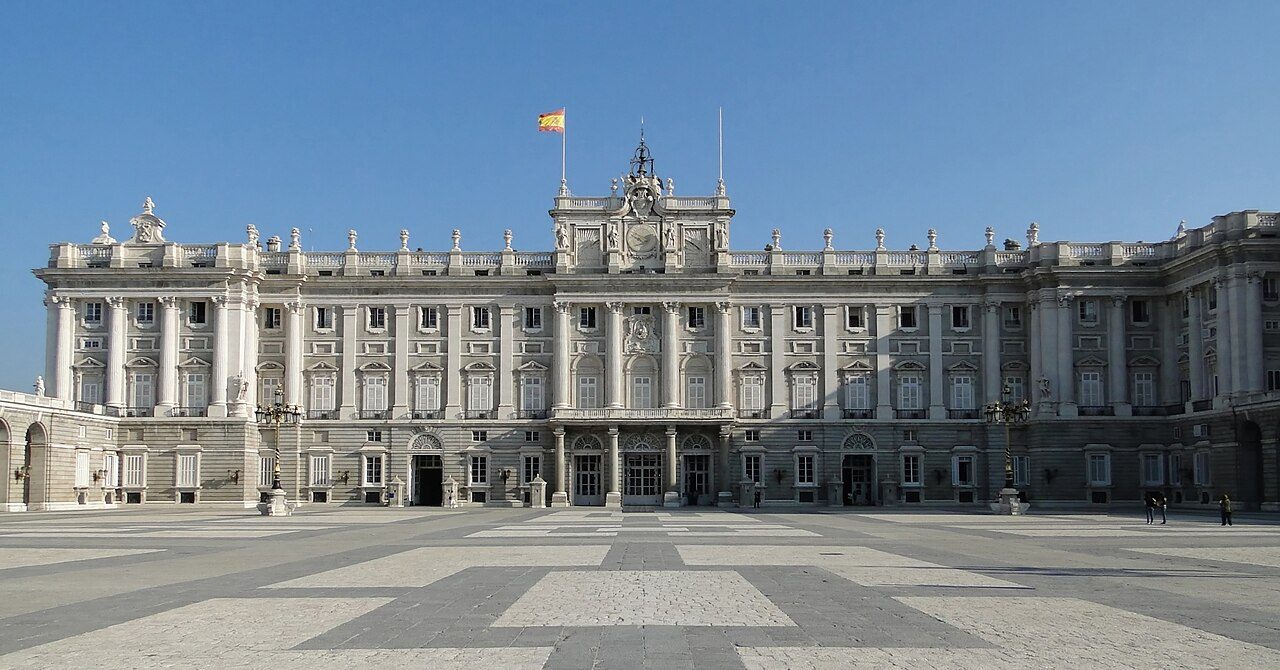
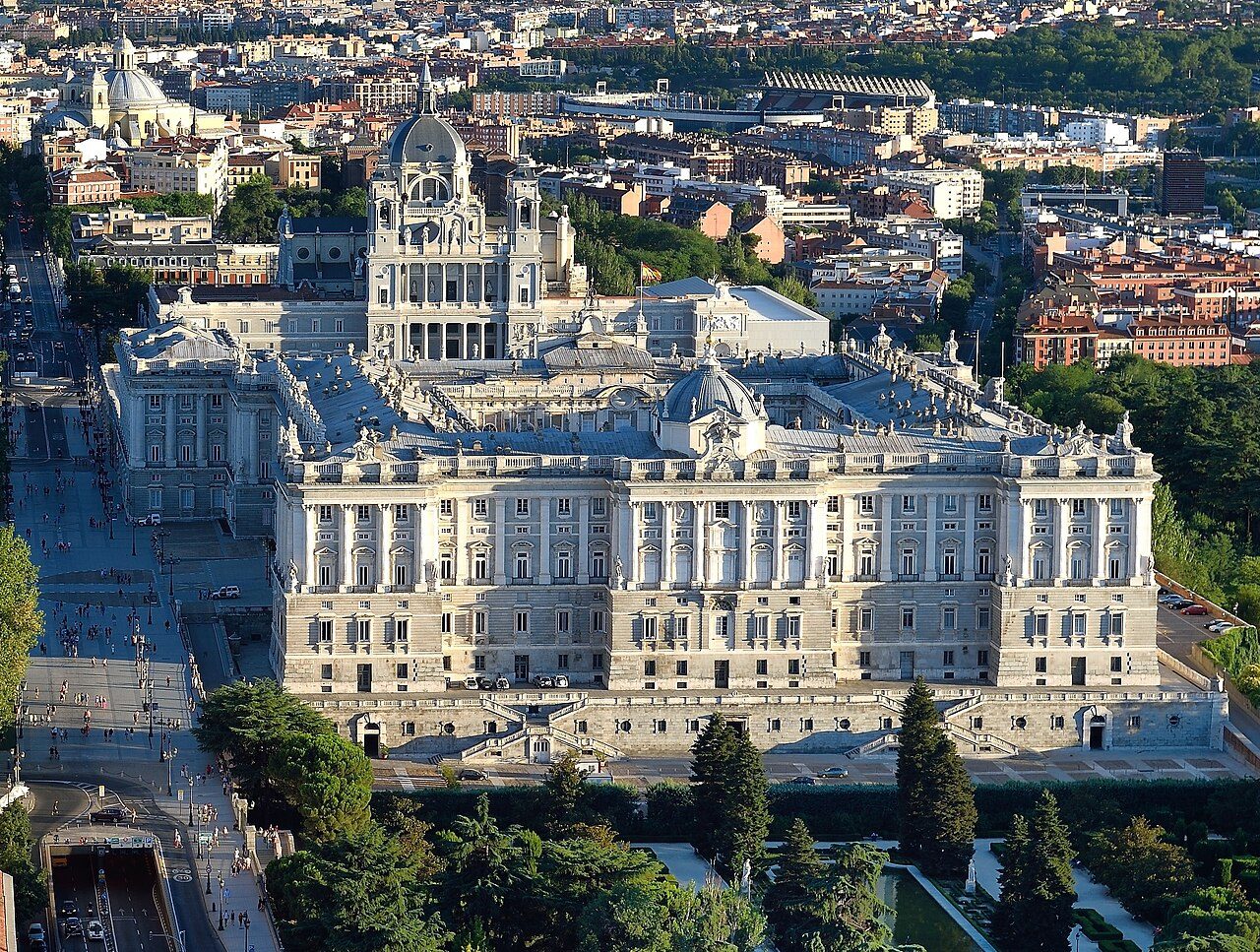
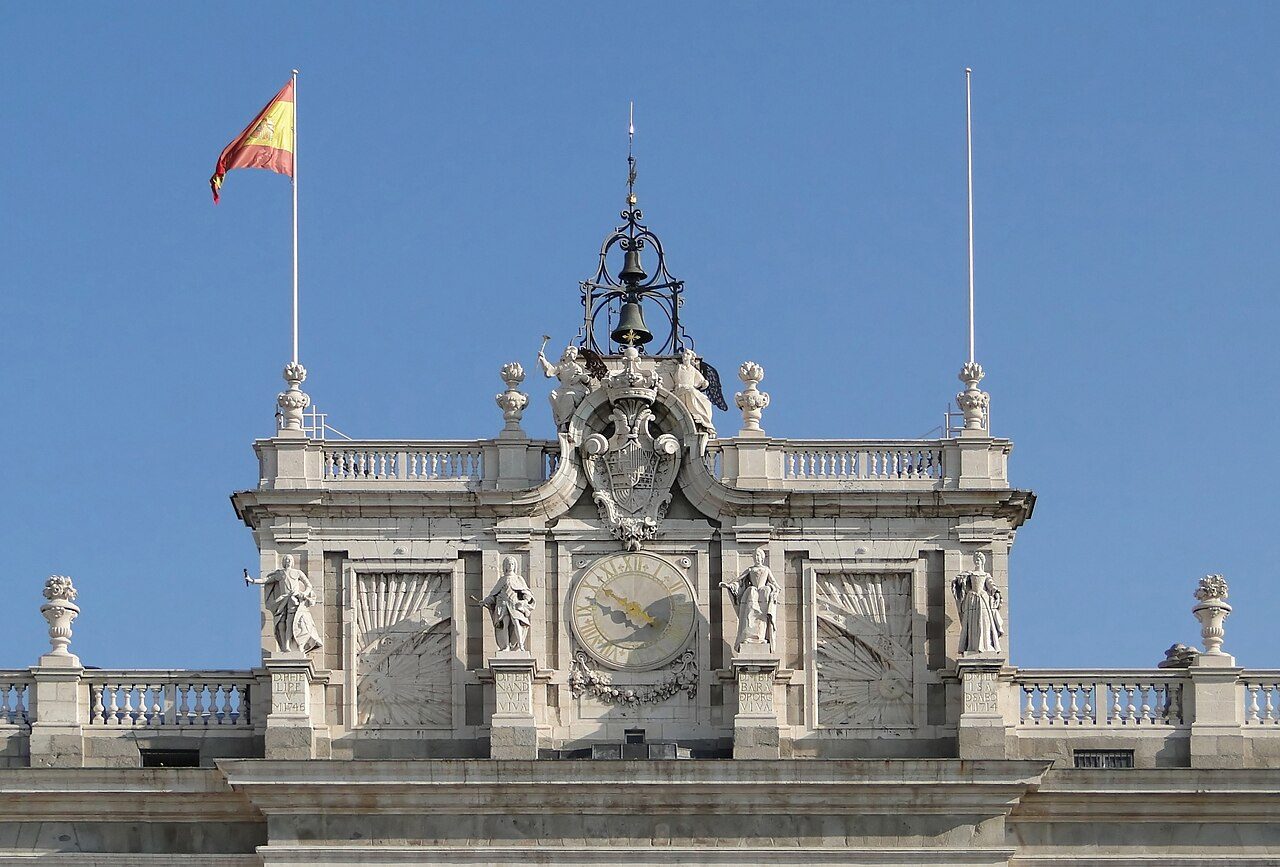
The Royal Palace of Madrid is the official residence of the Spanish royal family, though it is used only for state ceremonies. It was built between 1738 and 1755 on the site of an old Moorish fortress, after a fire destroyed the earlier palace. With over 3,000 rooms, it is the largest royal palace in Western Europe. Visitors see the throne room, royal armoury and pharmacy.
02
STOP 2 OF 16
Almudena Cathedral
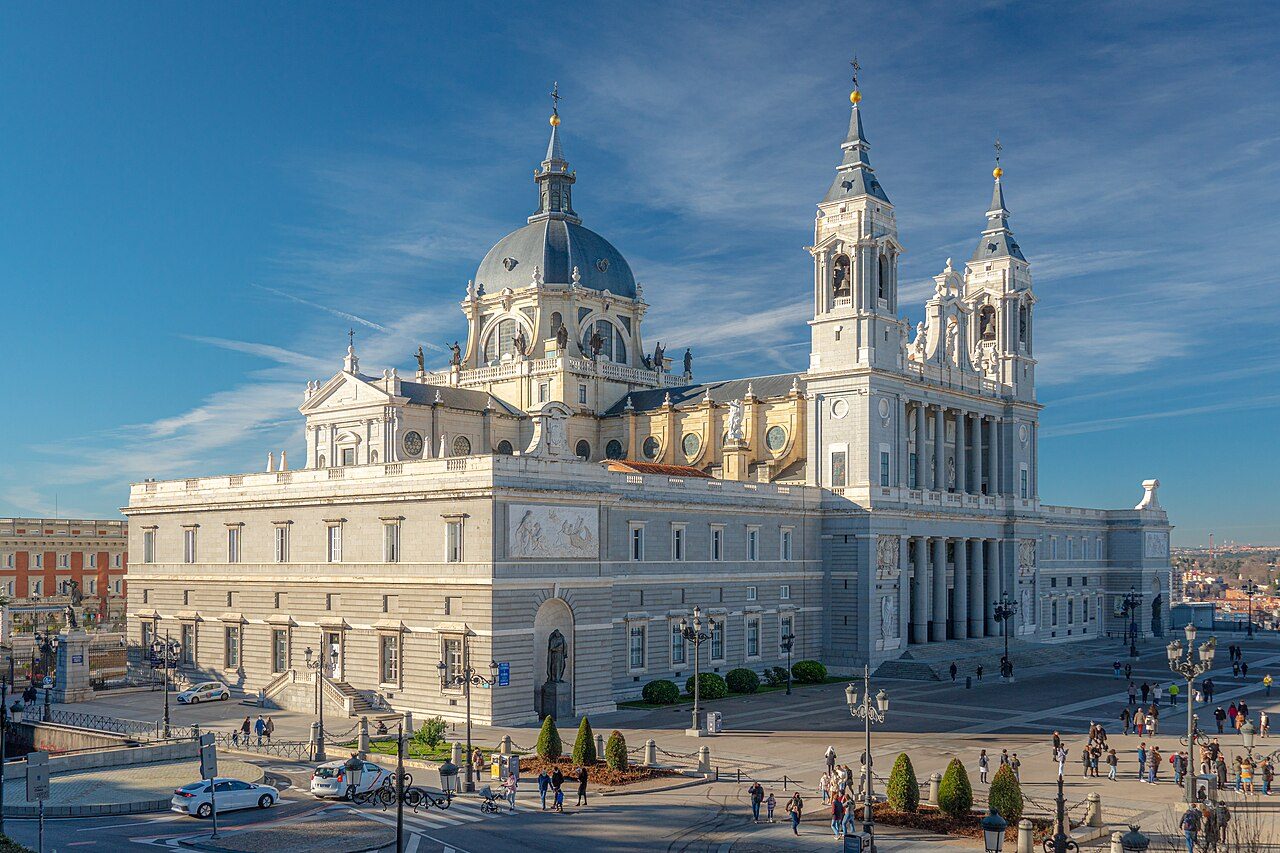
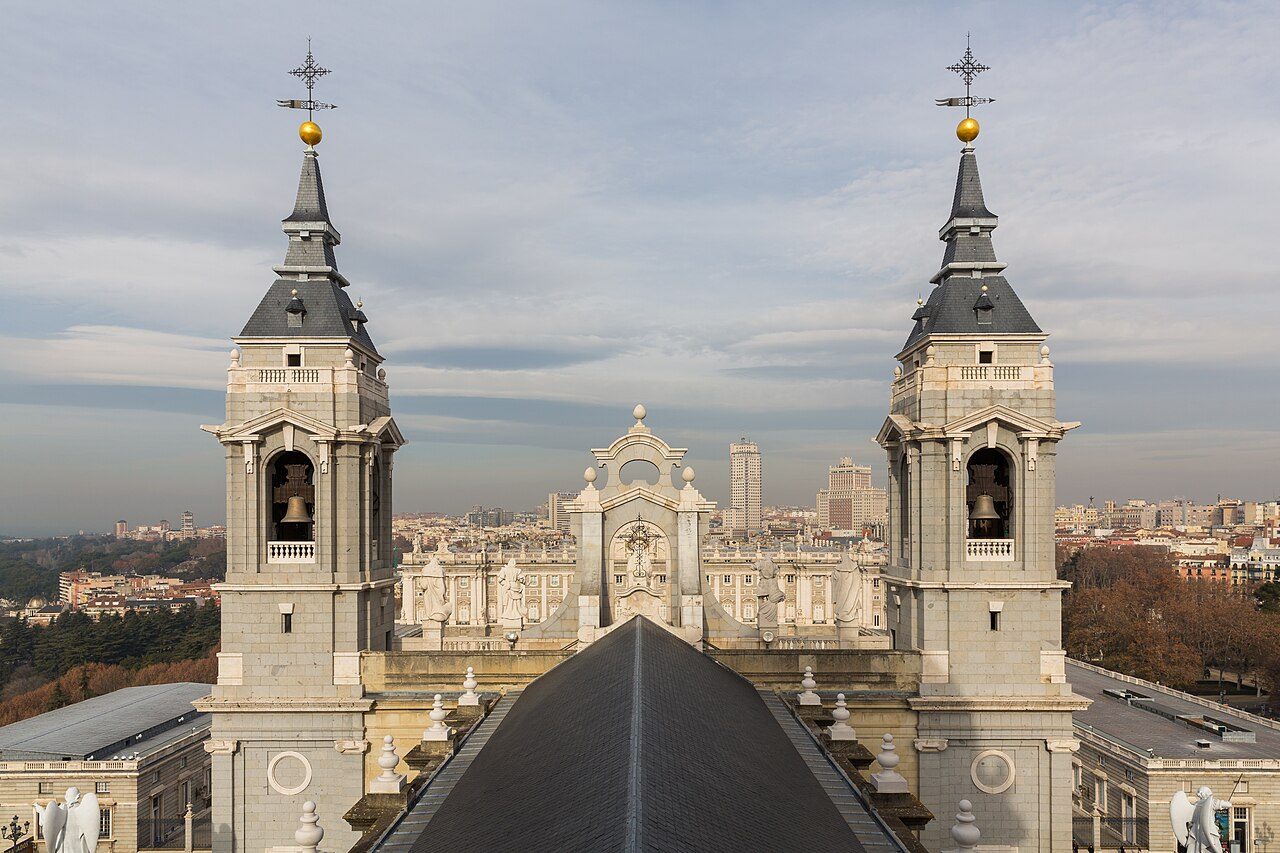
Almudena Cathedral faces the Royal Palace in Madrid. Although planned in the 1880s, it was not completed until 1993, when Pope John Paul II consecrated it. Its exterior is neoclassical, matching the palace, while the interior is Gothic Revival with colourful modern decoration. The crypt below, in Romanesque style, opened earlier, in 1911.
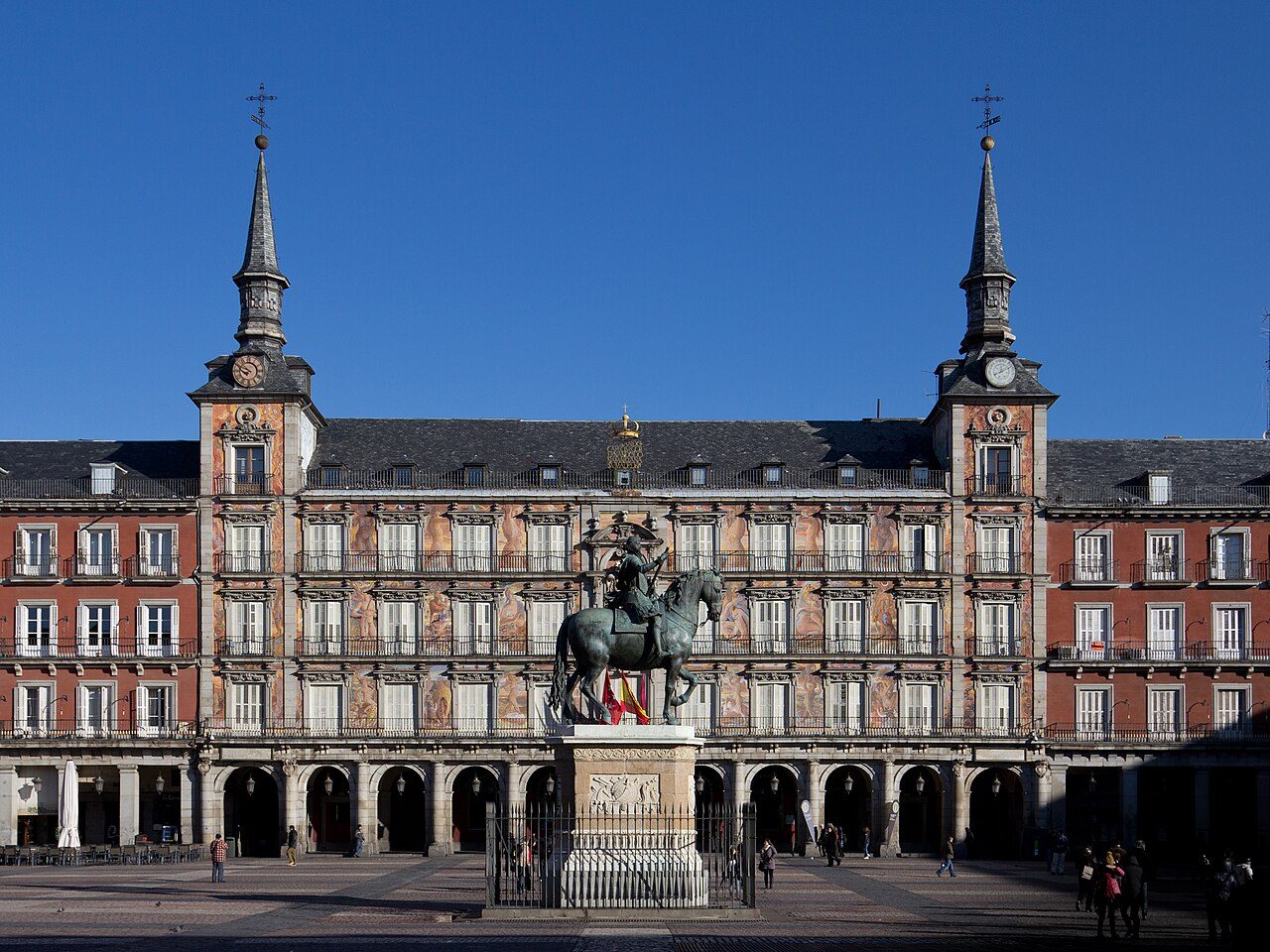
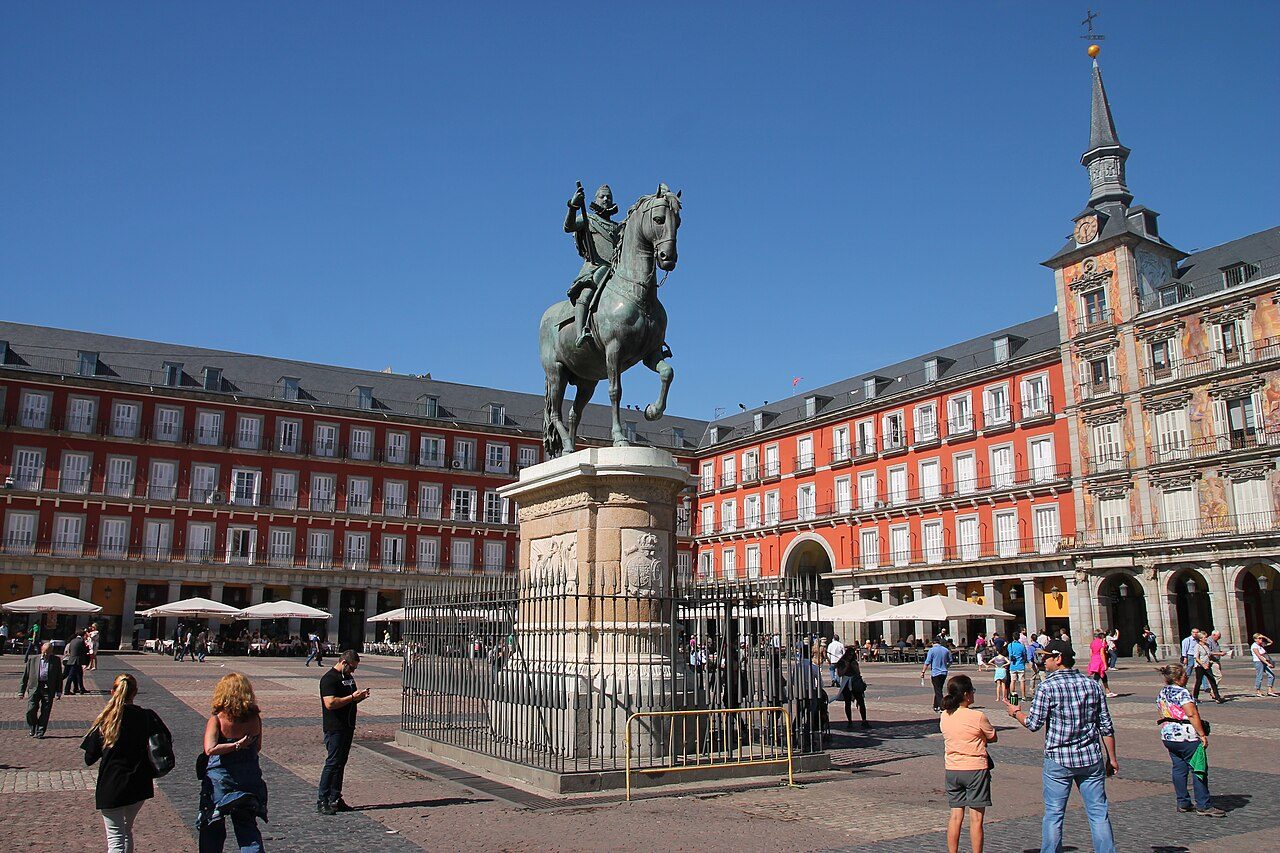
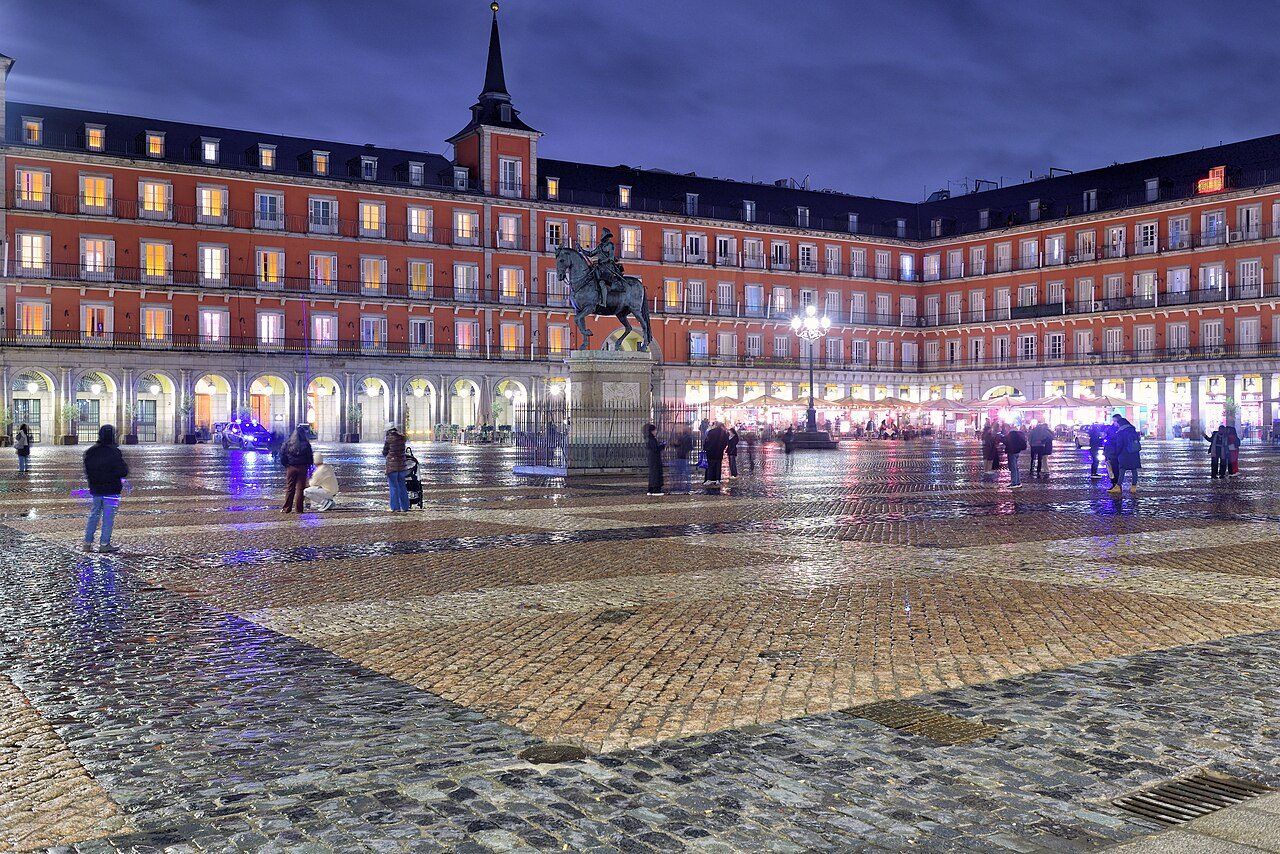
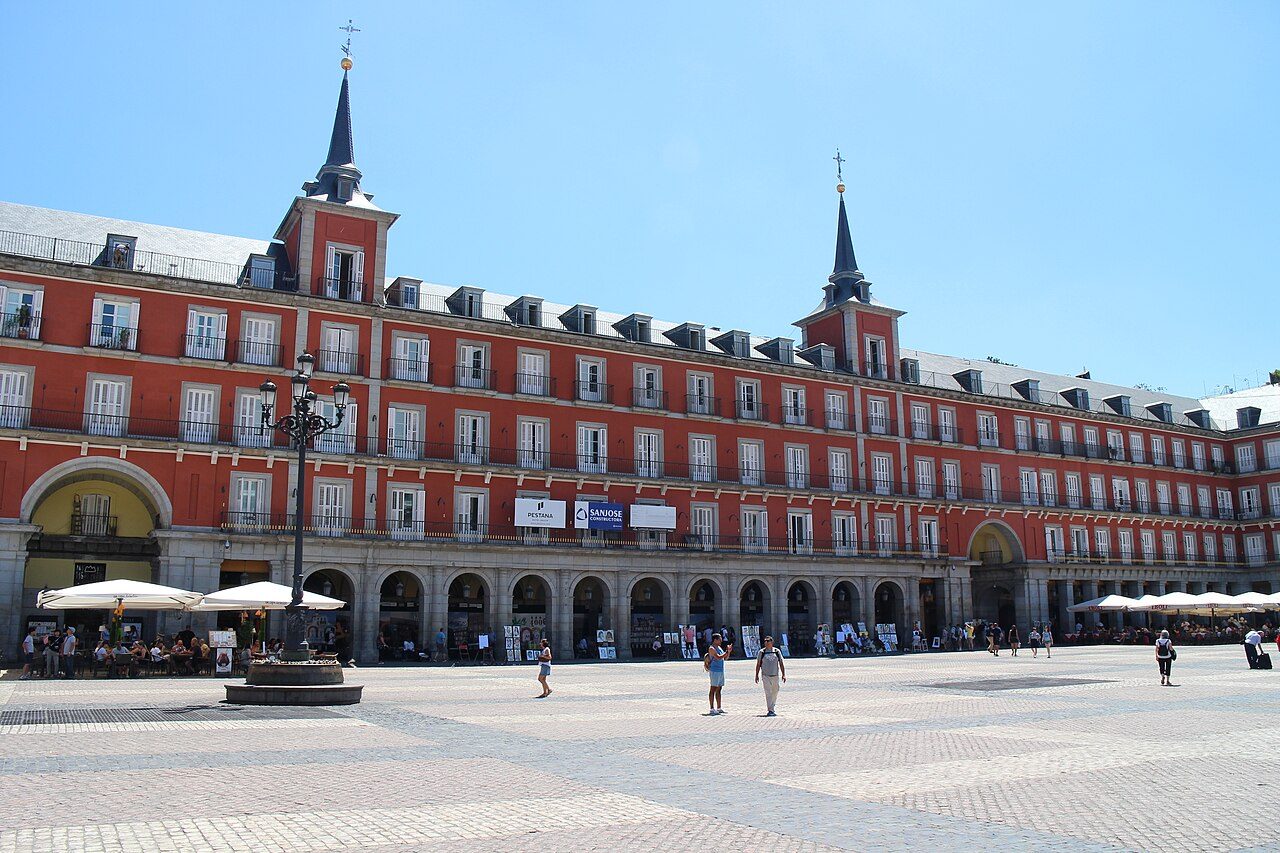
The Plaza Mayor is a large arcaded square in the centre of Madrid, completed in 1619 under King Philip III. It has been used for markets, bullfights, royal events and even executions. Its uniform red buildings with 237 balconies surround a statue of Philip III on horseback. Cafes fill its arcades, and a Christmas market is held here in winter.
04
STOP 4 OF 16
Puerta del Sol
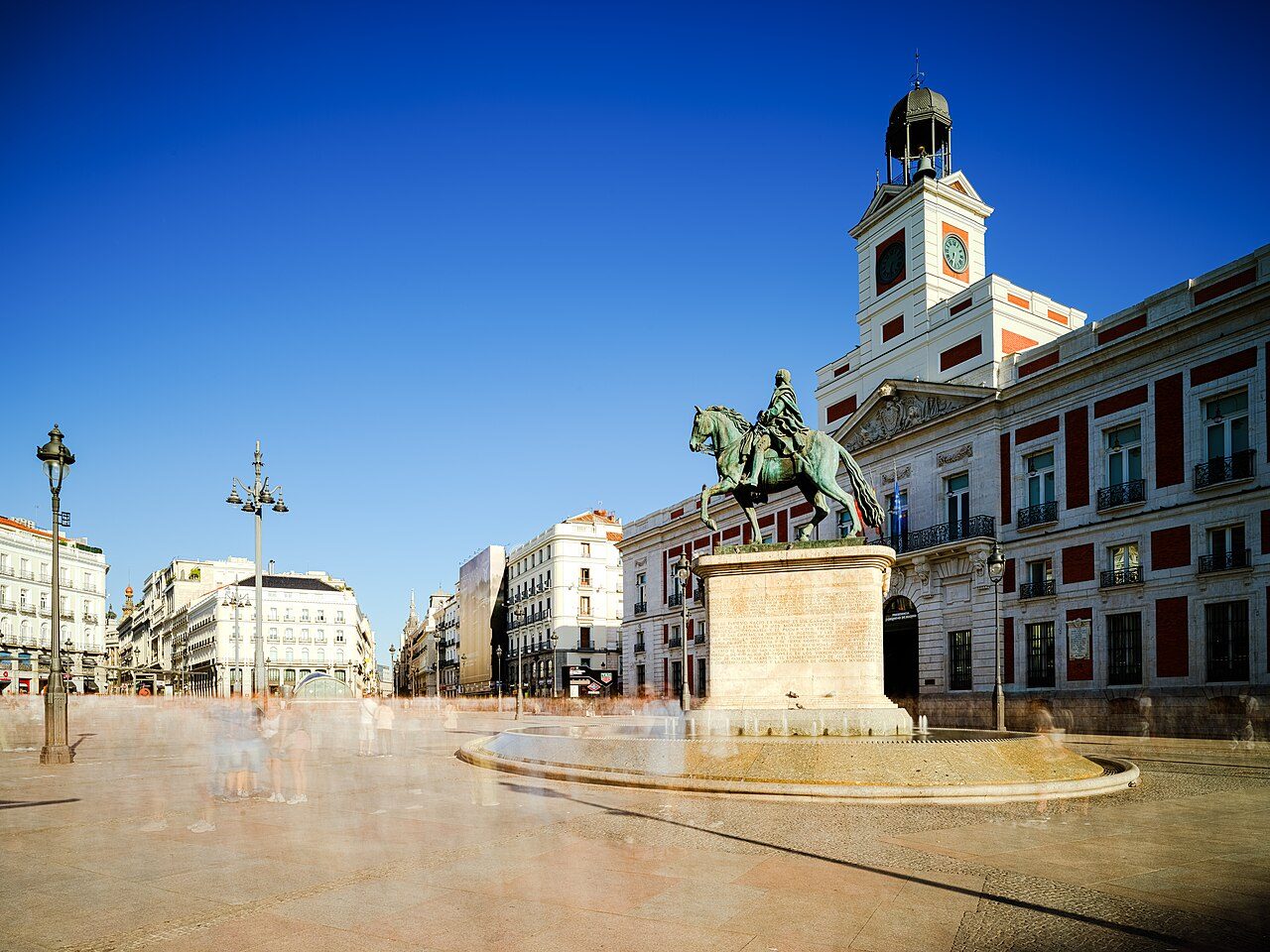
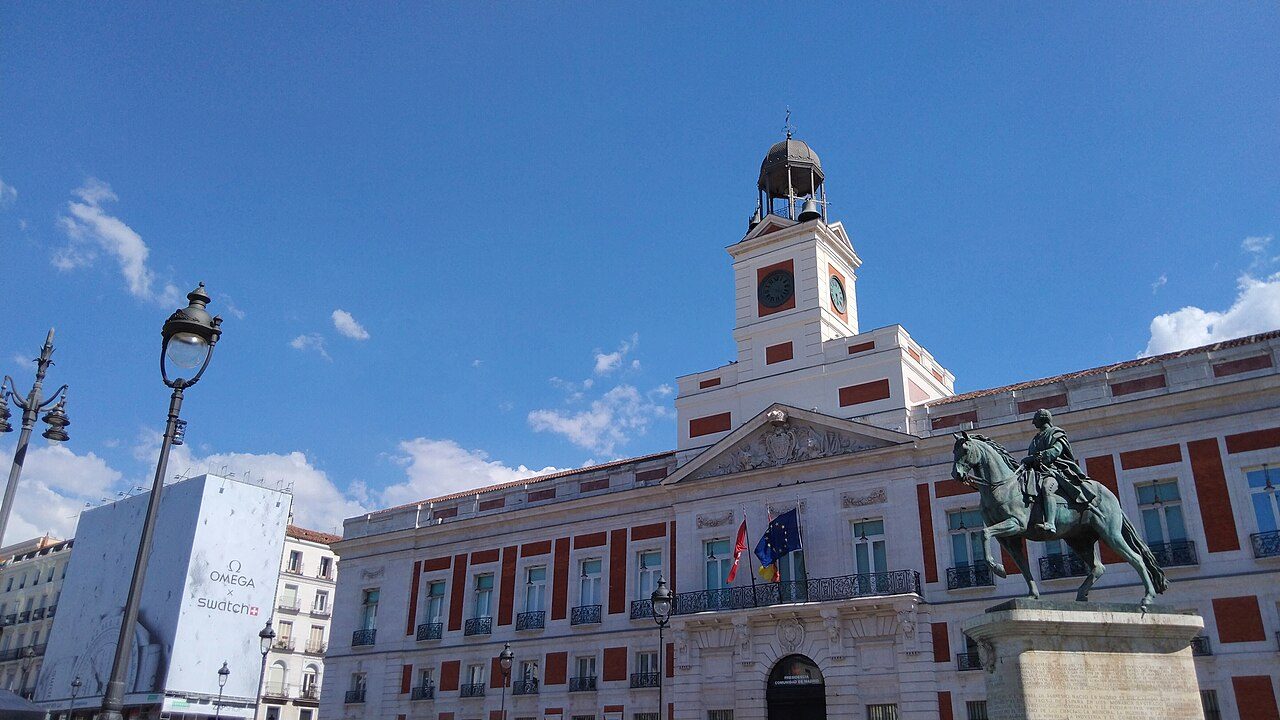
The Puerta del Sol is one of the busiest squares in Madrid and the centre of the city. It holds Kilometre Zero, the starting point of Spain's radial roads, and the statue of the bear and the strawberry tree, the symbol of Madrid. At New Year, crowds gather here to eat twelve grapes as the clock on the Royal House of the Post Office strikes midnight.
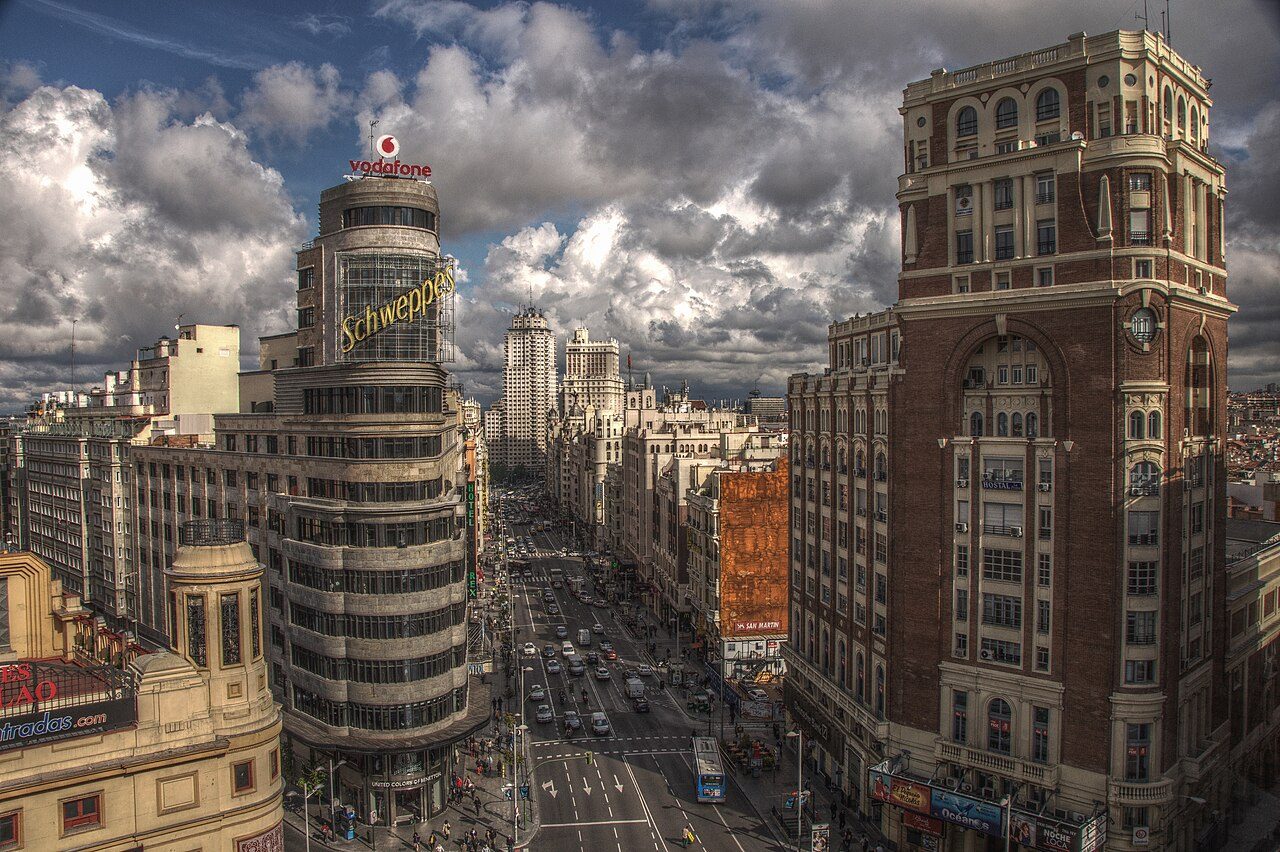
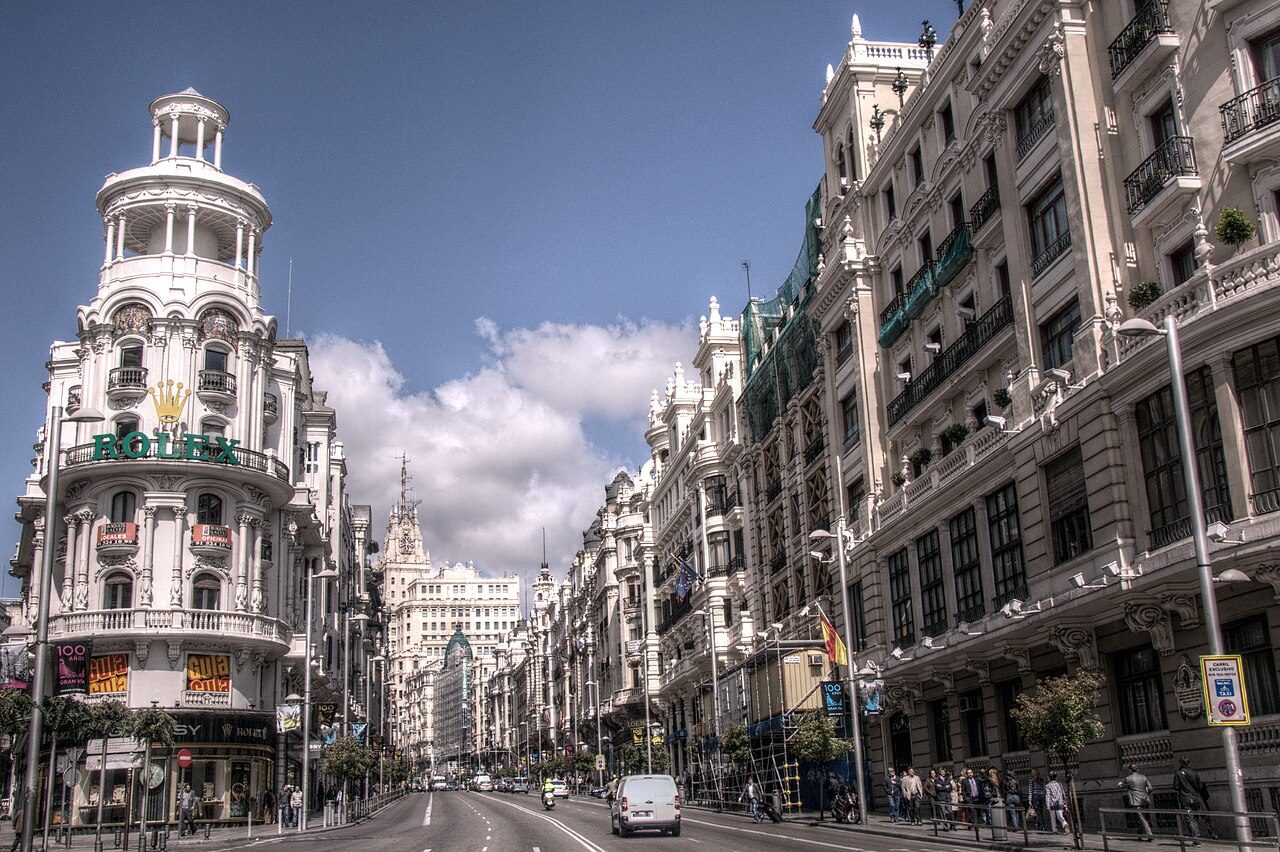
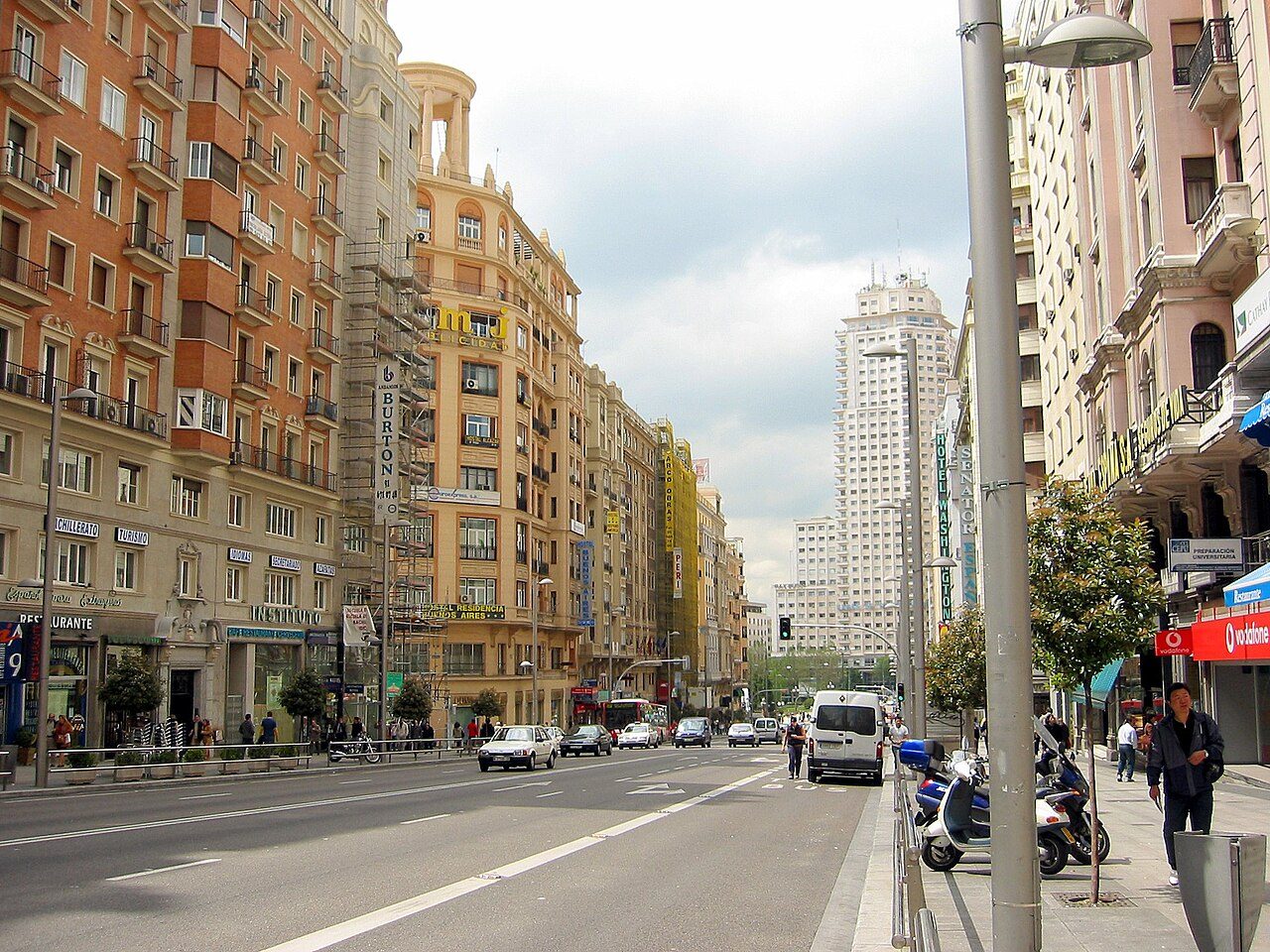
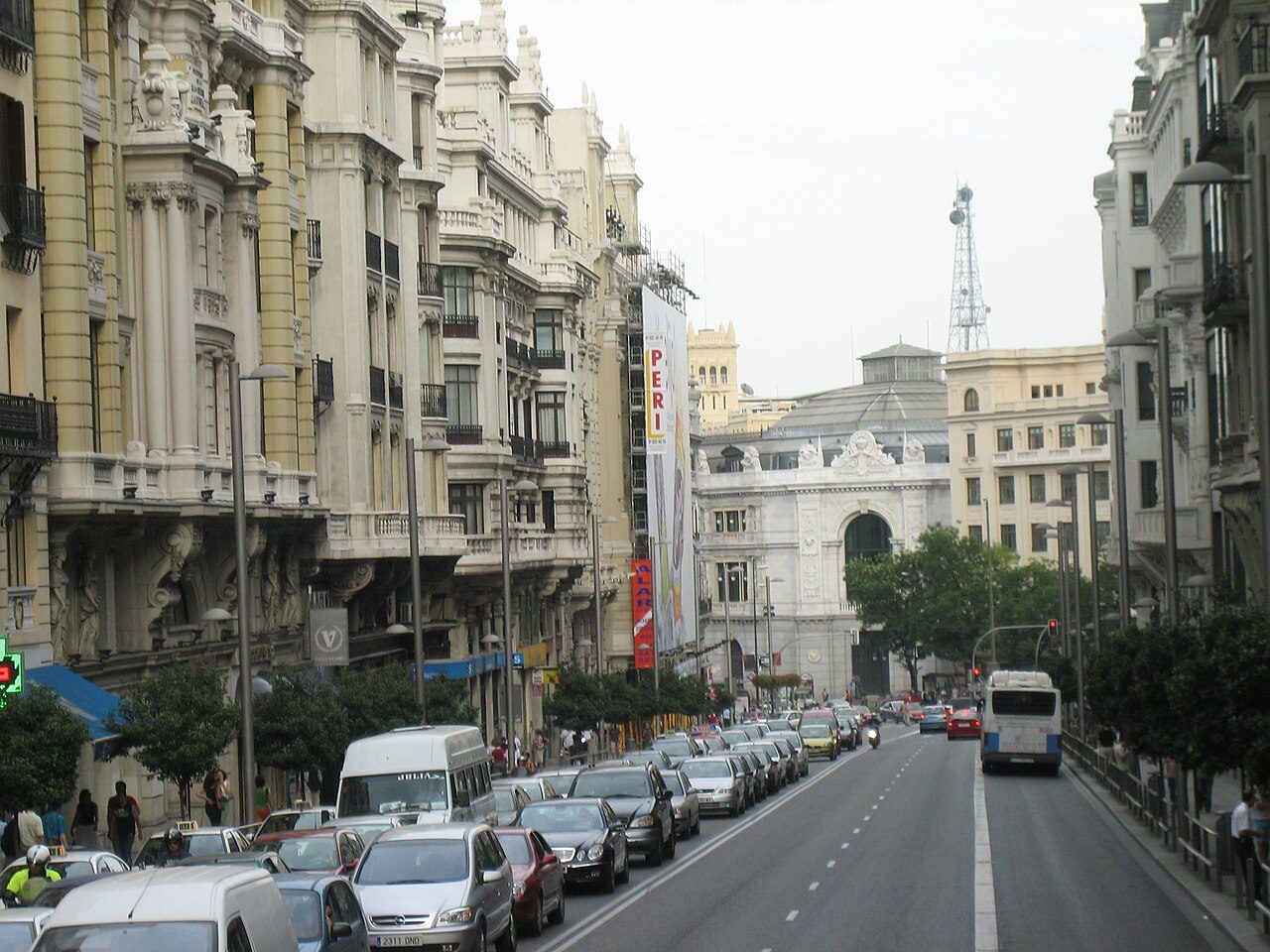
The Gran Vía is Madrid's most famous avenue, built from 1910 to 1929. It is lined with grand early 20th-century buildings, cinemas, theatres, shops and hotels. The Metrópolis building, with its black dome topped by a winged statue, marks its start. The street is often compared with Broadway for its many musicals.
06
STOP 6 OF 16
Prado Museum
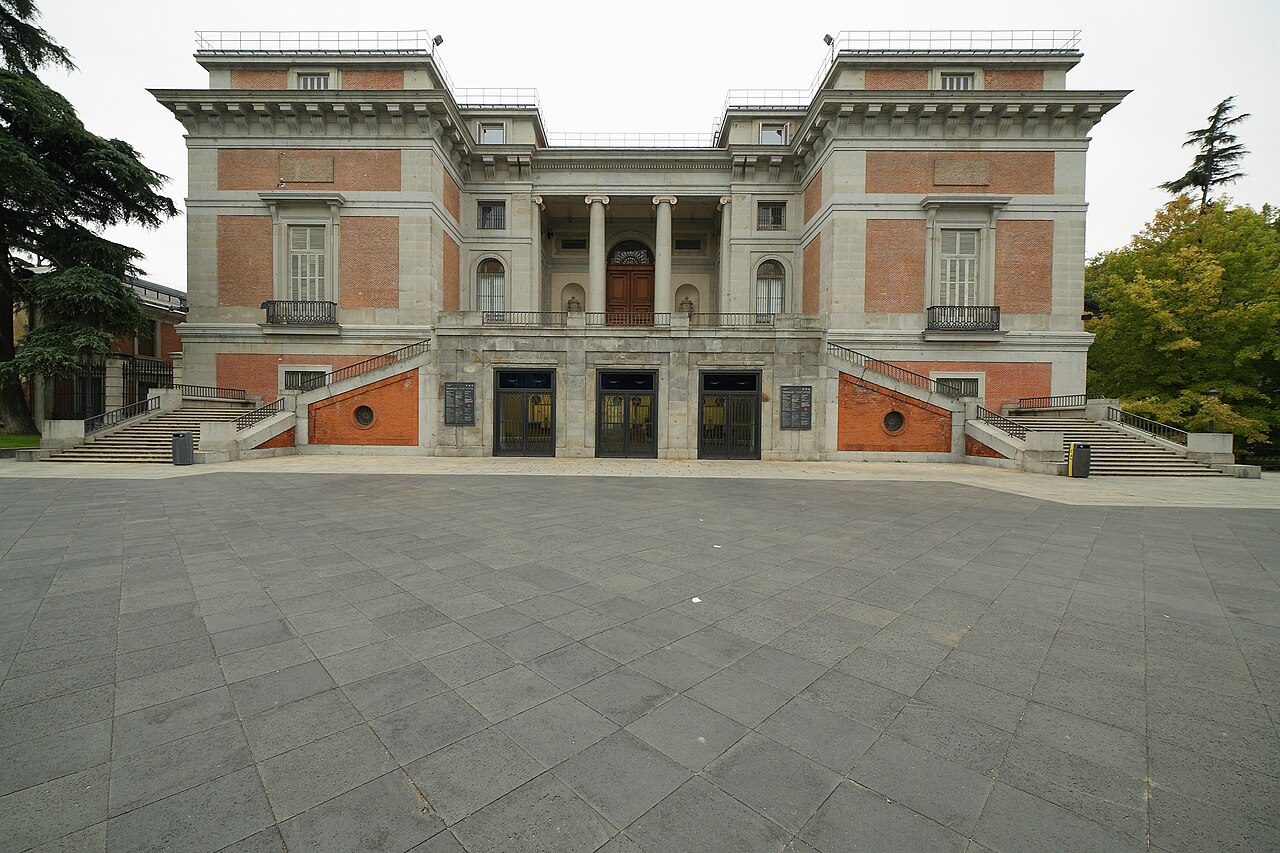
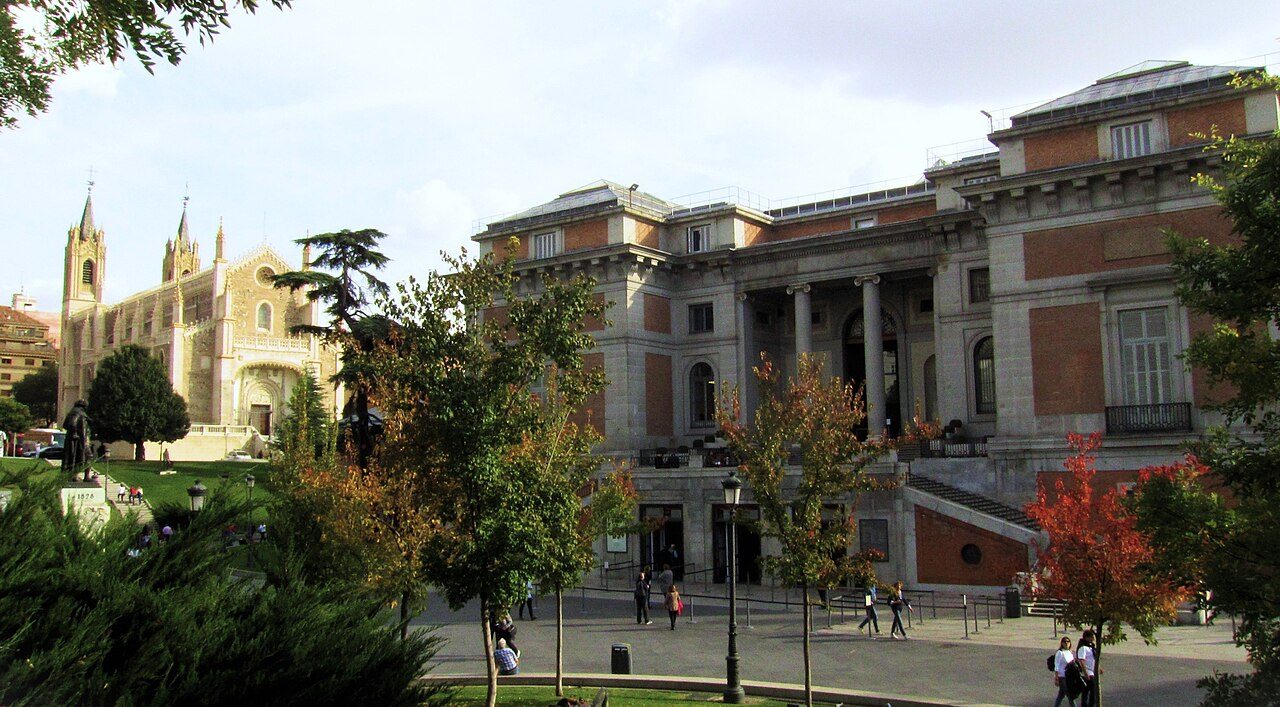
The Prado Museum in Madrid opened in 1819 and is one of the greatest art museums in the world. It holds the finest collection of Spanish painting, with works by Velázquez, Goya and El Greco, as well as masterpieces by Titian, Rubens and Bosch. Velázquez's Las Meninas and Goya's black paintings are among its most famous works.
07
STOP 7 OF 16
Reina Sofía Museum
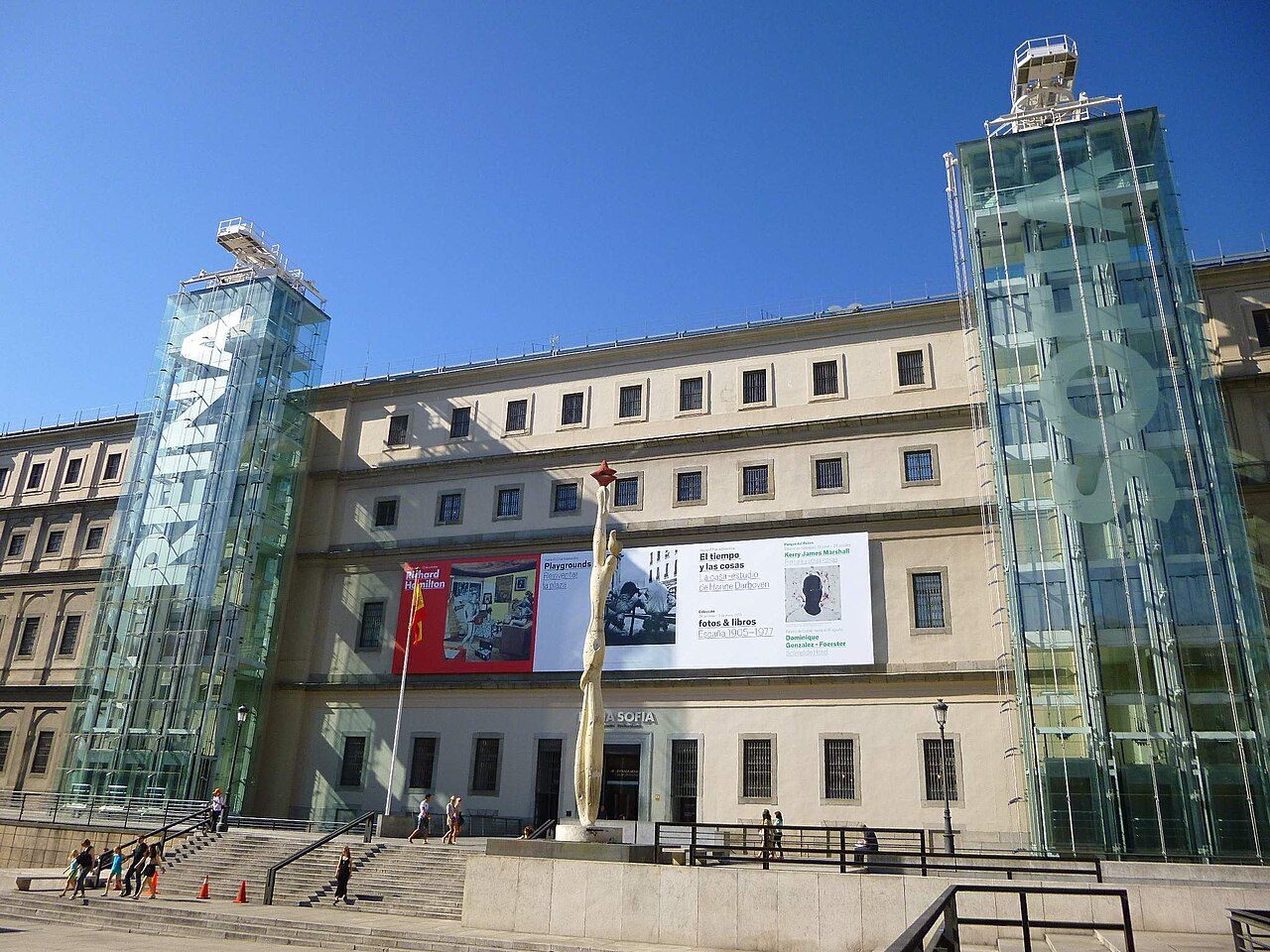
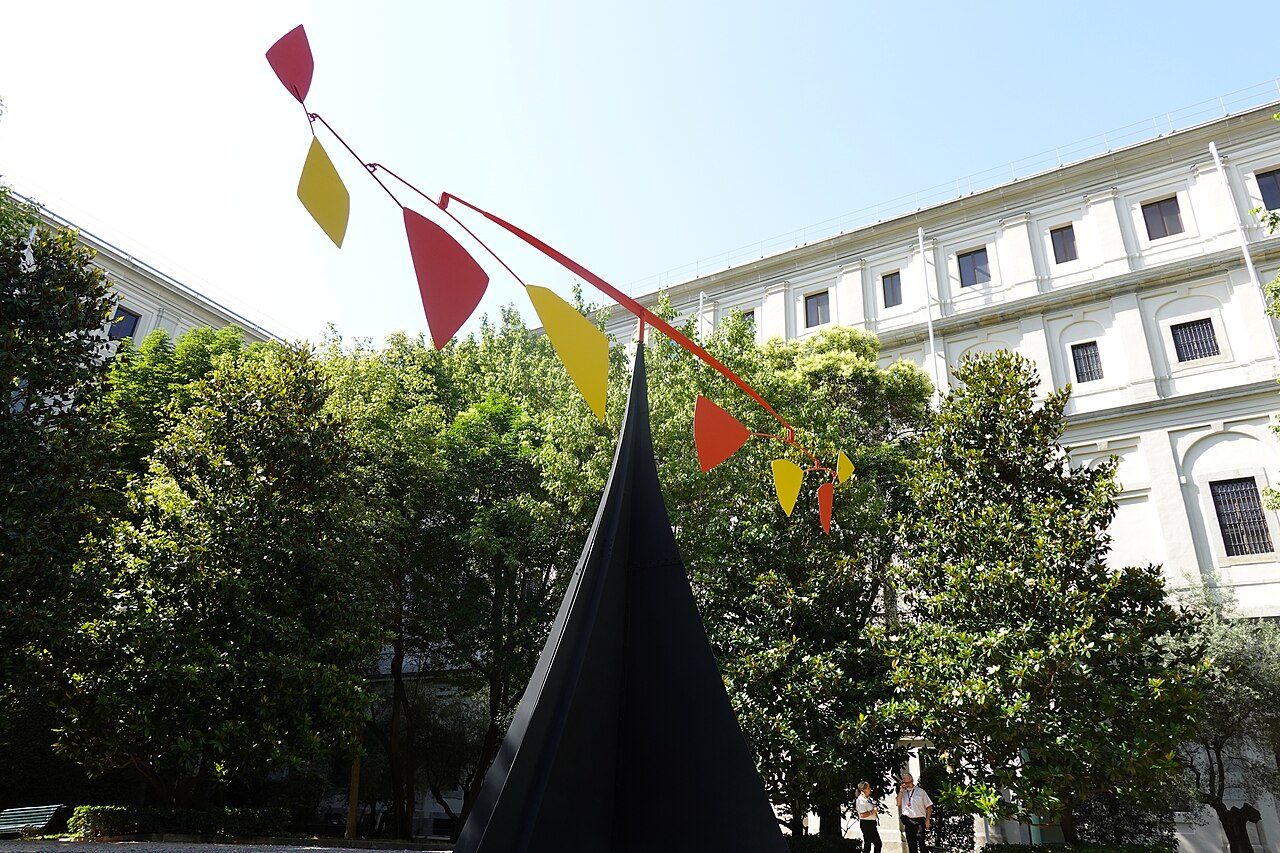
The Reina Sofía Museum is Spain's national museum of 20th-century art, in a former hospital near Atocha station in Madrid. It opened in 1992. Its most famous work is Picasso's Guernica, painted in 1937 after the bombing of the Basque town. The collection also includes works by Salvador Dalí and Joan Miró. Glass lift towers were added to the old building.
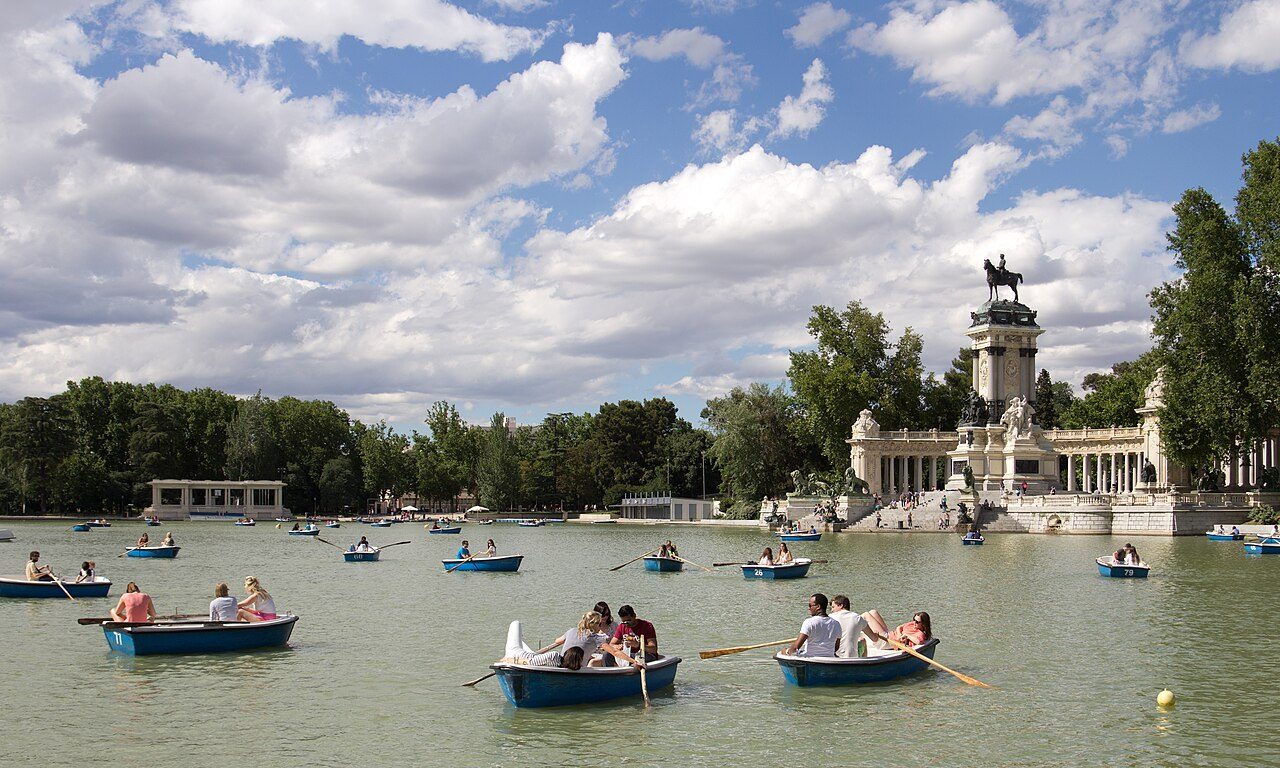
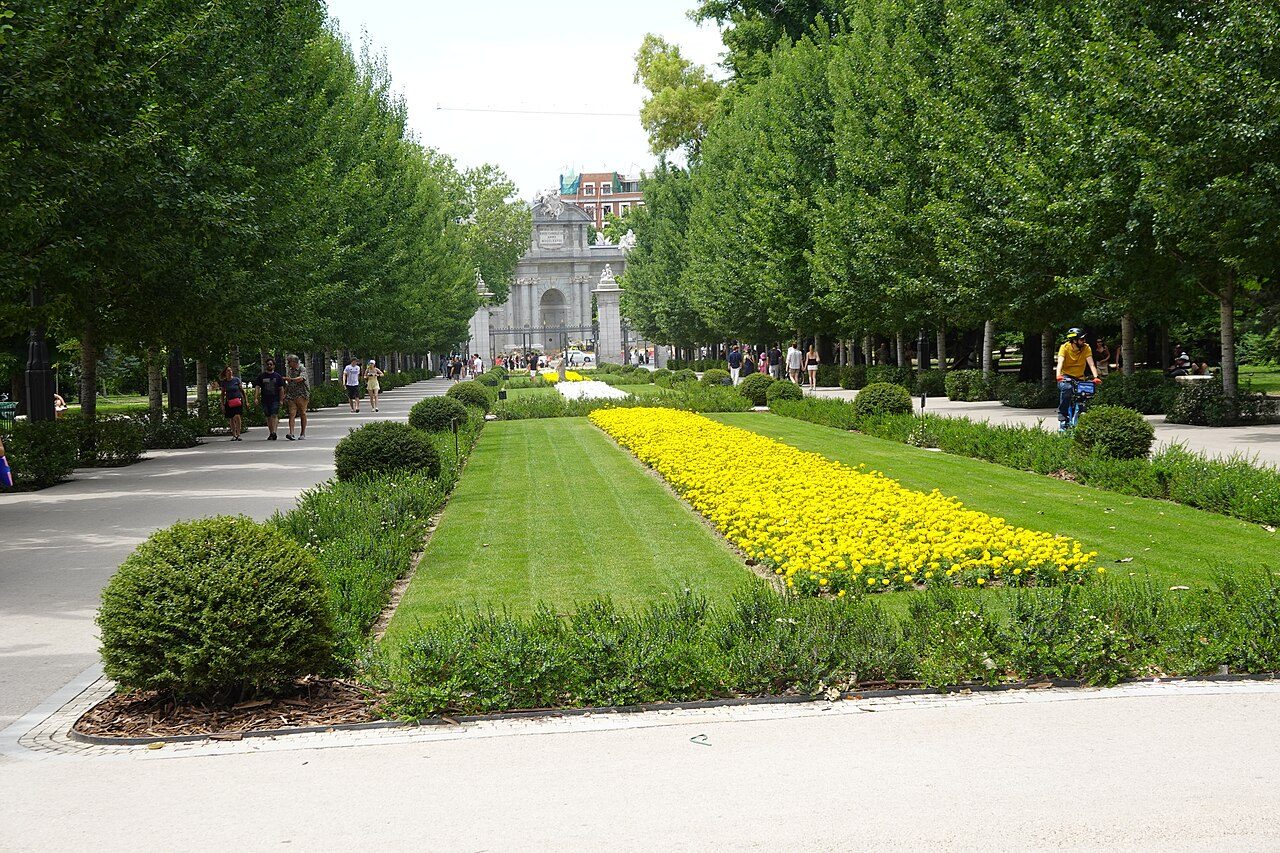
Retiro Park, officially the Buen Retiro Park, is one of the largest parks in Madrid. It was created as a royal garden in the 17th century and opened to the public in 1868. It has a large lake with rowing boats and a monument to Alfonso XII, rose gardens and statues. The Palacio de Cristal, a glass pavilion from 1887, stands beside a small pond.
09
STOP 9 OF 16
Temple of Debod
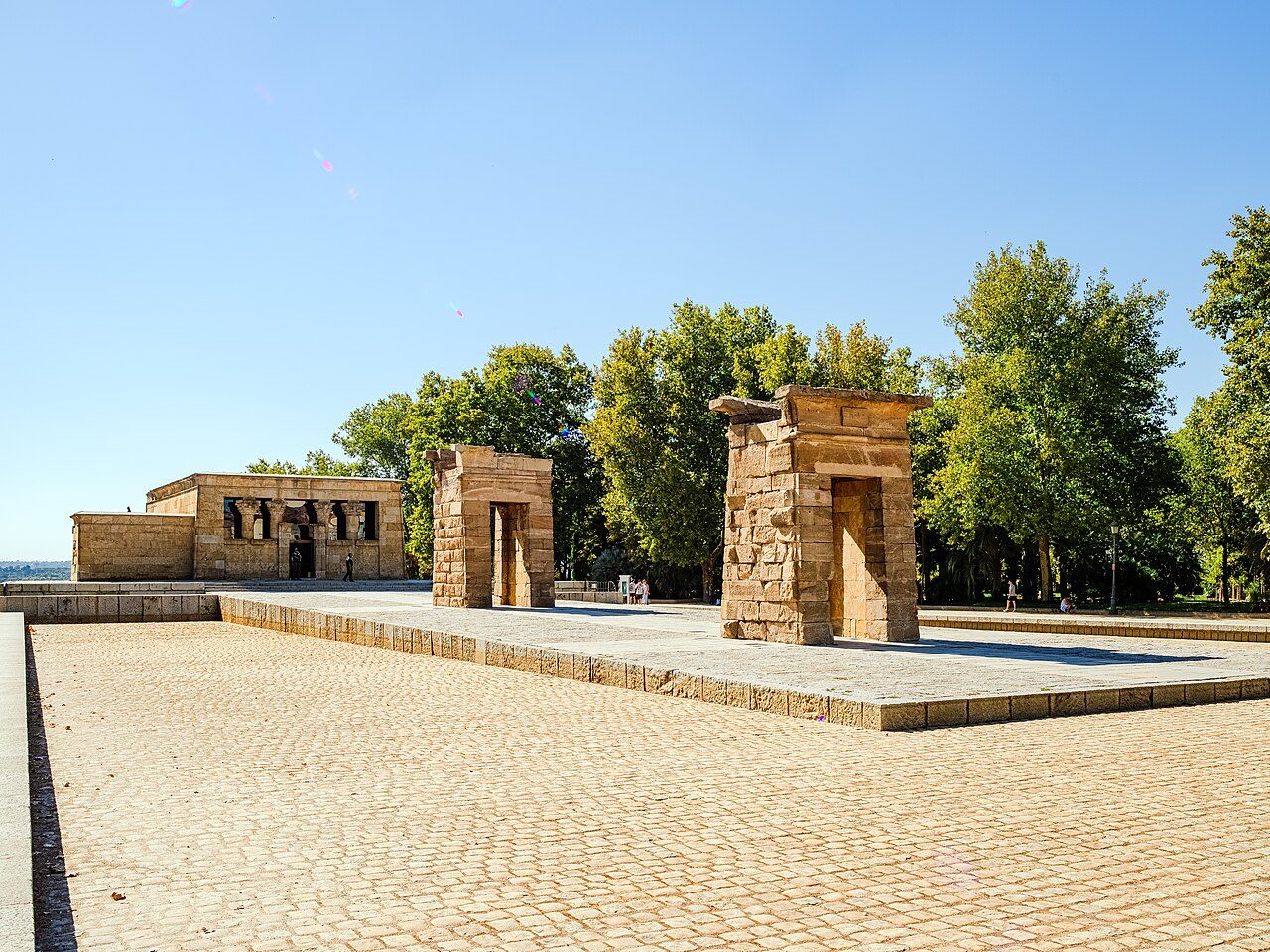
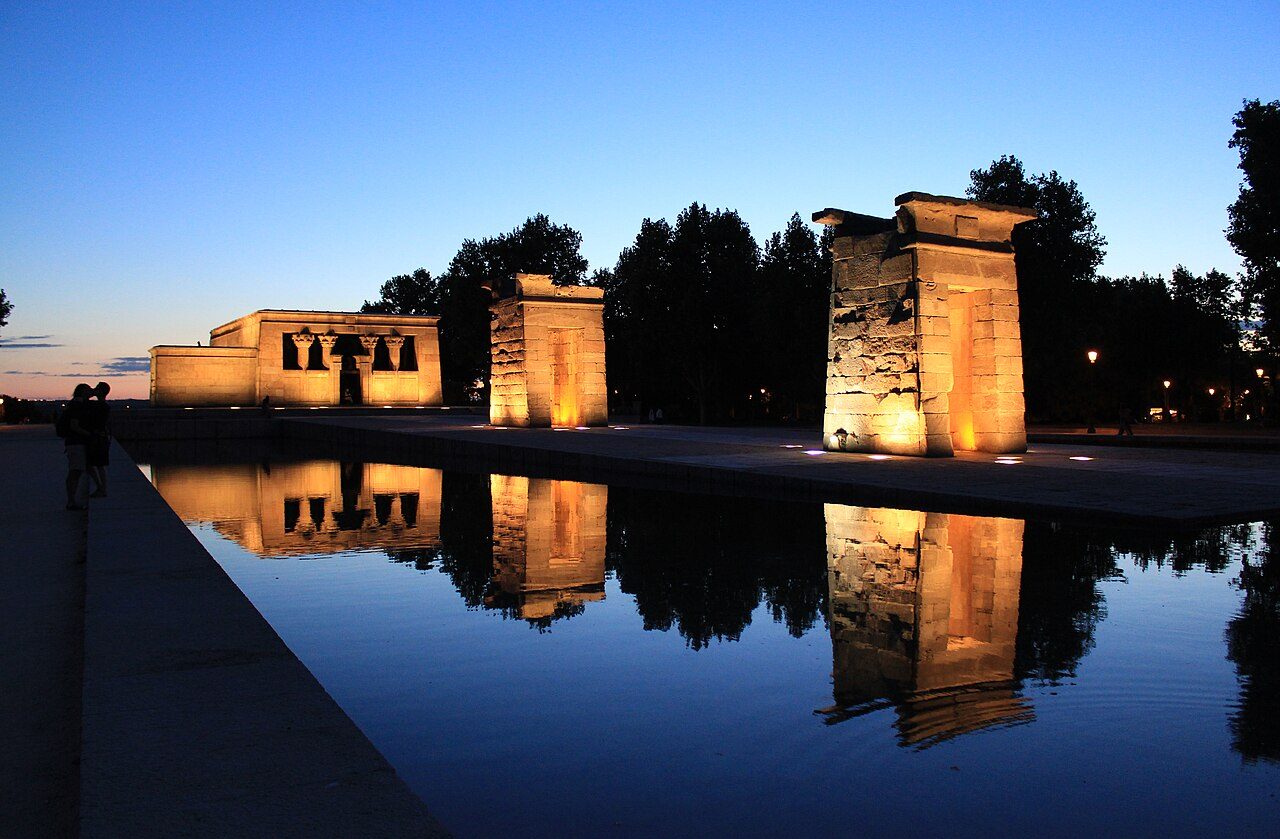
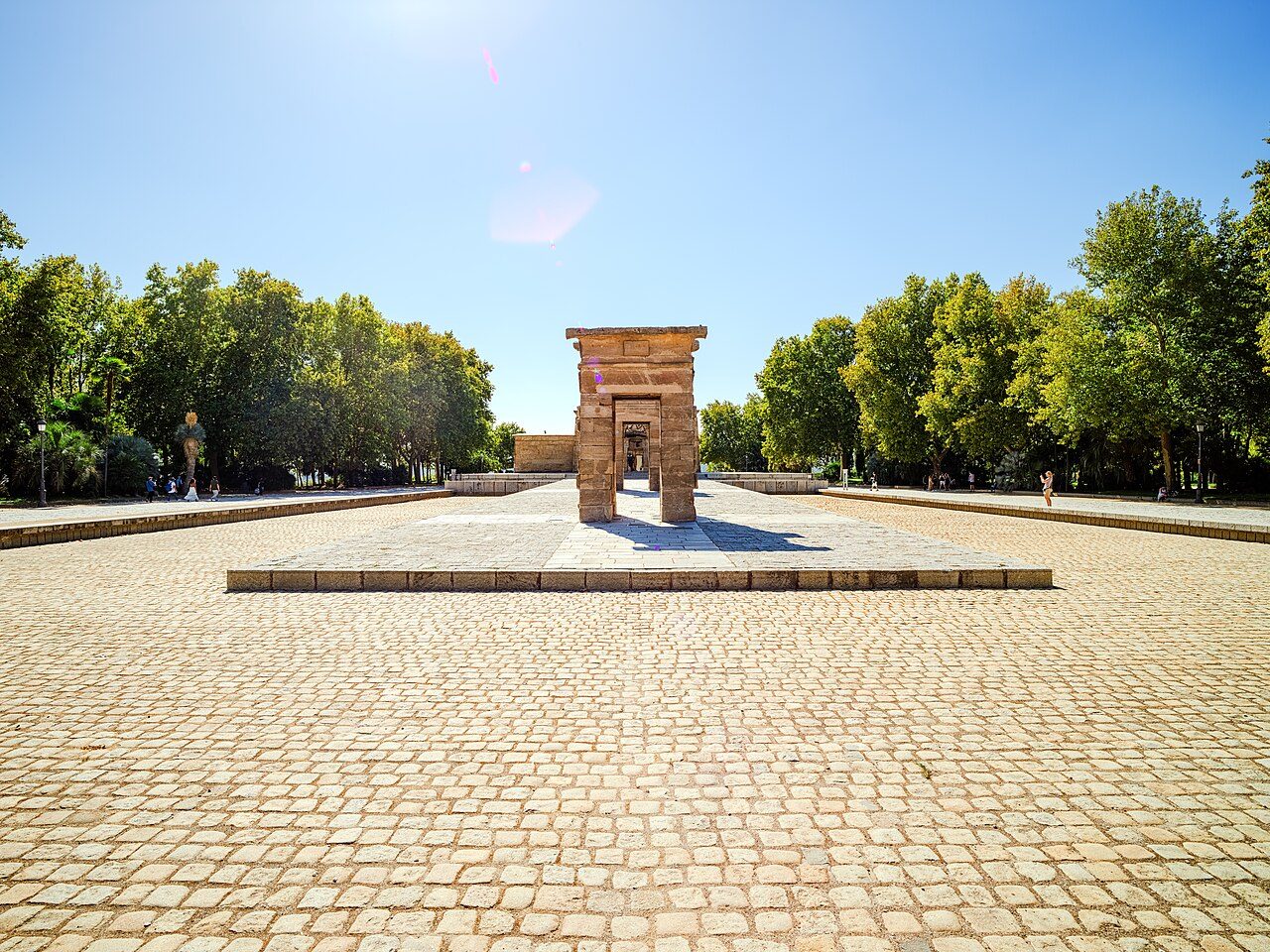
The Temple of Debod is an ancient Egyptian temple that stands in a park near the Royal Palace in Madrid. Built in the 2nd century BC near Aswan, it was given to Spain by Egypt in 1968 in thanks for help in saving the temples of Nubia from the Aswan Dam. It was rebuilt here stone by stone. It is a popular place to watch the sunset.
10
STOP 10 OF 16
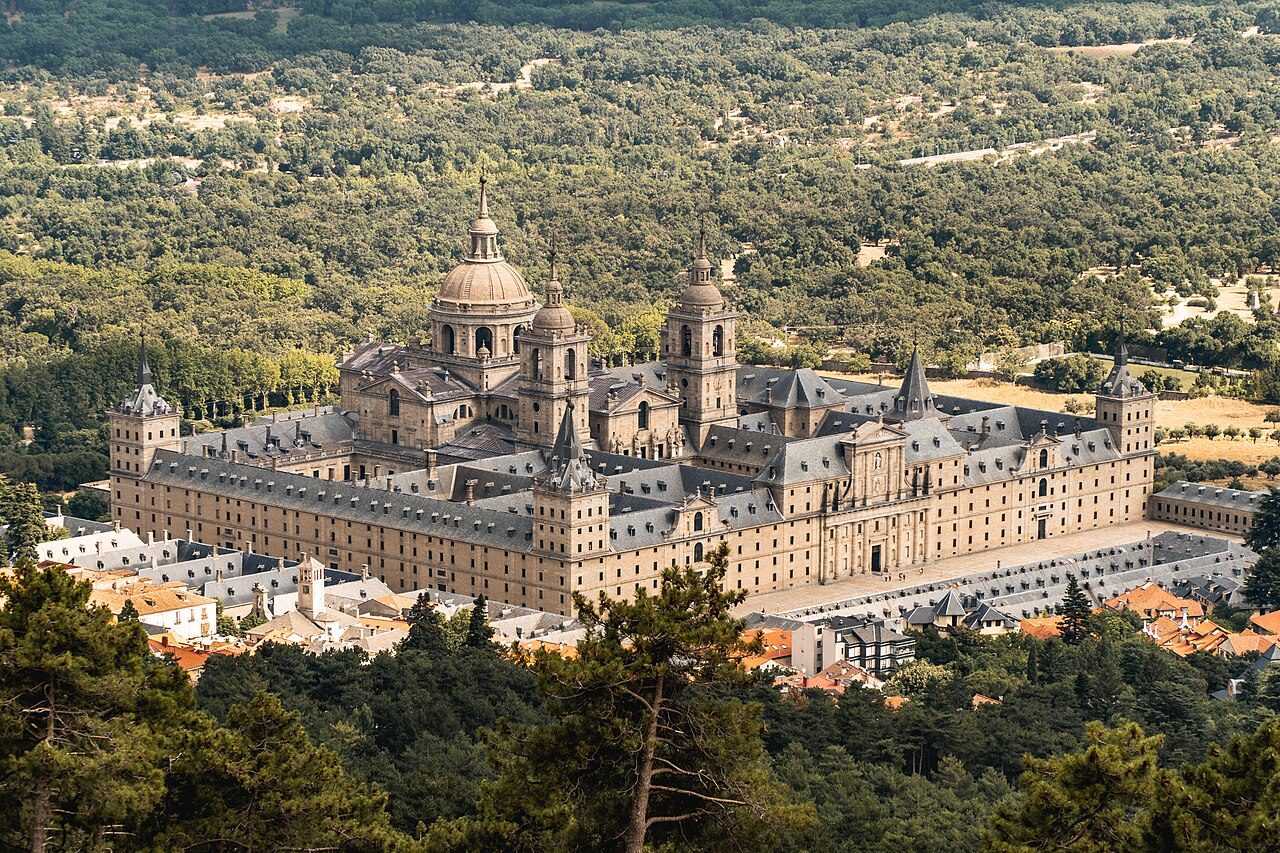
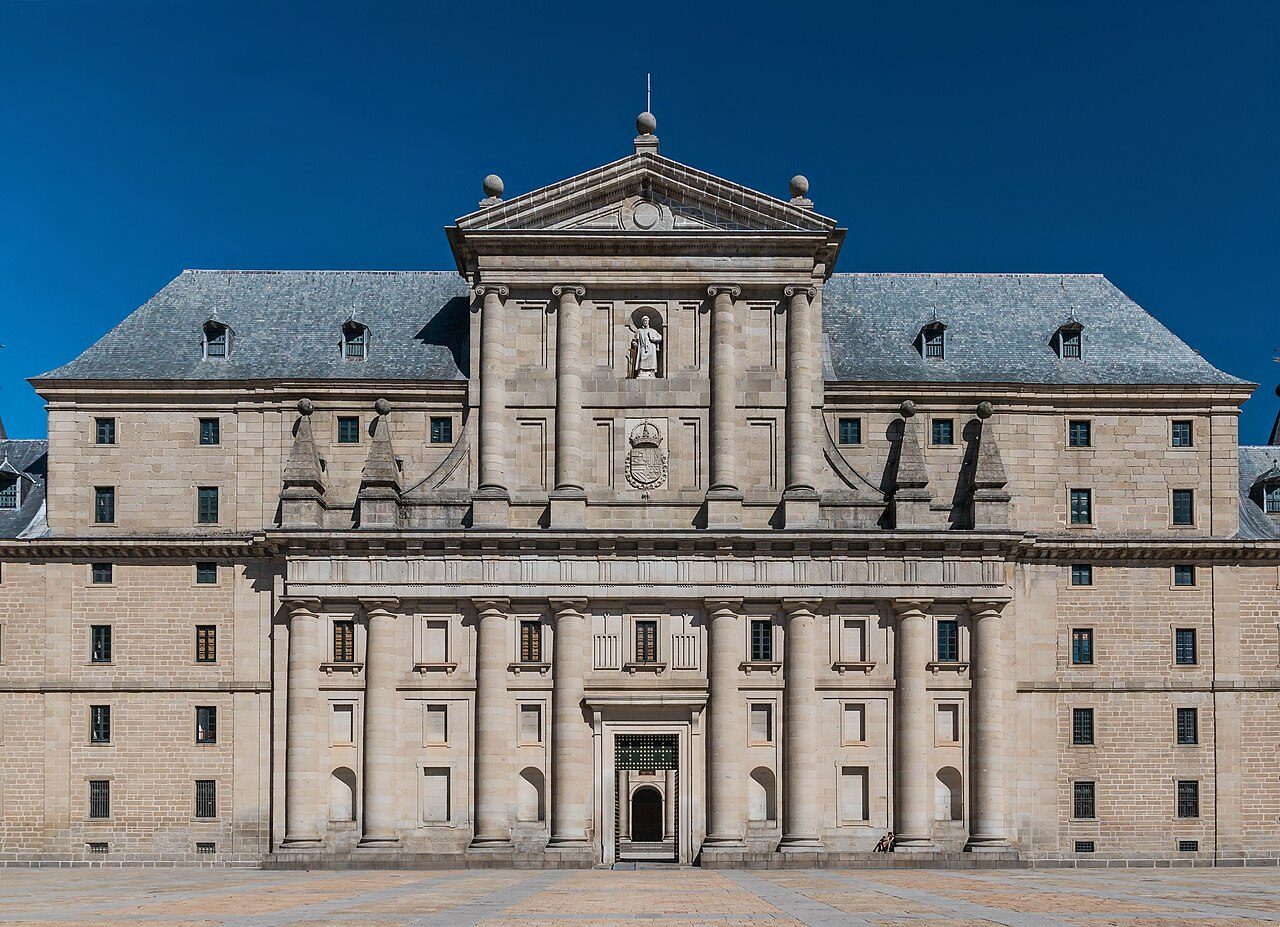
El Escorial
El Escorial is a vast royal monastery and palace built between 1563 and 1584 for King Philip II in the hills northwest of Madrid. It combines a monastery, a basilica, a royal palace, a library and a pantheon where most Spanish kings are buried. Its plain granite style influenced Spanish architecture. It is a UNESCO World Heritage Site.
11
STOP 11 OF 16
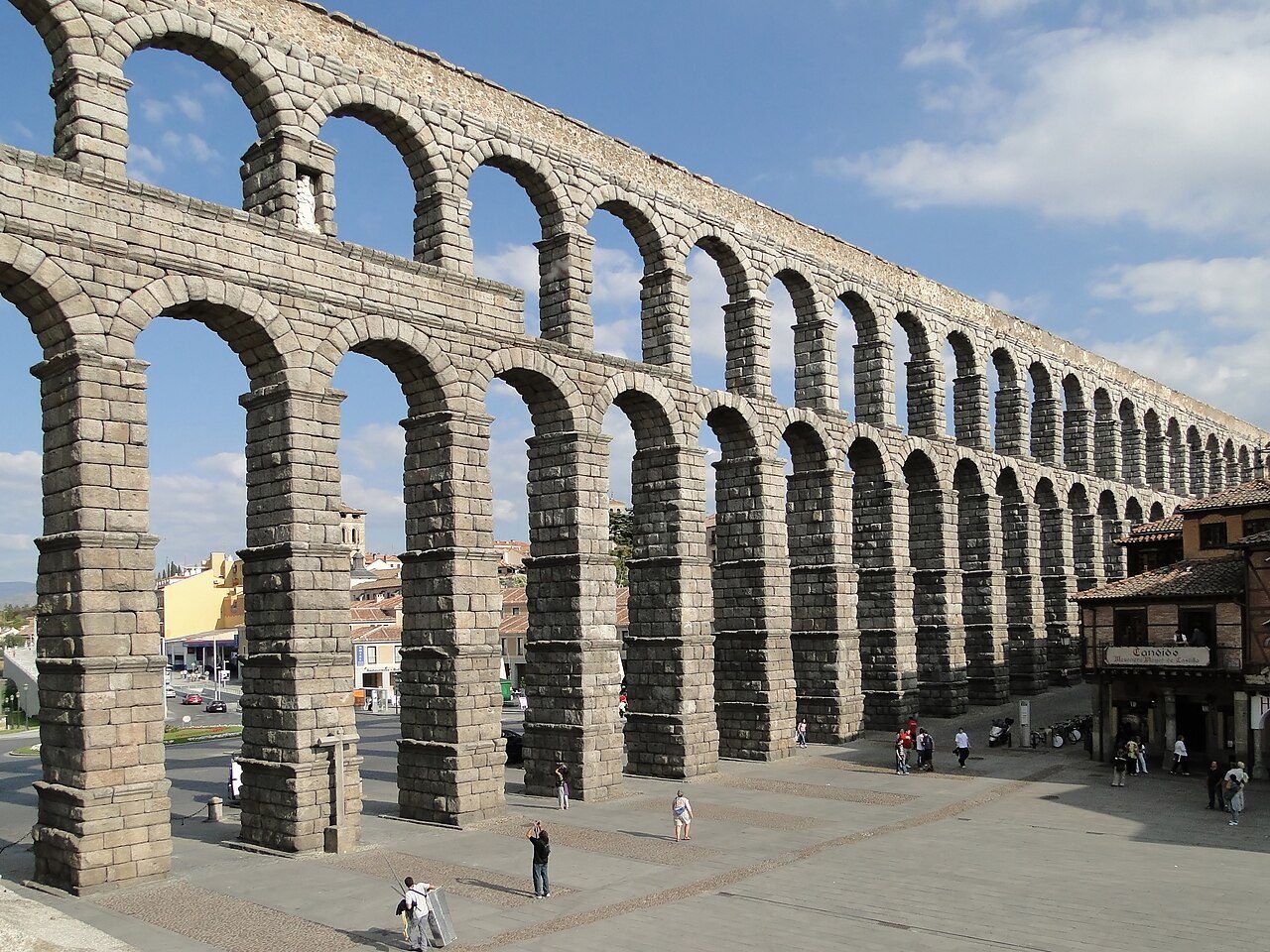
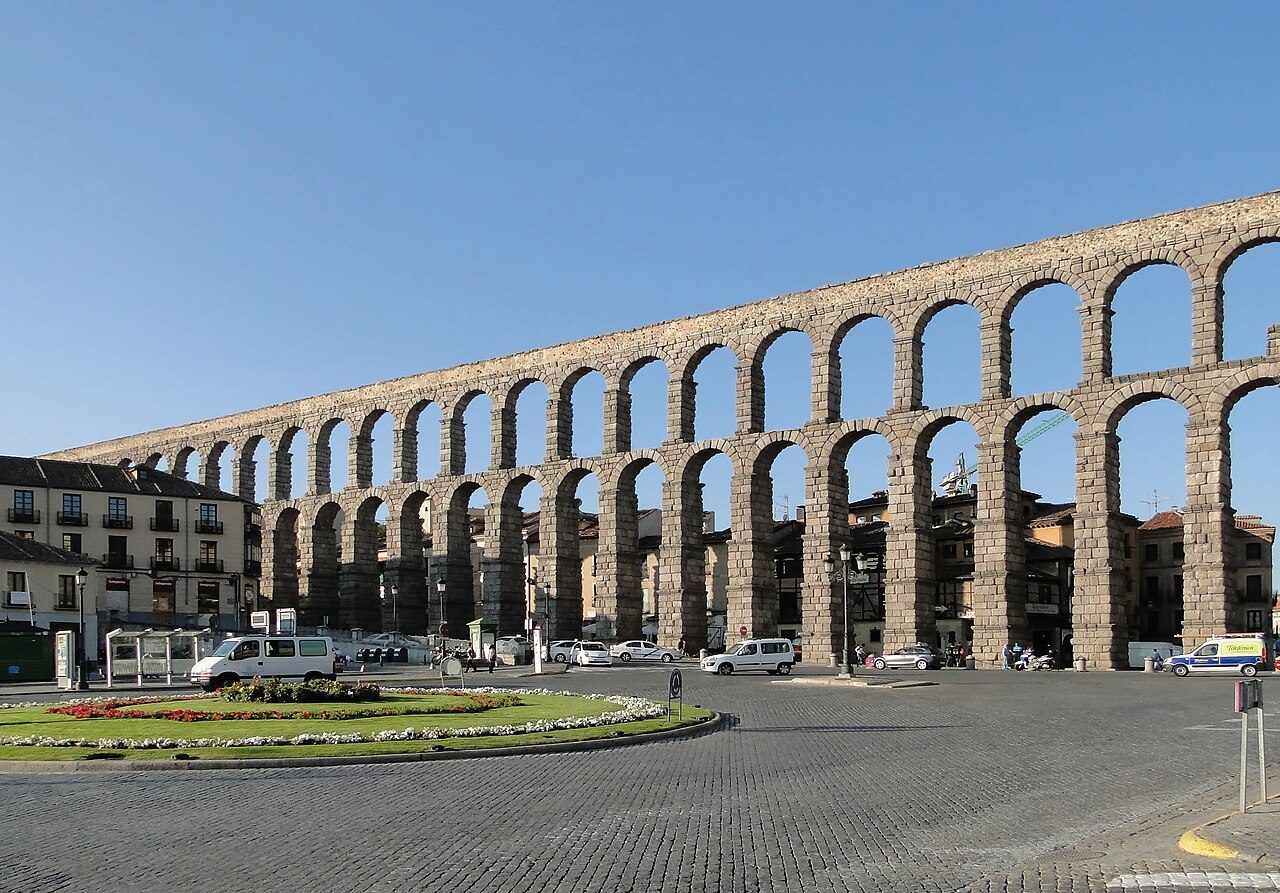
Segovia Aqueduct
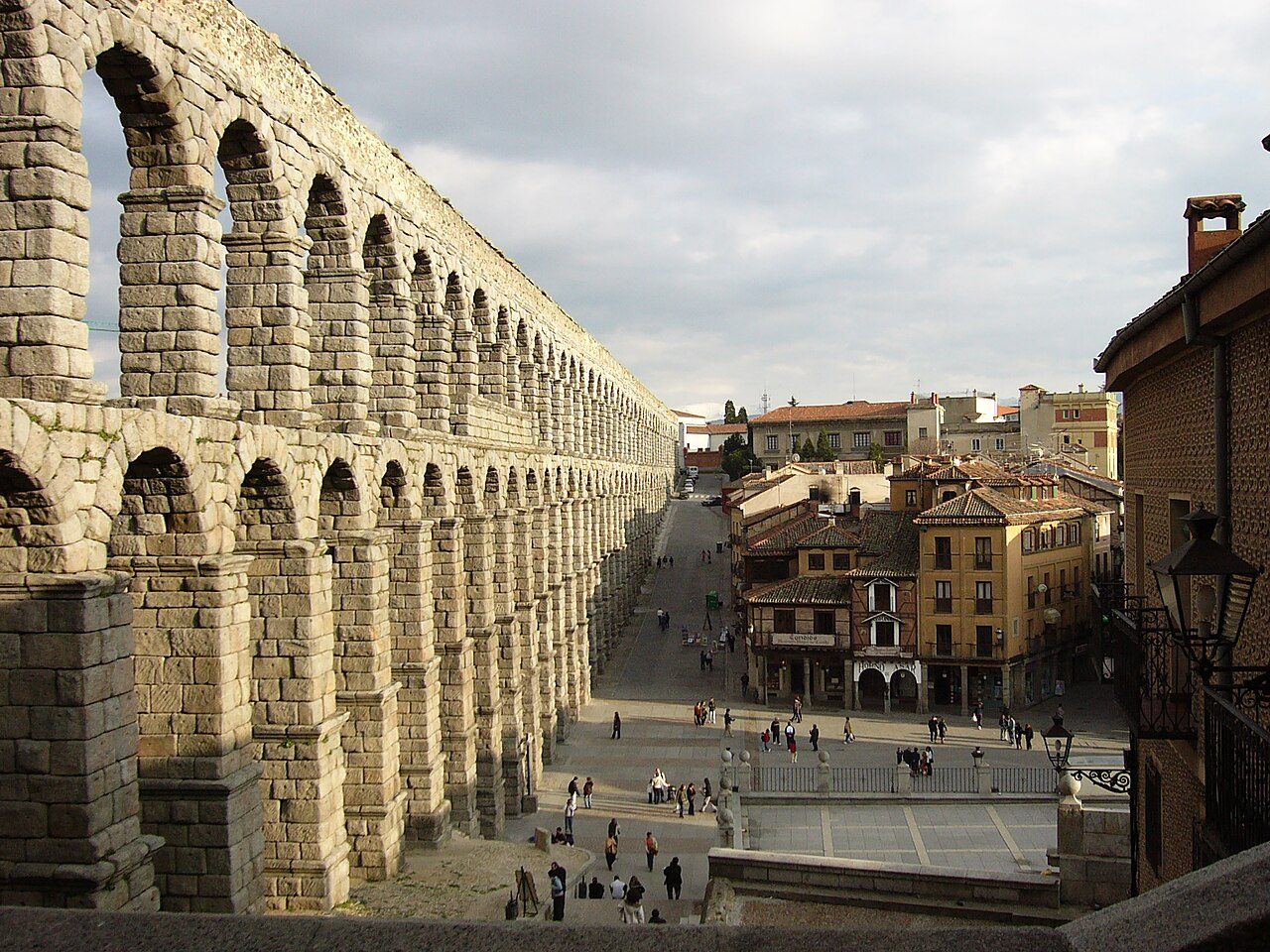
The Aqueduct of Segovia is one of the best preserved Roman aqueducts, built around the 1st century AD. It carried water to the city for nearly 2,000 years. Its granite blocks are held together without mortar. The tallest section, at Plaza del Azoguejo, rises about 28 metres with two tiers of arches. It is a UNESCO World Heritage Site.
12
STOP 12 OF 16
Alcázar of Segovia
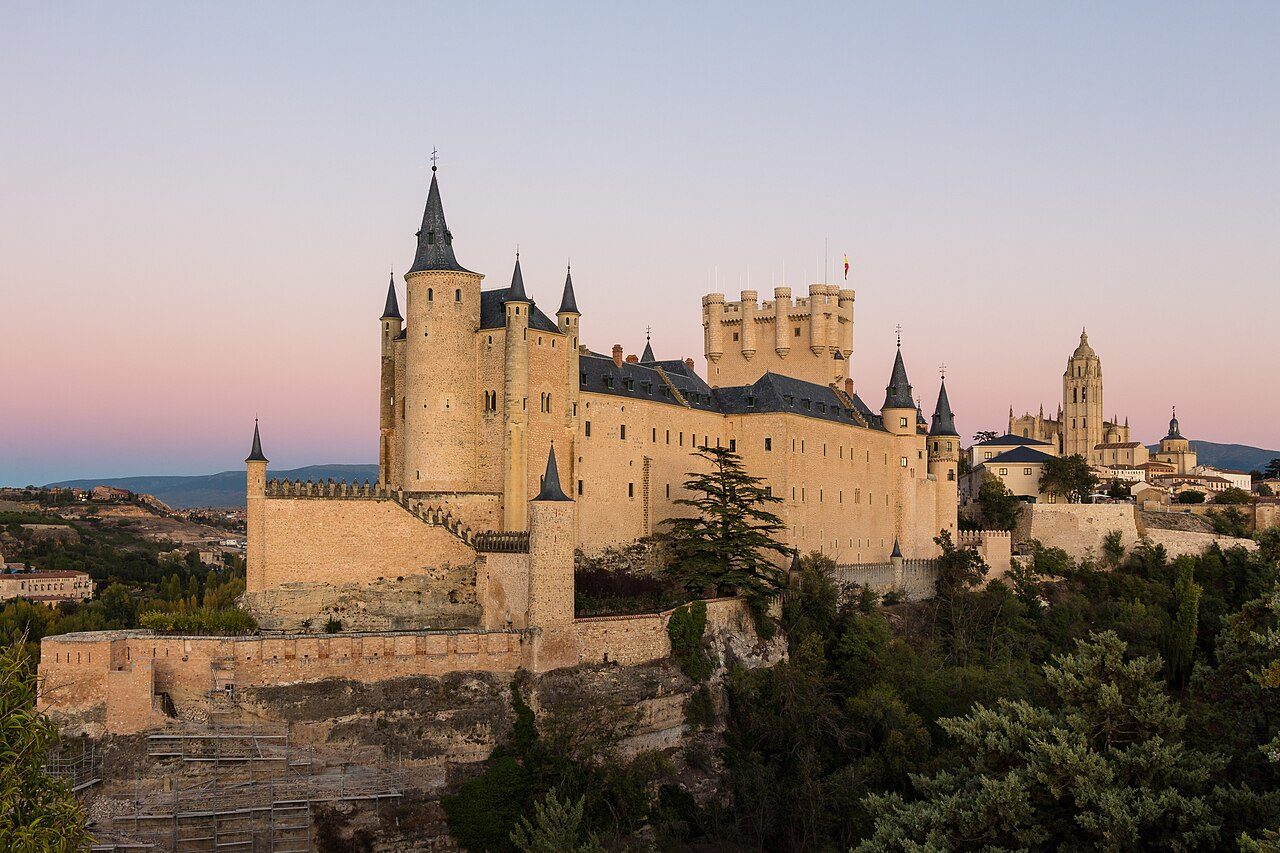
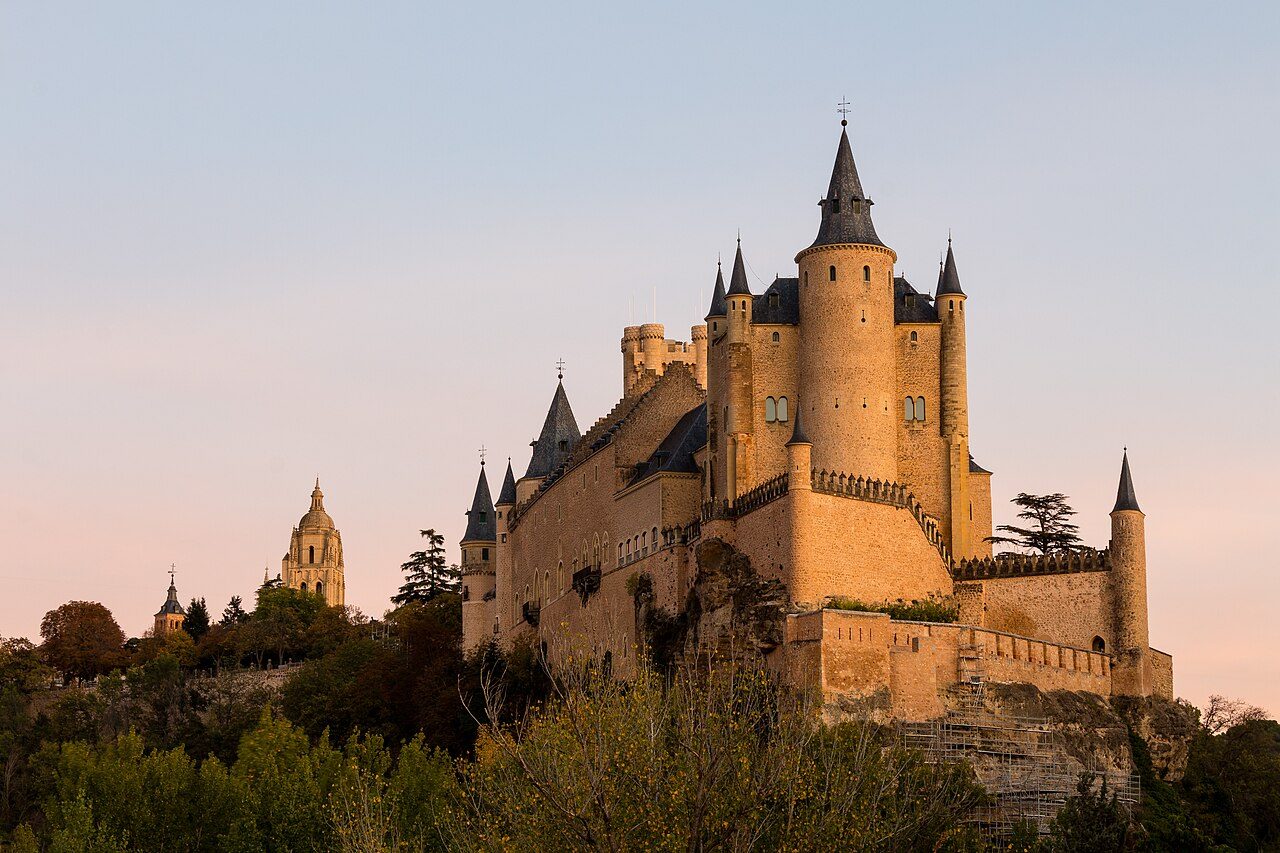
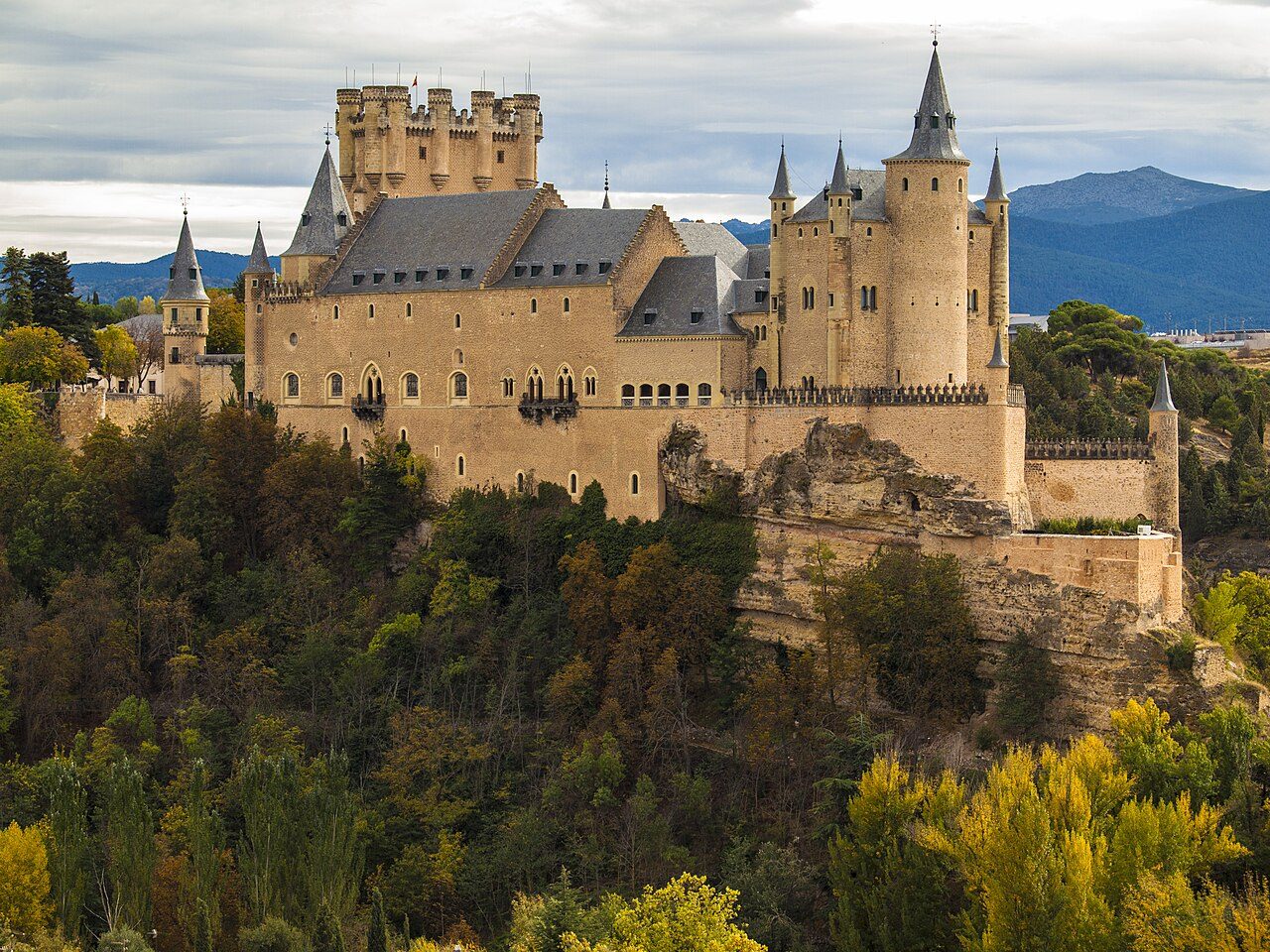
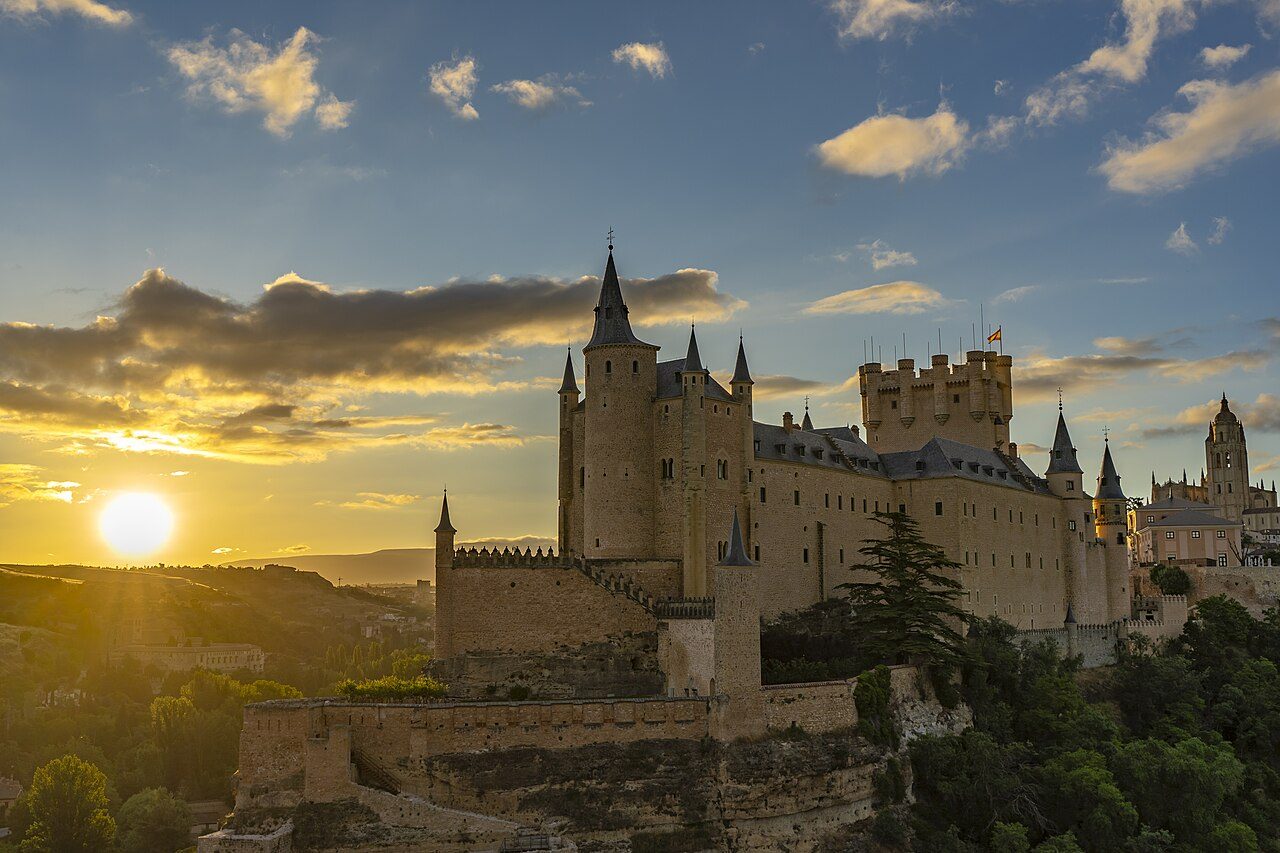
The Alcázar of Segovia is a castle standing on a rocky crag above the meeting of two rivers. It was a royal palace in the Middle Ages and later a prison and military academy. With its slate turrets, it is said to have inspired fairy-tale castles. Its rooms have fine ceilings and armour, and its tower gives views of the countryside.
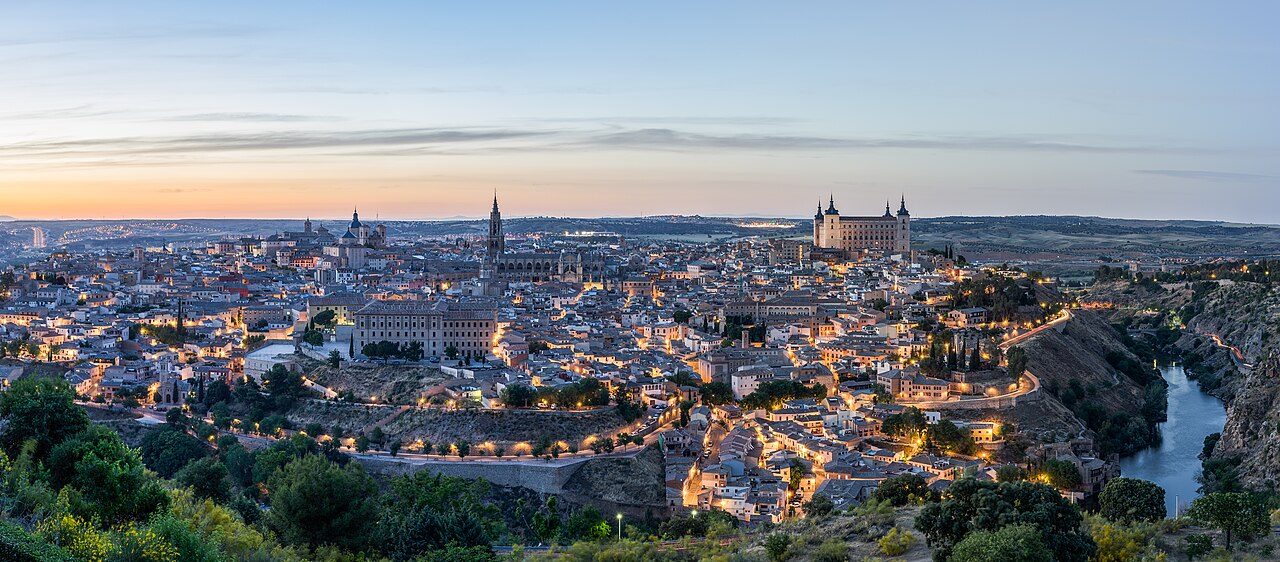
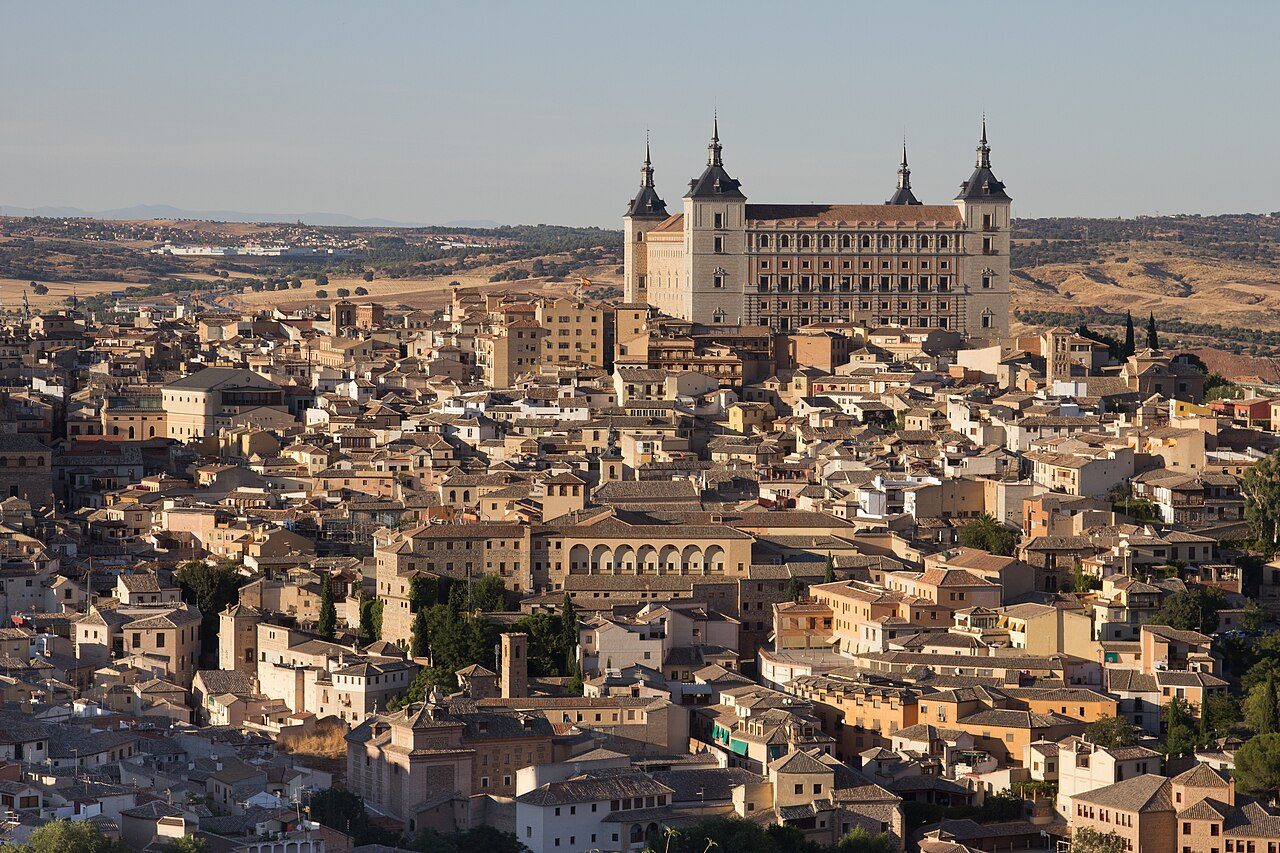
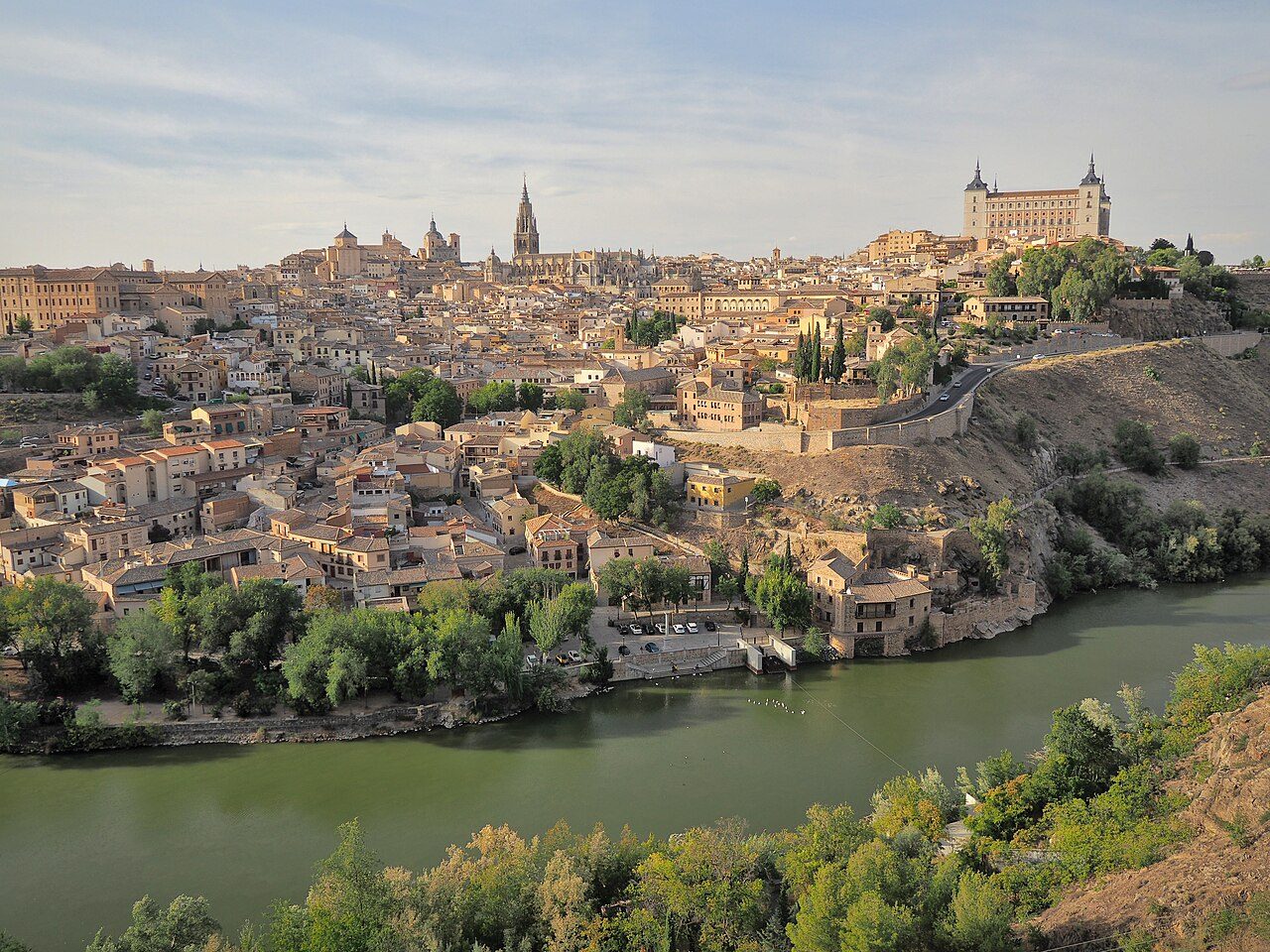
Toledo is an ancient city on a hill surrounded on three sides by the Tagus River. It was once the capital of Spain and is called the City of Three Cultures, where Christians, Muslims and Jews lived together for centuries. Its cathedral, synagogues, mosque and Alcázar fill the old town. The painter El Greco lived here. It is a UNESCO World Heritage Site.
14
STOP 14 OF 16
Consuegra Windmills
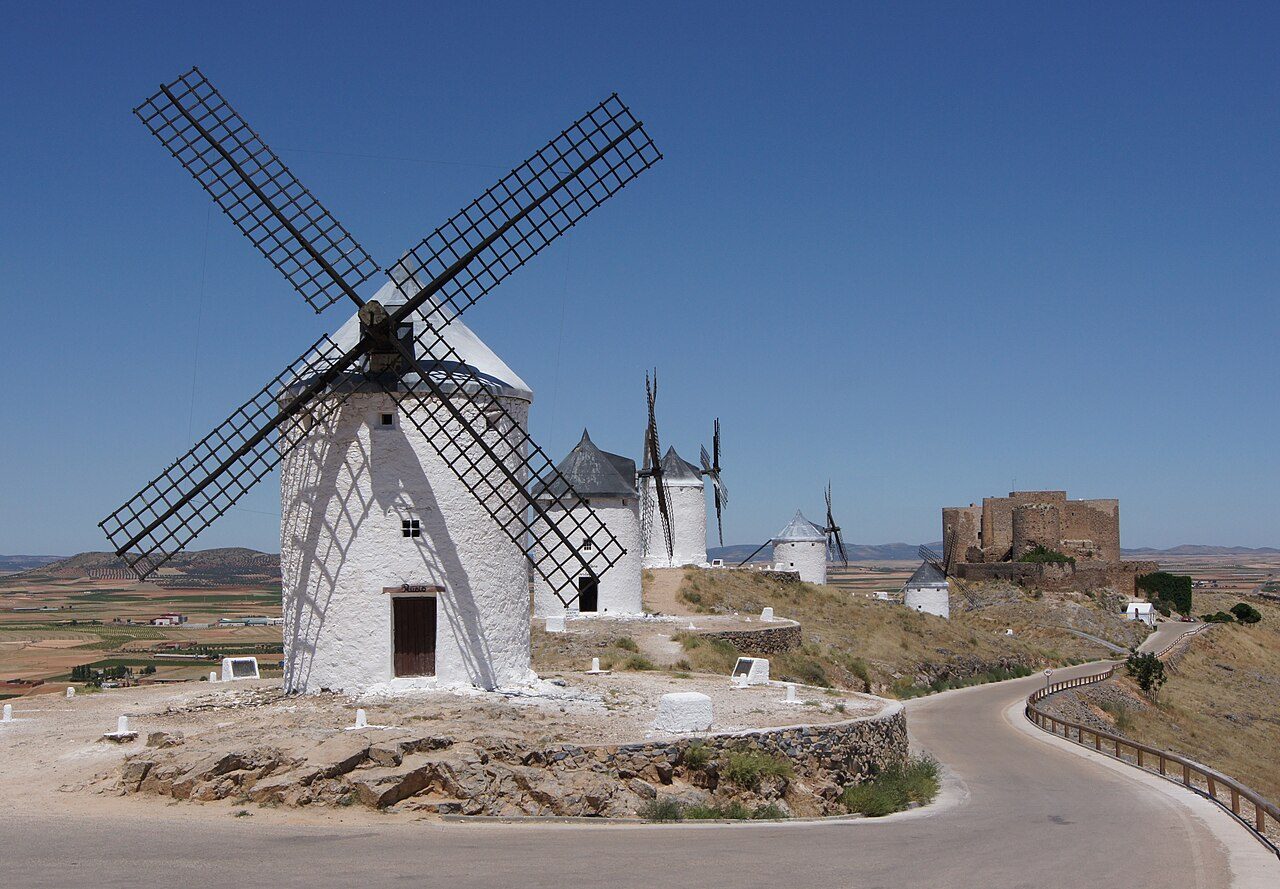
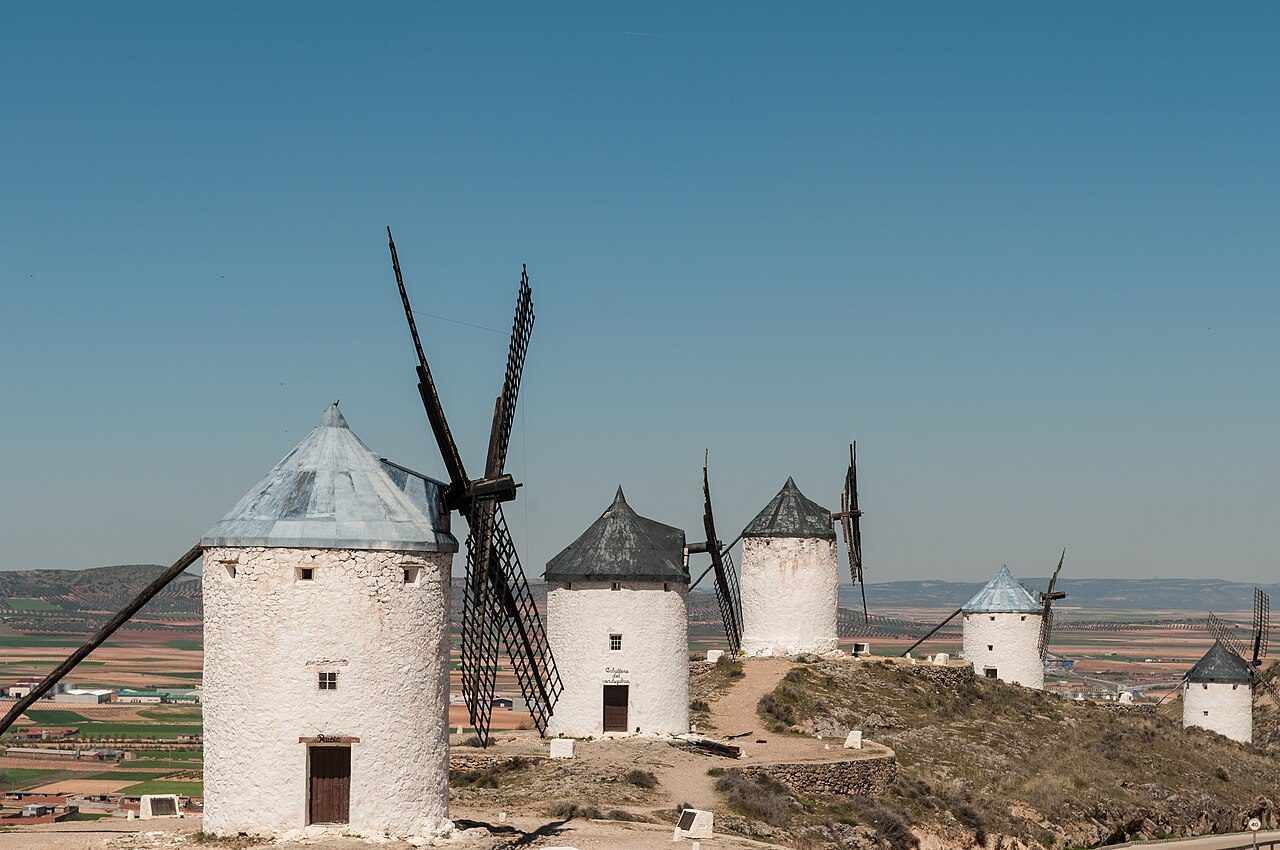
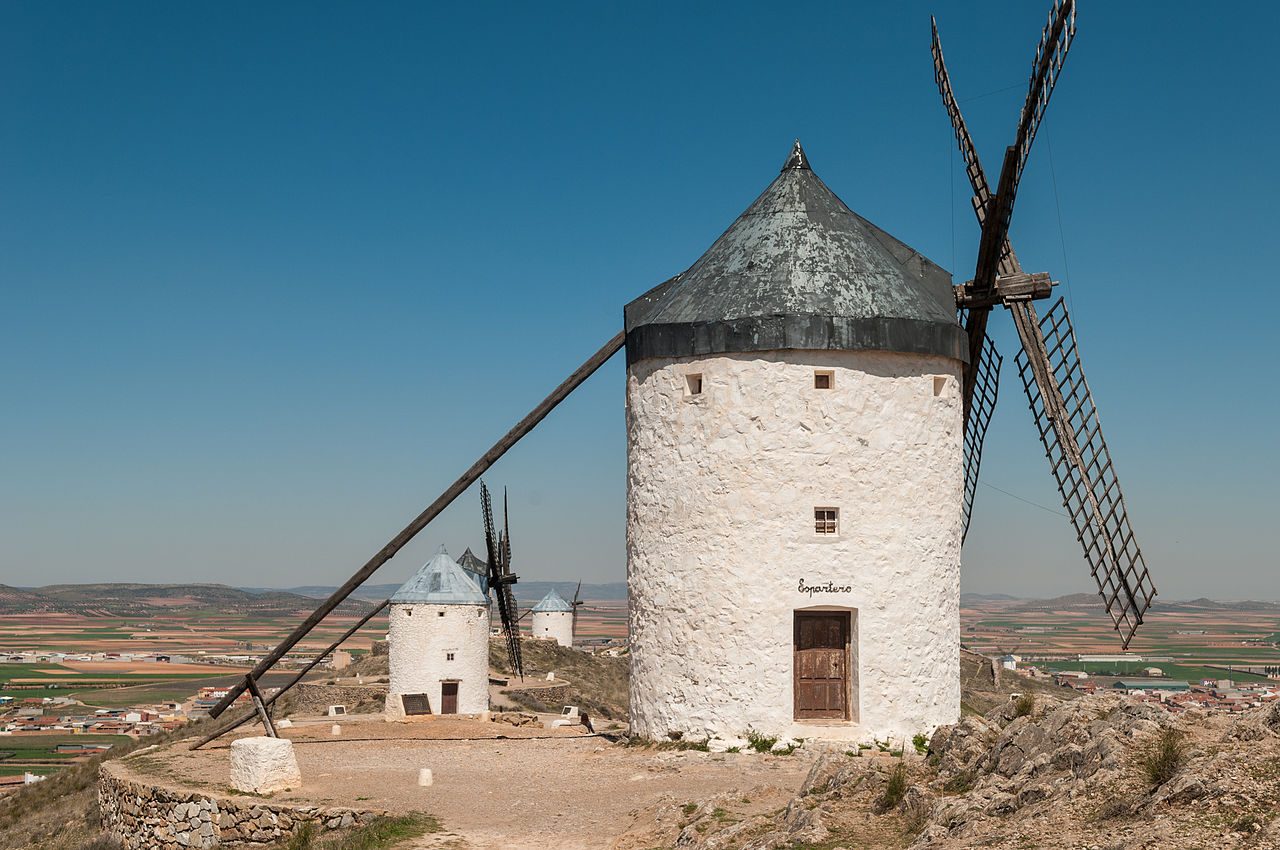
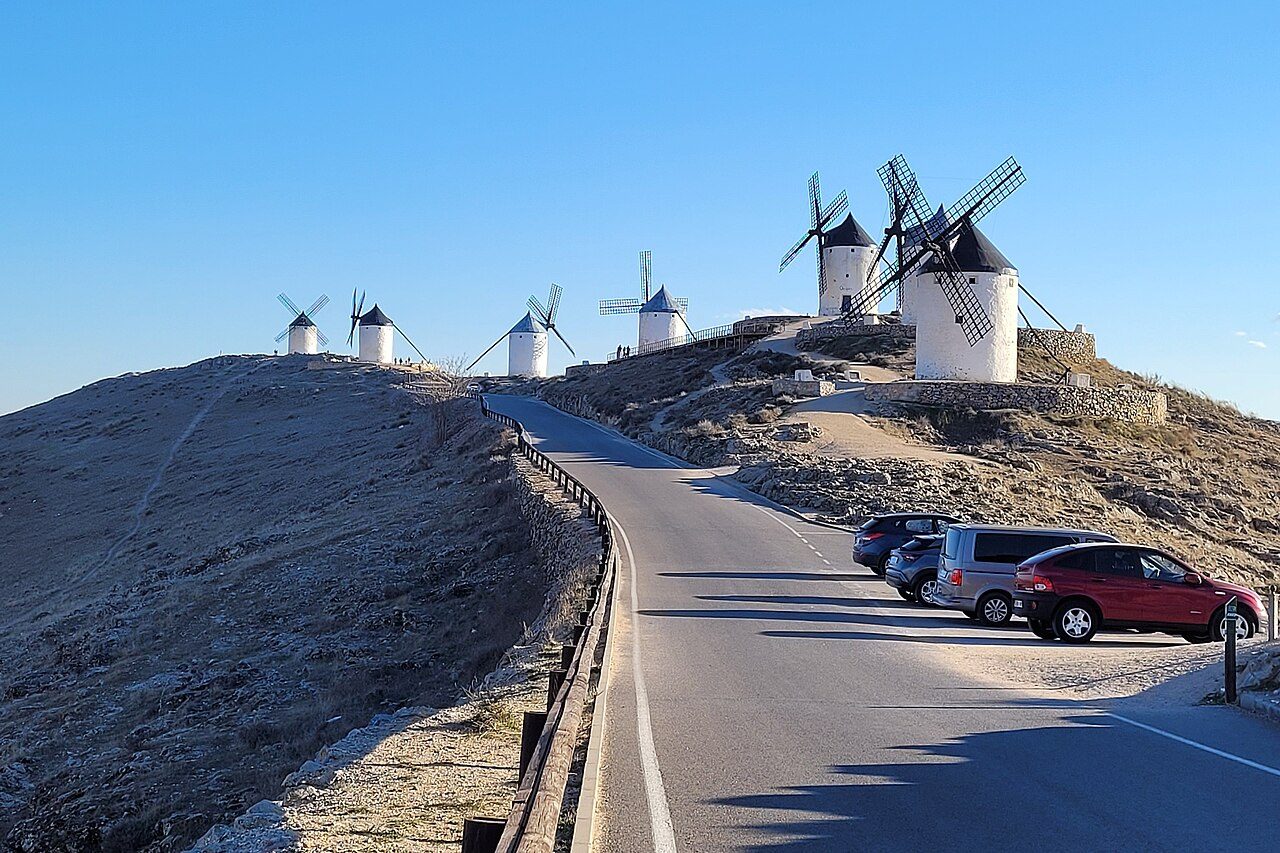
The windmills of Consuegra stand in a line along a ridge above the town in La Mancha. Twelve white windmills with black caps, built in the 16th century, overlook the plains, along with a medieval castle. They recall the windmills that Don Quixote mistook for giants in Cervantes' novel. Some can be visited inside.
15
STOP 15 OF 16
Walls of Ávila
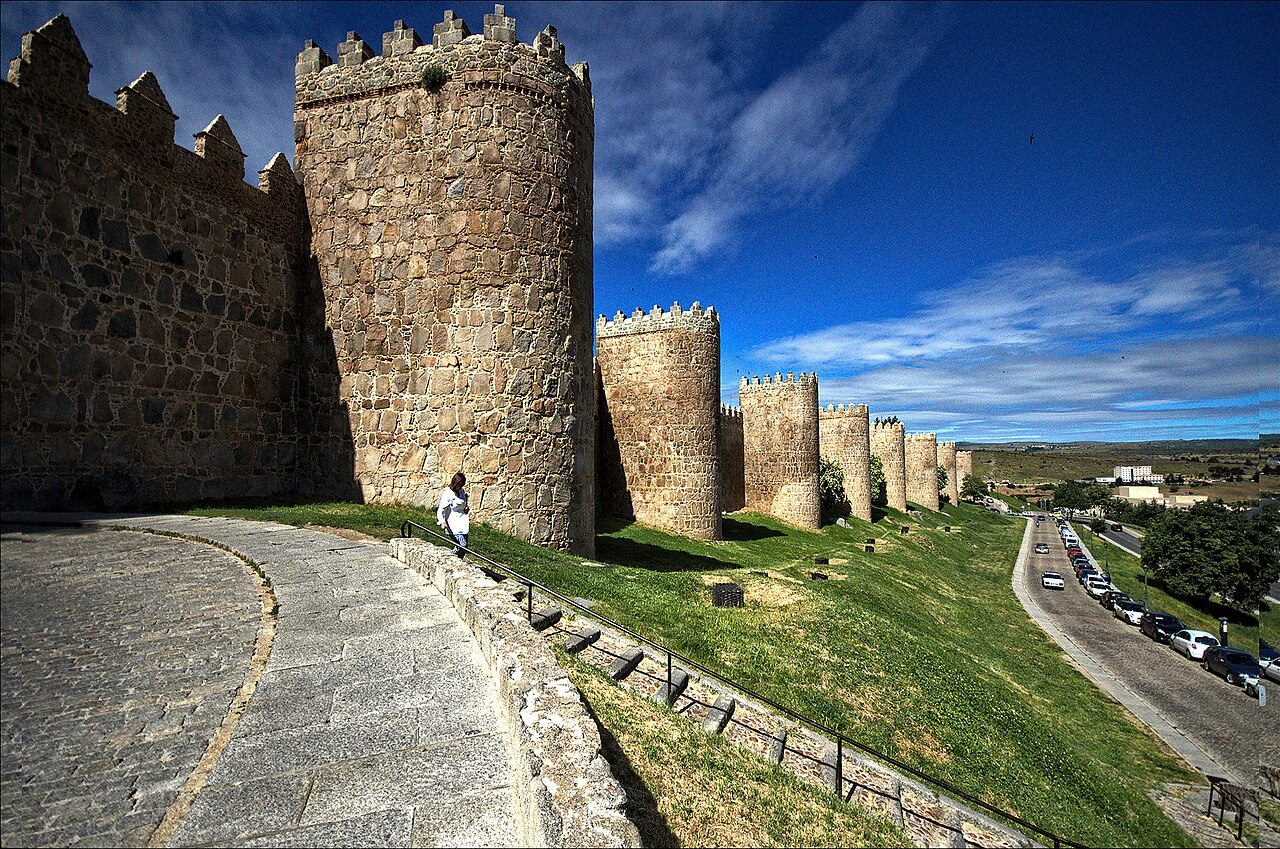
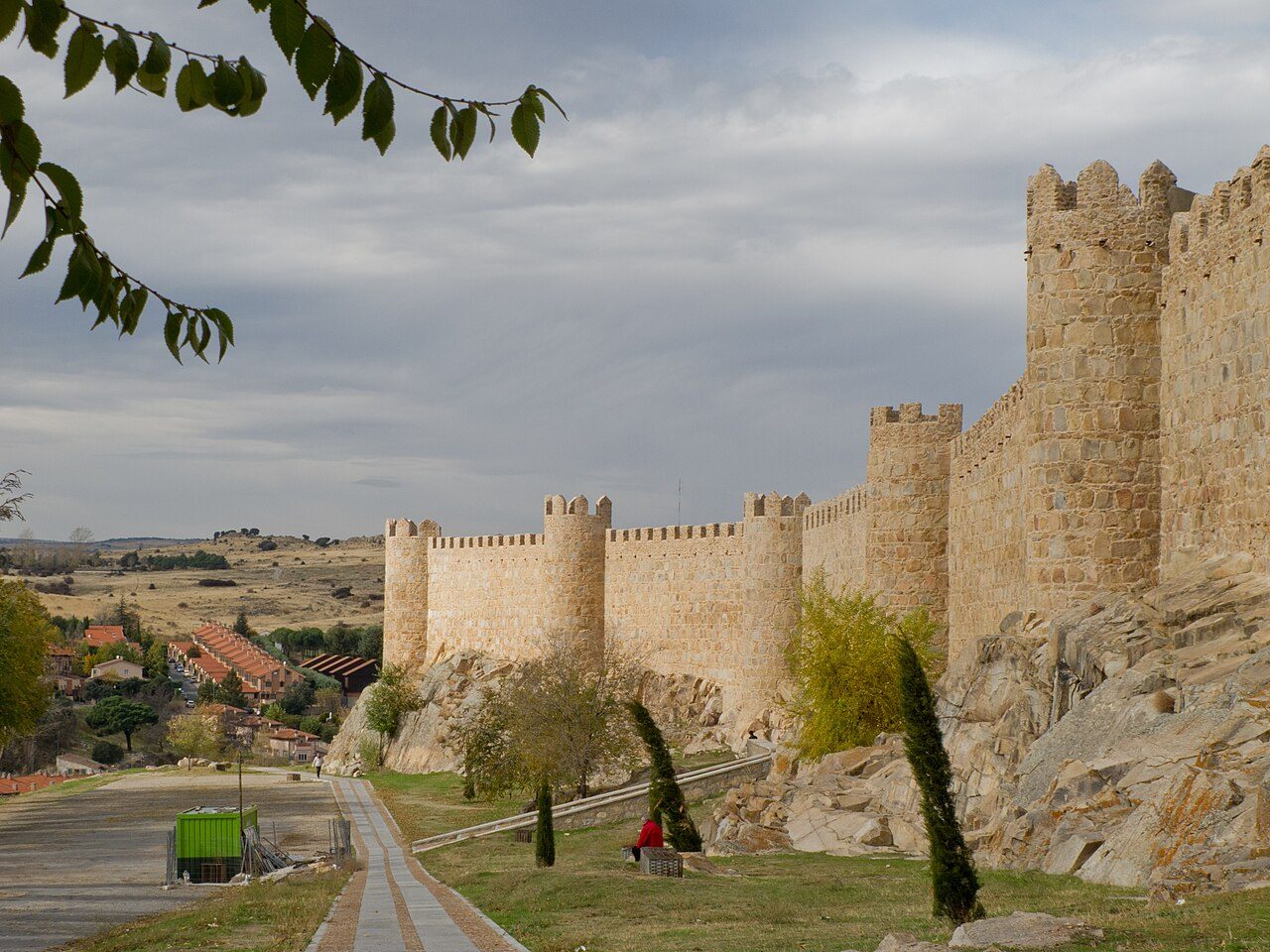
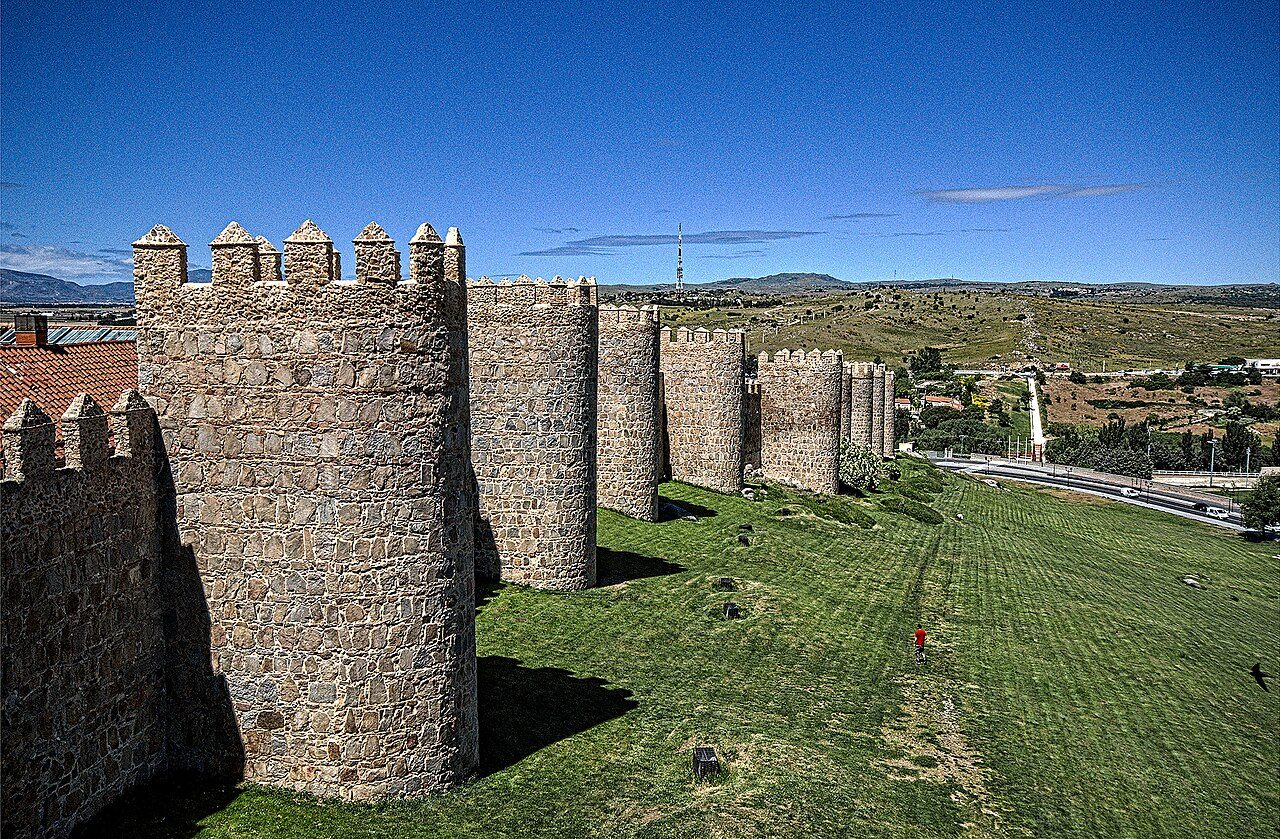
The Walls of Ávila are the most complete medieval town walls in Spain, built mainly in the 12th century. They run about 2.5 kilometres around the old city with 88 towers and nine gates. Visitors can walk along parts of the top. Ávila was the birthplace of Saint Teresa. The old town is a UNESCO World Heritage Site.
16
STOP 16 OF 16 · LAST STOP
Salamanca Plaza Mayor
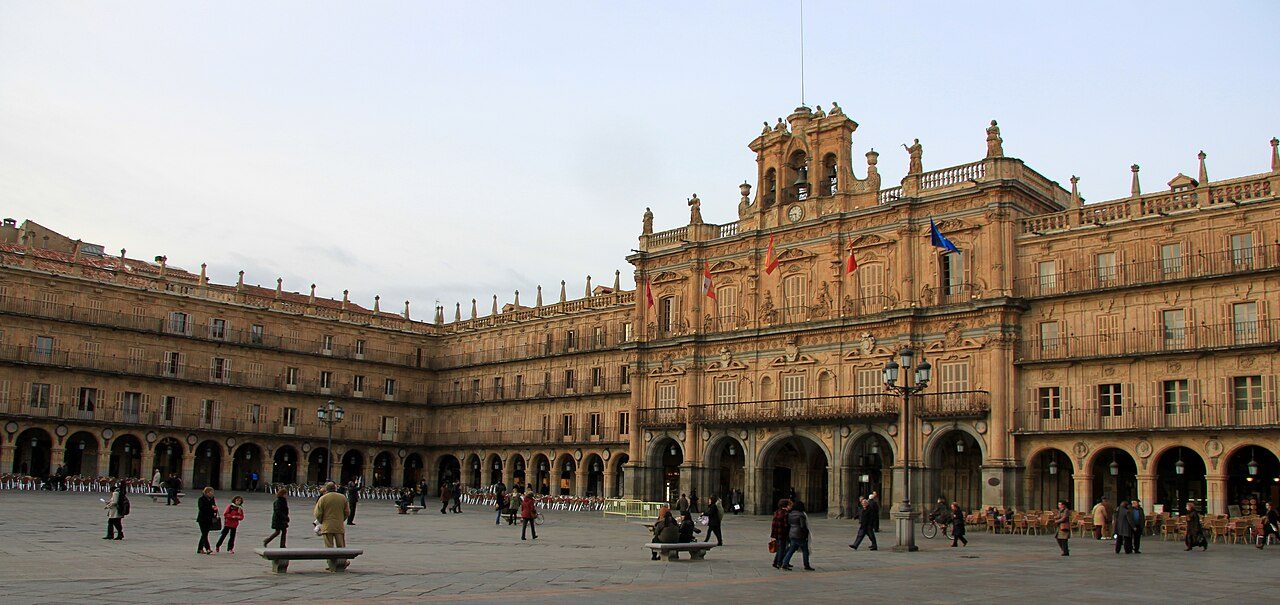
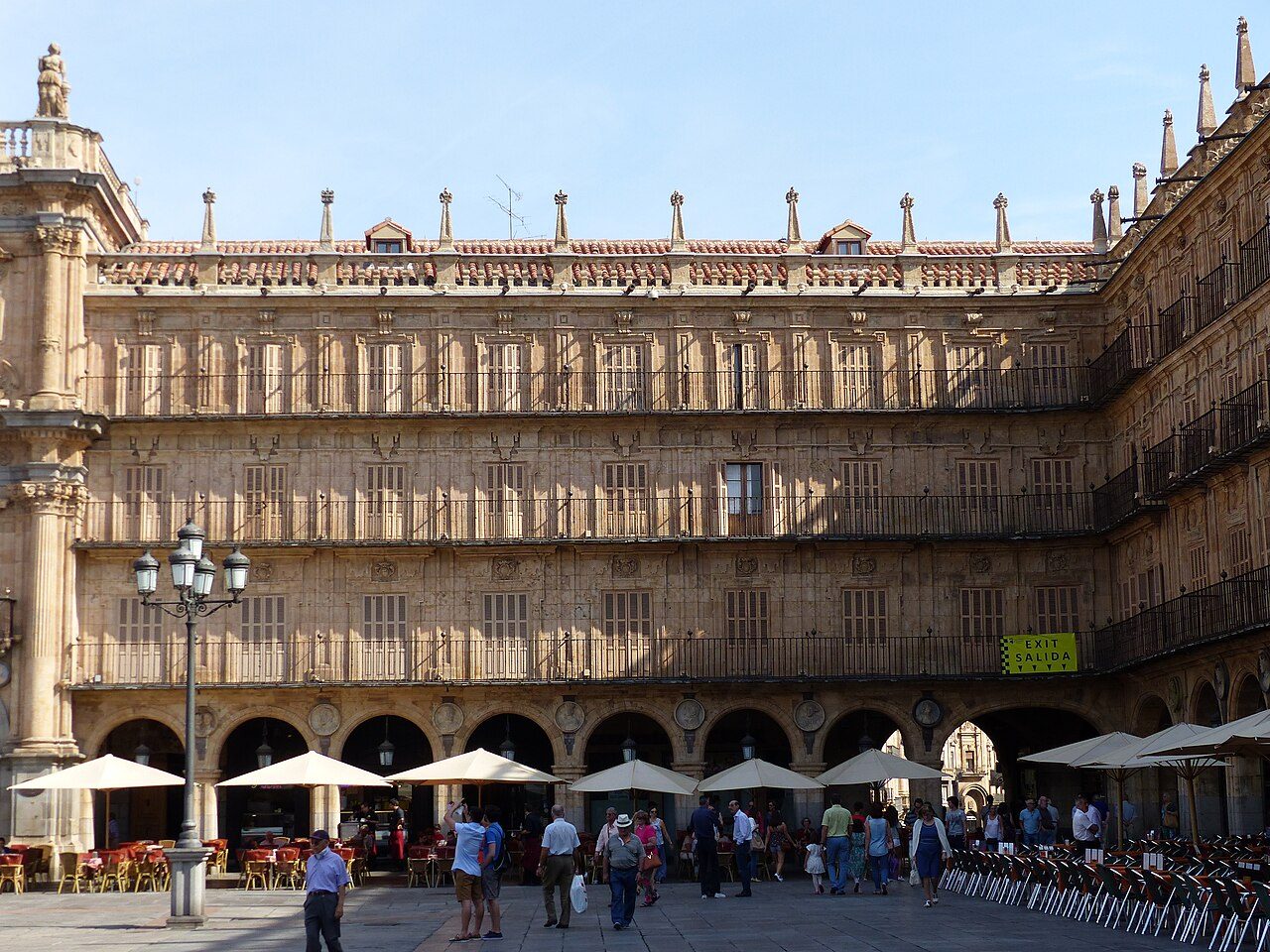
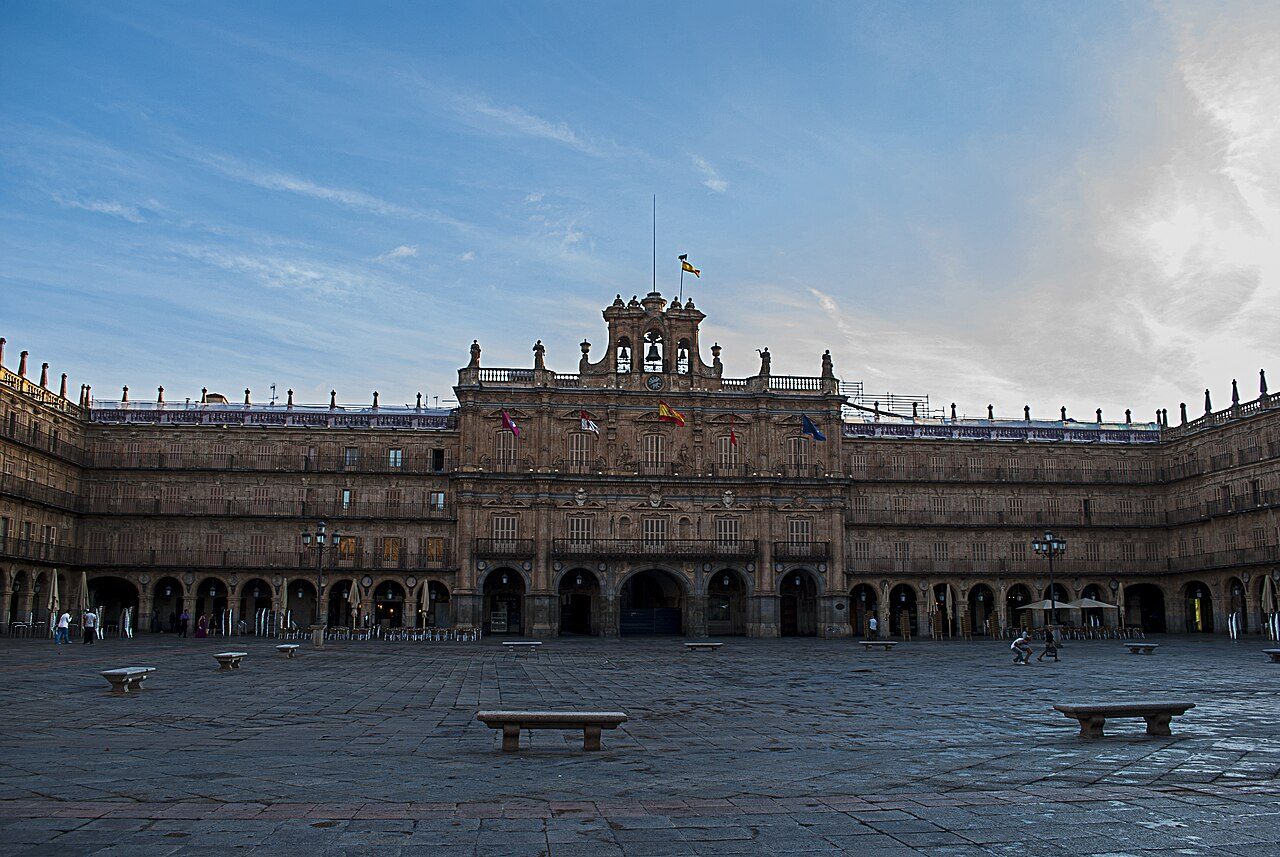
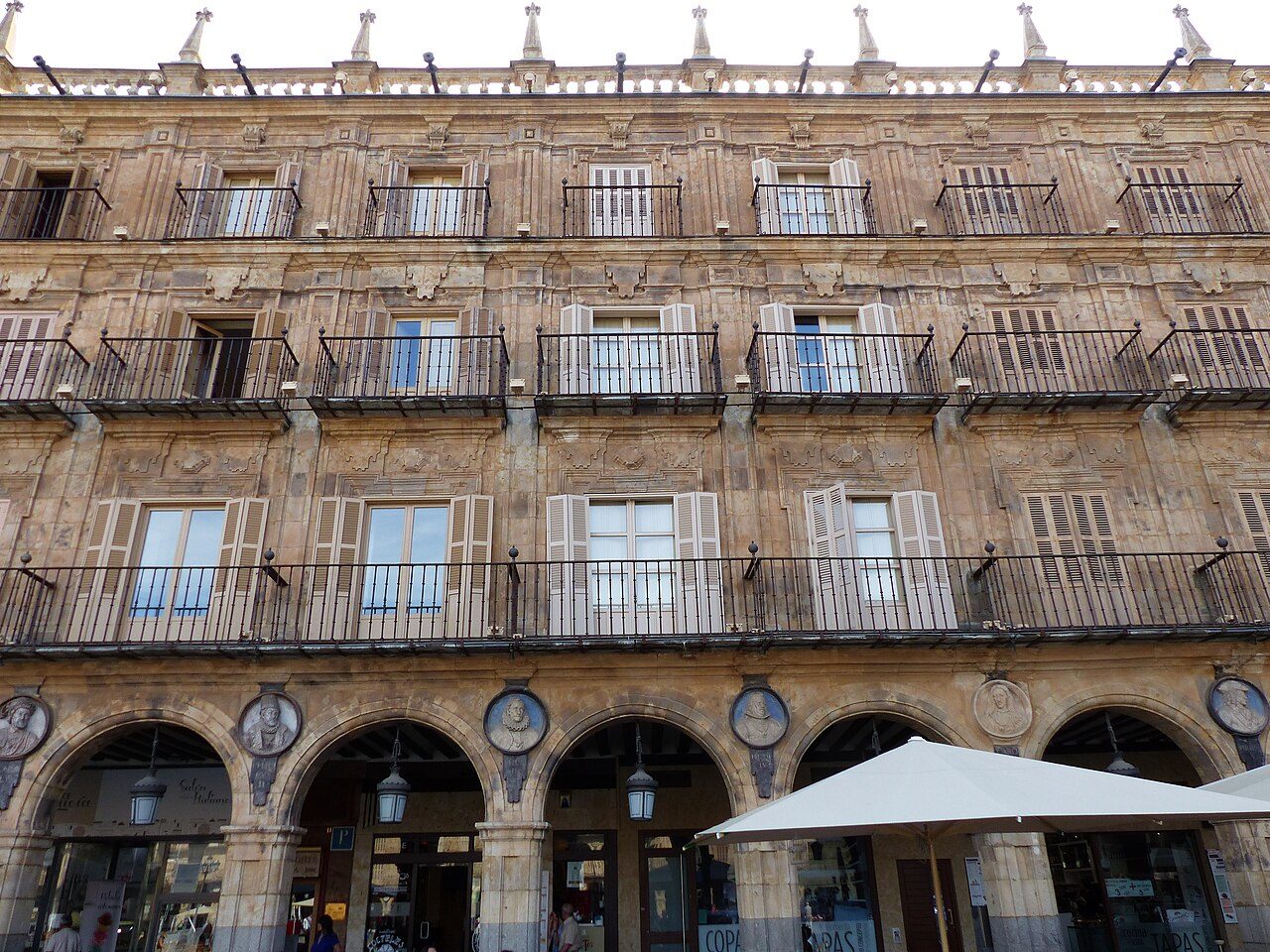
Salamanca is a university city in Castile and León, home to one of the oldest universities in Europe, founded in 1218. Its Plaza Mayor, built in the 18th century, is one of the most beautiful squares in Spain. The city has two cathedrals, old and new, side by side. Its buildings of golden sandstone glow at sunset. It is a UNESCO World Heritage Site.
Seasons from 20 years of NASA POWER climate data.
 WaTrips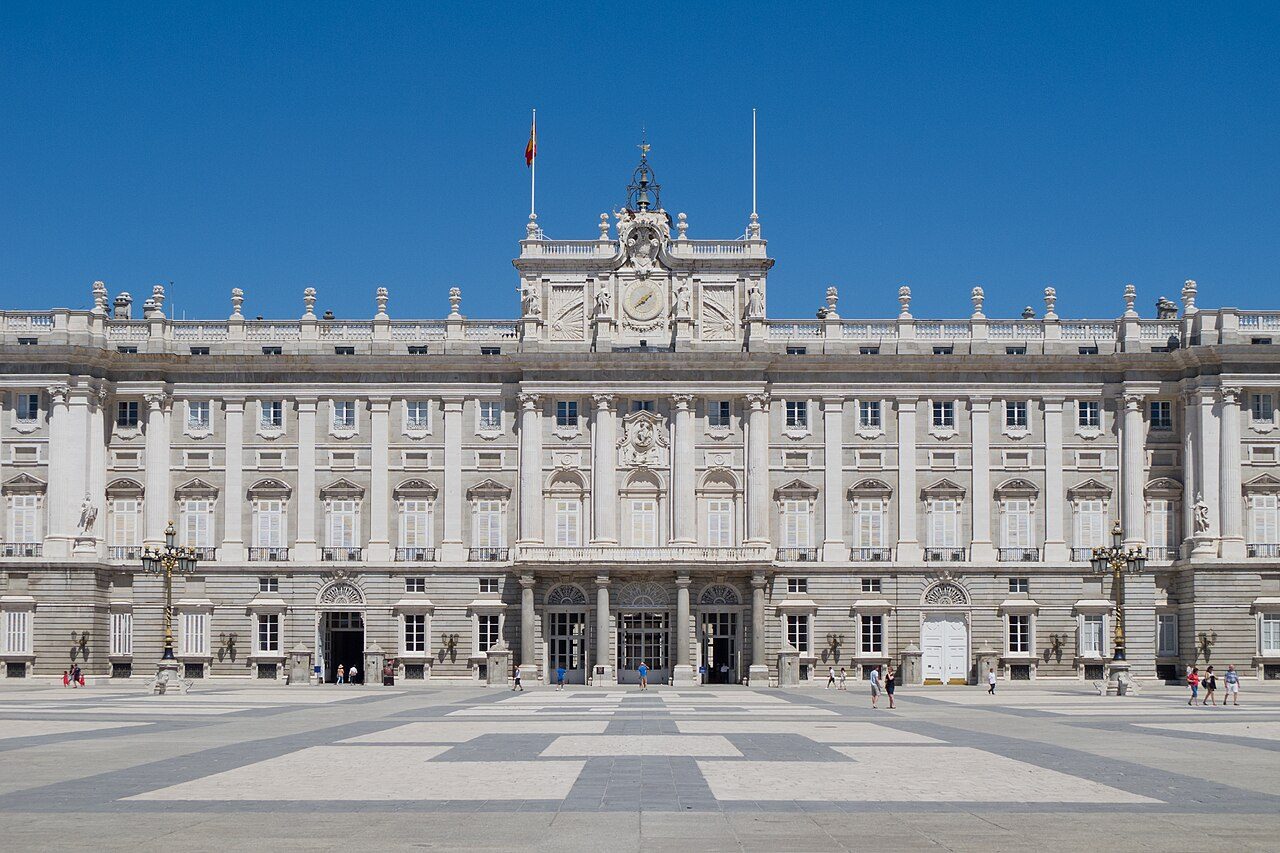













 BikesBooking
 Localrent
 Airalo
 Tiqets