The Sagrada Família, Park Güell, Casa Batlló and Casa Milà, the Gothic Quarter, La Rambla, the Palau de la Música, Montjuïc, Camp Nou, Montserrat, Girona and Tossa de Mar.
Barcelona is Gaudí's city. See the Sagrada Família (book ahead), the mosaics of Park Güell and the houses of Casa Batlló and Casa Milà. Wander the Gothic Quarter and La Rambla, see a concert hall like a jewellery box at the Palau de la Música, and look out over the city from Montjuïc, with a visit to Camp Nou for football fans. Ride up to the mountain monastery of Montserrat, and end in medieval Girona and the walled seaside town of Tossa de Mar. May–June and September are best.
01
STOP 1 OF 12
Sagrada Família
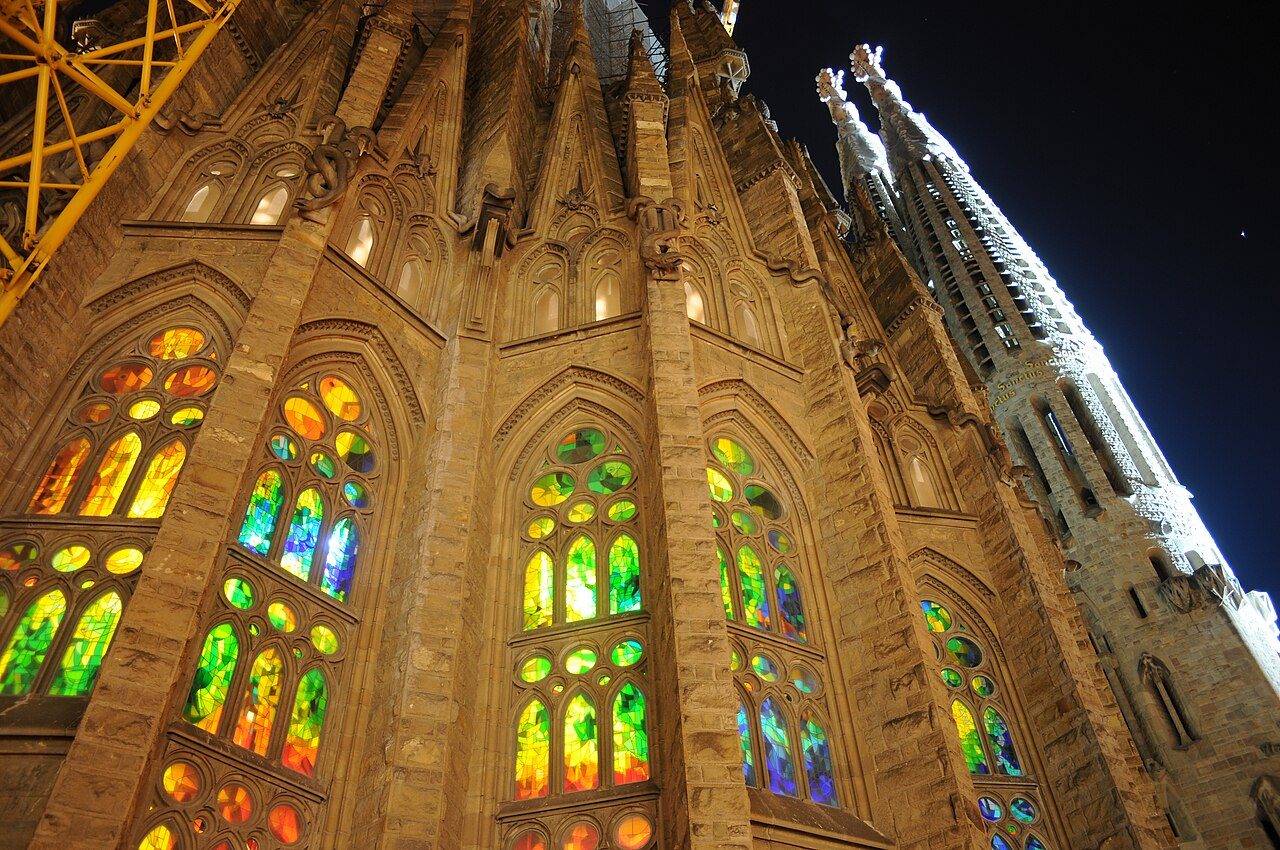
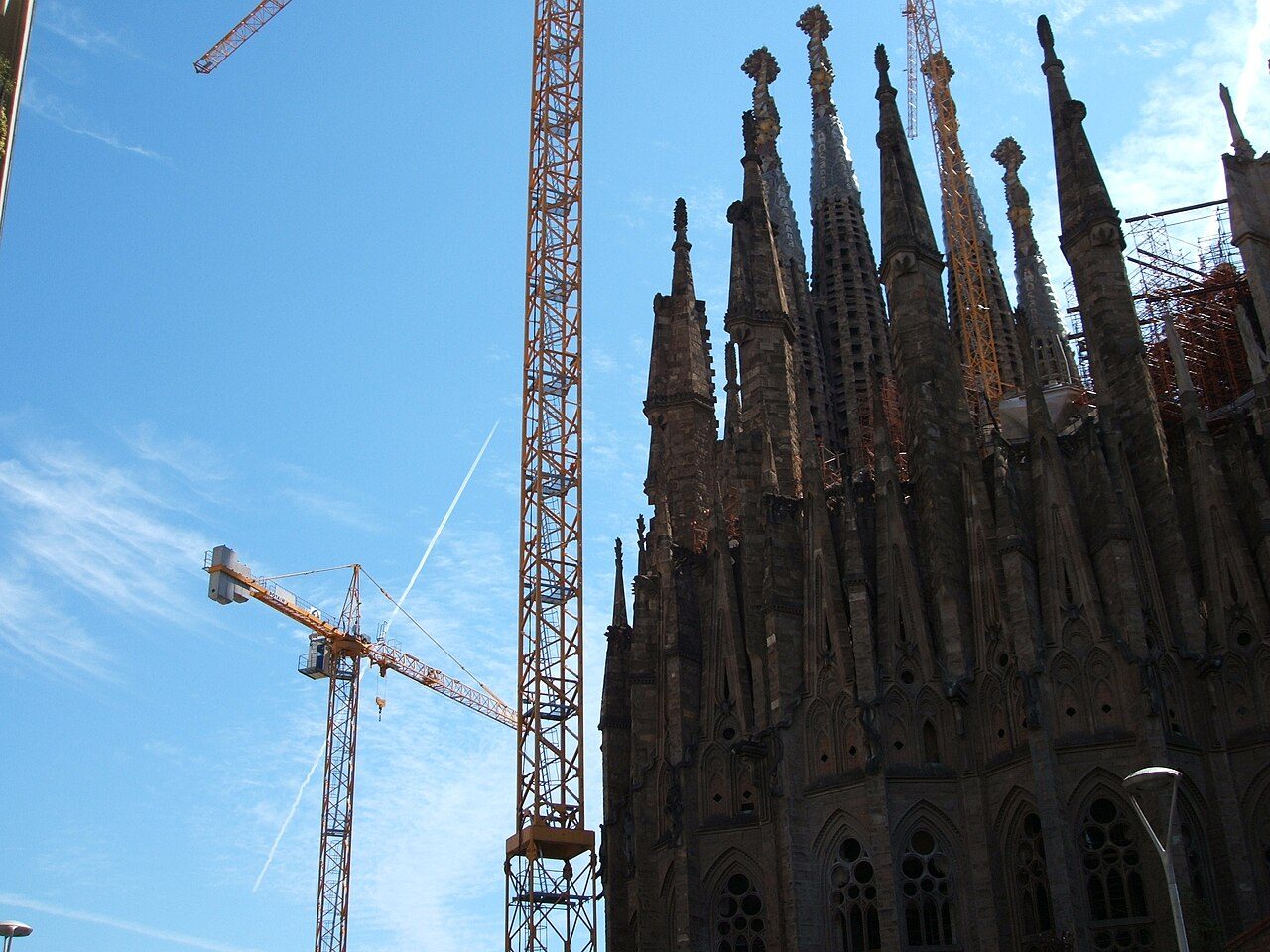
The Sagrada Família is Antoni Gaudí's great basilica in Barcelona, begun in 1882 and still under construction. Gaudí worked on it for over 40 years until his death in 1926. Its towers and facades are covered with sculpture, and the interior is a forest of columns lit by stained glass. The central tower of Jesus Christ, completed recently, makes it the tallest church in the world.
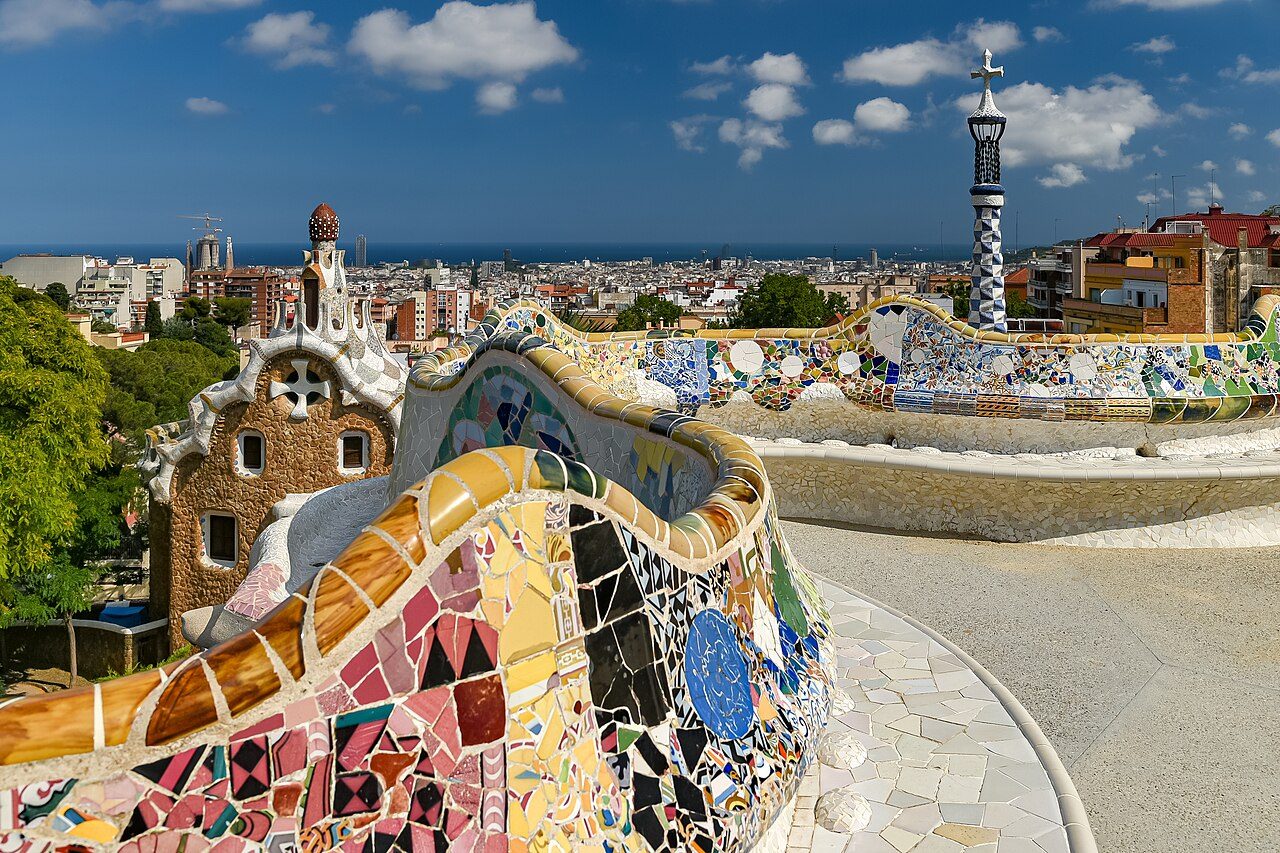
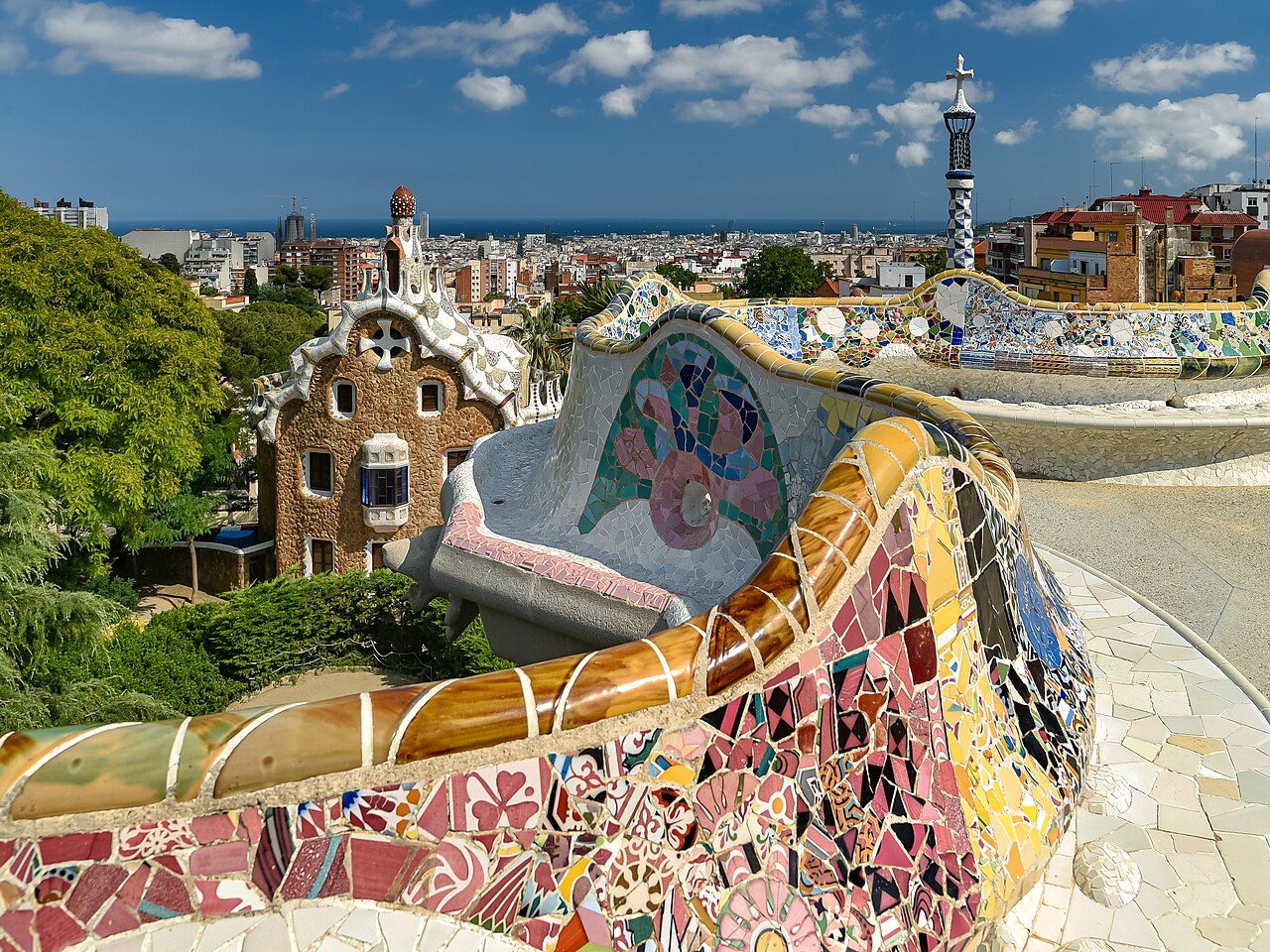
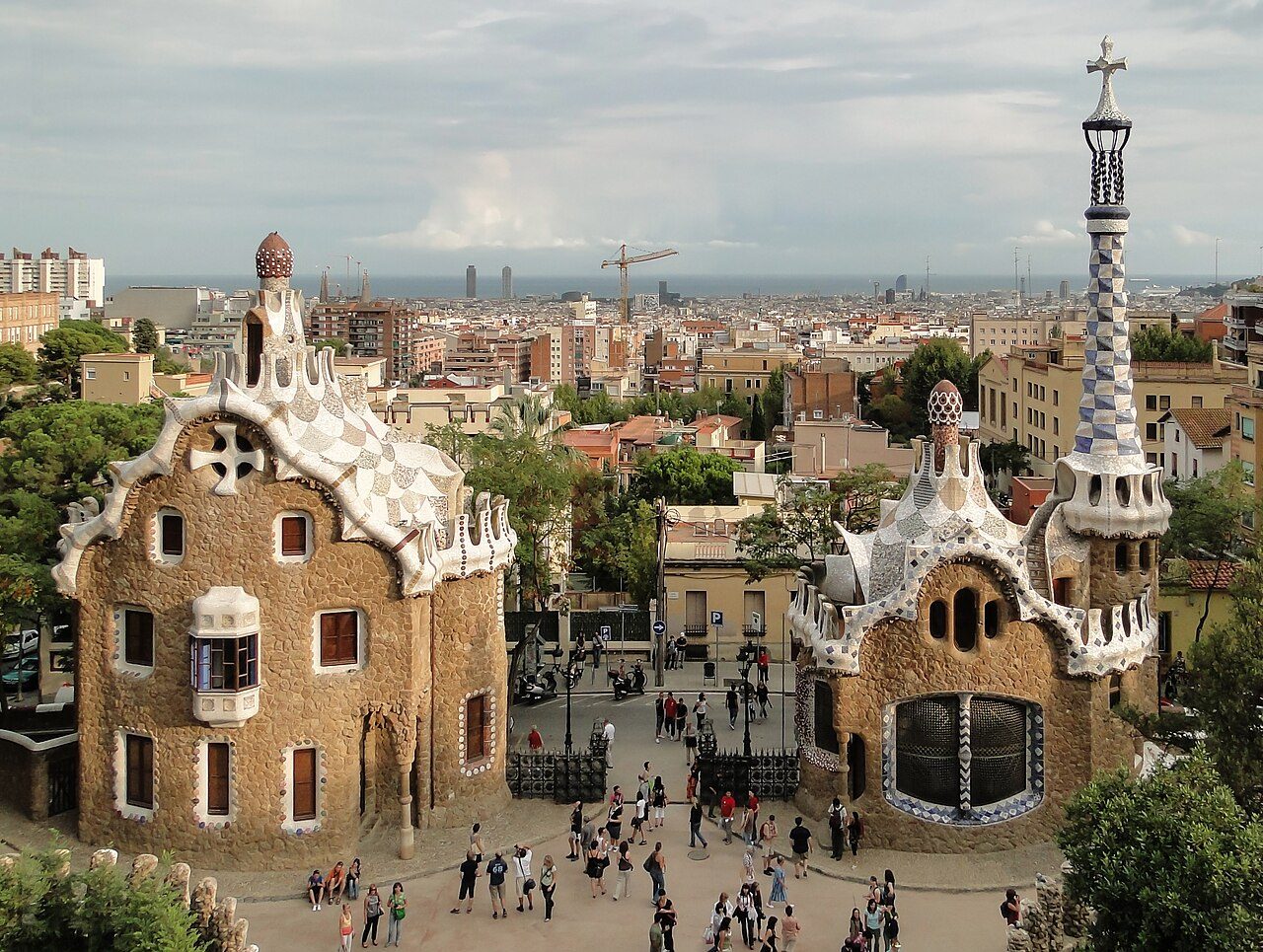
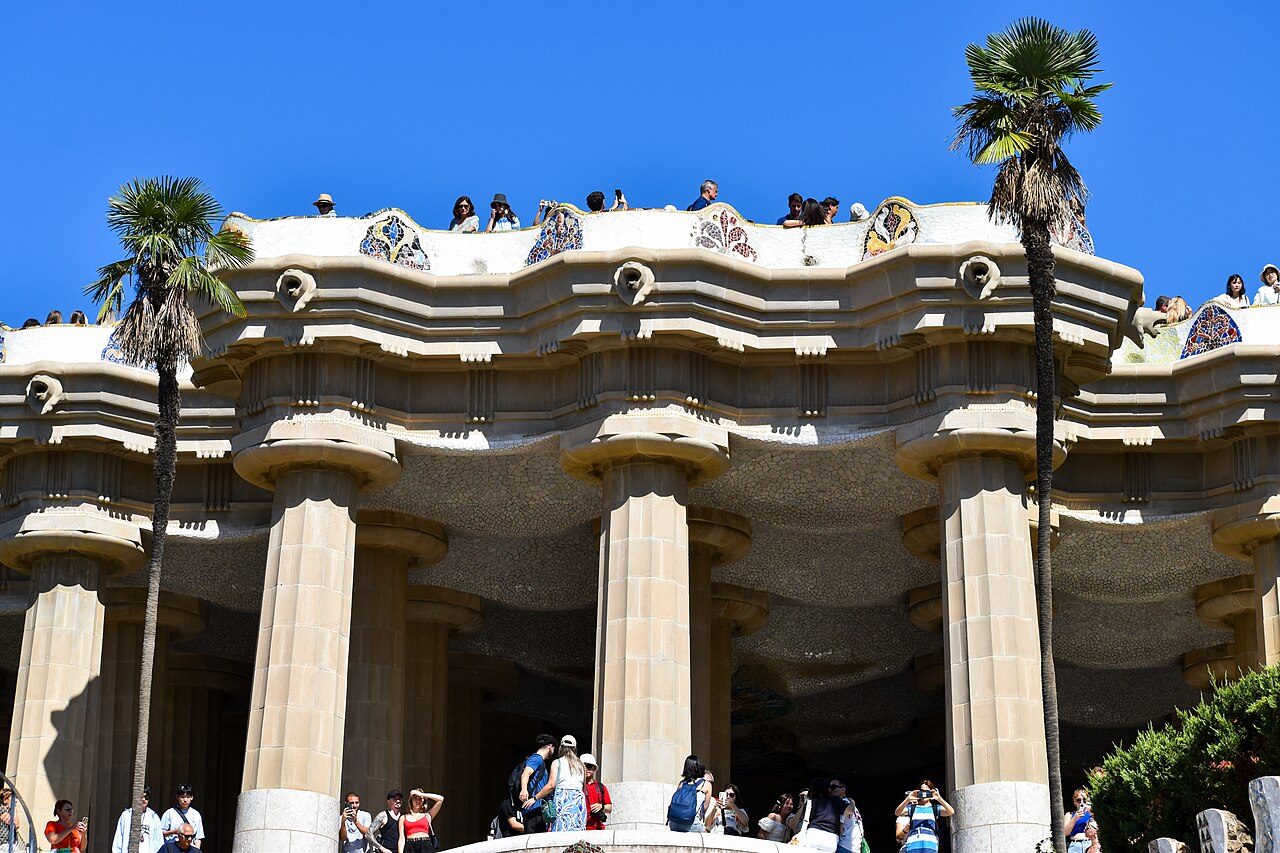
Park Güell is a public park on a hill in Barcelona designed by Antoni Gaudí and built from 1900 to 1914. It was planned as a housing estate that was never completed. Its main terrace is edged by a long winding bench covered in colourful broken tile mosaic. At the entrance stand gingerbread-like pavilions and the famous mosaic lizard. It is a UNESCO World Heritage Site.
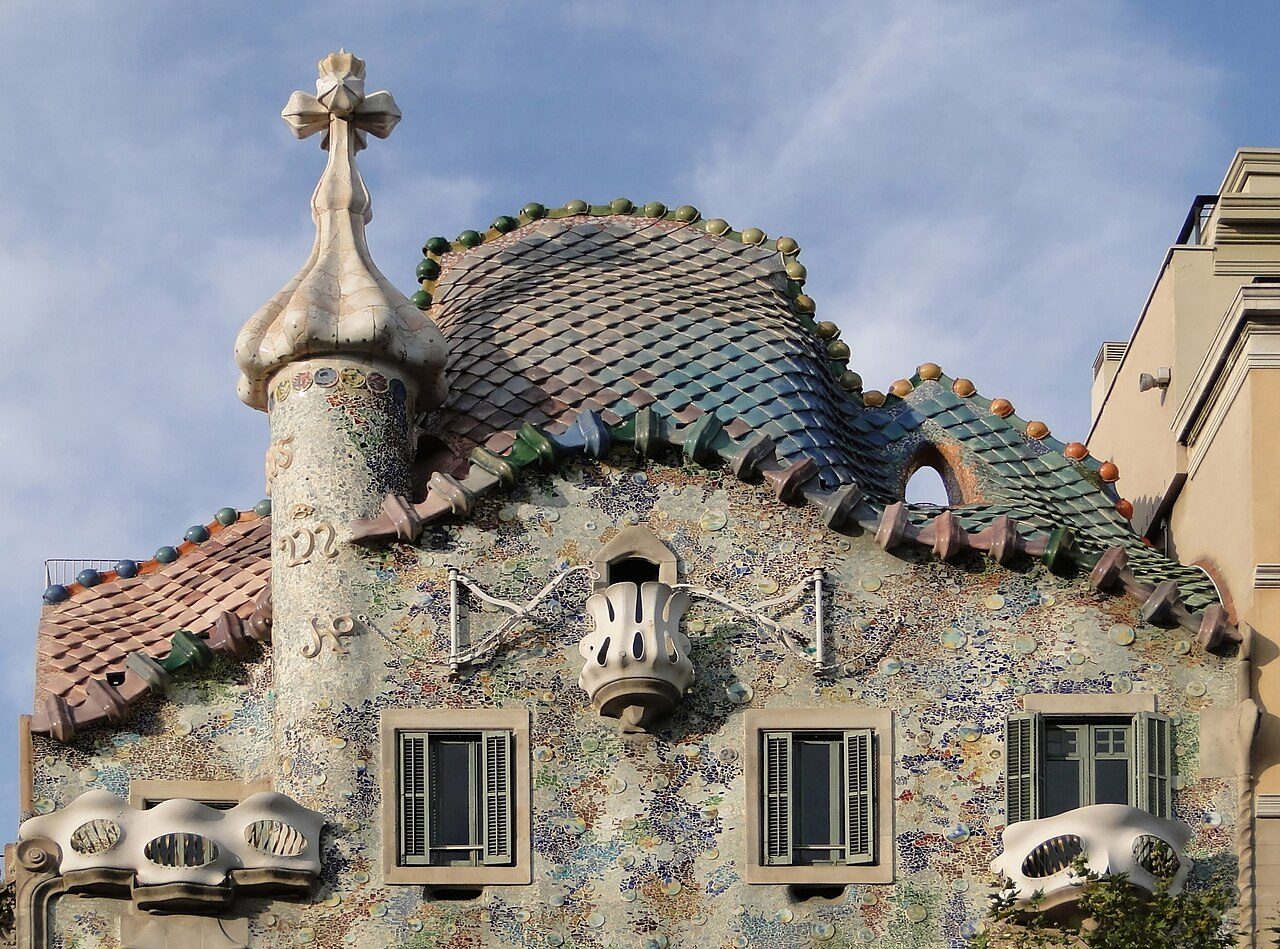
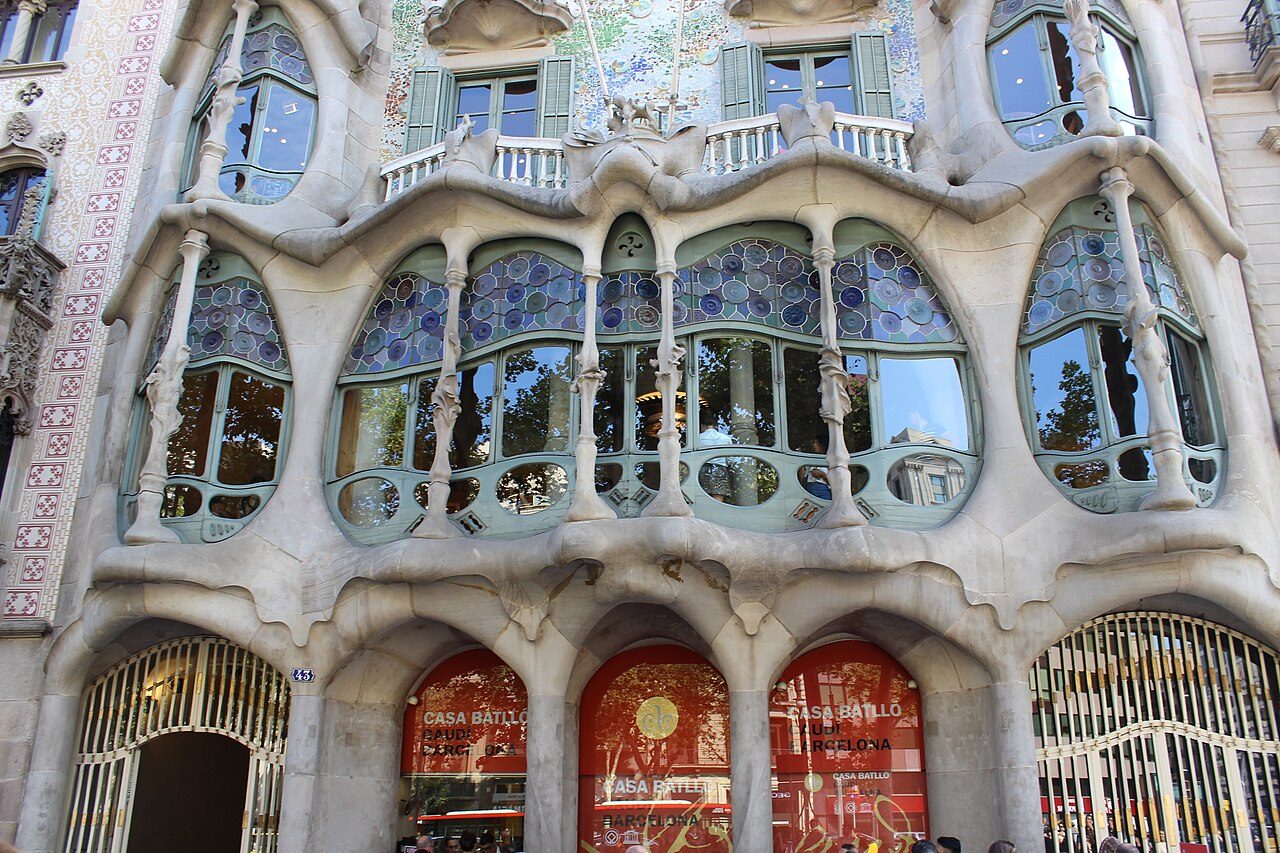
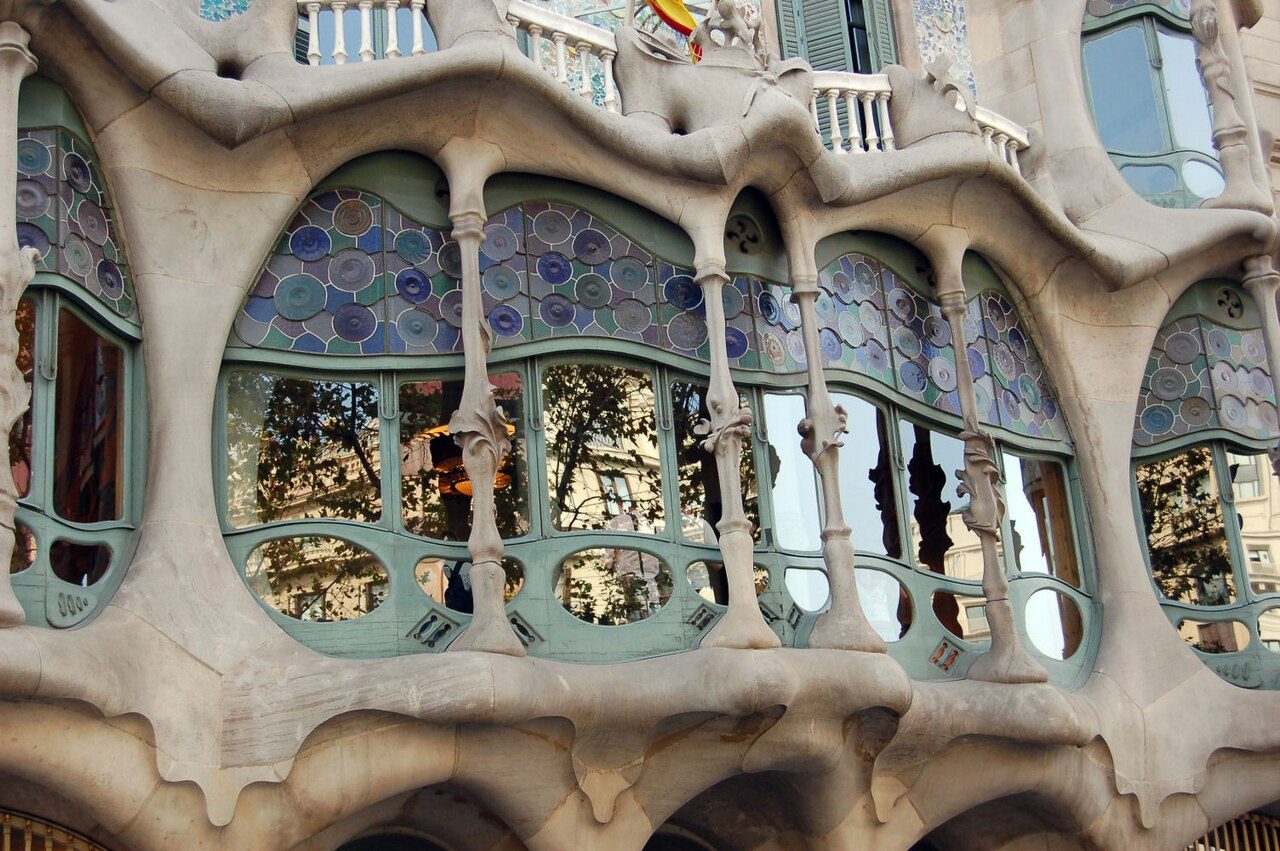
Casa Batlló is a house in Barcelona redesigned by Antoni Gaudí between 1904 and 1906. Its facade is covered with coloured glass and tiles and has balconies shaped like masks. The roof is curved like the back of a dragon. Inside, the rooms flow with wavy lines and natural light. It is part of a UNESCO World Heritage Site.
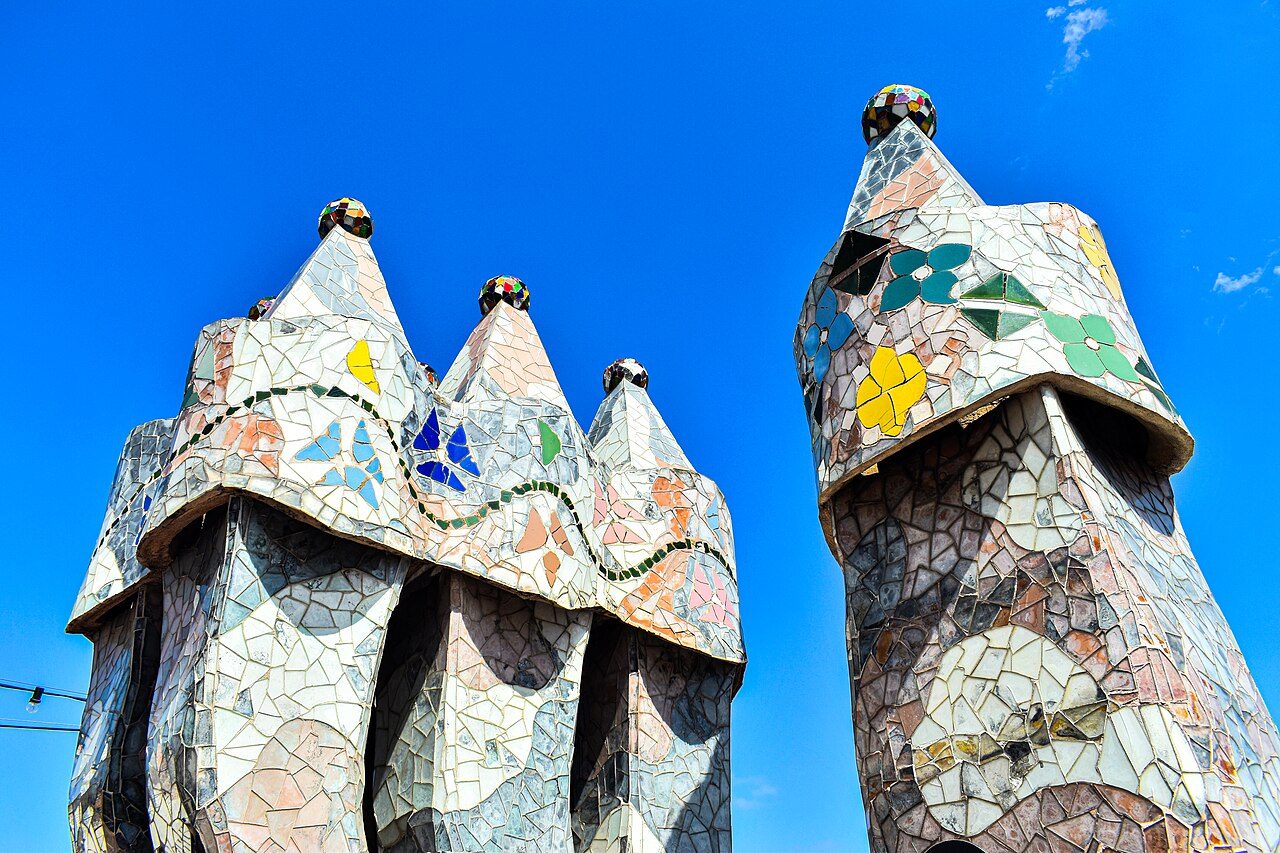
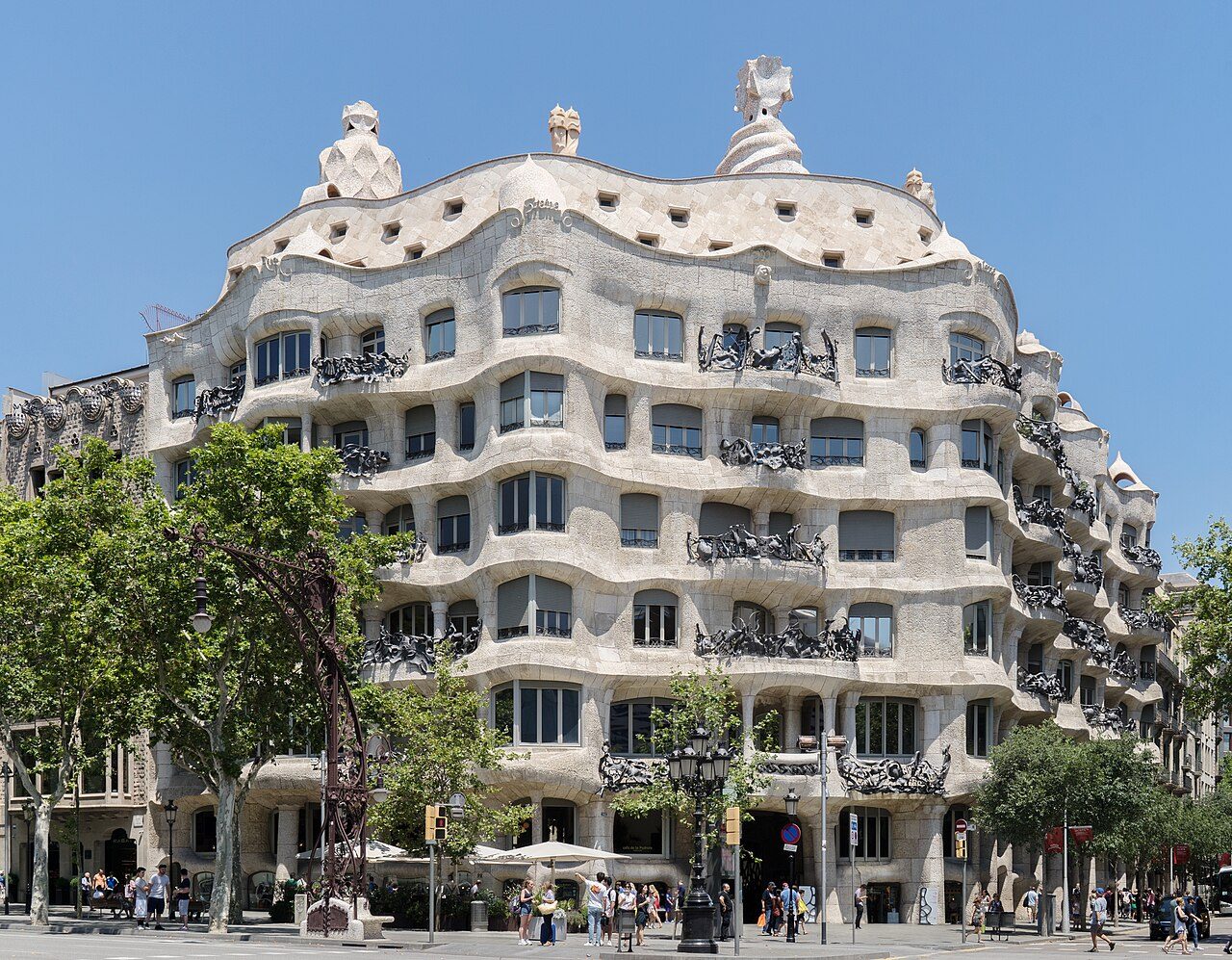
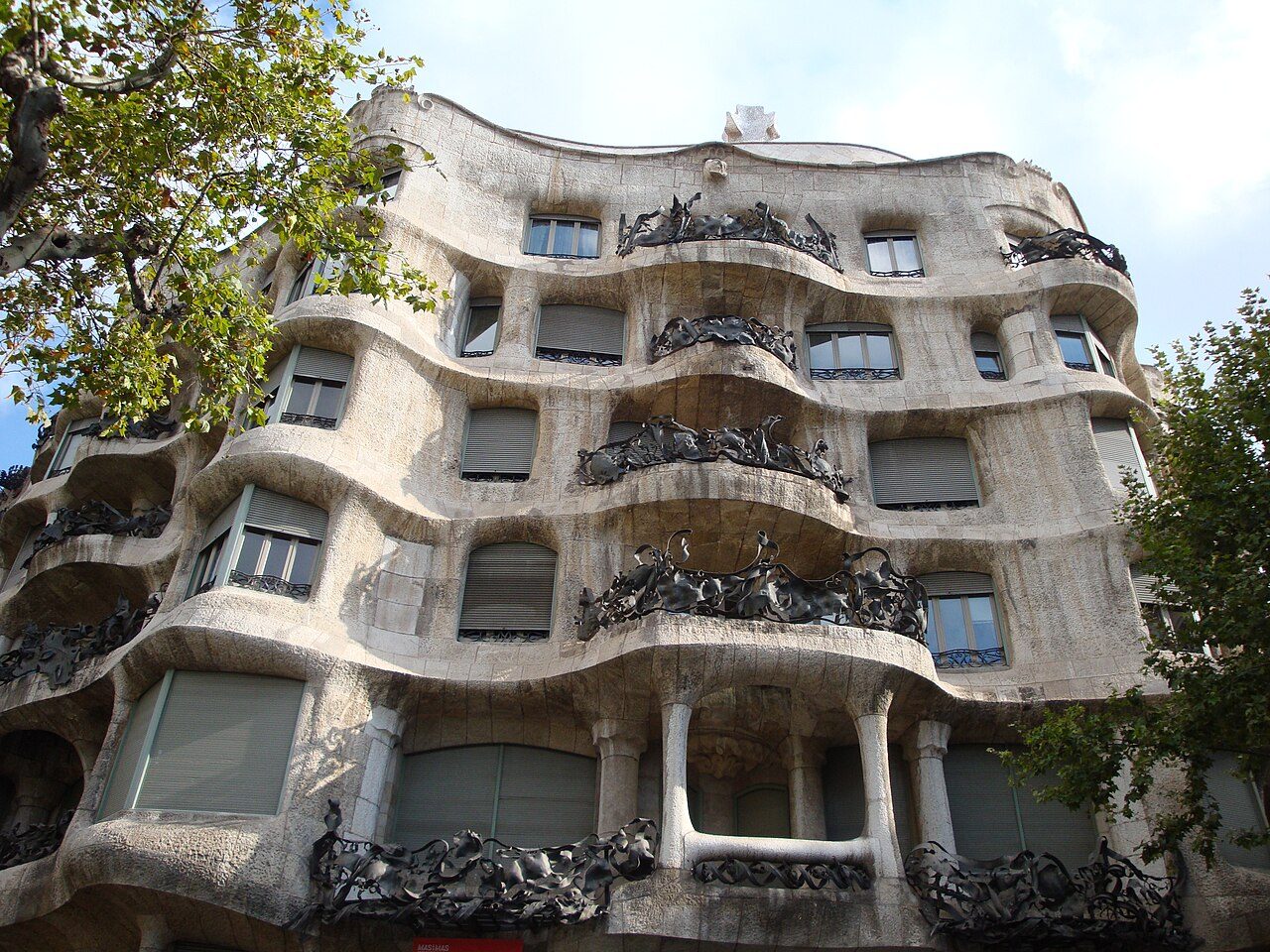
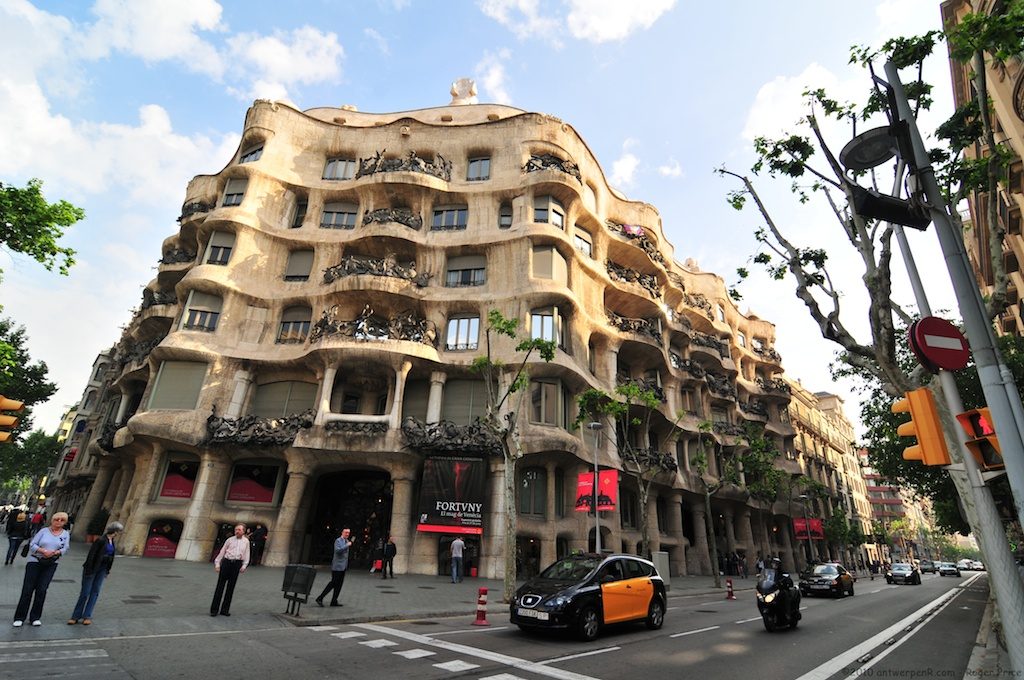
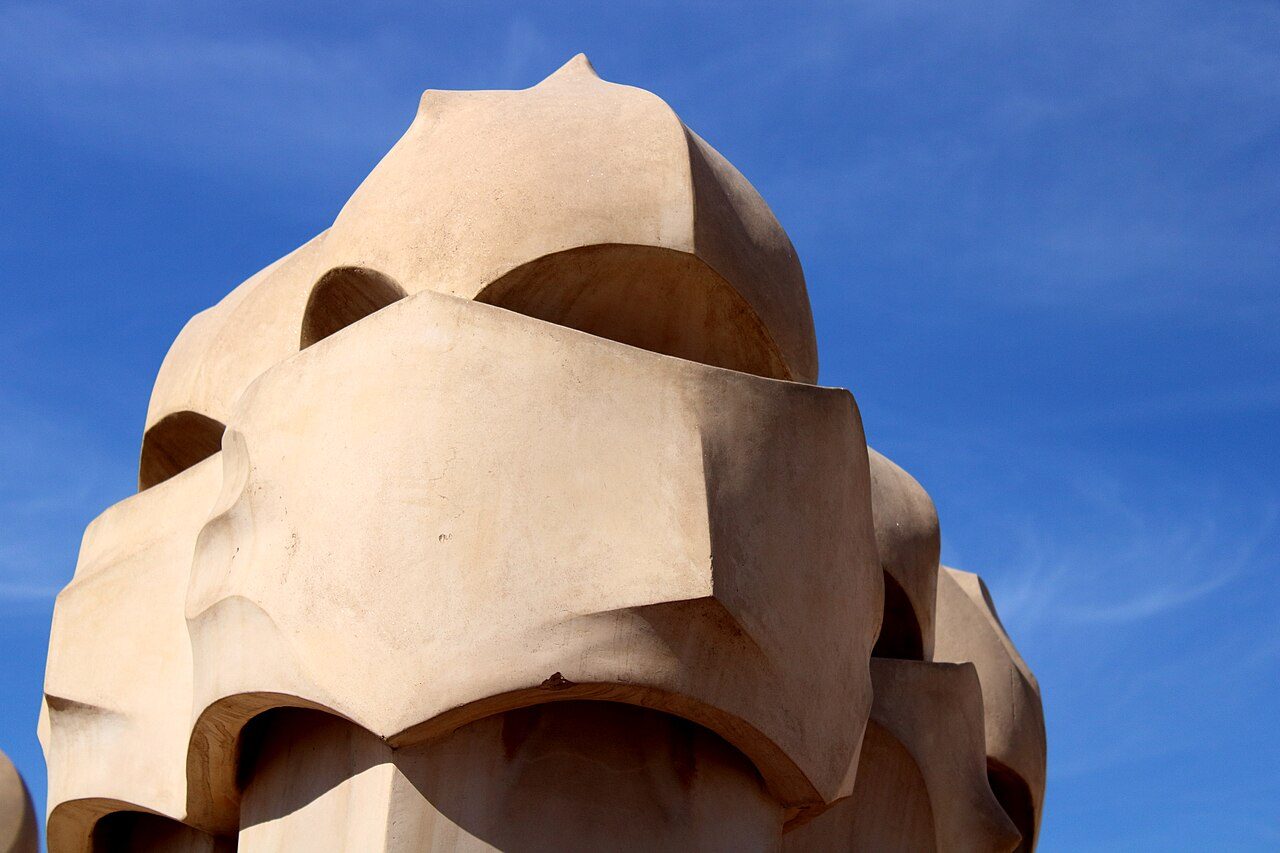
Casa Milà, also called La Pedrera, the stone quarry, is a building by Antoni Gaudí on Passeig de Gràcia in Barcelona, built from 1906 to 1912. Its wavy stone facade has no straight lines, with balconies of twisted iron. The rooftop has strange chimneys that look like warriors. It is a UNESCO World Heritage Site.
05
STOP 5 OF 12
Gothic Quarter
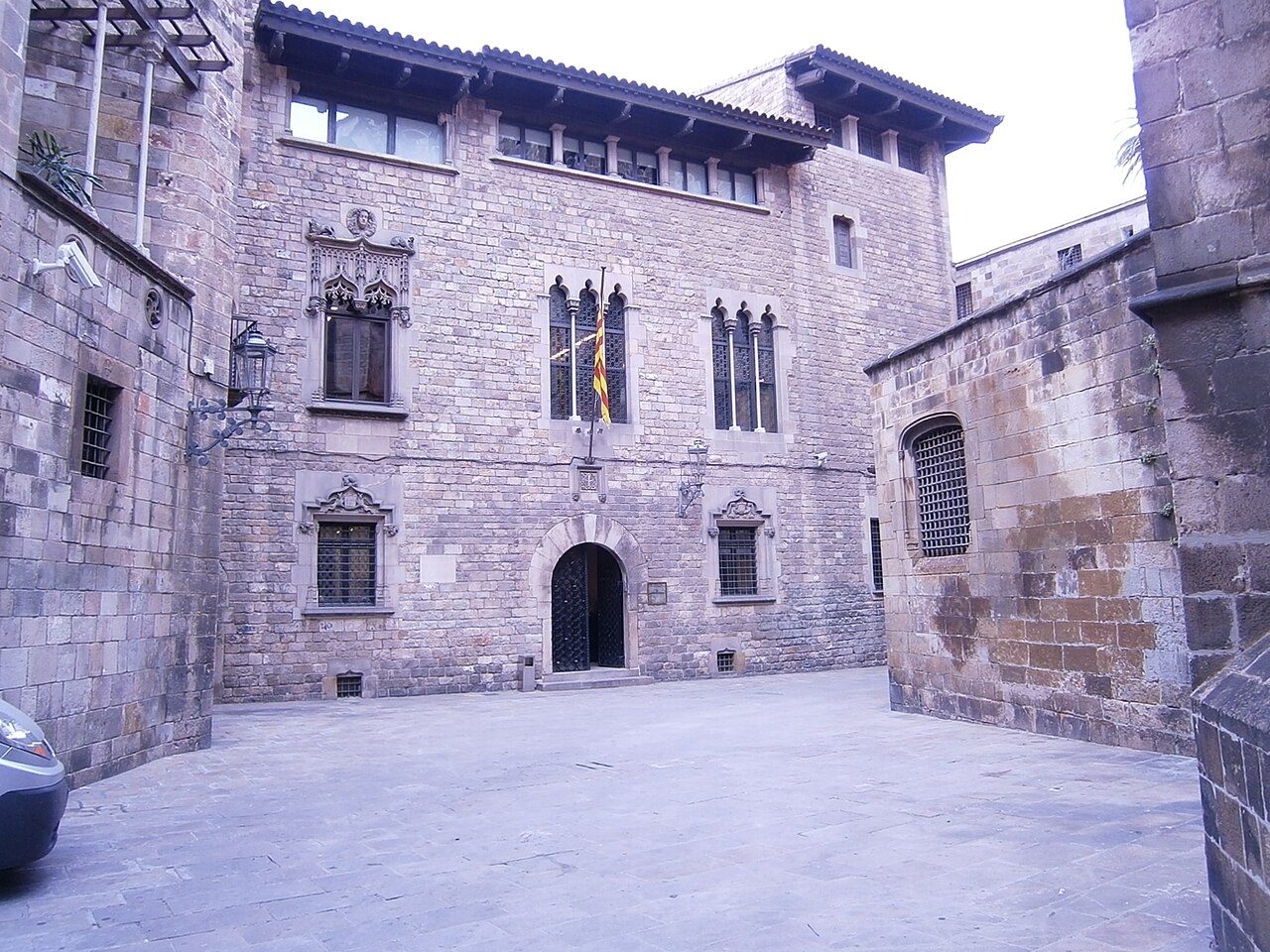
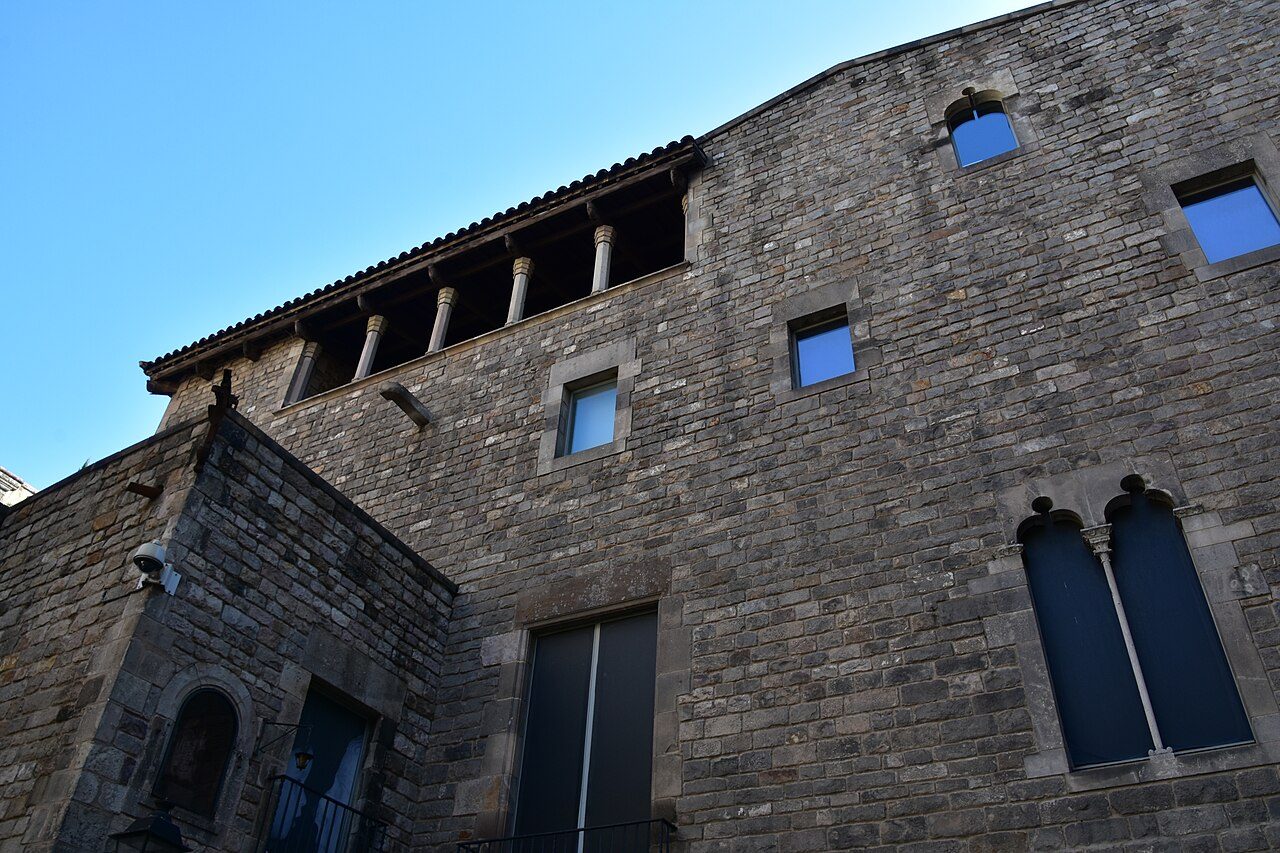
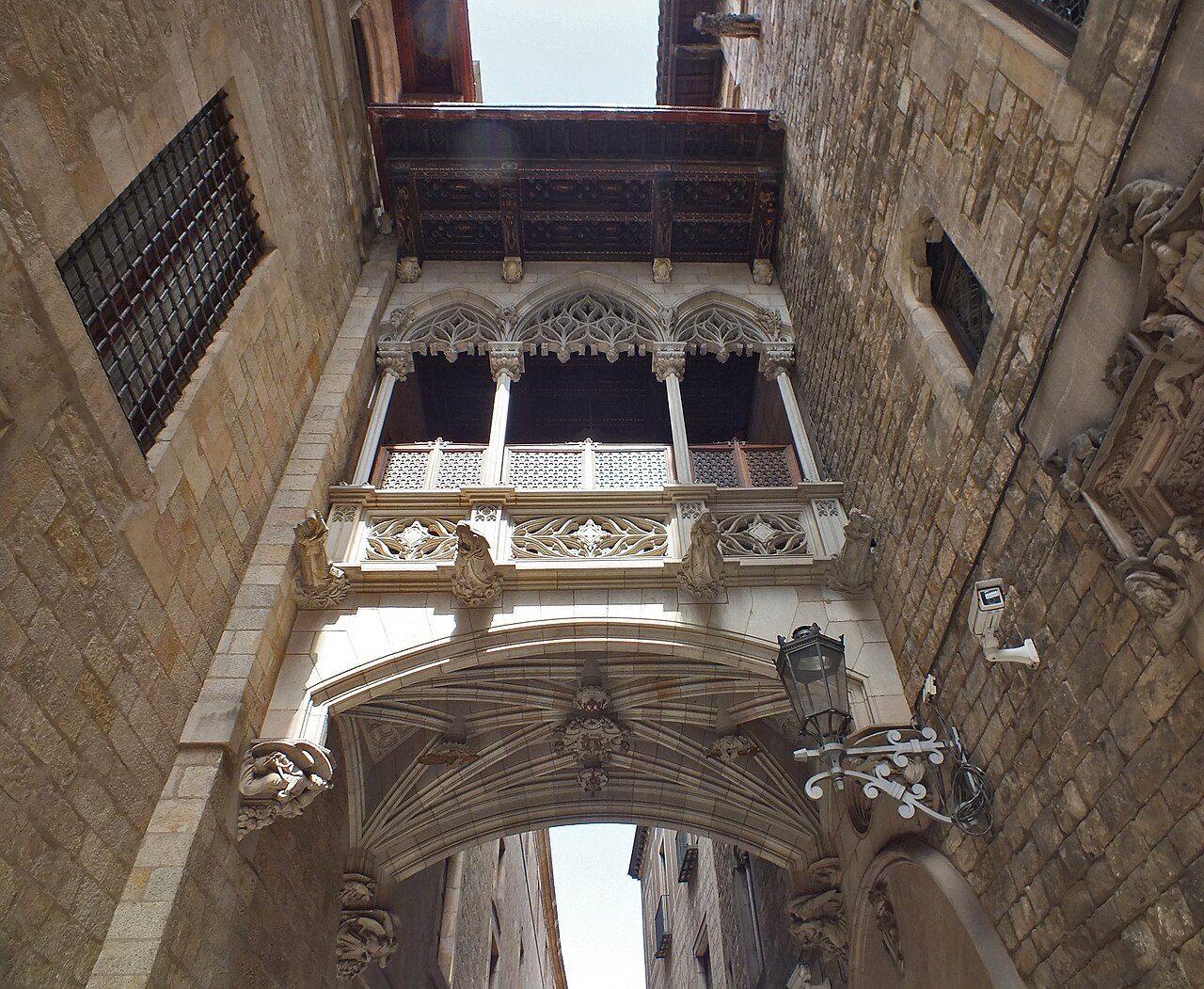
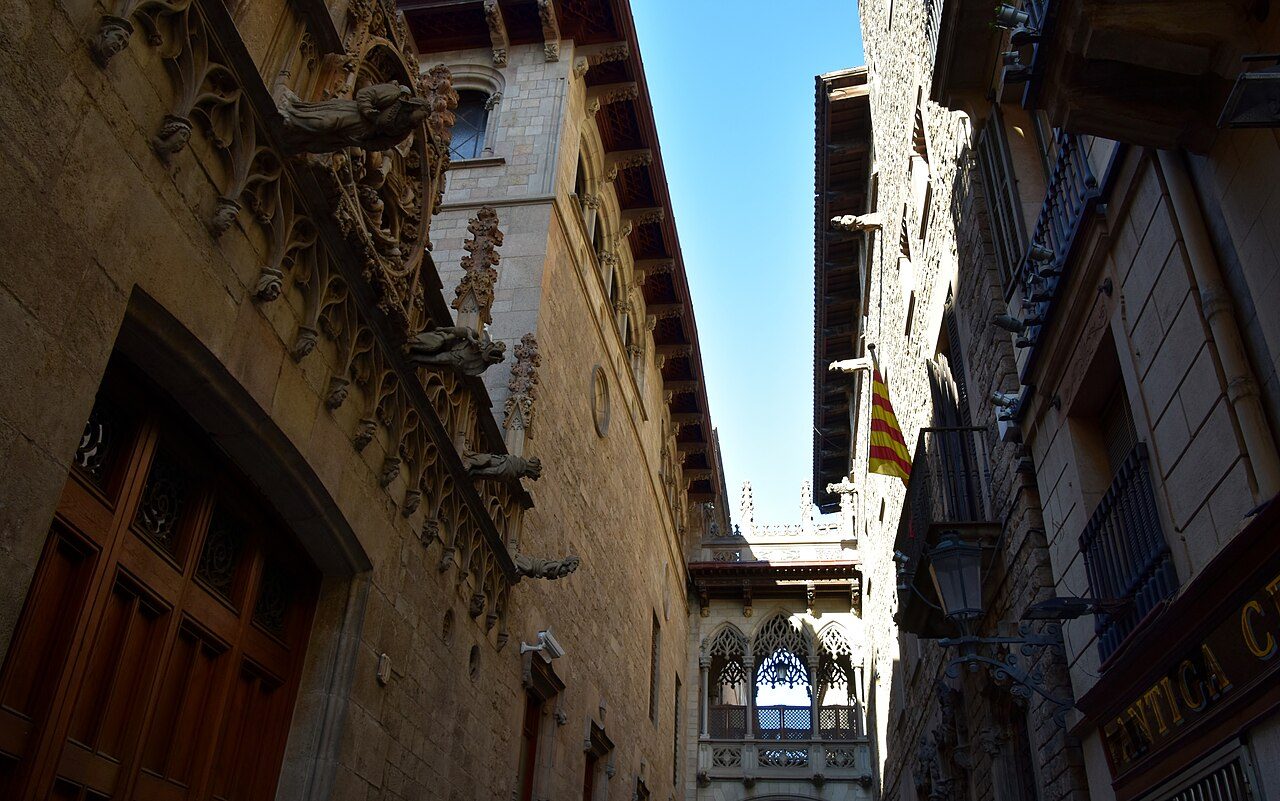
The Gothic Quarter, Barri Gòtic, is the oldest part of Barcelona, built over the Roman town. Its narrow lanes lead to medieval squares and buildings. Barcelona Cathedral, completed in the 15th century, has a cloister where 13 white geese live. Remains of Roman walls and a temple can be seen. The quarter is full of small shops, bars and history.
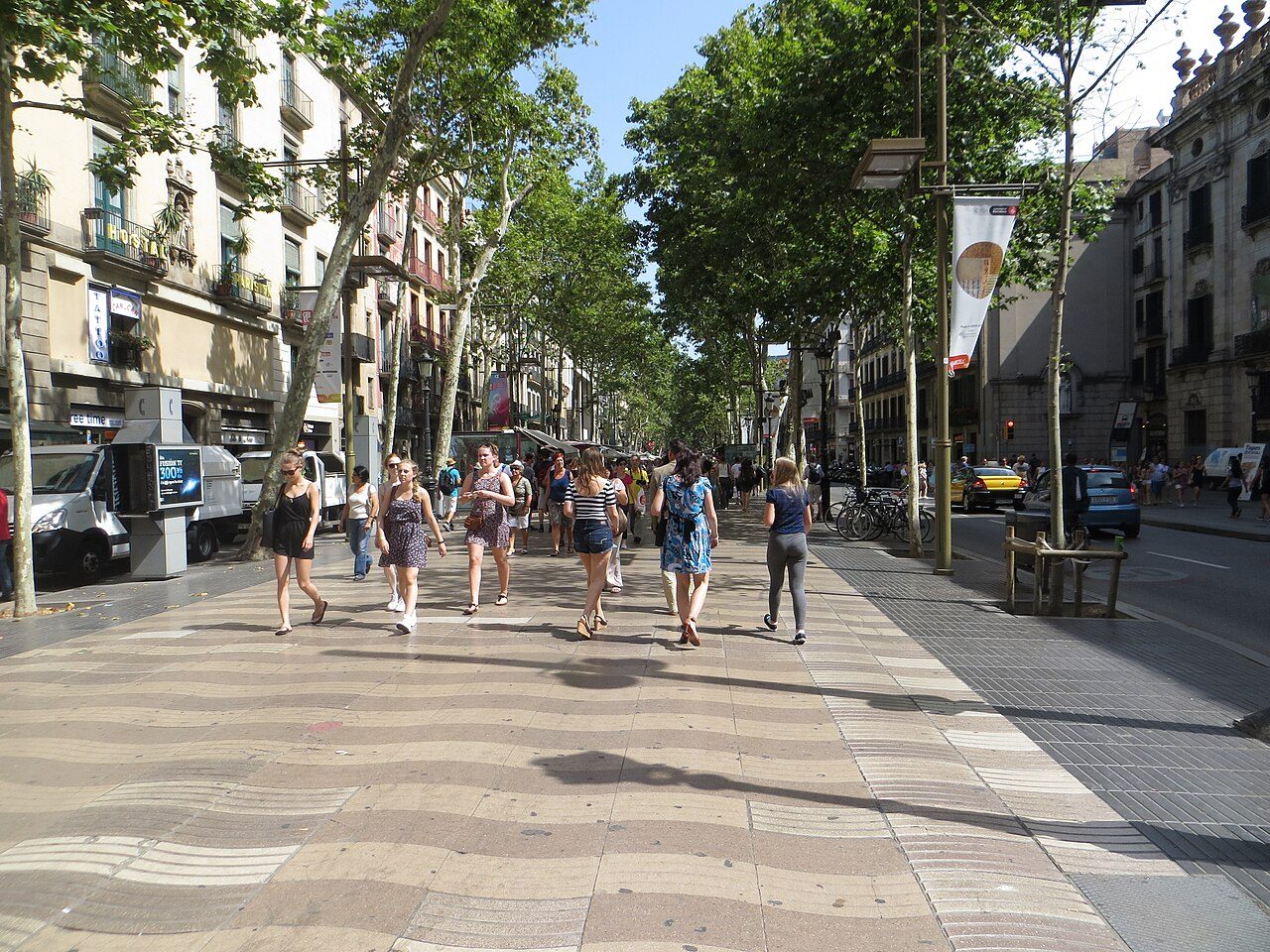
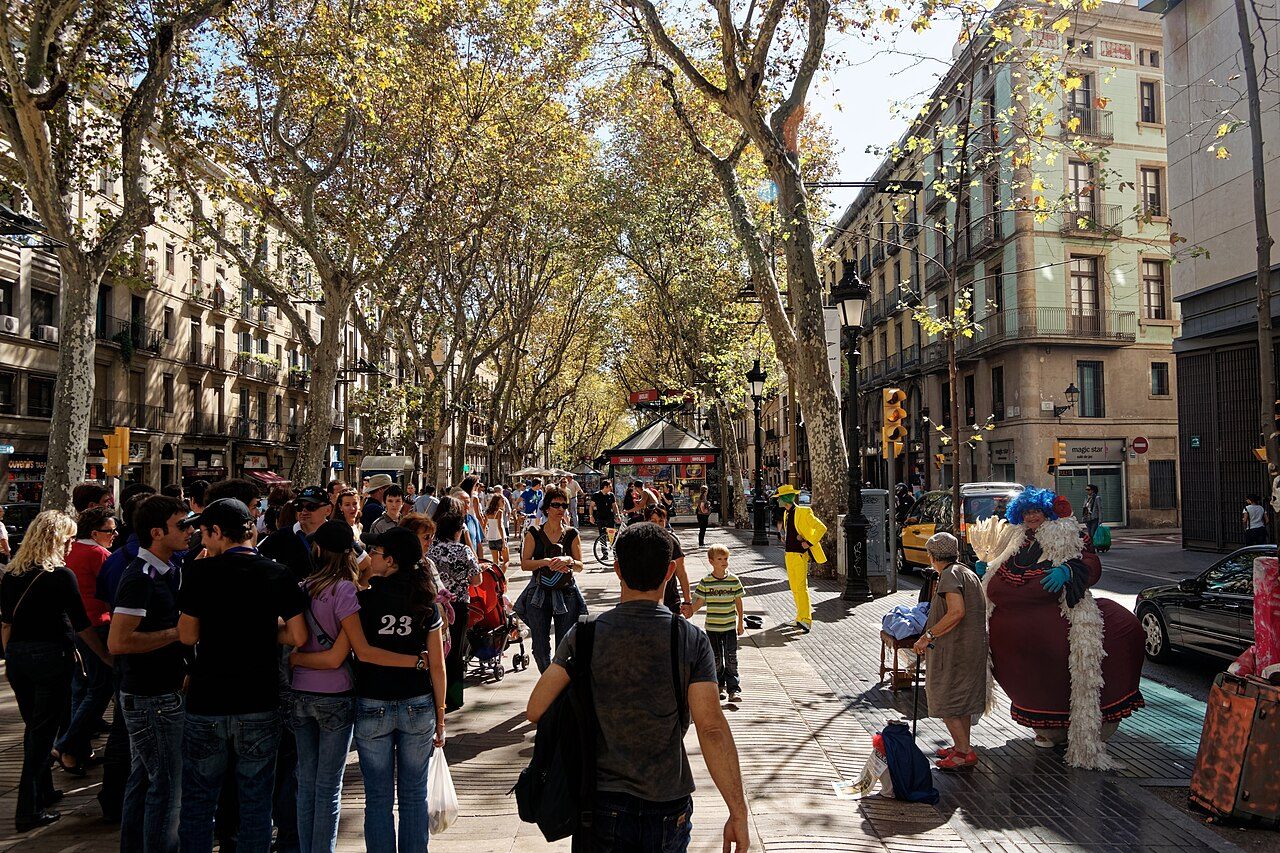
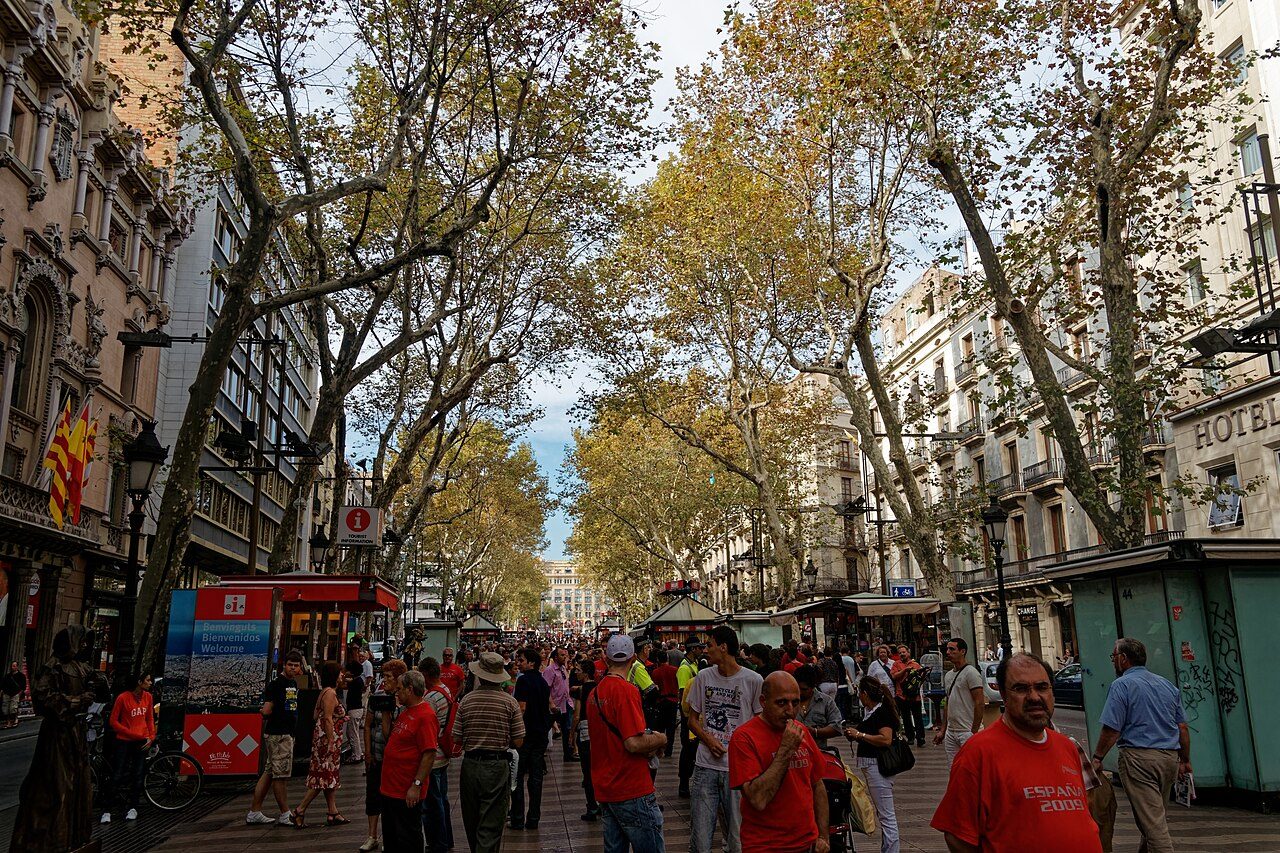
La Rambla is a tree-lined boulevard about 1.2 kilometres long in central Barcelona, running from Plaça de Catalunya to the old harbour. Its wide central walkway is filled with street performers, flower stalls and cafes. Along it lie the Boqueria market, famous for fresh food, the Liceu opera house and a mosaic by Joan Miró set in the pavement.
07
STOP 7 OF 12
Palau de la Música Catalana
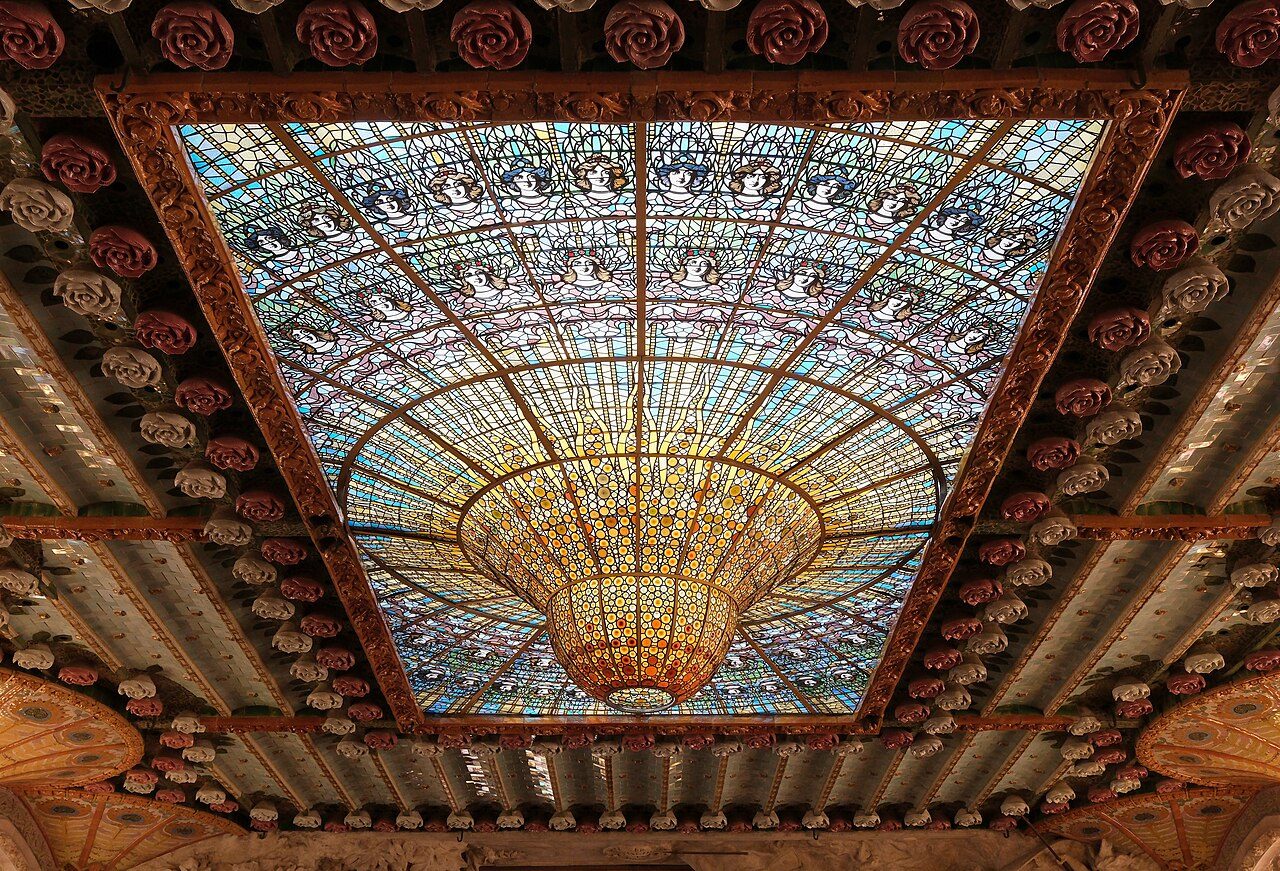
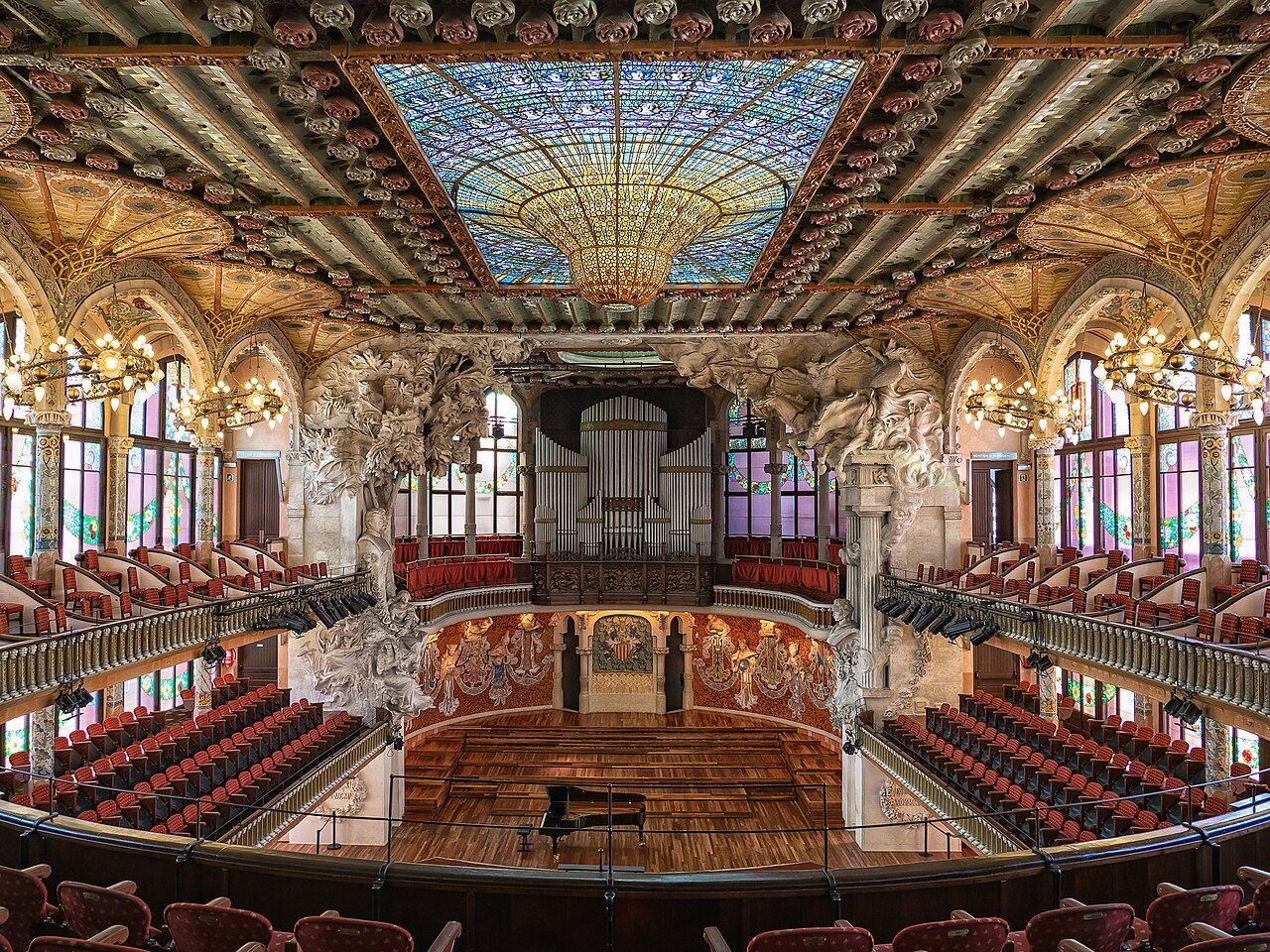
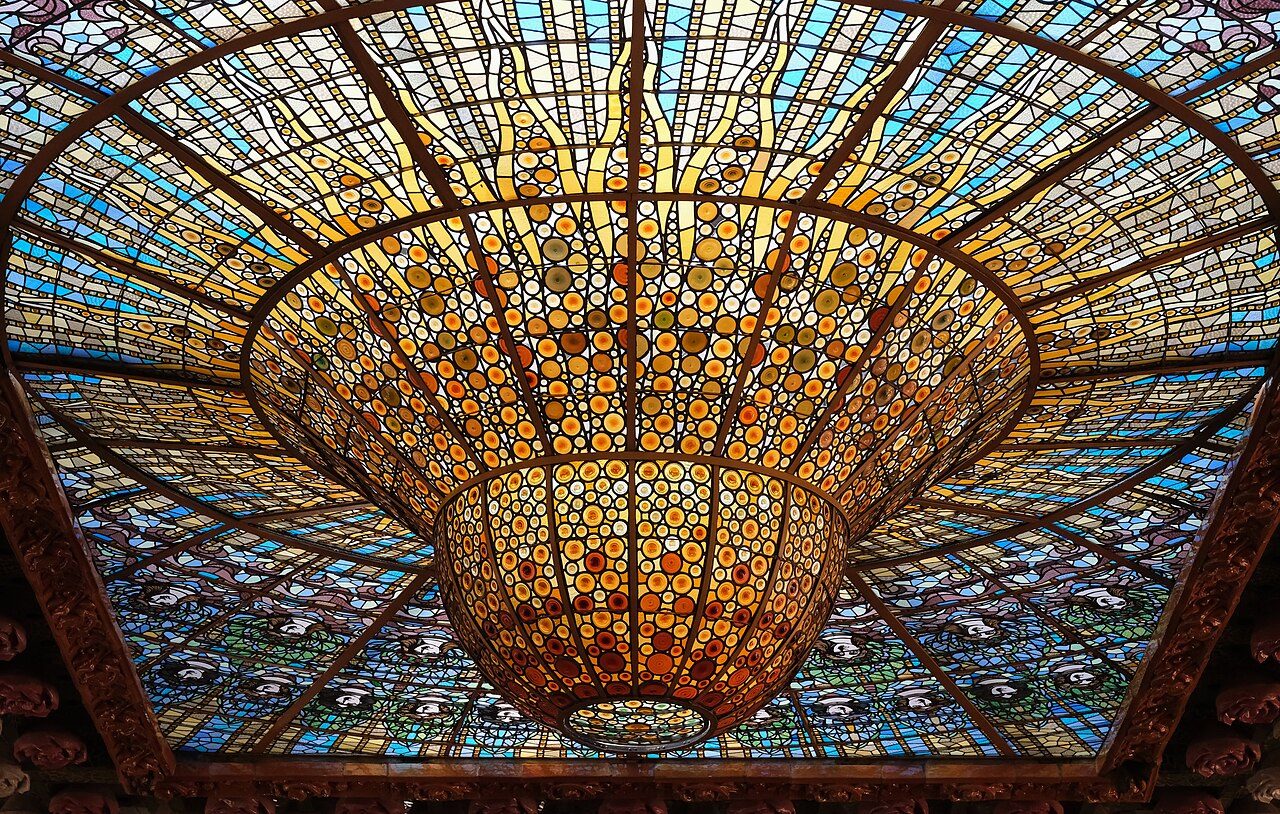
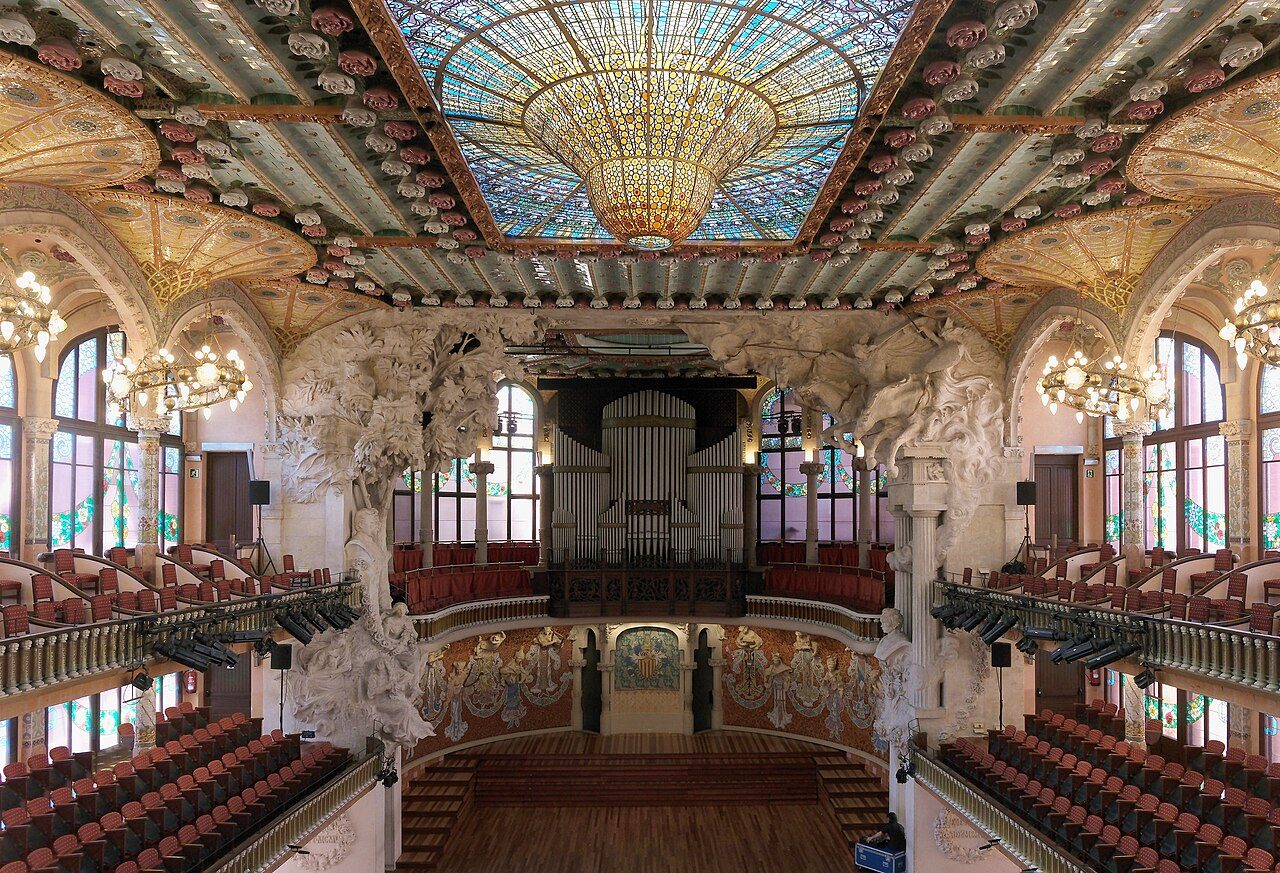
The Palau de la Música Catalana is a concert hall in Barcelona, built from 1905 to 1908 by Lluís Domènech i Montaner. It is a masterpiece of Catalan modernisme. Its auditorium is lit by a huge inverted dome of stained glass, and sculptures of muses emerge from the walls behind the stage. It is a UNESCO World Heritage Site.
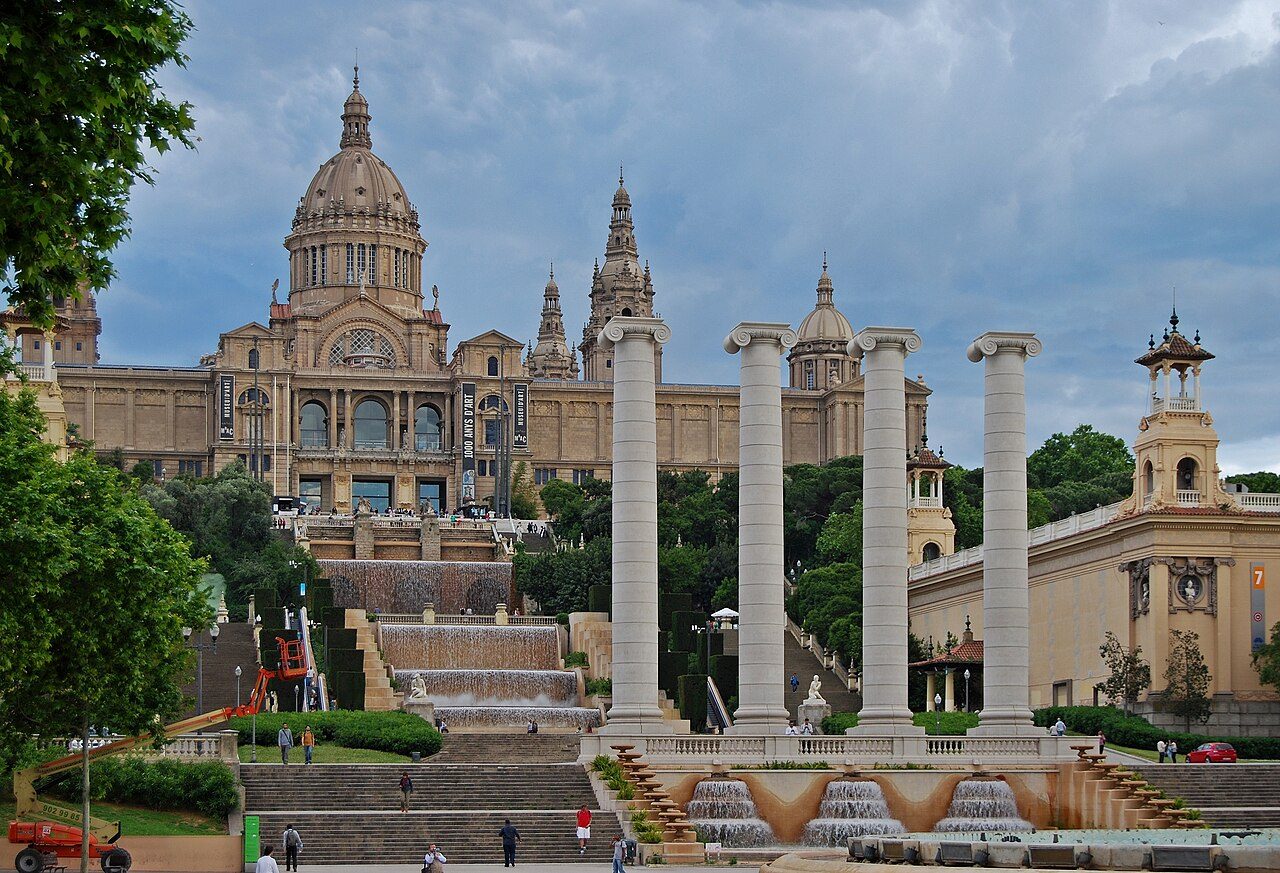
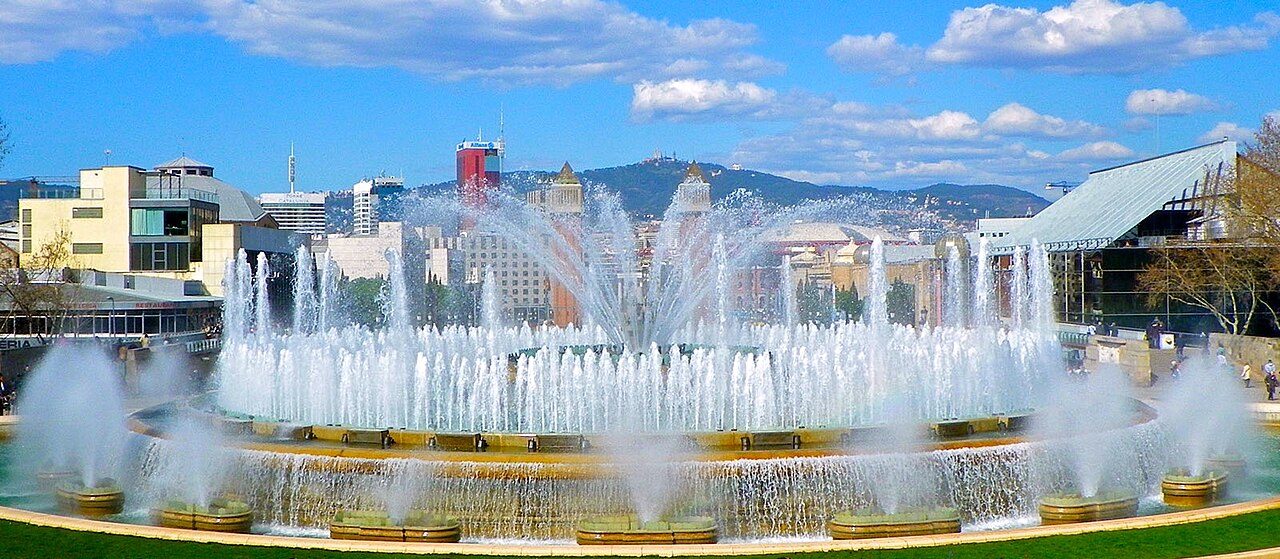
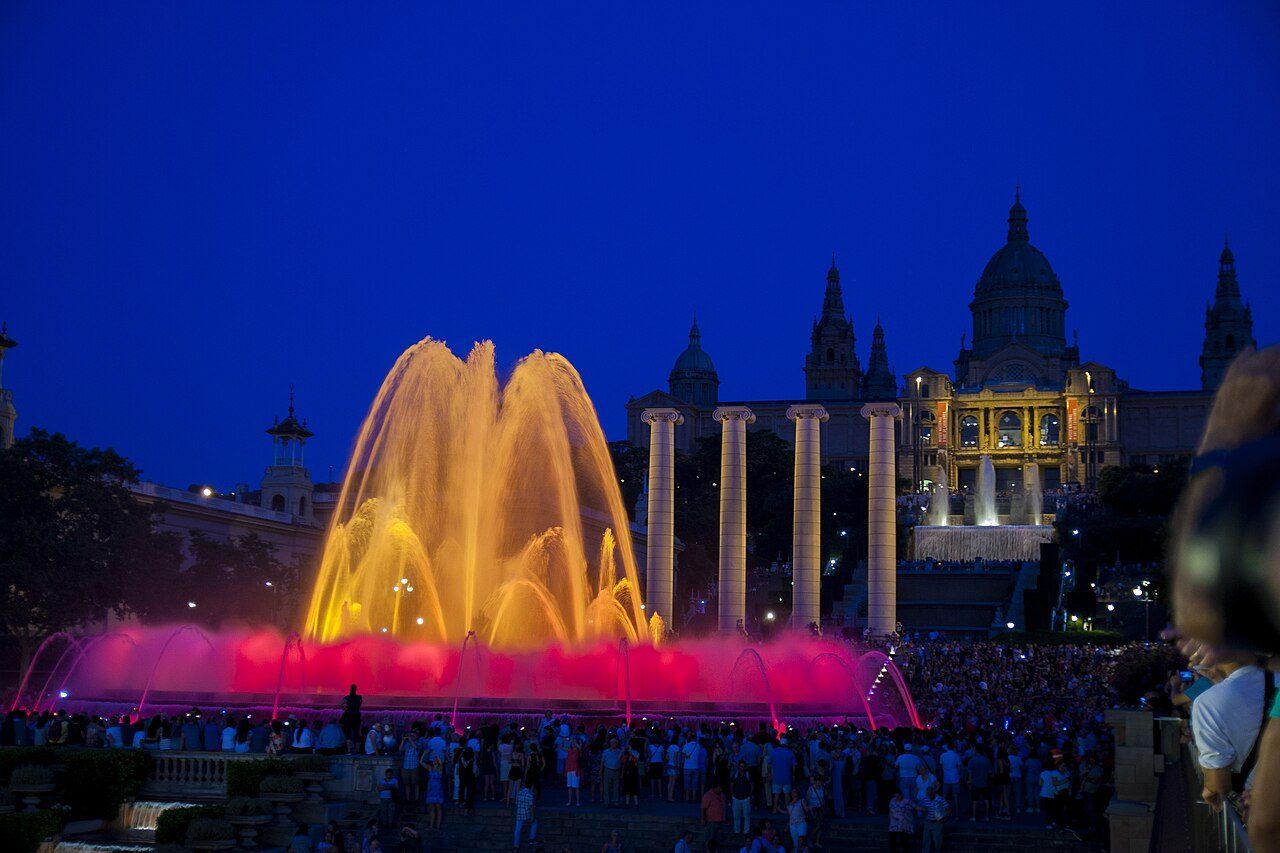
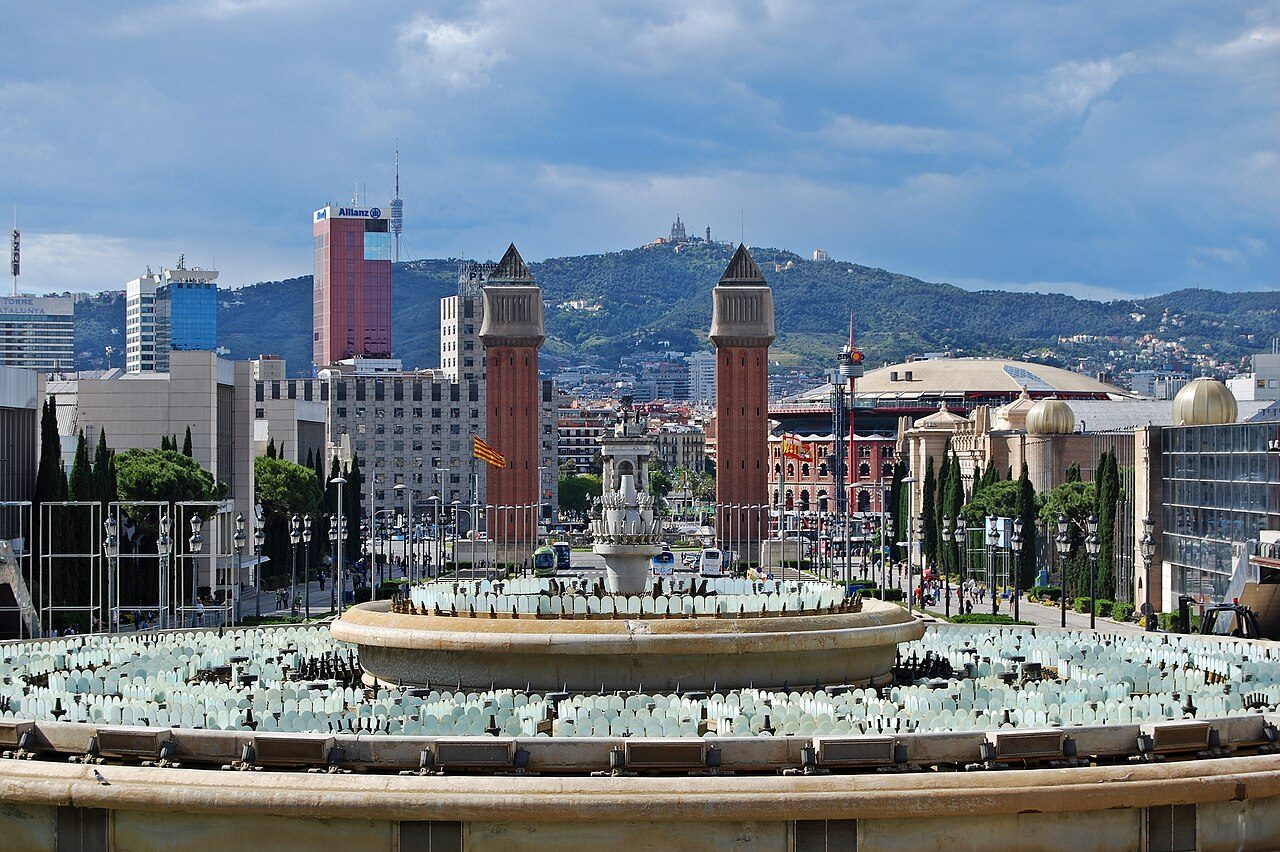
Montjuïc is a hill above Barcelona's harbour. It has gardens, museums and sports venues from the 1929 World Exhibition and the 1992 Olympic Games. The National Art Museum of Catalonia stands in a grand palace at the top of a stairway, and the Magic Fountain below puts on light and music shows. A castle crowns the summit, reached by cable car.
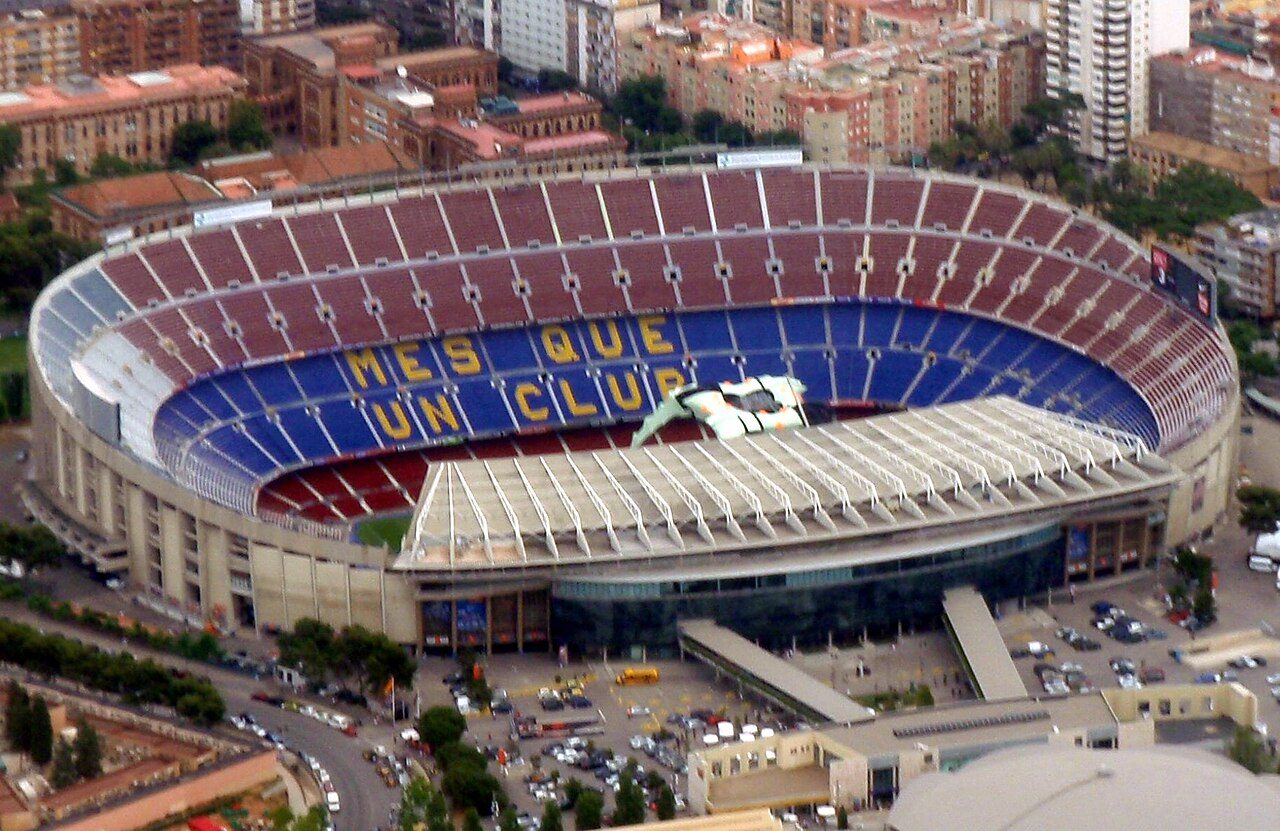
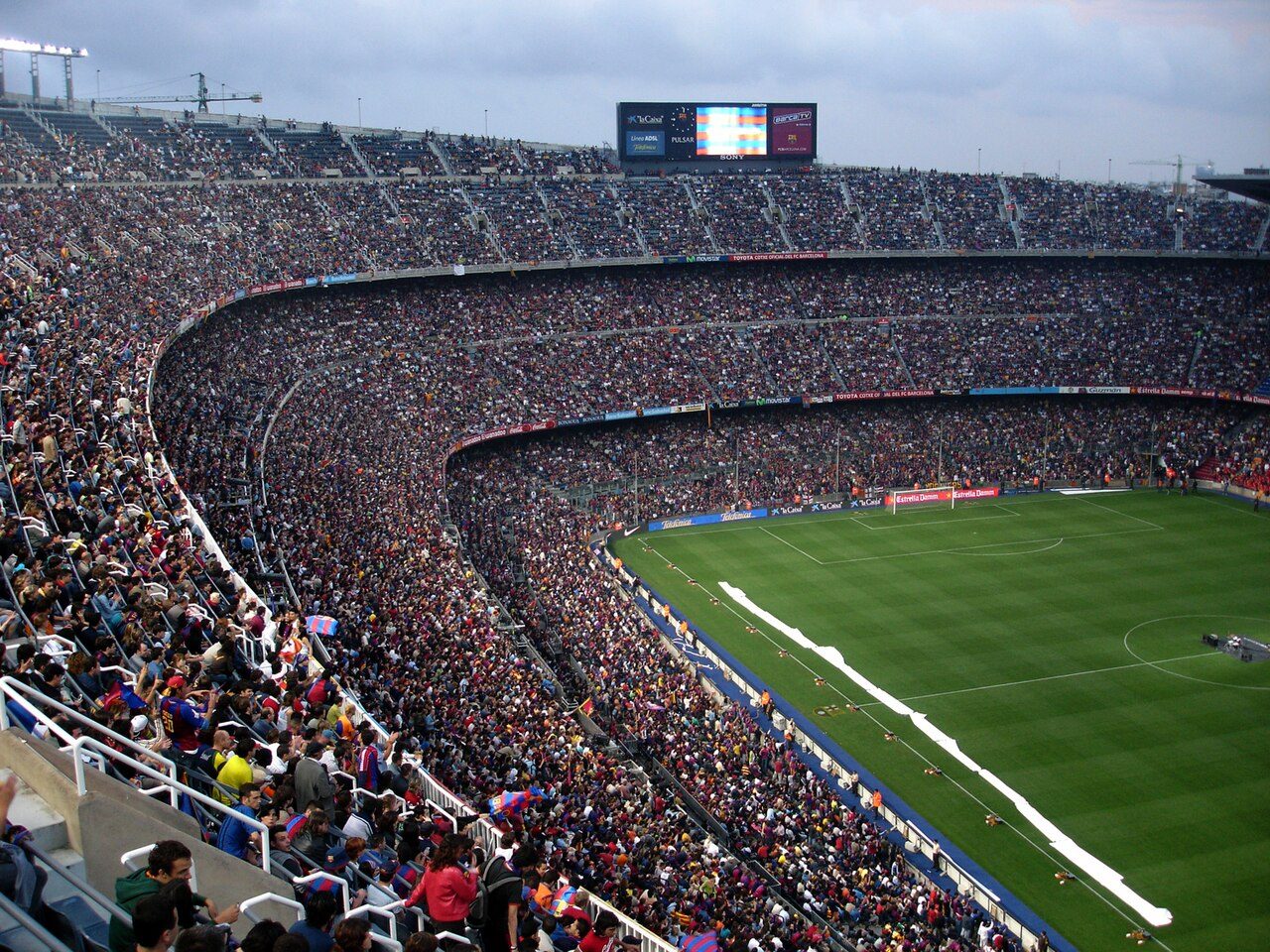
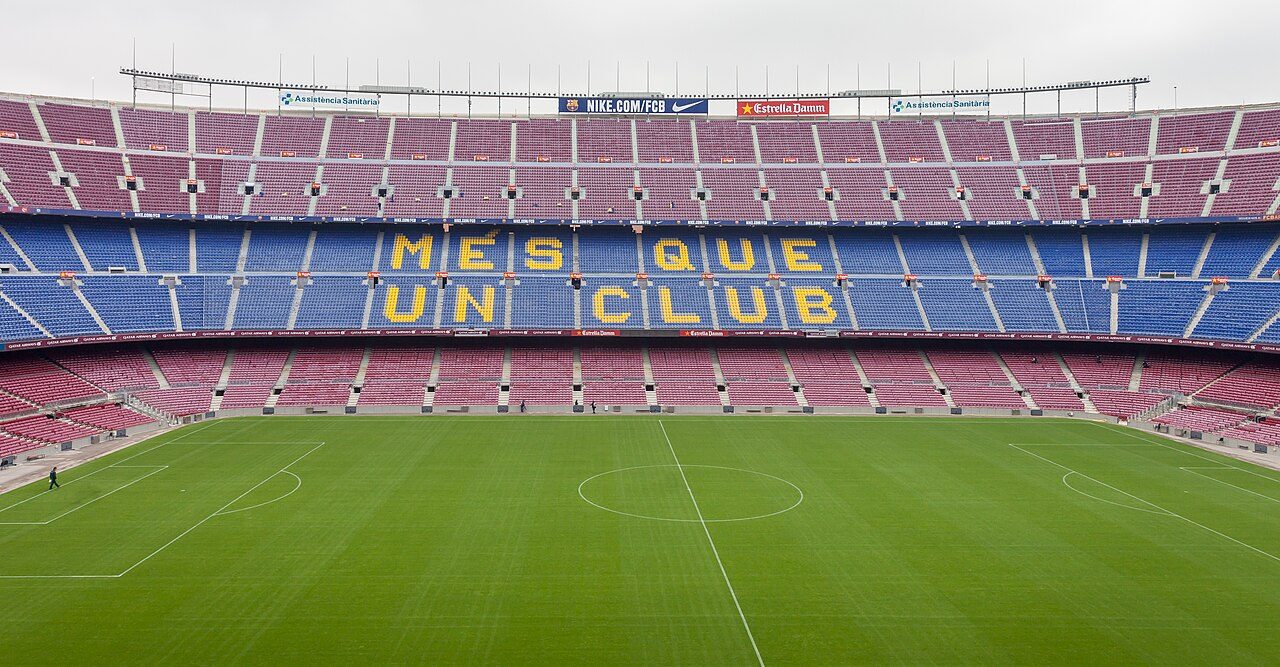
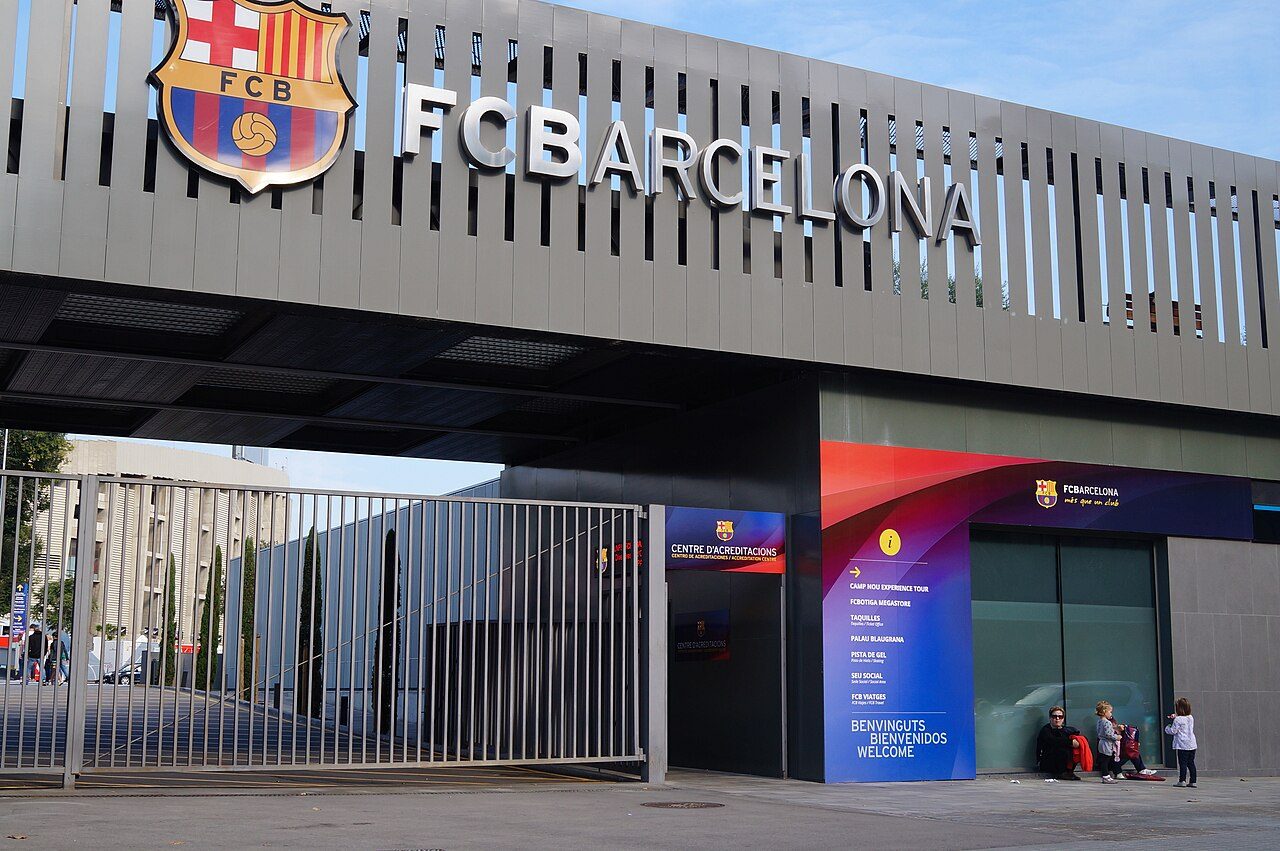
Camp Nou is the home stadium of FC Barcelona, opened in 1957. It is the largest stadium in Europe. The stadium has been undergoing a major rebuild since 2023, raising its capacity to about 105,000. A museum shows the history and trophies of the club. The stadium has also hosted World Cup matches and Olympic football.
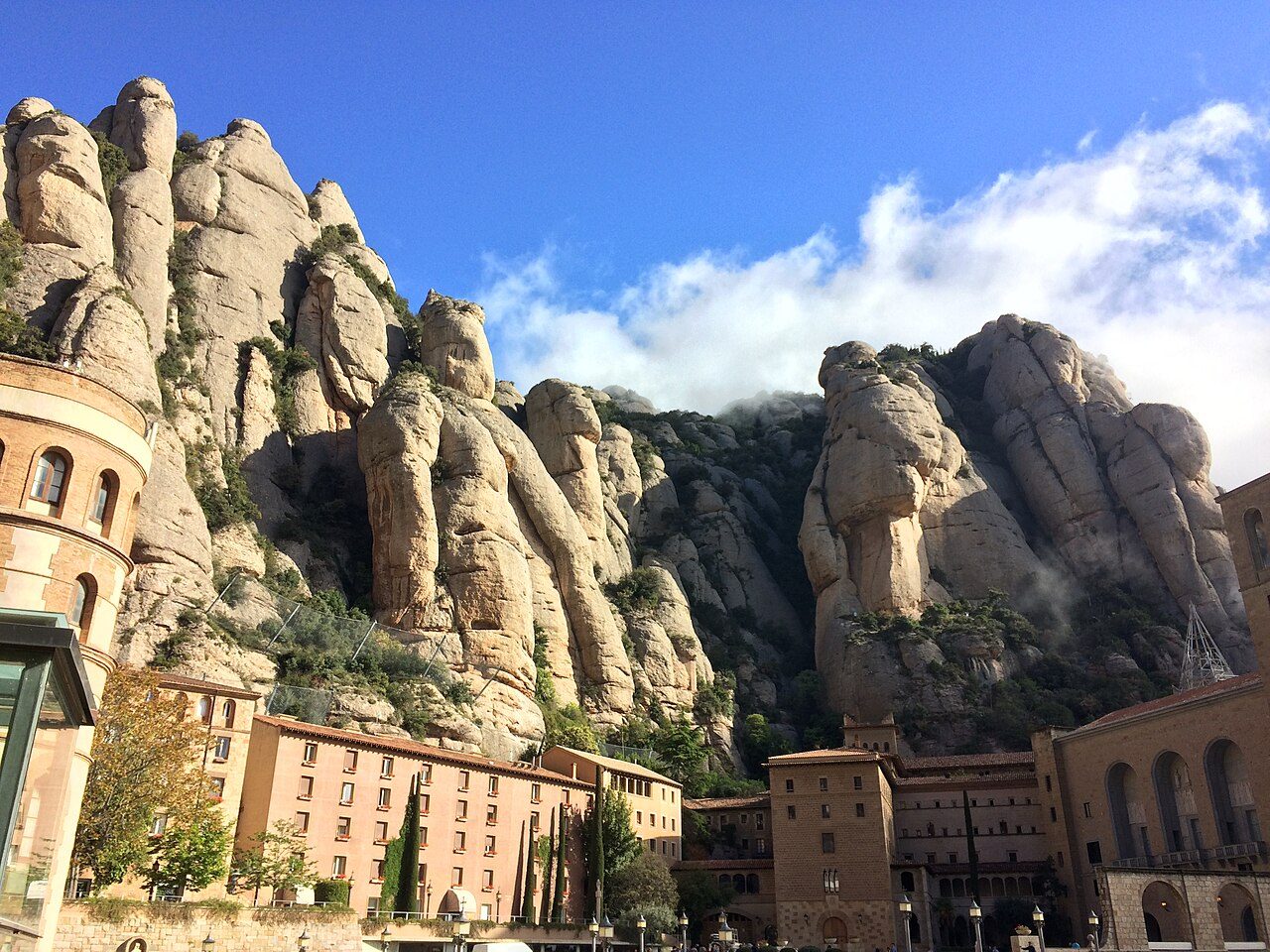
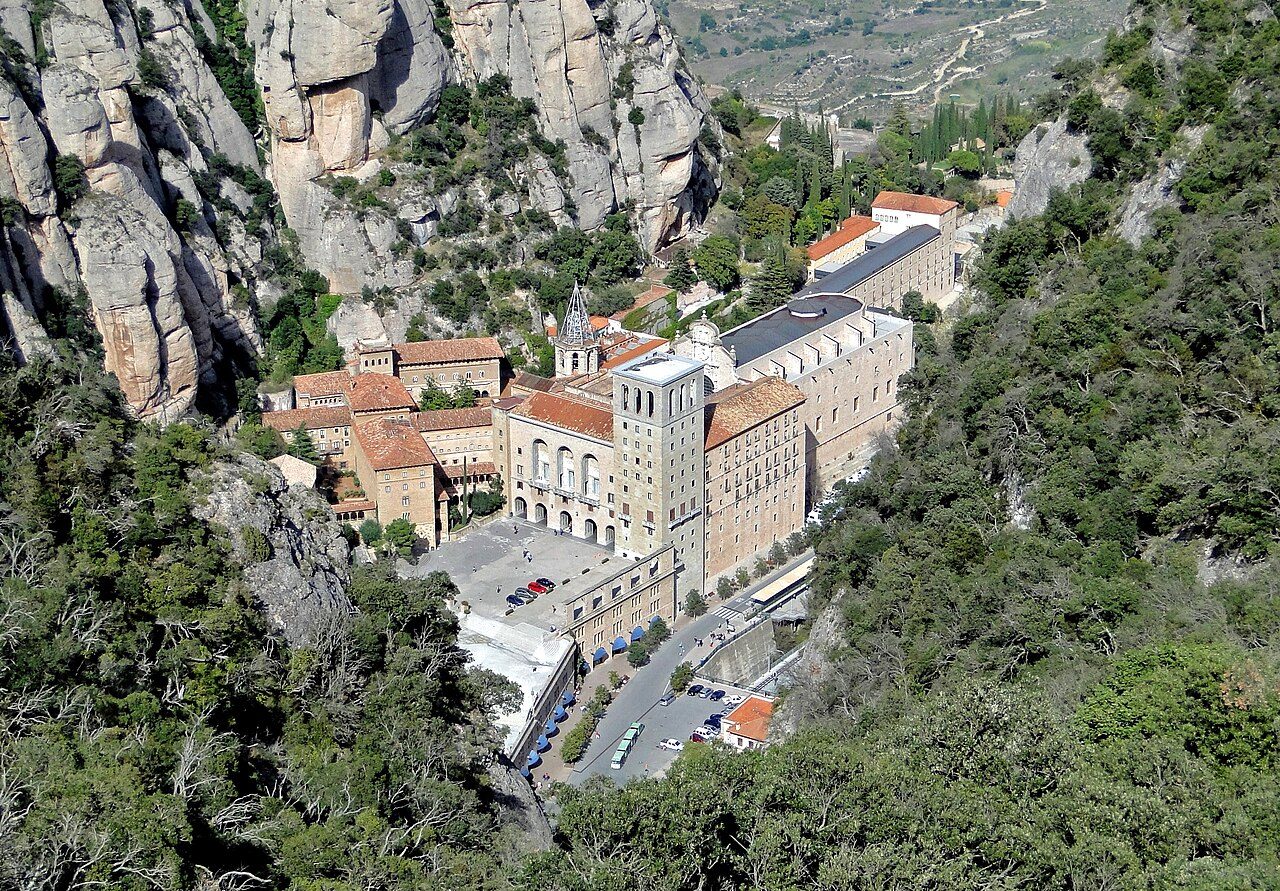
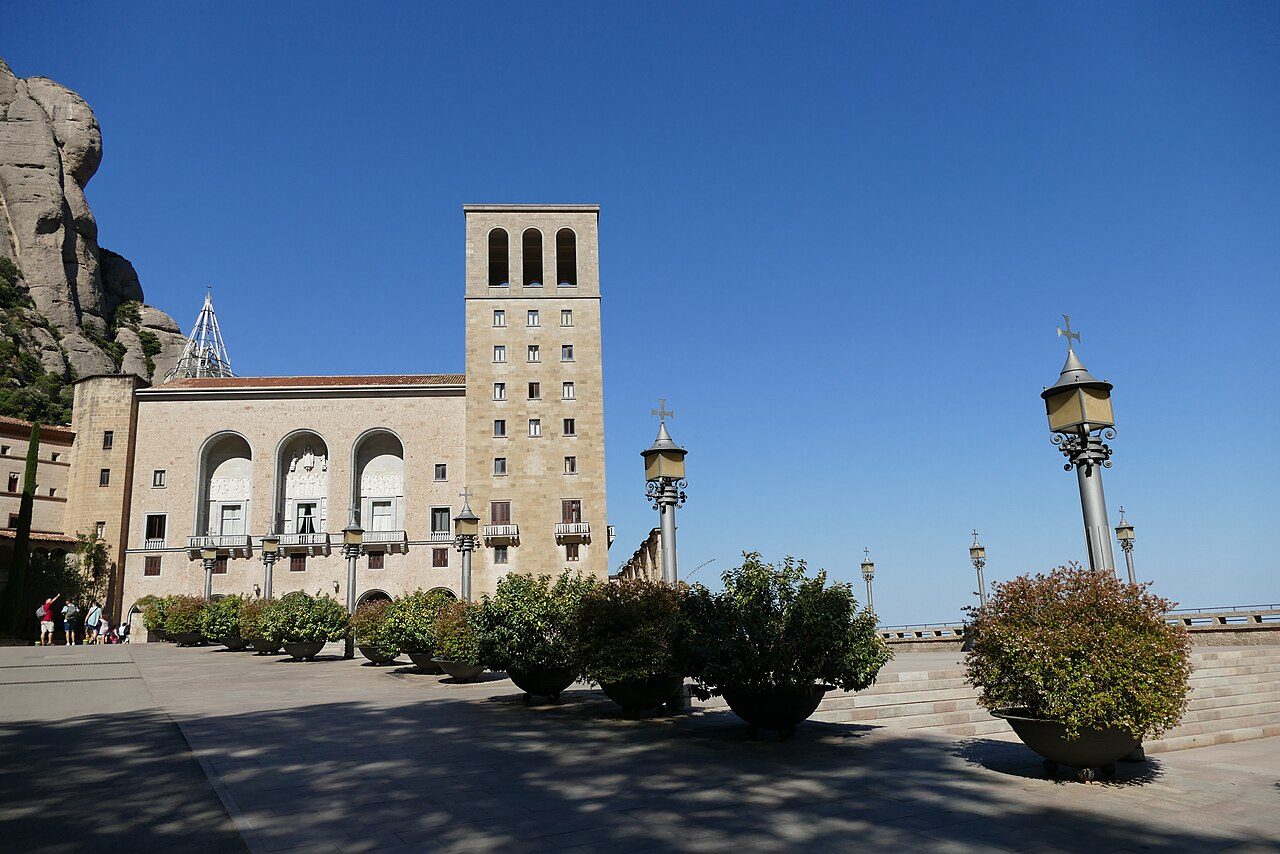
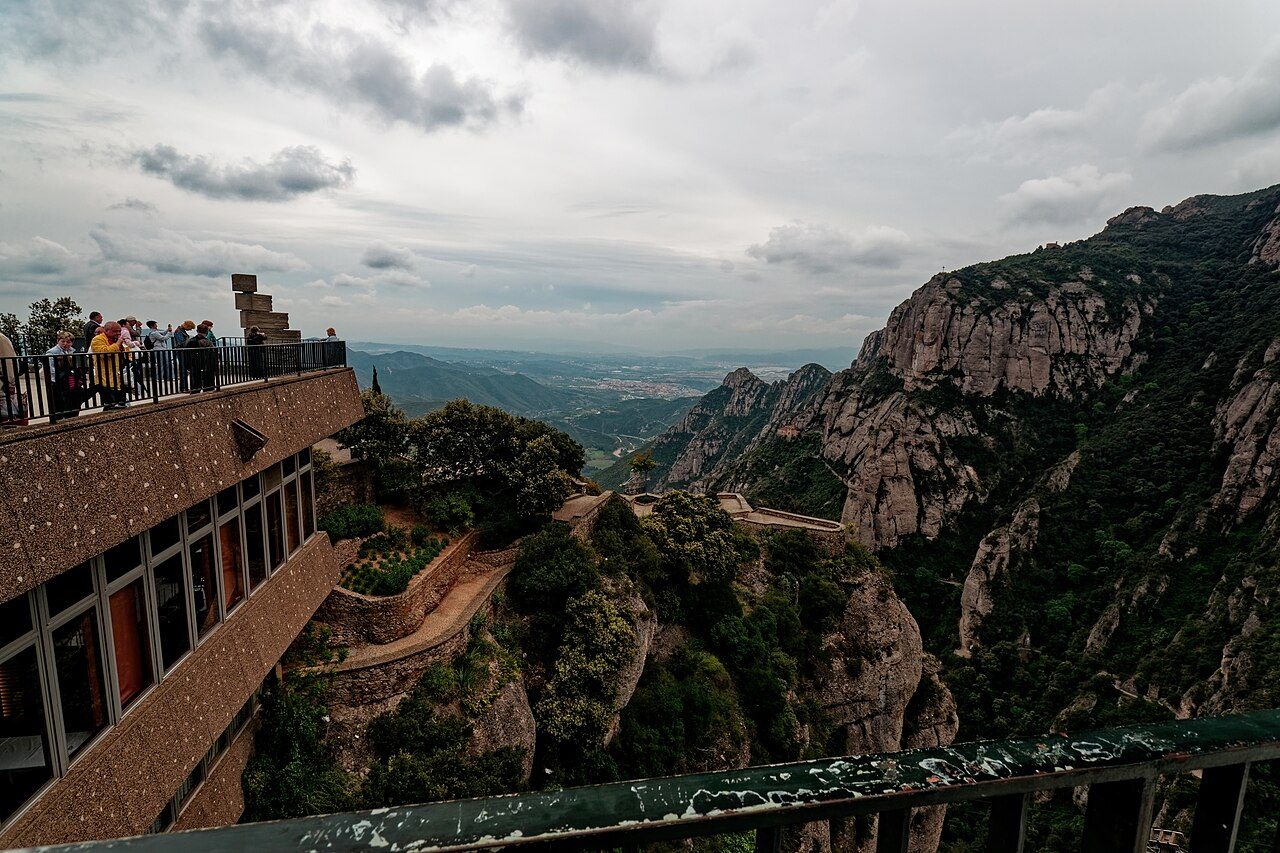
Montserrat is a mountain of oddly shaped pink rock pillars northwest of Barcelona. A Benedictine monastery stands on its side, home to the Black Madonna, a statue of the Virgin that is the patron saint of Catalonia. The monastery's boys' choir is one of the oldest in Europe. Rack railways and cable cars climb to the monastery and to hiking trails.
11
STOP 11 OF 12
Girona Old Town
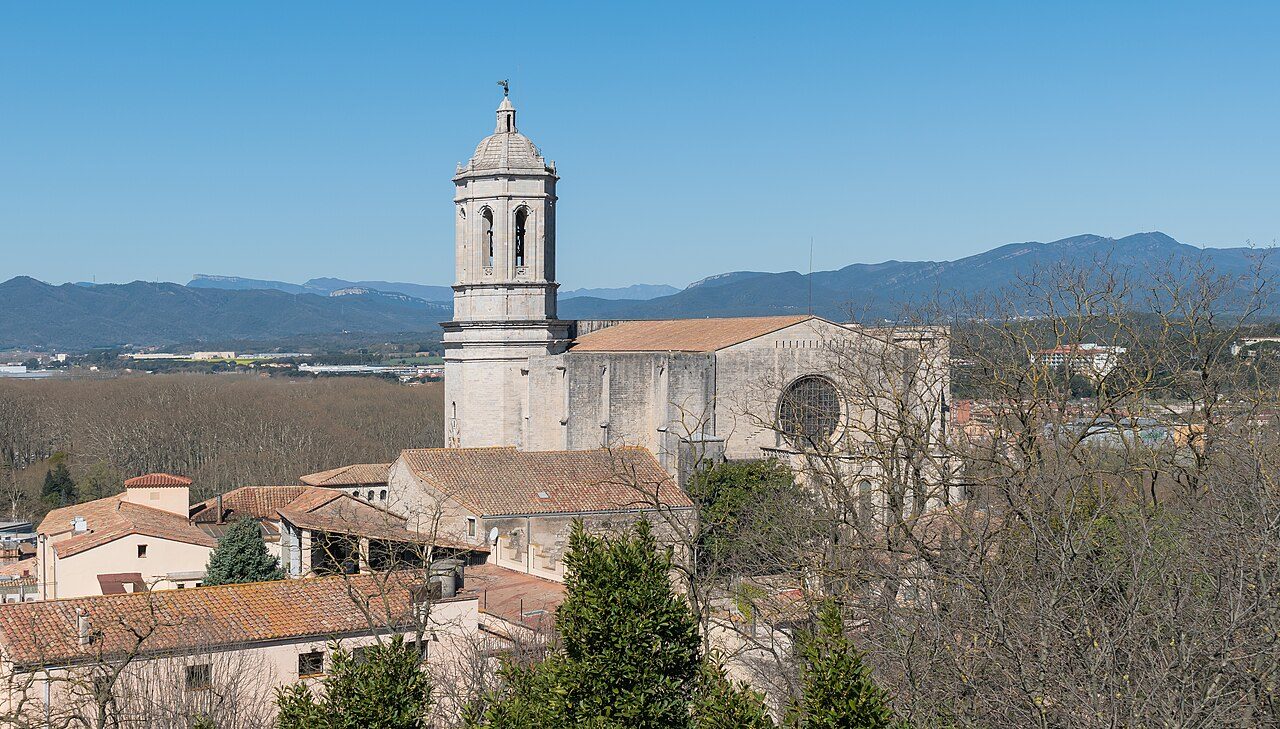
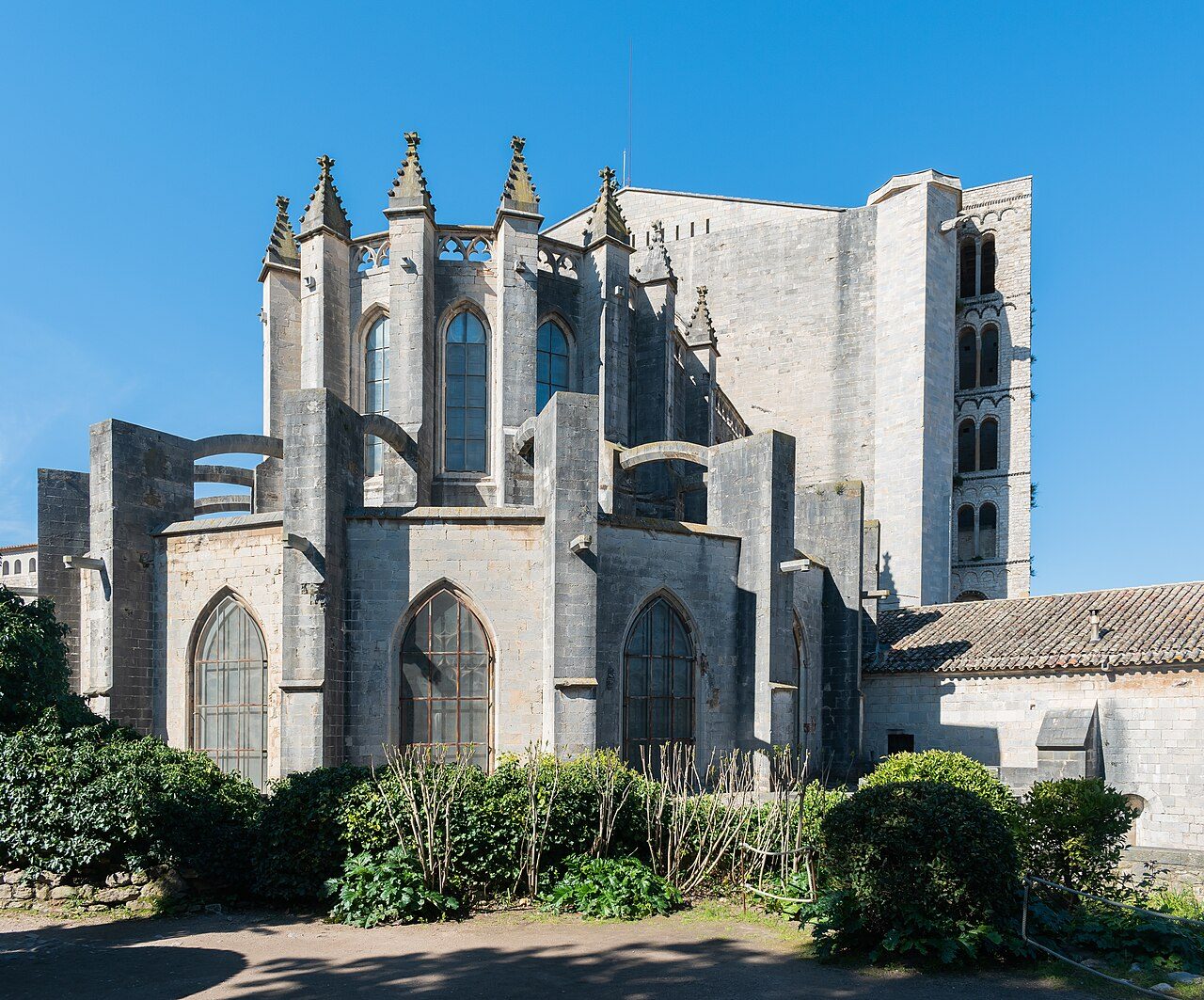
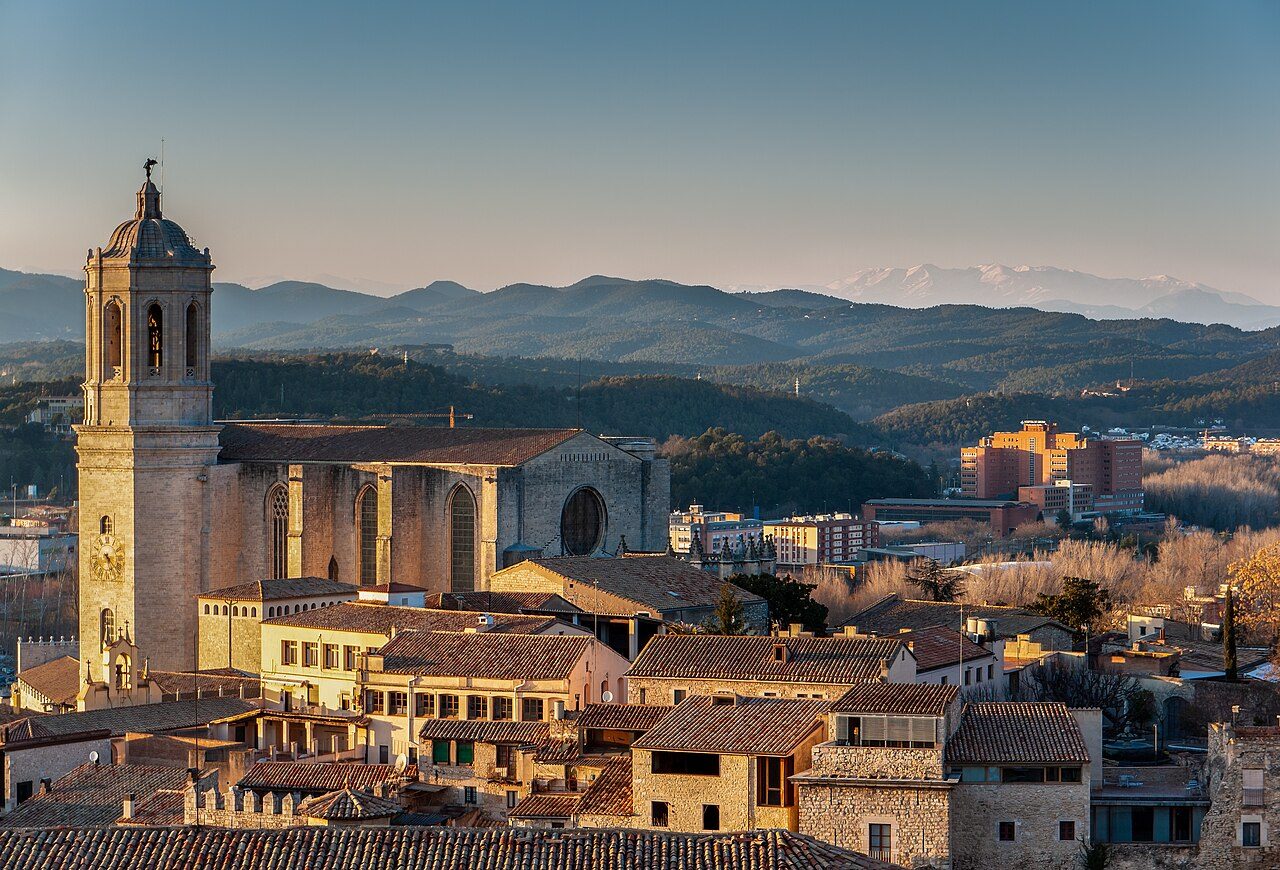
Girona is a city in Catalonia known for its old town on the Onyar River, with colourful houses hanging over the water. Its cathedral, reached by a grand flight of steps, has one of the widest Gothic naves in the world. The old Jewish quarter is one of the best preserved in Europe, and walkers can follow the medieval city walls.
12
STOP 12 OF 12 · LAST STOP
Tossa de Mar
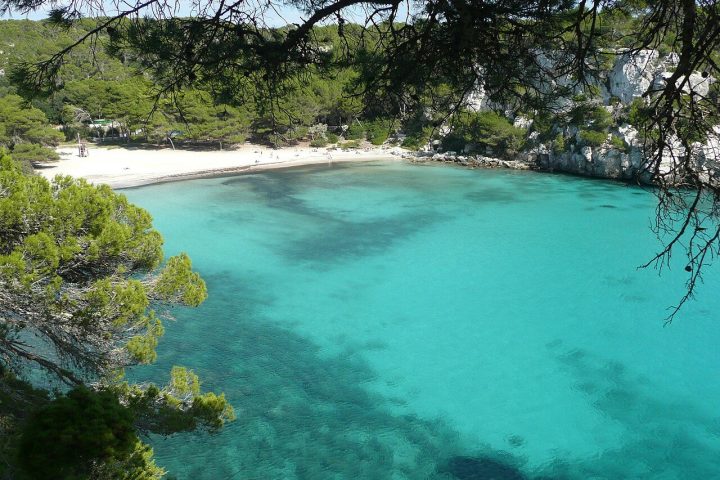
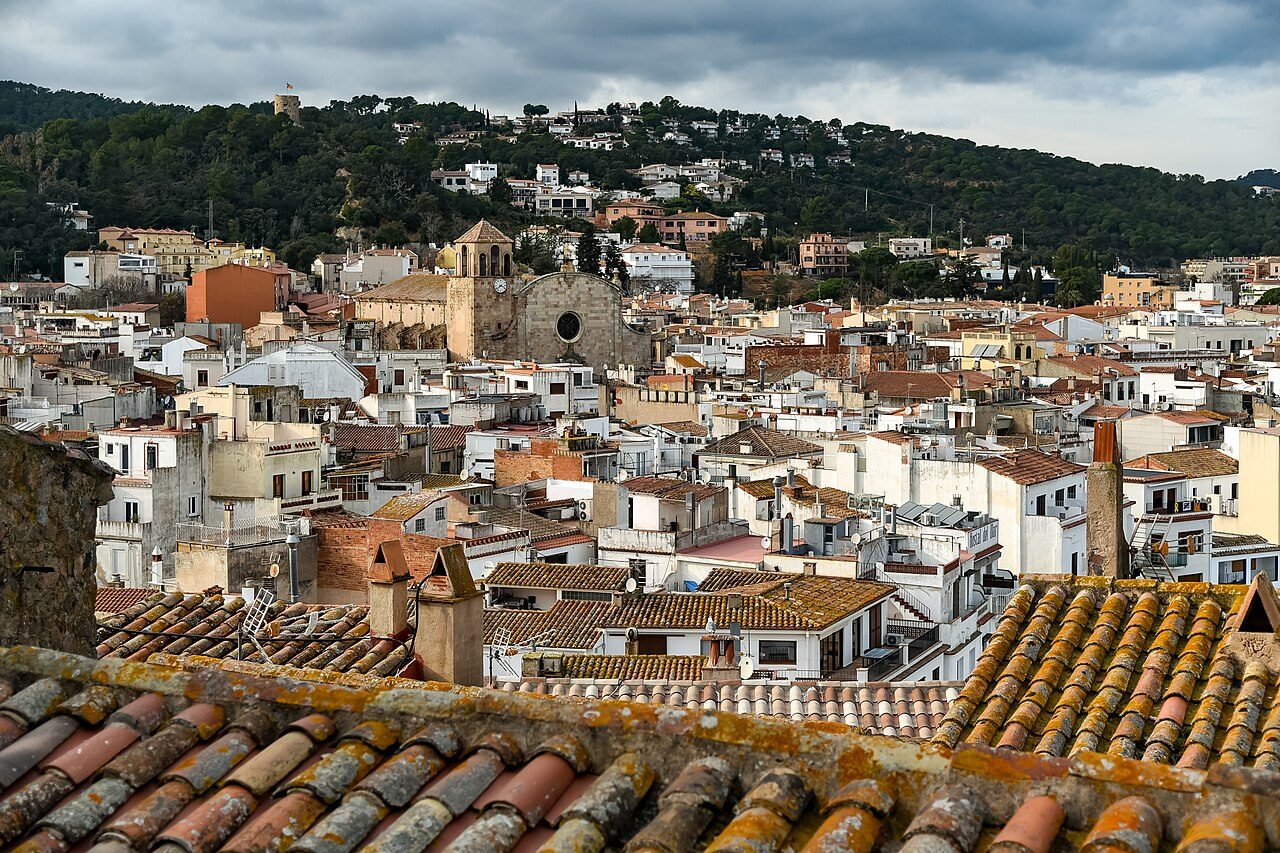
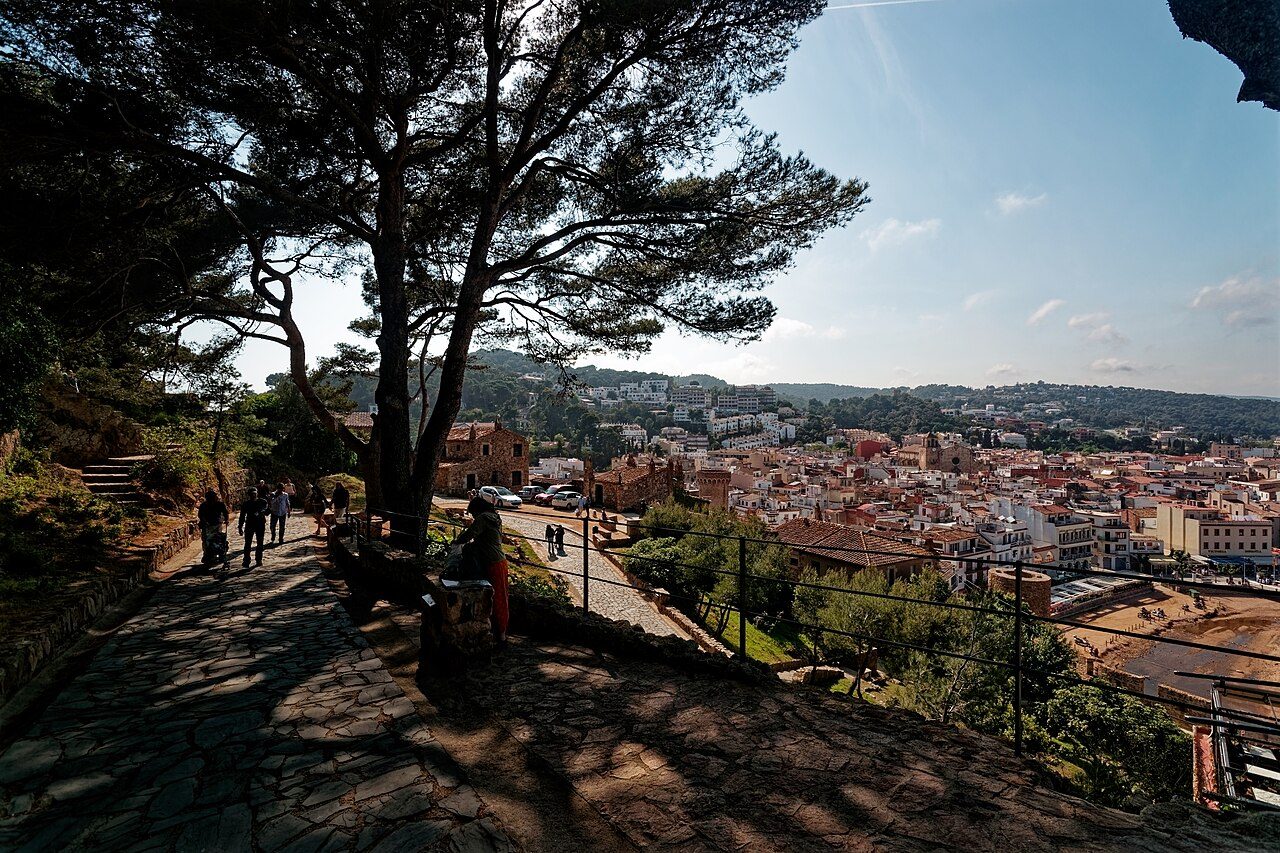
Tossa de Mar is a seaside town on the Costa Brava in Catalonia. Its old town, Vila Vella, is surrounded by 12th-century walls and towers on a headland above the beach. It is the only fortified medieval town still standing on the Catalan coast. Sandy coves and clear water lie along the rocky shore nearby.
Seasons from 20 years of NASA POWER climate data.
 WaTrips



 BikesBooking
 Localrent
 Airalo
 Tiqets