Seville's cathedral, Alcázar and Plaza de España, Doñana, Cádiz and Setenil, Ronda, the Caminito del Rey, Málaga, Mijas and Nerja, the Alhambra and Córdoba.
Andalusia is Moorish palaces, white villages and flamenco. Start in Seville at the cathedral, the Real Alcázar and the Plaza de España, then visit the wetlands of Doñana. See Cádiz on its peninsula and Setenil, where houses are built into the rock. Cross the gorge at Ronda and walk the cliff-side Caminito del Rey (book ahead). Visit Málaga's Alcazaba, white Mijas and the beaches of Nerja, then the Alhambra and Albaicín in Granada, and end at Córdoba's Mosque–Cathedral. Spring is perfect; summer is very hot.
01
STOP 1 OF 16
Seville Cathedral
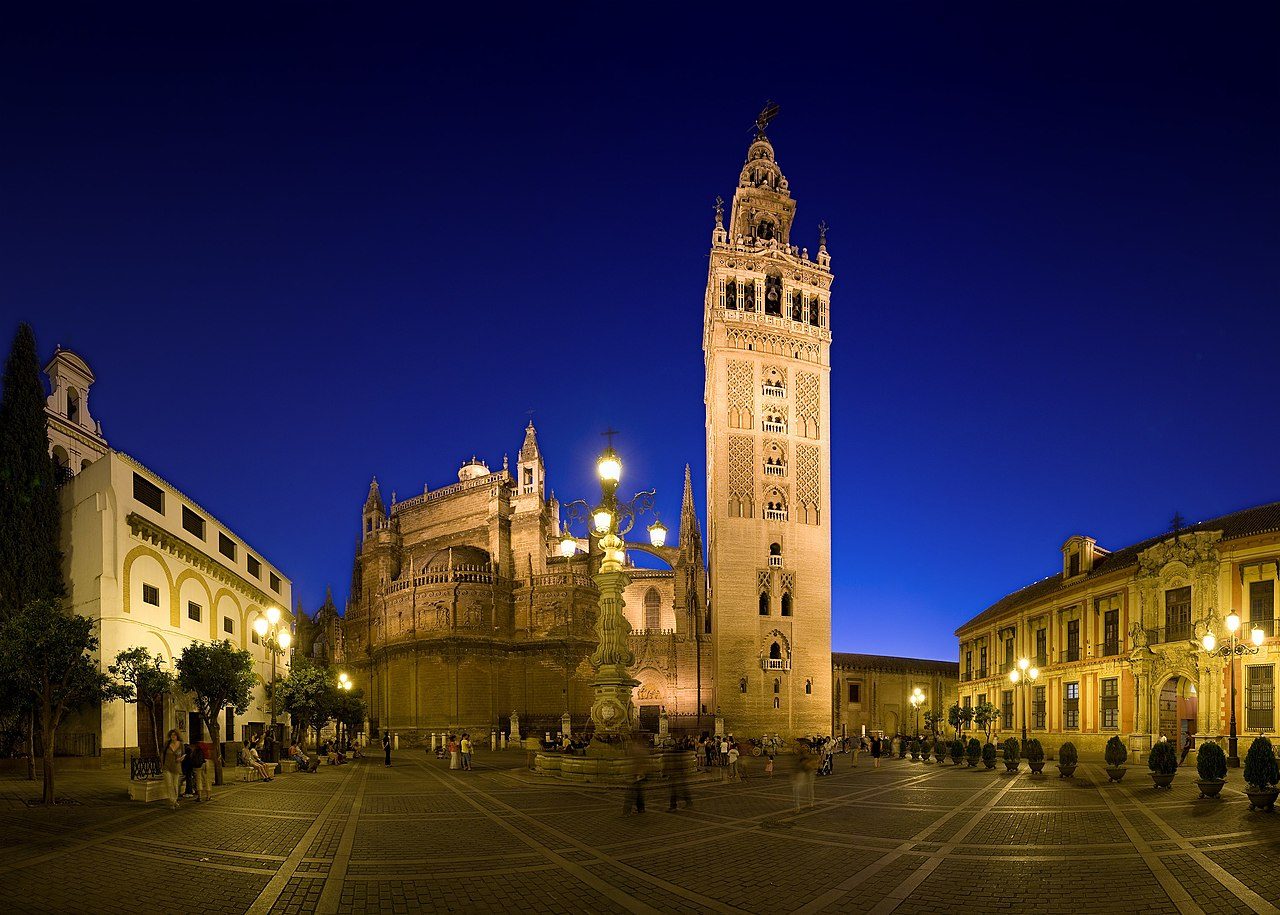
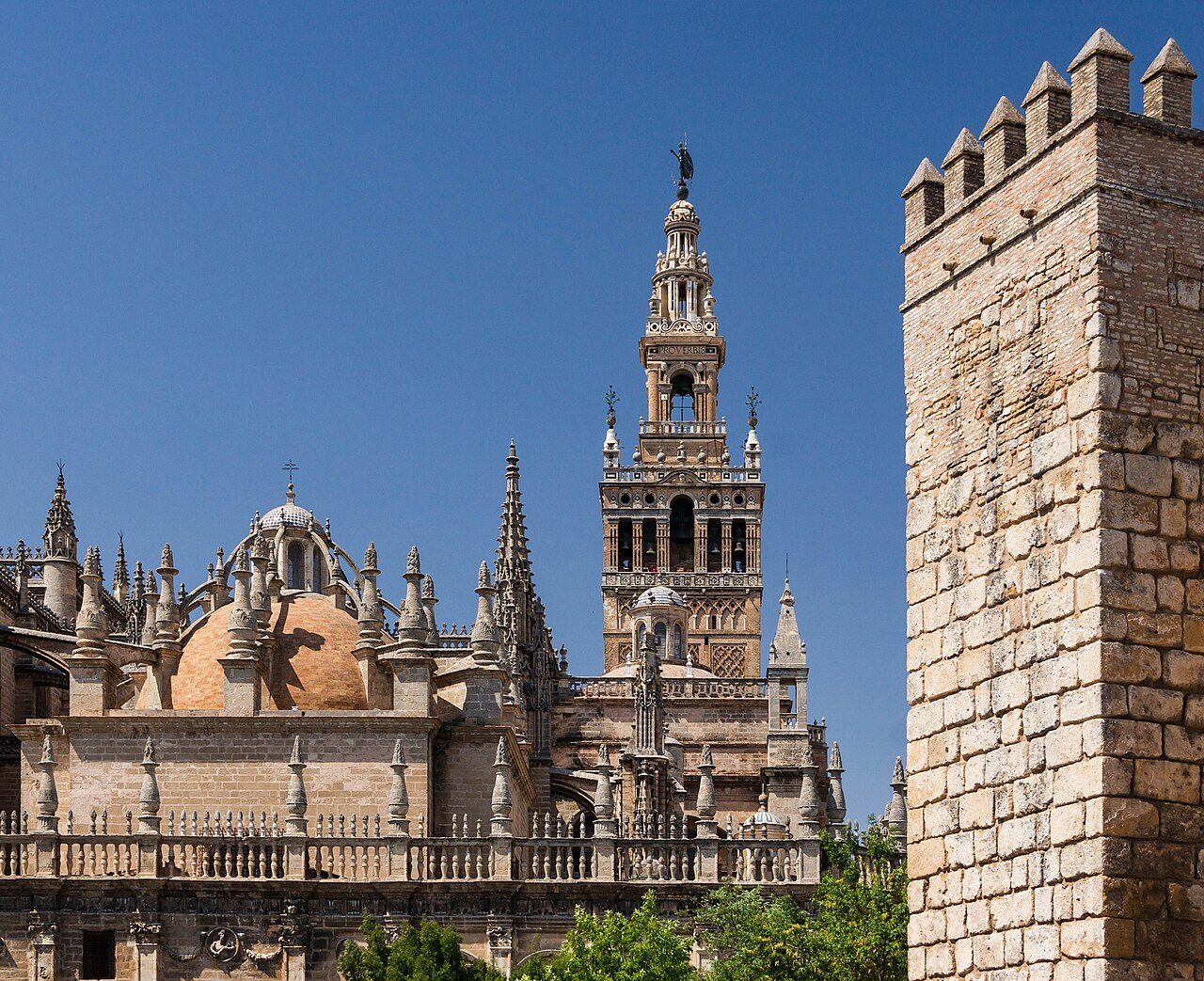
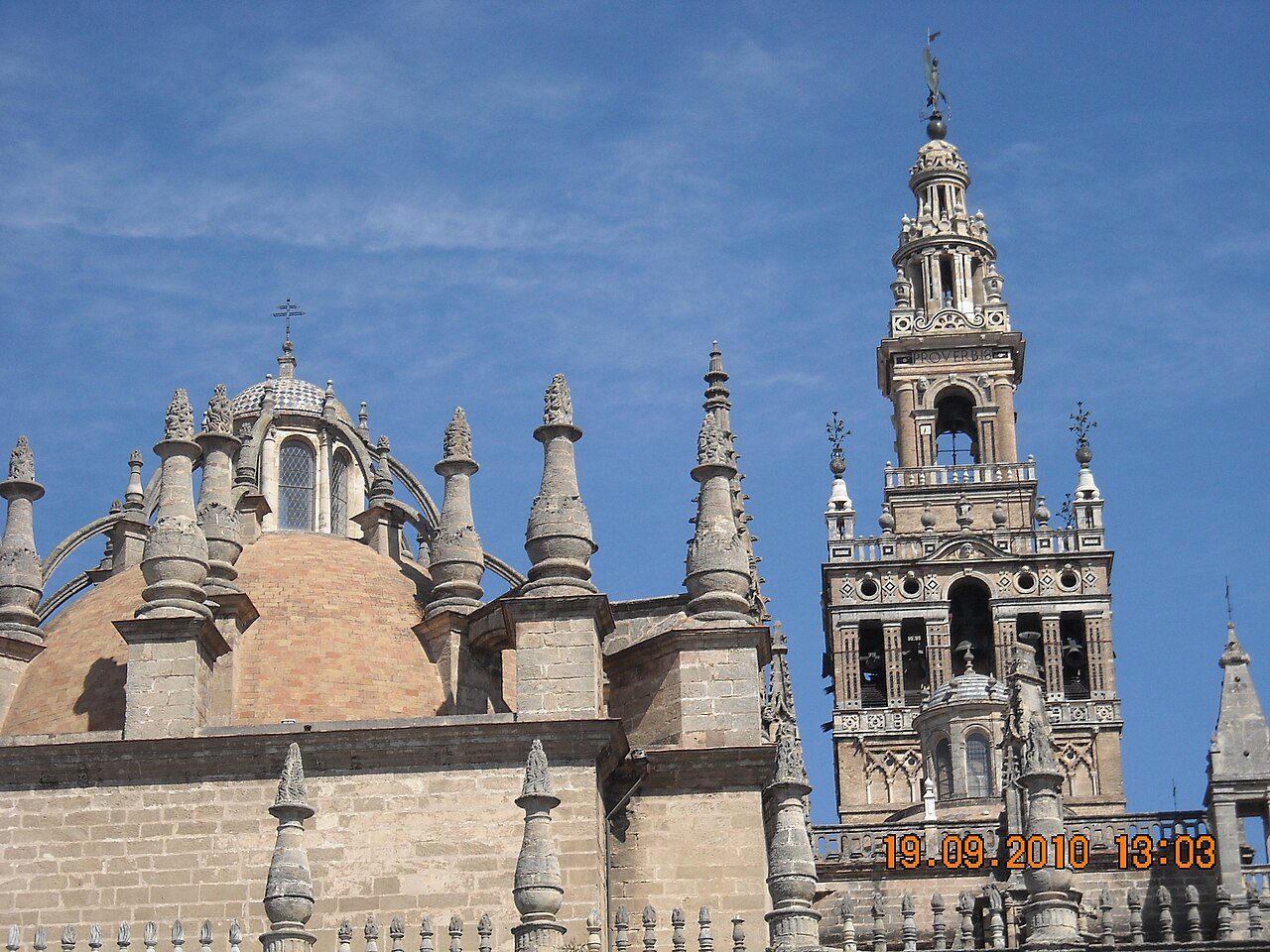
Seville Cathedral is the largest Gothic cathedral in the world, built from 1401 on the site of a great mosque. Its bell tower, the Giralda, was the mosque's minaret, with a Renaissance belfry added on top. Inside is a huge gilded altarpiece and the tomb of Christopher Columbus. It is part of a UNESCO World Heritage Site.
02
STOP 2 OF 16
Real Alcázar of Seville
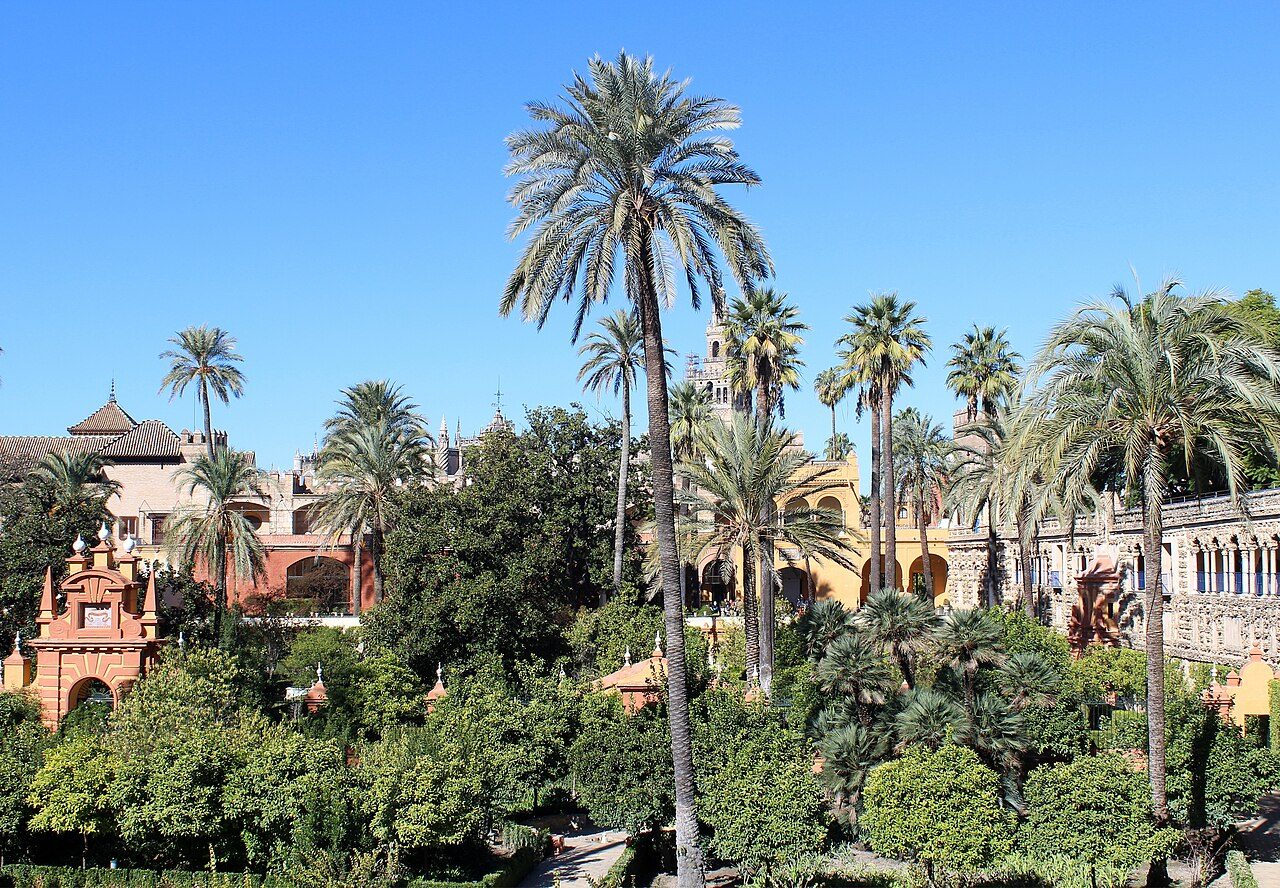
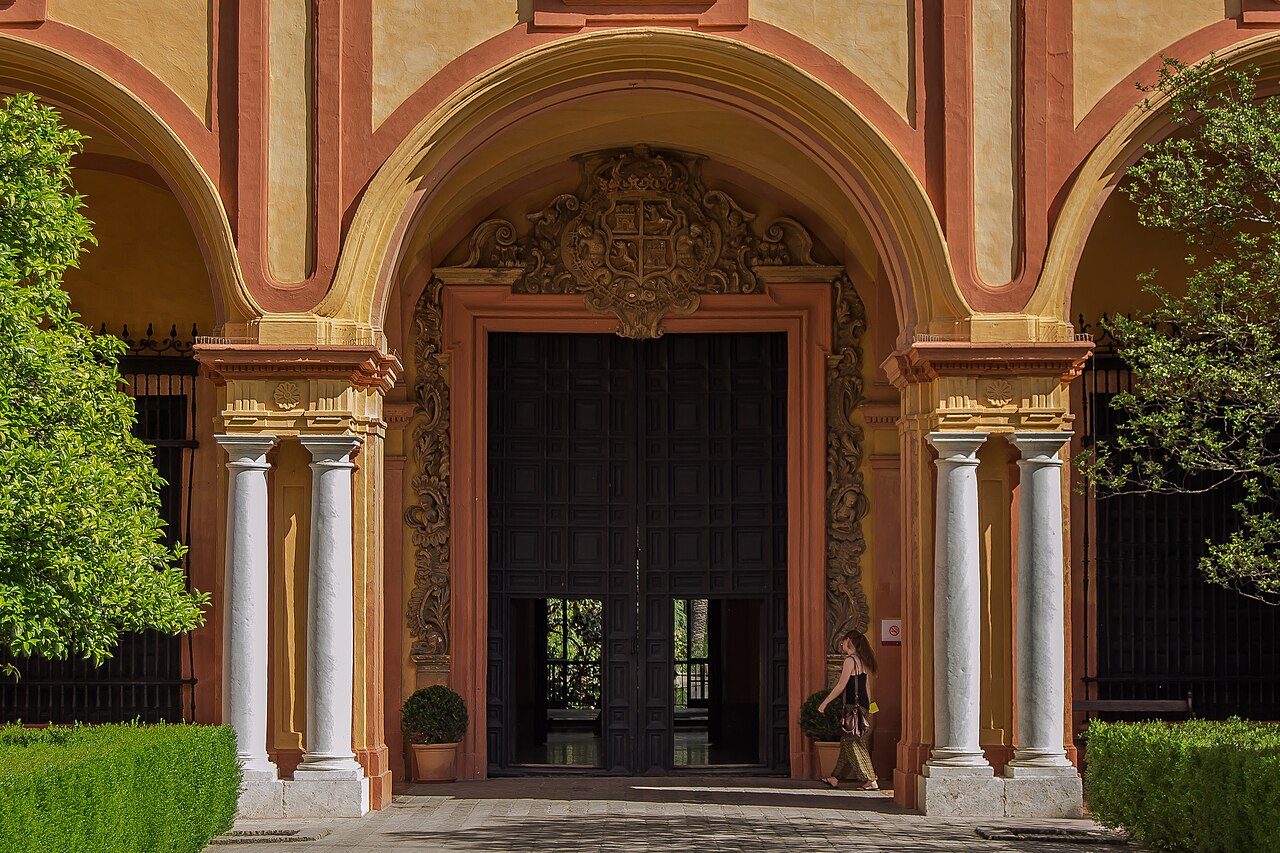
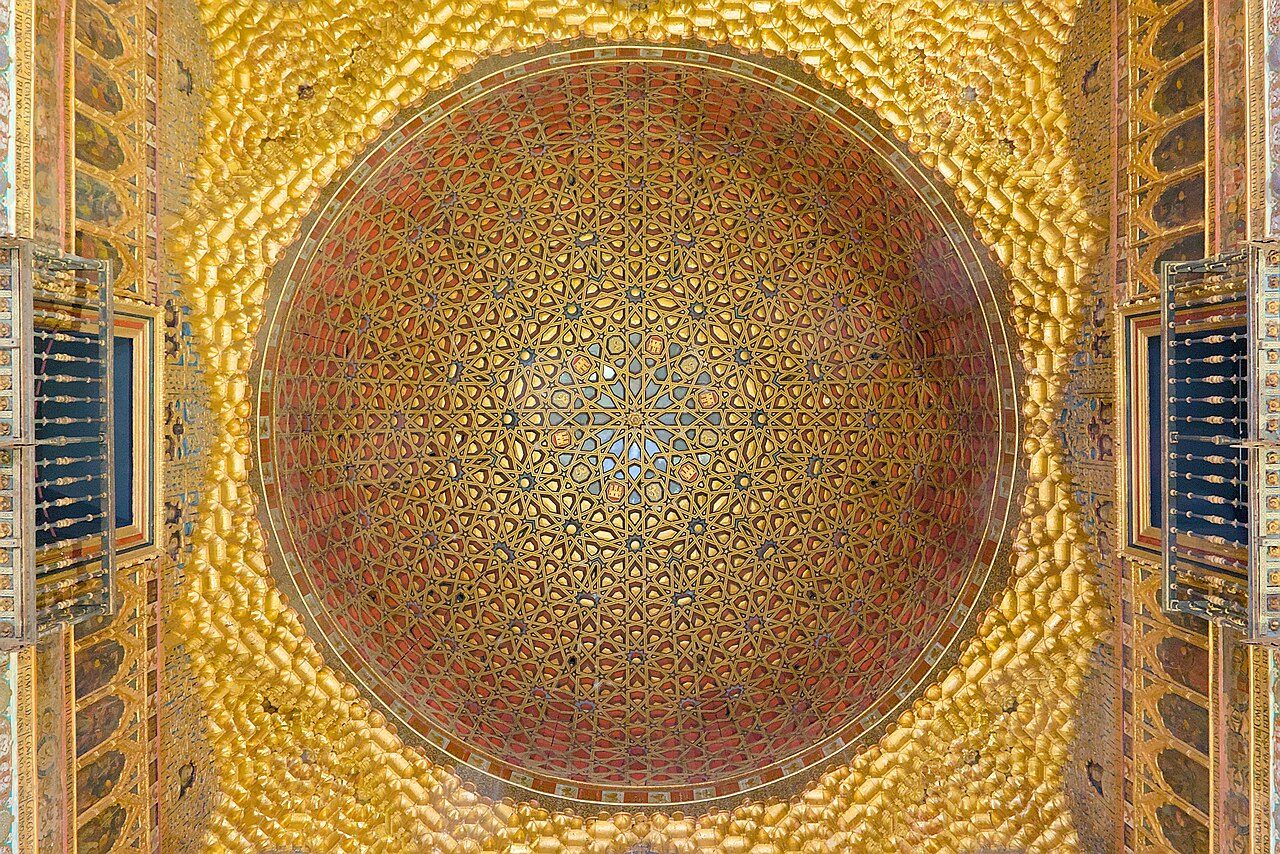
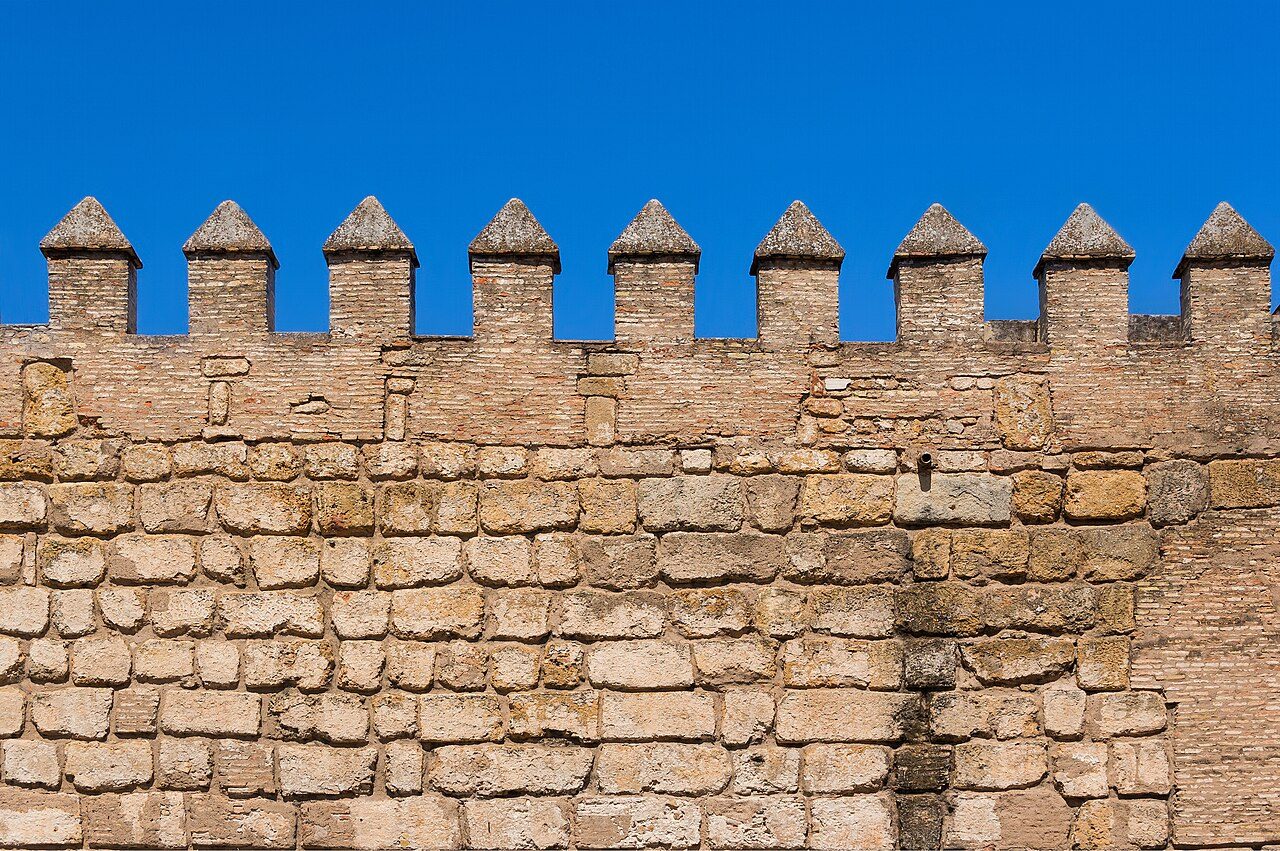
The Real Alcázar of Seville is a royal palace still used by the Spanish royal family, making it the oldest royal palace in Europe still in use. Much of it was built in the 14th century for King Peter of Castile in the Mudéjar style, with carved arches, tiles and courtyards. Its large gardens have fountains, pavilions and peacocks. It is a UNESCO World Heritage Site.
03
STOP 3 OF 16
Plaza de España Seville
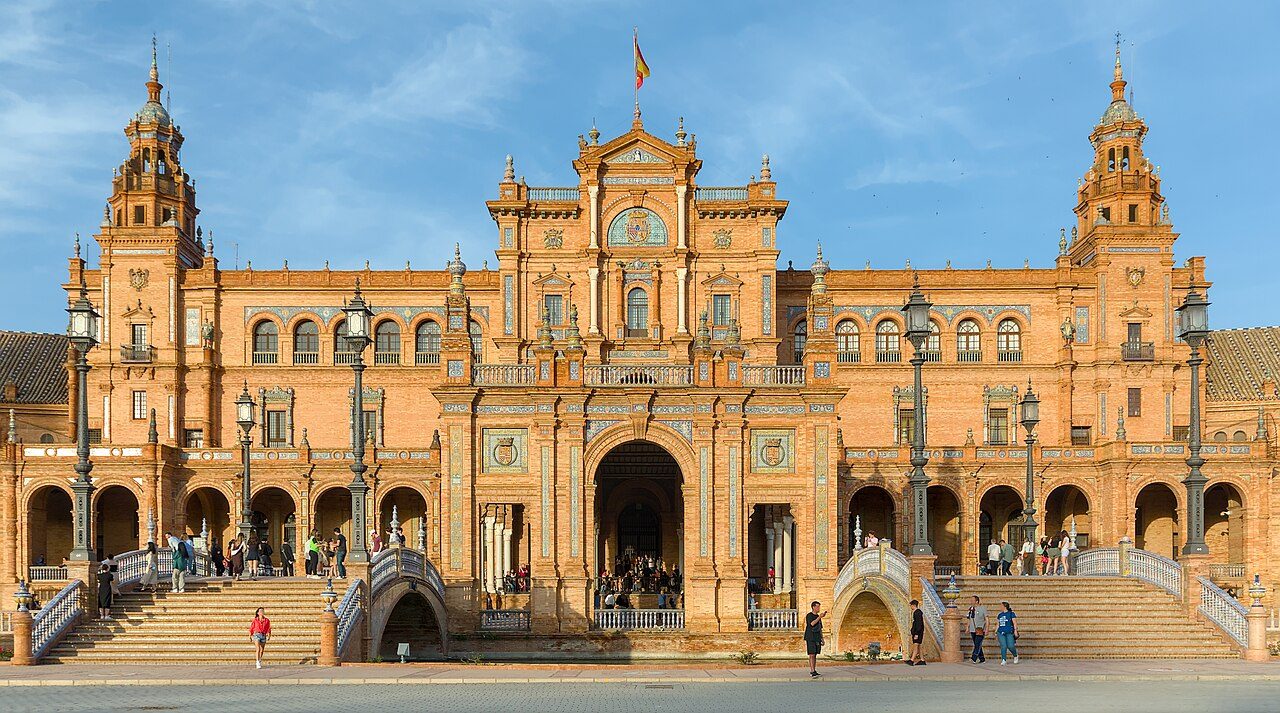
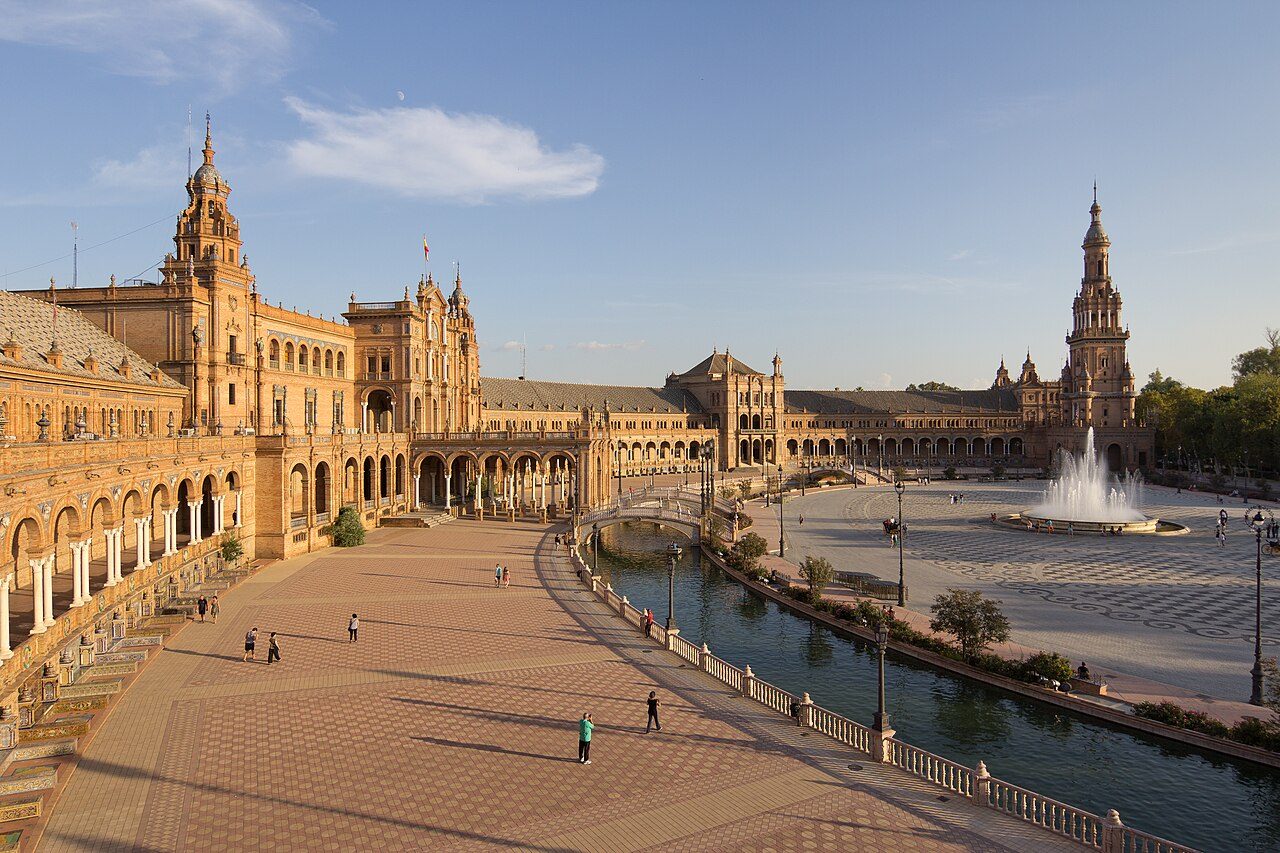
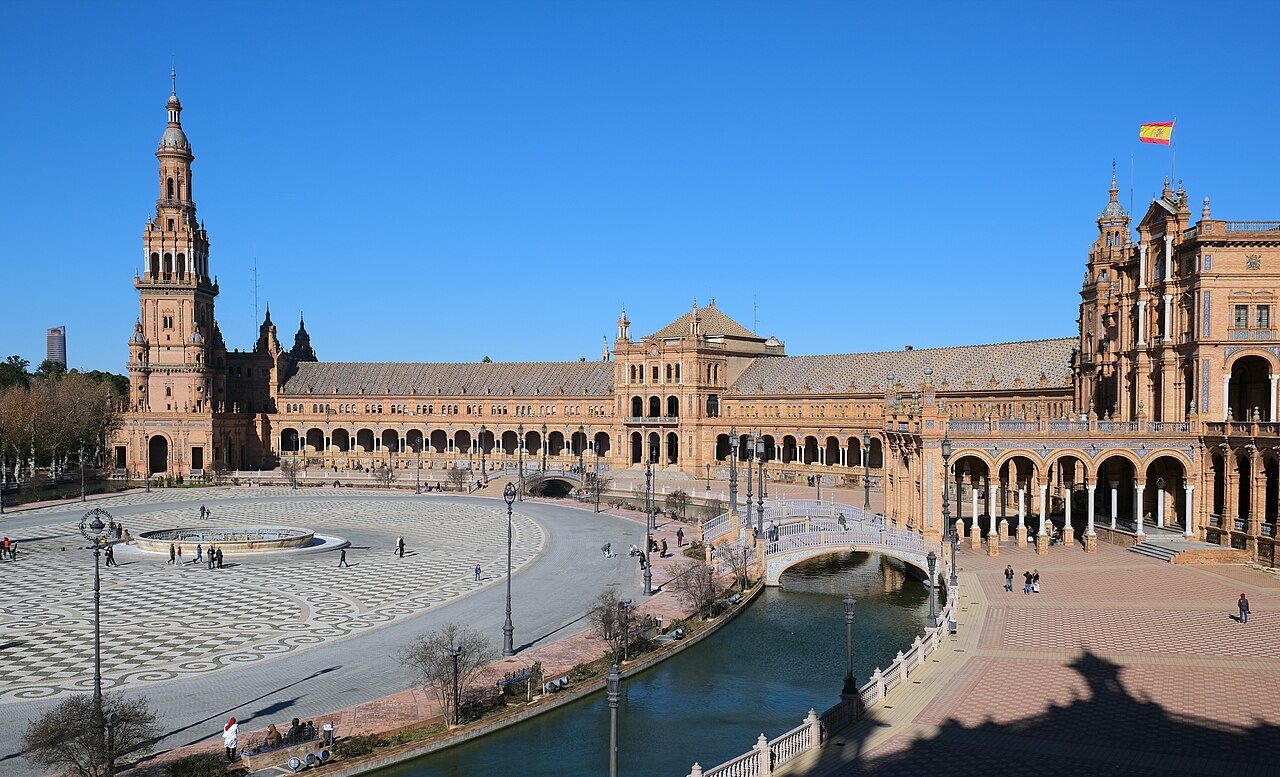
The Plaza de España in Seville was built for the Ibero-American Exposition of 1929 in María Luisa Park. Its semicircular building of brick and ceramic is fronted by a canal crossed by small bridges. Along its walls, tiled alcoves represent each province of Spain. Visitors can rent rowing boats on the canal. It has appeared in several films.
04
STOP 4 OF 16
Metropol Parasol
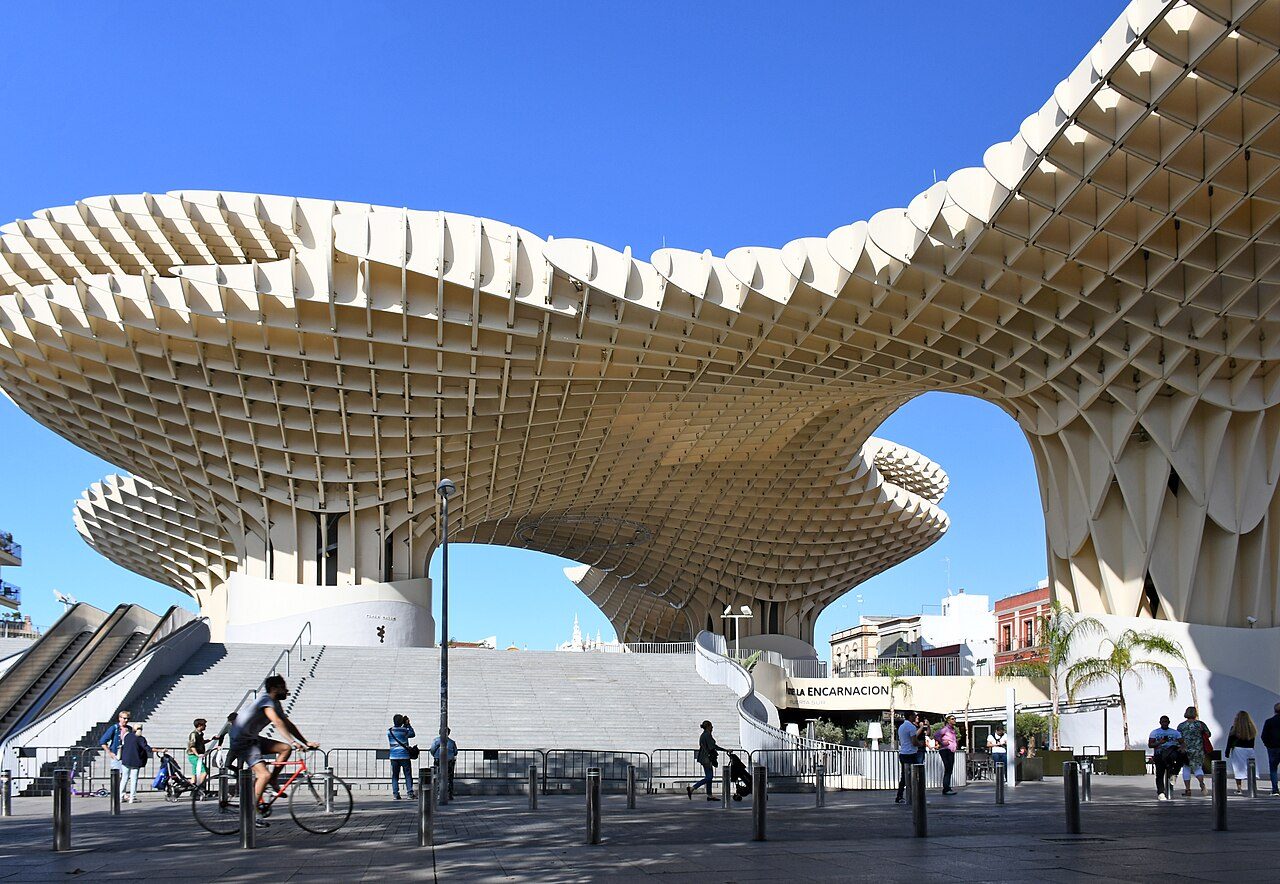
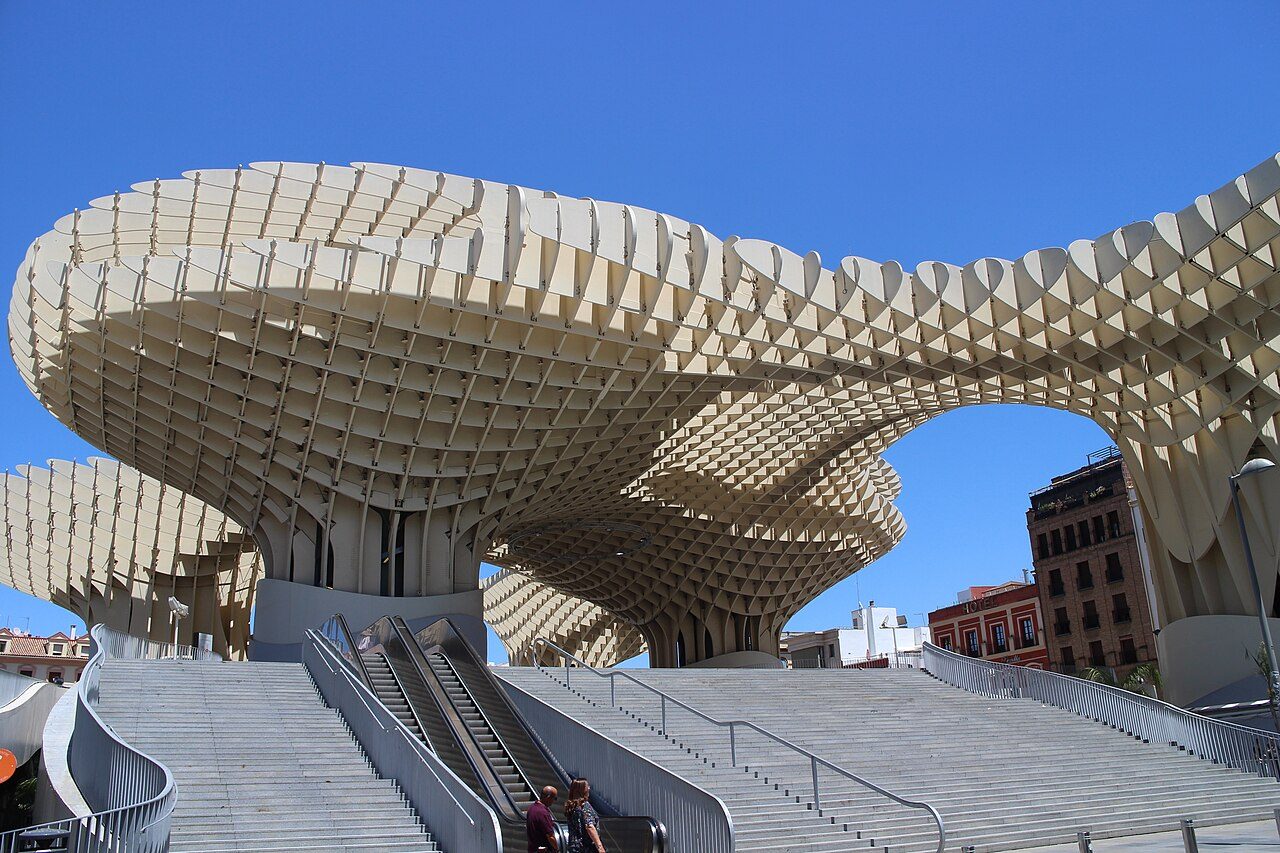
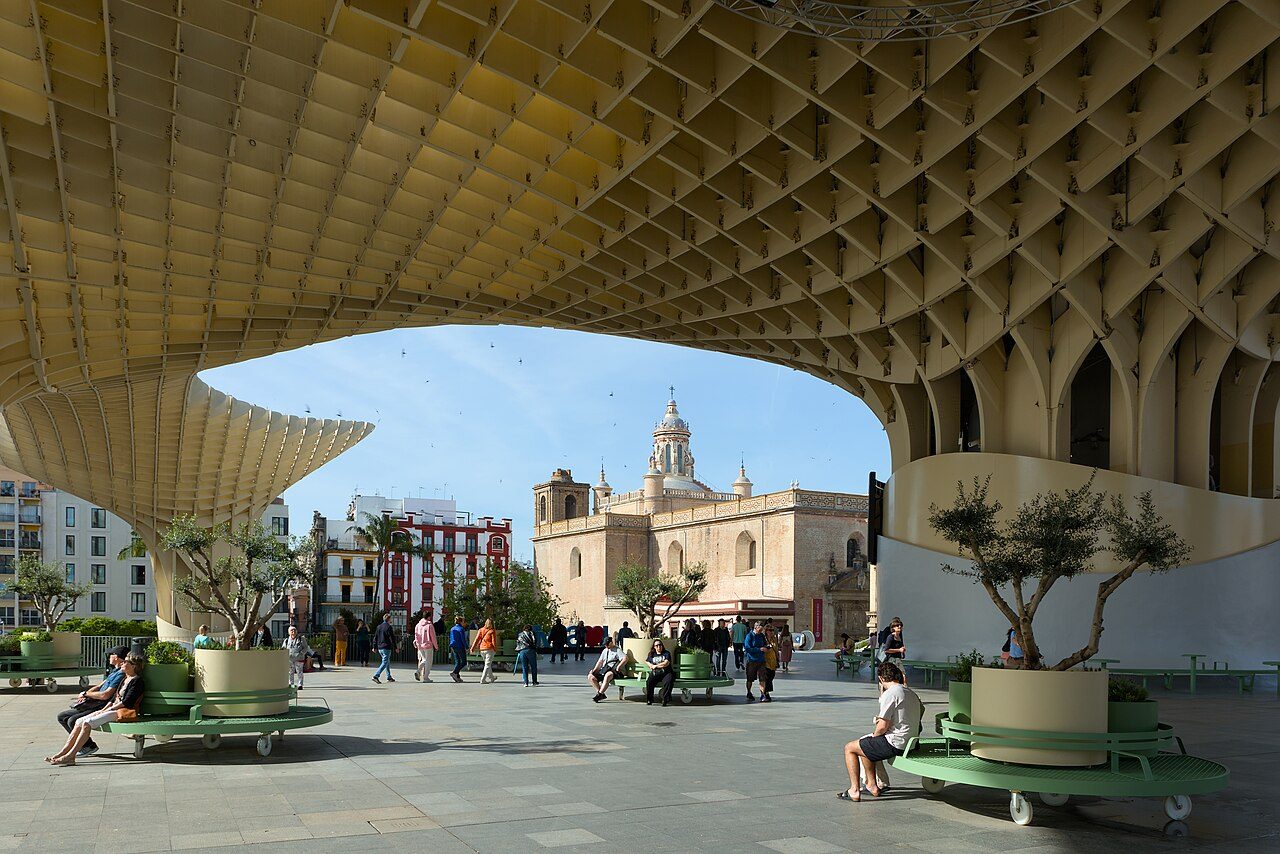
The Metropol Parasol is a huge wooden structure in Plaza de la Encarnación in Seville, completed in 2011. Designed by Jürgen Mayer, it is often called Las Setas, the mushrooms, for its shape. It is one of the largest wooden structures in the world. A market lies beneath it, Roman ruins in its basement museum, and a walkway on top gives views over the old city.
05
STOP 5 OF 16
Doñana National Park
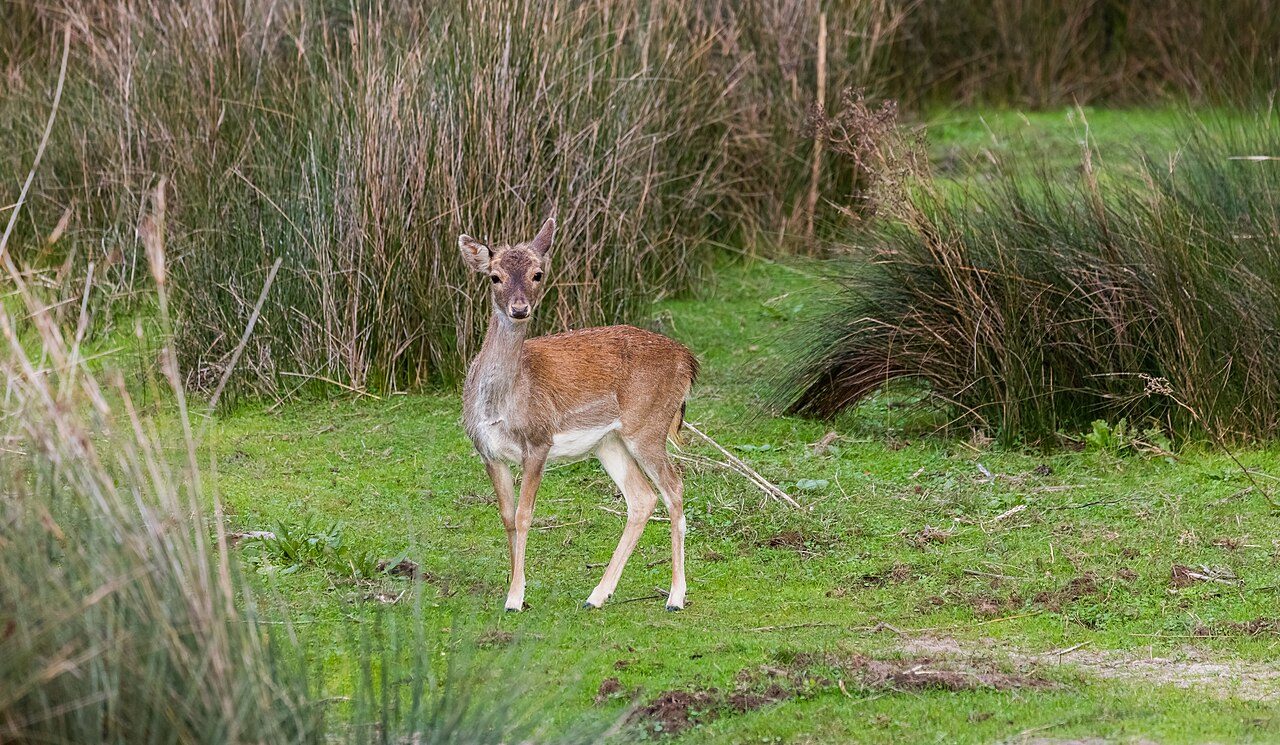
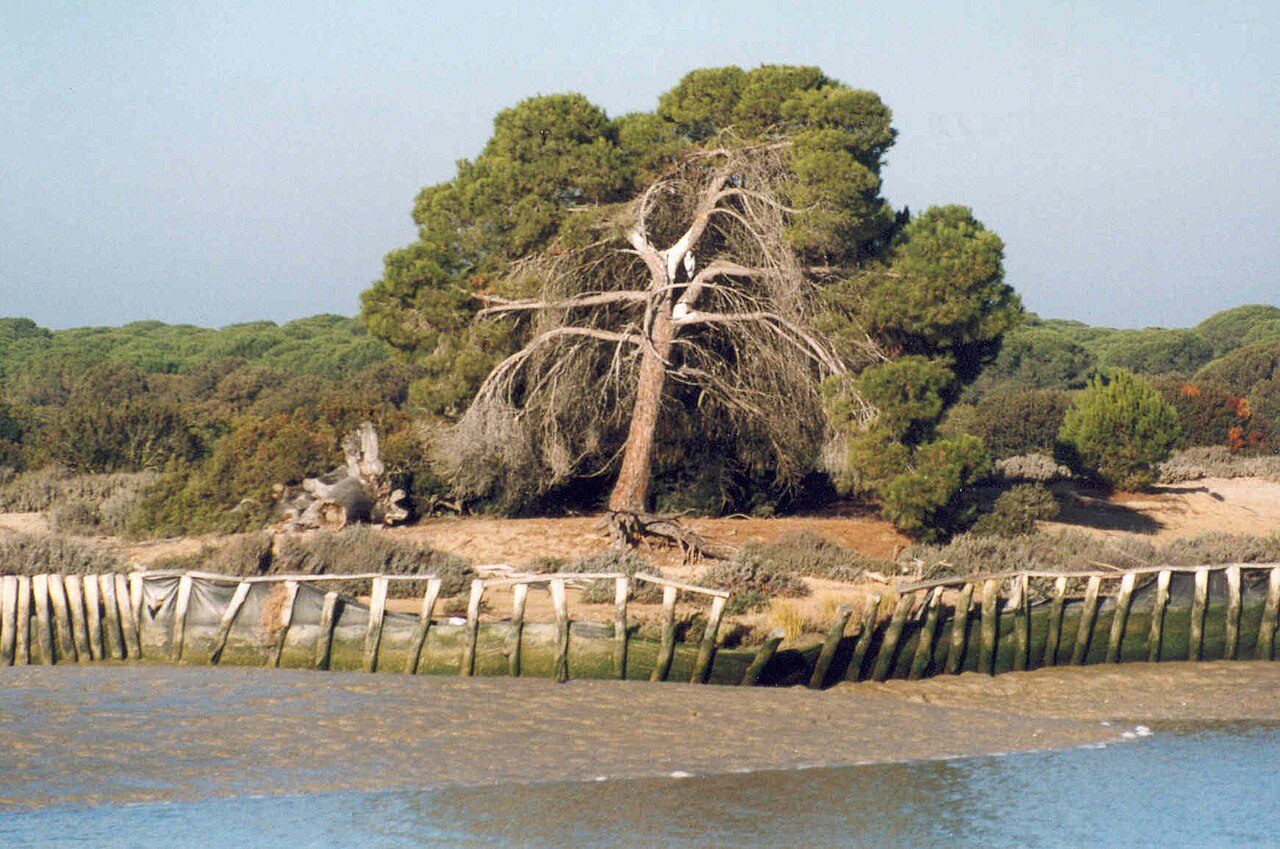
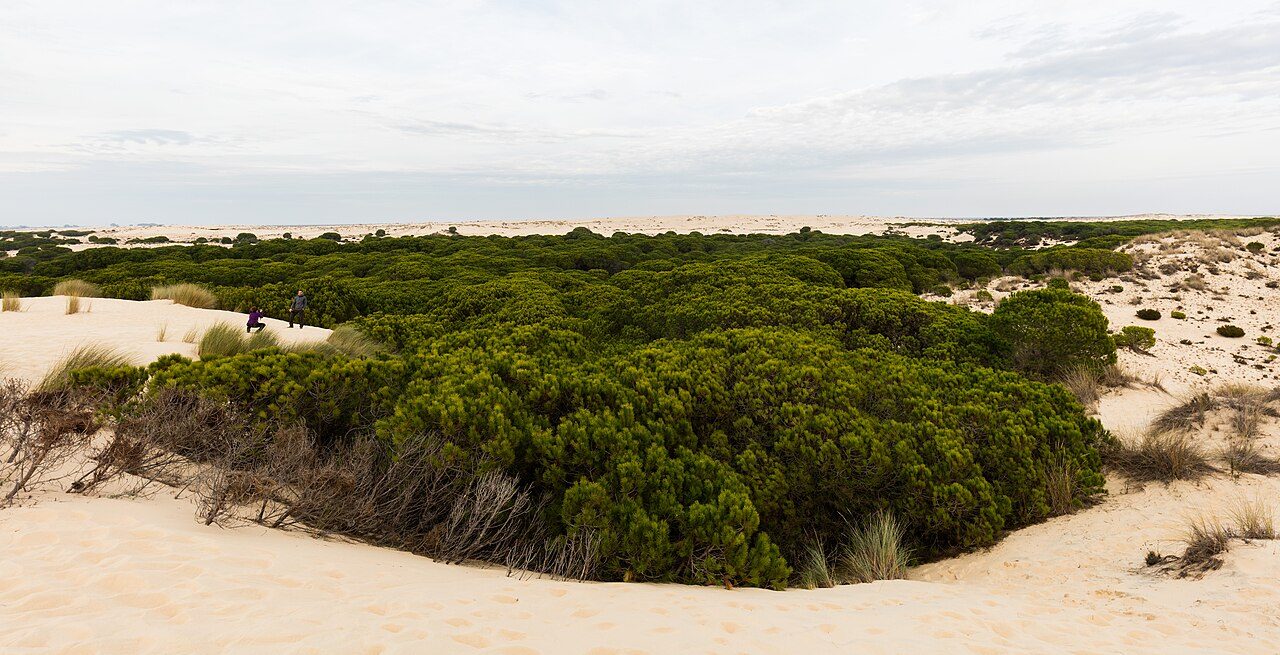
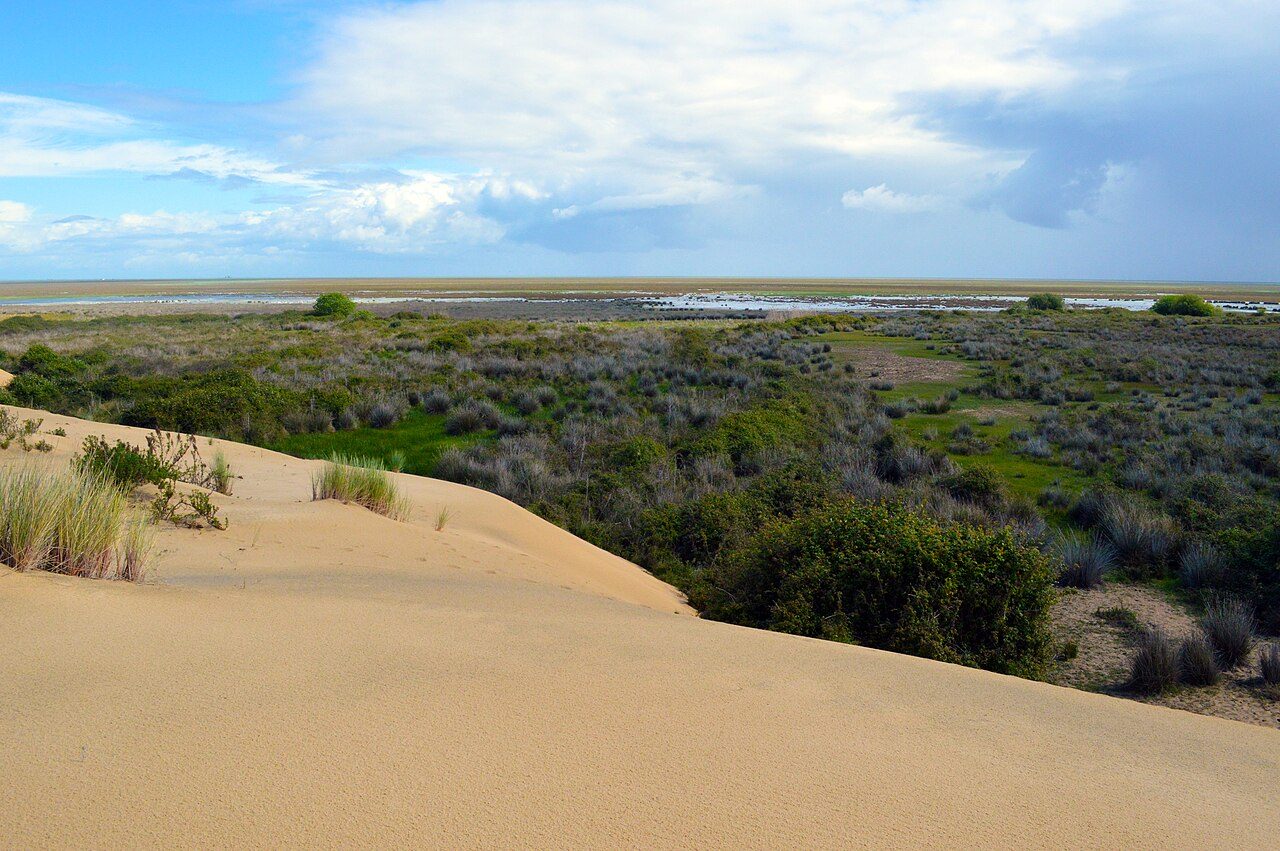
Doñana National Park covers marshes, lagoons, dunes and pine forests in the delta of the Guadalquivir River in Andalusia. It is one of the most important wetlands in Europe, a stopover for millions of migrating birds. It is also home to the rare Iberian lynx and the Spanish imperial eagle. It is a UNESCO World Heritage Site.
06
STOP 6 OF 16
Cádiz Cathedral
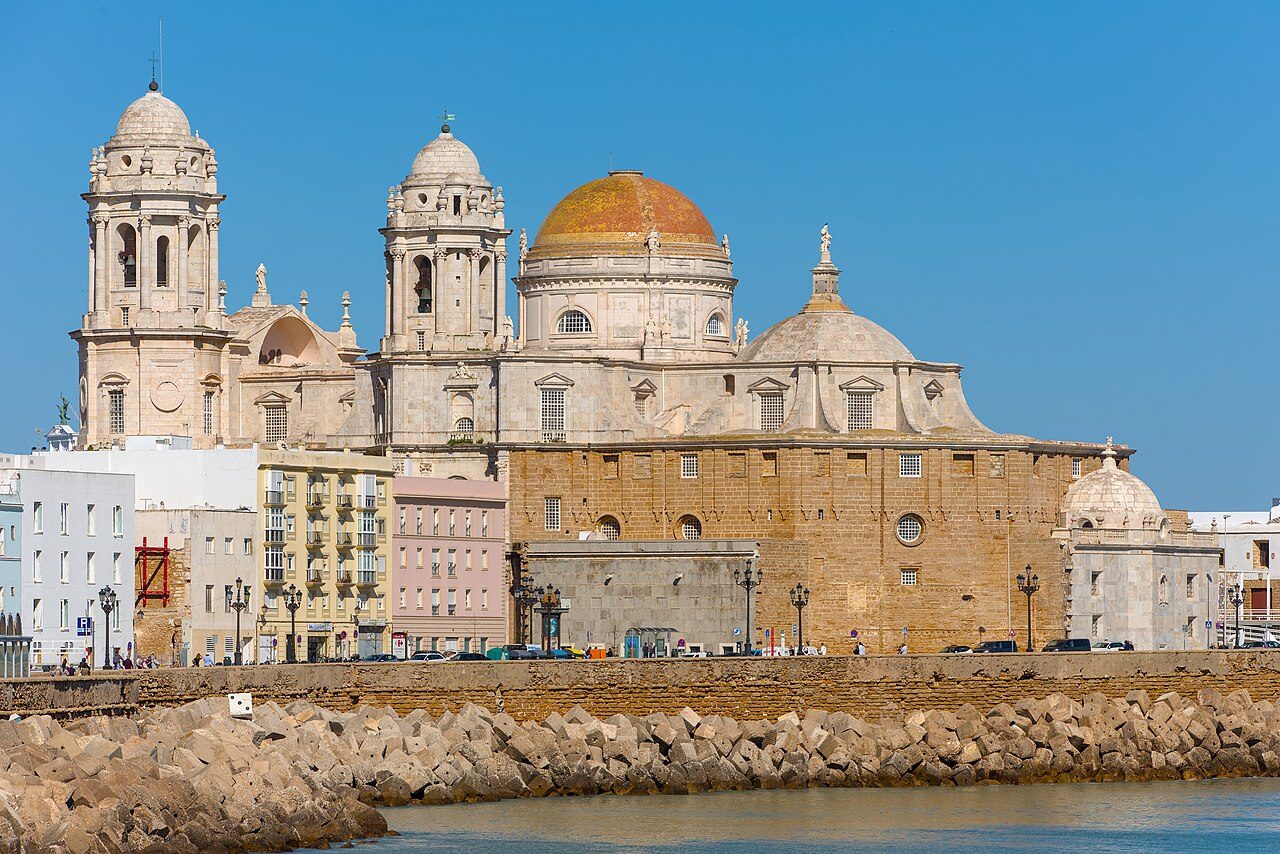
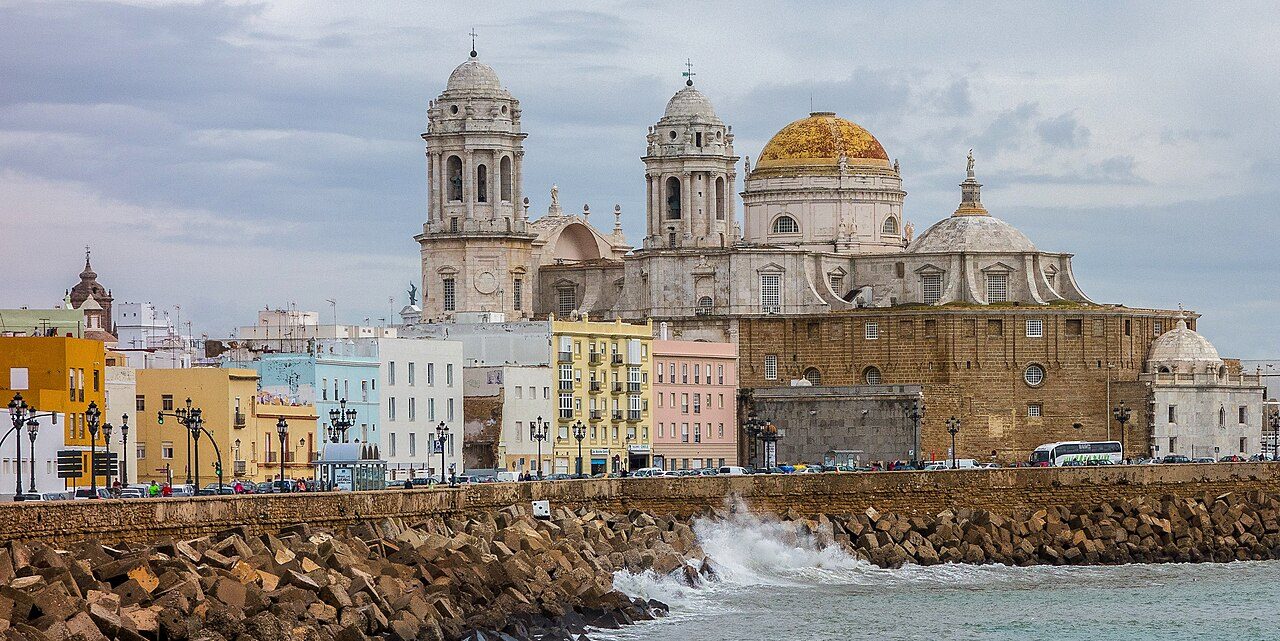
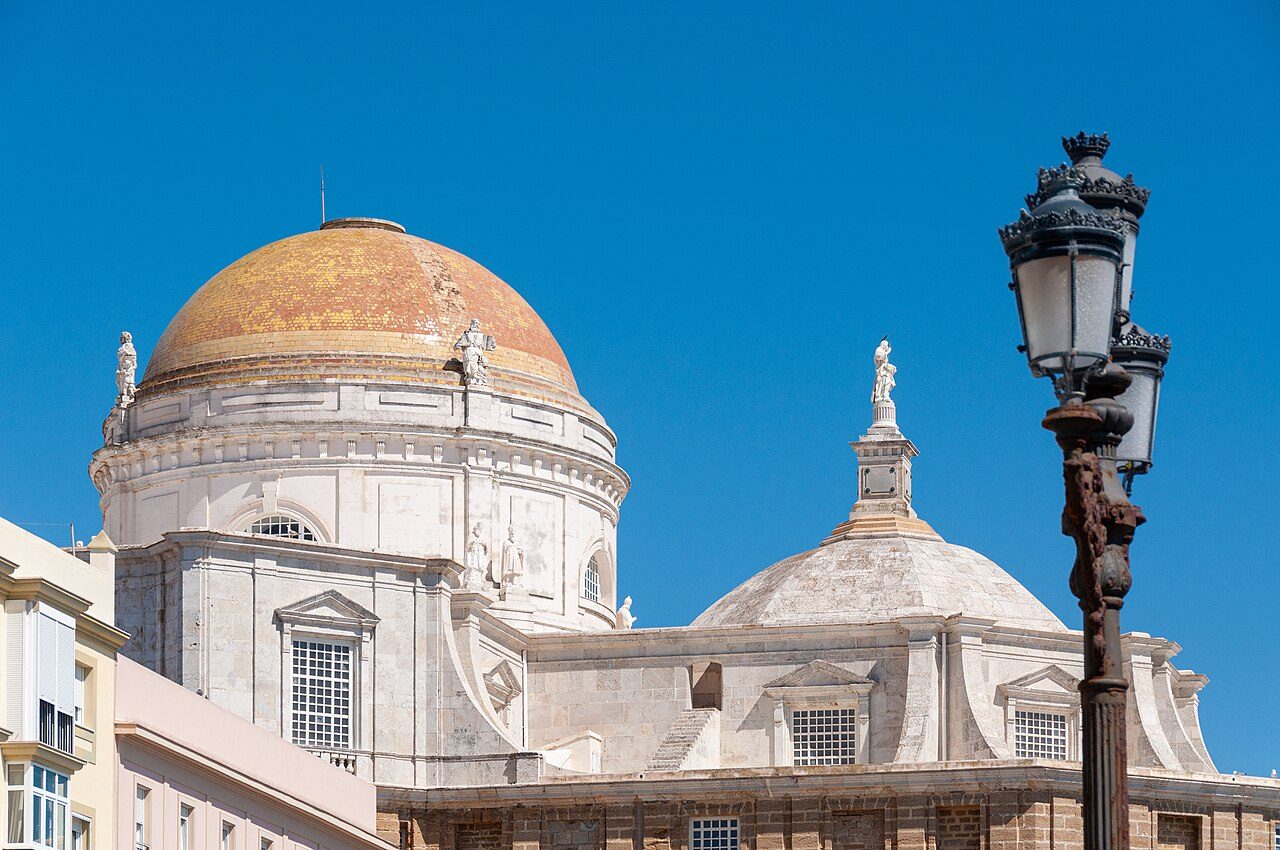
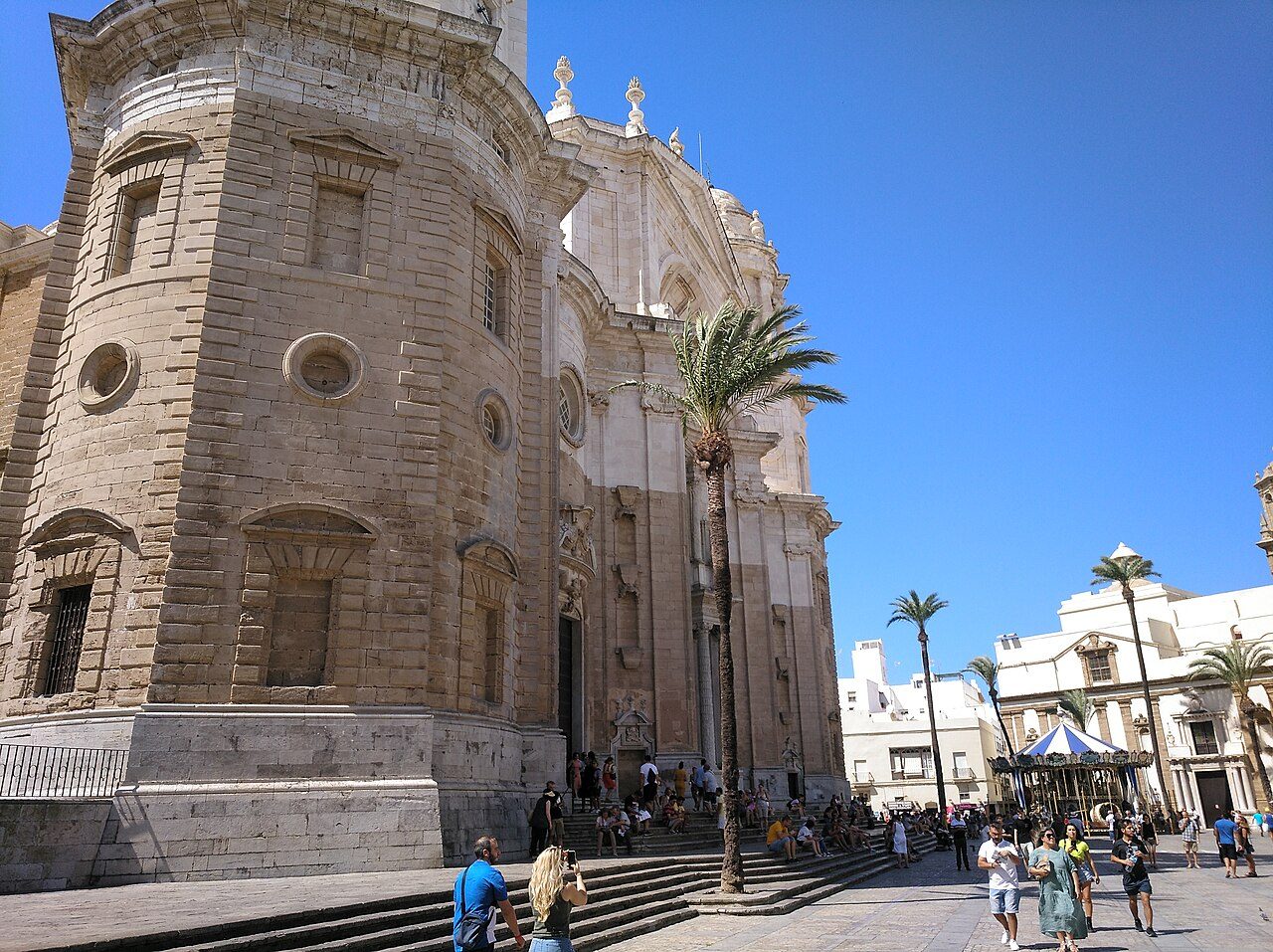
Cádiz Cathedral stands by the sea in Cádiz, one of the oldest cities in Western Europe. Built between 1722 and 1838, it combines Baroque and Neoclassical styles. Its golden dome is a landmark of the city's skyline. The composer Manuel de Falla is buried in the crypt. A tower can be climbed for views over the old town and ocean.
07
STOP 7 OF 16
Setenil de las Bodegas
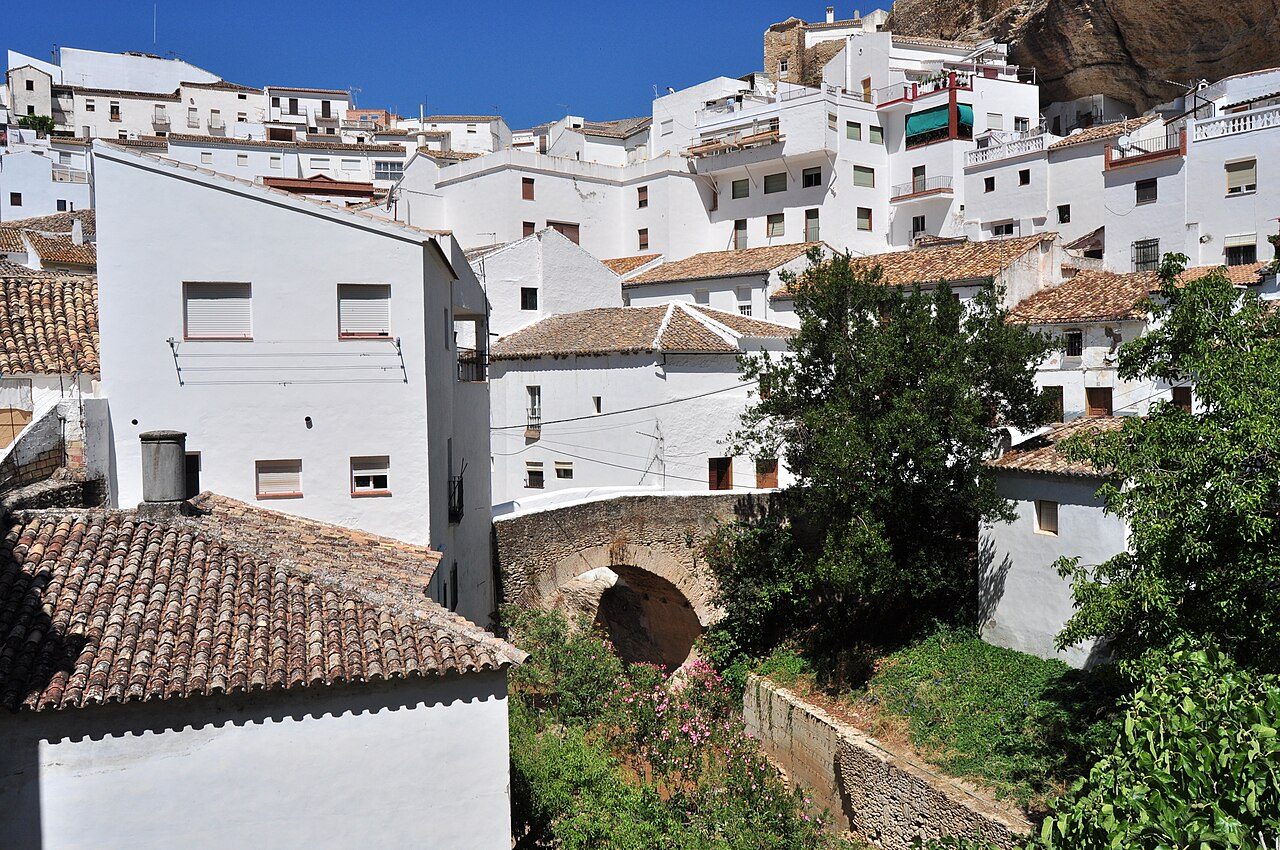
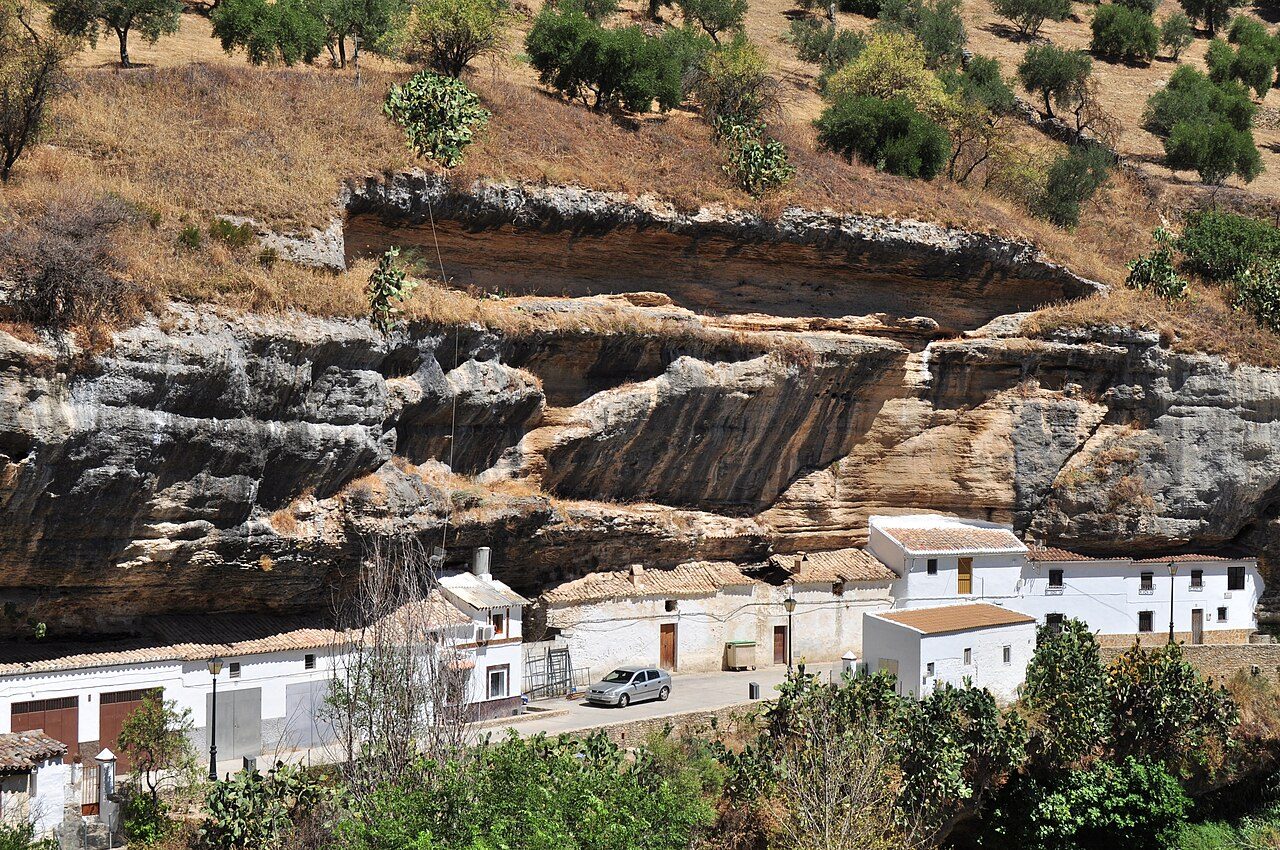
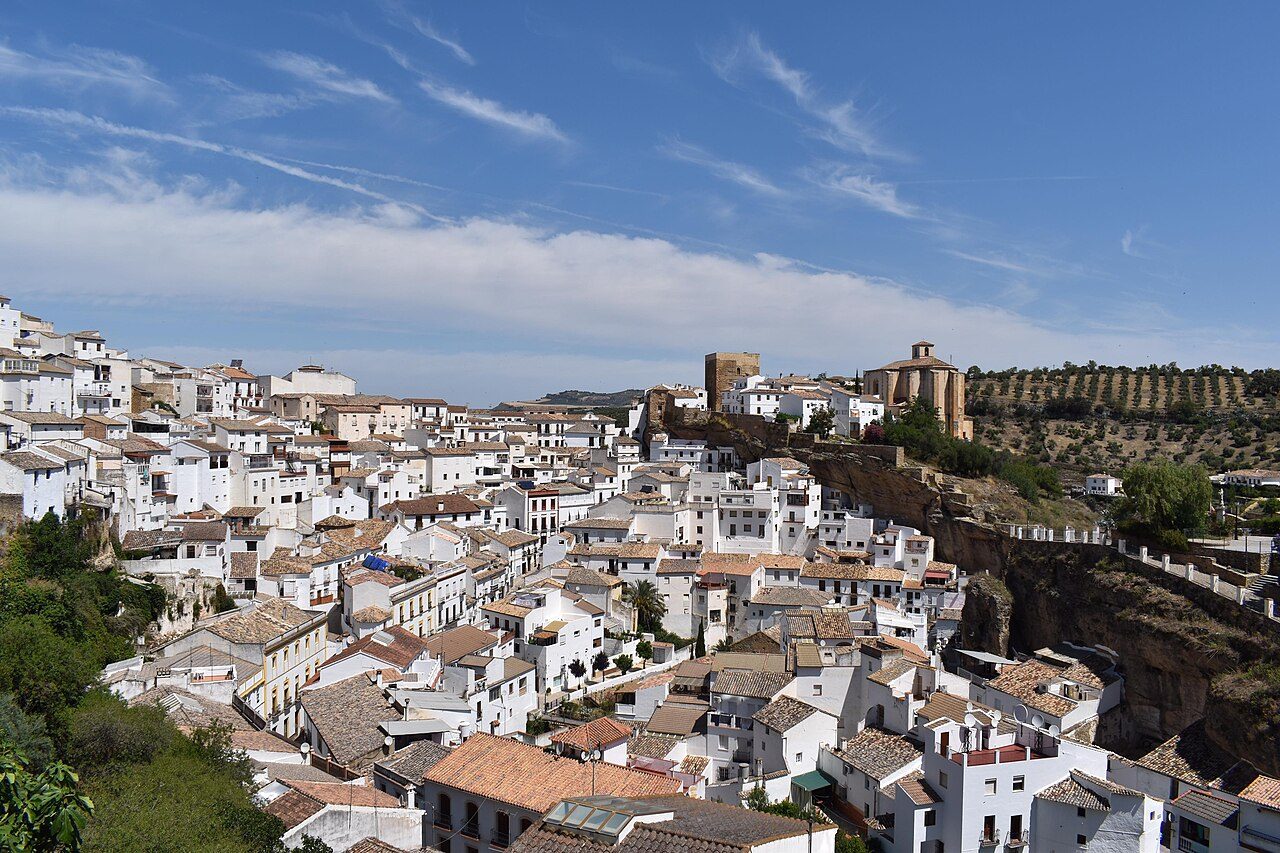
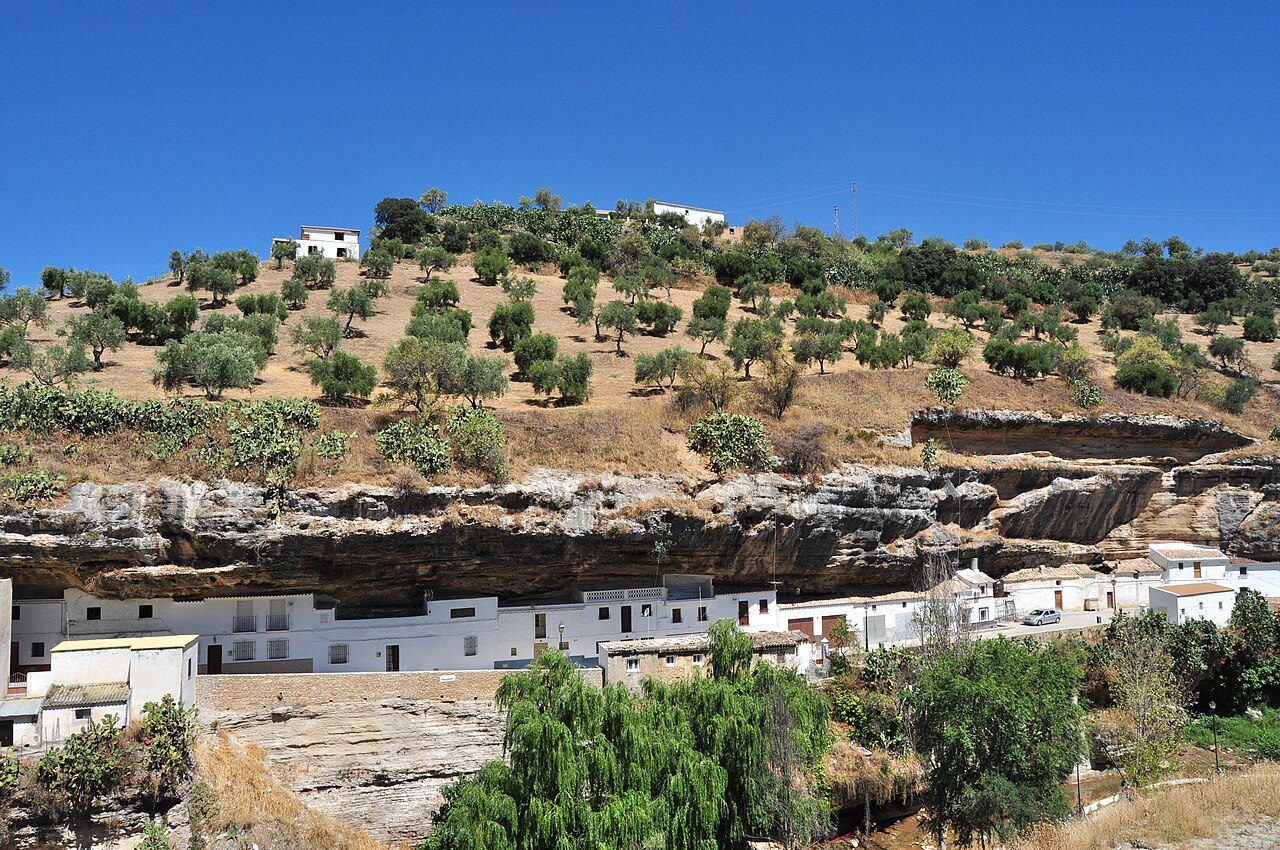
Setenil de las Bodegas is a white village in Cádiz province built into a gorge of the Guadalporcún River. Many of its houses are built under huge rock overhangs, using the cliff as their roofs. Narrow streets run beneath the rocks, lined with bars and shops. A Moorish castle tower stands above the village.
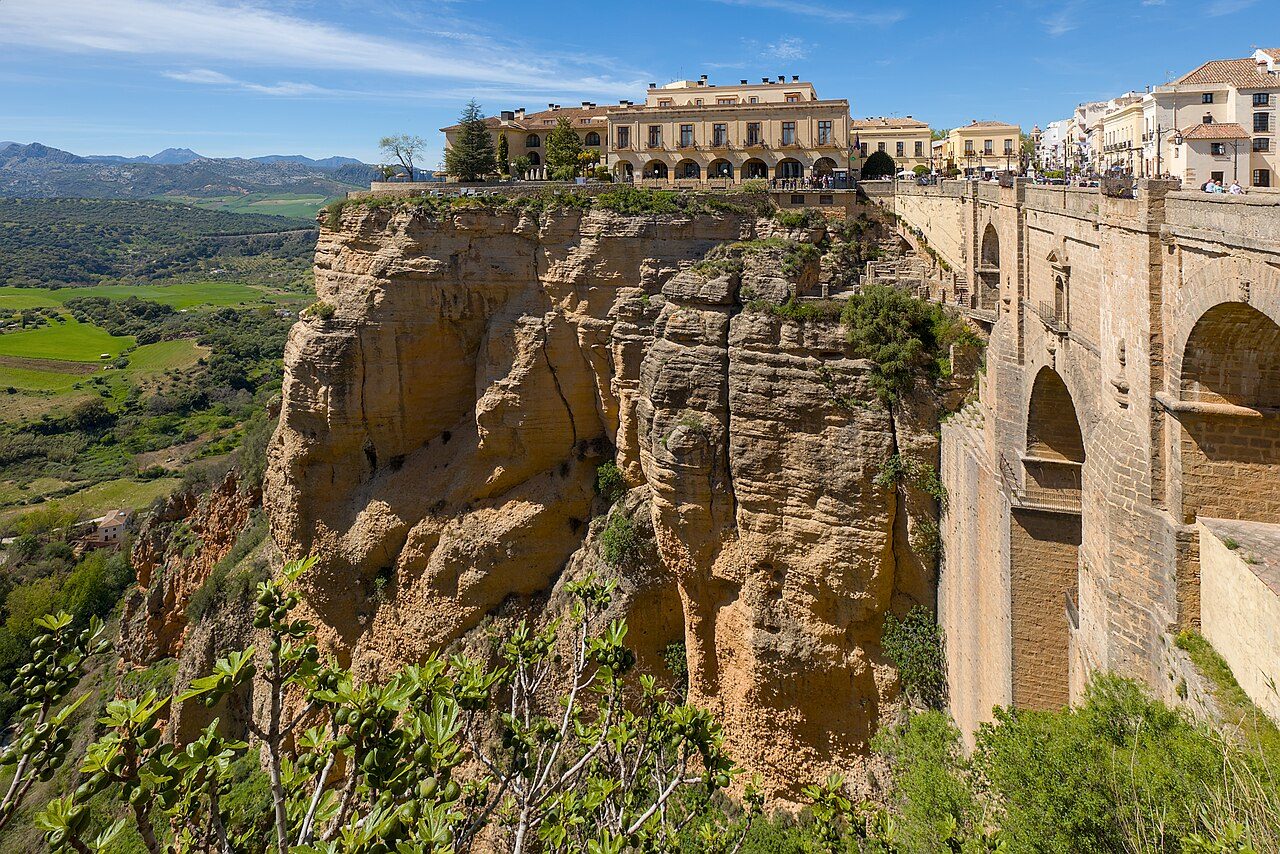
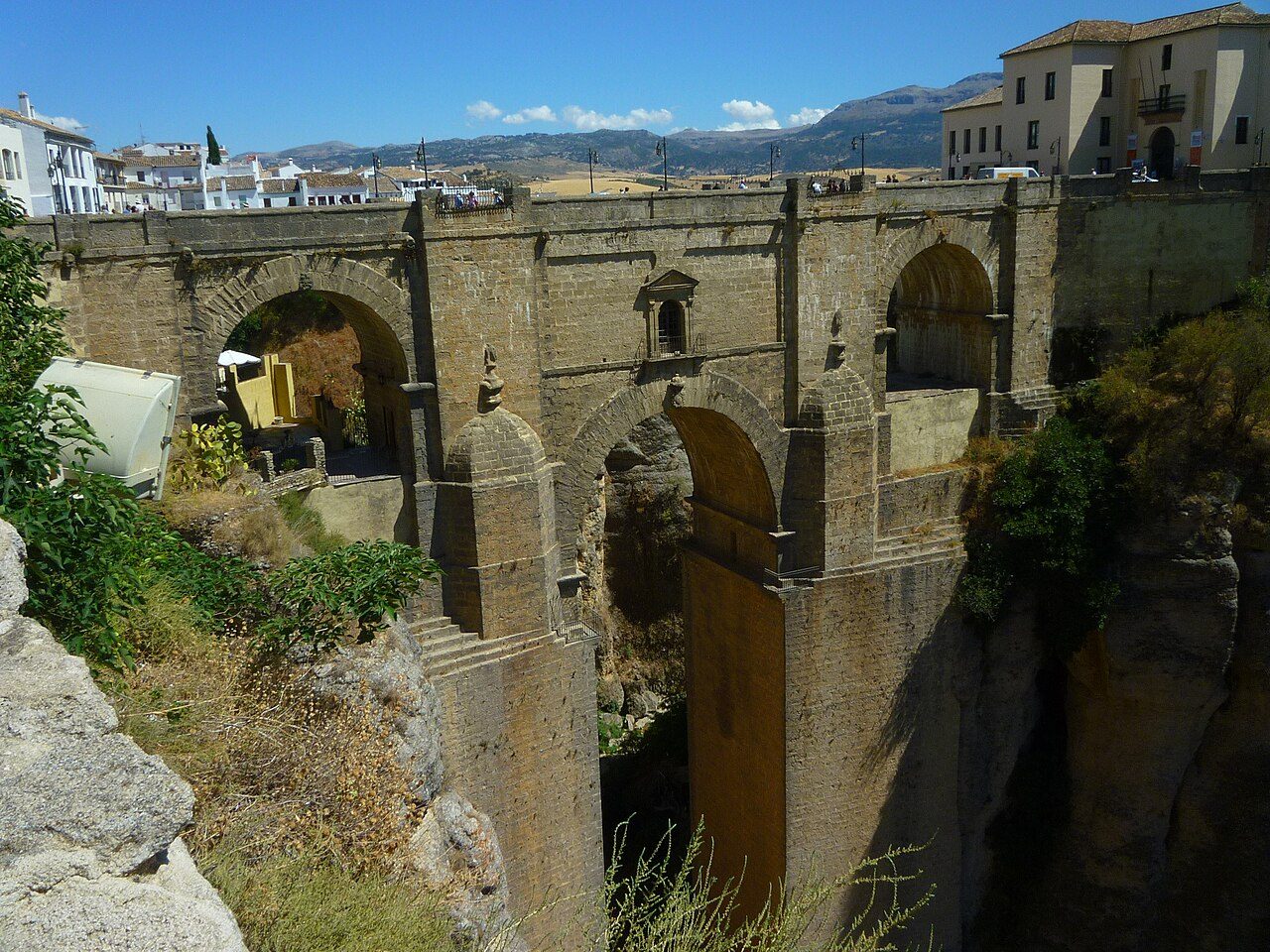
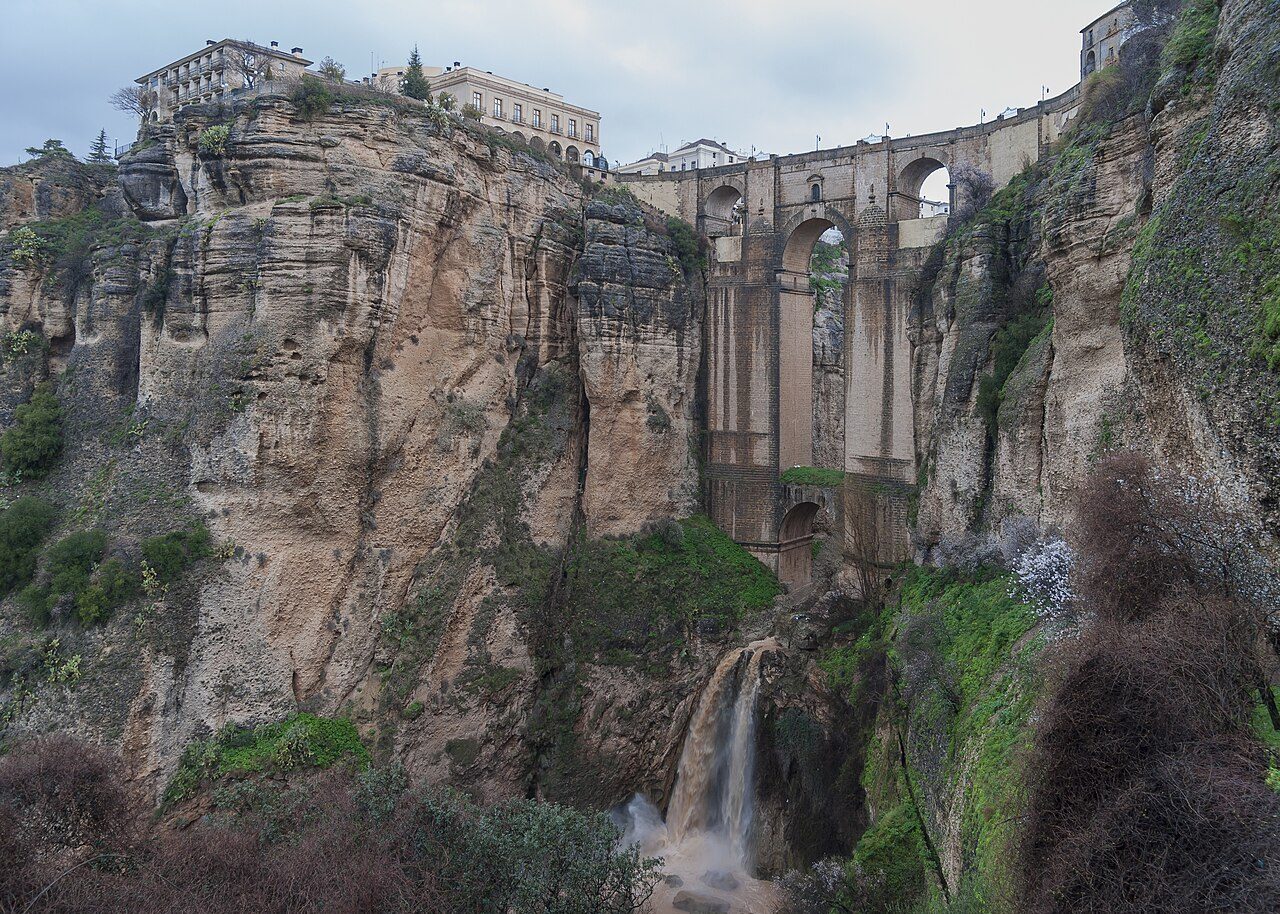
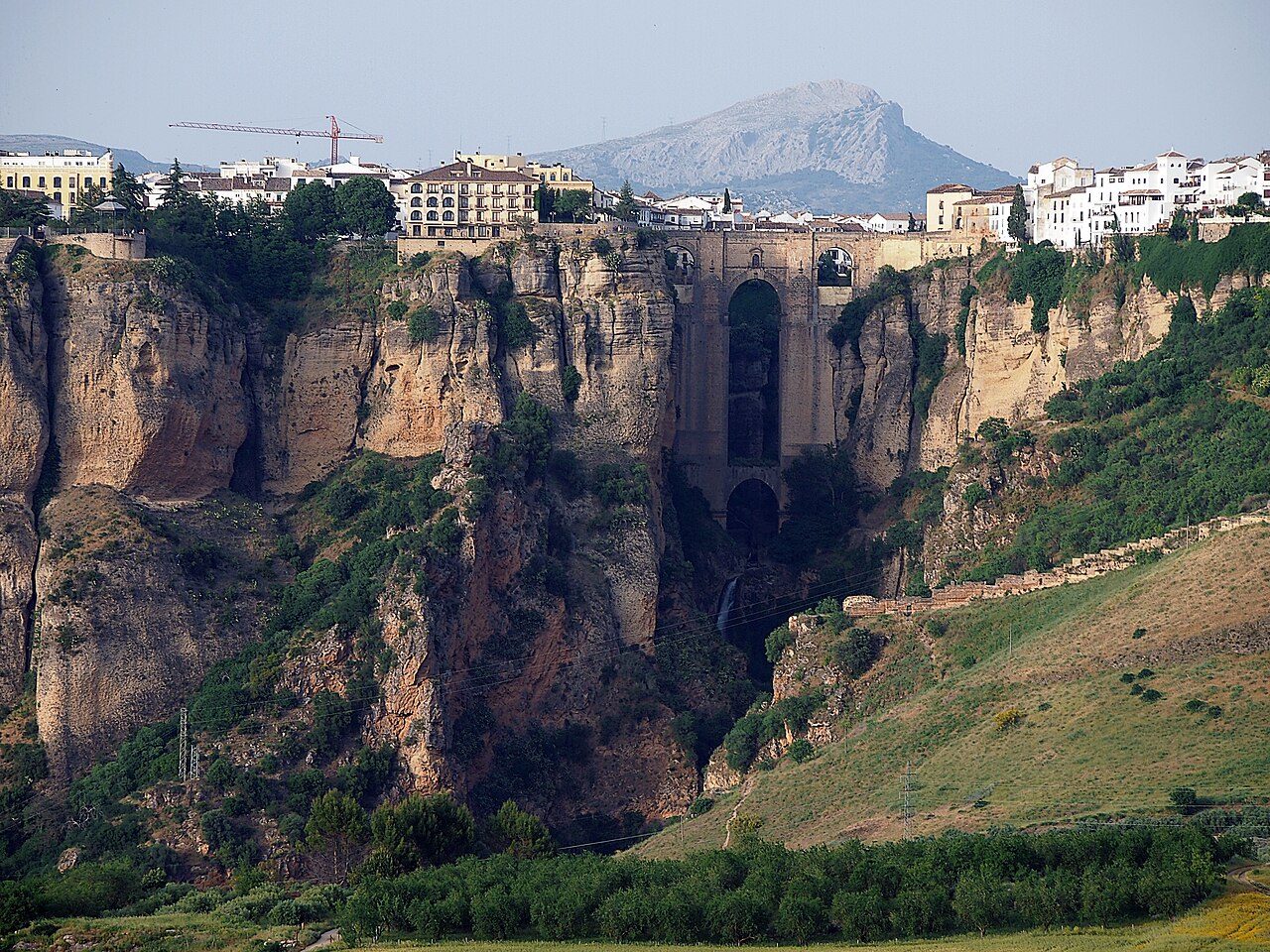
Ronda is a town in Andalusia built on both sides of the El Tajo gorge, about 100 metres deep. The Puente Nuevo, completed in 1793, spans the gorge and is the town's famous symbol. Ronda has one of the oldest bullrings in Spain, Moorish baths and old palaces. Viewpoints on the cliff edge look over the countryside.
09
STOP 9 OF 16
Caminito del Rey
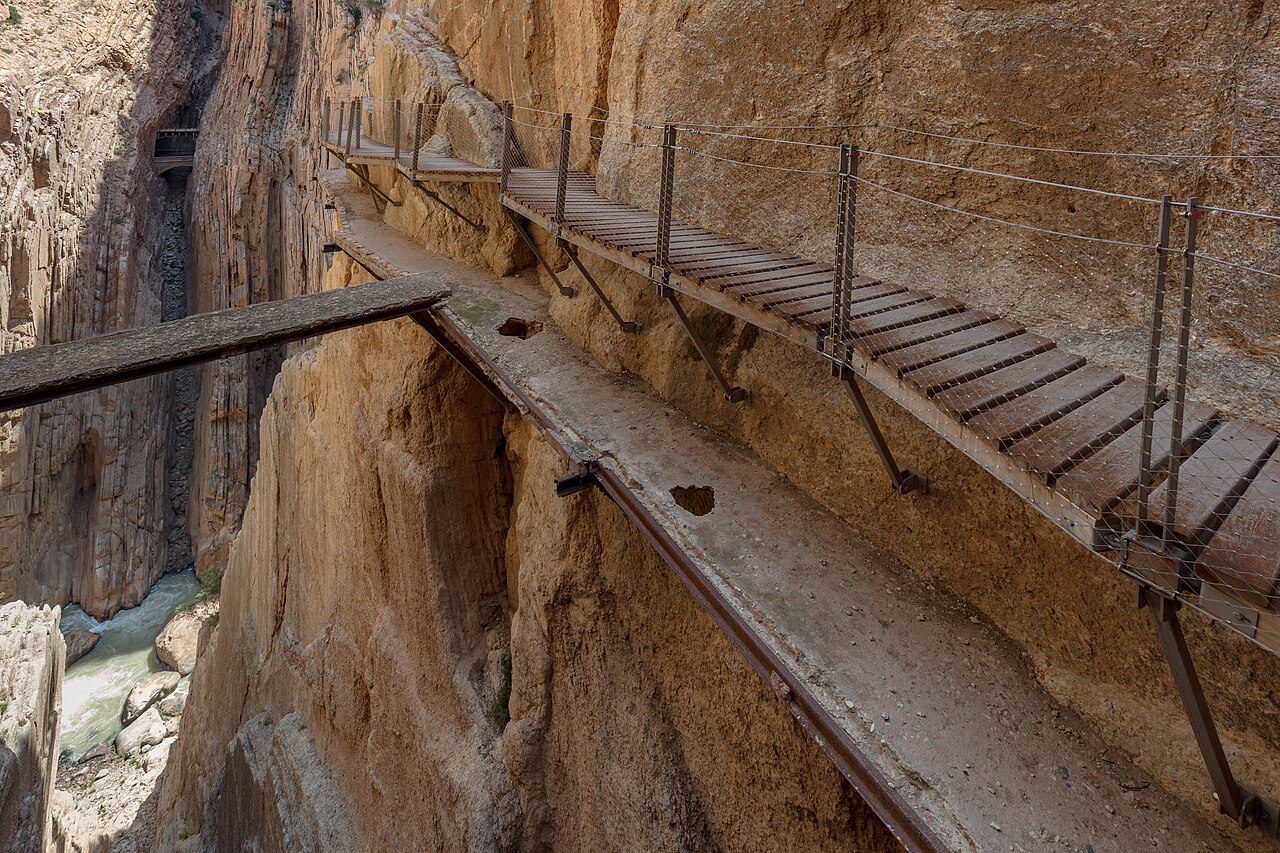
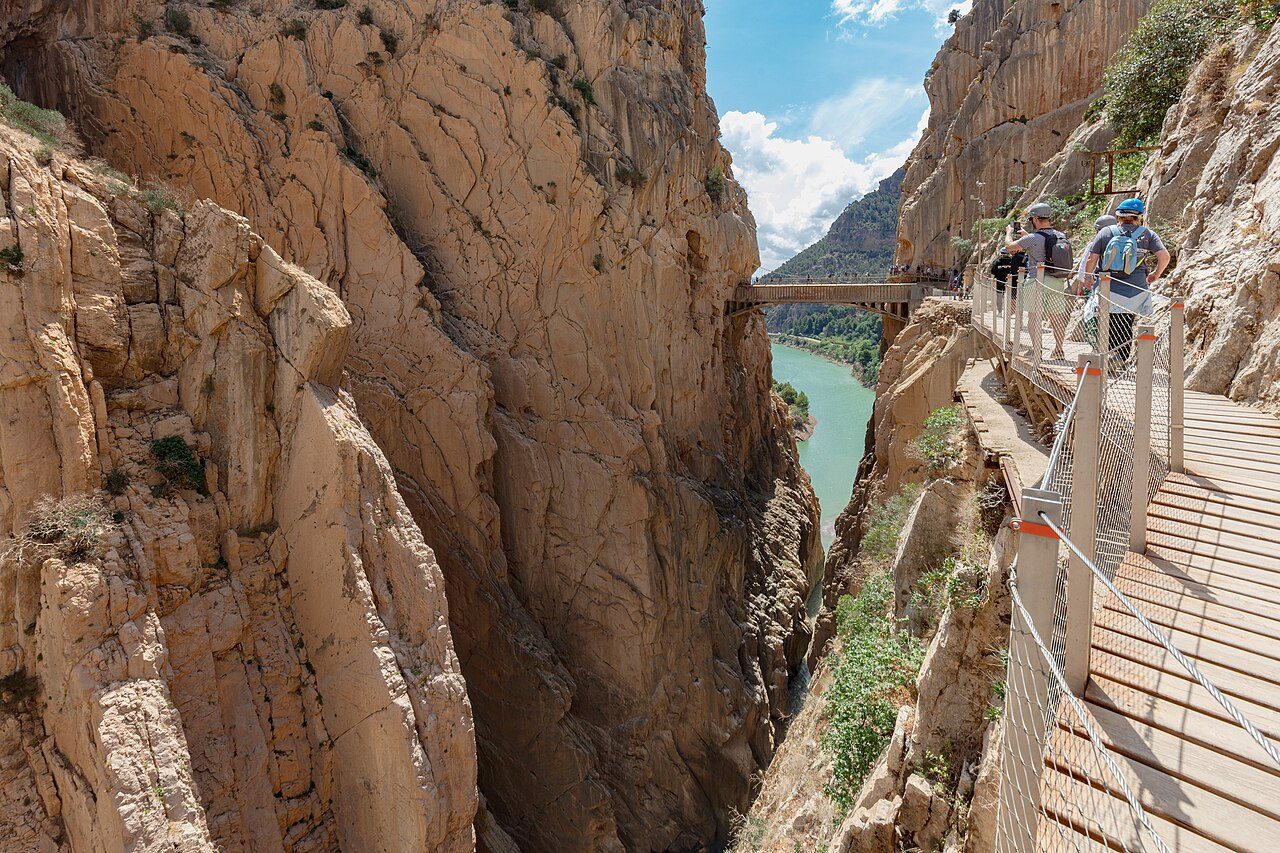
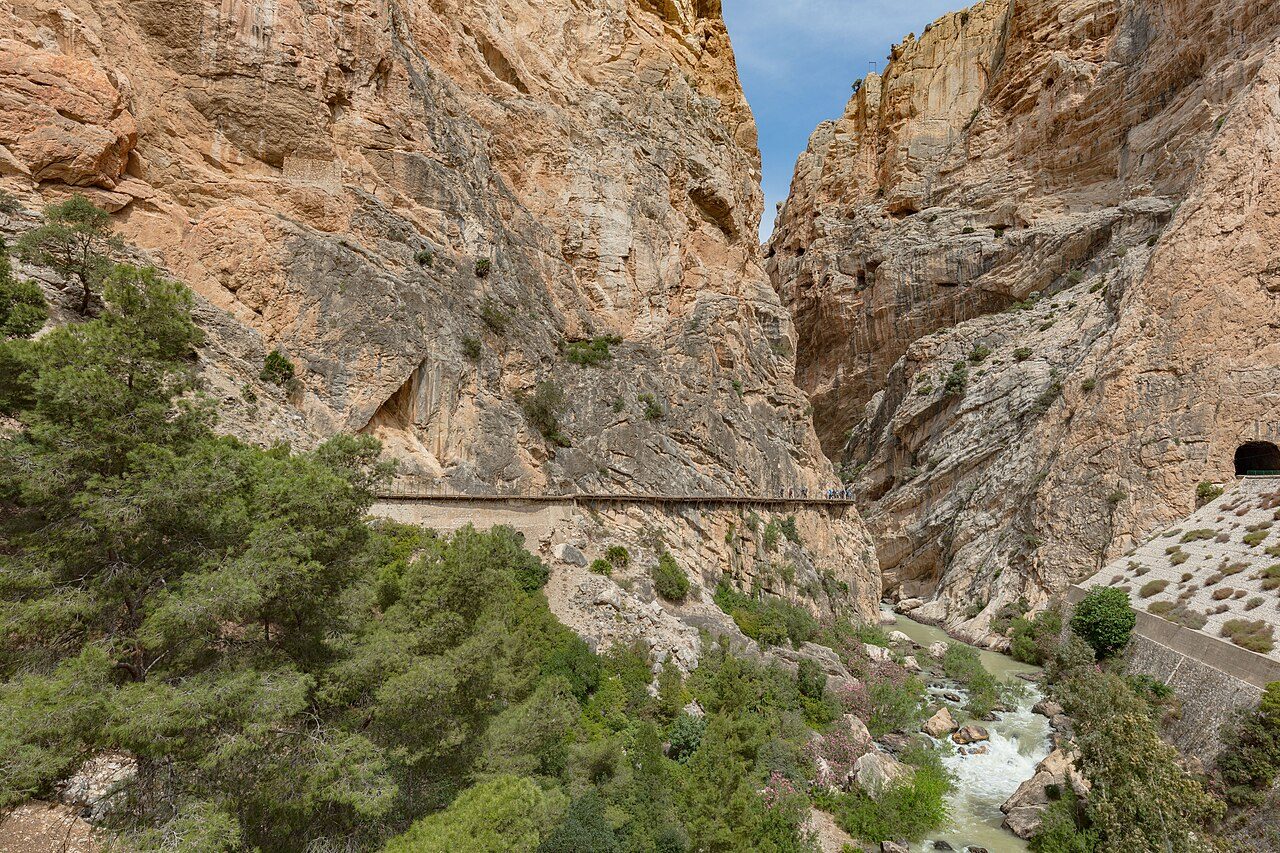
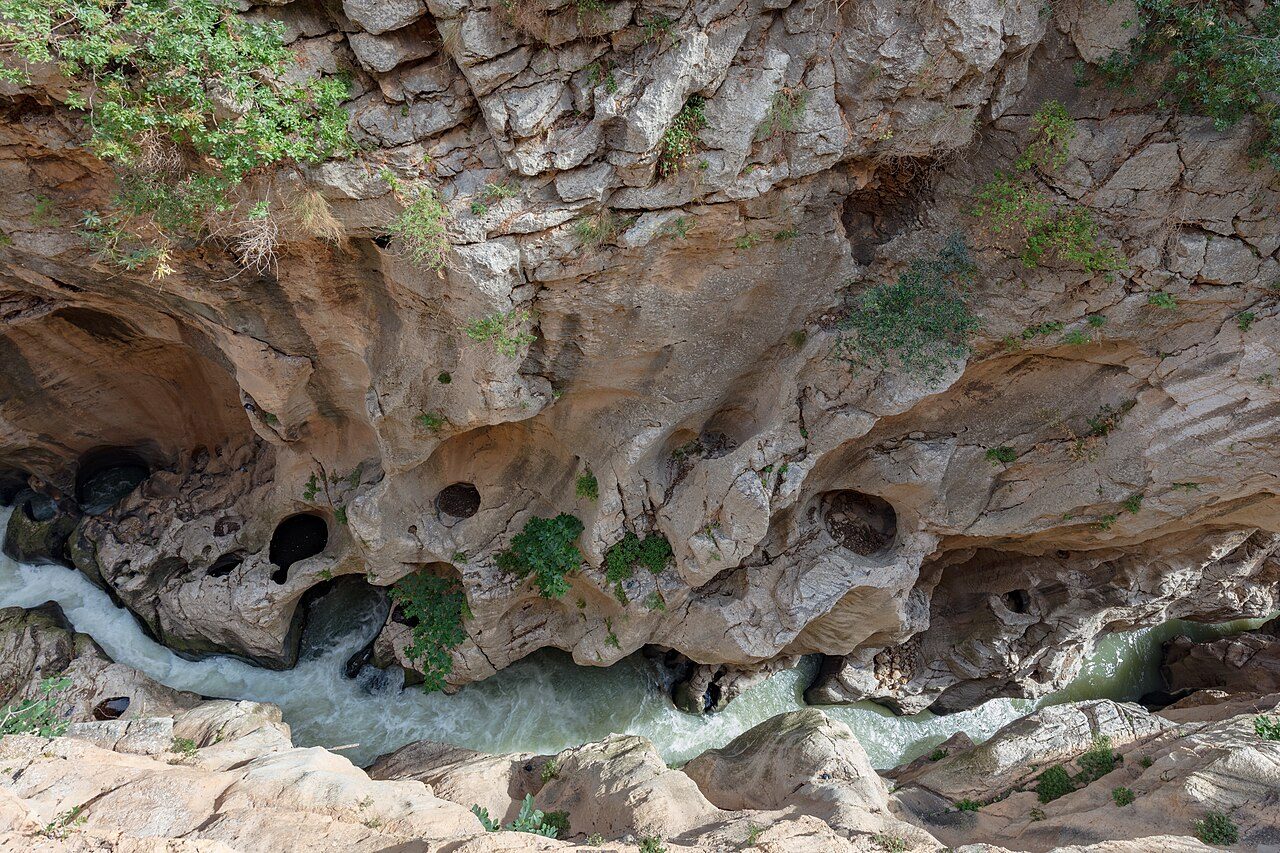
The Caminito del Rey is a walkway pinned along the steep walls of the Gaitanes Gorge near Ardales in Málaga province. It was built in the early 1900s for workers at a hydroelectric plant. Once known as one of the most dangerous paths in the world, it was rebuilt and reopened in 2015. The walk passes about 100 metres above the river.
10
STOP 10 OF 16
Alcazaba of Málaga
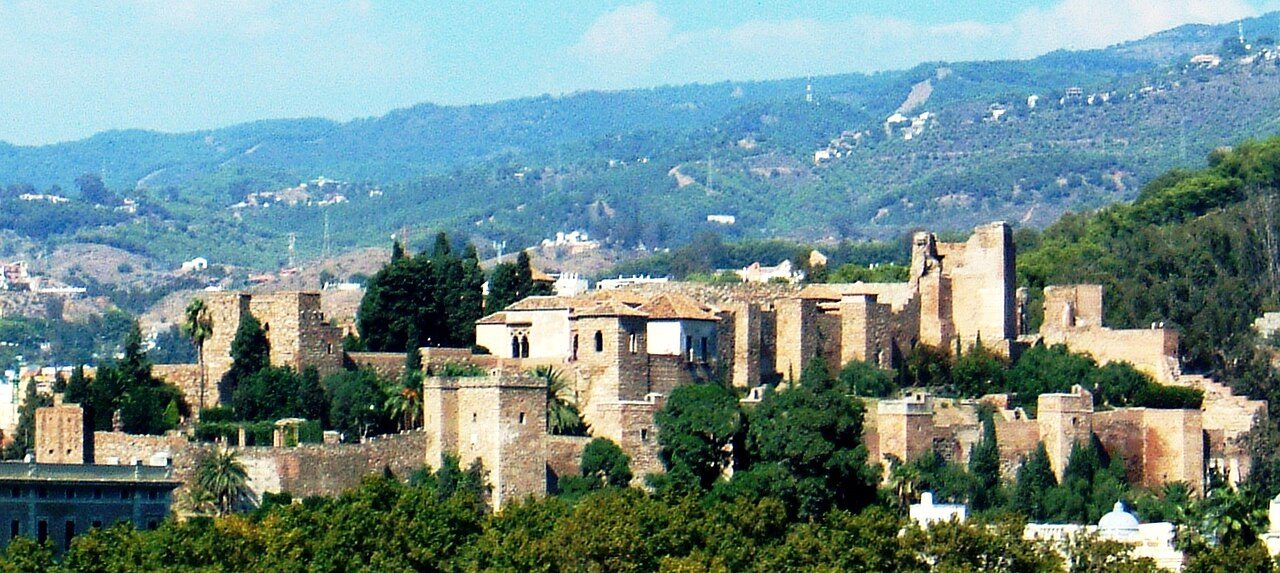
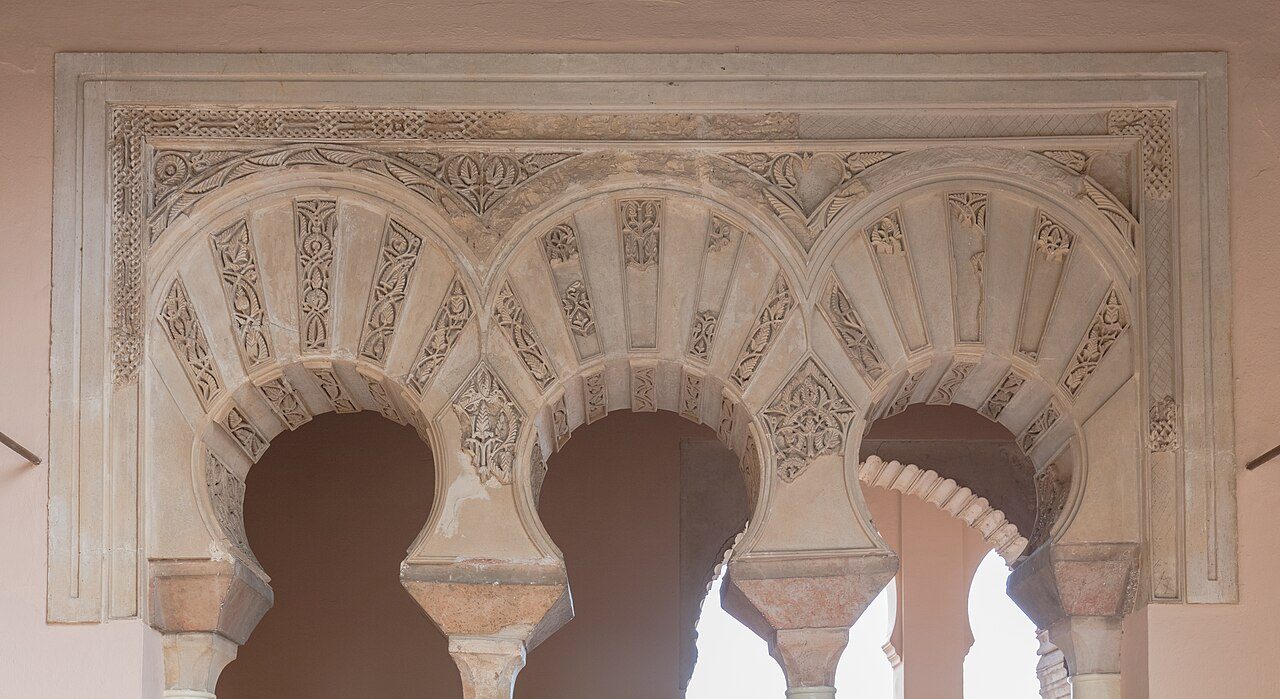
The Alcazaba of Málaga is a Moorish fortress on a hill in the centre of Málaga, built in the 11th century. Its walls, gates and courtyards with fountains climb the slope. Below it lies a Roman theatre from the 1st century BC, rediscovered in 1951. Above, the Gibralfaro Castle gives views over the city and the port.
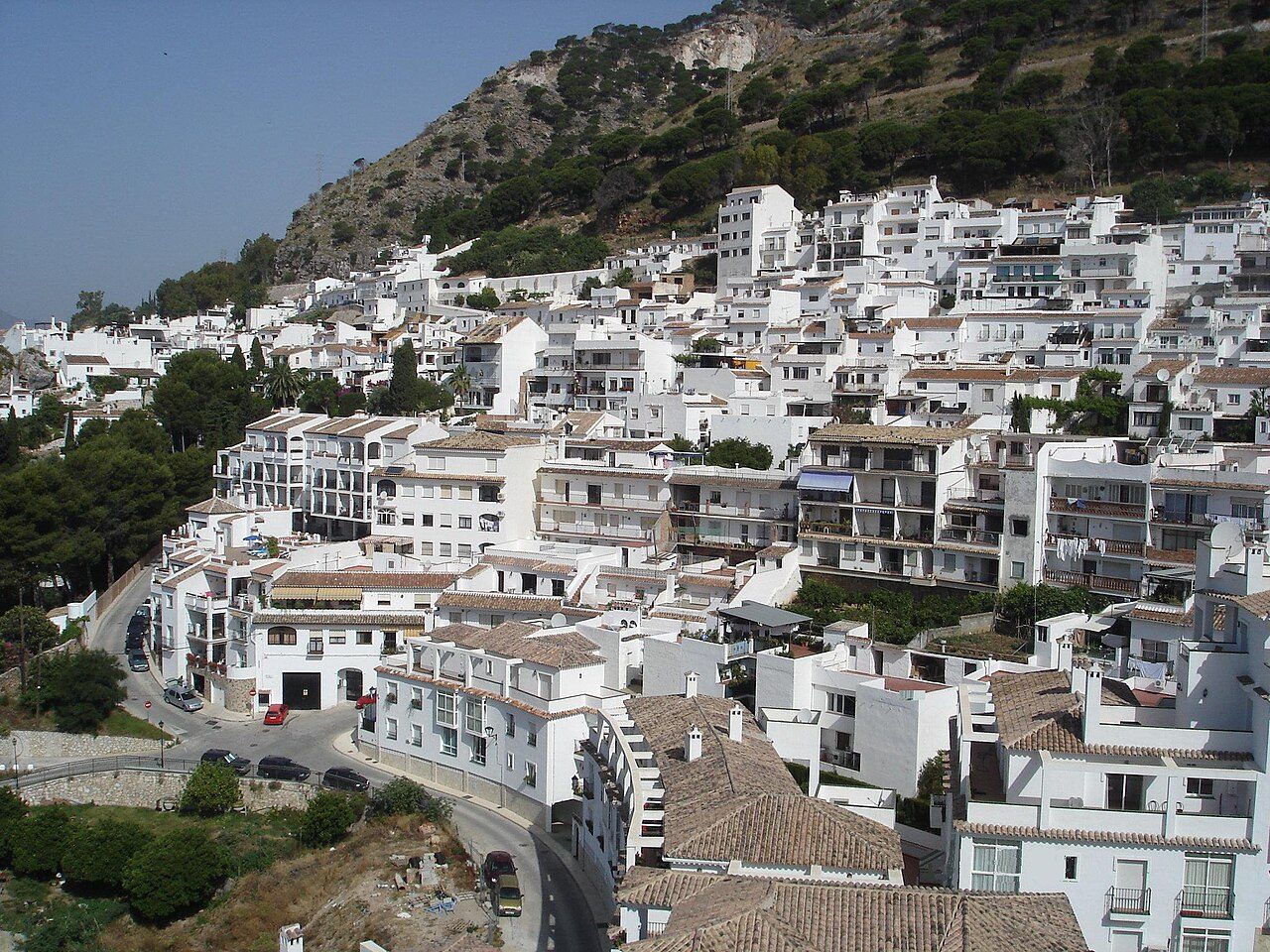
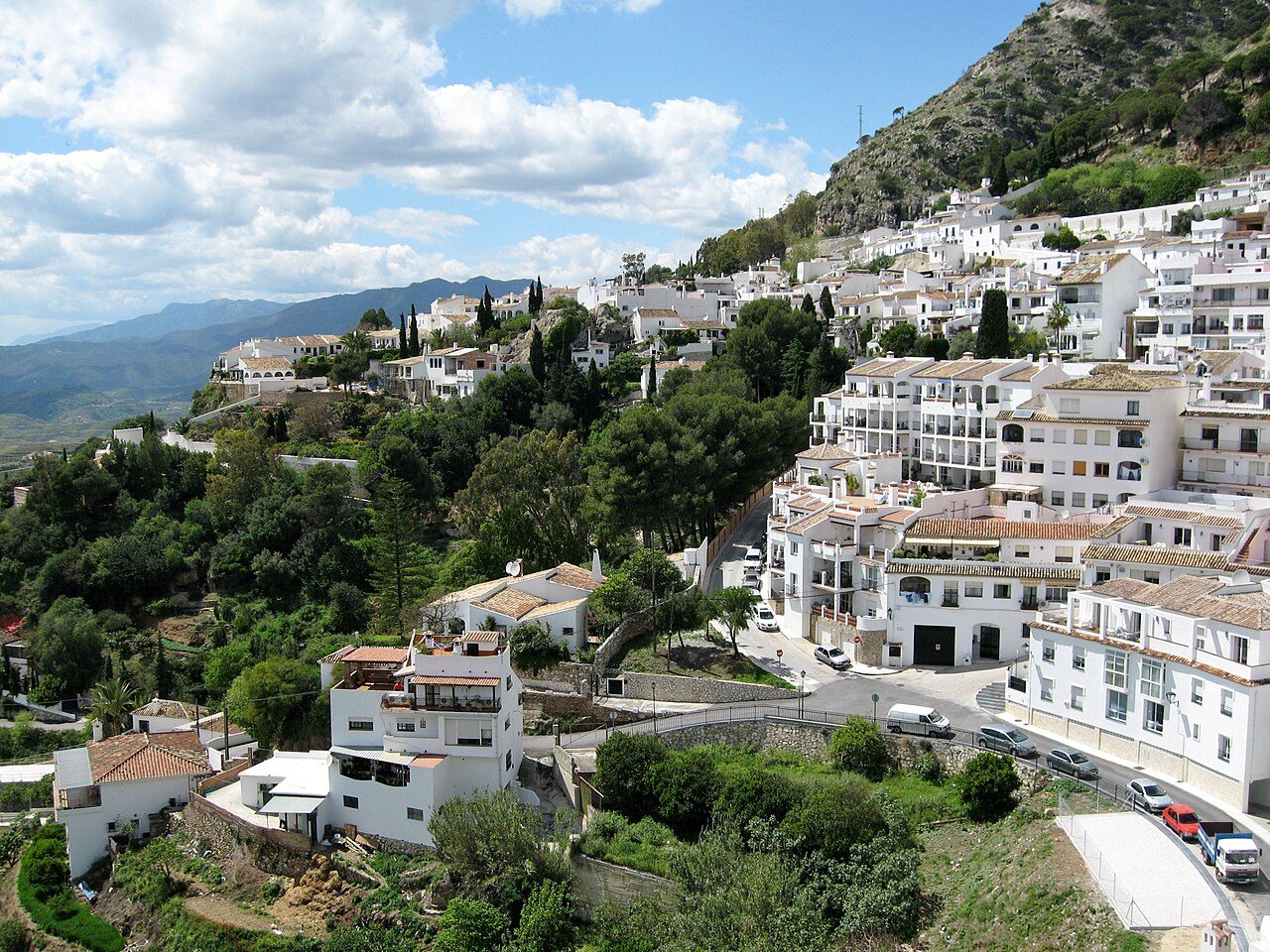
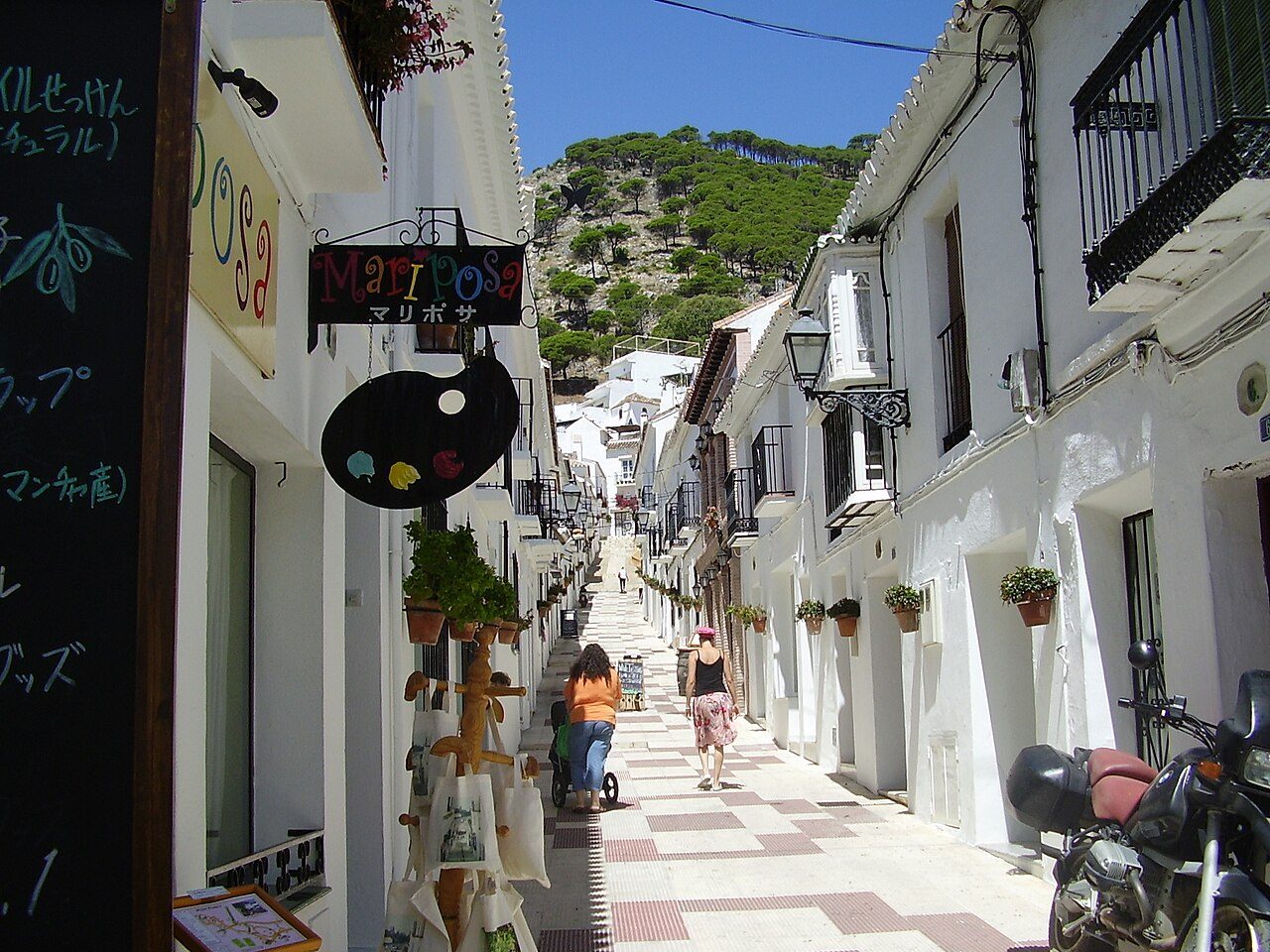
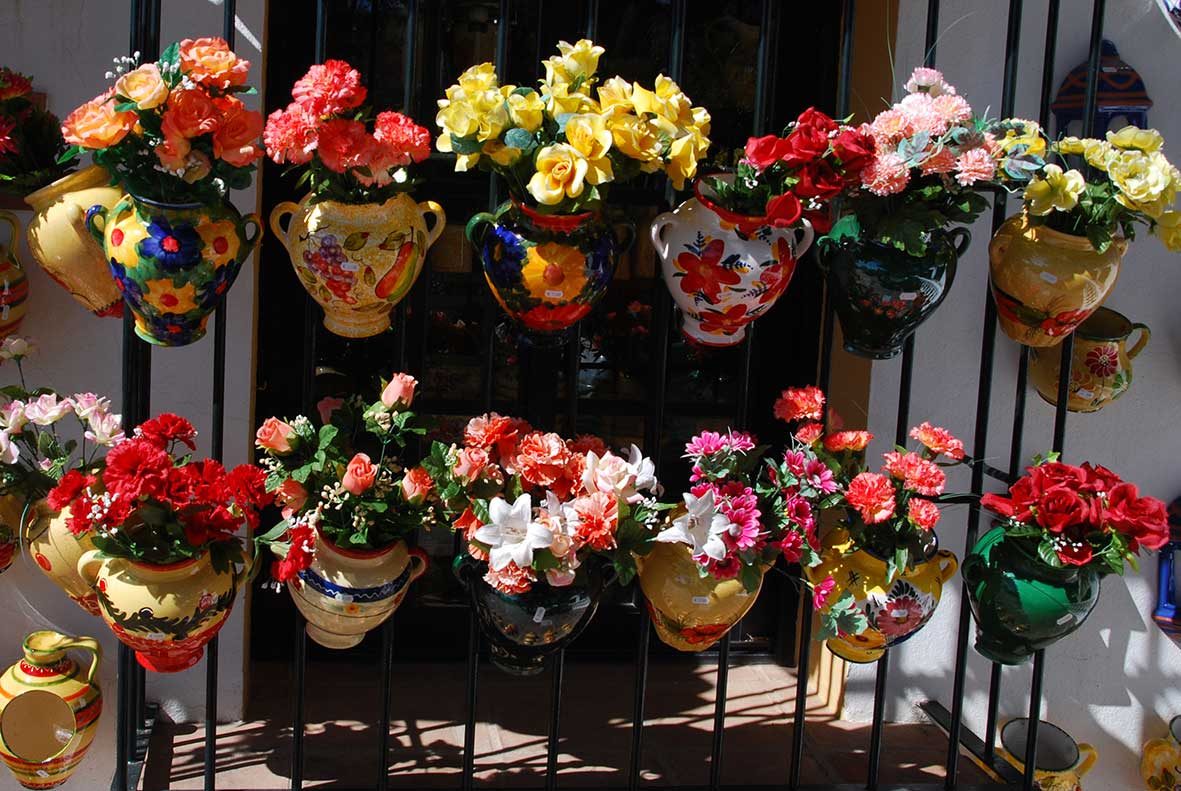
Mijas is a white village in the hills above the Costa del Sol in Málaga province. Its whitewashed houses with flower pots line steep, narrow streets. A small chapel of the Virgen de la Peña is carved into the rock. Viewpoints look down over the coast and the sea, and donkey taxis were once a famous sight here.
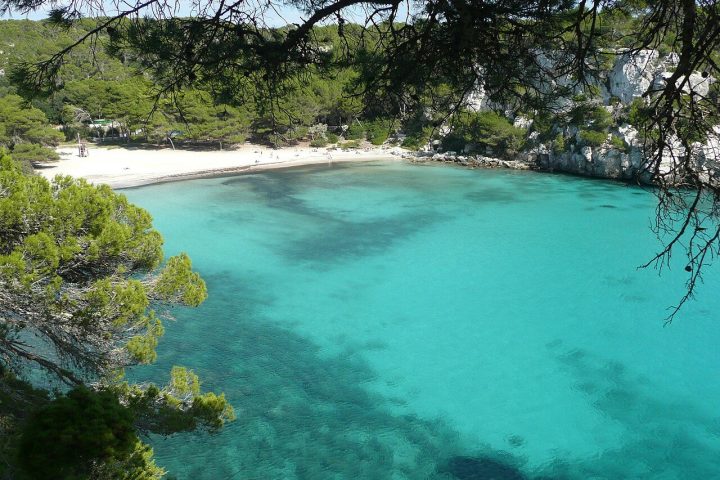
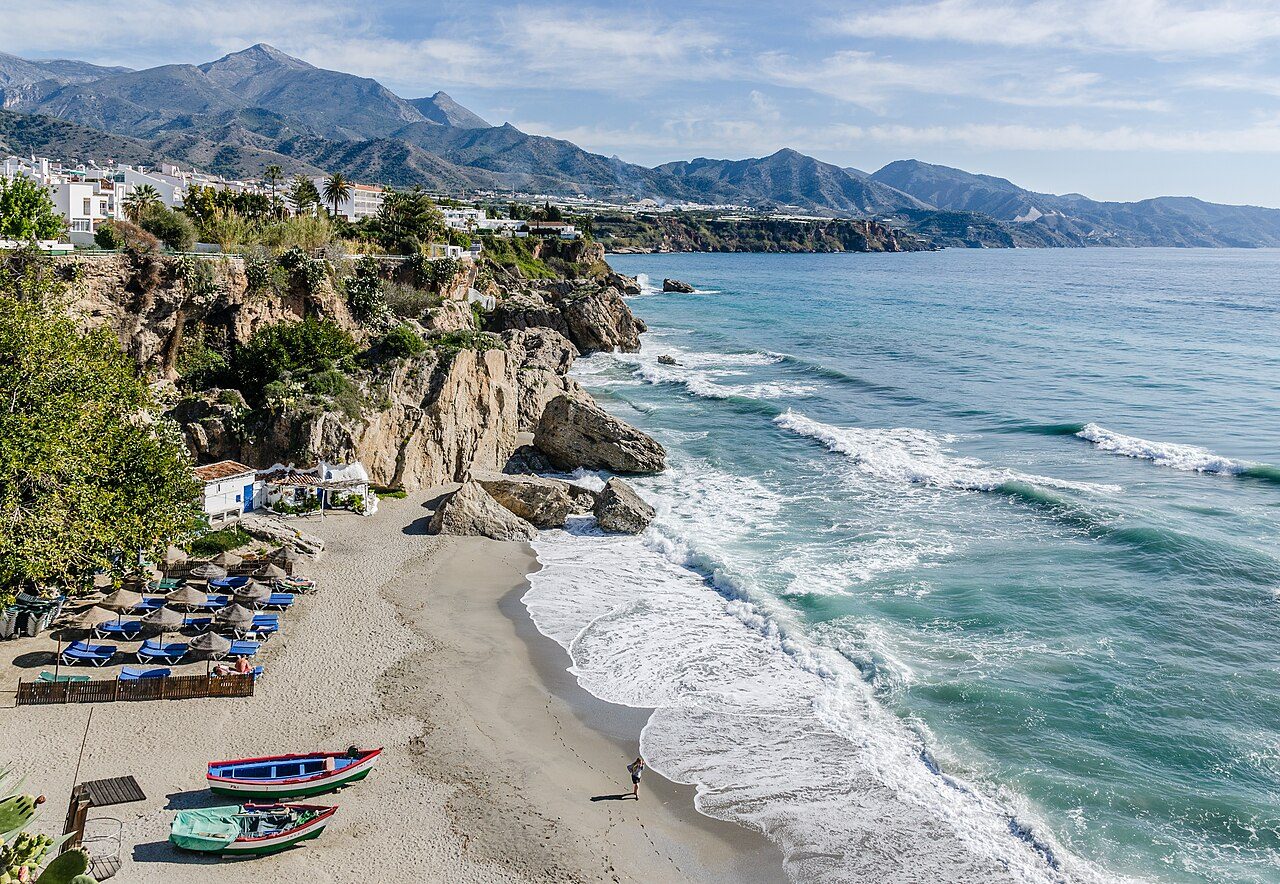
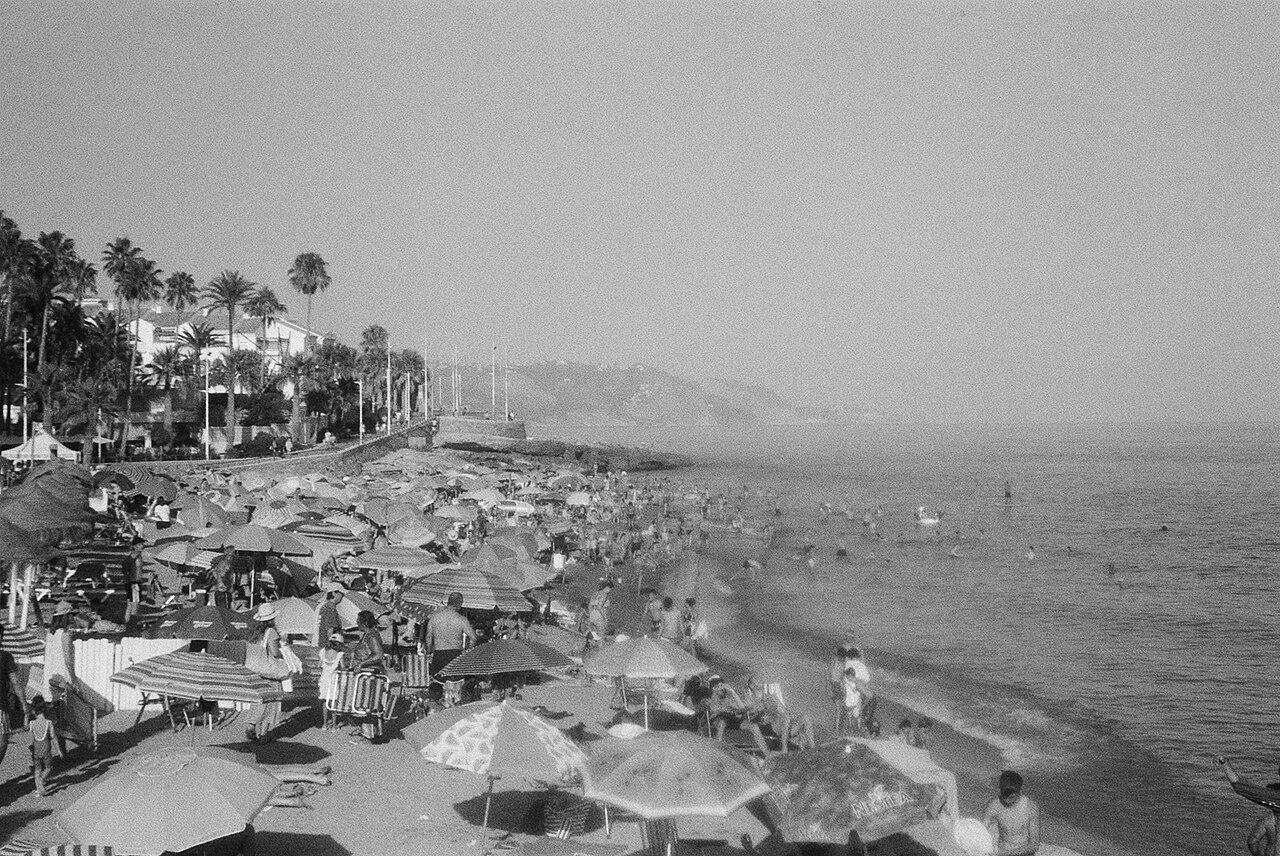
Nerja is a seaside town on the Costa del Sol east of Málaga. Its Balcón de Europa is a promenade on a rocky point with views along the coast. Below it are small beaches and coves. Just outside the town lie the Caves of Nerja, a huge cave system with prehistoric paintings and some of the largest stalactite columns in the world.
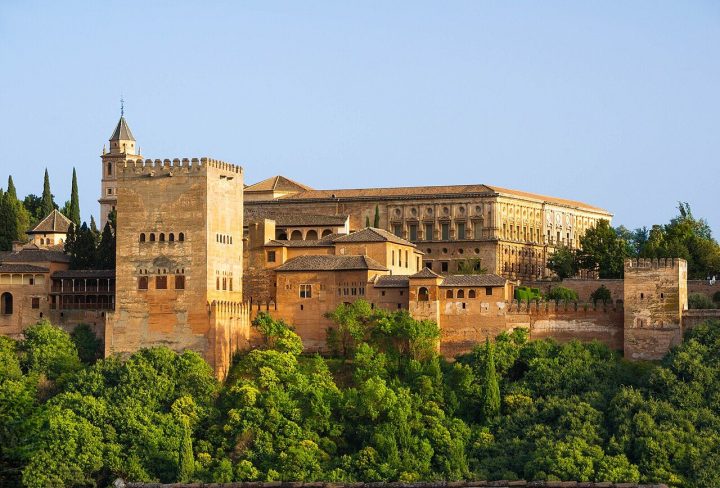
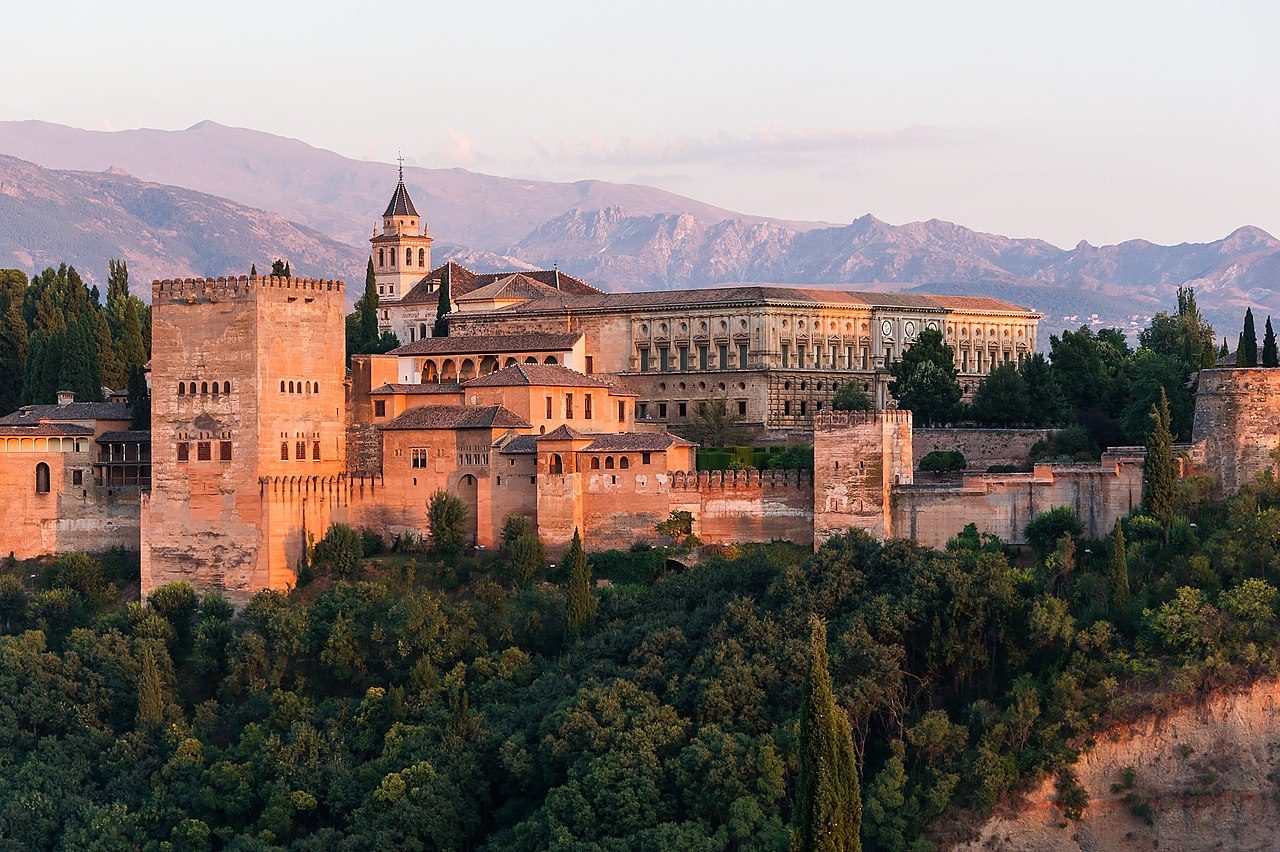
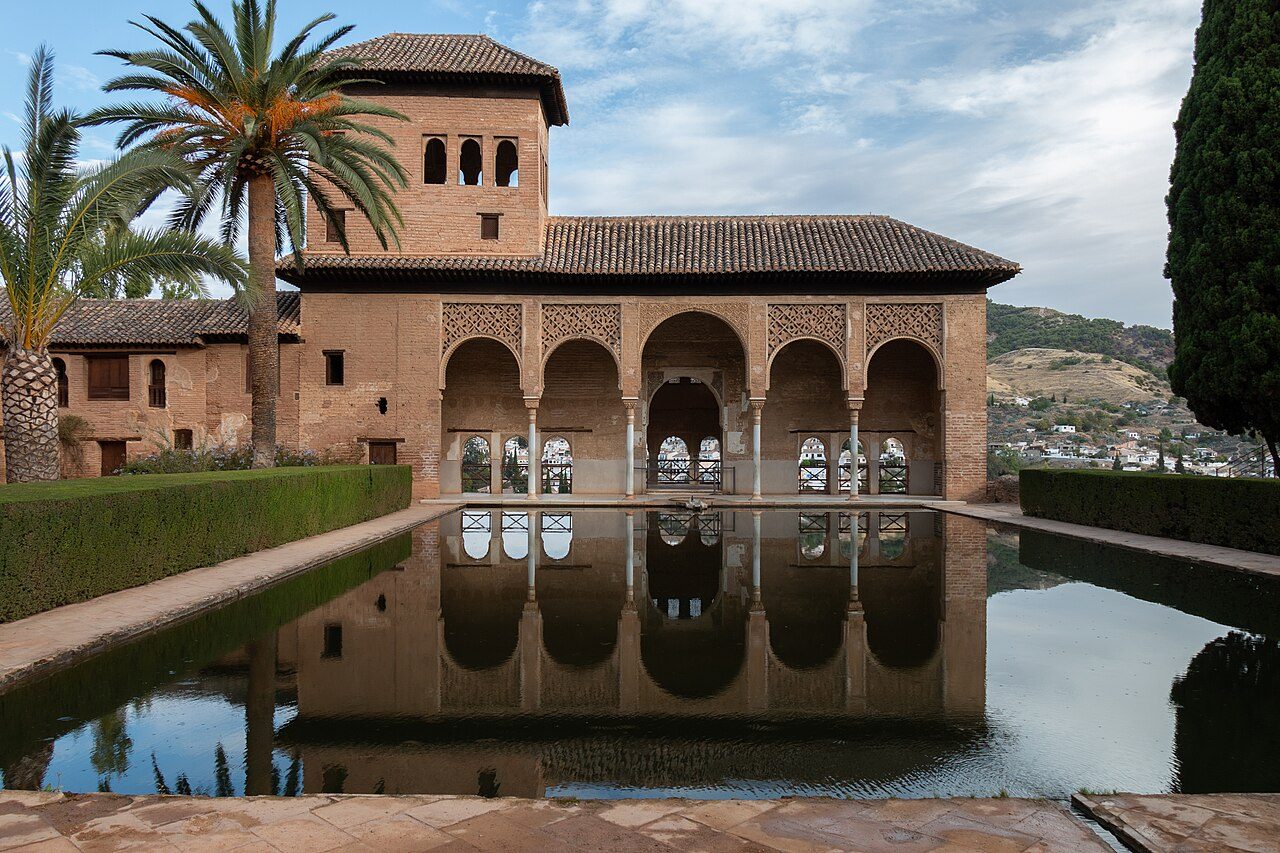
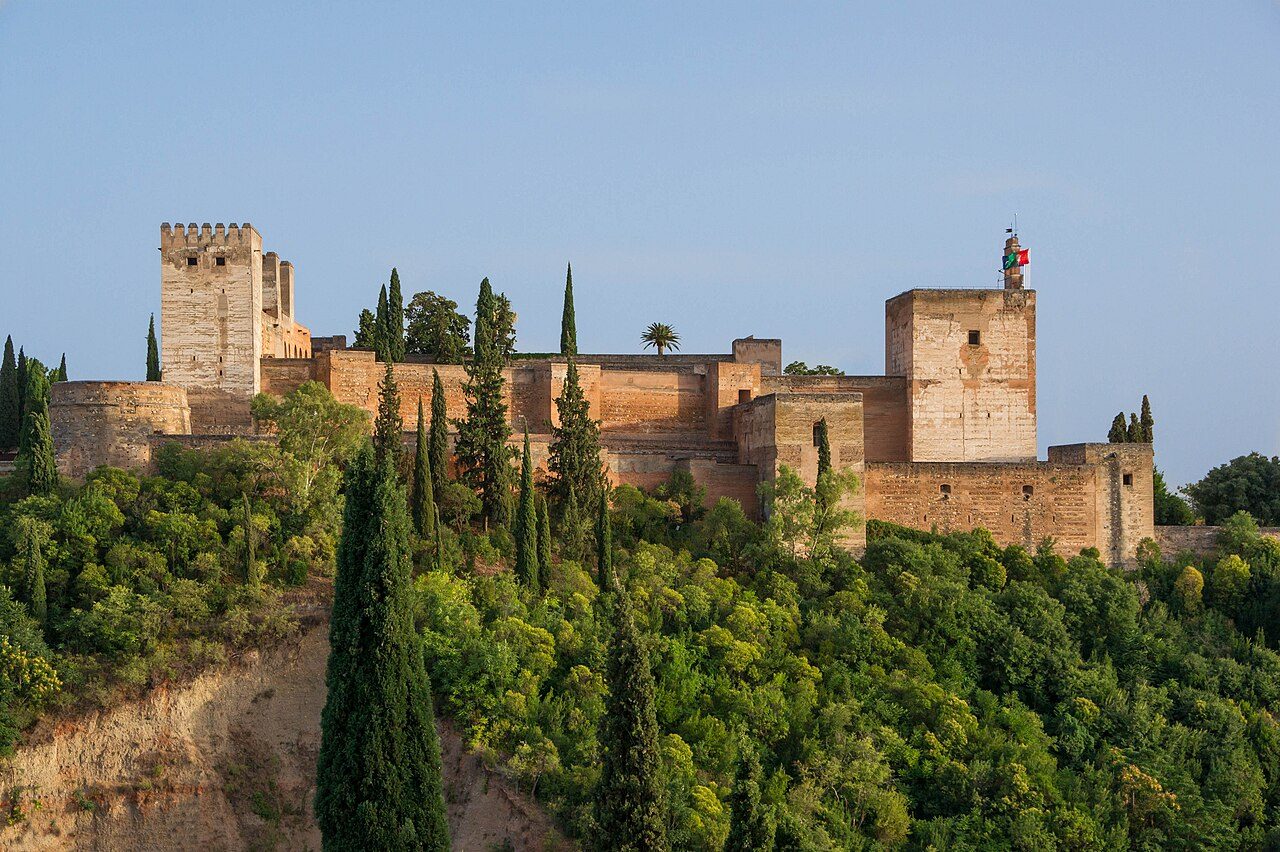
The Alhambra is a palace and fortress complex on a hill above Granada, built mainly by the Nasrid dynasty in the 13th and 14th centuries. It was the last Muslim stronghold in Spain until 1492. Its Nasrid Palaces are famous for carved stucco, tiled walls and courtyards with fountains, such as the Court of the Lions. The Generalife gardens lie beside it. It is a UNESCO World Heritage Site.
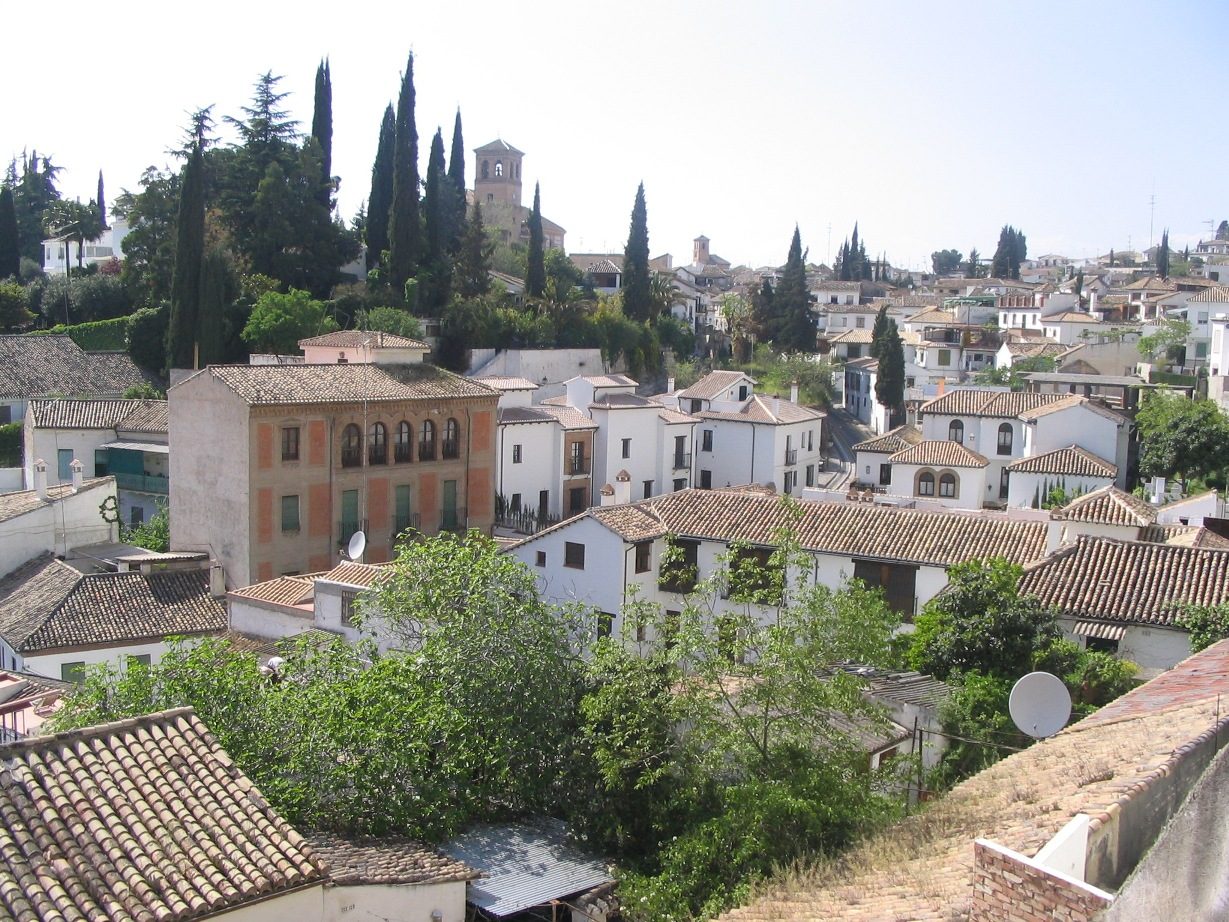
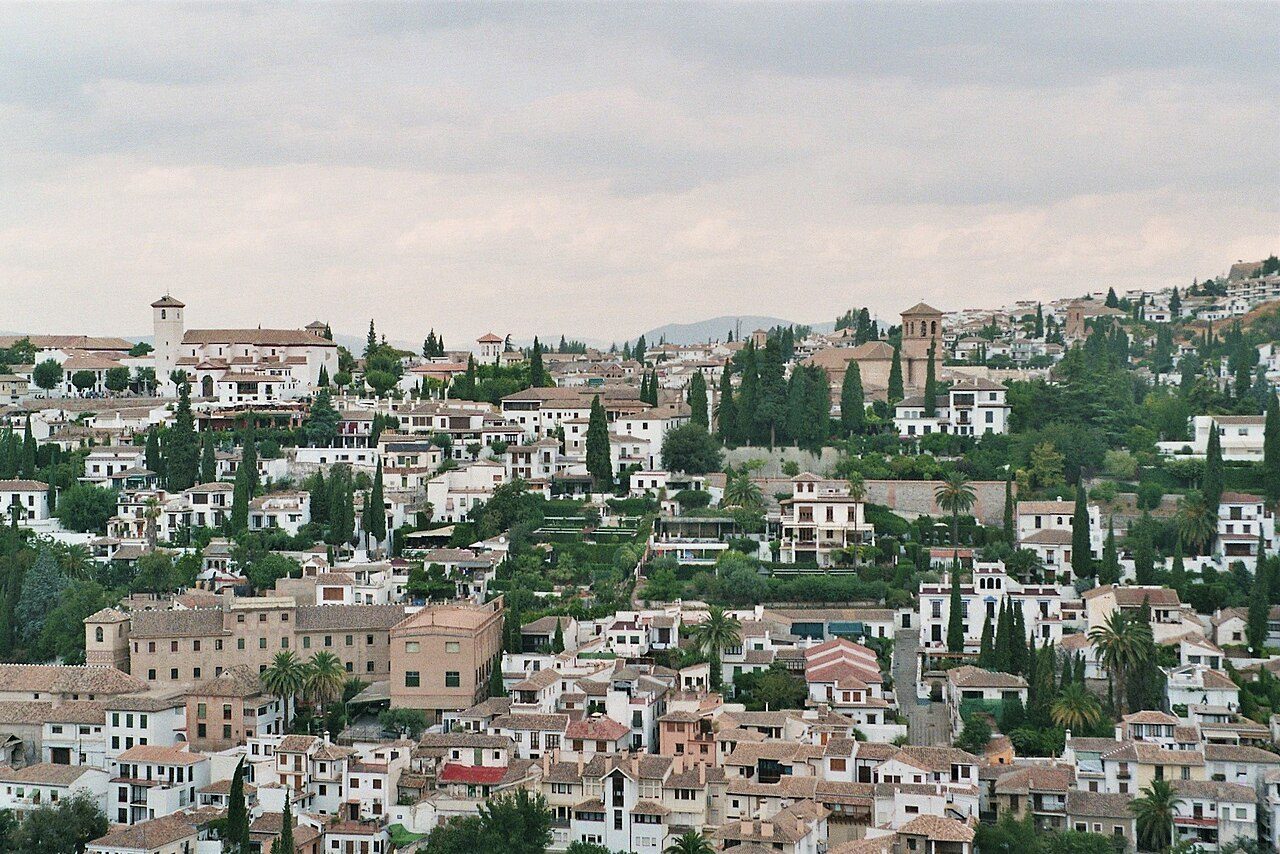
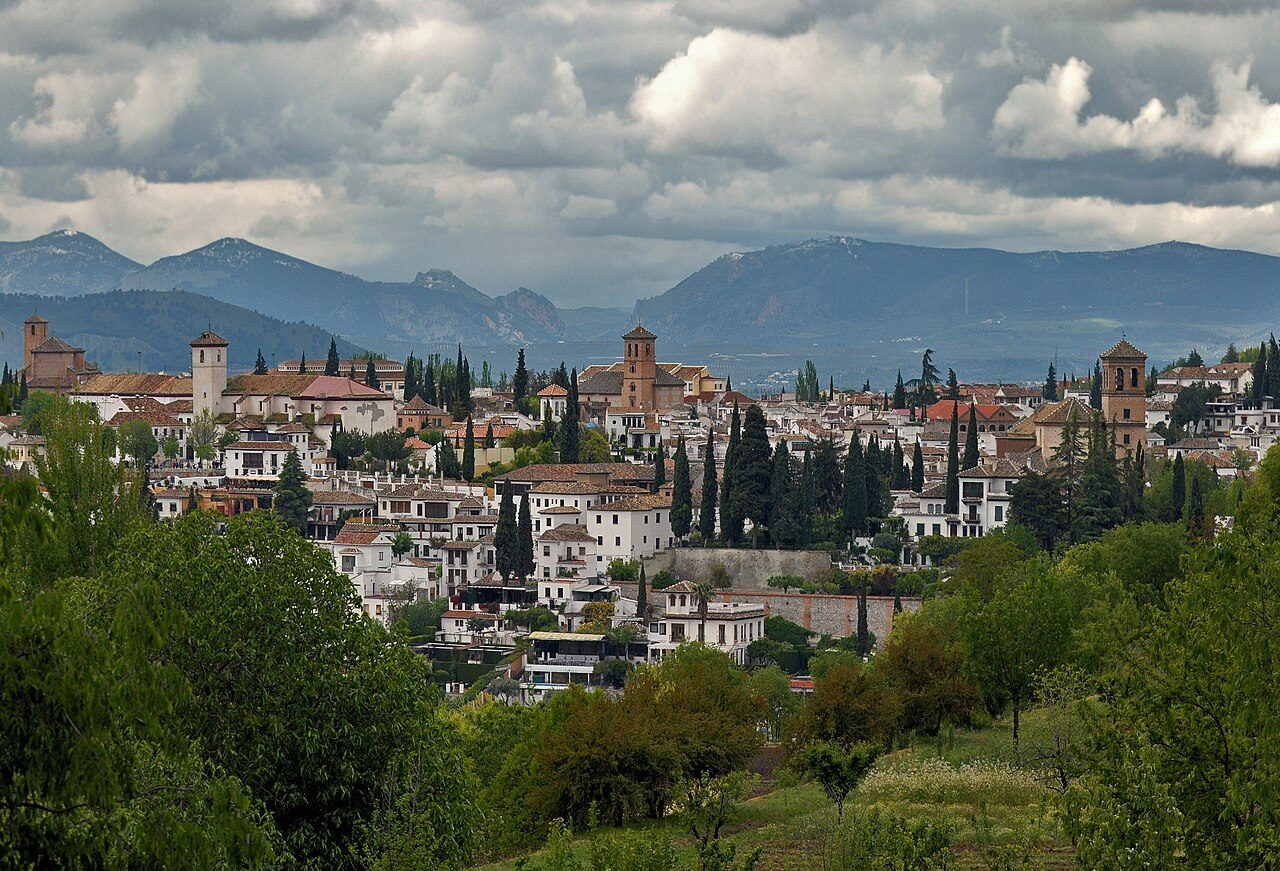
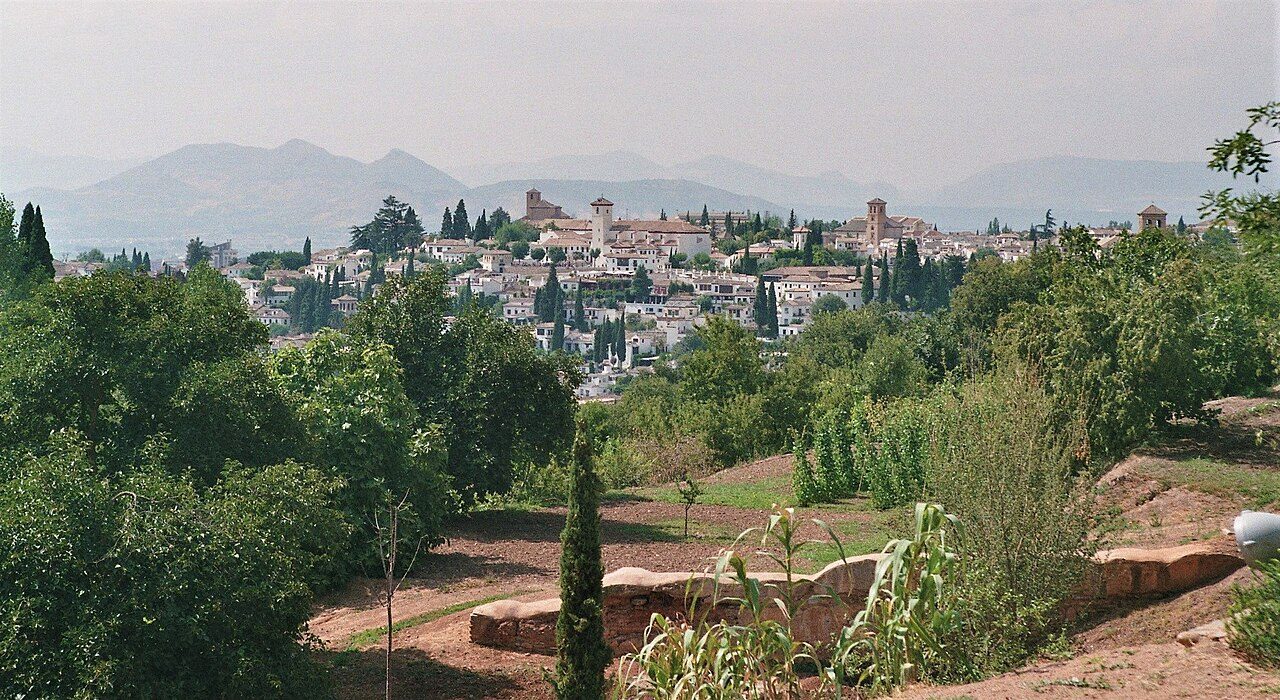
The Albaicín is the old Moorish quarter of Granada, on a hill facing the Alhambra. Its narrow, winding streets are lined with whitewashed houses and walled gardens called cármenes. The Mirador de San Nicolás gives the most famous view of the Alhambra with the Sierra Nevada behind it, especially at sunset. It is part of a UNESCO World Heritage Site.
15
STOP 15 OF 16
Granada Cathedral
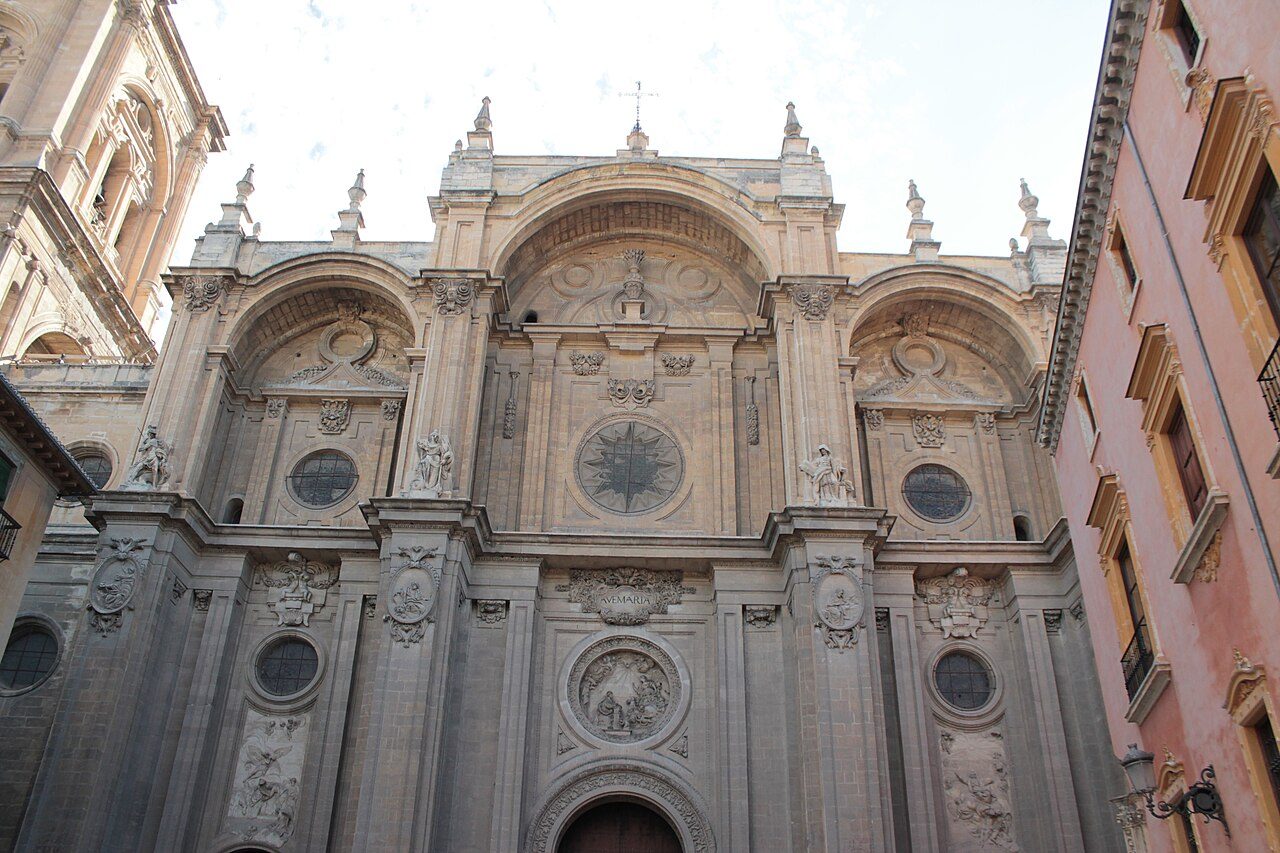
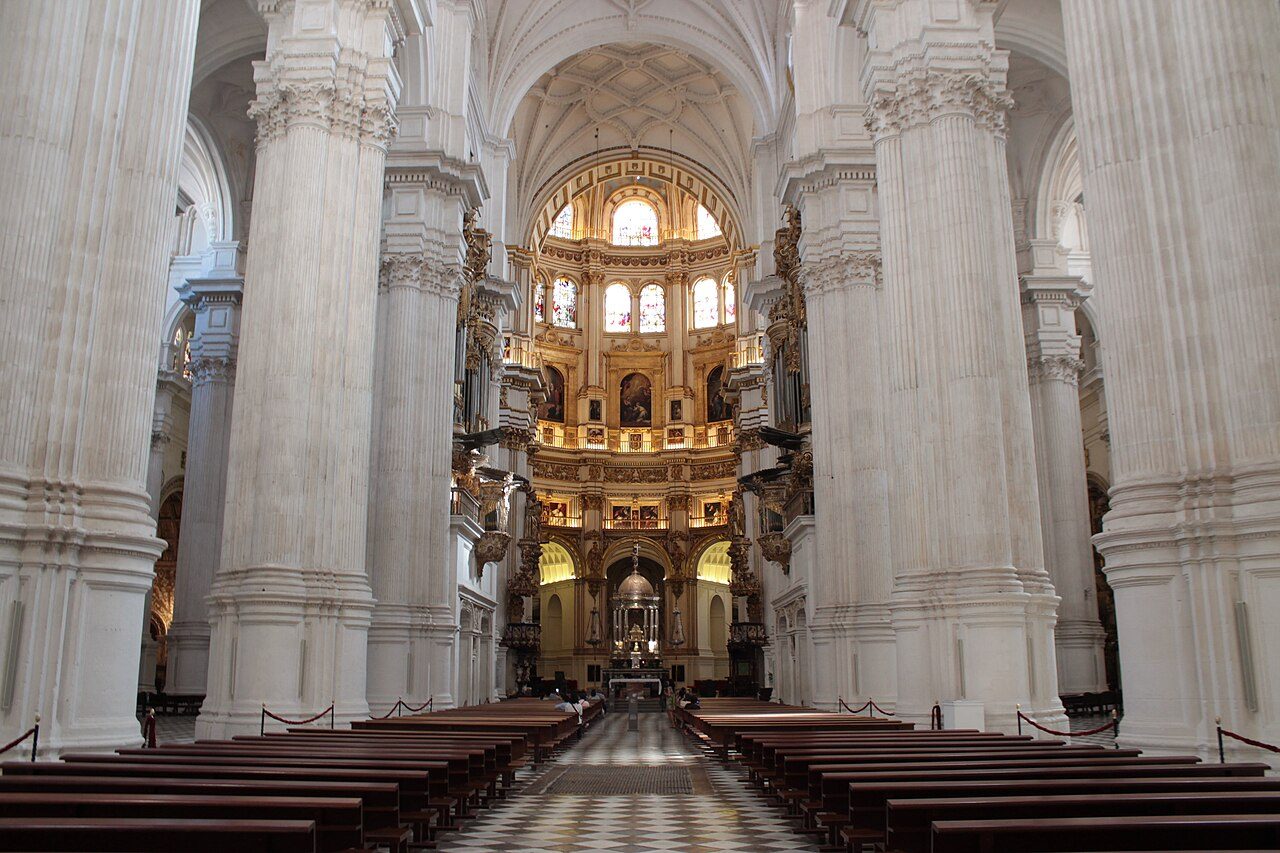
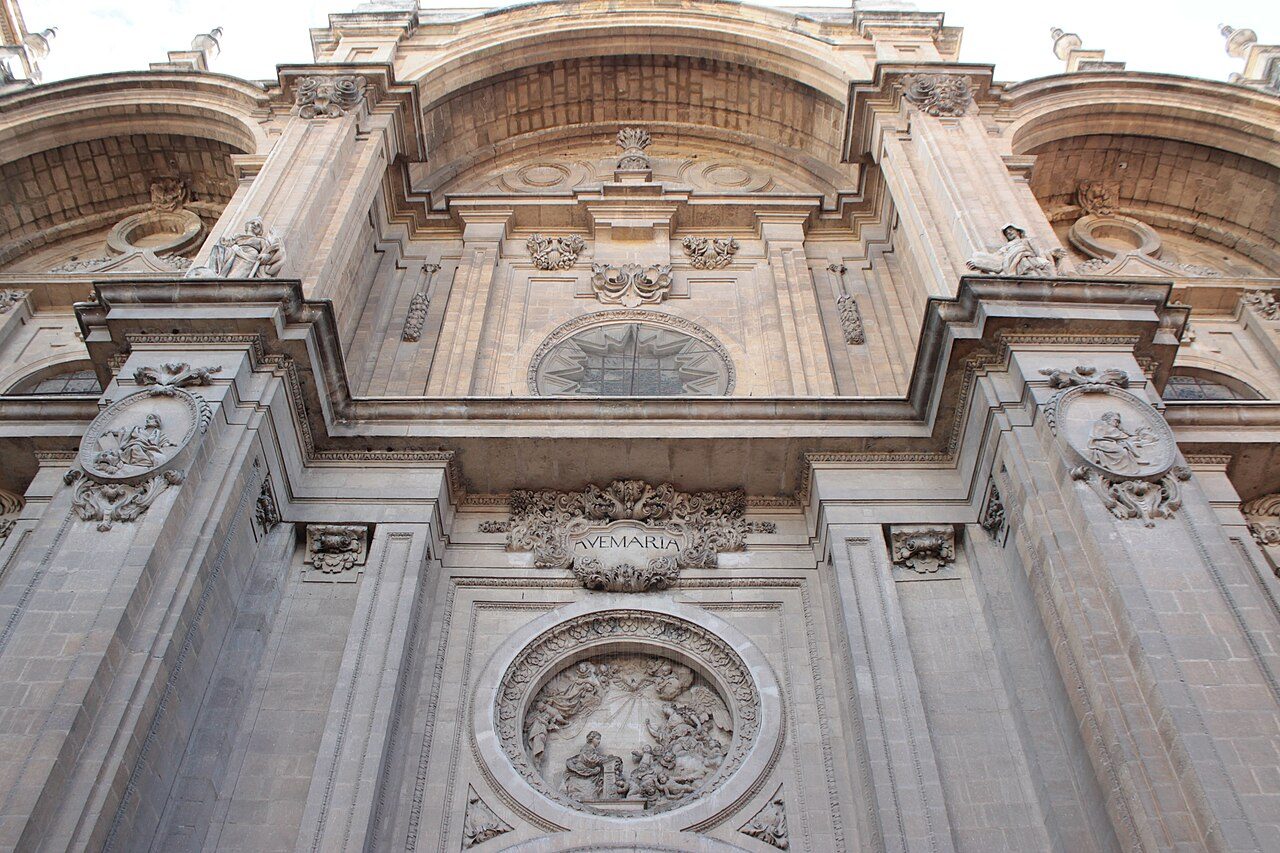
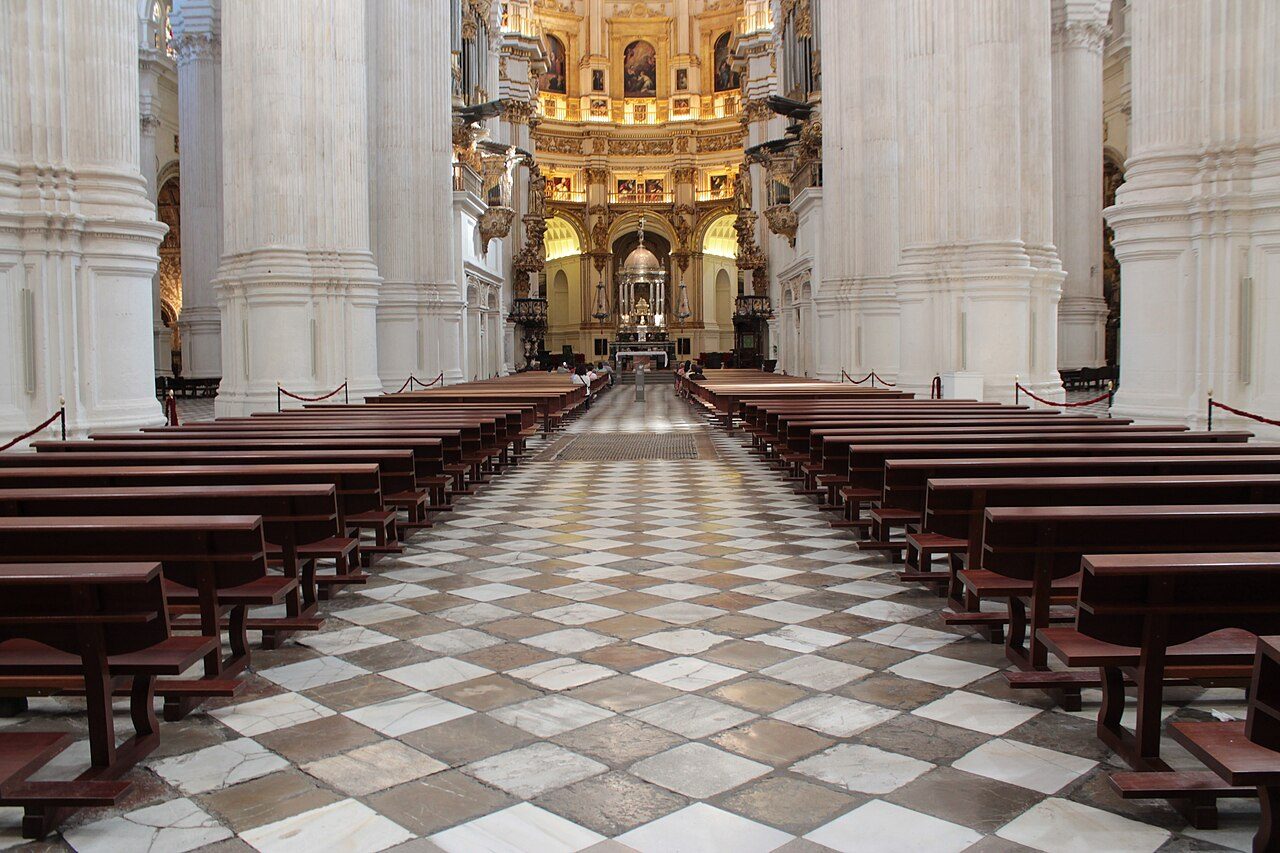
Granada Cathedral was begun in 1523 on the site of the city's main mosque, after the Christian conquest of Granada. It is one of the first Renaissance cathedrals in Spain, with a bright white interior and a richly decorated main chapel. The Royal Chapel beside it holds the tombs of the Catholic Monarchs, Ferdinand and Isabella.
16
STOP 16 OF 16 · LAST STOP
Mosque–Cathedral of Córdoba
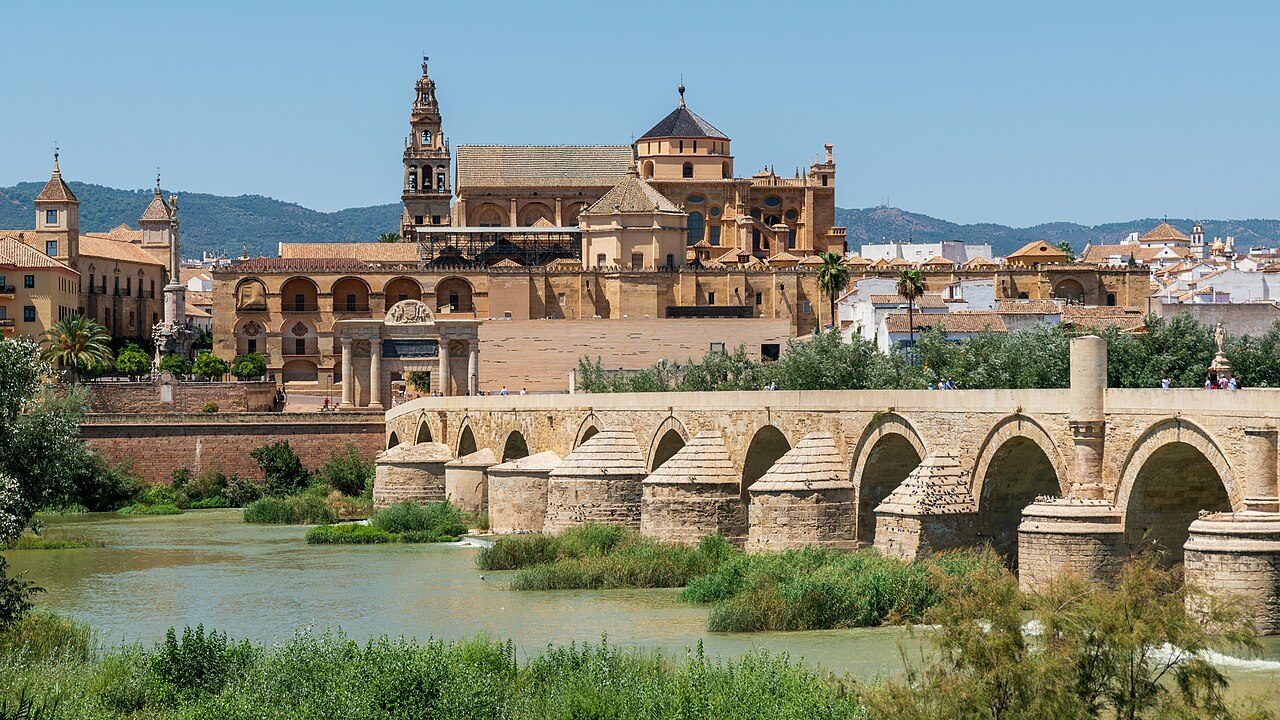
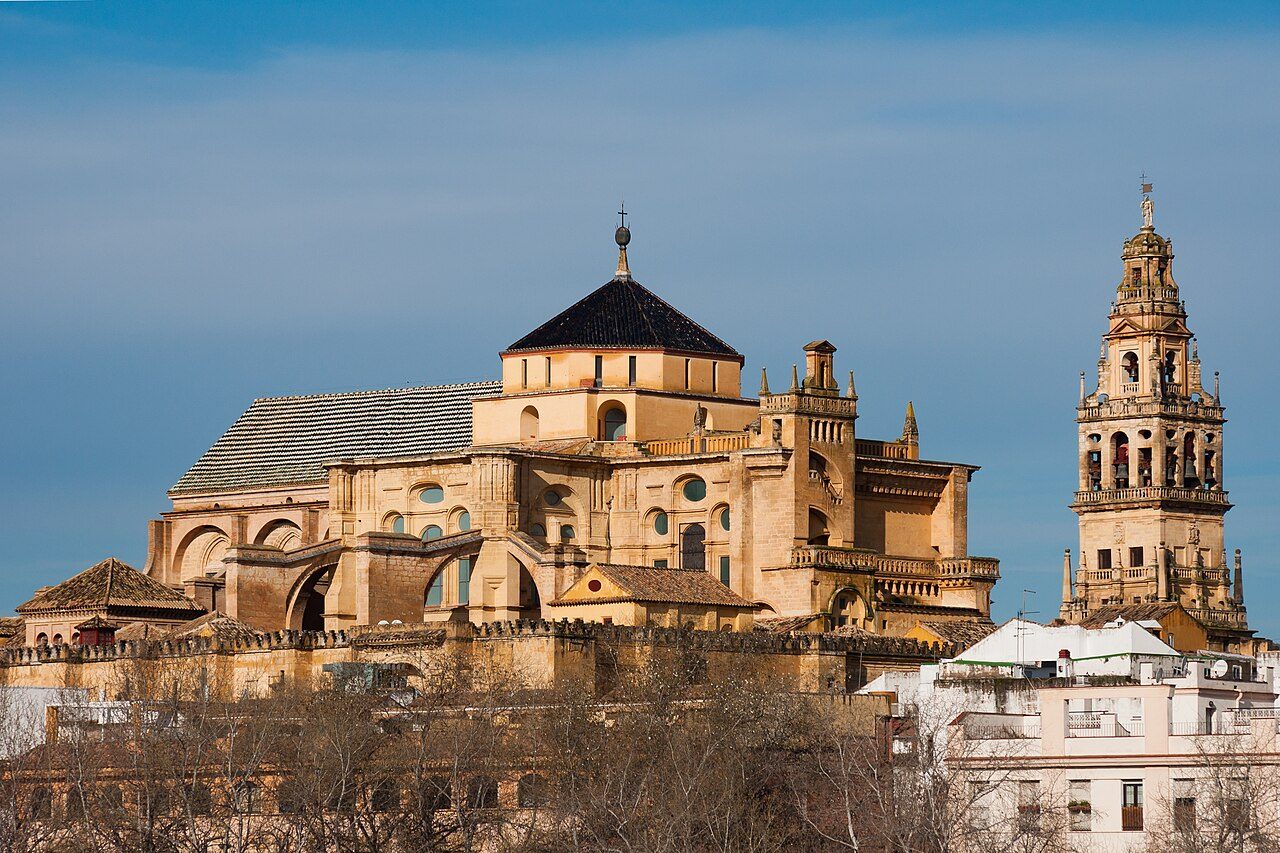
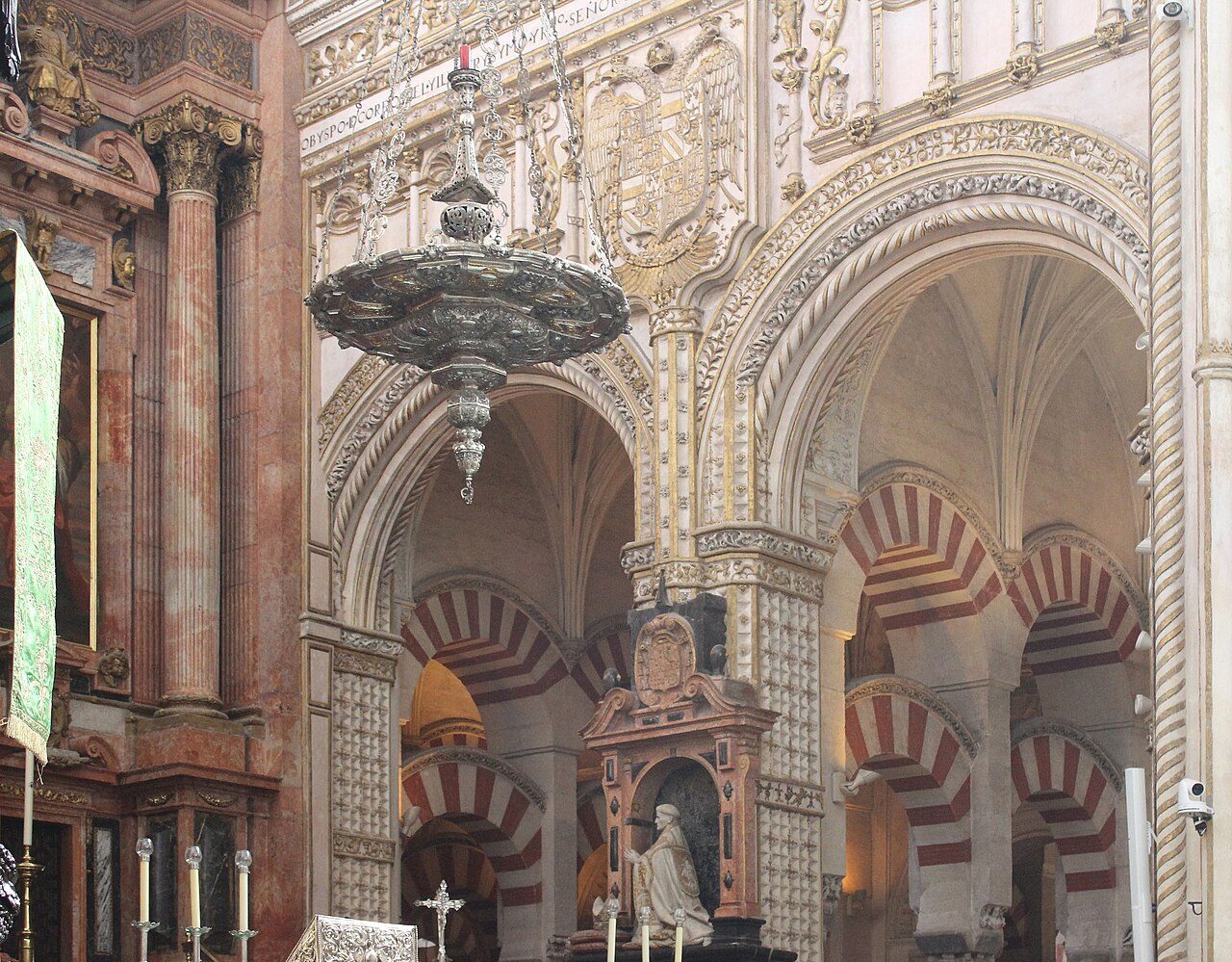
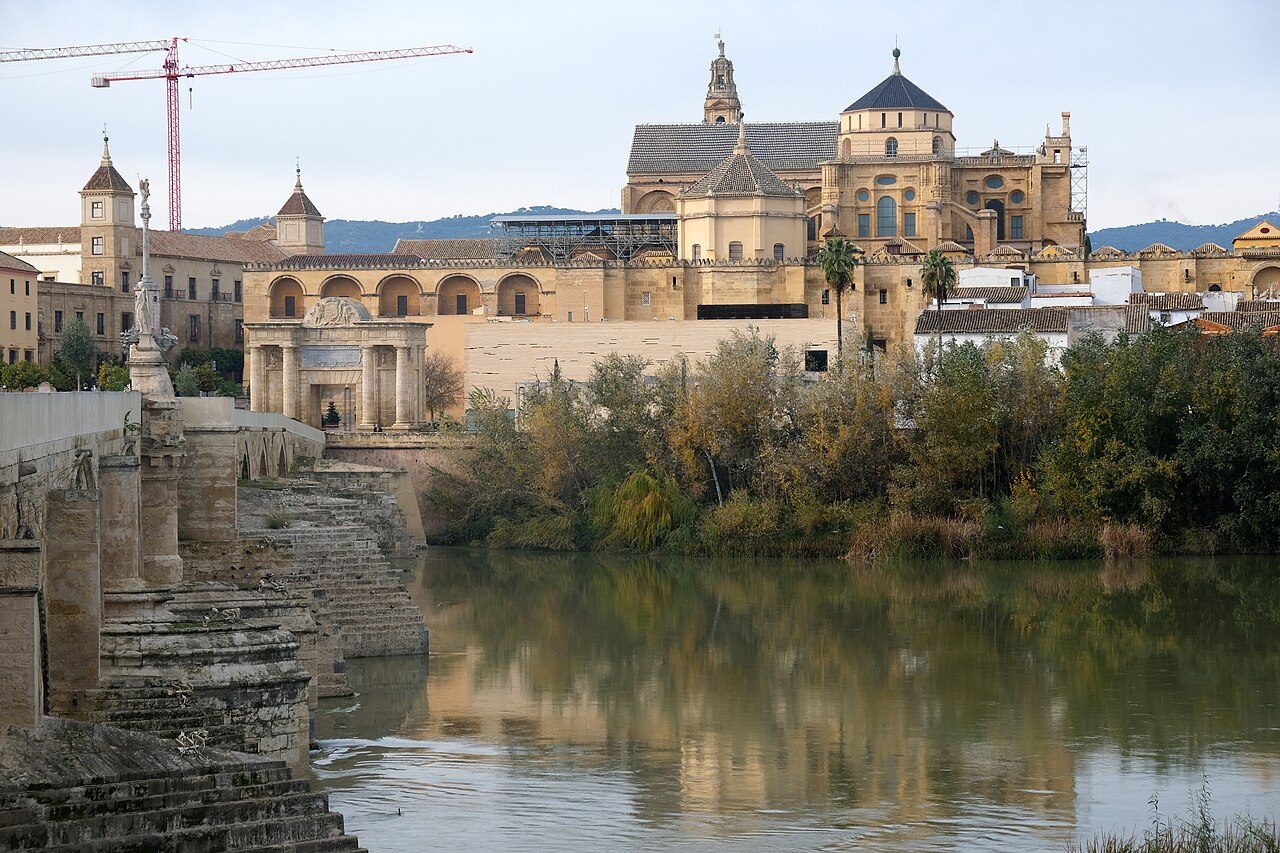
The Mosque–Cathedral of Córdoba was built as a great mosque from 785 and enlarged over two centuries. Its prayer hall is a forest of over 850 columns with red and white striped arches. After the Christian conquest in 1236 it became a cathedral, and a Renaissance nave was built in its centre in the 16th century. It is a UNESCO World Heritage Site.
Seasons from 20 years of NASA POWER climate data.
 WaTrips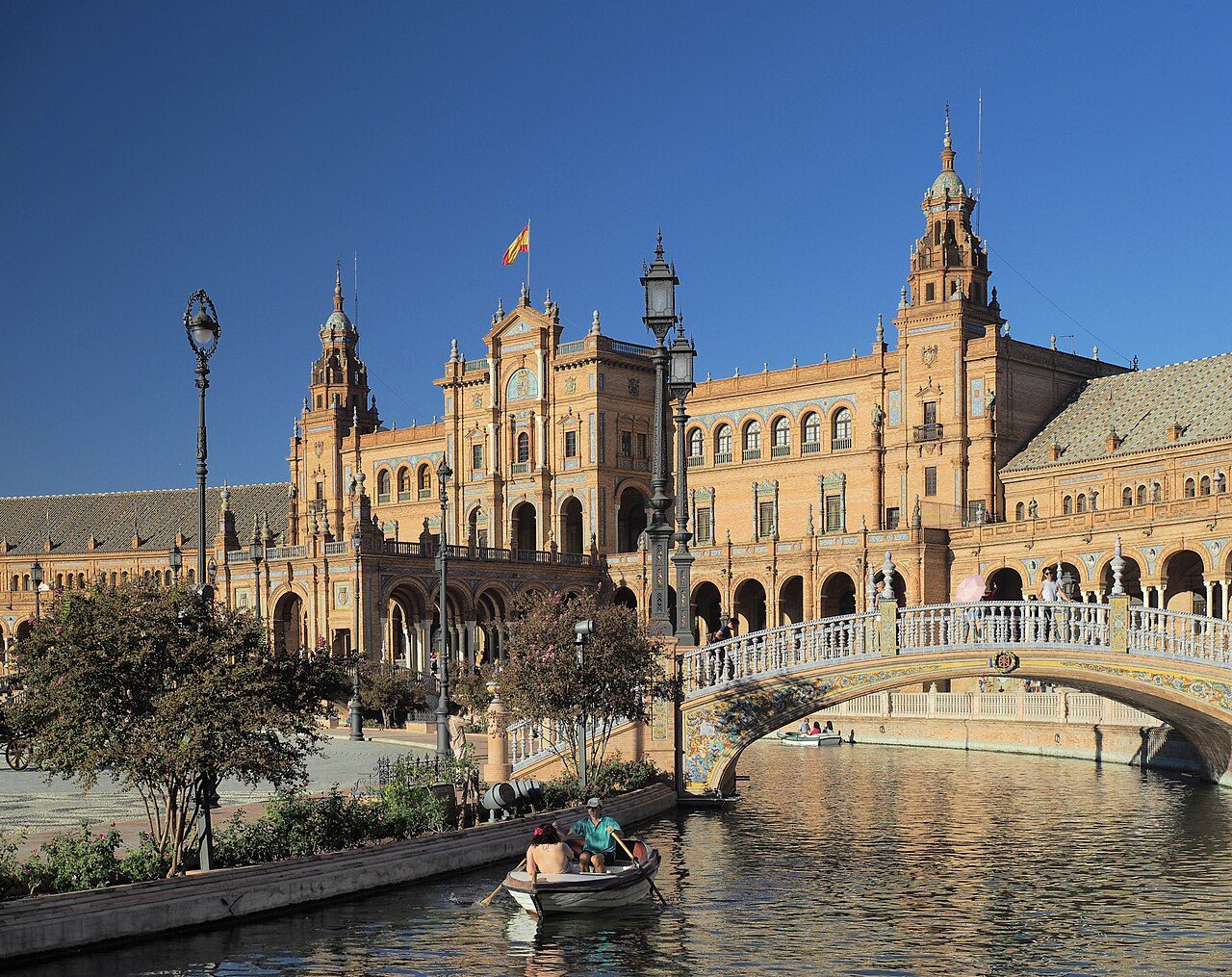





 BikesBooking
 Localrent
 Airalo
 Tiqets