Saigon's landmarks and markets, the Cu Chi Tunnels, the Cao Dai Holy See, Ba Den Mountain, Vinh Trang Pagoda, Cai Rang, Tra Su and Phu Quoc.
Start in Saigon: Notre-Dame Cathedral, the Central Post Office, the Independence Palace, the War Remnants Museum and Ben Thanh Market. Crawl through the Cu Chi Tunnels and visit the Jade Emperor Pagoda, then see the colourful Cao Dai Holy See and ride the cable car up Ba Den Mountain. Head into the Mekong Delta: Vinh Trang Pagoda, Can Tho and the dawn floating market at Cai Rang, the flooded cajuput forest of Tra Su and the Ba Chua Xu Temple. End on the white sand of Phu Quoc's Sao Beach. December to April is dry.
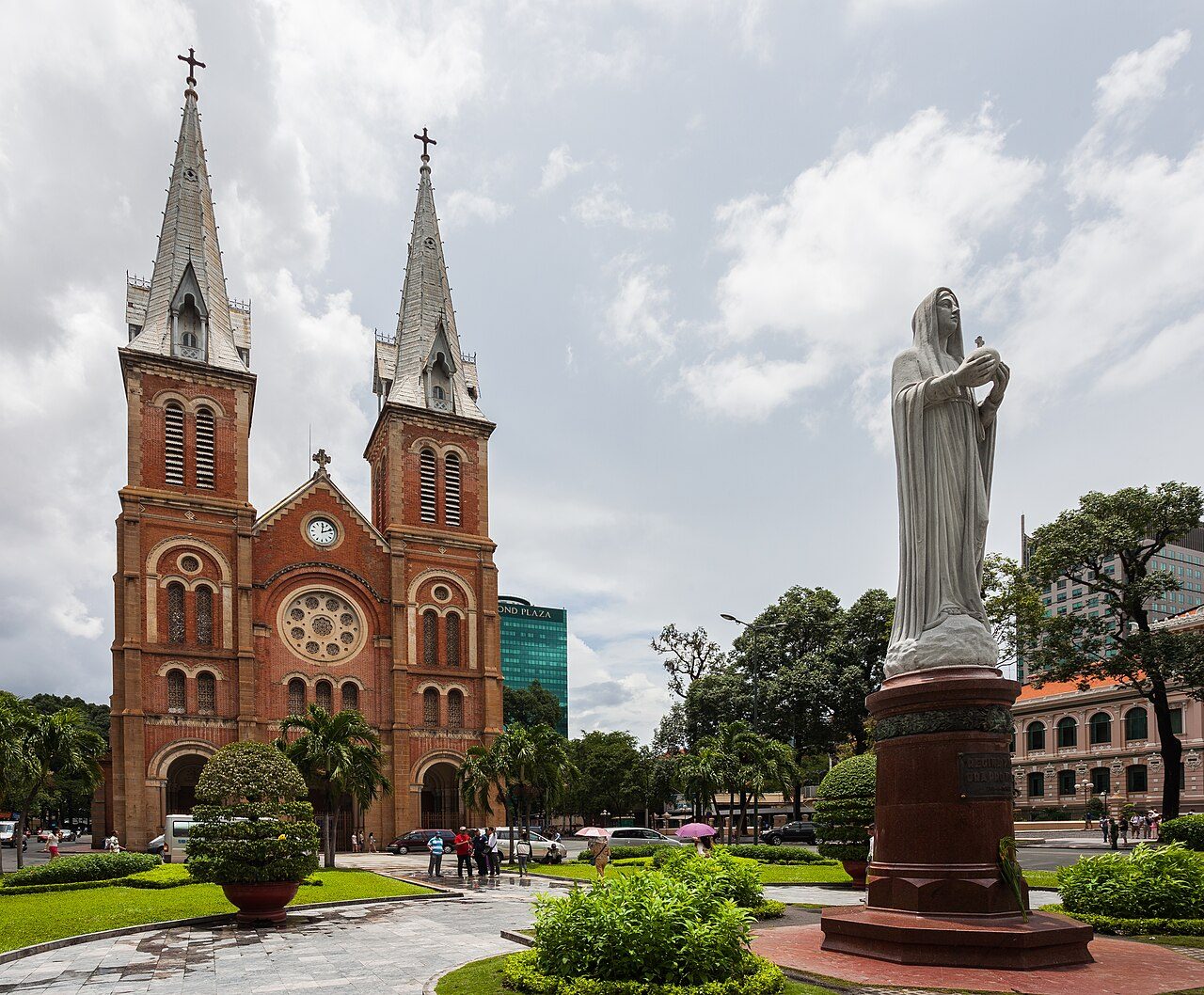
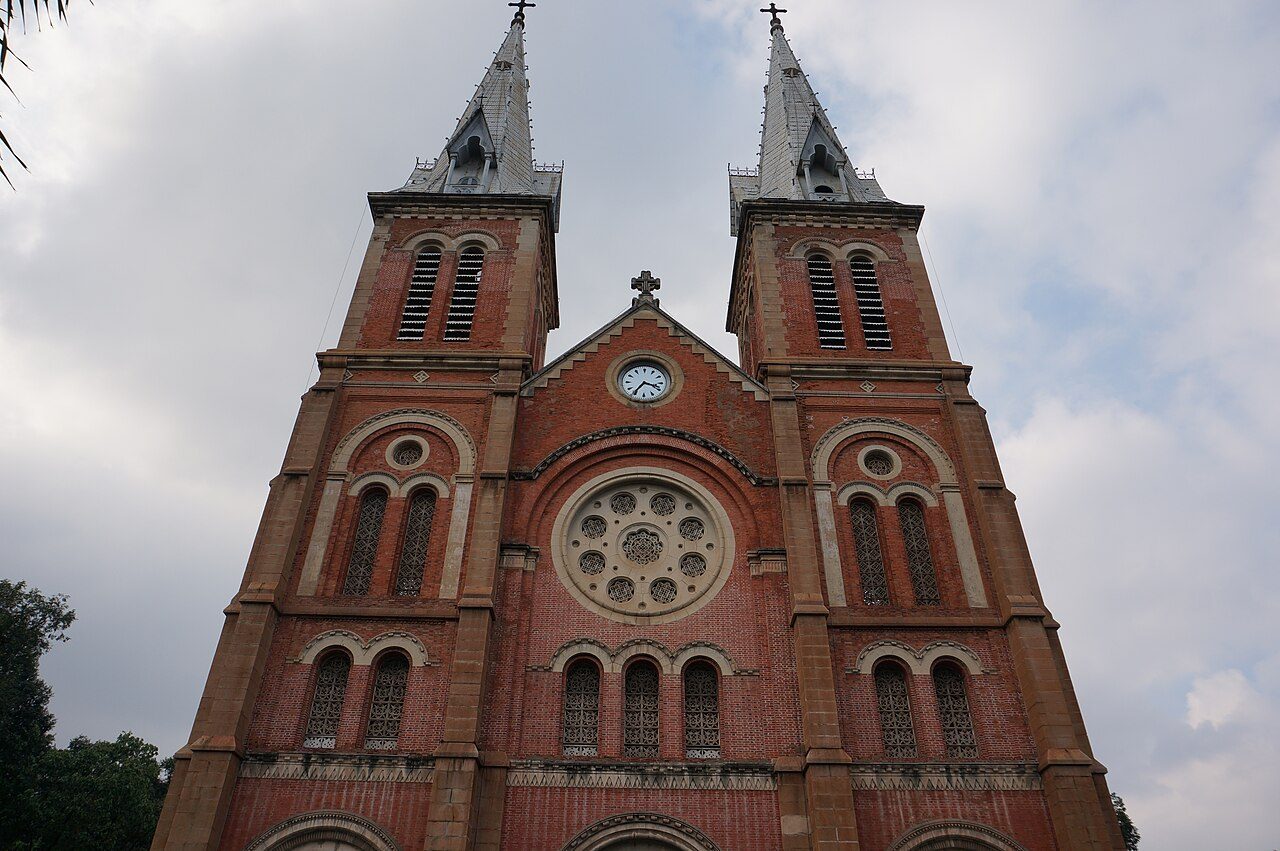
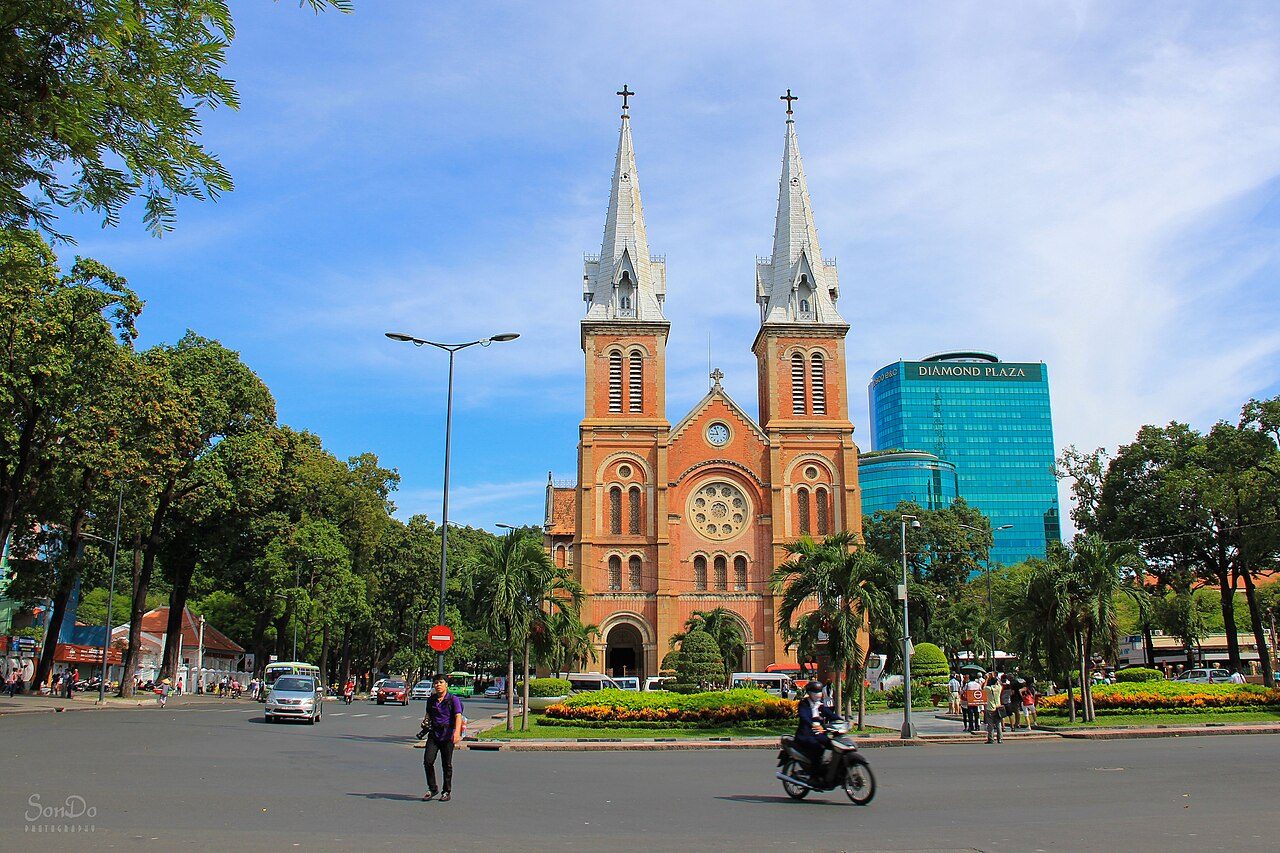
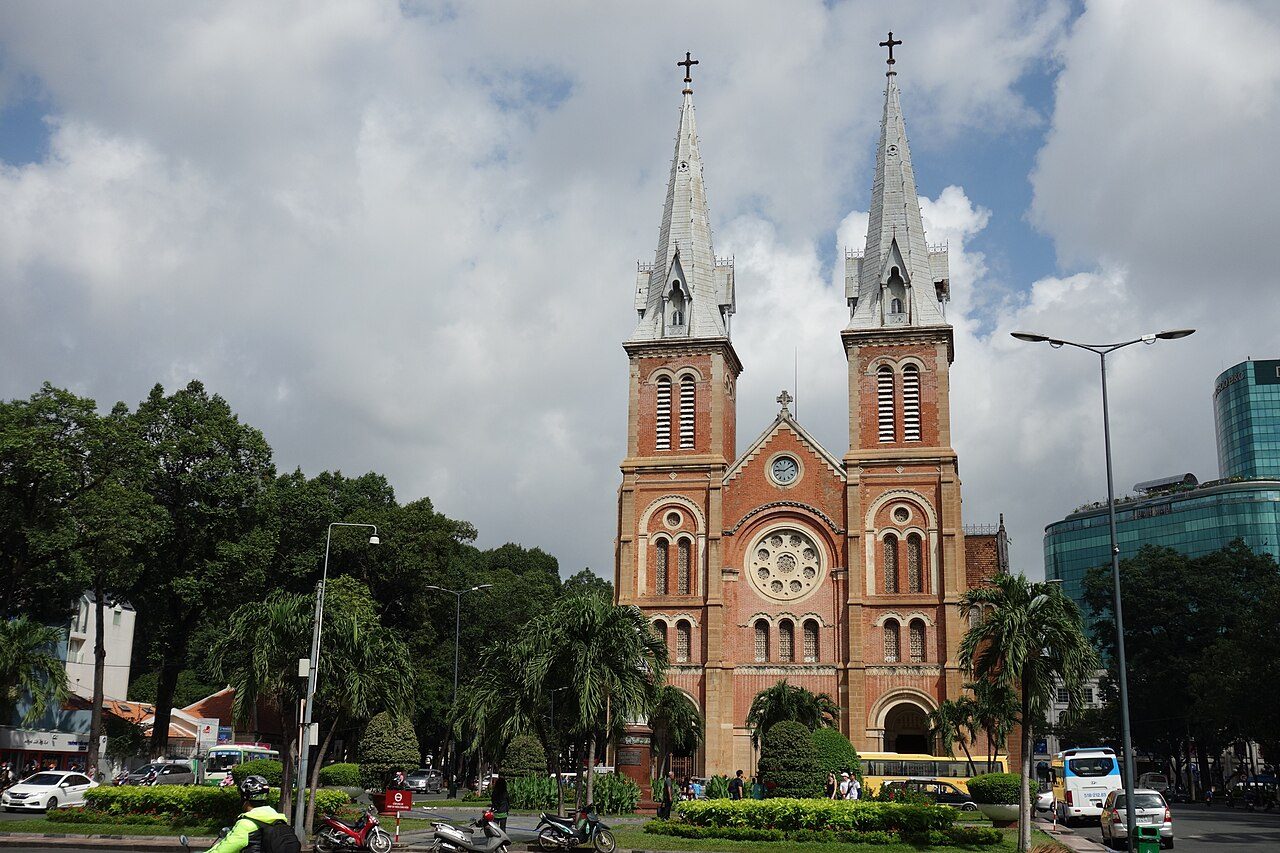
Saigon Notre-Dame Cathedral Basilica was built by the French between 1863 and 1880 using red bricks shipped from Marseille. Its two bell towers rise above Paris Commune Square in the heart of District 1. A statue of Our Lady of Peace stands in the square in front. The cathedral has been under restoration in recent years, so check whether the interior is open before visiting.
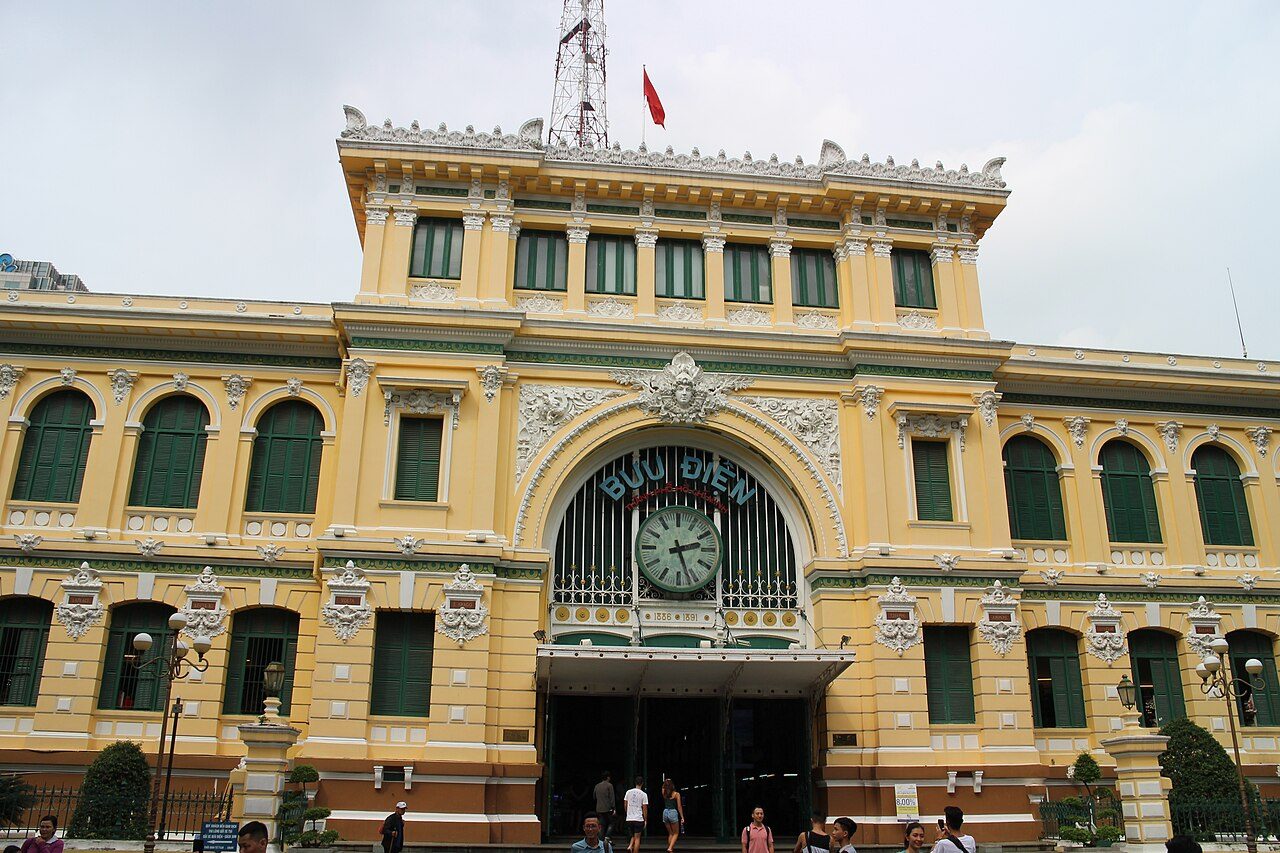
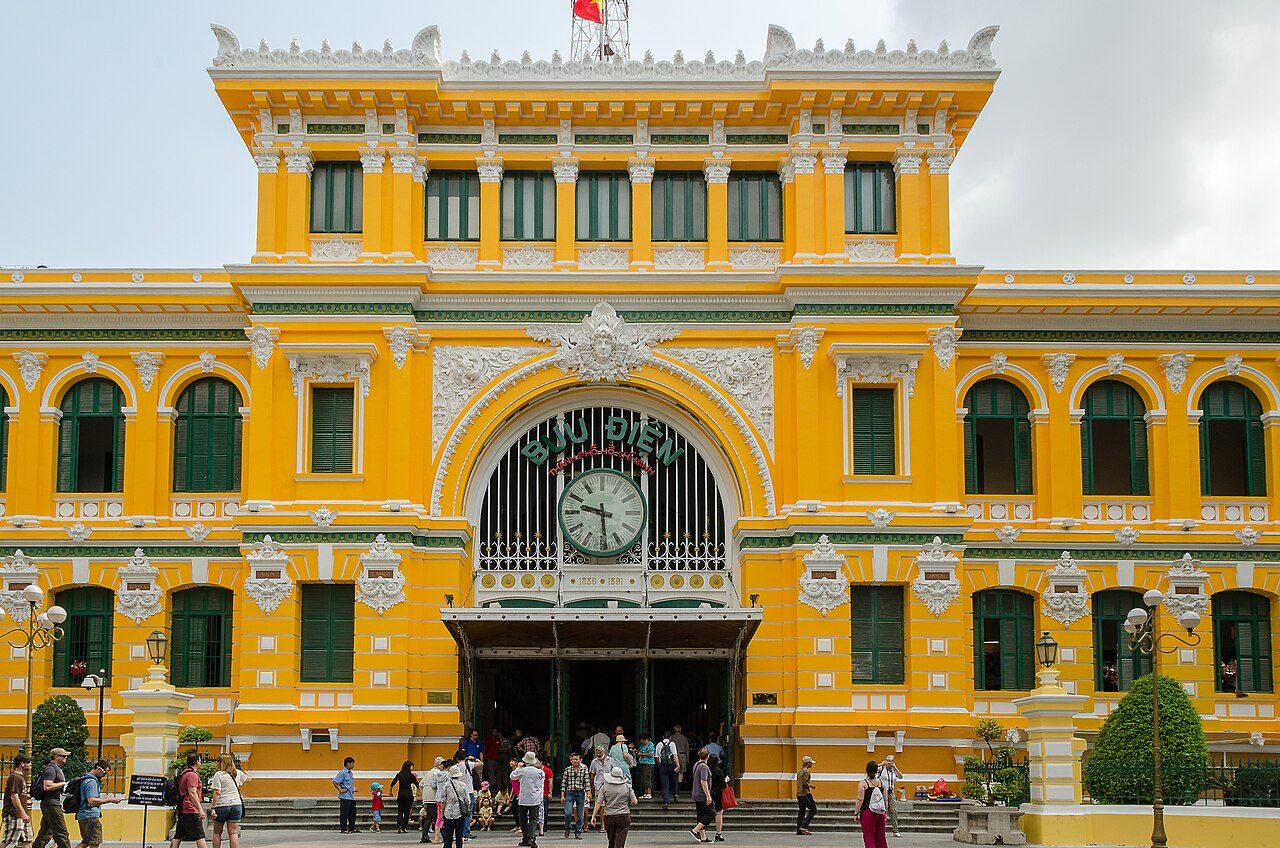
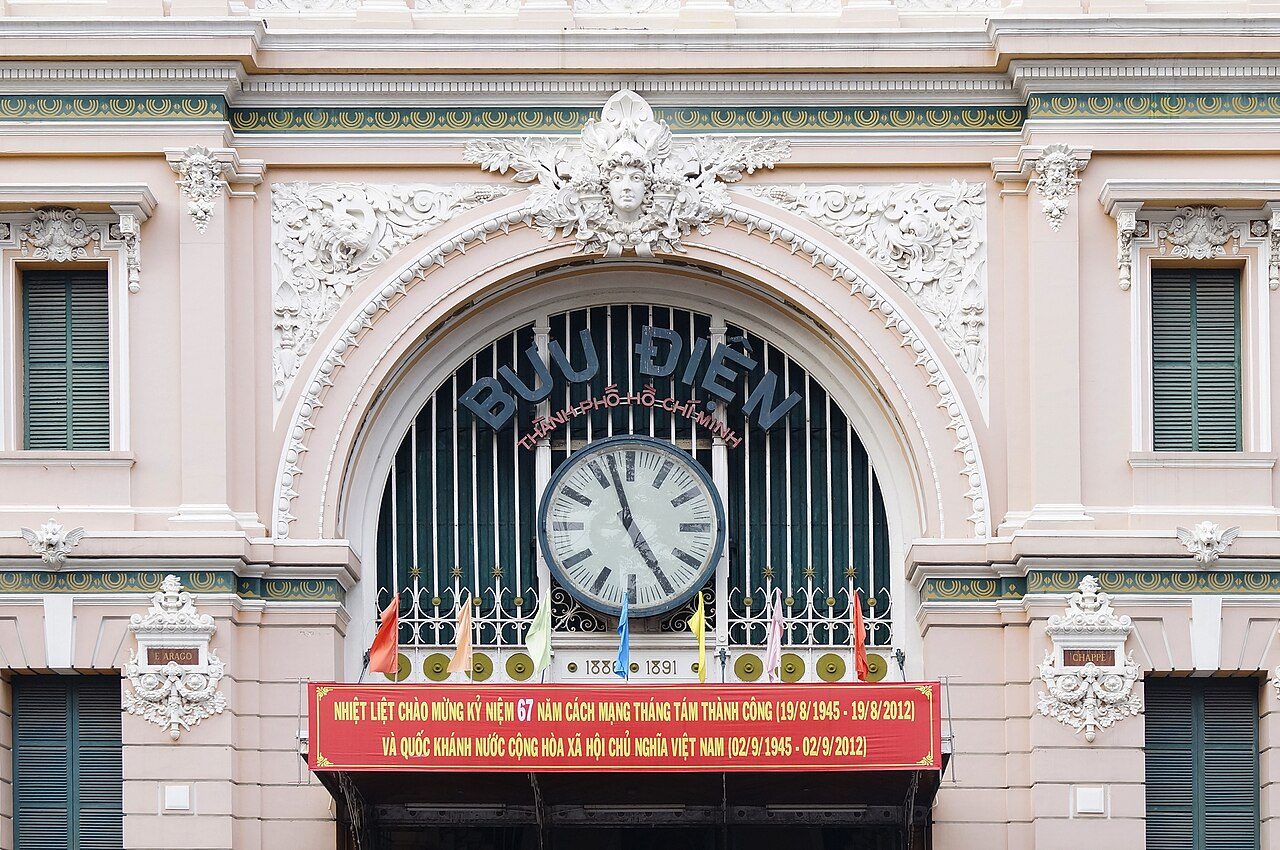
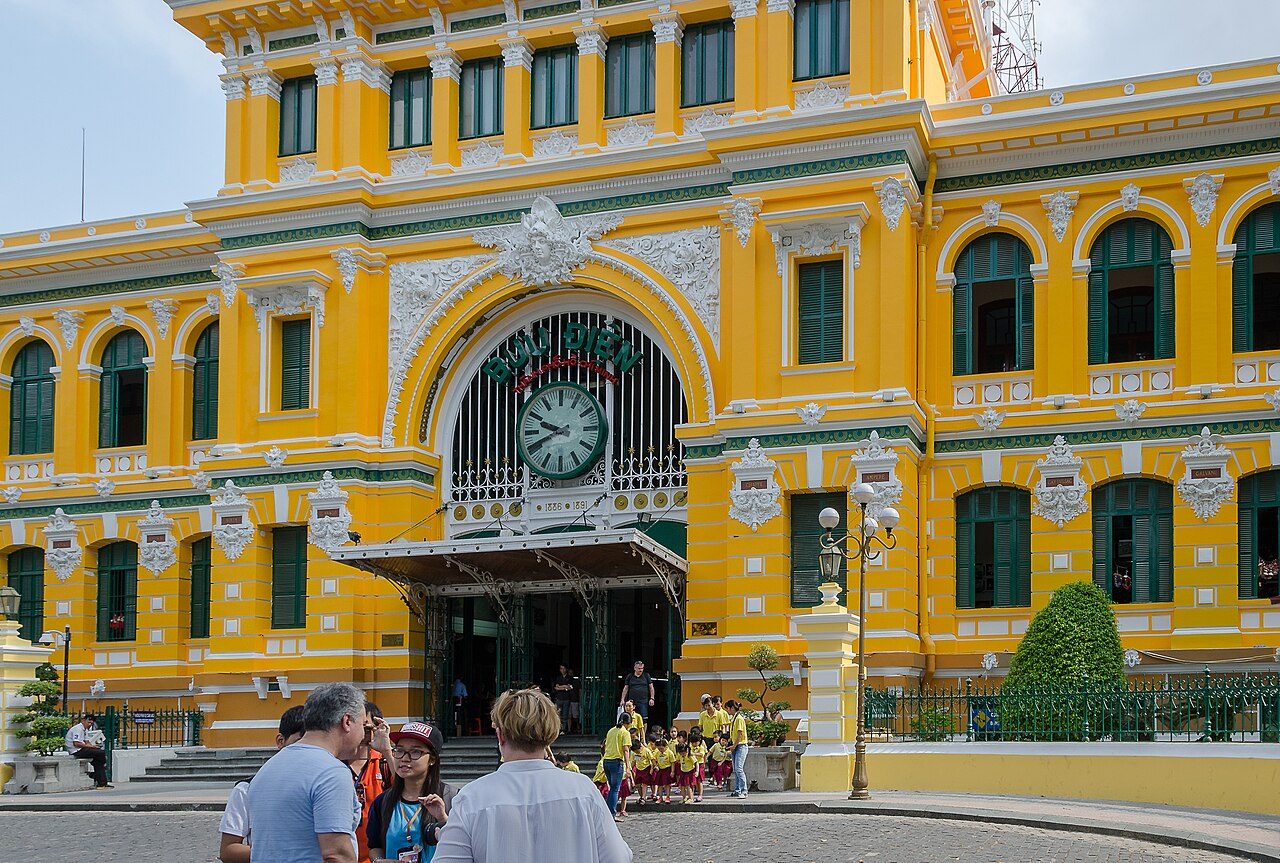
Saigon Central Post Office was built by the French in the late 1800s and is still a working post office. Its yellow facade, arched iron ceiling and large painted maps of old Saigon and Cochinchina make it one of the city's most photographed buildings. A portrait of Ho Chi Minh hangs above the hall. It stands right beside the Notre-Dame Cathedral, so visit both together.
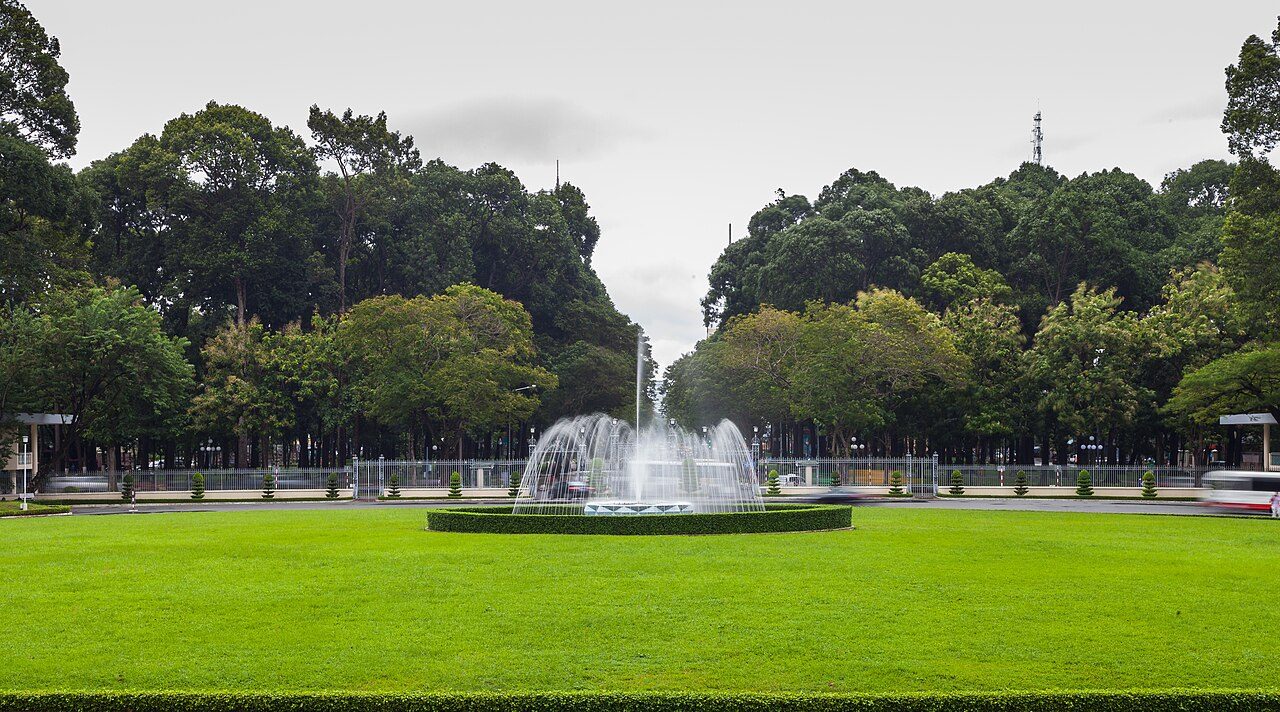
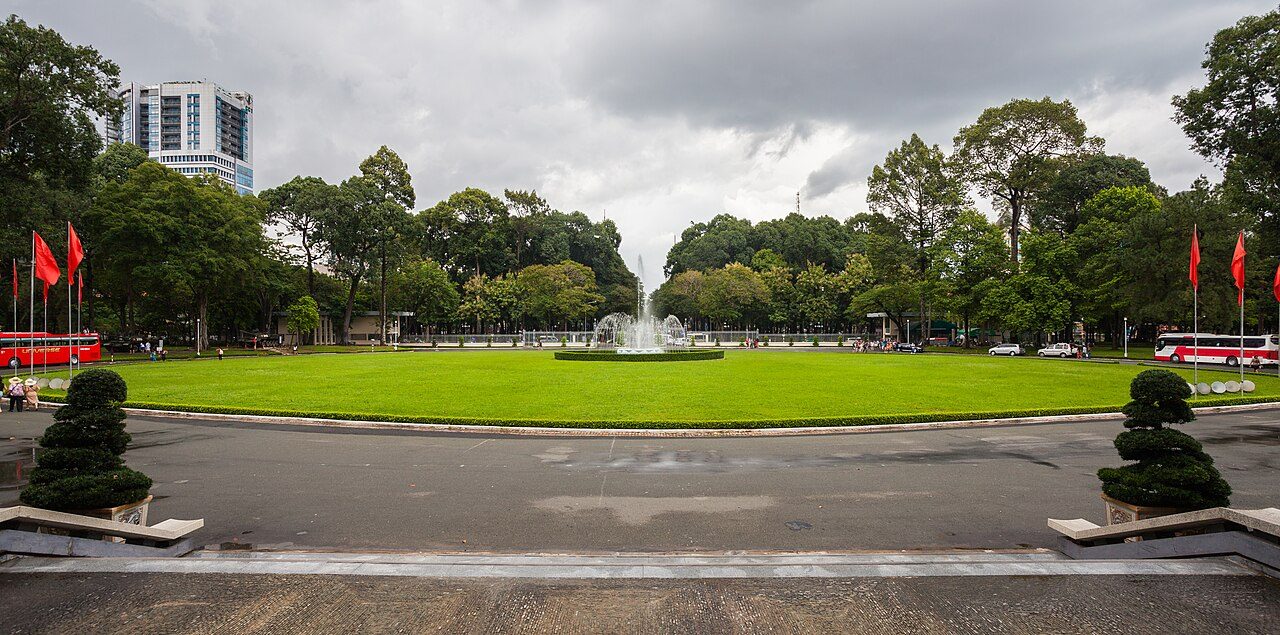
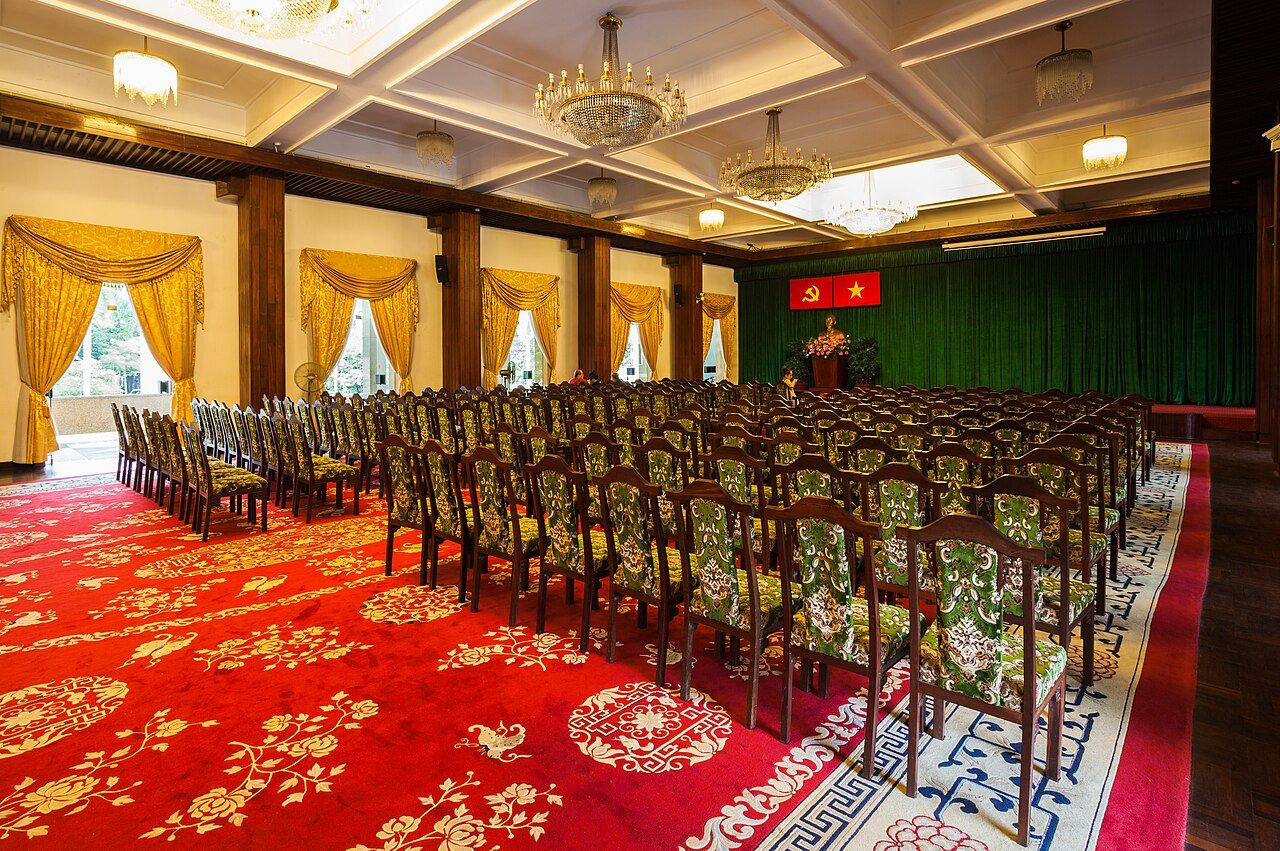
Independence Palace, also called Reunification Palace, was the home and office of the president of South Vietnam. On 30 April 1975 a North Vietnamese tank crashed through its gates, marking the end of the war. The 1960s modernist building has been preserved, with meeting rooms, a war command bunker and a rooftop helipad. Allow about two hours for the rooms and basement.
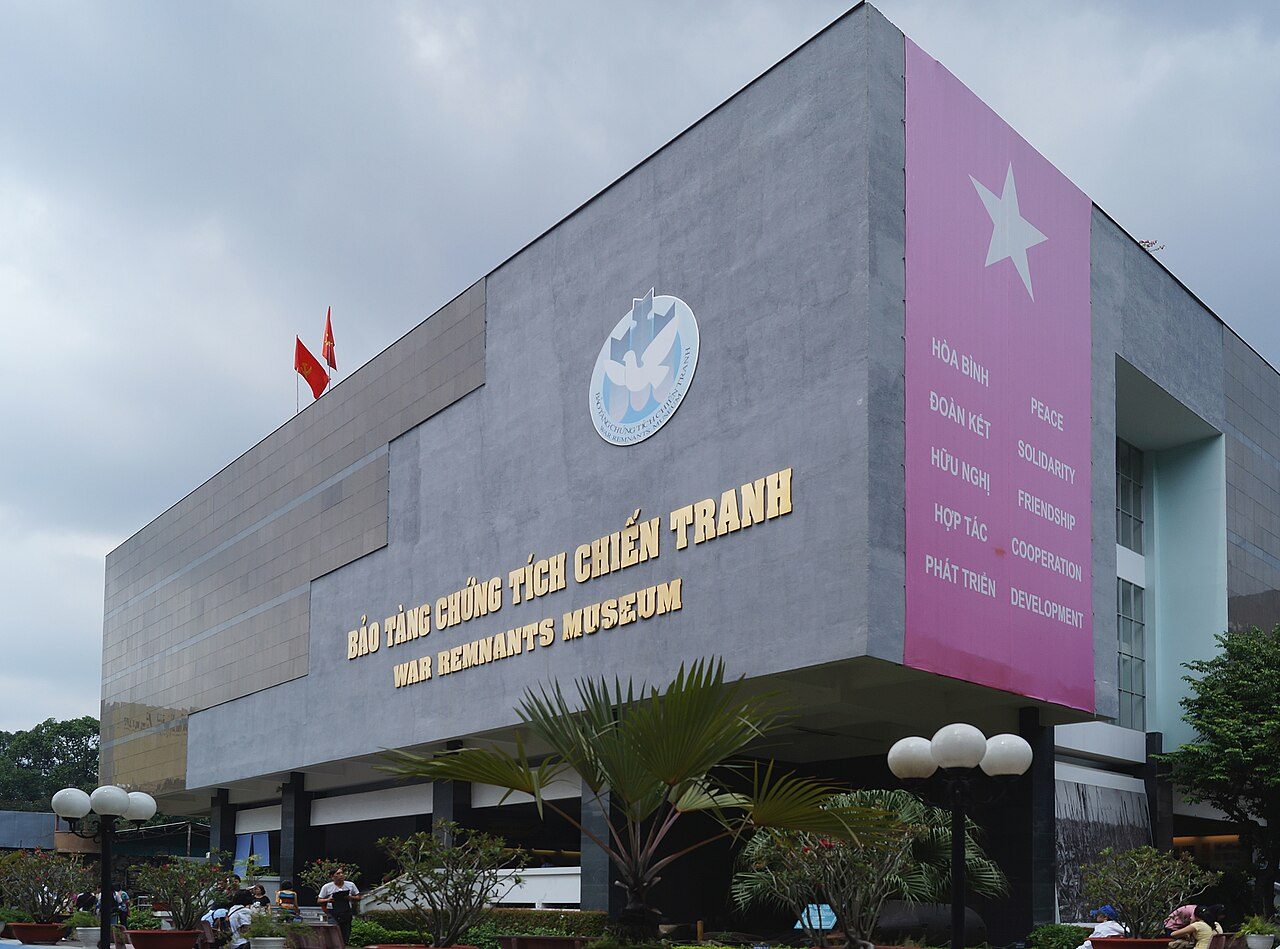
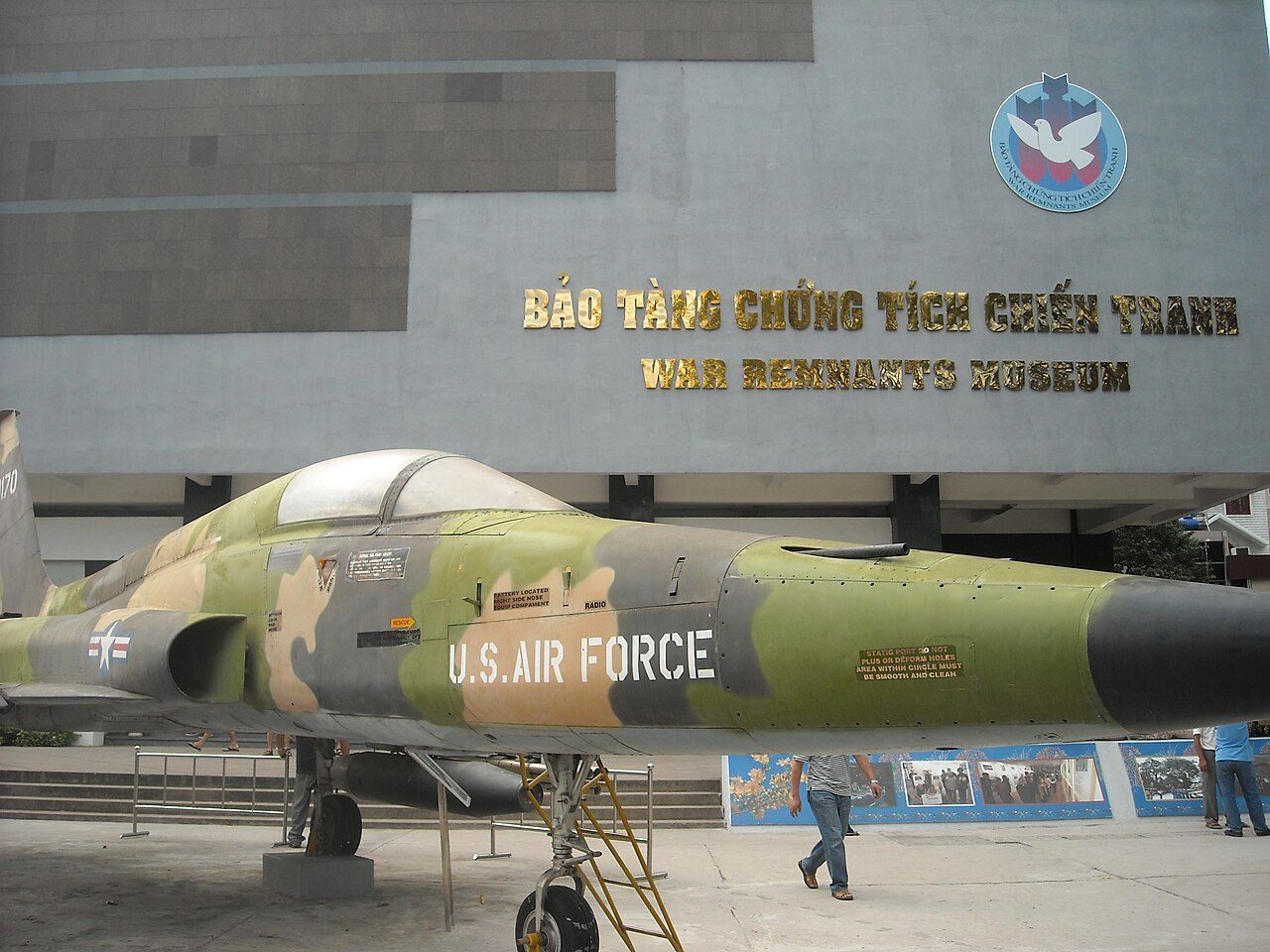
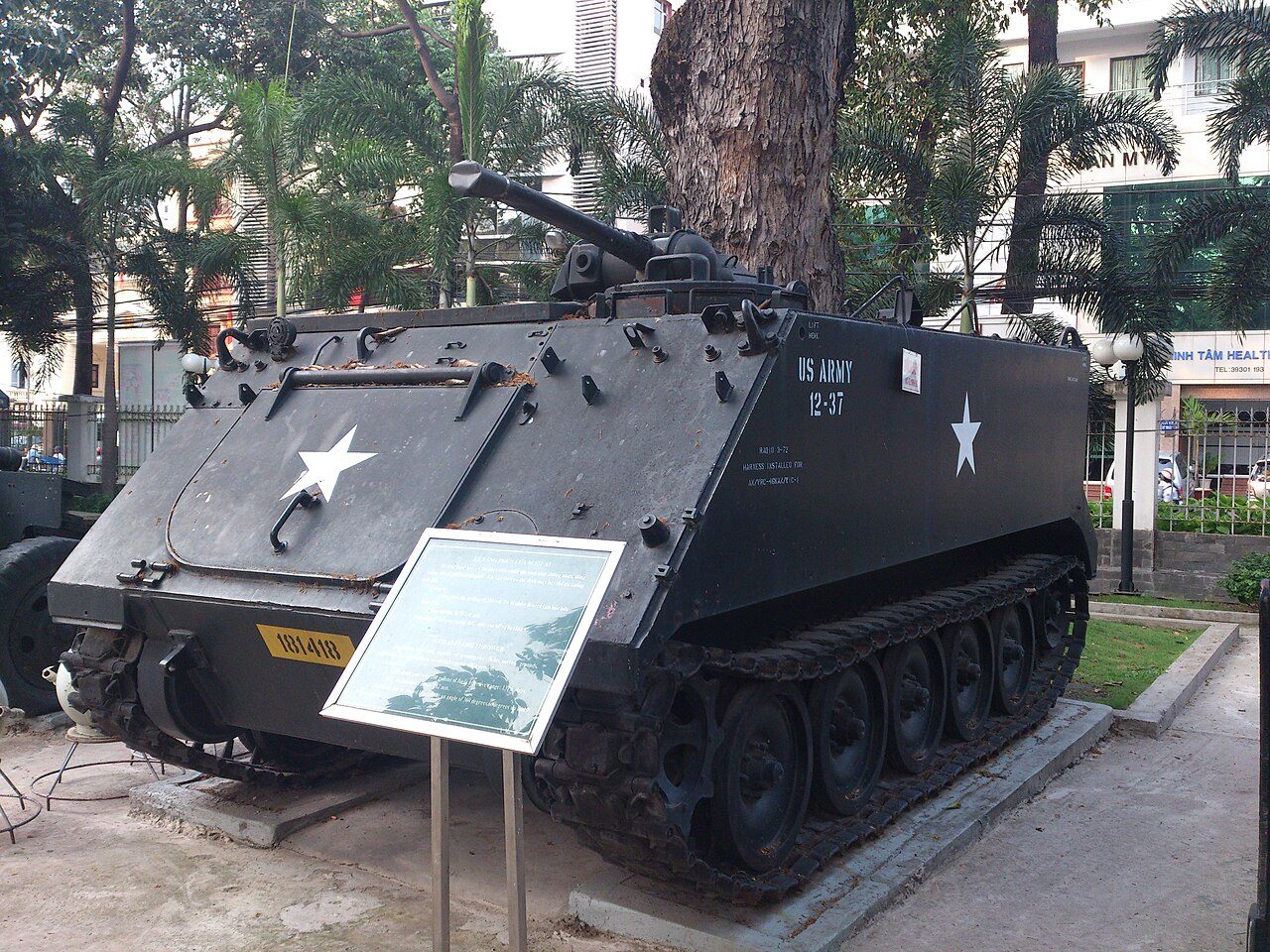
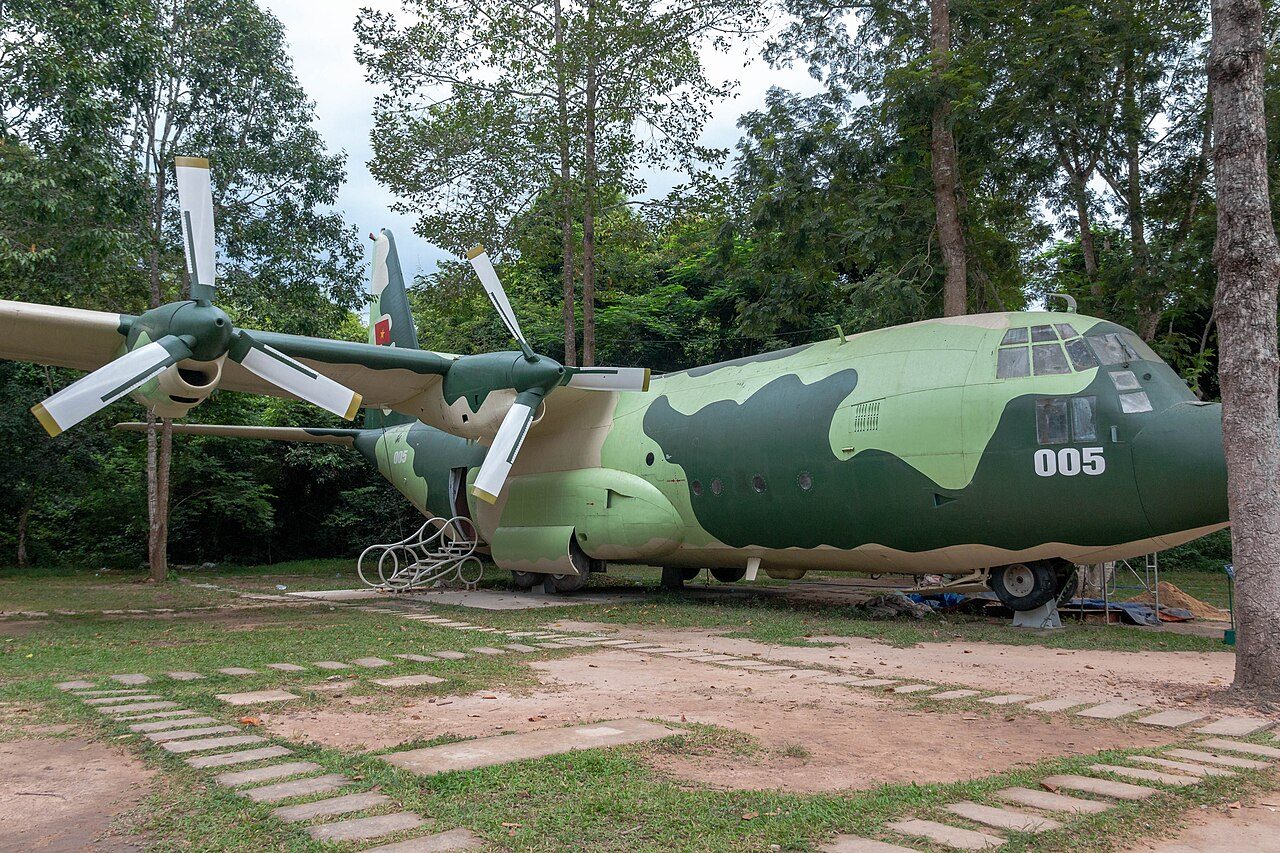
The War Remnants Museum documents the Vietnam War from a Vietnamese perspective, with a strong focus on the impact on civilians. Exhibits include photographs by war correspondents, the effects of Agent Orange and reconstructed tiger cages. Tanks, aircraft and artillery are displayed in the courtyard. Many visitors find it intense and emotional, so allow time to reflect.
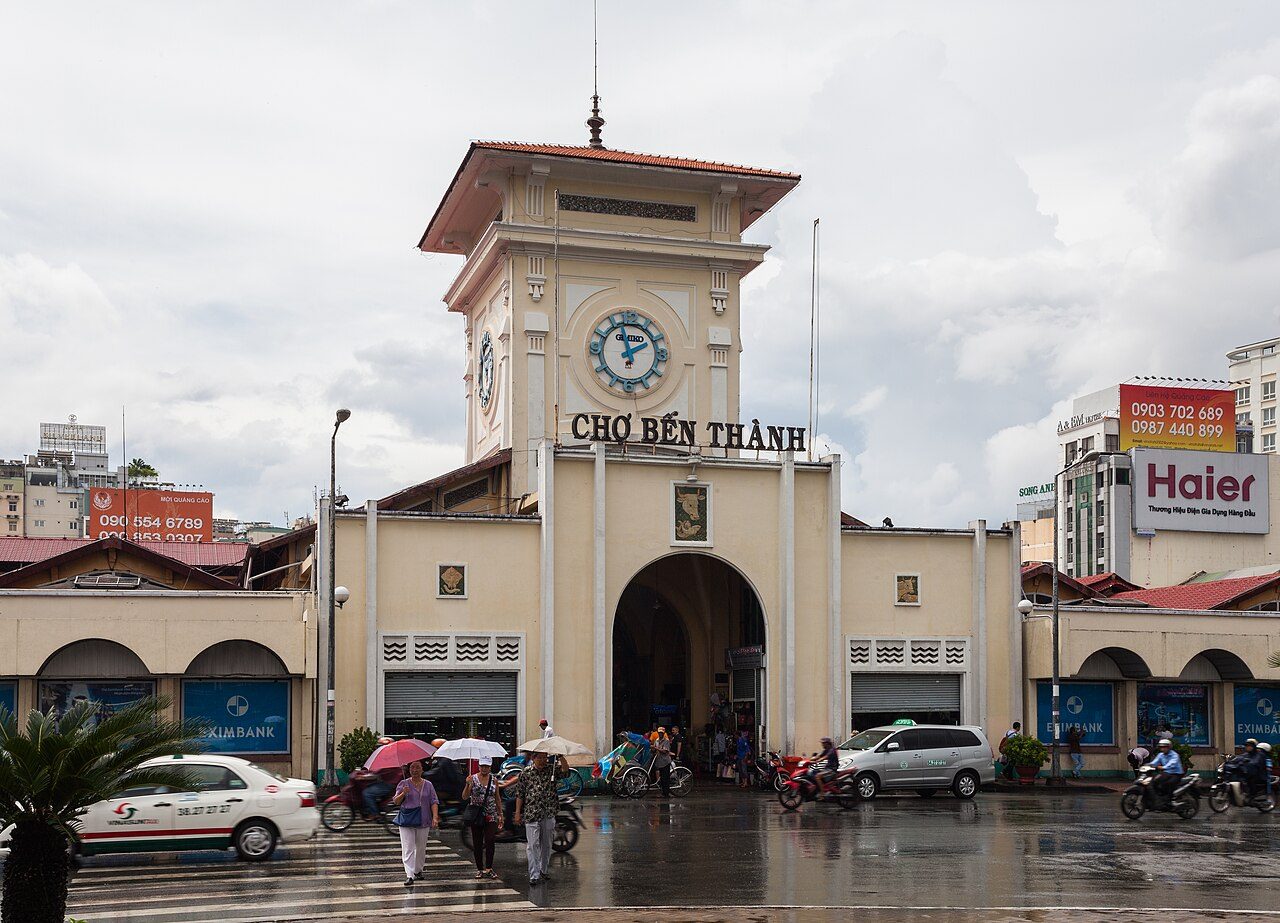
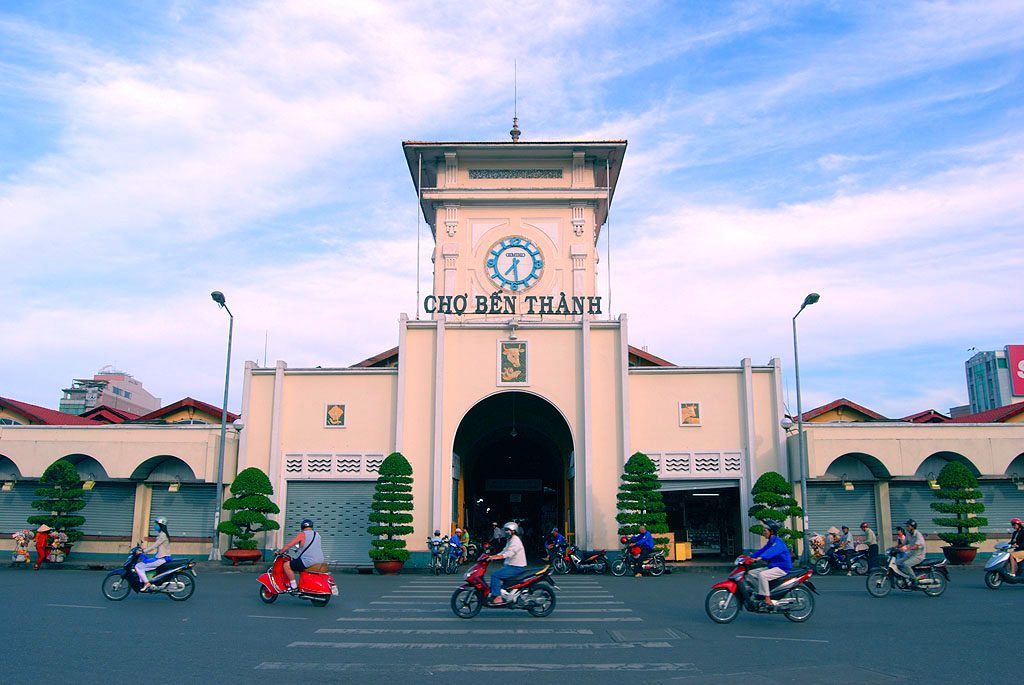
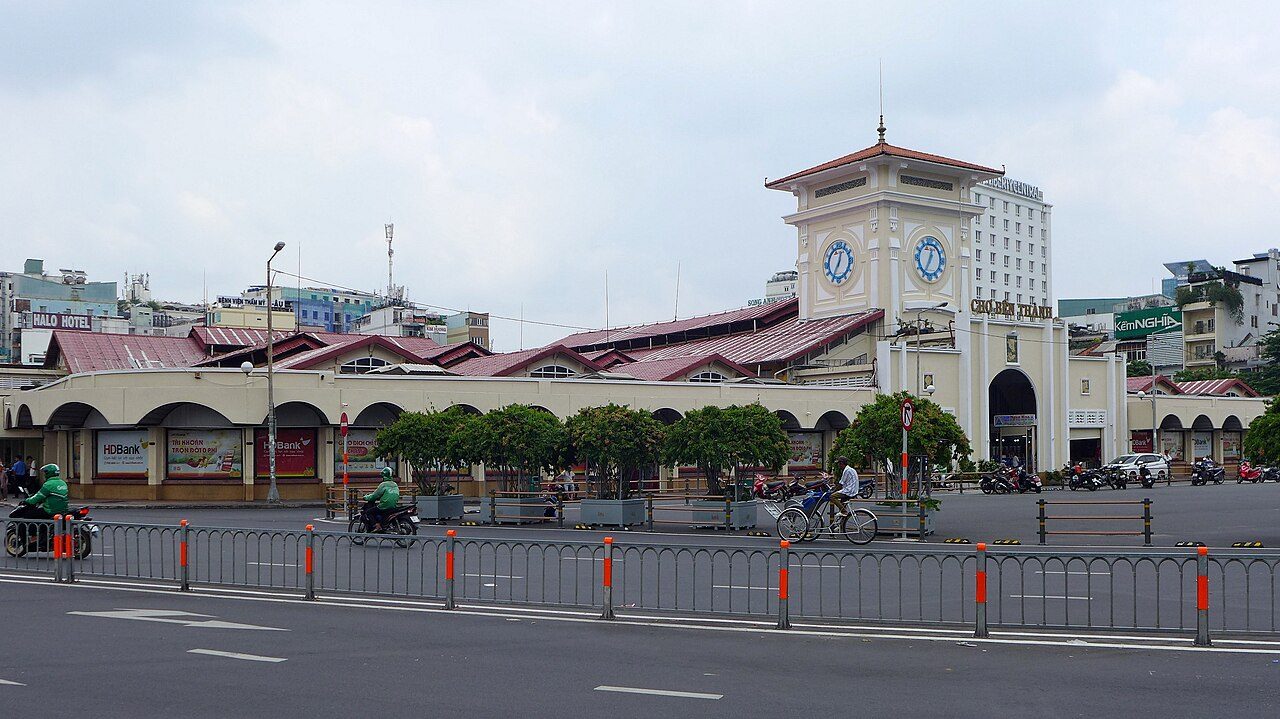
Ben Thanh Market is Ho Chi Minh City's best-known market, built in 1914 with its famous clock tower over the south gate. Inside, hundreds of stalls sell clothes, handicrafts, coffee, dried foods and fresh produce, along with a food court serving local dishes. Bargaining is expected for most goods. In the evening a night market sets up on the surrounding streets.
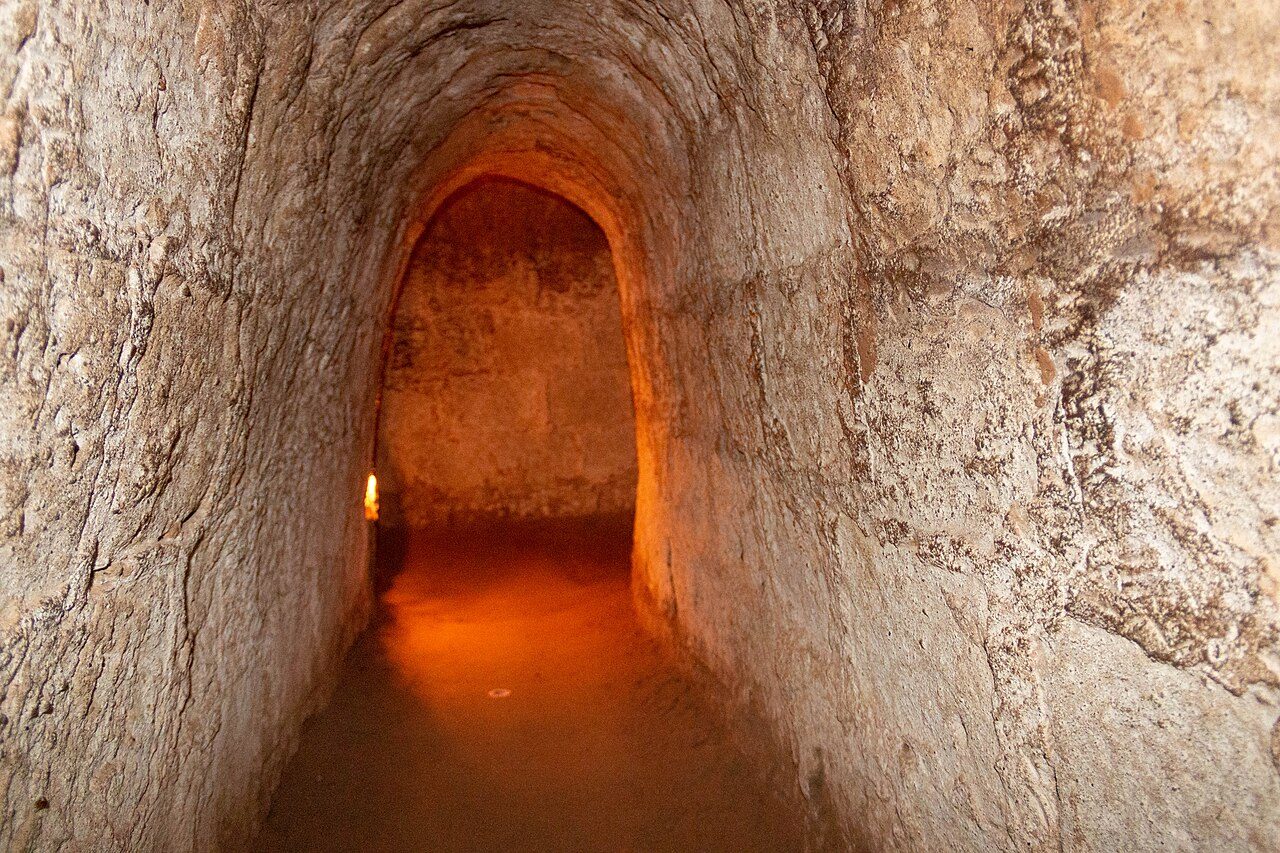
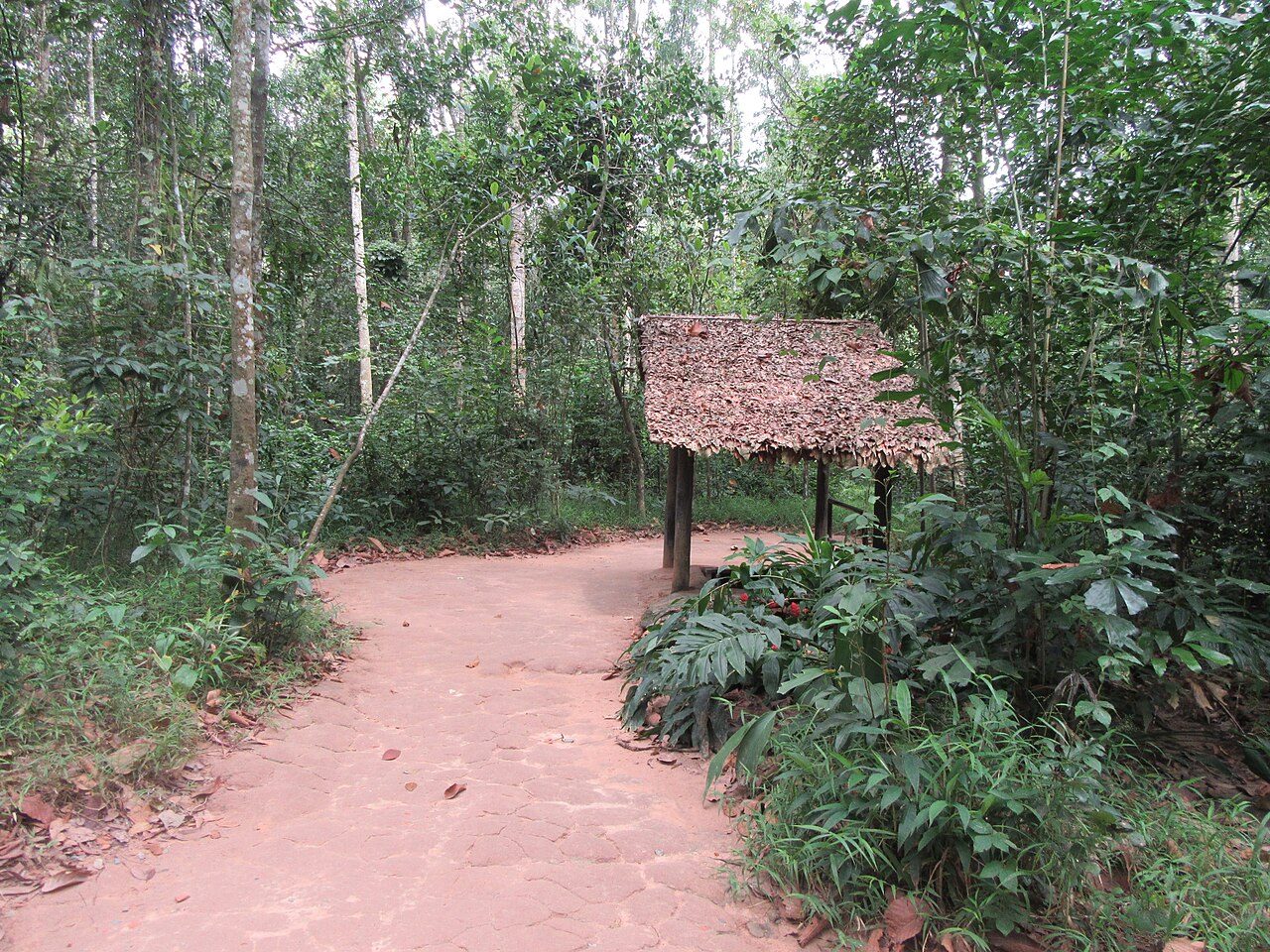
The Cu Chi Tunnels are part of a vast underground network dug by Viet Cong fighters during the wars against France and the United States. At the Ben Dinh site visitors can crawl through widened sections, see hidden trapdoors, booby traps and underground kitchens, and learn how people lived here. The site is about 60 km from the city centre, and half-day trips are popular.
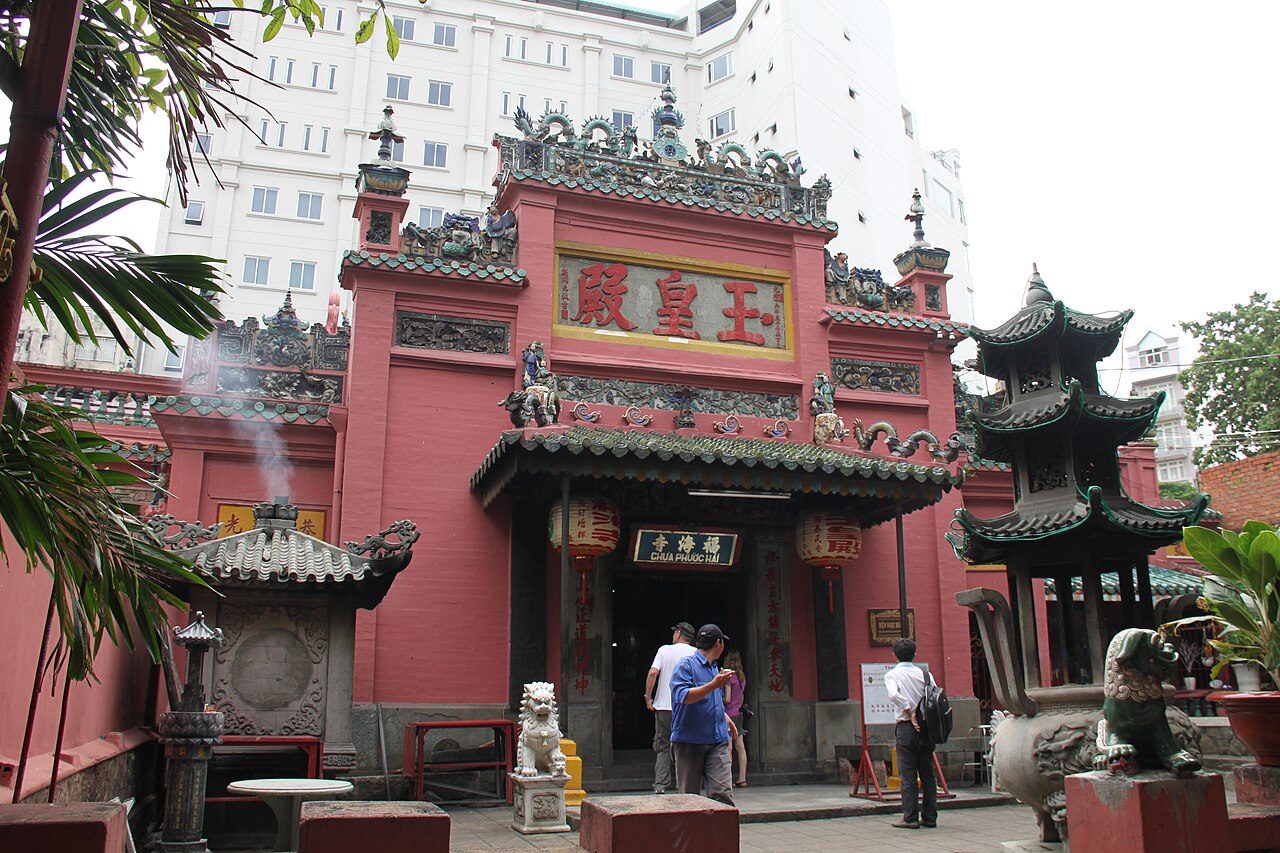
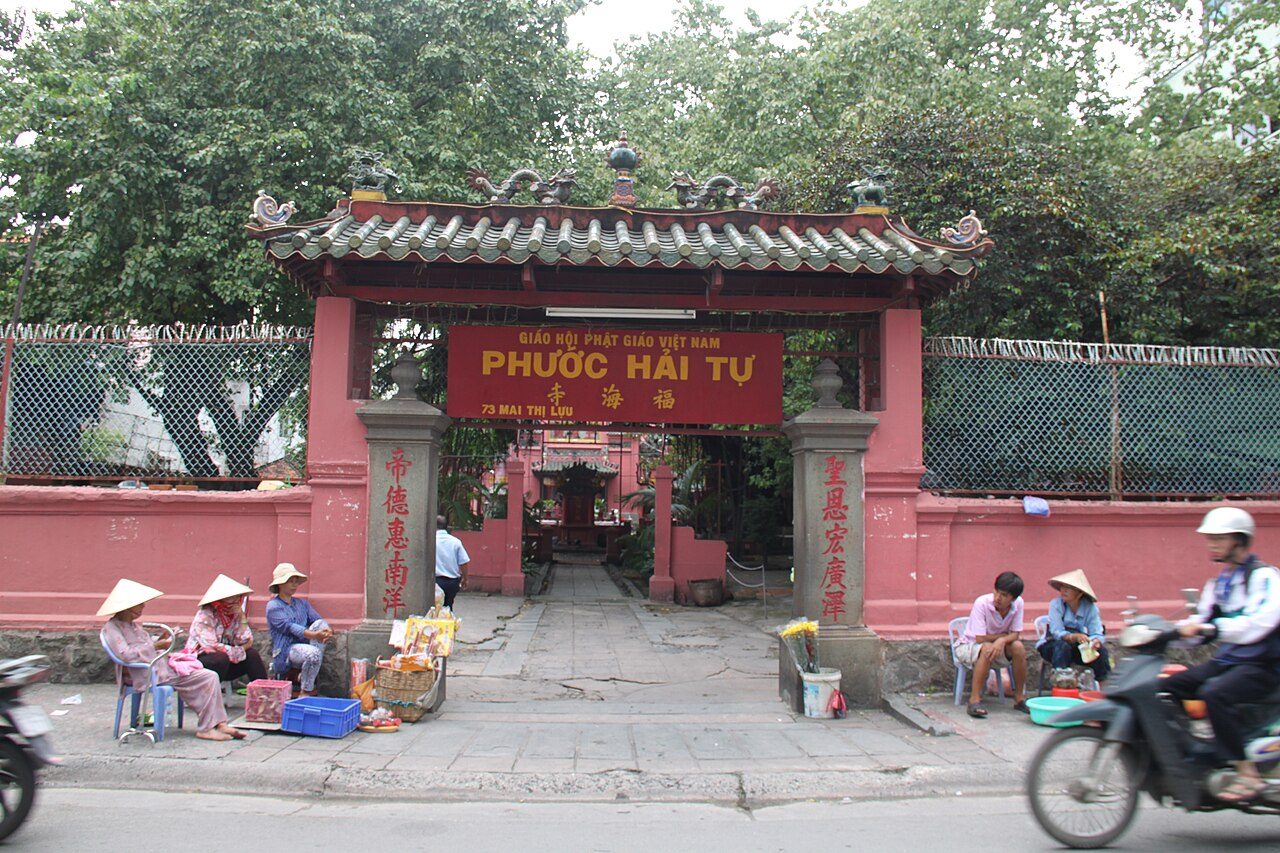
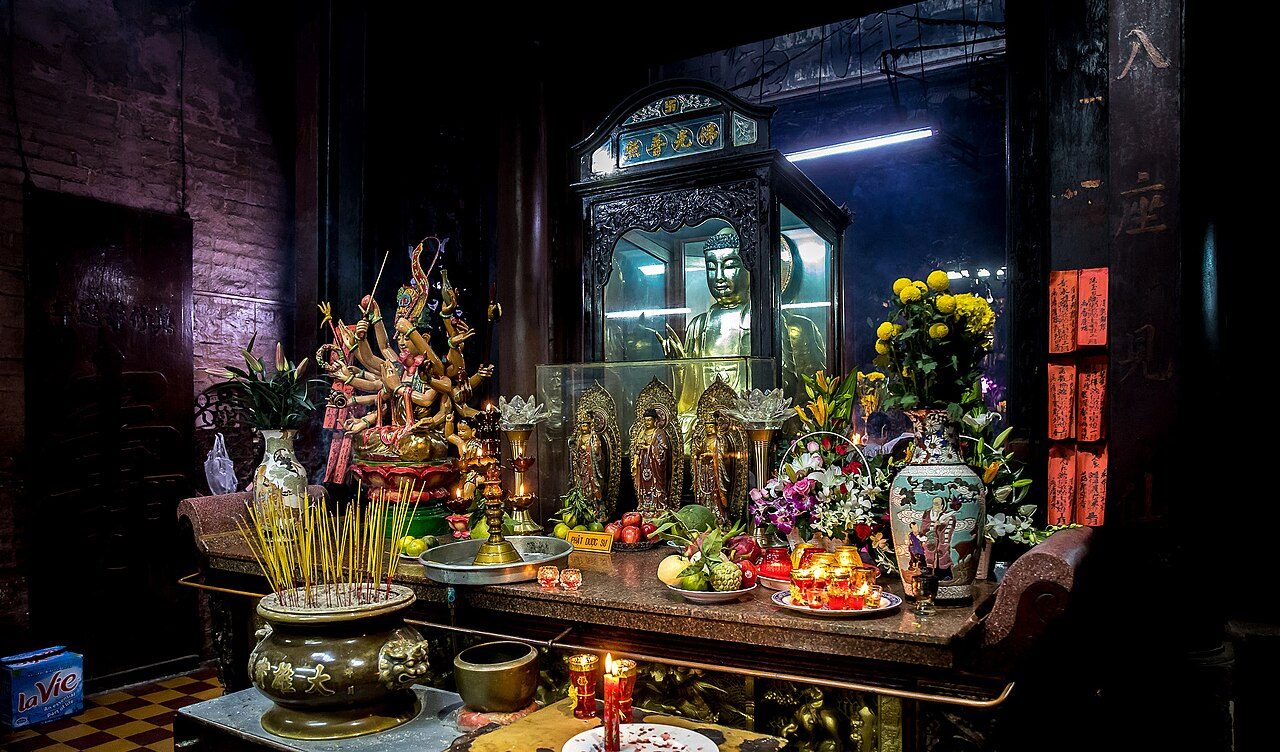
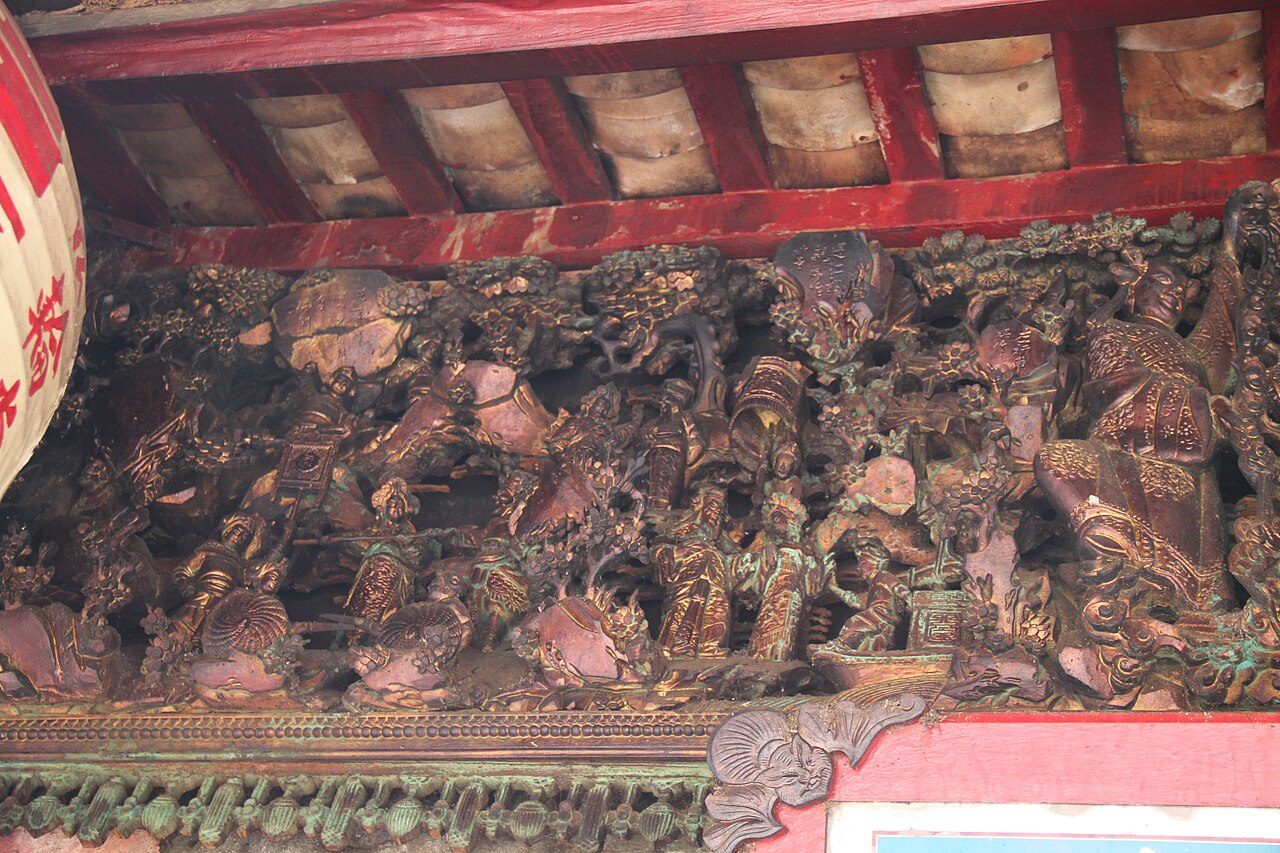
The Jade Emperor Pagoda was built by the Cantonese community in the early 1900s and is one of the most atmospheric temples in Ho Chi Minh City. Its dim halls are filled with incense smoke and carved figures from Taoist and Buddhist tradition, including the Jade Emperor himself. A pond of turtles sits in the courtyard. It is an active temple, so visitors should dress and act respectfully.
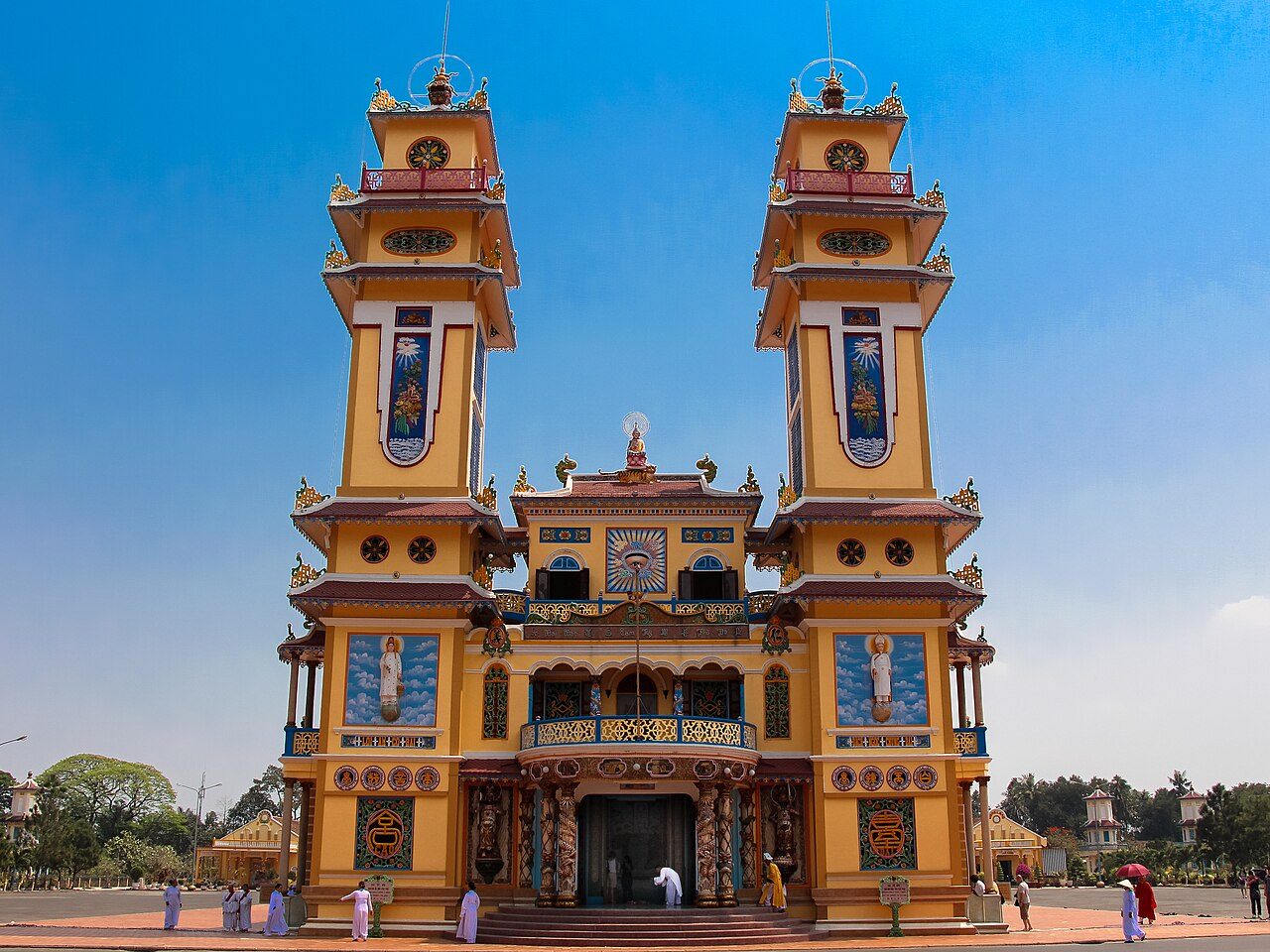
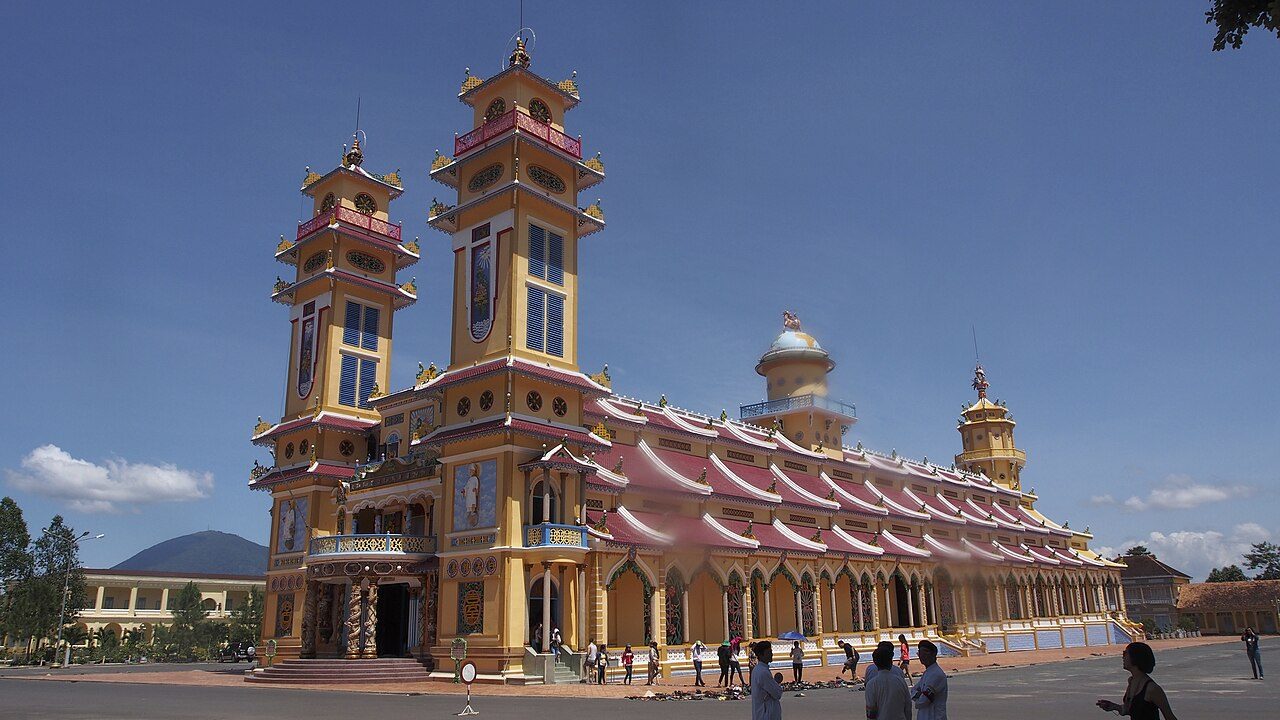
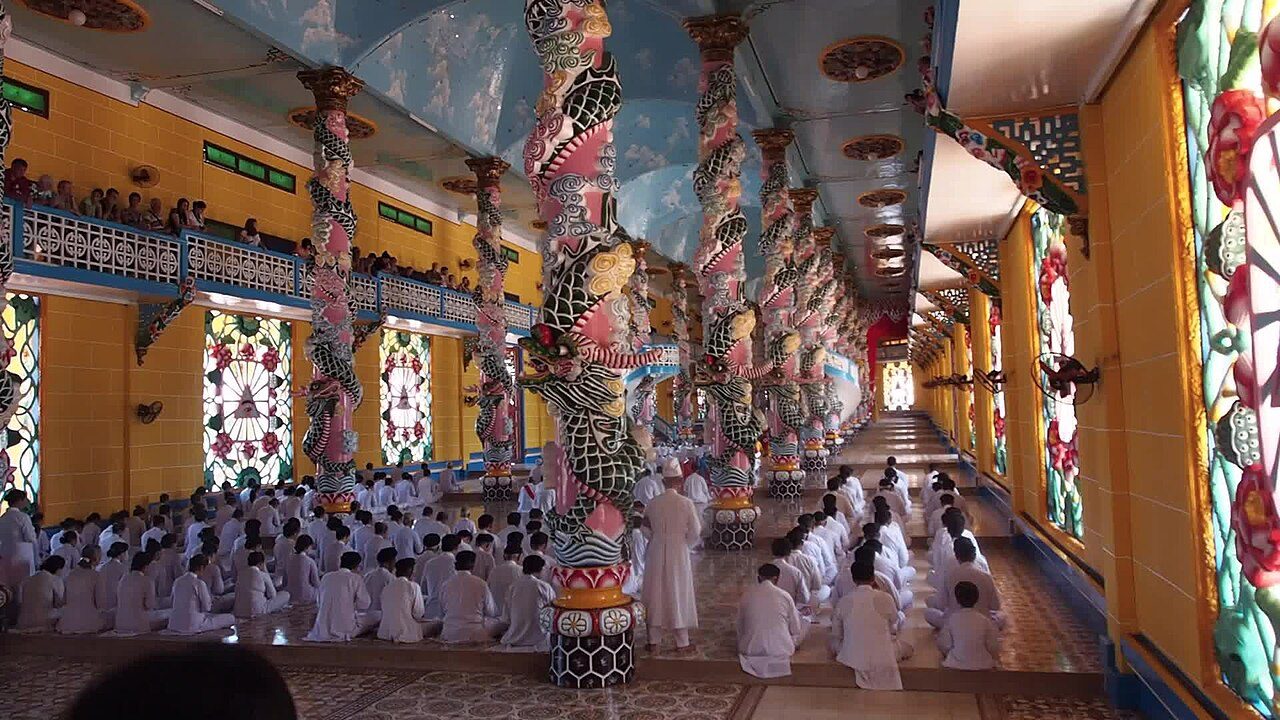
The Cao Dai Holy See is the main temple of Caodaism, a religion founded in Vietnam in the 1920s that blends Buddhism, Taoism, Confucianism and Christianity. The colourful building has twin towers, dragon-wrapped columns and the Divine Eye symbol above the altar. Visitors can watch the noon prayer ceremony from the upper gallery as worshippers in white robes gather. Remove shoes and dress modestly.
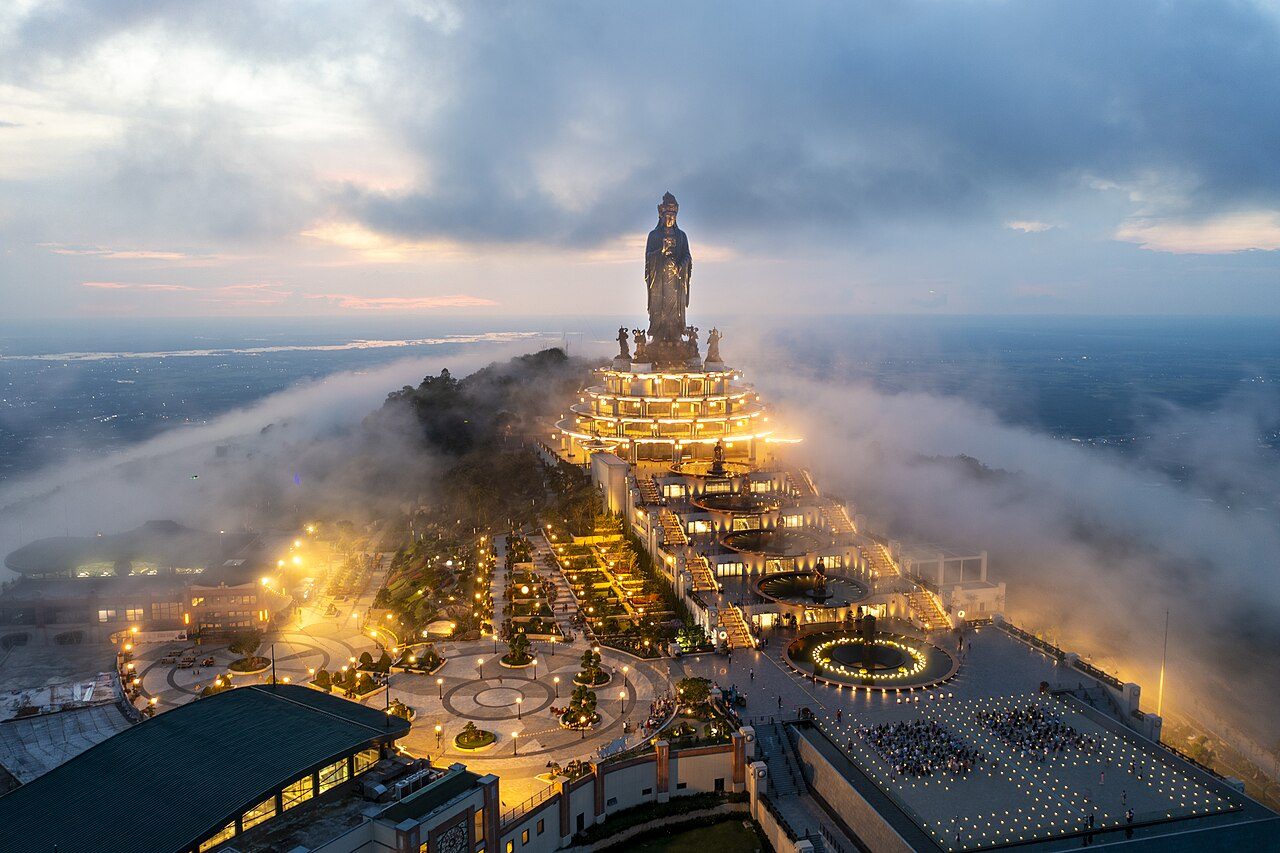
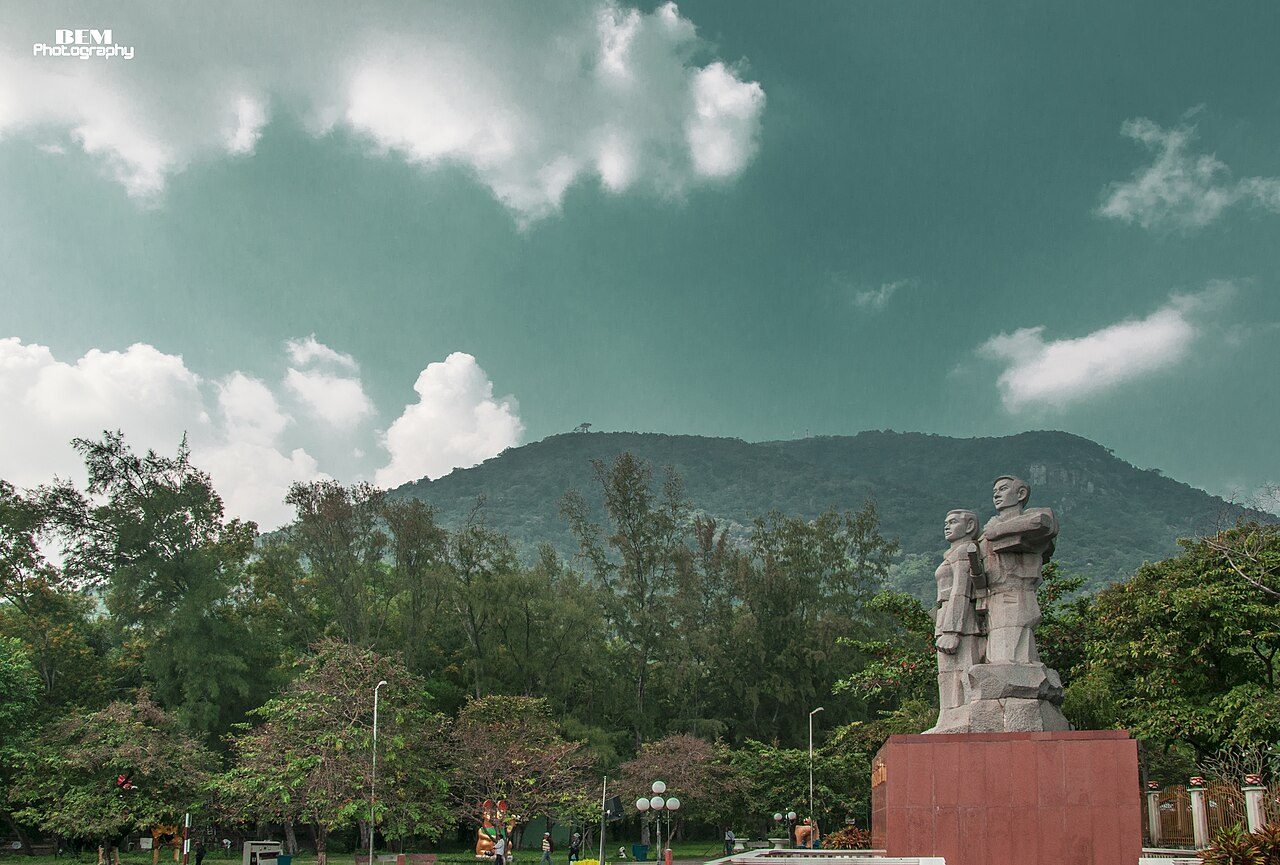
Ba Den Mountain is the highest peak in southern Vietnam, rising alone from the flat plains of Tay Ninh. It is a pilgrimage site with pagodas and caves on its slopes, linked to the legend of the Black Lady. Modern cable cars now carry visitors to the summit, where a huge bronze statue of the Bodhisattva stands. Clear days give views far across the Mekong plain.
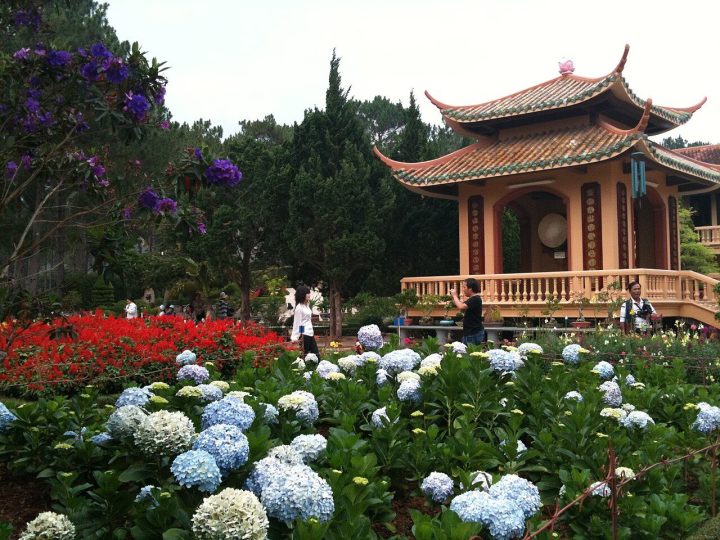
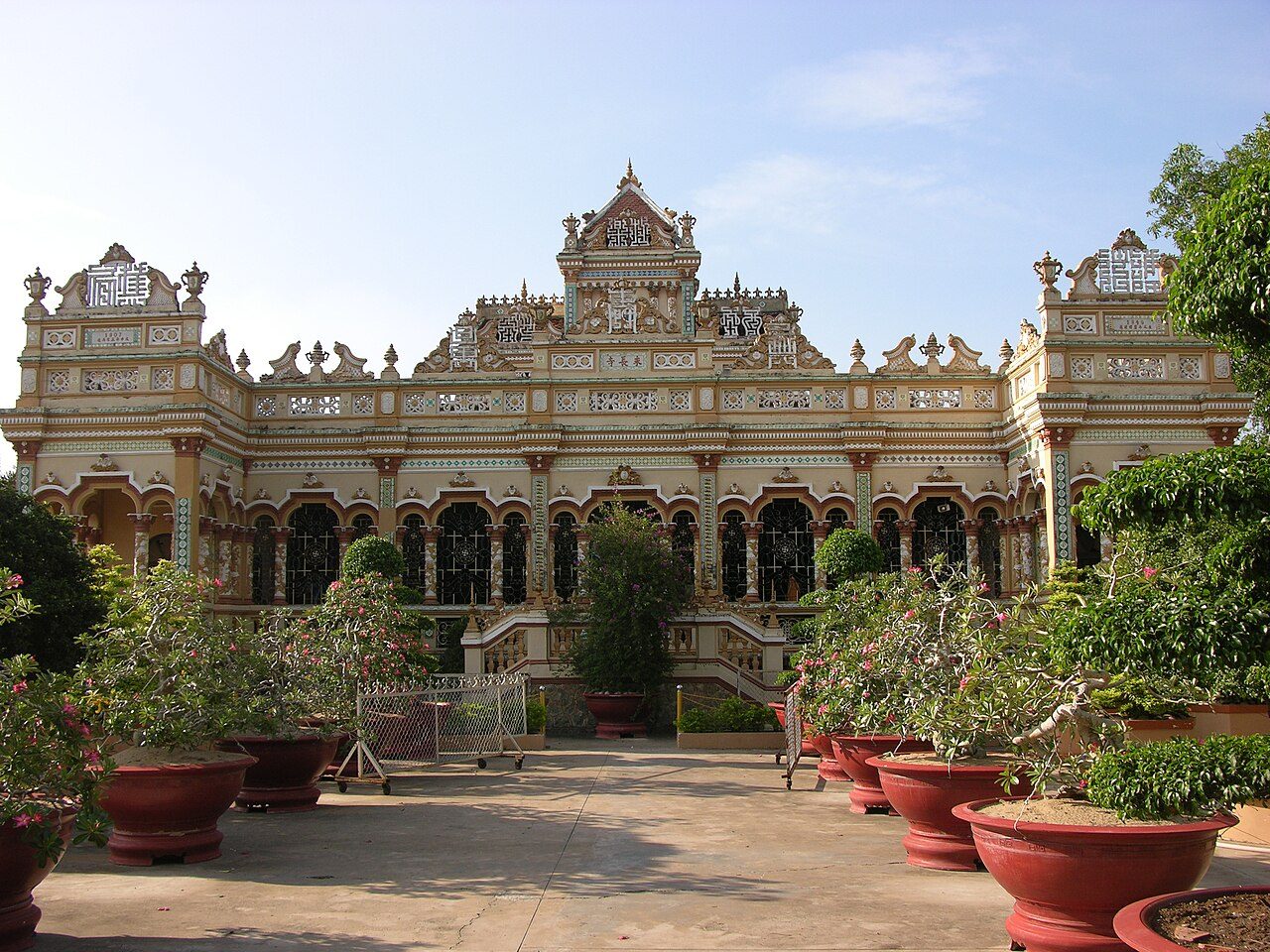
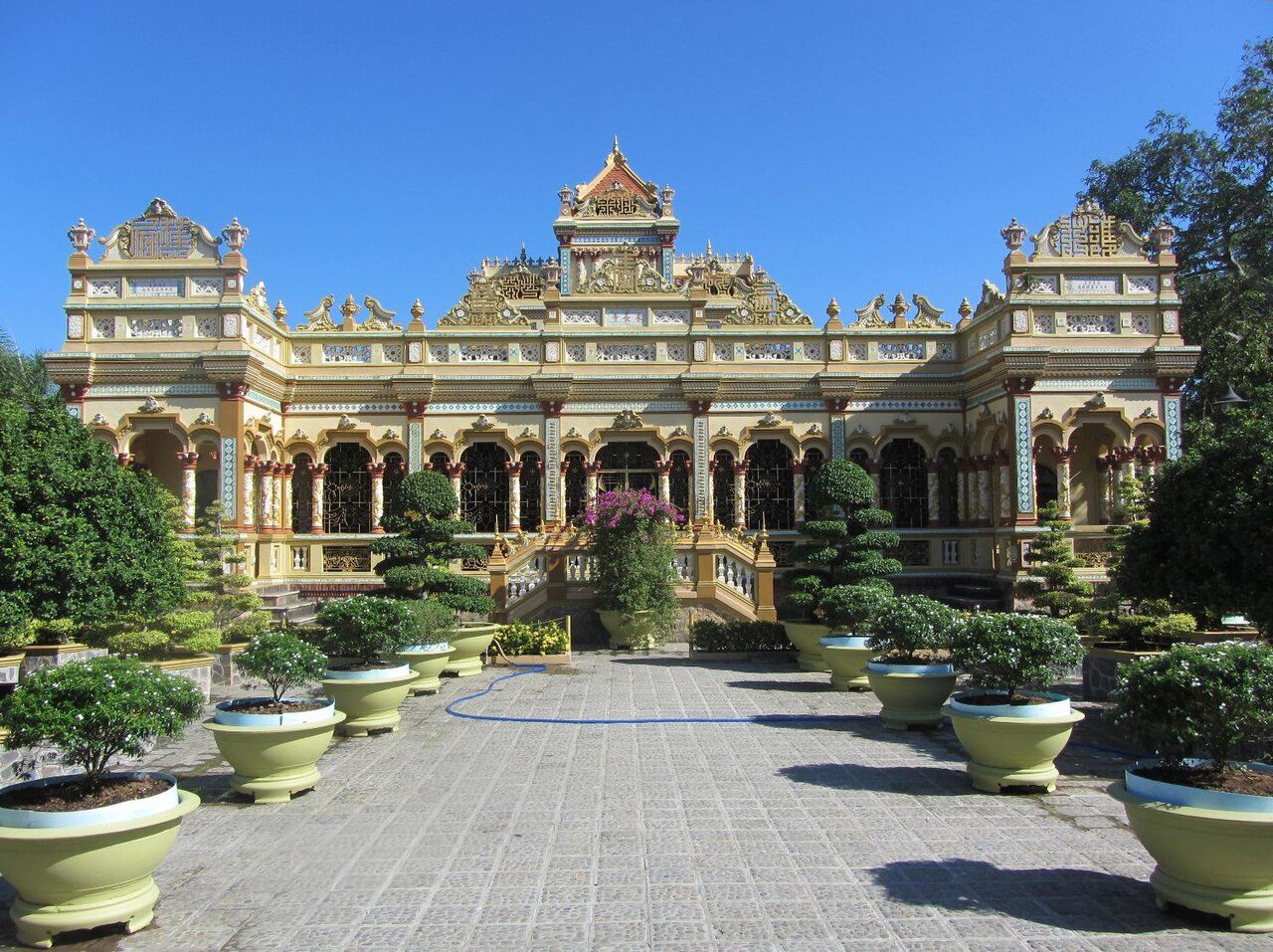
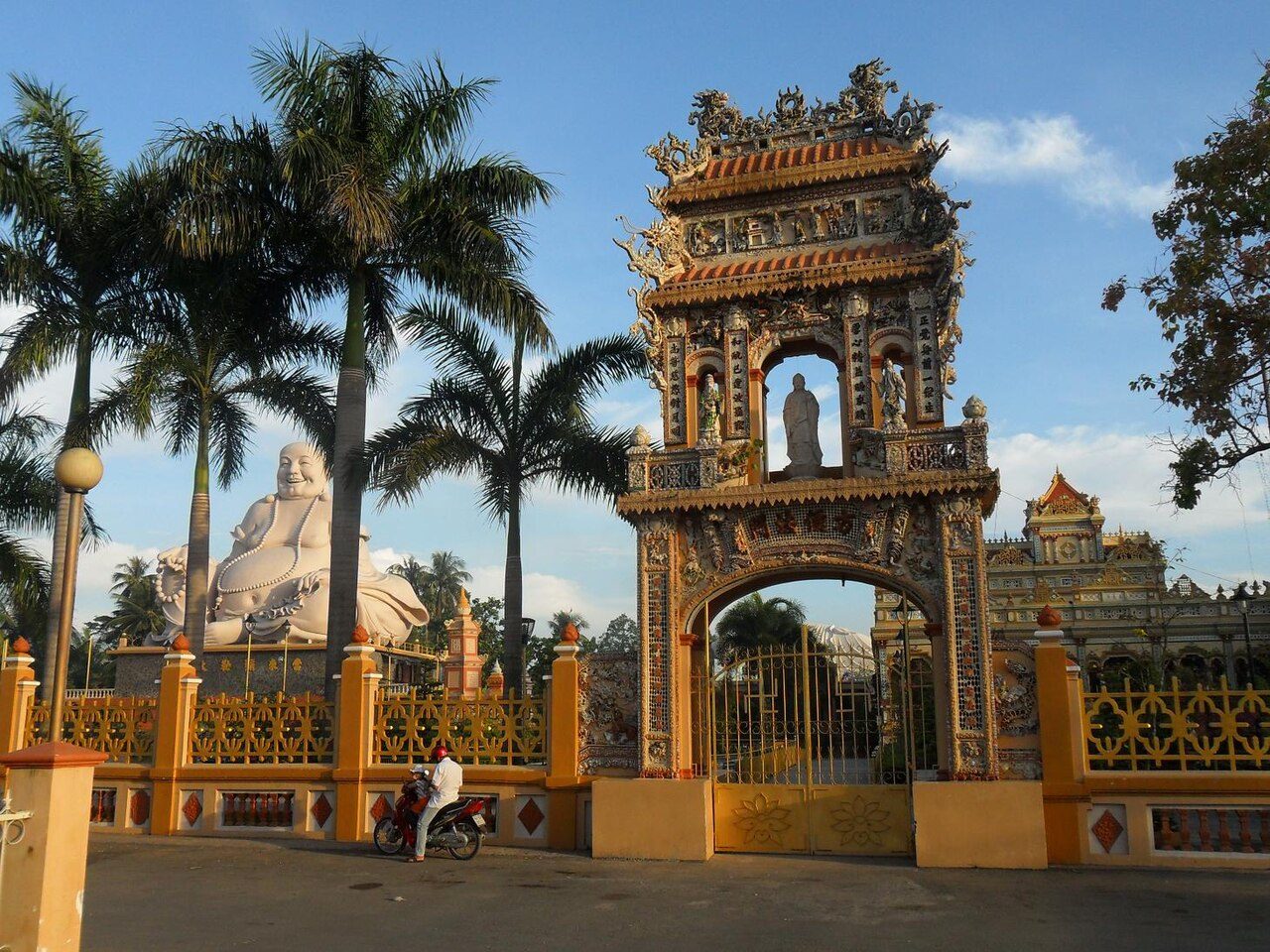
Vinh Trang Pagoda in My Tho is one of the most remarkable temples in the Mekong Delta. Built in the 19th century, its architecture blends Vietnamese, Chinese, Khmer and European colonial styles, with ornate facades and mother-of-pearl inlaid woodwork. Large outdoor statues of a standing Buddha, a laughing Buddha and a reclining Buddha stand in the gardens.
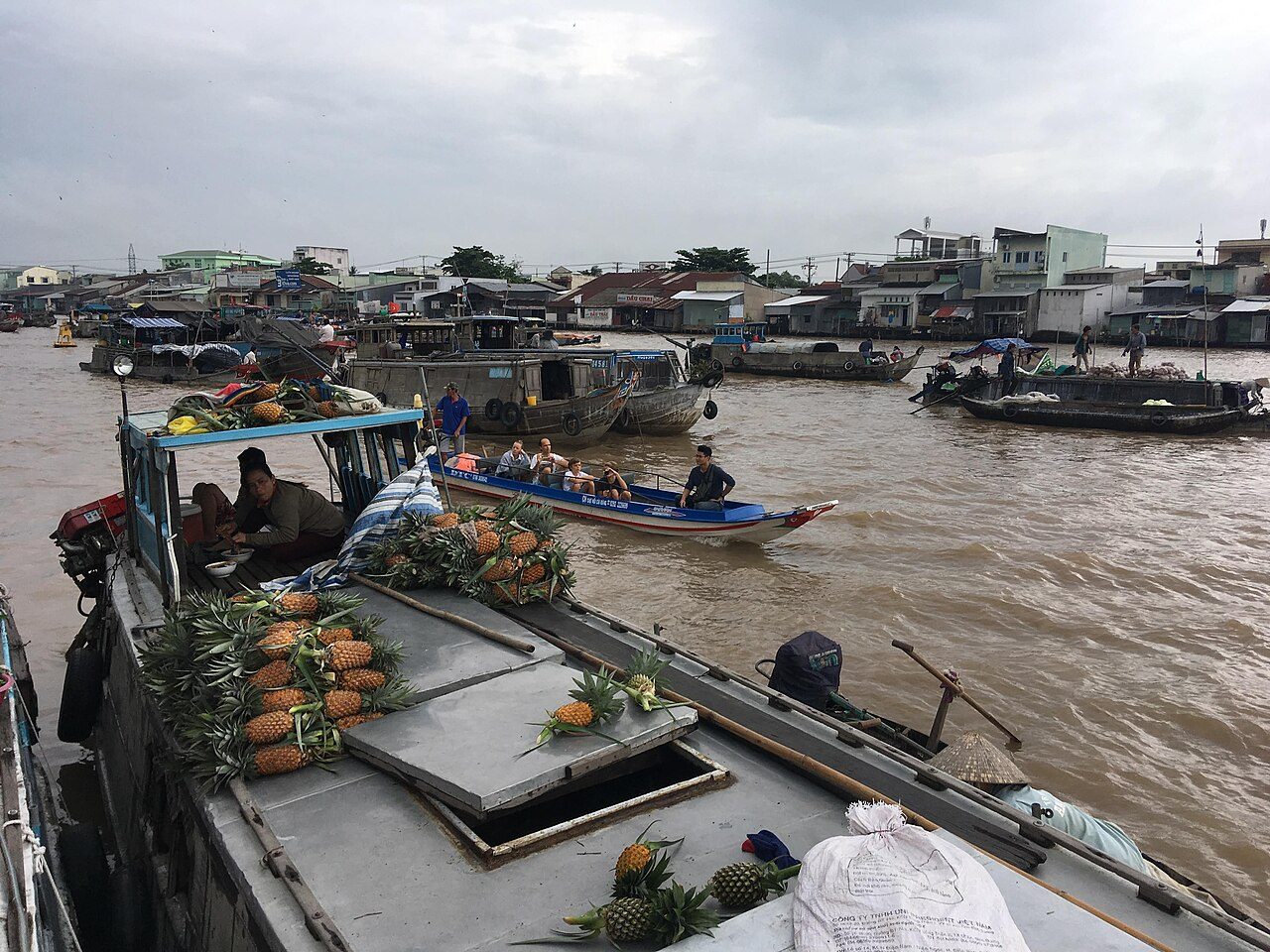
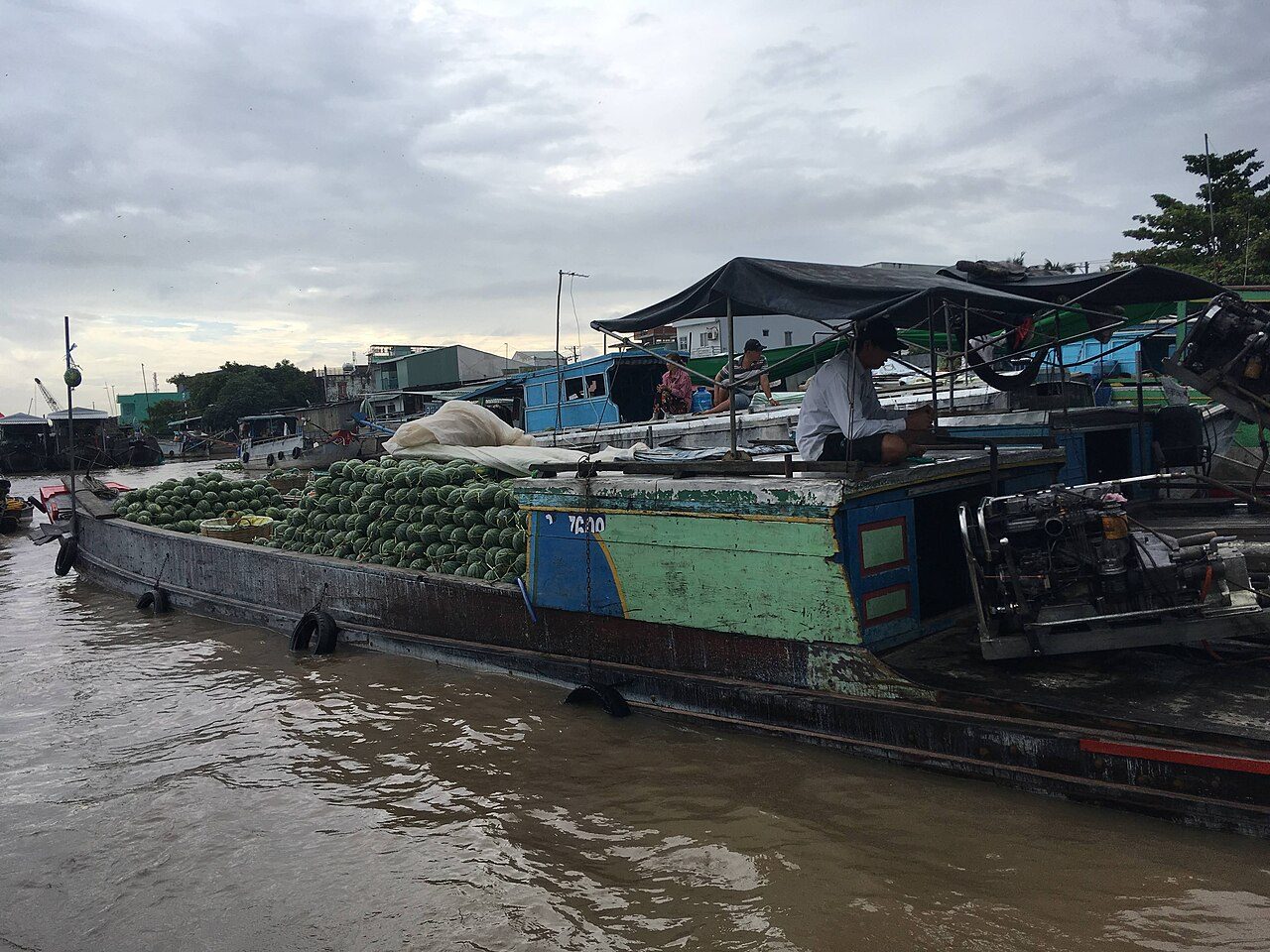
Cai Rang Floating Market is the largest floating market in the Mekong Delta, held on the river near Can Tho. Farmers and traders sell fruit and vegetables from boats, hanging samples from tall poles to show what is on offer. Small boats serve coffee and noodle soup to visitors. The market is busiest at dawn, so join a boat trip leaving around 5 to 6 am.
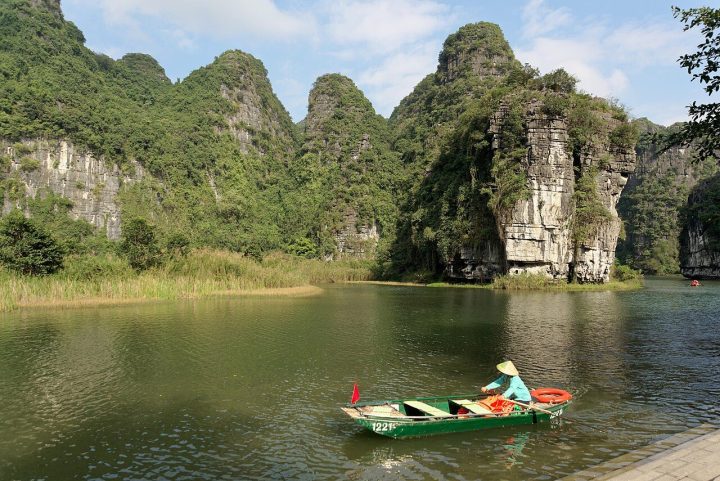
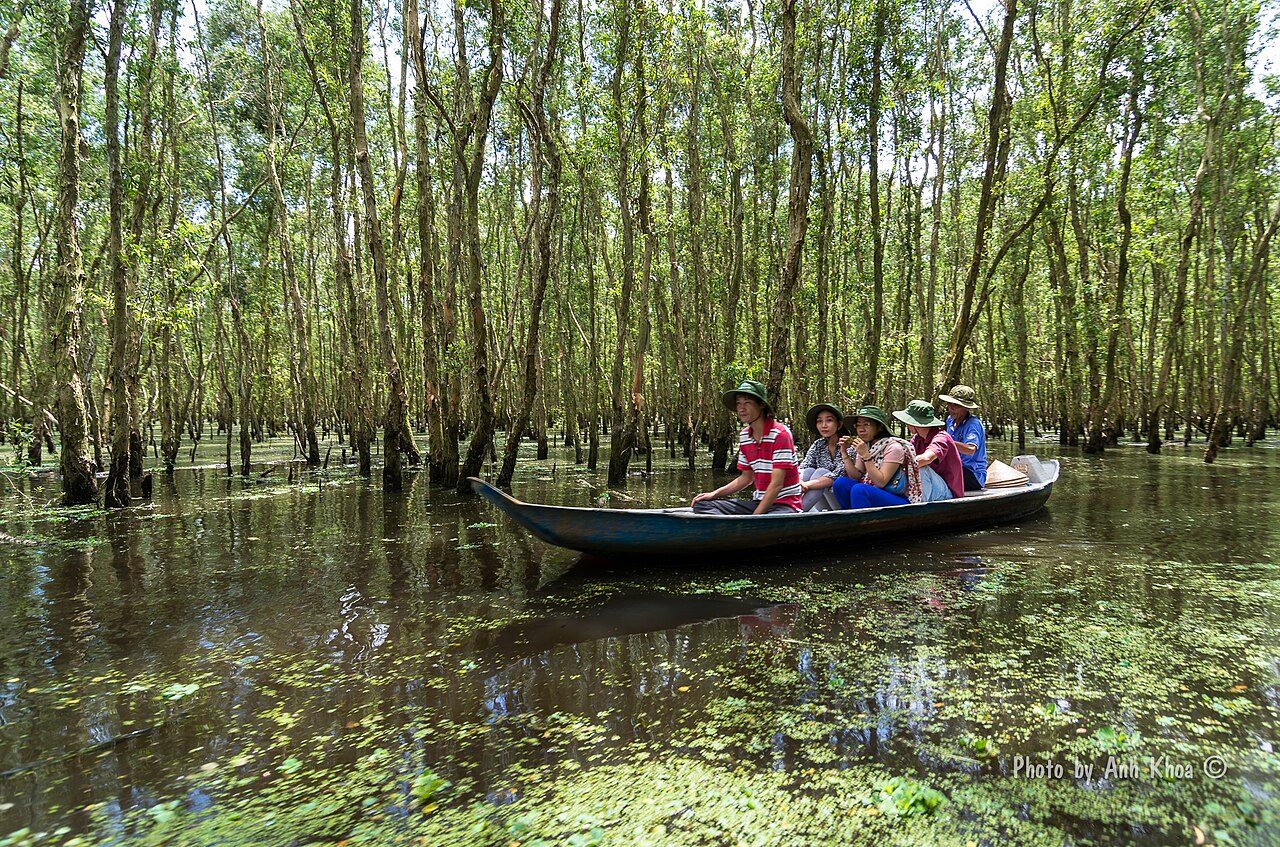
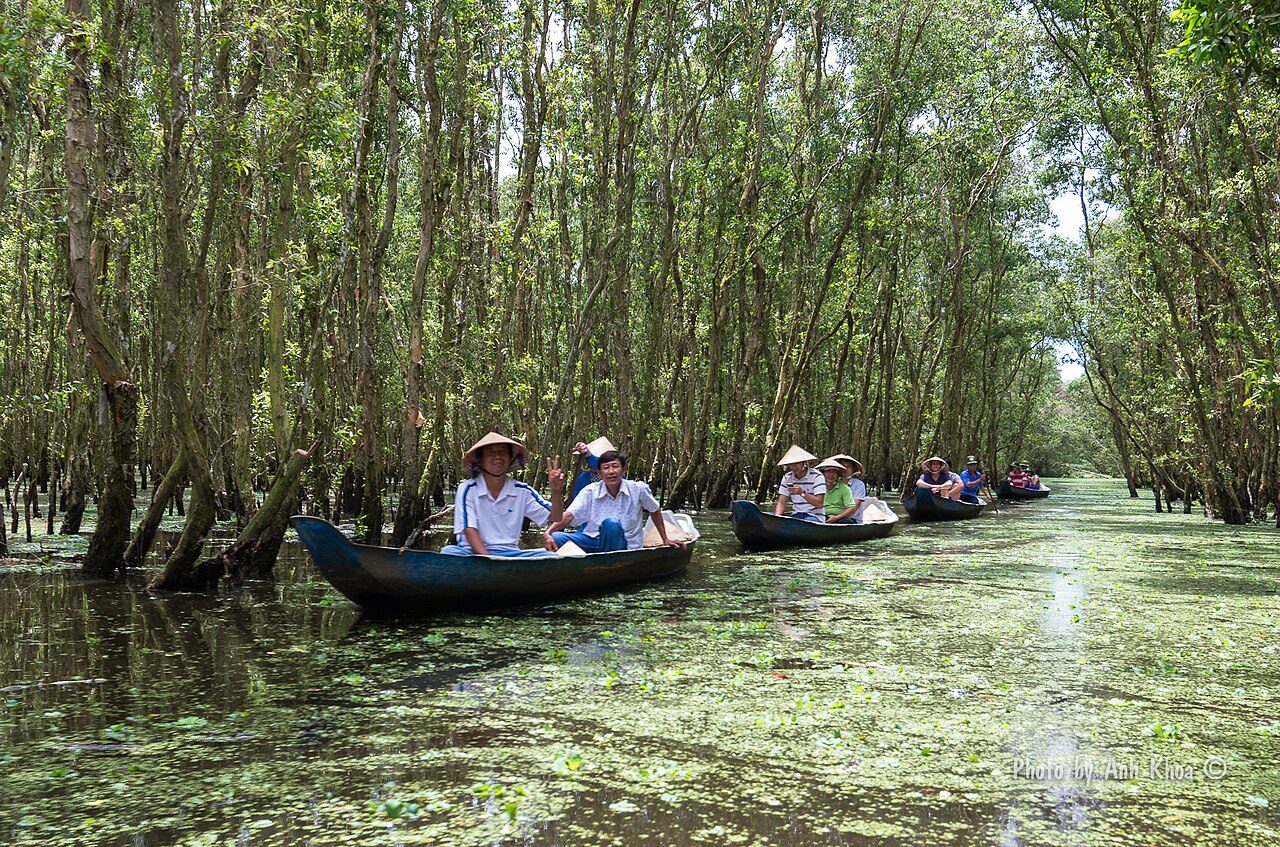
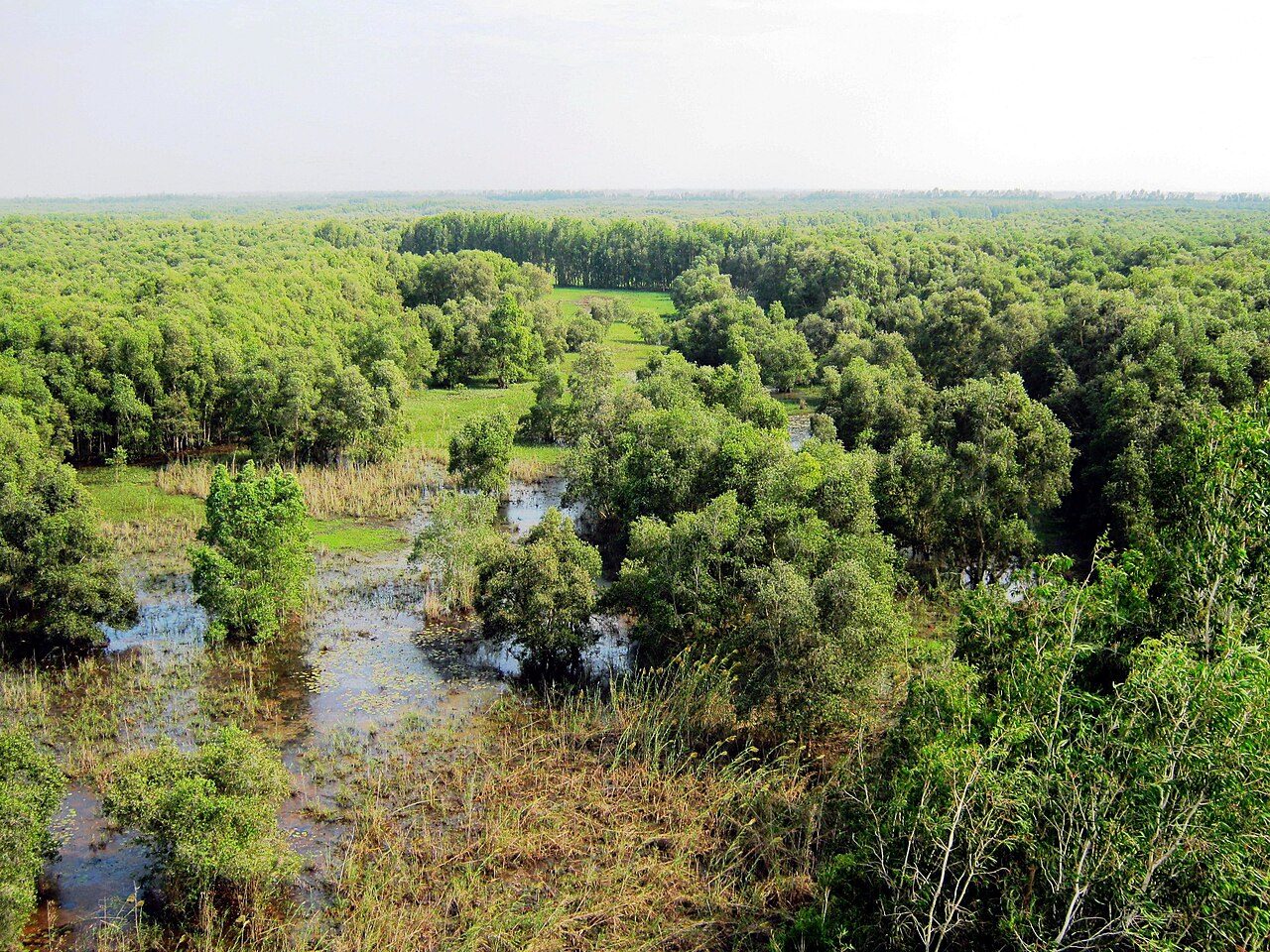
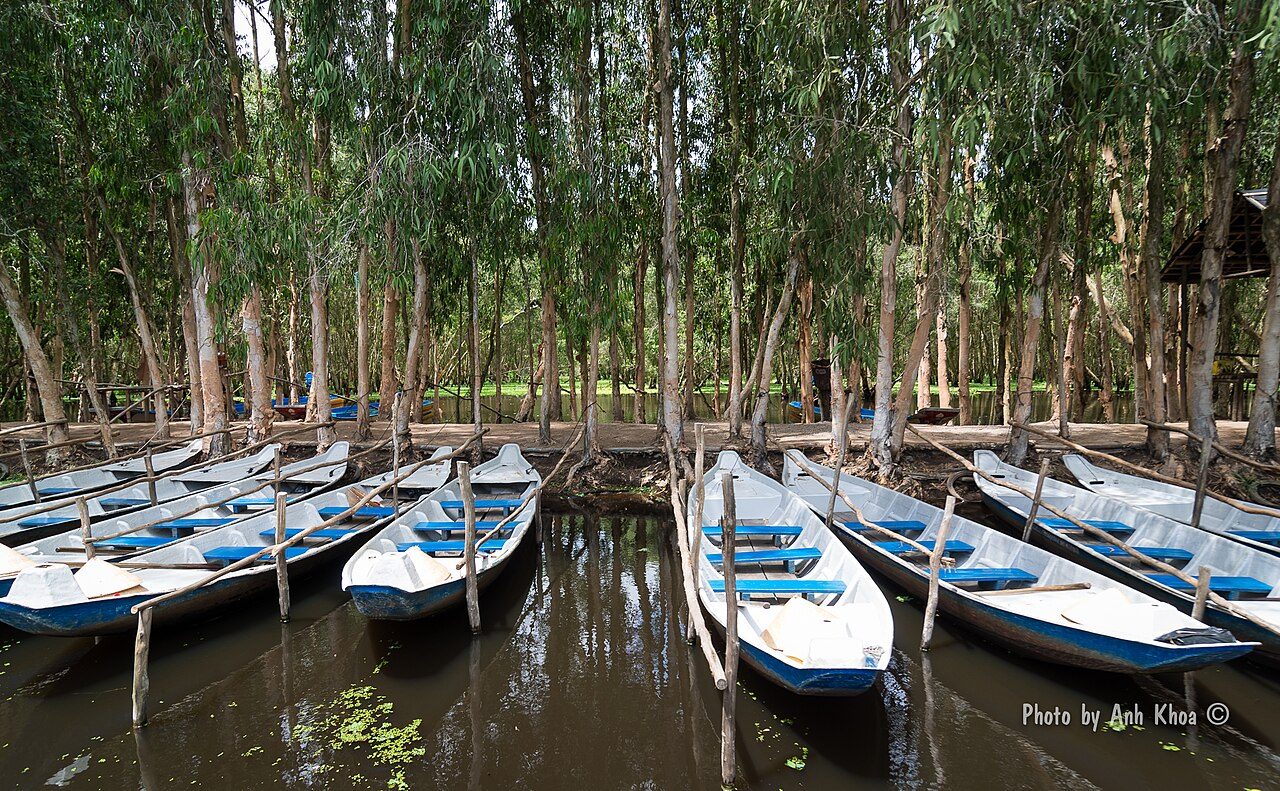
Tra Su Cajuput Forest is a flooded wetland forest in the Mekong Delta, home to many water birds. Visitors travel by motorboat and then small rowing boats along channels covered in bright green duckweed under cajuput trees. A watchtower offers views across the canopy. The forest is at its best from September to November when water levels are high.
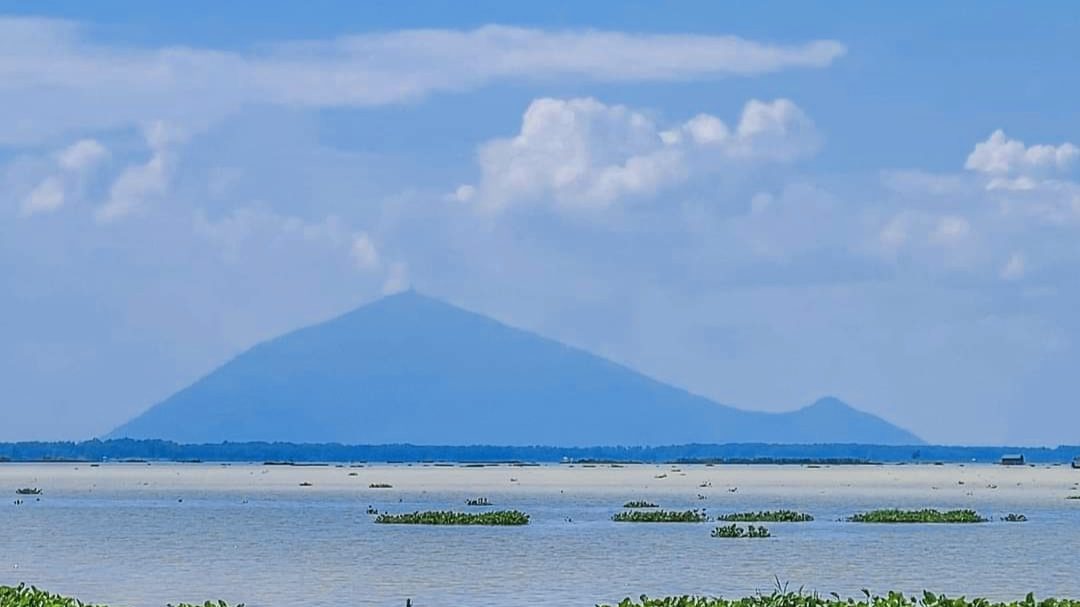
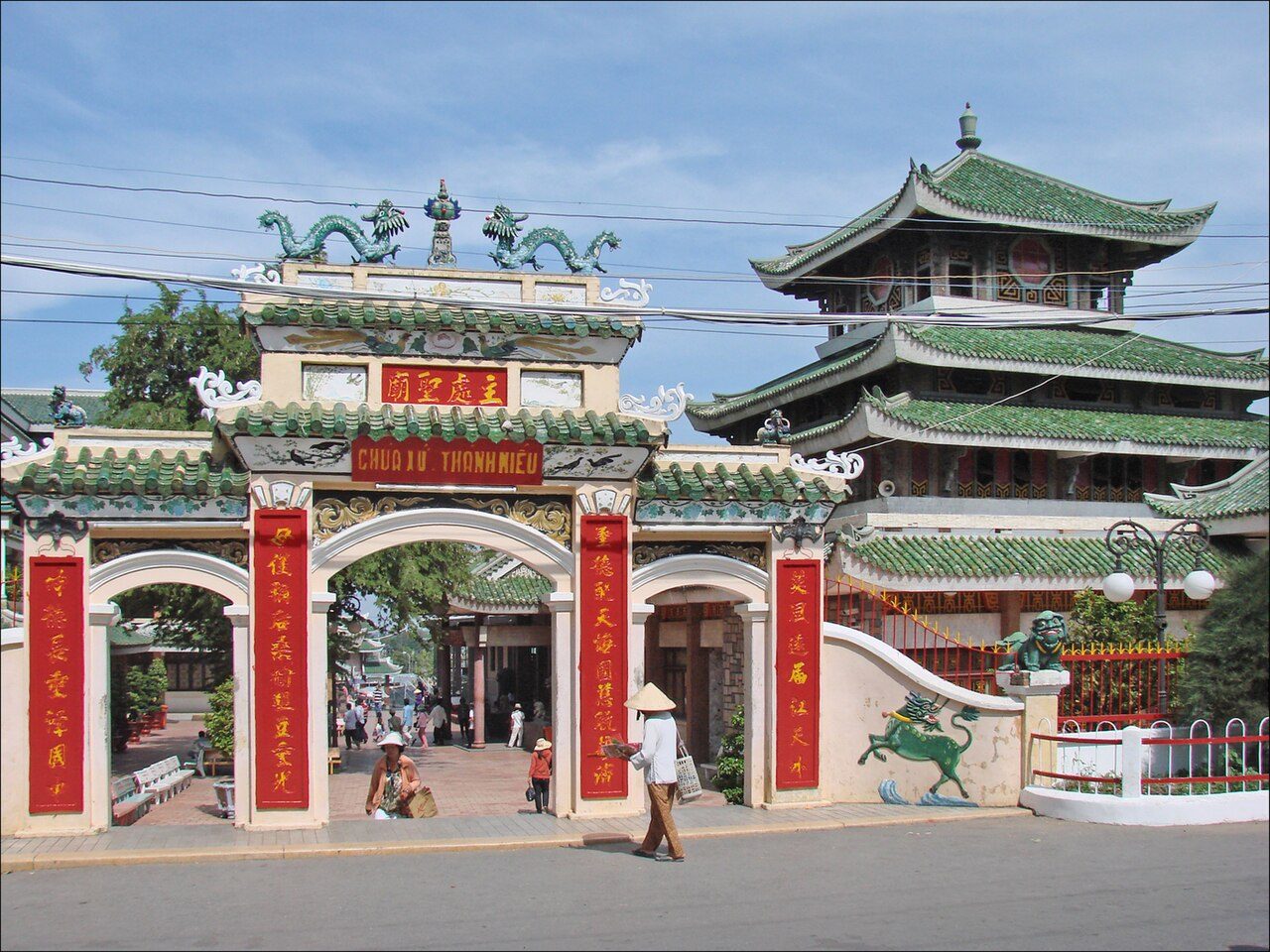
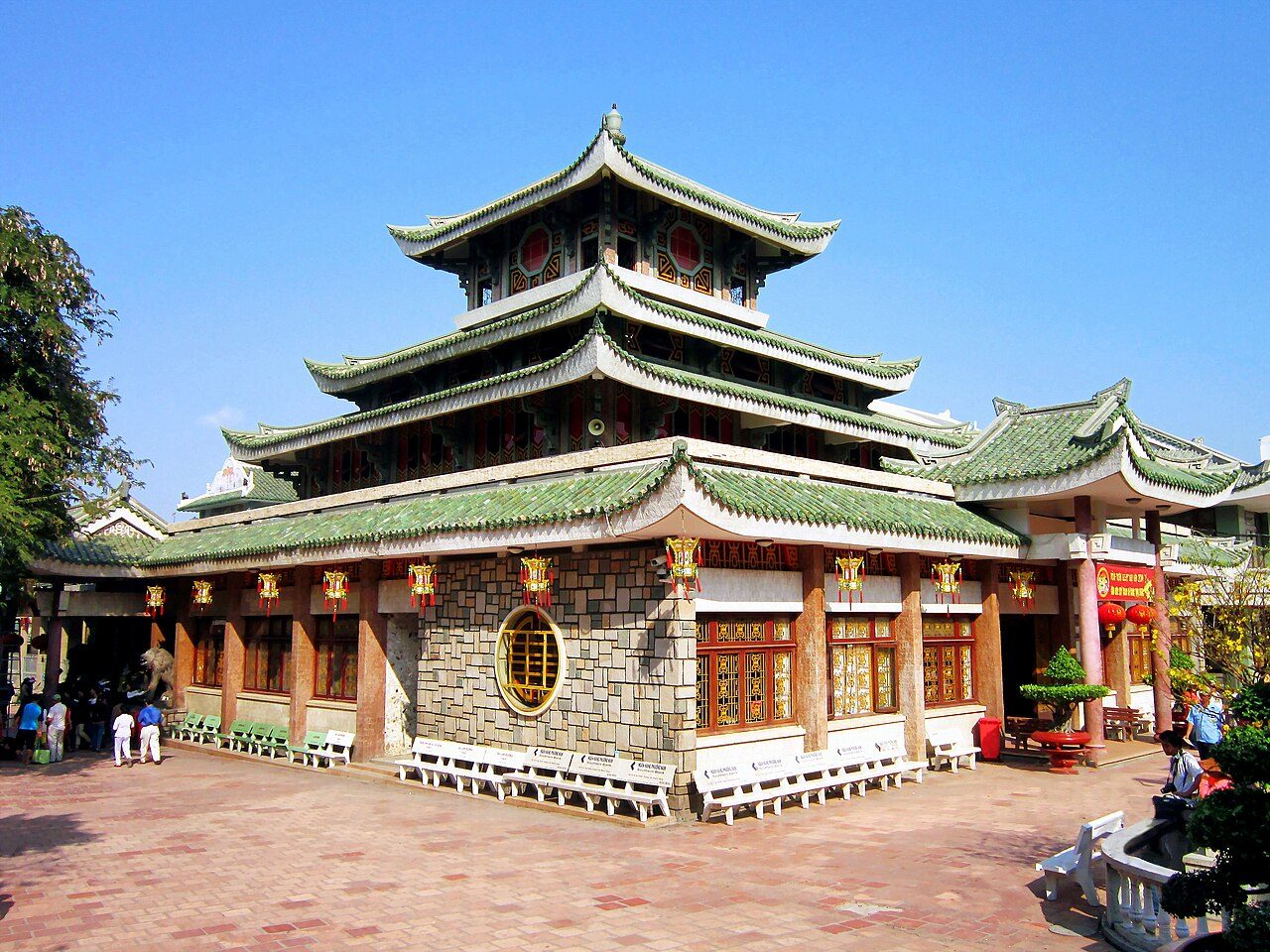
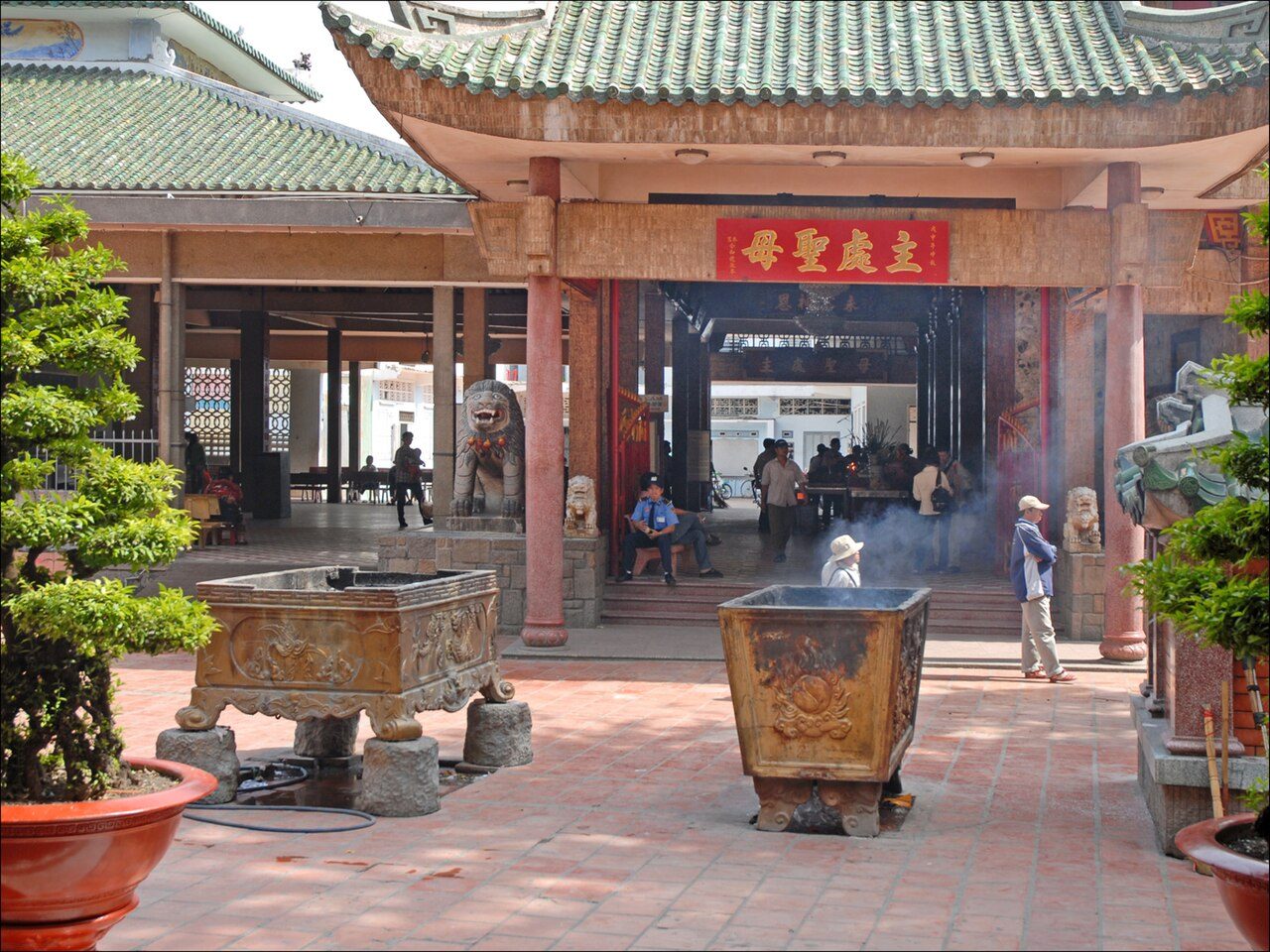
The Temple of Lady Chua Xu sits at the foot of Sam Mountain near Chau Doc and is one of the most important pilgrimage sites in southern Vietnam. Worshippers come to pray for prosperity and good fortune before a revered stone statue of the Lady. The colourful temple has a pagoda-style roof and lively halls. Its main festival in the fourth lunar month draws huge crowds.
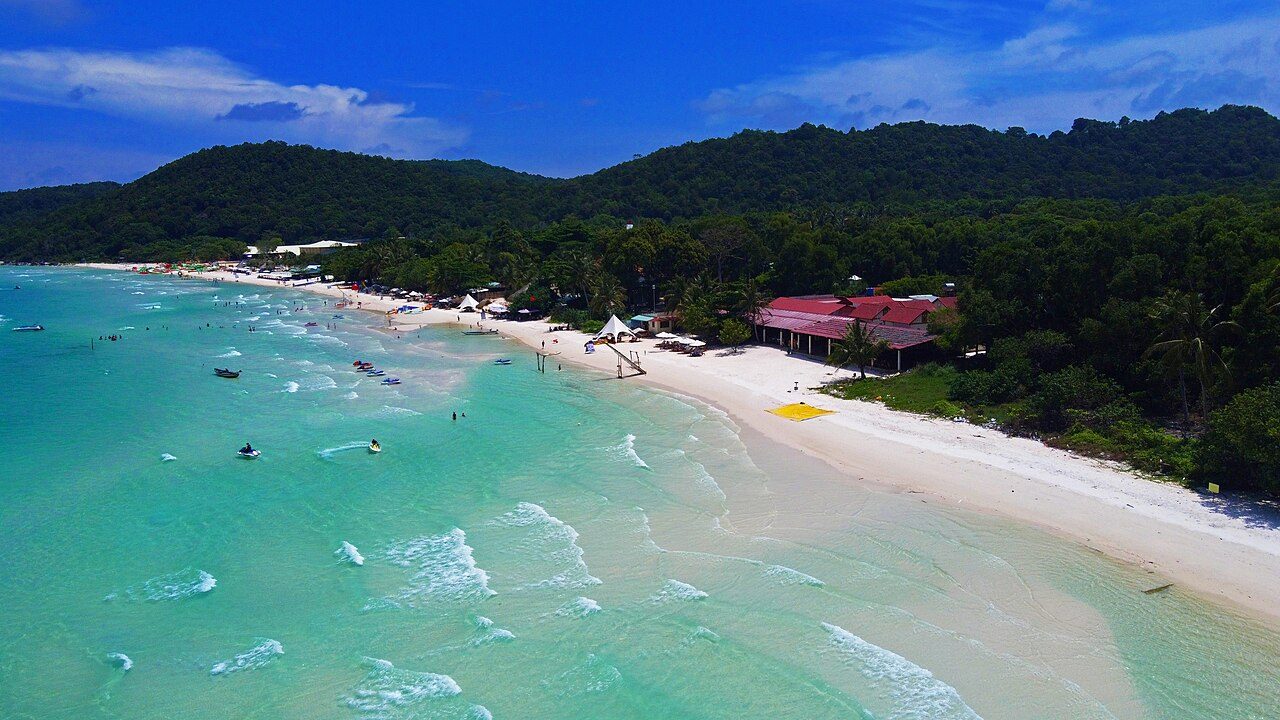
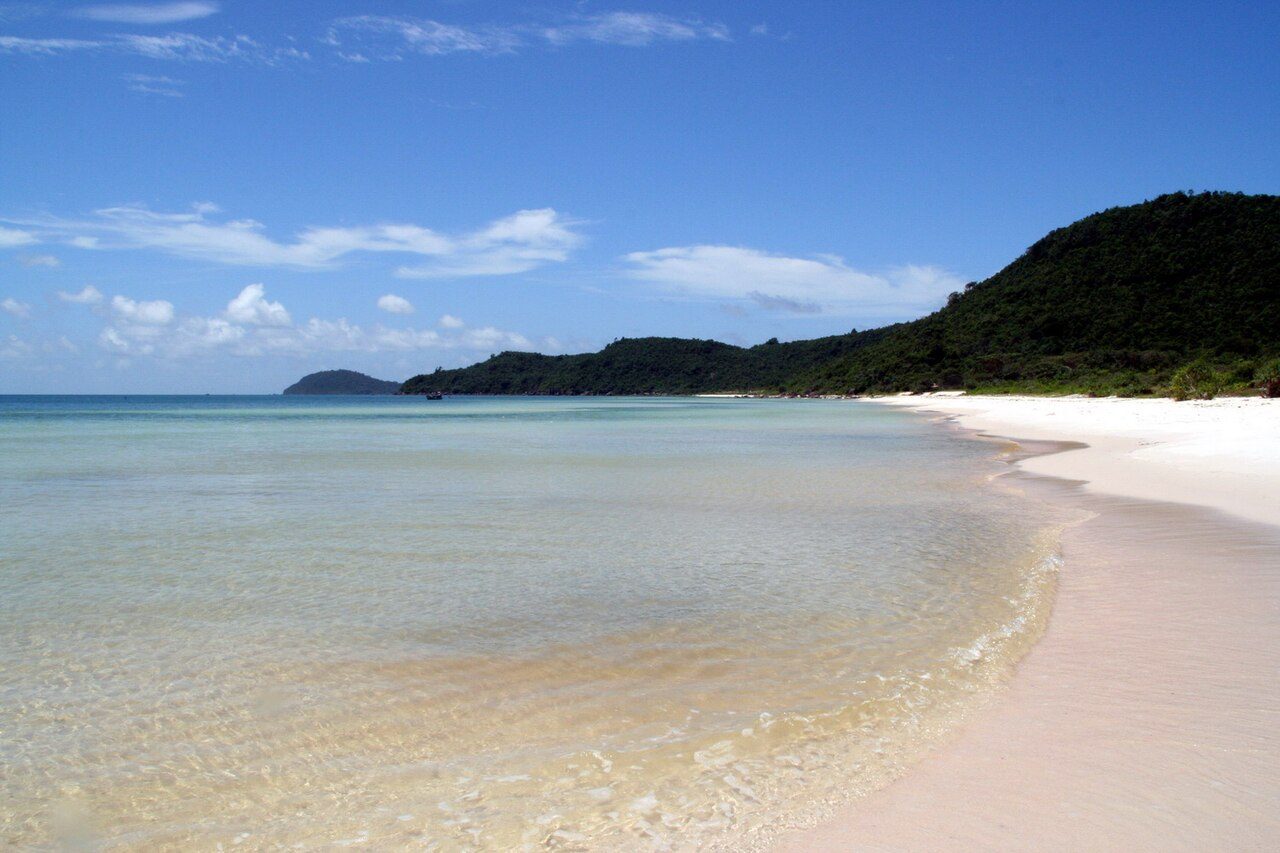
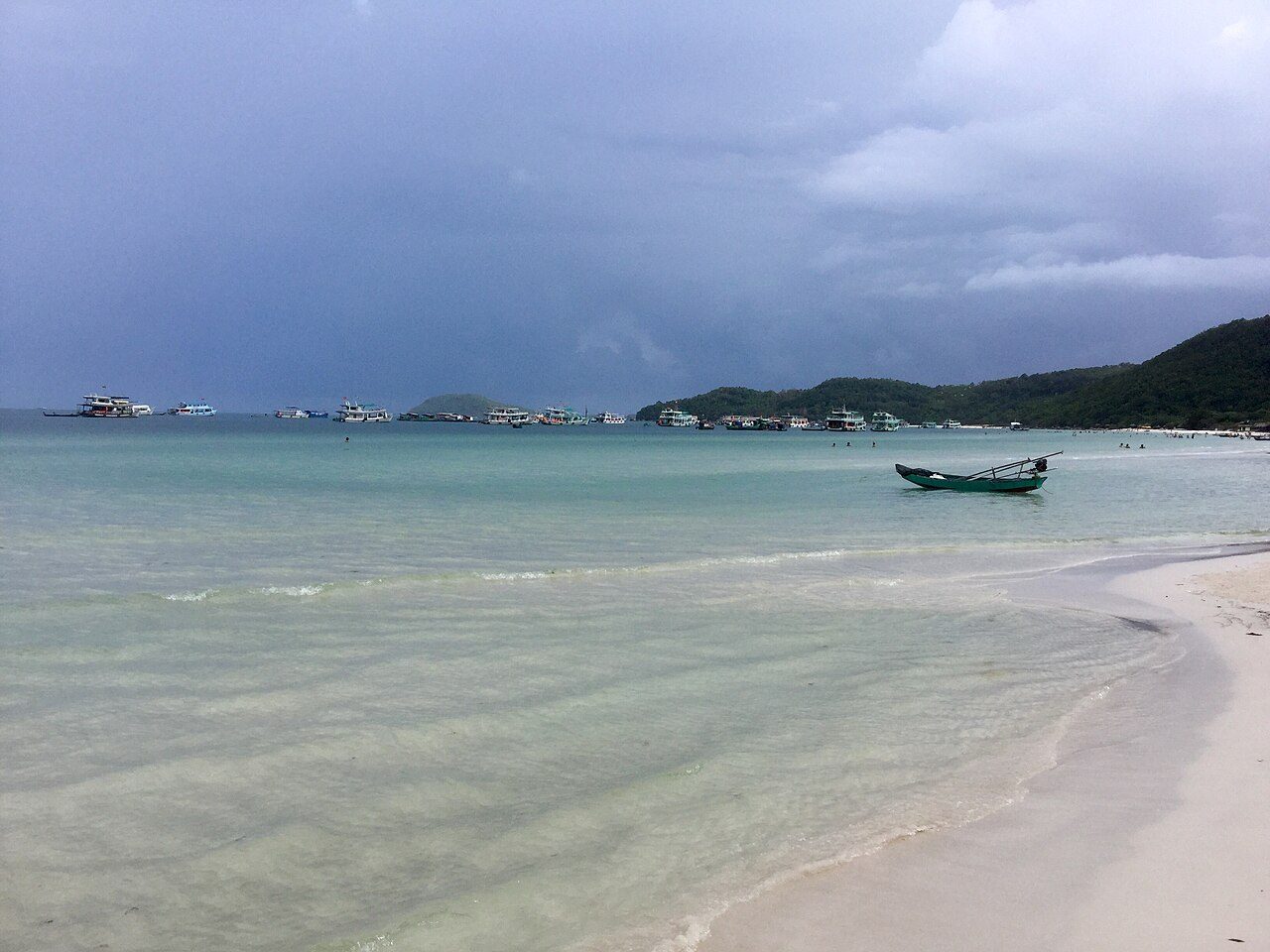
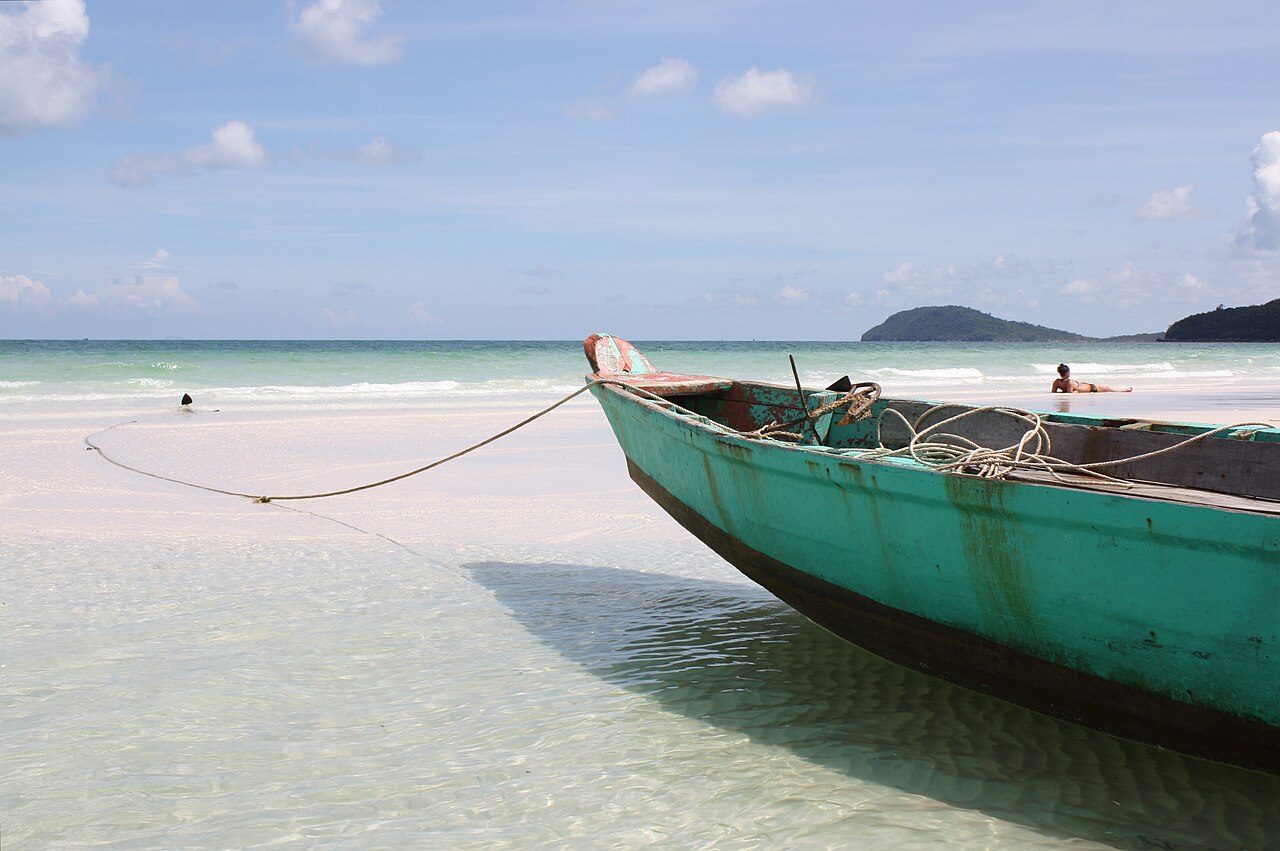
Sao Beach on the southeast coast of Phu Quoc is known for its soft white sand, palm trees and calm turquoise water. It is one of the most beautiful beaches on the island, with a few beach bars and restaurants along the sand. The sea is calmest in the dry season from November to April. Come early in the day before tour groups arrive from the nearby towns.
Best weather: Dec – MarHeavy rain: Jun – Sep
Seasons from 20 years of NASA POWER climate data.
Was this trip blog helpful?
0
0
Ready to follow this route?
Copy all 14 stops into your trip plans in the app.
 WaTrips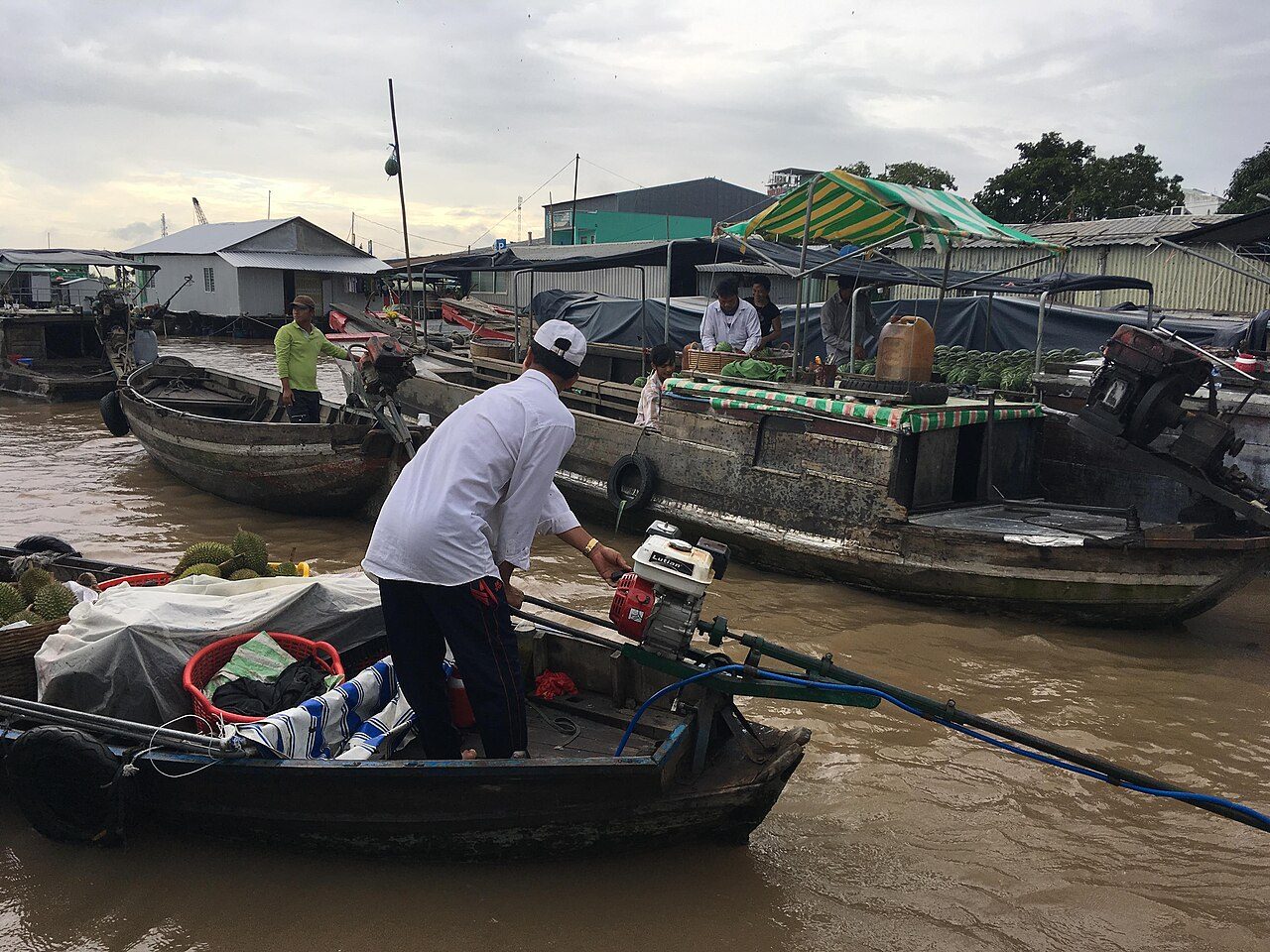





 BikesBooking
 Localrent
 Airalo
 Tiqets