Hanoi's Old Quarter and temples, a Ha Long Bay cruise, Yen Tu mountain, Trang An, Tam Coc, Bai Dinh and Phat Diem.
Northern Vietnam's three classics fit neatly into five days. Explore Hanoi's Old Quarter around Hoan Kiem Lake, the Temple of Literature and Ho Chi Minh's mausoleum. Spend a night on Ha Long Bay among thousands of limestone islands, then visit Yen Tu, the holy mountain of Vietnamese Zen. End in Ninh Binh, 'Ha Long Bay on land': row through the caves of Trang An, climb Mua Cave for the view over Tam Coc, and see the vast Bai Dinh Pagoda and the stone cathedral of Phat Diem. October to April is driest.
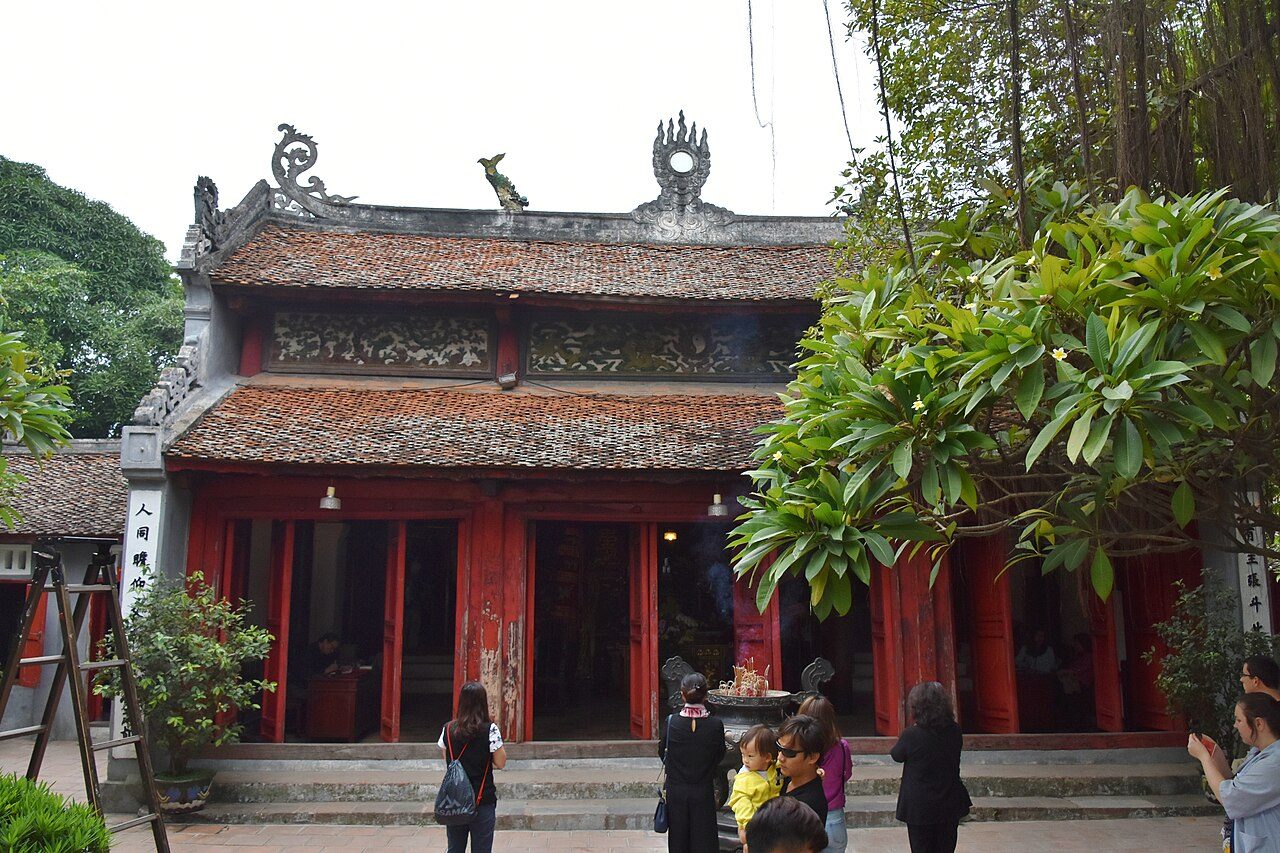
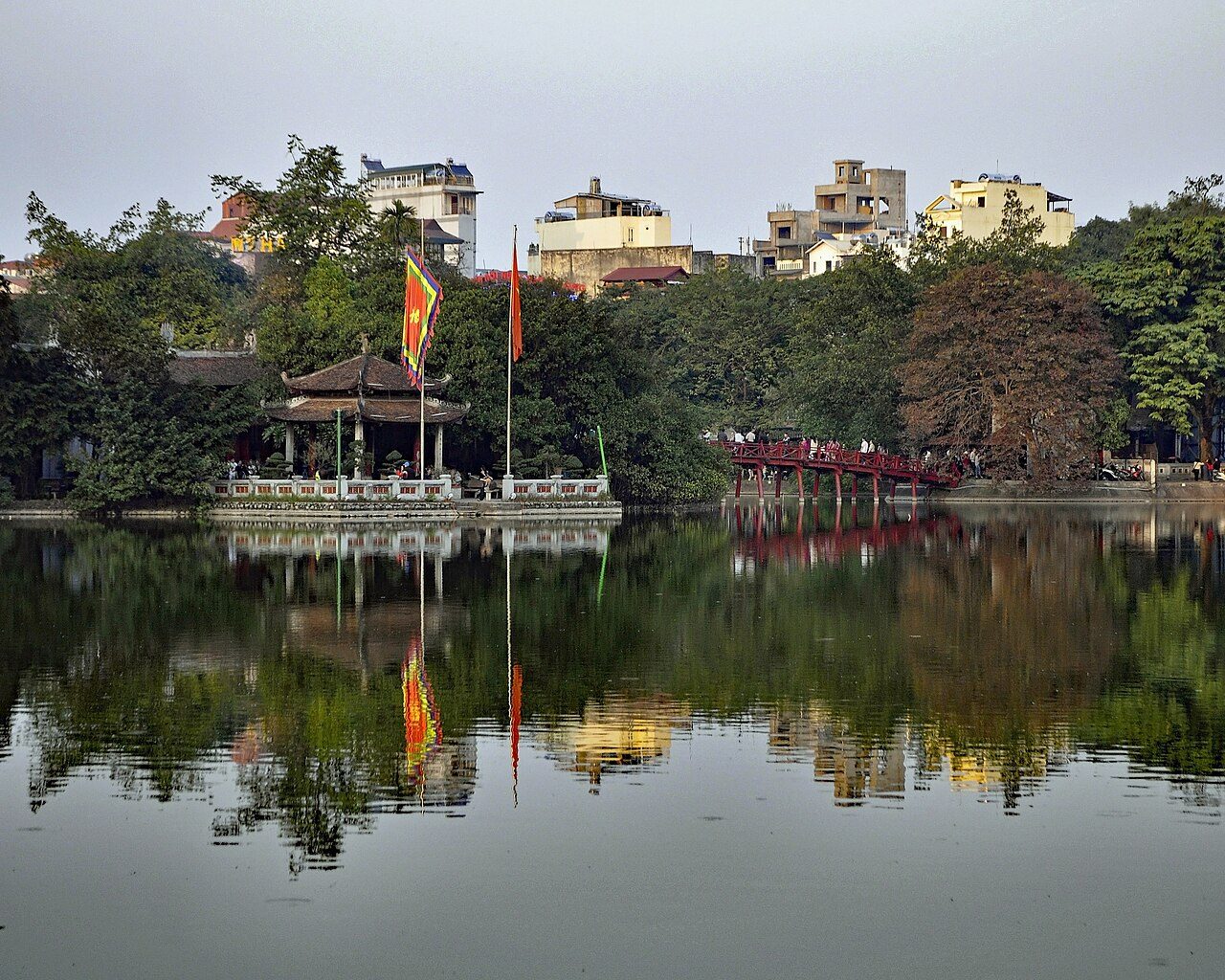
Ngoc Son Temple sits on a small island in Hoan Kiem Lake, reached by the red-painted The Huc Bridge. The temple honours the scholar Van Xuong, the general Tran Hung Dao and La To, the patron of physicians. Inside you can see a preserved giant softshell turtle linked to the lake's legend of the returned sword. Visit early in the morning, when locals exercise around the lake and the bridge glows in soft light.
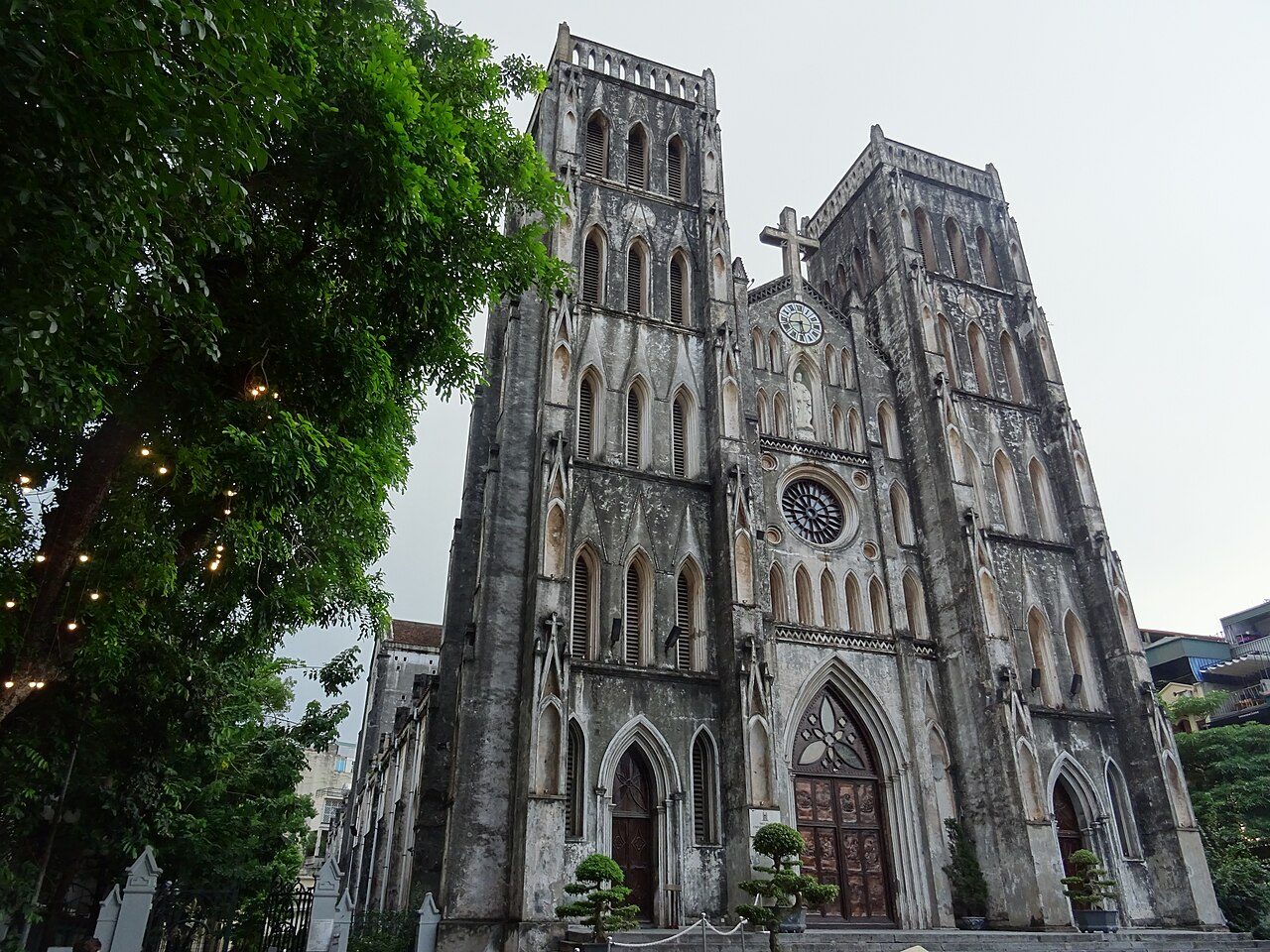
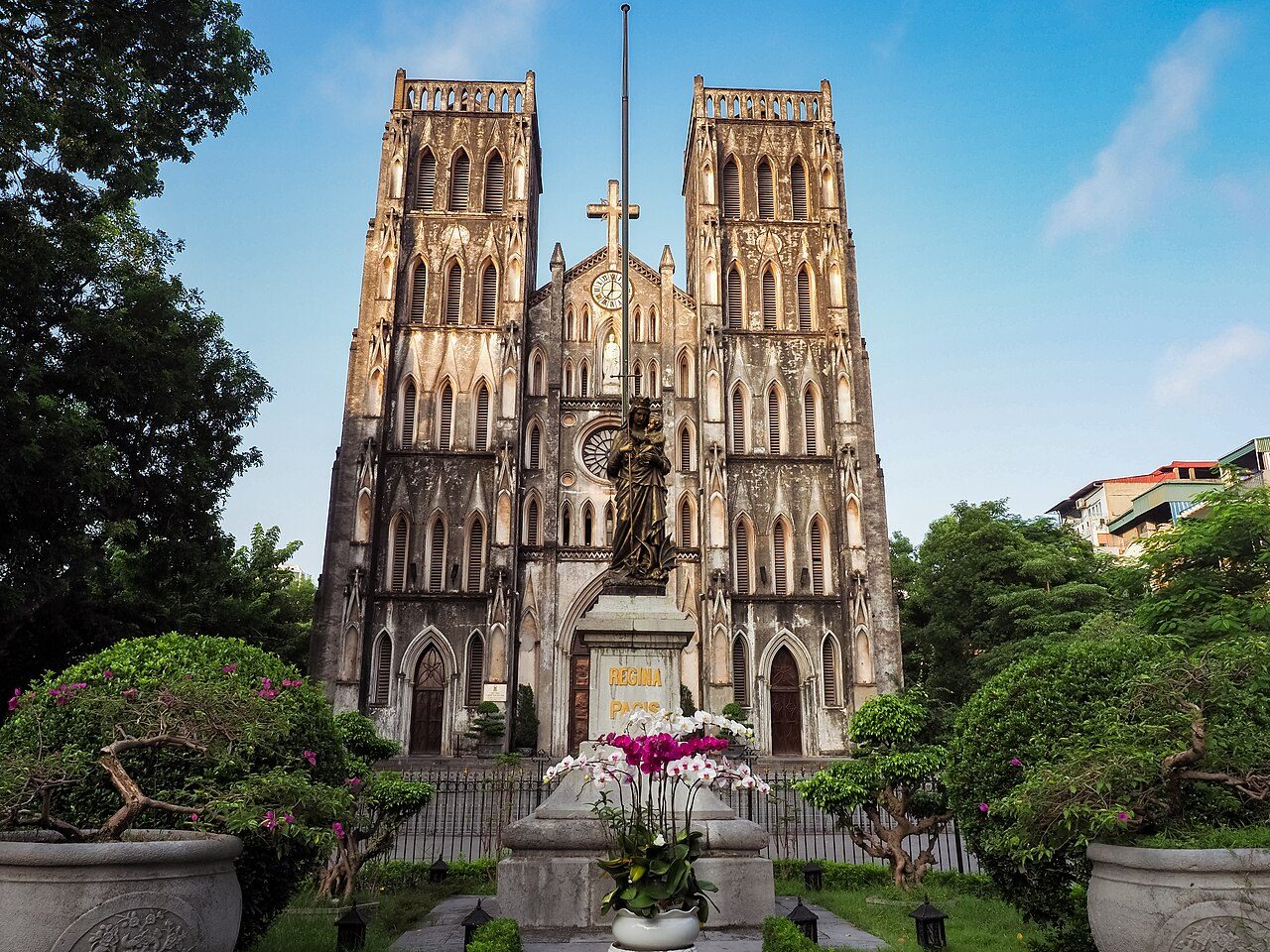
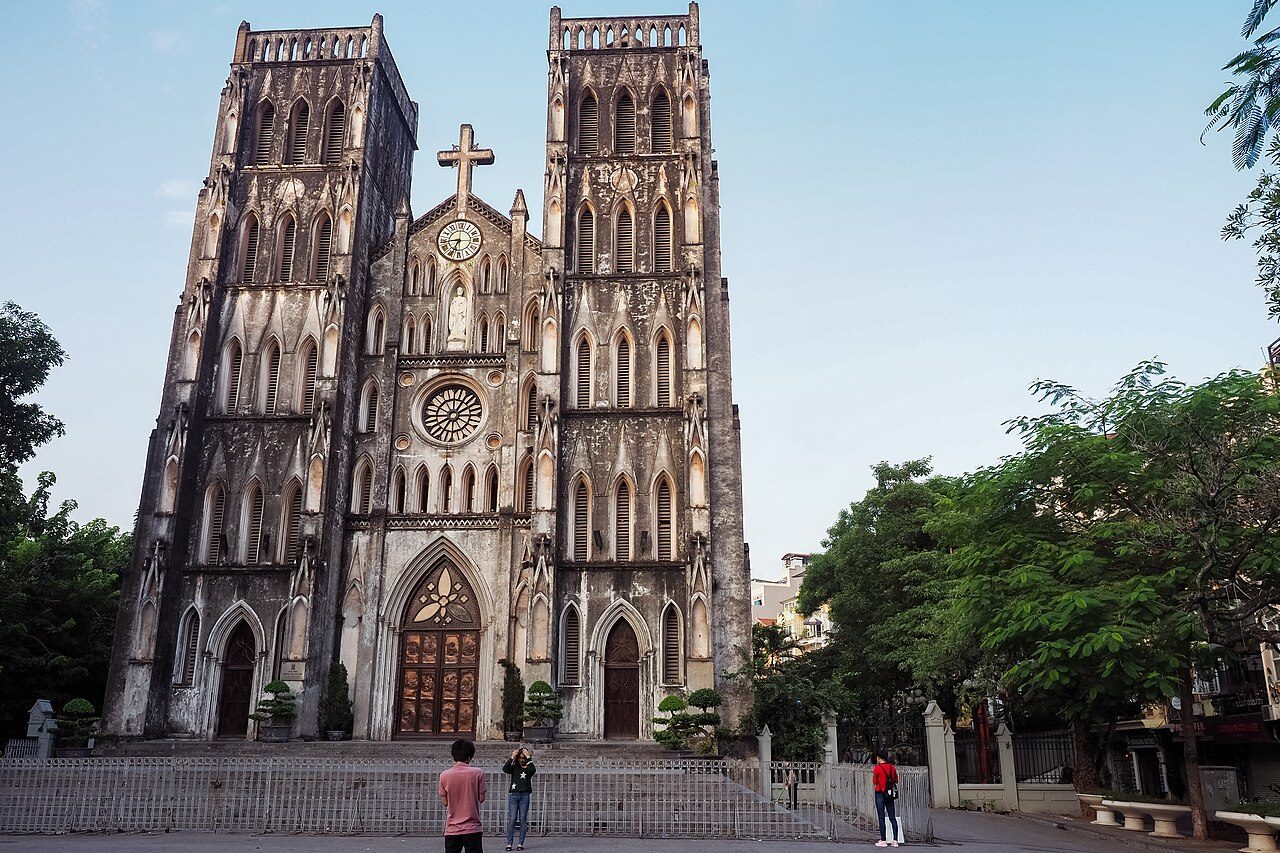
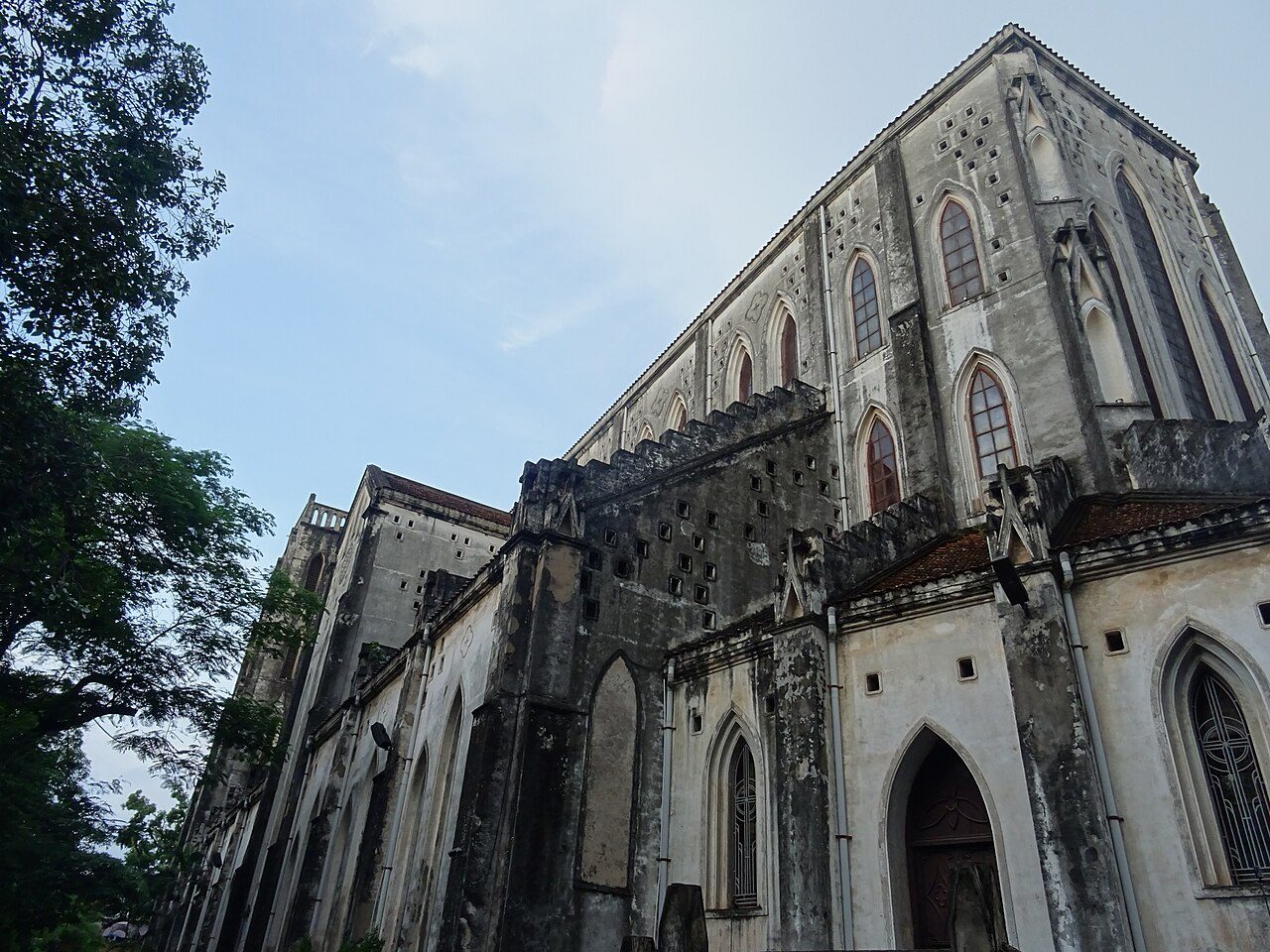
St. Joseph's Cathedral is a neo-Gothic church completed in 1886, one of the first buildings of the French colonial period in Hanoi. Its twin bell towers and grey weathered facade were inspired by Notre-Dame de Paris. Mass is still held daily, and the square in front fills with cafés and young locals in the evening. Visit during mass times if you want to see the interior.
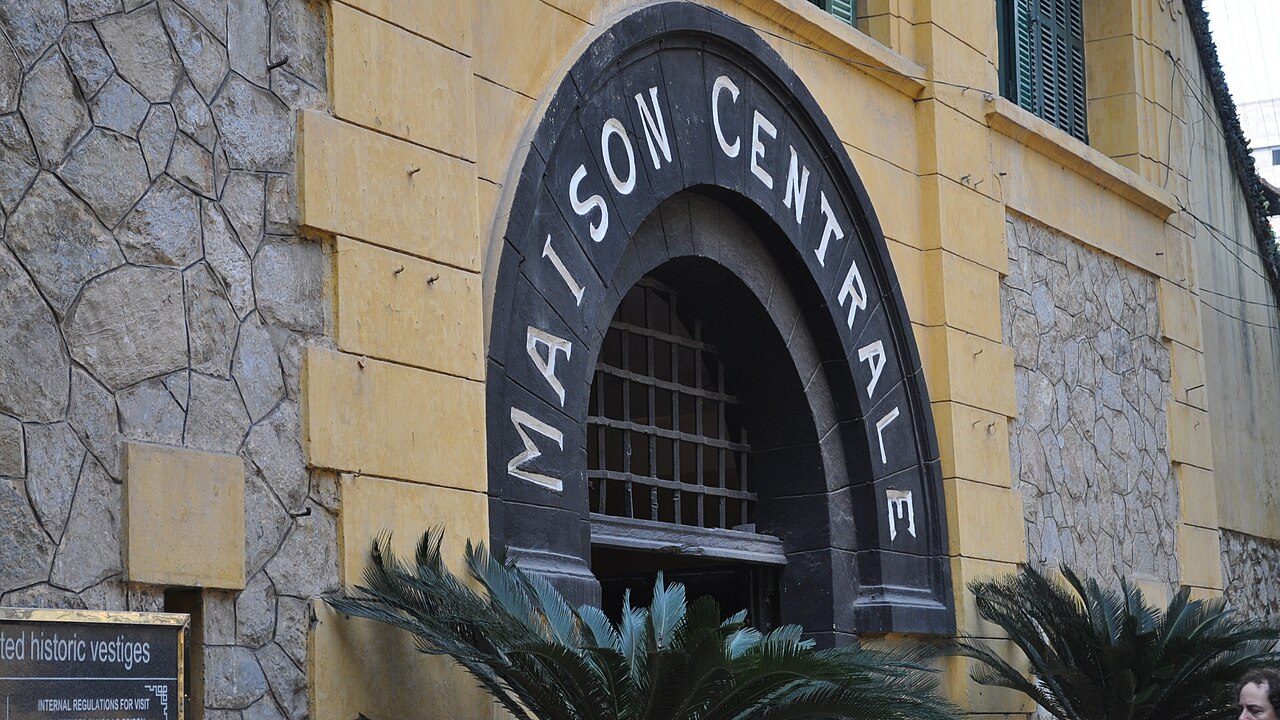
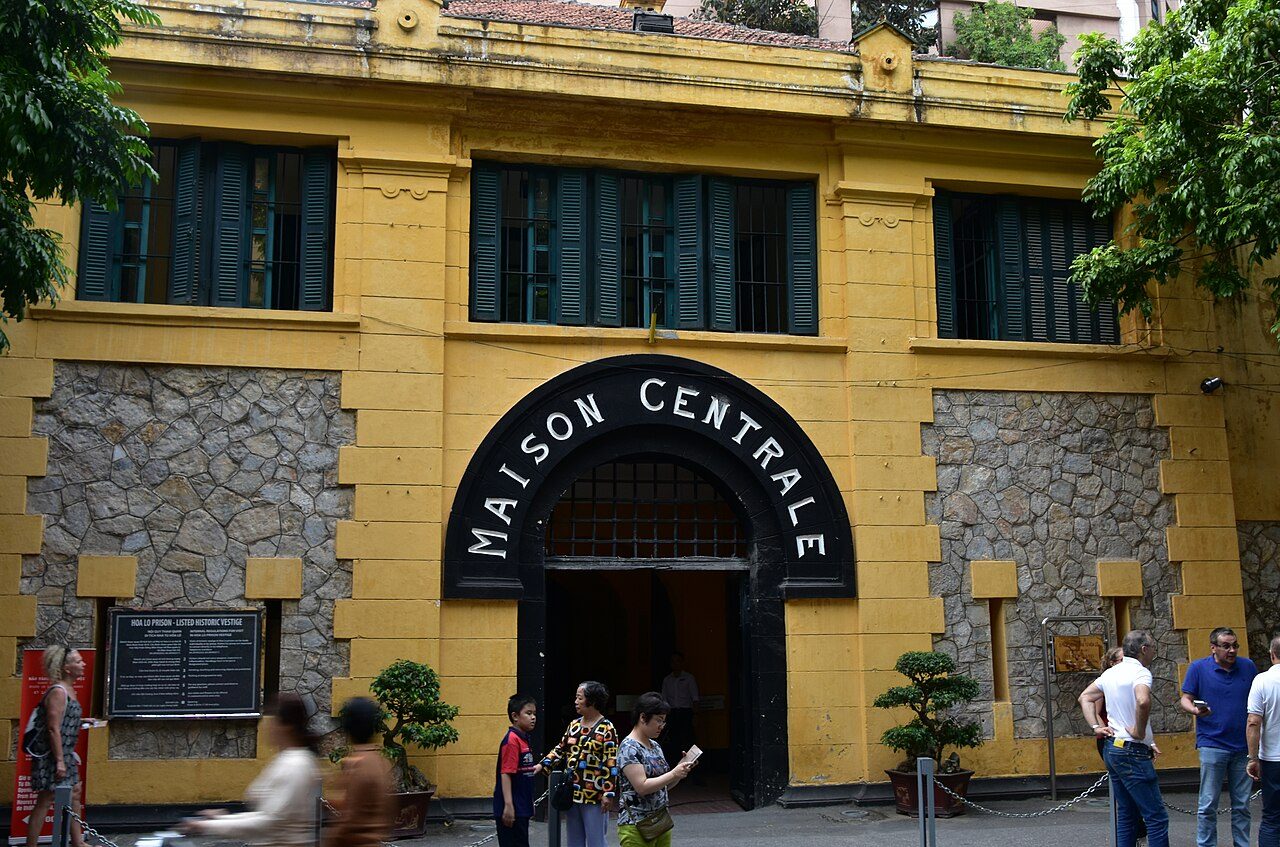
Hoa Lo Prison was built by the French colonial government in the late 1800s to hold Vietnamese political prisoners. During the Vietnam War it held captured American pilots, who called it the Hanoi Hilton. Only the gatehouse and part of the complex remain, now a museum with cells, shackles and a guillotine. The exhibits are moving and take about an hour to see.
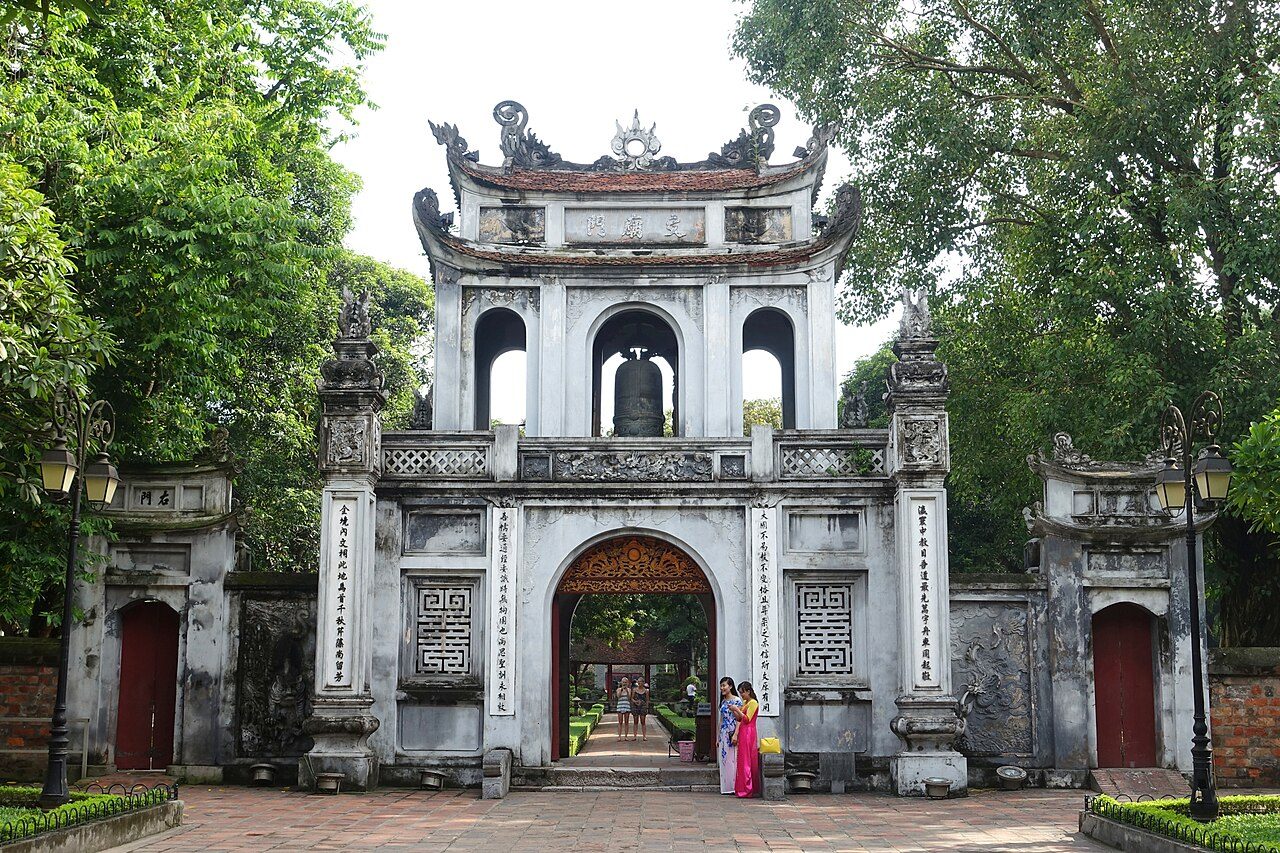
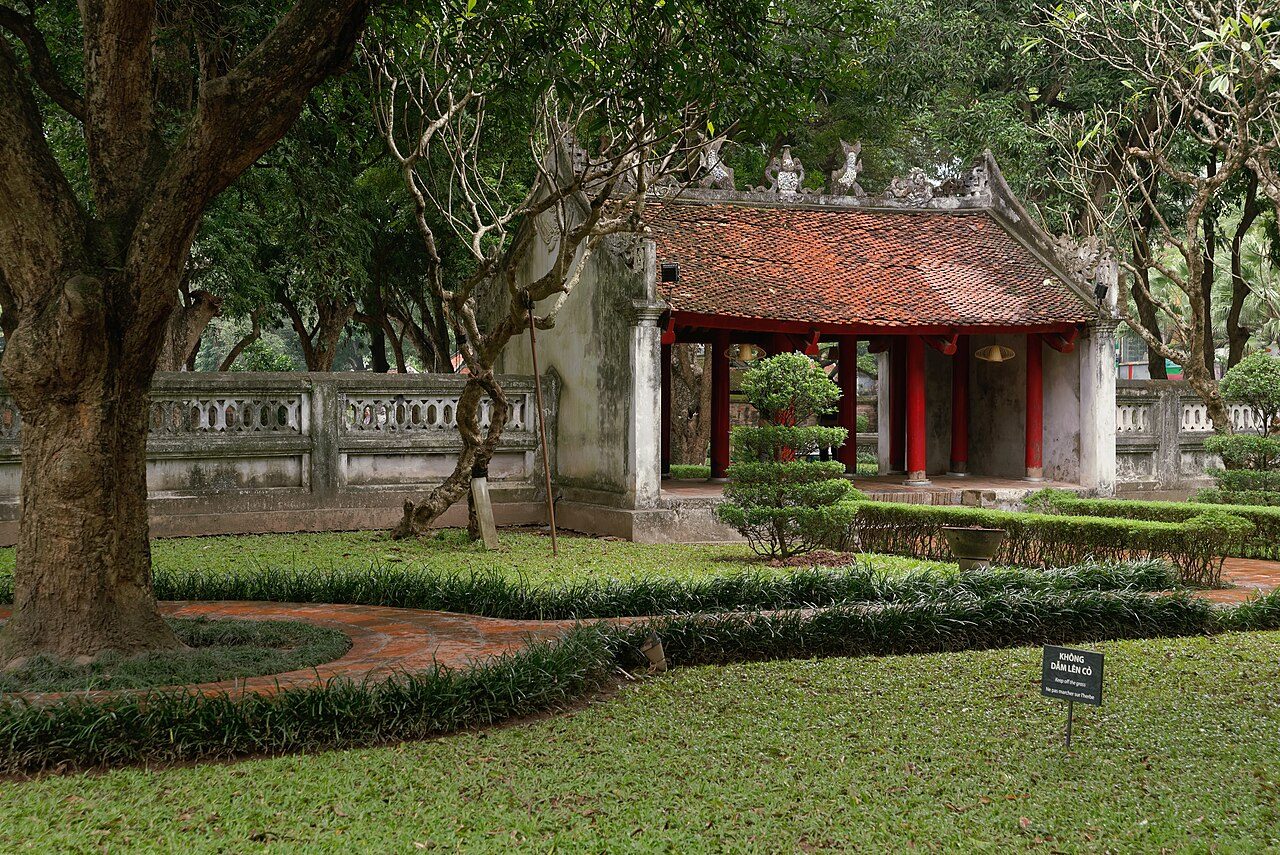
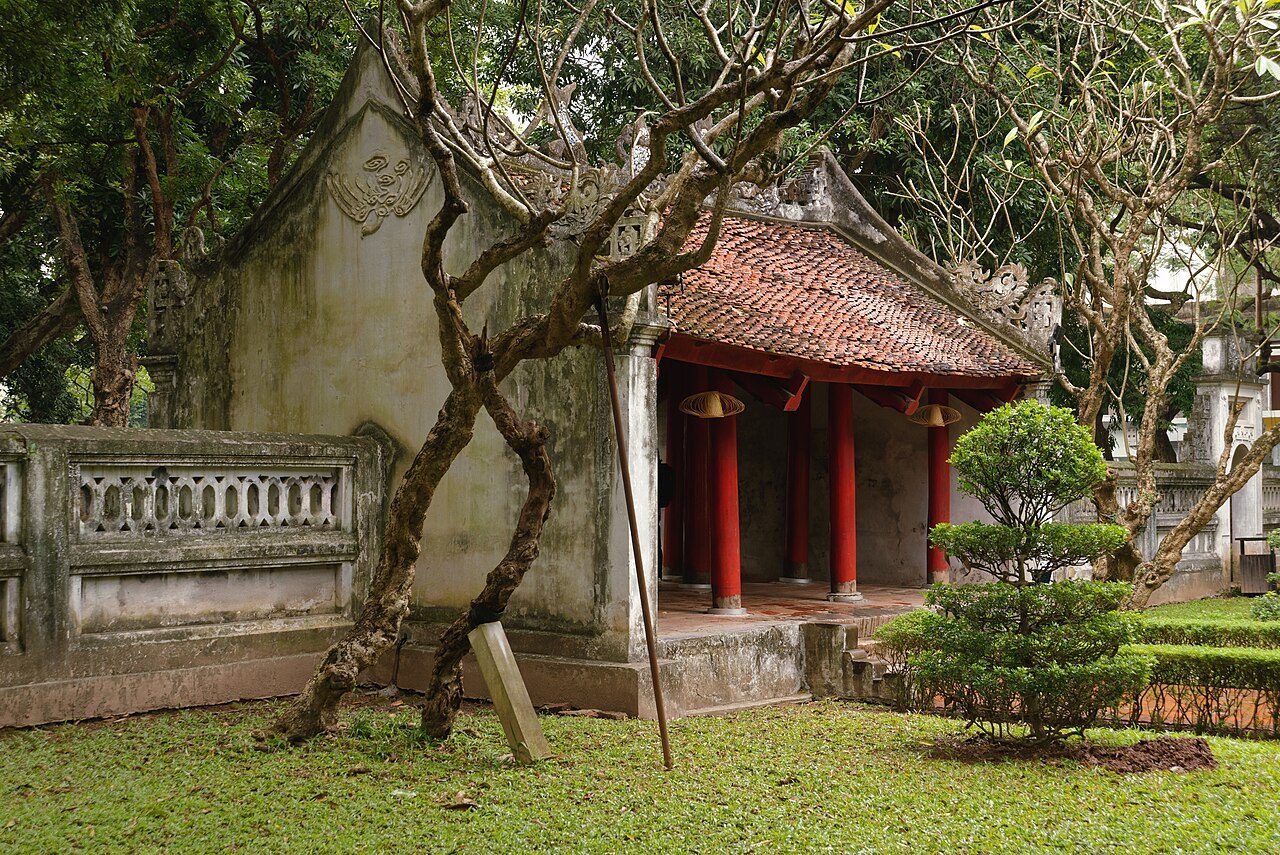
The Temple of Literature was founded in 1070 to honour Confucius and later housed Vietnam's first national university. Its five walled courtyards lead past ponds, gateways and stone stelae on turtle backs that record the names of successful doctoral candidates. Students still come to pray for luck before exams. Go in the morning to enjoy the gardens quietly before tour groups arrive.
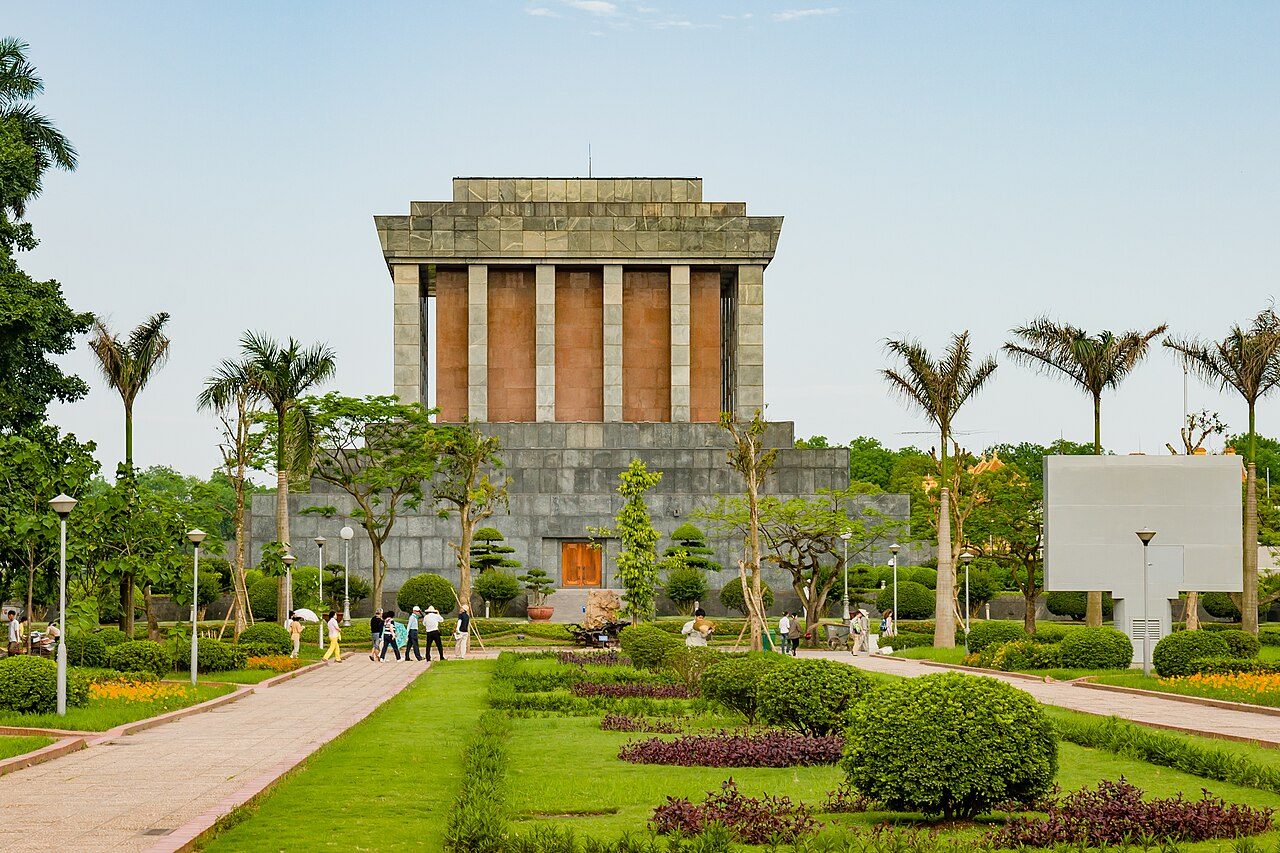
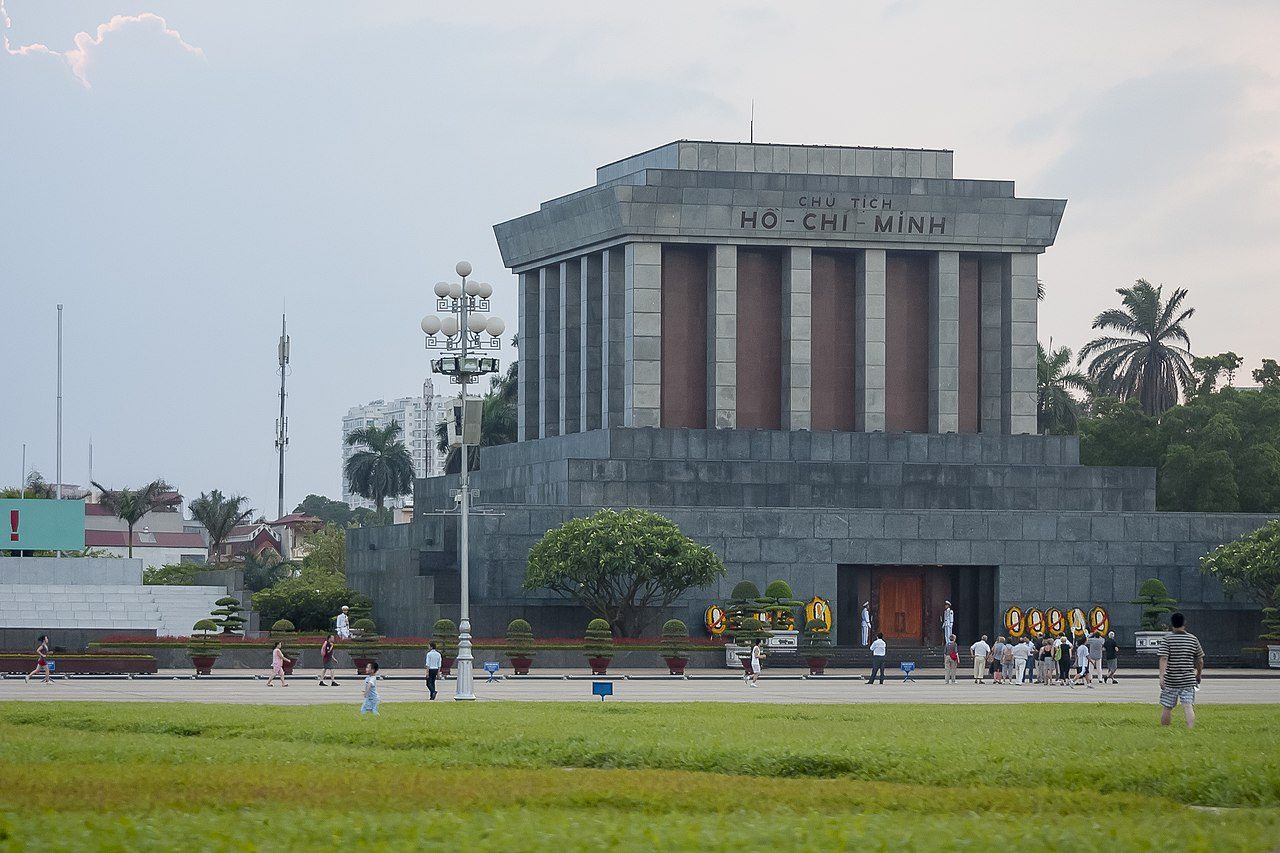
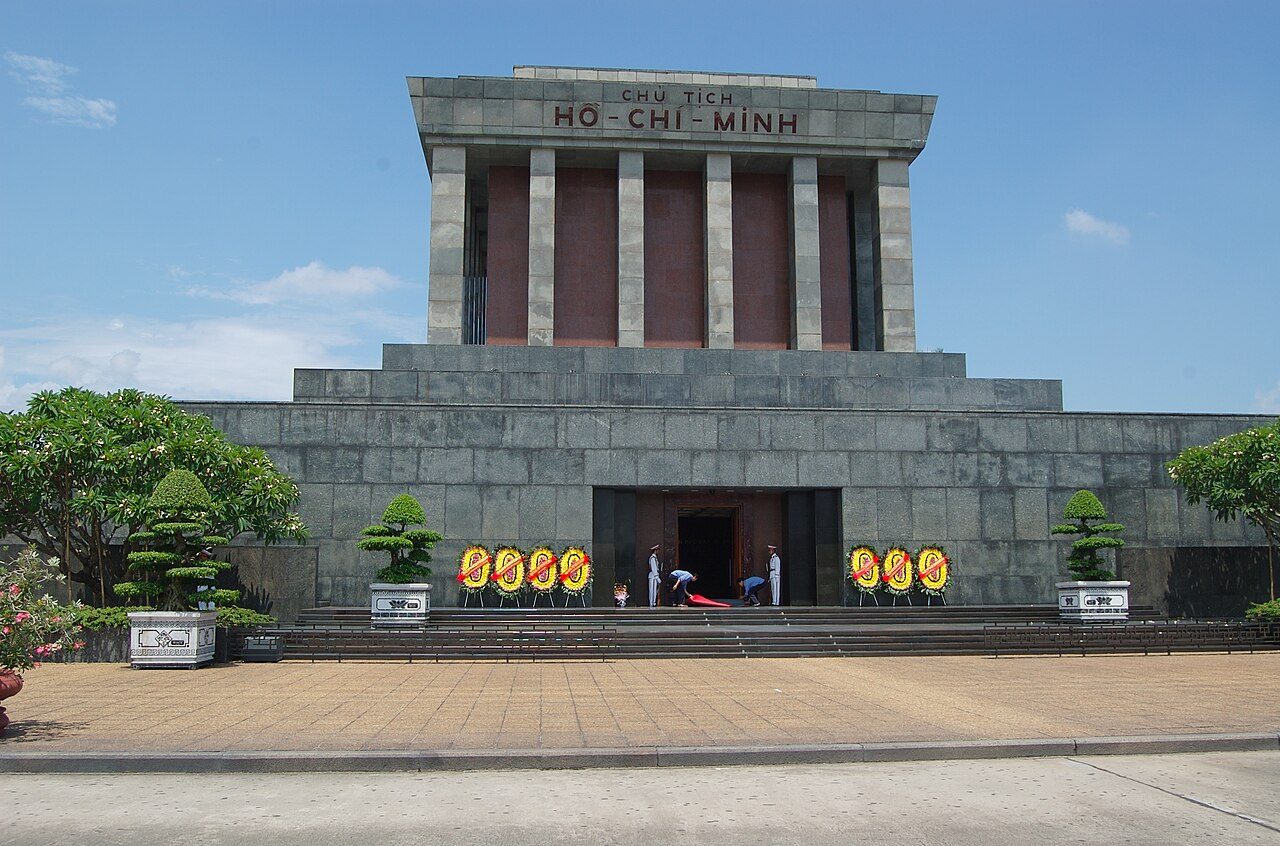
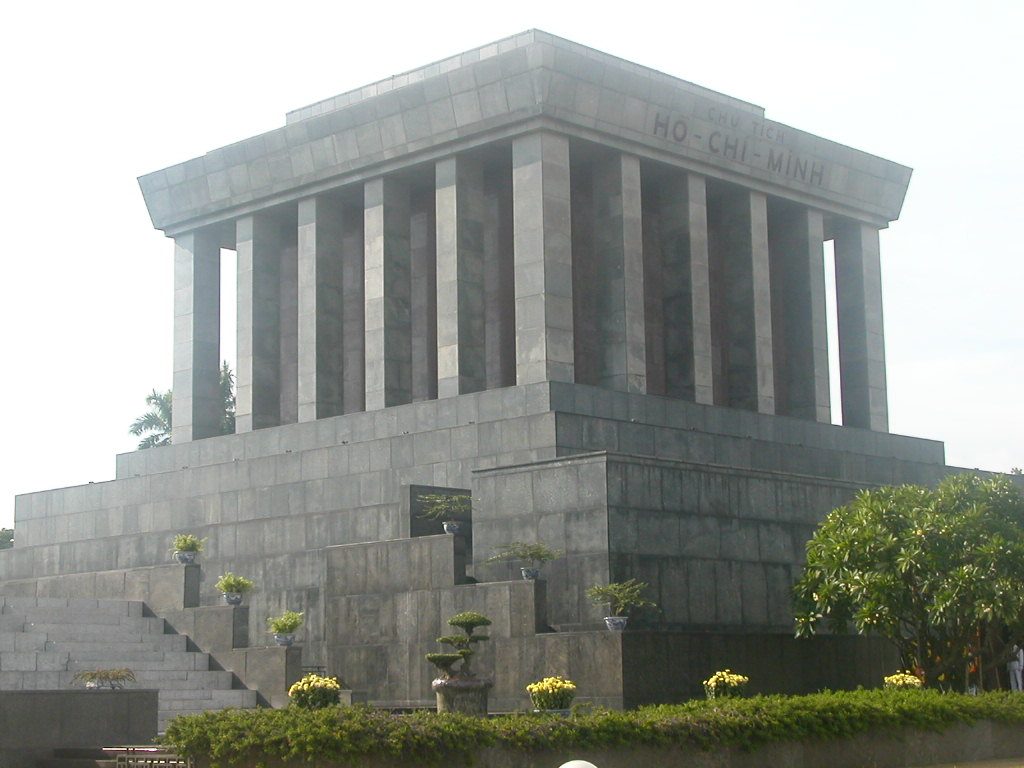
The Ho Chi Minh Mausoleum on Ba Dinh Square holds the embalmed body of the leader who declared Vietnam's independence on this square in 1945. The grey granite building is guarded by soldiers in white uniforms, and visitors file past in silence. Dress modestly, leave bags and cameras at the check-in point and arrive early, as opening hours are short and closed some months for maintenance.
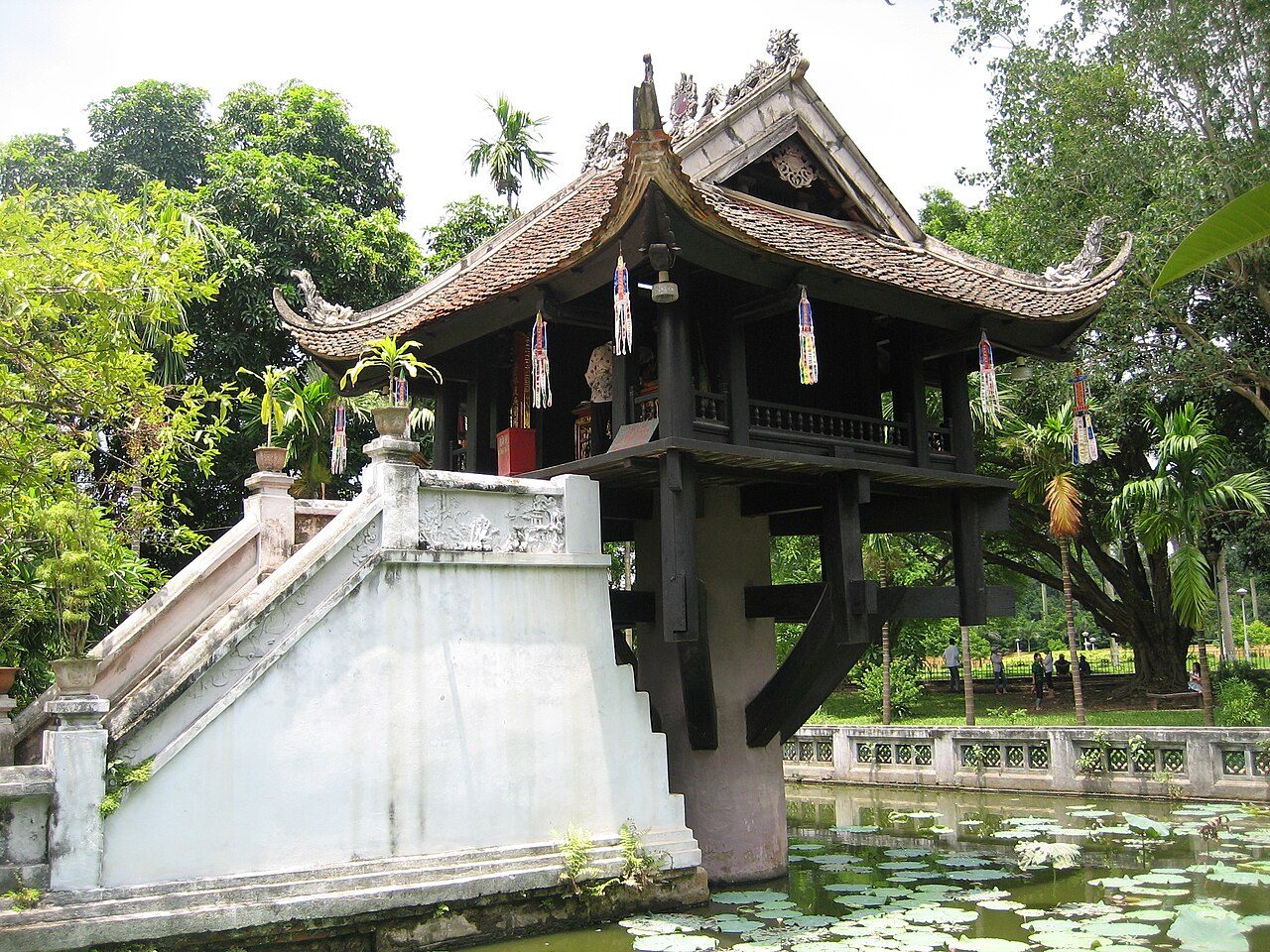
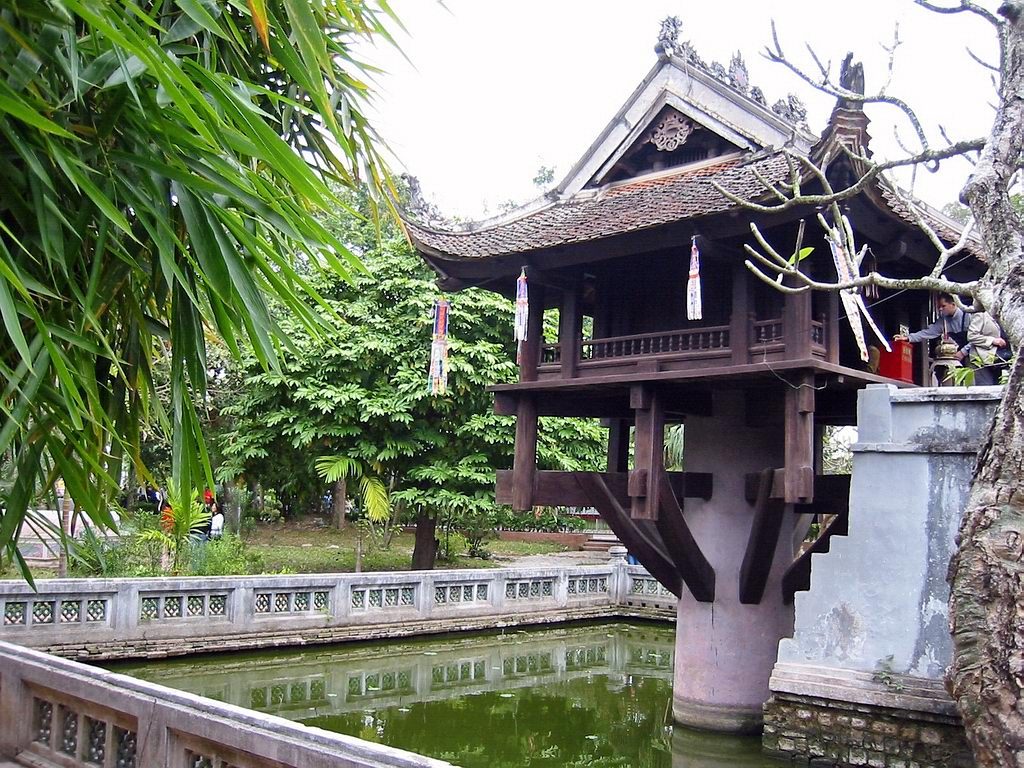
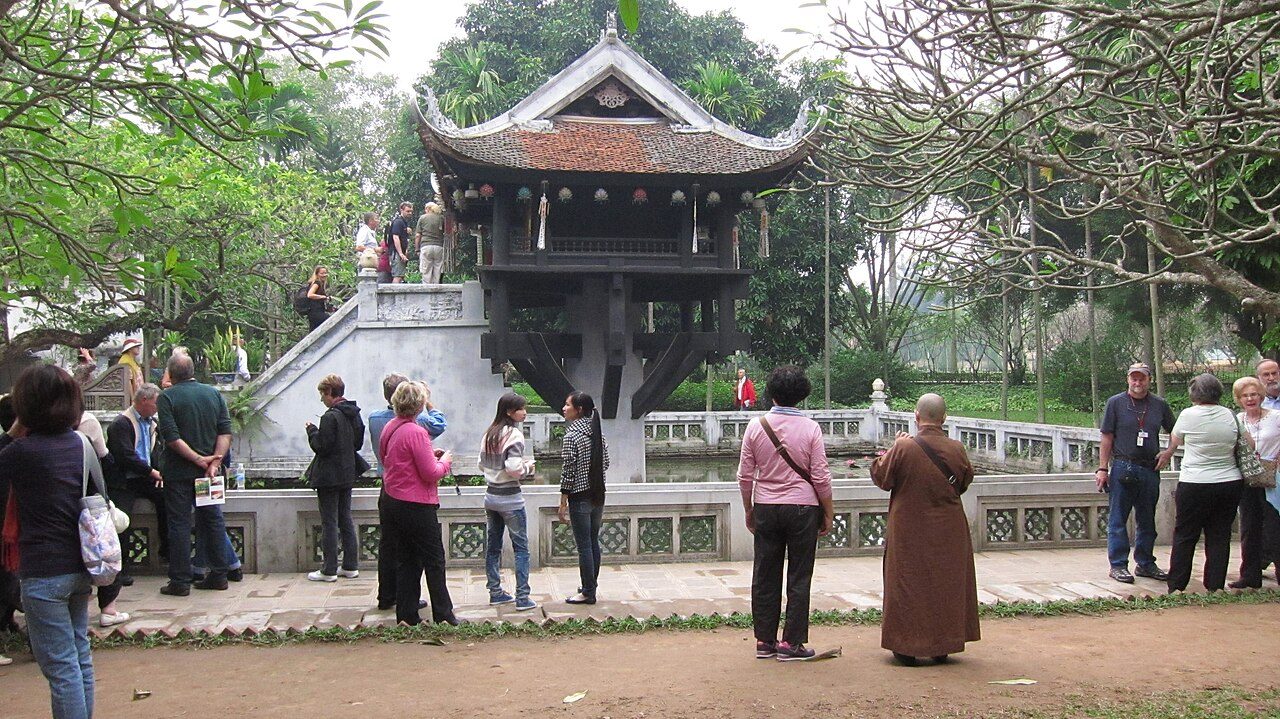
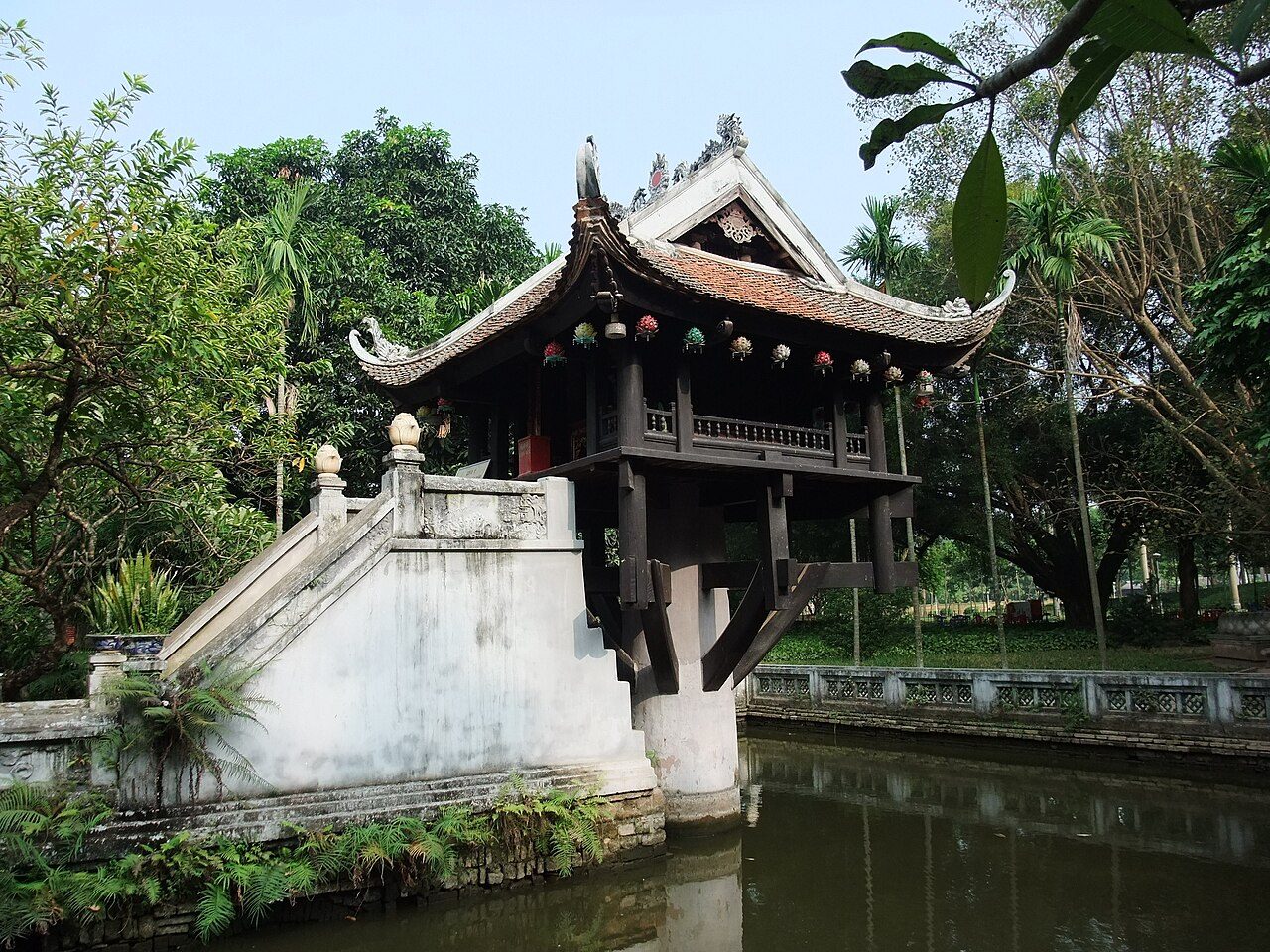
The One Pillar Pagoda is a small wooden shrine built on a single stone column rising from a lotus pond, meant to resemble a lotus flower. It is dedicated to Quan Am, the Goddess of Mercy, and is one of Hanoi's most iconic temples. The original was destroyed in 1954 and rebuilt soon after. It sits beside the Ho Chi Minh Mausoleum, so the two are easily visited together.
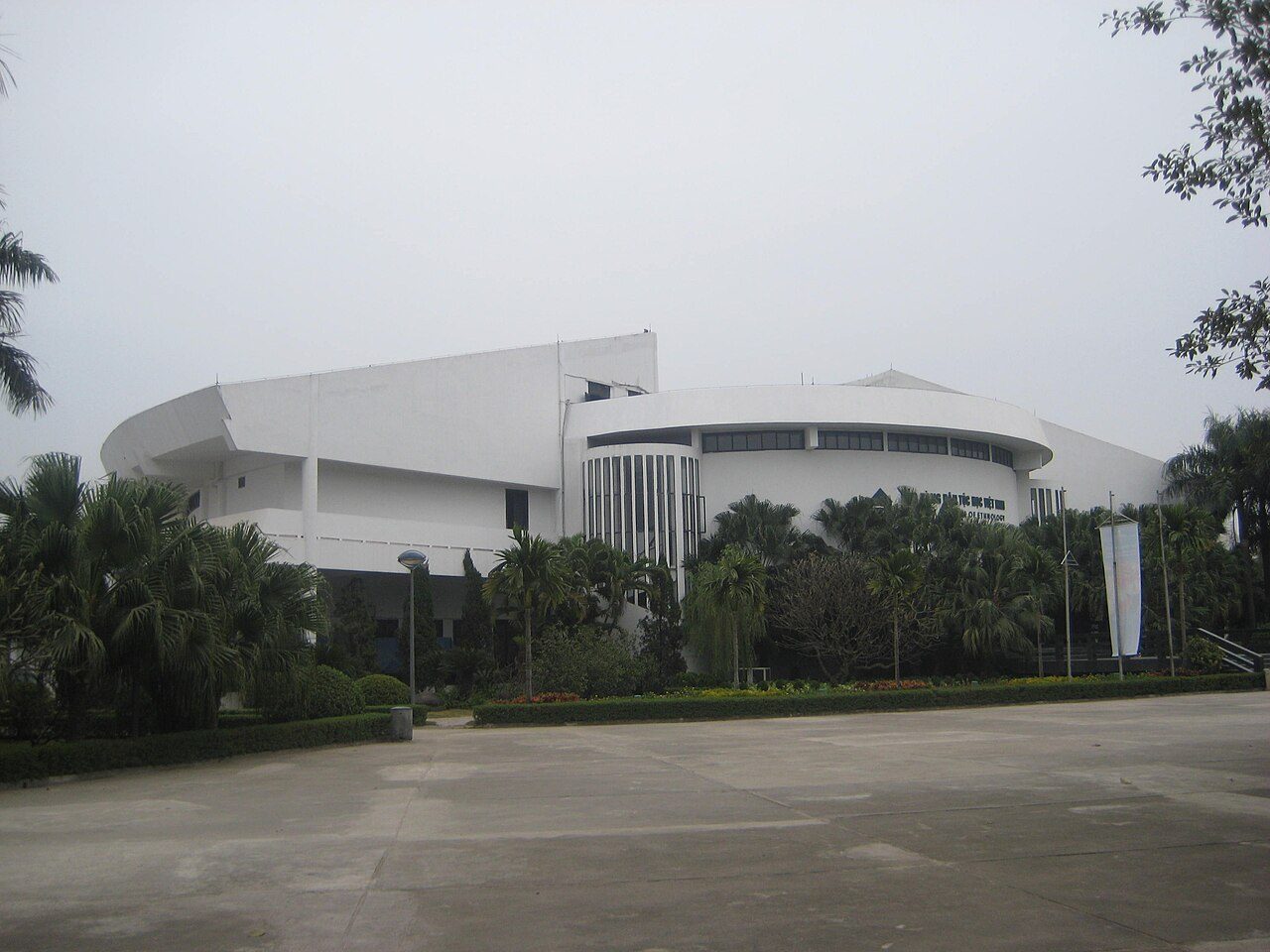
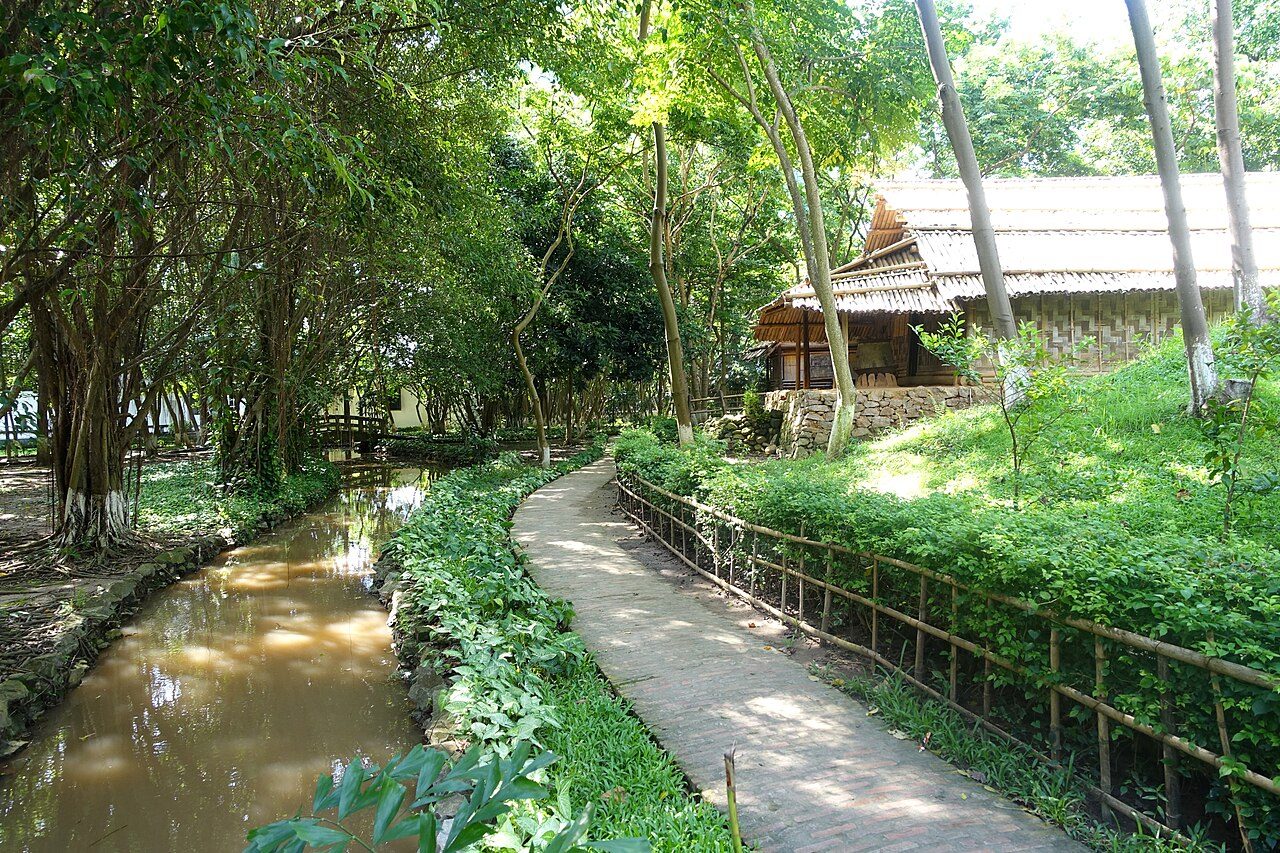
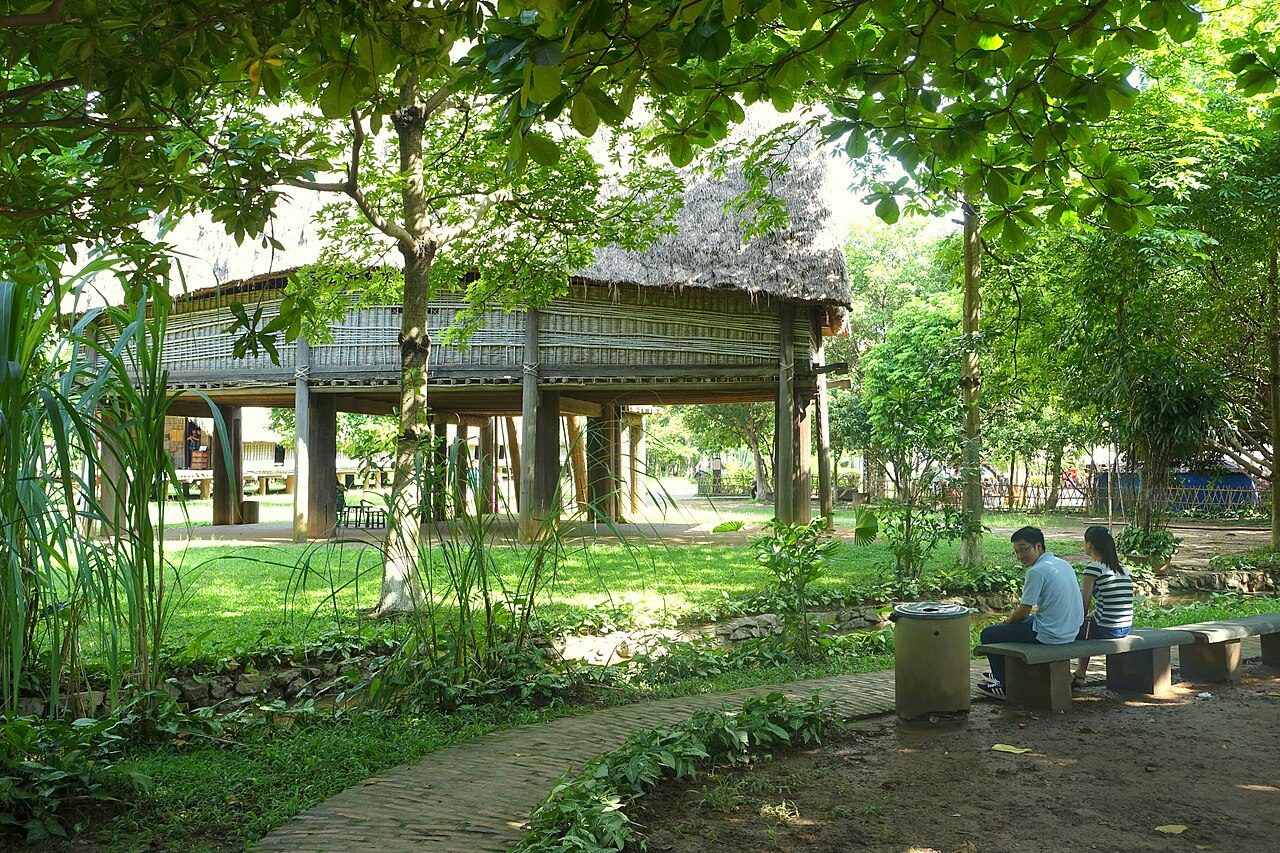
The Vietnam Museum of Ethnology presents the cultures of the country's 54 ethnic groups through costumes, tools, musical instruments and ritual objects. The highlight is the outdoor garden with full-size traditional houses, including a tall Bahnar communal house and a Ede longhouse, which you can walk inside. Allow at least two hours and check the schedule for water puppet shows held on site.
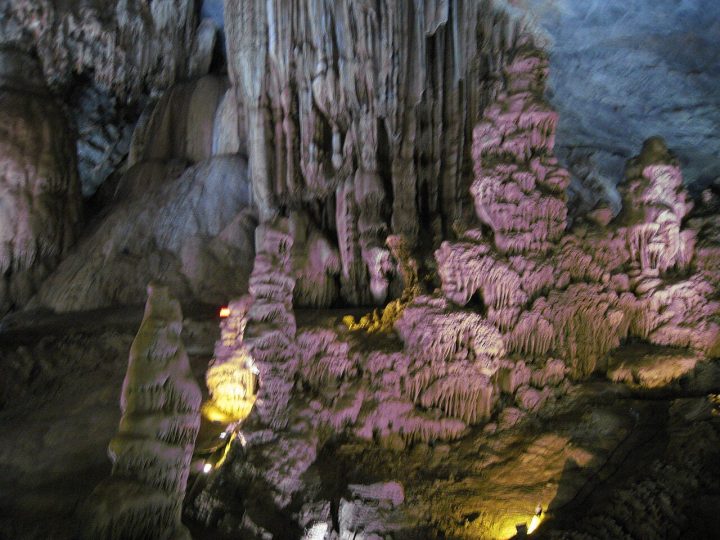
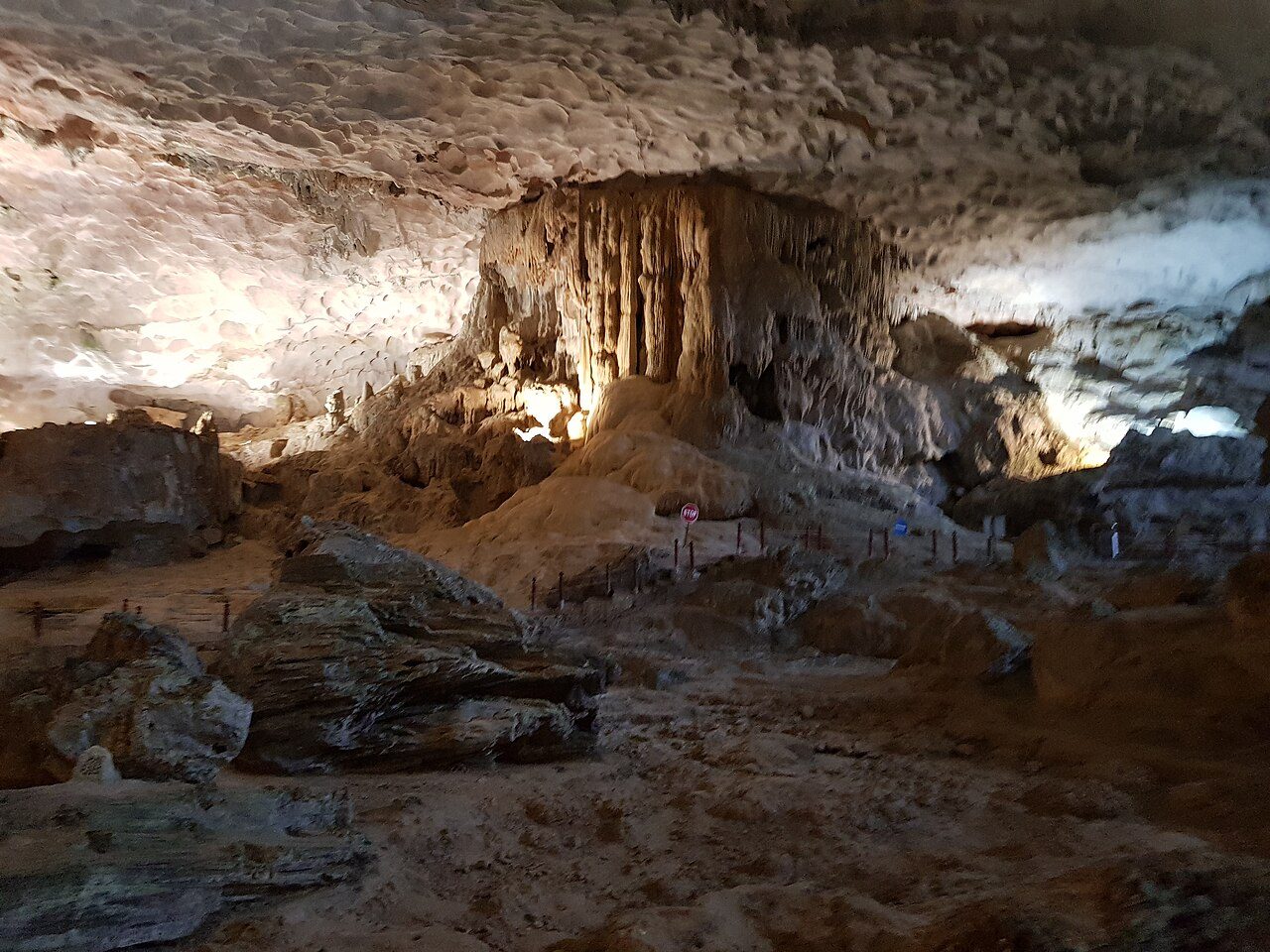
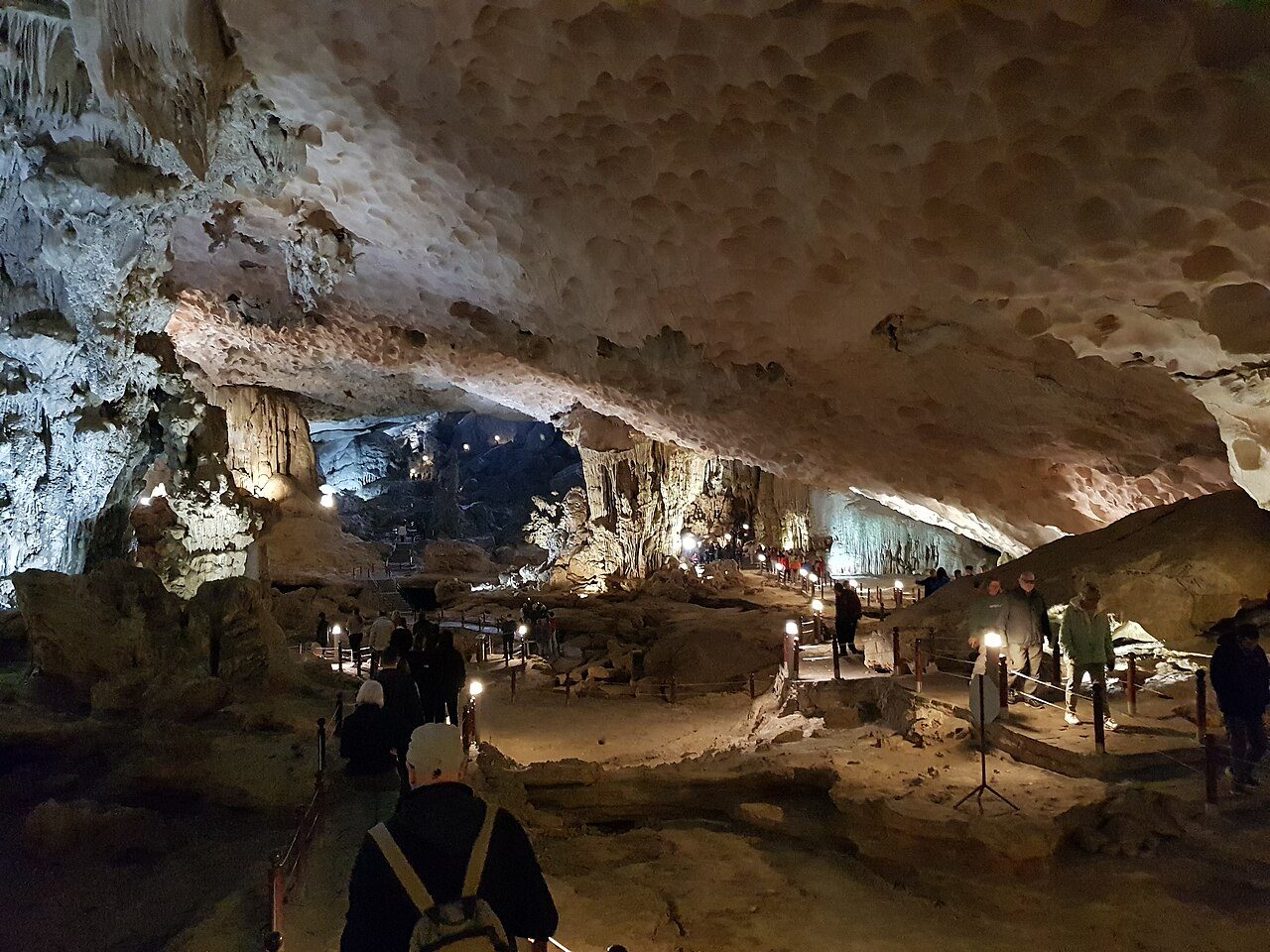
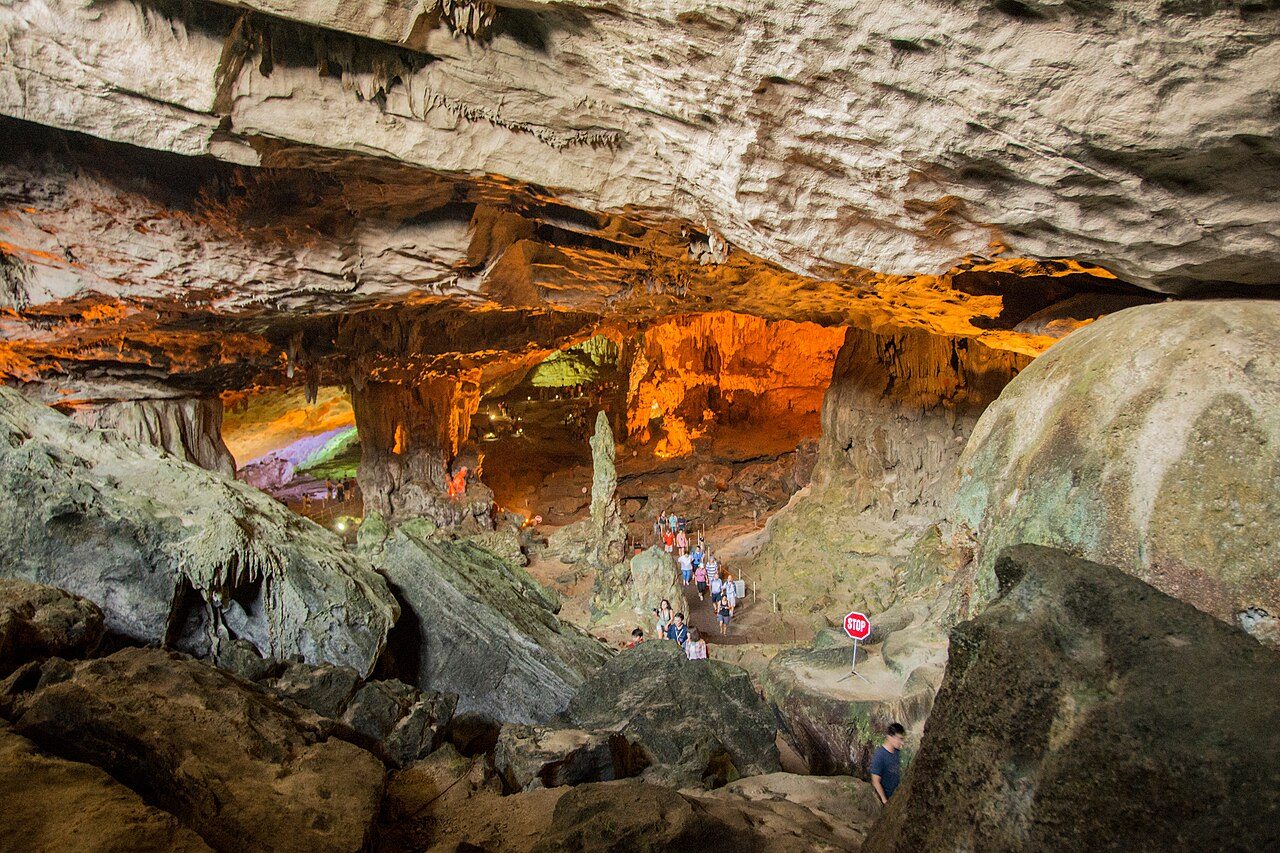
Sung Sot, or Surprise Cave, is one of the largest and most visited caves in Ha Long Bay. A stairway on Bo Hon Island leads up to the entrance, then a path winds through huge chambers full of stalactites and stalagmites. From the exit there are fine views over the boats and limestone islands of the bay. It is included on most day and overnight cruises from Ha Long.
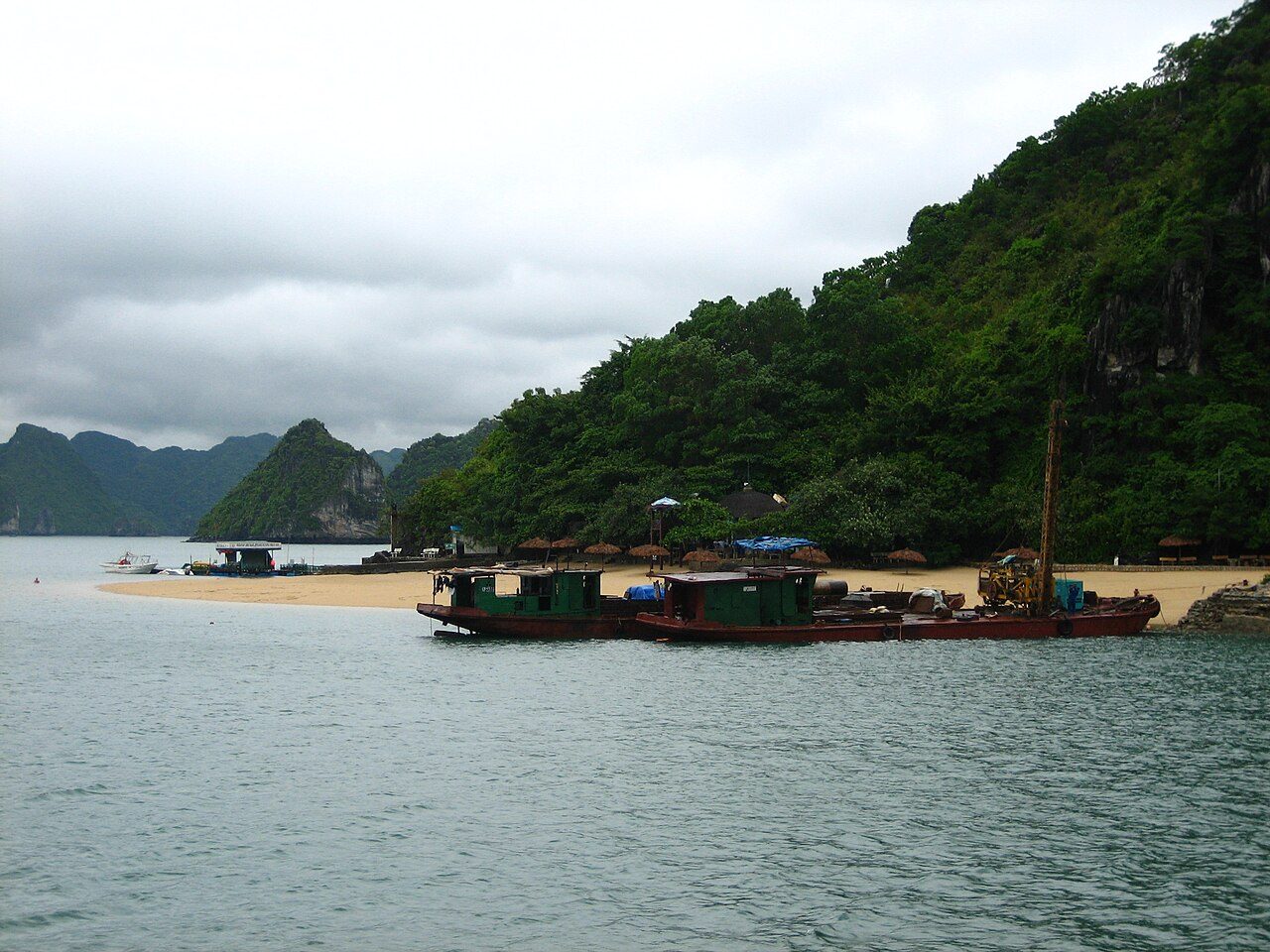
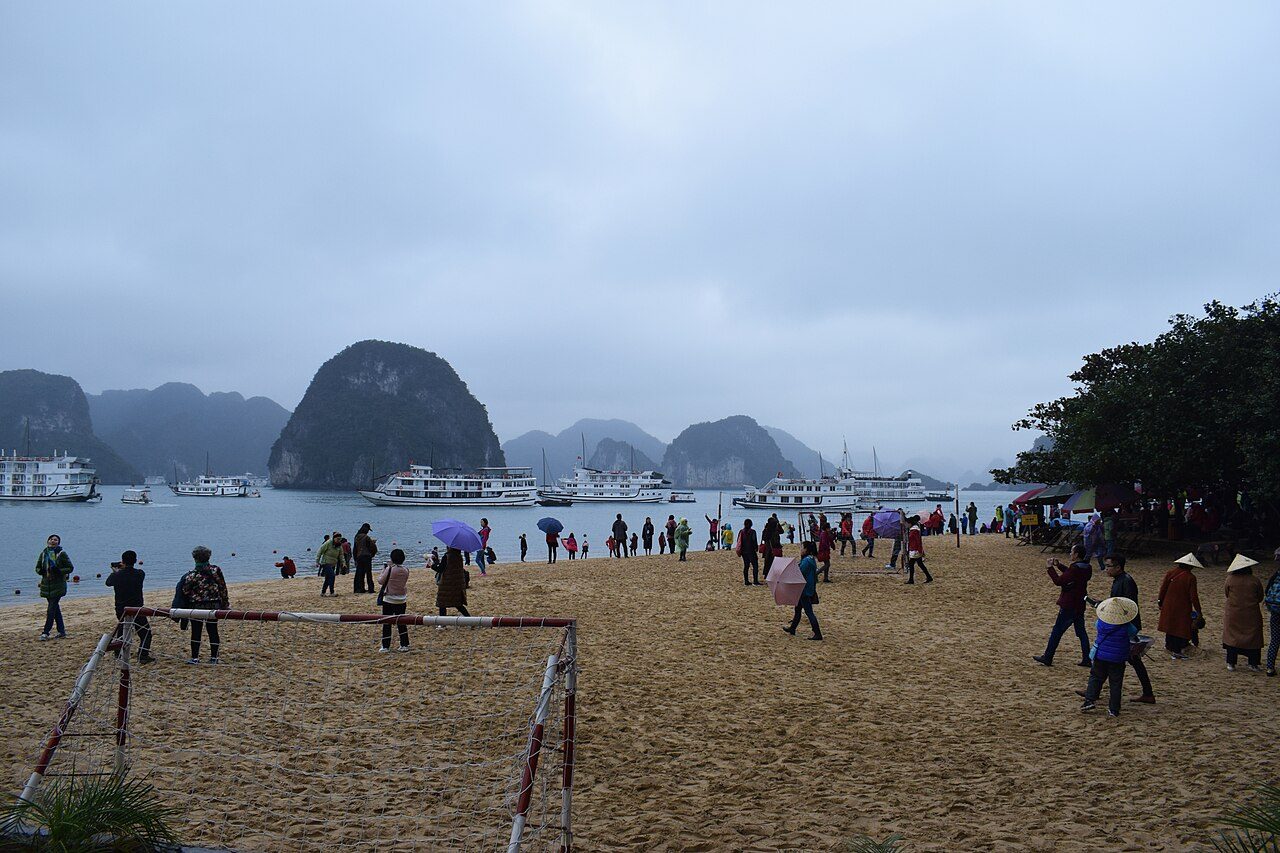
Ti Top Island is a small island in Ha Long Bay with a crescent of white sand and a steep path to a summit viewpoint. The climb of several hundred steps rewards visitors with a panoramic view over hundreds of limestone islets. The island was named after Soviet cosmonaut Gherman Titov, who visited with Ho Chi Minh. Most cruises stop here for swimming and the climb.
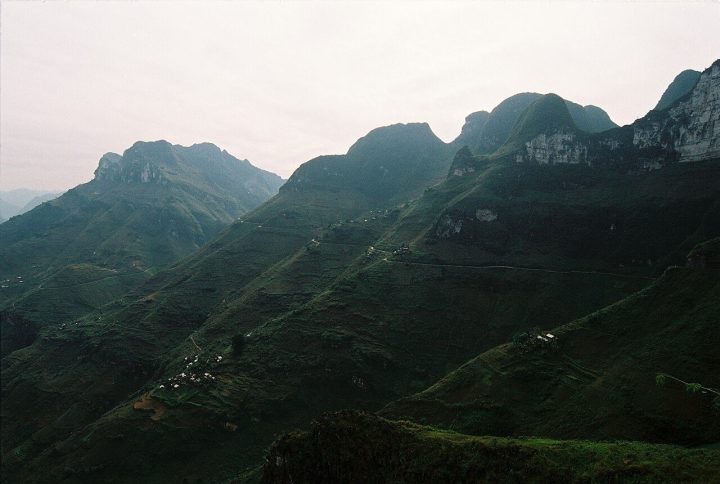
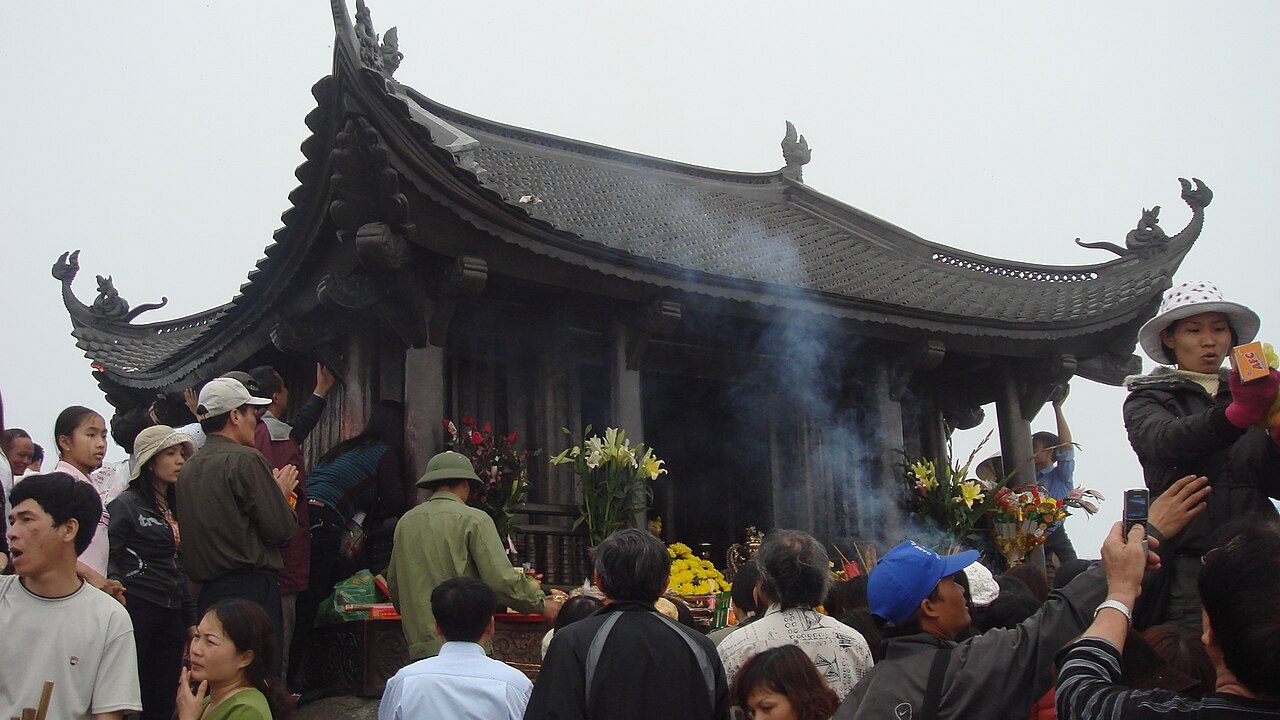
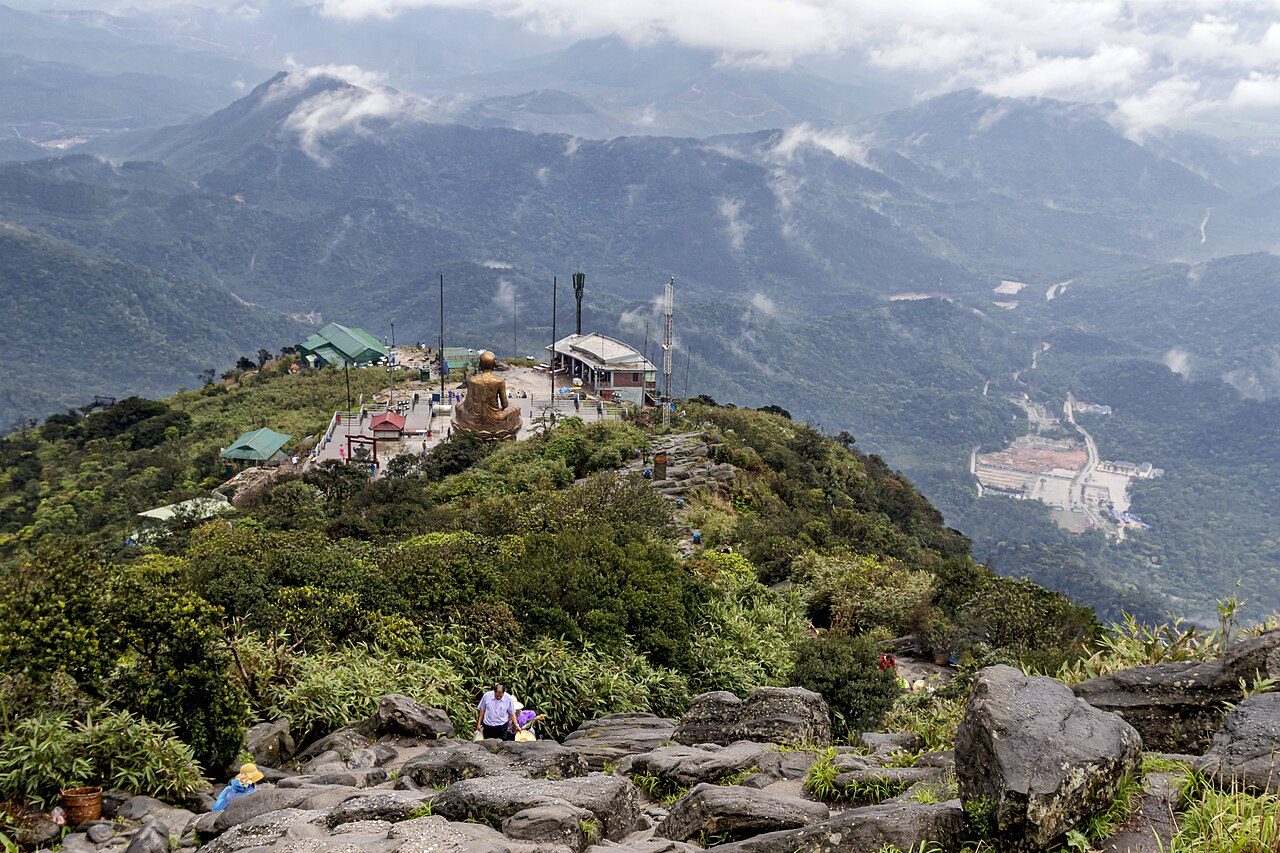
Yen Tu Mountain is the spiritual home of Truc Lam Zen Buddhism, founded by King Tran Nhan Tong after he left the throne to become a monk. A pilgrim route with pagodas, stupas and ancient trees climbs to the bronze Dong Pagoda near the summit. Cable cars cover much of the ascent. The spring festival brings many pilgrims, while autumn offers clear skies and cooler walking.
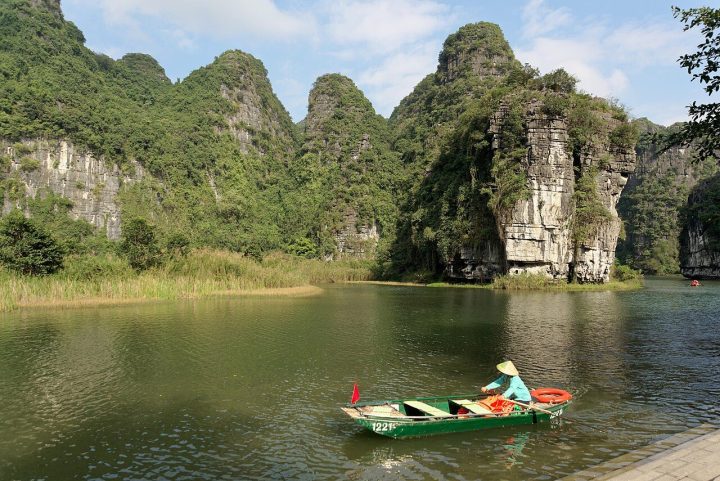
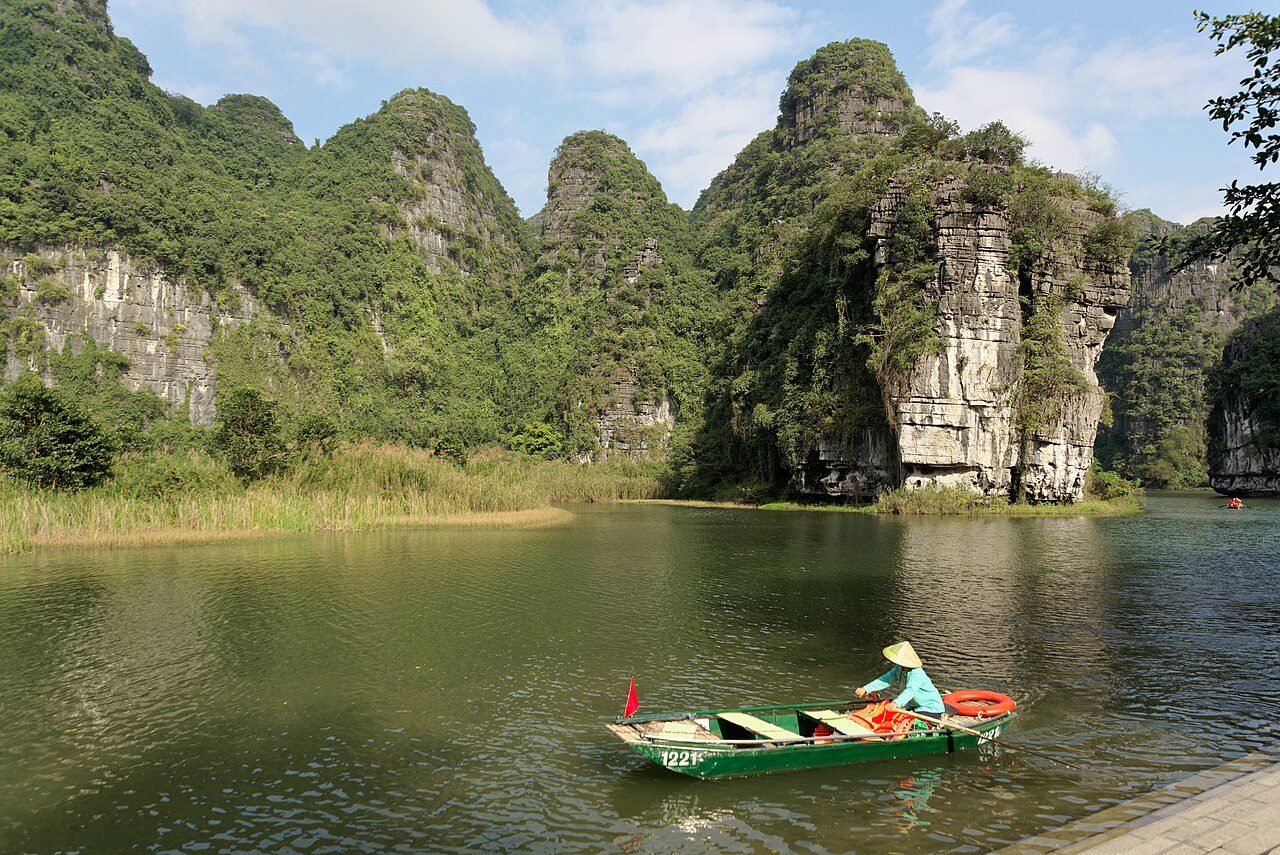
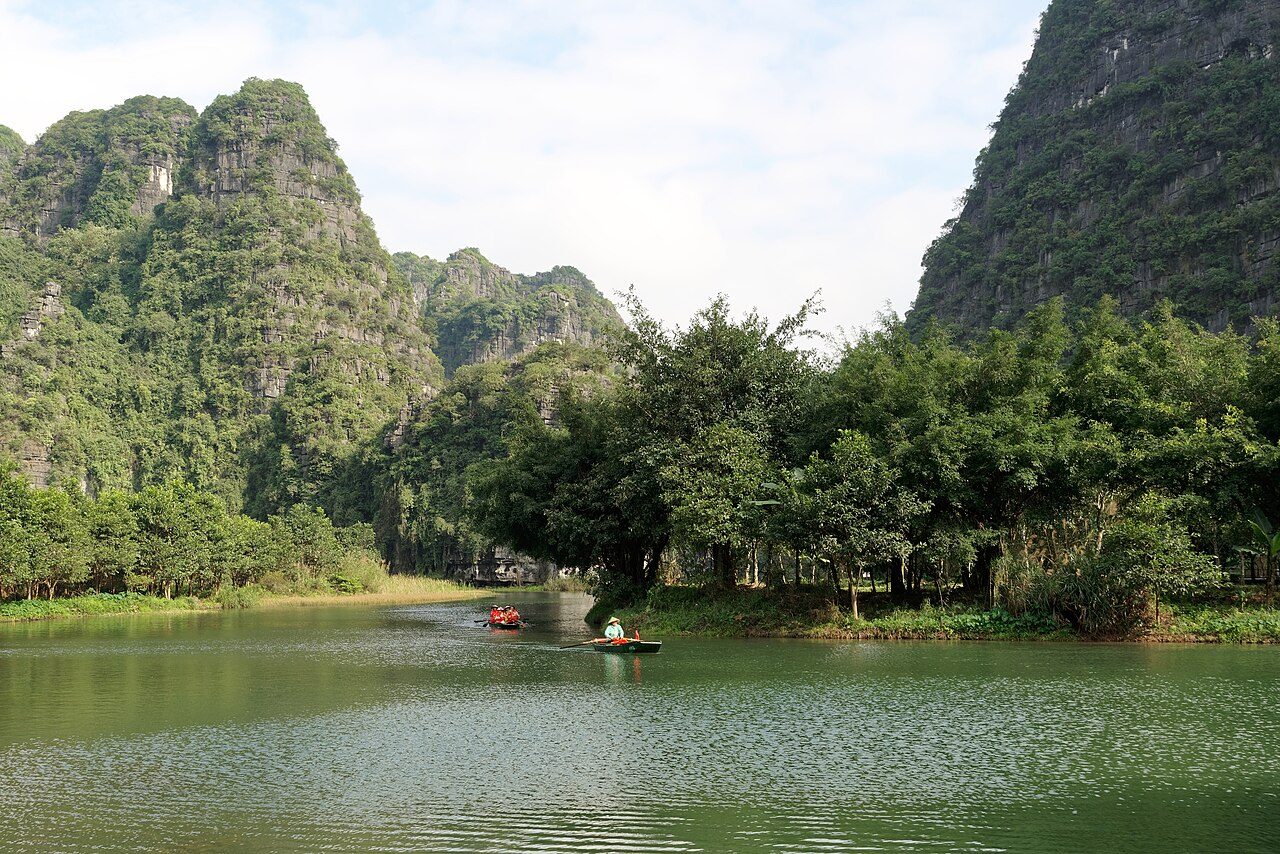
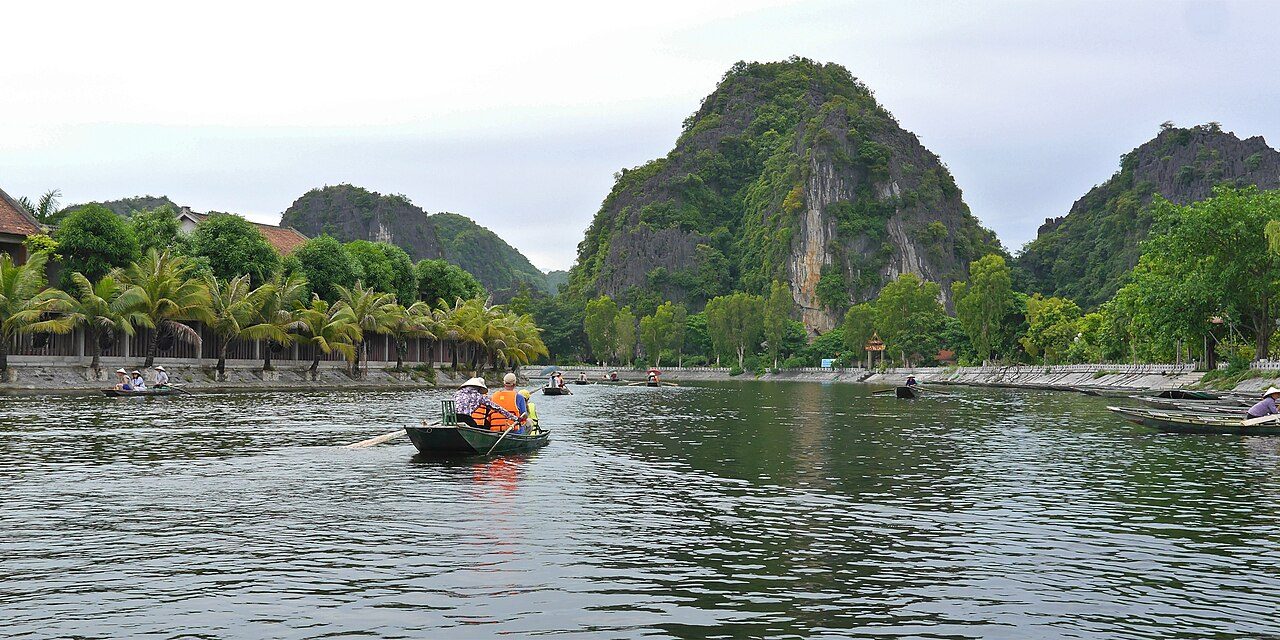
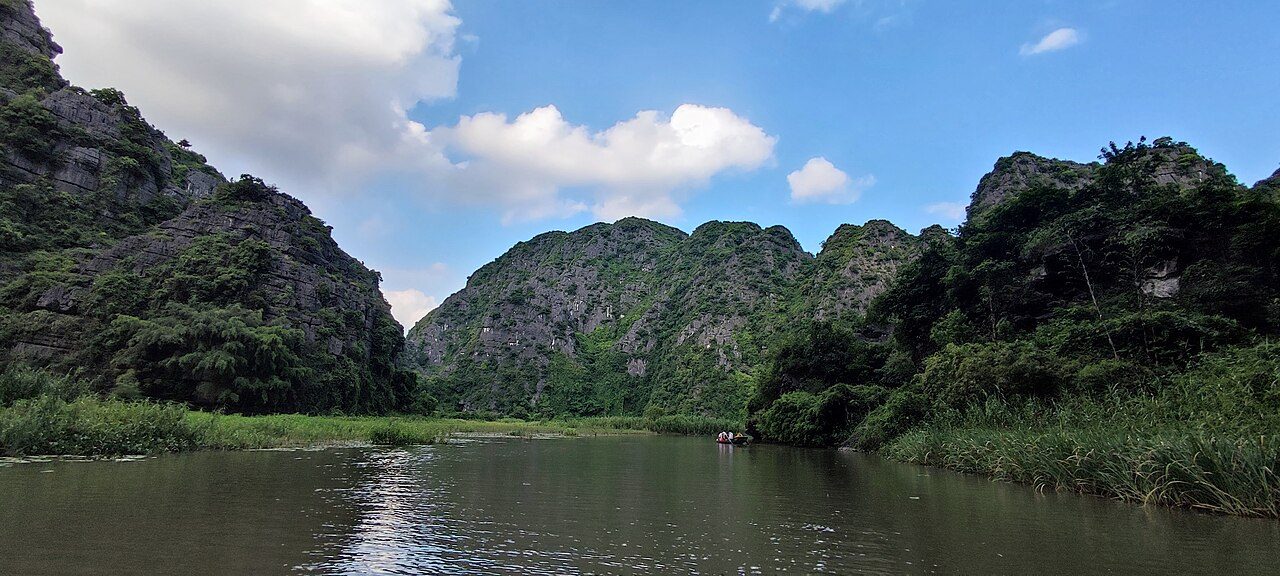
Trang An is a UNESCO-listed landscape of limestone karst peaks, rivers and caves in Ninh Binh. Rowing boats steered by local guides take visitors on a two to three hour route through flooded caves and past temples on the riverbanks. The scenery has appeared in international films. Visit in the early morning or late afternoon for softer light and fewer boats on the water.
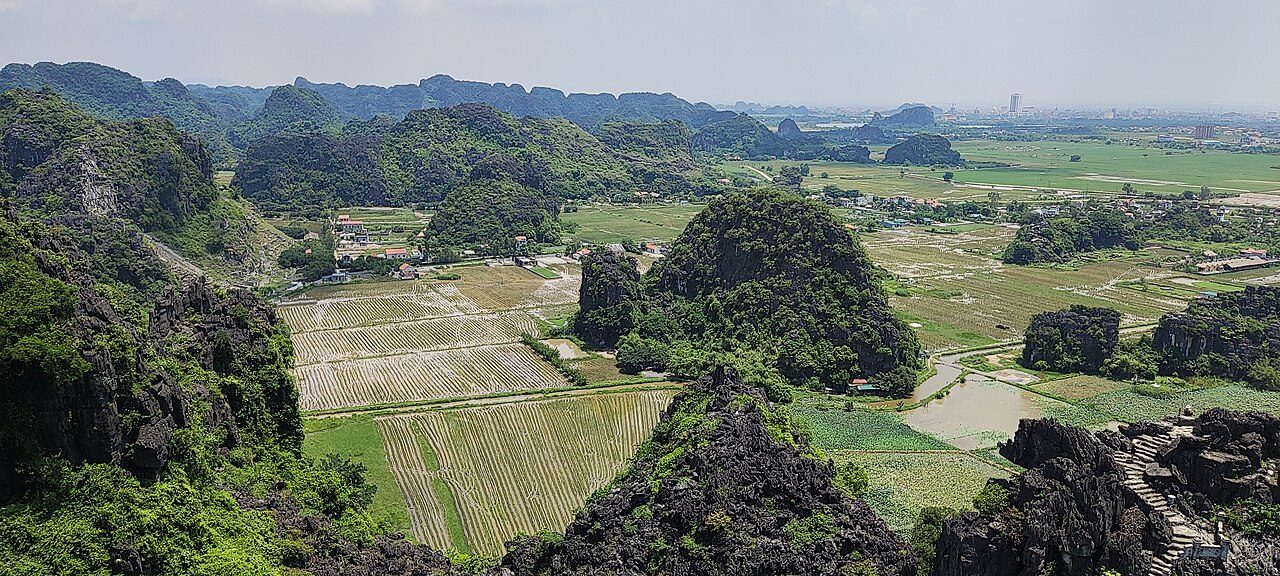
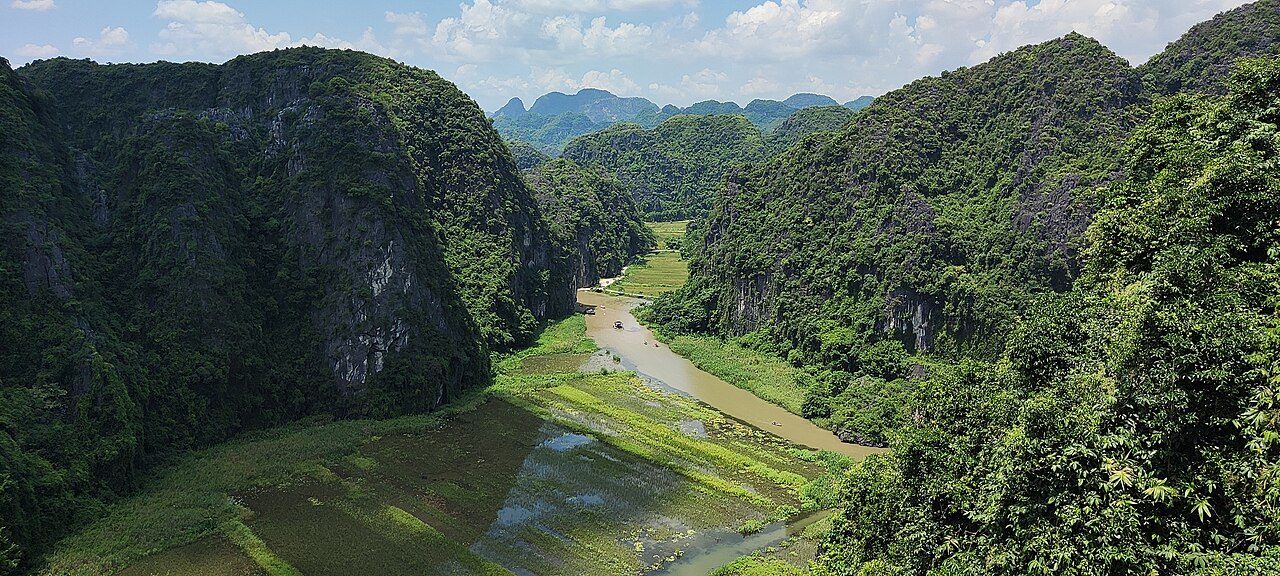
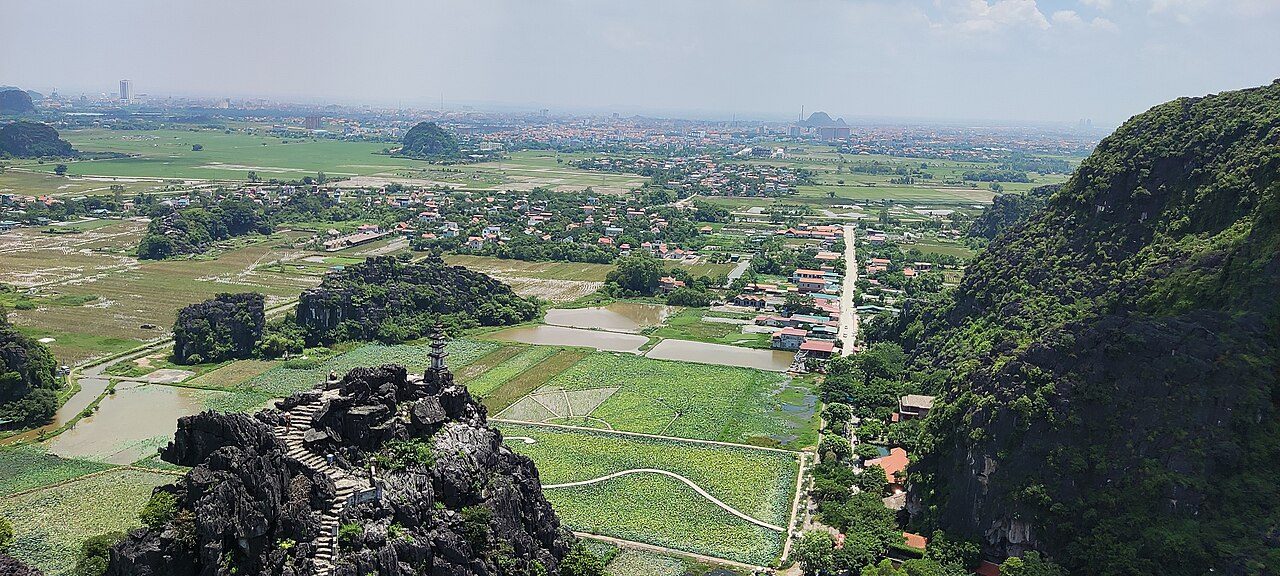
Mua Cave is best known for the stairway of about 500 steps that climbs a limestone peak beside it to a dragon statue and small shrine. From the top you get a famous view over the rice fields and winding river of Tam Coc. The cave itself is small. Go early in the morning or near sunset, when it is cooler and the light over the valley is beautiful.
Tam Coc means three caves, and the boat trip here takes visitors along the Ngo Dong River through three low caves cut into the limestone. Rowers often paddle with their feet while rice fields stretch between the karst cliffs. The rice turns golden in late May and early June, which is the most beautiful time to come. Nearby Bich Dong Pagoda is an easy addition to the trip.
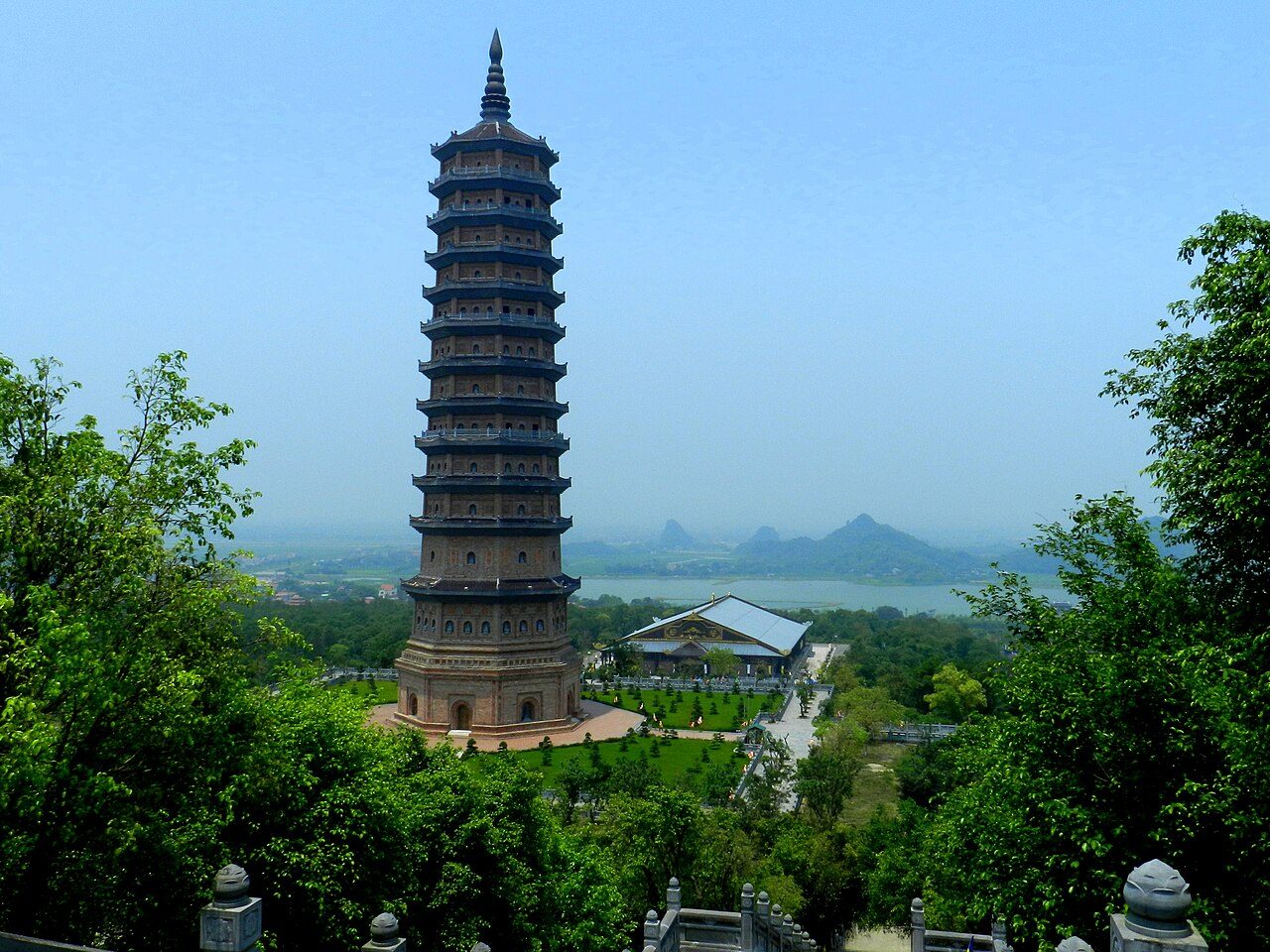
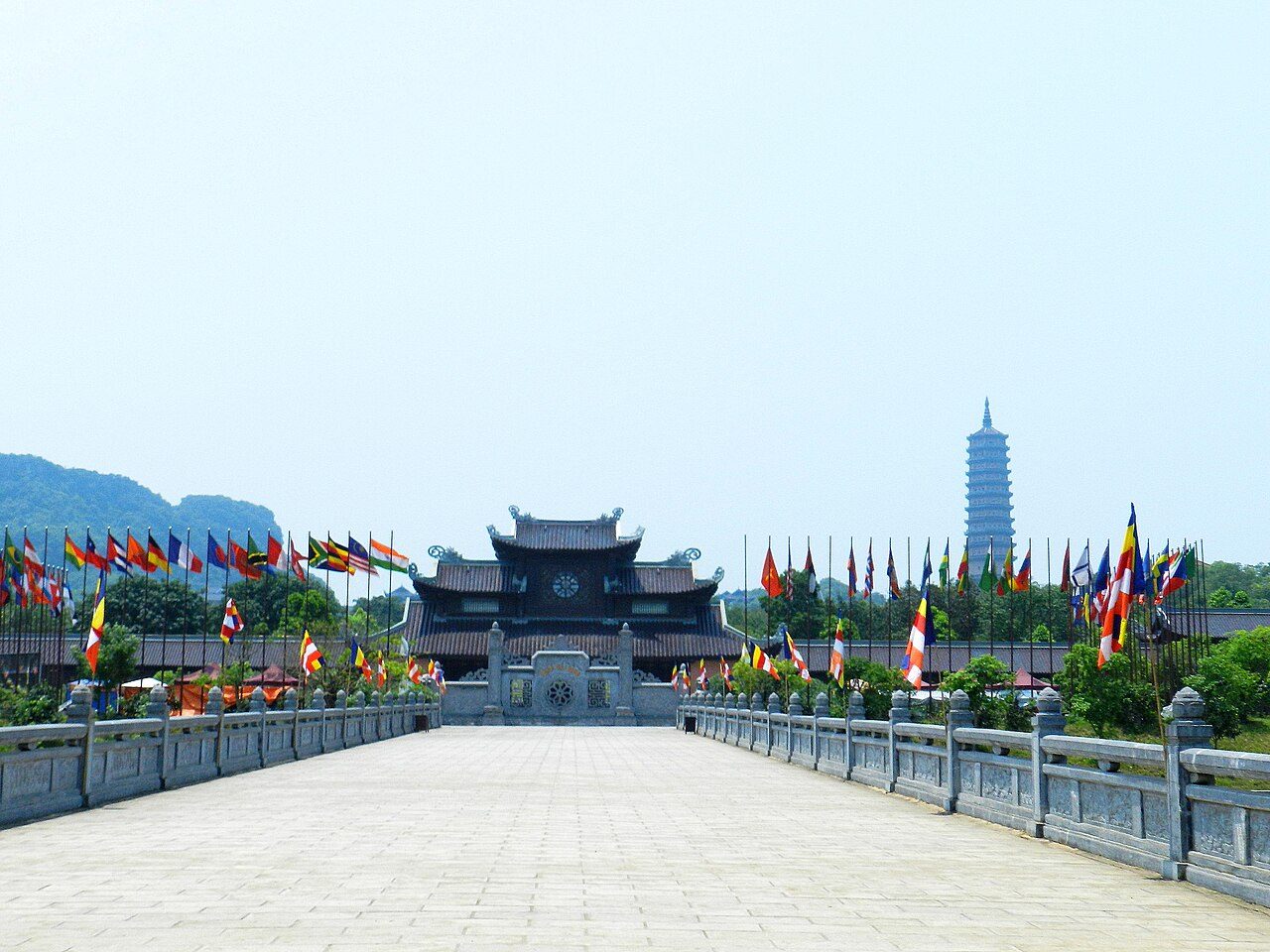
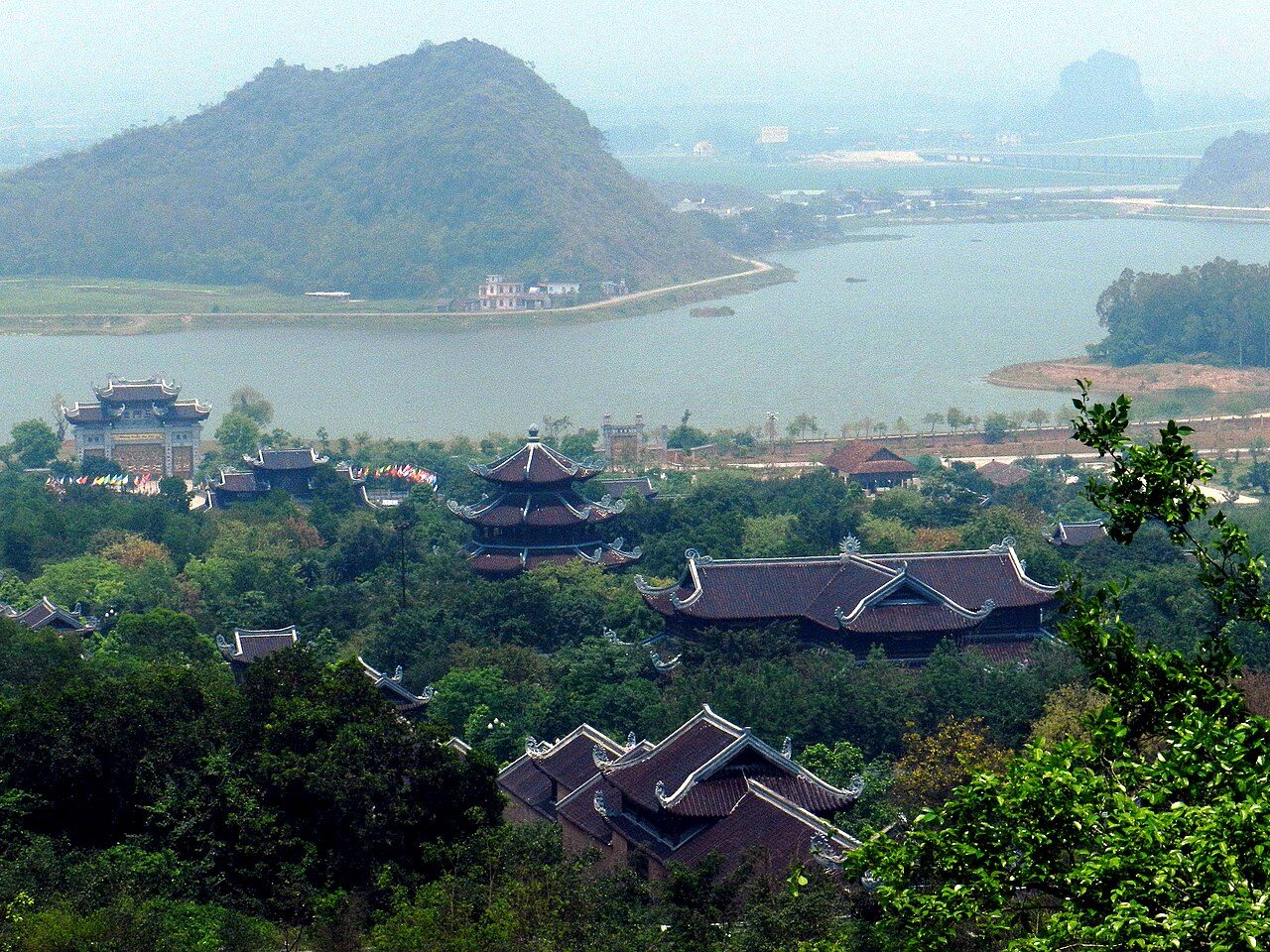
Bai Dinh is one of the largest Buddhist temple complexes in Vietnam, spread across a hillside near the ancient capital Hoa Lu. Highlights include long corridors lined with hundreds of stone arhat statues, huge bronze Buddha statues and a tall stupa with views over the countryside. The old Bai Dinh pagoda in a cave sits up the hill. Electric carts take visitors from the entrance.
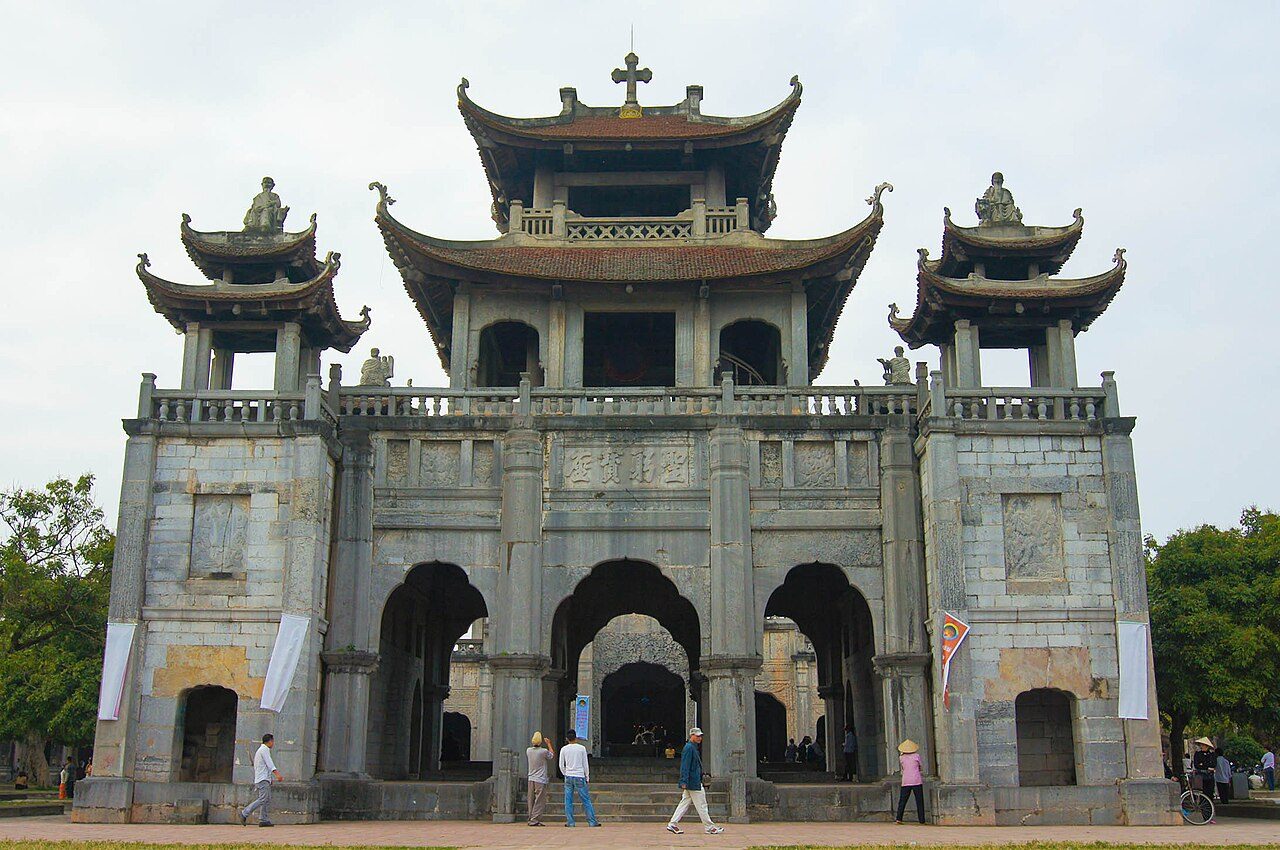
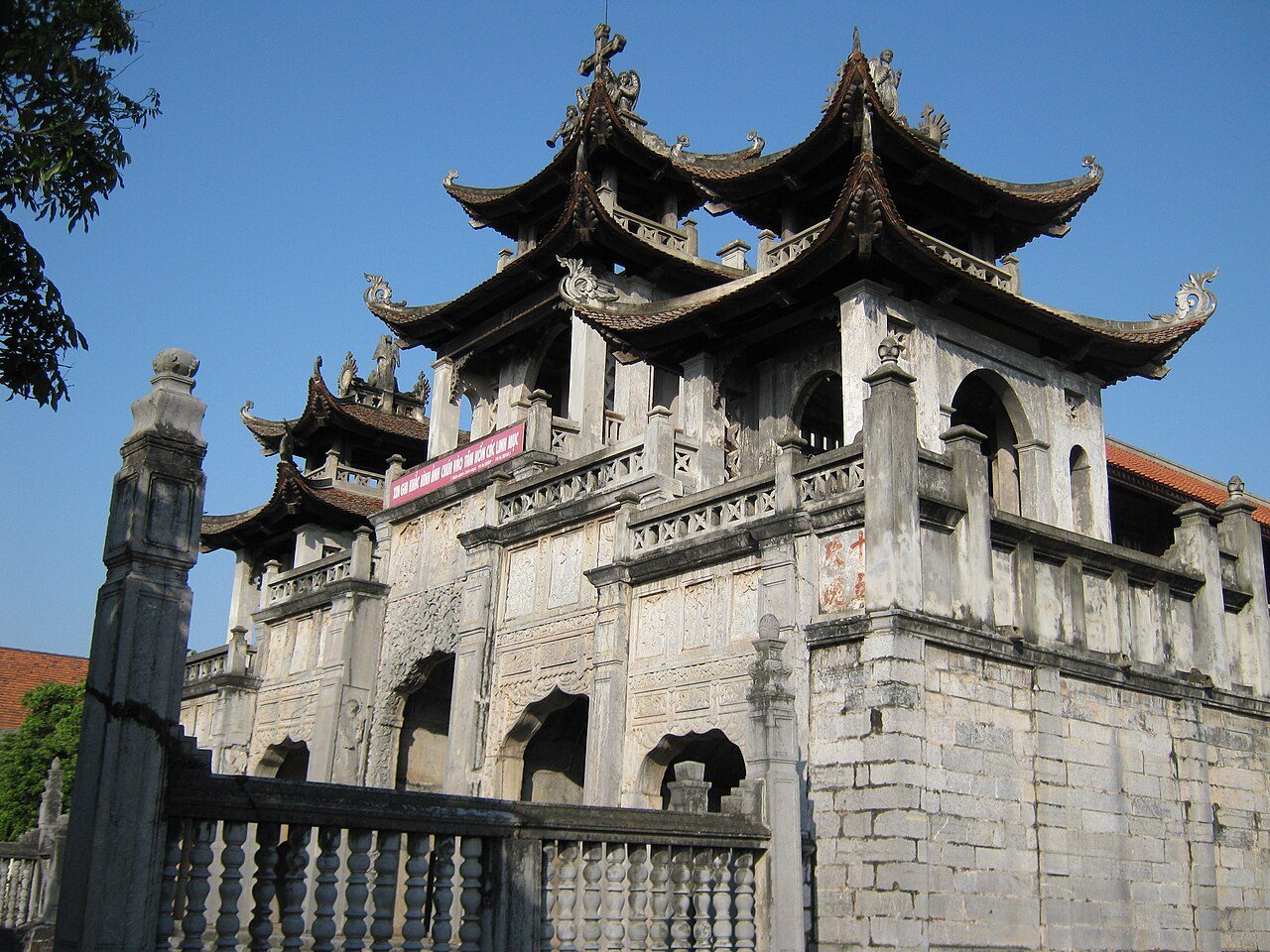
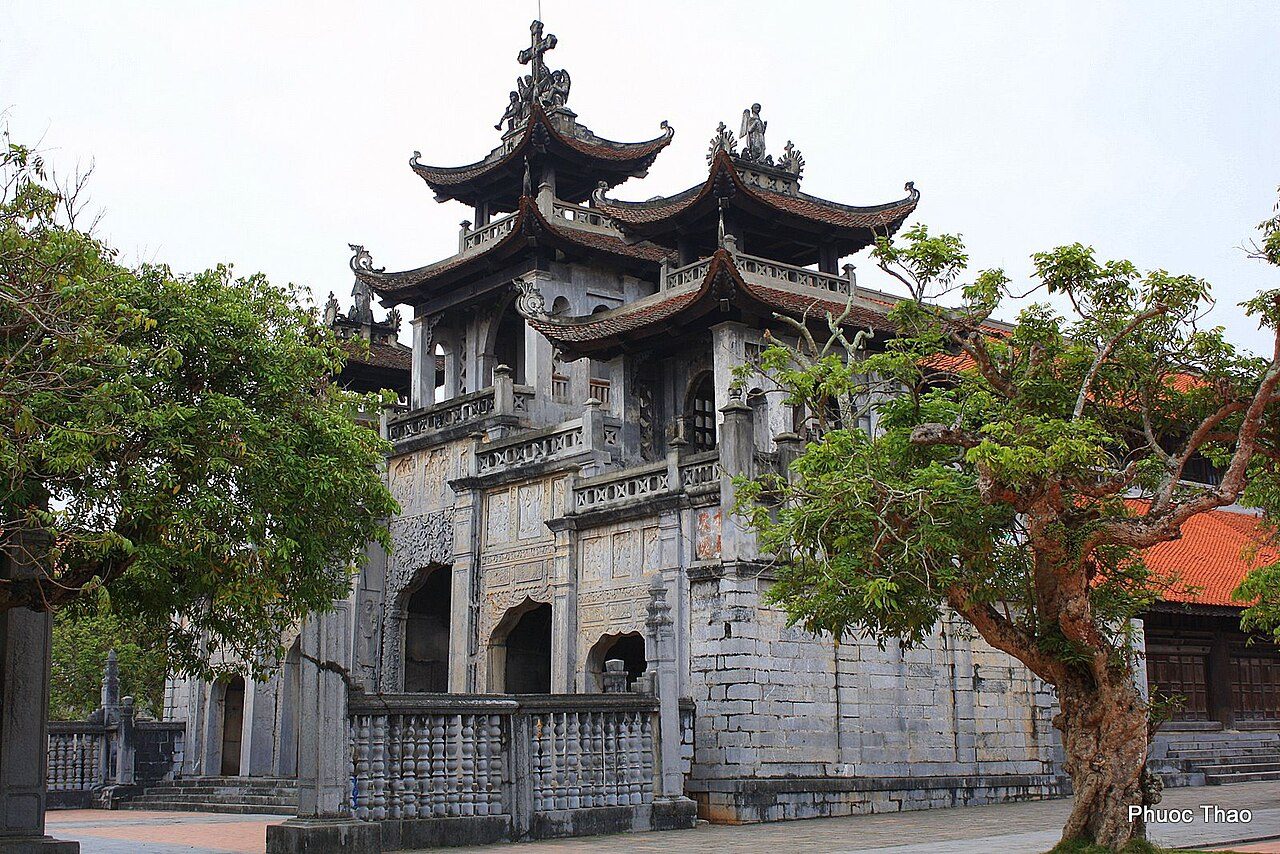
Phat Diem Cathedral is a remarkable stone and wood church built in the late 1800s under Father Tran Luc. It blends European Catholic design with Vietnamese pagoda architecture, with curved tiled roofs, carved wooden pillars and a large bell tower facing a lake. The complex includes several chapels and a stone grotto. It is one of the most unusual churches in Asia and still very active.
Best weather: Dec – AprHeavy rain: Jul – Sep
Seasons from 20 years of NASA POWER climate data.
Was this trip blog helpful?
0
0
Ready to follow this route?
Copy all 15 stops into your trip plans in the app.
 WaTrips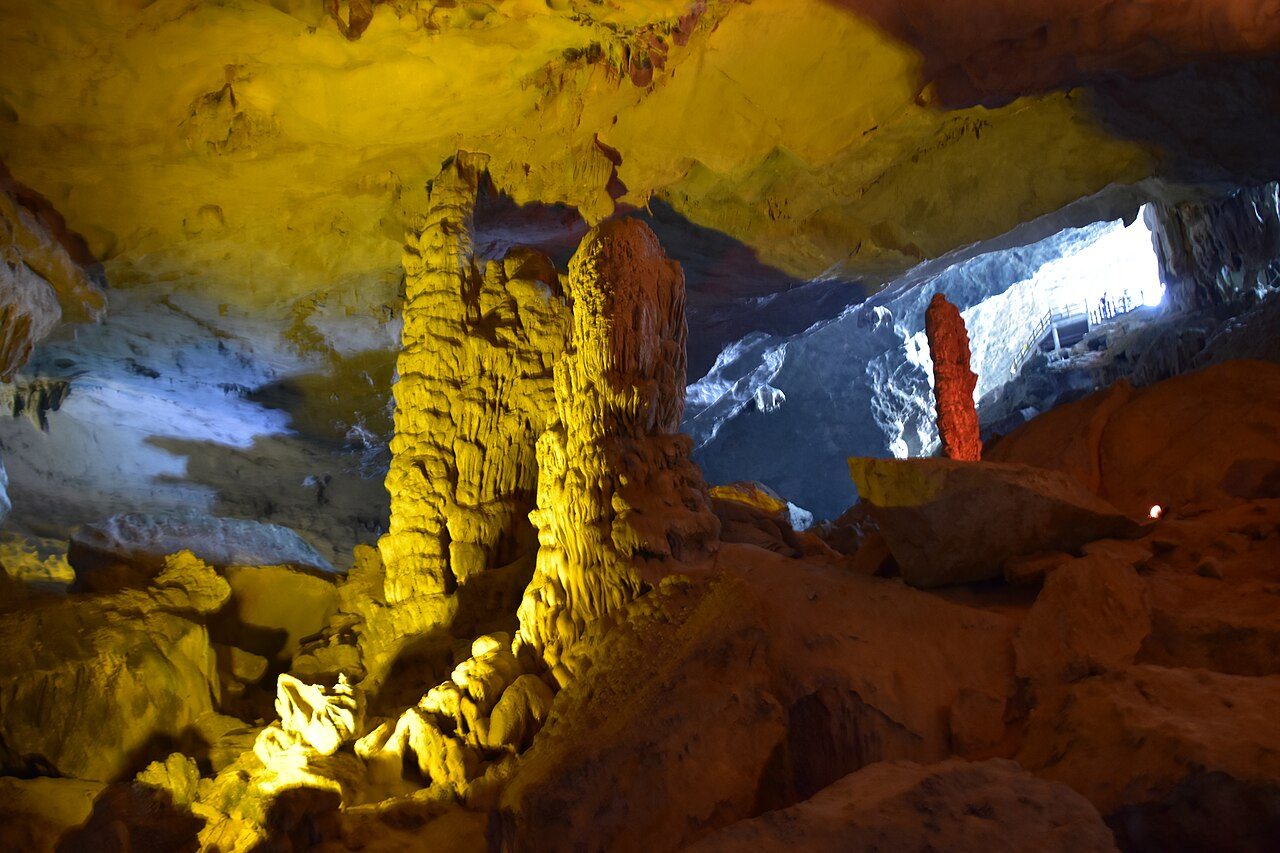









 BikesBooking
 Localrent
 Airalo
 Tiqets