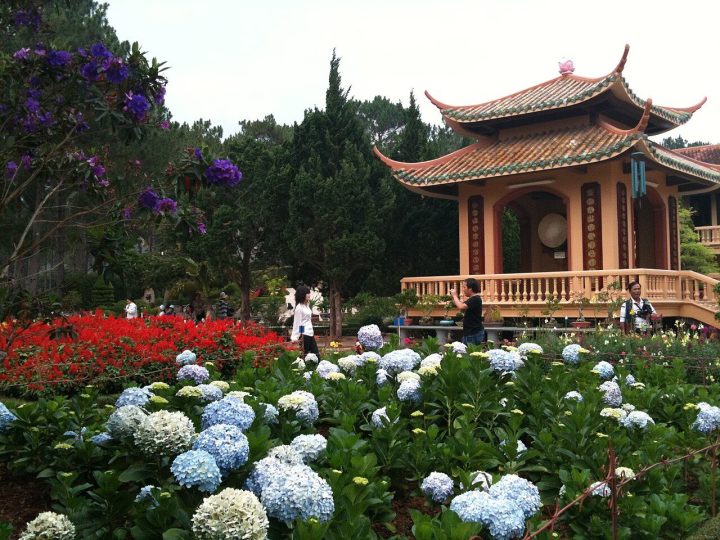
Hanoi, Ha Long Bay, Ninh Binh, Hue, the Hai Van Pass, Hoi An, My Son, Ba Na Hills, Saigon, Cu Chi, Cao Dai and the Mekong Delta.
Two weeks lets you travel the length of Vietnam. Start in Hanoi's Old Quarter and the Temple of Literature, cruise Ha Long Bay and row through the karst of Trang An and Tam Coc. Fly to Hue for the Imperial City and royal tombs, ride the Hai Van Pass, and spend time in lantern-lit Hoi An, the Cham ruins of My Son and the Golden Bridge on Ba Na Hills. Finish in Saigon with its colonial landmarks and war history, the Cu Chi Tunnels and the Cao Dai temple, and wake early for the Mekong's floating markets.
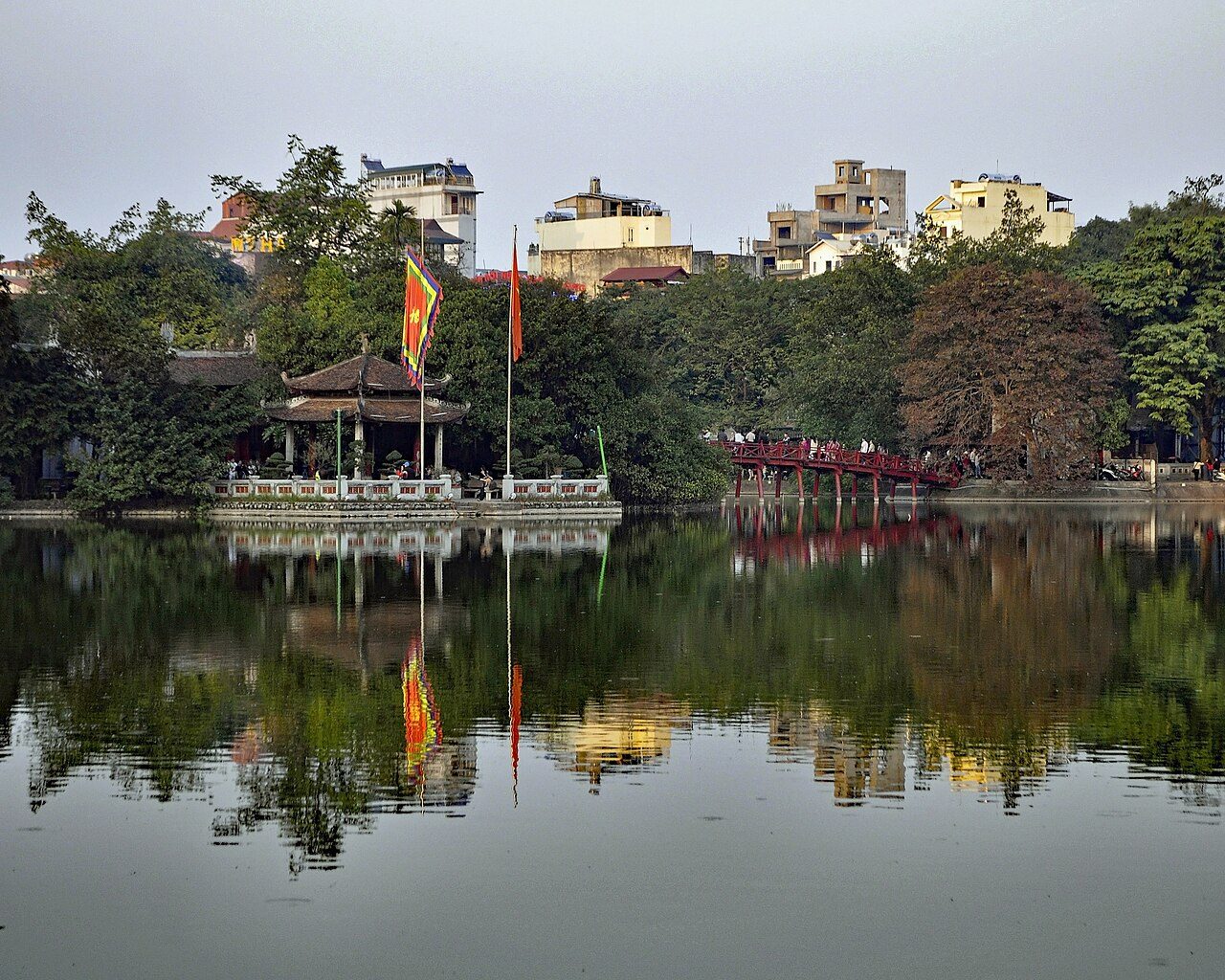
Ngoc Son Temple sits on a small island in Hoan Kiem Lake, reached by the red-painted The Huc Bridge. The temple honours the scholar Van Xuong, the general Tran Hung Dao and La To, the patron of physicians. Inside you can see a preserved giant softshell turtle linked to the lake's legend of the returned sword. Visit early in the morning, when locals exercise around the lake and the bridge glows in soft light.
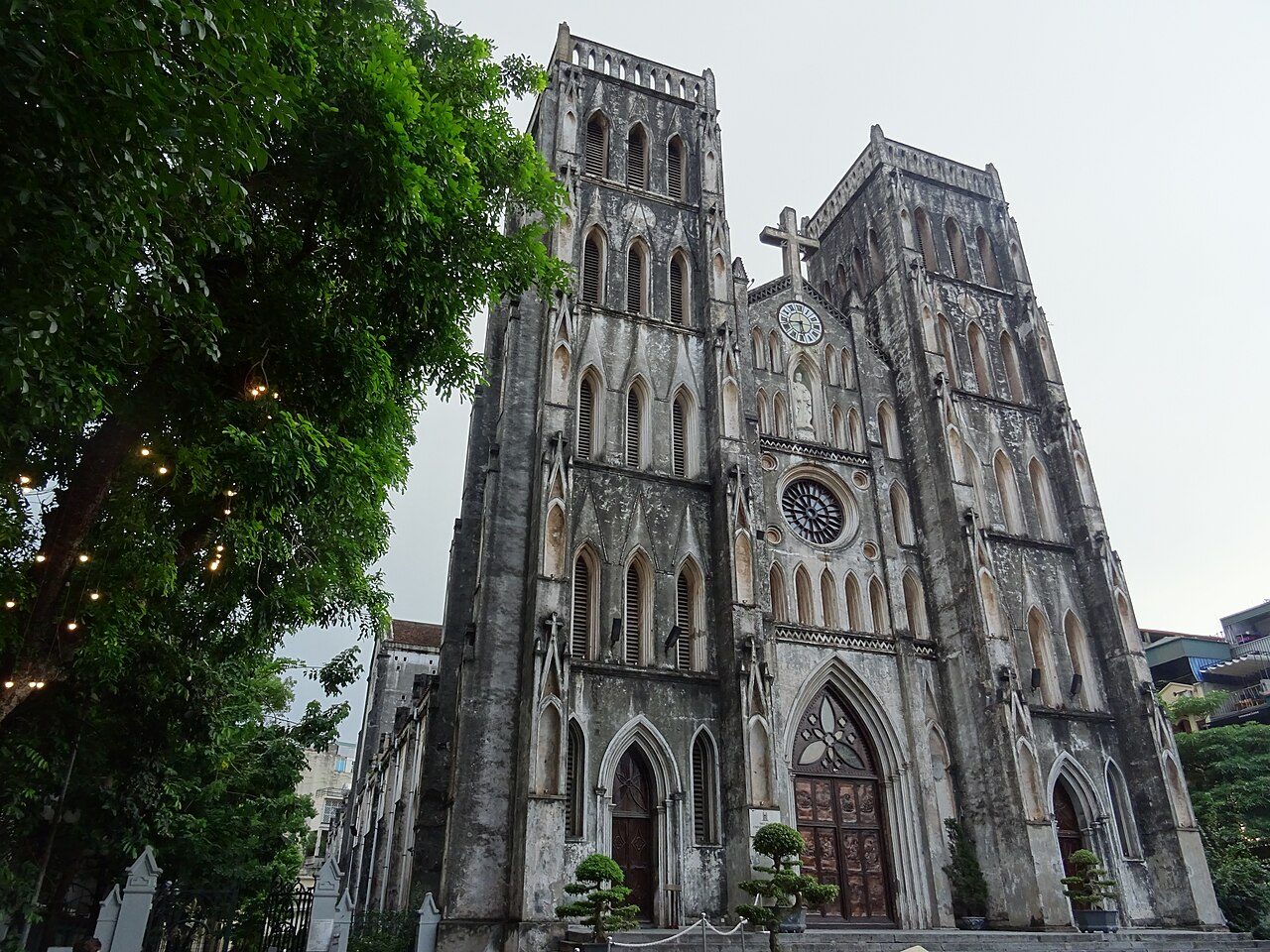
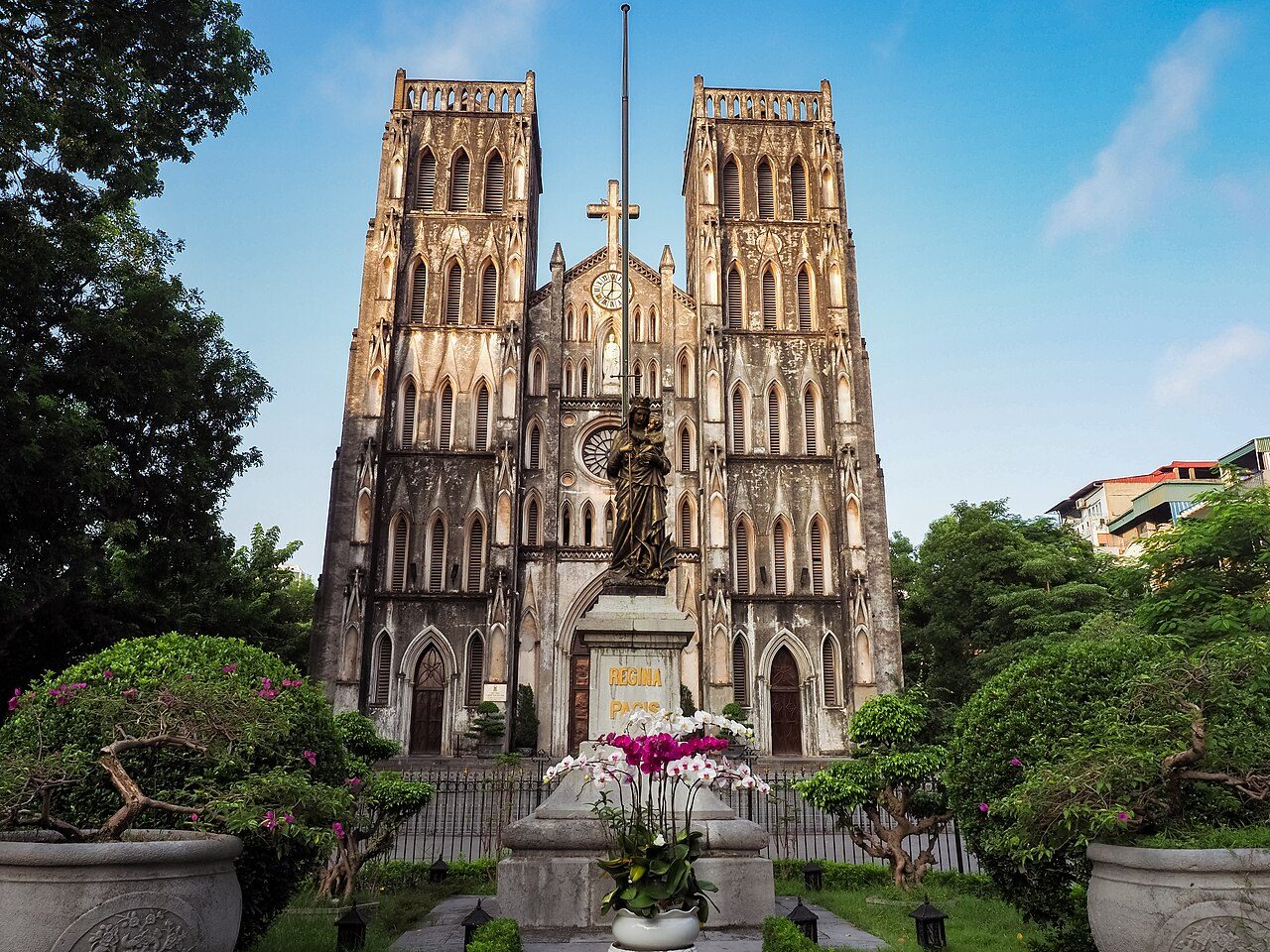
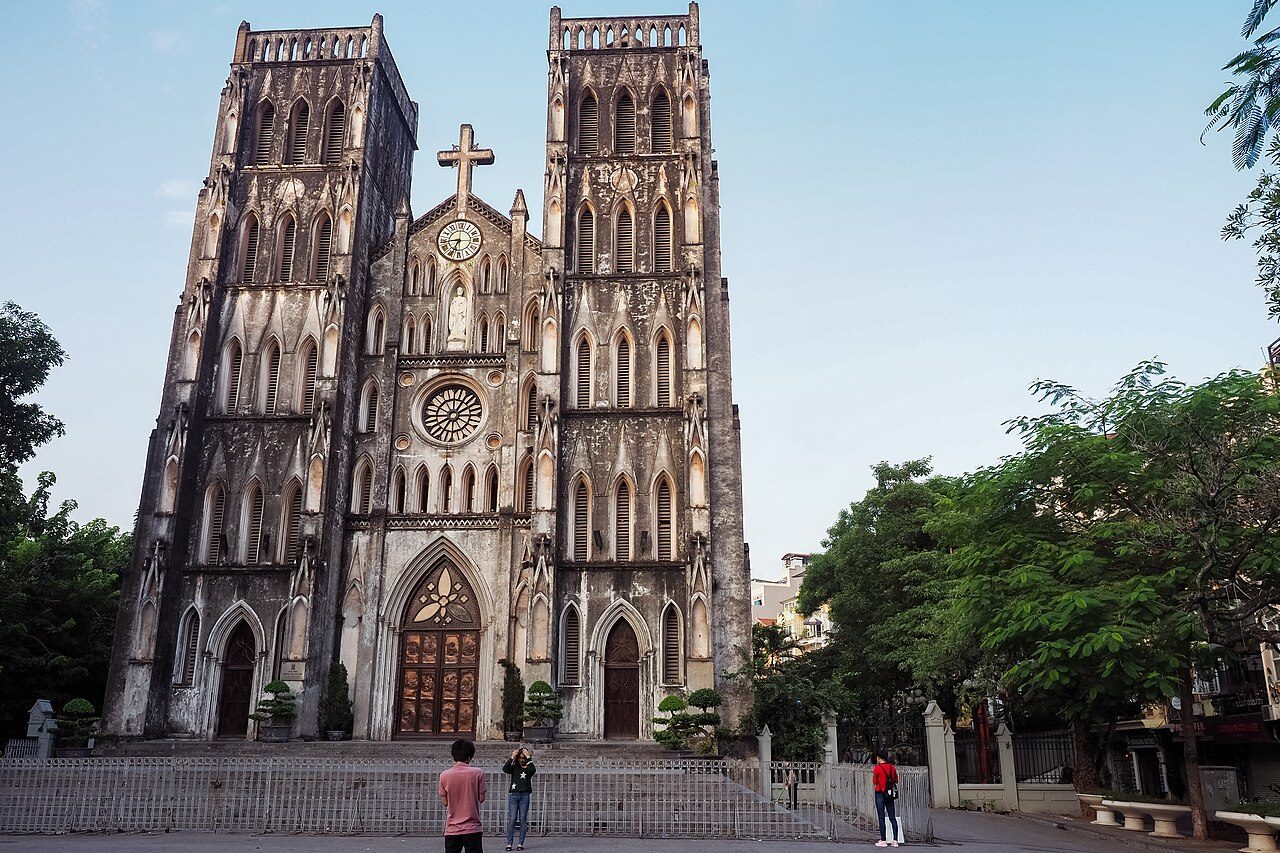
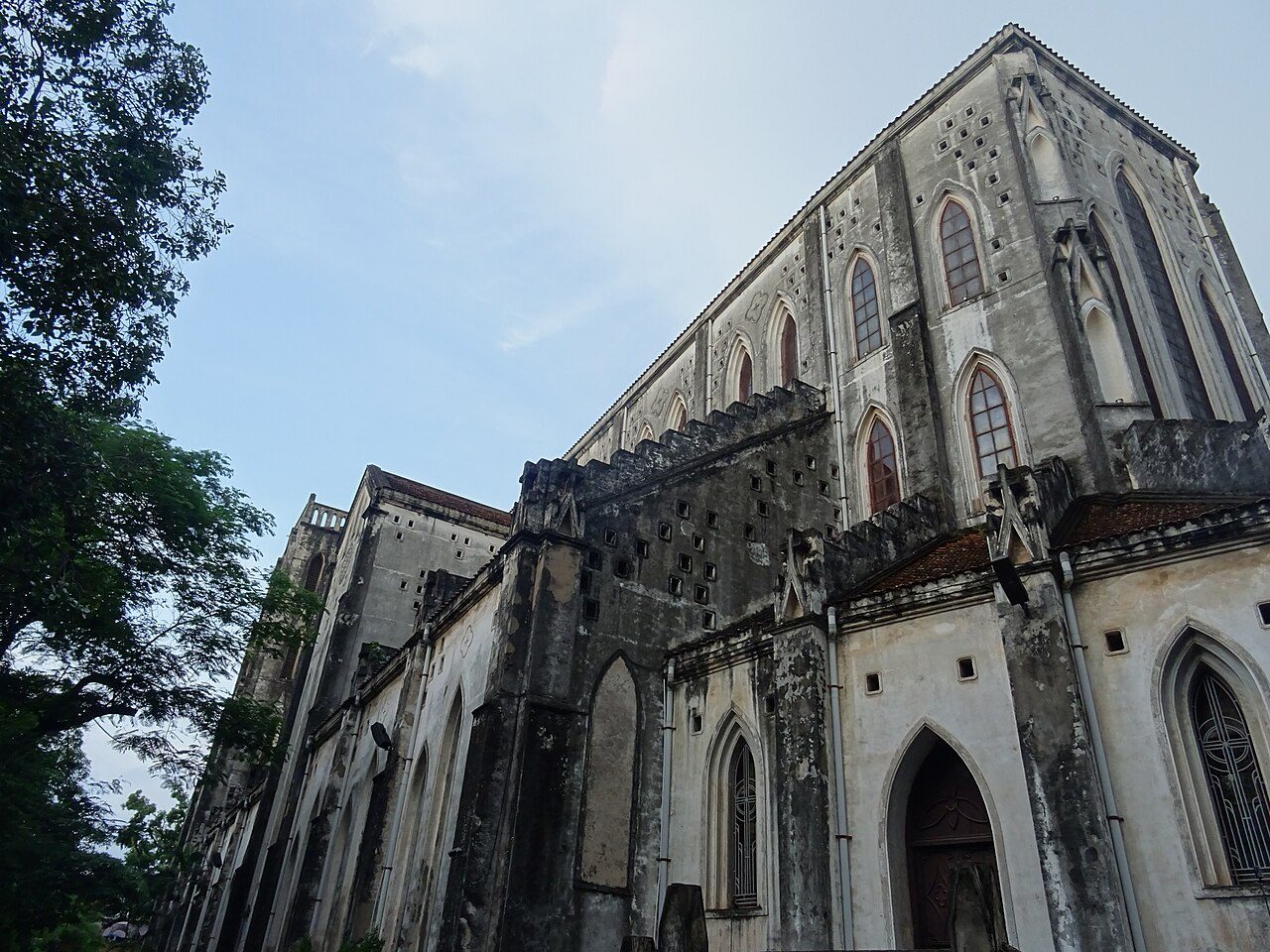
St. Joseph's Cathedral is a neo-Gothic church completed in 1886, one of the first buildings of the French colonial period in Hanoi. Its twin bell towers and grey weathered facade were inspired by Notre-Dame de Paris. Mass is still held daily, and the square in front fills with cafés and young locals in the evening. Visit during mass times if you want to see the interior.
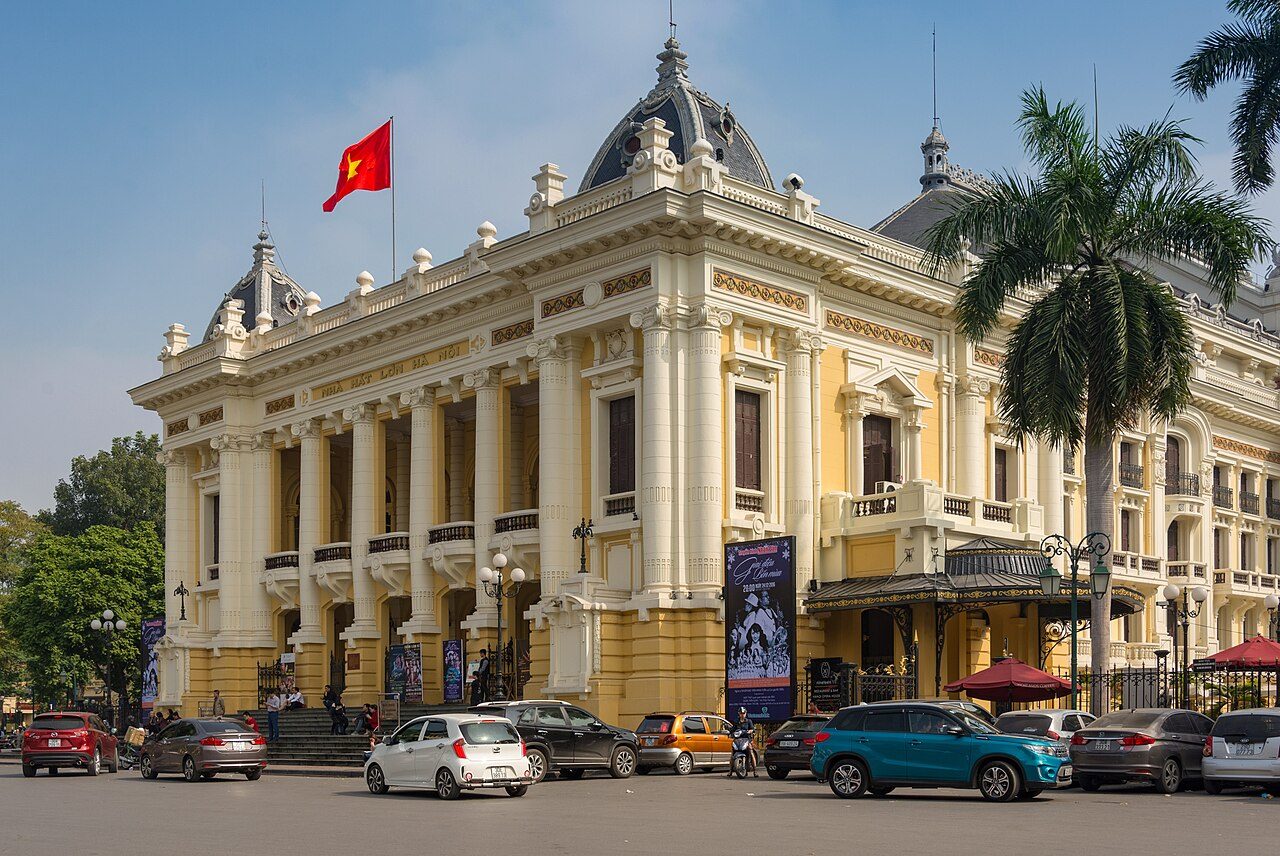
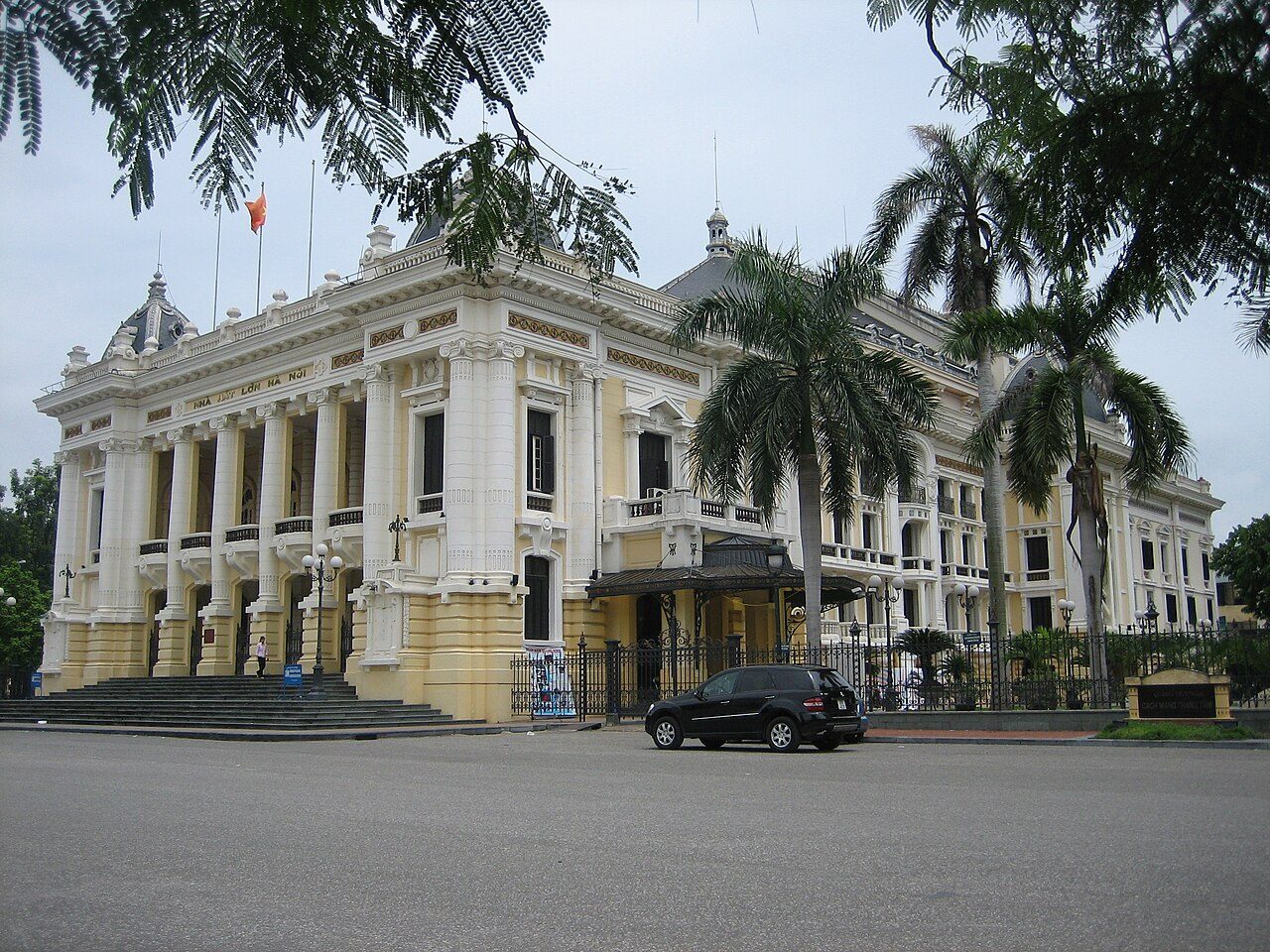
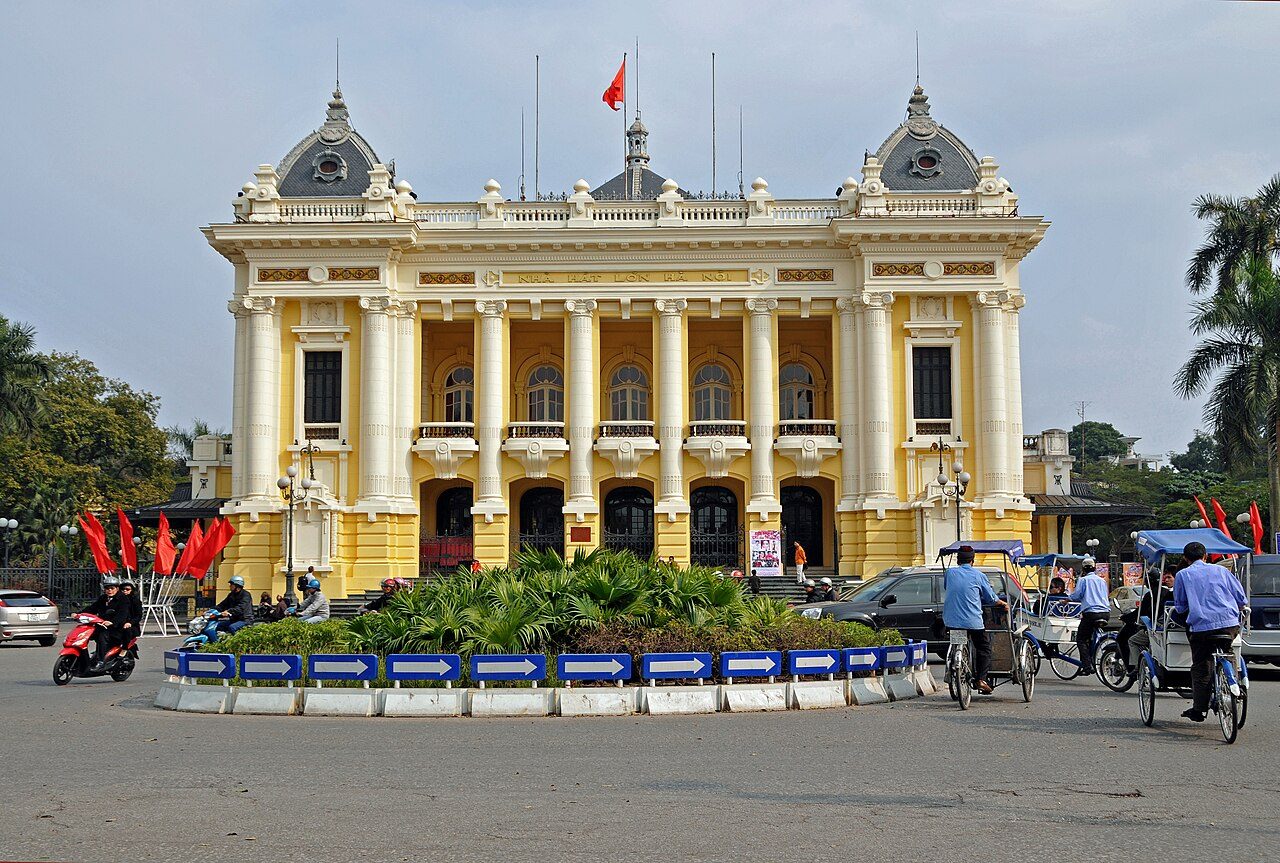
The Hanoi Opera House was built by the French in the early 1900s and modelled on the Palais Garnier in Paris. Its cream facade, columns and dome make it one of the city's grandest colonial buildings. It still hosts opera, ballet, classical concerts and traditional performances. The interior can only be seen by attending a show or a guided tour, so check the programme in advance.
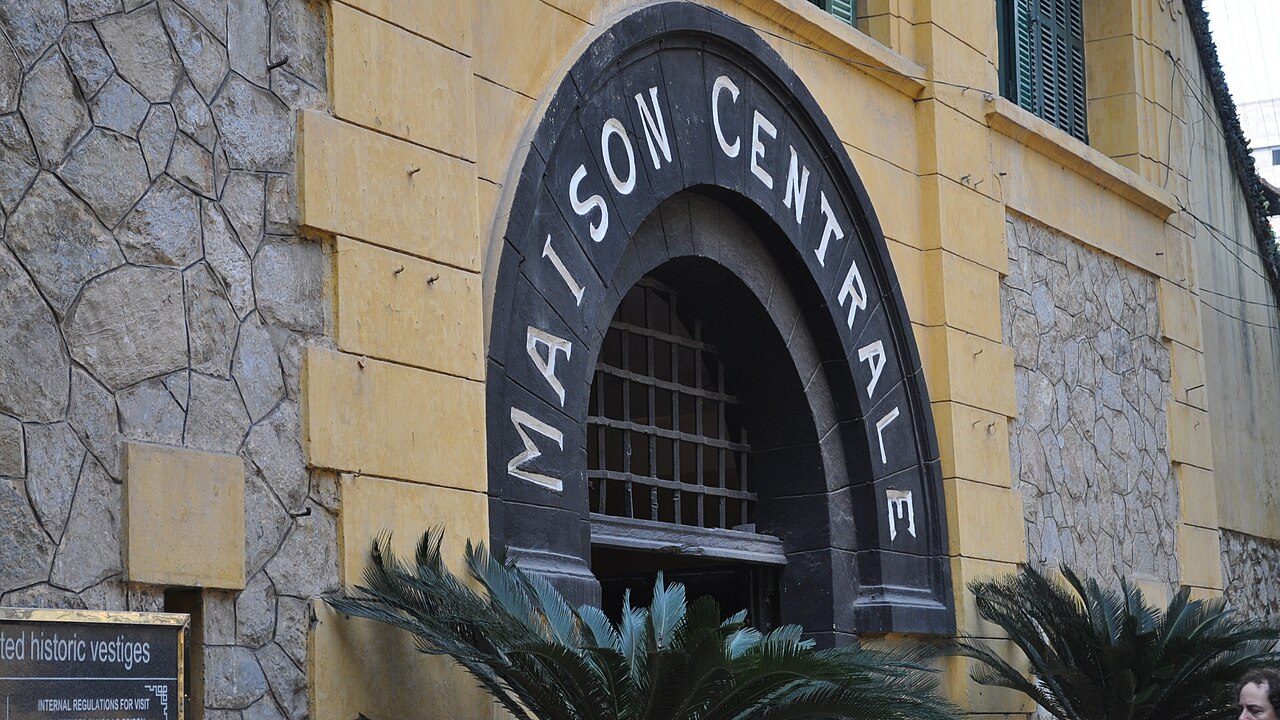
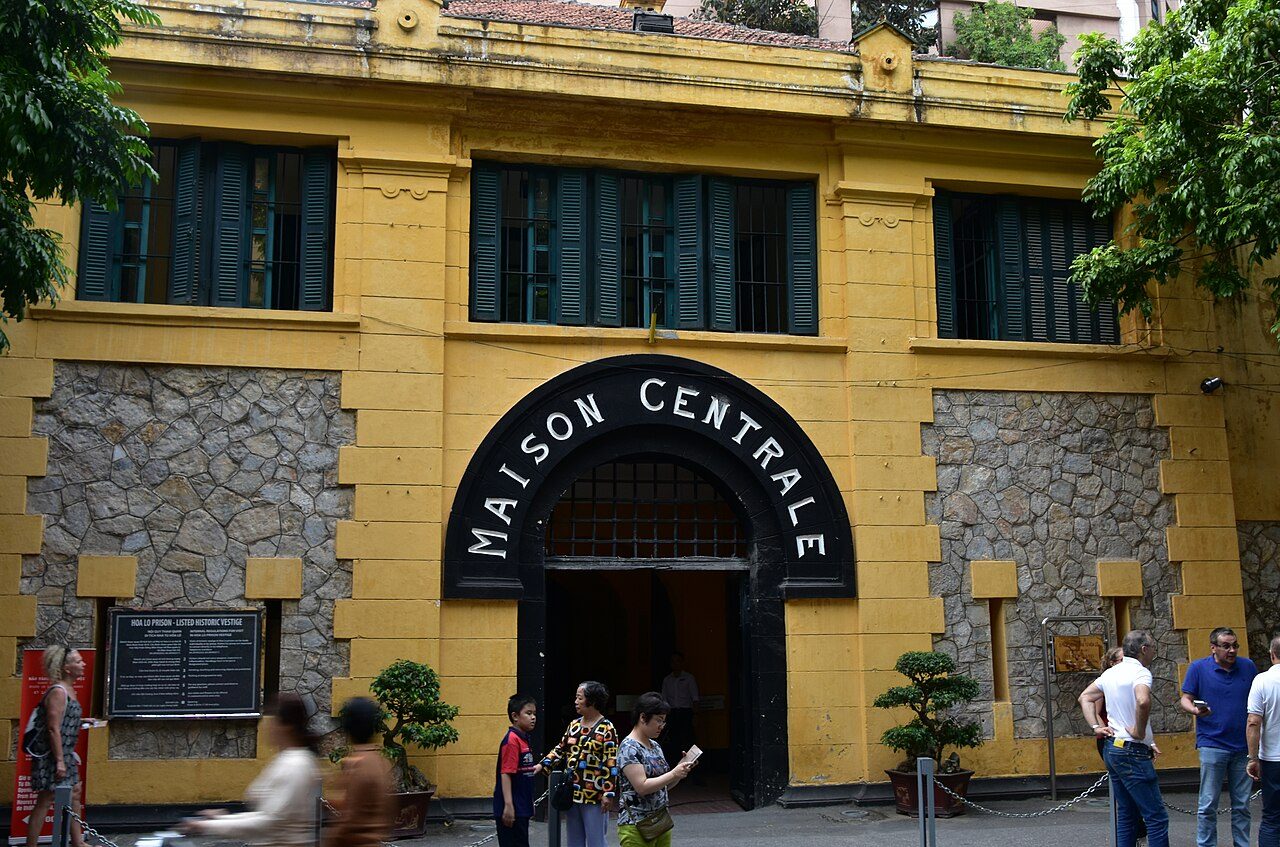
Hoa Lo Prison was built by the French colonial government in the late 1800s to hold Vietnamese political prisoners. During the Vietnam War it held captured American pilots, who called it the Hanoi Hilton. Only the gatehouse and part of the complex remain, now a museum with cells, shackles and a guillotine. The exhibits are moving and take about an hour to see.
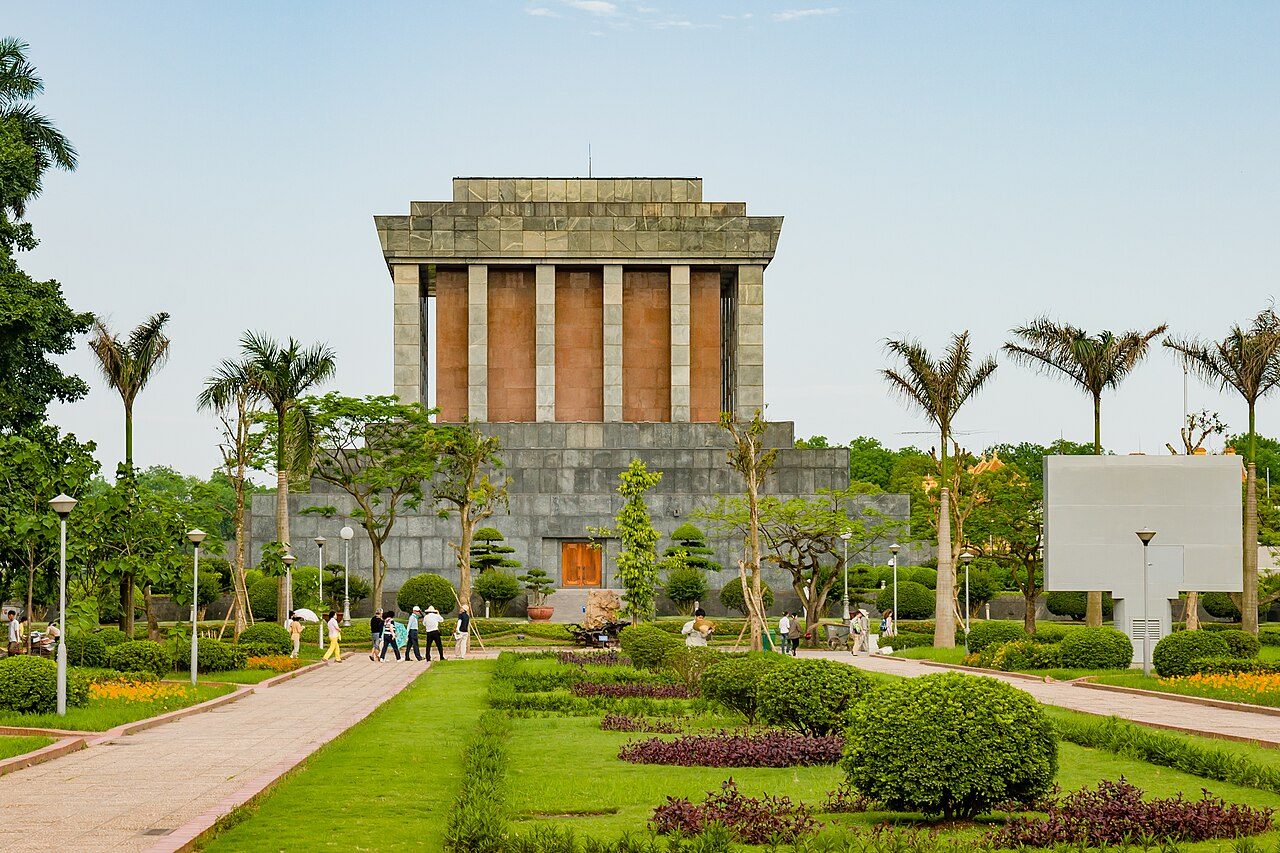
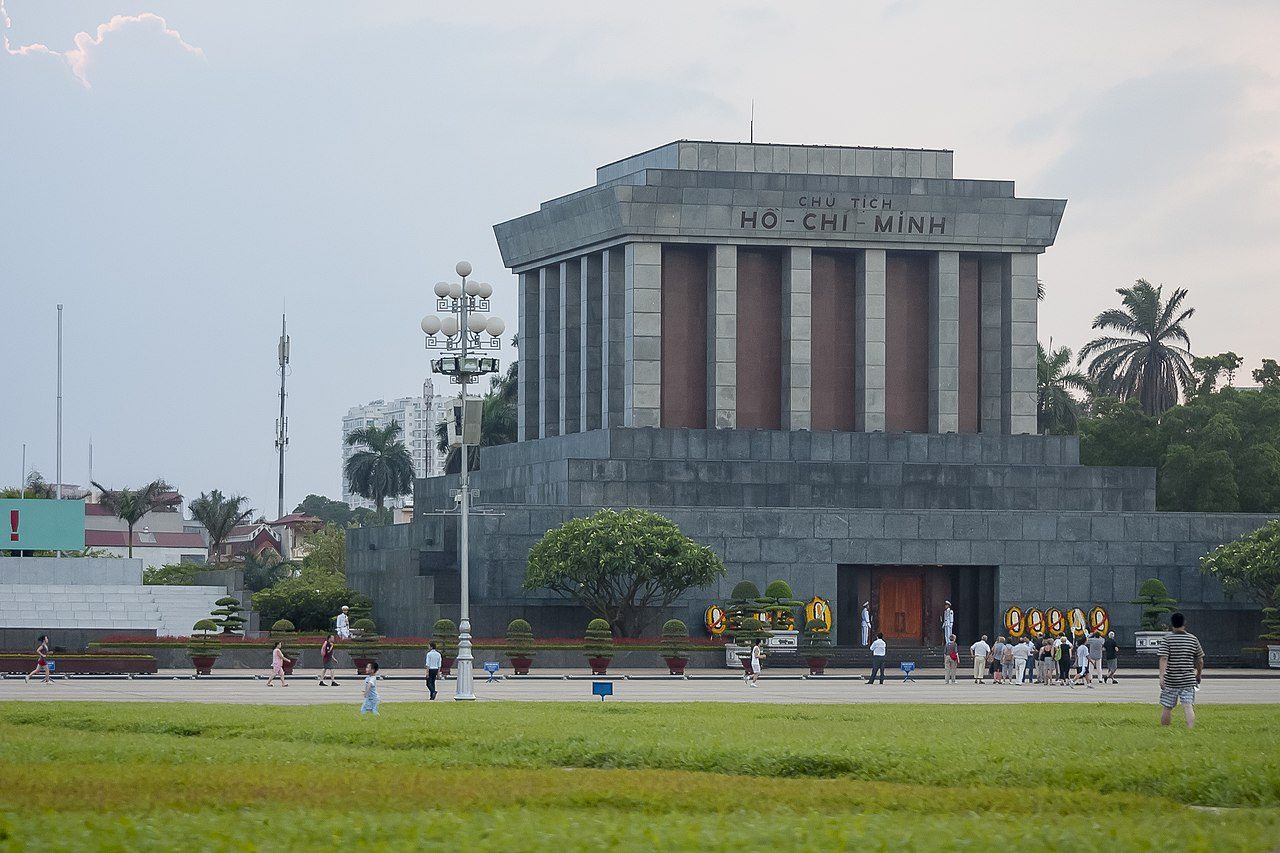
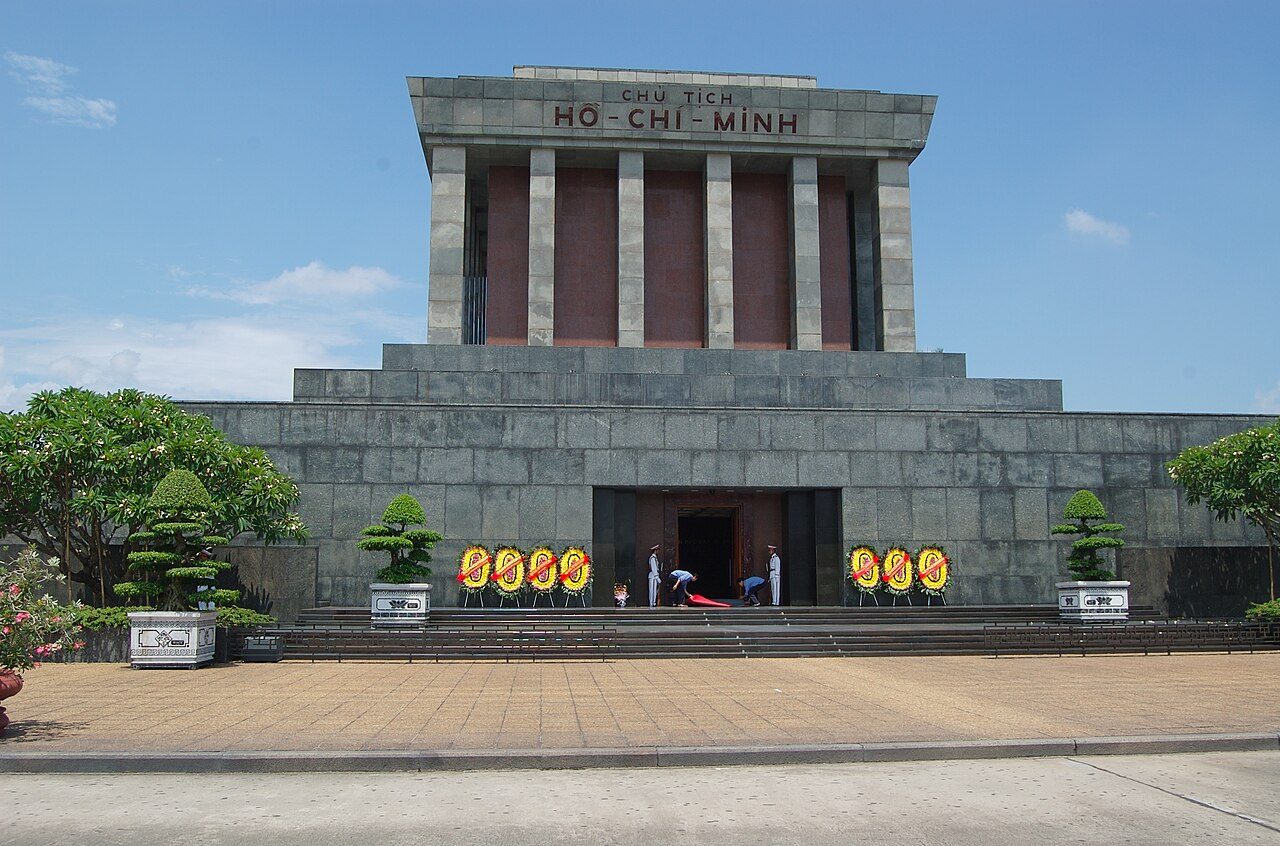
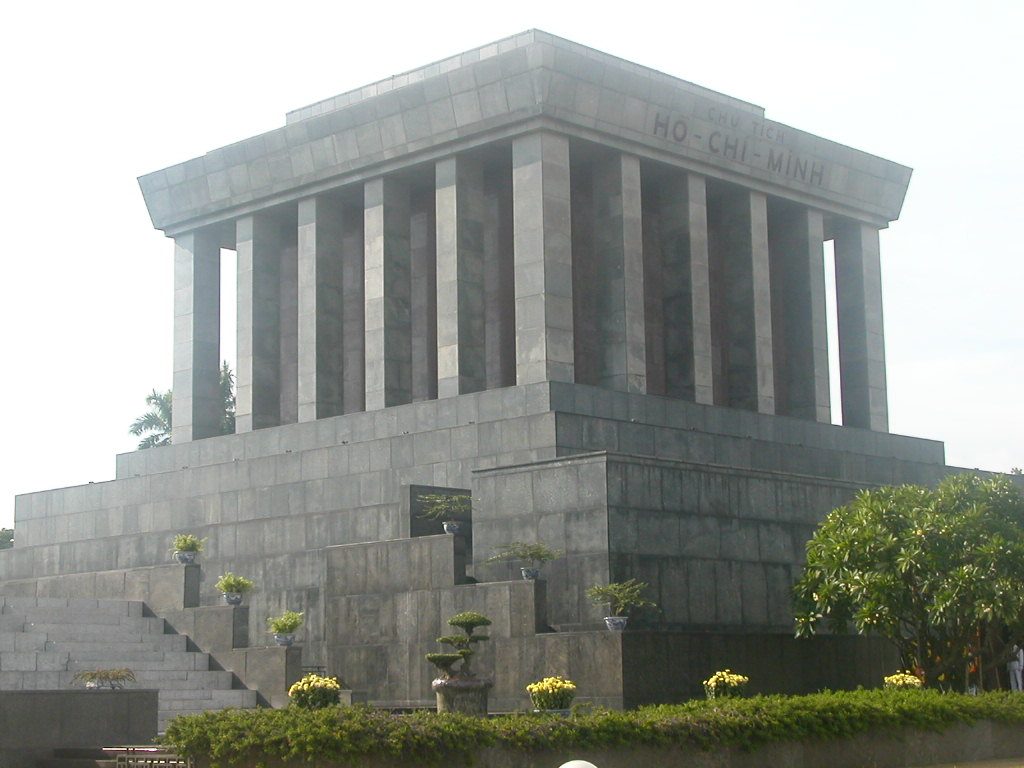
The Ho Chi Minh Mausoleum on Ba Dinh Square holds the embalmed body of the leader who declared Vietnam's independence on this square in 1945. The grey granite building is guarded by soldiers in white uniforms, and visitors file past in silence. Dress modestly, leave bags and cameras at the check-in point and arrive early, as opening hours are short and closed some months for maintenance.
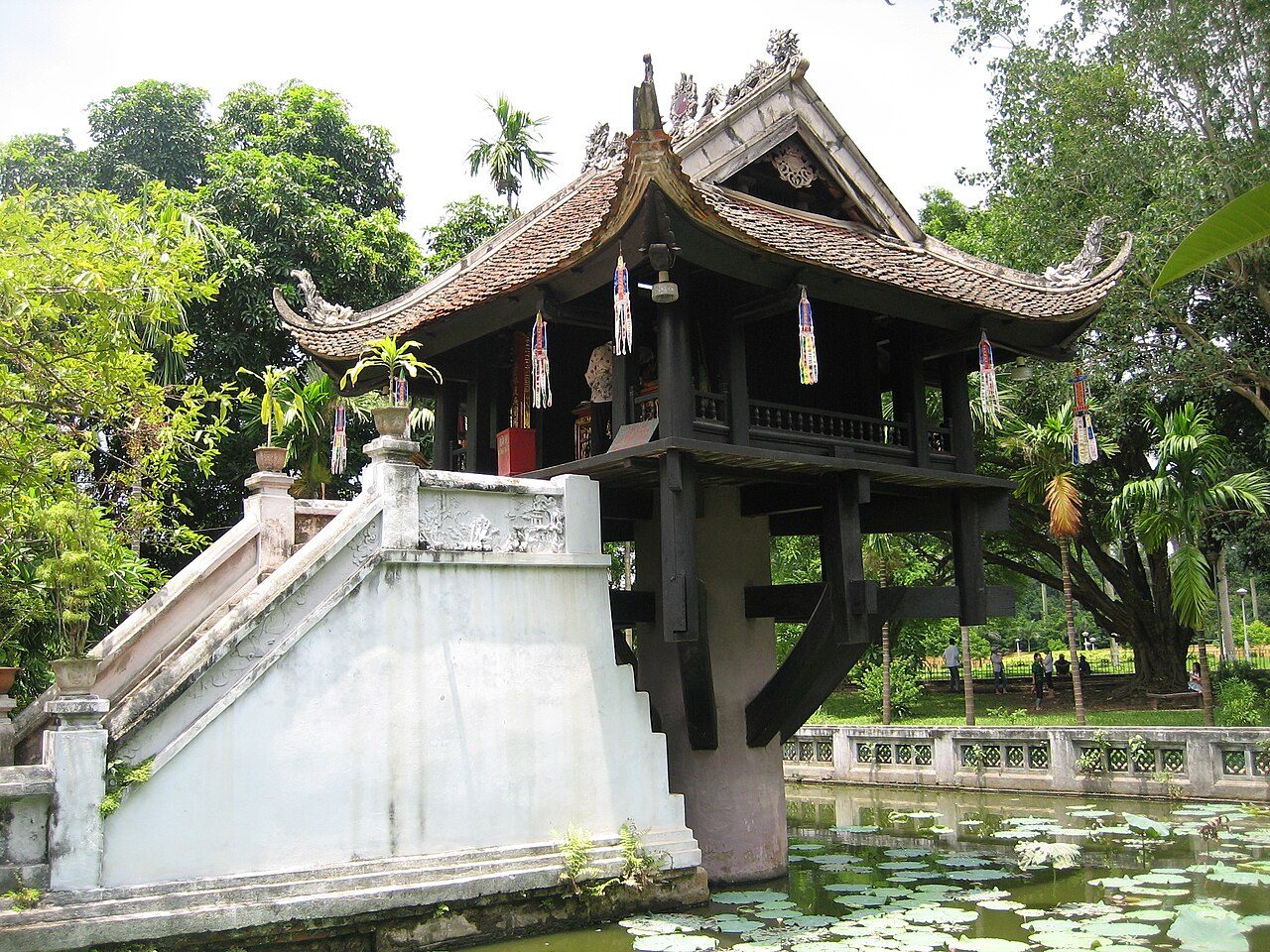
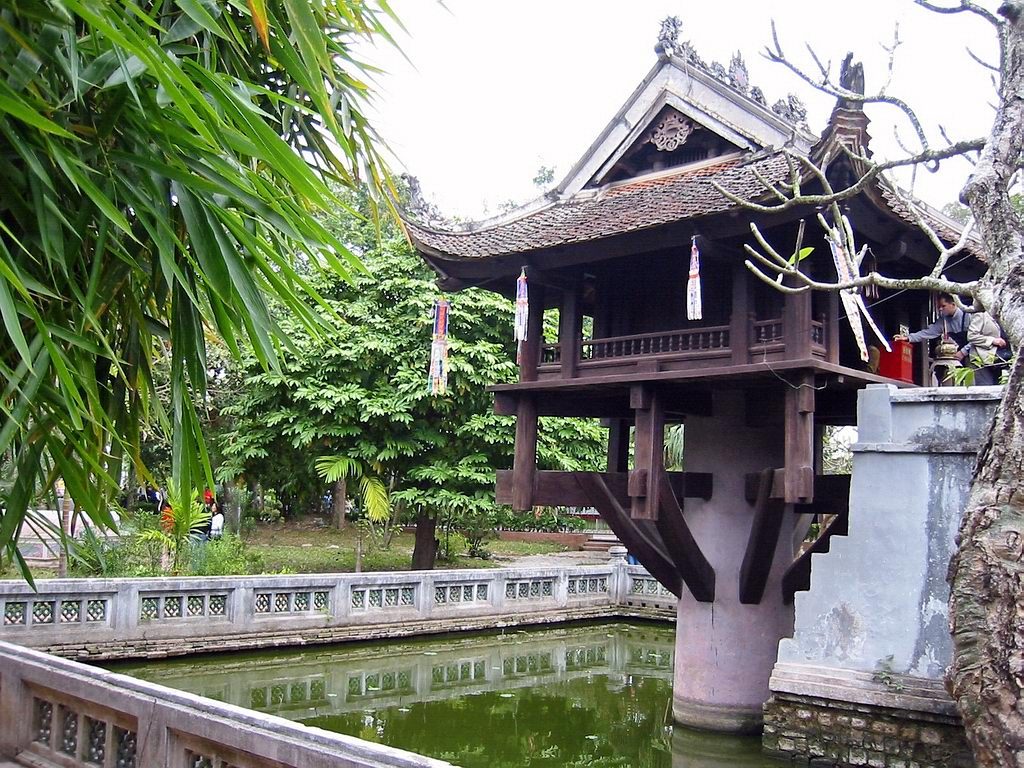
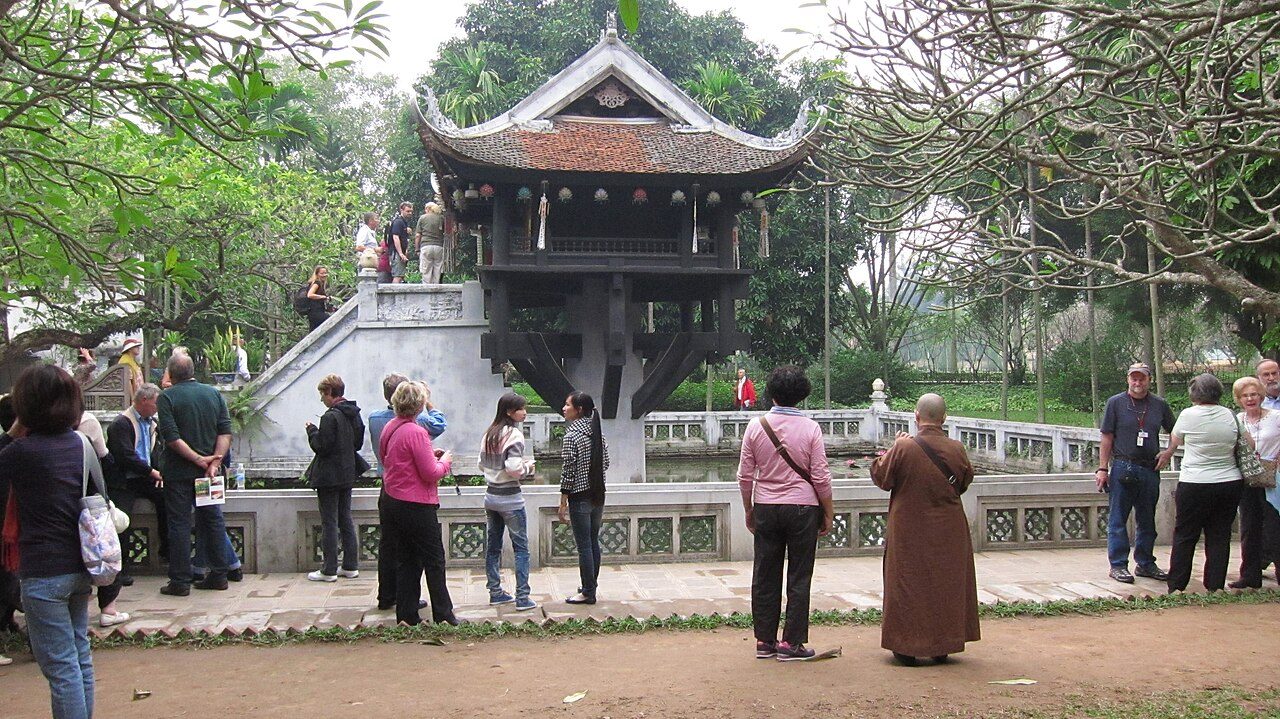
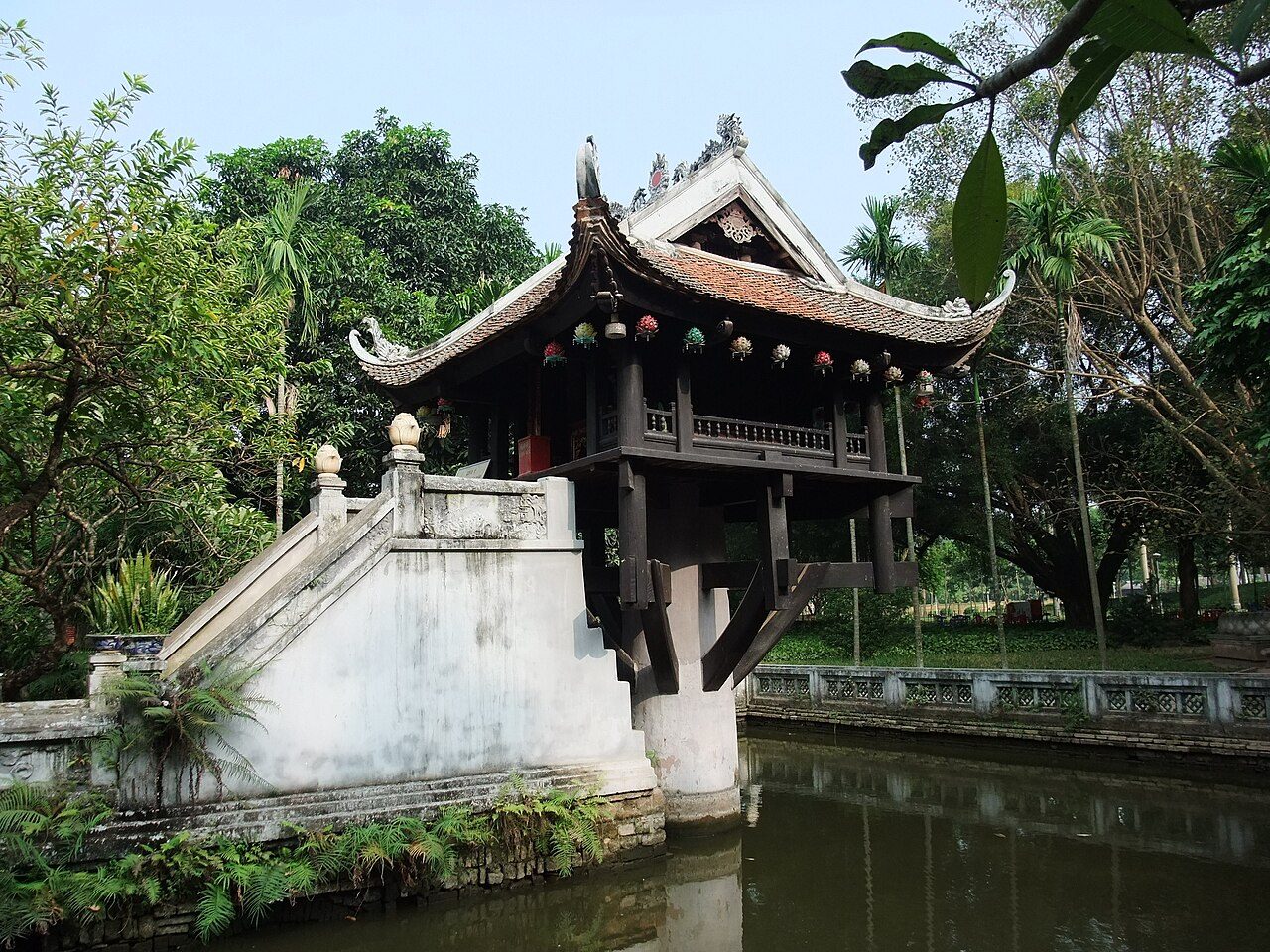
The One Pillar Pagoda is a small wooden shrine built on a single stone column rising from a lotus pond, meant to resemble a lotus flower. It is dedicated to Quan Am, the Goddess of Mercy, and is one of Hanoi's most iconic temples. The original was destroyed in 1954 and rebuilt soon after. It sits beside the Ho Chi Minh Mausoleum, so the two are easily visited together.
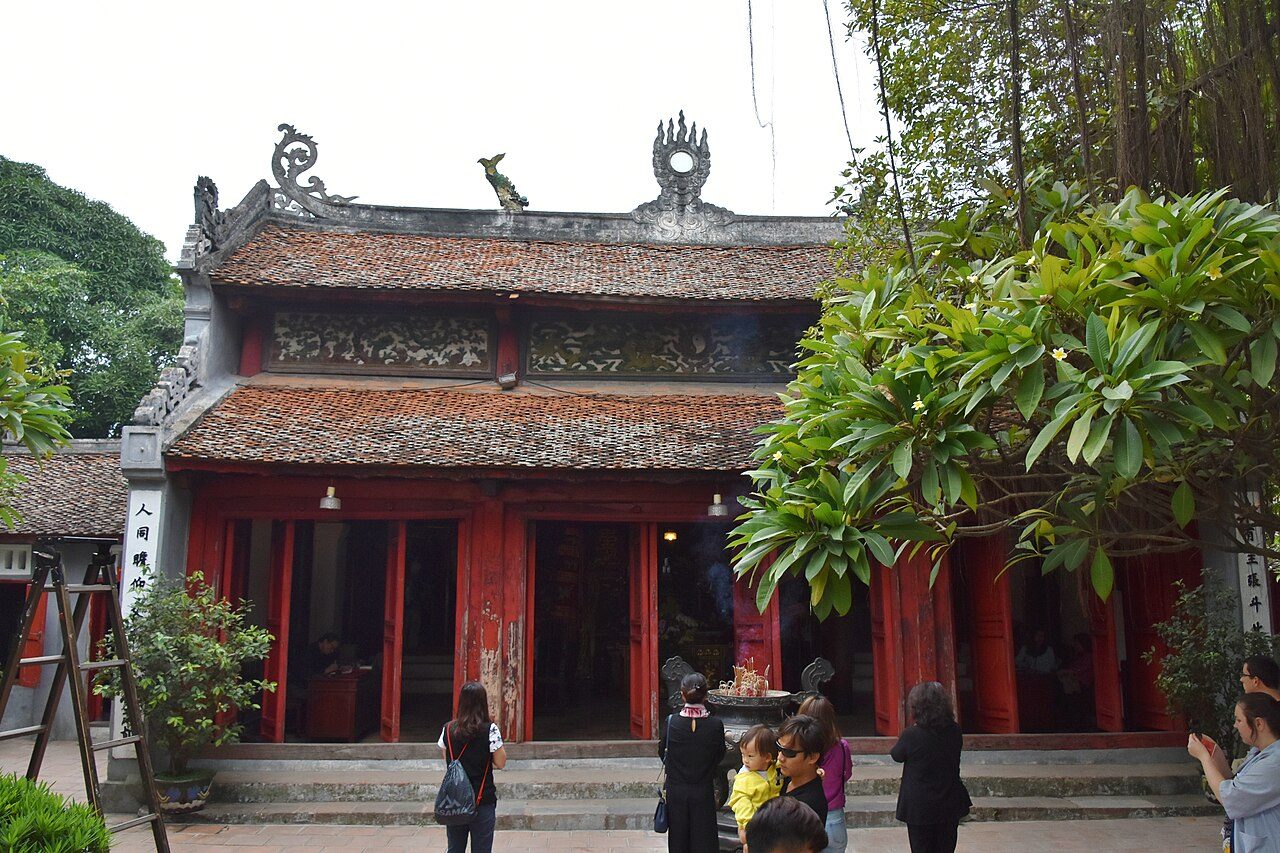
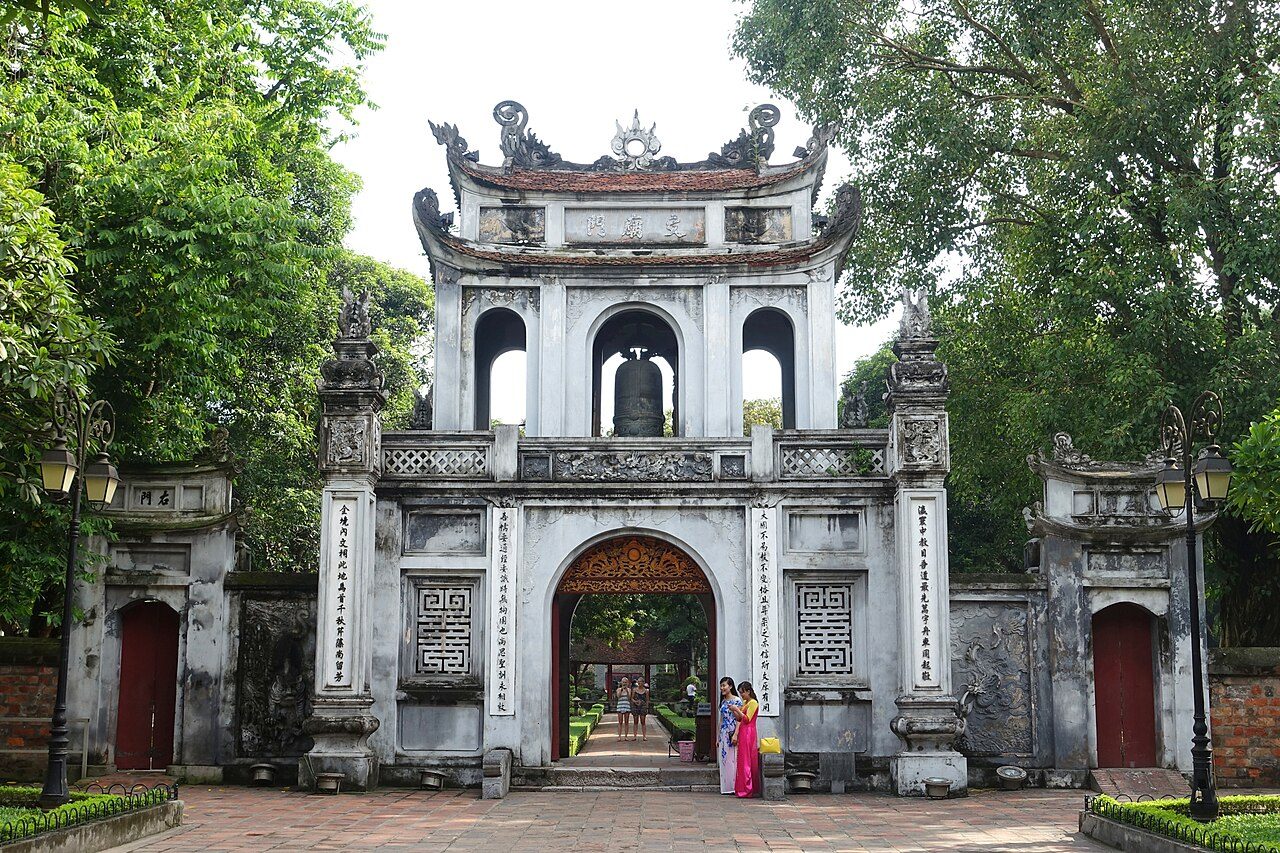
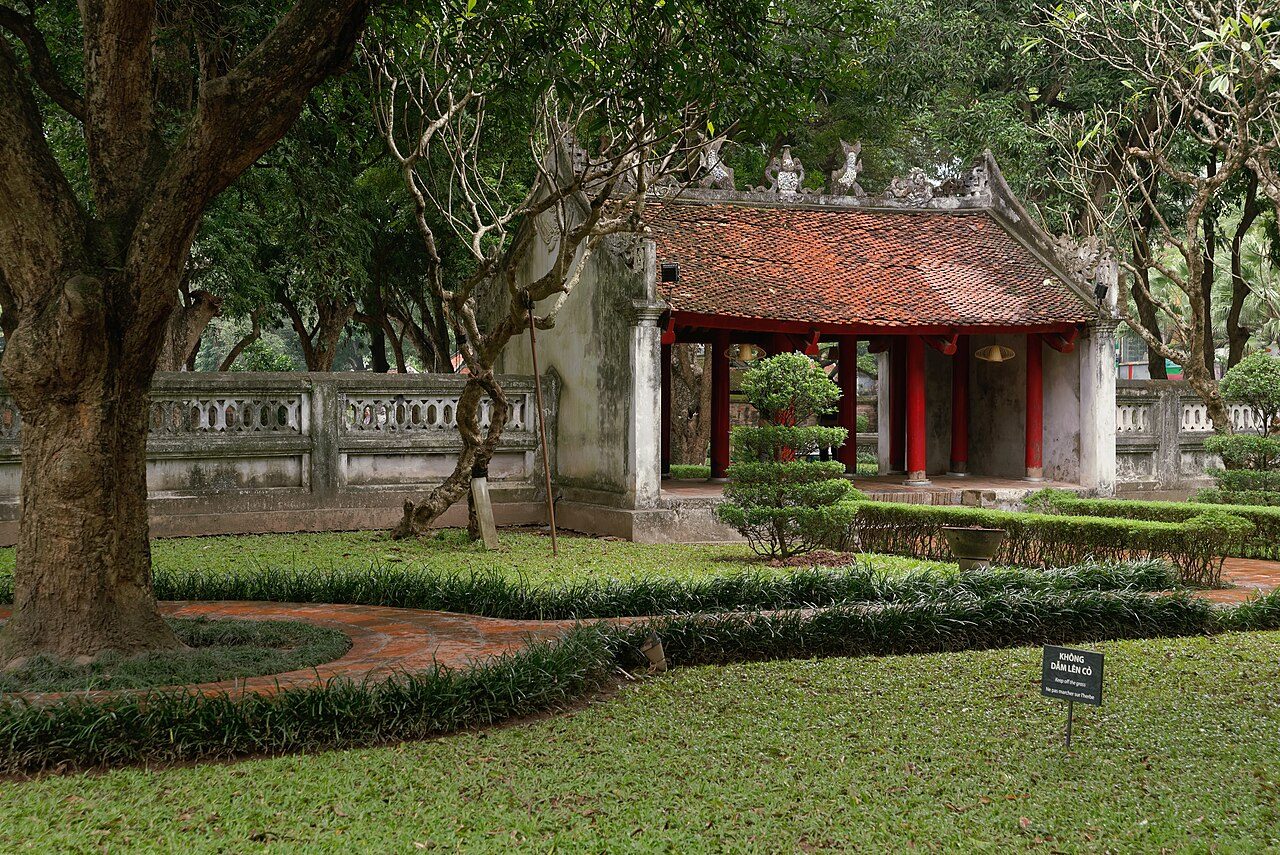
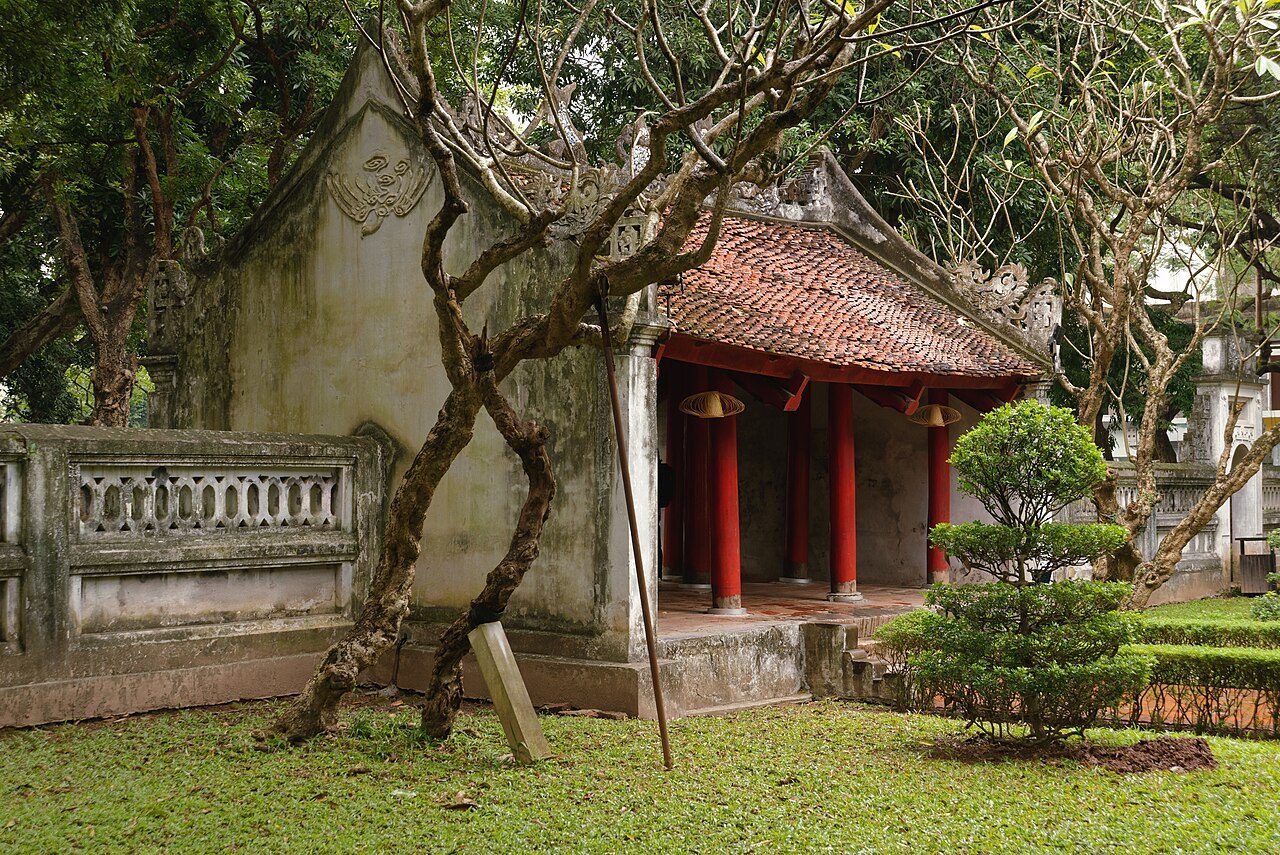
The Temple of Literature was founded in 1070 to honour Confucius and later housed Vietnam's first national university. Its five walled courtyards lead past ponds, gateways and stone stelae on turtle backs that record the names of successful doctoral candidates. Students still come to pray for luck before exams. Go in the morning to enjoy the gardens quietly before tour groups arrive.
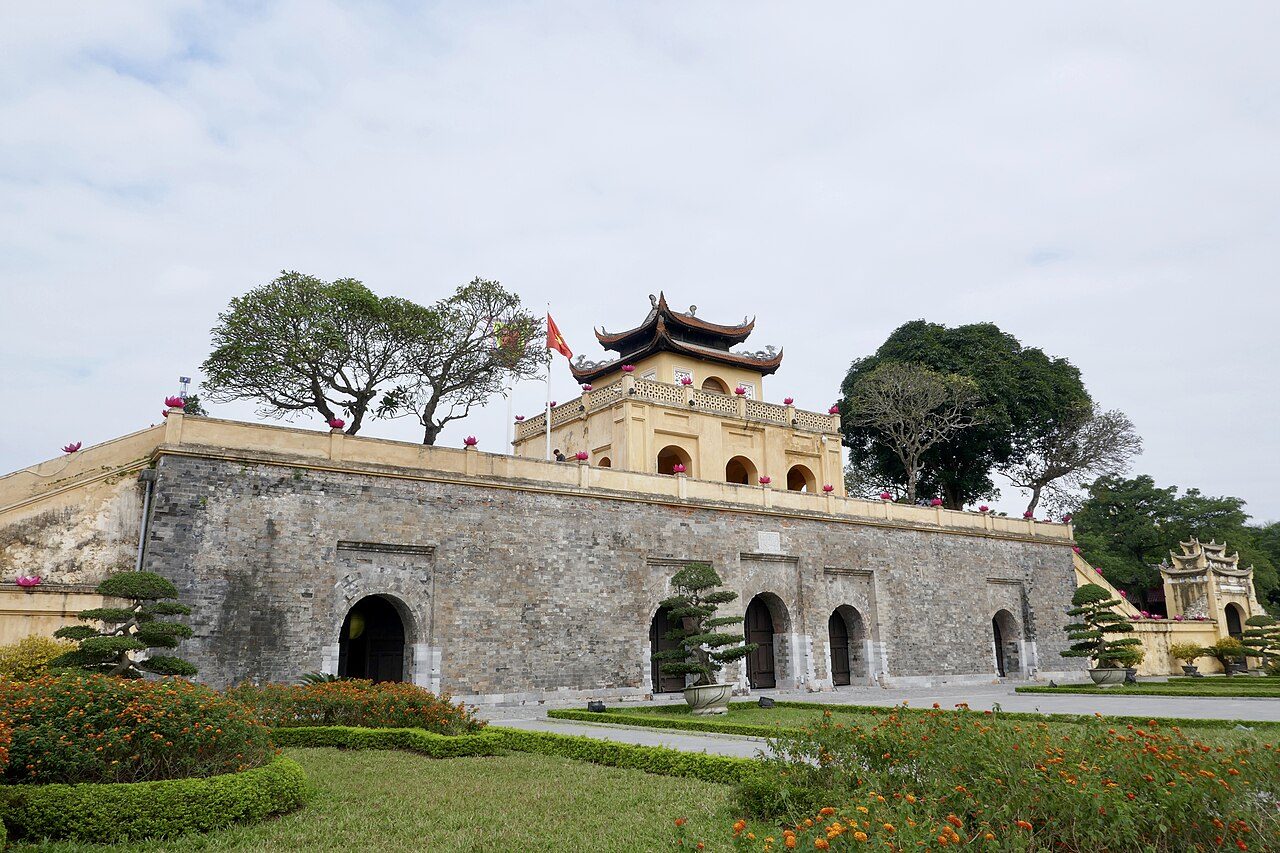
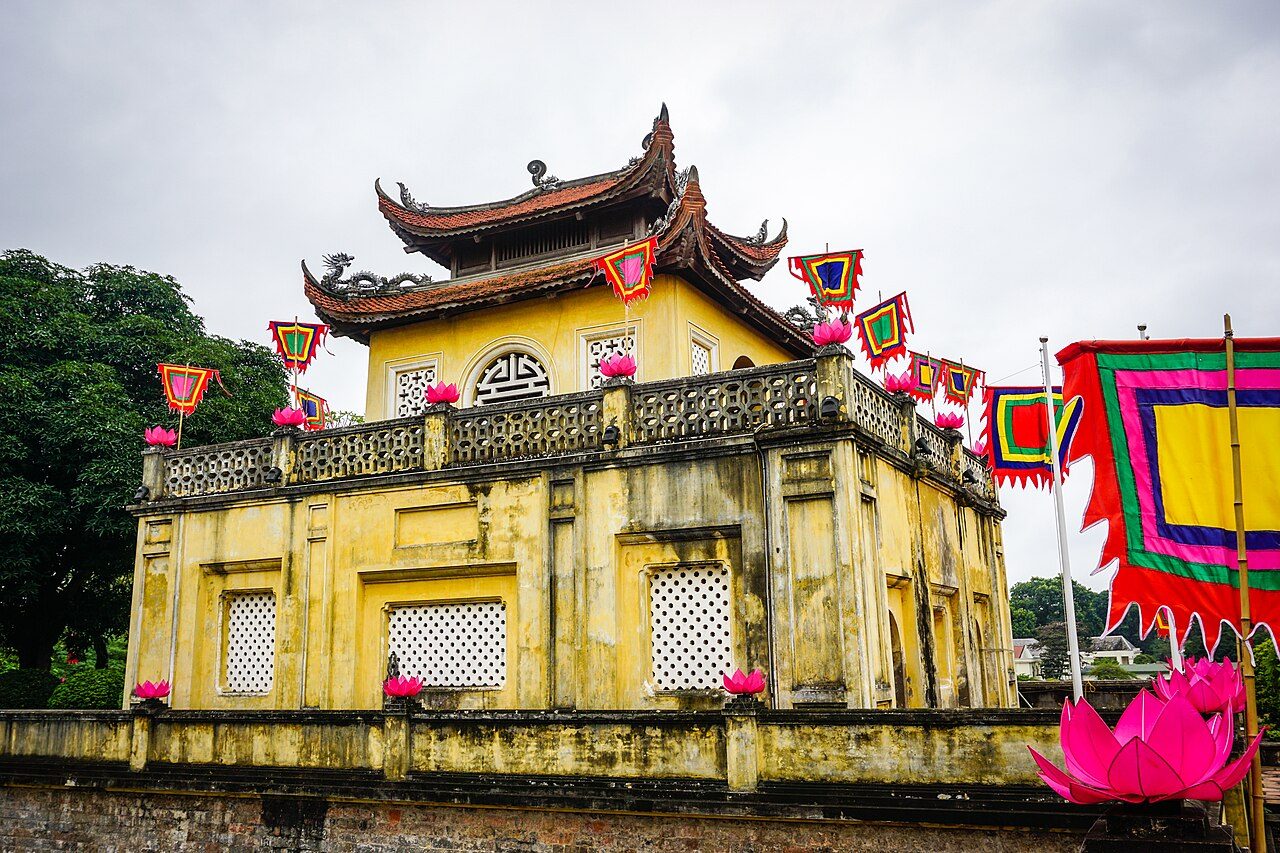
The Imperial Citadel of Thang Long was the political centre of Vietnam for much of the last millennium and is a UNESCO World Heritage Site. Visitors enter through Doan Mon gate and can see palace foundations uncovered by archaeologists, the Kinh Thien palace steps with stone dragons and underground military bunkers used during the war. It is a quiet, shaded escape from the busy streets.
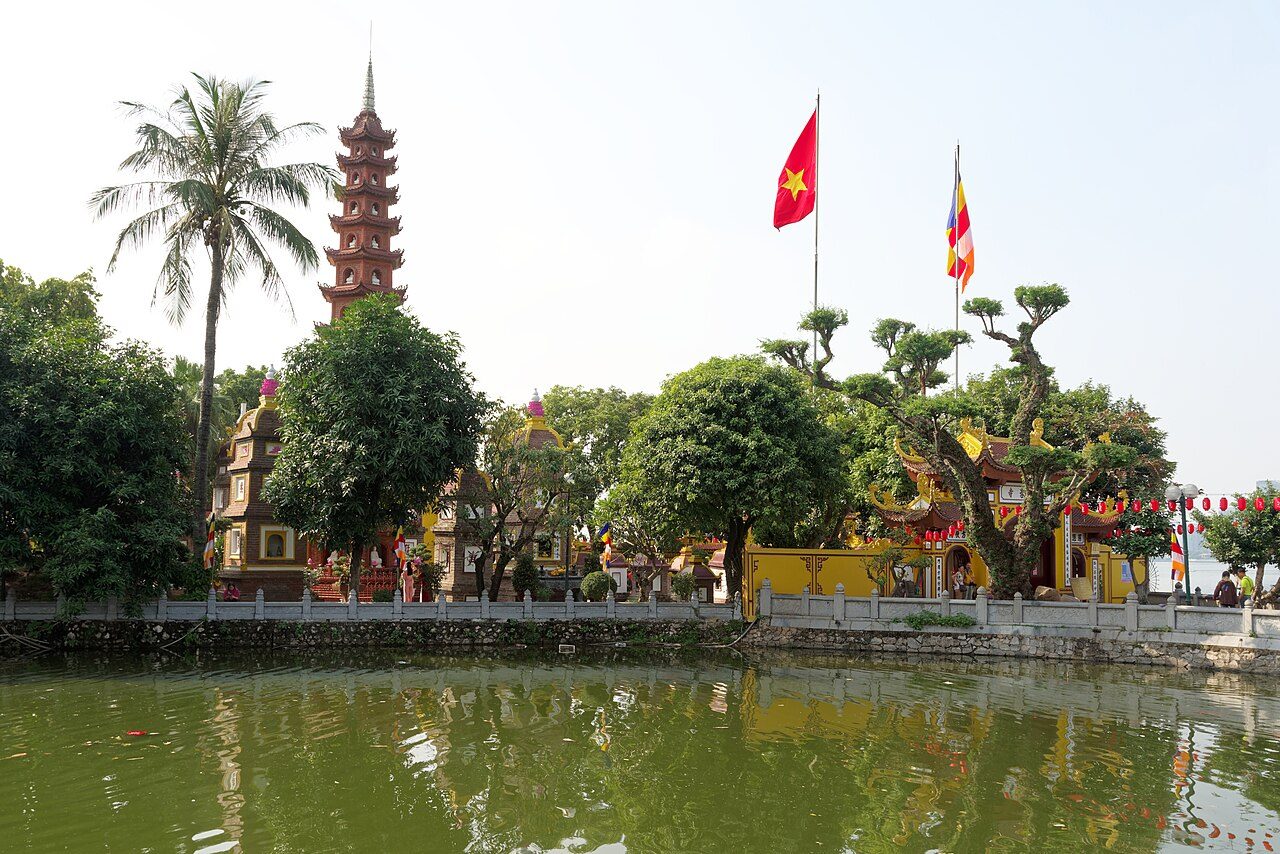
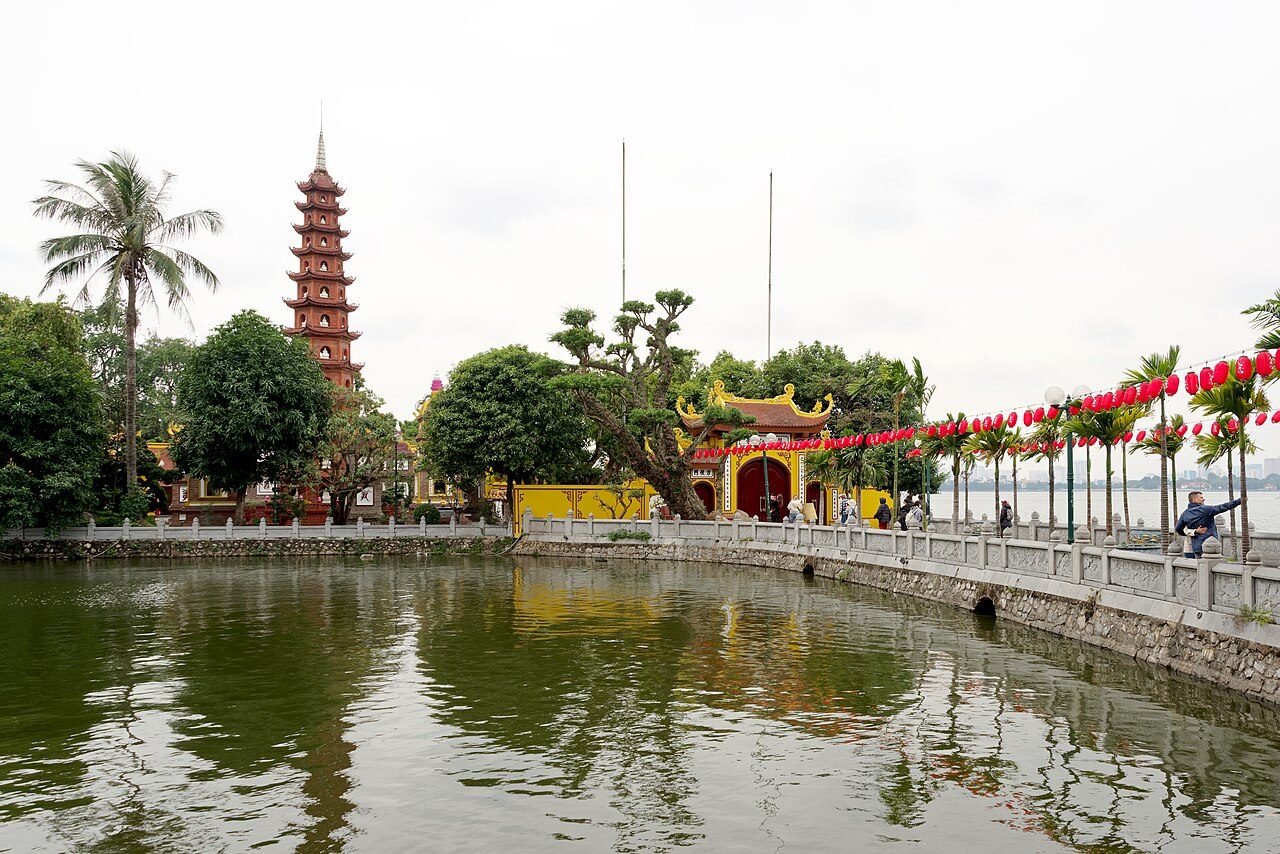
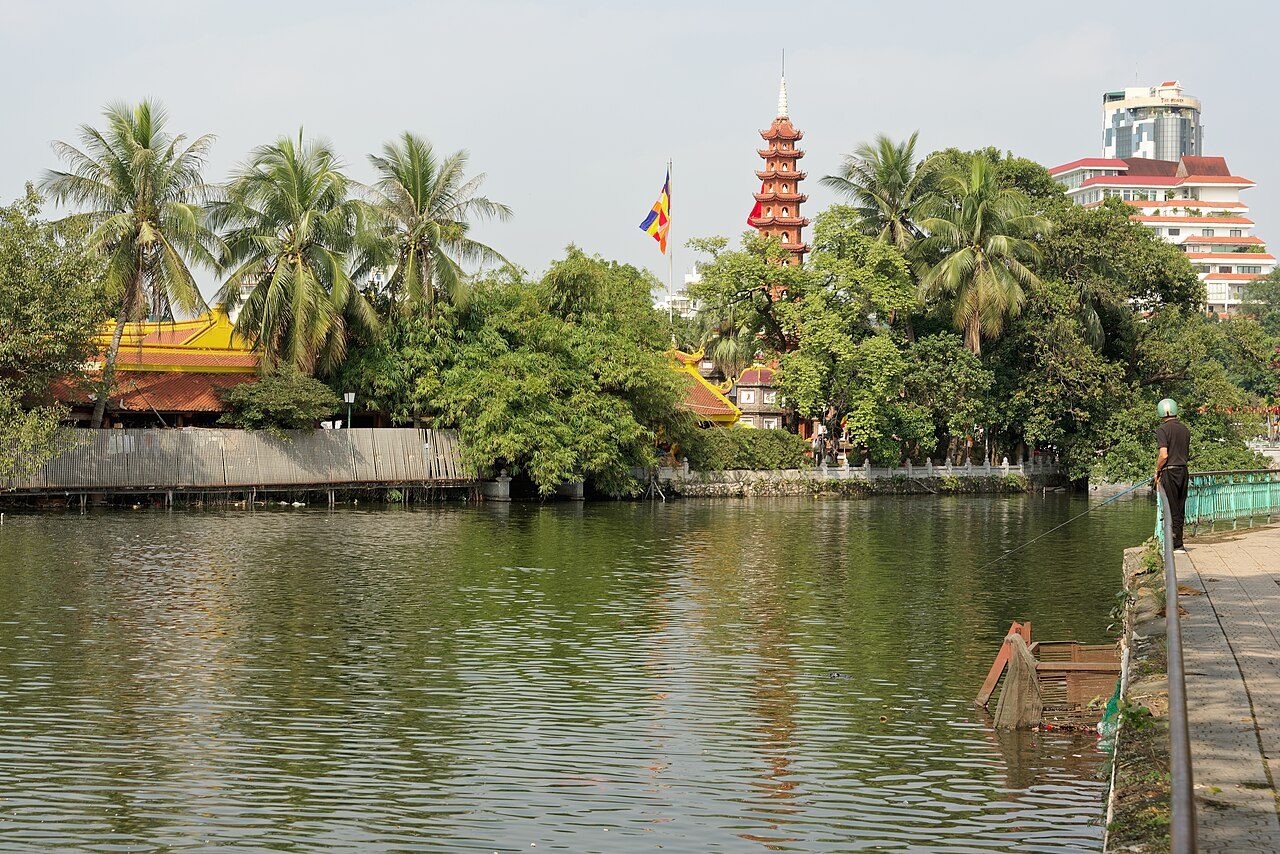
Tran Quoc Pagoda stands on a small peninsula in West Lake and is considered the oldest Buddhist temple in Hanoi, with roots going back about 1,500 years. Its tall red stupa of many tiers holds Buddha statues in each window, and a bodhi tree grows in the grounds. Late afternoon is a lovely time to come, when the sun sets over West Lake behind the pagoda.
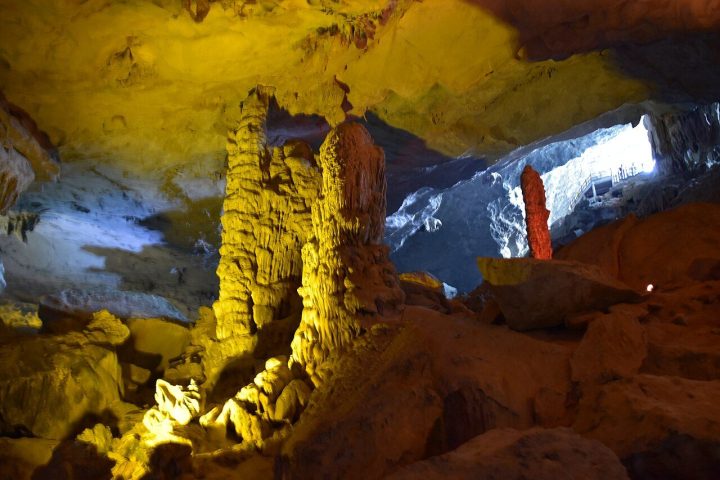
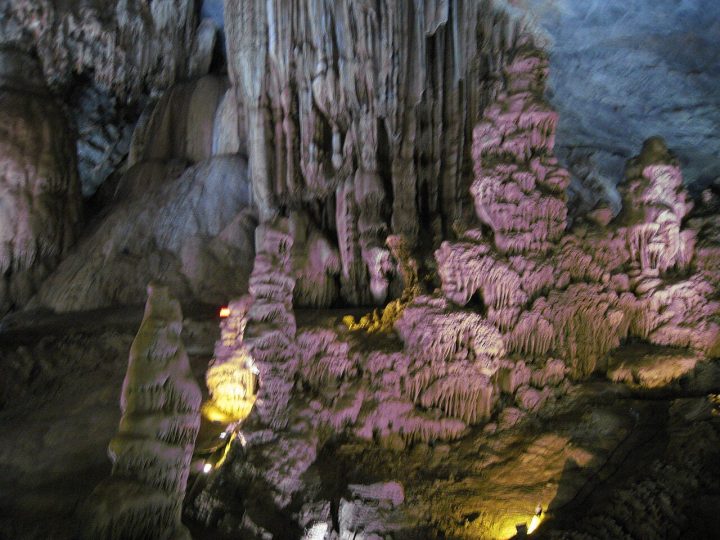
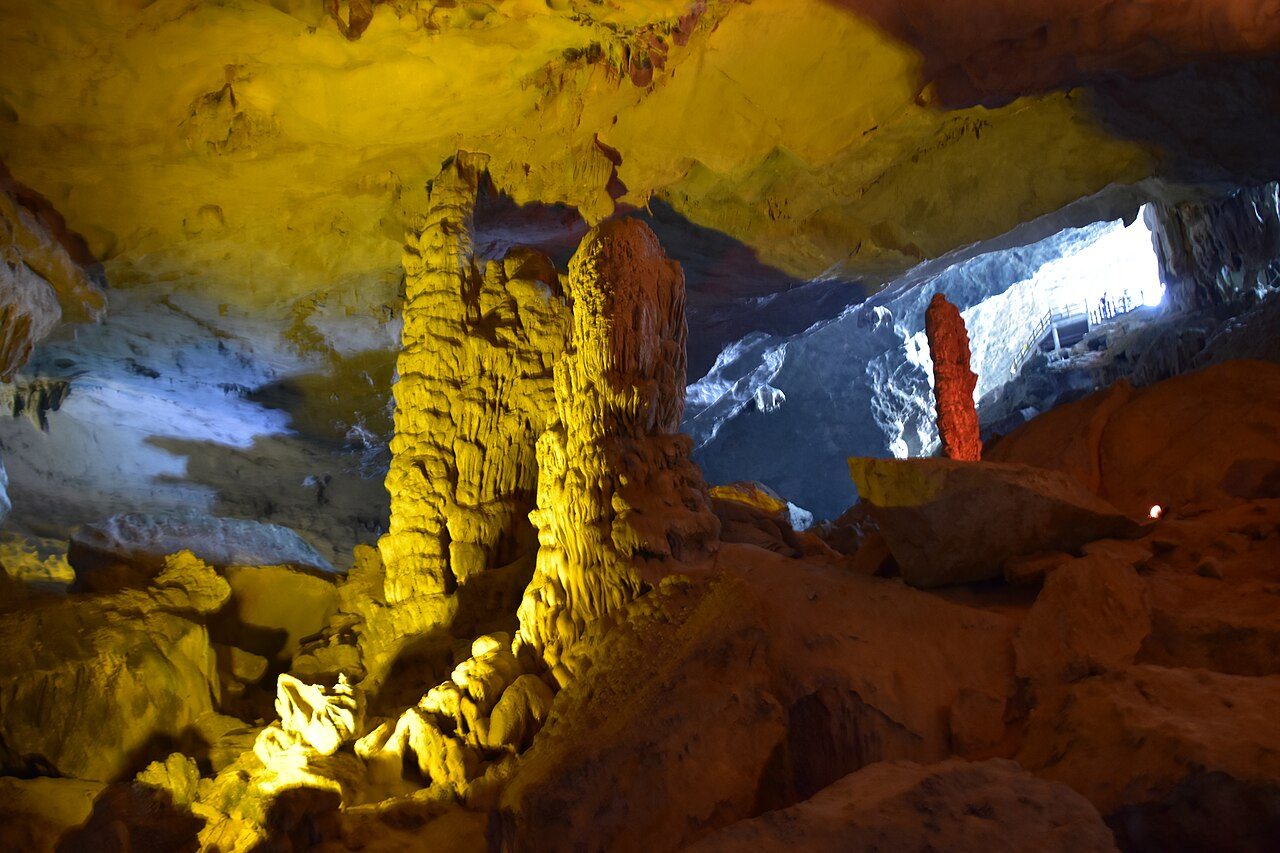
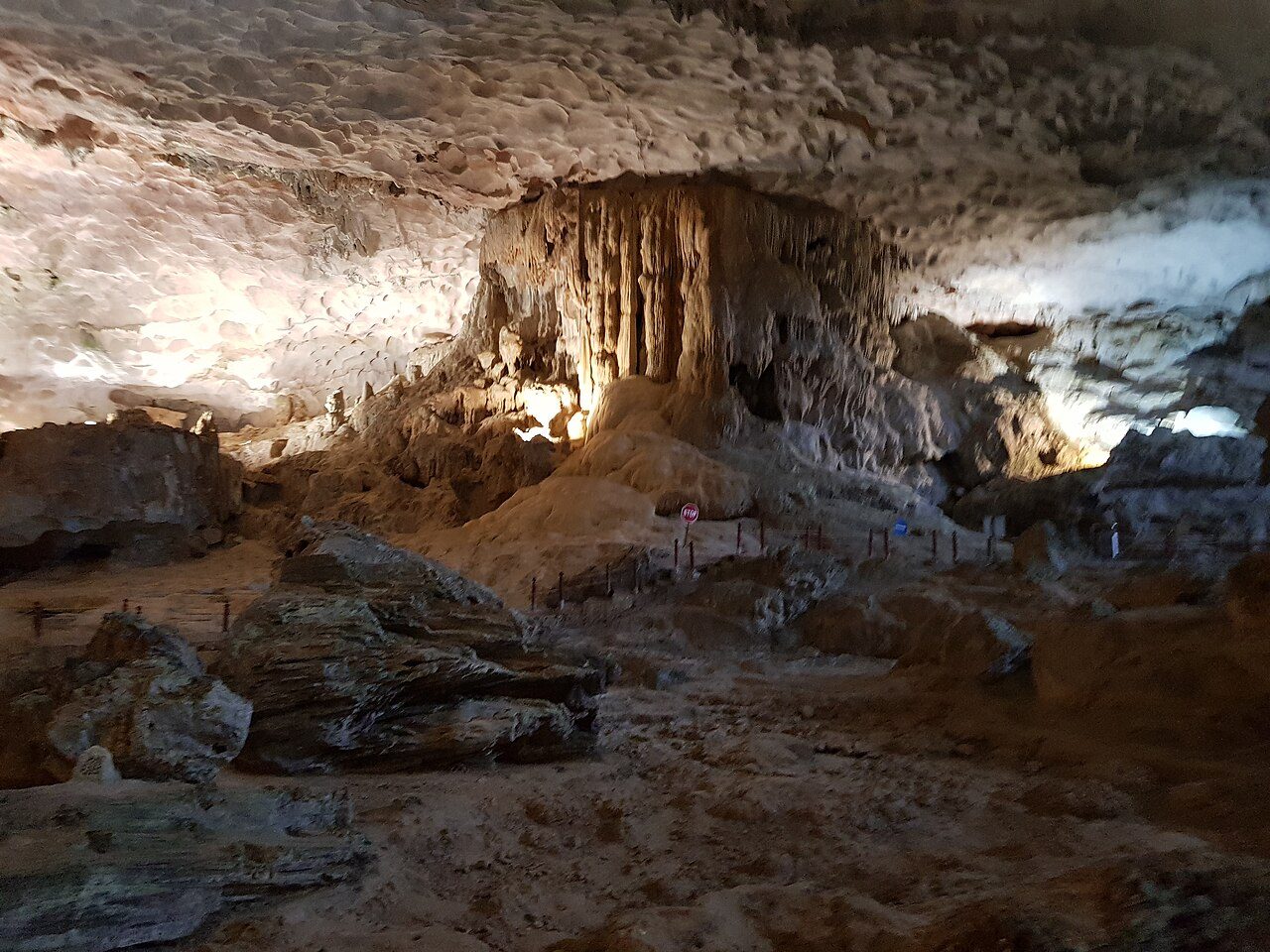
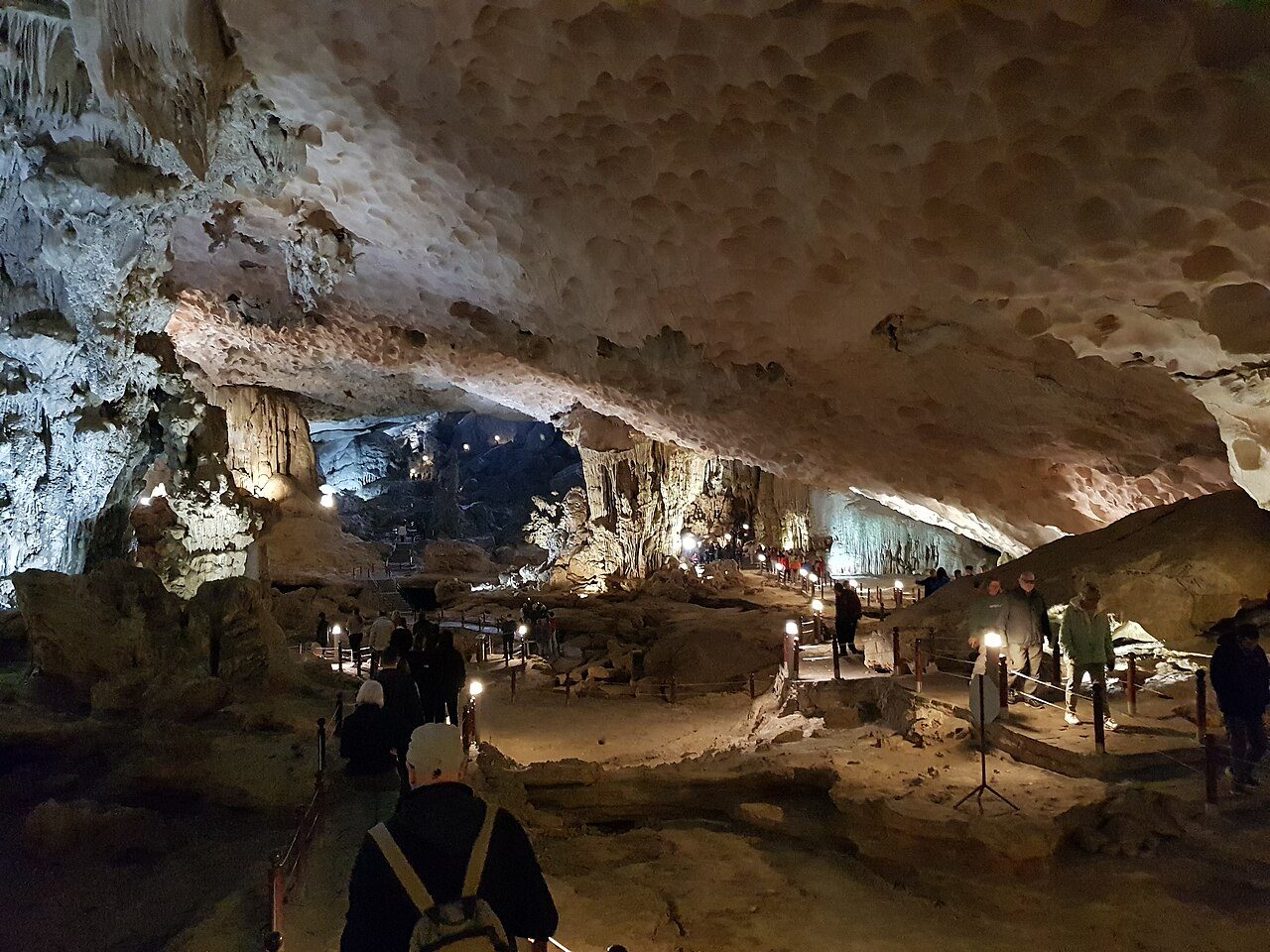
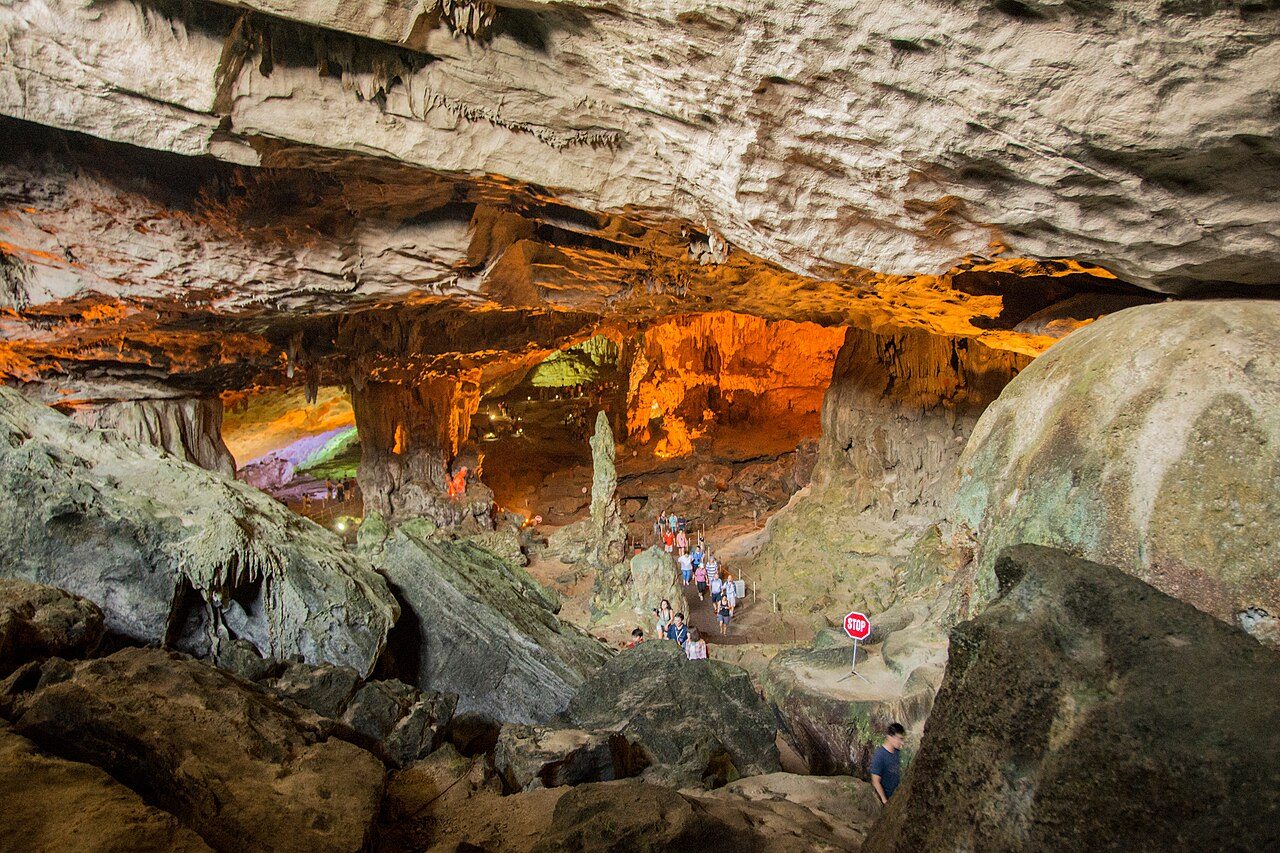
Sung Sot, or Surprise Cave, is one of the largest and most visited caves in Ha Long Bay. A stairway on Bo Hon Island leads up to the entrance, then a path winds through huge chambers full of stalactites and stalagmites. From the exit there are fine views over the boats and limestone islands of the bay. It is included on most day and overnight cruises from Ha Long.
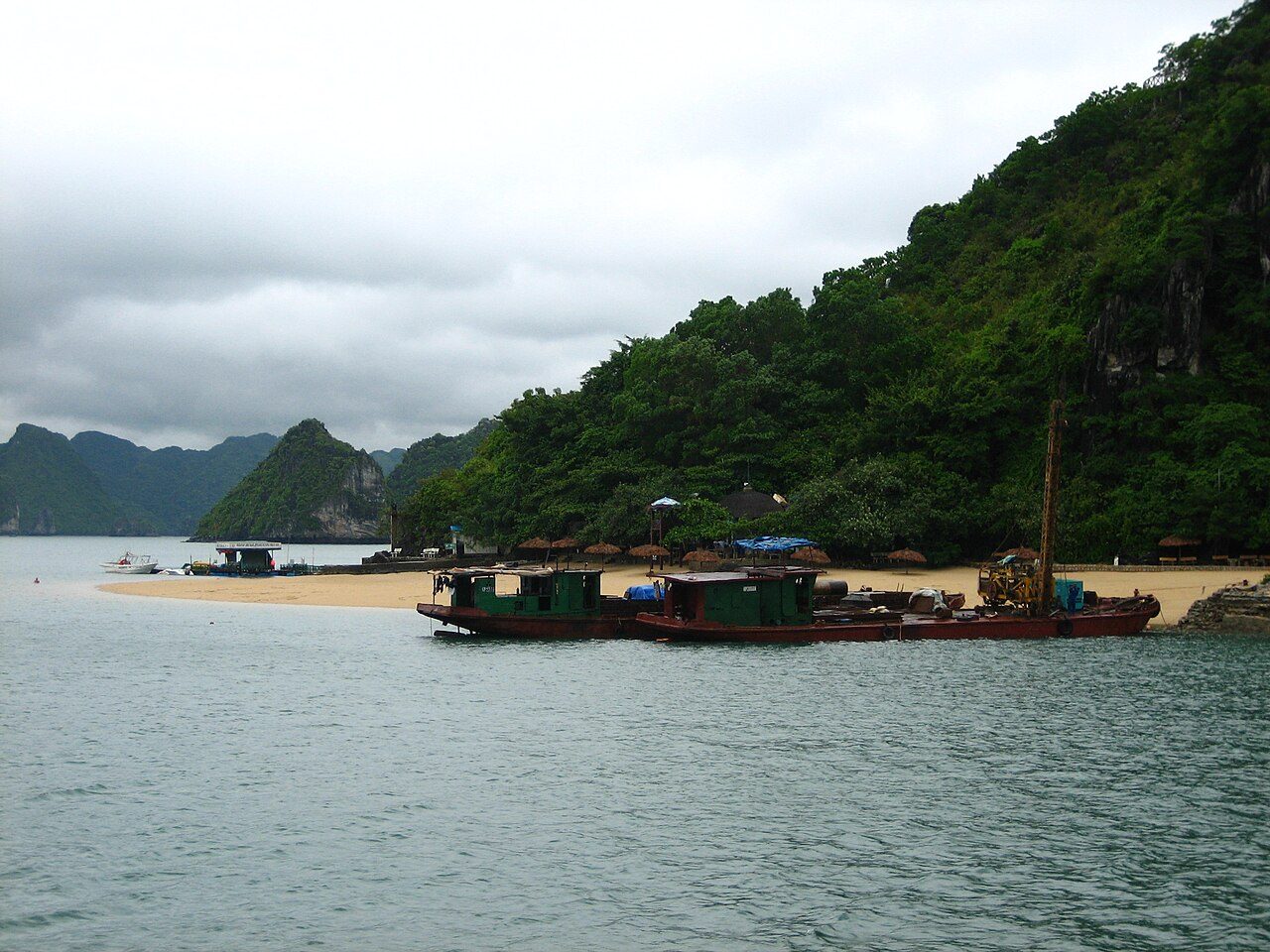
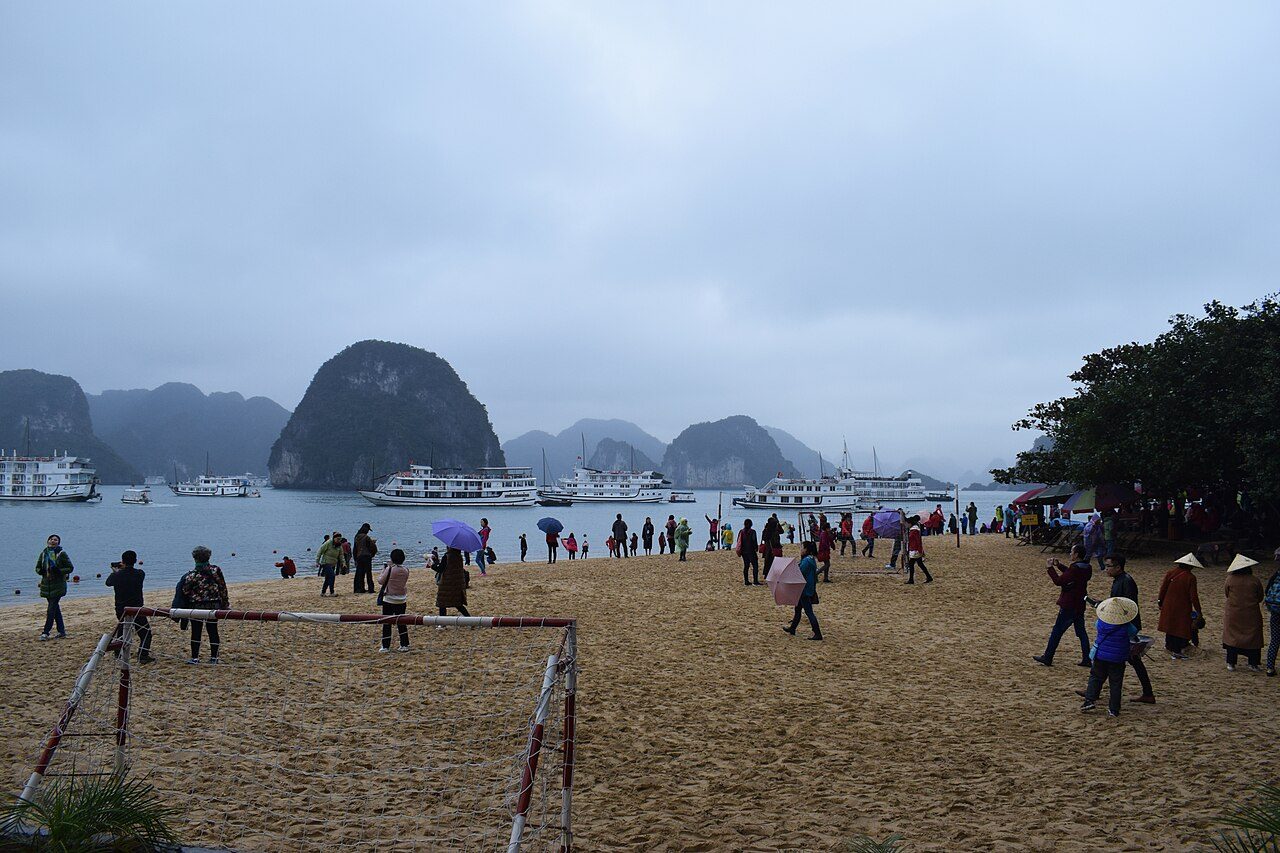
Ti Top Island is a small island in Ha Long Bay with a crescent of white sand and a steep path to a summit viewpoint. The climb of several hundred steps rewards visitors with a panoramic view over hundreds of limestone islets. The island was named after Soviet cosmonaut Gherman Titov, who visited with Ho Chi Minh. Most cruises stop here for swimming and the climb.
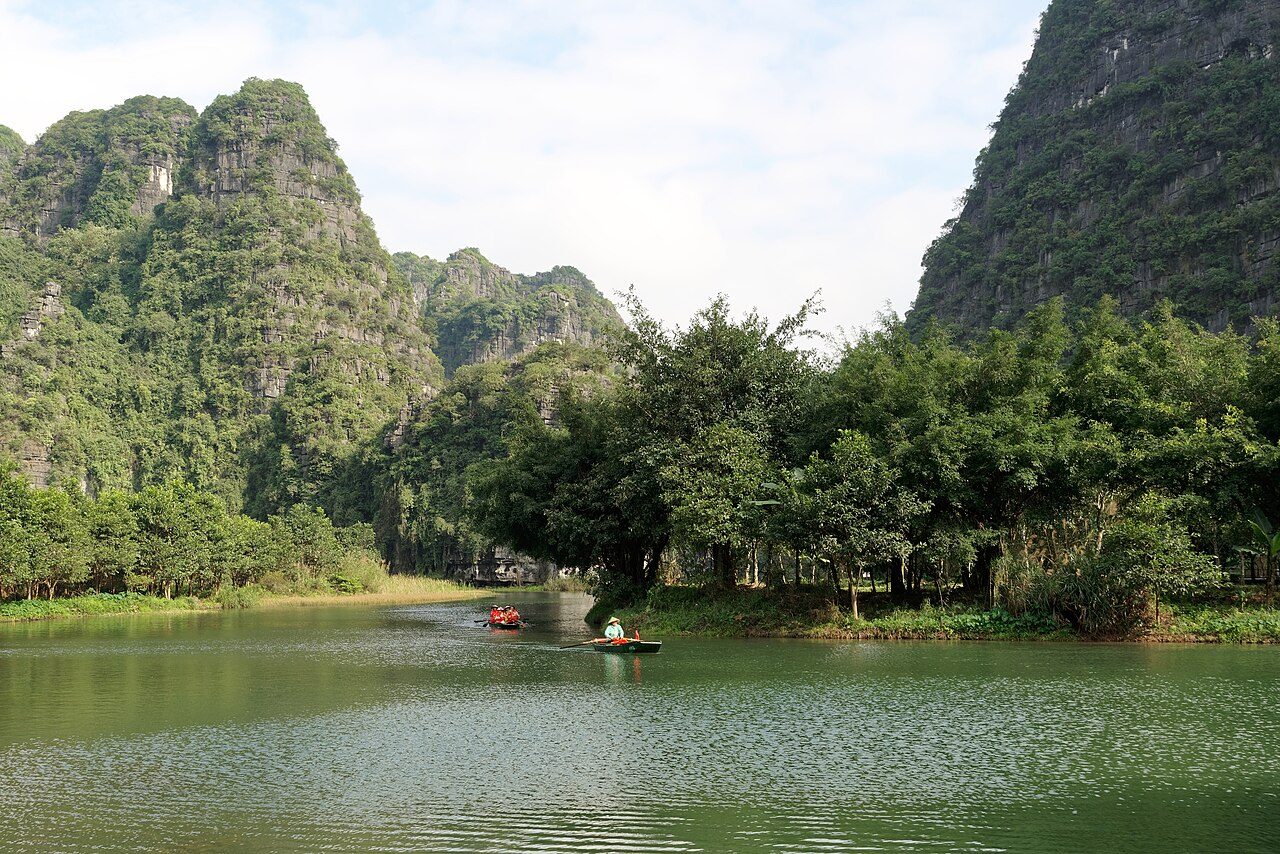
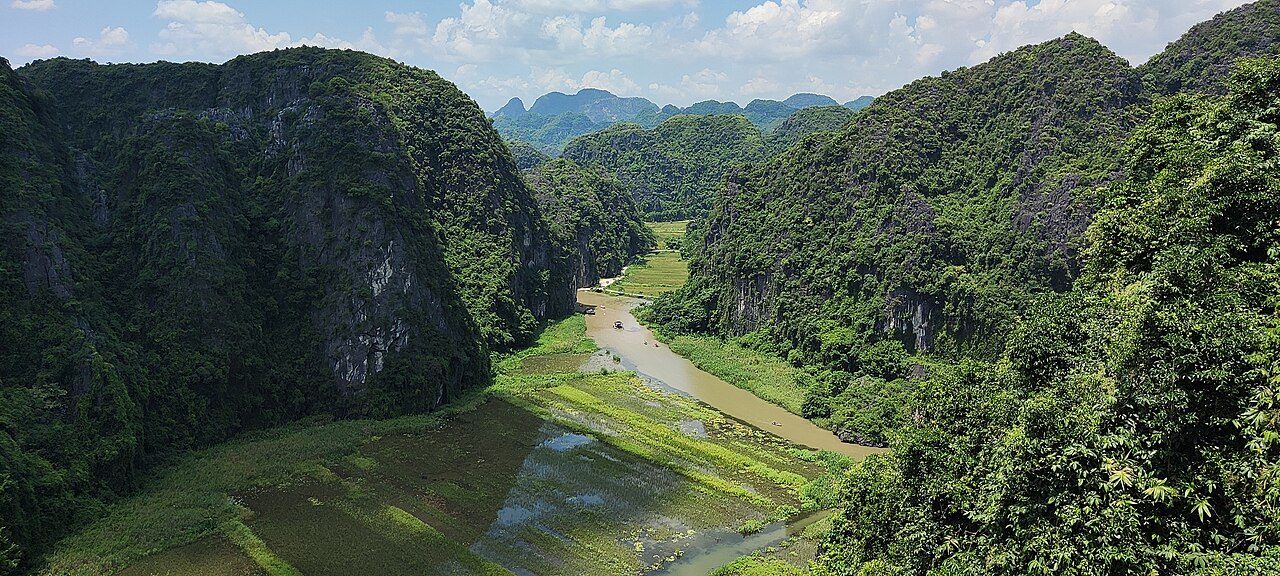
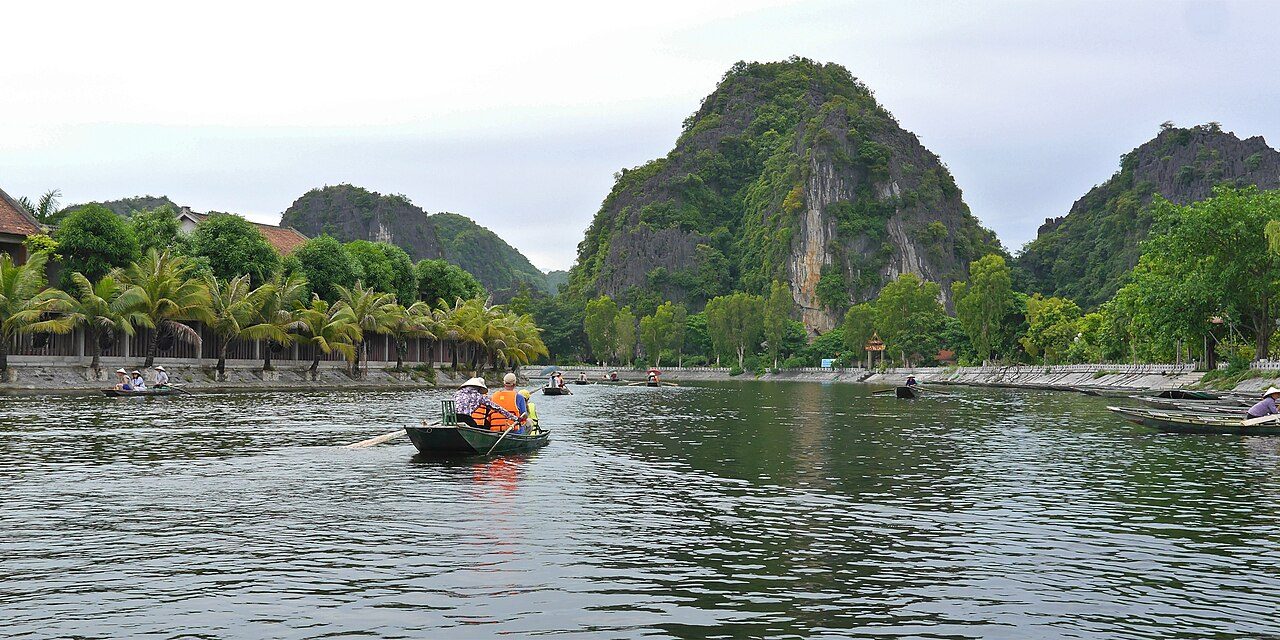
Trang An is a UNESCO-listed landscape of limestone karst peaks, rivers and caves in Ninh Binh. Rowing boats steered by local guides take visitors on a two to three hour route through flooded caves and past temples on the riverbanks. The scenery has appeared in international films. Visit in the early morning or late afternoon for softer light and fewer boats on the water.
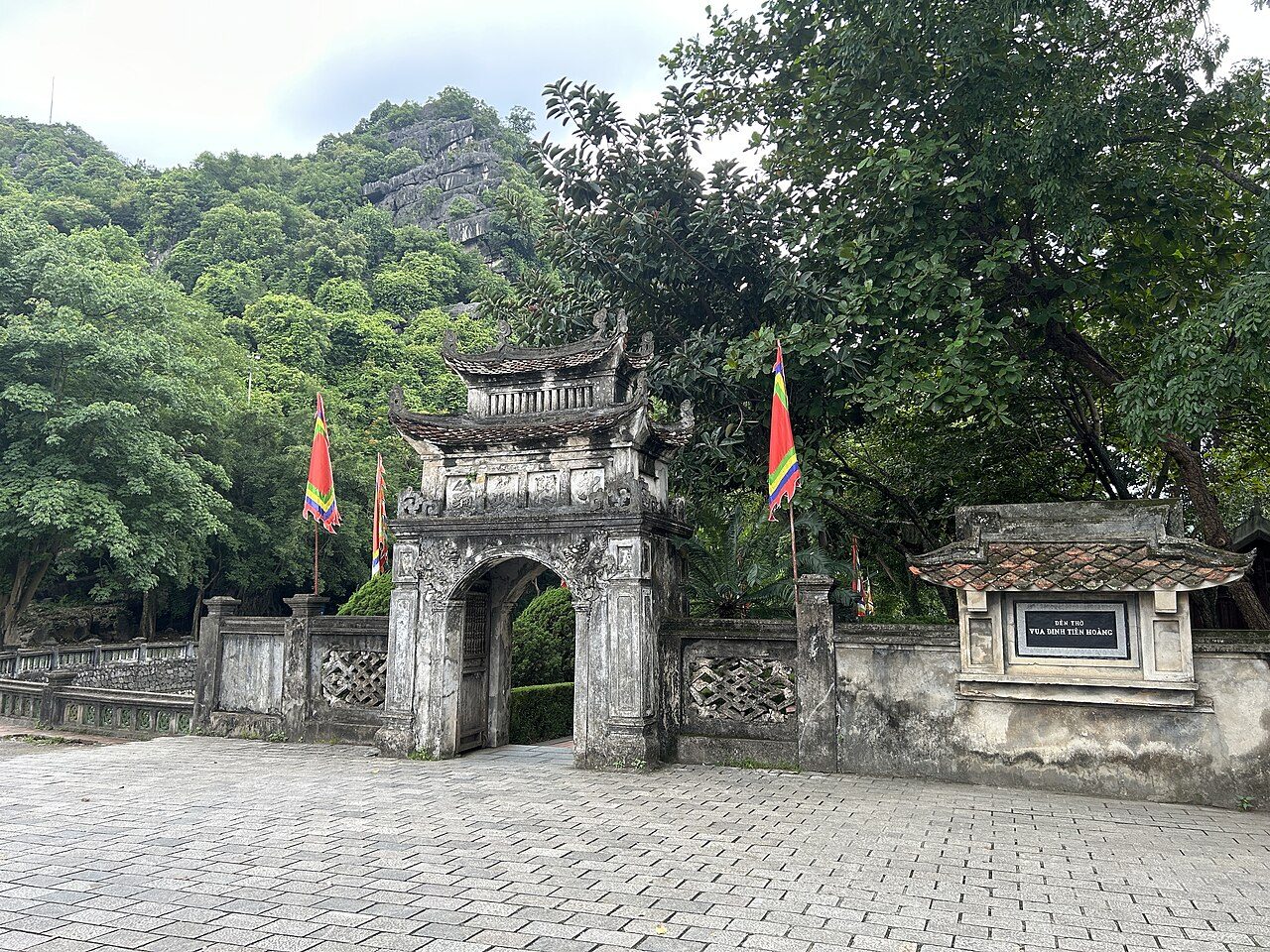
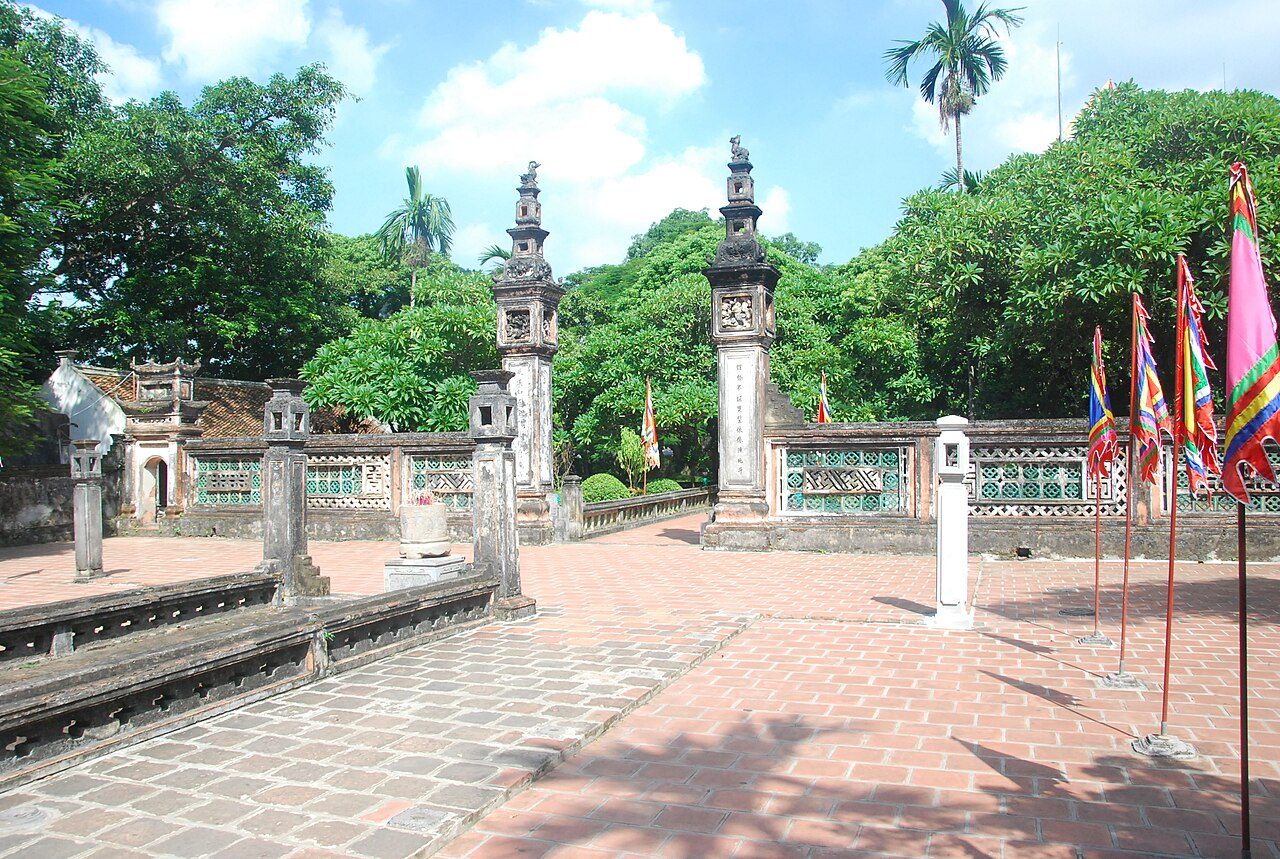
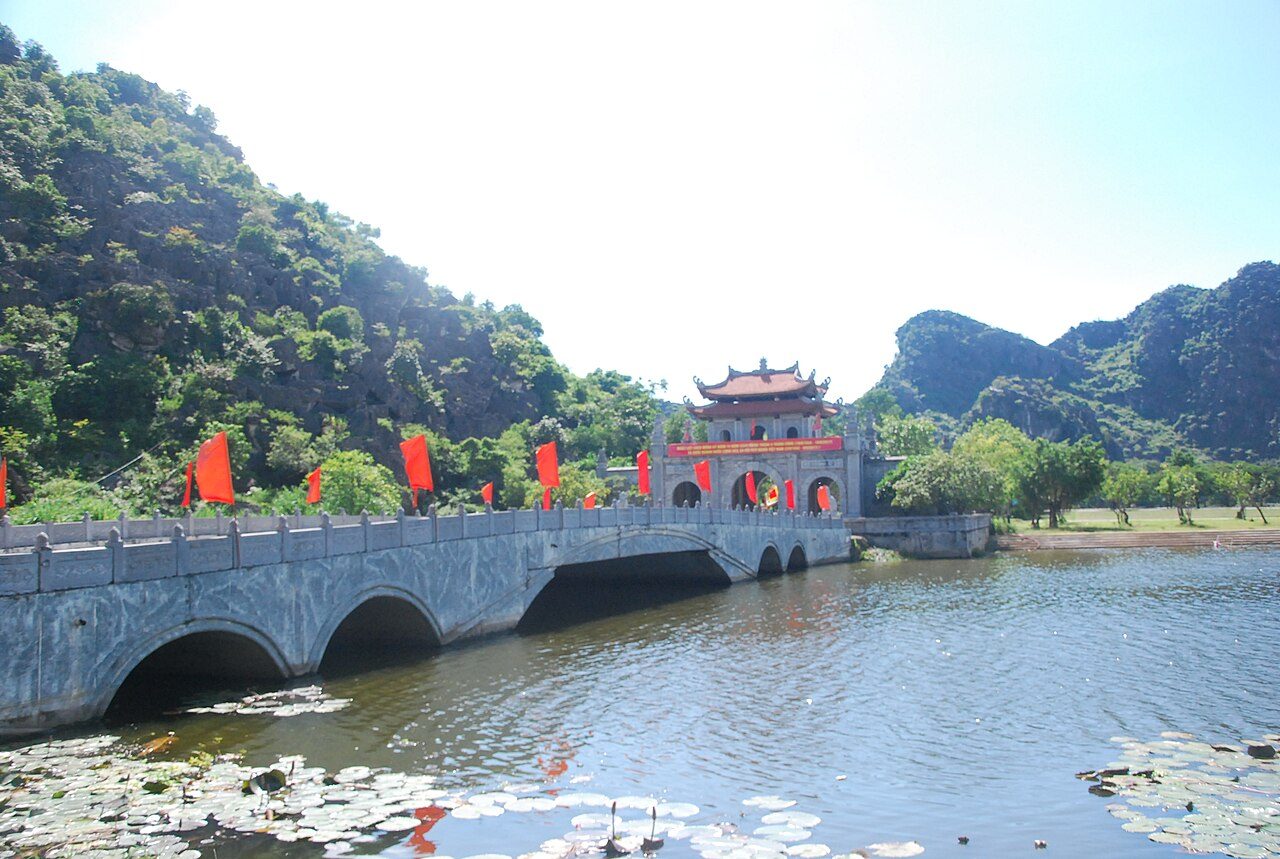
Hoa Lu was the capital of Vietnam in the late 10th and early 11th centuries under the Dinh and early Le dynasties. Today the site is centred on the temples of King Dinh Tien Hoang and King Le Dai Hanh, set among limestone hills. The temples feature fine carved wooden altars and stone dragons. It is a peaceful stop that pairs well with nearby Trang An or Tam Coc.
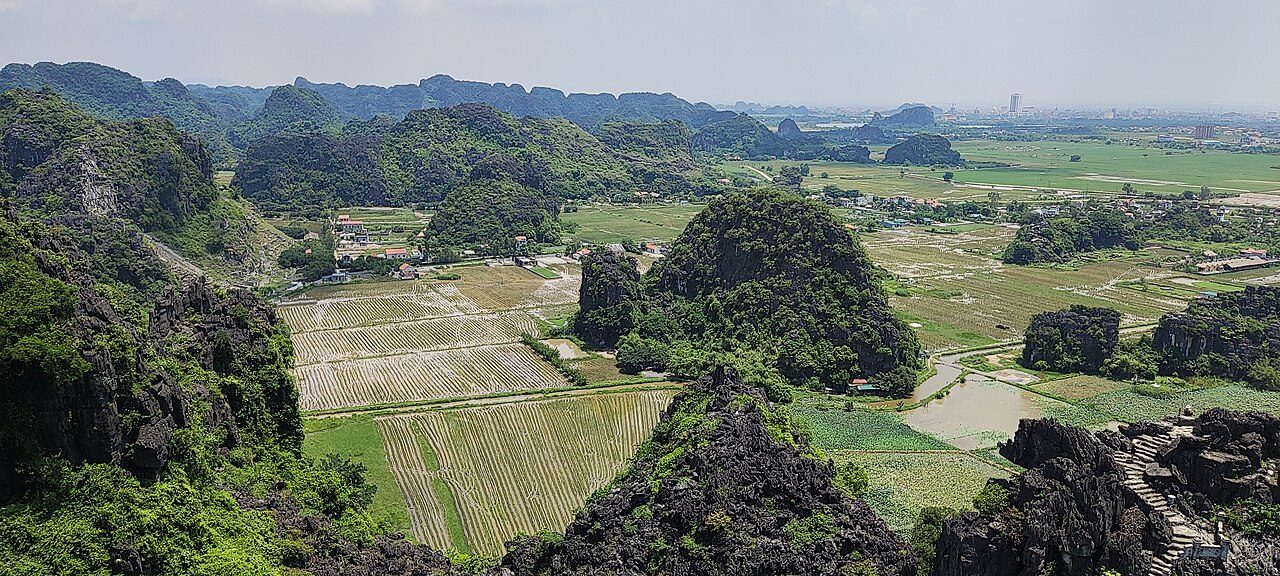
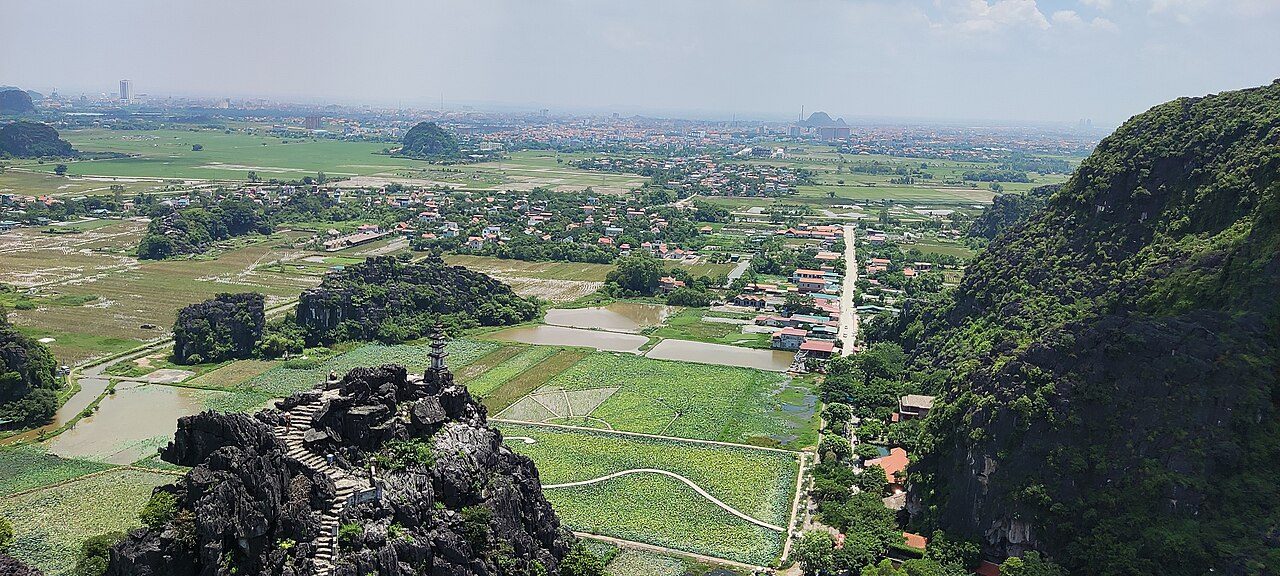
Mua Cave is best known for the stairway of about 500 steps that climbs a limestone peak beside it to a dragon statue and small shrine. From the top you get a famous view over the rice fields and winding river of Tam Coc. The cave itself is small. Go early in the morning or near sunset, when it is cooler and the light over the valley is beautiful.
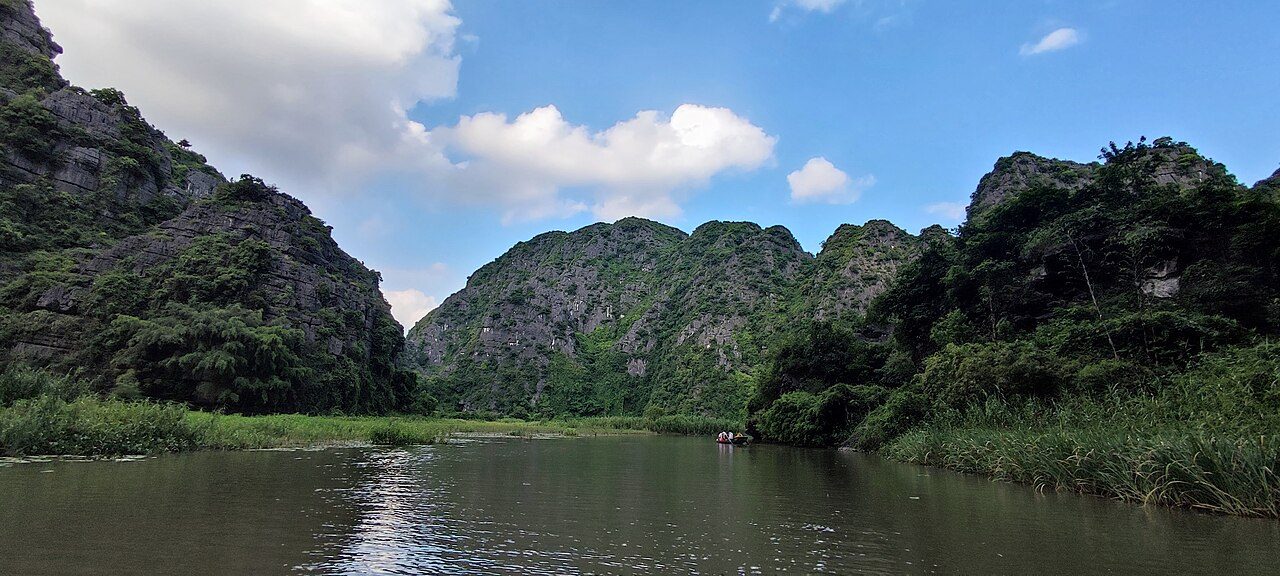
Tam Coc means three caves, and the boat trip here takes visitors along the Ngo Dong River through three low caves cut into the limestone. Rowers often paddle with their feet while rice fields stretch between the karst cliffs. The rice turns golden in late May and early June, which is the most beautiful time to come. Nearby Bich Dong Pagoda is an easy addition to the trip.
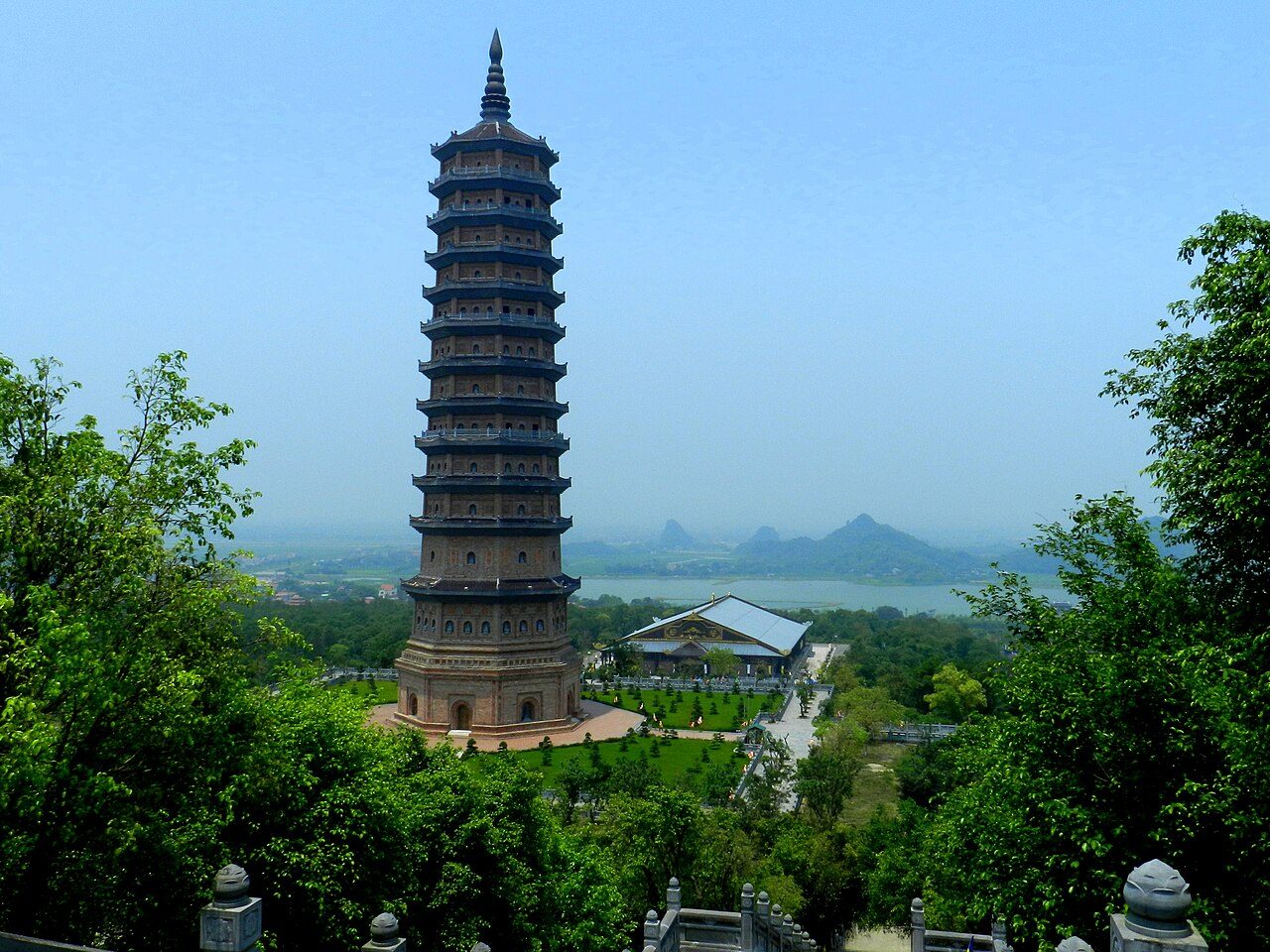
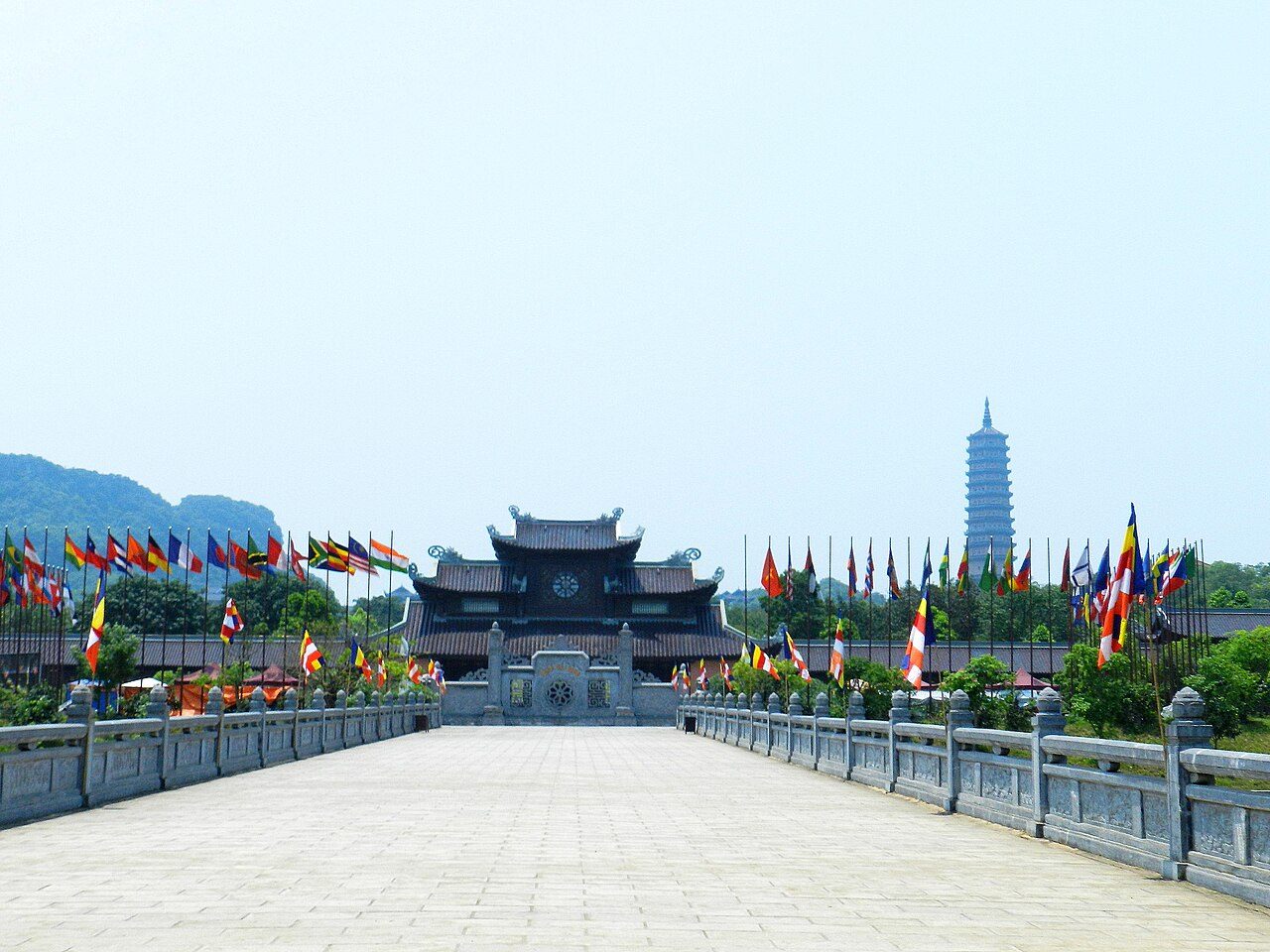
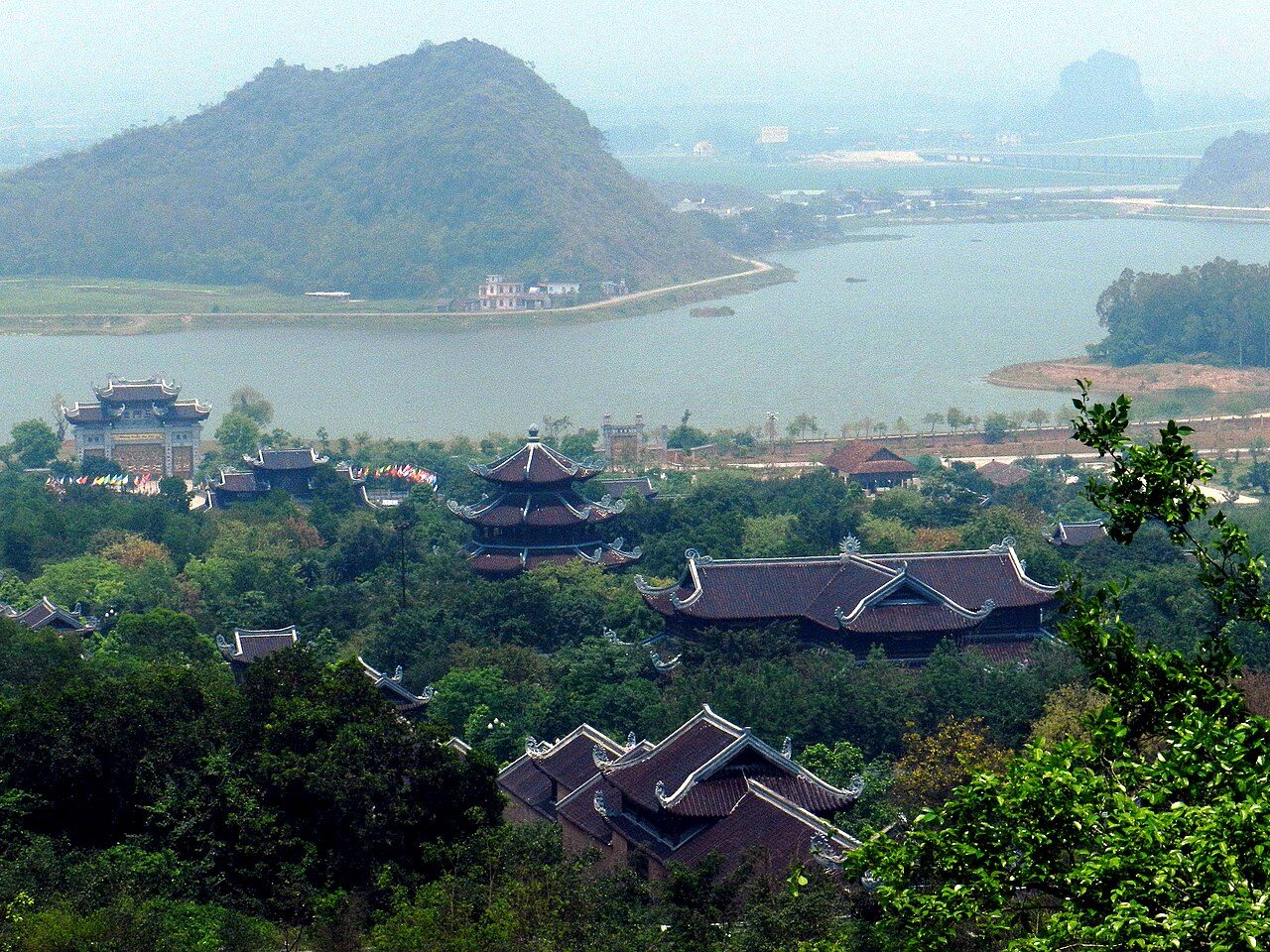
Bai Dinh is one of the largest Buddhist temple complexes in Vietnam, spread across a hillside near the ancient capital Hoa Lu. Highlights include long corridors lined with hundreds of stone arhat statues, huge bronze Buddha statues and a tall stupa with views over the countryside. The old Bai Dinh pagoda in a cave sits up the hill. Electric carts take visitors from the entrance.
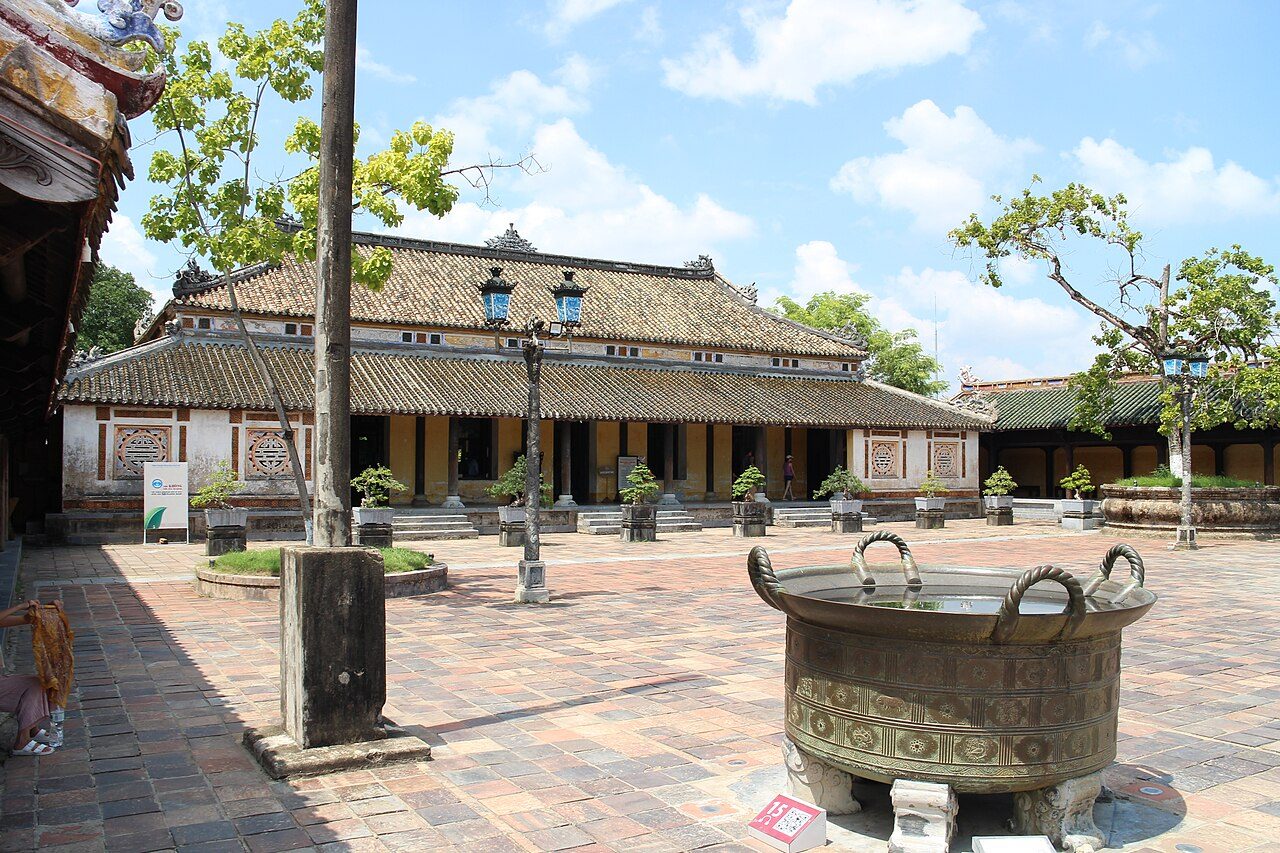
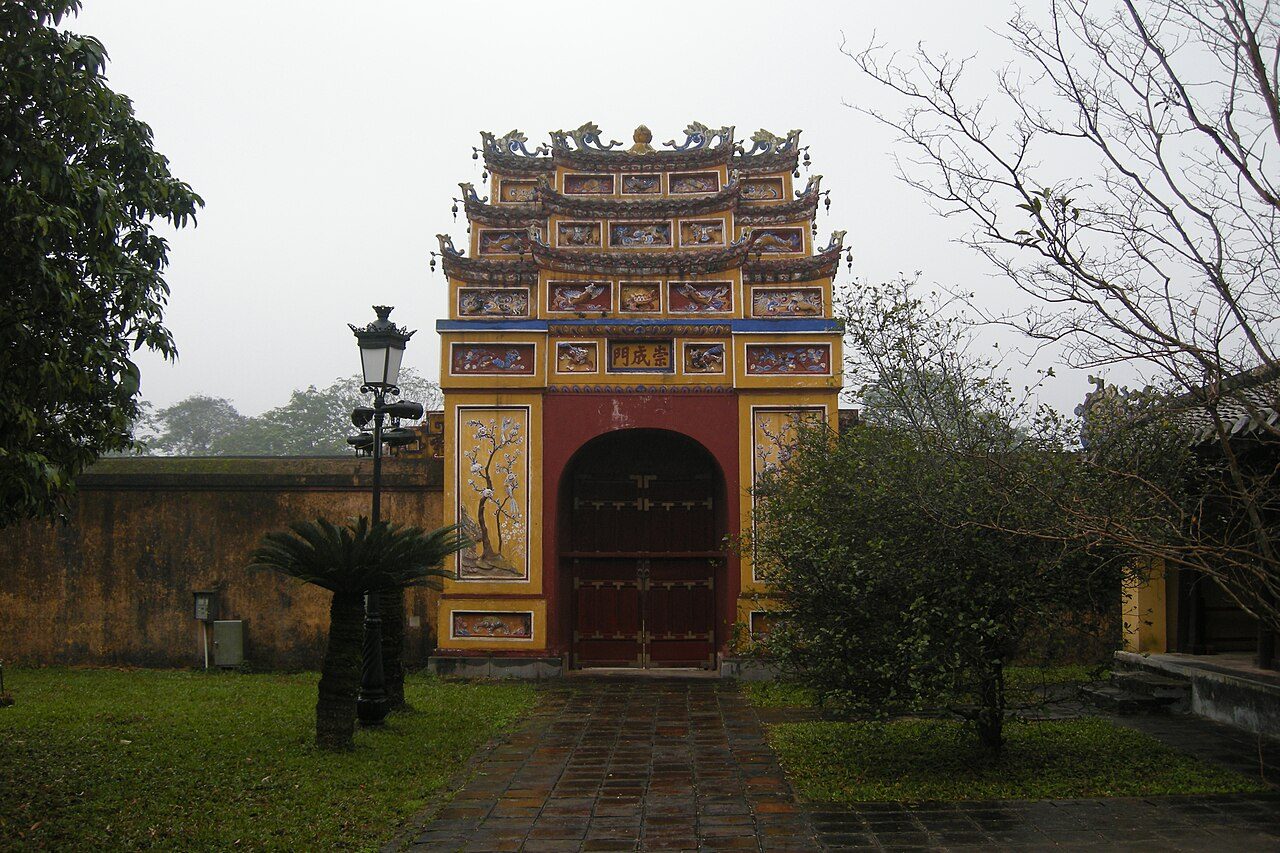
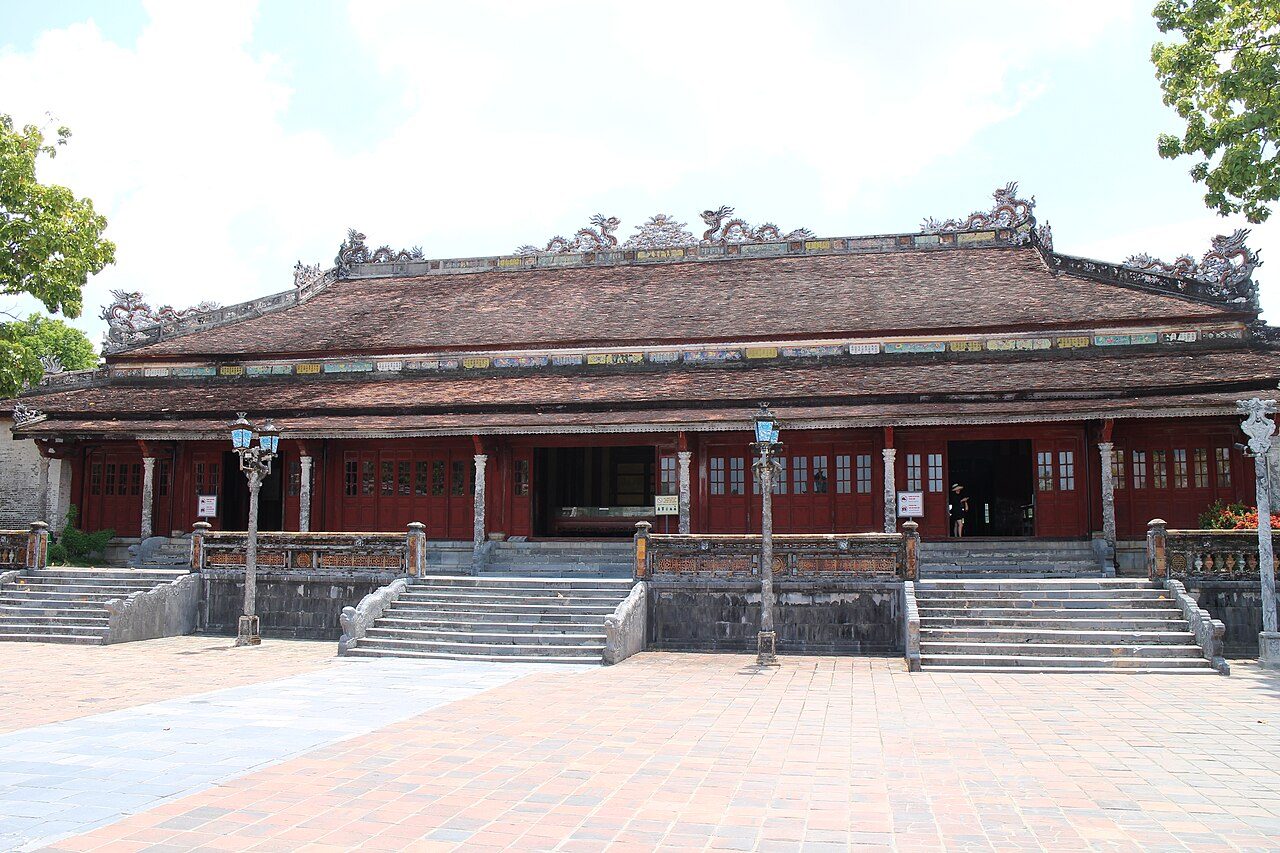
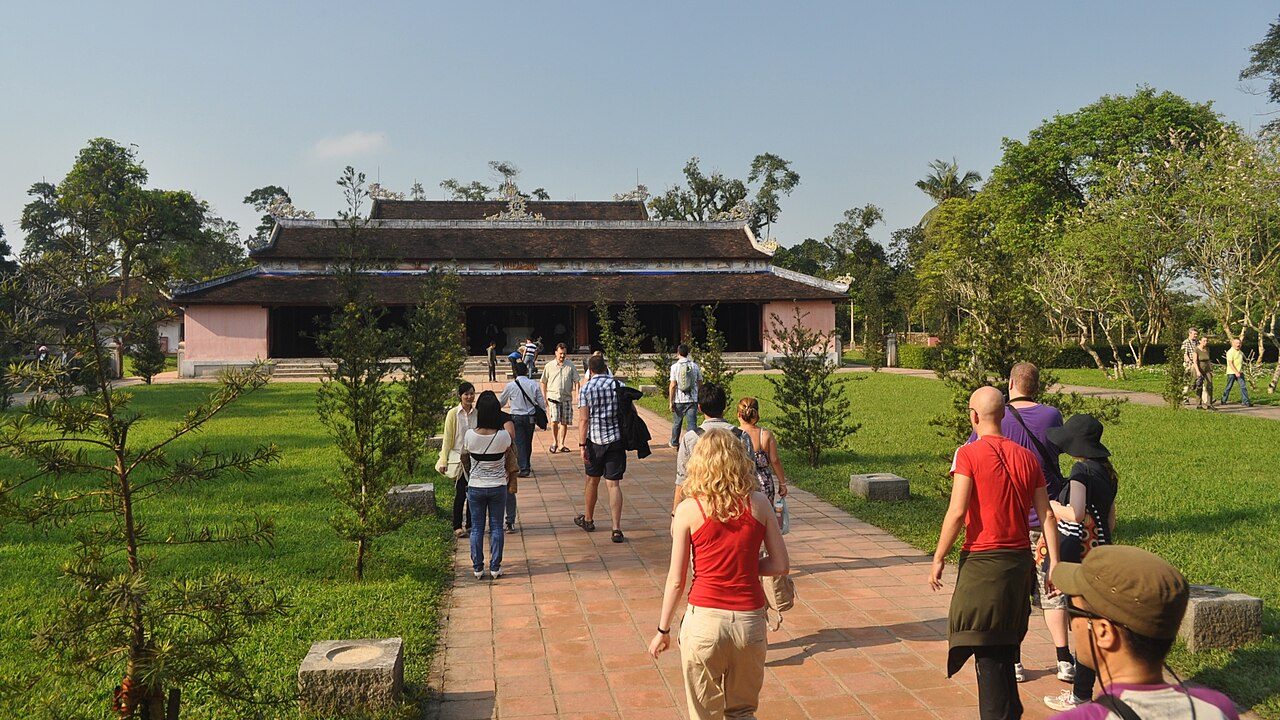
The Imperial City of Hue was the seat of the Nguyen dynasty, Vietnam's last ruling family, from 1802 to 1945. Visitors enter through the grand Ngo Mon or Meridian Gate and explore throne halls, temples, gardens and restored pavilions within the Citadel walls. Much was damaged during the wars, and restoration continues. It is part of the UNESCO-listed Complex of Hue Monuments; allow half a day.
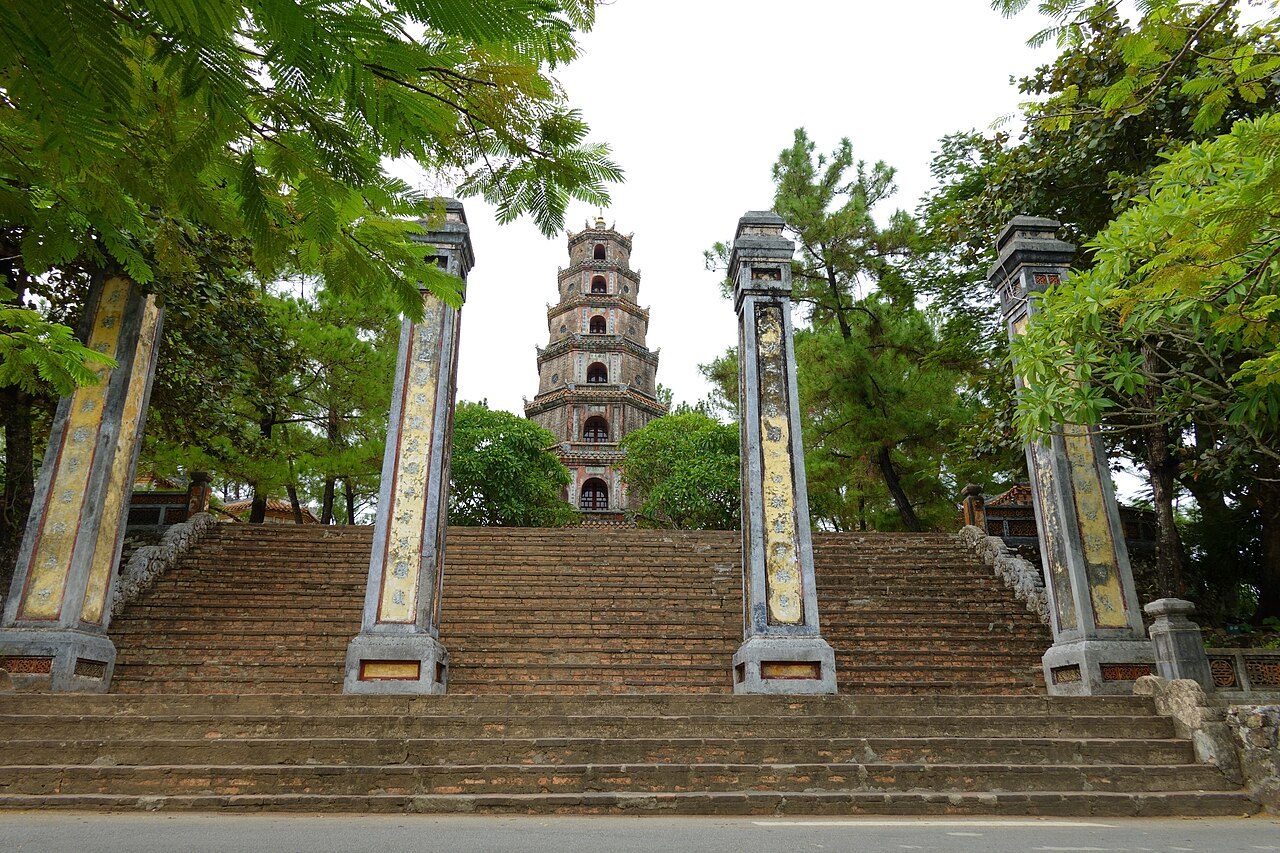
Thien Mu Pagoda stands on a hill above the Perfume River and is one of the most recognisable symbols of Hue. Its seven-storey octagonal Phuoc Duyen tower was added in 1844. The grounds hold a giant bell, a stele on a marble turtle and the car that carried monk Thich Quang Duc to Saigon in 1963. Many visitors arrive by dragon boat along the river.
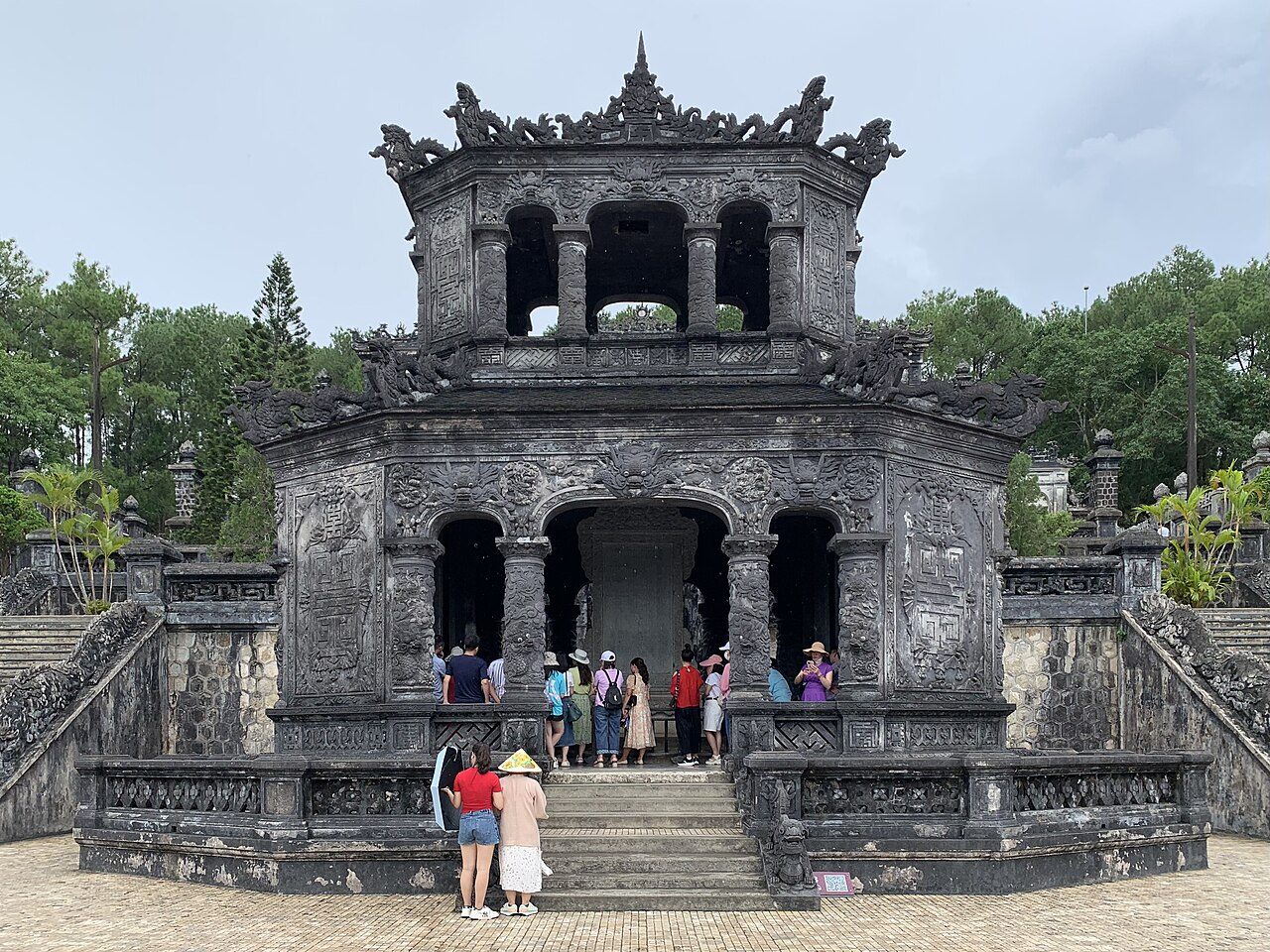
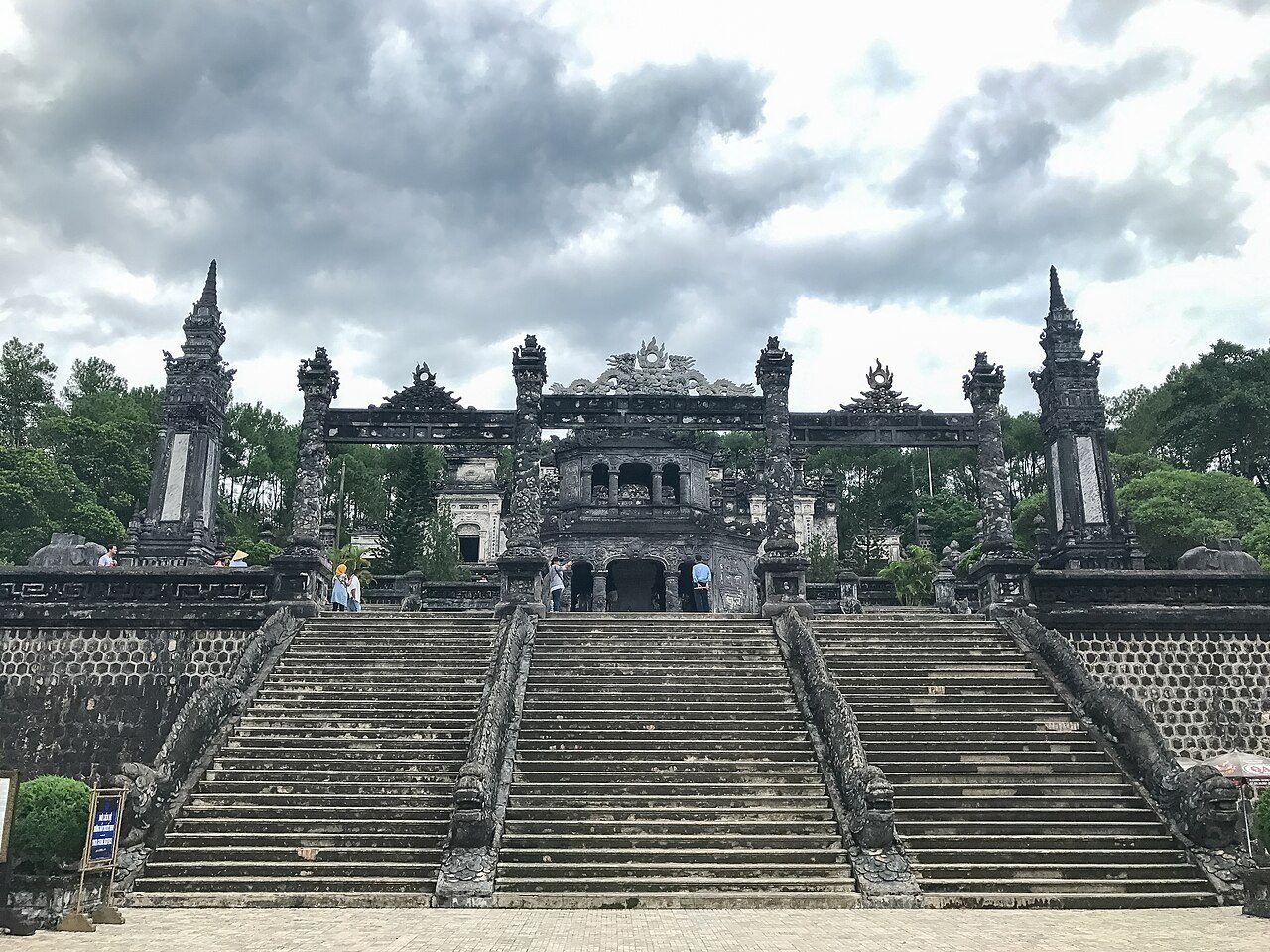
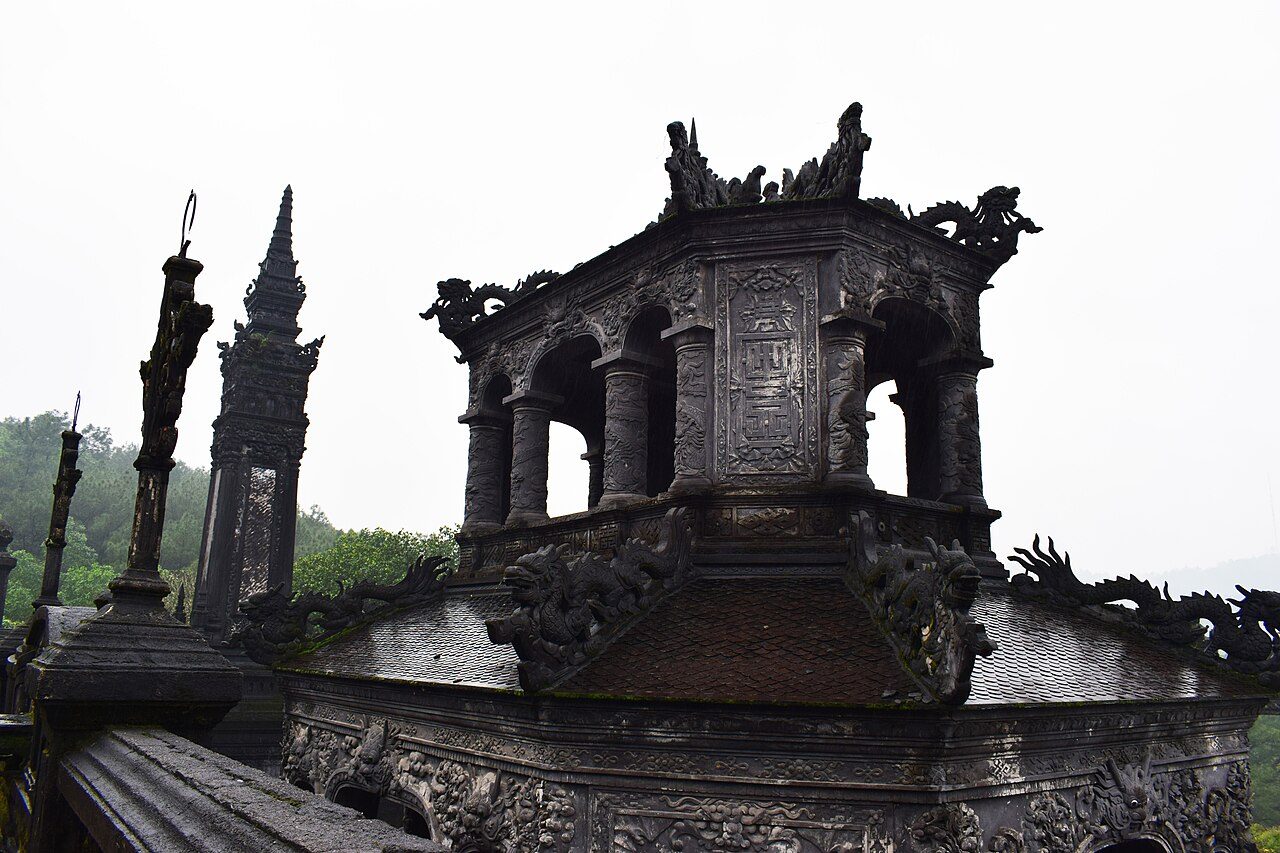
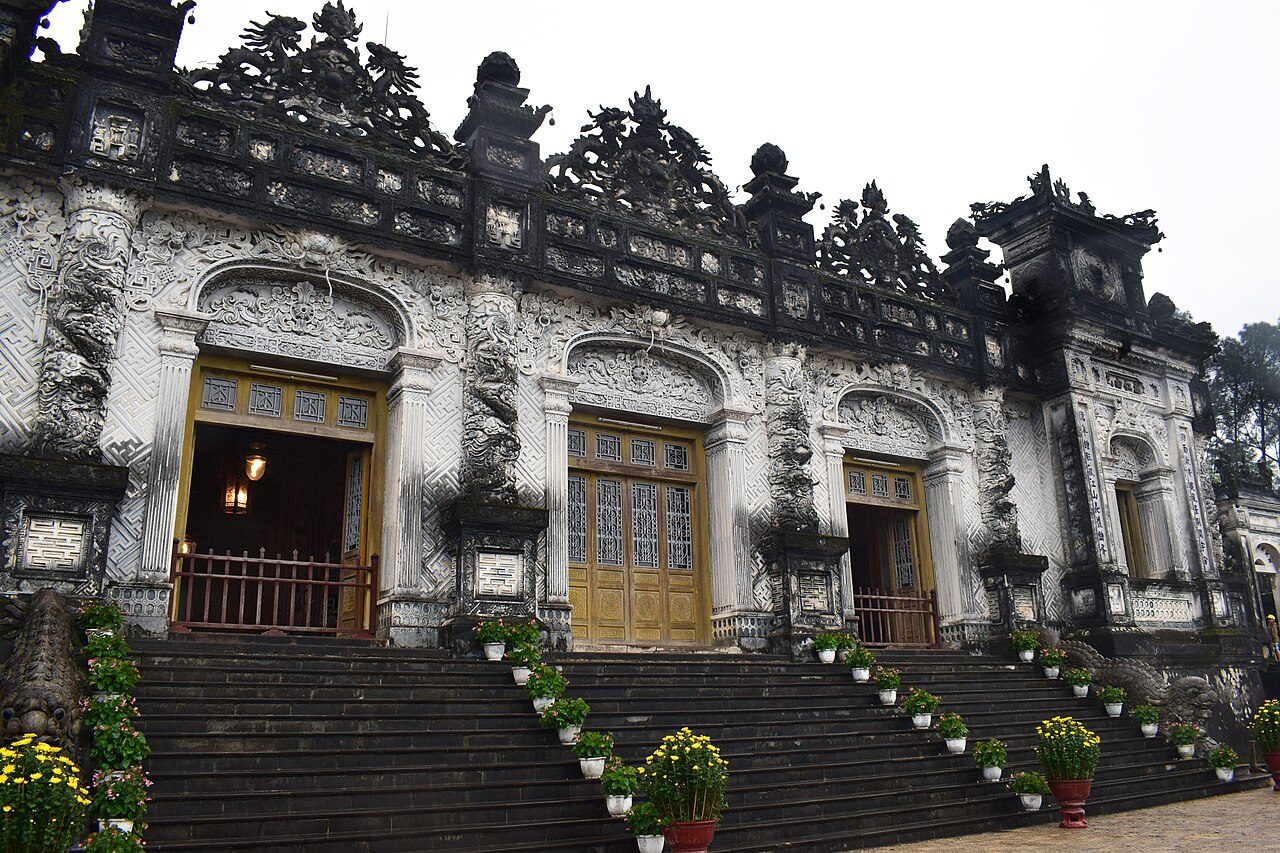
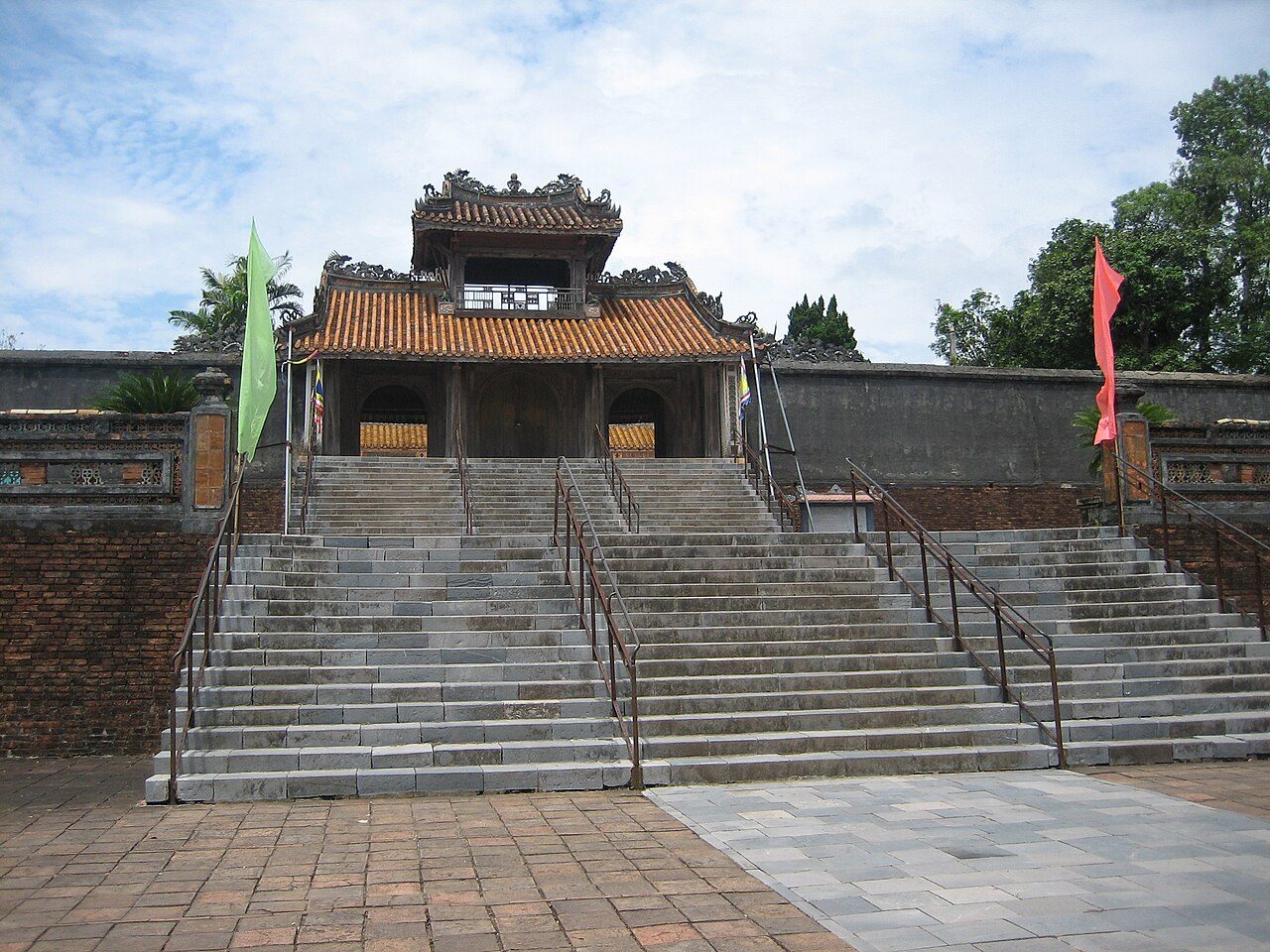
The Tomb of Khai Dinh is the last and most ornate of the royal tombs of Hue, built for the twelfth Nguyen emperor. It mixes Vietnamese tradition with European influences, using concrete, iron and dark stone. Inside, the Thien Dinh palace is covered with dazzling mosaics of ceramic and glass. A steep stairway with dragon balustrades leads up the hillside, so wear comfortable shoes.
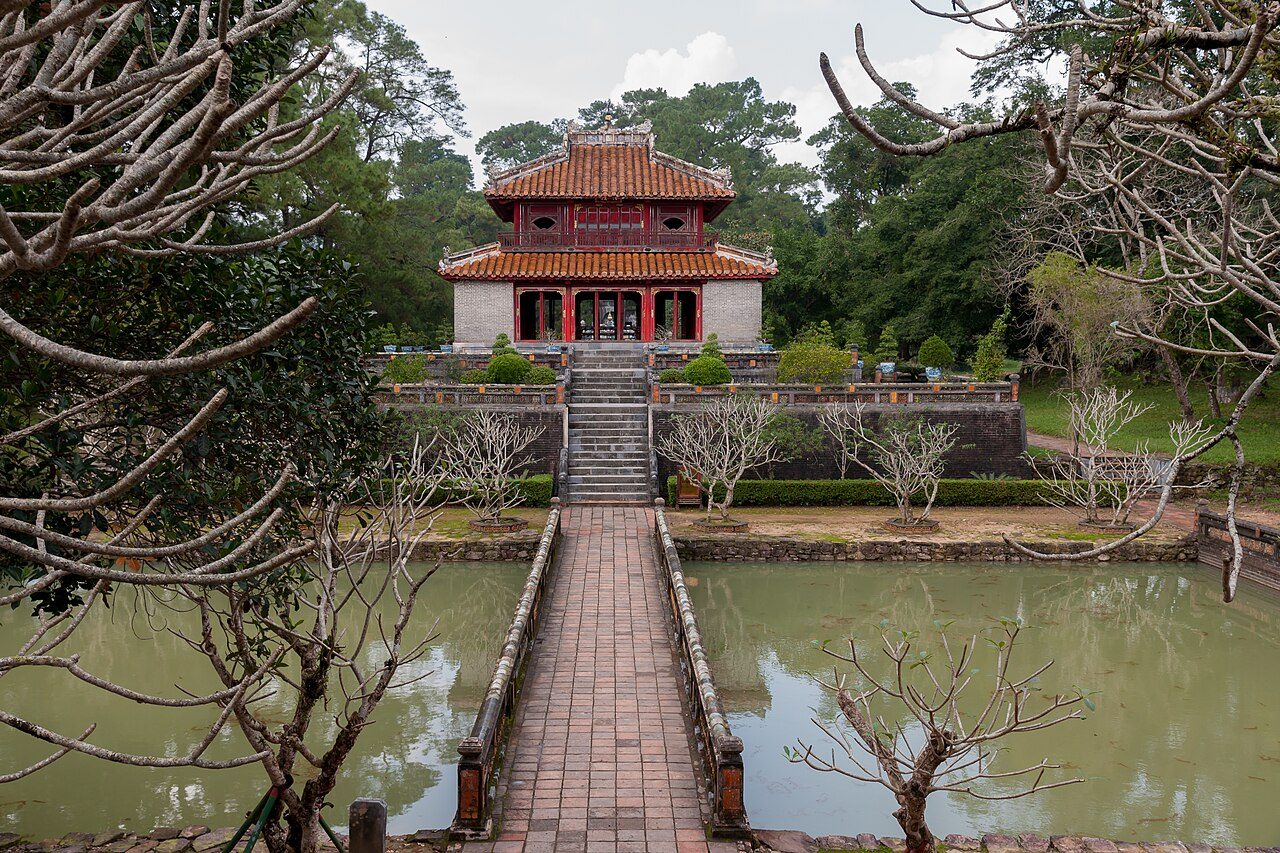
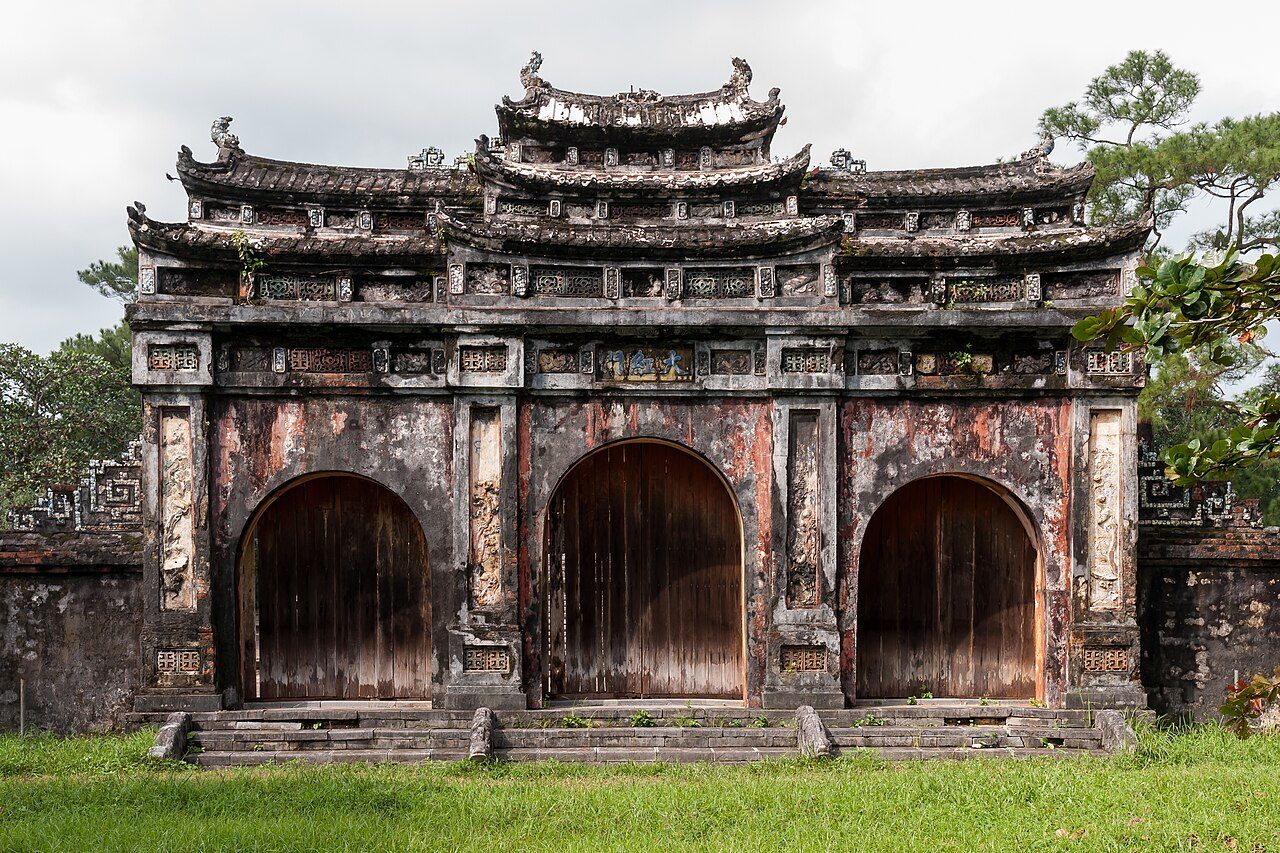
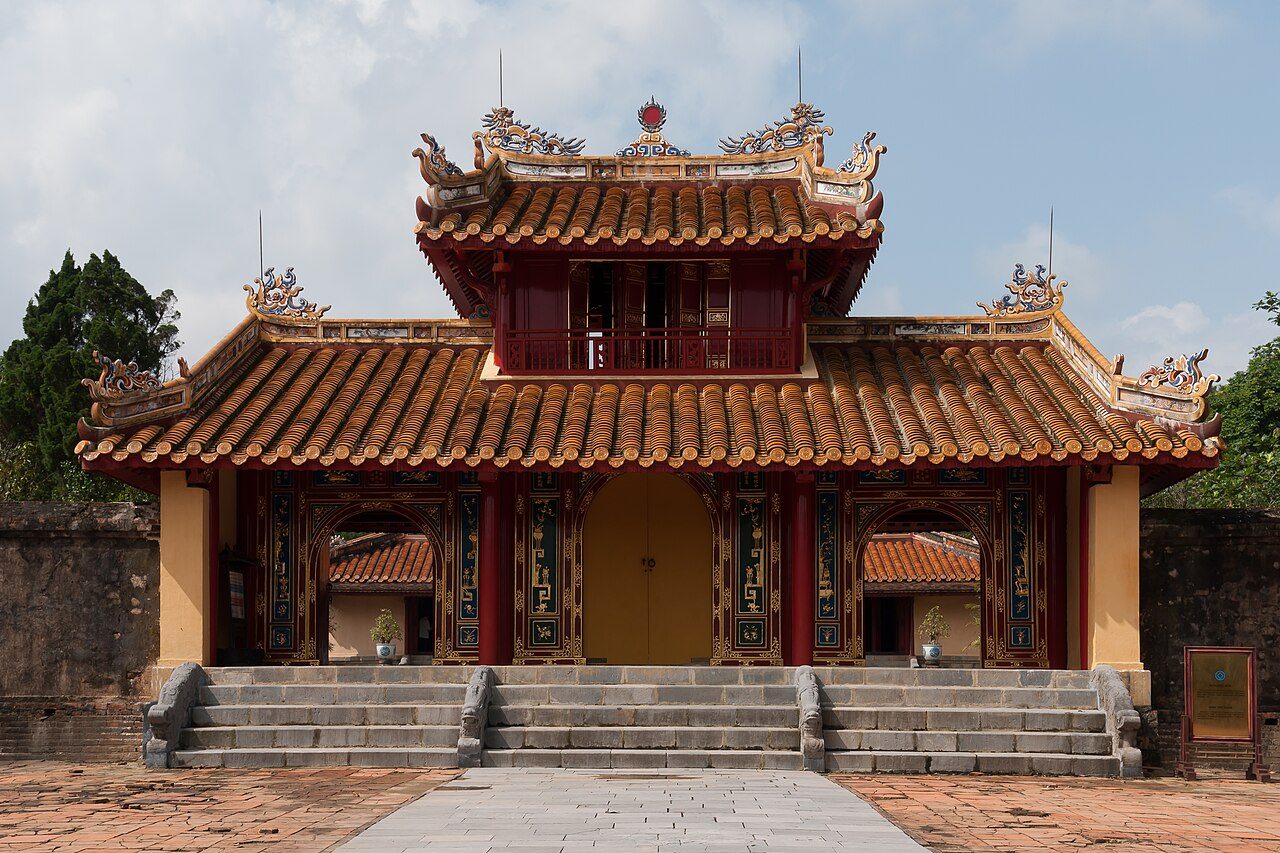
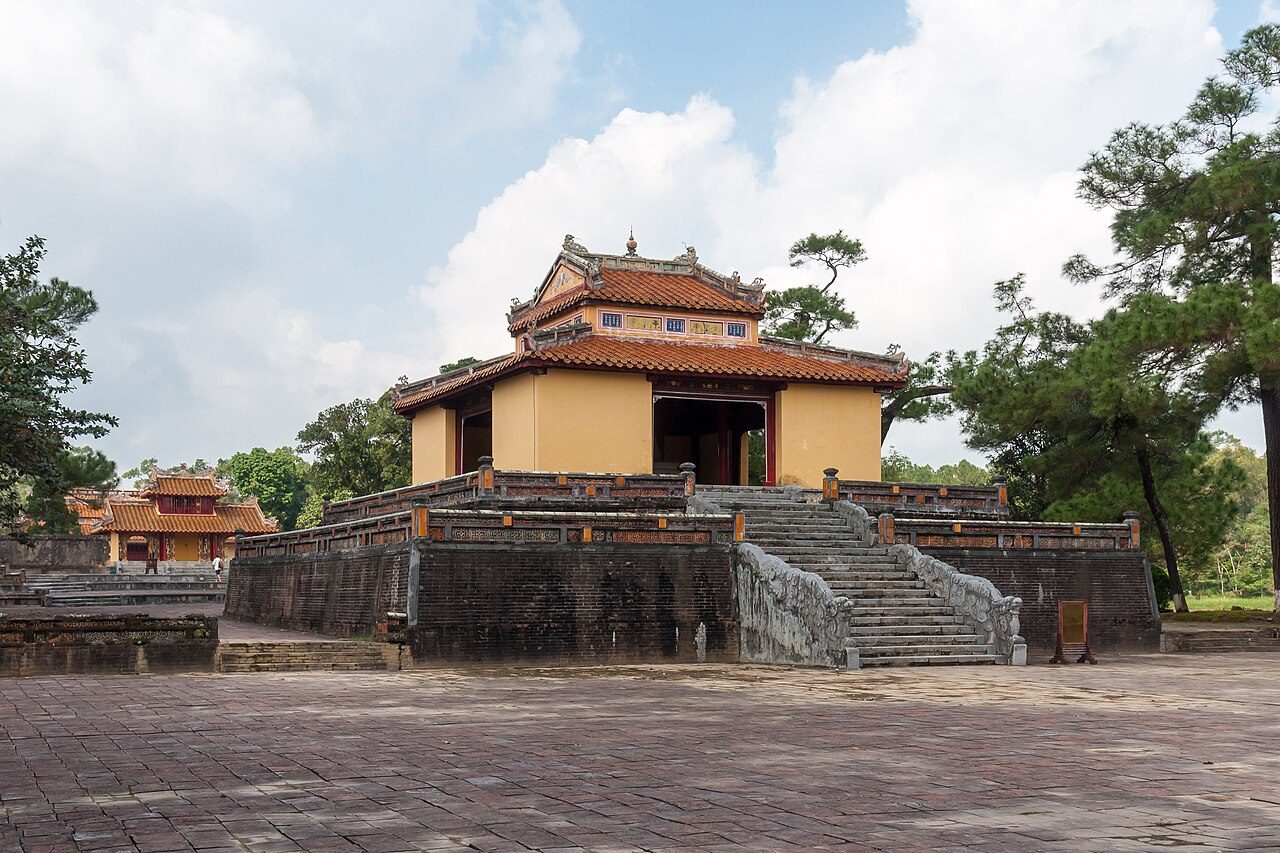
The Tomb of Minh Mang is one of the most harmonious of the Nguyen royal tombs, laid out along a long axis among lakes and pine forests. Visitors walk through courtyards with stone mandarins, a stele pavilion, temples and bridges to the burial mound. Its balance of architecture and nature reflects the classic ideals of the period. Late afternoon light is especially lovely on the lakes.
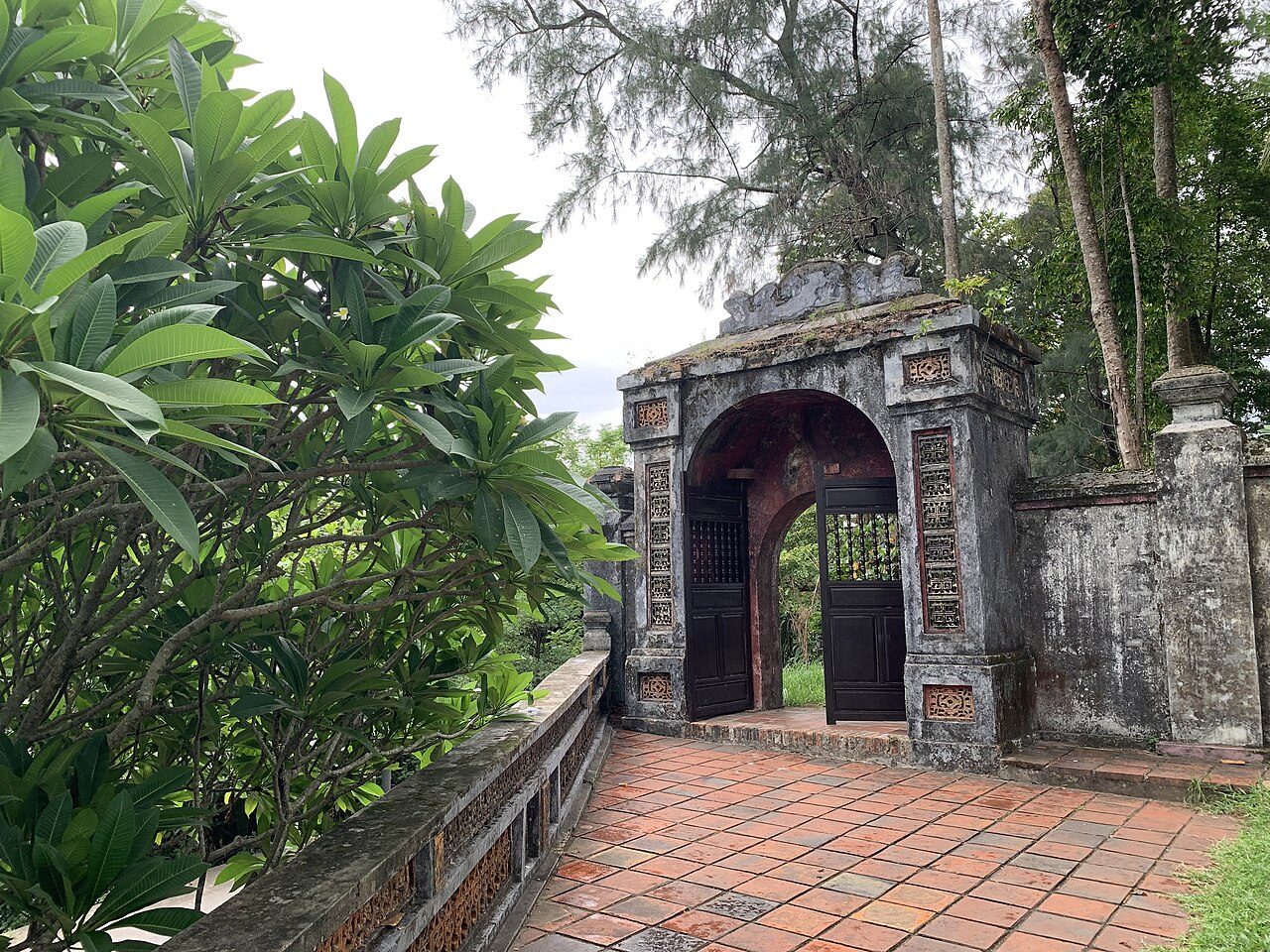
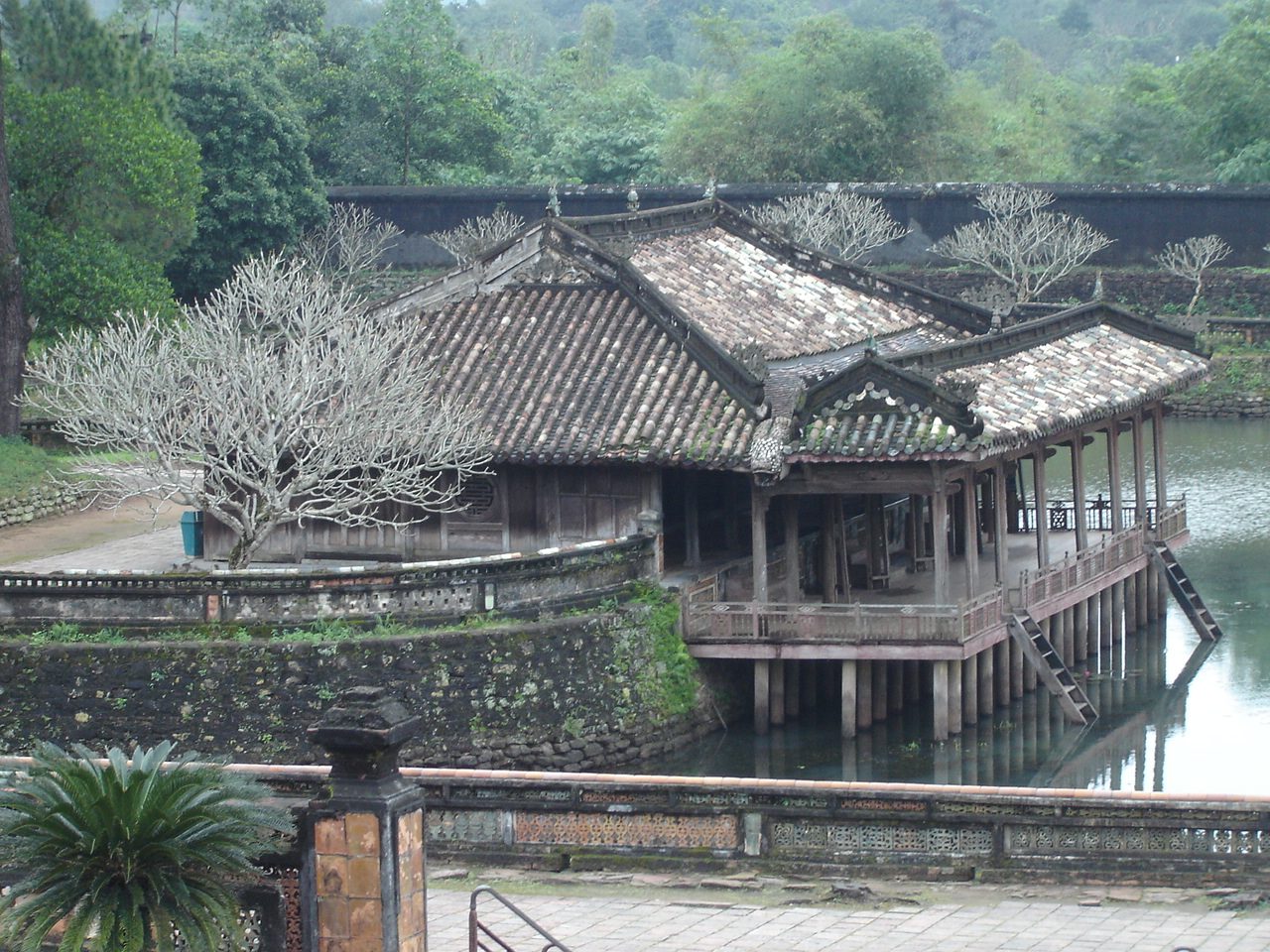
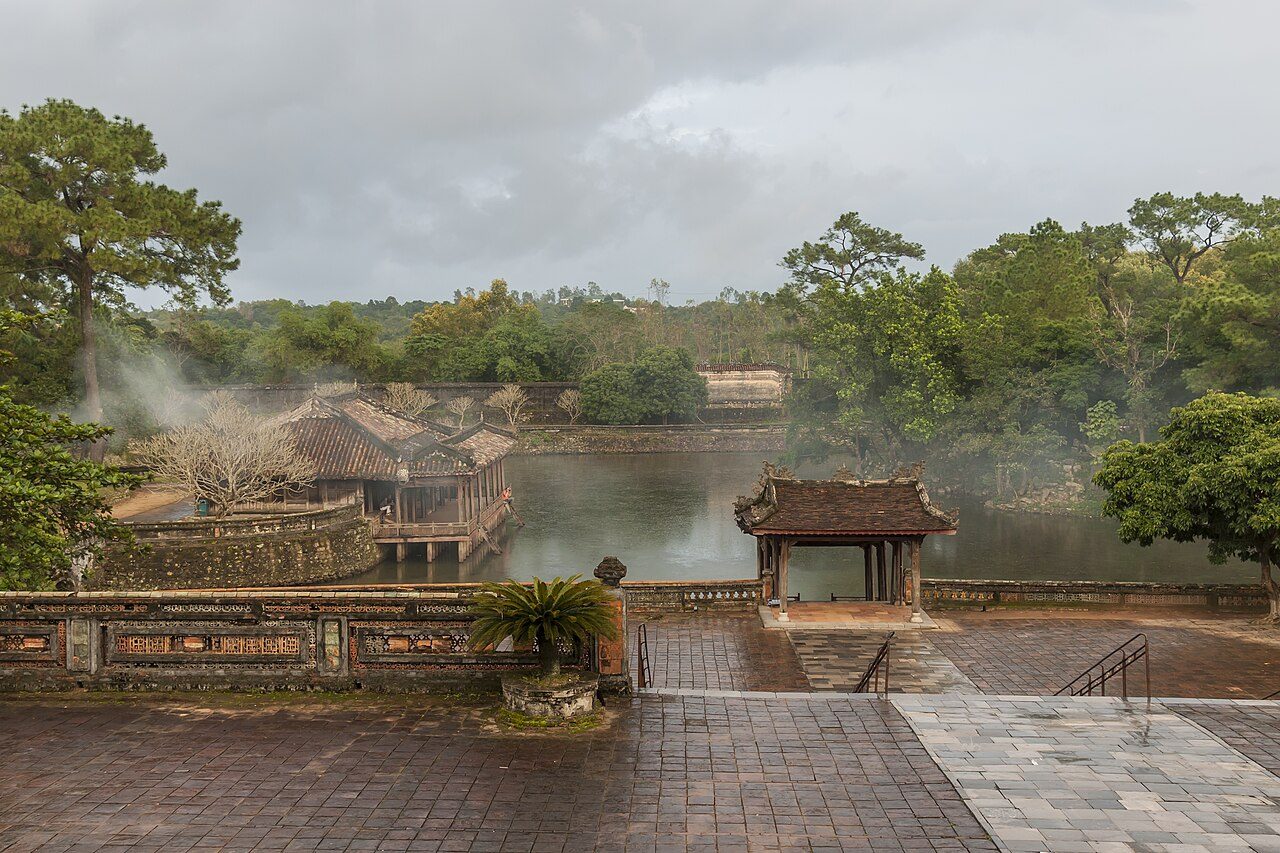
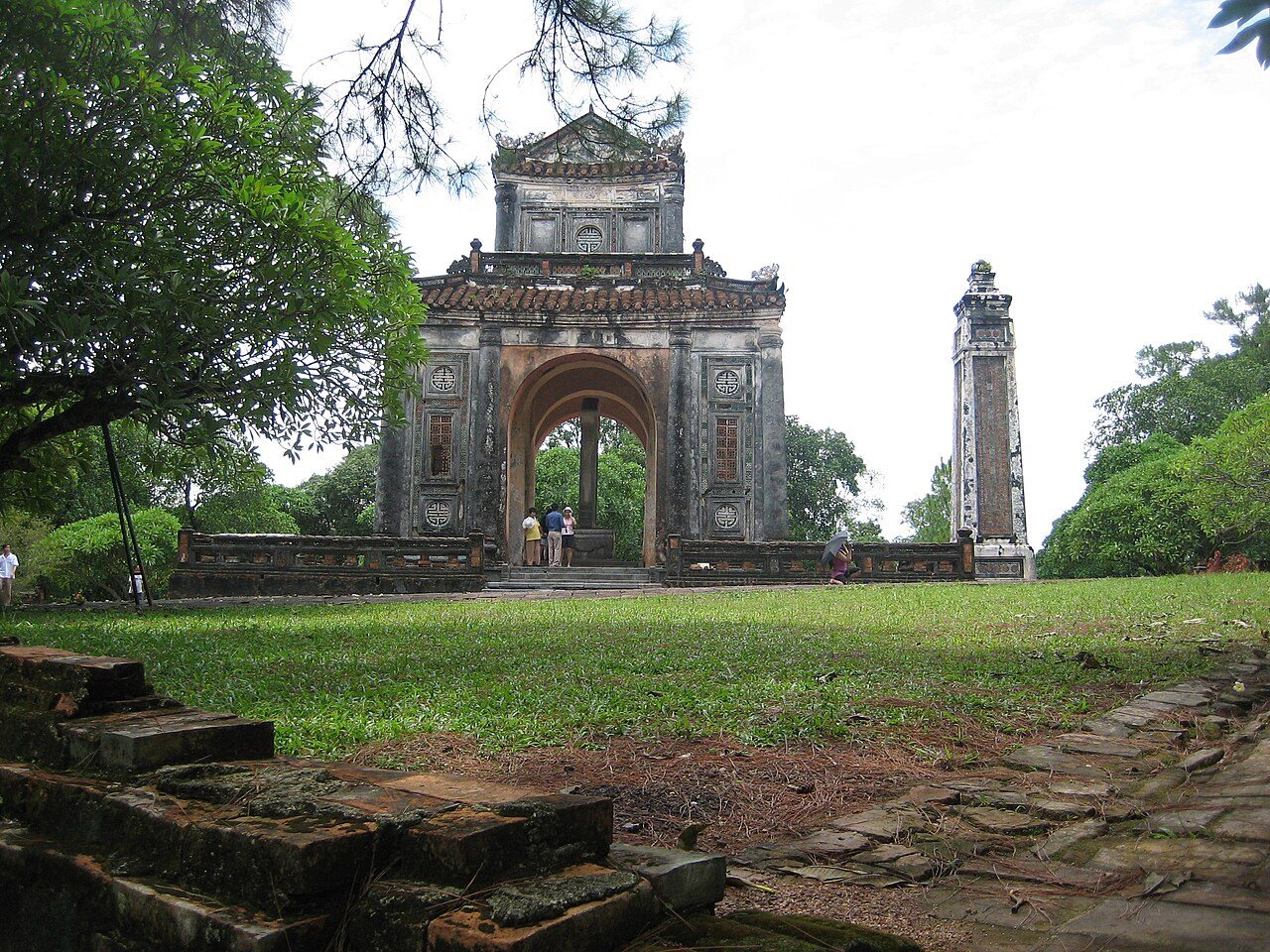
The Tomb of Tu Duc was designed as a peaceful retreat where the emperor came to write poetry and rest long before his death. Pavilions stand beside a lotus lake, and wooden halls, a theatre and the stele pavilion are set among frangipani and pine trees. It is among the most romantic of the Hue tombs. Visit in the morning when the gardens are cool and calm.
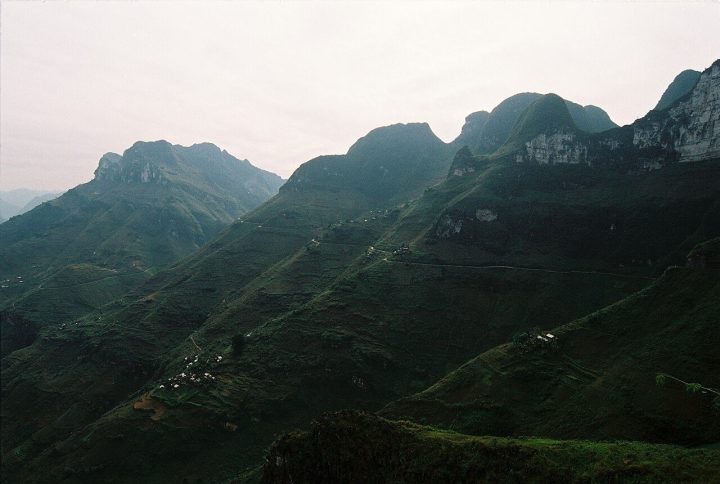
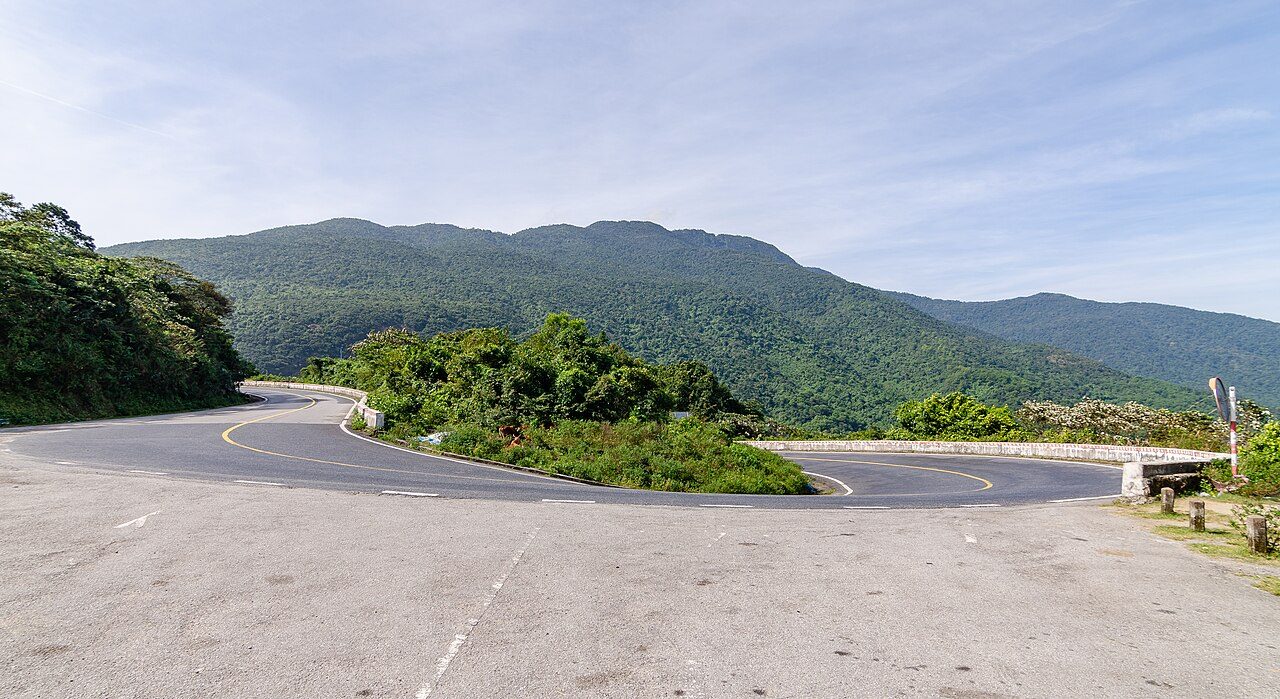
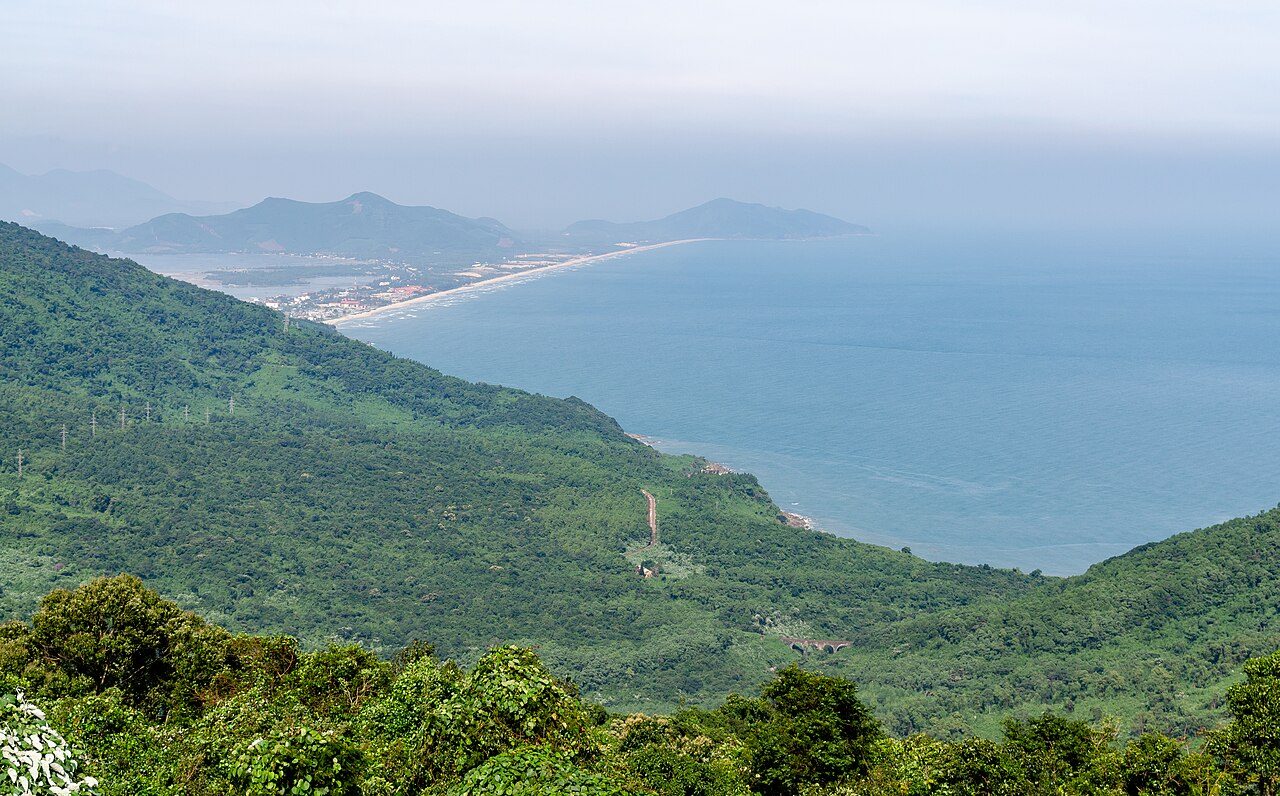
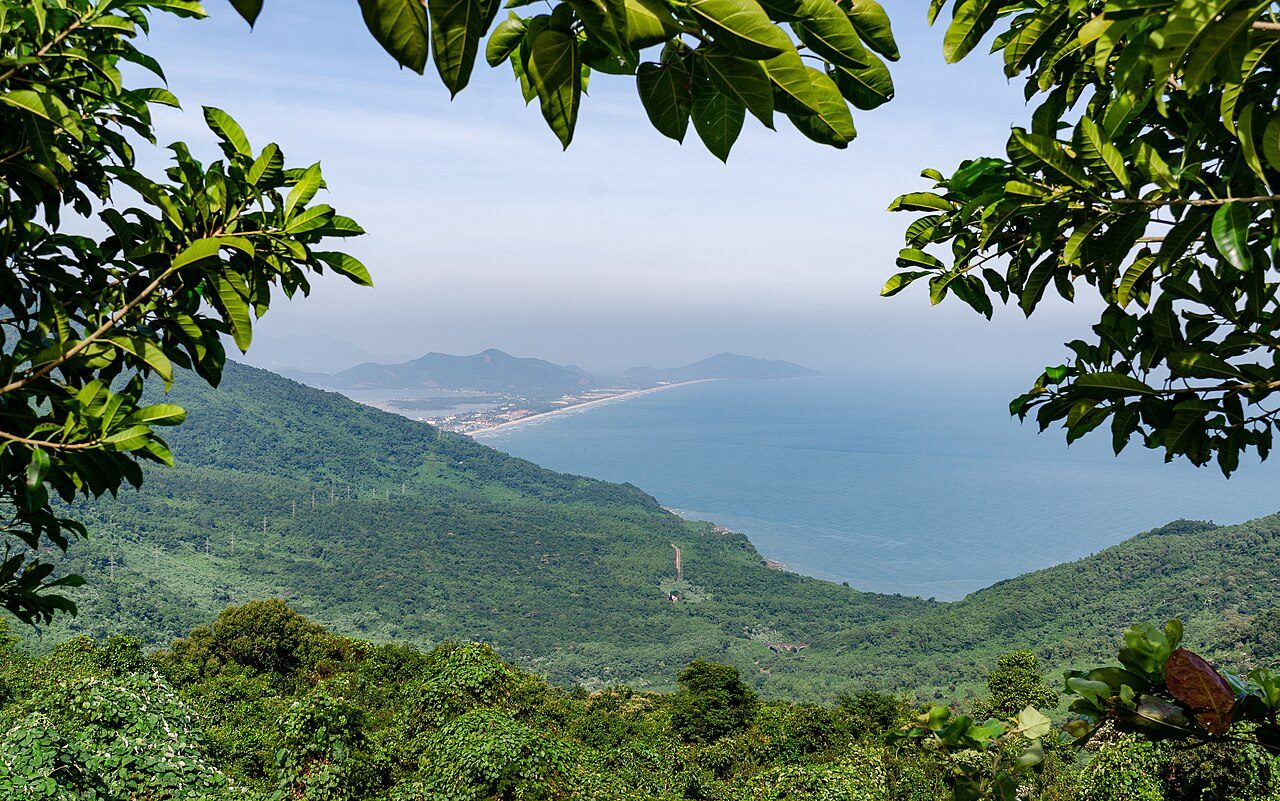
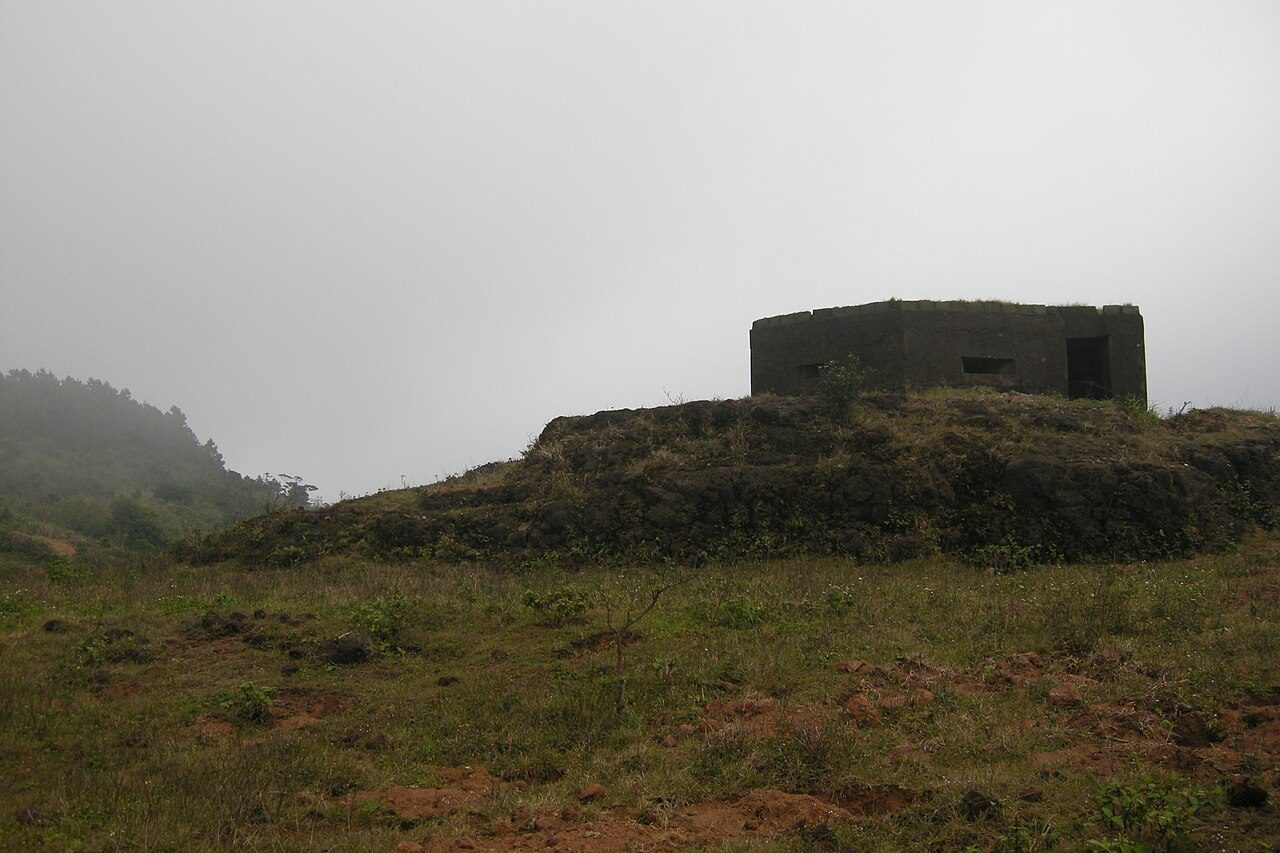
Hai Van Pass winds over a spur of the Truong Son mountains between Da Nang and Hue. Its name means ocean cloud pass, after the mists that often cover the summit. At the top stand the ruins of an old fortified gate and bunkers, with views down to Lang Co lagoon and the Da Nang coastline. The ride is popular by motorbike, car or jeep from either side.
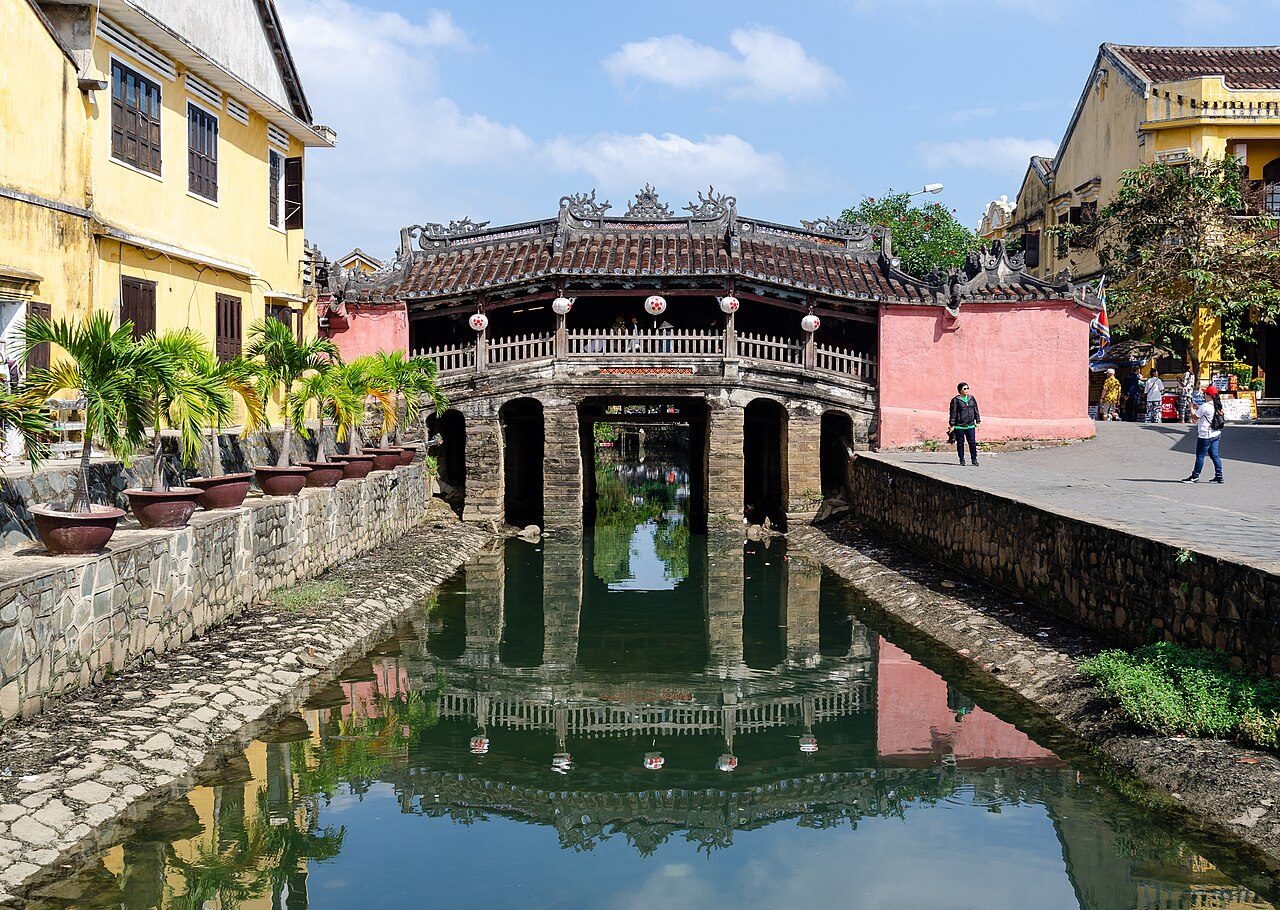
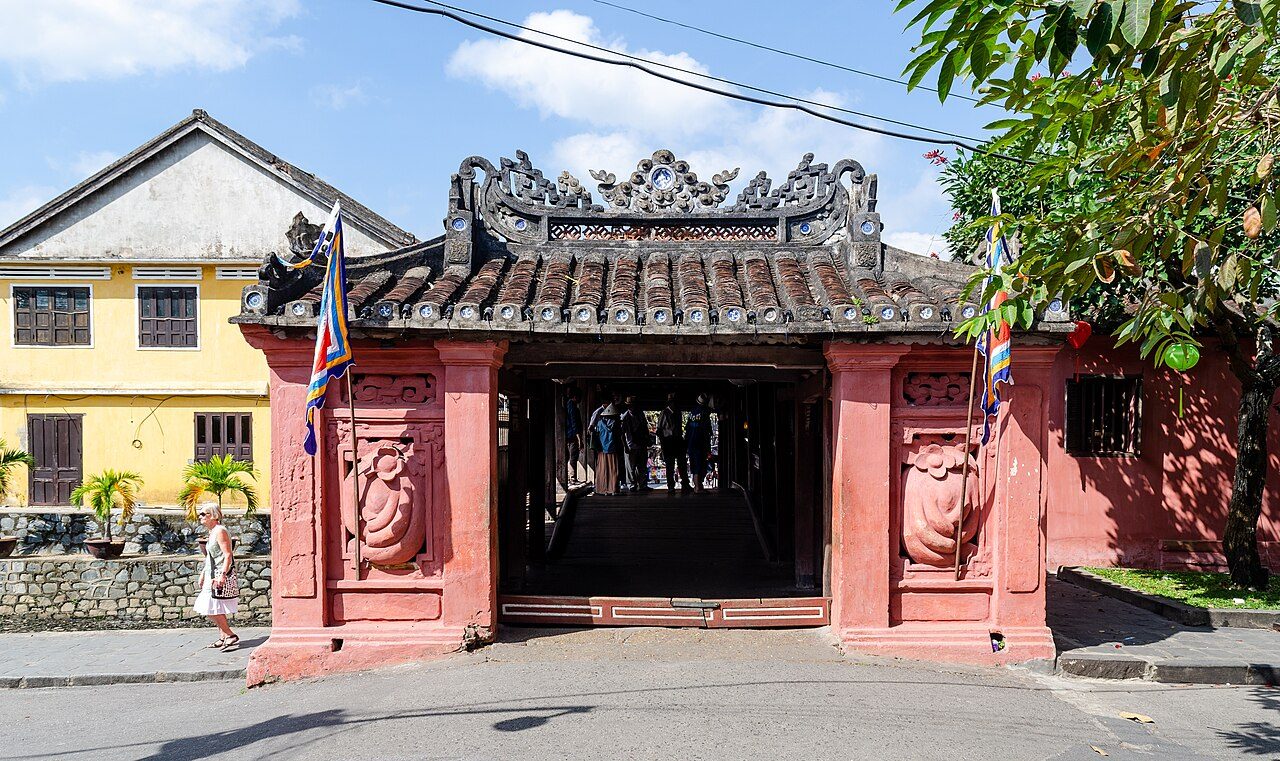
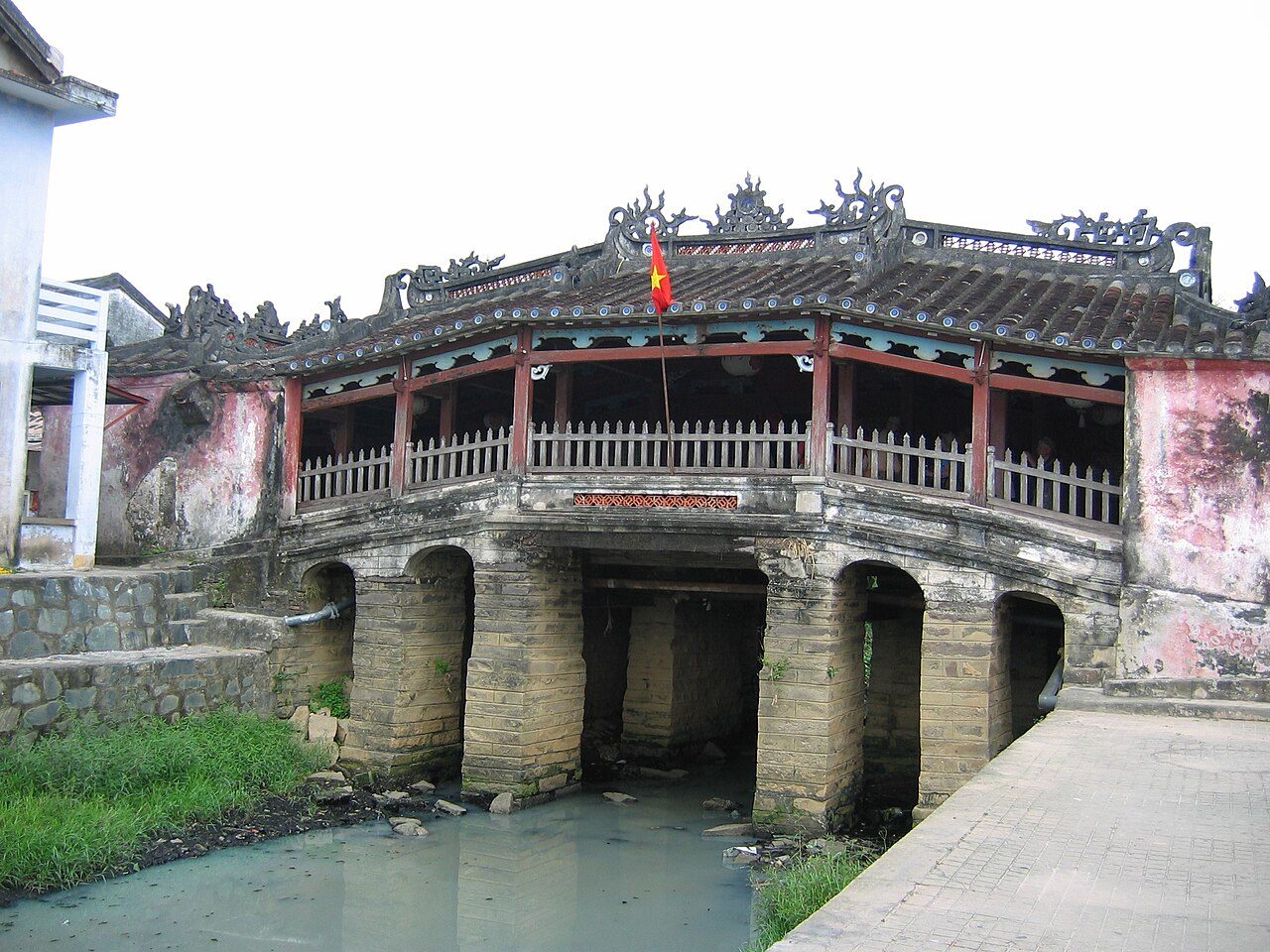
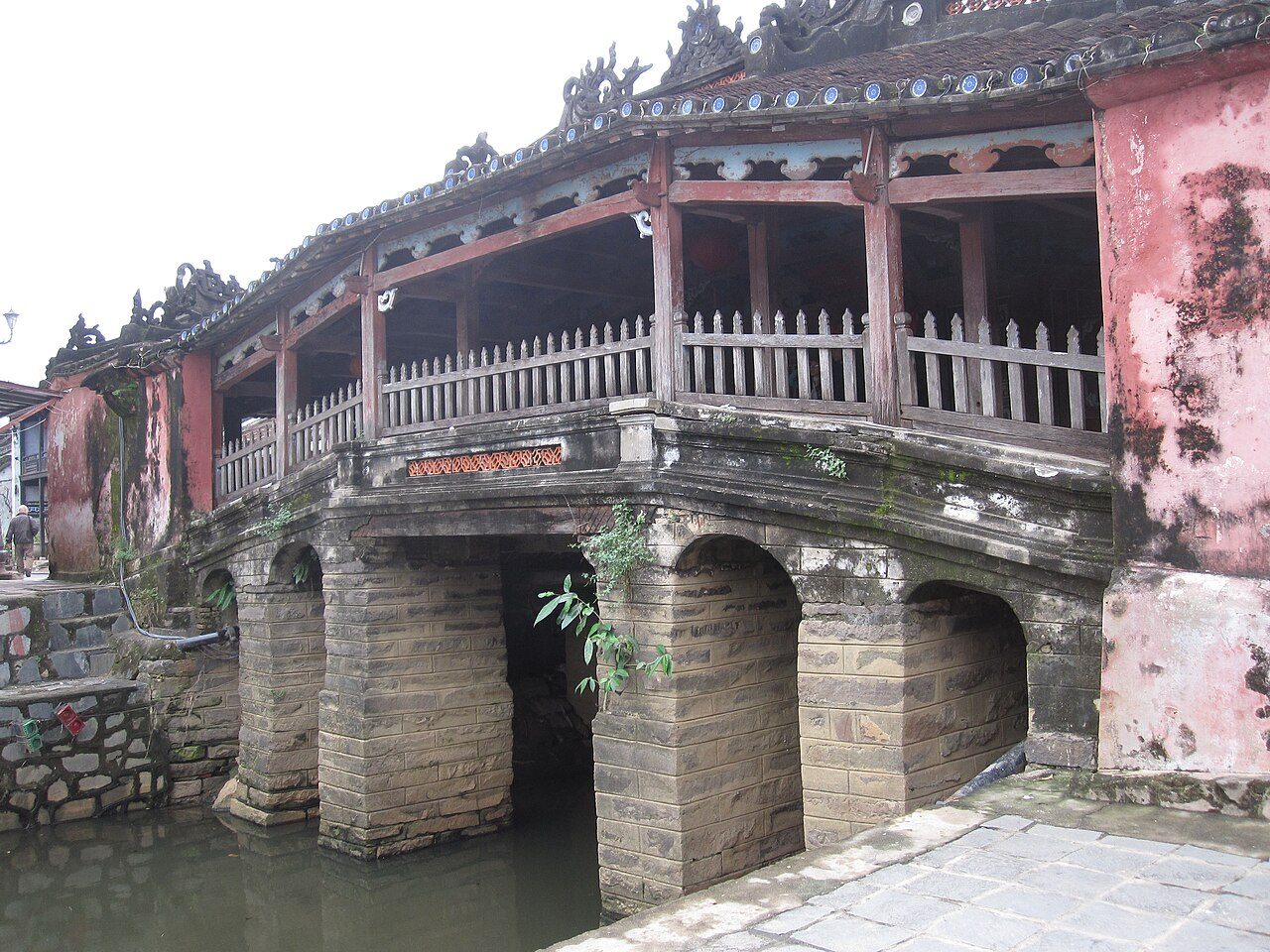
The Japanese Covered Bridge is the symbol of Hoi An's Ancient Town, a UNESCO World Heritage Site. It was built by the Japanese trading community, traditionally dated to the early 1600s, and has a small temple attached on one side. It linked the Japanese and Chinese quarters of the old port. Visit at night when the town is lit with silk lanterns, or early morning to avoid crowds.
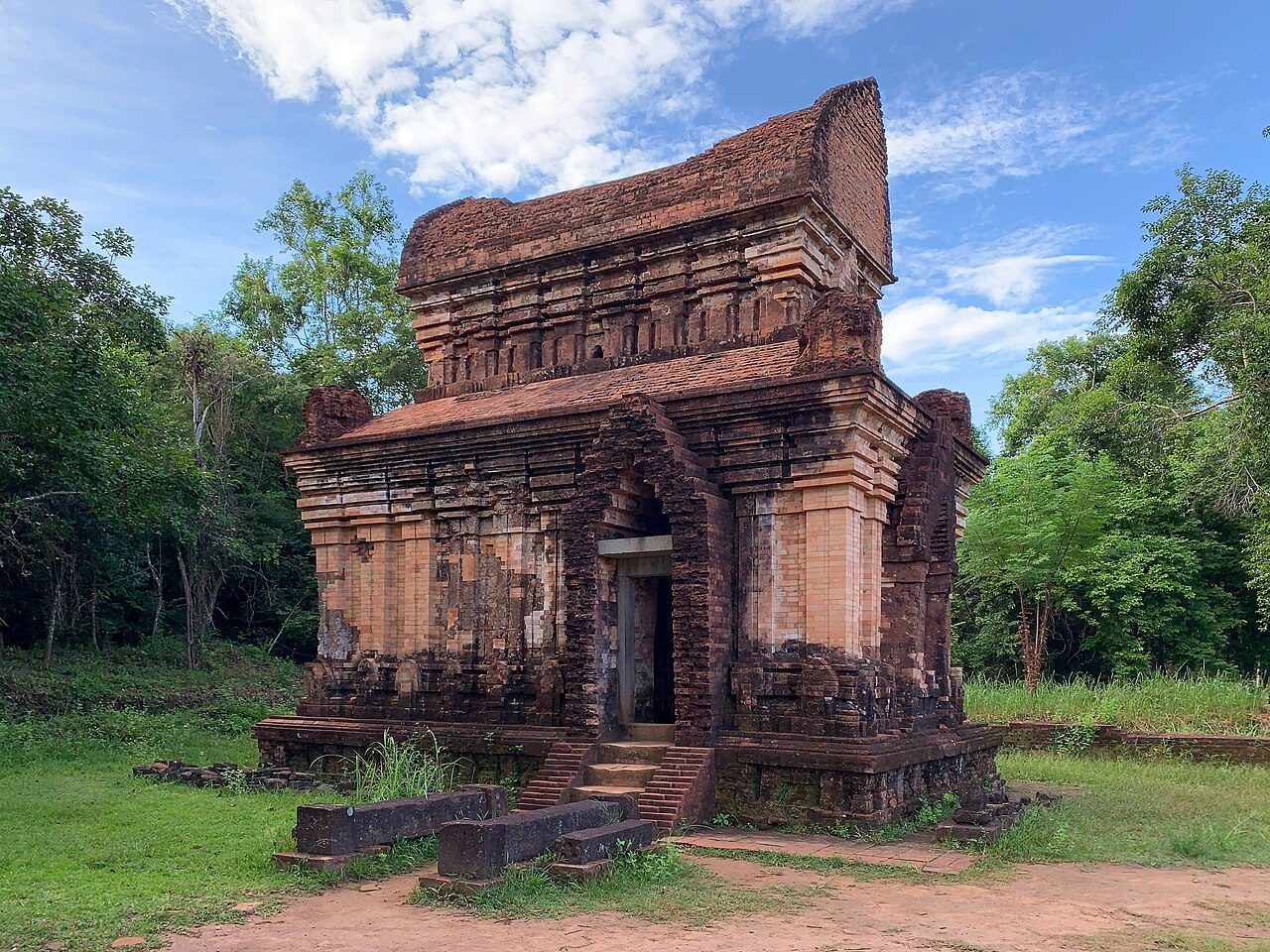
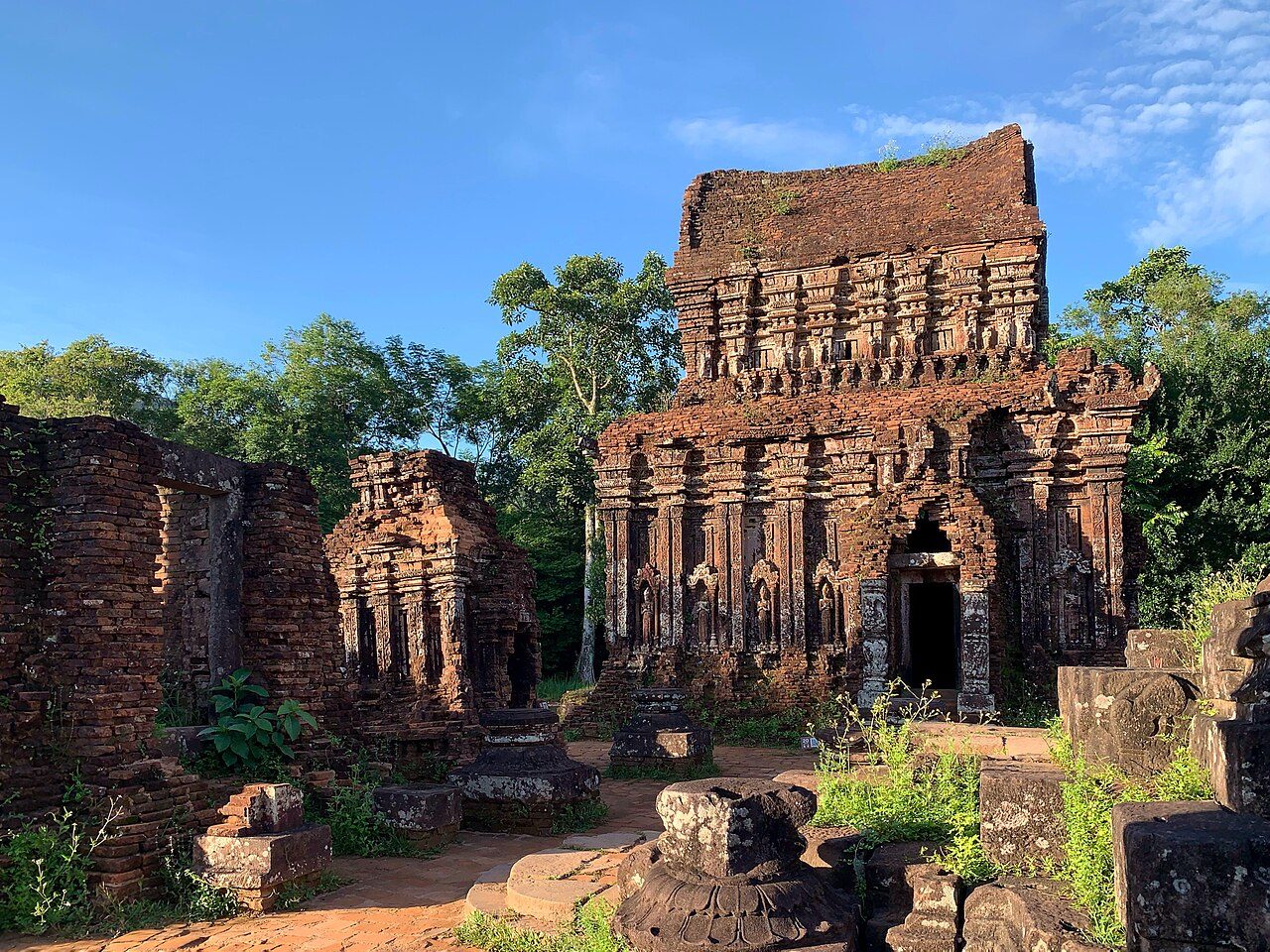
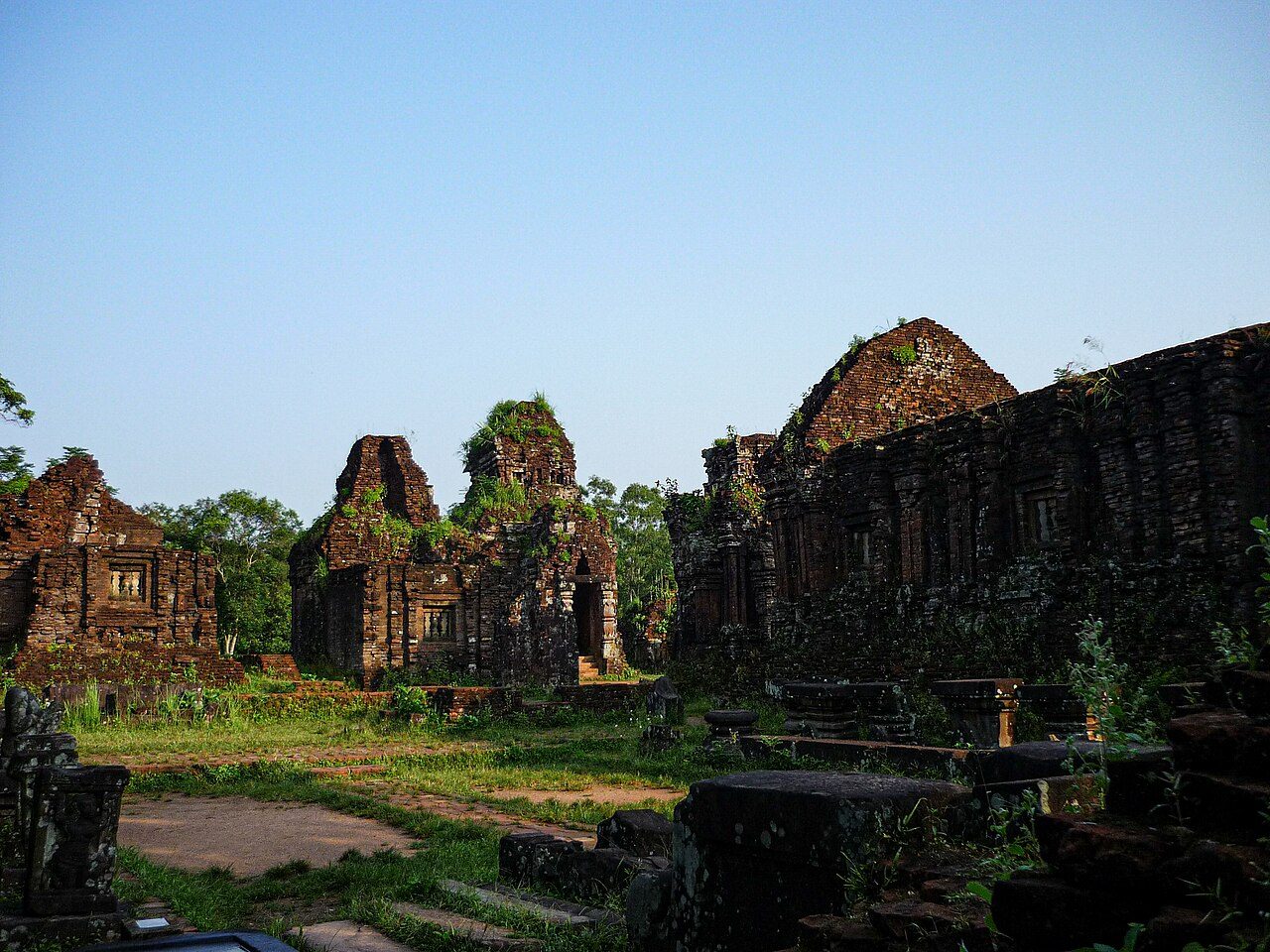
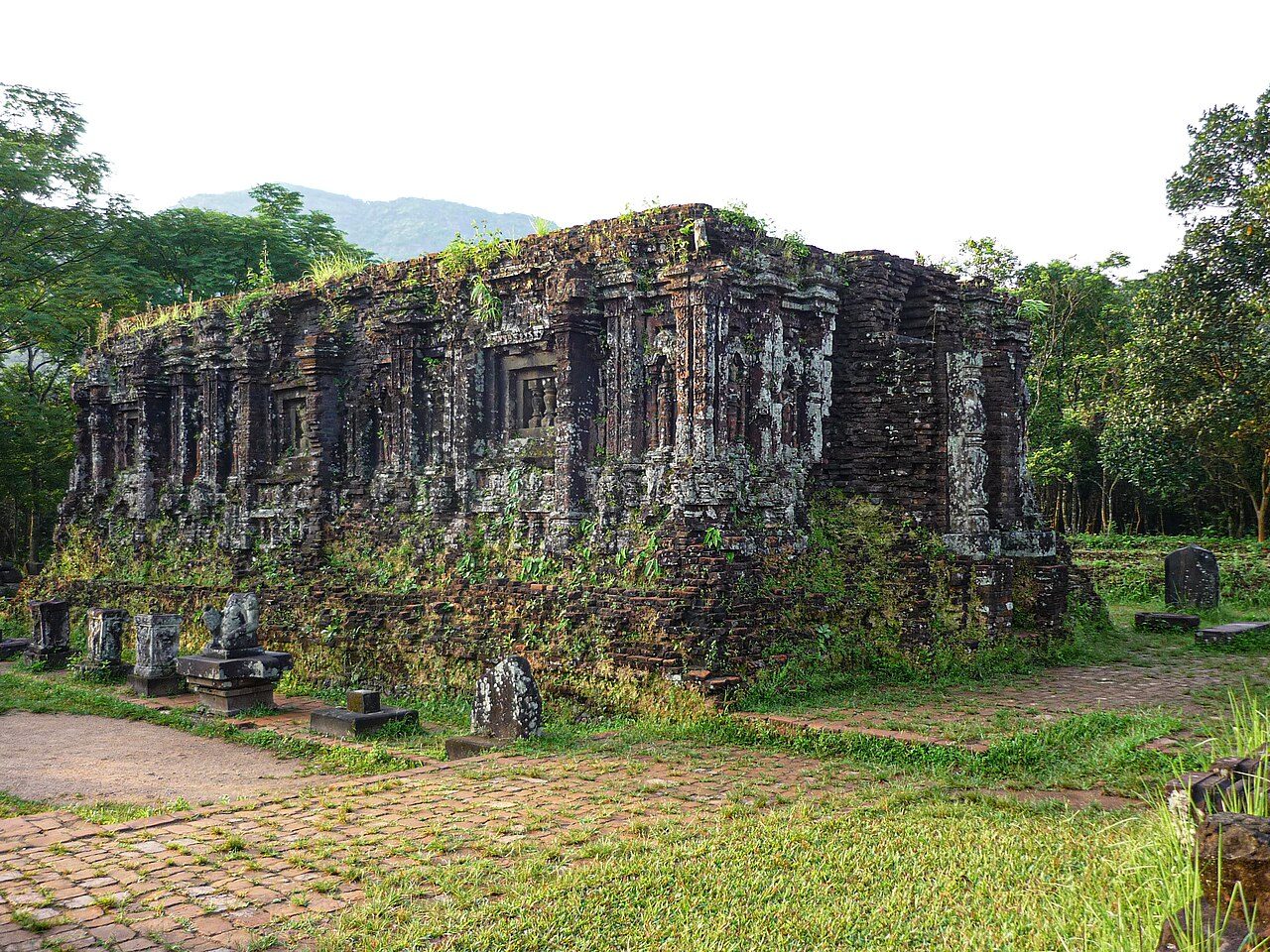
My Son Sanctuary is a group of ruined Hindu temples built by the Champa kingdom between the 4th and 13th centuries. The red brick towers stand in a green valley surrounded by mountains and are dedicated mainly to the god Shiva. Many were damaged during the Vietnam War, but the remaining carvings are impressive. Go early in the morning to beat the heat and see the valley in mist.
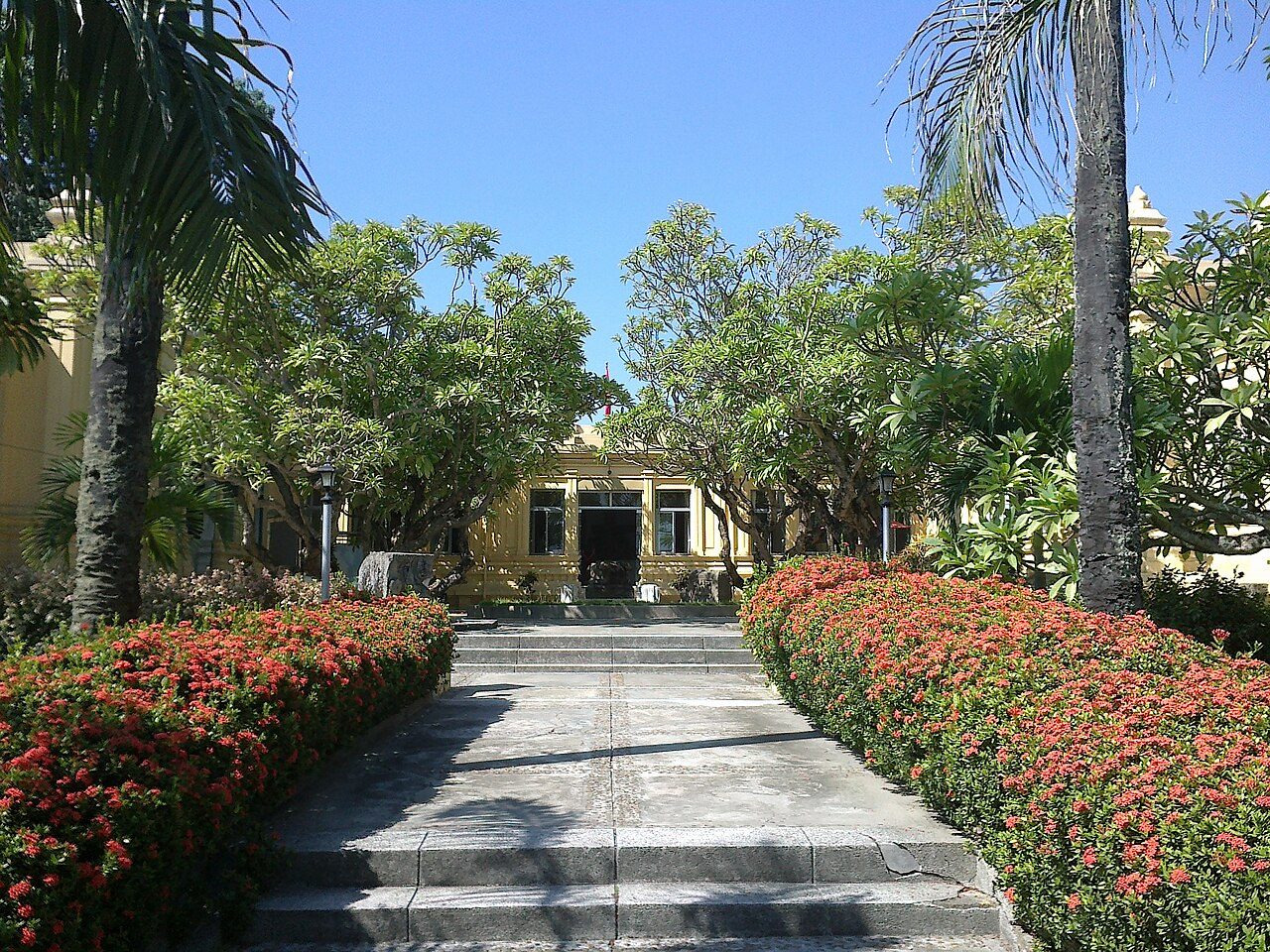
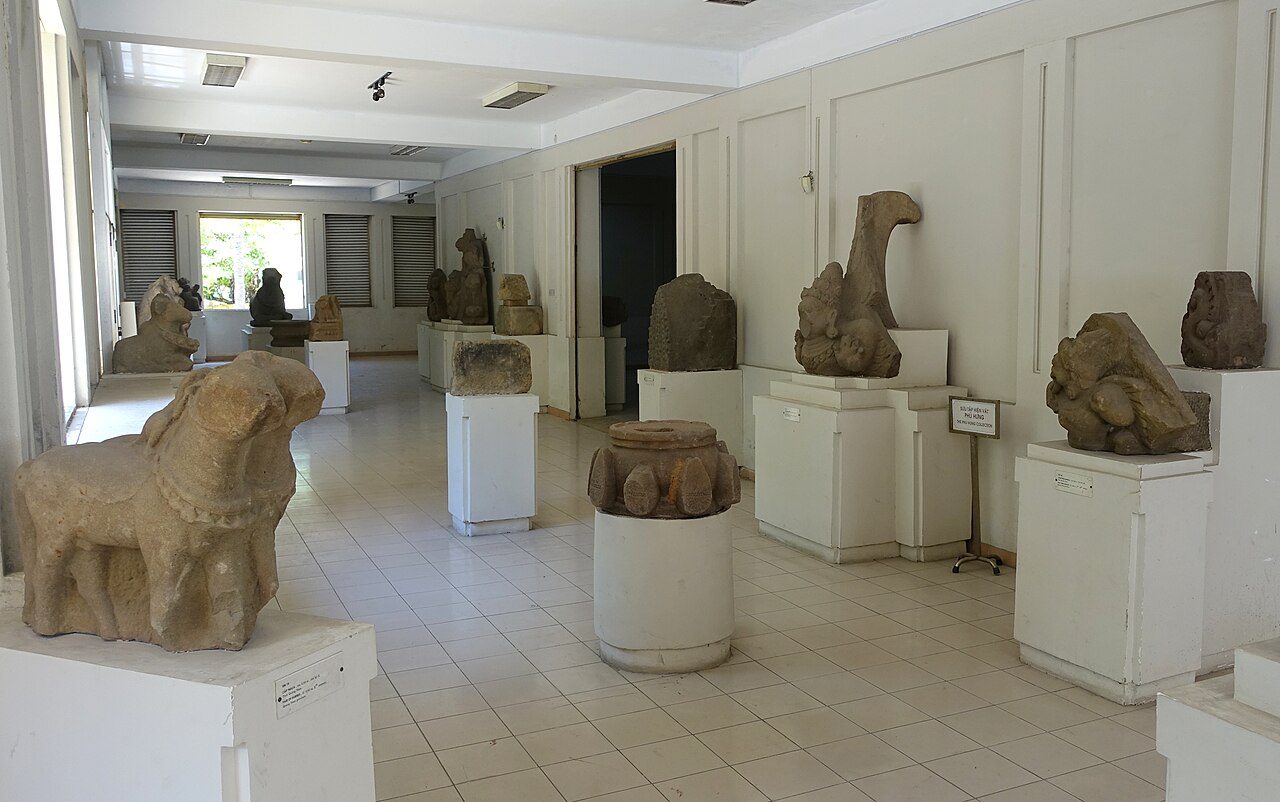
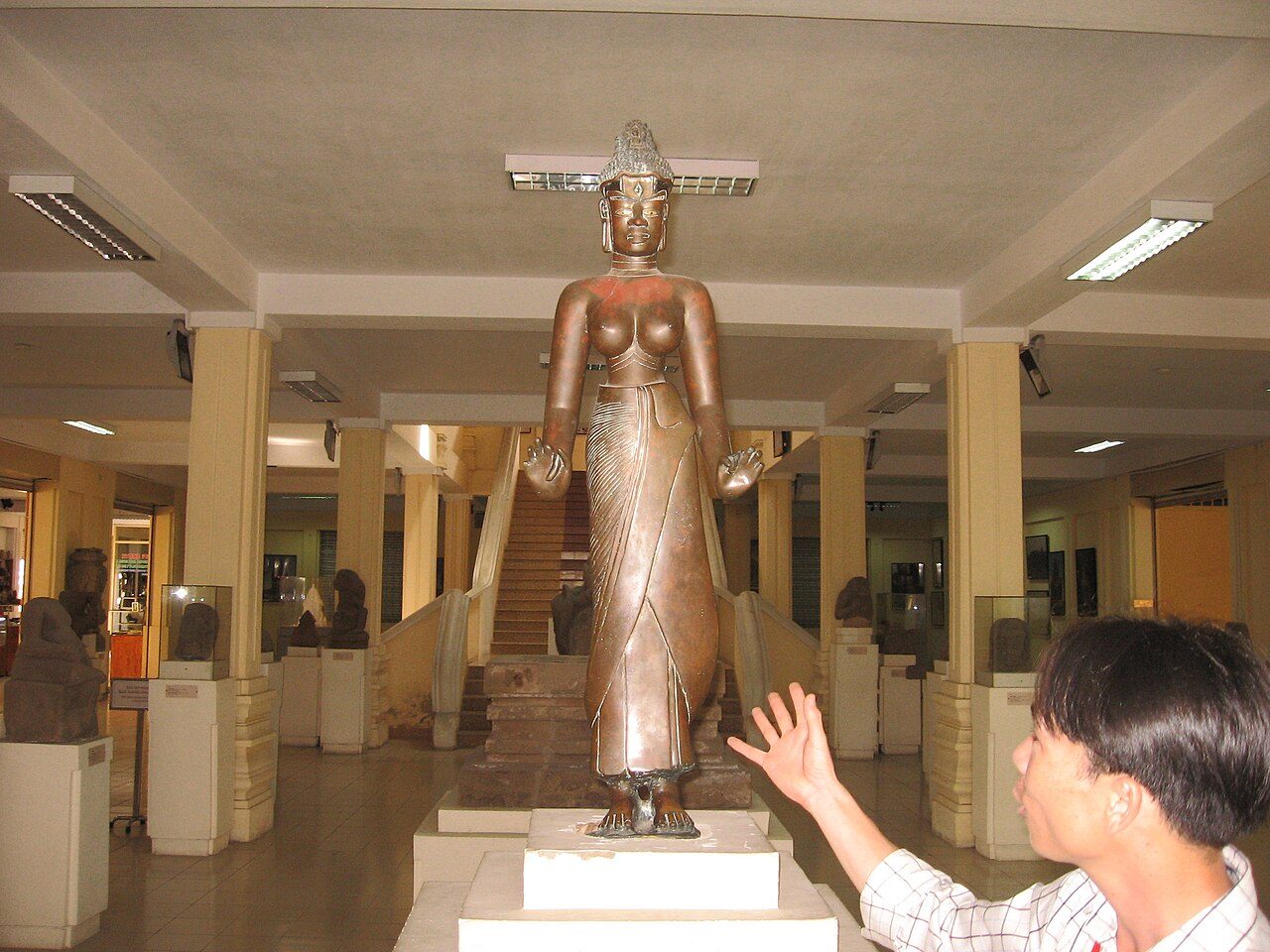
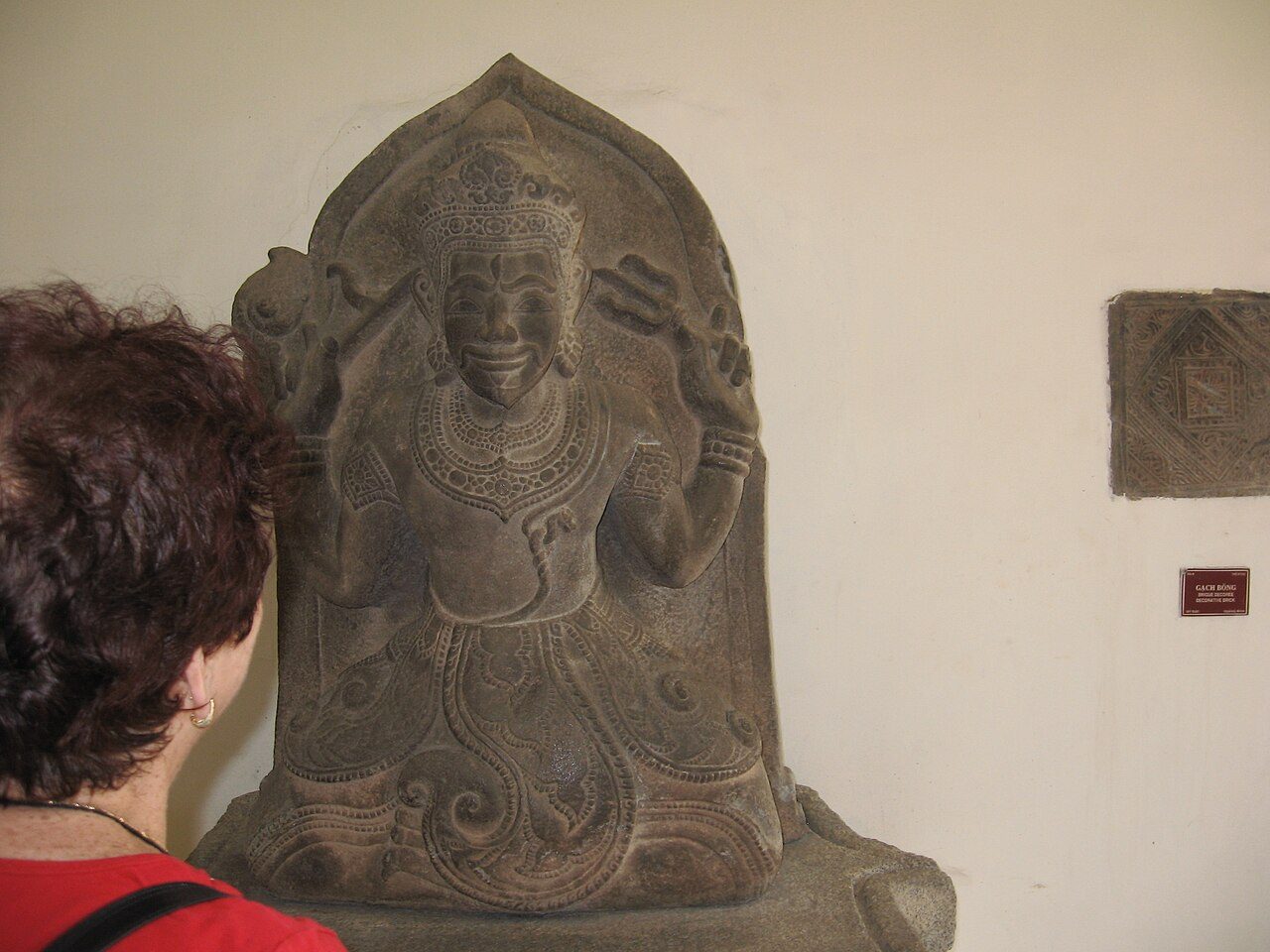
The Museum of Cham Sculpture holds the world's largest collection of art from the Champa kingdom. Galleries are arranged by the sites where the pieces were found, including My Son, Tra Kieu and Dong Duong. Exhibits include sandstone altars, dancers, Hindu gods and mythical creatures carved over many centuries. The museum building itself dates from the French colonial era and is easy to reach in central Da Nang.
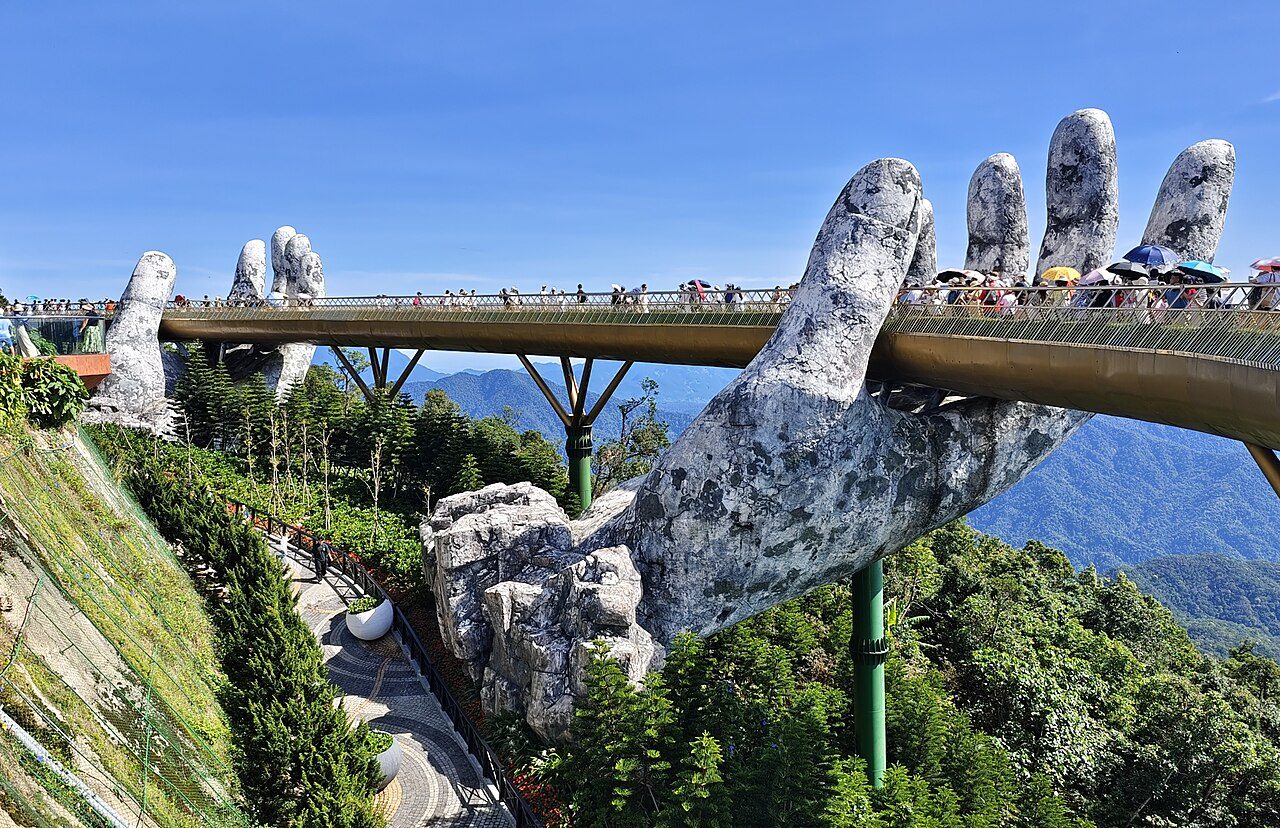
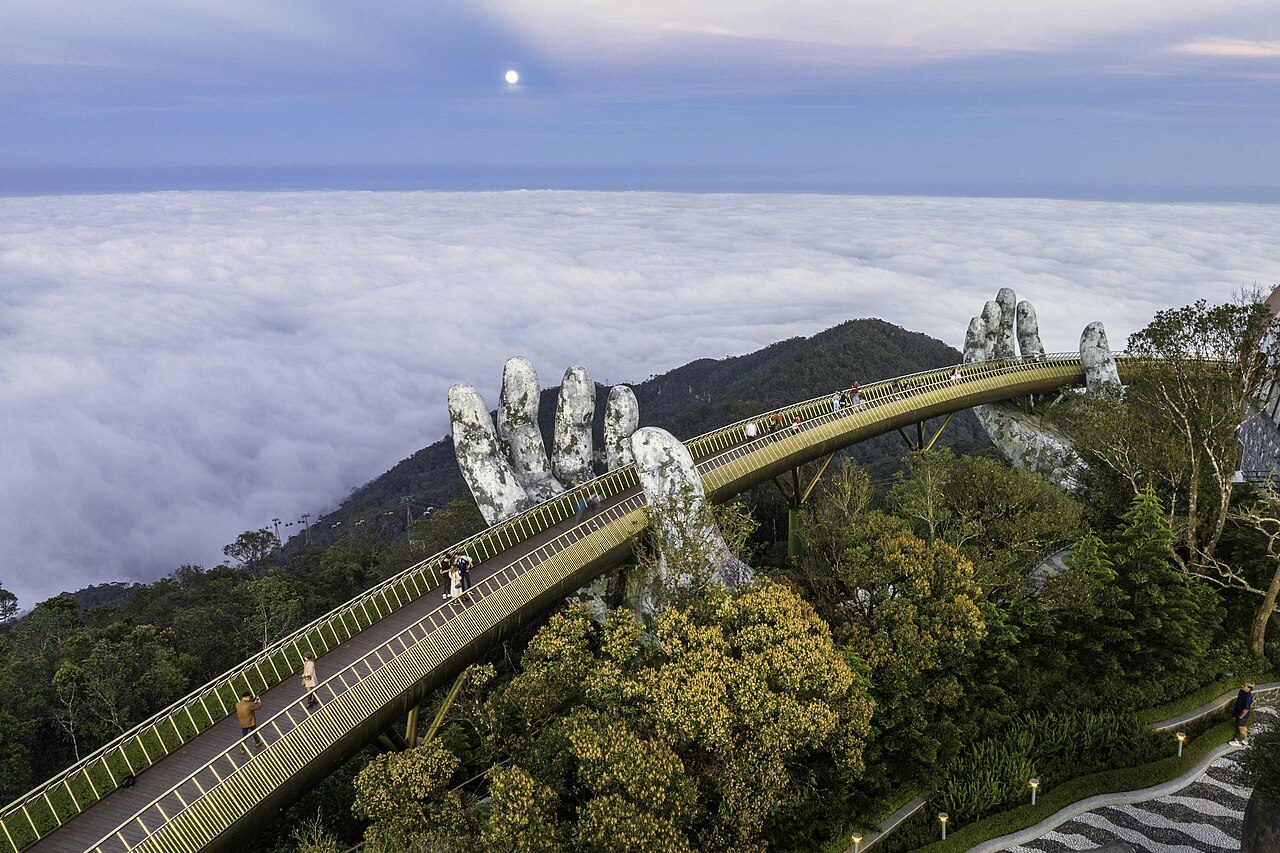
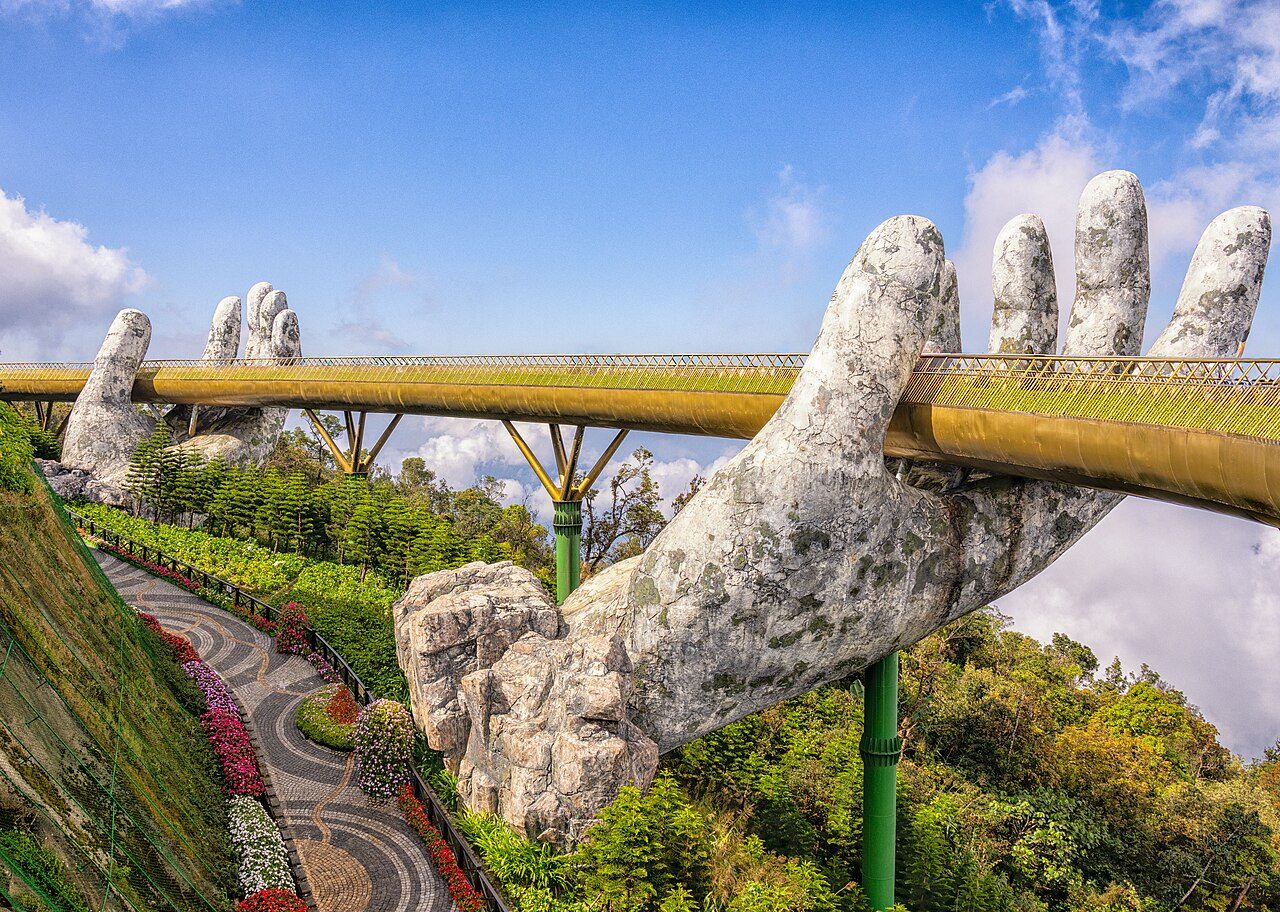
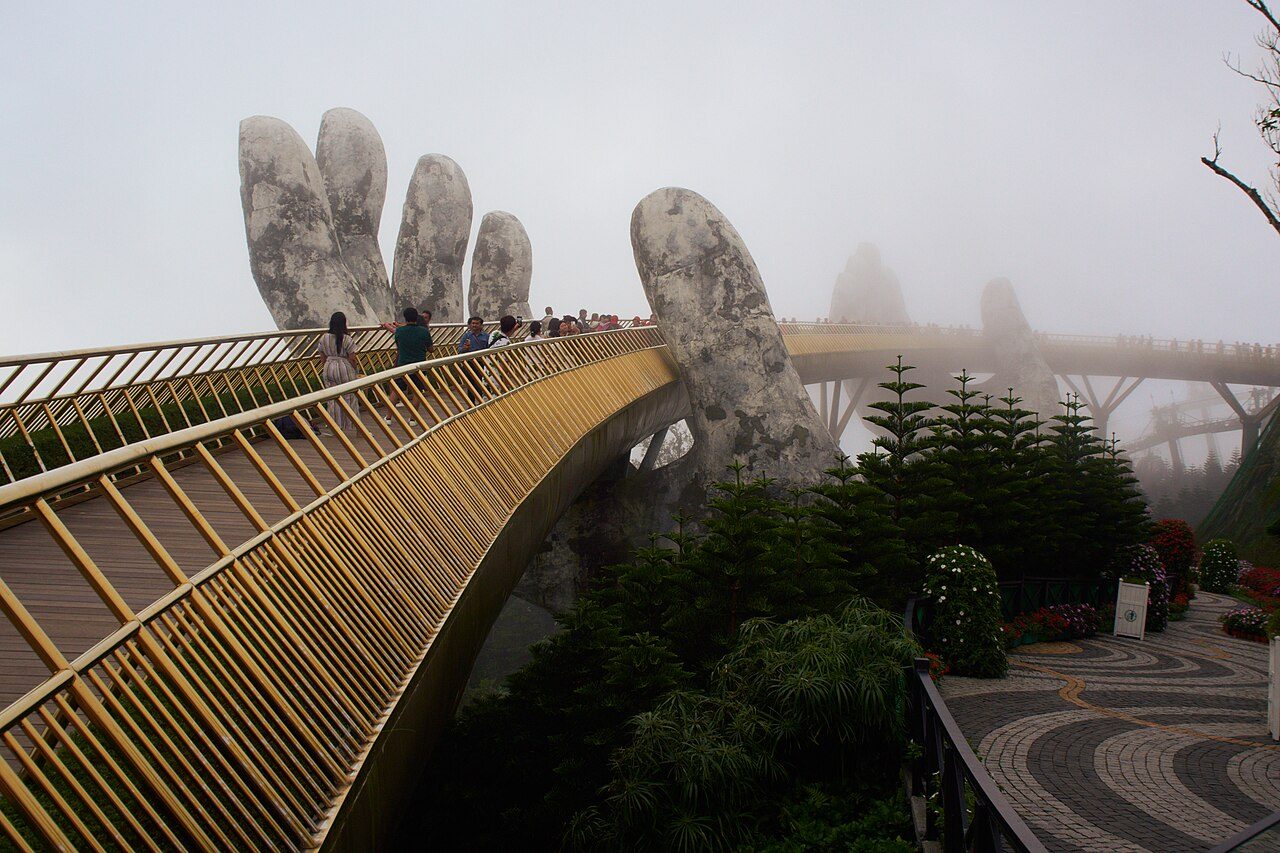
The Golden Bridge in the Ba Na Hills appears to be held up by two giant stone hands rising from the forest. Opened in 2018, the curved walkway has become one of Vietnam's most photographed sights. It is part of the Sun World Ba Na Hills resort, reached by a long cable car from the foothills. Arrive early for clearer views before clouds and crowds build up.
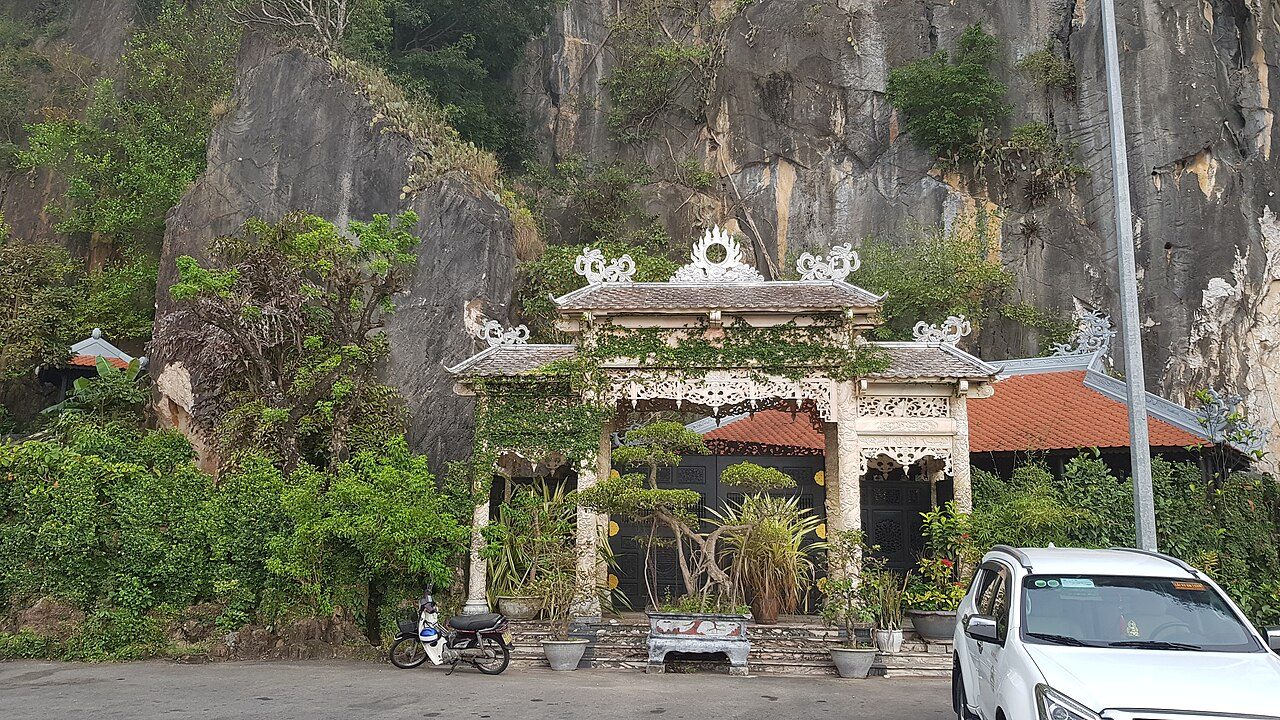
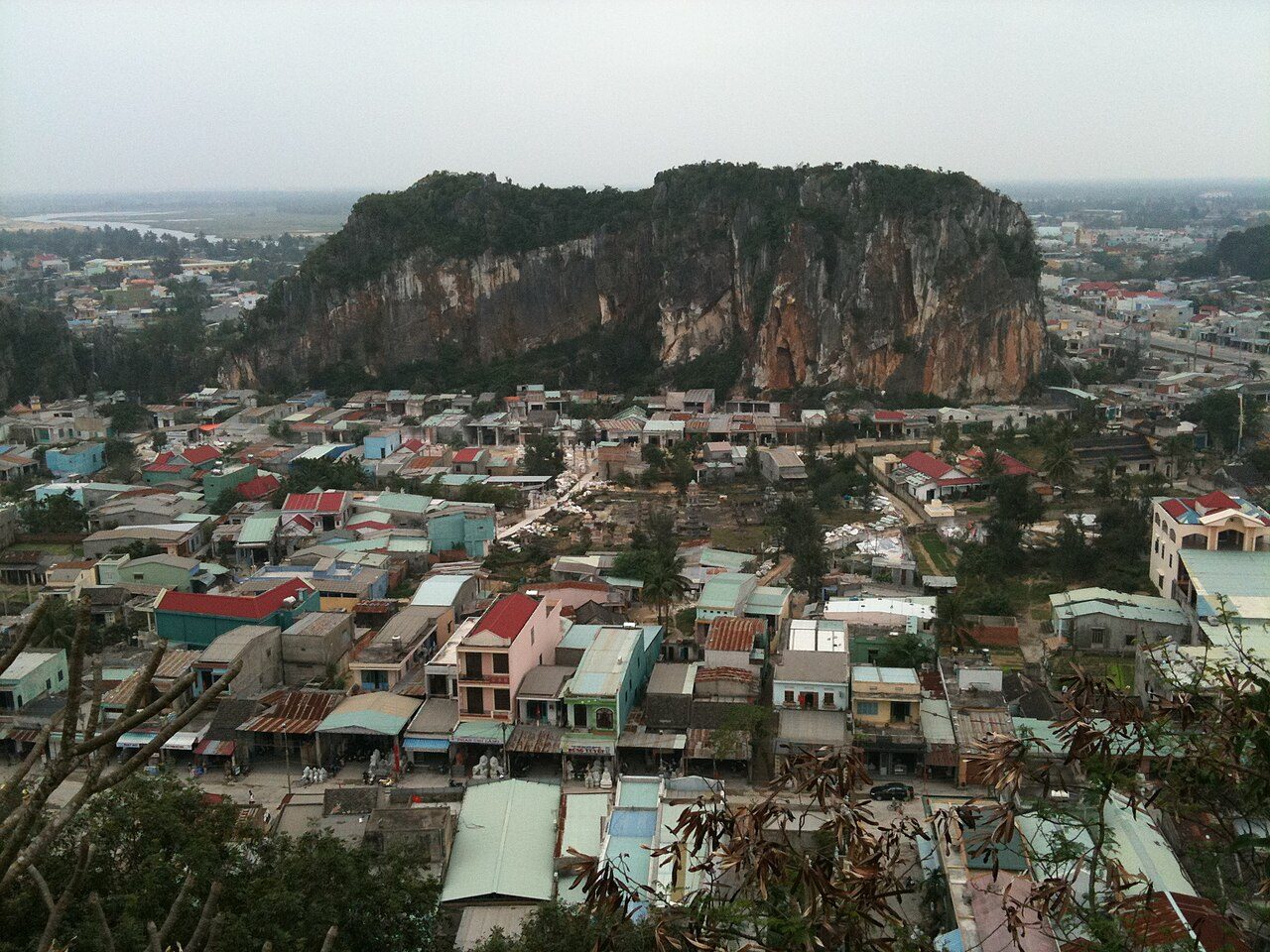
The Marble Mountains are a cluster of five limestone hills near Da Nang, each named after one of the five elements. Thuy Son, the largest, can be climbed by stairs or an elevator and hides pagodas, grottoes with Buddhist shrines and viewpoints over the coast. Huyen Khong Cave is the most atmospheric. Stone carving workshops line the streets at the base of the hills.
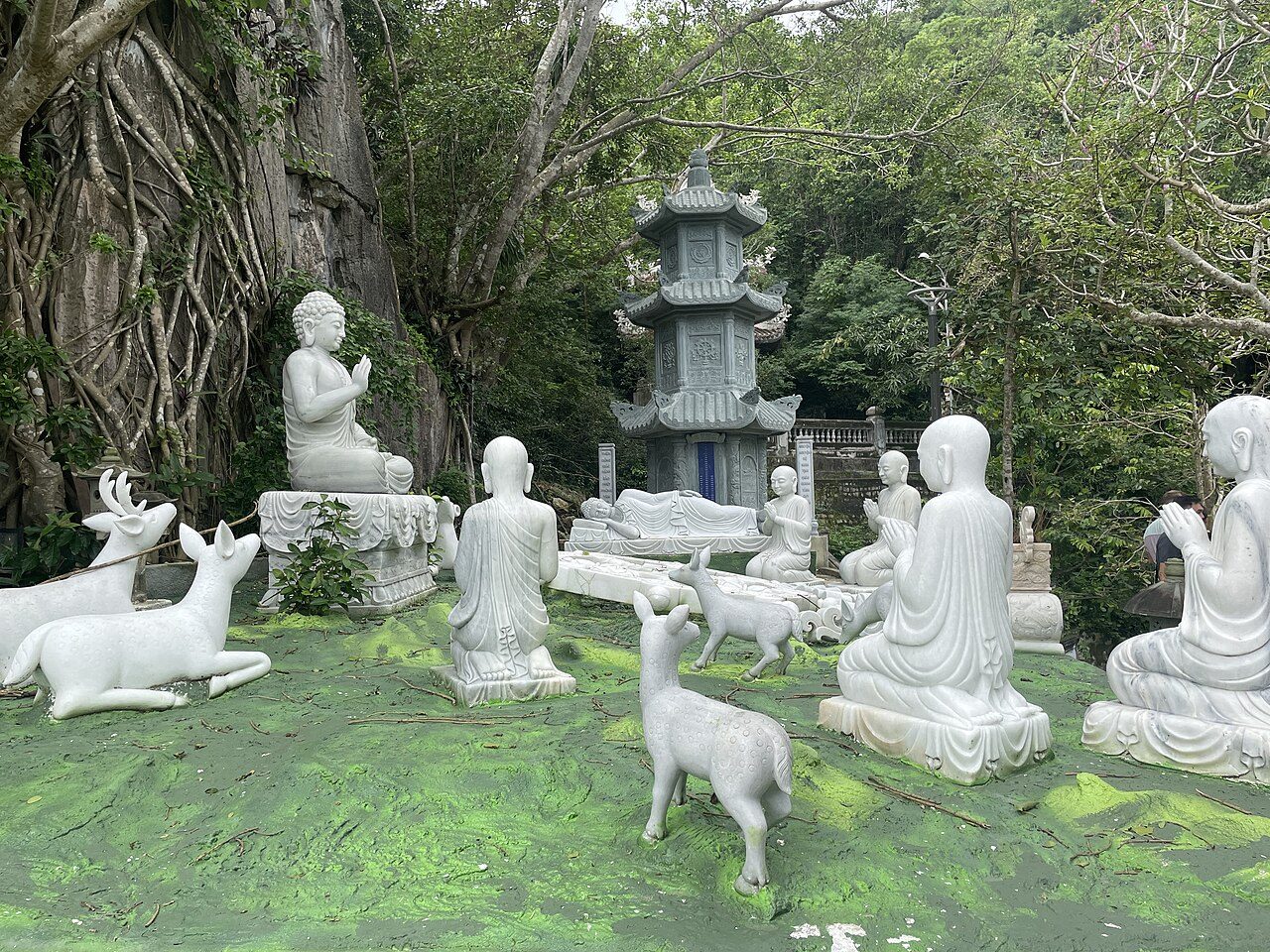
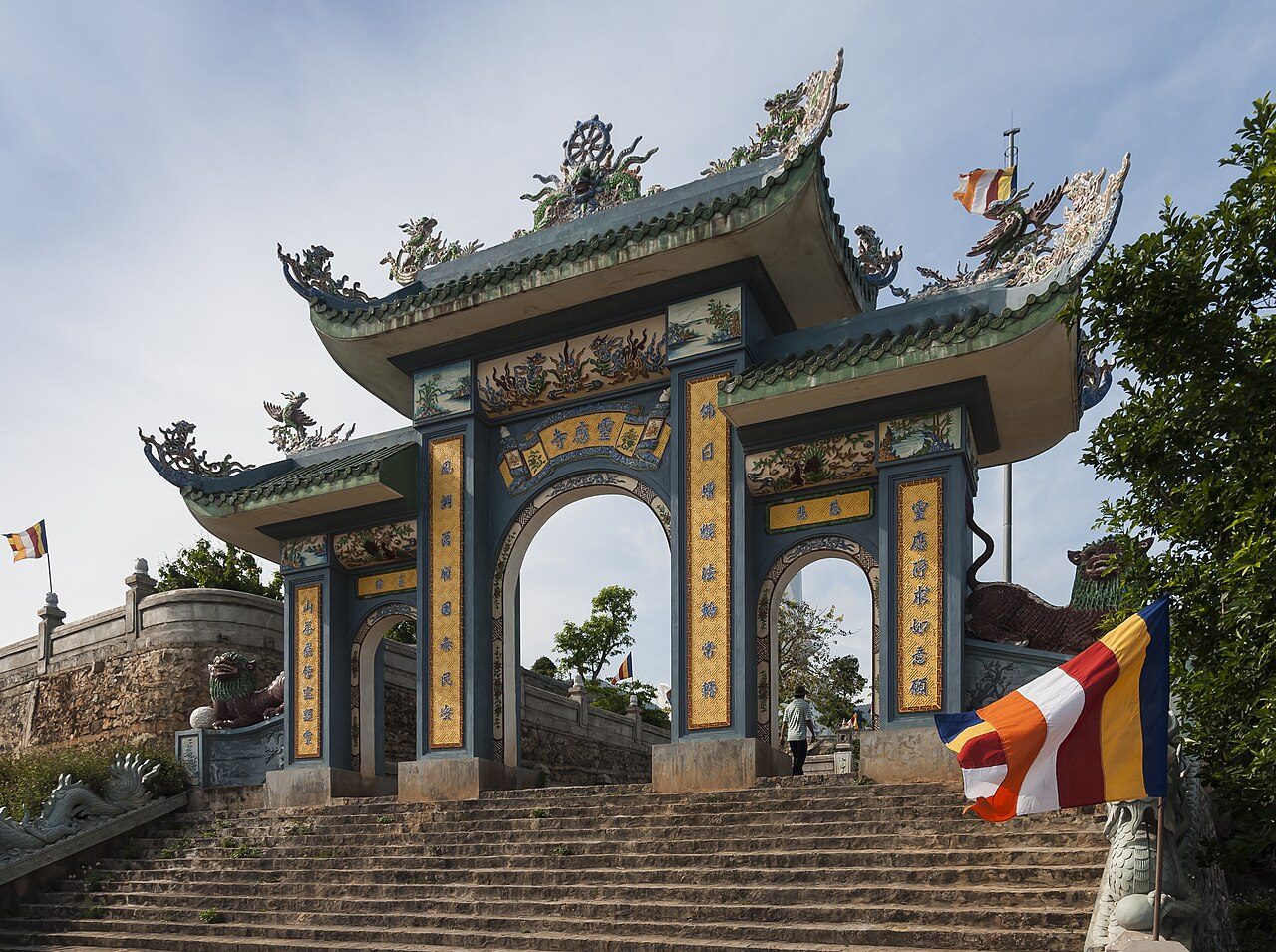
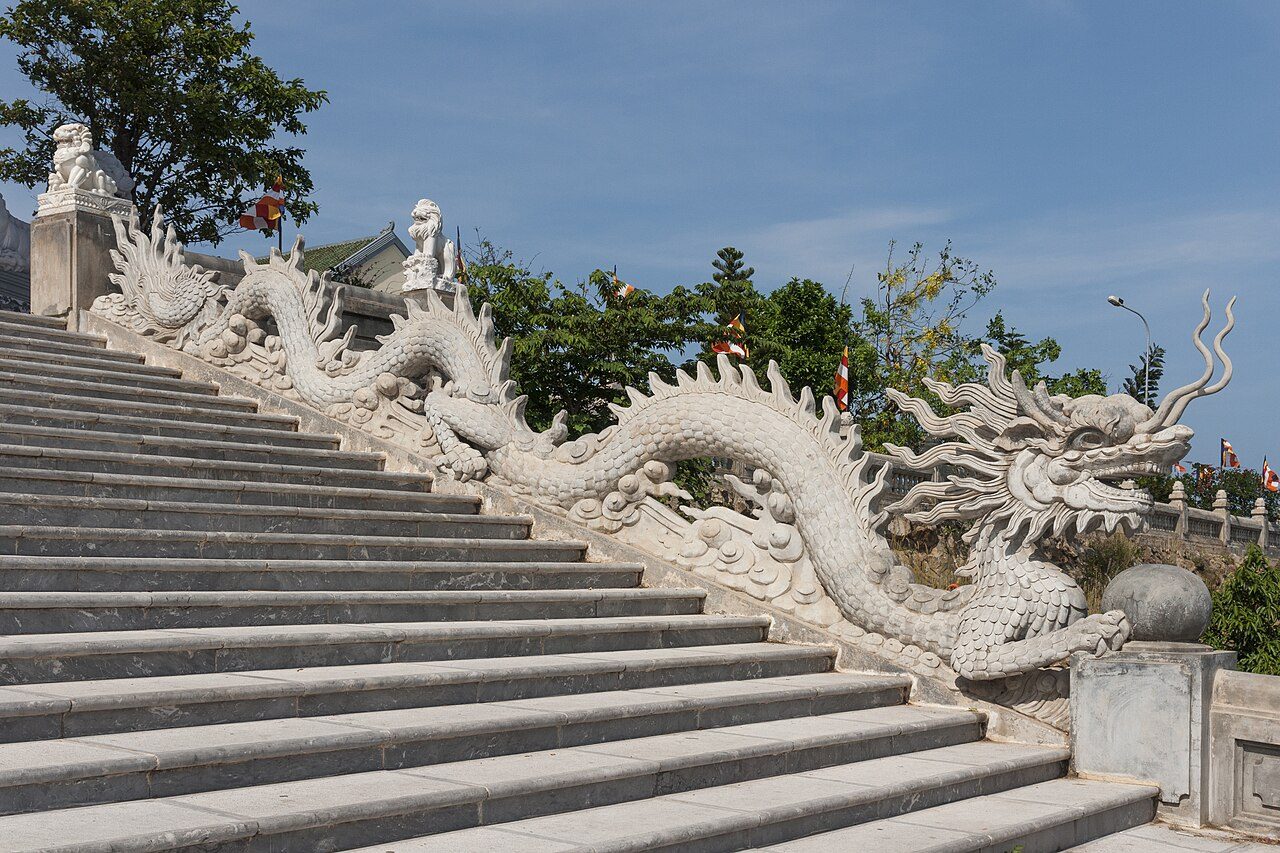
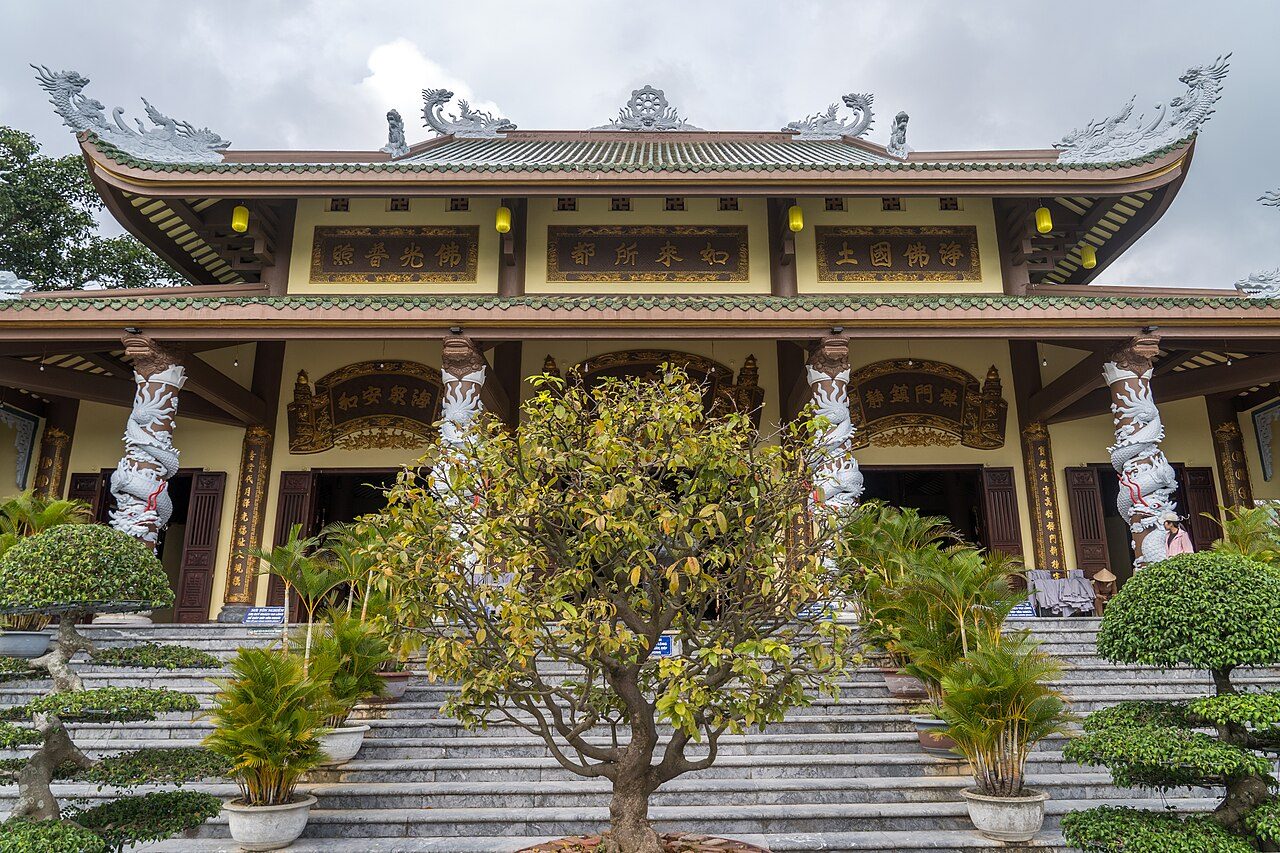
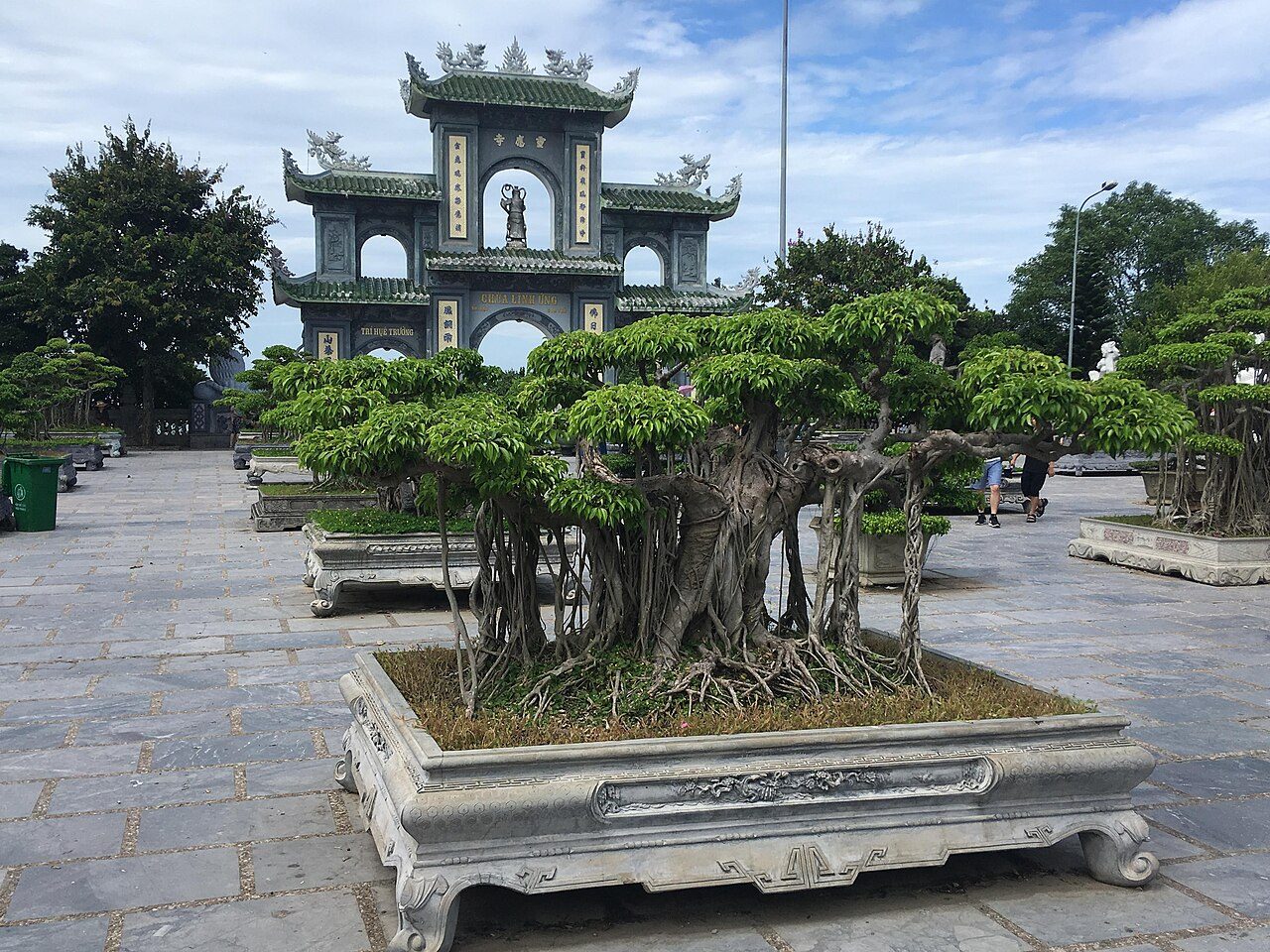
Linh Ung Pagoda on the Son Tra Peninsula is famous for its giant white statue of the Goddess of Mercy, about 67 metres tall, which looks out over Da Nang Bay. The pagoda grounds include ornate halls, bonsai gardens and arhat statues. From here there are wide views of the city and coastline. Look out for the red-shanked douc langurs that live in the forests of Son Tra.
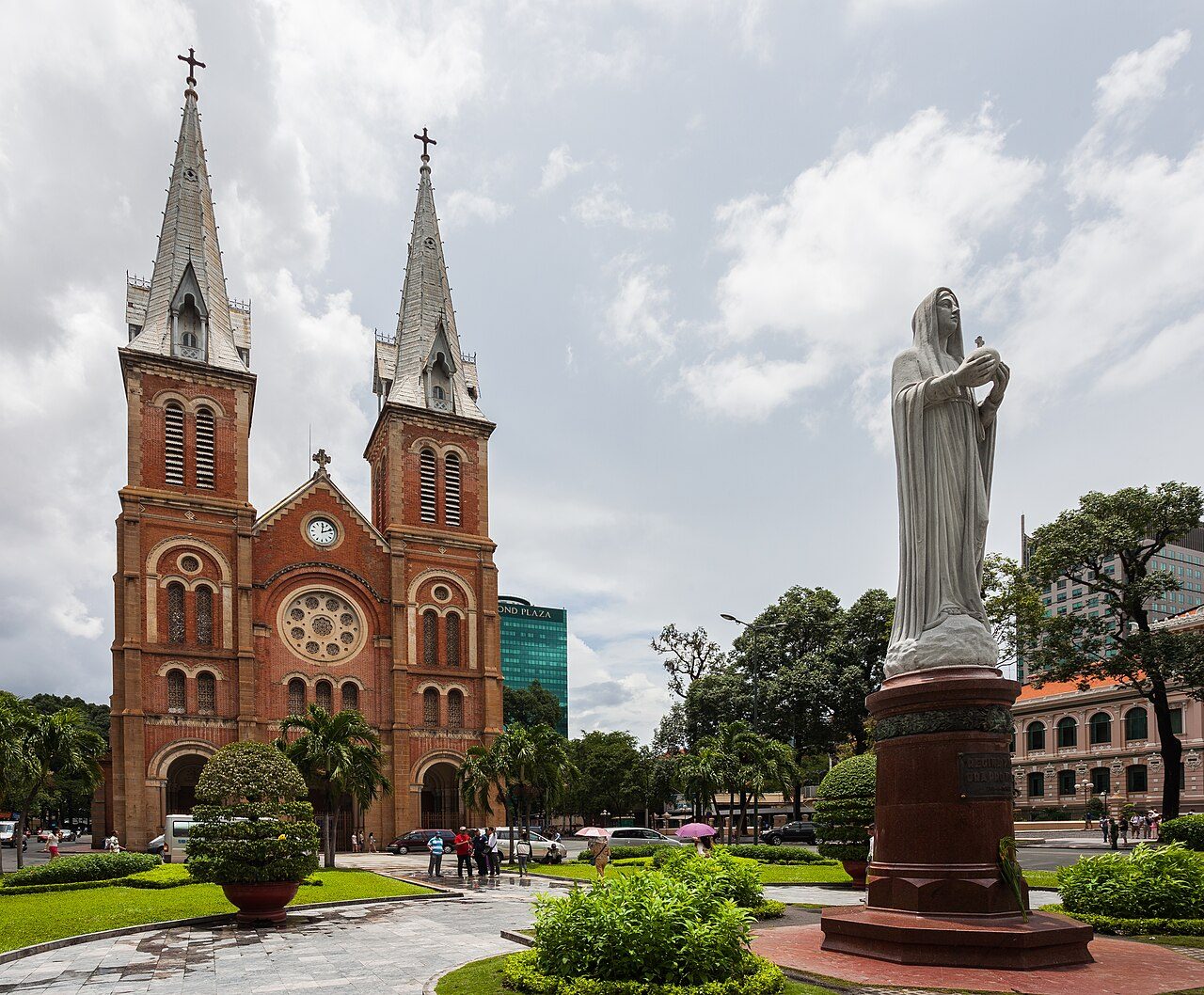
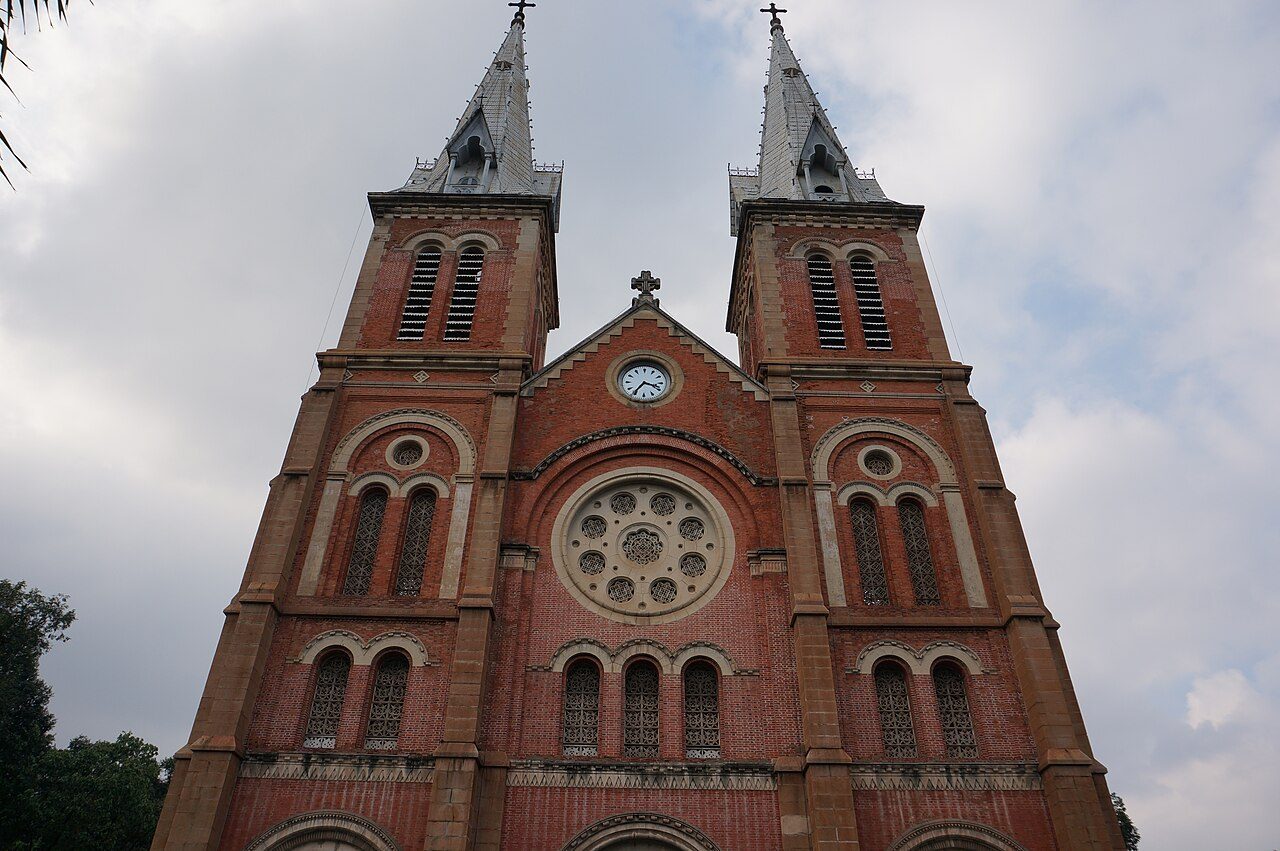
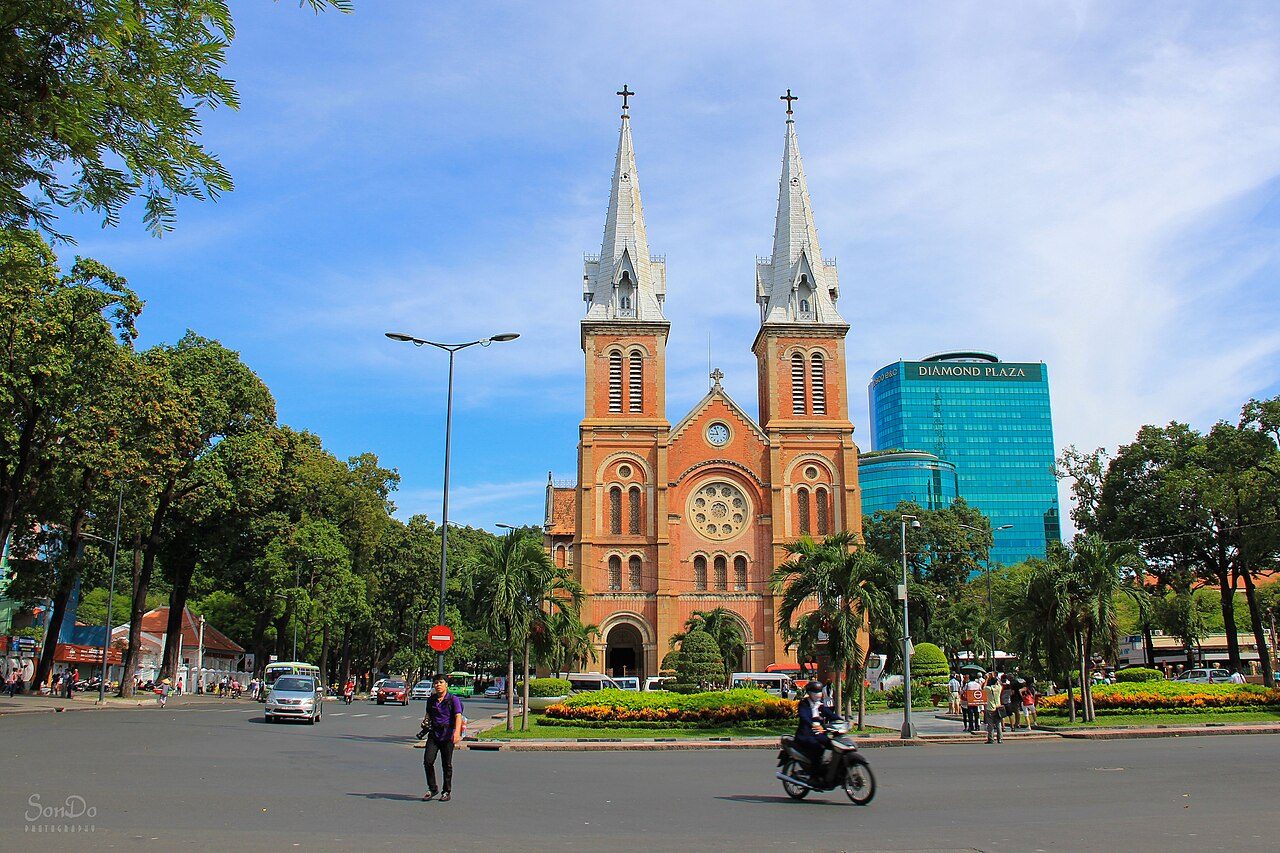
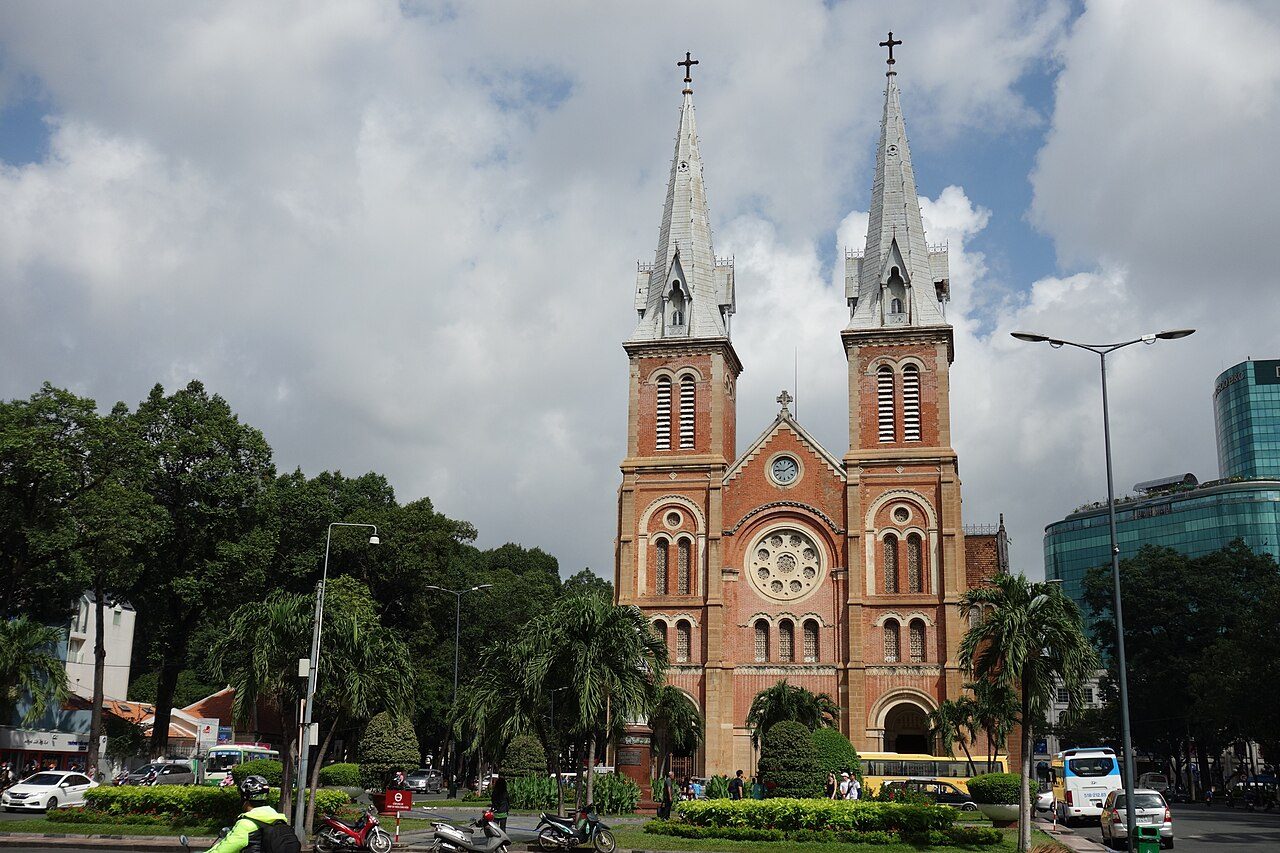
Saigon Notre-Dame Cathedral Basilica was built by the French between 1863 and 1880 using red bricks shipped from Marseille. Its two bell towers rise above Paris Commune Square in the heart of District 1. A statue of Our Lady of Peace stands in the square in front. The cathedral has been under restoration in recent years, so check whether the interior is open before visiting.
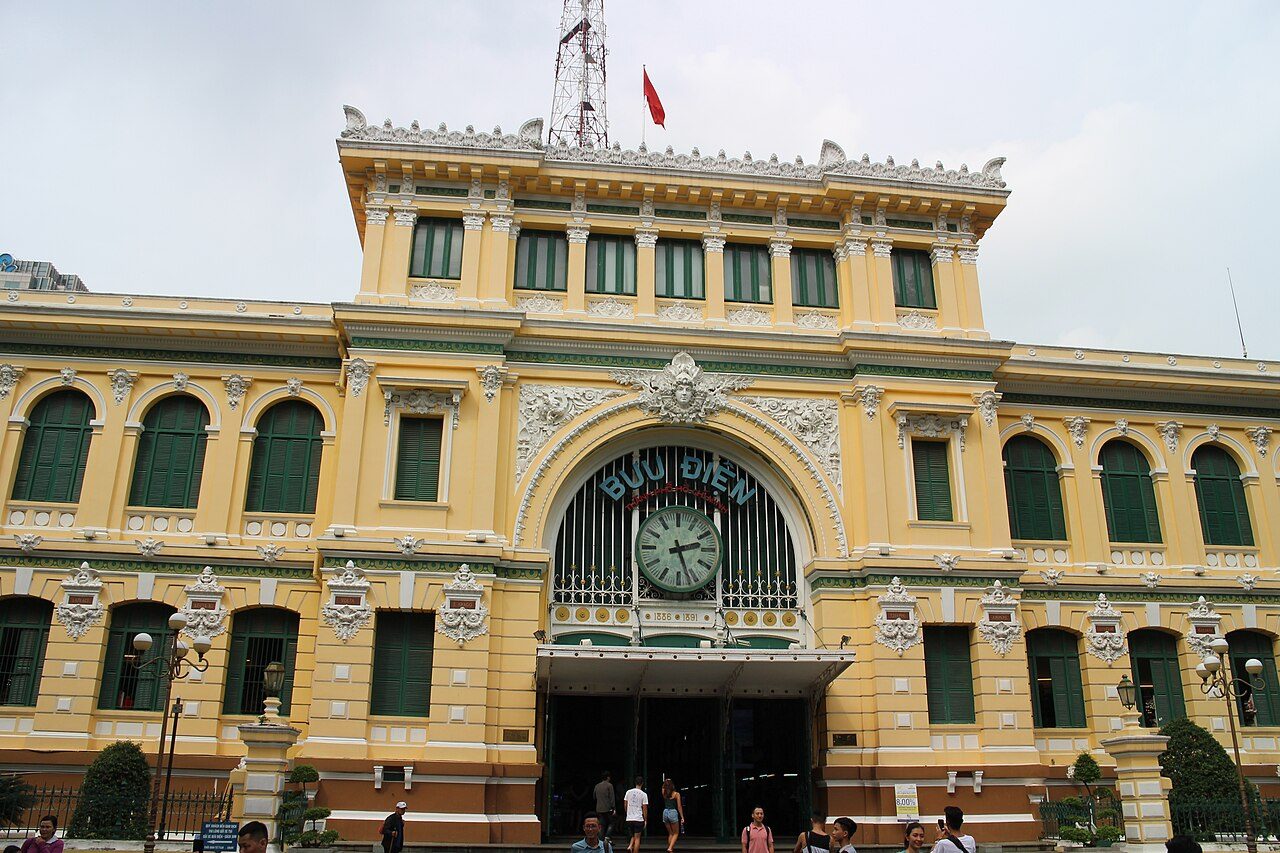
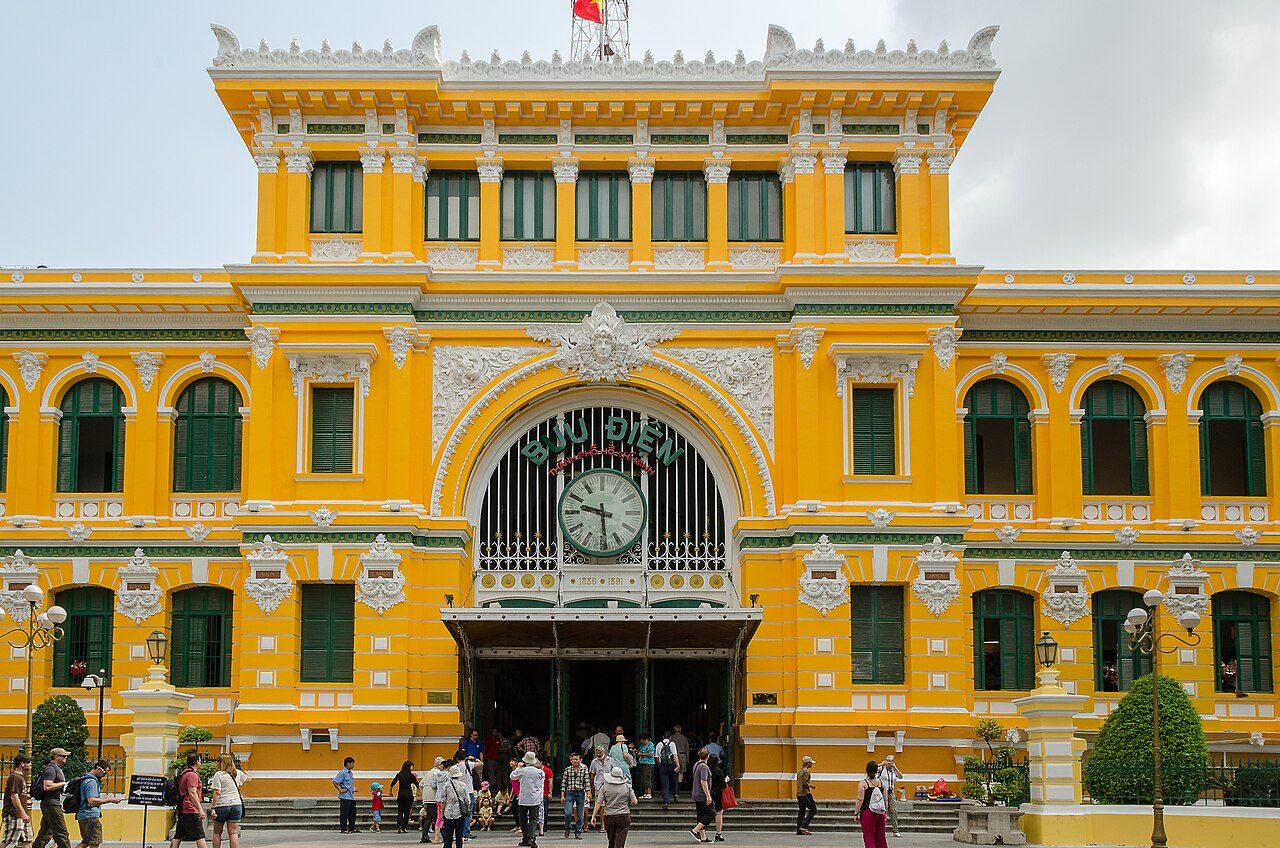
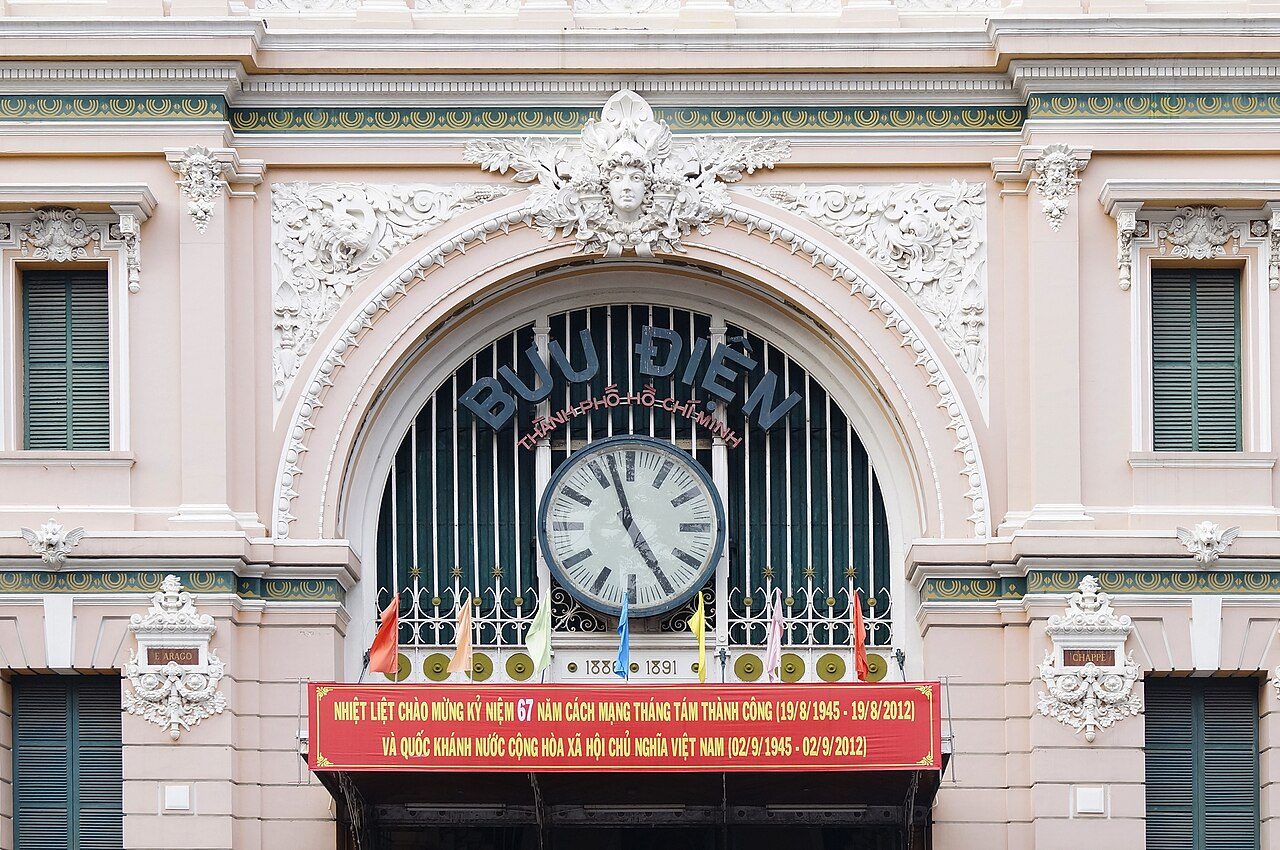
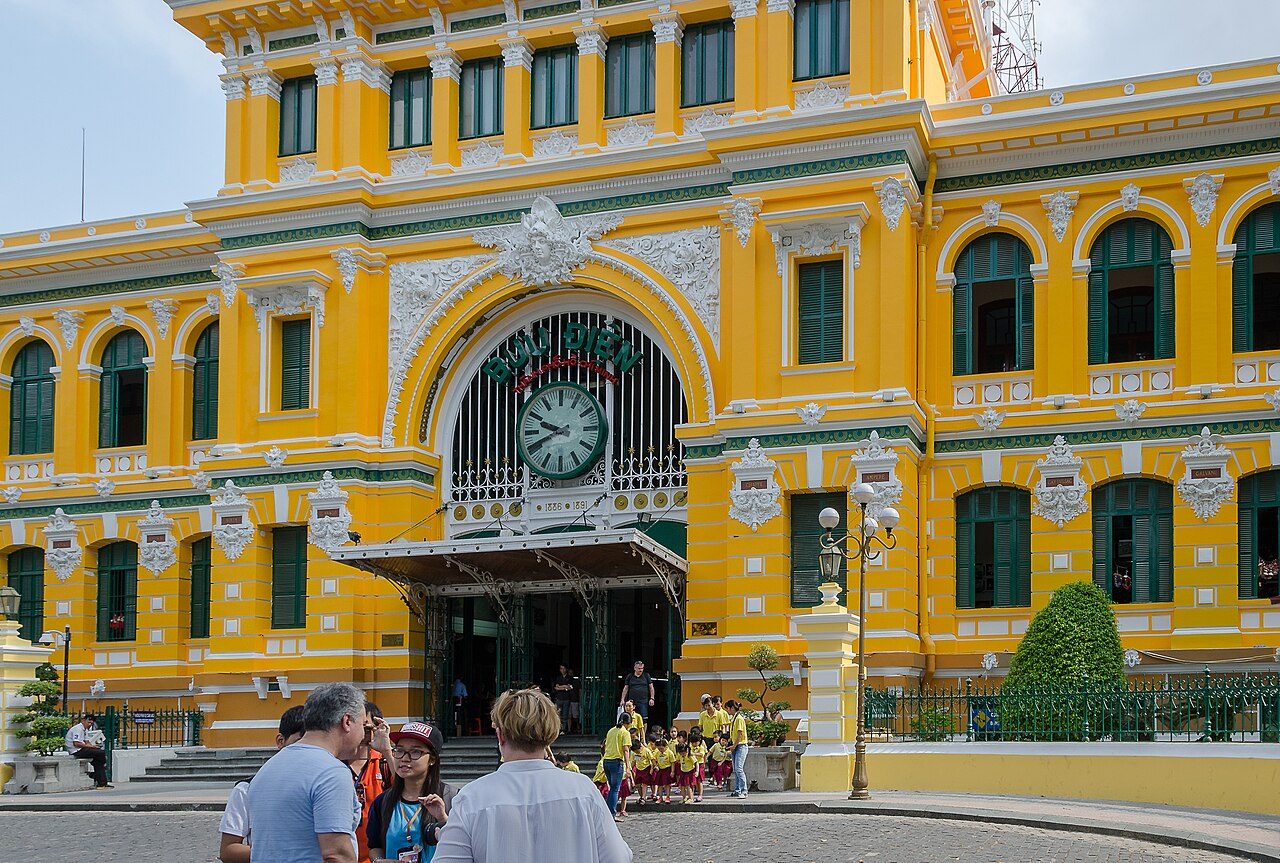
Saigon Central Post Office was built by the French in the late 1800s and is still a working post office. Its yellow facade, arched iron ceiling and large painted maps of old Saigon and Cochinchina make it one of the city's most photographed buildings. A portrait of Ho Chi Minh hangs above the hall. It stands right beside the Notre-Dame Cathedral, so visit both together.
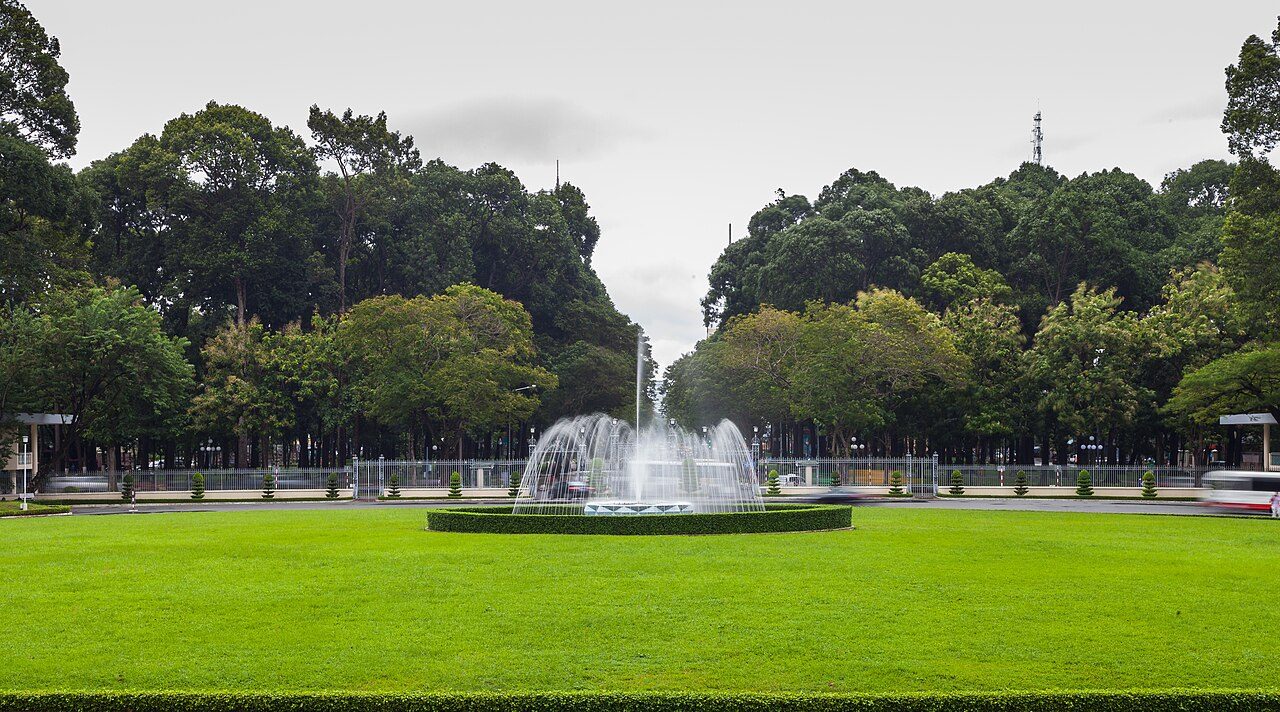
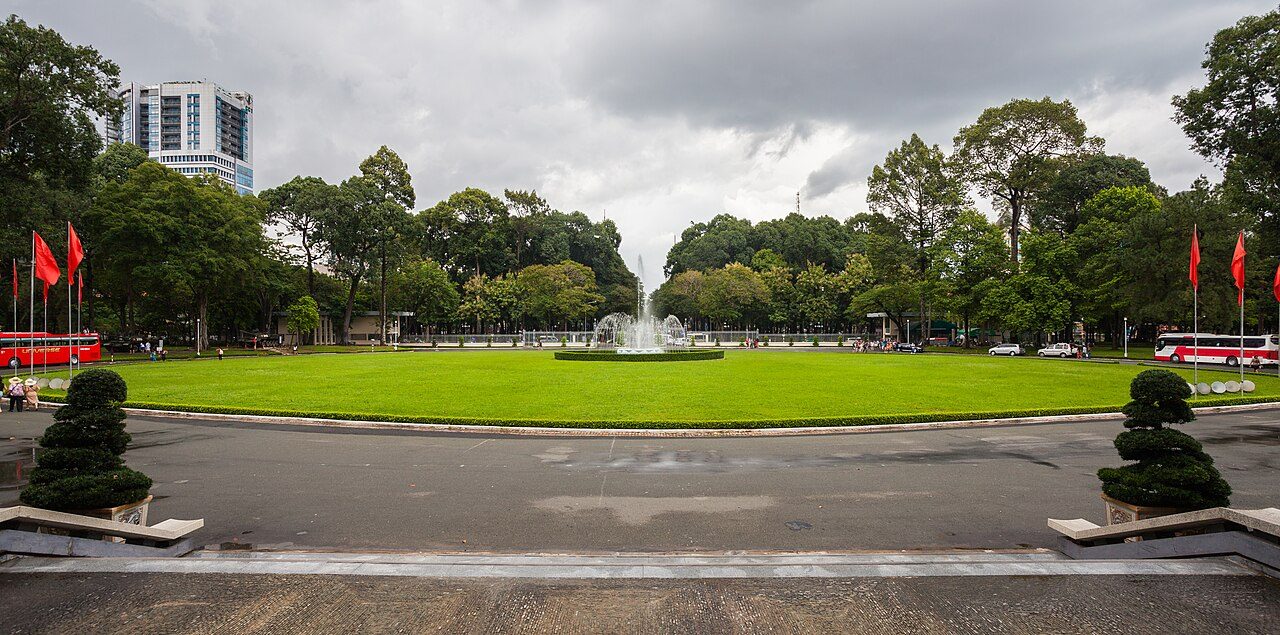
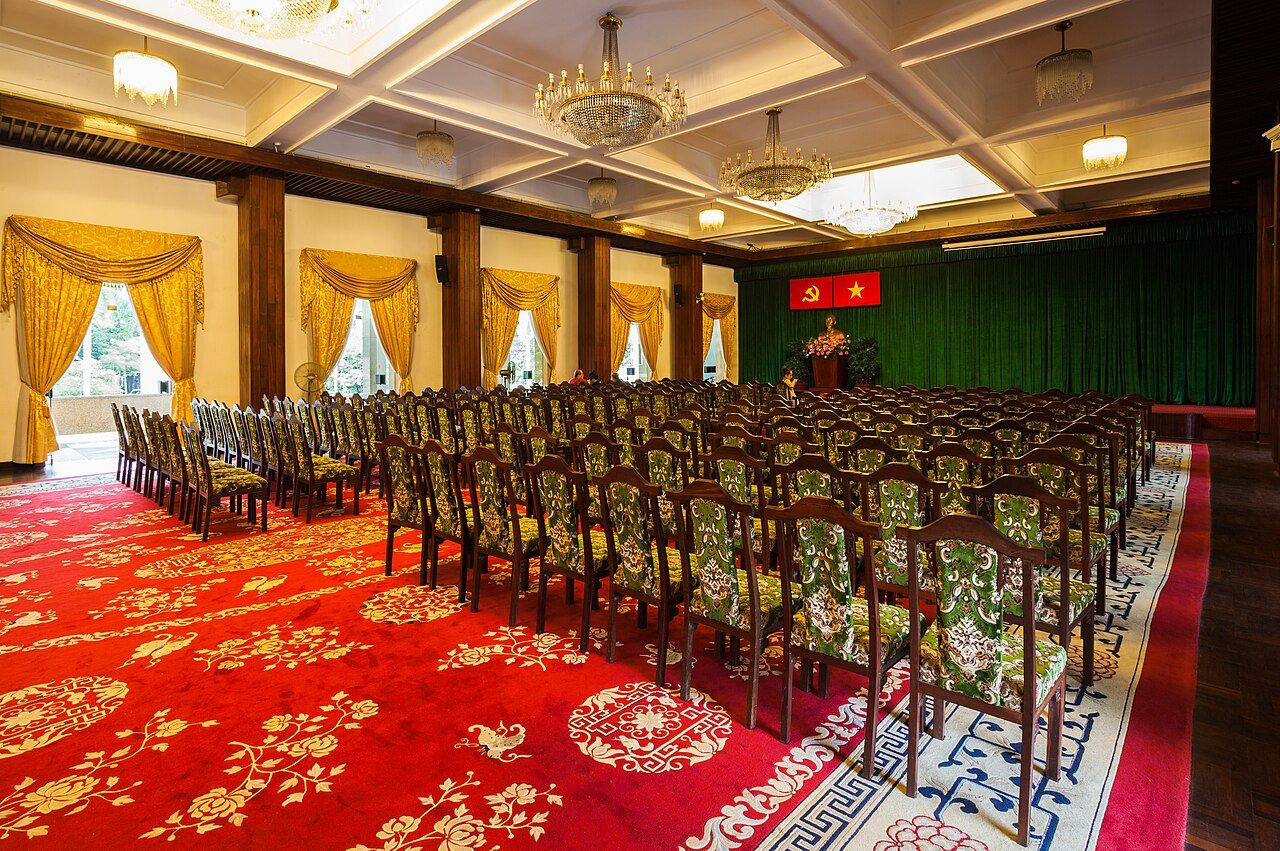
Independence Palace, also called Reunification Palace, was the home and office of the president of South Vietnam. On 30 April 1975 a North Vietnamese tank crashed through its gates, marking the end of the war. The 1960s modernist building has been preserved, with meeting rooms, a war command bunker and a rooftop helipad. Allow about two hours for the rooms and basement.
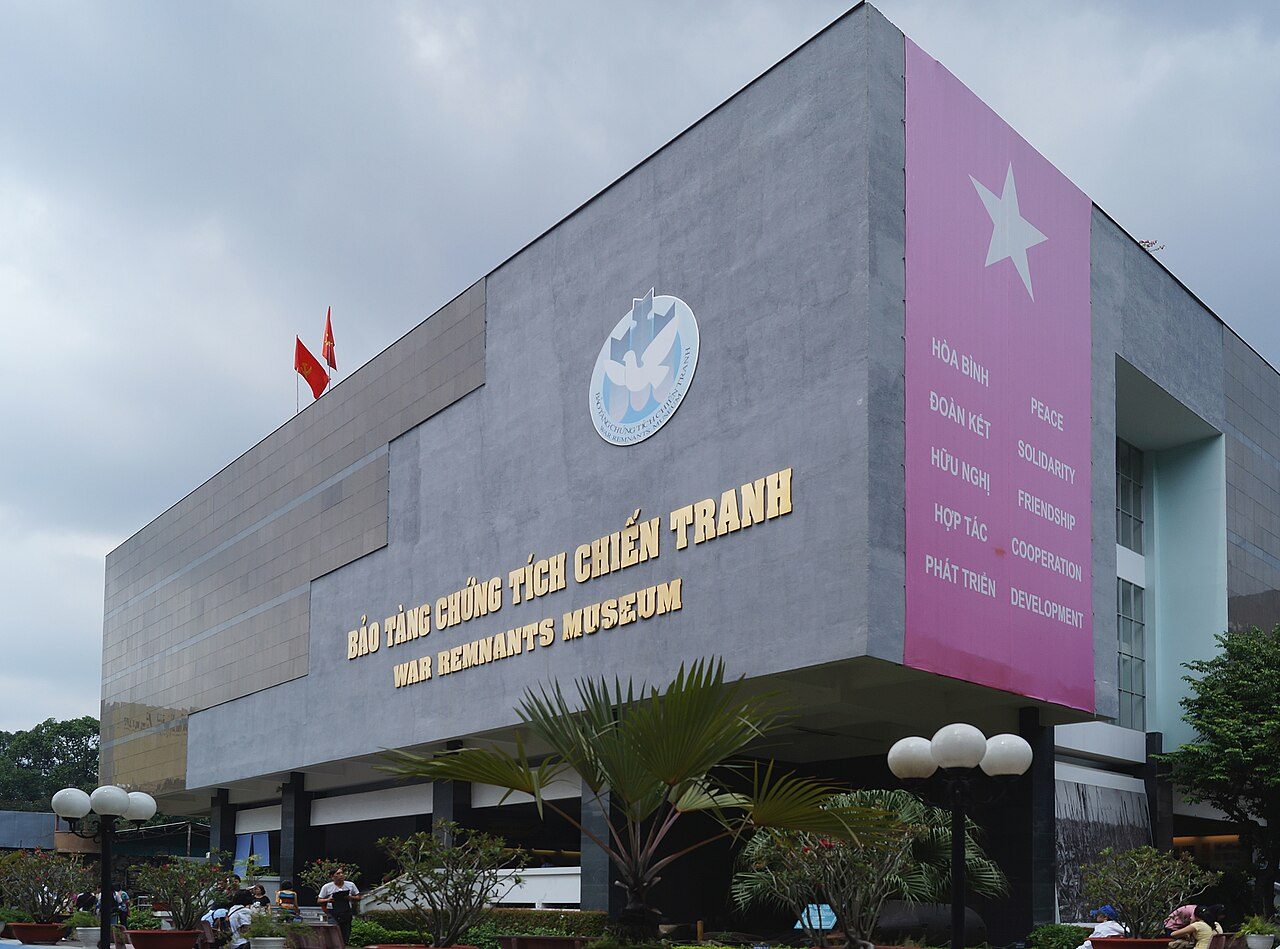
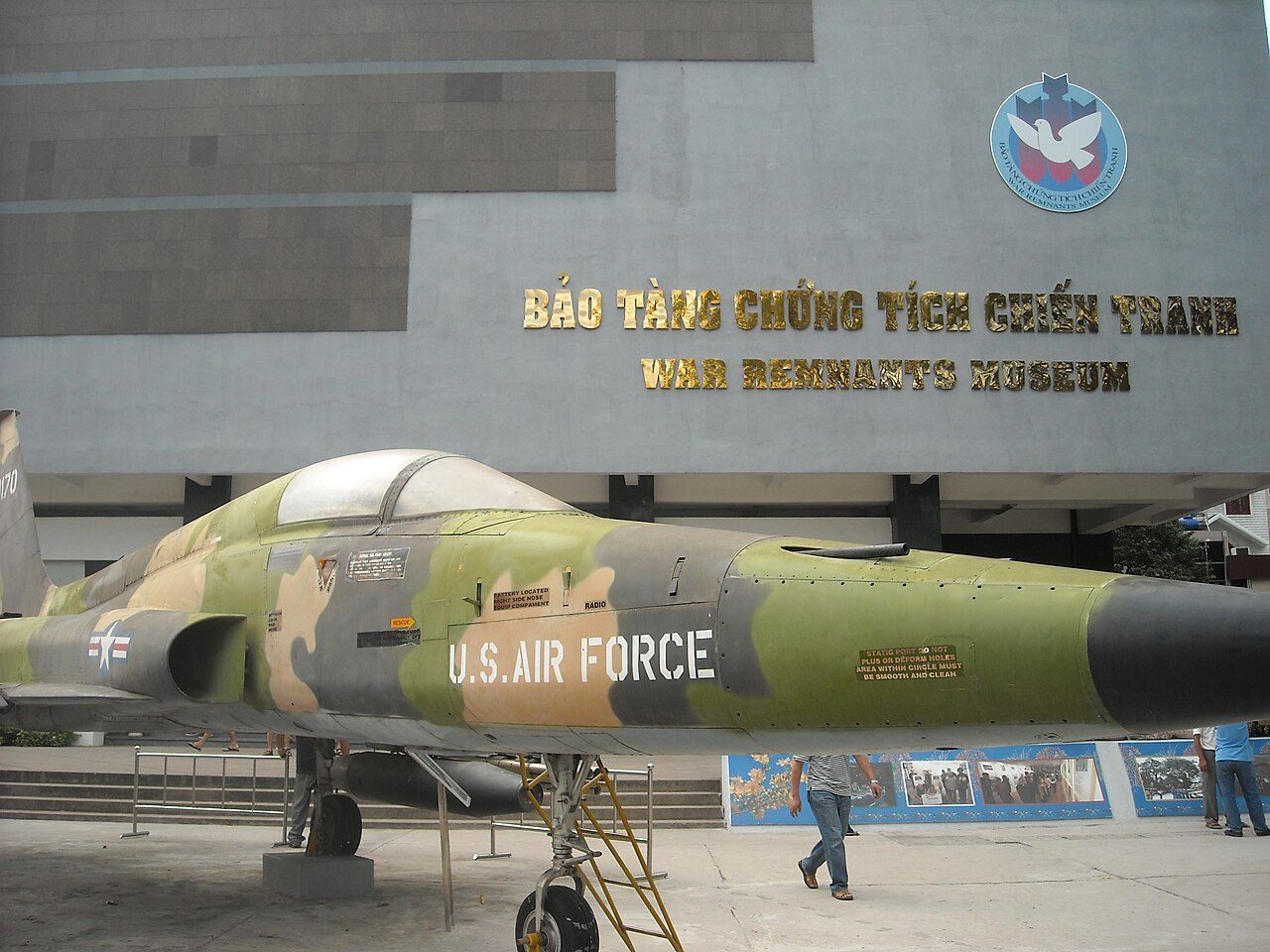
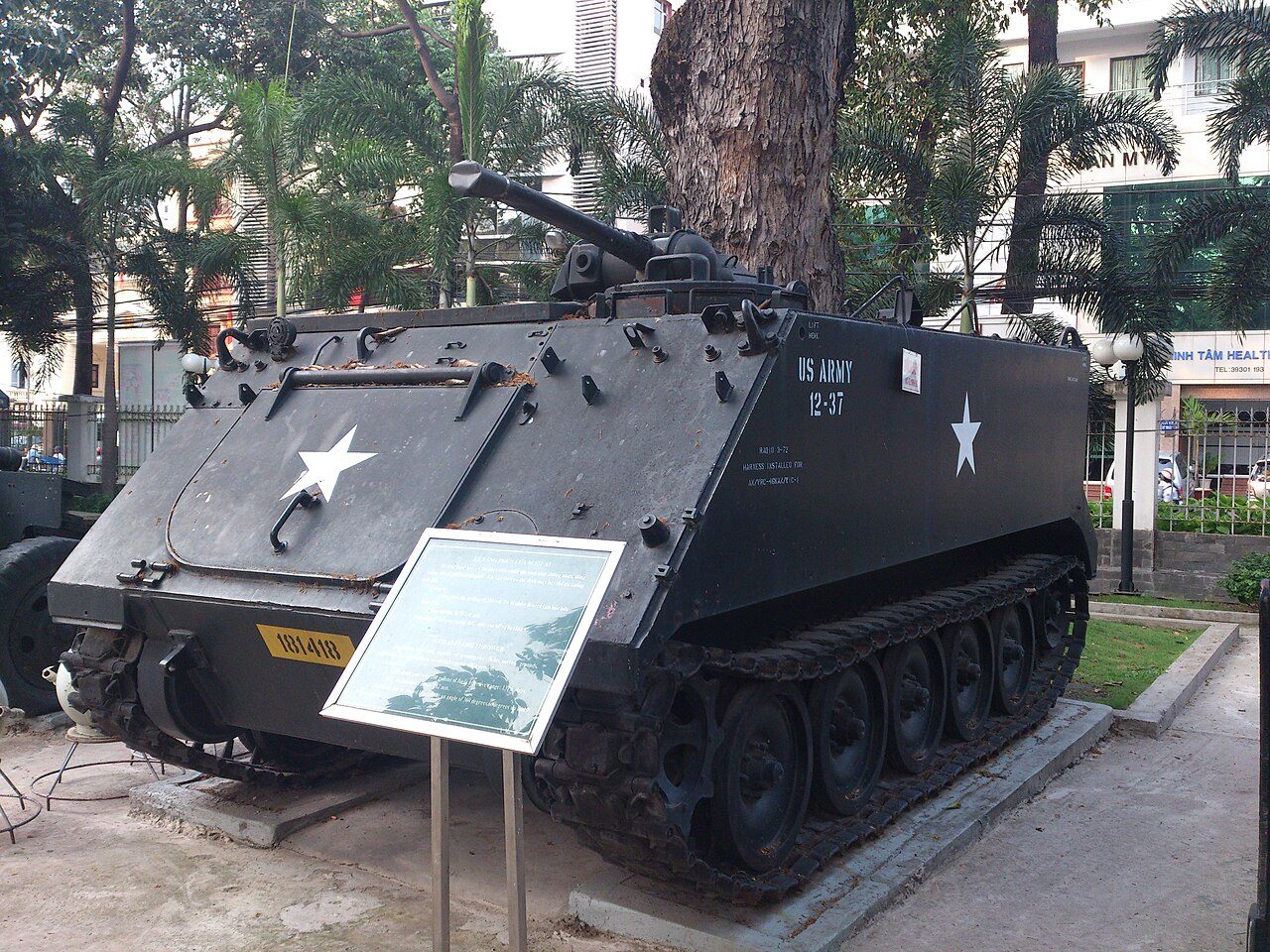
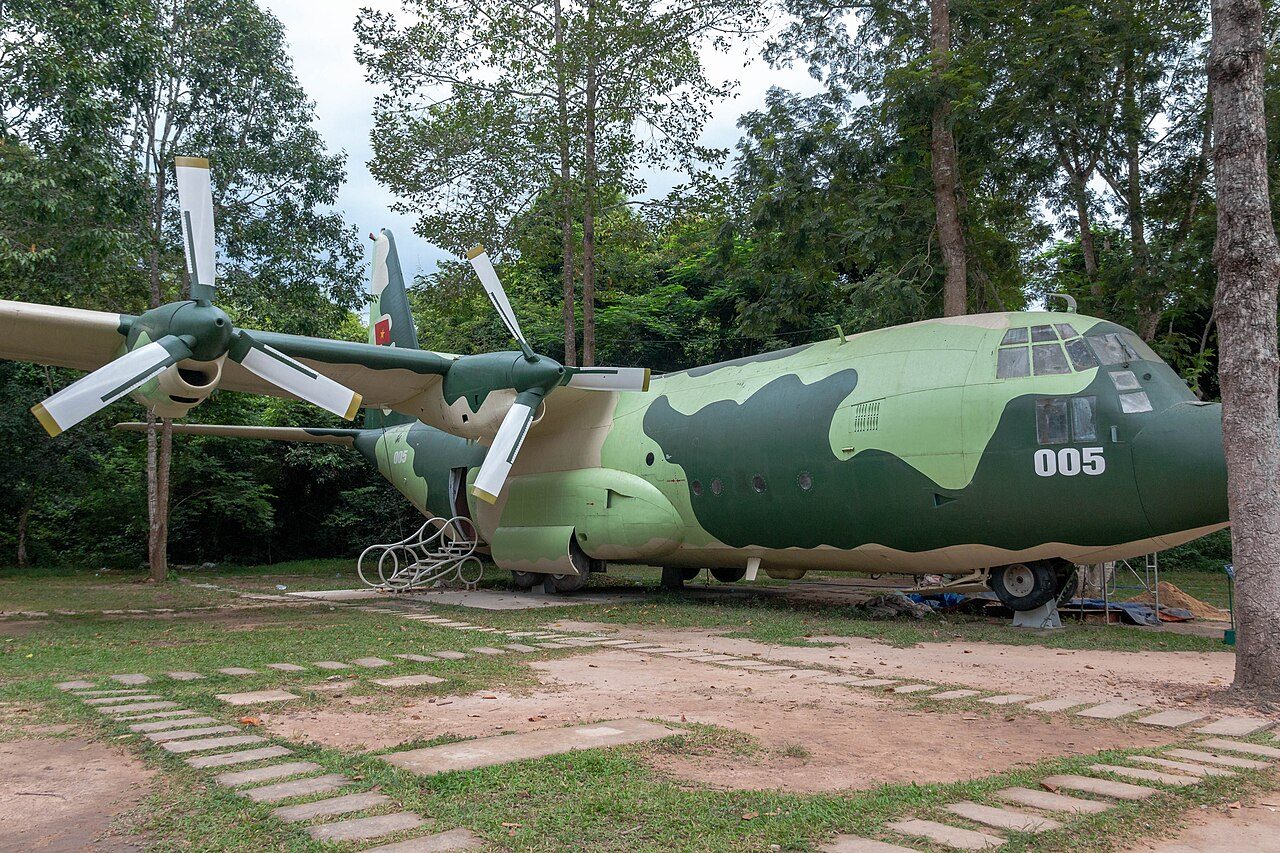
The War Remnants Museum documents the Vietnam War from a Vietnamese perspective, with a strong focus on the impact on civilians. Exhibits include photographs by war correspondents, the effects of Agent Orange and reconstructed tiger cages. Tanks, aircraft and artillery are displayed in the courtyard. Many visitors find it intense and emotional, so allow time to reflect.
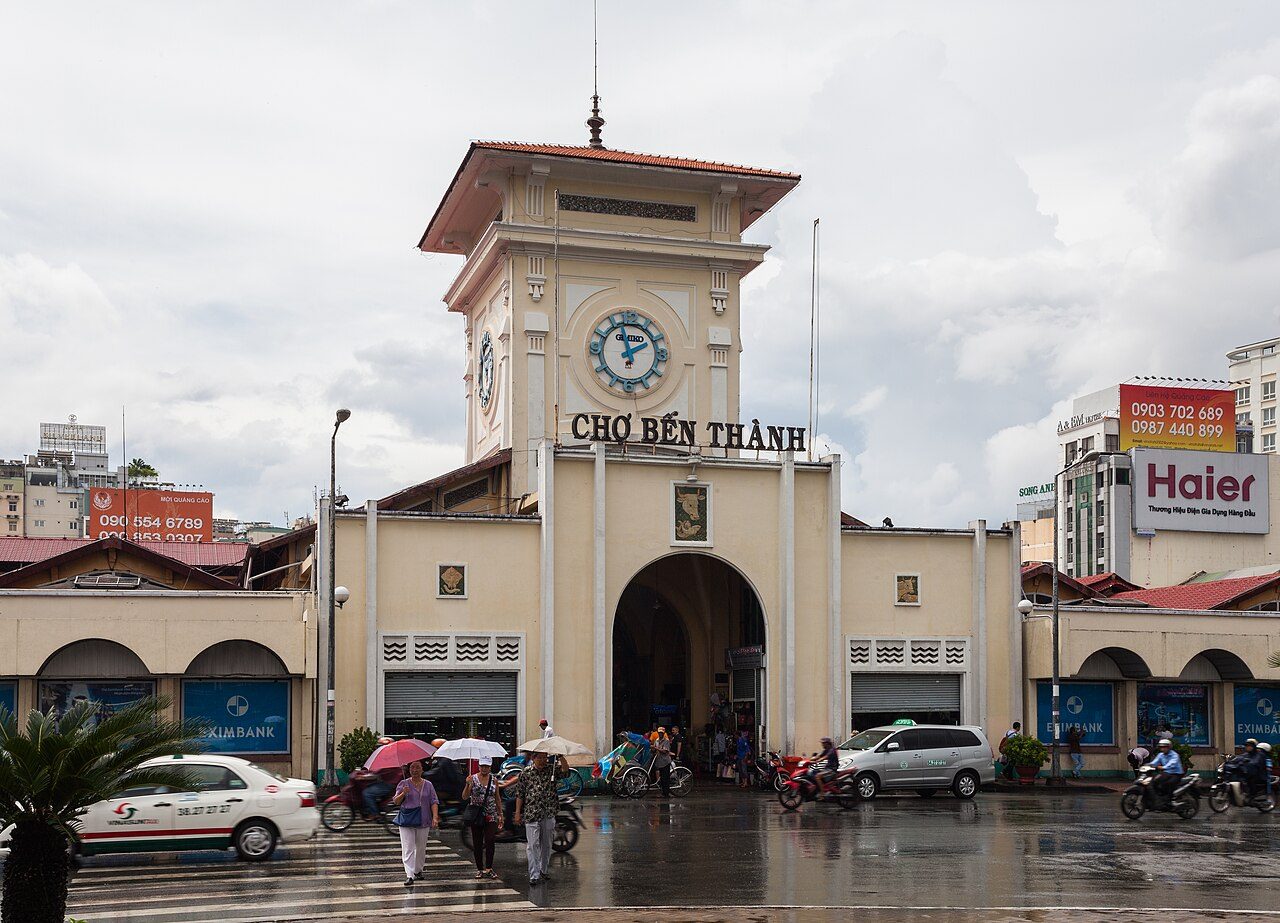
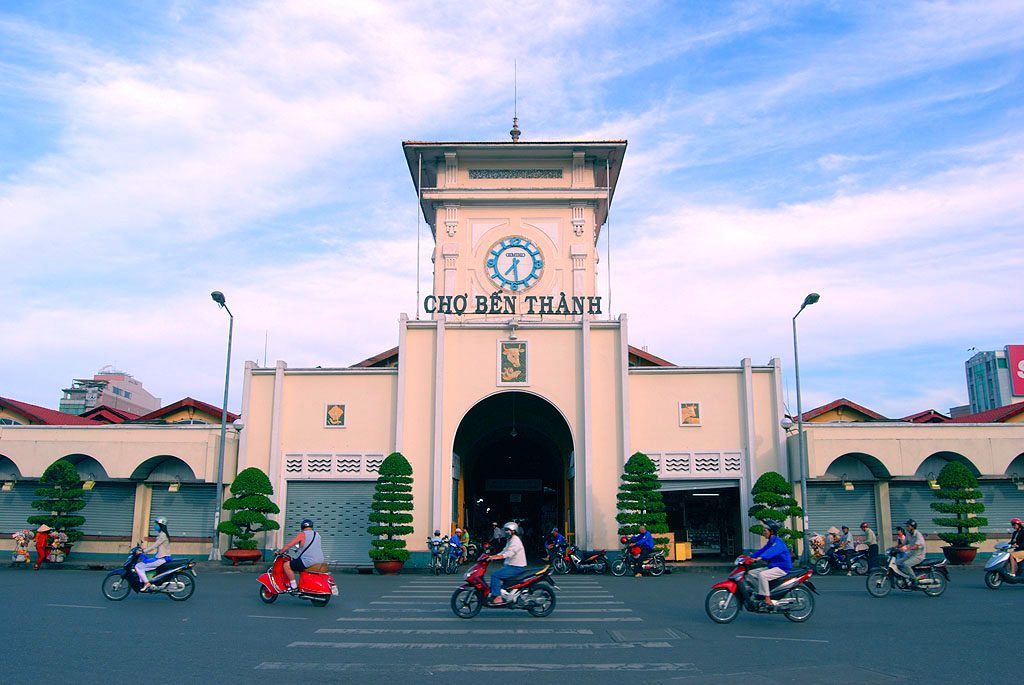
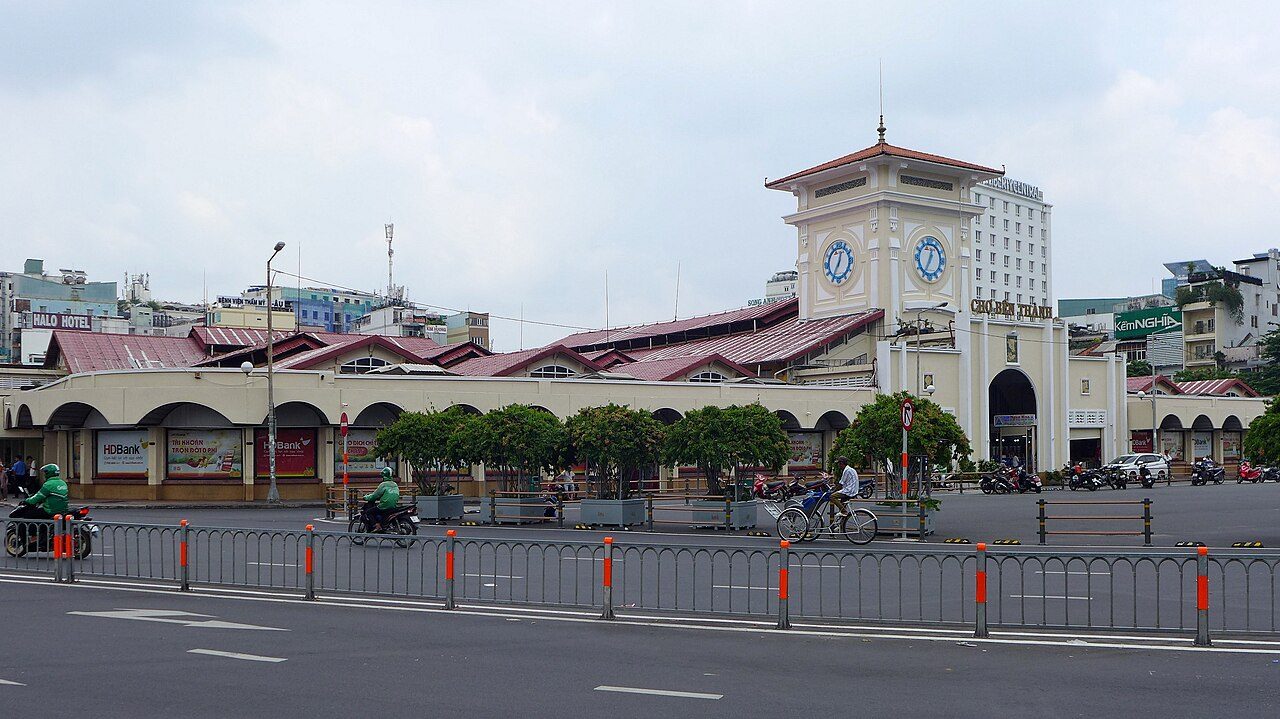
Ben Thanh Market is Ho Chi Minh City's best-known market, built in 1914 with its famous clock tower over the south gate. Inside, hundreds of stalls sell clothes, handicrafts, coffee, dried foods and fresh produce, along with a food court serving local dishes. Bargaining is expected for most goods. In the evening a night market sets up on the surrounding streets.
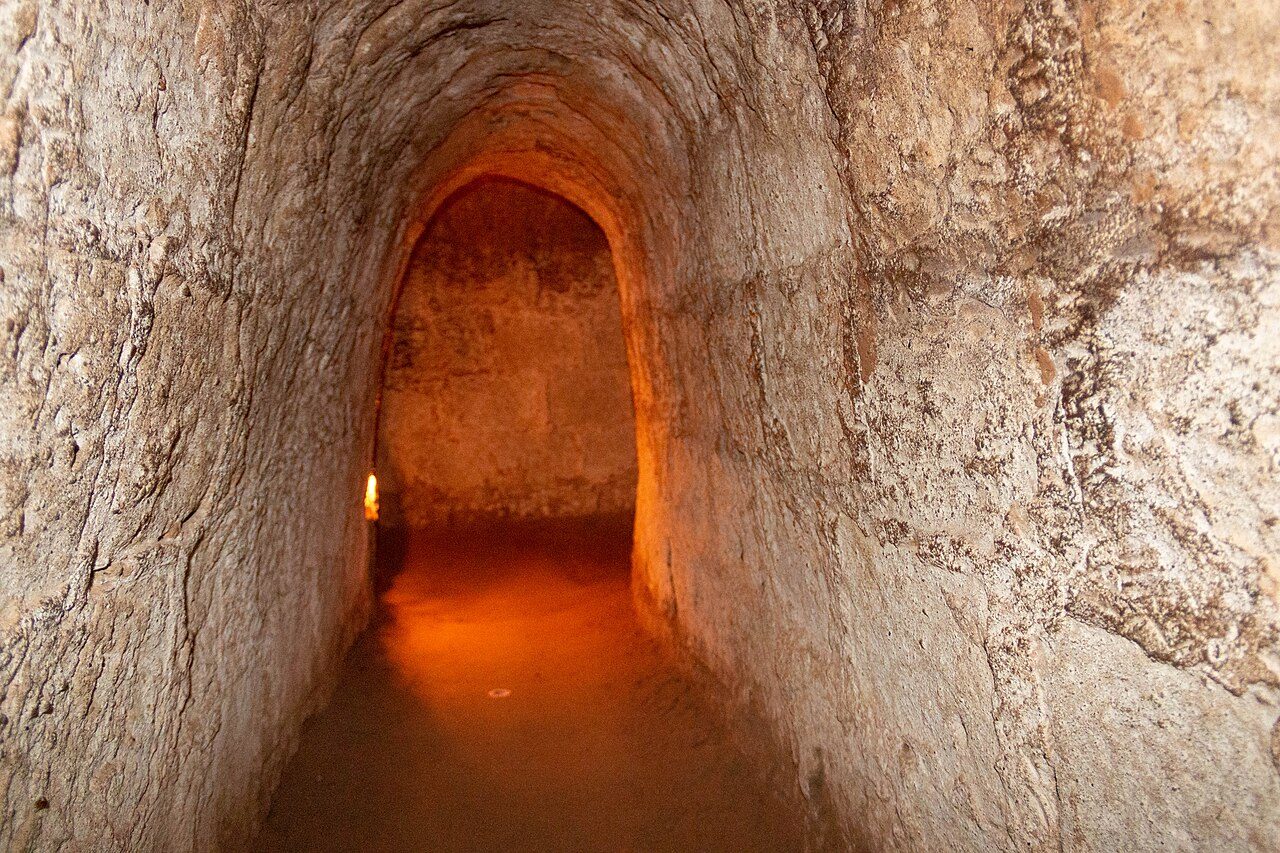
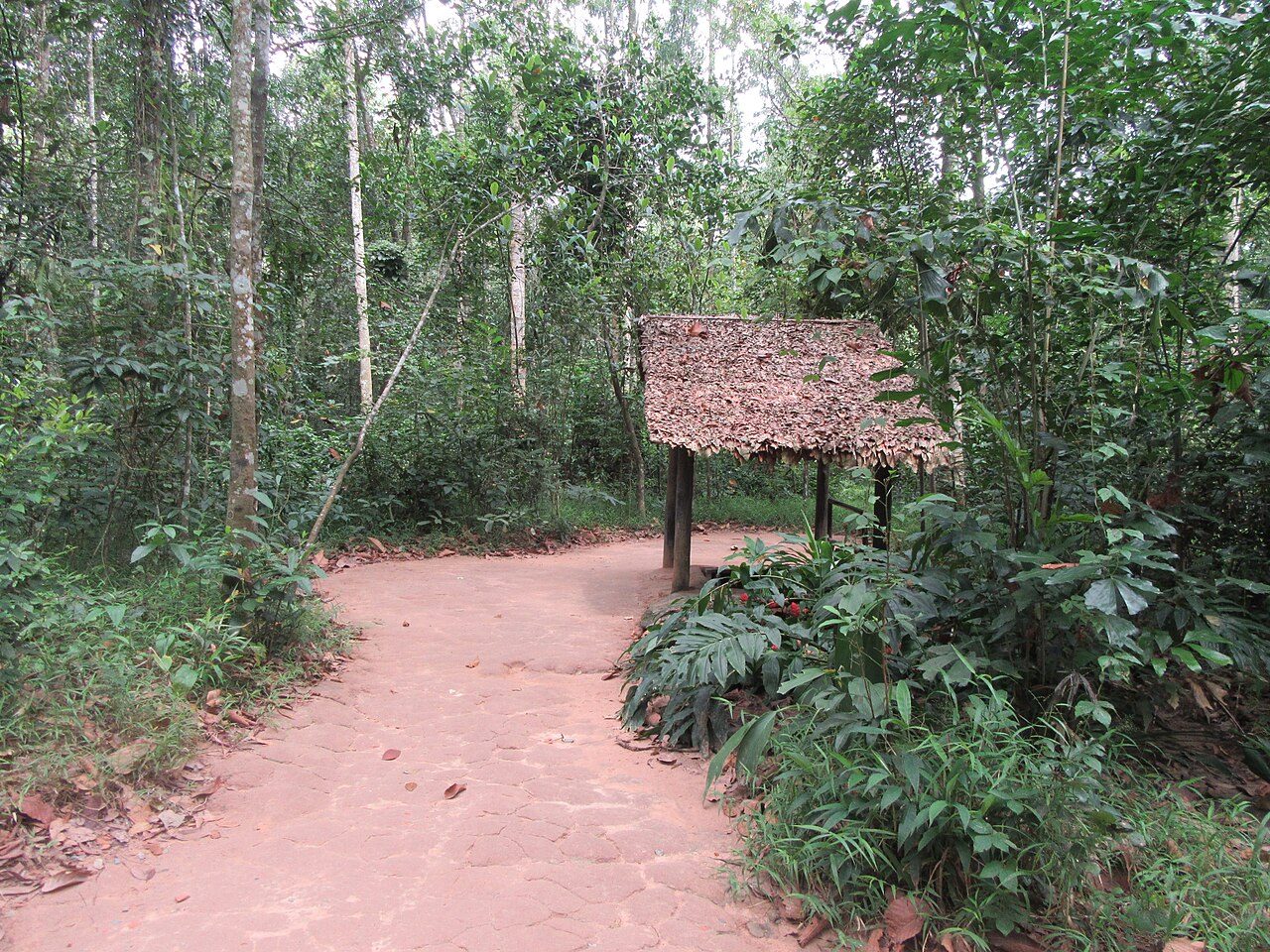
The Cu Chi Tunnels are part of a vast underground network dug by Viet Cong fighters during the wars against France and the United States. At the Ben Dinh site visitors can crawl through widened sections, see hidden trapdoors, booby traps and underground kitchens, and learn how people lived here. The site is about 60 km from the city centre, and half-day trips are popular.
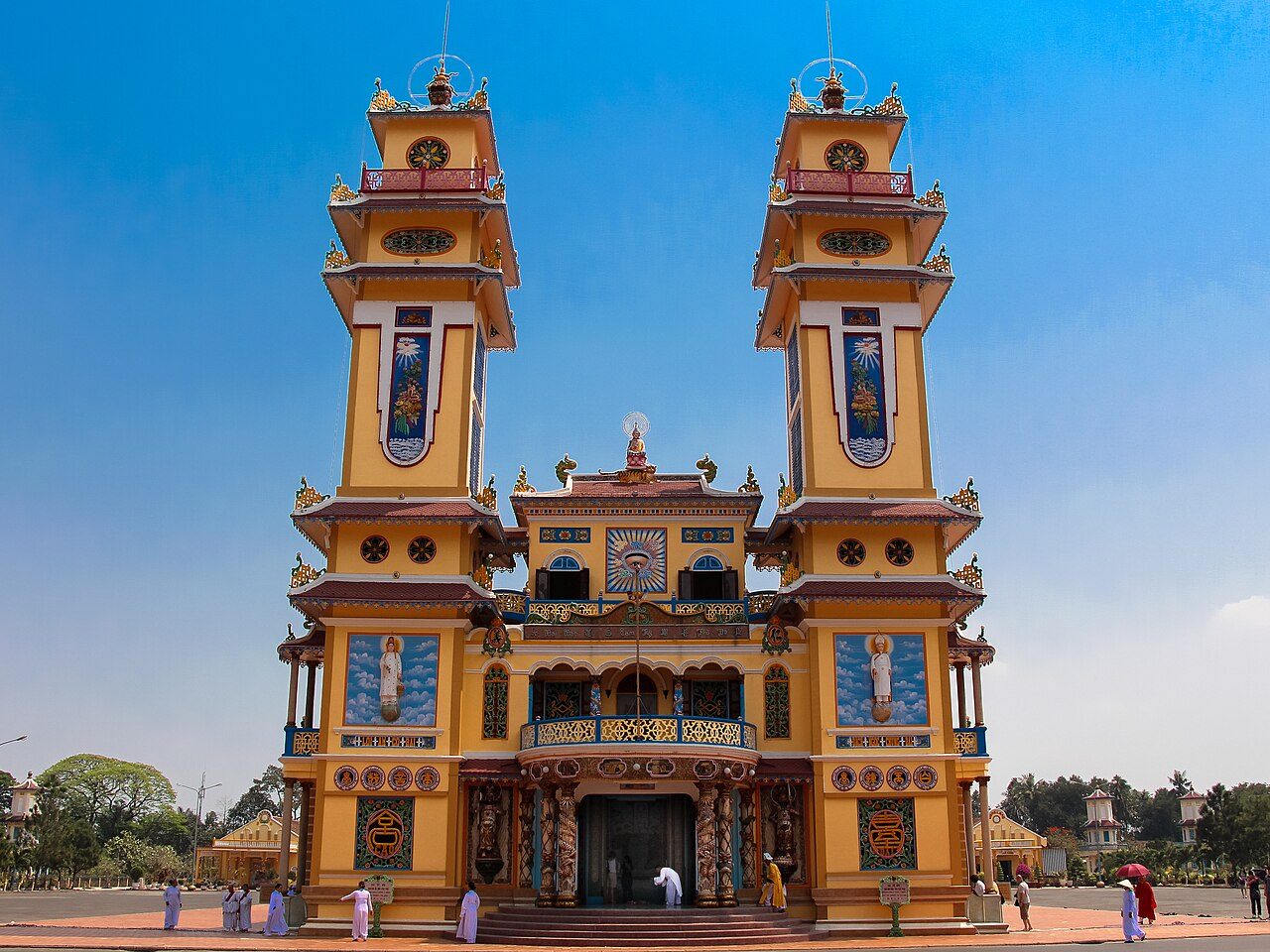
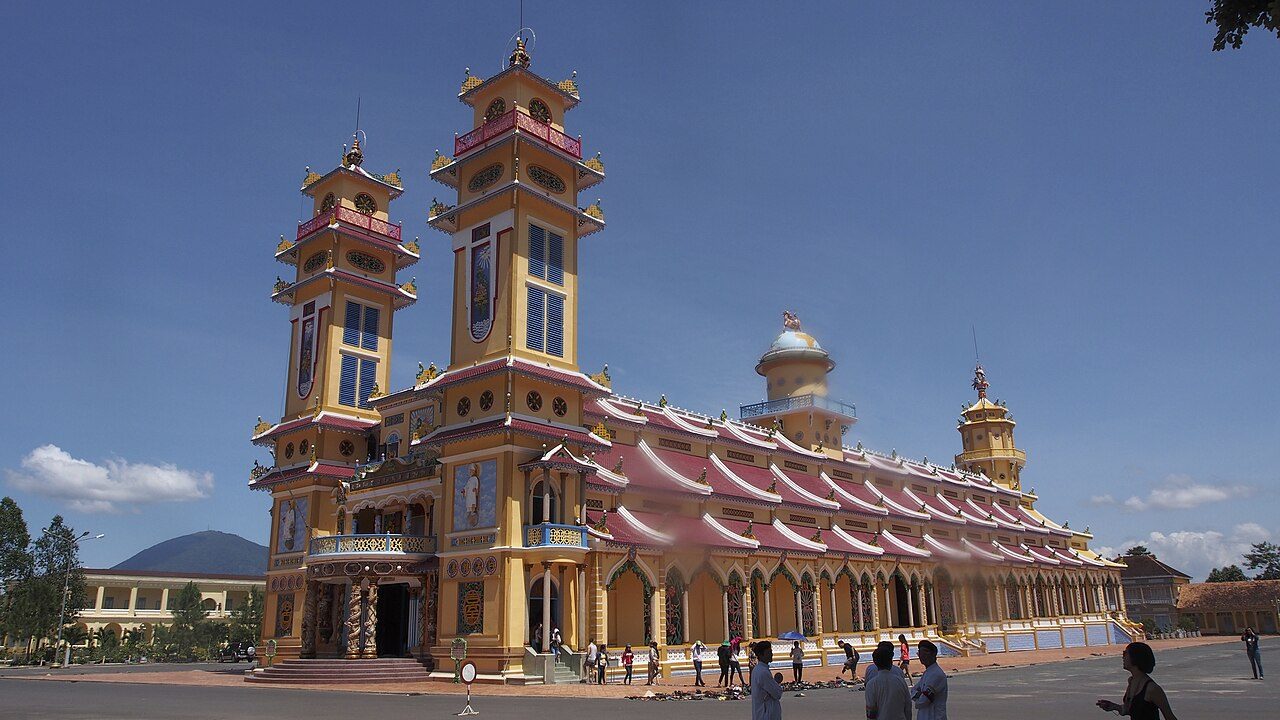
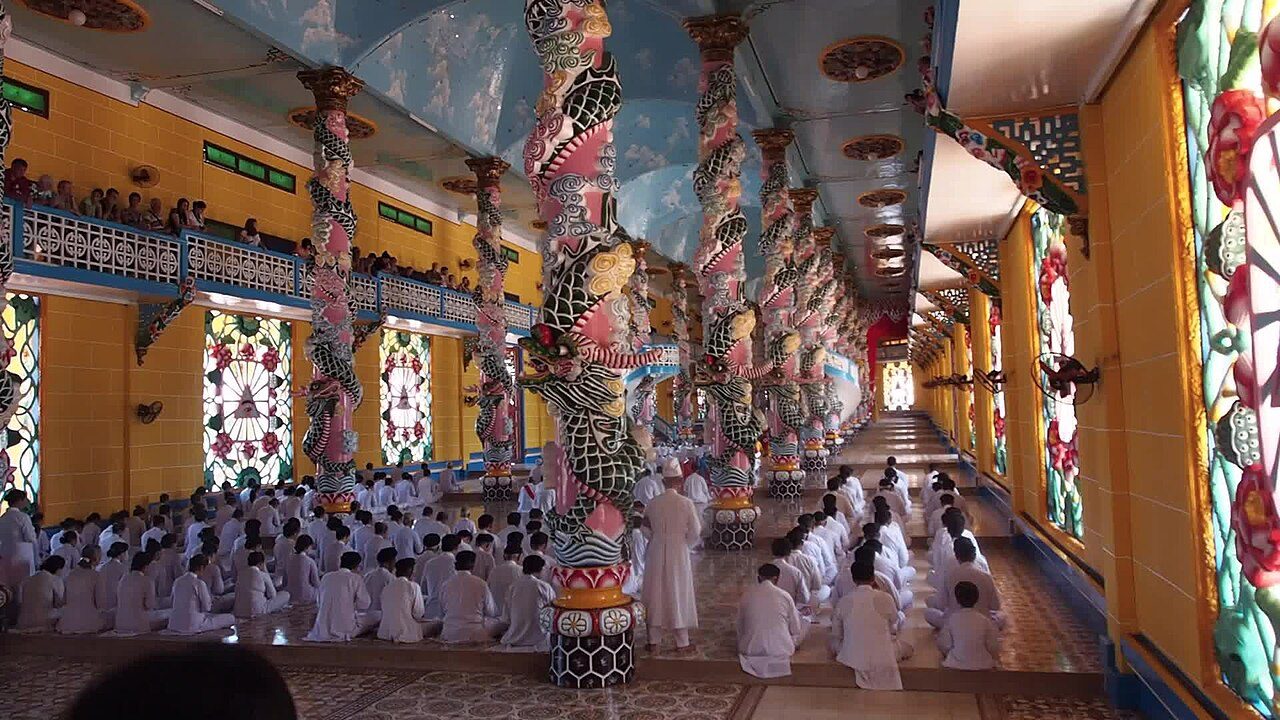
The Cao Dai Holy See is the main temple of Caodaism, a religion founded in Vietnam in the 1920s that blends Buddhism, Taoism, Confucianism and Christianity. The colourful building has twin towers, dragon-wrapped columns and the Divine Eye symbol above the altar. Visitors can watch the noon prayer ceremony from the upper gallery as worshippers in white robes gather. Remove shoes and dress modestly.
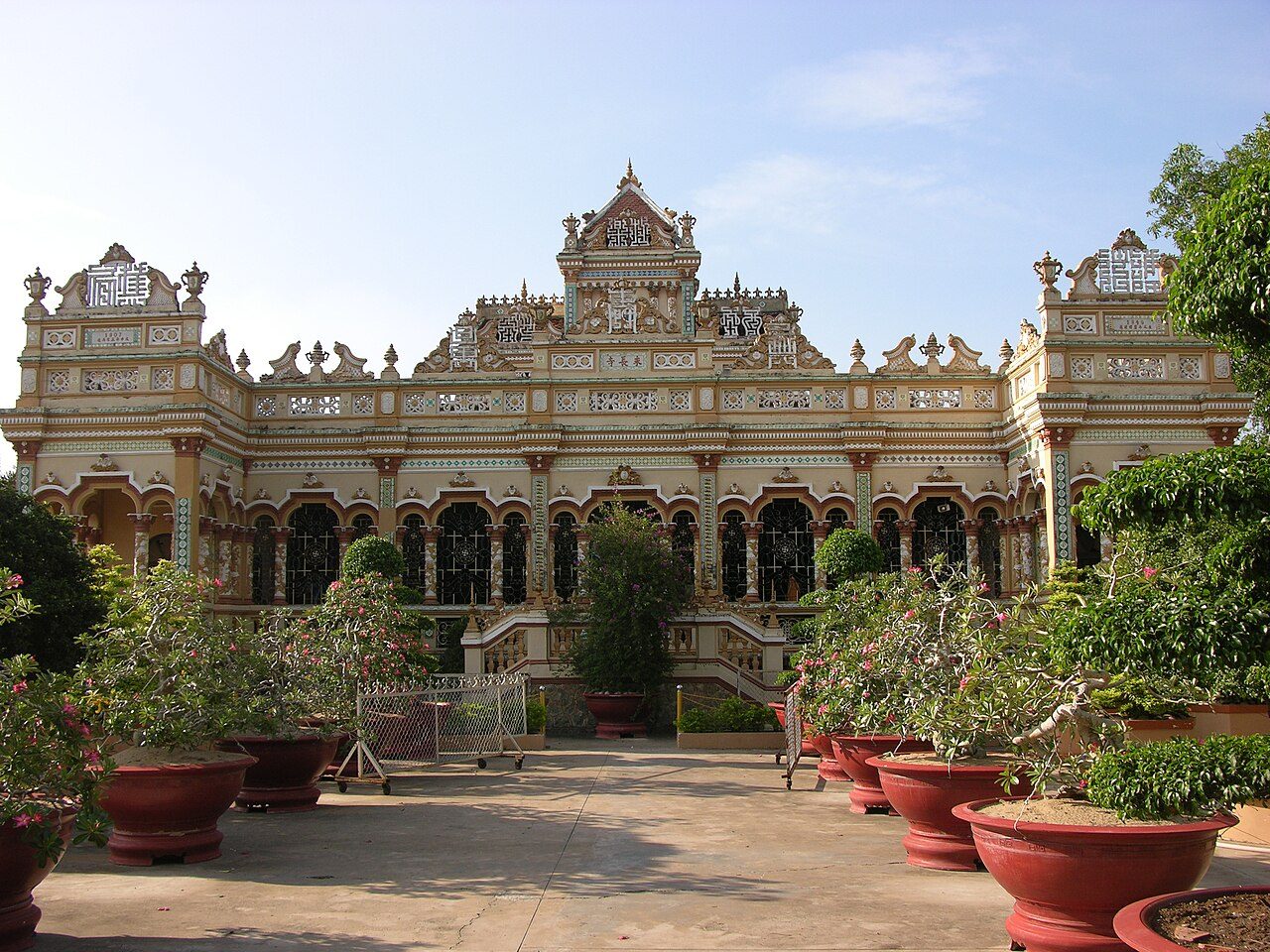
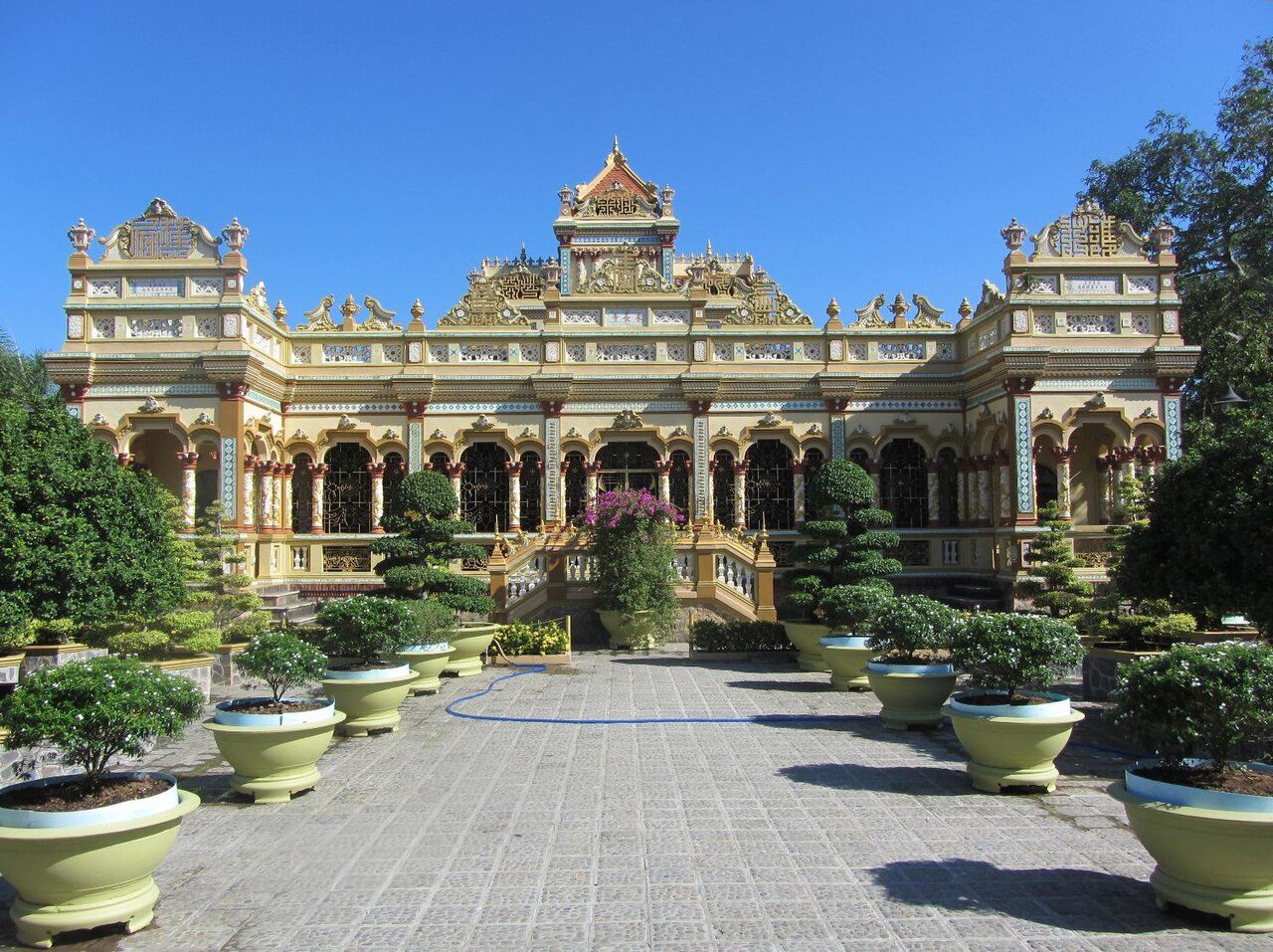
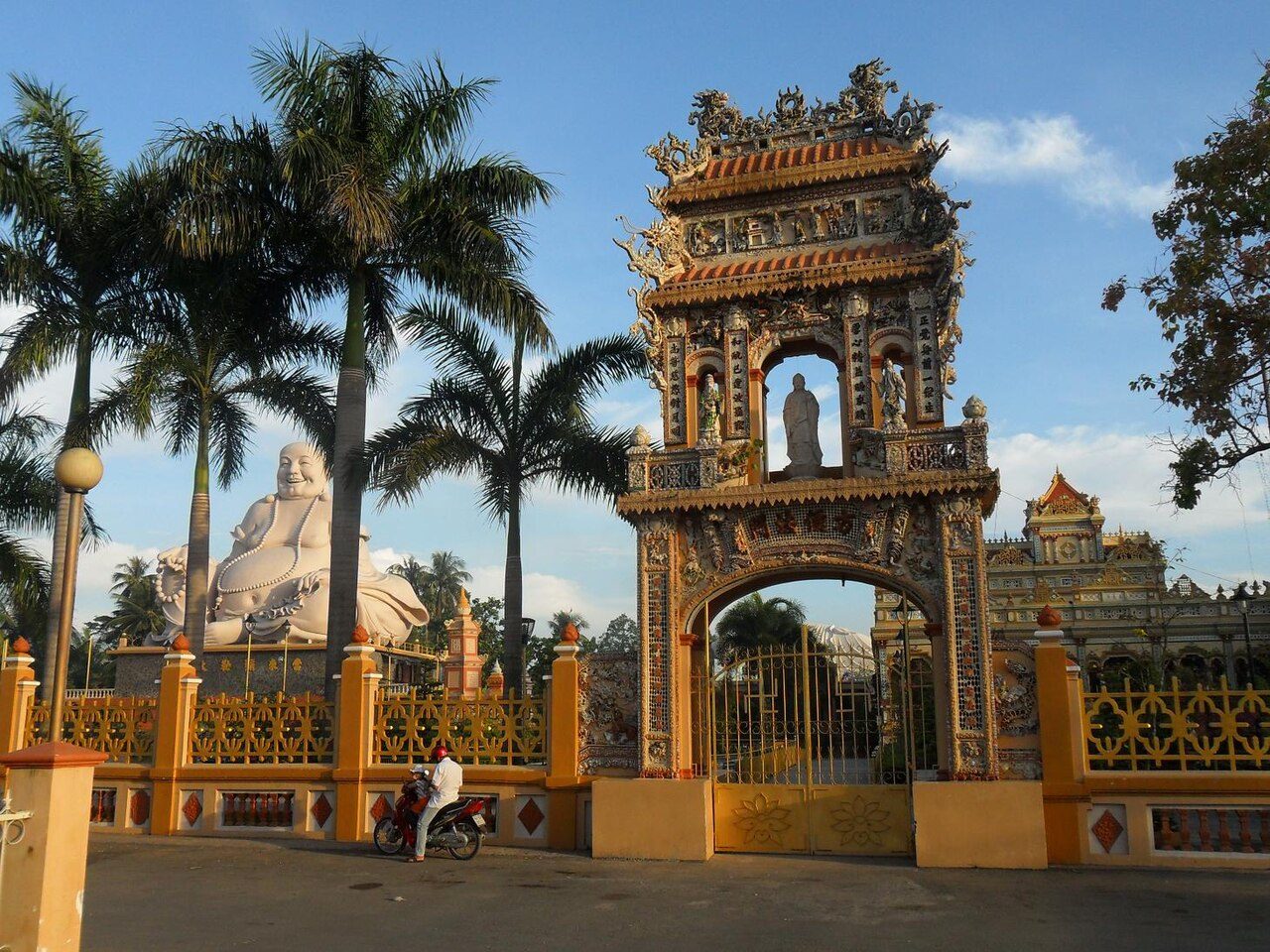
Vinh Trang Pagoda in My Tho is one of the most remarkable temples in the Mekong Delta. Built in the 19th century, its architecture blends Vietnamese, Chinese, Khmer and European colonial styles, with ornate facades and mother-of-pearl inlaid woodwork. Large outdoor statues of a standing Buddha, a laughing Buddha and a reclining Buddha stand in the gardens.
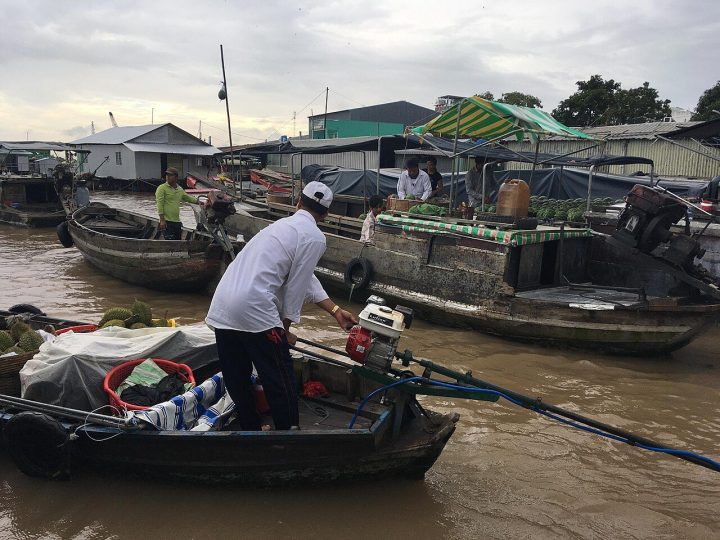
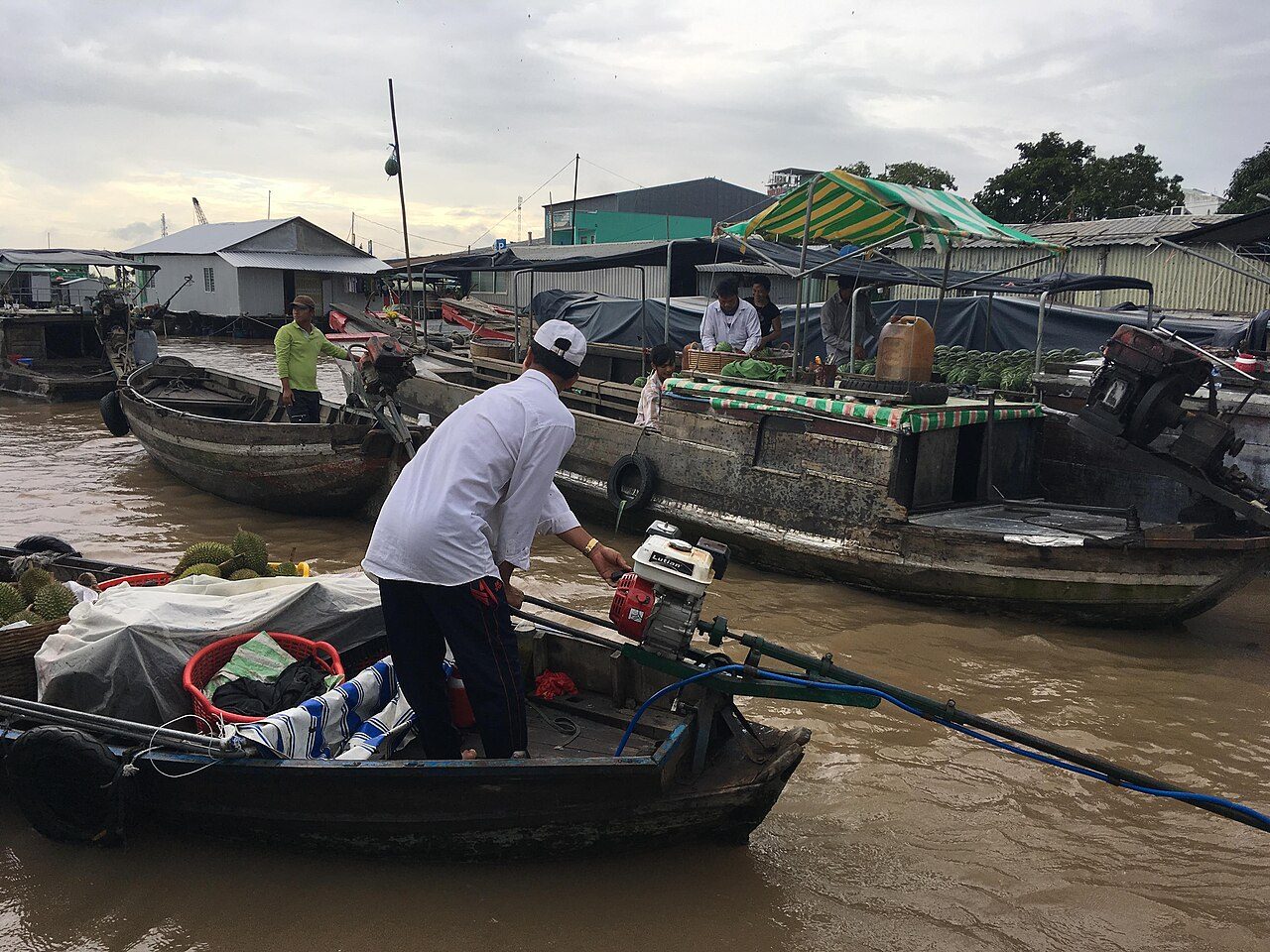
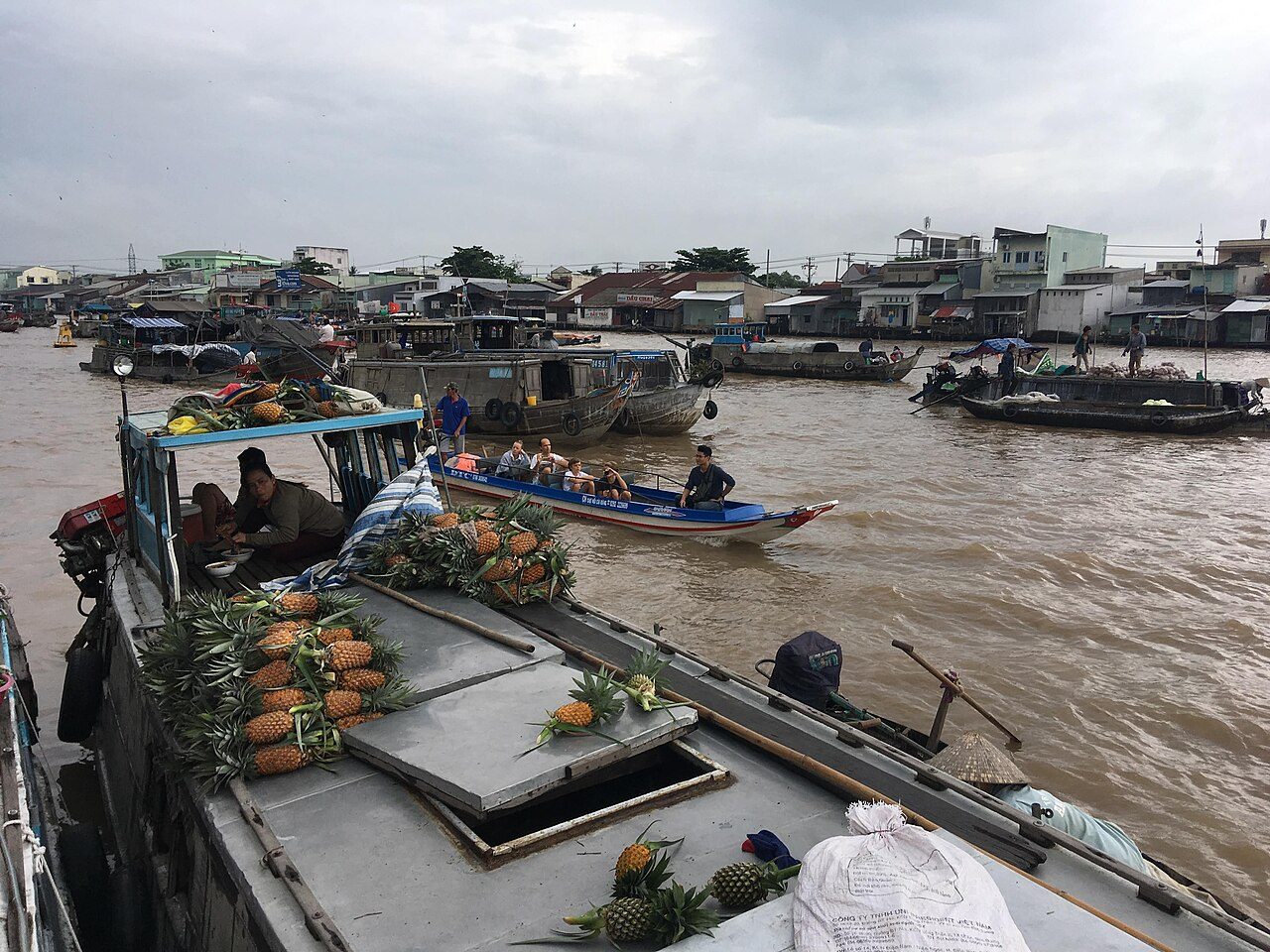
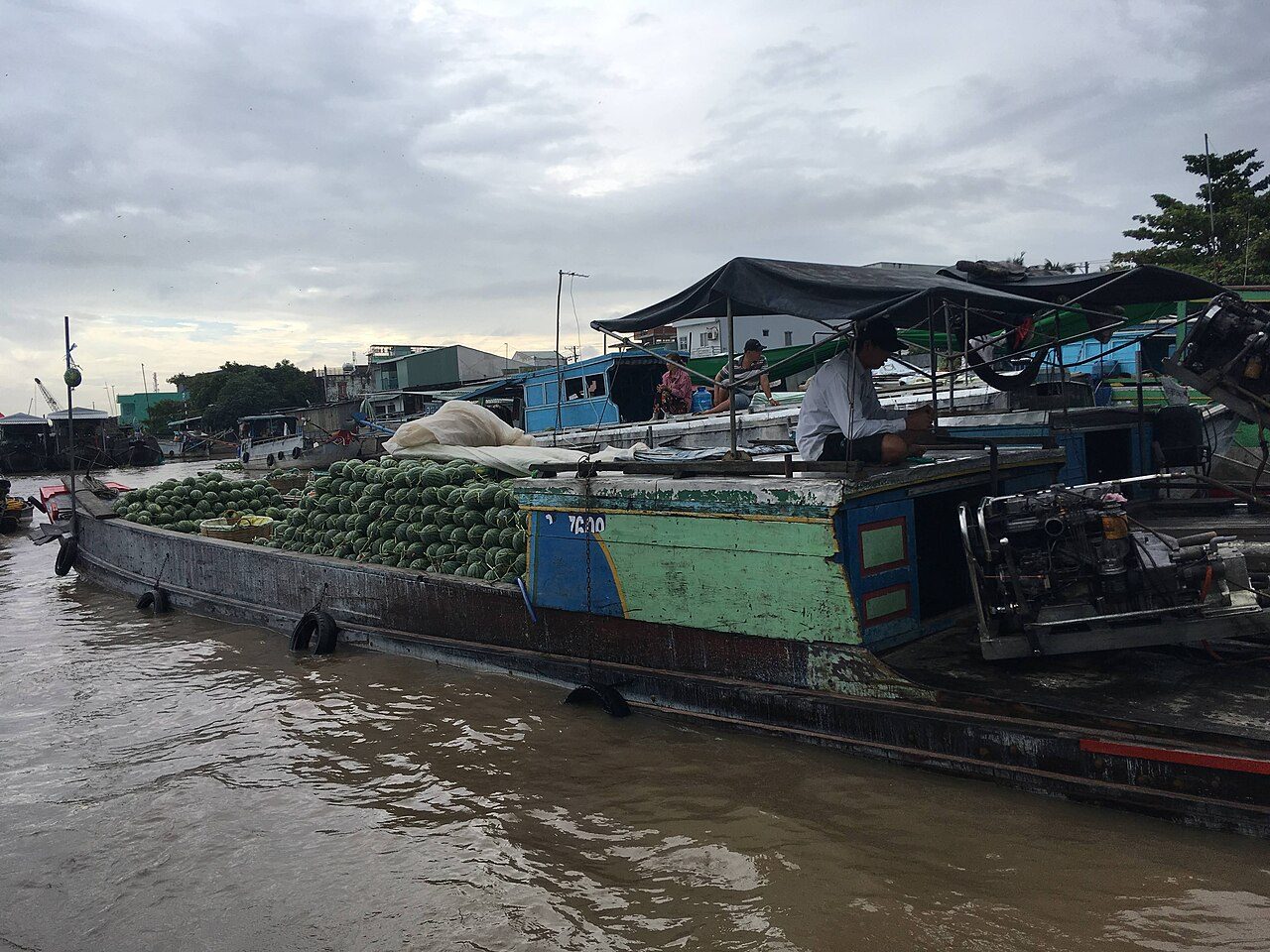
Cai Rang Floating Market is the largest floating market in the Mekong Delta, held on the river near Can Tho. Farmers and traders sell fruit and vegetables from boats, hanging samples from tall poles to show what is on offer. Small boats serve coffee and noodle soup to visitors. The market is busiest at dawn, so join a boat trip leaving around 5 to 6 am.
Best weather: Nov – Feb
Seasons from 20 years of NASA POWER climate data.
Was this trip blog helpful?
0
0
Ready to follow this route?
Copy all 37 stops into your trip plans in the app.
 WaTrips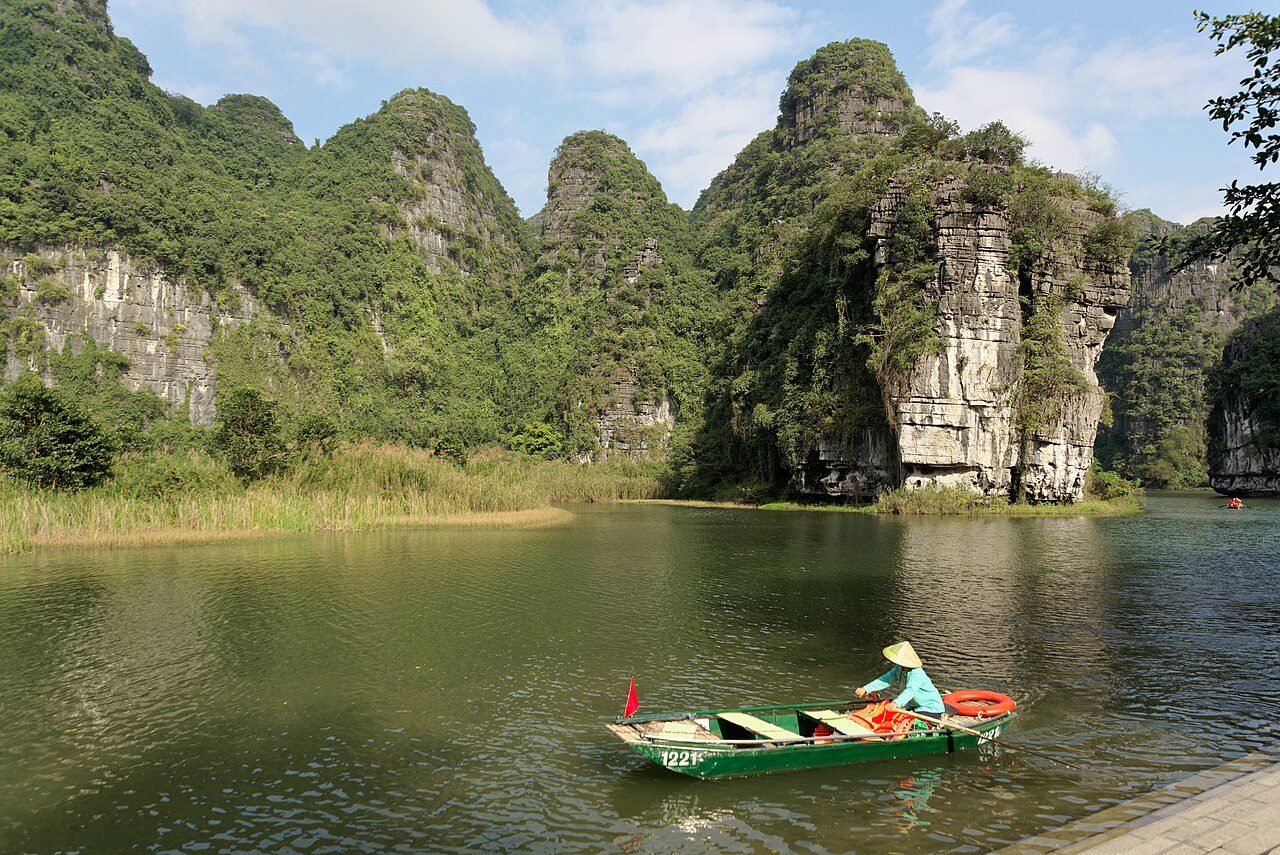















 BikesBooking
 Localrent
 Airalo
 Tiqets