Nepal in 9 Days: Kathmandu Valley, Pokhara, Chitwan and Lumbini
9 DAYS23 placesby WaTrips
Kathmandu's Durbar Squares and stupas, Patan and Bhaktapur, Nagarkot, Bandipur, Pokhara, Chitwan's rhinos and Lumbini.
Nine days covers Nepal's most loved places without trekking. Explore Kathmandu's Durbar Square, Swayambhunath and the great stupa of Boudhanath, and watch the evening cremations at Pashupatinath. See the palace squares of Patan and Bhaktapur, Changu Narayan and the Himalayan sunset from Nagarkot. Stop in the old hill town of Bandipur, then spend two days in Pokhara with boating on Phewa Lake and sunrise over Annapurna from Sarangkot. Finish with a jungle safari in Chitwan and a visit to Lumbini, birthplace of the Buddha. October to November and March to April are best.
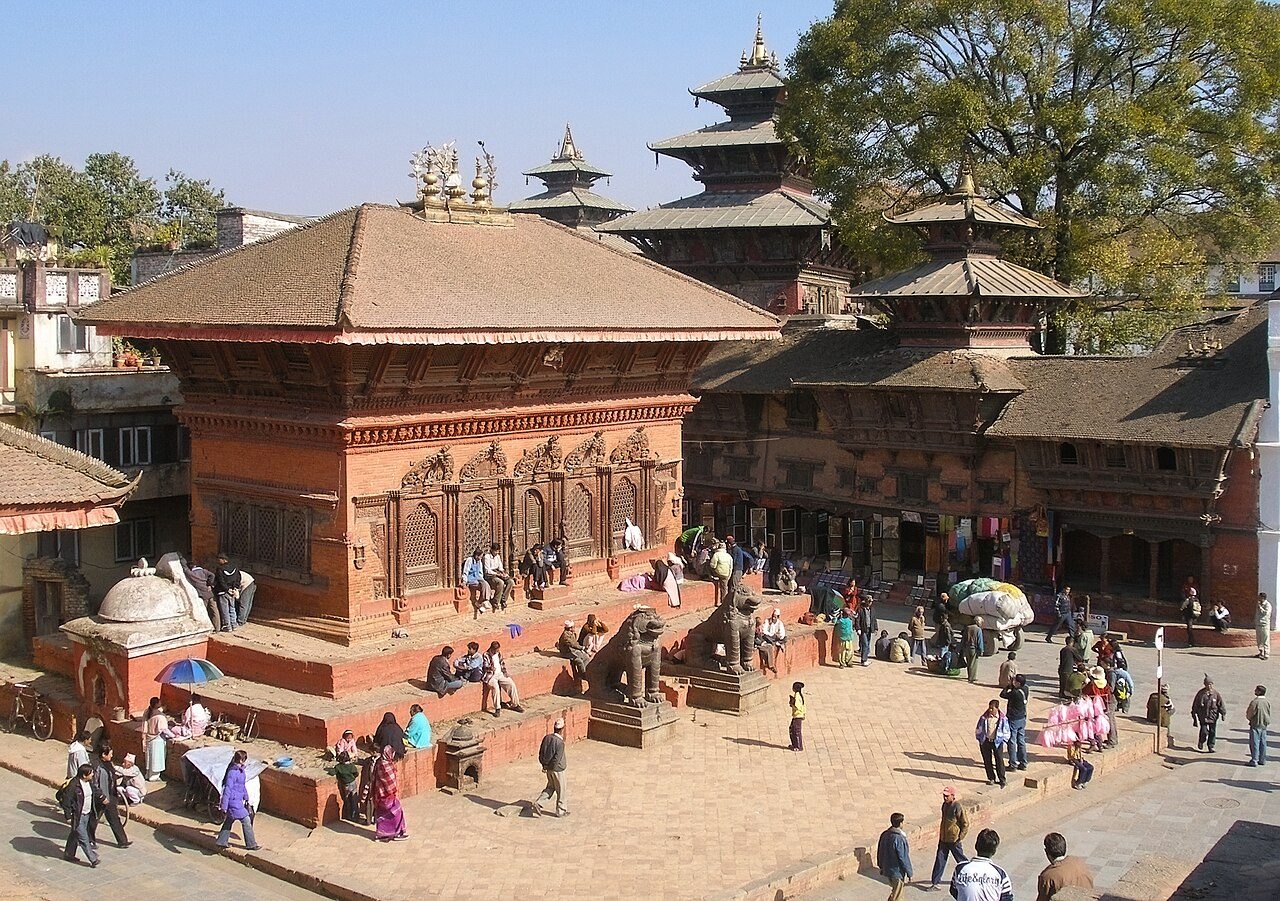
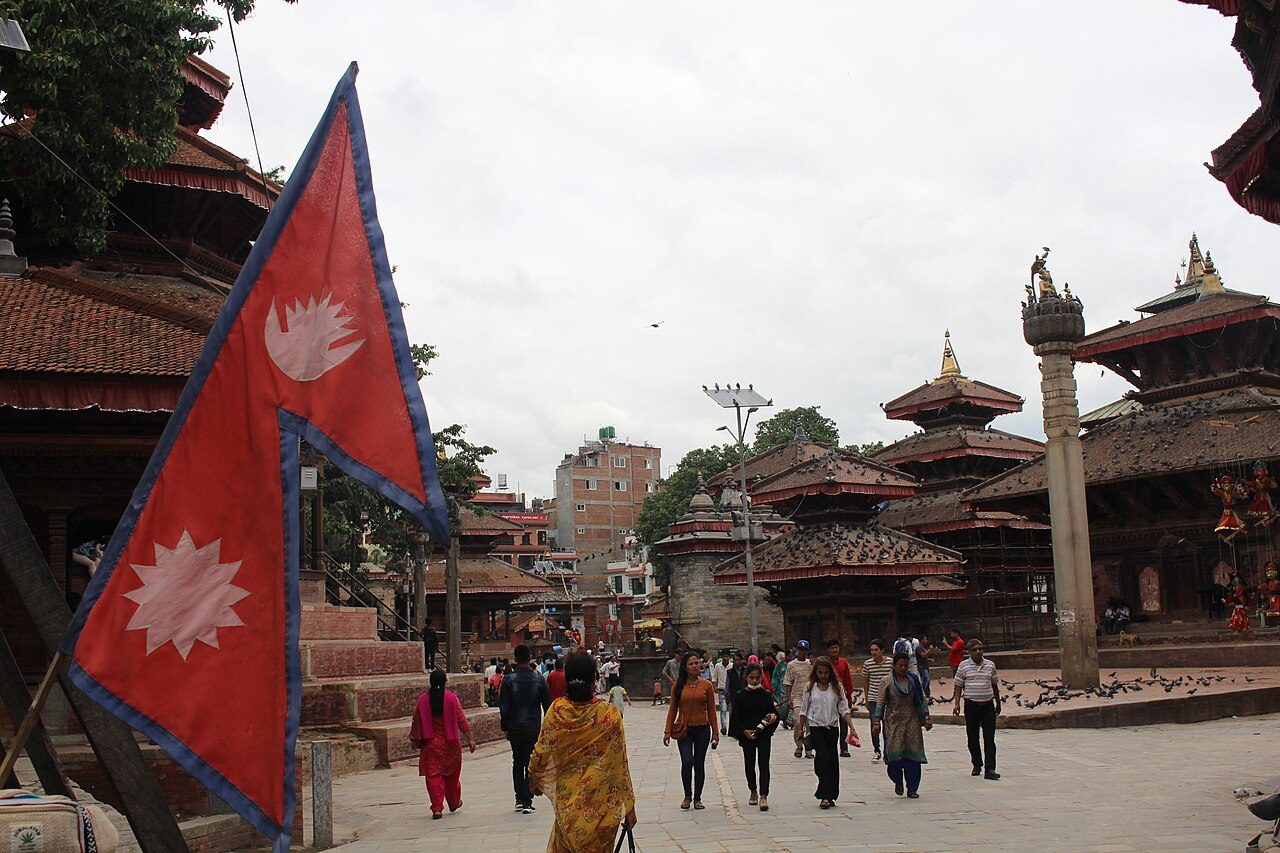
Kathmandu Durbar Square, also called Hanuman Dhoka, was the royal palace square of the Malla and later Shah kings. Its pagoda temples, carved wooden windows and palace courtyards form part of the Kathmandu Valley UNESCO World Heritage Site. Kumari Ghar, home of the living goddess Kumari, stands at its edge. Several buildings were damaged in the 2015 earthquake and are being restored.
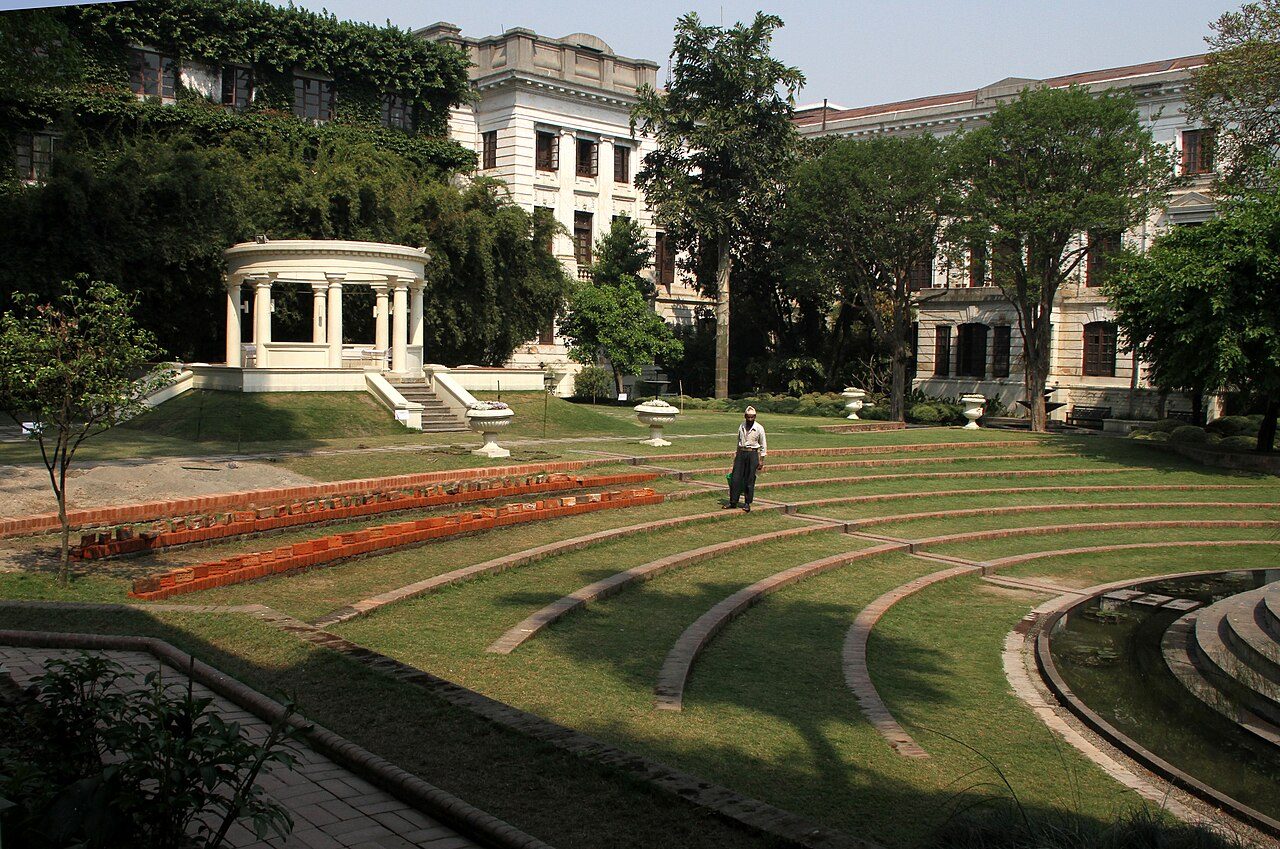
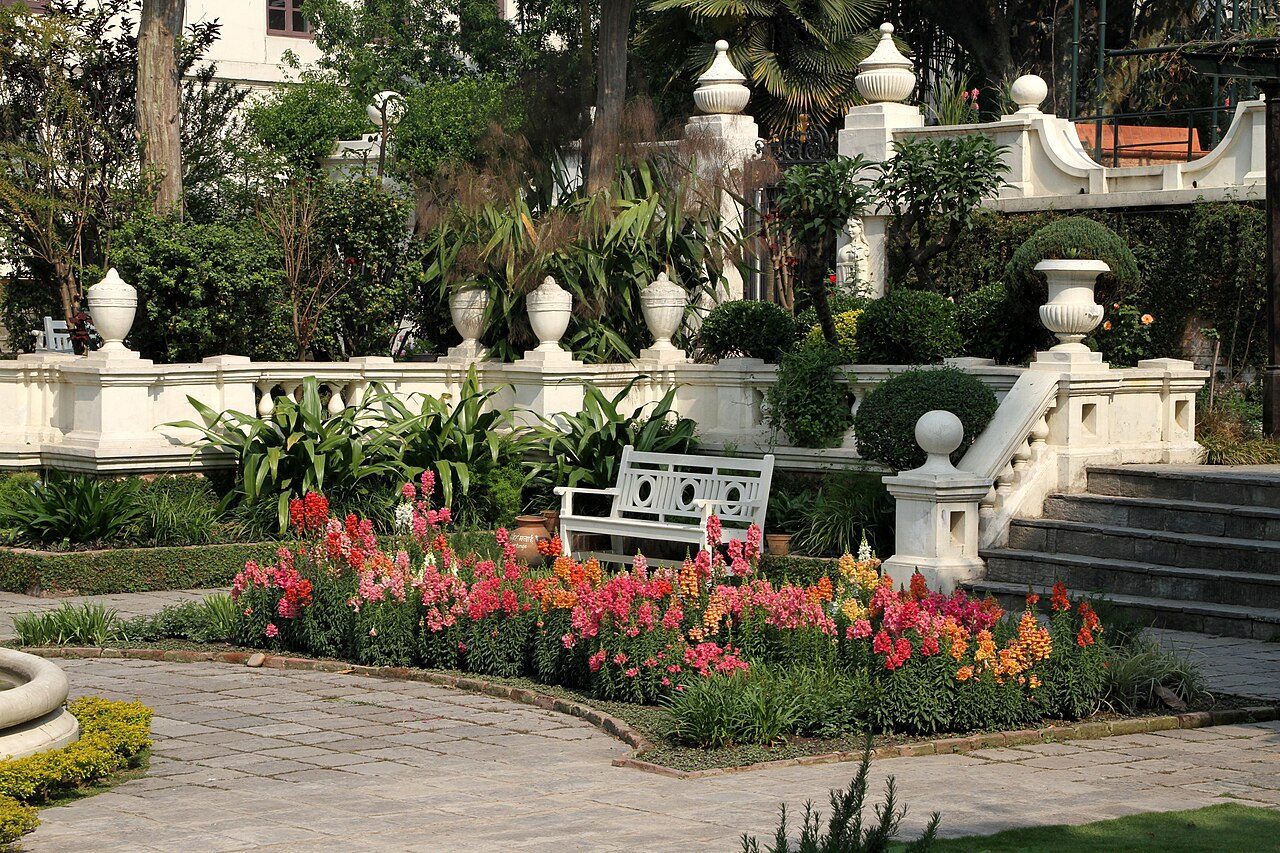
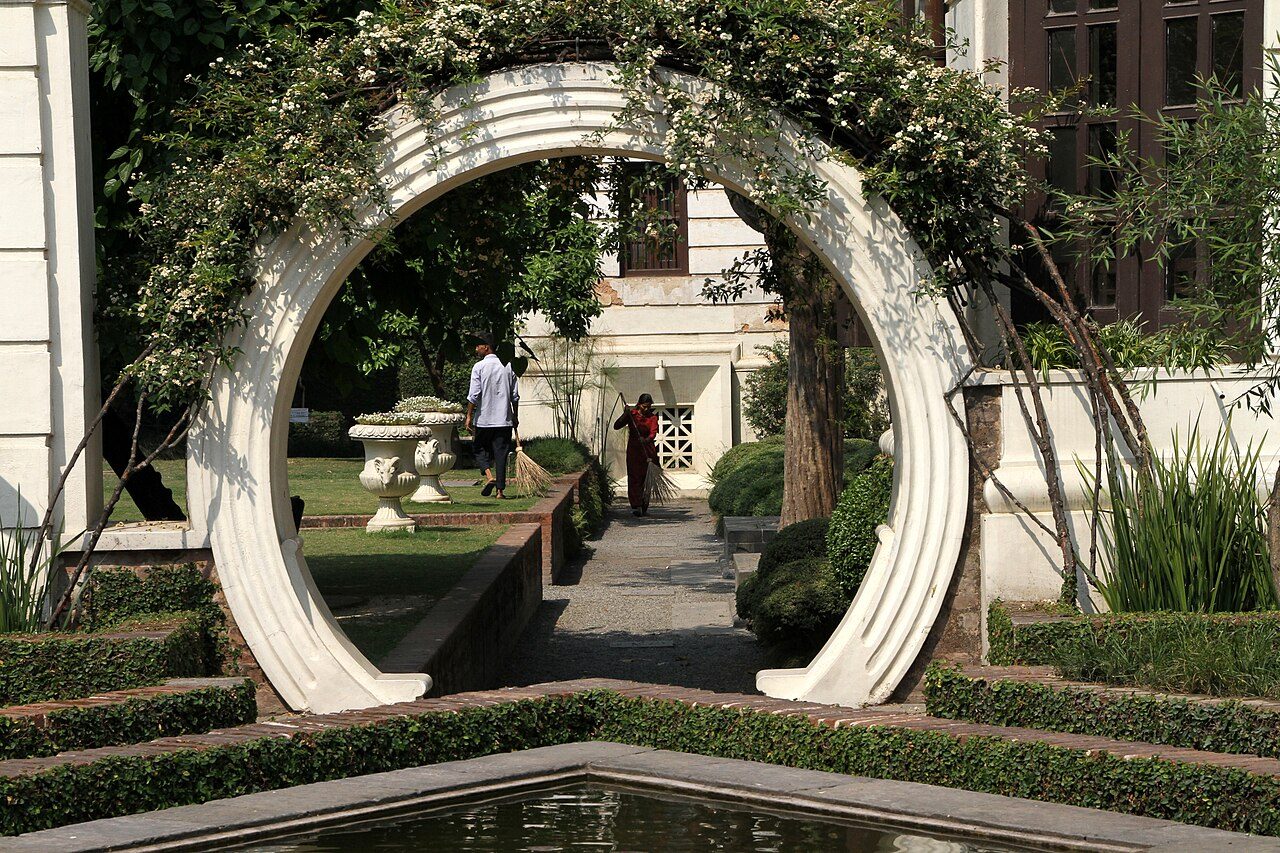
The Garden of Dreams is a neoclassical garden built in the 1920s by Field Marshal Kaiser Shumsher Rana. After decades of neglect it was restored with Austrian help and reopened in 2007. Its pavilions, fountains, lily ponds and lawns offer a calm escape from the busy streets of nearby Thamel. A café and reading spaces make it a pleasant place to spend an afternoon.
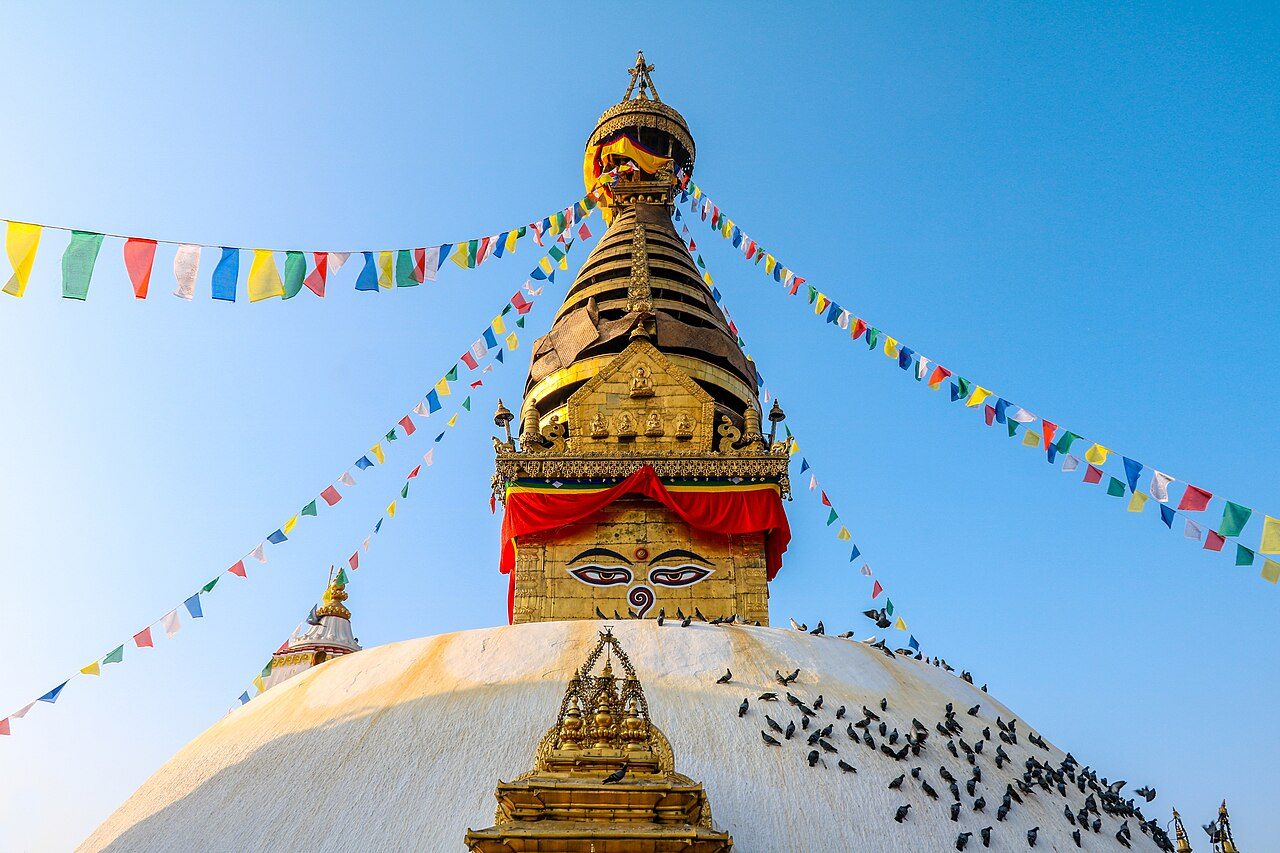
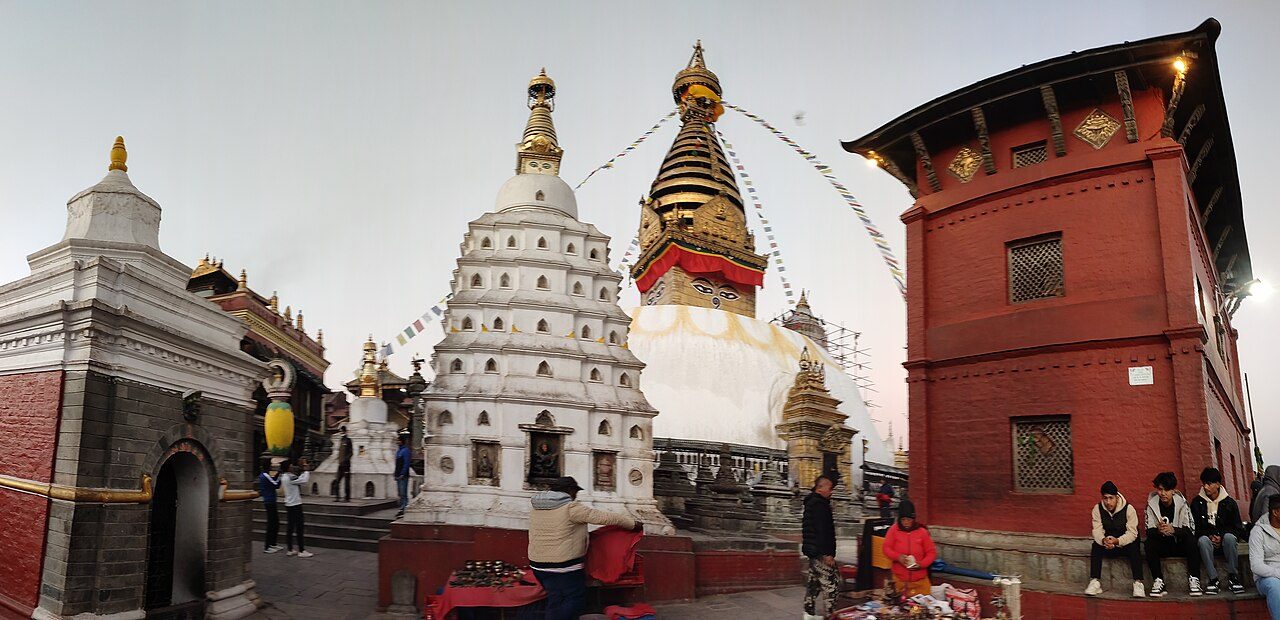
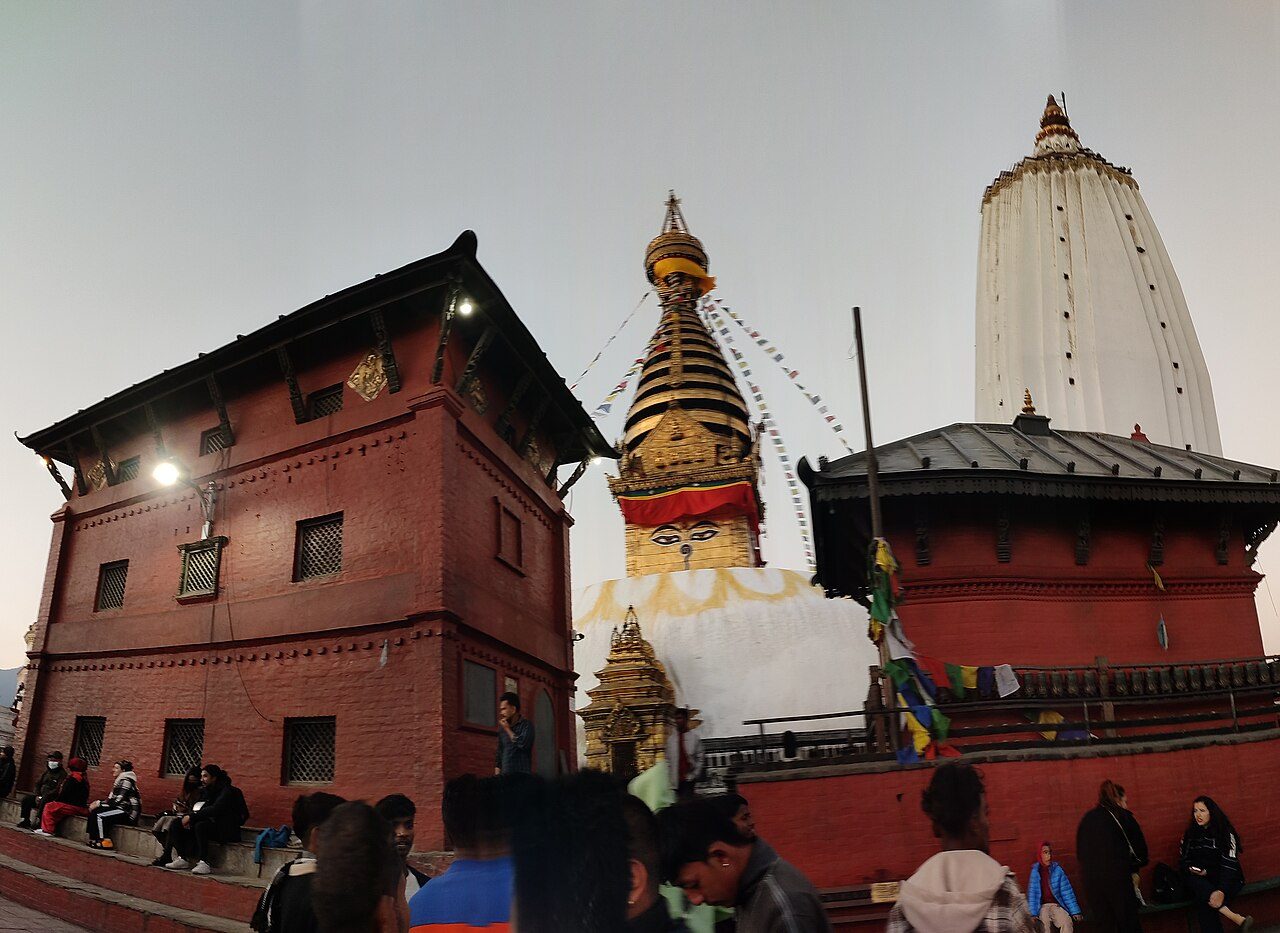
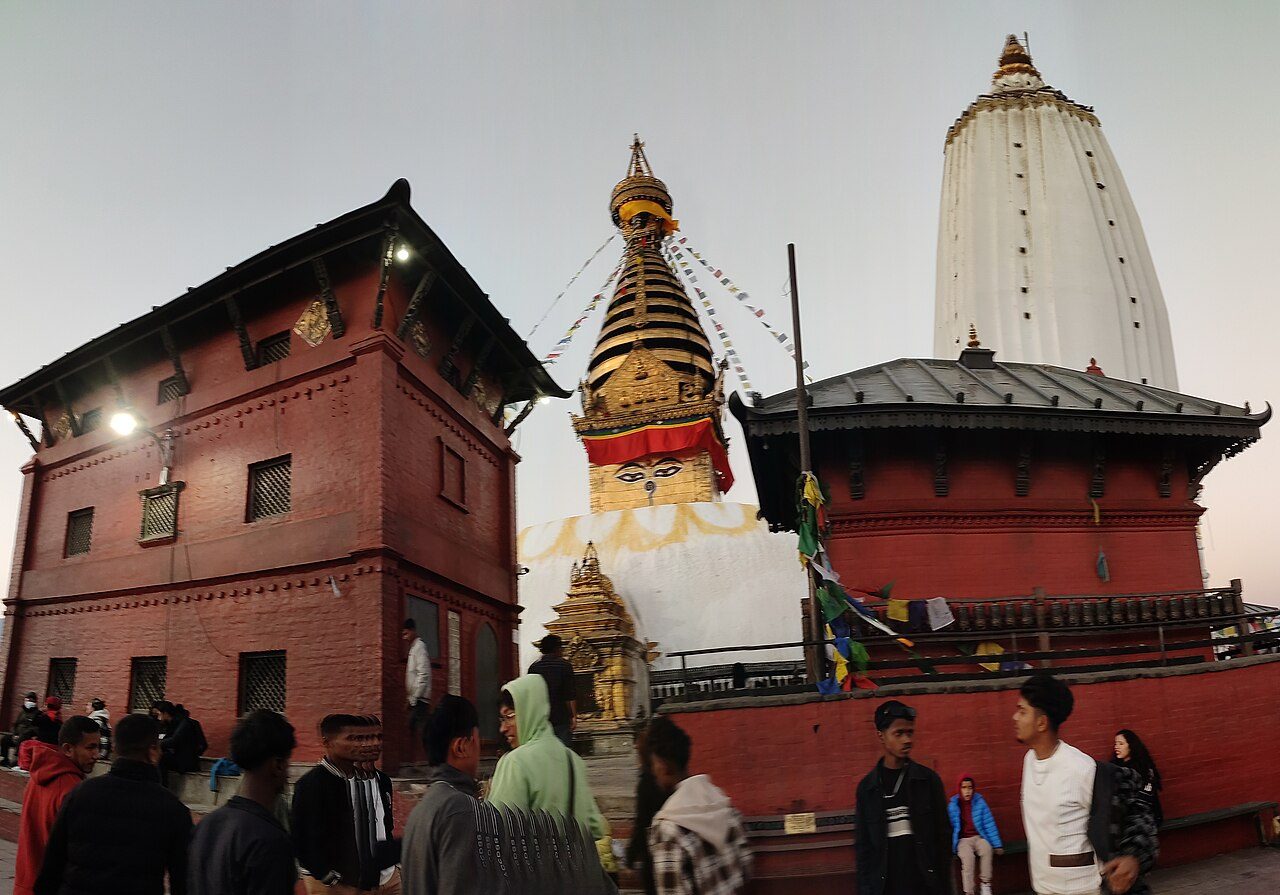
Swayambhunath is an ancient Buddhist stupa on a hilltop west of Kathmandu, nicknamed the Monkey Temple for the monkeys that live there. The white dome is crowned by a golden spire painted with the watchful eyes of the Buddha. A long stairway of 365 steps leads up the east side. From the top there are sweeping views over the city, especially at sunset.
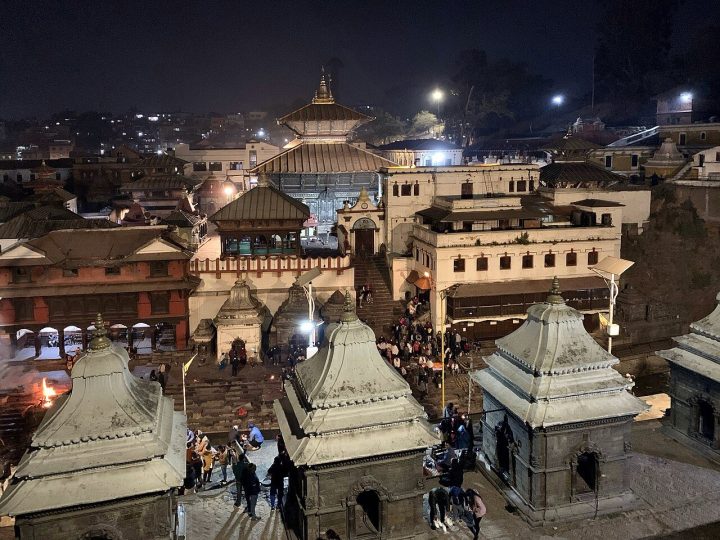
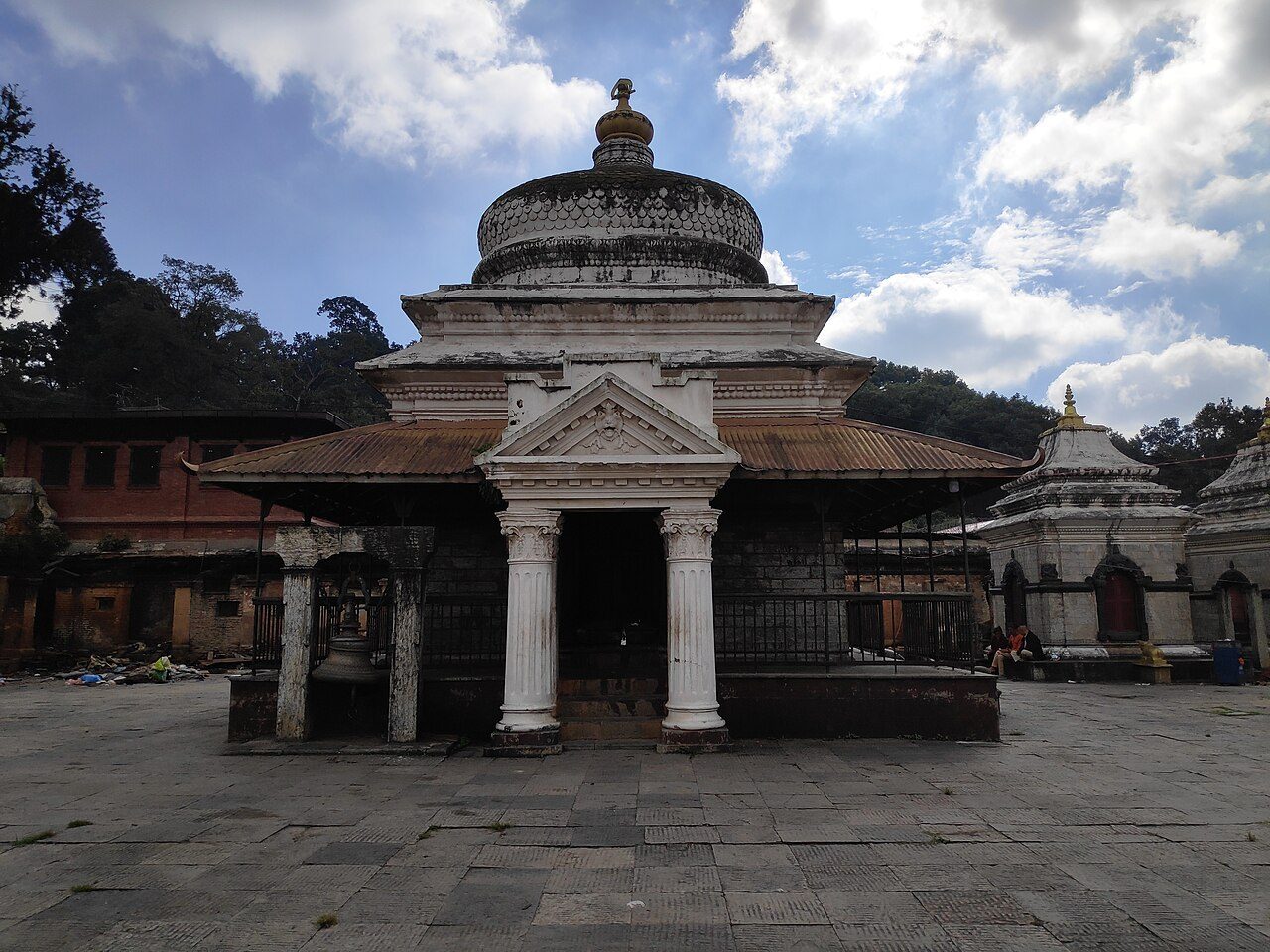
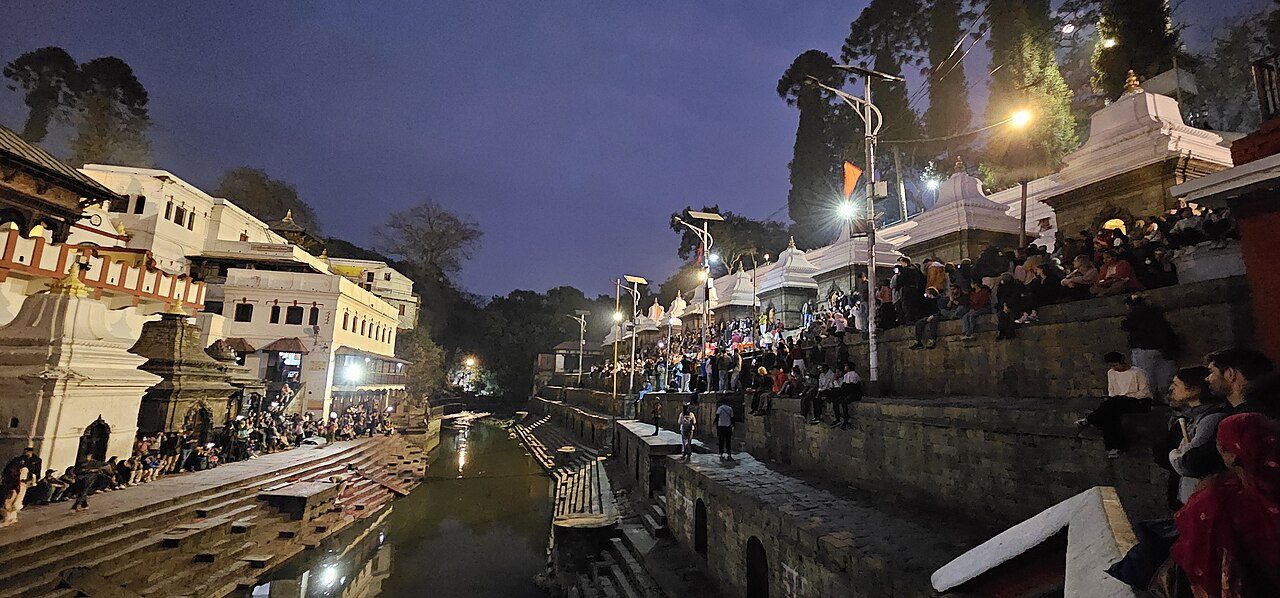
Pashupatinath is the most sacred Hindu temple in Nepal, dedicated to Lord Shiva and set on the banks of the Bagmati River. Only Hindus may enter the main temple, but visitors can watch the cremation ghats and evening aarti ceremony from the opposite bank. Sadhus gather around the complex. The Maha Shivaratri festival draws huge numbers of pilgrims each year.
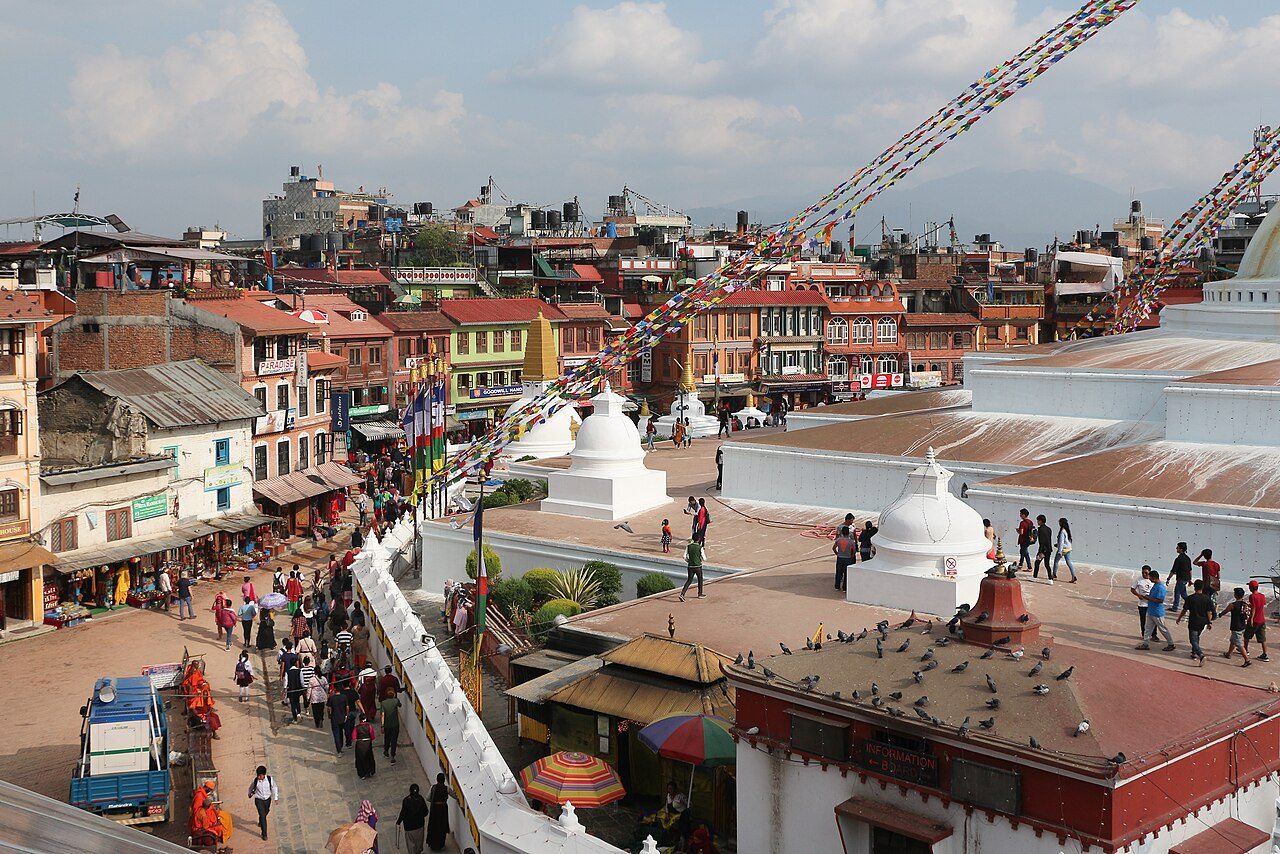
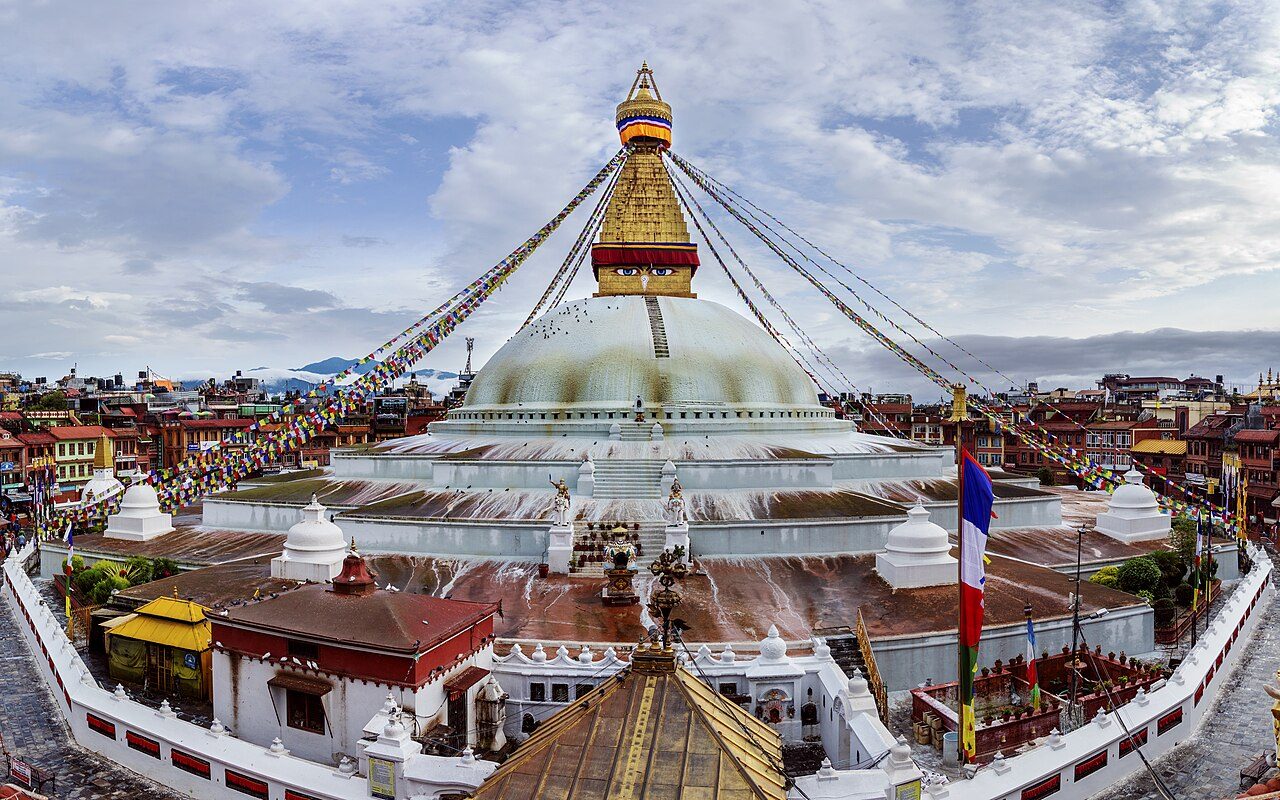
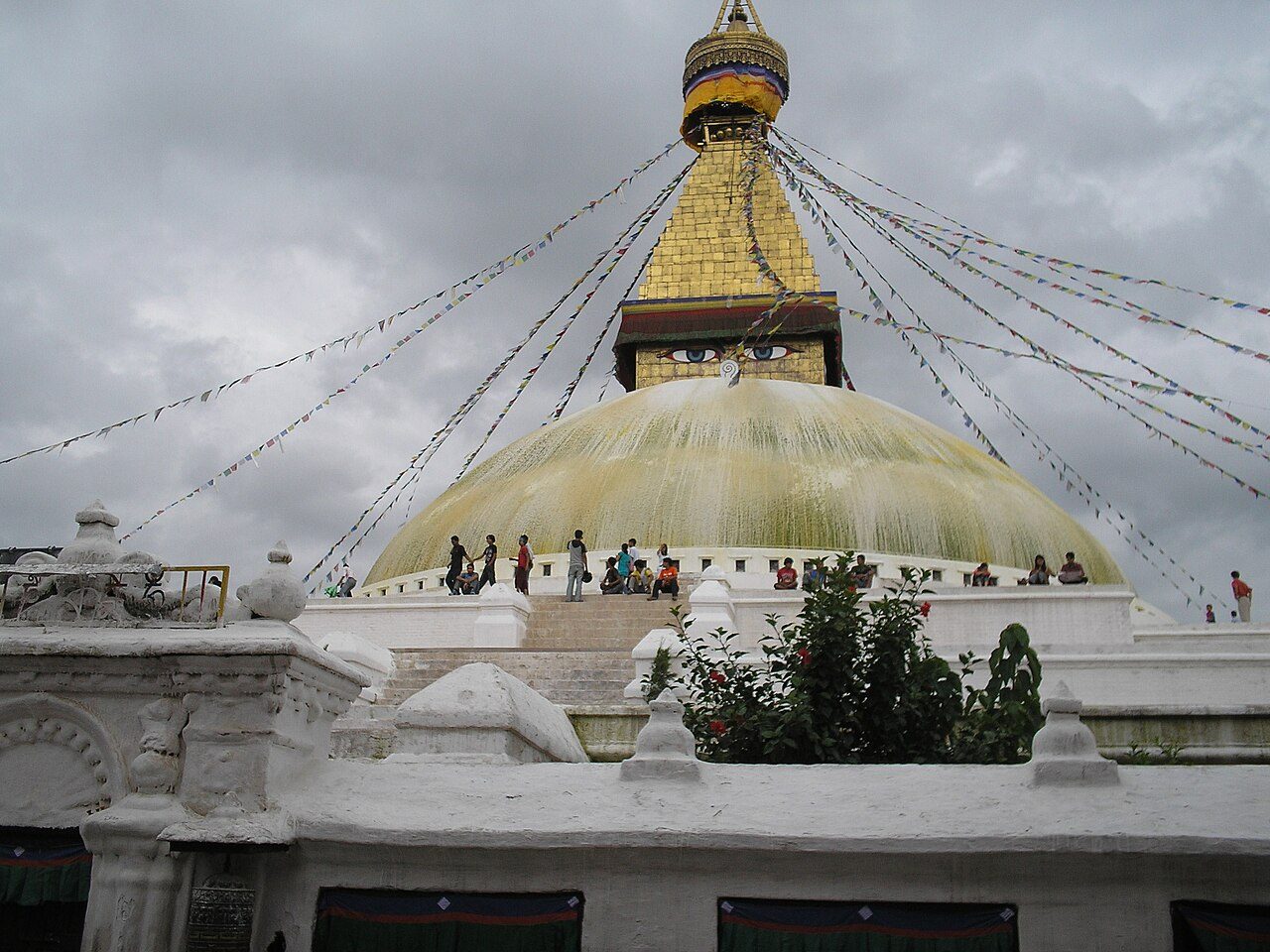
Boudhanath is one of the largest stupas in the world and the centre of Tibetan Buddhism in Nepal. Its huge white dome and golden tower with the eyes of the Buddha are surrounded by monasteries, shops and rooftop cafés. Pilgrims walk clockwise around the stupa spinning prayer wheels, especially at dusk. It is part of the Kathmandu Valley UNESCO World Heritage Site.
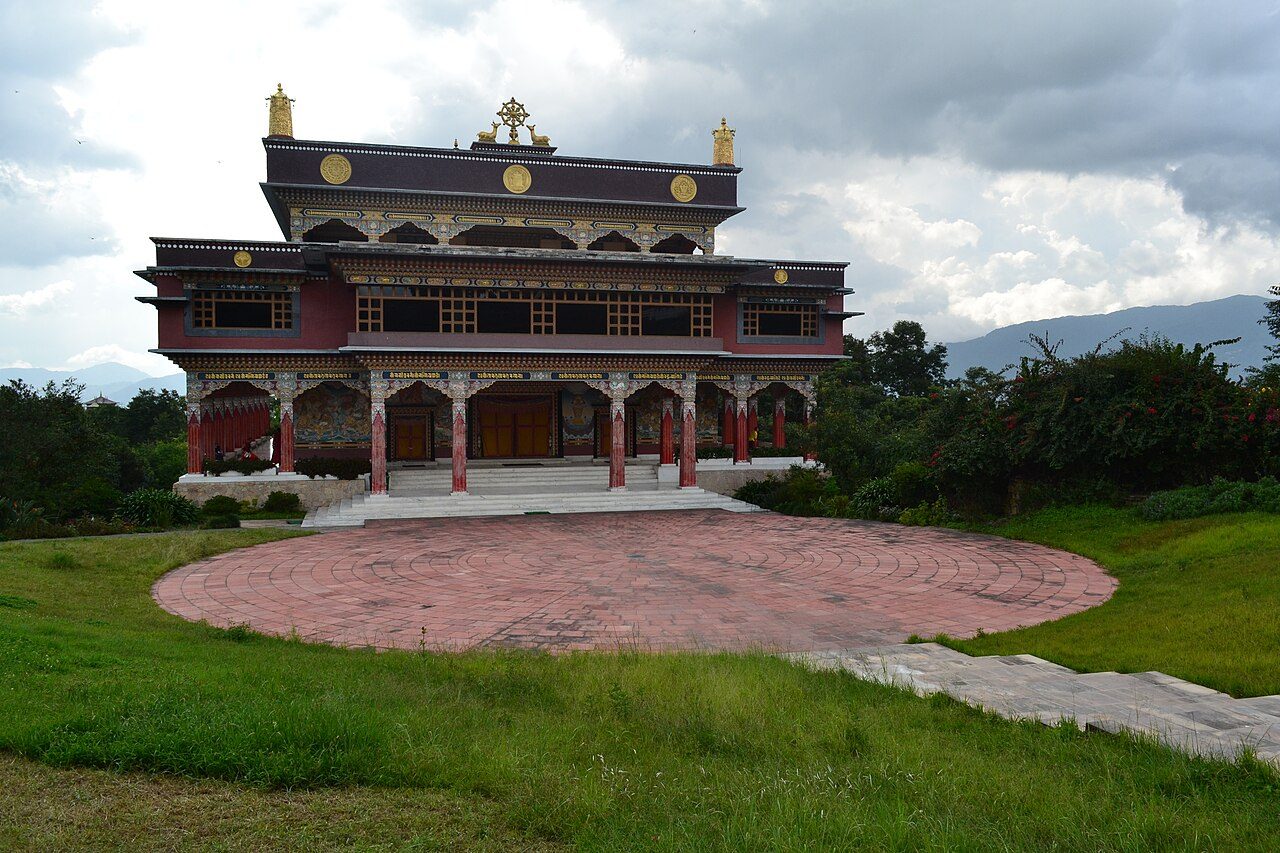
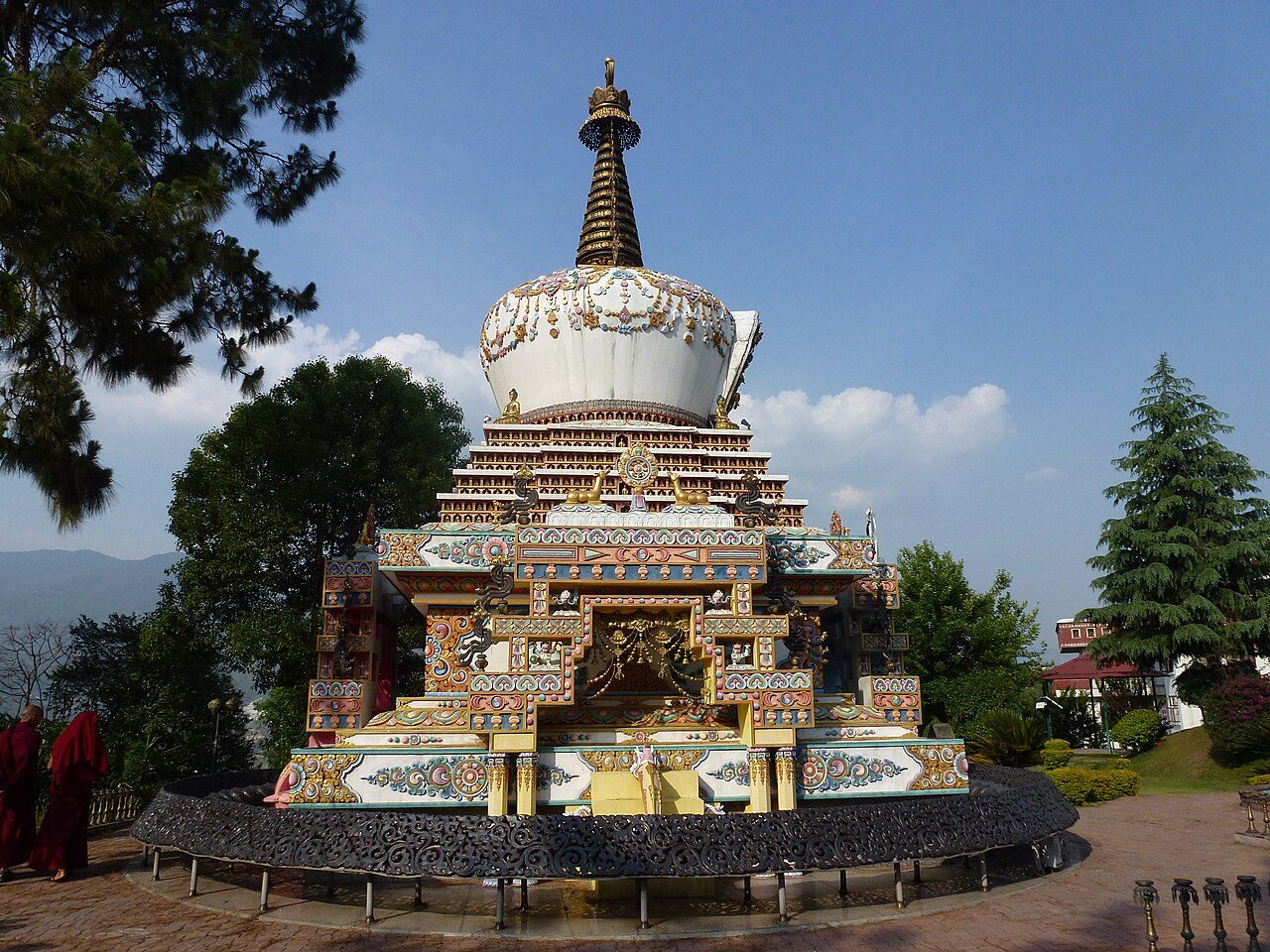
Kopan Monastery is a Tibetan Buddhist monastery on a hill north of Boudhanath, known for its courses in Buddhist philosophy and meditation for foreign visitors. Its gardens, stupas and prayer halls overlook the Kathmandu Valley. Monks of all ages study and live here. Visitors can walk the grounds during opening hours and should dress modestly.
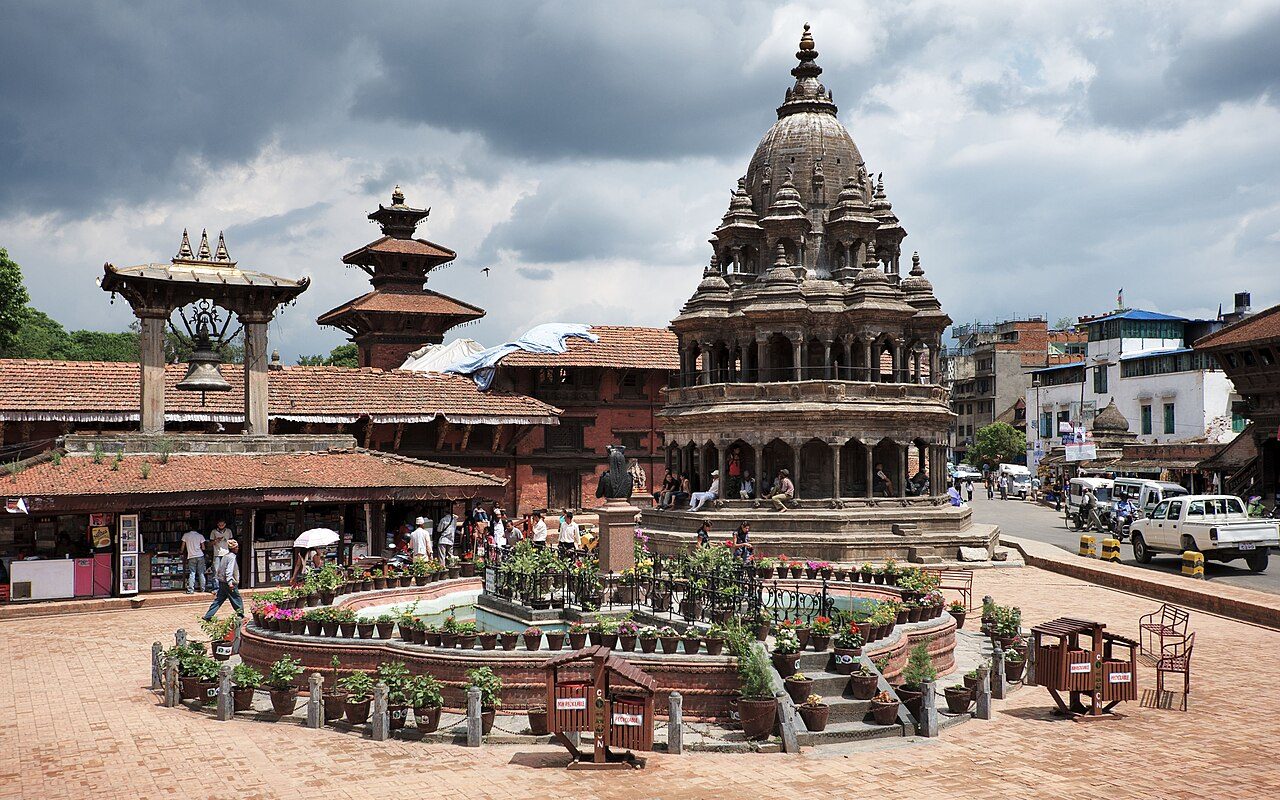
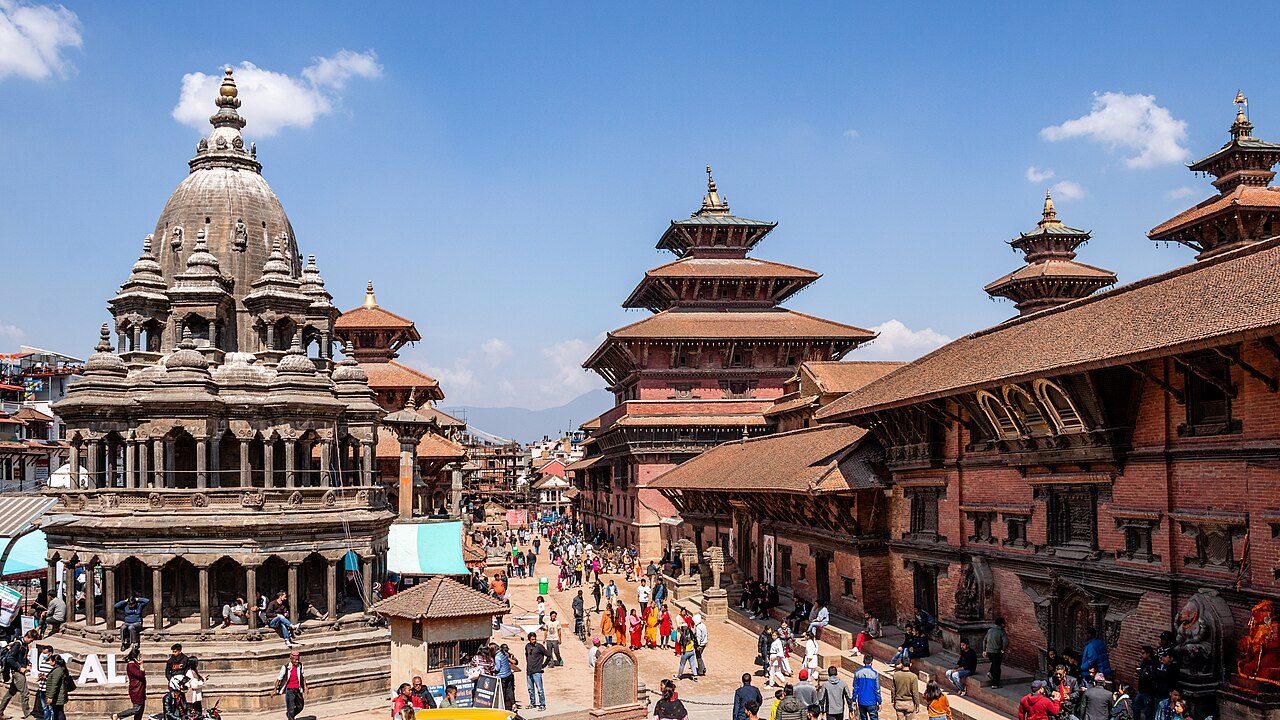
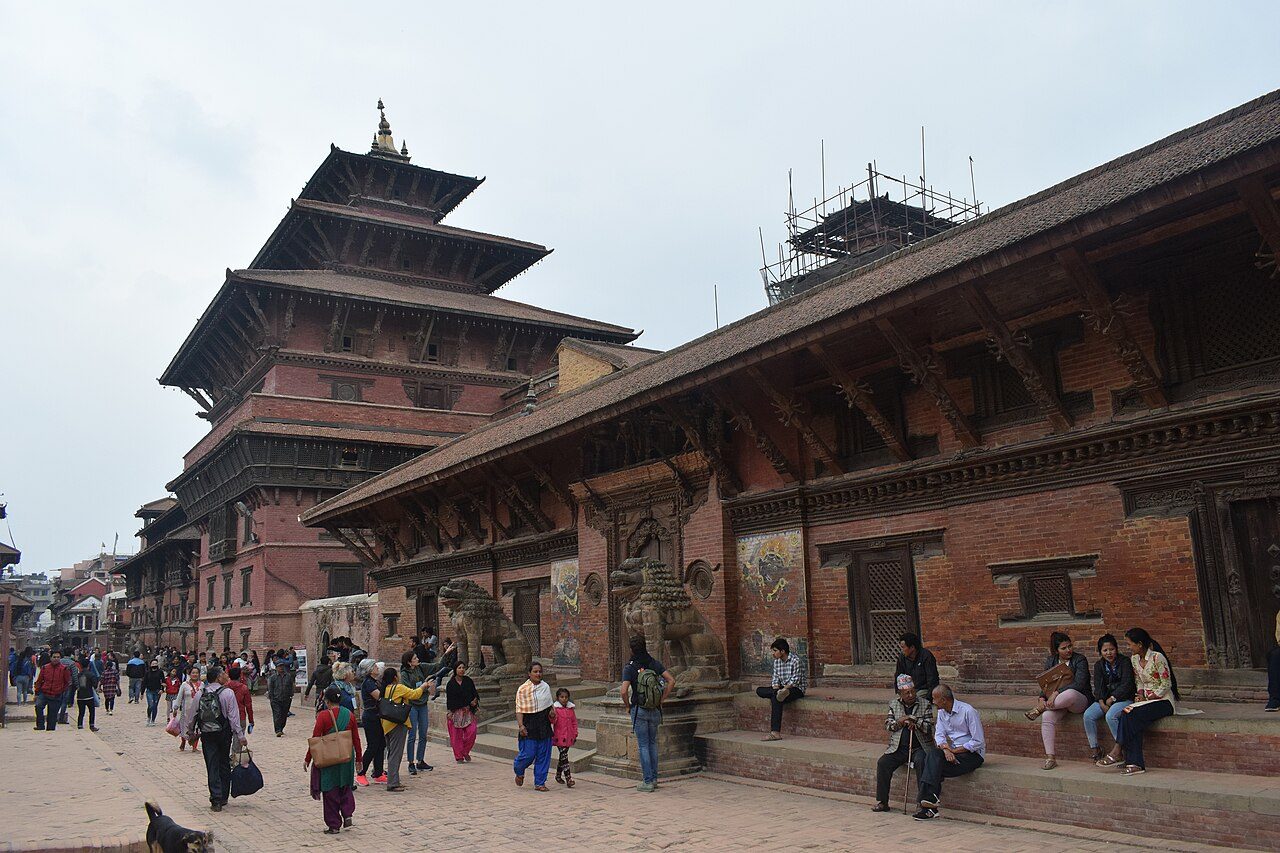
Patan Durbar Square in Lalitpur is a showcase of Newar architecture, with royal palace courtyards and temples built mostly in the 17th century. The stone Krishna Mandir and the Patan Museum, set in a restored part of the palace, are highlights. The square is part of the Kathmandu Valley UNESCO World Heritage Site. It is quieter than Kathmandu's square and lovely in the evening.
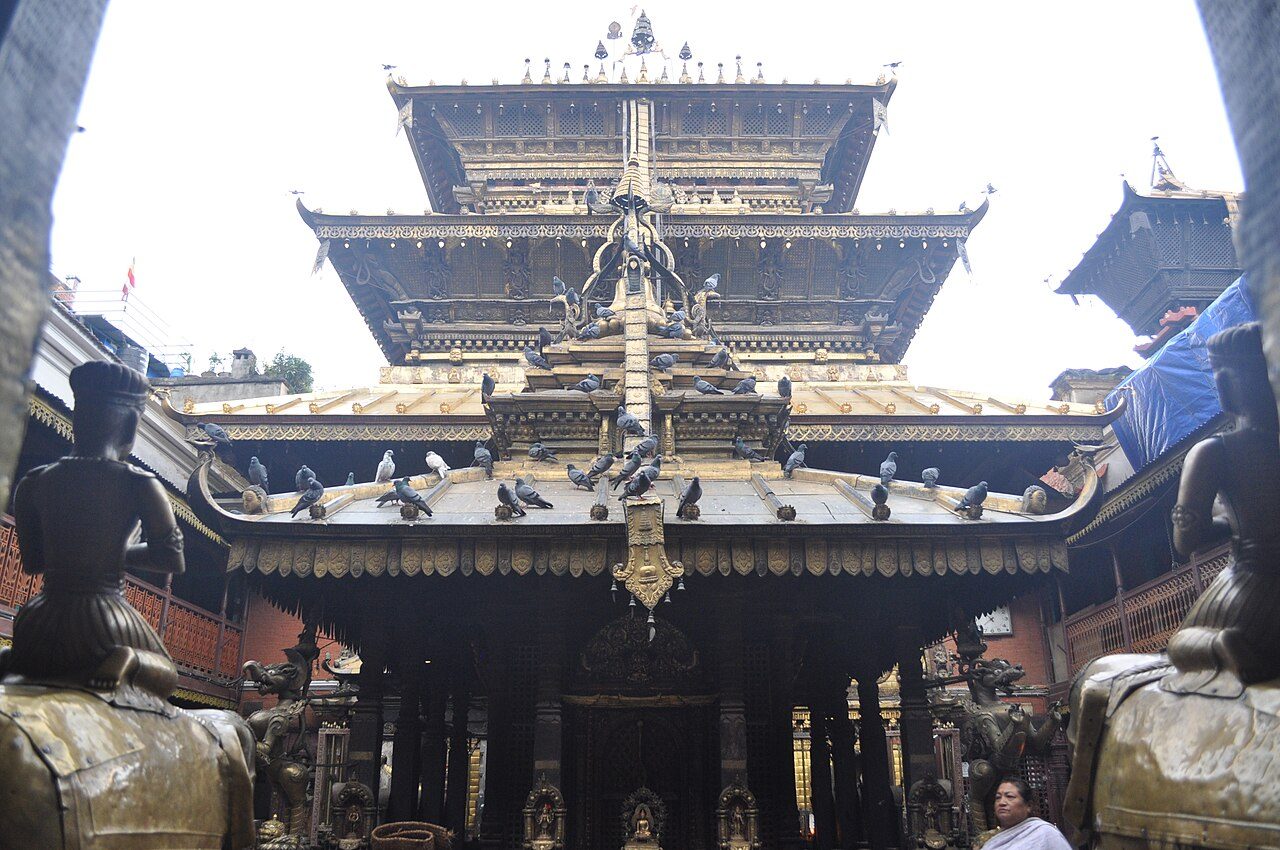
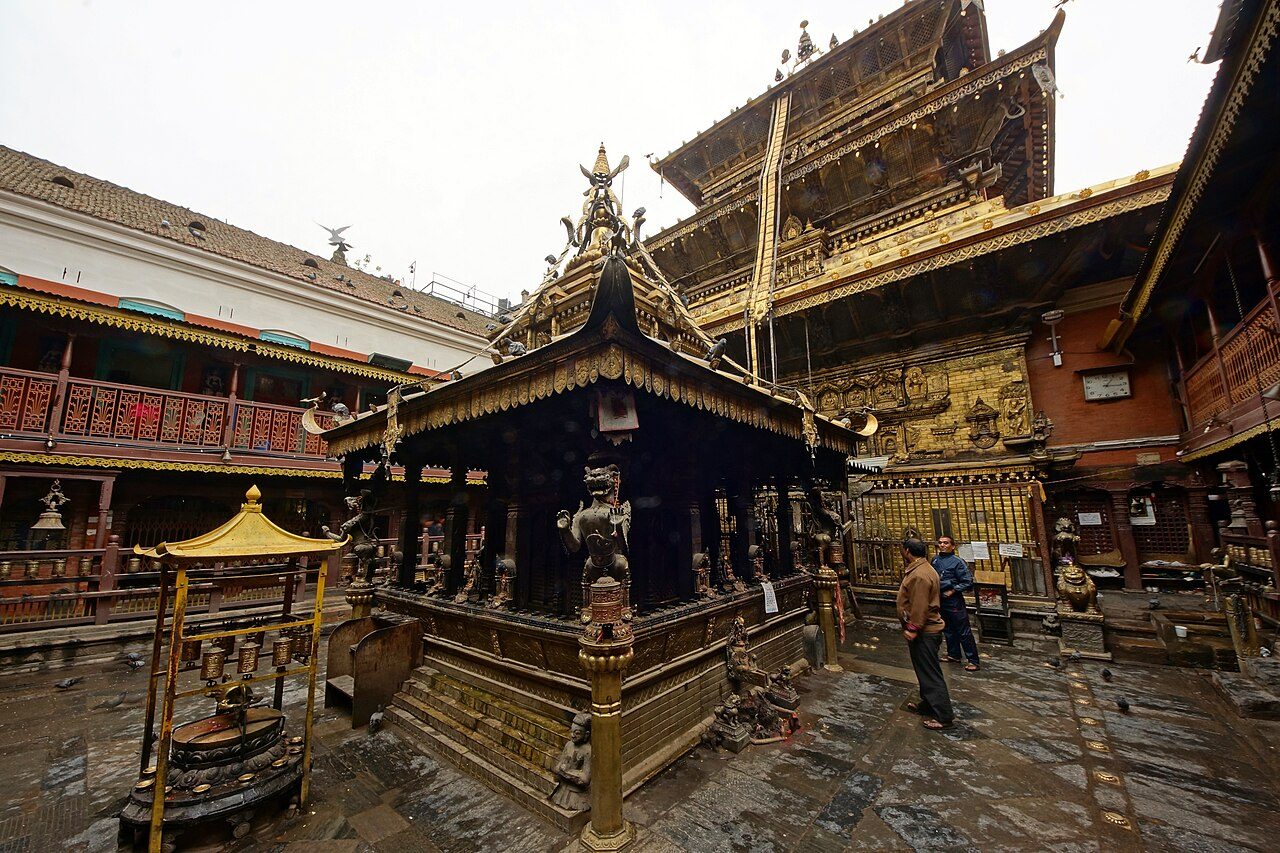
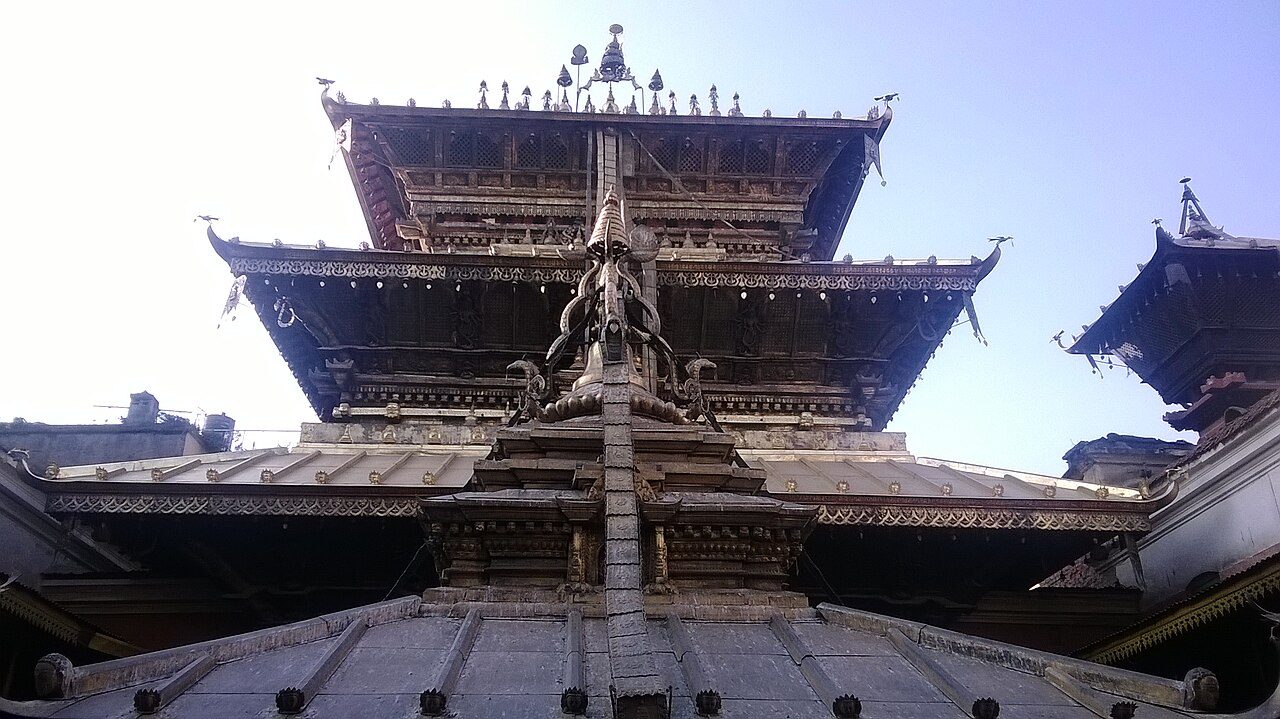
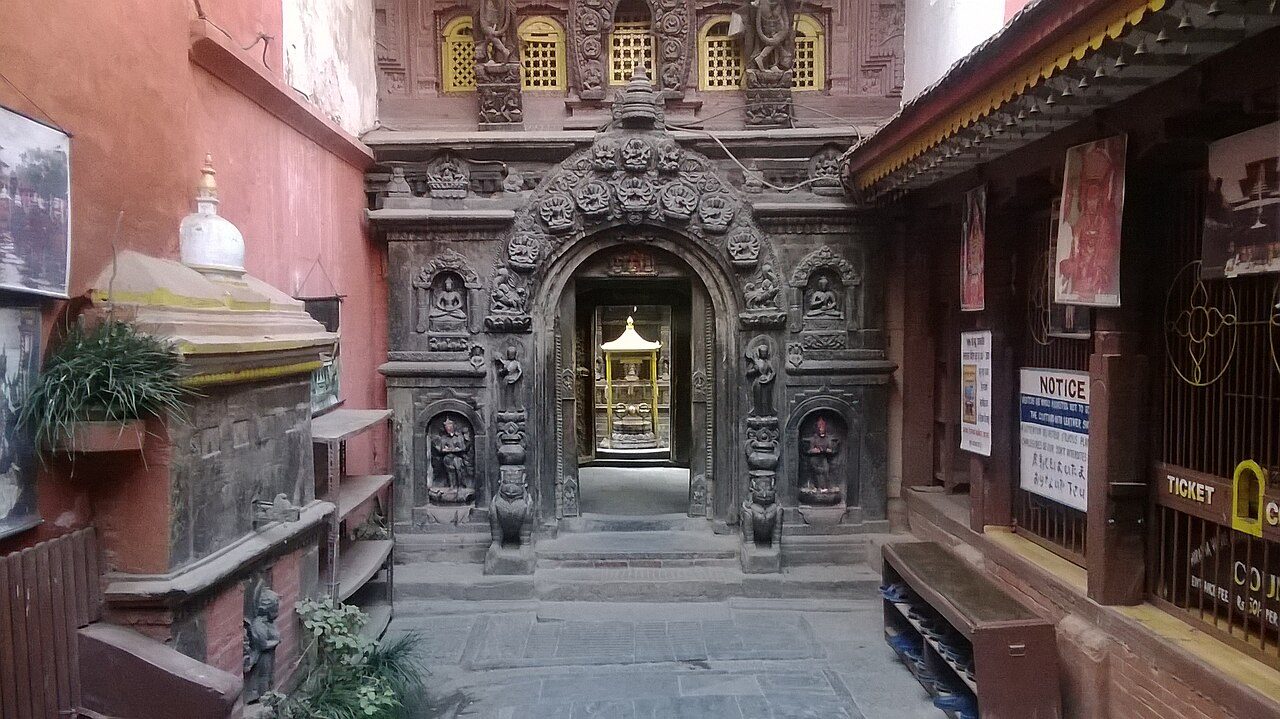
The Golden Temple in Patan, also known as Hiranya Varna Mahavihar, is a Buddhist monastery founded in the 12th century. Its courtyard holds a gilded pagoda-style shrine richly decorated with gold and copper, prayer wheels and statues. Monkeys and tortoises are part of temple life. Remove shoes and leather items before entering, and visit in the morning for the daily rituals.
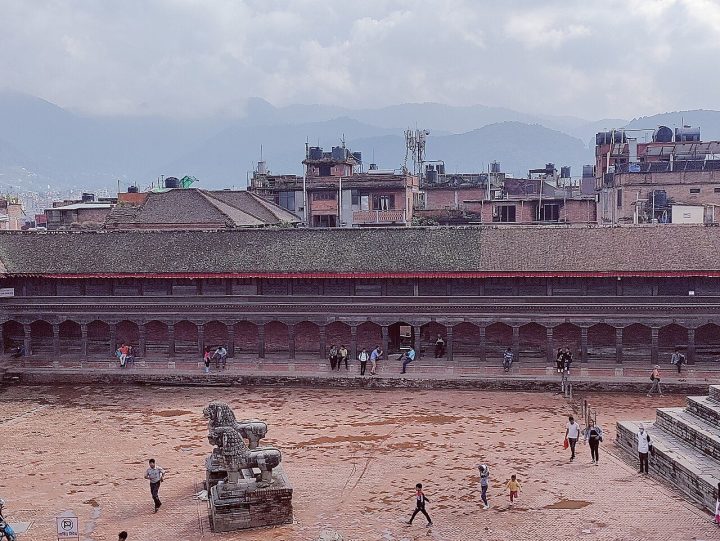
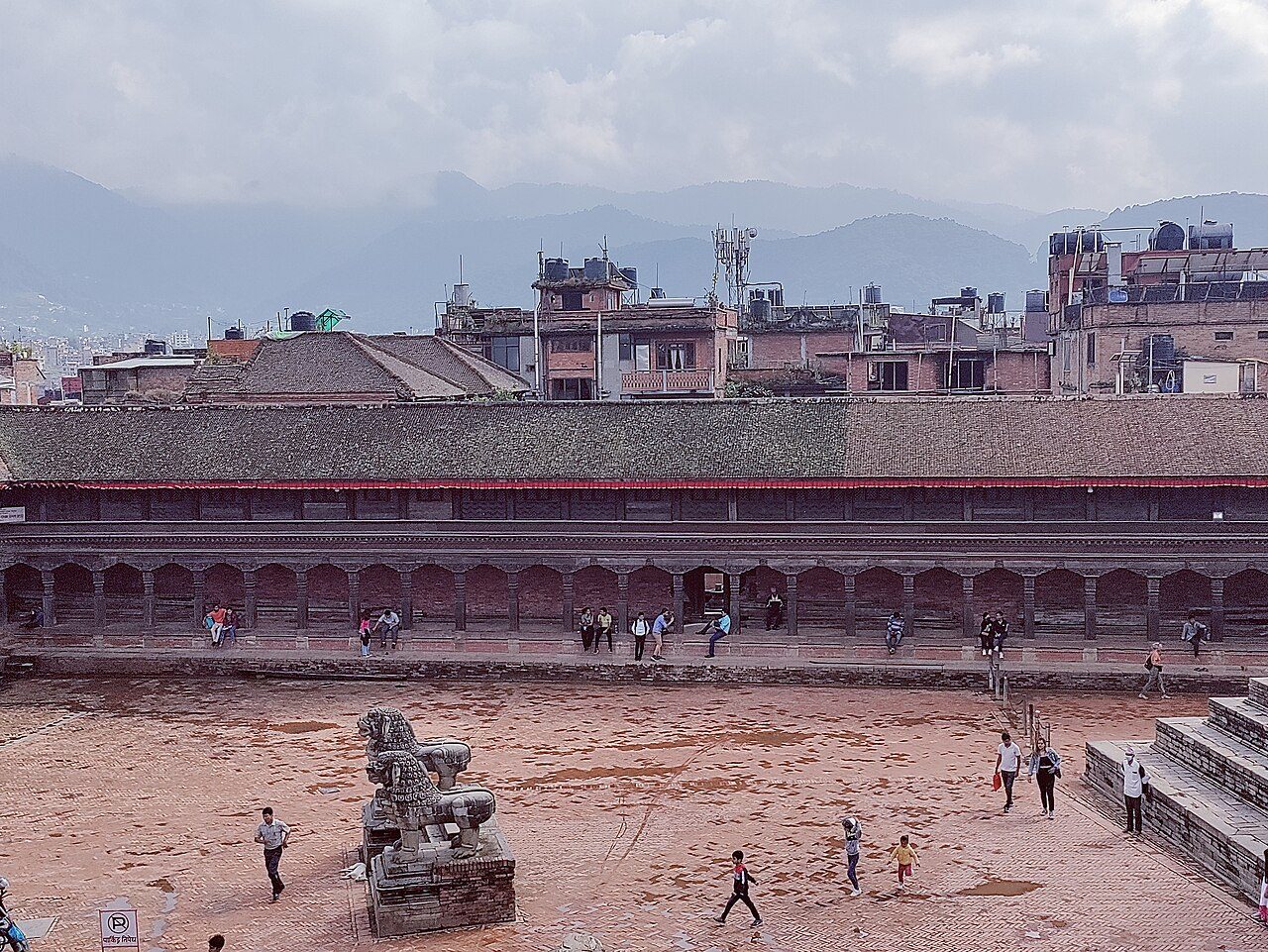
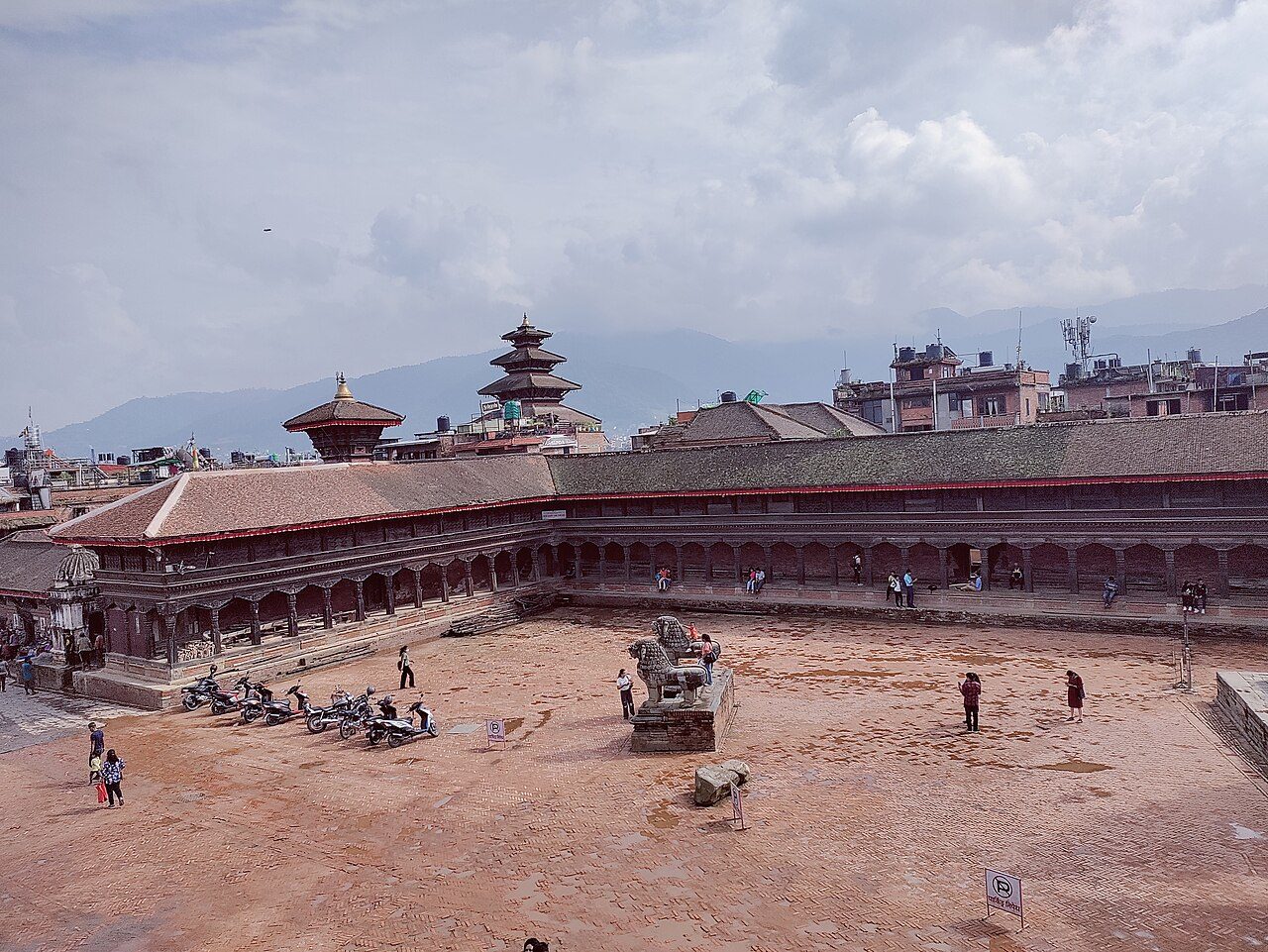
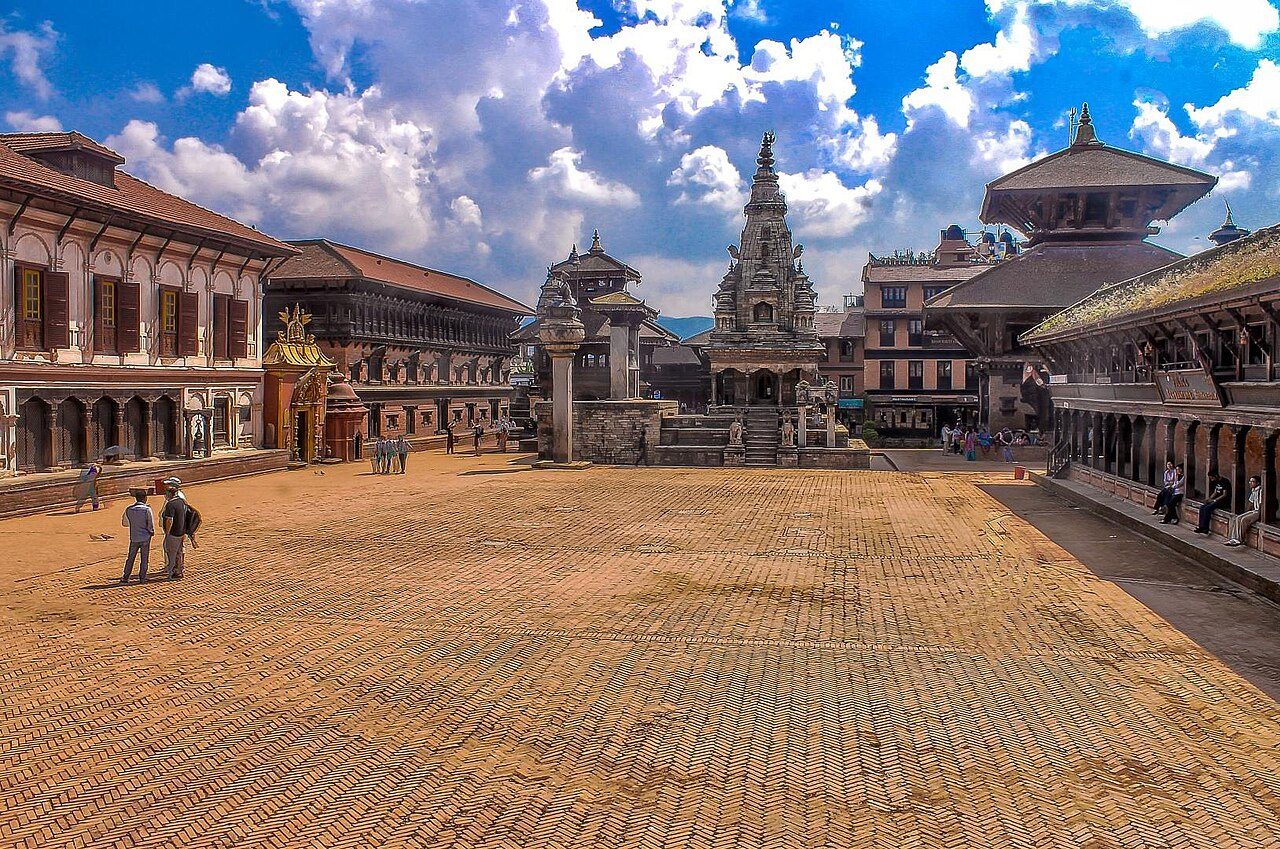
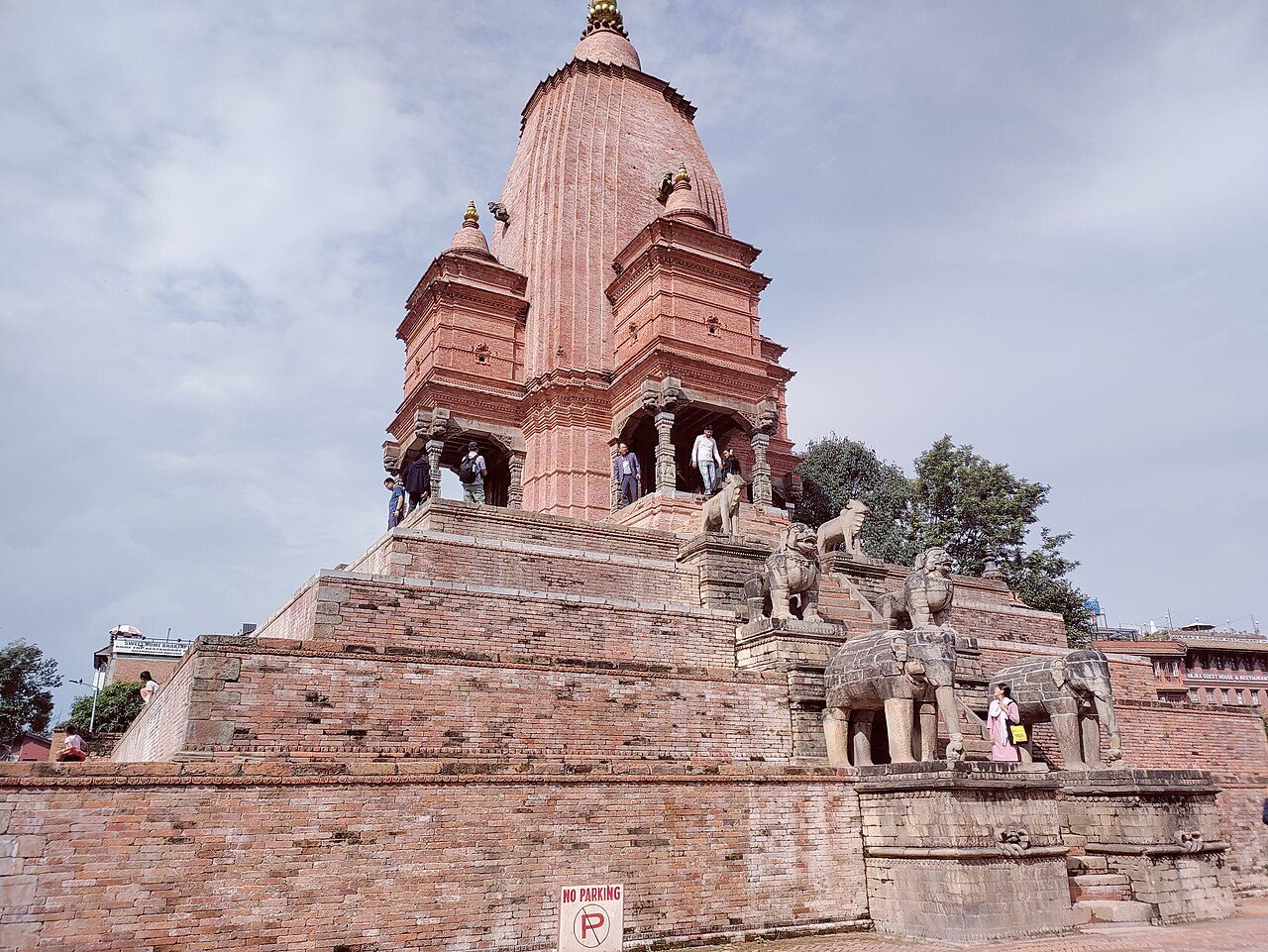
Bhaktapur Durbar Square is the royal square of the old city of Bhaktapur, once one of the three Malla kingdoms of the Kathmandu Valley. Highlights include the 55 Window Palace, the Golden Gate and stone temples. The town has kept its traditional character with pottery squares and craft workshops. A ticket is needed to enter the old city, and it is part of a UNESCO World Heritage Site.
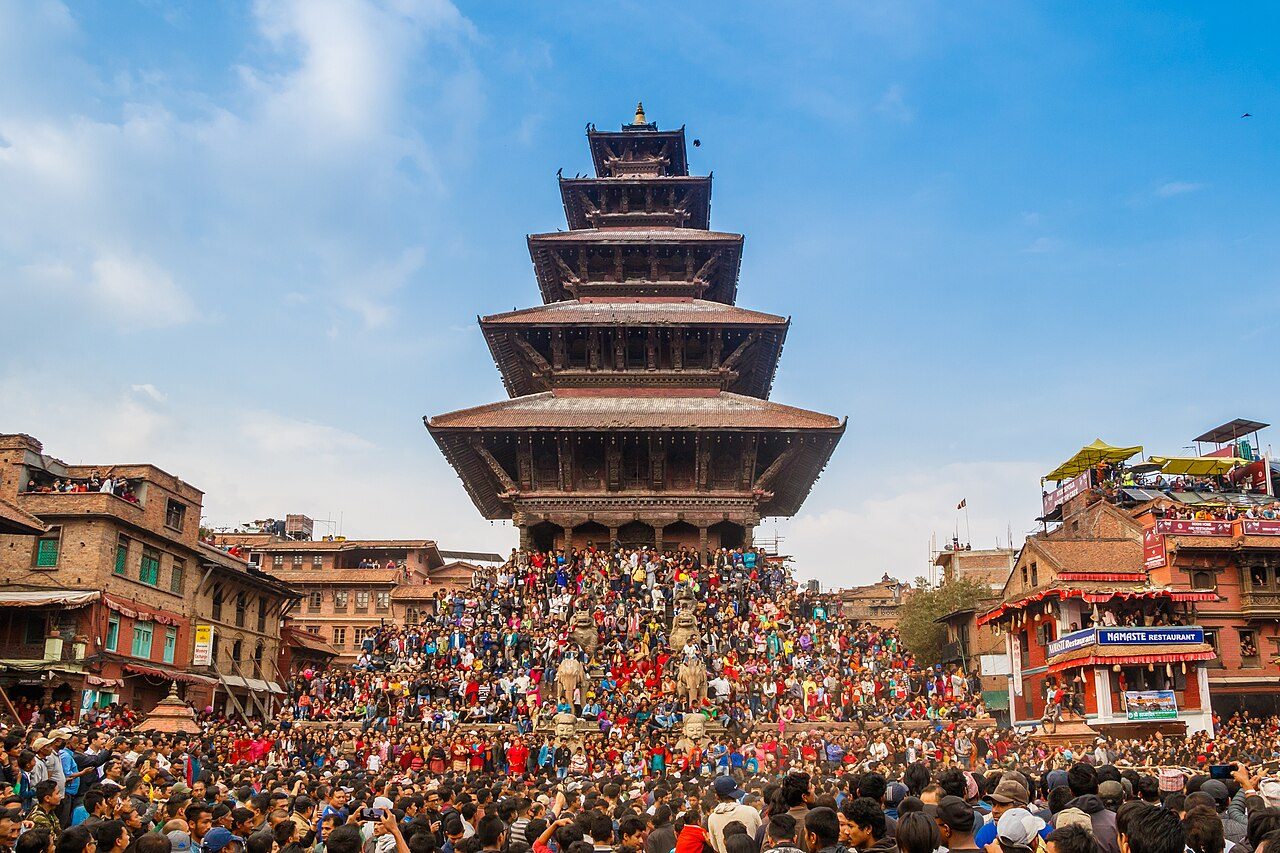
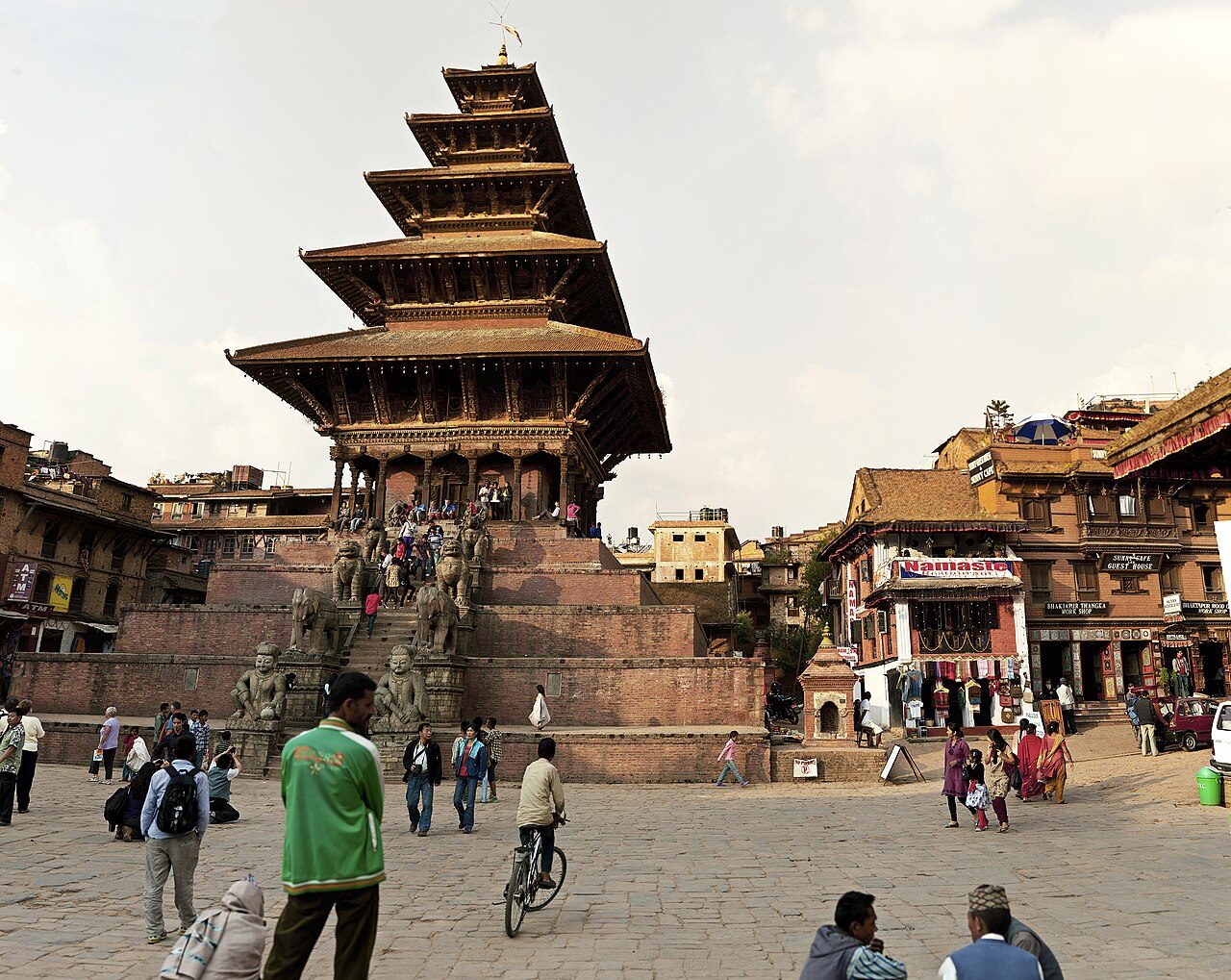
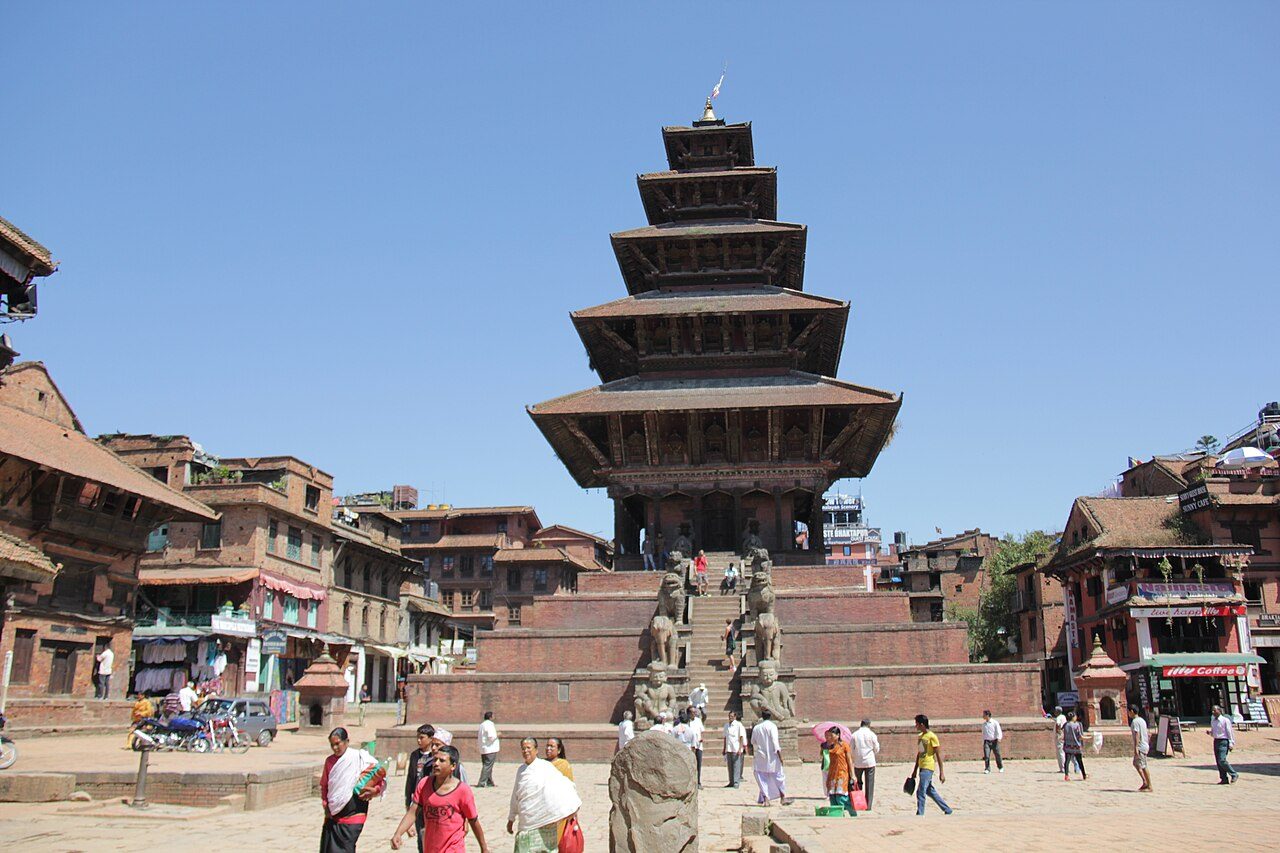
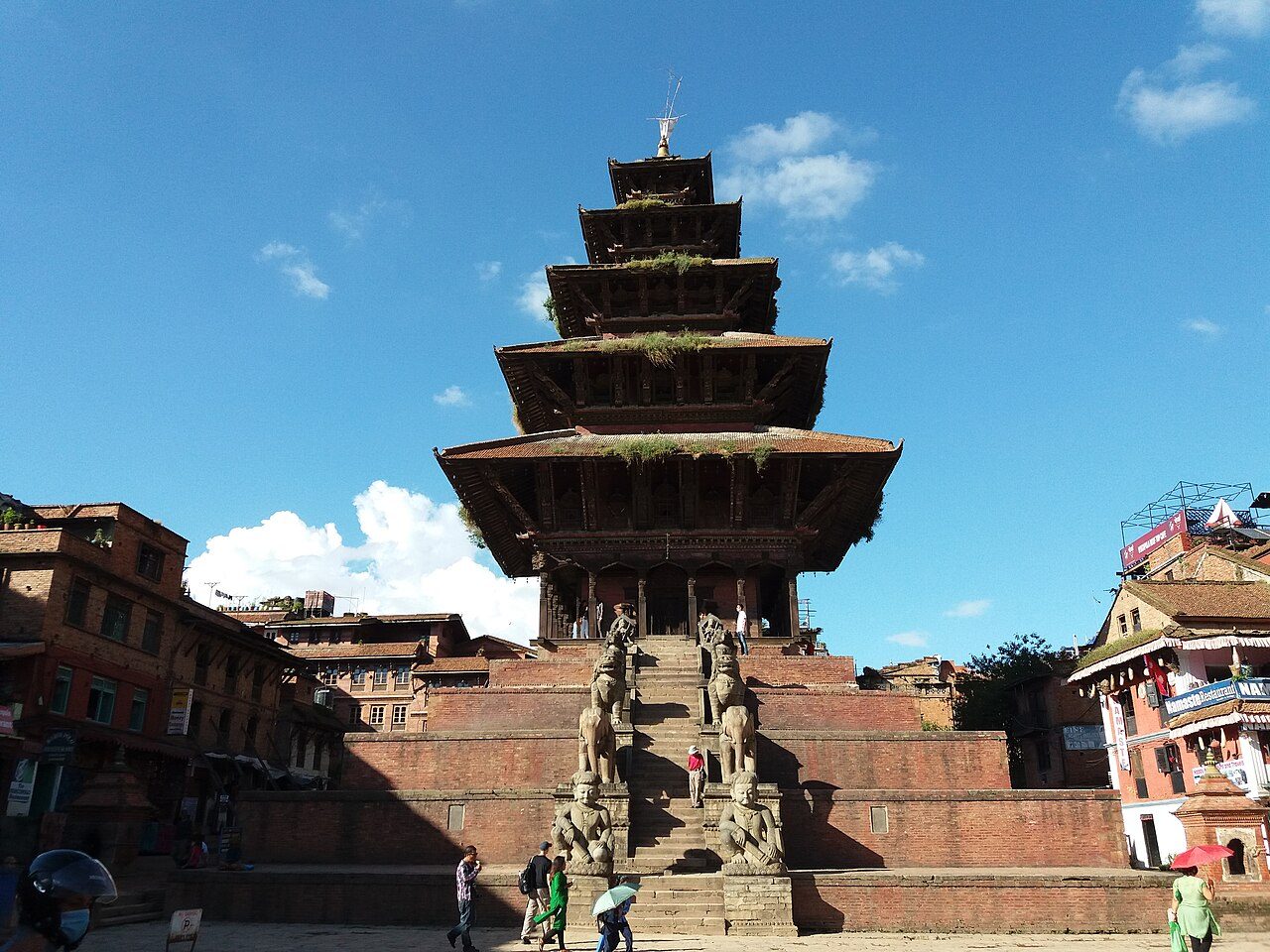
Nyatapola is a five-tiered pagoda temple in Bhaktapur's Taumadhi Square, built in 1702 by King Bhupatindra Malla. It is the tallest pagoda in Nepal and has survived major earthquakes. Pairs of stone guardians, including wrestlers, elephants, lions and goddesses, line the stairway. The square around it is a lively spot to sit with a cup of tea and watch daily life.
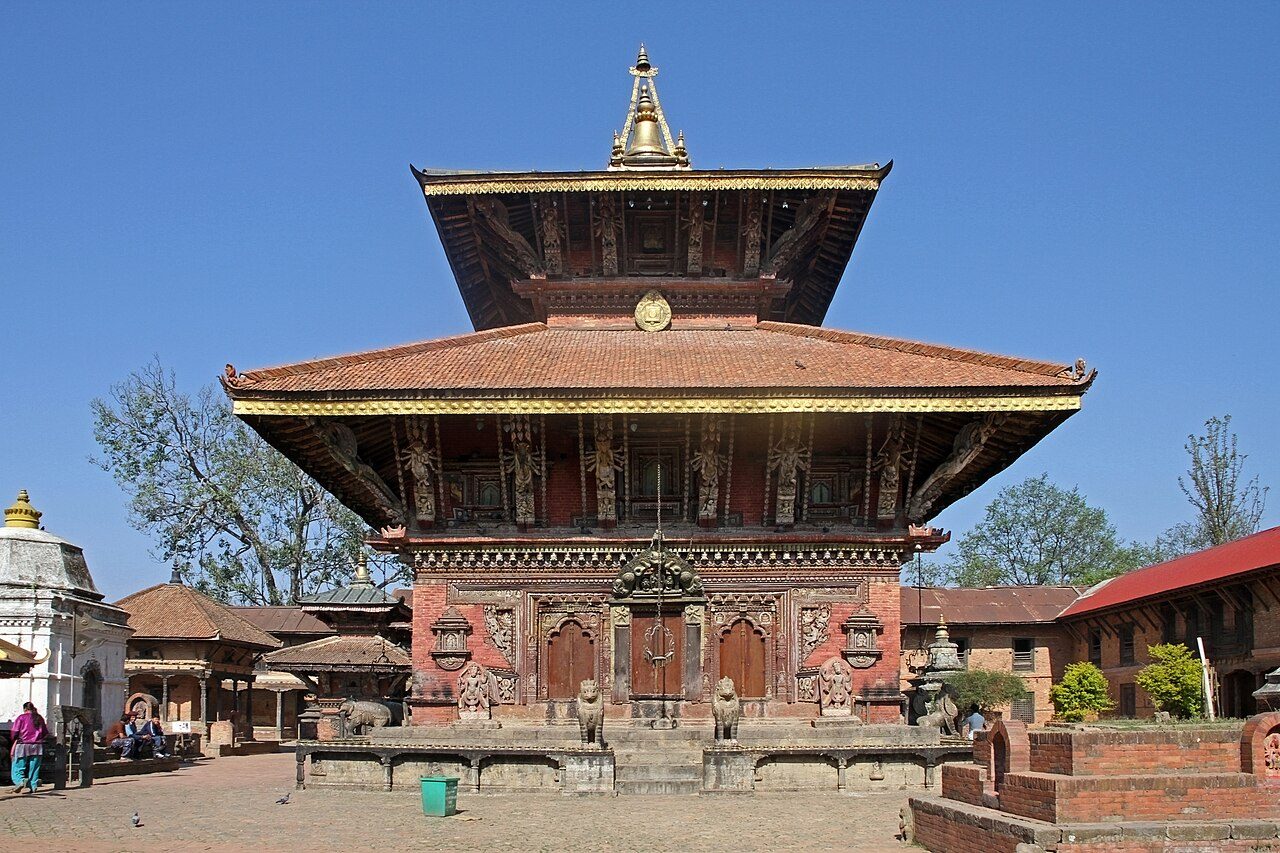
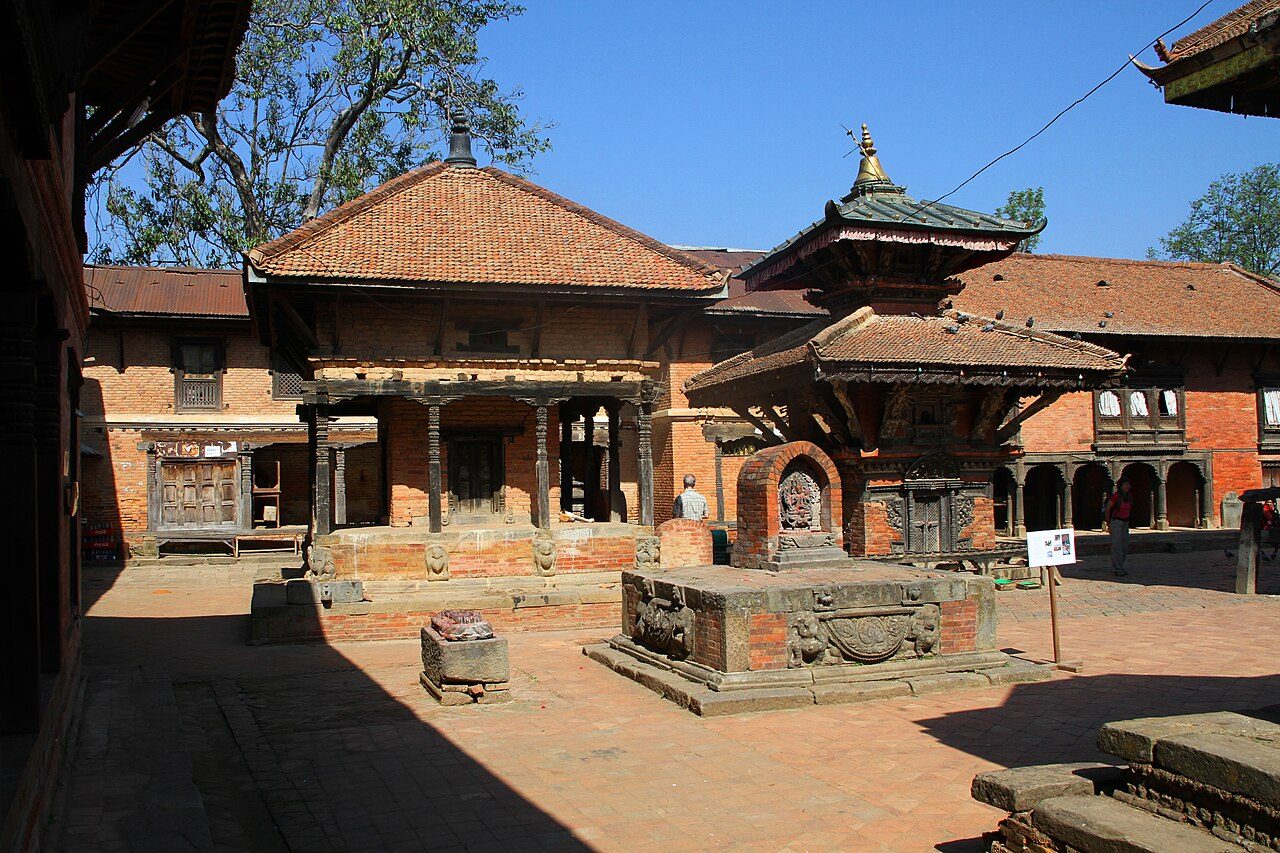
Changu Narayan is considered the oldest Hindu temple in the Kathmandu Valley, with origins in the 4th century. Dedicated to Lord Vishnu, it stands on a hilltop above the valley and is richly decorated with stone, wood and metal carvings. The courtyard holds some of Nepal's oldest inscriptions. It is part of the Kathmandu Valley UNESCO World Heritage Site.
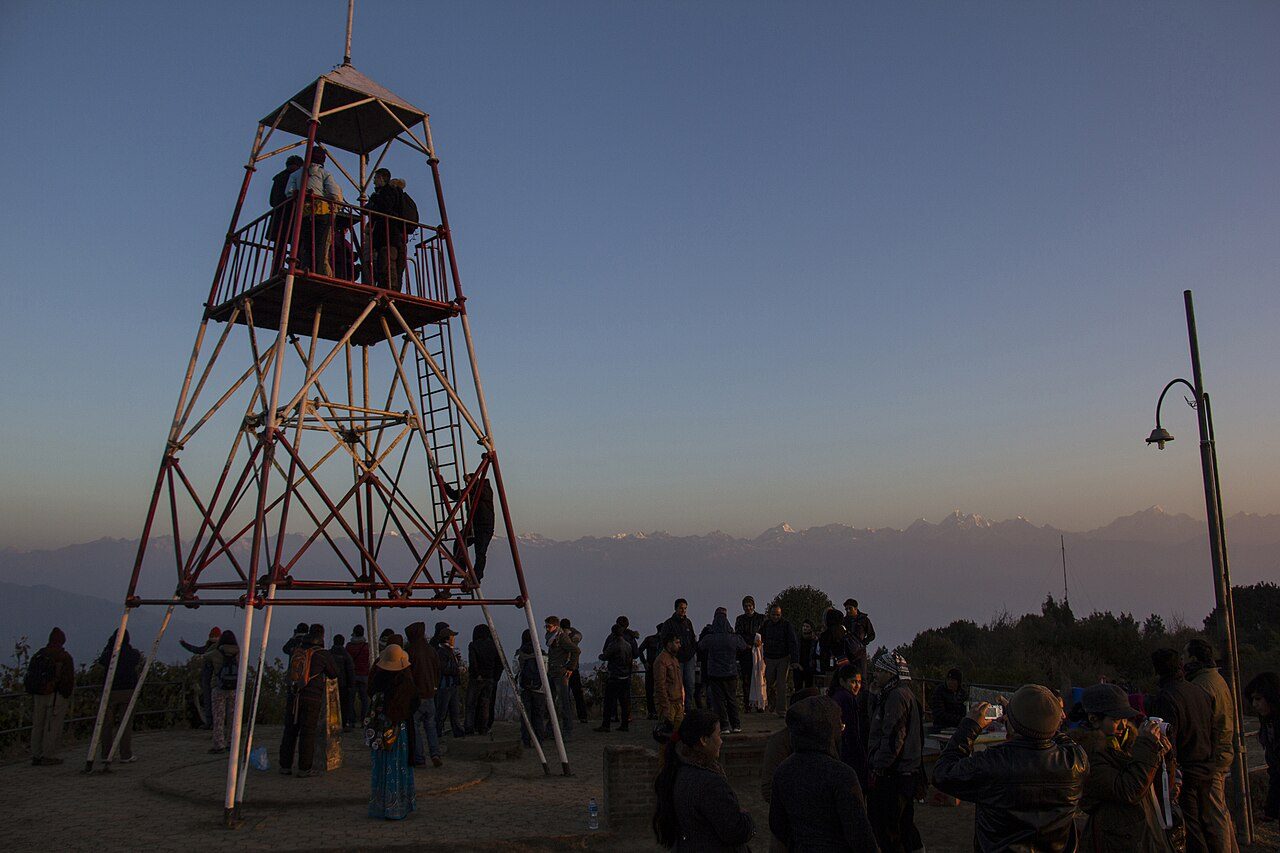
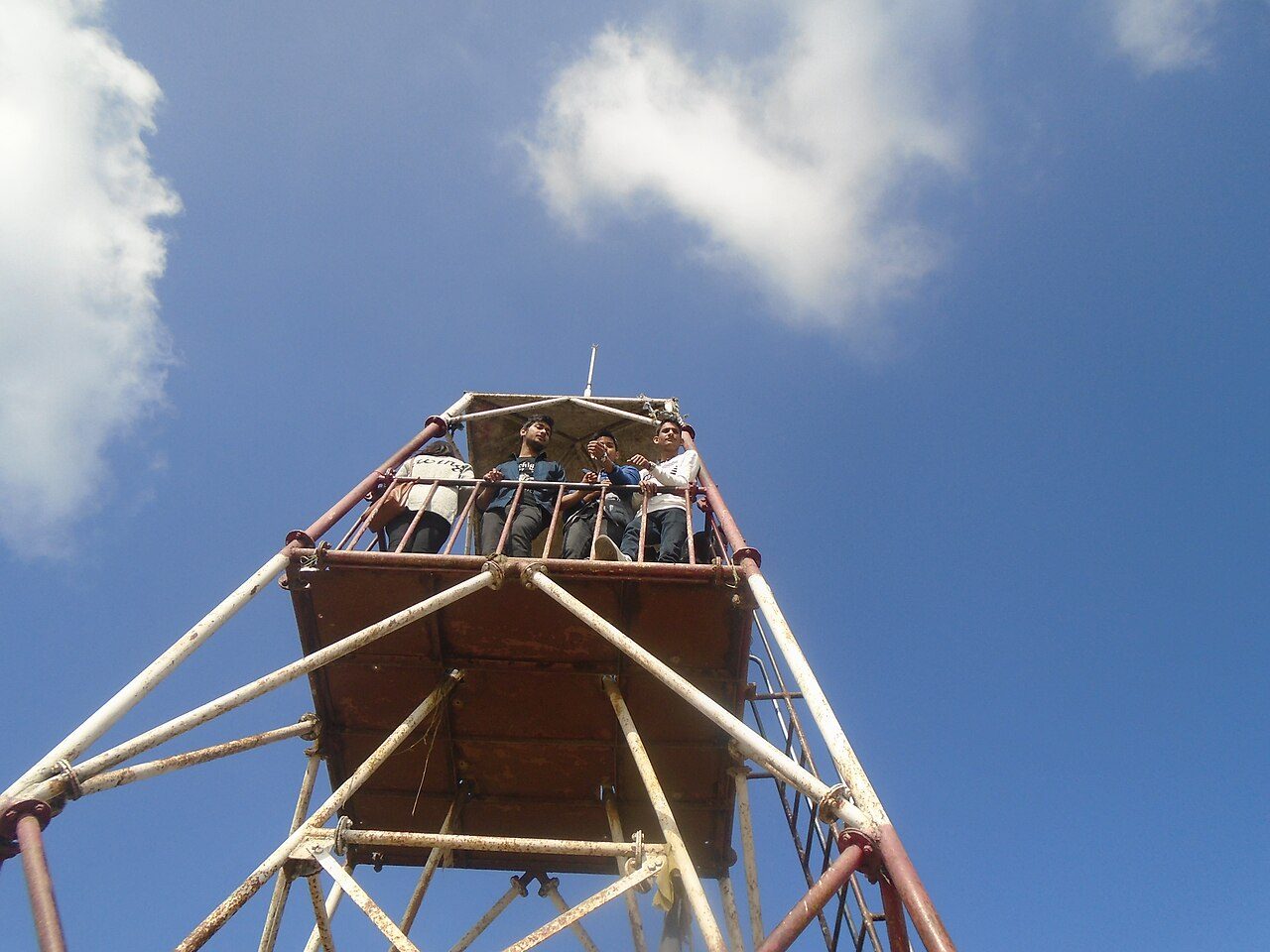
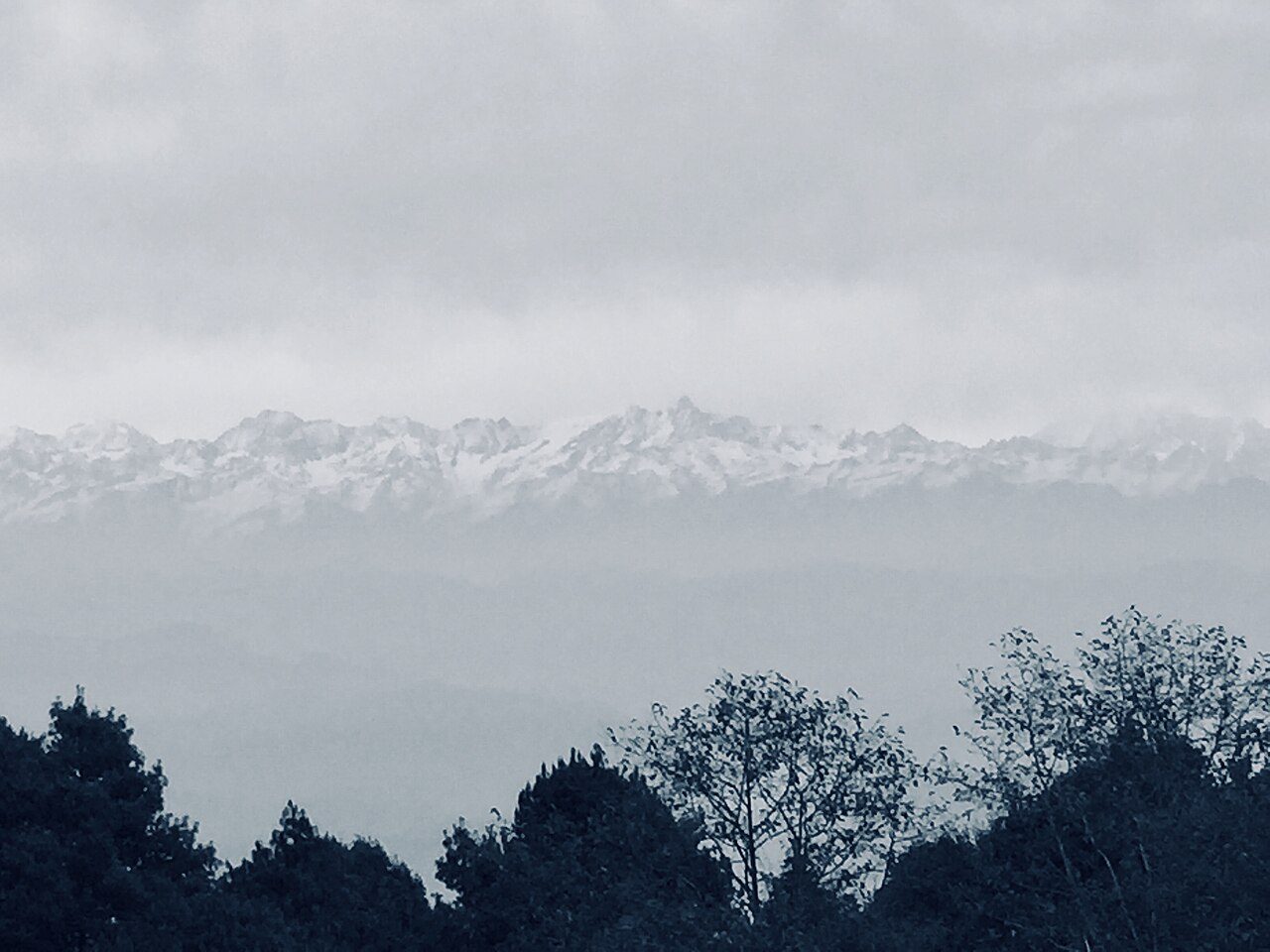
Nagarkot is a hill village on the rim of the Kathmandu Valley, famous for sunrise views of the Himalaya. On clear days the panorama stretches from Annapurna to Everest. A viewing tower on the hilltop gives the best outlook. Clear skies are most likely from October to March. Many visitors stay overnight to catch the early morning light.
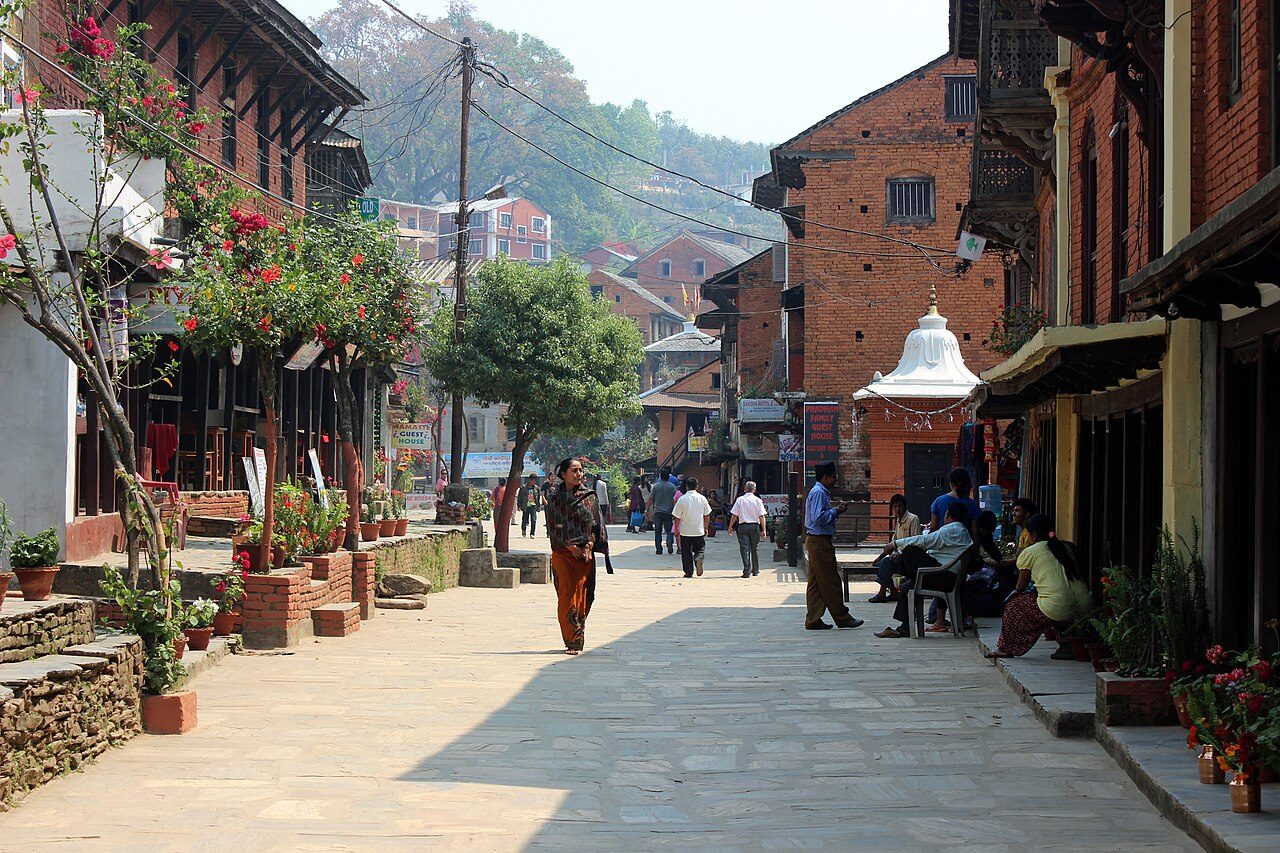
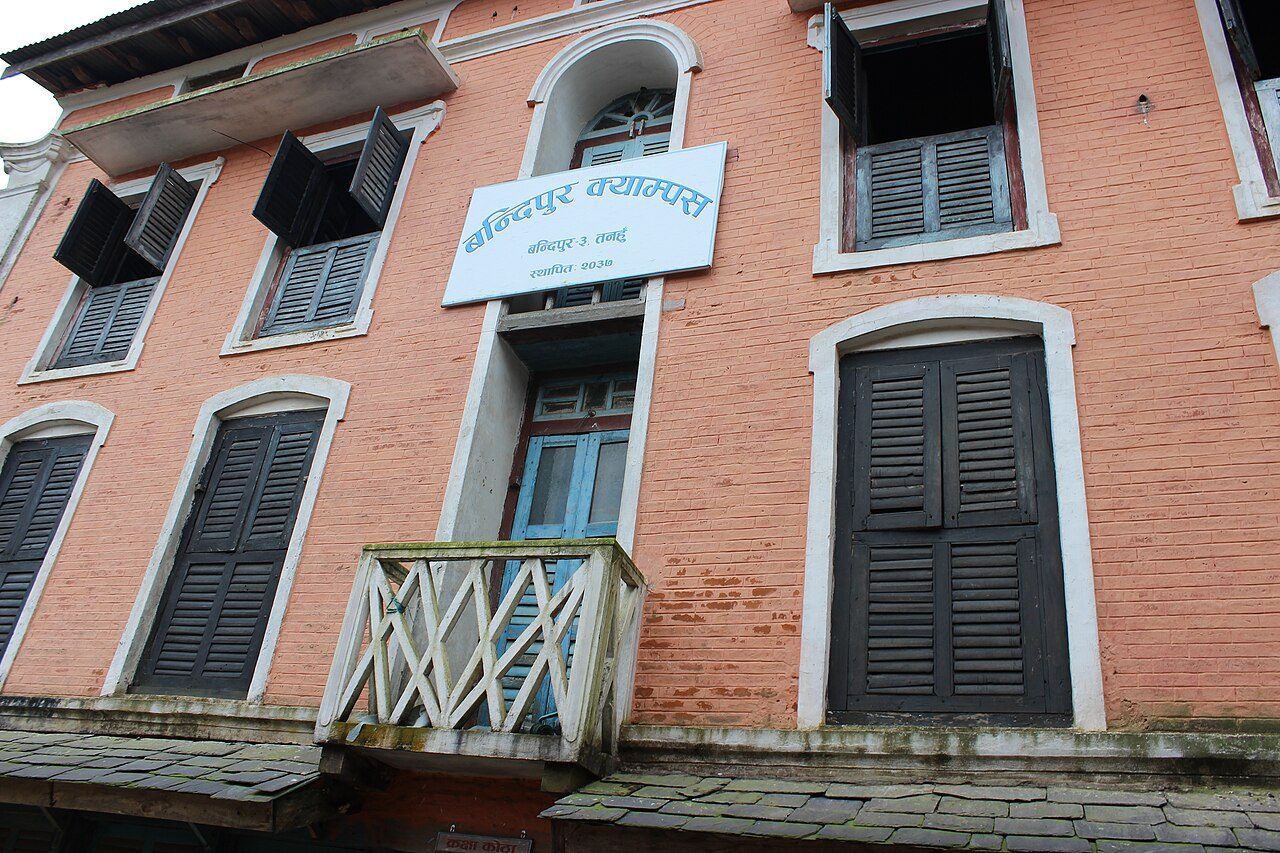
Bandipur is a hilltop town on an old trade route between India and Tibet, known for its well-preserved Newar architecture. Its pedestrian main street is lined with traditional houses, shops and guesthouses. Short walks lead to viewpoints, caves and temples. On clear mornings there are wide views of the Himalaya, including the Annapurna and Manaslu ranges.
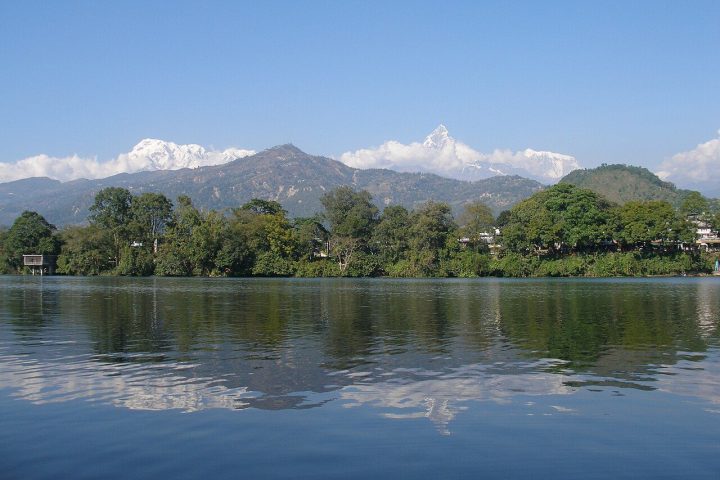
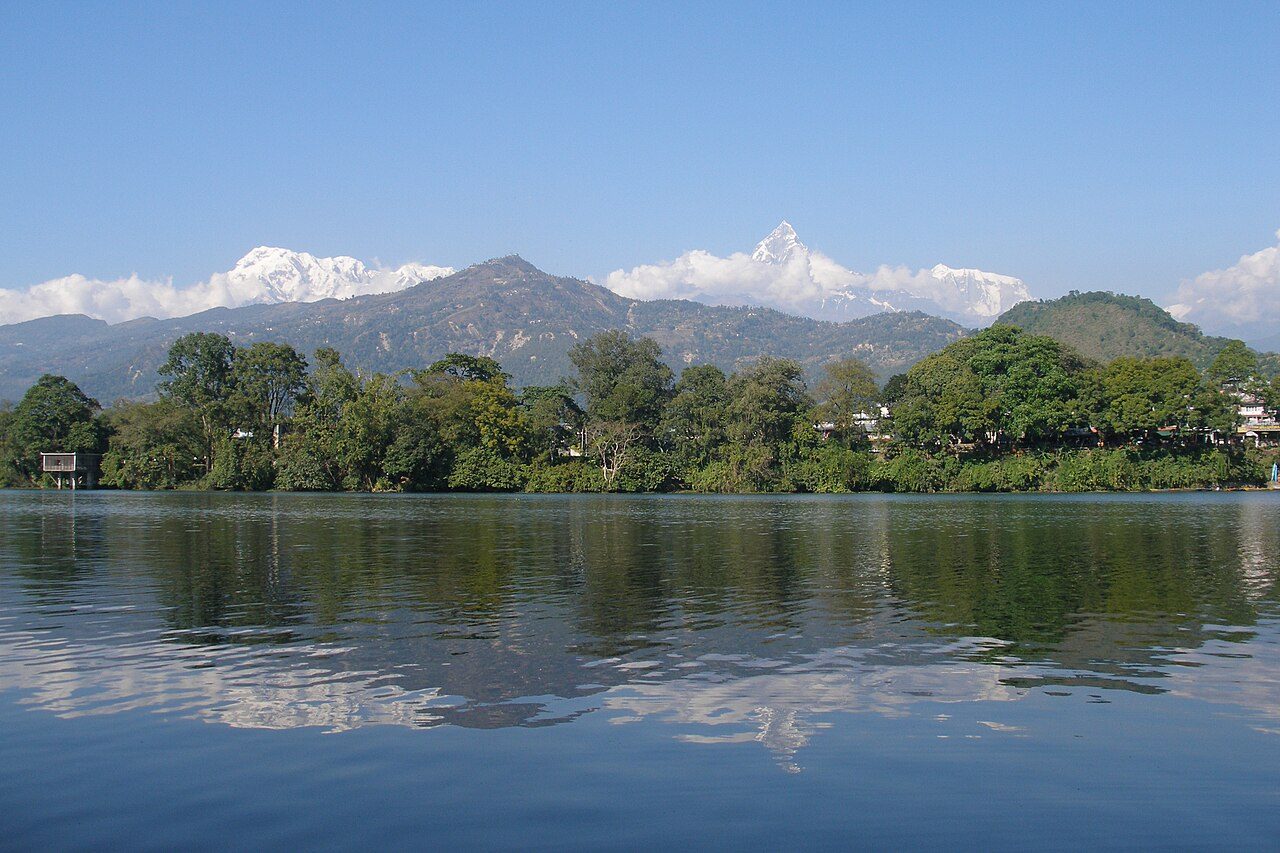
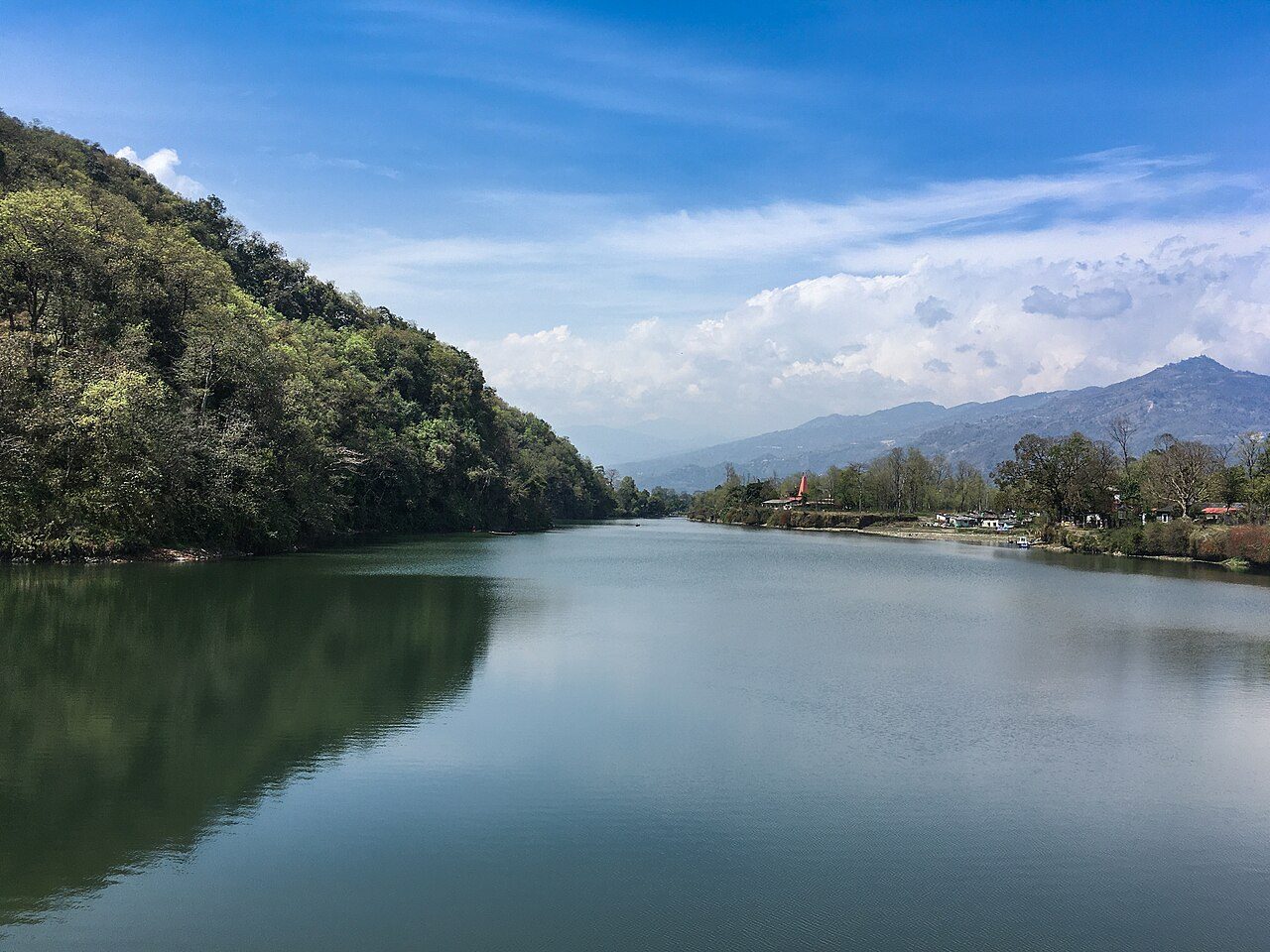
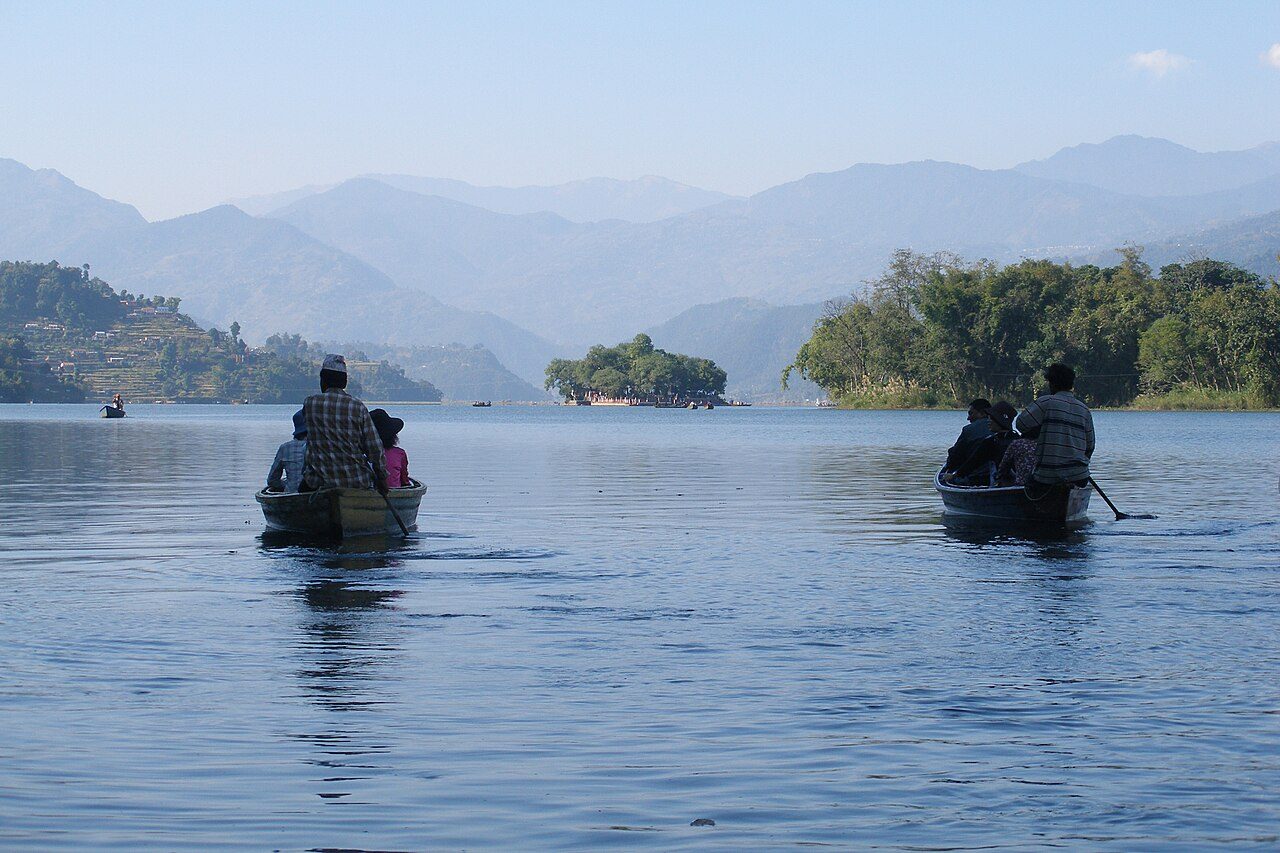
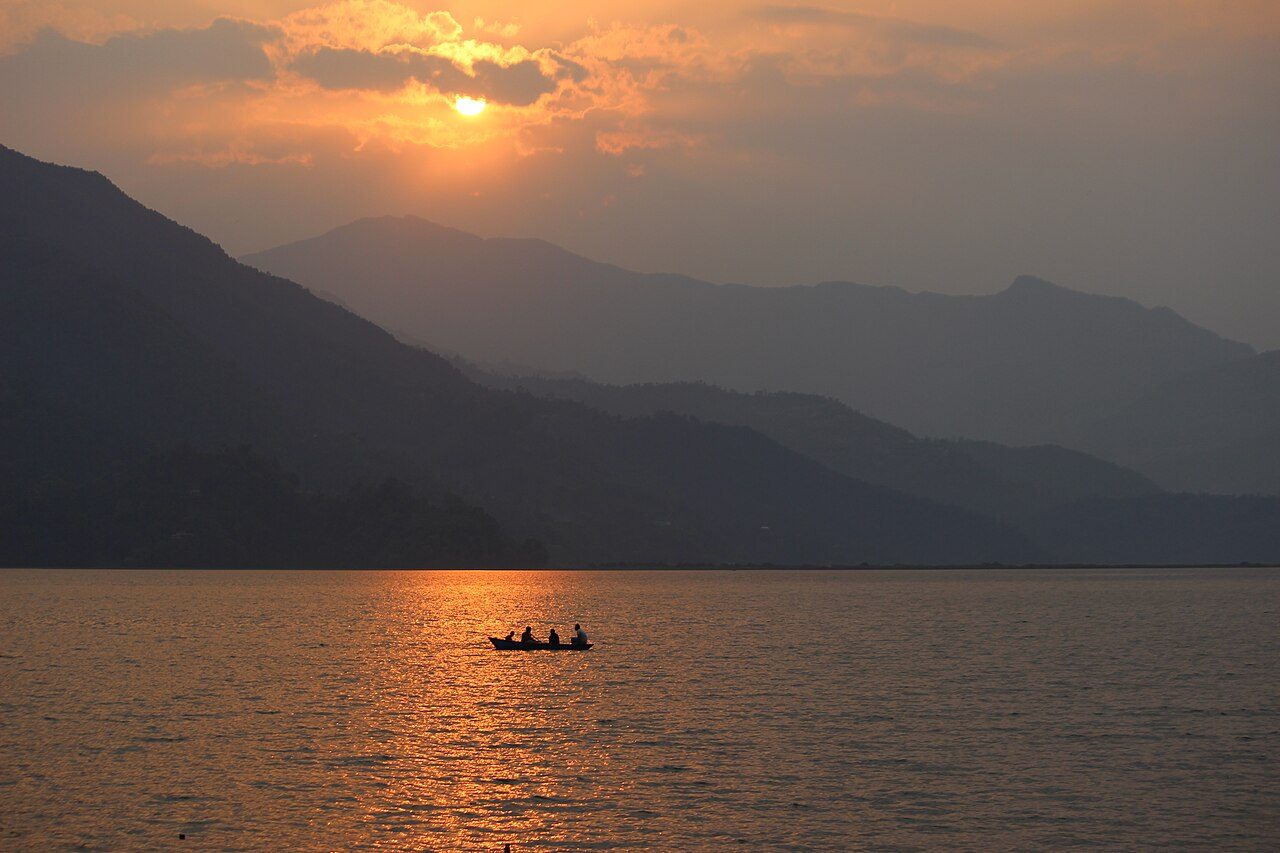
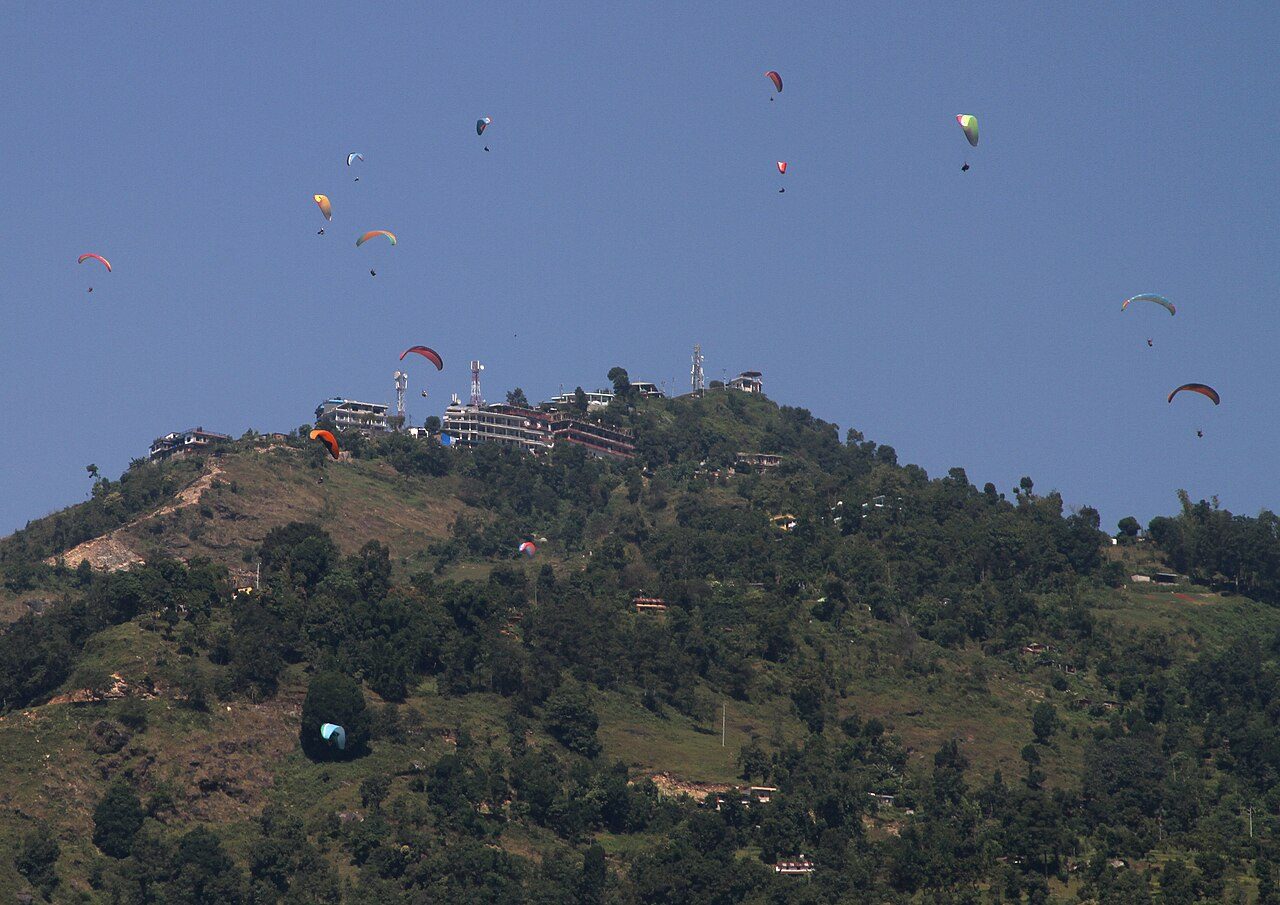
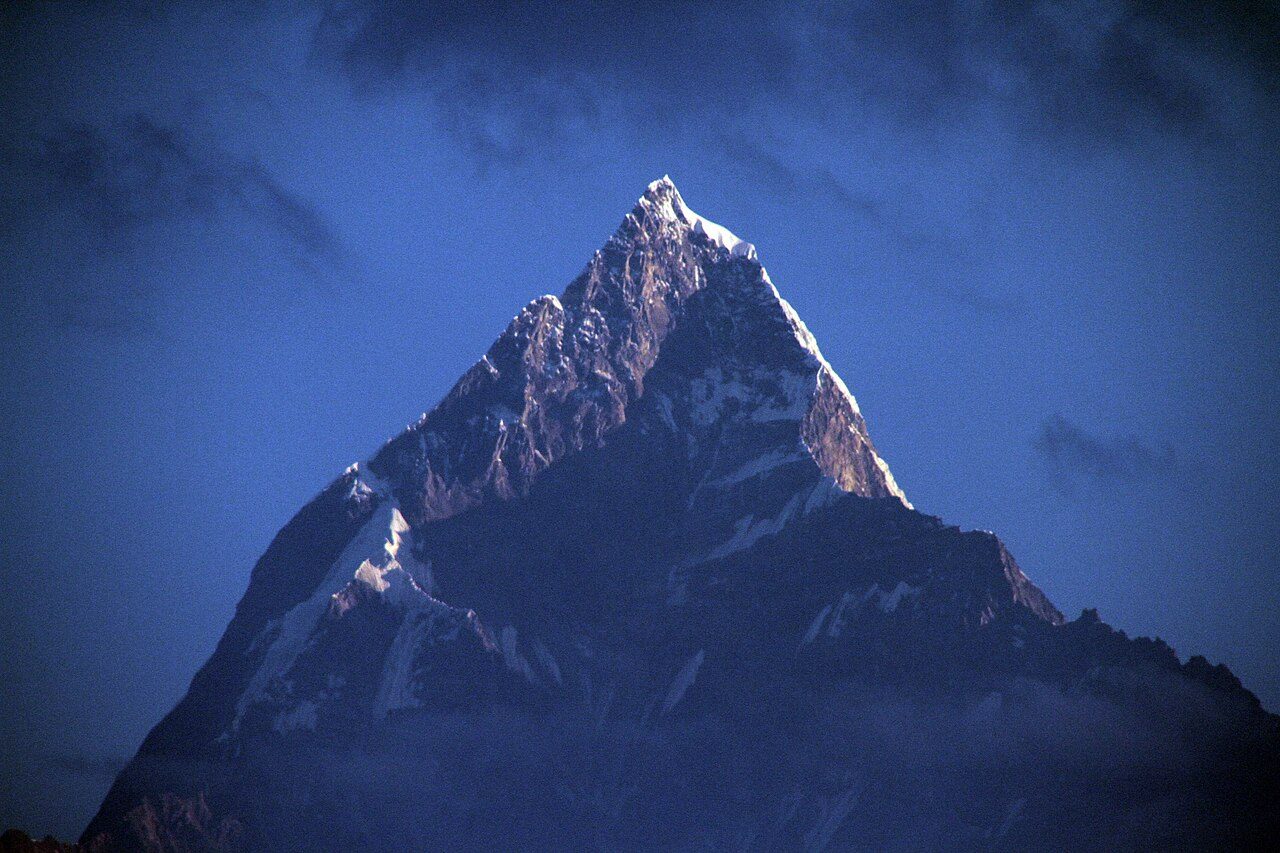
Phewa Lake is the second largest lake in Nepal and the heart of Pokhara. Colourful wooden boats can be hired to row out to Tal Barahi Temple on a small island. On calm mornings, Machhapuchhre and the Annapurna range are reflected in the water. The lakeside promenade is lined with cafés and shops, and paragliders often drift down from Sarangkot.
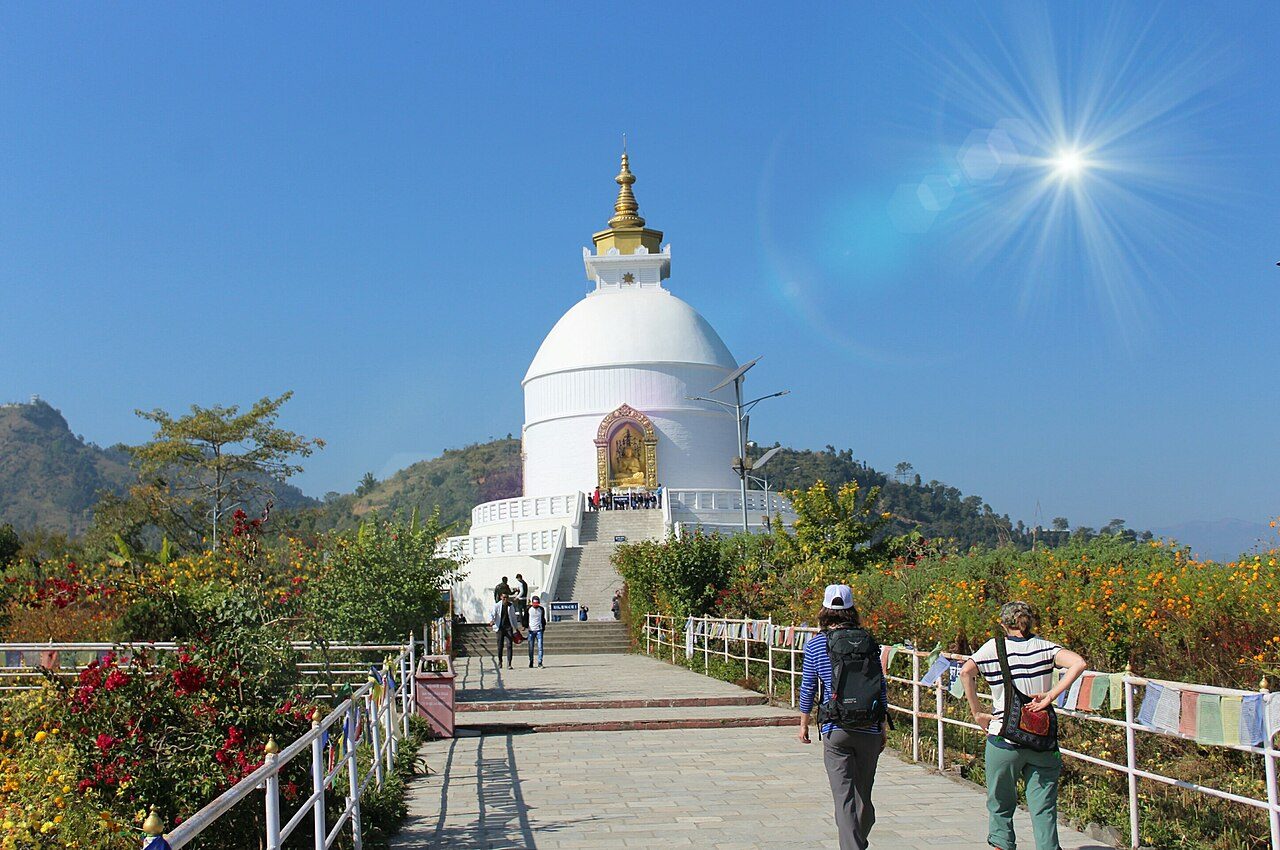
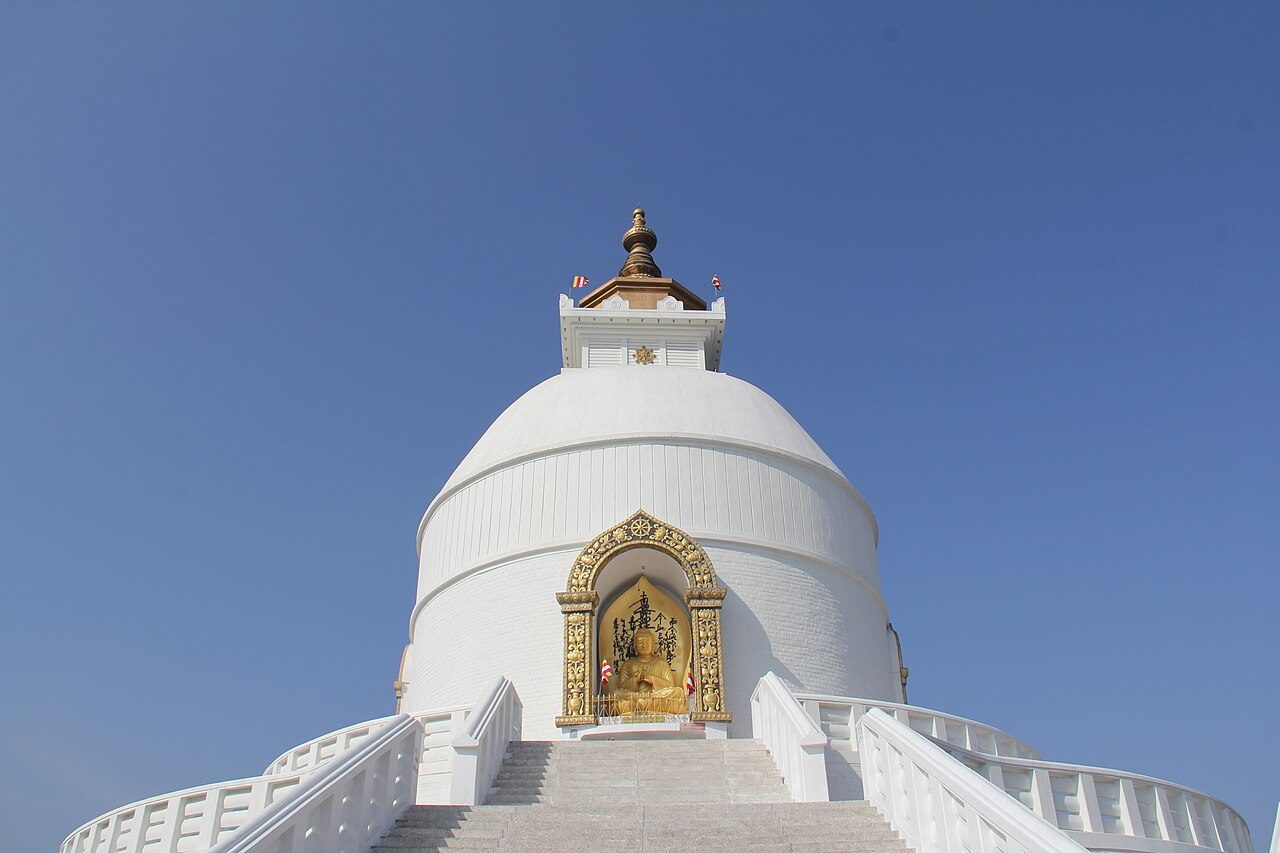
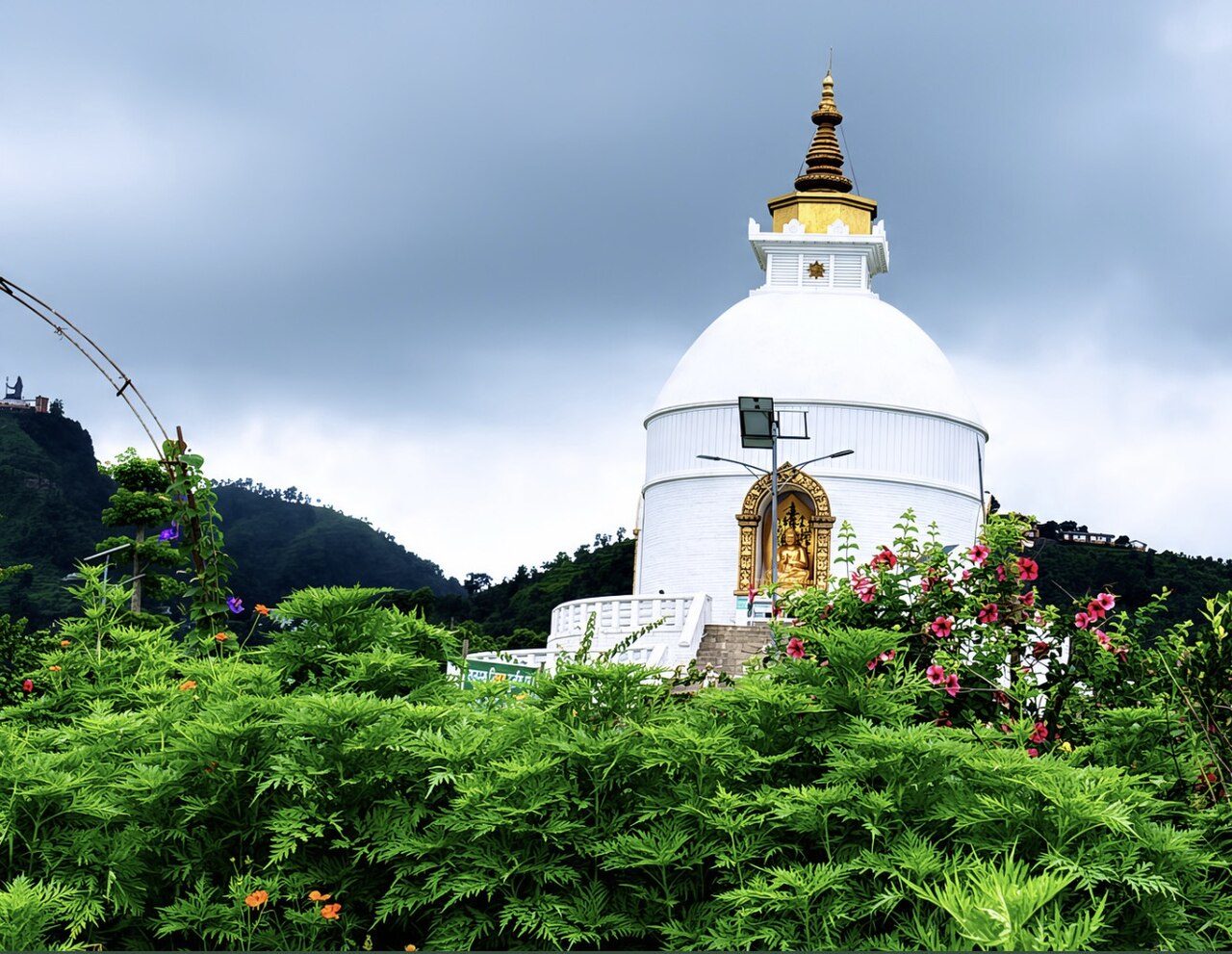
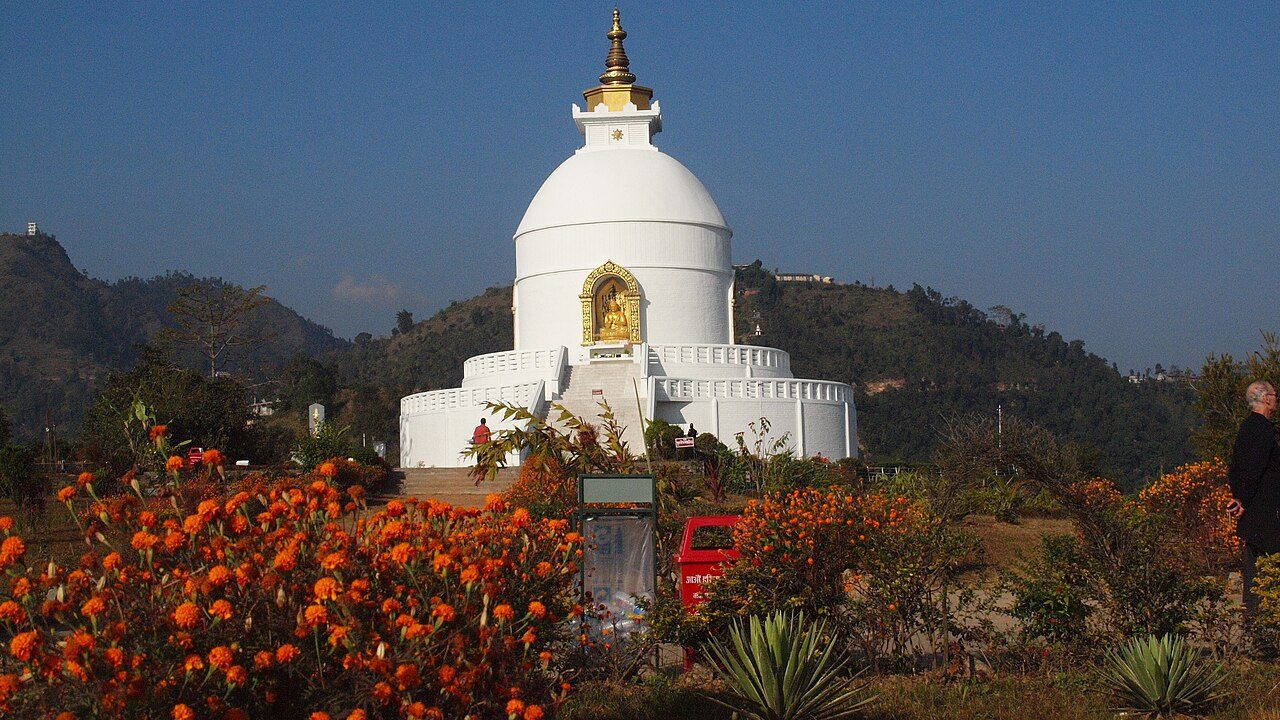
The World Peace Pagoda is a white Buddhist stupa on a hilltop above the southern shore of Phewa Lake. It was built by the Japanese Nipponzan Myohoji order as one of a series of peace pagodas around the world. Golden Buddha statues sit in niches on each side. Most visitors hike up through forest or take a boat across the lake and climb, with views of Pokhara and the Annapurnas.
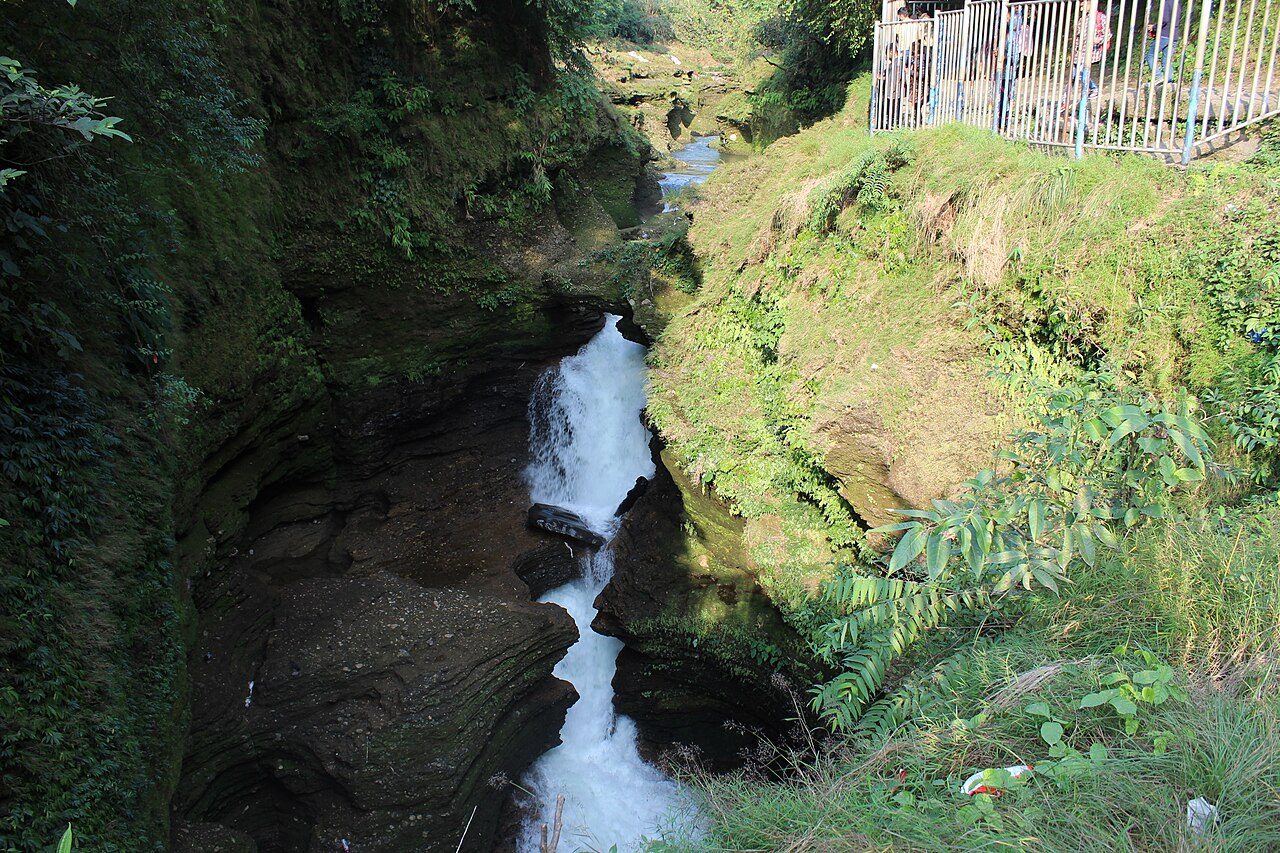
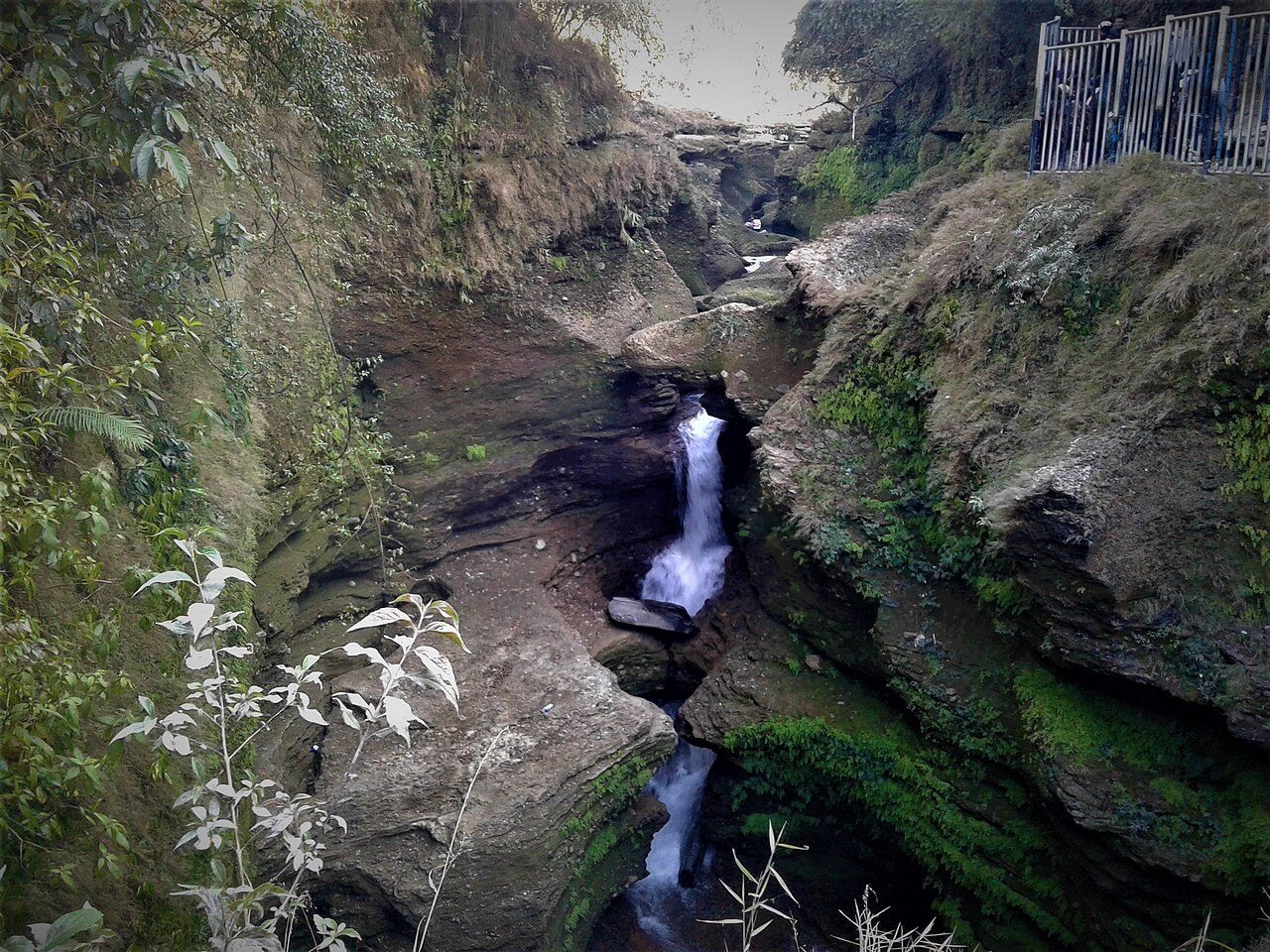
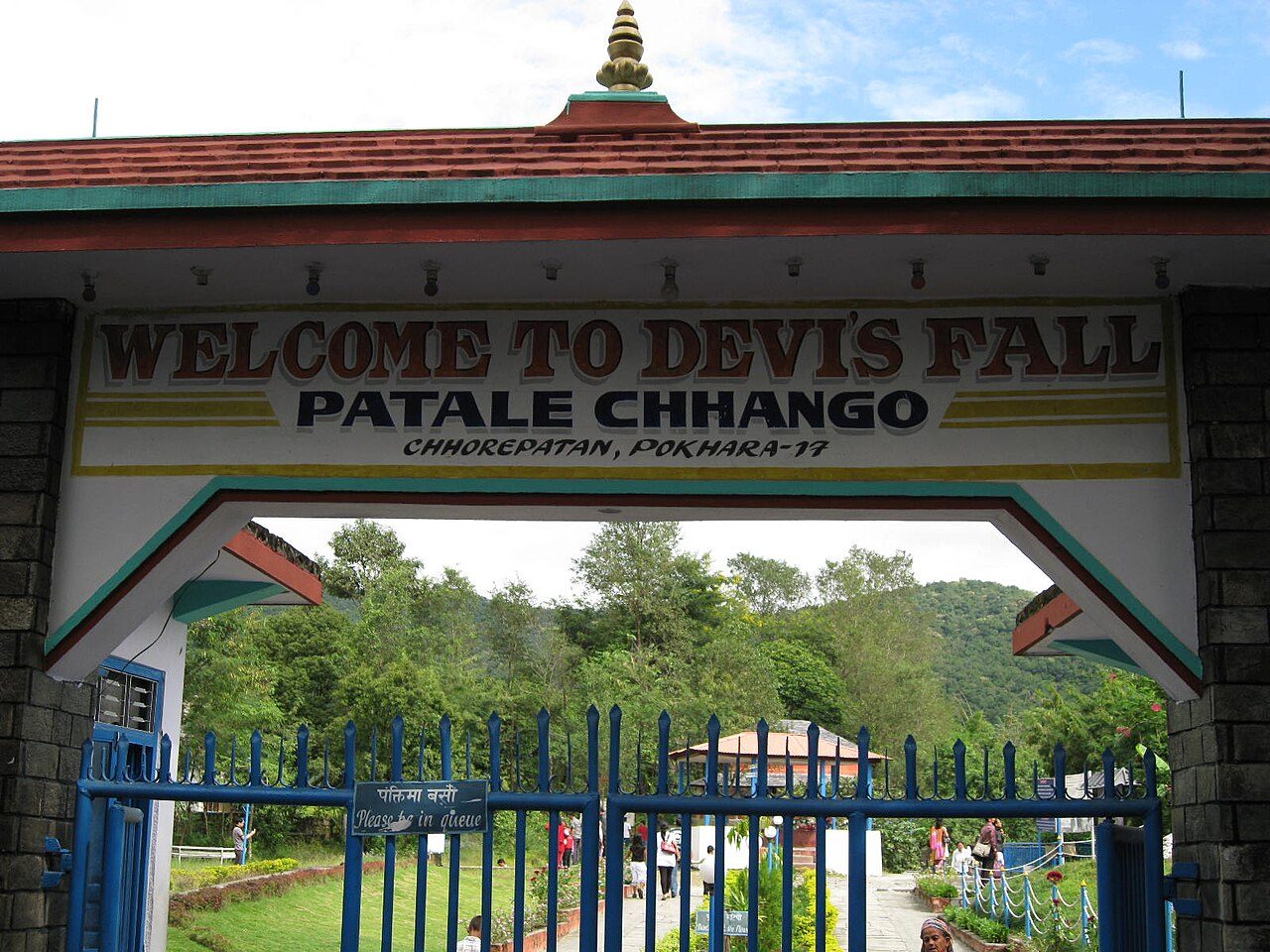
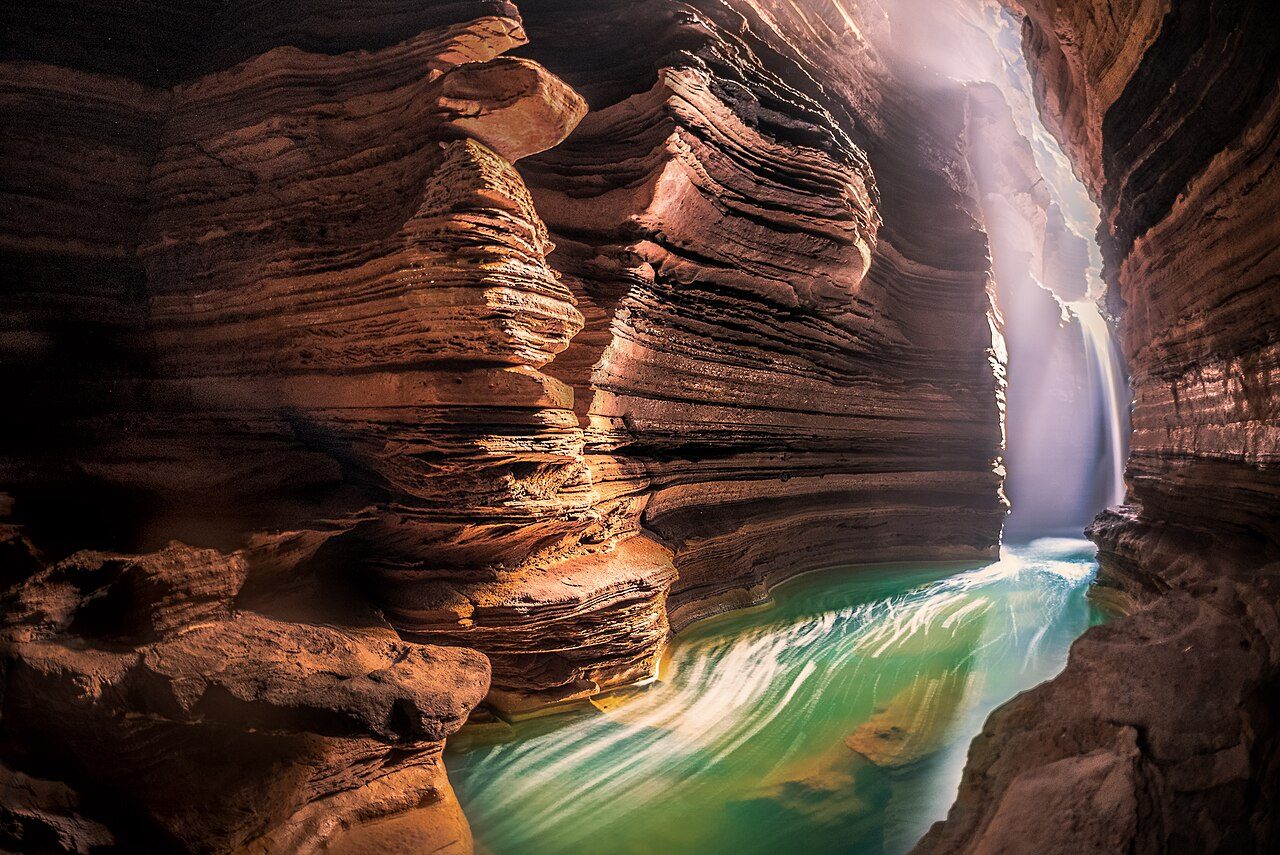
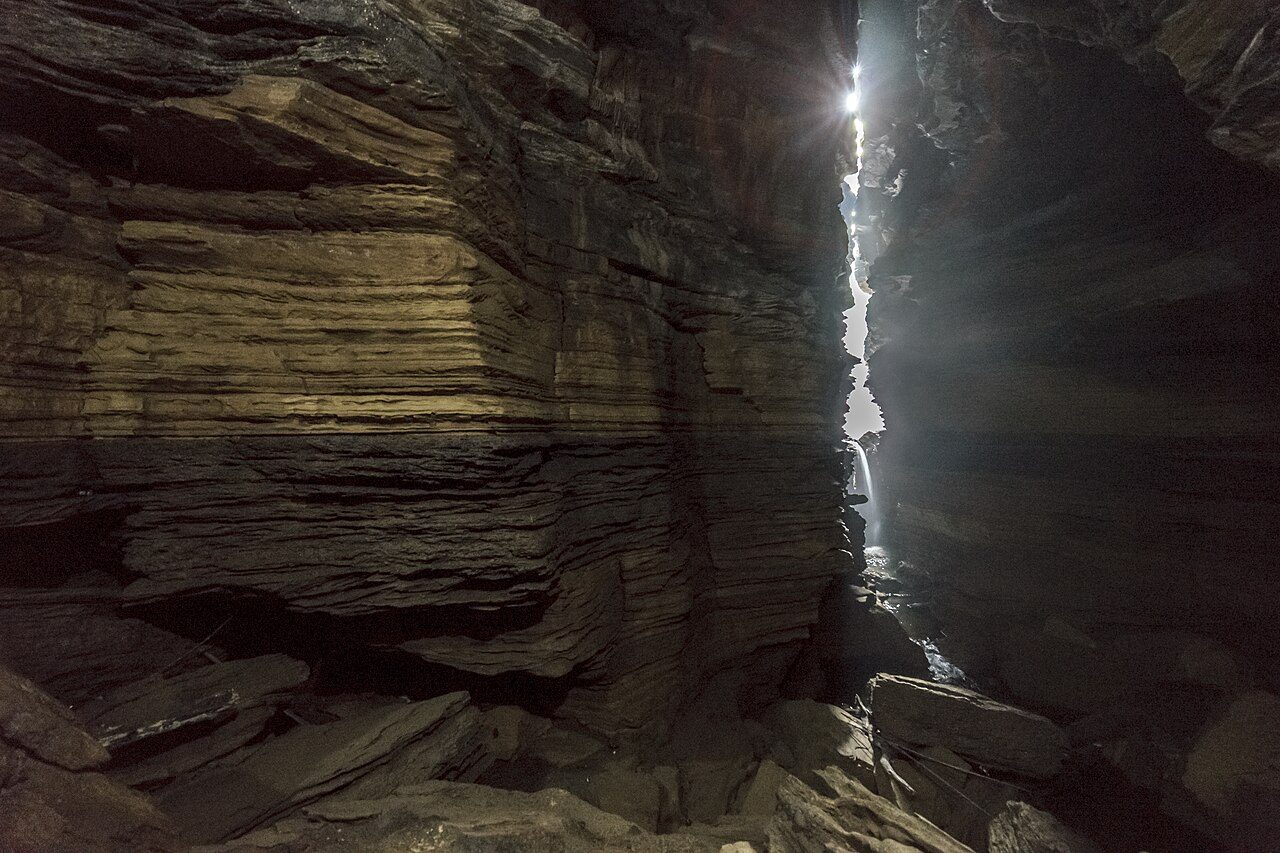
Davis Falls, known locally as Patale Chhango, is a waterfall in Pokhara where a stream plunges into a deep gorge and disappears underground. It is named after a visitor who is said to have been swept away by the water. The flow is strongest during the monsoon from June to September. Gupteshwor Mahadev Cave lies just across the road.
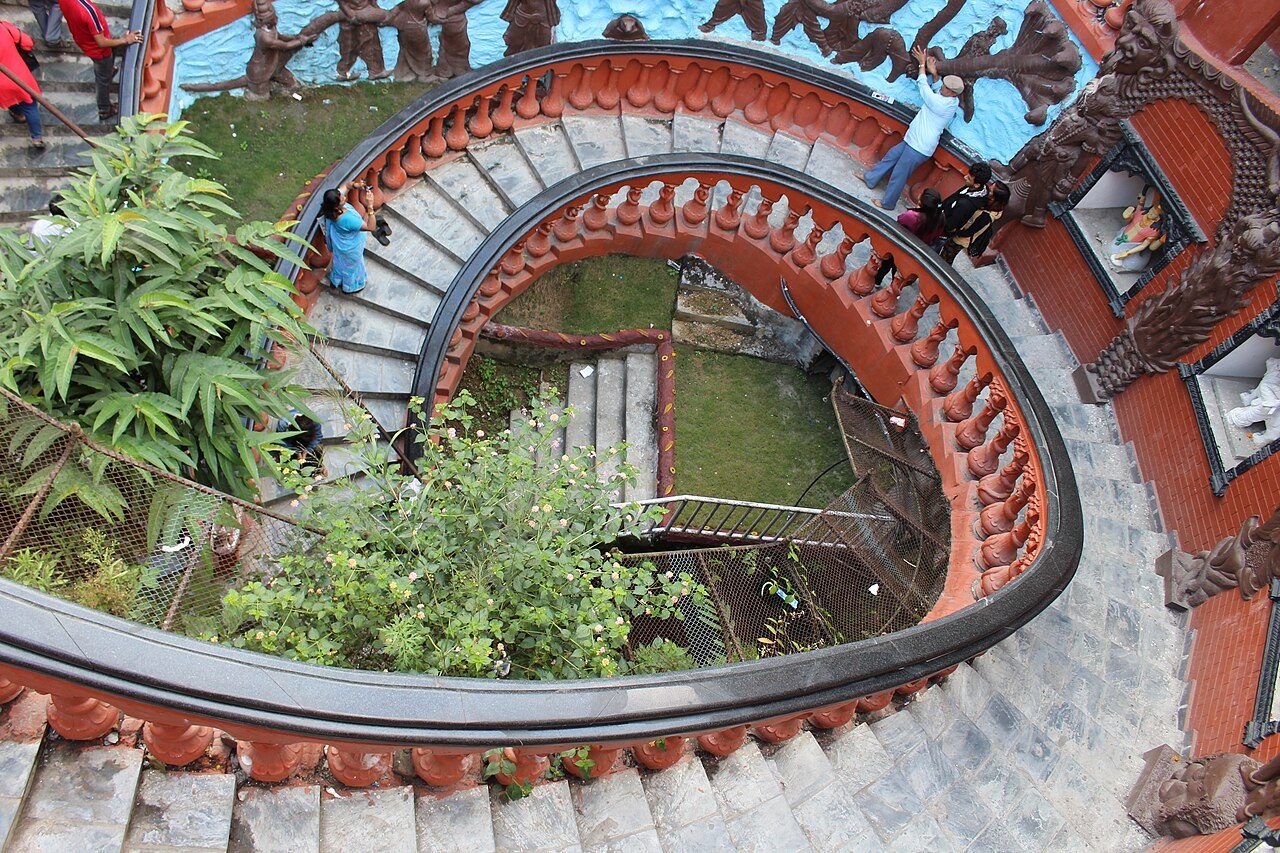
Gupteshwor Mahadev Cave is a cave near Davis Falls in Pokhara with a Shiva lingam shrine inside. A spiral stairway leads down into the cave, and a further passage reaches a viewpoint behind the waterfall. The cave is damp and slippery, so wear good shoes. Photography is not allowed in the shrine section. It is easy to combine with a visit to Davis Falls.
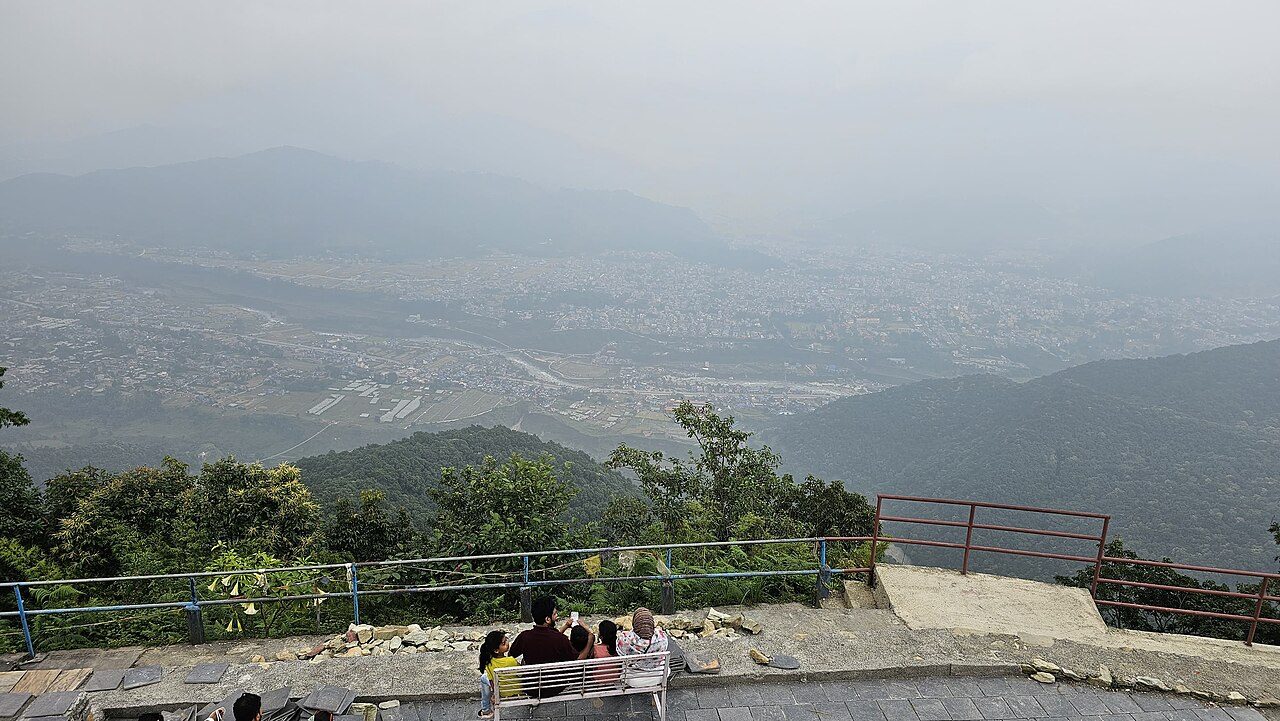
Sarangkot is a hilltop village above Pokhara that offers one of the best sunrise views of the Annapurna range and Machhapuchhre. Many visitors drive up before dawn to watch the peaks turn pink. It is also the main launch site for paragliding over Phewa Lake. Clear skies are most likely from October to April.
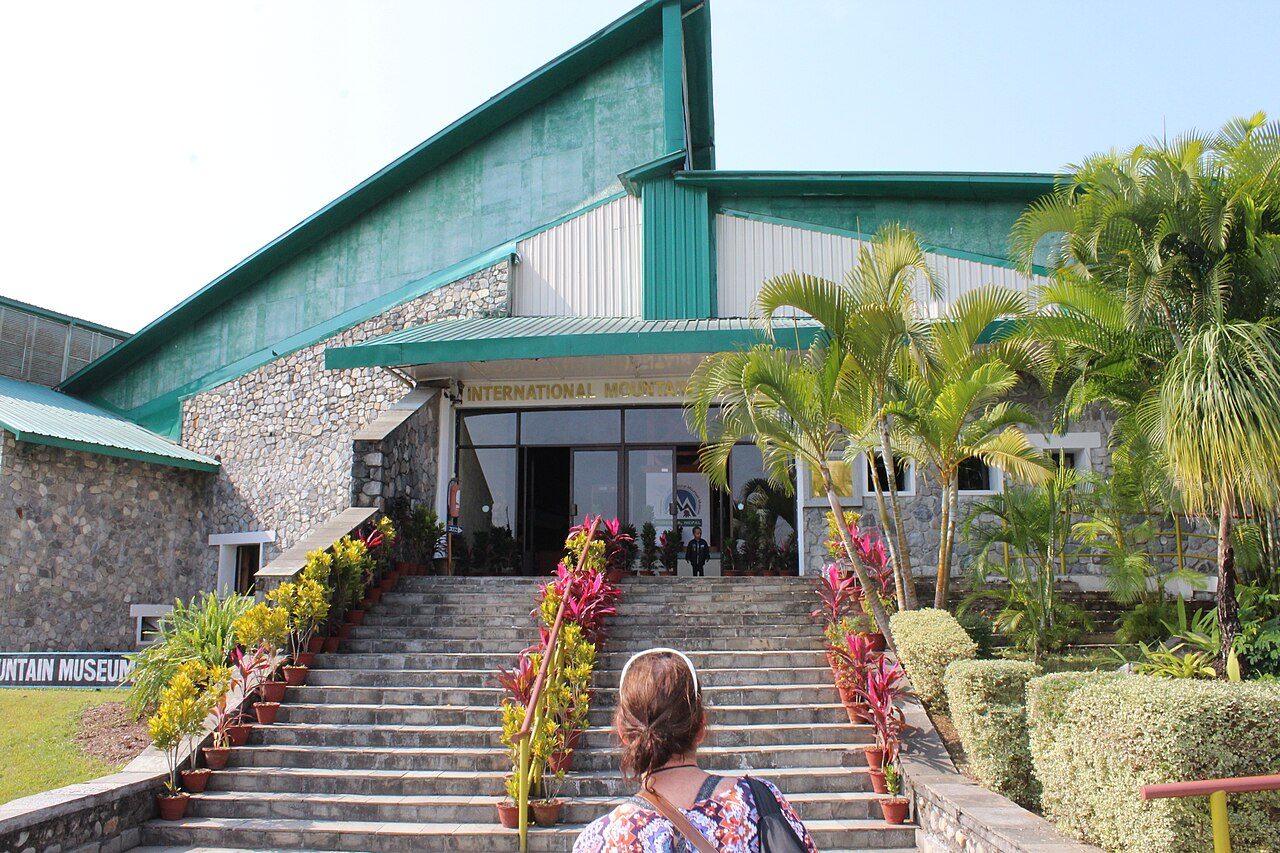
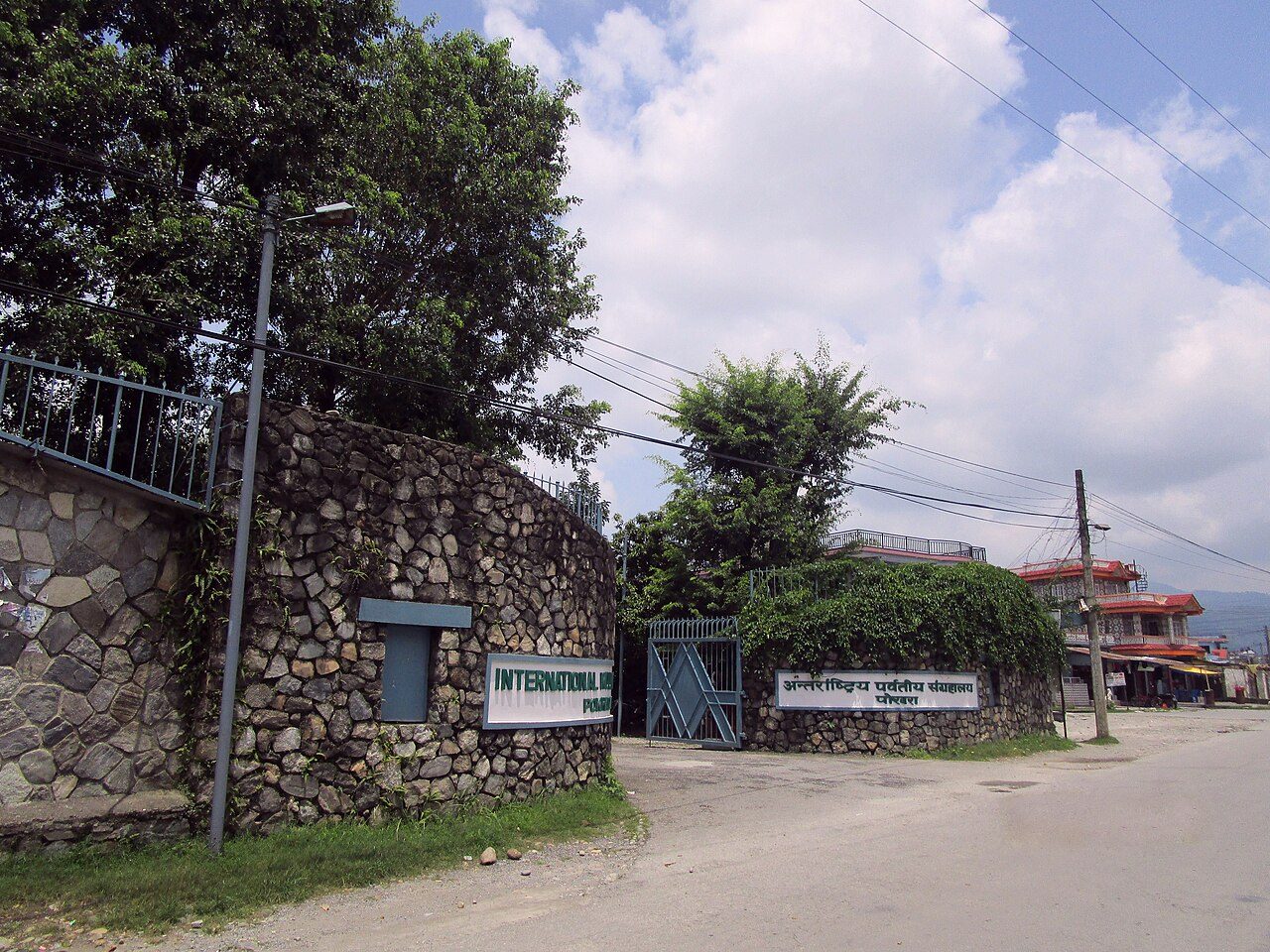
The International Mountain Museum in Pokhara tells the story of the world's great mountains, the history of Himalayan mountaineering and the cultures of mountain peoples. Exhibits include expedition gear, photographs and models of famous peaks. On clear days the Annapurna range is visible from the grounds, which also have a climbing wall.
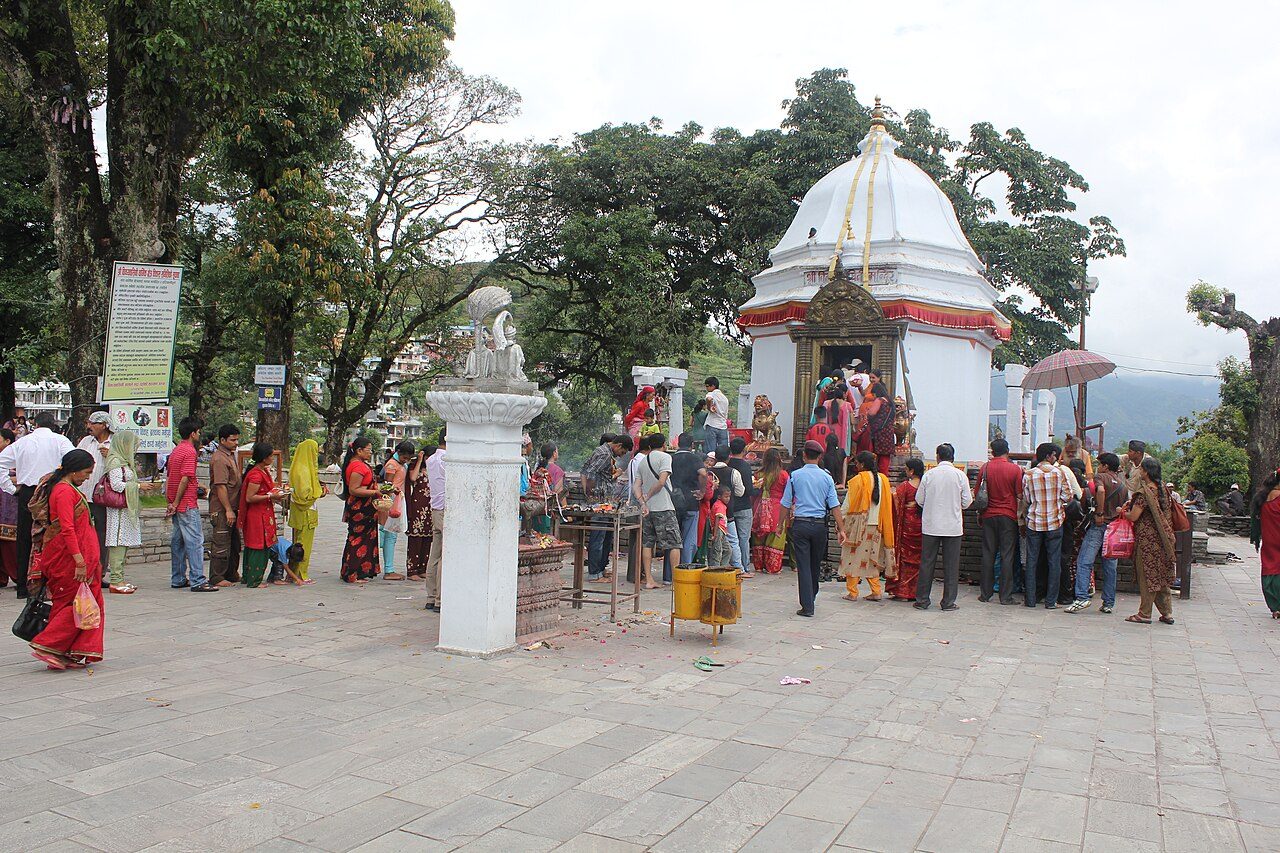
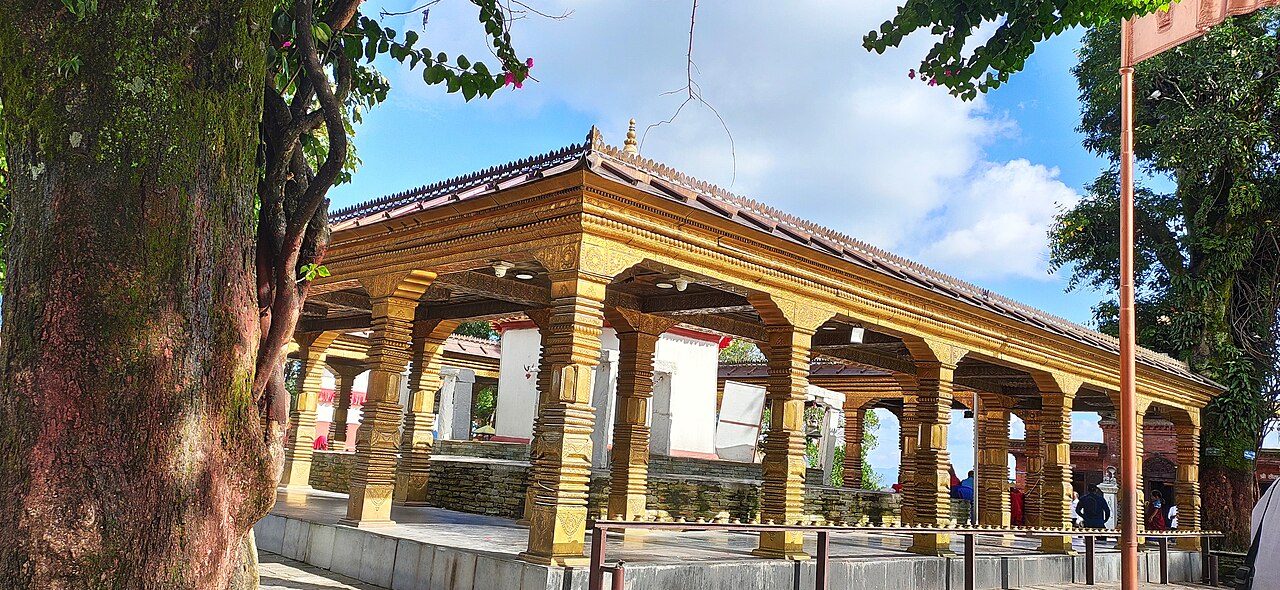
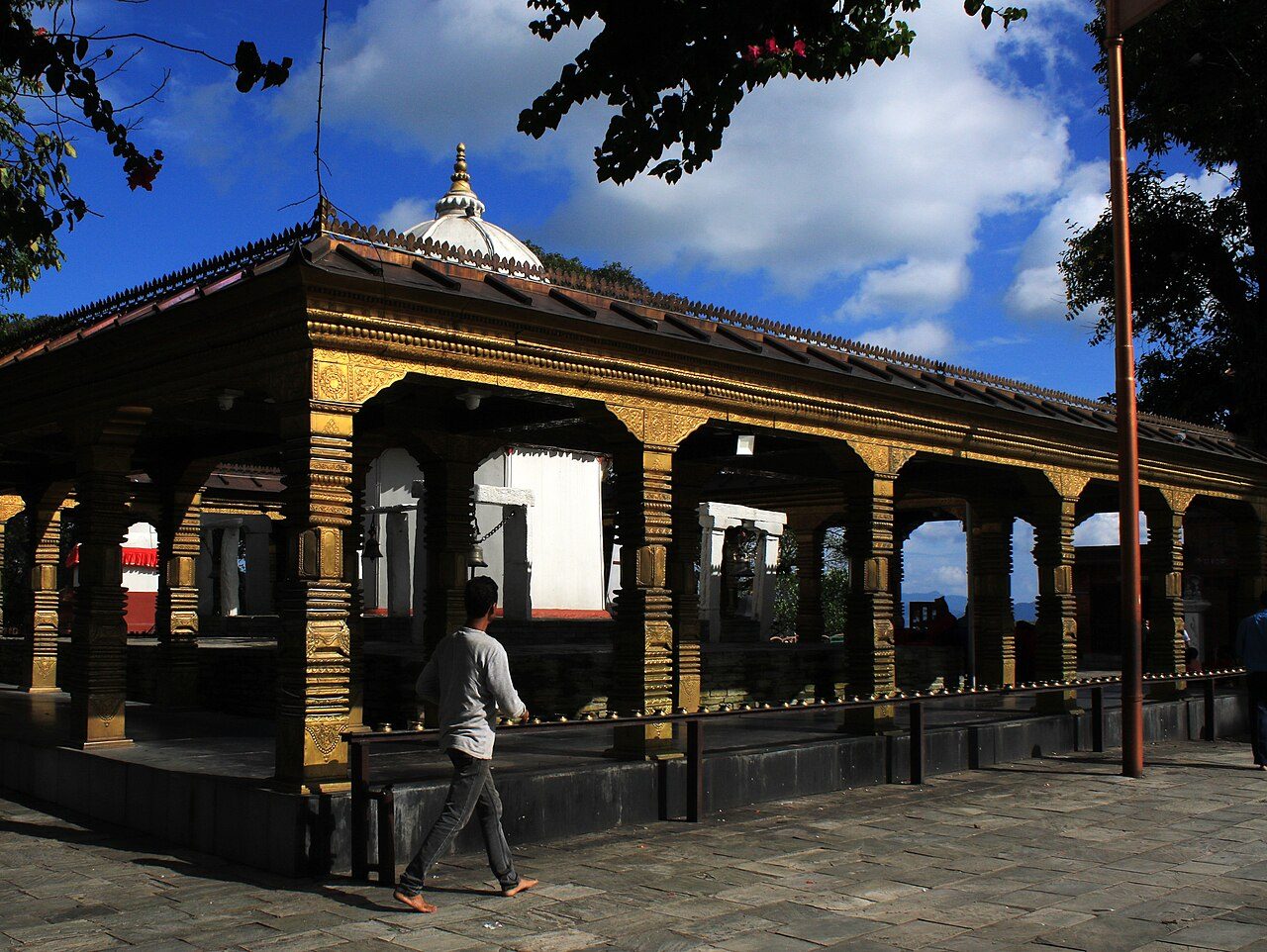
Bindhyabasini Temple is one of the oldest and most important Hindu temples in Pokhara, dedicated to the goddess Bhagawati. It sits on a small hill in the old town with several shrines in its grounds. Worshippers come especially on Saturdays and during Dashain. On clear days the Annapurna peaks are visible from the temple platform.
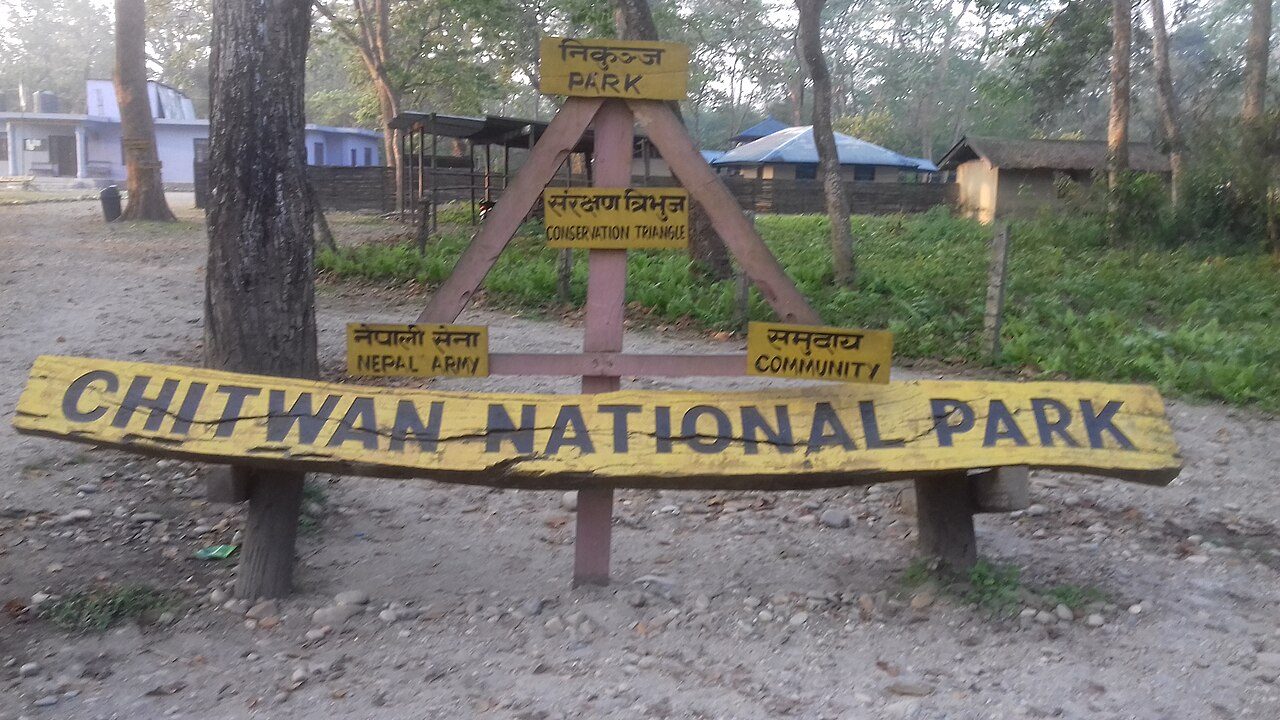
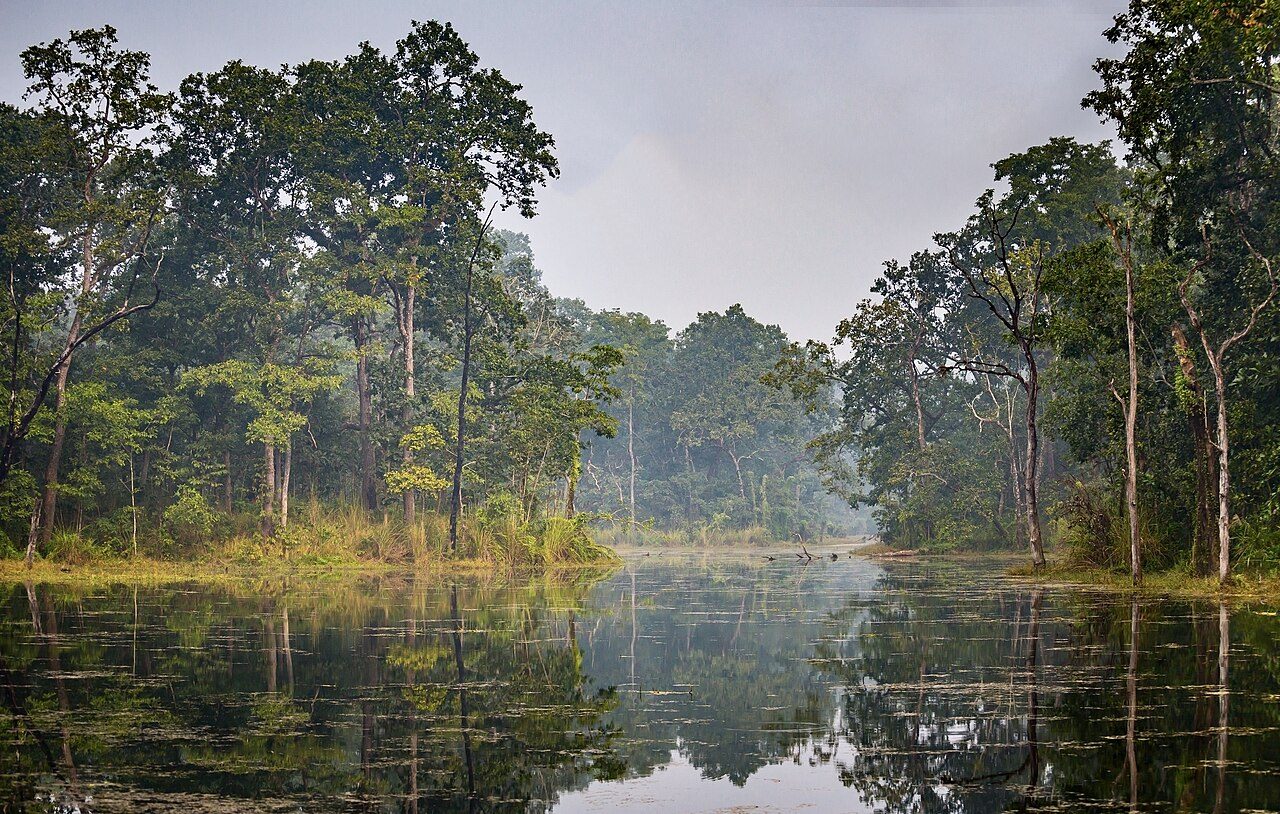
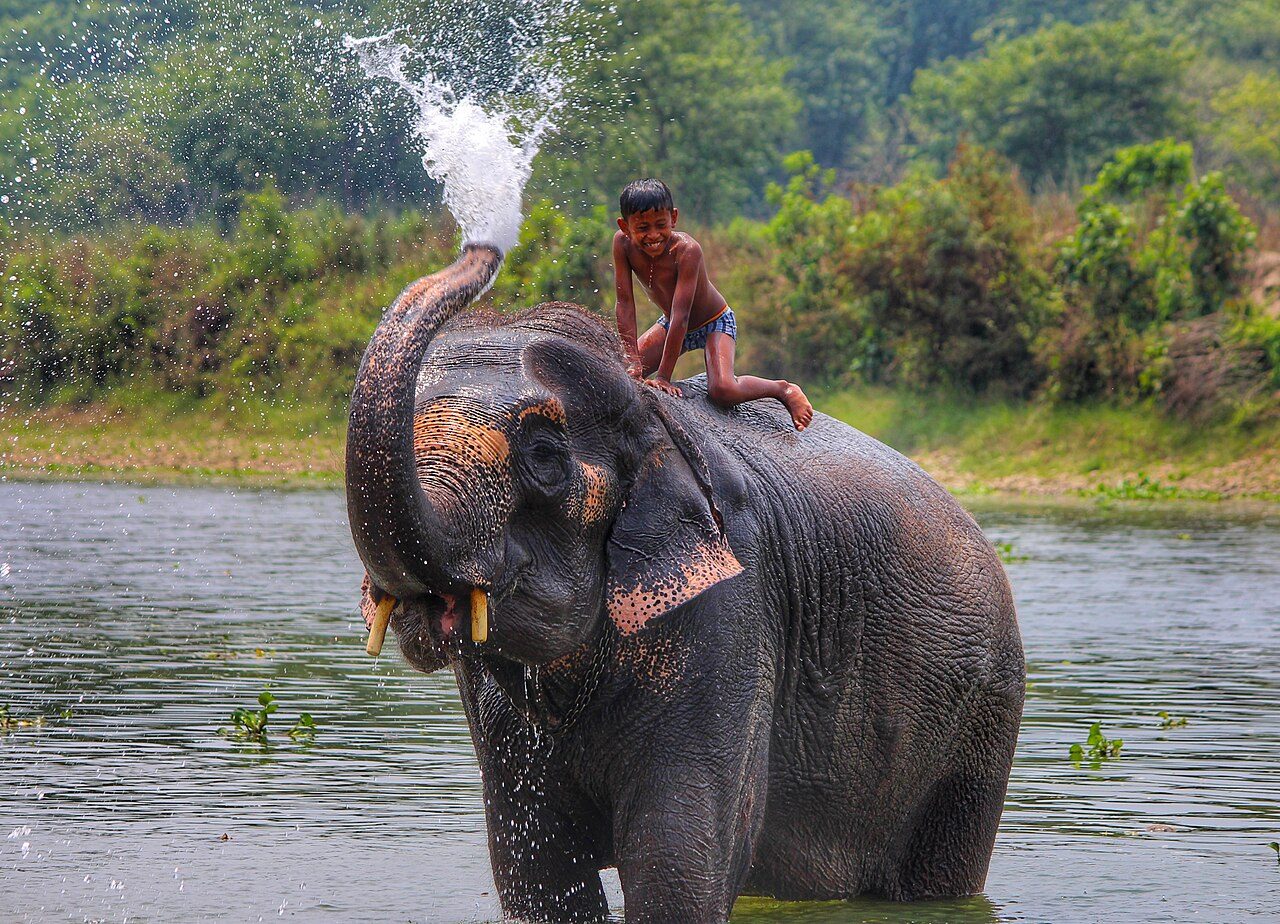
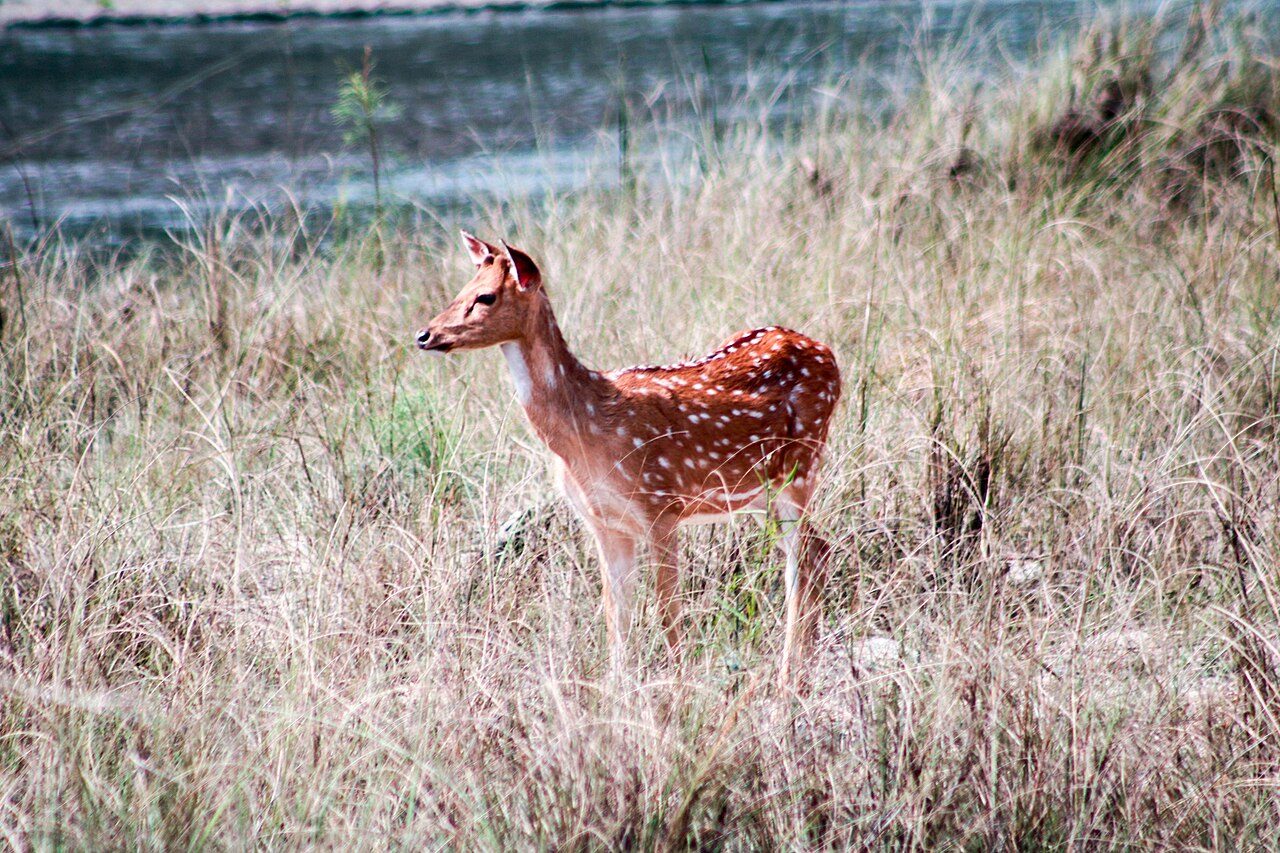
Chitwan National Park was Nepal's first national park and is a UNESCO World Heritage Site. Its grasslands and forests shelter one-horned rhinos, Bengal tigers, gharial crocodiles and hundreds of bird species. Sauraha village is the main gateway, with jeep safaris, canoe trips and guided jungle walks. The best wildlife viewing is from October to March.
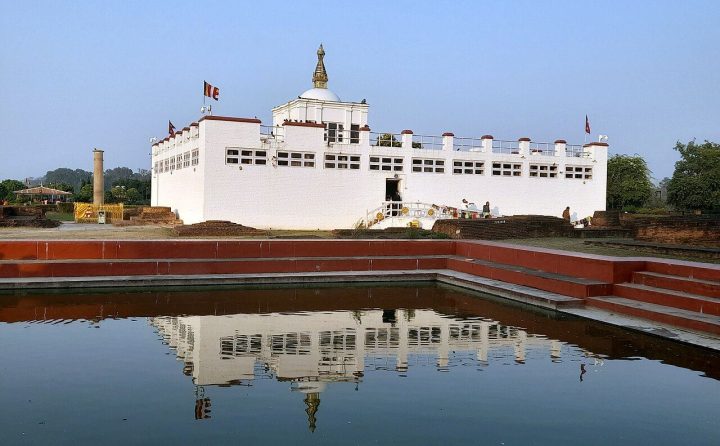
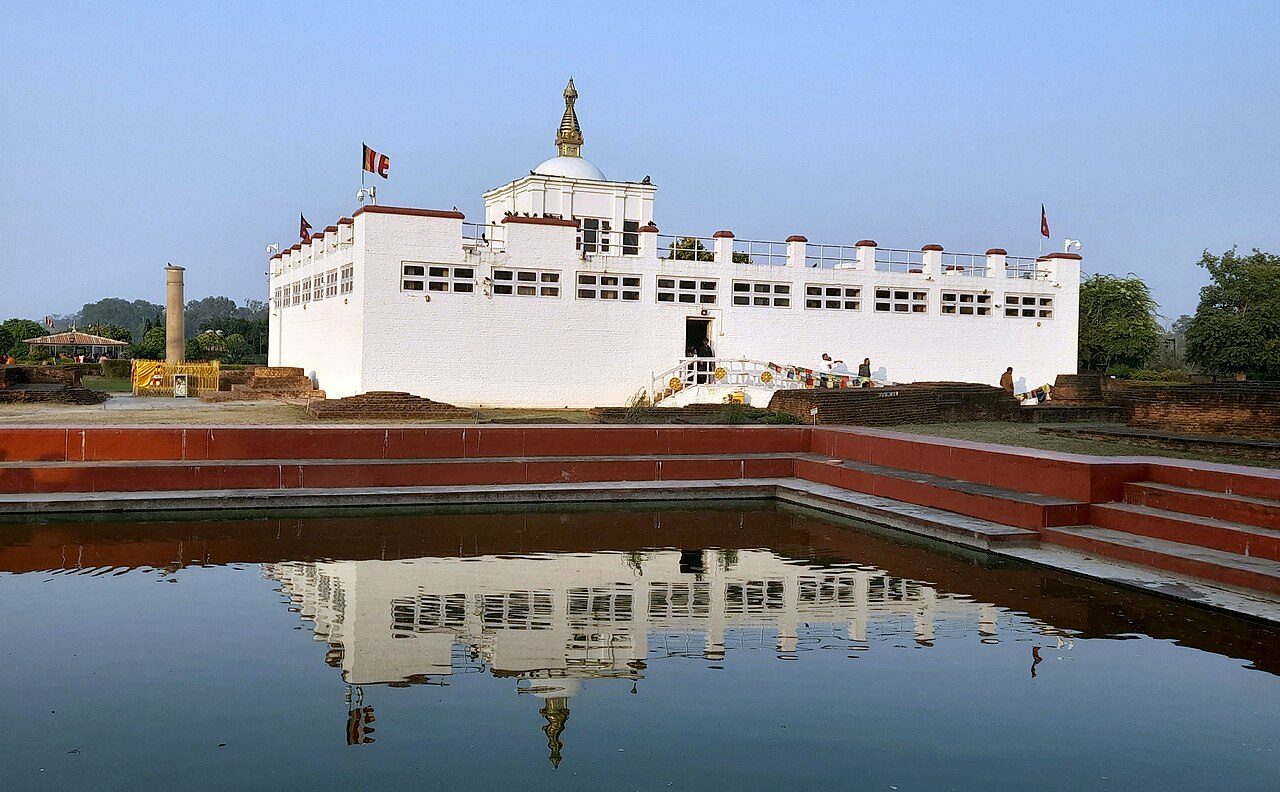
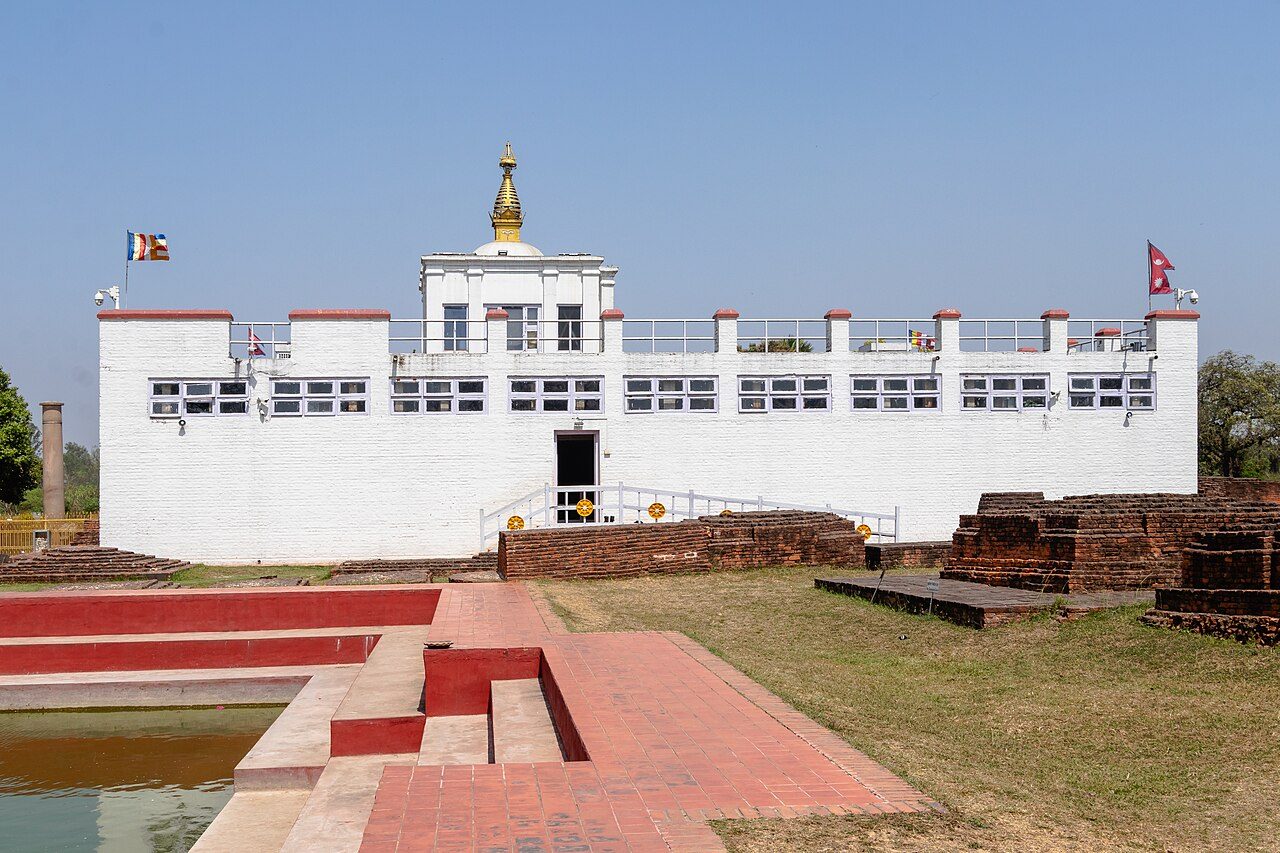
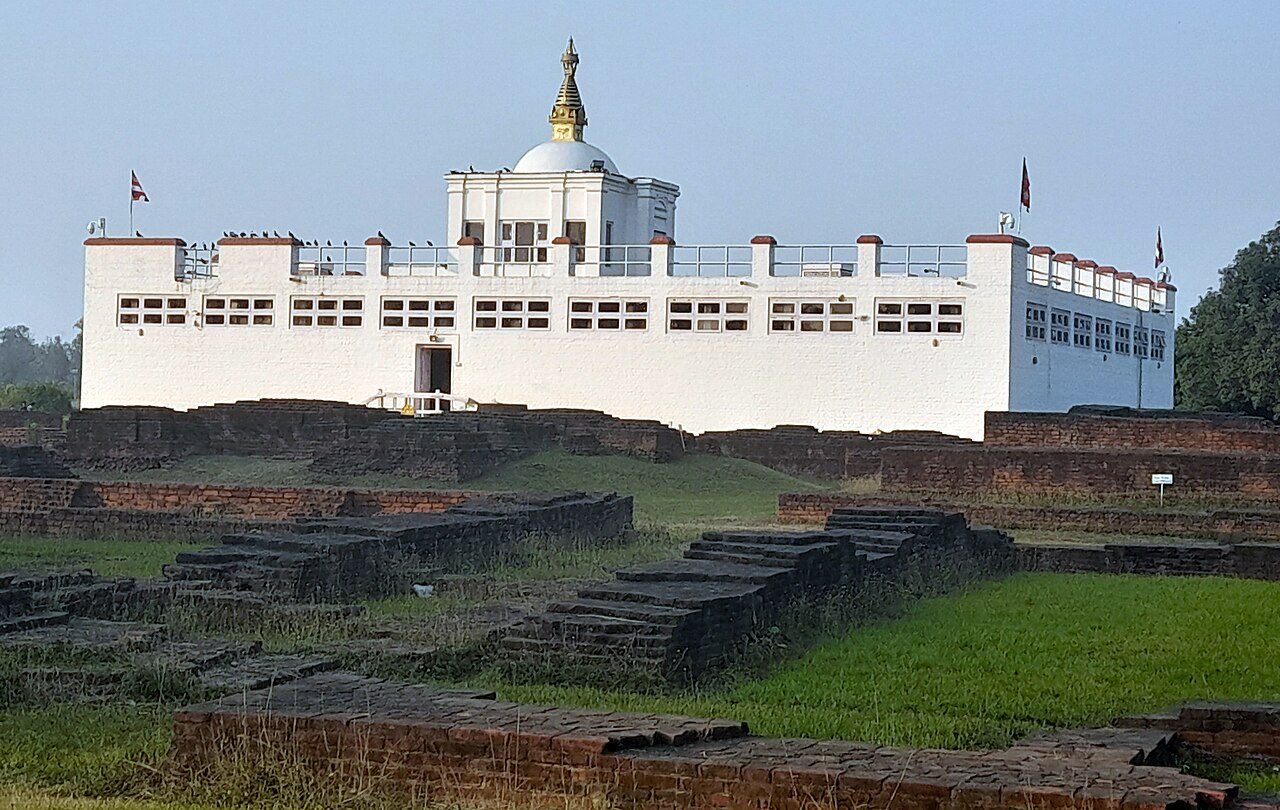
The Maya Devi Temple in Lumbini marks the birthplace of Siddhartha Gautama, the Buddha. Inside, protected ruins include a marker stone said to show the exact spot of his birth. Beside it stand the sacred pond where Queen Maya Devi is said to have bathed and a stone pillar erected by Emperor Ashoka. Lumbini is a UNESCO World Heritage Site and a major pilgrimage centre.
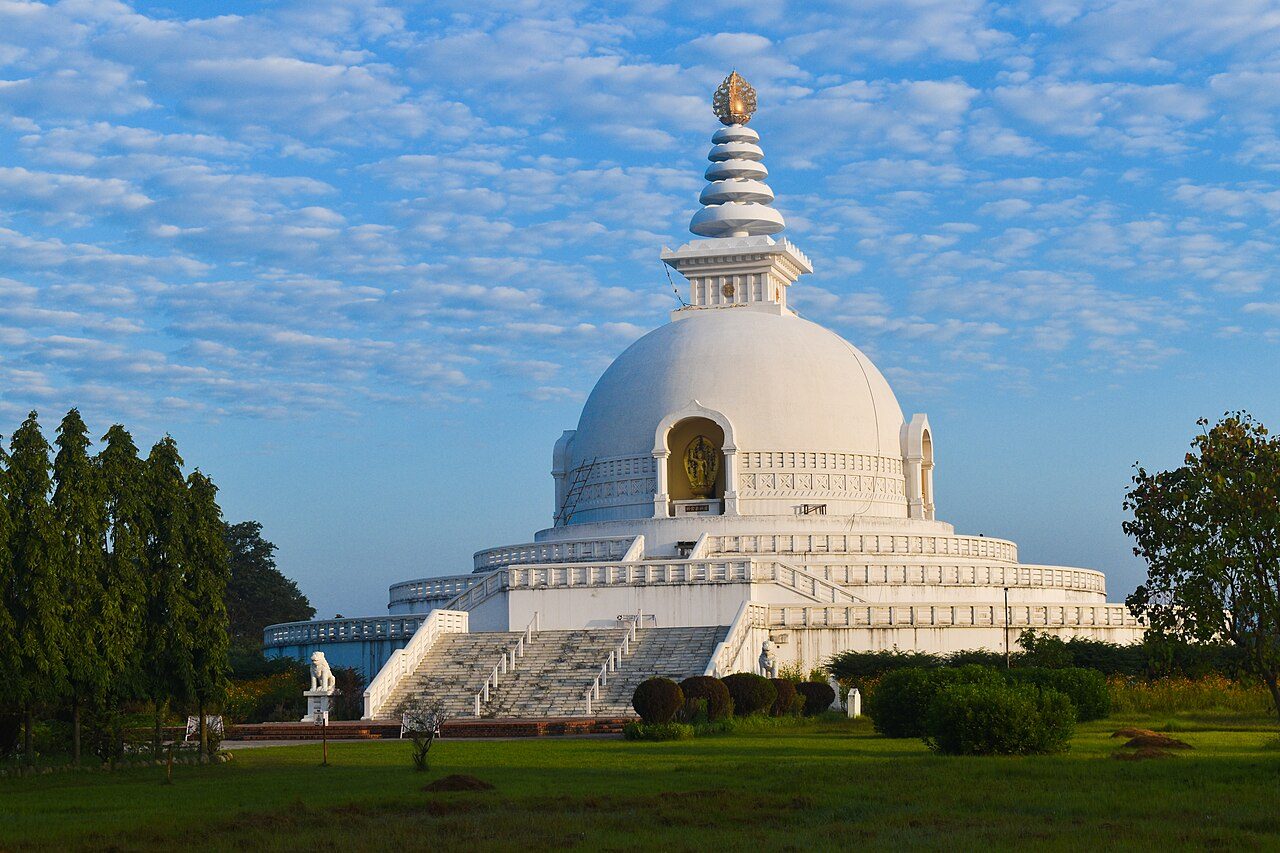
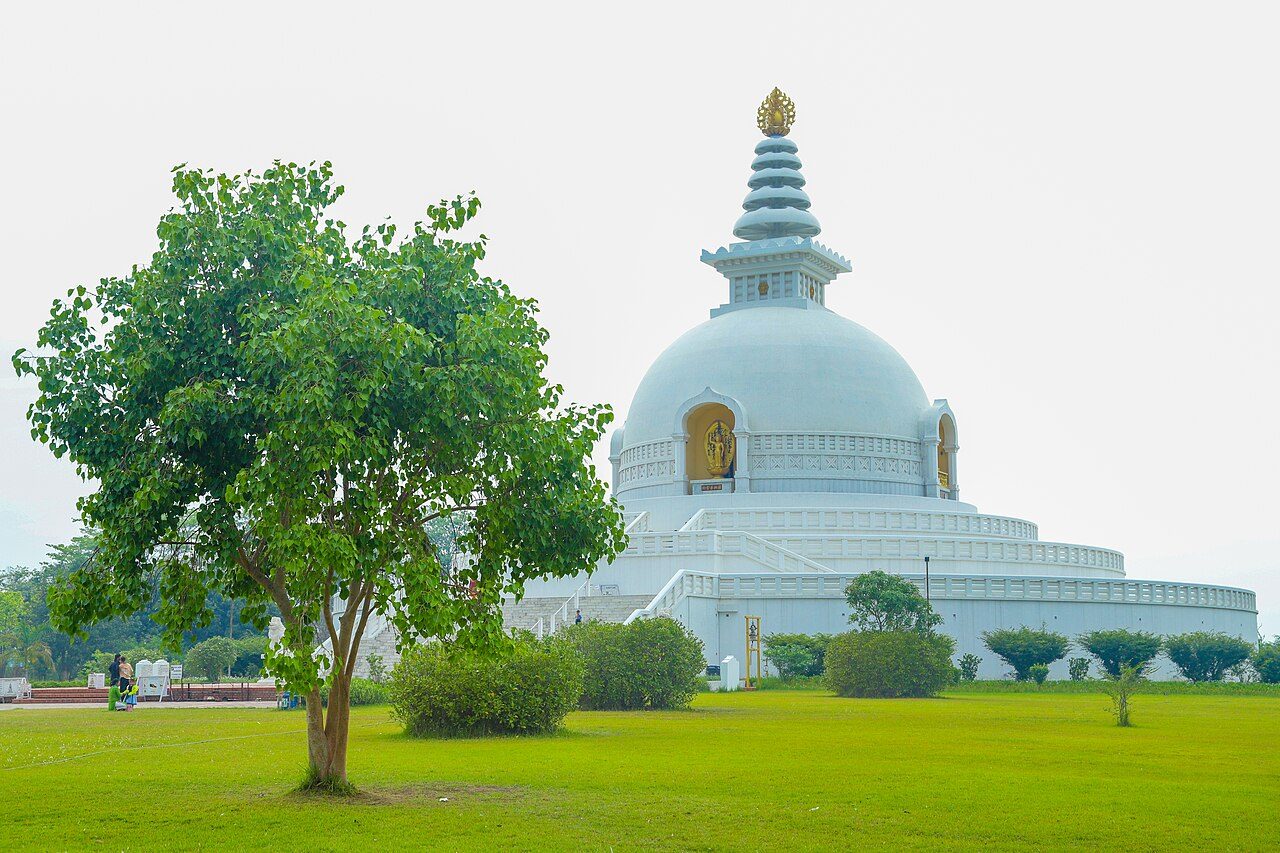
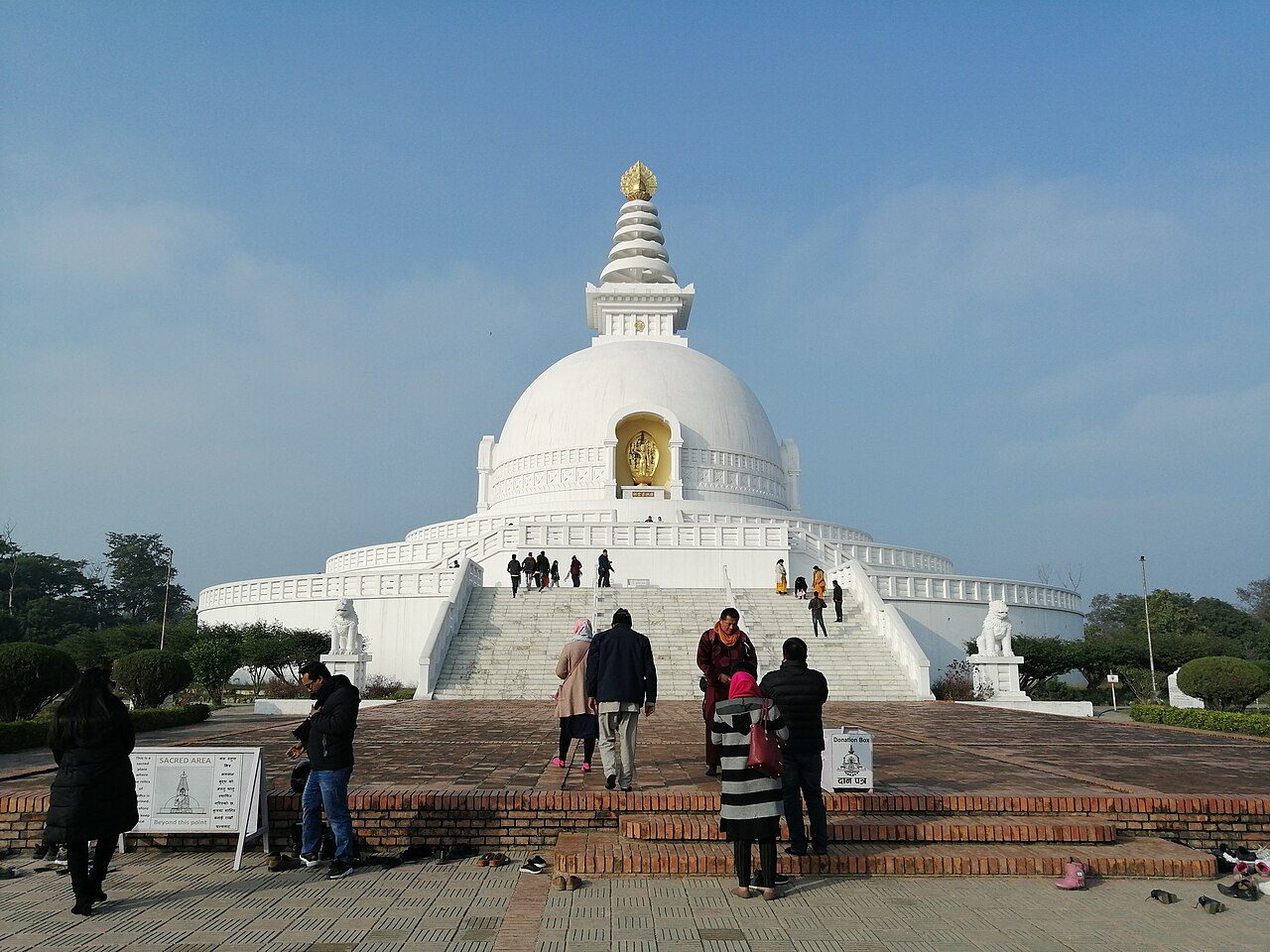
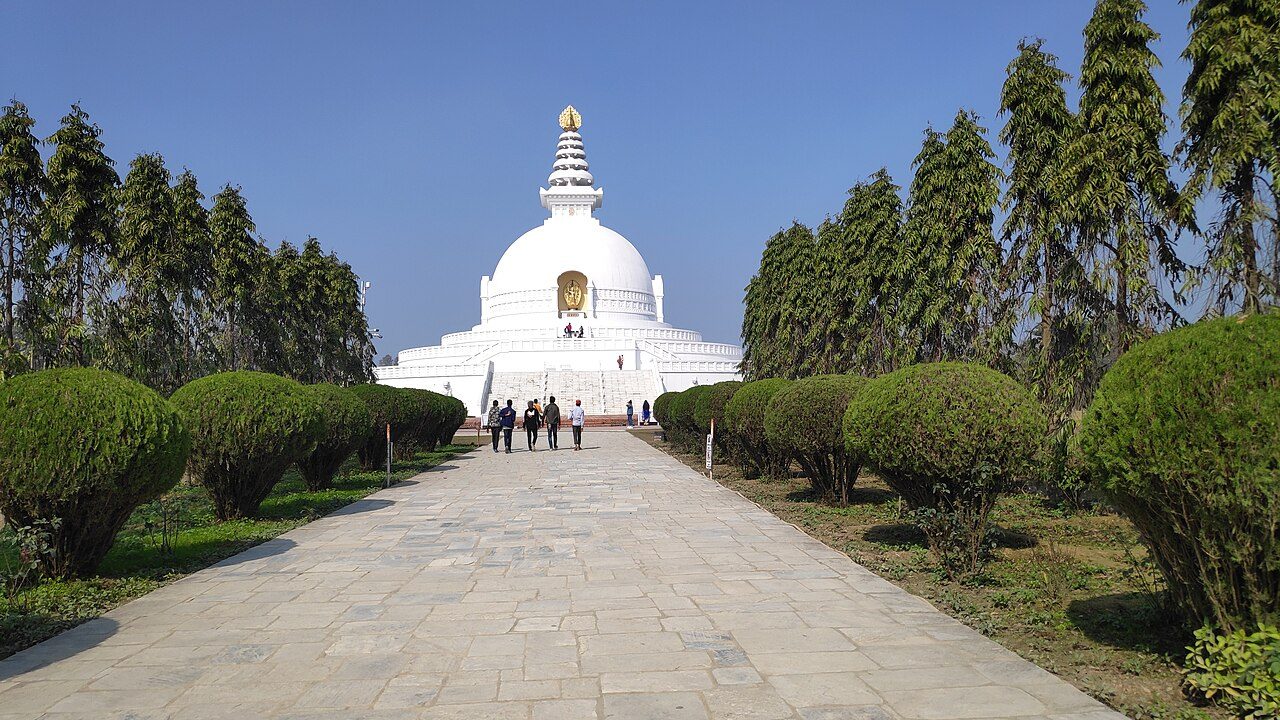
The World Peace Pagoda in Lumbini is a large white stupa built by Japanese Buddhists, standing near the northern end of the sacred garden. A golden statue of the Buddha sits in a niche, and a pond and gardens surround it. It is one of many temples and monasteries built in Lumbini by Buddhist communities from around the world. Cycling between the sites is popular.
Seasons from 20 years of NASA POWER climate data.
Was this trip blog helpful?
0
0
Ready to follow this route?
Copy all 23 stops into your trip plans in the app.
 WaTrips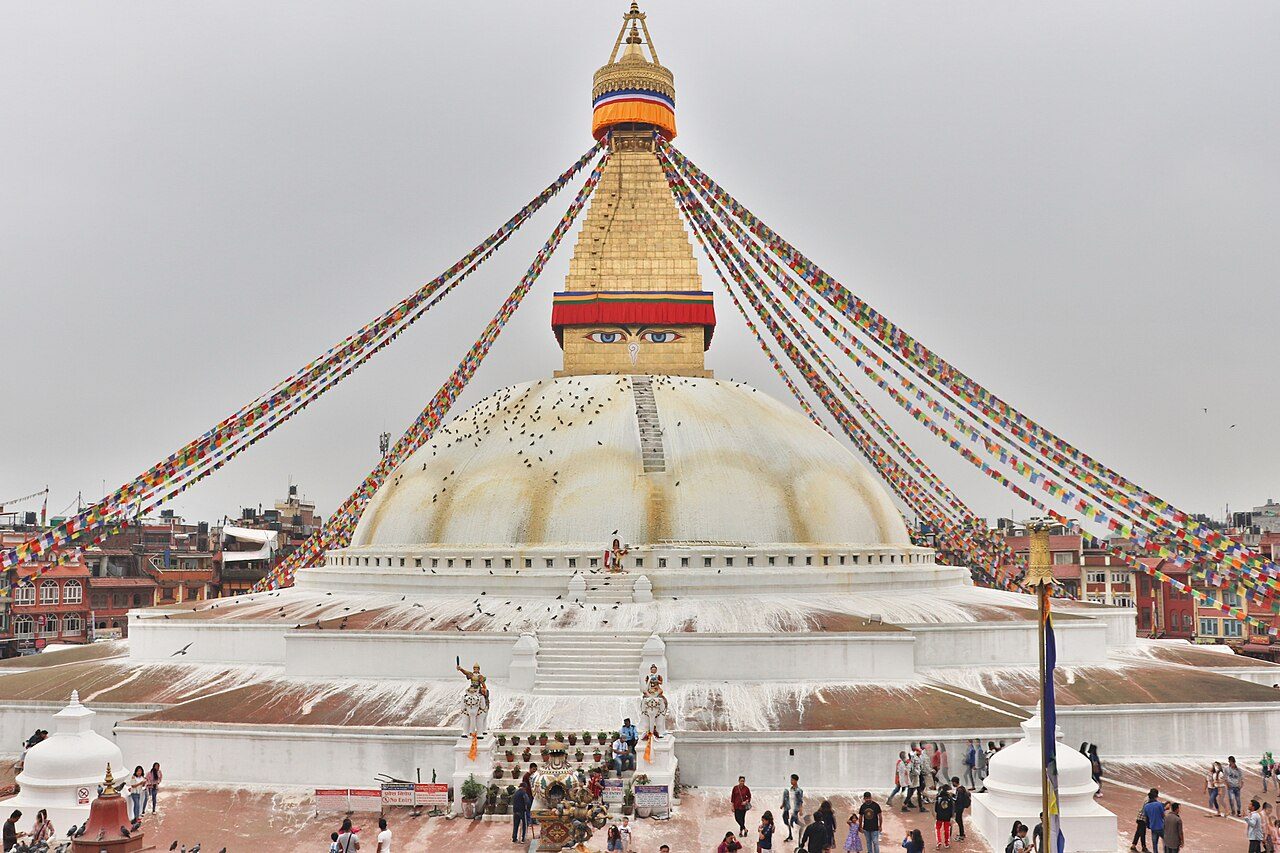







 BikesBooking
 Localrent
 Airalo
 Tiqets